Repository: bitrise-io/bitrise-steplib Branch: master Commit: aa774409866e Files: 4004 Total size: 17.9 MB Directory structure: gitextract_glh1oxsp/ ├── LICENSE ├── PULL_REQUEST_TEMPLATE.md ├── README.md ├── steplib.yml └── steps/ ├── activate-build-cache-for-bazel/ │ ├── 1.0.0/ │ │ └── step.yml │ ├── 1.0.1/ │ │ └── step.yml │ ├── 1.0.2/ │ │ └── step.yml │ ├── 1.0.3/ │ │ └── step.yml │ ├── 1.1.0/ │ │ └── step.yml │ ├── 1.1.1/ │ │ └── step.yml │ ├── 1.1.2/ │ │ └── step.yml │ ├── 1.1.3/ │ │ └── step.yml │ ├── 1.1.4/ │ │ └── step.yml │ ├── 1.1.5/ │ │ └── step.yml │ ├── 1.1.6/ │ │ └── step.yml │ ├── 1.2.1/ │ │ └── step.yml │ ├── 1.2.2/ │ │ └── step.yml │ ├── 1.2.3/ │ │ └── step.yml │ └── step-info.yml ├── activate-build-cache-for-gradle/ │ ├── 1.0.0/ │ │ └── step.yml │ ├── 1.0.1/ │ │ └── step.yml │ ├── 1.0.2/ │ │ └── step.yml │ ├── 1.1.0/ │ │ └── step.yml │ ├── 1.1.1/ │ │ └── step.yml │ ├── 2.0.0/ │ │ └── step.yml │ ├── 2.0.1/ │ │ └── step.yml │ ├── 2.0.2/ │ │ └── step.yml │ ├── 2.0.3/ │ │ └── step.yml │ ├── 2.1.0/ │ │ └── step.yml │ ├── 2.10.0/ │ │ └── step.yml │ ├── 2.11.0/ │ │ └── step.yml │ ├── 2.12.0/ │ │ └── step.yml │ ├── 2.13.0/ │ │ └── step.yml │ ├── 2.13.1/ │ │ └── step.yml │ ├── 2.13.2/ │ │ └── step.yml │ ├── 2.13.3/ │ │ └── step.yml │ ├── 2.13.4/ │ │ └── step.yml │ ├── 2.13.5/ │ │ └── step.yml │ ├── 2.13.6/ │ │ └── step.yml │ ├── 2.13.7/ │ │ └── step.yml │ ├── 2.13.8/ │ │ └── step.yml │ ├── 2.13.9/ │ │ └── step.yml │ ├── 2.14.0/ │ │ └── step.yml │ ├── 2.14.1/ │ │ └── step.yml │ ├── 2.15.0/ │ │ └── step.yml │ ├── 2.16.0/ │ │ └── step.yml │ ├── 2.16.1/ │ │ └── step.yml │ ├── 2.16.2/ │ │ └── step.yml │ ├── 2.17.0/ │ │ └── step.yml │ ├── 2.17.1/ │ │ └── step.yml │ ├── 2.17.2/ │ │ └── step.yml │ ├── 2.18.0/ │ │ └── step.yml │ ├── 2.18.1/ │ │ └── step.yml │ ├── 2.18.2/ │ │ └── step.yml │ ├── 2.18.3/ │ │ └── step.yml │ ├── 2.18.4/ │ │ └── step.yml │ ├── 2.18.5/ │ │ └── step.yml │ ├── 2.18.6/ │ │ └── step.yml │ ├── 2.18.7/ │ │ └── step.yml │ ├── 2.18.8/ │ │ └── step.yml │ ├── 2.18.9/ │ │ └── step.yml │ ├── 2.19.0/ │ │ └── step.yml │ ├── 2.2.0/ │ │ └── step.yml │ ├── 2.20.0/ │ │ └── step.yml │ ├── 2.20.1/ │ │ └── step.yml │ ├── 2.3.0/ │ │ └── step.yml │ ├── 2.4.0/ │ │ └── step.yml │ ├── 2.5.0/ │ │ └── step.yml │ ├── 2.6.0/ │ │ └── step.yml │ ├── 2.7.0/ │ │ └── step.yml │ ├── 2.7.1/ │ │ └── step.yml │ ├── 2.7.10/ │ │ └── step.yml │ ├── 2.7.11/ │ │ └── step.yml │ ├── 2.7.12/ │ │ └── step.yml │ ├── 2.7.13/ │ │ └── step.yml │ ├── 2.7.14/ │ │ └── step.yml │ ├── 2.7.15/ │ │ └── step.yml │ ├── 2.7.16/ │ │ └── step.yml │ ├── 2.7.17/ │ │ └── step.yml │ ├── 2.7.18/ │ │ └── step.yml │ ├── 2.7.19/ │ │ └── step.yml │ ├── 2.7.2/ │ │ └── step.yml │ ├── 2.7.20/ │ │ └── step.yml │ ├── 2.7.21/ │ │ └── step.yml │ ├── 2.7.22/ │ │ └── step.yml │ ├── 2.7.23/ │ │ └── step.yml │ ├── 2.7.24/ │ │ └── step.yml │ ├── 2.7.25/ │ │ └── step.yml │ ├── 2.7.26/ │ │ └── step.yml │ ├── 2.7.27/ │ │ └── step.yml │ ├── 2.7.28/ │ │ └── step.yml │ ├── 2.7.29/ │ │ └── step.yml │ ├── 2.7.3/ │ │ └── step.yml │ ├── 2.7.30/ │ │ └── step.yml │ ├── 2.7.31/ │ │ └── step.yml │ ├── 2.7.32/ │ │ └── step.yml │ ├── 2.7.33/ │ │ └── step.yml │ ├── 2.7.34/ │ │ └── step.yml │ ├── 2.7.35/ │ │ └── step.yml │ ├── 2.7.36/ │ │ └── step.yml │ ├── 2.7.37/ │ │ └── step.yml │ ├── 2.7.38/ │ │ └── step.yml │ ├── 2.7.39/ │ │ └── step.yml │ ├── 2.7.4/ │ │ └── step.yml │ ├── 2.7.40/ │ │ └── step.yml │ ├── 2.7.41/ │ │ └── step.yml │ ├── 2.7.42/ │ │ └── step.yml │ ├── 2.7.43/ │ │ └── step.yml │ ├── 2.7.44/ │ │ └── step.yml │ ├── 2.7.46/ │ │ └── step.yml │ ├── 2.7.47/ │ │ └── step.yml │ ├── 2.7.48/ │ │ └── step.yml │ ├── 2.7.49/ │ │ └── step.yml │ ├── 2.7.5/ │ │ └── step.yml │ ├── 2.7.50/ │ │ └── step.yml │ ├── 2.7.52/ │ │ └── step.yml │ ├── 2.7.53/ │ │ └── step.yml │ ├── 2.7.54/ │ │ └── step.yml │ ├── 2.7.55/ │ │ └── step.yml │ ├── 2.7.56/ │ │ └── step.yml │ ├── 2.7.57/ │ │ └── step.yml │ ├── 2.7.58/ │ │ └── step.yml │ ├── 2.7.59/ │ │ └── step.yml │ ├── 2.7.6/ │ │ └── step.yml │ ├── 2.7.60/ │ │ └── step.yml │ ├── 2.7.7/ │ │ └── step.yml │ ├── 2.7.8/ │ │ └── step.yml │ ├── 2.7.9/ │ │ └── step.yml │ ├── 2.8.0/ │ │ └── step.yml │ ├── 2.8.1/ │ │ └── step.yml │ ├── 2.8.2/ │ │ └── step.yml │ ├── 2.8.3/ │ │ └── step.yml │ ├── 2.8.4/ │ │ └── step.yml │ ├── 2.8.7/ │ │ └── step.yml │ ├── 2.8.8/ │ │ └── step.yml │ ├── 2.9.0/ │ │ └── step.yml │ └── step-info.yml ├── activate-build-cache-for-react-native/ │ ├── 0.1.0/ │ │ └── step.yml │ ├── 0.2.0/ │ │ └── step.yml │ ├── 0.3.0/ │ │ └── step.yml │ ├── 0.4.0/ │ │ └── step.yml │ ├── 0.4.1/ │ │ └── step.yml │ ├── 0.5.0/ │ │ └── step.yml │ ├── 0.5.1/ │ │ └── step.yml │ ├── 0.5.2/ │ │ └── step.yml │ ├── 0.5.3/ │ │ └── step.yml │ ├── 0.5.4/ │ │ └── step.yml │ ├── 0.5.5/ │ │ └── step.yml │ ├── 0.5.6/ │ │ └── step.yml │ ├── 0.5.7/ │ │ └── step.yml │ ├── 0.6.0/ │ │ └── step.yml │ ├── 0.7.0/ │ │ └── step.yml │ ├── 0.7.1/ │ │ └── step.yml │ └── step-info.yml ├── activate-build-cache-for-tuist/ │ ├── 1.0.0/ │ │ └── step.yml │ ├── 1.0.1/ │ │ └── step.yml │ ├── 1.0.2/ │ │ └── step.yml │ ├── 1.0.3/ │ │ └── step.yml │ ├── 1.0.4/ │ │ └── step.yml │ ├── 1.0.5/ │ │ └── step.yml │ ├── 1.0.6/ │ │ └── step.yml │ ├── 1.0.7/ │ │ └── step.yml │ └── step-info.yml ├── activate-build-cache-for-xcode/ │ ├── 0.0.1/ │ │ └── step.yml │ ├── 0.0.2/ │ │ └── step.yml │ ├── 0.0.3/ │ │ └── step.yml │ ├── 0.0.4/ │ │ └── step.yml │ ├── 0.10.0/ │ │ └── step.yml │ ├── 0.10.1/ │ │ └── step.yml │ ├── 0.10.2/ │ │ └── step.yml │ ├── 0.10.3/ │ │ └── step.yml │ ├── 0.11.0/ │ │ └── step.yml │ ├── 0.12.0/ │ │ └── step.yml │ ├── 0.2.0/ │ │ └── step.yml │ ├── 0.2.1/ │ │ └── step.yml │ ├── 0.3.0/ │ │ └── step.yml │ ├── 0.3.1/ │ │ └── step.yml │ ├── 0.3.2/ │ │ └── step.yml │ ├── 0.3.3/ │ │ └── step.yml │ ├── 0.4.0/ │ │ └── step.yml │ ├── 0.4.1/ │ │ └── step.yml │ ├── 0.4.2/ │ │ └── step.yml │ ├── 0.4.3/ │ │ └── step.yml │ ├── 0.4.4/ │ │ └── step.yml │ ├── 0.4.5/ │ │ └── step.yml │ ├── 0.4.6/ │ │ └── step.yml │ ├── 0.4.7/ │ │ └── step.yml │ ├── 0.4.8/ │ │ └── step.yml │ ├── 0.5.0/ │ │ └── step.yml │ ├── 0.5.1/ │ │ └── step.yml │ ├── 0.5.2/ │ │ └── step.yml │ ├── 0.5.3/ │ │ └── step.yml │ ├── 0.6.0/ │ │ └── step.yml │ ├── 0.6.1/ │ │ └── step.yml │ ├── 0.7.0/ │ │ └── step.yml │ ├── 0.8.0/ │ │ └── step.yml │ ├── 0.8.1/ │ │ └── step.yml │ ├── 0.8.2/ │ │ └── step.yml │ ├── 0.9.0/ │ │ └── step.yml │ └── step-info.yml ├── activate-gradle-mirrors/ │ ├── 0.1.0/ │ │ └── step.yml │ ├── 0.1.1/ │ │ └── step.yml │ ├── 0.1.2/ │ │ └── step.yml │ ├── 0.1.3/ │ │ └── step.yml │ ├── 0.1.4/ │ │ └── step.yml │ ├── 0.2.0/ │ │ └── step.yml │ └── step-info.yml ├── activate-ssh-key/ │ ├── 3.0.2/ │ │ └── step.yml │ ├── 3.0.3/ │ │ └── step.yml │ ├── 3.1.0/ │ │ └── step.yml │ ├── 3.1.1/ │ │ └── step.yml │ ├── 4.0.1/ │ │ └── step.yml │ ├── 4.0.2/ │ │ └── step.yml │ ├── 4.0.3/ │ │ └── step.yml │ ├── 4.0.5/ │ │ └── step.yml │ ├── 4.0.6/ │ │ └── step.yml │ ├── 4.1.0/ │ │ └── step.yml │ ├── 4.1.1/ │ │ └── step.yml │ └── step-info.yml ├── add-trace-sdk/ │ ├── 1.0.1/ │ │ └── step.yml │ ├── 1.0.3/ │ │ └── step.yml │ ├── 1.0.4/ │ │ └── step.yml │ ├── 1.1.0/ │ │ └── step.yml │ ├── 1.1.1/ │ │ └── step.yml │ ├── 1.2.1/ │ │ └── step.yml │ ├── 1.2.2/ │ │ └── step.yml │ ├── 1.2.3/ │ │ └── step.yml │ ├── 1.2.4/ │ │ └── step.yml │ └── step-info.yml ├── add-trace-sdk-android/ │ ├── 0.0.1/ │ │ └── step.yml │ ├── 0.0.2/ │ │ └── step.yml │ ├── 0.0.3/ │ │ └── step.yml │ ├── 0.0.4/ │ │ └── step.yml │ ├── 0.0.5/ │ │ └── step.yml │ ├── 0.1.0/ │ │ └── step.yml │ └── step-info.yml ├── amazon-s3-deploy/ │ ├── 3.0.0/ │ │ └── step.yml │ ├── 3.1.0/ │ │ └── step.yml │ ├── 3.1.1/ │ │ └── step.yml │ ├── 3.2.0/ │ │ └── step.yml │ ├── 3.3.0/ │ │ └── step.yml │ ├── 3.4.0/ │ │ └── step.yml │ ├── 3.5.0/ │ │ └── step.yml │ ├── 3.5.1/ │ │ └── step.yml │ ├── 3.5.3/ │ │ └── step.yml │ ├── 3.5.4/ │ │ └── step.yml │ ├── 3.5.6/ │ │ └── step.yml │ ├── 3.5.7/ │ │ └── step.yml │ ├── 3.5.8/ │ │ └── step.yml │ ├── 3.5.9/ │ │ └── step.yml │ └── step-info.yml ├── amazon-s3-upload/ │ ├── 3.0.0/ │ │ └── step.yml │ ├── 3.1.0/ │ │ └── step.yml │ ├── 3.1.1/ │ │ └── step.yml │ ├── 3.1.2/ │ │ └── step.yml │ ├── 3.1.3/ │ │ └── step.yml │ ├── 3.1.4/ │ │ └── step.yml │ ├── 3.1.5/ │ │ └── step.yml │ └── step-info.yml ├── amazon-s3-uploader/ │ ├── 1.0.1/ │ │ └── step.yml │ └── step-info.yml ├── android-build/ │ ├── 0.10.0/ │ │ └── step.yml │ ├── 0.10.1/ │ │ └── step.yml │ ├── 0.10.2/ │ │ └── step.yml │ ├── 0.10.3/ │ │ └── step.yml │ ├── 0.10.4/ │ │ └── step.yml │ ├── 0.9.0/ │ │ └── step.yml │ ├── 0.9.1/ │ │ └── step.yml │ ├── 0.9.2/ │ │ └── step.yml │ ├── 0.9.3/ │ │ └── step.yml │ ├── 0.9.4/ │ │ └── step.yml │ ├── 0.9.5/ │ │ └── step.yml │ ├── 0.9.6/ │ │ └── step.yml │ ├── 1.0.0/ │ │ └── step.yml │ ├── 1.0.1/ │ │ └── step.yml │ ├── 1.0.2/ │ │ └── step.yml │ ├── 1.0.3/ │ │ └── step.yml │ ├── 1.0.4/ │ │ └── step.yml │ ├── 1.0.5/ │ │ └── step.yml │ ├── 1.0.6/ │ │ └── step.yml │ ├── 1.1.0/ │ │ └── step.yml │ └── step-info.yml ├── android-build-for-ui-testing/ │ ├── 0.1.0/ │ │ └── step.yml │ ├── 0.1.1/ │ │ └── step.yml │ ├── 0.1.2/ │ │ └── step.yml │ ├── 0.1.3/ │ │ └── step.yml │ ├── 0.1.4/ │ │ └── step.yml │ ├── 0.1.5/ │ │ └── step.yml │ ├── 0.1.6/ │ │ └── step.yml │ ├── 0.1.7/ │ │ └── step.yml │ ├── 0.1.8/ │ │ └── step.yml │ ├── 0.1.9/ │ │ └── step.yml │ └── step-info.yml ├── android-detekt/ │ ├── 0.0.2/ │ │ └── step.yml │ ├── 0.0.3/ │ │ └── step.yml │ └── step-info.yml ├── android-instrumented-test/ │ ├── 0.1.0/ │ │ └── step.yml │ ├── 0.1.1/ │ │ └── step.yml │ ├── 0.1.2/ │ │ └── step.yml │ └── step-info.yml ├── android-lint/ │ ├── 0.9.0/ │ │ └── step.yml │ ├── 0.9.1/ │ │ └── step.yml │ ├── 0.9.10/ │ │ └── step.yml │ ├── 0.9.11/ │ │ └── step.yml │ ├── 0.9.12/ │ │ └── step.yml │ ├── 0.9.13/ │ │ └── step.yml │ ├── 0.9.14/ │ │ └── step.yml │ ├── 0.9.2/ │ │ └── step.yml │ ├── 0.9.4/ │ │ └── step.yml │ ├── 0.9.5/ │ │ └── step.yml │ ├── 0.9.6/ │ │ └── step.yml │ ├── 0.9.7/ │ │ └── step.yml │ ├── 0.9.8/ │ │ └── step.yml │ ├── 0.9.9/ │ │ └── step.yml │ └── step-info.yml ├── android-manifest-info/ │ ├── 1.0.0/ │ │ └── step.yml │ ├── 1.0.1/ │ │ └── step.yml │ ├── 1.0.2/ │ │ └── step.yml │ └── step-info.yml ├── android-screenrecord-start/ │ ├── 0.9.0/ │ │ └── step.yml │ └── step-info.yml ├── android-screenrecord-stop/ │ ├── 0.9.0/ │ │ └── step.yml │ └── step-info.yml ├── android-sdk-add-on-installer/ │ ├── 0.0.1/ │ │ └── step.yml │ └── step-info.yml ├── android-sdk-update/ │ ├── 1.0.1/ │ │ └── step.yml │ ├── 1.0.2/ │ │ └── step.yml │ ├── 1.0.4/ │ │ └── step.yml │ ├── 1.0.6/ │ │ └── step.yml │ └── step-info.yml ├── android-unit-test/ │ ├── 0.10.0/ │ │ └── step.yml │ ├── 0.11.0/ │ │ └── step.yml │ ├── 0.11.1/ │ │ └── step.yml │ ├── 0.9.0/ │ │ └── step.yml │ ├── 0.9.2/ │ │ └── step.yml │ ├── 0.9.3/ │ │ └── step.yml │ ├── 0.9.4/ │ │ └── step.yml │ ├── 0.9.5/ │ │ └── step.yml │ ├── 0.9.6/ │ │ └── step.yml │ ├── 1.0.0/ │ │ └── step.yml │ ├── 1.0.1/ │ │ └── step.yml │ ├── 1.0.2/ │ │ └── step.yml │ ├── 1.0.3/ │ │ └── step.yml │ ├── 1.0.4/ │ │ └── step.yml │ ├── 1.0.5/ │ │ └── step.yml │ ├── 1.0.6/ │ │ └── step.yml │ ├── 1.1.0/ │ │ └── step.yml │ ├── 1.2.0/ │ │ └── step.yml │ ├── 1.2.1/ │ │ └── step.yml │ ├── 1.2.2/ │ │ └── step.yml │ ├── 1.2.3/ │ │ └── step.yml │ ├── 1.2.4/ │ │ └── step.yml │ ├── 1.2.5/ │ │ └── step.yml │ └── step-info.yml ├── apispotter-test-runner/ │ ├── 0.0.1/ │ │ └── step.yml │ └── step-info.yml ├── apk-info/ │ ├── 1.0.4/ │ │ └── step.yml │ ├── 1.1.0/ │ │ └── step.yml │ ├── 1.1.1/ │ │ └── step.yml │ ├── 1.2.0/ │ │ └── step.yml │ ├── 1.2.1/ │ │ └── step.yml │ ├── 1.2.2/ │ │ └── step.yml │ ├── 1.2.3/ │ │ └── step.yml │ ├── 1.3.0/ │ │ └── step.yml │ ├── 1.4.0/ │ │ └── step.yml │ ├── 1.4.1/ │ │ └── step.yml │ ├── 1.4.2/ │ │ └── step.yml │ ├── 1.4.4/ │ │ └── step.yml │ ├── 1.4.5/ │ │ └── step.yml │ ├── 1.4.6/ │ │ └── step.yml │ ├── 1.4.7/ │ │ └── step.yml │ └── step-info.yml ├── app-center-launch-test-android/ │ ├── 1.0.0/ │ │ └── step.yml │ └── step-info.yml ├── app-gallery-deploy/ │ ├── 1.0.0/ │ │ └── step.yml │ ├── 1.0.1/ │ │ └── step.yml │ ├── 1.1.0/ │ │ └── step.yml │ └── step-info.yml ├── app-ray-mobile-security/ │ ├── 1.3.9/ │ │ └── step.yml │ └── step-info.yml ├── appaloosa/ │ ├── 1.0.0/ │ │ └── step.yml │ ├── 1.1.0/ │ │ └── step.yml │ ├── 1.2.0/ │ │ └── step.yml │ ├── 1.2.1/ │ │ └── step.yml │ ├── 1.2.3/ │ │ └── step.yml │ ├── 1.3.0/ │ │ └── step.yml │ ├── 1.4.0/ │ │ └── step.yml │ ├── 1.5.0/ │ │ └── step.yml │ └── step-info.yml ├── appcenter-apk-upload/ │ ├── 0.0.1/ │ │ └── step.yml │ └── step-info.yml ├── appcenter-app-release/ │ ├── 1.0.0/ │ │ └── step.yml │ ├── 1.0.1/ │ │ └── step.yml │ ├── 1.0.3/ │ │ └── step.yml │ ├── 1.0.5/ │ │ └── step.yml │ └── step-info.yml ├── appcenter-codepush-release-react-native/ │ ├── 0.0.1/ │ │ └── step.yml │ ├── 0.0.2/ │ │ └── step.yml │ ├── 0.0.3/ │ │ └── step.yml │ └── step-info.yml ├── appcenter-deploy-android/ │ ├── 1.0.0/ │ │ └── step.yml │ ├── 1.0.1/ │ │ └── step.yml │ ├── 1.0.2/ │ │ └── step.yml │ ├── 1.1.0/ │ │ └── step.yml │ ├── 2.0.0/ │ │ └── step.yml │ ├── 2.0.1/ │ │ └── step.yml │ ├── 2.0.2/ │ │ └── step.yml │ ├── 2.1.0/ │ │ └── step.yml │ ├── 2.1.1/ │ │ └── step.yml │ ├── 2.1.2/ │ │ └── step.yml │ ├── 2.2.0/ │ │ └── step.yml │ ├── 2.2.1/ │ │ └── step.yml │ ├── 2.2.2/ │ │ └── step.yml │ ├── 2.2.3/ │ │ └── step.yml │ └── step-info.yml ├── appcenter-deploy-ios/ │ ├── 1.0.0/ │ │ └── step.yml │ ├── 1.1.0/ │ │ └── step.yml │ ├── 2.0.0/ │ │ └── step.yml │ ├── 2.0.1/ │ │ └── step.yml │ ├── 2.0.2/ │ │ └── step.yml │ ├── 2.1.0/ │ │ └── step.yml │ ├── 2.1.1/ │ │ └── step.yml │ ├── 2.1.2/ │ │ └── step.yml │ ├── 2.2.0/ │ │ └── step.yml │ ├── 2.2.1/ │ │ └── step.yml │ ├── 2.2.2/ │ │ └── step.yml │ └── step-info.yml ├── appcenter-dsym-upload/ │ ├── 0.1.2/ │ │ └── step.yml │ ├── 0.1.3/ │ │ └── step.yml │ └── step-info.yml ├── appcenter-ipa-upload/ │ ├── 0.0.2/ │ │ └── step.yml │ ├── 0.0.3/ │ │ └── step.yml │ ├── 0.0.4/ │ │ └── step.yml │ └── step-info.yml ├── appcenter-test/ │ ├── 0.9.0/ │ │ └── step.yml │ ├── 0.9.1/ │ │ └── step.yml │ ├── 0.9.2/ │ │ └── step.yml │ └── step-info.yml ├── appdome-build-2secure-android/ │ ├── 1.0.12/ │ │ └── step.yml │ ├── 1.0.5/ │ │ └── step.yml │ ├── 1.0.7/ │ │ └── step.yml │ ├── 2.0.0/ │ │ └── step.yml │ ├── 3.0.0/ │ │ └── step.yml │ ├── 3.2.0/ │ │ └── step.yml │ ├── 3.3.1/ │ │ └── step.yml │ ├── 3.4.1/ │ │ └── step.yml │ ├── 3.5.0/ │ │ └── step.yml │ ├── 3.6.0/ │ │ └── step.yml │ └── step-info.yml ├── appdome-build-2secure-ios/ │ ├── 1.0.12/ │ │ └── step.yml │ ├── 1.0.5/ │ │ └── step.yml │ ├── 1.0.6/ │ │ └── step.yml │ ├── 2.0.0/ │ │ └── step.yml │ ├── 3.0.0/ │ │ └── step.yml │ ├── 3.1.0/ │ │ └── step.yml │ ├── 3.1.1/ │ │ └── step.yml │ ├── 3.2.0/ │ │ └── step.yml │ └── step-info.yml ├── appetize-deploy/ │ ├── 0.1.3/ │ │ └── step.yml │ ├── 0.10.0/ │ │ └── step.yml │ ├── 0.9.0/ │ │ └── step.yml │ ├── 0.9.1/ │ │ └── step.yml │ ├── 0.9.3/ │ │ └── step.yml │ ├── 0.9.4/ │ │ └── step.yml │ ├── 0.9.5/ │ │ └── step.yml │ └── step-info.yml ├── appgallery-deploy/ │ ├── 0.9.0/ │ │ └── step.yml │ ├── 1.0.0/ │ │ └── step.yml │ ├── 1.5.0/ │ │ └── step.yml │ ├── 1.5.1/ │ │ └── step.yml │ ├── 1.5.2/ │ │ └── step.yml │ ├── 1.5.3/ │ │ └── step.yml │ ├── 1.5.4/ │ │ └── step.yml │ ├── 1.5.5/ │ │ └── step.yml │ ├── 1.5.6/ │ │ └── step.yml │ ├── 1.5.7/ │ │ └── step.yml │ ├── 1.5.8/ │ │ └── step.yml │ ├── 1.5.9/ │ │ └── step.yml │ └── step-info.yml ├── appium-server/ │ ├── 0.0.2/ │ │ └── step.yml │ ├── 0.0.4/ │ │ └── step.yml │ ├── 0.0.5/ │ │ └── step.yml │ ├── 0.0.6/ │ │ └── step.yml │ └── step-info.yml ├── applivery-android/ │ ├── 0.1.0/ │ │ └── step.yml │ ├── 0.2.0/ │ │ └── step.yml │ ├── 0.2.1/ │ │ └── step.yml │ ├── 0.3.0/ │ │ └── step.yml │ ├── 0.3.1/ │ │ └── step.yml │ ├── 0.3.2/ │ │ └── step.yml │ ├── 0.3.3/ │ │ └── step.yml │ ├── 0.3.4/ │ │ └── step.yml │ ├── 1.0.0/ │ │ └── step.yml │ ├── 1.0.1/ │ │ └── step.yml │ └── step-info.yml ├── applivery-ios/ │ ├── 0.1.1/ │ │ └── step.yml │ ├── 0.2.0/ │ │ └── step.yml │ ├── 0.2.1/ │ │ └── step.yml │ ├── 0.3.0/ │ │ └── step.yml │ ├── 0.3.1/ │ │ └── step.yml │ ├── 0.3.2/ │ │ └── step.yml │ ├── 1.0.0/ │ │ └── step.yml │ ├── 1.0.1/ │ │ └── step.yml │ └── step-info.yml ├── apps-decompiler/ │ ├── 1.0.1/ │ │ └── step.yml │ ├── 1.0.2/ │ │ └── step.yml │ ├── 1.0.3/ │ │ └── step.yml │ └── step-info.yml ├── apptestai-test/ │ ├── 0.1.0/ │ │ └── step.yml │ └── step-info.yml ├── apt-get-install/ │ ├── 0.10.0/ │ │ └── step.yml │ ├── 0.10.1/ │ │ └── step.yml │ ├── 0.9.0/ │ │ └── step.yml │ ├── 0.9.1/ │ │ └── step.yml │ └── step-info.yml ├── artifact-pull/ │ ├── 1.0.0/ │ │ └── step.yml │ ├── 1.0.1/ │ │ └── step.yml │ └── step-info.yml ├── ascii-generator/ │ ├── 1.0.3/ │ │ └── step.yml │ ├── 1.0.4/ │ │ └── step.yml │ └── step-info.yml ├── authenticate-host-with-netrc/ │ ├── 0.9.0/ │ │ └── step.yml │ ├── 0.9.2/ │ │ └── step.yml │ ├── 0.9.3/ │ │ └── step.yml │ ├── 0.9.4/ │ │ └── step.yml │ ├── 0.9.5/ │ │ └── step.yml │ ├── 0.9.6/ │ │ └── step.yml │ ├── 0.9.7/ │ │ └── step.yml │ ├── 0.9.8/ │ │ └── step.yml │ ├── 0.9.9/ │ │ └── step.yml │ └── step-info.yml ├── authenticate-with-aws/ │ ├── 0.0.1/ │ │ └── step.yml │ └── step-info.yml ├── authenticate-with-bitbucket-oauth/ │ ├── 0.10.0/ │ │ └── step.yml │ ├── 0.10.1/ │ │ └── step.yml │ ├── 0.10.2/ │ │ └── step.yml │ ├── 0.10.3/ │ │ └── step.yml │ ├── 0.9.0/ │ │ └── step.yml │ └── step-info.yml ├── authenticate-with-gcp/ │ ├── 0.0.1/ │ │ └── step.yml │ ├── 0.0.4/ │ │ └── step.yml │ └── step-info.yml ├── authenticate-with-github-oauth/ │ ├── 0.9.0/ │ │ └── step.yml │ ├── 0.9.1/ │ │ └── step.yml │ ├── 0.9.2/ │ │ └── step.yml │ ├── 0.9.3/ │ │ └── step.yml │ ├── 0.9.4/ │ │ └── step.yml │ └── step-info.yml ├── autify-test-run/ │ ├── 1.0.0/ │ │ └── step.yml │ ├── 1.0.1/ │ │ └── step.yml │ ├── 1.1.0/ │ │ └── step.yml │ └── step-info.yml ├── autify-upload/ │ ├── 0.0.1/ │ │ └── step.yml │ ├── 0.0.2/ │ │ └── step.yml │ ├── 0.0.3/ │ │ └── step.yml │ ├── 1.0.0/ │ │ └── step.yml │ ├── 1.1.0/ │ │ └── step.yml │ └── step-info.yml ├── avd-manager/ │ ├── 0.9.1/ │ │ └── step.yml │ ├── 0.9.2/ │ │ └── step.yml │ ├── 1.0.0/ │ │ └── step.yml │ ├── 1.0.1/ │ │ └── step.yml │ ├── 1.0.2/ │ │ └── step.yml │ ├── 1.0.3/ │ │ └── step.yml │ ├── 1.0.4/ │ │ └── step.yml │ ├── 1.1.0/ │ │ └── step.yml │ ├── 1.1.1/ │ │ └── step.yml │ ├── 1.1.2/ │ │ └── step.yml │ ├── 1.2.0/ │ │ └── step.yml │ ├── 1.2.1/ │ │ └── step.yml │ ├── 1.3.0/ │ │ └── step.yml │ ├── 2.0.0/ │ │ └── step.yml │ ├── 2.0.1/ │ │ └── step.yml │ ├── 2.0.2/ │ │ └── step.yml │ └── step-info.yml ├── aws-device-farm-file-deploy/ │ ├── 0.0.1/ │ │ └── step.yml │ ├── 0.0.2/ │ │ └── step.yml │ ├── 0.0.3/ │ │ └── step.yml │ ├── 0.0.4/ │ │ └── step.yml │ └── step-info.yml ├── aws-device-farm-runner/ │ ├── 0.0.2/ │ │ └── step.yml │ ├── 0.0.3/ │ │ └── step.yml │ ├── 0.0.4/ │ │ └── step.yml │ ├── 0.0.5/ │ │ └── step.yml │ ├── 0.0.6/ │ │ └── step.yml │ ├── 0.0.7/ │ │ └── step.yml │ ├── 0.0.8/ │ │ └── step.yml │ └── step-info.yml ├── aws-s3-upload/ │ ├── 0.0.1/ │ │ └── step.yml │ └── step-info.yml ├── aws-secrets-manager/ │ ├── 0.0.1/ │ │ └── step.yml │ ├── 0.0.2/ │ │ └── step.yml │ ├── 1.0.0/ │ │ └── step.yml │ ├── 2.0.0/ │ │ └── step.yml │ ├── 2.1.0/ │ │ └── step.yml │ ├── 2.2.0/ │ │ └── step.yml │ └── step-info.yml ├── azure-devops-status/ │ ├── 1.0.0/ │ │ └── step.yml │ ├── 1.0.1/ │ │ └── step.yml │ └── step-info.yml ├── badgetizr/ │ ├── 3.0.3/ │ │ └── step.yml │ └── step-info.yml ├── beat-android-code-stats/ │ ├── 0.0.2/ │ │ └── step.yml │ └── step-info.yml ├── bitbucket-server-post-build-status/ │ ├── 0.0.10/ │ │ └── step.yml │ ├── 0.0.11/ │ │ └── step.yml │ ├── 0.0.12/ │ │ └── step.yml │ ├── 0.0.13/ │ │ └── step.yml │ ├── 0.0.8/ │ │ └── step.yml │ ├── 0.0.9/ │ │ └── step.yml │ └── step-info.yml ├── bitbucket-snippet-runner/ │ ├── 0.1.0/ │ │ └── step.yml │ ├── 1.0.0/ │ │ └── step.yml │ ├── 1.1.0/ │ │ └── step.yml │ ├── 1.1.1/ │ │ └── step.yml │ ├── 1.2.0/ │ │ └── step.yml │ └── step-info.yml ├── bitrise-aws-device-farm-runner/ │ └── step-info.yml ├── bitrise-run/ │ ├── 0.9.0/ │ │ └── step.yml │ ├── 0.9.1/ │ │ └── step.yml │ ├── 0.9.2/ │ │ └── step.yml │ └── step-info.yml ├── bitrise-snyk-scan/ │ ├── 0.1.0/ │ │ └── step.yml │ └── step-info.yml ├── bitrise-step-appdome-build-2secure-ios/ │ ├── 1.0.2/ │ │ └── step.yml │ └── step-info.yml ├── bitrise-step-appledoc/ │ ├── 1.0.2/ │ │ └── step.yml │ └── step-info.yml ├── bitrise-step-eschecker/ │ ├── 0.0.1/ │ │ └── step.yml │ └── step-info.yml ├── bitrise-step-export-universal-apk/ │ ├── 0.1.1/ │ │ └── step.yml │ ├── 0.1.2/ │ │ └── step.yml │ ├── 0.1.3/ │ │ └── step.yml │ ├── 0.1.4/ │ │ └── step.yml │ └── step-info.yml ├── bitrise-step-icon-overlay/ │ ├── 1.0.1/ │ │ └── step.yml │ ├── 2.0.0/ │ │ └── step.yml │ └── step-info.yml ├── bitrise-step-ionic-build/ │ ├── 0.0.1/ │ │ └── step.yml │ └── step-info.yml ├── bitrise-step-multikey-restore-cache/ │ ├── 0.1.0/ │ │ └── step.yml │ ├── 0.1.1/ │ │ └── step.yml │ └── step-info.yml ├── bitrise-step-multikey-save-cache/ │ ├── 0.1.0/ │ │ └── step.yml │ └── step-info.yml ├── bitrise-step-nowsecure-auto-analysis/ │ ├── 0.1.1/ │ │ └── step.yml │ ├── 0.1.3/ │ │ └── step.yml │ ├── 0.1.4/ │ │ └── step.yml │ └── step-info.yml ├── bitrise-step-qyrus-mobility-test-runner-android/ │ ├── 0.0.1/ │ │ └── step.yml │ ├── 0.0.2/ │ │ └── step.yml │ └── step-info.yml ├── bitrise-step-stamp-appicon-with-version-number/ │ ├── 1.0.0/ │ │ └── step.yml │ ├── 1.2.0/ │ │ └── step.yml │ └── step-info.yml ├── bitrise-step-version-pre-release-info/ │ ├── 1.0.3/ │ │ └── step.yml │ ├── 1.1.0/ │ │ └── step.yml │ └── step-info.yml ├── bitrise-step-xctest-cobertura-xml/ │ ├── 1.0.0/ │ │ └── step.yml │ ├── 1.1.0/ │ │ └── step.yml │ ├── 1.2.0/ │ │ └── step.yml │ └── step-info.yml ├── bitrise-to-appscan/ │ ├── 0.2.4/ │ │ └── step.yml │ └── step-info.yml ├── bluepill-build-test-for-ios/ │ ├── 0.2.6/ │ │ └── step.yml │ ├── 0.2.7/ │ │ └── step.yml │ ├── 0.3.0/ │ │ └── step.yml │ ├── 0.4.0/ │ │ └── step.yml │ └── step-info.yml ├── bower/ │ ├── 0.1.2/ │ │ └── step.yml │ ├── 0.1.3/ │ │ └── step.yml │ └── step-info.yml ├── brew-install/ │ ├── 0.10.0/ │ │ └── step.yml │ ├── 0.10.2/ │ │ └── step.yml │ ├── 0.11.0/ │ │ └── step.yml │ ├── 0.11.1/ │ │ └── step.yml │ ├── 0.12.0/ │ │ └── step.yml │ ├── 0.12.1/ │ │ └── step.yml │ ├── 0.12.2/ │ │ └── step.yml │ ├── 0.12.3/ │ │ └── step.yml │ ├── 0.12.4/ │ │ └── step.yml │ ├── 0.9.0/ │ │ └── step.yml │ ├── 1.0.0/ │ │ └── step.yml │ ├── 1.0.1/ │ │ └── step.yml │ └── step-info.yml ├── browserstack-app-live-upload/ │ ├── 1.0.0/ │ │ └── step.yml │ └── step-info.yml ├── browserstack-bitrise-espresso-step/ │ ├── 1.0.0/ │ │ └── step.yml │ └── step-info.yml ├── browserstack-bitrise-xcui-step/ │ ├── 1.0.0/ │ │ └── step.yml │ ├── 1.0.1/ │ │ └── step.yml │ └── step-info.yml ├── browserstack-espresso-app-automate/ │ ├── 0.3.0/ │ │ └── step.yml │ └── step-info.yml ├── browserstack-upload/ │ ├── 0.1.3/ │ │ └── step.yml │ ├── 0.1.4/ │ │ └── step.yml │ └── step-info.yml ├── build-number-adjust/ │ ├── 1.0.0/ │ │ └── step.yml │ └── step-info.yml ├── build-router-start/ │ ├── 0.10.0/ │ │ └── step.yml │ ├── 0.11.1/ │ │ └── step.yml │ ├── 0.11.2/ │ │ └── step.yml │ ├── 0.11.3/ │ │ └── step.yml │ ├── 0.12.0/ │ │ └── step.yml │ ├── 0.12.1/ │ │ └── step.yml │ ├── 0.13.0/ │ │ └── step.yml │ ├── 0.14.0/ │ │ └── step.yml │ ├── 0.14.1/ │ │ └── step.yml │ ├── 0.14.2/ │ │ └── step.yml │ ├── 0.14.3/ │ │ └── step.yml │ ├── 0.14.4/ │ │ └── step.yml │ ├── 0.14.5/ │ │ └── step.yml │ ├── 0.14.6/ │ │ └── step.yml │ ├── 0.14.7/ │ │ └── step.yml │ ├── 0.9.0/ │ │ └── step.yml │ └── step-info.yml ├── build-router-wait/ │ ├── 0.10.0/ │ │ └── step.yml │ ├── 0.10.1/ │ │ └── step.yml │ ├── 0.11.0/ │ │ └── step.yml │ ├── 0.12.0/ │ │ └── step.yml │ ├── 0.12.1/ │ │ └── step.yml │ ├── 0.12.2/ │ │ └── step.yml │ ├── 0.12.3/ │ │ └── step.yml │ ├── 0.12.4/ │ │ └── step.yml │ ├── 0.9.0/ │ │ └── step.yml │ ├── 0.9.1/ │ │ └── step.yml │ ├── 0.9.2/ │ │ └── step.yml │ └── step-info.yml ├── build-status-change/ │ ├── 0.1.1/ │ │ └── step.yml │ ├── 0.1.2/ │ │ └── step.yml │ └── step-info.yml ├── bundle-universal-apk/ │ ├── 0.0.2/ │ │ └── step.yml │ ├── 0.0.3/ │ │ └── step.yml │ ├── 0.0.4/ │ │ └── step.yml │ ├── 0.0.5/ │ │ └── step.yml │ ├── 0.0.6/ │ │ └── step.yml │ └── step-info.yml ├── bundler/ │ ├── 0.0.1/ │ │ └── step.yml │ ├── 0.0.2/ │ │ └── step.yml │ ├── 0.0.3/ │ │ └── step.yml │ ├── 0.0.4/ │ │ └── step.yml │ └── step-info.yml ├── cache-pull/ │ ├── 0.9.0/ │ │ └── step.yml │ ├── 0.9.1/ │ │ └── step.yml │ ├── 0.9.2/ │ │ └── step.yml │ ├── 0.9.4/ │ │ └── step.yml │ ├── 1.0.0/ │ │ └── step.yml │ ├── 2.0.0/ │ │ └── step.yml │ ├── 2.0.1/ │ │ └── step.yml │ ├── 2.1.0/ │ │ └── step.yml │ ├── 2.1.1/ │ │ └── step.yml │ ├── 2.1.2/ │ │ └── step.yml │ ├── 2.1.3/ │ │ └── step.yml │ ├── 2.1.4/ │ │ └── step.yml │ ├── 2.1.5/ │ │ └── step.yml │ ├── 2.1.6/ │ │ └── step.yml │ ├── 2.3.0/ │ │ └── step.yml │ ├── 2.4.0/ │ │ └── step.yml │ ├── 2.5.0/ │ │ └── step.yml │ ├── 2.6.0/ │ │ └── step.yml │ ├── 2.6.1/ │ │ └── step.yml │ ├── 2.7.0/ │ │ └── step.yml │ ├── 2.7.1/ │ │ └── step.yml │ ├── 2.7.2/ │ │ └── step.yml │ └── step-info.yml ├── cache-push/ │ ├── 0.9.0/ │ │ └── step.yml │ ├── 0.9.1/ │ │ └── step.yml │ ├── 0.9.2/ │ │ └── step.yml │ ├── 0.9.3/ │ │ └── step.yml │ ├── 0.9.4/ │ │ └── step.yml │ ├── 0.9.6/ │ │ └── step.yml │ ├── 1.0.0/ │ │ └── step.yml │ ├── 1.1.0/ │ │ └── step.yml │ ├── 1.1.1/ │ │ └── step.yml │ ├── 1.1.3/ │ │ └── step.yml │ ├── 1.1.4/ │ │ └── step.yml │ ├── 2.0.0/ │ │ └── step.yml │ ├── 2.0.1/ │ │ └── step.yml │ ├── 2.0.2/ │ │ └── step.yml │ ├── 2.0.3/ │ │ └── step.yml │ ├── 2.0.4/ │ │ └── step.yml │ ├── 2.0.5/ │ │ └── step.yml │ ├── 2.1.0/ │ │ └── step.yml │ ├── 2.1.1/ │ │ └── step.yml │ ├── 2.2.0/ │ │ └── step.yml │ ├── 2.2.1/ │ │ └── step.yml │ ├── 2.2.2/ │ │ └── step.yml │ ├── 2.2.3/ │ │ └── step.yml │ ├── 2.2.4/ │ │ └── step.yml │ ├── 2.3.0/ │ │ └── step.yml │ ├── 2.3.1/ │ │ └── step.yml │ ├── 2.3.2/ │ │ └── step.yml │ ├── 2.4.0/ │ │ └── step.yml │ ├── 2.4.1/ │ │ └── step.yml │ ├── 2.5.0/ │ │ └── step.yml │ ├── 2.5.1/ │ │ └── step.yml │ ├── 2.6.0/ │ │ └── step.yml │ ├── 2.7.0/ │ │ └── step.yml │ ├── 2.7.1/ │ │ └── step.yml │ └── step-info.yml ├── cakebuild/ │ ├── 1.0.0/ │ │ └── step.yml │ ├── 1.0.1/ │ │ └── step.yml │ ├── 1.0.2/ │ │ └── step.yml │ ├── 1.0.3/ │ │ └── step.yml │ ├── 1.0.4/ │ │ └── step.yml │ ├── 1.0.5/ │ │ └── step.yml │ ├── 1.0.6/ │ │ └── step.yml │ ├── 1.0.7/ │ │ └── step.yml │ ├── 1.0.8/ │ │ └── step.yml │ ├── 1.0.9/ │ │ └── step.yml │ └── step-info.yml ├── calabash-android-uitest/ │ ├── 0.9.0/ │ │ └── step.yml │ ├── 0.9.1/ │ │ └── step.yml │ ├── 1.0.0/ │ │ └── step.yml │ ├── 1.1.0/ │ │ └── step.yml │ ├── 1.2.0/ │ │ └── step.yml │ ├── 1.2.1/ │ │ └── step.yml │ └── step-info.yml ├── calabash-ios-uitest/ │ ├── 0.9.0/ │ │ └── step.yml │ ├── 0.9.1/ │ │ └── step.yml │ ├── 1.0.0/ │ │ └── step.yml │ ├── 1.1.0/ │ │ └── step.yml │ ├── 1.2.1/ │ │ └── step.yml │ ├── 1.3.0/ │ │ └── step.yml │ ├── 1.3.1/ │ │ └── step.yml │ └── step-info.yml ├── carthage/ │ ├── 1.0.0/ │ │ └── step.yml │ ├── 1.0.1/ │ │ └── step.yml │ ├── 1.0.2/ │ │ └── step.yml │ ├── 1.0.3/ │ │ └── step.yml │ ├── 1.0.4/ │ │ └── step.yml │ ├── 1.0.5/ │ │ └── step.yml │ ├── 1.0.6/ │ │ └── step.yml │ ├── 1.0.7/ │ │ └── step.yml │ ├── 1.0.8/ │ │ └── step.yml │ ├── 2.0.0/ │ │ └── step.yml │ ├── 2.0.1/ │ │ └── step.yml │ ├── 2.0.2/ │ │ └── step.yml │ ├── 2.1.0/ │ │ └── step.yml │ ├── 2.1.1/ │ │ └── step.yml │ ├── 2.1.2/ │ │ └── step.yml │ ├── 2.2.0/ │ │ └── step.yml │ ├── 2.3.0/ │ │ └── step.yml │ ├── 2.4.0/ │ │ └── step.yml │ ├── 3.0.0/ │ │ └── step.yml │ ├── 3.0.1/ │ │ └── step.yml │ ├── 3.0.2/ │ │ └── step.yml │ ├── 3.0.3/ │ │ └── step.yml │ ├── 3.0.4/ │ │ └── step.yml │ ├── 3.0.5/ │ │ └── step.yml │ ├── 3.0.6/ │ │ └── step.yml │ ├── 3.1.2/ │ │ └── step.yml │ ├── 3.1.3/ │ │ └── step.yml │ ├── 3.1.4/ │ │ └── step.yml │ ├── 3.1.5/ │ │ └── step.yml │ ├── 3.1.6/ │ │ └── step.yml │ ├── 3.1.7/ │ │ └── step.yml │ ├── 3.2.0/ │ │ └── step.yml │ ├── 3.2.1/ │ │ └── step.yml │ ├── 3.2.2/ │ │ └── step.yml │ ├── 3.2.3/ │ │ └── step.yml │ ├── 3.2.4/ │ │ └── step.yml │ ├── 3.2.5/ │ │ └── step.yml │ └── step-info.yml ├── certificate-and-profile-installer/ │ ├── 1.1.0/ │ │ └── step.yml │ ├── 1.1.1/ │ │ └── step.yml │ ├── 1.10.0/ │ │ └── step.yml │ ├── 1.10.1/ │ │ └── step.yml │ ├── 1.10.2/ │ │ └── step.yml │ ├── 1.10.3/ │ │ └── step.yml │ ├── 1.10.4/ │ │ └── step.yml │ ├── 1.10.5/ │ │ └── step.yml │ ├── 1.10.6/ │ │ └── step.yml │ ├── 1.11.0/ │ │ └── step.yml │ ├── 1.11.1/ │ │ └── step.yml │ ├── 1.11.2/ │ │ └── step.yml │ ├── 1.11.3/ │ │ └── step.yml │ ├── 1.11.4/ │ │ └── step.yml │ ├── 1.11.5/ │ │ └── step.yml │ ├── 1.2.0/ │ │ └── step.yml │ ├── 1.2.1/ │ │ └── step.yml │ ├── 1.2.2/ │ │ └── step.yml │ ├── 1.3.0/ │ │ └── step.yml │ ├── 1.4.0/ │ │ └── step.yml │ ├── 1.4.1/ │ │ └── step.yml │ ├── 1.4.2/ │ │ └── step.yml │ ├── 1.5.0/ │ │ └── step.yml │ ├── 1.5.2/ │ │ └── step.yml │ ├── 1.6.0/ │ │ └── step.yml │ ├── 1.7.0/ │ │ └── step.yml │ ├── 1.8.0/ │ │ └── step.yml │ ├── 1.8.1/ │ │ └── step.yml │ ├── 1.8.2/ │ │ └── step.yml │ ├── 1.8.3/ │ │ └── step.yml │ ├── 1.8.4/ │ │ └── step.yml │ ├── 1.8.5/ │ │ └── step.yml │ ├── 1.8.6/ │ │ └── step.yml │ ├── 1.8.7/ │ │ └── step.yml │ ├── 1.8.8/ │ │ └── step.yml │ ├── 1.9.0/ │ │ └── step.yml │ ├── 1.9.1/ │ │ └── step.yml │ ├── 1.9.2/ │ │ └── step.yml │ ├── 1.9.3/ │ │ └── step.yml │ └── step-info.yml ├── change-android-applicationid/ │ ├── 1.0.0/ │ │ └── step.yml │ └── step-info.yml ├── change-android-versioncode-and-versionname/ │ ├── 0.9.0/ │ │ └── step.yml │ ├── 1.0.0/ │ │ └── step.yml │ ├── 1.0.1/ │ │ └── step.yml │ ├── 1.1.0/ │ │ └── step.yml │ ├── 1.1.1/ │ │ └── step.yml │ ├── 1.2.0/ │ │ └── step.yml │ ├── 1.2.1/ │ │ └── step.yml │ ├── 1.2.2/ │ │ └── step.yml │ ├── 1.2.3/ │ │ └── step.yml │ ├── 1.2.4/ │ │ └── step.yml │ ├── 1.3.0/ │ │ └── step.yml │ ├── 1.3.1/ │ │ └── step.yml │ ├── 1.3.2/ │ │ └── step.yml │ └── step-info.yml ├── change-value/ │ ├── 1.0.1/ │ │ └── step.yml │ ├── 1.1.0/ │ │ └── step.yml │ ├── 1.1.1/ │ │ └── step.yml │ ├── 1.1.3/ │ │ └── step.yml │ ├── 2.0.0/ │ │ └── step.yml │ └── step-info.yml ├── change-workdir/ │ ├── 1.0.0/ │ │ └── step.yml │ ├── 1.0.1/ │ │ └── step.yml │ ├── 1.0.2/ │ │ └── step.yml │ ├── 1.0.3/ │ │ └── step.yml │ └── step-info.yml ├── check-certificate/ │ ├── 1.0.0/ │ │ └── step.yml │ └── step-info.yml ├── chuck-norris/ │ ├── 1.0.1/ │ │ └── step.yml │ └── step-info.yml ├── close-jira-tasks/ │ ├── 1.0.0/ │ │ └── step.yml │ └── step-info.yml ├── cocoapod-key/ │ ├── 1.0.1/ │ │ └── step.yml │ ├── 1.0.2/ │ │ └── step.yml │ ├── 1.1.0/ │ │ └── step.yml │ ├── 2.0.0/ │ │ └── step.yml │ └── step-info.yml ├── cocoapods-dependency-check/ │ ├── 0.0.1/ │ │ └── step.yml │ ├── 0.0.2/ │ │ └── step.yml │ └── step-info.yml ├── cocoapods-install/ │ ├── 1.0.0/ │ │ └── step.yml │ ├── 1.0.1/ │ │ └── step.yml │ ├── 1.0.2/ │ │ └── step.yml │ ├── 1.0.3/ │ │ └── step.yml │ ├── 1.1.0/ │ │ └── step.yml │ ├── 1.10.0/ │ │ └── step.yml │ ├── 1.10.1/ │ │ └── step.yml │ ├── 1.11.0/ │ │ └── step.yml │ ├── 1.2.0/ │ │ └── step.yml │ ├── 1.2.1/ │ │ └── step.yml │ ├── 1.3.0/ │ │ └── step.yml │ ├── 1.4.0/ │ │ └── step.yml │ ├── 1.4.1/ │ │ └── step.yml │ ├── 1.4.2/ │ │ └── step.yml │ ├── 1.5.0/ │ │ └── step.yml │ ├── 1.5.1/ │ │ └── step.yml │ ├── 1.5.2/ │ │ └── step.yml │ ├── 1.5.3/ │ │ └── step.yml │ ├── 1.5.4/ │ │ └── step.yml │ ├── 1.5.5/ │ │ └── step.yml │ ├── 1.5.6/ │ │ └── step.yml │ ├── 1.5.7/ │ │ └── step.yml │ ├── 1.5.8/ │ │ └── step.yml │ ├── 1.5.9/ │ │ └── step.yml │ ├── 1.6.0/ │ │ └── step.yml │ ├── 1.6.1/ │ │ └── step.yml │ ├── 1.7.1/ │ │ └── step.yml │ ├── 1.7.2/ │ │ └── step.yml │ ├── 1.8.0/ │ │ └── step.yml │ ├── 1.9.0/ │ │ └── step.yml │ ├── 1.9.1/ │ │ └── step.yml │ ├── 2.0.0/ │ │ └── step.yml │ ├── 2.1.0/ │ │ └── step.yml │ ├── 2.2.0/ │ │ └── step.yml │ ├── 2.2.1/ │ │ └── step.yml │ ├── 2.3.0/ │ │ └── step.yml │ ├── 2.3.1/ │ │ └── step.yml │ ├── 2.3.2/ │ │ └── step.yml │ ├── 2.3.3/ │ │ └── step.yml │ ├── 2.3.4/ │ │ └── step.yml │ ├── 2.3.5/ │ │ └── step.yml │ ├── 2.4.0/ │ │ └── step.yml │ ├── 2.4.1/ │ │ └── step.yml │ ├── 2.4.2/ │ │ └── step.yml │ ├── 2.4.3/ │ │ └── step.yml │ ├── 3.0.0/ │ │ └── step.yml │ └── step-info.yml ├── cocoaseeds-install/ │ ├── 1.0.0/ │ │ └── step.yml │ └── step-info.yml ├── code-signing-setting-patch/ │ ├── 1.0.4/ │ │ └── step.yml │ ├── 1.0.5/ │ │ └── step.yml │ └── step-info.yml ├── codecov/ │ ├── 1.0.0/ │ │ └── step.yml │ ├── 1.0.1/ │ │ └── step.yml │ ├── 1.1.0/ │ │ └── step.yml │ ├── 1.1.1/ │ │ └── step.yml │ ├── 1.1.2/ │ │ └── step.yml │ ├── 1.1.3/ │ │ └── step.yml │ ├── 1.1.4/ │ │ └── step.yml │ ├── 1.1.5/ │ │ └── step.yml │ ├── 1.1.6/ │ │ └── step.yml │ ├── 2.0.0/ │ │ └── step.yml │ ├── 2.0.1/ │ │ └── step.yml │ ├── 2.0.2/ │ │ └── step.yml │ ├── 3.0.0/ │ │ └── step.yml │ ├── 3.0.1/ │ │ └── step.yml │ ├── 3.1.0/ │ │ └── step.yml │ ├── 3.1.1/ │ │ └── step.yml │ ├── 3.1.2/ │ │ └── step.yml │ ├── 3.1.3/ │ │ └── step.yml │ ├── 3.2.0/ │ │ └── step.yml │ ├── 3.3.0/ │ │ └── step.yml │ ├── 3.3.1/ │ │ └── step.yml │ ├── 3.3.2/ │ │ └── step.yml │ ├── 3.3.3/ │ │ └── step.yml │ ├── 4.0.0/ │ │ └── step.yml │ ├── 4.1.0/ │ │ └── step.yml │ └── step-info.yml ├── codified-security-bitrise/ │ ├── 1.0.0/ │ │ └── step.yml │ ├── 1.0.1/ │ │ └── step.yml │ ├── 2.0.0/ │ │ └── step.yml │ └── step-info.yml ├── comment-on-github-pull-request/ │ ├── 0.10.0/ │ │ └── step.yml │ ├── 0.10.1/ │ │ └── step.yml │ ├── 0.11.0/ │ │ └── step.yml │ ├── 0.9.0/ │ │ └── step.yml │ ├── 0.9.1/ │ │ └── step.yml │ ├── 0.9.2/ │ │ └── step.yml │ ├── 0.9.3/ │ │ └── step.yml │ ├── 0.9.4/ │ │ └── step.yml │ └── step-info.yml ├── configcat-feature-flag-sync/ │ ├── 0.0.10/ │ │ └── step.yml │ ├── 0.0.11/ │ │ └── step.yml │ ├── 0.0.2/ │ │ └── step.yml │ ├── 0.0.3/ │ │ └── step.yml │ ├── 0.0.4/ │ │ └── step.yml │ ├── 0.0.5/ │ │ └── step.yml │ ├── 0.0.6/ │ │ └── step.yml │ ├── 0.0.7/ │ │ └── step.yml │ ├── 0.0.8/ │ │ └── step.yml │ ├── 0.0.9/ │ │ └── step.yml │ └── step-info.yml ├── connect-to-fortigate-sslvpn/ │ ├── 1.0.0/ │ │ └── step.yml │ └── step-info.yml ├── cordova-android/ │ ├── 0.9.0/ │ │ └── step.yml │ ├── 0.9.1/ │ │ └── step.yml │ ├── 0.9.2/ │ │ └── step.yml │ └── step-info.yml ├── cordova-archive/ │ ├── 0.9.0/ │ │ └── step.yml │ ├── 0.9.1/ │ │ └── step.yml │ ├── 0.9.2/ │ │ └── step.yml │ ├── 0.9.3/ │ │ └── step.yml │ ├── 1.0.0/ │ │ └── step.yml │ ├── 1.0.1/ │ │ └── step.yml │ ├── 1.1.0/ │ │ └── step.yml │ ├── 1.1.1/ │ │ └── step.yml │ ├── 1.2.0/ │ │ └── step.yml │ ├── 1.2.1/ │ │ └── step.yml │ ├── 2.0.0/ │ │ └── step.yml │ ├── 2.1.0/ │ │ └── step.yml │ ├── 2.1.1/ │ │ └── step.yml │ ├── 2.2.0/ │ │ └── step.yml │ ├── 2.2.1/ │ │ └── step.yml │ ├── 2.3.0/ │ │ └── step.yml │ ├── 2.4.0/ │ │ └── step.yml │ ├── 3.0.0/ │ │ └── step.yml │ ├── 3.0.1/ │ │ └── step.yml │ ├── 3.0.2/ │ │ └── step.yml │ ├── 3.0.3/ │ │ └── step.yml │ └── step-info.yml ├── cordova-config/ │ ├── 0.0.3/ │ │ └── step.yml │ └── step-info.yml ├── cordova-ios/ │ ├── 0.1.0/ │ │ └── step.yml │ └── step-info.yml ├── cordova-prepare/ │ ├── 0.9.1/ │ │ └── step.yml │ ├── 0.9.2/ │ │ └── step.yml │ ├── 1.0.0/ │ │ └── step.yml │ ├── 1.1.0/ │ │ └── step.yml │ ├── 1.1.1/ │ │ └── step.yml │ └── step-info.yml ├── create-a-new-release-in-jira/ │ ├── 1.0.1/ │ │ └── step.yml │ ├── 1.0.2/ │ │ └── step.yml │ └── step-info.yml ├── create-android-emulator/ │ ├── 0.9.0/ │ │ └── step.yml │ ├── 0.9.1/ │ │ └── step.yml │ ├── 1.0.0/ │ │ └── step.yml │ ├── 1.1.0/ │ │ └── step.yml │ ├── 1.1.1/ │ │ └── step.yml │ ├── 1.1.2/ │ │ └── step.yml │ ├── 1.1.3/ │ │ └── step.yml │ ├── 1.1.4/ │ │ └── step.yml │ ├── 1.1.5/ │ │ └── step.yml │ ├── 1.1.6/ │ │ └── step.yml │ └── step-info.yml ├── create-apple-documentation/ │ ├── 1.0.0/ │ │ └── step.yml │ ├── 1.1.0/ │ │ └── step.yml │ ├── 1.1.1/ │ │ └── step.yml │ └── step-info.yml ├── create-github-app-token/ │ ├── 1.0.0/ │ │ └── step.yml │ └── step-info.yml ├── create-github-pull-request/ │ ├── 0.0.1/ │ │ └── step.yml │ └── step-info.yml ├── create-install-page-qr-code/ │ ├── 0.1.0/ │ │ └── step.yml │ ├── 0.1.2/ │ │ └── step.yml │ ├── 1.0.0/ │ │ └── step.yml │ ├── 1.0.1/ │ │ └── step.yml │ └── step-info.yml ├── create-new-app-store-release/ │ ├── 1.0.0/ │ │ └── step.yml │ └── step-info.yml ├── create-zip/ │ ├── 0.9.0/ │ │ └── step.yml │ ├── 0.9.1/ │ │ └── step.yml │ ├── 0.9.2/ │ │ └── step.yml │ ├── 1.0.0/ │ │ └── step.yml │ └── step-info.yml ├── curl-ping/ │ ├── 2.0.0/ │ │ └── step.yml │ ├── 2.0.1/ │ │ └── step.yml │ └── step-info.yml ├── custom-test-results-export/ │ ├── 0.1.0/ │ │ └── step.yml │ ├── 0.1.1/ │ │ └── step.yml │ ├── 0.1.2/ │ │ └── step.yml │ ├── 0.1.3/ │ │ └── step.yml │ ├── 1.0.0/ │ │ └── step.yml │ ├── 1.0.1/ │ │ └── step.yml │ ├── 1.1.0/ │ │ └── step.yml │ └── step-info.yml ├── danger/ │ ├── 0.1.1/ │ │ └── step.yml │ ├── 1.0.0/ │ │ └── step.yml │ ├── 1.1.0/ │ │ └── step.yml │ ├── 2.0.0/ │ │ └── step.yml │ ├── 2.0.1/ │ │ └── step.yml │ ├── 2.0.2/ │ │ └── step.yml │ ├── 2.0.3/ │ │ └── step.yml │ └── step-info.yml ├── data-theorem-mobile-secure/ │ ├── 0.0.1/ │ │ └── step.yml │ ├── 1.0.0/ │ │ └── step.yml │ ├── 1.1.0/ │ │ └── step.yml │ ├── 1.2.0/ │ │ └── step.yml │ └── step-info.yml ├── decrypt-file/ │ ├── 0.9.0/ │ │ └── step.yml │ ├── 0.9.1/ │ │ └── step.yml │ └── step-info.yml ├── dependency-installer/ │ ├── 1.0.1/ │ │ └── step.yml │ └── step-info.yml ├── deploy-react-native-update-to-appzung-codepush/ │ ├── 1.0.0/ │ │ └── step.yml │ └── step-info.yml ├── deploy-to-bitrise-io/ │ ├── 2.0.7/ │ │ └── step.yml │ ├── 2.0.8/ │ │ └── step.yml │ ├── 2.0.9/ │ │ └── step.yml │ ├── 2.1.0/ │ │ └── step.yml │ ├── 2.1.1/ │ │ └── step.yml │ ├── 2.1.2/ │ │ └── step.yml │ ├── 2.1.3/ │ │ └── step.yml │ ├── 2.1.4/ │ │ └── step.yml │ ├── 2.1.5/ │ │ └── step.yml │ ├── 2.1.6/ │ │ └── step.yml │ ├── 2.1.7/ │ │ └── step.yml │ ├── 2.1.8/ │ │ └── step.yml │ ├── 2.10.0/ │ │ └── step.yml │ ├── 2.11.0/ │ │ └── step.yml │ ├── 2.12.0/ │ │ └── step.yml │ ├── 2.13.0/ │ │ └── step.yml │ ├── 2.14.0/ │ │ └── step.yml │ ├── 2.15.0/ │ │ └── step.yml │ ├── 2.16.0/ │ │ └── step.yml │ ├── 2.16.1/ │ │ └── step.yml │ ├── 2.17.0/ │ │ └── step.yml │ ├── 2.18.0/ │ │ └── step.yml │ ├── 2.18.1/ │ │ └── step.yml │ ├── 2.18.2/ │ │ └── step.yml │ ├── 2.19.0/ │ │ └── step.yml │ ├── 2.19.1/ │ │ └── step.yml │ ├── 2.19.2/ │ │ └── step.yml │ ├── 2.19.3/ │ │ └── step.yml │ ├── 2.19.4/ │ │ └── step.yml │ ├── 2.2.0/ │ │ └── step.yml │ ├── 2.2.1/ │ │ └── step.yml │ ├── 2.2.2/ │ │ └── step.yml │ ├── 2.2.3/ │ │ └── step.yml │ ├── 2.20.0/ │ │ └── step.yml │ ├── 2.20.1/ │ │ └── step.yml │ ├── 2.20.2/ │ │ └── step.yml │ ├── 2.20.4/ │ │ └── step.yml │ ├── 2.21.0/ │ │ └── step.yml │ ├── 2.21.1/ │ │ └── step.yml │ ├── 2.22.0/ │ │ └── step.yml │ ├── 2.23.0/ │ │ └── step.yml │ ├── 2.23.1/ │ │ └── step.yml │ ├── 2.23.2/ │ │ └── step.yml │ ├── 2.3.0/ │ │ └── step.yml │ ├── 2.4.0/ │ │ └── step.yml │ ├── 2.5.0/ │ │ └── step.yml │ ├── 2.5.1/ │ │ └── step.yml │ ├── 2.6.0/ │ │ └── step.yml │ ├── 2.6.1/ │ │ └── step.yml │ ├── 2.7.0/ │ │ └── step.yml │ ├── 2.7.1/ │ │ └── step.yml │ ├── 2.7.2/ │ │ └── step.yml │ ├── 2.7.3/ │ │ └── step.yml │ ├── 2.7.4/ │ │ └── step.yml │ ├── 2.7.5/ │ │ └── step.yml │ ├── 2.7.6/ │ │ └── step.yml │ ├── 2.7.7/ │ │ └── step.yml │ ├── 2.7.8/ │ │ └── step.yml │ ├── 2.8.0/ │ │ └── step.yml │ ├── 2.8.1/ │ │ └── step.yml │ ├── 2.8.2/ │ │ └── step.yml │ ├── 2.8.3/ │ │ └── step.yml │ ├── 2.9.0/ │ │ └── step.yml │ ├── 2.9.1/ │ │ └── step.yml │ ├── 2.9.2/ │ │ └── step.yml │ └── step-info.yml ├── deploy-to-itunesconnect-application-loader/ │ ├── 0.10.1/ │ │ └── step.yml │ ├── 0.11.0/ │ │ └── step.yml │ ├── 0.11.1/ │ │ └── step.yml │ ├── 0.9.1/ │ │ └── step.yml │ ├── 0.9.2/ │ │ └── step.yml │ ├── 0.9.3/ │ │ └── step.yml │ ├── 0.9.4/ │ │ └── step.yml │ ├── 0.9.5/ │ │ └── step.yml │ ├── 0.9.6/ │ │ └── step.yml │ ├── 1.0.0/ │ │ └── step.yml │ ├── 1.1.0/ │ │ └── step.yml │ ├── 1.1.1/ │ │ └── step.yml │ ├── 1.2.0/ │ │ └── step.yml │ ├── 1.3.0/ │ │ └── step.yml │ ├── 1.3.1/ │ │ └── step.yml │ ├── 1.3.2/ │ │ └── step.yml │ ├── 1.3.3/ │ │ └── step.yml │ ├── 1.3.4/ │ │ └── step.yml │ ├── 1.4.0/ │ │ └── step.yml │ ├── 1.5.0/ │ │ └── step.yml │ ├── 2.0.0/ │ │ └── step.yml │ ├── 2.1.0/ │ │ └── step.yml │ └── step-info.yml ├── deploy-to-itunesconnect-deliver/ │ ├── 2.0.0/ │ │ └── step.yml │ ├── 2.1.0/ │ │ └── step.yml │ ├── 2.10.0/ │ │ └── step.yml │ ├── 2.11.0/ │ │ └── step.yml │ ├── 2.12.0/ │ │ └── step.yml │ ├── 2.13.0/ │ │ └── step.yml │ ├── 2.13.1/ │ │ └── step.yml │ ├── 2.13.2/ │ │ └── step.yml │ ├── 2.14.0/ │ │ └── step.yml │ ├── 2.14.1/ │ │ └── step.yml │ ├── 2.15.0/ │ │ └── step.yml │ ├── 2.16.0/ │ │ └── step.yml │ ├── 2.16.1/ │ │ └── step.yml │ ├── 2.16.2/ │ │ └── step.yml │ ├── 2.16.3/ │ │ └── step.yml │ ├── 2.17.0/ │ │ └── step.yml │ ├── 2.18.0/ │ │ └── step.yml │ ├── 2.18.1/ │ │ └── step.yml │ ├── 2.19.0/ │ │ └── step.yml │ ├── 2.2.0/ │ │ └── step.yml │ ├── 2.2.1/ │ │ └── step.yml │ ├── 2.20.0/ │ │ └── step.yml │ ├── 2.20.1/ │ │ └── step.yml │ ├── 2.20.2/ │ │ └── step.yml │ ├── 2.21.0/ │ │ └── step.yml │ ├── 2.21.1/ │ │ └── step.yml │ ├── 2.21.2/ │ │ └── step.yml │ ├── 2.21.3/ │ │ └── step.yml │ ├── 2.21.4/ │ │ └── step.yml │ ├── 2.21.5/ │ │ └── step.yml │ ├── 2.21.6/ │ │ └── step.yml │ ├── 2.22.0/ │ │ └── step.yml │ ├── 2.22.1/ │ │ └── step.yml │ ├── 2.23.0/ │ │ └── step.yml │ ├── 2.3.0/ │ │ └── step.yml │ ├── 2.4.0/ │ │ └── step.yml │ ├── 2.4.1/ │ │ └── step.yml │ ├── 2.5.0/ │ │ └── step.yml │ ├── 2.5.1/ │ │ └── step.yml │ ├── 2.6.0/ │ │ └── step.yml │ ├── 2.6.1/ │ │ └── step.yml │ ├── 2.6.2/ │ │ └── step.yml │ ├── 2.6.3/ │ │ └── step.yml │ ├── 2.7.0/ │ │ └── step.yml │ ├── 2.7.1/ │ │ └── step.yml │ ├── 2.7.2/ │ │ └── step.yml │ ├── 2.7.3/ │ │ └── step.yml │ ├── 2.8.0/ │ │ └── step.yml │ ├── 2.8.1/ │ │ └── step.yml │ ├── 2.8.2/ │ │ └── step.yml │ ├── 2.9.2/ │ │ └── step.yml │ ├── 2.9.4/ │ │ └── step.yml │ ├── 2.9.5/ │ │ └── step.yml │ └── step-info.yml ├── deploy-to-itunesconnect-shenzhen/ │ ├── 2.0.0/ │ │ └── step.yml │ ├── 2.1.0/ │ │ └── step.yml │ ├── 2.1.1/ │ │ └── step.yml │ ├── 2.1.2/ │ │ └── step.yml │ └── step-info.yml ├── deploy-to-updraft/ │ ├── 0.0.1/ │ │ └── step.yml │ ├── 0.0.2/ │ │ └── step.yml │ └── step-info.yml ├── deploygate--upload-app-bitrise-step/ │ ├── 1.0.0/ │ │ └── step.yml │ ├── 1.0.1/ │ │ └── step.yml │ ├── 1.1.0/ │ │ └── step.yml │ ├── 1.1.1/ │ │ └── step.yml │ ├── 1.1.2/ │ │ └── step.yml │ ├── 1.1.3/ │ │ └── step.yml │ └── step-info.yml ├── detekt/ │ ├── 1.0.0/ │ │ └── step.yml │ └── step-info.yml ├── device-cloud-for-maestro/ │ ├── 0.0.10/ │ │ └── step.yml │ ├── 0.0.11/ │ │ └── step.yml │ ├── 0.0.6/ │ │ └── step.yml │ ├── 0.0.7/ │ │ └── step.yml │ ├── 0.0.8/ │ │ └── step.yml │ ├── 1.0.0/ │ │ └── step.yml │ ├── 1.1.0/ │ │ └── step.yml │ └── step-info.yml ├── dexprotector/ │ ├── 1.0.5/ │ │ └── step.yml │ └── step-info.yml ├── diawi-upload/ │ ├── 0.0.2/ │ │ └── step.yml │ ├── 0.0.3/ │ │ └── step.yml │ ├── 0.0.4/ │ │ └── step.yml │ ├── 0.0.7/ │ │ └── step.yml │ └── step-info.yml ├── disable-iphonesimulator-connect-hardware-keyboard/ │ ├── 0.1.0/ │ │ └── step.yml │ ├── 0.1.1/ │ │ └── step.yml │ └── step-info.yml ├── discord-message/ │ ├── 0.0.1/ │ │ └── step.yml │ ├── 0.0.2/ │ │ └── step.yml │ ├── 0.0.3/ │ │ └── step.yml │ └── step-info.yml ├── docker-build-push/ │ ├── 1.0.0/ │ │ └── step.yml │ ├── 1.0.1/ │ │ └── step.yml │ └── step-info.yml ├── dropbox/ │ ├── 1.0.3/ │ │ └── step.yml │ └── step-info.yml ├── dsym-upload-to-crashlytics--no-cocoapods/ │ ├── 0.0.1/ │ │ └── step.yml │ └── step-info.yml ├── email-with-mailgun/ │ ├── 2.0.0/ │ │ └── step.yml │ ├── 2.1.0/ │ │ └── step.yml │ ├── 2.1.1/ │ │ └── step.yml │ ├── 2.1.2/ │ │ └── step.yml │ ├── 2.1.4/ │ │ └── step.yml │ ├── 2.2.0/ │ │ └── step.yml │ └── step-info.yml ├── embrace-symbol-upload/ │ ├── 1.0.0/ │ │ └── step.yml │ └── step-info.yml ├── ensure-clean-git/ │ ├── 0.9.0/ │ │ └── step.yml │ ├── 0.9.1/ │ │ └── step.yml │ └── step-info.yml ├── errcheck/ │ ├── 0.9.0/ │ │ └── step.yml │ ├── 0.9.1/ │ │ └── step.yml │ └── step-info.yml ├── expo-detach/ │ ├── 0.10.1/ │ │ └── step.yml │ ├── 0.10.2/ │ │ └── step.yml │ ├── 0.9.0/ │ │ └── step.yml │ ├── 0.9.2/ │ │ └── step.yml │ ├── 0.9.3/ │ │ └── step.yml │ ├── 1.0.0/ │ │ └── step.yml │ ├── 1.1.0/ │ │ └── step.yml │ └── step-info.yml ├── export-ios-to-lingohub/ │ ├── 0.0.1/ │ │ └── step.yml │ ├── 0.0.2/ │ │ └── step.yml │ └── step-info.yml ├── export-lingohub-to-ios/ │ ├── 0.0.1/ │ │ └── step.yml │ ├── 0.0.2/ │ │ └── step.yml │ ├── 0.0.3/ │ │ └── step.yml │ └── step-info.yml ├── export-xcarchive/ │ ├── 0.9.0/ │ │ └── step.yml │ ├── 0.9.1/ │ │ └── step.yml │ ├── 0.9.2/ │ │ └── step.yml │ ├── 1.0.0/ │ │ └── step.yml │ ├── 1.0.1/ │ │ └── step.yml │ ├── 1.0.2/ │ │ └── step.yml │ ├── 1.0.3/ │ │ └── step.yml │ ├── 2.0.0/ │ │ └── step.yml │ ├── 2.1.0/ │ │ └── step.yml │ ├── 2.2.0/ │ │ └── step.yml │ ├── 3.0.0/ │ │ └── step.yml │ ├── 4.0.0/ │ │ └── step.yml │ ├── 4.1.0/ │ │ └── step.yml │ ├── 4.2.0/ │ │ └── step.yml │ ├── 4.2.1/ │ │ └── step.yml │ ├── 4.2.2/ │ │ └── step.yml │ ├── 4.2.3/ │ │ └── step.yml │ ├── 4.2.4/ │ │ └── step.yml │ ├── 4.2.5/ │ │ └── step.yml │ ├── 4.2.6/ │ │ └── step.yml │ ├── 4.2.7/ │ │ └── step.yml │ ├── 4.2.8/ │ │ └── step.yml │ ├── 4.3.0/ │ │ └── step.yml │ ├── 4.3.1/ │ │ └── step.yml │ ├── 4.4.0/ │ │ └── step.yml │ ├── 4.5.0/ │ │ └── step.yml │ ├── 4.5.1/ │ │ └── step.yml │ ├── 4.5.2/ │ │ └── step.yml │ ├── 4.5.3/ │ │ └── step.yml │ ├── 4.6.0/ │ │ └── step.yml │ ├── 4.6.1/ │ │ └── step.yml │ ├── 4.6.2/ │ │ └── step.yml │ ├── 4.6.3/ │ │ └── step.yml │ ├── 4.7.0/ │ │ └── step.yml │ ├── 4.8.0/ │ │ └── step.yml │ ├── 4.8.1/ │ │ └── step.yml │ ├── 4.8.2/ │ │ └── step.yml │ ├── 4.8.3/ │ │ └── step.yml │ ├── 4.8.4/ │ │ └── step.yml │ ├── 4.9.0/ │ │ └── step.yml │ └── step-info.yml ├── export-xcarchive-mac/ │ ├── 0.9.0/ │ │ └── step.yml │ ├── 0.9.1/ │ │ └── step.yml │ ├── 0.9.2/ │ │ └── step.yml │ ├── 1.0.2/ │ │ └── step.yml │ ├── 1.0.3/ │ │ └── step.yml │ ├── 1.0.4/ │ │ └── step.yml │ ├── 1.1.0/ │ │ └── step.yml │ ├── 1.1.1/ │ │ └── step.yml │ ├── 1.1.2/ │ │ └── step.yml │ ├── 1.2.0/ │ │ └── step.yml │ └── step-info.yml ├── fabric-crashlytics-beta-deploy/ │ ├── 2.0.0/ │ │ └── step.yml │ ├── 2.0.1/ │ │ └── step.yml │ ├── 2.1.0/ │ │ └── step.yml │ ├── 2.1.1/ │ │ └── step.yml │ ├── 2.2.0/ │ │ └── step.yml │ ├── 2.2.1/ │ │ └── step.yml │ ├── 2.2.3/ │ │ └── step.yml │ ├── 2.2.4/ │ │ └── step.yml │ ├── 2.2.5/ │ │ └── step.yml │ ├── 2.3.0/ │ │ └── step.yml │ ├── 2.3.1/ │ │ └── step.yml │ ├── 2.3.2/ │ │ └── step.yml │ ├── 2.3.3/ │ │ └── step.yml │ └── step-info.yml ├── fastlane/ │ ├── 2.0.0/ │ │ └── step.yml │ ├── 2.1.0/ │ │ └── step.yml │ ├── 2.1.1/ │ │ └── step.yml │ ├── 2.1.2/ │ │ └── step.yml │ ├── 2.1.3/ │ │ └── step.yml │ ├── 2.2.0/ │ │ └── step.yml │ ├── 2.3.0/ │ │ └── step.yml │ ├── 2.3.1/ │ │ └── step.yml │ ├── 2.3.11/ │ │ └── step.yml │ ├── 2.3.12/ │ │ └── step.yml │ ├── 2.3.13/ │ │ └── step.yml │ ├── 2.3.3/ │ │ └── step.yml │ ├── 2.3.4/ │ │ └── step.yml │ ├── 2.3.5/ │ │ └── step.yml │ ├── 2.3.6/ │ │ └── step.yml │ ├── 2.3.7/ │ │ └── step.yml │ ├── 2.3.9/ │ │ └── step.yml │ ├── 2.4.0/ │ │ └── step.yml │ ├── 2.5.0/ │ │ └── step.yml │ ├── 2.5.1/ │ │ └── step.yml │ ├── 2.5.2/ │ │ └── step.yml │ ├── 2.6.0/ │ │ └── step.yml │ ├── 2.7.0/ │ │ └── step.yml │ ├── 2.7.1/ │ │ └── step.yml │ ├── 2.7.2/ │ │ └── step.yml │ ├── 2.7.3/ │ │ └── step.yml │ ├── 2.7.4/ │ │ └── step.yml │ ├── 3.0.0/ │ │ └── step.yml │ ├── 3.0.1/ │ │ └── step.yml │ ├── 3.1.0/ │ │ └── step.yml │ ├── 3.2.0/ │ │ └── step.yml │ ├── 3.2.1/ │ │ └── step.yml │ ├── 3.2.2/ │ │ └── step.yml │ ├── 3.2.3/ │ │ └── step.yml │ ├── 3.3.0/ │ │ └── step.yml │ ├── 3.4.0/ │ │ └── step.yml │ ├── 3.4.1/ │ │ └── step.yml │ ├── 3.4.2/ │ │ └── step.yml │ ├── 3.4.3/ │ │ └── step.yml │ ├── 3.5.0/ │ │ └── step.yml │ ├── 3.5.1/ │ │ └── step.yml │ ├── 3.5.2/ │ │ └── step.yml │ └── step-info.yml ├── fastlane-match/ │ ├── 0.0.2/ │ │ └── step.yml │ ├── 0.1.0/ │ │ └── step.yml │ ├── 0.2.0/ │ │ └── step.yml │ └── step-info.yml ├── fauxpasapp/ │ ├── 0.1.3/ │ │ └── step.yml │ └── step-info.yml ├── feature-list-for-release-notes/ │ ├── 0.0.1/ │ │ └── step.yml │ ├── 0.0.2/ │ │ └── step.yml │ ├── 0.0.3/ │ │ └── step.yml │ ├── 0.0.4/ │ │ └── step.yml │ └── step-info.yml ├── fetch-infisical-secrets/ │ ├── 1.0.0/ │ │ └── step.yml │ └── step-info.yml ├── file-downloader/ │ ├── 0.9.0/ │ │ └── step.yml │ ├── 0.9.1/ │ │ └── step.yml │ ├── 1.0.0/ │ │ └── step.yml │ ├── 1.0.1/ │ │ └── step.yml │ ├── 1.0.2/ │ │ └── step.yml │ ├── 1.0.3/ │ │ └── step.yml │ ├── 1.1.0/ │ │ └── step.yml │ └── step-info.yml ├── find-jira-issue/ │ ├── 0.0.1/ │ │ └── step.yml │ └── step-info.yml ├── firebase-app-distribution/ │ ├── 0.1.0/ │ │ └── step.yml │ ├── 0.10.0/ │ │ └── step.yml │ ├── 0.11.0/ │ │ └── step.yml │ ├── 0.12.0/ │ │ └── step.yml │ ├── 0.12.1/ │ │ └── step.yml │ ├── 0.2.0/ │ │ └── step.yml │ ├── 0.3.0/ │ │ └── step.yml │ ├── 0.4.0/ │ │ └── step.yml │ ├── 0.5.0/ │ │ └── step.yml │ ├── 0.6.0/ │ │ └── step.yml │ ├── 0.7.0/ │ │ └── step.yml │ ├── 0.8.0/ │ │ └── step.yml │ ├── 0.9.0/ │ │ └── step.yml │ ├── 0.9.1/ │ │ └── step.yml │ └── step-info.yml ├── firebase-change-file-by-env/ │ ├── 0.0.2/ │ │ └── step.yml │ └── step-info.yml ├── firebase-dsym-upload/ │ ├── 1.0.0/ │ │ └── step.yml │ ├── 1.0.1/ │ │ └── step.yml │ ├── 1.0.2/ │ │ └── step.yml │ ├── 1.1.0/ │ │ └── step.yml │ ├── 1.1.1/ │ │ └── step.yml │ ├── 2.0.0/ │ │ └── step.yml │ ├── 2.0.1/ │ │ └── step.yml │ └── step-info.yml ├── flank/ │ ├── 0.1.0/ │ │ └── step.yml │ ├── 0.1.1/ │ │ └── step.yml │ ├── 0.1.2/ │ │ └── step.yml │ └── step-info.yml ├── flowdock/ │ ├── 0.1.1/ │ │ └── step.yml │ ├── 0.1.2/ │ │ └── step.yml │ └── step-info.yml ├── flutter/ │ ├── 0.0.1/ │ │ └── step.yml │ ├── 0.0.10/ │ │ └── step.yml │ ├── 0.0.11/ │ │ └── step.yml │ ├── 0.0.2/ │ │ └── step.yml │ ├── 0.0.3/ │ │ └── step.yml │ ├── 0.0.4/ │ │ └── step.yml │ ├── 0.0.5/ │ │ └── step.yml │ ├── 0.0.6/ │ │ └── step.yml │ ├── 0.0.7/ │ │ └── step.yml │ ├── 0.0.8/ │ │ └── step.yml │ ├── 0.0.9/ │ │ └── step.yml │ ├── 0.1.0/ │ │ └── step.yml │ ├── 0.1.2/ │ │ └── step.yml │ ├── 0.1.3/ │ │ └── step.yml │ ├── 0.1.4/ │ │ └── step.yml │ ├── 0.1.5/ │ │ └── step.yml │ ├── 0.1.6/ │ │ └── step.yml │ ├── 0.1.7/ │ │ └── step.yml │ └── step-info.yml ├── flutter-analyze/ │ ├── 0.1.0/ │ │ └── step.yml │ ├── 0.1.1/ │ │ └── step.yml │ ├── 0.1.2/ │ │ └── step.yml │ ├── 0.2.0/ │ │ └── step.yml │ ├── 0.3.0/ │ │ └── step.yml │ ├── 0.3.1/ │ │ └── step.yml │ ├── 0.3.2/ │ │ └── step.yml │ └── step-info.yml ├── flutter-build/ │ ├── 0.10.0/ │ │ └── step.yml │ ├── 0.11.0/ │ │ └── step.yml │ ├── 0.12.0/ │ │ └── step.yml │ ├── 0.13.0/ │ │ └── step.yml │ ├── 0.13.1/ │ │ └── step.yml │ ├── 0.13.2/ │ │ └── step.yml │ ├── 0.13.3/ │ │ └── step.yml │ ├── 0.14.0/ │ │ └── step.yml │ ├── 0.15.0/ │ │ └── step.yml │ ├── 0.15.1/ │ │ └── step.yml │ ├── 0.16.0/ │ │ └── step.yml │ ├── 0.17.0/ │ │ └── step.yml │ ├── 0.9.0/ │ │ └── step.yml │ ├── 0.9.1/ │ │ └── step.yml │ ├── 0.9.2/ │ │ └── step.yml │ └── step-info.yml ├── flutter-build-patrol/ │ ├── 0.0.8/ │ │ └── step.yml │ └── step-info.yml ├── flutter-installer/ │ ├── 0.10.0/ │ │ └── step.yml │ ├── 0.11.0/ │ │ └── step.yml │ ├── 0.11.1/ │ │ └── step.yml │ ├── 0.11.2/ │ │ └── step.yml │ ├── 0.11.3/ │ │ └── step.yml │ ├── 0.11.4/ │ │ └── step.yml │ ├── 0.11.5/ │ │ └── step.yml │ ├── 0.11.6/ │ │ └── step.yml │ ├── 0.12.0/ │ │ └── step.yml │ ├── 0.13.0/ │ │ └── step.yml │ ├── 0.13.1/ │ │ └── step.yml │ ├── 0.9.1/ │ │ └── step.yml │ ├── 0.9.2/ │ │ └── step.yml │ ├── 1.0.0/ │ │ └── step.yml │ ├── 1.0.1/ │ │ └── step.yml │ ├── 1.0.2/ │ │ └── step.yml │ ├── 1.1.0/ │ │ └── step.yml │ └── step-info.yml ├── flutter-test/ │ ├── 0.10.0/ │ │ └── step.yml │ ├── 0.10.1/ │ │ └── step.yml │ ├── 0.10.2/ │ │ └── step.yml │ ├── 0.10.3/ │ │ └── step.yml │ ├── 0.9.0/ │ │ └── step.yml │ ├── 0.9.1/ │ │ └── step.yml │ ├── 1.0.0/ │ │ └── step.yml │ ├── 1.0.1/ │ │ └── step.yml │ ├── 1.0.2/ │ │ └── step.yml │ ├── 1.0.3/ │ │ └── step.yml │ └── step-info.yml ├── fortify-on-demand-mobile-assessment/ │ ├── 0.0.1/ │ │ └── step.yml │ ├── 0.0.2/ │ │ └── step.yml │ ├── 0.1.1/ │ │ └── step.yml │ └── step-info.yml ├── ftp-upload/ │ ├── 2.0.0/ │ │ └── step.yml │ ├── 2.0.1/ │ │ └── step.yml │ ├── 2.0.2/ │ │ └── step.yml │ ├── 2.0.3/ │ │ └── step.yml │ ├── 2.0.4/ │ │ └── step.yml │ ├── 2.1.1/ │ │ └── step.yml │ ├── 2.1.2/ │ │ └── step.yml │ ├── 2.1.3/ │ │ └── step.yml │ ├── 2.1.4/ │ │ └── step.yml │ ├── 2.1.5/ │ │ └── step.yml │ └── step-info.yml ├── gcp-storage-upload/ │ ├── 0.0.1/ │ │ └── step.yml │ └── step-info.yml ├── geckoboard-dashboard-build-result/ │ ├── 0.1.0/ │ │ └── step.yml │ └── step-info.yml ├── generate-changelog/ │ ├── 0.10.0/ │ │ └── step.yml │ ├── 0.10.1/ │ │ └── step.yml │ ├── 0.10.2/ │ │ └── step.yml │ ├── 0.9.0/ │ │ └── step.yml │ ├── 0.9.1/ │ │ └── step.yml │ └── step-info.yml ├── generate-cordova-build-configuration/ │ ├── 0.9.0/ │ │ └── step.yml │ ├── 0.9.2/ │ │ └── step.yml │ ├── 0.9.3/ │ │ └── step.yml │ ├── 0.9.5/ │ │ └── step.yml │ ├── 0.9.6/ │ │ └── step.yml │ ├── 0.9.7/ │ │ └── step.yml │ ├── 0.9.8/ │ │ └── step.yml │ └── step-info.yml ├── generate-gradle-wrapper/ │ ├── 0.10.0/ │ │ └── step.yml │ ├── 0.10.1/ │ │ └── step.yml │ ├── 0.9.2/ │ │ └── step.yml │ └── step-info.yml ├── generate-image-difference/ │ ├── 0.0.2/ │ │ └── step.yml │ └── step-info.yml ├── generate-text-file/ │ ├── 0.0.2/ │ │ └── step.yml │ ├── 0.0.3/ │ │ └── step.yml │ ├── 0.1.0/ │ │ └── step.yml │ └── step-info.yml ├── generate-xcode-html-report/ │ ├── 1.0.0/ │ │ └── step.yml │ ├── 1.0.1/ │ │ └── step.yml │ ├── 1.0.2/ │ │ └── step.yml │ ├── 1.1.0/ │ │ └── step.yml │ ├── 1.1.1/ │ │ └── step.yml │ └── step-info.yml ├── generic-file-storage/ │ ├── 0.9.0/ │ │ └── step.yml │ ├── 0.9.1/ │ │ └── step.yml │ ├── 0.9.2/ │ │ └── step.yml │ ├── 0.9.3/ │ │ └── step.yml │ ├── 0.9.4/ │ │ └── step.yml │ └── step-info.yml ├── genymotion-cloud-saas-start/ │ ├── 0.0.1/ │ │ └── step.yml │ ├── 0.1.1/ │ │ └── step.yml │ ├── 0.1.2/ │ │ └── step.yml │ ├── 0.1.3/ │ │ └── step.yml │ ├── 0.1.4/ │ │ └── step.yml │ ├── 0.1.5/ │ │ └── step.yml │ ├── 0.1.6/ │ │ └── step.yml │ ├── 0.1.7/ │ │ └── step.yml │ └── step-info.yml ├── genymotion-cloud-saas-stop/ │ ├── 0.0.2/ │ │ └── step.yml │ ├── 0.1.1/ │ │ └── step.yml │ ├── 0.1.2/ │ │ └── step.yml │ └── step-info.yml ├── genymotion-saas-install-gmsaas-cli/ │ ├── 0.0.1/ │ │ └── step.yml │ ├── 0.0.3/ │ │ └── step.yml │ └── step-info.yml ├── get-app/ │ ├── 0.1.0/ │ │ └── step.yml │ ├── 0.2.0/ │ │ └── step.yml │ └── step-info.yml ├── get-flutter-version/ │ ├── 0.0.1/ │ │ └── step.yml │ ├── 0.0.2/ │ │ └── step.yml │ └── step-info.yml ├── get-identity-token/ │ ├── 0.0.1/ │ │ └── step.yml │ ├── 0.0.2/ │ │ └── step.yml │ └── step-info.yml ├── get-info-on-android-app-bundle/ │ ├── 0.0.1/ │ │ └── step.yml │ └── step-info.yml ├── get-npm-package-version/ │ ├── 1.0.1/ │ │ └── step.yml │ └── step-info.yml ├── get-pubspec-version-and-build-number/ │ ├── 1.0.0/ │ │ └── step.yml │ ├── 1.0.1/ │ │ └── step.yml │ ├── 1.0.2/ │ │ └── step.yml │ ├── 1.0.3/ │ │ └── step.yml │ └── step-info.yml ├── giphy/ │ ├── 0.1.0/ │ │ └── step.yml │ ├── 0.1.1/ │ │ └── step.yml │ ├── 0.2.0/ │ │ └── step.yml │ └── step-info.yml ├── git-clone/ │ ├── 2.0.0/ │ │ └── step.yml │ ├── 2.1.0/ │ │ └── step.yml │ ├── 2.2.0/ │ │ └── step.yml │ ├── 3.0.0/ │ │ └── step.yml │ ├── 3.1.0/ │ │ └── step.yml │ ├── 3.1.1/ │ │ └── step.yml │ ├── 3.2.0/ │ │ └── step.yml │ ├── 3.3.0/ │ │ └── step.yml │ ├── 3.3.1/ │ │ └── step.yml │ ├── 3.3.2/ │ │ └── step.yml │ ├── 3.3.3/ │ │ └── step.yml │ ├── 3.3.4/ │ │ └── step.yml │ ├── 3.4.0/ │ │ └── step.yml │ ├── 3.4.1/ │ │ └── step.yml │ ├── 3.4.2/ │ │ └── step.yml │ ├── 3.4.3/ │ │ └── step.yml │ ├── 3.4.4/ │ │ └── step.yml │ ├── 3.5.0/ │ │ └── step.yml │ ├── 3.5.1/ │ │ └── step.yml │ ├── 3.5.2/ │ │ └── step.yml │ ├── 3.5.3/ │ │ └── step.yml │ ├── 3.6.0/ │ │ └── step.yml │ ├── 3.6.1/ │ │ └── step.yml │ ├── 3.6.2/ │ │ └── step.yml │ ├── 4.0.1/ │ │ └── step.yml │ ├── 4.0.10/ │ │ └── step.yml │ ├── 4.0.11/ │ │ └── step.yml │ ├── 4.0.12/ │ │ └── step.yml │ ├── 4.0.13/ │ │ └── step.yml │ ├── 4.0.14/ │ │ └── step.yml │ ├── 4.0.15/ │ │ └── step.yml │ ├── 4.0.16/ │ │ └── step.yml │ ├── 4.0.17/ │ │ └── step.yml │ ├── 4.0.18/ │ │ └── step.yml │ ├── 4.0.19/ │ │ └── step.yml │ ├── 4.0.2/ │ │ └── step.yml │ ├── 4.0.20/ │ │ └── step.yml │ ├── 4.0.21/ │ │ └── step.yml │ ├── 4.0.22/ │ │ └── step.yml │ ├── 4.0.23/ │ │ └── step.yml │ ├── 4.0.24/ │ │ └── step.yml │ ├── 4.0.25/ │ │ └── step.yml │ ├── 4.0.26/ │ │ └── step.yml │ ├── 4.0.27/ │ │ └── step.yml │ ├── 4.0.28/ │ │ └── step.yml │ ├── 4.0.3/ │ │ └── step.yml │ ├── 4.0.4/ │ │ └── step.yml │ ├── 4.0.5/ │ │ └── step.yml │ ├── 4.0.6/ │ │ └── step.yml │ ├── 4.0.7/ │ │ └── step.yml │ ├── 4.0.8/ │ │ └── step.yml │ ├── 4.0.9/ │ │ └── step.yml │ ├── 4.1.0/ │ │ └── step.yml │ ├── 4.2.0/ │ │ └── step.yml │ ├── 4.2.1/ │ │ └── step.yml │ ├── 4.3.0/ │ │ └── step.yml │ ├── 5.0.0/ │ │ └── step.yml │ ├── 5.0.1/ │ │ └── step.yml │ ├── 5.1.0/ │ │ └── step.yml │ ├── 5.1.1/ │ │ └── step.yml │ ├── 5.1.2/ │ │ └── step.yml │ ├── 6.0.0/ │ │ └── step.yml │ ├── 6.1.0/ │ │ └── step.yml │ ├── 6.1.1/ │ │ └── step.yml │ ├── 6.1.2/ │ │ └── step.yml │ ├── 6.2.0/ │ │ └── step.yml │ ├── 6.2.1/ │ │ └── step.yml │ ├── 6.2.2/ │ │ └── step.yml │ ├── 6.2.3/ │ │ └── step.yml │ ├── 7.0.0/ │ │ └── step.yml │ ├── 7.0.1/ │ │ └── step.yml │ ├── 7.0.2/ │ │ └── step.yml │ ├── 7.0.3/ │ │ └── step.yml │ ├── 8.0.0/ │ │ └── step.yml │ ├── 8.0.1/ │ │ └── step.yml │ ├── 8.1.0/ │ │ └── step.yml │ ├── 8.1.1/ │ │ └── step.yml │ ├── 8.1.2/ │ │ └── step.yml │ ├── 8.2.0/ │ │ └── step.yml │ ├── 8.2.1/ │ │ └── step.yml │ ├── 8.2.2/ │ │ └── step.yml │ ├── 8.2.3/ │ │ └── step.yml │ ├── 8.2.4/ │ │ └── step.yml │ ├── 8.2.5/ │ │ └── step.yml │ ├── 8.3.0/ │ │ └── step.yml │ ├── 8.4.0/ │ │ └── step.yml │ ├── 8.4.1/ │ │ └── step.yml │ ├── 8.4.2/ │ │ └── step.yml │ ├── 8.5.0/ │ │ └── step.yml │ └── step-info.yml ├── git-commit-changelog/ │ ├── 1.0.2/ │ │ └── step.yml │ ├── 1.0.3/ │ │ └── step.yml │ ├── 1.0.4/ │ │ └── step.yml │ ├── 1.0.5/ │ │ └── step.yml │ └── step-info.yml ├── git-last-commit-date/ │ ├── 1.0.0/ │ │ └── step.yml │ └── step-info.yml ├── git-tag/ │ ├── 1.0.0/ │ │ └── step.yml │ ├── 1.1.0/ │ │ └── step.yml │ └── step-info.yml ├── git-tag-project-version-and-build-number/ │ ├── 1.0.0/ │ │ └── step.yml │ ├── 1.0.1/ │ │ └── step.yml │ ├── 1.0.10/ │ │ └── step.yml │ ├── 1.0.13/ │ │ └── step.yml │ ├── 1.0.14/ │ │ └── step.yml │ ├── 1.0.3/ │ │ └── step.yml │ ├── 1.0.4/ │ │ └── step.yml │ ├── 1.0.5/ │ │ └── step.yml │ ├── 1.0.6/ │ │ └── step.yml │ ├── 1.0.7/ │ │ └── step.yml │ ├── 1.0.9/ │ │ └── step.yml │ └── step-info.yml ├── github-release/ │ ├── 0.10.0/ │ │ └── step.yml │ ├── 0.10.1/ │ │ └── step.yml │ ├── 0.11.0/ │ │ └── step.yml │ ├── 0.12.0/ │ │ └── step.yml │ ├── 0.9.1/ │ │ └── step.yml │ ├── 0.9.2/ │ │ └── step.yml │ ├── 0.9.3/ │ │ └── step.yml │ ├── 0.9.4/ │ │ └── step.yml │ └── step-info.yml ├── github-release-downloader/ │ ├── 0.0.1/ │ │ └── step.yml │ ├── 0.0.2/ │ │ └── step.yml │ ├── 0.0.3/ │ │ └── step.yml │ └── step-info.yml ├── github-script-runner/ │ ├── 0.0.1/ │ │ └── step.yml │ └── step-info.yml ├── github-status/ │ ├── 0.9.0/ │ │ └── step.yml │ ├── 0.9.1/ │ │ └── step.yml │ ├── 1.0.1/ │ │ └── step.yml │ ├── 1.0.3/ │ │ └── step.yml │ ├── 1.0.4/ │ │ └── step.yml │ ├── 1.1.0/ │ │ └── step.yml │ ├── 1.1.1/ │ │ └── step.yml │ ├── 2.0.0/ │ │ └── step.yml │ ├── 2.1.0/ │ │ └── step.yml │ ├── 2.2.0/ │ │ └── step.yml │ ├── 2.2.1/ │ │ └── step.yml │ ├── 2.2.2/ │ │ └── step.yml │ ├── 2.3.1/ │ │ └── step.yml │ ├── 2.3.3/ │ │ └── step.yml │ ├── 2.3.4/ │ │ └── step.yml │ ├── 2.4.0/ │ │ └── step.yml │ ├── 3.0.0/ │ │ └── step.yml │ ├── 3.0.1/ │ │ └── step.yml │ └── step-info.yml ├── gitlab-status/ │ ├── 0.10.0/ │ │ └── step.yml │ ├── 0.11.0/ │ │ └── step.yml │ ├── 0.12.0/ │ │ └── step.yml │ ├── 0.12.1/ │ │ └── step.yml │ ├── 0.12.2/ │ │ └── step.yml │ ├── 0.12.3/ │ │ └── step.yml │ ├── 0.12.4/ │ │ └── step.yml │ ├── 0.12.5/ │ │ └── step.yml │ ├── 0.12.6/ │ │ └── step.yml │ ├── 0.12.7/ │ │ └── step.yml │ ├── 0.9.0/ │ │ └── step.yml │ ├── 0.9.1/ │ │ └── step.yml │ ├── 0.9.2/ │ │ └── step.yml │ ├── 0.9.3/ │ │ └── step.yml │ ├── 0.9.5/ │ │ └── step.yml │ ├── 0.9.6/ │ │ └── step.yml │ └── step-info.yml ├── go-list/ │ ├── 0.10.0/ │ │ └── step.yml │ ├── 0.10.1/ │ │ └── step.yml │ ├── 0.9.0/ │ │ └── step.yml │ ├── 1.0.0/ │ │ └── step.yml │ └── step-info.yml ├── go-test/ │ ├── 0.9.0/ │ │ └── step.yml │ ├── 1.0.1/ │ │ └── step.yml │ ├── 1.0.2/ │ │ └── step.yml │ └── step-info.yml ├── golint/ │ ├── 0.9.0/ │ │ └── step.yml │ ├── 0.9.1/ │ │ └── step.yml │ └── step-info.yml ├── google-play-deploy/ │ ├── 0.9.0/ │ │ └── step.yml │ ├── 0.9.1/ │ │ └── step.yml │ ├── 0.9.2/ │ │ └── step.yml │ ├── 1.0.0/ │ │ └── step.yml │ ├── 1.0.1/ │ │ └── step.yml │ ├── 1.1.0/ │ │ └── step.yml │ ├── 1.2.1/ │ │ └── step.yml │ ├── 1.2.2/ │ │ └── step.yml │ ├── 1.2.3/ │ │ └── step.yml │ ├── 1.3.1/ │ │ └── step.yml │ ├── 1.3.2/ │ │ └── step.yml │ ├── 1.3.3/ │ │ └── step.yml │ ├── 1.4.1/ │ │ └── step.yml │ ├── 1.4.2/ │ │ └── step.yml │ ├── 1.4.3/ │ │ └── step.yml │ ├── 1.5.0/ │ │ └── step.yml │ ├── 1.5.1/ │ │ └── step.yml │ ├── 1.6.0/ │ │ └── step.yml │ ├── 1.6.1/ │ │ └── step.yml │ ├── 2.0.1/ │ │ └── step.yml │ ├── 3.0.0/ │ │ └── step.yml │ ├── 3.0.1/ │ │ └── step.yml │ ├── 3.0.2/ │ │ └── step.yml │ ├── 3.1.1/ │ │ └── step.yml │ ├── 3.1.2/ │ │ └── step.yml │ ├── 3.2.0/ │ │ └── step.yml │ ├── 3.2.1/ │ │ └── step.yml │ ├── 3.2.2/ │ │ └── step.yml │ ├── 3.3.0/ │ │ └── step.yml │ ├── 3.4.0/ │ │ └── step.yml │ ├── 3.5.0/ │ │ └── step.yml │ ├── 3.6.0/ │ │ └── step.yml │ ├── 3.7.1/ │ │ └── step.yml │ ├── 3.7.2/ │ │ └── step.yml │ ├── 3.7.3/ │ │ └── step.yml │ ├── 3.7.4/ │ │ └── step.yml │ ├── 3.7.5/ │ │ └── step.yml │ ├── 3.7.6/ │ │ └── step.yml │ ├── 3.8.0/ │ │ └── step.yml │ ├── 3.8.1/ │ │ └── step.yml │ ├── 3.8.2/ │ │ └── step.yml │ └── step-info.yml ├── google-play-rollout-update/ │ ├── 0.0.2/ │ │ └── step.yml │ └── step-info.yml ├── gradle-coveralls/ │ ├── 1.0.0/ │ │ └── step.yml │ ├── 1.0.1/ │ │ └── step.yml │ └── step-info.yml ├── gradle-dependency-checker/ │ ├── 1.0.1/ │ │ └── step.yml │ └── step-info.yml ├── gradle-runner/ │ ├── 0.9.0/ │ │ └── step.yml │ ├── 0.9.1/ │ │ └── step.yml │ ├── 0.9.2/ │ │ └── step.yml │ ├── 0.9.3/ │ │ └── step.yml │ ├── 1.0.0/ │ │ └── step.yml │ ├── 1.1.0/ │ │ └── step.yml │ ├── 1.1.1/ │ │ └── step.yml │ ├── 1.2.0/ │ │ └── step.yml │ ├── 1.3.0/ │ │ └── step.yml │ ├── 1.3.1/ │ │ └── step.yml │ ├── 1.4.0/ │ │ └── step.yml │ ├── 1.4.1/ │ │ └── step.yml │ ├── 1.5.0/ │ │ └── step.yml │ ├── 1.5.1/ │ │ └── step.yml │ ├── 1.5.2/ │ │ └── step.yml │ ├── 1.5.3/ │ │ └── step.yml │ ├── 1.5.4/ │ │ └── step.yml │ ├── 1.5.6/ │ │ └── step.yml │ ├── 1.6.0/ │ │ └── step.yml │ ├── 1.6.1/ │ │ └── step.yml │ ├── 1.6.3/ │ │ └── step.yml │ ├── 1.7.0/ │ │ └── step.yml │ ├── 1.7.1/ │ │ └── step.yml │ ├── 1.7.2/ │ │ └── step.yml │ ├── 1.7.3/ │ │ └── step.yml │ ├── 1.7.5/ │ │ └── step.yml │ ├── 1.7.6/ │ │ └── step.yml │ ├── 1.7.7/ │ │ └── step.yml │ ├── 1.7.8/ │ │ └── step.yml │ ├── 1.8.0/ │ │ └── step.yml │ ├── 1.8.1/ │ │ └── step.yml │ ├── 1.8.2/ │ │ └── step.yml │ ├── 1.8.3/ │ │ └── step.yml │ ├── 1.8.4/ │ │ └── step.yml │ ├── 1.8.5/ │ │ └── step.yml │ ├── 1.9.0/ │ │ └── step.yml │ ├── 1.9.1/ │ │ └── step.yml │ ├── 1.9.2/ │ │ └── step.yml │ ├── 1.9.3/ │ │ └── step.yml │ ├── 1.9.4/ │ │ └── step.yml │ ├── 1.9.5/ │ │ └── step.yml │ ├── 1.9.6/ │ │ └── step.yml │ ├── 1.9.7/ │ │ └── step.yml │ ├── 1.9.8/ │ │ └── step.yml │ ├── 1.9.9/ │ │ └── step.yml │ ├── 2.0.0/ │ │ └── step.yml │ ├── 2.0.1/ │ │ └── step.yml │ ├── 3.0.0/ │ │ └── step.yml │ ├── 4.0.0/ │ │ └── step.yml │ ├── 4.0.1/ │ │ └── step.yml │ ├── 4.0.2/ │ │ └── step.yml │ ├── 5.0.0/ │ │ └── step.yml │ ├── 5.1.0/ │ │ └── step.yml │ ├── 5.1.1/ │ │ └── step.yml │ ├── 5.1.2/ │ │ └── step.yml │ ├── 5.1.3/ │ │ └── step.yml │ ├── 5.1.4/ │ │ └── step.yml │ ├── 5.2.0/ │ │ └── step.yml │ ├── 5.2.1/ │ │ └── step.yml │ └── step-info.yml ├── gradle-unit-test/ │ ├── 0.9.0/ │ │ └── step.yml │ ├── 0.9.1/ │ │ └── step.yml │ ├── 0.9.2/ │ │ └── step.yml │ ├── 0.9.3/ │ │ └── step.yml │ ├── 1.0.0/ │ │ └── step.yml │ ├── 1.0.1/ │ │ └── step.yml │ ├── 1.0.2/ │ │ └── step.yml │ ├── 1.0.3/ │ │ └── step.yml │ ├── 1.0.4/ │ │ └── step.yml │ ├── 1.0.5/ │ │ └── step.yml │ ├── 1.0.7/ │ │ └── step.yml │ ├── 1.0.8/ │ │ └── step.yml │ ├── 2.0.0/ │ │ └── step.yml │ ├── 2.1.0/ │ │ └── step.yml │ ├── 2.1.1/ │ │ └── step.yml │ ├── 2.1.2/ │ │ └── step.yml │ └── step-info.yml ├── gulp/ │ ├── 0.1.0/ │ │ └── step.yml │ ├── 0.1.1/ │ │ └── step.yml │ └── step-info.yml ├── heroku-deploy/ │ ├── 0.10.0/ │ │ └── step.yml │ ├── 0.11.0/ │ │ └── step.yml │ ├── 0.11.1/ │ │ └── step.yml │ ├── 0.9.0/ │ │ └── step.yml │ ├── 0.9.1/ │ │ └── step.yml │ ├── 0.9.2/ │ │ └── step.yml │ ├── 0.9.3/ │ │ └── step.yml │ └── step-info.yml ├── hockeyapp-deploy/ │ ├── 2.0.0/ │ │ └── step.yml │ ├── 2.1.0/ │ │ └── step.yml │ ├── 2.1.1/ │ │ └── step.yml │ ├── 2.2.0/ │ │ └── step.yml │ ├── 2.2.1/ │ │ └── step.yml │ ├── 2.2.2/ │ │ └── step.yml │ ├── 2.3.0/ │ │ └── step.yml │ ├── 2.4.0/ │ │ └── step.yml │ ├── 2.4.2/ │ │ └── step.yml │ ├── 2.4.3/ │ │ └── step.yml │ ├── 2.4.4/ │ │ └── step.yml │ └── step-info.yml ├── hockeyapp-deploy-android/ │ ├── 0.9.0/ │ │ └── step.yml │ ├── 1.0.0/ │ │ └── step.yml │ ├── 1.1.0/ │ │ └── step.yml │ ├── 1.1.1/ │ │ └── step.yml │ ├── 1.1.4/ │ │ └── step.yml │ ├── 1.2.1/ │ │ └── step.yml │ ├── 1.2.2/ │ │ └── step.yml │ ├── 1.3.3/ │ │ └── step.yml │ └── step-info.yml ├── image-overlayer/ │ ├── 1.0.2/ │ │ └── step.yml │ ├── 1.0.5/ │ │ └── step.yml │ ├── 1.0.6/ │ │ └── step.yml │ ├── 1.0.7/ │ │ └── step.yml │ └── step-info.yml ├── instabug-android-mapping-file-upload/ │ ├── 1.0.2/ │ │ └── step.yml │ └── step-info.yml ├── instabug-ios-symbol-upload/ │ ├── 1.0.4/ │ │ └── step.yml │ └── step-info.yml ├── install-bundler/ │ ├── 1.0.0/ │ │ └── step.yml │ ├── 1.2.0/ │ │ └── step.yml │ └── step-info.yml ├── install-dotnetcore/ │ ├── 1.0.0/ │ │ └── step.yml │ └── step-info.yml ├── install-flutter-version-manager/ │ ├── 1.0.2/ │ │ └── step.yml │ ├── 1.0.3/ │ │ └── step.yml │ ├── 2.0.0/ │ │ └── step.yml │ └── step-info.yml ├── install-missing-android-tools/ │ ├── 0.9.1/ │ │ └── step.yml │ ├── 0.9.2/ │ │ └── step.yml │ ├── 1.0.0/ │ │ └── step.yml │ ├── 1.0.1/ │ │ └── step.yml │ ├── 1.0.2/ │ │ └── step.yml │ ├── 1.0.3/ │ │ └── step.yml │ ├── 1.1.0/ │ │ └── step.yml │ ├── 2.0.0/ │ │ └── step.yml │ ├── 2.0.1/ │ │ └── step.yml │ ├── 2.0.2/ │ │ └── step.yml │ ├── 2.0.3/ │ │ └── step.yml │ ├── 2.0.4/ │ │ └── step.yml │ ├── 2.0.5/ │ │ └── step.yml │ ├── 2.0.6/ │ │ └── step.yml │ ├── 2.1.0/ │ │ └── step.yml │ ├── 2.1.1/ │ │ └── step.yml │ ├── 2.2.0/ │ │ └── step.yml │ ├── 2.3.0/ │ │ └── step.yml │ ├── 2.3.1/ │ │ └── step.yml │ ├── 2.3.2/ │ │ └── step.yml │ ├── 2.3.3/ │ │ └── step.yml │ ├── 2.3.4/ │ │ └── step.yml │ ├── 2.3.5/ │ │ └── step.yml │ ├── 2.3.6/ │ │ └── step.yml │ ├── 2.3.7/ │ │ └── step.yml │ ├── 2.3.8/ │ │ └── step.yml │ ├── 2.3.9/ │ │ └── step.yml │ ├── 2.4.0/ │ │ └── step.yml │ ├── 2.4.1/ │ │ └── step.yml │ ├── 3.0.0/ │ │ └── step.yml │ ├── 3.0.1/ │ │ └── step.yml │ ├── 3.1.0/ │ │ └── step.yml │ ├── 3.2.0/ │ │ └── step.yml │ ├── 3.2.1/ │ │ └── step.yml │ ├── 3.2.2/ │ │ └── step.yml │ ├── 3.2.3/ │ │ └── step.yml │ ├── 3.3.0/ │ │ └── step.yml │ ├── 3.4.0/ │ │ └── step.yml │ ├── 3.4.1/ │ │ └── step.yml │ ├── 3.4.2/ │ │ └── step.yml │ ├── 3.4.3/ │ │ └── step.yml │ ├── 3.4.4/ │ │ └── step.yml │ ├── 3.4.5/ │ │ └── step.yml │ ├── 3.4.6/ │ │ └── step.yml │ ├── 3.4.7/ │ │ └── step.yml │ ├── 3.5.0/ │ │ └── step.yml │ ├── 3.5.1/ │ │ └── step.yml │ └── step-info.yml ├── install-react-native/ │ ├── 0.1.0/ │ │ └── step.yml │ ├── 0.10.0/ │ │ └── step.yml │ ├── 0.9.1/ │ │ └── step.yml │ ├── 0.9.2/ │ │ └── step.yml │ └── step-info.yml ├── installrapp-deploy/ │ ├── 1.0.1/ │ │ └── step.yml │ └── step-info.yml ├── ionic-archive/ │ ├── 0.10.0/ │ │ └── step.yml │ ├── 0.9.1/ │ │ └── step.yml │ ├── 0.9.3/ │ │ └── step.yml │ ├── 0.9.4/ │ │ └── step.yml │ ├── 0.9.5/ │ │ └── step.yml │ ├── 1.0.0/ │ │ └── step.yml │ ├── 1.1.0/ │ │ └── step.yml │ ├── 1.2.1/ │ │ └── step.yml │ ├── 1.2.2/ │ │ └── step.yml │ ├── 1.2.3/ │ │ └── step.yml │ ├── 1.2.4/ │ │ └── step.yml │ ├── 1.2.5/ │ │ └── step.yml │ ├── 1.2.6/ │ │ └── step.yml │ ├── 2.0.0/ │ │ └── step.yml │ ├── 2.1.0/ │ │ └── step.yml │ ├── 2.1.1/ │ │ └── step.yml │ ├── 2.2.0/ │ │ └── step.yml │ ├── 2.2.1/ │ │ └── step.yml │ ├── 2.3.0/ │ │ └── step.yml │ ├── 2.3.1/ │ │ └── step.yml │ ├── 2.3.2/ │ │ └── step.yml │ ├── 2.3.3/ │ │ └── step.yml │ └── step-info.yml ├── ionic-prepare/ │ ├── 0.9.0/ │ │ └── step.yml │ ├── 1.0.0/ │ │ └── step.yml │ ├── 1.1.0/ │ │ └── step.yml │ ├── 1.2.0/ │ │ └── step.yml │ ├── 1.2.1/ │ │ └── step.yml │ └── step-info.yml ├── ios-auto-provision/ │ ├── 0.9.0/ │ │ └── step.yml │ ├── 0.9.1/ │ │ └── step.yml │ ├── 0.9.2/ │ │ └── step.yml │ ├── 0.9.3/ │ │ └── step.yml │ ├── 0.9.4/ │ │ └── step.yml │ ├── 0.9.5/ │ │ └── step.yml │ ├── 0.9.6/ │ │ └── step.yml │ ├── 0.9.7/ │ │ └── step.yml │ ├── 1.0.0/ │ │ └── step.yml │ ├── 1.0.1/ │ │ └── step.yml │ ├── 1.0.2/ │ │ └── step.yml │ ├── 1.0.3/ │ │ └── step.yml │ ├── 1.1.0/ │ │ └── step.yml │ ├── 1.1.2/ │ │ └── step.yml │ ├── 1.1.3/ │ │ └── step.yml │ ├── 1.1.4/ │ │ └── step.yml │ ├── 1.1.5/ │ │ └── step.yml │ ├── 1.2.0/ │ │ └── step.yml │ ├── 1.2.1/ │ │ └── step.yml │ ├── 1.2.2/ │ │ └── step.yml │ ├── 1.2.3/ │ │ └── step.yml │ ├── 1.3.0/ │ │ └── step.yml │ ├── 1.3.1/ │ │ └── step.yml │ ├── 1.3.2/ │ │ └── step.yml │ ├── 1.4.0/ │ │ └── step.yml │ ├── 1.4.1/ │ │ └── step.yml │ ├── 1.4.2/ │ │ └── step.yml │ ├── 1.4.3/ │ │ └── step.yml │ ├── 1.5.0/ │ │ └── step.yml │ ├── 1.5.1/ │ │ └── step.yml │ ├── 1.5.10/ │ │ └── step.yml │ ├── 1.5.2/ │ │ └── step.yml │ ├── 1.5.3/ │ │ └── step.yml │ ├── 1.5.4/ │ │ └── step.yml │ ├── 1.5.5/ │ │ └── step.yml │ ├── 1.5.6/ │ │ └── step.yml │ ├── 1.5.7/ │ │ └── step.yml │ ├── 1.5.8/ │ │ └── step.yml │ ├── 1.5.9/ │ │ └── step.yml │ ├── 2.0.0/ │ │ └── step.yml │ ├── 2.0.1/ │ │ └── step.yml │ ├── 2.0.2/ │ │ └── step.yml │ ├── 2.0.3/ │ │ └── step.yml │ └── step-info.yml ├── ios-auto-provision-appstoreconnect/ │ ├── 0.1.0/ │ │ └── step.yml │ ├── 0.1.1/ │ │ └── step.yml │ ├── 0.1.2/ │ │ └── step.yml │ ├── 0.1.3/ │ │ └── step.yml │ ├── 0.1.4/ │ │ └── step.yml │ ├── 0.1.5/ │ │ └── step.yml │ ├── 0.1.6/ │ │ └── step.yml │ ├── 0.1.7/ │ │ └── step.yml │ ├── 1.0.0/ │ │ └── step.yml │ ├── 1.0.1/ │ │ └── step.yml │ ├── 1.0.2/ │ │ └── step.yml │ ├── 1.0.3/ │ │ └── step.yml │ ├── 1.0.4/ │ │ └── step.yml │ ├── 1.1.0/ │ │ └── step.yml │ ├── 1.1.1/ │ │ └── step.yml │ ├── 1.1.2/ │ │ └── step.yml │ ├── 1.1.3/ │ │ └── step.yml │ ├── 2.0.0/ │ │ └── step.yml │ ├── 2.0.1/ │ │ └── step.yml │ ├── 2.0.2/ │ │ └── step.yml │ ├── 2.0.3/ │ │ └── step.yml │ ├── 2.1.0/ │ │ └── step.yml │ ├── 2.1.1/ │ │ └── step.yml │ ├── 2.1.2/ │ │ └── step.yml │ ├── 2.1.3/ │ │ └── step.yml │ ├── 2.2.0/ │ │ └── step.yml │ ├── 2.2.1/ │ │ └── step.yml │ ├── 2.2.2/ │ │ └── step.yml │ ├── 2.2.3/ │ │ └── step.yml │ ├── 2.2.4/ │ │ └── step.yml │ ├── 2.2.5/ │ │ └── step.yml │ ├── 2.2.6/ │ │ └── step.yml │ ├── 2.2.7/ │ │ └── step.yml │ ├── 2.2.8/ │ │ └── step.yml │ └── step-info.yml ├── ipa-info/ │ ├── 1.0.0/ │ │ └── step.yml │ ├── 1.0.1/ │ │ └── step.yml │ ├── 1.1.0/ │ │ └── step.yml │ ├── 1.1.1/ │ │ └── step.yml │ └── step-info.yml ├── jandi-message/ │ ├── 0.1.0/ │ │ └── step.yml │ └── step-info.yml ├── jasmine-runner/ │ ├── 0.9.0/ │ │ └── step.yml │ ├── 0.9.1/ │ │ └── step.yml │ └── step-info.yml ├── jira-comments/ │ ├── 0.0.1/ │ │ └── step.yml │ ├── 0.0.2/ │ │ └── step.yml │ ├── 0.0.3/ │ │ └── step.yml │ ├── 0.0.4/ │ │ └── step.yml │ ├── 0.0.5/ │ │ └── step.yml │ ├── 0.0.6/ │ │ └── step.yml │ ├── 0.0.7/ │ │ └── step.yml │ ├── 0.0.8/ │ │ └── step.yml │ └── step-info.yml ├── jira-issue-field-add-or-update/ │ ├── 0.0.2/ │ │ └── step.yml │ └── step-info.yml ├── jira-issue-status-update/ │ ├── 0.1.0/ │ │ └── step.yml │ ├── 0.1.2/ │ │ └── step.yml │ └── step-info.yml ├── jira-issue-update-build/ │ ├── 0.1.4/ │ │ └── step.yml │ ├── 0.2.3/ │ │ └── step.yml │ ├── 0.2.4/ │ │ └── step.yml │ ├── 0.2.5/ │ │ └── step.yml │ └── step-info.yml ├── karma-jasmine-runner/ │ ├── 0.9.0/ │ │ └── step.yml │ ├── 0.9.1/ │ │ └── step.yml │ ├── 0.9.2/ │ │ └── step.yml │ └── step-info.yml ├── kobiton-app-upload/ │ ├── 1.0.0/ │ │ └── step.yml │ ├── 1.0.1/ │ │ └── step.yml │ ├── 1.0.2/ │ │ └── step.yml │ ├── 1.0.3/ │ │ └── step.yml │ └── step-info.yml ├── kobiton-execute-test/ │ ├── 1.0.0/ │ │ └── step.yml │ ├── 1.0.1/ │ │ └── step.yml │ ├── 2.0.0/ │ │ └── step.yml │ └── step-info.yml ├── kotlin-script/ │ ├── 1.0.2/ │ │ └── step.yml │ └── step-info.yml ├── lambdatest-espresso-app-automate/ │ ├── 1.0.0/ │ │ └── step.yml │ └── step-info.yml ├── lambdatest-upload/ │ ├── 1.0.0/ │ │ └── step.yml │ ├── 2.0.0/ │ │ └── step.yml │ ├── 3.0.0/ │ │ └── step.yml │ ├── 4.0.0/ │ │ └── step.yml │ ├── 4.1.0/ │ │ └── step.yml │ ├── 4.2.0/ │ │ └── step.yml │ └── step-info.yml ├── lambdatest-xcuitest-app-automate/ │ ├── 1.0.0/ │ │ └── step.yml │ └── step-info.yml ├── lifx-notifier/ │ ├── 1.0.0/ │ │ └── step.yml │ ├── 1.0.1/ │ │ └── step.yml │ ├── 1.0.3/ │ │ └── step.yml │ ├── 1.1.1/ │ │ └── step.yml │ ├── 1.2.1/ │ │ └── step.yml │ └── step-info.yml ├── localazy/ │ ├── 1.0.0/ │ │ └── step.yml │ ├── 1.0.2/ │ │ └── step.yml │ ├── 1.0.5/ │ │ └── step.yml │ └── step-info.yml ├── loco/ │ ├── 0.0.3/ │ │ └── step.yml │ ├── 0.1.1/ │ │ └── step.yml │ ├── 0.1.2/ │ │ └── step.yml │ ├── 0.1.3/ │ │ └── step.yml │ └── step-info.yml ├── maestro-cloud-upload/ │ ├── 1.0.0/ │ │ └── step.yml │ ├── 1.0.1/ │ │ └── step.yml │ ├── 1.1.0/ │ │ └── step.yml │ ├── 1.2.0/ │ │ └── step.yml │ ├── 1.3.0/ │ │ └── step.yml │ ├── 1.3.2/ │ │ └── step.yml │ ├── 1.4.0/ │ │ └── step.yml │ ├── 1.5.0/ │ │ └── step.yml │ ├── 1.6.0/ │ │ └── step.yml │ ├── 1.7.0/ │ │ └── step.yml │ ├── 1.8.0/ │ │ └── step.yml │ ├── 1.9.0/ │ │ └── step.yml │ └── step-info.yml ├── maestro-ios-test-run/ │ ├── 0.0.1/ │ │ └── step.yml │ ├── 0.0.2/ │ │ └── step.yml │ └── step-info.yml ├── magic-pod/ │ ├── 0.54.1/ │ │ └── step.yml │ ├── 0.65.1/ │ │ └── step.yml │ ├── 0.95.1/ │ │ └── step.yml │ ├── 0.99.24/ │ │ └── step.yml │ ├── 0.99.40/ │ │ └── step.yml │ ├── 0.99.7/ │ │ └── step.yml │ ├── 1.38.0/ │ │ └── step.yml │ ├── 1.60.0/ │ │ └── step.yml │ └── step-info.yml ├── magicpod-ui-test/ │ ├── 0.1.0/ │ │ └── step.yml │ ├── 0.1.1/ │ │ └── step.yml │ ├── 0.26.0/ │ │ └── step.yml │ ├── 0.47.0/ │ │ └── step.yml │ ├── 0.47.1/ │ │ └── step.yml │ ├── 0.54.1/ │ │ └── step.yml │ └── step-info.yml ├── manage-ios-code-signing/ │ ├── 1.0.0/ │ │ └── step.yml │ ├── 1.0.1/ │ │ └── step.yml │ ├── 1.0.2/ │ │ └── step.yml │ ├── 1.0.3/ │ │ └── step.yml │ ├── 1.0.4/ │ │ └── step.yml │ ├── 1.0.5/ │ │ └── step.yml │ ├── 1.1.0/ │ │ └── step.yml │ ├── 1.1.1/ │ │ └── step.yml │ ├── 1.1.2/ │ │ └── step.yml │ ├── 1.2.0/ │ │ └── step.yml │ ├── 1.2.1/ │ │ └── step.yml │ ├── 2.0.0/ │ │ └── step.yml │ ├── 2.0.1/ │ │ └── step.yml │ ├── 2.1.0/ │ │ └── step.yml │ ├── 2.1.1/ │ │ └── step.yml │ ├── 2.1.2/ │ │ └── step.yml │ ├── 2.1.3/ │ │ └── step.yml │ ├── 2.1.4/ │ │ └── step.yml │ ├── 2.1.5/ │ │ └── step.yml │ ├── 2.1.6/ │ │ └── step.yml │ ├── 2.2.0/ │ │ └── step.yml │ ├── 2.2.1/ │ │ └── step.yml │ ├── 2.2.2/ │ │ └── step.yml │ ├── 2.2.3/ │ │ └── step.yml │ └── step-info.yml ├── microsoft-teams-adaptive-card/ │ ├── 1.0.4/ │ │ └── step.yml │ └── step-info.yml ├── microsoft-teams-integration/ │ ├── 1.0.1/ │ │ └── step.yml │ ├── 1.0.2/ │ │ └── step.yml │ ├── 1.1.0/ │ │ └── step.yml │ ├── 1.2.0/ │ │ └── step.yml │ ├── 1.2.2/ │ │ └── step.yml │ ├── 2.0.0/ │ │ └── step.yml │ ├── 2.1.1/ │ │ └── step.yml │ └── step-info.yml ├── mobile-quality/ │ ├── 1.0.2/ │ │ └── step.yml │ └── step-info.yml ├── mobitru-upload/ │ ├── 1.0.0/ │ │ └── step.yml │ └── step-info.yml ├── mobsfscan/ │ ├── 1.0.0/ │ │ └── step.yml │ └── step-info.yml ├── monitoring-apps-logs/ │ ├── 1.0.3/ │ │ └── step.yml │ ├── 1.0.4/ │ │ └── step.yml │ └── step-info.yml ├── monitoring-apps-permissions/ │ ├── 1.0.1/ │ │ └── step.yml │ ├── 1.0.2/ │ │ └── step.yml │ ├── 1.0.4/ │ │ └── step.yml │ └── step-info.yml ├── monitoring-apps-sizes/ │ ├── 1.0.1/ │ │ └── step.yml │ ├── 1.0.2/ │ │ └── step.yml │ └── step-info.yml ├── monkop-android/ │ ├── 1.0.1/ │ │ └── step.yml │ └── step-info.yml ├── msbuild-sonarscanner-begin/ │ ├── 0.9.1/ │ │ └── step.yml │ ├── 0.9.2/ │ │ └── step.yml │ └── step-info.yml ├── msbuild-sonarscanner-end/ │ ├── 0.9.0/ │ │ └── step.yml │ └── step-info.yml ├── mussel/ │ ├── 1.0.0/ │ │ └── step.yml │ └── step-info.yml ├── nitro-android/ │ ├── 4.2.1/ │ │ └── step.yml │ ├── 4.4.0/ │ │ └── step.yml │ ├── 4.5.0/ │ │ └── step.yml │ ├── 4.6.0/ │ │ └── step.yml │ └── step-info.yml ├── nitro-ios/ │ ├── 4.2.1/ │ │ └── step.yml │ ├── 4.4.0/ │ │ └── step.yml │ ├── 4.5.0/ │ │ └── step.yml │ ├── 4.7.0/ │ │ └── step.yml │ └── step-info.yml ├── npm/ │ ├── 0.1.0/ │ │ └── step.yml │ ├── 0.1.1/ │ │ └── step.yml │ ├── 0.9.0/ │ │ └── step.yml │ ├── 0.9.1/ │ │ └── step.yml │ ├── 1.0.0/ │ │ └── step.yml │ ├── 1.0.1/ │ │ └── step.yml │ ├── 1.0.2/ │ │ └── step.yml │ ├── 1.1.0/ │ │ └── step.yml │ ├── 1.1.1/ │ │ └── step.yml │ ├── 1.1.2/ │ │ └── step.yml │ ├── 1.1.3/ │ │ └── step.yml │ ├── 1.1.4/ │ │ └── step.yml │ ├── 1.1.5/ │ │ └── step.yml │ ├── 1.1.6/ │ │ └── step.yml │ ├── 2.0.0/ │ │ └── step.yml │ ├── 3.0.0/ │ │ └── step.yml │ └── step-info.yml ├── nuget-restore/ │ ├── 0.9.0/ │ │ └── step.yml │ ├── 0.9.1/ │ │ └── step.yml │ ├── 0.9.2/ │ │ └── step.yml │ ├── 0.9.3/ │ │ └── step.yml │ ├── 1.0.0/ │ │ └── step.yml │ ├── 1.0.1/ │ │ └── step.yml │ ├── 1.0.2/ │ │ └── step.yml │ ├── 1.0.3/ │ │ └── step.yml │ ├── 1.0.4/ │ │ └── step.yml │ ├── 1.0.5/ │ │ └── step.yml │ ├── 1.0.6/ │ │ └── step.yml │ ├── 1.0.7/ │ │ └── step.yml │ ├── 1.1.0/ │ │ └── step.yml │ ├── 1.1.1/ │ │ └── step.yml │ └── step-info.yml ├── nunit-runner/ │ ├── 0.9.0/ │ │ └── step.yml │ ├── 0.9.1/ │ │ └── step.yml │ ├── 0.9.2/ │ │ └── step.yml │ ├── 0.9.3/ │ │ └── step.yml │ ├── 1.0.0/ │ │ └── step.yml │ ├── 1.1.0/ │ │ └── step.yml │ ├── 1.1.1/ │ │ └── step.yml │ ├── 1.1.2/ │ │ └── step.yml │ ├── 1.2.0/ │ │ └── step.yml │ ├── 1.3.0/ │ │ └── step.yml │ ├── 1.4.0/ │ │ └── step.yml │ ├── 1.4.1/ │ │ └── step.yml │ └── step-info.yml ├── nvm/ │ ├── 0.1.0/ │ │ └── step.yml │ ├── 1.0.0/ │ │ └── step.yml │ ├── 1.0.1/ │ │ └── step.yml │ ├── 1.1.1/ │ │ └── step.yml │ ├── 1.1.2/ │ │ └── step.yml │ ├── 1.2.1/ │ │ └── step.yml │ ├── 1.2.2/ │ │ └── step.yml │ ├── 1.3.0/ │ │ └── step.yml │ ├── 1.3.1/ │ │ └── step.yml │ ├── 1.3.2/ │ │ └── step.yml │ ├── 1.3.3/ │ │ └── step.yml │ └── step-info.yml ├── onesignal-create-push/ │ ├── 0.0.1/ │ │ └── step.yml │ └── step-info.yml ├── open-vpn/ │ ├── 0.0.1/ │ │ └── step.yml │ ├── 0.0.2/ │ │ └── step.yml │ ├── 0.0.3/ │ │ └── step.yml │ ├── 0.1.0/ │ │ └── step.yml │ ├── 0.1.1/ │ │ └── step.yml │ ├── 0.1.2/ │ │ └── step.yml │ └── step-info.yml ├── openstf-connect/ │ ├── 0.0.1/ │ │ └── step.yml │ ├── 0.0.2/ │ │ └── step.yml │ ├── 0.0.3/ │ │ └── step.yml │ ├── 0.0.4/ │ │ └── step.yml │ ├── 0.0.5/ │ │ └── step.yml │ ├── 0.0.6/ │ │ └── step.yml │ ├── 0.0.7/ │ │ └── step.yml │ ├── 0.0.8/ │ │ └── step.yml │ └── step-info.yml ├── openstf-disconnect/ │ ├── 0.0.1/ │ │ └── step.yml │ ├── 0.0.2/ │ │ └── step.yml │ ├── 0.0.3/ │ │ └── step.yml │ ├── 0.0.4/ │ │ └── step.yml │ ├── 0.0.5/ │ │ └── step.yml │ ├── 0.0.6/ │ │ └── step.yml │ └── step-info.yml ├── oversecured/ │ ├── 1.0.0/ │ │ └── step.yml │ ├── 1.0.1/ │ │ └── step.yml │ ├── 1.0.2/ │ │ └── step.yml │ └── step-info.yml ├── pagerduty/ │ ├── 0.1.2/ │ │ └── step.yml │ └── step-info.yml ├── parse-composer-results/ │ ├── 0.0.1/ │ │ └── step.yml │ ├── 0.0.2/ │ │ └── step.yml │ └── step-info.yml ├── pcloudy-app-upload/ │ ├── 0.1.2/ │ │ └── step.yml │ └── step-info.yml ├── pebble-build/ │ ├── 1.0.0/ │ │ └── step.yml │ └── step-info.yml ├── perfecto-upload/ │ ├── 0.0.3/ │ │ └── step.yml │ ├── 0.0.6/ │ │ └── step.yml │ ├── 0.0.7/ │ │ └── step.yml │ ├── 0.0.8/ │ │ └── step.yml │ ├── 0.0.9/ │ │ └── step.yml │ ├── 1.0.0/ │ │ └── step.yml │ └── step-info.yml ├── post-jira-comment-with-build-details/ │ ├── 0.1.1/ │ │ └── step.yml │ ├── 0.1.10/ │ │ └── step.yml │ ├── 0.1.11/ │ │ └── step.yml │ ├── 0.1.12/ │ │ └── step.yml │ ├── 0.1.2/ │ │ └── step.yml │ ├── 0.1.4/ │ │ └── step.yml │ ├── 0.1.5/ │ │ └── step.yml │ ├── 0.1.6/ │ │ └── step.yml │ ├── 0.1.8/ │ │ └── step.yml │ ├── 0.1.9/ │ │ └── step.yml │ ├── 1.0.0/ │ │ └── step.yml │ ├── 1.1.0/ │ │ └── step.yml │ ├── 1.1.1/ │ │ └── step.yml │ └── step-info.yml ├── project-scanner/ │ ├── 0.10.0/ │ │ └── step.yml │ ├── 0.10.1/ │ │ └── step.yml │ ├── 0.11.0/ │ │ └── step.yml │ ├── 0.11.1/ │ │ └── step.yml │ ├── 0.11.2/ │ │ └── step.yml │ ├── 0.11.3/ │ │ └── step.yml │ ├── 0.11.4/ │ │ └── step.yml │ ├── 0.12.0/ │ │ └── step.yml │ ├── 0.9.0/ │ │ └── step.yml │ ├── 0.9.1/ │ │ └── step.yml │ ├── 0.9.10/ │ │ └── step.yml │ ├── 0.9.11/ │ │ └── step.yml │ ├── 0.9.12/ │ │ └── step.yml │ ├── 0.9.13/ │ │ └── step.yml │ ├── 0.9.14/ │ │ └── step.yml │ ├── 0.9.2/ │ │ └── step.yml │ ├── 0.9.3/ │ │ └── step.yml │ ├── 0.9.4/ │ │ └── step.yml │ ├── 0.9.5/ │ │ └── step.yml │ ├── 0.9.6/ │ │ └── step.yml │ ├── 0.9.7/ │ │ └── step.yml │ ├── 0.9.8/ │ │ └── step.yml │ ├── 0.9.9/ │ │ └── step.yml │ ├── 1.0.0/ │ │ └── step.yml │ ├── 1.0.1/ │ │ └── step.yml │ ├── 1.1.0/ │ │ └── step.yml │ ├── 1.1.1/ │ │ └── step.yml │ ├── 1.1.2/ │ │ └── step.yml │ ├── 1.1.3/ │ │ └── step.yml │ ├── 1.2.1/ │ │ └── step.yml │ ├── 1.2.2/ │ │ └── step.yml │ ├── 1.2.3/ │ │ └── step.yml │ ├── 1.2.4/ │ │ └── step.yml │ ├── 1.3.0/ │ │ └── step.yml │ ├── 1.4.0/ │ │ └── step.yml │ ├── 1.4.1/ │ │ └── step.yml │ ├── 1.4.2/ │ │ └── step.yml │ ├── 1.5.0/ │ │ └── step.yml │ ├── 1.5.2/ │ │ └── step.yml │ ├── 1.5.3/ │ │ └── step.yml │ ├── 1.5.4/ │ │ └── step.yml │ ├── 1.5.5/ │ │ └── step.yml │ ├── 1.5.6/ │ │ └── step.yml │ ├── 1.5.7/ │ │ └── step.yml │ ├── 1.5.8/ │ │ └── step.yml │ ├── 1.6.0/ │ │ └── step.yml │ ├── 1.6.1/ │ │ └── step.yml │ ├── 1.6.2/ │ │ └── step.yml │ ├── 1.6.3/ │ │ └── step.yml │ ├── 1.6.4/ │ │ └── step.yml │ ├── 1.6.5/ │ │ └── step.yml │ ├── 1.6.6/ │ │ └── step.yml │ ├── 1.6.7/ │ │ └── step.yml │ ├── 1.6.8/ │ │ └── step.yml │ ├── 1.7.0/ │ │ └── step.yml │ ├── 1.7.1/ │ │ └── step.yml │ ├── 1.7.2/ │ │ └── step.yml │ ├── 1.7.3/ │ │ └── step.yml │ ├── 1.8.0/ │ │ └── step.yml │ ├── 1.9.0/ │ │ └── step.yml │ ├── 3.0.0/ │ │ └── step.yml │ ├── 3.1.0/ │ │ └── step.yml │ ├── 3.1.1/ │ │ └── step.yml │ ├── 3.10.0/ │ │ └── step.yml │ ├── 3.11.0/ │ │ └── step.yml │ ├── 3.12.0/ │ │ └── step.yml │ ├── 3.13.0/ │ │ └── step.yml │ ├── 3.14.0/ │ │ └── step.yml │ ├── 3.15.0/ │ │ └── step.yml │ ├── 3.16.0/ │ │ └── step.yml │ ├── 3.17.0/ │ │ └── step.yml │ ├── 3.18.0/ │ │ └── step.yml │ ├── 3.19.0/ │ │ └── step.yml │ ├── 3.2.0/ │ │ └── step.yml │ ├── 3.20.0/ │ │ └── step.yml │ ├── 3.21.0/ │ │ └── step.yml │ ├── 3.22.0/ │ │ └── step.yml │ ├── 3.23.0/ │ │ └── step.yml │ ├── 3.24.1/ │ │ └── step.yml │ ├── 3.25.0/ │ │ └── step.yml │ ├── 3.26.0/ │ │ └── step.yml │ ├── 3.26.1/ │ │ └── step.yml │ ├── 3.26.2/ │ │ └── step.yml │ ├── 3.26.3/ │ │ └── step.yml │ ├── 3.26.4/ │ │ └── step.yml │ ├── 3.27.0/ │ │ └── step.yml │ ├── 3.28.0/ │ │ └── step.yml │ ├── 3.29.0/ │ │ └── step.yml │ ├── 3.3.0/ │ │ └── step.yml │ ├── 3.3.1/ │ │ └── step.yml │ ├── 3.3.2/ │ │ └── step.yml │ ├── 3.3.3/ │ │ └── step.yml │ ├── 3.30.0/ │ │ └── step.yml │ ├── 3.30.1/ │ │ └── step.yml │ ├── 3.31.0/ │ │ └── step.yml │ ├── 3.32.0/ │ │ └── step.yml │ ├── 3.33.0/ │ │ └── step.yml │ ├── 3.34.0/ │ │ └── step.yml │ ├── 3.35.0/ │ │ └── step.yml │ ├── 3.35.1/ │ │ └── step.yml │ ├── 3.35.2/ │ │ └── step.yml │ ├── 3.35.3/ │ │ └── step.yml │ ├── 3.36.0/ │ │ └── step.yml │ ├── 3.37.0/ │ │ └── step.yml │ ├── 3.38.0/ │ │ └── step.yml │ ├── 3.39.0/ │ │ └── step.yml │ ├── 3.4.0/ │ │ └── step.yml │ ├── 3.5.0/ │ │ └── step.yml │ ├── 3.6.0/ │ │ └── step.yml │ ├── 3.6.1/ │ │ └── step.yml │ ├── 3.6.2/ │ │ └── step.yml │ ├── 3.6.3/ │ │ └── step.yml │ ├── 3.6.5/ │ │ └── step.yml │ ├── 3.6.6/ │ │ └── step.yml │ ├── 3.7.0/ │ │ └── step.yml │ ├── 3.8.0/ │ │ └── step.yml │ ├── 3.9.0/ │ │ └── step.yml │ ├── 4.0.0/ │ │ └── step.yml │ ├── 4.0.1/ │ │ └── step.yml │ ├── 4.0.2/ │ │ └── step.yml │ ├── 4.1.0/ │ │ └── step.yml │ ├── 4.10.0/ │ │ └── step.yml │ ├── 4.2.0/ │ │ └── step.yml │ ├── 4.3.0/ │ │ └── step.yml │ ├── 4.4.0/ │ │ └── step.yml │ ├── 4.4.1/ │ │ └── step.yml │ ├── 4.5.0/ │ │ └── step.yml │ ├── 4.6.0/ │ │ └── step.yml │ ├── 4.6.1/ │ │ └── step.yml │ ├── 4.6.2/ │ │ └── step.yml │ ├── 4.7.0/ │ │ └── step.yml │ ├── 4.7.1/ │ │ └── step.yml │ ├── 4.7.2/ │ │ └── step.yml │ ├── 4.7.3/ │ │ └── step.yml │ ├── 4.7.4/ │ │ └── step.yml │ ├── 4.8.0/ │ │ └── step.yml │ ├── 4.9.0/ │ │ └── step.yml │ └── step-info.yml ├── pull-intermediate-files/ │ ├── 1.0.0/ │ │ └── step.yml │ ├── 1.0.1/ │ │ └── step.yml │ ├── 1.0.2/ │ │ └── step.yml │ ├── 1.0.3/ │ │ └── step.yml │ ├── 1.0.4/ │ │ └── step.yml │ ├── 1.0.5/ │ │ └── step.yml │ ├── 1.1.0/ │ │ └── step.yml │ ├── 1.1.1/ │ │ └── step.yml │ ├── 1.2.0/ │ │ └── step.yml │ ├── 1.2.1/ │ │ └── step.yml │ ├── 1.2.2/ │ │ └── step.yml │ ├── 1.3.0/ │ │ └── step.yml │ ├── 1.3.1/ │ │ └── step.yml │ ├── 1.3.2/ │ │ └── step.yml │ ├── 1.3.3/ │ │ └── step.yml │ ├── 1.3.4/ │ │ └── step.yml │ ├── 1.3.5/ │ │ └── step.yml │ └── step-info.yml ├── push-notification-with-parse/ │ ├── 2.0.0/ │ │ └── step.yml │ └── step-info.yml ├── random-quote/ │ ├── 3.0.0/ │ │ └── step.yml │ ├── 3.0.2/ │ │ └── step.yml │ ├── 3.0.3/ │ │ └── step.yml │ └── step-info.yml ├── raygun/ │ ├── 1.0.0/ │ │ └── step.yml │ ├── 1.0.1/ │ │ └── step.yml │ └── step-info.yml ├── react-native-bundle/ │ ├── 0.1.0/ │ │ └── step.yml │ ├── 0.1.2/ │ │ └── step.yml │ ├── 0.2.0/ │ │ └── step.yml │ ├── 1.0.0/ │ │ └── step.yml │ ├── 1.0.1/ │ │ └── step.yml │ ├── 1.0.2/ │ │ └── step.yml │ ├── 1.0.3/ │ │ └── step.yml │ ├── 1.0.4/ │ │ └── step.yml │ ├── 1.1.0/ │ │ └── step.yml │ ├── 1.1.1/ │ │ └── step.yml │ ├── 1.2.0/ │ │ └── step.yml │ └── step-info.yml ├── recreate-user-schemes/ │ ├── 0.9.0/ │ │ └── step.yml │ ├── 0.9.1/ │ │ └── step.yml │ ├── 0.9.2/ │ │ └── step.yml │ ├── 0.9.4/ │ │ └── step.yml │ ├── 0.9.5/ │ │ └── step.yml │ ├── 1.0.0/ │ │ └── step.yml │ ├── 1.0.1/ │ │ └── step.yml │ ├── 1.0.2/ │ │ └── step.yml │ ├── 1.0.3/ │ │ └── step.yml │ ├── 1.0.4/ │ │ └── step.yml │ ├── 1.0.5/ │ │ └── step.yml │ ├── 1.1.0/ │ │ └── step.yml │ ├── 1.1.1/ │ │ └── step.yml │ └── step-info.yml ├── recursive-touch/ │ ├── 0.9.0/ │ │ └── step.yml │ └── step-info.yml ├── release-notes-extractor/ │ ├── 0.0.1/ │ │ └── step.yml │ ├── 0.1.0/ │ │ └── step.yml │ ├── 0.1.1/ │ │ └── step.yml │ └── step-info.yml ├── remote-script-runner/ │ ├── 2.0.0/ │ │ └── step.yml │ ├── 2.0.1/ │ │ └── step.yml │ └── step-info.yml ├── repeato-test-runner/ │ ├── 0.0.1/ │ │ └── step.yml │ ├── 0.0.2/ │ │ └── step.yml │ └── step-info.yml ├── repository-scanner/ │ ├── 1.0.0/ │ │ └── step.yml │ ├── 1.1.0/ │ │ └── step.yml │ ├── 1.1.1/ │ │ └── step.yml │ ├── 1.1.2/ │ │ └── step.yml │ ├── 1.2.0/ │ │ └── step.yml │ ├── 1.3.0/ │ │ └── step.yml │ ├── 1.3.1/ │ │ └── step.yml │ ├── 1.3.2/ │ │ └── step.yml │ ├── 1.4.0/ │ │ └── step.yml │ ├── 1.4.1/ │ │ └── step.yml │ ├── 1.4.2/ │ │ └── step.yml │ ├── 1.4.3/ │ │ └── step.yml │ └── step-info.yml ├── resource-archive/ │ ├── 2.0.0/ │ │ └── step.yml │ ├── 2.0.1/ │ │ └── step.yml │ ├── 2.0.3/ │ │ └── step.yml │ └── step-info.yml ├── restore-cache/ │ ├── 1.0.0/ │ │ └── step.yml │ ├── 1.0.1/ │ │ └── step.yml │ ├── 1.0.2/ │ │ └── step.yml │ ├── 1.1.0/ │ │ └── step.yml │ ├── 1.1.1/ │ │ └── step.yml │ ├── 1.1.2/ │ │ └── step.yml │ ├── 2.0.0/ │ │ └── step.yml │ ├── 2.1.0/ │ │ └── step.yml │ ├── 2.2.0/ │ │ └── step.yml │ ├── 2.3.0/ │ │ └── step.yml │ ├── 2.4.0/ │ │ └── step.yml │ ├── 2.4.1/ │ │ └── step.yml │ ├── 2.5.0/ │ │ └── step.yml │ ├── 2.6.0/ │ │ └── step.yml │ ├── 3.0.0/ │ │ └── step.yml │ └── step-info.yml ├── restore-carthage-cache/ │ ├── 1.0.0/ │ │ └── step.yml │ ├── 2.0.0/ │ │ └── step.yml │ ├── 2.1.0/ │ │ └── step.yml │ ├── 2.1.1/ │ │ └── step.yml │ ├── 2.1.2/ │ │ └── step.yml │ ├── 2.1.3/ │ │ └── step.yml │ ├── 3.0.0/ │ │ └── step.yml │ └── step-info.yml ├── restore-cocoapods-cache/ │ ├── 1.0.0/ │ │ └── step.yml │ ├── 1.1.0/ │ │ └── step.yml │ ├── 1.1.1/ │ │ └── step.yml │ ├── 2.0.0/ │ │ └── step.yml │ ├── 2.1.0/ │ │ └── step.yml │ ├── 2.1.1/ │ │ └── step.yml │ ├── 2.1.2/ │ │ └── step.yml │ ├── 2.1.3/ │ │ └── step.yml │ ├── 3.0.0/ │ │ └── step.yml │ └── step-info.yml ├── restore-dart-cache/ │ ├── 1.0.0/ │ │ └── step.yml │ ├── 2.0.0/ │ │ └── step.yml │ ├── 2.1.0/ │ │ └── step.yml │ ├── 2.1.1/ │ │ └── step.yml │ ├── 2.1.2/ │ │ └── step.yml │ ├── 3.0.0/ │ │ └── step.yml │ └── step-info.yml ├── restore-gradle-cache/ │ ├── 1.0.0/ │ │ └── step.yml │ ├── 1.1.0/ │ │ └── step.yml │ ├── 1.1.1/ │ │ └── step.yml │ ├── 1.1.2/ │ │ └── step.yml │ ├── 2.0.0/ │ │ └── step.yml │ ├── 2.1.0/ │ │ └── step.yml │ ├── 2.2.0/ │ │ └── step.yml │ ├── 2.2.1/ │ │ └── step.yml │ ├── 2.2.3/ │ │ └── step.yml │ ├── 2.2.4/ │ │ └── step.yml │ ├── 3.0.0/ │ │ └── step.yml │ └── step-info.yml ├── restore-gradle-configuration-cache/ │ ├── 1.0.0/ │ │ └── step.yml │ ├── 1.0.1/ │ │ └── step.yml │ ├── 1.0.10/ │ │ └── step.yml │ ├── 1.0.3/ │ │ └── step.yml │ ├── 1.0.5/ │ │ └── step.yml │ ├── 1.0.6/ │ │ └── step.yml │ ├── 1.0.7/ │ │ └── step.yml │ ├── 1.0.8/ │ │ └── step.yml │ ├── 1.0.9/ │ │ └── step.yml │ └── step-info.yml ├── restore-npm-cache/ │ ├── 1.0.0/ │ │ └── step.yml │ ├── 1.1.0/ │ │ └── step.yml │ ├── 1.1.1/ │ │ └── step.yml │ ├── 2.0.0/ │ │ └── step.yml │ ├── 2.1.0/ │ │ └── step.yml │ ├── 2.2.0/ │ │ └── step.yml │ ├── 2.3.0/ │ │ └── step.yml │ ├── 2.3.1/ │ │ └── step.yml │ ├── 2.3.2/ │ │ └── step.yml │ ├── 3.0.0/ │ │ └── step.yml │ └── step-info.yml ├── restore-s3-cache/ │ ├── 0.9.1/ │ │ └── step.yml │ ├── 0.9.2/ │ │ └── step.yml │ ├── 0.9.3/ │ │ └── step.yml │ └── step-info.yml ├── restore-spm-cache/ │ ├── 1.0.0/ │ │ └── step.yml │ ├── 1.1.0/ │ │ └── step.yml │ ├── 1.1.1/ │ │ └── step.yml │ ├── 2.0.0/ │ │ └── step.yml │ ├── 2.1.0/ │ │ └── step.yml │ ├── 2.1.1/ │ │ └── step.yml │ ├── 2.1.2/ │ │ └── step.yml │ ├── 2.1.3/ │ │ └── step.yml │ ├── 3.0.0/ │ │ └── step.yml │ └── step-info.yml ├── revopush-command-line-interface/ │ ├── 0.0.1/ │ │ └── step.yml │ └── step-info.yml ├── ruby-script/ │ ├── 2.0.0/ │ │ └── step.yml │ ├── 2.0.1/ │ │ └── step.yml │ ├── 2.1.0/ │ │ └── step.yml │ └── step-info.yml ├── run-eas-build/ │ ├── 0.1.0/ │ │ └── step.yml │ ├── 0.1.1/ │ │ └── step.yml │ └── step-info.yml ├── run-tests-using-marathon-cloud/ │ ├── 0.1.2/ │ │ └── step.yml │ ├── 0.2.0/ │ │ └── step.yml │ ├── 1.0.0/ │ │ └── step.yml │ ├── 1.0.1/ │ │ └── step.yml │ └── step-info.yml ├── rustup-install/ │ ├── 0.1.0/ │ │ └── step.yml │ ├── 0.1.1/ │ │ └── step.yml │ ├── 0.2.0/ │ │ └── step.yml │ └── step-info.yml ├── s3-cache-pull/ │ ├── 0.1.0/ │ │ └── step.yml │ └── step-info.yml ├── s3-cache-push/ │ ├── 0.1.0/ │ │ └── step.yml │ └── step-info.yml ├── s3-download/ │ ├── 1.0.0/ │ │ └── step.yml │ ├── 1.1.0/ │ │ └── step.yml │ ├── 1.2.0/ │ │ └── step.yml │ ├── 1.2.1/ │ │ └── step.yml │ └── step-info.yml ├── saucelabs-espresso-app-automate/ │ ├── 0.1.1/ │ │ └── step.yml │ ├── 0.1.2/ │ │ └── step.yml │ ├── 0.1.3/ │ │ └── step.yml │ ├── 0.1.4/ │ │ └── step.yml │ ├── 0.1.6/ │ │ └── step.yml │ └── step-info.yml ├── save-cache/ │ ├── 1.0.0/ │ │ └── step.yml │ ├── 1.0.1/ │ │ └── step.yml │ ├── 1.0.2/ │ │ └── step.yml │ ├── 1.1.0/ │ │ └── step.yml │ ├── 1.1.1/ │ │ └── step.yml │ ├── 1.1.2/ │ │ └── step.yml │ ├── 1.2.0/ │ │ └── step.yml │ ├── 1.3.0/ │ │ └── step.yml │ ├── 1.3.1/ │ │ └── step.yml │ ├── 1.4.0/ │ │ └── step.yml │ ├── 1.5.0/ │ │ └── step.yml │ ├── 1.5.1/ │ │ └── step.yml │ ├── 1.5.2/ │ │ └── step.yml │ └── step-info.yml ├── save-carthage-cache/ │ ├── 1.0.0/ │ │ └── step.yml │ ├── 1.0.1/ │ │ └── step.yml │ ├── 1.0.2/ │ │ └── step.yml │ ├── 1.1.0/ │ │ └── step.yml │ ├── 1.1.1/ │ │ └── step.yml │ └── step-info.yml ├── save-cocoapods-cache/ │ ├── 1.0.0/ │ │ └── step.yml │ ├── 1.0.1/ │ │ └── step.yml │ ├── 1.0.2/ │ │ └── step.yml │ ├── 1.0.3/ │ │ └── step.yml │ ├── 1.1.0/ │ │ └── step.yml │ ├── 1.1.1/ │ │ └── step.yml │ └── step-info.yml ├── save-dart-cache/ │ ├── 1.0.0/ │ │ └── step.yml │ ├── 1.0.1/ │ │ └── step.yml │ ├── 1.1.0/ │ │ └── step.yml │ └── step-info.yml ├── save-gradle-cache/ │ ├── 1.0.0/ │ │ └── step.yml │ ├── 1.0.1/ │ │ └── step.yml │ ├── 1.1.0/ │ │ └── step.yml │ ├── 1.1.1/ │ │ └── step.yml │ ├── 1.1.2/ │ │ └── step.yml │ ├── 1.1.3/ │ │ └── step.yml │ ├── 1.1.4/ │ │ └── step.yml │ ├── 1.1.5/ │ │ └── step.yml │ ├── 1.2.0/ │ │ └── step.yml │ ├── 1.3.0/ │ │ └── step.yml │ ├── 1.4.0/ │ │ └── step.yml │ ├── 1.4.1/ │ │ └── step.yml │ ├── 1.4.2/ │ │ └── step.yml │ ├── 1.4.3/ │ │ └── step.yml │ └── step-info.yml ├── save-gradle-configuration-cache/ │ ├── 1.0.0/ │ │ └── step.yml │ ├── 1.0.1/ │ │ └── step.yml │ ├── 1.0.10/ │ │ └── step.yml │ ├── 1.0.3/ │ │ └── step.yml │ ├── 1.0.5/ │ │ └── step.yml │ ├── 1.0.6/ │ │ └── step.yml │ ├── 1.0.7/ │ │ └── step.yml │ ├── 1.0.8/ │ │ └── step.yml │ ├── 1.0.9/ │ │ └── step.yml │ └── step-info.yml ├── save-npm-cache/ │ ├── 1.0.0/ │ │ └── step.yml │ ├── 1.0.1/ │ │ └── step.yml │ ├── 1.0.2/ │ │ └── step.yml │ ├── 1.1.0/ │ │ └── step.yml │ ├── 1.2.0/ │ │ └── step.yml │ └── step-info.yml ├── save-s3-cache/ │ ├── 0.9.0/ │ │ └── step.yml │ ├── 0.9.1/ │ │ └── step.yml │ └── step-info.yml ├── save-spm-cache/ │ ├── 1.0.0/ │ │ └── step.yml │ ├── 1.0.1/ │ │ └── step.yml │ ├── 1.0.2/ │ │ └── step.yml │ ├── 1.0.3/ │ │ └── step.yml │ ├── 1.1.0/ │ │ └── step.yml │ ├── 1.2.0/ │ │ └── step.yml │ ├── 1.3.0/ │ │ └── step.yml │ ├── 1.3.1/ │ │ └── step.yml │ ├── 1.3.2/ │ │ └── step.yml │ └── step-info.yml ├── scan-with-appsweep/ │ ├── 1.0.0/ │ │ └── step.yml │ ├── 2.0.0/ │ │ └── step.yml │ ├── 2.0.2/ │ │ └── step.yml │ ├── 3.0.0/ │ │ └── step.yml │ ├── 3.0.1/ │ │ └── step.yml │ ├── 3.1.1/ │ │ └── step.yml │ └── step-info.yml ├── script/ │ ├── 0.9.0/ │ │ └── step.yml │ ├── 0.9.1/ │ │ └── step.yml │ ├── 1.0.0/ │ │ └── step.yml │ ├── 1.1.0/ │ │ └── step.yml │ ├── 1.1.1/ │ │ └── step.yml │ ├── 1.1.2/ │ │ └── step.yml │ ├── 1.1.3/ │ │ └── step.yml │ ├── 1.1.4/ │ │ └── step.yml │ ├── 1.1.5/ │ │ └── step.yml │ ├── 1.1.6/ │ │ └── step.yml │ ├── 1.2.0/ │ │ └── step.yml │ ├── 1.2.1/ │ │ └── step.yml │ └── step-info.yml ├── script-runner/ │ ├── 0.9.2/ │ │ └── step.yml │ ├── 0.9.3/ │ │ └── step.yml │ ├── 0.9.4/ │ │ └── step.yml │ └── step-info.yml ├── secure-delete-path/ │ ├── 2.0.0/ │ │ └── step.yml │ ├── 2.0.1/ │ │ └── step.yml │ └── step-info.yml ├── send-google-chat-message/ │ ├── 1.1.0/ │ │ └── step.yml │ ├── 1.1.1/ │ │ └── step.yml │ └── step-info.yml ├── send-microsoft-teams-message/ │ ├── 0.1.0/ │ │ └── step.yml │ └── step-info.yml ├── sentry-dsym-upload/ │ └── step-info.yml ├── set-android-application-attributes/ │ ├── 0.9.0/ │ │ └── step.yml │ └── step-info.yml ├── set-android-manifest-package-name/ │ ├── 0.9.0/ │ │ └── step.yml │ └── step-info.yml ├── set-android-manifest-values/ │ ├── 1.0.1/ │ │ └── step.yml │ └── step-info.yml ├── set-android-manifest-versions/ │ ├── 1.0.0/ │ │ └── step.yml │ ├── 1.0.1/ │ │ └── step.yml │ ├── 1.0.2/ │ │ └── step.yml │ ├── 1.0.4/ │ │ └── step.yml │ ├── 1.0.5/ │ │ └── step.yml │ └── step-info.yml ├── set-env-var/ │ ├── 0.9.0/ │ │ └── step.yml │ ├── 0.9.1/ │ │ └── step.yml │ └── step-info.yml ├── set-gem-home/ │ ├── 0.0.1/ │ │ └── step.yml │ └── step-info.yml ├── set-git-credentials/ │ ├── 1.0.0/ │ │ └── step.yml │ └── step-info.yml ├── set-ios-bundle-identifier/ │ ├── 1.0.1/ │ │ └── step.yml │ ├── 1.0.2/ │ │ └── step.yml │ └── step-info.yml ├── set-ios-info-plist-unified/ │ ├── 1.1.4/ │ │ └── step.yml │ ├── 1.1.6/ │ │ └── step.yml │ └── step-info.yml ├── set-ios-product-bundle-identifier/ │ ├── 1.1.0/ │ │ └── step.yml │ ├── 1.1.2/ │ │ └── step.yml │ ├── 1.1.3/ │ │ └── step.yml │ └── step-info.yml ├── set-ios-version/ │ ├── 1.0.2/ │ │ └── step.yml │ ├── 1.1.0/ │ │ └── step.yml │ ├── 1.1.1/ │ │ └── step.yml │ ├── 2.0.0/ │ │ └── step.yml │ └── step-info.yml ├── set-java-version/ │ ├── 1.0.1/ │ │ └── step.yml │ ├── 1.0.2/ │ │ └── step.yml │ ├── 1.0.3/ │ │ └── step.yml │ ├── 1.1.0/ │ │ └── step.yml │ ├── 1.1.1/ │ │ └── step.yml │ ├── 1.1.2/ │ │ └── step.yml │ ├── 1.2.0/ │ │ └── step.yml │ ├── 1.2.1/ │ │ └── step.yml │ └── step-info.yml ├── set-macos-timezone/ │ ├── 0.0.1/ │ │ └── step.yml │ ├── 0.0.2/ │ │ └── step.yml │ ├── 0.0.3/ │ │ └── step.yml │ ├── 0.0.4/ │ │ └── step.yml │ └── step-info.yml ├── set-nuget-private-source/ │ ├── 1.0.1/ │ │ └── step.yml │ └── step-info.yml ├── set-pubspec-application-version/ │ ├── 0.0.1/ │ │ └── step.yml │ ├── 0.0.2/ │ │ └── step.yml │ ├── 0.0.3/ │ │ └── step.yml │ ├── 0.1.0/ │ │ └── step.yml │ ├── 1.0.0/ │ │ └── step.yml │ └── step-info.yml ├── set-xcode-build-number/ │ ├── 1.0.0/ │ │ └── step.yml │ ├── 1.0.1/ │ │ └── step.yml │ ├── 1.0.10/ │ │ └── step.yml │ ├── 1.0.11/ │ │ └── step.yml │ ├── 1.0.12/ │ │ └── step.yml │ ├── 1.0.2/ │ │ └── step.yml │ ├── 1.0.3/ │ │ └── step.yml │ ├── 1.0.4/ │ │ └── step.yml │ ├── 1.0.5/ │ │ └── step.yml │ ├── 1.0.7/ │ │ └── step.yml │ ├── 1.0.8/ │ │ └── step.yml │ ├── 1.0.9/ │ │ └── step.yml │ ├── 2.0.0/ │ │ └── step.yml │ ├── 2.0.1/ │ │ └── step.yml │ ├── 2.0.2/ │ │ └── step.yml │ ├── 2.0.3/ │ │ └── step.yml │ ├── 2.0.4/ │ │ └── step.yml │ ├── 2.0.5/ │ │ └── step.yml │ ├── 2.0.6/ │ │ └── step.yml │ ├── 2.1.0/ │ │ └── step.yml │ ├── 2.1.1/ │ │ └── step.yml │ ├── 2.2.0/ │ │ └── step.yml │ └── step-info.yml ├── set-xcode-plist-value/ │ ├── 1.0.0/ │ │ └── step.yml │ └── step-info.yml ├── share-pipeline-variable/ │ ├── 1.0.0/ │ │ └── step.yml │ ├── 1.1.0/ │ │ └── step.yml │ ├── 1.1.1/ │ │ └── step.yml │ ├── 1.1.2/ │ │ └── step.yml │ └── step-info.yml ├── sign-apk/ │ ├── 0.9.1/ │ │ └── step.yml │ ├── 0.9.2/ │ │ └── step.yml │ ├── 0.9.3/ │ │ └── step.yml │ ├── 0.9.4/ │ │ └── step.yml │ ├── 0.9.5/ │ │ └── step.yml │ ├── 0.9.6/ │ │ └── step.yml │ ├── 0.9.8/ │ │ └── step.yml │ ├── 1.0.1/ │ │ └── step.yml │ ├── 1.1.0/ │ │ └── step.yml │ ├── 1.1.1/ │ │ └── step.yml │ ├── 1.1.2/ │ │ └── step.yml │ ├── 1.2.0/ │ │ └── step.yml │ ├── 1.2.1/ │ │ └── step.yml │ ├── 1.2.2/ │ │ └── step.yml │ ├── 1.2.3/ │ │ └── step.yml │ ├── 1.2.4/ │ │ └── step.yml │ ├── 1.3.0/ │ │ └── step.yml │ ├── 1.3.1/ │ │ └── step.yml │ ├── 1.4.0/ │ │ └── step.yml │ ├── 1.4.1/ │ │ └── step.yml │ ├── 1.4.2/ │ │ └── step.yml │ ├── 1.4.3/ │ │ └── step.yml │ ├── 1.5.0/ │ │ └── step.yml │ ├── 1.6.0/ │ │ └── step.yml │ ├── 1.7.1/ │ │ └── step.yml │ ├── 1.7.10/ │ │ └── step.yml │ ├── 1.7.11/ │ │ └── step.yml │ ├── 1.7.2/ │ │ └── step.yml │ ├── 1.7.3/ │ │ └── step.yml │ ├── 1.7.4/ │ │ └── step.yml │ ├── 1.7.5/ │ │ └── step.yml │ ├── 1.7.6/ │ │ └── step.yml │ ├── 1.7.7/ │ │ └── step.yml │ ├── 1.7.8/ │ │ └── step.yml │ ├── 1.7.9/ │ │ └── step.yml │ ├── 2.0.0/ │ │ └── step.yml │ ├── 2.0.1/ │ │ └── step.yml │ └── step-info.yml ├── slack/ │ ├── 2.1.0/ │ │ └── step.yml │ ├── 2.2.0/ │ │ └── step.yml │ ├── 2.3.0/ │ │ └── step.yml │ ├── 2.4.0/ │ │ └── step.yml │ ├── 2.4.1/ │ │ └── step.yml │ ├── 2.5.0/ │ │ └── step.yml │ ├── 2.6.1/ │ │ └── step.yml │ ├── 2.6.2/ │ │ └── step.yml │ ├── 2.6.3/ │ │ └── step.yml │ ├── 2.6.4/ │ │ └── step.yml │ ├── 2.6.5/ │ │ └── step.yml │ ├── 2.7.1/ │ │ └── step.yml │ ├── 2.7.2/ │ │ └── step.yml │ ├── 2.7.3/ │ │ └── step.yml │ ├── 2.7.4/ │ │ └── step.yml │ ├── 3.0.0/ │ │ └── step.yml │ ├── 3.1.0/ │ │ └── step.yml │ ├── 3.1.1/ │ │ └── step.yml │ ├── 3.1.2/ │ │ └── step.yml │ ├── 3.1.3/ │ │ └── step.yml │ ├── 3.1.4/ │ │ └── step.yml │ ├── 3.1.5/ │ │ └── step.yml │ ├── 3.2.0/ │ │ └── step.yml │ ├── 3.2.1/ │ │ └── step.yml │ ├── 3.3.0/ │ │ └── step.yml │ ├── 3.4.0/ │ │ └── step.yml │ ├── 3.5.0/ │ │ └── step.yml │ ├── 4.0.0/ │ │ └── step.yml │ ├── 4.1.0/ │ │ └── step.yml │ ├── 4.2.0/ │ │ └── step.yml │ ├── 4.2.1/ │ │ └── step.yml │ ├── 4.2.2/ │ │ └── step.yml │ ├── 4.3.0/ │ │ └── step.yml │ └── step-info.yml ├── smart-qa/ │ ├── 0.0.1/ │ │ └── step.yml │ ├── 0.0.2/ │ │ └── step.yml │ └── step-info.yml ├── sms-text-message/ │ ├── 2.0.0/ │ │ └── step.yml │ ├── 2.0.1/ │ │ └── step.yml │ └── step-info.yml ├── snyk/ │ ├── 0.1.0/ │ │ └── step.yml │ ├── 1.0.0/ │ │ └── step.yml │ ├── 1.0.1/ │ │ └── step.yml │ ├── 1.0.2/ │ │ └── step.yml │ ├── 1.0.3/ │ │ └── step.yml │ └── step-info.yml ├── sofy-upload/ │ ├── 0.0.3/ │ │ └── step.yml │ └── step-info.yml ├── sofy-upload-bitrise-step/ │ ├── 0.0.2/ │ │ └── step.yml │ ├── 0.0.4/ │ │ └── step.yml │ └── step-info.yml ├── sonarqube-msbuild-scanner/ │ ├── 1.0.0/ │ │ └── step.yml │ └── step-info.yml ├── sonarqube-quality-gate/ │ └── step-info.yml ├── sonarqube-scanner/ │ ├── 1.0.0/ │ │ └── step.yml │ ├── 1.0.1/ │ │ └── step.yml │ ├── 1.0.10/ │ │ └── step.yml │ ├── 1.0.11/ │ │ └── step.yml │ ├── 1.0.12/ │ │ └── step.yml │ ├── 1.0.2/ │ │ └── step.yml │ ├── 1.0.3/ │ │ └── step.yml │ ├── 1.0.4/ │ │ └── step.yml │ ├── 1.0.5/ │ │ └── step.yml │ ├── 1.0.6/ │ │ └── step.yml │ ├── 1.0.7/ │ │ └── step.yml │ ├── 1.0.8/ │ │ └── step.yml │ ├── 1.0.9/ │ │ └── step.yml │ └── step-info.yml ├── stamp-appicon-with-version-number/ │ ├── 1.1.0/ │ │ └── step.yml │ └── step-info.yml ├── start-android-emulator/ │ ├── 0.9.0/ │ │ └── step.yml │ ├── 0.9.1/ │ │ └── step.yml │ ├── 0.9.2/ │ │ └── step.yml │ ├── 0.9.3/ │ │ └── step.yml │ ├── 0.9.4/ │ │ └── step.yml │ ├── 0.9.5/ │ │ └── step.yml │ ├── 0.9.7/ │ │ └── step.yml │ ├── 1.0.0/ │ │ └── step.yml │ ├── 1.0.1/ │ │ └── step.yml │ ├── 1.0.2/ │ │ └── step.yml │ ├── 1.1.0/ │ │ └── step.yml │ ├── 1.1.1/ │ │ └── step.yml │ ├── 1.2.0/ │ │ └── step.yml │ ├── 1.2.1/ │ │ └── step.yml │ ├── 1.3.0/ │ │ └── step.yml │ ├── 1.3.1/ │ │ └── step.yml │ ├── 1.3.2/ │ │ └── step.yml │ └── step-info.yml ├── steps-app-gallery-reports/ │ ├── 0.9.0/ │ │ └── step.yml │ └── step-info.yml ├── steps-chatwork-message/ │ ├── 0.0.1/ │ │ └── step.yml │ ├── 0.0.2/ │ │ └── step.yml │ ├── 0.0.3/ │ │ └── step.yml │ ├── 0.0.4/ │ │ └── step.yml │ └── step-info.yml ├── swift-environment-variable-injector/ │ ├── 0.1.0/ │ │ └── step.yml │ ├── 0.1.1/ │ │ └── step.yml │ ├── 0.1.2/ │ │ └── step.yml │ ├── 0.1.3/ │ │ └── step.yml │ └── step-info.yml ├── swift-package-manager-build-for-mac/ │ ├── 0.0.1/ │ │ └── step.yml │ └── step-info.yml ├── swift-package-manager-test-for-mac/ │ ├── 0.0.1/ │ │ └── step.yml │ └── step-info.yml ├── swift-package-manager-xcodeproj-for-mac/ │ ├── 0.0.1/ │ │ └── step.yml │ └── step-info.yml ├── swiftformat/ │ ├── 0.1.0/ │ │ └── step.yml │ └── step-info.yml ├── swiftlint/ │ ├── 0.1.1/ │ │ └── step.yml │ ├── 0.10.1/ │ │ └── step.yml │ ├── 0.2.1/ │ │ └── step.yml │ ├── 0.3.0/ │ │ └── step.yml │ ├── 0.3.1/ │ │ └── step.yml │ ├── 0.4.0/ │ │ └── step.yml │ ├── 0.4.2/ │ │ └── step.yml │ ├── 0.6.0/ │ │ └── step.yml │ ├── 0.7.0/ │ │ └── step.yml │ ├── 0.8.0/ │ │ └── step.yml │ └── step-info.yml ├── swiftlint-extended/ │ ├── 1.0.0/ │ │ └── step.yml │ └── step-info.yml ├── telegram-notifier/ │ ├── 1.0.0/ │ │ └── step.yml │ └── step-info.yml ├── telegram-notify/ │ ├── 1.0.2/ │ │ └── step.yml │ ├── 1.0.3/ │ │ └── step.yml │ ├── 1.0.5/ │ │ └── step.yml │ ├── 2.0.0/ │ │ └── step.yml │ └── step-info.yml ├── testfairy-deploy/ │ ├── 2.0.0/ │ │ └── step.yml │ ├── 2.0.1/ │ │ └── step.yml │ ├── 2.1.1/ │ │ └── step.yml │ ├── 2.2.0/ │ │ └── step.yml │ ├── 2.3.0/ │ │ └── step.yml │ ├── 2.3.1/ │ │ └── step.yml │ ├── 2.3.2/ │ │ └── step.yml │ └── step-info.yml ├── testfairy-deploy-android/ │ ├── 1.0.0/ │ │ └── step.yml │ ├── 1.0.1/ │ │ └── step.yml │ ├── 1.0.3/ │ │ └── step.yml │ ├── 1.0.4/ │ │ └── step.yml │ └── step-info.yml ├── testingbot-upload-app/ │ ├── 0.0.1/ │ │ └── step.yml │ └── step-info.yml ├── testlio-upload/ │ ├── 0.1.0/ │ │ └── step.yml │ └── step-info.yml ├── testproject-run/ │ ├── 0.2.0/ │ │ └── step.yml │ └── step-info.yml ├── testproject-upload/ │ ├── 0.1.0/ │ │ └── step.yml │ └── step-info.yml ├── theappspajamas-service-account-key-installer/ │ ├── 0.0.3/ │ │ └── step.yml │ └── step-info.yml ├── timestamp/ │ ├── 0.9.1/ │ │ └── step.yml │ └── step-info.yml ├── translized/ │ ├── 1.0.2/ │ │ └── step.yml │ └── step-info.yml ├── trigger-bitrise-workflow/ │ ├── 0.0.1/ │ │ └── step.yml │ ├── 0.0.2/ │ │ └── step.yml │ ├── 0.0.3/ │ │ └── step.yml │ ├── 0.0.4/ │ │ └── step.yml │ ├── 0.0.5/ │ │ └── step.yml │ ├── 0.0.6/ │ │ └── step.yml │ ├── 0.0.7/ │ │ └── step.yml │ ├── 0.0.8/ │ │ └── step.yml │ └── step-info.yml ├── tryoutapps-shaman/ │ ├── 1.0.1/ │ │ └── step.yml │ ├── 1.0.4/ │ │ └── step.yml │ ├── 1.0.5/ │ │ └── step.yml │ ├── 1.0.7/ │ │ └── step.yml │ ├── 1.0.8/ │ │ └── step.yml │ ├── 1.0.9/ │ │ └── step.yml │ ├── 1.1.0/ │ │ └── step.yml │ └── step-info.yml ├── tslint/ │ ├── 0.0.4/ │ │ └── step.yml │ └── step-info.yml ├── tuist/ │ ├── 0.1.0/ │ │ └── step.yml │ ├── 0.2.1/ │ │ └── step.yml │ └── step-info.yml ├── twitter-message/ │ ├── 0.0.4/ │ │ └── step.yml │ ├── 1.0.2/ │ │ └── step.yml │ ├── 1.0.4/ │ │ └── step.yml │ └── step-info.yml ├── unzip/ │ ├── 0.0.3/ │ │ └── step.yml │ └── step-info.yml ├── update-gitops-repository/ │ ├── 0.1.2/ │ │ └── step.yml │ ├── 0.1.3/ │ │ └── step.yml │ ├── 1.0.0/ │ │ └── step.yml │ ├── 1.0.1/ │ │ └── step.yml │ ├── 1.1.0/ │ │ └── step.yml │ ├── 1.1.10/ │ │ └── step.yml │ ├── 1.1.11/ │ │ └── step.yml │ ├── 1.1.2/ │ │ └── step.yml │ ├── 1.1.3/ │ │ └── step.yml │ ├── 1.1.4/ │ │ └── step.yml │ ├── 1.1.5/ │ │ └── step.yml │ ├── 1.1.6/ │ │ └── step.yml │ ├── 1.1.7/ │ │ └── step.yml │ ├── 1.1.8/ │ │ └── step.yml │ ├── 1.1.9/ │ │ └── step.yml │ ├── 2.0.0/ │ │ └── step.yml │ ├── 2.0.1/ │ │ └── step.yml │ ├── 2.0.3/ │ │ └── step.yml │ ├── 2.0.4/ │ │ └── step.yml │ ├── 2.0.5/ │ │ └── step.yml │ ├── 3.0.0/ │ │ └── step.yml │ └── step-info.yml ├── update-jira-issue-field/ │ ├── 1.0.0/ │ │ └── step.yml │ ├── 1.0.1/ │ │ └── step.yml │ ├── 1.0.2/ │ │ └── step.yml │ └── step-info.yml ├── update-jira-release-status/ │ ├── 0.0.1/ │ │ └── step.yml │ └── step-info.yml ├── update-xcode-project-provisioning/ │ ├── 1.0.0/ │ │ └── step.yml │ ├── 1.1.0/ │ │ └── step.yml │ └── step-info.yml ├── upload-gradle-github-dependencies/ │ ├── 0.1.0/ │ │ └── step.yml │ └── step-info.yml ├── upload-to-sauce-labs/ │ ├── 0.0.1/ │ │ └── step.yml │ └── step-info.yml ├── urls-scanner/ │ ├── 1.0.7/ │ │ └── step.yml │ └── step-info.yml ├── veracode-security/ │ ├── 1.0.3/ │ │ └── step.yml │ ├── 1.0.4/ │ │ └── step.yml │ └── step-info.yml ├── version-extractor-android/ │ ├── 0.3.0/ │ │ └── step.yml │ └── step-info.yml ├── version-pre-release-info/ │ ├── 1.0.0/ │ │ └── step.yml │ ├── 1.0.1/ │ │ └── step.yml │ ├── 1.0.2/ │ │ └── step.yml │ └── step-info.yml ├── versionbox-deploy/ │ ├── 0.0.2/ │ │ └── step.yml │ ├── 0.0.3/ │ │ └── step.yml │ └── step-info.yml ├── virtual-device-testing-for-android/ │ ├── 0.9.4/ │ │ └── step.yml │ ├── 0.9.5/ │ │ └── step.yml │ ├── 0.9.6/ │ │ └── step.yml │ ├── 0.9.7/ │ │ └── step.yml │ ├── 0.9.8/ │ │ └── step.yml │ ├── 0.9.9/ │ │ └── step.yml │ ├── 1.0.0/ │ │ └── step.yml │ ├── 1.0.1/ │ │ └── step.yml │ ├── 1.0.2/ │ │ └── step.yml │ ├── 1.0.3/ │ │ └── step.yml │ ├── 1.0.5/ │ │ └── step.yml │ ├── 1.0.6/ │ │ └── step.yml │ ├── 1.1.1/ │ │ └── step.yml │ ├── 1.1.10/ │ │ └── step.yml │ ├── 1.1.11/ │ │ └── step.yml │ ├── 1.1.12/ │ │ └── step.yml │ ├── 1.1.13/ │ │ └── step.yml │ ├── 1.1.2/ │ │ └── step.yml │ ├── 1.1.3/ │ │ └── step.yml │ ├── 1.1.4/ │ │ └── step.yml │ ├── 1.1.5/ │ │ └── step.yml │ ├── 1.1.6/ │ │ └── step.yml │ ├── 1.1.7/ │ │ └── step.yml │ ├── 1.1.8/ │ │ └── step.yml │ ├── 1.1.9/ │ │ └── step.yml │ ├── 1.2.0/ │ │ └── step.yml │ ├── 1.2.1/ │ │ └── step.yml │ ├── 1.3.0/ │ │ └── step.yml │ ├── 1.3.1/ │ │ └── step.yml │ ├── 1.3.2/ │ │ └── step.yml │ ├── 1.3.3/ │ │ └── step.yml │ ├── 1.3.4/ │ │ └── step.yml │ └── step-info.yml ├── virtual-device-testing-for-ios/ │ ├── 0.9.0/ │ │ └── step.yml │ ├── 0.9.1/ │ │ └── step.yml │ ├── 0.9.10/ │ │ └── step.yml │ ├── 0.9.11/ │ │ └── step.yml │ ├── 0.9.12/ │ │ └── step.yml │ ├── 0.9.13/ │ │ └── step.yml │ ├── 0.9.2/ │ │ └── step.yml │ ├── 0.9.3/ │ │ └── step.yml │ ├── 0.9.5/ │ │ └── step.yml │ ├── 0.9.6/ │ │ └── step.yml │ ├── 0.9.7/ │ │ └── step.yml │ ├── 0.9.9/ │ │ └── step.yml │ ├── 1.0.0/ │ │ └── step.yml │ ├── 1.0.2/ │ │ └── step.yml │ ├── 1.1.0/ │ │ └── step.yml │ ├── 1.1.1/ │ │ └── step.yml │ ├── 1.1.2/ │ │ └── step.yml │ ├── 1.1.3/ │ │ └── step.yml │ ├── 1.2.0/ │ │ └── step.yml │ ├── 1.3.0/ │ │ └── step.yml │ ├── 1.3.1/ │ │ └── step.yml │ ├── 1.4.0/ │ │ └── step.yml │ ├── 1.4.1/ │ │ └── step.yml │ └── step-info.yml ├── vpnc-connect/ │ ├── 1.0.0/ │ │ └── step.yml │ └── step-info.yml ├── wait-for-android-emulator/ │ ├── 0.9.0/ │ │ └── step.yml │ ├── 1.0.0/ │ │ └── step.yml │ ├── 1.0.1/ │ │ └── step.yml │ ├── 1.0.2/ │ │ └── step.yml │ ├── 1.0.3/ │ │ └── step.yml │ ├── 1.0.4/ │ │ └── step.yml │ ├── 1.0.5/ │ │ └── step.yml │ ├── 1.0.6/ │ │ └── step.yml │ ├── 1.0.7/ │ │ └── step.yml │ ├── 1.0.8/ │ │ └── step.yml │ ├── 1.0.9/ │ │ └── step.yml │ └── step-info.yml ├── waldo-upload/ │ ├── 0.3.0/ │ │ └── step.yml │ ├── 1.0.0/ │ │ └── step.yml │ ├── 1.0.1/ │ │ └── step.yml │ ├── 1.1.0/ │ │ └── step.yml │ ├── 1.1.1/ │ │ └── step.yml │ ├── 2.0.0/ │ │ └── step.yml │ ├── 2.1.0/ │ │ └── step.yml │ ├── 2.1.1/ │ │ └── step.yml │ ├── 2.2.0/ │ │ └── step.yml │ ├── 2.3.0/ │ │ └── step.yml │ ├── 2.3.1/ │ │ └── step.yml │ ├── 2.4.0/ │ │ └── step.yml │ ├── 2.4.1/ │ │ └── step.yml │ └── step-info.yml ├── web-translate-it/ │ ├── 1.0.1/ │ │ └── step.yml │ ├── 1.0.2/ │ │ └── step.yml │ └── step-info.yml ├── wetransfer/ │ ├── 0.0.5/ │ │ └── step.yml │ └── step-info.yml ├── xamarin-android-test/ │ ├── 0.9.0/ │ │ └── step.yml │ ├── 0.9.1/ │ │ └── step.yml │ ├── 1.0.0/ │ │ └── step.yml │ ├── 1.1.0/ │ │ └── step.yml │ ├── 1.2.0/ │ │ └── step.yml │ ├── 1.2.2/ │ │ └── step.yml │ └── step-info.yml ├── xamarin-archive/ │ ├── 0.9.0/ │ │ └── step.yml │ ├── 1.0.0/ │ │ └── step.yml │ ├── 1.1.0/ │ │ └── step.yml │ ├── 1.1.1/ │ │ └── step.yml │ ├── 1.1.2/ │ │ └── step.yml │ ├── 1.2.0/ │ │ └── step.yml │ ├── 1.3.1/ │ │ └── step.yml │ ├── 1.3.2/ │ │ └── step.yml │ ├── 1.3.3/ │ │ └── step.yml │ ├── 1.4.1/ │ │ └── step.yml │ ├── 1.4.2/ │ │ └── step.yml │ ├── 1.5.0/ │ │ └── step.yml │ ├── 1.5.1/ │ │ └── step.yml │ ├── 1.5.2/ │ │ └── step.yml │ ├── 1.5.3/ │ │ └── step.yml │ ├── 1.6.0/ │ │ └── step.yml │ └── step-info.yml ├── xamarin-components-restore/ │ ├── 0.9.0/ │ │ └── step.yml │ └── step-info.yml ├── xamarin-insights/ │ ├── 0.9.0/ │ │ └── step.yml │ ├── 1.0.0/ │ │ └── step.yml │ └── step-info.yml ├── xamarin-ios-test/ │ ├── 0.9.0/ │ │ └── step.yml │ ├── 0.9.1/ │ │ └── step.yml │ ├── 0.9.2/ │ │ └── step.yml │ ├── 0.9.3/ │ │ └── step.yml │ ├── 1.0.1/ │ │ └── step.yml │ ├── 1.0.2/ │ │ └── step.yml │ ├── 1.0.3/ │ │ └── step.yml │ ├── 1.0.4/ │ │ └── step.yml │ ├── 2.0.0/ │ │ └── step.yml │ ├── 2.1.0/ │ │ └── step.yml │ ├── 2.1.1/ │ │ └── step.yml │ ├── 2.2.0/ │ │ └── step.yml │ ├── 2.3.1/ │ │ └── step.yml │ ├── 2.4.0/ │ │ └── step.yml │ └── step-info.yml ├── xamarin-test-cloud-for-android/ │ ├── 0.9.0/ │ │ └── step.yml │ ├── 0.9.1/ │ │ └── step.yml │ ├── 1.0.0/ │ │ └── step.yml │ ├── 1.0.1/ │ │ └── step.yml │ ├── 1.1.0/ │ │ └── step.yml │ ├── 1.1.1/ │ │ └── step.yml │ ├── 1.2.0/ │ │ └── step.yml │ ├── 1.2.1/ │ │ └── step.yml │ ├── 1.2.2/ │ │ └── step.yml │ ├── 1.2.3/ │ │ └── step.yml │ ├── 2.0.0/ │ │ └── step.yml │ ├── 2.1.0/ │ │ └── step.yml │ ├── 2.1.1/ │ │ └── step.yml │ ├── 2.2.0/ │ │ └── step.yml │ ├── 2.3.0/ │ │ └── step.yml │ └── step-info.yml ├── xamarin-test-cloud-for-calabash-android/ │ ├── 0.9.0/ │ │ └── step.yml │ ├── 0.9.1/ │ │ └── step.yml │ ├── 0.9.2/ │ │ └── step.yml │ ├── 1.0.0/ │ │ └── step.yml │ └── step-info.yml ├── xamarin-test-cloud-for-calabash-ios/ │ ├── 0.9.0/ │ │ └── step.yml │ ├── 0.9.1/ │ │ └── step.yml │ ├── 0.9.2/ │ │ └── step.yml │ ├── 0.9.3/ │ │ └── step.yml │ ├── 0.9.4/ │ │ └── step.yml │ ├── 1.0.0/ │ │ └── step.yml │ └── step-info.yml ├── xamarin-test-cloud-for-ios/ │ ├── 0.9.0/ │ │ └── step.yml │ ├── 0.9.1/ │ │ └── step.yml │ ├── 0.9.2/ │ │ └── step.yml │ ├── 0.9.3/ │ │ └── step.yml │ ├── 1.0.0/ │ │ └── step.yml │ ├── 1.0.1/ │ │ └── step.yml │ ├── 1.1.0/ │ │ └── step.yml │ ├── 1.1.1/ │ │ └── step.yml │ ├── 1.2.0/ │ │ └── step.yml │ ├── 1.2.1/ │ │ └── step.yml │ ├── 1.2.2/ │ │ └── step.yml │ ├── 2.0.0/ │ │ └── step.yml │ ├── 2.1.0/ │ │ └── step.yml │ ├── 2.1.1/ │ │ └── step.yml │ ├── 2.2.0/ │ │ └── step.yml │ ├── 2.3.0/ │ │ └── step.yml │ ├── 2.4.0/ │ │ └── step.yml │ └── step-info.yml ├── xamarin-user-management/ │ ├── 0.9.0/ │ │ └── step.yml │ ├── 0.9.1/ │ │ └── step.yml │ ├── 1.0.0/ │ │ └── step.yml │ ├── 1.0.1/ │ │ └── step.yml │ ├── 1.0.2/ │ │ └── step.yml │ ├── 1.0.3/ │ │ └── step.yml │ ├── 1.1.0/ │ │ └── step.yml │ └── step-info.yml ├── xcode-analyze/ │ ├── 1.0.0/ │ │ └── step.yml │ ├── 1.1.0/ │ │ └── step.yml │ ├── 1.2.0/ │ │ └── step.yml │ ├── 1.3.0/ │ │ └── step.yml │ ├── 1.4.0/ │ │ └── step.yml │ ├── 1.4.1/ │ │ └── step.yml │ ├── 1.5.0/ │ │ └── step.yml │ ├── 1.5.1/ │ │ └── step.yml │ ├── 1.6.0/ │ │ └── step.yml │ ├── 1.6.1/ │ │ └── step.yml │ ├── 1.7.1/ │ │ └── step.yml │ ├── 2.0.0/ │ │ └── step.yml │ ├── 2.1.0/ │ │ └── step.yml │ ├── 2.1.1/ │ │ └── step.yml │ ├── 2.2.0/ │ │ └── step.yml │ ├── 2.2.2/ │ │ └── step.yml │ ├── 2.2.3/ │ │ └── step.yml │ ├── 2.3.0/ │ │ └── step.yml │ ├── 2.4.0/ │ │ └── step.yml │ ├── 2.4.1/ │ │ └── step.yml │ ├── 2.5.0/ │ │ └── step.yml │ ├── 2.5.1/ │ │ └── step.yml │ ├── 2.5.2/ │ │ └── step.yml │ ├── 2.5.3/ │ │ └── step.yml │ ├── 2.5.4/ │ │ └── step.yml │ └── step-info.yml ├── xcode-archive/ │ ├── 0.9.2/ │ │ └── step.yml │ ├── 0.9.3/ │ │ └── step.yml │ ├── 1.0.1/ │ │ └── step.yml │ ├── 1.1.0/ │ │ └── step.yml │ ├── 1.1.1/ │ │ └── step.yml │ ├── 1.10.0/ │ │ └── step.yml │ ├── 1.10.1/ │ │ └── step.yml │ ├── 1.2.0/ │ │ └── step.yml │ ├── 1.3.0/ │ │ └── step.yml │ ├── 1.3.1/ │ │ └── step.yml │ ├── 1.3.2/ │ │ └── step.yml │ ├── 1.3.3/ │ │ └── step.yml │ ├── 1.3.4/ │ │ └── step.yml │ ├── 1.3.5/ │ │ └── step.yml │ ├── 1.3.6/ │ │ └── step.yml │ ├── 1.4.0/ │ │ └── step.yml │ ├── 1.4.1/ │ │ └── step.yml │ ├── 1.5.0/ │ │ └── step.yml │ ├── 1.5.1/ │ │ └── step.yml │ ├── 1.5.2/ │ │ └── step.yml │ ├── 1.6.0/ │ │ └── step.yml │ ├── 1.6.1/ │ │ └── step.yml │ ├── 1.7.0/ │ │ └── step.yml │ ├── 1.7.1/ │ │ └── step.yml │ ├── 1.7.2/ │ │ └── step.yml │ ├── 1.7.3/ │ │ └── step.yml │ ├── 1.8.0/ │ │ └── step.yml │ ├── 1.8.1/ │ │ └── step.yml │ ├── 1.8.2/ │ │ └── step.yml │ ├── 1.8.3/ │ │ └── step.yml │ ├── 1.8.4/ │ │ └── step.yml │ ├── 1.8.5/ │ │ └── step.yml │ ├── 1.9.0/ │ │ └── step.yml │ ├── 1.9.1/ │ │ └── step.yml │ ├── 1.9.2/ │ │ └── step.yml │ ├── 2.0.0/ │ │ └── step.yml │ ├── 2.0.1/ │ │ └── step.yml │ ├── 2.0.2/ │ │ └── step.yml │ ├── 2.0.3/ │ │ └── step.yml │ ├── 2.0.4/ │ │ └── step.yml │ ├── 2.0.5/ │ │ └── step.yml │ ├── 2.0.6/ │ │ └── step.yml │ ├── 2.1.0/ │ │ └── step.yml │ ├── 2.1.1/ │ │ └── step.yml │ ├── 2.2.0/ │ │ └── step.yml │ ├── 2.2.1/ │ │ └── step.yml │ ├── 2.3.0/ │ │ └── step.yml │ ├── 2.3.1/ │ │ └── step.yml │ ├── 2.3.2/ │ │ └── step.yml │ ├── 2.3.3/ │ │ └── step.yml │ ├── 2.3.5/ │ │ └── step.yml │ ├── 2.3.6/ │ │ └── step.yml │ ├── 2.3.7/ │ │ └── step.yml │ ├── 2.4.0/ │ │ └── step.yml │ ├── 2.4.1/ │ │ └── step.yml │ ├── 2.4.10/ │ │ └── step.yml │ ├── 2.4.11/ │ │ └── step.yml │ ├── 2.4.12/ │ │ └── step.yml │ ├── 2.4.13/ │ │ └── step.yml │ ├── 2.4.14/ │ │ └── step.yml │ ├── 2.4.15/ │ │ └── step.yml │ ├── 2.4.16/ │ │ └── step.yml │ ├── 2.4.17/ │ │ └── step.yml │ ├── 2.4.18/ │ │ └── step.yml │ ├── 2.4.19/ │ │ └── step.yml │ ├── 2.4.2/ │ │ └── step.yml │ ├── 2.4.20/ │ │ └── step.yml │ ├── 2.4.21/ │ │ └── step.yml │ ├── 2.4.3/ │ │ └── step.yml │ ├── 2.4.4/ │ │ └── step.yml │ ├── 2.4.5/ │ │ └── step.yml │ ├── 2.4.6/ │ │ └── step.yml │ ├── 2.4.7/ │ │ └── step.yml │ ├── 2.4.8/ │ │ └── step.yml │ ├── 2.4.9/ │ │ └── step.yml │ ├── 2.5.0/ │ │ └── step.yml │ ├── 2.6.0/ │ │ └── step.yml │ ├── 2.6.1/ │ │ └── step.yml │ ├── 2.6.2/ │ │ └── step.yml │ ├── 2.7.0/ │ │ └── step.yml │ ├── 2.7.1/ │ │ └── step.yml │ ├── 2.7.2/ │ │ └── step.yml │ ├── 2.8.0/ │ │ └── step.yml │ ├── 2.8.1/ │ │ └── step.yml │ ├── 2.8.2/ │ │ └── step.yml │ ├── 2.8.3/ │ │ └── step.yml │ ├── 2.8.4/ │ │ └── step.yml │ ├── 2.8.5/ │ │ └── step.yml │ ├── 2.8.6/ │ │ └── step.yml │ ├── 2.8.7/ │ │ └── step.yml │ ├── 3.0.0/ │ │ └── step.yml │ ├── 3.1.0/ │ │ └── step.yml │ ├── 3.1.1/ │ │ └── step.yml │ ├── 3.2.0/ │ │ └── step.yml │ ├── 3.2.1/ │ │ └── step.yml │ ├── 3.2.2/ │ │ └── step.yml │ ├── 3.2.3/ │ │ └── step.yml │ ├── 3.2.4/ │ │ └── step.yml │ ├── 3.2.5/ │ │ └── step.yml │ ├── 3.3.0/ │ │ └── step.yml │ ├── 3.3.1/ │ │ └── step.yml │ ├── 3.3.2/ │ │ └── step.yml │ ├── 4.0.0/ │ │ └── step.yml │ ├── 4.0.1/ │ │ └── step.yml │ ├── 4.0.2/ │ │ └── step.yml │ ├── 4.0.3/ │ │ └── step.yml │ ├── 4.0.4/ │ │ └── step.yml │ ├── 4.1.0/ │ │ └── step.yml │ ├── 4.2.0/ │ │ └── step.yml │ ├── 4.2.1/ │ │ └── step.yml │ ├── 4.2.2/ │ │ └── step.yml │ ├── 4.2.3/ │ │ └── step.yml │ ├── 4.2.4/ │ │ └── step.yml │ ├── 4.2.5/ │ │ └── step.yml │ ├── 4.2.6/ │ │ └── step.yml │ ├── 4.2.7/ │ │ └── step.yml │ ├── 4.2.8/ │ │ └── step.yml │ ├── 4.3.0/ │ │ └── step.yml │ ├── 4.3.1/ │ │ └── step.yml │ ├── 4.3.2/ │ │ └── step.yml │ ├── 4.3.3/ │ │ └── step.yml │ ├── 4.4.0/ │ │ └── step.yml │ ├── 4.5.0/ │ │ └── step.yml │ ├── 4.5.1/ │ │ └── step.yml │ ├── 4.5.2/ │ │ └── step.yml │ ├── 4.6.0/ │ │ └── step.yml │ ├── 4.7.0/ │ │ └── step.yml │ ├── 4.7.1/ │ │ └── step.yml │ ├── 4.7.2/ │ │ └── step.yml │ ├── 4.8.0/ │ │ └── step.yml │ ├── 4.8.1/ │ │ └── step.yml │ ├── 5.0.0/ │ │ └── step.yml │ ├── 5.0.1/ │ │ └── step.yml │ ├── 5.0.2/ │ │ └── step.yml │ ├── 5.0.3/ │ │ └── step.yml │ ├── 5.0.4/ │ │ └── step.yml │ ├── 5.0.5/ │ │ └── step.yml │ ├── 5.0.6/ │ │ └── step.yml │ ├── 5.1.0/ │ │ └── step.yml │ ├── 5.1.1/ │ │ └── step.yml │ ├── 5.1.2/ │ │ └── step.yml │ ├── 5.1.3/ │ │ └── step.yml │ ├── 5.2.0/ │ │ └── step.yml │ ├── 5.2.1/ │ │ └── step.yml │ ├── 5.2.2/ │ │ └── step.yml │ ├── 5.3.0/ │ │ └── step.yml │ ├── 5.3.1/ │ │ └── step.yml │ ├── 5.4.0/ │ │ └── step.yml │ ├── 5.4.1/ │ │ └── step.yml │ ├── 5.5.0/ │ │ └── step.yml │ ├── 5.5.1/ │ │ └── step.yml │ ├── 5.6.0/ │ │ └── step.yml │ ├── 5.7.0/ │ │ └── step.yml │ ├── 5.8.0/ │ │ └── step.yml │ ├── 5.8.1/ │ │ └── step.yml │ ├── 5.8.2/ │ │ └── step.yml │ ├── 5.8.3/ │ │ └── step.yml │ ├── 5.8.4/ │ │ └── step.yml │ ├── 5.8.5/ │ │ └── step.yml │ ├── 5.9.0/ │ │ └── step.yml │ ├── 5.9.1/ │ │ └── step.yml │ ├── 5.9.2/ │ │ └── step.yml │ ├── 5.9.3/ │ │ └── step.yml │ ├── 5.9.4/ │ │ └── step.yml │ ├── 5.9.5/ │ │ └── step.yml │ ├── 6.0.0/ │ │ └── step.yml │ ├── 6.0.1/ │ │ └── step.yml │ └── step-info.yml ├── xcode-archive-mac/ │ ├── 0.1.0/ │ │ └── step.yml │ ├── 1.0.0/ │ │ └── step.yml │ ├── 1.1.0/ │ │ └── step.yml │ ├── 1.1.1/ │ │ └── step.yml │ ├── 1.1.2/ │ │ └── step.yml │ ├── 1.1.3/ │ │ └── step.yml │ ├── 1.1.4/ │ │ └── step.yml │ ├── 1.1.6/ │ │ └── step.yml │ ├── 1.10.0/ │ │ └── step.yml │ ├── 1.10.1/ │ │ └── step.yml │ ├── 1.10.2/ │ │ └── step.yml │ ├── 1.10.3/ │ │ └── step.yml │ ├── 1.11.0/ │ │ └── step.yml │ ├── 1.2.0/ │ │ └── step.yml │ ├── 1.3.0/ │ │ └── step.yml │ ├── 1.3.1/ │ │ └── step.yml │ ├── 1.3.2/ │ │ └── step.yml │ ├── 1.3.3/ │ │ └── step.yml │ ├── 1.4.0/ │ │ └── step.yml │ ├── 1.4.1/ │ │ └── step.yml │ ├── 1.5.1/ │ │ └── step.yml │ ├── 1.5.2/ │ │ └── step.yml │ ├── 1.6.0/ │ │ └── step.yml │ ├── 1.6.1/ │ │ └── step.yml │ ├── 1.6.2/ │ │ └── step.yml │ ├── 1.7.0/ │ │ └── step.yml │ ├── 1.8.0/ │ │ └── step.yml │ ├── 1.9.0/ │ │ └── step.yml │ ├── 1.9.1/ │ │ └── step.yml │ └── step-info.yml ├── xcode-build-for-simulator/ │ ├── 0.10.0/ │ │ └── step.yml │ ├── 0.11.0/ │ │ └── step.yml │ ├── 0.11.1/ │ │ └── step.yml │ ├── 0.11.2/ │ │ └── step.yml │ ├── 0.11.3/ │ │ └── step.yml │ ├── 0.11.4/ │ │ └── step.yml │ ├── 0.11.5/ │ │ └── step.yml │ ├── 0.11.6/ │ │ └── step.yml │ ├── 0.12.0/ │ │ └── step.yml │ ├── 0.12.1/ │ │ └── step.yml │ ├── 0.12.2/ │ │ └── step.yml │ ├── 0.9.0/ │ │ └── step.yml │ ├── 0.9.1/ │ │ └── step.yml │ ├── 0.9.2/ │ │ └── step.yml │ ├── 0.9.3/ │ │ └── step.yml │ ├── 0.9.4/ │ │ └── step.yml │ ├── 1.0.0/ │ │ └── step.yml │ ├── 2.0.0/ │ │ └── step.yml │ ├── 3.0.0/ │ │ └── step.yml │ ├── 3.0.1/ │ │ └── step.yml │ ├── 3.0.2/ │ │ └── step.yml │ ├── 3.0.3/ │ │ └── step.yml │ └── step-info.yml ├── xcode-build-for-test/ │ ├── 0.1.0/ │ │ └── step.yml │ ├── 0.1.1/ │ │ └── step.yml │ ├── 0.2.0/ │ │ └── step.yml │ ├── 0.2.1/ │ │ └── step.yml │ ├── 0.2.2/ │ │ └── step.yml │ ├── 0.2.3/ │ │ └── step.yml │ ├── 0.3.0/ │ │ └── step.yml │ ├── 0.4.0/ │ │ └── step.yml │ ├── 0.4.1/ │ │ └── step.yml │ ├── 1.0.0/ │ │ └── step.yml │ ├── 1.0.1/ │ │ └── step.yml │ ├── 1.1.0/ │ │ └── step.yml │ ├── 1.1.1/ │ │ └── step.yml │ ├── 1.2.0/ │ │ └── step.yml │ ├── 1.2.1/ │ │ └── step.yml │ ├── 1.2.2/ │ │ └── step.yml │ ├── 1.2.3/ │ │ └── step.yml │ ├── 1.2.4/ │ │ └── step.yml │ ├── 1.2.5/ │ │ └── step.yml │ ├── 1.3.0/ │ │ └── step.yml │ ├── 1.3.1/ │ │ └── step.yml │ ├── 1.3.2/ │ │ └── step.yml │ ├── 1.4.0/ │ │ └── step.yml │ ├── 2.0.0/ │ │ └── step.yml │ ├── 2.1.0/ │ │ └── step.yml │ ├── 2.1.1/ │ │ └── step.yml │ ├── 2.1.2/ │ │ └── step.yml │ ├── 2.1.3/ │ │ └── step.yml │ ├── 2.2.0/ │ │ └── step.yml │ ├── 3.0.0/ │ │ └── step.yml │ ├── 3.0.1/ │ │ └── step.yml │ ├── 3.1.0/ │ │ └── step.yml │ ├── 3.1.1/ │ │ └── step.yml │ ├── 3.2.0/ │ │ └── step.yml │ ├── 3.3.0/ │ │ └── step.yml │ ├── 3.3.1/ │ │ └── step.yml │ ├── 3.3.10/ │ │ └── step.yml │ ├── 3.3.2/ │ │ └── step.yml │ ├── 3.3.3/ │ │ └── step.yml │ ├── 3.3.4/ │ │ └── step.yml │ ├── 3.3.5/ │ │ └── step.yml │ ├── 3.3.6/ │ │ └── step.yml │ ├── 3.3.7/ │ │ └── step.yml │ ├── 3.3.8/ │ │ └── step.yml │ ├── 3.3.9/ │ │ └── step.yml │ └── step-info.yml ├── xcode-build-version/ │ ├── 0.0.4/ │ │ └── step.yml │ └── step-info.yml ├── xcode-create-device-pair/ │ ├── 1.0.0/ │ │ └── step.yml │ └── step-info.yml ├── xcode-project-info/ │ ├── 1.0.1/ │ │ └── step.yml │ ├── 1.0.2/ │ │ └── step.yml │ ├── 2.0.0/ │ │ └── step.yml │ ├── 2.1.0/ │ │ └── step.yml │ └── step-info.yml ├── xcode-result-bundle-to-checks/ │ ├── 1.0.0/ │ │ └── step.yml │ ├── 1.1.0/ │ │ └── step.yml │ └── step-info.yml ├── xcode-start-simulator/ │ ├── 0.1.0/ │ │ └── step.yml │ ├── 0.2.0/ │ │ └── step.yml │ ├── 0.2.1/ │ │ └── step.yml │ ├── 0.3.0/ │ │ └── step.yml │ ├── 0.3.1/ │ │ └── step.yml │ └── step-info.yml ├── xcode-test/ │ ├── 0.9.2/ │ │ └── step.yml │ ├── 0.9.3/ │ │ └── step.yml │ ├── 1.0.0/ │ │ └── step.yml │ ├── 1.1.0/ │ │ └── step.yml │ ├── 1.1.1/ │ │ └── step.yml │ ├── 1.1.2/ │ │ └── step.yml │ ├── 1.10.0/ │ │ └── step.yml │ ├── 1.11.0/ │ │ └── step.yml │ ├── 1.12.0/ │ │ └── step.yml │ ├── 1.12.1/ │ │ └── step.yml │ ├── 1.13.0/ │ │ └── step.yml │ ├── 1.13.1/ │ │ └── step.yml │ ├── 1.13.2/ │ │ └── step.yml │ ├── 1.13.3/ │ │ └── step.yml │ ├── 1.13.4/ │ │ └── step.yml │ ├── 1.13.5/ │ │ └── step.yml │ ├── 1.13.6/ │ │ └── step.yml │ ├── 1.13.7/ │ │ └── step.yml │ ├── 1.13.8/ │ │ └── step.yml │ ├── 1.14.0/ │ │ └── step.yml │ ├── 1.14.1/ │ │ └── step.yml │ ├── 1.15.0/ │ │ └── step.yml │ ├── 1.16.0/ │ │ └── step.yml │ ├── 1.16.1/ │ │ └── step.yml │ ├── 1.17.0/ │ │ └── step.yml │ ├── 1.17.1/ │ │ └── step.yml │ ├── 1.17.2/ │ │ └── step.yml │ ├── 1.18.0/ │ │ └── step.yml │ ├── 1.18.1/ │ │ └── step.yml │ ├── 1.18.10/ │ │ └── step.yml │ ├── 1.18.11/ │ │ └── step.yml │ ├── 1.18.12/ │ │ └── step.yml │ ├── 1.18.13/ │ │ └── step.yml │ ├── 1.18.14/ │ │ └── step.yml │ ├── 1.18.15/ │ │ └── step.yml │ ├── 1.18.16/ │ │ └── step.yml │ ├── 1.18.17/ │ │ └── step.yml │ ├── 1.18.2/ │ │ └── step.yml │ ├── 1.18.3/ │ │ └── step.yml │ ├── 1.18.4/ │ │ └── step.yml │ ├── 1.18.5/ │ │ └── step.yml │ ├── 1.18.6/ │ │ └── step.yml │ ├── 1.18.7/ │ │ └── step.yml │ ├── 1.18.8/ │ │ └── step.yml │ ├── 1.18.9/ │ │ └── step.yml │ ├── 1.2.0/ │ │ └── step.yml │ ├── 1.3.0/ │ │ └── step.yml │ ├── 1.4.0/ │ │ └── step.yml │ ├── 1.4.1/ │ │ └── step.yml │ ├── 1.4.2/ │ │ └── step.yml │ ├── 1.5.0/ │ │ └── step.yml │ ├── 1.6.0/ │ │ └── step.yml │ ├── 1.7.0/ │ │ └── step.yml │ ├── 1.8.0/ │ │ └── step.yml │ ├── 1.9.0/ │ │ └── step.yml │ ├── 2.0.0/ │ │ └── step.yml │ ├── 2.1.0/ │ │ └── step.yml │ ├── 2.1.1/ │ │ └── step.yml │ ├── 2.1.2/ │ │ └── step.yml │ ├── 2.2.0/ │ │ └── step.yml │ ├── 2.3.0/ │ │ └── step.yml │ ├── 2.3.1/ │ │ └── step.yml │ ├── 2.3.2/ │ │ └── step.yml │ ├── 2.4.0/ │ │ └── step.yml │ ├── 2.4.1/ │ │ └── step.yml │ ├── 2.4.2/ │ │ └── step.yml │ ├── 2.4.3/ │ │ └── step.yml │ ├── 2.4.4/ │ │ └── step.yml │ ├── 2.4.5/ │ │ └── step.yml │ ├── 2.4.6/ │ │ └── step.yml │ ├── 2.5.0/ │ │ └── step.yml │ ├── 2.6.0/ │ │ └── step.yml │ ├── 2.6.1/ │ │ └── step.yml │ ├── 2.6.2/ │ │ └── step.yml │ ├── 2.7.0/ │ │ └── step.yml │ ├── 2.7.1/ │ │ └── step.yml │ ├── 3.0.0/ │ │ └── step.yml │ ├── 3.0.1/ │ │ └── step.yml │ ├── 3.0.2/ │ │ └── step.yml │ ├── 3.1.0/ │ │ └── step.yml │ ├── 4.0.0/ │ │ └── step.yml │ ├── 4.0.1/ │ │ └── step.yml │ ├── 4.0.2/ │ │ └── step.yml │ ├── 4.0.3/ │ │ └── step.yml │ ├── 4.0.4/ │ │ └── step.yml │ ├── 4.1.0/ │ │ └── step.yml │ ├── 4.2.0/ │ │ └── step.yml │ ├── 4.3.0/ │ │ └── step.yml │ ├── 4.4.0/ │ │ └── step.yml │ ├── 4.5.0/ │ │ └── step.yml │ ├── 4.6.0/ │ │ └── step.yml │ ├── 4.7.0/ │ │ └── step.yml │ ├── 4.7.1/ │ │ └── step.yml │ ├── 4.7.2/ │ │ └── step.yml │ ├── 4.7.3/ │ │ └── step.yml │ ├── 4.7.4/ │ │ └── step.yml │ ├── 4.7.5/ │ │ └── step.yml │ ├── 5.0.0/ │ │ └── step.yml │ ├── 5.0.1/ │ │ └── step.yml │ ├── 5.1.0/ │ │ └── step.yml │ ├── 5.1.1/ │ │ └── step.yml │ ├── 6.0.0/ │ │ └── step.yml │ ├── 6.0.1/ │ │ └── step.yml │ ├── 6.1.0/ │ │ └── step.yml │ ├── 6.1.1/ │ │ └── step.yml │ ├── 6.1.2/ │ │ └── step.yml │ ├── 6.1.3/ │ │ └── step.yml │ ├── 6.2.0/ │ │ └── step.yml │ ├── 6.2.1/ │ │ └── step.yml │ ├── 6.2.2/ │ │ └── step.yml │ ├── 6.2.3/ │ │ └── step.yml │ ├── 6.2.4/ │ │ └── step.yml │ └── step-info.yml ├── xcode-test-bundle-builder/ │ ├── 0.0.4/ │ │ └── step.yml │ ├── 0.0.7/ │ │ └── step.yml │ └── step-info.yml ├── xcode-test-mac/ │ ├── 1.0.0/ │ │ └── step.yml │ ├── 1.0.1/ │ │ └── step.yml │ ├── 1.0.2/ │ │ └── step.yml │ ├── 1.0.3/ │ │ └── step.yml │ ├── 1.0.4/ │ │ └── step.yml │ ├── 1.0.5/ │ │ └── step.yml │ ├── 1.0.6/ │ │ └── step.yml │ ├── 1.1.0/ │ │ └── step.yml │ ├── 1.1.2/ │ │ └── step.yml │ ├── 1.2.1/ │ │ └── step.yml │ ├── 1.3.0/ │ │ └── step.yml │ ├── 1.4.0/ │ │ └── step.yml │ ├── 1.4.1/ │ │ └── step.yml │ ├── 1.4.2/ │ │ └── step.yml │ ├── 1.5.0/ │ │ └── step.yml │ ├── 1.5.1/ │ │ └── step.yml │ ├── 1.5.2/ │ │ └── step.yml │ ├── 1.6.0/ │ │ └── step.yml │ ├── 1.7.0/ │ │ └── step.yml │ └── step-info.yml ├── xcode-test-shard-calculation/ │ ├── 0.1.0/ │ │ └── step.yml │ ├── 0.2.0/ │ │ └── step.yml │ ├── 0.2.1/ │ │ └── step.yml │ └── step-info.yml ├── xcode-test-without-building/ │ ├── 0.1.0/ │ │ └── step.yml │ ├── 0.2.0/ │ │ └── step.yml │ ├── 0.2.1/ │ │ └── step.yml │ ├── 0.3.0/ │ │ └── step.yml │ ├── 0.3.1/ │ │ └── step.yml │ ├── 0.4.0/ │ │ └── step.yml │ ├── 0.4.1/ │ │ └── step.yml │ ├── 0.4.2/ │ │ └── step.yml │ ├── 0.5.0/ │ │ └── step.yml │ ├── 0.5.1/ │ │ └── step.yml │ └── step-info.yml ├── xcodebuild/ │ ├── 0.0.1/ │ │ └── step.yml │ ├── 0.0.2/ │ │ └── step.yml │ ├── 0.0.3/ │ │ └── step.yml │ └── step-info.yml ├── xcodegen/ │ ├── 0.0.5/ │ │ └── step.yml │ └── step-info.yml ├── xcparse/ │ ├── 0.1.0/ │ │ └── step.yml │ └── step-info.yml ├── xctest-html-report/ │ ├── 0.1.3/ │ │ └── step.yml │ ├── 0.2.0/ │ │ └── step.yml │ ├── 0.2.1/ │ │ └── step.yml │ ├── 1.0.0/ │ │ └── step.yml │ └── step-info.yml ├── xcuitestbrowserstack/ │ ├── 1.0.1/ │ │ └── step.yml │ ├── 1.0.11/ │ │ └── step.yml │ ├── 1.0.12/ │ │ └── step.yml │ ├── 1.0.13/ │ │ └── step.yml │ ├── 1.0.15/ │ │ └── step.yml │ ├── 1.0.16/ │ │ └── step.yml │ ├── 1.0.17/ │ │ └── step.yml │ ├── 1.0.2/ │ │ └── step.yml │ ├── 1.0.5/ │ │ └── step.yml │ ├── 1.0.6/ │ │ └── step.yml │ ├── 1.0.8/ │ │ └── step.yml │ ├── 1.0.9/ │ │ └── step.yml │ ├── 2.0.0/ │ │ └── step.yml │ ├── 2.0.1/ │ │ └── step.yml │ └── step-info.yml ├── yarn/ │ ├── 0.0.2/ │ │ └── step.yml │ ├── 0.0.3/ │ │ └── step.yml │ ├── 0.0.4/ │ │ └── step.yml │ ├── 0.0.6/ │ │ └── step.yml │ ├── 0.0.7/ │ │ └── step.yml │ ├── 0.0.8/ │ │ └── step.yml │ ├── 0.1.0/ │ │ └── step.yml │ ├── 0.1.1/ │ │ └── step.yml │ ├── 0.1.2/ │ │ └── step.yml │ ├── 0.1.3/ │ │ └── step.yml │ ├── 1.0.0/ │ │ └── step.yml │ ├── 2.0.0/ │ │ └── step.yml │ └── step-info.yml ├── zip-directory-and-export-its-path/ │ ├── 1.0.2/ │ │ └── step.yml │ └── step-info.yml ├── zipalign-apk/ │ ├── 0.2.0/ │ │ └── step.yml │ └── step-info.yml └── zscan-upload-plugin/ ├── 1.0.3/ │ └── step.yml └── step-info.yml ================================================ FILE CONTENTS ================================================ ================================================ FILE: LICENSE ================================================ The MIT License (MIT) Copyright (c) 2015 Bitrise Permission is hereby granted, free of charge, to any person obtaining a copy of this software and associated documentation files (the "Software"), to deal in the Software without restriction, including without limitation the rights to use, copy, modify, merge, publish, distribute, sublicense, and/or sell copies of the Software, and to permit persons to whom the Software is furnished to do so, subject to the following conditions: The above copyright notice and this permission notice shall be included in all copies or substantial portions of the Software. THE SOFTWARE IS PROVIDED "AS IS", WITHOUT WARRANTY OF ANY KIND, EXPRESS OR IMPLIED, INCLUDING BUT NOT LIMITED TO THE WARRANTIES OF MERCHANTABILITY, FITNESS FOR A PARTICULAR PURPOSE AND NONINFRINGEMENT. IN NO EVENT SHALL THE AUTHORS OR COPYRIGHT HOLDERS BE LIABLE FOR ANY CLAIM, DAMAGES OR OTHER LIABILITY, WHETHER IN AN ACTION OF CONTRACT, TORT OR OTHERWISE, ARISING FROM, OUT OF OR IN CONNECTION WITH THE SOFTWARE OR THE USE OR OTHER DEALINGS IN THE SOFTWARE. ================================================ FILE: PULL_REQUEST_TEMPLATE.md ================================================ ### What to do if the build fails? At the moment contributors do not have access to the CI workflow triggered by StepLib PRs. In case of a failed build, we ask for your patience. Maintainers of Bitrise Steplib will sort it out for you or inform you if any further action is needed. ### New Pull Request Checklist *Please mark the points which you did / accept.* - [ ] __I will not move an already shared step version's tag to another commit__ - [ ] I read the [Step Development Guideline](https://github.com/bitrise-io/bitrise/blob/master/_docs/step-development-guideline.md) - [ ] I have a test for my Step, which can be run with `bitrise run test` (in the step's repository) - [ ] I did run `bitrise run audit-this-step` (in the step's repository - note, if you don't have this workflow in your `bitrise.yml`, [you can copy it from the step template](https://github.com/bitrise-steplib/step-template/blob/master/bitrise.yml).) - [ ] I read and accept the [Abandoned Step policy](https://github.com/bitrise-io/bitrise-steplib#abandoned-step-policy) ================================================ FILE: README.md ================================================ # Bitrise StepLib You can find the collection of all [Bitrise integrations](https://www.bitrise.io/integrations) in this repository under [/steps](https://github.com/bitrise-io/bitrise-steplib/tree/master/steps). ## Contribution If you find something missing from the steps, you can drop us an issue, or [create your own step](https://devcenter.bitrise.io/en/steps-and-workflows/developing-your-own-bitrise-step.html#ot-fltr-modal). See our example for creating & sharing a new step under [/step-template](https://github.com/bitrise-steplib/step-template). ### Important One PR should contain only one file (except the icon), and one change. We require to create a new PR after addressing review concerns. This is needed to guarantee that the last (correct) tag/version of the step source repository is referenced. One PR should contain only one step. ### Install Bitrise CLI Install the [Bitrise CLI](https://www.bitrise.io/cli) to run `bitrise` on your machine locally. You can install it via Homebrew: `brew update && brew install bitrise` Or check the latest release with instructions at: [https://github.com/bitrise-io/bitrise/releases](https://github.com/bitrise-io/bitrise/releases) ### Share your step After implementing your own step, you can share it with other Bitrisers using this StepLib via [`stepman`](https://github.com/bitrise-io/stepman). If you are ready, just run `stepman share` and follow the instructions. Follow [@bitrise](https://twitter.com/bitrise) on Twitter for #status and step updates 🚀. ## Abandoned Step policy We try to keep this Step Library up-to-date and active. Steps shared in this collection have to be actively maintained to receive fixes / updates when required (e.g. security issue fixes or general usability fixes). **If you're a Step maintainer** you're not required to accept every Pull Request sent to your Step **but you should be reachable within a reasonable timeframe**. If we try to contact you several times regarding an important fix/update in your Step and you refuse to answer for several weeks *we might deprecate, remove or replace your Step* in the collection. Abandoned Steps can be a threat for those who use it, please keep this in mind if you decide to share your Step with others! **If you shared a Step but you're no longer able to or you don't want to maintain it** please create a GitHub issue in this repository (https://github.com/bitrise-io/bitrise-steplib). **If you're a user of a Step which has critical (security or functionality) issues** please create a ticket in the Step's Issue Tracker (every Step declares the preferred way of reporting issues with the `support_url` attribute - [see](https://github.com/bitrise-io/bitrise-steplib/blob/master/steps/activate-ssh-key/3.1.0/step.yml#L15)) first. If you don't get a response from the Step's maintainer for an extended period (reasonably, in general, for more than a couple of weeks) please create a GitHub issue in this repository (https://github.com/bitrise-io/bitrise-steplib) and we'll try to resolve the issue, following the Abandoned Step policy. *Please be patient* and keep in mind that everyone who contribute to this collection does that with an intention to help You by providing a Step for you to use, don't be rude to Step maintainers! ================================================ FILE: steplib.yml ================================================ --- format_version: 1.0.0 steplib_source: https://github.com/bitrise-io/bitrise-steplib.git assets_download_base_uri: https://bitrise-steplib-collection.s3.amazonaws.com/steps download_locations: - type: zip src: https://bitrise-steplib-collection.s3.amazonaws.com/step-archives/ - type: git src: source/git ================================================ FILE: steps/activate-build-cache-for-bazel/1.0.0/step.yml ================================================ title: Activate Bitrise Build Cache for Bazel summary: | Activates Bitrise Remote Build Cache for subsequent Bazel builds in the workflows. description: | This Step activates Bitrise's remote build cache add-on for subsequent Bazel executions in the workflow. After this Step executes, Bazel builds will automatically read from the remote cache and push new entries if it's enabled. website: https://github.com/bitrise-steplib/bitrise-step-activate-build-cache-for-bazel source_code_url: https://github.com/bitrise-steplib/bitrise-step-activate-build-cache-for-bazel support_url: https://github.com/bitrise-steplib/bitrise-step-activate-build-cache-for-bazel/issues published_at: 2024-03-19T13:54:48.081077+01:00 source: git: https://github.com/bitrise-steplib/bitrise-step-activate-build-cache-for-bazel.git commit: 77c5bb89d3c255f6961b944b60184d23e74d4225 type_tags: - utility toolkit: bash: entry_file: step.sh is_skippable: true run_if: .IsCI ================================================ FILE: steps/activate-build-cache-for-bazel/1.0.1/step.yml ================================================ title: Activate Bitrise Build Cache for Bazel summary: | Activates Bitrise Remote Build Cache for subsequent Bazel builds in the workflows. description: | This Step activates Bitrise's remote build cache add-on for subsequent Bazel executions in the workflow. After this Step executes, Bazel builds will automatically read from the remote cache and push new entries if it's enabled. website: https://github.com/bitrise-steplib/bitrise-step-activate-build-cache-for-bazel source_code_url: https://github.com/bitrise-steplib/bitrise-step-activate-build-cache-for-bazel support_url: https://github.com/bitrise-steplib/bitrise-step-activate-build-cache-for-bazel/issues published_at: 2024-07-03T08:53:25.668504731Z source: git: https://github.com/bitrise-steplib/bitrise-step-activate-build-cache-for-bazel.git commit: bf80b3428b635ab201102eba89250c963a0e713f type_tags: - utility toolkit: bash: entry_file: step.sh is_skippable: true run_if: .IsCI ================================================ FILE: steps/activate-build-cache-for-bazel/1.0.2/step.yml ================================================ title: Activate Bitrise Build Cache for Bazel summary: | Activates Bitrise Remote Build Cache for subsequent Bazel builds in the workflows. description: | This Step activates Bitrise's remote build cache add-on for subsequent Bazel executions in the workflow. After this Step executes, Bazel builds will automatically read from the remote cache and push new entries if it's enabled. website: https://github.com/bitrise-steplib/bitrise-step-activate-build-cache-for-bazel source_code_url: https://github.com/bitrise-steplib/bitrise-step-activate-build-cache-for-bazel support_url: https://github.com/bitrise-steplib/bitrise-step-activate-build-cache-for-bazel/issues published_at: 2024-07-04T09:19:51.560238447Z source: git: https://github.com/bitrise-steplib/bitrise-step-activate-build-cache-for-bazel.git commit: d357c44fb74e9022218301c1a75d0a1a7ccb1fe2 type_tags: - utility toolkit: bash: entry_file: step.sh is_skippable: true run_if: .IsCI ================================================ FILE: steps/activate-build-cache-for-bazel/1.0.3/step.yml ================================================ title: Build Cache for Bazel summary: | Activates Bitrise Remote Build Cache for subsequent Bazel builds in the workflows. description: | This Step activates Bitrise's remote build cache add-on for subsequent Bazel executions in the workflow. After this Step executes, Bazel builds will automatically read from the remote cache and push new entries if it's enabled. website: https://github.com/bitrise-steplib/bitrise-step-activate-build-cache-for-bazel source_code_url: https://github.com/bitrise-steplib/bitrise-step-activate-build-cache-for-bazel support_url: https://github.com/bitrise-steplib/bitrise-step-activate-build-cache-for-bazel/issues published_at: 2024-12-09T12:36:03.79513556Z source: git: https://github.com/bitrise-steplib/bitrise-step-activate-build-cache-for-bazel.git commit: 8067cbd719844ecdf1fb89519df7a812b995d633 type_tags: - utility toolkit: bash: entry_file: step.sh is_skippable: true run_if: .IsCI ================================================ FILE: steps/activate-build-cache-for-bazel/1.1.0/step.yml ================================================ title: Build Cache for Bazel summary: | Activates Bitrise Remote Build Cache for subsequent Bazel builds in the workflows. description: | This Step activates Bitrise's remote build cache add-on for subsequent Bazel executions in the workflow. After this Step executes, Bazel builds will automatically read from the remote cache and push new entries if it's enabled. website: https://github.com/bitrise-steplib/bitrise-step-activate-build-cache-for-bazel source_code_url: https://github.com/bitrise-steplib/bitrise-step-activate-build-cache-for-bazel support_url: https://github.com/bitrise-steplib/bitrise-step-activate-build-cache-for-bazel/issues published_at: 2025-01-27T08:26:13.220270491Z source: git: https://github.com/bitrise-steplib/bitrise-step-activate-build-cache-for-bazel.git commit: 75de4455768ca25f4d9a8e1d4f00622338d062c0 type_tags: - utility toolkit: bash: entry_file: step.sh is_skippable: true run_if: .IsCI inputs: - enable_rbe: "false" opts: description: When enabled, this sets up Bazel to use Bitrise's Remote Build Execution (RBE) service to execute builds. is_required: true summary: Enable Bazel Remote Build Execution (RBE) title: Enable Bazel RBE value_options: - "true" - "false" ================================================ FILE: steps/activate-build-cache-for-bazel/1.1.1/step.yml ================================================ title: Build Cache for Bazel summary: | Activates Bitrise Remote Build Cache for subsequent Bazel builds in the workflows. description: | This Step activates Bitrise's remote build cache add-on for subsequent Bazel executions in the workflow. After this Step executes, Bazel builds will automatically read from the remote cache and push new entries if it's enabled. website: https://github.com/bitrise-steplib/bitrise-step-activate-build-cache-for-bazel source_code_url: https://github.com/bitrise-steplib/bitrise-step-activate-build-cache-for-bazel support_url: https://github.com/bitrise-steplib/bitrise-step-activate-build-cache-for-bazel/issues published_at: 2025-01-29T08:55:05.915263935Z source: git: https://github.com/bitrise-steplib/bitrise-step-activate-build-cache-for-bazel.git commit: c2ce2ebe4e0b51352855253910458d1227b90430 type_tags: - utility toolkit: bash: entry_file: step.sh is_skippable: true run_if: .IsCI inputs: - enable_rbe: "false" opts: description: When enabled, this sets up Bazel to use Bitrise's Remote Build Execution (RBE) service to execute builds. is_required: true summary: Enable Bazel Remote Build Execution (RBE) title: Enable Bazel RBE value_options: - "true" - "false" ================================================ FILE: steps/activate-build-cache-for-bazel/1.1.2/step.yml ================================================ title: Build Cache for Bazel summary: | Activates Bitrise Remote Build Cache for subsequent Bazel builds in the workflows. description: | This Step activates Bitrise's remote build cache add-on for subsequent Bazel executions in the workflow. After this Step executes, Bazel builds will automatically read from the remote cache and push new entries if it's enabled. website: https://github.com/bitrise-steplib/bitrise-step-activate-build-cache-for-bazel source_code_url: https://github.com/bitrise-steplib/bitrise-step-activate-build-cache-for-bazel support_url: https://github.com/bitrise-steplib/bitrise-step-activate-build-cache-for-bazel/issues published_at: 2025-01-31T11:24:13.001627088Z source: git: https://github.com/bitrise-steplib/bitrise-step-activate-build-cache-for-bazel.git commit: 3b9aee467b5aaf275f49f7cafc256514eec08e86 type_tags: - utility toolkit: bash: entry_file: step.sh is_skippable: true run_if: .IsCI inputs: - enable_rbe: "false" opts: description: When enabled, this sets up Bazel to use Bitrise's Remote Build Execution (RBE) service to execute builds. is_required: true summary: Enable Bazel Remote Build Execution (RBE) title: Enable Bazel RBE value_options: - "true" - "false" ================================================ FILE: steps/activate-build-cache-for-bazel/1.1.3/step.yml ================================================ title: Build Cache for Bazel summary: | Activates Bitrise Remote Build Cache for subsequent Bazel builds in the workflows. description: | This Step activates Bitrise's remote build cache add-on for subsequent Bazel executions in the workflow. After this Step executes, Bazel builds will automatically read from the remote cache and push new entries if it's enabled. website: https://github.com/bitrise-steplib/bitrise-step-activate-build-cache-for-bazel source_code_url: https://github.com/bitrise-steplib/bitrise-step-activate-build-cache-for-bazel support_url: https://github.com/bitrise-steplib/bitrise-step-activate-build-cache-for-bazel/issues published_at: 2025-03-18T15:00:31.506191721Z source: git: https://github.com/bitrise-steplib/bitrise-step-activate-build-cache-for-bazel.git commit: ad6897bb16c9b8d4fbd6c5cb026e03c74fba678e type_tags: - utility toolkit: bash: entry_file: step.sh is_skippable: true run_if: .IsCI inputs: - enable_rbe: "false" opts: description: When enabled, this sets up Bazel to use Bitrise's Remote Build Execution (RBE) service to execute builds. is_required: true summary: Enable Bazel Remote Build Execution (RBE) title: Enable Bazel RBE value_options: - "true" - "false" ================================================ FILE: steps/activate-build-cache-for-bazel/1.1.4/step.yml ================================================ title: Build Cache for Bazel summary: | Activates Bitrise Remote Build Cache for subsequent Bazel builds in the workflows. description: | This Step activates Bitrise's remote build cache add-on for subsequent Bazel executions in the workflow. After this Step executes, Bazel builds will automatically read from the remote cache and push new entries if it's enabled. website: https://github.com/bitrise-steplib/bitrise-step-activate-build-cache-for-bazel source_code_url: https://github.com/bitrise-steplib/bitrise-step-activate-build-cache-for-bazel support_url: https://github.com/bitrise-steplib/bitrise-step-activate-build-cache-for-bazel/issues published_at: 2025-03-31T11:52:37.746466323Z source: git: https://github.com/bitrise-steplib/bitrise-step-activate-build-cache-for-bazel.git commit: 4f0906e6d72fe539e8ceb3dd85b043c06c586554 type_tags: - utility toolkit: bash: entry_file: step.sh is_skippable: true run_if: .IsCI inputs: - enable_rbe: "false" opts: description: When enabled, this sets up Bazel to use Bitrise's Remote Build Execution (RBE) service to execute builds. is_required: true summary: Enable Bazel Remote Build Execution (RBE) title: Enable Bazel RBE value_options: - "true" - "false" ================================================ FILE: steps/activate-build-cache-for-bazel/1.1.5/step.yml ================================================ title: Build Cache for Bazel summary: | Activates Bitrise Remote Build Cache for subsequent Bazel builds in the workflows. description: | This Step activates Bitrise's remote build cache add-on for subsequent Bazel executions in the workflow. After this Step executes, Bazel builds will automatically read from the remote cache and push new entries if it's enabled. website: https://github.com/bitrise-steplib/bitrise-step-activate-build-cache-for-bazel source_code_url: https://github.com/bitrise-steplib/bitrise-step-activate-build-cache-for-bazel support_url: https://github.com/bitrise-steplib/bitrise-step-activate-build-cache-for-bazel/issues published_at: 2025-04-15T08:47:39.308757923Z source: git: https://github.com/bitrise-steplib/bitrise-step-activate-build-cache-for-bazel.git commit: 709710f2ef136c769d92a1b62c58198ea41acd95 type_tags: - utility toolkit: bash: entry_file: step.sh is_skippable: true run_if: .IsCI inputs: - enable_rbe: "false" opts: description: When enabled, this sets up Bazel to use Bitrise's Remote Build Execution (RBE) service to execute builds. is_required: true summary: Enable Bazel Remote Build Execution (RBE) title: Enable Bazel RBE value_options: - "true" - "false" ================================================ FILE: steps/activate-build-cache-for-bazel/1.1.6/step.yml ================================================ title: Build Cache for Bazel summary: | Activates Bitrise Remote Build Cache for subsequent Bazel builds in the workflows. description: | This Step activates Bitrise's remote build cache add-on for subsequent Bazel executions in the workflow. After this Step executes, Bazel builds will automatically read from the remote cache and push new entries if it's enabled. website: https://github.com/bitrise-steplib/bitrise-step-activate-build-cache-for-bazel source_code_url: https://github.com/bitrise-steplib/bitrise-step-activate-build-cache-for-bazel support_url: https://github.com/bitrise-steplib/bitrise-step-activate-build-cache-for-bazel/issues published_at: 2025-04-24T14:00:28.354662174Z source: git: https://github.com/bitrise-steplib/bitrise-step-activate-build-cache-for-bazel.git commit: 44e1f07d1e195c1391b9f8453f5fd266d636d4ab type_tags: - utility toolkit: bash: entry_file: step.sh is_skippable: true run_if: .IsCI inputs: - enable_rbe: "false" opts: description: When enabled, this sets up Bazel to use Bitrise's Remote Build Execution (RBE) service to execute builds. is_required: true summary: Enable Bazel Remote Build Execution (RBE) title: Enable Bazel RBE value_options: - "true" - "false" - opts: description: When enabled, this sets up Bazel to add timestamps to log messages during the build. is_required: true summary: Add timestamps to build messages title: Add timestamps to build messages value_options: - "true" - "false" timestamps: "true" ================================================ FILE: steps/activate-build-cache-for-bazel/1.2.1/step.yml ================================================ title: Build Cache for Bazel summary: | Activates Bitrise Remote Build Cache for subsequent Bazel builds in the workflows. description: | This Step activates Bitrise's remote build cache add-on for subsequent Bazel executions in the workflow. After this Step executes, Bazel builds will automatically read from the remote cache and push new entries if it's enabled. website: https://github.com/bitrise-steplib/bitrise-step-activate-build-cache-for-bazel source_code_url: https://github.com/bitrise-steplib/bitrise-step-activate-build-cache-for-bazel support_url: https://github.com/bitrise-steplib/bitrise-step-activate-build-cache-for-bazel/issues published_at: 2025-07-10T13:09:19.671854113Z source: git: https://github.com/bitrise-steplib/bitrise-step-activate-build-cache-for-bazel.git commit: 1f7f5fc10e48420c43135bdaa521386d8ea6f8d8 type_tags: - utility toolkit: bash: entry_file: step.sh is_skippable: true run_if: .IsCI inputs: - enable_rbe: "false" opts: description: When enabled, this sets up Bazel to use Bitrise's Remote Build Execution (RBE) service to execute builds. is_required: true summary: Enable Bazel Remote Build Execution (RBE) title: Enable Bazel RBE value_options: - "true" - "false" - opts: description: When enabled, this sets up Bazel to add timestamps to log messages during the build. is_required: true summary: Add timestamps to build messages title: Add timestamps to build messages value_options: - "true" - "false" timestamps: "true" - opts: is_required: true summary: Enable logging additional information for troubleshooting title: Verbose logging value_options: - "true" - "false" verbose: "false" ================================================ FILE: steps/activate-build-cache-for-bazel/1.2.2/step.yml ================================================ title: Build Cache for Bazel summary: | Activates Bitrise Remote Build Cache for subsequent Bazel builds in the workflows. description: | This Step activates Bitrise's remote build cache add-on for subsequent Bazel executions in the workflow. After this Step executes, Bazel builds will automatically read from the remote cache and push new entries if it's enabled. website: https://github.com/bitrise-steplib/bitrise-step-activate-build-cache-for-bazel source_code_url: https://github.com/bitrise-steplib/bitrise-step-activate-build-cache-for-bazel support_url: https://github.com/bitrise-steplib/bitrise-step-activate-build-cache-for-bazel/issues published_at: 2025-07-10T16:02:17.381418513Z source: git: https://github.com/bitrise-steplib/bitrise-step-activate-build-cache-for-bazel.git commit: bd8a485fe83f8026ad15c8e24ae6ed53bdce167f type_tags: - utility toolkit: bash: entry_file: step.sh is_skippable: true run_if: .IsCI inputs: - enable_rbe: "false" opts: description: When enabled, this sets up Bazel to use Bitrise's Remote Build Execution (RBE) service to execute builds. is_required: true summary: Enable Bazel Remote Build Execution (RBE) title: Enable Bazel RBE value_options: - "true" - "false" - opts: description: When enabled, this sets up Bazel to add timestamps to log messages during the build. is_required: true summary: Add timestamps to build messages title: Add timestamps to build messages value_options: - "true" - "false" timestamps: "true" - opts: is_required: true summary: Enable logging additional information for troubleshooting title: Verbose logging value_options: - "true" - "false" verbose: "false" ================================================ FILE: steps/activate-build-cache-for-bazel/1.2.3/step.yml ================================================ title: Build Cache for Bazel summary: | Activates Bitrise Remote Build Cache for subsequent Bazel builds in the workflows. description: | This Step activates Bitrise's remote build cache add-on for subsequent Bazel executions in the workflow. After this Step executes, Bazel builds will automatically read from the remote cache and push new entries if it's enabled. website: https://github.com/bitrise-steplib/bitrise-step-activate-build-cache-for-bazel source_code_url: https://github.com/bitrise-steplib/bitrise-step-activate-build-cache-for-bazel support_url: https://github.com/bitrise-steplib/bitrise-step-activate-build-cache-for-bazel/issues published_at: 2025-07-31T09:09:50.701591125Z source: git: https://github.com/bitrise-steplib/bitrise-step-activate-build-cache-for-bazel.git commit: 3ca1551056267e3c80354a90ccd1e05c8fe853d2 type_tags: - utility toolkit: bash: entry_file: step.sh is_skippable: true run_if: .IsCI inputs: - enable_rbe: "false" opts: description: When enabled, this sets up Bazel to use Bitrise's Remote Build Execution (RBE) service to execute builds. is_required: true summary: Enable Bazel Remote Build Execution (RBE) title: Enable Bazel RBE value_options: - "true" - "false" - opts: description: When enabled, this sets up Bazel to add timestamps to log messages during the build. is_required: true summary: Add timestamps to build messages title: Add timestamps to build messages value_options: - "true" - "false" timestamps: "true" - opts: is_required: true summary: Enable logging additional information for troubleshooting title: Verbose logging value_options: - "true" - "false" verbose: "false" ================================================ FILE: steps/activate-build-cache-for-bazel/step-info.yml ================================================ maintainer: bitrise ================================================ FILE: steps/activate-build-cache-for-gradle/1.0.0/step.yml ================================================ title: Activate Bitrise Build Cache for Gradle summary: Activates Bitrise Remote Build Cache add-on for subsequent Gradle builds in the workflow description: | This Step activates Bitrise's remote build cache add-on for subsequent Gradle executions in the workflow. After this Step executes, Gradle builds will automatically read from the remote cache and push new entries if it's enabled. website: https://github.com/bitrise-steplib/bitrise-step-activate-gradle-remote-cache source_code_url: https://github.com/bitrise-steplib/bitrise-step-activate-gradle-remote-cache support_url: https://github.com/bitrise-steplib/bitrise-step-activate-gradle-remote-cache published_at: 2023-04-24T15:17:29.28468+02:00 source: git: https://github.com/bitrise-steplib/bitrise-step-activate-gradle-remote-cache.git commit: 8d9cd958ca84ad07975b29604b77b919175d7e42 type_tags: - utility toolkit: go: package_name: github.com/bitrise-steplib/bitrise-step-activate-gradle-remote-cache is_skippable: true run_if: .IsCI inputs: - opts: is_required: true summary: Whether the build can not only read, but write new entries to the remote cache title: Push new cache entries value_options: - "true" - "false" push: "true" - opts: description: |- Level of cache entry validation for both uploads and downloads. Levels: - `none`: no validation. - `warning`: print a warning about invalid cache entries, but don't interrupt the build - `error`: print an error about invalid cache entries and interrupt the build is_required: true summary: Level of cache entry validation for both uploads and downloads. title: Validation level value_options: - none - warning - error validation_level: warning - opts: is_required: true summary: Enable logging additional information for troubleshooting title: Verbose logging value_options: - "true" - "false" verbose: "false" ================================================ FILE: steps/activate-build-cache-for-gradle/1.0.1/step.yml ================================================ title: Activate Bitrise Build Cache for Gradle summary: Activates Bitrise Remote Build Cache add-on for subsequent Gradle builds in the workflow description: | This Step activates Bitrise's remote build cache add-on for subsequent Gradle executions in the workflow. After this Step executes, Gradle builds will automatically read from the remote cache and push new entries if it's enabled. website: https://github.com/bitrise-steplib/bitrise-step-activate-gradle-remote-cache source_code_url: https://github.com/bitrise-steplib/bitrise-step-activate-gradle-remote-cache support_url: https://github.com/bitrise-steplib/bitrise-step-activate-gradle-remote-cache published_at: 2023-06-30T14:22:20.837998-07:00 source: git: https://github.com/bitrise-steplib/bitrise-step-activate-gradle-remote-cache.git commit: 1b8642ecfa4f10e10ac9b0e91f497b95dbaf5663 type_tags: - utility toolkit: go: package_name: github.com/bitrise-steplib/bitrise-step-activate-gradle-remote-cache is_skippable: true run_if: .IsCI inputs: - opts: is_required: true summary: Whether the build can not only read, but write new entries to the remote cache title: Push new cache entries value_options: - "true" - "false" push: "true" - opts: description: |- Level of cache entry validation for both uploads and downloads. Levels: - `none`: no validation. - `warning`: print a warning about invalid cache entries, but don't interrupt the build - `error`: print an error about invalid cache entries and interrupt the build is_required: true summary: Level of cache entry validation for both uploads and downloads. title: Validation level value_options: - none - warning - error validation_level: warning - opts: is_required: true summary: Enable logging additional information for troubleshooting title: Verbose logging value_options: - "true" - "false" verbose: "false" ================================================ FILE: steps/activate-build-cache-for-gradle/1.0.2/step.yml ================================================ title: Activate Bitrise Build Cache for Gradle summary: Activates Bitrise Remote Build Cache add-on for subsequent Gradle builds in the workflow description: | This Step activates Bitrise's remote build cache add-on for subsequent Gradle executions in the workflow. After this Step executes, Gradle builds will automatically read from the remote cache and push new entries if it's enabled. website: https://github.com/bitrise-steplib/bitrise-step-activate-gradle-remote-cache source_code_url: https://github.com/bitrise-steplib/bitrise-step-activate-gradle-remote-cache support_url: https://github.com/bitrise-steplib/bitrise-step-activate-gradle-remote-cache published_at: 2023-07-14T14:38:27.979936064Z source: git: https://github.com/bitrise-steplib/bitrise-step-activate-gradle-remote-cache.git commit: a1a0c3ef5539cea632d292346d69da80e4a5f51b type_tags: - utility toolkit: go: package_name: github.com/bitrise-steplib/bitrise-step-activate-gradle-remote-cache is_skippable: true run_if: .IsCI inputs: - opts: is_required: true summary: Whether the build can not only read, but write new entries to the remote cache title: Push new cache entries value_options: - "true" - "false" push: "true" - opts: description: |- Level of cache entry validation for both uploads and downloads. Levels: - `none`: no validation. - `warning`: print a warning about invalid cache entries, but don't interrupt the build - `error`: print an error about invalid cache entries and interrupt the build is_required: true summary: Level of cache entry validation for both uploads and downloads. title: Validation level value_options: - none - warning - error validation_level: warning - opts: is_required: true summary: Enable logging additional information for troubleshooting title: Verbose logging value_options: - "true" - "false" verbose: "false" ================================================ FILE: steps/activate-build-cache-for-gradle/1.1.0/step.yml ================================================ title: Activate Bitrise Build Cache Add-On for Gradle summary: Activates Bitrise Remote Build Cache add-on for subsequent Gradle builds in the workflow description: | This Step activates Bitrise's remote build cache add-on for subsequent Gradle executions in the workflow. After this Step executes, Gradle builds will automatically read from the remote cache and push new entries if it's enabled. website: https://github.com/bitrise-steplib/bitrise-step-activate-gradle-remote-cache source_code_url: https://github.com/bitrise-steplib/bitrise-step-activate-gradle-remote-cache support_url: https://github.com/bitrise-steplib/bitrise-step-activate-gradle-remote-cache published_at: 2023-09-08T14:03:40.31439796Z source: git: https://github.com/bitrise-steplib/bitrise-step-activate-gradle-remote-cache.git commit: e9c8658a4a1f6a140fd11cfd3c6e7c2c85782088 type_tags: - utility toolkit: go: package_name: github.com/bitrise-steplib/bitrise-step-activate-gradle-remote-cache is_skippable: true run_if: .IsCI inputs: - opts: is_required: true summary: Whether the build can not only read, but write new entries to the remote cache title: Push new cache entries value_options: - "true" - "false" push: "true" - opts: description: |- Level of cache entry validation for both uploads and downloads. Levels: - `none`: no validation. - `warning`: print a warning about invalid cache entries, but don't interrupt the build - `error`: print an error about invalid cache entries and interrupt the build is_required: true summary: Level of cache entry validation for both uploads and downloads. title: Validation level value_options: - none - warning - error validation_level: warning - collect_metrics: "true" opts: description: When enabled, this sets up Gradle build metrics collection for the subsequent Gradle invocations in the workflow. Metrics are sent to [Bitrise Insights](https://app.bitrise.io/insights). is_required: true summary: Collect build metrics in subsequent Gradle executions title: Collect Gradle build metrics value_options: - "true" - "false" - opts: is_required: true summary: Enable logging additional information for troubleshooting title: Verbose logging value_options: - "true" - "false" verbose: "false" ================================================ FILE: steps/activate-build-cache-for-gradle/1.1.1/step.yml ================================================ title: Activate Bitrise Build Cache Add-On for Gradle summary: Activates Bitrise Remote Build Cache add-on for subsequent Gradle builds in the workflow description: | This Step activates Bitrise's remote build cache add-on for subsequent Gradle executions in the workflow. After this Step executes, Gradle builds will automatically read from the remote cache and push new entries if it's enabled. website: https://github.com/bitrise-steplib/bitrise-step-activate-gradle-remote-cache source_code_url: https://github.com/bitrise-steplib/bitrise-step-activate-gradle-remote-cache support_url: https://github.com/bitrise-steplib/bitrise-step-activate-gradle-remote-cache published_at: 2023-10-25T12:43:51.151505012Z source: git: https://github.com/bitrise-steplib/bitrise-step-activate-gradle-remote-cache.git commit: 6fc8b9b2d3f66ab2d4912603e2c01774a33467db type_tags: - utility toolkit: go: package_name: github.com/bitrise-steplib/bitrise-step-activate-gradle-remote-cache is_skippable: true run_if: .IsCI inputs: - opts: is_required: true summary: Whether the build can not only read, but write new entries to the remote cache title: Push new cache entries value_options: - "true" - "false" push: "true" - opts: description: |- Level of cache entry validation for both uploads and downloads. Levels: - `none`: no validation. - `warning`: print a warning about invalid cache entries, but don't interrupt the build - `error`: print an error about invalid cache entries and interrupt the build is_required: true summary: Level of cache entry validation for both uploads and downloads. title: Validation level value_options: - none - warning - error validation_level: warning - collect_metrics: "false" opts: description: When enabled, this sets up Gradle build metrics collection for the subsequent Gradle invocations in the workflow. Metrics are sent to [Bitrise Insights](https://app.bitrise.io/insights). is_required: true summary: Collect build metrics in subsequent Gradle executions title: Collect Gradle build metrics value_options: - "true" - "false" - opts: is_required: true summary: Enable logging additional information for troubleshooting title: Verbose logging value_options: - "true" - "false" verbose: "false" ================================================ FILE: steps/activate-build-cache-for-gradle/2.0.0/step.yml ================================================ title: Activate Bitrise Build Cache Add-On for Gradle summary: Activates Bitrise Remote Build Cache add-on for subsequent Gradle builds in the workflow description: | This Step activates Bitrise's remote build cache add-on for subsequent Gradle executions in the workflow. After this Step executes, Gradle builds will automatically read from the remote cache and push new entries if it's enabled. website: https://github.com/bitrise-steplib/bitrise-step-activate-gradle-remote-cache source_code_url: https://github.com/bitrise-steplib/bitrise-step-activate-gradle-remote-cache support_url: https://github.com/bitrise-steplib/bitrise-step-activate-gradle-remote-cache published_at: 2024-01-31T12:16:00.810062208Z source: git: https://github.com/bitrise-steplib/bitrise-step-activate-gradle-remote-cache.git commit: 3004cc7a460c040fc2a5dc483317b6c02d97afbb type_tags: - utility toolkit: bash: entry_file: step.sh is_skippable: true run_if: .IsCI inputs: - opts: is_required: true summary: Whether the build can not only read, but write new entries to the remote cache title: Push new cache entries value_options: - "true" - "false" push: "true" - opts: description: |- Level of cache entry validation for both uploads and downloads. Levels: - `none`: no validation. - `warning`: print a warning about invalid cache entries, but don't interrupt the build - `error`: print an error about invalid cache entries and interrupt the build is_required: true summary: Level of cache entry validation for both uploads and downloads. title: Validation level value_options: - none - warning - error validation_level: warning - collect_metrics: "false" opts: description: When enabled, this sets up Gradle build metrics collection for the subsequent Gradle invocations in the workflow. Metrics are sent to [Bitrise Insights](https://app.bitrise.io/insights). is_required: true summary: Collect build metrics in subsequent Gradle executions title: Collect Gradle build metrics value_options: - "true" - "false" - opts: is_required: true summary: Enable logging additional information for troubleshooting title: Verbose logging value_options: - "true" - "false" verbose: "false" ================================================ FILE: steps/activate-build-cache-for-gradle/2.0.1/step.yml ================================================ title: Activate Bitrise Build Cache Add-On for Gradle summary: Activates Bitrise Remote Build Cache add-on for subsequent Gradle builds in the workflow description: | This Step activates Bitrise's remote build cache add-on for subsequent Gradle executions in the workflow. After this Step executes, Gradle builds will automatically read from the remote cache and push new entries if it's enabled. website: https://github.com/bitrise-steplib/bitrise-step-activate-gradle-remote-cache source_code_url: https://github.com/bitrise-steplib/bitrise-step-activate-gradle-remote-cache support_url: https://github.com/bitrise-steplib/bitrise-step-activate-gradle-remote-cache published_at: 2024-01-31T15:43:03.944679Z source: git: https://github.com/bitrise-steplib/bitrise-step-activate-gradle-remote-cache.git commit: f51a7a13595b63c68f3267e3245c1b4e011deac7 type_tags: - utility toolkit: bash: entry_file: step.sh is_skippable: true run_if: .IsCI inputs: - opts: is_required: true summary: Whether the build can not only read, but write new entries to the remote cache title: Push new cache entries value_options: - "true" - "false" push: "true" - opts: description: |- Level of cache entry validation for both uploads and downloads. Levels: - `none`: no validation. - `warning`: print a warning about invalid cache entries, but don't interrupt the build - `error`: print an error about invalid cache entries and interrupt the build is_required: true summary: Level of cache entry validation for both uploads and downloads. title: Validation level value_options: - none - warning - error validation_level: warning - collect_metrics: "false" opts: description: When enabled, this sets up Gradle build metrics collection for the subsequent Gradle invocations in the workflow. Metrics are sent to [Bitrise Insights](https://app.bitrise.io/insights). is_required: true summary: Collect build metrics in subsequent Gradle executions title: Collect Gradle build metrics value_options: - "true" - "false" - opts: is_required: true summary: Enable logging additional information for troubleshooting title: Verbose logging value_options: - "true" - "false" verbose: "false" ================================================ FILE: steps/activate-build-cache-for-gradle/2.0.2/step.yml ================================================ title: Activate Bitrise Build Cache Add-On for Gradle summary: Activates Bitrise Remote Build Cache add-on for subsequent Gradle builds in the workflow description: | This Step activates Bitrise's remote build cache add-on for subsequent Gradle executions in the workflow. After this Step executes, Gradle builds will automatically read from the remote cache and push new entries if it's enabled. website: https://github.com/bitrise-steplib/bitrise-step-activate-gradle-remote-cache source_code_url: https://github.com/bitrise-steplib/bitrise-step-activate-gradle-remote-cache support_url: https://github.com/bitrise-steplib/bitrise-step-activate-gradle-remote-cache published_at: 2024-02-16T12:01:12.010942635Z source: git: https://github.com/bitrise-steplib/bitrise-step-activate-gradle-remote-cache.git commit: 053cc4d95da4844fa2b8fd68185765e4e7be655f type_tags: - utility toolkit: bash: entry_file: step.sh is_skippable: true run_if: .IsCI inputs: - opts: is_required: true summary: Whether the build can not only read, but write new entries to the remote cache title: Push new cache entries value_options: - "true" - "false" push: "true" - opts: description: |- Level of cache entry validation for both uploads and downloads. Levels: - `none`: no validation. - `warning`: print a warning about invalid cache entries, but don't interrupt the build - `error`: print an error about invalid cache entries and interrupt the build is_required: true summary: Level of cache entry validation for both uploads and downloads. title: Validation level value_options: - none - warning - error validation_level: warning - collect_metrics: "false" opts: description: When enabled, this sets up Gradle build metrics collection for the subsequent Gradle invocations in the workflow. Metrics are sent to [Bitrise Insights](https://app.bitrise.io/insights). is_required: true summary: Collect build metrics in subsequent Gradle executions title: Collect Gradle build metrics value_options: - "true" - "false" - opts: is_required: true summary: Enable logging additional information for troubleshooting title: Verbose logging value_options: - "true" - "false" verbose: "false" ================================================ FILE: steps/activate-build-cache-for-gradle/2.0.3/step.yml ================================================ title: Activate Bitrise Build Cache Add-On for Gradle summary: Activates Bitrise Remote Build Cache add-on for subsequent Gradle builds in the workflow description: | This Step activates Bitrise's remote build cache add-on for subsequent Gradle executions in the workflow. After this Step executes, Gradle builds will automatically read from the remote cache and push new entries if it's enabled. website: https://github.com/bitrise-steplib/bitrise-step-activate-gradle-remote-cache source_code_url: https://github.com/bitrise-steplib/bitrise-step-activate-gradle-remote-cache support_url: https://github.com/bitrise-steplib/bitrise-step-activate-gradle-remote-cache published_at: 2024-02-20T12:52:04.447191065Z source: git: https://github.com/bitrise-steplib/bitrise-step-activate-gradle-remote-cache.git commit: 336ea8d9551862c8ecede3f9fc5795b852fd108c type_tags: - utility toolkit: bash: entry_file: step.sh is_skippable: true run_if: .IsCI inputs: - opts: is_required: true summary: Whether the build can not only read, but write new entries to the remote cache title: Push new cache entries value_options: - "true" - "false" push: "true" - opts: description: |- Level of cache entry validation for both uploads and downloads. Levels: - `none`: no validation. - `warning`: print a warning about invalid cache entries, but don't interrupt the build - `error`: print an error about invalid cache entries and interrupt the build is_required: true summary: Level of cache entry validation for both uploads and downloads. title: Validation level value_options: - none - warning - error validation_level: warning - collect_metrics: "false" opts: description: When enabled, this sets up Gradle build metrics collection for the subsequent Gradle invocations in the workflow. Metrics are sent to [Bitrise Insights](https://app.bitrise.io/insights). is_required: true summary: Collect build metrics in subsequent Gradle executions title: Collect Gradle build metrics value_options: - "true" - "false" - opts: is_required: true summary: Enable logging additional information for troubleshooting title: Verbose logging value_options: - "true" - "false" verbose: "false" ================================================ FILE: steps/activate-build-cache-for-gradle/2.1.0/step.yml ================================================ title: Activate Bitrise Build Cache Add-On for Gradle summary: Activates Bitrise Remote Build Cache add-on for subsequent Gradle builds in the workflow description: | This Step activates Bitrise's remote build cache add-on for subsequent Gradle executions in the workflow. After this Step executes, Gradle builds will automatically read from the remote cache and push new entries if it's enabled. website: https://github.com/bitrise-steplib/bitrise-step-activate-gradle-remote-cache source_code_url: https://github.com/bitrise-steplib/bitrise-step-activate-gradle-remote-cache support_url: https://github.com/bitrise-steplib/bitrise-step-activate-gradle-remote-cache published_at: 2024-02-27T16:06:40.938850215Z source: git: https://github.com/bitrise-steplib/bitrise-step-activate-gradle-remote-cache.git commit: 1f568f218c135875d221a9eec58dcac89c7de994 type_tags: - utility toolkit: bash: entry_file: step.sh is_skippable: true run_if: .IsCI inputs: - opts: is_required: true summary: Whether the build can not only read, but write new entries to the remote cache title: Push new cache entries value_options: - "true" - "false" push: "true" - opts: description: |- Level of cache entry validation for both uploads and downloads. Levels: - `none`: no validation. - `warning`: print a warning about invalid cache entries, but don't interrupt the build - `error`: print an error about invalid cache entries and interrupt the build is_required: true summary: Level of cache entry validation for both uploads and downloads. title: Validation level value_options: - none - warning - error validation_level: warning - collect_metrics: "false" opts: description: When enabled, this sets up Gradle build metrics collection for the subsequent Gradle invocations in the workflow. Metrics are sent to [Bitrise Insights](https://app.bitrise.io/insights). is_required: true summary: Collect build metrics in subsequent Gradle executions title: Collect Gradle build metrics value_options: - "true" - "false" - opts: is_required: true summary: Enable logging additional information for troubleshooting title: Verbose logging value_options: - "true" - "false" verbose: "false" ================================================ FILE: steps/activate-build-cache-for-gradle/2.10.0/step.yml ================================================ title: Build Cache for Gradle summary: Activates Bitrise Remote Build Cache add-on for subsequent Gradle builds in the workflow description: | This Step activates Bitrise's remote build cache add-on for subsequent Gradle executions in the workflow. After this Step executes, Gradle builds will automatically read from the remote cache and push new entries if it's enabled. website: https://github.com/bitrise-steplib/bitrise-step-activate-gradle-remote-cache source_code_url: https://github.com/bitrise-steplib/bitrise-step-activate-gradle-remote-cache support_url: https://github.com/bitrise-steplib/bitrise-step-activate-gradle-remote-cache published_at: 2026-02-24T15:08:02.57752264Z source: git: https://github.com/bitrise-steplib/bitrise-step-activate-gradle-remote-cache.git commit: 6148670db99dd04cbb90c548a41d975e3b3571d2 type_tags: - utility toolkit: bash: entry_file: step.sh is_skippable: true run_if: .IsCI inputs: - opts: is_required: true summary: Whether the build can not only read, but write new entries to the remote cache title: Push new cache entries value_options: - "true" - "false" push: "true" - opts: description: |- Level of cache entry validation for both uploads and downloads. Levels: - `none`: no validation. - `warning`: print a warning about invalid cache entries, but don't interrupt the build - `error`: print an error about invalid cache entries and interrupt the build is_required: true summary: Level of cache entry validation for both uploads and downloads. title: Validation level value_options: - none - warning - error validation_level: warning - collect_metrics: "true" opts: description: When enabled, this sets up Gradle build metrics collection for the subsequent Gradle invocations in the workflow. Metrics are sent to [Bitrise Insights](https://app.bitrise.io/insights). is_required: true summary: Collect build metrics in subsequent Gradle executions title: Collect Gradle build metrics value_options: - "true" - "false" - opts: is_required: true summary: Enable logging additional information for troubleshooting title: Verbose logging value_options: - "true" - "false" verbose: "false" ================================================ FILE: steps/activate-build-cache-for-gradle/2.11.0/step.yml ================================================ title: Build Cache for Gradle summary: Activates Bitrise Remote Build Cache add-on for subsequent Gradle builds in the workflow description: | This Step activates Bitrise's remote build cache add-on for subsequent Gradle executions in the workflow. After this Step executes, Gradle builds will automatically read from the remote cache and push new entries if it's enabled. website: https://github.com/bitrise-steplib/bitrise-step-activate-gradle-remote-cache source_code_url: https://github.com/bitrise-steplib/bitrise-step-activate-gradle-remote-cache support_url: https://github.com/bitrise-steplib/bitrise-step-activate-gradle-remote-cache published_at: 2026-03-02T12:44:33.858012234Z source: git: https://github.com/bitrise-steplib/bitrise-step-activate-gradle-remote-cache.git commit: b85164292b694066b2407281b0cc8573d7cf6f4d type_tags: - utility toolkit: bash: entry_file: step.sh is_skippable: true run_if: .IsCI inputs: - opts: is_required: true summary: Whether the build can not only read, but write new entries to the remote cache title: Push new cache entries value_options: - "true" - "false" push: "true" - opts: description: |- Level of cache entry validation for both uploads and downloads. Levels: - `none`: no validation. - `warning`: print a warning about invalid cache entries, but don't interrupt the build - `error`: print an error about invalid cache entries and interrupt the build is_required: true summary: Level of cache entry validation for both uploads and downloads. title: Validation level value_options: - none - warning - error validation_level: warning - collect_metrics: "true" opts: description: When enabled, this sets up Gradle build metrics collection for the subsequent Gradle invocations in the workflow. Metrics are sent to [Bitrise Insights](https://app.bitrise.io/insights). is_required: true summary: Collect build metrics in subsequent Gradle executions title: Collect Gradle build metrics value_options: - "true" - "false" - opts: is_required: true summary: Enable logging additional information for troubleshooting title: Verbose logging value_options: - "true" - "false" verbose: "false" ================================================ FILE: steps/activate-build-cache-for-gradle/2.12.0/step.yml ================================================ title: Build Cache for Gradle summary: Activates Bitrise Remote Build Cache add-on for subsequent Gradle builds in the workflow description: | This Step activates Bitrise's remote build cache add-on for subsequent Gradle executions in the workflow. After this Step executes, Gradle builds will automatically read from the remote cache and push new entries if it's enabled. website: https://github.com/bitrise-steplib/bitrise-step-activate-gradle-remote-cache source_code_url: https://github.com/bitrise-steplib/bitrise-step-activate-gradle-remote-cache support_url: https://github.com/bitrise-steplib/bitrise-step-activate-gradle-remote-cache published_at: 2026-03-03T13:01:26.925457776Z source: git: https://github.com/bitrise-steplib/bitrise-step-activate-gradle-remote-cache.git commit: 8dcceef71a141b63fcdfde200f7760c67b3a4e3d type_tags: - utility toolkit: bash: entry_file: step.sh is_skippable: true run_if: .IsCI inputs: - opts: is_required: true summary: Whether the build can not only read, but write new entries to the remote cache title: Push new cache entries value_options: - "true" - "false" push: "true" - opts: description: |- Level of cache entry validation for both uploads and downloads. Levels: - `none`: no validation. - `warning`: print a warning about invalid cache entries, but don't interrupt the build - `error`: print an error about invalid cache entries and interrupt the build is_required: true summary: Level of cache entry validation for both uploads and downloads. title: Validation level value_options: - none - warning - error validation_level: warning - collect_metrics: "true" opts: description: When enabled, this sets up Gradle build metrics collection for the subsequent Gradle invocations in the workflow. Metrics are sent to [Bitrise Insights](https://app.bitrise.io/insights). is_required: true summary: Collect build metrics in subsequent Gradle executions title: Collect Gradle build metrics value_options: - "true" - "false" - opts: is_required: true summary: Enable logging additional information for troubleshooting title: Verbose logging value_options: - "true" - "false" verbose: "false" ================================================ FILE: steps/activate-build-cache-for-gradle/2.13.0/step.yml ================================================ title: Build Cache for Gradle summary: Activates Bitrise Remote Build Cache add-on for subsequent Gradle builds in the workflow description: | This Step activates Bitrise's remote build cache add-on for subsequent Gradle executions in the workflow. After this Step executes, Gradle builds will automatically read from the remote cache and push new entries if it's enabled. website: https://github.com/bitrise-steplib/bitrise-step-activate-gradle-remote-cache source_code_url: https://github.com/bitrise-steplib/bitrise-step-activate-gradle-remote-cache support_url: https://github.com/bitrise-steplib/bitrise-step-activate-gradle-remote-cache published_at: 2026-03-11T14:42:24.789308701Z source: git: https://github.com/bitrise-steplib/bitrise-step-activate-gradle-remote-cache.git commit: 624913294a6cd4ff12a512e8332daf89194016aa type_tags: - utility toolkit: bash: entry_file: step.sh is_skippable: true run_if: .IsCI inputs: - opts: is_required: true summary: Whether the build can not only read, but write new entries to the remote cache title: Push new cache entries value_options: - "true" - "false" push: "true" - opts: description: |- Level of cache entry validation for both uploads and downloads. Levels: - `none`: no validation. - `warning`: print a warning about invalid cache entries, but don't interrupt the build - `error`: print an error about invalid cache entries and interrupt the build is_required: true summary: Level of cache entry validation for both uploads and downloads. title: Validation level value_options: - none - warning - error validation_level: warning - collect_metrics: "true" opts: description: When enabled, this sets up Gradle build metrics collection for the subsequent Gradle invocations in the workflow. Metrics are sent to [Bitrise Insights](https://app.bitrise.io/insights). is_required: true summary: Collect build metrics in subsequent Gradle executions title: Collect Gradle build metrics value_options: - "true" - "false" - opts: is_required: true summary: Enable logging additional information for troubleshooting title: Verbose logging value_options: - "true" - "false" verbose: "false" ================================================ FILE: steps/activate-build-cache-for-gradle/2.13.1/step.yml ================================================ title: Build Cache for Gradle summary: Activates Bitrise Remote Build Cache add-on for subsequent Gradle builds in the workflow description: | This Step activates Bitrise's remote build cache add-on for subsequent Gradle executions in the workflow. After this Step executes, Gradle builds will automatically read from the remote cache and push new entries if it's enabled. website: https://github.com/bitrise-steplib/bitrise-step-activate-gradle-remote-cache source_code_url: https://github.com/bitrise-steplib/bitrise-step-activate-gradle-remote-cache support_url: https://github.com/bitrise-steplib/bitrise-step-activate-gradle-remote-cache published_at: 2026-03-13T15:14:46.589979577Z source: git: https://github.com/bitrise-steplib/bitrise-step-activate-gradle-remote-cache.git commit: 6ab962f5da483873e893dd957003032e1d1cd067 type_tags: - utility toolkit: bash: entry_file: step.sh is_skippable: true run_if: .IsCI inputs: - opts: is_required: true summary: Whether the build can not only read, but write new entries to the remote cache title: Push new cache entries value_options: - "true" - "false" push: "true" - opts: description: |- Level of cache entry validation for both uploads and downloads. Levels: - `none`: no validation. - `warning`: print a warning about invalid cache entries, but don't interrupt the build - `error`: print an error about invalid cache entries and interrupt the build is_required: true summary: Level of cache entry validation for both uploads and downloads. title: Validation level value_options: - none - warning - error validation_level: warning - collect_metrics: "true" opts: description: When enabled, this sets up Gradle build metrics collection for the subsequent Gradle invocations in the workflow. Metrics are sent to [Bitrise Insights](https://app.bitrise.io/insights). is_required: true summary: Collect build metrics in subsequent Gradle executions title: Collect Gradle build metrics value_options: - "true" - "false" - opts: is_required: true summary: Enable logging additional information for troubleshooting title: Verbose logging value_options: - "true" - "false" verbose: "false" ================================================ FILE: steps/activate-build-cache-for-gradle/2.13.2/step.yml ================================================ title: Build Cache for Gradle summary: Activates Bitrise Remote Build Cache add-on for subsequent Gradle builds in the workflow description: | This Step activates Bitrise's remote build cache add-on for subsequent Gradle executions in the workflow. After this Step executes, Gradle builds will automatically read from the remote cache and push new entries if it's enabled. website: https://github.com/bitrise-steplib/bitrise-step-activate-gradle-remote-cache source_code_url: https://github.com/bitrise-steplib/bitrise-step-activate-gradle-remote-cache support_url: https://github.com/bitrise-steplib/bitrise-step-activate-gradle-remote-cache published_at: 2026-03-13T16:31:24.478397077Z source: git: https://github.com/bitrise-steplib/bitrise-step-activate-gradle-remote-cache.git commit: 050dfd7ed0eb9412c68079664e90759dcef6e55f type_tags: - utility toolkit: bash: entry_file: step.sh is_skippable: true run_if: .IsCI inputs: - opts: is_required: true summary: Whether the build can not only read, but write new entries to the remote cache title: Push new cache entries value_options: - "true" - "false" push: "true" - opts: description: |- Level of cache entry validation for both uploads and downloads. Levels: - `none`: no validation. - `warning`: print a warning about invalid cache entries, but don't interrupt the build - `error`: print an error about invalid cache entries and interrupt the build is_required: true summary: Level of cache entry validation for both uploads and downloads. title: Validation level value_options: - none - warning - error validation_level: warning - collect_metrics: "true" opts: description: When enabled, this sets up Gradle build metrics collection for the subsequent Gradle invocations in the workflow. Metrics are sent to [Bitrise Insights](https://app.bitrise.io/insights). is_required: true summary: Collect build metrics in subsequent Gradle executions title: Collect Gradle build metrics value_options: - "true" - "false" - opts: is_required: true summary: Enable logging additional information for troubleshooting title: Verbose logging value_options: - "true" - "false" verbose: "false" ================================================ FILE: steps/activate-build-cache-for-gradle/2.13.3/step.yml ================================================ title: Build Cache for Gradle summary: Activates Bitrise Remote Build Cache add-on for subsequent Gradle builds in the workflow description: | This Step activates Bitrise's remote build cache add-on for subsequent Gradle executions in the workflow. After this Step executes, Gradle builds will automatically read from the remote cache and push new entries if it's enabled. website: https://github.com/bitrise-steplib/bitrise-step-activate-gradle-remote-cache source_code_url: https://github.com/bitrise-steplib/bitrise-step-activate-gradle-remote-cache support_url: https://github.com/bitrise-steplib/bitrise-step-activate-gradle-remote-cache published_at: 2026-03-17T11:22:55.083749123Z source: git: https://github.com/bitrise-steplib/bitrise-step-activate-gradle-remote-cache.git commit: f50deddf01f697e70c1a4927056e2119b9212ada type_tags: - utility toolkit: bash: entry_file: step.sh is_skippable: true run_if: .IsCI inputs: - opts: is_required: true summary: Whether the build can not only read, but write new entries to the remote cache title: Push new cache entries value_options: - "true" - "false" push: "true" - opts: description: |- Level of cache entry validation for both uploads and downloads. Levels: - `none`: no validation. - `warning`: print a warning about invalid cache entries, but don't interrupt the build - `error`: print an error about invalid cache entries and interrupt the build is_required: true summary: Level of cache entry validation for both uploads and downloads. title: Validation level value_options: - none - warning - error validation_level: warning - collect_metrics: "true" opts: description: When enabled, this sets up Gradle build metrics collection for the subsequent Gradle invocations in the workflow. Metrics are sent to [Bitrise Insights](https://app.bitrise.io/insights). is_required: true summary: Collect build metrics in subsequent Gradle executions title: Collect Gradle build metrics value_options: - "true" - "false" - opts: is_required: true summary: Enable logging additional information for troubleshooting title: Verbose logging value_options: - "true" - "false" verbose: "false" ================================================ FILE: steps/activate-build-cache-for-gradle/2.13.4/step.yml ================================================ title: Build Cache for Gradle summary: Activates Bitrise Remote Build Cache add-on for subsequent Gradle builds in the workflow description: | This Step activates Bitrise's remote build cache add-on for subsequent Gradle executions in the workflow. After this Step executes, Gradle builds will automatically read from the remote cache and push new entries if it's enabled. website: https://github.com/bitrise-steplib/bitrise-step-activate-gradle-remote-cache source_code_url: https://github.com/bitrise-steplib/bitrise-step-activate-gradle-remote-cache support_url: https://github.com/bitrise-steplib/bitrise-step-activate-gradle-remote-cache published_at: 2026-03-18T12:17:31.651174254Z source: git: https://github.com/bitrise-steplib/bitrise-step-activate-gradle-remote-cache.git commit: 4e82b60844b7875ac763ffa08e0d752e6530b222 type_tags: - utility toolkit: bash: entry_file: step.sh is_skippable: true run_if: .IsCI inputs: - opts: is_required: true summary: Whether the build can not only read, but write new entries to the remote cache title: Push new cache entries value_options: - "true" - "false" push: "true" - opts: description: |- Level of cache entry validation for both uploads and downloads. Levels: - `none`: no validation. - `warning`: print a warning about invalid cache entries, but don't interrupt the build - `error`: print an error about invalid cache entries and interrupt the build is_required: true summary: Level of cache entry validation for both uploads and downloads. title: Validation level value_options: - none - warning - error validation_level: warning - collect_metrics: "true" opts: description: When enabled, this sets up Gradle build metrics collection for the subsequent Gradle invocations in the workflow. Metrics are sent to [Bitrise Insights](https://app.bitrise.io/insights). is_required: true summary: Collect build metrics in subsequent Gradle executions title: Collect Gradle build metrics value_options: - "true" - "false" - opts: is_required: true summary: Enable logging additional information for troubleshooting title: Verbose logging value_options: - "true" - "false" verbose: "false" ================================================ FILE: steps/activate-build-cache-for-gradle/2.13.5/step.yml ================================================ title: Build Cache for Gradle summary: Activates Bitrise Remote Build Cache add-on for subsequent Gradle builds in the workflow description: | This Step activates Bitrise's remote build cache add-on for subsequent Gradle executions in the workflow. After this Step executes, Gradle builds will automatically read from the remote cache and push new entries if it's enabled. website: https://github.com/bitrise-steplib/bitrise-step-activate-gradle-remote-cache source_code_url: https://github.com/bitrise-steplib/bitrise-step-activate-gradle-remote-cache support_url: https://github.com/bitrise-steplib/bitrise-step-activate-gradle-remote-cache published_at: 2026-03-30T09:41:32.260992358Z source: git: https://github.com/bitrise-steplib/bitrise-step-activate-gradle-remote-cache.git commit: 96d9116eb2513ccedf4845e78b5c509bf3bdde55 type_tags: - utility toolkit: bash: entry_file: step.sh is_skippable: true run_if: .IsCI inputs: - opts: is_required: true summary: Whether the build can not only read, but write new entries to the remote cache title: Push new cache entries value_options: - "true" - "false" push: "true" - opts: description: |- Level of cache entry validation for both uploads and downloads. Levels: - `none`: no validation. - `warning`: print a warning about invalid cache entries, but don't interrupt the build - `error`: print an error about invalid cache entries and interrupt the build is_required: true summary: Level of cache entry validation for both uploads and downloads. title: Validation level value_options: - none - warning - error validation_level: warning - collect_metrics: "true" opts: description: When enabled, this sets up Gradle build metrics collection for the subsequent Gradle invocations in the workflow. Metrics are sent to [Bitrise Insights](https://app.bitrise.io/insights). is_required: true summary: Collect build metrics in subsequent Gradle executions title: Collect Gradle build metrics value_options: - "true" - "false" - opts: is_required: true summary: Enable logging additional information for troubleshooting title: Verbose logging value_options: - "true" - "false" verbose: "false" ================================================ FILE: steps/activate-build-cache-for-gradle/2.13.6/step.yml ================================================ title: Build Cache for Gradle summary: Activates Bitrise Remote Build Cache add-on for subsequent Gradle builds in the workflow description: | This Step activates Bitrise's remote build cache add-on for subsequent Gradle executions in the workflow. After this Step executes, Gradle builds will automatically read from the remote cache and push new entries if it's enabled. website: https://github.com/bitrise-steplib/bitrise-step-activate-gradle-remote-cache source_code_url: https://github.com/bitrise-steplib/bitrise-step-activate-gradle-remote-cache support_url: https://github.com/bitrise-steplib/bitrise-step-activate-gradle-remote-cache published_at: 2026-03-30T10:05:43.831457356Z source: git: https://github.com/bitrise-steplib/bitrise-step-activate-gradle-remote-cache.git commit: bdc91bcf15da9aefbb20642d2af6a0544f0255ea type_tags: - utility toolkit: bash: entry_file: step.sh is_skippable: true run_if: .IsCI inputs: - opts: is_required: true summary: Whether the build can not only read, but write new entries to the remote cache title: Push new cache entries value_options: - "true" - "false" push: "true" - opts: description: |- Level of cache entry validation for both uploads and downloads. Levels: - `none`: no validation. - `warning`: print a warning about invalid cache entries, but don't interrupt the build - `error`: print an error about invalid cache entries and interrupt the build is_required: true summary: Level of cache entry validation for both uploads and downloads. title: Validation level value_options: - none - warning - error validation_level: warning - collect_metrics: "true" opts: description: When enabled, this sets up Gradle build metrics collection for the subsequent Gradle invocations in the workflow. Metrics are sent to [Bitrise Insights](https://app.bitrise.io/insights). is_required: true summary: Collect build metrics in subsequent Gradle executions title: Collect Gradle build metrics value_options: - "true" - "false" - opts: is_required: true summary: Enable logging additional information for troubleshooting title: Verbose logging value_options: - "true" - "false" verbose: "false" ================================================ FILE: steps/activate-build-cache-for-gradle/2.13.7/step.yml ================================================ title: Build Cache for Gradle summary: Activates Bitrise Remote Build Cache add-on for subsequent Gradle builds in the workflow description: | This Step activates Bitrise's remote build cache add-on for subsequent Gradle executions in the workflow. After this Step executes, Gradle builds will automatically read from the remote cache and push new entries if it's enabled. website: https://github.com/bitrise-steplib/bitrise-step-activate-gradle-remote-cache source_code_url: https://github.com/bitrise-steplib/bitrise-step-activate-gradle-remote-cache support_url: https://github.com/bitrise-steplib/bitrise-step-activate-gradle-remote-cache published_at: 2026-03-31T11:39:38.23492577Z source: git: https://github.com/bitrise-steplib/bitrise-step-activate-gradle-remote-cache.git commit: 900d7227b374c70e6fd0b9d8e374310880438de3 type_tags: - utility toolkit: bash: entry_file: step.sh is_skippable: true run_if: .IsCI inputs: - opts: is_required: true summary: Whether the build can not only read, but write new entries to the remote cache title: Push new cache entries value_options: - "true" - "false" push: "true" - opts: description: |- Level of cache entry validation for both uploads and downloads. Levels: - `none`: no validation. - `warning`: print a warning about invalid cache entries, but don't interrupt the build - `error`: print an error about invalid cache entries and interrupt the build is_required: true summary: Level of cache entry validation for both uploads and downloads. title: Validation level value_options: - none - warning - error validation_level: warning - collect_metrics: "true" opts: description: When enabled, this sets up Gradle build metrics collection for the subsequent Gradle invocations in the workflow. Metrics are sent to [Bitrise Insights](https://app.bitrise.io/insights). is_required: true summary: Collect build metrics in subsequent Gradle executions title: Collect Gradle build metrics value_options: - "true" - "false" - opts: is_required: true summary: Enable logging additional information for troubleshooting title: Verbose logging value_options: - "true" - "false" verbose: "false" ================================================ FILE: steps/activate-build-cache-for-gradle/2.13.8/step.yml ================================================ title: Build Cache for Gradle summary: Activates Bitrise Remote Build Cache add-on for subsequent Gradle builds in the workflow description: | This Step activates Bitrise's remote build cache add-on for subsequent Gradle executions in the workflow. After this Step executes, Gradle builds will automatically read from the remote cache and push new entries if it's enabled. website: https://github.com/bitrise-steplib/bitrise-step-activate-gradle-remote-cache source_code_url: https://github.com/bitrise-steplib/bitrise-step-activate-gradle-remote-cache support_url: https://github.com/bitrise-steplib/bitrise-step-activate-gradle-remote-cache published_at: 2026-04-01T19:35:20.109273158Z source: git: https://github.com/bitrise-steplib/bitrise-step-activate-gradle-remote-cache.git commit: b94987a8565d2f12d3216df67421e43e06ba7e17 type_tags: - utility toolkit: bash: entry_file: step.sh is_skippable: true run_if: .IsCI inputs: - opts: is_required: true summary: Whether the build can not only read, but write new entries to the remote cache title: Push new cache entries value_options: - "true" - "false" push: "true" - opts: description: |- Level of cache entry validation for both uploads and downloads. Levels: - `none`: no validation. - `warning`: print a warning about invalid cache entries, but don't interrupt the build - `error`: print an error about invalid cache entries and interrupt the build is_required: true summary: Level of cache entry validation for both uploads and downloads. title: Validation level value_options: - none - warning - error validation_level: warning - collect_metrics: "true" opts: description: When enabled, this sets up Gradle build metrics collection for the subsequent Gradle invocations in the workflow. Metrics are sent to [Bitrise Insights](https://app.bitrise.io/insights). is_required: true summary: Collect build metrics in subsequent Gradle executions title: Collect Gradle build metrics value_options: - "true" - "false" - opts: is_required: true summary: Enable logging additional information for troubleshooting title: Verbose logging value_options: - "true" - "false" verbose: "false" ================================================ FILE: steps/activate-build-cache-for-gradle/2.13.9/step.yml ================================================ title: Build Cache for Gradle summary: Activates Bitrise Remote Build Cache add-on for subsequent Gradle builds in the workflow description: | This Step activates Bitrise's remote build cache add-on for subsequent Gradle executions in the workflow. After this Step executes, Gradle builds will automatically read from the remote cache and push new entries if it's enabled. website: https://github.com/bitrise-steplib/bitrise-step-activate-gradle-remote-cache source_code_url: https://github.com/bitrise-steplib/bitrise-step-activate-gradle-remote-cache support_url: https://github.com/bitrise-steplib/bitrise-step-activate-gradle-remote-cache published_at: 2026-04-02T16:40:41.61240077Z source: git: https://github.com/bitrise-steplib/bitrise-step-activate-gradle-remote-cache.git commit: 753d7ff388b9823a2e91db65f4a4e1b36588f740 type_tags: - utility toolkit: bash: entry_file: step.sh is_skippable: true run_if: .IsCI inputs: - opts: is_required: true summary: Whether the build can not only read, but write new entries to the remote cache title: Push new cache entries value_options: - "true" - "false" push: "true" - opts: description: |- Level of cache entry validation for both uploads and downloads. Levels: - `none`: no validation. - `warning`: print a warning about invalid cache entries, but don't interrupt the build - `error`: print an error about invalid cache entries and interrupt the build is_required: true summary: Level of cache entry validation for both uploads and downloads. title: Validation level value_options: - none - warning - error validation_level: warning - collect_metrics: "true" opts: description: When enabled, this sets up Gradle build metrics collection for the subsequent Gradle invocations in the workflow. Metrics are sent to [Bitrise Insights](https://app.bitrise.io/insights). is_required: true summary: Collect build metrics in subsequent Gradle executions title: Collect Gradle build metrics value_options: - "true" - "false" - opts: is_required: true summary: Enable logging additional information for troubleshooting title: Verbose logging value_options: - "true" - "false" verbose: "false" ================================================ FILE: steps/activate-build-cache-for-gradle/2.14.0/step.yml ================================================ title: Build Cache for Gradle summary: Activates Bitrise Remote Build Cache add-on for subsequent Gradle builds in the workflow description: | This Step activates Bitrise's remote build cache add-on for subsequent Gradle executions in the workflow. After this Step executes, Gradle builds will automatically read from the remote cache and push new entries if it's enabled. website: https://github.com/bitrise-steplib/bitrise-step-activate-gradle-remote-cache source_code_url: https://github.com/bitrise-steplib/bitrise-step-activate-gradle-remote-cache support_url: https://github.com/bitrise-steplib/bitrise-step-activate-gradle-remote-cache published_at: 2026-04-10T14:18:34.827132064Z source: git: https://github.com/bitrise-steplib/bitrise-step-activate-gradle-remote-cache.git commit: 7385a1e2a6b93319ea97c15182020c2f142de57d type_tags: - utility toolkit: bash: entry_file: step.sh is_skippable: true run_if: .IsCI inputs: - opts: is_required: true summary: Whether the build can not only read, but write new entries to the remote cache title: Push new cache entries value_options: - "true" - "false" push: "true" - opts: description: |- Level of cache entry validation for both uploads and downloads. Levels: - `none`: no validation. - `warning`: print a warning about invalid cache entries, but don't interrupt the build - `error`: print an error about invalid cache entries and interrupt the build is_required: true summary: Level of cache entry validation for both uploads and downloads. title: Validation level value_options: - none - warning - error validation_level: warning - collect_metrics: "true" opts: description: When enabled, this sets up Gradle build metrics collection for the subsequent Gradle invocations in the workflow. Metrics are sent to [Bitrise Insights](https://app.bitrise.io/insights). is_required: true summary: Collect build metrics in subsequent Gradle executions title: Collect Gradle build metrics value_options: - "true" - "false" - opts: is_required: true summary: Enable logging additional information for troubleshooting title: Verbose logging value_options: - "true" - "false" verbose: "false" ================================================ FILE: steps/activate-build-cache-for-gradle/2.14.1/step.yml ================================================ title: Build Cache for Gradle summary: Activates Bitrise Remote Build Cache add-on for subsequent Gradle builds in the workflow description: | This Step activates Bitrise's remote build cache add-on for subsequent Gradle executions in the workflow. After this Step executes, Gradle builds will automatically read from the remote cache and push new entries if it's enabled. website: https://github.com/bitrise-steplib/bitrise-step-activate-gradle-remote-cache source_code_url: https://github.com/bitrise-steplib/bitrise-step-activate-gradle-remote-cache support_url: https://github.com/bitrise-steplib/bitrise-step-activate-gradle-remote-cache published_at: 2026-04-14T15:04:37.841827942Z source: git: https://github.com/bitrise-steplib/bitrise-step-activate-gradle-remote-cache.git commit: 7385a1e2a6b93319ea97c15182020c2f142de57d type_tags: - utility toolkit: bash: entry_file: step.sh is_skippable: true run_if: .IsCI inputs: - opts: is_required: true summary: Whether the build can not only read, but write new entries to the remote cache title: Push new cache entries value_options: - "true" - "false" push: "true" - opts: description: |- Level of cache entry validation for both uploads and downloads. Levels: - `none`: no validation. - `warning`: print a warning about invalid cache entries, but don't interrupt the build - `error`: print an error about invalid cache entries and interrupt the build is_required: true summary: Level of cache entry validation for both uploads and downloads. title: Validation level value_options: - none - warning - error validation_level: warning - collect_metrics: "true" opts: description: When enabled, this sets up Gradle build metrics collection for the subsequent Gradle invocations in the workflow. Metrics are sent to [Bitrise Insights](https://app.bitrise.io/insights). is_required: true summary: Collect build metrics in subsequent Gradle executions title: Collect Gradle build metrics value_options: - "true" - "false" - opts: is_required: true summary: Enable logging additional information for troubleshooting title: Verbose logging value_options: - "true" - "false" verbose: "false" ================================================ FILE: steps/activate-build-cache-for-gradle/2.15.0/step.yml ================================================ title: Build Cache for Gradle summary: Activates Bitrise Remote Build Cache add-on for subsequent Gradle builds in the workflow description: | This Step activates Bitrise's remote build cache add-on for subsequent Gradle executions in the workflow. After this Step executes, Gradle builds will automatically read from the remote cache and push new entries if it's enabled. website: https://github.com/bitrise-steplib/bitrise-step-activate-gradle-remote-cache source_code_url: https://github.com/bitrise-steplib/bitrise-step-activate-gradle-remote-cache support_url: https://github.com/bitrise-steplib/bitrise-step-activate-gradle-remote-cache published_at: 2026-04-21T07:32:46.800593292Z source: git: https://github.com/bitrise-steplib/bitrise-step-activate-gradle-remote-cache.git commit: 9d45fb0015f0b9b49a26dee35d4da111fffb8a55 type_tags: - utility toolkit: bash: entry_file: step.sh is_skippable: true run_if: .IsCI inputs: - opts: is_required: true summary: Whether the build can not only read, but write new entries to the remote cache title: Push new cache entries value_options: - "true" - "false" push: "true" - opts: description: |- Level of cache entry validation for both uploads and downloads. Levels: - `none`: no validation. - `warning`: print a warning about invalid cache entries, but don't interrupt the build - `error`: print an error about invalid cache entries and interrupt the build is_required: true summary: Level of cache entry validation for both uploads and downloads. title: Validation level value_options: - none - warning - error validation_level: warning - collect_metrics: "true" opts: description: When enabled, this sets up Gradle build metrics collection for the subsequent Gradle invocations in the workflow. Metrics are sent to [Bitrise Insights](https://app.bitrise.io/insights). is_required: true summary: Collect build metrics in subsequent Gradle executions title: Collect Gradle build metrics value_options: - "true" - "false" - opts: is_required: true summary: Enable logging additional information for troubleshooting title: Verbose logging value_options: - "true" - "false" verbose: "false" ================================================ FILE: steps/activate-build-cache-for-gradle/2.16.0/step.yml ================================================ title: Build Cache for Gradle summary: Activates Bitrise Remote Build Cache add-on for subsequent Gradle builds in the workflow description: | This Step activates Bitrise's remote build cache add-on for subsequent Gradle executions in the workflow. After this Step executes, Gradle builds will automatically read from the remote cache and push new entries if it's enabled. website: https://github.com/bitrise-steplib/bitrise-step-activate-gradle-remote-cache source_code_url: https://github.com/bitrise-steplib/bitrise-step-activate-gradle-remote-cache support_url: https://github.com/bitrise-steplib/bitrise-step-activate-gradle-remote-cache published_at: 2026-04-21T11:44:34.422078783Z source: git: https://github.com/bitrise-steplib/bitrise-step-activate-gradle-remote-cache.git commit: 0614e45c0ea5a0e3e8bddaa27d531bf09a4cbbb8 type_tags: - utility toolkit: bash: entry_file: step.sh is_skippable: true run_if: .IsCI inputs: - opts: is_required: true summary: Whether the build can not only read, but write new entries to the remote cache title: Push new cache entries value_options: - "true" - "false" push: "true" - opts: description: |- Level of cache entry validation for both uploads and downloads. Levels: - `none`: no validation. - `warning`: print a warning about invalid cache entries, but don't interrupt the build - `error`: print an error about invalid cache entries and interrupt the build is_required: true summary: Level of cache entry validation for both uploads and downloads. title: Validation level value_options: - none - warning - error validation_level: warning - collect_metrics: "true" opts: description: When enabled, this sets up Gradle build metrics collection for the subsequent Gradle invocations in the workflow. Metrics are sent to [Bitrise Insights](https://app.bitrise.io/insights). is_required: true summary: Collect build metrics in subsequent Gradle executions title: Collect Gradle build metrics value_options: - "true" - "false" - opts: is_required: true summary: Enable logging additional information for troubleshooting title: Verbose logging value_options: - "true" - "false" verbose: "false" ================================================ FILE: steps/activate-build-cache-for-gradle/2.16.1/step.yml ================================================ title: Build Cache for Gradle summary: Activates Bitrise Remote Build Cache add-on for subsequent Gradle builds in the workflow description: | This Step activates Bitrise's remote build cache add-on for subsequent Gradle executions in the workflow. After this Step executes, Gradle builds will automatically read from the remote cache and push new entries if it's enabled. website: https://github.com/bitrise-steplib/bitrise-step-activate-gradle-remote-cache source_code_url: https://github.com/bitrise-steplib/bitrise-step-activate-gradle-remote-cache support_url: https://github.com/bitrise-steplib/bitrise-step-activate-gradle-remote-cache published_at: 2026-04-22T13:38:56.652732243Z source: git: https://github.com/bitrise-steplib/bitrise-step-activate-gradle-remote-cache.git commit: a89de7a9dc27fd8f27ca9dd60ed6863122c1f7a0 type_tags: - utility toolkit: bash: entry_file: step.sh is_skippable: true run_if: .IsCI inputs: - opts: is_required: true summary: Whether the build can not only read, but write new entries to the remote cache title: Push new cache entries value_options: - "true" - "false" push: "true" - opts: description: |- Level of cache entry validation for both uploads and downloads. Levels: - `none`: no validation. - `warning`: print a warning about invalid cache entries, but don't interrupt the build - `error`: print an error about invalid cache entries and interrupt the build is_required: true summary: Level of cache entry validation for both uploads and downloads. title: Validation level value_options: - none - warning - error validation_level: warning - collect_metrics: "true" opts: description: When enabled, this sets up Gradle build metrics collection for the subsequent Gradle invocations in the workflow. Metrics are sent to [Bitrise Insights](https://app.bitrise.io/insights). is_required: true summary: Collect build metrics in subsequent Gradle executions title: Collect Gradle build metrics value_options: - "true" - "false" - opts: is_required: true summary: Enable logging additional information for troubleshooting title: Verbose logging value_options: - "true" - "false" verbose: "false" ================================================ FILE: steps/activate-build-cache-for-gradle/2.16.2/step.yml ================================================ title: Build Cache for Gradle summary: Activates Bitrise Remote Build Cache add-on for subsequent Gradle builds in the workflow description: | This Step activates Bitrise's remote build cache add-on for subsequent Gradle executions in the workflow. After this Step executes, Gradle builds will automatically read from the remote cache and push new entries if it's enabled. website: https://github.com/bitrise-steplib/bitrise-step-activate-gradle-remote-cache source_code_url: https://github.com/bitrise-steplib/bitrise-step-activate-gradle-remote-cache support_url: https://github.com/bitrise-steplib/bitrise-step-activate-gradle-remote-cache published_at: 2026-04-23T12:22:49.251129197Z source: git: https://github.com/bitrise-steplib/bitrise-step-activate-gradle-remote-cache.git commit: 9b76e1aa1ab3a07654e8f5d93694d20baec0d917 type_tags: - utility toolkit: bash: entry_file: step.sh is_skippable: true run_if: .IsCI inputs: - opts: is_required: true summary: Whether the build can not only read, but write new entries to the remote cache title: Push new cache entries value_options: - "true" - "false" push: "true" - opts: description: |- Level of cache entry validation for both uploads and downloads. Levels: - `none`: no validation. - `warning`: print a warning about invalid cache entries, but don't interrupt the build - `error`: print an error about invalid cache entries and interrupt the build is_required: true summary: Level of cache entry validation for both uploads and downloads. title: Validation level value_options: - none - warning - error validation_level: warning - collect_metrics: "true" opts: description: When enabled, this sets up Gradle build metrics collection for the subsequent Gradle invocations in the workflow. Metrics are sent to [Bitrise Insights](https://app.bitrise.io/insights). is_required: true summary: Collect build metrics in subsequent Gradle executions title: Collect Gradle build metrics value_options: - "true" - "false" - opts: is_required: true summary: Enable logging additional information for troubleshooting title: Verbose logging value_options: - "true" - "false" verbose: "false" ================================================ FILE: steps/activate-build-cache-for-gradle/2.17.0/step.yml ================================================ title: Build Cache for Gradle summary: Activates Bitrise Remote Build Cache add-on for subsequent Gradle builds in the workflow description: | This Step activates Bitrise's remote build cache add-on for subsequent Gradle executions in the workflow. After this Step executes, Gradle builds will automatically read from the remote cache and push new entries if it's enabled. website: https://github.com/bitrise-steplib/bitrise-step-activate-gradle-remote-cache source_code_url: https://github.com/bitrise-steplib/bitrise-step-activate-gradle-remote-cache support_url: https://github.com/bitrise-steplib/bitrise-step-activate-gradle-remote-cache published_at: 2026-04-27T13:32:15.194250203Z source: git: https://github.com/bitrise-steplib/bitrise-step-activate-gradle-remote-cache.git commit: d55bf98a4223b6386f6abbc4962b1a278b897a12 type_tags: - utility toolkit: bash: entry_file: step.sh is_skippable: true run_if: .IsCI inputs: - opts: is_required: true summary: Whether the build can not only read, but write new entries to the remote cache title: Push new cache entries value_options: - "true" - "false" push: "true" - opts: description: |- Level of cache entry validation for both uploads and downloads. Levels: - `none`: no validation. - `warning`: print a warning about invalid cache entries, but don't interrupt the build - `error`: print an error about invalid cache entries and interrupt the build is_required: true summary: Level of cache entry validation for both uploads and downloads. title: Validation level value_options: - none - warning - error validation_level: warning - collect_metrics: "true" opts: description: When enabled, this sets up Gradle build metrics collection for the subsequent Gradle invocations in the workflow. Metrics are sent to [Bitrise Insights](https://app.bitrise.io/insights). is_required: true summary: Collect build metrics in subsequent Gradle executions title: Collect Gradle build metrics value_options: - "true" - "false" - opts: is_required: true summary: Enable logging additional information for troubleshooting title: Verbose logging value_options: - "true" - "false" verbose: "false" ================================================ FILE: steps/activate-build-cache-for-gradle/2.17.1/step.yml ================================================ title: Build Cache for Gradle summary: Activates Bitrise Remote Build Cache add-on for subsequent Gradle builds in the workflow description: | This Step activates Bitrise's remote build cache add-on for subsequent Gradle executions in the workflow. After this Step executes, Gradle builds will automatically read from the remote cache and push new entries if it's enabled. website: https://github.com/bitrise-steplib/bitrise-step-activate-gradle-remote-cache source_code_url: https://github.com/bitrise-steplib/bitrise-step-activate-gradle-remote-cache support_url: https://github.com/bitrise-steplib/bitrise-step-activate-gradle-remote-cache published_at: 2026-04-28T16:40:57.314753469Z source: git: https://github.com/bitrise-steplib/bitrise-step-activate-gradle-remote-cache.git commit: a09457c1750923598fe96215f218d5254a9d1022 type_tags: - utility toolkit: bash: entry_file: step.sh is_skippable: true run_if: .IsCI inputs: - opts: is_required: true summary: Whether the build can not only read, but write new entries to the remote cache title: Push new cache entries value_options: - "true" - "false" push: "true" - opts: description: |- Level of cache entry validation for both uploads and downloads. Levels: - `none`: no validation. - `warning`: print a warning about invalid cache entries, but don't interrupt the build - `error`: print an error about invalid cache entries and interrupt the build is_required: true summary: Level of cache entry validation for both uploads and downloads. title: Validation level value_options: - none - warning - error validation_level: warning - collect_metrics: "true" opts: description: When enabled, this sets up Gradle build metrics collection for the subsequent Gradle invocations in the workflow. Metrics are sent to [Bitrise Insights](https://app.bitrise.io/insights). is_required: true summary: Collect build metrics in subsequent Gradle executions title: Collect Gradle build metrics value_options: - "true" - "false" - opts: is_required: true summary: Enable logging additional information for troubleshooting title: Verbose logging value_options: - "true" - "false" verbose: "false" ================================================ FILE: steps/activate-build-cache-for-gradle/2.17.2/step.yml ================================================ title: Build Cache for Gradle summary: Activates Bitrise Remote Build Cache add-on for subsequent Gradle builds in the workflow description: | This Step activates Bitrise's remote build cache add-on for subsequent Gradle executions in the workflow. After this Step executes, Gradle builds will automatically read from the remote cache and push new entries if it's enabled. website: https://github.com/bitrise-steplib/bitrise-step-activate-gradle-remote-cache source_code_url: https://github.com/bitrise-steplib/bitrise-step-activate-gradle-remote-cache support_url: https://github.com/bitrise-steplib/bitrise-step-activate-gradle-remote-cache published_at: 2026-04-28T18:38:22.691892897Z source: git: https://github.com/bitrise-steplib/bitrise-step-activate-gradle-remote-cache.git commit: 5e14417a153a0f2242d1d54abe7eac1bf8b6a5b9 type_tags: - utility toolkit: bash: entry_file: step.sh is_skippable: true run_if: .IsCI inputs: - opts: is_required: true summary: Whether the build can not only read, but write new entries to the remote cache title: Push new cache entries value_options: - "true" - "false" push: "true" - opts: description: |- Level of cache entry validation for both uploads and downloads. Levels: - `none`: no validation. - `warning`: print a warning about invalid cache entries, but don't interrupt the build - `error`: print an error about invalid cache entries and interrupt the build is_required: true summary: Level of cache entry validation for both uploads and downloads. title: Validation level value_options: - none - warning - error validation_level: warning - collect_metrics: "true" opts: description: When enabled, this sets up Gradle build metrics collection for the subsequent Gradle invocations in the workflow. Metrics are sent to [Bitrise Insights](https://app.bitrise.io/insights). is_required: true summary: Collect build metrics in subsequent Gradle executions title: Collect Gradle build metrics value_options: - "true" - "false" - opts: is_required: true summary: Enable logging additional information for troubleshooting title: Verbose logging value_options: - "true" - "false" verbose: "false" ================================================ FILE: steps/activate-build-cache-for-gradle/2.18.0/step.yml ================================================ title: Build Cache for Gradle summary: Activates Bitrise Remote Build Cache add-on for subsequent Gradle builds in the workflow description: | This Step activates Bitrise's remote build cache add-on for subsequent Gradle executions in the workflow. After this Step executes, Gradle builds will automatically read from the remote cache and push new entries if it's enabled. website: https://github.com/bitrise-steplib/bitrise-step-activate-gradle-remote-cache source_code_url: https://github.com/bitrise-steplib/bitrise-step-activate-gradle-remote-cache support_url: https://github.com/bitrise-steplib/bitrise-step-activate-gradle-remote-cache published_at: 2026-04-29T11:09:50.844038312Z source: git: https://github.com/bitrise-steplib/bitrise-step-activate-gradle-remote-cache.git commit: 08a7078abbfebb26cc5ecb7369d642db28665478 type_tags: - utility toolkit: bash: entry_file: step.sh is_skippable: true run_if: .IsCI inputs: - opts: is_required: true summary: Whether the build can not only read, but write new entries to the remote cache title: Push new cache entries value_options: - "true" - "false" push: "true" - opts: description: |- Level of cache entry validation for both uploads and downloads. Levels: - `none`: no validation. - `warning`: print a warning about invalid cache entries, but don't interrupt the build - `error`: print an error about invalid cache entries and interrupt the build is_required: true summary: Level of cache entry validation for both uploads and downloads. title: Validation level value_options: - none - warning - error validation_level: warning - collect_metrics: "true" opts: description: When enabled, this sets up Gradle build metrics collection for the subsequent Gradle invocations in the workflow. Metrics are sent to [Bitrise Insights](https://app.bitrise.io/insights). is_required: true summary: Collect build metrics in subsequent Gradle executions title: Collect Gradle build metrics value_options: - "true" - "false" - opts: is_required: true summary: Enable logging additional information for troubleshooting title: Verbose logging value_options: - "true" - "false" verbose: "false" ================================================ FILE: steps/activate-build-cache-for-gradle/2.18.1/step.yml ================================================ title: Build Cache for Gradle summary: Activates Bitrise Remote Build Cache add-on for subsequent Gradle builds in the workflow description: | This Step activates Bitrise's remote build cache add-on for subsequent Gradle executions in the workflow. After this Step executes, Gradle builds will automatically read from the remote cache and push new entries if it's enabled. website: https://github.com/bitrise-steplib/bitrise-step-activate-gradle-remote-cache source_code_url: https://github.com/bitrise-steplib/bitrise-step-activate-gradle-remote-cache support_url: https://github.com/bitrise-steplib/bitrise-step-activate-gradle-remote-cache published_at: 2026-04-29T11:50:21.947087014Z source: git: https://github.com/bitrise-steplib/bitrise-step-activate-gradle-remote-cache.git commit: 54d7e33686d036e0d6113ad6f53906f5e2c9f86c type_tags: - utility toolkit: bash: entry_file: step.sh is_skippable: true run_if: .IsCI inputs: - opts: is_required: true summary: Whether the build can not only read, but write new entries to the remote cache title: Push new cache entries value_options: - "true" - "false" push: "true" - opts: description: |- Level of cache entry validation for both uploads and downloads. Levels: - `none`: no validation. - `warning`: print a warning about invalid cache entries, but don't interrupt the build - `error`: print an error about invalid cache entries and interrupt the build is_required: true summary: Level of cache entry validation for both uploads and downloads. title: Validation level value_options: - none - warning - error validation_level: warning - collect_metrics: "true" opts: description: When enabled, this sets up Gradle build metrics collection for the subsequent Gradle invocations in the workflow. Metrics are sent to [Bitrise Insights](https://app.bitrise.io/insights). is_required: true summary: Collect build metrics in subsequent Gradle executions title: Collect Gradle build metrics value_options: - "true" - "false" - opts: is_required: true summary: Enable logging additional information for troubleshooting title: Verbose logging value_options: - "true" - "false" verbose: "false" ================================================ FILE: steps/activate-build-cache-for-gradle/2.18.2/step.yml ================================================ title: Build Cache for Gradle summary: Activates Bitrise Remote Build Cache add-on for subsequent Gradle builds in the workflow description: | This Step activates Bitrise's remote build cache add-on for subsequent Gradle executions in the workflow. After this Step executes, Gradle builds will automatically read from the remote cache and push new entries if it's enabled. website: https://github.com/bitrise-steplib/bitrise-step-activate-gradle-remote-cache source_code_url: https://github.com/bitrise-steplib/bitrise-step-activate-gradle-remote-cache support_url: https://github.com/bitrise-steplib/bitrise-step-activate-gradle-remote-cache published_at: 2026-04-29T12:32:49.490739664Z source: git: https://github.com/bitrise-steplib/bitrise-step-activate-gradle-remote-cache.git commit: 0c14d7586fbe4bf4f1a49ba882ef8033ac69cbc6 type_tags: - utility toolkit: bash: entry_file: step.sh is_skippable: true run_if: .IsCI inputs: - opts: is_required: true summary: Whether the build can not only read, but write new entries to the remote cache title: Push new cache entries value_options: - "true" - "false" push: "true" - opts: description: |- Level of cache entry validation for both uploads and downloads. Levels: - `none`: no validation. - `warning`: print a warning about invalid cache entries, but don't interrupt the build - `error`: print an error about invalid cache entries and interrupt the build is_required: true summary: Level of cache entry validation for both uploads and downloads. title: Validation level value_options: - none - warning - error validation_level: warning - collect_metrics: "true" opts: description: When enabled, this sets up Gradle build metrics collection for the subsequent Gradle invocations in the workflow. Metrics are sent to [Bitrise Insights](https://app.bitrise.io/insights). is_required: true summary: Collect build metrics in subsequent Gradle executions title: Collect Gradle build metrics value_options: - "true" - "false" - opts: is_required: true summary: Enable logging additional information for troubleshooting title: Verbose logging value_options: - "true" - "false" verbose: "false" ================================================ FILE: steps/activate-build-cache-for-gradle/2.18.3/step.yml ================================================ title: Build Cache for Gradle summary: Activates Bitrise Remote Build Cache add-on for subsequent Gradle builds in the workflow description: | This Step activates Bitrise's remote build cache add-on for subsequent Gradle executions in the workflow. After this Step executes, Gradle builds will automatically read from the remote cache and push new entries if it's enabled. website: https://github.com/bitrise-steplib/bitrise-step-activate-gradle-remote-cache source_code_url: https://github.com/bitrise-steplib/bitrise-step-activate-gradle-remote-cache support_url: https://github.com/bitrise-steplib/bitrise-step-activate-gradle-remote-cache published_at: 2026-04-29T14:48:54.169815665Z source: git: https://github.com/bitrise-steplib/bitrise-step-activate-gradle-remote-cache.git commit: b018e2a161ede13fba41e862b352d0d61a2ec980 type_tags: - utility toolkit: bash: entry_file: step.sh is_skippable: true run_if: .IsCI inputs: - opts: is_required: true summary: Whether the build can not only read, but write new entries to the remote cache title: Push new cache entries value_options: - "true" - "false" push: "true" - opts: description: |- Level of cache entry validation for both uploads and downloads. Levels: - `none`: no validation. - `warning`: print a warning about invalid cache entries, but don't interrupt the build - `error`: print an error about invalid cache entries and interrupt the build is_required: true summary: Level of cache entry validation for both uploads and downloads. title: Validation level value_options: - none - warning - error validation_level: warning - collect_metrics: "true" opts: description: When enabled, this sets up Gradle build metrics collection for the subsequent Gradle invocations in the workflow. Metrics are sent to [Bitrise Insights](https://app.bitrise.io/insights). is_required: true summary: Collect build metrics in subsequent Gradle executions title: Collect Gradle build metrics value_options: - "true" - "false" - opts: is_required: true summary: Enable logging additional information for troubleshooting title: Verbose logging value_options: - "true" - "false" verbose: "false" ================================================ FILE: steps/activate-build-cache-for-gradle/2.18.4/step.yml ================================================ title: Build Cache for Gradle summary: Activates Bitrise Remote Build Cache add-on for subsequent Gradle builds in the workflow description: | This Step activates Bitrise's remote build cache add-on for subsequent Gradle executions in the workflow. After this Step executes, Gradle builds will automatically read from the remote cache and push new entries if it's enabled. website: https://github.com/bitrise-steplib/bitrise-step-activate-gradle-remote-cache source_code_url: https://github.com/bitrise-steplib/bitrise-step-activate-gradle-remote-cache support_url: https://github.com/bitrise-steplib/bitrise-step-activate-gradle-remote-cache published_at: 2026-04-30T07:10:01.769287809Z source: git: https://github.com/bitrise-steplib/bitrise-step-activate-gradle-remote-cache.git commit: a99f5ab5a272dfd0e5707a91881d69c87aad121a type_tags: - utility toolkit: bash: entry_file: step.sh is_skippable: true run_if: .IsCI inputs: - opts: is_required: true summary: Whether the build can not only read, but write new entries to the remote cache title: Push new cache entries value_options: - "true" - "false" push: "true" - opts: description: |- Level of cache entry validation for both uploads and downloads. Levels: - `none`: no validation. - `warning`: print a warning about invalid cache entries, but don't interrupt the build - `error`: print an error about invalid cache entries and interrupt the build is_required: true summary: Level of cache entry validation for both uploads and downloads. title: Validation level value_options: - none - warning - error validation_level: warning - collect_metrics: "true" opts: description: When enabled, this sets up Gradle build metrics collection for the subsequent Gradle invocations in the workflow. Metrics are sent to [Bitrise Insights](https://app.bitrise.io/insights). is_required: true summary: Collect build metrics in subsequent Gradle executions title: Collect Gradle build metrics value_options: - "true" - "false" - opts: is_required: true summary: Enable logging additional information for troubleshooting title: Verbose logging value_options: - "true" - "false" verbose: "false" ================================================ FILE: steps/activate-build-cache-for-gradle/2.18.5/step.yml ================================================ title: Build Cache for Gradle summary: Activates Bitrise Remote Build Cache add-on for subsequent Gradle builds in the workflow description: | This Step activates Bitrise's remote build cache add-on for subsequent Gradle executions in the workflow. After this Step executes, Gradle builds will automatically read from the remote cache and push new entries if it's enabled. website: https://github.com/bitrise-steplib/bitrise-step-activate-gradle-remote-cache source_code_url: https://github.com/bitrise-steplib/bitrise-step-activate-gradle-remote-cache support_url: https://github.com/bitrise-steplib/bitrise-step-activate-gradle-remote-cache published_at: 2026-04-30T09:39:06.885242964Z source: git: https://github.com/bitrise-steplib/bitrise-step-activate-gradle-remote-cache.git commit: bebeac0566ec3b1afc366dc55c271a9ef30cb6d0 type_tags: - utility toolkit: bash: entry_file: step.sh is_skippable: true run_if: .IsCI inputs: - opts: is_required: true summary: Whether the build can not only read, but write new entries to the remote cache title: Push new cache entries value_options: - "true" - "false" push: "true" - opts: description: |- Level of cache entry validation for both uploads and downloads. Levels: - `none`: no validation. - `warning`: print a warning about invalid cache entries, but don't interrupt the build - `error`: print an error about invalid cache entries and interrupt the build is_required: true summary: Level of cache entry validation for both uploads and downloads. title: Validation level value_options: - none - warning - error validation_level: warning - collect_metrics: "true" opts: description: When enabled, this sets up Gradle build metrics collection for the subsequent Gradle invocations in the workflow. Metrics are sent to [Bitrise Insights](https://app.bitrise.io/insights). is_required: true summary: Collect build metrics in subsequent Gradle executions title: Collect Gradle build metrics value_options: - "true" - "false" - opts: is_required: true summary: Enable logging additional information for troubleshooting title: Verbose logging value_options: - "true" - "false" verbose: "false" ================================================ FILE: steps/activate-build-cache-for-gradle/2.18.6/step.yml ================================================ title: Build Cache for Gradle summary: Activates Bitrise Remote Build Cache add-on for subsequent Gradle builds in the workflow description: | This Step activates Bitrise's remote build cache add-on for subsequent Gradle executions in the workflow. After this Step executes, Gradle builds will automatically read from the remote cache and push new entries if it's enabled. website: https://github.com/bitrise-steplib/bitrise-step-activate-gradle-remote-cache source_code_url: https://github.com/bitrise-steplib/bitrise-step-activate-gradle-remote-cache support_url: https://github.com/bitrise-steplib/bitrise-step-activate-gradle-remote-cache published_at: 2026-04-30T11:37:32.992596109Z source: git: https://github.com/bitrise-steplib/bitrise-step-activate-gradle-remote-cache.git commit: aea5db5585fa3f1d5da68f93561ed49ef9eda038 type_tags: - utility toolkit: bash: entry_file: step.sh is_skippable: true run_if: .IsCI inputs: - opts: is_required: true summary: Whether the build can not only read, but write new entries to the remote cache title: Push new cache entries value_options: - "true" - "false" push: "true" - opts: description: |- Level of cache entry validation for both uploads and downloads. Levels: - `none`: no validation. - `warning`: print a warning about invalid cache entries, but don't interrupt the build - `error`: print an error about invalid cache entries and interrupt the build is_required: true summary: Level of cache entry validation for both uploads and downloads. title: Validation level value_options: - none - warning - error validation_level: warning - collect_metrics: "true" opts: description: When enabled, this sets up Gradle build metrics collection for the subsequent Gradle invocations in the workflow. Metrics are sent to [Bitrise Insights](https://app.bitrise.io/insights). is_required: true summary: Collect build metrics in subsequent Gradle executions title: Collect Gradle build metrics value_options: - "true" - "false" - opts: is_required: true summary: Enable logging additional information for troubleshooting title: Verbose logging value_options: - "true" - "false" verbose: "false" ================================================ FILE: steps/activate-build-cache-for-gradle/2.18.7/step.yml ================================================ title: Build Cache for Gradle summary: Activates Bitrise Remote Build Cache add-on for subsequent Gradle builds in the workflow description: | This Step activates Bitrise's remote build cache add-on for subsequent Gradle executions in the workflow. After this Step executes, Gradle builds will automatically read from the remote cache and push new entries if it's enabled. website: https://github.com/bitrise-steplib/bitrise-step-activate-gradle-remote-cache source_code_url: https://github.com/bitrise-steplib/bitrise-step-activate-gradle-remote-cache support_url: https://github.com/bitrise-steplib/bitrise-step-activate-gradle-remote-cache published_at: 2026-04-30T12:01:19.928739389Z source: git: https://github.com/bitrise-steplib/bitrise-step-activate-gradle-remote-cache.git commit: 266e2708c0d60ae8ce54e61eb52c183126151b7c type_tags: - utility toolkit: bash: entry_file: step.sh is_skippable: true run_if: .IsCI inputs: - opts: is_required: true summary: Whether the build can not only read, but write new entries to the remote cache title: Push new cache entries value_options: - "true" - "false" push: "true" - opts: description: |- Level of cache entry validation for both uploads and downloads. Levels: - `none`: no validation. - `warning`: print a warning about invalid cache entries, but don't interrupt the build - `error`: print an error about invalid cache entries and interrupt the build is_required: true summary: Level of cache entry validation for both uploads and downloads. title: Validation level value_options: - none - warning - error validation_level: warning - collect_metrics: "true" opts: description: When enabled, this sets up Gradle build metrics collection for the subsequent Gradle invocations in the workflow. Metrics are sent to [Bitrise Insights](https://app.bitrise.io/insights). is_required: true summary: Collect build metrics in subsequent Gradle executions title: Collect Gradle build metrics value_options: - "true" - "false" - opts: is_required: true summary: Enable logging additional information for troubleshooting title: Verbose logging value_options: - "true" - "false" verbose: "false" ================================================ FILE: steps/activate-build-cache-for-gradle/2.18.8/step.yml ================================================ title: Build Cache for Gradle summary: Activates Bitrise Remote Build Cache add-on for subsequent Gradle builds in the workflow description: | This Step activates Bitrise's remote build cache add-on for subsequent Gradle executions in the workflow. After this Step executes, Gradle builds will automatically read from the remote cache and push new entries if it's enabled. website: https://github.com/bitrise-steplib/bitrise-step-activate-gradle-remote-cache source_code_url: https://github.com/bitrise-steplib/bitrise-step-activate-gradle-remote-cache support_url: https://github.com/bitrise-steplib/bitrise-step-activate-gradle-remote-cache published_at: 2026-04-30T15:21:27.406571371Z source: git: https://github.com/bitrise-steplib/bitrise-step-activate-gradle-remote-cache.git commit: 181eac6385e4775102c8e72ae7f87b3b47c23b1b type_tags: - utility toolkit: bash: entry_file: step.sh is_skippable: true run_if: .IsCI inputs: - opts: is_required: true summary: Whether the build can not only read, but write new entries to the remote cache title: Push new cache entries value_options: - "true" - "false" push: "true" - opts: description: |- Level of cache entry validation for both uploads and downloads. Levels: - `none`: no validation. - `warning`: print a warning about invalid cache entries, but don't interrupt the build - `error`: print an error about invalid cache entries and interrupt the build is_required: true summary: Level of cache entry validation for both uploads and downloads. title: Validation level value_options: - none - warning - error validation_level: warning - collect_metrics: "true" opts: description: When enabled, this sets up Gradle build metrics collection for the subsequent Gradle invocations in the workflow. Metrics are sent to [Bitrise Insights](https://app.bitrise.io/insights). is_required: true summary: Collect build metrics in subsequent Gradle executions title: Collect Gradle build metrics value_options: - "true" - "false" - opts: is_required: true summary: Enable logging additional information for troubleshooting title: Verbose logging value_options: - "true" - "false" verbose: "false" ================================================ FILE: steps/activate-build-cache-for-gradle/2.18.9/step.yml ================================================ title: Build Cache for Gradle summary: Activates Bitrise Remote Build Cache add-on for subsequent Gradle builds in the workflow description: | This Step activates Bitrise's remote build cache add-on for subsequent Gradle executions in the workflow. After this Step executes, Gradle builds will automatically read from the remote cache and push new entries if it's enabled. website: https://github.com/bitrise-steplib/bitrise-step-activate-gradle-remote-cache source_code_url: https://github.com/bitrise-steplib/bitrise-step-activate-gradle-remote-cache support_url: https://github.com/bitrise-steplib/bitrise-step-activate-gradle-remote-cache published_at: 2026-04-30T15:57:52.694564218Z source: git: https://github.com/bitrise-steplib/bitrise-step-activate-gradle-remote-cache.git commit: b26a9e613fee0db28f532b882936fcd34716fc3e type_tags: - utility toolkit: bash: entry_file: step.sh is_skippable: true run_if: .IsCI inputs: - opts: is_required: true summary: Whether the build can not only read, but write new entries to the remote cache title: Push new cache entries value_options: - "true" - "false" push: "true" - opts: description: |- Level of cache entry validation for both uploads and downloads. Levels: - `none`: no validation. - `warning`: print a warning about invalid cache entries, but don't interrupt the build - `error`: print an error about invalid cache entries and interrupt the build is_required: true summary: Level of cache entry validation for both uploads and downloads. title: Validation level value_options: - none - warning - error validation_level: warning - collect_metrics: "true" opts: description: When enabled, this sets up Gradle build metrics collection for the subsequent Gradle invocations in the workflow. Metrics are sent to [Bitrise Insights](https://app.bitrise.io/insights). is_required: true summary: Collect build metrics in subsequent Gradle executions title: Collect Gradle build metrics value_options: - "true" - "false" - opts: is_required: true summary: Enable logging additional information for troubleshooting title: Verbose logging value_options: - "true" - "false" verbose: "false" ================================================ FILE: steps/activate-build-cache-for-gradle/2.19.0/step.yml ================================================ title: Build Cache for Gradle summary: Activates Bitrise Remote Build Cache add-on for subsequent Gradle builds in the workflow description: | This Step activates Bitrise's remote build cache add-on for subsequent Gradle executions in the workflow. After this Step executes, Gradle builds will automatically read from the remote cache and push new entries if it's enabled. website: https://github.com/bitrise-steplib/bitrise-step-activate-gradle-remote-cache source_code_url: https://github.com/bitrise-steplib/bitrise-step-activate-gradle-remote-cache support_url: https://github.com/bitrise-steplib/bitrise-step-activate-gradle-remote-cache published_at: 2026-05-05T12:06:30.505645616Z source: git: https://github.com/bitrise-steplib/bitrise-step-activate-gradle-remote-cache.git commit: 65c095748df31573fd3af5cad027c52978b04335 type_tags: - utility toolkit: bash: entry_file: step.sh is_skippable: true run_if: .IsCI inputs: - opts: is_required: true summary: Whether the build can not only read, but write new entries to the remote cache title: Push new cache entries value_options: - "true" - "false" push: "true" - opts: description: |- Level of cache entry validation for both uploads and downloads. Levels: - `none`: no validation. - `warning`: print a warning about invalid cache entries, but don't interrupt the build - `error`: print an error about invalid cache entries and interrupt the build is_required: true summary: Level of cache entry validation for both uploads and downloads. title: Validation level value_options: - none - warning - error validation_level: warning - collect_metrics: "true" opts: description: When enabled, this sets up Gradle build metrics collection for the subsequent Gradle invocations in the workflow. Metrics are sent to [Bitrise Insights](https://app.bitrise.io/insights). is_required: true summary: Collect build metrics in subsequent Gradle executions title: Collect Gradle build metrics value_options: - "true" - "false" - opts: is_required: true summary: Enable logging additional information for troubleshooting title: Verbose logging value_options: - "true" - "false" verbose: "false" ================================================ FILE: steps/activate-build-cache-for-gradle/2.2.0/step.yml ================================================ title: Activate Bitrise Build Cache Add-On for Gradle summary: Activates Bitrise Remote Build Cache add-on for subsequent Gradle builds in the workflow description: | This Step activates Bitrise's remote build cache add-on for subsequent Gradle executions in the workflow. After this Step executes, Gradle builds will automatically read from the remote cache and push new entries if it's enabled. website: https://github.com/bitrise-steplib/bitrise-step-activate-gradle-remote-cache source_code_url: https://github.com/bitrise-steplib/bitrise-step-activate-gradle-remote-cache support_url: https://github.com/bitrise-steplib/bitrise-step-activate-gradle-remote-cache published_at: 2024-03-26T12:27:16.004266382Z source: git: https://github.com/bitrise-steplib/bitrise-step-activate-gradle-remote-cache.git commit: 2edfc038a41d3b42cec12f8234a7d733e548d1cc type_tags: - utility toolkit: bash: entry_file: step.sh is_skippable: true run_if: .IsCI inputs: - opts: is_required: true summary: Whether the build can not only read, but write new entries to the remote cache title: Push new cache entries value_options: - "true" - "false" push: "true" - opts: description: |- Level of cache entry validation for both uploads and downloads. Levels: - `none`: no validation. - `warning`: print a warning about invalid cache entries, but don't interrupt the build - `error`: print an error about invalid cache entries and interrupt the build is_required: true summary: Level of cache entry validation for both uploads and downloads. title: Validation level value_options: - none - warning - error validation_level: warning - collect_metrics: "false" opts: description: When enabled, this sets up Gradle build metrics collection for the subsequent Gradle invocations in the workflow. Metrics are sent to [Bitrise Insights](https://app.bitrise.io/insights). is_required: true summary: Collect build metrics in subsequent Gradle executions title: Collect Gradle build metrics value_options: - "true" - "false" - opts: is_required: true summary: Enable logging additional information for troubleshooting title: Verbose logging value_options: - "true" - "false" verbose: "false" ================================================ FILE: steps/activate-build-cache-for-gradle/2.20.0/step.yml ================================================ title: Build Cache for Gradle summary: Activates Bitrise Remote Build Cache add-on for subsequent Gradle builds in the workflow description: | This Step activates Bitrise's remote build cache add-on for subsequent Gradle executions in the workflow. After this Step executes, Gradle builds will automatically read from the remote cache and push new entries if it's enabled. website: https://github.com/bitrise-steplib/bitrise-step-activate-gradle-remote-cache source_code_url: https://github.com/bitrise-steplib/bitrise-step-activate-gradle-remote-cache support_url: https://github.com/bitrise-steplib/bitrise-step-activate-gradle-remote-cache published_at: 2026-05-05T14:45:21.731114537Z source: git: https://github.com/bitrise-steplib/bitrise-step-activate-gradle-remote-cache.git commit: cb3e6bde4d0b6d79819ba1cb8865dbdf2a9f3d64 type_tags: - utility toolkit: bash: entry_file: step.sh is_skippable: true run_if: .IsCI inputs: - opts: is_required: true summary: Whether the build can not only read, but write new entries to the remote cache title: Push new cache entries value_options: - "true" - "false" push: "true" - opts: description: |- Level of cache entry validation for both uploads and downloads. Levels: - `none`: no validation. - `warning`: print a warning about invalid cache entries, but don't interrupt the build - `error`: print an error about invalid cache entries and interrupt the build is_required: true summary: Level of cache entry validation for both uploads and downloads. title: Validation level value_options: - none - warning - error validation_level: warning - collect_metrics: "true" opts: description: When enabled, this sets up Gradle build metrics collection for the subsequent Gradle invocations in the workflow. Metrics are sent to [Bitrise Insights](https://app.bitrise.io/insights). is_required: true summary: Collect build metrics in subsequent Gradle executions title: Collect Gradle build metrics value_options: - "true" - "false" - opts: is_required: true summary: Enable logging additional information for troubleshooting title: Verbose logging value_options: - "true" - "false" verbose: "false" ================================================ FILE: steps/activate-build-cache-for-gradle/2.20.1/step.yml ================================================ title: Build Cache for Gradle summary: Activates Bitrise Remote Build Cache add-on for subsequent Gradle builds in the workflow description: | This Step activates Bitrise's remote build cache add-on for subsequent Gradle executions in the workflow. After this Step executes, Gradle builds will automatically read from the remote cache and push new entries if it's enabled. website: https://github.com/bitrise-steplib/bitrise-step-activate-gradle-remote-cache source_code_url: https://github.com/bitrise-steplib/bitrise-step-activate-gradle-remote-cache support_url: https://github.com/bitrise-steplib/bitrise-step-activate-gradle-remote-cache published_at: 2026-05-12T08:58:55.856730738Z source: git: https://github.com/bitrise-steplib/bitrise-step-activate-gradle-remote-cache.git commit: 94373df17d7d34cfe982070b80a6cd1cf6583037 type_tags: - utility toolkit: bash: entry_file: step.sh is_skippable: true run_if: .IsCI inputs: - opts: is_required: true summary: Whether the build can not only read, but write new entries to the remote cache title: Push new cache entries value_options: - "true" - "false" push: "true" - opts: description: |- Level of cache entry validation for both uploads and downloads. Levels: - `none`: no validation. - `warning`: print a warning about invalid cache entries, but don't interrupt the build - `error`: print an error about invalid cache entries and interrupt the build is_required: true summary: Level of cache entry validation for both uploads and downloads. title: Validation level value_options: - none - warning - error validation_level: warning - collect_metrics: "true" opts: description: When enabled, this sets up Gradle build metrics collection for the subsequent Gradle invocations in the workflow. Metrics are sent to [Bitrise Insights](https://app.bitrise.io/insights). is_required: true summary: Collect build metrics in subsequent Gradle executions title: Collect Gradle build metrics value_options: - "true" - "false" - opts: is_required: true summary: Enable logging additional information for troubleshooting title: Verbose logging value_options: - "true" - "false" verbose: "false" ================================================ FILE: steps/activate-build-cache-for-gradle/2.3.0/step.yml ================================================ title: Activate Bitrise Build Cache Add-On for Gradle summary: Activates Bitrise Remote Build Cache add-on for subsequent Gradle builds in the workflow description: | This Step activates Bitrise's remote build cache add-on for subsequent Gradle executions in the workflow. After this Step executes, Gradle builds will automatically read from the remote cache and push new entries if it's enabled. website: https://github.com/bitrise-steplib/bitrise-step-activate-gradle-remote-cache source_code_url: https://github.com/bitrise-steplib/bitrise-step-activate-gradle-remote-cache support_url: https://github.com/bitrise-steplib/bitrise-step-activate-gradle-remote-cache published_at: 2024-04-03T12:56:44.890103211Z source: git: https://github.com/bitrise-steplib/bitrise-step-activate-gradle-remote-cache.git commit: efbe378d7817ea3559f5739799b0cc5e96a4b2b1 type_tags: - utility toolkit: bash: entry_file: step.sh is_skippable: true run_if: .IsCI inputs: - opts: is_required: true summary: Whether the build can not only read, but write new entries to the remote cache title: Push new cache entries value_options: - "true" - "false" push: "true" - opts: description: |- Level of cache entry validation for both uploads and downloads. Levels: - `none`: no validation. - `warning`: print a warning about invalid cache entries, but don't interrupt the build - `error`: print an error about invalid cache entries and interrupt the build is_required: true summary: Level of cache entry validation for both uploads and downloads. title: Validation level value_options: - none - warning - error validation_level: warning - collect_metrics: "false" opts: description: When enabled, this sets up Gradle build metrics collection for the subsequent Gradle invocations in the workflow. Metrics are sent to [Bitrise Insights](https://app.bitrise.io/insights). is_required: true summary: Collect build metrics in subsequent Gradle executions title: Collect Gradle build metrics value_options: - "true" - "false" - opts: is_required: true summary: Enable logging additional information for troubleshooting title: Verbose logging value_options: - "true" - "false" verbose: "false" ================================================ FILE: steps/activate-build-cache-for-gradle/2.4.0/step.yml ================================================ title: Activate Bitrise Build Cache Add-On for Gradle summary: Activates Bitrise Remote Build Cache add-on for subsequent Gradle builds in the workflow description: | This Step activates Bitrise's remote build cache add-on for subsequent Gradle executions in the workflow. After this Step executes, Gradle builds will automatically read from the remote cache and push new entries if it's enabled. website: https://github.com/bitrise-steplib/bitrise-step-activate-gradle-remote-cache source_code_url: https://github.com/bitrise-steplib/bitrise-step-activate-gradle-remote-cache support_url: https://github.com/bitrise-steplib/bitrise-step-activate-gradle-remote-cache published_at: 2024-04-17T11:17:11.35146825Z source: git: https://github.com/bitrise-steplib/bitrise-step-activate-gradle-remote-cache.git commit: 2fe9df1797c3ed4c05627d00670ae320cb057356 type_tags: - utility toolkit: bash: entry_file: step.sh is_skippable: true run_if: .IsCI inputs: - opts: is_required: true summary: Whether the build can not only read, but write new entries to the remote cache title: Push new cache entries value_options: - "true" - "false" push: "true" - opts: description: |- Level of cache entry validation for both uploads and downloads. Levels: - `none`: no validation. - `warning`: print a warning about invalid cache entries, but don't interrupt the build - `error`: print an error about invalid cache entries and interrupt the build is_required: true summary: Level of cache entry validation for both uploads and downloads. title: Validation level value_options: - none - warning - error validation_level: warning - collect_metrics: "true" opts: description: When enabled, this sets up Gradle build metrics collection for the subsequent Gradle invocations in the workflow. Metrics are sent to [Bitrise Insights](https://app.bitrise.io/insights). is_required: true summary: Collect build metrics in subsequent Gradle executions title: Collect Gradle build metrics value_options: - "true" - "false" - opts: is_required: true summary: Enable logging additional information for troubleshooting title: Verbose logging value_options: - "true" - "false" verbose: "false" ================================================ FILE: steps/activate-build-cache-for-gradle/2.5.0/step.yml ================================================ title: Activate Bitrise Build Cache Add-On for Gradle summary: Activates Bitrise Remote Build Cache add-on for subsequent Gradle builds in the workflow description: | This Step activates Bitrise's remote build cache add-on for subsequent Gradle executions in the workflow. After this Step executes, Gradle builds will automatically read from the remote cache and push new entries if it's enabled. website: https://github.com/bitrise-steplib/bitrise-step-activate-gradle-remote-cache source_code_url: https://github.com/bitrise-steplib/bitrise-step-activate-gradle-remote-cache support_url: https://github.com/bitrise-steplib/bitrise-step-activate-gradle-remote-cache published_at: 2024-04-23T13:30:58.940201096Z source: git: https://github.com/bitrise-steplib/bitrise-step-activate-gradle-remote-cache.git commit: a9eb8f5d9e2868b9488f3ce896e5be8bbe5a71e9 type_tags: - utility toolkit: bash: entry_file: step.sh is_skippable: true run_if: .IsCI inputs: - opts: is_required: true summary: Whether the build can not only read, but write new entries to the remote cache title: Push new cache entries value_options: - "true" - "false" push: "true" - opts: description: |- Level of cache entry validation for both uploads and downloads. Levels: - `none`: no validation. - `warning`: print a warning about invalid cache entries, but don't interrupt the build - `error`: print an error about invalid cache entries and interrupt the build is_required: true summary: Level of cache entry validation for both uploads and downloads. title: Validation level value_options: - none - warning - error validation_level: warning - collect_metrics: "true" opts: description: When enabled, this sets up Gradle build metrics collection for the subsequent Gradle invocations in the workflow. Metrics are sent to [Bitrise Insights](https://app.bitrise.io/insights). is_required: true summary: Collect build metrics in subsequent Gradle executions title: Collect Gradle build metrics value_options: - "true" - "false" - opts: is_required: true summary: Enable logging additional information for troubleshooting title: Verbose logging value_options: - "true" - "false" verbose: "false" ================================================ FILE: steps/activate-build-cache-for-gradle/2.6.0/step.yml ================================================ title: Activate Bitrise Build Cache Add-On for Gradle summary: Activates Bitrise Remote Build Cache add-on for subsequent Gradle builds in the workflow description: | This Step activates Bitrise's remote build cache add-on for subsequent Gradle executions in the workflow. After this Step executes, Gradle builds will automatically read from the remote cache and push new entries if it's enabled. website: https://github.com/bitrise-steplib/bitrise-step-activate-gradle-remote-cache source_code_url: https://github.com/bitrise-steplib/bitrise-step-activate-gradle-remote-cache support_url: https://github.com/bitrise-steplib/bitrise-step-activate-gradle-remote-cache published_at: 2024-05-09T06:49:25.539591955Z source: git: https://github.com/bitrise-steplib/bitrise-step-activate-gradle-remote-cache.git commit: 9d232a62bbf02e8ad3cd7818ef90eb4fabbbf8b2 type_tags: - utility toolkit: bash: entry_file: step.sh is_skippable: true run_if: .IsCI inputs: - opts: is_required: true summary: Whether the build can not only read, but write new entries to the remote cache title: Push new cache entries value_options: - "true" - "false" push: "true" - opts: description: |- Level of cache entry validation for both uploads and downloads. Levels: - `none`: no validation. - `warning`: print a warning about invalid cache entries, but don't interrupt the build - `error`: print an error about invalid cache entries and interrupt the build is_required: true summary: Level of cache entry validation for both uploads and downloads. title: Validation level value_options: - none - warning - error validation_level: warning - collect_metrics: "true" opts: description: When enabled, this sets up Gradle build metrics collection for the subsequent Gradle invocations in the workflow. Metrics are sent to [Bitrise Insights](https://app.bitrise.io/insights). is_required: true summary: Collect build metrics in subsequent Gradle executions title: Collect Gradle build metrics value_options: - "true" - "false" - opts: is_required: true summary: Enable logging additional information for troubleshooting title: Verbose logging value_options: - "true" - "false" verbose: "false" ================================================ FILE: steps/activate-build-cache-for-gradle/2.7.0/step.yml ================================================ title: Activate Bitrise Build Cache Add-On for Gradle summary: Activates Bitrise Remote Build Cache add-on for subsequent Gradle builds in the workflow description: | This Step activates Bitrise's remote build cache add-on for subsequent Gradle executions in the workflow. After this Step executes, Gradle builds will automatically read from the remote cache and push new entries if it's enabled. website: https://github.com/bitrise-steplib/bitrise-step-activate-gradle-remote-cache source_code_url: https://github.com/bitrise-steplib/bitrise-step-activate-gradle-remote-cache support_url: https://github.com/bitrise-steplib/bitrise-step-activate-gradle-remote-cache published_at: 2024-05-14T08:54:06.286353106Z source: git: https://github.com/bitrise-steplib/bitrise-step-activate-gradle-remote-cache.git commit: fc1308fdc697651077655b6419f59173d6791211 type_tags: - utility toolkit: bash: entry_file: step.sh is_skippable: true run_if: .IsCI inputs: - opts: is_required: true summary: Whether the build can not only read, but write new entries to the remote cache title: Push new cache entries value_options: - "true" - "false" push: "true" - opts: description: |- Level of cache entry validation for both uploads and downloads. Levels: - `none`: no validation. - `warning`: print a warning about invalid cache entries, but don't interrupt the build - `error`: print an error about invalid cache entries and interrupt the build is_required: true summary: Level of cache entry validation for both uploads and downloads. title: Validation level value_options: - none - warning - error validation_level: warning - collect_metrics: "true" opts: description: When enabled, this sets up Gradle build metrics collection for the subsequent Gradle invocations in the workflow. Metrics are sent to [Bitrise Insights](https://app.bitrise.io/insights). is_required: true summary: Collect build metrics in subsequent Gradle executions title: Collect Gradle build metrics value_options: - "true" - "false" - opts: is_required: true summary: Enable logging additional information for troubleshooting title: Verbose logging value_options: - "true" - "false" verbose: "false" ================================================ FILE: steps/activate-build-cache-for-gradle/2.7.1/step.yml ================================================ title: Activate Bitrise Build Cache Add-On for Gradle summary: Activates Bitrise Remote Build Cache add-on for subsequent Gradle builds in the workflow description: | This Step activates Bitrise's remote build cache add-on for subsequent Gradle executions in the workflow. After this Step executes, Gradle builds will automatically read from the remote cache and push new entries if it's enabled. website: https://github.com/bitrise-steplib/bitrise-step-activate-gradle-remote-cache source_code_url: https://github.com/bitrise-steplib/bitrise-step-activate-gradle-remote-cache support_url: https://github.com/bitrise-steplib/bitrise-step-activate-gradle-remote-cache published_at: 2024-05-16T07:25:51.701672831Z source: git: https://github.com/bitrise-steplib/bitrise-step-activate-gradle-remote-cache.git commit: 5fe5746e06c97d3bed1431c0a1a682f429774ac5 type_tags: - utility toolkit: bash: entry_file: step.sh is_skippable: true run_if: .IsCI inputs: - opts: is_required: true summary: Whether the build can not only read, but write new entries to the remote cache title: Push new cache entries value_options: - "true" - "false" push: "true" - opts: description: |- Level of cache entry validation for both uploads and downloads. Levels: - `none`: no validation. - `warning`: print a warning about invalid cache entries, but don't interrupt the build - `error`: print an error about invalid cache entries and interrupt the build is_required: true summary: Level of cache entry validation for both uploads and downloads. title: Validation level value_options: - none - warning - error validation_level: warning - collect_metrics: "true" opts: description: When enabled, this sets up Gradle build metrics collection for the subsequent Gradle invocations in the workflow. Metrics are sent to [Bitrise Insights](https://app.bitrise.io/insights). is_required: true summary: Collect build metrics in subsequent Gradle executions title: Collect Gradle build metrics value_options: - "true" - "false" - opts: is_required: true summary: Enable logging additional information for troubleshooting title: Verbose logging value_options: - "true" - "false" verbose: "false" ================================================ FILE: steps/activate-build-cache-for-gradle/2.7.10/step.yml ================================================ title: Build Cache for Gradle summary: Activates Bitrise Remote Build Cache add-on for subsequent Gradle builds in the workflow description: | This Step activates Bitrise's remote build cache add-on for subsequent Gradle executions in the workflow. After this Step executes, Gradle builds will automatically read from the remote cache and push new entries if it's enabled. website: https://github.com/bitrise-steplib/bitrise-step-activate-gradle-remote-cache source_code_url: https://github.com/bitrise-steplib/bitrise-step-activate-gradle-remote-cache support_url: https://github.com/bitrise-steplib/bitrise-step-activate-gradle-remote-cache published_at: 2024-12-09T13:46:25.722045301Z source: git: https://github.com/bitrise-steplib/bitrise-step-activate-gradle-remote-cache.git commit: 3013c09aa89795912af26160cb900f428d0f4673 type_tags: - utility toolkit: bash: entry_file: step.sh is_skippable: true run_if: .IsCI inputs: - opts: is_required: true summary: Whether the build can not only read, but write new entries to the remote cache title: Push new cache entries value_options: - "true" - "false" push: "true" - opts: description: |- Level of cache entry validation for both uploads and downloads. Levels: - `none`: no validation. - `warning`: print a warning about invalid cache entries, but don't interrupt the build - `error`: print an error about invalid cache entries and interrupt the build is_required: true summary: Level of cache entry validation for both uploads and downloads. title: Validation level value_options: - none - warning - error validation_level: warning - collect_metrics: "true" opts: description: When enabled, this sets up Gradle build metrics collection for the subsequent Gradle invocations in the workflow. Metrics are sent to [Bitrise Insights](https://app.bitrise.io/insights). is_required: true summary: Collect build metrics in subsequent Gradle executions title: Collect Gradle build metrics value_options: - "true" - "false" - opts: is_required: true summary: Enable logging additional information for troubleshooting title: Verbose logging value_options: - "true" - "false" verbose: "false" ================================================ FILE: steps/activate-build-cache-for-gradle/2.7.11/step.yml ================================================ title: Build Cache for Gradle summary: Activates Bitrise Remote Build Cache add-on for subsequent Gradle builds in the workflow description: | This Step activates Bitrise's remote build cache add-on for subsequent Gradle executions in the workflow. After this Step executes, Gradle builds will automatically read from the remote cache and push new entries if it's enabled. website: https://github.com/bitrise-steplib/bitrise-step-activate-gradle-remote-cache source_code_url: https://github.com/bitrise-steplib/bitrise-step-activate-gradle-remote-cache support_url: https://github.com/bitrise-steplib/bitrise-step-activate-gradle-remote-cache published_at: 2024-12-09T15:49:56.860632332Z source: git: https://github.com/bitrise-steplib/bitrise-step-activate-gradle-remote-cache.git commit: 5b19ba43f97628884bff493f94c7032d65c9e5ee type_tags: - utility toolkit: bash: entry_file: step.sh is_skippable: true run_if: .IsCI inputs: - opts: is_required: true summary: Whether the build can not only read, but write new entries to the remote cache title: Push new cache entries value_options: - "true" - "false" push: "true" - opts: description: |- Level of cache entry validation for both uploads and downloads. Levels: - `none`: no validation. - `warning`: print a warning about invalid cache entries, but don't interrupt the build - `error`: print an error about invalid cache entries and interrupt the build is_required: true summary: Level of cache entry validation for both uploads and downloads. title: Validation level value_options: - none - warning - error validation_level: warning - collect_metrics: "true" opts: description: When enabled, this sets up Gradle build metrics collection for the subsequent Gradle invocations in the workflow. Metrics are sent to [Bitrise Insights](https://app.bitrise.io/insights). is_required: true summary: Collect build metrics in subsequent Gradle executions title: Collect Gradle build metrics value_options: - "true" - "false" - opts: is_required: true summary: Enable logging additional information for troubleshooting title: Verbose logging value_options: - "true" - "false" verbose: "false" ================================================ FILE: steps/activate-build-cache-for-gradle/2.7.12/step.yml ================================================ title: Build Cache for Gradle summary: Activates Bitrise Remote Build Cache add-on for subsequent Gradle builds in the workflow description: | This Step activates Bitrise's remote build cache add-on for subsequent Gradle executions in the workflow. After this Step executes, Gradle builds will automatically read from the remote cache and push new entries if it's enabled. website: https://github.com/bitrise-steplib/bitrise-step-activate-gradle-remote-cache source_code_url: https://github.com/bitrise-steplib/bitrise-step-activate-gradle-remote-cache support_url: https://github.com/bitrise-steplib/bitrise-step-activate-gradle-remote-cache published_at: 2024-12-12T10:03:19.31376549Z source: git: https://github.com/bitrise-steplib/bitrise-step-activate-gradle-remote-cache.git commit: c28102b1016b8b251af02e1c895086ef09828763 type_tags: - utility toolkit: bash: entry_file: step.sh is_skippable: true run_if: .IsCI inputs: - opts: is_required: true summary: Whether the build can not only read, but write new entries to the remote cache title: Push new cache entries value_options: - "true" - "false" push: "true" - opts: description: |- Level of cache entry validation for both uploads and downloads. Levels: - `none`: no validation. - `warning`: print a warning about invalid cache entries, but don't interrupt the build - `error`: print an error about invalid cache entries and interrupt the build is_required: true summary: Level of cache entry validation for both uploads and downloads. title: Validation level value_options: - none - warning - error validation_level: warning - collect_metrics: "true" opts: description: When enabled, this sets up Gradle build metrics collection for the subsequent Gradle invocations in the workflow. Metrics are sent to [Bitrise Insights](https://app.bitrise.io/insights). is_required: true summary: Collect build metrics in subsequent Gradle executions title: Collect Gradle build metrics value_options: - "true" - "false" - opts: is_required: true summary: Enable logging additional information for troubleshooting title: Verbose logging value_options: - "true" - "false" verbose: "false" ================================================ FILE: steps/activate-build-cache-for-gradle/2.7.13/step.yml ================================================ title: Build Cache for Gradle summary: Activates Bitrise Remote Build Cache add-on for subsequent Gradle builds in the workflow description: | This Step activates Bitrise's remote build cache add-on for subsequent Gradle executions in the workflow. After this Step executes, Gradle builds will automatically read from the remote cache and push new entries if it's enabled. website: https://github.com/bitrise-steplib/bitrise-step-activate-gradle-remote-cache source_code_url: https://github.com/bitrise-steplib/bitrise-step-activate-gradle-remote-cache support_url: https://github.com/bitrise-steplib/bitrise-step-activate-gradle-remote-cache published_at: 2025-01-14T08:50:41.564279659Z source: git: https://github.com/bitrise-steplib/bitrise-step-activate-gradle-remote-cache.git commit: 672b3deebab7ac0b613d42a3d11498d38bdaa2a7 type_tags: - utility toolkit: bash: entry_file: step.sh is_skippable: true run_if: .IsCI inputs: - opts: is_required: true summary: Whether the build can not only read, but write new entries to the remote cache title: Push new cache entries value_options: - "true" - "false" push: "true" - opts: description: |- Level of cache entry validation for both uploads and downloads. Levels: - `none`: no validation. - `warning`: print a warning about invalid cache entries, but don't interrupt the build - `error`: print an error about invalid cache entries and interrupt the build is_required: true summary: Level of cache entry validation for both uploads and downloads. title: Validation level value_options: - none - warning - error validation_level: warning - collect_metrics: "true" opts: description: When enabled, this sets up Gradle build metrics collection for the subsequent Gradle invocations in the workflow. Metrics are sent to [Bitrise Insights](https://app.bitrise.io/insights). is_required: true summary: Collect build metrics in subsequent Gradle executions title: Collect Gradle build metrics value_options: - "true" - "false" - opts: is_required: true summary: Enable logging additional information for troubleshooting title: Verbose logging value_options: - "true" - "false" verbose: "false" ================================================ FILE: steps/activate-build-cache-for-gradle/2.7.14/step.yml ================================================ title: Build Cache for Gradle summary: Activates Bitrise Remote Build Cache add-on for subsequent Gradle builds in the workflow description: | This Step activates Bitrise's remote build cache add-on for subsequent Gradle executions in the workflow. After this Step executes, Gradle builds will automatically read from the remote cache and push new entries if it's enabled. website: https://github.com/bitrise-steplib/bitrise-step-activate-gradle-remote-cache source_code_url: https://github.com/bitrise-steplib/bitrise-step-activate-gradle-remote-cache support_url: https://github.com/bitrise-steplib/bitrise-step-activate-gradle-remote-cache published_at: 2025-01-16T10:14:19.667361302Z source: git: https://github.com/bitrise-steplib/bitrise-step-activate-gradle-remote-cache.git commit: 1a66cdc623df7261514a18abe820d32d51019a65 type_tags: - utility toolkit: bash: entry_file: step.sh is_skippable: true run_if: .IsCI inputs: - opts: is_required: true summary: Whether the build can not only read, but write new entries to the remote cache title: Push new cache entries value_options: - "true" - "false" push: "true" - opts: description: |- Level of cache entry validation for both uploads and downloads. Levels: - `none`: no validation. - `warning`: print a warning about invalid cache entries, but don't interrupt the build - `error`: print an error about invalid cache entries and interrupt the build is_required: true summary: Level of cache entry validation for both uploads and downloads. title: Validation level value_options: - none - warning - error validation_level: warning - collect_metrics: "true" opts: description: When enabled, this sets up Gradle build metrics collection for the subsequent Gradle invocations in the workflow. Metrics are sent to [Bitrise Insights](https://app.bitrise.io/insights). is_required: true summary: Collect build metrics in subsequent Gradle executions title: Collect Gradle build metrics value_options: - "true" - "false" - opts: is_required: true summary: Enable logging additional information for troubleshooting title: Verbose logging value_options: - "true" - "false" verbose: "false" ================================================ FILE: steps/activate-build-cache-for-gradle/2.7.15/step.yml ================================================ title: Build Cache for Gradle summary: Activates Bitrise Remote Build Cache add-on for subsequent Gradle builds in the workflow description: | This Step activates Bitrise's remote build cache add-on for subsequent Gradle executions in the workflow. After this Step executes, Gradle builds will automatically read from the remote cache and push new entries if it's enabled. website: https://github.com/bitrise-steplib/bitrise-step-activate-gradle-remote-cache source_code_url: https://github.com/bitrise-steplib/bitrise-step-activate-gradle-remote-cache support_url: https://github.com/bitrise-steplib/bitrise-step-activate-gradle-remote-cache published_at: 2025-01-20T11:05:36.8709771Z source: git: https://github.com/bitrise-steplib/bitrise-step-activate-gradle-remote-cache.git commit: dd7cd01193c4059260773c153ef4c65a822d8e55 type_tags: - utility toolkit: bash: entry_file: step.sh is_skippable: true run_if: .IsCI inputs: - opts: is_required: true summary: Whether the build can not only read, but write new entries to the remote cache title: Push new cache entries value_options: - "true" - "false" push: "true" - opts: description: |- Level of cache entry validation for both uploads and downloads. Levels: - `none`: no validation. - `warning`: print a warning about invalid cache entries, but don't interrupt the build - `error`: print an error about invalid cache entries and interrupt the build is_required: true summary: Level of cache entry validation for both uploads and downloads. title: Validation level value_options: - none - warning - error validation_level: warning - collect_metrics: "true" opts: description: When enabled, this sets up Gradle build metrics collection for the subsequent Gradle invocations in the workflow. Metrics are sent to [Bitrise Insights](https://app.bitrise.io/insights). is_required: true summary: Collect build metrics in subsequent Gradle executions title: Collect Gradle build metrics value_options: - "true" - "false" - opts: is_required: true summary: Enable logging additional information for troubleshooting title: Verbose logging value_options: - "true" - "false" verbose: "false" ================================================ FILE: steps/activate-build-cache-for-gradle/2.7.16/step.yml ================================================ title: Build Cache for Gradle summary: Activates Bitrise Remote Build Cache add-on for subsequent Gradle builds in the workflow description: | This Step activates Bitrise's remote build cache add-on for subsequent Gradle executions in the workflow. After this Step executes, Gradle builds will automatically read from the remote cache and push new entries if it's enabled. website: https://github.com/bitrise-steplib/bitrise-step-activate-gradle-remote-cache source_code_url: https://github.com/bitrise-steplib/bitrise-step-activate-gradle-remote-cache support_url: https://github.com/bitrise-steplib/bitrise-step-activate-gradle-remote-cache published_at: 2025-01-21T10:20:39.157509331Z source: git: https://github.com/bitrise-steplib/bitrise-step-activate-gradle-remote-cache.git commit: 9cbf5d355f8d555cb81baedee7bf2ba7046950d4 type_tags: - utility toolkit: bash: entry_file: step.sh is_skippable: true run_if: .IsCI inputs: - opts: is_required: true summary: Whether the build can not only read, but write new entries to the remote cache title: Push new cache entries value_options: - "true" - "false" push: "true" - opts: description: |- Level of cache entry validation for both uploads and downloads. Levels: - `none`: no validation. - `warning`: print a warning about invalid cache entries, but don't interrupt the build - `error`: print an error about invalid cache entries and interrupt the build is_required: true summary: Level of cache entry validation for both uploads and downloads. title: Validation level value_options: - none - warning - error validation_level: warning - collect_metrics: "true" opts: description: When enabled, this sets up Gradle build metrics collection for the subsequent Gradle invocations in the workflow. Metrics are sent to [Bitrise Insights](https://app.bitrise.io/insights). is_required: true summary: Collect build metrics in subsequent Gradle executions title: Collect Gradle build metrics value_options: - "true" - "false" - opts: is_required: true summary: Enable logging additional information for troubleshooting title: Verbose logging value_options: - "true" - "false" verbose: "false" ================================================ FILE: steps/activate-build-cache-for-gradle/2.7.17/step.yml ================================================ title: Build Cache for Gradle summary: Activates Bitrise Remote Build Cache add-on for subsequent Gradle builds in the workflow description: | This Step activates Bitrise's remote build cache add-on for subsequent Gradle executions in the workflow. After this Step executes, Gradle builds will automatically read from the remote cache and push new entries if it's enabled. website: https://github.com/bitrise-steplib/bitrise-step-activate-gradle-remote-cache source_code_url: https://github.com/bitrise-steplib/bitrise-step-activate-gradle-remote-cache support_url: https://github.com/bitrise-steplib/bitrise-step-activate-gradle-remote-cache published_at: 2025-01-27T15:28:58.842828325Z source: git: https://github.com/bitrise-steplib/bitrise-step-activate-gradle-remote-cache.git commit: 62ff5a1e0f41d99a158bdaff05d565d264c9ab31 type_tags: - utility toolkit: bash: entry_file: step.sh is_skippable: true run_if: .IsCI inputs: - opts: is_required: true summary: Whether the build can not only read, but write new entries to the remote cache title: Push new cache entries value_options: - "true" - "false" push: "true" - opts: description: |- Level of cache entry validation for both uploads and downloads. Levels: - `none`: no validation. - `warning`: print a warning about invalid cache entries, but don't interrupt the build - `error`: print an error about invalid cache entries and interrupt the build is_required: true summary: Level of cache entry validation for both uploads and downloads. title: Validation level value_options: - none - warning - error validation_level: warning - collect_metrics: "true" opts: description: When enabled, this sets up Gradle build metrics collection for the subsequent Gradle invocations in the workflow. Metrics are sent to [Bitrise Insights](https://app.bitrise.io/insights). is_required: true summary: Collect build metrics in subsequent Gradle executions title: Collect Gradle build metrics value_options: - "true" - "false" - opts: is_required: true summary: Enable logging additional information for troubleshooting title: Verbose logging value_options: - "true" - "false" verbose: "false" ================================================ FILE: steps/activate-build-cache-for-gradle/2.7.18/step.yml ================================================ title: Build Cache for Gradle summary: Activates Bitrise Remote Build Cache add-on for subsequent Gradle builds in the workflow description: | This Step activates Bitrise's remote build cache add-on for subsequent Gradle executions in the workflow. After this Step executes, Gradle builds will automatically read from the remote cache and push new entries if it's enabled. website: https://github.com/bitrise-steplib/bitrise-step-activate-gradle-remote-cache source_code_url: https://github.com/bitrise-steplib/bitrise-step-activate-gradle-remote-cache support_url: https://github.com/bitrise-steplib/bitrise-step-activate-gradle-remote-cache published_at: 2025-01-29T09:32:42.891262216Z source: git: https://github.com/bitrise-steplib/bitrise-step-activate-gradle-remote-cache.git commit: 33d46171f76d737f76eae3a73257a97098f5da2a type_tags: - utility toolkit: bash: entry_file: step.sh is_skippable: true run_if: .IsCI inputs: - opts: is_required: true summary: Whether the build can not only read, but write new entries to the remote cache title: Push new cache entries value_options: - "true" - "false" push: "true" - opts: description: |- Level of cache entry validation for both uploads and downloads. Levels: - `none`: no validation. - `warning`: print a warning about invalid cache entries, but don't interrupt the build - `error`: print an error about invalid cache entries and interrupt the build is_required: true summary: Level of cache entry validation for both uploads and downloads. title: Validation level value_options: - none - warning - error validation_level: warning - collect_metrics: "true" opts: description: When enabled, this sets up Gradle build metrics collection for the subsequent Gradle invocations in the workflow. Metrics are sent to [Bitrise Insights](https://app.bitrise.io/insights). is_required: true summary: Collect build metrics in subsequent Gradle executions title: Collect Gradle build metrics value_options: - "true" - "false" - opts: is_required: true summary: Enable logging additional information for troubleshooting title: Verbose logging value_options: - "true" - "false" verbose: "false" ================================================ FILE: steps/activate-build-cache-for-gradle/2.7.19/step.yml ================================================ title: Build Cache for Gradle summary: Activates Bitrise Remote Build Cache add-on for subsequent Gradle builds in the workflow description: | This Step activates Bitrise's remote build cache add-on for subsequent Gradle executions in the workflow. After this Step executes, Gradle builds will automatically read from the remote cache and push new entries if it's enabled. website: https://github.com/bitrise-steplib/bitrise-step-activate-gradle-remote-cache source_code_url: https://github.com/bitrise-steplib/bitrise-step-activate-gradle-remote-cache support_url: https://github.com/bitrise-steplib/bitrise-step-activate-gradle-remote-cache published_at: 2025-01-30T14:06:49.723702633Z source: git: https://github.com/bitrise-steplib/bitrise-step-activate-gradle-remote-cache.git commit: 5d69be8fa0d5f36f6c1fd21b1bb0c52917a09800 type_tags: - utility toolkit: bash: entry_file: step.sh is_skippable: true run_if: .IsCI inputs: - opts: is_required: true summary: Whether the build can not only read, but write new entries to the remote cache title: Push new cache entries value_options: - "true" - "false" push: "true" - opts: description: |- Level of cache entry validation for both uploads and downloads. Levels: - `none`: no validation. - `warning`: print a warning about invalid cache entries, but don't interrupt the build - `error`: print an error about invalid cache entries and interrupt the build is_required: true summary: Level of cache entry validation for both uploads and downloads. title: Validation level value_options: - none - warning - error validation_level: warning - collect_metrics: "true" opts: description: When enabled, this sets up Gradle build metrics collection for the subsequent Gradle invocations in the workflow. Metrics are sent to [Bitrise Insights](https://app.bitrise.io/insights). is_required: true summary: Collect build metrics in subsequent Gradle executions title: Collect Gradle build metrics value_options: - "true" - "false" - opts: is_required: true summary: Enable logging additional information for troubleshooting title: Verbose logging value_options: - "true" - "false" verbose: "false" ================================================ FILE: steps/activate-build-cache-for-gradle/2.7.2/step.yml ================================================ title: Activate Bitrise Build Cache Add-On for Gradle summary: Activates Bitrise Remote Build Cache add-on for subsequent Gradle builds in the workflow description: | This Step activates Bitrise's remote build cache add-on for subsequent Gradle executions in the workflow. After this Step executes, Gradle builds will automatically read from the remote cache and push new entries if it's enabled. website: https://github.com/bitrise-steplib/bitrise-step-activate-gradle-remote-cache source_code_url: https://github.com/bitrise-steplib/bitrise-step-activate-gradle-remote-cache support_url: https://github.com/bitrise-steplib/bitrise-step-activate-gradle-remote-cache published_at: 2024-05-17T14:55:57.451818696Z source: git: https://github.com/bitrise-steplib/bitrise-step-activate-gradle-remote-cache.git commit: 7759efa0a099ed29e7500b3246c28c27977bb638 type_tags: - utility toolkit: bash: entry_file: step.sh is_skippable: true run_if: .IsCI inputs: - opts: is_required: true summary: Whether the build can not only read, but write new entries to the remote cache title: Push new cache entries value_options: - "true" - "false" push: "true" - opts: description: |- Level of cache entry validation for both uploads and downloads. Levels: - `none`: no validation. - `warning`: print a warning about invalid cache entries, but don't interrupt the build - `error`: print an error about invalid cache entries and interrupt the build is_required: true summary: Level of cache entry validation for both uploads and downloads. title: Validation level value_options: - none - warning - error validation_level: warning - collect_metrics: "true" opts: description: When enabled, this sets up Gradle build metrics collection for the subsequent Gradle invocations in the workflow. Metrics are sent to [Bitrise Insights](https://app.bitrise.io/insights). is_required: true summary: Collect build metrics in subsequent Gradle executions title: Collect Gradle build metrics value_options: - "true" - "false" - opts: is_required: true summary: Enable logging additional information for troubleshooting title: Verbose logging value_options: - "true" - "false" verbose: "false" ================================================ FILE: steps/activate-build-cache-for-gradle/2.7.20/step.yml ================================================ title: Build Cache for Gradle summary: Activates Bitrise Remote Build Cache add-on for subsequent Gradle builds in the workflow description: | This Step activates Bitrise's remote build cache add-on for subsequent Gradle executions in the workflow. After this Step executes, Gradle builds will automatically read from the remote cache and push new entries if it's enabled. website: https://github.com/bitrise-steplib/bitrise-step-activate-gradle-remote-cache source_code_url: https://github.com/bitrise-steplib/bitrise-step-activate-gradle-remote-cache support_url: https://github.com/bitrise-steplib/bitrise-step-activate-gradle-remote-cache published_at: 2025-01-31T10:30:53.215411656Z source: git: https://github.com/bitrise-steplib/bitrise-step-activate-gradle-remote-cache.git commit: 01979fbb712a2c4c83808c39f23990b6e8fe8409 type_tags: - utility toolkit: bash: entry_file: step.sh is_skippable: true run_if: .IsCI inputs: - opts: is_required: true summary: Whether the build can not only read, but write new entries to the remote cache title: Push new cache entries value_options: - "true" - "false" push: "true" - opts: description: |- Level of cache entry validation for both uploads and downloads. Levels: - `none`: no validation. - `warning`: print a warning about invalid cache entries, but don't interrupt the build - `error`: print an error about invalid cache entries and interrupt the build is_required: true summary: Level of cache entry validation for both uploads and downloads. title: Validation level value_options: - none - warning - error validation_level: warning - collect_metrics: "true" opts: description: When enabled, this sets up Gradle build metrics collection for the subsequent Gradle invocations in the workflow. Metrics are sent to [Bitrise Insights](https://app.bitrise.io/insights). is_required: true summary: Collect build metrics in subsequent Gradle executions title: Collect Gradle build metrics value_options: - "true" - "false" - opts: is_required: true summary: Enable logging additional information for troubleshooting title: Verbose logging value_options: - "true" - "false" verbose: "false" ================================================ FILE: steps/activate-build-cache-for-gradle/2.7.21/step.yml ================================================ title: Build Cache for Gradle summary: Activates Bitrise Remote Build Cache add-on for subsequent Gradle builds in the workflow description: | This Step activates Bitrise's remote build cache add-on for subsequent Gradle executions in the workflow. After this Step executes, Gradle builds will automatically read from the remote cache and push new entries if it's enabled. website: https://github.com/bitrise-steplib/bitrise-step-activate-gradle-remote-cache source_code_url: https://github.com/bitrise-steplib/bitrise-step-activate-gradle-remote-cache support_url: https://github.com/bitrise-steplib/bitrise-step-activate-gradle-remote-cache published_at: 2025-02-06T14:00:07.341253501Z source: git: https://github.com/bitrise-steplib/bitrise-step-activate-gradle-remote-cache.git commit: 2e43e9027383e8e6694551fe5f72676235c044b3 type_tags: - utility toolkit: bash: entry_file: step.sh is_skippable: true run_if: .IsCI inputs: - opts: is_required: true summary: Whether the build can not only read, but write new entries to the remote cache title: Push new cache entries value_options: - "true" - "false" push: "true" - opts: description: |- Level of cache entry validation for both uploads and downloads. Levels: - `none`: no validation. - `warning`: print a warning about invalid cache entries, but don't interrupt the build - `error`: print an error about invalid cache entries and interrupt the build is_required: true summary: Level of cache entry validation for both uploads and downloads. title: Validation level value_options: - none - warning - error validation_level: warning - collect_metrics: "true" opts: description: When enabled, this sets up Gradle build metrics collection for the subsequent Gradle invocations in the workflow. Metrics are sent to [Bitrise Insights](https://app.bitrise.io/insights). is_required: true summary: Collect build metrics in subsequent Gradle executions title: Collect Gradle build metrics value_options: - "true" - "false" - opts: is_required: true summary: Enable logging additional information for troubleshooting title: Verbose logging value_options: - "true" - "false" verbose: "false" ================================================ FILE: steps/activate-build-cache-for-gradle/2.7.22/step.yml ================================================ title: Build Cache for Gradle summary: Activates Bitrise Remote Build Cache add-on for subsequent Gradle builds in the workflow description: | This Step activates Bitrise's remote build cache add-on for subsequent Gradle executions in the workflow. After this Step executes, Gradle builds will automatically read from the remote cache and push new entries if it's enabled. website: https://github.com/bitrise-steplib/bitrise-step-activate-gradle-remote-cache source_code_url: https://github.com/bitrise-steplib/bitrise-step-activate-gradle-remote-cache support_url: https://github.com/bitrise-steplib/bitrise-step-activate-gradle-remote-cache published_at: 2025-03-04T12:38:43.323862743Z source: git: https://github.com/bitrise-steplib/bitrise-step-activate-gradle-remote-cache.git commit: 45214800122383f444549bcc75e79f9c0e66219a type_tags: - utility toolkit: bash: entry_file: step.sh is_skippable: true run_if: .IsCI inputs: - opts: is_required: true summary: Whether the build can not only read, but write new entries to the remote cache title: Push new cache entries value_options: - "true" - "false" push: "true" - opts: description: |- Level of cache entry validation for both uploads and downloads. Levels: - `none`: no validation. - `warning`: print a warning about invalid cache entries, but don't interrupt the build - `error`: print an error about invalid cache entries and interrupt the build is_required: true summary: Level of cache entry validation for both uploads and downloads. title: Validation level value_options: - none - warning - error validation_level: warning - collect_metrics: "true" opts: description: When enabled, this sets up Gradle build metrics collection for the subsequent Gradle invocations in the workflow. Metrics are sent to [Bitrise Insights](https://app.bitrise.io/insights). is_required: true summary: Collect build metrics in subsequent Gradle executions title: Collect Gradle build metrics value_options: - "true" - "false" - opts: is_required: true summary: Enable logging additional information for troubleshooting title: Verbose logging value_options: - "true" - "false" verbose: "false" ================================================ FILE: steps/activate-build-cache-for-gradle/2.7.23/step.yml ================================================ title: Build Cache for Gradle summary: Activates Bitrise Remote Build Cache add-on for subsequent Gradle builds in the workflow description: | This Step activates Bitrise's remote build cache add-on for subsequent Gradle executions in the workflow. After this Step executes, Gradle builds will automatically read from the remote cache and push new entries if it's enabled. website: https://github.com/bitrise-steplib/bitrise-step-activate-gradle-remote-cache source_code_url: https://github.com/bitrise-steplib/bitrise-step-activate-gradle-remote-cache support_url: https://github.com/bitrise-steplib/bitrise-step-activate-gradle-remote-cache published_at: 2025-03-18T14:59:46.967995125Z source: git: https://github.com/bitrise-steplib/bitrise-step-activate-gradle-remote-cache.git commit: 68b7cea844b00b7aa1dea8bc349898e106b5687d type_tags: - utility toolkit: bash: entry_file: step.sh is_skippable: true run_if: .IsCI inputs: - opts: is_required: true summary: Whether the build can not only read, but write new entries to the remote cache title: Push new cache entries value_options: - "true" - "false" push: "true" - opts: description: |- Level of cache entry validation for both uploads and downloads. Levels: - `none`: no validation. - `warning`: print a warning about invalid cache entries, but don't interrupt the build - `error`: print an error about invalid cache entries and interrupt the build is_required: true summary: Level of cache entry validation for both uploads and downloads. title: Validation level value_options: - none - warning - error validation_level: warning - collect_metrics: "true" opts: description: When enabled, this sets up Gradle build metrics collection for the subsequent Gradle invocations in the workflow. Metrics are sent to [Bitrise Insights](https://app.bitrise.io/insights). is_required: true summary: Collect build metrics in subsequent Gradle executions title: Collect Gradle build metrics value_options: - "true" - "false" - opts: is_required: true summary: Enable logging additional information for troubleshooting title: Verbose logging value_options: - "true" - "false" verbose: "false" ================================================ FILE: steps/activate-build-cache-for-gradle/2.7.24/step.yml ================================================ title: Build Cache for Gradle summary: Activates Bitrise Remote Build Cache add-on for subsequent Gradle builds in the workflow description: | This Step activates Bitrise's remote build cache add-on for subsequent Gradle executions in the workflow. After this Step executes, Gradle builds will automatically read from the remote cache and push new entries if it's enabled. website: https://github.com/bitrise-steplib/bitrise-step-activate-gradle-remote-cache source_code_url: https://github.com/bitrise-steplib/bitrise-step-activate-gradle-remote-cache support_url: https://github.com/bitrise-steplib/bitrise-step-activate-gradle-remote-cache published_at: 2025-03-25T08:40:54.613556685Z source: git: https://github.com/bitrise-steplib/bitrise-step-activate-gradle-remote-cache.git commit: e47a3ef3f2b8ad3cfa946369f5c338e9e45354ca type_tags: - utility toolkit: bash: entry_file: step.sh is_skippable: true run_if: .IsCI inputs: - opts: is_required: true summary: Whether the build can not only read, but write new entries to the remote cache title: Push new cache entries value_options: - "true" - "false" push: "true" - opts: description: |- Level of cache entry validation for both uploads and downloads. Levels: - `none`: no validation. - `warning`: print a warning about invalid cache entries, but don't interrupt the build - `error`: print an error about invalid cache entries and interrupt the build is_required: true summary: Level of cache entry validation for both uploads and downloads. title: Validation level value_options: - none - warning - error validation_level: warning - collect_metrics: "true" opts: description: When enabled, this sets up Gradle build metrics collection for the subsequent Gradle invocations in the workflow. Metrics are sent to [Bitrise Insights](https://app.bitrise.io/insights). is_required: true summary: Collect build metrics in subsequent Gradle executions title: Collect Gradle build metrics value_options: - "true" - "false" - opts: is_required: true summary: Enable logging additional information for troubleshooting title: Verbose logging value_options: - "true" - "false" verbose: "false" ================================================ FILE: steps/activate-build-cache-for-gradle/2.7.25/step.yml ================================================ title: Build Cache for Gradle summary: Activates Bitrise Remote Build Cache add-on for subsequent Gradle builds in the workflow description: | This Step activates Bitrise's remote build cache add-on for subsequent Gradle executions in the workflow. After this Step executes, Gradle builds will automatically read from the remote cache and push new entries if it's enabled. website: https://github.com/bitrise-steplib/bitrise-step-activate-gradle-remote-cache source_code_url: https://github.com/bitrise-steplib/bitrise-step-activate-gradle-remote-cache support_url: https://github.com/bitrise-steplib/bitrise-step-activate-gradle-remote-cache published_at: 2025-03-26T12:48:40.131895624Z source: git: https://github.com/bitrise-steplib/bitrise-step-activate-gradle-remote-cache.git commit: 72d57cb5caf14287efe4fdd226279bffbb04f420 type_tags: - utility toolkit: bash: entry_file: step.sh is_skippable: true run_if: .IsCI inputs: - opts: is_required: true summary: Whether the build can not only read, but write new entries to the remote cache title: Push new cache entries value_options: - "true" - "false" push: "true" - opts: description: |- Level of cache entry validation for both uploads and downloads. Levels: - `none`: no validation. - `warning`: print a warning about invalid cache entries, but don't interrupt the build - `error`: print an error about invalid cache entries and interrupt the build is_required: true summary: Level of cache entry validation for both uploads and downloads. title: Validation level value_options: - none - warning - error validation_level: warning - collect_metrics: "true" opts: description: When enabled, this sets up Gradle build metrics collection for the subsequent Gradle invocations in the workflow. Metrics are sent to [Bitrise Insights](https://app.bitrise.io/insights). is_required: true summary: Collect build metrics in subsequent Gradle executions title: Collect Gradle build metrics value_options: - "true" - "false" - opts: is_required: true summary: Enable logging additional information for troubleshooting title: Verbose logging value_options: - "true" - "false" verbose: "false" ================================================ FILE: steps/activate-build-cache-for-gradle/2.7.26/step.yml ================================================ title: Build Cache for Gradle summary: Activates Bitrise Remote Build Cache add-on for subsequent Gradle builds in the workflow description: | This Step activates Bitrise's remote build cache add-on for subsequent Gradle executions in the workflow. After this Step executes, Gradle builds will automatically read from the remote cache and push new entries if it's enabled. website: https://github.com/bitrise-steplib/bitrise-step-activate-gradle-remote-cache source_code_url: https://github.com/bitrise-steplib/bitrise-step-activate-gradle-remote-cache support_url: https://github.com/bitrise-steplib/bitrise-step-activate-gradle-remote-cache published_at: 2025-04-01T15:21:50.585546919Z source: git: https://github.com/bitrise-steplib/bitrise-step-activate-gradle-remote-cache.git commit: cc842c6db5f4fe10e751df3cd273af575b26e100 type_tags: - utility toolkit: bash: entry_file: step.sh is_skippable: true run_if: .IsCI inputs: - opts: is_required: true summary: Whether the build can not only read, but write new entries to the remote cache title: Push new cache entries value_options: - "true" - "false" push: "true" - opts: description: |- Level of cache entry validation for both uploads and downloads. Levels: - `none`: no validation. - `warning`: print a warning about invalid cache entries, but don't interrupt the build - `error`: print an error about invalid cache entries and interrupt the build is_required: true summary: Level of cache entry validation for both uploads and downloads. title: Validation level value_options: - none - warning - error validation_level: warning - collect_metrics: "true" opts: description: When enabled, this sets up Gradle build metrics collection for the subsequent Gradle invocations in the workflow. Metrics are sent to [Bitrise Insights](https://app.bitrise.io/insights). is_required: true summary: Collect build metrics in subsequent Gradle executions title: Collect Gradle build metrics value_options: - "true" - "false" - opts: is_required: true summary: Enable logging additional information for troubleshooting title: Verbose logging value_options: - "true" - "false" verbose: "false" ================================================ FILE: steps/activate-build-cache-for-gradle/2.7.27/step.yml ================================================ title: Build Cache for Gradle summary: Activates Bitrise Remote Build Cache add-on for subsequent Gradle builds in the workflow description: | This Step activates Bitrise's remote build cache add-on for subsequent Gradle executions in the workflow. After this Step executes, Gradle builds will automatically read from the remote cache and push new entries if it's enabled. website: https://github.com/bitrise-steplib/bitrise-step-activate-gradle-remote-cache source_code_url: https://github.com/bitrise-steplib/bitrise-step-activate-gradle-remote-cache support_url: https://github.com/bitrise-steplib/bitrise-step-activate-gradle-remote-cache published_at: 2025-04-04T08:25:51.292878312Z source: git: https://github.com/bitrise-steplib/bitrise-step-activate-gradle-remote-cache.git commit: 2626100fcb85d75347013bfca8f3eddedf13280b type_tags: - utility toolkit: bash: entry_file: step.sh is_skippable: true run_if: .IsCI inputs: - opts: is_required: true summary: Whether the build can not only read, but write new entries to the remote cache title: Push new cache entries value_options: - "true" - "false" push: "true" - opts: description: |- Level of cache entry validation for both uploads and downloads. Levels: - `none`: no validation. - `warning`: print a warning about invalid cache entries, but don't interrupt the build - `error`: print an error about invalid cache entries and interrupt the build is_required: true summary: Level of cache entry validation for both uploads and downloads. title: Validation level value_options: - none - warning - error validation_level: warning - collect_metrics: "true" opts: description: When enabled, this sets up Gradle build metrics collection for the subsequent Gradle invocations in the workflow. Metrics are sent to [Bitrise Insights](https://app.bitrise.io/insights). is_required: true summary: Collect build metrics in subsequent Gradle executions title: Collect Gradle build metrics value_options: - "true" - "false" - opts: is_required: true summary: Enable logging additional information for troubleshooting title: Verbose logging value_options: - "true" - "false" verbose: "false" ================================================ FILE: steps/activate-build-cache-for-gradle/2.7.28/step.yml ================================================ title: Build Cache for Gradle summary: Activates Bitrise Remote Build Cache add-on for subsequent Gradle builds in the workflow description: | This Step activates Bitrise's remote build cache add-on for subsequent Gradle executions in the workflow. After this Step executes, Gradle builds will automatically read from the remote cache and push new entries if it's enabled. website: https://github.com/bitrise-steplib/bitrise-step-activate-gradle-remote-cache source_code_url: https://github.com/bitrise-steplib/bitrise-step-activate-gradle-remote-cache support_url: https://github.com/bitrise-steplib/bitrise-step-activate-gradle-remote-cache published_at: 2025-04-04T14:06:59.253832316Z source: git: https://github.com/bitrise-steplib/bitrise-step-activate-gradle-remote-cache.git commit: 23cc6f6c6937d63de2102427735fc3b78bc4db73 type_tags: - utility toolkit: bash: entry_file: step.sh is_skippable: true run_if: .IsCI inputs: - opts: is_required: true summary: Whether the build can not only read, but write new entries to the remote cache title: Push new cache entries value_options: - "true" - "false" push: "true" - opts: description: |- Level of cache entry validation for both uploads and downloads. Levels: - `none`: no validation. - `warning`: print a warning about invalid cache entries, but don't interrupt the build - `error`: print an error about invalid cache entries and interrupt the build is_required: true summary: Level of cache entry validation for both uploads and downloads. title: Validation level value_options: - none - warning - error validation_level: warning - collect_metrics: "true" opts: description: When enabled, this sets up Gradle build metrics collection for the subsequent Gradle invocations in the workflow. Metrics are sent to [Bitrise Insights](https://app.bitrise.io/insights). is_required: true summary: Collect build metrics in subsequent Gradle executions title: Collect Gradle build metrics value_options: - "true" - "false" - opts: is_required: true summary: Enable logging additional information for troubleshooting title: Verbose logging value_options: - "true" - "false" verbose: "false" ================================================ FILE: steps/activate-build-cache-for-gradle/2.7.29/step.yml ================================================ title: Build Cache for Gradle summary: Activates Bitrise Remote Build Cache add-on for subsequent Gradle builds in the workflow description: | This Step activates Bitrise's remote build cache add-on for subsequent Gradle executions in the workflow. After this Step executes, Gradle builds will automatically read from the remote cache and push new entries if it's enabled. website: https://github.com/bitrise-steplib/bitrise-step-activate-gradle-remote-cache source_code_url: https://github.com/bitrise-steplib/bitrise-step-activate-gradle-remote-cache support_url: https://github.com/bitrise-steplib/bitrise-step-activate-gradle-remote-cache published_at: 2025-04-09T09:31:43.676939974Z source: git: https://github.com/bitrise-steplib/bitrise-step-activate-gradle-remote-cache.git commit: 3e19606fd9d4df5ec93d75b32869a78f243f8a9c type_tags: - utility toolkit: bash: entry_file: step.sh is_skippable: true run_if: .IsCI inputs: - opts: is_required: true summary: Whether the build can not only read, but write new entries to the remote cache title: Push new cache entries value_options: - "true" - "false" push: "true" - opts: description: |- Level of cache entry validation for both uploads and downloads. Levels: - `none`: no validation. - `warning`: print a warning about invalid cache entries, but don't interrupt the build - `error`: print an error about invalid cache entries and interrupt the build is_required: true summary: Level of cache entry validation for both uploads and downloads. title: Validation level value_options: - none - warning - error validation_level: warning - collect_metrics: "true" opts: description: When enabled, this sets up Gradle build metrics collection for the subsequent Gradle invocations in the workflow. Metrics are sent to [Bitrise Insights](https://app.bitrise.io/insights). is_required: true summary: Collect build metrics in subsequent Gradle executions title: Collect Gradle build metrics value_options: - "true" - "false" - opts: is_required: true summary: Enable logging additional information for troubleshooting title: Verbose logging value_options: - "true" - "false" verbose: "false" ================================================ FILE: steps/activate-build-cache-for-gradle/2.7.3/step.yml ================================================ title: Activate Bitrise Build Cache Add-On for Gradle summary: Activates Bitrise Remote Build Cache add-on for subsequent Gradle builds in the workflow description: | This Step activates Bitrise's remote build cache add-on for subsequent Gradle executions in the workflow. After this Step executes, Gradle builds will automatically read from the remote cache and push new entries if it's enabled. website: https://github.com/bitrise-steplib/bitrise-step-activate-gradle-remote-cache source_code_url: https://github.com/bitrise-steplib/bitrise-step-activate-gradle-remote-cache support_url: https://github.com/bitrise-steplib/bitrise-step-activate-gradle-remote-cache published_at: 2024-05-29T17:00:04.205838589Z source: git: https://github.com/bitrise-steplib/bitrise-step-activate-gradle-remote-cache.git commit: d7de0df25d2f225ef91ededd0be9db474739fafd type_tags: - utility toolkit: bash: entry_file: step.sh is_skippable: true run_if: .IsCI inputs: - opts: is_required: true summary: Whether the build can not only read, but write new entries to the remote cache title: Push new cache entries value_options: - "true" - "false" push: "true" - opts: description: |- Level of cache entry validation for both uploads and downloads. Levels: - `none`: no validation. - `warning`: print a warning about invalid cache entries, but don't interrupt the build - `error`: print an error about invalid cache entries and interrupt the build is_required: true summary: Level of cache entry validation for both uploads and downloads. title: Validation level value_options: - none - warning - error validation_level: warning - collect_metrics: "true" opts: description: When enabled, this sets up Gradle build metrics collection for the subsequent Gradle invocations in the workflow. Metrics are sent to [Bitrise Insights](https://app.bitrise.io/insights). is_required: true summary: Collect build metrics in subsequent Gradle executions title: Collect Gradle build metrics value_options: - "true" - "false" - opts: is_required: true summary: Enable logging additional information for troubleshooting title: Verbose logging value_options: - "true" - "false" verbose: "false" ================================================ FILE: steps/activate-build-cache-for-gradle/2.7.30/step.yml ================================================ title: Build Cache for Gradle summary: Activates Bitrise Remote Build Cache add-on for subsequent Gradle builds in the workflow description: | This Step activates Bitrise's remote build cache add-on for subsequent Gradle executions in the workflow. After this Step executes, Gradle builds will automatically read from the remote cache and push new entries if it's enabled. website: https://github.com/bitrise-steplib/bitrise-step-activate-gradle-remote-cache source_code_url: https://github.com/bitrise-steplib/bitrise-step-activate-gradle-remote-cache support_url: https://github.com/bitrise-steplib/bitrise-step-activate-gradle-remote-cache published_at: 2025-04-10T07:58:22.710228407Z source: git: https://github.com/bitrise-steplib/bitrise-step-activate-gradle-remote-cache.git commit: faa772199b0b435e0bcd54683549c3f28f0a0d1a type_tags: - utility toolkit: bash: entry_file: step.sh is_skippable: true run_if: .IsCI inputs: - opts: is_required: true summary: Whether the build can not only read, but write new entries to the remote cache title: Push new cache entries value_options: - "true" - "false" push: "true" - opts: description: |- Level of cache entry validation for both uploads and downloads. Levels: - `none`: no validation. - `warning`: print a warning about invalid cache entries, but don't interrupt the build - `error`: print an error about invalid cache entries and interrupt the build is_required: true summary: Level of cache entry validation for both uploads and downloads. title: Validation level value_options: - none - warning - error validation_level: warning - collect_metrics: "true" opts: description: When enabled, this sets up Gradle build metrics collection for the subsequent Gradle invocations in the workflow. Metrics are sent to [Bitrise Insights](https://app.bitrise.io/insights). is_required: true summary: Collect build metrics in subsequent Gradle executions title: Collect Gradle build metrics value_options: - "true" - "false" - opts: is_required: true summary: Enable logging additional information for troubleshooting title: Verbose logging value_options: - "true" - "false" verbose: "false" ================================================ FILE: steps/activate-build-cache-for-gradle/2.7.31/step.yml ================================================ title: Build Cache for Gradle summary: Activates Bitrise Remote Build Cache add-on for subsequent Gradle builds in the workflow description: | This Step activates Bitrise's remote build cache add-on for subsequent Gradle executions in the workflow. After this Step executes, Gradle builds will automatically read from the remote cache and push new entries if it's enabled. website: https://github.com/bitrise-steplib/bitrise-step-activate-gradle-remote-cache source_code_url: https://github.com/bitrise-steplib/bitrise-step-activate-gradle-remote-cache support_url: https://github.com/bitrise-steplib/bitrise-step-activate-gradle-remote-cache published_at: 2025-04-30T10:21:57.299470118Z source: git: https://github.com/bitrise-steplib/bitrise-step-activate-gradle-remote-cache.git commit: 8591e8cd8de0d8b76b20713d3f0b8474a21ab850 type_tags: - utility toolkit: bash: entry_file: step.sh is_skippable: true run_if: .IsCI inputs: - opts: is_required: true summary: Whether the build can not only read, but write new entries to the remote cache title: Push new cache entries value_options: - "true" - "false" push: "true" - opts: description: |- Level of cache entry validation for both uploads and downloads. Levels: - `none`: no validation. - `warning`: print a warning about invalid cache entries, but don't interrupt the build - `error`: print an error about invalid cache entries and interrupt the build is_required: true summary: Level of cache entry validation for both uploads and downloads. title: Validation level value_options: - none - warning - error validation_level: warning - collect_metrics: "true" opts: description: When enabled, this sets up Gradle build metrics collection for the subsequent Gradle invocations in the workflow. Metrics are sent to [Bitrise Insights](https://app.bitrise.io/insights). is_required: true summary: Collect build metrics in subsequent Gradle executions title: Collect Gradle build metrics value_options: - "true" - "false" - opts: is_required: true summary: Enable logging additional information for troubleshooting title: Verbose logging value_options: - "true" - "false" verbose: "false" ================================================ FILE: steps/activate-build-cache-for-gradle/2.7.32/step.yml ================================================ title: Build Cache for Gradle summary: Activates Bitrise Remote Build Cache add-on for subsequent Gradle builds in the workflow description: | This Step activates Bitrise's remote build cache add-on for subsequent Gradle executions in the workflow. After this Step executes, Gradle builds will automatically read from the remote cache and push new entries if it's enabled. website: https://github.com/bitrise-steplib/bitrise-step-activate-gradle-remote-cache source_code_url: https://github.com/bitrise-steplib/bitrise-step-activate-gradle-remote-cache support_url: https://github.com/bitrise-steplib/bitrise-step-activate-gradle-remote-cache published_at: 2025-05-08T13:02:41.371014847Z source: git: https://github.com/bitrise-steplib/bitrise-step-activate-gradle-remote-cache.git commit: 44eb8f9fdbcaa1f333bce94399a2eac7c9cb6126 type_tags: - utility toolkit: bash: entry_file: step.sh is_skippable: true run_if: .IsCI inputs: - opts: is_required: true summary: Whether the build can not only read, but write new entries to the remote cache title: Push new cache entries value_options: - "true" - "false" push: "true" - opts: description: |- Level of cache entry validation for both uploads and downloads. Levels: - `none`: no validation. - `warning`: print a warning about invalid cache entries, but don't interrupt the build - `error`: print an error about invalid cache entries and interrupt the build is_required: true summary: Level of cache entry validation for both uploads and downloads. title: Validation level value_options: - none - warning - error validation_level: warning - collect_metrics: "true" opts: description: When enabled, this sets up Gradle build metrics collection for the subsequent Gradle invocations in the workflow. Metrics are sent to [Bitrise Insights](https://app.bitrise.io/insights). is_required: true summary: Collect build metrics in subsequent Gradle executions title: Collect Gradle build metrics value_options: - "true" - "false" - opts: is_required: true summary: Enable logging additional information for troubleshooting title: Verbose logging value_options: - "true" - "false" verbose: "false" ================================================ FILE: steps/activate-build-cache-for-gradle/2.7.33/step.yml ================================================ title: Build Cache for Gradle summary: Activates Bitrise Remote Build Cache add-on for subsequent Gradle builds in the workflow description: | This Step activates Bitrise's remote build cache add-on for subsequent Gradle executions in the workflow. After this Step executes, Gradle builds will automatically read from the remote cache and push new entries if it's enabled. website: https://github.com/bitrise-steplib/bitrise-step-activate-gradle-remote-cache source_code_url: https://github.com/bitrise-steplib/bitrise-step-activate-gradle-remote-cache support_url: https://github.com/bitrise-steplib/bitrise-step-activate-gradle-remote-cache published_at: 2025-05-09T09:22:54.005022695Z source: git: https://github.com/bitrise-steplib/bitrise-step-activate-gradle-remote-cache.git commit: 670dd19dc91e4887ffb0e504eb77f9f27af9e834 type_tags: - utility toolkit: bash: entry_file: step.sh is_skippable: true run_if: .IsCI inputs: - opts: is_required: true summary: Whether the build can not only read, but write new entries to the remote cache title: Push new cache entries value_options: - "true" - "false" push: "true" - opts: description: |- Level of cache entry validation for both uploads and downloads. Levels: - `none`: no validation. - `warning`: print a warning about invalid cache entries, but don't interrupt the build - `error`: print an error about invalid cache entries and interrupt the build is_required: true summary: Level of cache entry validation for both uploads and downloads. title: Validation level value_options: - none - warning - error validation_level: warning - collect_metrics: "true" opts: description: When enabled, this sets up Gradle build metrics collection for the subsequent Gradle invocations in the workflow. Metrics are sent to [Bitrise Insights](https://app.bitrise.io/insights). is_required: true summary: Collect build metrics in subsequent Gradle executions title: Collect Gradle build metrics value_options: - "true" - "false" - opts: is_required: true summary: Enable logging additional information for troubleshooting title: Verbose logging value_options: - "true" - "false" verbose: "false" ================================================ FILE: steps/activate-build-cache-for-gradle/2.7.34/step.yml ================================================ title: Build Cache for Gradle summary: Activates Bitrise Remote Build Cache add-on for subsequent Gradle builds in the workflow description: | This Step activates Bitrise's remote build cache add-on for subsequent Gradle executions in the workflow. After this Step executes, Gradle builds will automatically read from the remote cache and push new entries if it's enabled. website: https://github.com/bitrise-steplib/bitrise-step-activate-gradle-remote-cache source_code_url: https://github.com/bitrise-steplib/bitrise-step-activate-gradle-remote-cache support_url: https://github.com/bitrise-steplib/bitrise-step-activate-gradle-remote-cache published_at: 2025-05-13T09:21:44.194859884Z source: git: https://github.com/bitrise-steplib/bitrise-step-activate-gradle-remote-cache.git commit: 3083f11afbfee25848f960d5b6966de1ada7d8a9 type_tags: - utility toolkit: bash: entry_file: step.sh is_skippable: true run_if: .IsCI inputs: - opts: is_required: true summary: Whether the build can not only read, but write new entries to the remote cache title: Push new cache entries value_options: - "true" - "false" push: "true" - opts: description: |- Level of cache entry validation for both uploads and downloads. Levels: - `none`: no validation. - `warning`: print a warning about invalid cache entries, but don't interrupt the build - `error`: print an error about invalid cache entries and interrupt the build is_required: true summary: Level of cache entry validation for both uploads and downloads. title: Validation level value_options: - none - warning - error validation_level: warning - collect_metrics: "true" opts: description: When enabled, this sets up Gradle build metrics collection for the subsequent Gradle invocations in the workflow. Metrics are sent to [Bitrise Insights](https://app.bitrise.io/insights). is_required: true summary: Collect build metrics in subsequent Gradle executions title: Collect Gradle build metrics value_options: - "true" - "false" - opts: is_required: true summary: Enable logging additional information for troubleshooting title: Verbose logging value_options: - "true" - "false" verbose: "false" ================================================ FILE: steps/activate-build-cache-for-gradle/2.7.35/step.yml ================================================ title: Build Cache for Gradle summary: Activates Bitrise Remote Build Cache add-on for subsequent Gradle builds in the workflow description: | This Step activates Bitrise's remote build cache add-on for subsequent Gradle executions in the workflow. After this Step executes, Gradle builds will automatically read from the remote cache and push new entries if it's enabled. website: https://github.com/bitrise-steplib/bitrise-step-activate-gradle-remote-cache source_code_url: https://github.com/bitrise-steplib/bitrise-step-activate-gradle-remote-cache support_url: https://github.com/bitrise-steplib/bitrise-step-activate-gradle-remote-cache published_at: 2025-06-03T11:02:05.718513443Z source: git: https://github.com/bitrise-steplib/bitrise-step-activate-gradle-remote-cache.git commit: b89a2bf54bc0ba7e8f08fe3b104b6b428c1e33fd type_tags: - utility toolkit: bash: entry_file: step.sh is_skippable: true run_if: .IsCI inputs: - opts: is_required: true summary: Whether the build can not only read, but write new entries to the remote cache title: Push new cache entries value_options: - "true" - "false" push: "true" - opts: description: |- Level of cache entry validation for both uploads and downloads. Levels: - `none`: no validation. - `warning`: print a warning about invalid cache entries, but don't interrupt the build - `error`: print an error about invalid cache entries and interrupt the build is_required: true summary: Level of cache entry validation for both uploads and downloads. title: Validation level value_options: - none - warning - error validation_level: warning - collect_metrics: "true" opts: description: When enabled, this sets up Gradle build metrics collection for the subsequent Gradle invocations in the workflow. Metrics are sent to [Bitrise Insights](https://app.bitrise.io/insights). is_required: true summary: Collect build metrics in subsequent Gradle executions title: Collect Gradle build metrics value_options: - "true" - "false" - opts: is_required: true summary: Enable logging additional information for troubleshooting title: Verbose logging value_options: - "true" - "false" verbose: "false" ================================================ FILE: steps/activate-build-cache-for-gradle/2.7.36/step.yml ================================================ title: Build Cache for Gradle summary: Activates Bitrise Remote Build Cache add-on for subsequent Gradle builds in the workflow description: | This Step activates Bitrise's remote build cache add-on for subsequent Gradle executions in the workflow. After this Step executes, Gradle builds will automatically read from the remote cache and push new entries if it's enabled. website: https://github.com/bitrise-steplib/bitrise-step-activate-gradle-remote-cache source_code_url: https://github.com/bitrise-steplib/bitrise-step-activate-gradle-remote-cache support_url: https://github.com/bitrise-steplib/bitrise-step-activate-gradle-remote-cache published_at: 2025-06-04T16:30:03.502635703Z source: git: https://github.com/bitrise-steplib/bitrise-step-activate-gradle-remote-cache.git commit: 6cfb6304c6e7604f6fd0db14f00c22208009233a type_tags: - utility toolkit: bash: entry_file: step.sh is_skippable: true run_if: .IsCI inputs: - opts: is_required: true summary: Whether the build can not only read, but write new entries to the remote cache title: Push new cache entries value_options: - "true" - "false" push: "true" - opts: description: |- Level of cache entry validation for both uploads and downloads. Levels: - `none`: no validation. - `warning`: print a warning about invalid cache entries, but don't interrupt the build - `error`: print an error about invalid cache entries and interrupt the build is_required: true summary: Level of cache entry validation for both uploads and downloads. title: Validation level value_options: - none - warning - error validation_level: warning - collect_metrics: "true" opts: description: When enabled, this sets up Gradle build metrics collection for the subsequent Gradle invocations in the workflow. Metrics are sent to [Bitrise Insights](https://app.bitrise.io/insights). is_required: true summary: Collect build metrics in subsequent Gradle executions title: Collect Gradle build metrics value_options: - "true" - "false" - opts: is_required: true summary: Enable logging additional information for troubleshooting title: Verbose logging value_options: - "true" - "false" verbose: "false" ================================================ FILE: steps/activate-build-cache-for-gradle/2.7.37/step.yml ================================================ title: Build Cache for Gradle summary: Activates Bitrise Remote Build Cache add-on for subsequent Gradle builds in the workflow description: | This Step activates Bitrise's remote build cache add-on for subsequent Gradle executions in the workflow. After this Step executes, Gradle builds will automatically read from the remote cache and push new entries if it's enabled. website: https://github.com/bitrise-steplib/bitrise-step-activate-gradle-remote-cache source_code_url: https://github.com/bitrise-steplib/bitrise-step-activate-gradle-remote-cache support_url: https://github.com/bitrise-steplib/bitrise-step-activate-gradle-remote-cache published_at: 2025-06-11T13:20:13.608073809Z source: git: https://github.com/bitrise-steplib/bitrise-step-activate-gradle-remote-cache.git commit: 2332358e965bfb6216a4c437bf15d92f272ac77e type_tags: - utility toolkit: bash: entry_file: step.sh is_skippable: true run_if: .IsCI inputs: - opts: is_required: true summary: Whether the build can not only read, but write new entries to the remote cache title: Push new cache entries value_options: - "true" - "false" push: "true" - opts: description: |- Level of cache entry validation for both uploads and downloads. Levels: - `none`: no validation. - `warning`: print a warning about invalid cache entries, but don't interrupt the build - `error`: print an error about invalid cache entries and interrupt the build is_required: true summary: Level of cache entry validation for both uploads and downloads. title: Validation level value_options: - none - warning - error validation_level: warning - collect_metrics: "true" opts: description: When enabled, this sets up Gradle build metrics collection for the subsequent Gradle invocations in the workflow. Metrics are sent to [Bitrise Insights](https://app.bitrise.io/insights). is_required: true summary: Collect build metrics in subsequent Gradle executions title: Collect Gradle build metrics value_options: - "true" - "false" - opts: is_required: true summary: Enable logging additional information for troubleshooting title: Verbose logging value_options: - "true" - "false" verbose: "false" ================================================ FILE: steps/activate-build-cache-for-gradle/2.7.38/step.yml ================================================ title: Build Cache for Gradle summary: Activates Bitrise Remote Build Cache add-on for subsequent Gradle builds in the workflow description: | This Step activates Bitrise's remote build cache add-on for subsequent Gradle executions in the workflow. After this Step executes, Gradle builds will automatically read from the remote cache and push new entries if it's enabled. website: https://github.com/bitrise-steplib/bitrise-step-activate-gradle-remote-cache source_code_url: https://github.com/bitrise-steplib/bitrise-step-activate-gradle-remote-cache support_url: https://github.com/bitrise-steplib/bitrise-step-activate-gradle-remote-cache published_at: 2025-06-11T15:03:42.074003661Z source: git: https://github.com/bitrise-steplib/bitrise-step-activate-gradle-remote-cache.git commit: e66112f6242b4e413822020966d66b97bd8f745e type_tags: - utility toolkit: bash: entry_file: step.sh is_skippable: true run_if: .IsCI inputs: - opts: is_required: true summary: Whether the build can not only read, but write new entries to the remote cache title: Push new cache entries value_options: - "true" - "false" push: "true" - opts: description: |- Level of cache entry validation for both uploads and downloads. Levels: - `none`: no validation. - `warning`: print a warning about invalid cache entries, but don't interrupt the build - `error`: print an error about invalid cache entries and interrupt the build is_required: true summary: Level of cache entry validation for both uploads and downloads. title: Validation level value_options: - none - warning - error validation_level: warning - collect_metrics: "true" opts: description: When enabled, this sets up Gradle build metrics collection for the subsequent Gradle invocations in the workflow. Metrics are sent to [Bitrise Insights](https://app.bitrise.io/insights). is_required: true summary: Collect build metrics in subsequent Gradle executions title: Collect Gradle build metrics value_options: - "true" - "false" - opts: is_required: true summary: Enable logging additional information for troubleshooting title: Verbose logging value_options: - "true" - "false" verbose: "false" ================================================ FILE: steps/activate-build-cache-for-gradle/2.7.39/step.yml ================================================ title: Build Cache for Gradle summary: Activates Bitrise Remote Build Cache add-on for subsequent Gradle builds in the workflow description: | This Step activates Bitrise's remote build cache add-on for subsequent Gradle executions in the workflow. After this Step executes, Gradle builds will automatically read from the remote cache and push new entries if it's enabled. website: https://github.com/bitrise-steplib/bitrise-step-activate-gradle-remote-cache source_code_url: https://github.com/bitrise-steplib/bitrise-step-activate-gradle-remote-cache support_url: https://github.com/bitrise-steplib/bitrise-step-activate-gradle-remote-cache published_at: 2025-06-11T16:50:17.259953437Z source: git: https://github.com/bitrise-steplib/bitrise-step-activate-gradle-remote-cache.git commit: ba879d9c6415891af8a21c407f9af26ce70ea0dc type_tags: - utility toolkit: bash: entry_file: step.sh is_skippable: true run_if: .IsCI inputs: - opts: is_required: true summary: Whether the build can not only read, but write new entries to the remote cache title: Push new cache entries value_options: - "true" - "false" push: "true" - opts: description: |- Level of cache entry validation for both uploads and downloads. Levels: - `none`: no validation. - `warning`: print a warning about invalid cache entries, but don't interrupt the build - `error`: print an error about invalid cache entries and interrupt the build is_required: true summary: Level of cache entry validation for both uploads and downloads. title: Validation level value_options: - none - warning - error validation_level: warning - collect_metrics: "true" opts: description: When enabled, this sets up Gradle build metrics collection for the subsequent Gradle invocations in the workflow. Metrics are sent to [Bitrise Insights](https://app.bitrise.io/insights). is_required: true summary: Collect build metrics in subsequent Gradle executions title: Collect Gradle build metrics value_options: - "true" - "false" - opts: is_required: true summary: Enable logging additional information for troubleshooting title: Verbose logging value_options: - "true" - "false" verbose: "false" ================================================ FILE: steps/activate-build-cache-for-gradle/2.7.4/step.yml ================================================ title: Activate Bitrise Build Cache Add-On for Gradle summary: Activates Bitrise Remote Build Cache add-on for subsequent Gradle builds in the workflow description: | This Step activates Bitrise's remote build cache add-on for subsequent Gradle executions in the workflow. After this Step executes, Gradle builds will automatically read from the remote cache and push new entries if it's enabled. website: https://github.com/bitrise-steplib/bitrise-step-activate-gradle-remote-cache source_code_url: https://github.com/bitrise-steplib/bitrise-step-activate-gradle-remote-cache support_url: https://github.com/bitrise-steplib/bitrise-step-activate-gradle-remote-cache published_at: 2024-07-01T14:05:53.681179295Z source: git: https://github.com/bitrise-steplib/bitrise-step-activate-gradle-remote-cache.git commit: 873fd0c62b7742461089babf2fa965cdcd0b4e7a type_tags: - utility toolkit: bash: entry_file: step.sh is_skippable: true run_if: .IsCI inputs: - opts: is_required: true summary: Whether the build can not only read, but write new entries to the remote cache title: Push new cache entries value_options: - "true" - "false" push: "true" - opts: description: |- Level of cache entry validation for both uploads and downloads. Levels: - `none`: no validation. - `warning`: print a warning about invalid cache entries, but don't interrupt the build - `error`: print an error about invalid cache entries and interrupt the build is_required: true summary: Level of cache entry validation for both uploads and downloads. title: Validation level value_options: - none - warning - error validation_level: warning - collect_metrics: "true" opts: description: When enabled, this sets up Gradle build metrics collection for the subsequent Gradle invocations in the workflow. Metrics are sent to [Bitrise Insights](https://app.bitrise.io/insights). is_required: true summary: Collect build metrics in subsequent Gradle executions title: Collect Gradle build metrics value_options: - "true" - "false" - opts: is_required: true summary: Enable logging additional information for troubleshooting title: Verbose logging value_options: - "true" - "false" verbose: "false" ================================================ FILE: steps/activate-build-cache-for-gradle/2.7.40/step.yml ================================================ title: Build Cache for Gradle summary: Activates Bitrise Remote Build Cache add-on for subsequent Gradle builds in the workflow description: | This Step activates Bitrise's remote build cache add-on for subsequent Gradle executions in the workflow. After this Step executes, Gradle builds will automatically read from the remote cache and push new entries if it's enabled. website: https://github.com/bitrise-steplib/bitrise-step-activate-gradle-remote-cache source_code_url: https://github.com/bitrise-steplib/bitrise-step-activate-gradle-remote-cache support_url: https://github.com/bitrise-steplib/bitrise-step-activate-gradle-remote-cache published_at: 2025-06-17T09:40:05.957496929Z source: git: https://github.com/bitrise-steplib/bitrise-step-activate-gradle-remote-cache.git commit: 0f1a598a9be3a25ba8af71c098ddcf99ac288dea type_tags: - utility toolkit: bash: entry_file: step.sh is_skippable: true run_if: .IsCI inputs: - opts: is_required: true summary: Whether the build can not only read, but write new entries to the remote cache title: Push new cache entries value_options: - "true" - "false" push: "true" - opts: description: |- Level of cache entry validation for both uploads and downloads. Levels: - `none`: no validation. - `warning`: print a warning about invalid cache entries, but don't interrupt the build - `error`: print an error about invalid cache entries and interrupt the build is_required: true summary: Level of cache entry validation for both uploads and downloads. title: Validation level value_options: - none - warning - error validation_level: warning - collect_metrics: "true" opts: description: When enabled, this sets up Gradle build metrics collection for the subsequent Gradle invocations in the workflow. Metrics are sent to [Bitrise Insights](https://app.bitrise.io/insights). is_required: true summary: Collect build metrics in subsequent Gradle executions title: Collect Gradle build metrics value_options: - "true" - "false" - opts: is_required: true summary: Enable logging additional information for troubleshooting title: Verbose logging value_options: - "true" - "false" verbose: "false" ================================================ FILE: steps/activate-build-cache-for-gradle/2.7.41/step.yml ================================================ title: Build Cache for Gradle summary: Activates Bitrise Remote Build Cache add-on for subsequent Gradle builds in the workflow description: | This Step activates Bitrise's remote build cache add-on for subsequent Gradle executions in the workflow. After this Step executes, Gradle builds will automatically read from the remote cache and push new entries if it's enabled. website: https://github.com/bitrise-steplib/bitrise-step-activate-gradle-remote-cache source_code_url: https://github.com/bitrise-steplib/bitrise-step-activate-gradle-remote-cache support_url: https://github.com/bitrise-steplib/bitrise-step-activate-gradle-remote-cache published_at: 2025-06-17T11:25:09.801489854Z source: git: https://github.com/bitrise-steplib/bitrise-step-activate-gradle-remote-cache.git commit: 4be4deacde6961b06a10d2f29fe89d4aa61fe6a0 type_tags: - utility toolkit: bash: entry_file: step.sh is_skippable: true run_if: .IsCI inputs: - opts: is_required: true summary: Whether the build can not only read, but write new entries to the remote cache title: Push new cache entries value_options: - "true" - "false" push: "true" - opts: description: |- Level of cache entry validation for both uploads and downloads. Levels: - `none`: no validation. - `warning`: print a warning about invalid cache entries, but don't interrupt the build - `error`: print an error about invalid cache entries and interrupt the build is_required: true summary: Level of cache entry validation for both uploads and downloads. title: Validation level value_options: - none - warning - error validation_level: warning - collect_metrics: "true" opts: description: When enabled, this sets up Gradle build metrics collection for the subsequent Gradle invocations in the workflow. Metrics are sent to [Bitrise Insights](https://app.bitrise.io/insights). is_required: true summary: Collect build metrics in subsequent Gradle executions title: Collect Gradle build metrics value_options: - "true" - "false" - opts: is_required: true summary: Enable logging additional information for troubleshooting title: Verbose logging value_options: - "true" - "false" verbose: "false" ================================================ FILE: steps/activate-build-cache-for-gradle/2.7.42/step.yml ================================================ title: Build Cache for Gradle summary: Activates Bitrise Remote Build Cache add-on for subsequent Gradle builds in the workflow description: | This Step activates Bitrise's remote build cache add-on for subsequent Gradle executions in the workflow. After this Step executes, Gradle builds will automatically read from the remote cache and push new entries if it's enabled. website: https://github.com/bitrise-steplib/bitrise-step-activate-gradle-remote-cache source_code_url: https://github.com/bitrise-steplib/bitrise-step-activate-gradle-remote-cache support_url: https://github.com/bitrise-steplib/bitrise-step-activate-gradle-remote-cache published_at: 2025-06-19T08:09:00.892845101Z source: git: https://github.com/bitrise-steplib/bitrise-step-activate-gradle-remote-cache.git commit: 2b9de7f8dc0ed623eda3c1c4290d8fc72bdf872e type_tags: - utility toolkit: bash: entry_file: step.sh is_skippable: true run_if: .IsCI inputs: - opts: is_required: true summary: Whether the build can not only read, but write new entries to the remote cache title: Push new cache entries value_options: - "true" - "false" push: "true" - opts: description: |- Level of cache entry validation for both uploads and downloads. Levels: - `none`: no validation. - `warning`: print a warning about invalid cache entries, but don't interrupt the build - `error`: print an error about invalid cache entries and interrupt the build is_required: true summary: Level of cache entry validation for both uploads and downloads. title: Validation level value_options: - none - warning - error validation_level: warning - collect_metrics: "true" opts: description: When enabled, this sets up Gradle build metrics collection for the subsequent Gradle invocations in the workflow. Metrics are sent to [Bitrise Insights](https://app.bitrise.io/insights). is_required: true summary: Collect build metrics in subsequent Gradle executions title: Collect Gradle build metrics value_options: - "true" - "false" - opts: is_required: true summary: Enable logging additional information for troubleshooting title: Verbose logging value_options: - "true" - "false" verbose: "false" ================================================ FILE: steps/activate-build-cache-for-gradle/2.7.43/step.yml ================================================ title: Build Cache for Gradle summary: Activates Bitrise Remote Build Cache add-on for subsequent Gradle builds in the workflow description: | This Step activates Bitrise's remote build cache add-on for subsequent Gradle executions in the workflow. After this Step executes, Gradle builds will automatically read from the remote cache and push new entries if it's enabled. website: https://github.com/bitrise-steplib/bitrise-step-activate-gradle-remote-cache source_code_url: https://github.com/bitrise-steplib/bitrise-step-activate-gradle-remote-cache support_url: https://github.com/bitrise-steplib/bitrise-step-activate-gradle-remote-cache published_at: 2025-06-25T10:53:58.653095031Z source: git: https://github.com/bitrise-steplib/bitrise-step-activate-gradle-remote-cache.git commit: 0918df815326d1cd302a90c09cca0e62dccf44ba type_tags: - utility toolkit: bash: entry_file: step.sh is_skippable: true run_if: .IsCI inputs: - opts: is_required: true summary: Whether the build can not only read, but write new entries to the remote cache title: Push new cache entries value_options: - "true" - "false" push: "true" - opts: description: |- Level of cache entry validation for both uploads and downloads. Levels: - `none`: no validation. - `warning`: print a warning about invalid cache entries, but don't interrupt the build - `error`: print an error about invalid cache entries and interrupt the build is_required: true summary: Level of cache entry validation for both uploads and downloads. title: Validation level value_options: - none - warning - error validation_level: warning - collect_metrics: "true" opts: description: When enabled, this sets up Gradle build metrics collection for the subsequent Gradle invocations in the workflow. Metrics are sent to [Bitrise Insights](https://app.bitrise.io/insights). is_required: true summary: Collect build metrics in subsequent Gradle executions title: Collect Gradle build metrics value_options: - "true" - "false" - opts: is_required: true summary: Enable logging additional information for troubleshooting title: Verbose logging value_options: - "true" - "false" verbose: "false" ================================================ FILE: steps/activate-build-cache-for-gradle/2.7.44/step.yml ================================================ title: Build Cache for Gradle summary: Activates Bitrise Remote Build Cache add-on for subsequent Gradle builds in the workflow description: | This Step activates Bitrise's remote build cache add-on for subsequent Gradle executions in the workflow. After this Step executes, Gradle builds will automatically read from the remote cache and push new entries if it's enabled. website: https://github.com/bitrise-steplib/bitrise-step-activate-gradle-remote-cache source_code_url: https://github.com/bitrise-steplib/bitrise-step-activate-gradle-remote-cache support_url: https://github.com/bitrise-steplib/bitrise-step-activate-gradle-remote-cache published_at: 2025-06-26T13:40:47.404201394Z source: git: https://github.com/bitrise-steplib/bitrise-step-activate-gradle-remote-cache.git commit: 3b714a7a7434be319f3ee58cdb62da6806299838 type_tags: - utility toolkit: bash: entry_file: step.sh is_skippable: true run_if: .IsCI inputs: - opts: is_required: true summary: Whether the build can not only read, but write new entries to the remote cache title: Push new cache entries value_options: - "true" - "false" push: "true" - opts: description: |- Level of cache entry validation for both uploads and downloads. Levels: - `none`: no validation. - `warning`: print a warning about invalid cache entries, but don't interrupt the build - `error`: print an error about invalid cache entries and interrupt the build is_required: true summary: Level of cache entry validation for both uploads and downloads. title: Validation level value_options: - none - warning - error validation_level: warning - collect_metrics: "true" opts: description: When enabled, this sets up Gradle build metrics collection for the subsequent Gradle invocations in the workflow. Metrics are sent to [Bitrise Insights](https://app.bitrise.io/insights). is_required: true summary: Collect build metrics in subsequent Gradle executions title: Collect Gradle build metrics value_options: - "true" - "false" - opts: is_required: true summary: Enable logging additional information for troubleshooting title: Verbose logging value_options: - "true" - "false" verbose: "false" ================================================ FILE: steps/activate-build-cache-for-gradle/2.7.46/step.yml ================================================ title: Build Cache for Gradle summary: Activates Bitrise Remote Build Cache add-on for subsequent Gradle builds in the workflow description: | This Step activates Bitrise's remote build cache add-on for subsequent Gradle executions in the workflow. After this Step executes, Gradle builds will automatically read from the remote cache and push new entries if it's enabled. website: https://github.com/bitrise-steplib/bitrise-step-activate-gradle-remote-cache source_code_url: https://github.com/bitrise-steplib/bitrise-step-activate-gradle-remote-cache support_url: https://github.com/bitrise-steplib/bitrise-step-activate-gradle-remote-cache published_at: 2025-07-01T09:55:06.868121756Z source: git: https://github.com/bitrise-steplib/bitrise-step-activate-gradle-remote-cache.git commit: 7c8036da167b6ad36374be9988b5cbdbba2c946f type_tags: - utility toolkit: bash: entry_file: step.sh is_skippable: true run_if: .IsCI inputs: - opts: is_required: true summary: Whether the build can not only read, but write new entries to the remote cache title: Push new cache entries value_options: - "true" - "false" push: "true" - opts: description: |- Level of cache entry validation for both uploads and downloads. Levels: - `none`: no validation. - `warning`: print a warning about invalid cache entries, but don't interrupt the build - `error`: print an error about invalid cache entries and interrupt the build is_required: true summary: Level of cache entry validation for both uploads and downloads. title: Validation level value_options: - none - warning - error validation_level: warning - collect_metrics: "true" opts: description: When enabled, this sets up Gradle build metrics collection for the subsequent Gradle invocations in the workflow. Metrics are sent to [Bitrise Insights](https://app.bitrise.io/insights). is_required: true summary: Collect build metrics in subsequent Gradle executions title: Collect Gradle build metrics value_options: - "true" - "false" - opts: is_required: true summary: Enable logging additional information for troubleshooting title: Verbose logging value_options: - "true" - "false" verbose: "false" ================================================ FILE: steps/activate-build-cache-for-gradle/2.7.47/step.yml ================================================ title: Build Cache for Gradle summary: Activates Bitrise Remote Build Cache add-on for subsequent Gradle builds in the workflow description: | This Step activates Bitrise's remote build cache add-on for subsequent Gradle executions in the workflow. After this Step executes, Gradle builds will automatically read from the remote cache and push new entries if it's enabled. website: https://github.com/bitrise-steplib/bitrise-step-activate-gradle-remote-cache source_code_url: https://github.com/bitrise-steplib/bitrise-step-activate-gradle-remote-cache support_url: https://github.com/bitrise-steplib/bitrise-step-activate-gradle-remote-cache published_at: 2025-07-01T14:43:04.969363494Z source: git: https://github.com/bitrise-steplib/bitrise-step-activate-gradle-remote-cache.git commit: 57a214f3ecfab20a28e38fd92ff571ec973fc5aa type_tags: - utility toolkit: bash: entry_file: step.sh is_skippable: true run_if: .IsCI inputs: - opts: is_required: true summary: Whether the build can not only read, but write new entries to the remote cache title: Push new cache entries value_options: - "true" - "false" push: "true" - opts: description: |- Level of cache entry validation for both uploads and downloads. Levels: - `none`: no validation. - `warning`: print a warning about invalid cache entries, but don't interrupt the build - `error`: print an error about invalid cache entries and interrupt the build is_required: true summary: Level of cache entry validation for both uploads and downloads. title: Validation level value_options: - none - warning - error validation_level: warning - collect_metrics: "true" opts: description: When enabled, this sets up Gradle build metrics collection for the subsequent Gradle invocations in the workflow. Metrics are sent to [Bitrise Insights](https://app.bitrise.io/insights). is_required: true summary: Collect build metrics in subsequent Gradle executions title: Collect Gradle build metrics value_options: - "true" - "false" - opts: is_required: true summary: Enable logging additional information for troubleshooting title: Verbose logging value_options: - "true" - "false" verbose: "false" ================================================ FILE: steps/activate-build-cache-for-gradle/2.7.48/step.yml ================================================ title: Build Cache for Gradle summary: Activates Bitrise Remote Build Cache add-on for subsequent Gradle builds in the workflow description: | This Step activates Bitrise's remote build cache add-on for subsequent Gradle executions in the workflow. After this Step executes, Gradle builds will automatically read from the remote cache and push new entries if it's enabled. website: https://github.com/bitrise-steplib/bitrise-step-activate-gradle-remote-cache source_code_url: https://github.com/bitrise-steplib/bitrise-step-activate-gradle-remote-cache support_url: https://github.com/bitrise-steplib/bitrise-step-activate-gradle-remote-cache published_at: 2025-07-08T09:34:10.0088445Z source: git: https://github.com/bitrise-steplib/bitrise-step-activate-gradle-remote-cache.git commit: 48d0472c1efdc1d008ddce7955433057e2c13942 type_tags: - utility toolkit: bash: entry_file: step.sh is_skippable: true run_if: .IsCI inputs: - opts: is_required: true summary: Whether the build can not only read, but write new entries to the remote cache title: Push new cache entries value_options: - "true" - "false" push: "true" - opts: description: |- Level of cache entry validation for both uploads and downloads. Levels: - `none`: no validation. - `warning`: print a warning about invalid cache entries, but don't interrupt the build - `error`: print an error about invalid cache entries and interrupt the build is_required: true summary: Level of cache entry validation for both uploads and downloads. title: Validation level value_options: - none - warning - error validation_level: warning - collect_metrics: "true" opts: description: When enabled, this sets up Gradle build metrics collection for the subsequent Gradle invocations in the workflow. Metrics are sent to [Bitrise Insights](https://app.bitrise.io/insights). is_required: true summary: Collect build metrics in subsequent Gradle executions title: Collect Gradle build metrics value_options: - "true" - "false" - opts: is_required: true summary: Enable logging additional information for troubleshooting title: Verbose logging value_options: - "true" - "false" verbose: "false" ================================================ FILE: steps/activate-build-cache-for-gradle/2.7.49/step.yml ================================================ title: Build Cache for Gradle summary: Activates Bitrise Remote Build Cache add-on for subsequent Gradle builds in the workflow description: | This Step activates Bitrise's remote build cache add-on for subsequent Gradle executions in the workflow. After this Step executes, Gradle builds will automatically read from the remote cache and push new entries if it's enabled. website: https://github.com/bitrise-steplib/bitrise-step-activate-gradle-remote-cache source_code_url: https://github.com/bitrise-steplib/bitrise-step-activate-gradle-remote-cache support_url: https://github.com/bitrise-steplib/bitrise-step-activate-gradle-remote-cache published_at: 2025-07-08T15:25:01.303980877Z source: git: https://github.com/bitrise-steplib/bitrise-step-activate-gradle-remote-cache.git commit: 8116b48b3a51c835a743c1810ae1bba596eda025 type_tags: - utility toolkit: bash: entry_file: step.sh is_skippable: true run_if: .IsCI inputs: - opts: is_required: true summary: Whether the build can not only read, but write new entries to the remote cache title: Push new cache entries value_options: - "true" - "false" push: "true" - opts: description: |- Level of cache entry validation for both uploads and downloads. Levels: - `none`: no validation. - `warning`: print a warning about invalid cache entries, but don't interrupt the build - `error`: print an error about invalid cache entries and interrupt the build is_required: true summary: Level of cache entry validation for both uploads and downloads. title: Validation level value_options: - none - warning - error validation_level: warning - collect_metrics: "true" opts: description: When enabled, this sets up Gradle build metrics collection for the subsequent Gradle invocations in the workflow. Metrics are sent to [Bitrise Insights](https://app.bitrise.io/insights). is_required: true summary: Collect build metrics in subsequent Gradle executions title: Collect Gradle build metrics value_options: - "true" - "false" - opts: is_required: true summary: Enable logging additional information for troubleshooting title: Verbose logging value_options: - "true" - "false" verbose: "false" ================================================ FILE: steps/activate-build-cache-for-gradle/2.7.5/step.yml ================================================ title: Activate Bitrise Build Cache Add-On for Gradle summary: Activates Bitrise Remote Build Cache add-on for subsequent Gradle builds in the workflow description: | This Step activates Bitrise's remote build cache add-on for subsequent Gradle executions in the workflow. After this Step executes, Gradle builds will automatically read from the remote cache and push new entries if it's enabled. website: https://github.com/bitrise-steplib/bitrise-step-activate-gradle-remote-cache source_code_url: https://github.com/bitrise-steplib/bitrise-step-activate-gradle-remote-cache support_url: https://github.com/bitrise-steplib/bitrise-step-activate-gradle-remote-cache published_at: 2024-07-04T09:18:58.387289938Z source: git: https://github.com/bitrise-steplib/bitrise-step-activate-gradle-remote-cache.git commit: de3d2babae03acd712d3134ade7a7342c5cc445e type_tags: - utility toolkit: bash: entry_file: step.sh is_skippable: true run_if: .IsCI inputs: - opts: is_required: true summary: Whether the build can not only read, but write new entries to the remote cache title: Push new cache entries value_options: - "true" - "false" push: "true" - opts: description: |- Level of cache entry validation for both uploads and downloads. Levels: - `none`: no validation. - `warning`: print a warning about invalid cache entries, but don't interrupt the build - `error`: print an error about invalid cache entries and interrupt the build is_required: true summary: Level of cache entry validation for both uploads and downloads. title: Validation level value_options: - none - warning - error validation_level: warning - collect_metrics: "true" opts: description: When enabled, this sets up Gradle build metrics collection for the subsequent Gradle invocations in the workflow. Metrics are sent to [Bitrise Insights](https://app.bitrise.io/insights). is_required: true summary: Collect build metrics in subsequent Gradle executions title: Collect Gradle build metrics value_options: - "true" - "false" - opts: is_required: true summary: Enable logging additional information for troubleshooting title: Verbose logging value_options: - "true" - "false" verbose: "false" ================================================ FILE: steps/activate-build-cache-for-gradle/2.7.50/step.yml ================================================ title: Build Cache for Gradle summary: Activates Bitrise Remote Build Cache add-on for subsequent Gradle builds in the workflow description: | This Step activates Bitrise's remote build cache add-on for subsequent Gradle executions in the workflow. After this Step executes, Gradle builds will automatically read from the remote cache and push new entries if it's enabled. website: https://github.com/bitrise-steplib/bitrise-step-activate-gradle-remote-cache source_code_url: https://github.com/bitrise-steplib/bitrise-step-activate-gradle-remote-cache support_url: https://github.com/bitrise-steplib/bitrise-step-activate-gradle-remote-cache published_at: 2025-07-29T14:06:25.913097146Z source: git: https://github.com/bitrise-steplib/bitrise-step-activate-gradle-remote-cache.git commit: 894aaf01727b2ff22e7bef8df932f44eb27f78fe type_tags: - utility toolkit: bash: entry_file: step.sh is_skippable: true run_if: .IsCI inputs: - opts: is_required: true summary: Whether the build can not only read, but write new entries to the remote cache title: Push new cache entries value_options: - "true" - "false" push: "true" - opts: description: |- Level of cache entry validation for both uploads and downloads. Levels: - `none`: no validation. - `warning`: print a warning about invalid cache entries, but don't interrupt the build - `error`: print an error about invalid cache entries and interrupt the build is_required: true summary: Level of cache entry validation for both uploads and downloads. title: Validation level value_options: - none - warning - error validation_level: warning - collect_metrics: "true" opts: description: When enabled, this sets up Gradle build metrics collection for the subsequent Gradle invocations in the workflow. Metrics are sent to [Bitrise Insights](https://app.bitrise.io/insights). is_required: true summary: Collect build metrics in subsequent Gradle executions title: Collect Gradle build metrics value_options: - "true" - "false" - opts: is_required: true summary: Enable logging additional information for troubleshooting title: Verbose logging value_options: - "true" - "false" verbose: "false" ================================================ FILE: steps/activate-build-cache-for-gradle/2.7.52/step.yml ================================================ title: Build Cache for Gradle summary: Activates Bitrise Remote Build Cache add-on for subsequent Gradle builds in the workflow description: | This Step activates Bitrise's remote build cache add-on for subsequent Gradle executions in the workflow. After this Step executes, Gradle builds will automatically read from the remote cache and push new entries if it's enabled. website: https://github.com/bitrise-steplib/bitrise-step-activate-gradle-remote-cache source_code_url: https://github.com/bitrise-steplib/bitrise-step-activate-gradle-remote-cache support_url: https://github.com/bitrise-steplib/bitrise-step-activate-gradle-remote-cache published_at: 2025-07-31T07:28:28.458151421Z source: git: https://github.com/bitrise-steplib/bitrise-step-activate-gradle-remote-cache.git commit: 6857ca8432484b2360e2379e629df602fb314a80 type_tags: - utility toolkit: bash: entry_file: step.sh is_skippable: true run_if: .IsCI inputs: - opts: is_required: true summary: Whether the build can not only read, but write new entries to the remote cache title: Push new cache entries value_options: - "true" - "false" push: "true" - opts: description: |- Level of cache entry validation for both uploads and downloads. Levels: - `none`: no validation. - `warning`: print a warning about invalid cache entries, but don't interrupt the build - `error`: print an error about invalid cache entries and interrupt the build is_required: true summary: Level of cache entry validation for both uploads and downloads. title: Validation level value_options: - none - warning - error validation_level: warning - collect_metrics: "true" opts: description: When enabled, this sets up Gradle build metrics collection for the subsequent Gradle invocations in the workflow. Metrics are sent to [Bitrise Insights](https://app.bitrise.io/insights). is_required: true summary: Collect build metrics in subsequent Gradle executions title: Collect Gradle build metrics value_options: - "true" - "false" - opts: is_required: true summary: Enable logging additional information for troubleshooting title: Verbose logging value_options: - "true" - "false" verbose: "false" ================================================ FILE: steps/activate-build-cache-for-gradle/2.7.53/step.yml ================================================ title: Build Cache for Gradle summary: Activates Bitrise Remote Build Cache add-on for subsequent Gradle builds in the workflow description: | This Step activates Bitrise's remote build cache add-on for subsequent Gradle executions in the workflow. After this Step executes, Gradle builds will automatically read from the remote cache and push new entries if it's enabled. website: https://github.com/bitrise-steplib/bitrise-step-activate-gradle-remote-cache source_code_url: https://github.com/bitrise-steplib/bitrise-step-activate-gradle-remote-cache support_url: https://github.com/bitrise-steplib/bitrise-step-activate-gradle-remote-cache published_at: 2025-09-02T15:52:33.65792468Z source: git: https://github.com/bitrise-steplib/bitrise-step-activate-gradle-remote-cache.git commit: 3cd3e6c5d7ee7ccb0e1caea8750d9f3d6312163e type_tags: - utility toolkit: bash: entry_file: step.sh is_skippable: true run_if: .IsCI inputs: - opts: is_required: true summary: Whether the build can not only read, but write new entries to the remote cache title: Push new cache entries value_options: - "true" - "false" push: "true" - opts: description: |- Level of cache entry validation for both uploads and downloads. Levels: - `none`: no validation. - `warning`: print a warning about invalid cache entries, but don't interrupt the build - `error`: print an error about invalid cache entries and interrupt the build is_required: true summary: Level of cache entry validation for both uploads and downloads. title: Validation level value_options: - none - warning - error validation_level: warning - collect_metrics: "true" opts: description: When enabled, this sets up Gradle build metrics collection for the subsequent Gradle invocations in the workflow. Metrics are sent to [Bitrise Insights](https://app.bitrise.io/insights). is_required: true summary: Collect build metrics in subsequent Gradle executions title: Collect Gradle build metrics value_options: - "true" - "false" - opts: is_required: true summary: Enable logging additional information for troubleshooting title: Verbose logging value_options: - "true" - "false" verbose: "false" ================================================ FILE: steps/activate-build-cache-for-gradle/2.7.54/step.yml ================================================ title: Build Cache for Gradle summary: Activates Bitrise Remote Build Cache add-on for subsequent Gradle builds in the workflow description: | This Step activates Bitrise's remote build cache add-on for subsequent Gradle executions in the workflow. After this Step executes, Gradle builds will automatically read from the remote cache and push new entries if it's enabled. website: https://github.com/bitrise-steplib/bitrise-step-activate-gradle-remote-cache source_code_url: https://github.com/bitrise-steplib/bitrise-step-activate-gradle-remote-cache support_url: https://github.com/bitrise-steplib/bitrise-step-activate-gradle-remote-cache published_at: 2025-09-04T12:16:04.593911938Z source: git: https://github.com/bitrise-steplib/bitrise-step-activate-gradle-remote-cache.git commit: 60b3656c12b9396ee2f97a47e6cfacac4aa9512f type_tags: - utility toolkit: bash: entry_file: step.sh is_skippable: true run_if: .IsCI inputs: - opts: is_required: true summary: Whether the build can not only read, but write new entries to the remote cache title: Push new cache entries value_options: - "true" - "false" push: "true" - opts: description: |- Level of cache entry validation for both uploads and downloads. Levels: - `none`: no validation. - `warning`: print a warning about invalid cache entries, but don't interrupt the build - `error`: print an error about invalid cache entries and interrupt the build is_required: true summary: Level of cache entry validation for both uploads and downloads. title: Validation level value_options: - none - warning - error validation_level: warning - collect_metrics: "true" opts: description: When enabled, this sets up Gradle build metrics collection for the subsequent Gradle invocations in the workflow. Metrics are sent to [Bitrise Insights](https://app.bitrise.io/insights). is_required: true summary: Collect build metrics in subsequent Gradle executions title: Collect Gradle build metrics value_options: - "true" - "false" - opts: is_required: true summary: Enable logging additional information for troubleshooting title: Verbose logging value_options: - "true" - "false" verbose: "false" ================================================ FILE: steps/activate-build-cache-for-gradle/2.7.55/step.yml ================================================ title: Build Cache for Gradle summary: Activates Bitrise Remote Build Cache add-on for subsequent Gradle builds in the workflow description: | This Step activates Bitrise's remote build cache add-on for subsequent Gradle executions in the workflow. After this Step executes, Gradle builds will automatically read from the remote cache and push new entries if it's enabled. website: https://github.com/bitrise-steplib/bitrise-step-activate-gradle-remote-cache source_code_url: https://github.com/bitrise-steplib/bitrise-step-activate-gradle-remote-cache support_url: https://github.com/bitrise-steplib/bitrise-step-activate-gradle-remote-cache published_at: 2025-10-01T13:19:36.586873122Z source: git: https://github.com/bitrise-steplib/bitrise-step-activate-gradle-remote-cache.git commit: 03f357faf37d047f3aa3dc9fb69e0ded5b8a3869 type_tags: - utility toolkit: bash: entry_file: step.sh is_skippable: true run_if: .IsCI inputs: - opts: is_required: true summary: Whether the build can not only read, but write new entries to the remote cache title: Push new cache entries value_options: - "true" - "false" push: "true" - opts: description: |- Level of cache entry validation for both uploads and downloads. Levels: - `none`: no validation. - `warning`: print a warning about invalid cache entries, but don't interrupt the build - `error`: print an error about invalid cache entries and interrupt the build is_required: true summary: Level of cache entry validation for both uploads and downloads. title: Validation level value_options: - none - warning - error validation_level: warning - collect_metrics: "true" opts: description: When enabled, this sets up Gradle build metrics collection for the subsequent Gradle invocations in the workflow. Metrics are sent to [Bitrise Insights](https://app.bitrise.io/insights). is_required: true summary: Collect build metrics in subsequent Gradle executions title: Collect Gradle build metrics value_options: - "true" - "false" - opts: is_required: true summary: Enable logging additional information for troubleshooting title: Verbose logging value_options: - "true" - "false" verbose: "false" ================================================ FILE: steps/activate-build-cache-for-gradle/2.7.56/step.yml ================================================ title: Build Cache for Gradle summary: Activates Bitrise Remote Build Cache add-on for subsequent Gradle builds in the workflow description: | This Step activates Bitrise's remote build cache add-on for subsequent Gradle executions in the workflow. After this Step executes, Gradle builds will automatically read from the remote cache and push new entries if it's enabled. website: https://github.com/bitrise-steplib/bitrise-step-activate-gradle-remote-cache source_code_url: https://github.com/bitrise-steplib/bitrise-step-activate-gradle-remote-cache support_url: https://github.com/bitrise-steplib/bitrise-step-activate-gradle-remote-cache published_at: 2025-10-28T09:47:57.802185467Z source: git: https://github.com/bitrise-steplib/bitrise-step-activate-gradle-remote-cache.git commit: bb366b50428ee744b492c2a92867858b655ae663 type_tags: - utility toolkit: bash: entry_file: step.sh is_skippable: true run_if: .IsCI inputs: - opts: is_required: true summary: Whether the build can not only read, but write new entries to the remote cache title: Push new cache entries value_options: - "true" - "false" push: "true" - opts: description: |- Level of cache entry validation for both uploads and downloads. Levels: - `none`: no validation. - `warning`: print a warning about invalid cache entries, but don't interrupt the build - `error`: print an error about invalid cache entries and interrupt the build is_required: true summary: Level of cache entry validation for both uploads and downloads. title: Validation level value_options: - none - warning - error validation_level: warning - collect_metrics: "true" opts: description: When enabled, this sets up Gradle build metrics collection for the subsequent Gradle invocations in the workflow. Metrics are sent to [Bitrise Insights](https://app.bitrise.io/insights). is_required: true summary: Collect build metrics in subsequent Gradle executions title: Collect Gradle build metrics value_options: - "true" - "false" - opts: is_required: true summary: Enable logging additional information for troubleshooting title: Verbose logging value_options: - "true" - "false" verbose: "false" ================================================ FILE: steps/activate-build-cache-for-gradle/2.7.57/step.yml ================================================ title: Build Cache for Gradle summary: Activates Bitrise Remote Build Cache add-on for subsequent Gradle builds in the workflow description: | This Step activates Bitrise's remote build cache add-on for subsequent Gradle executions in the workflow. After this Step executes, Gradle builds will automatically read from the remote cache and push new entries if it's enabled. website: https://github.com/bitrise-steplib/bitrise-step-activate-gradle-remote-cache source_code_url: https://github.com/bitrise-steplib/bitrise-step-activate-gradle-remote-cache support_url: https://github.com/bitrise-steplib/bitrise-step-activate-gradle-remote-cache published_at: 2025-10-28T19:11:05.744948966Z source: git: https://github.com/bitrise-steplib/bitrise-step-activate-gradle-remote-cache.git commit: df49e07ac71d5239a74705e8389b911df05184c8 type_tags: - utility toolkit: bash: entry_file: step.sh is_skippable: true run_if: .IsCI inputs: - opts: is_required: true summary: Whether the build can not only read, but write new entries to the remote cache title: Push new cache entries value_options: - "true" - "false" push: "true" - opts: description: |- Level of cache entry validation for both uploads and downloads. Levels: - `none`: no validation. - `warning`: print a warning about invalid cache entries, but don't interrupt the build - `error`: print an error about invalid cache entries and interrupt the build is_required: true summary: Level of cache entry validation for both uploads and downloads. title: Validation level value_options: - none - warning - error validation_level: warning - collect_metrics: "true" opts: description: When enabled, this sets up Gradle build metrics collection for the subsequent Gradle invocations in the workflow. Metrics are sent to [Bitrise Insights](https://app.bitrise.io/insights). is_required: true summary: Collect build metrics in subsequent Gradle executions title: Collect Gradle build metrics value_options: - "true" - "false" - opts: is_required: true summary: Enable logging additional information for troubleshooting title: Verbose logging value_options: - "true" - "false" verbose: "false" ================================================ FILE: steps/activate-build-cache-for-gradle/2.7.58/step.yml ================================================ title: Build Cache for Gradle summary: Activates Bitrise Remote Build Cache add-on for subsequent Gradle builds in the workflow description: | This Step activates Bitrise's remote build cache add-on for subsequent Gradle executions in the workflow. After this Step executes, Gradle builds will automatically read from the remote cache and push new entries if it's enabled. website: https://github.com/bitrise-steplib/bitrise-step-activate-gradle-remote-cache source_code_url: https://github.com/bitrise-steplib/bitrise-step-activate-gradle-remote-cache support_url: https://github.com/bitrise-steplib/bitrise-step-activate-gradle-remote-cache published_at: 2025-10-29T10:32:48.4981106Z source: git: https://github.com/bitrise-steplib/bitrise-step-activate-gradle-remote-cache.git commit: 818395ceb854dd569e3b0c9ec55af1167e5441f6 type_tags: - utility toolkit: bash: entry_file: step.sh is_skippable: true run_if: .IsCI inputs: - opts: is_required: true summary: Whether the build can not only read, but write new entries to the remote cache title: Push new cache entries value_options: - "true" - "false" push: "true" - opts: description: |- Level of cache entry validation for both uploads and downloads. Levels: - `none`: no validation. - `warning`: print a warning about invalid cache entries, but don't interrupt the build - `error`: print an error about invalid cache entries and interrupt the build is_required: true summary: Level of cache entry validation for both uploads and downloads. title: Validation level value_options: - none - warning - error validation_level: warning - collect_metrics: "true" opts: description: When enabled, this sets up Gradle build metrics collection for the subsequent Gradle invocations in the workflow. Metrics are sent to [Bitrise Insights](https://app.bitrise.io/insights). is_required: true summary: Collect build metrics in subsequent Gradle executions title: Collect Gradle build metrics value_options: - "true" - "false" - opts: is_required: true summary: Enable logging additional information for troubleshooting title: Verbose logging value_options: - "true" - "false" verbose: "false" ================================================ FILE: steps/activate-build-cache-for-gradle/2.7.59/step.yml ================================================ title: Build Cache for Gradle summary: Activates Bitrise Remote Build Cache add-on for subsequent Gradle builds in the workflow description: | This Step activates Bitrise's remote build cache add-on for subsequent Gradle executions in the workflow. After this Step executes, Gradle builds will automatically read from the remote cache and push new entries if it's enabled. website: https://github.com/bitrise-steplib/bitrise-step-activate-gradle-remote-cache source_code_url: https://github.com/bitrise-steplib/bitrise-step-activate-gradle-remote-cache support_url: https://github.com/bitrise-steplib/bitrise-step-activate-gradle-remote-cache published_at: 2025-11-04T14:16:06.495338021Z source: git: https://github.com/bitrise-steplib/bitrise-step-activate-gradle-remote-cache.git commit: 4d90e2d58e971b2f116ef89fad5fc1f2444874cb type_tags: - utility toolkit: bash: entry_file: step.sh is_skippable: true run_if: .IsCI inputs: - opts: is_required: true summary: Whether the build can not only read, but write new entries to the remote cache title: Push new cache entries value_options: - "true" - "false" push: "true" - opts: description: |- Level of cache entry validation for both uploads and downloads. Levels: - `none`: no validation. - `warning`: print a warning about invalid cache entries, but don't interrupt the build - `error`: print an error about invalid cache entries and interrupt the build is_required: true summary: Level of cache entry validation for both uploads and downloads. title: Validation level value_options: - none - warning - error validation_level: warning - collect_metrics: "true" opts: description: When enabled, this sets up Gradle build metrics collection for the subsequent Gradle invocations in the workflow. Metrics are sent to [Bitrise Insights](https://app.bitrise.io/insights). is_required: true summary: Collect build metrics in subsequent Gradle executions title: Collect Gradle build metrics value_options: - "true" - "false" - opts: is_required: true summary: Enable logging additional information for troubleshooting title: Verbose logging value_options: - "true" - "false" verbose: "false" ================================================ FILE: steps/activate-build-cache-for-gradle/2.7.6/step.yml ================================================ title: Activate Bitrise Build Cache Add-On for Gradle summary: Activates Bitrise Remote Build Cache add-on for subsequent Gradle builds in the workflow description: | This Step activates Bitrise's remote build cache add-on for subsequent Gradle executions in the workflow. After this Step executes, Gradle builds will automatically read from the remote cache and push new entries if it's enabled. website: https://github.com/bitrise-steplib/bitrise-step-activate-gradle-remote-cache source_code_url: https://github.com/bitrise-steplib/bitrise-step-activate-gradle-remote-cache support_url: https://github.com/bitrise-steplib/bitrise-step-activate-gradle-remote-cache published_at: 2024-08-05T07:49:08.197071046Z source: git: https://github.com/bitrise-steplib/bitrise-step-activate-gradle-remote-cache.git commit: 9d3291505f347526b5f4adddd82d27e5042a8b92 type_tags: - utility toolkit: bash: entry_file: step.sh is_skippable: true run_if: .IsCI inputs: - opts: is_required: true summary: Whether the build can not only read, but write new entries to the remote cache title: Push new cache entries value_options: - "true" - "false" push: "true" - opts: description: |- Level of cache entry validation for both uploads and downloads. Levels: - `none`: no validation. - `warning`: print a warning about invalid cache entries, but don't interrupt the build - `error`: print an error about invalid cache entries and interrupt the build is_required: true summary: Level of cache entry validation for both uploads and downloads. title: Validation level value_options: - none - warning - error validation_level: warning - collect_metrics: "true" opts: description: When enabled, this sets up Gradle build metrics collection for the subsequent Gradle invocations in the workflow. Metrics are sent to [Bitrise Insights](https://app.bitrise.io/insights). is_required: true summary: Collect build metrics in subsequent Gradle executions title: Collect Gradle build metrics value_options: - "true" - "false" - opts: is_required: true summary: Enable logging additional information for troubleshooting title: Verbose logging value_options: - "true" - "false" verbose: "false" ================================================ FILE: steps/activate-build-cache-for-gradle/2.7.60/step.yml ================================================ title: Build Cache for Gradle summary: Activates Bitrise Remote Build Cache add-on for subsequent Gradle builds in the workflow description: | This Step activates Bitrise's remote build cache add-on for subsequent Gradle executions in the workflow. After this Step executes, Gradle builds will automatically read from the remote cache and push new entries if it's enabled. website: https://github.com/bitrise-steplib/bitrise-step-activate-gradle-remote-cache source_code_url: https://github.com/bitrise-steplib/bitrise-step-activate-gradle-remote-cache support_url: https://github.com/bitrise-steplib/bitrise-step-activate-gradle-remote-cache published_at: 2025-11-05T12:41:12.759570793Z source: git: https://github.com/bitrise-steplib/bitrise-step-activate-gradle-remote-cache.git commit: 075d9e2c117d6432960316ca74a693483fd4f21b type_tags: - utility toolkit: bash: entry_file: step.sh is_skippable: true run_if: .IsCI inputs: - opts: is_required: true summary: Whether the build can not only read, but write new entries to the remote cache title: Push new cache entries value_options: - "true" - "false" push: "true" - opts: description: |- Level of cache entry validation for both uploads and downloads. Levels: - `none`: no validation. - `warning`: print a warning about invalid cache entries, but don't interrupt the build - `error`: print an error about invalid cache entries and interrupt the build is_required: true summary: Level of cache entry validation for both uploads and downloads. title: Validation level value_options: - none - warning - error validation_level: warning - collect_metrics: "true" opts: description: When enabled, this sets up Gradle build metrics collection for the subsequent Gradle invocations in the workflow. Metrics are sent to [Bitrise Insights](https://app.bitrise.io/insights). is_required: true summary: Collect build metrics in subsequent Gradle executions title: Collect Gradle build metrics value_options: - "true" - "false" - opts: is_required: true summary: Enable logging additional information for troubleshooting title: Verbose logging value_options: - "true" - "false" verbose: "false" ================================================ FILE: steps/activate-build-cache-for-gradle/2.7.7/step.yml ================================================ title: Activate Bitrise Build Cache Add-On for Gradle summary: Activates Bitrise Remote Build Cache add-on for subsequent Gradle builds in the workflow description: | This Step activates Bitrise's remote build cache add-on for subsequent Gradle executions in the workflow. After this Step executes, Gradle builds will automatically read from the remote cache and push new entries if it's enabled. website: https://github.com/bitrise-steplib/bitrise-step-activate-gradle-remote-cache source_code_url: https://github.com/bitrise-steplib/bitrise-step-activate-gradle-remote-cache support_url: https://github.com/bitrise-steplib/bitrise-step-activate-gradle-remote-cache published_at: 2024-09-30T11:07:17.51029294Z source: git: https://github.com/bitrise-steplib/bitrise-step-activate-gradle-remote-cache.git commit: 15f878aef22cebab1489c7426c61d48b25c6efc3 type_tags: - utility toolkit: bash: entry_file: step.sh is_skippable: true run_if: .IsCI inputs: - opts: is_required: true summary: Whether the build can not only read, but write new entries to the remote cache title: Push new cache entries value_options: - "true" - "false" push: "true" - opts: description: |- Level of cache entry validation for both uploads and downloads. Levels: - `none`: no validation. - `warning`: print a warning about invalid cache entries, but don't interrupt the build - `error`: print an error about invalid cache entries and interrupt the build is_required: true summary: Level of cache entry validation for both uploads and downloads. title: Validation level value_options: - none - warning - error validation_level: warning - collect_metrics: "true" opts: description: When enabled, this sets up Gradle build metrics collection for the subsequent Gradle invocations in the workflow. Metrics are sent to [Bitrise Insights](https://app.bitrise.io/insights). is_required: true summary: Collect build metrics in subsequent Gradle executions title: Collect Gradle build metrics value_options: - "true" - "false" - opts: is_required: true summary: Enable logging additional information for troubleshooting title: Verbose logging value_options: - "true" - "false" verbose: "false" ================================================ FILE: steps/activate-build-cache-for-gradle/2.7.8/step.yml ================================================ title: Activate Bitrise Build Cache Add-On for Gradle summary: Activates Bitrise Remote Build Cache add-on for subsequent Gradle builds in the workflow description: | This Step activates Bitrise's remote build cache add-on for subsequent Gradle executions in the workflow. After this Step executes, Gradle builds will automatically read from the remote cache and push new entries if it's enabled. website: https://github.com/bitrise-steplib/bitrise-step-activate-gradle-remote-cache source_code_url: https://github.com/bitrise-steplib/bitrise-step-activate-gradle-remote-cache support_url: https://github.com/bitrise-steplib/bitrise-step-activate-gradle-remote-cache published_at: 2024-12-03T10:52:17.608486736Z source: git: https://github.com/bitrise-steplib/bitrise-step-activate-gradle-remote-cache.git commit: 9201ae9c6dc325380d720243907802971269ab54 type_tags: - utility toolkit: bash: entry_file: step.sh is_skippable: true run_if: .IsCI inputs: - opts: is_required: true summary: Whether the build can not only read, but write new entries to the remote cache title: Push new cache entries value_options: - "true" - "false" push: "true" - opts: description: |- Level of cache entry validation for both uploads and downloads. Levels: - `none`: no validation. - `warning`: print a warning about invalid cache entries, but don't interrupt the build - `error`: print an error about invalid cache entries and interrupt the build is_required: true summary: Level of cache entry validation for both uploads and downloads. title: Validation level value_options: - none - warning - error validation_level: warning - collect_metrics: "true" opts: description: When enabled, this sets up Gradle build metrics collection for the subsequent Gradle invocations in the workflow. Metrics are sent to [Bitrise Insights](https://app.bitrise.io/insights). is_required: true summary: Collect build metrics in subsequent Gradle executions title: Collect Gradle build metrics value_options: - "true" - "false" - opts: is_required: true summary: Enable logging additional information for troubleshooting title: Verbose logging value_options: - "true" - "false" verbose: "false" ================================================ FILE: steps/activate-build-cache-for-gradle/2.7.9/step.yml ================================================ title: Build Cache for Gradle summary: Activates Bitrise Remote Build Cache add-on for subsequent Gradle builds in the workflow description: | This Step activates Bitrise's remote build cache add-on for subsequent Gradle executions in the workflow. After this Step executes, Gradle builds will automatically read from the remote cache and push new entries if it's enabled. website: https://github.com/bitrise-steplib/bitrise-step-activate-gradle-remote-cache source_code_url: https://github.com/bitrise-steplib/bitrise-step-activate-gradle-remote-cache support_url: https://github.com/bitrise-steplib/bitrise-step-activate-gradle-remote-cache published_at: 2024-12-09T09:48:17.734324726Z source: git: https://github.com/bitrise-steplib/bitrise-step-activate-gradle-remote-cache.git commit: 5012c78400278f3cec07be0e77dfefc6049bad2d type_tags: - utility toolkit: bash: entry_file: step.sh is_skippable: true run_if: .IsCI inputs: - opts: is_required: true summary: Whether the build can not only read, but write new entries to the remote cache title: Push new cache entries value_options: - "true" - "false" push: "true" - opts: description: |- Level of cache entry validation for both uploads and downloads. Levels: - `none`: no validation. - `warning`: print a warning about invalid cache entries, but don't interrupt the build - `error`: print an error about invalid cache entries and interrupt the build is_required: true summary: Level of cache entry validation for both uploads and downloads. title: Validation level value_options: - none - warning - error validation_level: warning - collect_metrics: "true" opts: description: When enabled, this sets up Gradle build metrics collection for the subsequent Gradle invocations in the workflow. Metrics are sent to [Bitrise Insights](https://app.bitrise.io/insights). is_required: true summary: Collect build metrics in subsequent Gradle executions title: Collect Gradle build metrics value_options: - "true" - "false" - opts: is_required: true summary: Enable logging additional information for troubleshooting title: Verbose logging value_options: - "true" - "false" verbose: "false" ================================================ FILE: steps/activate-build-cache-for-gradle/2.8.0/step.yml ================================================ title: Build Cache for Gradle summary: Activates Bitrise Remote Build Cache add-on for subsequent Gradle builds in the workflow description: | This Step activates Bitrise's remote build cache add-on for subsequent Gradle executions in the workflow. After this Step executes, Gradle builds will automatically read from the remote cache and push new entries if it's enabled. website: https://github.com/bitrise-steplib/bitrise-step-activate-gradle-remote-cache source_code_url: https://github.com/bitrise-steplib/bitrise-step-activate-gradle-remote-cache support_url: https://github.com/bitrise-steplib/bitrise-step-activate-gradle-remote-cache published_at: 2025-11-13T12:27:56.912517408Z source: git: https://github.com/bitrise-steplib/bitrise-step-activate-gradle-remote-cache.git commit: 4747543148fe67268816a7875dac6eec852380ca type_tags: - utility toolkit: bash: entry_file: step.sh is_skippable: true run_if: .IsCI inputs: - opts: is_required: true summary: Whether the build can not only read, but write new entries to the remote cache title: Push new cache entries value_options: - "true" - "false" push: "true" - opts: description: |- Level of cache entry validation for both uploads and downloads. Levels: - `none`: no validation. - `warning`: print a warning about invalid cache entries, but don't interrupt the build - `error`: print an error about invalid cache entries and interrupt the build is_required: true summary: Level of cache entry validation for both uploads and downloads. title: Validation level value_options: - none - warning - error validation_level: warning - collect_metrics: "true" opts: description: When enabled, this sets up Gradle build metrics collection for the subsequent Gradle invocations in the workflow. Metrics are sent to [Bitrise Insights](https://app.bitrise.io/insights). is_required: true summary: Collect build metrics in subsequent Gradle executions title: Collect Gradle build metrics value_options: - "true" - "false" - opts: is_required: true summary: Enable logging additional information for troubleshooting title: Verbose logging value_options: - "true" - "false" verbose: "false" ================================================ FILE: steps/activate-build-cache-for-gradle/2.8.1/step.yml ================================================ title: Build Cache for Gradle summary: Activates Bitrise Remote Build Cache add-on for subsequent Gradle builds in the workflow description: | This Step activates Bitrise's remote build cache add-on for subsequent Gradle executions in the workflow. After this Step executes, Gradle builds will automatically read from the remote cache and push new entries if it's enabled. website: https://github.com/bitrise-steplib/bitrise-step-activate-gradle-remote-cache source_code_url: https://github.com/bitrise-steplib/bitrise-step-activate-gradle-remote-cache support_url: https://github.com/bitrise-steplib/bitrise-step-activate-gradle-remote-cache published_at: 2025-11-19T10:04:45.773021477Z source: git: https://github.com/bitrise-steplib/bitrise-step-activate-gradle-remote-cache.git commit: dddeacd373c69a0d8393d9d0d757aff1e8cf62d1 type_tags: - utility toolkit: bash: entry_file: step.sh is_skippable: true run_if: .IsCI inputs: - opts: is_required: true summary: Whether the build can not only read, but write new entries to the remote cache title: Push new cache entries value_options: - "true" - "false" push: "true" - opts: description: |- Level of cache entry validation for both uploads and downloads. Levels: - `none`: no validation. - `warning`: print a warning about invalid cache entries, but don't interrupt the build - `error`: print an error about invalid cache entries and interrupt the build is_required: true summary: Level of cache entry validation for both uploads and downloads. title: Validation level value_options: - none - warning - error validation_level: warning - collect_metrics: "true" opts: description: When enabled, this sets up Gradle build metrics collection for the subsequent Gradle invocations in the workflow. Metrics are sent to [Bitrise Insights](https://app.bitrise.io/insights). is_required: true summary: Collect build metrics in subsequent Gradle executions title: Collect Gradle build metrics value_options: - "true" - "false" - opts: is_required: true summary: Enable logging additional information for troubleshooting title: Verbose logging value_options: - "true" - "false" verbose: "false" ================================================ FILE: steps/activate-build-cache-for-gradle/2.8.2/step.yml ================================================ title: Build Cache for Gradle summary: Activates Bitrise Remote Build Cache add-on for subsequent Gradle builds in the workflow description: | This Step activates Bitrise's remote build cache add-on for subsequent Gradle executions in the workflow. After this Step executes, Gradle builds will automatically read from the remote cache and push new entries if it's enabled. website: https://github.com/bitrise-steplib/bitrise-step-activate-gradle-remote-cache source_code_url: https://github.com/bitrise-steplib/bitrise-step-activate-gradle-remote-cache support_url: https://github.com/bitrise-steplib/bitrise-step-activate-gradle-remote-cache published_at: 2025-11-20T14:43:53.284040504Z source: git: https://github.com/bitrise-steplib/bitrise-step-activate-gradle-remote-cache.git commit: d9c0ab87c8ab9a28ad622b3276b43e1c3258d1cb type_tags: - utility toolkit: bash: entry_file: step.sh is_skippable: true run_if: .IsCI inputs: - opts: is_required: true summary: Whether the build can not only read, but write new entries to the remote cache title: Push new cache entries value_options: - "true" - "false" push: "true" - opts: description: |- Level of cache entry validation for both uploads and downloads. Levels: - `none`: no validation. - `warning`: print a warning about invalid cache entries, but don't interrupt the build - `error`: print an error about invalid cache entries and interrupt the build is_required: true summary: Level of cache entry validation for both uploads and downloads. title: Validation level value_options: - none - warning - error validation_level: warning - collect_metrics: "true" opts: description: When enabled, this sets up Gradle build metrics collection for the subsequent Gradle invocations in the workflow. Metrics are sent to [Bitrise Insights](https://app.bitrise.io/insights). is_required: true summary: Collect build metrics in subsequent Gradle executions title: Collect Gradle build metrics value_options: - "true" - "false" - opts: is_required: true summary: Enable logging additional information for troubleshooting title: Verbose logging value_options: - "true" - "false" verbose: "false" ================================================ FILE: steps/activate-build-cache-for-gradle/2.8.3/step.yml ================================================ title: Build Cache for Gradle summary: Activates Bitrise Remote Build Cache add-on for subsequent Gradle builds in the workflow description: | This Step activates Bitrise's remote build cache add-on for subsequent Gradle executions in the workflow. After this Step executes, Gradle builds will automatically read from the remote cache and push new entries if it's enabled. website: https://github.com/bitrise-steplib/bitrise-step-activate-gradle-remote-cache source_code_url: https://github.com/bitrise-steplib/bitrise-step-activate-gradle-remote-cache support_url: https://github.com/bitrise-steplib/bitrise-step-activate-gradle-remote-cache published_at: 2025-11-26T12:00:13.90558941Z source: git: https://github.com/bitrise-steplib/bitrise-step-activate-gradle-remote-cache.git commit: 5b0530e6b9525a00f47a056b2e8504206a544f6b type_tags: - utility toolkit: bash: entry_file: step.sh is_skippable: true run_if: .IsCI inputs: - opts: is_required: true summary: Whether the build can not only read, but write new entries to the remote cache title: Push new cache entries value_options: - "true" - "false" push: "true" - opts: description: |- Level of cache entry validation for both uploads and downloads. Levels: - `none`: no validation. - `warning`: print a warning about invalid cache entries, but don't interrupt the build - `error`: print an error about invalid cache entries and interrupt the build is_required: true summary: Level of cache entry validation for both uploads and downloads. title: Validation level value_options: - none - warning - error validation_level: warning - collect_metrics: "true" opts: description: When enabled, this sets up Gradle build metrics collection for the subsequent Gradle invocations in the workflow. Metrics are sent to [Bitrise Insights](https://app.bitrise.io/insights). is_required: true summary: Collect build metrics in subsequent Gradle executions title: Collect Gradle build metrics value_options: - "true" - "false" - opts: is_required: true summary: Enable logging additional information for troubleshooting title: Verbose logging value_options: - "true" - "false" verbose: "false" ================================================ FILE: steps/activate-build-cache-for-gradle/2.8.4/step.yml ================================================ title: Build Cache for Gradle summary: Activates Bitrise Remote Build Cache add-on for subsequent Gradle builds in the workflow description: | This Step activates Bitrise's remote build cache add-on for subsequent Gradle executions in the workflow. After this Step executes, Gradle builds will automatically read from the remote cache and push new entries if it's enabled. website: https://github.com/bitrise-steplib/bitrise-step-activate-gradle-remote-cache source_code_url: https://github.com/bitrise-steplib/bitrise-step-activate-gradle-remote-cache support_url: https://github.com/bitrise-steplib/bitrise-step-activate-gradle-remote-cache published_at: 2025-11-28T09:49:28.522401001Z source: git: https://github.com/bitrise-steplib/bitrise-step-activate-gradle-remote-cache.git commit: a83c6fc8591502650d840e395d9c1056fda09601 type_tags: - utility toolkit: bash: entry_file: step.sh is_skippable: true run_if: .IsCI inputs: - opts: is_required: true summary: Whether the build can not only read, but write new entries to the remote cache title: Push new cache entries value_options: - "true" - "false" push: "true" - opts: description: |- Level of cache entry validation for both uploads and downloads. Levels: - `none`: no validation. - `warning`: print a warning about invalid cache entries, but don't interrupt the build - `error`: print an error about invalid cache entries and interrupt the build is_required: true summary: Level of cache entry validation for both uploads and downloads. title: Validation level value_options: - none - warning - error validation_level: warning - collect_metrics: "true" opts: description: When enabled, this sets up Gradle build metrics collection for the subsequent Gradle invocations in the workflow. Metrics are sent to [Bitrise Insights](https://app.bitrise.io/insights). is_required: true summary: Collect build metrics in subsequent Gradle executions title: Collect Gradle build metrics value_options: - "true" - "false" - opts: is_required: true summary: Enable logging additional information for troubleshooting title: Verbose logging value_options: - "true" - "false" verbose: "false" ================================================ FILE: steps/activate-build-cache-for-gradle/2.8.7/step.yml ================================================ title: Build Cache for Gradle summary: Activates Bitrise Remote Build Cache add-on for subsequent Gradle builds in the workflow description: | This Step activates Bitrise's remote build cache add-on for subsequent Gradle executions in the workflow. After this Step executes, Gradle builds will automatically read from the remote cache and push new entries if it's enabled. website: https://github.com/bitrise-steplib/bitrise-step-activate-gradle-remote-cache source_code_url: https://github.com/bitrise-steplib/bitrise-step-activate-gradle-remote-cache support_url: https://github.com/bitrise-steplib/bitrise-step-activate-gradle-remote-cache published_at: 2026-01-12T13:56:29.425853921Z source: git: https://github.com/bitrise-steplib/bitrise-step-activate-gradle-remote-cache.git commit: aa978433873857ce3963c1dfa9847f97ac0270d0 type_tags: - utility toolkit: bash: entry_file: step.sh is_skippable: true run_if: .IsCI inputs: - opts: is_required: true summary: Whether the build can not only read, but write new entries to the remote cache title: Push new cache entries value_options: - "true" - "false" push: "true" - opts: description: |- Level of cache entry validation for both uploads and downloads. Levels: - `none`: no validation. - `warning`: print a warning about invalid cache entries, but don't interrupt the build - `error`: print an error about invalid cache entries and interrupt the build is_required: true summary: Level of cache entry validation for both uploads and downloads. title: Validation level value_options: - none - warning - error validation_level: warning - collect_metrics: "true" opts: description: When enabled, this sets up Gradle build metrics collection for the subsequent Gradle invocations in the workflow. Metrics are sent to [Bitrise Insights](https://app.bitrise.io/insights). is_required: true summary: Collect build metrics in subsequent Gradle executions title: Collect Gradle build metrics value_options: - "true" - "false" - opts: is_required: true summary: Enable logging additional information for troubleshooting title: Verbose logging value_options: - "true" - "false" verbose: "false" ================================================ FILE: steps/activate-build-cache-for-gradle/2.8.8/step.yml ================================================ title: Build Cache for Gradle summary: Activates Bitrise Remote Build Cache add-on for subsequent Gradle builds in the workflow description: | This Step activates Bitrise's remote build cache add-on for subsequent Gradle executions in the workflow. After this Step executes, Gradle builds will automatically read from the remote cache and push new entries if it's enabled. website: https://github.com/bitrise-steplib/bitrise-step-activate-gradle-remote-cache source_code_url: https://github.com/bitrise-steplib/bitrise-step-activate-gradle-remote-cache support_url: https://github.com/bitrise-steplib/bitrise-step-activate-gradle-remote-cache published_at: 2026-01-13T13:57:11.549370392Z source: git: https://github.com/bitrise-steplib/bitrise-step-activate-gradle-remote-cache.git commit: f51c2ae4556087478577f336479f9de3a6eb2212 type_tags: - utility toolkit: bash: entry_file: step.sh is_skippable: true run_if: .IsCI inputs: - opts: is_required: true summary: Whether the build can not only read, but write new entries to the remote cache title: Push new cache entries value_options: - "true" - "false" push: "true" - opts: description: |- Level of cache entry validation for both uploads and downloads. Levels: - `none`: no validation. - `warning`: print a warning about invalid cache entries, but don't interrupt the build - `error`: print an error about invalid cache entries and interrupt the build is_required: true summary: Level of cache entry validation for both uploads and downloads. title: Validation level value_options: - none - warning - error validation_level: warning - collect_metrics: "true" opts: description: When enabled, this sets up Gradle build metrics collection for the subsequent Gradle invocations in the workflow. Metrics are sent to [Bitrise Insights](https://app.bitrise.io/insights). is_required: true summary: Collect build metrics in subsequent Gradle executions title: Collect Gradle build metrics value_options: - "true" - "false" - opts: is_required: true summary: Enable logging additional information for troubleshooting title: Verbose logging value_options: - "true" - "false" verbose: "false" ================================================ FILE: steps/activate-build-cache-for-gradle/2.9.0/step.yml ================================================ title: Build Cache for Gradle summary: Activates Bitrise Remote Build Cache add-on for subsequent Gradle builds in the workflow description: | This Step activates Bitrise's remote build cache add-on for subsequent Gradle executions in the workflow. After this Step executes, Gradle builds will automatically read from the remote cache and push new entries if it's enabled. website: https://github.com/bitrise-steplib/bitrise-step-activate-gradle-remote-cache source_code_url: https://github.com/bitrise-steplib/bitrise-step-activate-gradle-remote-cache support_url: https://github.com/bitrise-steplib/bitrise-step-activate-gradle-remote-cache published_at: 2026-02-12T16:14:03.515880643Z source: git: https://github.com/bitrise-steplib/bitrise-step-activate-gradle-remote-cache.git commit: 9a283fb4ef6ab4b268fde69976ae42458189ac7c type_tags: - utility toolkit: bash: entry_file: step.sh is_skippable: true run_if: .IsCI inputs: - opts: is_required: true summary: Whether the build can not only read, but write new entries to the remote cache title: Push new cache entries value_options: - "true" - "false" push: "true" - opts: description: |- Level of cache entry validation for both uploads and downloads. Levels: - `none`: no validation. - `warning`: print a warning about invalid cache entries, but don't interrupt the build - `error`: print an error about invalid cache entries and interrupt the build is_required: true summary: Level of cache entry validation for both uploads and downloads. title: Validation level value_options: - none - warning - error validation_level: warning - collect_metrics: "true" opts: description: When enabled, this sets up Gradle build metrics collection for the subsequent Gradle invocations in the workflow. Metrics are sent to [Bitrise Insights](https://app.bitrise.io/insights). is_required: true summary: Collect build metrics in subsequent Gradle executions title: Collect Gradle build metrics value_options: - "true" - "false" - opts: is_required: true summary: Enable logging additional information for troubleshooting title: Verbose logging value_options: - "true" - "false" verbose: "false" ================================================ FILE: steps/activate-build-cache-for-gradle/step-info.yml ================================================ maintainer: bitrise ================================================ FILE: steps/activate-build-cache-for-react-native/0.1.0/step.yml ================================================ title: Activate React Native Features summary: Activates Bitrise Build Cache features for React Native projects description: | This Step activates Bitrise Build Cache for all build systems used in a React Native project. After this Step executes, - enabling Xcode cache will result in: iOS builds will use the Bitrise Build Cache for Xcode via Xcelerate, with a background proxy started automatically. - enabling Gradle cache will result in: Android Gradle builds will automatically read from and push entries to the remote cache. C++ native modules will also be compiled using ccache, with a background storage helper started automatically. website: https://github.com/bitrise-steplib/bitrise-step-activate-react-native-features source_code_url: https://github.com/bitrise-steplib/bitrise-step-activate-react-native-features support_url: https://github.com/bitrise-steplib/bitrise-step-activate-react-native-features published_at: 2026-04-09T12:00:00.000000000Z source: git: https://github.com/bitrise-steplib/bitrise-step-activate-react-native-features.git commit: e96ada56a66bb11c74d923afa2ac662a5235758c project_type_tags: - react-native - ios - android type_tags: - utility run_if: .IsCI is_skippable: true toolkit: go: package_name: github.com/bitrise-steplib/bitrise-step-activate-react-native-features inputs: # ------------------------------------------------------------------------------- # Xcode cache # ------------------------------------------------------------------------------- - xcode_cache_enabled: "true" opts: title: Enable Xcode cache summary: Enables Bitrise Build Cache for Xcode using Xcelerate is_required: true value_options: - "true" - "false" description: |- Enables Bitrise Build Cache for Xcode. When enabled, activates Xcelerate and starts the Xcelerate proxy in the background. # ------------------------------------------------------------------------------- # Gradle cache # ------------------------------------------------------------------------------- - gradle_cache_enabled: "true" opts: title: Enable Gradle cache summary: Enables Bitrise Build Cache for Gradle is_required: true value_options: - "true" - "false" description: |- Enables Bitrise Build Cache for Gradle. When enabled, activates Gradle cache with analytics and remote cache plugins. # ------------------------------------------------------------------------------- # Debugging # ------------------------------------------------------------------------------- - verbose: "false" opts: title: Verbose logging summary: Enable logging additional information for troubleshooting is_required: true value_options: - "true" - "false" ================================================ FILE: steps/activate-build-cache-for-react-native/0.2.0/step.yml ================================================ title: Build Cache for React Native summary: Activates Bitrise Build Cache features for React Native projects description: | This Step activates Bitrise Build Cache for all build systems used in a React Native project. After this Step executes, - enabling Xcode cache will result in: iOS builds will use the Bitrise Build Cache for Xcode via Xcelerate, with a background proxy started automatically. - enabling Gradle cache will result in: Android Gradle builds will automatically read from and push entries to the remote cache. C++ native modules will also be compiled using ccache, with a background storage helper started automatically. website: https://github.com/bitrise-steplib/bitrise-step-activate-react-native-features source_code_url: https://github.com/bitrise-steplib/bitrise-step-activate-react-native-features support_url: https://github.com/bitrise-steplib/bitrise-step-activate-react-native-features published_at: 2026-04-15T07:28:02.846206874Z source: git: https://github.com/bitrise-steplib/bitrise-step-activate-react-native-features.git commit: 8f6a31e16cfbd94c5256c2687c2b8720b77e7c25 project_type_tags: - react-native - ios - android type_tags: - utility run_if: .IsCI is_skippable: true toolkit: go: package_name: github.com/bitrise-steplib/bitrise-step-activate-react-native-features inputs: # ------------------------------------------------------------------------------- # Xcode cache # ------------------------------------------------------------------------------- - xcode_cache_enabled: "true" opts: title: Enable Xcode cache summary: Enables Bitrise Build Cache for Xcode using Xcelerate is_required: true value_options: - "true" - "false" description: |- Enables Bitrise Build Cache for Xcode. When enabled, activates Xcelerate and starts the Xcelerate proxy in the background. # ------------------------------------------------------------------------------- # Gradle cache # ------------------------------------------------------------------------------- - gradle_cache_enabled: "true" opts: title: Enable Gradle cache summary: Enables Bitrise Build Cache for Gradle is_required: true value_options: - "true" - "false" description: |- Enables Bitrise Build Cache for Gradle. When enabled, activates Gradle cache with analytics and remote cache plugins. # ------------------------------------------------------------------------------- # Debugging # ------------------------------------------------------------------------------- - verbose: "false" opts: title: Verbose logging summary: Enable logging additional information for troubleshooting is_required: true value_options: - "true" - "false" ================================================ FILE: steps/activate-build-cache-for-react-native/0.3.0/step.yml ================================================ title: Build Cache for React Native summary: Activates Bitrise Build Cache features for React Native projects description: | This Step activates Bitrise Build Cache for all build systems used in a React Native project. After this Step executes, - enabling Xcode cache will result in: iOS builds will use the Bitrise Build Cache for Xcode via Xcelerate, with a background proxy started automatically. - enabling Gradle cache will result in: Android Gradle builds will automatically read from and push entries to the remote cache. C++ native modules will also be compiled using ccache, with a background storage helper started automatically. website: https://github.com/bitrise-steplib/bitrise-step-activate-react-native-features source_code_url: https://github.com/bitrise-steplib/bitrise-step-activate-react-native-features support_url: https://github.com/bitrise-steplib/bitrise-step-activate-react-native-features published_at: 2026-04-27T11:19:33.07437196Z source: git: https://github.com/bitrise-steplib/bitrise-step-activate-react-native-features.git commit: 32761b808cb4fdecc9fa5c1655aedc7d150cb5f7 executables: darwin-amd64: storage_uri: steps/activate-build-cache-for-react-native/0.3.0/bin/activate-build-cache-for-react-native-darwin-amd64 hash: sha256-8d7faad73d8d8f408945910bdb5b0e3f75ed7cdb86464af51351097096c1578f darwin-arm64: storage_uri: steps/activate-build-cache-for-react-native/0.3.0/bin/activate-build-cache-for-react-native-darwin-arm64 hash: sha256-fe4fdeed4f95fceb5a9ff23718621de8753fa7a4057b2462f4398aca584e0ebb linux-amd64: storage_uri: steps/activate-build-cache-for-react-native/0.3.0/bin/activate-build-cache-for-react-native-linux-amd64 hash: sha256-ae24ba0323bfc23cba5b8acaf370d3bb37f713b30be9c2be3c2faf38b1fbd6d3 linux-arm64: storage_uri: steps/activate-build-cache-for-react-native/0.3.0/bin/activate-build-cache-for-react-native-linux-arm64 hash: sha256-7110058b0ab42bfe081eda0348f24ea8885ed1f7ccaf2a01d52d1815b7031480 project_type_tags: - react-native - ios - android type_tags: - utility toolkit: go: package_name: github.com/bitrise-steplib/bitrise-step-activate-react-native-features is_skippable: true run_if: .IsCI inputs: - opts: description: Enables Bitrise Build Cache for Xcode. When enabled, activates Xcelerate and starts the Xcelerate proxy in the background. is_required: true summary: Enables Bitrise Build Cache for Xcode using Xcelerate title: Enable Xcode cache value_options: - "true" - "false" xcode_cache_enabled: "true" - gradle_cache_enabled: "true" opts: description: Enables Bitrise Build Cache for Gradle. When enabled, activates Gradle cache with analytics and remote cache plugins. is_required: true summary: Enables Bitrise Build Cache for Gradle title: Enable Gradle cache value_options: - "true" - "false" - opts: is_required: true summary: Enable logging additional information for troubleshooting title: Verbose logging value_options: - "true" - "false" verbose: "false" ================================================ FILE: steps/activate-build-cache-for-react-native/0.4.0/step.yml ================================================ title: Build Cache for React Native summary: Activates Bitrise Build Cache features for React Native projects description: | This Step activates Bitrise Build Cache for all build systems used in a React Native project. After this Step executes, - enabling Xcode cache will result in: iOS builds will use the Bitrise Build Cache for Xcode via Xcelerate, with a background proxy started automatically. - enabling Gradle cache will result in: Android Gradle builds will automatically read from and push entries to the remote cache. C++ native modules will also be compiled using ccache, with a background storage helper started automatically. website: https://github.com/bitrise-steplib/bitrise-step-activate-react-native-features source_code_url: https://github.com/bitrise-steplib/bitrise-step-activate-react-native-features support_url: https://github.com/bitrise-steplib/bitrise-step-activate-react-native-features published_at: 2026-04-27T14:00:52.952754191Z source: git: https://github.com/bitrise-steplib/bitrise-step-activate-react-native-features.git commit: 838e67f4bb0a4c908e19e7355fd79466ee586a7a executables: darwin-amd64: storage_uri: steps/activate-build-cache-for-react-native/0.4.0/bin/activate-build-cache-for-react-native-darwin-amd64 hash: sha256-c2ec9d0abd14153028efe2e12fd8e33d67a029ef797c9bbff285c3e121b5234e darwin-arm64: storage_uri: steps/activate-build-cache-for-react-native/0.4.0/bin/activate-build-cache-for-react-native-darwin-arm64 hash: sha256-4f262071a8bcb935ee71947de684889f7702c15990180d4d9b7a41d99aa72d42 linux-amd64: storage_uri: steps/activate-build-cache-for-react-native/0.4.0/bin/activate-build-cache-for-react-native-linux-amd64 hash: sha256-ff5029e3e2ad262ecda24482caa3524e963366eaf6ca11dc11a61819938a91ff linux-arm64: storage_uri: steps/activate-build-cache-for-react-native/0.4.0/bin/activate-build-cache-for-react-native-linux-arm64 hash: sha256-6478fea860d2a3a3367d202025b40f018af1f3067e591bb6ba52a2689f6cfa0f project_type_tags: - react-native - ios - android type_tags: - utility toolkit: go: package_name: github.com/bitrise-steplib/bitrise-step-activate-react-native-features is_skippable: true run_if: .IsCI inputs: - opts: description: Enables Bitrise Build Cache for Xcode. When enabled, activates Xcelerate and starts the Xcelerate proxy in the background. is_required: true summary: Enables Bitrise Build Cache for Xcode using Xcelerate title: Enable Xcode cache value_options: - "true" - "false" xcode_cache_enabled: "true" - gradle_cache_enabled: "true" opts: description: Enables Bitrise Build Cache for Gradle. When enabled, activates Gradle cache with analytics and remote cache plugins. is_required: true summary: Enables Bitrise Build Cache for Gradle title: Enable Gradle cache value_options: - "true" - "false" - opts: is_required: true summary: Enable logging additional information for troubleshooting title: Verbose logging value_options: - "true" - "false" verbose: "false" ================================================ FILE: steps/activate-build-cache-for-react-native/0.4.1/step.yml ================================================ title: Build Cache for React Native summary: Activates Bitrise Build Cache features for React Native projects description: | This Step activates Bitrise Build Cache for all build systems used in a React Native project. After this Step executes, - enabling Xcode cache will result in: iOS builds will use the Bitrise Build Cache for Xcode via Xcelerate, with a background proxy started automatically. - enabling Gradle cache will result in: Android Gradle builds will automatically read from and push entries to the remote cache. C++ native modules will also be compiled using ccache, with a background storage helper started automatically. website: https://github.com/bitrise-steplib/bitrise-step-activate-react-native-features source_code_url: https://github.com/bitrise-steplib/bitrise-step-activate-react-native-features support_url: https://github.com/bitrise-steplib/bitrise-step-activate-react-native-features published_at: 2026-04-28T20:36:27.860435976Z source: git: https://github.com/bitrise-steplib/bitrise-step-activate-react-native-features.git commit: 34387e1657a8fffa1b7495bf3da4d91531f30cb5 executables: darwin-amd64: storage_uri: steps/activate-build-cache-for-react-native/0.4.1/bin/activate-build-cache-for-react-native-darwin-amd64 hash: sha256-73497c5acbc9dc4dbf4289ee4f80b8e7bc01da8b73c06f8a269a1fc7b36e11d8 darwin-arm64: storage_uri: steps/activate-build-cache-for-react-native/0.4.1/bin/activate-build-cache-for-react-native-darwin-arm64 hash: sha256-ec5e6fa440482fbe4c44269dd1f06145b2ca942906bb63a77b01cd79a207b193 linux-amd64: storage_uri: steps/activate-build-cache-for-react-native/0.4.1/bin/activate-build-cache-for-react-native-linux-amd64 hash: sha256-d5f4ce531265a16da57c1ab3d05c8bebc2906f252c67125ff4ff2533f9f1dd32 linux-arm64: storage_uri: steps/activate-build-cache-for-react-native/0.4.1/bin/activate-build-cache-for-react-native-linux-arm64 hash: sha256-d3b73f81fed3723fb0201835f0870adbe5d6cf2622f4b9caad2f41c926446565 project_type_tags: - react-native - ios - android type_tags: - utility toolkit: go: package_name: github.com/bitrise-steplib/bitrise-step-activate-react-native-features is_skippable: true run_if: .IsCI inputs: - opts: description: Enables Bitrise Build Cache for Xcode. When enabled, activates Xcelerate and starts the Xcelerate proxy in the background. is_required: true summary: Enables Bitrise Build Cache for Xcode using Xcelerate title: Enable Xcode cache value_options: - "true" - "false" xcode_cache_enabled: "true" - gradle_cache_enabled: "true" opts: description: Enables Bitrise Build Cache for Gradle. When enabled, activates Gradle cache with analytics and remote cache plugins. is_required: true summary: Enables Bitrise Build Cache for Gradle title: Enable Gradle cache value_options: - "true" - "false" - opts: is_required: true summary: Enable logging additional information for troubleshooting title: Verbose logging value_options: - "true" - "false" verbose: "false" ================================================ FILE: steps/activate-build-cache-for-react-native/0.5.0/step.yml ================================================ title: Build Cache for React Native summary: Activates Bitrise Build Cache features for React Native projects description: | This Step activates Bitrise Build Cache for all build systems used in a React Native project. After this Step executes, - enabling Xcode cache will result in: iOS builds will use the Bitrise Build Cache for Xcode via Xcelerate, with a background proxy started automatically. - enabling Gradle cache will result in: Android Gradle builds will automatically read from and push entries to the remote cache. C++ native modules will also be compiled using ccache, with a background storage helper started automatically. website: https://github.com/bitrise-steplib/bitrise-step-activate-react-native-features source_code_url: https://github.com/bitrise-steplib/bitrise-step-activate-react-native-features support_url: https://github.com/bitrise-steplib/bitrise-step-activate-react-native-features published_at: 2026-04-29T11:05:48.40610511Z source: git: https://github.com/bitrise-steplib/bitrise-step-activate-react-native-features.git commit: 12bf93750d3e053b50666a17c6e1c627a5f2dfde executables: darwin-amd64: storage_uri: steps/activate-build-cache-for-react-native/0.5.0/bin/activate-build-cache-for-react-native-darwin-amd64 hash: sha256-b6cd564952d011ff94a5e5f3cbc6951df887ca3dceac0efc2b595c0fc8c6220f darwin-arm64: storage_uri: steps/activate-build-cache-for-react-native/0.5.0/bin/activate-build-cache-for-react-native-darwin-arm64 hash: sha256-2b06b766005b3a9f66471fc862d49881e7c649f8be014148118ae2e5118dd0d4 linux-amd64: storage_uri: steps/activate-build-cache-for-react-native/0.5.0/bin/activate-build-cache-for-react-native-linux-amd64 hash: sha256-5a0e64c7d73e57a60260347cef30260d2fe14987b39ae95ed7076f251b0ff285 linux-arm64: storage_uri: steps/activate-build-cache-for-react-native/0.5.0/bin/activate-build-cache-for-react-native-linux-arm64 hash: sha256-37e37fb5b3a9929d78225838d31f0caa51ddeb82202c4f84eceb88c55d64b698 project_type_tags: - react-native - ios - android type_tags: - utility toolkit: go: package_name: github.com/bitrise-steplib/bitrise-step-activate-react-native-features is_skippable: true run_if: .IsCI inputs: - opts: description: Enables Bitrise Build Cache for Xcode. When enabled, activates Xcelerate and starts the Xcelerate proxy in the background. is_required: true summary: Enables Bitrise Build Cache for Xcode using Xcelerate title: Enable Xcode cache value_options: - "true" - "false" xcode_cache_enabled: "true" - gradle_cache_enabled: "true" opts: description: Enables Bitrise Build Cache for Gradle. When enabled, activates Gradle cache with analytics and remote cache plugins. is_required: true summary: Enables Bitrise Build Cache for Gradle title: Enable Gradle cache value_options: - "true" - "false" - opts: is_required: true summary: Enable logging additional information for troubleshooting title: Verbose logging value_options: - "true" - "false" verbose: "false" ================================================ FILE: steps/activate-build-cache-for-react-native/0.5.1/step.yml ================================================ title: Build Cache for React Native summary: Activates Bitrise Build Cache features for React Native projects description: | This Step activates Bitrise Build Cache for all build systems used in a React Native project. After this Step executes, - enabling Xcode cache will result in: iOS builds will use the Bitrise Build Cache for Xcode via Xcelerate, with a background proxy started automatically. - enabling Gradle cache will result in: Android Gradle builds will automatically read from and push entries to the remote cache. C++ native modules will also be compiled using ccache, with a background storage helper started automatically. website: https://github.com/bitrise-steplib/bitrise-step-activate-react-native-features source_code_url: https://github.com/bitrise-steplib/bitrise-step-activate-react-native-features support_url: https://github.com/bitrise-steplib/bitrise-step-activate-react-native-features published_at: 2026-04-29T11:35:26.909590062Z source: git: https://github.com/bitrise-steplib/bitrise-step-activate-react-native-features.git commit: bc60f70040df9a3f058aad09c9dd243edfd59319 executables: darwin-amd64: storage_uri: steps/activate-build-cache-for-react-native/0.5.1/bin/activate-build-cache-for-react-native-darwin-amd64 hash: sha256-8a118fac51c54c25c4198b6501353a80a9dda0c3809681ec03e4ea5a3080117b darwin-arm64: storage_uri: steps/activate-build-cache-for-react-native/0.5.1/bin/activate-build-cache-for-react-native-darwin-arm64 hash: sha256-d976e08285212b18d863607687164395d1537a42f0234aba360cd5574626ee9b linux-amd64: storage_uri: steps/activate-build-cache-for-react-native/0.5.1/bin/activate-build-cache-for-react-native-linux-amd64 hash: sha256-d1209fd80e26f260e5ccbec6fe339e5bcb9e6e015829316f3cb2cee81445dc6f linux-arm64: storage_uri: steps/activate-build-cache-for-react-native/0.5.1/bin/activate-build-cache-for-react-native-linux-arm64 hash: sha256-73407793b691008a008987705b5669ad7a0909b98db5d35ecf4019fe0c02251e project_type_tags: - react-native - ios - android type_tags: - utility toolkit: go: package_name: github.com/bitrise-steplib/bitrise-step-activate-react-native-features is_skippable: true run_if: .IsCI inputs: - opts: description: Enables Bitrise Build Cache for Xcode. When enabled, activates Xcelerate and starts the Xcelerate proxy in the background. is_required: true summary: Enables Bitrise Build Cache for Xcode using Xcelerate title: Enable Xcode cache value_options: - "true" - "false" xcode_cache_enabled: "true" - gradle_cache_enabled: "true" opts: description: Enables Bitrise Build Cache for Gradle. When enabled, activates Gradle cache with analytics and remote cache plugins. is_required: true summary: Enables Bitrise Build Cache for Gradle title: Enable Gradle cache value_options: - "true" - "false" - opts: is_required: true summary: Enable logging additional information for troubleshooting title: Verbose logging value_options: - "true" - "false" verbose: "false" ================================================ FILE: steps/activate-build-cache-for-react-native/0.5.2/step.yml ================================================ title: Build Cache for React Native summary: Activates Bitrise Build Cache features for React Native projects description: | This Step activates Bitrise Build Cache for all build systems used in a React Native project. After this Step executes, - enabling Xcode cache will result in: iOS builds will use the Bitrise Build Cache for Xcode via Xcelerate, with a background proxy started automatically. - enabling Gradle cache will result in: Android Gradle builds will automatically read from and push entries to the remote cache. C++ native modules will also be compiled using ccache, with a background storage helper started automatically. website: https://github.com/bitrise-steplib/bitrise-step-activate-react-native-features source_code_url: https://github.com/bitrise-steplib/bitrise-step-activate-react-native-features support_url: https://github.com/bitrise-steplib/bitrise-step-activate-react-native-features published_at: 2026-04-29T12:33:32.525784686Z source: git: https://github.com/bitrise-steplib/bitrise-step-activate-react-native-features.git commit: 9c39597c45aa2695663a3174507a42291a8eeb14 executables: darwin-amd64: storage_uri: steps/activate-build-cache-for-react-native/0.5.2/bin/activate-build-cache-for-react-native-darwin-amd64 hash: sha256-204e5870c6538b1ec068c55a3302b35c8bba3e749e485f5f0cf33764a7251666 darwin-arm64: storage_uri: steps/activate-build-cache-for-react-native/0.5.2/bin/activate-build-cache-for-react-native-darwin-arm64 hash: sha256-a8b0f5160eca2aa275a0846c8869ed28fdcfa57d4aee09919675945867ec47f5 linux-amd64: storage_uri: steps/activate-build-cache-for-react-native/0.5.2/bin/activate-build-cache-for-react-native-linux-amd64 hash: sha256-0f2f38b739a662132e5d6358ad5682977a5f4f736d4818ce6bd96cf00b511cba linux-arm64: storage_uri: steps/activate-build-cache-for-react-native/0.5.2/bin/activate-build-cache-for-react-native-linux-arm64 hash: sha256-4d2221e2a003351a8acdeb5cdd6be6b5ae1e88c33183f81f0ef654820fd6ca6c project_type_tags: - react-native - ios - android type_tags: - utility toolkit: go: package_name: github.com/bitrise-steplib/bitrise-step-activate-react-native-features is_skippable: true run_if: .IsCI inputs: - opts: description: Enables Bitrise Build Cache for Xcode. When enabled, activates Xcelerate and starts the Xcelerate proxy in the background. is_required: true summary: Enables Bitrise Build Cache for Xcode using Xcelerate title: Enable Xcode cache value_options: - "true" - "false" xcode_cache_enabled: "true" - gradle_cache_enabled: "true" opts: description: Enables Bitrise Build Cache for Gradle. When enabled, activates Gradle cache with analytics and remote cache plugins. is_required: true summary: Enables Bitrise Build Cache for Gradle title: Enable Gradle cache value_options: - "true" - "false" - opts: is_required: true summary: Enable logging additional information for troubleshooting title: Verbose logging value_options: - "true" - "false" verbose: "false" ================================================ FILE: steps/activate-build-cache-for-react-native/0.5.3/step.yml ================================================ title: Build Cache for React Native summary: Activates Bitrise Build Cache features for React Native projects description: | This Step activates Bitrise Build Cache for all build systems used in a React Native project. After this Step executes, - enabling Xcode cache will result in: iOS builds will use the Bitrise Build Cache for Xcode via Xcelerate, with a background proxy started automatically. - enabling Gradle cache will result in: Android Gradle builds will automatically read from and push entries to the remote cache. C++ native modules will also be compiled using ccache, with a background storage helper started automatically. website: https://github.com/bitrise-steplib/bitrise-step-activate-react-native-features source_code_url: https://github.com/bitrise-steplib/bitrise-step-activate-react-native-features support_url: https://github.com/bitrise-steplib/bitrise-step-activate-react-native-features published_at: 2026-04-29T14:49:38.034274161Z source: git: https://github.com/bitrise-steplib/bitrise-step-activate-react-native-features.git commit: 1d5c25cf68541ad4f4e5ab93706f455f9abade33 executables: darwin-amd64: storage_uri: steps/activate-build-cache-for-react-native/0.5.3/bin/activate-build-cache-for-react-native-darwin-amd64 hash: sha256-0c1996c7833ee4f9ceb1a86588e31402991bf6e573c3d63b81ccc24b3bf5498c darwin-arm64: storage_uri: steps/activate-build-cache-for-react-native/0.5.3/bin/activate-build-cache-for-react-native-darwin-arm64 hash: sha256-3e251ae7f7634bdf46e52eca62ae04e3b6695c3af0a78b4ce734bf0342951dc0 linux-amd64: storage_uri: steps/activate-build-cache-for-react-native/0.5.3/bin/activate-build-cache-for-react-native-linux-amd64 hash: sha256-8eeb91b054fa40b602e04f951f862363cbab4337dccca8b7adccb7a81531799e linux-arm64: storage_uri: steps/activate-build-cache-for-react-native/0.5.3/bin/activate-build-cache-for-react-native-linux-arm64 hash: sha256-24ded93173c2cd43875041fad3fc2c968ffc8f1766c01c9a97b13e3df87b3e9b project_type_tags: - react-native - ios - android type_tags: - utility toolkit: go: package_name: github.com/bitrise-steplib/bitrise-step-activate-react-native-features is_skippable: true run_if: .IsCI inputs: - opts: description: Enables Bitrise Build Cache for Xcode. When enabled, activates Xcelerate and starts the Xcelerate proxy in the background. is_required: true summary: Enables Bitrise Build Cache for Xcode using Xcelerate title: Enable Xcode cache value_options: - "true" - "false" xcode_cache_enabled: "true" - gradle_cache_enabled: "true" opts: description: Enables Bitrise Build Cache for Gradle. When enabled, activates Gradle cache with analytics and remote cache plugins. is_required: true summary: Enables Bitrise Build Cache for Gradle title: Enable Gradle cache value_options: - "true" - "false" - opts: is_required: true summary: Enable logging additional information for troubleshooting title: Verbose logging value_options: - "true" - "false" verbose: "false" ================================================ FILE: steps/activate-build-cache-for-react-native/0.5.4/step.yml ================================================ title: Build Cache for React Native summary: Activates Bitrise Build Cache features for React Native projects description: | This Step activates Bitrise Build Cache for all build systems used in a React Native project. After this Step executes, - enabling Xcode cache will result in: iOS builds will use the Bitrise Build Cache for Xcode via Xcelerate, with a background proxy started automatically. - enabling Gradle cache will result in: Android Gradle builds will automatically read from and push entries to the remote cache. C++ native modules will also be compiled using ccache, with a background storage helper started automatically. website: https://github.com/bitrise-steplib/bitrise-step-activate-react-native-features source_code_url: https://github.com/bitrise-steplib/bitrise-step-activate-react-native-features support_url: https://github.com/bitrise-steplib/bitrise-step-activate-react-native-features published_at: 2026-04-30T09:40:00.116917839Z source: git: https://github.com/bitrise-steplib/bitrise-step-activate-react-native-features.git commit: 59a0e3e3489727caa4191423f4fd007fb4f93243 executables: darwin-amd64: storage_uri: steps/activate-build-cache-for-react-native/0.5.4/bin/activate-build-cache-for-react-native-darwin-amd64 hash: sha256-b358e13ab5ea448157070b27686345b4d041e9d4996c5e88ef59c753198f42f0 darwin-arm64: storage_uri: steps/activate-build-cache-for-react-native/0.5.4/bin/activate-build-cache-for-react-native-darwin-arm64 hash: sha256-d63235fbd29128fdef7ca17299db3f12abf564fb484ca41c068c00e63f212f4f linux-amd64: storage_uri: steps/activate-build-cache-for-react-native/0.5.4/bin/activate-build-cache-for-react-native-linux-amd64 hash: sha256-ec7c04082cffecc10952b5c972dfa0c9545337cdcea35c6f450ddc2236d0dbd3 linux-arm64: storage_uri: steps/activate-build-cache-for-react-native/0.5.4/bin/activate-build-cache-for-react-native-linux-arm64 hash: sha256-7ac883c412781b31cbfc7135d09996c2f8c53154fd91d57bf4039f44c7b538a0 project_type_tags: - react-native - ios - android type_tags: - utility toolkit: go: package_name: github.com/bitrise-steplib/bitrise-step-activate-react-native-features is_skippable: true run_if: .IsCI inputs: - opts: description: Enables Bitrise Build Cache for Xcode. When enabled, activates Xcelerate and starts the Xcelerate proxy in the background. is_required: true summary: Enables Bitrise Build Cache for Xcode using Xcelerate title: Enable Xcode cache value_options: - "true" - "false" xcode_cache_enabled: "true" - gradle_cache_enabled: "true" opts: description: Enables Bitrise Build Cache for Gradle. When enabled, activates Gradle cache with analytics and remote cache plugins. is_required: true summary: Enables Bitrise Build Cache for Gradle title: Enable Gradle cache value_options: - "true" - "false" - opts: is_required: true summary: Enable logging additional information for troubleshooting title: Verbose logging value_options: - "true" - "false" verbose: "false" ================================================ FILE: steps/activate-build-cache-for-react-native/0.5.5/step.yml ================================================ title: Build Cache for React Native summary: Activates Bitrise Build Cache features for React Native projects description: | This Step activates Bitrise Build Cache for all build systems used in a React Native project. After this Step executes, - enabling Xcode cache will result in: iOS builds will use the Bitrise Build Cache for Xcode via Xcelerate, with a background proxy started automatically. - enabling Gradle cache will result in: Android Gradle builds will automatically read from and push entries to the remote cache. C++ native modules will also be compiled using ccache, with a background storage helper started automatically. website: https://github.com/bitrise-steplib/bitrise-step-activate-react-native-features source_code_url: https://github.com/bitrise-steplib/bitrise-step-activate-react-native-features support_url: https://github.com/bitrise-steplib/bitrise-step-activate-react-native-features published_at: 2026-04-30T12:02:01.494993698Z source: git: https://github.com/bitrise-steplib/bitrise-step-activate-react-native-features.git commit: 1a1ebadc5c50ff527737f8e35fb285f4bc4eb48e executables: darwin-amd64: storage_uri: steps/activate-build-cache-for-react-native/0.5.5/bin/activate-build-cache-for-react-native-darwin-amd64 hash: sha256-35342d4cc6c78abd5c5147f92a212f59824f05fe88b9e7f2f143ae45b311b2c5 darwin-arm64: storage_uri: steps/activate-build-cache-for-react-native/0.5.5/bin/activate-build-cache-for-react-native-darwin-arm64 hash: sha256-80bb2c94f6ae7c8cc82296ddaceea2b4729c67a73d22bfdaf8a42fffd97304d1 linux-amd64: storage_uri: steps/activate-build-cache-for-react-native/0.5.5/bin/activate-build-cache-for-react-native-linux-amd64 hash: sha256-fc17b0dddb236d908142effe669822ff877dbad0a907e76030cfb73e5cb03c94 linux-arm64: storage_uri: steps/activate-build-cache-for-react-native/0.5.5/bin/activate-build-cache-for-react-native-linux-arm64 hash: sha256-8b42a82a730f99eb060f87a3bc63501a4c893be07aa298c7757a7982119076ad project_type_tags: - react-native - ios - android type_tags: - utility toolkit: go: package_name: github.com/bitrise-steplib/bitrise-step-activate-react-native-features is_skippable: true run_if: .IsCI inputs: - opts: description: Enables Bitrise Build Cache for Xcode. When enabled, activates Xcelerate and starts the Xcelerate proxy in the background. is_required: true summary: Enables Bitrise Build Cache for Xcode using Xcelerate title: Enable Xcode cache value_options: - "true" - "false" xcode_cache_enabled: "true" - gradle_cache_enabled: "true" opts: description: Enables Bitrise Build Cache for Gradle. When enabled, activates Gradle cache with analytics and remote cache plugins. is_required: true summary: Enables Bitrise Build Cache for Gradle title: Enable Gradle cache value_options: - "true" - "false" - opts: is_required: true summary: Enable logging additional information for troubleshooting title: Verbose logging value_options: - "true" - "false" verbose: "false" ================================================ FILE: steps/activate-build-cache-for-react-native/0.5.6/step.yml ================================================ title: Build Cache for React Native summary: Activates Bitrise Build Cache features for React Native projects description: | This Step activates Bitrise Build Cache for all build systems used in a React Native project. After this Step executes, - enabling Xcode cache will result in: iOS builds will use the Bitrise Build Cache for Xcode via Xcelerate, with a background proxy started automatically. - enabling Gradle cache will result in: Android Gradle builds will automatically read from and push entries to the remote cache. C++ native modules will also be compiled using ccache, with a background storage helper started automatically. website: https://github.com/bitrise-steplib/bitrise-step-activate-react-native-features source_code_url: https://github.com/bitrise-steplib/bitrise-step-activate-react-native-features support_url: https://github.com/bitrise-steplib/bitrise-step-activate-react-native-features published_at: 2026-04-30T15:22:31.689356115Z source: git: https://github.com/bitrise-steplib/bitrise-step-activate-react-native-features.git commit: c5aae7ba287664a9aa076025743d86f754af471d executables: darwin-amd64: storage_uri: steps/activate-build-cache-for-react-native/0.5.6/bin/activate-build-cache-for-react-native-darwin-amd64 hash: sha256-ca57dd1b26def487d8c236e81ccf13effab09e8572dff3f137fb8ab83b85fd12 darwin-arm64: storage_uri: steps/activate-build-cache-for-react-native/0.5.6/bin/activate-build-cache-for-react-native-darwin-arm64 hash: sha256-f329bdd74ef9479f415e4122c4d224038ab2ec17459847e114c634bb22a26ee7 linux-amd64: storage_uri: steps/activate-build-cache-for-react-native/0.5.6/bin/activate-build-cache-for-react-native-linux-amd64 hash: sha256-d9e0b97a181e2caf2f4d90821048b226b98e4f8a9e3e90f195ff5861d1213f0d linux-arm64: storage_uri: steps/activate-build-cache-for-react-native/0.5.6/bin/activate-build-cache-for-react-native-linux-arm64 hash: sha256-a18c700945c4a4a6f00fa5d995139a5a320fc631fe581b4b7563ded9e807d450 project_type_tags: - react-native - ios - android type_tags: - utility toolkit: go: package_name: github.com/bitrise-steplib/bitrise-step-activate-react-native-features is_skippable: true run_if: .IsCI inputs: - opts: description: Enables Bitrise Build Cache for Xcode. When enabled, activates Xcelerate and starts the Xcelerate proxy in the background. is_required: true summary: Enables Bitrise Build Cache for Xcode using Xcelerate title: Enable Xcode cache value_options: - "true" - "false" xcode_cache_enabled: "true" - gradle_cache_enabled: "true" opts: description: Enables Bitrise Build Cache for Gradle. When enabled, activates Gradle cache with analytics and remote cache plugins. is_required: true summary: Enables Bitrise Build Cache for Gradle title: Enable Gradle cache value_options: - "true" - "false" - opts: is_required: true summary: Enable logging additional information for troubleshooting title: Verbose logging value_options: - "true" - "false" verbose: "false" ================================================ FILE: steps/activate-build-cache-for-react-native/0.5.7/step.yml ================================================ title: Build Cache for React Native summary: Activates Bitrise Build Cache features for React Native projects description: | This Step activates Bitrise Build Cache for all build systems used in a React Native project. After this Step executes, - enabling Xcode cache will result in: iOS builds will use the Bitrise Build Cache for Xcode via Xcelerate, with a background proxy started automatically. - enabling Gradle cache will result in: Android Gradle builds will automatically read from and push entries to the remote cache. C++ native modules will also be compiled using ccache, with a background storage helper started automatically. website: https://github.com/bitrise-steplib/bitrise-step-activate-react-native-features source_code_url: https://github.com/bitrise-steplib/bitrise-step-activate-react-native-features support_url: https://github.com/bitrise-steplib/bitrise-step-activate-react-native-features published_at: 2026-04-30T15:58:46.21636056Z source: git: https://github.com/bitrise-steplib/bitrise-step-activate-react-native-features.git commit: 500bc61d5aa65d30c7f34edc2c1841428ad953a1 executables: darwin-amd64: storage_uri: steps/activate-build-cache-for-react-native/0.5.7/bin/activate-build-cache-for-react-native-darwin-amd64 hash: sha256-43f21698534e32efa4d37f483a973ee61c1d08ccb8a9ec23a7d909c5ec2a6df6 darwin-arm64: storage_uri: steps/activate-build-cache-for-react-native/0.5.7/bin/activate-build-cache-for-react-native-darwin-arm64 hash: sha256-a8afc563a2d38ac1f87536824fa07707b8fb193a868b60d073284ad6c90ca988 linux-amd64: storage_uri: steps/activate-build-cache-for-react-native/0.5.7/bin/activate-build-cache-for-react-native-linux-amd64 hash: sha256-b0c11ff6bd7714e84dca6b6ecf359704fbe66706a20bd779d74390d1c18f2be2 linux-arm64: storage_uri: steps/activate-build-cache-for-react-native/0.5.7/bin/activate-build-cache-for-react-native-linux-arm64 hash: sha256-a37bd032f8dfba44fda8c7ae3c55be2399f73d2c1239daf87c6290e22895cdb0 project_type_tags: - react-native - ios - android type_tags: - utility toolkit: go: package_name: github.com/bitrise-steplib/bitrise-step-activate-react-native-features is_skippable: true run_if: .IsCI inputs: - opts: description: Enables Bitrise Build Cache for Xcode. When enabled, activates Xcelerate and starts the Xcelerate proxy in the background. is_required: true summary: Enables Bitrise Build Cache for Xcode using Xcelerate title: Enable Xcode cache value_options: - "true" - "false" xcode_cache_enabled: "true" - gradle_cache_enabled: "true" opts: description: Enables Bitrise Build Cache for Gradle. When enabled, activates Gradle cache with analytics and remote cache plugins. is_required: true summary: Enables Bitrise Build Cache for Gradle title: Enable Gradle cache value_options: - "true" - "false" - opts: is_required: true summary: Enable logging additional information for troubleshooting title: Verbose logging value_options: - "true" - "false" verbose: "false" ================================================ FILE: steps/activate-build-cache-for-react-native/0.6.0/step.yml ================================================ title: Build Cache for React Native summary: Activates Bitrise Build Cache features for React Native projects description: | This Step activates Bitrise Build Cache for all build systems used in a React Native project. After this Step executes, - enabling Xcode cache will result in: iOS builds will use the Bitrise Build Cache for Xcode via Xcelerate, with a background proxy started automatically. - enabling Gradle cache will result in: Android Gradle builds will automatically read from and push entries to the remote cache. C++ native modules will also be compiled using ccache, with a background storage helper started automatically. website: https://github.com/bitrise-steplib/bitrise-step-activate-react-native-features source_code_url: https://github.com/bitrise-steplib/bitrise-step-activate-react-native-features support_url: https://github.com/bitrise-steplib/bitrise-step-activate-react-native-features published_at: 2026-05-05T12:08:18.103659759Z source: git: https://github.com/bitrise-steplib/bitrise-step-activate-react-native-features.git commit: 4e26411bc72002d9a1377589af39490f604c363d executables: darwin-amd64: storage_uri: steps/activate-build-cache-for-react-native/0.6.0/bin/activate-build-cache-for-react-native-darwin-amd64 hash: sha256-9debe0909aa80e8da3ef2d840e7ae2072d3b6af80e19410165bd34be2ca3040a darwin-arm64: storage_uri: steps/activate-build-cache-for-react-native/0.6.0/bin/activate-build-cache-for-react-native-darwin-arm64 hash: sha256-020965c25885dd95c9ffa862ffa59b32c2bbe202c32afbc6e4556fc182d759f3 linux-amd64: storage_uri: steps/activate-build-cache-for-react-native/0.6.0/bin/activate-build-cache-for-react-native-linux-amd64 hash: sha256-cfe1c1521fc2c59da8652a1d395bc4ce1734bcc1b88621fe04eea6cd718a6a5c linux-arm64: storage_uri: steps/activate-build-cache-for-react-native/0.6.0/bin/activate-build-cache-for-react-native-linux-arm64 hash: sha256-0191b60fcb18adef34667994e5219888b41cc87a9b377014437904ea56bfc868 project_type_tags: - react-native - ios - android type_tags: - utility toolkit: go: package_name: github.com/bitrise-steplib/bitrise-step-activate-react-native-features is_skippable: true run_if: .IsCI inputs: - opts: description: Enables Bitrise Build Cache for Xcode. When enabled, activates Xcelerate and starts the Xcelerate proxy in the background. is_required: true summary: Enables Bitrise Build Cache for Xcode using Xcelerate title: Enable Xcode cache value_options: - "true" - "false" xcode_cache_enabled: "true" - gradle_cache_enabled: "true" opts: description: Enables Bitrise Build Cache for Gradle. When enabled, activates Gradle cache with analytics and remote cache plugins. is_required: true summary: Enables Bitrise Build Cache for Gradle title: Enable Gradle cache value_options: - "true" - "false" - opts: is_required: true summary: Enable logging additional information for troubleshooting title: Verbose logging value_options: - "true" - "false" verbose: "false" ================================================ FILE: steps/activate-build-cache-for-react-native/0.7.0/step.yml ================================================ title: Build Cache for React Native summary: Activates Bitrise Build Cache features for React Native projects description: | This Step activates Bitrise Build Cache for all build systems used in a React Native project. After this Step executes, - enabling Xcode cache will result in: iOS builds will use the Bitrise Build Cache for Xcode via Xcelerate, with a background proxy started automatically. - enabling Gradle cache will result in: Android Gradle builds will automatically read from and push entries to the remote cache. C++ native modules will also be compiled using ccache, with a background storage helper started automatically. website: https://github.com/bitrise-steplib/bitrise-step-activate-react-native-features source_code_url: https://github.com/bitrise-steplib/bitrise-step-activate-react-native-features support_url: https://github.com/bitrise-steplib/bitrise-step-activate-react-native-features published_at: 2026-05-05T14:46:23.968272196Z source: git: https://github.com/bitrise-steplib/bitrise-step-activate-react-native-features.git commit: 7c1680a1d96c9a3a7d803172d4fbee70ffa8ca76 executables: darwin-amd64: storage_uri: steps/activate-build-cache-for-react-native/0.7.0/bin/activate-build-cache-for-react-native-darwin-amd64 hash: sha256-a144c109bdabb83ac764215e65da9aeb475cd3f9a6beecaba6a411c411e13a5d darwin-arm64: storage_uri: steps/activate-build-cache-for-react-native/0.7.0/bin/activate-build-cache-for-react-native-darwin-arm64 hash: sha256-a0663f9d17f969545b5e5e7b5d1f63a109715e372ddcfc0413af62330cf13b8b linux-amd64: storage_uri: steps/activate-build-cache-for-react-native/0.7.0/bin/activate-build-cache-for-react-native-linux-amd64 hash: sha256-d922d92705482f3cb7c102e488f090593dd177ffb89f962b42af380d95f28d2c linux-arm64: storage_uri: steps/activate-build-cache-for-react-native/0.7.0/bin/activate-build-cache-for-react-native-linux-arm64 hash: sha256-f57b5669aebac5ea186c54cb9979411861421ff4b8a595e211936501231a9f51 project_type_tags: - react-native - ios - android type_tags: - utility toolkit: go: package_name: github.com/bitrise-steplib/bitrise-step-activate-react-native-features is_skippable: true run_if: .IsCI inputs: - opts: description: Enables Bitrise Build Cache for Xcode. When enabled, activates Xcelerate and starts the Xcelerate proxy in the background. is_required: true summary: Enables Bitrise Build Cache for Xcode using Xcelerate title: Enable Xcode cache value_options: - "true" - "false" xcode_cache_enabled: "true" - gradle_cache_enabled: "true" opts: description: Enables Bitrise Build Cache for Gradle. When enabled, activates Gradle cache with analytics and remote cache plugins. is_required: true summary: Enables Bitrise Build Cache for Gradle title: Enable Gradle cache value_options: - "true" - "false" - opts: is_required: true summary: Enable logging additional information for troubleshooting title: Verbose logging value_options: - "true" - "false" verbose: "false" ================================================ FILE: steps/activate-build-cache-for-react-native/0.7.1/step.yml ================================================ title: Build Cache for React Native summary: Activates Bitrise Build Cache features for React Native projects description: | This Step activates Bitrise Build Cache for all build systems used in a React Native project. After this Step executes, - enabling Xcode cache will result in: iOS builds will use the Bitrise Build Cache for Xcode via Xcelerate, with a background proxy started automatically. - enabling Gradle cache will result in: Android Gradle builds will automatically read from and push entries to the remote cache. C++ native modules will also be compiled using ccache, with a background storage helper started automatically. website: https://github.com/bitrise-steplib/bitrise-step-activate-react-native-features source_code_url: https://github.com/bitrise-steplib/bitrise-step-activate-react-native-features support_url: https://github.com/bitrise-steplib/bitrise-step-activate-react-native-features published_at: 2026-05-12T08:59:31.815907543Z source: git: https://github.com/bitrise-steplib/bitrise-step-activate-react-native-features.git commit: 34ba6b685d3f9bd0d38dff152bce6ffb2e233562 executables: darwin-amd64: storage_uri: steps/activate-build-cache-for-react-native/0.7.1/bin/activate-build-cache-for-react-native-darwin-amd64 hash: sha256-3288fd95d5731206840e31bcf3c4a4517be4105323269c67be44d1265dee60df darwin-arm64: storage_uri: steps/activate-build-cache-for-react-native/0.7.1/bin/activate-build-cache-for-react-native-darwin-arm64 hash: sha256-ad3f03ac7f277b7e0016a34ba3d1cace01e53bbdb2bd7af42620c9ee9d8141cb linux-amd64: storage_uri: steps/activate-build-cache-for-react-native/0.7.1/bin/activate-build-cache-for-react-native-linux-amd64 hash: sha256-175870eeed216dbcef7429e91f6fb7475585f92d2a477c28be8aa6e4b63c3502 linux-arm64: storage_uri: steps/activate-build-cache-for-react-native/0.7.1/bin/activate-build-cache-for-react-native-linux-arm64 hash: sha256-d669d7ae021c8f259d2491cbf3d79312fa9291951e7a0cbc908e4609442c41f4 project_type_tags: - react-native - ios - android type_tags: - utility toolkit: go: package_name: github.com/bitrise-steplib/bitrise-step-activate-react-native-features is_skippable: true run_if: .IsCI inputs: - opts: description: Enables Bitrise Build Cache for Xcode. When enabled, activates Xcelerate and starts the Xcelerate proxy in the background. is_required: true summary: Enables Bitrise Build Cache for Xcode using Xcelerate title: Enable Xcode cache value_options: - "true" - "false" xcode_cache_enabled: "true" - gradle_cache_enabled: "true" opts: description: Enables Bitrise Build Cache for Gradle. When enabled, activates Gradle cache with analytics and remote cache plugins. is_required: true summary: Enables Bitrise Build Cache for Gradle title: Enable Gradle cache value_options: - "true" - "false" - opts: is_required: true summary: Enable logging additional information for troubleshooting title: Verbose logging value_options: - "true" - "false" verbose: "false" ================================================ FILE: steps/activate-build-cache-for-react-native/step-info.yml ================================================ maintainer: bitrise ================================================ FILE: steps/activate-build-cache-for-tuist/1.0.0/step.yml ================================================ title: Activate Remote Tuist Cache summary: Activates Bitrise Remote Build Cache add-on for subsequent Tuist builds in the workflow description: | This Step activates Bitrise's remote build cache add-on for subsequent Tuist executions in the workflow. After this Step executes, Tuist builds will automatically read from the remote cache and push new entries. website: https://github.com/bitrise-steplib/bitrise-step-activate-tuist-cache source_code_url: https://github.com/bitrise-steplib/bitrise-step-activate-tuist-cache support_url: https://github.com/bitrise-steplib/bitrise-step-activate-tuist-cache published_at: 2023-04-24T14:52:39.28671+02:00 source: git: https://github.com/bitrise-steplib/bitrise-step-activate-tuist-cache.git commit: 7876e59a47b92ab10de2a8cc09d12fcc58d28393 type_tags: - utility is_skippable: true run_if: .IsCI ================================================ FILE: steps/activate-build-cache-for-tuist/1.0.1/step.yml ================================================ title: Activate Bitrise Build Cache for Tuist summary: Activates Bitrise Remote Build Cache add-on for subsequent Tuist builds in the workflow description: | This Step activates Bitrise's remote build cache add-on for subsequent Tuist executions in the workflow. After this Step executes, Tuist builds will automatically read from the remote cache and push new entries. website: https://github.com/bitrise-steplib/bitrise-step-activate-tuist-cache source_code_url: https://github.com/bitrise-steplib/bitrise-step-activate-tuist-cache support_url: https://github.com/bitrise-steplib/bitrise-step-activate-tuist-cache published_at: 2023-06-06T15:53:06.752511+02:00 source: git: https://github.com/bitrise-steplib/bitrise-step-activate-tuist-cache.git commit: 4bb0c8fae6a9a7afaa9afc0c60e9aac4a0c29436 type_tags: - utility is_skippable: true run_if: .IsCI ================================================ FILE: steps/activate-build-cache-for-tuist/1.0.2/step.yml ================================================ title: Activate Bitrise Build Cache for Tuist summary: Activates Bitrise Remote Build Cache add-on for subsequent Tuist builds in the workflow description: | This Step activates Bitrise's remote build cache add-on for subsequent Tuist executions in the workflow. After this Step executes, Tuist builds will automatically read from the remote cache and push new entries. website: https://github.com/bitrise-steplib/bitrise-step-activate-tuist-cache source_code_url: https://github.com/bitrise-steplib/bitrise-step-activate-tuist-cache support_url: https://github.com/bitrise-steplib/bitrise-step-activate-tuist-cache published_at: 2023-06-30T20:36:14.699365+02:00 source: git: https://github.com/bitrise-steplib/bitrise-step-activate-tuist-cache.git commit: 1ec62acc47d6aa64960797fc2cb7e4c41c70ce70 type_tags: - utility is_skippable: true run_if: .IsCI ================================================ FILE: steps/activate-build-cache-for-tuist/1.0.3/step.yml ================================================ title: Activate Bitrise Build Cache for Tuist summary: Activates Bitrise Remote Build Cache add-on for subsequent Tuist builds in the workflow description: | This Step activates Bitrise's remote build cache add-on for subsequent Tuist executions in the workflow. After this Step executes, Tuist builds will automatically read from the remote cache and push new entries. website: https://github.com/bitrise-steplib/bitrise-step-activate-tuist-cache source_code_url: https://github.com/bitrise-steplib/bitrise-step-activate-tuist-cache support_url: https://github.com/bitrise-steplib/bitrise-step-activate-tuist-cache published_at: 2023-07-14T16:36:41.930027+02:00 source: git: https://github.com/bitrise-steplib/bitrise-step-activate-tuist-cache.git commit: 4f46a8497048315ca3f0170f480ea07ad0d96528 project_type_tags: - ios - macos type_tags: - utility is_skippable: true run_if: .IsCI ================================================ FILE: steps/activate-build-cache-for-tuist/1.0.4/step.yml ================================================ title: Activate Bitrise Build Cache for Tuist summary: Activates Bitrise Remote Build Cache add-on for subsequent Tuist builds in the workflow description: | This Step activates Bitrise's remote build cache add-on for subsequent Tuist executions in the workflow. After this Step executes, Tuist builds will automatically read from the remote cache and push new entries. website: https://github.com/bitrise-steplib/bitrise-step-activate-tuist-cache source_code_url: https://github.com/bitrise-steplib/bitrise-step-activate-tuist-cache support_url: https://github.com/bitrise-steplib/bitrise-step-activate-tuist-cache published_at: 2023-07-25T09:58:01.891891+02:00 source: git: https://github.com/bitrise-steplib/bitrise-step-activate-tuist-cache.git commit: d8a26682256ef71b5ee0669c82935f02c9711391 project_type_tags: - ios - macos type_tags: - utility is_skippable: true run_if: .IsCI ================================================ FILE: steps/activate-build-cache-for-tuist/1.0.5/step.yml ================================================ title: Activate Bitrise Build Cache for Tuist summary: Activates Bitrise Remote Build Cache add-on for subsequent Tuist builds in the workflow description: | This Step activates Bitrise's remote build cache add-on for subsequent Tuist executions in the workflow. After this Step executes, Tuist builds will automatically read from the remote cache and push new entries. website: https://github.com/bitrise-steplib/bitrise-step-activate-tuist-cache source_code_url: https://github.com/bitrise-steplib/bitrise-step-activate-tuist-cache support_url: https://github.com/bitrise-steplib/bitrise-step-activate-tuist-cache published_at: 2023-08-03T15:47:46.012332+02:00 source: git: https://github.com/bitrise-steplib/bitrise-step-activate-tuist-cache.git commit: 434e8d2095cd63dce55127605cc1bfcaa674bebb project_type_tags: - ios - macos type_tags: - utility is_skippable: true run_if: .IsCI ================================================ FILE: steps/activate-build-cache-for-tuist/1.0.6/step.yml ================================================ title: Activate Bitrise Build Cache for Tuist summary: Activates Bitrise Remote Build Cache add-on for subsequent Tuist builds in the workflow description: | This Step activates Bitrise's remote build cache add-on for subsequent Tuist executions in the workflow. After this Step executes, Tuist builds will automatically read from the remote cache and push new entries. website: https://github.com/bitrise-steplib/bitrise-step-activate-tuist-cache source_code_url: https://github.com/bitrise-steplib/bitrise-step-activate-tuist-cache support_url: https://github.com/bitrise-steplib/bitrise-step-activate-tuist-cache published_at: 2023-10-04T12:02:33.510826-04:00 source: git: https://github.com/bitrise-steplib/bitrise-step-activate-tuist-cache.git commit: d2a30d8fec48ebe9798e5281ae1a02aecbb0bed4 project_type_tags: - ios - macos type_tags: - utility is_skippable: true run_if: .IsCI ================================================ FILE: steps/activate-build-cache-for-tuist/1.0.7/step.yml ================================================ title: Activate Bitrise Build Cache for Tuist summary: Activates Bitrise Remote Build Cache add-on for subsequent Tuist builds in the workflow description: | This Step activates Bitrise's remote build cache add-on for subsequent Tuist executions in the workflow. After this Step executes, Tuist builds will automatically read from the remote cache and push new entries. website: https://github.com/bitrise-steplib/bitrise-step-activate-tuist-cache source_code_url: https://github.com/bitrise-steplib/bitrise-step-activate-tuist-cache support_url: https://github.com/bitrise-steplib/bitrise-step-activate-tuist-cache published_at: 2023-10-04T14:11:45.96548-04:00 source: git: https://github.com/bitrise-steplib/bitrise-step-activate-tuist-cache.git commit: 5c17ce8e8593ab132a87756c87642d08dd0d3408 project_type_tags: - ios - macos type_tags: - utility is_skippable: true run_if: .IsCI ================================================ FILE: steps/activate-build-cache-for-tuist/step-info.yml ================================================ maintainer: bitrise deprecate_notes: "This step is deprecated. For more information please see: https://bitrise.io/blog/post/tuist-bitrise-build-cache-update" removal_date: "2024-03-31" ================================================ FILE: steps/activate-build-cache-for-xcode/0.0.1/step.yml ================================================ title: Build Cache for Xcode summary: Activates Bitrise Remote Build Cache add-on for subsequent Xcode builds in the workflow description: | This Step enables Bitrise's Build Cache Add‑On for Xcode by configuring the environment with the Build Cache CLI. After this Step runs, Xcode builds invoked via xcodebuild in subsequent workflow steps will automatically read from the remote cache and push new entries when applicable. The Step adds an alias to ~/.zshrc and ~/.bashrc so the wrapper is available in all following steps; from that point all xcodebuild calls are wrapped to enable compilation caching. Analytical data (command, duration, cache information, environment) is collected and sent to Bitrise and is available on the Build cache page: https://app.bitrise.io/build-cache website: https://github.com/bitrise-steplib/bitrise-step-activate-xcode-remote-cache source_code_url: https://github.com/bitrise-steplib/bitrise-step-activate-xcode-remote-cache support_url: https://github.com/bitrise-steplib/bitrise-step-activate-xcode-remote-cache published_at: 2025-09-12T14:41:09.542658+02:00 source: git: https://github.com/bitrise-steplib/bitrise-step-activate-build-cache-for-xcode.git commit: eee2ff0639cf8d9b135cc96881b01fb783bfac8a type_tags: - utility toolkit: bash: entry_file: step.sh is_skippable: true run_if: .IsCI inputs: - opts: is_required: true summary: Enable logging additional information for troubleshooting title: Verbose logging value_options: - "true" - "false" verbose: "false" ================================================ FILE: steps/activate-build-cache-for-xcode/0.0.2/step.yml ================================================ title: Build Cache for Xcode summary: Activates Bitrise Remote Build Cache add-on for subsequent Xcode builds in the workflow description: | This Step enables Bitrise's Build Cache Add‑On for Xcode by configuring the environment with the Build Cache CLI. After this Step runs, Xcode builds invoked via xcodebuild in subsequent workflow steps will automatically read from the remote cache and push new entries when applicable. The Step adds an alias to ~/.zshrc and ~/.bashrc so the wrapper is available in all following steps; from that point all xcodebuild calls are wrapped to enable compilation caching. Analytical data (command, duration, cache information, environment) is collected and sent to Bitrise and is available on the Build cache page: https://app.bitrise.io/build-cache website: https://github.com/bitrise-steplib/bitrise-step-activate-xcode-remote-cache source_code_url: https://github.com/bitrise-steplib/bitrise-step-activate-xcode-remote-cache support_url: https://github.com/bitrise-steplib/bitrise-step-activate-xcode-remote-cache published_at: 2025-09-16T09:58:03.433296+02:00 source: git: https://github.com/bitrise-steplib/bitrise-step-activate-build-cache-for-xcode.git commit: 4bac0e037cb2a91a0d19626f3302cf731600f968 type_tags: - utility toolkit: bash: entry_file: step.sh is_skippable: true run_if: .IsCI inputs: - opts: is_required: true summary: Enable logging additional information for troubleshooting title: Verbose logging value_options: - "true" - "false" verbose: "false" - opts: is_required: true summary: Whether the build can not only read, but write new entries to the remote cache title: Push new cache entries value_options: - "true" - "false" push: "true" ================================================ FILE: steps/activate-build-cache-for-xcode/0.0.3/step.yml ================================================ title: Build Cache for Xcode summary: Activates Bitrise Remote Build Cache add-on for subsequent Xcode builds in the workflow description: | This Step enables Bitrise's Build Cache Add‑On for Xcode by configuring the environment with the Build Cache CLI. After this Step runs, Xcode builds invoked via xcodebuild in subsequent workflow steps will automatically read from the remote cache and push new entries when applicable. The Step adds an alias to ~/.zshrc and ~/.bashrc so the wrapper is available in all following steps; from that point all xcodebuild calls are wrapped to enable compilation caching. Analytical data (command, duration, cache information, environment) is collected and sent to Bitrise and is available on the Build cache page: https://app.bitrise.io/build-cache website: https://github.com/bitrise-steplib/bitrise-step-activate-build-cache-for-xcode source_code_url: https://github.com/bitrise-steplib/bitrise-step-activate-build-cache-for-xcode support_url: https://github.com/bitrise-steplib/bitrise-step-activate-build-cache-for-xcode published_at: 2025-09-16T10:49:00.305809+02:00 source: git: https://github.com/bitrise-steplib/bitrise-step-activate-build-cache-for-xcode.git commit: 6c541d013e88ae8c37d626c83d2c5b1d8f3be12e type_tags: - utility toolkit: bash: entry_file: step.sh is_skippable: true run_if: .IsCI inputs: - opts: is_required: true summary: Enable logging additional information for troubleshooting title: Verbose logging value_options: - "true" - "false" verbose: "false" - opts: is_required: true summary: Whether the build can not only read, but write new entries to the remote cache title: Push new cache entries value_options: - "true" - "false" push: "true" ================================================ FILE: steps/activate-build-cache-for-xcode/0.0.4/step.yml ================================================ title: Build Cache for Xcode summary: Activates Bitrise Remote Build Cache add-on for subsequent Xcode builds in the workflow description: | This Step enables Bitrise's Build Cache Add‑On for Xcode by configuring the environment with the Build Cache CLI. After this Step runs, Xcode builds invoked via xcodebuild in subsequent workflow steps will automatically read from the remote cache and push new entries when applicable. The Step adds an alias to ~/.zshrc and ~/.bashrc so the wrapper is available in all following steps; from that point all xcodebuild calls are wrapped to enable compilation caching. Analytical data (command, duration, cache information, environment) is collected and sent to Bitrise and is available on the Build cache page: https://app.bitrise.io/build-cache website: https://github.com/bitrise-steplib/bitrise-step-activate-build-cache-for-xcode source_code_url: https://github.com/bitrise-steplib/bitrise-step-activate-build-cache-for-xcode support_url: https://github.com/bitrise-steplib/bitrise-step-activate-build-cache-for-xcode published_at: 2025-09-18T07:24:32.676998975Z source: git: https://github.com/bitrise-steplib/bitrise-step-activate-build-cache-for-xcode.git commit: 94346b920bbcdfd048f9f50f700fd1f995fc7851 type_tags: - utility toolkit: bash: entry_file: step.sh is_skippable: true run_if: .IsCI inputs: - opts: is_required: true summary: Enable logging additional information for troubleshooting title: Verbose logging value_options: - "true" - "false" verbose: "false" - cache: "true" opts: is_required: true summary: Whether the build uses the remote cache title: Use cache value_options: - "true" - "false" - opts: is_required: true summary: Whether the build can not only read, but write new entries to the remote cache title: Push new cache entries value_options: - "true" - "false" push: "true" ================================================ FILE: steps/activate-build-cache-for-xcode/0.10.0/step.yml ================================================ title: Build Cache for Xcode summary: Activates Bitrise Remote Build Cache add-on for subsequent Xcode builds in the workflow description: | This Step enables Bitrise's Build Cache Add‑On for Xcode by configuring the environment with the Build Cache CLI. After this Step runs, Xcode builds invoked via xcodebuild in subsequent workflow steps will automatically read from the remote cache and push new entries when applicable. The Step adds an alias to ~/.zshrc and ~/.bashrc so the wrapper is available in all following steps; from that point all xcodebuild calls are wrapped to enable compilation caching. Analytical data (command, duration, cache information, environment) is collected and sent to Bitrise and is available on the Build cache page: https://app.bitrise.io/build-cache website: https://github.com/bitrise-steplib/bitrise-step-activate-build-cache-for-xcode source_code_url: https://github.com/bitrise-steplib/bitrise-step-activate-build-cache-for-xcode support_url: https://github.com/bitrise-steplib/bitrise-step-activate-build-cache-for-xcode published_at: 2026-04-29T11:04:06.557704677Z source: git: https://github.com/bitrise-steplib/bitrise-step-activate-build-cache-for-xcode.git commit: 62daed5152db18e90d8c6a6ba4f6eabc4038dd9e type_tags: - utility toolkit: bash: entry_file: step.sh is_skippable: true run_if: .IsCI inputs: - opts: is_required: true summary: Enable logging additional information for troubleshooting title: Verbose logging value_options: - "true" - "false" verbose: "false" - cache: "true" opts: is_required: true summary: Whether the build uses the remote cache title: Use cache value_options: - "true" - "false" - opts: is_required: true summary: Whether the build can not only read, but write new entries to the remote cache title: Push new cache entries value_options: - "true" - "false" push: "true" - opts: is_required: true summary: |- Whether Bitrise components should not log anything except the underlying xcodebuild output. Takes precedence over the 'Verbose logging' and 'Add timestamps' options. title: Silence all extra Bitrise logging value_options: - "true" - "false" silent: "false" - opts: description: When enabled, the analytics wrapper adds timestamps to xcodebuild output log messages during the build. is_required: true summary: Add timestamps to xcodebuild messages title: Add timestamps to xcodebuild messages value_options: - "true" - "false" timestamps: "false" - cache_skip_flags: "false" opts: description: |- Skip passing cache flags to xcodebuild except the COMPILATION_CACHE_REMOTE_SERVICE_PATH. Cache will have to be enabled manually in the Xcode project settings. More information can be found at the FAQ document: https://docs.bitrise.io/en/bitrise-build-cache/build-cache-for-xcode/xcode-compilation-cache-faq.html is_required: true summary: Skip passing cache flags to xcodebuild title: Skip passing cache flags to xcodebuild value_options: - "true" - "false" ================================================ FILE: steps/activate-build-cache-for-xcode/0.10.1/step.yml ================================================ title: Build Cache for Xcode summary: Activates Bitrise Remote Build Cache add-on for subsequent Xcode builds in the workflow description: | This Step enables Bitrise's Build Cache Add‑On for Xcode by configuring the environment with the Build Cache CLI. After this Step runs, Xcode builds invoked via xcodebuild in subsequent workflow steps will automatically read from the remote cache and push new entries when applicable. The Step adds an alias to ~/.zshrc and ~/.bashrc so the wrapper is available in all following steps; from that point all xcodebuild calls are wrapped to enable compilation caching. Analytical data (command, duration, cache information, environment) is collected and sent to Bitrise and is available on the Build cache page: https://app.bitrise.io/build-cache website: https://github.com/bitrise-steplib/bitrise-step-activate-build-cache-for-xcode source_code_url: https://github.com/bitrise-steplib/bitrise-step-activate-build-cache-for-xcode support_url: https://github.com/bitrise-steplib/bitrise-step-activate-build-cache-for-xcode published_at: 2026-04-29T11:34:41.506786508Z source: git: https://github.com/bitrise-steplib/bitrise-step-activate-build-cache-for-xcode.git commit: f66f5c2ede52975906712c4f104a1965c29e69d4 type_tags: - utility toolkit: bash: entry_file: step.sh is_skippable: true run_if: .IsCI inputs: - opts: is_required: true summary: Enable logging additional information for troubleshooting title: Verbose logging value_options: - "true" - "false" verbose: "false" - cache: "true" opts: is_required: true summary: Whether the build uses the remote cache title: Use cache value_options: - "true" - "false" - opts: is_required: true summary: Whether the build can not only read, but write new entries to the remote cache title: Push new cache entries value_options: - "true" - "false" push: "true" - opts: is_required: true summary: |- Whether Bitrise components should not log anything except the underlying xcodebuild output. Takes precedence over the 'Verbose logging' and 'Add timestamps' options. title: Silence all extra Bitrise logging value_options: - "true" - "false" silent: "false" - opts: description: When enabled, the analytics wrapper adds timestamps to xcodebuild output log messages during the build. is_required: true summary: Add timestamps to xcodebuild messages title: Add timestamps to xcodebuild messages value_options: - "true" - "false" timestamps: "false" - cache_skip_flags: "false" opts: description: |- Skip passing cache flags to xcodebuild except the COMPILATION_CACHE_REMOTE_SERVICE_PATH. Cache will have to be enabled manually in the Xcode project settings. More information can be found at the FAQ document: https://docs.bitrise.io/en/bitrise-build-cache/build-cache-for-xcode/xcode-compilation-cache-faq.html is_required: true summary: Skip passing cache flags to xcodebuild title: Skip passing cache flags to xcodebuild value_options: - "true" - "false" ================================================ FILE: steps/activate-build-cache-for-xcode/0.10.2/step.yml ================================================ title: Build Cache for Xcode summary: Activates Bitrise Remote Build Cache add-on for subsequent Xcode builds in the workflow description: | This Step enables Bitrise's Build Cache Add‑On for Xcode by configuring the environment with the Build Cache CLI. After this Step runs, Xcode builds invoked via xcodebuild in subsequent workflow steps will automatically read from the remote cache and push new entries when applicable. The Step adds an alias to ~/.zshrc and ~/.bashrc so the wrapper is available in all following steps; from that point all xcodebuild calls are wrapped to enable compilation caching. Analytical data (command, duration, cache information, environment) is collected and sent to Bitrise and is available on the Build cache page: https://app.bitrise.io/build-cache website: https://github.com/bitrise-steplib/bitrise-step-activate-build-cache-for-xcode source_code_url: https://github.com/bitrise-steplib/bitrise-step-activate-build-cache-for-xcode support_url: https://github.com/bitrise-steplib/bitrise-step-activate-build-cache-for-xcode published_at: 2026-04-30T09:39:13.240741999Z source: git: https://github.com/bitrise-steplib/bitrise-step-activate-build-cache-for-xcode.git commit: b739e329c73424190b3796a4f4642dee21c0a9a0 type_tags: - utility toolkit: bash: entry_file: step.sh is_skippable: true run_if: .IsCI inputs: - opts: is_required: true summary: Enable logging additional information for troubleshooting title: Verbose logging value_options: - "true" - "false" verbose: "false" - cache: "true" opts: is_required: true summary: Whether the build uses the remote cache title: Use cache value_options: - "true" - "false" - opts: is_required: true summary: Whether the build can not only read, but write new entries to the remote cache title: Push new cache entries value_options: - "true" - "false" push: "true" - opts: is_required: true summary: |- Whether Bitrise components should not log anything except the underlying xcodebuild output. Takes precedence over the 'Verbose logging' and 'Add timestamps' options. title: Silence all extra Bitrise logging value_options: - "true" - "false" silent: "false" - opts: description: When enabled, the analytics wrapper adds timestamps to xcodebuild output log messages during the build. is_required: true summary: Add timestamps to xcodebuild messages title: Add timestamps to xcodebuild messages value_options: - "true" - "false" timestamps: "false" - cache_skip_flags: "false" opts: description: |- Skip passing cache flags to xcodebuild except the COMPILATION_CACHE_REMOTE_SERVICE_PATH. Cache will have to be enabled manually in the Xcode project settings. More information can be found at the FAQ document: https://docs.bitrise.io/en/bitrise-build-cache/build-cache-for-xcode/xcode-compilation-cache-faq.html is_required: true summary: Skip passing cache flags to xcodebuild title: Skip passing cache flags to xcodebuild value_options: - "true" - "false" ================================================ FILE: steps/activate-build-cache-for-xcode/0.10.3/step.yml ================================================ title: Build Cache for Xcode summary: Activates Bitrise Remote Build Cache add-on for subsequent Xcode builds in the workflow description: | This Step enables Bitrise's Build Cache Add‑On for Xcode by configuring the environment with the Build Cache CLI. After this Step runs, Xcode builds invoked via xcodebuild in subsequent workflow steps will automatically read from the remote cache and push new entries when applicable. The Step adds an alias to ~/.zshrc and ~/.bashrc so the wrapper is available in all following steps; from that point all xcodebuild calls are wrapped to enable compilation caching. Analytical data (command, duration, cache information, environment) is collected and sent to Bitrise and is available on the Build cache page: https://app.bitrise.io/build-cache website: https://github.com/bitrise-steplib/bitrise-step-activate-build-cache-for-xcode source_code_url: https://github.com/bitrise-steplib/bitrise-step-activate-build-cache-for-xcode support_url: https://github.com/bitrise-steplib/bitrise-step-activate-build-cache-for-xcode published_at: 2026-04-30T12:01:16.669716177Z source: git: https://github.com/bitrise-steplib/bitrise-step-activate-build-cache-for-xcode.git commit: 6df27adf7554bd27ef8eec05b29a11fcee0f0c50 type_tags: - utility toolkit: bash: entry_file: step.sh is_skippable: true run_if: .IsCI inputs: - opts: is_required: true summary: Enable logging additional information for troubleshooting title: Verbose logging value_options: - "true" - "false" verbose: "false" - cache: "true" opts: is_required: true summary: Whether the build uses the remote cache title: Use cache value_options: - "true" - "false" - opts: is_required: true summary: Whether the build can not only read, but write new entries to the remote cache title: Push new cache entries value_options: - "true" - "false" push: "true" - opts: is_required: true summary: |- Whether Bitrise components should not log anything except the underlying xcodebuild output. Takes precedence over the 'Verbose logging' and 'Add timestamps' options. title: Silence all extra Bitrise logging value_options: - "true" - "false" silent: "false" - opts: description: When enabled, the analytics wrapper adds timestamps to xcodebuild output log messages during the build. is_required: true summary: Add timestamps to xcodebuild messages title: Add timestamps to xcodebuild messages value_options: - "true" - "false" timestamps: "false" - cache_skip_flags: "false" opts: description: |- Skip passing cache flags to xcodebuild except the COMPILATION_CACHE_REMOTE_SERVICE_PATH. Cache will have to be enabled manually in the Xcode project settings. More information can be found at the FAQ document: https://docs.bitrise.io/en/bitrise-build-cache/build-cache-for-xcode/xcode-compilation-cache-faq.html is_required: true summary: Skip passing cache flags to xcodebuild title: Skip passing cache flags to xcodebuild value_options: - "true" - "false" ================================================ FILE: steps/activate-build-cache-for-xcode/0.11.0/step.yml ================================================ title: Build Cache for Xcode summary: Activates Bitrise Remote Build Cache add-on for subsequent Xcode builds in the workflow description: | This Step enables Bitrise's Build Cache Add‑On for Xcode by configuring the environment with the Build Cache CLI. After this Step runs, Xcode builds invoked via xcodebuild in subsequent workflow steps will automatically read from the remote cache and push new entries when applicable. The Step adds an alias to ~/.zshrc and ~/.bashrc so the wrapper is available in all following steps; from that point all xcodebuild calls are wrapped to enable compilation caching. Analytical data (command, duration, cache information, environment) is collected and sent to Bitrise and is available on the Build cache page: https://app.bitrise.io/build-cache website: https://github.com/bitrise-steplib/bitrise-step-activate-build-cache-for-xcode source_code_url: https://github.com/bitrise-steplib/bitrise-step-activate-build-cache-for-xcode support_url: https://github.com/bitrise-steplib/bitrise-step-activate-build-cache-for-xcode published_at: 2026-05-05T12:07:33.317274355Z source: git: https://github.com/bitrise-steplib/bitrise-step-activate-build-cache-for-xcode.git commit: 1d7ecb1446626fb9be93867b343174f3f48346a2 type_tags: - utility toolkit: bash: entry_file: step.sh is_skippable: true run_if: .IsCI inputs: - opts: is_required: true summary: Enable logging additional information for troubleshooting title: Verbose logging value_options: - "true" - "false" verbose: "false" - cache: "true" opts: is_required: true summary: Whether the build uses the remote cache title: Use cache value_options: - "true" - "false" - opts: is_required: true summary: Whether the build can not only read, but write new entries to the remote cache title: Push new cache entries value_options: - "true" - "false" push: "true" - opts: is_required: true summary: |- Whether Bitrise components should not log anything except the underlying xcodebuild output. Takes precedence over the 'Verbose logging' and 'Add timestamps' options. title: Silence all extra Bitrise logging value_options: - "true" - "false" silent: "false" - opts: description: When enabled, the analytics wrapper adds timestamps to xcodebuild output log messages during the build. is_required: true summary: Add timestamps to xcodebuild messages title: Add timestamps to xcodebuild messages value_options: - "true" - "false" timestamps: "false" - cache_skip_flags: "false" opts: description: |- Skip passing cache flags to xcodebuild except the COMPILATION_CACHE_REMOTE_SERVICE_PATH. Cache will have to be enabled manually in the Xcode project settings. More information can be found at the FAQ document: https://docs.bitrise.io/en/bitrise-build-cache/build-cache-for-xcode/xcode-compilation-cache-faq.html is_required: true summary: Skip passing cache flags to xcodebuild title: Skip passing cache flags to xcodebuild value_options: - "true" - "false" ================================================ FILE: steps/activate-build-cache-for-xcode/0.12.0/step.yml ================================================ title: Build Cache for Xcode summary: Activates Bitrise Remote Build Cache add-on for subsequent Xcode builds in the workflow description: | This Step enables Bitrise's Build Cache Add‑On for Xcode by configuring the environment with the Build Cache CLI. After this Step runs, Xcode builds invoked via xcodebuild in subsequent workflow steps will automatically read from the remote cache and push new entries when applicable. The Step adds an alias to ~/.zshrc and ~/.bashrc so the wrapper is available in all following steps; from that point all xcodebuild calls are wrapped to enable compilation caching. Analytical data (command, duration, cache information, environment) is collected and sent to Bitrise and is available on the Build cache page: https://app.bitrise.io/build-cache website: https://github.com/bitrise-steplib/bitrise-step-activate-build-cache-for-xcode source_code_url: https://github.com/bitrise-steplib/bitrise-step-activate-build-cache-for-xcode support_url: https://github.com/bitrise-steplib/bitrise-step-activate-build-cache-for-xcode published_at: 2026-05-05T14:45:27.984878743Z source: git: https://github.com/bitrise-steplib/bitrise-step-activate-build-cache-for-xcode.git commit: 5f5e882493451122fffe98df772d92f5b7340305 type_tags: - utility toolkit: bash: entry_file: step.sh is_skippable: true run_if: .IsCI inputs: - opts: is_required: true summary: Enable logging additional information for troubleshooting title: Verbose logging value_options: - "true" - "false" verbose: "false" - cache: "true" opts: is_required: true summary: Whether the build uses the remote cache title: Use cache value_options: - "true" - "false" - opts: is_required: true summary: Whether the build can not only read, but write new entries to the remote cache title: Push new cache entries value_options: - "true" - "false" push: "true" - opts: is_required: true summary: |- Whether Bitrise components should not log anything except the underlying xcodebuild output. Takes precedence over the 'Verbose logging' and 'Add timestamps' options. title: Silence all extra Bitrise logging value_options: - "true" - "false" silent: "false" - opts: description: When enabled, the analytics wrapper adds timestamps to xcodebuild output log messages during the build. is_required: true summary: Add timestamps to xcodebuild messages title: Add timestamps to xcodebuild messages value_options: - "true" - "false" timestamps: "false" - cache_skip_flags: "false" opts: description: |- Skip passing cache flags to xcodebuild except the COMPILATION_CACHE_REMOTE_SERVICE_PATH. Cache will have to be enabled manually in the Xcode project settings. More information can be found at the FAQ document: https://docs.bitrise.io/en/bitrise-build-cache/build-cache-for-xcode/xcode-compilation-cache-faq.html is_required: true summary: Skip passing cache flags to xcodebuild title: Skip passing cache flags to xcodebuild value_options: - "true" - "false" ================================================ FILE: steps/activate-build-cache-for-xcode/0.2.0/step.yml ================================================ title: Build Cache for Xcode summary: Activates Bitrise Remote Build Cache add-on for subsequent Xcode builds in the workflow description: | This Step enables Bitrise's Build Cache Add‑On for Xcode by configuring the environment with the Build Cache CLI. After this Step runs, Xcode builds invoked via xcodebuild in subsequent workflow steps will automatically read from the remote cache and push new entries when applicable. The Step adds an alias to ~/.zshrc and ~/.bashrc so the wrapper is available in all following steps; from that point all xcodebuild calls are wrapped to enable compilation caching. Analytical data (command, duration, cache information, environment) is collected and sent to Bitrise and is available on the Build cache page: https://app.bitrise.io/build-cache website: https://github.com/bitrise-steplib/bitrise-step-activate-build-cache-for-xcode source_code_url: https://github.com/bitrise-steplib/bitrise-step-activate-build-cache-for-xcode support_url: https://github.com/bitrise-steplib/bitrise-step-activate-build-cache-for-xcode published_at: 2025-09-24T07:18:10.506908925Z source: git: https://github.com/bitrise-steplib/bitrise-step-activate-build-cache-for-xcode.git commit: 5ded1c235fac99f2536effa7c8cc4b82d14e8c1a type_tags: - utility toolkit: bash: entry_file: step.sh is_skippable: true run_if: .IsCI inputs: - opts: is_required: true summary: Enable logging additional information for troubleshooting title: Verbose logging value_options: - "true" - "false" verbose: "false" - cache: "true" opts: is_required: true summary: Whether the build uses the remote cache title: Use cache value_options: - "true" - "false" - opts: is_required: true summary: Whether the build can not only read, but write new entries to the remote cache title: Push new cache entries value_options: - "true" - "false" push: "true" - opts: is_required: true summary: |- Whether Bitrise components should not log anything except the underlying xcodebuild output. Takes precedence over the Verbose logging option. title: Silence all extra Bitrise logging value_options: - "true" - "false" silent: "false" ================================================ FILE: steps/activate-build-cache-for-xcode/0.2.1/step.yml ================================================ title: Build Cache for Xcode summary: Activates Bitrise Remote Build Cache add-on for subsequent Xcode builds in the workflow description: | This Step enables Bitrise's Build Cache Add‑On for Xcode by configuring the environment with the Build Cache CLI. After this Step runs, Xcode builds invoked via xcodebuild in subsequent workflow steps will automatically read from the remote cache and push new entries when applicable. The Step adds an alias to ~/.zshrc and ~/.bashrc so the wrapper is available in all following steps; from that point all xcodebuild calls are wrapped to enable compilation caching. Analytical data (command, duration, cache information, environment) is collected and sent to Bitrise and is available on the Build cache page: https://app.bitrise.io/build-cache website: https://github.com/bitrise-steplib/bitrise-step-activate-build-cache-for-xcode source_code_url: https://github.com/bitrise-steplib/bitrise-step-activate-build-cache-for-xcode support_url: https://github.com/bitrise-steplib/bitrise-step-activate-build-cache-for-xcode published_at: 2025-09-25T09:54:10.572274595Z source: git: https://github.com/bitrise-steplib/bitrise-step-activate-build-cache-for-xcode.git commit: a94294250bdfdb63e1410984bd2e6ace17713f6e type_tags: - utility toolkit: bash: entry_file: step.sh is_skippable: true run_if: .IsCI inputs: - opts: is_required: true summary: Enable logging additional information for troubleshooting title: Verbose logging value_options: - "true" - "false" verbose: "false" - cache: "true" opts: is_required: true summary: Whether the build uses the remote cache title: Use cache value_options: - "true" - "false" - opts: is_required: true summary: Whether the build can not only read, but write new entries to the remote cache title: Push new cache entries value_options: - "true" - "false" push: "true" - opts: is_required: true summary: |- Whether Bitrise components should not log anything except the underlying xcodebuild output. Takes precedence over the Verbose logging option. title: Silence all extra Bitrise logging value_options: - "true" - "false" silent: "false" ================================================ FILE: steps/activate-build-cache-for-xcode/0.3.0/step.yml ================================================ title: Build Cache for Xcode summary: Activates Bitrise Remote Build Cache add-on for subsequent Xcode builds in the workflow description: | This Step enables Bitrise's Build Cache Add‑On for Xcode by configuring the environment with the Build Cache CLI. After this Step runs, Xcode builds invoked via xcodebuild in subsequent workflow steps will automatically read from the remote cache and push new entries when applicable. The Step adds an alias to ~/.zshrc and ~/.bashrc so the wrapper is available in all following steps; from that point all xcodebuild calls are wrapped to enable compilation caching. Analytical data (command, duration, cache information, environment) is collected and sent to Bitrise and is available on the Build cache page: https://app.bitrise.io/build-cache website: https://github.com/bitrise-steplib/bitrise-step-activate-build-cache-for-xcode source_code_url: https://github.com/bitrise-steplib/bitrise-step-activate-build-cache-for-xcode support_url: https://github.com/bitrise-steplib/bitrise-step-activate-build-cache-for-xcode published_at: 2025-09-29T12:46:58.427174749Z source: git: https://github.com/bitrise-steplib/bitrise-step-activate-build-cache-for-xcode.git commit: 7ba32cda5ce9240288707a57f03527bdce9b823b type_tags: - utility toolkit: bash: entry_file: step.sh is_skippable: true run_if: .IsCI inputs: - opts: is_required: true summary: Enable logging additional information for troubleshooting title: Verbose logging value_options: - "true" - "false" verbose: "false" - cache: "true" opts: is_required: true summary: Whether the build uses the remote cache title: Use cache value_options: - "true" - "false" - opts: is_required: true summary: Whether the build can not only read, but write new entries to the remote cache title: Push new cache entries value_options: - "true" - "false" push: "true" - opts: is_required: true summary: |- Whether Bitrise components should not log anything except the underlying xcodebuild output. Takes precedence over the 'Verbose logging' and 'Add timestamps' options. title: Silence all extra Bitrise logging value_options: - "true" - "false" silent: "false" - opts: description: When enabled, the analytics wrapper adds timestamps to xcodebuild output log messages during the build. is_required: true summary: Add timestamps to xcodebuild messages title: Add timestamps to xcodebuild messages value_options: - "true" - "false" timestamps: "false" ================================================ FILE: steps/activate-build-cache-for-xcode/0.3.1/step.yml ================================================ title: Build Cache for Xcode summary: Activates Bitrise Remote Build Cache add-on for subsequent Xcode builds in the workflow description: | This Step enables Bitrise's Build Cache Add‑On for Xcode by configuring the environment with the Build Cache CLI. After this Step runs, Xcode builds invoked via xcodebuild in subsequent workflow steps will automatically read from the remote cache and push new entries when applicable. The Step adds an alias to ~/.zshrc and ~/.bashrc so the wrapper is available in all following steps; from that point all xcodebuild calls are wrapped to enable compilation caching. Analytical data (command, duration, cache information, environment) is collected and sent to Bitrise and is available on the Build cache page: https://app.bitrise.io/build-cache website: https://github.com/bitrise-steplib/bitrise-step-activate-build-cache-for-xcode source_code_url: https://github.com/bitrise-steplib/bitrise-step-activate-build-cache-for-xcode support_url: https://github.com/bitrise-steplib/bitrise-step-activate-build-cache-for-xcode published_at: 2025-10-14T08:46:28.00262386Z source: git: https://github.com/bitrise-steplib/bitrise-step-activate-build-cache-for-xcode.git commit: fde9dbf94af906af8c489422f00c687034875e49 type_tags: - utility toolkit: bash: entry_file: step.sh is_skippable: true run_if: .IsCI inputs: - opts: is_required: true summary: Enable logging additional information for troubleshooting title: Verbose logging value_options: - "true" - "false" verbose: "false" - cache: "true" opts: is_required: true summary: Whether the build uses the remote cache title: Use cache value_options: - "true" - "false" - opts: is_required: true summary: Whether the build can not only read, but write new entries to the remote cache title: Push new cache entries value_options: - "true" - "false" push: "true" - opts: is_required: true summary: |- Whether Bitrise components should not log anything except the underlying xcodebuild output. Takes precedence over the 'Verbose logging' and 'Add timestamps' options. title: Silence all extra Bitrise logging value_options: - "true" - "false" silent: "false" - opts: description: When enabled, the analytics wrapper adds timestamps to xcodebuild output log messages during the build. is_required: true summary: Add timestamps to xcodebuild messages title: Add timestamps to xcodebuild messages value_options: - "true" - "false" timestamps: "false" ================================================ FILE: steps/activate-build-cache-for-xcode/0.3.2/step.yml ================================================ title: Build Cache for Xcode summary: Activates Bitrise Remote Build Cache add-on for subsequent Xcode builds in the workflow description: | This Step enables Bitrise's Build Cache Add‑On for Xcode by configuring the environment with the Build Cache CLI. After this Step runs, Xcode builds invoked via xcodebuild in subsequent workflow steps will automatically read from the remote cache and push new entries when applicable. The Step adds an alias to ~/.zshrc and ~/.bashrc so the wrapper is available in all following steps; from that point all xcodebuild calls are wrapped to enable compilation caching. Analytical data (command, duration, cache information, environment) is collected and sent to Bitrise and is available on the Build cache page: https://app.bitrise.io/build-cache website: https://github.com/bitrise-steplib/bitrise-step-activate-build-cache-for-xcode source_code_url: https://github.com/bitrise-steplib/bitrise-step-activate-build-cache-for-xcode support_url: https://github.com/bitrise-steplib/bitrise-step-activate-build-cache-for-xcode published_at: 2025-10-28T14:49:03.626139186Z source: git: https://github.com/bitrise-steplib/bitrise-step-activate-build-cache-for-xcode.git commit: ce7d4b560b22fc5f76a9de5146244bfa8e7e9f1c type_tags: - utility toolkit: bash: entry_file: step.sh is_skippable: true run_if: .IsCI inputs: - opts: is_required: true summary: Enable logging additional information for troubleshooting title: Verbose logging value_options: - "true" - "false" verbose: "false" - cache: "true" opts: is_required: true summary: Whether the build uses the remote cache title: Use cache value_options: - "true" - "false" - opts: is_required: true summary: Whether the build can not only read, but write new entries to the remote cache title: Push new cache entries value_options: - "true" - "false" push: "true" - opts: is_required: true summary: |- Whether Bitrise components should not log anything except the underlying xcodebuild output. Takes precedence over the 'Verbose logging' and 'Add timestamps' options. title: Silence all extra Bitrise logging value_options: - "true" - "false" silent: "false" - opts: description: When enabled, the analytics wrapper adds timestamps to xcodebuild output log messages during the build. is_required: true summary: Add timestamps to xcodebuild messages title: Add timestamps to xcodebuild messages value_options: - "true" - "false" timestamps: "false" ================================================ FILE: steps/activate-build-cache-for-xcode/0.3.3/step.yml ================================================ title: Build Cache for Xcode summary: Activates Bitrise Remote Build Cache add-on for subsequent Xcode builds in the workflow description: | This Step enables Bitrise's Build Cache Add‑On for Xcode by configuring the environment with the Build Cache CLI. After this Step runs, Xcode builds invoked via xcodebuild in subsequent workflow steps will automatically read from the remote cache and push new entries when applicable. The Step adds an alias to ~/.zshrc and ~/.bashrc so the wrapper is available in all following steps; from that point all xcodebuild calls are wrapped to enable compilation caching. Analytical data (command, duration, cache information, environment) is collected and sent to Bitrise and is available on the Build cache page: https://app.bitrise.io/build-cache website: https://github.com/bitrise-steplib/bitrise-step-activate-build-cache-for-xcode source_code_url: https://github.com/bitrise-steplib/bitrise-step-activate-build-cache-for-xcode support_url: https://github.com/bitrise-steplib/bitrise-step-activate-build-cache-for-xcode published_at: 2025-10-31T09:52:01.821292646Z source: git: https://github.com/bitrise-steplib/bitrise-step-activate-build-cache-for-xcode.git commit: 1e22f4480ec546d66ce83fa9b07afe8309cac383 type_tags: - utility toolkit: bash: entry_file: step.sh is_skippable: true run_if: .IsCI inputs: - opts: is_required: true summary: Enable logging additional information for troubleshooting title: Verbose logging value_options: - "true" - "false" verbose: "false" - cache: "true" opts: is_required: true summary: Whether the build uses the remote cache title: Use cache value_options: - "true" - "false" - opts: is_required: true summary: Whether the build can not only read, but write new entries to the remote cache title: Push new cache entries value_options: - "true" - "false" push: "true" - opts: is_required: true summary: |- Whether Bitrise components should not log anything except the underlying xcodebuild output. Takes precedence over the 'Verbose logging' and 'Add timestamps' options. title: Silence all extra Bitrise logging value_options: - "true" - "false" silent: "false" - opts: description: When enabled, the analytics wrapper adds timestamps to xcodebuild output log messages during the build. is_required: true summary: Add timestamps to xcodebuild messages title: Add timestamps to xcodebuild messages value_options: - "true" - "false" timestamps: "false" ================================================ FILE: steps/activate-build-cache-for-xcode/0.4.0/step.yml ================================================ title: Build Cache for Xcode summary: Activates Bitrise Remote Build Cache add-on for subsequent Xcode builds in the workflow description: | This Step enables Bitrise's Build Cache Add‑On for Xcode by configuring the environment with the Build Cache CLI. After this Step runs, Xcode builds invoked via xcodebuild in subsequent workflow steps will automatically read from the remote cache and push new entries when applicable. The Step adds an alias to ~/.zshrc and ~/.bashrc so the wrapper is available in all following steps; from that point all xcodebuild calls are wrapped to enable compilation caching. Analytical data (command, duration, cache information, environment) is collected and sent to Bitrise and is available on the Build cache page: https://app.bitrise.io/build-cache website: https://github.com/bitrise-steplib/bitrise-step-activate-build-cache-for-xcode source_code_url: https://github.com/bitrise-steplib/bitrise-step-activate-build-cache-for-xcode support_url: https://github.com/bitrise-steplib/bitrise-step-activate-build-cache-for-xcode published_at: 2025-11-19T13:36:51.201673272Z source: git: https://github.com/bitrise-steplib/bitrise-step-activate-build-cache-for-xcode.git commit: 6fb844707437ce369ac7128375dd2d1c93d1958f type_tags: - utility toolkit: bash: entry_file: step.sh is_skippable: true run_if: .IsCI inputs: - opts: is_required: true summary: Enable logging additional information for troubleshooting title: Verbose logging value_options: - "true" - "false" verbose: "false" - cache: "true" opts: is_required: true summary: Whether the build uses the remote cache title: Use cache value_options: - "true" - "false" - opts: is_required: true summary: Whether the build can not only read, but write new entries to the remote cache title: Push new cache entries value_options: - "true" - "false" push: "true" - opts: is_required: true summary: |- Whether Bitrise components should not log anything except the underlying xcodebuild output. Takes precedence over the 'Verbose logging' and 'Add timestamps' options. title: Silence all extra Bitrise logging value_options: - "true" - "false" silent: "false" - opts: description: When enabled, the analytics wrapper adds timestamps to xcodebuild output log messages during the build. is_required: true summary: Add timestamps to xcodebuild messages title: Add timestamps to xcodebuild messages value_options: - "true" - "false" timestamps: "false" - cache_skip_flags: "false" opts: description: |- Skip passing cache flags to xcodebuild except the COMPILATION_CACHE_REMOTE_SERVICE_PATH. Cache will have to be enabled manually in the Xcode project settings. More information can be found at the FAQ document: https://docs.bitrise.io/en/bitrise-build-cache/build-cache-for-xcode/xcode-compilation-cache-faq.html is_required: true summary: Skip passing cache flags to xcodebuild title: Skip passing cache flags to xcodebuild value_options: - "true" - "false" ================================================ FILE: steps/activate-build-cache-for-xcode/0.4.1/step.yml ================================================ title: Build Cache for Xcode summary: Activates Bitrise Remote Build Cache add-on for subsequent Xcode builds in the workflow description: | This Step enables Bitrise's Build Cache Add‑On for Xcode by configuring the environment with the Build Cache CLI. After this Step runs, Xcode builds invoked via xcodebuild in subsequent workflow steps will automatically read from the remote cache and push new entries when applicable. The Step adds an alias to ~/.zshrc and ~/.bashrc so the wrapper is available in all following steps; from that point all xcodebuild calls are wrapped to enable compilation caching. Analytical data (command, duration, cache information, environment) is collected and sent to Bitrise and is available on the Build cache page: https://app.bitrise.io/build-cache website: https://github.com/bitrise-steplib/bitrise-step-activate-build-cache-for-xcode source_code_url: https://github.com/bitrise-steplib/bitrise-step-activate-build-cache-for-xcode support_url: https://github.com/bitrise-steplib/bitrise-step-activate-build-cache-for-xcode published_at: 2025-11-19T15:33:23.193277318Z source: git: https://github.com/bitrise-steplib/bitrise-step-activate-build-cache-for-xcode.git commit: 711b8663e34f4383ca881cdc41cdc8d98e6bd5b6 type_tags: - utility toolkit: bash: entry_file: step.sh is_skippable: true run_if: .IsCI inputs: - opts: is_required: true summary: Enable logging additional information for troubleshooting title: Verbose logging value_options: - "true" - "false" verbose: "false" - cache: "true" opts: is_required: true summary: Whether the build uses the remote cache title: Use cache value_options: - "true" - "false" - opts: is_required: true summary: Whether the build can not only read, but write new entries to the remote cache title: Push new cache entries value_options: - "true" - "false" push: "true" - opts: is_required: true summary: |- Whether Bitrise components should not log anything except the underlying xcodebuild output. Takes precedence over the 'Verbose logging' and 'Add timestamps' options. title: Silence all extra Bitrise logging value_options: - "true" - "false" silent: "false" - opts: description: When enabled, the analytics wrapper adds timestamps to xcodebuild output log messages during the build. is_required: true summary: Add timestamps to xcodebuild messages title: Add timestamps to xcodebuild messages value_options: - "true" - "false" timestamps: "false" - cache_skip_flags: "false" opts: description: |- Skip passing cache flags to xcodebuild except the COMPILATION_CACHE_REMOTE_SERVICE_PATH. Cache will have to be enabled manually in the Xcode project settings. More information can be found at the FAQ document: https://docs.bitrise.io/en/bitrise-build-cache/build-cache-for-xcode/xcode-compilation-cache-faq.html is_required: true summary: Skip passing cache flags to xcodebuild title: Skip passing cache flags to xcodebuild value_options: - "true" - "false" ================================================ FILE: steps/activate-build-cache-for-xcode/0.4.2/step.yml ================================================ title: Build Cache for Xcode summary: Activates Bitrise Remote Build Cache add-on for subsequent Xcode builds in the workflow description: | This Step enables Bitrise's Build Cache Add‑On for Xcode by configuring the environment with the Build Cache CLI. After this Step runs, Xcode builds invoked via xcodebuild in subsequent workflow steps will automatically read from the remote cache and push new entries when applicable. The Step adds an alias to ~/.zshrc and ~/.bashrc so the wrapper is available in all following steps; from that point all xcodebuild calls are wrapped to enable compilation caching. Analytical data (command, duration, cache information, environment) is collected and sent to Bitrise and is available on the Build cache page: https://app.bitrise.io/build-cache website: https://github.com/bitrise-steplib/bitrise-step-activate-build-cache-for-xcode source_code_url: https://github.com/bitrise-steplib/bitrise-step-activate-build-cache-for-xcode support_url: https://github.com/bitrise-steplib/bitrise-step-activate-build-cache-for-xcode published_at: 2025-12-02T13:05:50.078086376Z source: git: https://github.com/bitrise-steplib/bitrise-step-activate-build-cache-for-xcode.git commit: cd3168c746e435c3b2582d73fa6600f12cc1dc4f type_tags: - utility toolkit: bash: entry_file: step.sh is_skippable: true run_if: .IsCI inputs: - opts: is_required: true summary: Enable logging additional information for troubleshooting title: Verbose logging value_options: - "true" - "false" verbose: "false" - cache: "true" opts: is_required: true summary: Whether the build uses the remote cache title: Use cache value_options: - "true" - "false" - opts: is_required: true summary: Whether the build can not only read, but write new entries to the remote cache title: Push new cache entries value_options: - "true" - "false" push: "true" - opts: is_required: true summary: |- Whether Bitrise components should not log anything except the underlying xcodebuild output. Takes precedence over the 'Verbose logging' and 'Add timestamps' options. title: Silence all extra Bitrise logging value_options: - "true" - "false" silent: "false" - opts: description: When enabled, the analytics wrapper adds timestamps to xcodebuild output log messages during the build. is_required: true summary: Add timestamps to xcodebuild messages title: Add timestamps to xcodebuild messages value_options: - "true" - "false" timestamps: "false" - cache_skip_flags: "false" opts: description: |- Skip passing cache flags to xcodebuild except the COMPILATION_CACHE_REMOTE_SERVICE_PATH. Cache will have to be enabled manually in the Xcode project settings. More information can be found at the FAQ document: https://docs.bitrise.io/en/bitrise-build-cache/build-cache-for-xcode/xcode-compilation-cache-faq.html is_required: true summary: Skip passing cache flags to xcodebuild title: Skip passing cache flags to xcodebuild value_options: - "true" - "false" ================================================ FILE: steps/activate-build-cache-for-xcode/0.4.3/step.yml ================================================ title: Build Cache for Xcode summary: Activates Bitrise Remote Build Cache add-on for subsequent Xcode builds in the workflow description: | This Step enables Bitrise's Build Cache Add‑On for Xcode by configuring the environment with the Build Cache CLI. After this Step runs, Xcode builds invoked via xcodebuild in subsequent workflow steps will automatically read from the remote cache and push new entries when applicable. The Step adds an alias to ~/.zshrc and ~/.bashrc so the wrapper is available in all following steps; from that point all xcodebuild calls are wrapped to enable compilation caching. Analytical data (command, duration, cache information, environment) is collected and sent to Bitrise and is available on the Build cache page: https://app.bitrise.io/build-cache website: https://github.com/bitrise-steplib/bitrise-step-activate-build-cache-for-xcode source_code_url: https://github.com/bitrise-steplib/bitrise-step-activate-build-cache-for-xcode support_url: https://github.com/bitrise-steplib/bitrise-step-activate-build-cache-for-xcode published_at: 2025-12-08T15:35:14.205828811Z source: git: https://github.com/bitrise-steplib/bitrise-step-activate-build-cache-for-xcode.git commit: d18b3d15931b1c44a6124134e24edcde937c0410 type_tags: - utility toolkit: bash: entry_file: step.sh is_skippable: true run_if: .IsCI inputs: - opts: is_required: true summary: Enable logging additional information for troubleshooting title: Verbose logging value_options: - "true" - "false" verbose: "false" - cache: "true" opts: is_required: true summary: Whether the build uses the remote cache title: Use cache value_options: - "true" - "false" - opts: is_required: true summary: Whether the build can not only read, but write new entries to the remote cache title: Push new cache entries value_options: - "true" - "false" push: "true" - opts: is_required: true summary: |- Whether Bitrise components should not log anything except the underlying xcodebuild output. Takes precedence over the 'Verbose logging' and 'Add timestamps' options. title: Silence all extra Bitrise logging value_options: - "true" - "false" silent: "false" - opts: description: When enabled, the analytics wrapper adds timestamps to xcodebuild output log messages during the build. is_required: true summary: Add timestamps to xcodebuild messages title: Add timestamps to xcodebuild messages value_options: - "true" - "false" timestamps: "false" - cache_skip_flags: "false" opts: description: |- Skip passing cache flags to xcodebuild except the COMPILATION_CACHE_REMOTE_SERVICE_PATH. Cache will have to be enabled manually in the Xcode project settings. More information can be found at the FAQ document: https://docs.bitrise.io/en/bitrise-build-cache/build-cache-for-xcode/xcode-compilation-cache-faq.html is_required: true summary: Skip passing cache flags to xcodebuild title: Skip passing cache flags to xcodebuild value_options: - "true" - "false" ================================================ FILE: steps/activate-build-cache-for-xcode/0.4.4/step.yml ================================================ title: Build Cache for Xcode summary: Activates Bitrise Remote Build Cache add-on for subsequent Xcode builds in the workflow description: | This Step enables Bitrise's Build Cache Add‑On for Xcode by configuring the environment with the Build Cache CLI. After this Step runs, Xcode builds invoked via xcodebuild in subsequent workflow steps will automatically read from the remote cache and push new entries when applicable. The Step adds an alias to ~/.zshrc and ~/.bashrc so the wrapper is available in all following steps; from that point all xcodebuild calls are wrapped to enable compilation caching. Analytical data (command, duration, cache information, environment) is collected and sent to Bitrise and is available on the Build cache page: https://app.bitrise.io/build-cache website: https://github.com/bitrise-steplib/bitrise-step-activate-build-cache-for-xcode source_code_url: https://github.com/bitrise-steplib/bitrise-step-activate-build-cache-for-xcode support_url: https://github.com/bitrise-steplib/bitrise-step-activate-build-cache-for-xcode published_at: 2026-01-23T10:28:57.53333754Z source: git: https://github.com/bitrise-steplib/bitrise-step-activate-build-cache-for-xcode.git commit: ba4c0d3047d0d3c04901370ab1871b90a00d475a type_tags: - utility toolkit: bash: entry_file: step.sh is_skippable: true run_if: .IsCI inputs: - opts: is_required: true summary: Enable logging additional information for troubleshooting title: Verbose logging value_options: - "true" - "false" verbose: "false" - cache: "true" opts: is_required: true summary: Whether the build uses the remote cache title: Use cache value_options: - "true" - "false" - opts: is_required: true summary: Whether the build can not only read, but write new entries to the remote cache title: Push new cache entries value_options: - "true" - "false" push: "true" - opts: is_required: true summary: |- Whether Bitrise components should not log anything except the underlying xcodebuild output. Takes precedence over the 'Verbose logging' and 'Add timestamps' options. title: Silence all extra Bitrise logging value_options: - "true" - "false" silent: "false" - opts: description: When enabled, the analytics wrapper adds timestamps to xcodebuild output log messages during the build. is_required: true summary: Add timestamps to xcodebuild messages title: Add timestamps to xcodebuild messages value_options: - "true" - "false" timestamps: "false" - cache_skip_flags: "false" opts: description: |- Skip passing cache flags to xcodebuild except the COMPILATION_CACHE_REMOTE_SERVICE_PATH. Cache will have to be enabled manually in the Xcode project settings. More information can be found at the FAQ document: https://docs.bitrise.io/en/bitrise-build-cache/build-cache-for-xcode/xcode-compilation-cache-faq.html is_required: true summary: Skip passing cache flags to xcodebuild title: Skip passing cache flags to xcodebuild value_options: - "true" - "false" ================================================ FILE: steps/activate-build-cache-for-xcode/0.4.5/step.yml ================================================ title: Build Cache for Xcode summary: Activates Bitrise Remote Build Cache add-on for subsequent Xcode builds in the workflow description: | This Step enables Bitrise's Build Cache Add‑On for Xcode by configuring the environment with the Build Cache CLI. After this Step runs, Xcode builds invoked via xcodebuild in subsequent workflow steps will automatically read from the remote cache and push new entries when applicable. The Step adds an alias to ~/.zshrc and ~/.bashrc so the wrapper is available in all following steps; from that point all xcodebuild calls are wrapped to enable compilation caching. Analytical data (command, duration, cache information, environment) is collected and sent to Bitrise and is available on the Build cache page: https://app.bitrise.io/build-cache website: https://github.com/bitrise-steplib/bitrise-step-activate-build-cache-for-xcode source_code_url: https://github.com/bitrise-steplib/bitrise-step-activate-build-cache-for-xcode support_url: https://github.com/bitrise-steplib/bitrise-step-activate-build-cache-for-xcode published_at: 2026-01-27T09:34:12.809933807Z source: git: https://github.com/bitrise-steplib/bitrise-step-activate-build-cache-for-xcode.git commit: 8cb70fd92918ca4f0572840d36553d3bcf075a25 type_tags: - utility toolkit: bash: entry_file: step.sh is_skippable: true run_if: .IsCI inputs: - opts: is_required: true summary: Enable logging additional information for troubleshooting title: Verbose logging value_options: - "true" - "false" verbose: "false" - cache: "true" opts: is_required: true summary: Whether the build uses the remote cache title: Use cache value_options: - "true" - "false" - opts: is_required: true summary: Whether the build can not only read, but write new entries to the remote cache title: Push new cache entries value_options: - "true" - "false" push: "true" - opts: is_required: true summary: |- Whether Bitrise components should not log anything except the underlying xcodebuild output. Takes precedence over the 'Verbose logging' and 'Add timestamps' options. title: Silence all extra Bitrise logging value_options: - "true" - "false" silent: "false" - opts: description: When enabled, the analytics wrapper adds timestamps to xcodebuild output log messages during the build. is_required: true summary: Add timestamps to xcodebuild messages title: Add timestamps to xcodebuild messages value_options: - "true" - "false" timestamps: "false" - cache_skip_flags: "false" opts: description: |- Skip passing cache flags to xcodebuild except the COMPILATION_CACHE_REMOTE_SERVICE_PATH. Cache will have to be enabled manually in the Xcode project settings. More information can be found at the FAQ document: https://docs.bitrise.io/en/bitrise-build-cache/build-cache-for-xcode/xcode-compilation-cache-faq.html is_required: true summary: Skip passing cache flags to xcodebuild title: Skip passing cache flags to xcodebuild value_options: - "true" - "false" ================================================ FILE: steps/activate-build-cache-for-xcode/0.4.6/step.yml ================================================ title: Build Cache for Xcode summary: Activates Bitrise Remote Build Cache add-on for subsequent Xcode builds in the workflow description: | This Step enables Bitrise's Build Cache Add‑On for Xcode by configuring the environment with the Build Cache CLI. After this Step runs, Xcode builds invoked via xcodebuild in subsequent workflow steps will automatically read from the remote cache and push new entries when applicable. The Step adds an alias to ~/.zshrc and ~/.bashrc so the wrapper is available in all following steps; from that point all xcodebuild calls are wrapped to enable compilation caching. Analytical data (command, duration, cache information, environment) is collected and sent to Bitrise and is available on the Build cache page: https://app.bitrise.io/build-cache website: https://github.com/bitrise-steplib/bitrise-step-activate-build-cache-for-xcode source_code_url: https://github.com/bitrise-steplib/bitrise-step-activate-build-cache-for-xcode support_url: https://github.com/bitrise-steplib/bitrise-step-activate-build-cache-for-xcode published_at: 2026-02-03T15:55:26.290266147Z source: git: https://github.com/bitrise-steplib/bitrise-step-activate-build-cache-for-xcode.git commit: 9eacee8582cddef7dc79a6e11e73cde5e68611d3 type_tags: - utility toolkit: bash: entry_file: step.sh is_skippable: true run_if: .IsCI inputs: - opts: is_required: true summary: Enable logging additional information for troubleshooting title: Verbose logging value_options: - "true" - "false" verbose: "false" - cache: "true" opts: is_required: true summary: Whether the build uses the remote cache title: Use cache value_options: - "true" - "false" - opts: is_required: true summary: Whether the build can not only read, but write new entries to the remote cache title: Push new cache entries value_options: - "true" - "false" push: "true" - opts: is_required: true summary: |- Whether Bitrise components should not log anything except the underlying xcodebuild output. Takes precedence over the 'Verbose logging' and 'Add timestamps' options. title: Silence all extra Bitrise logging value_options: - "true" - "false" silent: "false" - opts: description: When enabled, the analytics wrapper adds timestamps to xcodebuild output log messages during the build. is_required: true summary: Add timestamps to xcodebuild messages title: Add timestamps to xcodebuild messages value_options: - "true" - "false" timestamps: "false" - cache_skip_flags: "false" opts: description: |- Skip passing cache flags to xcodebuild except the COMPILATION_CACHE_REMOTE_SERVICE_PATH. Cache will have to be enabled manually in the Xcode project settings. More information can be found at the FAQ document: https://docs.bitrise.io/en/bitrise-build-cache/build-cache-for-xcode/xcode-compilation-cache-faq.html is_required: true summary: Skip passing cache flags to xcodebuild title: Skip passing cache flags to xcodebuild value_options: - "true" - "false" ================================================ FILE: steps/activate-build-cache-for-xcode/0.4.7/step.yml ================================================ title: Build Cache for Xcode summary: Activates Bitrise Remote Build Cache add-on for subsequent Xcode builds in the workflow description: | This Step enables Bitrise's Build Cache Add‑On for Xcode by configuring the environment with the Build Cache CLI. After this Step runs, Xcode builds invoked via xcodebuild in subsequent workflow steps will automatically read from the remote cache and push new entries when applicable. The Step adds an alias to ~/.zshrc and ~/.bashrc so the wrapper is available in all following steps; from that point all xcodebuild calls are wrapped to enable compilation caching. Analytical data (command, duration, cache information, environment) is collected and sent to Bitrise and is available on the Build cache page: https://app.bitrise.io/build-cache website: https://github.com/bitrise-steplib/bitrise-step-activate-build-cache-for-xcode source_code_url: https://github.com/bitrise-steplib/bitrise-step-activate-build-cache-for-xcode support_url: https://github.com/bitrise-steplib/bitrise-step-activate-build-cache-for-xcode published_at: 2026-03-10T15:36:27.842406326Z source: git: https://github.com/bitrise-steplib/bitrise-step-activate-build-cache-for-xcode.git commit: dc1ecee50016b997105ea20a71ff14189af0cbe8 type_tags: - utility toolkit: bash: entry_file: step.sh is_skippable: true run_if: .IsCI inputs: - opts: is_required: true summary: Enable logging additional information for troubleshooting title: Verbose logging value_options: - "true" - "false" verbose: "false" - cache: "true" opts: is_required: true summary: Whether the build uses the remote cache title: Use cache value_options: - "true" - "false" - opts: is_required: true summary: Whether the build can not only read, but write new entries to the remote cache title: Push new cache entries value_options: - "true" - "false" push: "true" - opts: is_required: true summary: |- Whether Bitrise components should not log anything except the underlying xcodebuild output. Takes precedence over the 'Verbose logging' and 'Add timestamps' options. title: Silence all extra Bitrise logging value_options: - "true" - "false" silent: "false" - opts: description: When enabled, the analytics wrapper adds timestamps to xcodebuild output log messages during the build. is_required: true summary: Add timestamps to xcodebuild messages title: Add timestamps to xcodebuild messages value_options: - "true" - "false" timestamps: "false" - cache_skip_flags: "false" opts: description: |- Skip passing cache flags to xcodebuild except the COMPILATION_CACHE_REMOTE_SERVICE_PATH. Cache will have to be enabled manually in the Xcode project settings. More information can be found at the FAQ document: https://docs.bitrise.io/en/bitrise-build-cache/build-cache-for-xcode/xcode-compilation-cache-faq.html is_required: true summary: Skip passing cache flags to xcodebuild title: Skip passing cache flags to xcodebuild value_options: - "true" - "false" ================================================ FILE: steps/activate-build-cache-for-xcode/0.4.8/step.yml ================================================ title: Build Cache for Xcode summary: Activates Bitrise Remote Build Cache add-on for subsequent Xcode builds in the workflow description: | This Step enables Bitrise's Build Cache Add‑On for Xcode by configuring the environment with the Build Cache CLI. After this Step runs, Xcode builds invoked via xcodebuild in subsequent workflow steps will automatically read from the remote cache and push new entries when applicable. The Step adds an alias to ~/.zshrc and ~/.bashrc so the wrapper is available in all following steps; from that point all xcodebuild calls are wrapped to enable compilation caching. Analytical data (command, duration, cache information, environment) is collected and sent to Bitrise and is available on the Build cache page: https://app.bitrise.io/build-cache website: https://github.com/bitrise-steplib/bitrise-step-activate-build-cache-for-xcode source_code_url: https://github.com/bitrise-steplib/bitrise-step-activate-build-cache-for-xcode support_url: https://github.com/bitrise-steplib/bitrise-step-activate-build-cache-for-xcode published_at: 2026-03-23T08:59:24.837665944Z source: git: https://github.com/bitrise-steplib/bitrise-step-activate-build-cache-for-xcode.git commit: f84c4809634b58a5b40e0b7abf4939fd88cc802c type_tags: - utility toolkit: bash: entry_file: step.sh is_skippable: true run_if: .IsCI inputs: - opts: is_required: true summary: Enable logging additional information for troubleshooting title: Verbose logging value_options: - "true" - "false" verbose: "false" - cache: "true" opts: is_required: true summary: Whether the build uses the remote cache title: Use cache value_options: - "true" - "false" - opts: is_required: true summary: Whether the build can not only read, but write new entries to the remote cache title: Push new cache entries value_options: - "true" - "false" push: "true" - opts: is_required: true summary: |- Whether Bitrise components should not log anything except the underlying xcodebuild output. Takes precedence over the 'Verbose logging' and 'Add timestamps' options. title: Silence all extra Bitrise logging value_options: - "true" - "false" silent: "false" - opts: description: When enabled, the analytics wrapper adds timestamps to xcodebuild output log messages during the build. is_required: true summary: Add timestamps to xcodebuild messages title: Add timestamps to xcodebuild messages value_options: - "true" - "false" timestamps: "false" - cache_skip_flags: "false" opts: description: |- Skip passing cache flags to xcodebuild except the COMPILATION_CACHE_REMOTE_SERVICE_PATH. Cache will have to be enabled manually in the Xcode project settings. More information can be found at the FAQ document: https://docs.bitrise.io/en/bitrise-build-cache/build-cache-for-xcode/xcode-compilation-cache-faq.html is_required: true summary: Skip passing cache flags to xcodebuild title: Skip passing cache flags to xcodebuild value_options: - "true" - "false" ================================================ FILE: steps/activate-build-cache-for-xcode/0.5.0/step.yml ================================================ title: Build Cache for Xcode summary: Activates Bitrise Remote Build Cache add-on for subsequent Xcode builds in the workflow description: | This Step enables Bitrise's Build Cache Add‑On for Xcode by configuring the environment with the Build Cache CLI. After this Step runs, Xcode builds invoked via xcodebuild in subsequent workflow steps will automatically read from the remote cache and push new entries when applicable. The Step adds an alias to ~/.zshrc and ~/.bashrc so the wrapper is available in all following steps; from that point all xcodebuild calls are wrapped to enable compilation caching. Analytical data (command, duration, cache information, environment) is collected and sent to Bitrise and is available on the Build cache page: https://app.bitrise.io/build-cache website: https://github.com/bitrise-steplib/bitrise-step-activate-build-cache-for-xcode source_code_url: https://github.com/bitrise-steplib/bitrise-step-activate-build-cache-for-xcode support_url: https://github.com/bitrise-steplib/bitrise-step-activate-build-cache-for-xcode published_at: 2026-03-26T15:08:21.119821401Z source: git: https://github.com/bitrise-steplib/bitrise-step-activate-build-cache-for-xcode.git commit: bc2e151305eb4f6cd79cd004533f0d3c4870326f type_tags: - utility toolkit: bash: entry_file: step.sh is_skippable: true run_if: .IsCI inputs: - opts: is_required: true summary: Enable logging additional information for troubleshooting title: Verbose logging value_options: - "true" - "false" verbose: "false" - cache: "true" opts: is_required: true summary: Whether the build uses the remote cache title: Use cache value_options: - "true" - "false" - opts: is_required: true summary: Whether the build can not only read, but write new entries to the remote cache title: Push new cache entries value_options: - "true" - "false" push: "true" - opts: is_required: true summary: |- Whether Bitrise components should not log anything except the underlying xcodebuild output. Takes precedence over the 'Verbose logging' and 'Add timestamps' options. title: Silence all extra Bitrise logging value_options: - "true" - "false" silent: "false" - opts: description: When enabled, the analytics wrapper adds timestamps to xcodebuild output log messages during the build. is_required: true summary: Add timestamps to xcodebuild messages title: Add timestamps to xcodebuild messages value_options: - "true" - "false" timestamps: "false" - cache_skip_flags: "false" opts: description: |- Skip passing cache flags to xcodebuild except the COMPILATION_CACHE_REMOTE_SERVICE_PATH. Cache will have to be enabled manually in the Xcode project settings. More information can be found at the FAQ document: https://docs.bitrise.io/en/bitrise-build-cache/build-cache-for-xcode/xcode-compilation-cache-faq.html is_required: true summary: Skip passing cache flags to xcodebuild title: Skip passing cache flags to xcodebuild value_options: - "true" - "false" ================================================ FILE: steps/activate-build-cache-for-xcode/0.5.1/step.yml ================================================ title: Build Cache for Xcode summary: Activates Bitrise Remote Build Cache add-on for subsequent Xcode builds in the workflow description: | This Step enables Bitrise's Build Cache Add‑On for Xcode by configuring the environment with the Build Cache CLI. After this Step runs, Xcode builds invoked via xcodebuild in subsequent workflow steps will automatically read from the remote cache and push new entries when applicable. The Step adds an alias to ~/.zshrc and ~/.bashrc so the wrapper is available in all following steps; from that point all xcodebuild calls are wrapped to enable compilation caching. Analytical data (command, duration, cache information, environment) is collected and sent to Bitrise and is available on the Build cache page: https://app.bitrise.io/build-cache website: https://github.com/bitrise-steplib/bitrise-step-activate-build-cache-for-xcode source_code_url: https://github.com/bitrise-steplib/bitrise-step-activate-build-cache-for-xcode support_url: https://github.com/bitrise-steplib/bitrise-step-activate-build-cache-for-xcode published_at: 2026-03-30T11:59:11.681063144Z source: git: https://github.com/bitrise-steplib/bitrise-step-activate-build-cache-for-xcode.git commit: f58dceaec1b0d089c6dfe2ac2366b75d59c5673b type_tags: - utility toolkit: bash: entry_file: step.sh is_skippable: true run_if: .IsCI inputs: - opts: is_required: true summary: Enable logging additional information for troubleshooting title: Verbose logging value_options: - "true" - "false" verbose: "false" - cache: "true" opts: is_required: true summary: Whether the build uses the remote cache title: Use cache value_options: - "true" - "false" - opts: is_required: true summary: Whether the build can not only read, but write new entries to the remote cache title: Push new cache entries value_options: - "true" - "false" push: "true" - opts: is_required: true summary: |- Whether Bitrise components should not log anything except the underlying xcodebuild output. Takes precedence over the 'Verbose logging' and 'Add timestamps' options. title: Silence all extra Bitrise logging value_options: - "true" - "false" silent: "false" - opts: description: When enabled, the analytics wrapper adds timestamps to xcodebuild output log messages during the build. is_required: true summary: Add timestamps to xcodebuild messages title: Add timestamps to xcodebuild messages value_options: - "true" - "false" timestamps: "false" - cache_skip_flags: "false" opts: description: |- Skip passing cache flags to xcodebuild except the COMPILATION_CACHE_REMOTE_SERVICE_PATH. Cache will have to be enabled manually in the Xcode project settings. More information can be found at the FAQ document: https://docs.bitrise.io/en/bitrise-build-cache/build-cache-for-xcode/xcode-compilation-cache-faq.html is_required: true summary: Skip passing cache flags to xcodebuild title: Skip passing cache flags to xcodebuild value_options: - "true" - "false" ================================================ FILE: steps/activate-build-cache-for-xcode/0.5.2/step.yml ================================================ title: Build Cache for Xcode summary: Activates Bitrise Remote Build Cache add-on for subsequent Xcode builds in the workflow description: | This Step enables Bitrise's Build Cache Add‑On for Xcode by configuring the environment with the Build Cache CLI. After this Step runs, Xcode builds invoked via xcodebuild in subsequent workflow steps will automatically read from the remote cache and push new entries when applicable. The Step adds an alias to ~/.zshrc and ~/.bashrc so the wrapper is available in all following steps; from that point all xcodebuild calls are wrapped to enable compilation caching. Analytical data (command, duration, cache information, environment) is collected and sent to Bitrise and is available on the Build cache page: https://app.bitrise.io/build-cache website: https://github.com/bitrise-steplib/bitrise-step-activate-build-cache-for-xcode source_code_url: https://github.com/bitrise-steplib/bitrise-step-activate-build-cache-for-xcode support_url: https://github.com/bitrise-steplib/bitrise-step-activate-build-cache-for-xcode published_at: 2026-03-31T11:39:41.339260329Z source: git: https://github.com/bitrise-steplib/bitrise-step-activate-build-cache-for-xcode.git commit: 26a4e44bd6e70f49bd6603eed8e00f314bb5f1a9 type_tags: - utility toolkit: bash: entry_file: step.sh is_skippable: true run_if: .IsCI inputs: - opts: is_required: true summary: Enable logging additional information for troubleshooting title: Verbose logging value_options: - "true" - "false" verbose: "false" - cache: "true" opts: is_required: true summary: Whether the build uses the remote cache title: Use cache value_options: - "true" - "false" - opts: is_required: true summary: Whether the build can not only read, but write new entries to the remote cache title: Push new cache entries value_options: - "true" - "false" push: "true" - opts: is_required: true summary: |- Whether Bitrise components should not log anything except the underlying xcodebuild output. Takes precedence over the 'Verbose logging' and 'Add timestamps' options. title: Silence all extra Bitrise logging value_options: - "true" - "false" silent: "false" - opts: description: When enabled, the analytics wrapper adds timestamps to xcodebuild output log messages during the build. is_required: true summary: Add timestamps to xcodebuild messages title: Add timestamps to xcodebuild messages value_options: - "true" - "false" timestamps: "false" - cache_skip_flags: "false" opts: description: |- Skip passing cache flags to xcodebuild except the COMPILATION_CACHE_REMOTE_SERVICE_PATH. Cache will have to be enabled manually in the Xcode project settings. More information can be found at the FAQ document: https://docs.bitrise.io/en/bitrise-build-cache/build-cache-for-xcode/xcode-compilation-cache-faq.html is_required: true summary: Skip passing cache flags to xcodebuild title: Skip passing cache flags to xcodebuild value_options: - "true" - "false" ================================================ FILE: steps/activate-build-cache-for-xcode/0.5.3/step.yml ================================================ title: Build Cache for Xcode summary: Activates Bitrise Remote Build Cache add-on for subsequent Xcode builds in the workflow description: | This Step enables Bitrise's Build Cache Add‑On for Xcode by configuring the environment with the Build Cache CLI. After this Step runs, Xcode builds invoked via xcodebuild in subsequent workflow steps will automatically read from the remote cache and push new entries when applicable. The Step adds an alias to ~/.zshrc and ~/.bashrc so the wrapper is available in all following steps; from that point all xcodebuild calls are wrapped to enable compilation caching. Analytical data (command, duration, cache information, environment) is collected and sent to Bitrise and is available on the Build cache page: https://app.bitrise.io/build-cache website: https://github.com/bitrise-steplib/bitrise-step-activate-build-cache-for-xcode source_code_url: https://github.com/bitrise-steplib/bitrise-step-activate-build-cache-for-xcode support_url: https://github.com/bitrise-steplib/bitrise-step-activate-build-cache-for-xcode published_at: 2026-04-02T16:40:49.809777506Z source: git: https://github.com/bitrise-steplib/bitrise-step-activate-build-cache-for-xcode.git commit: 6cf9516153a5cb1412cf13546a6778f30b2c08e7 type_tags: - utility toolkit: bash: entry_file: step.sh is_skippable: true run_if: .IsCI inputs: - opts: is_required: true summary: Enable logging additional information for troubleshooting title: Verbose logging value_options: - "true" - "false" verbose: "false" - cache: "true" opts: is_required: true summary: Whether the build uses the remote cache title: Use cache value_options: - "true" - "false" - opts: is_required: true summary: Whether the build can not only read, but write new entries to the remote cache title: Push new cache entries value_options: - "true" - "false" push: "true" - opts: is_required: true summary: |- Whether Bitrise components should not log anything except the underlying xcodebuild output. Takes precedence over the 'Verbose logging' and 'Add timestamps' options. title: Silence all extra Bitrise logging value_options: - "true" - "false" silent: "false" - opts: description: When enabled, the analytics wrapper adds timestamps to xcodebuild output log messages during the build. is_required: true summary: Add timestamps to xcodebuild messages title: Add timestamps to xcodebuild messages value_options: - "true" - "false" timestamps: "false" - cache_skip_flags: "false" opts: description: |- Skip passing cache flags to xcodebuild except the COMPILATION_CACHE_REMOTE_SERVICE_PATH. Cache will have to be enabled manually in the Xcode project settings. More information can be found at the FAQ document: https://docs.bitrise.io/en/bitrise-build-cache/build-cache-for-xcode/xcode-compilation-cache-faq.html is_required: true summary: Skip passing cache flags to xcodebuild title: Skip passing cache flags to xcodebuild value_options: - "true" - "false" ================================================ FILE: steps/activate-build-cache-for-xcode/0.6.0/step.yml ================================================ title: Build Cache for Xcode summary: Activates Bitrise Remote Build Cache add-on for subsequent Xcode builds in the workflow description: | This Step enables Bitrise's Build Cache Add‑On for Xcode by configuring the environment with the Build Cache CLI. After this Step runs, Xcode builds invoked via xcodebuild in subsequent workflow steps will automatically read from the remote cache and push new entries when applicable. The Step adds an alias to ~/.zshrc and ~/.bashrc so the wrapper is available in all following steps; from that point all xcodebuild calls are wrapped to enable compilation caching. Analytical data (command, duration, cache information, environment) is collected and sent to Bitrise and is available on the Build cache page: https://app.bitrise.io/build-cache website: https://github.com/bitrise-steplib/bitrise-step-activate-build-cache-for-xcode source_code_url: https://github.com/bitrise-steplib/bitrise-step-activate-build-cache-for-xcode support_url: https://github.com/bitrise-steplib/bitrise-step-activate-build-cache-for-xcode published_at: 2026-04-10T14:18:29.919214388Z source: git: https://github.com/bitrise-steplib/bitrise-step-activate-build-cache-for-xcode.git commit: d5d552b3988538412492cb2edc889006d05a7b39 type_tags: - utility toolkit: bash: entry_file: step.sh is_skippable: true run_if: .IsCI inputs: - opts: is_required: true summary: Enable logging additional information for troubleshooting title: Verbose logging value_options: - "true" - "false" verbose: "false" - cache: "true" opts: is_required: true summary: Whether the build uses the remote cache title: Use cache value_options: - "true" - "false" - opts: is_required: true summary: Whether the build can not only read, but write new entries to the remote cache title: Push new cache entries value_options: - "true" - "false" push: "true" - opts: is_required: true summary: |- Whether Bitrise components should not log anything except the underlying xcodebuild output. Takes precedence over the 'Verbose logging' and 'Add timestamps' options. title: Silence all extra Bitrise logging value_options: - "true" - "false" silent: "false" - opts: description: When enabled, the analytics wrapper adds timestamps to xcodebuild output log messages during the build. is_required: true summary: Add timestamps to xcodebuild messages title: Add timestamps to xcodebuild messages value_options: - "true" - "false" timestamps: "false" - cache_skip_flags: "false" opts: description: |- Skip passing cache flags to xcodebuild except the COMPILATION_CACHE_REMOTE_SERVICE_PATH. Cache will have to be enabled manually in the Xcode project settings. More information can be found at the FAQ document: https://docs.bitrise.io/en/bitrise-build-cache/build-cache-for-xcode/xcode-compilation-cache-faq.html is_required: true summary: Skip passing cache flags to xcodebuild title: Skip passing cache flags to xcodebuild value_options: - "true" - "false" ================================================ FILE: steps/activate-build-cache-for-xcode/0.6.1/step.yml ================================================ title: Build Cache for Xcode summary: Activates Bitrise Remote Build Cache add-on for subsequent Xcode builds in the workflow description: | This Step enables Bitrise's Build Cache Add‑On for Xcode by configuring the environment with the Build Cache CLI. After this Step runs, Xcode builds invoked via xcodebuild in subsequent workflow steps will automatically read from the remote cache and push new entries when applicable. The Step adds an alias to ~/.zshrc and ~/.bashrc so the wrapper is available in all following steps; from that point all xcodebuild calls are wrapped to enable compilation caching. Analytical data (command, duration, cache information, environment) is collected and sent to Bitrise and is available on the Build cache page: https://app.bitrise.io/build-cache website: https://github.com/bitrise-steplib/bitrise-step-activate-build-cache-for-xcode source_code_url: https://github.com/bitrise-steplib/bitrise-step-activate-build-cache-for-xcode support_url: https://github.com/bitrise-steplib/bitrise-step-activate-build-cache-for-xcode published_at: 2026-04-14T15:04:47.184499236Z source: git: https://github.com/bitrise-steplib/bitrise-step-activate-build-cache-for-xcode.git commit: d5d552b3988538412492cb2edc889006d05a7b39 type_tags: - utility toolkit: bash: entry_file: step.sh is_skippable: true run_if: .IsCI inputs: - opts: is_required: true summary: Enable logging additional information for troubleshooting title: Verbose logging value_options: - "true" - "false" verbose: "false" - cache: "true" opts: is_required: true summary: Whether the build uses the remote cache title: Use cache value_options: - "true" - "false" - opts: is_required: true summary: Whether the build can not only read, but write new entries to the remote cache title: Push new cache entries value_options: - "true" - "false" push: "true" - opts: is_required: true summary: |- Whether Bitrise components should not log anything except the underlying xcodebuild output. Takes precedence over the 'Verbose logging' and 'Add timestamps' options. title: Silence all extra Bitrise logging value_options: - "true" - "false" silent: "false" - opts: description: When enabled, the analytics wrapper adds timestamps to xcodebuild output log messages during the build. is_required: true summary: Add timestamps to xcodebuild messages title: Add timestamps to xcodebuild messages value_options: - "true" - "false" timestamps: "false" - cache_skip_flags: "false" opts: description: |- Skip passing cache flags to xcodebuild except the COMPILATION_CACHE_REMOTE_SERVICE_PATH. Cache will have to be enabled manually in the Xcode project settings. More information can be found at the FAQ document: https://docs.bitrise.io/en/bitrise-build-cache/build-cache-for-xcode/xcode-compilation-cache-faq.html is_required: true summary: Skip passing cache flags to xcodebuild title: Skip passing cache flags to xcodebuild value_options: - "true" - "false" ================================================ FILE: steps/activate-build-cache-for-xcode/0.7.0/step.yml ================================================ title: Build Cache for Xcode summary: Activates Bitrise Remote Build Cache add-on for subsequent Xcode builds in the workflow description: | This Step enables Bitrise's Build Cache Add‑On for Xcode by configuring the environment with the Build Cache CLI. After this Step runs, Xcode builds invoked via xcodebuild in subsequent workflow steps will automatically read from the remote cache and push new entries when applicable. The Step adds an alias to ~/.zshrc and ~/.bashrc so the wrapper is available in all following steps; from that point all xcodebuild calls are wrapped to enable compilation caching. Analytical data (command, duration, cache information, environment) is collected and sent to Bitrise and is available on the Build cache page: https://app.bitrise.io/build-cache website: https://github.com/bitrise-steplib/bitrise-step-activate-build-cache-for-xcode source_code_url: https://github.com/bitrise-steplib/bitrise-step-activate-build-cache-for-xcode support_url: https://github.com/bitrise-steplib/bitrise-step-activate-build-cache-for-xcode published_at: 2026-04-21T07:32:46.775542252Z source: git: https://github.com/bitrise-steplib/bitrise-step-activate-build-cache-for-xcode.git commit: fb2c23348968cd9fa4a1b20b0bc2ffe713fe763b type_tags: - utility toolkit: bash: entry_file: step.sh is_skippable: true run_if: .IsCI inputs: - opts: is_required: true summary: Enable logging additional information for troubleshooting title: Verbose logging value_options: - "true" - "false" verbose: "false" - cache: "true" opts: is_required: true summary: Whether the build uses the remote cache title: Use cache value_options: - "true" - "false" - opts: is_required: true summary: Whether the build can not only read, but write new entries to the remote cache title: Push new cache entries value_options: - "true" - "false" push: "true" - opts: is_required: true summary: |- Whether Bitrise components should not log anything except the underlying xcodebuild output. Takes precedence over the 'Verbose logging' and 'Add timestamps' options. title: Silence all extra Bitrise logging value_options: - "true" - "false" silent: "false" - opts: description: When enabled, the analytics wrapper adds timestamps to xcodebuild output log messages during the build. is_required: true summary: Add timestamps to xcodebuild messages title: Add timestamps to xcodebuild messages value_options: - "true" - "false" timestamps: "false" - cache_skip_flags: "false" opts: description: |- Skip passing cache flags to xcodebuild except the COMPILATION_CACHE_REMOTE_SERVICE_PATH. Cache will have to be enabled manually in the Xcode project settings. More information can be found at the FAQ document: https://docs.bitrise.io/en/bitrise-build-cache/build-cache-for-xcode/xcode-compilation-cache-faq.html is_required: true summary: Skip passing cache flags to xcodebuild title: Skip passing cache flags to xcodebuild value_options: - "true" - "false" ================================================ FILE: steps/activate-build-cache-for-xcode/0.8.0/step.yml ================================================ title: Build Cache for Xcode summary: Activates Bitrise Remote Build Cache add-on for subsequent Xcode builds in the workflow description: | This Step enables Bitrise's Build Cache Add‑On for Xcode by configuring the environment with the Build Cache CLI. After this Step runs, Xcode builds invoked via xcodebuild in subsequent workflow steps will automatically read from the remote cache and push new entries when applicable. The Step adds an alias to ~/.zshrc and ~/.bashrc so the wrapper is available in all following steps; from that point all xcodebuild calls are wrapped to enable compilation caching. Analytical data (command, duration, cache information, environment) is collected and sent to Bitrise and is available on the Build cache page: https://app.bitrise.io/build-cache website: https://github.com/bitrise-steplib/bitrise-step-activate-build-cache-for-xcode source_code_url: https://github.com/bitrise-steplib/bitrise-step-activate-build-cache-for-xcode support_url: https://github.com/bitrise-steplib/bitrise-step-activate-build-cache-for-xcode published_at: 2026-04-21T11:44:38.048841858Z source: git: https://github.com/bitrise-steplib/bitrise-step-activate-build-cache-for-xcode.git commit: 09d983542c8d39d1062e1b1f48667323104d950e type_tags: - utility toolkit: bash: entry_file: step.sh is_skippable: true run_if: .IsCI inputs: - opts: is_required: true summary: Enable logging additional information for troubleshooting title: Verbose logging value_options: - "true" - "false" verbose: "false" - cache: "true" opts: is_required: true summary: Whether the build uses the remote cache title: Use cache value_options: - "true" - "false" - opts: is_required: true summary: Whether the build can not only read, but write new entries to the remote cache title: Push new cache entries value_options: - "true" - "false" push: "true" - opts: is_required: true summary: |- Whether Bitrise components should not log anything except the underlying xcodebuild output. Takes precedence over the 'Verbose logging' and 'Add timestamps' options. title: Silence all extra Bitrise logging value_options: - "true" - "false" silent: "false" - opts: description: When enabled, the analytics wrapper adds timestamps to xcodebuild output log messages during the build. is_required: true summary: Add timestamps to xcodebuild messages title: Add timestamps to xcodebuild messages value_options: - "true" - "false" timestamps: "false" - cache_skip_flags: "false" opts: description: |- Skip passing cache flags to xcodebuild except the COMPILATION_CACHE_REMOTE_SERVICE_PATH. Cache will have to be enabled manually in the Xcode project settings. More information can be found at the FAQ document: https://docs.bitrise.io/en/bitrise-build-cache/build-cache-for-xcode/xcode-compilation-cache-faq.html is_required: true summary: Skip passing cache flags to xcodebuild title: Skip passing cache flags to xcodebuild value_options: - "true" - "false" ================================================ FILE: steps/activate-build-cache-for-xcode/0.8.1/step.yml ================================================ title: Build Cache for Xcode summary: Activates Bitrise Remote Build Cache add-on for subsequent Xcode builds in the workflow description: | This Step enables Bitrise's Build Cache Add‑On for Xcode by configuring the environment with the Build Cache CLI. After this Step runs, Xcode builds invoked via xcodebuild in subsequent workflow steps will automatically read from the remote cache and push new entries when applicable. The Step adds an alias to ~/.zshrc and ~/.bashrc so the wrapper is available in all following steps; from that point all xcodebuild calls are wrapped to enable compilation caching. Analytical data (command, duration, cache information, environment) is collected and sent to Bitrise and is available on the Build cache page: https://app.bitrise.io/build-cache website: https://github.com/bitrise-steplib/bitrise-step-activate-build-cache-for-xcode source_code_url: https://github.com/bitrise-steplib/bitrise-step-activate-build-cache-for-xcode support_url: https://github.com/bitrise-steplib/bitrise-step-activate-build-cache-for-xcode published_at: 2026-04-22T13:38:56.877363543Z source: git: https://github.com/bitrise-steplib/bitrise-step-activate-build-cache-for-xcode.git commit: 9593a9e67f7b25048f6f4a2148d31edc15f72c06 type_tags: - utility toolkit: bash: entry_file: step.sh is_skippable: true run_if: .IsCI inputs: - opts: is_required: true summary: Enable logging additional information for troubleshooting title: Verbose logging value_options: - "true" - "false" verbose: "false" - cache: "true" opts: is_required: true summary: Whether the build uses the remote cache title: Use cache value_options: - "true" - "false" - opts: is_required: true summary: Whether the build can not only read, but write new entries to the remote cache title: Push new cache entries value_options: - "true" - "false" push: "true" - opts: is_required: true summary: |- Whether Bitrise components should not log anything except the underlying xcodebuild output. Takes precedence over the 'Verbose logging' and 'Add timestamps' options. title: Silence all extra Bitrise logging value_options: - "true" - "false" silent: "false" - opts: description: When enabled, the analytics wrapper adds timestamps to xcodebuild output log messages during the build. is_required: true summary: Add timestamps to xcodebuild messages title: Add timestamps to xcodebuild messages value_options: - "true" - "false" timestamps: "false" - cache_skip_flags: "false" opts: description: |- Skip passing cache flags to xcodebuild except the COMPILATION_CACHE_REMOTE_SERVICE_PATH. Cache will have to be enabled manually in the Xcode project settings. More information can be found at the FAQ document: https://docs.bitrise.io/en/bitrise-build-cache/build-cache-for-xcode/xcode-compilation-cache-faq.html is_required: true summary: Skip passing cache flags to xcodebuild title: Skip passing cache flags to xcodebuild value_options: - "true" - "false" ================================================ FILE: steps/activate-build-cache-for-xcode/0.8.2/step.yml ================================================ title: Build Cache for Xcode summary: Activates Bitrise Remote Build Cache add-on for subsequent Xcode builds in the workflow description: | This Step enables Bitrise's Build Cache Add‑On for Xcode by configuring the environment with the Build Cache CLI. After this Step runs, Xcode builds invoked via xcodebuild in subsequent workflow steps will automatically read from the remote cache and push new entries when applicable. The Step adds an alias to ~/.zshrc and ~/.bashrc so the wrapper is available in all following steps; from that point all xcodebuild calls are wrapped to enable compilation caching. Analytical data (command, duration, cache information, environment) is collected and sent to Bitrise and is available on the Build cache page: https://app.bitrise.io/build-cache website: https://github.com/bitrise-steplib/bitrise-step-activate-build-cache-for-xcode source_code_url: https://github.com/bitrise-steplib/bitrise-step-activate-build-cache-for-xcode support_url: https://github.com/bitrise-steplib/bitrise-step-activate-build-cache-for-xcode published_at: 2026-04-23T12:22:49.280370061Z source: git: https://github.com/bitrise-steplib/bitrise-step-activate-build-cache-for-xcode.git commit: 27da8a811a9a910e51bf6f665220543b189d1577 type_tags: - utility toolkit: bash: entry_file: step.sh is_skippable: true run_if: .IsCI inputs: - opts: is_required: true summary: Enable logging additional information for troubleshooting title: Verbose logging value_options: - "true" - "false" verbose: "false" - cache: "true" opts: is_required: true summary: Whether the build uses the remote cache title: Use cache value_options: - "true" - "false" - opts: is_required: true summary: Whether the build can not only read, but write new entries to the remote cache title: Push new cache entries value_options: - "true" - "false" push: "true" - opts: is_required: true summary: |- Whether Bitrise components should not log anything except the underlying xcodebuild output. Takes precedence over the 'Verbose logging' and 'Add timestamps' options. title: Silence all extra Bitrise logging value_options: - "true" - "false" silent: "false" - opts: description: When enabled, the analytics wrapper adds timestamps to xcodebuild output log messages during the build. is_required: true summary: Add timestamps to xcodebuild messages title: Add timestamps to xcodebuild messages value_options: - "true" - "false" timestamps: "false" - cache_skip_flags: "false" opts: description: |- Skip passing cache flags to xcodebuild except the COMPILATION_CACHE_REMOTE_SERVICE_PATH. Cache will have to be enabled manually in the Xcode project settings. More information can be found at the FAQ document: https://docs.bitrise.io/en/bitrise-build-cache/build-cache-for-xcode/xcode-compilation-cache-faq.html is_required: true summary: Skip passing cache flags to xcodebuild title: Skip passing cache flags to xcodebuild value_options: - "true" - "false" ================================================ FILE: steps/activate-build-cache-for-xcode/0.9.0/step.yml ================================================ title: Build Cache for Xcode summary: Activates Bitrise Remote Build Cache add-on for subsequent Xcode builds in the workflow description: | This Step enables Bitrise's Build Cache Add‑On for Xcode by configuring the environment with the Build Cache CLI. After this Step runs, Xcode builds invoked via xcodebuild in subsequent workflow steps will automatically read from the remote cache and push new entries when applicable. The Step adds an alias to ~/.zshrc and ~/.bashrc so the wrapper is available in all following steps; from that point all xcodebuild calls are wrapped to enable compilation caching. Analytical data (command, duration, cache information, environment) is collected and sent to Bitrise and is available on the Build cache page: https://app.bitrise.io/build-cache website: https://github.com/bitrise-steplib/bitrise-step-activate-build-cache-for-xcode source_code_url: https://github.com/bitrise-steplib/bitrise-step-activate-build-cache-for-xcode support_url: https://github.com/bitrise-steplib/bitrise-step-activate-build-cache-for-xcode published_at: 2026-04-27T13:32:17.524457722Z source: git: https://github.com/bitrise-steplib/bitrise-step-activate-build-cache-for-xcode.git commit: fee71c33bcb2aca9911031699435127c9cd83cf1 type_tags: - utility toolkit: bash: entry_file: step.sh is_skippable: true run_if: .IsCI inputs: - opts: is_required: true summary: Enable logging additional information for troubleshooting title: Verbose logging value_options: - "true" - "false" verbose: "false" - cache: "true" opts: is_required: true summary: Whether the build uses the remote cache title: Use cache value_options: - "true" - "false" - opts: is_required: true summary: Whether the build can not only read, but write new entries to the remote cache title: Push new cache entries value_options: - "true" - "false" push: "true" - opts: is_required: true summary: |- Whether Bitrise components should not log anything except the underlying xcodebuild output. Takes precedence over the 'Verbose logging' and 'Add timestamps' options. title: Silence all extra Bitrise logging value_options: - "true" - "false" silent: "false" - opts: description: When enabled, the analytics wrapper adds timestamps to xcodebuild output log messages during the build. is_required: true summary: Add timestamps to xcodebuild messages title: Add timestamps to xcodebuild messages value_options: - "true" - "false" timestamps: "false" - cache_skip_flags: "false" opts: description: |- Skip passing cache flags to xcodebuild except the COMPILATION_CACHE_REMOTE_SERVICE_PATH. Cache will have to be enabled manually in the Xcode project settings. More information can be found at the FAQ document: https://docs.bitrise.io/en/bitrise-build-cache/build-cache-for-xcode/xcode-compilation-cache-faq.html is_required: true summary: Skip passing cache flags to xcodebuild title: Skip passing cache flags to xcodebuild value_options: - "true" - "false" ================================================ FILE: steps/activate-build-cache-for-xcode/step-info.yml ================================================ maintainer: bitrise ================================================ FILE: steps/activate-gradle-mirrors/0.1.0/step.yml ================================================ title: Activate Gradle Mirrors summary: Activates Bitrise repository mirrors for subsequent Gradle builds in the workflow description: | This step installs a Gradle init script that redirects repository requests to Bitrise-hosted mirrors for faster, more reliable dependency resolution in subsequent Gradle invocations. The step is gated by the `BITRISE_MAVENCENTRAL_PROXY_ENABLED` environment variable and only activates when run in a Bitrise datacenter that has a mirror deployment. In every other case it logs an info message and exits successfully. website: https://github.com/bitrise-steplib/bitrise-step-activate-gradle-mirrors source_code_url: https://github.com/bitrise-steplib/bitrise-step-activate-gradle-mirrors support_url: https://github.com/bitrise-steplib/bitrise-step-activate-gradle-mirrors published_at: 2026-04-29T15:26:38.700397+02:00 source: git: https://github.com/bitrise-steplib/bitrise-step-activate-gradle-mirrors.git commit: 365f296d6df30cfef52ab593fea3ca83d4dfb588 project_type_tags: - android - kotlin-multiplatform type_tags: - utility toolkit: go: package_name: github.com/bitrise-steplib/bitrise-step-activate-gradle-mirrors is_skippable: true run_if: .IsCI inputs: - opts: is_required: true summary: Enable logging additional information for troubleshooting title: Verbose logging value_options: - "true" - "false" verbose: "false" ================================================ FILE: steps/activate-gradle-mirrors/0.1.1/step.yml ================================================ title: Activate Gradle Mirrors summary: Activates Bitrise repository mirrors for subsequent Gradle builds in the workflow description: | This step installs a Gradle init script that redirects repository requests to Bitrise-hosted mirrors for faster, more reliable dependency resolution in subsequent Gradle invocations. The step is gated by the `BITRISE_MAVENCENTRAL_PROXY_ENABLED` environment variable and only activates when run in a Bitrise datacenter that has a mirror deployment. In every other case it logs an info message and exits successfully. website: https://github.com/bitrise-steplib/bitrise-step-activate-gradle-mirrors source_code_url: https://github.com/bitrise-steplib/bitrise-step-activate-gradle-mirrors support_url: https://github.com/bitrise-steplib/bitrise-step-activate-gradle-mirrors published_at: 2026-04-30T07:23:52.790472639Z source: git: https://github.com/bitrise-steplib/bitrise-step-activate-gradle-mirrors.git commit: c9068b5bfec2594d897aa6238491183c235c1554 executables: darwin-amd64: storage_uri: steps/activate-gradle-mirrors/0.1.1/bin/activate-gradle-mirrors-darwin-amd64 hash: sha256-073e7ae122e1368ada3d14c7de79dbe95c9265f95d7f1fbdecc15ddbacd91c53 darwin-arm64: storage_uri: steps/activate-gradle-mirrors/0.1.1/bin/activate-gradle-mirrors-darwin-arm64 hash: sha256-22e91ff20e4b94e7e79e584aadee15ad2555ff8ccf9c9493a0a58f7462b523b0 linux-amd64: storage_uri: steps/activate-gradle-mirrors/0.1.1/bin/activate-gradle-mirrors-linux-amd64 hash: sha256-356698c4f40dd26287d3bc0d7aa50892e416a687d06369e0b35217066d12fdd6 linux-arm64: storage_uri: steps/activate-gradle-mirrors/0.1.1/bin/activate-gradle-mirrors-linux-arm64 hash: sha256-019e3f7e477b6bf2e32062b6bd3c05d0c18d59da6a742671a87527de04cbcd09 project_type_tags: - android - kotlin-multiplatform type_tags: - utility toolkit: go: package_name: github.com/bitrise-steplib/bitrise-step-activate-gradle-mirrors is_skippable: true run_if: .IsCI inputs: - opts: is_required: true summary: Enable logging additional information for troubleshooting title: Verbose logging value_options: - "true" - "false" verbose: "false" ================================================ FILE: steps/activate-gradle-mirrors/0.1.2/step.yml ================================================ title: Activate Gradle Mirrors summary: Activates Bitrise repository mirrors for subsequent Gradle builds in the workflow description: | This step installs a Gradle init script that redirects repository requests to Bitrise-hosted mirrors for faster, more reliable dependency resolution in subsequent Gradle invocations. The step is gated by the `BITRISE_MAVENCENTRAL_PROXY_ENABLED` environment variable and only activates when run in a Bitrise datacenter that has a mirror deployment. In every other case it logs an info message and exits successfully. website: https://github.com/bitrise-steplib/bitrise-step-activate-gradle-mirrors source_code_url: https://github.com/bitrise-steplib/bitrise-step-activate-gradle-mirrors support_url: https://github.com/bitrise-steplib/bitrise-step-activate-gradle-mirrors published_at: 2026-04-30T10:43:01.056392735Z source: git: https://github.com/bitrise-steplib/bitrise-step-activate-gradle-mirrors.git commit: b4431c1ad7faca0795adde5451e842c7e7bf5902 executables: darwin-amd64: storage_uri: steps/activate-gradle-mirrors/0.1.2/bin/activate-gradle-mirrors-darwin-amd64 hash: sha256-c1e1d62b292eec340a49da27dd3acdab4ab9d06e0187a0c13db3f422b51b1a3d darwin-arm64: storage_uri: steps/activate-gradle-mirrors/0.1.2/bin/activate-gradle-mirrors-darwin-arm64 hash: sha256-e8bf9c6bba7aa713e0077a856e6780653f5735d89390c03df2431703e9e3a8db linux-amd64: storage_uri: steps/activate-gradle-mirrors/0.1.2/bin/activate-gradle-mirrors-linux-amd64 hash: sha256-d0482b3e772414f318b19b894c803d09e4878c6261d90c5fac4b0637c5e3e0e6 linux-arm64: storage_uri: steps/activate-gradle-mirrors/0.1.2/bin/activate-gradle-mirrors-linux-arm64 hash: sha256-14e10b6776ef67515c38f8f217eb1d33e6eb66c0aaf3e4fc73b33260ec789d01 project_type_tags: - android - kotlin-multiplatform type_tags: - utility toolkit: go: package_name: github.com/bitrise-steplib/bitrise-step-activate-gradle-mirrors is_skippable: true run_if: .IsCI inputs: - opts: is_required: true summary: Enable logging additional information for troubleshooting title: Verbose logging value_options: - "true" - "false" verbose: "false" ================================================ FILE: steps/activate-gradle-mirrors/0.1.3/step.yml ================================================ title: Activate Gradle Mirrors summary: Activates Bitrise repository mirrors for subsequent Gradle builds in the workflow description: | This step installs a Gradle init script that redirects repository requests to Bitrise-hosted mirrors for faster, more reliable dependency resolution in subsequent Gradle invocations. The step is gated by the `BITRISE_MAVENCENTRAL_PROXY_ENABLED` environment variable and only activates when run in a Bitrise datacenter that has a mirror deployment. In every other case it logs an info message and exits successfully. website: https://github.com/bitrise-steplib/bitrise-step-activate-gradle-mirrors source_code_url: https://github.com/bitrise-steplib/bitrise-step-activate-gradle-mirrors support_url: https://github.com/bitrise-steplib/bitrise-step-activate-gradle-mirrors published_at: 2026-04-30T12:21:45.558967734Z source: git: https://github.com/bitrise-steplib/bitrise-step-activate-gradle-mirrors.git commit: 09f80545433eb6fd05e80f1c464af8da8dd7e55c executables: darwin-amd64: storage_uri: steps/activate-gradle-mirrors/0.1.3/bin/activate-gradle-mirrors-darwin-amd64 hash: sha256-8f07ec8b5b87d8ea42f160d74f174e214599e97c0d18a2466048f0658d1abf2f darwin-arm64: storage_uri: steps/activate-gradle-mirrors/0.1.3/bin/activate-gradle-mirrors-darwin-arm64 hash: sha256-03206f737a1b14f1ceb20bb3f88542a86bd75ca9156eaf9fb1a7dc1f70735caa linux-amd64: storage_uri: steps/activate-gradle-mirrors/0.1.3/bin/activate-gradle-mirrors-linux-amd64 hash: sha256-71af5b0313c5a36b1bf97b3f81ddf59fdbacfdfc0fecc51bfeaf4f43bafb1c4c linux-arm64: storage_uri: steps/activate-gradle-mirrors/0.1.3/bin/activate-gradle-mirrors-linux-arm64 hash: sha256-4d03646185a5369c62b331536c209463d5ce4c369ec9e2f3bb8849c2ed84e37f project_type_tags: - android - kotlin-multiplatform type_tags: - utility toolkit: go: package_name: github.com/bitrise-steplib/bitrise-step-activate-gradle-mirrors is_skippable: true run_if: .IsCI inputs: - opts: is_required: true summary: Enable logging additional information for troubleshooting title: Verbose logging value_options: - "true" - "false" verbose: "false" ================================================ FILE: steps/activate-gradle-mirrors/0.1.4/step.yml ================================================ title: Activate Gradle Mirrors summary: Activates Bitrise repository mirrors for subsequent Gradle builds in the workflow description: | This step installs a Gradle init script that redirects repository requests to Bitrise-hosted mirrors for faster, more reliable dependency resolution in subsequent Gradle invocations. The step is gated by the `BITRISE_MAVENCENTRAL_PROXY_ENABLED` environment variable and only activates when run in a Bitrise datacenter that has a mirror deployment. In every other case it logs an info message and exits successfully. website: https://github.com/bitrise-steplib/bitrise-step-activate-gradle-mirrors source_code_url: https://github.com/bitrise-steplib/bitrise-step-activate-gradle-mirrors support_url: https://github.com/bitrise-steplib/bitrise-step-activate-gradle-mirrors published_at: 2026-04-30T15:57:56.529606051Z source: git: https://github.com/bitrise-steplib/bitrise-step-activate-gradle-mirrors.git commit: 7d81db43fc5d41d176faab06497ea54e18805c67 executables: darwin-amd64: storage_uri: steps/activate-gradle-mirrors/0.1.4/bin/activate-gradle-mirrors-darwin-amd64 hash: sha256-888b9fa199649efa4f374ad8d1f03cb12080d896aa3a3ee2204f0fe47bc92491 darwin-arm64: storage_uri: steps/activate-gradle-mirrors/0.1.4/bin/activate-gradle-mirrors-darwin-arm64 hash: sha256-7e908cd67d5ac7a1de4e67b61a56047b12337eb8965ad96867c66e4f129ebc02 linux-amd64: storage_uri: steps/activate-gradle-mirrors/0.1.4/bin/activate-gradle-mirrors-linux-amd64 hash: sha256-b48f9084a617b4607a6ec3e1c75ac72edb8bc8263ea05d902e9979d1ffb9a6a4 linux-arm64: storage_uri: steps/activate-gradle-mirrors/0.1.4/bin/activate-gradle-mirrors-linux-arm64 hash: sha256-b589792e599e3d53e64dc69eff530446ef63b8c67478f1d68ae8d20991bf42e5 project_type_tags: - android - kotlin-multiplatform type_tags: - utility toolkit: go: package_name: github.com/bitrise-steplib/bitrise-step-activate-gradle-mirrors is_skippable: true run_if: .IsCI inputs: - opts: is_required: true summary: Enable logging additional information for troubleshooting title: Verbose logging value_options: - "true" - "false" verbose: "false" ================================================ FILE: steps/activate-gradle-mirrors/0.2.0/step.yml ================================================ title: Activate Gradle Mirrors summary: Activates Bitrise repository mirrors for subsequent Gradle builds in the workflow description: | This step installs a Gradle init script that redirects repository requests to Bitrise-hosted mirrors for faster, more reliable dependency resolution in subsequent Gradle invocations. The step is gated by the `BITRISE_MAVENCENTRAL_PROXY_ENABLED` environment variable and only activates when run in a Bitrise datacenter that has a mirror deployment. In every other case it logs an info message and exits successfully. website: https://github.com/bitrise-steplib/bitrise-step-activate-gradle-mirrors source_code_url: https://github.com/bitrise-steplib/bitrise-step-activate-gradle-mirrors support_url: https://github.com/bitrise-steplib/bitrise-step-activate-gradle-mirrors published_at: 2026-05-05T13:21:46.012673614Z source: git: https://github.com/bitrise-steplib/bitrise-step-activate-gradle-mirrors.git commit: 212cee71bed8c302e1584c421f3103234547b47c executables: darwin-amd64: storage_uri: steps/activate-gradle-mirrors/0.2.0/bin/activate-gradle-mirrors-darwin-amd64 hash: sha256-90b42d8a4c958f4195317668dded9078d0ed9f1df3975bc4e29194311693c5c4 darwin-arm64: storage_uri: steps/activate-gradle-mirrors/0.2.0/bin/activate-gradle-mirrors-darwin-arm64 hash: sha256-7b7784c92fbac58c07f5d235c22f60fdc5192b0c444d48bac003f4000de4f8f8 linux-amd64: storage_uri: steps/activate-gradle-mirrors/0.2.0/bin/activate-gradle-mirrors-linux-amd64 hash: sha256-d5f2275eab0ecde0d47a3da85c0926bf31ad9dfe79c734b6e8e731dc6004eab1 linux-arm64: storage_uri: steps/activate-gradle-mirrors/0.2.0/bin/activate-gradle-mirrors-linux-arm64 hash: sha256-7f487edc1a4344c8e071a69c7f0b3137f1143e246f24bca065e7b44f69ebdd23 project_type_tags: - android - kotlin-multiplatform type_tags: - utility toolkit: go: package_name: github.com/bitrise-steplib/bitrise-step-activate-gradle-mirrors is_skippable: true run_if: .IsCI inputs: - opts: is_required: true summary: Enable logging additional information for troubleshooting title: Verbose logging value_options: - "true" - "false" verbose: "false" ================================================ FILE: steps/activate-gradle-mirrors/step-info.yml ================================================ maintainer: community ================================================ FILE: steps/activate-ssh-key/3.0.2/step.yml ================================================ title: Activate SSH key (RSA private key) description: |- Saves the provided **RSA private SSH key** to file and then loads it into the user's ssh-agent with `ssh-add`. **The key should not have a passphrase** (should have an empty passphrase). *Warning: the provided key will overwrite an existing key at the provided path (if another key at the path already exists).* It will start the ssh-agent if it can't connect to the agent. summary: Setup the SSH Key to use with the current workflow website: https://github.com/bitrise-io/steps-activate-ssh-key source_code_url: https://github.com/bitrise-io/steps-activate-ssh-key support_url: https://github.com/bitrise-io/steps-activate-ssh-key/issues published_at: 2015-09-03T19:21:14.9231203+02:00 source: git: https://github.com/bitrise-io/steps-activate-ssh-key.git commit: d4d437de5d7de7cdb4e25116c12fd0344a03923e host_os_tags: - osx-10.9 project_type_tags: - ios type_tags: - ssh is_always_run: false is_skippable: false run_if: .IsCI inputs: - opts: is_dont_change_value: true is_expand: true title: SSH private key in RSA format ssh_rsa_private_key: $SSH_RSA_PRIVATE_KEY - opts: is_dont_change_value: true is_expand: true title: (Optional) path to save the private key. ssh_key_save_path: $HOME/.ssh/bitrise_step_activate_ssh_key - is_remove_other_identities: "true" opts: description: |- (Optional) Remove other, previously loaded keys and restart ssh-agent? Options: * "true" * "false" is_dont_change_value: true is_expand: false title: Remove other identities? value_options: - "true" - "false" ================================================ FILE: steps/activate-ssh-key/3.0.3/step.yml ================================================ title: Activate SSH key (RSA private key) summary: Setup the SSH Key to use with the current workflow description: |- Saves the provided **RSA private SSH key** to file and then loads it into the user's ssh-agent with `ssh-add`. **The key should not have a passphrase** (should have an empty passphrase). *Warning: the provided key will overwrite an existing key at the provided path (if another key at the path already exists).* It will start the ssh-agent if it can't connect to the agent. website: https://github.com/bitrise-io/steps-activate-ssh-key source_code_url: https://github.com/bitrise-io/steps-activate-ssh-key support_url: https://github.com/bitrise-io/steps-activate-ssh-key/issues published_at: 2015-10-29T12:00:32.481457224+01:00 source: git: https://github.com/bitrise-io/steps-activate-ssh-key.git commit: 5c42e6fe8642d8416faac742b0e137053f9ac9f3 host_os_tags: - osx-10.9 project_type_tags: - ios type_tags: - ssh deps: apt_get: - name: expect - name: git is_always_run: false is_skippable: false run_if: .IsCI inputs: - opts: is_dont_change_value: true is_expand: true title: SSH private key in RSA format ssh_rsa_private_key: $SSH_RSA_PRIVATE_KEY - opts: is_dont_change_value: true is_expand: true title: (Optional) path to save the private key. ssh_key_save_path: $HOME/.ssh/bitrise_step_activate_ssh_key - is_remove_other_identities: "true" opts: description: |- (Optional) Remove other, previously loaded keys and restart ssh-agent? Options: * "true" * "false" is_dont_change_value: true is_expand: false title: Remove other identities? value_options: - "true" - "false" ================================================ FILE: steps/activate-ssh-key/3.1.0/step.yml ================================================ title: Activate SSH key (RSA private key) summary: Setup the SSH Key to use with the current workflow description: |- Saves the provided **RSA private SSH key** to file and then loads it into the user's ssh-agent with `ssh-add`. **The key should not have a passphrase** (should have an empty passphrase). *Warning: the provided key will overwrite an existing key at the provided path (if another key at the path already exists).* It will start the ssh-agent if it can't connect to the agent. website: https://github.com/bitrise-io/steps-activate-ssh-key source_code_url: https://github.com/bitrise-io/steps-activate-ssh-key support_url: https://github.com/bitrise-io/steps-activate-ssh-key/issues published_at: 2015-11-26T13:01:12.547208148+01:00 source: git: https://github.com/bitrise-io/steps-activate-ssh-key.git commit: ca5c5aec19e237f2394e6a9fa2e9f625d15dd647 host_os_tags: - osx-10.9 project_type_tags: - ios type_tags: - ssh deps: apt_get: - name: expect - name: git is_always_run: false is_skippable: false run_if: .IsCI inputs: - opts: is_dont_change_value: true is_expand: true title: SSH private key in RSA format ssh_rsa_private_key: $SSH_RSA_PRIVATE_KEY - opts: is_dont_change_value: true is_expand: true title: (Optional) path to save the private key. ssh_key_save_path: $HOME/.ssh/bitrise_step_activate_ssh_key - is_remove_other_identities: "true" opts: description: |- (Optional) Remove other, previously loaded keys and restart ssh-agent? Options: * "true" * "false" is_dont_change_value: true is_expand: false title: Remove other identities? value_options: - "true" - "false" outputs: - SSH_AUTH_SOCK: null opts: description: |- If the `is_should_start_new_agent` option is enabled the no accessible ssh-agent if found this Step will start a new ssh-agent. This output environment variable will contain the path of the SSH Auth Socket, which can be used to access the started ssh-agent. title: SSH Auth Socker info, in case the ssh-agent was started by this step ================================================ FILE: steps/activate-ssh-key/3.1.1/step.yml ================================================ title: Activate SSH key (RSA private key) summary: Setup the SSH Key to use with the current workflow description: |- Saves the provided **RSA private SSH key** to file and then loads it into the user's ssh-agent with `ssh-add`. **The key should not have a passphrase** (should have an empty passphrase). *Warning: the provided key will overwrite an existing key at the provided path (if another key at the path already exists).* It will start the ssh-agent if it can't connect to the agent. website: https://github.com/bitrise-io/steps-activate-ssh-key source_code_url: https://github.com/bitrise-io/steps-activate-ssh-key support_url: https://github.com/bitrise-io/steps-activate-ssh-key/issues published_at: 2016-08-01T12:03:18.249227437+02:00 source: git: https://github.com/bitrise-io/steps-activate-ssh-key.git commit: ba111960d4ef6616a00c162195129e0134e410e6 host_os_tags: - osx-10.9 type_tags: - access-control deps: apt_get: - name: expect - name: git is_always_run: false is_skippable: false run_if: .IsCI inputs: - opts: is_dont_change_value: true is_expand: true title: SSH private key in RSA format ssh_rsa_private_key: $SSH_RSA_PRIVATE_KEY - opts: is_dont_change_value: true is_expand: true title: (Optional) path to save the private key. ssh_key_save_path: $HOME/.ssh/bitrise_step_activate_ssh_key - is_remove_other_identities: "true" opts: description: |- (Optional) Remove other, previously loaded keys and restart ssh-agent? Options: * "true" * "false" is_dont_change_value: true is_expand: false title: Remove other identities? value_options: - "true" - "false" outputs: - SSH_AUTH_SOCK: null opts: description: |- If the `is_should_start_new_agent` option is enabled the no accessible ssh-agent if found this Step will start a new ssh-agent. This output environment variable will contain the path of the SSH Auth Socket, which can be used to access the started ssh-agent. title: SSH Auth Socket info, in case the ssh-agent was started by this step ================================================ FILE: steps/activate-ssh-key/4.0.1/step.yml ================================================ title: Activate SSH key (RSA private key) summary: Setup the SSH Key to use with the current workflow description: |- Saves the provided **RSA private SSH key** to file and then loads it into the user's ssh-agent with `ssh-add`. **The key should not have a passphrase** (should have an empty passphrase). *Warning: the provided key will overwrite an existing key at the provided path (if another key at the path already exists).* It will start the ssh-agent if it can't connect to the agent. website: https://github.com/bitrise-io/steps-activate-ssh-key source_code_url: https://github.com/bitrise-io/steps-activate-ssh-key support_url: https://github.com/bitrise-io/steps-activate-ssh-key/issues published_at: 2018-06-01T16:28:25.6312952+02:00 source: git: https://github.com/bitrise-io/steps-activate-ssh-key.git commit: af23332f74c46f529a54cbdd546c93b70e92c3ae host_os_tags: - osx-10.9 type_tags: - access-control toolkit: go: package_name: github.com/bitrise-io/steps-activate-ssh-key deps: apt_get: - name: expect - name: git is_always_run: false is_skippable: false run_if: .IsCI inputs: - opts: is_dont_change_value: true is_expand: true title: SSH private key in RSA format ssh_rsa_private_key: $SSH_RSA_PRIVATE_KEY - opts: is_dont_change_value: true is_expand: true title: (Optional) path to save the private key. ssh_key_save_path: $HOME/.ssh/bitrise_step_activate_ssh_key - is_remove_other_identities: "true" opts: description: |- (Optional) Remove other, previously loaded keys and restart ssh-agent? Options: * "true" * "false" is_dont_change_value: true is_expand: false title: Remove other identities? value_options: - "true" - "false" outputs: - SSH_AUTH_SOCK: null opts: description: |- If the `is_should_start_new_agent` option is enabled the no accessible ssh-agent if found this Step will start a new ssh-agent. This output environment variable will contain the path of the SSH Auth Socket, which can be used to access the started ssh-agent. title: SSH Auth Socket info, in case the ssh-agent was started by this step ================================================ FILE: steps/activate-ssh-key/4.0.2/step.yml ================================================ title: Activate SSH key (RSA private key) summary: Setup the SSH Key to use with the current workflow description: |- Saves the provided **RSA private SSH key** to file and then loads it into the user's ssh-agent with `ssh-add`. **The key should not have a passphrase** (should have an empty passphrase). *Warning: the provided key will overwrite an existing key at the provided path (if another key at the path already exists).* It will start the ssh-agent if it can't connect to the agent. website: https://github.com/bitrise-io/steps-activate-ssh-key source_code_url: https://github.com/bitrise-io/steps-activate-ssh-key support_url: https://github.com/bitrise-io/steps-activate-ssh-key/issues published_at: 2018-06-08T09:45:40.790981574+02:00 source: git: https://github.com/bitrise-io/steps-activate-ssh-key.git commit: 6888940bf5c8dbae7f93f3782b5c8fb339319e16 host_os_tags: - osx-10.9 type_tags: - access-control toolkit: go: package_name: github.com/bitrise-io/steps-activate-ssh-key deps: apt_get: - name: expect - name: git is_always_run: false is_skippable: false run_if: .IsCI inputs: - opts: is_dont_change_value: true is_expand: true title: SSH private key in RSA format ssh_rsa_private_key: $SSH_RSA_PRIVATE_KEY - opts: is_dont_change_value: true is_expand: true title: (Optional) path to save the private key. ssh_key_save_path: $HOME/.ssh/bitrise_step_activate_ssh_key - is_remove_other_identities: "true" opts: description: |- (Optional) Remove other, previously loaded keys and restart ssh-agent? Options: * "true" * "false" is_dont_change_value: true is_expand: false title: Remove other identities? value_options: - "true" - "false" - opts: description: Enable verbose log option for better debug is_expand: true is_required: true summary: Enable verbose log option for better debug title: Enable verbose logging value_options: - true - false verbose: false outputs: - SSH_AUTH_SOCK: null opts: description: |- If the `is_should_start_new_agent` option is enabled the no accessible ssh-agent if found this Step will start a new ssh-agent. This output environment variable will contain the path of the SSH Auth Socket, which can be used to access the started ssh-agent. title: SSH Auth Socket info, in case the ssh-agent was started by this step ================================================ FILE: steps/activate-ssh-key/4.0.3/step.yml ================================================ title: Activate SSH key (RSA private key) summary: Setup the SSH Key to use with the current workflow description: |- This step saves the provided **RSA private SSH key** to a file and then loads it into the user's ssh-agent with `ssh-add`. **The SSH key should not have a passphrase but an empty passphrase**. *Warning: the provided key will overwrite an existing key at the specified path (if another key at the path already exists).* The step will start the ssh-agent if it can't connect to the agent. website: https://github.com/bitrise-io/steps-activate-ssh-key source_code_url: https://github.com/bitrise-io/steps-activate-ssh-key support_url: https://github.com/bitrise-io/steps-activate-ssh-key/issues published_at: 2018-08-22T09:43:08.222832748Z source: git: https://github.com/bitrise-io/steps-activate-ssh-key.git commit: 29e73e8056a05ecf681ddac659afcfe9f3385a9e host_os_tags: - osx-10.9 type_tags: - access-control toolkit: go: package_name: github.com/bitrise-io/steps-activate-ssh-key deps: apt_get: - name: expect - name: git is_always_run: false is_skippable: false run_if: .IsCI inputs: - opts: is_dont_change_value: true is_expand: true is_sensitive: true title: SSH private key in RSA format ssh_rsa_private_key: $SSH_RSA_PRIVATE_KEY - opts: is_dont_change_value: true is_expand: true title: (Optional) path to save the private key. ssh_key_save_path: $HOME/.ssh/bitrise_step_activate_ssh_key - is_remove_other_identities: "true" opts: description: |- (Optional) Remove other or previously loaded keys and restart ssh-agent? Options: * "true" * "false" is_dont_change_value: true is_expand: false title: Remove other identities? value_options: - "true" - "false" - opts: description: Enable verbose log option for better debug is_expand: true is_required: true summary: Enable verbose log option for better debug title: Enable verbose logging value_options: - true - false verbose: false outputs: - SSH_AUTH_SOCK: null opts: description: |- If the `is_should_start_new_agent` option is enabled, and no accessible ssh-agent is found, the step will start a new ssh-agent. This output environment variable will contain the path of the SSH Auth Socket, which can be used to access the started ssh-agent. title: SSH Auth Socket info, in case the ssh-agent was started by this step ================================================ FILE: steps/activate-ssh-key/4.0.5/step.yml ================================================ title: Activate SSH key (RSA private key) summary: Setup the SSH Key to use with the current workflow description: "This Step makes sure Bitrise has access to your repository and thus able to clone your code to our virtual machines. The Step saves the provided private key of your SSH keypair to a file and then loads it into the user's ssh-agent with `ssh-add`.\n\n### Configuring the Step\n\nBy default, you do not have to change anything about the Step's configuration. All you need to do is make sure that you registered your key pair on Bitrise and the public key at your Git provider. You can generate and register an SSH keypair in two ways.\n\n- Automatically during the [app creation process](https://devcenter.bitrise.io/getting-started/adding-a-new-app/#setting-up-ssh-keys).\n- Manually during the app creation process or at any other time. You [generate your own SSH keys](https://devcenter.bitrise.io/faq/how-to-generate-ssh-keypair/) and register them on Bitrise and at your Git provider. The SSH key should not have a passphrase! \n\nOptionally, you can save the private key on the virtual machine. If a key already exists on the path you specified in the **(Optional) path to save the private key** input, it will be overwritten.\n\n### Troubleshooting\n\nIf the Step fails, check the public key registered to your Git repository and compare it to the public key registered on Bitrise. The most frequent issue is that someone deleted or revoked the key on your Git provider's website.\n\nYou can also set the **Enable verbose logging** input to `true`. This provides additional information in the log.\n\n### Useful links\n\n[Setting up SSH keys](https://devcenter.bitrise.io/getting-started/adding-a-new-app/#setting-up-ssh-keys)\n[How can I generate an SSH key pair?](https://devcenter.bitrise.io/faq/how-to-generate-ssh-keypair/)\n\n### Related Steps\n\n[Git Clone Repository](https://www.bitrise.io/integrations/steps/git-clone)" website: https://github.com/bitrise-io/steps-activate-ssh-key source_code_url: https://github.com/bitrise-io/steps-activate-ssh-key support_url: https://github.com/bitrise-io/steps-activate-ssh-key/issues published_at: 2019-12-12T15:21:30.601101962Z source: git: https://github.com/bitrise-steplib/steps-activate-ssh-key.git commit: bf00bf4957c6e0a8e205da9f4601a15fc868144d host_os_tags: - osx-10.9 type_tags: - access-control toolkit: go: package_name: github.com/bitrise-io/steps-activate-ssh-key deps: apt_get: - name: expect - name: git is_always_run: false is_skippable: false run_if: .IsCI inputs: - opts: is_dont_change_value: true is_expand: true is_sensitive: true title: SSH private key in RSA format ssh_rsa_private_key: $SSH_RSA_PRIVATE_KEY - opts: is_dont_change_value: true is_expand: true title: (Optional) path to save the private key. ssh_key_save_path: $HOME/.ssh/bitrise_step_activate_ssh_key - is_remove_other_identities: "true" opts: description: |- (Optional) Remove other or previously loaded keys and restart ssh-agent? Options: * "true" * "false" is_dont_change_value: true is_expand: false title: Remove other identities? value_options: - "true" - "false" - opts: description: Enable verbose log option for better debug is_expand: true is_required: true summary: Enable verbose log option for better debug title: Enable verbose logging value_options: - "true" - "false" verbose: false outputs: - SSH_AUTH_SOCK: null opts: description: |- If the `is_should_start_new_agent` option is enabled, and no accessible ssh-agent is found, the step will start a new ssh-agent. This output environment variable will contain the path of the SSH Auth Socket, which can be used to access the started ssh-agent. title: SSH Auth Socket info, in case the ssh-agent was started by this step ================================================ FILE: steps/activate-ssh-key/4.0.6/step.yml ================================================ title: Activate SSH key (RSA private key) summary: Setup the SSH Key to use with the current workflow description: "This Step makes sure Bitrise has access to your repository and thus able to clone your code to our virtual machines. The Step saves the provided private key of your SSH keypair to a file and then loads it into the user's ssh-agent with `ssh-add`.\n\n### Configuring the Step\n\nBy default, you do not have to change anything about the Step's configuration. All you need to do is make sure that you registered your key pair on Bitrise and the public key at your Git provider. You can generate and register an SSH keypair in two ways.\n\n- Automatically during the [app creation process](https://devcenter.bitrise.io/getting-started/adding-a-new-app/#setting-up-ssh-keys).\n- Manually during the app creation process or at any other time. You [generate your own SSH keys](https://devcenter.bitrise.io/faq/how-to-generate-ssh-keypair/) and register them on Bitrise and at your Git provider. The SSH key should not have a passphrase! \n\nOptionally, you can save the private key on the virtual machine. If a key already exists on the path you specified in the **(Optional) path to save the private key** input, it will be overwritten.\n\n### Troubleshooting\n\nIf the Step fails, check the public key registered to your Git repository and compare it to the public key registered on Bitrise. The most frequent issue is that someone deleted or revoked the key on your Git provider's website.\n\nYou can also set the **Enable verbose logging** input to `true`. This provides additional information in the log.\n\n### Useful links\n\n- [Setting up SSH keys](https://devcenter.bitrise.io/getting-started/adding-a-new-app/#setting-up-ssh-keys)\n- [How can I generate an SSH key pair?](https://devcenter.bitrise.io/faq/how-to-generate-ssh-keypair/)\n\n### Related Steps\n\n- [Git Clone Repository](https://www.bitrise.io/integrations/steps/git-clone)" website: https://github.com/bitrise-io/steps-activate-ssh-key source_code_url: https://github.com/bitrise-io/steps-activate-ssh-key support_url: https://github.com/bitrise-io/steps-activate-ssh-key/issues published_at: 2021-05-05T14:19:45.125786875Z source: git: https://github.com/bitrise-steplib/steps-activate-ssh-key.git commit: 17c9d33e3da625774824f1ab1942569b59fcd6dd host_os_tags: - osx-10.9 type_tags: - access-control toolkit: go: package_name: github.com/bitrise-steplib/steps-activate-ssh-key deps: apt_get: - name: expect - name: git is_always_run: false is_skippable: false run_if: .IsCI inputs: - opts: is_dont_change_value: true is_expand: true is_sensitive: true title: SSH private key in RSA format ssh_rsa_private_key: $SSH_RSA_PRIVATE_KEY - opts: is_dont_change_value: true is_expand: true title: (Optional) path to save the private key. ssh_key_save_path: $HOME/.ssh/bitrise_step_activate_ssh_key - is_remove_other_identities: "true" opts: description: |- (Optional) Remove other or previously loaded keys and restart ssh-agent? Options: * "true" * "false" is_dont_change_value: true is_expand: false title: Remove other identities? value_options: - "true" - "false" - opts: description: Enable verbose log option for better debug is_expand: true is_required: true summary: Enable verbose log option for better debug title: Enable verbose logging value_options: - "true" - "false" verbose: false outputs: - SSH_AUTH_SOCK: null opts: description: |- If the `is_should_start_new_agent` option is enabled, and no accessible ssh-agent is found, the step will start a new ssh-agent. This output environment variable will contain the path of the SSH Auth Socket, which can be used to access the started ssh-agent. title: SSH Auth Socket info, in case the ssh-agent was started by this step ================================================ FILE: steps/activate-ssh-key/4.1.0/step.yml ================================================ title: Activate SSH key (RSA private key) summary: Setup the SSH Key to use with the current workflow description: "This Step makes sure Bitrise has access to your repository and thus able to clone your code to our virtual machines. The Step saves the provided private key of your SSH keypair to a file and then loads it into the user's ssh-agent with `ssh-add`.\n\n### Configuring the Step\n\nBy default, you do not have to change anything about the Step's configuration. All you need to do is make sure that you registered your key pair on Bitrise and the public key at your Git provider. You can generate and register an SSH keypair in two ways.\n\n- Automatically during the [app creation process](https://devcenter.bitrise.io/getting-started/adding-a-new-app/#setting-up-ssh-keys).\n- Manually during the app creation process or at any other time. You [generate your own SSH keys](https://devcenter.bitrise.io/faq/how-to-generate-ssh-keypair/) and register them on Bitrise and at your Git provider. The SSH key should not have a passphrase! \n\nOptionally, you can save the private key on the virtual machine. If a key already exists on the path you specified in the **(Optional) path to save the private key** input, it will be overwritten.\n\n### Troubleshooting\n\nIf the Step fails, check the public key registered to your Git repository and compare it to the public key registered on Bitrise. The most frequent issue is that someone deleted or revoked the key on your Git provider's website.\n\nYou can also set the **Enable verbose logging** input to `true`. This provides additional information in the log.\n\n### Useful links\n\n- [Setting up SSH keys](https://devcenter.bitrise.io/getting-started/adding-a-new-app/#setting-up-ssh-keys)\n- [How can I generate an SSH key pair?](https://devcenter.bitrise.io/faq/how-to-generate-ssh-keypair/)\n\n### Related Steps\n\n- [Git Clone Repository](https://www.bitrise.io/integrations/steps/git-clone)" website: https://github.com/bitrise-io/steps-activate-ssh-key source_code_url: https://github.com/bitrise-io/steps-activate-ssh-key support_url: https://github.com/bitrise-io/steps-activate-ssh-key/issues published_at: 2021-08-25T12:38:21.03700457Z source: git: https://github.com/bitrise-steplib/steps-activate-ssh-key.git commit: 9f0fc00b7a2483a283c0d82106d6816638ac7d41 host_os_tags: - osx-10.9 type_tags: - access-control toolkit: go: package_name: github.com/bitrise-steplib/steps-activate-ssh-key deps: apt_get: - name: expect - name: git is_always_run: false is_skippable: false run_if: .IsCI inputs: - opts: is_dont_change_value: true is_expand: true is_sensitive: true title: SSH private key in RSA format ssh_rsa_private_key: $SSH_RSA_PRIVATE_KEY - opts: is_dont_change_value: true is_expand: true title: (Optional) path to save the private key. ssh_key_save_path: $HOME/.ssh/bitrise_step_activate_ssh_key - is_remove_other_identities: "true" opts: description: |- (Optional) Remove other or previously loaded keys and restart ssh-agent? Options: * "true" * "false" is_dont_change_value: true is_expand: false title: Remove other identities? value_options: - "true" - "false" - opts: description: Enable verbose log option for better debug is_expand: true is_required: true summary: Enable verbose log option for better debug title: Enable verbose logging value_options: - "true" - "false" verbose: false outputs: - SSH_AUTH_SOCK: null opts: description: |- If the `is_should_start_new_agent` option is enabled, and no accessible ssh-agent is found, the step will start a new ssh-agent. This output environment variable will contain the path of the SSH Auth Socket, which can be used to access the started ssh-agent. title: SSH Auth Socket info, in case the ssh-agent was started by this step ================================================ FILE: steps/activate-ssh-key/4.1.1/step.yml ================================================ title: Activate SSH key (RSA private key) summary: Add your SSH key to the build machine to access private repositories description: |- This Step makes sure Bitrise has access to your repository when cloning SSH URLs. The Step saves the provided private key of your SSH keypair to a file and then loads it into the SSH agent. ### Configuring the Step By default, you do not have to change anything about the Step's configuration. The step downloads the SSH key defined in your App Settings, so most of the time it's the only thing you need to configure ([more info](https://devcenter.bitrise.io/en/connectivity/configuring-ssh-keys). All you need to do is make sure that you registered your key pair on Bitrise and the public key at your Git provider. You can generate and register an SSH keypair in two ways. - Automatically during the [app creation process](https://devcenter.bitrise.io/getting-started/adding-a-new-app/#setting-up-ssh-keys). - Manually during the app creation process or at any other time. You [generate your own SSH keys](https://devcenter.bitrise.io/faq/how-to-generate-ssh-keypair/) and register them on Bitrise and at your Git provider. The SSH key should not have a passphrase! Note: if you configure to use HTTPS instead of SSH git access, you don't need to use this Step. ### Troubleshooting If the Step fails, check the public key registered to your Git repository and compare it to the public key registered on Bitrise. The most frequent issue is that someone deleted or revoked the key on your Git provider's website. You can also set the **Enable verbose logging** input to `true`. This provides additional information in the log. ### Useful links - [Setting up SSH keys](https://devcenter.bitrise.io/getting-started/adding-a-new-app/#setting-up-ssh-keys) - [How can I generate an SSH key pair?](https://devcenter.bitrise.io/faq/how-to-generate-ssh-keypair/) ### Related Steps - [Git Clone Repository](https://www.bitrise.io/integrations/steps/git-clone) website: https://github.com/bitrise-steplib/steps-activate-ssh-key source_code_url: https://github.com/bitrise-steplib/steps-activate-ssh-key support_url: https://github.com/bitrise-steplib/steps-activate-ssh-key/issues published_at: 2024-02-15T10:28:29.203495657Z source: git: https://github.com/bitrise-steplib/steps-activate-ssh-key.git commit: 78dae4ddaa4a2c3eddb35a3fc620b5fdf29fc82c type_tags: - access-control toolkit: go: package_name: github.com/bitrise-steplib/steps-activate-ssh-key deps: apt_get: - name: expect - name: git is_always_run: false is_skippable: false run_if: .IsCI inputs: - opts: description: The private key of the SSH keypair in RSA format. is_dont_change_value: true is_expand: true is_sensitive: true title: SSH private key content ssh_rsa_private_key: $SSH_RSA_PRIVATE_KEY - opts: description: Path where the private key should be saved is_dont_change_value: true is_expand: true title: SSH key save path ssh_key_save_path: $HOME/.ssh/bitrise_step_activate_ssh_key - is_remove_other_identities: "true" opts: description: |- When the step detects a running SSH agent and this input is true, it removes all loaded identities and restarts the agent before loading the configured key. When there is no running SSH agent, this input has no effect. Note: this only affects the in-memory SSH agent data, keys on disk are not touched. Options: * "true" * "false" is_expand: false title: Remove other identities from SSH agent value_options: - "true" - "false" - opts: description: Enable verbose log option for better debug is_expand: true is_required: true summary: Enable verbose log option for better debug title: Enable verbose logging value_options: - "true" - "false" verbose: "false" outputs: - SSH_AUTH_SOCK: null opts: description: |- If the `is_should_start_new_agent` option is enabled, and no accessible ssh-agent is found, the step will start a new ssh-agent. This output contains the path of the socket created by ssh-agent, which can be used to access the started ssh-agent ([learn more](https://www.man7.org/linux/man-pages/man1/ssh-agent.1.html)) title: SSH agent socket path ================================================ FILE: steps/activate-ssh-key/step-info.yml ================================================ maintainer: bitrise ================================================ FILE: steps/add-trace-sdk/1.0.1/step.yml ================================================ title: Add Trace SDK summary: Add the Trace SDK during the Xcode build process. description: "Adds the Trace SDK static library during the Xcode build process into the resulting app artifact.\n\niOS:\n The step works by linking and modifying the relevant Xcode project descriptor files to include necessary configurations in `other linker flags`. These are the following:\n - Trace static library path\n - System libraries: `C` and `C++` \n - System Framework `SystemConfiguration.framework`\n \ \n System libraries and frameworks are linked if they are not present. It’s recommended to add this step just before the Xcode build and archive step. \n This step is compatible with all Xcode projects that use Swift only, interoperability (mixed) and Objective-C only languages. \n\n Source code for the iOS SDK can be found here: https://github.com/bitrise-io/trace-cocoa-sdk\n\nAndroid:\n TBA.\n \nOnce the app has been deployed, developers can view the results of the app in the Trace addon.\n" website: https://github.com/bitrise-steplib/bitrise-step-add-trace-sdk source_code_url: https://github.com/bitrise-steplib/bitrise-step-add-trace-sdk support_url: https://github.com/bitrise-steplib/bitrise-step-add-trace-sdk/issues published_at: 2020-07-14T13:41:09.21052+01:00 source: git: https://github.com/bitrise-steplib/bitrise-step-add-trace-sdk.git commit: e01ae342db229d45eaa93cff53bc205b1bed3b54 project_type_tags: - ios - macos type_tags: - utility is_requires_admin_user: false inputs: - opts: description: A `.xcodeproj` or `.xcworkspace` path. is_required: true summary: "" title: Project (or Workspace) path project_path: $BITRISE_PROJECT_PATH - opts: description: The Scheme to use. For Apple related platforms only is_required: true summary: The Scheme to use. For Apple related platforms only title: Scheme name scheme: $BITRISE_SCHEME - lib_version: latest opts: description: |- The version of the Bitrise Trace SDK to link into the app. List of available releases for Apple related platforms: https://github.com/bitrise-io/trace-cocoa-sdk/releases is_required: true summary: The version of the Bitrise Trace SDK to link into the app. title: Library version ================================================ FILE: steps/add-trace-sdk/1.0.3/step.yml ================================================ title: Add Trace SDK summary: Add the Trace SDK during the Xcode build process. description: "Adds the Trace SDK static library during the Xcode build process into the resulting app artifact.\n\niOS:\n The step works by linking and modifying the relevant Xcode project descriptor files to include necessary configurations in `other linker flags`. These are the following:\n - Trace static library path\n - System libraries: `C` and `C++` \n - System Framework `SystemConfiguration.framework`\n \ \n System libraries and frameworks are linked if they are not present. It’s recommended to add this step just before the Xcode build and archive step. \n This step is compatible with all Xcode projects that use Swift only, interoperability (mixed) and Objective-C only languages. \n\n Source code for the iOS SDK can be found here: https://github.com/bitrise-io/trace-cocoa-sdk\n\nAndroid:\n TBA.\n \nOnce the app has been deployed, developers can view the results of the app in the Trace addon.\n" website: https://github.com/bitrise-steplib/bitrise-step-add-trace-sdk source_code_url: https://github.com/bitrise-steplib/bitrise-step-add-trace-sdk support_url: https://github.com/bitrise-steplib/bitrise-step-add-trace-sdk/issues published_at: 2020-07-24T13:36:50.662578+01:00 source: git: https://github.com/bitrise-steplib/bitrise-step-add-trace-sdk.git commit: 4bfdd2381519881fc9dde40961df68b0a7131653 project_type_tags: - ios type_tags: - utility is_requires_admin_user: false inputs: - opts: description: A `.xcodeproj` or `.xcworkspace` path. is_required: true summary: "" title: Project (or Workspace) path project_path: $BITRISE_PROJECT_PATH - opts: description: The Scheme to use. For Apple related platforms only is_required: true summary: The Scheme to use. For Apple related platforms only title: Scheme name scheme: $BITRISE_SCHEME - lib_version: latest opts: description: |- The version of the Bitrise Trace SDK to link into the app. List of available releases for Apple related platforms: https://github.com/bitrise-io/trace-cocoa-sdk/releases is_required: true summary: The version of the Bitrise Trace SDK to link into the app. title: Library version ================================================ FILE: steps/add-trace-sdk/1.0.4/step.yml ================================================ title: Add Trace SDK summary: Add the Trace SDK during the Xcode build process. description: "Adds the Trace SDK static library during the Xcode build process into the resulting app artifact.\n\niOS:\n The step works by linking and modifying the relevant Xcode project descriptor files to include necessary configurations in `other linker flags`. These are the following:\n - Trace static library path\n - System libraries: `C` and `C++` \n - System Framework `SystemConfiguration.framework`\n \ \n System libraries and frameworks are linked if they are not present. It’s recommended to add this step just before the Xcode build and archive step. \n This step is compatible with all Xcode projects that use Swift only, interoperability (mixed) and Objective-C only languages. \n\n Source code for the iOS SDK can be found here: https://github.com/bitrise-io/trace-cocoa-sdk\n\nAndroid:\n TBA.\n \nOnce the app has been deployed, developers can view the results of the app in the Trace addon.\n\nTrace: https://trace.bitrise.io\nWhat's Trace? https://www.bitrise.io/add-ons/trace-mobile-monitoring\nGetting started guide: https://trace.bitrise.io/o/getting-started\n" website: https://github.com/bitrise-steplib/bitrise-step-add-trace-sdk source_code_url: https://github.com/bitrise-steplib/bitrise-step-add-trace-sdk support_url: https://github.com/bitrise-steplib/bitrise-step-add-trace-sdk/issues published_at: 2020-08-14T10:11:06.110439+01:00 source: git: https://github.com/bitrise-steplib/bitrise-step-add-trace-sdk.git commit: 0889135a9fb9ef1fc6d87cdaf7b736c77e8d9026 project_type_tags: - ios type_tags: - utility is_requires_admin_user: false inputs: - opts: description: A `.xcodeproj` or `.xcworkspace` path. is_required: true summary: "" title: Project (or Workspace) path project_path: $BITRISE_PROJECT_PATH - opts: description: The Scheme to use. For Apple related platforms only is_required: true summary: The Scheme to use. For Apple related platforms only title: Scheme name scheme: $BITRISE_SCHEME - lib_version: latest opts: description: |- The version of the Bitrise Trace SDK to link into the app. List of available releases for Apple related platforms: https://github.com/bitrise-io/trace-cocoa-sdk/releases is_required: true summary: The version of the Bitrise Trace SDK to link into the app. title: Library version ================================================ FILE: steps/add-trace-sdk/1.1.0/step.yml ================================================ title: Add Trace SDK summary: Add the Trace SDK during the Xcode build process. description: "Adds the Trace SDK static library during the Xcode build process into the resulting app artifact.\n\niOS:\n The step works by linking and modifying the relevant Xcode project descriptor files to include necessary configurations in `other linker flags`. These are the following:\n - Trace static library path\n - System libraries: `C` and `C++` \n - System Framework `SystemConfiguration.framework`\n \ \n System libraries and frameworks are linked if they are not present. It’s recommended to add this step just before the Xcode build and archive step. \n This step is compatible with all Xcode projects that use Swift only, interoperability (mixed) and Objective-C only languages. \n\n Source code for the iOS SDK can be found here: https://github.com/bitrise-io/trace-cocoa-sdk\n\nAndroid:\n TBA.\n \nOnce the app has been deployed, developers can view the results of the app in the Trace addon.\n\nTrace: https://trace.bitrise.io\nWhat's Trace? https://www.bitrise.io/add-ons/trace-mobile-monitoring\nGetting started guide: https://trace.bitrise.io/o/getting-started\n" website: https://github.com/bitrise-steplib/bitrise-step-add-trace-sdk source_code_url: https://github.com/bitrise-steplib/bitrise-step-add-trace-sdk support_url: https://github.com/bitrise-steplib/bitrise-step-add-trace-sdk/issues published_at: 2020-10-28T09:59:12.765071Z source: git: https://github.com/bitrise-steplib/bitrise-step-add-trace-sdk.git commit: 8438a8de7a3be903dcadf9b8d7d396d858809d37 project_type_tags: - ios type_tags: - utility is_requires_admin_user: false inputs: - opts: description: A `.xcodeproj` or `.xcworkspace` path. is_required: true summary: "" title: Project (or Workspace) path project_path: $BITRISE_PROJECT_PATH - opts: description: The Scheme to use. For Apple related platforms only is_required: true summary: The Scheme to use. For Apple related platforms only title: Scheme name scheme: $BITRISE_SCHEME - lib_version: latest opts: description: "The version of the Bitrise Trace SDK to link into the app. \n\nList of available releases for Apple related platforms: https://github.com/bitrise-io/trace-cocoa-sdk/releases" is_required: true summary: The version of the Bitrise Trace SDK to link into the app. title: Library version ================================================ FILE: steps/add-trace-sdk/1.1.1/step.yml ================================================ title: Add Trace SDK summary: Add the Trace SDK during the Xcode build process. description: "Adds the Trace SDK static library during the Xcode build process into the resulting app artifact.\n\niOS:\n The step works by linking and modifying the relevant Xcode project descriptor files to include necessary configurations in `other linker flags`. These are the following:\n - Trace static library path\n - System libraries: `C` and `C++` \n - System Framework `SystemConfiguration.framework`\n \ \n System libraries and frameworks are linked if they are not present. It’s recommended to add this step just before the Xcode build and archive step. \n This step is compatible with all Xcode projects that use Swift only, interoperability (mixed) and Objective-C only languages. \n\n Source code for the iOS SDK can be found here: https://github.com/bitrise-io/trace-cocoa-sdk\n\n Supported stack: Xcode 11 and 12\n\nAndroid:\n TBA.\n \nOnce the app has been deployed, developers can view the results of the app in the Trace addon.\n\nTrace: https://trace.bitrise.io\nWhat's Trace? https://www.bitrise.io/add-ons/trace-mobile-monitoring\nGetting started guide: https://trace.bitrise.io/o/getting-started\n" website: https://github.com/bitrise-steplib/bitrise-step-add-trace-sdk source_code_url: https://github.com/bitrise-steplib/bitrise-step-add-trace-sdk support_url: https://github.com/bitrise-steplib/bitrise-step-add-trace-sdk/issues published_at: 2020-11-03T14:23:51.16195Z source: git: https://github.com/bitrise-steplib/bitrise-step-add-trace-sdk.git commit: 11578ad77bc1a70c1649bfeab1d8a85108f43ff3 project_type_tags: - ios type_tags: - utility is_requires_admin_user: false inputs: - opts: description: A `.xcodeproj` or `.xcworkspace` path. is_required: true summary: "" title: Project (or Workspace) path project_path: $BITRISE_PROJECT_PATH - opts: description: The Scheme to use. For Apple related platforms only is_required: true summary: The Scheme to use. For Apple related platforms only title: Scheme name scheme: $BITRISE_SCHEME - lib_version: latest opts: description: "The version of the Bitrise Trace SDK to link into the app. \n\nList of available releases for Apple related platforms: https://github.com/bitrise-io/trace-cocoa-sdk/releases" is_required: true summary: The version of the Bitrise Trace SDK to link into the app. title: Library version ================================================ FILE: steps/add-trace-sdk/1.2.1/step.yml ================================================ title: Add Trace SDK summary: Add the Trace SDK during the Xcode build process. description: "Adds the Trace SDK static library during the Xcode build process into the resulting app artifact.\n\niOS:\n The step works by linking and modifying the relevant Xcode project descriptor files to include necessary configurations in `other linker flags`. These are the following:\n - Trace static library path\n - System libraries: `C` and `C++` \n - System Framework `SystemConfiguration.framework`\n \ \n System libraries and frameworks are linked if they are not present. It’s recommended to add this step just before the Xcode build and archive step. \n This step is compatible with all Xcode projects that use Swift only, interoperability (mixed) and Objective-C only languages. \n\n Source code for the iOS SDK can be found here: https://github.com/bitrise-io/trace-cocoa-sdk\n\n Supported stack: Xcode 11 and 12\n\nAndroid:\n TBA.\n \nOnce the app has been deployed, developers can view the results of the app in the Trace addon.\n\nTrace: https://trace.bitrise.io\nWhat's Trace? https://www.bitrise.io/add-ons/trace-mobile-monitoring\nGetting started guide: https://trace.bitrise.io/o/getting-started\n" website: https://github.com/bitrise-steplib/bitrise-step-add-trace-sdk source_code_url: https://github.com/bitrise-steplib/bitrise-step-add-trace-sdk support_url: https://github.com/bitrise-steplib/bitrise-step-add-trace-sdk/issues published_at: 2020-11-19T10:07:48.32947Z source: git: https://github.com/bitrise-steplib/bitrise-step-add-trace-sdk.git commit: 2c53c4257c59637f6a846346ec86e628ca92bc3a project_type_tags: - ios type_tags: - utility is_requires_admin_user: false inputs: - opts: description: A `.xcodeproj` or `.xcworkspace` path. is_required: true summary: "" title: Project (or Workspace) path project_path: $BITRISE_PROJECT_PATH - opts: description: The Scheme to use. For Apple related platforms only is_required: true summary: The Scheme to use. For Apple related platforms only title: Scheme name scheme: $BITRISE_SCHEME - lib_version: latest opts: description: |- The version of the Bitrise Trace SDK to link into the app. Use `latest` to always download the most recent stable release. List of available releases for Apple related platforms: https://github.com/bitrise-io/trace-cocoa-sdk/releases is_required: true summary: The version of the Bitrise Trace SDK to link into the app. See more https://github.com/bitrise-io/trace-cocoa-sdk/releases title: Library version ================================================ FILE: steps/add-trace-sdk/1.2.2/step.yml ================================================ title: Add Trace SDK summary: | Add the Trace SDK before the build process Important: Please read the Trace license terms in the SDK. By clicking here to add the Trace SDK, you are agreeing to those license terms. description: "Adds the Trace SDK static library during the Xcode build process into the resulting app artifact.\n\niOS:\n The step works by linking and modifying the relevant Xcode project descriptor files to include necessary configurations in `other linker flags`. These are the following:\n - Trace static library path\n - System libraries: `C` and `C++` \n - System Framework `SystemConfiguration.framework`\n \ \n System libraries and frameworks are linked if they are not present. It’s recommended to add this step just before the Xcode build and archive step. \n This step is compatible with all Xcode projects that use Swift only, interoperability (mixed) and Objective-C only languages. \n\n Source code for the iOS SDK can be found here: https://github.com/bitrise-io/trace-cocoa-sdk\n\n Supported stack: Xcode 11 and 12\n\nAndroid:\nFor Android, please find the details below.\n**Source for Android step:**\n[https://github.com/bitrise-steplib/bitrise-add-trace-sdk-android](https://github.com/bitrise-steplib/bitrise-add-trace-sdk-android)\n\n \ \nOnce the app has been deployed, developers can view the results of the app in the Trace addon.\n\nTrace: https://trace.bitrise.io\nWhat's Trace? https://www.bitrise.io/add-ons/trace-mobile-monitoring\nGetting started guide: https://trace.bitrise.io/o/getting-started\n" website: https://github.com/bitrise-steplib/bitrise-step-add-trace-sdk source_code_url: https://github.com/bitrise-steplib/bitrise-step-add-trace-sdk support_url: https://github.com/bitrise-steplib/bitrise-step-add-trace-sdk/issues published_at: 2021-02-08T12:30:46.172739Z source: git: https://github.com/bitrise-steplib/bitrise-step-add-trace-sdk.git commit: 7fd0a48ded1ba7af2c5286d5c3f835c28e613002 project_type_tags: - ios type_tags: - utility is_requires_admin_user: false inputs: - opts: description: A `.xcodeproj` or `.xcworkspace` path. is_required: true summary: "" title: Project (or Workspace) path project_path: $BITRISE_PROJECT_PATH - opts: description: The Scheme to use. For Apple related platforms only is_required: true summary: The Scheme to use. For Apple related platforms only title: Scheme name scheme: $BITRISE_SCHEME - lib_version: latest opts: description: |- The version of the Bitrise Trace SDK to link into the app. Use `latest` to always download the most recent stable release. List of available releases for Apple related platforms: https://github.com/bitrise-io/trace-cocoa-sdk/releases is_required: true summary: The version of the Bitrise Trace SDK to link into the app. See more https://github.com/bitrise-io/trace-cocoa-sdk/releases title: Library version ================================================ FILE: steps/add-trace-sdk/1.2.3/step.yml ================================================ title: Add Trace SDK summary: | Add the Trace SDK before the build process Important: Please read the Trace license terms in the SDK. By clicking here to add the Trace SDK, you are agreeing to those license terms. description: "Adds the Trace SDK static library during the Xcode build process into the resulting app artifact.\n\niOS:\n The step works by linking and modifying the relevant Xcode project descriptor files to include necessary configurations in `other linker flags`. These are the following:\n - Trace static library path\n - System libraries: `C` and `C++` \n - System Framework `SystemConfiguration.framework`\n \ \n System libraries and frameworks are linked if they are not present. It’s recommended to add this step just before the Xcode build and archive step. \n This step is compatible with all Xcode projects that use Swift only, interoperability (mixed) and Objective-C only languages. \n\n Source code for the iOS SDK can be found here: https://github.com/bitrise-io/trace-cocoa-sdk\n\n Supported stack: Xcode 11 and 12\n\nAndroid:\nFor Android, please find the details below.\n**Source for Android step:**\n[https://github.com/bitrise-steplib/bitrise-add-trace-sdk-android](https://github.com/bitrise-steplib/bitrise-add-trace-sdk-android)\n\n \ \nOnce the app has been deployed, developers can view the results of the app in the Trace addon.\n\nTrace: https://trace.bitrise.io\nWhat's Trace? https://www.bitrise.io/add-ons/trace-mobile-monitoring\nGetting started guide: https://trace.bitrise.io/o/getting-started\n" website: https://github.com/bitrise-steplib/bitrise-step-add-trace-sdk source_code_url: https://github.com/bitrise-steplib/bitrise-step-add-trace-sdk support_url: https://github.com/bitrise-steplib/bitrise-step-add-trace-sdk/issues published_at: 2021-03-19T16:49:24.874462Z source: git: https://github.com/bitrise-steplib/bitrise-step-add-trace-sdk.git commit: 5406d6337b2a7ab727b3fa8c9e1ec75503729e68 project_type_tags: - ios type_tags: - utility is_requires_admin_user: false inputs: - opts: description: A `.xcodeproj` or `.xcworkspace` path. Must be a relative path is_required: true summary: "" title: Project (or Workspace) path project_path: $BITRISE_PROJECT_PATH - opts: description: The Scheme to use. For Apple related platforms only is_required: true summary: The Scheme to use. For Apple related platforms only title: Scheme name scheme: $BITRISE_SCHEME - lib_version: latest opts: description: |- The version of the Bitrise Trace SDK to link into the app. Use `latest` to always download the most recent stable release. List of available releases for Apple related platforms: https://github.com/bitrise-io/trace-cocoa-sdk/releases is_required: true summary: The version of the Bitrise Trace SDK to link into the app. See more https://github.com/bitrise-io/trace-cocoa-sdk/releases title: Library version ================================================ FILE: steps/add-trace-sdk/1.2.4/step.yml ================================================ title: Add Trace SDK iOS summary: | ** Add the Trace SDK before the build process ** Important: Please read the Trace license terms in the SDK. By clicking here to add the Trace SDK, you are agreeing to those license terms. description: "Adds the Trace SDK static library during the Xcode build process into the resulting app artifact.\n\niOS:\n The step works by linking and modifying the relevant Xcode project descriptor files to include necessary configurations in `other linker flags`. These are the following:\n - Trace static library path\n - System libraries: `C` and `C++` \n - System Framework `SystemConfiguration.framework`\n \ \n System libraries and frameworks are linked if they are not present. It’s recommended to add this step just before the Xcode build and archive step. \n This step is compatible with all Xcode projects that use Swift only, interoperability (mixed) and Objective-C only languages. \n\n Source code for the iOS SDK can be found here: https://github.com/bitrise-io/trace-cocoa-sdk\n\n Supported stack: Xcode 11 and 12\n\nAndroid:\nFor Android, please find the details below.\n**Source for Android step:**\n[https://github.com/bitrise-steplib/bitrise-add-trace-sdk-android](https://github.com/bitrise-steplib/bitrise-add-trace-sdk-android)\n\n \ \nOnce the app has been deployed, developers can view the results of the app in the Trace addon.\n\nTrace: https://trace.bitrise.io\nWhat's Trace? https://www.bitrise.io/add-ons/trace-mobile-monitoring\nGetting started guide: https://trace.bitrise.io/o/getting-started\n" website: https://github.com/bitrise-steplib/bitrise-step-add-trace-sdk source_code_url: https://github.com/bitrise-steplib/bitrise-step-add-trace-sdk support_url: https://github.com/bitrise-steplib/bitrise-step-add-trace-sdk/issues published_at: 2021-05-12T10:07:10.552605+01:00 source: git: https://github.com/bitrise-steplib/bitrise-step-add-trace-sdk.git commit: f9da3d25560d7f393dbc1d8c662787e463e86d71 project_type_tags: - ios type_tags: - utility is_requires_admin_user: false inputs: - opts: description: A `.xcodeproj` or `.xcworkspace` path. Must be a relative path is_required: true summary: "" title: Project (or Workspace) path project_path: $BITRISE_PROJECT_PATH - opts: description: The Scheme to use. For Apple related platforms only is_required: true summary: The Scheme to use. For Apple related platforms only title: Scheme name scheme: $BITRISE_SCHEME - lib_version: latest opts: description: |- The version of the Bitrise Trace SDK to link into the app. Use `latest` to always download the most recent stable release. List of available releases for Apple related platforms: https://github.com/bitrise-io/trace-cocoa-sdk/releases is_required: true summary: The version of the Bitrise Trace SDK to link into the app. See more https://github.com/bitrise-io/trace-cocoa-sdk/releases title: Library version ================================================ FILE: steps/add-trace-sdk/step-info.yml ================================================ maintainer: bitrise removal_date: "2022-08-26" deprecate_notes: | This step is deprecated as it is not supported anymore. ================================================ FILE: steps/add-trace-sdk-android/0.0.1/step.yml ================================================ title: Add Trace SDK Android summary: | Add the Trace SDK before the build process Important: Please read the Trace license terms in the SDK. By clicking here to add the Trace SDK, you are agreeing to those license terms. description: | # Overview Ensures that Trace is added to a given Android application project. Adds the required dependency (trace-sdk) and applies plugin (trace-gradle-plugin) if the project not already have them. This step is needed, when you have not added Trace manually to your project. For manual installation see the documentation below. **Use this step before your application is built/assembled with Gradle** For the known limitations of trace-android-sdk please see the [README.md](https://github.com/bitrise-io/trace-android-sdk/blob/main/README.md) file. # Documentation www.bitrise.io: [https://devcenter.bitrise.io/monitoring/getting-started-with-trace/](https://devcenter.bitrise.io/monitoring/getting-started-with-trace/) # About Trace **Trace:** [https://trace.bitrise.io](https://trace.bitrise.io) **What's Trace?** [https://www.bitrise.io/add-ons/trace-mobile-monitoring](https://www.bitrise.io/add-ons/trace-mobile-monitoring) **Getting started guide:** [https://trace.bitrise.io/o/getting-started](https://trace.bitrise.io/o/getting-started) # iOS **For iOS, please check this step:** [https://www.bitrise.io/integrations/steps/add-trace-sdk](https://www.bitrise.io/integrations/steps/add-trace-sdk) **Source for iOS step:** [https://github.com/bitrise-steplib/bitrise-step-add-trace-sdk](https://github.com/bitrise-steplib/bitrise-step-add-trace-sdk) website: https://github.com/bitrise-steplib/bitrise-add-trace-sdk-android source_code_url: https://github.com/bitrise-steplib/bitrise-add-trace-sdk-android support_url: https://github.com/bitrise-steplib/bitrise-add-trace-sdk-android/issues published_at: 2021-02-03T12:48:18.987844+01:00 source: git: https://github.com/bitrise-steplib/bitrise-add-trace-sdk-android.git commit: a7bcb1a899bb054915bf3692385bf3a113287737 host_os_tags: - osx-10.10 - ubuntu-16.04 project_type_tags: - android type_tags: - utility toolkit: go: package_name: github.com/bitrise-steplib/bitrise-add-trace-sdk-android deps: brew: - name: git - name: wget apt_get: - name: git - name: wget is_requires_admin_user: true is_always_run: false is_skippable: false run_if: "" inputs: - opts: description: | The path for the root project. By default it will be the source directory, but in some cases (for example if you have a monorepo) you may want to specify which directory should be used for this step. Example: $BITRISE_SOURCE_DIR/myproject1/ is_required: true summary: Path of the root project title: Path of the root project project_path: $BITRISE_SOURCE_DIR - gradle_options: null opts: description: | Step uses a Gradle task called "injectTrace" to add the required dependencies to the project. Also uses "verifyTrace" to verify Trace has been applied successfully to the project. For debugging purposes you may want to add additional flags to them, it would display useful information if you have any issue with the step. Examples: "--stactrace", "--info" or "--debug" (without the quote marks). Note: Multiple entries should be separated with a whitespace character. Example: "--stacktrace --info" (without the quote marks). is_required: false summary: Additional task options for "injectTrace" and "verifyTrace" tasks title: Gradle Task Options ================================================ FILE: steps/add-trace-sdk-android/0.0.2/step.yml ================================================ title: Add Trace SDK Android summary: | Add the Trace SDK before the build process Important: Please read the Trace license terms in the SDK. By clicking here to add the Trace SDK, you are agreeing to those license terms. description: | # Overview Ensures that Trace is added to a given Android application project. Adds the required dependency (trace-sdk) and applies plugin (trace-gradle-plugin) if the project not already have them. This step is needed, when you have not added Trace manually to your project. For manual installation see the documentation below. **Use this step before your application is built/assembled with Gradle** For the known limitations of trace-android-sdk please see the [README.md](https://github.com/bitrise-io/trace-android-sdk/blob/main/README.md) file. # Documentation www.bitrise.io: [https://devcenter.bitrise.io/monitoring/getting-started-with-trace/](https://devcenter.bitrise.io/monitoring/getting-started-with-trace/) # About Trace **Trace:** [https://trace.bitrise.io](https://trace.bitrise.io) **What's Trace?** [https://www.bitrise.io/add-ons/trace-mobile-monitoring](https://www.bitrise.io/add-ons/trace-mobile-monitoring) **Getting started guide:** [https://trace.bitrise.io/o/getting-started](https://trace.bitrise.io/o/getting-started) # iOS **For iOS, please check this step:** [https://www.bitrise.io/integrations/steps/add-trace-sdk](https://www.bitrise.io/integrations/steps/add-trace-sdk) **Source for iOS step:** [https://github.com/bitrise-steplib/bitrise-step-add-trace-sdk](https://github.com/bitrise-steplib/bitrise-step-add-trace-sdk) website: https://github.com/bitrise-steplib/bitrise-add-trace-sdk-android source_code_url: https://github.com/bitrise-steplib/bitrise-add-trace-sdk-android support_url: https://github.com/bitrise-steplib/bitrise-add-trace-sdk-android/issues published_at: 2021-02-08T14:13:07.022897+01:00 source: git: https://github.com/bitrise-steplib/bitrise-add-trace-sdk-android.git commit: 4ab403a6ad3b605f54fc3b41706af1f2bbc993ef host_os_tags: - osx-10.10 - ubuntu-16.04 project_type_tags: - android type_tags: - utility toolkit: go: package_name: github.com/bitrise-steplib/bitrise-add-trace-sdk-android deps: brew: - name: git - name: wget apt_get: - name: git - name: wget is_requires_admin_user: true is_always_run: false is_skippable: false run_if: "" inputs: - opts: description: | The path for the root project. By default it will be the source directory, but in some cases (for example if you have a monorepo) you may want to specify which directory should be used for this step. Example: $BITRISE_SOURCE_DIR/myproject1/ is_required: true summary: Path of the root project title: Path of the root project project_path: $BITRISE_SOURCE_DIR - gradle_options: null opts: description: | Step uses a Gradle task called "injectTrace" to add the required dependencies to the project. Also uses "verifyTrace" to verify Trace has been applied successfully to the project. For debugging purposes you may want to add additional flags to them, it would display useful information if you have any issue with the step. Examples: "--stactrace", "--info" or "--debug" (without the quote marks). Note: Multiple entries should be separated with a whitespace character. Example: "--stacktrace --info" (without the quote marks). is_required: false summary: Additional task options for "injectTrace" and "verifyTrace" tasks title: Gradle Task Options ================================================ FILE: steps/add-trace-sdk-android/0.0.3/step.yml ================================================ title: Add Trace SDK Android summary: | Add the Trace SDK before the build process Important: Please read the Trace license terms in the SDK. By clicking here to add the Trace SDK, you are agreeing to those license terms. description: | # Overview Ensures that Trace is added to a given Android application project. Adds the required dependency (trace-sdk) and applies plugin (trace-gradle-plugin) if the project not already have them. This step is needed, when you have not added Trace manually to your project. For manual installation see the documentation below. **Use this step before your application is built/assembled with Gradle** # Documentation www.bitrise.io: [https://devcenter.bitrise.io/monitoring/getting-started-with-trace/](https://devcenter.bitrise.io/monitoring/getting-started-with-trace/) # About Trace **Trace:** [https://trace.bitrise.io](https://trace.bitrise.io) **What's Trace?** [https://www.bitrise.io/add-ons/trace-mobile-monitoring](https://www.bitrise.io/add-ons/trace-mobile-monitoring) **Getting started guide:** [https://trace.bitrise.io/o/getting-started](https://trace.bitrise.io/o/getting-started) # iOS **For iOS, please check this step:** [https://www.bitrise.io/integrations/steps/add-trace-sdk](https://www.bitrise.io/integrations/steps/add-trace-sdk) **Source for iOS step:** [https://github.com/bitrise-steplib/bitrise-step-add-trace-sdk](https://github.com/bitrise-steplib/bitrise-step-add-trace-sdk) website: https://github.com/bitrise-steplib/bitrise-add-trace-sdk-android source_code_url: https://github.com/bitrise-steplib/bitrise-add-trace-sdk-android support_url: https://github.com/bitrise-steplib/bitrise-add-trace-sdk-android/issues published_at: 2021-02-10T17:38:34.717958+01:00 source: git: https://github.com/bitrise-steplib/bitrise-add-trace-sdk-android.git commit: 64d26a3304df849f06e49e8d16eb0388d094280e host_os_tags: - osx-10.10 - ubuntu-16.04 project_type_tags: - android type_tags: - utility toolkit: go: package_name: github.com/bitrise-steplib/bitrise-add-trace-sdk-android is_requires_admin_user: true is_always_run: false is_skippable: false run_if: "" inputs: - opts: description: | The path for the root project. By default it will be the source directory, but in some cases (for example if you have a monorepo) you may want to specify which directory should be used for this step. Example: $BITRISE_SOURCE_DIR/myproject1/ is_required: true summary: Path of the root project title: Path of the root project project_path: $BITRISE_SOURCE_DIR - gradle_options: null opts: description: | Step uses a Gradle task called "injectTrace" to add the required dependencies to the project. Also uses "verifyTrace" to verify Trace has been applied successfully to the project. For debugging purposes you may want to add additional flags to them, it would display useful information if you have any issue with the step. Examples: "--stactrace", "--info" or "--debug" (without the quote marks). Note: Multiple entries should be separated with a whitespace character. Example: "--stacktrace --info" (without the quote marks). is_required: false summary: Additional task options for "injectTrace" and "verifyTrace" tasks title: Gradle Task Options ================================================ FILE: steps/add-trace-sdk-android/0.0.4/step.yml ================================================ title: Add Trace SDK Android summary: | Add the Trace SDK before the build process Important: Please read the Trace license terms in the SDK. By clicking here to add the Trace SDK, you are agreeing to those license terms. description: | # Overview Ensures that Trace is added to a given Android application project. Adds the required dependency (trace-sdk) and applies the plugin (trace-gradle-plugin) if the project does not already have them. This step is needed, when you have not added Trace manually to your project. For manual installation see the documentation below. **Use this step before your application is built/assembled with Gradle** # Documentation www.bitrise.io: [https://devcenter.bitrise.io/monitoring/getting-started-with-trace/](https://devcenter.bitrise.io/monitoring/getting-started-with-trace/) # About Trace **Trace:** [https://trace.bitrise.io](https://trace.bitrise.io) **What's Trace?** [https://www.bitrise.io/add-ons/trace-mobile-monitoring](https://www.bitrise.io/add-ons/trace-mobile-monitoring) **Getting started guide:** [https://trace.bitrise.io/o/getting-started](https://trace.bitrise.io/o/getting-started) # iOS **For iOS, please check this step:** [https://www.bitrise.io/integrations/steps/add-trace-sdk](https://www.bitrise.io/integrations/steps/add-trace-sdk) **Source for iOS step:** [https://github.com/bitrise-steplib/bitrise-step-add-trace-sdk](https://github.com/bitrise-steplib/bitrise-step-add-trace-sdk) website: https://github.com/bitrise-steplib/bitrise-add-trace-sdk-android source_code_url: https://github.com/bitrise-steplib/bitrise-add-trace-sdk-android support_url: https://github.com/bitrise-steplib/bitrise-add-trace-sdk-android/issues published_at: 2021-02-15T17:29:47.194001+01:00 source: git: https://github.com/bitrise-steplib/bitrise-add-trace-sdk-android.git commit: 0b52859a2278551857aa72c116b46323fd7d838a host_os_tags: - osx-10.10 - ubuntu-16.04 project_type_tags: - android type_tags: - utility toolkit: go: package_name: github.com/bitrise-steplib/bitrise-add-trace-sdk-android is_requires_admin_user: true is_always_run: false is_skippable: false run_if: "" inputs: - opts: description: | The path for the root project. By default it will be the source directory, but in some cases (for example if you have a monorepo) you may want to specify which directory should be used for this step. Example: $BITRISE_SOURCE_DIR/monorepo/myproject1/ is_required: true summary: Path of the root project title: Path of the root project project_path: $BITRISE_SOURCE_DIR/ - gradle_options: null opts: description: | Step uses a Gradle task called "injectTrace" to add the required dependencies to the project. Also uses "verifyTrace" to verify Trace has been applied successfully to the project. For debugging purposes you may want to add additional flags to them, it would display useful information if you have any issue with the step. Examples: "--stactrace", "--info" or "--debug" (without the quote marks). Note: Multiple entries should be separated with a whitespace character. Example: "--stacktrace --info" (without the quote marks). is_required: false summary: Additional task options for "injectTrace" and "verifyTrace" tasks title: Gradle Task Options ================================================ FILE: steps/add-trace-sdk-android/0.0.5/step.yml ================================================ title: Add Trace SDK Android summary: | Add the Trace SDK before the build process Important: Please read the Trace license terms in the SDK. By clicking here to add the Trace SDK, you are agreeing to those license terms. description: | # Overview Ensures that Trace is added to a given Android application project. Adds the required dependency (trace-sdk) and applies the plugin (trace-gradle-plugin) if the project does not already have them. This step is needed, when you have not added Trace manually to your project. For manual installation see the documentation below. **Use this step before your application is built/assembled with Gradle** # Documentation www.bitrise.io: [https://devcenter.bitrise.io/monitoring/getting-started-with-trace/](https://devcenter.bitrise.io/monitoring/getting-started-with-trace/) # About Trace **Trace:** [https://trace.bitrise.io](https://trace.bitrise.io) **What's Trace?** [https://www.bitrise.io/add-ons/trace-mobile-monitoring](https://www.bitrise.io/add-ons/trace-mobile-monitoring) **Getting started guide:** [https://trace.bitrise.io/o/getting-started](https://trace.bitrise.io/o/getting-started) # iOS **For iOS, please check this step:** [https://www.bitrise.io/integrations/steps/add-trace-sdk](https://www.bitrise.io/integrations/steps/add-trace-sdk) **Source for iOS step:** [https://github.com/bitrise-steplib/bitrise-step-add-trace-sdk](https://github.com/bitrise-steplib/bitrise-step-add-trace-sdk) website: https://github.com/bitrise-steplib/bitrise-add-trace-sdk-android source_code_url: https://github.com/bitrise-steplib/bitrise-add-trace-sdk-android support_url: https://github.com/bitrise-steplib/bitrise-add-trace-sdk-android/issues published_at: 2021-02-19T16:44:23.206359+01:00 source: git: https://github.com/bitrise-steplib/bitrise-add-trace-sdk-android.git commit: 55f50b04a189b351cce7bc2d87bf4f359a0542d0 host_os_tags: - osx-10.10 - ubuntu-16.04 project_type_tags: - android type_tags: - utility toolkit: go: package_name: github.com/bitrise-steplib/bitrise-add-trace-sdk-android is_requires_admin_user: true is_always_run: false is_skippable: false run_if: "" inputs: - opts: description: | The path for the root project. By default it will be the source directory, but in some cases (for example if you have a monorepo) you may want to specify which directory should be used for this step. Example: $BITRISE_SOURCE_DIR/monorepo/myproject1/ is_required: true summary: Path of the root project title: Path of the root project project_path: $BITRISE_SOURCE_DIR/ - gradle_options: null opts: description: | Step uses a Gradle task called "injectTrace" to add the required dependencies to the project. Also uses "verifyTrace" to verify Trace has been applied successfully to the project. For debugging purposes you may want to add additional flags to them, it would display useful information if you have any issue with the step. Examples: "--stactrace", "--info" or "--debug" (without the quote marks). Note: Multiple entries should be separated with a whitespace character. Example: "--stacktrace --info" (without the quote marks). is_required: false summary: Additional task options for "injectTrace" and "verifyTrace" tasks title: Gradle Task Options ================================================ FILE: steps/add-trace-sdk-android/0.1.0/step.yml ================================================ title: Add Trace SDK Android summary: | Add the Trace SDK before the build process Important: Please read the Trace license terms in the SDK. By clicking here to add the Trace SDK, you are agreeing to those license terms. description: | # Overview Ensures that Trace is added to a given Android application project. Adds the required dependency (trace-sdk) and applies the plugin (trace-gradle-plugin) if the project does not already have them. This step is needed, when you have not added Trace manually to your project. For manual installation see the documentation below. **Use this step before your application is built/assembled with Gradle** # Documentation www.bitrise.io: [https://devcenter.bitrise.io/monitoring/getting-started-with-trace/](https://devcenter.bitrise.io/monitoring/getting-started-with-trace/) # About Trace **Trace:** [https://trace.bitrise.io](https://trace.bitrise.io) **What's Trace?** [https://www.bitrise.io/add-ons/trace-mobile-monitoring](https://www.bitrise.io/add-ons/trace-mobile-monitoring) **Getting started guide:** [https://trace.bitrise.io/o/getting-started](https://trace.bitrise.io/o/getting-started) # iOS **For iOS, please check this step:** [https://www.bitrise.io/integrations/steps/add-trace-sdk](https://www.bitrise.io/integrations/steps/add-trace-sdk) **Source for iOS step:** [https://github.com/bitrise-steplib/bitrise-step-add-trace-sdk](https://github.com/bitrise-steplib/bitrise-step-add-trace-sdk) website: https://github.com/bitrise-steplib/bitrise-add-trace-sdk-android source_code_url: https://github.com/bitrise-steplib/bitrise-add-trace-sdk-android support_url: https://github.com/bitrise-steplib/bitrise-add-trace-sdk-android/issues published_at: 2021-04-16T14:25:34.46134+01:00 source: git: https://github.com/bitrise-steplib/bitrise-add-trace-sdk-android.git commit: df0416a92023ffc1375f677c8b0ed364122b9acd host_os_tags: - osx-10.10 - ubuntu-16.04 project_type_tags: - android type_tags: - utility toolkit: go: package_name: github.com/bitrise-steplib/bitrise-add-trace-sdk-android is_requires_admin_user: true is_always_run: false is_skippable: false run_if: "" inputs: - opts: description: | The path for the root project. By default it will be the source directory, but in some cases (for example if you have a monorepo) you may want to specify which directory should be used for this step. Example: $BITRISE_SOURCE_DIR/monorepo/myproject1/ is_required: true summary: Path of the root project title: Path of the root project project_location: $BITRISE_SOURCE_DIR/ - gradle_options: null opts: description: | Step uses a Gradle task called "injectTrace" to add the required dependencies to the project. Also uses "verifyTrace" to verify Trace has been applied successfully to the project. For debugging purposes you may want to add additional flags to them, it would display useful information if you have any issue with the step. Examples: "--stactrace", "--info" or "--debug" (without the quote marks). Note: Multiple entries should be separated with a whitespace character. Example: "--stacktrace --info" (without the quote marks). is_required: false summary: Additional task options for "injectTrace" and "verifyTrace" tasks title: Gradle Task Options ================================================ FILE: steps/add-trace-sdk-android/step-info.yml ================================================ maintainer: bitrise removal_date: "2022-08-26" deprecate_notes: | This step is deprecated as it is not supported anymore. ================================================ FILE: steps/amazon-s3-deploy/3.0.0/step.yml ================================================ title: Deploy to Amazon S3 summary: Upload your iOS Application to Amazon S3 description: |- Bitrise Step to Deploy an Xcode archive to Amazon S3. Required: an Xcode Archive Step should run before this Step! This Step requires an Amazon S3 account. To register an Amazon S3 account, [click here](http://aws.amazon.com/s3/). website: https://github.com/bitrise-io/steps-amazon-s3-deploy source_code_url: https://github.com/bitrise-io/steps-amazon-s3-deploy support_url: https://github.com/bitrise-io/steps-amazon-s3-deploy/issues published_at: 2015-09-08T16:23:32.708148287+02:00 source: git: https://github.com/bitrise-io/steps-amazon-s3-deploy.git commit: 763999cd449f8d6817aafee5bd801895cb02e72a host_os_tags: - osx-10.9 - osx-10.10 project_type_tags: - ios type_tags: - deploy - amazon dependencies: - manager: brew name: s3cmd is_requires_admin_user: true is_always_run: false is_skippable: false run_if: "" inputs: - ipa_path: $BITRISE_IPA_PATH opts: description: "" is_dont_change_value: false is_expand: true is_required: true summary: "" title: IPA path - dsym_path: $BITRISE_DSYM_PATH opts: description: "" is_dont_change_value: false is_expand: true is_required: false summary: "" title: DSYM path (optional) - app_slug: $BITRISE_APP_SLUG opts: description: "" is_dont_change_value: false is_expand: true is_required: true summary: "" title: BITRISE's App-Slug variable (passed automatically on Bitrise) - build_slug: $BITRISE_BUILD_SLUG opts: description: "" is_dont_change_value: false is_expand: true is_required: true summary: "" title: BITRISE's Build-Slug variable (passed automatically on Bitrise) - aws_access_key: "" opts: description: "" is_dont_change_value: false is_expand: true is_required: true summary: "" title: Amazon AWS Access Key - aws_secret_key: "" opts: description: "" is_dont_change_value: false is_expand: true is_required: true summary: "" title: Amazon AWS Secret Access Key - bucket_name: "" opts: description: "" is_dont_change_value: false is_expand: true is_required: true summary: "" title: Amazon S3 Bucket Name - opts: description: |- Optional, if no value specified then the default will be: bitrise_{app_slug}/{timestamp}_build_{build_slug} is_dont_change_value: false is_expand: true is_required: false summary: "" title: Amazon S3 File Path In Bucket path_in_bucket: "" - file_access_level: public_read opts: is_dont_change_value: false is_expand: false is_required: true title: Amazon S3 file access level value_options: - private - public_read outputs: - S3_DEPLOY_STEP_URL_IPA: "" opts: description: "" is_dont_change_value: true is_expand: false is_required: true summary: "" title: Amazon S3 Deploy IPA URL - S3_DEPLOY_STEP_URL_DSYM: "" opts: description: "" is_dont_change_value: true is_expand: false is_required: true summary: "" title: Amazon S3 Deploy DSYM URL - S3_DEPLOY_STEP_URL_PLIST: "" opts: description: "" is_dont_change_value: true is_expand: false is_required: true summary: "" title: Amazon S3 Deploy .plist URL - S3_DEPLOY_STEP_STATUS: "" opts: description: "" is_dont_change_value: true is_expand: false is_required: true summary: "" title: Amazon S3 Deploy result ('success' or 'failed') - S3_DEPLOY_STEP_EMAIL_READY_URL: "" opts: description: |- In a link-ready format, example: itms-services://?action=download-manifest&url=... is_dont_change_value: true is_expand: false is_required: true summary: "" title: Amazon S3 Deploy .plist URL ================================================ FILE: steps/amazon-s3-deploy/3.1.0/step.yml ================================================ title: Deploy to Amazon S3 summary: Upload your iOS Application to Amazon S3 description: |- Bitrise Step to Deploy an Xcode archive to Amazon S3. Required: an Xcode Archive Step should run before this Step! This Step requires an Amazon S3 account. To register an Amazon S3 account, [click here](http://aws.amazon.com/s3/). website: https://github.com/bitrise-io/steps-amazon-s3-deploy source_code_url: https://github.com/bitrise-io/steps-amazon-s3-deploy support_url: https://github.com/bitrise-io/steps-amazon-s3-deploy/issues published_at: 2015-09-10T18:25:13.570266771+02:00 source: git: https://github.com/bitrise-io/steps-amazon-s3-deploy.git commit: be125d5884ec40dce334ca155638f28a08d92169 host_os_tags: - osx-10.9 - osx-10.10 project_type_tags: - ios type_tags: - deploy - amazon dependencies: - manager: brew name: s3cmd is_requires_admin_user: true is_always_run: false is_skippable: false run_if: "" inputs: - ipa_path: $BITRISE_IPA_PATH opts: description: "" is_dont_change_value: false is_expand: true is_required: true summary: "" title: IPA path - dsym_path: $BITRISE_DSYM_PATH opts: description: "" is_dont_change_value: false is_expand: true is_required: false summary: "" title: DSYM path (optional) - app_slug: $BITRISE_APP_SLUG opts: description: "" is_dont_change_value: false is_expand: true is_required: true summary: "" title: BITRISE's App-Slug variable (passed automatically on Bitrise) - build_slug: $BITRISE_BUILD_SLUG opts: description: "" is_dont_change_value: false is_expand: true is_required: true summary: "" title: BITRISE's Build-Slug variable (passed automatically on Bitrise) - aws_access_key: "" opts: description: "" is_dont_change_value: false is_expand: true is_required: true summary: "" title: Amazon AWS Access Key - aws_secret_key: "" opts: description: "" is_dont_change_value: false is_expand: true is_required: true summary: "" title: Amazon AWS Secret Access Key - bucket_name: "" opts: description: "" is_dont_change_value: false is_expand: true is_required: true summary: "" title: Amazon S3 Bucket Name - opts: description: |- Optional, if no value specified then the default will be: bitrise_{app_slug}/{timestamp}_build_{build_slug} is_dont_change_value: false is_expand: true is_required: false summary: "" title: Amazon S3 File Path In Bucket path_in_bucket: "" - file_access_level: public_read opts: is_dont_change_value: false is_expand: false is_required: true title: Amazon S3 file access level value_options: - private - public_read outputs: - S3_DEPLOY_STEP_URL_IPA: "" opts: description: "" is_dont_change_value: true is_expand: false is_required: true summary: "" title: Amazon S3 Deploy IPA URL - S3_DEPLOY_STEP_URL_DSYM: "" opts: description: "" is_dont_change_value: true is_expand: false is_required: true summary: "" title: Amazon S3 Deploy DSYM URL - S3_DEPLOY_STEP_URL_PLIST: "" opts: description: "" is_dont_change_value: true is_expand: false is_required: true summary: "" title: Amazon S3 Deploy .plist URL - S3_DEPLOY_STEP_STATUS: "" opts: description: "" is_dont_change_value: true is_expand: false is_required: true summary: "" title: Amazon S3 Deploy result ('success' or 'failed') - S3_DEPLOY_STEP_EMAIL_READY_URL: "" opts: description: |- In a link-ready format, example: itms-services://?action=download-manifest&url=... is_dont_change_value: true is_expand: false is_required: true summary: "" title: Amazon S3 Deploy .plist URL ================================================ FILE: steps/amazon-s3-deploy/3.1.1/step.yml ================================================ title: Deploy to Amazon S3 summary: Upload your iOS Application to Amazon S3 description: |- Bitrise Step to Deploy an Xcode archive to Amazon S3. Required: an Xcode Archive Step should run before this Step! This Step requires an Amazon S3 account. To register an Amazon S3 account, [click here](http://aws.amazon.com/s3/). website: https://github.com/bitrise-io/steps-amazon-s3-deploy source_code_url: https://github.com/bitrise-io/steps-amazon-s3-deploy support_url: https://github.com/bitrise-io/steps-amazon-s3-deploy/issues published_at: 2015-09-16T14:34:42.580482787+02:00 source: git: https://github.com/bitrise-io/steps-amazon-s3-deploy.git commit: a3953cf444dbffb5fcf632d8cbbdf691585115b0 host_os_tags: - osx-10.9 - osx-10.10 project_type_tags: - ios type_tags: - deploy - amazon dependencies: - manager: brew name: s3cmd is_requires_admin_user: true is_always_run: false is_skippable: false run_if: "" inputs: - ipa_path: $BITRISE_IPA_PATH opts: description: "" is_dont_change_value: false is_expand: true is_required: true summary: "" title: IPA path - dsym_path: $BITRISE_DSYM_PATH opts: description: "" is_dont_change_value: false is_expand: true is_required: false summary: "" title: DSYM path (optional) - app_slug: $BITRISE_APP_SLUG opts: description: "" is_dont_change_value: false is_expand: true is_required: true summary: "" title: BITRISE's App-Slug variable (passed automatically on Bitrise) - build_slug: $BITRISE_BUILD_SLUG opts: description: "" is_dont_change_value: false is_expand: true is_required: true summary: "" title: BITRISE's Build-Slug variable (passed automatically on Bitrise) - aws_access_key: "" opts: description: "" is_dont_change_value: false is_expand: true is_required: true summary: "" title: Amazon AWS Access Key - aws_secret_key: "" opts: description: "" is_dont_change_value: false is_expand: true is_required: true summary: "" title: Amazon AWS Secret Access Key - bucket_name: "" opts: description: "" is_dont_change_value: false is_expand: true is_required: true summary: "" title: Amazon S3 Bucket Name - opts: description: |- Optional, if no value specified then the default will be: bitrise_{app_slug}/{timestamp}_build_{build_slug} is_dont_change_value: false is_expand: true is_required: false summary: "" title: Amazon S3 File Path In Bucket path_in_bucket: "" - file_access_level: public_read opts: is_dont_change_value: false is_expand: false is_required: true title: Amazon S3 file access level value_options: - private - public_read outputs: - S3_DEPLOY_STEP_URL_IPA: "" opts: description: "" is_dont_change_value: true is_expand: false is_required: true summary: "" title: Amazon S3 Deploy IPA URL - S3_DEPLOY_STEP_URL_DSYM: "" opts: description: "" is_dont_change_value: true is_expand: false is_required: true summary: "" title: Amazon S3 Deploy DSYM URL - S3_DEPLOY_STEP_URL_PLIST: "" opts: description: "" is_dont_change_value: true is_expand: false is_required: true summary: "" title: Amazon S3 Deploy .plist URL - S3_DEPLOY_STEP_STATUS: "" opts: description: "" is_dont_change_value: true is_expand: false is_required: true summary: "" title: Amazon S3 Deploy result ('success' or 'failed') - S3_DEPLOY_STEP_EMAIL_READY_URL: "" opts: description: |- In a link-ready format, example: itms-services://?action=download-manifest&url=... is_dont_change_value: true is_expand: false is_required: true summary: "" title: Amazon S3 Deploy .plist URL ================================================ FILE: steps/amazon-s3-deploy/3.2.0/step.yml ================================================ title: Deploy to Amazon S3 summary: Upload your iOS Application to Amazon S3 description: |- Bitrise Step to Deploy an Xcode archive to Amazon S3. Required: an Xcode Archive Step should run before this Step! This Step requires an Amazon S3 account. To register an Amazon S3 account, [click here](http://aws.amazon.com/s3/). website: https://github.com/bitrise-io/steps-amazon-s3-deploy source_code_url: https://github.com/bitrise-io/steps-amazon-s3-deploy support_url: https://github.com/bitrise-io/steps-amazon-s3-deploy/issues published_at: 2015-10-20T12:49:19.364436458+02:00 source: git: https://github.com/bitrise-io/steps-amazon-s3-deploy.git commit: 0695e6a76c1a9e16ee7e3b6e98830b20109410cd host_os_tags: - osx-10.9 - osx-10.10 project_type_tags: - ios type_tags: - deploy - amazon dependencies: - manager: brew name: awscli is_requires_admin_user: true is_always_run: false is_skippable: false run_if: "" inputs: - ipa_path: $BITRISE_IPA_PATH opts: description: "" is_dont_change_value: false is_expand: true is_required: true summary: "" title: IPA path - dsym_path: $BITRISE_DSYM_PATH opts: description: "" is_dont_change_value: false is_expand: true is_required: false summary: "" title: DSYM path (optional) - app_slug: $BITRISE_APP_SLUG opts: description: "" is_dont_change_value: false is_expand: true is_required: true summary: "" title: BITRISE's App-Slug variable (passed automatically on Bitrise) - build_slug: $BITRISE_BUILD_SLUG opts: description: "" is_dont_change_value: false is_expand: true is_required: true summary: "" title: BITRISE's Build-Slug variable (passed automatically on Bitrise) - aws_access_key: "" opts: description: "" is_dont_change_value: false is_expand: true is_required: true summary: "" title: Amazon AWS Access Key - aws_secret_key: "" opts: description: "" is_dont_change_value: false is_expand: true is_required: true summary: "" title: Amazon AWS Secret Access Key - bucket_name: "" opts: description: "" is_dont_change_value: false is_expand: true is_required: true summary: "" title: Amazon S3 Bucket Name - opts: description: |- Optional, if no value specified then the default will be: bitrise_{app_slug}/{timestamp}_build_{build_slug} is_dont_change_value: false is_expand: true is_required: false summary: "" title: Amazon S3 File Path In Bucket path_in_bucket: "" - file_access_level: public_read opts: is_dont_change_value: false is_expand: false is_required: true title: Amazon S3 file access level value_options: - private - public_read outputs: - S3_DEPLOY_STEP_URL_IPA: "" opts: description: "" is_dont_change_value: true is_expand: false is_required: true summary: "" title: Amazon S3 Deploy IPA URL - S3_DEPLOY_STEP_URL_DSYM: "" opts: description: "" is_dont_change_value: true is_expand: false is_required: true summary: "" title: Amazon S3 Deploy DSYM URL - S3_DEPLOY_STEP_URL_PLIST: "" opts: description: "" is_dont_change_value: true is_expand: false is_required: true summary: "" title: Amazon S3 Deploy .plist URL - S3_DEPLOY_STEP_STATUS: "" opts: description: "" is_dont_change_value: true is_expand: false is_required: true summary: "" title: Amazon S3 Deploy result ('success' or 'failed') - S3_DEPLOY_STEP_EMAIL_READY_URL: "" opts: description: |- In a link-ready format, example: itms-services://?action=download-manifest&url=... is_dont_change_value: true is_expand: false is_required: true summary: "" title: Amazon S3 Deploy .plist URL ================================================ FILE: steps/amazon-s3-deploy/3.3.0/step.yml ================================================ title: Deploy to Amazon S3 summary: Upload your iOS Application to Amazon S3 description: |- Bitrise Step to Deploy an Xcode archive to Amazon S3. Required: an Xcode Archive Step should run before this Step! This Step requires an Amazon S3 account. To register an Amazon S3 account, [click here](http://aws.amazon.com/s3/). website: https://github.com/bitrise-io/steps-amazon-s3-deploy source_code_url: https://github.com/bitrise-io/steps-amazon-s3-deploy support_url: https://github.com/bitrise-io/steps-amazon-s3-deploy/issues published_at: 2016-02-01T18:16:16.364194171+01:00 source: git: https://github.com/bitrise-io/steps-amazon-s3-deploy.git commit: b0310698ca843b615c0f7fd1bcbc61ac33f43914 host_os_tags: - osx-10.9 - osx-10.10 project_type_tags: - ios type_tags: - deploy - amazon deps: brew: - name: awscli is_requires_admin_user: true is_always_run: false is_skippable: false run_if: "" inputs: - ipa_path: $BITRISE_IPA_PATH opts: description: "" is_required: true summary: "" title: IPA path - dsym_path: $BITRISE_DSYM_PATH opts: description: "" is_required: false summary: "" title: DSYM path (optional) - app_slug: $BITRISE_APP_SLUG opts: description: "" is_required: true summary: "" title: BITRISE's App-Slug variable (passed automatically on Bitrise) - build_slug: $BITRISE_BUILD_SLUG opts: description: "" is_required: true summary: "" title: BITRISE's Build-Slug variable (passed automatically on Bitrise) - aws_access_key: "" opts: description: "" is_required: true summary: "" title: Amazon AWS Access Key - aws_secret_key: "" opts: description: "" is_required: true summary: "" title: Amazon AWS Secret Access Key - bucket_name: "" opts: description: "" is_required: true summary: "" title: Amazon S3 Bucket Name - bucket_region: "" opts: description: | Amazon S3 Bucket Region If you use default s3 region (us-east-1), you can leave it empty, otherwise you should provide this input. summary: "" title: Amazon S3 Bucket Region - opts: description: |- Optional, if no value specified then the default will be: bitrise_{app_slug}/{timestamp}_build_{build_slug} summary: "" title: Amazon S3 File Path In Bucket path_in_bucket: "" - file_access_level: public_read opts: is_required: true title: Amazon S3 file access level value_options: - private - public_read outputs: - S3_DEPLOY_STEP_URL_IPA: "" opts: description: "" is_dont_change_value: true is_expand: false is_required: true summary: "" title: Amazon S3 Deploy IPA URL - S3_DEPLOY_STEP_URL_DSYM: "" opts: description: "" is_dont_change_value: true is_expand: false is_required: true summary: "" title: Amazon S3 Deploy DSYM URL - S3_DEPLOY_STEP_URL_PLIST: "" opts: description: "" is_dont_change_value: true is_expand: false is_required: true summary: "" title: Amazon S3 Deploy .plist URL - S3_DEPLOY_STEP_STATUS: "" opts: description: "" is_dont_change_value: true is_expand: false is_required: true summary: "" title: Amazon S3 Deploy result ('success' or 'failed') - S3_DEPLOY_STEP_EMAIL_READY_URL: "" opts: description: |- In a link-ready format, example: itms-services://?action=download-manifest&url=... is_dont_change_value: true is_expand: false is_required: true summary: "" title: Amazon S3 Deploy .plist URL ================================================ FILE: steps/amazon-s3-deploy/3.4.0/step.yml ================================================ title: Deploy to Amazon S3 summary: Upload your iOS Application to Amazon S3 description: |- Bitrise Step to Deploy an Xcode archive to Amazon S3. Required: an Xcode Archive Step should run before this Step! This Step requires an Amazon S3 account. To register an Amazon S3 account, [click here](http://aws.amazon.com/s3/). website: https://github.com/bitrise-io/steps-amazon-s3-deploy source_code_url: https://github.com/bitrise-io/steps-amazon-s3-deploy support_url: https://github.com/bitrise-io/steps-amazon-s3-deploy/issues published_at: 2016-02-15T14:13:54.589441417+01:00 source: git: https://github.com/bitrise-io/steps-amazon-s3-deploy.git commit: 85848a6fb73d328ce863e046ba1daef5f7e451eb host_os_tags: - osx-10.9 - osx-10.10 project_type_tags: - ios type_tags: - deploy - amazon deps: brew: - name: awscli is_requires_admin_user: true is_always_run: false is_skippable: false run_if: "" inputs: - ipa_path: $BITRISE_IPA_PATH opts: description: "" is_required: true summary: "" title: IPA path - dsym_path: $BITRISE_DSYM_PATH opts: description: "" is_required: false summary: "" title: DSYM path (optional) - app_slug: $BITRISE_APP_SLUG opts: description: "" is_required: true summary: "" title: BITRISE's App-Slug variable (passed automatically on Bitrise) - build_slug: $BITRISE_BUILD_SLUG opts: description: "" is_required: true summary: "" title: BITRISE's Build-Slug variable (passed automatically on Bitrise) - aws_access_key: "" opts: description: "" is_required: true summary: "" title: Amazon AWS Access Key - aws_secret_key: "" opts: description: "" is_required: true summary: "" title: Amazon AWS Secret Access Key - bucket_name: "" opts: description: "" is_required: true summary: "" title: Amazon S3 Bucket Name - bucket_region: "" opts: description: | Amazon S3 Bucket Region If you use default s3 region (us-east-1), you can leave it empty, otherwise you should provide this input. summary: "" title: Amazon S3 Bucket Region - opts: description: |- Optional, if no value specified then the default will be: bitrise_{app_slug}/{timestamp}_build_{build_slug} summary: "" title: Amazon S3 File Path In Bucket path_in_bucket: "" - file_access_level: public_read opts: is_required: true title: Amazon S3 file access level value_options: - private - public_read outputs: - S3_DEPLOY_STEP_URL_IPA: "" opts: description: "" is_dont_change_value: true is_expand: false is_required: true summary: "" title: Amazon S3 Deploy IPA URL - S3_DEPLOY_STEP_URL_DSYM: "" opts: description: "" is_dont_change_value: true is_expand: false is_required: true summary: "" title: Amazon S3 Deploy DSYM URL - S3_DEPLOY_STEP_URL_PLIST: "" opts: description: "" is_dont_change_value: true is_expand: false is_required: true summary: "" title: Amazon S3 Deploy .plist URL - S3_DEPLOY_STEP_STATUS: "" opts: description: "" is_dont_change_value: true is_expand: false is_required: true summary: "" title: Amazon S3 Deploy result ('success' or 'failed') - S3_DEPLOY_STEP_EMAIL_READY_URL: "" opts: description: |- In a link-ready format, example: itms-services://?action=download-manifest&url=... is_dont_change_value: true is_expand: false is_required: true summary: "" title: Amazon S3 Deploy .plist URL ================================================ FILE: steps/amazon-s3-deploy/3.5.0/step.yml ================================================ title: Deploy to Amazon S3 summary: Upload your iOS Application to Amazon S3 description: |- Bitrise Step to Deploy an Xcode archive to Amazon S3. Required: an Xcode Archive Step should run before this Step! This Step requires an Amazon S3 account. To register an Amazon S3 account, [click here](http://aws.amazon.com/s3/). website: https://github.com/bitrise-io/steps-amazon-s3-deploy source_code_url: https://github.com/bitrise-io/steps-amazon-s3-deploy support_url: https://github.com/bitrise-io/steps-amazon-s3-deploy/issues published_at: 2016-03-09T16:38:47.576889058+01:00 source: git: https://github.com/bitrise-io/steps-amazon-s3-deploy.git commit: 53dd110f68976b23e1444354b665f91b96aa54f6 host_os_tags: - osx-10.9 - osx-10.10 project_type_tags: - ios type_tags: - deploy - amazon deps: brew: - name: awscli is_requires_admin_user: true is_always_run: false is_skippable: false run_if: "" inputs: - ipa_path: $BITRISE_IPA_PATH opts: description: "" is_required: true summary: "" title: IPA path - dsym_path: $BITRISE_DSYM_PATH opts: description: "" summary: "" title: DSYM path (optional) - app_slug: $BITRISE_APP_SLUG opts: description: "" is_required: true summary: "" title: BITRISE's App-Slug variable (passed automatically on Bitrise) - build_slug: $BITRISE_BUILD_SLUG opts: description: "" is_required: true summary: "" title: BITRISE's Build-Slug variable (passed automatically on Bitrise) - aws_access_key: "" opts: description: "" is_required: true summary: "" title: Amazon AWS Access Key - aws_secret_key: "" opts: description: "" is_required: true summary: "" title: Amazon AWS Secret Access Key - bucket_name: "" opts: description: "" is_required: true summary: "" title: Amazon S3 Bucket Name - bucket_region: "" opts: description: | Amazon S3 Bucket Region If you use default s3 region (us-east-1), you can leave it empty, otherwise you should provide this input. summary: "" title: Amazon S3 Bucket Region - opts: description: |- Optional, if no value specified then the default will be: bitrise_$BITRISE_APP_SLUG/${BITRISE_BUILD_TRIGGER_TIMESTAMP}_build_${BITRISE_BUILD_SLUG} summary: "" title: Amazon S3 File Path In Bucket path_in_bucket: bitrise_$BITRISE_APP_SLUG/${BITRISE_BUILD_TRIGGER_TIMESTAMP}_build_${BITRISE_BUILD_SLUG} - file_access_level: public_read opts: is_required: true title: Amazon S3 file access level value_options: - private - public_read outputs: - S3_DEPLOY_STEP_URL_IPA: "" opts: description: "" is_dont_change_value: true is_expand: false is_required: true summary: "" title: Amazon S3 Deploy IPA URL - S3_DEPLOY_STEP_URL_DSYM: "" opts: description: "" is_dont_change_value: true is_expand: false is_required: true summary: "" title: Amazon S3 Deploy DSYM URL - S3_DEPLOY_STEP_URL_PLIST: "" opts: description: "" is_dont_change_value: true is_expand: false is_required: true summary: "" title: Amazon S3 Deploy .plist URL - S3_DEPLOY_STEP_STATUS: "" opts: description: "" is_dont_change_value: true is_expand: false is_required: true summary: "" title: Amazon S3 Deploy result ('success' or 'failed') - S3_DEPLOY_STEP_EMAIL_READY_URL: "" opts: description: |- In a link-ready format, example: itms-services://?action=download-manifest&url=... is_dont_change_value: true is_expand: false is_required: true summary: "" title: Amazon S3 Deploy .plist URL ================================================ FILE: steps/amazon-s3-deploy/3.5.1/step.yml ================================================ title: Deploy to Amazon S3 summary: Upload your iOS Application to Amazon S3 description: |- Bitrise Step to Deploy an Xcode archive to Amazon S3. Required: an Xcode Archive Step should run before this Step! This Step requires an Amazon S3 account. To register an Amazon S3 account, [click here](http://aws.amazon.com/s3/). website: https://github.com/bitrise-io/steps-amazon-s3-deploy source_code_url: https://github.com/bitrise-io/steps-amazon-s3-deploy support_url: https://github.com/bitrise-io/steps-amazon-s3-deploy/issues published_at: 2016-11-16T14:11:18.462804153+01:00 source: git: https://github.com/bitrise-io/steps-amazon-s3-deploy.git commit: e5acd8b6e6ba8334740e2bec898891aad14fcb24 host_os_tags: - osx-10.9 - osx-10.10 type_tags: - deploy deps: brew: - name: awscli is_requires_admin_user: true is_always_run: false is_skippable: false run_if: "" inputs: - ipa_path: $BITRISE_IPA_PATH opts: description: "" is_required: true summary: "" title: IPA path - dsym_path: $BITRISE_DSYM_PATH opts: description: "" summary: "" title: DSYM path (optional) - app_slug: $BITRISE_APP_SLUG opts: description: "" is_required: true summary: "" title: BITRISE's App-Slug variable (passed automatically on Bitrise) - build_slug: $BITRISE_BUILD_SLUG opts: description: "" is_required: true summary: "" title: BITRISE's Build-Slug variable (passed automatically on Bitrise) - aws_access_key: "" opts: description: "" is_required: true summary: "" title: Amazon AWS Access Key - aws_secret_key: "" opts: description: "" is_required: true summary: "" title: Amazon AWS Secret Access Key - bucket_name: "" opts: description: "" is_required: true summary: "" title: Amazon S3 Bucket Name - bucket_region: "" opts: description: | Amazon S3 Bucket Region If you use default s3 region (us-east-1), you can leave it empty, otherwise you should provide this input. summary: "" title: Amazon S3 Bucket Region - opts: description: |- Optional, if no value specified then the default will be: bitrise_$BITRISE_APP_SLUG/${BITRISE_BUILD_TRIGGER_TIMESTAMP}_build_${BITRISE_BUILD_SLUG} summary: "" title: Amazon S3 File Path In Bucket path_in_bucket: bitrise_$BITRISE_APP_SLUG/${BITRISE_BUILD_TRIGGER_TIMESTAMP}_build_${BITRISE_BUILD_SLUG} - file_access_level: public_read opts: is_required: true title: Amazon S3 file access level value_options: - private - public_read outputs: - S3_DEPLOY_STEP_URL_IPA: "" opts: description: "" is_dont_change_value: true is_expand: false is_required: true summary: "" title: Amazon S3 Deploy IPA URL - S3_DEPLOY_STEP_URL_DSYM: "" opts: description: "" is_dont_change_value: true is_expand: false is_required: true summary: "" title: Amazon S3 Deploy DSYM URL - S3_DEPLOY_STEP_URL_PLIST: "" opts: description: "" is_dont_change_value: true is_expand: false is_required: true summary: "" title: Amazon S3 Deploy .plist URL - S3_DEPLOY_STEP_STATUS: "" opts: description: "" is_dont_change_value: true is_expand: false is_required: true summary: "" title: Amazon S3 Deploy result ('success' or 'failed') - S3_DEPLOY_STEP_EMAIL_READY_URL: "" opts: description: |- In a link-ready format, example: itms-services://?action=download-manifest&url=... is_dont_change_value: true is_expand: false is_required: true summary: "" title: Amazon S3 Deploy .plist URL ================================================ FILE: steps/amazon-s3-deploy/3.5.3/step.yml ================================================ title: Deploy to Amazon S3 summary: Upload your iOS Application to Amazon S3 description: |- Bitrise Step to Deploy an Xcode archive to Amazon S3. Required: an Xcode Archive Step should run before this Step! This Step requires an Amazon S3 account. To register an Amazon S3 account, [click here](http://aws.amazon.com/s3/). website: https://github.com/bitrise-io/steps-amazon-s3-deploy source_code_url: https://github.com/bitrise-io/steps-amazon-s3-deploy support_url: https://github.com/bitrise-io/steps-amazon-s3-deploy/issues published_at: !!timestamp 2018-04-04T14:29:44.045971011+02:00 source: git: https://github.com/bitrise-io/steps-amazon-s3-deploy.git commit: 57dec28be8c19bc1dff8ba11f4764fda8bbb21a0 host_os_tags: - osx-10.9 - osx-10.10 type_tags: - deploy deps: brew: - name: awscli is_requires_admin_user: true is_always_run: false is_skippable: false run_if: "" inputs: - ipa_path: $BITRISE_IPA_PATH opts: description: "" is_required: true summary: "" title: IPA path - dsym_path: $BITRISE_DSYM_PATH opts: description: "" summary: "" title: DSYM path (optional) - app_slug: $BITRISE_APP_SLUG opts: description: "" is_required: true summary: "" title: BITRISE's App-Slug variable (passed automatically on Bitrise) - build_slug: $BITRISE_BUILD_SLUG opts: description: "" is_required: true summary: "" title: BITRISE's Build-Slug variable (passed automatically on Bitrise) - aws_access_key: "" opts: description: "" is_required: true summary: "" title: Amazon AWS Access Key - aws_secret_key: "" opts: description: "" is_required: true summary: "" title: Amazon AWS Secret Access Key - bucket_name: "" opts: description: "" is_required: true summary: "" title: Amazon S3 Bucket Name - bucket_region: "" opts: description: | Amazon S3 Bucket Region If you use default s3 region (us-east-1), you can leave it empty, otherwise you should provide this input. summary: "" title: Amazon S3 Bucket Region - opts: description: |- Optional, if no value specified then the default will be: bitrise_$BITRISE_APP_SLUG/${BITRISE_BUILD_TRIGGER_TIMESTAMP}_build_${BITRISE_BUILD_SLUG} summary: "" title: Amazon S3 File Path In Bucket path_in_bucket: bitrise_$BITRISE_APP_SLUG/${BITRISE_BUILD_TRIGGER_TIMESTAMP}_build_${BITRISE_BUILD_SLUG} - file_access_level: public_read opts: is_required: true title: Amazon S3 file access level value_options: - private - public_read outputs: - S3_DEPLOY_STEP_URL_IPA: "" opts: description: "" is_dont_change_value: true is_expand: false is_required: true summary: "" title: Amazon S3 Deploy IPA URL - S3_DEPLOY_STEP_URL_DSYM: "" opts: description: "" is_dont_change_value: true is_expand: false is_required: true summary: "" title: Amazon S3 Deploy DSYM URL - S3_DEPLOY_STEP_URL_PLIST: "" opts: description: "" is_dont_change_value: true is_expand: false is_required: true summary: "" title: Amazon S3 Deploy .plist URL - S3_DEPLOY_STEP_STATUS: "" opts: description: "" is_dont_change_value: true is_expand: false is_required: true summary: "" title: Amazon S3 Deploy result ('success' or 'failed') - S3_DEPLOY_STEP_EMAIL_READY_URL: "" opts: description: |- In a link-ready format, example: itms-services://?action=download-manifest&url=... is_dont_change_value: true is_expand: false is_required: true summary: "" title: Amazon S3 Deploy .plist URL ================================================ FILE: steps/amazon-s3-deploy/3.5.4/step.yml ================================================ title: Deploy to Amazon S3 summary: Upload your iOS Application to Amazon S3 description: |- Bitrise Step to Deploy an Xcode archive to Amazon S3. Required: an Xcode Archive Step should run before this Step! This Step requires an Amazon S3 account. To register an Amazon S3 account, [click here](http://aws.amazon.com/s3/). website: https://github.com/bitrise-io/steps-amazon-s3-deploy source_code_url: https://github.com/bitrise-io/steps-amazon-s3-deploy support_url: https://github.com/bitrise-io/steps-amazon-s3-deploy/issues published_at: 2018-04-16T11:40:14.580837653+02:00 source: git: https://github.com/bitrise-io/steps-amazon-s3-deploy.git commit: 2f6ab262e0595a6bc2b4dcb6a4b343ae560e4887 host_os_tags: - osx-10.9 - osx-10.10 type_tags: - deploy deps: brew: - name: awscli is_requires_admin_user: true is_always_run: false is_skippable: false run_if: "" inputs: - ipa_path: $BITRISE_IPA_PATH opts: description: "" is_required: true summary: "" title: IPA path - dsym_path: $BITRISE_DSYM_PATH opts: description: "" summary: "" title: DSYM path (optional) - app_slug: $BITRISE_APP_SLUG opts: description: "" is_required: true summary: "" title: BITRISE's App-Slug variable (passed automatically on Bitrise) - build_slug: $BITRISE_BUILD_SLUG opts: description: "" is_required: true summary: "" title: BITRISE's Build-Slug variable (passed automatically on Bitrise) - aws_access_key: "" opts: description: "" is_required: true summary: "" title: Amazon AWS Access Key - aws_secret_key: "" opts: description: "" is_required: true summary: "" title: Amazon AWS Secret Access Key - bucket_name: "" opts: description: "" is_required: true summary: "" title: Amazon S3 Bucket Name - bucket_region: "" opts: description: | Amazon S3 Bucket Region If you use default s3 region (us-east-1), you can leave it empty, otherwise you should provide this input. summary: "" title: Amazon S3 Bucket Region - opts: description: |- Optional, if no value specified then the default will be: bitrise_$BITRISE_APP_SLUG/${BITRISE_BUILD_TRIGGER_TIMESTAMP}_build_${BITRISE_BUILD_SLUG} summary: "" title: Amazon S3 File Path In Bucket path_in_bucket: bitrise_$BITRISE_APP_SLUG/${BITRISE_BUILD_TRIGGER_TIMESTAMP}_build_${BITRISE_BUILD_SLUG} - file_access_level: public_read opts: is_required: true title: Amazon S3 file access level value_options: - private - public_read outputs: - S3_DEPLOY_STEP_URL_IPA: "" opts: description: "" is_dont_change_value: true is_expand: false is_required: true summary: "" title: Amazon S3 Deploy IPA URL - S3_DEPLOY_STEP_URL_DSYM: "" opts: description: "" is_dont_change_value: true is_expand: false is_required: true summary: "" title: Amazon S3 Deploy DSYM URL - S3_DEPLOY_STEP_URL_PLIST: "" opts: description: "" is_dont_change_value: true is_expand: false is_required: true summary: "" title: Amazon S3 Deploy .plist URL - S3_DEPLOY_STEP_STATUS: "" opts: description: "" is_dont_change_value: true is_expand: false is_required: true summary: "" title: Amazon S3 Deploy result ('success' or 'failed') - S3_DEPLOY_STEP_EMAIL_READY_URL: "" opts: description: |- In a link-ready format, example: itms-services://?action=download-manifest&url=... is_dont_change_value: true is_expand: false is_required: true summary: "" title: Amazon S3 Deploy .plist URL ================================================ FILE: steps/amazon-s3-deploy/3.5.6/step.yml ================================================ title: Deploy to Amazon S3 summary: Upload your iOS Application to Amazon S3 description: "This step deploys an Xcode archive to Amazon S3.\nRequirements: An Xcode Archive Step must run before this step and you must have an Amazon S3 account. \nTo register an Amazon S3 account, [click here](http://aws.amazon.com/s3/)." website: https://github.com/bitrise-io/steps-amazon-s3-deploy source_code_url: https://github.com/bitrise-io/steps-amazon-s3-deploy support_url: https://github.com/bitrise-io/steps-amazon-s3-deploy/issues published_at: 2018-08-31T12:41:26.107542729Z source: git: https://github.com/bitrise-io/steps-amazon-s3-deploy.git commit: e67bc1a7a87199e78771a90e31e90b1a0e7ea983 project_type_tags: - ios - react-native - xamarin - cordova - ionic type_tags: - deploy deps: brew: - name: awscli is_requires_admin_user: true is_always_run: false is_skippable: false run_if: "" inputs: - ipa_path: $BITRISE_IPA_PATH opts: description: "" is_required: true summary: "" title: IPA path - dsym_path: $BITRISE_DSYM_PATH opts: description: "" summary: "" title: DSYM path (optional) - app_slug: $BITRISE_APP_SLUG opts: description: "" is_expand: true is_required: true is_sensitive: true summary: "" title: BITRISE's App-Slug variable (passed automatically on Bitrise) - build_slug: $BITRISE_BUILD_SLUG opts: description: "" is_expand: true is_required: true is_sensitive: true summary: "" title: BITRISE's Build-Slug variable (passed automatically on Bitrise) - aws_access_key: "" opts: description: "" is_expand: true is_required: true is_sensitive: true summary: "" title: Amazon AWS Access Key - aws_secret_key: "" opts: description: "" is_expand: true is_required: true is_sensitive: true summary: "" title: Amazon AWS Secret Access Key - bucket_name: "" opts: description: "" is_required: true summary: "" title: Amazon S3 Bucket Name - bucket_region: "" opts: description: | Amazon S3 Bucket Region If you use default s3 region (us-east-1), you can leave it empty, otherwise you should provide this input. summary: "" title: Amazon S3 Bucket Region - opts: description: |- Optional, if there is no specified value, then the default will be: bitrise_$BITRISE_APP_SLUG/${BITRISE_BUILD_TRIGGER_TIMESTAMP}_build_${BITRISE_BUILD_SLUG} summary: "" title: Amazon S3 File Path In Bucket path_in_bucket: bitrise_$BITRISE_APP_SLUG/${BITRISE_BUILD_TRIGGER_TIMESTAMP}_build_${BITRISE_BUILD_SLUG} - file_access_level: public_read opts: is_required: true title: Amazon S3 file access level value_options: - private - public_read outputs: - S3_DEPLOY_STEP_URL_IPA: "" opts: description: "" is_dont_change_value: true is_expand: false is_required: true summary: "" title: Amazon S3 Deploy IPA URL - S3_DEPLOY_STEP_URL_DSYM: "" opts: description: "" is_dont_change_value: true is_expand: false is_required: true summary: "" title: Amazon S3 Deploy DSYM URL - S3_DEPLOY_STEP_URL_PLIST: "" opts: description: "" is_dont_change_value: true is_expand: false is_required: true summary: "" title: Amazon S3 Deploy .plist URL - S3_DEPLOY_STEP_STATUS: "" opts: description: "" is_dont_change_value: true is_expand: false is_required: true summary: "" title: Amazon S3 Deploy result ('success' or 'failed') - S3_DEPLOY_STEP_EMAIL_READY_URL: "" opts: description: |- In a link-ready format, for example: itms-services://?action=download-manifest&url=... is_dont_change_value: true is_expand: false is_required: true summary: "" title: Amazon S3 Deploy .plist URL ================================================ FILE: steps/amazon-s3-deploy/3.5.7/step.yml ================================================ title: Deploy to Amazon S3 summary: Upload your iOS Application to Amazon S3 description: "This step deploys an Xcode archive to Amazon S3.\nRequirements: An Xcode Archive Step must run before this step and you must have an Amazon S3 account. \nTo register an Amazon S3 account, [click here](http://aws.amazon.com/s3/)." website: https://github.com/bitrise-io/steps-amazon-s3-deploy source_code_url: https://github.com/bitrise-io/steps-amazon-s3-deploy support_url: https://github.com/bitrise-io/steps-amazon-s3-deploy/issues published_at: 2018-09-13T09:16:07.117061453Z source: git: https://github.com/bitrise-io/steps-amazon-s3-deploy.git commit: 1561f7d7a99a730dba8aa4357cf87ff8a00b2e2f project_type_tags: - ios - react-native - xamarin - cordova - ionic type_tags: - deploy deps: brew: - name: awscli is_requires_admin_user: true is_always_run: false is_skippable: false run_if: "" inputs: - ipa_path: $BITRISE_IPA_PATH opts: description: "" is_required: true summary: "" title: IPA path - dsym_path: $BITRISE_DSYM_PATH opts: description: "" summary: "" title: DSYM path (optional) - app_slug: $BITRISE_APP_SLUG opts: description: "" is_expand: true is_required: true summary: "" title: BITRISE's App-Slug variable (passed automatically on Bitrise) - build_slug: $BITRISE_BUILD_SLUG opts: description: "" is_expand: true is_required: true summary: "" title: BITRISE's Build-Slug variable (passed automatically on Bitrise) - aws_access_key: "" opts: description: "" is_expand: true is_required: true is_sensitive: true summary: "" title: Amazon AWS Access Key - aws_secret_key: "" opts: description: "" is_expand: true is_required: true is_sensitive: true summary: "" title: Amazon AWS Secret Access Key - bucket_name: "" opts: description: "" is_required: true summary: "" title: Amazon S3 Bucket Name - bucket_region: "" opts: description: | Amazon S3 Bucket Region If you use default s3 region (us-east-1), you can leave it empty, otherwise you should provide this input. summary: "" title: Amazon S3 Bucket Region - opts: description: |- Optional, if there is no specified value, then the default will be: bitrise_$BITRISE_APP_SLUG/${BITRISE_BUILD_TRIGGER_TIMESTAMP}_build_${BITRISE_BUILD_SLUG} summary: "" title: Amazon S3 File Path In Bucket path_in_bucket: bitrise_$BITRISE_APP_SLUG/${BITRISE_BUILD_TRIGGER_TIMESTAMP}_build_${BITRISE_BUILD_SLUG} - file_access_level: public_read opts: is_required: true title: Amazon S3 file access level value_options: - private - public_read outputs: - S3_DEPLOY_STEP_URL_IPA: "" opts: description: "" is_dont_change_value: true is_expand: false is_required: true summary: "" title: Amazon S3 Deploy IPA URL - S3_DEPLOY_STEP_URL_DSYM: "" opts: description: "" is_dont_change_value: true is_expand: false is_required: true summary: "" title: Amazon S3 Deploy DSYM URL - S3_DEPLOY_STEP_URL_PLIST: "" opts: description: "" is_dont_change_value: true is_expand: false is_required: true summary: "" title: Amazon S3 Deploy .plist URL - S3_DEPLOY_STEP_STATUS: "" opts: description: "" is_dont_change_value: true is_expand: false is_required: true summary: "" title: Amazon S3 Deploy result ('success' or 'failed') - S3_DEPLOY_STEP_EMAIL_READY_URL: "" opts: description: |- In a link-ready format, for example: itms-services://?action=download-manifest&url=... is_dont_change_value: true is_expand: false is_required: true summary: "" title: Amazon S3 Deploy .plist URL ================================================ FILE: steps/amazon-s3-deploy/3.5.8/step.yml ================================================ title: Deploy to Amazon S3 summary: Upload your iOS Application to Amazon S3 description: "This step deploys an Xcode archive to Amazon S3.\nRequirements: An Xcode Archive Step must run before this step and you must have an Amazon S3 account. \nTo register an Amazon S3 account, [click here](http://aws.amazon.com/s3/)." website: https://github.com/bitrise-io/steps-amazon-s3-deploy source_code_url: https://github.com/bitrise-io/steps-amazon-s3-deploy support_url: https://github.com/bitrise-io/steps-amazon-s3-deploy/issues published_at: 2019-10-15T09:12:50.778245022Z source: git: https://github.com/bitrise-steplib/steps-amazon-s3-deploy.git commit: 6065f531dfa1cccbd9cd08c13ff529e608515b3b project_type_tags: - ios - react-native - xamarin - cordova - ionic - flutter type_tags: - deploy deps: brew: - name: awscli is_requires_admin_user: true is_always_run: false is_skippable: false run_if: "" inputs: - ipa_path: $BITRISE_IPA_PATH opts: description: "" is_required: true summary: "" title: IPA path - dsym_path: $BITRISE_DSYM_PATH opts: description: "" summary: "" title: DSYM path (optional) - app_slug: $BITRISE_APP_SLUG opts: description: "" is_expand: true is_required: true summary: "" title: BITRISE's App-Slug variable (passed automatically on Bitrise) - build_slug: $BITRISE_BUILD_SLUG opts: description: "" is_expand: true is_required: true summary: "" title: BITRISE's Build-Slug variable (passed automatically on Bitrise) - aws_access_key: "" opts: description: "" is_expand: true is_required: true is_sensitive: true summary: "" title: Amazon AWS Access Key - aws_secret_key: "" opts: description: "" is_expand: true is_required: true is_sensitive: true summary: "" title: Amazon AWS Secret Access Key - bucket_name: "" opts: description: "" is_required: true summary: "" title: Amazon S3 Bucket Name - bucket_region: "" opts: description: | Amazon S3 Bucket Region If you use default s3 region (us-east-1), you can leave it empty, otherwise you should provide this input. summary: "" title: Amazon S3 Bucket Region - opts: description: |- Optional, if there is no specified value, then the default will be: bitrise_$BITRISE_APP_SLUG/${BITRISE_BUILD_TRIGGER_TIMESTAMP}_build_${BITRISE_BUILD_SLUG} summary: "" title: Amazon S3 File Path In Bucket path_in_bucket: bitrise_$BITRISE_APP_SLUG/${BITRISE_BUILD_TRIGGER_TIMESTAMP}_build_${BITRISE_BUILD_SLUG} - file_access_level: public_read opts: is_required: true title: Amazon S3 file access level value_options: - private - public_read outputs: - S3_DEPLOY_STEP_URL_IPA: "" opts: description: "" is_dont_change_value: true is_expand: false is_required: true summary: "" title: Amazon S3 Deploy IPA URL - S3_DEPLOY_STEP_URL_DSYM: "" opts: description: "" is_dont_change_value: true is_expand: false is_required: true summary: "" title: Amazon S3 Deploy DSYM URL - S3_DEPLOY_STEP_URL_PLIST: "" opts: description: "" is_dont_change_value: true is_expand: false is_required: true summary: "" title: Amazon S3 Deploy .plist URL - S3_DEPLOY_STEP_STATUS: "" opts: description: "" is_dont_change_value: true is_expand: false is_required: true summary: "" title: Amazon S3 Deploy result ('success' or 'failed') - S3_DEPLOY_STEP_EMAIL_READY_URL: "" opts: description: |- In a link-ready format, for example: itms-services://?action=download-manifest&url=... is_dont_change_value: true is_expand: false is_required: true summary: "" title: Amazon S3 Deploy .plist URL ================================================ FILE: steps/amazon-s3-deploy/3.5.9/step.yml ================================================ title: Deploy to Amazon S3 summary: Uploads your iOS application to Amazon S3. description: |- [This Step](https://github.com/bitrise-steplib/steps-amazon-s3-deploy) deploys an Xcode archive to [Amazon S3](https://aws.amazon.com/s3/). ### Configuring the Step Before you start: - To deploy to S3 with this Step, you must have an Amazon S3 account with your credentials at hand. If you don't have one yet, go ahead and [create one](https://aws.amazon.com/s3/). 1. Add the **IPA path** in the respective field. 2. You can optionally add the **DSYM path** (debug symbols file) too. 3. The **BITRISE's App-Slug variable** and the **BITRISE's Build-Slug variable** are passed automatically on Bitrise. 5. Add the **Amazon AWS Access Key** and the **Amazon AWS Secret Access Key**. These were created [when you signed up for an AWS account](https://docs.aws.amazon.com/powershell/latest/userguide/pstools-appendix-sign-up.html). If you don't have these keys, you can create them through the [IAM console](https://signin.aws.amazon.com/signin?redirect_uri=https%3A%2F%2Fconsole.aws.amazon.com%2Fiam%2F%3Fstate%3DhashArgs%2523%26isauthcode%3Dtrue&client_id=arn%3Aaws%3Aiam%3A%3A015428540659%3Auser%2Fiam&forceMobileApp=0&code_challenge=Dm2ZFAI7S6azuYUUgSfUmQygOH0QNANyPFzDZ6FHeSc&code_challenge_method=SHA-256). 6. Add the **Amazon S3 Bucket Name**. 7. Add the **Amazon S3 Bucket Region** which you [specified when creating a bucket in AWS](https://docs.aws.amazon.com/AmazonS3/latest/userguide/UsingBucket.html). If you use the default s3 region (us-east-1), you can leave this field empty. 8. Add the **Amazon S3 File Path in Bucket** which is the URL of the bucket. 9. Select the **Amazon S3 file access level** which can be `public_read` or `private`. ### Useful links - [Deploying an iOS app](https://devcenter.bitrise.io/deploy/ios-deploy/ios-deploy-index/) - [Code signing an iOS app](https://devcenter.bitrise.io/code-signing/ios-code-signing/code-signing-index/) ### Related Steps - [iOS Auto Provision with App Store Connect API](https://www.bitrise.io/integrations/steps/ios-auto-provision-appstoreconnect) - [Amazon S3 Bucket Sync](https://www.bitrise.io/integrations/steps/amazon-s3-upload) website: https://github.com/bitrise-io/steps-amazon-s3-deploy source_code_url: https://github.com/bitrise-io/steps-amazon-s3-deploy support_url: https://github.com/bitrise-io/steps-amazon-s3-deploy/issues published_at: 2021-06-25T08:12:03.089103471Z source: git: https://github.com/bitrise-steplib/steps-amazon-s3-deploy.git commit: 910a47002bb3944bd081df7cd456a0c9d953cbdf project_type_tags: - ios - react-native - xamarin - cordova - ionic - flutter type_tags: - deploy deps: brew: - name: awscli is_requires_admin_user: true is_always_run: false is_skippable: false run_if: "" inputs: - ipa_path: $BITRISE_IPA_PATH opts: description: "" is_required: true summary: "" title: IPA path - dsym_path: $BITRISE_DSYM_PATH opts: description: "" summary: "" title: DSYM path (optional) - app_slug: $BITRISE_APP_SLUG opts: description: "" is_expand: true is_required: true summary: "" title: BITRISE's App-Slug variable (passed automatically on Bitrise) - build_slug: $BITRISE_BUILD_SLUG opts: description: "" is_expand: true is_required: true summary: "" title: BITRISE's Build-Slug variable (passed automatically on Bitrise) - aws_access_key: "" opts: description: "" is_expand: true is_required: true is_sensitive: true summary: "" title: Amazon AWS Access Key - aws_secret_key: "" opts: description: "" is_expand: true is_required: true is_sensitive: true summary: "" title: Amazon AWS Secret Access Key - bucket_name: "" opts: description: "" is_required: true summary: "" title: Amazon S3 Bucket Name - bucket_region: "" opts: description: | Amazon S3 Bucket Region If you use default s3 region (us-east-1), you can leave it empty, otherwise you should provide this input. summary: "" title: Amazon S3 Bucket Region - opts: description: |- Optional, if there is no specified value, then the default will be: bitrise_$BITRISE_APP_SLUG/${BITRISE_BUILD_TRIGGER_TIMESTAMP}_build_${BITRISE_BUILD_SLUG} summary: "" title: Amazon S3 File Path In Bucket path_in_bucket: bitrise_$BITRISE_APP_SLUG/${BITRISE_BUILD_TRIGGER_TIMESTAMP}_build_${BITRISE_BUILD_SLUG} - file_access_level: public_read opts: is_required: true title: Amazon S3 file access level value_options: - private - public_read outputs: - S3_DEPLOY_STEP_URL_IPA: "" opts: description: "" is_dont_change_value: true is_expand: false is_required: true summary: "" title: Amazon S3 Deploy IPA URL - S3_DEPLOY_STEP_URL_DSYM: "" opts: description: "" is_dont_change_value: true is_expand: false is_required: true summary: "" title: Amazon S3 Deploy DSYM URL - S3_DEPLOY_STEP_URL_PLIST: "" opts: description: "" is_dont_change_value: true is_expand: false is_required: true summary: "" title: Amazon S3 Deploy .plist URL - S3_DEPLOY_STEP_STATUS: "" opts: description: "" is_dont_change_value: true is_expand: false is_required: true summary: "" title: Amazon S3 Deploy result ('success' or 'failed') - S3_DEPLOY_STEP_EMAIL_READY_URL: "" opts: description: |- In a link-ready format, for example: itms-services://?action=download-manifest&url=... is_dont_change_value: true is_expand: false is_required: true summary: "" title: Amazon S3 Deploy .plist URL ================================================ FILE: steps/amazon-s3-deploy/step-info.yml ================================================ maintainer: bitrise deprecate_notes: | This step is deprecated. Please use the build distribution feature: https://docs.bitrise.io/en/release-management/build-distribution/distributing-builds-to-testers.html removal_date: "2026-05-31" ================================================ FILE: steps/amazon-s3-upload/3.0.0/step.yml ================================================ title: Amazon S3 Bucket Sync summary: Fill your Amazon S3 Bucket with contents from the VM description: |- Syncs the given local folder with an S3 bucket. This Step requires an Amazon S3 registration. To register an Amazon S3 account, [click here](http://aws.amazon.com/s3/). # Warning! It will perform a one-direction sync, removing every file and folder from the bucket which is not present in the local, input folder! website: https://github.com/bitrise-io/steps-amazon-s3-upload source_code_url: https://github.com/bitrise-io/steps-amazon-s3-upload support_url: https://github.com/bitrise-io/steps-amazon-s3-upload/issues published_at: 2015-09-08T15:21:42.914704779+02:00 source: git: https://github.com/bitrise-io/steps-amazon-s3-upload.git commit: fa19800d9e5fe766cdf2ecbb2663807bd58a14b2 host_os_tags: - osx-10.9 - osx-10.10 type_tags: - deploy - upload - uploader - amazon dependencies: - manager: brew name: s3cmd is_requires_admin_user: false is_always_run: false is_skippable: false run_if: "" inputs: - access_key_id: "" opts: description: "" is_dont_change_value: false is_expand: false is_required: true summary: "" title: AWS Access Key - opts: description: "" is_dont_change_value: false is_expand: false is_required: true summary: "" title: AWS Secret Key secret_access_key: "" - opts: description: "" is_dont_change_value: false is_expand: false is_required: true summary: "" title: S3 Bucket Name upload_bucket: "" - opts: description: | If you want to sync only the content of the folder but don't want to create the folder then you should append a slash at the end of the path. Example: ./folder/ is_dont_change_value: false is_expand: true is_required: true summary: "" title: Local path to upload upload_local_path: "" - acl_control: private opts: description: "" is_dont_change_value: false is_expand: false is_required: true summary: "" title: Access Control value_options: - public-read - private ================================================ FILE: steps/amazon-s3-upload/3.1.0/step.yml ================================================ title: Amazon S3 Bucket Sync summary: Amazon S3 Bucket Sync description: |- Syncs the given local folder with an S3 bucket. This Step requires an Amazon S3 registration. To register an Amazon S3 account, [click here](http://aws.amazon.com/s3/). # Warning! It will perform a one-direction sync, removing every file and folder from the bucket which is not present in the local, input folder! website: https://github.com/bitrise-io/steps-amazon-s3-upload source_code_url: https://github.com/bitrise-io/steps-amazon-s3-upload support_url: https://github.com/bitrise-io/steps-amazon-s3-upload/issues published_at: 2015-10-20T14:50:27.14371816+02:00 source: git: https://github.com/bitrise-io/steps-amazon-s3-upload.git commit: 282509840441eb26839e4226d9d84e9b07224e41 host_os_tags: - osx-10.9 - osx-10.10 type_tags: - deploy - upload - uploader - amazon dependencies: - manager: brew name: awscli is_requires_admin_user: false is_always_run: false is_skippable: false run_if: "" inputs: - access_key_id: "" opts: description: "" is_dont_change_value: false is_expand: false is_required: true summary: "" title: AWS Access Key - opts: description: "" is_dont_change_value: false is_expand: false is_required: true summary: "" title: AWS Secret Key secret_access_key: "" - opts: description: "" is_dont_change_value: false is_expand: false is_required: true summary: "" title: S3 Bucket Name upload_bucket: "" - opts: description: | If you want to sync only the content of the folder but don't want to create the folder then you should append a slash at the end of the path. Example: ./folder/ is_dont_change_value: false is_expand: true is_required: true summary: "" title: Local path to upload upload_local_path: "" - acl_control: private opts: description: "" is_dont_change_value: false is_expand: false is_required: true summary: "" title: Access Control value_options: - public-read - private - opts: description: "" is_dont_change_value: false is_expand: false is_required: true summary: |- If set to "true" it'll only set ACL for changed objects, which is way faster to do than to check and set every objects' ACL. Generally, you can keep this option on "yes" to get a speed boost, and you should only change it to "false" if you changed the ACL option (in order to force set every object's ACL to the specified one). title: Set ACL only on changed objects? value_options: - "true" - "false" set_acl_only_on_changed_objets: "true" ================================================ FILE: steps/amazon-s3-upload/3.1.1/step.yml ================================================ title: Amazon S3 Bucket Sync summary: Amazon S3 Bucket Sync description: |- Syncs the given local folder with an S3 bucket. This Step requires an Amazon S3 registration. To register an Amazon S3 account, [click here](http://aws.amazon.com/s3/). # Warning! It will perform a one-direction sync, removing every file and folder from the bucket which is not present in the local, input folder! website: https://github.com/bitrise-io/steps-amazon-s3-upload source_code_url: https://github.com/bitrise-io/steps-amazon-s3-upload support_url: https://github.com/bitrise-io/steps-amazon-s3-upload/issues published_at: 2016-04-19T13:48:15.711316002+02:00 source: git: https://github.com/bitrise-io/steps-amazon-s3-upload.git commit: 36ed6ca8683e0b6a9e0b4cd74fa8c3fb9f2d03be host_os_tags: - osx-10.9 - osx-10.10 type_tags: - deploy - upload - uploader - amazon deps: brew: - name: awscli is_requires_admin_user: false is_always_run: false is_skippable: false run_if: "" inputs: - access_key_id: "" opts: description: "" is_required: true summary: "" title: AWS Access Key - opts: description: "" is_required: true summary: "" title: AWS Secret Key secret_access_key: "" - opts: description: "" is_required: true summary: "" title: S3 Bucket Name upload_bucket: "" - opts: description: | If you want to sync only the content of the folder but don't want to create the folder then you should append a slash at the end of the path. Example: ./folder/ is_required: true summary: "" title: Local path to upload upload_local_path: "" - acl_control: private opts: description: "" is_required: true summary: "" title: Access Control value_options: - public-read - private - opts: description: "" is_required: true summary: |- If set to "true" it'll only set ACL for changed objects, which is way faster to do than to check and set every objects' ACL. Generally, you can keep this option on "yes" to get a speed boost, and you should only change it to "false" if you changed the ACL option (in order to force set every object's ACL to the specified one). title: Set ACL only on changed objects? value_options: - "true" - "false" set_acl_only_on_changed_objets: "true" - aws_region: "" opts: description: | If you want to specify a different AWS region of the bucket. Leave empty to use the default config/env setting. summary: "" title: AWS Region ================================================ FILE: steps/amazon-s3-upload/3.1.2/step.yml ================================================ title: Amazon S3 Bucket Sync summary: Amazon S3 Bucket Sync description: |- Syncs the given local folder with an S3 bucket. This Step requires an Amazon S3 registration. To register an Amazon S3 account, [click here](http://aws.amazon.com/s3/). # Warning! It will perform a one-direction sync, removing every file and folder from the bucket which is not present in the local, input folder! website: https://github.com/bitrise-io/steps-amazon-s3-upload source_code_url: https://github.com/bitrise-io/steps-amazon-s3-upload support_url: https://github.com/bitrise-io/steps-amazon-s3-upload/issues published_at: 2016-06-16T12:45:13.485714232+02:00 source: git: https://github.com/bitrise-io/steps-amazon-s3-upload.git commit: 003a890a0fbb55628f1a1d87d362d46573cbb789 host_os_tags: - osx-10.9 - osx-10.10 type_tags: - deploy - upload - uploader - amazon deps: brew: - name: awscli apt_get: - name: awscli is_requires_admin_user: false is_always_run: false is_skippable: false run_if: "" inputs: - access_key_id: "" opts: description: "" is_required: true summary: "" title: AWS Access Key - opts: description: "" is_required: true summary: "" title: AWS Secret Key secret_access_key: "" - opts: description: "" is_required: true summary: "" title: S3 Bucket Name upload_bucket: "" - opts: description: | If you want to sync only the content of the folder but don't want to create the folder then you should append a slash at the end of the path. Example: ./folder/ is_required: true summary: "" title: Local path to upload upload_local_path: "" - acl_control: private opts: description: "" is_required: true summary: "" title: Access Control value_options: - public-read - private - opts: description: "" is_required: true summary: |- If set to "true" it'll only set ACL for changed objects, which is way faster to do than to check and set every objects' ACL. Generally, you can keep this option on "yes" to get a speed boost, and you should only change it to "false" if you changed the ACL option (in order to force set every object's ACL to the specified one). title: Set ACL only on changed objects? value_options: - "true" - "false" set_acl_only_on_changed_objets: "true" - aws_region: "" opts: description: | If you want to specify a different AWS region of the bucket. Leave empty to use the default config/env setting. summary: "" title: AWS Region ================================================ FILE: steps/amazon-s3-upload/3.1.3/step.yml ================================================ title: Amazon S3 Bucket Sync summary: Amazon S3 Bucket Sync description: |- Syncs the given local folder with an S3 bucket. This Step requires an Amazon S3 registration. To register an Amazon S3 account, [click here](http://aws.amazon.com/s3/). # Warning! It will perform a one-direction sync, removing every file and folder from the bucket which is not present in the local, input folder! website: https://github.com/bitrise-io/steps-amazon-s3-upload source_code_url: https://github.com/bitrise-io/steps-amazon-s3-upload support_url: https://github.com/bitrise-io/steps-amazon-s3-upload/issues published_at: 2016-06-24T14:34:03.416955182+02:00 source: git: https://github.com/bitrise-io/steps-amazon-s3-upload.git commit: 7d3a0206d3ca99568e0ecd7866f987510a9748f8 host_os_tags: - osx-10.9 - osx-10.10 type_tags: - deploy deps: brew: - name: awscli apt_get: - name: awscli is_requires_admin_user: false is_always_run: false is_skippable: false run_if: "" inputs: - access_key_id: "" opts: description: "" is_required: true summary: "" title: AWS Access Key - opts: description: "" is_required: true summary: "" title: AWS Secret Key secret_access_key: "" - opts: description: "" is_required: true summary: "" title: S3 Bucket Name upload_bucket: "" - opts: description: | If you want to sync only the content of the folder but don't want to create the folder then you should append a slash at the end of the path. Example: ./folder/ is_required: true summary: "" title: Local path to upload upload_local_path: "" - acl_control: private opts: description: "" is_required: true summary: "" title: Access Control value_options: - public-read - private - opts: description: "" is_required: true summary: |- If set to "true" it'll only set ACL for changed objects, which is way faster to do than to check and set every objects' ACL. Generally, you can keep this option on "yes" to get a speed boost, and you should only change it to "false" if you changed the ACL option (in order to force set every object's ACL to the specified one). title: Set ACL only on changed objects? value_options: - "true" - "false" set_acl_only_on_changed_objets: "true" - aws_region: "" opts: description: | If you want to specify a different AWS region of the bucket. Leave empty to use the default config/env setting. summary: "" title: AWS Region ================================================ FILE: steps/amazon-s3-upload/3.1.4/step.yml ================================================ title: Amazon S3 Bucket Sync summary: Amazon S3 Bucket Sync description: |- Amazon S3 Bucket Sync step syncs the given local folder with an S3 bucket. This step requires an Amazon S3 registration. To register an Amazon S3 account, [click here](http://aws.amazon.com/s3/). # Warning! This step will perform a one-direction sync, removing every file and folder from the bucket which is not present in the local input folder! website: https://github.com/bitrise-io/steps-amazon-s3-upload source_code_url: https://github.com/bitrise-io/steps-amazon-s3-upload support_url: https://github.com/bitrise-io/steps-amazon-s3-upload/issues published_at: 2018-08-31T11:12:40.418675898Z source: git: https://github.com/bitrise-io/steps-amazon-s3-upload.git commit: 7690776dca854fe98edf0a5c52a81bb6a77d2a9a type_tags: - deploy deps: brew: - name: awscli apt_get: - name: awscli is_requires_admin_user: false is_always_run: false is_skippable: false run_if: "" inputs: - access_key_id: "" opts: description: "" is_expand: true is_required: true is_sensitive: true summary: "" title: AWS Access Key - opts: description: "" is_expand: true is_required: true is_sensitive: true summary: "" title: AWS Secret Key secret_access_key: "" - opts: description: "" is_required: true summary: "" title: S3 Bucket Name upload_bucket: "" - opts: description: | If you want to sync only the content of the folder but don't want to create the folder, then you should append a slash at the end of the path. For example: ./folder/ is_required: true summary: "" title: Local path to upload upload_local_path: "" - acl_control: private opts: description: "" is_required: true summary: "" title: Access Control value_options: - public-read - private - opts: description: "" is_required: true summary: |- If it is set to "true", it'll only set ACL for changed objects, which is way faster to do than to check and set every objects' ACL. Generally, you can keep this option on "yes" to get a speed boost, and you should only change it to "false" if you changed the ACL option (to set every object's ACL to the specified one). title: Set ACL only on changed objects? value_options: - "true" - "false" set_acl_only_on_changed_objets: "true" - aws_region: "" opts: description: | Here you can specify a different AWS region of the bucket. You can leave it empty to use the default config/env setting. summary: "" title: AWS Region ================================================ FILE: steps/amazon-s3-upload/3.1.5/step.yml ================================================ title: Amazon S3 Bucket Sync summary: Amazon S3 Bucket Sync description: |- Amazon S3 Bucket Sync step syncs the given local folder with an S3 bucket. This step requires an Amazon S3 registration. To register an Amazon S3 account, [click here](http://aws.amazon.com/s3/). # Warning! This step will perform a one-direction sync, removing every file and folder from the bucket which is not present in the local input folder! website: https://github.com/bitrise-io/steps-amazon-s3-upload source_code_url: https://github.com/bitrise-io/steps-amazon-s3-upload support_url: https://github.com/bitrise-io/steps-amazon-s3-upload/issues published_at: 2021-09-17T08:15:20.187953442Z source: git: https://github.com/bitrise-steplib/steps-amazon-s3-upload.git commit: 0b535b9624c4aa77e295c417936593edc5e9af09 type_tags: - deploy deps: brew: - name: awscli apt_get: - name: awscli is_requires_admin_user: false is_always_run: false is_skippable: false run_if: "" inputs: - access_key_id: "" opts: description: "" is_expand: true is_required: true is_sensitive: true summary: "" title: AWS Access Key - opts: description: "" is_expand: true is_required: true is_sensitive: true summary: "" title: AWS Secret Key secret_access_key: "" - opts: description: "" is_required: true summary: "" title: S3 Bucket Name upload_bucket: "" - opts: description: | If you want to sync only the content of the folder but don't want to create the folder, then you should append a slash at the end of the path. For example: ./folder/ is_required: true summary: "" title: Local path to upload upload_local_path: "" - acl_control: private opts: description: "" is_required: true summary: "" title: Access Control value_options: - public-read - private - opts: description: "" is_required: true summary: |- If it is set to "true", it'll only set ACL for changed objects, which is way faster to do than to check and set every objects' ACL. Generally, you can keep this option on "yes" to get a speed boost, and you should only change it to "false" if you changed the ACL option (to set every object's ACL to the specified one). title: Set ACL only on changed objects? value_options: - "true" - "false" set_acl_only_on_changed_objets: "true" - aws_region: "" opts: description: | Here you can specify a different AWS region of the bucket. You can leave it empty to use the default config/env setting. summary: "" title: AWS Region ================================================ FILE: steps/amazon-s3-upload/step-info.yml ================================================ maintainer: bitrise deprecate_notes: | This step is deprecated. Please use the new official Amazon S3 step: https://bitrise.io/integrations/steps/aws-s3-upload removal_date: "2026-05-31" ================================================ FILE: steps/amazon-s3-uploader/1.0.1/step.yml ================================================ title: Amazon S3 File uploader summary: Upload a file to Amazon S3 description: |- Bitrise Step to upload a file to Amazon S3. This Step requires an Amazon S3 account. To register an Amazon S3 account, [click here](http://aws.amazon.com/s3/). website: https://github.com/scruffyfox/bitrise-amazon-s3-uploader source_code_url: https://github.com/scruffyfox/bitrise-amazon-s3-uploader support_url: https://github.com/scruffyfox/bitrise-amazon-s3-uploader/issues published_at: 2016-09-16T16:24:30.382339161+01:00 source: git: https://github.com/scruffyfox/bitrise-amazon-s3-uploader.git commit: 2f622cb773b8a4f5dc5a16eac25579818b6a86a4 type_tags: - deploy deps: brew: - name: awscli bin_name: aws apt_get: - name: awscli bin_name: aws is_requires_admin_user: true is_always_run: false is_skippable: false run_if: "" inputs: - file_path: "" opts: description: "" is_required: true summary: Path to the file to be uploaded title: File path - app_slug: $BITRISE_APP_SLUG opts: description: "" is_required: true summary: "" title: BITRISE's App-Slug variable (passed automatically on Bitrise) - build_slug: $BITRISE_BUILD_SLUG opts: description: "" is_required: true summary: "" title: BITRISE's Build-Slug variable (passed automatically on Bitrise) - aws_access_key: "" opts: description: "" is_required: true summary: "" title: Amazon AWS Access Key - aws_secret_key: "" opts: description: "" is_required: true summary: "" title: Amazon AWS Secret Access Key - bucket_name: "" opts: description: "" is_required: true summary: "" title: Amazon S3 Bucket Name - bucket_region: "" opts: description: | Amazon S3 Bucket Region If you use default s3 region (us-east-1), you can leave it empty, otherwise you should provide this input. summary: "" title: Amazon S3 Bucket Region - opts: description: |- Optional, if no value specified then the default will be: bitrise_$BITRISE_APP_SLUG/${BITRISE_BUILD_TRIGGER_TIMESTAMP}_build_${BITRISE_BUILD_SLUG} summary: "" title: Amazon S3 File Path In Bucket path_in_bucket: bitrise_$BITRISE_APP_SLUG/${BITRISE_BUILD_TRIGGER_TIMESTAMP}_build_${BITRISE_BUILD_SLUG} - file_access_level: public_read opts: is_required: true title: Amazon S3 file access level value_options: - private - public_read outputs: - S3_UPLOAD_STEP_URL: "" opts: description: "" is_dont_change_value: true is_expand: false is_required: true summary: Url generated for the uploaded file title: Amazon S3 Deploy URL - S3_UPLOAD_STEP_STATUS: "" opts: description: "" is_dont_change_value: true is_expand: false is_required: true summary: "" title: Amazon S3 Deploy result ('success' or 'failed') ================================================ FILE: steps/amazon-s3-uploader/step-info.yml ================================================ maintainer: community deprecate_notes: | This step is deprecated. Please use the new official Amazon S3 step: https://bitrise.io/integrations/steps/aws-s3-upload removal_date: "2026-05-31" ================================================ FILE: steps/android-build/0.10.0/step.yml ================================================ title: Android Build summary: Builds your Android project with gradle. description: Builds your Android project with gradle. website: https://github.com/bitrise-steplib/bitrise-step-android-build source_code_url: https://github.com/bitrise-steplib/bitrise-step-android-build support_url: https://github.com/bitrise-steplib/bitrise-step-android-build/issues published_at: 2019-05-24T14:37:28.600701733Z source: git: https://github.com/bitrise-steplib/bitrise-step-android-build.git commit: 4ba2a407db08bae27768cd1728823d1183e248ed host_os_tags: - osx-10.10 - ubuntu-16.04 project_type_tags: - android - react-native type_tags: - build toolkit: go: package_name: github.com/bitrise-steplib/bitrise-step-android-build is_requires_admin_user: true is_always_run: false is_skippable: false inputs: - opts: description: The root directory of your android project, for example, where your root build gradle file exist (also gradlew, settings.gradle, etc...) is_required: true summary: The root directory of your android project, for example, where your root build gradle file exist (also gradlew, settings.gradle, etc...) title: Project Location project_location: $BITRISE_SOURCE_DIR - module: "" opts: description: | Set the module that you want to build. To see your available modules please open your project in Android Studio and go in [Project Structure] and see the list on the left. is_required: false summary: | Set the module that you want to build. To see your available modules please open your project in Android Studio and go in [Project Structure] and see the list on the left. title: Module - opts: description: | Set the variant that you want to build. To see your available variants please open your project in Android Studio and go in [Project Structure] -> variants section. is_required: false summary: | Set the variant that you want to build. To see your available variants please open your project in Android Studio and go in [Project Structure] -> variants section. title: Variant variant: "" - build_type: apk opts: description: | Set the build type that you want to build. is_required: true summary: | Set the build type that you want to build. title: Build type value_options: - apk - aab - app_path_pattern: |- */build/outputs/apk/*.apk */build/outputs/bundle/*.aab opts: category: Options description: | Will find the APK or AAB files - `depending on the build type input` - with the given pattern.
Separate patters with a newline. **Note**
The step will export only the selected artifact type - `build type` - even if the filter would accept other artifact types as well. is_required: true summary: Will find the APK or AAB files - `depending on the build type input` - with the given pattern. title: App artifact (.apk, .aab) location pattern - cache_level: only_deps opts: category: Options description: |- `all` - will cache build cache and dependencies `only_deps` - will cache dependencies only `none` - will not cache anything is_required: true title: Set the level of cache value_options: - all - only_deps - none - arguments: null opts: category: Options description: Extra arguments passed to the gradle task is_required: false summary: Extra arguments passed to the gradle task title: Additional Gradle Arguments - apk_path_pattern: null opts: category: Deprecated description: | This input is **DEPRECATED** - use the App location pattern input instead Will find the APK files with the given pattern. summary: This input is **DEPRECATED** - use the App location pattern input instead title: APK location pattern outputs: - BITRISE_APK_PATH: null opts: description: |- This output will include the path of the generated APK after filtering based on the filter inputs. If the build generates more than one APK which fulfills the filter inputs, this output will contain the last one's path. summary: Path of the generated (and copied) APK - after filtering. title: Path of the generated APK - BITRISE_APK_PATH_LIST: null opts: description: |- This output will include the paths of the generated APKs after filtering based on the filter inputs. The paths are separated with `|` character, for example, `app-armeabi-v7a-debug.apk|app-mips-debug.apk|app-x86-debug.apk` summary: List of the generated (and copied) APK paths - after filtering. title: List of the generated APK paths - BITRISE_AAB_PATH: null opts: description: |- This output will include the path of the generated AAB after filtering based on the filter inputs. If the build generates more than one AAB which fulfills the filter inputs, this output will contain the last one's path. summary: Path of the generated (and copied) AAB - after filtering. title: Path of the generated AAB - BITRISE_AAB_PATH_LIST: null opts: description: |- This output will include the paths of the generated AABs after filtering based on the filter inputs. The paths are separated with `|` character, for example, `app--debug.aab|app-mips-debug.aab` summary: List of the generated (and copied) AAB paths - after filtering. title: List of the generated AAB paths - BITRISE_MAPPING_PATH: null opts: description: |- This output will include the path of the generated mapping.txt. If more than one mapping.txt exist in the project, this output will contain the last one's path. summary: Path of the generated (and copied) mapping.txt. title: Path of the generated mapping.txt ================================================ FILE: steps/android-build/0.10.1/step.yml ================================================ title: Android Build summary: Builds your Android project with gradle. description: Builds your Android project with gradle. website: https://github.com/bitrise-steplib/bitrise-step-android-build source_code_url: https://github.com/bitrise-steplib/bitrise-step-android-build support_url: https://github.com/bitrise-steplib/bitrise-step-android-build/issues published_at: 2020-04-24T21:05:30.902538941Z source: git: https://github.com/bitrise-steplib/bitrise-step-android-build.git commit: 01c86abe34690c0fdf5c3f09213dde0acb5ff8da host_os_tags: - osx-10.10 - ubuntu-16.04 project_type_tags: - android - react-native type_tags: - build toolkit: go: package_name: github.com/bitrise-steplib/bitrise-step-android-build is_requires_admin_user: true is_always_run: false is_skippable: false inputs: - opts: description: The root directory of your android project, for example, where your root build gradle file exist (also gradlew, settings.gradle, etc...) is_required: true summary: The root directory of your android project, for example, where your root build gradle file exist (also gradlew, settings.gradle, etc...) title: Project Location project_location: $BITRISE_SOURCE_DIR - module: "" opts: description: | Set the module that you want to build. To see your available modules please open your project in Android Studio and go in [Project Structure] and see the list on the left. is_required: false summary: | Set the module that you want to build. To see your available modules please open your project in Android Studio and go in [Project Structure] and see the list on the left. title: Module - opts: description: | Set the variant that you want to build. To see your available variants please open your project in Android Studio and go in [Project Structure] -> variants section. is_required: false summary: | Set the variant that you want to build. To see your available variants please open your project in Android Studio and go in [Project Structure] -> variants section. title: Variant variant: "" - build_type: apk opts: description: | Set the build type that you want to build. is_required: true summary: | Set the build type that you want to build. title: Build type value_options: - apk - aab - app_path_pattern: |- */build/outputs/apk/*.apk */build/outputs/bundle/*.aab opts: category: Options description: | Will find the APK or AAB files - `depending on the build type input` - with the given pattern.
Separate patters with a newline. **Note**
The step will export only the selected artifact type - `build type` - even if the filter would accept other artifact types as well. is_required: true summary: Will find the APK or AAB files - `depending on the build type input` - with the given pattern. title: App artifact (.apk, .aab) location pattern - cache_level: only_deps opts: category: Options description: |- `all` - will cache build cache and dependencies `only_deps` - will cache dependencies only `none` - will not cache anything is_required: true title: Set the level of cache value_options: - all - only_deps - none - arguments: null opts: category: Options description: Extra arguments passed to the gradle task is_required: false summary: Extra arguments passed to the gradle task title: Additional Gradle Arguments - apk_path_pattern: null opts: category: Deprecated description: | This input is **DEPRECATED** - use the App location pattern input instead Will find the APK files with the given pattern. summary: This input is **DEPRECATED** - use the App location pattern input instead title: APK location pattern outputs: - BITRISE_APK_PATH: null opts: description: |- This output will include the path of the generated APK after filtering based on the filter inputs. If the build generates more than one APK which fulfills the filter inputs, this output will contain the last one's path. summary: Path of the generated (and copied) APK - after filtering. title: Path of the generated APK - BITRISE_APK_PATH_LIST: null opts: description: |- This output will include the paths of the generated APKs after filtering based on the filter inputs. The paths are separated with `|` character, for example, `app-armeabi-v7a-debug.apk|app-mips-debug.apk|app-x86-debug.apk` summary: List of the generated (and copied) APK paths - after filtering. title: List of the generated APK paths - BITRISE_AAB_PATH: null opts: description: |- This output will include the path of the generated AAB after filtering based on the filter inputs. If the build generates more than one AAB which fulfills the filter inputs, this output will contain the last one's path. summary: Path of the generated (and copied) AAB - after filtering. title: Path of the generated AAB - BITRISE_AAB_PATH_LIST: null opts: description: |- This output will include the paths of the generated AABs after filtering based on the filter inputs. The paths are separated with `|` character, for example, `app--debug.aab|app-mips-debug.aab` summary: List of the generated (and copied) AAB paths - after filtering. title: List of the generated AAB paths - BITRISE_MAPPING_PATH: null opts: description: |- This output will include the path of the generated mapping.txt. If more than one mapping.txt exist in the project, this output will contain the last one's path. summary: Path of the generated (and copied) mapping.txt. title: Path of the generated mapping.txt ================================================ FILE: steps/android-build/0.10.2/step.yml ================================================ title: Android Build summary: Builds your Android project with gradle. description: Builds your Android project with gradle. website: https://github.com/bitrise-steplib/bitrise-step-android-build source_code_url: https://github.com/bitrise-steplib/bitrise-step-android-build support_url: https://github.com/bitrise-steplib/bitrise-step-android-build/issues published_at: 2020-09-02T09:59:16.604112066Z source: git: https://github.com/bitrise-steplib/bitrise-step-android-build.git commit: ea67157a75f83a57fe5a338f73ed72a5a4264701 host_os_tags: - osx-10.10 - ubuntu-16.04 project_type_tags: - android - react-native type_tags: - build toolkit: go: package_name: github.com/bitrise-steplib/bitrise-step-android-build is_requires_admin_user: true is_always_run: false is_skippable: false inputs: - opts: description: The root directory of your android project, for example, where your root build gradle file exist (also gradlew, settings.gradle, etc...) is_required: true summary: The root directory of your android project, for example, where your root build gradle file exist (also gradlew, settings.gradle, etc...) title: Project Location project_location: $BITRISE_SOURCE_DIR - module: "" opts: description: | Set the module that you want to build. To see your available modules please open your project in Android Studio and go in [Project Structure] and see the list on the left. is_required: false summary: | Set the module that you want to build. To see your available modules please open your project in Android Studio and go in [Project Structure] and see the list on the left. title: Module - opts: description: | Set the variant that you want to build. To see your available variants please open your project in Android Studio and go in [Project Structure] -> variants section. is_required: false summary: | Set the variant that you want to build. To see your available variants please open your project in Android Studio and go in [Project Structure] -> variants section. title: Variant variant: "" - build_type: apk opts: description: | Set the build type that you want to build. is_required: true summary: | Set the build type that you want to build. title: Build type value_options: - apk - aab - app_path_pattern: |- */build/outputs/apk/*.apk */build/outputs/bundle/*.aab opts: category: Options description: | Will find the APK or AAB files - `depending on the build type input` - with the given pattern.
Separate patters with a newline. **Note**
The step will export only the selected artifact type - `build type` - even if the filter would accept other artifact types as well. is_required: true summary: Will find the APK or AAB files - `depending on the build type input` - with the given pattern. title: App artifact (.apk, .aab) location pattern - cache_level: only_deps opts: category: Options description: |- `all` - will cache build cache and dependencies `only_deps` - will cache dependencies only `none` - will not cache anything is_required: true title: Set the level of cache value_options: - all - only_deps - none - arguments: null opts: category: Options description: Extra arguments passed to the gradle task is_required: false summary: Extra arguments passed to the gradle task title: Additional Gradle Arguments - apk_path_pattern: null opts: category: Deprecated description: | This input is **DEPRECATED** - use the App location pattern input instead Will find the APK files with the given pattern. summary: This input is **DEPRECATED** - use the App location pattern input instead title: APK location pattern outputs: - BITRISE_APK_PATH: null opts: description: |- This output will include the path of the generated APK after filtering based on the filter inputs. If the build generates more than one APK which fulfills the filter inputs, this output will contain the last one's path. summary: Path of the generated (and copied) APK - after filtering. title: Path of the generated APK - BITRISE_APK_PATH_LIST: null opts: description: |- This output will include the paths of the generated APKs after filtering based on the filter inputs. The paths are separated with `|` character, for example, `app-armeabi-v7a-debug.apk|app-mips-debug.apk|app-x86-debug.apk` summary: List of the generated (and copied) APK paths - after filtering. title: List of the generated APK paths - BITRISE_AAB_PATH: null opts: description: |- This output will include the path of the generated AAB after filtering based on the filter inputs. If the build generates more than one AAB which fulfills the filter inputs, this output will contain the last one's path. summary: Path of the generated (and copied) AAB - after filtering. title: Path of the generated AAB - BITRISE_AAB_PATH_LIST: null opts: description: |- This output will include the paths of the generated AABs after filtering based on the filter inputs. The paths are separated with `|` character, for example, `app--debug.aab|app-mips-debug.aab` summary: List of the generated (and copied) AAB paths - after filtering. title: List of the generated AAB paths - BITRISE_MAPPING_PATH: null opts: description: |- This output will include the path of the generated mapping.txt. If more than one mapping.txt exist in the project, this output will contain the last one's path. summary: Path of the generated (and copied) mapping.txt. title: Path of the generated mapping.txt ================================================ FILE: steps/android-build/0.10.3/step.yml ================================================ title: Android Build summary: Builds your Android project with Gradle. description: "\nThe Step builds your Android project on Bitrise with Gradle commands: it installs all dependences that are listed in the project's `build.gradle` file, and builds and exports either an APK or an AAB. \nOnce the file is exported, it is available for other Steps in your Workflow.\n\nYou can select the module and the variant you want to use for the build.\n\n### Configuring the Step \n\n1. Make sure the **Project Location** input points to the root directory of your Android project.\n1. In the **Module** input, set the module that you want to build.\n \n \ You can find the available modules in Android Studio.\n\n1. In the **Variant** input, set the variant that you want to build. \n \n You can find the available variants in Android Studio.\n \n1. In the **Build type** input, select the file type you want to build. \n\n The options are:\n - `apk`\n - `aab`\n \n1. In the **Options** input group, you can set more advanced configuration options for the Step:\n\n - In the **App artifact (.apk, .aab) location pattern** input, you can tell the Step where to look for the APK or AAB files in your project to export them. \n For the vast majority of Android projects, the default values do NOT need to be changed.\n \n - In the **Additional Gradle Arguments**, you can add additional command line arguments to the Gradle task. Read more about [Gradle's Command Line Interface](https://docs.gradle.org/current/userguide/command_line_interface.html).\n \ \n - The **Set the level of cache** input allows you to set what will be cached during the build: everything, dependencies only, or nothing.\n \n### Troubleshooting \n\nBe aware that an APK or AAB built by the Step is still unsigned: code signing is performed either in Gradle itself or by other Steps. To be able to deploy your APK or AAB to an online store, you need code signing. \n\nIf you want to build a custom module or variant, always check that the value you set in the respective input is correct. A typo means your build will fail; if the module or variant does not exist in Android Studio, the build will fail.\n \n### Useful links\n\n- [Getting started with Android apps](https://devcenter.bitrise.io/getting-started/getting-started-with-android-apps/)\n- [Deploying Android apps](https://devcenter.bitrise.io/deploy/android-deploy/deploying-android-apps/)\n- [Generating and deploying Android app bundles](https://devcenter.bitrise.io/deploy/android-deploy/generating-and-deploying-android-app-bundles/)\n- [Gradle's Command Line Interface](https://docs.gradle.org/current/userguide/command_line_interface.html)\n\n### Related Steps \n\n- [Gradle Runner](https://www.bitrise.io/integrations/steps/gradle-runner)\n- [Android Sign](https://www.bitrise.io/integrations/steps/sign-apk)\n- [Install missing Android SDK components](https://www.bitrise.io/integrations/steps/install-missing-android-tools)" website: https://github.com/bitrise-steplib/bitrise-step-android-build source_code_url: https://github.com/bitrise-steplib/bitrise-step-android-build support_url: https://github.com/bitrise-steplib/bitrise-step-android-build/issues published_at: 2020-12-10T08:43:04.365483747Z source: git: https://github.com/bitrise-steplib/bitrise-step-android-build.git commit: c8661adc2e5a033205ce2c529a57ae87aa4469ba host_os_tags: - osx-10.10 - ubuntu-16.04 project_type_tags: - android - react-native type_tags: - build toolkit: go: package_name: github.com/bitrise-steplib/bitrise-step-android-build is_requires_admin_user: true is_always_run: false is_skippable: false inputs: - opts: description: The root directory of your Android project. For example, where your root build gradle file exist (also gradlew, settings.gradle, and so on) is_required: true summary: The root directory of your Android project. title: Project Location project_location: $BITRISE_SOURCE_DIR - module: "" opts: description: | Set the module that you want to build. To see your available modules, please open your project in Android Studio and go in [Project Structure] and see the list on the left. is_required: false summary: | Set the module that you want to build. To see your available modules, please open your project in Android Studio and go in [Project Structure] and see the list on the left. title: Module - opts: description: | Set the variant(s) that you want to build. To see your available variants, please open your project in Android Studio and go in [Project Structure] -> variants section. You can set multiple variants separated by `\n` character. For instance: `- variant: myvariant1\nmyvariant2`. is_required: false summary: | Set the variant(s) that you want to build. To see your available variants, please open your project in Android Studio and go in [Project Structure] -> variants section. title: Variant variant: "" - build_type: apk opts: description: | Set the build type that you want to build. is_required: true summary: | Set the build type that you want to build. title: Build type value_options: - apk - aab - app_path_pattern: |- */build/outputs/apk/*.apk */build/outputs/bundle/*.aab opts: category: Options description: | Will find the APK or AAB files - depending on the **Build type** input - with the given pattern.
Separate patterns with a newline. **Note**
The Step will export only the selected artifact type even if the filter would accept other artifact types as well. is_required: true summary: Will find the APK or AAB files - depending on the **Build type** input - with the given pattern. title: App artifact (.apk, .aab) location pattern - cache_level: only_deps opts: category: Options description: |- `all` - The Step will cache build cache and the dependencies `only_deps` - The Step will cache dependencies only `none` - The Step will not cache anything is_required: true title: Set the level of cache value_options: - all - only_deps - none - arguments: null opts: category: Options description: Extra arguments passed to the gradle task is_required: false summary: Extra arguments passed to the gradle task title: Additional Gradle Arguments - apk_path_pattern: null opts: category: Deprecated description: | This input is **DEPRECATED** - use the App location pattern input instead Will find the APK files with the given pattern. summary: This input is **DEPRECATED** - use the App location pattern input instead title: APK location pattern outputs: - BITRISE_APK_PATH: null opts: description: |- This output will include the path of the generated APK after filtering based on the filter inputs. If the build generates more than one APK which fulfills the filter inputs, this output will contain the last one's path. summary: Path of the generated (and copied) APK - after filtering. title: Path of the generated APK - BITRISE_APK_PATH_LIST: null opts: description: |- This output will include the paths of the generated APKs after filtering based on the filter inputs. The paths are separated with `|` character, for example, `app-armeabi-v7a-debug.apk|app-mips-debug.apk|app-x86-debug.apk` summary: List of the generated (and copied) APK paths - after filtering. title: List of the generated APK paths - BITRISE_AAB_PATH: null opts: description: |- This output will include the path of the generated AAB after filtering based on the filter inputs. If the build generates more than one AAB which fulfills the filter inputs, this output will contain the last one's path. summary: Path of the generated (and copied) AAB - after filtering. title: Path of the generated AAB - BITRISE_AAB_PATH_LIST: null opts: description: |- This output will include the paths of the generated AABs after filtering based on the filter inputs. The paths are separated with `|` character, for example, `app--debug.aab|app-mips-debug.aab` summary: List of the generated (and copied) AAB paths - after filtering. title: List of the generated AAB paths - BITRISE_MAPPING_PATH: null opts: description: |- This output will include the path of the generated mapping.txt. If more than one mapping.txt exist in the project, this output will contain the last one's path. summary: Path of the generated (and copied) mapping.txt. title: Path of the generated mapping.txt ================================================ FILE: steps/android-build/0.10.4/step.yml ================================================ title: Android Build summary: Builds your Android project with Gradle. description: "\nThe Step builds your Android project on Bitrise with Gradle commands: it installs all dependences that are listed in the project's `build.gradle` file, and builds and exports either an APK or an AAB. \nOnce the file is exported, it is available for other Steps in your Workflow.\n\nYou can select the module and the variant you want to use for the build.\n\n### Configuring the Step \n\n1. Make sure the **Project Location** input points to the root directory of your Android project.\n1. In the **Module** input, set the module that you want to build.\n \n \ You can find the available modules in Android Studio.\n\n1. In the **Variant** input, set the variant that you want to build. \n \n You can find the available variants in Android Studio.\n \n1. In the **Build type** input, select the file type you want to build. \n\n The options are:\n - `apk`\n - `aab`\n \n1. In the **Options** input group, you can set more advanced configuration options for the Step:\n\n - In the **App artifact (.apk, .aab) location pattern** input, you can tell the Step where to look for the APK or AAB files in your project to export them. \n For the vast majority of Android projects, the default values do NOT need to be changed.\n \n - In the **Additional Gradle Arguments**, you can add additional command line arguments to the Gradle task. Read more about [Gradle's Command Line Interface](https://docs.gradle.org/current/userguide/command_line_interface.html).\n \ \n - The **Set the level of cache** input allows you to set what will be cached during the build: everything, dependencies only, or nothing.\n \n### Troubleshooting \n\nBe aware that an APK or AAB built by the Step is still unsigned: code signing is performed either in Gradle itself or by other Steps. To be able to deploy your APK or AAB to an online store, you need code signing. \n\nIf you want to build a custom module or variant, always check that the value you set in the respective input is correct. A typo means your build will fail; if the module or variant does not exist in Android Studio, the build will fail.\n \n### Useful links\n\n- [Getting started with Android apps](https://devcenter.bitrise.io/getting-started/getting-started-with-android-apps/)\n- [Deploying Android apps](https://devcenter.bitrise.io/deploy/android-deploy/deploying-android-apps/)\n- [Generating and deploying Android app bundles](https://devcenter.bitrise.io/deploy/android-deploy/generating-and-deploying-android-app-bundles/)\n- [Gradle's Command Line Interface](https://docs.gradle.org/current/userguide/command_line_interface.html)\n\n### Related Steps \n\n- [Gradle Runner](https://www.bitrise.io/integrations/steps/gradle-runner)\n- [Android Sign](https://www.bitrise.io/integrations/steps/sign-apk)\n- [Install missing Android SDK components](https://www.bitrise.io/integrations/steps/install-missing-android-tools)" website: https://github.com/bitrise-steplib/bitrise-step-android-build source_code_url: https://github.com/bitrise-steplib/bitrise-step-android-build support_url: https://github.com/bitrise-steplib/bitrise-step-android-build/issues published_at: 2021-05-28T07:51:31.99332069Z source: git: https://github.com/bitrise-steplib/bitrise-step-android-build.git commit: 84b5cbb44231b20e0490706a98956c6b664bb395 host_os_tags: - osx-10.10 - ubuntu-16.04 project_type_tags: - android - react-native type_tags: - build toolkit: go: package_name: github.com/bitrise-steplib/bitrise-step-android-build is_requires_admin_user: true is_always_run: false is_skippable: false inputs: - opts: description: The root directory of your Android project. For example, where your root build gradle file exist (also gradlew, settings.gradle, and so on) is_required: true summary: The root directory of your Android project. title: Project Location project_location: $BITRISE_SOURCE_DIR - module: "" opts: description: | Set the module that you want to build. To see your available modules, please open your project in Android Studio and go in [Project Structure] and see the list on the left. is_required: false summary: | Set the module that you want to build. To see your available modules, please open your project in Android Studio and go in [Project Structure] and see the list on the left. title: Module - opts: description: | Set the variant(s) that you want to build. To see your available variants, please open your project in Android Studio and go in [Project Structure] -> variants section. You can set multiple variants separated by `\n` character. For instance: `- variant: myvariant1\nmyvariant2`. is_required: false summary: | Set the variant(s) that you want to build. To see your available variants, please open your project in Android Studio and go in [Project Structure] -> variants section. title: Variant variant: "" - build_type: apk opts: description: | Set the build type that you want to build. is_required: true summary: | Set the build type that you want to build. title: Build type value_options: - apk - aab - app_path_pattern: |- */build/outputs/apk/*.apk */build/outputs/bundle/*.aab opts: category: Options description: | Will find the APK or AAB files - depending on the **Build type** input - with the given pattern.
Separate patterns with a newline. **Note**
The Step will export only the selected artifact type even if the filter would accept other artifact types as well. is_required: true summary: Will find the APK or AAB files - depending on the **Build type** input - with the given pattern. title: App artifact (.apk, .aab) location pattern - cache_level: only_deps opts: category: Options description: |- `all` - The Step will cache build cache and the dependencies `only_deps` - The Step will cache dependencies only `none` - The Step will not cache anything is_required: true title: Set the level of cache value_options: - all - only_deps - none - arguments: null opts: category: Options description: Extra arguments passed to the gradle task is_required: false summary: Extra arguments passed to the gradle task title: Additional Gradle Arguments - apk_path_pattern: null opts: category: Deprecated description: | This input is **DEPRECATED** - use the App location pattern input instead Will find the APK files with the given pattern. summary: This input is **DEPRECATED** - use the App location pattern input instead title: APK location pattern outputs: - BITRISE_APK_PATH: null opts: description: |- This output will include the path of the generated APK after filtering based on the filter inputs. If the build generates more than one APK which fulfills the filter inputs, this output will contain the last one's path. summary: Path of the generated (and copied) APK - after filtering. title: Path of the generated APK - BITRISE_APK_PATH_LIST: null opts: description: |- This output will include the paths of the generated APKs after filtering based on the filter inputs. The paths are separated with `|` character, for example, `app-armeabi-v7a-debug.apk|app-mips-debug.apk|app-x86-debug.apk` summary: List of the generated (and copied) APK paths - after filtering. title: List of the generated APK paths - BITRISE_AAB_PATH: null opts: description: |- This output will include the path of the generated AAB after filtering based on the filter inputs. If the build generates more than one AAB which fulfills the filter inputs, this output will contain the last one's path. summary: Path of the generated (and copied) AAB - after filtering. title: Path of the generated AAB - BITRISE_AAB_PATH_LIST: null opts: description: |- This output will include the paths of the generated AABs after filtering based on the filter inputs. The paths are separated with `|` character, for example, `app--debug.aab|app-mips-debug.aab` summary: List of the generated (and copied) AAB paths - after filtering. title: List of the generated AAB paths - BITRISE_MAPPING_PATH: null opts: description: |- This output will include the path of the generated mapping.txt. If more than one mapping.txt exist in the project, this output will contain the last one's path. summary: Path of the generated (and copied) mapping.txt. title: Path of the generated mapping.txt ================================================ FILE: steps/android-build/0.9.0/step.yml ================================================ title: Android Build summary: Builds your Android project with gradle. description: Builds your Android project with gradle. website: https://github.com/bitrise-steplib/bitrise-step-android-build source_code_url: https://github.com/bitrise-steplib/bitrise-step-android-build support_url: https://github.com/bitrise-steplib/bitrise-step-android-build/issues published_at: !!timestamp 2018-03-29T11:30:43.460247665+02:00 source: git: https://github.com/bitrise-steplib/bitrise-step-android-build.git commit: 534321783aba658c2b7c334b90f9d68618eed1c4 host_os_tags: - osx-10.10 - ubuntu-16.04 project_type_tags: - android - react-native type_tags: - test toolkit: go: package_name: github.com/bitrise-steplib/bitrise-step-android-build is_requires_admin_user: true is_always_run: false is_skippable: false inputs: - opts: description: 'The root directory of your android project, e.g.: where your root build gradle file exist (also gradlew, settings.gradle, etc...)' is_required: true summary: 'The root directory of your android project, e.g.: where your root build gradle file exist (also gradlew, settings.gradle, etc...)' title: Project Location project_location: $BITRISE_SOURCE_DIR - module: "" opts: description: | Set the module that you want to build. To see your available modules please open your project in Android Studio and go in [Project Structure] and see the list on the left. is_required: false summary: | Set the module that you want to build. To see your available modules please open your project in Android Studio and go in [Project Structure] and see the list on the left. title: Module - opts: description: | Set the variant that you want to build. To see your available variants please open your project in Android Studio and go in [Project Structure] -> variants section. is_required: false summary: | Set the variant that you want to build. To see your available variants please open your project in Android Studio and go in [Project Structure] -> variants section. title: Variant variant: "" - apk_path_pattern: '*/build/outputs/apk/*.apk' opts: category: APK Export Options description: Will find the APK files with the given pattern. is_required: true summary: Will find the APK files with the given pattern. title: APK location pattern outputs: - BITRISE_APK_PATH: null opts: description: |- This output will include the path of the generated APK, after filtering based on the filter inputs. If the build generates more than one APK which fulfills the filter inputs this output will contain the last one's path. summary: Path of the generated (and copied) APK - after filtering. title: Path of the generated APK - BITRISE_APK_PATH_LIST: null opts: description: |- This output will include the paths of the generated APKs, after filtering based on the filter inputs. The paths are separated with `|` character, eg: `app-armeabi-v7a-debug.apk|app-mips-debug.apk|app-x86-debug.apk` summary: List of the generated (and copied) APK paths - after filtering. title: List of the generated APK paths - BITRISE_MAPPING_PATH: null opts: description: |- This output will include the path of the generated mapping.txt. If more than one mapping.txt exist in project this output will contain the last one's path. summary: Path of the generated (and copied) mapping.txt. title: Path of the generated mapping.txt ================================================ FILE: steps/android-build/0.9.1/step.yml ================================================ title: Android Build summary: Builds your Android project with gradle. description: Builds your Android project with gradle. website: https://github.com/bitrise-steplib/bitrise-step-android-build source_code_url: https://github.com/bitrise-steplib/bitrise-step-android-build support_url: https://github.com/bitrise-steplib/bitrise-step-android-build/issues published_at: !!timestamp 2018-04-03T11:47:26.134777578+02:00 source: git: https://github.com/bitrise-steplib/bitrise-step-android-build.git commit: 18de17bb9a720a7f45cf012b06518ae3612c3dc7 host_os_tags: - osx-10.10 - ubuntu-16.04 project_type_tags: - android - react-native type_tags: - build toolkit: go: package_name: github.com/bitrise-steplib/bitrise-step-android-build is_requires_admin_user: true is_always_run: false is_skippable: false inputs: - opts: description: 'The root directory of your android project, e.g.: where your root build gradle file exist (also gradlew, settings.gradle, etc...)' is_required: true summary: 'The root directory of your android project, e.g.: where your root build gradle file exist (also gradlew, settings.gradle, etc...)' title: Project Location project_location: $BITRISE_SOURCE_DIR - module: "" opts: description: | Set the module that you want to build. To see your available modules please open your project in Android Studio and go in [Project Structure] and see the list on the left. is_required: false summary: | Set the module that you want to build. To see your available modules please open your project in Android Studio and go in [Project Structure] and see the list on the left. title: Module - opts: description: | Set the variant that you want to build. To see your available variants please open your project in Android Studio and go in [Project Structure] -> variants section. is_required: false summary: | Set the variant that you want to build. To see your available variants please open your project in Android Studio and go in [Project Structure] -> variants section. title: Variant variant: "" - apk_path_pattern: '*/build/outputs/apk/*.apk' opts: category: APK Export Options description: Will find the APK files with the given pattern. is_required: true summary: Will find the APK files with the given pattern. title: APK location pattern outputs: - BITRISE_APK_PATH: null opts: description: |- This output will include the path of the generated APK, after filtering based on the filter inputs. If the build generates more than one APK which fulfills the filter inputs this output will contain the last one's path. summary: Path of the generated (and copied) APK - after filtering. title: Path of the generated APK - BITRISE_APK_PATH_LIST: null opts: description: |- This output will include the paths of the generated APKs, after filtering based on the filter inputs. The paths are separated with `|` character, eg: `app-armeabi-v7a-debug.apk|app-mips-debug.apk|app-x86-debug.apk` summary: List of the generated (and copied) APK paths - after filtering. title: List of the generated APK paths - BITRISE_MAPPING_PATH: null opts: description: |- This output will include the path of the generated mapping.txt. If more than one mapping.txt exist in project this output will contain the last one's path. summary: Path of the generated (and copied) mapping.txt. title: Path of the generated mapping.txt ================================================ FILE: steps/android-build/0.9.2/step.yml ================================================ title: Android Build summary: Builds your Android project with gradle. description: Builds your Android project with gradle. website: https://github.com/bitrise-steplib/bitrise-step-android-build source_code_url: https://github.com/bitrise-steplib/bitrise-step-android-build support_url: https://github.com/bitrise-steplib/bitrise-step-android-build/issues published_at: 2018-05-02T12:47:52.70496816+02:00 source: git: https://github.com/bitrise-steplib/bitrise-step-android-build.git commit: 75e3f3d3daa8a9558518ce170d74ef7c30949be2 host_os_tags: - osx-10.10 - ubuntu-16.04 project_type_tags: - android - react-native type_tags: - build toolkit: go: package_name: github.com/bitrise-steplib/bitrise-step-android-build is_requires_admin_user: true is_always_run: false is_skippable: false inputs: - opts: description: 'The root directory of your android project, e.g.: where your root build gradle file exist (also gradlew, settings.gradle, etc...)' is_required: true summary: 'The root directory of your android project, e.g.: where your root build gradle file exist (also gradlew, settings.gradle, etc...)' title: Project Location project_location: $BITRISE_SOURCE_DIR - module: "" opts: description: | Set the module that you want to build. To see your available modules please open your project in Android Studio and go in [Project Structure] and see the list on the left. is_required: false summary: | Set the module that you want to build. To see your available modules please open your project in Android Studio and go in [Project Structure] and see the list on the left. title: Module - opts: description: | Set the variant that you want to build. To see your available variants please open your project in Android Studio and go in [Project Structure] -> variants section. is_required: false summary: | Set the variant that you want to build. To see your available variants please open your project in Android Studio and go in [Project Structure] -> variants section. title: Variant variant: "" - apk_path_pattern: '*/build/outputs/apk/*.apk' opts: category: Options description: Will find the APK files with the given pattern. is_required: true summary: Will find the APK files with the given pattern. title: APK location pattern - cache_level: only_deps opts: category: Options description: |- `all` - will cache build cache and dependencies `only_deps` - will cache dependencies only `none` - will not cache anything is_required: true title: Set the level of cache value_options: - all - only_deps - none - arguments: null opts: category: Options description: Extra arguments passed to the gradle task is_required: false summary: Extra arguments passed to the gradle task title: Additional Gradle Arguments outputs: - BITRISE_APK_PATH: null opts: description: |- This output will include the path of the generated APK, after filtering based on the filter inputs. If the build generates more than one APK which fulfills the filter inputs this output will contain the last one's path. summary: Path of the generated (and copied) APK - after filtering. title: Path of the generated APK - BITRISE_APK_PATH_LIST: null opts: description: |- This output will include the paths of the generated APKs, after filtering based on the filter inputs. The paths are separated with `|` character, eg: `app-armeabi-v7a-debug.apk|app-mips-debug.apk|app-x86-debug.apk` summary: List of the generated (and copied) APK paths - after filtering. title: List of the generated APK paths - BITRISE_MAPPING_PATH: null opts: description: |- This output will include the path of the generated mapping.txt. If more than one mapping.txt exist in project this output will contain the last one's path. summary: Path of the generated (and copied) mapping.txt. title: Path of the generated mapping.txt ================================================ FILE: steps/android-build/0.9.3/step.yml ================================================ title: Android Build summary: Builds your Android project with gradle. description: Builds your Android project with gradle. website: https://github.com/bitrise-steplib/bitrise-step-android-build source_code_url: https://github.com/bitrise-steplib/bitrise-step-android-build support_url: https://github.com/bitrise-steplib/bitrise-step-android-build/issues published_at: 2018-05-09T15:33:45.48696137+02:00 source: git: https://github.com/bitrise-steplib/bitrise-step-android-build.git commit: 041761f735f9b988c2120ed45addf781a621cdaf host_os_tags: - osx-10.10 - ubuntu-16.04 project_type_tags: - android - react-native type_tags: - build toolkit: go: package_name: github.com/bitrise-steplib/bitrise-step-android-build is_requires_admin_user: true is_always_run: false is_skippable: false inputs: - opts: description: 'The root directory of your android project, e.g.: where your root build gradle file exist (also gradlew, settings.gradle, etc...)' is_required: true summary: 'The root directory of your android project, e.g.: where your root build gradle file exist (also gradlew, settings.gradle, etc...)' title: Project Location project_location: $BITRISE_SOURCE_DIR - module: "" opts: description: | Set the module that you want to build. To see your available modules please open your project in Android Studio and go in [Project Structure] and see the list on the left. is_required: false summary: | Set the module that you want to build. To see your available modules please open your project in Android Studio and go in [Project Structure] and see the list on the left. title: Module - opts: description: | Set the variant that you want to build. To see your available variants please open your project in Android Studio and go in [Project Structure] -> variants section. is_required: false summary: | Set the variant that you want to build. To see your available variants please open your project in Android Studio and go in [Project Structure] -> variants section. title: Variant variant: "" - apk_path_pattern: '*/build/outputs/apk/*.apk' opts: category: Options description: Will find the APK files with the given pattern. is_required: true summary: Will find the APK files with the given pattern. title: APK location pattern - cache_level: only_deps opts: category: Options description: |- `all` - will cache build cache and dependencies `only_deps` - will cache dependencies only `none` - will not cache anything is_required: true title: Set the level of cache value_options: - all - only_deps - none - arguments: null opts: category: Options description: Extra arguments passed to the gradle task is_required: false summary: Extra arguments passed to the gradle task title: Additional Gradle Arguments outputs: - BITRISE_APK_PATH: null opts: description: |- This output will include the path of the generated APK, after filtering based on the filter inputs. If the build generates more than one APK which fulfills the filter inputs this output will contain the last one's path. summary: Path of the generated (and copied) APK - after filtering. title: Path of the generated APK - BITRISE_APK_PATH_LIST: null opts: description: |- This output will include the paths of the generated APKs, after filtering based on the filter inputs. The paths are separated with `|` character, eg: `app-armeabi-v7a-debug.apk|app-mips-debug.apk|app-x86-debug.apk` summary: List of the generated (and copied) APK paths - after filtering. title: List of the generated APK paths - BITRISE_MAPPING_PATH: null opts: description: |- This output will include the path of the generated mapping.txt. If more than one mapping.txt exist in project this output will contain the last one's path. summary: Path of the generated (and copied) mapping.txt. title: Path of the generated mapping.txt ================================================ FILE: steps/android-build/0.9.4/step.yml ================================================ title: Android Build summary: Builds your Android project with gradle. description: Builds your Android project with gradle. website: https://github.com/bitrise-steplib/bitrise-step-android-build source_code_url: https://github.com/bitrise-steplib/bitrise-step-android-build support_url: https://github.com/bitrise-steplib/bitrise-step-android-build/issues published_at: 2018-05-23T15:14:12.225877854+02:00 source: git: https://github.com/bitrise-steplib/bitrise-step-android-build.git commit: 9e4f55f0532997933c1df82928ba4638e51cc058 host_os_tags: - osx-10.10 - ubuntu-16.04 project_type_tags: - android - react-native type_tags: - build toolkit: go: package_name: github.com/bitrise-steplib/bitrise-step-android-build is_requires_admin_user: true is_always_run: false is_skippable: false inputs: - opts: description: 'The root directory of your android project, e.g.: where your root build gradle file exist (also gradlew, settings.gradle, etc...)' is_required: true summary: 'The root directory of your android project, e.g.: where your root build gradle file exist (also gradlew, settings.gradle, etc...)' title: Project Location project_location: $BITRISE_SOURCE_DIR - module: "" opts: description: | Set the module that you want to build. To see your available modules please open your project in Android Studio and go in [Project Structure] and see the list on the left. is_required: false summary: | Set the module that you want to build. To see your available modules please open your project in Android Studio and go in [Project Structure] and see the list on the left. title: Module - opts: description: | Set the variant that you want to build. To see your available variants please open your project in Android Studio and go in [Project Structure] -> variants section. is_required: false summary: | Set the variant that you want to build. To see your available variants please open your project in Android Studio and go in [Project Structure] -> variants section. title: Variant variant: "" - apk_path_pattern: '*/build/outputs/apk/*.apk' opts: category: Options description: Will find the APK files with the given pattern. is_required: true summary: Will find the APK files with the given pattern. title: APK location pattern - cache_level: only_deps opts: category: Options description: |- `all` - will cache build cache and dependencies `only_deps` - will cache dependencies only `none` - will not cache anything is_required: true title: Set the level of cache value_options: - all - only_deps - none - arguments: null opts: category: Options description: Extra arguments passed to the gradle task is_required: false summary: Extra arguments passed to the gradle task title: Additional Gradle Arguments outputs: - BITRISE_APK_PATH: null opts: description: |- This output will include the path of the generated APK, after filtering based on the filter inputs. If the build generates more than one APK which fulfills the filter inputs this output will contain the last one's path. summary: Path of the generated (and copied) APK - after filtering. title: Path of the generated APK - BITRISE_APK_PATH_LIST: null opts: description: |- This output will include the paths of the generated APKs, after filtering based on the filter inputs. The paths are separated with `|` character, eg: `app-armeabi-v7a-debug.apk|app-mips-debug.apk|app-x86-debug.apk` summary: List of the generated (and copied) APK paths - after filtering. title: List of the generated APK paths - BITRISE_MAPPING_PATH: null opts: description: |- This output will include the path of the generated mapping.txt. If more than one mapping.txt exist in project this output will contain the last one's path. summary: Path of the generated (and copied) mapping.txt. title: Path of the generated mapping.txt ================================================ FILE: steps/android-build/0.9.5/step.yml ================================================ title: Android Build summary: Builds your Android project with gradle. description: Builds your Android project with gradle. website: https://github.com/bitrise-steplib/bitrise-step-android-build source_code_url: https://github.com/bitrise-steplib/bitrise-step-android-build support_url: https://github.com/bitrise-steplib/bitrise-step-android-build/issues published_at: 2018-08-17T13:46:07.603768321Z source: git: https://github.com/bitrise-steplib/bitrise-step-android-build.git commit: e209a75ea1cfaa24a836df7cd1408d63c9d424de host_os_tags: - osx-10.10 - ubuntu-16.04 project_type_tags: - android - react-native type_tags: - build toolkit: go: package_name: github.com/bitrise-steplib/bitrise-step-android-build is_requires_admin_user: true is_always_run: false is_skippable: false inputs: - opts: description: The root directory of your android project, for example, where your root build gradle file exist (also gradlew, settings.gradle, etc...) is_required: true summary: The root directory of your android project, for example, where your root build gradle file exist (also gradlew, settings.gradle, etc...) title: Project Location project_location: $BITRISE_SOURCE_DIR - module: "" opts: description: | Set the module that you want to build. To see your available modules please open your project in Android Studio and go in [Project Structure] and see the list on the left. is_required: false summary: | Set the module that you want to build. To see your available modules please open your project in Android Studio and go in [Project Structure] and see the list on the left. title: Module - opts: description: | Set the variant that you want to build. To see your available variants please open your project in Android Studio and go in [Project Structure] -> variants section. is_required: false summary: | Set the variant that you want to build. To see your available variants please open your project in Android Studio and go in [Project Structure] -> variants section. title: Variant variant: "" - apk_path_pattern: '*/build/outputs/apk/*.apk' opts: category: Options description: Will find the APK files with the given pattern. is_required: true summary: Will find the APK files with the given pattern. title: APK location pattern - cache_level: only_deps opts: category: Options description: |- `all` - will cache build cache and dependencies `only_deps` - will cache dependencies only `none` - will not cache anything is_required: true title: Set the level of cache value_options: - all - only_deps - none - arguments: null opts: category: Options description: Extra arguments passed to the gradle task is_required: false summary: Extra arguments passed to the gradle task title: Additional Gradle Arguments outputs: - BITRISE_APK_PATH: null opts: description: |- This output will include the path of the generated APK after filtering based on the filter inputs. If the build generates more than one APK which fulfills the filter inputs, this output will contain the last one's path. summary: Path of the generated (and copied) APK - after filtering. title: Path of the generated APK - BITRISE_APK_PATH_LIST: null opts: description: |- This output will include the paths of the generated APKs after filtering based on the filter inputs. The paths are separated with `|` character, for example, `app-armeabi-v7a-debug.apk|app-mips-debug.apk|app-x86-debug.apk` summary: List of the generated (and copied) APK paths - after filtering. title: List of the generated APK paths - BITRISE_MAPPING_PATH: null opts: description: |- This output will include the path of the generated mapping.txt. If more than one mapping.txt exist in the project, this output will contain the last one's path. summary: Path of the generated (and copied) mapping.txt. title: Path of the generated mapping.txt ================================================ FILE: steps/android-build/0.9.6/step.yml ================================================ title: Android Build summary: Builds your Android project with gradle. description: Builds your Android project with gradle. website: https://github.com/bitrise-steplib/bitrise-step-android-build source_code_url: https://github.com/bitrise-steplib/bitrise-step-android-build support_url: https://github.com/bitrise-steplib/bitrise-step-android-build/issues published_at: 2019-03-14T14:59:00.758256711Z source: git: https://github.com/bitrise-steplib/bitrise-step-android-build.git commit: bd9b4143512019e1aaf21f885376f93c959be4f7 host_os_tags: - osx-10.10 - ubuntu-16.04 project_type_tags: - android - react-native type_tags: - build toolkit: go: package_name: github.com/bitrise-steplib/bitrise-step-android-build is_requires_admin_user: true is_always_run: false is_skippable: false inputs: - opts: description: The root directory of your android project, for example, where your root build gradle file exist (also gradlew, settings.gradle, etc...) is_required: true summary: The root directory of your android project, for example, where your root build gradle file exist (also gradlew, settings.gradle, etc...) title: Project Location project_location: $BITRISE_SOURCE_DIR - module: "" opts: description: | Set the module that you want to build. To see your available modules please open your project in Android Studio and go in [Project Structure] and see the list on the left. is_required: false summary: | Set the module that you want to build. To see your available modules please open your project in Android Studio and go in [Project Structure] and see the list on the left. title: Module - opts: description: | Set the variant that you want to build. To see your available variants please open your project in Android Studio and go in [Project Structure] -> variants section. is_required: false summary: | Set the variant that you want to build. To see your available variants please open your project in Android Studio and go in [Project Structure] -> variants section. title: Variant variant: "" - apk_path_pattern: '*/build/outputs/apk/*.apk' opts: category: Options description: Will find the APK files with the given pattern. is_required: true summary: Will find the APK files with the given pattern. title: APK location pattern - cache_level: only_deps opts: category: Options description: |- `all` - will cache build cache and dependencies `only_deps` - will cache dependencies only `none` - will not cache anything is_required: true title: Set the level of cache value_options: - all - only_deps - none - arguments: null opts: category: Options description: Extra arguments passed to the gradle task is_required: false summary: Extra arguments passed to the gradle task title: Additional Gradle Arguments outputs: - BITRISE_APK_PATH: null opts: description: |- This output will include the path of the generated APK after filtering based on the filter inputs. If the build generates more than one APK which fulfills the filter inputs, this output will contain the last one's path. summary: Path of the generated (and copied) APK - after filtering. title: Path of the generated APK - BITRISE_APK_PATH_LIST: null opts: description: |- This output will include the paths of the generated APKs after filtering based on the filter inputs. The paths are separated with `|` character, for example, `app-armeabi-v7a-debug.apk|app-mips-debug.apk|app-x86-debug.apk` summary: List of the generated (and copied) APK paths - after filtering. title: List of the generated APK paths - BITRISE_MAPPING_PATH: null opts: description: |- This output will include the path of the generated mapping.txt. If more than one mapping.txt exist in the project, this output will contain the last one's path. summary: Path of the generated (and copied) mapping.txt. title: Path of the generated mapping.txt ================================================ FILE: steps/android-build/1.0.0/step.yml ================================================ title: Android Build summary: Builds your Android project with Gradle. description: "\nThe Step builds your Android project on Bitrise with Gradle commands: it installs all dependences that are listed in the project's `build.gradle` file, and builds and exports either an APK or an AAB. \nOnce the file is exported, it is available for other Steps in your Workflow.\n\nYou can select the module and the variant you want to use for the build.\n\n### Configuring the Step \n\n1. Make sure the **Project Location** input points to the root directory of your Android project.\n1. In the **Module** input, set the module that you want to build.\n \n \ You can find the available modules in Android Studio.\n\n1. In the **Variant** input, set the variant that you want to build. \n \n You can find the available variants in Android Studio.\n \n1. In the **Build type** input, select the file type you want to build. \n\n The options are:\n - `apk`\n - `aab`\n \n1. In the **Options** input group, you can set more advanced configuration options for the Step:\n\n - In the **App artifact (.apk, .aab) location pattern** input, you can tell the Step where to look for the APK or AAB files in your project to export them. \n For the vast majority of Android projects, the default values do NOT need to be changed.\n \n - In the **Additional Gradle Arguments**, you can add additional command line arguments to the Gradle task. Read more about [Gradle's Command Line Interface](https://docs.gradle.org/current/userguide/command_line_interface.html).\n \ \n - The **Set the level of cache** input allows you to set what will be cached during the build: everything, dependencies only, or nothing.\n \n### Troubleshooting \n\nBe aware that an APK or AAB built by the Step is still unsigned: code signing is performed either in Gradle itself or by other Steps. To be able to deploy your APK or AAB to an online store, you need code signing. \n\nIf you want to build a custom module or variant, always check that the value you set in the respective input is correct. A typo means your build will fail; if the module or variant does not exist in Android Studio, the build will fail.\n \n### Useful links\n\n- [Getting started with Android apps](https://devcenter.bitrise.io/getting-started/getting-started-with-android-apps/)\n- [Deploying Android apps](https://devcenter.bitrise.io/deploy/android-deploy/deploying-android-apps/)\n- [Generating and deploying Android app bundles](https://devcenter.bitrise.io/deploy/android-deploy/generating-and-deploying-android-app-bundles/)\n- [Gradle's Command Line Interface](https://docs.gradle.org/current/userguide/command_line_interface.html)\n\n### Related Steps \n\n- [Gradle Runner](https://www.bitrise.io/integrations/steps/gradle-runner)\n- [Android Sign](https://www.bitrise.io/integrations/steps/sign-apk)\n- [Install missing Android SDK components](https://www.bitrise.io/integrations/steps/install-missing-android-tools)" website: https://github.com/bitrise-steplib/bitrise-step-android-build source_code_url: https://github.com/bitrise-steplib/bitrise-step-android-build support_url: https://github.com/bitrise-steplib/bitrise-step-android-build/issues published_at: 2021-08-25T08:31:25.402721632Z source: git: https://github.com/bitrise-steplib/bitrise-step-android-build.git commit: 6930079046321080a933e7f599666b6b3d8bbcee host_os_tags: - osx-10.10 - ubuntu-16.04 project_type_tags: - android - react-native type_tags: - build toolkit: go: package_name: github.com/bitrise-steplib/bitrise-step-android-build is_requires_admin_user: true is_always_run: false is_skippable: false inputs: - opts: description: The root directory of your Android project. For example, where your root build gradle file exist (also gradlew, settings.gradle, and so on) is_required: true summary: The root directory of your Android project. title: Project Location project_location: $BITRISE_SOURCE_DIR - module: "" opts: description: | Set the module that you want to build. To see your available modules, please open your project in Android Studio and go in [Project Structure] and see the list on the left. is_required: false summary: | Set the module that you want to build. To see your available modules, please open your project in Android Studio and go in [Project Structure] and see the list on the left. title: Module - opts: description: | Set the variant(s) that you want to build. To see your available variants, please open your project in Android Studio and go in [Project Structure] -> variants section. You can set multiple variants separated by `\n` character. For instance: `- variant: myvariant1\nmyvariant2`. is_required: false summary: | Set the variant(s) that you want to build. To see your available variants, please open your project in Android Studio and go in [Project Structure] -> variants section. title: Variant variant: "" - build_type: apk opts: description: | Set the build type that you want to build. is_required: true summary: | Set the build type that you want to build. title: Build type value_options: - apk - aab - app_path_pattern: |- */build/outputs/apk/*.apk */build/outputs/bundle/*.aab opts: category: Options description: | Will find the APK or AAB files - depending on the **Build type** input - with the given pattern.
Separate patterns with a newline. **Note**
The Step will export only the selected artifact type even if the filter would accept other artifact types as well. is_required: true summary: Will find the APK or AAB files - depending on the **Build type** input - with the given pattern. title: App artifact (.apk, .aab) location pattern - cache_level: only_deps opts: category: Options description: |- `all` - The Step will cache build cache and the dependencies `only_deps` - The Step will cache dependencies only `none` - The Step will not cache anything is_required: true title: Set the level of cache value_options: - all - only_deps - none - arguments: null opts: category: Options description: Extra arguments passed to the gradle task is_required: false summary: Extra arguments passed to the gradle task title: Additional Gradle Arguments outputs: - BITRISE_APK_PATH: null opts: description: |- This output will include the path of the generated APK after filtering based on the filter inputs. If the build generates more than one APK which fulfills the filter inputs, this output will contain the last one's path. summary: Path of the generated (and copied) APK - after filtering. title: Path of the generated APK - BITRISE_APK_PATH_LIST: null opts: description: |- This output will include the paths of the generated APKs after filtering based on the filter inputs. The paths are separated with `|` character, for example, `app-armeabi-v7a-debug.apk|app-mips-debug.apk|app-x86-debug.apk` summary: List of the generated (and copied) APK paths - after filtering. title: List of the generated APK paths - BITRISE_AAB_PATH: null opts: description: |- This output will include the path of the generated AAB after filtering based on the filter inputs. If the build generates more than one AAB which fulfills the filter inputs, this output will contain the last one's path. summary: Path of the generated (and copied) AAB - after filtering. title: Path of the generated AAB - BITRISE_AAB_PATH_LIST: null opts: description: |- This output will include the paths of the generated AABs after filtering based on the filter inputs. The paths are separated with `|` character, for example, `app--debug.aab|app-mips-debug.aab` summary: List of the generated (and copied) AAB paths - after filtering. title: List of the generated AAB paths - BITRISE_MAPPING_PATH: null opts: description: |- This output will include the path of the generated mapping.txt. If more than one mapping.txt exist in the project, this output will contain the last one's path. summary: Path of the generated (and copied) mapping.txt. title: Path of the generated mapping.txt ================================================ FILE: steps/android-build/1.0.1/step.yml ================================================ title: Android Build summary: Builds your Android project with Gradle. description: |2- The Step builds your Android project on Bitrise with Gradle commands: it installs all dependences that are listed in the project's `build.gradle` file, and builds and exports either an APK or an AAB. Once the file is exported, it is available for other Steps in your Workflow. You can select the module and the variant you want to use for the build. ### Configuring the Step 1. Make sure the **Project Location** input points to the root directory of your Android project. 1. In the **Module** input, set the module that you want to build. You can find the available modules in Android Studio. 1. In the **Variant** input, set the variant that you want to build. You can find the available variants in Android Studio. 1. In the **Build type** input, select the file type you want to build. The options are: - `apk` - `aab` 1. In the **Options** input group, you can set more advanced configuration options for the Step: - In the **App artifact (.apk, .aab) location pattern** input, you can tell the Step where to look for the APK or AAB files in your project to export them. For the vast majority of Android projects, the default values do NOT need to be changed. - In the **Additional Gradle Arguments**, you can add additional command line arguments to the Gradle task. Read more about [Gradle's Command Line Interface](https://docs.gradle.org/current/userguide/command_line_interface.html). - The **Set the level of cache** input allows you to set what will be cached during the build: everything, dependencies only, or nothing. ### Troubleshooting Be aware that an APK or AAB built by the Step is still unsigned: code signing is performed either in Gradle itself or by other Steps. To be able to deploy your APK or AAB to an online store, you need code signing. If you want to build a custom module or variant, always check that the value you set in the respective input is correct. A typo means your build will fail; if the module or variant does not exist in Android Studio, the build will fail. ### Useful links - [Getting started with Android apps](https://devcenter.bitrise.io/getting-started/getting-started-with-android-apps/) - [Deploying Android apps](https://devcenter.bitrise.io/deploy/android-deploy/deploying-android-apps/) - [Generating and deploying Android app bundles](https://devcenter.bitrise.io/deploy/android-deploy/generating-and-deploying-android-app-bundles/) - [Gradle's Command Line Interface](https://docs.gradle.org/current/userguide/command_line_interface.html) ### Related Steps - [Gradle Runner](https://www.bitrise.io/integrations/steps/gradle-runner) - [Android Sign](https://www.bitrise.io/integrations/steps/sign-apk) - [Install missing Android SDK components](https://www.bitrise.io/integrations/steps/install-missing-android-tools) website: https://github.com/bitrise-steplib/bitrise-step-android-build source_code_url: https://github.com/bitrise-steplib/bitrise-step-android-build support_url: https://github.com/bitrise-steplib/bitrise-step-android-build/issues published_at: 2021-11-09T13:15:16.553346237Z source: git: https://github.com/bitrise-steplib/bitrise-step-android-build.git commit: ab02569279ab7cac49772cec4ed0a95dd2dd153d host_os_tags: - osx-10.10 - ubuntu-16.04 project_type_tags: - android - react-native type_tags: - build toolkit: go: package_name: github.com/bitrise-steplib/bitrise-step-android-build is_requires_admin_user: true is_always_run: false is_skippable: false inputs: - opts: description: The root directory of your Android project. For example, where your root build gradle file exist (also gradlew, settings.gradle, and so on) is_required: true summary: The root directory of your Android project. title: Project Location project_location: $BITRISE_SOURCE_DIR - module: "" opts: description: | Set the module that you want to build. To see your available modules, please open your project in Android Studio and go in [Project Structure] and see the list on the left. is_required: false summary: | Set the module that you want to build. To see your available modules, please open your project in Android Studio and go in [Project Structure] and see the list on the left. title: Module - opts: description: | Set the variant(s) that you want to build. To see your available variants, please open your project in Android Studio and go in [Project Structure] -> variants section. You can set multiple variants separated by `\n` character. For instance: `- variant: myvariant1\nmyvariant2`. is_required: false summary: | Set the variant(s) that you want to build. To see your available variants, please open your project in Android Studio and go in [Project Structure] -> variants section. title: Variant variant: "" - build_type: apk opts: description: | Set the build type that you want to build. is_required: true summary: | Set the build type that you want to build. title: Build type value_options: - apk - aab - app_path_pattern: |- */build/outputs/apk/*.apk */build/outputs/bundle/*.aab opts: category: Options description: | Will find the APK or AAB files - depending on the **Build type** input - with the given pattern.
Separate patterns with a newline. **Note**
The Step will export only the selected artifact type even if the filter would accept other artifact types as well. is_required: true summary: Will find the APK or AAB files - depending on the **Build type** input - with the given pattern. title: App artifact (.apk, .aab) location pattern - cache_level: only_deps opts: category: Options description: |- `all` - The Step will cache build cache and the dependencies `only_deps` - The Step will cache dependencies only `none` - The Step will not cache anything is_required: true title: Set the level of cache value_options: - all - only_deps - none - arguments: null opts: category: Options description: Extra arguments passed to the gradle task is_required: false summary: Extra arguments passed to the gradle task title: Additional Gradle Arguments outputs: - BITRISE_APK_PATH: null opts: description: |- This output will include the path of the generated APK after filtering based on the filter inputs. If the build generates more than one APK which fulfills the filter inputs, this output will contain the last one's path. summary: Path of the generated (and copied) APK - after filtering. title: Path of the generated APK - BITRISE_APK_PATH_LIST: null opts: description: |- This output will include the paths of the generated APKs after filtering based on the filter inputs. The paths are separated with `|` character, for example, `app-armeabi-v7a-debug.apk|app-mips-debug.apk|app-x86-debug.apk` summary: List of the generated (and copied) APK paths - after filtering. title: List of the generated APK paths - BITRISE_AAB_PATH: null opts: description: |- This output will include the path of the generated AAB after filtering based on the filter inputs. If the build generates more than one AAB which fulfills the filter inputs, this output will contain the last one's path. summary: Path of the generated (and copied) AAB - after filtering. title: Path of the generated AAB - BITRISE_AAB_PATH_LIST: null opts: description: |- This output will include the paths of the generated AABs after filtering based on the filter inputs. The paths are separated with `|` character, for example, `app--debug.aab|app-mips-debug.aab` summary: List of the generated (and copied) AAB paths - after filtering. title: List of the generated AAB paths - BITRISE_MAPPING_PATH: null opts: description: |- This output will include the path of the generated mapping.txt. If more than one mapping.txt exist in the project, this output will contain the last one's path. summary: Path of the generated (and copied) mapping.txt. title: Path of the generated mapping.txt ================================================ FILE: steps/android-build/1.0.2/step.yml ================================================ title: Android Build summary: Builds your Android project with Gradle. description: |2- The Step builds your Android project on Bitrise with Gradle commands: it installs all dependencies that are listed in the project's `build.gradle` file, and builds and exports either an APK or an AAB. Once the file is exported, it is available for other Steps in your Workflow. You can select the module and the variant you want to use for the build. ### Configuring the Step 1. Make sure the **Project Location** input points to the root directory of your Android project. 1. In the **Module** input, set the module that you want to build. You can find the available modules in Android Studio. 1. In the **Variant** input, set the variant that you want to build. You can find the available variants in Android Studio. 1. In the **Build type** input, select the file type you want to build. The options are: - `apk` - `aab` 1. In the **Options** input group, you can set more advanced configuration options for the Step: - In the **App artifact (.apk, .aab) location pattern** input, you can tell the Step where to look for the APK or AAB files in your project to export them. For the vast majority of Android projects, the default values do NOT need to be changed. - In the **Additional Gradle Arguments**, you can add additional command line arguments to the Gradle task. Read more about [Gradle's Command Line Interface](https://docs.gradle.org/current/userguide/command_line_interface.html). - The **Set the level of cache** input allows you to set what will be cached during the build: everything, dependencies only, or nothing. ### Troubleshooting Be aware that an APK or AAB built by the Step is still unsigned: code signing is performed either in Gradle itself or by other Steps. To be able to deploy your APK or AAB to an online store, you need code signing. If you want to build a custom module or variant, always check that the value you set in the respective input is correct. A typo means your build will fail; if the module or variant does not exist in Android Studio, the build will fail. ### Useful links - [Getting started with Android apps](https://devcenter.bitrise.io/getting-started/getting-started-with-android-apps/) - [Deploying Android apps](https://devcenter.bitrise.io/deploy/android-deploy/deploying-android-apps/) - [Generating and deploying Android app bundles](https://devcenter.bitrise.io/deploy/android-deploy/generating-and-deploying-android-app-bundles/) - [Gradle's Command Line Interface](https://docs.gradle.org/current/userguide/command_line_interface.html) ### Related Steps - [Gradle Runner](https://www.bitrise.io/integrations/steps/gradle-runner) - [Android Sign](https://www.bitrise.io/integrations/steps/sign-apk) - [Install missing Android SDK components](https://www.bitrise.io/integrations/steps/install-missing-android-tools) website: https://github.com/bitrise-steplib/bitrise-step-android-build source_code_url: https://github.com/bitrise-steplib/bitrise-step-android-build support_url: https://github.com/bitrise-steplib/bitrise-step-android-build/issues published_at: 2022-02-23T08:20:58.13153333Z source: git: https://github.com/bitrise-steplib/bitrise-step-android-build.git commit: 10926630dc97bd1c4722726c88a1c25d1841ed2e host_os_tags: - osx-10.10 - ubuntu-16.04 project_type_tags: - android - react-native type_tags: - build toolkit: go: package_name: github.com/bitrise-steplib/bitrise-step-android-build is_requires_admin_user: true is_always_run: false is_skippable: false inputs: - opts: description: The root directory of your Android project. For example, where your root build gradle file exist (also gradlew, settings.gradle, and so on) is_required: true summary: The root directory of your Android project. title: Project Location project_location: $BITRISE_SOURCE_DIR - module: "" opts: description: | Set the module that you want to build. To see your available modules, please open your project in Android Studio and go in [Project Structure] and see the list on the left. is_required: false summary: | Set the module that you want to build. To see your available modules, please open your project in Android Studio and go in [Project Structure] and see the list on the left. title: Module - opts: description: | Set the variant(s) that you want to build. To see your available variants, please open your project in Android Studio and go in [Project Structure] -> variants section. You can set multiple variants separated by `\n` character. For instance: `- variant: myvariant1\nmyvariant2`. is_required: false summary: | Set the variant(s) that you want to build. To see your available variants, please open your project in Android Studio and go in [Project Structure] -> variants section. title: Variant variant: "" - build_type: apk opts: description: | Set the build type that you want to build. is_required: true summary: | Set the build type that you want to build. title: Build type value_options: - apk - aab - app_path_pattern: |- */build/outputs/apk/*.apk */build/outputs/bundle/*.aab opts: category: Options description: | Will find the APK or AAB files - depending on the **Build type** input - with the given pattern.
Separate patterns with a newline. **Note**
The Step will export only the selected artifact type even if the filter would accept other artifact types as well. is_required: true summary: Will find the APK or AAB files - depending on the **Build type** input - with the given pattern. title: App artifact (.apk, .aab) location pattern - cache_level: only_deps opts: category: Options description: |- `all` - The Step will cache build cache and the dependencies `only_deps` - The Step will cache dependencies only `none` - The Step will not cache anything is_required: true title: Set the level of cache value_options: - all - only_deps - none - arguments: null opts: category: Options description: Extra arguments passed to the gradle task is_required: false summary: Extra arguments passed to the gradle task title: Additional Gradle Arguments outputs: - BITRISE_APK_PATH: null opts: description: |- This output will include the path of the generated APK after filtering based on the filter inputs. If the build generates more than one APK which fulfills the filter inputs, this output will contain the last one's path. summary: Path of the generated (and copied) APK - after filtering. title: Path of the generated APK - BITRISE_APK_PATH_LIST: null opts: description: |- This output will include the paths of the generated APKs after filtering based on the filter inputs. The paths are separated with `|` character, for example, `app-armeabi-v7a-debug.apk|app-mips-debug.apk|app-x86-debug.apk` summary: List of the generated (and copied) APK paths - after filtering. title: List of the generated APK paths - BITRISE_AAB_PATH: null opts: description: |- This output will include the path of the generated AAB after filtering based on the filter inputs. If the build generates more than one AAB which fulfills the filter inputs, this output will contain the last one's path. summary: Path of the generated (and copied) AAB - after filtering. title: Path of the generated AAB - BITRISE_AAB_PATH_LIST: null opts: description: |- This output will include the paths of the generated AABs after filtering based on the filter inputs. The paths are separated with `|` character, for example, `app--debug.aab|app-mips-debug.aab` summary: List of the generated (and copied) AAB paths - after filtering. title: List of the generated AAB paths - BITRISE_MAPPING_PATH: null opts: description: |- This output will include the path of the generated mapping.txt. If more than one mapping.txt exist in the project, this output will contain the last one's path. summary: Path of the generated (and copied) mapping.txt. title: Path of the generated mapping.txt ================================================ FILE: steps/android-build/1.0.3/step.yml ================================================ title: Android Build summary: Builds your Android project with Gradle. description: |2- The Step builds your Android project on Bitrise with Gradle commands: it installs all dependencies that are listed in the project's `build.gradle` file, and builds and exports either an APK or an AAB. Once the file is exported, it is available for other Steps in your Workflow. You can select the module and the variant you want to use for the build. ### Configuring the Step 1. Make sure the **Project Location** input points to the root directory of your Android project. 1. In the **Module** input, set the module that you want to build. You can find the available modules in Android Studio. 1. In the **Variant** input, set the variant that you want to build. You can find the available variants in Android Studio. 1. In the **Build type** input, select the file type you want to build. The options are: - `apk` - `aab` 1. In the **Options** input group, you can set more advanced configuration options for the Step: - In the **App artifact (.apk, .aab) location pattern** input, you can tell the Step where to look for the APK or AAB files in your project to export them. For the vast majority of Android projects, the default values do NOT need to be changed. - In the **Additional Gradle Arguments**, you can add additional command line arguments to the Gradle task. Read more about [Gradle's Command Line Interface](https://docs.gradle.org/current/userguide/command_line_interface.html). - The **Set the level of cache** input allows you to set what will be cached during the build: everything, dependencies only, or nothing. ### Troubleshooting Be aware that an APK or AAB built by the Step is still unsigned: code signing is performed either in Gradle itself or by other Steps. To be able to deploy your APK or AAB to an online store, you need code signing. If you want to build a custom module or variant, always check that the value you set in the respective input is correct. A typo means your build will fail; if the module or variant does not exist in Android Studio, the build will fail. ### Useful links - [Getting started with Android apps](https://devcenter.bitrise.io/getting-started/getting-started-with-android-apps/) - [Deploying Android apps](https://devcenter.bitrise.io/deploy/android-deploy/deploying-android-apps/) - [Generating and deploying Android app bundles](https://devcenter.bitrise.io/deploy/android-deploy/generating-and-deploying-android-app-bundles/) - [Gradle's Command Line Interface](https://docs.gradle.org/current/userguide/command_line_interface.html) ### Related Steps - [Gradle Runner](https://www.bitrise.io/integrations/steps/gradle-runner) - [Android Sign](https://www.bitrise.io/integrations/steps/sign-apk) - [Install missing Android SDK components](https://www.bitrise.io/integrations/steps/install-missing-android-tools) website: https://github.com/bitrise-steplib/bitrise-step-android-build source_code_url: https://github.com/bitrise-steplib/bitrise-step-android-build support_url: https://github.com/bitrise-steplib/bitrise-step-android-build/issues published_at: 2022-07-14T11:57:21.450658123Z source: git: https://github.com/bitrise-steplib/bitrise-step-android-build.git commit: 7e46991accbfc939719e9c77bc41b6a32299990c host_os_tags: - osx-10.10 - ubuntu-16.04 project_type_tags: - android - react-native type_tags: - build toolkit: go: package_name: github.com/bitrise-steplib/bitrise-step-android-build is_requires_admin_user: true is_always_run: false is_skippable: false inputs: - opts: description: The root directory of your Android project. For example, where your root build gradle file exist (also gradlew, settings.gradle, and so on) is_required: true summary: The root directory of your Android project. title: Project Location project_location: $BITRISE_SOURCE_DIR - module: "" opts: description: | Set the module that you want to build. To see your available modules, please open your project in Android Studio and go in [Project Structure] and see the list on the left. is_required: false summary: | Set the module that you want to build. To see your available modules, please open your project in Android Studio and go in [Project Structure] and see the list on the left. title: Module - opts: description: | Set the variant(s) that you want to build. To see your available variants, open your project in Android Studio and go in [Project Structure] -> variants section. You can set multiple variants separated by a new line (`\n`), such as `myvariant1\nmyvariant2`. is_required: false summary: Set the build variant you want to create, such as `debug` or `myflavorRelease`. To see your available variants, open your project in Android Studio and go in [Project Structure] -> variants section. title: Variant variant: "" - build_type: apk opts: description: | Set the build type that you want to build. is_required: true summary: | Set the build type that you want to build. title: Build type value_options: - apk - aab - app_path_pattern: |- */build/outputs/apk/*.apk */build/outputs/bundle/*.aab opts: category: Options description: | Will find the APK or AAB files - depending on the **Build type** input - with the given pattern.
Separate patterns with a newline. **Note**
The Step will export only the selected artifact type even if the filter would accept other artifact types as well. is_required: true summary: Will find the APK or AAB files - depending on the **Build type** input - with the given pattern. title: App artifact (.apk, .aab) location pattern - cache_level: only_deps opts: category: Options description: |- `all` - The Step will cache build cache and the dependencies `only_deps` - The Step will cache dependencies only `none` - The Step will not cache anything is_required: true title: Set the level of cache value_options: - all - only_deps - none - arguments: null opts: category: Options description: Extra arguments passed to the gradle task is_required: false summary: Extra arguments passed to the gradle task title: Additional Gradle Arguments outputs: - BITRISE_APK_PATH: null opts: description: |- This output will include the path of the generated APK after filtering based on the filter inputs. If the build generates more than one APK which fulfills the filter inputs, this output will contain the last one's path. summary: Path of the generated (and copied) APK - after filtering. title: Path of the generated APK - BITRISE_APK_PATH_LIST: null opts: description: |- This output will include the paths of the generated APKs after filtering based on the filter inputs. The paths are separated with `|` character, for example, `app-armeabi-v7a-debug.apk|app-mips-debug.apk|app-x86-debug.apk` summary: List of the generated (and copied) APK paths - after filtering. title: List of the generated APK paths - BITRISE_AAB_PATH: null opts: description: |- This output will include the path of the generated AAB after filtering based on the filter inputs. If the build generates more than one AAB which fulfills the filter inputs, this output will contain the last one's path. summary: Path of the generated (and copied) AAB - after filtering. title: Path of the generated AAB - BITRISE_AAB_PATH_LIST: null opts: description: |- This output will include the paths of the generated AABs after filtering based on the filter inputs. The paths are separated with `|` character, for example, `app--debug.aab|app-mips-debug.aab` summary: List of the generated (and copied) AAB paths - after filtering. title: List of the generated AAB paths - BITRISE_MAPPING_PATH: null opts: description: |- This output will include the path of the generated mapping.txt. If more than one mapping.txt exist in the project, this output will contain the last one's path. summary: Path of the generated (and copied) mapping.txt. title: Path of the generated mapping.txt ================================================ FILE: steps/android-build/1.0.4/step.yml ================================================ title: Android Build summary: Builds your Android project with Gradle. description: |2- The Step builds your Android project on Bitrise with Gradle commands: it installs all dependencies that are listed in the project's `build.gradle` file, and builds and exports either an APK or an AAB. Once the file is exported, it is available for other Steps in your Workflow. You can select the module and the variant you want to use for the build. ### Configuring the Step 1. Make sure the **Project Location** input points to the root directory of your Android project. 1. In the **Module** input, set the module that you want to build. You can find the available modules in Android Studio. 1. In the **Variant** input, set the variant that you want to build. You can find the available variants in Android Studio. 1. In the **Build type** input, select the file type you want to build. The options are: - `apk` - `aab` 1. In the **Options** input group, you can set more advanced configuration options for the Step: - In the **App artifact (.apk, .aab) location pattern** input, you can tell the Step where to look for the APK or AAB files in your project to export them. For the vast majority of Android projects, the default values do NOT need to be changed. - In the **Additional Gradle Arguments**, you can add additional command line arguments to the Gradle task. Read more about [Gradle's Command Line Interface](https://docs.gradle.org/current/userguide/command_line_interface.html). - The **Set the level of cache** input allows you to set what will be cached during the build: everything, dependencies only, or nothing. ### Troubleshooting Be aware that an APK or AAB built by the Step is still unsigned: code signing is performed either in Gradle itself or by other Steps. To be able to deploy your APK or AAB to an online store, you need code signing. If you want to build a custom module or variant, always check that the value you set in the respective input is correct. A typo means your build will fail; if the module or variant does not exist in Android Studio, the build will fail. ### Useful links - [Getting started with Android apps](https://devcenter.bitrise.io/getting-started/getting-started-with-android-apps/) - [Deploying Android apps](https://devcenter.bitrise.io/deploy/android-deploy/deploying-android-apps/) - [Generating and deploying Android app bundles](https://devcenter.bitrise.io/deploy/android-deploy/generating-and-deploying-android-app-bundles/) - [Gradle's Command Line Interface](https://docs.gradle.org/current/userguide/command_line_interface.html) ### Related Steps - [Gradle Runner](https://www.bitrise.io/integrations/steps/gradle-runner) - [Android Sign](https://www.bitrise.io/integrations/steps/sign-apk) - [Install missing Android SDK components](https://www.bitrise.io/integrations/steps/install-missing-android-tools) website: https://github.com/bitrise-steplib/bitrise-step-android-build source_code_url: https://github.com/bitrise-steplib/bitrise-step-android-build support_url: https://github.com/bitrise-steplib/bitrise-step-android-build/issues published_at: 2022-07-14T16:29:58.083630742Z source: git: https://github.com/bitrise-steplib/bitrise-step-android-build.git commit: fe475b3da876a88e0f7a7db1bff6106533f96058 host_os_tags: - osx-10.10 - ubuntu-16.04 project_type_tags: - android - react-native type_tags: - build toolkit: go: package_name: github.com/bitrise-steplib/bitrise-step-android-build is_requires_admin_user: true is_always_run: false is_skippable: false inputs: - opts: description: The root directory of your Android project. For example, where your root build gradle file exist (also gradlew, settings.gradle, and so on) is_required: true summary: The root directory of your Android project. title: Project Location project_location: $BITRISE_SOURCE_DIR - module: "" opts: description: | Set the module that you want to build. To see your available modules, please open your project in Android Studio and go in [Project Structure] and see the list on the left. is_required: false summary: | Set the module that you want to build. To see your available modules, please open your project in Android Studio and go in [Project Structure] and see the list on the left. title: Module - opts: description: | Set the variant(s) that you want to build. To see your available variants, open your project in Android Studio and go in [Project Structure] -> variants section. You can set multiple variants separated by a new line (`\n`), such as `myvariant1\nmyvariant2`. is_required: false summary: Set the build variant you want to create, such as `debug` or `myflavorRelease`. To see your available variants, open your project in Android Studio and go in [Project Structure] -> variants section. title: Variant variant: "" - build_type: apk opts: description: | Set the build type that you want to build. is_required: true summary: | Set the build type that you want to build. title: Build type value_options: - apk - aab - app_path_pattern: |- */build/outputs/apk/*.apk */build/outputs/bundle/*.aab opts: category: Options description: | Will find the APK or AAB files - depending on the **Build type** input - with the given pattern.
Separate patterns with a newline. **Note**
The Step will export only the selected artifact type even if the filter would accept other artifact types as well. is_required: true summary: Will find the APK or AAB files - depending on the **Build type** input - with the given pattern. title: App artifact (.apk, .aab) location pattern - cache_level: only_deps opts: category: Options description: |- `all` - The Step will cache build cache and the dependencies `only_deps` - The Step will cache dependencies only `none` - The Step will not cache anything is_required: true title: Set the level of cache value_options: - all - only_deps - none - arguments: null opts: category: Options description: Extra arguments passed to the gradle task is_required: false summary: Extra arguments passed to the gradle task title: Additional Gradle Arguments outputs: - BITRISE_APK_PATH: null opts: description: |- This output will include the path of the generated APK after filtering based on the filter inputs. If the build generates more than one APK which fulfills the filter inputs, this output will contain the last one's path. summary: Path of the generated (and copied) APK - after filtering. title: Path of the generated APK - BITRISE_APK_PATH_LIST: null opts: description: |- This output will include the paths of the generated APKs after filtering based on the filter inputs. The paths are separated with `|` character, for example, `app-armeabi-v7a-debug.apk|app-mips-debug.apk|app-x86-debug.apk` summary: List of the generated (and copied) APK paths - after filtering. title: List of the generated APK paths - BITRISE_AAB_PATH: null opts: description: |- This output will include the path of the generated AAB after filtering based on the filter inputs. If the build generates more than one AAB which fulfills the filter inputs, this output will contain the last one's path. summary: Path of the generated (and copied) AAB - after filtering. title: Path of the generated AAB - BITRISE_AAB_PATH_LIST: null opts: description: |- This output will include the paths of the generated AABs after filtering based on the filter inputs. The paths are separated with `|` character, for example, `app--debug.aab|app-mips-debug.aab` summary: List of the generated (and copied) AAB paths - after filtering. title: List of the generated AAB paths - BITRISE_MAPPING_PATH: null opts: description: |- This output will include the path of the generated mapping.txt. If more than one mapping.txt exist in the project, this output will contain the last one's path. summary: Path of the generated (and copied) mapping.txt. title: Path of the generated mapping.txt ================================================ FILE: steps/android-build/1.0.5/step.yml ================================================ title: Android Build summary: Builds your Android project with Gradle. description: |2- The Step builds your Android project on Bitrise with Gradle commands: it installs all dependencies that are listed in the project's `build.gradle` file, and builds and exports either an APK or an AAB. Once the file is exported, it is available for other Steps in your Workflow. You can select the module and the variant you want to use for the build. ### Configuring the Step 1. Make sure the **Project Location** input points to the root directory of your Android project. 1. In the **Module** input, set the module that you want to build. You can find the available modules in Android Studio. 1. In the **Variant** input, set the variant that you want to build. You can find the available variants in Android Studio. 1. In the **Build type** input, select the file type you want to build. The options are: - `apk` - `aab` 1. In the **Options** input group, you can set more advanced configuration options for the Step: - In the **App artifact (.apk, .aab) location pattern** input, you can tell the Step where to look for the APK or AAB files in your project to export them. For the vast majority of Android projects, the default values do NOT need to be changed. - In the **Additional Gradle Arguments**, you can add additional command line arguments to the Gradle task. Read more about [Gradle's Command Line Interface](https://docs.gradle.org/current/userguide/command_line_interface.html). - The **Set the level of cache** input allows you to set what will be cached during the build: everything, dependencies only, or nothing. ### Troubleshooting Be aware that an APK or AAB built by the Step is still unsigned: code signing is performed either in Gradle itself or by other Steps. To be able to deploy your APK or AAB to an online store, you need code signing. If you want to build a custom module or variant, always check that the value you set in the respective input is correct. A typo means your build will fail; if the module or variant does not exist in Android Studio, the build will fail. ### Useful links - [Getting started with Android apps](https://devcenter.bitrise.io/getting-started/getting-started-with-android-apps/) - [Deploying Android apps](https://devcenter.bitrise.io/deploy/android-deploy/deploying-android-apps/) - [Generating and deploying Android app bundles](https://devcenter.bitrise.io/deploy/android-deploy/generating-and-deploying-android-app-bundles/) - [Gradle's Command Line Interface](https://docs.gradle.org/current/userguide/command_line_interface.html) ### Related Steps - [Gradle Runner](https://www.bitrise.io/integrations/steps/gradle-runner) - [Android Sign](https://www.bitrise.io/integrations/steps/sign-apk) - [Install missing Android SDK components](https://www.bitrise.io/integrations/steps/install-missing-android-tools) website: https://github.com/bitrise-steplib/bitrise-step-android-build source_code_url: https://github.com/bitrise-steplib/bitrise-step-android-build support_url: https://github.com/bitrise-steplib/bitrise-step-android-build/issues published_at: 2022-07-18T10:13:00.652404741Z source: git: https://github.com/bitrise-steplib/bitrise-step-android-build.git commit: 1f52f436a3be83d27917dac8a00b2e1b2a08331b host_os_tags: - osx-10.10 - ubuntu-16.04 project_type_tags: - android - react-native type_tags: - build toolkit: go: package_name: github.com/bitrise-steplib/bitrise-step-android-build is_requires_admin_user: true is_always_run: false is_skippable: false inputs: - opts: description: The root directory of your Android project. For example, where your root build gradle file exist (also gradlew, settings.gradle, and so on) is_required: true summary: The root directory of your Android project. title: Project Location project_location: $BITRISE_SOURCE_DIR - module: "" opts: description: | Set the module that you want to build. To see your available modules, please open your project in Android Studio and go in [Project Structure] and see the list on the left. is_required: false summary: | Set the module that you want to build. To see your available modules, please open your project in Android Studio and go in [Project Structure] and see the list on the left. title: Module - opts: description: | Set the build variants you want to create. To see your available variants, open your project in Android Studio and go in [Project Structure] -> variants section. This input also accepts multiple variants, separated by a line break. is_required: false summary: Set the build variants you want to create, such as `debug` or `myflavorRelease`. To see your available variants, open your project in Android Studio and go in [Project Structure] -> variants section. title: Variant variant: "" - build_type: apk opts: description: | Set the build type that you want to build. is_required: true summary: | Set the build type that you want to build. title: Build type value_options: - apk - aab - app_path_pattern: |- */build/outputs/apk/*.apk */build/outputs/bundle/*.aab opts: category: Options description: | Will find the APK or AAB files - depending on the **Build type** input - with the given pattern.
Separate patterns with a newline. **Note**
The Step will export only the selected artifact type even if the filter would accept other artifact types as well. is_required: true summary: Will find the APK or AAB files - depending on the **Build type** input - with the given pattern. title: App artifact (.apk, .aab) location pattern - cache_level: only_deps opts: category: Options description: |- `all` - The Step will cache build cache and the dependencies `only_deps` - The Step will cache dependencies only `none` - The Step will not cache anything is_required: true title: Set the level of cache value_options: - all - only_deps - none - arguments: null opts: category: Options description: Extra arguments passed to the gradle task is_required: false summary: Extra arguments passed to the gradle task title: Additional Gradle Arguments outputs: - BITRISE_APK_PATH: null opts: description: |- This output will include the path of the generated APK after filtering based on the filter inputs. If the build generates more than one APK which fulfills the filter inputs, this output will contain the last one's path. summary: Path of the generated (and copied) APK - after filtering. title: Path of the generated APK - BITRISE_APK_PATH_LIST: null opts: description: |- This output will include the paths of the generated APKs after filtering based on the filter inputs. The paths are separated with `|` character, for example, `app-armeabi-v7a-debug.apk|app-mips-debug.apk|app-x86-debug.apk` summary: List of the generated (and copied) APK paths - after filtering. title: List of the generated APK paths - BITRISE_AAB_PATH: null opts: description: |- This output will include the path of the generated AAB after filtering based on the filter inputs. If the build generates more than one AAB which fulfills the filter inputs, this output will contain the last one's path. summary: Path of the generated (and copied) AAB - after filtering. title: Path of the generated AAB - BITRISE_AAB_PATH_LIST: null opts: description: |- This output will include the paths of the generated AABs after filtering based on the filter inputs. The paths are separated with `|` character, for example, `app--debug.aab|app-mips-debug.aab` summary: List of the generated (and copied) AAB paths - after filtering. title: List of the generated AAB paths - BITRISE_MAPPING_PATH: null opts: description: |- This output will include the path of the generated mapping.txt. If more than one mapping.txt exist in the project, this output will contain the last one's path. summary: Path of the generated (and copied) mapping.txt. title: Path of the generated mapping.txt ================================================ FILE: steps/android-build/1.0.6/step.yml ================================================ title: Android Build summary: Builds your Android project with Gradle. description: |2- The Step builds your Android project on Bitrise with Gradle commands: it installs all dependencies that are listed in the project's `build.gradle` file, and builds and exports either an APK or an AAB. Once the file is exported, it is available for other Steps in your Workflow. You can select the module and the variant you want to use for the build. ### Configuring the Step 1. Make sure the **Project Location** input points to the root directory of your Android project. 1. In the **Module** input, set the module that you want to build. You can find the available modules in Android Studio. 1. In the **Variant** input, set the variant that you want to build. You can find the available variants in Android Studio. 1. In the **Build type** input, select the file type you want to build. The options are: - `apk` - `aab` 1. In the **Options** input group, you can set more advanced configuration options for the Step: - In the **App artifact (.apk, .aab) location pattern** input, you can tell the Step where to look for the APK or AAB files in your project to export them. For the vast majority of Android projects, the default values do NOT need to be changed. - In the **Additional Gradle Arguments**, you can add additional command line arguments to the Gradle task. Read more about [Gradle's Command Line Interface](https://docs.gradle.org/current/userguide/command_line_interface.html). - The **Set the level of cache** input allows you to set what will be cached during the build: everything, dependencies only, or nothing. ### Troubleshooting Be aware that an APK or AAB built by the Step is still unsigned: code signing is performed either in Gradle itself or by other Steps. To be able to deploy your APK or AAB to an online store, you need code signing. If you want to build a custom module or variant, always check that the value you set in the respective input is correct. A typo means your build will fail; if the module or variant does not exist in Android Studio, the build will fail. ### Useful links - [Getting started with Android apps](https://devcenter.bitrise.io/getting-started/getting-started-with-android-apps/) - [Deploying Android apps](https://devcenter.bitrise.io/deploy/android-deploy/deploying-android-apps/) - [Generating and deploying Android app bundles](https://devcenter.bitrise.io/deploy/android-deploy/generating-and-deploying-android-app-bundles/) - [Gradle's Command Line Interface](https://docs.gradle.org/current/userguide/command_line_interface.html) ### Related Steps - [Gradle Runner](https://www.bitrise.io/integrations/steps/gradle-runner) - [Android Sign](https://www.bitrise.io/integrations/steps/sign-apk) - [Install missing Android SDK components](https://www.bitrise.io/integrations/steps/install-missing-android-tools) website: https://github.com/bitrise-steplib/bitrise-step-android-build source_code_url: https://github.com/bitrise-steplib/bitrise-step-android-build support_url: https://github.com/bitrise-steplib/bitrise-step-android-build/issues published_at: 2025-11-14T12:44:21.724936714Z source: git: https://github.com/bitrise-steplib/bitrise-step-android-build.git commit: c3322b474c9549344344d6e90fb629632a609034 host_os_tags: - osx-10.10 - ubuntu-16.04 project_type_tags: - android - cordova - flutter - ionic - kotlin-multiplatform - react-native type_tags: - build toolkit: go: package_name: github.com/bitrise-steplib/bitrise-step-android-build is_requires_admin_user: true is_always_run: false is_skippable: false inputs: - opts: description: The root directory of your Android project. For example, where your root build gradle file exist (also gradlew, settings.gradle, and so on) is_required: true summary: The root directory of your Android project. title: Project Location project_location: $BITRISE_SOURCE_DIR - module: "" opts: description: | Set the module that you want to build. To see your available modules, please open your project in Android Studio and go in [Project Structure] and see the list on the left. is_required: false summary: | Set the module that you want to build. To see your available modules, please open your project in Android Studio and go in [Project Structure] and see the list on the left. title: Module - opts: description: | Set the build variants you want to create. To see your available variants, open your project in Android Studio and go in [Project Structure] -> variants section. This input also accepts multiple variants, separated by a line break. is_required: false summary: Set the build variants you want to create, such as `debug` or `myflavorRelease`. To see your available variants, open your project in Android Studio and go in [Project Structure] -> variants section. title: Variant variant: "" - build_type: apk opts: description: | Set the build type that you want to build. is_required: true summary: | Set the build type that you want to build. title: Build type value_options: - apk - aab - app_path_pattern: |- */build/outputs/apk/*.apk */build/outputs/bundle/*.aab opts: category: Options description: | Will find the APK or AAB files - depending on the **Build type** input - with the given pattern.
Separate patterns with a newline. **Note**
The Step will export only the selected artifact type even if the filter would accept other artifact types as well. is_required: true summary: Will find the APK or AAB files - depending on the **Build type** input - with the given pattern. title: App artifact (.apk, .aab) location pattern - arguments: null opts: category: Options description: Extra arguments passed to the gradle task is_required: false summary: Extra arguments passed to the gradle task title: Additional Gradle Arguments outputs: - BITRISE_APK_PATH: null opts: description: |- This output will include the path of the generated APK after filtering based on the filter inputs. If the build generates more than one APK which fulfills the filter inputs, this output will contain the last one's path. summary: Path of the generated (and copied) APK - after filtering. title: Path of the generated APK - BITRISE_APK_PATH_LIST: null opts: description: |- This output will include the paths of the generated APKs after filtering based on the filter inputs. The paths are separated with `|` character, for example, `app-armeabi-v7a-debug.apk|app-mips-debug.apk|app-x86-debug.apk` summary: List of the generated (and copied) APK paths - after filtering. title: List of the generated APK paths - BITRISE_AAB_PATH: null opts: description: |- This output will include the path of the generated AAB after filtering based on the filter inputs. If the build generates more than one AAB which fulfills the filter inputs, this output will contain the last one's path. summary: Path of the generated (and copied) AAB - after filtering. title: Path of the generated AAB - BITRISE_AAB_PATH_LIST: null opts: description: |- This output will include the paths of the generated AABs after filtering based on the filter inputs. The paths are separated with `|` character, for example, `app--debug.aab|app-mips-debug.aab` summary: List of the generated (and copied) AAB paths - after filtering. title: List of the generated AAB paths - BITRISE_MAPPING_PATH: null opts: description: |- This output will include the path of the generated mapping.txt. If more than one mapping.txt exist in the project, this output will contain the last one's path. summary: Path of the generated (and copied) mapping.txt. title: Path of the generated mapping.txt ================================================ FILE: steps/android-build/1.1.0/step.yml ================================================ title: Android Build summary: Builds your Android project with Gradle. description: |2- The Step builds your Android project on Bitrise with Gradle commands: it installs all dependencies that are listed in the project's `build.gradle` file, and builds and exports either an APK or an AAB. Once the file is exported, it is available for other Steps in your Workflow. You can select the module and the variant you want to use for the build. ### Configuring the Step 1. Make sure the **Project Location** input points to the root directory of your Android project. 1. In the **Module** input, set the module that you want to build. You can find the available modules in Android Studio. 1. In the **Variant** input, set the variant that you want to build. You can find the available variants in Android Studio. 1. In the **Build type** input, select the file type you want to build. The options are: - `apk` - `aab` 1. In the **Options** input group, you can set more advanced configuration options for the Step: - In the **App artifact (.apk, .aab) location pattern** input, you can tell the Step where to look for the APK or AAB files in your project to export them. For the vast majority of Android projects, the default values do NOT need to be changed. - In the **Additional Gradle Arguments**, you can add additional command line arguments to the Gradle task. Read more about [Gradle's Command Line Interface](https://docs.gradle.org/current/userguide/command_line_interface.html). - The **Set the level of cache** input allows you to set what will be cached during the build: everything, dependencies only, or nothing. ### Troubleshooting Be aware that an APK or AAB built by the Step is still unsigned: code signing is performed either in Gradle itself or by other Steps. To be able to deploy your APK or AAB to an online store, you need code signing. If you want to build a custom module or variant, always check that the value you set in the respective input is correct. A typo means your build will fail; if the module or variant does not exist in Android Studio, the build will fail. ### Useful links - [Getting started with Android apps](https://devcenter.bitrise.io/getting-started/getting-started-with-android-apps/) - [Deploying Android apps](https://devcenter.bitrise.io/deploy/android-deploy/deploying-android-apps/) - [Generating and deploying Android app bundles](https://devcenter.bitrise.io/deploy/android-deploy/generating-and-deploying-android-app-bundles/) - [Gradle's Command Line Interface](https://docs.gradle.org/current/userguide/command_line_interface.html) ### Related Steps - [Gradle Runner](https://www.bitrise.io/integrations/steps/gradle-runner) - [Android Sign](https://www.bitrise.io/integrations/steps/sign-apk) - [Install missing Android SDK components](https://www.bitrise.io/integrations/steps/install-missing-android-tools) website: https://github.com/bitrise-steplib/bitrise-step-android-build source_code_url: https://github.com/bitrise-steplib/bitrise-step-android-build support_url: https://github.com/bitrise-steplib/bitrise-step-android-build/issues published_at: 2026-04-23T17:38:13.428737+02:00 source: git: https://github.com/bitrise-steplib/bitrise-step-android-build.git commit: 8af70c42dcf95d3142a52dcdfe561b35abb0c7ef host_os_tags: - osx-10.10 - ubuntu-16.04 project_type_tags: - android - cordova - flutter - ionic - kotlin-multiplatform - react-native type_tags: - build toolkit: go: package_name: github.com/bitrise-steplib/bitrise-step-android-build is_requires_admin_user: true is_always_run: false is_skippable: false inputs: - opts: description: The root directory of your Android project. For example, where your root build gradle file exist (also gradlew, settings.gradle, and so on) is_required: true summary: The root directory of your Android project. title: Project Location project_location: $BITRISE_SOURCE_DIR - module: "" opts: description: | Set the module that you want to build. To see your available modules, please open your project in Android Studio and go in [Project Structure] and see the list on the left. is_required: false summary: | Set the module that you want to build. To see your available modules, please open your project in Android Studio and go in [Project Structure] and see the list on the left. title: Module - opts: description: | Set the build variants you want to create. To see your available variants, open your project in Android Studio and go in [Project Structure] -> variants section. This input also accepts multiple variants, separated by a line break. is_required: false summary: Set the build variants you want to create, such as `debug` or `myflavorRelease`. To see your available variants, open your project in Android Studio and go in [Project Structure] -> variants section. title: Variant variant: "" - build_type: apk opts: description: | Set the build type that you want to build. is_required: true summary: | Set the build type that you want to build. title: Build type value_options: - apk - aab - app_path_pattern: |- */build/outputs/apk/*.apk */build/outputs/bundle/*.aab opts: category: Options description: | Will find the APK or AAB files - depending on the **Build type** input - with the given pattern.
Separate patterns with a newline. **Note**
The Step will export only the selected artifact type even if the filter would accept other artifact types as well. is_required: true summary: Will find the APK or AAB files - depending on the **Build type** input - with the given pattern. title: App artifact (.apk, .aab) location pattern - arguments: null opts: category: Options description: Extra arguments passed to the gradle task is_required: false summary: Extra arguments passed to the gradle task title: Additional Gradle Arguments outputs: - BITRISE_APK_PATH: null opts: description: |- This output will include the path of the generated APK after filtering based on the filter inputs. If the build generates more than one APK which fulfills the filter inputs, this output will contain the last one's path. summary: Path of the generated (and copied) APK - after filtering. title: Path of the generated APK - BITRISE_APK_PATH_LIST: null opts: description: |- This output will include the paths of the generated APKs after filtering based on the filter inputs. The paths are separated with `|` character, for example, `app-armeabi-v7a-debug.apk|app-mips-debug.apk|app-x86-debug.apk` summary: List of the generated (and copied) APK paths - after filtering. title: List of the generated APK paths - BITRISE_AAB_PATH: null opts: description: |- This output will include the path of the generated AAB after filtering based on the filter inputs. If the build generates more than one AAB which fulfills the filter inputs, this output will contain the last one's path. summary: Path of the generated (and copied) AAB - after filtering. title: Path of the generated AAB - BITRISE_AAB_PATH_LIST: null opts: description: |- This output will include the paths of the generated AABs after filtering based on the filter inputs. The paths are separated with `|` character, for example, `app--debug.aab|app-mips-debug.aab` summary: List of the generated (and copied) AAB paths - after filtering. title: List of the generated AAB paths - BITRISE_MAPPING_PATH: null opts: description: |- This output will include the path of the generated mapping.txt. If more than one mapping.txt exist in the project, this output will contain the last one's path. summary: Path of the generated (and copied) mapping.txt. title: Path of the generated mapping.txt ================================================ FILE: steps/android-build/step-info.yml ================================================ maintainer: bitrise ================================================ FILE: steps/android-build-for-ui-testing/0.1.0/step.yml ================================================ title: Android Build for UI Testing summary: Builds your Android project with gradle with the belonging AndroidTest variant. description: Builds your Android project with gradle with the belonging AndroidTest variant. website: https://github.com/bitrise-steplib/bitrise-step-android-build-for-ui-testing source_code_url: https://github.com/bitrise-steplib/bitrise-step-android-build-for-ui-testing support_url: https://github.com/bitrise-steplib/bitrise-step-android-build-for-ui-testing/issues published_at: 2019-01-11T11:33:11.886725521Z source: git: https://github.com/bitrise-steplib/bitrise-step-android-build-for-ui-testing.git commit: 914037dbb2bf67e403faf0ce25d6506e4127ecb9 project_type_tags: - android - react-native type_tags: - build toolkit: go: package_name: github.com/bitrise-steplib/bitrise-step-android-build-for-ui-testing is_requires_admin_user: true is_always_run: false is_skippable: false run_if: "" inputs: - opts: description: The root directory of your android project, for example, where your root build gradle file exist (also gradlew, settings.gradle, etc...) is_required: true summary: The root directory of your android project, for example, where your root build gradle file exist (also gradlew, settings.gradle, etc...) title: Project Location project_location: $BITRISE_SOURCE_DIR - module: "" opts: description: | Set the module that you want to build. To see your available modules please open your project in Android Studio and go in [Project Structure] and see the list on the left. is_required: true summary: | Set the module that you want to build. To see your available modules please open your project in Android Studio and go in [Project Structure] and see the list on the left. title: Module - opts: description: | Set the variant that you want to build. To see your available variants please open your project in Android Studio and go in [Project Structure] -> variants section. is_required: true summary: | Set the variant that you want to build. To see your available variants please open your project in Android Studio and go in [Project Structure] -> variants section. title: Variant variant: "" - apk_path_pattern: '*/build/outputs/apk/*.apk' opts: category: Options description: Will find the APK files with the given pattern. is_required: true summary: Will find the APK files with the given pattern. title: APK location pattern - cache_level: only_deps opts: category: Options description: |- `all` - will cache build cache and dependencies `only_deps` - will cache dependencies only `none` - will not cache anything is_required: true title: Set the level of cache value_options: - all - only_deps - none - arguments: null opts: category: Options description: Extra arguments passed to the gradle task is_required: false summary: Extra arguments passed to the gradle task title: Additional Gradle Arguments outputs: - BITRISE_APK_PATH: null opts: description: |- This output will include the path of the generated APK after filtering based on the filter inputs. summary: Path of the generated (and copied) APK - after filtering. title: Path of the generated APK - BITRISE_TEST_APK_PATH: null opts: description: |- This output will include the path of the generated test APK after filtering based on the filter inputs. summary: Path of the generated (and copied) test APK - after filtering. title: Path of the generated test APK ================================================ FILE: steps/android-build-for-ui-testing/0.1.1/step.yml ================================================ title: Android Build for UI Testing summary: Builds your Android project with gradle with the belonging AndroidTest variant. description: Builds your Android project with gradle with the belonging AndroidTest variant. website: https://github.com/bitrise-steplib/bitrise-step-android-build-for-ui-testing source_code_url: https://github.com/bitrise-steplib/bitrise-step-android-build-for-ui-testing support_url: https://github.com/bitrise-steplib/bitrise-step-android-build-for-ui-testing/issues published_at: 2019-03-14T14:58:35.456053745Z source: git: https://github.com/bitrise-steplib/bitrise-step-android-build-for-ui-testing.git commit: 8a02f7acb3f2c1972b7207902dfba60367a7d536 project_type_tags: - android - react-native type_tags: - build toolkit: go: package_name: github.com/bitrise-steplib/bitrise-step-android-build-for-ui-testing is_requires_admin_user: true is_always_run: false is_skippable: false run_if: "" inputs: - opts: description: The root directory of your android project, for example, where your root build gradle file exist (also gradlew, settings.gradle, etc...) is_required: true summary: The root directory of your android project, for example, where your root build gradle file exist (also gradlew, settings.gradle, etc...) title: Project Location project_location: $BITRISE_SOURCE_DIR - module: "" opts: description: | Set the module that you want to build. To see your available modules please open your project in Android Studio and go in [Project Structure] and see the list on the left. is_required: true summary: | Set the module that you want to build. To see your available modules please open your project in Android Studio and go in [Project Structure] and see the list on the left. title: Module - opts: description: | Set the variant that you want to build. To see your available variants please open your project in Android Studio and go in [Project Structure] -> variants section. is_required: true summary: | Set the variant that you want to build. To see your available variants please open your project in Android Studio and go in [Project Structure] -> variants section. title: Variant variant: "" - apk_path_pattern: '*/build/outputs/apk/*.apk' opts: category: Options description: Will find the APK files with the given pattern. is_required: true summary: Will find the APK files with the given pattern. title: APK location pattern - cache_level: only_deps opts: category: Options description: |- `all` - will cache build cache and dependencies `only_deps` - will cache dependencies only `none` - will not cache anything is_required: true title: Set the level of cache value_options: - all - only_deps - none - arguments: null opts: category: Options description: Extra arguments passed to the gradle task is_required: false summary: Extra arguments passed to the gradle task title: Additional Gradle Arguments outputs: - BITRISE_APK_PATH: null opts: description: |- This output will include the path of the generated APK after filtering based on the filter inputs. summary: Path of the generated (and copied) APK - after filtering. title: Path of the generated APK - BITRISE_TEST_APK_PATH: null opts: description: |- This output will include the path of the generated test APK after filtering based on the filter inputs. summary: Path of the generated (and copied) test APK - after filtering. title: Path of the generated test APK ================================================ FILE: steps/android-build-for-ui-testing/0.1.2/step.yml ================================================ title: Android Build for UI Testing summary: Builds your Android project with gradle with the belonging AndroidTest variant. description: Builds your Android project with gradle with the belonging AndroidTest variant. website: https://github.com/bitrise-steplib/bitrise-step-android-build-for-ui-testing source_code_url: https://github.com/bitrise-steplib/bitrise-step-android-build-for-ui-testing support_url: https://github.com/bitrise-steplib/bitrise-step-android-build-for-ui-testing/issues published_at: 2020-04-24T20:45:13.795565464Z source: git: https://github.com/bitrise-steplib/bitrise-step-android-build-for-ui-testing.git commit: daa908208e5f854b35098dd24f90fff4de56adf0 project_type_tags: - android - react-native type_tags: - build toolkit: go: package_name: github.com/bitrise-steplib/bitrise-step-android-build-for-ui-testing is_requires_admin_user: true is_always_run: false is_skippable: false run_if: "" inputs: - opts: description: The root directory of your android project, for example, where your root build gradle file exist (also gradlew, settings.gradle, etc...) is_required: true summary: The root directory of your android project, for example, where your root build gradle file exist (also gradlew, settings.gradle, etc...) title: Project Location project_location: $BITRISE_SOURCE_DIR - module: "" opts: description: | Set the module that you want to build. To see your available modules please open your project in Android Studio and go in [Project Structure] and see the list on the left. is_required: true summary: | Set the module that you want to build. To see your available modules please open your project in Android Studio and go in [Project Structure] and see the list on the left. title: Module - opts: description: | Set the variant that you want to build. To see your available variants please open your project in Android Studio and go in [Project Structure] -> variants section. is_required: true summary: | Set the variant that you want to build. To see your available variants please open your project in Android Studio and go in [Project Structure] -> variants section. title: Variant variant: "" - apk_path_pattern: '*/build/outputs/apk/*.apk' opts: category: Options description: Will find the APK files with the given pattern. is_required: true summary: Will find the APK files with the given pattern. title: APK location pattern - cache_level: only_deps opts: category: Options description: |- `all` - will cache build cache and dependencies `only_deps` - will cache dependencies only `none` - will not cache anything is_required: true title: Set the level of cache value_options: - all - only_deps - none - arguments: null opts: category: Options description: Extra arguments passed to the gradle task is_required: false summary: Extra arguments passed to the gradle task title: Additional Gradle Arguments outputs: - BITRISE_APK_PATH: null opts: description: |- This output will include the path of the generated APK after filtering based on the filter inputs. summary: Path of the generated (and copied) APK - after filtering. title: Path of the generated APK - BITRISE_TEST_APK_PATH: null opts: description: |- This output will include the path of the generated test APK after filtering based on the filter inputs. summary: Path of the generated (and copied) test APK - after filtering. title: Path of the generated test APK ================================================ FILE: steps/android-build-for-ui-testing/0.1.3/step.yml ================================================ title: Android Build for UI Testing summary: Builds your Android project with gradle with the belonging AndroidTest variant. description: Builds your Android project with gradle with the belonging AndroidTest variant. website: https://github.com/bitrise-steplib/bitrise-step-android-build-for-ui-testing source_code_url: https://github.com/bitrise-steplib/bitrise-step-android-build-for-ui-testing support_url: https://github.com/bitrise-steplib/bitrise-step-android-build-for-ui-testing/issues published_at: 2020-11-25T14:52:40.388696881Z source: git: https://github.com/bitrise-steplib/bitrise-step-android-build-for-ui-testing.git commit: ffff234b0d635cce005becfca22f753b33adbd19 project_type_tags: - android - react-native type_tags: - build toolkit: go: package_name: github.com/bitrise-steplib/bitrise-step-android-build-for-ui-testing is_requires_admin_user: true is_always_run: false is_skippable: false run_if: "" inputs: - opts: description: The root directory of your android project, for example, where your root build gradle file exist (also gradlew, settings.gradle, etc...) is_required: true summary: The root directory of your android project, for example, where your root build gradle file exist (also gradlew, settings.gradle, etc...) title: Project Location project_location: $BITRISE_SOURCE_DIR - module: "" opts: description: | Set the module that you want to build. To see your available modules please open your project in Android Studio and go in [Project Structure] and see the list on the left. is_required: true summary: | Set the module that you want to build. To see your available modules please open your project in Android Studio and go in [Project Structure] and see the list on the left. title: Module - opts: description: | Set the variant that you want to build. To see your available variants please open your project in Android Studio and go in [Project Structure] -> variants section. is_required: true summary: | Set the variant that you want to build. To see your available variants please open your project in Android Studio and go in [Project Structure] -> variants section. title: Variant variant: "" - apk_path_pattern: '*/build/outputs/apk/*.apk' opts: category: Options description: Will find the APK files with the given pattern. is_required: true summary: Will find the APK files with the given pattern. title: APK location pattern - cache_level: only_deps opts: category: Options description: |- `all` - will cache build cache and dependencies `only_deps` - will cache dependencies only `none` - will not cache anything is_required: true title: Set the level of cache value_options: - all - only_deps - none - arguments: null opts: category: Options description: Extra arguments passed to the gradle task is_required: false summary: Extra arguments passed to the gradle task title: Additional Gradle Arguments outputs: - BITRISE_APK_PATH: null opts: description: |- This output will include the path of the generated APK after filtering based on the filter inputs. summary: Path of the generated (and copied) APK - after filtering. title: Path of the generated APK - BITRISE_TEST_APK_PATH: null opts: description: |- This output will include the path of the generated test APK after filtering based on the filter inputs. summary: Path of the generated (and copied) test APK - after filtering. title: Path of the generated test APK ================================================ FILE: steps/android-build-for-ui-testing/0.1.4/step.yml ================================================ title: Android Build for UI Testing summary: Builds your Android project with gradle with the belonging AndroidTest variant. description: Builds your Android project with gradle with the belonging AndroidTest variant. website: https://github.com/bitrise-steplib/bitrise-step-android-build-for-ui-testing source_code_url: https://github.com/bitrise-steplib/bitrise-step-android-build-for-ui-testing support_url: https://github.com/bitrise-steplib/bitrise-step-android-build-for-ui-testing/issues published_at: 2021-05-28T12:52:59.366614897Z source: git: https://github.com/bitrise-steplib/bitrise-step-android-build-for-ui-testing.git commit: 5023d0f4953924b23d60a4531b35ff564f929e98 project_type_tags: - android - react-native type_tags: - build toolkit: go: package_name: github.com/bitrise-steplib/bitrise-step-android-build-for-ui-testing is_requires_admin_user: true is_always_run: false is_skippable: false run_if: "" inputs: - opts: description: The root directory of your android project, for example, where your root build gradle file exist (also gradlew, settings.gradle, etc...) is_required: true summary: The root directory of your android project, for example, where your root build gradle file exist (also gradlew, settings.gradle, etc...) title: Project Location project_location: $BITRISE_SOURCE_DIR - module: "" opts: description: | Set the module that you want to build. To see your available modules please open your project in Android Studio and go in [Project Structure] and see the list on the left. is_required: true summary: | Set the module that you want to build. To see your available modules please open your project in Android Studio and go in [Project Structure] and see the list on the left. title: Module - opts: description: | Set the variant that you want to build. To see your available variants please open your project in Android Studio and go in [Project Structure] -> variants section. is_required: true summary: | Set the variant that you want to build. To see your available variants please open your project in Android Studio and go in [Project Structure] -> variants section. title: Variant variant: "" - apk_path_pattern: '*/build/outputs/apk/*.apk' opts: category: Options description: Will find the APK files with the given pattern. is_required: true summary: Will find the APK files with the given pattern. title: APK location pattern - cache_level: only_deps opts: category: Options description: |- `all` - will cache build cache and dependencies `only_deps` - will cache dependencies only `none` - will not cache anything is_required: true title: Set the level of cache value_options: - all - only_deps - none - arguments: null opts: category: Options description: Extra arguments passed to the gradle task is_required: false summary: Extra arguments passed to the gradle task title: Additional Gradle Arguments outputs: - BITRISE_APK_PATH: null opts: description: |- This output will include the path of the generated APK after filtering based on the filter inputs. summary: Path of the generated (and copied) APK - after filtering. title: Path of the generated APK - BITRISE_TEST_APK_PATH: null opts: description: |- This output will include the path of the generated test APK after filtering based on the filter inputs. summary: Path of the generated (and copied) test APK - after filtering. title: Path of the generated test APK ================================================ FILE: steps/android-build-for-ui-testing/0.1.5/step.yml ================================================ title: Android Build for UI Testing summary: Builds your Android project with Gradle with the belonging AndroidTest variant. description: "[This Step](https://github.com/bitrise-steplib/bitrise-step-android-build-for-ui-testing) generates all the APKs you need to run instrumentation tests for your Android app: both an APK from your app and the belonging test APK, for example, `:app:assembleDemoDebug`, `:app:assembleDemoDebugAndroidTest`\n \n ### Configuring the Step\n 1. Add the **Project Location** which is the root directory of your Android project.\n 2. Set the **Module** you want to build. To see your available modules, open your project in Android Studio and go to **Project Structure** and see the list on the left.\n 3. Set the **Variant** you want to build. To see your available variants, open your project in Android Studio and go to **Project Structure** and then the **variants** section.\n Under **Options**:\n 4. Set the **APK location pattern**: Once the build has run, the Step finds the APK files with the given pattern.\n 5. **Set the level of cache** where `all` caches build cache and dependencies, `only_deps` caches dependencies only, `none` does not cache anything.\n 6. If you wish to pass any extra Gradle arguments to the gradle task, you can add those in the **Additional Gradle Arguments** input.\n\n ### Useful links\n- [Testing with Bitrise](https://devcenter.bitrise.io/testing/testing-index/)\n- [Deploying an Android app with Bitrise](https://devcenter.bitrise.io/deploy/android-deploy/android-deployment-index/)\n\n### Related Steps\n- [Android Build](https://www.bitrise.io/integrations/steps/android-build)\n- [Gradle Runner](https://www.bitrise.io/integrations/steps/gradle-runner)" website: https://github.com/bitrise-steplib/bitrise-step-android-build-for-ui-testing source_code_url: https://github.com/bitrise-steplib/bitrise-step-android-build-for-ui-testing support_url: https://github.com/bitrise-steplib/bitrise-step-android-build-for-ui-testing/issues published_at: 2021-06-24T15:41:07.662994538Z source: git: https://github.com/bitrise-steplib/bitrise-step-android-build-for-ui-testing.git commit: c85ab833f88b39cfa27abd5b84dafc6b879cbaef project_type_tags: - android - react-native type_tags: - build toolkit: go: package_name: github.com/bitrise-steplib/bitrise-step-android-build-for-ui-testing is_requires_admin_user: true is_always_run: false is_skippable: false run_if: "" inputs: - opts: description: The root directory of your android project, for example, where your root build gradle file exist (also gradlew, settings.gradle, etc...) is_required: true summary: The root directory of your android project, for example, where your root build gradle file exist (also gradlew, settings.gradle, etc...) title: Project Location project_location: $BITRISE_SOURCE_DIR - module: "" opts: description: | Set the module that you want to build. To see your available modules please open your project in Android Studio and go in [Project Structure] and see the list on the left. is_required: true summary: | Set the module that you want to build. To see your available modules please open your project in Android Studio and go in [Project Structure] and see the list on the left. title: Module - opts: description: | Set the variant that you want to build. To see your available variants please open your project in Android Studio and go in [Project Structure] -> variants section. is_required: true summary: | Set the variant that you want to build. To see your available variants please open your project in Android Studio and go in [Project Structure] -> variants section. title: Variant variant: "" - apk_path_pattern: '*/build/outputs/apk/*.apk' opts: category: Options description: Will find the APK files with the given pattern. is_required: true summary: Will find the APK files with the given pattern. title: APK location pattern - cache_level: only_deps opts: category: Options description: |- `all` - will cache build cache and dependencies `only_deps` - will cache dependencies only `none` - will not cache anything is_required: true title: Set the level of cache value_options: - all - only_deps - none - arguments: null opts: category: Options description: Extra arguments passed to the gradle task is_required: false summary: Extra arguments passed to the gradle task title: Additional Gradle Arguments outputs: - BITRISE_APK_PATH: null opts: description: |- This output will include the path of the generated APK after filtering based on the filter inputs. summary: Path of the generated (and copied) APK - after filtering. title: Path of the generated APK - BITRISE_TEST_APK_PATH: null opts: description: |- This output will include the path of the generated test APK after filtering based on the filter inputs. summary: Path of the generated (and copied) test APK - after filtering. title: Path of the generated test APK ================================================ FILE: steps/android-build-for-ui-testing/0.1.6/step.yml ================================================ title: Android Build for UI Testing summary: Builds your Android project with Gradle with the belonging AndroidTest variant. description: |- [This Step](https://github.com/bitrise-steplib/bitrise-step-android-build-for-ui-testing) generates all the APKs you need to run instrumentation tests for your Android app: both an APK from your app and the belonging test APK, for example, `:app:assembleDemoDebug`, `:app:assembleDemoDebugAndroidTest` ### Configuring the Step 1. Add the **Project Location** which is the root directory of your Android project. 2. Set the **Module** you want to build. To see your available modules, open your project in Android Studio and go to **Project Structure** and see the list on the left. 3. Set the **Variant** you want to build. To see your available variants, open your project in Android Studio and go to **Project Structure** and then the **variants** section. Under **Options**: 4. Set the **APK location pattern**: Once the build has run, the Step finds the APK files with the given pattern. 5. **Set the level of cache** where `all` caches build cache and dependencies, `only_deps` caches dependencies only, `none` does not cache anything. 6. If you wish to pass any extra Gradle arguments to the gradle task, you can add those in the **Additional Gradle Arguments** input. ### Useful links - [Testing with Bitrise](https://devcenter.bitrise.io/testing/testing-index/) - [Deploying an Android app with Bitrise](https://devcenter.bitrise.io/deploy/android-deploy/android-deployment-index/) ### Related Steps - [Android Build](https://www.bitrise.io/integrations/steps/android-build) - [Gradle Runner](https://www.bitrise.io/integrations/steps/gradle-runner) website: https://github.com/bitrise-steplib/bitrise-step-android-build-for-ui-testing source_code_url: https://github.com/bitrise-steplib/bitrise-step-android-build-for-ui-testing support_url: https://github.com/bitrise-steplib/bitrise-step-android-build-for-ui-testing/issues published_at: 2021-11-09T13:13:48.615405438Z source: git: https://github.com/bitrise-steplib/bitrise-step-android-build-for-ui-testing.git commit: 05414286cf8ac74687de66884b0a5e1ee07344d6 project_type_tags: - android - react-native type_tags: - build toolkit: go: package_name: github.com/bitrise-steplib/bitrise-step-android-build-for-ui-testing is_requires_admin_user: true is_always_run: false is_skippable: false run_if: "" inputs: - opts: is_required: true summary: The root directory of your android project, for example, where your root build gradle file exist (also gradlew, settings.gradle, etc...) title: Project Location project_location: $BITRISE_SOURCE_DIR - module: "" opts: is_required: true summary: | Set the module that you want to build. To see your available modules please open your project in Android Studio and go in [Project Structure] and see the list on the left. title: Module - opts: is_required: true summary: | Set the variant that you want to build. To see your available variants please open your project in Android Studio and go in [Project Structure] -> variants section. title: Variant variant: "" - apk_path_pattern: '*/build/outputs/apk/*.apk' opts: category: Options is_required: true summary: Will find the APK files with the given pattern. title: APK location pattern - cache_level: only_deps opts: category: Options description: |- `all` - will cache build cache and dependencies `only_deps` - will cache dependencies only `none` - will not cache anything is_required: true title: Set the level of cache value_options: - all - only_deps - none - arguments: null opts: category: Options is_required: false summary: Extra arguments passed to the gradle task title: Additional Gradle Arguments outputs: - BITRISE_APK_PATH: null opts: description: |- This output will include the path of the generated APK after filtering based on the filter inputs. summary: Path of the generated (and copied) APK - after filtering. title: Path of the generated APK - BITRISE_TEST_APK_PATH: null opts: description: |- This output will include the path of the generated test APK after filtering based on the filter inputs. summary: Path of the generated (and copied) test APK - after filtering. title: Path of the generated test APK ================================================ FILE: steps/android-build-for-ui-testing/0.1.7/step.yml ================================================ title: Android Build for UI Testing summary: Builds your Android project with Gradle with the belonging AndroidTest variant. description: |- [This Step](https://github.com/bitrise-steplib/bitrise-step-android-build-for-ui-testing) generates all the APKs you need to run instrumentation tests for your Android app: both an APK from your app and the belonging test APK, for example, `:app:assembleDemoDebug`, `:app:assembleDemoDebugAndroidTest` ### Configuring the Step 1. Add the **Project Location** which is the root directory of your Android project. 2. Set the **Module** you want to build. To see your available modules, open your project in Android Studio and go to **Project Structure** and see the list on the left. 3. Set the **Variant** you want to build. To see your available variants, open your project in Android Studio and go to **Project Structure** and then the **variants** section. Under **Options**: 4. Set the **APK location pattern**: Once the build has run, the Step finds the APK files with the given pattern. 5. **Set the level of cache** where `all` caches build cache and dependencies, `only_deps` caches dependencies only, `none` does not cache anything. 6. If you wish to pass any extra Gradle arguments to the gradle task, you can add those in the **Additional Gradle Arguments** input. ### Useful links - [Testing with Bitrise](https://devcenter.bitrise.io/testing/testing-index/) - [Deploying an Android app with Bitrise](https://devcenter.bitrise.io/deploy/android-deploy/android-deployment-index/) ### Related Steps - [Android Build](https://www.bitrise.io/integrations/steps/android-build) - [Gradle Runner](https://www.bitrise.io/integrations/steps/gradle-runner) website: https://github.com/bitrise-steplib/bitrise-step-android-build-for-ui-testing source_code_url: https://github.com/bitrise-steplib/bitrise-step-android-build-for-ui-testing support_url: https://github.com/bitrise-steplib/bitrise-step-android-build-for-ui-testing/issues published_at: 2021-11-22T15:57:43.303035343Z source: git: https://github.com/bitrise-steplib/bitrise-step-android-build-for-ui-testing.git commit: 88443b350d734172afcb3ee2099a098585c381f9 project_type_tags: - android - react-native type_tags: - build toolkit: go: package_name: github.com/bitrise-steplib/bitrise-step-android-build-for-ui-testing is_requires_admin_user: true is_always_run: false is_skippable: false run_if: "" inputs: - opts: is_required: true summary: The root directory of your android project, for example, where your root build gradle file exist (also gradlew, settings.gradle, etc...) title: Project Location project_location: $BITRISE_SOURCE_DIR - module: "" opts: description: | Set the module to build. Valid syntax examples: `app`, `feature:nested-module` To see your available modules please open your project in Android Studio and go in [Project Structure] and see the list on the left. is_required: true summary: 'Set the module to build. Valid syntax examples: `app`, `feature:nested-module`' title: Module - opts: is_required: true summary: | Set the variant that you want to build. To see your available variants please open your project in Android Studio and go in [Project Structure] -> variants section. title: Variant variant: "" - apk_path_pattern: '*/build/outputs/apk/*.apk' opts: category: Options is_required: true summary: Will find the APK files with the given pattern. title: APK location pattern - cache_level: only_deps opts: category: Options description: |- `all` - will cache build cache and dependencies `only_deps` - will cache dependencies only `none` - will not cache anything is_required: true title: Set the level of cache value_options: - all - only_deps - none - arguments: null opts: category: Options is_required: false summary: Extra arguments passed to the gradle task title: Additional Gradle Arguments outputs: - BITRISE_APK_PATH: null opts: description: |- This output will include the path of the generated APK after filtering based on the filter inputs. summary: Path of the generated (and copied) APK - after filtering. title: Path of the generated APK - BITRISE_TEST_APK_PATH: null opts: description: |- This output will include the path of the generated test APK after filtering based on the filter inputs. summary: Path of the generated (and copied) test APK - after filtering. title: Path of the generated test APK ================================================ FILE: steps/android-build-for-ui-testing/0.1.8/step.yml ================================================ title: Android Build for UI Testing summary: Builds your Android project with Gradle with the belonging AndroidTest variant. description: |- [This Step](https://github.com/bitrise-steplib/bitrise-step-android-build-for-ui-testing) generates all the APKs you need to run instrumentation tests for your Android app: both an APK from your app and the belonging test APK, for example, `:app:assembleDemoDebug`, `:app:assembleDemoDebugAndroidTest` ### Configuring the Step 1. Add the **Project Location** which is the root directory of your Android project. 2. Set the **Module** you want to build. To see your available modules, open your project in Android Studio and go to **Project Structure** and see the list on the left. 3. Set the **Variant** you want to build. To see your available variants, open your project in Android Studio and go to **Project Structure** and then the **variants** section. Under **Options**: 4. Set the **APK location pattern**: Once the build has run, the Step finds the APK files with the given pattern. 5. **Set the level of cache** where `all` caches build cache and dependencies, `only_deps` caches dependencies only, `none` does not cache anything. 6. If you wish to pass any extra Gradle arguments to the gradle task, you can add those in the **Additional Gradle Arguments** input. ### Useful links - [Testing with Bitrise](https://devcenter.bitrise.io/testing/testing-index/) - [Deploying an Android app with Bitrise](https://devcenter.bitrise.io/deploy/android-deploy/android-deployment-index/) ### Related Steps - [Android Build](https://www.bitrise.io/integrations/steps/android-build) - [Gradle Runner](https://www.bitrise.io/integrations/steps/gradle-runner) website: https://github.com/bitrise-steplib/bitrise-step-android-build-for-ui-testing source_code_url: https://github.com/bitrise-steplib/bitrise-step-android-build-for-ui-testing support_url: https://github.com/bitrise-steplib/bitrise-step-android-build-for-ui-testing/issues published_at: 2025-10-31T10:00:24.545465935Z source: git: https://github.com/bitrise-steplib/bitrise-step-android-build-for-ui-testing.git commit: 7b2605127f7698a2ee0af4b0eebcf68accb20c53 project_type_tags: - android - react-native type_tags: - build toolkit: go: package_name: github.com/bitrise-steplib/bitrise-step-android-build-for-ui-testing is_requires_admin_user: true is_always_run: false is_skippable: false run_if: "" inputs: - opts: is_required: true summary: The root directory of your android project, for example, where your root build gradle file exist (also gradlew, settings.gradle, etc...) title: Project Location project_location: $BITRISE_SOURCE_DIR - module: "" opts: description: | Set the module to build. Valid syntax examples: `app`, `feature:nested-module` To see your available modules please open your project in Android Studio and go in [Project Structure] and see the list on the left. is_required: true summary: 'Set the module to build. Valid syntax examples: `app`, `feature:nested-module`' title: Module - opts: is_required: true summary: | Set the variant that you want to build. To see your available variants please open your project in Android Studio and go in [Project Structure] -> variants section. title: Variant variant: "" - apk_path_pattern: '*/build/outputs/apk/*.apk' opts: category: Options is_required: true summary: Will find the APK files with the given pattern. title: APK location pattern - cache_level: only_deps opts: category: Options description: |- `all` - will cache build cache and dependencies `only_deps` - will cache dependencies only `none` - will not cache anything is_required: true title: Set the level of cache value_options: - all - only_deps - none - arguments: null opts: category: Options is_required: false summary: Extra arguments passed to the gradle task title: Additional Gradle Arguments outputs: - BITRISE_APK_PATH: null opts: description: |- This output will include the path of the generated APK after filtering based on the filter inputs. summary: Path of the generated (and copied) APK - after filtering. title: Path of the generated APK - BITRISE_TEST_APK_PATH: null opts: description: |- This output will include the path of the generated test APK after filtering based on the filter inputs. summary: Path of the generated (and copied) test APK - after filtering. title: Path of the generated test APK ================================================ FILE: steps/android-build-for-ui-testing/0.1.9/step.yml ================================================ title: Android Build for UI Testing summary: Builds your Android project with Gradle with the belonging AndroidTest variant. description: |- [This Step](https://github.com/bitrise-steplib/bitrise-step-android-build-for-ui-testing) generates all the APKs you need to run instrumentation tests for your Android app: both an APK from your app and the belonging test APK, for example, `:app:assembleDemoDebug`, `:app:assembleDemoDebugAndroidTest` ### Configuring the Step 1. Add the **Project Location** which is the root directory of your Android project. 2. Set the **Module** you want to build. To see your available modules, open your project in Android Studio and go to **Project Structure** and see the list on the left. 3. Set the **Variant** you want to build. To see your available variants, open your project in Android Studio and go to **Project Structure** and then the **variants** section. Under **Options**: 4. Set the **APK location pattern**: Once the build has run, the Step finds the APK files with the given pattern. 5. **Set the level of cache** where `all` caches build cache and dependencies, `only_deps` caches dependencies only, `none` does not cache anything. 6. If you wish to pass any extra Gradle arguments to the gradle task, you can add those in the **Additional Gradle Arguments** input. ### Useful links - [Testing with Bitrise](https://devcenter.bitrise.io/testing/testing-index/) - [Deploying an Android app with Bitrise](https://devcenter.bitrise.io/deploy/android-deploy/android-deployment-index/) ### Related Steps - [Android Build](https://www.bitrise.io/integrations/steps/android-build) - [Gradle Runner](https://www.bitrise.io/integrations/steps/gradle-runner) website: https://github.com/bitrise-steplib/bitrise-step-android-build-for-ui-testing source_code_url: https://github.com/bitrise-steplib/bitrise-step-android-build-for-ui-testing support_url: https://github.com/bitrise-steplib/bitrise-step-android-build-for-ui-testing/issues published_at: 2025-11-10T13:21:06.689090942Z source: git: https://github.com/bitrise-steplib/bitrise-step-android-build-for-ui-testing.git commit: b46078d270aa7241b5587a0bafafaae1a0fc960d project_type_tags: - android - cordova - flutter - ionic - kotlin-multiplatform - react-native type_tags: - build toolkit: go: package_name: github.com/bitrise-steplib/bitrise-step-android-build-for-ui-testing is_requires_admin_user: true is_always_run: false is_skippable: false run_if: "" inputs: - opts: is_required: true summary: The root directory of your android project, for example, where your root build gradle file exist (also gradlew, settings.gradle, etc...) title: Project Location project_location: $BITRISE_SOURCE_DIR - module: "" opts: description: | Set the module to build. Valid syntax examples: `app`, `feature:nested-module` To see your available modules please open your project in Android Studio and go in [Project Structure] and see the list on the left. is_required: true summary: 'Set the module to build. Valid syntax examples: `app`, `feature:nested-module`' title: Module - opts: is_required: true summary: | Set the variant that you want to build. To see your available variants please open your project in Android Studio and go in [Project Structure] -> variants section. title: Variant variant: "" - apk_path_pattern: '*/build/outputs/apk/*.apk' opts: category: Options is_required: true summary: Will find the APK files with the given pattern. title: APK location pattern - cache_level: only_deps opts: category: Options description: |- `all` - will cache build cache and dependencies `only_deps` - will cache dependencies only `none` - will not cache anything is_required: true title: Set the level of cache value_options: - all - only_deps - none - arguments: null opts: category: Options is_required: false summary: Extra arguments passed to the gradle task title: Additional Gradle Arguments outputs: - BITRISE_APK_PATH: null opts: description: |- This output will include the path of the generated APK after filtering based on the filter inputs. summary: Path of the generated (and copied) APK - after filtering. title: Path of the generated APK - BITRISE_TEST_APK_PATH: null opts: description: |- This output will include the path of the generated test APK after filtering based on the filter inputs. summary: Path of the generated (and copied) test APK - after filtering. title: Path of the generated test APK ================================================ FILE: steps/android-build-for-ui-testing/step-info.yml ================================================ maintainer: bitrise ================================================ FILE: steps/android-detekt/0.0.2/step.yml ================================================ title: Android Detekt summary: | This step runs detekt gradle task on your project. description: | This step runs detekt gradle task on your project. website: https://github.com/dzinek/bitrise-step-android-detekt source_code_url: https://github.com/dzinek/bitrise-step-android-detekt support_url: https://github.com/dzinek/bitrise-step-android-detekt/issues published_at: 2019-02-04T06:52:05.394754+01:00 source: git: https://github.com/dzinek/bitrise-step-android-detekt.git commit: 32358164f04f1996c577f6b581f5f1d244ea5990 host_os_tags: - osx-10.10 - ubuntu-16.04 project_type_tags: - android type_tags: - test toolkit: go: package_name: github.com/dzinek/bitrise-step-android-detekt deps: apt_get: - name: git is_requires_admin_user: true is_always_run: false is_skippable: false inputs: - opts: description: The root directory of your android project, for example, where your root build gradle file exists (also gradlew, settings.gradle, etc...) is_required: true summary: The root directory of your android project, for example, where your root build gradle file exists (also gradlew, settings.gradle, etc...) title: Project Location project_location: $BITRISE_SOURCE_DIR - module: "" opts: description: | Set the module that you want to run detekt. To see your available modules please open your project in Android Studio and go in [Project Structure] and see the list on the left. is_required: false summary: | Set the module that you want to run detekt. To see your available modules please open your project in Android Studio and go in [Project Structure] and see the list on the left. title: Module - opts: category: Options description: | Will find the report file with the given pattern. If you need the xml file then you can use: "*/build/reports/detekt/detekt*.xml" is_required: true summary: | Will find the report file with the given pattern. If you need the xml file then you can use: "*/build/reports/detekt/detekt*.xml" title: Report location pattern report_path_pattern: '*/build/reports/detekt/detekt*.html' - cache_level: only_deps opts: category: Options description: |- `all` - will cache build cache and dependencies `only_deps` - will cache dependencies only `none` - will not cache anything is_required: true title: Set the level of cache value_options: - all - only_deps - none - arguments: null opts: category: Options description: Extra arguments passed to the gradle task is_required: false summary: Extra arguments passed to the gradle task title: Additional Gradle Arguments ================================================ FILE: steps/android-detekt/0.0.3/step.yml ================================================ title: Android Detekt summary: | This step runs detekt gradle task on your project. description: | This step runs detekt gradle task on your project. website: https://github.com/dzinek/bitrise-step-android-detekt source_code_url: https://github.com/dzinek/bitrise-step-android-detekt support_url: https://github.com/dzinek/bitrise-step-android-detekt/issues published_at: 2020-03-31T01:05:34.697406+02:00 source: git: https://github.com/dzinek/bitrise-step-android-detekt.git commit: 1c0a9f3a08f4100b036103775f67dcaa1a0b087c host_os_tags: - osx-10.10 - ubuntu-16.04 project_type_tags: - android type_tags: - test toolkit: go: package_name: github.com/dzinek/bitrise-step-android-detekt deps: apt_get: - name: git is_requires_admin_user: true is_always_run: false is_skippable: false inputs: - opts: description: The root directory of your android project, for example, where your root build gradle file exists (also gradlew, settings.gradle, etc...) is_required: true summary: The root directory of your android project, for example, where your root build gradle file exists (also gradlew, settings.gradle, etc...) title: Project Location project_location: $BITRISE_SOURCE_DIR - module: "" opts: description: | Set the module that you want to run detekt. To see your available modules please open your project in Android Studio and go in [Project Structure] and see the list on the left. is_required: false summary: | Set the module that you want to run detekt. To see your available modules please open your project in Android Studio and go in [Project Structure] and see the list on the left. title: Module - opts: category: Options description: | Will find the report file with the given pattern. If you need the xml file then you can use: "*/build/reports/detekt/detekt*.xml" is_required: true summary: | Will find the report file with the given pattern. If you need the xml file then you can use: "*/build/reports/detekt/detekt*.xml" title: Report location pattern report_path_pattern: '*/build/reports/detekt/detekt*.html' - cache_level: only_deps opts: category: Options description: |- `all` - will cache build cache and dependencies `only_deps` - will cache dependencies only `none` - will not cache anything is_required: true title: Set the level of cache value_options: - all - only_deps - none - arguments: null opts: category: Options description: Extra arguments passed to the gradle task is_required: false summary: Extra arguments passed to the gradle task title: Additional Gradle Arguments ================================================ FILE: steps/android-detekt/step-info.yml ================================================ maintainer: community ================================================ FILE: steps/android-instrumented-test/0.1.0/step.yml ================================================ title: Android Instrumented Test summary: Runs Instrumented tests on an existing APK description: Runs Instrumented tests on an existing APK website: https://github.com/bitrise-steplib/bitrise-step-android-instrumented-test source_code_url: https://github.com/bitrise-steplib/bitrise-step-android-instrumented-test support_url: https://github.com/bitrise-steplib/bitrise-step-android-instrumented-test/issues published_at: 2022-06-28T08:38:59.19506-05:00 source: git: https://github.com/bitrise-steplib/bitrise-step-android-instrumented-test.git commit: 30dd54e3850db8b804e5dcd3acae2cc19dbf924e project_type_tags: - android type_tags: - test toolkit: go: package_name: github.com/bitrise-steplib/bitrise-step-android-instrumented-test inputs: - main_apk_path: $BITRISE_APK_PATH opts: description: The path to the app's main APK is_required: true summary: The path to the app's main APK title: Main APK path - opts: description: The path to the app's test APK is_required: true summary: The path to the app's test APK title: Test APK path test_apk_path: $BITRISE_TEST_APK_PATH - opts: description: The name of the test runner is_required: true summary: The name of the test runner title: Test runner class test_runner_class: androidx.test.runner.AndroidJUnitRunner - additional_testing_options: "" opts: description: |- A space-delimited list of additional options to pass to the test runner Example: If a value of `KEY1 true KEY2 false` is passed to this input, then it will be passed to the `adb` command like so: ```shell adb shell am instrument -e "KEY1" "true" "KEY2" "false" [...] ``` See the [`adb` documentation](https://developer.android.com/studio/command-line/adb#am) for more info. summary: A space-delimited list of additional options to pass to the test runner title: Additional testing options ================================================ FILE: steps/android-instrumented-test/0.1.1/step.yml ================================================ title: Android Instrumented Test summary: Runs Instrumented tests on an existing APK description: Runs Instrumented tests on an existing APK website: https://github.com/bitrise-steplib/bitrise-step-android-instrumented-test source_code_url: https://github.com/bitrise-steplib/bitrise-step-android-instrumented-test support_url: https://github.com/bitrise-steplib/bitrise-step-android-instrumented-test/issues published_at: 2023-07-24T13:32:30.362292292Z source: git: https://github.com/bitrise-steplib/bitrise-step-android-instrumented-test.git commit: 35984f7c637778c37f22a8d16e05af9ad76bdad4 project_type_tags: - android type_tags: - test toolkit: go: package_name: github.com/bitrise-steplib/bitrise-step-android-instrumented-test inputs: - main_apk_path: $BITRISE_APK_PATH opts: description: The path to the app's main APK is_required: true summary: The path to the app's main APK title: Main APK path - opts: description: The path to the app's test APK is_required: true summary: The path to the app's test APK title: Test APK path test_apk_path: $BITRISE_TEST_APK_PATH - opts: description: The name of the test runner is_required: true summary: The name of the test runner title: Test runner class test_runner_class: androidx.test.runner.AndroidJUnitRunner - additional_testing_options: "" opts: description: |- A space-delimited list of additional options to pass to the test runner Example: If a value of `KEY1 true KEY2 false` is passed to this input, then it will be passed to the `adb` command like so: ```shell adb shell am instrument -e "KEY1" "true" "KEY2" "false" [...] ``` See the [`adb` documentation](https://developer.android.com/studio/command-line/adb#am) for more info. summary: A space-delimited list of additional options to pass to the test runner title: Additional testing options ================================================ FILE: steps/android-instrumented-test/0.1.2/step.yml ================================================ title: Android Instrumented Test summary: Runs Instrumented tests on an existing APK description: Runs Instrumented tests on an existing APK website: https://github.com/bitrise-steplib/bitrise-step-android-instrumented-test source_code_url: https://github.com/bitrise-steplib/bitrise-step-android-instrumented-test support_url: https://github.com/bitrise-steplib/bitrise-step-android-instrumented-test/issues published_at: 2025-11-14T12:46:32.554922281Z source: git: https://github.com/bitrise-steplib/bitrise-step-android-instrumented-test.git commit: 26ef745d63863c7a072e4063fa5f08a60b288ef4 project_type_tags: - android - cordova - flutter - ionic - kotlin-multiplatform - react-native type_tags: - test toolkit: go: package_name: github.com/bitrise-steplib/bitrise-step-android-instrumented-test inputs: - main_apk_path: $BITRISE_APK_PATH opts: description: The path to the app's main APK is_required: true summary: The path to the app's main APK title: Main APK path - opts: description: The path to the app's test APK is_required: true summary: The path to the app's test APK title: Test APK path test_apk_path: $BITRISE_TEST_APK_PATH - opts: description: The name of the test runner is_required: true summary: The name of the test runner title: Test runner class test_runner_class: androidx.test.runner.AndroidJUnitRunner - additional_testing_options: "" opts: description: |- A space-delimited list of additional options to pass to the test runner Example: If a value of `KEY1 true KEY2 false` is passed to this input, then it will be passed to the `adb` command like so: ```shell adb shell am instrument -e "KEY1" "true" "KEY2" "false" [...] ``` See the [`adb` documentation](https://developer.android.com/studio/command-line/adb#am) for more info. summary: A space-delimited list of additional options to pass to the test runner title: Additional testing options ================================================ FILE: steps/android-instrumented-test/step-info.yml ================================================ maintainer: bitrise ================================================ FILE: steps/android-lint/0.9.0/step.yml ================================================ title: Android Lint summary: Runs lint gradle task on your project. description: Runs lint gradle task on your project. website: https://github.com/bitrise-steplib/bitrise-step-android-lint source_code_url: https://github.com/bitrise-steplib/bitrise-step-android-lint support_url: https://github.com/bitrise-steplib/bitrise-step-android-lint/issues published_at: !!timestamp 2018-03-22T14:31:26.216598122+01:00 source: git: https://github.com/bitrise-steplib/bitrise-step-android-lint.git commit: 0e89ce7f00a06ee57c54b074989c203410da8a74 host_os_tags: - osx-10.10 - ubuntu-16.04 project_type_tags: - android - react-native type_tags: - test toolkit: go: package_name: github.com/bitrise-steplib/bitrise-step-android-lint is_requires_admin_user: true is_always_run: false is_skippable: false inputs: - opts: description: 'The root directory of your android project, e.g.: where your root build gradle file exist (also gradlew, settings.gradle, etc...)' is_required: true summary: 'The root directory of your android project, e.g.: where your root build gradle file exist (also gradlew, settings.gradle, etc...)' title: Project Location project_location: $BITRISE_SOURCE_DIR - module: "" opts: description: | Set the module that you want to lint. To see your available modules please open your project in Android Studio and go in [Project Structure] and see the list on the left. is_required: false summary: | Set the module that you want to lint. To see your available modules please open your project in Android Studio and go in [Project Structure] and see the list on the left. title: Module - opts: description: | Set the variant that you want to lint. To see your available variants please open your project in Android Studio and go in [Project Structure] -> variants section. is_required: false summary: | Set the variant that you want to lint. To see your available variants please open your project in Android Studio and go in [Project Structure] -> variants section. title: Variant variant: "" - opts: category: Report Export Options description: | Will find the report file with the given pattern. If you need the xml file then you can use: "*/build/reports/lint-results*.xml" is_required: true summary: | Will find the report file with the given pattern. If you need the xml file then you can use: "*/build/reports/lint-results*.xml" title: Report location pattern report_path_pattern: '*/build/reports/lint-results*.html' ================================================ FILE: steps/android-lint/0.9.1/step.yml ================================================ title: Android Lint summary: Runs lint gradle task on your project. description: Runs lint gradle task on your project. website: https://github.com/bitrise-steplib/bitrise-step-android-lint source_code_url: https://github.com/bitrise-steplib/bitrise-step-android-lint support_url: https://github.com/bitrise-steplib/bitrise-step-android-lint/issues published_at: 2018-05-02T12:43:14.432324737+02:00 source: git: https://github.com/bitrise-steplib/bitrise-step-android-lint.git commit: ea9b335bb05c7007d70fd001bc26baf047aea6f3 host_os_tags: - osx-10.10 - ubuntu-16.04 project_type_tags: - android - react-native type_tags: - test toolkit: go: package_name: github.com/bitrise-steplib/bitrise-step-android-lint is_requires_admin_user: true is_always_run: false is_skippable: false inputs: - opts: description: 'The root directory of your android project, e.g.: where your root build gradle file exist (also gradlew, settings.gradle, etc...)' is_required: true summary: 'The root directory of your android project, e.g.: where your root build gradle file exist (also gradlew, settings.gradle, etc...)' title: Project Location project_location: $BITRISE_SOURCE_DIR - module: "" opts: description: | Set the module that you want to lint. To see your available modules please open your project in Android Studio and go in [Project Structure] and see the list on the left. is_required: false summary: | Set the module that you want to lint. To see your available modules please open your project in Android Studio and go in [Project Structure] and see the list on the left. title: Module - opts: description: | Set the variant that you want to lint. To see your available variants please open your project in Android Studio and go in [Project Structure] -> variants section. is_required: false summary: | Set the variant that you want to lint. To see your available variants please open your project in Android Studio and go in [Project Structure] -> variants section. title: Variant variant: "" - opts: category: Options description: | Will find the report file with the given pattern. If you need the xml file then you can use: "*/build/reports/lint-results*.xml" is_required: true summary: | Will find the report file with the given pattern. If you need the xml file then you can use: "*/build/reports/lint-results*.xml" title: Report location pattern report_path_pattern: '*/build/reports/lint-results*.html' - cache_level: only_deps opts: category: Options description: |- `all` - will cache build cache and dependencies `only_deps` - will cache dependencies only `none` - will not cache anything is_required: true title: Set the level of cache value_options: - all - only_deps - none - arguments: null opts: category: Options description: Extra arguments passed to the gradle task is_required: false summary: Extra arguments passed to the gradle task title: Additional Gradle Arguments ================================================ FILE: steps/android-lint/0.9.10/step.yml ================================================ title: Android Lint summary: Runs Lint on your Android project source files and detects potential syntax errors to keep your code error free. description: |- It highlights the code line where the error is found, explains the type of error and suggests corrections. The Step does not make the build fail if it spots any structural errors in your code. If you have inserted the **Deploy to Bitrise.io** Step in the Workflow, the tes results will be available in a viewable or downloadable Lint Report HTML or XML file which you can access on the Build's APPS & ARTIFACTS page. ### Configuring the Step 1. Set the **Project Location** input which, by default, points to the root directory of your Android project. 2. Set the module and variant you wish to lint in the **Module** and **Variant** fields. Optionally, you can modify these inputs: 1. You can specify where the Lint reports should be found once the Step has run if you overwrite the **Report location pattern** input. 2. You can set if the Step should cache build outputs and dependencies, only the dependencies or nothing at all in the **Set level of cache** input. 3. You can set any gradle argument to the gradle task in the **Additional Gradle Arguments** input. ### Troubleshooting Make sure you insert the Step before a build Step. Make sure you type the correct module and variant names in the respective fields of the Step. If you are unsure about the exact names, you can check them in the **Project Structure** dialog of your project in Android Studio. ### Useful links - [Improve your code with lint checks](https://developer.android.com/studio/write/lint) ### Related Steps - [Android Build](https://www.bitrise.io/integrations/steps/android-build) - [Android Unit Test](https://www.bitrise.io/integrations/steps/android-unit-test) - [[BETA] Virtual Device Testing for Android](https://www.bitrise.io/integrations/steps/virtual-device-testing-for-android) website: https://github.com/bitrise-steplib/bitrise-step-android-lint source_code_url: https://github.com/bitrise-steplib/bitrise-step-android-lint support_url: https://github.com/bitrise-steplib/bitrise-step-android-lint/issues published_at: 2021-11-08T09:56:34.10549279Z source: git: https://github.com/bitrise-steplib/bitrise-step-android-lint.git commit: de8726d7c43c2d3de51c23b0bcbe76ec42b120b1 host_os_tags: - osx-10.10 - ubuntu-16.04 project_type_tags: - android - react-native type_tags: - test toolkit: go: package_name: github.com/bitrise-steplib/bitrise-step-android-lint is_requires_admin_user: true is_always_run: false is_skippable: false inputs: - opts: description: The root directory of your android project, for example, where your root build gradle file exists (also gradlew, settings.gradle, etc...) is_required: true summary: The root directory of your android project, for example, where your root build gradle file exists (also gradlew, settings.gradle, etc...) title: Project Location project_location: $BITRISE_SOURCE_DIR - module: "" opts: description: | Set the module that you want to lint. To see your available modules please open your project in Android Studio and go in [Project Structure] and see the list on the left. is_required: false summary: | Set the module that you want to lint. To see your available modules please open your project in Android Studio and go in [Project Structure] and see the list on the left. title: Module - opts: description: | Set the variant that you want to lint. To see your available variants please open your project in Android Studio and go in [Project Structure] -> variants section. is_required: false summary: | Set the variant that you want to lint. To see your available variants please open your project in Android Studio and go in [Project Structure] -> variants section. title: Variant variant: "" - opts: category: Options description: | Will find the report file with the given pattern. If you need the xml file then you can use: "*/build/reports/lint-results*.xml" is_required: true summary: | Will find the report file with the given pattern. If you need the xml file then you can use: "*/build/reports/lint-results*.xml" title: Report location pattern report_path_pattern: '*/build/reports/lint-results*.html' - cache_level: only_deps opts: category: Options description: |- `all` - will cache build cache and dependencies `only_deps` - will cache dependencies only `none` - will not cache anything is_required: true title: Set the level of cache value_options: - all - only_deps - none - arguments: null opts: category: Options description: Extra arguments passed to the gradle task is_required: false summary: Extra arguments passed to the gradle task title: Additional Gradle Arguments ================================================ FILE: steps/android-lint/0.9.11/step.yml ================================================ title: Android Lint summary: Runs Lint on your Android project source files and detects potential syntax errors to keep your code error free. description: |- It highlights the code line where the error is found, explains the type of error and suggests corrections. The Step does not make the build fail if it spots any structural errors in your code. If you have inserted the **Deploy to Bitrise.io** Step in the Workflow, the tes results will be available in a viewable or downloadable Lint Report HTML or XML file which you can access on the Build's APPS & ARTIFACTS page. ### Configuring the Step 1. Set the **Project Location** input which, by default, points to the root directory of your Android project. 2. Set the module and variant you wish to lint in the **Module** and **Variant** fields. Optionally, you can modify these inputs: 1. You can specify where the Lint reports should be found once the Step has run if you overwrite the **Report location pattern** input. 2. You can set if the Step should cache build outputs and dependencies, only the dependencies or nothing at all in the **Set level of cache** input. 3. You can set any gradle argument to the gradle task in the **Additional Gradle Arguments** input. ### Troubleshooting Make sure you insert the Step before a build Step. Make sure you type the correct module and variant names in the respective fields of the Step. If you are unsure about the exact names, you can check them in the **Project Structure** dialog of your project in Android Studio. ### Useful links - [Improve your code with lint checks](https://developer.android.com/studio/write/lint) ### Related Steps - [Android Build](https://www.bitrise.io/integrations/steps/android-build) - [Android Unit Test](https://www.bitrise.io/integrations/steps/android-unit-test) - [[BETA] Virtual Device Testing for Android](https://www.bitrise.io/integrations/steps/virtual-device-testing-for-android) website: https://github.com/bitrise-steplib/bitrise-step-android-lint source_code_url: https://github.com/bitrise-steplib/bitrise-step-android-lint support_url: https://github.com/bitrise-steplib/bitrise-step-android-lint/issues published_at: 2022-02-23T08:20:03.97327161Z source: git: https://github.com/bitrise-steplib/bitrise-step-android-lint.git commit: 379c820c7713997eb706b7ff4e18b6642c720a8f host_os_tags: - osx-10.10 - ubuntu-16.04 project_type_tags: - android - react-native type_tags: - test toolkit: go: package_name: github.com/bitrise-steplib/bitrise-step-android-lint is_requires_admin_user: true is_always_run: false is_skippable: false inputs: - opts: description: The root directory of your android project, for example, where your root build gradle file exists (also gradlew, settings.gradle, etc...) is_required: true summary: The root directory of your android project, for example, where your root build gradle file exists (also gradlew, settings.gradle, etc...) title: Project Location project_location: $BITRISE_SOURCE_DIR - module: "" opts: description: | Set the module that you want to lint. To see your available modules please open your project in Android Studio and go in [Project Structure] and see the list on the left. is_required: false summary: | Set the module that you want to lint. To see your available modules please open your project in Android Studio and go in [Project Structure] and see the list on the left. title: Module - opts: description: | Set the variant that you want to lint. To see your available variants please open your project in Android Studio and go in [Project Structure] -> variants section. is_required: false summary: | Set the variant that you want to lint. To see your available variants please open your project in Android Studio and go in [Project Structure] -> variants section. title: Variant variant: "" - opts: category: Options description: | Will find the report file with the given pattern. If you need the xml file then you can use: "*/build/reports/lint-results*.xml" is_required: true summary: | Will find the report file with the given pattern. If you need the xml file then you can use: "*/build/reports/lint-results*.xml" title: Report location pattern report_path_pattern: '*/build/reports/lint-results*.html' - cache_level: only_deps opts: category: Options description: |- `all` - will cache build cache and dependencies `only_deps` - will cache dependencies only `none` - will not cache anything is_required: true title: Set the level of cache value_options: - all - only_deps - none - arguments: null opts: category: Options description: Extra arguments passed to the gradle task is_required: false summary: Extra arguments passed to the gradle task title: Additional Gradle Arguments ================================================ FILE: steps/android-lint/0.9.12/step.yml ================================================ title: Android Lint summary: Runs Lint on your Android project source files and detects potential syntax errors to keep your code error free. description: |- It highlights the code line where the error is found, explains the type of error and suggests corrections. The Step does not make the build fail if it spots any structural errors in your code. If you have inserted the **Deploy to Bitrise.io** Step in the Workflow, the tes results will be available in a viewable or downloadable Lint Report HTML or XML file which you can access on the Build's APPS & ARTIFACTS page. ### Configuring the Step 1. Set the **Project Location** input which, by default, points to the root directory of your Android project. 2. Set the module and variant you wish to lint in the **Module** and **Variant** fields. Optionally, you can modify these inputs: 1. You can specify where the Lint reports should be found once the Step has run if you overwrite the **Report location pattern** input. 2. You can set if the Step should cache build outputs and dependencies, only the dependencies or nothing at all in the **Set level of cache** input. 3. You can set any gradle argument to the gradle task in the **Additional Gradle Arguments** input. ### Troubleshooting Make sure you insert the Step before a build Step. Make sure you type the correct module and variant names in the respective fields of the Step. If you are unsure about the exact names, you can check them in the **Project Structure** dialog of your project in Android Studio. ### Useful links - [Improve your code with lint checks](https://developer.android.com/studio/write/lint) ### Related Steps - [Android Build](https://www.bitrise.io/integrations/steps/android-build) - [Android Unit Test](https://www.bitrise.io/integrations/steps/android-unit-test) - [[BETA] Virtual Device Testing for Android](https://www.bitrise.io/integrations/steps/virtual-device-testing-for-android) website: https://github.com/bitrise-steplib/bitrise-step-android-lint source_code_url: https://github.com/bitrise-steplib/bitrise-step-android-lint support_url: https://github.com/bitrise-steplib/bitrise-step-android-lint/issues published_at: 2025-11-18T09:15:23.162068754Z source: git: https://github.com/bitrise-steplib/bitrise-step-android-lint.git commit: 2ea35ded0377ad1a9e2e2056807f5434d33c1bad host_os_tags: - osx-10.10 - ubuntu-16.04 project_type_tags: - android - cordova - flutter - ionic - kotlin-multiplatform - react-native type_tags: - test toolkit: go: package_name: github.com/bitrise-steplib/bitrise-step-android-lint is_requires_admin_user: true is_always_run: false is_skippable: false inputs: - opts: description: The root directory of your android project, for example, where your root build gradle file exists (also gradlew, settings.gradle, etc...) is_required: true summary: The root directory of your android project, for example, where your root build gradle file exists (also gradlew, settings.gradle, etc...) title: Project Location project_location: $BITRISE_SOURCE_DIR - module: "" opts: description: | Set the module that you want to lint. To see your available modules please open your project in Android Studio and go in [Project Structure] and see the list on the left. is_required: false summary: | Set the module that you want to lint. To see your available modules please open your project in Android Studio and go in [Project Structure] and see the list on the left. title: Module - opts: description: | Set the variant that you want to lint. To see your available variants please open your project in Android Studio and go in [Project Structure] -> variants section. is_required: false summary: | Set the variant that you want to lint. To see your available variants please open your project in Android Studio and go in [Project Structure] -> variants section. title: Variant variant: "" - opts: category: Options description: | Will find the report file with the given pattern. If you need the xml file then you can use: "*/build/reports/lint-results*.xml" is_required: true summary: | Will find the report file with the given pattern. If you need the xml file then you can use: "*/build/reports/lint-results*.xml" title: Report location pattern report_path_pattern: '*/build/reports/lint-results*.html' - cache_level: only_deps opts: category: Options description: |- `all` - will cache build cache and dependencies `only_deps` - will cache dependencies only `none` - will not cache anything is_required: true title: Set the level of cache value_options: - all - only_deps - none - arguments: null opts: category: Options description: Extra arguments passed to the gradle task is_required: false summary: Extra arguments passed to the gradle task title: Additional Gradle Arguments ================================================ FILE: steps/android-lint/0.9.13/step.yml ================================================ title: Android Lint summary: Runs Lint on your Android project source files and detects potential syntax errors to keep your code error free. description: |- It highlights the code line where the error is found, explains the type of error and suggests corrections. The Step does not make the build fail if it spots any structural errors in your code. If you have inserted the **Deploy to Bitrise.io** Step in the Workflow, the tes results will be available in a viewable or downloadable Lint Report HTML or XML file which you can access on the Build's APPS & ARTIFACTS page. ### Configuring the Step 1. Set the **Project Location** input which, by default, points to the root directory of your Android project. 2. Set the module and variant you wish to lint in the **Module** and **Variant** fields. Optionally, you can modify these inputs: 1. You can specify where the Lint reports should be found once the Step has run if you overwrite the **Report location pattern** input. 2. You can set if the Step should cache build outputs and dependencies, only the dependencies or nothing at all in the **Set level of cache** input. 3. You can set any gradle argument to the gradle task in the **Additional Gradle Arguments** input. ### Troubleshooting Make sure you insert the Step before a build Step. Make sure you type the correct module and variant names in the respective fields of the Step. If you are unsure about the exact names, you can check them in the **Project Structure** dialog of your project in Android Studio. ### Useful links - [Improve your code with lint checks](https://developer.android.com/studio/write/lint) ### Related Steps - [Android Build](https://www.bitrise.io/integrations/steps/android-build) - [Android Unit Test](https://www.bitrise.io/integrations/steps/android-unit-test) - [[BETA] Virtual Device Testing for Android](https://www.bitrise.io/integrations/steps/virtual-device-testing-for-android) website: https://github.com/bitrise-steplib/bitrise-step-android-lint source_code_url: https://github.com/bitrise-steplib/bitrise-step-android-lint support_url: https://github.com/bitrise-steplib/bitrise-step-android-lint/issues published_at: 2026-02-02T11:14:34.387799105Z source: git: https://github.com/bitrise-steplib/bitrise-step-android-lint.git commit: 6d612b1000ffb820c1976430b77ac4e9a90b8b34 host_os_tags: - osx-10.10 - ubuntu-16.04 project_type_tags: - android - cordova - flutter - ionic - kotlin-multiplatform - react-native type_tags: - test toolkit: go: package_name: github.com/bitrise-steplib/bitrise-step-android-lint is_requires_admin_user: true is_always_run: false is_skippable: false inputs: - opts: description: The root directory of your android project, for example, where your root build gradle file exists (also gradlew, settings.gradle, etc...) is_required: true summary: The root directory of your android project, for example, where your root build gradle file exists (also gradlew, settings.gradle, etc...) title: Project Location project_location: $BITRISE_SOURCE_DIR - module: "" opts: description: | Set the module that you want to lint. To see your available modules please open your project in Android Studio and go in [Project Structure] and see the list on the left. is_required: false summary: | Set the module that you want to lint. To see your available modules please open your project in Android Studio and go in [Project Structure] and see the list on the left. title: Module - opts: description: | Set the variant that you want to lint. To see your available variants please open your project in Android Studio and go in [Project Structure] -> variants section. is_required: false summary: | Set the variant that you want to lint. To see your available variants please open your project in Android Studio and go in [Project Structure] -> variants section. title: Variant variant: "" - opts: category: Options description: | Will find the report file with the given pattern. If you need the xml file then you can use: "*/build/reports/lint-results*.xml" is_required: true summary: | Will find the report file with the given pattern. If you need the xml file then you can use: "*/build/reports/lint-results*.xml" title: Report location pattern report_path_pattern: '*/build/reports/lint-results*.html' - cache_level: only_deps opts: category: Options description: |- `all` - will cache build cache and dependencies `only_deps` - will cache dependencies only `none` - will not cache anything is_required: true title: Set the level of cache value_options: - all - only_deps - none - arguments: null opts: category: Options description: Extra arguments passed to the gradle task is_required: false summary: Extra arguments passed to the gradle task title: Additional Gradle Arguments ================================================ FILE: steps/android-lint/0.9.14/step.yml ================================================ title: Android Lint summary: Runs Lint on your Android project source files and detects potential syntax errors to keep your code error free. description: |- It highlights the code line where the error is found, explains the type of error and suggests corrections. The Step does not make the build fail if it spots any structural errors in your code. If you have inserted the **Deploy to Bitrise.io** Step in the Workflow, the tes results will be available in a viewable or downloadable Lint Report HTML or XML file which you can access on the Build's APPS & ARTIFACTS page. ### Configuring the Step 1. Set the **Project Location** input which, by default, points to the root directory of your Android project. 2. Set the module and variant you wish to lint in the **Module** and **Variant** fields. Optionally, you can modify these inputs: 1. You can specify where the Lint reports should be found once the Step has run if you overwrite the **Report location pattern** input. 2. You can set if the Step should cache build outputs and dependencies, only the dependencies or nothing at all in the **Set level of cache** input. 3. You can set any gradle argument to the gradle task in the **Additional Gradle Arguments** input. ### Troubleshooting Make sure you insert the Step before a build Step. Make sure you type the correct module and variant names in the respective fields of the Step. If you are unsure about the exact names, you can check them in the **Project Structure** dialog of your project in Android Studio. ### Useful links - [Improve your code with lint checks](https://developer.android.com/studio/write/lint) ### Related Steps - [Android Build](https://www.bitrise.io/integrations/steps/android-build) - [Android Unit Test](https://www.bitrise.io/integrations/steps/android-unit-test) - [[BETA] Virtual Device Testing for Android](https://www.bitrise.io/integrations/steps/virtual-device-testing-for-android) website: https://github.com/bitrise-steplib/bitrise-step-android-lint source_code_url: https://github.com/bitrise-steplib/bitrise-step-android-lint support_url: https://github.com/bitrise-steplib/bitrise-step-android-lint/issues published_at: 2026-03-02T09:43:52.366748462Z source: git: https://github.com/bitrise-steplib/bitrise-step-android-lint.git commit: 63b4b07b6f7cf04bcbc208818b5dca46b84642fd executables: darwin-amd64: storage_uri: steps/android-lint/0.9.14/bin/android-lint-darwin-amd64 hash: sha256-8a1d00f7d740b4e7cf1981cd2094d76bffaab8831a4b04586f950fd4ee6fa197 darwin-arm64: storage_uri: steps/android-lint/0.9.14/bin/android-lint-darwin-arm64 hash: sha256-652b30bee446aa28fdd81cc685b752d1e0997a412ffc0a50ba078bad4a072d90 linux-amd64: storage_uri: steps/android-lint/0.9.14/bin/android-lint-linux-amd64 hash: sha256-84477435e62f546258a8522c9641024c3652b9d61cc25466ea9991afeec04114 linux-arm64: storage_uri: steps/android-lint/0.9.14/bin/android-lint-linux-arm64 hash: sha256-34086ec9b01562c37cceadd05e4481dd5d577cadaa0eca21a1f6c8ac156bb6c0 host_os_tags: - osx-10.10 - ubuntu-16.04 project_type_tags: - android - cordova - flutter - ionic - kotlin-multiplatform - react-native type_tags: - test toolkit: go: package_name: github.com/bitrise-steplib/bitrise-step-android-lint is_requires_admin_user: true is_always_run: false is_skippable: false inputs: - opts: description: The root directory of your android project, for example, where your root build gradle file exists (also gradlew, settings.gradle, etc...) is_required: true summary: The root directory of your android project, for example, where your root build gradle file exists (also gradlew, settings.gradle, etc...) title: Project Location project_location: $BITRISE_SOURCE_DIR - module: "" opts: description: | Set the module that you want to lint. To see your available modules please open your project in Android Studio and go in [Project Structure] and see the list on the left. is_required: false summary: | Set the module that you want to lint. To see your available modules please open your project in Android Studio and go in [Project Structure] and see the list on the left. title: Module - opts: description: | Set the variant that you want to lint. To see your available variants please open your project in Android Studio and go in [Project Structure] -> variants section. is_required: false summary: | Set the variant that you want to lint. To see your available variants please open your project in Android Studio and go in [Project Structure] -> variants section. title: Variant variant: "" - opts: category: Options description: | Will find the report file with the given pattern. If you need the xml file then you can use: "*/build/reports/lint-results*.xml" is_required: true summary: | Will find the report file with the given pattern. If you need the xml file then you can use: "*/build/reports/lint-results*.xml" title: Report location pattern report_path_pattern: '*/build/reports/lint-results*.html' - cache_level: only_deps opts: category: Options description: |- `all` - will cache build cache and dependencies `only_deps` - will cache dependencies only `none` - will not cache anything is_required: true title: Set the level of cache value_options: - all - only_deps - none - arguments: null opts: category: Options description: Extra arguments passed to the gradle task is_required: false summary: Extra arguments passed to the gradle task title: Additional Gradle Arguments ================================================ FILE: steps/android-lint/0.9.2/step.yml ================================================ title: Android Lint summary: Runs lint gradle task on your project. description: Runs lint gradle task on your project. website: https://github.com/bitrise-steplib/bitrise-step-android-lint source_code_url: https://github.com/bitrise-steplib/bitrise-step-android-lint support_url: https://github.com/bitrise-steplib/bitrise-step-android-lint/issues published_at: 2018-05-23T15:16:52.992466727+02:00 source: git: https://github.com/bitrise-steplib/bitrise-step-android-lint.git commit: 8b5597a0ea586579b6fd6698e2111ea13659a0f2 host_os_tags: - osx-10.10 - ubuntu-16.04 project_type_tags: - android - react-native type_tags: - test toolkit: go: package_name: github.com/bitrise-steplib/bitrise-step-android-lint is_requires_admin_user: true is_always_run: false is_skippable: false inputs: - opts: description: 'The root directory of your android project, e.g.: where your root build gradle file exist (also gradlew, settings.gradle, etc...)' is_required: true summary: 'The root directory of your android project, e.g.: where your root build gradle file exist (also gradlew, settings.gradle, etc...)' title: Project Location project_location: $BITRISE_SOURCE_DIR - module: "" opts: description: | Set the module that you want to lint. To see your available modules please open your project in Android Studio and go in [Project Structure] and see the list on the left. is_required: false summary: | Set the module that you want to lint. To see your available modules please open your project in Android Studio and go in [Project Structure] and see the list on the left. title: Module - opts: description: | Set the variant that you want to lint. To see your available variants please open your project in Android Studio and go in [Project Structure] -> variants section. is_required: false summary: | Set the variant that you want to lint. To see your available variants please open your project in Android Studio and go in [Project Structure] -> variants section. title: Variant variant: "" - opts: category: Options description: | Will find the report file with the given pattern. If you need the xml file then you can use: "*/build/reports/lint-results*.xml" is_required: true summary: | Will find the report file with the given pattern. If you need the xml file then you can use: "*/build/reports/lint-results*.xml" title: Report location pattern report_path_pattern: '*/build/reports/lint-results*.html' - cache_level: only_deps opts: category: Options description: |- `all` - will cache build cache and dependencies `only_deps` - will cache dependencies only `none` - will not cache anything is_required: true title: Set the level of cache value_options: - all - only_deps - none - arguments: null opts: category: Options description: Extra arguments passed to the gradle task is_required: false summary: Extra arguments passed to the gradle task title: Additional Gradle Arguments ================================================ FILE: steps/android-lint/0.9.4/step.yml ================================================ title: Android Lint summary: Runs lint gradle task on your project. description: Runs lint gradle task on your project. website: https://github.com/bitrise-steplib/bitrise-step-android-lint source_code_url: https://github.com/bitrise-steplib/bitrise-step-android-lint support_url: https://github.com/bitrise-steplib/bitrise-step-android-lint/issues published_at: 2018-06-29T14:43:34.144796202+02:00 source: git: https://github.com/bitrise-steplib/bitrise-step-android-lint.git commit: 61682434a650a82adf0aaddca2fa0a48f22b3182 host_os_tags: - osx-10.10 - ubuntu-16.04 project_type_tags: - android - react-native type_tags: - test toolkit: go: package_name: github.com/bitrise-steplib/bitrise-step-android-lint is_requires_admin_user: true is_always_run: false is_skippable: false inputs: - opts: description: 'The root directory of your android project, e.g.: where your root build gradle file exist (also gradlew, settings.gradle, etc...)' is_required: true summary: 'The root directory of your android project, e.g.: where your root build gradle file exist (also gradlew, settings.gradle, etc...)' title: Project Location project_location: $BITRISE_SOURCE_DIR - module: "" opts: description: | Set the module that you want to lint. To see your available modules please open your project in Android Studio and go in [Project Structure] and see the list on the left. is_required: false summary: | Set the module that you want to lint. To see your available modules please open your project in Android Studio and go in [Project Structure] and see the list on the left. title: Module - opts: description: | Set the variant that you want to lint. To see your available variants please open your project in Android Studio and go in [Project Structure] -> variants section. is_required: false summary: | Set the variant that you want to lint. To see your available variants please open your project in Android Studio and go in [Project Structure] -> variants section. title: Variant variant: "" - opts: category: Options description: | Will find the report file with the given pattern. If you need the xml file then you can use: "*/build/reports/lint-results*.xml" is_required: true summary: | Will find the report file with the given pattern. If you need the xml file then you can use: "*/build/reports/lint-results*.xml" title: Report location pattern report_path_pattern: '*/build/reports/lint-results*.html' - cache_level: only_deps opts: category: Options description: |- `all` - will cache build cache and dependencies `only_deps` - will cache dependencies only `none` - will not cache anything is_required: true title: Set the level of cache value_options: - all - only_deps - none - arguments: null opts: category: Options description: Extra arguments passed to the gradle task is_required: false summary: Extra arguments passed to the gradle task title: Additional Gradle Arguments ================================================ FILE: steps/android-lint/0.9.5/step.yml ================================================ title: Android Lint summary: This step runs lint gradle task on your project. description: This step runs lint gradle task on your project. website: https://github.com/bitrise-steplib/bitrise-step-android-lint source_code_url: https://github.com/bitrise-steplib/bitrise-step-android-lint support_url: https://github.com/bitrise-steplib/bitrise-step-android-lint/issues published_at: 2018-10-29T13:39:24.293713488Z source: git: https://github.com/bitrise-steplib/bitrise-step-android-lint.git commit: 8fdc72eb7f80638eeaf92c1bba9bbf06031dc28e host_os_tags: - osx-10.10 - ubuntu-16.04 project_type_tags: - android - react-native type_tags: - test toolkit: go: package_name: github.com/bitrise-steplib/bitrise-step-android-lint is_requires_admin_user: true is_always_run: false is_skippable: false inputs: - opts: description: The root directory of your android project, for example, where your root build gradle file exists (also gradlew, settings.gradle, etc...) is_required: true summary: The root directory of your android project, for example, where your root build gradle file exists (also gradlew, settings.gradle, etc...) title: Project Location project_location: $BITRISE_SOURCE_DIR - module: "" opts: description: | Set the module that you want to lint. To see your available modules please open your project in Android Studio and go in [Project Structure] and see the list on the left. is_required: false summary: | Set the module that you want to lint. To see your available modules please open your project in Android Studio and go in [Project Structure] and see the list on the left. title: Module - opts: description: | Set the variant that you want to lint. To see your available variants please open your project in Android Studio and go in [Project Structure] -> variants section. is_required: false summary: | Set the variant that you want to lint. To see your available variants please open your project in Android Studio and go in [Project Structure] -> variants section. title: Variant variant: "" - opts: category: Options description: | Will find the report file with the given pattern. If you need the xml file then you can use: "*/build/reports/lint-results*.xml" is_required: true summary: | Will find the report file with the given pattern. If you need the xml file then you can use: "*/build/reports/lint-results*.xml" title: Report location pattern report_path_pattern: '*/build/reports/lint-results*.html' - cache_level: only_deps opts: category: Options description: |- `all` - will cache build cache and dependencies `only_deps` - will cache dependencies only `none` - will not cache anything is_required: true title: Set the level of cache value_options: - all - only_deps - none - arguments: null opts: category: Options description: Extra arguments passed to the gradle task is_required: false summary: Extra arguments passed to the gradle task title: Additional Gradle Arguments ================================================ FILE: steps/android-lint/0.9.6/step.yml ================================================ title: Android Lint summary: This step runs lint gradle task on your project. description: This step runs lint gradle task on your project. website: https://github.com/bitrise-steplib/bitrise-step-android-lint source_code_url: https://github.com/bitrise-steplib/bitrise-step-android-lint support_url: https://github.com/bitrise-steplib/bitrise-step-android-lint/issues published_at: 2019-03-14T14:58:53.356958732Z source: git: https://github.com/bitrise-steplib/bitrise-step-android-lint.git commit: 960fc806a066bae5f8a38fd5e076f80dcc87b181 host_os_tags: - osx-10.10 - ubuntu-16.04 project_type_tags: - android - react-native type_tags: - test toolkit: go: package_name: github.com/bitrise-steplib/bitrise-step-android-lint is_requires_admin_user: true is_always_run: false is_skippable: false inputs: - opts: description: The root directory of your android project, for example, where your root build gradle file exists (also gradlew, settings.gradle, etc...) is_required: true summary: The root directory of your android project, for example, where your root build gradle file exists (also gradlew, settings.gradle, etc...) title: Project Location project_location: $BITRISE_SOURCE_DIR - module: "" opts: description: | Set the module that you want to lint. To see your available modules please open your project in Android Studio and go in [Project Structure] and see the list on the left. is_required: false summary: | Set the module that you want to lint. To see your available modules please open your project in Android Studio and go in [Project Structure] and see the list on the left. title: Module - opts: description: | Set the variant that you want to lint. To see your available variants please open your project in Android Studio and go in [Project Structure] -> variants section. is_required: false summary: | Set the variant that you want to lint. To see your available variants please open your project in Android Studio and go in [Project Structure] -> variants section. title: Variant variant: "" - opts: category: Options description: | Will find the report file with the given pattern. If you need the xml file then you can use: "*/build/reports/lint-results*.xml" is_required: true summary: | Will find the report file with the given pattern. If you need the xml file then you can use: "*/build/reports/lint-results*.xml" title: Report location pattern report_path_pattern: '*/build/reports/lint-results*.html' - cache_level: only_deps opts: category: Options description: |- `all` - will cache build cache and dependencies `only_deps` - will cache dependencies only `none` - will not cache anything is_required: true title: Set the level of cache value_options: - all - only_deps - none - arguments: null opts: category: Options description: Extra arguments passed to the gradle task is_required: false summary: Extra arguments passed to the gradle task title: Additional Gradle Arguments ================================================ FILE: steps/android-lint/0.9.7/step.yml ================================================ title: Android Lint summary: Runs Lint on your Android project source files and detects potential syntax errors to keep your code error free. description: |- It highlights the code line where the error is found, explains the type of error and suggests corrections. The Step does not make the build fail if it spots any structural errors in your code. If you have inserted the **Deploy to Bitrise.io** Step in the Workflow, the tes results will be available in a viewable or downloadable Lint Report HTML or XML file which you can access on the Build's APPS & ARTIFACTS page. ### Configuring the Step 1. Set the **Project Location** input which, by default, points to the root directory of your Android project. 2. Set the module and variant you wish to lint in the **Module** and **Variant** fields. Optionally, you can modify these inputs: 1. You can specify where the Lint reports should be found once the Step has run if you overwrite the **Report location pattern** input. 2. You can set if the Step should cache build outputs and dependencies, only the dependencies or nothing at all in the **Set level of cache** input. 3. You can set any gradle argument to the gradle task in the **Additional Gradle Arguments** input. ### Troubleshooting Make sure you insert the Step before a build Step. Make sure you type the correct module and variant names in the respective fields of the Step. If you are unsure about the exact names, you can check them in the **Project Structure** dialog of your project in Android Studio. ### Useful links - [Improve your code with lint checks](https://developer.android.com/studio/write/lint) ### Related Steps - [Android Build](https://www.bitrise.io/integrations/steps/android-build) - [Android Unit Test](https://www.bitrise.io/integrations/steps/android-unit-test) - [[BETA] Virtual Device Testing for Android](https://www.bitrise.io/integrations/steps/virtual-device-testing-for-android) website: https://github.com/bitrise-steplib/bitrise-step-android-lint source_code_url: https://github.com/bitrise-steplib/bitrise-step-android-lint support_url: https://github.com/bitrise-steplib/bitrise-step-android-lint/issues published_at: 2020-01-13T08:32:58.861993297Z source: git: https://github.com/bitrise-steplib/bitrise-step-android-lint.git commit: 1ef53e35109f99b0e085ebd887567bebaa2af8dd host_os_tags: - osx-10.10 - ubuntu-16.04 project_type_tags: - android - react-native type_tags: - test toolkit: go: package_name: github.com/bitrise-steplib/bitrise-step-android-lint is_requires_admin_user: true is_always_run: false is_skippable: false inputs: - opts: description: The root directory of your android project, for example, where your root build gradle file exists (also gradlew, settings.gradle, etc...) is_required: true summary: The root directory of your android project, for example, where your root build gradle file exists (also gradlew, settings.gradle, etc...) title: Project Location project_location: $BITRISE_SOURCE_DIR - module: "" opts: description: | Set the module that you want to lint. To see your available modules please open your project in Android Studio and go in [Project Structure] and see the list on the left. is_required: false summary: | Set the module that you want to lint. To see your available modules please open your project in Android Studio and go in [Project Structure] and see the list on the left. title: Module - opts: description: | Set the variant that you want to lint. To see your available variants please open your project in Android Studio and go in [Project Structure] -> variants section. is_required: false summary: | Set the variant that you want to lint. To see your available variants please open your project in Android Studio and go in [Project Structure] -> variants section. title: Variant variant: "" - opts: category: Options description: | Will find the report file with the given pattern. If you need the xml file then you can use: "*/build/reports/lint-results*.xml" is_required: true summary: | Will find the report file with the given pattern. If you need the xml file then you can use: "*/build/reports/lint-results*.xml" title: Report location pattern report_path_pattern: '*/build/reports/lint-results*.html' - cache_level: only_deps opts: category: Options description: |- `all` - will cache build cache and dependencies `only_deps` - will cache dependencies only `none` - will not cache anything is_required: true title: Set the level of cache value_options: - all - only_deps - none - arguments: null opts: category: Options description: Extra arguments passed to the gradle task is_required: false summary: Extra arguments passed to the gradle task title: Additional Gradle Arguments ================================================ FILE: steps/android-lint/0.9.8/step.yml ================================================ title: Android Lint summary: Runs Lint on your Android project source files and detects potential syntax errors to keep your code error free. description: |- It highlights the code line where the error is found, explains the type of error and suggests corrections. The Step does not make the build fail if it spots any structural errors in your code. If you have inserted the **Deploy to Bitrise.io** Step in the Workflow, the tes results will be available in a viewable or downloadable Lint Report HTML or XML file which you can access on the Build's APPS & ARTIFACTS page. ### Configuring the Step 1. Set the **Project Location** input which, by default, points to the root directory of your Android project. 2. Set the module and variant you wish to lint in the **Module** and **Variant** fields. Optionally, you can modify these inputs: 1. You can specify where the Lint reports should be found once the Step has run if you overwrite the **Report location pattern** input. 2. You can set if the Step should cache build outputs and dependencies, only the dependencies or nothing at all in the **Set level of cache** input. 3. You can set any gradle argument to the gradle task in the **Additional Gradle Arguments** input. ### Troubleshooting Make sure you insert the Step before a build Step. Make sure you type the correct module and variant names in the respective fields of the Step. If you are unsure about the exact names, you can check them in the **Project Structure** dialog of your project in Android Studio. ### Useful links - [Improve your code with lint checks](https://developer.android.com/studio/write/lint) ### Related Steps - [Android Build](https://www.bitrise.io/integrations/steps/android-build) - [Android Unit Test](https://www.bitrise.io/integrations/steps/android-unit-test) - [[BETA] Virtual Device Testing for Android](https://www.bitrise.io/integrations/steps/virtual-device-testing-for-android) website: https://github.com/bitrise-steplib/bitrise-step-android-lint source_code_url: https://github.com/bitrise-steplib/bitrise-step-android-lint support_url: https://github.com/bitrise-steplib/bitrise-step-android-lint/issues published_at: 2020-11-25T14:48:35.844179195Z source: git: https://github.com/bitrise-steplib/bitrise-step-android-lint.git commit: 83326f5b7c81e8c1b27c53e03150ae22e9204b76 host_os_tags: - osx-10.10 - ubuntu-16.04 project_type_tags: - android - react-native type_tags: - test toolkit: go: package_name: github.com/bitrise-steplib/bitrise-step-android-lint is_requires_admin_user: true is_always_run: false is_skippable: false inputs: - opts: description: The root directory of your android project, for example, where your root build gradle file exists (also gradlew, settings.gradle, etc...) is_required: true summary: The root directory of your android project, for example, where your root build gradle file exists (also gradlew, settings.gradle, etc...) title: Project Location project_location: $BITRISE_SOURCE_DIR - module: "" opts: description: | Set the module that you want to lint. To see your available modules please open your project in Android Studio and go in [Project Structure] and see the list on the left. is_required: false summary: | Set the module that you want to lint. To see your available modules please open your project in Android Studio and go in [Project Structure] and see the list on the left. title: Module - opts: description: | Set the variant that you want to lint. To see your available variants please open your project in Android Studio and go in [Project Structure] -> variants section. is_required: false summary: | Set the variant that you want to lint. To see your available variants please open your project in Android Studio and go in [Project Structure] -> variants section. title: Variant variant: "" - opts: category: Options description: | Will find the report file with the given pattern. If you need the xml file then you can use: "*/build/reports/lint-results*.xml" is_required: true summary: | Will find the report file with the given pattern. If you need the xml file then you can use: "*/build/reports/lint-results*.xml" title: Report location pattern report_path_pattern: '*/build/reports/lint-results*.html' - cache_level: only_deps opts: category: Options description: |- `all` - will cache build cache and dependencies `only_deps` - will cache dependencies only `none` - will not cache anything is_required: true title: Set the level of cache value_options: - all - only_deps - none - arguments: null opts: category: Options description: Extra arguments passed to the gradle task is_required: false summary: Extra arguments passed to the gradle task title: Additional Gradle Arguments ================================================ FILE: steps/android-lint/0.9.9/step.yml ================================================ title: Android Lint summary: Runs Lint on your Android project source files and detects potential syntax errors to keep your code error free. description: |- It highlights the code line where the error is found, explains the type of error and suggests corrections. The Step does not make the build fail if it spots any structural errors in your code. If you have inserted the **Deploy to Bitrise.io** Step in the Workflow, the tes results will be available in a viewable or downloadable Lint Report HTML or XML file which you can access on the Build's APPS & ARTIFACTS page. ### Configuring the Step 1. Set the **Project Location** input which, by default, points to the root directory of your Android project. 2. Set the module and variant you wish to lint in the **Module** and **Variant** fields. Optionally, you can modify these inputs: 1. You can specify where the Lint reports should be found once the Step has run if you overwrite the **Report location pattern** input. 2. You can set if the Step should cache build outputs and dependencies, only the dependencies or nothing at all in the **Set level of cache** input. 3. You can set any gradle argument to the gradle task in the **Additional Gradle Arguments** input. ### Troubleshooting Make sure you insert the Step before a build Step. Make sure you type the correct module and variant names in the respective fields of the Step. If you are unsure about the exact names, you can check them in the **Project Structure** dialog of your project in Android Studio. ### Useful links - [Improve your code with lint checks](https://developer.android.com/studio/write/lint) ### Related Steps - [Android Build](https://www.bitrise.io/integrations/steps/android-build) - [Android Unit Test](https://www.bitrise.io/integrations/steps/android-unit-test) - [[BETA] Virtual Device Testing for Android](https://www.bitrise.io/integrations/steps/virtual-device-testing-for-android) website: https://github.com/bitrise-steplib/bitrise-step-android-lint source_code_url: https://github.com/bitrise-steplib/bitrise-step-android-lint support_url: https://github.com/bitrise-steplib/bitrise-step-android-lint/issues published_at: 2021-05-28T08:06:54.079258192Z source: git: https://github.com/bitrise-steplib/bitrise-step-android-lint.git commit: c9f79992f4ce8508274b825332d7f8f2b2a72d22 host_os_tags: - osx-10.10 - ubuntu-16.04 project_type_tags: - android - react-native type_tags: - test toolkit: go: package_name: github.com/bitrise-steplib/bitrise-step-android-lint is_requires_admin_user: true is_always_run: false is_skippable: false inputs: - opts: description: The root directory of your android project, for example, where your root build gradle file exists (also gradlew, settings.gradle, etc...) is_required: true summary: The root directory of your android project, for example, where your root build gradle file exists (also gradlew, settings.gradle, etc...) title: Project Location project_location: $BITRISE_SOURCE_DIR - module: "" opts: description: | Set the module that you want to lint. To see your available modules please open your project in Android Studio and go in [Project Structure] and see the list on the left. is_required: false summary: | Set the module that you want to lint. To see your available modules please open your project in Android Studio and go in [Project Structure] and see the list on the left. title: Module - opts: description: | Set the variant that you want to lint. To see your available variants please open your project in Android Studio and go in [Project Structure] -> variants section. is_required: false summary: | Set the variant that you want to lint. To see your available variants please open your project in Android Studio and go in [Project Structure] -> variants section. title: Variant variant: "" - opts: category: Options description: | Will find the report file with the given pattern. If you need the xml file then you can use: "*/build/reports/lint-results*.xml" is_required: true summary: | Will find the report file with the given pattern. If you need the xml file then you can use: "*/build/reports/lint-results*.xml" title: Report location pattern report_path_pattern: '*/build/reports/lint-results*.html' - cache_level: only_deps opts: category: Options description: |- `all` - will cache build cache and dependencies `only_deps` - will cache dependencies only `none` - will not cache anything is_required: true title: Set the level of cache value_options: - all - only_deps - none - arguments: null opts: category: Options description: Extra arguments passed to the gradle task is_required: false summary: Extra arguments passed to the gradle task title: Additional Gradle Arguments ================================================ FILE: steps/android-lint/step-info.yml ================================================ maintainer: bitrise ================================================ FILE: steps/android-manifest-info/1.0.0/step.yml ================================================ title: Android Manifest Info summary: Extracts Android manifest attributes to environment variables. description: |- Read Android manifest attriubtes from `AndroidManifest.xml` file, then export that data to environment variables prefixed with **AMI_**. After this you can use these environment variables in other steps. website: https://github.com/tomcurran/bitrise-step-android-manifest-info source_code_url: https://github.com/tomcurran/bitrise-step-android-manifest-info support_url: https://github.com/tomcurran/bitrise-step-android-manifest-info/issues published_at: 2017-01-29T02:05:10.79863906Z source: git: https://github.com/tomcurran/bitrise-step-android-manifest-info.git commit: 7a52b46c5dd4f14d9e3148b7e2ec6cccbf579ae2 host_os_tags: - osx-10.10 project_type_tags: - android - xamarin type_tags: - build - utils - versioning is_always_run: false is_skippable: false inputs: - manifest_file: $BITRISE_ANDROID_MANIFEST_PATH opts: description: | Path to the given project's AndroidManifest.xml file. is_required: true summary: "" title: AndroidManifest.xml file path outputs: - AMI_VERSION_CODE: null opts: title: Version Code (versionCode from AndroidManifest.xml) - AMI_VERSION_NAME: null opts: title: Version Name (versionName from AndroidManifest.xml) - AMI_PACKAGE_NAME: null opts: title: Package Name (package from AndroidManifest.xml) - AMI_MIN_SDK_VERSION: null opts: title: Minimum SDK Version (minSdkVersion from AndroidManifest.xml) - TARGETSDKVERSION: null opts: title: Target SDK Version (targetSdkVersion from AndroidManifest.xml) ================================================ FILE: steps/android-manifest-info/1.0.1/step.yml ================================================ title: Android Manifest Info summary: Extracts Android manifest attributes to environment variables. description: |- Read Android manifest attriubtes from `AndroidManifest.xml` file, then export that data to environment variables prefixed with **AMI_**. After this you can use these environment variables in other steps. website: https://github.com/tomcurran/bitrise-step-android-manifest-info source_code_url: https://github.com/tomcurran/bitrise-step-android-manifest-info support_url: https://github.com/tomcurran/bitrise-step-android-manifest-info/issues published_at: 2017-01-29T19:35:51.993488403Z source: git: https://github.com/tomcurran/bitrise-step-android-manifest-info.git commit: 79b3826e8e584ccb6b8bceb21a97906bc684312b host_os_tags: - osx-10.10 project_type_tags: - android - xamarin - cordova - ionic - react-native type_tags: - artifact-info is_always_run: false is_skippable: false inputs: - manifest_file: $BITRISE_ANDROID_MANIFEST_PATH opts: description: | Path to the given project's AndroidManifest.xml file. is_required: true summary: "" title: AndroidManifest.xml file path outputs: - AMI_VERSION_CODE: null opts: title: Version Code (versionCode from AndroidManifest.xml) - AMI_VERSION_NAME: null opts: title: Version Name (versionName from AndroidManifest.xml) - AMI_PACKAGE_NAME: null opts: title: Package Name (package from AndroidManifest.xml) - AMI_MIN_SDK_VERSION: null opts: title: Minimum SDK Version (minSdkVersion from AndroidManifest.xml) - AMI_TARGET_SDK_VERSION: null opts: title: Target SDK Version (targetSdkVersion from AndroidManifest.xml) ================================================ FILE: steps/android-manifest-info/1.0.2/step.yml ================================================ title: Android Manifest Info summary: Extracts Android manifest attributes to environment variables. description: |- Read Android manifest attriubtes from `AndroidManifest.xml` file, then export that data to environment variables prefixed with **AMI_**. After this you can use these environment variables in other steps. website: https://github.com/tomcurran/bitrise-step-android-manifest-info source_code_url: https://github.com/tomcurran/bitrise-step-android-manifest-info support_url: https://github.com/tomcurran/bitrise-step-android-manifest-info/issues published_at: 2018-01-18T23:28:30.018621Z source: git: https://github.com/tomcurran/bitrise-step-android-manifest-info.git commit: d85f7a37476f419390dec2459f1c80f99078a4bd host_os_tags: - osx-10.10 project_type_tags: - android - xamarin - cordova - ionic - react-native type_tags: - artifact-info is_always_run: false is_skippable: false inputs: - manifest_file: $BITRISE_ANDROID_MANIFEST_PATH opts: description: | Path to the given project's AndroidManifest.xml file. is_required: true summary: "" title: AndroidManifest.xml file path outputs: - AMI_VERSION_CODE: null opts: title: Version Code (versionCode from AndroidManifest.xml) - AMI_VERSION_NAME: null opts: title: Version Name (versionName from AndroidManifest.xml) - AMI_PACKAGE_NAME: null opts: title: Package Name (package from AndroidManifest.xml) - AMI_MIN_SDK_VERSION: null opts: title: Minimum SDK Version (minSdkVersion from AndroidManifest.xml) - AMI_TARGET_SDK_VERSION: null opts: title: Target SDK Version (targetSdkVersion from AndroidManifest.xml) ================================================ FILE: steps/android-manifest-info/step-info.yml ================================================ maintainer: community ================================================ FILE: steps/android-screenrecord-start/0.9.0/step.yml ================================================ title: Android Screenrecord Start summary: Start recording an Android device's screen. description: Start recording an Android device's screen. website: https://github.com/bitrise-steplib/steps-android-screenrecord-start source_code_url: https://github.com/bitrise-steplib/steps-android-screenrecord-start support_url: https://github.com/bitrise-steplib/steps-android-screenrecord-start/issues published_at: 2017-12-20T11:18:41.171970361+01:00 source: git: https://github.com/bitrise-steplib/steps-android-screenrecord-start.git commit: 3e83238c5c6fb5d27a955e2f3b3d24c5120dd428 host_os_tags: - ubuntu type_tags: - utility toolkit: go: package_name: github.com/bitrise-steplib/steps-android-screenrecord-start deps: brew: - name: go apt_get: - name: golang bin_name: go is_requires_admin_user: true is_always_run: false is_skippable: true inputs: - opts: description: Make sure this input's value is unique. This ID will be included in the recorded file's name to be able to separate records, and also `Stop Screenrecord Android` step will need this ID to know which record need to be stopped. is_expand: true is_required: true summary: Make sure this input's value is unique. This ID will be included in the recorded file's name to be able to separate records, and also `Stop Screenrecord Android` step will need this ID to know which record need to be stopped. title: Record ID record_id: record0 - emulator_serial: $BITRISE_EMULATOR_SERIAL opts: description: The commands will be sent to the emulator that has the given serial. is_expand: true is_required: true summary: The commands will be sent to the emulator that has the given serial. title: Emulator serial outputs: - BITRISE_RECORD_ID: null opts: description: The started record's ID summary: The started record's ID title: Record ID ================================================ FILE: steps/android-screenrecord-start/step-info.yml ================================================ deprecate_notes: | This step is deprecated, android emulators no longer support screen recording maintainer: bitrise removal_date: "2018-09-20" ================================================ FILE: steps/android-screenrecord-stop/0.9.0/step.yml ================================================ title: Android Screenrecord Stop summary: Stop an Android device's screen recording and pulls the recorded video under BITRISE_DEPLOY_DIR description: Stop an Android device's screen recording and pulls the recorded video under BITRISE_DEPLOY_DIR website: https://github.com/bitrise-steplib/steps-android-screenrecord-stop source_code_url: https://github.com/bitrise-steplib/steps-android-screenrecord-stop support_url: https://github.com/bitrise-steplib/steps-android-screenrecord-stop/issues published_at: 2017-12-20T11:51:07.464074046+01:00 source: git: https://github.com/bitrise-steplib/steps-android-screenrecord-stop.git commit: d5180e9ddd1bae5bb5cc61ae59ceb83d9e4ecd16 host_os_tags: - ubuntu type_tags: - utility toolkit: go: package_name: github.com/bitrise-steplib/steps-android-screenrecord-stop deps: brew: - name: go - name: ffmpeg apt_get: - name: ffmpeg - name: golang bin_name: go is_requires_admin_user: true is_always_run: false is_skippable: true inputs: - opts: description: The record running with this ID will be stopped and the finished video will be downloaded from the device. is_expand: true is_required: true summary: The record running with this ID will be stopped and the finished video will be downloaded from the device. title: Record ID record_id: $BITRISE_RECORD_ID - opts: description: Remove sequentially duplicate frames with FFmpeg by dropping frames that do not differ greatly from the previous frame in order to reduce frame rate, video length and file size. is_expand: true is_required: true summary: Remove sequentially duplicate frames with FFmpeg by dropping frames that do not differ greatly from the previous frame in order to reduce frame rate, video length and file size. title: Remove Duplicate Frames value_options: - "true" - "false" remove_frames: "false" - emulator_serial: $BITRISE_EMULATOR_SERIAL opts: description: The commands will be sent to the emulator that has the given serial. is_expand: true is_required: true summary: The commands will be sent to the emulator that has the given serial. title: Emulator serial ================================================ FILE: steps/android-screenrecord-stop/step-info.yml ================================================ deprecate_notes: | This step is deprecated, android emulators no longer support screen recording maintainer: bitrise removal_date: "2018-09-20" ================================================ FILE: steps/android-sdk-add-on-installer/0.0.1/step.yml ================================================ title: Android SDK Add-on Installer summary: | Step to install an Android SDK Add-on locally description: | This step will download a specific version of the Android SDK Add-on into the Bitrise VM, allowing apps to build its code linking against this add-on code website: https://github.com/FutureWorkshops/bitrise-step-android-sdk-add-on-installer source_code_url: https://github.com/FutureWorkshops/bitrise-step-android-sdk-add-on-installer support_url: https://github.com/FutureWorkshops/bitrise-step-android-sdk-add-on-installer published_at: 2021-04-20T00:04:44.634593+02:00 source: git: https://github.com/FutureWorkshops/bitrise-step-android-sdk-add-on-installer.git commit: e57e0115c2e2c2d000ab47d637d1c557429e7ec3 host_os_tags: - osx-10.10 - ubuntu-16.04 project_type_tags: - android - xamarin - react-native - cordova - ionic type_tags: - installer toolkit: go: package_name: github.com/FutureWorkshops/bitrise-step-android-sdk-add-on-installer deps: brew: - name: go - name: unzip apt_get: - name: golang bin_name: go - name: unzip is_requires_admin_user: true is_always_run: false is_skippable: false inputs: - android_sdk_path: $ANDROID_HOME opts: is_expand: true is_required: true title: Path to the Android SDK folders in the machine - add_on_url: null opts: description: | The Android SDK Manager Add-on definition is a XML file that is responsible to define how an extra is added to the $ANDROID_HOME path. is_expand: true is_required: true summary: URL to the android Add-on XML definition title: Add-on URL - opts: category: Debug description: Enable verbose logging? is_required: true title: Enable verbose logging? value_options: - "yes" - "no" verbose_log: "no" - opts: category: Debug description: |- If enabled, the step will calculate the checksum of the downloaded file, based in the type specified in the XML. If the local file do not match the XML data, the step will fail. is_required: true title: Validate downloaded file checksum? value_options: - "yes" - "no" validate_checksum: "no" outputs: - ADD_ON_SDK_PATH: null opts: summary: Path to the installed SDK title: Local Path of Addon ================================================ FILE: steps/android-sdk-add-on-installer/step-info.yml ================================================ maintainer: community ================================================ FILE: steps/android-sdk-update/1.0.1/step.yml ================================================ title: Android SDK Update summary: |- Need to install or update a packge from Android SDK Manager? Use this Step to install and update them as you wish! description: Install the necessary sdk tools to compile your application website: https://github.com/guitcastro/steps-update-sdk source_code_url: https://github.com/guitcastro/steps-update-sdk support_url: https://github.com/guitcastro/steps-update-sdk/issues published_at: 2015-12-21T18:51:40.042362954-02:00 source: git: https://github.com/guitcastro/steps-update-sdk.git commit: 141c81917e966d8674904c042b0e5029c8880152 host_os_tags: - osx-10.10 project_type_tags: - android type_tags: - android - build is_requires_admin_user: false is_always_run: false is_skippable: false run_if: "" inputs: - opts: description: Enable this option to update the Android SDK Tools. summary: "" title: Update Android SDK Tools value_options: - "on" - "off" tools: "off" - opts: description: Select which version of Android SDK Platform-tools should be installed. is_required: true title: Android SDK Platform-tools version value_options: - stable - preview - both - none platform_tools: none - build_tools: "" opts: description: |- Comma separated list of all Build-tools versions that should be installed. Example: `23.0.2,22.0.1` *Leave it empty if you don't want to install any Build tool.* summary: 'Example: 23.0.2,22.0.1' title: Android SDK Build-tools versions - opts: description: |- Comma separated list of all platform versions that should be installed. Example: `23,22,17` *Leave it empty if you don't want to install any SDK version.* summary: 'Example: 23,22,17' title: Android SDK Platform versions sdk_version: "" - opts: description: |- Comma separated list of all system images that should be installed. Use `android list --all -e` to get the names of all available SystemImages. Example: `sys-img-armeabi-v7a-android-tv-23,sys-img-armeabi-v7a-android-22` *Leave it empty if you don't want to install any System Image.* summary: 'Example: sys-img-armeabi-v7a-android-tv-23,sys-img-armeabi-v7a-android-22' title: System Images system_images: "" ================================================ FILE: steps/android-sdk-update/1.0.2/step.yml ================================================ title: Android SDK Update summary: |- Need to install or update a packge from Android SDK Manager? Use this Step to install and update them as you wish! description: Install the necessary sdk tools to compile your application website: https://github.com/guitcastro/steps-update-sdk source_code_url: https://github.com/guitcastro/steps-update-sdk support_url: https://github.com/guitcastro/steps-update-sdk/issues published_at: 2017-03-18T00:33:48.816322159-03:00 source: git: https://github.com/guitcastro/steps-update-sdk.git commit: acc051f9d96d0987d1848b4578c5ed49f2d88b73 host_os_tags: - osx-10.10 project_type_tags: - android - xamarin - cordova - ionic - react-native type_tags: - installer is_requires_admin_user: false is_always_run: false is_skippable: false run_if: "" inputs: - opts: description: Enable this option to update the Android SDK Tools. summary: "" title: Update Android SDK Tools value_options: - "on" - "off" tools: "off" - opts: description: Select which version of Android SDK Platform-tools should be installed. is_required: true title: Android SDK Platform-tools version value_options: - stable - preview - both - none platform_tools: none - build_tools: "" opts: description: |- Comma separated list of all Build-tools versions that should be installed. Example: `23.0.2,22.0.1` *Leave it empty if you don't want to install any Build tool.* summary: 'Example: 23.0.2,22.0.1' title: Android SDK Build-tools versions - opts: description: |- Comma separated list of all platform versions that should be installed. Example: `23,22,17` *Leave it empty if you don't want to install any SDK version.* summary: 'Example: 23,22,17' title: Android SDK Platform versions sdk_version: "" - opts: description: |- Comma separated list of all system images that should be installed. Use `android list --all -e` to get the names of all available SystemImages. Example: `sys-img-armeabi-v7a-android-tv-23,sys-img-armeabi-v7a-android-22` *Leave it empty if you don't want to install any System Image.* summary: 'Example: system-images;android-20;android-wear;x86,system-images;android-20;android-tv;armeabi-v7a' title: System Images system_images: "" ================================================ FILE: steps/android-sdk-update/1.0.4/step.yml ================================================ title: Android SDK Update summary: |- Need to install or update a packge from Android SDK Manager? Use this Step to install and update them as you wish! description: Install the necessary sdk tools to compile your application website: https://github.com/guitcastro/steps-update-sdk source_code_url: https://github.com/guitcastro/steps-update-sdk support_url: https://github.com/guitcastro/steps-update-sdk/issues published_at: 2017-05-31T17:19:32.768808446-03:00 source: git: https://github.com/guitcastro/steps-update-sdk.git commit: 8cf06500b2b661930672d8e78ecc5fa4935a08fb host_os_tags: - osx-10.10 project_type_tags: - android - xamarin - cordova - ionic - react-native type_tags: - installer is_requires_admin_user: false is_always_run: false is_skippable: false run_if: "" inputs: - opts: description: Enable this option to update the Android SDK Tools. summary: "" title: Update Android SDK Tools value_options: - "on" - "off" tools: "off" - opts: description: Select which version of Android SDK Platform-tools should be installed. is_required: true title: Android SDK Platform-tools version value_options: - stable - preview - both - none platform_tools: none - build_tools: "" opts: description: |- Comma separated list of all Build-tools versions that should be installed. Example: `23.0.2,22.0.1` *Leave it empty if you don't want to install any Build tool.* summary: 'Example: 23.0.2,22.0.1' title: Android SDK Build-tools versions - opts: description: |- Comma separated list of all platform versions that should be installed. Example: `23,22,17` *Leave it empty if you don't want to install any SDK version.* summary: 'Example: 23,22,17' title: Android SDK Platform versions sdk_version: "" - opts: description: |- Comma separated list of all system images that should be installed. Use `android list --all -e` to get the names of all available SystemImages. Example: `sys-img-armeabi-v7a-android-tv-23,sys-img-armeabi-v7a-android-22` *Leave it empty if you don't want to install any System Image.* summary: 'Example: system-images;android-20;android-wear;x86,system-images;android-20;android-tv;armeabi-v7a' title: System Images system_images: "" ================================================ FILE: steps/android-sdk-update/1.0.6/step.yml ================================================ title: Android SDK Update summary: |- Need to install or update a packge from Android SDK Manager? Use this Step to install and update them as you wish! description: Install the necessary sdk tools to compile your application website: https://github.com/guitcastro/steps-update-sdk source_code_url: https://github.com/guitcastro/steps-update-sdk support_url: https://github.com/guitcastro/steps-update-sdk/issues published_at: 2017-07-18T16:40:00.250198428-03:00 source: git: https://github.com/guitcastro/steps-update-sdk.git commit: fb76af2d0e6137bc09b7c432ce22d119d1f9e754 host_os_tags: - osx-10.10 project_type_tags: - android - xamarin - cordova - ionic - react-native type_tags: - installer is_requires_admin_user: false is_always_run: false is_skippable: false run_if: "" inputs: - opts: description: Enable this option to update the Android SDK Tools. summary: "" title: Update Android SDK Tools value_options: - "on" - "off" tools: "off" - opts: description: Select which version of Android SDK Platform-tools should be installed. is_required: true title: Android SDK Platform-tools version value_options: - stable - preview - both - none platform_tools: none - build_tools: "" opts: description: |- Comma separated list of all Build-tools versions that should be installed. Example: `23.0.2,22.0.1` *Leave it empty if you don't want to install any Build tool.* summary: 'Example: 23.0.2,22.0.1' title: Android SDK Build-tools versions - opts: description: "Comma separated list of all platform versions that should be installed.\n\nExample: `23,22,17`\n\n*Leave it empty if you don't want to install any SDK version.* \ " summary: 'Example: 23,22,17' title: Android SDK Platform versions sdk_version: "" - opts: description: |- Comma separated list of all system images that should be installed. Use `android list --all -e` to get the names of all available SystemImages. Example: `sys-img-armeabi-v7a-android-tv-23,sys-img-armeabi-v7a-android-22` *Leave it empty if you don't want to install any System Image.* summary: 'Example: extras;google;googlee_play_services,extras;google;m2repository,extras;android;m2repository,add-ons;addon-google_apis-google-15,system-images;android-20;android-wear;x86,system-images;android-20;android-tv;armeabi-v7a' title: System Images and others system_images: "" ================================================ FILE: steps/android-sdk-update/step-info.yml ================================================ maintainer: community ================================================ FILE: steps/android-unit-test/0.10.0/step.yml ================================================ title: Android Unit Test summary: This step runs your Android project's unit tests. description: This step runs your Android project's unit tests. website: https://github.com/bitrise-steplib/bitrise-step-android-unit-test source_code_url: https://github.com/bitrise-steplib/bitrise-step-android-unit-test support_url: https://github.com/bitrise-steplib/bitrise-step-android-unit-test/issues published_at: 2019-05-10T15:12:00.52861022Z source: git: https://github.com/bitrise-steplib/bitrise-step-android-unit-test.git commit: 55470cf914e07f5bfffe25f5d73cb72dfdffff3e host_os_tags: - osx-10.10 - ubuntu-16.04 project_type_tags: - android - react-native type_tags: - test toolkit: go: package_name: github.com/bitrise-steplib/bitrise-step-android-unit-test is_requires_admin_user: true is_always_run: false is_skippable: false inputs: - opts: description: The root directory of your android project, for example, where your root build gradle file exists (also gradlew, settings.gradle, etc...) is_required: true summary: The root directory of your android project, for example, where your root build gradle file exists (also gradlew, settings.gradle, etc...) title: Project Location project_location: $BITRISE_SOURCE_DIR - module: "" opts: description: | Set the module that you want to test. To see your available modules, please open your project in Android Studio and go to [Project Structure] and see the list on the left. is_required: false summary: | Set the module that you want to test. To see your available modules, please open your project in Android Studio and go to [Project Structure] and see the list on the left. title: Module - opts: description: | Set the variant that you want to test. To see your available variants, please open your project in Android Studio and go to [Project Structure] -> variants section. is_required: false summary: | Set the variant that you want to test. To see your available variants, please open your project in Android Studio and go to [Project Structure] -> variants section. title: Variant variant: "" - arguments: null opts: category: Options description: Extra arguments passed to the gradle task is_required: false summary: Extra arguments passed to the gradle task title: Additional Gradle Arguments - opts: category: Options description: Will find the report dir with the given pattern. is_required: true summary: Will find the report dir with the given pattern. title: Report location pattern report_path_pattern: '*build/reports' - opts: category: Options description: Will find test-results dir with the given pattern. is_required: true summary: Will find the test-results dir with the given pattern. title: Test results location pattern result_path_pattern: '*build/test-results' - cache_level: only_deps opts: category: Options description: |- `all` - will cache build-cache and dependencies `only_deps` - will cache dependencies only `none` - won't cache any of the above is_required: true title: Set the level of cache value_options: - all - only_deps - none ================================================ FILE: steps/android-unit-test/0.11.0/step.yml ================================================ title: Android Unit Test summary: This step runs your Android project's unit tests. description: This step runs your Android project's unit tests. website: https://github.com/bitrise-steplib/bitrise-step-android-unit-test source_code_url: https://github.com/bitrise-steplib/bitrise-step-android-unit-test support_url: https://github.com/bitrise-steplib/bitrise-step-android-unit-test/issues published_at: 2019-05-31T13:20:45.384381408Z source: git: https://github.com/bitrise-steplib/bitrise-step-android-unit-test.git commit: 428918d36f02330b62c83cdbe2e968784e9dac1b host_os_tags: - osx-10.10 - ubuntu-16.04 project_type_tags: - android - react-native type_tags: - test toolkit: go: package_name: github.com/bitrise-steplib/bitrise-step-android-unit-test is_requires_admin_user: true is_always_run: false is_skippable: false inputs: - opts: description: The root directory of your android project, for example, where your root build gradle file exists (also gradlew, settings.gradle, etc...) is_required: true summary: The root directory of your android project, for example, where your root build gradle file exists (also gradlew, settings.gradle, etc...) title: Project Location project_location: $BITRISE_SOURCE_DIR - module: "" opts: description: | Set the module that you want to test. To see your available modules, please open your project in Android Studio and go to [Project Structure] and see the list on the left. is_required: false summary: | Set the module that you want to test. To see your available modules, please open your project in Android Studio and go to [Project Structure] and see the list on the left. title: Module - opts: description: | Set the variant that you want to test. To see your available variants, please open your project in Android Studio and go to [Project Structure] -> variants section. is_required: false summary: | Set the variant that you want to test. To see your available variants, please open your project in Android Studio and go to [Project Structure] -> variants section. title: Variant variant: "" - arguments: null opts: category: Options description: Extra arguments passed to the gradle task is_required: false summary: Extra arguments passed to the gradle task title: Additional Gradle Arguments - opts: category: Options description: Will find the report dir with the given pattern. is_required: true summary: Will find the report dir with the given pattern. title: Report location pattern report_path_pattern: '*build/reports' - opts: category: Options description: Will find test-results dir with the given pattern. is_required: true summary: Will find the test-results dir with the given pattern. title: Test results location pattern result_path_pattern: '*build/test-results' - cache_level: only_deps opts: category: Options description: |- `all` - will cache build-cache and dependencies `only_deps` - will cache dependencies only `none` - won't cache any of the above is_required: true title: Set the level of cache value_options: - all - only_deps - none - is_debug: "false" opts: category: Debug description: The step will print more verbose logs if enabled. is_required: true summary: The step will print more verbose logs if enabled. title: Enable Debug Mode value_options: - "false" - "true" ================================================ FILE: steps/android-unit-test/0.11.1/step.yml ================================================ title: Android Unit Test summary: This step runs your Android project's unit tests. description: This step runs your Android project's unit tests. website: https://github.com/bitrise-steplib/bitrise-step-android-unit-test source_code_url: https://github.com/bitrise-steplib/bitrise-step-android-unit-test support_url: https://github.com/bitrise-steplib/bitrise-step-android-unit-test/issues published_at: 2019-06-04T15:36:08.714263749Z source: git: https://github.com/bitrise-steplib/bitrise-step-android-unit-test.git commit: dd2535d711f8515202beb3f02ef43c9b2c268b5b host_os_tags: - osx-10.10 - ubuntu-16.04 project_type_tags: - android - react-native type_tags: - test toolkit: go: package_name: github.com/bitrise-steplib/bitrise-step-android-unit-test is_requires_admin_user: true is_always_run: false is_skippable: false inputs: - opts: description: The root directory of your android project, for example, where your root build gradle file exists (also gradlew, settings.gradle, etc...) is_required: true summary: The root directory of your android project, for example, where your root build gradle file exists (also gradlew, settings.gradle, etc...) title: Project Location project_location: $BITRISE_SOURCE_DIR - module: "" opts: description: | Set the module that you want to test. To see your available modules, please open your project in Android Studio and go to [Project Structure] and see the list on the left. is_required: false summary: | Set the module that you want to test. To see your available modules, please open your project in Android Studio and go to [Project Structure] and see the list on the left. title: Module - opts: description: | Set the variant that you want to test. To see your available variants, please open your project in Android Studio and go to [Project Structure] -> variants section. is_required: false summary: | Set the variant that you want to test. To see your available variants, please open your project in Android Studio and go to [Project Structure] -> variants section. title: Variant variant: "" - arguments: null opts: category: Options description: Extra arguments passed to the gradle task is_required: false summary: Extra arguments passed to the gradle task title: Additional Gradle Arguments - opts: category: Options description: Will find the report dir with the given pattern. is_required: true summary: Will find the report dir with the given pattern. title: Report location pattern report_path_pattern: '*build/reports' - opts: category: Options description: Will find test-results dir with the given pattern. is_required: true summary: Will find the test-results dir with the given pattern. title: Test results location pattern result_path_pattern: '*build/test-results' - cache_level: only_deps opts: category: Options description: |- `all` - will cache build-cache and dependencies `only_deps` - will cache dependencies only `none` - won't cache any of the above is_required: true title: Set the level of cache value_options: - all - only_deps - none - is_debug: "false" opts: category: Debug description: The step will print more verbose logs if enabled. is_required: true summary: The step will print more verbose logs if enabled. title: Enable Debug Mode value_options: - "false" - "true" ================================================ FILE: steps/android-unit-test/0.9.0/step.yml ================================================ title: Android Unit Test summary: Runs your Android project's unit tests. description: Runs your Android project's unit tests. website: https://github.com/bitrise-steplib/bitrise-step-android-unit-test source_code_url: https://github.com/bitrise-steplib/bitrise-step-android-unit-test support_url: https://github.com/bitrise-steplib/bitrise-step-android-unit-test/issues published_at: !!timestamp 2018-04-04T12:46:14.69292473+02:00 source: git: https://github.com/bitrise-steplib/bitrise-step-android-unit-test.git commit: 7c41a81d35e8d3d8502b7a25a2028ed723e0ca23 host_os_tags: - osx-10.10 - ubuntu-16.04 project_type_tags: - android - react-native type_tags: - test toolkit: go: package_name: github.com/bitrise-steplib/bitrise-step-android-unit-test is_requires_admin_user: true is_always_run: false is_skippable: false inputs: - opts: description: 'The root directory of your android project, e.g.: where your root build gradle file exist (also gradlew, settings.gradle, etc...)' is_required: true summary: 'The root directory of your android project, e.g.: where your root build gradle file exist (also gradlew, settings.gradle, etc...)' title: Project Location project_location: $BITRISE_SOURCE_DIR - module: "" opts: description: | Set the module that you want to test. To see your available modules please open your project in Android Studio and go in [Project Structure] and see the list on the left. is_required: false summary: | Set the module that you want to test. To see your available modules please open your project in Android Studio and go in [Project Structure] and see the list on the left. title: Module - opts: description: | Set the variant that you want to test. To see your available variants please open your project in Android Studio and go in [Project Structure] -> variants section. is_required: false summary: | Set the variant that you want to test. To see your available variants please open your project in Android Studio and go in [Project Structure] -> variants section. title: Variant variant: "" - opts: category: Export Options description: Will find the report dir with the given pattern. is_required: true summary: Will find the report dir with the given pattern. title: Report location pattern report_path_pattern: '*build/reports' - opts: category: Export Options description: Will find test-results dir with the given pattern. is_required: true summary: Will find the test-results dir with the given pattern. title: Test results location pattern result_path_pattern: '*build/test-results' ================================================ FILE: steps/android-unit-test/0.9.2/step.yml ================================================ title: Android Unit Test summary: Runs your Android project's unit tests. description: Runs your Android project's unit tests. website: https://github.com/bitrise-steplib/bitrise-step-android-unit-test source_code_url: https://github.com/bitrise-steplib/bitrise-step-android-unit-test support_url: https://github.com/bitrise-steplib/bitrise-step-android-unit-test/issues published_at: 2018-04-23T10:14:43.932928818+02:00 source: git: https://github.com/bitrise-steplib/bitrise-step-android-unit-test.git commit: 3d89f92d6f4cff8aa2a07de986cfdd7935eb69a8 host_os_tags: - osx-10.10 - ubuntu-16.04 project_type_tags: - android - react-native type_tags: - test toolkit: go: package_name: github.com/bitrise-steplib/bitrise-step-android-unit-test is_requires_admin_user: true is_always_run: false is_skippable: false inputs: - opts: description: 'The root directory of your android project, e.g.: where your root build gradle file exist (also gradlew, settings.gradle, etc...)' is_required: true summary: 'The root directory of your android project, e.g.: where your root build gradle file exist (also gradlew, settings.gradle, etc...)' title: Project Location project_location: $BITRISE_SOURCE_DIR - module: "" opts: description: | Set the module that you want to test. To see your available modules please open your project in Android Studio and go in [Project Structure] and see the list on the left. is_required: false summary: | Set the module that you want to test. To see your available modules please open your project in Android Studio and go in [Project Structure] and see the list on the left. title: Module - opts: description: | Set the variant that you want to test. To see your available variants please open your project in Android Studio and go in [Project Structure] -> variants section. is_required: false summary: | Set the variant that you want to test. To see your available variants please open your project in Android Studio and go in [Project Structure] -> variants section. title: Variant variant: "" - arguments: null opts: category: Options description: Extra arguments passed to the gradle task is_required: false summary: Extra arguments passed to the gradle task title: Additional Gradle Arguments - opts: category: Options description: Will find the report dir with the given pattern. is_required: true summary: Will find the report dir with the given pattern. title: Report location pattern report_path_pattern: '*build/reports' - opts: category: Options description: Will find test-results dir with the given pattern. is_required: true summary: Will find the test-results dir with the given pattern. title: Test results location pattern result_path_pattern: '*build/test-results' - cache_level: only_deps opts: category: Options description: |- `all` - will cache build-cache and dependencies `only_deps` - will cache dependencies only `none` - won't cache any of the above is_required: true title: Set the level of cache value_options: - all - only_deps - none ================================================ FILE: steps/android-unit-test/0.9.3/step.yml ================================================ title: Android Unit Test summary: Runs your Android project's unit tests. description: Runs your Android project's unit tests. website: https://github.com/bitrise-steplib/bitrise-step-android-unit-test source_code_url: https://github.com/bitrise-steplib/bitrise-step-android-unit-test support_url: https://github.com/bitrise-steplib/bitrise-step-android-unit-test/issues published_at: 2018-05-23T15:26:42.968819074+02:00 source: git: https://github.com/bitrise-steplib/bitrise-step-android-unit-test.git commit: f8d54c03abe3e2b09c3ec11d71c8dfa45b6e181c host_os_tags: - osx-10.10 - ubuntu-16.04 project_type_tags: - android - react-native type_tags: - test toolkit: go: package_name: github.com/bitrise-steplib/bitrise-step-android-unit-test is_requires_admin_user: true is_always_run: false is_skippable: false inputs: - opts: description: 'The root directory of your android project, e.g.: where your root build gradle file exist (also gradlew, settings.gradle, etc...)' is_required: true summary: 'The root directory of your android project, e.g.: where your root build gradle file exist (also gradlew, settings.gradle, etc...)' title: Project Location project_location: $BITRISE_SOURCE_DIR - module: "" opts: description: | Set the module that you want to test. To see your available modules please open your project in Android Studio and go in [Project Structure] and see the list on the left. is_required: false summary: | Set the module that you want to test. To see your available modules please open your project in Android Studio and go in [Project Structure] and see the list on the left. title: Module - opts: description: | Set the variant that you want to test. To see your available variants please open your project in Android Studio and go in [Project Structure] -> variants section. is_required: false summary: | Set the variant that you want to test. To see your available variants please open your project in Android Studio and go in [Project Structure] -> variants section. title: Variant variant: "" - arguments: null opts: category: Options description: Extra arguments passed to the gradle task is_required: false summary: Extra arguments passed to the gradle task title: Additional Gradle Arguments - opts: category: Options description: Will find the report dir with the given pattern. is_required: true summary: Will find the report dir with the given pattern. title: Report location pattern report_path_pattern: '*build/reports' - opts: category: Options description: Will find test-results dir with the given pattern. is_required: true summary: Will find the test-results dir with the given pattern. title: Test results location pattern result_path_pattern: '*build/test-results' - cache_level: only_deps opts: category: Options description: |- `all` - will cache build-cache and dependencies `only_deps` - will cache dependencies only `none` - won't cache any of the above is_required: true title: Set the level of cache value_options: - all - only_deps - none ================================================ FILE: steps/android-unit-test/0.9.4/step.yml ================================================ title: Android Unit Test summary: This step runs your Android project's unit tests. description: This step runs your Android project's unit tests. website: https://github.com/bitrise-steplib/bitrise-step-android-unit-test source_code_url: https://github.com/bitrise-steplib/bitrise-step-android-unit-test support_url: https://github.com/bitrise-steplib/bitrise-step-android-unit-test/issues published_at: 2018-10-24T10:26:11.028083639Z source: git: https://github.com/bitrise-steplib/bitrise-step-android-unit-test.git commit: ab10871cdde264bd3716ebc7ffadb944784e2f70 host_os_tags: - osx-10.10 - ubuntu-16.04 project_type_tags: - android - react-native type_tags: - test toolkit: go: package_name: github.com/bitrise-steplib/bitrise-step-android-unit-test is_requires_admin_user: true is_always_run: false is_skippable: false inputs: - opts: description: The root directory of your android project, for example, where your root build gradle file exists (also gradlew, settings.gradle, etc...) is_required: true summary: The root directory of your android project, for example, where your root build gradle file exists (also gradlew, settings.gradle, etc...) title: Project Location project_location: $BITRISE_SOURCE_DIR - module: "" opts: description: | Set the module that you want to test. To see your available modules, please open your project in Android Studio and go to [Project Structure] and see the list on the left. is_required: false summary: | Set the module that you want to test. To see your available modules, please open your project in Android Studio and go to [Project Structure] and see the list on the left. title: Module - opts: description: | Set the variant that you want to test. To see your available variants, please open your project in Android Studio and go to [Project Structure] -> variants section. is_required: false summary: | Set the variant that you want to test. To see your available variants, please open your project in Android Studio and go to [Project Structure] -> variants section. title: Variant variant: "" - arguments: null opts: category: Options description: Extra arguments passed to the gradle task is_required: false summary: Extra arguments passed to the gradle task title: Additional Gradle Arguments - opts: category: Options description: Will find the report dir with the given pattern. is_required: true summary: Will find the report dir with the given pattern. title: Report location pattern report_path_pattern: '*build/reports' - opts: category: Options description: Will find test-results dir with the given pattern. is_required: true summary: Will find the test-results dir with the given pattern. title: Test results location pattern result_path_pattern: '*build/test-results' - cache_level: only_deps opts: category: Options description: |- `all` - will cache build-cache and dependencies `only_deps` - will cache dependencies only `none` - won't cache any of the above is_required: true title: Set the level of cache value_options: - all - only_deps - none ================================================ FILE: steps/android-unit-test/0.9.5/step.yml ================================================ title: Android Unit Test summary: This step runs your Android project's unit tests. description: This step runs your Android project's unit tests. website: https://github.com/bitrise-steplib/bitrise-step-android-unit-test source_code_url: https://github.com/bitrise-steplib/bitrise-step-android-unit-test support_url: https://github.com/bitrise-steplib/bitrise-step-android-unit-test/issues published_at: 2018-10-29T11:49:53.412800334Z source: git: https://github.com/bitrise-steplib/bitrise-step-android-unit-test.git commit: b066992f1bb47fbcd9c2d17c7be772f3966fdf19 host_os_tags: - osx-10.10 - ubuntu-16.04 project_type_tags: - android - react-native type_tags: - test toolkit: go: package_name: github.com/bitrise-steplib/bitrise-step-android-unit-test is_requires_admin_user: true is_always_run: false is_skippable: false inputs: - opts: description: The root directory of your android project, for example, where your root build gradle file exists (also gradlew, settings.gradle, etc...) is_required: true summary: The root directory of your android project, for example, where your root build gradle file exists (also gradlew, settings.gradle, etc...) title: Project Location project_location: $BITRISE_SOURCE_DIR - module: "" opts: description: | Set the module that you want to test. To see your available modules, please open your project in Android Studio and go to [Project Structure] and see the list on the left. is_required: false summary: | Set the module that you want to test. To see your available modules, please open your project in Android Studio and go to [Project Structure] and see the list on the left. title: Module - opts: description: | Set the variant that you want to test. To see your available variants, please open your project in Android Studio and go to [Project Structure] -> variants section. is_required: false summary: | Set the variant that you want to test. To see your available variants, please open your project in Android Studio and go to [Project Structure] -> variants section. title: Variant variant: "" - arguments: null opts: category: Options description: Extra arguments passed to the gradle task is_required: false summary: Extra arguments passed to the gradle task title: Additional Gradle Arguments - opts: category: Options description: Will find the report dir with the given pattern. is_required: true summary: Will find the report dir with the given pattern. title: Report location pattern report_path_pattern: '*build/reports' - opts: category: Options description: Will find test-results dir with the given pattern. is_required: true summary: Will find the test-results dir with the given pattern. title: Test results location pattern result_path_pattern: '*build/test-results' - cache_level: only_deps opts: category: Options description: |- `all` - will cache build-cache and dependencies `only_deps` - will cache dependencies only `none` - won't cache any of the above is_required: true title: Set the level of cache value_options: - all - only_deps - none ================================================ FILE: steps/android-unit-test/0.9.6/step.yml ================================================ title: Android Unit Test summary: This step runs your Android project's unit tests. description: This step runs your Android project's unit tests. website: https://github.com/bitrise-steplib/bitrise-step-android-unit-test source_code_url: https://github.com/bitrise-steplib/bitrise-step-android-unit-test support_url: https://github.com/bitrise-steplib/bitrise-step-android-unit-test/issues published_at: 2019-03-14T14:58:18.911376758Z source: git: https://github.com/bitrise-steplib/bitrise-step-android-unit-test.git commit: d2fd457bb55fbb962c10392ce323f51085b7c2af host_os_tags: - osx-10.10 - ubuntu-16.04 project_type_tags: - android - react-native type_tags: - test toolkit: go: package_name: github.com/bitrise-steplib/bitrise-step-android-unit-test is_requires_admin_user: true is_always_run: false is_skippable: false inputs: - opts: description: The root directory of your android project, for example, where your root build gradle file exists (also gradlew, settings.gradle, etc...) is_required: true summary: The root directory of your android project, for example, where your root build gradle file exists (also gradlew, settings.gradle, etc...) title: Project Location project_location: $BITRISE_SOURCE_DIR - module: "" opts: description: | Set the module that you want to test. To see your available modules, please open your project in Android Studio and go to [Project Structure] and see the list on the left. is_required: false summary: | Set the module that you want to test. To see your available modules, please open your project in Android Studio and go to [Project Structure] and see the list on the left. title: Module - opts: description: | Set the variant that you want to test. To see your available variants, please open your project in Android Studio and go to [Project Structure] -> variants section. is_required: false summary: | Set the variant that you want to test. To see your available variants, please open your project in Android Studio and go to [Project Structure] -> variants section. title: Variant variant: "" - arguments: null opts: category: Options description: Extra arguments passed to the gradle task is_required: false summary: Extra arguments passed to the gradle task title: Additional Gradle Arguments - opts: category: Options description: Will find the report dir with the given pattern. is_required: true summary: Will find the report dir with the given pattern. title: Report location pattern report_path_pattern: '*build/reports' - opts: category: Options description: Will find test-results dir with the given pattern. is_required: true summary: Will find the test-results dir with the given pattern. title: Test results location pattern result_path_pattern: '*build/test-results' - cache_level: only_deps opts: category: Options description: |- `all` - will cache build-cache and dependencies `only_deps` - will cache dependencies only `none` - won't cache any of the above is_required: true title: Set the level of cache value_options: - all - only_deps - none ================================================ FILE: steps/android-unit-test/1.0.0/step.yml ================================================ title: Android Unit Test summary: This step runs your Android project's unit tests. description: This step runs your Android project's unit tests. website: https://github.com/bitrise-steplib/bitrise-step-android-unit-test source_code_url: https://github.com/bitrise-steplib/bitrise-step-android-unit-test support_url: https://github.com/bitrise-steplib/bitrise-step-android-unit-test/issues published_at: 2019-08-30T13:17:52.665032945Z source: git: https://github.com/bitrise-steplib/bitrise-step-android-unit-test.git commit: 9d5c1d4e8630a28a5d0d4a23fd29f15b02d45d75 host_os_tags: - osx-10.10 - ubuntu-16.04 project_type_tags: - android - react-native type_tags: - test toolkit: go: package_name: github.com/bitrise-steplib/bitrise-step-android-unit-test is_requires_admin_user: true is_always_run: false is_skippable: false inputs: - opts: description: The root directory of your android project, for example, where your root build gradle file exists (also gradlew, settings.gradle, etc...) is_required: true summary: The root directory of your android project, for example, where your root build gradle file exists (also gradlew, settings.gradle, etc...) title: Project Location project_location: $BITRISE_SOURCE_DIR - module: "" opts: description: | Set the module that you want to test. To see your available modules, please open your project in Android Studio and go to [Project Structure] and see the list on the left. is_required: false summary: | Set the module that you want to test. To see your available modules, please open your project in Android Studio and go to [Project Structure] and see the list on the left. title: Module - opts: description: | Set the variant that you want to test. To see your available variants, please open your project in Android Studio and go to [Project Structure] -> variants section. is_required: false summary: | Set the variant that you want to test. To see your available variants, please open your project in Android Studio and go to [Project Structure] -> variants section. title: Variant variant: "" - arguments: null opts: category: Options description: Extra arguments passed to the gradle task is_required: false summary: Extra arguments passed to the gradle task title: Additional Gradle Arguments - opts: category: Options description: "The step will use this pattern to export __Local unit test HTML results__. \nThe whole HTML results directory will be zipped and moved to the `$BITRISE_DEPLOY_DIR`.\n\nYou need to override this input if you have custom output dir set for Local unit test HTML results. \nThe pattern needs to be relative to the selected module's directory.\n\nExample 1: app module and debug variant is selected and the HTML report is generated at:\n\n- `/app/build/reports/tests/testDebugUnitTest`\n\nthis case use: `*build/reports/tests/testDebugUnitTest` pattern.\n\nExample 2: app module and NO variant is selected and the HTML reports are generated at:\n\n- `/app/build/reports/tests/testDebugUnitTest`\n- `/app/build/reports/tests/testReleaseUnitTest`\n\nto export every variant's reports use: `*build/reports/tests` pattern." is_required: true title: Local unit test HTML result directory pattern report_path_pattern: '*build/reports/tests' - opts: category: Options description: "The step will use this pattern to export __Local unit test XML results__. \ \nThe whole XML results directory will be zipped and moved to the `$BITRISE_DEPLOY_DIR` \ \nand the result files will be deployed to the Ship Addon.\n\nYou need to override this input if you have custom output dir set for Local unit test XML results. \nThe pattern needs to be relative to the selected module's directory.\n\nExample 1: app module and debug variant is selected and the XML report is generated at:\n\n- `/app/build/test-results/testDebugUnitTest`\n\nthis case use: `*build/test-results/testDebugUnitTest` pattern.\n\nExample 2: app module and NO variant is selected and the XML reports are generated at:\n\n- `/app/build/test-results/testDebugUnitTest`\n- `/app/build/test-results/testReleaseUnitTest`\n\nto export every variant's reports use: `*build/test-results` pattern." is_required: true title: Local unit test XML result directory pattern result_path_pattern: '*build/test-results' - cache_level: only_deps opts: category: Options description: |- `all` - will cache build-cache and dependencies `only_deps` - will cache dependencies only `none` - won't cache any of the above is_required: true title: Set the level of cache value_options: - all - only_deps - none - is_debug: "false" opts: category: Debug description: The step will print more verbose logs if enabled. is_required: true summary: The step will print more verbose logs if enabled. title: Enable Debug Mode value_options: - "false" - "true" ================================================ FILE: steps/android-unit-test/1.0.1/step.yml ================================================ title: Android Unit Test summary: This step runs your Android project's unit tests. description: This step runs your Android project's unit tests. website: https://github.com/bitrise-steplib/bitrise-step-android-unit-test source_code_url: https://github.com/bitrise-steplib/bitrise-step-android-unit-test support_url: https://github.com/bitrise-steplib/bitrise-step-android-unit-test/issues published_at: 2020-04-24T21:04:02.756435284Z source: git: https://github.com/bitrise-steplib/bitrise-step-android-unit-test.git commit: 76e5f6b0dd8d00ccae20a010cd44a6f80716bd11 host_os_tags: - osx-10.10 - ubuntu-16.04 project_type_tags: - android - react-native type_tags: - test toolkit: go: package_name: github.com/bitrise-steplib/bitrise-step-android-unit-test is_requires_admin_user: true is_always_run: false is_skippable: false inputs: - opts: description: The root directory of your android project, for example, where your root build gradle file exists (also gradlew, settings.gradle, etc...) is_required: true summary: The root directory of your android project, for example, where your root build gradle file exists (also gradlew, settings.gradle, etc...) title: Project Location project_location: $BITRISE_SOURCE_DIR - module: "" opts: description: | Set the module that you want to test. To see your available modules, please open your project in Android Studio and go to [Project Structure] and see the list on the left. is_required: false summary: | Set the module that you want to test. To see your available modules, please open your project in Android Studio and go to [Project Structure] and see the list on the left. title: Module - opts: description: | Set the variant that you want to test. To see your available variants, please open your project in Android Studio and go to [Project Structure] -> variants section. is_required: false summary: | Set the variant that you want to test. To see your available variants, please open your project in Android Studio and go to [Project Structure] -> variants section. title: Variant variant: "" - arguments: null opts: category: Options description: Extra arguments passed to the gradle task is_required: false summary: Extra arguments passed to the gradle task title: Additional Gradle Arguments - opts: category: Options description: "The step will use this pattern to export __Local unit test HTML results__. \nThe whole HTML results directory will be zipped and moved to the `$BITRISE_DEPLOY_DIR`.\n\nYou need to override this input if you have custom output dir set for Local unit test HTML results. \nThe pattern needs to be relative to the selected module's directory.\n\nExample 1: app module and debug variant is selected and the HTML report is generated at:\n\n- `/app/build/reports/tests/testDebugUnitTest`\n\nthis case use: `*build/reports/tests/testDebugUnitTest` pattern.\n\nExample 2: app module and NO variant is selected and the HTML reports are generated at:\n\n- `/app/build/reports/tests/testDebugUnitTest`\n- `/app/build/reports/tests/testReleaseUnitTest`\n\nto export every variant's reports use: `*build/reports/tests` pattern." is_required: true title: Local unit test HTML result directory pattern report_path_pattern: '*build/reports/tests' - opts: category: Options description: "The step will use this pattern to export __Local unit test XML results__. \ \nThe whole XML results directory will be zipped and moved to the `$BITRISE_DEPLOY_DIR` \ \nand the result files will be deployed to the Ship Addon.\n\nYou need to override this input if you have custom output dir set for Local unit test XML results. \nThe pattern needs to be relative to the selected module's directory.\n\nExample 1: app module and debug variant is selected and the XML report is generated at:\n\n- `/app/build/test-results/testDebugUnitTest`\n\nthis case use: `*build/test-results/testDebugUnitTest` pattern.\n\nExample 2: app module and NO variant is selected and the XML reports are generated at:\n\n- `/app/build/test-results/testDebugUnitTest`\n- `/app/build/test-results/testReleaseUnitTest`\n\nto export every variant's reports use: `*build/test-results` pattern." is_required: true title: Local unit test XML result directory pattern result_path_pattern: '*build/test-results' - cache_level: only_deps opts: category: Options description: |- `all` - will cache build-cache and dependencies `only_deps` - will cache dependencies only `none` - won't cache any of the above is_required: true title: Set the level of cache value_options: - all - only_deps - none - is_debug: "false" opts: category: Debug description: The step will print more verbose logs if enabled. is_required: true summary: The step will print more verbose logs if enabled. title: Enable Debug Mode value_options: - "false" - "true" ================================================ FILE: steps/android-unit-test/1.0.2/step.yml ================================================ title: Android Unit Test summary: This step runs your Android project's unit tests. description: This step runs your Android project's unit tests. website: https://github.com/bitrise-steplib/bitrise-step-android-unit-test source_code_url: https://github.com/bitrise-steplib/bitrise-step-android-unit-test support_url: https://github.com/bitrise-steplib/bitrise-step-android-unit-test/issues published_at: 2020-09-02T10:00:21.25275027Z source: git: https://github.com/bitrise-steplib/bitrise-step-android-unit-test.git commit: 0fa88871b67a43bf43d31e6cf6d37729559f375e host_os_tags: - osx-10.10 - ubuntu-16.04 project_type_tags: - android - react-native type_tags: - test toolkit: go: package_name: github.com/bitrise-steplib/bitrise-step-android-unit-test is_requires_admin_user: true is_always_run: false is_skippable: false inputs: - opts: description: The root directory of your android project, for example, where your root build gradle file exists (also gradlew, settings.gradle, etc...) is_required: true summary: The root directory of your android project, for example, where your root build gradle file exists (also gradlew, settings.gradle, etc...) title: Project Location project_location: $BITRISE_SOURCE_DIR - module: "" opts: description: | Set the module that you want to test. To see your available modules, please open your project in Android Studio and go to [Project Structure] and see the list on the left. is_required: false summary: | Set the module that you want to test. To see your available modules, please open your project in Android Studio and go to [Project Structure] and see the list on the left. title: Module - opts: description: | Set the variant that you want to test. To see your available variants, please open your project in Android Studio and go to [Project Structure] -> variants section. is_required: false summary: | Set the variant that you want to test. To see your available variants, please open your project in Android Studio and go to [Project Structure] -> variants section. title: Variant variant: "" - arguments: null opts: category: Options description: Extra arguments passed to the gradle task is_required: false summary: Extra arguments passed to the gradle task title: Additional Gradle Arguments - opts: category: Options description: "The step will use this pattern to export __Local unit test HTML results__. \nThe whole HTML results directory will be zipped and moved to the `$BITRISE_DEPLOY_DIR`.\n\nYou need to override this input if you have custom output dir set for Local unit test HTML results. \nThe pattern needs to be relative to the selected module's directory.\n\nExample 1: app module and debug variant is selected and the HTML report is generated at:\n\n- `/app/build/reports/tests/testDebugUnitTest`\n\nthis case use: `*build/reports/tests/testDebugUnitTest` pattern.\n\nExample 2: app module and NO variant is selected and the HTML reports are generated at:\n\n- `/app/build/reports/tests/testDebugUnitTest`\n- `/app/build/reports/tests/testReleaseUnitTest`\n\nto export every variant's reports use: `*build/reports/tests` pattern." is_required: true title: Local unit test HTML result directory pattern report_path_pattern: '*build/reports/tests' - opts: category: Options description: "The step will use this pattern to export __Local unit test XML results__. \ \nThe whole XML results directory will be zipped and moved to the `$BITRISE_DEPLOY_DIR` \ \nand the result files will be deployed to the Ship Addon.\n\nYou need to override this input if you have custom output dir set for Local unit test XML results. \nThe pattern needs to be relative to the selected module's directory.\n\nExample 1: app module and debug variant is selected and the XML report is generated at:\n\n- `/app/build/test-results/testDebugUnitTest`\n\nthis case use: `*build/test-results/testDebugUnitTest` pattern.\n\nExample 2: app module and NO variant is selected and the XML reports are generated at:\n\n- `/app/build/test-results/testDebugUnitTest`\n- `/app/build/test-results/testReleaseUnitTest`\n\nto export every variant's reports use: `*build/test-results` pattern." is_required: true title: Local unit test XML result directory pattern result_path_pattern: '*build/test-results' - cache_level: only_deps opts: category: Options description: |- `all` - will cache build-cache and dependencies `only_deps` - will cache dependencies only `none` - won't cache any of the above is_required: true title: Set the level of cache value_options: - all - only_deps - none - is_debug: "false" opts: category: Debug description: The step will print more verbose logs if enabled. is_required: true summary: The step will print more verbose logs if enabled. title: Enable Debug Mode value_options: - "false" - "true" ================================================ FILE: steps/android-unit-test/1.0.3/step.yml ================================================ title: Android Unit Test summary: This step runs your Android project's unit tests. description: This step runs your Android project's unit tests. website: https://github.com/bitrise-steplib/bitrise-step-android-unit-test source_code_url: https://github.com/bitrise-steplib/bitrise-step-android-unit-test support_url: https://github.com/bitrise-steplib/bitrise-step-android-unit-test/issues published_at: 2021-04-07T07:46:54.862092587Z source: git: https://github.com/bitrise-steplib/bitrise-step-android-unit-test.git commit: f9e6c6cf664ff7b4e2a02b8cfac5297b63bc6fde host_os_tags: - osx-10.10 - ubuntu-16.04 project_type_tags: - android - react-native type_tags: - test toolkit: go: package_name: github.com/bitrise-steplib/bitrise-step-android-unit-test is_requires_admin_user: true is_always_run: false is_skippable: false inputs: - opts: description: The root directory of your android project, for example, where your root build gradle file exists (also gradlew, settings.gradle, etc...) is_required: true summary: The root directory of your android project, for example, where your root build gradle file exists (also gradlew, settings.gradle, etc...) title: Project Location project_location: $BITRISE_SOURCE_DIR - module: "" opts: description: "Set the module that you want to test. \nTo see your available modules, please open your project in Android Studio, go to **Project Structure** and see the list on the left. \nLeave this input blank to test all modules.\n" is_required: false summary: | Set the module that you want to test. title: Module - opts: description: "Set the variant that you want to test. \nTo see your available variants, please open your project in Android Studio, go to **Project Structure**, then to the **variants** section. \nLeave this input blank to test all variants.\n" is_required: false summary: | Set the variant that you want to test. title: Variant variant: "" - arguments: null opts: category: Options description: Extra arguments passed to the gradle task is_required: false summary: Extra arguments passed to the gradle task title: Additional Gradle Arguments - opts: category: Options description: "The step will use this pattern to export __Local unit test HTML results__. \nThe whole HTML results directory will be zipped and moved to the `$BITRISE_DEPLOY_DIR`.\n\nYou need to override this input if you have custom output dir set for Local unit test HTML results. \nThe pattern needs to be relative to the selected module's directory.\n\nExample 1: app module and debug variant is selected and the HTML report is generated at:\n\n- `/app/build/reports/tests/testDebugUnitTest`\n\nthis case use: `*build/reports/tests/testDebugUnitTest` pattern.\n\nExample 2: app module and NO variant is selected and the HTML reports are generated at:\n\n- `/app/build/reports/tests/testDebugUnitTest`\n- `/app/build/reports/tests/testReleaseUnitTest`\n\nto export every variant's reports use: `*build/reports/tests` pattern." is_required: true title: Local unit test HTML result directory pattern report_path_pattern: '*build/reports/tests' - opts: category: Options description: "The step will use this pattern to export __Local unit test XML results__. \ \nThe whole XML results directory will be zipped and moved to the `$BITRISE_DEPLOY_DIR` \ \nand the result files will be deployed to the Ship Addon.\n\nYou need to override this input if you have custom output dir set for Local unit test XML results. \nThe pattern needs to be relative to the selected module's directory.\n\nExample 1: app module and debug variant is selected and the XML report is generated at:\n\n- `/app/build/test-results/testDebugUnitTest`\n\nthis case use: `*build/test-results/testDebugUnitTest` pattern.\n\nExample 2: app module and NO variant is selected and the XML reports are generated at:\n\n- `/app/build/test-results/testDebugUnitTest`\n- `/app/build/test-results/testReleaseUnitTest`\n\nto export every variant's reports use: `*build/test-results` pattern." is_required: true title: Local unit test XML result directory pattern result_path_pattern: '*build/test-results' - cache_level: only_deps opts: category: Options description: |- `all` - will cache build-cache and dependencies `only_deps` - will cache dependencies only `none` - won't cache any of the above is_required: true title: Set the level of cache value_options: - all - only_deps - none - is_debug: "false" opts: category: Debug description: The step will print more verbose logs if enabled. is_required: true summary: The step will print more verbose logs if enabled. title: Enable Debug Mode value_options: - "false" - "true" ================================================ FILE: steps/android-unit-test/1.0.4/step.yml ================================================ title: Android Unit Test summary: This step runs your Android project's unit tests. description: This step runs your Android project's unit tests. website: https://github.com/bitrise-steplib/bitrise-step-android-unit-test source_code_url: https://github.com/bitrise-steplib/bitrise-step-android-unit-test support_url: https://github.com/bitrise-steplib/bitrise-step-android-unit-test/issues published_at: 2021-05-28T08:33:46.788663638Z source: git: https://github.com/bitrise-steplib/bitrise-step-android-unit-test.git commit: 15e66bf3dd9cc5cf7fd3e53043dee229edbca28c host_os_tags: - osx-10.10 - ubuntu-16.04 project_type_tags: - android - react-native type_tags: - test toolkit: go: package_name: github.com/bitrise-steplib/bitrise-step-android-unit-test is_requires_admin_user: true is_always_run: false is_skippable: false inputs: - opts: description: The root directory of your android project, for example, where your root build gradle file exists (also gradlew, settings.gradle, etc...) is_required: true summary: The root directory of your android project, for example, where your root build gradle file exists (also gradlew, settings.gradle, etc...) title: Project Location project_location: $BITRISE_SOURCE_DIR - module: "" opts: description: "Set the module that you want to test. \nTo see your available modules, please open your project in Android Studio, go to **Project Structure** and see the list on the left. \nLeave this input blank to test all modules.\n" is_required: false summary: | Set the module that you want to test. title: Module - opts: description: "Set the variant that you want to test. \nTo see your available variants, please open your project in Android Studio, go to **Project Structure**, then to the **variants** section. \nLeave this input blank to test all variants.\n" is_required: false summary: | Set the variant that you want to test. title: Variant variant: "" - arguments: null opts: category: Options description: Extra arguments passed to the gradle task is_required: false summary: Extra arguments passed to the gradle task title: Additional Gradle Arguments - opts: category: Options description: "The step will use this pattern to export __Local unit test HTML results__. \nThe whole HTML results directory will be zipped and moved to the `$BITRISE_DEPLOY_DIR`.\n\nYou need to override this input if you have custom output dir set for Local unit test HTML results. \nThe pattern needs to be relative to the selected module's directory.\n\nExample 1: app module and debug variant is selected and the HTML report is generated at:\n\n- `/app/build/reports/tests/testDebugUnitTest`\n\nthis case use: `*build/reports/tests/testDebugUnitTest` pattern.\n\nExample 2: app module and NO variant is selected and the HTML reports are generated at:\n\n- `/app/build/reports/tests/testDebugUnitTest`\n- `/app/build/reports/tests/testReleaseUnitTest`\n\nto export every variant's reports use: `*build/reports/tests` pattern." is_required: true title: Local unit test HTML result directory pattern report_path_pattern: '*build/reports/tests' - opts: category: Options description: "The step will use this pattern to export __Local unit test XML results__. \ \nThe whole XML results directory will be zipped and moved to the `$BITRISE_DEPLOY_DIR` \ \nand the result files will be deployed to the Ship Addon.\n\nYou need to override this input if you have custom output dir set for Local unit test XML results. \nThe pattern needs to be relative to the selected module's directory.\n\nExample 1: app module and debug variant is selected and the XML report is generated at:\n\n- `/app/build/test-results/testDebugUnitTest`\n\nthis case use: `*build/test-results/testDebugUnitTest` pattern.\n\nExample 2: app module and NO variant is selected and the XML reports are generated at:\n\n- `/app/build/test-results/testDebugUnitTest`\n- `/app/build/test-results/testReleaseUnitTest`\n\nto export every variant's reports use: `*build/test-results` pattern." is_required: true title: Local unit test XML result directory pattern result_path_pattern: '*build/test-results' - cache_level: only_deps opts: category: Options description: |- `all` - will cache build-cache and dependencies `only_deps` - will cache dependencies only `none` - won't cache any of the above is_required: true title: Set the level of cache value_options: - all - only_deps - none - is_debug: "false" opts: category: Debug description: The step will print more verbose logs if enabled. is_required: true summary: The step will print more verbose logs if enabled. title: Enable Debug Mode value_options: - "false" - "true" ================================================ FILE: steps/android-unit-test/1.0.5/step.yml ================================================ title: Android Unit Test summary: This step runs your Android project's unit tests. description: This step runs your Android project's unit tests. website: https://github.com/bitrise-steplib/bitrise-step-android-unit-test source_code_url: https://github.com/bitrise-steplib/bitrise-step-android-unit-test support_url: https://github.com/bitrise-steplib/bitrise-step-android-unit-test/issues published_at: 2021-11-09T13:17:14.597945447Z source: git: https://github.com/bitrise-steplib/bitrise-step-android-unit-test.git commit: ca1455796fbb1e09325b4ad910b197a91935dc6c host_os_tags: - osx-10.10 - ubuntu-16.04 project_type_tags: - android - react-native type_tags: - test toolkit: go: package_name: github.com/bitrise-steplib/bitrise-step-android-unit-test is_requires_admin_user: true is_always_run: false is_skippable: false inputs: - opts: description: The root directory of your android project, for example, where your root build gradle file exists (also gradlew, settings.gradle, etc...) is_required: true summary: The root directory of your android project, for example, where your root build gradle file exists (also gradlew, settings.gradle, etc...) title: Project Location project_location: $BITRISE_SOURCE_DIR - module: "" opts: description: "Set the module that you want to test. \nTo see your available modules, please open your project in Android Studio, go to **Project Structure** and see the list on the left. \nLeave this input blank to test all modules.\n" is_required: false summary: | Set the module that you want to test. title: Module - opts: description: "Set the variant that you want to test. \nTo see your available variants, please open your project in Android Studio, go to **Project Structure**, then to the **variants** section. \nLeave this input blank to test all variants.\n" is_required: false summary: | Set the variant that you want to test. title: Variant variant: "" - arguments: null opts: category: Options description: Extra arguments passed to the gradle task is_required: false summary: Extra arguments passed to the gradle task title: Additional Gradle Arguments - opts: category: Options description: "The step will use this pattern to export __Local unit test HTML results__. \nThe whole HTML results directory will be zipped and moved to the `$BITRISE_DEPLOY_DIR`.\n\nYou need to override this input if you have custom output dir set for Local unit test HTML results. \nThe pattern needs to be relative to the selected module's directory.\n\nExample 1: app module and debug variant is selected and the HTML report is generated at:\n\n- `/app/build/reports/tests/testDebugUnitTest`\n\nthis case use: `*build/reports/tests/testDebugUnitTest` pattern.\n\nExample 2: app module and NO variant is selected and the HTML reports are generated at:\n\n- `/app/build/reports/tests/testDebugUnitTest`\n- `/app/build/reports/tests/testReleaseUnitTest`\n\nto export every variant's reports use: `*build/reports/tests` pattern." is_required: true title: Local unit test HTML result directory pattern report_path_pattern: '*build/reports/tests' - opts: category: Options description: "The step will use this pattern to export __Local unit test XML results__. \ \nThe whole XML results directory will be zipped and moved to the `$BITRISE_DEPLOY_DIR` \ \nand the result files will be deployed to the Ship Addon.\n\nYou need to override this input if you have custom output dir set for Local unit test XML results. \nThe pattern needs to be relative to the selected module's directory.\n\nExample 1: app module and debug variant is selected and the XML report is generated at:\n\n- `/app/build/test-results/testDebugUnitTest`\n\nthis case use: `*build/test-results/testDebugUnitTest` pattern.\n\nExample 2: app module and NO variant is selected and the XML reports are generated at:\n\n- `/app/build/test-results/testDebugUnitTest`\n- `/app/build/test-results/testReleaseUnitTest`\n\nto export every variant's reports use: `*build/test-results` pattern." is_required: true title: Local unit test XML result directory pattern result_path_pattern: '*build/test-results' - cache_level: only_deps opts: category: Options description: |- `all` - will cache build-cache and dependencies `only_deps` - will cache dependencies only `none` - won't cache any of the above is_required: true title: Set the level of cache value_options: - all - only_deps - none - is_debug: "false" opts: category: Debug description: The step will print more verbose logs if enabled. is_required: true summary: The step will print more verbose logs if enabled. title: Enable Debug Mode value_options: - "false" - "true" ================================================ FILE: steps/android-unit-test/1.0.6/step.yml ================================================ title: Android Unit Test summary: This step runs your Android project's unit tests. description: This step runs your Android project's unit tests. website: https://github.com/bitrise-steplib/bitrise-step-android-unit-test source_code_url: https://github.com/bitrise-steplib/bitrise-step-android-unit-test support_url: https://github.com/bitrise-steplib/bitrise-step-android-unit-test/issues published_at: 2022-02-23T08:18:53.194059419Z source: git: https://github.com/bitrise-steplib/bitrise-step-android-unit-test.git commit: f6fe0b870df5c43925cc713c2ea72a08f792149b host_os_tags: - osx-10.10 - ubuntu-16.04 project_type_tags: - android - react-native type_tags: - test toolkit: go: package_name: github.com/bitrise-steplib/bitrise-step-android-unit-test is_requires_admin_user: true is_always_run: false is_skippable: false inputs: - opts: description: The root directory of your android project, for example, where your root build gradle file exists (also gradlew, settings.gradle, etc...) is_required: true summary: The root directory of your android project, for example, where your root build gradle file exists (also gradlew, settings.gradle, etc...) title: Project Location project_location: $BITRISE_SOURCE_DIR - module: "" opts: description: "Set the module that you want to test. \nTo see your available modules, please open your project in Android Studio, go to **Project Structure** and see the list on the left. \nLeave this input blank to test all modules.\n" is_required: false summary: | Set the module that you want to test. title: Module - opts: description: "Set the variant that you want to test. \nTo see your available variants, please open your project in Android Studio, go to **Project Structure**, then to the **variants** section. \nLeave this input blank to test all variants.\n" is_required: false summary: | Set the variant that you want to test. title: Variant variant: "" - arguments: null opts: category: Options description: Extra arguments passed to the gradle task is_required: false summary: Extra arguments passed to the gradle task title: Additional Gradle Arguments - opts: category: Options description: "The step will use this pattern to export __Local unit test HTML results__. \nThe whole HTML results directory will be zipped and moved to the `$BITRISE_DEPLOY_DIR`.\n\nYou need to override this input if you have custom output dir set for Local unit test HTML results. \nThe pattern needs to be relative to the selected module's directory.\n\nExample 1: app module and debug variant is selected and the HTML report is generated at:\n\n- `/app/build/reports/tests/testDebugUnitTest`\n\nthis case use: `*build/reports/tests/testDebugUnitTest` pattern.\n\nExample 2: app module and NO variant is selected and the HTML reports are generated at:\n\n- `/app/build/reports/tests/testDebugUnitTest`\n- `/app/build/reports/tests/testReleaseUnitTest`\n\nto export every variant's reports use: `*build/reports/tests` pattern." is_required: true title: Local unit test HTML result directory pattern report_path_pattern: '*build/reports/tests' - opts: category: Options description: "The step will use this pattern to export __Local unit test XML results__. \ \nThe whole XML results directory will be zipped and moved to the `$BITRISE_DEPLOY_DIR` \ \nand the result files will be deployed to the Ship Addon.\n\nYou need to override this input if you have custom output dir set for Local unit test XML results. \nThe pattern needs to be relative to the selected module's directory.\n\nExample 1: app module and debug variant is selected and the XML report is generated at:\n\n- `/app/build/test-results/testDebugUnitTest`\n\nthis case use: `*build/test-results/testDebugUnitTest` pattern.\n\nExample 2: app module and NO variant is selected and the XML reports are generated at:\n\n- `/app/build/test-results/testDebugUnitTest`\n- `/app/build/test-results/testReleaseUnitTest`\n\nto export every variant's reports use: `*build/test-results` pattern." is_required: true title: Local unit test XML result directory pattern result_path_pattern: '*build/test-results' - cache_level: only_deps opts: category: Options description: |- `all` - will cache build-cache and dependencies `only_deps` - will cache dependencies only `none` - won't cache any of the above is_required: true title: Set the level of cache value_options: - all - only_deps - none - is_debug: "false" opts: category: Debug description: The step will print more verbose logs if enabled. is_required: true summary: The step will print more verbose logs if enabled. title: Enable Debug Mode value_options: - "false" - "true" ================================================ FILE: steps/android-unit-test/1.1.0/step.yml ================================================ title: Android Unit Test summary: This step runs your Android project's unit tests. description: This step runs your Android project's unit tests. website: https://github.com/bitrise-steplib/bitrise-step-android-unit-test source_code_url: https://github.com/bitrise-steplib/bitrise-step-android-unit-test support_url: https://github.com/bitrise-steplib/bitrise-step-android-unit-test/issues published_at: 2025-08-04T07:39:40.000403613Z source: git: https://github.com/bitrise-steplib/bitrise-step-android-unit-test.git commit: 3019f21819f5599f801025e3f507735c97af9722 host_os_tags: - osx-10.10 - ubuntu-16.04 project_type_tags: - android - react-native type_tags: - test toolkit: go: package_name: github.com/bitrise-steplib/bitrise-step-android-unit-test is_requires_admin_user: true is_always_run: false is_skippable: false inputs: - opts: description: The root directory of your android project, for example, where your root build gradle file exists (also gradlew, settings.gradle, etc...) is_required: true summary: The root directory of your android project, for example, where your root build gradle file exists (also gradlew, settings.gradle, etc...) title: Project Location project_location: $BITRISE_SOURCE_DIR - module: "" opts: description: | Set the module that you want to test. To see your available modules, please open your project in Android Studio, go to **Project Structure** and see the list on the left. Leave this input blank to test all modules. is_required: false summary: | Set the module that you want to test. title: Module - opts: description: | Set the variant that you want to test. To see your available variants, please open your project in Android Studio, go to **Project Structure**, then to the **variants** section. Leave this input blank to test all variants. is_required: false summary: | Set the variant that you want to test. title: Variant variant: "" - arguments: null opts: category: Options description: Extra arguments passed to the gradle task is_required: false summary: Extra arguments passed to the gradle task title: Additional Gradle Arguments - opts: category: Options description: |- The step will use this pattern to export __Local unit test HTML results__. The whole HTML results directory will be zipped and moved to the `$BITRISE_DEPLOY_DIR`. You need to override this input if you have custom output dir set for Local unit test HTML results. The pattern needs to be relative to the selected module's directory. Example 1: app module and debug variant is selected and the HTML report is generated at: - `/app/build/reports/tests/testDebugUnitTest` this case use: `*build/reports/tests/testDebugUnitTest` pattern. Example 2: app module and NO variant is selected and the HTML reports are generated at: - `/app/build/reports/tests/testDebugUnitTest` - `/app/build/reports/tests/testReleaseUnitTest` to export every variant's reports use: `*build/reports/tests` pattern. is_required: true title: Local unit test HTML result directory pattern report_path_pattern: '*build/reports/tests' - opts: category: Options description: |- The step will use this pattern to export __Local unit test XML results__. The whole XML results directory will be zipped and moved to the `$BITRISE_DEPLOY_DIR` and the result files will be deployed to the Ship Addon. You need to override this input if you have custom output dir set for Local unit test XML results. The pattern needs to be relative to the selected module's directory. Example 1: app module and debug variant is selected and the XML report is generated at: - `/app/build/test-results/testDebugUnitTest` this case use: `*build/test-results/testDebugUnitTest` pattern. Example 2: app module and NO variant is selected and the XML reports are generated at: - `/app/build/test-results/testDebugUnitTest` - `/app/build/test-results/testReleaseUnitTest` to export every variant's reports use: `*build/test-results` pattern. is_required: true title: Local unit test XML result directory pattern result_path_pattern: '*build/test-results' - is_debug: "false" opts: category: Debug description: The step will print more verbose logs if enabled. is_required: true summary: The step will print more verbose logs if enabled. title: Enable Debug Mode value_options: - "false" - "true" outputs: - BITRISE_FLAKY_TEST_CASES: null opts: description: |- A test case is considered flaky if it has failed at least once, but passed at least once as well. The list contains the test cases in the following format: ``` - TestSuit_1.TestClass_1.TestName_1 - TestSuit_1.TestClass_1.TestName_2 - TestSuit_1.TestClass_2.TestName_1 - TestSuit_2.TestClass_1.TestName_1 ... ``` title: List of flaky test cases ================================================ FILE: steps/android-unit-test/1.2.0/step.yml ================================================ title: Android Unit Test summary: This step runs your Android project's unit tests. description: This step runs your Android project's unit tests. website: https://github.com/bitrise-steplib/bitrise-step-android-unit-test source_code_url: https://github.com/bitrise-steplib/bitrise-step-android-unit-test support_url: https://github.com/bitrise-steplib/bitrise-step-android-unit-test/issues published_at: 2025-09-30T13:45:03.70192349Z source: git: https://github.com/bitrise-steplib/bitrise-step-android-unit-test.git commit: 41045b1268ad551dfdcf97442108bc0c1b019f43 host_os_tags: - osx-10.10 - ubuntu-16.04 project_type_tags: - android - react-native type_tags: - test toolkit: go: package_name: github.com/bitrise-steplib/bitrise-step-android-unit-test is_requires_admin_user: true is_always_run: false is_skippable: false inputs: - opts: description: The root directory of your android project, for example, where your root build gradle file exists (also gradlew, settings.gradle, etc...) is_required: true summary: The root directory of your android project, for example, where your root build gradle file exists (also gradlew, settings.gradle, etc...) title: Project Location project_location: $BITRISE_SOURCE_DIR - module: "" opts: description: | Set the module that you want to test. To see your available modules, please open your project in Android Studio, go to **Project Structure** and see the list on the left. Leave this input blank to test all modules. is_required: false summary: | Set the module that you want to test. title: Module - opts: description: | Set the variant that you want to test. To see your available variants, please open your project in Android Studio, go to **Project Structure**, then to the **variants** section. Leave this input blank to test all variants. is_required: false summary: | Set the variant that you want to test. title: Variant variant: "" - arguments: null opts: category: Options description: Extra arguments passed to the gradle task is_required: false summary: Extra arguments passed to the gradle task title: Additional Gradle Arguments - opts: category: Options description: |- The step will use this pattern to export __Local unit test HTML results__. The whole HTML results directory will be zipped and moved to the `$BITRISE_DEPLOY_DIR`. You need to override this input if you have custom output dir set for Local unit test HTML results. The pattern needs to be relative to the selected module's directory. Example 1: app module and debug variant is selected and the HTML report is generated at: - `/app/build/reports/tests/testDebugUnitTest` this case use: `*build/reports/tests/testDebugUnitTest` pattern. Example 2: app module and NO variant is selected and the HTML reports are generated at: - `/app/build/reports/tests/testDebugUnitTest` - `/app/build/reports/tests/testReleaseUnitTest` to export every variant's reports use: `*build/reports/tests` pattern. is_required: true title: Local unit test HTML result directory pattern report_path_pattern: '*build/reports/tests' - opts: category: Options description: |- The step will use this pattern to export __Local unit test XML results__. The whole XML results directory will be zipped and moved to the `$BITRISE_DEPLOY_DIR` and the result files will be deployed to the Ship Addon. You need to override this input if you have custom output dir set for Local unit test XML results. The pattern needs to be relative to the selected module's directory. Example 1: app module and debug variant is selected and the XML report is generated at: - `/app/build/test-results/testDebugUnitTest` this case use: `*build/test-results/testDebugUnitTest` pattern. Example 2: app module and NO variant is selected and the XML reports are generated at: - `/app/build/test-results/testDebugUnitTest` - `/app/build/test-results/testReleaseUnitTest` to export every variant's reports use: `*build/test-results` pattern. is_required: true title: Local unit test XML result directory pattern result_path_pattern: '*build/test-results' - is_debug: "false" opts: category: Debug description: The step will print more verbose logs if enabled. is_required: true summary: The step will print more verbose logs if enabled. title: Enable Debug Mode value_options: - "false" - "true" - opts: category: Debug summary: JSON list of tests added to quarantine on Bitrise.io, quarantined tests are excluded from test runs. title: Quarantined tests quarantined_tests: $BITRISE_QUARANTINED_TESTS_JSON outputs: - BITRISE_FLAKY_TEST_CASES: null opts: description: |- A test case is considered flaky if it has failed at least once, but passed at least once as well. The list contains the test cases in the following format: ``` - TestSuit_1.TestClass_1.TestName_1 - TestSuit_1.TestClass_1.TestName_2 - TestSuit_1.TestClass_2.TestName_1 - TestSuit_2.TestClass_1.TestName_1 ... ``` title: List of flaky test cases ================================================ FILE: steps/android-unit-test/1.2.1/step.yml ================================================ title: Android Unit Test summary: This step runs your Android project's unit tests. description: This step runs your Android project's unit tests. website: https://github.com/bitrise-steplib/bitrise-step-android-unit-test source_code_url: https://github.com/bitrise-steplib/bitrise-step-android-unit-test support_url: https://github.com/bitrise-steplib/bitrise-step-android-unit-test/issues published_at: 2025-11-10T13:52:40.678714154Z source: git: https://github.com/bitrise-steplib/bitrise-step-android-unit-test.git commit: 612d8564242be44d7b4c886129f8f97bdc86034a host_os_tags: - osx-10.10 - ubuntu-16.04 project_type_tags: - android - cordova - flutter - ionic - kotlin-multiplatform - react-native type_tags: - test toolkit: go: package_name: github.com/bitrise-steplib/bitrise-step-android-unit-test is_requires_admin_user: true is_always_run: false is_skippable: false inputs: - opts: description: The root directory of your android project, for example, where your root build gradle file exists (also gradlew, settings.gradle, etc...) is_required: true summary: The root directory of your android project, for example, where your root build gradle file exists (also gradlew, settings.gradle, etc...) title: Project Location project_location: $BITRISE_SOURCE_DIR - module: "" opts: description: | Set the module that you want to test. To see your available modules, please open your project in Android Studio, go to **Project Structure** and see the list on the left. Leave this input blank to test all modules. is_required: false summary: | Set the module that you want to test. title: Module - opts: description: | Set the variant that you want to test. To see your available variants, please open your project in Android Studio, go to **Project Structure**, then to the **variants** section. Leave this input blank to test all variants. is_required: false summary: | Set the variant that you want to test. title: Variant variant: "" - arguments: null opts: category: Options description: Extra arguments passed to the gradle task is_required: false summary: Extra arguments passed to the gradle task title: Additional Gradle Arguments - opts: category: Options description: |- The step will use this pattern to export __Local unit test HTML results__. The whole HTML results directory will be zipped and moved to the `$BITRISE_DEPLOY_DIR`. You need to override this input if you have custom output dir set for Local unit test HTML results. The pattern needs to be relative to the selected module's directory. Example 1: app module and debug variant is selected and the HTML report is generated at: - `/app/build/reports/tests/testDebugUnitTest` this case use: `*build/reports/tests/testDebugUnitTest` pattern. Example 2: app module and NO variant is selected and the HTML reports are generated at: - `/app/build/reports/tests/testDebugUnitTest` - `/app/build/reports/tests/testReleaseUnitTest` to export every variant's reports use: `*build/reports/tests` pattern. is_required: true title: Local unit test HTML result directory pattern report_path_pattern: '*build/reports/tests' - opts: category: Options description: |- The step will use this pattern to export __Local unit test XML results__. The whole XML results directory will be zipped and moved to the `$BITRISE_DEPLOY_DIR` and the result files will be deployed to the Ship Addon. You need to override this input if you have custom output dir set for Local unit test XML results. The pattern needs to be relative to the selected module's directory. Example 1: app module and debug variant is selected and the XML report is generated at: - `/app/build/test-results/testDebugUnitTest` this case use: `*build/test-results/testDebugUnitTest` pattern. Example 2: app module and NO variant is selected and the XML reports are generated at: - `/app/build/test-results/testDebugUnitTest` - `/app/build/test-results/testReleaseUnitTest` to export every variant's reports use: `*build/test-results` pattern. is_required: true title: Local unit test XML result directory pattern result_path_pattern: '*build/test-results' - is_debug: "false" opts: category: Debug description: The step will print more verbose logs if enabled. is_required: true summary: The step will print more verbose logs if enabled. title: Enable Debug Mode value_options: - "false" - "true" - opts: category: Debug summary: JSON list of tests added to quarantine on Bitrise.io, quarantined tests are excluded from test runs. title: Quarantined tests quarantined_tests: $BITRISE_QUARANTINED_TESTS_JSON outputs: - BITRISE_FLAKY_TEST_CASES: null opts: description: |- A test case is considered flaky if it has failed at least once, but passed at least once as well. The list contains the test cases in the following format: ``` - TestSuit_1.TestClass_1.TestName_1 - TestSuit_1.TestClass_1.TestName_2 - TestSuit_1.TestClass_2.TestName_1 - TestSuit_2.TestClass_1.TestName_1 ... ``` title: List of flaky test cases ================================================ FILE: steps/android-unit-test/1.2.2/step.yml ================================================ title: Android Unit Test summary: This step runs your Android project's unit tests. description: This step runs your Android project's unit tests. website: https://github.com/bitrise-steplib/bitrise-step-android-unit-test source_code_url: https://github.com/bitrise-steplib/bitrise-step-android-unit-test support_url: https://github.com/bitrise-steplib/bitrise-step-android-unit-test/issues published_at: 2026-02-02T11:14:49.745543538Z source: git: https://github.com/bitrise-steplib/bitrise-step-android-unit-test.git commit: 72f46d000aed21753f9c2b43eddecb7445b01ddc host_os_tags: - osx-10.10 - ubuntu-16.04 project_type_tags: - android - cordova - flutter - ionic - kotlin-multiplatform - react-native type_tags: - test toolkit: go: package_name: github.com/bitrise-steplib/bitrise-step-android-unit-test is_requires_admin_user: true is_always_run: false is_skippable: false inputs: - opts: description: The root directory of your android project, for example, where your root build gradle file exists (also gradlew, settings.gradle, etc...) is_required: true summary: The root directory of your android project, for example, where your root build gradle file exists (also gradlew, settings.gradle, etc...) title: Project Location project_location: $BITRISE_SOURCE_DIR - module: "" opts: description: | Set the module that you want to test. To see your available modules, please open your project in Android Studio, go to **Project Structure** and see the list on the left. Leave this input blank to test all modules. is_required: false summary: | Set the module that you want to test. title: Module - opts: description: | Set the variant that you want to test. To see your available variants, please open your project in Android Studio, go to **Project Structure**, then to the **variants** section. Leave this input blank to test all variants. is_required: false summary: | Set the variant that you want to test. title: Variant variant: "" - arguments: null opts: category: Options description: Extra arguments passed to the gradle task is_required: false summary: Extra arguments passed to the gradle task title: Additional Gradle Arguments - opts: category: Options description: |- The step will use this pattern to export __Local unit test HTML results__. The whole HTML results directory will be zipped and moved to the `$BITRISE_DEPLOY_DIR`. You need to override this input if you have custom output dir set for Local unit test HTML results. The pattern needs to be relative to the selected module's directory. Example 1: app module and debug variant is selected and the HTML report is generated at: - `/app/build/reports/tests/testDebugUnitTest` this case use: `*build/reports/tests/testDebugUnitTest` pattern. Example 2: app module and NO variant is selected and the HTML reports are generated at: - `/app/build/reports/tests/testDebugUnitTest` - `/app/build/reports/tests/testReleaseUnitTest` to export every variant's reports use: `*build/reports/tests` pattern. is_required: true title: Local unit test HTML result directory pattern report_path_pattern: '*build/reports/tests' - opts: category: Options description: |- The step will use this pattern to export __Local unit test XML results__. The whole XML results directory will be zipped and moved to the `$BITRISE_DEPLOY_DIR` and the result files will be deployed to the Ship Addon. You need to override this input if you have custom output dir set for Local unit test XML results. The pattern needs to be relative to the selected module's directory. Example 1: app module and debug variant is selected and the XML report is generated at: - `/app/build/test-results/testDebugUnitTest` this case use: `*build/test-results/testDebugUnitTest` pattern. Example 2: app module and NO variant is selected and the XML reports are generated at: - `/app/build/test-results/testDebugUnitTest` - `/app/build/test-results/testReleaseUnitTest` to export every variant's reports use: `*build/test-results` pattern. is_required: true title: Local unit test XML result directory pattern result_path_pattern: '*build/test-results' - is_debug: "false" opts: category: Debug description: The step will print more verbose logs if enabled. is_required: true summary: The step will print more verbose logs if enabled. title: Enable Debug Mode value_options: - "false" - "true" - opts: category: Debug summary: JSON list of tests added to quarantine on Bitrise.io, quarantined tests are excluded from test runs. title: Quarantined tests quarantined_tests: $BITRISE_QUARANTINED_TESTS_JSON outputs: - BITRISE_FLAKY_TEST_CASES: null opts: description: |- A test case is considered flaky if it has failed at least once, but passed at least once as well. The list contains the test cases in the following format: ``` - TestSuit_1.TestClass_1.TestName_1 - TestSuit_1.TestClass_1.TestName_2 - TestSuit_1.TestClass_2.TestName_1 - TestSuit_2.TestClass_1.TestName_1 ... ``` title: List of flaky test cases ================================================ FILE: steps/android-unit-test/1.2.3/step.yml ================================================ title: Android Unit Test summary: This step runs your Android project's unit tests. description: This step runs your Android project's unit tests. website: https://github.com/bitrise-steplib/bitrise-step-android-unit-test source_code_url: https://github.com/bitrise-steplib/bitrise-step-android-unit-test support_url: https://github.com/bitrise-steplib/bitrise-step-android-unit-test/issues published_at: 2026-02-13T14:53:26.157019013Z source: git: https://github.com/bitrise-steplib/bitrise-step-android-unit-test.git commit: 4b799ec38fa555acf295ff0ed17b46962def2671 executables: darwin-amd64: storage_uri: steps/android-unit-test/1.2.3/bin/android-unit-test-darwin-amd64 hash: sha256-5d38d4d3ca4f58e92d59e4aad339197a47b91eaa6a06b8bb956acf7d3c199054 darwin-arm64: storage_uri: steps/android-unit-test/1.2.3/bin/android-unit-test-darwin-arm64 hash: sha256-dde38c8fa7032a6d2383aa0eb189e226dfc8576fe1dd21e7e3c7e554bb09f504 linux-amd64: storage_uri: steps/android-unit-test/1.2.3/bin/android-unit-test-linux-amd64 hash: sha256-1d9d945effb24303aebdad75896fbd4703670ba8ebaeaaaad004d8050017877d linux-arm64: storage_uri: steps/android-unit-test/1.2.3/bin/android-unit-test-linux-arm64 hash: sha256-41f87a2ebac9b43c46d72a96ae38d50665b8624e85298a5efafecde649f82c3c host_os_tags: - osx-10.10 - ubuntu-16.04 project_type_tags: - android - cordova - flutter - ionic - kotlin-multiplatform - react-native type_tags: - test toolkit: go: package_name: github.com/bitrise-steplib/bitrise-step-android-unit-test is_requires_admin_user: true is_always_run: false is_skippable: false inputs: - opts: description: The root directory of your android project, for example, where your root build gradle file exists (also gradlew, settings.gradle, etc...) is_required: true summary: The root directory of your android project, for example, where your root build gradle file exists (also gradlew, settings.gradle, etc...) title: Project Location project_location: $BITRISE_SOURCE_DIR - module: "" opts: description: | Set the module that you want to test. To see your available modules, please open your project in Android Studio, go to **Project Structure** and see the list on the left. Leave this input blank to test all modules. is_required: false summary: | Set the module that you want to test. title: Module - opts: description: | Set the variant that you want to test. To see your available variants, please open your project in Android Studio, go to **Project Structure**, then to the **variants** section. Leave this input blank to test all variants. is_required: false summary: | Set the variant that you want to test. title: Variant variant: "" - arguments: null opts: category: Options description: Extra arguments passed to the gradle task is_required: false summary: Extra arguments passed to the gradle task title: Additional Gradle Arguments - opts: category: Options description: |- The step will use this pattern to export __Local unit test HTML results__. The whole HTML results directory will be zipped and moved to the `$BITRISE_DEPLOY_DIR`. You need to override this input if you have custom output dir set for Local unit test HTML results. The pattern needs to be relative to the selected module's directory. Example 1: app module and debug variant is selected and the HTML report is generated at: - `/app/build/reports/tests/testDebugUnitTest` this case use: `*build/reports/tests/testDebugUnitTest` pattern. Example 2: app module and NO variant is selected and the HTML reports are generated at: - `/app/build/reports/tests/testDebugUnitTest` - `/app/build/reports/tests/testReleaseUnitTest` to export every variant's reports use: `*build/reports/tests` pattern. is_required: true title: Local unit test HTML result directory pattern report_path_pattern: '*build/reports/tests' - opts: category: Options description: |- The step will use this pattern to export __Local unit test XML results__. The whole XML results directory will be zipped and moved to the `$BITRISE_DEPLOY_DIR` and the result files will be deployed to the Ship Addon. You need to override this input if you have custom output dir set for Local unit test XML results. The pattern needs to be relative to the selected module's directory. Example 1: app module and debug variant is selected and the XML report is generated at: - `/app/build/test-results/testDebugUnitTest` this case use: `*build/test-results/testDebugUnitTest` pattern. Example 2: app module and NO variant is selected and the XML reports are generated at: - `/app/build/test-results/testDebugUnitTest` - `/app/build/test-results/testReleaseUnitTest` to export every variant's reports use: `*build/test-results` pattern. is_required: true title: Local unit test XML result directory pattern result_path_pattern: '*build/test-results' - is_debug: "false" opts: category: Debug description: The step will print more verbose logs if enabled. is_required: true summary: The step will print more verbose logs if enabled. title: Enable Debug Mode value_options: - "false" - "true" - opts: category: Debug summary: JSON list of tests added to quarantine on Bitrise.io, quarantined tests are excluded from test runs. title: Quarantined tests quarantined_tests: $BITRISE_QUARANTINED_TESTS_JSON outputs: - BITRISE_FLAKY_TEST_CASES: null opts: description: |- A test case is considered flaky if it has failed at least once, but passed at least once as well. The list contains the test cases in the following format: ``` - TestSuit_1.TestClass_1.TestName_1 - TestSuit_1.TestClass_1.TestName_2 - TestSuit_1.TestClass_2.TestName_1 - TestSuit_2.TestClass_1.TestName_1 ... ``` title: List of flaky test cases ================================================ FILE: steps/android-unit-test/1.2.4/step.yml ================================================ title: Android Unit Test summary: This step runs your Android project's unit tests. description: This step runs your Android project's unit tests. website: https://github.com/bitrise-steplib/bitrise-step-android-unit-test source_code_url: https://github.com/bitrise-steplib/bitrise-step-android-unit-test support_url: https://github.com/bitrise-steplib/bitrise-step-android-unit-test/issues published_at: 2026-03-09T13:27:51.153207087Z source: git: https://github.com/bitrise-steplib/bitrise-step-android-unit-test.git commit: 7fe00a907b7db49a1685496bbe1f466dac402a92 executables: darwin-amd64: storage_uri: steps/android-unit-test/1.2.4/bin/android-unit-test-darwin-amd64 hash: sha256-2e455a3aa3e5593c3406af975ae71bc139d624b3b6953e36c334a046821bac95 darwin-arm64: storage_uri: steps/android-unit-test/1.2.4/bin/android-unit-test-darwin-arm64 hash: sha256-fef43e5a7f1fc7fad8a56e2842021483e854681fdd1042610ebe5bced635f719 linux-amd64: storage_uri: steps/android-unit-test/1.2.4/bin/android-unit-test-linux-amd64 hash: sha256-8353f606f8e0100766621fbe4575906b8a6a66b6678dcb2c677b7573c8917c8f linux-arm64: storage_uri: steps/android-unit-test/1.2.4/bin/android-unit-test-linux-arm64 hash: sha256-35c7f6e1c60f7510df739d86bd7bb9915de14817c7b35acc520f8b9af4305464 host_os_tags: - osx-10.10 - ubuntu-16.04 project_type_tags: - android - cordova - flutter - ionic - kotlin-multiplatform - react-native type_tags: - test toolkit: go: package_name: github.com/bitrise-steplib/bitrise-step-android-unit-test is_requires_admin_user: true is_always_run: false is_skippable: false inputs: - opts: description: The root directory of your android project, for example, where your root build gradle file exists (also gradlew, settings.gradle, etc...) is_required: true summary: The root directory of your android project, for example, where your root build gradle file exists (also gradlew, settings.gradle, etc...) title: Project Location project_location: $BITRISE_SOURCE_DIR - module: "" opts: description: | Set the module that you want to test. To see your available modules, please open your project in Android Studio, go to **Project Structure** and see the list on the left. Leave this input blank to test all modules. is_required: false summary: | Set the module that you want to test. title: Module - opts: description: | Set the variant that you want to test. To see your available variants, please open your project in Android Studio, go to **Project Structure**, then to the **variants** section. Leave this input blank to test all variants. is_required: false summary: | Set the variant that you want to test. title: Variant variant: "" - arguments: null opts: category: Options description: Extra arguments passed to the gradle task is_required: false summary: Extra arguments passed to the gradle task title: Additional Gradle Arguments - opts: category: Options description: |- The step will use this pattern to export __Local unit test HTML results__. The whole HTML results directory will be zipped and moved to the `$BITRISE_DEPLOY_DIR`. You need to override this input if you have custom output dir set for Local unit test HTML results. The pattern needs to be relative to the selected module's directory. Example 1: app module and debug variant is selected and the HTML report is generated at: - `/app/build/reports/tests/testDebugUnitTest` this case use: `*build/reports/tests/testDebugUnitTest` pattern. Example 2: app module and NO variant is selected and the HTML reports are generated at: - `/app/build/reports/tests/testDebugUnitTest` - `/app/build/reports/tests/testReleaseUnitTest` to export every variant's reports use: `*build/reports/tests` pattern. is_required: true title: Local unit test HTML result directory pattern report_path_pattern: '*build/reports/tests' - opts: category: Options description: |- The step will use this pattern to export __Local unit test XML results__. The whole XML results directory will be zipped and moved to the `$BITRISE_DEPLOY_DIR` and the result files will be deployed to the Ship Addon. You need to override this input if you have custom output dir set for Local unit test XML results. The pattern needs to be relative to the selected module's directory. Example 1: app module and debug variant is selected and the XML report is generated at: - `/app/build/test-results/testDebugUnitTest` this case use: `*build/test-results/testDebugUnitTest` pattern. Example 2: app module and NO variant is selected and the XML reports are generated at: - `/app/build/test-results/testDebugUnitTest` - `/app/build/test-results/testReleaseUnitTest` to export every variant's reports use: `*build/test-results` pattern. is_required: true title: Local unit test XML result directory pattern result_path_pattern: '*build/test-results' - is_debug: "false" opts: category: Debug description: The step will print more verbose logs if enabled. is_required: true summary: The step will print more verbose logs if enabled. title: Enable Debug Mode value_options: - "false" - "true" - opts: category: Debug summary: JSON list of tests added to quarantine on Bitrise.io, quarantined tests are excluded from test runs. title: Quarantined tests quarantined_tests: $BITRISE_QUARANTINED_TESTS_JSON outputs: - BITRISE_FLAKY_TEST_CASES: null opts: description: |- A test case is considered flaky if it has failed at least once, but passed at least once as well. The list contains the test cases in the following format: ``` - TestSuit_1.TestClass_1.TestName_1 - TestSuit_1.TestClass_1.TestName_2 - TestSuit_1.TestClass_2.TestName_1 - TestSuit_2.TestClass_1.TestName_1 ... ``` title: List of flaky test cases ================================================ FILE: steps/android-unit-test/1.2.5/step.yml ================================================ title: Android Unit Test summary: This step runs your Android project's unit tests. description: This step runs your Android project's unit tests. website: https://github.com/bitrise-steplib/bitrise-step-android-unit-test source_code_url: https://github.com/bitrise-steplib/bitrise-step-android-unit-test support_url: https://github.com/bitrise-steplib/bitrise-step-android-unit-test/issues published_at: 2026-03-26T13:12:13.575411912Z source: git: https://github.com/bitrise-steplib/bitrise-step-android-unit-test.git commit: 805f654006f2939d9a28d9370b4f66fc53dc7a56 executables: darwin-amd64: storage_uri: steps/android-unit-test/1.2.5/bin/android-unit-test-darwin-amd64 hash: sha256-d77edd0cd6464322bdc9a607c8d403763c7422933b8676bb9b69e1d23a4defe6 darwin-arm64: storage_uri: steps/android-unit-test/1.2.5/bin/android-unit-test-darwin-arm64 hash: sha256-7565e4168e29ce65dd971d0f0d493cf53ea547678f2dd4a38fca9d1ab8db42a3 linux-amd64: storage_uri: steps/android-unit-test/1.2.5/bin/android-unit-test-linux-amd64 hash: sha256-87837c5ee3e977d2617654ea51614c505d8c80526aec6a84f28f413fd6827a7a linux-arm64: storage_uri: steps/android-unit-test/1.2.5/bin/android-unit-test-linux-arm64 hash: sha256-8b92df152b8a4ee86fa348a930c6d44fcdd5c9ddfa8f8e5b32126e1bc1187f61 host_os_tags: - osx-10.10 - ubuntu-16.04 project_type_tags: - android - cordova - flutter - ionic - kotlin-multiplatform - react-native type_tags: - test toolkit: go: package_name: github.com/bitrise-steplib/bitrise-step-android-unit-test is_requires_admin_user: true is_always_run: false is_skippable: false inputs: - opts: description: The root directory of your android project, for example, where your root build gradle file exists (also gradlew, settings.gradle, etc...) is_required: true summary: The root directory of your android project, for example, where your root build gradle file exists (also gradlew, settings.gradle, etc...) title: Project Location project_location: $BITRISE_SOURCE_DIR - module: "" opts: description: | Set the module that you want to test. To see your available modules, please open your project in Android Studio, go to **Project Structure** and see the list on the left. Leave this input blank to test all modules. is_required: false summary: | Set the module that you want to test. title: Module - opts: description: | Set the variant that you want to test. To see your available variants, please open your project in Android Studio, go to **Project Structure**, then to the **variants** section. Leave this input blank to test all variants. is_required: false summary: | Set the variant that you want to test. title: Variant variant: "" - arguments: null opts: category: Options description: Extra arguments passed to the gradle task is_required: false summary: Extra arguments passed to the gradle task title: Additional Gradle Arguments - opts: category: Options description: |- The step will use this pattern to export __Local unit test HTML results__. The whole HTML results directory will be zipped and moved to the `$BITRISE_DEPLOY_DIR`. You need to override this input if you have custom output dir set for Local unit test HTML results. The pattern needs to be relative to the selected module's directory. Example 1: app module and debug variant is selected and the HTML report is generated at: - `/app/build/reports/tests/testDebugUnitTest` this case use: `*build/reports/tests/testDebugUnitTest` pattern. Example 2: app module and NO variant is selected and the HTML reports are generated at: - `/app/build/reports/tests/testDebugUnitTest` - `/app/build/reports/tests/testReleaseUnitTest` to export every variant's reports use: `*build/reports/tests` pattern. is_required: true title: Local unit test HTML result directory pattern report_path_pattern: '*build/reports/tests' - opts: category: Options description: |- The step will use this pattern to export __Local unit test XML results__. The whole XML results directory will be zipped and moved to the `$BITRISE_DEPLOY_DIR` and the result files will be deployed to the Ship Addon. You need to override this input if you have custom output dir set for Local unit test XML results. The pattern needs to be relative to the selected module's directory. Example 1: app module and debug variant is selected and the XML report is generated at: - `/app/build/test-results/testDebugUnitTest` this case use: `*build/test-results/testDebugUnitTest` pattern. Example 2: app module and NO variant is selected and the XML reports are generated at: - `/app/build/test-results/testDebugUnitTest` - `/app/build/test-results/testReleaseUnitTest` to export every variant's reports use: `*build/test-results` pattern. is_required: true title: Local unit test XML result directory pattern result_path_pattern: '*build/test-results' - is_debug: "false" opts: category: Debug description: The step will print more verbose logs if enabled. is_required: true summary: The step will print more verbose logs if enabled. title: Enable Debug Mode value_options: - "false" - "true" - opts: category: Debug summary: JSON list of tests added to quarantine on Bitrise.io, quarantined tests are excluded from test runs. title: Quarantined tests quarantined_tests: $BITRISE_QUARANTINED_TESTS_JSON outputs: - BITRISE_FLAKY_TEST_CASES: null opts: description: |- A test case is considered flaky if it has failed at least once, but passed at least once as well. The list contains the test cases in the following format: ``` - TestSuit_1.TestClass_1.TestName_1 - TestSuit_1.TestClass_1.TestName_2 - TestSuit_1.TestClass_2.TestName_1 - TestSuit_2.TestClass_1.TestName_1 ... ``` title: List of flaky test cases ================================================ FILE: steps/android-unit-test/step-info.yml ================================================ maintainer: bitrise ================================================ FILE: steps/apispotter-test-runner/0.0.1/step.yml ================================================ title: ApiSpotter Test Group Runner summary: | Run your ApiSpotter tests and get the test result to your Bitrise build. description: | ApiSpotter (https://apispotter.com) is an online tool for testing, monitoring and documenting your API systems. It makes you sure that your API's are up and running as they should. Use this step to run your test groups on APISpotter and retrieve their results. Make sure your API's are working before build complete. website: https://github.com/loopdigital/bitrise-step-apispotter-test-runner source_code_url: https://github.com/loopdigital/bitrise-step-apispotter-test-runner support_url: https://github.com/loopdigital/bitrise-step-apispotter-test-runner/issues published_at: 2018-08-16T14:55:41.386017695+03:00 source: git: https://github.com/loopdigital/bitrise-step-apispotter-test-runner.git commit: 8ece866dd6372940318520b97d430b928e8135b5 host_os_tags: - osx-10.10 - ubuntu-16.04 type_tags: - utility toolkit: bash: entry_file: step.sh is_requires_admin_user: true is_always_run: true is_skippable: false run_if: "" inputs: - apispotter_api_token: null opts: description: | Your user API token from ApiSpotter. You can get it from your account settings page. is_expand: true is_required: true title: ApiSpotter User API Token - apispotter_test_group_id: null opts: description: | The ID of the test group you would like to run. is_expand: true is_required: true title: Test Group ID - abort_build: "no" opts: description: "Abort the current build if we detect that your API's having some troubles.\n\nWith this option set to 'no', build will not be aborted if the test result is false, it will only abort when a fatal error occur. (Like internal errors or exceptions, if we can't run the test group.) \nIf you set this option to 'yes', build will be aborted when the retrieved test result is false too. \n" summary: Abort the current build if we detect that your API's having some troubles. title: Abort The Current Build value_options: - "yes" - "no" outputs: - AS_RUN_RESULT: null opts: description: | Boolean value of the requested test group run result. title: Test Group Run Result - AS_ERROR_MESSAGE: null opts: description: "If any type of error occurs in the process, you can retrieve the error message with this variable. \n" title: Error Message ================================================ FILE: steps/apispotter-test-runner/step-info.yml ================================================ maintainer: community ================================================ FILE: steps/apk-info/1.0.4/step.yml ================================================ title: APK info summary: APK Android info provider description: Provides all possible Android APK information as package name, version name or version code. website: https://github.com/thefuntasty/bitrise-step-apk-info source_code_url: https://github.com/thefuntasty/bitrise-step-apk-info support_url: https://github.com/thefuntasty/bitrise-step-apk-info/issues published_at: 2016-10-19T15:35:00.882498804+02:00 source: git: https://github.com/thefuntasty/bitrise-step-apk-info.git commit: 104e26a8800fc9363658b5837cf4747e5f26b032 project_type_tags: - android type_tags: - android - apk is_requires_admin_user: false is_always_run: false is_skippable: false inputs: - apk_path: $BITRISE_APK_PATH opts: description: | File path to APK file to get info from. is_required: true title: APK file path outputs: - ANDROID_APP_PACKAGE_NAME: null opts: description: Android application package name, ex. com.package.my title: Android application package name - ANDROID_APK_FILE_SIZE: null opts: description: Android APK file size, in bytes title: Android APK file size - ANDROID_APP_NAME: null opts: description: Android application name from APK title: Android application name - ANDROID_APP_VERSION_NAME: null opts: description: Android application version name from APK, ex. 1.0.0 title: Android application version name - ANDROID_APP_VERSION_CODE: null opts: description: Android application version code from APK, ex. 10 title: Android application version code - ANDROID_ICON_PATH: null opts: description: File path to android application icon title: File path to icon ================================================ FILE: steps/apk-info/1.1.0/step.yml ================================================ title: APK info summary: APK Android info provider description: Provides all possible Android APK information as package name, version name or version code. website: https://github.com/thefuntasty/bitrise-step-apk-info source_code_url: https://github.com/thefuntasty/bitrise-step-apk-info support_url: https://github.com/thefuntasty/bitrise-step-apk-info/issues published_at: 2016-10-20T09:55:26.379142783+02:00 source: git: https://github.com/thefuntasty/bitrise-step-apk-info.git commit: d38bd460cc5070d16885ece2eceb96184e8cd3ef project_type_tags: - android type_tags: - android - apk is_requires_admin_user: false is_always_run: false is_skippable: false inputs: - apk_path: $BITRISE_APK_PATH opts: description: | File path to APK file to get info from. is_required: true title: APK file path outputs: - ANDROID_APP_PACKAGE_NAME: null opts: description: Android application package name, ex. com.package.my title: Android application package name - ANDROID_APK_FILE_SIZE: null opts: description: Android APK file size, in bytes title: Android APK file size - ANDROID_APP_NAME: null opts: description: Android application name from APK title: Android application name - ANDROID_APP_VERSION_NAME: null opts: description: Android application version name from APK, ex. 1.0.0 title: Android application version name - ANDROID_APP_VERSION_CODE: null opts: description: Android application version code from APK, ex. 10 title: Android application version code - ANDROID_ICON_PATH: null opts: description: File path to android application icon title: File path to icon ================================================ FILE: steps/apk-info/1.1.1/step.yml ================================================ title: APK info summary: APK Android info provider description: Provides all possible Android APK information as package name, version name or version code. website: https://github.com/thefuntasty/bitrise-step-apk-info source_code_url: https://github.com/thefuntasty/bitrise-step-apk-info support_url: https://github.com/thefuntasty/bitrise-step-apk-info/issues published_at: 2016-10-20T16:15:52.183384837+02:00 source: git: https://github.com/thefuntasty/bitrise-step-apk-info.git commit: 6079303ef24037208fb6437ecd6af1f4ea4bd439 project_type_tags: - android type_tags: - android - apk is_requires_admin_user: false is_always_run: false is_skippable: false inputs: - apk_path: $BITRISE_APK_PATH opts: description: | File path to APK file to get info from. is_required: true title: APK file path outputs: - ANDROID_APP_PACKAGE_NAME: null opts: description: Android application package name, ex. com.package.my title: Android application package name - ANDROID_APK_FILE_SIZE: null opts: description: Android APK file size, in bytes title: Android APK file size - ANDROID_APP_NAME: null opts: description: Android application name from APK title: Android application name - ANDROID_APP_VERSION_NAME: null opts: description: Android application version name from APK, ex. 1.0.0 title: Android application version name - ANDROID_APP_VERSION_CODE: null opts: description: Android application version code from APK, ex. 10 title: Android application version code - ANDROID_ICON_PATH: null opts: description: File path to android application icon title: File path to icon ================================================ FILE: steps/apk-info/1.2.0/step.yml ================================================ title: APK info summary: APK Android info provider description: Provides all possible Android APK information as package name, version name or version code. website: https://github.com/thefuntasty/bitrise-step-apk-info source_code_url: https://github.com/thefuntasty/bitrise-step-apk-info support_url: https://github.com/thefuntasty/bitrise-step-apk-info/issues published_at: 2017-01-03T20:39:11.298726262+01:00 source: git: https://github.com/thefuntasty/bitrise-step-apk-info.git commit: ea19668e5088dc517d5631941026347e78e7173f project_type_tags: - android type_tags: - android - apk is_requires_admin_user: false is_always_run: false is_skippable: false inputs: - apk_path: $BITRISE_APK_PATH opts: description: | File path to APK file to get info from. is_required: true title: APK file path outputs: - ANDROID_APP_PACKAGE_NAME: null opts: description: Android application package name, ex. com.package.my title: Android application package name - ANDROID_APK_FILE_SIZE: null opts: description: Android APK file size, in bytes title: Android APK file size - ANDROID_APP_NAME: null opts: description: Android application name from APK title: Android application name - ANDROID_APP_VERSION_NAME: null opts: description: Android application version name from APK, ex. 1.0.0 title: Android application version name - ANDROID_APP_VERSION_CODE: null opts: description: Android application version code from APK, ex. 10 title: Android application version code - ANDROID_ICON_PATH: null opts: description: File path to android application icon title: File path to icon ================================================ FILE: steps/apk-info/1.2.1/step.yml ================================================ title: APK info summary: APK Android info provider description: Provides all possible Android APK information as package name, version name or version code. website: https://github.com/thefuntasty/bitrise-step-apk-info source_code_url: https://github.com/thefuntasty/bitrise-step-apk-info support_url: https://github.com/thefuntasty/bitrise-step-apk-info/issues published_at: 2017-01-04T10:06:25.318699526+01:00 source: git: https://github.com/thefuntasty/bitrise-step-apk-info.git commit: 9dda88ddbea00c03deb973576f716abbf1c55e9e project_type_tags: - android type_tags: - android - apk is_requires_admin_user: false is_always_run: false is_skippable: false inputs: - apk_path: $BITRISE_APK_PATH opts: description: | File path to APK file to get info from. is_required: true title: APK file path outputs: - ANDROID_APP_PACKAGE_NAME: null opts: description: Android application package name, ex. com.package.my title: Android application package name - ANDROID_APK_FILE_SIZE: null opts: description: Android APK file size, in bytes title: Android APK file size - ANDROID_APP_NAME: null opts: description: Android application name from APK title: Android application name - ANDROID_APP_VERSION_NAME: null opts: description: Android application version name from APK, ex. 1.0.0 title: Android application version name - ANDROID_APP_VERSION_CODE: null opts: description: Android application version code from APK, ex. 10 title: Android application version code - ANDROID_ICON_PATH: null opts: description: File path to android application icon title: File path to icon ================================================ FILE: steps/apk-info/1.2.2/step.yml ================================================ title: APK info summary: APK Android info provider description: Provides all possible Android APK information as package name, version name or version code. website: https://github.com/thefuntasty/bitrise-step-apk-info source_code_url: https://github.com/thefuntasty/bitrise-step-apk-info support_url: https://github.com/thefuntasty/bitrise-step-apk-info/issues published_at: 2017-01-13T15:44:35.290816965+01:00 source: git: https://github.com/thefuntasty/bitrise-step-apk-info.git commit: 053af0b89c101ab87de1db9fd70d9b78430974ce project_type_tags: - android - xamarin - cordova - ionic - react-native type_tags: - "artifact info" is_requires_admin_user: false is_always_run: false is_skippable: false inputs: - apk_path: $BITRISE_APK_PATH opts: description: | File path to APK file to get info from. is_required: true title: APK file path outputs: - ANDROID_APP_PACKAGE_NAME: null opts: description: Android application package name, ex. com.package.my title: Android application package name - ANDROID_APK_FILE_SIZE: null opts: description: Android APK file size, in bytes title: Android APK file size - ANDROID_APP_NAME: null opts: description: Android application name from APK title: Android application name - ANDROID_APP_VERSION_NAME: null opts: description: Android application version name from APK, ex. 1.0.0 title: Android application version name - ANDROID_APP_VERSION_CODE: null opts: description: Android application version code from APK, ex. 10 title: Android application version code - ANDROID_ICON_PATH: null opts: description: File path to android application icon title: File path to icon ================================================ FILE: steps/apk-info/1.2.3/step.yml ================================================ title: APK info summary: APK Android info provider description: Provides all possible Android APK information as package name, version name or version code. website: https://github.com/thefuntasty/bitrise-step-apk-info source_code_url: https://github.com/thefuntasty/bitrise-step-apk-info support_url: https://github.com/thefuntasty/bitrise-step-apk-info/issues published_at: 2017-06-29T10:57:06.839233486+02:00 source: git: https://github.com/thefuntasty/bitrise-step-apk-info.git commit: 8aa691f70c60416b3c3d30002797a3775875a351 project_type_tags: - android type_tags: - utility is_requires_admin_user: false is_always_run: false is_skippable: false inputs: - apk_path: $BITRISE_APK_PATH opts: description: | File path to APK file to get info from. is_required: true title: APK file path outputs: - ANDROID_APP_PACKAGE_NAME: null opts: description: Android application package name, ex. com.package.my title: Android application package name - ANDROID_APK_FILE_SIZE: null opts: description: Android APK file size, in bytes title: Android APK file size - ANDROID_APP_NAME: null opts: description: Android application name from APK title: Android application name - ANDROID_APP_VERSION_NAME: null opts: description: Android application version name from APK, ex. 1.0.0 title: Android application version name - ANDROID_APP_VERSION_CODE: null opts: description: Android application version code from APK, ex. 10 title: Android application version code - ANDROID_ICON_PATH: null opts: description: File path to android application icon title: File path to icon ================================================ FILE: steps/apk-info/1.3.0/step.yml ================================================ title: APK info summary: APK Android info provider description: Provides all possible Android APK information as package name, version name or version code. website: https://github.com/thefuntasty/bitrise-step-apk-info source_code_url: https://github.com/thefuntasty/bitrise-step-apk-info support_url: https://github.com/thefuntasty/bitrise-step-apk-info/issues published_at: 2017-08-18T13:28:30.970744569+02:00 source: git: https://github.com/thefuntasty/bitrise-step-apk-info.git commit: db6870adc885e1eb25433a1ef6a5e7b3081b7f20 project_type_tags: - android - xamarin - cordova - ionic - react-native type_tags: - utility is_requires_admin_user: false is_always_run: false is_skippable: false inputs: - apk_path: $BITRISE_APK_PATH opts: description: | File path to APK file to get info from. is_required: true title: APK file path outputs: - ANDROID_APP_PACKAGE_NAME: null opts: description: Android application package name, ex. com.package.my title: Android application package name - ANDROID_APK_FILE_SIZE: null opts: description: Android APK file size, in bytes title: Android APK file size - ANDROID_APP_NAME: null opts: description: Android application name from APK title: Android application name - ANDROID_APP_VERSION_NAME: null opts: description: Android application version name from APK, ex. 1.0.0 title: Android application version name - ANDROID_APP_VERSION_CODE: null opts: description: Android application version code from APK, ex. 10 title: Android application version code - ANDROID_ICON_PATH: null opts: description: File path to android application icon title: File path to icon ================================================ FILE: steps/apk-info/1.4.0/step.yml ================================================ title: APK info summary: APK Android info provider description: Provides all possible Android APK information as package name, version name or version code. website: https://github.com/thefuntasty/bitrise-step-apk-info source_code_url: https://github.com/thefuntasty/bitrise-step-apk-info support_url: https://github.com/thefuntasty/bitrise-step-apk-info/issues published_at: 2018-02-03T21:09:29.224001+01:00 source: git: https://github.com/thefuntasty/bitrise-step-apk-info.git commit: 5d5d3cd0155b868cf10a754adf4cbb7aee461dba project_type_tags: - android - xamarin - cordova - ionic - react-native type_tags: - artifact-info is_requires_admin_user: false is_always_run: false is_skippable: false inputs: - apk_path: $BITRISE_APK_PATH opts: description: | File path to APK file to get info from. is_required: true title: APK file path outputs: - ANDROID_APP_PACKAGE_NAME: null opts: description: Android application package name, ex. com.package.my title: Android application package name - ANDROID_APK_FILE_SIZE: null opts: description: Android APK file size, in bytes title: Android APK file size - ANDROID_APP_NAME: null opts: description: Android application name from APK title: Android application name - ANDROID_APP_VERSION_NAME: null opts: description: Android application version name from APK, ex. 1.0.0 title: Android application version name - ANDROID_APP_VERSION_CODE: null opts: description: Android application version code from APK, ex. 10 title: Android application version code - ANDROID_ICON_PATH: null opts: description: File path to android application icon title: File path to icon ================================================ FILE: steps/apk-info/1.4.1/step.yml ================================================ title: APK info summary: APK Android info provider description: Provides all possible Android APK information as package name, version name or version code. website: https://github.com/thefuntasty/bitrise-step-apk-info source_code_url: https://github.com/thefuntasty/bitrise-step-apk-info support_url: https://github.com/thefuntasty/bitrise-step-apk-info/issues published_at: 2018-08-27T08:46:03.274386929+02:00 source: git: https://github.com/thefuntasty/bitrise-step-apk-info.git commit: 7b402d3fcf60cd844a4641dfc248c8868e036a10 project_type_tags: - android - xamarin - cordova - ionic - react-native type_tags: - artifact-info is_requires_admin_user: false is_always_run: false is_skippable: false inputs: - apk_path: $BITRISE_APK_PATH opts: description: | File path to APK file to get info from. is_required: true title: APK file path outputs: - ANDROID_APP_PACKAGE_NAME: null opts: description: Android application package name, ex. com.package.my title: Android application package name - ANDROID_APK_FILE_SIZE: null opts: description: Android APK file size, in bytes title: Android APK file size - ANDROID_APP_NAME: null opts: description: Android application name from APK title: Android application name - ANDROID_APP_VERSION_NAME: null opts: description: Android application version name from APK, ex. 1.0.0 title: Android application version name - ANDROID_APP_VERSION_CODE: null opts: description: Android application version code from APK, ex. 10 title: Android application version code - ANDROID_ICON_PATH: null opts: description: File path to android application icon title: File path to icon ================================================ FILE: steps/apk-info/1.4.2/step.yml ================================================ title: APK info summary: APK Android info provider description: Provides all possible Android APK information as package name, version name or version code. website: https://github.com/thefuntasty/bitrise-step-apk-info source_code_url: https://github.com/thefuntasty/bitrise-step-apk-info support_url: https://github.com/thefuntasty/bitrise-step-apk-info/issues published_at: 2018-09-12T09:40:47.241293411+02:00 source: git: https://github.com/thefuntasty/bitrise-step-apk-info.git commit: 57774f6c167a3db9d0b4ef1eb412bbb92221eb29 project_type_tags: - android - xamarin - cordova - ionic - react-native type_tags: - artifact-info is_requires_admin_user: false is_always_run: false is_skippable: false inputs: - apk_path: $BITRISE_APK_PATH opts: description: | File path to APK file to get info from. is_required: true title: APK file path outputs: - ANDROID_APP_PACKAGE_NAME: null opts: description: Android application package name, ex. com.package.my title: Android application package name - ANDROID_APK_FILE_SIZE: null opts: description: Android APK file size, in bytes title: Android APK file size - ANDROID_APP_NAME: null opts: description: Android application name from APK title: Android application name - ANDROID_APP_VERSION_NAME: null opts: description: Android application version name from APK, ex. 1.0.0 title: Android application version name - ANDROID_APP_VERSION_CODE: null opts: description: Android application version code from APK, ex. 10 title: Android application version code - ANDROID_ICON_PATH: null opts: description: File path to android application icon title: File path to icon ================================================ FILE: steps/apk-info/1.4.4/step.yml ================================================ title: APK info summary: APK Android info provider description: Provides all possible Android APK information as package name, version name or version code. website: https://github.com/thefuntasty/bitrise-step-apk-info source_code_url: https://github.com/thefuntasty/bitrise-step-apk-info support_url: https://github.com/thefuntasty/bitrise-step-apk-info/issues published_at: 2019-04-17T15:07:28.566349757+02:00 source: git: https://github.com/thefuntasty/bitrise-step-apk-info.git commit: 50026bd18253adca731b5b752cfbb01082081c23 project_type_tags: - android - xamarin - cordova - ionic - react-native type_tags: - artifact-info is_requires_admin_user: false is_always_run: false is_skippable: false inputs: - apk_path: $BITRISE_APK_PATH opts: description: | File path to APK file to get info from. is_required: true title: APK file path outputs: - ANDROID_APP_PACKAGE_NAME: null opts: description: Android application package name, ex. com.package.my title: Android application package name - ANDROID_APK_FILE_SIZE: null opts: description: Android APK file size, in bytes title: Android APK file size - ANDROID_APP_NAME: null opts: description: Android application name from APK title: Android application name - ANDROID_APP_VERSION_NAME: null opts: description: Android application version name from APK, ex. 1.0.0 title: Android application version name - ANDROID_APP_VERSION_CODE: null opts: description: Android application version code from APK, ex. 10 title: Android application version code - ANDROID_ICON_PATH: null opts: description: File path to android application icon title: File path to icon ================================================ FILE: steps/apk-info/1.4.5/step.yml ================================================ title: APK info summary: APK Android info provider description: Provides all possible Android APK information as package name, version name or version code. website: https://github.com/thefuntasty/bitrise-step-apk-info source_code_url: https://github.com/thefuntasty/bitrise-step-apk-info support_url: https://github.com/thefuntasty/bitrise-step-apk-info/issues published_at: 2020-04-16T09:44:38.920347+02:00 source: git: https://github.com/futuredapp/bitrise-step-apk-info.git commit: fce22a7a9cbf3c4c42e1afff1032c8d8981edacc project_type_tags: - android - xamarin - cordova - ionic - react-native type_tags: - artifact-info is_requires_admin_user: false is_always_run: false is_skippable: false inputs: - apk_path: $BITRISE_APK_PATH opts: description: | File path to APK file to get info from. is_required: true title: APK file path outputs: - ANDROID_APP_PACKAGE_NAME: null opts: description: Android application package name, ex. com.package.my title: Android application package name - ANDROID_APK_FILE_SIZE: null opts: description: Android APK file size, in bytes title: Android APK file size - ANDROID_APP_NAME: null opts: description: Android application name from APK title: Android application name - ANDROID_APP_VERSION_NAME: null opts: description: Android application version name from APK, ex. 1.0.0 title: Android application version name - ANDROID_APP_VERSION_CODE: null opts: description: Android application version code from APK, ex. 10 title: Android application version code - ANDROID_ICON_PATH: null opts: description: File path to android application icon title: File path to icon ================================================ FILE: steps/apk-info/1.4.6/step.yml ================================================ title: APK info summary: APK Android info provider description: Provides all possible Android APK information as package name, version name or version code. website: https://github.com/thefuntasty/bitrise-step-apk-info source_code_url: https://github.com/thefuntasty/bitrise-step-apk-info support_url: https://github.com/thefuntasty/bitrise-step-apk-info/issues published_at: 2021-06-02T20:24:31.688097+02:00 source: git: https://github.com/futuredapp/bitrise-step-apk-info.git commit: 2897c74e1af045467695842ff1d84622848d9079 project_type_tags: - android - xamarin - cordova - ionic - react-native type_tags: - artifact-info is_requires_admin_user: false is_always_run: false is_skippable: false inputs: - apk_path: $BITRISE_APK_PATH opts: description: | File path to APK file to get info from. is_required: true title: APK file path outputs: - ANDROID_APP_PACKAGE_NAME: null opts: description: Android application package name, ex. com.package.my title: Android application package name - ANDROID_APK_FILE_SIZE: null opts: description: Android APK file size, in bytes title: Android APK file size - ANDROID_APP_NAME: null opts: description: Android application name from APK title: Android application name - ANDROID_APP_VERSION_NAME: null opts: description: Android application version name from APK, ex. 1.0.0 title: Android application version name - ANDROID_APP_VERSION_CODE: null opts: description: Android application version code from APK, ex. 10 title: Android application version code - ANDROID_ICON_PATH: null opts: description: File path to android application icon title: File path to icon ================================================ FILE: steps/apk-info/1.4.7/step.yml ================================================ title: APK info summary: APK Android info provider description: Provides all possible Android APK information as package name, version name or version code. website: https://github.com/thefuntasty/bitrise-step-apk-info source_code_url: https://github.com/thefuntasty/bitrise-step-apk-info support_url: https://github.com/thefuntasty/bitrise-step-apk-info/issues published_at: 2025-12-01T11:27:03.389818+01:00 source: git: https://github.com/futuredapp/bitrise-step-apk-info.git commit: fab654713ec1327dc68106bbf023a35e1f01ebd3 project_type_tags: - android - xamarin - cordova - ionic - react-native type_tags: - artifact-info is_requires_admin_user: false is_always_run: false is_skippable: false inputs: - apk_path: $BITRISE_APK_PATH opts: description: | File path to APK file to get info from. is_required: true title: APK file path outputs: - ANDROID_APP_PACKAGE_NAME: null opts: description: Android application package name, ex. com.package.my title: Android application package name - ANDROID_APK_FILE_SIZE: null opts: description: Android APK file size, in bytes title: Android APK file size - ANDROID_APP_NAME: null opts: description: Android application name from APK title: Android application name - ANDROID_APP_VERSION_NAME: null opts: description: Android application version name from APK, ex. 1.0.0 title: Android application version name - ANDROID_APP_VERSION_CODE: null opts: description: Android application version code from APK, ex. 10 title: Android application version code - ANDROID_ICON_PATH: null opts: description: File path to android application icon title: File path to icon ================================================ FILE: steps/apk-info/step-info.yml ================================================ maintainer: community ================================================ FILE: steps/app-center-launch-test-android/1.0.0/step.yml ================================================ title: App Center Launch Test Android summary: | Run App Center launch test for android description: | Verify that your build works on a real device by running a launch test on a real device website: https://github.com/tomcurran/bitrise-step-app-center-launch-test-android source_code_url: https://github.com/tomcurran/bitrise-step-app-center-launch-test-android support_url: https://github.com/tomcurran/bitrise-step-app-center-launch-test-android/issues published_at: 2018-01-28T12:01:08.598154Z source: git: https://github.com/tomcurran/bitrise-step-app-center-launch-test-android.git commit: 818a3fc0a61c2de7e1ecdd06570365f86dd51a30 host_os_tags: - osx-10.10 - ubuntu-16.04 project_type_tags: - ios - macos - android - xamarin - react-native - cordova - ionic type_tags: - test toolkit: bash: entry_file: step.sh deps: brew: - name: npm apt_get: - name: npm is_requires_admin_user: true is_always_run: false is_skippable: false run_if: "" inputs: - app_path: $BITRISE_APK_PATH opts: description: | App file path, for example to an APK file for Android. is_expand: true is_required: true summary: "" title: App path - app_center_app: $APP_CENTER_APP opts: description: | Get all available apps using cli "appcenter apps list". is_expand: true is_required: true summary: username/app_name or org/app_name title: App Center app - app_center_token: $APP_CENTER_TOKEN opts: description: | Create API token using cli "appcenter tokens create". is_expand: true is_required: true summary: App Ceneter APK token with access to app specified in app_center_app title: App Center API token ================================================ FILE: steps/app-center-launch-test-android/step-info.yml ================================================ maintainer: community ================================================ FILE: steps/app-gallery-deploy/1.0.0/step.yml ================================================ title: Deploy to Huawei App Gallery summary: | Uploads APK to Huawei App Gallery description: | This step is based on [Huawei Publishing API](https://developer.huawei.com/consumer/en/service/hms/catalog/AGCConnectAPI.html?page=hmssdk_appGalleryConnect_getstarted) website: https://github.com/FutureMind/bitrise-step-huawei-app-gallery-apk-distribution source_code_url: https://github.com/FutureMind/bitrise-step-huawei-app-gallery-apk-distribution support_url: https://github.com/FutureMind/bitrise-step-huawei-app-gallery-apk-distribution/issues published_at: 2020-01-20T13:19:43.423533+01:00 source: git: https://github.com/FutureMind/bitrise-step-huawei-app-gallery-apk-distribution.git commit: f79d0b1208466246453a8edada218b4eba556775 host_os_tags: - osx-10.10 - ubuntu-16.04 project_type_tags: - android - xamarin - react-native - flutter type_tags: - deploy toolkit: bash: entry_file: step.sh deps: brew: - name: jq apt_get: - name: jq is_requires_admin_user: true is_always_run: false is_skippable: false run_if: "" inputs: - apk_path: $BITRISE_APK_PATH opts: description: Path to generated APK file to deploy. is_expand: true is_required: true title: APK path - huawei_filename: build_${BITRISE_BUILD_NUMBER}.apk opts: description: Unique name of APK file upload. is_expand: true is_required: true title: File name - huawei_app_id: null opts: description: App ID can be found in App information tab. is_expand: true is_required: true title: App ID - huawei_client_id: null opts: description: Client ID generated in `Users and permissions -> Api Key -> AppGalleryConnect API` is_expand: true is_required: true title: Client ID - huawei_client_secret: null opts: description: Client Secret generated in `Users and permissions -> Api Key -> AppGalleryConnect API` is_expand: true is_required: true is_sensitive: true title: Client Secret - lang: en-EN opts: description: For more languages refer to [Language Types](https://developer.huawei.com/consumer/en/service/hms/catalog/AGCConnectAPI.html?page=hmssdk_appGalleryConnect_api_reference_language_type) is_expand: true is_required: true title: Language Type ================================================ FILE: steps/app-gallery-deploy/1.0.1/step.yml ================================================ title: Deploy to Huawei App Gallery summary: | Uploads APK to Huawei App Gallery description: | This step is based on [Huawei Publishing API](https://developer.huawei.com/consumer/en/service/hms/catalog/AGCConnectAPI.html?page=hmssdk_appGalleryConnect_getstarted) website: https://github.com/FutureMind/bitrise-step-huawei-app-gallery-apk-distribution source_code_url: https://github.com/FutureMind/bitrise-step-huawei-app-gallery-apk-distribution support_url: https://github.com/FutureMind/bitrise-step-huawei-app-gallery-apk-distribution/issues published_at: 2020-07-14T13:09:41.3999029+02:00 source: git: https://github.com/FutureMind/bitrise-step-huawei-app-gallery-apk-distribution.git commit: dc099afb0e871eea5c70dff738cb6e401e3fbe9c host_os_tags: - osx-10.10 - ubuntu-16.04 project_type_tags: - android - xamarin - react-native - flutter type_tags: - deploy toolkit: bash: entry_file: step.sh deps: brew: - name: jq apt_get: - name: jq is_requires_admin_user: true is_always_run: false is_skippable: false run_if: "" inputs: - apk_path: $BITRISE_APK_PATH opts: category: Config description: Path to generated APK file to deploy. is_expand: true is_required: true title: APK path - huawei_filename: build_${BITRISE_BUILD_NUMBER}.apk opts: category: Config description: Unique name of APK file upload. is_expand: true is_required: true title: File name - huawei_app_id: null opts: category: Config description: App ID can be found in App information tab. is_expand: true is_required: true title: App ID - huawei_client_id: null opts: category: Config description: Client ID generated in `Users and permissions -> Api Key -> AppGalleryConnect API` is_expand: true is_required: true title: Client ID - huawei_client_secret: null opts: category: Config description: Client Secret generated in `Users and permissions -> Api Key -> AppGalleryConnect API` is_expand: true is_required: true is_sensitive: true title: Client Secret - lang: en-EN opts: category: Config description: For more languages refer to [Language Types](https://developer.huawei.com/consumer/en/doc/development/AppGallery-connect-Guides/agcapi-reference-langtype) is_expand: true is_required: true title: Language Type - opts: category: Debug description: | If debug=yes the step will print debug infos title: Show debug logs? value_options: - "no" - "yes" show_debug_logs: "no" ================================================ FILE: steps/app-gallery-deploy/1.1.0/step.yml ================================================ title: Deploy to Huawei App Gallery summary: | Uploads APK/AAB to Huawei App Gallery description: | This step is based on [Huawei Publishing API](https://developer.huawei.com/consumer/en/service/hms/catalog/AGCConnectAPI.html?page=hmssdk_appGalleryConnect_getstarted) website: https://github.com/FutureMind/bitrise-step-huawei-app-gallery-apk-distribution source_code_url: https://github.com/FutureMind/bitrise-step-huawei-app-gallery-apk-distribution support_url: https://github.com/FutureMind/bitrise-step-huawei-app-gallery-apk-distribution/issues published_at: 2020-07-23T09:18:35.3690867+02:00 source: git: https://github.com/FutureMind/bitrise-step-huawei-app-gallery-apk-distribution.git commit: d0541f53aa8b4bd6895e69b8f6ac0ddff03a775a host_os_tags: - osx-10.10 - ubuntu-16.04 project_type_tags: - android - xamarin - react-native - flutter type_tags: - deploy toolkit: bash: entry_file: step.sh deps: brew: - name: jq apt_get: - name: jq is_requires_admin_user: true is_always_run: false is_skippable: false run_if: "" inputs: - file_path: $BITRISE_APK_PATH opts: category: Config description: Path to generated APK/AAB file to deploy. is_expand: true is_required: true title: File path - huawei_filename: build_${BITRISE_BUILD_NUMBER}.apk opts: category: Config description: Unique name of APK/AAB file upload. is_expand: true is_required: true title: File name - huawei_app_id: null opts: category: Config description: App ID can be found in App information tab. is_expand: true is_required: true title: App ID - huawei_client_id: null opts: category: Config description: Client ID generated in `Users and permissions -> Api Key -> AppGalleryConnect API` is_expand: true is_required: true title: Client ID - huawei_client_secret: null opts: category: Config description: Client Secret generated in `Users and permissions -> Api Key -> AppGalleryConnect API` is_expand: true is_required: true is_sensitive: true title: Client Secret - lang: en-EN opts: category: Config description: For more languages refer to [Language Types](https://developer.huawei.com/consumer/en/doc/development/AppGallery-connect-Guides/agcapi-reference-langtype) is_expand: true is_required: true title: Language Type - opts: category: Debug description: | If debug=yes the step will print debug infos title: Show debug logs? value_options: - "no" - "yes" show_debug_logs: "no" ================================================ FILE: steps/app-gallery-deploy/step-info.yml ================================================ maintainer: community ================================================ FILE: steps/app-ray-mobile-security/1.3.9/step.yml ================================================ title: App-Ray Mobile Security summary: | Mobile application security testing with App-Ray's engine via API description: | Fully automated mobile application security testing identifies vulnerabilities, mitigate risks, comply with regulations whether you are developer, CISO, CEO. website: https://app-ray.co/ source_code_url: https://github.com/App-Ray/bitrise-step-app-ray-mobile-security support_url: https://github.com/App-Ray/bitrise-step-app-ray-mobile-security/issues published_at: 2021-01-11T19:17:36.637764711+01:00 source: git: https://github.com/App-Ray/bitrise-step-app-ray-mobile-security.git commit: dd94f3e7af0b91ebdd0f12a8cc594449729fa1cd host_os_tags: - osx-10.10 - ubuntu-16.04 type_tags: - test toolkit: bash: entry_file: step.sh deps: brew: - name: curl apt_get: - name: curl is_requires_admin_user: true is_always_run: false is_skippable: false run_if: "" inputs: - base_url: null opts: description: |- Your App-Ray base URL Example https://demo.app-ray.co/ URL MUST end with / is_required: true summary: "Your App-Ray base URL \nExample https://demo.app-ray.co/" title: AppRay instance base URL - app_path: null opts: description: Path to the app file you want to upload, generated by Bitrise, usually like $BITRISE\_APK\_PATH or $BITRISE\_IPA\_PATH. AAB is also supported is_expand: true is_required: true summary: The app file you want to upload, usually like $BITRISE\_APK\_PATH or $BITRISE\_IPA\_PATH title: APK, AAB or IPA file path - appray_api_token: null opts: description: Your App-Ray authentication token, it can be a one time token or a permanent token is_required: true is_sensitive: true summary: App-Ray API authentication token title: App-Ray API token - opts: description: Score from 0 to 100 is_required: true summary: |- Risk Score treshold of which to decide if the analysis was succesful on the application Value 0-100, where 100 is the highest risk title: Risk Score treshold score_treshold: null - opts: category: Options description: |- The step will use this pattern to export security analysis XML results. The pattern needs to be relative to the selected module's directory. The pattern MUST end with / is_expand: true is_required: false summary: Step will use this directory pattern to export test XML results. If left blank no results will be saved title: Test XML result directory pattern result_path: '*build/test-results/' outputs: - APP_RAY_RISK_SCORE: null opts: description: | Analysis result risk score summary: App-Ray analysis result risk score title: App-Ray Risk Score ================================================ FILE: steps/app-ray-mobile-security/step-info.yml ================================================ maintainer: verified ================================================ FILE: steps/appaloosa/1.0.0/step.yml ================================================ title: Publish to Appaloosa Store summary: This step allows you to publish your application to your private app store on Appaloosa Store description: | Bitrise Step to Deploy an iOS IPA to Appaloosa-Store. Required: an Xcode Archive Step should run before this Step! This step requires an Appaloosa-Store account or an email address to create your account website: https://www.appaloosa-store.com source_code_url: https://github.com/appaloosa-store/bitrise_appaloosa support_url: https://github.com/appaloosa-store/bitrise_appaloosa/issues published_at: 2015-10-26T09:49:37.761092326+01:00 source: git: https://github.com/appaloosa-store/bitrise_appaloosa.git commit: 7a549a1dcfc8c6b9961d59c3fd4e76a911a5b389 host_os_tags: - osx-10.9 - osx-10.10 project_type_tags: - ios type_tags: - deploy - appaloosa - appaloosa-store is_requires_admin_user: true is_always_run: false is_skippable: false run_if: "" inputs: - bitrise_ipa_path: $BITRISE_IPA_PATH opts: description: This is the variable of your IPA path on Bitrise is_dont_change_value: false is_expand: true is_required: true summary: "" title: IPA PATH - opts: description: |- ***Only if you haven't created an account on Appaloosa yet.*** You'll receive an email with your credentials to access your private store. is_dont_change_value: false is_expand: true is_required: false summary: If you don't have an account we'll automatically create one for you. At the end of the step you'll receive an email with your credentials to access your store, and install your application. For all future runs of this step, remove your email address and setup this step as a registered user. title: User Email Address user_email: null - appaloosa_api_key: null opts: description: '***Only if you are already registered on Appaloosa***' is_dont_change_value: false is_expand: true is_required: false summary: This is your unique Appaloosa API Key that can be found in your user's profile on Appaloosa title: User API Key - opts: description: |- ***Only if you are already registered on Appaloosa*** This is the store id of the store you want your application uploaded to. is_dont_change_value: false is_expand: true is_required: false summary: You can find this value in your store settings title: Store ID store_id: null - opts: description: URL (jpg or png) is_dont_change_value: false is_expand: true is_required: false summary: Enter the url of your first screenshot title: SCREENSHOT 1 screenshot1: null - opts: description: URL (jpg or png) is_dont_change_value: false is_expand: true is_required: false summary: Enter the url of your second screenshot title: SCREENSHOT 2 screenshot2: null - opts: description: URL (jpg or png) is_dont_change_value: false is_expand: true is_required: false summary: Enter the url of your third screenshot title: SCREENSHOT 3 screenshot3: null - opts: description: URL (jpg or png) is_dont_change_value: false is_expand: true is_required: false summary: Enter the url of your fourth screenshot title: SCREENSHOT 4 screenshot4: null - opts: description: URL (jpg or png) is_dont_change_value: false is_expand: true is_required: false summary: Enter the url of your fifth screenshot title: SCREENSHOT 5 screenshot5: null - description: null opts: description: Description or changelog for your application is_dont_change_value: false is_expand: true is_required: false summary: This is the description for your application. You can have a different description for each version for your application. title: Description - group_ids: null opts: description: |- ***Only for registered users. *** Groups ids of the groups you want your application published to. If you do not specify at least one group id, you will have to change the visibility directly on Appaloosa website. is_dont_change_value: false is_expand: true is_required: false summary: You can target specific groups on Appaloosa and publish your application only to the users of these groups. title: Group IDs ================================================ FILE: steps/appaloosa/1.1.0/step.yml ================================================ title: Publish to Appaloosa Store summary: This step allows you to publish your application to your private app store on Appaloosa Store description: | Bitrise Step to Deploy an iOS IPA to Appaloosa-Store. Required: an Xcode Archive Step should run before this Step! This step requires an Appaloosa-Store account or an email address to create your account website: https://www.appaloosa-store.com source_code_url: https://github.com/appaloosa-store/bitrise_appaloosa support_url: https://github.com/appaloosa-store/bitrise_appaloosa/issues published_at: 2015-12-07T18:46:02.426518391+01:00 source: git: https://github.com/appaloosa-store/bitrise_appaloosa.git commit: ab2f0a9f075027d3b25d44f1b66da1ac66fb25e3 host_os_tags: - osx-10.9 - osx-10.10 project_type_tags: - ios type_tags: - deploy - appaloosa - appaloosa-store is_requires_admin_user: true is_always_run: false is_skippable: false run_if: "" inputs: - bitrise_ipa_path: $BITRISE_IPA_PATH opts: description: This is the variable of your IPA path on Bitrise is_dont_change_value: false is_expand: true is_required: true summary: "" title: IPA PATH - opts: description: |- ***Only if you haven't created an account on Appaloosa yet.*** You'll receive an email with your credentials to access your private store. is_dont_change_value: false is_expand: true is_required: false summary: If you don't have an account we'll automatically create one for you. At the end of the step you'll receive an email with your credentials to access your store, and install your application. For all future runs of this step, remove your email address and setup this step as a registered user. title: User Email Address user_email: null - appaloosa_api_key: null opts: description: '***Only if you are already registered on Appaloosa***' is_dont_change_value: false is_expand: true is_required: false summary: This is your unique Appaloosa API Key that can be found in your user's profile on Appaloosa title: User API Key - opts: description: |- ***Only if you are already registered on Appaloosa*** This is the store id of the store you want your application uploaded to. is_dont_change_value: false is_expand: true is_required: false summary: You can find this value in your store settings title: Store ID store_id: null - opts: description: URL (jpg or png) is_dont_change_value: false is_expand: true is_required: false summary: Enter the url of your first screenshot title: SCREENSHOT 1 screenshot1: null - opts: description: URL (jpg or png) is_dont_change_value: false is_expand: true is_required: false summary: Enter the url of your second screenshot title: SCREENSHOT 2 screenshot2: null - opts: description: URL (jpg or png) is_dont_change_value: false is_expand: true is_required: false summary: Enter the url of your third screenshot title: SCREENSHOT 3 screenshot3: null - opts: description: URL (jpg or png) is_dont_change_value: false is_expand: true is_required: false summary: Enter the url of your fourth screenshot title: SCREENSHOT 4 screenshot4: null - opts: description: URL (jpg or png) is_dont_change_value: false is_expand: true is_required: false summary: Enter the url of your fifth screenshot title: SCREENSHOT 5 screenshot5: null - description: null opts: description: Description or changelog for your application is_dont_change_value: false is_expand: true is_required: false summary: This is the description for your application. You can have a different description for each version for your application. title: Description - group_ids: null opts: description: |- ***Only for registered users. *** Groups ids of the groups you want your application published to. If you do not specify at least one group id, you will have to change the visibility directly on Appaloosa website. is_dont_change_value: false is_expand: true is_required: false summary: You can target specific groups on Appaloosa and publish your application only to the users of these groups. title: Group IDs ================================================ FILE: steps/appaloosa/1.2.0/step.yml ================================================ title: Publish to Appaloosa Store summary: This step allows you to publish your application to your private app store on Appaloosa Store description: | Bitrise Step to Deploy an iOS IPA to Appaloosa-Store. Required: an Xcode Archive Step should run before this Step! This step requires an Appaloosa-Store account or an email address to create your account website: https://www.appaloosa-store.com source_code_url: https://github.com/appaloosa-store/bitrise_appaloosa support_url: https://github.com/appaloosa-store/bitrise_appaloosa/issues published_at: 2016-10-13T14:27:48.012057922+02:00 source: git: https://github.com/appaloosa-store/bitrise_appaloosa.git commit: daa18c207fb0a6c00cd586fd071bc559c1a6946a host_os_tags: - osx-10.9 - osx-10.10 project_type_tags: - ios type_tags: - deploy - appaloosa - appaloosa-store is_requires_admin_user: true is_always_run: false is_skippable: false run_if: "" inputs: - bitrise_ipa_path: $BITRISE_IPA_PATH opts: description: This is the variable of your IPA path on Bitrise is_dont_change_value: false is_expand: true is_required: true summary: "" title: IPA PATH - opts: description: |- ***Only if you haven't created an account on Appaloosa yet.*** You'll receive an email with your credentials to access your private store. is_dont_change_value: false is_expand: true is_required: false summary: If you don't have an account we'll automatically create one for you. At the end of the step you'll receive an email with your credentials to access your store, and install your application. For all future runs of this step, remove your email address and setup this step as a registered user. title: User Email Address user_email: null - appaloosa_api_key: null opts: description: '***Only if you are already registered on Appaloosa***' is_dont_change_value: false is_expand: true is_required: false summary: This is your unique Appaloosa API Key that can be found in your user's profile on Appaloosa title: User API Key - opts: description: |- ***Only if you are already registered on Appaloosa*** This is the store id of the store you want your application uploaded to. is_dont_change_value: false is_expand: true is_required: false summary: You can find this value in your store settings title: Store ID store_id: null - opts: description: URL (jpg or png) is_dont_change_value: false is_expand: true is_required: false summary: Enter the url of your first screenshot title: SCREENSHOT 1 screenshot1: null - opts: description: URL (jpg or png) is_dont_change_value: false is_expand: true is_required: false summary: Enter the url of your second screenshot title: SCREENSHOT 2 screenshot2: null - opts: description: URL (jpg or png) is_dont_change_value: false is_expand: true is_required: false summary: Enter the url of your third screenshot title: SCREENSHOT 3 screenshot3: null - opts: description: URL (jpg or png) is_dont_change_value: false is_expand: true is_required: false summary: Enter the url of your fourth screenshot title: SCREENSHOT 4 screenshot4: null - opts: description: URL (jpg or png) is_dont_change_value: false is_expand: true is_required: false summary: Enter the url of your fifth screenshot title: SCREENSHOT 5 screenshot5: null - description: null opts: description: Description for your application is_dont_change_value: false is_expand: true is_required: false summary: This is the description for your application. You can have a different description for each version for your application. title: Description - changelog: null opts: description: Changelog for your application is_dont_change_value: false is_expand: true is_required: false summary: This is the changelog for your application. You can have a different changelog for each version for your application. title: Changelog - group_ids: null opts: description: |- ***Only for registered users. *** Groups ids of the groups you want your application published to. If you do not specify at least one group id, you will have to change the visibility directly on Appaloosa website. is_dont_change_value: false is_expand: true is_required: false summary: You can target specific groups on Appaloosa and publish your application only to the users of these groups. title: Group IDs ================================================ FILE: steps/appaloosa/1.2.1/step.yml ================================================ title: Publish to Appaloosa Store summary: This step allows you to publish your application to your private app store on Appaloosa Store description: | Bitrise Step to Deploy an iOS IPA to Appaloosa-Store. Required: an Xcode Archive Step should run before this Step! This step requires an Appaloosa-Store account or an email address to create your account website: https://www.appaloosa-store.com source_code_url: https://github.com/appaloosa-store/bitrise_appaloosa support_url: https://github.com/appaloosa-store/bitrise_appaloosa/issues published_at: 2016-10-14T14:24:27.089688+02:00 source: git: https://github.com/appaloosa-store/bitrise_appaloosa.git commit: a15d9815b44e8d33269778e3c67cef60934b49a2 host_os_tags: - osx-10.9 - osx-10.10 project_type_tags: - ios type_tags: - deploy - appaloosa - appaloosa-store is_requires_admin_user: true is_always_run: false is_skippable: false run_if: "" inputs: - bitrise_ipa_path: $BITRISE_IPA_PATH opts: description: This is the variable of your IPA path on Bitrise is_dont_change_value: false is_expand: true is_required: true summary: "" title: IPA PATH - opts: description: |- ***Only if you haven't created an account on Appaloosa yet.*** You'll receive an email with your credentials to access your private store. is_dont_change_value: false is_expand: true is_required: false summary: If you don't have an account we'll automatically create one for you. At the end of the step you'll receive an email with your credentials to access your store, and install your application. For all future runs of this step, remove your email address and setup this step as a registered user. title: User Email Address user_email: null - appaloosa_api_key: null opts: description: '***Only if you are already registered on Appaloosa***' is_dont_change_value: false is_expand: true is_required: false summary: This is your unique Appaloosa API Key that can be found in your user's profile on Appaloosa title: User API Key - opts: description: |- ***Only if you are already registered on Appaloosa*** This is the store id of the store you want your application uploaded to. is_dont_change_value: false is_expand: true is_required: false summary: You can find this value in your store settings title: Store ID store_id: null - opts: description: URL (jpg or png) is_dont_change_value: false is_expand: true is_required: false summary: Enter the url of your first screenshot title: SCREENSHOT 1 screenshot1: null - opts: description: URL (jpg or png) is_dont_change_value: false is_expand: true is_required: false summary: Enter the url of your second screenshot title: SCREENSHOT 2 screenshot2: null - opts: description: URL (jpg or png) is_dont_change_value: false is_expand: true is_required: false summary: Enter the url of your third screenshot title: SCREENSHOT 3 screenshot3: null - opts: description: URL (jpg or png) is_dont_change_value: false is_expand: true is_required: false summary: Enter the url of your fourth screenshot title: SCREENSHOT 4 screenshot4: null - opts: description: URL (jpg or png) is_dont_change_value: false is_expand: true is_required: false summary: Enter the url of your fifth screenshot title: SCREENSHOT 5 screenshot5: null - description: null opts: description: Description for your application is_dont_change_value: false is_expand: true is_required: false summary: This is the description for your application. You can have a different description for each version for your application. title: Description - changelog: null opts: description: Changelog for your application is_dont_change_value: false is_expand: true is_required: false summary: This is the changelog for your application. You can have a different changelog for each version for your application. title: Changelog - group_ids: null opts: description: |- ***Only for registered users. *** Groups ids of the groups you want your application published to. If you do not specify at least one group id, you will have to change the visibility directly on Appaloosa website. is_dont_change_value: false is_expand: true is_required: false summary: You can target specific groups on Appaloosa and publish your application only to the users of these groups. title: Group IDs ================================================ FILE: steps/appaloosa/1.2.3/step.yml ================================================ title: Publish to Appaloosa Store summary: This step allows you to publish your application to your private app store on Appaloosa Store description: | Bitrise Step to Deploy an iOS IPA to Appaloosa-Store. Required: an Xcode Archive Step should run before this Step! This step requires an Appaloosa-Store account or an email address to create your account website: https://www.appaloosa-store.com source_code_url: https://github.com/appaloosa-store/bitrise_appaloosa support_url: https://github.com/appaloosa-store/bitrise_appaloosa/issues published_at: 2016-10-19T13:12:18.714797437+02:00 source: git: https://github.com/appaloosa-store/bitrise_appaloosa.git commit: 38d2d6132fc1365c3650159a758bf495305372fe host_os_tags: - osx-10.9 - osx-10.10 project_type_tags: - ios type_tags: - deploy - appaloosa - appaloosa-store is_requires_admin_user: true is_always_run: false is_skippable: false run_if: "" inputs: - bitrise_ipa_path: $BITRISE_IPA_PATH opts: description: This is the variable of your IPA path on Bitrise is_dont_change_value: false is_expand: true is_required: true summary: "" title: IPA PATH - opts: description: |- ***Only if you haven't created an account on Appaloosa yet.*** You'll receive an email with your credentials to access your private store. is_dont_change_value: false is_expand: true is_required: false summary: If you don't have an account we'll automatically create one for you. At the end of the step you'll receive an email with your credentials to access your store, and install your application. For all future runs of this step, remove your email address and setup this step as a registered user. title: User Email Address user_email: null - appaloosa_api_key: null opts: description: '***Only if you are already registered on Appaloosa***' is_dont_change_value: false is_expand: true is_required: false summary: This is your unique Appaloosa API Key that can be found in your user's profile on Appaloosa title: User API Key - opts: description: |- ***Only if you are already registered on Appaloosa*** This is the store id of the store you want your application uploaded to. is_dont_change_value: false is_expand: true is_required: false summary: You can find this value in your store settings title: Store ID store_id: null - opts: description: URL (jpg or png) is_dont_change_value: false is_expand: true is_required: false summary: Enter the url of your first screenshot title: SCREENSHOT 1 screenshot1: null - opts: description: URL (jpg or png) is_dont_change_value: false is_expand: true is_required: false summary: Enter the url of your second screenshot title: SCREENSHOT 2 screenshot2: null - opts: description: URL (jpg or png) is_dont_change_value: false is_expand: true is_required: false summary: Enter the url of your third screenshot title: SCREENSHOT 3 screenshot3: null - opts: description: URL (jpg or png) is_dont_change_value: false is_expand: true is_required: false summary: Enter the url of your fourth screenshot title: SCREENSHOT 4 screenshot4: null - opts: description: URL (jpg or png) is_dont_change_value: false is_expand: true is_required: false summary: Enter the url of your fifth screenshot title: SCREENSHOT 5 screenshot5: null - description: null opts: description: Description for your application is_dont_change_value: false is_expand: true is_required: false summary: This is the description for your application. You can have a different description for each version for your application. title: Description - changelog: null opts: description: Changelog for your application is_dont_change_value: false is_expand: true is_required: false summary: This is the changelog for your application. You can have a different changelog for each version for your application. title: Changelog - group_ids: null opts: description: |- ***Only for registered users. *** Groups ids of the groups you want your application published to. If you do not specify at least one group id, you will have to change the visibility directly on Appaloosa website. is_dont_change_value: false is_expand: true is_required: false summary: You can target specific groups on Appaloosa and publish your application only to the users of these groups. title: Group IDs ================================================ FILE: steps/appaloosa/1.3.0/step.yml ================================================ title: Publish to Appaloosa Store summary: This step allows you to publish your application to your private app store on Appaloosa Store description: | Bitrise Step to Deploy an iOS .ipa or Android .apk to Appaloosa-Store. Required: For iOS: an Xcode Archive Step should run before this Step! For Android: an apk should exist This step requires an Appaloosa-Store account or an email address to create your account website: https://www.appaloosa-store.com source_code_url: https://github.com/appaloosa-store/bitrise_appaloosa support_url: https://github.com/appaloosa-store/bitrise_appaloosa/issues published_at: 2016-11-15T15:00:39.505566497+01:00 source: git: https://github.com/appaloosa-store/bitrise_appaloosa.git commit: 30664f05e6f05ae94d5d0f448835a5000c3a412e host_os_tags: - osx-10.9 - osx-10.10 project_type_tags: - ios - android - xamarin - cordova - ionic - react-native type_tags: - deploy is_requires_admin_user: true is_always_run: false is_skippable: false run_if: "" inputs: - bitrise_ipa_path: $BITRISE_IPA_PATH opts: description: This is the path to your binary on Bitrise is_dont_change_value: false is_expand: true is_required: true summary: "" title: BINARY PATH - opts: description: |- ***Only if you haven't created an account on Appaloosa yet.*** You'll receive an email with your credentials to access your private store. is_dont_change_value: false is_expand: true is_required: false summary: If you don't have an account we'll automatically create one for you. At the end of the step you'll receive an email with your credentials to access your store, and install your application. For all future runs of this step, remove your email address and setup this step as a registered user. title: User Email Address user_email: null - appaloosa_api_key: null opts: description: '***Only if you are already registered on Appaloosa***' is_dont_change_value: false is_expand: true is_required: false summary: This is your unique Appaloosa API Key that can be found in your user's profile on Appaloosa title: User API Key - opts: description: |- ***Only if you are already registered on Appaloosa*** This is the store id of the store you want your application uploaded to. is_dont_change_value: false is_expand: true is_required: false summary: You can find this value in your store settings title: Store ID store_id: null - opts: description: URL (jpg or png) is_dont_change_value: false is_expand: true is_required: false summary: Enter the url of your first screenshot title: SCREENSHOT 1 screenshot1: null - opts: description: URL (jpg or png) is_dont_change_value: false is_expand: true is_required: false summary: Enter the url of your second screenshot title: SCREENSHOT 2 screenshot2: null - opts: description: URL (jpg or png) is_dont_change_value: false is_expand: true is_required: false summary: Enter the url of your third screenshot title: SCREENSHOT 3 screenshot3: null - opts: description: URL (jpg or png) is_dont_change_value: false is_expand: true is_required: false summary: Enter the url of your fourth screenshot title: SCREENSHOT 4 screenshot4: null - opts: description: URL (jpg or png) is_dont_change_value: false is_expand: true is_required: false summary: Enter the url of your fifth screenshot title: SCREENSHOT 5 screenshot5: null - description: null opts: description: Description for your application is_dont_change_value: false is_expand: true is_required: false summary: This is the description for your application. You can have a different description for each version for your application. title: Description - changelog: null opts: description: Changelog for your application is_dont_change_value: false is_expand: true is_required: false summary: This is the changelog for your application. You can have a different changelog for each version for your application. title: Changelog - group_ids: null opts: description: |- ***Only for registered users. *** Groups ids of the groups you want your application published to. If you do not specify at least one group id, you will have to change the visibility directly on Appaloosa website. is_dont_change_value: false is_expand: true is_required: false summary: You can target specific groups on Appaloosa and publish your application only to the users of these groups. title: Group IDs ================================================ FILE: steps/appaloosa/1.4.0/step.yml ================================================ title: Publish to Appaloosa Store summary: This step allows you to publish your application to your private app store on Appaloosa Store description: | Bitrise Step to Deploy an iOS .ipa or Android .apk to Appaloosa-Store. Required: For iOS: an ipa should have been generated before running this step. For Android: an apk should have been generated before running this step. This step requires an Appaloosa-Store account. website: https://www.appaloosa-store.com source_code_url: https://github.com/appaloosa-store/bitrise_appaloosa support_url: https://github.com/appaloosa-store/bitrise_appaloosa/issues published_at: 2016-11-15T15:00:39.505566497+01:00 source: git: https://github.com/appaloosa-store/bitrise_appaloosa.git commit: 30664f05e6f05ae94d5d0f448835a5000c3a412e host_os_tags: - osx-10.9 - osx-10.10 project_type_tags: - ios - android - xamarin - cordova - ionic - react-native type_tags: - deploy is_requires_admin_user: true is_always_run: false is_skippable: false run_if: "" inputs: - bitrise_ipa_path: $BITRISE_IPA_PATH opts: description: This is the path to your binary on Bitrise is_dont_change_value: false is_expand: true is_required: true summary: "" title: BINARY PATH - appaloosa_api_key: null opts: description: 'This is your unique Appaloosa API Key that can be found in your settings' is_dont_change_value: false is_expand: true is_required: false is_sensitive: true summary: You can find this value in your store settings title: User API Key - opts: description: 'This is the store id of the store you want your application uploaded to.' is_dont_change_value: false is_expand: true is_required: false summary: You can find this value in your store settings title: Store ID store_id: null - opts: description: URL (jpg or png) is_dont_change_value: false is_expand: true is_required: false summary: Enter the url of your first screenshot title: SCREENSHOT 1 screenshot1: null - opts: description: URL (jpg or png) is_dont_change_value: false is_expand: true is_required: false summary: Enter the url of your second screenshot title: SCREENSHOT 2 screenshot2: null - opts: description: URL (jpg or png) is_dont_change_value: false is_expand: true is_required: false summary: Enter the url of your third screenshot title: SCREENSHOT 3 screenshot3: null - opts: description: URL (jpg or png) is_dont_change_value: false is_expand: true is_required: false summary: Enter the url of your fourth screenshot title: SCREENSHOT 4 screenshot4: null - opts: description: URL (jpg or png) is_dont_change_value: false is_expand: true is_required: false summary: Enter the url of your fifth screenshot title: SCREENSHOT 5 screenshot5: null - description: null opts: description: Description for your application is_dont_change_value: false is_expand: true is_required: false summary: This is the description for your application. You can have a different description for each version for your application. title: Description - changelog: null opts: description: Changelog for your application is_dont_change_value: false is_expand: true is_required: false summary: This is the changelog for your application. You can have a different changelog for each version for your application. title: Changelog - group_ids: null opts: description: 'Groups ids of the groups you want your application published to. If you do not specify at least one group id, you will have to change the visibility directly on Appaloosa website.' is_dont_change_value: false is_expand: true is_required: false summary: You can target specific groups on Appaloosa and publish your application only to the users of these groups. title: Group IDs ================================================ FILE: steps/appaloosa/1.5.0/step.yml ================================================ title: Publish to Appaloosa Store summary: This step allows you to publish your application to your private app store on Appaloosa Store description: | Bitrise Step to Deploy an iOS .ipa or Android (.apk, .aab) to Appaloosa-Store. Required: For iOS: an ipa should have been generated before running this step. For Android: an apk or aab should have been generated before running this step. This step requires an Appaloosa-Store account. website: https://www.appaloosa-store.com source_code_url: https://github.com/appaloosa-store/bitrise_appaloosa support_url: https://github.com/appaloosa-store/bitrise_appaloosa/issues published_at: 2016-11-15T15:00:39.505566497+01:00 source: git: https://github.com/appaloosa-store/bitrise_appaloosa.git commit: 2d776f2b7bc7a87f5f3e0a95b0ac6480d6e0ddf9 host_os_tags: - osx-10.9 - osx-10.10 project_type_tags: - ios - android - xamarin - cordova - ionic - react-native type_tags: - deploy is_requires_admin_user: true is_always_run: false is_skippable: false run_if: "" inputs: - bitrise_ipa_path: $BITRISE_IPA_PATH opts: description: This is the path to your binary on Bitrise is_dont_change_value: false is_expand: true is_required: true summary: "" title: BINARY PATH - appaloosa_api_key: null opts: description: 'This is your unique Appaloosa API Key that can be found in your settings' is_dont_change_value: false is_expand: true is_required: false is_sensitive: true summary: You can find this value in your store settings title: User API Key - opts: description: 'This is the store id of the store you want your application uploaded to.' is_dont_change_value: false is_expand: true is_required: false summary: You can find this value in your store settings title: Store ID store_id: null - opts: description: URL (jpg or png) is_dont_change_value: false is_expand: true is_required: false summary: Enter the url of your first screenshot title: SCREENSHOT 1 screenshot1: null - opts: description: URL (jpg or png) is_dont_change_value: false is_expand: true is_required: false summary: Enter the url of your second screenshot title: SCREENSHOT 2 screenshot2: null - opts: description: URL (jpg or png) is_dont_change_value: false is_expand: true is_required: false summary: Enter the url of your third screenshot title: SCREENSHOT 3 screenshot3: null - opts: description: URL (jpg or png) is_dont_change_value: false is_expand: true is_required: false summary: Enter the url of your fourth screenshot title: SCREENSHOT 4 screenshot4: null - opts: description: URL (jpg or png) is_dont_change_value: false is_expand: true is_required: false summary: Enter the url of your fifth screenshot title: SCREENSHOT 5 screenshot5: null - description: null opts: description: Description for your application is_dont_change_value: false is_expand: true is_required: false summary: This is the description for your application. You can have a different description for each version for your application. title: Description - changelog: null opts: description: Changelog for your application is_dont_change_value: false is_expand: true is_required: false summary: This is the changelog for your application. You can have a different changelog for each version for your application. title: Changelog - group_ids: null opts: description: 'Groups ids of the groups you want your application published to. If you do not specify at least one group id, you will have to change the visibility directly on Appaloosa website.' is_dont_change_value: false is_expand: true is_required: false summary: You can target specific groups on Appaloosa and publish your application only to the users of these groups. title: Group IDs ================================================ FILE: steps/appaloosa/step-info.yml ================================================ maintainer: verified ================================================ FILE: steps/appcenter-apk-upload/0.0.1/step.yml ================================================ title: Deploy to AppCenter - apk & mapping summary: | Upload apk and mapping.txt to Microsoft AppCenter description: | This step is upload Android apk archive file to AppCenter support mapping.txt. website: https://github.com/kanari3/bitrise-step-appcenter-apk-upload source_code_url: https://github.com/kanari3/bitrise-step-appcenter-apk-upload support_url: https://github.com/kanari3/bitrise-step-appcenter-apk-upload/issues published_at: 2019-07-25T00:12:17.685785+09:00 source: git: https://github.com/kanari3/bitrise-step-appcenter-apk-upload.git commit: 8fd5f903714eba07ef2451c27de74607528e3c4c host_os_tags: - osx-10.10 - ubuntu-16.04 project_type_tags: - android type_tags: - deploy toolkit: bash: entry_file: step.sh deps: brew: - name: jq - name: curl apt_get: - name: jq - name: curl is_requires_admin_user: true is_always_run: false is_skippable: false run_if: "" inputs: - app_id: $APP_CENTER_RELEASE_NOTE opts: description: | Doesn't support markdown format. is_required: false summary: for AppCenter Release Note Message title: AppCenter Release Note - app_id: $APP_PROJECT_NAME opts: description: | Target project inclued by setting.gradle is_required: true summary: Application Project file name. title: App Project Name - app_id: $APP_CENTER_APP_ID opts: description: | AppCenter Application Identifier is a combination of your Organization/Owner Name and an Application Name. For example: "MyOrganization/MyApplication" is_required: true summary: AppCenter application identifier (Owner + App Name). title: Application Identifier - api_token: $APP_CENTER_ACCESS_TOKEN opts: description: | [Obtain API Token from AppCenter](https://appcenter.ms/settings/apitokens) is_required: true is_sensitive: true title: AppCenter API Token - distribution_group: $APP_CENTER_DISTRIBUTION_GROUP opts: description: | For example and default: "Collaborators" is_required: true title: AppCenter Distribution Group Name ================================================ FILE: steps/appcenter-apk-upload/step-info.yml ================================================ maintainer: community removal_date: "2026-08-08" deprecate_notes: | App Center is deprecated. We recommend to use [Bitrise Release Management](https://docs.bitrise.io/en/release-management.html) and [Bitrise CodePush](https://docs.bitrise.io/en/release-management/codepush/about-codepush.html). ================================================ FILE: steps/appcenter-app-release/1.0.0/step.yml ================================================ title: AppCenter App Release summary: | Release an application on Microsoft AppCenter description: | Release an application on Microsoft AppCenter website: https://github.com/fileformat/bitrise-step-appcenter-app-release source_code_url: https://github.com/fileformat/bitrise-step-appcenter-app-release support_url: https://github.com/fileformat/bitrise-step-appcenter-app-release/issues published_at: 2019-07-01T10:50:42.111187111-04:00 source: git: https://github.com/fileformat/bitrise-step-appcenter-app-release.git commit: e064d73405ff8c29ffaaf712fd7002083e8113ca host_os_tags: - osx-10.10 - ubuntu-16.04 type_tags: - deploy toolkit: bash: entry_file: step.sh deps: brew: - name: jq - name: curl apt_get: - name: jq - name: curl is_requires_admin_user: true is_always_run: false is_skippable: false run_if: "" inputs: - appcenter_api_token: $APPCENTER_API_TOKEN opts: is_expand: true is_required: true is_sensitive: true title: AppCenter API Token - appcenter_name: $APPCENTER_NAME opts: is_expand: true is_required: true title: AppCenter Application Name - appcenter_org: $APPCENTER_ORG opts: is_expand: true is_required: true title: AppCenter Organization - artifact_path: $ARTIFACT_PATH opts: is_expand: true is_required: true title: path to the built application file (.ipa or .apk) ================================================ FILE: steps/appcenter-app-release/1.0.1/step.yml ================================================ title: AppCenter App Release summary: | Release an application on Microsoft AppCenter description: | Release an application on Microsoft AppCenter website: https://github.com/fileformat/bitrise-step-appcenter-app-release source_code_url: https://github.com/fileformat/bitrise-step-appcenter-app-release support_url: https://github.com/fileformat/bitrise-step-appcenter-app-release/issues published_at: 2019-09-04T15:29:27.480646-04:00 source: git: https://github.com/fileformat/bitrise-step-appcenter-app-release.git commit: 6e49525cb88bec3f4e098b314c4586d57b4b7274 host_os_tags: - osx-10.10 - ubuntu-16.04 type_tags: - deploy toolkit: bash: entry_file: step.sh deps: brew: - name: jq - name: curl apt_get: - name: jq - name: curl is_requires_admin_user: true is_always_run: false is_skippable: false run_if: "" inputs: - appcenter_api_token: $APPCENTER_API_TOKEN opts: is_expand: true is_required: true is_sensitive: true title: AppCenter API Token - appcenter_name: $APPCENTER_NAME opts: is_expand: true is_required: true title: AppCenter Application Name - appcenter_org: $APPCENTER_ORG opts: is_expand: true is_required: true title: AppCenter Organization - artifact_path: $ARTIFACT_PATH opts: is_expand: true is_required: true title: path to the built application file (.ipa or .apk) - distribution_groups: $DISTRIBUTION_GROUPS opts: description: Groups should be comma separated e.g. group1, group2. If not specified, artifact will be sent to all distribution groups is_expand: true is_required: false title: AppCenter distribution groups - opts: is_expand: true is_required: false title: Uploaded build related release notes release_notes: $RELEASE_NOTES ================================================ FILE: steps/appcenter-app-release/1.0.3/step.yml ================================================ title: AppCenter App Release summary: | Release an application on Microsoft AppCenter description: | Release an application on Microsoft AppCenter website: https://github.com/fileformat/bitrise-step-appcenter-app-release source_code_url: https://github.com/fileformat/bitrise-step-appcenter-app-release support_url: https://github.com/fileformat/bitrise-step-appcenter-app-release/issues published_at: 2019-10-01T11:02:36.233008-04:00 source: git: https://github.com/fileformat/bitrise-step-appcenter-app-release.git commit: 347097e2f25e382e34119e8ee919355986dbcd1f host_os_tags: - osx-10.10 - ubuntu-16.04 type_tags: - deploy toolkit: bash: entry_file: step.sh deps: brew: - name: jq - name: curl apt_get: - name: jq - name: curl is_requires_admin_user: true is_always_run: false is_skippable: false run_if: "" inputs: - appcenter_api_token: $APPCENTER_API_TOKEN opts: is_expand: true is_required: true is_sensitive: true title: AppCenter API Token - appcenter_name: $APPCENTER_NAME opts: is_expand: true is_required: true title: AppCenter Application Name - appcenter_org: $APPCENTER_ORG opts: is_expand: true is_required: true title: AppCenter Organization - artifact_path: $ARTIFACT_PATH opts: is_expand: true is_required: true title: path to the built application file (.ipa or .apk) - distribution_groups: $DISTRIBUTION_GROUPS opts: description: Groups should be comma separated e.g. group1, group2. If not specified, artifact will be sent to all distribution groups is_expand: true is_required: false title: AppCenter distribution groups - notify_testers: $NOTIFY_TESTERS opts: is_expand: true is_required: false summary: Do you want to notify testers of a new release (default = true) title: Notify testers? value_options: - "true" - "false" - opts: is_expand: true is_required: false title: Uploaded build related release notes release_notes: $RELEASE_NOTES ================================================ FILE: steps/appcenter-app-release/1.0.5/step.yml ================================================ title: AppCenter App Release summary: | Release an application on Microsoft AppCenter description: | Release an application on Microsoft AppCenter website: https://github.com/fileformat/bitrise-step-appcenter-app-release source_code_url: https://github.com/fileformat/bitrise-step-appcenter-app-release support_url: https://github.com/fileformat/bitrise-step-appcenter-app-release/issues published_at: 2019-11-22T11:09:49.651925-05:00 source: git: https://github.com/fileformat/bitrise-step-appcenter-app-release.git commit: caa8294515c2902721a1d72b831446d2ea89bd1c host_os_tags: - osx-10.10 - ubuntu-16.04 type_tags: - deploy toolkit: bash: entry_file: step.sh deps: brew: - name: jq - name: curl apt_get: - name: jq - name: curl is_requires_admin_user: true is_always_run: false is_skippable: false run_if: "" inputs: - appcenter_api_token: $APPCENTER_API_TOKEN opts: is_expand: true is_required: true is_sensitive: true title: AppCenter API Token - appcenter_name: $APPCENTER_NAME opts: is_expand: true is_required: true title: AppCenter Application Name - appcenter_org: $APPCENTER_ORG opts: is_expand: true is_required: true title: AppCenter Organization - artifact_path: $ARTIFACT_PATH opts: is_expand: true is_required: true title: path to the built application file (.ipa or .apk) - distribution_groups: $DISTRIBUTION_GROUPS opts: description: Groups should be comma separated e.g. group1, group2. If not specified, artifact will be sent to all distribution groups is_expand: true is_required: false title: AppCenter distribution groups - mandatory_update: $MANDATORY_UPDATE opts: description: Whether this release is a mandatory update (default = false) is_expand: true is_required: false title: AppCenter Mandatory Update flag value_options: - "true" - "false" - notify_testers: $NOTIFY_TESTERS opts: is_expand: true is_required: false summary: Do you want to notify testers of a new release (default = true) title: Notify testers? value_options: - "true" - "false" - opts: is_expand: true is_required: false title: Uploaded build related release notes release_notes: $RELEASE_NOTES outputs: - APPCENTER_DOWNLOAD_URL: $APPCENTER_DOWNLOAD_URL opts: title: Download URL from AppCenter ================================================ FILE: steps/appcenter-app-release/step-info.yml ================================================ maintainer: community removal_date: "2022-11-06" deprecate_notes: | This step is no longer maintained by its author. It's recommended to use the new AppCenter steps created and maintained by Bitrise: - For iOS, use the [AppCenter iOS Deploy](https://github.com/bitrise-steplib/steps-appcenter-deploy-ios) Step instead - For Android, use the [AppCenter Android Deploy](https://github.com/bitrise-steplib/steps-appcenter-deploy-android) Step instead ================================================ FILE: steps/appcenter-codepush-release-react-native/0.0.1/step.yml ================================================ title: AppCenter CodePush Release React Native summary: | Release a React Native update to AppCenter CodePush description: | Utilise appcenter-cli command appcenter codepush release-react to release an update website: https://github.com/adrianchinghc/bitrise-step-appcenter-codepush-release-react-native source_code_url: https://github.com/adrianchinghc/bitrise-step-appcenter-codepush-release-react-native support_url: https://github.com/adrianchinghc/bitrise-step-appcenter-codepush-release-react-native/issues published_at: !!timestamp 2018-03-21T03:24:18.183703631+08:00 source: git: https://github.com/adrianchinghc/bitrise-step-appcenter-codepush-release-react-native.git commit: bdbfa011fc1469fd2cb583f3cc732cfc01e013b8 host_os_tags: - osx-10.10 - ubuntu-16.04 project_type_tags: - react-native type_tags: - deploy toolkit: bash: entry_file: step.sh deps: brew: - name: node apt_get: - name: node is_requires_admin_user: true is_always_run: false is_skippable: false run_if: "" inputs: - opts: description: | Path where the React Native project is located. is_required: true title: React Native Project Root react_native_project_root: $REACT_NATIVE_PROJECT_ROOT - app_id: $APPCENTER_APP_ID opts: description: | AppCenter Application Identifier is a combination of your Organization/Owner Name and an Application Name. For example: "Upstack-Studio/bitrise-android" is_required: true summary: AppCenter application identifier (Organization/Owner Name + App Name). title: AppCenter App ID - api_token: $APPCENTER_API_TOKEN opts: description: | AppCenter API Token can be obtained from [here]](https://appcenter.ms/settings/apitokens). New API Token > Enter a description for the token > Select Full Access > Add New API Token is_required: true title: AppCenter API Token - env: 'prod' opts: description: | Choices for environments [here](https://github.com/Microsoft/appcenter-cli/blob/61bd72c1dcabeb876ee14fcaa316fd6b367b49a6/src/commands/codepush/lib/environment.ts#L18) is_required: true title: Environment - options: opts: description: | Any extra options that you would like to concat to the release-react command is_required: false title: Extra Options ================================================ FILE: steps/appcenter-codepush-release-react-native/0.0.2/step.yml ================================================ title: AppCenter CodePush Release React Native summary: | Release a React Native update to AppCenter CodePush description: | Utilise appcenter-cli command appcenter codepush release-react to release an update website: https://github.com/adrianchinghc/bitrise-step-appcenter-codepush-release-react-native source_code_url: https://github.com/adrianchinghc/bitrise-step-appcenter-codepush-release-react-native support_url: https://github.com/adrianchinghc/bitrise-step-appcenter-codepush-release-react-native/issues published_at: 2018-07-24T12:10:48.971190291+08:00 source: git: https://github.com/adrianchinghc/bitrise-step-appcenter-codepush-release-react-native.git commit: c6cb21acbdefcc8f230d459bcdb940d17fa58135 host_os_tags: - osx-10.10 - ubuntu-16.04 project_type_tags: - react-native type_tags: - deploy toolkit: bash: entry_file: step.sh deps: brew: - name: node apt_get: - name: node is_requires_admin_user: true is_always_run: false is_skippable: false run_if: "" inputs: - opts: description: | Path where the React Native project is located. is_required: true title: React Native Project Root react_native_project_root: $REACT_NATIVE_PROJECT_ROOT - app_id: $APPCENTER_APP_ID opts: description: | AppCenter Application Identifier is a combination of your Organization/Owner Name and an Application Name. For example: "Upstack-Studio/bitrise-android" is_required: true summary: AppCenter application identifier (Organization/Owner Name + App Name). title: AppCenter App ID - api_token: $APPCENTER_API_TOKEN opts: description: | AppCenter API Token can be obtained from [here]](https://appcenter.ms/settings/apitokens). New API Token > Enter a description for the token > Select Full Access > Add New API Token is_required: true title: AppCenter API Token - deployment: Staging opts: description: | This specifies which deployment you want to release the update to. This defaults to Staging, but when you're ready to deploy to Production, or one of your own custom deployments, just explicitly set this argument. See [here](https://docs.microsoft.com/en-us/appcenter/distribution/codepush/cli#deployment-name-parameter) for details. is_required: true title: Deployment - options: null opts: description: | Any extra options that you would like to concat to the release-react command. Eg. "-m --disable-duplicate-release-error" is_required: false title: Extra Options ================================================ FILE: steps/appcenter-codepush-release-react-native/0.0.3/step.yml ================================================ title: AppCenter CodePush Release React Native summary: | Release a React Native update to AppCenter CodePush description: | Utilise appcenter-cli command appcenter codepush release-react to release an update website: https://github.com/adrianchinghc/bitrise-step-appcenter-codepush-release-react-native source_code_url: https://github.com/adrianchinghc/bitrise-step-appcenter-codepush-release-react-native support_url: https://github.com/adrianchinghc/bitrise-step-appcenter-codepush-release-react-native/issues published_at: 2021-03-24T17:24:07.835473+08:00 source: git: https://github.com/adrianchinghc/bitrise-step-appcenter-codepush-release-react-native.git commit: dc8cee3b16aaf5ae2ca377422cb74f3bff1e7dff host_os_tags: - osx-10.10 - ubuntu-16.04 project_type_tags: - react-native type_tags: - deploy toolkit: bash: entry_file: step.sh deps: brew: - name: node apt_get: - name: node is_requires_admin_user: true is_always_run: false is_skippable: false run_if: "" inputs: - opts: description: | Path where the React Native project is located. is_required: true title: React Native Project Root react_native_project_root: $REACT_NATIVE_PROJECT_ROOT - app_id: $APPCENTER_APP_ID opts: description: | AppCenter Application Identifier is a combination of your Organization/Owner Name and an Application Name. For example: `Upstack-Studio/bitrise-android` is_required: true summary: AppCenter application identifier (Organization/Owner Name + App Name). title: AppCenter App ID - api_token: $APPCENTER_API_TOKEN opts: description: | AppCenter API Token can be obtained from [here](https://appcenter.ms/settings/apitokens). `New API Token` > `Enter a description for the token` > `Select Full Access` > `Add New API Token` is_required: true is_sensitive: true title: AppCenter API Token - deployment: Staging opts: description: | This specifies which deployment you want to release the update to. This defaults to Staging, but when you're ready to deploy to Production, or one of your own custom deployments, just explicitly set this argument. See [here](https://docs.microsoft.com/en-us/appcenter/distribution/codepush/cli#deployment-name-parameter) for details. is_required: true title: Deployment - description: null opts: description: | Specify an optional "change log" for the deployment. is_required: false title: Description - options: null opts: description: | Any extra options that you would like to concat to the release-react command. Eg. "-m --disable-duplicate-release-error" is_required: false title: Extra Options ================================================ FILE: steps/appcenter-codepush-release-react-native/step-info.yml ================================================ maintainer: community removal_date: "2026-08-08" deprecate_notes: | App Center is deprecated. We recommend to use [Bitrise Release Management](https://docs.bitrise.io/en/release-management.html) and [Bitrise CodePush](https://docs.bitrise.io/en/release-management/codepush/about-codepush.html). ================================================ FILE: steps/appcenter-deploy-android/1.0.0/step.yml ================================================ title: AppCenter Android Deploy summary: Deploy your awesome Android app to AppCenter. description: Deploy an Android application to [AppCenter](https://appcenter.ms). website: https://github.com/bitrise-steplib/steps-appcenter-deploy-android source_code_url: https://github.com/bitrise-steplib/steps-appcenter-deploy-android support_url: https://github.com/bitrise-steplib/steps-appcenter-deploy-android/issues published_at: 2019-11-26T14:38:45.813756844Z source: git: https://github.com/bitrise-steplib/steps-appcenter-deploy-android.git commit: 0c5eb1ad4f7f7ca9bce75a819894e0c9241ec0cd project_type_tags: - android - xamarin - cordova - ionic - react-native - flutter type_tags: - deploy toolkit: go: package_name: github.com/bitrise-steplib/steps-appcenter-deploy-android is_always_run: false is_skippable: false inputs: - app_path: $BITRISE_APP_PATH opts: description: |- Path to binary file For APKs, only single or universal APKs are supported: https://docs.microsoft.com/en-us/appcenter/build/react-native/android/#63-building-multiple-apks is_required: true summary: Path to binary file title: APP path - mapping_path: null opts: description: Path to an Android mapping.txt file. summary: Path to an Android mapping.txt file. title: mapping.txt file path - api_token: null opts: description: App Center API token is_required: true is_sensitive: true summary: App Center API token title: API Token - opts: description: |- Owner of the App Center app. For an app owned by a user, the URL in App Center might look like https://appcenter.ms/users/JoshuaWeber/apps/APIExample. Here, the {owner_name} is JoshuaWeber. For an app owned by an org, the URL might be https://appcenter.ms/orgs/Microsoft/apps/APIExample and the {owner_name} would be Microsoft is_required: true summary: Owner of the App Center app title: Owner name owner_name: null - app_name: null opts: description: |- The name of the App Center app. For an app owned by a user, the URL in App Center might look like https://appcenter.ms/users/JoshuaWeber/apps/APIExample. Here, the {app_name} is ApiExample. is_required: true summary: The name of the App Center app title: App name - distribution_group: null opts: description: |- User groups you wish to distribute the app. One group name per line. Distribution of AAB is supported only for Google Play store deployment: https://docs.microsoft.com/en-us/appcenter/distribution/uploading#android summary: User groups you wish to distribute the app. One group name per line. title: Distribution groups - distribution_store: null opts: description: |- Distribution stores you wish to distribute the app. One store name per line. Distribution of AAB is supported only for Google Play store deployment: https://docs.microsoft.com/en-us/appcenter/distribution/uploading#android summary: Distribution stores you wish to distribute the app. One store name per line. title: Distribution stores - distribution_tester: null opts: description: |- List of individual testers. One email per line. Distribution of AAB is supported only for Google Play store deployment: https://docs.microsoft.com/en-us/appcenter/distribution/uploading#android summary: List of individual testers. One email per line. title: Testers - opts: description: Additional notes for the deployed artifact. summary: Release notes text title: Release notes text release_notes: Release notes - notify_testers: "yes" opts: description: Send notification email to testers and distribution groups. is_required: true summary: Send notification email to testers and distribution groups. title: Notify Testers value_options: - "yes" - "no" - mandatory: "no" opts: description: Enforce installation of distribution version. Requires SDK integration. is_required: true summary: Enforce installation of distribution version. Requires SDK integration. title: Mandatory value_options: - "no" - "yes" - debug: "no" opts: description: Enable verbose logs is_required: true summary: Enable verbose logs title: Debug value_options: - "no" - "yes" outputs: - APPCENTER_DEPLOY_STATUS: null opts: description: 'Deployment status: ''success'' or ''failed''' summary: 'Deployment status: ''success'' or ''failed''' title: Deployment status - APPCENTER_DEPLOY_INSTALL_URL: null opts: description: Install page URL of the newly deployed version. summary: Install page URL of the newly deployed version title: Install page URL - APPCENTER_DEPLOY_DOWNLOAD_URL: null opts: description: Download URL of the newly deployed version. summary: Download URL of the newly deployed version title: Download URL - APPCENTER_PUBLIC_INSTALL_PAGE_URL: null opts: description: Public install page URL of the latest version. summary: Public install page URL of the latest version title: Public install page URL ================================================ FILE: steps/appcenter-deploy-android/1.0.1/step.yml ================================================ title: AppCenter Android Deploy summary: Deploy your awesome Android app to AppCenter. description: Deploy an Android application to [AppCenter](https://appcenter.ms). website: https://github.com/bitrise-steplib/steps-appcenter-deploy-android source_code_url: https://github.com/bitrise-steplib/steps-appcenter-deploy-android support_url: https://github.com/bitrise-steplib/steps-appcenter-deploy-android/issues published_at: 2019-12-10T15:16:51.146344226Z source: git: https://github.com/bitrise-steplib/steps-appcenter-deploy-android.git commit: 1947d021cba299356fb6fe8a8c2a979c608ef6f4 project_type_tags: - android - xamarin - cordova - ionic - react-native - flutter type_tags: - deploy toolkit: go: package_name: github.com/bitrise-steplib/steps-appcenter-deploy-android is_always_run: false is_skippable: false inputs: - app_path: $BITRISE_APP_PATH opts: description: |- Path to binary file For APKs, only single or universal APKs are supported: https://docs.microsoft.com/en-us/appcenter/build/react-native/android/#63-building-multiple-apks is_required: true summary: Path to binary file title: APP path - mapping_path: null opts: description: Path to an Android mapping.txt file. summary: Path to an Android mapping.txt file. title: mapping.txt file path - api_token: null opts: description: App Center API token is_required: true is_sensitive: true summary: App Center API token title: API Token - opts: description: |- Owner of the App Center app. For an app owned by a user, the URL in App Center might look like https://appcenter.ms/users/JoshuaWeber/apps/APIExample. Here, the {owner_name} is JoshuaWeber. For an app owned by an org, the URL might be https://appcenter.ms/orgs/Microsoft/apps/APIExample and the {owner_name} would be Microsoft is_required: true summary: Owner of the App Center app title: Owner name owner_name: null - app_name: null opts: description: |- The name of the App Center app. For an app owned by a user, the URL in App Center might look like https://appcenter.ms/users/JoshuaWeber/apps/APIExample. Here, the {app_name} is ApiExample. is_required: true summary: The name of the App Center app title: App name - distribution_group: null opts: description: |- User groups you wish to distribute the app. One group name per line. Distribution of AAB is supported only for Google Play store deployment: https://docs.microsoft.com/en-us/appcenter/distribution/uploading#android summary: User groups you wish to distribute the app. One group name per line. title: Distribution groups - distribution_store: null opts: description: |- Distribution stores you wish to distribute the app. One store name per line. Distribution of AAB is supported only for Google Play store deployment: https://docs.microsoft.com/en-us/appcenter/distribution/uploading#android summary: Distribution stores you wish to distribute the app. One store name per line. title: Distribution stores - distribution_tester: null opts: description: |- List of individual testers. One email per line. Distribution of AAB is supported only for Google Play store deployment: https://docs.microsoft.com/en-us/appcenter/distribution/uploading#android summary: List of individual testers. One email per line. title: Testers - opts: description: Additional notes for the deployed artifact. summary: Release notes text title: Release notes text release_notes: Release notes - notify_testers: "yes" opts: description: Send notification email to testers and distribution groups. is_required: true summary: Send notification email to testers and distribution groups. title: Notify Testers value_options: - "yes" - "no" - mandatory: "no" opts: description: Enforce installation of distribution version. Requires SDK integration. is_required: true summary: Enforce installation of distribution version. Requires SDK integration. title: Mandatory value_options: - "no" - "yes" - debug: "no" opts: description: Enable verbose logs is_required: true summary: Enable verbose logs title: Debug value_options: - "no" - "yes" outputs: - APPCENTER_DEPLOY_STATUS: null opts: description: 'Deployment status: ''success'' or ''failed''' summary: 'Deployment status: ''success'' or ''failed''' title: Deployment status - APPCENTER_DEPLOY_INSTALL_URL: null opts: description: Install page URL of the newly deployed version. summary: Install page URL of the newly deployed version title: Install page URL - APPCENTER_DEPLOY_DOWNLOAD_URL: null opts: description: Download URL of the newly deployed version. summary: Download URL of the newly deployed version title: Download URL - APPCENTER_PUBLIC_INSTALL_PAGE_URL: null opts: description: Public install page URL of the latest version. summary: Public install page URL of the latest version title: Public install page URL ================================================ FILE: steps/appcenter-deploy-android/1.0.2/step.yml ================================================ title: AppCenter Android Deploy summary: Deploy your awesome Android app to AppCenter. description: Deploy an Android application to [AppCenter](https://appcenter.ms). website: https://github.com/bitrise-steplib/steps-appcenter-deploy-android source_code_url: https://github.com/bitrise-steplib/steps-appcenter-deploy-android support_url: https://github.com/bitrise-steplib/steps-appcenter-deploy-android/issues published_at: 2020-09-02T10:36:06.638925259Z source: git: https://github.com/bitrise-steplib/steps-appcenter-deploy-android.git commit: 3c0ca221d52f3262c2010b8809107de15a08853c project_type_tags: - android - xamarin - cordova - ionic - react-native - flutter type_tags: - deploy toolkit: go: package_name: github.com/bitrise-steplib/steps-appcenter-deploy-android is_always_run: false is_skippable: false inputs: - app_path: $BITRISE_APP_PATH opts: description: |- Path to binary file For APKs, only single or universal APKs are supported: https://docs.microsoft.com/en-us/appcenter/build/react-native/android/#63-building-multiple-apks is_required: true summary: Path to binary file title: APP path - mapping_path: null opts: description: Path to an Android mapping.txt file. summary: Path to an Android mapping.txt file. title: mapping.txt file path - api_token: null opts: description: App Center API token is_required: true is_sensitive: true summary: App Center API token title: API Token - opts: description: |- Owner of the App Center app. For an app owned by a user, the URL in App Center might look like https://appcenter.ms/users/JoshuaWeber/apps/APIExample. Here, the {owner_name} is JoshuaWeber. For an app owned by an org, the URL might be https://appcenter.ms/orgs/Microsoft/apps/APIExample and the {owner_name} would be Microsoft is_required: true summary: Owner of the App Center app title: Owner name owner_name: null - app_name: null opts: description: |- The name of the App Center app. For an app owned by a user, the URL in App Center might look like https://appcenter.ms/users/JoshuaWeber/apps/APIExample. Here, the {app_name} is ApiExample. is_required: true summary: The name of the App Center app title: App name - distribution_group: null opts: description: |- User groups you wish to distribute the app. One group name per line. Distribution of AAB is supported only for Google Play store deployment: https://docs.microsoft.com/en-us/appcenter/distribution/uploading#android summary: User groups you wish to distribute the app. One group name per line. title: Distribution groups - distribution_store: null opts: description: |- Distribution stores you wish to distribute the app. One store name per line. Distribution of AAB is supported only for Google Play store deployment: https://docs.microsoft.com/en-us/appcenter/distribution/uploading#android summary: Distribution stores you wish to distribute the app. One store name per line. title: Distribution stores - distribution_tester: null opts: description: |- List of individual testers. One email per line. Distribution of AAB is supported only for Google Play store deployment: https://docs.microsoft.com/en-us/appcenter/distribution/uploading#android summary: List of individual testers. One email per line. title: Testers - opts: description: Additional notes for the deployed artifact. summary: Release notes text title: Release notes text release_notes: Release notes - notify_testers: "yes" opts: description: Send notification email to testers and distribution groups. is_required: true summary: Send notification email to testers and distribution groups. title: Notify Testers value_options: - "yes" - "no" - mandatory: "no" opts: description: Enforce installation of distribution version. Requires SDK integration. is_required: true summary: Enforce installation of distribution version. Requires SDK integration. title: Mandatory value_options: - "no" - "yes" - debug: "no" opts: description: Enable verbose logs is_required: true summary: Enable verbose logs title: Debug value_options: - "no" - "yes" outputs: - APPCENTER_DEPLOY_STATUS: null opts: description: 'Deployment status: ''success'' or ''failed''' summary: 'Deployment status: ''success'' or ''failed''' title: Deployment status - APPCENTER_DEPLOY_INSTALL_URL: null opts: description: Install page URL of the newly deployed version. summary: Install page URL of the newly deployed version title: Install page URL - APPCENTER_DEPLOY_DOWNLOAD_URL: null opts: description: Download URL of the newly deployed version. summary: Download URL of the newly deployed version title: Download URL - APPCENTER_PUBLIC_INSTALL_PAGE_URL: null opts: description: Public install page URL of the latest version. summary: Public install page URL of the latest version title: Public install page URL - APPCENTER_RELEASE_PAGE_URL: null opts: description: URL to the release page containing release notes, easily share with business partners and QA for testing. summary: URL to the release page containing release notes. title: Release Page URL ================================================ FILE: steps/appcenter-deploy-android/1.1.0/step.yml ================================================ title: AppCenter Android Deploy summary: Deploy your awesome Android app to AppCenter. description: Deploy an Android application to [AppCenter](https://appcenter.ms). website: https://github.com/bitrise-steplib/steps-appcenter-deploy-android source_code_url: https://github.com/bitrise-steplib/steps-appcenter-deploy-android support_url: https://github.com/bitrise-steplib/steps-appcenter-deploy-android/issues published_at: 2020-09-25T09:24:01.531290521Z source: git: https://github.com/bitrise-steplib/steps-appcenter-deploy-android.git commit: 6408133236abf61f266d53f0d3563c56d4edf301 project_type_tags: - android - xamarin - cordova - ionic - react-native - flutter type_tags: - deploy toolkit: go: package_name: github.com/bitrise-steplib/steps-appcenter-deploy-android is_always_run: false is_skippable: false inputs: - app_path: $BITRISE_APP_PATH opts: description: |- Path to binary file For APKs, only single or universal APKs are supported: https://docs.microsoft.com/en-us/appcenter/build/react-native/android/#63-building-multiple-apks is_required: true summary: Path to binary file title: APP path - mapping_path: null opts: description: Path to an Android mapping.txt file. summary: Path to an Android mapping.txt file. title: mapping.txt file path - api_token: null opts: description: App Center API token is_required: true is_sensitive: true summary: App Center API token title: API Token - opts: description: |- Owner of the App Center app. For an app owned by a user, the URL in App Center might look like https://appcenter.ms/users/JoshuaWeber/apps/APIExample. Here, the {owner_name} is JoshuaWeber. For an app owned by an org, the URL might be https://appcenter.ms/orgs/Microsoft/apps/APIExample and the {owner_name} would be Microsoft is_required: true summary: Owner of the App Center app title: Owner name owner_name: null - app_name: null opts: description: |- The name of the App Center app. For an app owned by a user, the URL in App Center might look like https://appcenter.ms/users/JoshuaWeber/apps/APIExample. Here, the {app_name} is ApiExample. is_required: true summary: The name of the App Center app title: App name - distribution_group: null opts: description: |- User groups you wish to distribute the app. One group name per line. Distribution of AAB is supported only for Google Play store deployment: https://docs.microsoft.com/en-us/appcenter/distribution/uploading#android summary: User groups you wish to distribute the app. One group name per line. title: Distribution groups - distribution_store: null opts: description: |- Distribution stores you wish to distribute the app. One store name per line. Distribution of AAB is supported only for Google Play store deployment: https://docs.microsoft.com/en-us/appcenter/distribution/uploading#android summary: Distribution stores you wish to distribute the app. One store name per line. title: Distribution stores - distribution_tester: null opts: description: |- List of individual testers. One email per line. Distribution of AAB is supported only for Google Play store deployment: https://docs.microsoft.com/en-us/appcenter/distribution/uploading#android summary: List of individual testers. One email per line. title: Testers - opts: description: Additional notes for the deployed artifact. summary: Release notes text title: Release notes text release_notes: Release notes - notify_testers: "yes" opts: description: Send notification email to testers and distribution groups. is_required: true summary: Send notification email to testers and distribution groups. title: Notify Testers value_options: - "yes" - "no" - mandatory: "no" opts: description: Enforce installation of distribution version. Requires SDK integration. is_required: true summary: Enforce installation of distribution version. Requires SDK integration. title: Mandatory value_options: - "no" - "yes" - debug: "no" opts: description: Enable verbose logs is_required: true summary: Enable verbose logs title: Debug value_options: - "no" - "yes" outputs: - APPCENTER_DEPLOY_STATUS: null opts: description: 'Deployment status: ''success'' or ''failed''' summary: 'Deployment status: ''success'' or ''failed''' title: Deployment status - APPCENTER_DEPLOY_INSTALL_URL: null opts: description: Install page URL of the newly deployed version. summary: Install page URL of the newly deployed version title: Install page URL - APPCENTER_DEPLOY_DOWNLOAD_URL: null opts: description: Download URL of the newly deployed version. summary: Download URL of the newly deployed version title: Download URL - APPCENTER_DEPLOY_RELEASE_ID: null opts: description: ID of the new release for later retrieval via App Center APIs. summary: ID of the new release for later retrieval via App Center APIs. title: Release ID - APPCENTER_PUBLIC_INSTALL_PAGE_URL: null opts: description: Public install page URL of the latest version. summary: Public install page URL of the latest version title: Public install page URL - APPCENTER_RELEASE_PAGE_URL: null opts: description: URL to the release page containing release notes, easily share with business partners and QA for testing. summary: URL to the release page containing release notes. title: Release Page URL ================================================ FILE: steps/appcenter-deploy-android/2.0.0/step.yml ================================================ title: AppCenter Android Deploy summary: Deploy your awesome Android app to AppCenter. description: Deploy an Android application to [AppCenter](https://appcenter.ms). website: https://github.com/bitrise-steplib/steps-appcenter-deploy-android source_code_url: https://github.com/bitrise-steplib/steps-appcenter-deploy-android support_url: https://github.com/bitrise-steplib/steps-appcenter-deploy-android/issues published_at: 2020-12-16T12:42:08.970623593Z source: git: https://github.com/bitrise-steplib/steps-appcenter-deploy-android.git commit: 29195d883bc9b3b650f06ac9c32882ae3d73da39 project_type_tags: - android - xamarin - cordova - ionic - react-native - flutter type_tags: - deploy toolkit: go: package_name: github.com/bitrise-steplib/steps-appcenter-deploy-android is_always_run: false is_skippable: false inputs: - app_path: $BITRISE_APP_PATH opts: description: |- Path to binary file For APKs, only single or universal APKs are supported: https://docs.microsoft.com/en-us/appcenter/build/react-native/android/#63-building-multiple-apks is_required: true summary: Path to binary file title: APP path - mapping_path: null opts: description: Path to an Android mapping.txt file. summary: Path to an Android mapping.txt file. title: mapping.txt file path - api_token: null opts: description: App Center API token is_required: true is_sensitive: true summary: App Center API token title: API Token - opts: description: |- Owner of the App Center app. For an app owned by a user, the URL in App Center might look like https://appcenter.ms/users/JoshuaWeber/apps/APIExample. Here, the {owner_name} is JoshuaWeber. For an app owned by an org, the URL might be https://appcenter.ms/orgs/Microsoft/apps/APIExample and the {owner_name} would be Microsoft is_required: true summary: Owner of the App Center app title: Owner name owner_name: null - app_name: null opts: description: |- The name of the App Center app. For an app owned by a user, the URL in App Center might look like https://appcenter.ms/users/JoshuaWeber/apps/APIExample. Here, the {app_name} is ApiExample. is_required: true summary: The name of the App Center app title: App name - distribution_group: null opts: description: |- User groups you wish to distribute the app. One group name per line. Distribution of AAB is supported only for Google Play store deployment: https://docs.microsoft.com/en-us/appcenter/distribution/uploading#android is_required: true summary: User groups you wish to distribute the app. One group name per line. title: Distribution groups - distribution_store: null opts: description: |- Distribution stores you wish to distribute the app. One store name per line. Distribution of AAB is supported only for Google Play store deployment: https://docs.microsoft.com/en-us/appcenter/distribution/uploading#android summary: Distribution stores you wish to distribute the app. One store name per line. title: Distribution stores - distribution_tester: null opts: description: |- List of individual testers. One email per line. Distribution of AAB is supported only for Google Play store deployment: https://docs.microsoft.com/en-us/appcenter/distribution/uploading#android summary: List of individual testers. One email per line. title: Testers - opts: description: Additional notes for the deployed artifact. summary: Release notes text title: Release notes text release_notes: Release notes - notify_testers: "yes" opts: description: Send notification email to testers and distribution groups. is_required: true summary: Send notification email to testers and distribution groups. title: Notify Testers value_options: - "yes" - "no" - mandatory: "no" opts: description: Enforce installation of distribution version. Requires SDK integration. is_required: true summary: Enforce installation of distribution version. Requires SDK integration. title: Mandatory value_options: - "no" - "yes" - debug: "no" opts: description: Enable verbose logs is_required: true summary: Enable verbose logs title: Debug value_options: - "no" - "yes" outputs: - APPCENTER_DEPLOY_STATUS: null opts: description: 'Deployment status: ''success'' or ''failed''' summary: 'Deployment status: ''success'' or ''failed''' title: Deployment status - APPCENTER_DEPLOY_INSTALL_URL: null opts: description: Install page URL of the newly deployed version. summary: Install page URL of the newly deployed version title: Install page URL - APPCENTER_DEPLOY_DOWNLOAD_URL: null opts: description: Download URL of the newly deployed version. summary: Download URL of the newly deployed version title: Download URL - APPCENTER_DEPLOY_RELEASE_ID: null opts: description: ID of the new release for later retrieval via App Center APIs. summary: ID of the new release for later retrieval via App Center APIs. title: Release ID - APPCENTER_PUBLIC_INSTALL_PAGE_URL: null opts: description: Public install page URL of the latest version. summary: Public install page URL of the latest version title: Public install page URL - APPCENTER_PUBLIC_INSTALL_PAGE_URLS: null opts: description: When a group is public the step will AppCenter provides and the step exports a public install page URL. summary: Comma-separated list of the public install pages URL. title: Comma-separated public install pages by groups - APPCENTER_RELEASE_PAGE_URL: null opts: description: URL to the release page containing release notes, easily share with business partners and QA for testing. summary: URL to the release page containing release notes. title: Release Page URL ================================================ FILE: steps/appcenter-deploy-android/2.0.1/step.yml ================================================ title: AppCenter Android Deploy summary: Deploy your awesome Android app to AppCenter. description: Deploy an Android application to [AppCenter](https://appcenter.ms). website: https://github.com/bitrise-steplib/steps-appcenter-deploy-android source_code_url: https://github.com/bitrise-steplib/steps-appcenter-deploy-android support_url: https://github.com/bitrise-steplib/steps-appcenter-deploy-android/issues published_at: 2021-01-12T12:23:34.413069704Z source: git: https://github.com/bitrise-steplib/steps-appcenter-deploy-android.git commit: 17c3521aedb18274a7cae73e26ac9dcc8b0622a1 project_type_tags: - android - xamarin - cordova - ionic - react-native - flutter type_tags: - deploy toolkit: go: package_name: github.com/bitrise-steplib/steps-appcenter-deploy-android is_always_run: false is_skippable: false inputs: - app_path: $BITRISE_APP_PATH opts: description: |- Path to binary file For APKs, only single or universal APKs are supported: https://docs.microsoft.com/en-us/appcenter/build/react-native/android/#63-building-multiple-apks is_required: true summary: Path to binary file title: APP path - mapping_path: null opts: description: Path to an Android mapping.txt file. summary: Path to an Android mapping.txt file. title: mapping.txt file path - api_token: null opts: description: App Center API token is_required: true is_sensitive: true summary: App Center API token title: API Token - opts: description: |- Owner of the App Center app. For an app owned by a user, the URL in App Center might look like https://appcenter.ms/users/JoshuaWeber/apps/APIExample. Here, the {owner_name} is JoshuaWeber. For an app owned by an org, the URL might be https://appcenter.ms/orgs/Microsoft/apps/APIExample and the {owner_name} would be Microsoft is_required: true summary: Owner of the App Center app title: Owner name owner_name: null - app_name: null opts: description: |- The name of the App Center app. For an app owned by a user, the URL in App Center might look like https://appcenter.ms/users/JoshuaWeber/apps/APIExample. Here, the {app_name} is ApiExample. is_required: true summary: The name of the App Center app title: App name - distribution_group: null opts: description: |- User groups you wish to distribute the app. One group name per line. Distribution of AAB is supported only for Google Play store deployment: https://docs.microsoft.com/en-us/appcenter/distribution/uploading#android is_required: true summary: User groups you wish to distribute the app. One group name per line. title: Distribution groups - distribution_store: null opts: description: |- Distribution stores you wish to distribute the app. One store name per line. Distribution of AAB is supported only for Google Play store deployment: https://docs.microsoft.com/en-us/appcenter/distribution/uploading#android summary: Distribution stores you wish to distribute the app. One store name per line. title: Distribution stores - distribution_tester: null opts: description: |- List of individual testers. One email per line. Distribution of AAB is supported only for Google Play store deployment: https://docs.microsoft.com/en-us/appcenter/distribution/uploading#android summary: List of individual testers. One email per line. title: Testers - opts: description: Additional notes for the deployed artifact. summary: Release notes text title: Release notes text release_notes: Release notes - notify_testers: "yes" opts: description: Send notification email to testers and distribution groups. is_required: true summary: Send notification email to testers and distribution groups. title: Notify Testers value_options: - "yes" - "no" - mandatory: "no" opts: description: Enforce installation of distribution version. Requires SDK integration. is_required: true summary: Enforce installation of distribution version. Requires SDK integration. title: Mandatory value_options: - "no" - "yes" - debug: "no" opts: description: Enable verbose logs is_required: true summary: Enable verbose logs title: Debug value_options: - "no" - "yes" outputs: - APPCENTER_DEPLOY_STATUS: null opts: description: 'Deployment status: ''success'' or ''failed''' summary: 'Deployment status: ''success'' or ''failed''' title: Deployment status - APPCENTER_DEPLOY_INSTALL_URL: null opts: description: Install page URL of the newly deployed version. summary: Install page URL of the newly deployed version title: Install page URL - APPCENTER_DEPLOY_DOWNLOAD_URL: null opts: description: Download URL of the newly deployed version. summary: Download URL of the newly deployed version title: Download URL - APPCENTER_DEPLOY_RELEASE_ID: null opts: description: ID of the new release for later retrieval via App Center APIs. summary: ID of the new release for later retrieval via App Center APIs. title: Release ID - APPCENTER_PUBLIC_INSTALL_PAGE_URL: null opts: description: Public install page URL of the latest version. summary: Public install page URL of the latest version title: Public install page URL - APPCENTER_PUBLIC_INSTALL_PAGE_URLS: null opts: description: When a group is public the step will AppCenter provides and the step exports a public install page URL. summary: Comma-separated list of the public install pages URL. title: Comma-separated public install pages by groups - APPCENTER_RELEASE_PAGE_URL: null opts: description: URL to the release page containing release notes, easily share with business partners and QA for testing. summary: URL to the release page containing release notes. title: Release Page URL ================================================ FILE: steps/appcenter-deploy-android/2.0.2/step.yml ================================================ title: AppCenter Android Deploy summary: Deploy your awesome Android app to AppCenter. description: Deploy an Android application to [AppCenter](https://appcenter.ms). website: https://github.com/bitrise-steplib/steps-appcenter-deploy-android source_code_url: https://github.com/bitrise-steplib/steps-appcenter-deploy-android support_url: https://github.com/bitrise-steplib/steps-appcenter-deploy-android/issues published_at: 2021-01-13T09:59:12.992816851Z source: git: https://github.com/bitrise-steplib/steps-appcenter-deploy-android.git commit: a416c2ba131027775756abb847f182a9d76e9900 project_type_tags: - android - xamarin - cordova - ionic - react-native - flutter type_tags: - deploy toolkit: go: package_name: github.com/bitrise-steplib/steps-appcenter-deploy-android is_always_run: false is_skippable: false inputs: - app_path: $BITRISE_APP_PATH opts: description: |- Path to binary file For APKs, only single or universal APKs are supported: https://docs.microsoft.com/en-us/appcenter/build/react-native/android/#63-building-multiple-apks is_required: true summary: Path to binary file title: APP path - mapping_path: null opts: description: Path to an Android mapping.txt file. summary: Path to an Android mapping.txt file. title: mapping.txt file path - api_token: null opts: description: App Center API token is_required: true is_sensitive: true summary: App Center API token title: API Token - opts: description: |- Owner of the App Center app. For an app owned by a user, the URL in App Center might look like https://appcenter.ms/users/JoshuaWeber/apps/APIExample. Here, the {owner_name} is JoshuaWeber. For an app owned by an org, the URL might be https://appcenter.ms/orgs/Microsoft/apps/APIExample and the {owner_name} would be Microsoft is_required: true summary: Owner of the App Center app title: Owner name owner_name: null - app_name: null opts: description: |- The name of the App Center app. For an app owned by a user, the URL in App Center might look like https://appcenter.ms/users/JoshuaWeber/apps/APIExample. Here, the {app_name} is ApiExample. is_required: true summary: The name of the App Center app title: App name - distribution_group: null opts: description: |- User groups you wish to distribute the app. One group name per line. Distribution of AAB is supported only for Google Play store deployment: https://docs.microsoft.com/en-us/appcenter/distribution/uploading#android is_required: true summary: User groups you wish to distribute the app. One group name per line. title: Distribution groups - distribution_store: null opts: description: |- Distribution stores you wish to distribute the app. One store name per line. Distribution of AAB is supported only for Google Play store deployment: https://docs.microsoft.com/en-us/appcenter/distribution/uploading#android summary: Distribution stores you wish to distribute the app. One store name per line. title: Distribution stores - distribution_tester: null opts: description: |- List of individual testers. One email per line. Distribution of AAB is supported only for Google Play store deployment: https://docs.microsoft.com/en-us/appcenter/distribution/uploading#android summary: List of individual testers. One email per line. title: Testers - opts: description: Additional notes for the deployed artifact. summary: Release notes text title: Release notes text release_notes: Release notes - notify_testers: "yes" opts: description: Send notification email to testers and distribution groups. is_required: true summary: Send notification email to testers and distribution groups. title: Notify Testers value_options: - "yes" - "no" - mandatory: "no" opts: description: Enforce installation of distribution version. Requires SDK integration. is_required: true summary: Enforce installation of distribution version. Requires SDK integration. title: Mandatory value_options: - "no" - "yes" - debug: "no" opts: description: Enable verbose logs is_required: true summary: Enable verbose logs title: Debug value_options: - "no" - "yes" outputs: - APPCENTER_DEPLOY_STATUS: null opts: description: 'Deployment status: ''success'' or ''failed''' summary: 'Deployment status: ''success'' or ''failed''' title: Deployment status - APPCENTER_DEPLOY_INSTALL_URL: null opts: description: Install page URL of the newly deployed version. summary: Install page URL of the newly deployed version title: Install page URL - APPCENTER_DEPLOY_DOWNLOAD_URL: null opts: description: Download URL of the newly deployed version. summary: Download URL of the newly deployed version title: Download URL - APPCENTER_DEPLOY_RELEASE_ID: null opts: description: ID of the new release for later retrieval via App Center APIs. summary: ID of the new release for later retrieval via App Center APIs. title: Release ID - APPCENTER_PUBLIC_INSTALL_PAGE_URL: null opts: description: Public install page URL of the latest version. summary: Public install page URL of the latest version title: Public install page URL - APPCENTER_PUBLIC_INSTALL_PAGE_URLS: null opts: description: When a group is public the step will AppCenter provides and the step exports a public install page URL. summary: Comma-separated list of the public install pages URL. title: Comma-separated public install pages by groups - APPCENTER_RELEASE_PAGE_URL: null opts: description: URL to the release page containing release notes, easily share with business partners and QA for testing. summary: URL to the release page containing release notes. title: Release Page URL ================================================ FILE: steps/appcenter-deploy-android/2.1.0/step.yml ================================================ title: AppCenter Android Deploy summary: Deploy your awesome Android app to AppCenter. description: Deploy an Android application to [AppCenter](https://appcenter.ms). website: https://github.com/bitrise-steplib/steps-appcenter-deploy-android source_code_url: https://github.com/bitrise-steplib/steps-appcenter-deploy-android support_url: https://github.com/bitrise-steplib/steps-appcenter-deploy-android/issues published_at: 2021-05-12T14:42:53.059706067Z source: git: https://github.com/bitrise-steplib/steps-appcenter-deploy-android.git commit: 412c3c60260dcfdd37efc06ffb5114867f6b95f8 project_type_tags: - android - xamarin - cordova - ionic - react-native - flutter type_tags: - deploy toolkit: go: package_name: github.com/bitrise-steplib/steps-appcenter-deploy-android is_always_run: false is_skippable: false inputs: - app_path: $BITRISE_APP_PATH opts: description: |- Path to binary file For APKs, only single or universal APKs are supported: https://docs.microsoft.com/en-us/appcenter/build/react-native/android/#63-building-multiple-apks is_required: true summary: Path to binary file title: APP path - mapping_path: null opts: description: Path to an Android mapping.txt file. summary: Path to an Android mapping.txt file. title: mapping.txt file path - api_token: null opts: description: App Center API token is_required: true is_sensitive: true summary: App Center API token title: API Token - opts: description: |- Owner of the App Center app. For an app owned by a user, the URL in App Center might look like https://appcenter.ms/users/JoshuaWeber/apps/APIExample. Here, the {owner_name} is JoshuaWeber. For an app owned by an org, the URL might be https://appcenter.ms/orgs/Microsoft/apps/APIExample and the {owner_name} would be Microsoft is_required: true summary: Owner of the App Center app title: Owner name owner_name: null - app_name: null opts: description: |- The name of the App Center app. For an app owned by a user, the URL in App Center might look like https://appcenter.ms/users/JoshuaWeber/apps/APIExample. Here, the {app_name} is ApiExample. is_required: true summary: The name of the App Center app title: App name - distribution_group: null opts: description: |- User groups you wish to distribute the app. One group name per line. Distribution of AAB is supported only for Google Play store deployment: https://docs.microsoft.com/en-us/appcenter/distribution/uploading#android summary: User groups you wish to distribute the app. One group name per line. title: Distribution groups - distribution_store: null opts: description: |- Distribution stores you wish to distribute the app. One store name per line. Distribution of AAB is supported only for Google Play store deployment: https://docs.microsoft.com/en-us/appcenter/distribution/uploading#android summary: Distribution stores you wish to distribute the app. One store name per line. title: Distribution stores - distribution_tester: null opts: description: |- List of individual testers. One email per line. Distribution of AAB is supported only for Google Play store deployment: https://docs.microsoft.com/en-us/appcenter/distribution/uploading#android summary: List of individual testers. One email per line. title: Testers - opts: description: Additional notes for the deployed artifact. summary: Release notes text title: Release notes text release_notes: Release notes - notify_testers: "yes" opts: description: Send notification email to testers and distribution groups. is_required: true summary: Send notification email to testers and distribution groups. title: Notify Testers value_options: - "yes" - "no" - mandatory: "no" opts: description: Enforce installation of distribution version. Requires SDK integration. is_required: true summary: Enforce installation of distribution version. Requires SDK integration. title: Mandatory value_options: - "no" - "yes" - debug: "no" opts: description: Enable verbose logs is_required: true summary: Enable verbose logs title: Debug value_options: - "no" - "yes" outputs: - APPCENTER_DEPLOY_STATUS: null opts: description: 'Deployment status: ''success'' or ''failed''' summary: 'Deployment status: ''success'' or ''failed''' title: Deployment status - APPCENTER_DEPLOY_INSTALL_URL: null opts: description: Install page URL of the newly deployed version. summary: Install page URL of the newly deployed version title: Install page URL - APPCENTER_DEPLOY_DOWNLOAD_URL: null opts: description: Download URL of the newly deployed version. summary: Download URL of the newly deployed version title: Download URL - APPCENTER_DEPLOY_RELEASE_ID: null opts: description: ID of the new release for later retrieval via App Center APIs. summary: ID of the new release for later retrieval via App Center APIs. title: Release ID - APPCENTER_PUBLIC_INSTALL_PAGE_URL: null opts: description: Public install page URL of the latest version. summary: Public install page URL of the latest version title: Public install page URL - APPCENTER_PUBLIC_INSTALL_PAGE_URLS: null opts: description: When a group is public the step will AppCenter provides and the step exports a public install page URL. summary: Comma-separated list of the public install pages URL. title: Comma-separated public install pages by groups - APPCENTER_RELEASE_PAGE_URL: null opts: description: URL to the release page containing release notes, easily share with business partners and QA for testing. summary: URL to the release page containing release notes. title: Release Page URL ================================================ FILE: steps/appcenter-deploy-android/2.1.1/step.yml ================================================ title: AppCenter Android Deploy summary: Distribute your Android app through [Microsoft App Center](https://appcenter.ms/). description: |- [This Step](https://github.com/bitrise-steplib/steps-appcenter-deploy-android) integrates with the [App Center](https://appcenter.ms/)'s Distribution service and enables you to distribute your apps seamlessly to different stores, for example, App Store, MS Intune, user groups or even individual testers. ### Configuring the Step Before you start: The Step requires an active MS App Center account. 1. Add the **APP path** which points to a binary file. 2. Add the **mapping.txt file path**. 3. Add the App Center **API token**. 4. Add the **Owner name**, which means the owner of the App Center app. For an app owned by a user, the URL in App Center can look like this https://appcenter.ms/users/JoshuaWeber/apps/APIExample where the {ownername} is JoshuaWeber. For an app owned by an organization, the URL can be, for example, https://appcenter.ms/orgs/Microsoft/apps/APIExample where the {ownername} is Microsoft. 5. Add the **App name** which is the name of the App Center app. For an app owned by a user, the URL in App Center might look like this: https://appcenter.ms/users/JoshuaWeber/apps/APIExample where the {app_name} is APIExample. 6. Add the **Distribution groups** which means the user groups you wish to distribute the app to. Please add one group name per line. 7. Add the **Distribution stores** where you wish to distribute the app to. Please add one store name per line. 8. Add the **Testers** who you wish to send the app to via email. Please add one email address per line. 9. Add any **Release notes for the deployed artifact**. 10. Send notification emails to testers and distribution groups with the **Notify Testers** input. 11. You can enforce the installation of a distribution version with the **Mandatory** input set to `yes`. 12. If you set the **Debug** input to `yes`, you can enable verbose logs. ### Useful links - [About Android deployment with Bitrise](https://devcenter.bitrise.io/deploy/android-deploy/android-deployment-index/) - [About Android code signing](https://devcenter.bitrise.io/code-signing/android-code-signing/android-code-signing-index/) ### Related Steps - [Deploy to Huawei App Gallery](https://www.bitrise.io/integrations/steps/app-gallery-deploy) - [Google Play Deploy](https://www.bitrise.io/integrations/steps/google-play-deploy) website: https://github.com/bitrise-steplib/steps-appcenter-deploy-android source_code_url: https://github.com/bitrise-steplib/steps-appcenter-deploy-android support_url: https://github.com/bitrise-steplib/steps-appcenter-deploy-android/issues published_at: 2021-06-25T07:14:11.674056296Z source: git: https://github.com/bitrise-steplib/steps-appcenter-deploy-android.git commit: 7abb6cd5a561d7af8be91a9603693323fd6f5e85 project_type_tags: - android - xamarin - cordova - ionic - react-native - flutter type_tags: - deploy toolkit: go: package_name: github.com/bitrise-steplib/steps-appcenter-deploy-android is_always_run: false is_skippable: false inputs: - app_path: $BITRISE_APP_PATH opts: description: |- Path to binary file For APKs, only single or universal APKs are supported: https://docs.microsoft.com/en-us/appcenter/build/react-native/android/#63-building-multiple-apks is_required: true summary: Path to binary file title: APP path - mapping_path: null opts: description: Path to an Android mapping.txt file. summary: Path to an Android mapping.txt file. title: mapping.txt file path - api_token: null opts: description: App Center API token is_required: true is_sensitive: true summary: App Center API token title: API Token - opts: description: |- Owner of the App Center app. For an app owned by a user, the URL in App Center might look like https://appcenter.ms/users/JoshuaWeber/apps/APIExample. Here, the {owner_name} is JoshuaWeber. For an app owned by an org, the URL might be https://appcenter.ms/orgs/Microsoft/apps/APIExample and the {owner_name} would be Microsoft is_required: true summary: Owner of the App Center app title: Owner name owner_name: null - app_name: null opts: description: |- The name of the App Center app. For an app owned by a user, the URL in App Center might look like https://appcenter.ms/users/JoshuaWeber/apps/APIExample. Here, the {app_name} is ApiExample. is_required: true summary: The name of the App Center app title: App name - distribution_group: null opts: description: |- User groups you wish to distribute the app. One group name per line. Distribution of AAB is supported only for Google Play store deployment: https://docs.microsoft.com/en-us/appcenter/distribution/uploading#android summary: User groups you wish to distribute the app. One group name per line. title: Distribution groups - distribution_store: null opts: description: |- Distribution stores you wish to distribute the app. One store name per line. Distribution of AAB is supported only for Google Play store deployment: https://docs.microsoft.com/en-us/appcenter/distribution/uploading#android summary: Distribution stores you wish to distribute the app. One store name per line. title: Distribution stores - distribution_tester: null opts: description: |- List of individual testers. One email per line. Distribution of AAB is supported only for Google Play store deployment: https://docs.microsoft.com/en-us/appcenter/distribution/uploading#android summary: List of individual testers. One email per line. title: Testers - opts: description: Additional notes for the deployed artifact. summary: Release notes text title: Release notes text release_notes: Release notes - notify_testers: "yes" opts: description: Send notification email to testers and distribution groups. is_required: true summary: Send notification email to testers and distribution groups. title: Notify Testers value_options: - "yes" - "no" - mandatory: "no" opts: description: Enforce installation of distribution version. Requires SDK integration. is_required: true summary: Enforce installation of distribution version. Requires SDK integration. title: Mandatory value_options: - "no" - "yes" - debug: "no" opts: description: Enable verbose logs is_required: true summary: Enable verbose logs title: Debug value_options: - "no" - "yes" outputs: - APPCENTER_DEPLOY_STATUS: null opts: description: 'Deployment status: ''success'' or ''failed''' summary: 'Deployment status: ''success'' or ''failed''' title: Deployment status - APPCENTER_DEPLOY_INSTALL_URL: null opts: description: Install page URL of the newly deployed version. summary: Install page URL of the newly deployed version title: Install page URL - APPCENTER_DEPLOY_DOWNLOAD_URL: null opts: description: Download URL of the newly deployed version. summary: Download URL of the newly deployed version title: Download URL - APPCENTER_DEPLOY_RELEASE_ID: null opts: description: ID of the new release for later retrieval via App Center APIs. summary: ID of the new release for later retrieval via App Center APIs. title: Release ID - APPCENTER_PUBLIC_INSTALL_PAGE_URL: null opts: description: Public install page URL of the latest version. summary: Public install page URL of the latest version title: Public install page URL - APPCENTER_PUBLIC_INSTALL_PAGE_URLS: null opts: description: When a group is public the step will AppCenter provides and the step exports a public install page URL. summary: Comma-separated list of the public install pages URL. title: Comma-separated public install pages by groups - APPCENTER_RELEASE_PAGE_URL: null opts: description: URL to the release page containing release notes, easily share with business partners and QA for testing. summary: URL to the release page containing release notes. title: Release Page URL ================================================ FILE: steps/appcenter-deploy-android/2.1.2/step.yml ================================================ title: AppCenter Android Deploy summary: Distribute your Android app through [Microsoft App Center](https://appcenter.ms/). description: |- [This Step](https://github.com/bitrise-steplib/steps-appcenter-deploy-android) integrates with the [App Center](https://appcenter.ms/)'s Distribution service and enables you to distribute your apps seamlessly to different stores, for example, App Store, MS Intune, user groups or even individual testers. ### Configuring the Step Before you start: The Step requires an active MS App Center account. 1. Add the **APP path** which points to a binary file. 2. Add the **mapping.txt file path**. 3. Add the App Center **API token**. 4. Add the **Owner name**, which means the owner of the App Center app. For an app owned by a user, the URL in App Center can look like this https://appcenter.ms/users/JoshuaWeber/apps/APIExample where the {ownername} is JoshuaWeber. For an app owned by an organization, the URL can be, for example, https://appcenter.ms/orgs/Microsoft/apps/APIExample where the {ownername} is Microsoft. 5. Add the **App name** which is the name of the App Center app. For an app owned by a user, the URL in App Center might look like this: https://appcenter.ms/users/JoshuaWeber/apps/APIExample where the {app_name} is APIExample. 6. Add the **Distribution groups** which means the user groups you wish to distribute the app to. Please add one group name per line. 7. Add the **Distribution stores** where you wish to distribute the app to. Please add one store name per line. 8. Add the **Testers** who you wish to send the app to via email. Please add one email address per line. 9. Add any **Release notes for the deployed artifact**. 10. Send notification emails to testers and distribution groups with the **Notify Testers** input. 11. You can enforce the installation of a distribution version with the **Mandatory** input set to `yes`. 12. If you set the **Debug** input to `yes`, you can enable verbose logs. ### Useful links - [About Android deployment with Bitrise](https://devcenter.bitrise.io/deploy/android-deploy/android-deployment-index/) - [About Android code signing](https://devcenter.bitrise.io/code-signing/android-code-signing/android-code-signing-index/) ### Related Steps - [Deploy to Huawei App Gallery](https://www.bitrise.io/integrations/steps/app-gallery-deploy) - [Google Play Deploy](https://www.bitrise.io/integrations/steps/google-play-deploy) website: https://github.com/bitrise-steplib/steps-appcenter-deploy-android source_code_url: https://github.com/bitrise-steplib/steps-appcenter-deploy-android support_url: https://github.com/bitrise-steplib/steps-appcenter-deploy-android/issues published_at: 2021-12-09T13:39:59.147780768Z source: git: https://github.com/bitrise-steplib/steps-appcenter-deploy-android.git commit: 0b97fa8454360060fcc9c66668deff0e0bb64a3c project_type_tags: - android - xamarin - cordova - ionic - react-native - flutter type_tags: - deploy toolkit: go: package_name: github.com/bitrise-steplib/steps-appcenter-deploy-android is_always_run: false is_skippable: false inputs: - app_path: $BITRISE_APP_PATH opts: description: |- Path to binary file For APKs, only single or universal APKs are supported: https://docs.microsoft.com/en-us/appcenter/build/react-native/android/#63-building-multiple-apks is_required: true summary: Path to binary file title: APP path - mapping_path: null opts: description: Path to an Android mapping.txt file. summary: Path to an Android mapping.txt file. title: mapping.txt file path - api_token: null opts: description: App Center API token is_required: true is_sensitive: true summary: App Center API token title: API Token - opts: description: |- Owner of the App Center app. For an app owned by a user, the URL in App Center might look like https://appcenter.ms/users/JoshuaWeber/apps/APIExample. Here, the {owner_name} is JoshuaWeber. For an app owned by an org, the URL might be https://appcenter.ms/orgs/Microsoft/apps/APIExample and the {owner_name} would be Microsoft is_required: true summary: Owner of the App Center app title: Owner name owner_name: null - app_name: null opts: description: |- The name of the App Center app. For an app owned by a user, the URL in App Center might look like https://appcenter.ms/users/JoshuaWeber/apps/APIExample. Here, the {app_name} is ApiExample. is_required: true summary: The name of the App Center app title: App name - distribution_group: null opts: description: |- User groups you wish to distribute the app. One group name per line. Distribution of AAB is supported only for Google Play store deployment: https://docs.microsoft.com/en-us/appcenter/distribution/uploading#android summary: User groups you wish to distribute the app. One group name per line. title: Distribution groups - distribution_store: null opts: description: |- Distribution stores you wish to distribute the app. One store name per line. Distribution of AAB is supported only for Google Play store deployment: https://docs.microsoft.com/en-us/appcenter/distribution/uploading#android summary: Distribution stores you wish to distribute the app. One store name per line. title: Distribution stores - distribution_tester: null opts: description: |- List of individual testers. One email per line. Distribution of AAB is supported only for Google Play store deployment: https://docs.microsoft.com/en-us/appcenter/distribution/uploading#android summary: List of individual testers. One email per line. title: Testers - opts: description: Additional notes for the deployed artifact. summary: Release notes text title: Release notes text release_notes: Release notes - notify_testers: "yes" opts: description: Send notification email to testers and distribution groups. is_required: true summary: Send notification email to testers and distribution groups. title: Notify Testers value_options: - "yes" - "no" - mandatory: "no" opts: description: Enforce installation of distribution version. Requires SDK integration. is_required: true summary: Enforce installation of distribution version. Requires SDK integration. title: Mandatory value_options: - "no" - "yes" - debug: "no" opts: description: Enable verbose logs is_required: true summary: Enable verbose logs title: Debug value_options: - "no" - "yes" outputs: - APPCENTER_DEPLOY_STATUS: null opts: description: 'Deployment status: ''success'' or ''failed''' summary: 'Deployment status: ''success'' or ''failed''' title: Deployment status - APPCENTER_DEPLOY_INSTALL_URL: null opts: description: Install page URL of the newly deployed version. summary: Install page URL of the newly deployed version title: Install page URL - APPCENTER_DEPLOY_DOWNLOAD_URL: null opts: description: Download URL of the newly deployed version. summary: Download URL of the newly deployed version title: Download URL - APPCENTER_DEPLOY_RELEASE_ID: null opts: description: ID of the new release for later retrieval via App Center APIs. summary: ID of the new release for later retrieval via App Center APIs. title: Release ID - APPCENTER_PUBLIC_INSTALL_PAGE_URL: null opts: description: Public install page URL of the latest version. summary: Public install page URL of the latest version title: Public install page URL - APPCENTER_PUBLIC_INSTALL_PAGE_URLS: null opts: description: When a group is public the step will AppCenter provides and the step exports a public install page URL. summary: Comma-separated list of the public install pages URL. title: Comma-separated public install pages by groups - APPCENTER_RELEASE_PAGE_URL: null opts: description: URL to the release page containing release notes, easily share with business partners and QA for testing. summary: URL to the release page containing release notes. title: Release Page URL ================================================ FILE: steps/appcenter-deploy-android/2.2.0/step.yml ================================================ title: AppCenter Android Deploy summary: Distribute your Android app through [Microsoft App Center](https://appcenter.ms/). description: |- [This Step](https://github.com/bitrise-steplib/steps-appcenter-deploy-android) integrates with the [App Center](https://appcenter.ms/)'s Distribution service and enables you to distribute your apps seamlessly to different stores, for example, App Store, MS Intune, user groups or even individual testers. ### Configuring the Step Before you start: The Step requires an active MS App Center account. 1. Add the **APP path** which points to a binary file. 2. Add the **mapping.txt file path**. 3. Add the App Center **API token**. 4. Add the **Owner name**, which means the owner of the App Center app. For an app owned by a user, the URL in App Center can look like this https://appcenter.ms/users/JoshuaWeber/apps/APIExample where the {ownername} is JoshuaWeber. For an app owned by an organization, the URL can be, for example, https://appcenter.ms/orgs/Microsoft/apps/APIExample where the {ownername} is Microsoft. 5. Add the **App name** which is the name of the App Center app. For an app owned by a user, the URL in App Center might look like this: https://appcenter.ms/users/JoshuaWeber/apps/APIExample where the {app_name} is APIExample. 6. Add the **Distribution groups** which means the user groups you wish to distribute the app to. Please add one group name per line. 7. Add the **Distribution stores** where you wish to distribute the app to. Please add one store name per line. 8. Add the **Testers** who you wish to send the app to via email. Please add one email address per line. 9. Add any **Release notes for the deployed artifact**. 10. Send notification emails to testers and distribution groups with the **Notify Testers** input. 11. You can enforce the installation of a distribution version with the **Mandatory** input set to `yes`. 12. If you set the **Debug** input to `yes`, you can enable verbose logs. ### Useful links - [About Android deployment with Bitrise](https://devcenter.bitrise.io/deploy/android-deploy/android-deployment-index/) - [About Android code signing](https://devcenter.bitrise.io/code-signing/android-code-signing/android-code-signing-index/) ### Related Steps - [Deploy to Huawei App Gallery](https://www.bitrise.io/integrations/steps/app-gallery-deploy) - [Google Play Deploy](https://www.bitrise.io/integrations/steps/google-play-deploy) website: https://github.com/bitrise-steplib/steps-appcenter-deploy-android source_code_url: https://github.com/bitrise-steplib/steps-appcenter-deploy-android support_url: https://github.com/bitrise-steplib/steps-appcenter-deploy-android/issues published_at: 2022-01-21T14:54:23.145759439Z source: git: https://github.com/bitrise-steplib/steps-appcenter-deploy-android.git commit: 3390b3e63e545a46ec0eb3004dfd5b0c5b4ba72c project_type_tags: - android - xamarin - cordova - ionic - react-native - flutter type_tags: - deploy toolkit: go: package_name: github.com/bitrise-steplib/steps-appcenter-deploy-android is_always_run: false is_skippable: false inputs: - app_path: $BITRISE_APP_PATH opts: description: |- Path to binary file For APKs, only single or universal APKs are supported: https://docs.microsoft.com/en-us/appcenter/build/react-native/android/#63-building-multiple-apks is_required: true summary: Path to binary file title: APP path - mapping_path: null opts: description: Path to an Android mapping.txt file. summary: Path to an Android mapping.txt file. title: mapping.txt file path - api_token: null opts: description: App Center API token is_required: true is_sensitive: true summary: App Center API token title: API Token - opts: description: |- Owner of the App Center app. For an app owned by a user, the URL in App Center might look like https://appcenter.ms/users/JoshuaWeber/apps/APIExample. Here, the {owner_name} is JoshuaWeber. For an app owned by an org, the URL might be https://appcenter.ms/orgs/Microsoft/apps/APIExample and the {owner_name} would be Microsoft is_required: true summary: Owner of the App Center app title: Owner name owner_name: null - app_name: null opts: description: |- The name of the App Center app. For an app owned by a user, the URL in App Center might look like https://appcenter.ms/users/JoshuaWeber/apps/APIExample. Here, the {app_name} is ApiExample. is_required: true summary: The name of the App Center app title: App name - distribution_group: null opts: description: |- User groups you wish to distribute the app. One group name per line. Distribution of AAB is supported only for Google Play store deployment: https://docs.microsoft.com/en-us/appcenter/distribution/uploading#android summary: User groups you wish to distribute the app. One group name per line. title: Distribution groups - distribution_store: null opts: description: |- Distribution stores you wish to distribute the app. One store name per line. Distribution of AAB is supported only for Google Play store deployment: https://docs.microsoft.com/en-us/appcenter/distribution/uploading#android summary: Distribution stores you wish to distribute the app. One store name per line. title: Distribution stores - distribution_tester: null opts: description: |- List of individual testers. One email per line. Distribution of AAB is supported only for Google Play store deployment: https://docs.microsoft.com/en-us/appcenter/distribution/uploading#android summary: List of individual testers. One email per line. title: Testers - opts: description: Additional notes for the deployed artifact. summary: Release notes text title: Release notes text release_notes: Release notes - notify_testers: "yes" opts: description: Send notification email to testers and distribution groups. is_required: true summary: Send notification email to testers and distribution groups. title: Notify Testers value_options: - "yes" - "no" - mandatory: "no" opts: description: Enforce installation of distribution version. Requires SDK integration. is_required: true summary: Enforce installation of distribution version. Requires SDK integration. title: Mandatory value_options: - "no" - "yes" - debug: "no" opts: description: Enable verbose logs is_required: true summary: Enable verbose logs title: Debug value_options: - "no" - "yes" - all_distribution_groups: "no" opts: description: Distribute the app to all user groups on that app. Enabling this options makes it ignore distribution_group. summary: Distribute the app to all user groups on that app. title: All distribution groups value_options: - "no" - "yes" outputs: - APPCENTER_DEPLOY_STATUS: null opts: description: 'Deployment status: ''success'' or ''failed''' summary: 'Deployment status: ''success'' or ''failed''' title: Deployment status - APPCENTER_DEPLOY_INSTALL_URL: null opts: description: Install page URL of the newly deployed version. summary: Install page URL of the newly deployed version title: Install page URL - APPCENTER_DEPLOY_DOWNLOAD_URL: null opts: description: Download URL of the newly deployed version. summary: Download URL of the newly deployed version title: Download URL - APPCENTER_DEPLOY_RELEASE_ID: null opts: description: ID of the new release for later retrieval via App Center APIs. summary: ID of the new release for later retrieval via App Center APIs. title: Release ID - APPCENTER_PUBLIC_INSTALL_PAGE_URL: null opts: description: Public install page URL of the latest version. summary: Public install page URL of the latest version title: Public install page URL - APPCENTER_PUBLIC_INSTALL_PAGE_URLS: null opts: description: When a group is public the step will AppCenter provides and the step exports a public install page URL. summary: Comma-separated list of the public install pages URL. title: Comma-separated public install pages by groups - APPCENTER_RELEASE_PAGE_URL: null opts: description: URL to the release page containing release notes, easily share with business partners and QA for testing. summary: URL to the release page containing release notes. title: Release Page URL ================================================ FILE: steps/appcenter-deploy-android/2.2.1/step.yml ================================================ title: AppCenter Android Deploy summary: Distribute your Android app through [Microsoft App Center](https://appcenter.ms/). description: |- [This Step](https://github.com/bitrise-steplib/steps-appcenter-deploy-android) integrates with the [App Center](https://appcenter.ms/)'s Distribution service and enables you to distribute your apps seamlessly to different stores, for example, App Store, MS Intune, user groups or even individual testers. ### Configuring the Step Before you start: The Step requires an active MS App Center account. 1. Add the **APP path** which points to a binary file. 2. Add the **mapping.txt file path**. 3. Add the App Center **API token**. 4. Add the **Owner name**, which means the owner of the App Center app. For an app owned by a user, the URL in App Center can look like this https://appcenter.ms/users/JoshuaWeber/apps/APIExample where the {ownername} is JoshuaWeber. For an app owned by an organization, the URL can be, for example, https://appcenter.ms/orgs/Microsoft/apps/APIExample where the {ownername} is Microsoft. 5. Add the **App name** which is the name of the App Center app. For an app owned by a user, the URL in App Center might look like this: https://appcenter.ms/users/JoshuaWeber/apps/APIExample where the {app_name} is APIExample. 6. Add the **Distribution groups** which means the user groups you wish to distribute the app to. Please add one group name per line. 7. Add the **Distribution stores** where you wish to distribute the app to. Please add one store name per line. 8. Add the **Testers** who you wish to send the app to via email. Please add one email address per line. 9. Add any **Release notes for the deployed artifact**. 10. Send notification emails to testers and distribution groups with the **Notify Testers** input. 11. You can enforce the installation of a distribution version with the **Mandatory** input set to `yes`. 12. If you set the **Debug** input to `yes`, you can enable verbose logs. ### Useful links - [About Android deployment with Bitrise](https://devcenter.bitrise.io/deploy/android-deploy/android-deployment-index/) - [About Android code signing](https://devcenter.bitrise.io/code-signing/android-code-signing/android-code-signing-index/) ### Related Steps - [Deploy to Huawei App Gallery](https://www.bitrise.io/integrations/steps/app-gallery-deploy) - [Google Play Deploy](https://www.bitrise.io/integrations/steps/google-play-deploy) website: https://github.com/bitrise-steplib/steps-appcenter-deploy-android source_code_url: https://github.com/bitrise-steplib/steps-appcenter-deploy-android support_url: https://github.com/bitrise-steplib/steps-appcenter-deploy-android/issues published_at: 2022-07-27T14:29:17.289340852Z source: git: https://github.com/bitrise-steplib/steps-appcenter-deploy-android.git commit: bb33fa4e3ab76222252eee6c4653c53804360dbb project_type_tags: - android - cordova - ionic - react-native - flutter type_tags: - deploy toolkit: go: package_name: github.com/bitrise-steplib/steps-appcenter-deploy-android is_always_run: false is_skippable: false inputs: - app_path: $BITRISE_APP_PATH opts: description: |- Path to binary file For APKs, only single or universal APKs are supported: https://docs.microsoft.com/en-us/appcenter/build/react-native/android/#63-building-multiple-apks is_required: true summary: Path to binary file title: APP path - mapping_path: null opts: description: Path to an Android mapping.txt file. summary: Path to an Android mapping.txt file. title: mapping.txt file path - api_token: null opts: description: App Center API token is_required: true is_sensitive: true summary: App Center API token title: API Token - opts: description: |- Owner of the App Center app. For an app owned by a user, the URL in App Center might look like https://appcenter.ms/users/JoshuaWeber/apps/APIExample. Here, the {owner_name} is JoshuaWeber. For an app owned by an org, the URL might be https://appcenter.ms/orgs/Microsoft/apps/APIExample and the {owner_name} would be Microsoft is_required: true summary: Owner of the App Center app title: Owner name owner_name: null - app_name: null opts: description: |- The name of the App Center app. For an app owned by a user, the URL in App Center might look like https://appcenter.ms/users/JoshuaWeber/apps/APIExample. Here, the {app_name} is ApiExample. is_required: true summary: The name of the App Center app title: App name - distribution_group: null opts: description: |- User groups you wish to distribute the app. One group name per line. Distribution of AAB is supported only for Google Play store deployment: https://docs.microsoft.com/en-us/appcenter/distribution/uploading#android summary: User groups you wish to distribute the app. One group name per line. title: Distribution groups - distribution_store: null opts: description: |- Distribution stores you wish to distribute the app. One store name per line. Distribution of AAB is supported only for Google Play store deployment: https://docs.microsoft.com/en-us/appcenter/distribution/uploading#android summary: Distribution stores you wish to distribute the app. One store name per line. title: Distribution stores - distribution_tester: null opts: description: |- List of individual testers. One email per line. Distribution of AAB is supported only for Google Play store deployment: https://docs.microsoft.com/en-us/appcenter/distribution/uploading#android summary: List of individual testers. One email per line. title: Testers - opts: description: Additional notes for the deployed artifact. summary: Release notes text title: Release notes text release_notes: Release notes - notify_testers: "yes" opts: description: Send notification email to testers and distribution groups. is_required: true summary: Send notification email to testers and distribution groups. title: Notify Testers value_options: - "yes" - "no" - mandatory: "no" opts: description: Enforce installation of distribution version. Requires SDK integration. is_required: true summary: Enforce installation of distribution version. Requires SDK integration. title: Mandatory value_options: - "no" - "yes" - debug: "no" opts: description: Enable verbose logs is_required: true summary: Enable verbose logs title: Debug value_options: - "no" - "yes" - all_distribution_groups: "no" opts: description: Distribute the app to all user groups on that app. Enabling this options makes it ignore distribution_group. summary: Distribute the app to all user groups on that app. title: All distribution groups value_options: - "no" - "yes" outputs: - APPCENTER_DEPLOY_STATUS: null opts: description: 'Deployment status: ''success'' or ''failed''' summary: 'Deployment status: ''success'' or ''failed''' title: Deployment status - APPCENTER_DEPLOY_INSTALL_URL: null opts: description: Install page URL of the newly deployed version. summary: Install page URL of the newly deployed version title: Install page URL - APPCENTER_DEPLOY_DOWNLOAD_URL: null opts: description: Download URL of the newly deployed version. summary: Download URL of the newly deployed version title: Download URL - APPCENTER_DEPLOY_RELEASE_ID: null opts: description: ID of the new release for later retrieval via App Center APIs. summary: ID of the new release for later retrieval via App Center APIs. title: Release ID - APPCENTER_PUBLIC_INSTALL_PAGE_URL: null opts: description: Public install page URL of the latest version. summary: Public install page URL of the latest version title: Public install page URL - APPCENTER_PUBLIC_INSTALL_PAGE_URLS: null opts: description: When a group is public the step will AppCenter provides and the step exports a public install page URL. summary: Comma-separated list of the public install pages URL. title: Comma-separated public install pages by groups - APPCENTER_RELEASE_PAGE_URL: null opts: description: URL to the release page containing release notes, easily share with business partners and QA for testing. summary: URL to the release page containing release notes. title: Release Page URL ================================================ FILE: steps/appcenter-deploy-android/2.2.2/step.yml ================================================ title: AppCenter Android Deploy summary: Distribute your Android app through [Microsoft App Center](https://appcenter.ms/). description: |- [This Step](https://github.com/bitrise-steplib/steps-appcenter-deploy-android) integrates with the [App Center](https://appcenter.ms/)'s Distribution service and enables you to distribute your apps seamlessly to different stores, for example, App Store, MS Intune, user groups or even individual testers. ### Configuring the Step Before you start: The Step requires an active MS App Center account. 1. Add the **APP path** which points to a binary file. 2. Add the **mapping.txt file path**. 3. Add the App Center **API token**. 4. Add the **Owner name**, which means the owner of the App Center app. For an app owned by a user, the URL in App Center can look like this https://appcenter.ms/users/JoshuaWeber/apps/APIExample where the {ownername} is JoshuaWeber. For an app owned by an organization, the URL can be, for example, https://appcenter.ms/orgs/Microsoft/apps/APIExample where the {ownername} is Microsoft. 5. Add the **App name** which is the name of the App Center app. For an app owned by a user, the URL in App Center might look like this: https://appcenter.ms/users/JoshuaWeber/apps/APIExample where the {app_name} is APIExample. 6. Add the **Distribution groups** which means the user groups you wish to distribute the app to. Please add one group name per line. 7. Add the **Distribution stores** where you wish to distribute the app to. Please add one store name per line. 8. Add the **Testers** who you wish to send the app to via email. Please add one email address per line. 9. Add any **Release notes for the deployed artifact**. 10. Send notification emails to testers and distribution groups with the **Notify Testers** input. 11. You can enforce the installation of a distribution version with the **Mandatory** input set to `yes`. 12. If you set the **Debug** input to `yes`, you can enable verbose logs. ### Useful links - [About Android deployment with Bitrise](https://devcenter.bitrise.io/deploy/android-deploy/android-deployment-index/) - [About Android code signing](https://devcenter.bitrise.io/code-signing/android-code-signing/android-code-signing-index/) ### Related Steps - [Deploy to Huawei App Gallery](https://www.bitrise.io/integrations/steps/app-gallery-deploy) - [Google Play Deploy](https://www.bitrise.io/integrations/steps/google-play-deploy) website: https://github.com/bitrise-steplib/steps-appcenter-deploy-android source_code_url: https://github.com/bitrise-steplib/steps-appcenter-deploy-android support_url: https://github.com/bitrise-steplib/steps-appcenter-deploy-android/issues published_at: 2023-08-03T08:18:38.245095734Z source: git: https://github.com/bitrise-steplib/steps-appcenter-deploy-android.git commit: 32924202bdfd43c339e3cfef649fd2c1ac184357 project_type_tags: - android - cordova - ionic - react-native - flutter type_tags: - deploy toolkit: go: package_name: github.com/bitrise-steplib/steps-appcenter-deploy-android is_always_run: false is_skippable: false inputs: - app_path: $BITRISE_APP_PATH opts: description: |- Path to binary file For APKs, only single or universal APKs are supported: https://docs.microsoft.com/en-us/appcenter/build/react-native/android/#63-building-multiple-apks is_required: true summary: Path to binary file title: APP path - mapping_path: null opts: description: Path to an Android mapping.txt file. summary: Path to an Android mapping.txt file. title: mapping.txt file path - api_token: null opts: description: App Center API token is_required: true is_sensitive: true summary: App Center API token title: API Token - opts: description: |- Owner of the App Center app. For an app owned by a user, the URL in App Center might look like https://appcenter.ms/users/JoshuaWeber/apps/APIExample. Here, the {owner_name} is JoshuaWeber. For an app owned by an org, the URL might be https://appcenter.ms/orgs/Microsoft/apps/APIExample and the {owner_name} would be Microsoft is_required: true summary: Owner of the App Center app title: Owner name owner_name: null - app_name: null opts: description: |- The name of the App Center app. For an app owned by a user, the URL in App Center might look like https://appcenter.ms/users/JoshuaWeber/apps/APIExample. Here, the {app_name} is ApiExample. is_required: true summary: The name of the App Center app title: App name - distribution_group: null opts: description: |- User groups you wish to distribute the app. One group name per line. Distribution of AAB is supported only for Google Play store deployment: https://docs.microsoft.com/en-us/appcenter/distribution/uploading#android summary: User groups you wish to distribute the app. One group name per line. title: Distribution groups - distribution_store: null opts: description: |- Distribution stores you wish to distribute the app. One store name per line. Distribution of AAB is supported only for Google Play store deployment: https://docs.microsoft.com/en-us/appcenter/distribution/uploading#android summary: Distribution stores you wish to distribute the app. One store name per line. title: Distribution stores - distribution_tester: null opts: description: |- List of individual testers. One email per line. Distribution of AAB is supported only for Google Play store deployment: https://docs.microsoft.com/en-us/appcenter/distribution/uploading#android summary: List of individual testers. One email per line. title: Testers - opts: description: Additional notes for the deployed artifact. summary: Release notes text title: Release notes text release_notes: Release notes - notify_testers: "yes" opts: description: Send notification email to testers and distribution groups. is_required: true summary: Send notification email to testers and distribution groups. title: Notify Testers value_options: - "yes" - "no" - mandatory: "no" opts: description: Enforce installation of distribution version. Requires SDK integration. is_required: true summary: Enforce installation of distribution version. Requires SDK integration. title: Mandatory value_options: - "no" - "yes" - debug: "no" opts: description: Enable verbose logs is_required: true summary: Enable verbose logs title: Debug value_options: - "no" - "yes" - all_distribution_groups: "no" opts: description: Distribute the app to all user groups on that app. Enabling this options makes it ignore distribution_group. summary: Distribute the app to all user groups on that app. title: All distribution groups value_options: - "no" - "yes" outputs: - APPCENTER_DEPLOY_STATUS: null opts: description: 'Deployment status: ''success'' or ''failed''' summary: 'Deployment status: ''success'' or ''failed''' title: Deployment status - APPCENTER_DEPLOY_INSTALL_URL: null opts: description: Install page URL of the newly deployed version. summary: Install page URL of the newly deployed version title: Install page URL - APPCENTER_DEPLOY_DOWNLOAD_URL: null opts: description: Download URL of the newly deployed version. summary: Download URL of the newly deployed version title: Download URL - APPCENTER_DEPLOY_RELEASE_ID: null opts: description: ID of the new release for later retrieval via App Center APIs. summary: ID of the new release for later retrieval via App Center APIs. title: Release ID - APPCENTER_PUBLIC_INSTALL_PAGE_URL: null opts: description: Public install page URL of the latest version. summary: Public install page URL of the latest version title: Public install page URL - APPCENTER_PUBLIC_INSTALL_PAGE_URLS: null opts: description: When a group is public the step will AppCenter provides and the step exports a public install page URL. summary: Comma-separated list of the public install pages URL. title: Comma-separated public install pages by groups - APPCENTER_RELEASE_PAGE_URL: null opts: description: URL to the release page containing release notes, easily share with business partners and QA for testing. summary: URL to the release page containing release notes. title: Release Page URL ================================================ FILE: steps/appcenter-deploy-android/2.2.3/step.yml ================================================ title: AppCenter Android Deploy summary: Distribute your Android app through [Microsoft App Center](https://appcenter.ms/). description: |- [This Step](https://github.com/bitrise-steplib/steps-appcenter-deploy-android) integrates with the [App Center](https://appcenter.ms/)'s Distribution service and enables you to distribute your apps seamlessly to different stores, for example, App Store, MS Intune, user groups or even individual testers. ### Configuring the Step Before you start: The Step requires an active MS App Center account. 1. Add the **APP path** which points to a binary file. 2. Add the **mapping.txt file path**. 3. Add the App Center **API token**. 4. Add the **Owner name**, which means the owner of the App Center app. For an app owned by a user, the URL in App Center can look like this https://appcenter.ms/users/JoshuaWeber/apps/APIExample where the {ownername} is JoshuaWeber. For an app owned by an organization, the URL can be, for example, https://appcenter.ms/orgs/Microsoft/apps/APIExample where the {ownername} is Microsoft. 5. Add the **App name** which is the name of the App Center app. For an app owned by a user, the URL in App Center might look like this: https://appcenter.ms/users/JoshuaWeber/apps/APIExample where the {app_name} is APIExample. 6. Add the **Distribution groups** which means the user groups you wish to distribute the app to. Please add one group name per line. 7. Add the **Distribution stores** where you wish to distribute the app to. Please add one store name per line. 8. Add the **Testers** who you wish to send the app to via email. Please add one email address per line. 9. Add any **Release notes for the deployed artifact**. 10. Send notification emails to testers and distribution groups with the **Notify Testers** input. 11. You can enforce the installation of a distribution version with the **Mandatory** input set to `yes`. 12. If you set the **Debug** input to `yes`, you can enable verbose logs. ### Useful links - [About Android deployment with Bitrise](https://devcenter.bitrise.io/deploy/android-deploy/android-deployment-index/) - [About Android code signing](https://devcenter.bitrise.io/code-signing/android-code-signing/android-code-signing-index/) ### Related Steps - [Deploy to Huawei App Gallery](https://www.bitrise.io/integrations/steps/app-gallery-deploy) - [Google Play Deploy](https://www.bitrise.io/integrations/steps/google-play-deploy) website: https://github.com/bitrise-steplib/steps-appcenter-deploy-android source_code_url: https://github.com/bitrise-steplib/steps-appcenter-deploy-android support_url: https://github.com/bitrise-steplib/steps-appcenter-deploy-android/issues published_at: 2023-10-09T08:59:39.929529758Z source: git: https://github.com/bitrise-steplib/steps-appcenter-deploy-android.git commit: de7c76ece787bab144e12ff79345ecdf60f7b995 project_type_tags: - android - cordova - ionic - react-native - flutter type_tags: - deploy toolkit: go: package_name: github.com/bitrise-steplib/steps-appcenter-deploy-android is_always_run: false is_skippable: false inputs: - app_path: $BITRISE_APP_PATH opts: description: |- Path to binary file For APKs, only single or universal APKs are supported: https://docs.microsoft.com/en-us/appcenter/build/react-native/android/#63-building-multiple-apks is_required: true summary: Path to binary file title: APP path - mapping_path: null opts: description: Path to an Android mapping.txt file. summary: Path to an Android mapping.txt file. title: mapping.txt file path - api_token: null opts: description: App Center API token is_required: true is_sensitive: true summary: App Center API token title: API Token - opts: description: |- Owner of the App Center app. For an app owned by a user, the URL in App Center might look like https://appcenter.ms/users/JoshuaWeber/apps/APIExample. Here, the {owner_name} is JoshuaWeber. For an app owned by an org, the URL might be https://appcenter.ms/orgs/Microsoft/apps/APIExample and the {owner_name} would be Microsoft is_required: true summary: Owner of the App Center app title: Owner name owner_name: null - app_name: null opts: description: |- The name of the App Center app. For an app owned by a user, the URL in App Center might look like https://appcenter.ms/users/JoshuaWeber/apps/APIExample. Here, the {app_name} is ApiExample. is_required: true summary: The name of the App Center app title: App name - distribution_group: null opts: description: |- User groups you wish to distribute the app. One group name per line. Distribution of AAB is supported only for Google Play store deployment: https://docs.microsoft.com/en-us/appcenter/distribution/uploading#android summary: User groups you wish to distribute the app. One group name per line. title: Distribution groups - distribution_store: null opts: description: |- Distribution stores you wish to distribute the app. One store name per line. Distribution of AAB is supported only for Google Play store deployment: https://docs.microsoft.com/en-us/appcenter/distribution/uploading#android summary: Distribution stores you wish to distribute the app. One store name per line. title: Distribution stores - distribution_tester: null opts: description: |- List of individual testers. One email per line. Distribution of AAB is supported only for Google Play store deployment: https://docs.microsoft.com/en-us/appcenter/distribution/uploading#android summary: List of individual testers. One email per line. title: Testers - opts: description: Additional notes for the deployed artifact. summary: Release notes text title: Release notes text release_notes: Release notes - notify_testers: "yes" opts: description: Send notification email to testers and distribution groups. is_required: true summary: Send notification email to testers and distribution groups. title: Notify Testers value_options: - "yes" - "no" - mandatory: "no" opts: description: Enforce installation of distribution version. Requires SDK integration. is_required: true summary: Enforce installation of distribution version. Requires SDK integration. title: Mandatory value_options: - "no" - "yes" - debug: "no" opts: description: Enable verbose logs is_required: true summary: Enable verbose logs title: Debug value_options: - "no" - "yes" - all_distribution_groups: "no" opts: description: Distribute the app to all user groups on that app. Enabling this options makes it ignore distribution_group. summary: Distribute the app to all user groups on that app. title: All distribution groups value_options: - "no" - "yes" outputs: - APPCENTER_DEPLOY_STATUS: null opts: description: 'Deployment status: ''success'' or ''failed''' summary: 'Deployment status: ''success'' or ''failed''' title: Deployment status - APPCENTER_DEPLOY_INSTALL_URL: null opts: description: Install page URL of the newly deployed version. summary: Install page URL of the newly deployed version title: Install page URL - APPCENTER_DEPLOY_DOWNLOAD_URL: null opts: description: Download URL of the newly deployed version. summary: Download URL of the newly deployed version title: Download URL - APPCENTER_DEPLOY_RELEASE_ID: null opts: description: ID of the new release for later retrieval via App Center APIs. summary: ID of the new release for later retrieval via App Center APIs. title: Release ID - APPCENTER_PUBLIC_INSTALL_PAGE_URL: null opts: description: Public install page URL of the latest version. summary: Public install page URL of the latest version title: Public install page URL - APPCENTER_PUBLIC_INSTALL_PAGE_URLS: null opts: description: When a group is public the step will AppCenter provides and the step exports a public install page URL. summary: Comma-separated list of the public install pages URL. title: Comma-separated public install pages by groups - APPCENTER_RELEASE_PAGE_URL: null opts: description: URL to the release page containing release notes, easily share with business partners and QA for testing. summary: URL to the release page containing release notes. title: Release Page URL ================================================ FILE: steps/appcenter-deploy-android/step-info.yml ================================================ maintainer: bitrise removal_date: "2026-08-08" deprecate_notes: | App Center is deprecated. We recommend to use [Bitrise Release Management](https://docs.bitrise.io/en/release-management.html) and [Bitrise CodePush](https://docs.bitrise.io/en/release-management/codepush/about-codepush.html). ================================================ FILE: steps/appcenter-deploy-ios/1.0.0/step.yml ================================================ title: AppCenter iOS Deploy summary: Deploy your awesome iOS app to App Center. description: Deploy an iOS application to [AppCenter](https://appcenter.ms). website: https://github.com/bitrise-steplib/steps-appcenter-deploy-ios source_code_url: https://github.com/bitrise-steplib/steps-appcenter-deploy-ios support_url: https://github.com/bitrise-steplib/steps-appcenter-deploy-ios/issues published_at: 2019-11-26T14:37:36.373448806Z source: git: https://github.com/bitrise-steplib/steps-appcenter-deploy-ios.git commit: a756aaa213dd51e6d6e25532ad22832b00970e36 project_type_tags: - xamarin - cordova - ionic - react-native - flutter type_tags: - deploy toolkit: go: package_name: github.com/bitrise-steplib/steps-appcenter-deploy-ios is_always_run: false is_skippable: false inputs: - ipa_path: $BITRISE_IPA_PATH opts: description: Path to a binary file is_required: true summary: Path to a binary file title: IPA path - dsym_zip_path: $BITRISE_DSYM_PATH opts: description: Path to a DSYM.zip file summary: Path to a DSYM.zip file title: DSYM.zip file path - api_token: null opts: description: App Center API token is_required: true is_sensitive: true summary: App Center API token title: API Token - opts: description: |- Owner of the App Center app. For an app owned by a user, the URL in App Center might look like https://appcenter.ms/users/JoshuaWeber/apps/APIExample. Here, the {owner_name} is JoshuaWeber. For an app owned by an org, the URL might be https://appcenter.ms/orgs/Microsoft/apps/APIExample and the {owner_name} would be Microsoft is_required: true summary: Owner of the App Center app title: Owner name owner_name: null - app_name: null opts: description: |- The name of the App Center app. For an app owned by a user, the URL in App Center might look like https://appcenter.ms/users/JoshuaWeber/apps/APIExample. Here, the {app_name} is ApiExample. is_required: true summary: The name of the App Center app title: App name - distribution_group: null opts: description: User groups you wish to distribute the app. One group name per line. summary: User groups you wish to distribute the app. One group name per line. title: Distribution groups - distribution_store: null opts: description: Distribution stores you wish to distribute the app. One store name per line. summary: Distribution stores you wish to distribute the app. One store name per line. title: Distribution stores - distribution_tester: null opts: description: List of individual testers. One email per line. summary: List of individual testers. One email per line. title: Testers - opts: description: Release notes text summary: Release notes text title: Release notes for the deployed artifact. release_notes: Release notes - notify_testers: "yes" opts: description: Send notification email to testers and distribution groups. is_required: true summary: Send notification email to testers and distribution groups. title: Notify Testers value_options: - "yes" - "no" - mandatory: "no" opts: description: Enforce installation of distribution version. Requires SDK integration. is_required: true summary: Enforce installation of distribution version. Requires SDK integration. title: Mandatory update value_options: - "no" - "yes" - debug: "no" opts: description: Enable verbose logs is_required: true summary: Enable verbose logs title: Debug value_options: - "no" - "yes" outputs: - APPCENTER_DEPLOY_STATUS: null opts: description: 'Deployment result: ''success'' or ''failed''' summary: 'Deployment result: ''success'' or ''failed''' title: Deployment status - APPCENTER_DEPLOY_INSTALL_URL: "" opts: description: Install page URL of the newly deployed version summary: Install page URL of the newly deployed version title: Install page URL - APPCENTER_DEPLOY_DOWNLOAD_URL: "" opts: description: Download URL of the newly deployed version summary: Download URL of the newly deployed version title: Download URL - APPCENTER_PUBLIC_INSTALL_PAGE_URL: "" opts: description: Public install page URL of the latest version summary: Public install page URL of the latest version title: Public install page URL ================================================ FILE: steps/appcenter-deploy-ios/1.1.0/step.yml ================================================ title: AppCenter iOS Deploy summary: Deploy your awesome iOS app to App Center. description: Deploy an iOS application to [AppCenter](https://appcenter.ms). website: https://github.com/bitrise-steplib/steps-appcenter-deploy-ios source_code_url: https://github.com/bitrise-steplib/steps-appcenter-deploy-ios support_url: https://github.com/bitrise-steplib/steps-appcenter-deploy-ios/issues published_at: 2020-09-25T09:24:42.620639402Z source: git: https://github.com/bitrise-steplib/steps-appcenter-deploy-ios.git commit: ad21da815b53fe75d581f0ce507b92827c67acbb project_type_tags: - xamarin - cordova - ionic - react-native - flutter type_tags: - deploy toolkit: go: package_name: github.com/bitrise-steplib/steps-appcenter-deploy-ios is_always_run: false is_skippable: false inputs: - ipa_path: $BITRISE_IPA_PATH opts: description: Path to a binary file is_required: true summary: Path to a binary file title: IPA path - dsym_zip_path: $BITRISE_DSYM_PATH opts: description: Path to a DSYM.zip file summary: Path to a DSYM.zip file title: DSYM.zip file path - api_token: null opts: description: App Center API token is_required: true is_sensitive: true summary: App Center API token title: API Token - opts: description: |- Owner of the App Center app. For an app owned by a user, the URL in App Center might look like https://appcenter.ms/users/JoshuaWeber/apps/APIExample. Here, the {owner_name} is JoshuaWeber. For an app owned by an org, the URL might be https://appcenter.ms/orgs/Microsoft/apps/APIExample and the {owner_name} would be Microsoft is_required: true summary: Owner of the App Center app title: Owner name owner_name: null - app_name: null opts: description: |- The name of the App Center app. For an app owned by a user, the URL in App Center might look like https://appcenter.ms/users/JoshuaWeber/apps/APIExample. Here, the {app_name} is ApiExample. is_required: true summary: The name of the App Center app title: App name - distribution_group: null opts: description: User groups you wish to distribute the app. One group name per line. summary: User groups you wish to distribute the app. One group name per line. title: Distribution groups - distribution_store: null opts: description: Distribution stores you wish to distribute the app. One store name per line. summary: Distribution stores you wish to distribute the app. One store name per line. title: Distribution stores - distribution_tester: null opts: description: List of individual testers. One email per line. summary: List of individual testers. One email per line. title: Testers - opts: description: Release notes text summary: Release notes text title: Release notes for the deployed artifact. release_notes: Release notes - notify_testers: "yes" opts: description: Send notification email to testers and distribution groups. is_required: true summary: Send notification email to testers and distribution groups. title: Notify Testers value_options: - "yes" - "no" - mandatory: "no" opts: description: Enforce installation of distribution version. Requires SDK integration. is_required: true summary: Enforce installation of distribution version. Requires SDK integration. title: Mandatory update value_options: - "no" - "yes" - debug: "no" opts: description: Enable verbose logs is_required: true summary: Enable verbose logs title: Debug value_options: - "no" - "yes" outputs: - APPCENTER_DEPLOY_STATUS: null opts: description: 'Deployment result: ''success'' or ''failed''' summary: 'Deployment result: ''success'' or ''failed''' title: Deployment status - APPCENTER_DEPLOY_INSTALL_URL: "" opts: description: Install page URL of the newly deployed version summary: Install page URL of the newly deployed version title: Install page URL - APPCENTER_DEPLOY_DOWNLOAD_URL: "" opts: description: Download URL of the newly deployed version summary: Download URL of the newly deployed version title: Download URL - APPCENTER_PUBLIC_INSTALL_PAGE_URL: "" opts: description: Public install page URL of the latest version summary: Public install page URL of the latest version title: Public install page URL - APPCENTER_DEPLOY_RELEASE_ID: null opts: description: ID of the new release for later retrieval via App Center APIs. summary: ID of the new release for later retrieval via App Center APIs. title: Release ID ================================================ FILE: steps/appcenter-deploy-ios/2.0.0/step.yml ================================================ title: AppCenter iOS Deploy summary: Deploy your awesome iOS app to App Center. description: Deploy an iOS application to [AppCenter](https://appcenter.ms). website: https://github.com/bitrise-steplib/steps-appcenter-deploy-ios source_code_url: https://github.com/bitrise-steplib/steps-appcenter-deploy-ios support_url: https://github.com/bitrise-steplib/steps-appcenter-deploy-ios/issues published_at: 2020-12-16T12:42:44.450536761Z source: git: https://github.com/bitrise-steplib/steps-appcenter-deploy-ios.git commit: eac9055034fd8103bbf1eeaa8682738027571af6 project_type_tags: - xamarin - cordova - ionic - react-native - flutter type_tags: - deploy toolkit: go: package_name: github.com/bitrise-steplib/steps-appcenter-deploy-ios is_always_run: false is_skippable: false inputs: - ipa_path: $BITRISE_IPA_PATH opts: description: Path to a binary file is_required: true summary: Path to a binary file title: IPA path - dsym_zip_path: $BITRISE_DSYM_PATH opts: description: Path to a DSYM.zip file summary: Path to a DSYM.zip file title: DSYM.zip file path - api_token: null opts: description: App Center API token is_required: true is_sensitive: true summary: App Center API token title: API Token - opts: description: |- Owner of the App Center app. For an app owned by a user, the URL in App Center might look like https://appcenter.ms/users/JoshuaWeber/apps/APIExample. Here, the {owner_name} is JoshuaWeber. For an app owned by an org, the URL might be https://appcenter.ms/orgs/Microsoft/apps/APIExample and the {owner_name} would be Microsoft is_required: true summary: Owner of the App Center app title: Owner name owner_name: null - app_name: null opts: description: |- The name of the App Center app. For an app owned by a user, the URL in App Center might look like https://appcenter.ms/users/JoshuaWeber/apps/APIExample. Here, the {app_name} is ApiExample. is_required: true summary: The name of the App Center app title: App name - distribution_group: null opts: description: User groups you wish to distribute the app. One group name per line. is_required: true summary: User groups you wish to distribute the app. One group name per line. title: Distribution groups - distribution_store: null opts: description: Distribution stores you wish to distribute the app. One store name per line. summary: Distribution stores you wish to distribute the app. One store name per line. title: Distribution stores - distribution_tester: null opts: description: List of individual testers. One email per line. summary: List of individual testers. One email per line. title: Testers - opts: description: Release notes text summary: Release notes text title: Release notes for the deployed artifact. release_notes: Release notes - notify_testers: "yes" opts: description: Send notification email to testers and distribution groups. is_required: true summary: Send notification email to testers and distribution groups. title: Notify Testers value_options: - "yes" - "no" - mandatory: "no" opts: description: Enforce installation of distribution version. Requires SDK integration. is_required: true summary: Enforce installation of distribution version. Requires SDK integration. title: Mandatory update value_options: - "no" - "yes" - debug: "no" opts: description: Enable verbose logs is_required: true summary: Enable verbose logs title: Debug value_options: - "no" - "yes" outputs: - APPCENTER_DEPLOY_STATUS: null opts: description: 'Deployment result: ''success'' or ''failed''' summary: 'Deployment result: ''success'' or ''failed''' title: Deployment status - APPCENTER_DEPLOY_INSTALL_URL: "" opts: description: Install page URL of the newly deployed version summary: Install page URL of the newly deployed version title: Install page URL - APPCENTER_DEPLOY_DOWNLOAD_URL: "" opts: description: Download URL of the newly deployed version summary: Download URL of the newly deployed version title: Download URL - APPCENTER_PUBLIC_INSTALL_PAGE_URL: "" opts: description: Public install page URL of the latest version summary: Public install page URL of the latest version title: Public install page URL - APPCENTER_PUBLIC_INSTALL_PAGE_URLS: null opts: description: When a group is public the step will AppCenter provides and the step exports a public install page URL. summary: Comma-separated list of the public install pages URL. title: Comma-separated public install pages by groups - APPCENTER_DEPLOY_RELEASE_ID: null opts: description: ID of the new release for later retrieval via App Center APIs. summary: ID of the new release for later retrieval via App Center APIs. title: Release ID ================================================ FILE: steps/appcenter-deploy-ios/2.0.1/step.yml ================================================ title: AppCenter iOS Deploy summary: Deploy your awesome iOS app to App Center. description: Deploy an iOS application to [AppCenter](https://appcenter.ms). website: https://github.com/bitrise-steplib/steps-appcenter-deploy-ios source_code_url: https://github.com/bitrise-steplib/steps-appcenter-deploy-ios support_url: https://github.com/bitrise-steplib/steps-appcenter-deploy-ios/issues published_at: 2021-01-12T12:23:51.845656713Z source: git: https://github.com/bitrise-steplib/steps-appcenter-deploy-ios.git commit: d1dcd5a0247f0208f89d129ba507521fd79dcec2 project_type_tags: - xamarin - cordova - ionic - react-native - flutter type_tags: - deploy toolkit: go: package_name: github.com/bitrise-steplib/steps-appcenter-deploy-ios is_always_run: false is_skippable: false inputs: - ipa_path: $BITRISE_IPA_PATH opts: description: Path to a binary file is_required: true summary: Path to a binary file title: IPA path - dsym_zip_path: $BITRISE_DSYM_PATH opts: description: Path to a DSYM.zip file summary: Path to a DSYM.zip file title: DSYM.zip file path - api_token: null opts: description: App Center API token is_required: true is_sensitive: true summary: App Center API token title: API Token - opts: description: |- Owner of the App Center app. For an app owned by a user, the URL in App Center might look like https://appcenter.ms/users/JoshuaWeber/apps/APIExample. Here, the {owner_name} is JoshuaWeber. For an app owned by an org, the URL might be https://appcenter.ms/orgs/Microsoft/apps/APIExample and the {owner_name} would be Microsoft is_required: true summary: Owner of the App Center app title: Owner name owner_name: null - app_name: null opts: description: |- The name of the App Center app. For an app owned by a user, the URL in App Center might look like https://appcenter.ms/users/JoshuaWeber/apps/APIExample. Here, the {app_name} is ApiExample. is_required: true summary: The name of the App Center app title: App name - distribution_group: null opts: description: User groups you wish to distribute the app. One group name per line. is_required: true summary: User groups you wish to distribute the app. One group name per line. title: Distribution groups - distribution_store: null opts: description: Distribution stores you wish to distribute the app. One store name per line. summary: Distribution stores you wish to distribute the app. One store name per line. title: Distribution stores - distribution_tester: null opts: description: List of individual testers. One email per line. summary: List of individual testers. One email per line. title: Testers - opts: description: Release notes text summary: Release notes text title: Release notes for the deployed artifact. release_notes: Release notes - notify_testers: "yes" opts: description: Send notification email to testers and distribution groups. is_required: true summary: Send notification email to testers and distribution groups. title: Notify Testers value_options: - "yes" - "no" - mandatory: "no" opts: description: Enforce installation of distribution version. Requires SDK integration. is_required: true summary: Enforce installation of distribution version. Requires SDK integration. title: Mandatory update value_options: - "no" - "yes" - debug: "no" opts: description: Enable verbose logs is_required: true summary: Enable verbose logs title: Debug value_options: - "no" - "yes" outputs: - APPCENTER_DEPLOY_STATUS: null opts: description: 'Deployment result: ''success'' or ''failed''' summary: 'Deployment result: ''success'' or ''failed''' title: Deployment status - APPCENTER_DEPLOY_INSTALL_URL: "" opts: description: Install page URL of the newly deployed version summary: Install page URL of the newly deployed version title: Install page URL - APPCENTER_DEPLOY_DOWNLOAD_URL: "" opts: description: Download URL of the newly deployed version summary: Download URL of the newly deployed version title: Download URL - APPCENTER_PUBLIC_INSTALL_PAGE_URL: "" opts: description: Public install page URL of the latest version summary: Public install page URL of the latest version title: Public install page URL - APPCENTER_PUBLIC_INSTALL_PAGE_URLS: null opts: description: When a group is public the step will AppCenter provides and the step exports a public install page URL. summary: Comma-separated list of the public install pages URL. title: Comma-separated public install pages by groups - APPCENTER_DEPLOY_RELEASE_ID: null opts: description: ID of the new release for later retrieval via App Center APIs. summary: ID of the new release for later retrieval via App Center APIs. title: Release ID ================================================ FILE: steps/appcenter-deploy-ios/2.0.2/step.yml ================================================ title: AppCenter iOS Deploy summary: Deploy your awesome iOS app to App Center. description: Deploy an iOS application to [AppCenter](https://appcenter.ms). website: https://github.com/bitrise-steplib/steps-appcenter-deploy-ios source_code_url: https://github.com/bitrise-steplib/steps-appcenter-deploy-ios support_url: https://github.com/bitrise-steplib/steps-appcenter-deploy-ios/issues published_at: 2021-01-13T10:11:16.401356238Z source: git: https://github.com/bitrise-steplib/steps-appcenter-deploy-ios.git commit: 9bd0610d9544b2b9052fddc7f96a3fd6a18dc820 project_type_tags: - xamarin - cordova - ionic - react-native - flutter type_tags: - deploy toolkit: go: package_name: github.com/bitrise-steplib/steps-appcenter-deploy-ios is_always_run: false is_skippable: false inputs: - ipa_path: $BITRISE_IPA_PATH opts: description: Path to a binary file is_required: true summary: Path to a binary file title: IPA path - dsym_zip_path: $BITRISE_DSYM_PATH opts: description: Path to a DSYM.zip file summary: Path to a DSYM.zip file title: DSYM.zip file path - api_token: null opts: description: App Center API token is_required: true is_sensitive: true summary: App Center API token title: API Token - opts: description: |- Owner of the App Center app. For an app owned by a user, the URL in App Center might look like https://appcenter.ms/users/JoshuaWeber/apps/APIExample. Here, the {owner_name} is JoshuaWeber. For an app owned by an org, the URL might be https://appcenter.ms/orgs/Microsoft/apps/APIExample and the {owner_name} would be Microsoft is_required: true summary: Owner of the App Center app title: Owner name owner_name: null - app_name: null opts: description: |- The name of the App Center app. For an app owned by a user, the URL in App Center might look like https://appcenter.ms/users/JoshuaWeber/apps/APIExample. Here, the {app_name} is ApiExample. is_required: true summary: The name of the App Center app title: App name - distribution_group: null opts: description: User groups you wish to distribute the app. One group name per line. is_required: true summary: User groups you wish to distribute the app. One group name per line. title: Distribution groups - distribution_store: null opts: description: Distribution stores you wish to distribute the app. One store name per line. summary: Distribution stores you wish to distribute the app. One store name per line. title: Distribution stores - distribution_tester: null opts: description: List of individual testers. One email per line. summary: List of individual testers. One email per line. title: Testers - opts: description: Release notes text summary: Release notes text title: Release notes for the deployed artifact. release_notes: Release notes - notify_testers: "yes" opts: description: Send notification email to testers and distribution groups. is_required: true summary: Send notification email to testers and distribution groups. title: Notify Testers value_options: - "yes" - "no" - mandatory: "no" opts: description: Enforce installation of distribution version. Requires SDK integration. is_required: true summary: Enforce installation of distribution version. Requires SDK integration. title: Mandatory update value_options: - "no" - "yes" - debug: "no" opts: description: Enable verbose logs is_required: true summary: Enable verbose logs title: Debug value_options: - "no" - "yes" outputs: - APPCENTER_DEPLOY_STATUS: null opts: description: 'Deployment result: ''success'' or ''failed''' summary: 'Deployment result: ''success'' or ''failed''' title: Deployment status - APPCENTER_DEPLOY_INSTALL_URL: "" opts: description: Install page URL of the newly deployed version summary: Install page URL of the newly deployed version title: Install page URL - APPCENTER_DEPLOY_DOWNLOAD_URL: "" opts: description: Download URL of the newly deployed version summary: Download URL of the newly deployed version title: Download URL - APPCENTER_PUBLIC_INSTALL_PAGE_URL: "" opts: description: Public install page URL of the latest version summary: Public install page URL of the latest version title: Public install page URL - APPCENTER_PUBLIC_INSTALL_PAGE_URLS: null opts: description: When a group is public the step will AppCenter provides and the step exports a public install page URL. summary: Comma-separated list of the public install pages URL. title: Comma-separated public install pages by groups - APPCENTER_DEPLOY_RELEASE_ID: null opts: description: ID of the new release for later retrieval via App Center APIs. summary: ID of the new release for later retrieval via App Center APIs. title: Release ID ================================================ FILE: steps/appcenter-deploy-ios/2.1.0/step.yml ================================================ title: AppCenter iOS Deploy summary: Deploy your awesome iOS app to App Center. description: Deploy an iOS application to [AppCenter](https://appcenter.ms). website: https://github.com/bitrise-steplib/steps-appcenter-deploy-ios source_code_url: https://github.com/bitrise-steplib/steps-appcenter-deploy-ios support_url: https://github.com/bitrise-steplib/steps-appcenter-deploy-ios/issues published_at: 2021-05-13T08:28:34.697416698Z source: git: https://github.com/bitrise-steplib/steps-appcenter-deploy-ios.git commit: 8aab34dac2e9ccc603cab02fef486cfd764b1f61 project_type_tags: - xamarin - cordova - ionic - react-native - flutter type_tags: - deploy toolkit: go: package_name: github.com/bitrise-steplib/steps-appcenter-deploy-ios is_always_run: false is_skippable: false inputs: - ipa_path: $BITRISE_IPA_PATH opts: description: Path to a binary file is_required: true summary: Path to a binary file title: IPA path - dsym_zip_path: $BITRISE_DSYM_PATH opts: description: Path to a DSYM.zip file summary: Path to a DSYM.zip file title: DSYM.zip file path - api_token: null opts: description: App Center API token is_required: true is_sensitive: true summary: App Center API token title: API Token - opts: description: |- Owner of the App Center app. For an app owned by a user, the URL in App Center might look like https://appcenter.ms/users/JoshuaWeber/apps/APIExample. Here, the {owner_name} is JoshuaWeber. For an app owned by an org, the URL might be https://appcenter.ms/orgs/Microsoft/apps/APIExample and the {owner_name} would be Microsoft is_required: true summary: Owner of the App Center app title: Owner name owner_name: null - app_name: null opts: description: |- The name of the App Center app. For an app owned by a user, the URL in App Center might look like https://appcenter.ms/users/JoshuaWeber/apps/APIExample. Here, the {app_name} is ApiExample. is_required: true summary: The name of the App Center app title: App name - distribution_group: null opts: description: User groups you wish to distribute the app. One group name per line. summary: User groups you wish to distribute the app. One group name per line. title: Distribution groups - distribution_store: null opts: description: Distribution stores you wish to distribute the app. One store name per line. summary: Distribution stores you wish to distribute the app. One store name per line. title: Distribution stores - distribution_tester: null opts: description: List of individual testers. One email per line. summary: List of individual testers. One email per line. title: Testers - opts: description: Release notes text summary: Release notes text title: Release notes for the deployed artifact. release_notes: Release notes - notify_testers: "yes" opts: description: Send notification email to testers and distribution groups. is_required: true summary: Send notification email to testers and distribution groups. title: Notify Testers value_options: - "yes" - "no" - mandatory: "no" opts: description: Enforce installation of distribution version. Requires SDK integration. is_required: true summary: Enforce installation of distribution version. Requires SDK integration. title: Mandatory update value_options: - "no" - "yes" - debug: "no" opts: description: Enable verbose logs is_required: true summary: Enable verbose logs title: Debug value_options: - "no" - "yes" outputs: - APPCENTER_DEPLOY_STATUS: null opts: description: 'Deployment result: ''success'' or ''failed''' summary: 'Deployment result: ''success'' or ''failed''' title: Deployment status - APPCENTER_DEPLOY_INSTALL_URL: "" opts: description: Install page URL of the newly deployed version summary: Install page URL of the newly deployed version title: Install page URL - APPCENTER_DEPLOY_DOWNLOAD_URL: "" opts: description: Download URL of the newly deployed version summary: Download URL of the newly deployed version title: Download URL - APPCENTER_PUBLIC_INSTALL_PAGE_URL: "" opts: description: Public install page URL of the latest version summary: Public install page URL of the latest version title: Public install page URL - APPCENTER_PUBLIC_INSTALL_PAGE_URLS: null opts: description: When a group is public the step will AppCenter provides and the step exports a public install page URL. summary: Comma-separated list of the public install pages URL. title: Comma-separated public install pages by groups - APPCENTER_DEPLOY_RELEASE_ID: null opts: description: ID of the new release for later retrieval via App Center APIs. summary: ID of the new release for later retrieval via App Center APIs. title: Release ID ================================================ FILE: steps/appcenter-deploy-ios/2.1.1/step.yml ================================================ title: AppCenter iOS Deploy summary: Distribute your iOS app through Microsoft App Center. description: |- [This Step](https://github.com/bitrise-steplib/steps-appcenter-deploy-ios) integrates with the [App Center](https://appcenter.ms/)'s Distribution service and enables you to distribute your apps seamlessly to different stores, for example, App Store, MS Intune, user groups or even individual testers. ### Configuring the Step Before you start: The Step requires an active MS App Center account. 1. Add the **IPA path** which points to a binary file. 2. Add the **DSYM.zip file path**. 3. Add the AppCenter **API token**. 4. Add the **Owner name**, which means the owner of the App Center app. For an app owned by a user, the URL in App Center can look like this https://appcenter.ms/users/JoshuaWeber/apps/APIExample where the {ownername} is JoshuaWeber. For an app owned by an organization, the URL can be, for example, https://appcenter.ms/orgs/Microsoft/apps/APIExample where the {ownername} is Microsoft. 5. Add the **App name** which is the name of the App Center app. For an app owned by a user, the URL in App Center might look like this: https://appcenter.ms/users/JoshuaWeber/apps/APIExample where the {app_name} is APIExample. 6. Add the **Distribution groups** which means the user groups you wish to distribute the app to. Please add one group name per line. 7. Add the **Distribution stores** where you wish to distribute the app to. Please add one store name per line. 8. Add the **Testers** who you wish to send the app to via email. Please add one email address per line. 9. Add any **Release notes for the deployed artifact**. 10. Send notification emails to testers and distribution groups with the **Notify Testers** input. 11. You can enforce the installation of a distribution version with the **Mandatory update** input set to `yes`. 12. If you set the **Debug** input to `yes`, you can enable verbose logs. ### Useful links - [About iOS deployment with Bitrise]https://devcenter.bitrise.io/deploy/ios-deploy/ios-deploy-index/() - [About iOS code signing](https://devcenter.bitrise.io/code-signing/ios-code-signing/code-signing-index/) ### Related Steps - [Deploy to iTunes Connect](https://www.bitrise.io/integrations/steps/deploy-to-itunesconnect-deliver) - [Deploy to iTunes Connect - Application Loader](https://www.bitrise.io/integrations/steps/deploy-to-itunesconnect-application-loader) website: https://github.com/bitrise-steplib/steps-appcenter-deploy-ios source_code_url: https://github.com/bitrise-steplib/steps-appcenter-deploy-ios support_url: https://github.com/bitrise-steplib/steps-appcenter-deploy-ios/issues published_at: 2021-06-24T15:55:13.221055708Z source: git: https://github.com/bitrise-steplib/steps-appcenter-deploy-ios.git commit: 64ecbc696f2274baea2e744545d93afb344aaf87 project_type_tags: - xamarin - cordova - ionic - react-native - flutter type_tags: - deploy toolkit: go: package_name: github.com/bitrise-steplib/steps-appcenter-deploy-ios is_always_run: false is_skippable: false inputs: - ipa_path: $BITRISE_IPA_PATH opts: description: Path to a binary file is_required: true summary: Path to a binary file title: IPA path - dsym_zip_path: $BITRISE_DSYM_PATH opts: description: Path to a DSYM.zip file summary: Path to a DSYM.zip file title: DSYM.zip file path - api_token: null opts: description: App Center API token is_required: true is_sensitive: true summary: App Center API token title: API Token - opts: description: |- Owner of the App Center app. For an app owned by a user, the URL in App Center might look like https://appcenter.ms/users/JoshuaWeber/apps/APIExample. Here, the {owner_name} is JoshuaWeber. For an app owned by an org, the URL might be https://appcenter.ms/orgs/Microsoft/apps/APIExample and the {owner_name} would be Microsoft is_required: true summary: Owner of the App Center app title: Owner name owner_name: null - app_name: null opts: description: |- The name of the App Center app. For an app owned by a user, the URL in App Center might look like https://appcenter.ms/users/JoshuaWeber/apps/APIExample. Here, the {app_name} is ApiExample. is_required: true summary: The name of the App Center app title: App name - distribution_group: null opts: description: User groups you wish to distribute the app. One group name per line. summary: User groups you wish to distribute the app. One group name per line. title: Distribution groups - distribution_store: null opts: description: Distribution stores you wish to distribute the app. One store name per line. summary: Distribution stores you wish to distribute the app. One store name per line. title: Distribution stores - distribution_tester: null opts: description: List of individual testers. One email per line. summary: List of individual testers. One email per line. title: Testers - opts: description: Release notes text summary: Release notes text title: Release notes for the deployed artifact. release_notes: Release notes - notify_testers: "yes" opts: description: Send notification email to testers and distribution groups. is_required: true summary: Send notification email to testers and distribution groups. title: Notify Testers value_options: - "yes" - "no" - mandatory: "no" opts: description: Enforce installation of distribution version. Requires SDK integration. is_required: true summary: Enforce installation of distribution version. Requires SDK integration. title: Mandatory update value_options: - "no" - "yes" - debug: "no" opts: description: Enable verbose logs is_required: true summary: Enable verbose logs title: Debug value_options: - "no" - "yes" outputs: - APPCENTER_DEPLOY_STATUS: null opts: description: 'Deployment result: ''success'' or ''failed''' summary: 'Deployment result: ''success'' or ''failed''' title: Deployment status - APPCENTER_DEPLOY_INSTALL_URL: "" opts: description: Install page URL of the newly deployed version summary: Install page URL of the newly deployed version title: Install page URL - APPCENTER_DEPLOY_DOWNLOAD_URL: "" opts: description: Download URL of the newly deployed version summary: Download URL of the newly deployed version title: Download URL - APPCENTER_PUBLIC_INSTALL_PAGE_URL: "" opts: description: Public install page URL of the latest version summary: Public install page URL of the latest version title: Public install page URL - APPCENTER_PUBLIC_INSTALL_PAGE_URLS: null opts: description: When a group is public the step will AppCenter provides and the step exports a public install page URL. summary: Comma-separated list of the public install pages URL. title: Comma-separated public install pages by groups - APPCENTER_DEPLOY_RELEASE_ID: null opts: description: ID of the new release for later retrieval via App Center APIs. summary: ID of the new release for later retrieval via App Center APIs. title: Release ID ================================================ FILE: steps/appcenter-deploy-ios/2.1.2/step.yml ================================================ title: AppCenter iOS Deploy summary: Distribute your iOS app through Microsoft App Center. description: |- [This Step](https://github.com/bitrise-steplib/steps-appcenter-deploy-ios) integrates with the [App Center](https://appcenter.ms/)'s Distribution service and enables you to distribute your apps seamlessly to different stores, for example, App Store, MS Intune, user groups or even individual testers. ### Configuring the Step Before you start: The Step requires an active MS App Center account. 1. Add the **IPA path** which points to a binary file. 2. Add the **DSYM.zip file path**. 3. Add the AppCenter **API token**. 4. Add the **Owner name**, which means the owner of the App Center app. For an app owned by a user, the URL in App Center can look like this https://appcenter.ms/users/JoshuaWeber/apps/APIExample where the {ownername} is JoshuaWeber. For an app owned by an organization, the URL can be, for example, https://appcenter.ms/orgs/Microsoft/apps/APIExample where the {ownername} is Microsoft. 5. Add the **App name** which is the name of the App Center app. For an app owned by a user, the URL in App Center might look like this: https://appcenter.ms/users/JoshuaWeber/apps/APIExample where the {app_name} is APIExample. 6. Add the **Distribution groups** which means the user groups you wish to distribute the app to. Please add one group name per line. 7. Add the **Distribution stores** where you wish to distribute the app to. Please add one store name per line. 8. Add the **Testers** who you wish to send the app to via email. Please add one email address per line. 9. Add any **Release notes for the deployed artifact**. 10. Send notification emails to testers and distribution groups with the **Notify Testers** input. 11. You can enforce the installation of a distribution version with the **Mandatory update** input set to `yes`. 12. If you set the **Debug** input to `yes`, you can enable verbose logs. ### Useful links - [About iOS deployment with Bitrise]https://devcenter.bitrise.io/deploy/ios-deploy/ios-deploy-index/() - [About iOS code signing](https://devcenter.bitrise.io/code-signing/ios-code-signing/code-signing-index/) ### Related Steps - [Deploy to iTunes Connect](https://www.bitrise.io/integrations/steps/deploy-to-itunesconnect-deliver) - [Deploy to iTunes Connect - Application Loader](https://www.bitrise.io/integrations/steps/deploy-to-itunesconnect-application-loader) website: https://github.com/bitrise-steplib/steps-appcenter-deploy-ios source_code_url: https://github.com/bitrise-steplib/steps-appcenter-deploy-ios support_url: https://github.com/bitrise-steplib/steps-appcenter-deploy-ios/issues published_at: 2021-09-16T15:33:59.250468501Z source: git: https://github.com/bitrise-steplib/steps-appcenter-deploy-ios.git commit: bce482a130c778c1d486b38568b6062a71f4148a project_type_tags: - xamarin - cordova - ionic - react-native - flutter type_tags: - deploy toolkit: go: package_name: github.com/bitrise-steplib/steps-appcenter-deploy-ios is_always_run: false is_skippable: false inputs: - ipa_path: $BITRISE_IPA_PATH opts: description: Path to a binary file is_required: true summary: Path to a binary file title: IPA path - dsym_zip_path: $BITRISE_DSYM_PATH opts: description: Path to a DSYM.zip file summary: Path to a DSYM.zip file title: DSYM.zip file path - api_token: null opts: description: App Center API token is_required: true is_sensitive: true summary: App Center API token title: API Token - opts: description: |- Owner of the App Center app. For an app owned by a user, the URL in App Center might look like https://appcenter.ms/users/JoshuaWeber/apps/APIExample. Here, the {owner_name} is JoshuaWeber. For an app owned by an org, the URL might be https://appcenter.ms/orgs/Microsoft/apps/APIExample and the {owner_name} would be Microsoft is_required: true summary: Owner of the App Center app title: Owner name owner_name: null - app_name: null opts: description: |- The name of the App Center app. For an app owned by a user, the URL in App Center might look like https://appcenter.ms/users/JoshuaWeber/apps/APIExample. Here, the {app_name} is ApiExample. is_required: true summary: The name of the App Center app title: App name - distribution_group: null opts: description: User groups you wish to distribute the app. One group name per line. summary: User groups you wish to distribute the app. One group name per line. title: Distribution groups - distribution_store: null opts: description: Distribution stores you wish to distribute the app. One store name per line. summary: Distribution stores you wish to distribute the app. One store name per line. title: Distribution stores - distribution_tester: null opts: description: List of individual testers. One email per line. summary: List of individual testers. One email per line. title: Testers - opts: description: Release notes text summary: Release notes text title: Release notes for the deployed artifact. release_notes: Release notes - notify_testers: "yes" opts: description: Send notification email to testers and distribution groups. is_required: true summary: Send notification email to testers and distribution groups. title: Notify Testers value_options: - "yes" - "no" - mandatory: "no" opts: description: Enforce installation of distribution version. Requires SDK integration. is_required: true summary: Enforce installation of distribution version. Requires SDK integration. title: Mandatory update value_options: - "no" - "yes" - debug: "no" opts: description: Enable verbose logs is_required: true summary: Enable verbose logs title: Debug value_options: - "no" - "yes" outputs: - APPCENTER_DEPLOY_STATUS: null opts: description: 'Deployment result: ''success'' or ''failed''' summary: 'Deployment result: ''success'' or ''failed''' title: Deployment status - APPCENTER_DEPLOY_INSTALL_URL: "" opts: description: Install page URL of the newly deployed version summary: Install page URL of the newly deployed version title: Install page URL - APPCENTER_DEPLOY_DOWNLOAD_URL: "" opts: description: Download URL of the newly deployed version summary: Download URL of the newly deployed version title: Download URL - APPCENTER_PUBLIC_INSTALL_PAGE_URL: "" opts: description: Public install page URL of the latest version summary: Public install page URL of the latest version title: Public install page URL - APPCENTER_PUBLIC_INSTALL_PAGE_URLS: null opts: description: When a group is public the step will AppCenter provides and the step exports a public install page URL. summary: Comma-separated list of the public install pages URL. title: Comma-separated public install pages by groups - APPCENTER_DEPLOY_RELEASE_ID: null opts: description: ID of the new release for later retrieval via App Center APIs. summary: ID of the new release for later retrieval via App Center APIs. title: Release ID ================================================ FILE: steps/appcenter-deploy-ios/2.2.0/step.yml ================================================ title: AppCenter iOS Deploy summary: Distribute your iOS app through Microsoft App Center. description: |- [This Step](https://github.com/bitrise-steplib/steps-appcenter-deploy-ios) integrates with the [App Center](https://appcenter.ms/)'s Distribution service and enables you to distribute your apps seamlessly to different stores, for example, App Store, MS Intune, user groups or even individual testers. ### Configuring the Step Before you start: The Step requires an active MS App Center account. 1. Add the **IPA path** which points to a binary file. 2. Add the **DSYM.zip file path**. 3. Add the AppCenter **API token**. 4. Add the **Owner name**, which means the owner of the App Center app. For an app owned by a user, the URL in App Center can look like this https://appcenter.ms/users/JoshuaWeber/apps/APIExample where the {ownername} is JoshuaWeber. For an app owned by an organization, the URL can be, for example, https://appcenter.ms/orgs/Microsoft/apps/APIExample where the {ownername} is Microsoft. 5. Add the **App name** which is the name of the App Center app. For an app owned by a user, the URL in App Center might look like this: https://appcenter.ms/users/JoshuaWeber/apps/APIExample where the {app_name} is APIExample. 6. Add the **Distribution groups** which means the user groups you wish to distribute the app to. Please add one group name per line. 7. Add the **Distribution stores** where you wish to distribute the app to. Please add one store name per line. 8. Add the **Testers** who you wish to send the app to via email. Please add one email address per line. 9. Add any **Release notes for the deployed artifact**. 10. Send notification emails to testers and distribution groups with the **Notify Testers** input. 11. You can enforce the installation of a distribution version with the **Mandatory update** input set to `yes`. 12. If you set the **Debug** input to `yes`, you can enable verbose logs. ### Useful links - [About iOS deployment with Bitrise]https://devcenter.bitrise.io/deploy/ios-deploy/ios-deploy-index/() - [About iOS code signing](https://devcenter.bitrise.io/code-signing/ios-code-signing/code-signing-index/) ### Related Steps - [Deploy to iTunes Connect](https://www.bitrise.io/integrations/steps/deploy-to-itunesconnect-deliver) - [Deploy to iTunes Connect - Application Loader](https://www.bitrise.io/integrations/steps/deploy-to-itunesconnect-application-loader) website: https://github.com/bitrise-steplib/steps-appcenter-deploy-ios source_code_url: https://github.com/bitrise-steplib/steps-appcenter-deploy-ios support_url: https://github.com/bitrise-steplib/steps-appcenter-deploy-ios/issues published_at: 2022-01-25T10:08:12.925669492Z source: git: https://github.com/bitrise-steplib/steps-appcenter-deploy-ios.git commit: 9521becda0f81f2491a7cd8155758e260b1563a7 project_type_tags: - xamarin - cordova - ionic - react-native - flutter type_tags: - deploy toolkit: go: package_name: github.com/bitrise-steplib/steps-appcenter-deploy-ios is_always_run: false is_skippable: false inputs: - ipa_path: $BITRISE_IPA_PATH opts: description: Path to a binary file is_required: true summary: Path to a binary file title: IPA path - dsym_zip_path: $BITRISE_DSYM_PATH opts: description: Path to a DSYM.zip file summary: Path to a DSYM.zip file title: DSYM.zip file path - api_token: null opts: description: App Center API token is_required: true is_sensitive: true summary: App Center API token title: API Token - opts: description: |- Owner of the App Center app. For an app owned by a user, the URL in App Center might look like https://appcenter.ms/users/JoshuaWeber/apps/APIExample. Here, the {owner_name} is JoshuaWeber. For an app owned by an org, the URL might be https://appcenter.ms/orgs/Microsoft/apps/APIExample and the {owner_name} would be Microsoft is_required: true summary: Owner of the App Center app title: Owner name owner_name: null - app_name: null opts: description: |- The name of the App Center app. For an app owned by a user, the URL in App Center might look like https://appcenter.ms/users/JoshuaWeber/apps/APIExample. Here, the {app_name} is ApiExample. is_required: true summary: The name of the App Center app title: App name - distribution_group: null opts: description: User groups you wish to distribute the app. One group name per line. summary: User groups you wish to distribute the app. One group name per line. title: Distribution groups - distribution_store: null opts: description: Distribution stores you wish to distribute the app. One store name per line. summary: Distribution stores you wish to distribute the app. One store name per line. title: Distribution stores - distribution_tester: null opts: description: List of individual testers. One email per line. summary: List of individual testers. One email per line. title: Testers - opts: description: Release notes text summary: Release notes text title: Release notes for the deployed artifact. release_notes: Release notes - notify_testers: "yes" opts: description: Send notification email to testers and distribution groups. is_required: true summary: Send notification email to testers and distribution groups. title: Notify Testers value_options: - "yes" - "no" - mandatory: "no" opts: description: Enforce installation of distribution version. Requires SDK integration. is_required: true summary: Enforce installation of distribution version. Requires SDK integration. title: Mandatory update value_options: - "no" - "yes" - debug: "no" opts: description: Enable verbose logs is_required: true summary: Enable verbose logs title: Debug value_options: - "no" - "yes" - all_distribution_groups: "no" opts: description: Distribute the app to all user groups on that app. Enabling this options makes it ignore distribution_group. summary: Distribute the app to all user groups on that app. title: All distribution groups value_options: - "no" - "yes" outputs: - APPCENTER_DEPLOY_STATUS: null opts: description: 'Deployment result: ''success'' or ''failed''' summary: 'Deployment result: ''success'' or ''failed''' title: Deployment status - APPCENTER_DEPLOY_INSTALL_URL: "" opts: description: Install page URL of the newly deployed version summary: Install page URL of the newly deployed version title: Install page URL - APPCENTER_DEPLOY_DOWNLOAD_URL: "" opts: description: Download URL of the newly deployed version summary: Download URL of the newly deployed version title: Download URL - APPCENTER_PUBLIC_INSTALL_PAGE_URL: "" opts: description: Public install page URL of the latest version summary: Public install page URL of the latest version title: Public install page URL - APPCENTER_PUBLIC_INSTALL_PAGE_URLS: null opts: description: When a group is public the step will AppCenter provides and the step exports a public install page URL. summary: Comma-separated list of the public install pages URL. title: Comma-separated public install pages by groups - APPCENTER_DEPLOY_RELEASE_ID: null opts: description: ID of the new release for later retrieval via App Center APIs. summary: ID of the new release for later retrieval via App Center APIs. title: Release ID ================================================ FILE: steps/appcenter-deploy-ios/2.2.1/step.yml ================================================ title: AppCenter iOS Deploy summary: Distribute your iOS app through Microsoft App Center. description: |- [This Step](https://github.com/bitrise-steplib/steps-appcenter-deploy-ios) integrates with the [App Center](https://appcenter.ms/)'s Distribution service and enables you to distribute your apps seamlessly to different stores, for example, App Store, MS Intune, user groups or even individual testers. ### Configuring the Step Before you start: The Step requires an active MS App Center account. 1. Add the **IPA path** which points to a binary file. 2. Add the **DSYM.zip file path**. 3. Add the AppCenter **API token**. 4. Add the **Owner name**, which means the owner of the App Center app. For an app owned by a user, the URL in App Center can look like this https://appcenter.ms/users/JoshuaWeber/apps/APIExample where the {ownername} is JoshuaWeber. For an app owned by an organization, the URL can be, for example, https://appcenter.ms/orgs/Microsoft/apps/APIExample where the {ownername} is Microsoft. 5. Add the **App name** which is the name of the App Center app. For an app owned by a user, the URL in App Center might look like this: https://appcenter.ms/users/JoshuaWeber/apps/APIExample where the {app_name} is APIExample. 6. Add the **Distribution groups** which means the user groups you wish to distribute the app to. Please add one group name per line. 7. Add the **Distribution stores** where you wish to distribute the app to. Please add one store name per line. 8. Add the **Testers** who you wish to send the app to via email. Please add one email address per line. 9. Add any **Release notes for the deployed artifact**. 10. Send notification emails to testers and distribution groups with the **Notify Testers** input. 11. You can enforce the installation of a distribution version with the **Mandatory update** input set to `yes`. 12. If you set the **Debug** input to `yes`, you can enable verbose logs. ### Useful links - [About iOS deployment with Bitrise]https://devcenter.bitrise.io/deploy/ios-deploy/ios-deploy-index/() - [About iOS code signing](https://devcenter.bitrise.io/code-signing/ios-code-signing/code-signing-index/) ### Related Steps - [Deploy to iTunes Connect](https://www.bitrise.io/integrations/steps/deploy-to-itunesconnect-deliver) - [Deploy to iTunes Connect - Application Loader](https://www.bitrise.io/integrations/steps/deploy-to-itunesconnect-application-loader) website: https://github.com/bitrise-steplib/steps-appcenter-deploy-ios source_code_url: https://github.com/bitrise-steplib/steps-appcenter-deploy-ios support_url: https://github.com/bitrise-steplib/steps-appcenter-deploy-ios/issues published_at: 2023-08-03T08:20:34.006542299Z source: git: https://github.com/bitrise-steplib/steps-appcenter-deploy-ios.git commit: 5644edec67aec758dd5a152fad09f7fb114fad08 project_type_tags: - xamarin - cordova - ionic - react-native - flutter type_tags: - deploy toolkit: go: package_name: github.com/bitrise-steplib/steps-appcenter-deploy-ios is_always_run: false is_skippable: false inputs: - ipa_path: $BITRISE_IPA_PATH opts: description: Path to a binary file is_required: true summary: Path to a binary file title: IPA path - dsym_zip_path: $BITRISE_DSYM_PATH opts: description: Path to a DSYM.zip file summary: Path to a DSYM.zip file title: DSYM.zip file path - api_token: null opts: description: App Center API token is_required: true is_sensitive: true summary: App Center API token title: API Token - opts: description: |- Owner of the App Center app. For an app owned by a user, the URL in App Center might look like https://appcenter.ms/users/JoshuaWeber/apps/APIExample. Here, the {owner_name} is JoshuaWeber. For an app owned by an org, the URL might be https://appcenter.ms/orgs/Microsoft/apps/APIExample and the {owner_name} would be Microsoft is_required: true summary: Owner of the App Center app title: Owner name owner_name: null - app_name: null opts: description: |- The name of the App Center app. For an app owned by a user, the URL in App Center might look like https://appcenter.ms/users/JoshuaWeber/apps/APIExample. Here, the {app_name} is ApiExample. is_required: true summary: The name of the App Center app title: App name - distribution_group: null opts: description: User groups you wish to distribute the app. One group name per line. summary: User groups you wish to distribute the app. One group name per line. title: Distribution groups - distribution_store: null opts: description: Distribution stores you wish to distribute the app. One store name per line. summary: Distribution stores you wish to distribute the app. One store name per line. title: Distribution stores - distribution_tester: null opts: description: List of individual testers. One email per line. summary: List of individual testers. One email per line. title: Testers - opts: description: Release notes text summary: Release notes text title: Release notes for the deployed artifact. release_notes: Release notes - notify_testers: "yes" opts: description: Send notification email to testers and distribution groups. is_required: true summary: Send notification email to testers and distribution groups. title: Notify Testers value_options: - "yes" - "no" - mandatory: "no" opts: description: Enforce installation of distribution version. Requires SDK integration. is_required: true summary: Enforce installation of distribution version. Requires SDK integration. title: Mandatory update value_options: - "no" - "yes" - debug: "no" opts: description: Enable verbose logs is_required: true summary: Enable verbose logs title: Debug value_options: - "no" - "yes" - all_distribution_groups: "no" opts: description: Distribute the app to all user groups on that app. Enabling this options makes it ignore distribution_group. summary: Distribute the app to all user groups on that app. title: All distribution groups value_options: - "no" - "yes" outputs: - APPCENTER_DEPLOY_STATUS: null opts: description: 'Deployment result: ''success'' or ''failed''' summary: 'Deployment result: ''success'' or ''failed''' title: Deployment status - APPCENTER_DEPLOY_INSTALL_URL: "" opts: description: Install page URL of the newly deployed version summary: Install page URL of the newly deployed version title: Install page URL - APPCENTER_DEPLOY_DOWNLOAD_URL: "" opts: description: Download URL of the newly deployed version summary: Download URL of the newly deployed version title: Download URL - APPCENTER_PUBLIC_INSTALL_PAGE_URL: "" opts: description: Public install page URL of the latest version summary: Public install page URL of the latest version title: Public install page URL - APPCENTER_PUBLIC_INSTALL_PAGE_URLS: null opts: description: When a group is public the step will AppCenter provides and the step exports a public install page URL. summary: Comma-separated list of the public install pages URL. title: Comma-separated public install pages by groups - APPCENTER_DEPLOY_RELEASE_ID: null opts: description: ID of the new release for later retrieval via App Center APIs. summary: ID of the new release for later retrieval via App Center APIs. title: Release ID ================================================ FILE: steps/appcenter-deploy-ios/2.2.2/step.yml ================================================ title: AppCenter iOS Deploy summary: Distribute your iOS app through Microsoft App Center. description: |- [This Step](https://github.com/bitrise-steplib/steps-appcenter-deploy-ios) integrates with the [App Center](https://appcenter.ms/)'s Distribution service and enables you to distribute your apps seamlessly to different stores, for example, App Store, MS Intune, user groups or even individual testers. ### Configuring the Step Before you start: The Step requires an active MS App Center account. 1. Add the **IPA path** which points to a binary file. 2. Add the **DSYM.zip file path**. 3. Add the AppCenter **API token**. 4. Add the **Owner name**, which means the owner of the App Center app. For an app owned by a user, the URL in App Center can look like this https://appcenter.ms/users/JoshuaWeber/apps/APIExample where the {ownername} is JoshuaWeber. For an app owned by an organization, the URL can be, for example, https://appcenter.ms/orgs/Microsoft/apps/APIExample where the {ownername} is Microsoft. 5. Add the **App name** which is the name of the App Center app. For an app owned by a user, the URL in App Center might look like this: https://appcenter.ms/users/JoshuaWeber/apps/APIExample where the {app_name} is APIExample. 6. Add the **Distribution groups** which means the user groups you wish to distribute the app to. Please add one group name per line. 7. Add the **Distribution stores** where you wish to distribute the app to. Please add one store name per line. 8. Add the **Testers** who you wish to send the app to via email. Please add one email address per line. 9. Add any **Release notes for the deployed artifact**. 10. Send notification emails to testers and distribution groups with the **Notify Testers** input. 11. You can enforce the installation of a distribution version with the **Mandatory update** input set to `yes`. 12. If you set the **Debug** input to `yes`, you can enable verbose logs. ### Useful links - [About iOS deployment with Bitrise]https://devcenter.bitrise.io/deploy/ios-deploy/ios-deploy-index/() - [About iOS code signing](https://devcenter.bitrise.io/code-signing/ios-code-signing/code-signing-index/) ### Related Steps - [Deploy to iTunes Connect](https://www.bitrise.io/integrations/steps/deploy-to-itunesconnect-deliver) - [Deploy to iTunes Connect - Application Loader](https://www.bitrise.io/integrations/steps/deploy-to-itunesconnect-application-loader) website: https://github.com/bitrise-steplib/steps-appcenter-deploy-ios source_code_url: https://github.com/bitrise-steplib/steps-appcenter-deploy-ios support_url: https://github.com/bitrise-steplib/steps-appcenter-deploy-ios/issues published_at: 2023-10-09T08:41:52.513899345Z source: git: https://github.com/bitrise-steplib/steps-appcenter-deploy-ios.git commit: 574f77d1868f8da20ec36e882c8b134c8c0eda5f project_type_tags: - xamarin - cordova - ionic - react-native - flutter type_tags: - deploy toolkit: go: package_name: github.com/bitrise-steplib/steps-appcenter-deploy-ios is_always_run: false is_skippable: false inputs: - ipa_path: $BITRISE_IPA_PATH opts: description: Path to a binary file is_required: true summary: Path to a binary file title: IPA path - dsym_zip_path: $BITRISE_DSYM_PATH opts: description: Path to a DSYM.zip file summary: Path to a DSYM.zip file title: DSYM.zip file path - api_token: null opts: description: App Center API token is_required: true is_sensitive: true summary: App Center API token title: API Token - opts: description: |- Owner of the App Center app. For an app owned by a user, the URL in App Center might look like https://appcenter.ms/users/JoshuaWeber/apps/APIExample. Here, the {owner_name} is JoshuaWeber. For an app owned by an org, the URL might be https://appcenter.ms/orgs/Microsoft/apps/APIExample and the {owner_name} would be Microsoft is_required: true summary: Owner of the App Center app title: Owner name owner_name: null - app_name: null opts: description: |- The name of the App Center app. For an app owned by a user, the URL in App Center might look like https://appcenter.ms/users/JoshuaWeber/apps/APIExample. Here, the {app_name} is ApiExample. is_required: true summary: The name of the App Center app title: App name - distribution_group: null opts: description: User groups you wish to distribute the app. One group name per line. summary: User groups you wish to distribute the app. One group name per line. title: Distribution groups - distribution_store: null opts: description: Distribution stores you wish to distribute the app. One store name per line. summary: Distribution stores you wish to distribute the app. One store name per line. title: Distribution stores - distribution_tester: null opts: description: List of individual testers. One email per line. summary: List of individual testers. One email per line. title: Testers - opts: description: Release notes text summary: Release notes text title: Release notes for the deployed artifact. release_notes: Release notes - notify_testers: "yes" opts: description: Send notification email to testers and distribution groups. is_required: true summary: Send notification email to testers and distribution groups. title: Notify Testers value_options: - "yes" - "no" - mandatory: "no" opts: description: Enforce installation of distribution version. Requires SDK integration. is_required: true summary: Enforce installation of distribution version. Requires SDK integration. title: Mandatory update value_options: - "no" - "yes" - debug: "no" opts: description: Enable verbose logs is_required: true summary: Enable verbose logs title: Debug value_options: - "no" - "yes" - all_distribution_groups: "no" opts: description: Distribute the app to all user groups on that app. Enabling this options makes it ignore distribution_group. summary: Distribute the app to all user groups on that app. title: All distribution groups value_options: - "no" - "yes" outputs: - APPCENTER_DEPLOY_STATUS: null opts: description: 'Deployment result: ''success'' or ''failed''' summary: 'Deployment result: ''success'' or ''failed''' title: Deployment status - APPCENTER_DEPLOY_INSTALL_URL: "" opts: description: Install page URL of the newly deployed version summary: Install page URL of the newly deployed version title: Install page URL - APPCENTER_DEPLOY_DOWNLOAD_URL: "" opts: description: Download URL of the newly deployed version summary: Download URL of the newly deployed version title: Download URL - APPCENTER_PUBLIC_INSTALL_PAGE_URL: "" opts: description: Public install page URL of the latest version summary: Public install page URL of the latest version title: Public install page URL - APPCENTER_PUBLIC_INSTALL_PAGE_URLS: null opts: description: When a group is public the step will AppCenter provides and the step exports a public install page URL. summary: Comma-separated list of the public install pages URL. title: Comma-separated public install pages by groups - APPCENTER_DEPLOY_RELEASE_ID: null opts: description: ID of the new release for later retrieval via App Center APIs. summary: ID of the new release for later retrieval via App Center APIs. title: Release ID ================================================ FILE: steps/appcenter-deploy-ios/step-info.yml ================================================ maintainer: bitrise removal_date: "2026-08-08" deprecate_notes: | App Center is deprecated. We recommend to use [Bitrise Release Management](https://docs.bitrise.io/en/release-management.html) and [Bitrise CodePush](https://docs.bitrise.io/en/release-management/codepush/about-codepush.html). ================================================ FILE: steps/appcenter-dsym-upload/0.1.2/step.yml ================================================ title: AppCenter dSYM upload summary: | Upload dSYM to Microsoft AppCenter description: "This step uploads dSYM to AppCenter using official CLI.\nThe step is relevant only for iOS projects (including Xamarin.iOS).\n\nBy default $BITRISE_DSYM_PATH env used to lookup for dSYM file.\nIf an archive step used as part of the workflow then a default value can be used \nfor `dsym_path` variable\n\nIt is important to [obtain API Token from AppCenter](https://appcenter.ms/settings/apitokens)\nto use this step.\n" website: https://github.com/alexshikov/bitrise-step-appcenter-dsym-upload source_code_url: https://github.com/alexshikov/bitrise-step-appcenter-dsym-upload support_url: https://github.com/alexshikov/bitrise-step-appcenter-dsym-upload/issues published_at: 2017-12-18T13:20:30.338428+02:00 source: git: https://github.com/alexshikov/bitrise-step-appcenter-dsym-upload.git commit: c705e034afdadc7887e3458c9d8a8ae60a34b08a host_os_tags: - osx-10.10 - ubuntu-16.04 project_type_tags: - ios type_tags: - deploy toolkit: bash: entry_file: step.sh deps: brew: - name: node apt_get: - name: node is_requires_admin_user: true is_always_run: false is_skippable: false run_if: "" inputs: - dsym_path: $BITRISE_DSYM_PATH opts: description: | A path to dSYM file to upload. is_required: true title: dSYM path - app_id: $BITRISE_APPCENTER_APP_ID opts: description: | AppCenter Application Identifier is a combination of your Organization/Owner Name and an Application Name. For example: "MyOrganization/MyApplication" is_required: true summary: AppCenter application identifier (Owner + App Name). title: Application Identifier - api_token: $BITRISE_APPCENTER_API_TOKEN opts: description: | [Obtain API Token from AppCenter](https://appcenter.ms/settings/apitokens) is_required: true title: AppCenter API Token ================================================ FILE: steps/appcenter-dsym-upload/0.1.3/step.yml ================================================ title: AppCenter dSYM upload summary: | Upload dSYM to Microsoft AppCenter description: "This step uploads dSYM to AppCenter using official CLI.\nThe step is relevant only for iOS projects (including Xamarin.iOS).\n\nBy default $BITRISE_DSYM_PATH env used to lookup for dSYM file.\nIf an archive step used as part of the workflow then a default value can be used \nfor `dsym_path` variable\n\nIt is important to [obtain API Token from AppCenter](https://appcenter.ms/settings/apitokens)\nto use this step.\n" website: https://github.com/alexshikov/bitrise-step-appcenter-dsym-upload source_code_url: https://github.com/alexshikov/bitrise-step-appcenter-dsym-upload support_url: https://github.com/alexshikov/bitrise-step-appcenter-dsym-upload/issues published_at: 2018-02-23T13:15:57.923773+02:00 source: git: https://github.com/alexshikov/bitrise-step-appcenter-dsym-upload.git commit: 42bb29ba2f557877bf8bea996452a60c2162d47c host_os_tags: - osx-10.10 - ubuntu-16.04 project_type_tags: - ios type_tags: - deploy toolkit: bash: entry_file: step.sh deps: brew: - name: node apt_get: - name: node is_requires_admin_user: true is_always_run: false is_skippable: false run_if: "" inputs: - dsym_path: $BITRISE_DSYM_PATH opts: description: | A path to dSYM file to upload. is_required: true title: dSYM path - app_id: $BITRISE_APPCENTER_APP_ID opts: description: | AppCenter Application Identifier is a combination of your Organization/Owner Name and an Application Name. For example: "MyOrganization/MyApplication" is_required: true summary: AppCenter application identifier (Owner + App Name). title: Application Identifier - api_token: $BITRISE_APPCENTER_API_TOKEN opts: description: | [Obtain API Token from AppCenter](https://appcenter.ms/settings/apitokens) is_required: true title: AppCenter API Token ================================================ FILE: steps/appcenter-dsym-upload/step-info.yml ================================================ maintainer: community removal_date: "2026-08-08" deprecate_notes: | App Center is deprecated. We recommend to use [Bitrise Release Management](https://docs.bitrise.io/en/release-management.html) and [Bitrise CodePush](https://docs.bitrise.io/en/release-management/codepush/about-codepush.html). ================================================ FILE: steps/appcenter-ipa-upload/0.0.2/step.yml ================================================ title: AppCenter ipa upload summary: | Upload ipa to Microsoft AppCenter description: | This step is upload iOS ipa archive file to AppCenter. Using AppCenter CLI. website: https://github.com/kanari3/bitrise-step-appcenter-ipa-upload source_code_url: https://github.com/kanari3/bitrise-step-appcenter-ipa-upload support_url: https://github.com/kanari3/bitrise-step-appcenter-ipa-upload/issues published_at: 2019-07-15T21:29:09.119266+09:00 source: git: https://github.com/kanari3/bitrise-step-appcenter-ipa-upload.git commit: 2e9810e71558b613a495c1169644d2038c51adca host_os_tags: - osx-10.10 - ubuntu-16.04 project_type_tags: - ios type_tags: - deploy toolkit: bash: entry_file: step.sh is_requires_admin_user: true is_always_run: false is_skippable: false run_if: "" inputs: - app_id: $APP_CENTER_APP_ID opts: description: | AppCenter Application Identifier is a combination of your Organization/Owner Name and an Application Name. For example: "MyOrganization/MyApplication" is_required: true summary: AppCenter application identifier (Owner + App Name). title: Application Identifier - api_token: $APP_CENTER_ACCESS_TOKEN opts: description: | [Obtain API Token from AppCenter](https://appcenter.ms/settings/apitokens) is_required: true is_sensitive: true title: AppCenter API Token - distribution_group: $APP_CENTER_DISTRIBUTION_GROUP opts: description: | For example and default: "Collaborators" is_required: true title: AppCenter Distribution Group Name ================================================ FILE: steps/appcenter-ipa-upload/0.0.3/step.yml ================================================ title: AppCenter ipa upload summary: | Upload ipa to Microsoft AppCenter description: | This step is upload iOS ipa archive file to AppCenter. Using AppCenter CLI. website: https://github.com/kanari3/bitrise-step-appcenter-ipa-upload source_code_url: https://github.com/kanari3/bitrise-step-appcenter-ipa-upload support_url: https://github.com/kanari3/bitrise-step-appcenter-ipa-upload/issues published_at: 2020-05-14T20:48:51.96485+09:00 source: git: https://github.com/kanari3/bitrise-step-appcenter-ipa-upload.git commit: 3417e68a91b0305cd3a89cbd718107666dd4257d host_os_tags: - osx-10.10 - ubuntu-16.04 project_type_tags: - ios type_tags: - deploy toolkit: bash: entry_file: step.sh is_requires_admin_user: true is_always_run: false is_skippable: false run_if: "" inputs: - app_id: $APP_CENTER_APP_ID opts: description: | AppCenter Application Identifier is a combination of your Organization/Owner Name and an Application Name. For example: "MyOrganization/MyApplication" is_required: true summary: AppCenter application identifier (Owner + App Name). title: Application Identifier - api_token: $APP_CENTER_ACCESS_TOKEN opts: description: | [Obtain API Token from AppCenter](https://appcenter.ms/settings/apitokens) is_required: true is_sensitive: true title: AppCenter API Token - distribution_group: $APP_CENTER_DISTRIBUTION_GROUP opts: description: | For example and default: "Collaborators" is_required: true title: AppCenter Distribution Group Name - build_message: $APP_CENTER_BUILD_MESSAGE opts: description: | Build message that will appear under the build in AppCenter's list of builds. is_required: true title: AppCenter Build Message to share in the build. ================================================ FILE: steps/appcenter-ipa-upload/0.0.4/step.yml ================================================ title: AppCenter ipa upload summary: | Upload ipa to Microsoft AppCenter description: | This step is upload iOS ipa archive file to AppCenter. Using AppCenter CLI. website: https://github.com/kanari3/bitrise-step-appcenter-ipa-upload source_code_url: https://github.com/kanari3/bitrise-step-appcenter-ipa-upload support_url: https://github.com/kanari3/bitrise-step-appcenter-ipa-upload/issues published_at: 2021-10-07T04:12:37.337295+09:00 source: git: https://github.com/kanari3/bitrise-step-appcenter-ipa-upload.git commit: 258ec1c071f0577e2763429f1cbb95d5c9a16609 host_os_tags: - osx-10.10 - ubuntu-16.04 project_type_tags: - ios type_tags: - deploy toolkit: bash: entry_file: step.sh is_requires_admin_user: true is_always_run: false is_skippable: false run_if: "" inputs: - app_id: $APP_CENTER_APP_ID opts: description: | AppCenter Application Identifier is a combination of your Organization/Owner Name and an Application Name. For example: "MyOrganization/MyApplication" is_required: true summary: AppCenter application identifier (Owner + App Name). title: Application Identifier - api_token: $APP_CENTER_ACCESS_TOKEN opts: description: | [Obtain API Token from AppCenter](https://appcenter.ms/settings/apitokens) is_required: true is_sensitive: true title: AppCenter API Token - distribution_group: $APP_CENTER_DISTRIBUTION_GROUP opts: description: | For example and default: "Collaborators" is_required: true title: AppCenter Distribution Group Name - build_message: $APP_CENTER_BUILD_MESSAGE opts: description: | Build message that will appear under the build in AppCenter's list of builds. is_required: false title: (optional) AppCenter Build Message to share in the build. ================================================ FILE: steps/appcenter-ipa-upload/step-info.yml ================================================ maintainer: community removal_date: "2026-08-08" deprecate_notes: | App Center is deprecated. We recommend to use [Bitrise Release Management](https://docs.bitrise.io/en/release-management.html) and [Bitrise CodePush](https://docs.bitrise.io/en/release-management/codepush/about-codepush.html). ================================================ FILE: steps/appcenter-test/0.9.0/step.yml ================================================ title: App Center upload and schedule tests summary: Uploads and schedules tests on Microsoft App Center description: |- Uploads and schedules tests on Microsoft App Center. Appium, Espresso, Calabash Xamarin.UITest and XCUITest tests can be uploaded. Setup Instructions: 1. Prepare your test for upload: [https://docs.microsoft.com/en-us/appcenter/test-cloud/preparing-for-upload/](https://docs.microsoft.com/en-us/appcenter/test-cloud/preparing-for-upload/) 1. Create an App Center project: [https://appcenter.ms/apps](https://appcenter.ms/apps) 1. Navigate to Test runs tab and start a New test run: - Select devices - Configure test run - On Submit tab you will find every required input for the step - Click on Done website: https://github.com/bitrise-steplib/steps-appcenter-test source_code_url: https://github.com/bitrise-steplib/steps-appcenter-test support_url: https://github.com/bitrise-steplib/steps-appcenter-test/issues published_at: 2018-04-26T14:00:51.279392903+02:00 source: git: https://github.com/bitrise-steplib/steps-appcenter-test.git commit: 913608ceb0cb9f507b831c6ffb05c35d7096f291 type_tags: - test toolkit: go: package_name: github.com/bitrise-steplib/steps-appcenter-test is_requires_admin_user: true is_always_run: false is_skippable: false run_if: "" inputs: - opts: description: '[Install the appcenter-cli](https://github.com/Microsoft/appcenter-cli#installation) and run `appcenter tokens create` to generate a new API token.' is_expand: true is_required: true summary: API token title: API token token: null - app: null opts: description: Specify app in the / format is_expand: true is_required: true summary: Specify app in the / format title: Target App on App Center - framework: null opts: description: |- The used testing framework name. Available options: - `appium` - for Appium tests - `espresso` - for Espresso tests - `calabash` - for Calabash tests - `uitest` - for Xamarin.UITests - `xcuitest` - for XCUITest is_expand: true is_required: true summary: The used testing framework name title: Test framework - devices: null opts: description: Device selection slug is_expand: true is_required: true summary: Device selection slug title: Device selection slug - opts: description: Name of the test series. is_expand: true is_required: true summary: Name of the test series title: Name of the test series series: null - locale: en_US opts: description: The system locale for the test run. is_expand: true is_required: true summary: The system locale for the test run title: The system locale for the test run - app_path: null opts: description: |- Path to an application file. Can be an .ipa or .apk file. is_expand: true is_required: true summary: Path to an application file title: Path to an application file - dsym_dir: null opts: description: Path to the directory with iOS symbol files. is_expand: true summary: Path to the directory with iOS symbol files title: Path to the directory with iOS symbol files - opts: description: |- Path to the test directory. - For Appium tests: path to the directory with the Appium tests (usually /target/upload) - For Espresso tests: path to the Espresso output directory (usually /build/outputs/apk) - For Calabash tests: path to the Calabash workspace directory (usually /features) - For Xamarin.UITest tests: path to the directory with the built test assemblies (usually /bin/) - For XCUITest tests: path to the build output directory (usually /Build/Products/Debug-iphoneos) is_expand: true is_required: true summary: Path to the test directory title: Path to the test directory test_dir: null ================================================ FILE: steps/appcenter-test/0.9.1/step.yml ================================================ title: App Center upload and schedule tests summary: Uploads and schedules tests on Microsoft App Center description: |- Uploads and schedules tests on Microsoft App Center. Appium, Espresso, Calabash Xamarin.UITest and XCUITest tests can be uploaded. Setup Instructions: 1. Prepare your test for upload: [https://docs.microsoft.com/en-us/appcenter/test-cloud/preparing-for-upload/](https://docs.microsoft.com/en-us/appcenter/test-cloud/preparing-for-upload/) 1. Create an App Center project: [https://appcenter.ms/apps](https://appcenter.ms/apps) 1. Navigate to Test runs tab and start a New test run: - Select devices - Configure test run - On Submit tab you will find every required input for the step - Click on Done website: https://github.com/bitrise-steplib/steps-appcenter-test source_code_url: https://github.com/bitrise-steplib/steps-appcenter-test support_url: https://github.com/bitrise-steplib/steps-appcenter-test/issues published_at: 2018-05-30T11:09:25.312167837+02:00 source: git: https://github.com/bitrise-steplib/steps-appcenter-test.git commit: 0479c92f1552a983d5ae7511c62568e9a7b54e07 type_tags: - test toolkit: go: package_name: github.com/bitrise-steplib/steps-appcenter-test is_requires_admin_user: true is_always_run: false is_skippable: false run_if: "" inputs: - opts: description: '[Install the appcenter-cli](https://github.com/Microsoft/appcenter-cli#installation) and run `appcenter tokens create` to generate a new API token.' is_expand: true is_required: true summary: API token title: API token token: null - app: null opts: description: Specify app in the / format is_expand: true is_required: true summary: Specify app in the / format title: Target App on App Center - framework: null opts: description: |- The used testing framework name. Available options: - `appium` - for Appium tests - `espresso` - for Espresso tests - `calabash` - for Calabash tests - `uitest` - for Xamarin.UITests - `xcuitest` - for XCUITest is_expand: true is_required: true summary: The used testing framework name title: Test framework - devices: null opts: description: Device selection slug is_expand: true is_required: true summary: Device selection slug title: Device selection slug - opts: description: Name of the test series. is_expand: true is_required: true summary: Name of the test series title: Name of the test series series: null - locale: en_US opts: description: The system locale for the test run. is_expand: true is_required: true summary: The system locale for the test run title: The system locale for the test run - app_path: null opts: description: |- Path to an application file. Can be an .ipa or .apk file. is_expand: true is_required: true summary: Path to an application file title: Path to an application file - dsym_dir: null opts: description: Path to the directory with iOS symbol files. is_expand: true summary: Path to the directory with iOS symbol files title: Path to the directory with iOS symbol files - opts: description: |- Path to the test directory. - For Appium tests: path to the directory with the Appium tests (usually /target/upload) - For Espresso tests: path to the Espresso output directory (usually /build/outputs/apk) - For Calabash tests: path to the Calabash workspace directory (usually /features) - For Xamarin.UITest tests: path to the directory with the built test assemblies (usually /bin/) - For XCUITest tests: path to the build output directory (usually /Build/Products/Debug-iphoneos) is_expand: true is_required: true summary: Path to the test directory title: Path to the test directory test_dir: null - additional_options: null opts: description: |- Options added to the end of the test run. You can use multiple options, separated by a space character. Example `--include-category A|B|C --exclude-cataegory D` is_expand: true is_required: false summary: Additional options for test run title: Additional options for test run ================================================ FILE: steps/appcenter-test/0.9.2/step.yml ================================================ title: App Center upload and schedule tests summary: This step uploads and schedules tests on Microsoft App Center. description: |- This step uploads and schedules tests on Microsoft App Center. Appium, Espresso, Calabash Xamarin.UITest and XCUITest tests can be uploaded. Setup instructions: 1. Prepare your test for upload: [https://docs.microsoft.com/en-us/appcenter/test-cloud/preparing-for-upload/](https://docs.microsoft.com/en-us/appcenter/test-cloud/preparing-for-upload/) 1. Create an App Center project: [https://appcenter.ms/apps](https://appcenter.ms/apps) 1. Navigate to Test runs tab and start a New test run: - Select devices - Configure test run - On the Submit tab, you will find every required input for the step - Click Done website: https://github.com/bitrise-steplib/steps-appcenter-test source_code_url: https://github.com/bitrise-steplib/steps-appcenter-test support_url: https://github.com/bitrise-steplib/steps-appcenter-test/issues published_at: 2018-08-31T11:05:44.472286611Z source: git: https://github.com/bitrise-steplib/steps-appcenter-test.git commit: 85a0aa10c73c56f1dc82564415dcdc1c87d02ee6 type_tags: - test toolkit: go: package_name: github.com/bitrise-steplib/steps-appcenter-test is_requires_admin_user: true is_always_run: false is_skippable: false run_if: "" inputs: - opts: description: '[Install the appcenter-cli](https://github.com/Microsoft/appcenter-cli#installation) and run `appcenter tokens create` to generate a new API token.' is_expand: true is_required: true is_sensitive: true summary: API token title: API token token: null - app: null opts: description: Specify app in the / format is_expand: true is_required: true summary: Specify app in the / format title: Target App on App Center - framework: null opts: description: |- The used testing framework name. Available options: - `appium` - for Appium tests - `espresso` - for Espresso tests - `calabash` - for Calabash tests - `uitest` - for Xamarin.UITests - `xcuitest` - for XCUITest is_expand: true is_required: true summary: The used testing framework name title: Test framework - devices: null opts: description: Device selection slug is_expand: true is_required: true summary: Device selection slug title: Device selection slug - opts: description: Name of the test series. is_expand: true is_required: true summary: Name of the test series title: Name of the test series series: null - locale: en_US opts: description: The system locale for the test run. is_expand: true is_required: true summary: The system locale for the test run title: The system locale for the test run - app_path: null opts: description: |- Path to an application file. Can be an .ipa or an .apk file. is_expand: true is_required: true summary: Path to an application file title: Path to an application file - dsym_dir: null opts: description: Path to the directory with iOS symbol files. is_expand: true summary: Path to the directory with iOS symbol files title: Path to the directory with iOS symbol files - opts: description: |- Path to the test directory. - For Appium tests: path to the directory with the Appium tests (usually /target/upload) - For Espresso tests: path to the Espresso output directory (usually /build/outputs/apk) - For Calabash tests: path to the Calabash workspace directory (usually /features) - For Xamarin.UITest tests: path to the directory with the built test assemblies (usually /bin/) - For XCUITest tests: path to the build output directory (usually /Build/Products/Debug-iphoneos) is_expand: true is_required: true summary: Path to the test directory title: Path to the test directory test_dir: null - additional_options: null opts: description: |- Options added to the end of the test run. You can use multiple options, separated by a space character. Example `--include-category A|B|C --exclude-cataegory D` is_expand: true is_required: false summary: Additional options for test run title: Additional options for test run ================================================ FILE: steps/appcenter-test/step-info.yml ================================================ maintainer: bitrise removal_date: "2026-08-08" deprecate_notes: | App Center is deprecated. We recommend to use [Bitrise Release Management](https://docs.bitrise.io/en/release-management.html) and [Bitrise CodePush](https://docs.bitrise.io/en/release-management/codepush/about-codepush.html). ================================================ FILE: steps/appdome-build-2secure-android/1.0.12/step.yml ================================================ title: Appdome-Build-2Secure for Android summary: | Builds a mobile app using Appdome's platform description: | Integration that allows activating security and app protection features, building and signing mobile apps using Appdome's API. For details see: https://www.appdome.com/how-to/appsec-release-orchestration/mobile-appsec-cicd/use-appdome-build-2secure-step-for-bitrise website: https://github.com/Appdome/bitrise-step-appdome-build-2secure-android source_code_url: https://github.com/Appdome/bitrise-step-appdome-build-2secure-android support_url: https://github.com/Appdome/bitrise-step-appdome-build-2secure-android/issues published_at: 2023-06-27T16:03:13.933774+03:00 source: git: https://github.com/Appdome/bitrise-step-appdome-build-2secure-android.git commit: ed3e54bea3dd0be05e5d2693bfd9780d9e4f8fda project_type_tags: - android type_tags: - build - code-sign toolkit: bash: entry_file: step.sh deps: brew: - name: curl apt_get: - name: curl inputs: - app_location: null opts: is_required: true summary: URL to app file (apk/aab) or an EnvVar representing its path (i.e. $BITRISE_APK_PATH or $BITRISE_AAB_PATH) title: App file URL or EnvVar - fusion_set_id: null opts: is_required: true title: Fusion set ID - opts: is_required: false title: Team ID team_id: null - opts: description: App signing method is_required: true title: Signing Method value_options: - On-Appdome - Private-Signing - Auto-Dev-Signing sign_method: On-Appdome - gp_signing: "false" opts: description: Sign the app for Google Play? If 'true', requires $SIGN_FINGERPRINT in the Secrets tab. is_required: true title: Google Play Signing? value_options: - "true" - "false" - build_logs: "false" opts: description: Build the app with Appdome's Diagnostic Logs is_required: true title: Build With Diagnostic Logs value_options: - "true" - "false" outputs: - APPDOME_SECURED_APK_PATH: null opts: description: | Local path of the secured .apk file. Available when 'Signing Method' set to 'On-Appdome' or 'Private-Signing' summary: Local path of the secured .apk file title: Secured .apk file path - APPDOME_SECURED_AAB_PATH: null opts: description: | Local path of the secured .aab file. Available when 'Signing Method' set to 'On-Appdome' or 'Private-Signing' summary: Local path of the secured .aab file title: Secured .aab file path - APPDOME_PRIVATE_SIGN_SCRIPT_PATH: null opts: description: | Local path of the .sh sign script file. Available when 'Signing Method' set to 'Auto-Dev-Signing' summary: Local path of the .sh sign script file title: .sh sign script file path - APPDOME_CERTIFICATE_PATH: null opts: summary: Local path of the Certified Secure Certificate .pdf file title: Certified Secure Certificate .pdf file path ================================================ FILE: steps/appdome-build-2secure-android/1.0.5/step.yml ================================================ title: Appdome-Build-2Secure for Android summary: | Builds a mobile app using Appdome's platform description: | Integration that allows activating security and app protection features, building and signing mobile apps using Appdome's API. For details see: https://www.appdome.com/how-to/appsec-release-orchestration/mobile-appsec-cicd/use-appdome-build-2secure-step-for-bitrise website: https://github.com/Appdome/bitrise-step-appdome-build-2secure-android source_code_url: https://github.com/Appdome/bitrise-step-appdome-build-2secure-android support_url: https://github.com/Appdome/bitrise-step-appdome-build-2secure-android/issues published_at: 2023-05-09T11:27:43.406105+03:00 source: git: https://github.com/Appdome/bitrise-step-appdome-build-2secure-android.git commit: bacf66f4a8dae4f03daca821a2de1260ca04078b project_type_tags: - android type_tags: - build - code-sign toolkit: bash: entry_file: step.sh deps: brew: - name: curl apt_get: - name: curl inputs: - app_location: null opts: is_required: true summary: URL to app file (apk/aab) or an EnvVar representing its path (i.e. $BITRISE_APK_PATH or $BITRISE_AAB_PATH) title: App file URL or EnvVar - fusion_set_id: null opts: is_required: true title: Fusion set ID - opts: is_required: false title: Team ID team_id: null - opts: description: App signing method is_required: true title: Signing Method value_options: - On-Appdome - Private-Signing - Auto-Dev-Signing sign_method: On-Appdome - gp_signing: "true" opts: description: Sign the app for Google Play? If 'true', requires $SIGN_FINGERPRINT in the Secrets tab. is_required: true title: Google Play Signing? value_options: - "true" - "false" ================================================ FILE: steps/appdome-build-2secure-android/1.0.7/step.yml ================================================ title: Appdome-Build-2Secure for Android summary: | Builds a mobile app using Appdome's platform description: | Integration that allows activating security and app protection features, building and signing mobile apps using Appdome's API. For details see: https://www.appdome.com/how-to/appsec-release-orchestration/mobile-appsec-cicd/use-appdome-build-2secure-step-for-bitrise website: https://github.com/Appdome/bitrise-step-appdome-build-2secure-android source_code_url: https://github.com/Appdome/bitrise-step-appdome-build-2secure-android support_url: https://github.com/Appdome/bitrise-step-appdome-build-2secure-android/issues published_at: 2023-05-21T18:14:24.326262+03:00 source: git: https://github.com/Appdome/bitrise-step-appdome-build-2secure-android.git commit: 5f67a7a9eb2c5eadee63c0267f5f5e4b3cdeeb1e project_type_tags: - android type_tags: - build - code-sign toolkit: bash: entry_file: step.sh deps: brew: - name: curl apt_get: - name: curl inputs: - app_location: null opts: is_required: true summary: URL to app file (apk/aab) or an EnvVar representing its path (i.e. $BITRISE_APK_PATH or $BITRISE_AAB_PATH) title: App file URL or EnvVar - fusion_set_id: null opts: is_required: true title: Fusion set ID - opts: is_required: false title: Team ID team_id: null - opts: description: App signing method is_required: true title: Signing Method value_options: - On-Appdome - Private-Signing - Auto-Dev-Signing sign_method: On-Appdome - gp_signing: "false" opts: description: Sign the app for Google Play? If 'true', requires $SIGN_FINGERPRINT in the Secrets tab. is_required: true title: Google Play Signing? value_options: - "true" - "false" outputs: - APPDOME_SECURED_APK_PATH: null opts: description: | Local path of the secured .apk file. Available when 'Signing Method' set to 'On-Appdome' or 'Private-Signing' summary: Local path of the secured .apk file title: Secured .apk file path - APPDOME_SECURED_AAB_PATH: null opts: description: | Local path of the secured .aab file. Available when 'Signing Method' set to 'On-Appdome' or 'Private-Signing' summary: Local path of the secured .aab file title: Secured .aab file path - APPDOME_PRIVATE_SIGN_SCRIPT_PATH: null opts: description: | Local path of the .sh sign script file. Available when 'Signing Method' set to 'Auto-Dev-Signing' summary: Local path of the .sh sign script file title: .sh sign script file path - APPDOME_CERTIFICATE_PATH: null opts: summary: Local path of the Certified Secure Certificate .pdf file title: Certified Secure Certificate .pdf file path ================================================ FILE: steps/appdome-build-2secure-android/2.0.0/step.yml ================================================ title: Appdome-Build-2Secure for Android summary: | Builds a mobile app using Appdome's platform description: | Integration that allows activating security and app protection features, building and signing mobile apps using Appdome's API. For details see: https://www.appdome.com/how-to/appsec-release-orchestration/mobile-appsec-cicd/use-appdome-build-2secure-step-for-bitrise website: https://github.com/Appdome/bitrise-step-appdome-build-2secure-android source_code_url: https://github.com/Appdome/bitrise-step-appdome-build-2secure-android support_url: https://github.com/Appdome/bitrise-step-appdome-build-2secure-android/issues published_at: 2023-07-12T10:53:07.558334+03:00 source: git: https://github.com/Appdome/bitrise-step-appdome-build-2secure-android.git commit: 3454e77f745fe74de2659b67b203d26aa0e5f780 project_type_tags: - android type_tags: - build - code-sign toolkit: bash: entry_file: step_init.sh deps: brew: - name: curl apt_get: - name: curl inputs: - app_location: null opts: is_required: true summary: URL to app file (apk/aab) or an EnvVar representing its path (i.e. $BITRISE_APK_PATH or $BITRISE_AAB_PATH) title: App file URL or EnvVar - fusion_set_id: null opts: is_required: true title: Fusion set ID - opts: is_required: false title: Team ID team_id: null - opts: description: App signing method is_required: true title: Signing Method value_options: - On-Appdome - Private-Signing - Auto-Dev-Signing sign_method: On-Appdome - gp_signing: "false" opts: category: Google Signing description: Sign the app for Google Play? If 'true', requires $SIGN_FINGERPRINT in the Secrets tab. is_required: true title: Google Play Signing value_options: - "true" - "false" - google_fingerprint: $GOOGLE_SIGN_FINGERPRINT opts: category: Google Signing description: Google Sign Fingerprint for Google Play singing, or its Secret variable name. is_required: false title: Google Sign Fingerprint - fingerprint: $SIGN_FINGERPRINT opts: category: Private/Auto-Dev Signing description: Sign Fingerprint (not for Google Play singing), or its Secret variable name. is_required: false title: Sign Fingerprint - opts: description: Select 'true' to create a Universal.apk file (applies to .aab app types only). is_required: false title: Secondary Output value_options: - "true" - "false" secondary_output: "false" - build_logs: "false" opts: description: Build the app with Appdome's Diagnostic Logs is_required: true title: Build With Diagnostic Logs value_options: - "true" - "false" - build_to_test: None opts: description: Select a device cloud vendor this build will be ready for testing on. Select None for a production build or for a vendor not in the list. is_required: true title: Build to test Vendor value_options: - None - Bitbar - Browserstack - Saucelabs - Lambdatest outputs: - APPDOME_SECURED_APK_PATH: null opts: description: | Local path of the secured .apk file. Available when 'Signing Method' set to 'On-Appdome' or 'Private-Signing' summary: Local path of the secured .apk file title: Secured .apk file path - APPDOME_SECURED_AAB_PATH: null opts: description: | Local path of the secured .aab file. Available when 'Signing Method' set to 'On-Appdome' or 'Private-Signing' summary: Local path of the secured .aab file title: Secured .aab file path - APPDOME_SECURED_SO_PATH: null opts: description: | Local path of the secured secondary output file (Appdome_Universal.apk). Available if Secondary Output is set to 'true' and the original app is .aab type. summary: Local path of the secured secondary output file (Appdome_Universal.apk) title: Secured secondary output file path (Appdome_Universal.apk) - APPDOME_PRIVATE_SIGN_SCRIPT_PATH: null opts: description: | Local path of the .sh sign script file. Available when 'Signing Method' set to 'Auto-Dev-Signing' summary: Local path of the .sh sign script file title: .sh sign script file path - APPDOME_CERTIFICATE_PATH: null opts: summary: Local path of the Certified Secure Certificate .pdf file title: Certified Secure Certificate .pdf file path ================================================ FILE: steps/appdome-build-2secure-android/3.0.0/step.yml ================================================ title: Appdome-Build-2Secure for Android summary: | Builds a mobile app using Appdome's platform description: | Integration that allows activating security and app protection features, building and signing mobile apps using Appdome's API. For details see: https://www.appdome.com/how-to/appsec-release-orchestration/mobile-appsec-cicd/use-appdome-build-2secure-step-for-bitrise website: https://github.com/Appdome/bitrise-step-appdome-build-2secure-android source_code_url: https://github.com/Appdome/bitrise-step-appdome-build-2secure-android support_url: https://github.com/Appdome/bitrise-step-appdome-build-2secure-android/issues published_at: 2023-08-13T12:15:36.722066+03:00 source: git: https://github.com/Appdome/bitrise-step-appdome-build-2secure-android.git commit: 6933e473dcd17ae5274068c9a9ac8241c8897ee2 project_type_tags: - android type_tags: - build - code-sign toolkit: bash: entry_file: step_init.sh deps: brew: - name: curl apt_get: - name: curl inputs: - app_location: null opts: is_required: true summary: URL to app file (apk/aab) or an EnvVar representing its path (i.e. $BITRISE_APK_PATH or $BITRISE_AAB_PATH) title: App file URL or EnvVar - opts: is_required: false summary: Output app file name. The file extension (aab/apk) will be the same as the original app. If not specified, the default output file will be same as the original app but with Appdome_ prefix. title: Output file name (without extension) output_filename: null - fusion_set_id: null opts: is_required: true title: Fusion set ID - opts: is_required: false title: Team ID team_id: null - opts: description: App signing method is_required: true title: Signing Method value_options: - On-Appdome - Private-Signing - Auto-Dev-Signing sign_method: On-Appdome - gp_signing: "false" opts: category: Google Signing description: Sign the app for Google Play? If 'true', requires $SIGN_FINGERPRINT in the Secrets tab. is_required: true title: Google Play Signing value_options: - "true" - "false" - google_fingerprint: $GOOGLE_SIGN_FINGERPRINT opts: category: Google Signing description: Google Sign Fingerprint for Google Play singing, or its Secret variable name. is_required: false title: Google Sign Fingerprint - fingerprint: $SIGN_FINGERPRINT opts: category: Private/Auto-Dev Signing description: Sign Fingerprint (not for Google Play singing), or its Secret variable name. is_required: false title: Sign Fingerprint - opts: description: Select 'true' to create a Universal.apk file (applies to .aab app types only). is_required: false title: Secondary Output value_options: - "true" - "false" secondary_output: "false" - build_logs: "false" opts: description: Build the app with Appdome's Diagnostic Logs is_required: true title: Build With Diagnostic Logs value_options: - "true" - "false" - build_to_test: None opts: description: Select a device cloud vendor this build will be ready for testing on. Select None for a production build or for a vendor not in the list. is_required: true title: Build to test Vendor value_options: - None - Bitbar - Browserstack - Saucelabs - Lambdatest outputs: - APPDOME_SECURED_APK_PATH: null opts: description: | Local path of the secured .apk file. Available when 'Signing Method' set to 'On-Appdome' or 'Private-Signing' summary: Local path of the secured .apk file title: Secured .apk file path - APPDOME_SECURED_AAB_PATH: null opts: description: | Local path of the secured .aab file. Available when 'Signing Method' set to 'On-Appdome' or 'Private-Signing' summary: Local path of the secured .aab file title: Secured .aab file path - APPDOME_SECURED_SO_PATH: null opts: description: | Local path of the secured secondary output file (universal apk). Available if Secondary Output is set to 'true' and the original app is .aab type summary: Local path of the secured secondary output file title: Secured secondary output file path (universal apk) - APPDOME_PRIVATE_SIGN_SCRIPT_PATH: null opts: description: | Local path of the .sh sign script file. Available when 'Signing Method' set to 'Auto-Dev-Signing' summary: Local path of the .sh sign script file title: .sh sign script file path - APPDOME_CERTIFICATE_PATH: null opts: summary: Local path of the Certified Secure Certificate .pdf file title: Certified Secure Certificate .pdf file path ================================================ FILE: steps/appdome-build-2secure-android/3.2.0/step.yml ================================================ title: Appdome-Build-2Secure for Android summary: | Builds a mobile app using Appdome's platform description: | Integration that allows activating security and app protection features, building and signing mobile apps using Appdome's API. For details see: https://www.appdome.com/how-to/appsec-release-orchestration/mobile-appsec-cicd/use-appdome-build-2secure-step-for-bitrise website: https://github.com/Appdome/bitrise-step-appdome-build-2secure-android source_code_url: https://github.com/Appdome/bitrise-step-appdome-build-2secure-android support_url: https://github.com/Appdome/bitrise-step-appdome-build-2secure-android/issues published_at: 2024-08-19T13:49:51.361285+03:00 source: git: https://github.com/Appdome/bitrise-step-appdome-build-2secure-android.git commit: b38a88f644eea60308aa458de0d3ffdc087764e9 project_type_tags: - android type_tags: - build - code-sign toolkit: bash: entry_file: step_init.sh deps: brew: - name: curl apt_get: - name: curl inputs: - app_location: null opts: is_required: true summary: URL to app file (apk/aab) or an EnvVar representing its path (i.e. $BITRISE_APK_PATH or $BITRISE_AAB_PATH) title: App file URL or EnvVar - opts: is_required: false summary: Output app file name. The file extension (aab/apk) will be the same as the original app. If not specified, the default output file will be same as the original app but with Appdome_ prefix. title: Output file name (without extension) output_filename: null - fusion_set_id: null opts: is_required: true title: Fusion set ID - opts: is_required: false title: Team ID team_id: null - opts: description: App signing method is_required: true title: Signing Method value_options: - On-Appdome - Private-Signing - Auto-Dev-Signing sign_method: On-Appdome - gp_signing: "false" opts: category: Google Signing description: Sign the app for Google Play? If 'true', requires $SIGN_FINGERPRINT in the Secrets tab. is_required: true title: Google Play Signing value_options: - "true" - "false" - google_fingerprint: $GOOGLE_SIGN_FINGERPRINT opts: category: Google Signing description: Google Sign Fingerprint for Google Play singing, or its Secret variable name. is_required: false title: Google Sign Fingerprint - fingerprint: $SIGN_FINGERPRINT opts: category: Private/Auto-Dev Signing description: Sign Fingerprint (not for Google Play singing), or its Secret variable name. is_required: false title: Sign Fingerprint - opts: description: Select 'true' to create a Universal.apk file (applies to .aab app types only). is_required: false title: Secondary Output value_options: - "true" - "false" secondary_output: "false" - build_logs: "false" opts: description: Build the app with Appdome's Diagnostic Logs is_required: true title: Build With Diagnostic Logs value_options: - "true" - "false" - build_to_test: None opts: description: Select a device cloud vendor this build will be ready for testing on. Select None for a production build or for a vendor not in the list. is_required: true title: Build to test Vendor value_options: - None - AWS device farm - Bitbar - Browserstack - Firebase - Katalon - Kobiton - Lambdatest - Perfecto - Tosca - Saucelabs outputs: - APPDOME_SECURED_APK_PATH: null opts: description: | Local path of the secured .apk file. Available when 'Signing Method' set to 'On-Appdome' or 'Private-Signing' summary: Local path of the secured .apk file title: Secured .apk file path - APPDOME_SECURED_AAB_PATH: null opts: description: | Local path of the secured .aab file. Available when 'Signing Method' set to 'On-Appdome' or 'Private-Signing' summary: Local path of the secured .aab file title: Secured .aab file path - APPDOME_SECURED_SO_PATH: null opts: description: | Local path of the secured secondary output file (universal apk). Available if Secondary Output is set to 'true' and the original app is .aab type summary: Local path of the secured secondary output file title: Secured secondary output file path (universal apk) - APPDOME_PRIVATE_SIGN_SCRIPT_PATH: null opts: description: | Local path of the .sh sign script file. Available when 'Signing Method' set to 'Auto-Dev-Signing' summary: Local path of the .sh sign script file title: .sh sign script file path - APPDOME_CERTIFICATE_PATH: null opts: summary: Local path of the Certified Secure Certificate .pdf file title: Certified Secure Certificate .pdf file path ================================================ FILE: steps/appdome-build-2secure-android/3.3.1/step.yml ================================================ title: Appdome-Build-2Secure for Android summary: | Builds a mobile app using Appdome's platform description: | Integration that allows activating security and app protection features, building and signing mobile apps using Appdome's API. For details see: https://www.appdome.com/how-to/appsec-release-orchestration/mobile-appsec-cicd/use-appdome-build-2secure-step-for-bitrise website: https://github.com/Appdome/bitrise-step-appdome-build-2secure-android source_code_url: https://github.com/Appdome/bitrise-step-appdome-build-2secure-android support_url: https://github.com/Appdome/bitrise-step-appdome-build-2secure-android/issues published_at: 2024-10-31T21:59:47.773733+02:00 source: git: https://github.com/Appdome/bitrise-step-appdome-build-2secure-android.git commit: e80589f229be29724f1ec848b7d0cee9ca595450 project_type_tags: - android type_tags: - build - code-sign toolkit: bash: entry_file: step_init.sh deps: brew: - name: curl apt_get: - name: curl inputs: - app_location: null opts: is_required: true summary: URL to app file (apk/aab) or an EnvVar representing its path (i.e. $BITRISE_APK_PATH or $BITRISE_AAB_PATH) title: App file URL or EnvVar - opts: is_required: false summary: Output app file name. The file extension (aab/apk) will be the same as the original app. If not specified, the default output file will be same as the original app but with Appdome_ prefix. title: Output file name (without extension) output_filename: null - fusion_set_id: null opts: is_required: true title: Fusion set ID - opts: is_required: false title: Team ID team_id: null - opts: description: App signing method is_required: true title: Signing Method value_options: - On-Appdome - Private-Signing - Auto-Dev-Signing sign_method: On-Appdome - gp_signing: "false" opts: category: Google Signing description: Sign the app for Google Play? If 'true', requires $SIGN_FINGERPRINT in the Secrets tab. is_required: true title: Google Play Signing value_options: - "true" - "false" - google_fingerprint: $GOOGLE_SIGN_FINGERPRINT opts: category: Google Signing description: Google Sign Fingerprint for Google Play singing, or its Secret variable name. is_required: false title: Google Sign Fingerprint - fingerprint: $SIGN_FINGERPRINT opts: category: Private/Auto-Dev Signing description: Sign Fingerprint (not for Google Play singing), or its Secret variable name. is_required: false title: Sign Fingerprint - opts: description: Select 'true' to create a Universal.apk file (applies to .aab app types only). is_required: false title: Secondary Output value_options: - "true" - "false" secondary_output: "false" - build_logs: "false" opts: description: Build the app with Appdome's Diagnostic Logs is_required: true title: Build With Diagnostic Logs value_options: - "true" - "false" - build_to_test: None opts: description: Select a device cloud vendor this build will be ready for testing on. Select None for a production build or for a vendor not in the list. is_required: true title: Build to test Vendor value_options: - None - AWS_device_farm - Bitbar - Browserstack - Firebase - Katalon - Kobiton - Lambdatest - Perfecto - Tosca - Saucelabs - opts: is_required: false summary: File name of the workflow logs. title: Workflow output logs file name workflow_output_logs: null outputs: - APPDOME_SECURED_APK_PATH: null opts: description: | Local path of the secured .apk file. Available when 'Signing Method' set to 'On-Appdome' or 'Private-Signing' summary: Local path of the secured .apk file title: Secured .apk file path - APPDOME_SECURED_AAB_PATH: null opts: description: | Local path of the secured .aab file. Available when 'Signing Method' set to 'On-Appdome' or 'Private-Signing' summary: Local path of the secured .aab file title: Secured .aab file path - APPDOME_SECURED_SO_PATH: null opts: description: | Local path of the secured secondary output file (universal apk). Available if Secondary Output is set to 'true' and the original app is .aab type summary: Local path of the secured secondary output file title: Secured secondary output file path (universal apk) - APPDOME_PRIVATE_SIGN_SCRIPT_PATH: null opts: description: | Local path of the .sh sign script file. Available when 'Signing Method' set to 'Auto-Dev-Signing' summary: Local path of the .sh sign script file title: .sh sign script file path - APPDOME_CERTIFICATE_PATH: null opts: summary: Local path of the Certified Secure Certificate .pdf file title: Certified Secure Certificate .pdf file path - APPDOME_WORKFLOW_LOGS: null opts: summary: Local path of the Appdome workflow logs file title: Appdome workflow logs file ================================================ FILE: steps/appdome-build-2secure-android/3.4.1/step.yml ================================================ title: Appdome-Build-2Secure for Android summary: | Builds a mobile app using Appdome's platform description: | Integration that allows activating security and app protection features, building and signing mobile apps using Appdome's API. For details see: https://www.appdome.com/how-to/appsec-release-orchestration/mobile-appsec-cicd/use-appdome-build-2secure-step-for-bitrise website: https://github.com/Appdome/bitrise-step-appdome-build-2secure-android source_code_url: https://github.com/Appdome/bitrise-step-appdome-build-2secure-android support_url: https://github.com/Appdome/bitrise-step-appdome-build-2secure-android/issues published_at: 2025-03-20T11:03:46.939024+02:00 source: git: https://github.com/Appdome/bitrise-step-appdome-build-2secure-android.git commit: d74ab90bd5a960402543d2a8bf419052d0c1545c project_type_tags: - android type_tags: - build - code-sign toolkit: bash: entry_file: step_init.sh deps: brew: - name: curl apt_get: - name: curl inputs: - app_location: null opts: is_required: true summary: URL to app file (apk/aab) or an EnvVar representing its path (i.e. $BITRISE_APK_PATH or $BITRISE_AAB_PATH) title: App file URL or EnvVar - opts: is_required: false summary: Output app file name. The file extension (aab/apk) will be the same as the original app. If not specified, the default output file will be same as the original app but with Appdome_ prefix. title: Output file name (without extension) output_filename: null - fusion_set_id: null opts: is_required: true title: Fusion set ID - opts: is_required: false title: Team ID team_id: null - opts: description: App signing method is_required: true title: Signing Method value_options: - On-Appdome - Private-Signing - Auto-Dev-Signing sign_method: On-Appdome - gp_signing: "false" opts: category: Google Signing description: Sign the app for Google Play? If 'true', requires $SIGN_FINGERPRINT in the Secrets tab. is_required: true title: Google Play Signing value_options: - "true" - "false" - google_fingerprint: $GOOGLE_SIGN_FINGERPRINT opts: category: Google Signing description: Google Sign Fingerprint for Google Play singing, or its Secret variable name. is_required: false title: Google Sign Fingerprint - fingerprint: $SIGN_FINGERPRINT opts: category: Private/Auto-Dev Signing description: Sign Fingerprint (not for Google Play singing), or its Secret variable name. is_required: false title: Sign Fingerprint - download_deobfuscation: "true" opts: category: Deobfuscation Options description: Select 'true' to download Appdome deobfuscation mapping zip file to the Artifacts section. is_required: false summary: Select 'true' to download Appdome deobfuscation mapping zip file to the Artifacts section. title: Download deobfuscation mapping file? value_options: - "true" - "false" - crashlytics_app_id: null opts: category: Deobfuscation Options description: Crashlytics App ID as appears in the Firebase account, for auto upload Appdome deobfuscation mapping file. is_required: false title: Crashlytics App ID - datadog_api_key: null opts: category: Deobfuscation Options description: Datadog API Key, for auto upload Appdome deobfuscation mapping file. is_required: false title: Datadog API Key - opts: description: Select 'true' to create a Universal.apk file (applies to .aab app types only). is_required: false title: Secondary Output value_options: - "true" - "false" secondary_output: "false" - build_logs: "false" opts: description: Build the app with Appdome's Diagnostic Logs is_required: true title: Build With Diagnostic Logs value_options: - "true" - "false" - build_to_test: None opts: description: Select a device cloud vendor this build will be ready for testing on. Select None for a production build or for a vendor not in the list. is_required: true title: Build to test Vendor value_options: - None - AWS_device_farm - Bitbar - Browserstack - Firebase - Katalon - Kobiton - Lambdatest - Perfecto - Tosca - Saucelabs - opts: is_required: false summary: File name of the workflow logs. title: Workflow output logs file name workflow_output_logs: null outputs: - APPDOME_SECURED_APK_PATH: null opts: description: | Local path of the secured .apk file. Available when 'Signing Method' set to 'On-Appdome' or 'Private-Signing' summary: Local path of the secured .apk file title: Secured .apk file path - APPDOME_SECURED_AAB_PATH: null opts: description: | Local path of the secured .aab file. Available when 'Signing Method' set to 'On-Appdome' or 'Private-Signing' summary: Local path of the secured .aab file title: Secured .aab file path - APPDOME_SECURED_SO_PATH: null opts: description: | Local path of the secured secondary output file (universal apk). Available if Secondary Output is set to 'true' and the original app is .aab type summary: Local path of the secured secondary output file title: Secured secondary output file path (universal apk) - APPDOME_PRIVATE_SIGN_SCRIPT_PATH: null opts: description: | Local path of the .sh sign script file. Available when 'Signing Method' set to 'Auto-Dev-Signing' summary: Local path of the .sh sign script file title: .sh sign script file path - APPDOME_CERTIFICATE_PATH: null opts: summary: Local path of the Certified Secure Certificate .pdf file title: Certified Secure Certificate .pdf file path - APPDOME_WORKFLOW_LOGS: null opts: summary: Local path of the Appdome workflow logs file title: Appdome workflow logs file ================================================ FILE: steps/appdome-build-2secure-android/3.5.0/step.yml ================================================ title: Appdome-Build-2Secure for Android summary: | Builds a mobile app using Appdome's platform description: | Integration that allows activating security and app protection features, building and signing mobile apps using Appdome's API. For details see: https://www.appdome.com/how-to/appsec-release-orchestration/mobile-appsec-cicd/use-appdome-build-2secure-step-for-bitrise website: https://github.com/Appdome/bitrise-step-appdome-build-2secure-android source_code_url: https://github.com/Appdome/bitrise-step-appdome-build-2secure-android support_url: https://github.com/Appdome/bitrise-step-appdome-build-2secure-android/issues published_at: 2026-02-01T16:04:35.159228+02:00 source: git: https://github.com/Appdome/bitrise-step-appdome-build-2secure-android.git commit: 09c548a96cde19ed6f417be5db6b8152f8316b15 project_type_tags: - android type_tags: - build - code-sign toolkit: bash: entry_file: step_init.sh deps: brew: - name: curl apt_get: - name: curl inputs: - app_location: null opts: is_required: true summary: URL to app file (apk/aab) or an EnvVar representing its path (i.e. $BITRISE_APK_PATH or $BITRISE_AAB_PATH) title: App file URL or EnvVar - opts: is_required: false summary: Output app file name. The file extension (aab/apk) will be the same as the original app. If not specified, the default output file will be same as the original app but with Appdome_ prefix. title: Output file name (without extension) output_filename: null - fusion_set_id: null opts: is_required: true title: Fusion set ID - opts: is_required: false title: Team ID team_id: null - opts: description: App signing method is_required: true title: Signing Method value_options: - On-Appdome - Private-Signing - Auto-Dev-Signing sign_method: On-Appdome - multiple_trusted_signing_certs_path: null opts: category: Multiple Trusted Signing Certificates description: 'Path to file containing multiple trusted signing certificates, or an EnvVar representing its path (e.g. $MULTIPLE_TRUSTED_CERTS_PATH). Note: Multiple Trusted Signing Certificates can''t work alongside ''Google Signing'' or ''Private/Auto-Dev-Signing'' categories.' is_required: false summary: Path to file containing multiple trusted signing certificates (or an EnvVar representing the path) title: Multiple Trusted Signing Certificates file path - gp_signing: "false" opts: category: Google Signing description: Sign the app for Google Play? If 'true', requires $SIGN_FINGERPRINT in the Secrets tab. is_required: true title: Google Play Signing value_options: - "true" - "false" - google_fingerprint: $GOOGLE_SIGN_FINGERPRINT opts: category: Google Signing description: Google Sign Fingerprint for Google Play singing, or its Secret variable name. is_required: false title: Google Sign Fingerprint - fingerprint: $SIGN_FINGERPRINT opts: category: Private/Auto-Dev Signing description: Sign Fingerprint (not for Google Play singing), or its Secret variable name. is_required: false title: Sign Fingerprint - download_deobfuscation: "true" opts: category: Deobfuscation Options description: Select 'true' to download Appdome deobfuscation mapping zip file to the Artifacts section. is_required: false summary: Select 'true' to download Appdome deobfuscation mapping zip file to the Artifacts section. title: Download deobfuscation mapping file? value_options: - "true" - "false" - crashlytics_app_id: null opts: category: Deobfuscation Options description: Crashlytics App ID as appears in the Firebase account, for auto upload Appdome deobfuscation mapping file. is_required: false title: Crashlytics App ID - datadog_api_key: null opts: category: Deobfuscation Options description: Datadog API Key, for auto upload Appdome deobfuscation mapping file. is_required: false title: Datadog API Key - opts: description: Select 'true' to create a Universal.apk file (applies to .aab app types only). is_required: false title: Secondary Output value_options: - "true" - "false" secondary_output: "false" - build_logs: "false" opts: description: Build the app with Appdome's Diagnostic Logs is_required: true title: Build With Diagnostic Logs value_options: - "true" - "false" - build_to_test: None opts: description: Select a device cloud vendor this build will be ready for testing on. Select None for a production build or for a vendor not in the list. is_required: true title: Build to test Vendor value_options: - None - AWS_device_farm - Bitbar - Browserstack - Firebase - Katalon - Kobiton - Lambdatest - Perfecto - Tosca - Saucelabs - opts: is_required: false summary: File name of the workflow logs. title: Workflow output logs file name workflow_output_logs: null outputs: - APPDOME_SECURED_APK_PATH: null opts: description: | Local path of the secured .apk file. Available when 'Signing Method' set to 'On-Appdome' or 'Private-Signing' summary: Local path of the secured .apk file title: Secured .apk file path - APPDOME_SECURED_AAB_PATH: null opts: description: | Local path of the secured .aab file. Available when 'Signing Method' set to 'On-Appdome' or 'Private-Signing' summary: Local path of the secured .aab file title: Secured .aab file path - APPDOME_SECURED_SO_PATH: null opts: description: | Local path of the secured secondary output file (universal apk). Available if Secondary Output is set to 'true' and the original app is .aab type summary: Local path of the secured secondary output file title: Secured secondary output file path (universal apk) - APPDOME_PRIVATE_SIGN_SCRIPT_PATH: null opts: description: | Local path of the .sh sign script file. Available when 'Signing Method' set to 'Auto-Dev-Signing' summary: Local path of the .sh sign script file title: .sh sign script file path - APPDOME_CERTIFICATE_PATH: null opts: summary: Local path of the Certified Secure Certificate .pdf file title: Certified Secure Certificate .pdf file path - APPDOME_WORKFLOW_LOGS: null opts: summary: Local path of the Appdome workflow logs file title: Appdome workflow logs file ================================================ FILE: steps/appdome-build-2secure-android/3.6.0/step.yml ================================================ title: Appdome-Build-2Secure for Android summary: | Builds a mobile app using Appdome's platform description: | Integration that allows activating security and app protection features, building and signing mobile apps using Appdome's API. For details see: https://www.appdome.com/how-to/appsec-release-orchestration/mobile-appsec-cicd/use-appdome-build-2secure-step-for-bitrise website: https://github.com/Appdome/bitrise-step-appdome-build-2secure-android source_code_url: https://github.com/Appdome/bitrise-step-appdome-build-2secure-android support_url: https://github.com/Appdome/bitrise-step-appdome-build-2secure-android/issues published_at: 2026-03-30T13:56:47.880158+03:00 source: git: https://github.com/Appdome/bitrise-step-appdome-build-2secure-android.git commit: 78745644884ada60181d926689cf9b72826bf92b project_type_tags: - android type_tags: - build - code-sign toolkit: bash: entry_file: step_init.sh deps: brew: - name: curl apt_get: - name: curl inputs: - app_location: null opts: is_required: true summary: URL to app file (apk/aab) or an EnvVar representing its path (i.e. $BITRISE_APK_PATH or $BITRISE_AAB_PATH) title: App file URL or EnvVar - opts: is_required: false summary: Output app file name. The file extension (aab/apk) will be the same as the original app. If not specified, the default output file will be same as the original app but with Appdome_ prefix. title: Output file name (without extension) output_filename: null - fusion_set_id: null opts: is_required: true title: Fusion set ID - opts: is_required: false title: Team ID team_id: null - opts: description: App signing method is_required: true title: Signing Method value_options: - On-Appdome - Private-Signing - Auto-Dev-Signing sign_method: On-Appdome - android_keystore_url_env: null opts: category: On-Appdome Signing description: Variable name from Project settings → Code Signing (no $). E.g. BITRISEIO_ANDROID_KEYSTORE_4_URL. Leave empty for default primary or _1 keystore. is_required: false summary: Bitrise Code Signing keystore URL variable; password, alias, and key password env names are derived from it. title: Keystore URL — env var name - multiple_trusted_signing_certs_path: null opts: category: Multiple Trusted Signing Certificates description: 'Path to file containing multiple trusted signing certificates, or an EnvVar representing its path (e.g. $MULTIPLE_TRUSTED_CERTS_PATH). Note: Multiple Trusted Signing Certificates can''t work alongside ''Google Signing'' or ''Private/Auto-Dev-Signing'' categories.' is_required: false summary: Path to file containing multiple trusted signing certificates (or an EnvVar representing the path) title: Multiple Trusted Signing Certificates file path - gp_signing: "false" opts: category: Google Signing description: Sign the app for Google Play? If 'true', requires $SIGN_FINGERPRINT in the Secrets tab. is_required: true title: Google Play Signing value_options: - "true" - "false" - google_fingerprint: $GOOGLE_SIGN_FINGERPRINT opts: category: Google Signing description: Google Sign Fingerprint for Google Play singing, or its Secret variable name. is_required: false title: Google Sign Fingerprint - fingerprint: $SIGN_FINGERPRINT opts: category: Private/Auto-Dev Signing description: Sign Fingerprint (not for Google Play singing), or its Secret variable name. is_required: false title: Sign Fingerprint - download_deobfuscation: "true" opts: category: Deobfuscation Options description: Select 'true' to download Appdome deobfuscation mapping zip file to the Artifacts section. is_required: false summary: Select 'true' to download Appdome deobfuscation mapping zip file to the Artifacts section. title: Download deobfuscation mapping file? value_options: - "true" - "false" - crashlytics_app_id: null opts: category: Deobfuscation Options description: Crashlytics App ID as appears in the Firebase account, for auto upload Appdome deobfuscation mapping file. is_required: false title: Crashlytics App ID - datadog_api_key: null opts: category: Deobfuscation Options description: Datadog API Key, for auto upload Appdome deobfuscation mapping file. is_required: false title: Datadog API Key - opts: description: Select 'true' to create a Universal.apk file (applies to .aab app types only). is_required: false title: Secondary Output value_options: - "true" - "false" secondary_output: "false" - build_logs: "false" opts: description: Build the app with Appdome's Diagnostic Logs is_required: true title: Build With Diagnostic Logs value_options: - "true" - "false" - build_to_test: None opts: description: Select a device cloud vendor this build will be ready for testing on. Select None for a production build or for a vendor not in the list. is_required: true title: Build to test Vendor value_options: - None - AWS_device_farm - Bitbar - Browserstack - Firebase - Katalon - Kobiton - Lambdatest - Perfecto - Tosca - Saucelabs - opts: is_required: false summary: File name of the workflow logs. title: Workflow output logs file name workflow_output_logs: null outputs: - APPDOME_SECURED_APK_PATH: null opts: description: | Local path of the secured .apk file. Available when 'Signing Method' set to 'On-Appdome' or 'Private-Signing' summary: Local path of the secured .apk file title: Secured .apk file path - APPDOME_SECURED_AAB_PATH: null opts: description: | Local path of the secured .aab file. Available when 'Signing Method' set to 'On-Appdome' or 'Private-Signing' summary: Local path of the secured .aab file title: Secured .aab file path - APPDOME_SECURED_SO_PATH: null opts: description: | Local path of the secured secondary output file (universal apk). Available if Secondary Output is set to 'true' and the original app is .aab type summary: Local path of the secured secondary output file title: Secured secondary output file path (universal apk) - APPDOME_PRIVATE_SIGN_SCRIPT_PATH: null opts: description: | Local path of the .sh sign script file. Available when 'Signing Method' set to 'Auto-Dev-Signing' summary: Local path of the .sh sign script file title: .sh sign script file path - APPDOME_CERTIFICATE_PATH: null opts: summary: Local path of the Certified Secure Certificate .pdf file title: Certified Secure Certificate .pdf file path - APPDOME_WORKFLOW_LOGS: null opts: summary: Local path of the Appdome workflow logs file title: Appdome workflow logs file ================================================ FILE: steps/appdome-build-2secure-android/step-info.yml ================================================ maintainer: verified ================================================ FILE: steps/appdome-build-2secure-ios/1.0.12/step.yml ================================================ title: Appdome-Build-2Secure for iOS summary: | Builds an iOS mobile app using Appdome's platform description: | Integration that allows activating security and app protection features, building and signing mobile apps using Appdome's API. For details see: https://www.appdome.com/how-to/appsec-release-orchestration/mobile-appsec-cicd/use-appdome-build-2secure-step-for-bitrise website: https://github.com/Appdome/bitrise-step-appdome-build-2secure-ios source_code_url: https://github.com/Appdome/bitrise-step-appdome-build-2secure-ios support_url: https://github.com/Appdome/bitrise-step-appdome-build-2secure-ios/issues published_at: 2023-06-27T16:05:25.418104+03:00 source: git: https://github.com/Appdome/bitrise-step-appdome-build-2secure-ios.git commit: 33bc74d294a4e22295f826987e959bc6ba0adf80 project_type_tags: - ios type_tags: - build - code-sign toolkit: bash: entry_file: step.sh deps: brew: - name: curl apt_get: - name: curl inputs: - app_location: $BITRISE_IPA_PATH opts: is_required: true summary: URL to app file (ipa) or an EnvVar representing its path (i.e. $BITRISE_IPA_PATH) title: App file URL or EnvVar - fusion_set_id: null opts: is_required: true title: Fusion set ID - opts: is_required: false title: Team ID team_id: null - opts: description: App signing method is_required: true title: Signing Method value_options: - On-Appdome - Private-Signing - Auto-Dev-Signing sign_method: On-Appdome - entitlements: null opts: description: iOS Entitlement EnvVar/s (separated by space), required for Auto-Dev-Singing and On-Appdome Signing. is_required: false title: iOS Entitlement EnvVar/s - build_logs: "false" opts: description: Build the app with Appdome's Diagnostic Logs is_required: true title: Build With Diagnostic Logs value_options: - "true" - "false" outputs: - APPDOME_SECURED_IPA_PATH: null opts: description: | Local path of the secured .ipa file. Available when 'Signing Method' set to 'On-Appdome' or 'Private-Signing' summary: Local path of the secured .ipa file title: Secured .ipa file path - APPDOME_PRIVATE_SIGN_SCRIPT_PATH: null opts: description: | Local path of the .sh sign script file. Available when 'Signing Method' set to 'Auto-Dev-Signing' summary: Local path of the .sh sign script file title: .sh sign script file path - APPDOME_CERTIFICATE_PATH: null opts: summary: Local path of the Certified Secure Certificate .pdf file title: Certified Secure Certificate .pdf file path ================================================ FILE: steps/appdome-build-2secure-ios/1.0.5/step.yml ================================================ title: Appdome-Build-2Secure for iOS summary: | Builds an iOS mobile app using Appdome's platform description: | Integration that allows activating security and app protection features, building and signing mobile apps using Appdome's API. For details see: https://www.appdome.com/how-to/appsec-release-orchestration/mobile-appsec-cicd/use-appdome-build-2secure-step-for-bitrise website: https://github.com/Appdome/bitrise-step-appdome-build-2secure-ios source_code_url: https://github.com/Appdome/bitrise-step-appdome-build-2secure-ios support_url: https://github.com/Appdome/bitrise-step-appdome-build-2secure-ios/issues published_at: 2023-05-09T14:14:21.5537+03:00 source: git: https://github.com/Appdome/bitrise-step-appdome-build-2secure-ios.git commit: 7de2a623cc5cd7dc3417acc9ee2e4f9fcdab6201 project_type_tags: - ios type_tags: - build - code-sign toolkit: bash: entry_file: step.sh deps: brew: - name: curl apt_get: - name: curl inputs: - app_location: $BITRISE_IPA_PATH opts: is_required: true summary: URL to app file (ipa) or an EnvVar representing its path (i.e. $BITRISE_IPA_PATH) title: App file URL or EnvVar - fusion_set_id: null opts: is_required: true title: Fusion set ID - opts: is_required: false title: Team ID team_id: null - opts: description: App signing method is_required: true title: Signing Method value_options: - On-Appdome - Private-Signing - Auto-Dev-Signing sign_method: On-Appdome - entitlements: null opts: description: iOS Entitlement EnvVar/s (separated by space) is_required: true title: iOS Entitlement EnvVar/s ================================================ FILE: steps/appdome-build-2secure-ios/1.0.6/step.yml ================================================ title: Appdome-Build-2Secure for iOS summary: | Builds an iOS mobile app using Appdome's platform description: | Integration that allows activating security and app protection features, building and signing mobile apps using Appdome's API. For details see: https://www.appdome.com/how-to/appsec-release-orchestration/mobile-appsec-cicd/use-appdome-build-2secure-step-for-bitrise website: https://github.com/Appdome/bitrise-step-appdome-build-2secure-ios source_code_url: https://github.com/Appdome/bitrise-step-appdome-build-2secure-ios support_url: https://github.com/Appdome/bitrise-step-appdome-build-2secure-ios/issues published_at: 2023-05-21T18:05:04.002205+03:00 source: git: https://github.com/Appdome/bitrise-step-appdome-build-2secure-ios.git commit: dee73db1790b0b29068b733343e4d602065c5b9c project_type_tags: - ios type_tags: - build - code-sign toolkit: bash: entry_file: step.sh deps: brew: - name: curl apt_get: - name: curl inputs: - app_location: $BITRISE_IPA_PATH opts: is_required: true summary: URL to app file (ipa) or an EnvVar representing its path (i.e. $BITRISE_IPA_PATH) title: App file URL or EnvVar - fusion_set_id: null opts: is_required: true title: Fusion set ID - opts: is_required: false title: Team ID team_id: null - opts: description: App signing method is_required: true title: Signing Method value_options: - On-Appdome - Private-Signing - Auto-Dev-Signing sign_method: On-Appdome - entitlements: null opts: description: iOS Entitlement EnvVar/s (separated by space) is_required: true title: iOS Entitlement EnvVar/s outputs: - APPDOME_SECURED_IPA_PATH: null opts: description: | Local path of the secured .ipa file. Available when 'Signing Method' set to 'On-Appdome' or 'Private-Signing' summary: Local path of the secured .ipa file title: Secured .ipa file path - APPDOME_PRIVATE_SIGN_SCRIPT_PATH: null opts: description: | Local path of the .sh sign script file. Available when 'Signing Method' set to 'Auto-Dev-Signing' summary: Local path of the .sh sign script file title: .sh sign script file path - APPDOME_CERTIFICATE_PATH: null opts: summary: Local path of the Certified Secure Certificate .pdf file title: Certified Secure Certificate .pdf file path ================================================ FILE: steps/appdome-build-2secure-ios/2.0.0/step.yml ================================================ title: Appdome-Build-2Secure for iOS summary: | Builds an iOS mobile app using Appdome's platform description: | Integration that allows activating security and app protection features, building and signing mobile apps using Appdome's API. For details see: https://www.appdome.com/how-to/appsec-release-orchestration/mobile-appsec-cicd/use-appdome-build-2secure-step-for-bitrise website: https://github.com/Appdome/bitrise-step-appdome-build-2secure-ios source_code_url: https://github.com/Appdome/bitrise-step-appdome-build-2secure-ios support_url: https://github.com/Appdome/bitrise-step-appdome-build-2secure-ios/issues published_at: 2023-07-12T16:37:39.10928+03:00 source: git: https://github.com/Appdome/bitrise-step-appdome-build-2secure-ios.git commit: b531b999f484193b96432755da9b1ee9e69a5938 project_type_tags: - ios type_tags: - build - code-sign toolkit: bash: entry_file: step_init.sh deps: brew: - name: curl apt_get: - name: curl inputs: - app_location: $BITRISE_IPA_PATH opts: is_required: true summary: URL to app file (ipa) or an EnvVar representing its path (i.e. $BITRISE_IPA_PATH) title: App file URL or EnvVar - fusion_set_id: null opts: is_required: true title: Fusion set ID - opts: is_required: false title: Team ID team_id: null - opts: description: App signing method is_required: true title: Signing Method value_options: - On-Appdome - Private-Signing - Auto-Dev-Signing sign_method: On-Appdome - certificate_file: null opts: description: Code signing cetificate file name (from the uploaded code signing certificates) to use. If not provided, the LAST certificate among the uploaded files to 'Code Signing & Files' section will be used. If you don't know the file name of the certificate you want to use, download the certificate from the Code Signing & Files section to your computer and type here its file name and extension as was downloaded. Only ONE certificate file is supported. is_required: false title: Code signing cetificates (.p12) file name - opts: description: List of provisioning profile file name/s (with no file extension, separated by commas) from the uploaded provisioning profiles to use. If not provided, all provisioning profiles uploaded to 'Code Signing & Files' section will be used. is_required: false title: Provisioning profile file name/s provisioning_profiles: null - entitlements: null opts: description: iOS Entitlement EnvVar/s (separated by space), required for Auto-Dev-Singing and On-Appdome Signing. is_required: false title: iOS Entitlement EnvVar/s - build_logs: "false" opts: description: Build the app with Appdome's Diagnostic Logs is_required: true title: Build With Diagnostic Logs value_options: - "true" - "false" - build_to_test: None opts: description: Select a device cloud vendor this build will be ready for testing on. Select None for a production build or for a vendor not in the list. is_required: true title: Build to test Vendor value_options: - None - Bitbar - Browserstack - Saucelabs - Lambdatest outputs: - APPDOME_SECURED_IPA_PATH: null opts: description: | Local path of the secured .ipa file. Available when 'Signing Method' set to 'On-Appdome' or 'Private-Signing' summary: Local path of the secured .ipa file title: Secured .ipa file path - APPDOME_PRIVATE_SIGN_SCRIPT_PATH: null opts: description: | Local path of the .sh sign script file. Available when 'Signing Method' set to 'Auto-Dev-Signing' summary: Local path of the .sh sign script file title: .sh sign script file path - APPDOME_CERTIFICATE_PATH: null opts: summary: Local path of the Certified Secure Certificate .pdf file title: Certified Secure Certificate .pdf file path ================================================ FILE: steps/appdome-build-2secure-ios/3.0.0/step.yml ================================================ title: Appdome-Build-2Secure for iOS summary: | Builds an iOS mobile app using Appdome's platform description: | Integration that allows activating security and app protection features, building and signing mobile apps using Appdome's API. For details see: https://www.appdome.com/how-to/appsec-release-orchestration/mobile-appsec-cicd/use-appdome-build-2secure-step-for-bitrise website: https://github.com/Appdome/bitrise-step-appdome-build-2secure-ios source_code_url: https://github.com/Appdome/bitrise-step-appdome-build-2secure-ios support_url: https://github.com/Appdome/bitrise-step-appdome-build-2secure-ios/issues published_at: 2023-08-11T09:36:54.586355+03:00 source: git: https://github.com/Appdome/bitrise-step-appdome-build-2secure-ios.git commit: 634a0ddd6abfb9361940824f901e8d1a8be21b8b project_type_tags: - ios type_tags: - build - code-sign toolkit: bash: entry_file: step_init.sh deps: brew: - name: curl apt_get: - name: curl inputs: - app_location: $BITRISE_IPA_PATH opts: is_required: true summary: URL to app file (ipa) or an EnvVar representing its path (i.e. $BITRISE_IPA_PATH) title: App file URL or EnvVar - opts: is_required: false summary: Output app file name (without extension). If not populated, the default output file name will be the same as the original app but with Appdome_ prefix. title: Output file name (without extension) output_filename: null - fusion_set_id: null opts: is_required: true title: Fusion set ID - opts: is_required: false title: Team ID team_id: null - opts: description: App signing method is_required: true title: Signing Method value_options: - On-Appdome - Private-Signing - Auto-Dev-Signing sign_method: On-Appdome - certificate_file: null opts: description: Code signing cetificate file name (from the uploaded code signing certificates) to use. If not provided, the LAST certificate among the uploaded files to 'Code Signing & Files' section will be used. If you don't know the file name of the certificate you want to use, download the certificate from the Code Signing & Files section to your computer and type here its file name and extension as was downloaded. Only ONE certificate file is supported. is_required: false title: Code signing cetificates (.p12) file name - opts: description: List of provisioning profile file name/s (with no file extension, separated by commas) from the uploaded provisioning profiles to use. If not provided, all provisioning profiles uploaded to 'Code Signing & Files' section will be used. is_required: false title: Provisioning profile file name/s provisioning_profiles: null - entitlements: null opts: description: iOS Entitlement EnvVar/s (separated by space), required for Auto-Dev-Singing and On-Appdome Signing. is_required: false title: iOS Entitlement EnvVar/s - build_logs: "false" opts: description: Build the app with Appdome's Diagnostic Logs is_required: true title: Build With Diagnostic Logs value_options: - "true" - "false" - build_to_test: None opts: description: Select a device cloud vendor this build will be ready for testing on. Select None for a production build or for a vendor not in the list. is_required: true title: Build to test Vendor value_options: - None - Bitbar - Browserstack - Saucelabs - Lambdatest outputs: - APPDOME_SECURED_IPA_PATH: null opts: description: | Local path of the secured .ipa file. Available when 'Signing Method' set to 'On-Appdome' or 'Private-Signing' summary: Local path of the secured .ipa file title: Secured .ipa file path - APPDOME_PRIVATE_SIGN_SCRIPT_PATH: null opts: description: | Local path of the .sh sign script file. Available when 'Signing Method' set to 'Auto-Dev-Signing' summary: Local path of the .sh sign script file title: .sh sign script file path - APPDOME_CERTIFICATE_PATH: null opts: summary: Local path of the Certified Secure Certificate .pdf file title: Certified Secure Certificate .pdf file path ================================================ FILE: steps/appdome-build-2secure-ios/3.1.0/step.yml ================================================ title: Appdome-Build-2Secure for iOS summary: | Builds an iOS mobile app using Appdome's platform description: | Integration that allows activating security and app protection features, building and signing mobile apps using Appdome's API. For details see: https://www.appdome.com/how-to/appsec-release-orchestration/mobile-appsec-cicd/use-appdome-build-2secure-step-for-bitrise website: https://github.com/Appdome/bitrise-step-appdome-build-2secure-ios source_code_url: https://github.com/Appdome/bitrise-step-appdome-build-2secure-ios support_url: https://github.com/Appdome/bitrise-step-appdome-build-2secure-ios/issues published_at: 2024-08-19T13:23:28.948749+03:00 source: git: https://github.com/Appdome/bitrise-step-appdome-build-2secure-ios.git commit: bd405ed42557ee19b4f3c52c0c583469b63122eb project_type_tags: - ios type_tags: - build - code-sign toolkit: bash: entry_file: step_init.sh deps: brew: - name: curl apt_get: - name: curl inputs: - app_location: $BITRISE_IPA_PATH opts: is_required: true summary: URL to app file (ipa) or an EnvVar representing its path (i.e. $BITRISE_IPA_PATH) title: App file URL or EnvVar - opts: is_required: false summary: Output app file name (without extension). If not populated, the default output file name will be the same as the original app but with Appdome_ prefix. title: Output file name (without extension) output_filename: null - fusion_set_id: null opts: is_required: true title: Fusion set ID - opts: is_required: false title: Team ID team_id: null - opts: description: App signing method is_required: true title: Signing Method value_options: - On-Appdome - Private-Signing - Auto-Dev-Signing sign_method: On-Appdome - certificate_file: null opts: description: Code signing cetificate file name (from the uploaded code signing certificates) to use. If not provided, the LAST certificate among the uploaded files to 'Code Signing & Files' section will be used. If you don't know the file name of the certificate you want to use, download the certificate from the Code Signing & Files section to your computer and type here its file name and extension as was downloaded. Only ONE certificate file is supported. is_required: false title: Code signing cetificates (.p12) file name - opts: description: List of provisioning profile file name/s (with no file extension, separated by commas) from the uploaded provisioning profiles to use. If not provided, all provisioning profiles uploaded to 'Code Signing & Files' section will be used. is_required: false title: Provisioning profile file name/s provisioning_profiles: null - entitlements: null opts: description: iOS Entitlement EnvVar/s (separated by space), required for Auto-Dev-Singing and On-Appdome Signing. is_required: false title: iOS Entitlement EnvVar/s - build_logs: "false" opts: description: Build the app with Appdome's Diagnostic Logs is_required: true title: Build With Diagnostic Logs value_options: - "true" - "false" - build_to_test: None opts: description: Select a device cloud vendor this build will be ready for testing on. Select None for a production build or for a vendor not in the list. is_required: true title: Build to test Vendor value_options: - None - AWS device farm - Bitbar - Browserstack - Firebase - Katalon - Kobiton - Lambdatest - Perfecto - Tosca - Saucelabs outputs: - APPDOME_SECURED_IPA_PATH: null opts: description: | Local path of the secured .ipa file. Available when 'Signing Method' set to 'On-Appdome' or 'Private-Signing' summary: Local path of the secured .ipa file title: Secured .ipa file path - APPDOME_PRIVATE_SIGN_SCRIPT_PATH: null opts: description: | Local path of the .sh sign script file. Available when 'Signing Method' set to 'Auto-Dev-Signing' summary: Local path of the .sh sign script file title: .sh sign script file path - APPDOME_CERTIFICATE_PATH: null opts: summary: Local path of the Certified Secure Certificate .pdf file title: Certified Secure Certificate .pdf file path ================================================ FILE: steps/appdome-build-2secure-ios/3.1.1/step.yml ================================================ title: Appdome-Build-2Secure for iOS summary: | Builds an iOS mobile app using Appdome's platform description: | Integration that allows activating security and app protection features, building and signing mobile apps using Appdome's API. For details see: https://www.appdome.com/how-to/appsec-release-orchestration/mobile-appsec-cicd/use-appdome-build-2secure-step-for-bitrise website: https://github.com/Appdome/bitrise-step-appdome-build-2secure-ios source_code_url: https://github.com/Appdome/bitrise-step-appdome-build-2secure-ios support_url: https://github.com/Appdome/bitrise-step-appdome-build-2secure-ios/issues published_at: 2024-08-27T10:43:20.247755+03:00 source: git: https://github.com/Appdome/bitrise-step-appdome-build-2secure-ios.git commit: 0571e76f16bcc45701d54464d5e2e4fb4b9df418 project_type_tags: - ios type_tags: - build - code-sign toolkit: bash: entry_file: step_init.sh deps: brew: - name: curl apt_get: - name: curl inputs: - app_location: $BITRISE_IPA_PATH opts: is_required: true summary: URL to app file (ipa) or an EnvVar representing its path (i.e. $BITRISE_IPA_PATH) title: App file URL or EnvVar - opts: is_required: false summary: Output app file name (without extension). If not populated, the default output file name will be the same as the original app but with Appdome_ prefix. title: Output file name (without extension) output_filename: null - fusion_set_id: null opts: is_required: true title: Fusion set ID - opts: is_required: false title: Team ID team_id: null - opts: description: App signing method is_required: true title: Signing Method value_options: - On-Appdome - Private-Signing - Auto-Dev-Signing sign_method: On-Appdome - certificate_file: null opts: description: Code signing cetificate file name (from the uploaded code signing certificates) to use. If not provided, the LAST certificate among the uploaded files to 'Code Signing & Files' section will be used. If you don't know the file name of the certificate you want to use, download the certificate from the Code Signing & Files section to your computer and type here its file name and extension as was downloaded. Only ONE certificate file is supported. is_required: false title: Code signing cetificates (.p12) file name - opts: description: List of provisioning profile file name/s (with no file extension, separated by commas) from the uploaded provisioning profiles to use. If not provided, all provisioning profiles uploaded to 'Code Signing & Files' section will be used. is_required: false title: Provisioning profile file name/s provisioning_profiles: null - entitlements: null opts: description: iOS Entitlement EnvVar/s (separated by space), required for Auto-Dev-Singing and On-Appdome Signing. is_required: false title: iOS Entitlement EnvVar/s - build_logs: "false" opts: description: Build the app with Appdome's Diagnostic Logs is_required: true title: Build With Diagnostic Logs value_options: - "true" - "false" - build_to_test: None opts: description: Select a device cloud vendor this build will be ready for testing on. Select None for a production build or for a vendor not in the list. is_required: true title: Build to test Vendor value_options: - None - AWS_device_farm - Bitbar - Browserstack - Firebase - Katalon - Kobiton - Lambdatest - Perfecto - Tosca - Saucelabs outputs: - APPDOME_SECURED_IPA_PATH: null opts: description: | Local path of the secured .ipa file. Available when 'Signing Method' set to 'On-Appdome' or 'Private-Signing' summary: Local path of the secured .ipa file title: Secured .ipa file path - APPDOME_PRIVATE_SIGN_SCRIPT_PATH: null opts: description: | Local path of the .sh sign script file. Available when 'Signing Method' set to 'Auto-Dev-Signing' summary: Local path of the .sh sign script file title: .sh sign script file path - APPDOME_CERTIFICATE_PATH: null opts: summary: Local path of the Certified Secure Certificate .pdf file title: Certified Secure Certificate .pdf file path ================================================ FILE: steps/appdome-build-2secure-ios/3.2.0/step.yml ================================================ title: Appdome-Build-2Secure for iOS summary: | Builds an iOS mobile app using Appdome's platform description: | Integration that allows activating security and app protection features, building and signing mobile apps using Appdome's API. For details see: https://www.appdome.com/how-to/appsec-release-orchestration/mobile-appsec-cicd/use-appdome-build-2secure-step-for-bitrise website: https://github.com/Appdome/bitrise-step-appdome-build-2secure-ios source_code_url: https://github.com/Appdome/bitrise-step-appdome-build-2secure-ios support_url: https://github.com/Appdome/bitrise-step-appdome-build-2secure-ios/issues published_at: 2024-10-15T18:05:12.882312+03:00 source: git: https://github.com/Appdome/bitrise-step-appdome-build-2secure-ios.git commit: 1dbd0e62a3b6d637865cdbd10eb3653d8609e731 project_type_tags: - ios type_tags: - build - code-sign toolkit: bash: entry_file: step_init.sh deps: brew: - name: curl apt_get: - name: curl inputs: - app_location: $BITRISE_IPA_PATH opts: is_required: true summary: URL to app file (ipa) or an EnvVar representing its path (i.e. $BITRISE_IPA_PATH) title: App file URL or EnvVar - opts: is_required: false summary: Output app file name (without extension). If not populated, the default output file name will be the same as the original app but with Appdome_ prefix. title: Output file name (without extension) output_filename: null - fusion_set_id: null opts: is_required: true title: Fusion set ID - opts: is_required: false title: Team ID team_id: null - opts: description: App signing method is_required: true title: Signing Method value_options: - On-Appdome - Private-Signing - Auto-Dev-Signing sign_method: On-Appdome - certificate_file: null opts: description: Code signing cetificate file name (from the uploaded code signing certificates) to use. If not provided, the LAST certificate among the uploaded files to 'Code Signing & Files' section will be used. If you don't know the file name of the certificate you want to use, download the certificate from the Code Signing & Files section to your computer and type here its file name and extension as was downloaded. Only ONE certificate file is supported. is_required: false title: Code signing cetificates (.p12) file name - opts: description: List of provisioning profile file name/s (with no file extension, separated by commas) from the uploaded provisioning profiles to use. If not provided, all provisioning profiles uploaded to 'Code Signing & Files' section will be used. is_required: false title: Provisioning profile file name/s provisioning_profiles: null - entitlements: null opts: description: iOS Entitlement EnvVar/s (separated by space), required for Auto-Dev-Singing and On-Appdome Signing. is_required: false title: iOS Entitlement EnvVar/s - build_logs: "false" opts: description: Build the app with Appdome's Diagnostic Logs is_required: true title: Build With Diagnostic Logs value_options: - "true" - "false" - build_to_test: None opts: description: Select a device cloud vendor this build will be ready for testing on. Select None for a production build or for a vendor not in the list. is_required: true title: Build to test Vendor value_options: - None - AWS_device_farm - Bitbar - Browserstack - Firebase - Katalon - Kobiton - Lambdatest - Perfecto - Tosca - Saucelabs - opts: is_required: false summary: File name of the workflow logs. title: Workflow output logs file name workflow_output_logs: null outputs: - APPDOME_SECURED_IPA_PATH: null opts: description: | Local path of the secured .ipa file. Available when 'Signing Method' set to 'On-Appdome' or 'Private-Signing' summary: Local path of the secured .ipa file title: Secured .ipa file path - APPDOME_PRIVATE_SIGN_SCRIPT_PATH: null opts: description: | Local path of the .sh sign script file. Available when 'Signing Method' set to 'Auto-Dev-Signing' summary: Local path of the .sh sign script file title: .sh sign script file path - APPDOME_CERTIFICATE_PATH: null opts: summary: Local path of the Certified Secure Certificate .pdf file title: Certified Secure Certificate .pdf file path - APPDOME_WORKFLOW_LOGS: null opts: summary: Local path of the Appdome workflow logs file title: Appdome workflow logs file ================================================ FILE: steps/appdome-build-2secure-ios/step-info.yml ================================================ maintainer: verified ================================================ FILE: steps/appetize-deploy/0.1.3/step.yml ================================================ title: Appetize.io deploy summary: Deploy the app to Appetize.io description: Deploy the app to Appetize.io website: https://github.com/dag-io/appetize-deploy-step source_code_url: https://github.com/dag-io/appetize-deploy-step.git support_url: https://github.com/dag-io/appetize-deploy-step/issues published_at: 2016-06-02T17:29:18.851622215+02:00 source: git: https://github.com/dag-io/appetize-deploy-step.git commit: cce2b50b313197d23061197f3132163d30bb1a09 host_os_tags: - ubuntu-14.04 - osx-10.11 project_type_tags: - ios - android - xamarin - cordova - ionic - react-native type_tags: - deploy deps: apt_get: - name: php7.0 is_requires_admin_user: false is_always_run: false is_skippable: true run_if: .IsCI | and (not .IsPR) inputs: - app_path: null opts: description: The full path to the application file (.app or .apk) is_expand: true is_required: true summary: The full path to the application file (.app or .apk) title: Application path - opts: description: Is your app an Android or iOS app ? is_expand: true is_required: true summary: Is your app an Android or iOS app ? title: Platform value_options: - ios - android platform: ios - appetize_token: null opts: description: The token provided by Appetize.io is_expand: true is_required: true summary: The token provided by Appetize.io title: Appetize.io token - opts: description: The public key in case you want to deploy this to build to an existing app is_expand: true is_required: false summary: The public key in case you want to deploy this to build to an existing app title: Public key public_key: null outputs: - APPETIZE_APP_URL: null opts: description: The public URL to use the app is_expand: false is_required: true summary: The public URL to use the app title: Public URL for the app ================================================ FILE: steps/appetize-deploy/0.10.0/step.yml ================================================ title: Appetize.io deploy summary: Deploy your app to Appetize.io description: |- The Step deploys your app to [Appetize.io](https://appetize.io/). This way you can run your app in your browser for app demos, training, customer support, development, testing, etc. ### Configuring the Step 1. Specify the path of the application in the **Application path** input. **NOTE:** For iOS, provide the `.app` bundle or `.zip` or a `.tar.gz` file containing your compressed .app bundle. For Android, provide the `.apk` containing your app. 2. Add your Appetize API token to the **Appetize.io API Token** input. You can read about the Appetize REST API here: [Appetize REST API Overview](https://docs.appetize.io/rest-api/overview) 3. (Optional) Add the public key of an existing app to the **Public key** input if you want to deploy this build to an existing app. 4. Set the **Enable verbose logging** to `true` to enable extended logs for debugging. ### Troubleshooting * [Android Troubleshooting](https://docs.appetize.io/platform/uploading-apps/android#troubleshooting) * [iOS Troubleshooting](https://docs.appetize.io/platform/uploading-apps/ios#troubleshooting) ### Useful links * [Appetize REST API Overview](https://docs.appetize.io/rest-api/overview) ### Related Steps * [Xcode Build for Simulator](https://bitrise.io/integrations/steps/xcode-build-for-simulator) * [Android Build](https://www.bitrise.io/integrations/steps/android-build) * [Gradle Runner](https://www.bitrise.io/integrations/steps/gradle-runner) website: https://github.com/bitrise-steplib/steps-appetize-io-deploy source_code_url: https://github.com/bitrise-steplib/steps-appetize-io-deploy support_url: https://github.com/bitrise-steplib/steps-appetize-io-deploy/issues published_at: 2023-10-03T11:51:36.895004952Z source: git: https://github.com/bitrise-steplib/steps-appetize-io-deploy.git commit: 8364b2ff12db5e0bafccce83b7b677baa9a9f8c2 type_tags: - deploy toolkit: go: package_name: github.com/bitrise-steplib/steps-appetize-io-deploy inputs: - app_path: null opts: description: |- The full path to the application file (.app, .zip, .tar.gz, or .apk) **NOTE:** For iOS, provide the `.app` bundle or `.zip` or a `.tar.gz` file containing your compressed .app bundle. For Android, provide the `.apk` containing your app. is_required: true summary: The full path to the application file (.app, .zip, .tar.gz, or .apk) title: Application path - appetize_token: null opts: description: |- The token provided by Appetize.io **NOTE:** All users with admin or developer roles may request an API token after logging in and navigating to your [Account Dashboard](https://appetize.io/account). is_required: true is_sensitive: true summary: The API token provided by Appetize.io title: Appetize.io API Token - opts: description: The public key in case you want to deploy this build to an existing app is_required: false summary: The public key in case you want to deploy this build to an existing app title: Public key public_key: null - appetize_api: '@api.appetize.io/v1/apps' opts: description: Allows for customized Appetize.io api endpoints, default is @api.appetize.io/v1/apps is_required: true summary: Allows for customized Appetize.io api endpoints, default is @api.appetize.io/v1/apps title: Appetize.io api endpoint - appetize_host: appetize.io opts: description: Allows for customized Appetize.io hosts, default is appetize.io is_required: true summary: Allows for customized Appetize.io hosts, default is appetize.io title: Appetize.io host - opts: description: Enable verbose log option for better debugging is_expand: true is_required: true summary: Enable verbose log option for better debugging title: Enable verbose logging value_options: - "true" - "false" verbose: "false" outputs: - APPETIZE_APP_URL: null opts: description: The public URL to use the app is_expand: false is_required: true summary: The public URL to use the app title: Public URL for the app ================================================ FILE: steps/appetize-deploy/0.9.0/step.yml ================================================ title: Appetize.io deploy summary: Deploy the app to Appetize.io description: "Deploy your app to Appetize.io and run it in your browser.\nFor app demos, training, customer support, development, testing, and more.\n\n**NOTE:** For iOS, provide a `.zip` or `.tar.gz` file containing your compressed .app bundle or the `.app` bundle. For Android, provide the `.apk` containing your app. " website: https://github.com/bitrise-steplib/steps-appetize-io-deploy source_code_url: https://github.com/bitrise-steplib/steps-appetize-io-deploy support_url: https://github.com/bitrise-steplib/steps-appetize-io-deploy/issues published_at: 2018-06-08T10:13:42.715871756+02:00 source: git: https://github.com/bitrise-steplib/steps-appetize-io-deploy.git commit: df109f715e013131cb47199949b5efdeb9bfa0d8 type_tags: - deploy toolkit: go: package_name: github.com/bitrise-steplib/steps-appetize-io-deploy deps: brew: - name: go apt_get: - name: go inputs: - app_path: null opts: description: "The full path to the application file (.app, .zip, .tar.gz, or .apk)\n\n**NOTE:** For iOS, provide a `.zip` or `.tar.gz` file containing your compressed .app bundle or the `.app` bundle. For Android, provide the `.apk` containing your app. " is_expand: true is_required: true summary: The full path to the application file (.app, .zip, .tar.gz, or .apk) title: Application path - appetize_token: null opts: description: |- The token provided by Appetize.io **NOTE:** You can reaquest an api token for Appetioze.io here: [Appetize.io/request-api-token](https://appetize.io/docs#request-api-token) is_expand: true is_required: true summary: The token provided by Appetize.io title: Appetize.io token - opts: description: The public key in case you want to deploy this to build to an existing app is_expand: true is_required: false summary: The public key in case you want to deploy this to build to an existing app title: Public key public_key: null - opts: description: Enable verbose log option for better debug is_expand: true is_required: true summary: Enable verbose log option for better debug title: Enable verbose logging value_options: - true - false verbose: false outputs: - APPETIZE_APP_URL: null opts: description: The public URL to use the app is_expand: false is_required: true summary: The public URL to use the app title: Public URL for the app ================================================ FILE: steps/appetize-deploy/0.9.1/step.yml ================================================ title: Appetize.io deploy summary: Deploy the app to Appetize.io description: "Deploy your app to Appetize.io and run it in your browser.\nFor app demos, training, customer support, development, testing, and more.\n\n**NOTE:** For iOS, provide a `.zip` or `.tar.gz` file containing your compressed .app bundle or the `.app` bundle. For Android, provide the `.apk` containing your app. " website: https://github.com/bitrise-steplib/steps-appetize-io-deploy source_code_url: https://github.com/bitrise-steplib/steps-appetize-io-deploy support_url: https://github.com/bitrise-steplib/steps-appetize-io-deploy/issues published_at: 2018-07-16T10:27:21.438395014+02:00 source: git: https://github.com/bitrise-steplib/steps-appetize-io-deploy.git commit: da19cebf2a207a6c9f3db8e632ac518b262f02ad type_tags: - deploy toolkit: go: package_name: github.com/bitrise-steplib/steps-appetize-io-deploy deps: brew: - name: go apt_get: - name: go inputs: - app_path: null opts: description: "The full path to the application file (.app, .zip, .tar.gz, or .apk)\n\n**NOTE:** For iOS, provide a `.zip` or `.tar.gz` file containing your compressed .app bundle or the `.app` bundle. For Android, provide the `.apk` containing your app. " is_expand: true is_required: true summary: The full path to the application file (.app, .zip, .tar.gz, or .apk) title: Application path - appetize_token: null opts: description: |- The token provided by Appetize.io **NOTE:** You can reaquest an api token for Appetioze.io here: [Appetize.io/request-api-token](https://appetize.io/docs#request-api-token) is_expand: true is_required: true summary: The token provided by Appetize.io title: Appetize.io token - opts: description: The public key in case you want to deploy this to build to an existing app is_expand: true is_required: false summary: The public key in case you want to deploy this to build to an existing app title: Public key public_key: null - opts: description: Enable verbose log option for better debug is_expand: true is_required: true summary: Enable verbose log option for better debug title: Enable verbose logging value_options: - true - false verbose: false outputs: - APPETIZE_APP_URL: null opts: description: The public URL to use the app is_expand: false is_required: true summary: The public URL to use the app title: Public URL for the app ================================================ FILE: steps/appetize-deploy/0.9.3/step.yml ================================================ title: Appetize.io deploy summary: Deploy your app to Appetize.io description: "Deploy your app to [Appetize.io](https://appetize.io/) and run it in your browser.\nFor app demos, training, customer support, development, testing, and more.\n\n**NOTE:** For iOS, provide a `.zip` or a `.tar.gz` file containing your compressed .app bundle or the `.app` bundle. For Android, provide the `.apk` containing your app. " website: https://github.com/bitrise-steplib/steps-appetize-io-deploy source_code_url: https://github.com/bitrise-steplib/steps-appetize-io-deploy support_url: https://github.com/bitrise-steplib/steps-appetize-io-deploy/issues published_at: 2018-08-31T10:53:44.558425652Z source: git: https://github.com/bitrise-steplib/steps-appetize-io-deploy.git commit: 6aa16b2880d1ee5bf80abc56614dbee6dd75b958 type_tags: - deploy toolkit: go: package_name: github.com/bitrise-steplib/steps-appetize-io-deploy deps: brew: - name: go apt_get: - name: go inputs: - app_path: null opts: description: "The full path to the application file (.app, .zip, .tar.gz, or .apk)\n\n**NOTE:** For iOS, provide a `.zip` or `.tar.gz` file containing your compressed .app bundle or the `.app` bundle. For Android, provide the `.apk` containing your app. " is_required: true summary: The full path to the application file (.app, .zip, .tar.gz, or .apk) title: Application path - appetize_token: null opts: description: |- The token provided by Appetize.io **NOTE:** You can reaquest an api token for Appetioze.io here: [Appetize.io/request-api-token](https://appetize.io/docs#request-api-token) is_required: true is_sensitive: true summary: The token provided by Appetize.io title: Appetize.io token - opts: description: The public key in case you want to deploy this to build to an existing app is_required: false summary: The public key in case you want to deploy this to build to an existing app title: Public key public_key: null - opts: description: Enable verbose log option for better debug is_expand: true is_required: true summary: Enable verbose log option for better debug title: Enable verbose logging value_options: - "true" - "false" verbose: "false" outputs: - APPETIZE_APP_URL: null opts: description: The public URL to use the app is_expand: false is_required: true summary: The public URL to use the app title: Public URL for the app ================================================ FILE: steps/appetize-deploy/0.9.4/step.yml ================================================ title: Appetize.io deploy summary: Deploy your app to Appetize.io description: "Deploy your app to [Appetize.io](https://appetize.io/) and run it in your browser.\nFor app demos, training, customer support, development, testing, and more.\n\n**NOTE:** For iOS, provide a `.zip` or a `.tar.gz` file containing your compressed .app bundle or the `.app` bundle. For Android, provide the `.apk` containing your app. " website: https://github.com/bitrise-steplib/steps-appetize-io-deploy source_code_url: https://github.com/bitrise-steplib/steps-appetize-io-deploy support_url: https://github.com/bitrise-steplib/steps-appetize-io-deploy/issues published_at: 2019-12-17T09:27:06.889342486Z source: git: https://github.com/bitrise-steplib/steps-appetize-io-deploy.git commit: d8af79622e3970e4efc22ee90e7f952bcbdbf704 type_tags: - deploy toolkit: go: package_name: github.com/bitrise-steplib/steps-appetize-io-deploy inputs: - app_path: null opts: description: "The full path to the application file (.app, .zip, .tar.gz, or .apk)\n\n**NOTE:** For iOS, provide a `.zip` or `.tar.gz` file containing your compressed .app bundle or the `.app` bundle. For Android, provide the `.apk` containing your app. " is_required: true summary: The full path to the application file (.app, .zip, .tar.gz, or .apk) title: Application path - appetize_token: null opts: description: |- The token provided by Appetize.io **NOTE:** You can reaquest an api token for Appetize.io here: [Appetize.io/request-api-token](https://appetize.io/docs#request-api-token) is_required: true is_sensitive: true summary: The token provided by Appetize.io title: Appetize.io token - opts: description: The public key in case you want to deploy this build to an existing app is_required: false summary: The public key in case you want to deploy this build to an existing app title: Public key public_key: null - opts: description: Enable verbose log option for better debugging is_expand: true is_required: true summary: Enable verbose log option for better debugging title: Enable verbose logging value_options: - "true" - "false" verbose: "false" outputs: - APPETIZE_APP_URL: null opts: description: The public URL to use the app is_expand: false is_required: true summary: The public URL to use the app title: Public URL for the app ================================================ FILE: steps/appetize-deploy/0.9.5/step.yml ================================================ title: Appetize.io deploy summary: Deploy your app to Appetize.io description: |- The Step deploys your app to [Appetize.io](https://appetize.io/). This way you can run your app in your browser for app demos, training, customer support, development, testing, etc. ### Configuring the Step 1. Specify the path of the application in the **Application path** input. **NOTE:** For iOS, provide the `.app` bundle or `.zip` or a `.tar.gz` file containing your compressed .app bundle. For Android, provide the `.apk` containing your app. 1. Add your Appetize.io API token to the **Appetize.io token** input. You can read about the Appetize.io API here: [Appetize.io API Overview](https://docs.appetize.io/api/overview) 1. (Optional) Add the public key of an existing app to the **Public key** input if you want to deploy this build to an existing app. 1. Set the **Enable verbose logging** to `true` to enable extended logs for debugging. ### Troubleshooting ### Useful links * [Appetize.io API Overview](https://docs.appetize.io/api/overview) ### Related Steps * [Xcode Archive & Export for iOS](https://www.bitrise.io/integrations/steps/xcode-archive) * [Xcode Archive for Mac](https://github.com/bitrise-steplib/steps-xcode-archive-mac) * [Gradle Runner](https://www.bitrise.io/integrations/steps/gradle-runner) * [Android Build](https://www.bitrise.io/integrations/steps/android-build) website: https://github.com/bitrise-steplib/steps-appetize-io-deploy source_code_url: https://github.com/bitrise-steplib/steps-appetize-io-deploy support_url: https://github.com/bitrise-steplib/steps-appetize-io-deploy/issues published_at: 2023-10-03T11:50:22.92638014Z source: git: https://github.com/bitrise-steplib/steps-appetize-io-deploy.git commit: 34ad14f7e15bde89b5ffcb40b7e6ae301d549d65 type_tags: - deploy toolkit: go: package_name: github.com/bitrise-steplib/steps-appetize-io-deploy inputs: - app_path: null opts: description: |- The full path to the application file (.app, .zip, .tar.gz, or .apk) **NOTE:** For iOS, provide the `.app` bundle or `.zip` or a `.tar.gz` file containing your compressed .app bundle. For Android, provide the `.apk` containing your app. is_required: true summary: The full path to the application file (.app, .zip, .tar.gz, or .apk) title: Application path - appetize_token: null opts: description: |- The token provided by Appetize.io **NOTE:** You can request an API token for Appetize.io here: [Appetize.io/request-api-token](https://appetize.io/docs#request-api-token) is_required: true is_sensitive: true summary: The token provided by Appetize.io title: Appetize.io token - opts: description: The public key in case you want to deploy this build to an existing app is_required: false summary: The public key in case you want to deploy this build to an existing app title: Public key public_key: null - opts: description: Enable verbose log option for better debugging is_expand: true is_required: true summary: Enable verbose log option for better debugging title: Enable verbose logging value_options: - "true" - "false" verbose: "false" outputs: - APPETIZE_APP_URL: null opts: description: The public URL to use the app is_expand: false is_required: true summary: The public URL to use the app title: Public URL for the app ================================================ FILE: steps/appetize-deploy/step-info.yml ================================================ maintainer: bitrise ================================================ FILE: steps/appgallery-deploy/0.9.0/step.yml ================================================ title: Deploy to Huawei App Gallery summary: Uploads APK/AAB to Huawei App Gallery description: "This step deploys a .apk/.aab file to Huawei App Gallery.\nIt's based on [AppGallery Connect API](https://developer.huawei.com/consumer/en/doc/development/AppGallery-connect-Guides/agcapi-getstarted)." website: https://github.com/ferPrieto/steps-app-gallery-deploy source_code_url: https://github.com/ferPrieto/steps-app-gallery-deploy support_url: https://github.com/ferPrieto/steps-app-gallery-deploy/issues published_at: 2020-12-13T23:39:33+00:00 source: git: https://github.com/ferPrieto/steps-app-gallery-deploy.git commit: 6d0cc1649adf7ca185ce4c910b2f59d6227e835d host_os_tags: - osx-10.10 - ubuntu-16.04 project_type_tags: - android - xamarin - react-native - flutter type_tags: - deploy is_requires_admin_user: true is_always_run: false is_skippable: false run_if: "" deps: brew: - name: jq apt_get: - name: jq toolkit: bash: entry_file: step.sh inputs: - file_path: $BITRISE_APK_PATH opts: category: Config title: File path description: Path to generated APK/AAB file to deploy. is_expand: true is_required: true - huawei_filename: app_release_${BITRISE_BUILD_NUMBER}.apk opts: category: Config title: File name description: Unique name of APK/AAB file upload. is_expand: true is_required: true - huawei_app_id: opts: category: Config title: App ID description: App ID can be found in the `App information` section in App Gallery Connect. is_expand: true is_required: true - huawei_client_id: opts: category: Config title: Client ID description: Client ID generated in `AppGallery Connect -> Users and permissions -> API key -> Connect API -> API client` is_expand: true is_required: true - huawei_client_secret: opts: category: Config description: Key Secret generated in `AppGallery Connect -> Users and permissions -> API key -> Connect API -> API client` title: Key is_expand: true is_required: true is_sensitive: true - lang: en-GB opts: category: Config title: Language Type description: For more languages refer to [Language Types](https://developer.huawei.com/consumer/en/doc/development/AppGallery-connect-Guides/agcapi-reference-langtype) is_expand: true is_required: false - release_type: 1 opts: category: Config title: Release Type description: App release mode (1 - on the entire network | 3 - by phase)[Release Type](https://developer.huawei.com/consumer/en/doc/development/AppGallery-connect-References/agcapi-app-submit-with-file_v2) is_expand: true is_required: false - show_debug_logs: "no" opts: category: Debug title: "Show debug logs?" description: | If debug=yes the step will print debug infos value_options: - "no" - "yes" ================================================ FILE: steps/appgallery-deploy/1.0.0/step.yml ================================================ title: Deploy to Huawei App Gallery summary: Uploads and releases apps to Huawei App Gallery description: |- Uploads and releases apps to Huawei App Gallery. This step is based on [AppGallery Connect API](https://developer.huawei.com/consumer/en/doc/development/AppGallery-connect-Guides/agcapi-getstarted) website: https://github.com/ferPrieto/steps-app-gallery-deploy source_code_url: https://github.com/ferPrieto/steps-app-gallery-deploy support_url: https://github.com/ferPrieto/steps-app-gallery-deploy/issues published_at: 2021-01-20T15:10:31.098379Z source: git: https://github.com/ferPrieto/steps-app-gallery-deploy.git commit: abb6d03b8242d7baf1512df95f50c75e736c8f65 host_os_tags: - osx-10.10 - ubuntu-16.04 project_type_tags: - android - xamarin - react-native - flutter type_tags: - deploy toolkit: bash: entry_file: step.sh deps: brew: - name: jq apt_get: - name: jq is_requires_admin_user: true is_always_run: false is_skippable: false run_if: "" inputs: - file_path: $BITRISE_APK_PATH opts: category: Config description: Path to generated APK/AAB file to deploy. is_expand: true is_required: true title: File path - huawei_filename: app_release_${BITRISE_BUILD_NUMBER}.apk opts: category: Config description: Unique name of APK/AAB file upload. is_expand: true is_required: true title: File name - huawei_app_id: null opts: category: Config description: App ID can be found in the `App information` section in App Gallery Connect. is_expand: true is_required: true title: App ID - huawei_client_id: null opts: category: Config description: Client ID generated in `AppGallery Connect -> Users and permissions -> API key -> Connect API -> API client` is_expand: true is_required: true title: Client ID - huawei_client_secret: null opts: category: Config description: Key Secret generated in `AppGallery Connect -> Users and permissions -> API key -> Connect API -> API client` is_expand: true is_required: true is_sensitive: true title: Key - lang: en-GB opts: category: Config description: For more languages refer to [Language Types](https://developer.huawei.com/consumer/en/doc/development/AppGallery-connect-Guides/agcapi-reference-langtype) is_expand: true is_required: false title: Language Type - opts: category: Config description: App release mode (1 - on the entire network | 3 - by phase)[Release Type](https://developer.huawei.com/consumer/en/doc/development/AppGallery-connect-References/agcapi-app-submit-with-file_v2) is_expand: true is_required: false title: Release Type release_type: 1 - opts: category: Debug description: | If debug=yes the step will print debug infos title: Show debug logs? value_options: - "no" - "yes" show_debug_logs: "no" ================================================ FILE: steps/appgallery-deploy/1.5.0/step.yml ================================================ title: Deploy to Huawei App Gallery summary: Uploads and releases apps to Huawei App Gallery description: |- Uploads and releases apps to Huawei App Gallery. This step is based on [AppGallery Connect API](https://developer.huawei.com/consumer/en/doc/development/AppGallery-connect-Guides/agcapi-getstarted) website: https://github.com/ferPrieto/steps-app-gallery-deploy source_code_url: https://github.com/ferPrieto/steps-app-gallery-deploy support_url: https://github.com/ferPrieto/steps-app-gallery-deploy/issues published_at: 2021-02-16T13:54:29.036326Z source: git: https://github.com/ferPrieto/steps-app-gallery-deploy.git commit: 1ca84c79dc1cc0fa4556651875305eee6e2bbc87 host_os_tags: - osx-10.10 - ubuntu-16.04 project_type_tags: - android - xamarin - react-native - flutter type_tags: - deploy toolkit: bash: entry_file: step.sh deps: brew: - name: jq apt_get: - name: jq is_requires_admin_user: true is_always_run: true is_skippable: false run_if: "" inputs: - file_path: $BITRISE_APK_PATH opts: category: Config description: Path to generated APK/AAB file to deploy. is_expand: true is_required: true title: File path - huawei_filename: app_release_${BITRISE_BUILD_NUMBER}.apk opts: category: Config description: Unique name of APK/AAB file upload. is_expand: true is_required: true title: File name - huawei_app_id: null opts: category: Config description: App ID can be found in the `App information` section in App Gallery Connect. is_expand: true is_required: true title: App ID - huawei_client_id: null opts: category: Config description: Client ID generated in `AppGallery Connect -> Users and permissions -> API key -> Connect API -> API client` is_expand: true is_required: true title: Client ID - huawei_client_secret: null opts: category: Config description: Key Secret generated in `AppGallery Connect -> Users and permissions -> API key -> Connect API -> API client` is_expand: true is_required: true is_sensitive: true title: Key - opts: category: Config description: App release mode (Entire network | By phase)[Release Type](https://developer.huawei.com/consumer/en/doc/development/AppGallery-connect-References/agcapi-app-submit-with-file_v2) is_expand: true is_required: true title: Release Type value_options: - Entire Network - By Phase release_type: Entire Network - opts: category: Config description: By default is marked as For Review (true). Setting to false will submit the relase as a Draft. is_expand: true is_required: false title: Submit for Review submit_for_review: true - opts: category: Phase description: Start time of the validity period of the release by phase. The value is UTC time in the following format yyyy-MM-ddTHH:mm:ssZZ. Example:2021-02-17T13:20:15 is_expand: true is_required: false title: Phase Release Start Time phase_release_start_time: null - opts: category: Phase description: End time of the validity period of the release by phase. The value is UTC time in the following format yyyy-MM-ddTHH:mm:ssZZ. Example:2021-02-20T07:05:15 is_expand: true is_required: false title: Scheduled Release Time phase_release_end_time: null - opts: category: Phase description: Percentage of target users of release by phase.Enter an integer or decimal greater than 0 and less than 100. The value can contain up to two decimal places. For a version released by phase, the release percentage must increase gradually for different phases. is_expand: true is_required: false title: Phase Release Percentage phase_release_percentage: null - opts: category: Phase description: Remarks of the phased release, such as release features, with up to 500 characters. The description is not displayed to users or Huawei reviewers. It is displayed only on the version information page for your reference. is_expand: true is_required: false title: Phase Description phase_release_description: null - opts: category: Debug description: | If debug=yes the step will print debug infos title: Show debug logs? value_options: - "no" - "yes" show_debug_logs: "no" ================================================ FILE: steps/appgallery-deploy/1.5.1/step.yml ================================================ title: Deploy to Huawei App Gallery summary: Uploads and releases apps to Huawei App Gallery description: |- Uploads and releases apps to Huawei App Gallery. This step is based on [AppGallery Connect API](https://developer.huawei.com/consumer/en/doc/development/AppGallery-connect-Guides/agcapi-getstarted) website: https://github.com/ferPrieto/steps-app-gallery-deploy source_code_url: https://github.com/ferPrieto/steps-app-gallery-deploy support_url: https://github.com/ferPrieto/steps-app-gallery-deploy/issues published_at: 2021-02-23T15:06:39.301374Z source: git: https://github.com/ferPrieto/steps-app-gallery-deploy.git commit: a78aae58e21f29bd38068708813188d5ea74d946 host_os_tags: - osx-10.10 - ubuntu-16.04 project_type_tags: - android - xamarin - react-native - flutter type_tags: - deploy toolkit: bash: entry_file: step.sh deps: brew: - name: jq apt_get: - name: jq is_requires_admin_user: true is_always_run: true is_skippable: false run_if: "" inputs: - file_path: $BITRISE_APK_PATH opts: category: Config description: Path to generated APK/AAB file to deploy. is_expand: true is_required: true title: File path - huawei_filename: app_release_${BITRISE_BUILD_NUMBER}.apk opts: category: Config description: Unique name of APK/AAB file upload. is_expand: true is_required: true title: File name - huawei_app_id: null opts: category: Config description: App ID can be found in the `App information` section in App Gallery Connect. is_expand: true is_required: true title: App ID - huawei_client_id: null opts: category: Config description: Client ID generated in `AppGallery Connect -> Users and permissions -> API key -> Connect API -> API client` is_expand: true is_required: true title: Client ID - huawei_client_secret: null opts: category: Config description: Key Secret generated in `AppGallery Connect -> Users and permissions -> API key -> Connect API -> API client` is_expand: true is_required: true is_sensitive: true title: Key - opts: category: Config description: App release mode (Entire network | By phase)[Release Type](https://developer.huawei.com/consumer/en/doc/development/AppGallery-connect-References/agcapi-app-submit-with-file_v2) is_expand: true is_required: true title: Release Type value_options: - Entire Network - By Phase release_type: Entire Network - opts: category: Config description: By default is marked as For Review ("true"). Setting to "false" will submit the relase as a Draft. is_expand: true is_required: false title: Submit for Review value_options: - "true" - "false" submit_for_review: "true" - opts: category: Phase description: Start time of the validity period of the release by phase. The value is UTC time in the following format yyyy-MM-ddTHH:mm:ssZZ. Example:2021-02-17T13:20:15 is_expand: true is_required: false title: Phase Release Start Time phase_release_start_time: null - opts: category: Phase description: End time of the validity period of the release by phase. The value is UTC time in the following format yyyy-MM-ddTHH:mm:ssZZ. Example:2021-02-20T07:05:15 is_expand: true is_required: false title: Phase Release End Time phase_release_end_time: null - opts: category: Phase description: Percentage of target users of release by phase.Enter an integer or decimal greater than 0 and less than 100. The value can contain up to two decimal places. For a version released by phase, the release percentage must increase gradually for different phases. is_expand: true is_required: false title: Phase Release Percentage phase_release_percentage: null - opts: category: Phase description: Remarks of the phased release, such as release features, with up to 500 characters. The description is not displayed to users or Huawei reviewers. It is displayed only on the version information page for your reference. is_expand: true is_required: false title: Phase Description phase_release_description: null - opts: category: Debug description: | If debug=yes the step will print debug infos title: Show debug logs? value_options: - "no" - "yes" show_debug_logs: "no" ================================================ FILE: steps/appgallery-deploy/1.5.2/step.yml ================================================ title: Deploy to Huawei App Gallery summary: Uploads and releases apps to Huawei App Gallery description: |- Uploads and releases apps to Huawei App Gallery. This step is based on [AppGallery Connect API](https://developer.huawei.com/consumer/en/doc/development/AppGallery-connect-Guides/agcapi-getstarted) website: https://github.com/ferPrieto/steps-app-gallery-deploy source_code_url: https://github.com/ferPrieto/steps-app-gallery-deploy support_url: https://github.com/ferPrieto/steps-app-gallery-deploy/issues published_at: 2021-02-24T00:13:08.968898Z source: git: https://github.com/ferPrieto/steps-app-gallery-deploy.git commit: 85a1a415ed943218a803b57ed94e9c8d84612817 host_os_tags: - osx-10.10 - ubuntu-16.04 project_type_tags: - android - xamarin - react-native - flutter type_tags: - deploy toolkit: bash: entry_file: step.sh deps: brew: - name: jq apt_get: - name: jq is_requires_admin_user: true is_always_run: true is_skippable: false run_if: "" inputs: - file_path: $BITRISE_APK_PATH opts: category: Config description: Path to generated APK/AAB file to deploy. is_expand: true is_required: true title: File path - huawei_filename: app_release_${BITRISE_BUILD_NUMBER}.apk opts: category: Config description: Unique name of APK/AAB file upload. is_expand: true is_required: true title: File name - huawei_app_id: null opts: category: Config description: App ID can be found in the `App information` section in App Gallery Connect. is_expand: true is_required: true title: App ID - huawei_client_id: null opts: category: Config description: Client ID generated in `AppGallery Connect -> Users and permissions -> API key -> Connect API -> API client` is_expand: true is_required: true title: Client ID - huawei_client_secret: null opts: category: Config description: Key Secret generated in `AppGallery Connect -> Users and permissions -> API key -> Connect API -> API client` is_expand: true is_required: true is_sensitive: true title: Key - opts: category: Config description: App release mode (Entire network | By phase)[Release Type](https://developer.huawei.com/consumer/en/doc/development/AppGallery-connect-References/agcapi-app-submit-with-file_v2) is_expand: true is_required: true title: Release Type value_options: - Entire Network - By Phase release_type: Entire Network - opts: category: Config description: By default is marked as For Review ("true"). Setting to "false" will submit the relase as a Draft. is_expand: true is_required: false title: Submit for Review value_options: - "true" - "false" submit_for_review: "true" - opts: category: Phase description: Start time of the validity period of the release by phase. The value is UTC time in the following format yyyy-MM-ddTHH:mm:ssZZ. Example:2021-02-17T13:20:15 is_expand: true is_required: false title: Phase Release Start Time phase_release_start_time: null - opts: category: Phase description: End time of the validity period of the release by phase. The value is UTC time in the following format yyyy-MM-ddTHH:mm:ssZZ. Example:2021-02-20T07:05:15 is_expand: true is_required: false title: Phase Release End Time phase_release_end_time: null - opts: category: Phase description: Percentage of target users of release by phase.Enter an integer or decimal greater than 0 and less than 100. The value can contain up to two decimal places. For a version released by phase, the release percentage must increase gradually for different phases. is_expand: true is_required: false title: Phase Release Percentage phase_release_percentage: null - opts: category: Phase description: Remarks of the phased release, such as release features, with up to 500 characters. The description is not displayed to users or Huawei reviewers. It is displayed only on the version information page for your reference. is_expand: true is_required: false title: Phase Description phase_release_description: null - opts: category: Debug description: | If debug=yes the step will print debug infos title: Show debug logs? value_options: - "no" - "yes" show_debug_logs: "no" ================================================ FILE: steps/appgallery-deploy/1.5.3/step.yml ================================================ title: Deploy to Huawei App Gallery summary: Uploads and releases apps to Huawei App Gallery description: |- Uploads and releases apps to Huawei App Gallery. This step is based on [AppGallery Connect API](https://developer.huawei.com/consumer/en/doc/development/AppGallery-connect-Guides/agcapi-getstarted) website: https://github.com/ferPrieto/steps-app-gallery-deploy source_code_url: https://github.com/ferPrieto/steps-app-gallery-deploy support_url: https://github.com/ferPrieto/steps-app-gallery-deploy/issues published_at: 2021-02-25T14:27:02.612966Z source: git: https://github.com/ferPrieto/steps-app-gallery-deploy.git commit: 7b04772072d6f6ae79a21dfbd4e9791d29f59eb5 host_os_tags: - osx-10.10 - ubuntu-16.04 project_type_tags: - android - xamarin - react-native - flutter type_tags: - deploy toolkit: bash: entry_file: step.sh deps: brew: - name: jq apt_get: - name: jq is_requires_admin_user: true is_always_run: true is_skippable: false run_if: "" inputs: - file_path: $BITRISE_APK_PATH opts: category: Config description: Path to generated APK/AAB file to deploy. is_expand: true is_required: true title: File path - huawei_filename: app_release_${BITRISE_BUILD_NUMBER}.apk opts: category: Config description: Unique name of APK/AAB file upload. is_expand: true is_required: true title: File name - huawei_app_id: null opts: category: Config description: App ID can be found in the `App information` section in App Gallery Connect. is_expand: true is_required: true title: App ID - huawei_client_id: null opts: category: Config description: Client ID generated in `AppGallery Connect -> Users and permissions -> API key -> Connect API -> API client` is_expand: true is_required: true title: Client ID - huawei_client_secret: null opts: category: Config description: Key Secret generated in `AppGallery Connect -> Users and permissions -> API key -> Connect API -> API client` is_expand: true is_required: true is_sensitive: true title: Key - opts: category: Config description: App release mode (Entire network | By phase)[Release Type](https://developer.huawei.com/consumer/en/doc/development/AppGallery-connect-References/agcapi-app-submit-with-file_v2) is_expand: true is_required: true title: Release Type value_options: - Entire Network - By Phase release_type: Entire Network - opts: category: Config description: By default is marked as For Review ("true"). Setting to "false" will submit the relase as a Draft. is_expand: true is_required: false title: Submit for Review value_options: - "true" - "false" submit_for_review: "true" - opts: category: Phase description: Start time of the validity period of the release by phase. The value is UTC time in the following format yyyy-MM-ddTHH:mm:ssZZ. Example:2021-02-17T13:20:15 is_expand: true is_required: false title: Phase Release Start Time phase_release_start_time: null - opts: category: Phase description: End time of the validity period of the release by phase. The value is UTC time in the following format yyyy-MM-ddTHH:mm:ssZZ. Example:2021-02-20T07:05:15 is_expand: true is_required: false title: Phase Release End Time phase_release_end_time: null - opts: category: Phase description: Percentage of target users of release by phase.Enter an integer or decimal greater than 0 and less than 100. The value can contain up to two decimal places. For a version released by phase, the release percentage must increase gradually for different phases. is_expand: true is_required: false title: Phase Release Percentage phase_release_percentage: null - opts: category: Phase description: Remarks of the phased release, such as release features, with up to 500 characters. The description is not displayed to users or Huawei reviewers. It is displayed only on the version information page for your reference. is_expand: true is_required: false title: Phase Description phase_release_description: null - opts: category: Debug description: | If debug=yes the step will print debug infos title: Show debug logs? value_options: - "no" - "yes" show_debug_logs: "no" ================================================ FILE: steps/appgallery-deploy/1.5.4/step.yml ================================================ title: Deploy to Huawei App Gallery summary: Uploads and releases apps to Huawei App Gallery description: |- Uploads and releases apps to Huawei App Gallery. This step is based on [AppGallery Connect API](https://developer.huawei.com/consumer/en/doc/development/AppGallery-connect-Guides/agcapi-getstarted) website: https://github.com/ferPrieto/steps-app-gallery-deploy source_code_url: https://github.com/ferPrieto/steps-app-gallery-deploy support_url: https://github.com/ferPrieto/steps-app-gallery-deploy/issues published_at: 2021-08-07T13:50:16.273005+01:00 source: git: https://github.com/ferPrieto/steps-app-gallery-deploy.git commit: ef7f72862c80b8028c3e8ff50c5365b44cc3b232 host_os_tags: - osx-10.10 - ubuntu-16.04 project_type_tags: - android - xamarin - react-native - flutter type_tags: - deploy toolkit: bash: entry_file: step.sh deps: brew: - name: jq apt_get: - name: jq is_requires_admin_user: true is_always_run: true is_skippable: false run_if: "" inputs: - file_path: $BITRISE_APK_PATH opts: category: Config description: Path to generated APK/AAB file to deploy. is_expand: true is_required: true title: File path - huawei_filename: app_release_${BITRISE_BUILD_NUMBER}.apk opts: category: Config description: Unique name of APK/AAB file upload. is_expand: true is_required: true title: File name - huawei_app_id: null opts: category: Config description: App ID can be found in the `App information` section in App Gallery Connect. is_expand: true is_required: true title: App ID - huawei_client_id: null opts: category: Config description: Client ID generated in `AppGallery Connect -> Users and permissions -> API key -> Connect API -> API client` is_expand: true is_required: true title: Client ID - huawei_client_secret: null opts: category: Config description: Key Secret generated in `AppGallery Connect -> Users and permissions -> API key -> Connect API -> API client` is_expand: true is_required: true is_sensitive: true title: Key - opts: category: Config description: App release mode (Entire network | By phase)[Release Type](https://developer.huawei.com/consumer/en/doc/development/AppGallery-connect-References/agcapi-app-submit-with-file_v2) is_expand: true is_required: true title: Release Type value_options: - Entire Network - By Phase release_type: Entire Network - opts: category: Config description: By default is marked as For Review ("true"). Setting to "false" will submit the relase as a Draft. is_expand: true is_required: false title: Submit for Review value_options: - "true" - "false" submit_for_review: "true" - opts: category: Phase description: Start time of the validity period of the release by phase. The value is UTC time in the following format yyyy-MM-ddTHH:mm:ssZZ. Example:2021-02-17T13:20:15 is_expand: true is_required: false title: Phase Release Start Time phase_release_start_time: null - opts: category: Phase description: End time of the validity period of the release by phase. The value is UTC time in the following format yyyy-MM-ddTHH:mm:ssZZ. Example:2021-02-20T07:05:15 is_expand: true is_required: false title: Phase Release End Time phase_release_end_time: null - opts: category: Phase description: Percentage of target users of release by phase.Enter an integer or decimal greater than 0 and less than 100. The value can contain up to two decimal places. For a version released by phase, the release percentage must increase gradually for different phases. is_expand: true is_required: false title: Phase Release Percentage phase_release_percentage: null - opts: category: Phase description: Remarks of the phased release, such as release features, with up to 500 characters. The description is not displayed to users or Huawei reviewers. It is displayed only on the version information page for your reference. is_expand: true is_required: false title: Phase Description phase_release_description: null - opts: category: Debug description: | If debug=yes the step will print debug infos title: Show debug logs? value_options: - "no" - "yes" show_debug_logs: "no" ================================================ FILE: steps/appgallery-deploy/1.5.5/step.yml ================================================ title: Deploy to Huawei App Gallery summary: Uploads and releases apps to Huawei App Gallery description: |- Uploads and releases apps to Huawei App Gallery. This step is based on [AppGallery Connect API](https://developer.huawei.com/consumer/en/doc/development/AppGallery-connect-Guides/agcapi-getstarted) website: https://github.com/ferPrieto/steps-app-gallery-deploy source_code_url: https://github.com/ferPrieto/steps-app-gallery-deploy support_url: https://github.com/ferPrieto/steps-app-gallery-deploy/issues published_at: 2021-08-09T15:34:25.744735+01:00 source: git: https://github.com/ferPrieto/steps-app-gallery-deploy.git commit: 5e35cedfa8fd2a5d46cb203114e8f8bacae1c88e host_os_tags: - osx-10.10 - ubuntu-16.04 project_type_tags: - android - xamarin - react-native - flutter - cordova - ionic type_tags: - deploy toolkit: bash: entry_file: step.sh deps: brew: - name: jq apt_get: - name: jq is_requires_admin_user: true is_always_run: true is_skippable: false run_if: "" inputs: - file_path: $BITRISE_APK_PATH opts: category: Config description: Path to generated APK/AAB file to deploy. is_expand: true is_required: true title: File path - huawei_filename: app_release_${BITRISE_BUILD_NUMBER}.apk opts: category: Config description: Unique name of APK/AAB file upload. is_expand: true is_required: true title: File name - huawei_app_id: null opts: category: Config description: App ID can be found in the `App information` section in App Gallery Connect. is_expand: true is_required: true title: App ID - huawei_client_id: null opts: category: Config description: Client ID generated in `AppGallery Connect -> Users and permissions -> API key -> Connect API -> API client` is_expand: true is_required: true title: Client ID - huawei_client_secret: null opts: category: Config description: Key Secret generated in `AppGallery Connect -> Users and permissions -> API key -> Connect API -> API client` is_expand: true is_required: true is_sensitive: true title: Key - opts: category: Config description: App release mode (Entire network | By phase)[Release Type](https://developer.huawei.com/consumer/en/doc/development/AppGallery-connect-References/agcapi-app-submit-with-file_v2) is_expand: true is_required: true title: Release Type value_options: - Entire Network - By Phase release_type: Entire Network - opts: category: Config description: By default is marked as For Review ("true"). Setting to "false" will submit the relase as a Draft. is_expand: true is_required: false title: Submit for Review value_options: - "true" - "false" submit_for_review: "true" - opts: category: Phase description: Start time of the validity period of the release by phase. The value is UTC time in the following format yyyy-MM-ddTHH:mm:ssZZ. Example:2021-02-17T13:20:15 is_expand: true is_required: false title: Phase Release Start Time phase_release_start_time: null - opts: category: Phase description: End time of the validity period of the release by phase. The value is UTC time in the following format yyyy-MM-ddTHH:mm:ssZZ. Example:2021-02-20T07:05:15 is_expand: true is_required: false title: Phase Release End Time phase_release_end_time: null - opts: category: Phase description: Percentage of target users of release by phase. Enter an integer or decimal greater than 0 and less than 100. The value can contain up to two decimal places. For a version released by phase, the release percentage must increase gradually for different phases. is_expand: true is_required: false title: Phase Release Percentage phase_release_percentage: null - opts: category: Phase description: Remarks of the phased release, such as release features, with up to 500 characters. The description is not displayed to users or Huawei reviewers. It is displayed only on the version information page for your reference. is_expand: true is_required: false title: Phase Description phase_release_description: null - opts: category: Debug description: | If debug=yes the step will print debug infos title: Show debug logs? value_options: - "no" - "yes" show_debug_logs: "no" ================================================ FILE: steps/appgallery-deploy/1.5.6/step.yml ================================================ title: Deploy to Huawei App Gallery summary: Uploads and releases apps to Huawei App Gallery description: |- Uploads and releases apps to Huawei App Gallery. This step is based on [AppGallery Connect API](https://developer.huawei.com/consumer/en/doc/development/AppGallery-connect-Guides/agcapi-getstarted) website: https://github.com/ferPrieto/steps-app-gallery-deploy source_code_url: https://github.com/ferPrieto/steps-app-gallery-deploy support_url: https://github.com/ferPrieto/steps-app-gallery-deploy/issues published_at: 2023-10-02T10:07:24.329817+01:00 source: git: https://github.com/ferPrieto/steps-app-gallery-deploy.git commit: 569805655afd5e556935388beb3f77865a1901ba host_os_tags: - osx-10.10 - ubuntu-16.04 project_type_tags: - android - xamarin - react-native - flutter - cordova - ionic type_tags: - deploy toolkit: bash: entry_file: step.sh deps: brew: - name: jq apt_get: - name: jq is_requires_admin_user: true is_always_run: true is_skippable: false run_if: "" inputs: - file_path: $BITRISE_APK_PATH opts: category: Config description: Path to generated APK/AAB file to deploy. is_expand: true is_required: true title: File path - huawei_filename: app_release_${BITRISE_BUILD_NUMBER}.apk opts: category: Config description: Unique name of APK/AAB file upload. is_expand: true is_required: true title: File name - huawei_app_id: null opts: category: Config description: App ID can be found in the `App information` section in App Gallery Connect. is_expand: true is_required: true title: App ID - huawei_client_id: null opts: category: Config description: Client ID generated in `AppGallery Connect -> Users and permissions -> API key -> Connect API -> API client` is_expand: true is_required: true title: Client ID - huawei_client_secret: null opts: category: Config description: Key Secret generated in `AppGallery Connect -> Users and permissions -> API key -> Connect API -> API client` is_expand: true is_required: true is_sensitive: true title: Key - opts: category: Config description: App release mode (Entire network | By phase)[Release Type](https://developer.huawei.com/consumer/en/doc/development/AppGallery-connect-References/agcapi-app-submit-with-file_v2) is_expand: true is_required: true title: Release Type value_options: - Entire Network - By Phase release_type: Entire Network - opts: category: Config description: By default is marked as For Review ("true"). Setting to "false" will submit the relase as a Draft. is_expand: true is_required: false title: Submit for Review value_options: - "true" - "false" submit_for_review: "true" - opts: category: Phase description: Start time of the validity period of the release by phase. The value is UTC time in the following format yyyy-MM-ddTHH:mm:ssZZ. Example:2021-02-17T13:20:15 is_expand: true is_required: false title: Phase Release Start Time phase_release_start_time: null - opts: category: Phase description: End time of the validity period of the release by phase. The value is UTC time in the following format yyyy-MM-ddTHH:mm:ssZZ. Example:2021-02-20T07:05:15 is_expand: true is_required: false title: Phase Release End Time phase_release_end_time: null - opts: category: Phase description: Percentage of target users of release by phase. Enter an integer or decimal greater than 0 and less than 100. The value can contain up to two decimal places. For a version released by phase, the release percentage must increase gradually for different phases. is_expand: true is_required: false title: Phase Release Percentage phase_release_percentage: null - opts: category: Phase description: Remarks of the phased release, such as release features, with up to 500 characters. The description is not displayed to users or Huawei reviewers. It is displayed only on the version information page for your reference. is_expand: true is_required: false title: Phase Description phase_release_description: null - opts: category: Debug description: | If debug=yes the step will print debug infos title: Show debug logs? value_options: - "no" - "yes" show_debug_logs: "no" ================================================ FILE: steps/appgallery-deploy/1.5.7/step.yml ================================================ title: Deploy to Huawei App Gallery summary: Uploads and releases apps to Huawei App Gallery description: |- Uploads and releases apps to Huawei App Gallery. This step is based on [AppGallery Connect API](https://developer.huawei.com/consumer/en/doc/development/AppGallery-connect-Guides/agcapi-getstarted) website: https://github.com/ferPrieto/steps-app-gallery-deploy source_code_url: https://github.com/ferPrieto/steps-app-gallery-deploy support_url: https://github.com/ferPrieto/steps-app-gallery-deploy/issues published_at: 2023-10-12T11:01:51.611027+01:00 source: git: https://github.com/ferPrieto/steps-app-gallery-deploy.git commit: b58ef32e772f8cfef63c95b0ad94c4a87b216896 host_os_tags: - osx-10.10 - ubuntu-16.04 project_type_tags: - android - xamarin - react-native - flutter - cordova - ionic type_tags: - deploy toolkit: bash: entry_file: step.sh deps: brew: - name: jq apt_get: - name: jq is_requires_admin_user: true is_always_run: true is_skippable: false run_if: "" inputs: - file_path: $BITRISE_APK_PATH opts: category: Config description: Path to generated APK/AAB file to deploy. is_expand: true is_required: true title: File path - huawei_filename: app_release_${BITRISE_BUILD_NUMBER}.apk opts: category: Config description: Unique name of APK/AAB file upload. is_expand: true is_required: true title: File name - huawei_app_id: null opts: category: Config description: App ID can be found in the `App information` section in App Gallery Connect. is_expand: true is_required: true title: App ID - huawei_client_id: null opts: category: Config description: Client ID generated in `AppGallery Connect -> Users and permissions -> API key -> Connect API -> API client` is_expand: true is_required: true title: Client ID - huawei_client_secret: null opts: category: Config description: Key Secret generated in `AppGallery Connect -> Users and permissions -> API key -> Connect API -> API client` is_expand: true is_required: true is_sensitive: true title: Key - opts: category: Config description: App release mode (Entire network | By phase)[Release Type](https://developer.huawei.com/consumer/en/doc/development/AppGallery-connect-References/agcapi-app-submit-with-file_v2) is_expand: true is_required: true title: Release Type value_options: - Entire Network - By Phase release_type: Entire Network - opts: category: Config description: By default is marked as For Review ("true"). Setting to "false" will submit the relase as a Draft. is_expand: true is_required: false title: Submit for Review value_options: - "true" - "false" submit_for_review: "true" - opts: category: Phase description: Start time of the validity period of the release by phase. The value is UTC time in the following format yyyy-MM-ddTHH:mm:ssZZ. Example:2021-02-17T13:20:15 is_expand: true is_required: false title: Phase Release Start Time phase_release_start_time: null - opts: category: Phase description: End time of the validity period of the release by phase. The value is UTC time in the following format yyyy-MM-ddTHH:mm:ssZZ. Example:2021-02-20T07:05:15 is_expand: true is_required: false title: Phase Release End Time phase_release_end_time: null - opts: category: Phase description: Percentage of target users of release by phase. Enter an integer or decimal greater than 0 and less than 100. The value can contain up to two decimal places. For a version released by phase, the release percentage must increase gradually for different phases. is_expand: true is_required: false title: Phase Release Percentage phase_release_percentage: null - opts: category: Phase description: Remarks of the phased release, such as release features, with up to 500 characters. The description is not displayed to users or Huawei reviewers. It is displayed only on the version information page for your reference. is_expand: true is_required: false title: Phase Description phase_release_description: null - opts: category: Debug description: | If debug=yes the step will print debug infos title: Show debug logs? value_options: - "no" - "yes" show_debug_logs: "no" ================================================ FILE: steps/appgallery-deploy/1.5.8/step.yml ================================================ title: Deploy to Huawei App Gallery summary: Uploads and releases apps to Huawei App Gallery description: |- Uploads and releases apps to Huawei App Gallery. This step is based on [AppGallery Connect API](https://developer.huawei.com/consumer/en/doc/development/AppGallery-connect-Guides/agcapi-getstarted) website: https://github.com/ferPrieto/steps-app-gallery-deploy source_code_url: https://github.com/ferPrieto/steps-app-gallery-deploy support_url: https://github.com/ferPrieto/steps-app-gallery-deploy/issues published_at: 2025-07-12T14:04:08.335762+01:00 source: git: https://github.com/ferPrieto/steps-app-gallery-deploy.git commit: 7a9e31e3981d2d32d2cd50c7a1f4c5789a2c84e4 host_os_tags: - osx-10.10 - ubuntu-16.04 project_type_tags: - android - xamarin - react-native - flutter - cordova - ionic type_tags: - deploy toolkit: bash: entry_file: step.sh deps: brew: - name: jq apt_get: - name: jq is_requires_admin_user: true is_always_run: true is_skippable: false run_if: "" inputs: - file_path: $BITRISE_APK_PATH opts: category: Config description: Path to generated APK/AAB file to deploy. is_expand: true is_required: true title: File path - huawei_filename: app_release_${BITRISE_BUILD_NUMBER}.apk opts: category: Config description: Unique name of APK/AAB file upload. is_expand: true is_required: true title: File name - huawei_app_id: null opts: category: Config description: App ID can be found in the `App information` section in App Gallery Connect. is_expand: true is_required: true title: App ID - huawei_client_id: null opts: category: Config description: Client ID generated in `AppGallery Connect -> Users and permissions -> API key -> Connect API -> API client`. For 19-digit Client IDs, wrap the value in quotes to avoid precision issues. is_expand: true is_required: true title: Client ID - huawei_client_secret: null opts: category: Config description: Key Secret generated in `AppGallery Connect -> Users and permissions -> API key -> Connect API -> API client` is_expand: true is_required: true is_sensitive: true title: Key - opts: category: Config description: App release mode (Entire network | By phase)[Release Type](https://developer.huawei.com/consumer/en/doc/development/AppGallery-connect-References/agcapi-app-submit-with-file_v2) is_expand: true is_required: true title: Release Type value_options: - Entire Network - By Phase release_type: Entire Network - opts: category: Config description: By default is marked as For Review ("true"). Setting to "false" will submit the relase as a Draft. is_expand: true is_required: false title: Submit for Review value_options: - "true" - "false" submit_for_review: "true" - opts: category: Phase description: Start time of the validity period of the release by phase. The value is UTC time in the following format yyyy-MM-ddTHH:mm:ssZZ. Example:2021-02-17T13:20:15 is_expand: true is_required: false title: Phase Release Start Time phase_release_start_time: null - opts: category: Phase description: End time of the validity period of the release by phase. The value is UTC time in the following format yyyy-MM-ddTHH:mm:ssZZ. Example:2021-02-20T07:05:15 is_expand: true is_required: false title: Phase Release End Time phase_release_end_time: null - opts: category: Phase description: Percentage of target users of release by phase. Enter an integer or decimal greater than 0 and less than 100. The value can contain up to two decimal places. For a version released by phase, the release percentage must increase gradually for different phases. is_expand: true is_required: false title: Phase Release Percentage phase_release_percentage: null - opts: category: Phase description: Remarks of the phased release, such as release features, with up to 500 characters. The description is not displayed to users or Huawei reviewers. It is displayed only on the version information page for your reference. is_expand: true is_required: false title: Phase Description phase_release_description: null - opts: category: Debug description: | If debug=yes the step will print debug infos title: Show debug logs? value_options: - "no" - "yes" show_debug_logs: "no" ================================================ FILE: steps/appgallery-deploy/1.5.9/step.yml ================================================ title: Deploy to Huawei App Gallery summary: Uploads and releases apps to Huawei App Gallery description: |- Uploads and releases apps to Huawei App Gallery. This step is based on [AppGallery Connect API](https://developer.huawei.com/consumer/en/doc/development/AppGallery-connect-Guides/agcapi-getstarted) website: https://github.com/ferPrieto/steps-app-gallery-deploy source_code_url: https://github.com/ferPrieto/steps-app-gallery-deploy support_url: https://github.com/ferPrieto/steps-app-gallery-deploy/issues published_at: 2025-07-16T22:06:34.652451+01:00 source: git: https://github.com/ferPrieto/steps-app-gallery-deploy.git commit: c97a512508c886cefba3c494ce441aae0ca14f31 host_os_tags: - osx-10.10 - ubuntu-16.04 project_type_tags: - android - xamarin - react-native - flutter - cordova - ionic type_tags: - deploy toolkit: bash: entry_file: step.sh deps: brew: - name: jq apt_get: - name: jq is_requires_admin_user: true is_always_run: true is_skippable: false run_if: "" inputs: - file_path: $BITRISE_APK_PATH opts: category: Config description: Path to generated APK/AAB file to deploy. is_expand: true is_required: true title: File path - huawei_filename: app_release_${BITRISE_BUILD_NUMBER}.apk opts: category: Config description: Unique name of APK/AAB file upload. is_expand: true is_required: true title: File name - huawei_app_id: null opts: category: Config description: App ID can be found in the `App information` section in App Gallery Connect. is_expand: true is_required: true title: App ID - huawei_client_id: null opts: category: Config description: Client ID generated in `AppGallery Connect -> Users and permissions -> API key -> Connect API -> API client`. For 19-digit Client IDs, wrap the value in quotes to avoid precision issues. is_expand: true is_required: true title: Client ID - huawei_client_secret: null opts: category: Config description: Key Secret generated in `AppGallery Connect -> Users and permissions -> API key -> Connect API -> API client` is_expand: true is_required: true is_sensitive: true title: Key - opts: category: Config description: App release mode (Entire network | By phase)[Release Type](https://developer.huawei.com/consumer/en/doc/development/AppGallery-connect-References/agcapi-app-submit-with-file_v2) is_expand: true is_required: true title: Release Type value_options: - Entire Network - By Phase release_type: Entire Network - opts: category: Config description: By default is marked as For Review ("true"). Setting to "false" will submit the relase as a Draft. is_expand: true is_required: false title: Submit for Review value_options: - "true" - "false" submit_for_review: "true" - opts: category: Phase description: Start time of the validity period of the release by phase. The value is UTC time in the following format yyyy-MM-ddTHH:mm:ssZZ. Example:2021-02-17T13:20:15 is_expand: true is_required: false title: Phase Release Start Time phase_release_start_time: null - opts: category: Phase description: End time of the validity period of the release by phase. The value is UTC time in the following format yyyy-MM-ddTHH:mm:ssZZ. Example:2021-02-20T07:05:15 is_expand: true is_required: false title: Phase Release End Time phase_release_end_time: null - opts: category: Phase description: Percentage of target users of release by phase. Enter an integer or decimal greater than 0 and less than 100. The value can contain up to two decimal places. For a version released by phase, the release percentage must increase gradually for different phases. is_expand: true is_required: false title: Phase Release Percentage phase_release_percentage: null - opts: category: Phase description: Remarks of the phased release, such as release features, with up to 500 characters. The description is not displayed to users or Huawei reviewers. It is displayed only on the version information page for your reference. is_expand: true is_required: false title: Phase Description phase_release_description: null - opts: category: Debug description: | If debug=yes the step will print debug infos title: Show debug logs? value_options: - "no" - "yes" show_debug_logs: "no" ================================================ FILE: steps/appgallery-deploy/step-info.yml ================================================ maintainer: verified ================================================ FILE: steps/appium-server/0.0.2/step.yml ================================================ title: Run Appium Server summary: | Install and Run Appium Server description: | Install and Run Appium Server on Bitrise to be able to run our mobile automated tests website: https://github.com/moatazeldebsy/bitrise-step-appium-server source_code_url: https://github.com/moatazeldebsy/bitrise-step-appium-server support_url: https://github.com/moatazeldebsy/bitrise-step-appium-server/issues published_at: 2021-08-18T23:06:40.395281+02:00 source: git: https://github.com/moatazeldebsy/bitrise-step-appium-server.git commit: a42128594674b52114a883558124aad26af8f38f host_os_tags: - osx-10.10 - ubuntu-16.04 project_type_tags: - ios - android - react-native type_tags: - utility toolkit: bash: entry_file: step.sh deps: brew: - name: nodejs apt_get: - name: nodejs is_requires_admin_user: true is_always_run: false is_skippable: false run_if: "" inputs: - appium_version: v1.21.0 opts: description: "Specify the Appium version that you want to install for example v1.21.0 \n" is_expand: false is_required: true summary: Specify the Appium version that you want to install title: Appium Version value_options: - v1.21.0 - v1.20.2 ================================================ FILE: steps/appium-server/0.0.4/step.yml ================================================ title: Run Appium Server summary: | Install and Run Appium Server description: | Install and Run Appium Server on Bitrise to be able to run our mobile automated tests website: https://github.com/moatazeldebsy/bitrise-step-appium-server source_code_url: https://github.com/moatazeldebsy/bitrise-step-appium-server support_url: https://github.com/moatazeldebsy/bitrise-step-appium-server/issues published_at: 2021-08-27T16:04:04.474263+02:00 source: git: https://github.com/moatazeldebsy/bitrise-step-appium-server.git commit: 6a427500aee5a429f61d1bda9632a7e30ec455d0 host_os_tags: - osx-10.10 - ubuntu-16.04 project_type_tags: - ios - android - react-native type_tags: - test toolkit: bash: entry_file: step.sh deps: brew: - name: nodejs apt_get: - name: nodejs is_requires_admin_user: true is_always_run: false is_skippable: false run_if: "" inputs: - appium_version: v1.21.0 opts: description: | Specify the Appium version that you want to install for example v1.21.0. is_expand: false is_required: true summary: Specify the Appium version that you want to install title: Appium Version ================================================ FILE: steps/appium-server/0.0.5/step.yml ================================================ title: Run Appium Server summary: | Install and Run Appium Server description: | Install and Run Appium Server on Bitrise to be able to run our mobile automated tests website: https://github.com/moatazeldebsy/bitrise-step-appium-server source_code_url: https://github.com/moatazeldebsy/bitrise-step-appium-server support_url: https://github.com/moatazeldebsy/bitrise-step-appium-server/issues published_at: 2022-11-11T15:37:52.793685+01:00 source: git: https://github.com/moatazeldebsy/bitrise-step-appium-server.git commit: 06cee7a3276a99d324c17c092ff04a1c1a0a099b host_os_tags: - osx-10.10 - ubuntu-16.04 project_type_tags: - ios - android - react-native type_tags: - utility toolkit: bash: entry_file: step.sh deps: brew: - name: nodejs apt_get: - name: nodejs is_requires_admin_user: true is_always_run: false is_skippable: false run_if: "" inputs: - appium_version: next opts: description: | Specify the Appium version that you want to install for example v1.21.0. is_expand: false is_required: true summary: Specify the Appium version that you want to install title: Appium Version ================================================ FILE: steps/appium-server/0.0.6/step.yml ================================================ title: Run Appium Server summary: | Install and Run Appium Server description: | Install and Run Appium Server on Bitrise to be able to run our mobile automated tests website: https://github.com/moatazeldebsy/bitrise-step-appium-server source_code_url: https://github.com/moatazeldebsy/bitrise-step-appium-server support_url: https://github.com/moatazeldebsy/bitrise-step-appium-server/issues published_at: 2023-01-31T12:47:30.187595+01:00 source: git: https://github.com/moatazeldebsy/bitrise-step-appium-server.git commit: a5061208a33adf794534bfd6c09ee7e7c6d6292a host_os_tags: - osx-10.10 - ubuntu-16.04 project_type_tags: - ios - android - react-native type_tags: - utility toolkit: bash: entry_file: step.sh deps: brew: - name: nodejs apt_get: - name: nodejs is_requires_admin_user: true is_always_run: false is_skippable: false run_if: "" inputs: - appium_version: next opts: description: | Specify the Appium version that you want to install for example v1.21.0. is_expand: false is_required: true summary: Specify the Appium version that you want to install title: Appium Version ================================================ FILE: steps/appium-server/step-info.yml ================================================ maintainer: community ================================================ FILE: steps/applivery-android/0.1.0/step.yml ================================================ title: Applivery.com Android Deploy summary: Deploy your awesome Android Application to Applivery.com description: |- Deploy an Android application to [Applivery](http://www.applivery.com), add notes and notify testers. Register a Applivery account at [http://www.applivery..com/](http://www.applivery.com) and create an App to utilize this step. You also need to get your *Account API Key* for you account and the *App Id* for the app. website: https://github.com/applivery/steps-applivery-android-deploy source_code_url: https://github.com/applivery/steps-applivery-android-deploy support_url: https://github.com/applivery/steps-applivery-android-deploy/issues published_at: 2016-02-09T23:36:10.028033474+01:00 source: git: https://github.com/applivery/steps-applivery-android-deploy.git commit: f76628cef4a36049026b74d0a96eabdc5d3f7e8e host_os_tags: - ubuntu - osx-10.10 project_type_tags: - android type_tags: - deploy - Applivery is_requires_admin_user: false is_always_run: false is_skippable: false run_if: .IsCI inputs: - apk_path: $BITRISE_APK_PATH opts: description: "" is_required: true summary: "" title: APK file path - api_token: "" opts: description: |- This is the API Key to access your account. ## Where to get the Applivery Account API Key? Sign in to your [Applivery.com](http://dashboard.applivery.com) account, click on Developers menu option from the left side menu and copy it from the Account API Key section. is_required: true summary: "" title: Account API Key - app_id: "" opts: description: |- This is the App Id that identifies your App in Applivery.com ## Where to get the App Id? Sign in to your [Applivery.com](http://dashboard.applivery.com) account, click on Applications menu option from the left side menu, click on the desired App. You'll find the App Id inside the (i) information block (written in red). is_required: false summary: "" title: 'Applivery: App ID' - notes: Deployed with Bitrise Applivery.com Android Deploy Step. opts: description: Additional build/release notes summary: "" title: Notes attached to the deploy - notify: "true" opts: description: This flag allows you to automatically notify your testers vía email. is_required: true summary: "" title: Notify Testers? value_options: - "true" - "false" - opts: description: Comma-separated list of tags is_required: false summary: "" title: (Optional) Comma-separated list of tags tags: "" - opts: description: Human readable version name for this build. summary: "" title: (Optional) Human readable version name version_name: "" outputs: - APPLIVERY_DEPLOY_STATUS: null opts: description: "" summary: "" title: 'Deployment result: ''success'' or ''failed''' ================================================ FILE: steps/applivery-android/0.2.0/step.yml ================================================ title: Applivery.com Android Deploy summary: Deploy your awesome Android Application to Applivery.com description: |- Deploy an Android application to [Applivery](http://www.applivery.com), add notes and notify testers. Register a Applivery account at [http://www.applivery..com/](http://www.applivery.com) and create an App to utilize this step. You also need to get your *Account API Key* for you account and the *App Id* for the app. website: https://github.com/applivery/steps-applivery-android-deploy source_code_url: https://github.com/applivery/steps-applivery-android-deploy support_url: https://github.com/applivery/steps-applivery-android-deploy/issues published_at: 2016-04-28T01:02:47.449031585+02:00 source: git: https://github.com/applivery/steps-applivery-android-deploy.git commit: 89c14039fb7936d5557305586f621831f48969f5 host_os_tags: - ubuntu - osx-10.10 project_type_tags: - android type_tags: - deploy - Applivery is_requires_admin_user: false is_always_run: false is_skippable: false run_if: .IsCI inputs: - apk_path: $BITRISE_APK_PATH opts: description: "" is_required: true summary: "" title: APK file path - api_token: $APPLIVERY_API_TOKEN opts: description: |- This is the API Key to access your account. ## Where to get the Applivery Account API Key? Sign in to your [Applivery.com](http://dashboard.applivery.com) account, click on Developers menu option from the left side menu and copy it from the Account API Key section. is_required: true summary: "" title: Account API Key - app_id: $APPLIVERY_APP_ID opts: description: |- This is the App Id that identifies your App in Applivery.com ## Where to get the App Id? Sign in to your [Applivery.com](http://dashboard.applivery.com) account, click on Applications menu option from the left side menu, click on the desired App. You'll find the App Id inside the (i) information block (written in red). is_required: false summary: "" title: 'Applivery: App ID' - notes: Deployed with Bitrise Applivery.com Android Deploy Step. opts: description: Additional build/release notes summary: "" title: Notes attached to the deploy - notify: "true" opts: description: This flag allows you to automatically notify your testers vía email. is_required: true summary: "" title: Notify Testers? value_options: - "true" - "false" - opts: description: Comma-separated list of tags is_required: false summary: "" title: (Optional) Comma-separated list of tags tags: "" - opts: description: Human readable version name for this build. summary: "" title: (Optional) Human readable version name version_name: "" outputs: - APPLIVERY_DEPLOY_STATUS: null opts: description: "" summary: "" title: 'Deployment result: ''success'' or ''failed''' ================================================ FILE: steps/applivery-android/0.2.1/step.yml ================================================ title: Applivery.com Android Deploy summary: Deploy your awesome Android Application to Applivery.com description: |- Deploy an Android application to [Applivery](http://www.applivery.com), add notes and notify testers. Register a Applivery account at [http://www.applivery..com/](http://www.applivery.com) and create an App to utilize this step. You also need to get your *Account API Key* for you account and the *App Id* for the app. website: https://github.com/applivery/steps-applivery-android-deploy source_code_url: https://github.com/applivery/steps-applivery-android-deploy support_url: https://github.com/applivery/steps-applivery-android-deploy/issues published_at: 2017-01-04T14:03:34.982420013+01:00 source: git: https://github.com/applivery/steps-applivery-android-deploy.git commit: d464399d4454709804d3c9d347afa12d20ae7d8a host_os_tags: - ubuntu - osx-10.10 project_type_tags: - android - xamarin - cordova - ionic - react-native type_tags: - deploy is_requires_admin_user: false is_always_run: false is_skippable: false run_if: .IsCI inputs: - apk_path: $BITRISE_APK_PATH opts: description: "" is_required: true summary: "" title: APK file path - api_token: $APPLIVERY_API_TOKEN opts: description: |- This is the API Key to access your account. ## Where to get the Applivery Account API Key? Sign in to your [Applivery.com](http://dashboard.applivery.com) account, click on Developers menu option from the left side menu and copy it from the Account API Key section. is_required: true summary: "" title: Account API Key - app_id: $APPLIVERY_APP_ID opts: description: |- This is the App Id that identifies your App in Applivery.com ## Where to get the App Id? Sign in to your [Applivery.com](http://dashboard.applivery.com) account, click on Applications menu option from the left side menu, click on the desired App. You'll find the App Id inside the (i) information block (written in red). is_required: false summary: "" title: 'Applivery: App ID' - notes: Deployed with Bitrise Applivery.com Android Deploy Step. opts: description: Additional build/release notes summary: "" title: Notes attached to the deploy - notify: "true" opts: description: This flag allows you to automatically notify your testers vía email. is_required: true summary: "" title: Notify Testers? value_options: - "true" - "false" - autoremove: "true" opts: description: Automatically remove the oldest build before uploading a new one to prevent reaching your account limits. is_required: false summary: "" title: Automatically remove the oldest build? value_options: - "true" - "false" - opts: description: Comma-separated list of tags to easily identify the build is_required: false summary: "" title: (Optional) Comma-separated list of tags tags: "" - opts: description: Human readable version name for this build. summary: "" title: (Optional) Human readable version name version_name: "" outputs: - APPLIVERY_DEPLOY_STATUS: null opts: description: "" summary: "" title: 'Deployment result: ''success'' or ''failed''' ================================================ FILE: steps/applivery-android/0.3.0/step.yml ================================================ title: Applivery.com v3 Android Deploy summary: Deploy your awesome Android App to Applivery.com description: |- Deploy an Android application to [Applivery](http://www.applivery.com), add notes and notify Collaborators and Employees. Register a Applivery account at [http://www.applivery..com/](http://www.applivery.com) and create an App to utilize this step. You also need to get your *App Token* of your App that can be found under your App Settings. website: https://github.com/applivery/steps-applivery-android-deploy source_code_url: https://github.com/applivery/steps-applivery-android-deploy support_url: https://github.com/applivery/steps-applivery-android-deploy/issues published_at: 2019-06-04T18:14:41.973346+02:00 source: git: https://github.com/applivery/steps-applivery-android-deploy.git commit: 1f0215d8e5c934c2821b114ea488e9dd83295fa2 host_os_tags: - ubuntu - osx-10.10 project_type_tags: - android type_tags: - deploy is_requires_admin_user: false is_always_run: false is_skippable: false run_if: .IsCI inputs: - apk_path: $BITRISE_APK_PATH opts: description: "" is_required: true summary: "" title: APK file path - appToken: $APPLIVERY_APP_TOKEN opts: description: |- This is your App Token ## Where to get the Applivery Account API Key? Sign in to your [Applivery](http://dashboard.applivery.io) account, click on your App and the navigate to the Settings menu option. Scroll down to the Integrations section and click on New Token button to generate a new token. Then, copy & paste it here. [Read more](https://www.applivery.com/docs/rest-api/authentication/) is_required: true summary: "" title: App Token - changelog: "" opts: description: Additional build/release notes or changelog attached to the deploy summary: "" title: (Optional) Changelog or release notes - notifyCollaborators: "true" opts: description: This flag allows you to automatically notify your project Collaborators vía email. is_required: true summary: "" title: Notify Collaborators? value_options: - "true" - "false" - notifyEmployees: "true" opts: description: This flag allows you to automatically notify your project Employees vía email. is_required: true summary: "" title: Notify Employees? value_options: - "true" - "false" - notifyMessage: "" opts: description: Notification message to be sent along with the email notification summary: "" title: (Optional) Notification message - opts: description: Comma-separated list of tags to easily identify the build is_required: false summary: "" title: (Optional) Comma-separated list of tags tags: "" - opts: description: Human readable version name for this build. summary: "" title: (Optional) Human readable version name versionName: "" outputs: - APPLIVERY_DEPLOY_STATUS: null opts: description: "" summary: "" title: 'Deployment result: ''success'' or ''failed''' ================================================ FILE: steps/applivery-android/0.3.1/step.yml ================================================ title: Applivery.com v3 Android Deploy summary: Deploy your awesome Android App to Applivery.com description: |- Deploy an Android application to [Applivery](http://www.applivery.com), add notes and notify Collaborators and Employees. Register a Applivery account at [http://www.applivery..com/](http://www.applivery.com) and create an App to utilize this step. You also need to get your *App Token* of your App that can be found under your App Settings. website: https://github.com/applivery/steps-applivery-android-deploy source_code_url: https://github.com/applivery/steps-applivery-android-deploy support_url: https://github.com/applivery/steps-applivery-android-deploy/issues published_at: 2019-06-14T12:33:24.455085+02:00 source: git: https://github.com/applivery/steps-applivery-android-deploy.git commit: ee4d75cd1334830168fb2cd87d2ed3e7f38a52db host_os_tags: - ubuntu - osx-10.10 project_type_tags: - android type_tags: - deploy is_requires_admin_user: false is_always_run: false is_skippable: false run_if: .IsCI inputs: - apk_path: $BITRISE_APK_PATH opts: description: "" is_required: true summary: "" title: APK file path - appToken: $APPLIVERY_APP_TOKEN opts: description: |- This is your App Token ## Where to get the Applivery Account API Key? Sign in to your [Applivery](http://dashboard.applivery.io) account, click on your App and the navigate to the Settings menu option. Scroll down to the Integrations section and click on New Token button to generate a new token. Then, copy & paste it here. [Read more](https://www.applivery.com/docs/rest-api/authentication/) is_required: true summary: "" title: App Token - changelog: "" opts: description: Additional build/release notes or changelog attached to the deploy summary: "" title: (Optional) Changelog or release notes - notifyCollaborators: "true" opts: description: This flag allows you to automatically notify your project Collaborators vía email. is_required: true summary: "" title: Notify Collaborators? value_options: - "true" - "false" - notifyEmployees: "true" opts: description: This flag allows you to automatically notify your project Employees vía email. is_required: true summary: "" title: Notify Employees? value_options: - "true" - "false" - notifyMessage: "" opts: description: Notification message to be sent along with the email notification summary: "" title: (Optional) Notification message - opts: description: Comma-separated list of tags to easily identify the build is_required: false summary: "" title: (Optional) Comma-separated list of tags tags: "" - opts: description: Human readable version name for this build. summary: "" title: (Optional) Human readable version name versionName: "" outputs: - APPLIVERY_DEPLOY_STATUS: null opts: description: "" summary: "" title: 'Deployment result: ''success'' or ''failed''' ================================================ FILE: steps/applivery-android/0.3.2/step.yml ================================================ title: Applivery.com Android Deploy summary: Deploy your awesome Android App to Applivery.com description: |- Deploy an Android application to [Applivery](http://www.applivery.com), add notes and notify Collaborators and Employees. Register a Applivery account at [http://www.applivery..com/](http://www.applivery.com) and create an App to utilize this step. You also need to get your *App Token* of your App that can be found under your App Settings. website: https://github.com/applivery/steps-applivery-android-deploy source_code_url: https://github.com/applivery/steps-applivery-android-deploy support_url: https://github.com/applivery/steps-applivery-android-deploy/issues published_at: 2019-06-14T17:00:20.975236+02:00 source: git: https://github.com/applivery/steps-applivery-android-deploy.git commit: 19012f619eda2a0cffe1cbae4f16507cb2f64dbf host_os_tags: - ubuntu - osx-10.10 project_type_tags: - android type_tags: - deploy is_requires_admin_user: false is_always_run: false is_skippable: false run_if: .IsCI inputs: - apk_path: $BITRISE_APK_PATH opts: description: "" is_required: true summary: "" title: APK file path - appToken: $APPLIVERY_APP_TOKEN opts: description: |- This is your App Token ## Where to get the Applivery Account API Key? Sign in to your [Applivery](http://dashboard.applivery.io) account, click on your App and the navigate to the Settings menu option. Scroll down to the Integrations section and click on New Token button to generate a new token. Then, copy & paste it here. [Read more](https://www.applivery.com/docs/rest-api/authentication/) is_required: true summary: "" title: App Token - changelog: "" opts: description: Additional build/release notes or changelog attached to the deploy summary: "" title: (Optional) Changelog or release notes - notifyCollaborators: "true" opts: description: This flag allows you to automatically notify your project Collaborators vía email. is_required: true summary: "" title: Notify Collaborators? value_options: - "true" - "false" - notifyEmployees: "true" opts: description: This flag allows you to automatically notify your project Employees vía email. is_required: true summary: "" title: Notify Employees? value_options: - "true" - "false" - notifyMessage: "" opts: description: Notification message to be sent along with the email notification summary: "" title: (Optional) Notification message - opts: description: Comma-separated list of tags to easily identify the build is_required: false summary: "" title: (Optional) Comma-separated list of tags tags: "" - opts: description: Human readable version name for this build. summary: "" title: (Optional) Human readable version name versionName: "" outputs: - APPLIVERY_DEPLOY_STATUS: null opts: description: "" summary: "" title: 'Deployment result: ''success'' or ''failed''' ================================================ FILE: steps/applivery-android/0.3.3/step.yml ================================================ title: Applivery.com Android Deploy summary: Deploy your awesome Android App to Applivery.com description: |- Deploy an Android application to [Applivery](http://www.applivery.com), add notes and notify Collaborators and Employees. Register a Applivery account at [http://www.applivery..com/](http://www.applivery.com) and create an App to utilize this step. You also need to get your *App Token* of your App that can be found under your App Settings. website: https://github.com/applivery/steps-applivery-android-deploy source_code_url: https://github.com/applivery/steps-applivery-android-deploy support_url: https://github.com/applivery/steps-applivery-android-deploy/issues published_at: 2020-03-26T16:25:05.770629+01:00 source: git: https://github.com/applivery/steps-applivery-android-deploy.git commit: c135fabb437e4209acedaa99342e8affe5070449 host_os_tags: - ubuntu - osx-10.10 project_type_tags: - android type_tags: - deploy is_requires_admin_user: false is_always_run: false is_skippable: false run_if: .IsCI inputs: - apk_path: $BITRISE_APK_PATH opts: description: "" is_required: false summary: "" title: APK file path - aab_path: $BITRISE_AAB_PATH opts: description: "" is_required: false summary: "" title: AAB file path - appToken: $APPLIVERY_APP_TOKEN opts: description: |- This is your App Token ## Where to get the Applivery Account API Key? Sign in to your [Applivery](http://dashboard.applivery.io) account, click on your App and the navigate to the Settings menu option. Scroll down to the Integrations section and click on New Token button to generate a new token. Then, copy & paste it here. [Read more](https://www.applivery.com/docs/rest-api/authentication/) is_required: true summary: "" title: App Token - changelog: "" opts: description: Additional build/release notes or changelog attached to the deploy summary: "" title: (Optional) Changelog or release notes - notifyCollaborators: "true" opts: description: This flag allows you to automatically notify your project Collaborators vía email. is_required: true summary: "" title: Notify Collaborators? value_options: - "true" - "false" - notifyEmployees: "true" opts: description: This flag allows you to automatically notify your project Employees vía email. is_required: true summary: "" title: Notify Employees? value_options: - "true" - "false" - notifyMessage: "" opts: description: Notification message to be sent along with the email notification summary: "" title: (Optional) Notification message - opts: description: Comma-separated list of tags to easily identify the build is_required: false summary: "" title: (Optional) Comma-separated list of tags tags: "" - opts: description: Human readable version name for this build. summary: "" title: (Optional) Human readable version name versionName: "" outputs: - APPLIVERY_DEPLOY_STATUS: null opts: description: "" summary: "" title: 'Deployment result: ''success'' or ''failed''' ================================================ FILE: steps/applivery-android/0.3.4/step.yml ================================================ title: Applivery.com Android Deploy summary: Deploy your awesome Android App to Applivery.com description: |- Deploy an Android application to [Applivery](http://www.applivery.com), add notes and notify Collaborators and Employees. Register a Applivery account at [http://www.applivery..com/](http://www.applivery.com) and create an App to utilize this step. You also need to get your *App Token* of your App that can be found under your App Settings. website: https://github.com/applivery/steps-applivery-android-deploy source_code_url: https://github.com/applivery/steps-applivery-android-deploy support_url: https://github.com/applivery/steps-applivery-android-deploy/issues published_at: 2020-06-08T21:37:04.862208+02:00 source: git: https://github.com/applivery/steps-applivery-android-deploy.git commit: c135fabb437e4209acedaa99342e8affe5070449 host_os_tags: - ubuntu - osx-10.10 project_type_tags: - android type_tags: - deploy is_requires_admin_user: false is_always_run: false is_skippable: false run_if: .IsCI inputs: - apk_path: $BITRISE_APK_PATH opts: description: "" is_required: false summary: "" title: APK file path - aab_path: $BITRISE_AAB_PATH opts: description: "" is_required: false summary: "" title: AAB file path - appToken: $APPLIVERY_APP_TOKEN opts: description: |- This is your App Token ## Where to get the Applivery Account API Key? Sign in to your [Applivery](http://dashboard.applivery.io) account, click on your App and the navigate to the Settings menu option. Scroll down to the Integrations section and click on New Token button to generate a new token. Then, copy & paste it here. [Read more](https://www.applivery.com/docs/rest-api/authentication/) is_required: true summary: "" title: App Token - changelog: "" opts: description: Additional build/release notes or changelog attached to the deploy summary: "" title: (Optional) Changelog or release notes - notifyCollaborators: "true" opts: description: This flag allows you to automatically notify your project Collaborators vía email. is_required: true summary: "" title: Notify Collaborators? value_options: - "true" - "false" - notifyEmployees: "true" opts: description: This flag allows you to automatically notify your project Employees vía email. is_required: true summary: "" title: Notify Employees? value_options: - "true" - "false" - notifyMessage: "" opts: description: Notification message to be sent along with the email notification summary: "" title: (Optional) Notification message - opts: description: Comma-separated list of tags to easily identify the build is_required: false summary: "" title: (Optional) Comma-separated list of tags tags: "" - opts: description: Human readable version name for this build. summary: "" title: (Optional) Human readable version name versionName: "" outputs: - APPLIVERY_DEPLOY_STATUS: null opts: description: "" summary: "" title: 'Deployment result: ''success'' or ''failed''' ================================================ FILE: steps/applivery-android/1.0.0/step.yml ================================================ title: Applivery.com Android Deploy summary: Deploy your awesome Android App to Applivery.com description: |- Deploy an Android application to [Applivery](http://www.applivery.com), add notes and notify Collaborators and Employees. Register a Applivery account at [http://www.applivery..com/](http://www.applivery.com) and create an App to utilize this step. You also need to get your *App Token* of your App that can be found under your App Settings. website: https://github.com/applivery/steps-applivery-android-deploy source_code_url: https://github.com/applivery/steps-applivery-android-deploy support_url: https://github.com/applivery/steps-applivery-android-deploy/issues published_at: 2021-01-31T23:05:14.478861+01:00 source: git: https://github.com/applivery/steps-applivery-android-deploy.git commit: 033b9d477facdbb43c0bf88a64f341e01ccffc51 host_os_tags: - ubuntu - osx-10.10 project_type_tags: - android type_tags: - deploy is_requires_admin_user: false is_always_run: false is_skippable: false run_if: .IsCI inputs: - apk_path: $BITRISE_APK_PATH opts: description: "" is_required: false summary: "" title: APK file path - aab_path: $BITRISE_AAB_PATH opts: description: "" is_required: false summary: "" title: AAB file path - appToken: $APPLIVERY_APP_TOKEN opts: description: |- This is your App Token ## Where to get the Applivery Account API Key? Sign in to your [Applivery](http://dashboard.applivery.io) account, click on your App and the navigate to the Settings menu option. Scroll down to the Integrations section and click on New Token button to generate a new token. Then, copy & paste it here. [Read more](https://www.applivery.com/docs/rest-api/authentication/) is_required: true summary: "" title: App Token - changelog: "" opts: description: Additional build/release notes or changelog attached to the deploy summary: "" title: (Optional) Changelog or release notes - notifyCollaborators: "true" opts: description: This flag allows you to automatically notify your project Collaborators vía email. is_required: true summary: "" title: Notify Collaborators? value_options: - "true" - "false" - notifyEmployees: "true" opts: description: This flag allows you to automatically notify your project Employees vía email. is_required: true summary: "" title: Notify Employees? value_options: - "true" - "false" - notifyMessage: "" opts: description: Notification message to be sent along with the email notification summary: "" title: (Optional) Notification message - opts: description: Comma-separated list of tags to easily identify the build is_required: false summary: "" title: (Optional) Comma-separated list of tags tags: "" - opts: description: Human readable version name for this build. summary: "" title: (Optional) Human readable version name versionName: "" - filter: "" opts: description: 'Comma-separated list of groups that will be notified. i.e.: group1,group2|group3 = (group1 AND group2) OR (group3)' is_required: false summary: "" title: (Optional) Comma-separated list of groups that will be notified outputs: - APPLIVERY_DEPLOY_STATUS: null opts: description: "" summary: "" title: 'Deployment result: ''success'' or ''failed''' ================================================ FILE: steps/applivery-android/1.0.1/step.yml ================================================ title: Applivery.com Android Deploy summary: Deploy your awesome Android App to Applivery.com description: |- Deploy an Android application to [Applivery](http://www.applivery.com), add notes and notify Collaborators and Employees. Register a Applivery account at [http://www.applivery..com/](http://www.applivery.com) and create an App to utilize this step. You also need to get your *App Token* of your App that can be found under your App Settings. website: https://github.com/applivery/steps-applivery-android-deploy source_code_url: https://github.com/applivery/steps-applivery-android-deploy support_url: https://github.com/applivery/steps-applivery-android-deploy/issues published_at: 2025-01-30T11:10:55.913686+01:00 source: git: https://github.com/applivery/steps-applivery-android-deploy.git commit: 9c1e292a034a8ac1464d0e437ce0ee779ef728ef host_os_tags: - ubuntu - osx-10.10 project_type_tags: - android type_tags: - deploy is_requires_admin_user: false is_always_run: false is_skippable: false run_if: .IsCI inputs: - apk_path: $BITRISE_APK_PATH opts: description: "" is_required: false summary: "" title: APK file path - aab_path: $BITRISE_AAB_PATH opts: description: "" is_required: false summary: "" title: AAB file path - appToken: $APPLIVERY_APP_TOKEN opts: description: |- This is your App Token ## Where to get the Applivery Account API Key? Sign in to your [Applivery](http://dashboard.applivery.io) account, click on your App and the navigate to the Settings menu option. Scroll down to the Integrations section and click on New Token button to generate a new token. Then, copy & paste it here. [Read more](https://www.applivery.com/docs/rest-api/authentication/) is_required: true summary: "" title: App Token - changelog: "" opts: description: Additional build/release notes or changelog attached to the deploy summary: "" title: (Optional) Changelog or release notes - notifyCollaborators: "true" opts: description: This flag allows you to automatically notify your project Collaborators vía email. is_required: true summary: "" title: Notify Collaborators? value_options: - "true" - "false" - notifyEmployees: "true" opts: description: This flag allows you to automatically notify your project Employees vía email. is_required: true summary: "" title: Notify Employees? value_options: - "true" - "false" - notifyMessage: "" opts: description: Notification message to be sent along with the email notification summary: "" title: (Optional) Notification message - opts: description: Comma-separated list of tags to easily identify the build is_required: false summary: "" title: (Optional) Comma-separated list of tags tags: "" - opts: description: Human readable version name for this build. summary: "" title: (Optional) Human readable version name versionName: "" - filter: "" opts: description: 'Comma-separated list of groups that will be notified. i.e.: group1,group2|group3 = (group1 AND group2) OR (group3)' is_required: false summary: "" title: (Optional) Comma-separated list of groups that will be notified outputs: - APPLIVERY_DEPLOY_STATUS: null opts: description: "" summary: "" title: 'Deployment result: ''success'' or ''failed''' ================================================ FILE: steps/applivery-android/step-info.yml ================================================ maintainer: verified ================================================ FILE: steps/applivery-ios/0.1.1/step.yml ================================================ title: Applivery.com iOS Deploy summary: Deploy your awesome iOS Application to Applivery.com description: |- Deploy an iOS application to [Applivery](http://www.applivery.com), add notes and notify testers. Register a Applivery account at [http://www.applivery..com/](http://www.applivery.com) and create an App to utilize this step. You also need to get your *Account API Key* for you account and the *App Id* for the app. website: https://github.com/applivery/steps-applivery-ios-deploy source_code_url: https://github.com/applivery/steps-applivery-ios-deploy support_url: https://github.com/applivery/steps-applivery-ios-deploy/issues published_at: 2016-02-08T21:08:30.248904107+01:00 source: git: https://github.com/applivery/steps-applivery-ios-deploy.git commit: e770b31324534126ba52a2ed84027dc86999e035 host_os_tags: - osx-10.10 project_type_tags: - ios type_tags: - deploy - Applivery - iOS is_requires_admin_user: false is_always_run: false is_skippable: false run_if: .IsCI inputs: - ipa_path: $BITRISE_IPA_PATH opts: description: "" is_required: true summary: "" title: IPA file path - api_token: "" opts: description: |- This is the API Key to access your account. ## Where to get the Applivery Account API Key? Sign in to your [Applivery.com](http://dashboard.applivery.com) account, click on Developers menu option from the left side menu and copy it from the Account API Key section. is_required: true summary: "" title: Account API Key - app_id: "" opts: description: |- This is the App Id that identifies your App in Applivery.com ## Where to get the App Id? Sign in to your [Applivery.com](http://dashboard.applivery.com) account, click on Applications menu option from the left side menu, click on the desired App. You'll find the App Id inside the (i) information block (written in red). is_required: false summary: "" title: 'Applivery: App ID' - notes: Deployed with Bitrise Applivery.com iOS Deploy Step. opts: description: Additional build/release notes summary: "" title: Notes attached to the deploy - notify: "true" opts: description: This flag allows you to automatically notify your testers vía email. is_required: true summary: "" title: Notify Testers? value_options: - "true" - "false" - opts: description: Comma-separated list of tags is_required: false summary: "" title: (Optional) Comma-separated list of tags tags: "" - opts: description: Human readable version name for this build. summary: "" title: (Optional) Human readable version name version_name: "" outputs: - APPLIVERY_DEPLOY_STATUS: null opts: description: "" summary: "" title: 'Deployment result: ''success'' or ''failed''' ================================================ FILE: steps/applivery-ios/0.2.0/step.yml ================================================ title: Applivery.com iOS Deploy summary: Deploy your awesome iOS Application to Applivery.com description: |- Deploy an iOS application to [Applivery](http://www.applivery.com), add notes and notify testers. Register a Applivery account at [http://www.applivery..com/](http://www.applivery.com) and create an App to utilize this step. You also need to get your *Account API Key* for you account and the *App Id* for the app. website: https://github.com/applivery/steps-applivery-ios-deploy source_code_url: https://github.com/applivery/steps-applivery-ios-deploy support_url: https://github.com/applivery/steps-applivery-ios-deploy/issues published_at: 2016-04-28T00:57:25.625748376+02:00 source: git: https://github.com/applivery/steps-applivery-ios-deploy.git commit: fcfa296d86595058db86ffdce7a1dfc26f017c52 host_os_tags: - osx-10.10 project_type_tags: - ios type_tags: - deploy - Applivery - iOS is_requires_admin_user: false is_always_run: false is_skippable: false run_if: .IsCI inputs: - ipa_path: $BITRISE_IPA_PATH opts: description: "" is_required: true summary: "" title: IPA file path - api_token: $APPLIVERY_API_TOKEN opts: description: |- This is the API Key to access your account. ## Where to get the Applivery Account API Key? Sign in to your [Applivery.com](http://dashboard.applivery.com) account, click on Developers menu option from the left side menu and copy it from the Account API Key section. is_required: true summary: "" title: Account API Key - app_id: $APPLIVERY_APP_ID opts: description: |- This is the App Id that identifies your App in Applivery.com ## Where to get the App Id? Sign in to your [Applivery.com](http://dashboard.applivery.com) account, click on Applications menu option from the left side menu, click on the desired App. You'll find the App Id inside the (i) information block (written in red). is_required: false summary: "" title: 'Applivery: App ID' - notes: Deployed with Bitrise Applivery.com iOS Deploy Step. opts: description: Additional build/release notes summary: "" title: Notes attached to the deploy - notify: "true" opts: description: This flag allows you to automatically notify your testers vía email. is_required: true summary: "" title: Notify Testers? value_options: - "true" - "false" - opts: description: Comma-separated list of tags is_required: false summary: "" title: (Optional) Comma-separated list of tags tags: "" - opts: description: Human readable version name for this build. summary: "" title: (Optional) Human readable version name version_name: "" outputs: - APPLIVERY_DEPLOY_STATUS: null opts: description: "" summary: "" title: 'Deployment result: ''success'' or ''failed''' ================================================ FILE: steps/applivery-ios/0.2.1/step.yml ================================================ title: Applivery.com iOS Deploy summary: Deploy your awesome iOS Application to Applivery.com description: |- Deploy an iOS application to [Applivery](http://www.applivery.com), add notes and notify testers. Register a Applivery account at [http://www.applivery..com/](http://www.applivery.com) and create an App to utilize this step. You also need to get your *Account API Key* for you account and the *App Id* for the app. website: https://github.com/applivery/steps-applivery-ios-deploy source_code_url: https://github.com/applivery/steps-applivery-ios-deploy support_url: https://github.com/applivery/steps-applivery-ios-deploy/issues published_at: 2017-01-04T14:02:04.895044503+01:00 source: git: https://github.com/applivery/steps-applivery-ios-deploy.git commit: d26536b4a5f2f148058aaf9623dc5c52c791a477 host_os_tags: - osx-10.10 project_type_tags: - ios - xamarin - cordova - ionic - react-native type_tags: - deploy is_requires_admin_user: false is_always_run: false is_skippable: false run_if: .IsCI inputs: - ipa_path: $BITRISE_IPA_PATH opts: description: "" is_required: true summary: "" title: IPA file path - api_token: $APPLIVERY_API_TOKEN opts: description: |- This is the API Key to access your account. ## Where to get the Applivery Account API Key? Sign in to your [Applivery.com](http://dashboard.applivery.com) account, click on Developers menu option from the left side menu and copy it from the Account API Key section. is_required: true summary: "" title: Account API Key - app_id: $APPLIVERY_APP_ID opts: description: |- This is the App Id that identifies your App in Applivery.com ## Where to get the App Id? Sign in to your [Applivery.com](http://dashboard.applivery.com) account, click on Applications menu option from the left side menu, click on the desired App. You'll find the App Id inside the (i) information block (written in red). is_required: false summary: "" title: 'Applivery: App ID' - notes: Deployed with Bitrise Applivery.com iOS Deploy Step. opts: description: Additional build/release notes summary: "" title: Release notes - notify: "true" opts: description: This flag allows you to automatically notify your testers vía email. is_required: true summary: "" title: Notify Testers? value_options: - "true" - "false" - autoremove: "true" opts: description: Automatically remove the oldest build before uploading a new one to prevent reaching your account limits. is_required: false summary: "" title: (Optional) Automatically remove the oldest build? value_options: - "true" - "false" - opts: description: Comma-separated list of tags to easily identify the build is_required: false summary: "" title: (Optional) Comma-separated list of tags tags: "" - opts: description: Human readable version name for this build. summary: "" title: (Optional) Human readable version name version_name: "" outputs: - APPLIVERY_DEPLOY_STATUS: null opts: description: "" summary: "" title: 'Deployment result: ''success'' or ''failed''' ================================================ FILE: steps/applivery-ios/0.3.0/step.yml ================================================ title: Applivery.com v3 iOS Deploy summary: Deploy your awesome iOS App to Applivery.com description: |- Deploy an iOS application to [Applivery](http://www.applivery.com), add notes and notify Collaborators and Employees. Register a Applivery account at [http://www.applivery..com/](http://www.applivery.com) and create an App to utilize this step. You also need to get your *App Token* of your App that can be found under your App Settings. website: https://github.com/applivery/steps-applivery-ios-deploy source_code_url: https://github.com/applivery/steps-applivery-ios-deploy support_url: https://github.com/applivery/steps-applivery-ios-deploy/issues published_at: 2019-06-04T18:13:07.508147+02:00 source: git: https://github.com/applivery/steps-applivery-ios-deploy.git commit: 29d9bf9f15dd71010eccc1dab1239b6dd1830b9b host_os_tags: - ubuntu - osx-10.10 project_type_tags: - ios type_tags: - deploy is_requires_admin_user: false is_always_run: false is_skippable: false run_if: .IsCI inputs: - IPA_path: $BITRISE_IPA_PATH opts: description: "" is_required: true summary: "" title: IPA file path - appToken: $APPLIVERY_APP_TOKEN opts: description: |- This is your App Token ## Where to get the Applivery Account API Key? Sign in to your [Applivery](http://dashboard.applivery.io) account, click on your App and the navigate to the Settings menu option. Scroll down to the Integrations section and click on New Token button to generate a new token. Then, copy & paste it here. [Read more](https://www.applivery.com/docs/rest-api/authentication/) is_required: true summary: "" title: App Token - changelog: "" opts: description: Additional build/release notes or changelog attached to the deploy summary: "" title: (Optional) Changelog or release notes - notifyCollaborators: "true" opts: description: This flag allows you to automatically notify your project Collaborators vía email. is_required: true summary: "" title: Notify Collaborators? value_options: - "true" - "false" - notifyEmployees: "true" opts: description: This flag allows you to automatically notify your project Employees vía email. is_required: true summary: "" title: Notify Employees? value_options: - "true" - "false" - notifyMessage: "" opts: description: Notification message to be sent along with the email notification summary: "" title: (Optional) Notification message - opts: description: Comma-separated list of tags to easily identify the build is_required: false summary: "" title: (Optional) Comma-separated list of tags tags: "" - opts: description: Human readable version name for this build. summary: "" title: (Optional) Human readable version name versionName: "" outputs: - APPLIVERY_DEPLOY_STATUS: null opts: description: "" summary: "" title: 'Deployment result: ''success'' or ''failed''' ================================================ FILE: steps/applivery-ios/0.3.1/step.yml ================================================ title: Applivery.com iOS Deploy summary: Deploy your awesome iOS App to Applivery.com description: |- Deploy an iOS application to [Applivery](http://www.applivery.com), add notes and notify Collaborators and Employees. Register a Applivery account at [http://www.applivery.com/](http://www.applivery.com) and create an App to utilize this step. You also need to get your *App Token* of your App that can be found under your App Settings. website: https://github.com/applivery/steps-applivery-ios-deploy source_code_url: https://github.com/applivery/steps-applivery-ios-deploy support_url: https://github.com/applivery/steps-applivery-ios-deploy/issues published_at: 2019-06-14T17:20:45.281533+02:00 source: git: https://github.com/applivery/steps-applivery-ios-deploy.git commit: 29d5d7a23a201cc363208650dcdd6c32cfcc9241 host_os_tags: - ubuntu - osx-10.10 project_type_tags: - ios type_tags: - deploy is_requires_admin_user: false is_always_run: false is_skippable: false run_if: .IsCI inputs: - ipa_path: $BITRISE_IPA_PATH opts: description: "" is_required: true summary: "" title: IPA file path - appToken: $APPLIVERY_APP_TOKEN opts: description: |- This is your App Token ## Where to get the Applivery Account API Key? Sign in to your [Applivery](http://dashboard.applivery.io) account, click on your App and the navigate to the Settings menu option. Scroll down to the Integrations section and click on New Token button to generate a new token. Then, copy & paste it here. [Read more](https://www.applivery.com/docs/rest-api/authentication/) is_required: true summary: "" title: App Token - changelog: "" opts: description: Additional build/release notes or changelog attached to the deploy summary: "" title: (Optional) Changelog or release notes - notifyCollaborators: "true" opts: description: This flag allows you to automatically notify your project Collaborators vía email. is_required: true summary: "" title: Notify Collaborators? value_options: - "true" - "false" - notifyEmployees: "true" opts: description: This flag allows you to automatically notify your project Employees vía email. is_required: true summary: "" title: Notify Employees? value_options: - "true" - "false" - notifyMessage: "" opts: description: Notification message to be sent along with the email notification summary: "" title: (Optional) Notification message - opts: description: Comma-separated list of tags to easily identify the build is_required: false summary: "" title: (Optional) Comma-separated list of tags tags: "" - opts: description: Human readable version name for this build. summary: "" title: (Optional) Human readable version name versionName: "" - opts: description: If you enable this option the step will download your code signing files from Bitrise Code Signing Tab and it will upload it to Applivery. is_required: true summary: Applivery will use these files to help you fix installation issues with your endusers by analyzing those files. title: Enable to upload certificates and provisioning profiles to Applivery. value_options: - "true" - "false" uploadCodeSigning: "false" outputs: - APPLIVERY_DEPLOY_STATUS: null opts: description: "" summary: "" title: 'Deployment result: ''success'' or ''failed''' ================================================ FILE: steps/applivery-ios/0.3.2/step.yml ================================================ title: Applivery.com iOS Deploy summary: Deploy your awesome iOS App to Applivery.com description: |- Deploy an iOS application to [Applivery](http://www.applivery.com), add notes and notify Collaborators and Employees. Register a Applivery account at [http://www.applivery.com/](http://www.applivery.com) and create an App to utilize this step. You also need to get your *App Token* of your App that can be found under your App Settings. website: https://github.com/applivery/steps-applivery-ios-deploy source_code_url: https://github.com/applivery/steps-applivery-ios-deploy support_url: https://github.com/applivery/steps-applivery-ios-deploy/issues published_at: 2020-06-08T21:41:42.464006+02:00 source: git: https://github.com/applivery/steps-applivery-ios-deploy.git commit: 13355a4fc2dda1a1297fb8a6ae6175ae4e814653 host_os_tags: - ubuntu - osx-10.10 project_type_tags: - ios type_tags: - deploy is_requires_admin_user: false is_always_run: false is_skippable: false run_if: .IsCI inputs: - ipa_path: $BITRISE_IPA_PATH opts: description: "" is_required: true summary: "" title: IPA file path - appToken: $APPLIVERY_APP_TOKEN opts: description: |- This is your App Token ## Where to get the Applivery Account API Key? Sign in to your [Applivery](http://dashboard.applivery.io) account, click on your App and the navigate to the Settings menu option. Scroll down to the Integrations section and click on New Token button to generate a new token. Then, copy & paste it here. [Read more](https://www.applivery.com/docs/rest-api/authentication/) is_required: true summary: "" title: App Token - changelog: "" opts: description: Additional build/release notes or changelog attached to the deploy summary: "" title: (Optional) Changelog or release notes - notifyCollaborators: "true" opts: description: This flag allows you to automatically notify your project Collaborators vía email. is_required: true summary: "" title: Notify Collaborators? value_options: - "true" - "false" - notifyEmployees: "true" opts: description: This flag allows you to automatically notify your project Employees vía email. is_required: true summary: "" title: Notify Employees? value_options: - "true" - "false" - notifyMessage: "" opts: description: Notification message to be sent along with the email notification summary: "" title: (Optional) Notification message - opts: description: Comma-separated list of tags to easily identify the build is_required: false summary: "" title: (Optional) Comma-separated list of tags tags: "" - opts: description: Human readable version name for this build. summary: "" title: (Optional) Human readable version name versionName: "" - opts: description: If you enable this option the step will download your code signing files from Bitrise Code Signing Tab and it will upload it to Applivery. is_required: true summary: Applivery will use these files to help you fix installation issues with your endusers by analyzing those files. title: Enable to upload certificates and provisioning profiles to Applivery. value_options: - "true" - "false" uploadCodeSigning: "false" outputs: - APPLIVERY_DEPLOY_STATUS: null opts: description: "" summary: "" title: 'Deployment result: ''success'' or ''failed''' ================================================ FILE: steps/applivery-ios/1.0.0/step.yml ================================================ title: Applivery.com iOS Deploy summary: Deploy your awesome iOS App to Applivery.com description: |- Deploy an iOS application to [Applivery](http://www.applivery.com), add notes and notify Collaborators and Employees. Register a Applivery account at [http://www.applivery.com/](http://www.applivery.com) and create an App to utilize this step. You also need to get your *App Token* of your App that can be found under your App Settings. website: https://github.com/applivery/steps-applivery-ios-deploy source_code_url: https://github.com/applivery/steps-applivery-ios-deploy support_url: https://github.com/applivery/steps-applivery-ios-deploy/issues published_at: 2021-01-31T23:28:08.574208+01:00 source: git: https://github.com/applivery/steps-applivery-ios-deploy.git commit: 8ebcd01013efeabf07ea53248da4d49b0a7c4825 host_os_tags: - ubuntu - osx-10.10 project_type_tags: - ios type_tags: - deploy is_requires_admin_user: false is_always_run: false is_skippable: false run_if: .IsCI inputs: - ipa_path: $BITRISE_IPA_PATH opts: description: "" is_required: true summary: "" title: IPA file path - appToken: $APPLIVERY_APP_TOKEN opts: description: |- This is your App Token ## Where to get the Applivery Account API Key? Sign in to your [Applivery](http://dashboard.applivery.io) account, click on your App and the navigate to the Settings menu option. Scroll down to the Integrations section and click on New Token button to generate a new token. Then, copy & paste it here. [Read more](https://www.applivery.com/docs/rest-api/authentication/) is_required: true summary: "" title: App Token - changelog: "" opts: description: Additional build/release notes or changelog attached to the deploy summary: "" title: (Optional) Changelog or release notes - notifyCollaborators: "true" opts: description: This flag allows you to automatically notify your project Collaborators vía email. is_required: true summary: "" title: Notify Collaborators? value_options: - "true" - "false" - notifyEmployees: "true" opts: description: This flag allows you to automatically notify your project Employees vía email. is_required: true summary: "" title: Notify Employees? value_options: - "true" - "false" - notifyMessage: "" opts: description: Notification message to be sent along with the email notification summary: "" title: (Optional) Notification message - opts: description: Comma-separated list of tags to easily identify the build is_required: false summary: "" title: (Optional) Comma-separated list of tags tags: "" - opts: description: Human readable version name for this build. summary: "" title: (Optional) Human readable version name versionName: "" - opts: description: If you enable this option the step will download your code signing files from Bitrise Code Signing Tab and it will upload it to Applivery. is_required: true summary: Applivery will use these files to help you fix installation issues with your endusers by analyzing those files. title: Enable to upload certificates and provisioning profiles to Applivery. value_options: - "true" - "false" uploadCodeSigning: "false" - filter: "" opts: description: 'Comma-separated list of groups that will be notified. i.e.: group1,group2|group3 = (group1 AND group2) OR (group3)' is_required: false summary: "" title: (Optional) Comma-separated list of groups that will be notified outputs: - APPLIVERY_DEPLOY_STATUS: null opts: description: "" summary: "" title: 'Deployment result: ''success'' or ''failed''' ================================================ FILE: steps/applivery-ios/1.0.1/step.yml ================================================ title: Applivery.com iOS Deploy summary: Deploy your awesome iOS App to Applivery.com description: |- Deploy an iOS application to [Applivery](http://www.applivery.com), add notes and notify Collaborators and Employees. Register a Applivery account at [http://www.applivery.com/](http://www.applivery.com) and create an App to utilize this step. You also need to get your *App Token* of your App that can be found under your App Settings. website: https://github.com/applivery/steps-applivery-ios-deploy source_code_url: https://github.com/applivery/steps-applivery-ios-deploy support_url: https://github.com/applivery/steps-applivery-ios-deploy/issues published_at: 2024-05-27T12:27:58.840935+02:00 source: git: https://github.com/applivery/steps-applivery-ios-deploy.git commit: 3d5f6e737d3ed2593cbb6685994fc8fb61bf0f84 host_os_tags: - ubuntu - osx-10.10 project_type_tags: - ios type_tags: - deploy is_requires_admin_user: false is_always_run: false is_skippable: false run_if: .IsCI inputs: - ipa_path: $BITRISE_IPA_PATH opts: description: "" is_required: true summary: "" title: IPA file path - appToken: $APPLIVERY_APP_TOKEN opts: description: |- This is your App Token ## Where to get the Applivery Account API Key? Sign in to your [Applivery](http://dashboard.applivery.io) account, click on your App and the navigate to the Settings menu option. Scroll down to the Integrations section and click on New Token button to generate a new token. Then, copy & paste it here. [Read more](https://www.applivery.com/docs/rest-api/authentication/) is_required: true summary: "" title: App Token - changelog: "" opts: description: Additional build/release notes or changelog attached to the deploy summary: "" title: (Optional) Changelog or release notes - notifyCollaborators: "true" opts: description: This flag allows you to automatically notify your project Collaborators vía email. is_required: true summary: "" title: Notify Collaborators? value_options: - "true" - "false" - notifyEmployees: "true" opts: description: This flag allows you to automatically notify your project Employees vía email. is_required: true summary: "" title: Notify Employees? value_options: - "true" - "false" - notifyMessage: "" opts: description: Notification message to be sent along with the email notification summary: "" title: (Optional) Notification message - opts: description: Comma-separated list of tags to easily identify the build is_required: false summary: "" title: (Optional) Comma-separated list of tags tags: "" - opts: description: Human readable version name for this build. summary: "" title: (Optional) Human readable version name versionName: "" - opts: description: If you enable this option the step will download your code signing files from Bitrise Code Signing Tab and it will upload it to Applivery. is_required: true summary: Applivery will use these files to help you fix installation issues with your endusers by analyzing those files. title: Enable to upload certificates and provisioning profiles to Applivery. value_options: - "true" - "false" uploadCodeSigning: "false" - filter: "" opts: description: 'Comma-separated list of groups that will be notified. i.e.: group1,group2|group3 = (group1 AND group2) OR (group3)' is_required: false summary: "" title: (Optional) Comma-separated list of groups that will be notified outputs: - APPLIVERY_DEPLOY_STATUS: null opts: description: "" summary: "" title: 'Deployment result: ''success'' or ''failed''' ================================================ FILE: steps/applivery-ios/step-info.yml ================================================ maintainer: verified ================================================ FILE: steps/apps-decompiler/1.0.1/step.yml ================================================ title: Mobile apps decompiler summary: | Decompile mobile APK and/or IPA to look inside description: | Decompile mobile APK and/or IPA to look inside ### Troubleshooting - Be aware, you have to launch this step after the compilation step ("Android Build" for android, "Xcode Archive" for iOS) - Launch "Deploy to Bitrise.io" step after this one to deploy report files to artifacts website: https://github.com/odemolliens/bitrise-step-apps-decompiler source_code_url: https://github.com/odemolliens/bitrise-step-apps-decompiler support_url: https://github.com/odemolliens/bitrise-step-apps-decompiler/issues published_at: 2021-01-25T09:05:10.83394+01:00 source: git: https://github.com/odemolliens/bitrise-step-apps-decompiler.git commit: f34307a75dbe37cda5252dbf1c02a49f83972893 host_os_tags: - osx-10.10 - ubuntu-16.04 project_type_tags: - ios - android - react-native - flutter type_tags: - utility toolkit: bash: entry_file: step.sh deps: brew: - name: jq - name: apktool is_requires_admin_user: false is_always_run: false is_skippable: false inputs: - decompile_android: "yes" opts: is_expand: true is_required: true summary: Do you want decompile Android APK? title: Decompile Android APK value_options: - "yes" - "no" - decompile_ios: "yes" opts: is_expand: true is_required: true summary: Do you want decompile iOS IPA? title: Decompile iOS IPA value_options: - "yes" - "no" - opts: description: | You can use the artifacts from another bitrise build of the same project. If you launch this step on the build where you launched Android build step eg. you don't have to set this key is_expand: true is_required: false summary: Build slug of the build where you have the APK/IPA into artifacts title: External Build slug outside_build_slug: null - android_apk_path: $BITRISE_APK_PATH opts: description: | You have to set this key if you launch this step directly in the build where you generate your APK, in that case, be careful to launch it necessarily after these build steps - `Android Build` for android Otherwis, you can launch this step in another Bitrise build, in that case, you don't need to setup this key but `outside_build_slug` to download your APK to do quality checks is_expand: true is_required: true title: APK path - ios_ipa_path: $BITRISE_IPA_PATH opts: description: | You have to set this key if you launch this step directly in the build where you generate your IPA, in that case, be careful to launch it necessarily after these build steps - `Xcode Archive` for iOS Otherwis, you can launch this step in another Bitrise build, in that case, you don't need to setup this key but `outside_build_slug` to download your IPA to do quality checks is_expand: true is_required: true title: IPA path ================================================ FILE: steps/apps-decompiler/1.0.2/step.yml ================================================ title: Mobile apps decompiler summary: | Decompile mobile APK and/or IPA to look inside description: | Decompile mobile APK and/or IPA to look inside ### Troubleshooting - Be aware, you have to launch this step after the compilation step ("Android Build" for android, "Xcode Archive" for iOS) - Launch "Deploy to Bitrise.io" step after this one to deploy report files to artifacts website: https://github.com/odemolliens/bitrise-step-apps-decompiler source_code_url: https://github.com/odemolliens/bitrise-step-apps-decompiler support_url: https://github.com/odemolliens/bitrise-step-apps-decompiler/issues published_at: 2021-01-28T12:06:32.492436+01:00 source: git: https://github.com/odemolliens/bitrise-step-apps-decompiler.git commit: c2b1259d1171cab5fbaea8463c4aae734a78dba6 host_os_tags: - osx-10.10 - ubuntu-16.04 project_type_tags: - ios - android - react-native - flutter type_tags: - utility toolkit: bash: entry_file: step.sh deps: brew: - name: jq - name: apktool is_requires_admin_user: false is_always_run: false is_skippable: false inputs: - decompile_android: "yes" opts: is_expand: true is_required: true summary: Do you want decompile Android APK? title: Decompile Android APK value_options: - "yes" - "no" - decompile_ios: "yes" opts: is_expand: true is_required: true summary: Do you want decompile iOS IPA? title: Decompile iOS IPA value_options: - "yes" - "no" - opts: description: | You can use the artifacts from another bitrise build of the same project. If you launch this step on the build where you launched Android build step eg. you don't have to set this key is_expand: true is_required: false summary: Build slug of the build where you have the APK/IPA into artifacts title: External Build slug outside_build_slug: null - android_apk_path: $BITRISE_APK_PATH opts: description: | You have to set this key if you launch this step directly in the build where you generate your APK, in that case, be careful to launch it necessarily after these build steps - `Android Build` for android Otherwis, you can launch this step in another Bitrise build, in that case, you don't need to setup this key but `outside_build_slug` to download your APK to do quality checks is_expand: true is_required: true title: APK path - ios_ipa_path: $BITRISE_IPA_PATH opts: description: | You have to set this key if you launch this step directly in the build where you generate your IPA, in that case, be careful to launch it necessarily after these build steps - `Xcode Archive` for iOS Otherwis, you can launch this step in another Bitrise build, in that case, you don't need to setup this key but `outside_build_slug` to download your IPA to do quality checks is_expand: true is_required: true title: IPA path ================================================ FILE: steps/apps-decompiler/1.0.3/step.yml ================================================ title: Mobile apps decompiler summary: | Decompile mobile APK and/or IPA to look inside description: | Decompile mobile APK and/or IPA to look inside ### Troubleshooting - Be aware, you have to launch this step after the compilation step ("Android Build" for android, "Xcode Archive" for iOS) - Launch "Deploy to Bitrise.io" step after this one to deploy report files to artifacts website: https://github.com/odemolliens/bitrise-step-apps-decompiler source_code_url: https://github.com/odemolliens/bitrise-step-apps-decompiler support_url: https://github.com/odemolliens/bitrise-step-apps-decompiler/issues published_at: 2021-02-04T13:51:59.397006+01:00 source: git: https://github.com/odemolliens/bitrise-step-apps-decompiler.git commit: d6cf3d7977fd440a9f964310348c1732d864c087 host_os_tags: - osx-10.10 - ubuntu-16.04 project_type_tags: - ios - android - react-native - flutter type_tags: - utility toolkit: bash: entry_file: step.sh deps: brew: - name: jq - name: apktool is_requires_admin_user: false is_always_run: false is_skippable: false inputs: - decompile_android: "yes" opts: is_expand: true is_required: true summary: Do you want decompile Android APK? title: Decompile Android APK value_options: - "yes" - "no" - decompile_ios: "yes" opts: is_expand: true is_required: true summary: Do you want decompile iOS IPA? title: Decompile iOS IPA value_options: - "yes" - "no" - opts: description: | You can use the artifacts from another bitrise build of the same project. If you launch this step on the build where you launched Android build step eg. you don't have to set this key is_expand: true is_required: false summary: Build slug of the build where you have the APK/IPA into artifacts title: External Build slug outside_build_slug: null - android_apk_path: $BITRISE_APK_PATH opts: description: | You have to set this key if you launch this step directly in the build where you generate your APK, in that case, be careful to launch it necessarily after these build steps - `Android Build` for android Otherwis, you can launch this step in another Bitrise build, in that case, you don't need to setup this key but `outside_build_slug` to download your APK to do quality checks is_expand: true is_required: true title: APK path - ios_ipa_path: $BITRISE_IPA_PATH opts: description: | You have to set this key if you launch this step directly in the build where you generate your IPA, in that case, be careful to launch it necessarily after these build steps - `Xcode Archive` for iOS Otherwis, you can launch this step in another Bitrise build, in that case, you don't need to setup this key but `outside_build_slug` to download your IPA to do quality checks is_expand: true is_required: true title: IPA path ================================================ FILE: steps/apps-decompiler/step-info.yml ================================================ maintainer: community ================================================ FILE: steps/apptestai-test/0.1.0/step.yml ================================================ title: apptest.ai Test summary: | Bitrise step for apptest.ai test execution description: | Bitrise step for apptest.ai test execution. Input your apptest.ai Access Key, Project ID, Package file path refer to more information from https://app.apptest.ai/#/main/integrations We recommend to use Access Key using bitrise workflow secret variable. website: https://github.com/forcemax/bitrise-step-apptestai-test source_code_url: https://github.com/forcemax/bitrise-step-apptestai-test support_url: https://github.com/forcemax/bitrise-step-apptestai-test/issues published_at: 2020-04-02T15:15:51.7726+09:00 source: git: https://github.com/forcemax/bitrise-step-apptestai-test.git commit: 0c74c431abce60886a627ebc023e970b33bf5208 host_os_tags: - osx-10.14 - ubuntu-16.04 project_type_tags: - ios - android type_tags: - test toolkit: go: package_name: github.com/forcemax/bitrise-step-apptestai-test deps: {} is_requires_admin_user: false is_always_run: false is_skippable: false run_if: "" inputs: - access_key: opts: description: 'Access key to use for apptest.ai test. (e.g.: ci_support:4b55ec5999ea636b0aafb402816ac50b)' is_expand: true is_required: true is_sensitive: true title: 'Access key to use for apptest.ai test.' - project_id: opts: description: 'Project ID to use for apptest.ai test. (e.g. 19049)' is_expand: true is_required: true title: 'Project ID to use for apptest.ai test.' - binary_path: opts: description: 'Package file path. You can use $BITRISE_APK_PATH or $BITRISE_IPA_PATH or app file path. supported file type: apk,ipa,xapk' is_expand: true is_required: true title: 'Package file path.' - testset_name: opts: description: 'Specify test set name.' is_expand: true is_required: false title: 'Specify test set name.' - time_limit: opts: description: 'Specify test time limit (minutes) (range: 5 - 30). If the value is empty, it follows the time-limit saved in the project.' is_expand: true is_required: false title: 'Specify test time limit.' - use_vo: opts: description: 'Whether AT&T Video Optimizer(ARO) is used. (true|false)' is_expand: true is_required: false title: 'Whether AT&T Video Optimizer(ARO) is used.' - callback: opts: description: 'Callback URL to be called after test completion.' is_expand: true is_required: false title: 'Callback URL to be called after test completion.' - login_id: opts: description: 'ID of the test account required to test the app. If the value is empty, it follows the time-limit saved in the project.' is_expand: true is_required: false is_sensitive: true title: 'ID of the test account required to test the app.' - login_pw: opts: description: 'Password of the test account required to test the app. If the value is empty, it follows the time-limit saved in the project.' is_expand: true is_required: false is_sensitive: true title: 'Password of the test account required to test the app.' ================================================ FILE: steps/apptestai-test/step-info.yml ================================================ maintainer: community ================================================ FILE: steps/apt-get-install/0.10.0/step.yml ================================================ title: apt-get install summary: | Install or upgrade packages with apt-get description: | Install or upgrade packages with apt-get website: https://github.com/bitrise-steplib/steps-apt-get-install source_code_url: https://github.com/bitrise-steplib/steps-apt-get-install support_url: https://github.com/bitrise-steplib/steps-apt-get-install/issues published_at: 2019-11-04T14:47:50.397507394Z source: git: https://github.com/bitrise-steplib/steps-apt-get-install.git commit: 44c9fe8318037f71b5ce21c17b854dcda2ced80a host_os_tags: - ubuntu type_tags: - installer toolkit: go: package_name: github.com/bitrise-steplib/steps-apt-get-install is_requires_admin_user: true is_always_run: false is_skippable: false run_if: "" inputs: - opts: description: Name of the packages to install/upgrade, separated with spaces is_expand: true is_required: true summary: Name of the packages to install/upgrade, separated with spaces title: Name of the packages to install/upgrade, separated with spaces value_options: [] packages: null - options: null opts: description: | Flags to pass to the apt-get install/upgrade command. `apt-get install/upgrade -y [options] [packages]` is_expand: true is_required: false summary: Options for apt-get install/upgrade title: Options for apt-get install/upgrade value_options: [] - opts: description: | If set the step will upgrade the defined packages by calling `apt-get upgrade -y [options] [packages]` command. Otherwise the step calls `apt-get install -y [options] [packages]` is_expand: true is_required: false summary: Upgrade packages if previously installed title: Upgrade packages if previously installed value_options: - "yes" - "no" upgrade: "yes" - cache_level: all opts: category: Options description: |- Sets the level of cache. 'all' enables the caching of all files under /var/cache/apt/archives folder (default directory for apt cache). 'none' disables the caching for the step. is_required: true summary: Sets the level of cache title: Cache level value_options: - all - none ================================================ FILE: steps/apt-get-install/0.10.1/step.yml ================================================ title: apt-get install summary: Install or upgrade packages on Ubuntu with apt-get. description: |- [This Step](https://www.bitrise.io/integrations/steps/apt-get-install) integrates with the Advanced Package Tool (APT) command line tool to install and upgrade packages. ### Configuring the Step 1. Add the **Name of the packages to install/upgrade, separated with spaces**. 2. Add flags to pass on to the `apt-get` command in the **Options for apt-get install/upgrade** input. 3. Allow upgrades to previously installed packages with the **Upgrade packages if previously installed** input. Under **Options**: 4. Set the level of cache in the **Cache level** input. ### Useful links - [Installing any additional tools](https://devcenter.bitrise.io/tips-and-tricks/install-additional-tools/#apt-get-on-linux) ### Related Steps - [Brew Install](https://www.bitrise.io/integrations/steps/brew-install) - [Flutter Install](https://www.bitrise.io/integrations/steps/flutter-installer) website: https://github.com/bitrise-steplib/steps-apt-get-install source_code_url: https://github.com/bitrise-steplib/steps-apt-get-install support_url: https://github.com/bitrise-steplib/steps-apt-get-install/issues published_at: 2021-07-21T10:11:55.028203785Z source: git: https://github.com/bitrise-steplib/steps-apt-get-install.git commit: 6c27f0d7f0dd51cfc67eec8c22fd9526a9523820 host_os_tags: - ubuntu type_tags: - installer toolkit: go: package_name: github.com/bitrise-steplib/steps-apt-get-install is_requires_admin_user: true is_always_run: false is_skippable: false run_if: "" inputs: - opts: description: Name of the packages to install/upgrade, separated with spaces is_expand: true is_required: true summary: Name of the packages to install/upgrade, separated with spaces title: Name of the packages to install/upgrade, separated with spaces value_options: [] packages: null - options: null opts: description: | Flags to pass to the `apt-get install/upgrade` command. `apt-get install/upgrade -y [options] [packages]` is_expand: true is_required: false summary: Options for apt-get install/upgrade title: Options for apt-get install/upgrade value_options: [] - opts: description: | If set to `"yes"`, the step will upgrade the defined packages by calling `apt-get upgrade -y [options] [packages]` command. Otherwise the step calls `apt-get install -y [options] [packages]` is_expand: true is_required: false summary: Upgrade packages if previously installed title: Upgrade packages if previously installed value_options: - "yes" - "no" upgrade: "yes" - cache_level: all opts: category: Options description: |- Sets the level of cache. 'all' enables the caching of all files under /var/cache/apt/archives folder (default directory for apt cache). 'none' disables the caching for the step. is_required: true summary: Sets the level of cache title: Cache level value_options: - all - none ================================================ FILE: steps/apt-get-install/0.9.0/step.yml ================================================ title: apt-get install summary: | Install or upgrade packages with apt-get description: | Install or upgrade packages with apt-get website: https://github.com/bitrise-steplib/steps-apt-get-install source_code_url: https://github.com/bitrise-steplib/steps-apt-get-install support_url: https://github.com/bitrise-steplib/steps-apt-get-install/issues published_at: 2017-10-30T13:48:44.706918231+01:00 source: git: https://github.com/bitrise-steplib/steps-apt-get-install.git commit: 0561642b4ec224e02697e55636bc52631cd45c45 host_os_tags: - ubuntu type_tags: - installer toolkit: go: package_name: github.com/bitrise-steplib/steps-apt-get-install is_requires_admin_user: true is_always_run: false is_skippable: false run_if: "" inputs: - opts: description: Name of the packages to install/upgrade is_expand: true is_required: true summary: Name of the packages to install/upgrade title: Name of the packages to install/upgrade value_options: [] packages: null - options: null opts: description: | Flags to pass to the apt-get install/upgrade command. `apt-get install/upgrade -y [options] [packages]` is_expand: true is_required: false summary: Options for apt-get install/upgrade title: Options for apt-get install/upgrade value_options: [] - opts: description: | If set the step will upgrade the defined packages by calling `apt-get upgrade -y [options] [packages]` command. Otherwise the step calls `apt-get install -y [options] [packages]` is_expand: true is_required: false summary: Upgrade packages if previously installed title: Upgrade packages if previously installed value_options: - "yes" - "no" upgrade: "yes" ================================================ FILE: steps/apt-get-install/0.9.1/step.yml ================================================ title: apt-get install summary: | Install or upgrade packages with apt-get description: | Install or upgrade packages with apt-get website: https://github.com/bitrise-steplib/steps-apt-get-install source_code_url: https://github.com/bitrise-steplib/steps-apt-get-install support_url: https://github.com/bitrise-steplib/steps-apt-get-install/issues published_at: 2019-06-26T14:42:19.040757125Z source: git: https://github.com/bitrise-steplib/steps-apt-get-install.git commit: 19f57b2aed33a964f96130ddaa02feb100ab6792 host_os_tags: - ubuntu type_tags: - installer toolkit: go: package_name: github.com/bitrise-steplib/steps-apt-get-install is_requires_admin_user: true is_always_run: false is_skippable: false run_if: "" inputs: - opts: description: Name of the packages to install/upgrade, separated with spaces is_expand: true is_required: true summary: Name of the packages to install/upgrade, separated with spaces title: Name of the packages to install/upgrade, separated with spaces value_options: [] packages: null - options: null opts: description: | Flags to pass to the apt-get install/upgrade command. `apt-get install/upgrade -y [options] [packages]` is_expand: true is_required: false summary: Options for apt-get install/upgrade title: Options for apt-get install/upgrade value_options: [] - opts: description: | If set the step will upgrade the defined packages by calling `apt-get upgrade -y [options] [packages]` command. Otherwise the step calls `apt-get install -y [options] [packages]` is_expand: true is_required: false summary: Upgrade packages if previously installed title: Upgrade packages if previously installed value_options: - "yes" - "no" upgrade: "yes" ================================================ FILE: steps/apt-get-install/step-info.yml ================================================ maintainer: bitrise ================================================ FILE: steps/artifact-pull/1.0.0/step.yml ================================================ title: Artifact pull summary: Step to pull artifacts of a pipeline description: |- The step downloads build artifacts of a pipeline to a local folder. By default, all artifacts generated by any workflow of the pipeline are downloaded. This can be limited by setting the `artifact_sources` input variable. Please note that this step is designed to be executed on the CI only. website: https://github.com/bitrise-steplib/steps-artifact-pull source_code_url: https://github.com/bitrise-steplib/steps-artifact-pull support_url: https://github.com/bitrise-steplib/steps-artifact-pull/issues published_at: 2022-07-07T10:25:37.52419-05:00 source: git: https://github.com/bitrise-steplib/bitrise-step-artifact-pull.git commit: 9991a40d2454eca425f8462a018409eaaf657443 type_tags: - utility toolkit: go: package_name: github.com/bitrise-steplib/steps-artifact-pull is_always_run: false is_skippable: false inputs: - opts: is_required: true summary: Enable logging additional information for debugging title: Enable verbose logging value_options: - "true" - "false" verbose: "false" - artifact_sources: .* opts: description: |- A comma separated list of workflows and stage paths, which can generate artifacts. You need to use the `{stage}.{workflow}` syntax. The "dot" character is the delimiter between the stage and the workflow. You can use regular expressions. If you leave it empty, the default value will be the ".*" (star), which means, it will get every artifact from every workflow. Do not forget to escape the special chatacters. summary: |- The list of the stage and workflow paths, which can generate artifacts. title: Artifact source - export_map: "" opts: description: |- Variable export map, use the following regular expression syntax to collect the downloaded file's locations into separated environment variables (do not forget to escape the special chatacters): DOWNLOADED_APKS: .*\.apk DOWNLOADED_TEST_RESULTS: .*\.result DOCS: .*\.txt,.*\.doc is_expand: false is_required: true title: Output variable export map - finished_stage: $BITRISEIO_FINISHED_STAGES opts: is_dont_change_value: true is_required: true summary: This is a JSON representation of the finished stages for which the step can download build artifacts. title: The finished stages for which artifacts are available to download - bitrise_api_base_url: https://api.bitrise.io opts: is_dont_change_value: true is_required: true summary: The base URL of the Bitrise API used to process the download requests. title: Bitrise API base URL - bitrise_api_access_token: $BITRISEIO_ARTIFACT_PULL_TOKEN opts: is_dont_change_value: true is_expand: true is_sensitive: true summary: The OAuth access token that authorizes to call the Bitrise API. title: Access token to call the Bitrise API outputs: - BITRISE_ARTIFACT_PATHS: null opts: summary: An absolute path list of the downloaded artifacts. The list is separated with pipe (|) characters. title: Pulled artifacts locations ================================================ FILE: steps/artifact-pull/1.0.1/step.yml ================================================ title: Artifact pull summary: Step to pull artifacts of a pipeline description: |- The step downloads build artifacts of a pipeline to a local folder. By default, all artifacts generated by any workflow of the pipeline are downloaded. This can be limited by setting the `artifact_sources` input variable. Please note that this step is designed to be executed on the CI only. website: https://github.com/bitrise-steplib/bitrise-step-artifact-pull source_code_url: https://github.com/bitrise-steplib/bitrise-step-artifact-pull support_url: https://github.com/bitrise-steplib/bitrise-step-artifact-pull/issues published_at: 2022-08-04T14:18:02.468733819Z source: git: https://github.com/bitrise-steplib/bitrise-step-artifact-pull.git commit: 6f5a62f5636d4f167c0fe48868a673a63ae394e3 type_tags: - utility toolkit: go: package_name: github.com/bitrise-steplib/bitrise-step-artifact-pull is_always_run: false is_skippable: false inputs: - opts: is_required: true summary: Enable logging additional information for debugging title: Enable verbose logging value_options: - "true" - "false" verbose: "false" - artifact_sources: .* opts: description: |- A comma separated list of workflows and stage paths, which can generate artifacts. You need to use the `{stage}.{workflow}` syntax. The "dot" character is the delimiter between the stage and the workflow. You can use regular expressions. The default value (`.*`) means: get every artifact from every workflow. Do not forget to escape the special characters. If you want to match all workflow from a stage then you need to escape the `.` separator and the use the `.*` any characters regex like `{stage-name}\..*`. summary: |- The list of the stage and workflow paths, which can generate artifacts. title: Artifact source - export_map: "" opts: description: |- Variable export map, use the following regular expression syntax to collect the downloaded file's locations into separated environment variables (do not forget to escape the special chatacters): DOWNLOADED_APKS: .*\.apk DOWNLOADED_TEST_RESULTS: .*\.result DOCS: .*\.txt,.*\.doc is_expand: false is_required: true title: Output variable export map - finished_stage: $BITRISEIO_FINISHED_STAGES opts: is_dont_change_value: true is_required: true summary: This is a JSON representation of the finished stages for which the step can download build artifacts. title: The finished stages for which artifacts are available to download - bitrise_api_base_url: https://api.bitrise.io opts: is_dont_change_value: true is_required: true summary: The base URL of the Bitrise API used to process the download requests. title: Bitrise API base URL - bitrise_api_access_token: $BITRISEIO_ARTIFACT_PULL_TOKEN opts: is_dont_change_value: true is_expand: true is_sensitive: true summary: The OAuth access token that authorizes to call the Bitrise API. title: Access token to call the Bitrise API outputs: - BITRISE_ARTIFACT_PATHS: null opts: summary: An absolute path list of the downloaded artifacts. The list is separated with pipe (|) characters. title: Pulled artifacts locations ================================================ FILE: steps/artifact-pull/step-info.yml ================================================ maintainer: bitrise removal_date: "2023-04-13" deprecate_notes: | This Step is deprecated, please use the [Pull Intermediate Files](https://github.com/bitrise-steplib/bitrise-step-pull-intermediate-files) Step instead. More info and a migration guide can be found [here](https://github.com/bitrise-steplib/bitrise-step-pull-intermediate-files/releases/tag/1.0.0). ================================================ FILE: steps/ascii-generator/1.0.3/step.yml ================================================ title: ASCII art generator summary: | Add a random Bitrise ASCII art to your build log description: | Add a random Bitrise ASCII art to your build log website: https://github.com/bitrise-steplib/bitrise-step-ascii-art-generator source_code_url: https://github.com/bitrise-steplib/bitrise-step-ascii-art-generator support_url: https://github.com/bitrise-steplib/bitrise-step-ascii-art-generator/issues published_at: 2018-12-20T17:12:45.860373785+01:00 source: git: https://github.com/bitrise-steplib/bitrise-step-ascii-art-generator.git commit: 9c5977234bf30bac168f684c522ca8c281cb563a host_os_tags: - osx-10.10 - ubuntu-16.04 type_tags: - utility toolkit: go: package_name: github.com/bitrise-steplib/bitrise-step-ascii-art-generator is_requires_admin_user: true is_always_run: false is_skippable: false inputs: - addon_url: $BITRISE_SAMPLE_ADDON_URL opts: is_expand: true is_required: true summary: URL of the ASCII generator addon title: URL of the ASCII generator addon value_options: [] - access_token: $BITRISE_SAMPLE_ADDON_ACCESS_KEY opts: is_expand: true is_required: true is_sensitive: true summary: Access token for ASCII generator addon, which gets generated at the provisioning title: Access token for the ASCII generator addon value_options: [] outputs: - BITRISE_ASCII_ART: null opts: summary: The Bitrise ASCII art fetched from the generator add-on title: Generated random Bitrise ASCII art ================================================ FILE: steps/ascii-generator/1.0.4/step.yml ================================================ title: ASCII art generator summary: | Add a random Bitrise ASCII art to your build log description: | Add a random Bitrise ASCII art to your build log website: https://github.com/bitrise-steplib/bitrise-step-ascii-art-generator source_code_url: https://github.com/bitrise-steplib/bitrise-step-ascii-art-generator support_url: https://github.com/bitrise-steplib/bitrise-step-ascii-art-generator/issues published_at: 2019-05-08T17:57:21.319301+02:00 source: git: https://github.com/bitrise-steplib/bitrise-step-ascii-art-generator.git commit: 380f3c5374ec77592a762663483c36f47184ab0c host_os_tags: - osx-10.10 - ubuntu-16.04 type_tags: - utility toolkit: go: package_name: github.com/bitrise-steplib/bitrise-step-ascii-art-generator is_requires_admin_user: true is_always_run: false is_skippable: false inputs: - addon_url: $BITRISE_SAMPLE_ADDON_URL opts: is_expand: true is_required: true summary: URL of the ASCII generator addon title: URL of the ASCII generator addon value_options: [] - access_token: $BITRISE_SAMPLE_ADDON_ACCESS_TOKEN opts: is_expand: true is_required: true is_sensitive: true summary: Access token for ASCII generator addon, which gets generated at the provisioning title: Access token for the ASCII generator addon value_options: [] outputs: - BITRISE_ASCII_ART: null opts: summary: The Bitrise ASCII art fetched from the generator add-on title: Generated random Bitrise ASCII art ================================================ FILE: steps/ascii-generator/step-info.yml ================================================ maintainer: bitrise ================================================ FILE: steps/authenticate-host-with-netrc/0.9.0/step.yml ================================================ title: Authenticate host with netrc summary: Adds your authentication config to the .netrc file description: |- Adds your authentication config to the .netrc file. If you already has a .netrc file, the step will create a backup of the original, and appends the configs to the current one. website: https://github.com/bitrise-steplib/steps-authenticate-host-with-netrc source_code_url: https://github.com/bitrise-steplib/steps-authenticate-host-with-netrc support_url: https://github.com/bitrise-steplib/steps-authenticate-host-with-netrc/issues published_at: 2017-04-13T16:07:01.842544289+02:00 source: git: https://github.com/bitrise-steplib/steps-authenticate-host-with-netrc.git commit: 8d2b815fa92df234f854fb09b8eeeb43357a2ca4 type_tags: - utility toolkit: go: package_name: github.com/bitrise-steplib/steps-authenticate-host-with-netrc deps: brew: - name: go apt_get: - name: golang bin_name: go is_requires_admin_user: true is_always_run: false is_skippable: false inputs: - host: null opts: description: |- The host where username and password will be used. For example: github.com is_required: true summary: "" title: Host - opts: is_required: true summary: The username used for the host to authenticate. title: Username username: null - opts: description: The password used for the host to authenticate. is_required: true title: Password password: null ================================================ FILE: steps/authenticate-host-with-netrc/0.9.2/step.yml ================================================ title: Authenticate host with netrc summary: Adds your authentication config to the .netrc file description: |- Adds your authentication config to the .netrc file. If you already has a .netrc file, the step will create a backup of the original, and appends the configs to the current one. website: https://github.com/bitrise-steplib/steps-authenticate-host-with-netrc source_code_url: https://github.com/bitrise-steplib/steps-authenticate-host-with-netrc support_url: https://github.com/bitrise-steplib/steps-authenticate-host-with-netrc/issues published_at: 2018-02-13T13:48:40.21354024+01:00 source: git: https://github.com/bitrise-steplib/steps-authenticate-host-with-netrc.git commit: 300fa060cc6699d748ca0a33836da6dd4e7e2d77 type_tags: - access-control toolkit: go: package_name: github.com/bitrise-steplib/steps-authenticate-host-with-netrc deps: brew: - name: go apt_get: - name: golang bin_name: go is_requires_admin_user: true is_always_run: false is_skippable: false inputs: - host: null opts: description: |- The host where username and password will be used. For example: github.com is_required: true summary: "" title: Host - opts: is_required: true summary: The username used for the host to authenticate. title: Username username: null - opts: description: The password (or Auth Token / Access Token) used for the host to authenticate. is_required: true title: Password / Auth Token / Access Token password: null ================================================ FILE: steps/authenticate-host-with-netrc/0.9.3/step.yml ================================================ title: Authenticate host with netrc summary: Adds your authentication config to the .netrc file description: |- Adds your authentication config to the .netrc file. If you already has a .netrc file, the step will create a backup of the original, and appends the configs to the current one. website: https://github.com/bitrise-steplib/steps-authenticate-host-with-netrc source_code_url: https://github.com/bitrise-steplib/steps-authenticate-host-with-netrc support_url: https://github.com/bitrise-steplib/steps-authenticate-host-with-netrc/issues published_at: !!timestamp 2018-05-04T17:03:16.138150869+02:00 source: git: https://github.com/bitrise-steplib/steps-authenticate-host-with-netrc.git commit: b112b2419e5000d94e33849a9855761a4c5a96d8 type_tags: - access-control toolkit: go: package_name: github.com/bitrise-steplib/steps-authenticate-host-with-netrc deps: brew: - name: go apt_get: - name: golang bin_name: go is_requires_admin_user: true is_always_run: false is_skippable: false inputs: - host: null opts: description: |- The host where username and password will be used. For example: github.com is_required: true summary: "" title: Host - opts: is_required: true summary: The username used for the host to authenticate. title: Username username: null - opts: description: The password (or Auth Token / Access Token) used for the host to authenticate. is_required: true title: Password / Auth Token / Access Token password: null ================================================ FILE: steps/authenticate-host-with-netrc/0.9.4/step.yml ================================================ title: Authenticate host with netrc summary: Adds your authentication config to the .netrc file description: |- Adds your authentication config to the .netrc file. If you already have a .netrc file, the step will create a backup of the original, and appends the configs to the current one. website: https://github.com/bitrise-steplib/steps-authenticate-host-with-netrc source_code_url: https://github.com/bitrise-steplib/steps-authenticate-host-with-netrc support_url: https://github.com/bitrise-steplib/steps-authenticate-host-with-netrc/issues published_at: 2018-08-31T11:13:14.811353457Z source: git: https://github.com/bitrise-steplib/steps-authenticate-host-with-netrc.git commit: 9acdb22de1c4825db6c46c29f7cfd25b9ed33f85 type_tags: - access-control toolkit: go: package_name: github.com/bitrise-steplib/steps-authenticate-host-with-netrc deps: brew: - name: go apt_get: - name: golang bin_name: go is_requires_admin_user: true is_always_run: false is_skippable: false inputs: - host: null opts: description: |- The host where the username and password will be used. For example: github.com is_required: true summary: "" title: Host - opts: is_required: true is_sensitive: true summary: The username used for the host to authenticate. title: Username username: null - opts: description: The password (or Auth Token/Access Token) used for the host to authenticate. is_required: true is_sensitive: true title: Password/Auth Token/Access Token password: null ================================================ FILE: steps/authenticate-host-with-netrc/0.9.5/step.yml ================================================ title: Authenticate host with netrc summary: Adds your authentication configuration to the `.netrc` file. description: |- [This Step](https://github.com/bitrise-steplib/steps-authenticate-host-with-netrc) adds the authentication configuration (host name, login name and password string) to the `.netrc` file . The Step lets you store your remote credentials on the build VM once so that later steps can use the credentials for authentication instead of requiring manual input. Examples include HTTPS git clone URLs with OAuth token-based authentication (instead of authenticating with SSH key). Please note that if you already have a `.netrc` file, the Step will create a backup of the original, and appends the configs to the current one. ### Configuring the Step 1.Add the **Host** name, where the username and password will be used, for example, github.com. 2.Add the **Username**. 3.Add the password or the authentication token/ access token in the respective field which will be used by the host to authenticate you. ### Useful links - [Learn more what the .netrc file format comprises of](https://everything.curl.dev/usingcurl/netrc#the-netrc-file-format) ### Related Steps - [Activate SSH key (RSA private key)](https://www.bitrise.io/integrations/steps/activate-ssh-key) - [Connect to OpenVPN Server](https://www.bitrise.io/integrations/steps/flutter-installer) website: https://github.com/bitrise-steplib/steps-authenticate-host-with-netrc source_code_url: https://github.com/bitrise-steplib/steps-authenticate-host-with-netrc support_url: https://github.com/bitrise-steplib/steps-authenticate-host-with-netrc/issues published_at: 2021-07-21T14:07:25.70325756Z source: git: https://github.com/bitrise-steplib/steps-authenticate-host-with-netrc.git commit: cfd20d42a5df681730a790e0e66f91f8b2135694 type_tags: - access-control toolkit: go: package_name: github.com/bitrise-steplib/steps-authenticate-host-with-netrc deps: brew: - name: go apt_get: - name: golang bin_name: go is_requires_admin_user: true is_always_run: false is_skippable: false inputs: - host: null opts: description: |- The host where the username and password will be used. For example: github.com is_required: true summary: "" title: Host - opts: is_required: true is_sensitive: true summary: The username used for the host to authenticate. title: Username username: null - opts: description: The password (or Auth Token/Access Token) used for the host to authenticate. is_required: true is_sensitive: true title: Password/Auth Token/Access Token password: null ================================================ FILE: steps/authenticate-host-with-netrc/0.9.6/step.yml ================================================ title: Authenticate host with netrc summary: Adds your authentication configuration to the `.netrc` file. description: |- [This Step](https://github.com/bitrise-steplib/steps-authenticate-host-with-netrc) adds the authentication configuration (host name, login name and password string) to the `.netrc` file . The Step lets you store your remote credentials on the build VM once so that later steps can use the credentials for authentication instead of requiring manual input. Examples include HTTPS git clone URLs with OAuth token-based authentication (instead of authenticating with SSH key). Please note that if you already have a `.netrc` file, the Step will create a backup of the original, and appends the configs to the current one. ### Configuring the Step 1.Add the **Host** name, where the username and password will be used, for example, github.com. 2.Add the **Username**. 3.Add the password or the authentication token/ access token in the respective field which will be used by the host to authenticate you. ### Useful links - [Learn more what the .netrc file format comprises of](https://everything.curl.dev/usingcurl/netrc#the-netrc-file-format) ### Related Steps - [Activate SSH key (RSA private key)](https://www.bitrise.io/integrations/steps/activate-ssh-key) - [Connect to OpenVPN Server](https://www.bitrise.io/integrations/steps/flutter-installer) website: https://github.com/bitrise-steplib/steps-authenticate-host-with-netrc source_code_url: https://github.com/bitrise-steplib/steps-authenticate-host-with-netrc support_url: https://github.com/bitrise-steplib/steps-authenticate-host-with-netrc/issues published_at: 2021-10-28T10:11:24.162751267Z source: git: https://github.com/bitrise-steplib/steps-authenticate-host-with-netrc.git commit: bd3986570f629ed6895016e8964ac283f81a8902 type_tags: - access-control toolkit: go: package_name: github.com/bitrise-steplib/steps-authenticate-host-with-netrc deps: brew: - name: go apt_get: - name: golang bin_name: go is_requires_admin_user: true is_always_run: false is_skippable: false inputs: - host: null opts: description: |- The host where the username and password will be used. For example: github.com is_required: true title: Host - opts: description: The username used for the host to authenticate. is_required: true is_sensitive: true title: Username username: null - opts: description: The password (or Auth Token/Access Token) used for the host to authenticate. is_required: true is_sensitive: true title: Password/Auth Token/Access Token password: null ================================================ FILE: steps/authenticate-host-with-netrc/0.9.7/step.yml ================================================ title: Authenticate host with netrc summary: Adds your authentication configuration to the `.netrc` file. description: |- [This Step](https://github.com/bitrise-steplib/steps-authenticate-host-with-netrc) adds the authentication configuration (host name, login name and password string) to the `.netrc` file . The Step lets you store your remote credentials on the build VM once so that later steps can use the credentials for authentication instead of requiring manual input. Examples include HTTPS git clone URLs with OAuth token-based authentication (instead of authenticating with SSH key). Please note that if you already have a `.netrc` file, the Step will create a backup of the original, and appends the configs to the current one. ### Configuring the Step 1.Add the **Host** name, where the username and password will be used, for example, github.com. 2.Add the **Username**. 3.Add the password or the authentication token/ access token in the respective field which will be used by the host to authenticate you. ### Useful links - [Learn more what the .netrc file format comprises of](https://everything.curl.dev/usingcurl/netrc#the-netrc-file-format) ### Related Steps - [Activate SSH key (RSA private key)](https://www.bitrise.io/integrations/steps/activate-ssh-key) - [Connect to OpenVPN Server](https://www.bitrise.io/integrations/steps/flutter-installer) website: https://github.com/bitrise-steplib/steps-authenticate-host-with-netrc source_code_url: https://github.com/bitrise-steplib/steps-authenticate-host-with-netrc support_url: https://github.com/bitrise-steplib/steps-authenticate-host-with-netrc/issues published_at: 2023-02-16T10:56:27.535947167Z source: git: https://github.com/bitrise-steplib/steps-authenticate-host-with-netrc.git commit: 8cb845d52e28737766ca0fdf9e7d512ac1d25812 type_tags: - access-control toolkit: go: package_name: github.com/bitrise-steplib/steps-authenticate-host-with-netrc deps: brew: - name: go apt_get: - name: golang bin_name: go is_requires_admin_user: true is_always_run: false is_skippable: false inputs: - host: null opts: description: |- The host where the username and password will be used. For example: github.com is_required: true title: Host - opts: description: The username used for the host to authenticate. is_required: true is_sensitive: true title: Username username: null - opts: description: The password (or Auth Token/Access Token) used for the host to authenticate. is_required: true is_sensitive: true title: Password/Auth Token/Access Token password: null ================================================ FILE: steps/authenticate-host-with-netrc/0.9.8/step.yml ================================================ title: Authenticate host with netrc summary: Adds your authentication configuration to the `.netrc` file. description: |- [This Step](https://github.com/bitrise-steplib/steps-authenticate-host-with-netrc) adds the authentication configuration (host name, login name and password string) to the `.netrc` file . The Step lets you store your remote credentials on the build VM once so that later steps can use the credentials for authentication instead of requiring manual input. Examples include HTTPS git clone URLs with OAuth token-based authentication (instead of authenticating with SSH key). Please note that if you already have a `.netrc` file, the Step will create a backup of the original, and appends the configs to the current one. ### Configuring the Step 1.Add the **Host** name, where the username and password will be used, for example, github.com. 2.Add the **Username**. 3.Add the password or the authentication token/ access token in the respective field which will be used by the host to authenticate you. ### Useful links - [Learn more what the .netrc file format comprises of](https://everything.curl.dev/usingcurl/netrc#the-netrc-file-format) ### Related Steps - [Activate SSH key (RSA private key)](https://www.bitrise.io/integrations/steps/activate-ssh-key) - [Connect to OpenVPN Server](https://www.bitrise.io/integrations/steps/flutter-installer) website: https://github.com/bitrise-steplib/steps-authenticate-host-with-netrc source_code_url: https://github.com/bitrise-steplib/steps-authenticate-host-with-netrc support_url: https://github.com/bitrise-steplib/steps-authenticate-host-with-netrc/issues published_at: 2023-07-11T08:44:41.341029103Z source: git: https://github.com/bitrise-steplib/steps-authenticate-host-with-netrc.git commit: 91fcd09b2017f5eccce2e3a850dec9336015a31f type_tags: - access-control toolkit: go: package_name: github.com/bitrise-steplib/steps-authenticate-host-with-netrc deps: brew: - name: go apt_get: - name: golang bin_name: go is_requires_admin_user: true is_always_run: false is_skippable: false inputs: - host: null opts: description: |- The host where the username and password will be used. For example: github.com is_required: true title: Host - opts: description: The username used for the host to authenticate. is_required: true is_sensitive: true title: Username username: null - opts: description: The password (or Auth Token/Access Token) used for the host to authenticate. is_required: true is_sensitive: true title: Password/Auth Token/Access Token password: null ================================================ FILE: steps/authenticate-host-with-netrc/0.9.9/step.yml ================================================ title: Authenticate host with netrc summary: Adds your authentication configuration to the `.netrc` file. description: |- [This Step](https://github.com/bitrise-steplib/steps-authenticate-host-with-netrc) adds the authentication configuration (host name, login name and password string) to the `.netrc` file . The Step lets you store your remote credentials on the build VM once so that later steps can use the credentials for authentication instead of requiring manual input. Examples include HTTPS git clone URLs with OAuth token-based authentication (instead of authenticating with SSH key). Please note that if you already have a `.netrc` file, the Step will create a backup of the original, and appends the configs to the current one. ### Configuring the Step 1.Add the **Host** name, where the username and password will be used, for example, github.com. 2.Add the **Username**. 3.Add the password or the authentication token/ access token in the respective field which will be used by the host to authenticate you. ### Useful links - [Learn more what the .netrc file format comprises of](https://everything.curl.dev/usingcurl/netrc#the-netrc-file-format) ### Related Steps - [Activate SSH key (RSA private key)](https://www.bitrise.io/integrations/steps/activate-ssh-key) - [Connect to OpenVPN Server](https://www.bitrise.io/integrations/steps/flutter-installer) website: https://github.com/bitrise-steplib/steps-authenticate-host-with-netrc source_code_url: https://github.com/bitrise-steplib/steps-authenticate-host-with-netrc support_url: https://github.com/bitrise-steplib/steps-authenticate-host-with-netrc/issues published_at: 2025-06-04T12:28:07.086084037Z source: git: https://github.com/bitrise-steplib/steps-authenticate-host-with-netrc.git commit: a21bc03a3ab4829294cdef6127710cc5d22ced7d type_tags: - access-control toolkit: go: package_name: github.com/bitrise-steplib/steps-authenticate-host-with-netrc deps: brew: - name: go apt_get: - name: golang bin_name: go is_requires_admin_user: true is_always_run: false is_skippable: false inputs: - host: null opts: description: |- The host where the username and password will be used. For example: github.com is_required: true title: Host - opts: description: The username used for the host to authenticate. is_required: true is_sensitive: true title: Username username: null - opts: description: The password (or Auth Token/Access Token) used for the host to authenticate. is_required: true is_sensitive: true title: Password/Auth Token/Access Token password: null ================================================ FILE: steps/authenticate-host-with-netrc/step-info.yml ================================================ maintainer: bitrise ================================================ FILE: steps/authenticate-with-aws/0.0.1/step.yml ================================================ title: Authenticate with Amazon Web Services (AWS) summary: The step authenticates with AWS using an OIDC token. description: |- This step authenticates with Amazon Web Services (AWS) using an OpenID Connect (OIDC) token. It retrieves an identity token from Bitrise, assumes the specified AWS role using the token, and generates temporary AWS credentials. The generated AWS credentials are then set as environment variables (`AWS_ACCESS_KEY_ID`, `AWS_SECRET_ACCESS_KEY`, and `AWS_SESSION_TOKEN`) for use in subsequent steps. website: https://github.com/bitrise-steplib/bitrise-step-authenticate-with-aws source_code_url: https://github.com/bitrise-steplib/bitrise-step-authenticate-with-aws support_url: https://github.com/bitrise-steplib/bitrise-step-authenticate-with-aws/issues published_at: 2025-10-31T11:35:55.043551+01:00 source: git: https://github.com/bitrise-steplib/bitrise-step-authenticate-with-aws.git commit: 03e9a6319d4488d9c51f17f80f440cfcadfd5578 type_tags: - utility toolkit: go: package_name: github.com/bitrise-steplib/bitrise-step-authenticate-with-aws inputs: - audience: null opts: category: Identity token description: |- The audience for the identity token. This could be the URL of the service you want to access with the token or a specific identifier provided by the service. is_required: true summary: The audience for the identity token. title: Token audience - opts: category: Identity token description: |- The ARN of the AWS role to assume. You can find the ARN in the AWS Management Console under IAM roles. is_required: true summary: The ARN of the AWS role to assume. title: AWS Role ARN role_arn: null - opts: category: Identity token description: The AWS region to use. is_required: true summary: The AWS region to use. title: AWS Region region: us-east-1 - opts: category: Identity token description: |- The session name for the assumed role. If not provided, a default name will be generated with the format `bitrise-`. is_required: false summary: The session name for the assumed role. title: AWS Session Name session_name: bitrise-$BITRISE_BUILD_NUMBER - docker_login: "false" opts: category: Docker description: |- Performs Docker login with an auth token. It is supported only on the Linux stacks. is_required: true summary: Performs Docker login with an auth token. title: Docker login value_options: - "true" - "false" - build_url: $BITRISE_BUILD_URL opts: category: Debug description: |- Unique build URL of this build on Bitrise.io. By default the step will use the Bitrise API. is_dont_change_value: true is_required: true summary: Unique build URL of this build on Bitrise.io. title: Bitrise build url - build_api_token: $BITRISE_BUILD_API_TOKEN opts: category: Debug description: |- The build's API Token for the build on Bitrise.io This will be used to communicate with the Bitrise API is_required: true is_sensitive: true summary: The build's API Token for the build on Bitrise.io title: Bitrise build token - opts: category: Debug is_required: true summary: Enable logging additional information for debugging. title: Enable verbose logging value_options: - "true" - "false" verbose: "false" outputs: - AWS_ACCESS_KEY_ID: null opts: summary: The newly generated AWS access key ID. title: AWS Access Key ID - AWS_SECRET_ACCESS_KEY: null opts: summary: The newly generated AWS secret access key. title: AWS Secret Access Key - AWS_SESSION_TOKEN: null opts: summary: The newly generated AWS session token. title: AWS Session Token ================================================ FILE: steps/authenticate-with-aws/step-info.yml ================================================ maintainer: bitrise ================================================ FILE: steps/authenticate-with-bitbucket-oauth/0.10.0/step.yml ================================================ title: Authenticate with Bitbucket OAuth summary: Adds your Bitbucket OAuth config to the .netrc file description: |- Adds your Bitbucket OAuth config to the .netrc file. If you already have a .netrc file, the step will create a backup of the original, and appends the configs to the current one. website: https://github.com/bitrise-steplib/steps-authenticate-with-bitbucket-oauth source_code_url: https://github.com/bitrise-steplib/steps-authenticate-with-bitbucket-oauth support_url: https://github.com/bitrise-steplib/steps-authenticate-with-bitbucket-oauth/issues published_at: 2018-08-31T08:10:11.499913905Z source: git: https://github.com/bitrise-steplib/steps-authenticate-with-bitbucket-oauth.git commit: 40e5e3ee730385da8ed5ef72ac5bd8550becf4d6 type_tags: - utility toolkit: go: package_name: github.com/bitrise-steplib/steps-authenticate-with-bitbucket-oauth deps: brew: - name: go apt_get: - name: golang bin_name: go is_requires_admin_user: true is_always_run: false is_skippable: false inputs: - opts: is_expand: true is_required: true is_sensitive: true summary: The username used for Bitbucket to login. title: Bitbucket username username: null - access_token: null opts: description: |- To get your Bitbucket App Password, follow the instructions below: 1. Log into your Bitbucket account 2. In the upper-right corner of any page, click your profile photo, then click **Bitbucket Settings**. 3. In the left sidebar, click **App passwords**. 4. Click **Create app password**. 5. Give your password a descriptive label. 6. Select the permissions you'd like to grant to this token. 7. Click **Create**. is_expand: true is_required: true is_sensitive: true title: App Password ================================================ FILE: steps/authenticate-with-bitbucket-oauth/0.10.1/step.yml ================================================ title: Authenticate with Bitbucket OAuth summary: Adds your Bitbucket OAuth configuration to the `.netrc` file. description: |- [This Step](https://github.com/bitrise-steplib/steps-authenticate-with-bitbucket-oauth) adds the authentication configuration (Bitbucket username and App password) to the `.netrc` file . Please note that if you already have a `.netrc` file, the Step will create a backup of the original, and appends the configs to the current one. ### Configuring the Step 1.Add your **Bitbucket username**. 2. Add your Bitbucket **App Password**. To get your Bitbucket App Password, follow the instructions below: 1. Log into your Bitbucket account. 2. In the left sidebar, click **App passwords**. 3. Click **Create app password**. 4. Give your password a descriptive label. 5. Select the permissions you'd like to grant to this token. 6. Click **Create**. ### Useful links - [Learn more what the .netrc file format comprises of](https://everything.curl.dev/usingcurl/netrc#the-netrc-file-format) ### Related Steps - [Activate SSH key (RSA private key)](https://www.bitrise.io/integrations/steps/activate-ssh-key) - [Connect to OpenVPN Server](https://www.bitrise.io/integrations/steps/open-vpn) website: https://github.com/bitrise-steplib/steps-authenticate-with-bitbucket-oauth source_code_url: https://github.com/bitrise-steplib/steps-authenticate-with-bitbucket-oauth support_url: https://github.com/bitrise-steplib/steps-authenticate-with-bitbucket-oauth/issues published_at: 2021-07-21T09:57:16.194029839Z source: git: https://github.com/bitrise-steplib/steps-authenticate-with-bitbucket-oauth.git commit: 867c641baa7af3ac4d24b03a834c77dfcbc3106b type_tags: - utility toolkit: go: package_name: github.com/bitrise-steplib/steps-authenticate-with-bitbucket-oauth deps: brew: - name: go apt_get: - name: golang bin_name: go is_requires_admin_user: true is_always_run: false is_skippable: false inputs: - opts: is_expand: true is_required: true is_sensitive: true summary: The username used for Bitbucket to login. title: Bitbucket username username: null - access_token: null opts: description: |- To get your Bitbucket App Password, follow the instructions below: 1. Log into your Bitbucket account 2. In the upper-right corner of any page, click your profile photo, then click **Bitbucket Settings**. 3. In the left sidebar, click **App passwords**. 4. Click **Create app password**. 5. Give your password a descriptive label. 6. Select the permissions you'd like to grant to this token. 7. Click **Create**. is_expand: true is_required: true is_sensitive: true title: App Password ================================================ FILE: steps/authenticate-with-bitbucket-oauth/0.10.2/step.yml ================================================ title: Authenticate with Bitbucket OAuth summary: Adds your Bitbucket OAuth configuration to the `.netrc` file. description: |- [This Step](https://github.com/bitrise-steplib/steps-authenticate-with-bitbucket-oauth) adds the authentication configuration (Bitbucket username and App password) to the `.netrc` file . Please note that if you already have a `.netrc` file, the Step will create a backup of the original, and appends the configs to the current one. ### Configuring the Step 1.Add your **Bitbucket username**. 2. Add your Bitbucket **App Password**. To get your Bitbucket App Password, follow the instructions below: 1. Log into your Bitbucket account. 2. In the left sidebar, click **App passwords**. 3. Click **Create app password**. 4. Give your password a descriptive label. 5. Select the permissions you'd like to grant to this token. 6. Click **Create**. ### Useful links - [Learn more what the .netrc file format comprises of](https://everything.curl.dev/usingcurl/netrc#the-netrc-file-format) ### Related Steps - [Activate SSH key (RSA private key)](https://www.bitrise.io/integrations/steps/activate-ssh-key) - [Connect to OpenVPN Server](https://www.bitrise.io/integrations/steps/open-vpn) website: https://github.com/bitrise-steplib/steps-authenticate-with-bitbucket-oauth source_code_url: https://github.com/bitrise-steplib/steps-authenticate-with-bitbucket-oauth support_url: https://github.com/bitrise-steplib/steps-authenticate-with-bitbucket-oauth/issues published_at: 2022-11-01T10:07:52.260023979Z source: git: https://github.com/bitrise-steplib/steps-authenticate-with-bitbucket-oauth.git commit: d189ec8e3344e64a3a47abb98348db517cc48d22 type_tags: - utility toolkit: go: package_name: github.com/bitrise-steplib/steps-authenticate-with-bitbucket-oauth deps: brew: - name: go apt_get: - name: golang bin_name: go is_requires_admin_user: true is_always_run: false is_skippable: false inputs: - opts: is_expand: true is_required: true is_sensitive: true summary: The username used for Bitbucket to login. title: Bitbucket username username: null - access_token: null opts: description: |- To get your Bitbucket App Password, follow the instructions below: 1. Log into your Bitbucket account 2. In the upper-right corner of any page, click your profile photo, then click **Bitbucket Settings**. 3. In the left sidebar, click **App passwords**. 4. Click **Create app password**. 5. Give your password a descriptive label. 6. Select the permissions you'd like to grant to this token. 7. Click **Create**. is_expand: true is_required: true is_sensitive: true title: App Password ================================================ FILE: steps/authenticate-with-bitbucket-oauth/0.10.3/step.yml ================================================ title: Authenticate with Bitbucket OAuth summary: Adds your Bitbucket OAuth configuration to the `.netrc` file. description: |- [This Step](https://github.com/bitrise-steplib/steps-authenticate-with-bitbucket-oauth) adds the authentication configuration (Bitbucket username and App password) to the `.netrc` file . Please note that if you already have a `.netrc` file, the Step will create a backup of the original, and appends the configs to the current one. ### Configuring the Step 1. Add your **Bitbucket username**. 2. Add your Bitbucket **App Password**. To get your Bitbucket App Password, follow the instructions below: 1. Log into your Bitbucket account. 2. In the left sidebar, click **App passwords**. 3. Click **Create app password**. 4. Give your password a descriptive label. 5. Select the permissions you'd like to grant to this token. 6. Click **Create**. ### Useful links - [Learn more what the .netrc file format comprises of](https://everything.curl.dev/usingcurl/netrc#the-netrc-file-format) ### Related Steps - [Activate SSH key (RSA private key)](https://www.bitrise.io/integrations/steps/activate-ssh-key) - [Connect to OpenVPN Server](https://www.bitrise.io/integrations/steps/open-vpn) website: https://github.com/bitrise-steplib/steps-authenticate-with-bitbucket-oauth source_code_url: https://github.com/bitrise-steplib/steps-authenticate-with-bitbucket-oauth support_url: https://github.com/bitrise-steplib/steps-authenticate-with-bitbucket-oauth/issues published_at: 2026-01-29T16:09:24.765354694Z source: git: https://github.com/bitrise-steplib/steps-authenticate-with-bitbucket-oauth.git commit: 33f32d030e43dc776d3768ab56825a1d2f105519 type_tags: - utility toolkit: go: package_name: github.com/bitrise-steplib/steps-authenticate-with-bitbucket-oauth is_requires_admin_user: true is_always_run: false is_skippable: false inputs: - opts: is_expand: true is_required: true is_sensitive: true summary: The username used for Bitbucket to login. title: Bitbucket username username: null - access_token: null opts: description: |- To get your Bitbucket App Password, follow the instructions below: 1. Log into your Bitbucket account 2. In the upper-right corner of any page, click your profile photo, then click **Bitbucket Settings**. 3. In the left sidebar, click **App passwords**. 4. Click **Create app password**. 5. Give your password a descriptive label. 6. Select the permissions you'd like to grant to this token. 7. Click **Create**. is_expand: true is_required: true is_sensitive: true title: App Password ================================================ FILE: steps/authenticate-with-bitbucket-oauth/0.9.0/step.yml ================================================ title: Authenticate with Bitbucket OAuth summary: Adds your Bitbucket OAuth config to the .netrc file description: |- Adds your Bitbucket OAuth config to the .netrc file. If you already has a .netrc file, the step will create a backup of the original, and appends the configs to the current one. website: https://github.com/bitrise-steplib/steps-authenticate-with-bitbucket-oauth source_code_url: https://github.com/bitrise-steplib/steps-authenticate-with-bitbucket-oauth support_url: https://github.com/bitrise-steplib/steps-authenticate-with-bitbucket-oauth/issues published_at: 2017-04-26T13:46:22.656723978+02:00 source: git: https://github.com/bitrise-steplib/steps-authenticate-with-bitbucket-oauth.git commit: 55d79d4233845840c49d0673141b5d83fe5218dd type_tags: - utility toolkit: go: package_name: github.com/bitrise-steplib/steps-authenticate-with-bitbucket-oauth deps: brew: - name: go apt_get: - name: golang bin_name: go is_requires_admin_user: true is_always_run: false is_skippable: false inputs: - opts: is_required: true summary: The username used for Bitbucket to login. title: Bitbucket username username: null - access_token: null opts: description: |- To get your Bitbucket App Password, follow the instructions below: 1) Login to yout Bitbucket account 2) In the upper-right corner of any page, click your profile photo, then click **Bitbucket Settings**. 3) In the left sidebar, click **App passwords**. 4) Click **Create app password**. 5) Give your password a descriptive label. 6) Select the permissions you'd like to grant this token. 7) Click **Create**. is_required: true title: App Password ================================================ FILE: steps/authenticate-with-bitbucket-oauth/step-info.yml ================================================ maintainer: bitrise ================================================ FILE: steps/authenticate-with-gcp/0.0.1/step.yml ================================================ title: Authenticate with Google Cloud Platform (GCP) summary: The step authenticates with GCP using a service account key. description: |- This step authenticates with Google Cloud Platform (GCP) using a service account key. It generates a Google auth token and sets the `GOOGLE_APPLICATION_CREDENTIALS` environment variable. The step can also log in to Docker to the supplied Artifact Registry locations. website: https://github.com/bitrise-steplib/bitrise-step-authenticate-with-gcp source_code_url: https://github.com/bitrise-steplib/bitrise-step-authenticate-with-gcp support_url: https://github.com/bitrise-steplib/bitrise-step-authenticate-with-gcp/issues published_at: 2025-07-24T11:09:18.001509+02:00 source: git: https://github.com/bitrise-steplib/bitrise-step-authenticate-with-gcp.git commit: f24aff6380913575e2fda8a36b611b5057ff88c2 type_tags: - utility toolkit: go: package_name: github.com/bitrise-steplib/bitrise-step-authenticate-with-gcp inputs: - opts: description: |- The service account key in JSON format. You can generate a service account key in the Google Cloud Console. Make sure to grant the necessary permissions to the service account. The step will use this key to authenticate with GCP and generate a Google auth token. is_required: true is_sensitive: true summary: The service account key in JSON format. title: Service account key service_account_key: null - docker_login: "false" opts: category: Docker description: |- Performs Docker login with an auth token. The step will log in to the Artifact Registry locations specified in the `artifact_registry_locations` input. It is supported only on the Linux stacks. is_required: true summary: Performs Docker login with an auth token. title: Docker login value_options: - "true" - "false" - artifact_registry_locations: null opts: category: Docker description: |- A newline (`\n`) separated list of Artifact Registry locations to log in to. The step will log in to the specified locations using the Google auth token generated from the service account key. These locations can point ot either the deprecated Container Registry or the new Artifact Registry. summary: A newline (`\n`) separated list of Artifact Registry locations to log in to. title: Artifact Registry locations - opts: category: Debugging is_required: true summary: Enable logging additional information for debugging. title: Enable verbose logging value_options: - "true" - "false" verbose: "false" outputs: - GOOGLE_AUTH_TOKEN: null opts: summary: |- The generated Google auth token. This token can be used to authenticate with GCP services. title: Google auth token - GOOGLE_APPLICATION_CREDENTIALS: null opts: summary: |- The path to the service account key file. This file is used by GCP SDKs and libraries to authenticate with GCP services. title: Google credentials path ================================================ FILE: steps/authenticate-with-gcp/0.0.4/step.yml ================================================ title: Authenticate with Google Cloud Platform (GCP) summary: The step authenticates with GCP using a service account key. description: |- This step authenticates with Google Cloud Platform (GCP) using a service account key. It generates a Google auth token and sets the `GOOGLE_APPLICATION_CREDENTIALS` environment variable. The step can also log in to Docker to the supplied Artifact Registry locations. website: https://github.com/bitrise-steplib/bitrise-step-authenticate-with-gcp source_code_url: https://github.com/bitrise-steplib/bitrise-step-authenticate-with-gcp support_url: https://github.com/bitrise-steplib/bitrise-step-authenticate-with-gcp/issues published_at: 2025-11-19T13:07:07.260955266Z source: git: https://github.com/bitrise-steplib/bitrise-step-authenticate-with-gcp.git commit: b147cc0fc20ae38739dad8d90803e56490146f74 type_tags: - utility toolkit: go: package_name: github.com/bitrise-steplib/bitrise-step-authenticate-with-gcp inputs: - opts: category: Service account description: |- The service account key in JSON format. You can generate a service account key in the Google Cloud Console. Make sure to grant the necessary permissions to the service account. The step will use this key to authenticate with GCP and generate a Google auth token. is_sensitive: true summary: The service account key in JSON format. title: Service account key service_account_key: null - client_config: null opts: category: Identity token description: |- Client config in JSON format. You can generate a client config in the Google Cloud Console. Make sure to grant the necessary permissions to the client. is_sensitive: true summary: Client config in JSON format. title: Client config - audience: null opts: category: Identity token description: |- The audience for the identity token. This could be the URL of the service you want to access with the token or a specific identifier provided by the service. summary: The audience for the identity token. title: Token audience - docker_login: "false" opts: category: Docker description: |- Performs Docker login with an auth token. The step will log in to the Artifact Registry locations specified in the `artifact_registry_locations` input. It is supported only on the Linux stacks. is_required: true summary: Performs Docker login with an auth token. title: Docker login value_options: - "true" - "false" - artifact_registry_locations: null opts: category: Docker description: |- A newline (`\n`) separated list of Artifact Registry locations to log in to. The step will log in to the specified locations using the Google auth token generated from the service account key. These locations can point ot either the deprecated Container Registry or the new Artifact Registry. summary: A newline (`\n`) separated list of Artifact Registry locations to log in to. title: Artifact Registry locations - build_url: $BITRISE_BUILD_URL opts: category: Debug description: |- Unique build URL of this build on Bitrise.io. By default the step will use the Bitrise API. is_dont_change_value: true is_required: true summary: Unique build URL of this build on Bitrise.io. title: Bitrise build url - build_api_token: $BITRISE_BUILD_API_TOKEN opts: category: Debug description: |- The build's API Token for the build on Bitrise.io This will be used to communicate with the Bitrise API is_required: true is_sensitive: true summary: The build's API Token for the build on Bitrise.io title: Bitrise build token - opts: category: Debugging is_required: true summary: Enable logging additional information for debugging. title: Enable verbose logging value_options: - "true" - "false" verbose: "false" outputs: - GOOGLE_AUTH_TOKEN: null opts: summary: |- The generated Google auth token. This token can be used to authenticate with GCP services. title: Google auth token - GOOGLE_APPLICATION_CREDENTIALS: null opts: summary: |- The path to the service account key file. This file is used by GCP SDKs and libraries to authenticate with GCP services. title: Google credentials path ================================================ FILE: steps/authenticate-with-gcp/step-info.yml ================================================ maintainer: bitrise ================================================ FILE: steps/authenticate-with-github-oauth/0.9.0/step.yml ================================================ title: Authenticate with GitHub OAuth summary: Adds your GitHub OAuth config to the .netrc file description: |- Adds your GitHub OAuth config to the .netrc file. If you already has a .netrc file, the step will create a backup of the original, and appends the configs to the current one. website: https://github.com/bitrise-steplib/steps-authenticate-with-github-oauth source_code_url: https://github.com/bitrise-steplib/steps-authenticate-with-github-oauth support_url: https://github.com/bitrise-steplib/steps-authenticate-with-github-oauth/issues published_at: 2017-04-20T12:54:31.297075924+02:00 source: git: https://github.com/bitrise-steplib/steps-authenticate-with-github-oauth.git commit: 954d2660a4c75a452a3b99e1f8a28b87893ac145 type_tags: - utility toolkit: go: package_name: github.com/bitrise-steplib/steps-authenticate-with-github-oauth deps: brew: - name: go apt_get: - name: golang bin_name: go is_requires_admin_user: true is_always_run: false is_skippable: false inputs: - opts: is_required: true summary: The username used for GitHub to login. title: GitHub username username: null - access_token: null opts: description: |- To get your GitHub Personal Access Token, follow the instructions below: 1) Login to yout GitHub account 2) In the upper-right corner of any page, click your profile photo, then click **Settings**. 3) In the left sidebar, click **Personal access tokens**. 4) Click **Generate new token**. 5) Give your token a descriptive name. 6) Select the scopes, or permissions, you'd like to grant this token. 7) Click Generate token. is_required: true title: Personal Access Token ================================================ FILE: steps/authenticate-with-github-oauth/0.9.1/step.yml ================================================ title: Authenticate with GitHub OAuth summary: Adds your GitHub OAuth config to the .netrc file description: |- Adds your GitHub OAuth config to the .netrc file. If you already has a .netrc file, the step will create a backup of the original, and appends the configs to the current one. website: https://github.com/bitrise-steplib/steps-authenticate-with-github-oauth source_code_url: https://github.com/bitrise-steplib/steps-authenticate-with-github-oauth support_url: https://github.com/bitrise-steplib/steps-authenticate-with-github-oauth/issues published_at: !!timestamp 2018-03-21T14:06:08.805031579+01:00 source: git: https://github.com/bitrise-steplib/steps-authenticate-with-github-oauth.git commit: 3601e31f2f536f2d3b2c61f5e3f57f691f84645d type_tags: - utility toolkit: go: package_name: github.com/bitrise-steplib/steps-authenticate-with-github-oauth deps: brew: - name: go apt_get: - name: golang bin_name: go is_requires_admin_user: true is_always_run: false is_skippable: false inputs: - opts: is_required: true summary: The username used for GitHub to login. title: GitHub username username: null - access_token: null opts: description: |- To get your GitHub Personal Access Token, follow the instructions below: 1) Login to yout GitHub account 2) In the upper-right corner of any page, click your profile photo, then click **Settings**. 3) In the left sidebar, click **Personal access tokens**. 4) Click **Generate new token**. 5) Give your token a descriptive name. 6) Select the scopes, or permissions, you'd like to grant this token. 7) Click Generate token. is_required: true title: Personal Access Token ================================================ FILE: steps/authenticate-with-github-oauth/0.9.2/step.yml ================================================ title: Authenticate with GitHub OAuth summary: This step adds your GitHub OAuth config to the .netrc file. description: |- Adds your GitHub OAuth config to the .netrc file. If you already have a .netrc file, the step will create a backup of the original, and appends the configs to the current one. website: https://github.com/bitrise-steplib/steps-authenticate-with-github-oauth source_code_url: https://github.com/bitrise-steplib/steps-authenticate-with-github-oauth support_url: https://github.com/bitrise-steplib/steps-authenticate-with-github-oauth/issues published_at: 2018-08-31T08:47:57.893584428Z source: git: https://github.com/bitrise-steplib/steps-authenticate-with-github-oauth.git commit: 5c3baff136d95c4017959255c1dd8c774841f3e7 type_tags: - utility toolkit: go: package_name: github.com/bitrise-steplib/steps-authenticate-with-github-oauth deps: brew: - name: go apt_get: - name: golang bin_name: go is_requires_admin_user: true is_always_run: false is_skippable: false inputs: - opts: is_expand: true is_required: true is_sensitive: true summary: The username used for GitHub to login. title: GitHub username username: null - access_token: null opts: description: |- To get your GitHub Personal Access Token, follow the instructions below: 1. Login to yout GitHub account. 2. In the upper-right corner of any page, click your profile photo, then click **Settings**. 3. In the left sidebar, click **Personal access tokens**. 4. Click **Generate new token**. 5. Give your token a descriptive name. 6. Select the scopes or permissions, you'd like to grant this token. 7. Click **Generate token**. is_expand: true is_required: true is_sensitive: true title: Personal Access Token ================================================ FILE: steps/authenticate-with-github-oauth/0.9.3/step.yml ================================================ title: Authenticate with GitHub OAuth summary: Adds your GitHub OAuth config to the `.netrc` file. description: |- [This Step](https://github.com/bitrise-steplib/steps-authenticate-with-github-oauth) writes GitHub OAuth configs to the `.netrc` file, so every single network call pointing to [github.com](https://github.com/) or [api.github.com](https://api.github.com/) hosts will be accessed with the given Personal Access Token and the GitHub username. Please note that this Step must come before any other git Step in your Workflow, therefore, it can be, for example, the first Step in your Workflow. ### Configuring the Step 1. Add your **GitHub username** in the respective input field. 2. Add your GitHub **Personal Access Token** in the respective input field. To get your GitHub Personal Access Token, follow these steps: 1. Login to your GitHub account. 2. In the upper-right corner of any page, click your profile photo, then click **Settings**. 3. In the left sidebar, click **Personal access tokens**. 4. Click **Generate new token**. 5. Give your token a descriptive name. 6. Select the scopes, or permissions you’d like to grant this token with. 7. Click **Generate token**. ### Useful links - [Connecting your GitHub/GitLab/Bitbucket account to Bitrise](https://devcenter.bitrise.io/getting-started/connecting-to-services/connecting-account-bitrise/) ### Related Steps - [Bitrise.io Cache:Pull](https://www.bitrise.io/integrations/steps/cache-pull) - [Git Clone Repository](https://www.bitrise.io/integrations/steps/git-clone) website: https://github.com/bitrise-steplib/steps-authenticate-with-github-oauth source_code_url: https://github.com/bitrise-steplib/steps-authenticate-with-github-oauth support_url: https://github.com/bitrise-steplib/steps-authenticate-with-github-oauth/issues published_at: 2021-07-19T14:56:24.775170507Z source: git: https://github.com/bitrise-steplib/steps-authenticate-with-github-oauth.git commit: 525a1e8c52506289af02e80b37e13b020959b0fb type_tags: - utility toolkit: go: package_name: github.com/bitrise-steplib/steps-authenticate-with-github-oauth deps: brew: - name: go apt_get: - name: golang bin_name: go is_requires_admin_user: true is_always_run: false is_skippable: false inputs: - opts: is_expand: true is_required: true is_sensitive: true summary: The username used for GitHub to login. title: GitHub username username: null - access_token: null opts: description: |- To get your GitHub Personal Access Token, follow the instructions below: 1. Login to yout GitHub account. 2. In the upper-right corner of any page, click your profile photo, then click **Settings**. 3. In the left sidebar, click **Personal access tokens**. 4. Click **Generate new token**. 5. Give your token a descriptive name. 6. Select the scopes or permissions, you'd like to grant this token. 7. Click **Generate token**. is_expand: true is_required: true is_sensitive: true title: Personal Access Token ================================================ FILE: steps/authenticate-with-github-oauth/0.9.4/step.yml ================================================ title: Authenticate with GitHub OAuth summary: Adds your GitHub OAuth config to the `.netrc` file. description: |- [This Step](https://github.com/bitrise-steplib/steps-authenticate-with-github-oauth) writes GitHub OAuth configs to the `.netrc` file, so every single network call pointing to [github.com](https://github.com/) or [api.github.com](https://api.github.com/) hosts will be accessed with the given Personal Access Token and the GitHub username. Please note that this Step must come before any other git Step in your Workflow, therefore, it can be, for example, the first Step in your Workflow. ### Configuring the Step 1. Add your **GitHub username** in the respective input field. 2. Add your GitHub **Personal Access Token** in the respective input field. To get your GitHub Personal Access Token, follow these steps: 1. Login to your GitHub account. 2. In the upper-right corner of any page, click your profile photo, then click **Settings**. 3. In the left sidebar, click **Personal access tokens**. 4. Click **Generate new token**. 5. Give your token a descriptive name. 6. Select the scopes, or permissions you’d like to grant this token with. 7. Click **Generate token**. ### Useful links - [Connecting your GitHub/GitLab/Bitbucket account to Bitrise](https://devcenter.bitrise.io/getting-started/connecting-to-services/connecting-account-bitrise/) ### Related Steps - [Bitrise.io Cache:Pull](https://www.bitrise.io/integrations/steps/cache-pull) - [Git Clone Repository](https://www.bitrise.io/integrations/steps/git-clone) website: https://github.com/bitrise-steplib/steps-authenticate-with-github-oauth source_code_url: https://github.com/bitrise-steplib/steps-authenticate-with-github-oauth support_url: https://github.com/bitrise-steplib/steps-authenticate-with-github-oauth/issues published_at: 2022-08-09T14:27:50.619871578Z source: git: https://github.com/bitrise-steplib/steps-authenticate-with-github-oauth.git commit: 90f4d5a8570602a53e5dfe4f3d4c7e4540c63cbb type_tags: - utility toolkit: go: package_name: github.com/bitrise-steplib/steps-authenticate-with-github-oauth deps: brew: - name: go apt_get: - name: golang bin_name: go is_requires_admin_user: true is_always_run: false is_skippable: false inputs: - opts: is_expand: true is_required: true is_sensitive: true summary: The username used for GitHub to login. title: GitHub username username: null - access_token: null opts: description: |- To get your GitHub Personal Access Token, follow the instructions below: 1. Login to yout GitHub account. 2. In the upper-right corner of any page, click your profile photo, then click **Settings**. 3. In the left sidebar, click **Personal access tokens**. 4. Click **Generate new token**. 5. Give your token a descriptive name. 6. Select the scopes or permissions, you'd like to grant this token. 7. Click **Generate token**. is_expand: true is_required: true is_sensitive: true title: Personal Access Token ================================================ FILE: steps/authenticate-with-github-oauth/step-info.yml ================================================ maintainer: bitrise ================================================ FILE: steps/autify-test-run/1.0.0/step.yml ================================================ title: Autify test run summary: | Run a test plan on Autify for Mobile. description: | [Autify for Mobile](https://autify.com/mobile) is a test automation platform for your native app. This step allows you to upload your app built in the previous steps to Autify and start a pre-recorded test plan against the build. Optionally, this step can wait until the test plan finishes and fail if it doesn't pass. Also, you can specify already uploaded build and just start a test plan against it. If you want to upload your app to Autify, you need to build your app first by `Android Build`, `Xcode build for simulator`, etc. and refer the target build path (*.apk or *.app) at `Build path to test` input. website: https://github.com/autifyhq/bitrise-step-autify-test-run source_code_url: https://github.com/autifyhq/bitrise-step-autify-test-run support_url: https://github.com/autifyhq/bitrise-step-autify-test-run/issues published_at: 2022-09-06T08:38:52.032898-07:00 source: git: https://github.com/autifyhq/bitrise-step-autify-test-run.git commit: 81b2de30d3a68cbe5e7a39adf5e00af10fc014a4 project_type_tags: - ios - android - react-native - cordova - ionic - flutter type_tags: - test toolkit: bash: entry_file: step.sh inputs: - access_token: null opts: is_expand: true is_required: true is_sensitive: true summary: Personal Access Token of Autify for Mobile title: Access token of Autify for Mobile - autify_test_url: null opts: is_expand: true is_required: true summary: Autify for Mobile URL of your test plan. For example, `https://mobile-app.autify.com/projects/AAA/test_plans/BBB` title: URL of a test plan - build_id: null opts: is_expand: true summary: Autify for Mobile build ID you already uploaded before. title: Build ID to test (Either "Build ID to test" or "Build path to test" is required.) - build_path: null opts: is_expand: true summary: |- The file location of your build file i.e. /path/to/ios.app or /path/to/android.apk. Typically, it's `$BITRISE_APP_DIR_PATH` for `Xcode build for simulator` step or `$BITRISE_APK_PATH` for `Android build` step. title: Build path to test (Either "Build ID to test" or "Build path to test" is required.) - opts: title: Wait for the finish of test value_options: - "true" - "false" wait: "false" - opts: title: Timeout seconds while waiting the finish of test timeout: 300 - autify_path: autify opts: is_expand: true title: A path to Autify CLI outputs: - AUTIFY_TEST_RESULT_URL: null opts: title: URL to see the test result at Autify for Mobile - AUTIFY_BUILD_ID: null opts: title: Used build id on Autify for Mobile - AUTIFY_TEST_RUN_EXIT_CODE: null opts: title: Exit code of the step ================================================ FILE: steps/autify-test-run/1.0.1/step.yml ================================================ title: Autify Test Run summary: | Run a test plan on Autify for Mobile. description: | [Autify for Mobile](https://autify.com/mobile) is a test automation platform for your native app. This step allows you to upload your app built in the previous steps to Autify and start a pre-recorded test plan against the build. Optionally, this step can wait until the test plan finishes and fail if it doesn't pass. Also, you can specify already uploaded build and just start a test plan against it. If you want to upload your app to Autify, you need to build your app first by `Android Build`, `Xcode build for simulator`, etc. and refer the target build path (*.apk or *.app) at `Build path to test` input. website: https://github.com/autifyhq/bitrise-step-autify-test-run source_code_url: https://github.com/autifyhq/bitrise-step-autify-test-run support_url: https://github.com/autifyhq/bitrise-step-autify-test-run/issues published_at: 2022-09-08T09:45:07.487401-07:00 source: git: https://github.com/autifyhq/bitrise-step-autify-test-run.git commit: d6101b79f8410d6d055d98fc88e91afec0628cb5 project_type_tags: - ios - android - react-native - cordova - ionic - flutter type_tags: - test toolkit: bash: entry_file: step.sh inputs: - access_token: null opts: is_expand: true is_required: true is_sensitive: true summary: Personal Access Token of Autify for Mobile title: Access token of Autify for Mobile - autify_test_url: null opts: is_expand: true is_required: true summary: Autify for Mobile URL of your test plan. For example, `https://mobile-app.autify.com/projects/AAA/test_plans/BBB` title: URL of a test plan - build_id: null opts: is_expand: true summary: Autify for Mobile build ID you already uploaded before. title: Build ID to test (Either "Build ID to test" or "Build path to test" is required.) - build_path: null opts: is_expand: true summary: |- The file location of your build file i.e. /path/to/ios.app or /path/to/android.apk. Typically, it's `$BITRISE_APP_DIR_PATH` for `Xcode build for simulator` step or `$BITRISE_APK_PATH` for `Android build` step. title: Build path to test (Either "Build ID to test" or "Build path to test" is required.) - opts: title: Wait for the finish of test value_options: - "true" - "false" wait: "false" - opts: title: Timeout seconds while waiting the finish of test timeout: 300 - autify_path: autify opts: is_expand: true title: A path to Autify CLI outputs: - AUTIFY_TEST_RESULT_URL: null opts: title: URL to see the test result at Autify for Mobile - AUTIFY_BUILD_ID: null opts: title: Used build id on Autify for Mobile - AUTIFY_TEST_RUN_EXIT_CODE: null opts: title: Exit code of the step ================================================ FILE: steps/autify-test-run/1.1.0/step.yml ================================================ title: Autify Test Run summary: | Run a test plan on Autify for Mobile. description: | [Autify for Mobile](https://autify.com/mobile) is a test automation platform for your native app. This step allows you to upload your app built in the previous steps to Autify and start a pre-recorded test plan against the build. Optionally, this step can wait until the test plan finishes and fail if it doesn't pass. Also, you can specify already uploaded build and just start a test plan against it. If you want to upload your app to Autify, you need to build your app first by `Android Build`, `Xcode build for simulator`, etc. and refer the target build path (*.apk or *.app) at `Build path to test` input. website: https://github.com/autifyhq/bitrise-step-autify-test-run source_code_url: https://github.com/autifyhq/bitrise-step-autify-test-run support_url: https://github.com/autifyhq/bitrise-step-autify-test-run/issues published_at: 2022-09-29T20:46:37.817606921Z source: git: https://github.com/autifyhq/bitrise-step-autify-test-run.git commit: 7b8b6ce6c5735748cc0df491c0e98d5a5da73c26 project_type_tags: - ios - android - react-native - cordova - ionic - flutter type_tags: - test toolkit: bash: entry_file: step.sh inputs: - access_token: null opts: is_expand: true is_required: true is_sensitive: true summary: Personal Access Token of Autify for Mobile title: Access token of Autify for Mobile - autify_test_url: null opts: is_expand: true is_required: true summary: Autify for Mobile URL of your test plan. For example, `https://mobile-app.autify.com/projects/AAA/test_plans/BBB` title: URL of a test plan - build_id: null opts: is_expand: true summary: Autify for Mobile build ID you already uploaded before. title: Build ID to test (Either "Build ID to test" or "Build path to test" is required.) - build_path: null opts: is_expand: true summary: |- The file location of your build file i.e. /path/to/ios.app or /path/to/android.apk. Typically, it's `$BITRISE_APP_DIR_PATH` for `Xcode build for simulator` step or `$BITRISE_APK_PATH` for `Android build` step. title: Build path to test (Either "Build ID to test" or "Build path to test" is required.) - opts: title: Wait for the finish of test value_options: - "true" - "false" wait: "false" - opts: title: Timeout seconds while waiting the finish of test timeout: 300 - autify_path: autify opts: is_expand: true title: A path to Autify CLI - autify_cli_installer_url: https://autify-cli-assets.s3.amazonaws.com/autify-cli/channels/stable/install-cicd.bash opts: is_expand: true title: Autify CLI installer URL outputs: - AUTIFY_TEST_RESULT_URL: null opts: title: URL to see the test result at Autify for Mobile - AUTIFY_BUILD_ID: null opts: title: Used build id on Autify for Mobile - AUTIFY_TEST_RUN_EXIT_CODE: null opts: title: Exit code of the step ================================================ FILE: steps/autify-test-run/step-info.yml ================================================ maintainer: verified ================================================ FILE: steps/autify-upload/0.0.1/step.yml ================================================ title: | Autify Upload summary: | Uploads your build to Autify. description: |- Uploads you build `.app` to [Autify](https://autify.com/mobile) using Autify's API. You can upload the iOS build with the Step. This Step, however, does NOT generate your build: to create a `.app` file, you need the right step. For example, `Xcode build for simulator` Step or any other Step can generate a build. Add task URL website: https://github.com/autifyhq/bitrise-step-autify-upload source_code_url: https://github.com/autifyhq/bitrise-step-autify-upload support_url: https://github.com/autifyhq/bitrise-step-autify-upload/issues published_at: 2021-06-09T05:12:39.441439+09:00 source: git: https://github.com/autifyhq/bitrise-step-autify-upload.git commit: 15809911647ee0fad8527ee92810755b76faec14 host_os_tags: - osx-10.10 project_type_tags: - ios - xamarin - react-native - cordova - ionic - flutter type_tags: - test toolkit: bash: entry_file: step.sh is_always_run: false is_skippable: false run_if: "" inputs: - app_dir_path: $BITRISE_APP_DIR_PATH opts: description: |- A `.app` path. This path is generated in the previous step. For example: - The `Xcode build for simulator` Step generate a app directory as `$BITRISE_APP_DIR_PATH` is_required: true summary: null title: App directory path - opts: description: |- The Project ID can be found in the Auitify URL. For example: - `autify.com/projects/` is_required: true summary: null title: Autify project id project_id: null - opts: description: You can generate a Personal Access Token from Autify's Settings page. Note that this value is associated with a specific user, as the name implies. is_required: true is_sensitive: true summary: null title: Autify Personal Access Token upload_token: null outputs: - AUTIFY_UPLOAD_STEP_RESULT_JSON: null opts: description: This is the response to the API used to upload the build summary: Response when uploading the build title: Autify Upload Step Result JSON ================================================ FILE: steps/autify-upload/0.0.2/step.yml ================================================ title: | Autify Upload summary: | Uploads your build to Autify. description: |- Uploads you build `.app` to [Autify](https://autify.com/mobile) using [Autify's API](https://mobile-app.autify.com/api/docs/index.html). You can upload the iOS build with the Step. This Step, however, does NOT generate your build: to create a `.app` file, you need the right step. For example, `Xcode build for simulator` Step or any other Step can generate a build website: https://github.com/autifyhq/bitrise-step-autify-upload source_code_url: https://github.com/autifyhq/bitrise-step-autify-upload support_url: https://github.com/autifyhq/bitrise-step-autify-upload/issues published_at: 2021-12-14T05:27:01.003204+09:00 source: git: https://github.com/autifyhq/bitrise-step-autify-upload.git commit: 6ac944710c030a2a0ee09c92fc94310f9ce2a62e project_type_tags: - ios - xamarin - react-native - cordova - ionic - flutter type_tags: - test toolkit: bash: entry_file: step.sh is_always_run: false is_skippable: false run_if: "" inputs: - app_dir_path: $BITRISE_APP_DIR_PATH opts: description: |- A `.app` path. This path is generated in the previous step. For example: - The `Xcode build for simulator` Step generate a app directory as `$BITRISE_APP_DIR_PATH` is_required: true summary: null title: App directory path - opts: description: |- The Project ID can be found in the Auitify URL. For example: - `autify.com/projects/` is_required: true summary: null title: Autify project id project_id: null - opts: description: You can generate a Personal Access Token from Autify's Settings page. Note that this value is associated with a specific user, as the name implies. is_required: true is_sensitive: true summary: null title: Autify Personal Access Token upload_token: null outputs: - AUTIFY_UPLOAD_STEP_RESULT_JSON: null opts: description: This is the response to the API used to upload the build summary: Response when uploading the build title: Autify Upload Step Result JSON ================================================ FILE: steps/autify-upload/0.0.3/step.yml ================================================ title: | Autify Upload summary: | Uploads your build to Autify. description: |- Uploads you build `.app` to [Autify](https://autify.com/mobile) using [Autify's API](https://mobile-app.autify.com/api/docs/index.html). You can upload the iOS build with the Step. This Step, however, does NOT generate your build: to create a `.app` file, you need the right step. For example, `Xcode build for simulator` Step or any other Step can generate a build website: https://github.com/autifyhq/bitrise-step-autify-upload source_code_url: https://github.com/autifyhq/bitrise-step-autify-upload support_url: https://github.com/autifyhq/bitrise-step-autify-upload/issues published_at: 2022-08-10T09:28:51.758942+09:00 source: git: https://github.com/autifyhq/bitrise-step-autify-upload.git commit: f5c883060a80a678520020d2f6797e8ec35010cc project_type_tags: - ios - xamarin - react-native - cordova - ionic - flutter type_tags: - test toolkit: bash: entry_file: step.sh is_always_run: false is_skippable: false run_if: "" inputs: - app_dir_path: $BITRISE_APP_DIR_PATH opts: description: |- A `.app` path. This path is generated in the previous step. For example: - The `Xcode build for simulator` Step generate a app directory as `$BITRISE_APP_DIR_PATH` is_required: true summary: null title: App directory path - opts: description: |- The Project ID can be found in the Auitify URL. For example: - `autify.com/projects/{Project ID}` is_required: true summary: null title: Autify project id project_id: null - opts: description: You can generate a Personal Access Token from Autify's Settings page. Note that this value is associated with a specific user, as the name implies. is_required: true is_sensitive: true summary: null title: Autify Personal Access Token upload_token: null outputs: - AUTIFY_UPLOAD_STEP_RESULT_JSON: null opts: description: This is the response to the API used to upload the build summary: Response when uploading the build title: Autify Upload Step Result JSON ================================================ FILE: steps/autify-upload/1.0.0/step.yml ================================================ title: Autify Upload summary: | Upload a build file to Autify for Mobile. description: | [Autify for Mobile](https://autify.com/mobile) is a test automation platform for your native app. This step allows you to upload your app built in the previous steps to Autify. You need to build your app first by `Android Build`, `Xcode build for simulator`, etc. and refer the target build path (*.apk or *.app) at `Build path to test` input. website: https://github.com/autifyhq/bitrise-step-autify-upload source_code_url: https://github.com/autifyhq/bitrise-step-autify-upload support_url: https://github.com/autifyhq/bitrise-step-autify-upload/issues published_at: 2022-09-06T08:41:08.550307-07:00 source: git: https://github.com/autifyhq/bitrise-step-autify-upload.git commit: ab3293c0f2575e19f731032ea191747a90f34a29 project_type_tags: - ios - android - react-native - cordova - ionic - flutter type_tags: - test toolkit: bash: entry_file: step.sh inputs: - access_token: null opts: is_expand: true is_required: true is_sensitive: true summary: Personal Access Token of Autify for Mobile title: Access token of Autify for Mobile - opts: is_expand: true is_required: true summary: Your workspace ID of Autify for Mobile to upload the build title: Workspace ID to upload workspace_id: null - build_path: null opts: is_expand: true is_required: true summary: |- The file location of your build file i.e. /path/to/ios.app or /path/to/android.apk. Typically, it's `$BITRISE_APP_DIR_PATH` for `Xcode build for simulator` step or `$BITRISE_APK_PATH` for `Android build` step. title: Build path to upload - autify_path: autify opts: is_expand: true title: A path to Autify CLI outputs: - AUTIFY_BUILD_ID: null opts: title: Uploaded build id on Autify for Mobile - AUTIFY_UPLOAD_EXIT_CODE: null opts: title: Exit code of the step ================================================ FILE: steps/autify-upload/1.1.0/step.yml ================================================ title: Autify Upload summary: | Upload a build file to Autify for Mobile. description: | [Autify for Mobile](https://autify.com/mobile) is a test automation platform for your native app. This step allows you to upload your app built in the previous steps to Autify. You need to build your app first by `Android Build`, `Xcode build for simulator`, etc. and refer the target build path (*.apk or *.app) at `Build path to test` input. website: https://github.com/autifyhq/bitrise-step-autify-upload source_code_url: https://github.com/autifyhq/bitrise-step-autify-upload support_url: https://github.com/autifyhq/bitrise-step-autify-upload/issues published_at: 2022-09-29T20:47:23.028758865Z source: git: https://github.com/autifyhq/bitrise-step-autify-upload.git commit: f209c48fd9db74c92439a06d47d122c715b82da3 project_type_tags: - ios - android - react-native - cordova - ionic - flutter type_tags: - test toolkit: bash: entry_file: step.sh inputs: - access_token: null opts: is_expand: true is_required: true is_sensitive: true summary: Personal Access Token of Autify for Mobile title: Access token of Autify for Mobile - opts: is_expand: true is_required: true summary: Your workspace ID of Autify for Mobile to upload the build title: Workspace ID to upload workspace_id: null - build_path: null opts: is_expand: true is_required: true summary: |- The file location of your build file i.e. /path/to/ios.app or /path/to/android.apk. Typically, it's `$BITRISE_APP_DIR_PATH` for `Xcode build for simulator` step or `$BITRISE_APK_PATH` for `Android build` step. title: Build path to upload - autify_path: autify opts: is_expand: true title: A path to Autify CLI - autify_cli_installer_url: https://autify-cli-assets.s3.amazonaws.com/autify-cli/channels/stable/install-cicd.bash opts: is_expand: true title: Autify CLI installer URL outputs: - AUTIFY_BUILD_ID: null opts: title: Uploaded build id on Autify for Mobile - AUTIFY_UPLOAD_EXIT_CODE: null opts: title: Exit code of the step ================================================ FILE: steps/autify-upload/step-info.yml ================================================ maintainer: verified ================================================ FILE: steps/avd-manager/0.9.1/step.yml ================================================ title: AVD Manager summary: Create and run Android Virtual Device description: Create and run Android Virtual Device website: https://github.com/bitrise-steplib/steps-avd-manager source_code_url: https://github.com/bitrise-steplib/steps-avd-manager support_url: https://github.com/bitrise-steplib/steps-avd-manager/issues published_at: 2017-12-01T15:45:31.799247621+01:00 source: git: https://github.com/bitrise-steplib/steps-avd-manager.git commit: 2cb213006948bccae20100cb4e14e82c6965de7c host_os_tags: - osx-10.10 project_type_tags: - android type_tags: - script toolkit: go: package_name: github.com/bitrise-steplib/steps-avd-manager deps: brew: - name: go apt_get: - name: golang bin_name: go is_requires_admin_user: true is_always_run: false is_skippable: false run_if: "" inputs: - opts: description: Set the device profile to create the new AVD. This profile contains all the parameters of the devices. To see the complete list of available profiles please use the `avdmanager list device` command. is_expand: true is_required: true summary: Set the device profile to create the new AVD. This profile contains all the parameters of the devices. To see the complete list of available profiles please use the `avdmanager list device` command. title: Device Profile value_options: - tv_1080p - tv_720p - wear_round - wear_round_chin_320_290 - wear_square - Galaxy Nexus - Nexus 10 - Nexus 4 - Nexus 5 - Nexus 5X - Nexus 6 - Nexus 6P - Nexus 7 2013 - Nexus 7 - Nexus 9 - Nexus One - Nexus S - pixel - pixel_c - pixel_xl - 2.7in QVGA - 2.7in QVGA slider - 3.2in HVGA slider (ADP1) - 3.2in QVGA (ADP2) - 3.3in WQVGA - 3.4in WQVGA - 3.7 FWVGA slider - 3.7in WVGA (Nexus One) - 4in WVGA (Nexus S) - 4.65in 720p (Galaxy Nexus) - 4.7in WXGA - 5.1in WVGA - 5.4in FWVGA - 7in WSVGA (Tablet) - 10.1in WXGA (Tablet) profile: Nexus 5X - opts: description: The device will run with the specified version of android. is_expand: true is_required: true summary: The device will run with the specified version of android. title: Android API Level version: 26 - opts: description: Select OS tag to have the required toolset on the device. is_expand: true is_required: true summary: Select OS tag to have the required toolset on the device. title: OS Tag value_options: - google_apis - google_apis_playstore - android-wear - android-tv - default tag: google_apis - opts: category: Customize description: If set to `true` then the step will print emulator logs is_expand: true is_required: true summary: If set to `true` then the step will print emulator logs title: Verbose Mode value_options: - "true" - "false" verbose_mode: false - opts: category: Customize description: Set the device to the selected orientation. is_expand: true is_required: true summary: Set the device to the selected orientation. title: Orientation value_options: - portrait - landscape orientation: portrait - opts: category: Customize description: Set the device's display resolution. This field will override the device profile's default resolution, if you need the device profile's default resolution leave this field empty. is_expand: true is_required: false summary: Set the device's display resolution. This field will override the device profile's default resolution, if you need the device profile's default resolution leave this field empty. title: Resolution resolution: 240x426 - density: 120 opts: category: Customize description: Set the device's display density. This field will override the device profile's default density, if you need the device profile's default density leave this field empty. is_expand: true is_required: false summary: Set the device's display density. This field will override the device profile's default density, if you need the device profile's default density leave this field empty. title: Density - emulator_id: emulator opts: category: Customize description: Set the device's ID. (This will be the name under $HOME/.android/avd/) is_expand: true is_required: true summary: Set the device's ID. (This will be the name under $HOME/.android/avd/) title: ID - custom_hw_config: |- disk.dataPartition.size=1024M hw.camera.back=emulated hw.camera.front=emulated hw.keyboard=yes hw.gpu.enabled=true hw.gpu.mode=swiftshader hw.ramSize=1536 runtime.network.latency=none runtime.network.speed=full showDeviceFrame=no skin.dynamic=yes skin.path=_no_skin skin.path.backup=_no_skin vm.heapSize=384 opts: category: Customize description: |- Will append, replace or remove your config entries to the default device hardware config. Usage: one config per line in the format `key=value` For example: `hw.gpu.enabled=false` Append: If the given `key` is not in the config already, it will be added. Remove: Set your key without value, for example: `key=`. It will be removed from the default device config. Replace: If the given `key` is already in the config, the `value` will be replaced. is_expand: true is_required: false summary: |- Will append, replace or remove your config entries to the default device hardware config. Usage: one config per line in the format `key=value` For example: `hw.gpu.enabled=false` Append: If the given `key` is not in the config already, it will be added. Remove: Set your key without value, for example: `key=`. It will be removed from the default device config. Replace: If the given `key` is already in the config, the `value` will be replaced. title: Custom hardware config - opts: category: Customize description: Overwrite AVD images if already exists. is_expand: true is_required: true summary: Overwrite AVD images if already exists. title: Overwrite value_options: - "true" - "false" overwrite: true - custom_command_flags: -no-window -no-audio -debug-init opts: category: Customize description: Flags used when running the command to start the emulator. is_expand: true is_required: false summary: Flags used when running the command to start the emulator. title: Start AVD command flags - emulator_abi: x86 opts: category: Customize description: Select which ABI to use running the emulator. Availability depends on API level. Please use `sdkmanager --list` command to see the available ABIs. is_expand: true is_required: true summary: Select which ABI to use running the emulator. Availability depends on API level. Please use `sdkmanager --list` command to see the available ABIs. title: Emulator ABI value_options: - x86 - armeabi-v7a - arm64-v8a - x86_64 - mips outputs: - BITRISE_EMULATOR_SERIAL: null opts: description: Booted emulator serial title: Emulator serial ================================================ FILE: steps/avd-manager/0.9.2/step.yml ================================================ title: AVD Manager summary: Create and run Android Virtual Device description: Create and run Android Virtual Device website: https://github.com/bitrise-steplib/steps-avd-manager source_code_url: https://github.com/bitrise-steplib/steps-avd-manager support_url: https://github.com/bitrise-steplib/steps-avd-manager/issues published_at: 2017-12-20T11:04:35.985026322+01:00 source: git: https://github.com/bitrise-steplib/steps-avd-manager.git commit: b7b59cee5cf3ffbf712d976ea2c2a783709919b0 host_os_tags: - osx-10.10 project_type_tags: - android type_tags: - utility toolkit: go: package_name: github.com/bitrise-steplib/steps-avd-manager deps: brew: - name: go apt_get: - name: golang bin_name: go is_requires_admin_user: true is_always_run: false is_skippable: false run_if: "" inputs: - opts: description: Set the device profile to create the new AVD. This profile contains all the parameters of the devices. To see the complete list of available profiles please use the `avdmanager list device` command. is_expand: true is_required: true summary: Set the device profile to create the new AVD. This profile contains all the parameters of the devices. To see the complete list of available profiles please use the `avdmanager list device` command. title: Device Profile value_options: - tv_1080p - tv_720p - wear_round - wear_round_chin_320_290 - wear_square - Galaxy Nexus - Nexus 10 - Nexus 4 - Nexus 5 - Nexus 5X - Nexus 6 - Nexus 6P - Nexus 7 2013 - Nexus 7 - Nexus 9 - Nexus One - Nexus S - pixel - pixel_c - pixel_xl - 2.7in QVGA - 2.7in QVGA slider - 3.2in HVGA slider (ADP1) - 3.2in QVGA (ADP2) - 3.3in WQVGA - 3.4in WQVGA - 3.7 FWVGA slider - 3.7in WVGA (Nexus One) - 4in WVGA (Nexus S) - 4.65in 720p (Galaxy Nexus) - 4.7in WXGA - 5.1in WVGA - 5.4in FWVGA - 7in WSVGA (Tablet) - 10.1in WXGA (Tablet) profile: Nexus 5X - opts: description: The device will run with the specified version of android. is_expand: true is_required: true summary: The device will run with the specified version of android. title: Android API Level version: 26 - opts: description: Select OS tag to have the required toolset on the device. is_expand: true is_required: true summary: Select OS tag to have the required toolset on the device. title: OS Tag value_options: - google_apis - google_apis_playstore - android-wear - android-tv - default tag: google_apis - opts: category: Customize description: If set to `true` then the step will print emulator logs is_expand: true is_required: true summary: If set to `true` then the step will print emulator logs title: Verbose Mode value_options: - "true" - "false" verbose_mode: false - opts: category: Customize description: Set the device to the selected orientation. is_expand: true is_required: true summary: Set the device to the selected orientation. title: Orientation value_options: - portrait - landscape orientation: portrait - opts: category: Customize description: Set the device's display resolution. This field will override the device profile's default resolution, if you need the device profile's default resolution leave this field empty. is_expand: true is_required: false summary: Set the device's display resolution. This field will override the device profile's default resolution, if you need the device profile's default resolution leave this field empty. title: Resolution resolution: 240x426 - density: 120 opts: category: Customize description: Set the device's display density. This field will override the device profile's default density, if you need the device profile's default density leave this field empty. is_expand: true is_required: false summary: Set the device's display density. This field will override the device profile's default density, if you need the device profile's default density leave this field empty. title: Density - emulator_id: emulator opts: category: Customize description: Set the device's ID. (This will be the name under $HOME/.android/avd/) is_expand: true is_required: true summary: Set the device's ID. (This will be the name under $HOME/.android/avd/) title: ID - custom_hw_config: |- disk.dataPartition.size=1024M hw.camera.back=emulated hw.camera.front=emulated hw.keyboard=yes hw.gpu.enabled=true hw.gpu.mode=swiftshader hw.ramSize=1536 runtime.network.latency=none runtime.network.speed=full showDeviceFrame=no skin.dynamic=yes skin.path=_no_skin skin.path.backup=_no_skin vm.heapSize=384 opts: category: Customize description: |- Will append, replace or remove your config entries to the default device hardware config. Usage: one config per line in the format `key=value` For example: `hw.gpu.enabled=false` Append: If the given `key` is not in the config already, it will be added. Remove: Set your key without value, for example: `key=`. It will be removed from the default device config. Replace: If the given `key` is already in the config, the `value` will be replaced. is_expand: true is_required: false summary: |- Will append, replace or remove your config entries to the default device hardware config. Usage: one config per line in the format `key=value` For example: `hw.gpu.enabled=false` Append: If the given `key` is not in the config already, it will be added. Remove: Set your key without value, for example: `key=`. It will be removed from the default device config. Replace: If the given `key` is already in the config, the `value` will be replaced. title: Custom hardware config - opts: category: Customize description: Overwrite AVD images if already exists. is_expand: true is_required: true summary: Overwrite AVD images if already exists. title: Overwrite value_options: - "true" - "false" overwrite: true - custom_command_flags: -no-window -no-audio -debug-init opts: category: Customize description: Flags used when running the command to start the emulator. is_expand: true is_required: false summary: Flags used when running the command to start the emulator. title: Start AVD command flags - emulator_abi: x86 opts: category: Customize description: Select which ABI to use running the emulator. Availability depends on API level. Please use `sdkmanager --list` command to see the available ABIs. is_expand: true is_required: true summary: Select which ABI to use running the emulator. Availability depends on API level. Please use `sdkmanager --list` command to see the available ABIs. title: Emulator ABI value_options: - x86 - armeabi-v7a - arm64-v8a - x86_64 - mips outputs: - BITRISE_EMULATOR_SERIAL: null opts: description: Booted emulator serial title: Emulator serial ================================================ FILE: steps/avd-manager/1.0.0/step.yml ================================================ title: AVD Manager summary: Create and run Android Virtual Device description: Create and run Android Virtual Device website: https://github.com/bitrise-steplib/steps-avd-manager source_code_url: https://github.com/bitrise-steplib/steps-avd-manager support_url: https://github.com/bitrise-steplib/steps-avd-manager/issues published_at: 2019-11-29T09:10:47.909560831Z source: git: https://github.com/bitrise-steplib/steps-avd-manager.git commit: 9f3acec7876c827c22b1391e14e7d7fe0c0fe507 host_os_tags: - osx-10.10 type_tags: - utility toolkit: go: package_name: github.com/bitrise-steplib/steps-avd-manager is_requires_admin_user: true is_always_run: false is_skippable: false run_if: "" inputs: - opts: description: Set the device profile to create the new AVD. This profile contains all the parameters of the devices. To see the complete list of available profiles please use the `avdmanager list device` command. is_required: true summary: Set the device profile to create the new AVD. This profile contains all the parameters of the devices. To see the complete list of available profiles please use the `avdmanager list device` command. title: Device Profile profile: pixel - api_level: 26 opts: description: The device will run with the specified version of android. is_required: true summary: The device will run with the specified version of android. title: Android API Level - opts: description: Select OS tag to have the required toolset on the device. is_expand: true is_required: true summary: Select OS tag to have the required toolset on the device. title: OS Tag value_options: - google_apis - google_apis_playstore - android-wear - android-tv - default tag: google_apis - abi: x86 opts: category: Debug description: Select which ABI to use running the emulator. Availability depends on API level. Please use `sdkmanager --list` command to see the available ABIs. is_expand: true is_required: true summary: Select which ABI to use running the emulator. Availability depends on API level. Please use `sdkmanager --list` command to see the available ABIs. title: ABI value_options: - x86 - x86_64 - armeabi-v7a - arm64-v8a - mips - emulator_id: emulator opts: category: Debug description: Set the device's ID. (This will be the name under $HOME/.android/avd/) is_required: true summary: Set the device's ID. (This will be the name under $HOME/.android/avd/) title: ID - create_command_flags: --sdcard 512M opts: category: Debug description: Flags used when running the command to create the emulator. is_required: false summary: Flags used when running the command to create the emulator. title: Create AVD command flags - opts: category: Debug description: Flags used when running the command to start the emulator. is_required: false summary: Flags used when running the command to start the emulator. title: Start AVD command flags start_command_flags: -camera-back none -camera-front none - emulator_channel: "0" opts: category: Debug description: Select which channel to use with `sdkmanager` to fetch `emulator` package. Available channels are 0 (Stable), 1 (Beta), 2 (Dev), and 3 (Canary). is_expand: true is_required: true summary: Select which channel to use with `sdkmanager` to fetch `emulator` package. Available channels are 0 (Stable), 1 (Beta), 2 (Dev), and 3 (Canary). title: Emulator channel value_options: - "0" - "1" - "2" - "3" outputs: - BITRISE_EMULATOR_SERIAL: null opts: description: Booted emulator serial title: Emulator serial ================================================ FILE: steps/avd-manager/1.0.1/step.yml ================================================ title: AVD Manager summary: Create and run Android Virtual Device description: Create and run Android Virtual Device website: https://github.com/bitrise-steplib/steps-avd-manager source_code_url: https://github.com/bitrise-steplib/steps-avd-manager support_url: https://github.com/bitrise-steplib/steps-avd-manager/issues published_at: 2019-12-09T14:53:28.773467259Z source: git: https://github.com/bitrise-steplib/steps-avd-manager.git commit: 0d1ffeb956f3721fcd0671952a9774537b16a7b0 host_os_tags: - osx-10.10 type_tags: - utility toolkit: go: package_name: github.com/bitrise-steplib/steps-avd-manager is_requires_admin_user: true is_always_run: false is_skippable: false run_if: "" inputs: - opts: description: Set the device profile to create the new AVD. This profile contains all the parameters of the devices. To see the complete list of available profiles please use the `avdmanager list device` command. is_required: true summary: Set the device profile to create the new AVD. This profile contains all the parameters of the devices. To see the complete list of available profiles please use the `avdmanager list device` command. title: Device Profile profile: pixel - api_level: 26 opts: description: The device will run with the specified version of android. is_required: true summary: The device will run with the specified version of android. title: Android API Level - opts: description: Select OS tag to have the required toolset on the device. is_expand: true is_required: true summary: Select OS tag to have the required toolset on the device. title: OS Tag value_options: - google_apis - google_apis_playstore - android-wear - android-tv - default tag: google_apis - abi: x86 opts: category: Debug description: Select which ABI to use running the emulator. Availability depends on API level. Please use `sdkmanager --list` command to see the available ABIs. is_expand: true is_required: true summary: Select which ABI to use running the emulator. Availability depends on API level. Please use `sdkmanager --list` command to see the available ABIs. title: ABI value_options: - x86 - x86_64 - armeabi-v7a - arm64-v8a - mips - emulator_id: emulator opts: category: Debug description: Set the device's ID. (This will be the name under $HOME/.android/avd/) is_required: true summary: Set the device's ID. (This will be the name under $HOME/.android/avd/) title: ID - create_command_flags: --sdcard 512M opts: category: Debug description: Flags used when running the command to create the emulator. is_required: false summary: Flags used when running the command to create the emulator. title: Create AVD command flags - opts: category: Debug description: Flags used when running the command to start the emulator. is_required: false summary: Flags used when running the command to start the emulator. title: Start AVD command flags start_command_flags: -camera-back none -camera-front none - emulator_channel: "0" opts: category: Debug description: Select which channel to use with `sdkmanager` to fetch `emulator` package. Available channels are 0 (Stable), 1 (Beta), 2 (Dev), and 3 (Canary). is_expand: true is_required: true summary: Select which channel to use with `sdkmanager` to fetch `emulator` package. Available channels are 0 (Stable), 1 (Beta), 2 (Dev), and 3 (Canary). title: Emulator channel value_options: - "0" - "1" - "2" - "3" outputs: - BITRISE_EMULATOR_SERIAL: null opts: description: Booted emulator serial title: Emulator serial ================================================ FILE: steps/avd-manager/1.0.2/step.yml ================================================ title: AVD Manager summary: Create an Android emulator with the AVD Manager Step. description: |- Test your project in an Android emulator with the AVD Manager. Once some basic inputs are set, the Step checks the requirements, downloads and installs the packages before creating and starting the emulator. ### Configuring the Step 1. Add the **AVD Manager** Step to your Workflow as one of the first Steps in your Workflow. 2. Set the **Device Profile** to create a new Android virtual device. To see the complete list of available profiles, use the `avdmanager list device` command. 3. Set the **Android API Level**. The new virtual device will run with the specified Android version. 4. Select an **OS Tag** to have the required toolset on the new virtual device. ### Troubleshooting The emulator needs some time to boot up. The earlier you place the Step in your Workflow, the more tasks, such as cloning or caching, you can complete in your Workflow before the emulator starts working. We recommend that you also add **Wait for Android emulator** Step to your Workflow as it acts as a shield preventing the AVD Manager to kick in too early. Make sure you add the **Wait for Android emulator** Step BEFORE the Step with which you want to use the **AVD Manager**. ### Useful links - [Getting started with Android apps](https://devcenter.bitrise.io/getting-started/getting-started-with-android-apps/) - [Device testing for Android](https://devcenter.bitrise.io/testing/device-testing-for-android/) - [About Test Reports](https://devcenter.bitrise.io/testing/test-reports/) ### Related Steps - [Wait for Android emulator](https://www.bitrise.io/integrations/steps/wait-for-android-emulator) - [Android Build for UI testing](https://www.bitrise.io/integrations/steps/android-build-for-ui-testing) website: https://github.com/bitrise-steplib/steps-avd-manager source_code_url: https://github.com/bitrise-steplib/steps-avd-manager support_url: https://github.com/bitrise-steplib/steps-avd-manager/issues published_at: 2020-11-20T12:28:51.692898261Z source: git: https://github.com/bitrise-steplib/steps-avd-manager.git commit: d46b9e1c64fb711400d0d4ac0414ea3df53ce46e host_os_tags: - osx-10.10 type_tags: - utility toolkit: go: package_name: github.com/bitrise-steplib/steps-avd-manager is_requires_admin_user: true is_always_run: false is_skippable: false run_if: "" inputs: - opts: description: Set the device profile to create the new AVD. This profile contains all the parameters of the devices. To see the complete list of available profiles please use the `avdmanager list device` command. is_required: true summary: Set the device profile to create the new AVD. This profile contains all the parameters of the devices. To see the complete list of available profiles please use the `avdmanager list device` command. title: Device Profile profile: pixel - api_level: 26 opts: description: The device will run with the specified version of android. is_required: true summary: The device will run with the specified version of android. title: Android API Level - opts: description: Select OS tag to have the required toolset on the device. is_expand: true is_required: true summary: Select OS tag to have the required toolset on the device. title: OS Tag value_options: - google_apis - google_apis_playstore - android-wear - android-tv - default tag: google_apis - abi: x86 opts: category: Debug description: Select which ABI to use running the emulator. Availability depends on API level. Please use `sdkmanager --list` command to see the available ABIs. is_expand: true is_required: true summary: Select which ABI to use running the emulator. Availability depends on API level. Please use `sdkmanager --list` command to see the available ABIs. title: ABI value_options: - x86 - x86_64 - armeabi-v7a - arm64-v8a - mips - emulator_id: emulator opts: category: Debug description: Set the device's ID. (This will be the name under $HOME/.android/avd/) is_required: true summary: Set the device's ID. (This will be the name under $HOME/.android/avd/) title: ID - create_command_flags: --sdcard 512M opts: category: Debug description: Flags used when running the command to create the emulator. is_required: false summary: Flags used when running the command to create the emulator. title: Create AVD command flags - opts: category: Debug description: Flags used when running the command to start the emulator. is_required: false summary: Flags used when running the command to start the emulator. title: Start AVD command flags start_command_flags: -camera-back none -camera-front none - emulator_channel: "0" opts: category: Debug description: Select which channel to use with `sdkmanager` to fetch `emulator` package. Available channels are 0 (Stable), 1 (Beta), 2 (Dev), and 3 (Canary). is_expand: true is_required: true summary: Select which channel to use with `sdkmanager` to fetch `emulator` package. Available channels are 0 (Stable), 1 (Beta), 2 (Dev), and 3 (Canary). title: Emulator channel value_options: - "0" - "1" - "2" - "3" outputs: - BITRISE_EMULATOR_SERIAL: null opts: description: Booted emulator serial title: Emulator serial ================================================ FILE: steps/avd-manager/1.0.3/step.yml ================================================ title: AVD Manager summary: Create an Android emulator with the AVD Manager Step. description: |- Test your project in an Android emulator with the AVD Manager. Once some basic inputs are set, the Step checks the requirements, downloads and installs the packages before creating and starting the emulator. ### Configuring the Step 1. Add the **AVD Manager** Step to your Workflow as one of the first Steps in your Workflow. 2. Set the **Device Profile** to create a new Android virtual device. To see the complete list of available profiles, use the `avdmanager list device` command. 3. Set the **Android API Level**. The new virtual device will run with the specified Android version. 4. Select an **OS Tag** to have the required toolset on the new virtual device. ### Troubleshooting The emulator needs some time to boot up. The earlier you place the Step in your Workflow, the more tasks, such as cloning or caching, you can complete in your Workflow before the emulator starts working. We recommend that you also add **Wait for Android emulator** Step to your Workflow as it acts as a shield preventing the AVD Manager to kick in too early. Make sure you add the **Wait for Android emulator** Step BEFORE the Step with which you want to use the **AVD Manager**. ### Useful links - [Getting started with Android apps](https://devcenter.bitrise.io/getting-started/getting-started-with-android-apps/) - [Device testing for Android](https://devcenter.bitrise.io/testing/device-testing-for-android/) - [About Test Reports](https://devcenter.bitrise.io/testing/test-reports/) ### Related Steps - [Wait for Android emulator](https://www.bitrise.io/integrations/steps/wait-for-android-emulator) - [Android Build for UI testing](https://www.bitrise.io/integrations/steps/android-build-for-ui-testing) website: https://github.com/bitrise-steplib/steps-avd-manager source_code_url: https://github.com/bitrise-steplib/steps-avd-manager support_url: https://github.com/bitrise-steplib/steps-avd-manager/issues published_at: 2021-06-25T12:16:38.197258009Z source: git: https://github.com/bitrise-steplib/steps-avd-manager.git commit: dd09e2ee12aba7274cb034bcc8cccba32c1b4131 host_os_tags: - osx-10.10 type_tags: - utility toolkit: go: package_name: github.com/bitrise-steplib/steps-avd-manager is_requires_admin_user: true is_always_run: false is_skippable: false run_if: "" inputs: - opts: description: Set the device profile to create the new AVD. This profile contains all the parameters of the devices. To see the complete list of available profiles please use the `avdmanager list device` command. is_required: true summary: Set the device profile to create the new AVD. This profile contains all the parameters of the devices. To see the complete list of available profiles please use the `avdmanager list device` command. title: Device Profile profile: pixel - api_level: 26 opts: description: The device will run with the specified version of android. is_required: true summary: The device will run with the specified version of android. title: Android API Level - opts: description: Select OS tag to have the required toolset on the device. is_expand: true is_required: true summary: Select OS tag to have the required toolset on the device. title: OS Tag value_options: - google_apis - google_apis_playstore - android-wear - android-tv - default tag: google_apis - abi: x86 opts: category: Debug description: Select which ABI to use running the emulator. Availability depends on API level. Please use `sdkmanager --list` command to see the available ABIs. is_expand: true is_required: true summary: Select which ABI to use running the emulator. Availability depends on API level. Please use `sdkmanager --list` command to see the available ABIs. title: ABI value_options: - x86 - x86_64 - armeabi-v7a - arm64-v8a - mips - emulator_id: emulator opts: category: Debug description: Set the device's ID. (This will be the name under $HOME/.android/avd/) is_required: true summary: Set the device's ID. (This will be the name under $HOME/.android/avd/) title: ID - create_command_flags: --sdcard 512M opts: category: Debug description: Flags used when running the command to create the emulator. is_required: false summary: Flags used when running the command to create the emulator. title: Create AVD command flags - opts: category: Debug description: Flags used when running the command to start the emulator. is_required: false summary: Flags used when running the command to start the emulator. title: Start AVD command flags start_command_flags: -camera-back none -camera-front none - emulator_channel: "0" opts: category: Debug description: Select which channel to use with `sdkmanager` to fetch `emulator` package. Available channels are 0 (Stable), 1 (Beta), 2 (Dev), and 3 (Canary). is_expand: true is_required: true summary: Select which channel to use with `sdkmanager` to fetch `emulator` package. Available channels are 0 (Stable), 1 (Beta), 2 (Dev), and 3 (Canary). title: Emulator channel value_options: - "0" - "1" - "2" - "3" outputs: - BITRISE_EMULATOR_SERIAL: null opts: description: Booted emulator serial title: Emulator serial ================================================ FILE: steps/avd-manager/1.0.4/step.yml ================================================ title: AVD Manager summary: Create an Android emulator with the AVD Manager Step. description: |- Test your project in an Android emulator with the AVD Manager. Once some basic inputs are set, the Step checks the requirements, downloads and installs the packages before creating and starting the emulator. ### Configuring the Step 1. Add the **AVD Manager** Step to your Workflow as one of the first Steps in your Workflow. 2. Set the **Device Profile** to create a new Android virtual device. To see the complete list of available profiles, use the `avdmanager list device` command. 3. Set the **Android API Level**. The new virtual device will run with the specified Android version. 4. Select an **OS Tag** to have the required toolset on the new virtual device. ### Troubleshooting The emulator needs some time to boot up. The earlier you place the Step in your Workflow, the more tasks, such as cloning or caching, you can complete in your Workflow before the emulator starts working. We recommend that you also add **Wait for Android emulator** Step to your Workflow as it acts as a shield preventing the AVD Manager to kick in too early. Make sure you add the **Wait for Android emulator** Step BEFORE the Step with which you want to use the **AVD Manager**. ### Useful links - [Getting started with Android apps](https://devcenter.bitrise.io/getting-started/getting-started-with-android-apps/) - [Device testing for Android](https://devcenter.bitrise.io/testing/device-testing-for-android/) - [About Test Reports](https://devcenter.bitrise.io/testing/test-reports/) ### Related Steps - [Wait for Android emulator](https://www.bitrise.io/integrations/steps/wait-for-android-emulator) - [Android Build for UI testing](https://www.bitrise.io/integrations/steps/android-build-for-ui-testing) website: https://github.com/bitrise-steplib/steps-avd-manager source_code_url: https://github.com/bitrise-steplib/steps-avd-manager support_url: https://github.com/bitrise-steplib/steps-avd-manager/issues published_at: 2021-10-04T13:01:00.710607342Z source: git: https://github.com/bitrise-steplib/steps-avd-manager.git commit: 2850730d7019c511e744ef4def536117dfcd1e36 host_os_tags: - osx-10.10 type_tags: - utility toolkit: go: package_name: github.com/bitrise-steplib/steps-avd-manager is_requires_admin_user: true is_always_run: false is_skippable: false run_if: "" inputs: - opts: description: Set the device profile to create the new AVD. This profile contains all the parameters of the devices. To see the complete list of available profiles please use the `avdmanager list device` command. is_required: true summary: Set the device profile to create the new AVD. This profile contains all the parameters of the devices. To see the complete list of available profiles please use the `avdmanager list device` command. title: Device Profile profile: pixel - api_level: 26 opts: description: The device will run with the specified version of android. is_required: true summary: The device will run with the specified version of android. title: Android API Level - opts: description: Select OS tag to have the required toolset on the device. is_expand: true is_required: true summary: Select OS tag to have the required toolset on the device. title: OS Tag value_options: - google_apis - google_apis_playstore - android-wear - android-tv - default tag: google_apis - abi: x86 opts: category: Debug description: Select which ABI to use running the emulator. Availability depends on API level. Please use `sdkmanager --list` command to see the available ABIs. is_expand: true is_required: true summary: Select which ABI to use running the emulator. Availability depends on API level. Please use `sdkmanager --list` command to see the available ABIs. title: ABI value_options: - x86 - x86_64 - armeabi-v7a - arm64-v8a - mips - emulator_id: emulator opts: category: Debug description: Set the device's ID. (This will be the name under $HOME/.android/avd/) is_required: true summary: Set the device's ID. (This will be the name under $HOME/.android/avd/) title: ID - create_command_flags: --sdcard 512M opts: category: Debug description: Flags used when running the command to create the emulator. is_required: false summary: Flags used when running the command to create the emulator. title: Create AVD command flags - opts: category: Debug description: Flags used when running the command to start the emulator. is_required: false summary: Flags used when running the command to start the emulator. title: Start AVD command flags start_command_flags: -camera-back none -camera-front none - emulator_channel: "0" opts: category: Debug description: Select which channel to use with `sdkmanager` to fetch `emulator` package. Available channels are 0 (Stable), 1 (Beta), 2 (Dev), and 3 (Canary). is_expand: true is_required: true summary: Select which channel to use with `sdkmanager` to fetch `emulator` package. Available channels are 0 (Stable), 1 (Beta), 2 (Dev), and 3 (Canary). title: Emulator channel value_options: - "0" - "1" - "2" - "3" outputs: - BITRISE_EMULATOR_SERIAL: null opts: description: Booted emulator serial title: Emulator serial ================================================ FILE: steps/avd-manager/1.1.0/step.yml ================================================ title: AVD Manager summary: Create and boot an Android emulator used for device testing description: |- Run instrumented and UI tests on a virtual Android device. Once some basic inputs are set, the Step checks the requirements, downloads the selected system image before creating and starting the emulator. ### Configuring the Step 1. Add the **AVD Manager** Step to your Workflow as one of the first Steps in your Workflow. 2. Set the **Device Profile** to create a new Android virtual device. To see the complete list of available profiles, use the `avdmanager list device` command and use the `id` value for this input. 3. Set the **Android API Level**. The new virtual device will run with the specified Android version. 4. Select an **OS Tag** to have the required toolset on the new virtual device. Some system images are pre-installed on the virtual machines. In this case the step won't have to spend time downloading the requested image. To check the list of pre-installed images for each stack, visit the [system reports](https://github.com/bitrise-io/bitrise.io/tree/master/system_reports). ### Troubleshooting The emulator needs some time to boot up. The earlier you place the Step in your Workflow, the more tasks, such as cloning or caching, you can complete in your Workflow before the emulator starts working. We recommend that you also add **Wait for Android emulator** Step to your Workflow as it acts as a shield preventing the AVD Manager to kick in too early. Make sure you add the **Wait for Android emulator** Step BEFORE the Step with which you want to use the **AVD Manager**. ### Useful links - [Getting started with Android apps](https://devcenter.bitrise.io/getting-started/getting-started-with-android-apps/) - [Device testing for Android](https://devcenter.bitrise.io/testing/device-testing-for-android/) - [About Test Reports](https://devcenter.bitrise.io/testing/test-reports/) ### Related Steps - [Wait for Android emulator](https://www.bitrise.io/integrations/steps/wait-for-android-emulator) - [Android Build for UI testing](https://www.bitrise.io/integrations/steps/android-build-for-ui-testing) website: https://github.com/bitrise-steplib/steps-avd-manager source_code_url: https://github.com/bitrise-steplib/steps-avd-manager support_url: https://github.com/bitrise-steplib/steps-avd-manager/issues published_at: 2022-05-18T10:12:57.558272713Z source: git: https://github.com/bitrise-steplib/steps-avd-manager.git commit: 0dd41db07c364875216bcba56e9e229251c99046 type_tags: - utility toolkit: go: package_name: github.com/bitrise-steplib/steps-avd-manager is_requires_admin_user: true is_always_run: false is_skippable: false inputs: - opts: description: This profile contains all the parameters of the devices. To see the complete list of available profiles use the `avdmanager list device` command locally and use the `id` value for this input. is_required: true summary: Set the device profile to create the new AVD. title: Device Profile profile: pixel - api_level: 26 opts: description: The device will run with the specified version of android. is_required: true summary: The device will run with the specified version of android. title: Android API Level - opts: description: Select OS tag to have the required toolset on the device. is_expand: true is_required: true summary: Select OS tag to have the required toolset on the device. title: OS Tag value_options: - google_apis - google_apis_playstore - google_atd - aosp_atd - android-wear - android-tv - default tag: google_apis - abi: x86 opts: category: Debug description: Select which ABI to use running the emulator. Availability depends on API level. Please use `sdkmanager --list` command to see the available ABIs. is_expand: true is_required: true summary: Select which ABI to use running the emulator. Availability depends on API level. Please use `sdkmanager --list` command to see the available ABIs. title: ABI value_options: - x86 - x86_64 - armeabi-v7a - arm64-v8a - mips - emulator_id: emulator opts: category: Debug description: Set the device's ID. (This will be the name under $HOME/.android/avd/) is_required: true summary: Set the device's ID. (This will be the name under $HOME/.android/avd/) title: ID - create_command_flags: --sdcard 512M opts: category: Debug description: Flags used when running the command to create the emulator. is_required: false summary: Flags used when running the command to create the emulator. title: Create AVD command flags - opts: category: Debug description: Flags used when running the command to start the emulator. is_required: false summary: Flags used when running the command to start the emulator. title: Start AVD command flags start_command_flags: -camera-back none -camera-front none - emulator_channel: "0" opts: category: Debug description: Select which channel to use with `sdkmanager` to fetch `emulator` package. Available channels are 0 (Stable), 1 (Beta), 2 (Dev), and 3 (Canary). is_expand: true is_required: true summary: Select which channel to use with `sdkmanager` to fetch `emulator` package. Available channels are 0 (Stable), 1 (Beta), 2 (Dev), and 3 (Canary). title: Emulator channel value_options: - "0" - "1" - "2" - "3" outputs: - BITRISE_EMULATOR_SERIAL: null opts: description: Booted emulator serial title: Emulator serial ================================================ FILE: steps/avd-manager/1.1.1/step.yml ================================================ title: AVD Manager summary: Create and boot an Android emulator used for device testing description: |- Run instrumented and UI tests on a virtual Android device. Once some basic inputs are set, the Step checks the requirements, downloads the selected system image before creating and starting the emulator. ### Configuring the Step 1. Add the **AVD Manager** Step to your Workflow as one of the first Steps in your Workflow. 2. Set the **Device Profile** to create a new Android virtual device. To see the complete list of available profiles, use the `avdmanager list device` command and use the `id` value for this input. 3. Set the **Android API Level**. The new virtual device will run with the specified Android version. 4. Select an **OS Tag** to have the required toolset on the new virtual device. Some system images are pre-installed on the virtual machines. In this case the step won't have to spend time downloading the requested image. To check the list of pre-installed images for each stack, visit the [system reports](https://github.com/bitrise-io/bitrise.io/tree/master/system_reports). ### Troubleshooting The emulator needs some time to boot up. The earlier you place the Step in your Workflow, the more tasks, such as cloning or caching, you can complete in your Workflow before the emulator starts working. We recommend that you also add **Wait for Android emulator** Step to your Workflow as it acts as a shield preventing the AVD Manager to kick in too early. Make sure you add the **Wait for Android emulator** Step BEFORE the Step with which you want to use the **AVD Manager**. ### Useful links - [Getting started with Android apps](https://devcenter.bitrise.io/getting-started/getting-started-with-android-apps/) - [Device testing for Android](https://devcenter.bitrise.io/testing/device-testing-for-android/) - [About Test Reports](https://devcenter.bitrise.io/testing/test-reports/) ### Related Steps - [Wait for Android emulator](https://www.bitrise.io/integrations/steps/wait-for-android-emulator) - [Android Build for UI testing](https://www.bitrise.io/integrations/steps/android-build-for-ui-testing) website: https://github.com/bitrise-steplib/steps-avd-manager source_code_url: https://github.com/bitrise-steplib/steps-avd-manager support_url: https://github.com/bitrise-steplib/steps-avd-manager/issues published_at: 2022-07-07T08:37:01.320369676Z source: git: https://github.com/bitrise-steplib/steps-avd-manager.git commit: e7f4b61ed2452023dc1a66cf94323d5f3b8199bb type_tags: - utility toolkit: go: package_name: github.com/bitrise-steplib/steps-avd-manager is_requires_admin_user: true is_always_run: false is_skippable: false inputs: - opts: description: | The profile contains parameters of the device, such as screen size and resolution. To see the complete list of available profiles use the `avdmanager list device` command locally and use the `id` value for this input. is_required: true summary: Device profile to use when creating the virtual device. title: Device Profile ID profile: pixel - api_level: 26 opts: description: The device will run with the specified version of android. is_required: true summary: The device will run with the specified version of android. title: Android API Level - opts: description: Select OS tag to have the required toolset on the device. is_expand: true is_required: true summary: Select OS tag to have the required toolset on the device. title: OS Tag value_options: - google_apis - google_apis_playstore - google_atd - aosp_atd - android-wear - android-tv - default tag: google_apis - abi: x86 opts: category: Debug description: Select which ABI to use running the emulator. Availability depends on API level. Please use `sdkmanager --list` command to see the available ABIs. is_expand: true is_required: true summary: Select which ABI to use running the emulator. Availability depends on API level. Please use `sdkmanager --list` command to see the available ABIs. title: ABI value_options: - x86 - x86_64 - armeabi-v7a - arm64-v8a - mips - emulator_id: emulator opts: category: Debug description: Set the device's ID. (This will be the name under $HOME/.android/avd/) is_required: true summary: Set the device's ID. (This will be the name under $HOME/.android/avd/) title: ID - create_command_flags: --sdcard 512M opts: category: Debug description: Flags used when running the command to create the emulator. is_required: false summary: Flags used when running the command to create the emulator. title: Create AVD command flags - opts: category: Debug description: Flags used when running the command to start the emulator. is_required: false summary: Flags used when running the command to start the emulator. title: Start AVD command flags start_command_flags: -camera-back none -camera-front none - emulator_channel: "0" opts: category: Debug description: Select which channel to use with `sdkmanager` to fetch `emulator` package. Available channels are 0 (Stable), 1 (Beta), 2 (Dev), and 3 (Canary). is_expand: true is_required: true summary: Select which channel to use with `sdkmanager` to fetch `emulator` package. Available channels are 0 (Stable), 1 (Beta), 2 (Dev), and 3 (Canary). title: Emulator channel value_options: - "0" - "1" - "2" - "3" outputs: - BITRISE_EMULATOR_SERIAL: null opts: description: Booted emulator serial title: Emulator serial ================================================ FILE: steps/avd-manager/1.1.2/step.yml ================================================ title: AVD Manager summary: Create and boot an Android emulator used for device testing description: |- Run instrumented and UI tests on a virtual Android device. Once some basic inputs are set, the Step checks the requirements, downloads the selected system image before creating and starting the emulator. **Warning:** This Step is not yet supported on Apple Silicon (M1) machines. If you cannot find a solution to this error, try running this Workflow on an Intel-based machine type. ### Configuring the Step 1. Add the **AVD Manager** Step to your Workflow as one of the first Steps in your Workflow. 2. Set the **Device Profile** to create a new Android virtual device. To see the complete list of available profiles, use the `avdmanager list device` command and use the `id` value for this input. 3. Set the **Android API Level**. The new virtual device will run with the specified Android version. 4. Select an **OS Tag** to have the required toolset on the new virtual device. Some system images are pre-installed on the virtual machines. In this case the step won't have to spend time downloading the requested image. To check the list of pre-installed images for each stack, visit the [system reports](https://github.com/bitrise-io/bitrise.io/tree/master/system_reports). ### Troubleshooting The emulator needs some time to boot up. The earlier you place the Step in your Workflow, the more tasks, such as cloning or caching, you can complete in your Workflow before the emulator starts working. We recommend that you also add **Wait for Android emulator** Step to your Workflow as it acts as a shield preventing the AVD Manager to kick in too early. Make sure you add the **Wait for Android emulator** Step BEFORE the Step with which you want to use the **AVD Manager**. ### Useful links - [Getting started with Android apps](https://devcenter.bitrise.io/getting-started/getting-started-with-android-apps/) - [Device testing for Android](https://devcenter.bitrise.io/testing/device-testing-for-android/) - [About Test Reports](https://devcenter.bitrise.io/testing/test-reports/) ### Related Steps - [Wait for Android emulator](https://www.bitrise.io/integrations/steps/wait-for-android-emulator) - [Android Build for UI testing](https://www.bitrise.io/integrations/steps/android-build-for-ui-testing) website: https://github.com/bitrise-steplib/steps-avd-manager source_code_url: https://github.com/bitrise-steplib/steps-avd-manager support_url: https://github.com/bitrise-steplib/steps-avd-manager/issues published_at: 2022-07-18T14:21:27.935844946Z source: git: https://github.com/bitrise-steplib/steps-avd-manager.git commit: f6ddcd9ce0aa9df0519df3e6899e31e9b57451dc type_tags: - utility toolkit: go: package_name: github.com/bitrise-steplib/steps-avd-manager is_requires_admin_user: true is_always_run: false is_skippable: false inputs: - opts: description: | The profile contains parameters of the device, such as screen size and resolution. To see the complete list of available profiles use the `avdmanager list device` command locally and use the `id` value for this input. is_required: true summary: Device profile to use when creating the virtual device. title: Device Profile ID profile: pixel - api_level: 26 opts: description: The device will run with the specified version of android. is_required: true summary: The device will run with the specified version of android. title: Android API Level - opts: description: Select OS tag to have the required toolset on the device. is_expand: true is_required: true summary: Select OS tag to have the required toolset on the device. title: OS Tag value_options: - google_apis - google_apis_playstore - google_atd - aosp_atd - android-wear - android-tv - default tag: google_apis - abi: x86 opts: category: Debug description: Select which ABI to use running the emulator. Availability depends on API level. Please use `sdkmanager --list` command to see the available ABIs. is_expand: true is_required: true summary: Select which ABI to use running the emulator. Availability depends on API level. Please use `sdkmanager --list` command to see the available ABIs. title: ABI value_options: - x86 - x86_64 - armeabi-v7a - arm64-v8a - mips - emulator_id: emulator opts: category: Debug description: Set the device's ID. (This will be the name under $HOME/.android/avd/) is_required: true summary: Set the device's ID. (This will be the name under $HOME/.android/avd/) title: ID - create_command_flags: --sdcard 512M opts: category: Debug description: Flags used when running the command to create the emulator. is_required: false summary: Flags used when running the command to create the emulator. title: Create AVD command flags - opts: category: Debug description: Flags used when running the command to start the emulator. is_required: false summary: Flags used when running the command to start the emulator. title: Start AVD command flags start_command_flags: -camera-back none -camera-front none - emulator_channel: "0" opts: category: Debug description: Select which channel to use with `sdkmanager` to fetch `emulator` package. Available channels are 0 (Stable), 1 (Beta), 2 (Dev), and 3 (Canary). is_expand: true is_required: true summary: Select which channel to use with `sdkmanager` to fetch `emulator` package. Available channels are 0 (Stable), 1 (Beta), 2 (Dev), and 3 (Canary). title: Emulator channel value_options: - "0" - "1" - "2" - "3" outputs: - BITRISE_EMULATOR_SERIAL: null opts: description: Booted emulator serial title: Emulator serial ================================================ FILE: steps/avd-manager/1.2.0/step.yml ================================================ title: AVD Manager summary: Create and boot an Android emulator used for device testing description: |- Run instrumented and UI tests on a virtual Android device. Once some basic inputs are set, the Step checks the requirements, downloads the selected system image before creating and starting the emulator. **Warning:** This Step is not yet supported on Apple Silicon (M1) machines. If you cannot find a solution to this error, try running this Workflow on an Intel-based machine type. ### Configuring the Step 1. Add the **AVD Manager** Step to your Workflow as one of the first Steps in your Workflow. 2. Set the **Device Profile** to create a new Android virtual device. To see the complete list of available profiles, use the `avdmanager list device` command and use the `id` value for this input. 3. Set the **Android API Level**. The new virtual device will run with the specified Android version. 4. Select an **OS Tag** to have the required toolset on the new virtual device. Some system images are pre-installed on the virtual machines. In this case the step won't have to spend time downloading the requested image. To check the list of pre-installed images for each stack, visit the [system reports](https://github.com/bitrise-io/bitrise.io/tree/master/system_reports). ### Troubleshooting The emulator needs some time to boot up. The earlier you place the Step in your Workflow, the more tasks, such as cloning or caching, you can complete in your Workflow before the emulator starts working. We recommend that you also add **Wait for Android emulator** Step to your Workflow as it acts as a shield preventing the AVD Manager to kick in too early. Make sure you add the **Wait for Android emulator** Step BEFORE the Step with which you want to use the **AVD Manager**. ### Useful links - [Getting started with Android apps](https://devcenter.bitrise.io/getting-started/getting-started-with-android-apps/) - [Device testing for Android](https://devcenter.bitrise.io/testing/device-testing-for-android/) - [About Test Reports](https://devcenter.bitrise.io/testing/test-reports/) ### Related Steps - [Wait for Android emulator](https://www.bitrise.io/integrations/steps/wait-for-android-emulator) - [Android Build for UI testing](https://www.bitrise.io/integrations/steps/android-build-for-ui-testing) website: https://github.com/bitrise-steplib/steps-avd-manager source_code_url: https://github.com/bitrise-steplib/steps-avd-manager support_url: https://github.com/bitrise-steplib/steps-avd-manager/issues published_at: 2022-09-01T10:20:51.688411844Z source: git: https://github.com/bitrise-steplib/steps-avd-manager.git commit: 4eb065786a6f6eef9462502426392c45445a71f1 type_tags: - utility toolkit: go: package_name: github.com/bitrise-steplib/steps-avd-manager is_requires_admin_user: true is_always_run: false is_skippable: false inputs: - opts: description: | The profile contains parameters of the device, such as screen size and resolution. To see the complete list of available profiles use the `avdmanager list device` command locally and use the `id` value for this input. is_required: true summary: Device profile to use when creating the virtual device. title: Device Profile ID profile: pixel - api_level: 26 opts: description: The device will run with the specified version of android. is_required: true summary: The device will run with the specified version of android. title: Android API Level - opts: description: Select OS tag to have the required toolset on the device. is_expand: true is_required: true summary: Select OS tag to have the required toolset on the device. title: OS Tag value_options: - google_apis - google_apis_playstore - google_atd - aosp_atd - android-wear - android-tv - default tag: google_apis - abi: x86 opts: category: Debug description: Select which ABI to use running the emulator. Availability depends on API level. Please use `sdkmanager --list` command to see the available ABIs. is_expand: true is_required: true summary: Select which ABI to use running the emulator. Availability depends on API level. Please use `sdkmanager --list` command to see the available ABIs. title: ABI value_options: - x86 - x86_64 - armeabi-v7a - arm64-v8a - mips - emulator_id: emulator opts: category: Debug description: Set the device's ID. (This will be the name under $HOME/.android/avd/) is_required: true summary: Set the device's ID. (This will be the name under $HOME/.android/avd/) title: ID - create_command_flags: --sdcard 512M opts: category: Debug description: Flags used when running the command to create the emulator. is_required: false summary: Flags used when running the command to create the emulator. title: Create AVD command flags - opts: category: Debug description: Flags used when running the command to start the emulator. is_required: false summary: Flags used when running the command to start the emulator. title: Start AVD command flags start_command_flags: -camera-back none -camera-front none - emulator_channel: no update opts: category: Debug description: |- Select which channel to use with `sdkmanager` to fetch *emulator* package. Available options are no update, or channels 0 (Stable), 1 (Beta), 2 (Dev), and 3 (Canary). - `no update`: The *emulator* preinstalled on the Stack will be used. *system-image* will be updated to the latest Stable version. To update *emulator* and *system image* to the latest available in a given channel: - `0`: Stable channel - `1`: Beta channel - `2`: Dev channel - `3`: Canary channel is_expand: true is_required: true summary: Select which channel to use with `sdkmanager` to fetch *emulator* package. Available options are no update, or channels 0 (Stable), 1 (Beta), 2 (Dev), and 3 (Canary). title: Emulator channel value_options: - no update - "0" - "1" - "2" - "3" - headless_mode: "yes" opts: category: Debug description: |- In headless mode the emulator is not launched in the foreground. If this input is set, the emulator will not be visible but tests (even the screenshots) will run just like if the emulator ran in the foreground. is_required: true summary: In headless mode the emulator is not launched in the foreground. title: Run the emulator in headless mode value_options: - "yes" - "no" outputs: - BITRISE_EMULATOR_SERIAL: null opts: description: Booted emulator serial title: Emulator serial ================================================ FILE: steps/avd-manager/1.2.1/step.yml ================================================ title: AVD Manager summary: Create and boot an Android emulator used for device testing description: |- Run instrumented and UI tests on a virtual Android device. Once some basic inputs are set, the Step checks the requirements, downloads the selected system image before creating and starting the emulator. **Warning:** This Step is not yet supported on Apple Silicon (M1) machines. If you cannot find a solution to this error, try running this Workflow on an Intel-based machine type. ### Configuring the Step 1. Add the **AVD Manager** Step to your Workflow as one of the first Steps in your Workflow. 2. Set the **Device Profile** to create a new Android virtual device. To see the complete list of available profiles, use the `avdmanager list device` command and use the `id` value for this input. 3. Set the **Android API Level**. The new virtual device will run with the specified Android version. 4. Select an **OS Tag** to have the required toolset on the new virtual device. Some system images are pre-installed on the virtual machines. In this case the step won't have to spend time downloading the requested image. To check the list of pre-installed images for each stack, visit the [system reports](https://stacks.bitrise.io). ### Troubleshooting The emulator needs some time to boot up. The earlier you place the Step in your Workflow, the more tasks, such as cloning or caching, you can complete in your Workflow before the emulator starts working. We recommend that you also add **Wait for Android emulator** Step to your Workflow as it acts as a shield preventing the AVD Manager to kick in too early. Make sure you add the **Wait for Android emulator** Step BEFORE the Step with which you want to use the **AVD Manager**. ### Useful links - [Getting started with Android apps](https://devcenter.bitrise.io/getting-started/getting-started-with-android-apps/) - [Device testing for Android](https://devcenter.bitrise.io/testing/device-testing-for-android/) - [About Test Reports](https://devcenter.bitrise.io/testing/test-reports/) ### Related Steps - [Wait for Android emulator](https://www.bitrise.io/integrations/steps/wait-for-android-emulator) - [Android Build for UI testing](https://www.bitrise.io/integrations/steps/android-build-for-ui-testing) website: https://github.com/bitrise-steplib/steps-avd-manager source_code_url: https://github.com/bitrise-steplib/steps-avd-manager support_url: https://github.com/bitrise-steplib/steps-avd-manager/issues published_at: 2023-09-18T13:22:47.529952991Z source: git: https://github.com/bitrise-steplib/steps-avd-manager.git commit: 2f405f12e5a07a7c34c97616cb4179bd822adb23 type_tags: - utility toolkit: go: package_name: github.com/bitrise-steplib/steps-avd-manager is_requires_admin_user: true is_always_run: false is_skippable: false inputs: - opts: description: | The profile contains parameters of the device, such as screen size and resolution. To see the complete list of available profiles use the `avdmanager list device` command locally and use the `id` value for this input. is_required: true summary: Device profile to use when creating the virtual device. title: Device Profile ID profile: pixel - api_level: 26 opts: description: The device will run with the specified version of android. is_required: true summary: The device will run with the specified version of android. title: Android API Level - opts: description: Select OS tag to have the required toolset on the device. is_expand: true is_required: true summary: Select OS tag to have the required toolset on the device. title: OS Tag value_options: - google_apis - google_apis_playstore - google_atd - aosp_atd - android-wear - android-tv - default tag: google_apis - abi: x86 opts: category: Debug description: Select which ABI to use running the emulator. Availability depends on API level. Please use `sdkmanager --list` command to see the available ABIs. is_expand: true is_required: true summary: Select which ABI to use running the emulator. Availability depends on API level. Please use `sdkmanager --list` command to see the available ABIs. title: ABI value_options: - x86 - x86_64 - armeabi-v7a - arm64-v8a - mips - emulator_id: emulator opts: category: Debug description: Set the device's ID. (This will be the name under $HOME/.android/avd/) is_required: true summary: Set the device's ID. (This will be the name under $HOME/.android/avd/) title: ID - create_command_flags: --sdcard 512M opts: category: Debug description: Flags used when running the command to create the emulator. is_required: false summary: Flags used when running the command to create the emulator. title: Create AVD command flags - opts: category: Debug description: Flags used when running the command to start the emulator. is_required: false summary: Flags used when running the command to start the emulator. title: Start AVD command flags start_command_flags: -camera-back none -camera-front none - emulator_channel: no update opts: category: Debug description: |- Select which channel to use with `sdkmanager` to fetch *emulator* package. Available options are no update, or channels 0 (Stable), 1 (Beta), 2 (Dev), and 3 (Canary). - `no update`: The *emulator* preinstalled on the Stack will be used. *system-image* will be updated to the latest Stable version. To update *emulator* and *system image* to the latest available in a given channel: - `0`: Stable channel - `1`: Beta channel - `2`: Dev channel - `3`: Canary channel is_expand: true is_required: true summary: Select which channel to use with `sdkmanager` to fetch *emulator* package. Available options are no update, or channels 0 (Stable), 1 (Beta), 2 (Dev), and 3 (Canary). title: Emulator channel value_options: - no update - "0" - "1" - "2" - "3" - headless_mode: "yes" opts: category: Debug description: |- In headless mode the emulator is not launched in the foreground. If this input is set, the emulator will not be visible but tests (even the screenshots) will run just like if the emulator ran in the foreground. is_required: true summary: In headless mode the emulator is not launched in the foreground. title: Run the emulator in headless mode value_options: - "yes" - "no" outputs: - BITRISE_EMULATOR_SERIAL: null opts: description: Booted emulator serial title: Emulator serial ================================================ FILE: steps/avd-manager/1.3.0/step.yml ================================================ title: AVD Manager summary: Create and boot an Android emulator used for device testing description: |- Run instrumented and UI tests on a virtual Android device. Once some basic inputs are set, the Step checks the requirements, downloads the selected system image before creating and starting the emulator. **Warning:** Android emulators can't run on Apple Silicon build machines. Until nested virtualization becomes supported, you should run emulator tests on Linux machines. ### Configuring the Step 1. Add the **AVD Manager** Step to your Workflow as one of the first Steps in your Workflow. 2. Set the **Device Profile** to create a new Android virtual device. To see the complete list of available profiles, use the `avdmanager list device` command and use the `id` value for this input. 3. Set the **Android API Level**. The new virtual device will run with the specified Android version. 4. Select an **OS Tag** to have the required toolset on the new virtual device. Some system images are pre-installed on the virtual machines. In this case the step won't have to spend time downloading the requested image. To check the list of pre-installed images for each stack, visit the [system reports](https://stacks.bitrise.io). ### Troubleshooting The emulator needs some time to boot up. The earlier you place the Step in your Workflow, the more tasks, such as cloning or caching, you can complete in your Workflow before the emulator starts working. We recommend that you also add **Wait for Android emulator** Step to your Workflow as it acts as a shield preventing the AVD Manager to kick in too early. Make sure you add the **Wait for Android emulator** Step BEFORE the Step with which you want to use the **AVD Manager**. ### Useful links - [Getting started with Android apps](https://devcenter.bitrise.io/getting-started/getting-started-with-android-apps/) - [Device testing for Android](https://devcenter.bitrise.io/testing/device-testing-for-android/) - [About Test Reports](https://devcenter.bitrise.io/testing/test-reports/) ### Related Steps - [Wait for Android emulator](https://www.bitrise.io/integrations/steps/wait-for-android-emulator) - [Android Build for UI testing](https://www.bitrise.io/integrations/steps/android-build-for-ui-testing) website: https://github.com/bitrise-steplib/steps-avd-manager source_code_url: https://github.com/bitrise-steplib/steps-avd-manager support_url: https://github.com/bitrise-steplib/steps-avd-manager/issues published_at: 2024-11-22T14:15:05.30224367Z source: git: https://github.com/bitrise-steplib/steps-avd-manager.git commit: 70b5f4f35674c8634a14c1f23fca0521ae4be124 type_tags: - test toolkit: go: package_name: github.com/bitrise-steplib/steps-avd-manager is_always_run: false is_skippable: false inputs: - opts: description: | The profile contains parameters of the device, such as screen size and resolution. To see the complete list of available profiles use the `avdmanager list device` command locally and use the `id` value for this input. is_required: true summary: Device profile to use when creating the virtual device. title: Device Profile ID profile: pixel - api_level: 26 opts: description: The device will run with the specified system image version. is_required: true summary: The device will run with the specified system image version. title: Android API Level - opts: description: Select OS tag to have the required toolset on the device. is_expand: true is_required: true summary: Select OS tag to have the required toolset on the device. title: OS Tag value_options: - google_apis - google_apis_playstore - google_atd - aosp_atd - android-wear - android-tv - default tag: google_apis - abi: x86 opts: category: Advanced description: Select which ABI to use running the emulator. Availability depends on API level. Please use `sdkmanager --list` command to see the available ABIs. is_expand: true is_required: true summary: Select which ABI to use running the emulator. Availability depends on API level. Please use `sdkmanager --list` command to see the available ABIs. title: ABI value_options: - x86 - x86_64 - armeabi-v7a - arm64-v8a - mips - emulator_id: emulator opts: category: Advanced description: Set the device's ID. (This will be the name under $HOME/.android/avd/) is_required: true summary: Set the device's ID. (This will be the name under $HOME/.android/avd/) title: ID - create_command_flags: --sdcard 2048M opts: category: Advanced description: Flags used when running the command to create the emulator. is_required: false summary: Flags used when running the command to create the emulator. title: Create AVD command flags - opts: category: Advanced description: Flags used when running the command to start the emulator. is_required: false summary: Flags used when running the command to start the emulator. title: Start AVD command flags start_command_flags: -camera-back none -camera-front none - emulator_build_number: preinstalled opts: category: Emulator description: |- Allows installing a specific emulator version at runtime. The default value (`preinstalled`) will use the emulator version preinstalled on the Stack, which is updated regularly to the latest stable version. See available build numbers [here](https://developer.android.com/studio/emulator_archive) (you need the last segment of the download URL). Note: this input expects the **build number**, not the **version number**. When this input set to a specific build number, the `emulator_channel` input should be set to `no update`. title: Emulator build number - emulator_channel: no update opts: category: Emulator description: |- Select which channel to use with `sdkmanager` to fetch *emulator* package. Available options are no update, or channels 0 (Stable), 1 (Beta), 2 (Dev), and 3 (Canary). - `no update`: The *emulator* preinstalled on the Stack will be used. *system-image* will be updated to the latest Stable version. To update *emulator* and *system image* to the latest available in a given channel: - `0`: Stable channel - `1`: Beta channel - `2`: Dev channel - `3`: Canary channel When this input set to a specific channel, the `emulator_build_number` input should be set to `preinstalled`. is_expand: true is_required: true summary: Select which channel to use with `sdkmanager` to fetch *emulator* package. Available options are no update, or channels 0 (Stable), 1 (Beta), 2 (Dev), and 3 (Canary). title: Emulator channel value_options: - no update - "0" - "1" - "2" - "3" - headless_mode: "yes" opts: category: Emulator description: |- In headless mode the emulator is not launched in the foreground. If this input is set, the emulator will not be visible but tests (even the screenshots) will run just like if the emulator ran in the foreground. is_required: true summary: In headless mode the emulator is not launched in the foreground. title: Run the emulator in headless mode value_options: - "yes" - "no" outputs: - BITRISE_EMULATOR_SERIAL: null opts: description: Booted emulator serial title: Emulator serial ================================================ FILE: steps/avd-manager/2.0.0/step.yml ================================================ title: AVD Manager summary: Create and boot an Android emulator used for device testing description: |- Run instrumented and UI tests on a virtual Android device. Once some basic inputs are set, the Step checks the requirements, downloads the selected system image before creating and starting the emulator. **Warning:** Android emulators can't run on Apple Silicon build machines. Until nested virtualization becomes supported, you should run emulator tests on Linux machines. ### Configuring the Step 1. Add the **AVD Manager** Step to your Workflow as one of the first Steps in your Workflow. 2. Set the **Device Profile** to create a new Android virtual device. To see the complete list of available profiles, use the `avdmanager list device` command and use the `id` value for this input. 3. Set the **Android API Level**. The new virtual device will run with the specified Android version. 4. Select an **OS Tag** to have the required toolset on the new virtual device. Some system images are pre-installed on the virtual machines. In this case the step won't have to spend time downloading the requested image. To check the list of pre-installed images for each stack, visit the [system reports](https://stacks.bitrise.io). ### Troubleshooting The emulator needs some time to boot up. The earlier you place the Step in your Workflow, the more tasks, such as cloning or caching, you can complete in your Workflow before the emulator starts working. We recommend that you also add **Wait for Android emulator** Step to your Workflow as it acts as a shield preventing the AVD Manager to kick in too early. Make sure you add the **Wait for Android emulator** Step BEFORE the Step with which you want to use the **AVD Manager**. ### Useful links - [Getting started with Android apps](https://devcenter.bitrise.io/getting-started/getting-started-with-android-apps/) - [Device testing for Android](https://devcenter.bitrise.io/testing/device-testing-for-android/) - [About Test Reports](https://devcenter.bitrise.io/testing/test-reports/) ### Related Steps - [Wait for Android emulator](https://www.bitrise.io/integrations/steps/wait-for-android-emulator) - [Android Build for UI testing](https://www.bitrise.io/integrations/steps/android-build-for-ui-testing) website: https://github.com/bitrise-steplib/steps-avd-manager source_code_url: https://github.com/bitrise-steplib/steps-avd-manager support_url: https://github.com/bitrise-steplib/steps-avd-manager/issues published_at: 2024-11-29T12:28:52.138387147Z source: git: https://github.com/bitrise-steplib/steps-avd-manager.git commit: 22f530768a1e8afae85f7d03ebe949ed850d1abe type_tags: - test toolkit: go: package_name: github.com/bitrise-steplib/steps-avd-manager is_always_run: false is_skippable: false inputs: - opts: description: | The profile contains parameters of the device, such as screen size and resolution. To see the complete list of available profiles use the `avdmanager list device` command locally and use the `id` value for this input. is_required: true summary: Device profile to use when creating the virtual device. title: Device Profile ID profile: pixel - api_level: 26 opts: description: The device will run with the specified system image version. is_required: true summary: The device will run with the specified system image version. title: Android API Level - opts: description: Select OS tag to have the required toolset on the device. is_expand: true is_required: true summary: Select OS tag to have the required toolset on the device. title: OS Tag value_options: - google_apis - google_apis_playstore - google_atd - aosp_atd - android-wear - android-tv - default tag: google_apis - abi: x86 opts: category: Advanced description: Select which ABI to use running the emulator. Availability depends on API level. Please use `sdkmanager --list` command to see the available ABIs. is_expand: true is_required: true summary: Select which ABI to use running the emulator. Availability depends on API level. Please use `sdkmanager --list` command to see the available ABIs. title: ABI value_options: - x86 - x86_64 - armeabi-v7a - arm64-v8a - mips - disable_animations: "yes" opts: category: Advanced description: |- Disable animations on the emulator in order to make tests faster and more stable. Animations can be enabled/disabled from the test code too, so if your tests do need animations, set this step input to `no` and control the settings yourself. is_required: true summary: Disable animations on the emulator in order to make tests faster and more stable. title: Disable animations value_options: - "yes" - "no" - emulator_id: emulator opts: category: Advanced description: Set the device's ID. (This will be the name under $HOME/.android/avd/) is_required: true summary: Set the device's ID. (This will be the name under $HOME/.android/avd/) title: ID - create_command_flags: --sdcard 2048M opts: category: Advanced description: Flags used when running the command to create the emulator. is_required: false summary: Flags used when running the command to create the emulator. title: Create AVD command flags - opts: category: Advanced description: Flags used when running the command to start the emulator. is_required: false summary: Flags used when running the command to start the emulator. title: Start AVD command flags start_command_flags: -camera-back none -camera-front none - emulator_build_number: preinstalled opts: category: Emulator description: |- Allows installing a specific emulator version at runtime. The default value (`preinstalled`) will use the emulator version preinstalled on the Stack, which is updated regularly to the latest stable version. See available build numbers [here](https://developer.android.com/studio/emulator_archive). You need the last segment of the download URL, for example, build number `12658423` from `emulator-linux_x64-12658423.zip`. Note: this input expects the **build number**, not the **version number**. When this input set to a specific build number, the `emulator_channel` input should be set to `no update`. title: Emulator build number - emulator_channel: no update opts: category: Emulator description: |- Select which channel to use with `sdkmanager` to fetch *emulator* package. Available options are no update, or channels 0 (Stable), 1 (Beta), 2 (Dev), and 3 (Canary). - `no update`: The *emulator* preinstalled on the Stack will be used. *system-image* will be updated to the latest Stable version. To update *emulator* and *system image* to the latest available in a given channel: - `0`: Stable channel - `1`: Beta channel - `2`: Dev channel - `3`: Canary channel When this input set to a specific channel, the `emulator_build_number` input should be set to `preinstalled`. is_expand: true is_required: true summary: Select which channel to use with `sdkmanager` to fetch *emulator* package. Available options are no update, or channels 0 (Stable), 1 (Beta), 2 (Dev), and 3 (Canary). title: Emulator channel value_options: - no update - "0" - "1" - "2" - "3" - headless_mode: "yes" opts: category: Emulator description: |- In headless mode the emulator is not launched in the foreground. If this input is set, the emulator will not be visible but tests (even the screenshots) will run just like if the emulator ran in the foreground. is_required: true summary: In headless mode the emulator is not launched in the foreground. title: Run the emulator in headless mode value_options: - "yes" - "no" outputs: - BITRISE_EMULATOR_SERIAL: null opts: description: Booted emulator serial title: Emulator serial ================================================ FILE: steps/avd-manager/2.0.1/step.yml ================================================ title: AVD Manager summary: Create and boot an Android emulator used for device testing description: |- Run instrumented and UI tests on a virtual Android device. Once some basic inputs are set, the Step checks the requirements, downloads the selected system image before creating and starting the emulator. **Warning:** Android emulators can't run on Apple Silicon build machines. Until nested virtualization becomes supported, you should run emulator tests on Linux machines. ### Configuring the Step 1. Add the **AVD Manager** Step to your Workflow as one of the first Steps in your Workflow. 2. Set the **Device Profile** to create a new Android virtual device. To see the complete list of available profiles, use the `avdmanager list device` command and use the `id` value for this input. 3. Set the **Android API Level**. The new virtual device will run with the specified Android version. 4. Select an **OS Tag** to have the required toolset on the new virtual device. Some system images are pre-installed on the virtual machines. In this case the step won't have to spend time downloading the requested image. To check the list of pre-installed images for each stack, visit the [system reports](https://stacks.bitrise.io). By default, the Step waits for the emulator to boot up and disables system animations in order to make tests faster and more reliable. If you want to disable these, set the **Disable animations** input to `no`. In this case, make sure to add the [Wait for Android emulator Step](https://github.com/bitrise-steplib/steps-wait-for-android-emulator) to the right part of your workflow. ### Useful links - [Getting started with Android apps](https://devcenter.bitrise.io/getting-started/getting-started-with-android-apps/) - [Device testing for Android](https://devcenter.bitrise.io/testing/device-testing-for-android/) - [About Test Reports](https://devcenter.bitrise.io/testing/test-reports/) ### Related Steps - [Wait for Android emulator](https://www.bitrise.io/integrations/steps/wait-for-android-emulator) - [Android Build for UI testing](https://www.bitrise.io/integrations/steps/android-build-for-ui-testing) website: https://github.com/bitrise-steplib/steps-avd-manager source_code_url: https://github.com/bitrise-steplib/steps-avd-manager support_url: https://github.com/bitrise-steplib/steps-avd-manager/issues published_at: 2025-01-23T15:36:57.655790823Z source: git: https://github.com/bitrise-steplib/steps-avd-manager.git commit: 9bc13d4d1fbb99751a8027855fd2aa6f9ce17d5c type_tags: - test toolkit: go: package_name: github.com/bitrise-steplib/steps-avd-manager is_always_run: false is_skippable: false inputs: - opts: description: | The profile contains parameters of the device, such as screen size and resolution. To see the complete list of available profiles use the `avdmanager list device` command locally and use the `id` value for this input. is_required: true summary: Device profile to use when creating the virtual device. title: Device Profile ID profile: pixel - api_level: 26 opts: description: The device will run with the specified system image version. is_required: true summary: The device will run with the specified system image version. title: Android API Level - opts: description: Select OS tag to have the required toolset on the device. is_expand: true is_required: true summary: Select OS tag to have the required toolset on the device. title: OS Tag value_options: - google_apis - google_apis_playstore - google_atd - aosp_atd - android-wear - android-tv - default tag: google_apis - abi: x86 opts: category: Advanced description: Select which ABI to use running the emulator. Availability depends on API level. Please use `sdkmanager --list` command to see the available ABIs. is_expand: true is_required: true summary: Select which ABI to use running the emulator. Availability depends on API level. Please use `sdkmanager --list` command to see the available ABIs. title: ABI value_options: - x86 - x86_64 - armeabi-v7a - arm64-v8a - mips - disable_animations: "yes" opts: category: Advanced description: |- Disable animations on the emulator in order to make tests faster and more stable. Note: when this input is `yes`, the step will pause and wait for the device to boot up. Animations can be enabled/disabled from the test code too, so if your tests do need animations, set this step input to `no` and control the settings yourself. is_required: true summary: Disable animations on the emulator in order to make tests faster and more stable. title: Disable animations value_options: - "yes" - "no" - emulator_id: emulator opts: category: Advanced description: Set the device's ID. (This will be the name under $HOME/.android/avd/) is_required: true summary: Set the device's ID. (This will be the name under $HOME/.android/avd/) title: ID - create_command_flags: --sdcard 2048M opts: category: Advanced description: Flags used when running the command to create the emulator. is_required: false summary: Flags used when running the command to create the emulator. title: Create AVD command flags - opts: category: Advanced description: Flags used when running the command to start the emulator. is_required: false summary: Flags used when running the command to start the emulator. title: Start AVD command flags start_command_flags: -camera-back none -camera-front none - emulator_build_number: preinstalled opts: category: Emulator description: |- Allows installing a specific emulator version at runtime. The default value (`preinstalled`) will use the emulator version preinstalled on the Stack, which is updated regularly to the latest stable version. See available build numbers [here](https://developer.android.com/studio/emulator_archive). You need the last segment of the download URL, for example, build number `12658423` from `emulator-linux_x64-12658423.zip`. Note: this input expects the **build number**, not the **version number**. When this input set to a specific build number, the `emulator_channel` input should be set to `no update`. title: Emulator build number - emulator_channel: no update opts: category: Emulator description: |- Select which channel to use with `sdkmanager` to fetch *emulator* package. Available options are no update, or channels 0 (Stable), 1 (Beta), 2 (Dev), and 3 (Canary). - `no update`: The *emulator* preinstalled on the Stack will be used. *system-image* will be updated to the latest Stable version. To update *emulator* and *system image* to the latest available in a given channel: - `0`: Stable channel - `1`: Beta channel - `2`: Dev channel - `3`: Canary channel When this input set to a specific channel, the `emulator_build_number` input should be set to `preinstalled`. is_expand: true is_required: true summary: Select which channel to use with `sdkmanager` to fetch *emulator* package. Available options are no update, or channels 0 (Stable), 1 (Beta), 2 (Dev), and 3 (Canary). title: Emulator channel value_options: - no update - "0" - "1" - "2" - "3" - headless_mode: "yes" opts: category: Emulator description: |- In headless mode the emulator is not launched in the foreground. If this input is set, the emulator will not be visible but tests (even the screenshots) will run just like if the emulator ran in the foreground. is_required: true summary: In headless mode the emulator is not launched in the foreground. title: Run the emulator in headless mode value_options: - "yes" - "no" outputs: - BITRISE_EMULATOR_SERIAL: null opts: description: Booted emulator serial title: Emulator serial ================================================ FILE: steps/avd-manager/2.0.2/step.yml ================================================ title: AVD Manager summary: Create and boot an Android emulator used for device testing description: |- Run instrumented and UI tests on a virtual Android device. Once some basic inputs are set, the Step checks the requirements, downloads the selected system image before creating and starting the emulator. **Warning:** Android emulators can't run on Apple Silicon build machines. Until nested virtualization becomes supported, you should run emulator tests on Linux machines. ### Configuring the Step 1. Add the **AVD Manager** Step to your Workflow as one of the first Steps in your Workflow. 2. Set the **Device Profile** to create a new Android virtual device. To see the complete list of available profiles, use the `avdmanager list device` command and use the `id` value for this input. 3. Set the **Android API Level**. The new virtual device will run with the specified Android version. 4. Select an **OS Tag** to have the required toolset on the new virtual device. Some system images are pre-installed on the virtual machines. In this case the step won't have to spend time downloading the requested image. To check the list of pre-installed images for each stack, visit the [system reports](https://stacks.bitrise.io). By default, the Step waits for the emulator to boot up and disables system animations in order to make tests faster and more reliable. If you want to disable these, set the **Disable animations** input to `no`. In this case, make sure to add the [Wait for Android emulator Step](https://github.com/bitrise-steplib/steps-wait-for-android-emulator) to the right part of your workflow. ### Useful links - [Getting started with Android apps](https://devcenter.bitrise.io/getting-started/getting-started-with-android-apps/) - [Device testing for Android](https://devcenter.bitrise.io/testing/device-testing-for-android/) - [About Test Reports](https://devcenter.bitrise.io/testing/test-reports/) ### Related Steps - [Wait for Android emulator](https://www.bitrise.io/integrations/steps/wait-for-android-emulator) - [Android Build for UI testing](https://www.bitrise.io/integrations/steps/android-build-for-ui-testing) website: https://github.com/bitrise-steplib/steps-avd-manager source_code_url: https://github.com/bitrise-steplib/steps-avd-manager support_url: https://github.com/bitrise-steplib/steps-avd-manager/issues published_at: 2025-08-13T09:49:35.673737614Z source: git: https://github.com/bitrise-steplib/steps-avd-manager.git commit: 30bae41ae6d430512e1b41d2a79c54362b96e8f2 type_tags: - test toolkit: go: package_name: github.com/bitrise-steplib/steps-avd-manager is_always_run: false is_skippable: false inputs: - opts: description: | The profile contains parameters of the device, such as screen size and resolution. To see the complete list of available profiles use the `avdmanager list device` command locally and use the `id` value for this input. is_required: true summary: Device profile to use when creating the virtual device. title: Device Profile ID profile: pixel - api_level: 26 opts: description: The device will run with the specified system image version. is_required: true summary: The device will run with the specified system image version. title: Android API Level - opts: description: Select OS tag to have the required toolset on the device. is_expand: true is_required: true summary: Select OS tag to have the required toolset on the device. title: OS Tag value_options: - google_apis - google_apis_ps16k - google_apis_playstore - google_apis_playstore_ps16k - google_atd - aosp_atd - android-wear - android-tv - default tag: google_apis - abi: x86 opts: category: Advanced description: Select which ABI to use running the emulator. Availability depends on API level. Please use `sdkmanager --list` command to see the available ABIs. is_expand: true is_required: true summary: Select which ABI to use running the emulator. Availability depends on API level. Please use `sdkmanager --list` command to see the available ABIs. title: ABI value_options: - x86 - x86_64 - armeabi-v7a - arm64-v8a - mips - disable_animations: "yes" opts: category: Advanced description: |- Disable animations on the emulator in order to make tests faster and more stable. Note: when this input is `yes`, the step will pause and wait for the device to boot up. Animations can be enabled/disabled from the test code too, so if your tests do need animations, set this step input to `no` and control the settings yourself. is_required: true summary: Disable animations on the emulator in order to make tests faster and more stable. title: Disable animations value_options: - "yes" - "no" - emulator_id: emulator opts: category: Advanced description: Set the device's ID. (This will be the name under $HOME/.android/avd/) is_required: true summary: Set the device's ID. (This will be the name under $HOME/.android/avd/) title: ID - create_command_flags: --sdcard 2048M opts: category: Advanced description: Flags used when running the command to create the emulator. is_required: false summary: Flags used when running the command to create the emulator. title: Create AVD command flags - opts: category: Advanced description: Flags used when running the command to start the emulator. is_required: false summary: Flags used when running the command to start the emulator. title: Start AVD command flags start_command_flags: -camera-back none -camera-front none - emulator_build_number: preinstalled opts: category: Emulator description: |- Allows installing a specific emulator version at runtime. The default value (`preinstalled`) will use the emulator version preinstalled on the Stack, which is updated regularly to the latest stable version. See available build numbers [here](https://developer.android.com/studio/emulator_archive). You need the last segment of the download URL, for example, build number `12658423` from `emulator-linux_x64-12658423.zip`. Note: this input expects the **build number**, not the **version number**. When this input set to a specific build number, the `emulator_channel` input should be set to `no update`. title: Emulator build number - emulator_channel: no update opts: category: Emulator description: |- Select which channel to use with `sdkmanager` to fetch *emulator* package. Available options are no update, or channels 0 (Stable), 1 (Beta), 2 (Dev), and 3 (Canary). - `no update`: The *emulator* preinstalled on the Stack will be used. *system-image* will be updated to the latest Stable version. To update *emulator* and *system image* to the latest available in a given channel: - `0`: Stable channel - `1`: Beta channel - `2`: Dev channel - `3`: Canary channel When this input set to a specific channel, the `emulator_build_number` input should be set to `preinstalled`. is_expand: true is_required: true summary: Select which channel to use with `sdkmanager` to fetch *emulator* package. Available options are no update, or channels 0 (Stable), 1 (Beta), 2 (Dev), and 3 (Canary). title: Emulator channel value_options: - no update - "0" - "1" - "2" - "3" - headless_mode: "yes" opts: category: Emulator description: |- In headless mode the emulator is not launched in the foreground. If this input is set, the emulator will not be visible but tests (even the screenshots) will run just like if the emulator ran in the foreground. is_required: true summary: In headless mode the emulator is not launched in the foreground. title: Run the emulator in headless mode value_options: - "yes" - "no" outputs: - BITRISE_EMULATOR_SERIAL: null opts: description: Booted emulator serial title: Emulator serial ================================================ FILE: steps/avd-manager/step-info.yml ================================================ maintainer: bitrise ================================================ FILE: steps/aws-device-farm-file-deploy/0.0.1/step.yml ================================================ title: Amazon Device Farm File Deploy summary: Amazon Device Farm File Deploy description: |- Uploads file (i.e. test package, app data, etc.) to device farm This Step requires an Amazon Device Farm registration. To register an account, [click here](https://aws.amazon.com/device-farm/) website: https://github.com/peartherapeutics/bitrise-aws-device-farm-file-deploy source_code_url: https://github.com/peartherapeutics/bitrise-aws-device-farm-file-deploy support_url: https://github.com/peartherapeutics/bitrise-aws-device-farm-file-deploy/issues published_at: 2016-09-21T15:09:57.928508568-07:00 source: git: https://github.com/peartherapeutics/bitrise-aws-device-farm-file-deploy.git commit: 10505476e1a0dcf4ab004c71c147daba89e9fd9d host_os_tags: - linux - osx-10.9 - osx-10.10 type_tags: - test - amazon - device-farm deps: brew: - name: awscli apt_get: - name: awscli is_requires_admin_user: false is_always_run: false is_skippable: false run_if: "" inputs: - access_key_id: "" opts: description: "" is_required: true summary: "" title: AWS Access Key - opts: description: "" is_required: true summary: "" title: AWS Secret Key secret_access_key: "" - device_farm_project: "" opts: description: Project ARNs can be obtained using the AWS CLI 'devicefarm list-projects' command. is_required: true summary: "" title: Device Farm Project ARN - opts: description: Path of file to upload. If this is a test package, aws-device-farm-runner can be configured to use the latest package with this name. is_required: true summary: "" title: Upload File Path upload_file_path: "" - opts: description: ex. APPIUM_PYTHON_TEST_PACKAGE. See http://docs.aws.amazon.com/devicefarm/latest/APIReference/API_Upload.html#devicefarm-Type-Upload-type is_required: true summary: "" title: Upload Type upload_type: "" - aws_region: "" opts: description: | If you want to specify a different AWS region. Leave empty to use the default config/env setting. summary: "" title: AWS Region ================================================ FILE: steps/aws-device-farm-file-deploy/0.0.2/step.yml ================================================ title: Amazon Device Farm File Deploy summary: Amazon Device Farm File Deploy description: |- Uploads file (i.e. test package, app data, etc.) to device farm This Step requires an Amazon Device Farm registration. To register an account, [click here](https://aws.amazon.com/device-farm/) website: https://github.com/peartherapeutics/bitrise-aws-device-farm-file-deploy source_code_url: https://github.com/peartherapeutics/bitrise-aws-device-farm-file-deploy support_url: https://github.com/peartherapeutics/bitrise-aws-device-farm-file-deploy/issues published_at: 2016-09-22T15:27:51.58994299-07:00 source: git: https://github.com/peartherapeutics/bitrise-aws-device-farm-file-deploy.git commit: 9336ff44d80618c9362156773924cadc5694331a host_os_tags: - linux - osx-10.9 - osx-10.10 project_type_tags: - ios - android - xamarin - cordova - ionic - react-native type_tags: - test deps: brew: - name: awscli bin_name: aws apt_get: - name: awscli bin_name: aws is_requires_admin_user: false is_always_run: false is_skippable: false run_if: "" inputs: - access_key_id: $AWS_ACCESS_KEY opts: description: "" is_required: true summary: "" title: AWS Access Key - opts: description: "" is_required: true summary: "" title: AWS Secret Key secret_access_key: $AWS_SECRET_KEY - aws_region: $AWS_REGION opts: description: | If you want to specify a different AWS region. Leave empty to use the default config/env setting. summary: "" title: AWS Region - device_farm_project: "" opts: description: Project ARNs can be obtained using the AWS CLI 'devicefarm list-projects' command. is_required: true summary: "" title: Device Farm Project ARN - opts: description: Path of file to upload. If this is a test package, aws-device-farm-runner can be configured to use the latest package with this name. is_required: true summary: "" title: Upload File Path upload_file_path: "" - opts: description: ex. APPIUM_PYTHON_TEST_PACKAGE. See http://docs.aws.amazon.com/devicefarm/latest/APIReference/API_Upload.html#devicefarm-Type-Upload-type is_required: true summary: "" title: Upload Type upload_type: "" ================================================ FILE: steps/aws-device-farm-file-deploy/0.0.3/step.yml ================================================ title: Amazon Device Farm File Deploy summary: Amazon Device Farm File Deploy description: |- Uploads file (i.e. test package, app data, etc.) to device farm This Step requires an Amazon Device Farm registration. To register an account, [click here](https://aws.amazon.com/device-farm/) website: https://github.com/peartherapeutics/bitrise-aws-device-farm-file-deploy source_code_url: https://github.com/peartherapeutics/bitrise-aws-device-farm-file-deploy support_url: https://github.com/peartherapeutics/bitrise-aws-device-farm-file-deploy/issues published_at: 2017-05-12T10:18:40.515728783-07:00 source: git: https://github.com/peartherapeutics/bitrise-aws-device-farm-file-deploy.git commit: 1cbc7c6403295ccb3dd33df6c7ca51c89b8409cd host_os_tags: - linux - osx-10.9 - osx-10.10 type_tags: - test deps: brew: - name: awscli bin_name: aws apt_get: - name: awscli bin_name: aws is_requires_admin_user: false is_always_run: false is_skippable: false run_if: "" inputs: - access_key_id: $AWS_ACCESS_KEY opts: description: "" is_required: true summary: "" title: AWS Access Key - opts: description: "" is_required: true summary: "" title: AWS Secret Key secret_access_key: $AWS_SECRET_KEY - aws_region: $AWS_REGION opts: description: | If you want to specify a different AWS region. Leave empty to use the default config/env setting. summary: "" title: AWS Region - device_farm_project: "" opts: description: Project ARNs can be obtained using the AWS CLI 'devicefarm list-projects' command. is_required: true summary: "" title: Device Farm Project ARN - opts: description: Path of file to upload. If this is a test package, aws-device-farm-runner can be configured to use the latest package with this name. is_required: true summary: "" title: Upload File Path upload_file_path: "" - opts: description: ex. APPIUM_PYTHON_TEST_PACKAGE. See http://docs.aws.amazon.com/devicefarm/latest/APIReference/API_Upload.html#devicefarm-Type-Upload-type is_required: true summary: "" title: Upload Type upload_type: "" ================================================ FILE: steps/aws-device-farm-file-deploy/0.0.4/step.yml ================================================ title: Amazon Device Farm File Deploy summary: Amazon Device Farm File Deploy description: |- Uploads file (i.e. test package, app data, etc.) to device farm. Intended to be used with the [aws-device-farm-runner](https://github.com/peartherapeutics/bitrise-aws-device-farm-runner) step. This step requires an Amazon Device Farm registration. [Please read the aws-device-farm-runner wiki for setup instructions](https://github.com/peartherapeutics/bitrise-aws-device-farm-runner/wiki). website: https://github.com/peartherapeutics/bitrise-aws-device-farm-file-deploy source_code_url: https://github.com/peartherapeutics/bitrise-aws-device-farm-file-deploy support_url: https://github.com/peartherapeutics/bitrise-aws-device-farm-file-deploy/issues published_at: 2017-06-21T10:06:03.777420191-07:00 source: git: https://github.com/peartherapeutics/bitrise-aws-device-farm-file-deploy.git commit: ff1e2ce0484920b5afce94bfccf2cca66111dd55 host_os_tags: - linux - osx-10.9 - osx-10.10 type_tags: - test - deploy deps: brew: - name: awscli bin_name: aws apt_get: - name: awscli bin_name: aws is_requires_admin_user: false is_always_run: false is_skippable: false run_if: "" inputs: - access_key_id: $AWS_ACCESS_KEY opts: description: Access key for your AWS/IAM user. Define this as a secret environment variable in your workflow. is_required: true summary: "" title: AWS Access Key - opts: description: Secret key for your AWS/IAM user. Define this as a secret environment variable in your workflow. is_required: true summary: "" title: AWS Secret Key secret_access_key: $AWS_SECRET_KEY - aws_region: $AWS_REGION opts: description: | If you want to specify a different AWS region. Leave empty to use the default config/env setting. summary: "" title: AWS Region - device_farm_project: "" opts: description: Project ARNs can be obtained using the [AWS CLI](https://aws.amazon.com/cli/) `devicefarm list-projects` command. is_required: true summary: "" title: Device Farm Project ARN - opts: description: Path of file to upload. If this is a test package, [aws-device-farm-runner](https://github.com/peartherapeutics/bitrise-aws-device-farm-runner) can be configured to use the latest package with this name. is_required: true summary: "" title: Upload File Path upload_file_path: "" - opts: description: ex. `APPIUM_PYTHON_TEST_PACKAGE`. See [Upload.type documentation](http://docs.aws.amazon.com/devicefarm/latest/APIReference/API_Upload.html#devicefarm-Type-Upload-type). is_required: true summary: "" title: Upload Type upload_type: "" outputs: - BITRISE_DEVICEFARM_UPLOAD_ARN: null opts: description: ARN identifier of successfully uploaded file title: Upload ARN ================================================ FILE: steps/aws-device-farm-file-deploy/step-info.yml ================================================ maintainer: community ================================================ FILE: steps/aws-device-farm-runner/0.0.2/step.yml ================================================ title: Amazon Device Farm Runner summary: Amazon Device Farm Runner description: |- Deploys app to device farm and starts a test run with a preconfigured test package and device pool. This Step requires an Amazon Device Farm registration. To register an account, [click here](https://aws.amazon.com/device-farm/) website: https://github.com/peartherapeutics/bitrise-aws-device-farm-runner source_code_url: https://github.com/peartherapeutics/bitrise-aws-device-farm-runner support_url: https://github.com/peartherapeutics/bitrise-aws-device-farm-runner/issues published_at: 2016-09-23T11:23:05.808962866-07:00 source: git: https://github.com/peartherapeutics/bitrise-aws-device-farm-runner.git commit: 6289c7b0cf2038cdc06d185d0c55eae926d70b51 host_os_tags: - linux - osx-10.9 - osx-10.10 type_tags: - test - amazon - device-farm deps: brew: - name: awscli bin_name: aws apt_get: - name: awscli bin_name: aws is_requires_admin_user: false is_always_run: false is_skippable: false run_if: "" inputs: - access_key_id: $AWS_ACCESS_KEY opts: description: "" is_required: true summary: "" title: AWS Access Key - opts: description: "" is_required: true summary: "" title: AWS Secret Key secret_access_key: $AWS_SECRET_KEY - device_farm_project: "" opts: description: Project ARNs can be obtained using the AWS CLI 'devicefarm list-projects' command. is_required: true summary: "" title: Device Farm Project ARN - opts: description: Filename of test package to run, the latest package with this name will be used. is_required: true summary: "" title: Test Package Filename test_package_name: "" - opts: description: See http://docs.aws.amazon.com/devicefarm/latest/APIReference/API_Test.html#devicefarm-Type-Test-type is_required: true summary: "" title: Test Type test_type: "" - opts: description: "" is_required: true summary: "" title: Platform value_options: - ios - android - ios+android platform: ios+android - ipa_path: $BITRISE_IPA_PATH opts: description: Required for iOS runs. title: IPA file path - ios_pool: "" opts: description: Required for iOS runs. ARNs can be obtained using the AWS CLI 'devicefarm list-device-pools' command. title: Device Farm iOS Device Pool ARN - apk_path: $BITRISE_SIGNED_APK_PATH opts: description: Required for Android runs. title: APK file path - android_pool: "" opts: description: Required for Android runs. ARNs can be obtained using the AWS CLI 'devicefarm list-device-pools' command. title: Device Farm Android Device Pool ARN - opts: description: | If you want to specify a name, this prefix will be used followed by platform and bitrise build number. summary: "" title: Run Name Prefix run_name_prefix: "" - build_version: $BITRISE_BUILD_NUMBER opts: description: Build number is_required: true title: Build Number - aws_region: $AWS_REGION opts: description: | If you want to specify a different AWS region. Leave empty to use the default config/env setting. summary: "" title: AWS Region ================================================ FILE: steps/aws-device-farm-runner/0.0.3/step.yml ================================================ title: Amazon Device Farm Runner summary: Amazon Device Farm Runner description: |- Deploys app to device farm and starts a test run with a preconfigured test package and device pool. This Step requires an Amazon Device Farm registration. To register an account, [click here](https://aws.amazon.com/device-farm/) Use the [aws-device-farm-file-deploy](https://github.com/peartherapeutics/bitrise-aws-device-farm-file-deploy) step to upload your latest test package (and extra app data if required) before this step runs. website: https://github.com/peartherapeutics/bitrise-aws-device-farm-runner source_code_url: https://github.com/peartherapeutics/bitrise-aws-device-farm-runner support_url: https://github.com/peartherapeutics/bitrise-aws-device-farm-runner/issues published_at: 2016-12-09T15:06:14.344739677-08:00 source: git: https://github.com/peartherapeutics/bitrise-aws-device-farm-runner.git commit: 2cd694b2faf2f02eced82ccdbb8d8bc30dd23082 host_os_tags: - linux - osx-10.9 - osx-10.10 type_tags: - test - amazon - device-farm deps: brew: - name: awscli bin_name: aws apt_get: - name: awscli bin_name: aws is_requires_admin_user: false is_always_run: false is_skippable: false run_if: "" inputs: - access_key_id: $AWS_ACCESS_KEY opts: description: "" is_required: true summary: "" title: AWS Access Key - opts: description: "" is_required: true summary: "" title: AWS Secret Key secret_access_key: $AWS_SECRET_KEY - device_farm_project: "" opts: description: Project ARNs can be obtained using the AWS CLI 'devicefarm list-projects' command. is_required: true summary: "" title: Device Farm Project ARN - opts: description: |- Filename of test package to run. This should be a filename (not a path) that matches the name of the test bundle previously uploaded with the aws-device-farm-file-deploy step. The most recently uploaded package with this name will be used. is_required: true summary: "" title: Test Package Filename test_package_name: "" - opts: description: See http://docs.aws.amazon.com/devicefarm/latest/APIReference/API_Test.html#devicefarm-Type-Test-type is_required: true summary: "" title: Test Type test_type: "" - opts: description: "" is_required: true summary: "" title: Platform value_options: - ios - android - ios+android platform: ios+android - ipa_path: $BITRISE_IPA_PATH opts: description: Required for iOS runs. title: IPA file path - ios_pool: "" opts: description: Required for iOS runs. ARNs can be obtained using the AWS CLI 'devicefarm list-device-pools' command. title: Device Farm iOS Device Pool ARN - apk_path: $BITRISE_SIGNED_APK_PATH opts: description: Required for Android runs. title: APK file path - android_pool: "" opts: description: Required for Android runs. ARNs can be obtained using the AWS CLI 'devicefarm list-device-pools' command. title: Device Farm Android Device Pool ARN - opts: description: | If you want to specify a name, this prefix will be used followed by platform and bitrise build number. summary: "" title: Run Name Prefix run_name_prefix: "" - build_version: $BITRISE_BUILD_NUMBER opts: description: Build number is_required: true title: Build Number - aws_region: $AWS_REGION opts: description: | If you want to specify a different AWS region. Leave empty to use the default config/env setting. summary: "" title: AWS Region ================================================ FILE: steps/aws-device-farm-runner/0.0.4/step.yml ================================================ title: Amazon Device Farm Runner summary: Amazon Device Farm Runner description: |- Deploys app to device farm and starts a test run with a preconfigured test package and device pool. This Step requires an Amazon Device Farm registration. To register an account, [click here](https://aws.amazon.com/device-farm/) Use the [aws-device-farm-file-deploy](https://github.com/peartherapeutics/bitrise-aws-device-farm-file-deploy) step to upload your latest test package (and extra app data if required) before this step runs. website: https://github.com/peartherapeutics/bitrise-aws-device-farm-runner source_code_url: https://github.com/peartherapeutics/bitrise-aws-device-farm-runner support_url: https://github.com/peartherapeutics/bitrise-aws-device-farm-runner/issues published_at: 2016-12-13T09:53:47.263729195-08:00 source: git: https://github.com/peartherapeutics/bitrise-aws-device-farm-runner.git commit: 21b689a8ca74dd0236c25a695a7a5cb124f12d79 host_os_tags: - linux - osx-10.9 - osx-10.10 project_type_tags: - ios - android - xamarin - cordova - ionic - react-native type_tags: - test deps: brew: - name: awscli bin_name: aws - name: jq bin_name: jq apt_get: - name: awscli bin_name: aws - name: jq bin_name: jq is_requires_admin_user: false is_always_run: false is_skippable: false run_if: "" inputs: - access_key_id: $AWS_ACCESS_KEY opts: description: "" is_required: true summary: "" title: AWS Access Key - opts: description: "" is_required: true summary: "" title: AWS Secret Key secret_access_key: $AWS_SECRET_KEY - device_farm_project: "" opts: description: Project ARNs can be obtained using the AWS CLI 'devicefarm list-projects' command. is_required: true summary: "" title: Device Farm Project ARN - opts: description: |- Filename of test package to run. This should be a filename (not a path) that matches the name of the test bundle previously uploaded with the aws-device-farm-file-deploy step. The most recently uploaded package with this name will be used. is_required: true summary: "" title: Test Package Filename test_package_name: "" - opts: description: See http://docs.aws.amazon.com/devicefarm/latest/APIReference/API_Test.html#devicefarm-Type-Test-type is_required: true summary: "" title: Test Type test_type: "" - opts: description: "" is_required: true summary: "" title: Platform value_options: - ios - android - ios+android platform: ios+android - ipa_path: $BITRISE_IPA_PATH opts: description: Required for iOS runs. title: IPA file path - ios_pool: "" opts: description: Required for iOS runs. ARNs can be obtained using the AWS CLI 'devicefarm list-device-pools' command. title: Device Farm iOS Device Pool ARN - apk_path: $BITRISE_SIGNED_APK_PATH opts: description: Required for Android runs. title: APK file path - android_pool: "" opts: description: Required for Android runs. ARNs can be obtained using the AWS CLI 'devicefarm list-device-pools' command. title: Device Farm Android Device Pool ARN - opts: description: | If you want to specify a name, this prefix will be used followed by platform and bitrise build number. summary: "" title: Run Name Prefix run_name_prefix: "" - build_version: $BITRISE_BUILD_NUMBER opts: description: Build number is_required: true title: Build Number - aws_region: $AWS_REGION opts: description: | If you want to specify a different AWS region. Leave empty to use the default config/env setting. summary: "" title: AWS Region - opts: description: |- If set to true, the script waits for the test run to complete on Devicefarm before returning success/failure. This will slow down your Bitrise runs, however allows you to make decisions in subsequent steps based on success/failure of the tests. title: Whether or not to wait for the test results from Devicefarm run_wait_for_results: "true" - opts: description: |- Depending on your tests, you may or may not wish to fail the step if DeviceFarm returns a WARNED result. Only takes effect if run_wait_for_results is also enabled. title: Fail if the DeviceFarm results return result of WARNED run_fail_on_warning: "true" outputs: - BITRISE_DEVICEFARM_RESULTS_RAW: null opts: description: This is the full results of the run in JSON from AWS Device Farm title: The full output from the device farm run - BITRISE_DEVICEFARM_RESULTS_SUMMARY: null opts: description: A nice summary suitable for feeding into something like a slack message. title: A human-readable summary of the results. ================================================ FILE: steps/aws-device-farm-runner/0.0.5/step.yml ================================================ title: Amazon Device Farm Runner summary: Amazon Device Farm Runner description: Deploys app to device farm and starts a test run. [Please see the wiki for setup instructions](https://github.com/peartherapeutics/bitrise-aws-device-farm-runner/wiki). website: https://github.com/peartherapeutics/bitrise-aws-device-farm-runner source_code_url: https://github.com/peartherapeutics/bitrise-aws-device-farm-runner support_url: https://github.com/peartherapeutics/bitrise-aws-device-farm-runner/issues published_at: 2017-06-21T09:19:56.224790211-07:00 source: git: https://github.com/peartherapeutics/bitrise-aws-device-farm-runner.git commit: 8e6dc423971abd4f8784505e241f09d47e4830a4 host_os_tags: - linux - osx-10.9 - osx-10.10 type_tags: - test deps: brew: - name: awscli bin_name: aws - name: jq bin_name: jq apt_get: - name: awscli bin_name: aws - name: jq bin_name: jq is_requires_admin_user: false is_always_run: false is_skippable: false run_if: "" inputs: - access_key_id: $AWS_ACCESS_KEY opts: description: Access key for your AWS/IAM user. Define this as a secret environment variable in your workflow. is_required: true summary: "" title: AWS Access Key - opts: description: Secret key for your AWS/IAM user. Define this as a secret environment variable in your workflow. is_required: true summary: "" title: AWS Secret Key secret_access_key: $AWS_SECRET_KEY - device_farm_project: "" opts: description: Project ARNs can be obtained using the AWS CLI `devicefarm list-projects` command. is_required: true summary: "" title: Device Farm Project ARN - billing_method: METERED opts: description: This step specifies the billing methodfor your test run. Use `METERED` for free tier and pay-as-you-go billing, and `UNMETERED` to use [pre-paid device slots](https://docs.aws.amazon.com/devicefarm/latest/developerguide/how-to-purchase-device-slots.html). is_required: false summary: "" title: Billing Method value_options: - METERED - UNMETERED - opts: description: |- Filename of test package to run. This should be a filename (not a path) that matches the name of the test bundle previously uploaded with the [aws-device-farm-file-deploy](https://github.com/peartherapeutics/bitrise-aws-device-farm-file-deploy) step. The most recently uploaded package with this name will be used. is_required: true summary: "" title: Test Package Filename test_package_name: "" - opts: description: '[See the Test.type documentation](http://docs.aws.amazon.com/devicefarm/latest/APIReference/API_Test.html#devicefarm-Type-Test-type).' is_required: true summary: "" title: Test Type test_type: "" - opts: description: "" is_required: true summary: "" title: Platform value_options: - ios - android - ios+android platform: ios+android - ipa_path: $BITRISE_IPA_PATH opts: description: Required for iOS runs. title: IPA file path - ios_pool: "" opts: description: Required for iOS runs. ARNs can be obtained using the AWS CLI `devicefarm list-device-pools` command. title: Device Farm iOS Device Pool ARN - apk_path: $BITRISE_SIGNED_APK_PATH opts: description: Required for Android runs. title: APK file path - android_pool: "" opts: description: Required for Android runs. ARNs can be obtained using the AWS CLI `devicefarm list-device-pools` command. title: Device Farm Android Device Pool ARN - opts: description: | If you want to specify a name, this prefix will be used followed by platform and bitrise build number. summary: "" title: Run Name Prefix run_name_prefix: "" - build_version: $BITRISE_BUILD_NUMBER opts: description: Build number is_required: true title: Build Number - aws_region: $AWS_REGION opts: description: | If you want to specify a different AWS region. Leave empty to use the default config/env setting. summary: "" title: AWS Region - opts: description: |- If set to true, the script waits for the test run to complete on Device farm before returning success/failure. This will slow down your Bitrise runs, however allows you to make decisions in subsequent steps based on success/failure of the tests. title: Whether or not to wait for the test results from device farm value_options: - "true" - "false" run_wait_for_results: "true" - opts: description: |- Depending on your tests, you may or may not wish to fail the step if Device farm returns a WARNED result. Only takes effect if `run_wait_for_results` is also enabled. title: Fail if the device farm results return result of WARNED value_options: - "true" - "false" run_fail_on_warning: "true" outputs: - BITRISE_DEVICEFARM_RESULTS_RAW: null opts: description: This is the full results of the run in JSON from AWS Device Farm title: The full output from the device farm run - BITRISE_DEVICEFARM_RESULTS_SUMMARY: null opts: description: A nice summary suitable for feeding into something like a slack message. title: A human-readable summary of the results. ================================================ FILE: steps/aws-device-farm-runner/0.0.6/step.yml ================================================ title: Amazon Device Farm Runner summary: Amazon Device Farm Runner description: Deploys app to device farm and starts a test run. [Please see the wiki for setup instructions](https://github.com/peartherapeutics/bitrise-aws-device-farm-runner/wiki). website: https://github.com/peartherapeutics/bitrise-aws-device-farm-runner source_code_url: https://github.com/peartherapeutics/bitrise-aws-device-farm-runner support_url: https://github.com/peartherapeutics/bitrise-aws-device-farm-runner/issues published_at: 2017-08-02T14:53:42.980457224-07:00 source: git: https://github.com/peartherapeutics/bitrise-aws-device-farm-runner.git commit: 6c107aaf92cf0244d9b494fd678ed29425c4273a host_os_tags: - linux - osx-10.9 - osx-10.10 type_tags: - test deps: brew: - name: awscli bin_name: aws - name: jq bin_name: jq apt_get: - name: awscli bin_name: aws - name: jq bin_name: jq is_requires_admin_user: false is_always_run: false is_skippable: false run_if: "" inputs: - access_key_id: $AWS_ACCESS_KEY opts: description: Access key for your AWS/IAM user. Define this as a secret environment variable in your workflow. is_required: true summary: "" title: AWS Access Key - opts: description: Secret key for your AWS/IAM user. Define this as a secret environment variable in your workflow. is_required: true summary: "" title: AWS Secret Key secret_access_key: $AWS_SECRET_KEY - device_farm_project: "" opts: description: Project ARNs can be obtained using the AWS CLI `devicefarm list-projects` command. is_required: true summary: "" title: Device Farm Project ARN - billing_method: METERED opts: description: This step specifies the billing method for your test run. Use `METERED` for free tier and pay-as-you-go billing, and `UNMETERED` to use [pre-paid device slots](https://docs.aws.amazon.com/devicefarm/latest/developerguide/how-to-purchase-device-slots.html). is_required: false summary: "" title: Billing Method value_options: - METERED - UNMETERED - opts: description: |- Filename of test package to run. This should be a filename (not a path) that matches the name of the test bundle previously uploaded with the [aws-device-farm-file-deploy](https://github.com/peartherapeutics/bitrise-aws-device-farm-file-deploy) step. The most recently uploaded package with this name will be used. is_required: true summary: "" title: Test Package Filename test_package_name: "" - opts: description: '[See the Test.type documentation](http://docs.aws.amazon.com/devicefarm/latest/APIReference/API_Test.html#devicefarm-Type-Test-type).' is_required: true summary: "" title: Test Type test_type: "" - filter: "" opts: description: This step adds the opportunity to filter your tests. For example com.android.abc.test1. [See the ScheduleRunTest.filter documentation](https://docs.aws.amazon.com/devicefarm/latest/APIReference/API_ScheduleRunTest.html#devicefarm-Type-ScheduleRunTest-filter). is_required: false summary: "" title: Test Filter - opts: description: "" is_required: true summary: "" title: Platform value_options: - ios - android - ios+android platform: ios+android - ipa_path: $BITRISE_IPA_PATH opts: description: Required for iOS runs. title: IPA file path - ios_pool: "" opts: description: Required for iOS runs. ARNs can be obtained using the AWS CLI `devicefarm list-device-pools` command. title: Device Farm iOS Device Pool ARN - apk_path: $BITRISE_SIGNED_APK_PATH opts: description: Required for Android runs. title: APK file path - android_pool: "" opts: description: Required for Android runs. ARNs can be obtained using the AWS CLI `devicefarm list-device-pools` command. title: Device Farm Android Device Pool ARN - opts: description: | If you want to specify a name, this prefix will be used followed by platform and bitrise build number. summary: "" title: Run Name Prefix run_name_prefix: "" - build_version: $BITRISE_BUILD_NUMBER opts: description: Build number is_required: true title: Build Number - aws_region: $AWS_REGION opts: description: | If you want to specify a different AWS region. Leave empty to use the default config/env setting. summary: "" title: AWS Region - opts: description: |- If set to true, the script waits for the test run to complete on Device farm before returning success/failure. This will slow down your Bitrise runs, however allows you to make decisions in subsequent steps based on success/failure of the tests. title: Whether or not to wait for the test results from device farm value_options: - "true" - "false" run_wait_for_results: "true" - opts: description: |- Depending on your tests, you may or may not wish to fail the step if Device farm returns a WARNED result. Only takes effect if `run_wait_for_results` is also enabled. title: Fail if the device farm results return result of WARNED value_options: - "true" - "false" run_fail_on_warning: "true" outputs: - BITRISE_DEVICEFARM_RESULTS_RAW: null opts: description: This is the full results of the run in JSON from AWS Device Farm title: The full output from the device farm run - BITRISE_DEVICEFARM_RESULTS_SUMMARY: null opts: description: A nice summary suitable for feeding into something like a slack message. title: A human-readable summary of the results. ================================================ FILE: steps/aws-device-farm-runner/0.0.7/step.yml ================================================ title: Amazon Device Farm Runner summary: Amazon Device Farm Runner description: Deploys app to device farm and starts a test run. [Please see the wiki for setup instructions](https://github.com/peartherapeutics/bitrise-aws-device-farm-runner/wiki). website: https://github.com/peartherapeutics/bitrise-aws-device-farm-runner source_code_url: https://github.com/peartherapeutics/bitrise-aws-device-farm-runner support_url: https://github.com/peartherapeutics/bitrise-aws-device-farm-runner/issues published_at: 2017-08-22T10:41:26.570632632-07:00 source: git: https://github.com/peartherapeutics/bitrise-aws-device-farm-runner.git commit: 161322fbcfbc33d0b01044fda0de1d6cceac6dfb host_os_tags: - linux - osx-10.9 - osx-10.10 type_tags: - test deps: brew: - name: awscli bin_name: aws - name: jq bin_name: jq apt_get: - name: awscli bin_name: aws - name: jq bin_name: jq is_requires_admin_user: false is_always_run: false is_skippable: false run_if: "" inputs: - access_key_id: $AWS_ACCESS_KEY opts: description: Access key for your AWS/IAM user. Define this as a secret environment variable in your workflow. is_required: true summary: "" title: AWS Access Key - opts: description: Secret key for your AWS/IAM user. Define this as a secret environment variable in your workflow. is_required: true summary: "" title: AWS Secret Key secret_access_key: $AWS_SECRET_KEY - device_farm_project: "" opts: description: Project ARNs can be obtained using the AWS CLI `devicefarm list-projects` command. is_required: true summary: "" title: Device Farm Project ARN - billing_method: METERED opts: description: This step specifies the billing method for your test run. Use `METERED` for free tier and pay-as-you-go billing, and `UNMETERED` to use [pre-paid device slots](https://docs.aws.amazon.com/devicefarm/latest/developerguide/how-to-purchase-device-slots.html). is_required: false summary: "" title: Billing Method value_options: - METERED - UNMETERED - locale: en_US opts: description: The locale as ISO language and country code to be used by the test devices is_required: false summary: "" title: The locale for the devices to use value_options: - ar_IL - bg_BG - ca_ES - zh_CN - zh_TW - hr_HR - cs_CZ - da_DK - nl_BE - nl_NL - en_AU - en_GB - en_CA - en_IE - en_IN - en_NZ - en_US - fi_FI - fr_BE - fr_CA - fr_FR - fr_CH - de_AT - de_DE - de_LI - de_CH - el_GR - he_IL - hi_IN - hu_HU - id_ID - it_IT - it_CH - ja_JP - ko_KR - lv_LV - lt_LT - nb_NO - pl_PL - ro_RO - ru_RU - sr_RS - sk_SK - sl_SI - es_ES - es_US - sv_SE - tl_PH - th_TH - tr_TR - uk_UA - vi_VN - opts: description: |- Filename of test package to run. This should be a filename (not a path) that matches the name of the test bundle previously uploaded with the [aws-device-farm-file-deploy](https://github.com/peartherapeutics/bitrise-aws-device-farm-file-deploy) step. The most recently uploaded package with this name will be used. is_required: true summary: "" title: Test Package Filename test_package_name: "" - opts: description: '[See the Test.type documentation](http://docs.aws.amazon.com/devicefarm/latest/APIReference/API_Test.html#devicefarm-Type-Test-type).' is_required: true summary: "" title: Test Type test_type: "" - filter: "" opts: description: This step adds the opportunity to filter your tests. For example com.android.abc.test1. [See the ScheduleRunTest.filter documentation](https://docs.aws.amazon.com/devicefarm/latest/APIReference/API_ScheduleRunTest.html#devicefarm-Type-ScheduleRunTest-filter). is_required: false summary: "" title: Test Filter - opts: description: "" is_required: true summary: "" title: Platform value_options: - ios - android - ios+android platform: ios+android - ipa_path: $BITRISE_IPA_PATH opts: description: Required for iOS runs. title: IPA file path - ios_pool: "" opts: description: Required for iOS runs. ARNs can be obtained using the AWS CLI `devicefarm list-device-pools` command. title: Device Farm iOS Device Pool ARN - apk_path: $BITRISE_SIGNED_APK_PATH opts: description: Required for Android runs. title: APK file path - android_pool: "" opts: description: Required for Android runs. ARNs can be obtained using the AWS CLI `devicefarm list-device-pools` command. title: Device Farm Android Device Pool ARN - opts: description: | If you want to specify a name, this prefix will be used followed by platform and bitrise build number. summary: "" title: Run Name Prefix run_name_prefix: "" - build_version: $BITRISE_BUILD_NUMBER opts: description: Build number is_required: true title: Build Number - aws_region: $AWS_REGION opts: description: | If you want to specify a different AWS region. Leave empty to use the default config/env setting. summary: "" title: AWS Region - opts: description: |- If set to true, the script waits for the test run to complete on Device farm before returning success/failure. This will slow down your Bitrise runs, however allows you to make decisions in subsequent steps based on success/failure of the tests. title: Whether or not to wait for the test results from device farm value_options: - "true" - "false" run_wait_for_results: "true" - opts: description: |- Depending on your tests, you may or may not wish to fail the step if Device farm returns a WARNED result. Only takes effect if `run_wait_for_results` is also enabled. title: Fail if the device farm results return result of WARNED value_options: - "true" - "false" run_fail_on_warning: "true" outputs: - BITRISE_DEVICEFARM_RESULTS_RAW: null opts: description: This is the full results of the run in JSON from AWS Device Farm title: The full output from the device farm run - BITRISE_DEVICEFARM_RESULTS_SUMMARY: null opts: description: A nice summary suitable for feeding into something like a slack message. title: A human-readable summary of the results. ================================================ FILE: steps/aws-device-farm-runner/0.0.8/step.yml ================================================ title: Amazon Device Farm Runner summary: Amazon Device Farm Runner description: Deploys app to device farm and starts a test run. [Please see the wiki for setup instructions](https://github.com/peartherapeutics/bitrise-aws-device-farm-runner/wiki). website: https://github.com/lautarochiarle/bitrise-aws-device-farm-runner source_code_url: https://github.com/lautarochiarle/bitrise-aws-device-farm-runner support_url: https://github.com/lautarochiarle/bitrise-aws-device-farm-runner/issues published_at: 2020-07-20T11:19:20.051479742-03:00 source: git: https://github.com/lautarochiarle/bitrise-aws-device-farm-runner.git commit: c76d89246c8d5f59d7f27e4567beed41137436c1 host_os_tags: - linux - osx-10.9 - osx-10.10 type_tags: - test deps: brew: - name: awscli bin_name: aws - name: jq bin_name: jq apt_get: - name: awscli bin_name: aws - name: jq bin_name: jq is_requires_admin_user: false is_always_run: false is_skippable: false run_if: "" inputs: - access_key_id: "" opts: description: Access key for your AWS/IAM user. Define this as a secret environment variable in your workflow. is_required: true is_sensitive: true summary: "" title: AWS Access Key - opts: description: Secret key for your AWS/IAM user. Define this as a secret environment variable in your workflow. is_required: true is_sensitive: true summary: "" title: AWS Secret Key secret_access_key: "" - device_farm_project: "" opts: description: Project ARNs can be obtained using the AWS CLI `devicefarm list-projects` command. is_required: true summary: "" title: Device Farm Project ARN - billing_method: METERED opts: description: This step specifies the billing method for your test run. Use `METERED` for free tier and pay-as-you-go billing, and `UNMETERED` to use [pre-paid device slots](https://docs.aws.amazon.com/devicefarm/latest/developerguide/how-to-purchase-device-slots.html). is_required: false summary: "" title: Billing Method value_options: - METERED - UNMETERED - locale: en_US opts: description: The locale as ISO language and country code to be used by the test devices is_required: false summary: "" title: The locale for the devices to use value_options: - ar_IL - bg_BG - ca_ES - zh_CN - zh_TW - hr_HR - cs_CZ - da_DK - nl_BE - nl_NL - en_AU - en_GB - en_CA - en_IE - en_IN - en_NZ - en_US - fi_FI - fr_BE - fr_CA - fr_FR - fr_CH - de_AT - de_DE - de_LI - de_CH - el_GR - he_IL - hi_IN - hu_HU - id_ID - it_IT - it_CH - ja_JP - ko_KR - lv_LV - lt_LT - nb_NO - pl_PL - ro_RO - ru_RU - sr_RS - sk_SK - sl_SI - es_ES - es_US - sv_SE - tl_PH - th_TH - tr_TR - uk_UA - vi_VN - opts: description: |- Filename of test package to run. This should be a filename (not a path) that matches the name of the test bundle previously uploaded with the [aws-device-farm-file-deploy](https://github.com/peartherapeutics/bitrise-aws-device-farm-file-deploy) step. The most recently uploaded package with this name will be used. is_required: true summary: "" title: Test Package Filename test_package_name: "" - opts: description: '[See the Test.type documentation](http://docs.aws.amazon.com/devicefarm/latest/APIReference/API_Test.html#devicefarm-Type-Test-type).' is_required: true summary: "" title: Test Type test_type: "" - filter: "" opts: description: This step adds the opportunity to filter your tests. For example com.android.abc.test1. [See the ScheduleRunTest.filter documentation](https://docs.aws.amazon.com/devicefarm/latest/APIReference/API_ScheduleRunTest.html#devicefarm-Type-ScheduleRunTest-filter). is_required: false summary: "" title: Test Filter - opts: description: Environment ARNs can be obtained using the AWS CLI `devicefarm list-uploads` command. is_required: false summary: "" title: Device Farm Custom TestSpec ARN test_spec: $TEST_SPEC - opts: description: "" is_required: true summary: "" title: Platform value_options: - ios - android - ios+android platform: ios+android - ipa_path: $BITRISE_IPA_PATH opts: description: Required for iOS runs. title: IPA file path - ios_pool: "" opts: description: Required for iOS runs. ARNs can be obtained using the AWS CLI `devicefarm list-device-pools` command. title: Device Farm iOS Device Pool ARN - apk_path: $BITRISE_SIGNED_APK_PATH opts: description: Required for Android runs. title: APK file path - android_pool: "" opts: description: Required for Android runs. ARNs can be obtained using the AWS CLI `devicefarm list-device-pools` command. title: Device Farm Android Device Pool ARN - opts: description: | If you want to specify a name, this prefix will be used followed by platform and bitrise build number. summary: "" title: Run Name Prefix run_name_prefix: "" - build_version: $BITRISE_BUILD_NUMBER opts: description: Build number is_required: true title: Build Number - aws_region: "" opts: description: | If you want to specify a different AWS region. Leave empty to use the default config/env setting. is_sensitive: true summary: "" title: AWS Region - opts: description: |- If set to true, the script waits for the test run to complete on Device farm before returning success/failure. This will slow down your Bitrise runs, however allows you to make decisions in subsequent steps based on success/failure of the tests. title: Whether or not to wait for the test results from device farm value_options: - "true" - "false" run_wait_for_results: "true" - opts: description: |- Depending on your tests, you may or may not wish to fail the step if Device farm returns a WARNED result. Only takes effect if `run_wait_for_results` is also enabled. title: Fail if the device farm results return result of WARNED value_options: - "true" - "false" run_fail_on_warning: "true" outputs: - BITRISE_DEVICEFARM_RESULTS_RAW: null opts: description: This is the full results of the run in JSON from AWS Device Farm title: The full output from the device farm run - BITRISE_DEVICEFARM_RESULTS_SUMMARY: null opts: description: A nice summary suitable for feeding into something like a slack message. title: A human-readable summary of the results. ================================================ FILE: steps/aws-device-farm-runner/step-info.yml ================================================ maintainer: community ================================================ FILE: steps/aws-s3-upload/0.0.1/step.yml ================================================ title: Amazon Web Services (AWS) S3 Upload summary: The Step uploads a file to an Amazon S3 bucket. description: |- The Step uploads a file to an Amazon S3 bucket. It can handle both files and directories, uploading the contents to the specified S3 bucket with the desired access control settings. Using the Authenticate with AWS Step beforehand is recommended to securely provide short lived AWS credentials. website: https://github.com/bitrise-steplib/bitrise-step-aws-s3-upload source_code_url: https://github.com/bitrise-steplib/bitrise-step-aws-s3-upload support_url: https://github.com/bitrise-steplib/bitrise-step-aws-s3-upload/issues published_at: 2025-10-31T14:07:40.715424+01:00 source: git: https://github.com/bitrise-steplib/bitrise-step-aws-s3-upload.git commit: 30bc2a24c71ddac5fb2ad427186efce3b0637511 type_tags: - utility toolkit: go: package_name: github.com/bitrise-steplib/bitrise-step-aws-s3-upload inputs: - opts: description: |- Path to a file or folder to be uploaded. You can use absolute or relative paths. is_required: true summary: Path to a file or folder to be uploaded. title: Path path: null - bucket_name: null opts: description: Name of the S3 bucket to upload the file to. is_required: true summary: Name of the S3 bucket to upload the file to. title: Bucket Name - bucket_prefix: null opts: description: |- Path in the S3 bucket where the file will be uploaded. If not provided, the file will be uploaded to the root of the bucket with its original filename. is_required: false summary: Path in the S3 bucket where the file will be uploaded. title: Bucket Prefix - acl_control: private opts: description: The access control level for the uploaded file. is_required: true summary: The access control level for the uploaded file. title: Access Control value_options: - private - public-read - opts: description: The AWS region to use. is_required: true summary: The AWS region to use. title: Region region: us-east-1 - access_key_id: $AWS_ACCESS_KEY_ID opts: category: AWS Credentials description: |- The AWS Access Key ID. You can provide it directly or use the Authenticate with AWS Step. is_dont_change_value: true is_required: true summary: The AWS Access Key ID. title: AWS Access Key ID - opts: category: AWS Credentials description: |- The AWS Secret Access Key. You can provide it directly or use the Authenticate with AWS Step. is_dont_change_value: true is_required: true summary: The AWS Secret Access Key. title: AWS Secret Access Key secret_access_key: $AWS_SECRET_ACCESS_KEY - opts: category: AWS Credentials description: |- The AWS Session Token. You can provide it directly or use the Authenticate with AWS Step. is_dont_change_value: true is_required: false summary: The AWS Session Token. title: AWS Session Token session_token: $AWS_SESSION_TOKEN - opts: category: Debug is_required: true summary: Enable logging additional information for debugging. title: Enable verbose logging value_options: - "true" - "false" verbose: "false" ================================================ FILE: steps/aws-s3-upload/step-info.yml ================================================ maintainer: bitrise ================================================ FILE: steps/aws-secrets-manager/0.0.1/step.yml ================================================ title: Fetch secrets summary: Fetch secrets from AWS Secrets Manager description: | The main intention of this custom step is to allow us to store sensitive data on AWS Secrets Manager, and fetching them on-demand during Bitrise workflow execution. When a Bitrise workflow runs, this step fetches the secrets from AWS Secrets Manager, based on the list of secrets provided as input. Each secret stored on AWS Secrets Manager is represented as a JSON object. For each secret that it fetches, it then retrieve the JSON object value from the secret's JSON object, using a specified JSON object key. The value is then stored in an environment variable, exported and propagated to be consumed in subsequent steps in the workflow. website: https://github.com/MoneyLion/bitrise-step-aws-secrets-manager source_code_url: https://github.com/MoneyLion/bitrise-step-aws-secrets-manager support_url: https://github.com/MoneyLion/bitrise-step-aws-secrets-manager/issues published_at: 2020-10-15T16:26:03.236312+08:00 source: git: https://github.com/MoneyLion/bitrise-step-aws-secrets-manager.git commit: 59a6b3e2cd6e06cacca07c74c5be176428e50d3d type_tags: - utility toolkit: go: package_name: moneylion.com/security/bitrise-step-aws-secrets-manager is_requires_admin_user: true is_always_run: false is_skippable: false inputs: - aws_access_key_id: $AWS_ACCESS_KEY_ID opts: description: The access key ID for your AWS IAM user is_required: true is_sensitive: true summary: AWS Access Key ID title: AWS Access Key ID - aws_secret_access_key: $AWS_SECRET_ACCESS_KEY opts: description: The secret access key for your AWS IAM user is_required: true is_sensitive: true summary: AWS Secret Access Key title: AWS Secret Access Key - aws_default_region: $AWS_DEFAULT_REGION opts: description: The AWS region where the secrets are created is_required: true is_sensitive: true summary: AWS region title: AWS region - aws_role_arn: $AWS_ROLE_ARN opts: description: The ARN of AWS IAM role to assume. This role should have the necessary permission to read secrets from AWS Secrets Manager. is_required: true is_sensitive: true summary: ARN of AWS IAM role to assume title: AWS Role ARN - opts: description: | The newline separated list of secrets to be fetched from AWS Secrets Manager. Each secret itself consists of three components: - The ARN of the secret. This can be either full ARN, or partial ARN, which contains only the name of the secret, without the six random character suffix. - The secret's JSON object key. The JSON object key for identifying the value that we want to retrieve in the secret's JSON object. - The environment variable to store the value in. The environment variable where the JSON object value, identified by the JSON object key, is stored in. is_required: true summary: | Newline separated list of secret. Each secret is delimited with hash symbol, consisting of the secret ARN, the secret's JSON object key, and the environment variable in which to store the corresponding JSON object value in. Example: `arn:aws:secretsmanager:us-east-1:123456789012:secret:db-credential#username#USERNAME`. title: Secret list secret_list: null ================================================ FILE: steps/aws-secrets-manager/0.0.2/step.yml ================================================ title: Fetch secrets summary: Fetch secrets from AWS Secrets Manager description: | The main intention of this custom step is to allow us to store sensitive data on AWS Secrets Manager, and fetching them on-demand during Bitrise workflow execution. When a Bitrise workflow runs, this step fetches the secrets from AWS Secrets Manager, based on the list of secrets provided as input. Each secret stored on AWS Secrets Manager is represented as a JSON object. For each secret that it fetches, it then retrieve the JSON object value from the secret's JSON object, using a specified JSON object key. The value is then stored in an environment variable, exported and propagated to be consumed in subsequent steps in the workflow. website: https://github.com/MoneyLion/bitrise-step-aws-secrets-manager source_code_url: https://github.com/MoneyLion/bitrise-step-aws-secrets-manager support_url: https://github.com/MoneyLion/bitrise-step-aws-secrets-manager/issues published_at: 2020-11-13T14:50:21.621537+08:00 source: git: https://github.com/MoneyLion/bitrise-step-aws-secrets-manager.git commit: 58b123623a351dcbe1621af4784d096caf3f58b9 type_tags: - utility toolkit: go: package_name: moneylion.com/security/bitrise-step-aws-secrets-manager is_requires_admin_user: true is_always_run: false is_skippable: false inputs: - aws_access_key_id: $AWS_ACCESS_KEY_ID opts: description: The access key ID for your AWS IAM user is_required: true is_sensitive: true summary: AWS Access Key ID title: AWS Access Key ID - aws_secret_access_key: $AWS_SECRET_ACCESS_KEY opts: description: The secret access key for your AWS IAM user is_required: true is_sensitive: true summary: AWS Secret Access Key title: AWS Secret Access Key - aws_default_region: $AWS_DEFAULT_REGION opts: description: The AWS region where the secrets are created is_required: true is_sensitive: true summary: AWS region title: AWS region - aws_role_arn: $AWS_ROLE_ARN opts: description: The ARN of AWS IAM role to assume. This role should have the necessary permission to read secrets from AWS Secrets Manager. is_required: true is_sensitive: true summary: ARN of AWS IAM role to assume title: AWS Role ARN - opts: description: | The newline separated list of secrets to be fetched from AWS Secrets Manager. Each secret itself consists of three components: - The ARN of the secret. This can be either full ARN, or partial ARN, which contains only the name of the secret, without the six random character suffix. - The secret's JSON object key. The JSON object key for identifying the value that we want to retrieve in the secret's JSON object. - The environment variable to store the value in. The environment variable where the JSON object value, identified by the JSON object key, is stored in. is_required: true summary: | Newline separated list of secret. Each secret is delimited with hash symbol, consisting of the secret ARN, the secret's JSON object key, and the environment variable in which to store the corresponding JSON object value in. Example: `arn:aws:secretsmanager:us-east-1:123456789012:secret:db-credential#username#USERNAME`. title: Secret list secret_list: null ================================================ FILE: steps/aws-secrets-manager/1.0.0/step.yml ================================================ title: Fetch secrets from AWS Secrets Manager summary: Fetch secrets from AWS Secrets Manager description: | The main intention of this Step is to allow storage of sensitive data on AWS Secrets Manager, and fetching them on-demand during Bitrise workflow execution. When a workflow runs, the Step fetches a list of specified secrets from AWS Secrets Manager. The fetched secrets are then propagated into subsequent steps in the workflow. The Step uses AWS SDK for Go v2 with the default config loader. This means for authenticating with AWS, you may: - Use static AWS credentials via environment variable, e.g. `AWS_ACCESS_KEY_ID` and `AWS_SECRET_ACCESS_KEY`. - Use shared configuration files, e.g. `AWS_PROFILE`. Checkout the main repository README for more usage guide. website: https://github.com/MoneyLion/bitrise-step-aws-secrets-manager source_code_url: https://github.com/MoneyLion/bitrise-step-aws-secrets-manager support_url: https://github.com/MoneyLion/bitrise-step-aws-secrets-manager/issues published_at: 2021-07-21T21:06:31.545432+08:00 source: git: https://github.com/MoneyLion/bitrise-step-aws-secrets-manager.git commit: 18db9fda4e3bbeb88b47e75f4bb4cde7ca0ba1eb type_tags: - utility toolkit: go: package_name: moneylion.com/security/bitrise-step-aws-secrets-manager is_requires_admin_user: true is_always_run: false is_skippable: false inputs: - aws_access_key_id: "" opts: description: The AWS Access Key ID. If you are supplying this input, ensure the variable is named exactly `AWS_ACCESS_KEY_ID`. is_sensitive: true summary: AWS access key ID title: AWS access key ID - aws_secret_access_key: "" opts: description: The AWS secret access key. If you are supplying this input, ensure the variable is named exactly `AWS_SECRET_ACCESS_KEY`. is_sensitive: true summary: AWS secret access key title: AWS secret access key - aws_region: "" opts: description: The AWS region to operate in. If you are supplying this input, ensure the variable is named exactly `AWS_DEFAULT_REGION` or `AWS_REGION`. summary: AWS region title: AWS region - aws_iam_role_arn: "" opts: description: The ARN of AWS IAM role to assume. This role should have the necessary permission to read secrets from AWS Secrets Manager. summary: The ARN of AWS IAM role to assume. title: AWS IAM role ARN - opts: description: | A newline separated list of secrets to fetch from AWS Secrets Manager. Each line is in the form of: ``` # # ``` For example, given the secret with an ARN `arn:aws:secret-1`, and a secret value: ``` { "username": "admin", "password": "str0ngpassword" } ``` Specifying this line in the secret list: ``` arn:aws:secret-1 # username # USERNAME ``` Fetches the secret, retrieves the JSON value under the key `username`, and store that value in the `USERNAME` environment variable. `$USERNAME` will now contain the value `admin`. is_required: true summary: A list of secrets to fetch. title: Secret list secret_list: null ================================================ FILE: steps/aws-secrets-manager/2.0.0/step.yml ================================================ title: Fetch secrets from AWS Secrets Manager summary: Fetch secrets from AWS Secrets Manager description: | This Step fetches secrets on-demand from AWS Secrets Manager, during Bitrise workflow execution. The fetched secrets are then propagated into subsequent steps in the workflow. Include this Step in your workflow, for example: ```yaml workflows: foo: steps: - aws-secrets-manager@x.x.x: inputs: - aws_access_key_id: $AWS_ACCESS_KEY_ID - aws_secret_access_key: $AWS_SECRET_ACCESS_KEY - aws_default_region: a-region-1 - secret_list: | arn:aws:secret-1 # username # USERNAME arn:aws:secret-2 # password # PASSWORD - script@1: inputs: - content: | #!/bin/bash # # Access your secrets via $USERNAME and $PASSWORD ``` Checkout the main repository README for more usage guide. website: https://github.com/MoneyLion/bitrise-step-aws-secrets-manager source_code_url: https://github.com/MoneyLion/bitrise-step-aws-secrets-manager support_url: https://github.com/MoneyLion/bitrise-step-aws-secrets-manager/issues published_at: 2021-07-25T05:57:58.17624+08:00 source: git: https://github.com/MoneyLion/bitrise-step-aws-secrets-manager.git commit: 72b0bb599fa60abad1e423f92c6f4a969771106d type_tags: - utility toolkit: go: package_name: moneylion.com/security/bitrise-step-aws-secrets-manager is_requires_admin_user: true is_always_run: false is_skippable: false inputs: - aws_access_key_id: "" opts: description: AWS access key ID. is_sensitive: true summary: AWS access key ID. title: AWS access key ID - aws_secret_access_key: "" opts: description: AWS secret access key. is_sensitive: true summary: AWS secret access key. title: AWS secret access key - aws_default_region: "" opts: description: AWS region to operate in. summary: AWS region to operate in. title: AWS region - aws_profile: "" opts: description: An AWS named profile in shared configuration file. summary: An AWS named profile in shared configuration file. title: AWS named profile - aws_iam_role_arn: "" opts: description: The ARN of AWS IAM role to assume. summary: The ARN of AWS IAM role to assume. title: AWS IAM role ARN - opts: description: | A newline separated list of secrets to fetch from AWS Secrets Manager. Each line is in the form of: ``` # # ``` For example, given the secret with an ARN `arn:aws:secret-1`, and a secret value: ``` { "username": "admin", "password": "str0ngpassword" } ``` Specifying this line in the secret list: ``` arn:aws:secret-1 # username # USERNAME ``` Fetches the secret, retrieves the JSON value under the key `username`, and store that value in the `USERNAME` environment variable. `$USERNAME` will now contain the value `admin`. is_required: true summary: A list of secrets to fetch. title: Secret list secret_list: null ================================================ FILE: steps/aws-secrets-manager/2.1.0/step.yml ================================================ title: Fetch secrets from AWS Secrets Manager summary: Fetch secrets from AWS Secrets Manager description: | This Step fetches secrets on-demand from AWS Secrets Manager, during Bitrise workflow execution. The fetched secrets are then propagated into subsequent steps in the workflow. Include this Step in your workflow, for example: ```yaml workflows: foo: steps: - aws-secrets-manager@x.x.x: inputs: - aws_access_key_id: $AWS_ACCESS_KEY_ID - aws_secret_access_key: $AWS_SECRET_ACCESS_KEY - aws_default_region: a-region-1 - secret_list: | arn:aws:secret-1 # username # USERNAME arn:aws:secret-2 # password # PASSWORD - script@1: inputs: - content: | #!/bin/bash # # Access your secrets via $USERNAME and $PASSWORD ``` Checkout the main repository README for more usage guide. website: https://github.com/MoneyLion/bitrise-step-aws-secrets-manager source_code_url: https://github.com/MoneyLion/bitrise-step-aws-secrets-manager support_url: https://github.com/MoneyLion/bitrise-step-aws-secrets-manager/issues published_at: 2022-03-01T22:24:56.567286+08:00 source: git: https://github.com/MoneyLion/bitrise-step-aws-secrets-manager.git commit: ca54ddf8f393d583dc302c25569073f6c08bd343 type_tags: - utility toolkit: go: package_name: moneylion.com/security/bitrise-step-aws-secrets-manager is_requires_admin_user: true is_always_run: false is_skippable: false inputs: - aws_access_key_id: "" opts: description: AWS access key ID. is_sensitive: true summary: AWS access key ID. title: AWS access key ID - aws_secret_access_key: "" opts: description: AWS secret access key. is_sensitive: true summary: AWS secret access key. title: AWS secret access key - aws_default_region: "" opts: description: AWS region to operate in. summary: AWS region to operate in. title: AWS region - aws_profile: "" opts: description: An AWS named profile in shared configuration file. summary: An AWS named profile in shared configuration file. title: AWS named profile - aws_iam_role_arn: "" opts: description: The ARN of AWS IAM role to assume. summary: The ARN of AWS IAM role to assume. title: AWS IAM role ARN - opts: description: | A newline separated list of secrets to fetch from AWS Secrets Manager. Each line is in the form of: ``` # # ``` For example, given the secret with an ARN `arn:aws:secret-1`, and a secret value: ``` { "username": "admin", "password": "str0ngpassword" } ``` Specifying this line in the secret list: ``` arn:aws:secret-1 # username # USERNAME ``` Fetches the secret, retrieves the JSON value under the key `username`, and store that value in the `USERNAME` environment variable. `$USERNAME` will now contain the value `admin`. is_required: true summary: A list of secrets to fetch. title: Secret list secret_list: null ================================================ FILE: steps/aws-secrets-manager/2.2.0/step.yml ================================================ title: Fetch secrets from AWS Secrets Manager summary: Fetch secrets from AWS Secrets Manager description: | This Step fetches secrets on-demand from AWS Secrets Manager, during Bitrise workflow execution. The fetched secrets are then propagated into subsequent steps in the workflow. This step can detect if it should parse the SecretString as JSON or as regular text. No extra configuration required. Include this Step in your workflow, for example: ```yaml workflows: foo: steps: - aws-secrets-manager@x.x.x: inputs: - aws_access_key_id: $AWS_ACCESS_KEY_ID - aws_secret_access_key: $AWS_SECRET_ACCESS_KEY - aws_default_region: a-region-1 - secret_list: | arn:aws:secret-1 # username # USERNAME arn:aws:secret-2 # password # PASSWORD - script@1: inputs: - content: | #!/bin/bash # # Access your secrets via $USERNAME and $PASSWORD ``` Checkout the main repository README for more usage guide. website: https://github.com/MoneyLion/bitrise-step-aws-secrets-manager source_code_url: https://github.com/MoneyLion/bitrise-step-aws-secrets-manager support_url: https://github.com/MoneyLion/bitrise-step-aws-secrets-manager/issues published_at: 2023-02-08T13:18:09.982416+08:00 source: git: https://github.com/MoneyLion/bitrise-step-aws-secrets-manager.git commit: 1ddeccc3207abc94a39603f96b3a9d432ba952b4 type_tags: - utility toolkit: go: package_name: moneylion.com/security/bitrise-step-aws-secrets-manager is_requires_admin_user: true is_always_run: false is_skippable: false inputs: - aws_access_key_id: "" opts: description: AWS access key ID. is_sensitive: true summary: AWS access key ID. title: AWS access key ID - aws_secret_access_key: "" opts: description: AWS secret access key. is_sensitive: true summary: AWS secret access key. title: AWS secret access key - aws_default_region: "" opts: description: AWS region to operate in. summary: AWS region to operate in. title: AWS region - aws_profile: "" opts: description: An AWS named profile in shared configuration file. summary: An AWS named profile in shared configuration file. title: AWS named profile - aws_iam_role_arn: "" opts: description: The ARN of AWS IAM role to assume. summary: The ARN of AWS IAM role to assume. title: AWS IAM role ARN - opts: description: | A newline separated list of secrets to fetch from AWS Secrets Manager. Each line is in the form of: ``` # # ``` For example, given the secret with an ARN `arn:aws:secret-1`, and a secret value: ``` { "username": "admin", "password": "str0ngpassword" } ``` Specifying this line in the secret list: ``` arn:aws:secret-1 # username # USERNAME ``` Fetches the secret, retrieves the JSON value under the key `username`, and store that value in the `USERNAME` environment variable. `$USERNAME` will now contain the value `admin`. is_required: true summary: A list of secrets to fetch. title: Secret list secret_list: null ================================================ FILE: steps/aws-secrets-manager/step-info.yml ================================================ maintainer: community ================================================ FILE: steps/azure-devops-status/1.0.0/step.yml ================================================ title: Azure DevOps status summary: | Update commit status for Azure DevOps repositories description: | Update commit status for Azure DevOps repositories. This step always runs, no matter if build succeeded or failed. website: https://github.com/mediusoft/bitrise-step-azure-devops-status source_code_url: https://github.com/mediusoft/bitrise-step-azure-devops-status support_url: https://github.com/mediusoft/bitrise-step-azure-devops-status/issues published_at: 2020-03-15T20:28:19.936735+02:00 source: git: https://github.com/mediusoft/bitrise-step-azure-devops-status.git commit: 3c853bceaf36f19e011b1517e67349d320d313cf host_os_tags: - osx-10.10 - ubuntu-16.04 type_tags: - utility toolkit: bash: entry_file: step.sh deps: brew: - name: curl apt_get: - name: curl is_requires_admin_user: false is_always_run: true is_skippable: true run_if: not (enveq "BITRISE_GIT_COMMIT" "") inputs: - devops_user: $AZURE_DEVOPS_USER opts: description: | Azure DevOps user name. Can also be taken from env var `AZURE_DEVOPS_USER`. is_expand: true is_required: true is_sensitive: true title: Azure DevOps user name - devops_pat: $AZURE_DEVOPS_PAT opts: description: | Azure DevOps Personal Access Token. Can also be taken from env var `AZURE_DEVOPS_PAT`. is_expand: true is_required: true is_sensitive: true title: Azure DevOps Personal Access Token - devops_organization: $AZURE_DEVOPS_ORGANIZATION opts: description: | Azure DevOps organization. Can also be taken from env var `AZURE_DEVOPS_ORGANIZATION`. is_expand: true is_required: true title: Azure DevOps organization - devops_project: $AZURE_DEVOPS_PROJECT opts: description: | Azure DevOps project. Can also be taken from env var `AZURE_DEVOPS_PROJECT`. is_expand: true is_required: true title: Azure DevOps project - devops_repository_id: $AZURE_DEVOPS_REPOSITORY_ID opts: description: | Azure DevOps repository ID. Can also be taken from env var `AZURE_DEVOPS_REPOSITORY_ID`. is_expand: true is_required: true title: Azure DevOps repository ID - devops_commit_state: auto opts: description: | Status to set on commit. Possible values are `auto`, `error`, `failed`, `notApplicable`, `notSet`, `pending`, `succeeded`. If set to `auto` then step will automatically set 'succeeded' or 'failed' based on build status. is_expand: true is_required: true title: Commit status value_options: - auto - pending - succeeded - failed - error - notSet - notApplicable - devops_description: "" opts: description: "Status description. \nTypically describes current state of the status.\n" is_expand: true is_required: false title: Commit status description - devops_target_url: $BITRISE_BUILD_URL opts: description: | URL with status details. is_expand: true is_required: true title: Target URL - devops_context_name: build/$BITRISE_APP_TITLE opts: description: "Name identifier of the status. \nCannot be empty.\n" is_expand: true is_required: true title: Name identifier - devops_context_genre: continuous-integration opts: description: "Genre of the status. \nTypically name of the service/tool generating the status, can be empty.\n" is_expand: true is_required: false title: Status genre ================================================ FILE: steps/azure-devops-status/1.0.1/step.yml ================================================ title: Azure DevOps status summary: | Update commit status for Azure DevOps repositories description: | Update commit status for Azure DevOps repositories. This step always runs, no matter if build succeeded or failed. website: https://github.com/mediusoft/bitrise-step-azure-devops-status source_code_url: https://github.com/mediusoft/bitrise-step-azure-devops-status support_url: https://github.com/mediusoft/bitrise-step-azure-devops-status/issues published_at: 2020-03-17T00:04:11.37749+02:00 source: git: https://github.com/mediusoft/bitrise-step-azure-devops-status.git commit: 1c28119b926f95b405ddad80b258ce9e414d44bf host_os_tags: - osx-10.10 - ubuntu-16.04 type_tags: - utility toolkit: bash: entry_file: step.sh deps: brew: - name: curl apt_get: - name: curl is_requires_admin_user: false is_always_run: true is_skippable: true run_if: not (enveq "BITRISE_GIT_COMMIT" "") inputs: - devops_user: $AZURE_DEVOPS_USER opts: description: | Azure DevOps user name. Can also be taken from secret `AZURE_DEVOPS_USER`. Cannot be empty. is_expand: true is_required: true is_sensitive: true title: Azure DevOps user name - devops_pat: $AZURE_DEVOPS_PAT opts: description: | Azure DevOps Personal Access Token. Can also be taken from secret `AZURE_DEVOPS_PAT`. Cannot be empty. is_expand: true is_required: true is_sensitive: true title: Azure DevOps Personal Access Token - devops_organization: $AZURE_DEVOPS_ORGANIZATION opts: description: | Azure DevOps organization. Can also be taken from env var `AZURE_DEVOPS_ORGANIZATION`. Cannot be empty. is_expand: true is_required: true title: Azure DevOps organization - devops_project: $AZURE_DEVOPS_PROJECT opts: description: | Azure DevOps project. Can also be taken from env var `AZURE_DEVOPS_PROJECT`. Cannot be empty. is_expand: true is_required: true title: Azure DevOps project - devops_repository_id: $AZURE_DEVOPS_REPOSITORY_ID opts: description: | Azure DevOps repository ID. Can also be taken from env var `AZURE_DEVOPS_REPOSITORY_ID`. Cannot be empty. is_expand: true is_required: true title: Azure DevOps repository ID - devops_commit_state: auto opts: description: | Status to set on commit. Possible values are `auto`, `error`, `failed`, `notApplicable`, `notSet`, `pending`, `succeeded`. If set to `auto` then step will automatically set `succeeded` or `failed` based on build status. is_expand: true is_required: true title: Commit status value_options: - auto - pending - succeeded - failed - error - notSet - notApplicable - devops_description: "" opts: description: "Status description.\n\nTypically describes current state of the status. \nIf no value provided, then will be set to `$BITRISE_APP_TITLE build #$BITRISE_BUILD_NUMBER $state`.\n" is_expand: true is_required: false title: Commit status description - devops_target_url: $BITRISE_BUILD_URL opts: description: | URL with status details. This URL will be opened when status description is clicked from Azure DevOps. Cannot be empty is_expand: true is_required: true title: Target URL - devops_context_name: build/$BITRISE_APP_TITLE opts: description: | Name identifier of the status. Typically name of the build pipeline/configuration. Cannot be empty. is_expand: true is_required: true title: Name identifier - devops_context_genre: continuous-integration opts: description: | Genre of the status. Typically name of the service/tool generating the status. Can be empty. is_expand: true is_required: false title: Status genre ================================================ FILE: steps/azure-devops-status/step-info.yml ================================================ maintainer: community ================================================ FILE: steps/badgetizr/3.0.3/step.yml ================================================ source: git: https://github.com/aiKrice/homebrew-badgetizr.git commit: 18db6c368edc4f16628a12ad43602ceac6603727 title: Badgetizr summary: Automatically add custom badges to pull/merge requests - boost productivity and streamline code reviews description: | Badgetizr automatically adds customizable badges to your GitHub and GitLab pull/merge requests to boost team productivity. Features: - Track ticket references automatically from PR titles - Identify work-in-progress pull requests clearly - Monitor CI/CD status without clicking through pipelines - Visualize completion status of checklists and tasks - Highlight target branches for better merge awareness This step works on both macOS and Linux stacks by cloning the repository and running the badgetizr script. maintainer: community website: https://github.com/aiKrice/homebrew-badgetizr source_code_url: https://github.com/aiKrice/homebrew-badgetizr support_url: https://github.com/aiKrice/homebrew-badgetizr/issues published_at: 2025-12-17T00:00:00Z type_tags: - notification is_requires_admin_user: false is_always_run: false is_skippable: false toolkit: bash: entry_file: step.sh deps: brew: - name: gh - name: glab apt_get: - name: wget inputs: - pr_id: "$BITRISE_PULL_REQUEST" opts: title: "Pull/Merge Request ID" summary: "The ID of the pull request or merge request" description: | The ID number of the pull/merge request where badges will be added. For GitHub: Use `$BITRISE_PULL_REQUEST` or `$PR_NUMBER` For GitLab: Use `$BITRISE_PULL_REQUEST` or your custom variable is_required: true - configuration: ".badgetizr.yml" opts: title: "Configuration file path" summary: "Path to the badgetizr configuration file" description: | Path to the YAML configuration file that defines which badges to display. Default: `.badgetizr.yml` is_required: true - pr_destination_branch: opts: title: "PR destination branch" summary: "Target branch for the pull/merge request" description: | The branch that the PR/MR is targeting. Required when branch badge is enabled. For GitHub: Use `$BITRISEIO_GIT_BRANCH_DEST` For GitLab: Use your target branch variable is_required: false - pr_build_number: opts: title: "Build number" summary: "Current build number" description: | The build number to display in the CI badge. Use `$BITRISE_BUILD_NUMBER`. Required when CI badge is enabled without ci_status. is_required: false - pr_build_url: opts: title: "Build URL" summary: "URL to the current build" description: | The URL to the build page. Use `$BITRISE_BUILD_URL`. Required when CI badge is enabled. is_required: false - ci_status: opts: title: "CI Status" summary: "Current CI/CD pipeline status" description: | Controls the CI badge color and behavior. **Modes:** - **automatic** (recommended for final status): Auto-detect from Bitrise environment - Uses $BITRISE_BUILD_STATUS and $BITRISE_PIPELINE_BUILD_STATUS - Returns "passed" (green) or "failed" (red) at build end **⚠️ IMPORTANT - Timing:** - MUST be used as the FINAL step in your workflow - Place AFTER all build, test, and deploy steps complete - Only then will $BITRISE_BUILD_STATUS reflect the true final status **Example workflow:** ```yaml workflows: primary: steps: - git-clone: {} - script: { title: "Build" } - script: { title: "Test" } - script: { title: "Deploy" } - badgetizr: { ci_status: "automatic" } # ← Final step ``` - **Manual status** (for intermediate steps or custom control): - started = yellow (use for running/in-progress builds at workflow START) - passed = green - warning = orange - failed = red **Use cases:** - Show "started" at beginning of workflow - Update to "passed"/"failed" at specific checkpoints - Custom statuses for complex multi-stage pipelines - **Empty**: Build number mode - static badge with build number (requires --pr-build-number) is_required: false value_options: - "automatic" - "started" - "passed" - "warning" - "failed" - ci_text: opts: title: "CI Badge Text" summary: "Custom text for the CI badge" description: | Custom text to display in the CI badge. If not provided, defaults to the status or build number. is_required: false - provider: "github" opts: title: "Provider" summary: "Force specific provider (github or gitlab)" description: | Force a specific provider. If not set, auto-detection will be used. Valid values: github, gitlab is_required: false value_options: - "github" - "gitlab" - github_token: opts: title: "GitHub Token" summary: "GitHub authentication token" description: | GitHub personal access token or `$GITHUB_TOKEN` for authentication. Required when using GitHub provider. is_required: false is_sensitive: true is_expand: true - gitlab_token: opts: title: "GitLab Token" summary: "GitLab authentication token" description: | GitLab personal access token for authentication. Required when using GitLab provider. is_required: false is_sensitive: true is_expand: true - gitlab_host: opts: title: "GitLab Host" summary: "GitLab instance hostname" description: | GitLab instance hostname (e.g., gitlab.example.com). Only needed for self-managed GitLab instances. Defaults to gitlab.com. is_required: false ================================================ FILE: steps/badgetizr/step-info.yml ================================================ maintainer: community ================================================ FILE: steps/beat-android-code-stats/0.0.2/step.yml ================================================ title: Android code stats summary: | Generates some Android project stats description: | Generates some variables for Android project stats website: https://github.com/luismunyoz/bitrise-step-beat-android-code-stats source_code_url: https://github.com/luismunyoz/bitrise-step-beat-android-code-stats support_url: https://github.com/luismunyoz/bitrise-step-beat-android-code-stats/issues published_at: 2021-02-15T09:32:24.642047+01:00 source: git: https://github.com/luismunyoz/bitrise-step-beat-android-code-stats.git commit: 66b93dc2032902bdf3babf70d0c8ca9e29f90602 host_os_tags: - osx-10.10 - ubuntu-16.04 project_type_tags: - android type_tags: - utility toolkit: bash: entry_file: step.sh deps: brew: - name: cloc apt_get: - name: cloc is_requires_admin_user: false is_always_run: false is_skippable: true inputs: - opts: description: The root directory of your Android project. For example, where your root build gradle file exist (also gradlew, settings.gradle, and so on) is_required: true summary: The root directory of your Android project. title: Project Location project_location: $BITRISE_PROJECT_PATH outputs: - KOTLIN_LINES_CODE: null opts: summary: Lines of code written in Kotlin title: Kotlin lines of code - JAVA_LINES_CODE: null opts: summary: Lines of code written in Java title: Java lines of code - XML_LINES_CODE: null opts: summary: Lines of code written in XML title: XML lines of code - KOTLIN_PERCENTAGE_CODE: null opts: summary: Percentage of the code written in Kotlin title: Kotlin percentage of code - JAVA_PERCENTAGE_CODE: null opts: summary: Percentage of the code written in Java title: Java percentage of code - DOCUMENTATION_FILES: null opts: summary: Number of documentation files in the project title: Documentation files - UNIT_TESTS_COUNT: null opts: summary: Number of unit tests in the project title: Unit tests - UI_TESTS_COUNT: null opts: summary: Number of UI tests in the project title: UI tests - MVP_PRESENTERS_COUNT: null opts: summary: Number of MVP Presenters in the project title: MVP Presenters - VIEWMODEL_COUNT: null opts: summary: Number of ViewModels in the project title: ViewModels ================================================ FILE: steps/beat-android-code-stats/step-info.yml ================================================ maintainer: community ================================================ FILE: steps/bitbucket-server-post-build-status/0.0.10/step.yml ================================================ title: Bitbucket server post build status summary: | Post build status to bitbucket server description: | Post build status to bitbucket server website: https://github.com/teameh/bitrise-step-bitbucket-server-post-build-status source_code_url: https://github.com/teameh/bitrise-step-bitbucket-server-post-build-status support_url: https://github.com/teameh/bitrise-step-bitbucket-server-post-build-status/issues published_at: 2020-04-16T14:38:44.138332+02:00 source: git: https://github.com/teameh/bitrise-step-bitbucket-server-post-build-status.git commit: e9c2699942f07972e16bc4c2ed6e24ad74849b2b host_os_tags: - osx-10.10 - ubuntu-16.04 type_tags: - notification toolkit: bash: entry_file: step.sh is_requires_admin_user: false is_always_run: true is_skippable: true inputs: - domain: null opts: description: Full domain name without protocol eg 'my-domain.com' is_required: true summary: Full domain name without protocol eg 'my-domain.com' title: Bitbucket Server domain name - opts: description: The username used to make REST calls to bitbucket server is_required: true summary: The username used to make REST calls to bitbucket server title: Bitbucket Server username username: null - opts: description: The password for the bitbucket server username is_required: true is_sensitive: true summary: The password for the bitbucket server username title: Bitbucket Server password password: null - opts: description: |- If not set to `AUTO`, this step will set a specific status instead of reporting the current build status. Can be one of `AUTO`, `INPROGRESS`, `SUCCESSFUL`, or `FAILED`. If you don't set this option, or select `AUTO`, the step will send `SUCCESSFUL` status if the current build status is `SUCCESSFUL` (no step failed previously) and `FAILED` status if the build previously failed. Use this to report `INPROGRESS` for builds that are just started. summary: Override bitrise build status title: Set Specific Status value_options: - AUTO - INPROGRESS - SUCCESSFUL - FAILED preset_status: AUTO - git_clone_commit_hash: $GIT_CLONE_COMMIT_HASH opts: is_required: true title: Git commit hash - app_title: $BITRISE_APP_TITLE opts: is_dont_change_value: true is_required: true title: Bitrise app title - build_number: $BITRISE_BUILD_NUMBER opts: is_dont_change_value: true is_required: true title: Bitrise build number - build_url: $BITRISE_BUILD_URL opts: is_dont_change_value: true is_required: true title: Bitrise build url - opts: is_dont_change_value: true is_required: true title: Bitrise triggered workflow id triggered_workflow_id: $BITRISE_TRIGGERED_WORKFLOW_ID ================================================ FILE: steps/bitbucket-server-post-build-status/0.0.11/step.yml ================================================ title: Bitbucket server post build status summary: | Post build status to bitbucket server description: | Post build status to bitbucket server website: https://github.com/teameh/bitrise-step-bitbucket-server-post-build-status source_code_url: https://github.com/teameh/bitrise-step-bitbucket-server-post-build-status support_url: https://github.com/teameh/bitrise-step-bitbucket-server-post-build-status/issues published_at: 2020-04-23T19:48:26.712315+02:00 source: git: https://github.com/teameh/bitrise-step-bitbucket-server-post-build-status.git commit: 8be387006477f130bc0e54c9cf1f95beb24bf542 host_os_tags: - osx-10.10 - ubuntu-16.04 type_tags: - notification toolkit: bash: entry_file: step.sh is_requires_admin_user: false is_always_run: true is_skippable: true inputs: - domain: null opts: description: Full domain name without protocol eg 'my-domain.com' is_required: true summary: Full domain name without protocol eg 'my-domain.com' title: Bitbucket Server domain name - opts: description: The username used to make REST calls to bitbucket server is_required: true summary: The username used to make REST calls to bitbucket server title: Bitbucket Server username username: null - opts: description: The password for the bitbucket server username is_required: true is_sensitive: true summary: The password for the bitbucket server username title: Bitbucket Server password password: null - opts: description: |- If not set to `AUTO`, this step will set a specific status instead of reporting the current build status. Can be one of `AUTO`, `INPROGRESS`, `SUCCESSFUL`, or `FAILED`. If you don't set this option, or select `AUTO`, the step will send `SUCCESSFUL` status if the current build status is `SUCCESSFUL` (no step failed previously) and `FAILED` status if the build previously failed. Use this to report `INPROGRESS` for builds that are just started. summary: Override bitrise build status title: Set Specific Status value_options: - AUTO - INPROGRESS - SUCCESSFUL - FAILED preset_status: AUTO - git_clone_commit_hash: $GIT_CLONE_COMMIT_HASH opts: is_required: true title: Git commit hash - app_title: $BITRISE_APP_TITLE opts: is_dont_change_value: true is_required: true title: Bitrise app title - build_number: $BITRISE_BUILD_NUMBER opts: is_dont_change_value: true is_required: true title: Bitrise build number - build_url: $BITRISE_BUILD_URL opts: is_dont_change_value: true is_required: true title: Bitrise build url - opts: is_dont_change_value: true is_required: true title: Bitrise triggered workflow id triggered_workflow_id: $BITRISE_TRIGGERED_WORKFLOW_ID ================================================ FILE: steps/bitbucket-server-post-build-status/0.0.12/step.yml ================================================ title: Bitbucket server post build status summary: | Post build status to bitbucket server description: | Post build status to bitbucket server website: https://github.com/teameh/bitrise-step-bitbucket-server-post-build-status source_code_url: https://github.com/teameh/bitrise-step-bitbucket-server-post-build-status support_url: https://github.com/teameh/bitrise-step-bitbucket-server-post-build-status/issues published_at: 2021-11-12T17:41:22.424761+01:00 source: git: https://github.com/teameh/bitrise-step-bitbucket-server-post-build-status.git commit: 1d7dd9fc055a80b976d89fdab9943b2c293d7387 host_os_tags: - osx-10.10 - ubuntu-16.04 type_tags: - notification toolkit: bash: entry_file: step.sh is_requires_admin_user: false is_always_run: true is_skippable: true inputs: - domain: null opts: description: Full domain name without protocol eg 'my-domain.com' is_required: true summary: Full domain name without protocol eg 'my-domain.com' title: Bitbucket Server domain name - opts: description: The username used to make REST calls to bitbucket server is_required: true summary: The username used to make REST calls to bitbucket server title: Bitbucket Server username username: null - opts: description: The password for the bitbucket server username is_required: true is_sensitive: true summary: The password for the bitbucket server username title: Bitbucket Server password password: null - opts: description: |- If not set to `AUTO`, this step will set a specific status instead of reporting the current build status. Can be one of `AUTO`, `INPROGRESS`, `SUCCESSFUL`, or `FAILED`. If you don't set this option, or select `AUTO`, the step will send `SUCCESSFUL` status if the current build status is `SUCCESSFUL` (no step failed previously) and `FAILED` status if the build previously failed. Use this to report `INPROGRESS` for builds that are just started. summary: Override bitrise build status title: Set Specific Status value_options: - AUTO - INPROGRESS - SUCCESSFUL - FAILED preset_status: AUTO - git_clone_commit_hash: $GIT_CLONE_COMMIT_HASH opts: is_required: true title: Git commit hash - app_title: $BITRISE_APP_TITLE opts: is_dont_change_value: true is_required: true title: Bitrise app title - build_number: $BITRISE_BUILD_NUMBER opts: is_dont_change_value: true is_required: true title: Bitrise build number - build_url: $BITRISE_BUILD_URL opts: is_dont_change_value: true is_required: true title: Bitrise build url - opts: is_dont_change_value: true is_required: true title: Bitrise triggered workflow id triggered_workflow_id: $BITRISE_TRIGGERED_WORKFLOW_ID ================================================ FILE: steps/bitbucket-server-post-build-status/0.0.13/step.yml ================================================ title: Bitbucket server post build status summary: | Post build status to bitbucket server description: | Post build status to bitbucket server website: https://github.com/teameh/bitrise-step-bitbucket-server-post-build-status source_code_url: https://github.com/teameh/bitrise-step-bitbucket-server-post-build-status support_url: https://github.com/teameh/bitrise-step-bitbucket-server-post-build-status/issues published_at: 2022-06-14T09:58:53.464212+02:00 source: git: https://github.com/teameh/bitrise-step-bitbucket-server-post-build-status.git commit: 08702dc3d799b8671b47078e328cb21518a8de4a host_os_tags: - osx-10.10 - ubuntu-16.04 type_tags: - notification toolkit: bash: entry_file: step.sh is_requires_admin_user: false is_always_run: true is_skippable: true inputs: - domain: null opts: description: Full domain name without protocol eg 'my-domain.com' is_required: true summary: Full domain name without protocol eg 'my-domain.com' title: Bitbucket Server domain name - opts: description: The username used to make REST calls to bitbucket server is_required: true summary: The username used to make REST calls to bitbucket server title: Bitbucket Server username username: null - opts: description: The password for the bitbucket server username is_required: true is_sensitive: true summary: The password for the bitbucket server username title: Bitbucket Server password password: null - opts: description: |- If not set to `AUTO`, this step will set a specific status instead of reporting the current build status. Can be one of `AUTO`, `INPROGRESS`, `SUCCESSFUL`, or `FAILED`. If you don't set this option, or select `AUTO`, the step will send `SUCCESSFUL` status if the current build status is `SUCCESSFUL` (no step failed previously) and `FAILED` status if the build previously failed. Use this to report `INPROGRESS` for builds that are just started. summary: Override bitrise build status title: Set Specific Status value_options: - AUTO - INPROGRESS - SUCCESSFUL - FAILED preset_status: AUTO - git_clone_commit_hash: $GIT_CLONE_COMMIT_HASH opts: is_required: true title: Git commit hash - app_title: $BITRISE_APP_TITLE opts: is_dont_change_value: true is_required: true title: Bitrise app title - build_number: $BITRISE_BUILD_NUMBER opts: is_dont_change_value: true is_required: true title: Bitrise build number - build_url: $BITRISE_BUILD_URL opts: is_dont_change_value: true is_required: true title: Bitrise build url - opts: is_dont_change_value: true is_required: true title: Bitrise triggered workflow id triggered_workflow_id: $BITRISE_TRIGGERED_WORKFLOW_ID ================================================ FILE: steps/bitbucket-server-post-build-status/0.0.8/step.yml ================================================ title: Bitbucket server post build status summary: | Post build status to bitbucket server description: | Post build status to bitbucket server website: https://github.com/teameh/bitrise-step-bitbucket-server-post-build-status source_code_url: https://github.com/teameh/bitrise-step-bitbucket-server-post-build-status support_url: https://github.com/teameh/bitrise-step-bitbucket-server-post-build-status/issues published_at: 2020-01-14T22:21:58.87928+01:00 source: git: https://github.com/teameh/bitrise-step-bitbucket-server-post-build-status.git commit: 09749b47e4aa02c41e36069be447370497253799 host_os_tags: - osx-10.10 - ubuntu-16.04 type_tags: - notification toolkit: bash: entry_file: step.sh is_requires_admin_user: false is_always_run: true is_skippable: true inputs: - domain: null opts: description: Full domain name without protocol eg 'my-domain.com' is_required: true summary: Full domain name without protocol eg 'my-domain.com' title: Bitbucket Server domain name - opts: description: The username used to make REST calls to bitbucket server is_required: true summary: The username used to make REST calls to bitbucket server title: Bitbucket Server username username: null - opts: description: The password for the bitbucket server username is_required: true is_sensitive: true summary: The password for the bitbucket server username title: Bitbucket Server password password: null - opts: description: |- If set, this step will set a specific status instead of reporting the current build status. Can be one of `AUTO`, `INPROGRESS`, `SUCCESSFUL`, or `FAILED`. If you don't set this option, or select `AUTO`, the step will send `SUCCESSFUL` status if the current build status is `SUCCESSFUL` (no step failed previously) and `FAILED` status if the build previously failed. Use this to report `INPROGRESS` for builds that are just started. summary: Override bitrise build status title: Set Specific Status value_options: - AUTO - INPROGRESS - SUCCESSFUL - FAILED preset_status: AUTO - git_clone_commit_hash: $GIT_CLONE_COMMIT_HASH opts: is_required: true title: Git commit hash - app_title: $BITRISE_APP_TITLE opts: is_dont_change_value: true is_required: true title: Bitrise app title - build_number: $BITRISE_BUILD_NUMBER opts: is_dont_change_value: true is_required: true title: Bitrise build number - build_url: $BITRISE_BUILD_URL opts: is_dont_change_value: true is_required: true title: Bitrise build url - opts: is_dont_change_value: true is_required: true title: Bitrise triggered workflow id triggered_workflow_id: $BITRISE_TRIGGERED_WORKFLOW_ID ================================================ FILE: steps/bitbucket-server-post-build-status/0.0.9/step.yml ================================================ title: Bitbucket server post build status summary: | Post build status to bitbucket server description: | Post build status to bitbucket server website: https://github.com/teameh/bitrise-step-bitbucket-server-post-build-status source_code_url: https://github.com/teameh/bitrise-step-bitbucket-server-post-build-status support_url: https://github.com/teameh/bitrise-step-bitbucket-server-post-build-status/issues published_at: 2020-01-21T16:06:15.174176+01:00 source: git: https://github.com/teameh/bitrise-step-bitbucket-server-post-build-status.git commit: 5697327a4f8f8c975982659ee34fd06595fd79b2 host_os_tags: - osx-10.10 - ubuntu-16.04 type_tags: - notification toolkit: bash: entry_file: step.sh is_requires_admin_user: false is_always_run: true is_skippable: true inputs: - domain: null opts: description: Full domain name without protocol eg 'my-domain.com' is_required: true summary: Full domain name without protocol eg 'my-domain.com' title: Bitbucket Server domain name - opts: description: The username used to make REST calls to bitbucket server is_required: true summary: The username used to make REST calls to bitbucket server title: Bitbucket Server username username: null - opts: description: The password for the bitbucket server username is_required: true is_sensitive: true summary: The password for the bitbucket server username title: Bitbucket Server password password: null - opts: description: |- If not set to `AUTO`, this step will set a specific status instead of reporting the current build status. Can be one of `AUTO`, `INPROGRESS`, `SUCCESSFUL`, or `FAILED`. If you don't set this option, or select `AUTO`, the step will send `SUCCESSFUL` status if the current build status is `SUCCESSFUL` (no step failed previously) and `FAILED` status if the build previously failed. Use this to report `INPROGRESS` for builds that are just started. summary: Override bitrise build status title: Set Specific Status value_options: - AUTO - INPROGRESS - SUCCESSFUL - FAILED preset_status: AUTO - git_clone_commit_hash: $GIT_CLONE_COMMIT_HASH opts: is_dont_change_value: true is_required: true title: Git commit hash - app_title: $BITRISE_APP_TITLE opts: is_dont_change_value: true is_required: true title: Bitrise app title - build_number: $BITRISE_BUILD_NUMBER opts: is_dont_change_value: true is_required: true title: Bitrise build number - build_url: $BITRISE_BUILD_URL opts: is_dont_change_value: true is_required: true title: Bitrise build url - opts: is_dont_change_value: true is_required: true title: Bitrise triggered workflow id triggered_workflow_id: $BITRISE_TRIGGERED_WORKFLOW_ID ================================================ FILE: steps/bitbucket-server-post-build-status/step-info.yml ================================================ maintainer: community ================================================ FILE: steps/bitbucket-snippet-runner/0.1.0/step.yml ================================================ title: Bitbucket Snippet Runner summary: "Found a great Bitbucket Snippet that you'd like to use during your workflow? \ \nJust add the raw URL, Bitrise will download it and run it as a bash script!\n" description: "Downloads the content of the input url and runs it as a bash script. \ \nFor example you can provide a Bitbucket Snippet url.\n" website: https://github.com/waracle/bitrise-step-bitbucket-snippet-runner source_code_url: https://github.com/waracle/bitrise-step-bitbucket-snippet-runner support_url: https://github.com/waracle/bitrise-step-bitbucket-snippet-runner/issues published_at: 2017-09-01T14:52:03.922219085+01:00 source: git: https://github.com/waracle/bitrise-step-bitbucket-snippet-runner.git commit: 7ff971e9c97760d99340d839b6aafe55632cb1c7 host_os_tags: - osx-10.10 - ubuntu-16.04 type_tags: - utility toolkit: bash: entry_file: step.sh deps: brew: - name: git - name: wget - name: jq apt_get: - name: git - name: wget - name: jq is_requires_admin_user: true is_always_run: false is_skippable: false run_if: "" inputs: - opts: description: | The snippet to run can be private or public, hosted on cloud or server based Bitbucket accounts is_expand: true is_required: true summary: | The Bitbucket url of the snippet to run https://bitbucket.org/snippets// Example: https://bitbucket.org/snippets/waracle/xLMA9q title: Snippet URL value_options: [] script_url: null - opts: is_required: false summary: The Bitbucket username to access the snippet with. title: Username username: $BITBUCKET_USERNAME - opts: is_required: false summary: The password (or *app* password if 2FA is enabled) for the user to authenticate against. title: Password password: $BITBUCKET_PASSWORD - is_debug: "no" opts: category: Debug description: | If debug=yes the step will print debug infos about the working dir, tmp file path, exit code, etc. title: Debug print? value_options: - "no" - "yes" ================================================ FILE: steps/bitbucket-snippet-runner/1.0.0/step.yml ================================================ title: Bitbucket Snippet Runner summary: "Found a great Bitbucket Snippet that you'd like to use during your workflow? \ \nJust add the raw URL, Bitrise will download it and run it as a bash script!\n" description: "Downloads the content of the input url and runs it as a bash script. \ \nFor example you can provide a Bitbucket Snippet url.\n" website: https://github.com/waracle/bitrise-step-bitbucket-snippet-runner source_code_url: https://github.com/waracle/bitrise-step-bitbucket-snippet-runner support_url: https://github.com/waracle/bitrise-step-bitbucket-snippet-runner/issues published_at: 2017-09-19T16:09:14.899480353+01:00 source: git: https://github.com/waracle/bitrise-step-bitbucket-snippet-runner.git commit: f724a9eea9ea72cdb312ec94a49f6e5a982326ac host_os_tags: - osx-10.10 - ubuntu-16.04 type_tags: - utility toolkit: bash: entry_file: step.sh deps: brew: - name: git - name: wget - name: jq apt_get: - name: git - name: wget - name: jq is_requires_admin_user: true is_always_run: false is_skippable: false run_if: "" inputs: - opts: description: | The snippet to run can be private or public, hosted on cloud or server based Bitbucket accounts is_expand: true is_required: true summary: | The Bitbucket url of the snippet to run https://bitbucket.org/snippets// Example: https://bitbucket.org/snippets/waracle/xLMA9q title: Snippet URL value_options: [] script_url: null - opts: is_required: false summary: The Bitbucket username to access the snippet with. title: Username username: $BITBUCKET_USERNAME - opts: is_required: false summary: The password (or *app* password if 2FA is enabled) for the user to authenticate against. title: Password password: $BITBUCKET_PASSWORD - opts: category: Config description: "This directory will be set as the current working\ndirectory for the script.\nAny relative path in the Script (content) will be\nrelative to this directory. \n" title: Working directory working_dir: $BITRISE_SOURCE_DIR - is_debug: "no" opts: category: Debug description: | If debug=yes the step will print debug infos about the working dir, tmp file path, exit code, etc. title: Debug print? value_options: - "no" - "yes" ================================================ FILE: steps/bitbucket-snippet-runner/1.1.0/step.yml ================================================ title: Bitbucket Snippet Runner summary: "Found a great Bitbucket Snippet that you'd like to use during your workflow? \ \nJust add the raw URL, Bitrise will download it and run it as a bash script!\n" description: "Downloads the content of the input url and runs it as a bash script. \ \nFor example you can provide a Bitbucket Snippet url.\n" website: https://github.com/waracle/bitrise-step-bitbucket-snippet-runner source_code_url: https://github.com/waracle/bitrise-step-bitbucket-snippet-runner support_url: https://github.com/waracle/bitrise-step-bitbucket-snippet-runner/issues published_at: 2017-09-22T11:26:38.593604819+01:00 source: git: https://github.com/waracle/bitrise-step-bitbucket-snippet-runner.git commit: 8a58ce63f187ea75ca71691a8e75c13ddf0100d3 host_os_tags: - osx-10.10 - ubuntu-16.04 type_tags: - utility toolkit: bash: entry_file: step.sh deps: brew: - name: git - name: wget - name: jq apt_get: - name: git - name: wget - name: jq is_requires_admin_user: true is_always_run: false is_skippable: false run_if: "" inputs: - opts: category: Config description: | The snippet to run can be private or public, hosted on cloud or server based Bitbucket accounts is_expand: true is_required: true summary: | The Bitbucket url of the snippet to run https://bitbucket.org/snippets// Example: https://bitbucket.org/snippets/waracle/xLMA9q title: Snippet URL value_options: [] script_url: null - opts: category: Config is_required: false summary: The Bitbucket username to access the snippet with. title: Username username: $BITBUCKET_USERNAME - opts: category: Config is_required: false summary: The password (or *app* password if 2FA is enabled) for the user to authenticate against. title: Password password: $BITBUCKET_PASSWORD - opts: category: Config description: "This directory will be set as the current working\ndirectory for the script.\nAny relative path in the Script (content) will be\nrelative to this directory. \n" is_required: false title: Working directory working_dir: $BITRISE_SOURCE_DIR - opts: category: Config description: | Allows passing of arguments to be passed into the downloaded script is_required: false title: Script Arguments script_args: null - is_debug: "no" opts: category: Debug description: | If debug=yes the step will print debug infos about the working dir, tmp file path, exit code, etc. title: Debug print? value_options: - "no" - "yes" ================================================ FILE: steps/bitbucket-snippet-runner/1.1.1/step.yml ================================================ title: Bitbucket Snippet Runner summary: "Found a great Bitbucket Snippet that you'd like to use during your workflow? \ \nJust add the raw URL, Bitrise will download it and run it as a bash script!\n" description: "Downloads the content of the input url and runs it as a bash script. \ \nFor example you can provide a Bitbucket Snippet url.\n" website: https://github.com/waracle/bitrise-step-bitbucket-snippet-runner source_code_url: https://github.com/waracle/bitrise-step-bitbucket-snippet-runner support_url: https://github.com/waracle/bitrise-step-bitbucket-snippet-runner/issues published_at: 2018-01-26T14:07:48.711174Z source: git: https://github.com/waracle/bitrise-step-bitbucket-snippet-runner.git commit: ddeebb540610bbfb0e3c8f55a781102eb2194145 host_os_tags: - osx-10.10 - ubuntu-16.04 type_tags: - utility toolkit: bash: entry_file: step.sh deps: brew: - name: git - name: wget - name: jq apt_get: - name: git - name: wget - name: jq is_requires_admin_user: true is_always_run: false is_skippable: false run_if: "" inputs: - opts: category: Config description: | The snippet to run can be private or public, hosted on cloud or server based Bitbucket accounts is_expand: true is_required: true summary: | The Bitbucket url of the snippet to run https://bitbucket.org/snippets// Example: https://bitbucket.org/snippets/waracle/xLMA9q title: Snippet URL value_options: [] script_url: null - opts: category: Config is_required: false summary: The Bitbucket username to access the snippet with. title: Username username: $BITBUCKET_USERNAME - opts: category: Config is_required: false summary: The password (or *app* password if 2FA is enabled) for the user to authenticate against. title: Password password: $BITBUCKET_PASSWORD - opts: category: Config description: "This directory will be set as the current working\ndirectory for the script.\nAny relative path in the Script (content) will be\nrelative to this directory. \n" is_required: false title: Working directory working_dir: $BITRISE_SOURCE_DIR - opts: category: Config description: | Allows passing of arguments to be passed into the downloaded script is_required: false title: Script Arguments script_args: null - is_debug: "no" opts: category: Debug description: | If debug=yes the step will print debug infos about the working dir, tmp file path, exit code, etc. title: Debug print? value_options: - "no" - "yes" ================================================ FILE: steps/bitbucket-snippet-runner/1.2.0/step.yml ================================================ title: Bitbucket Snippet Runner summary: "Found a great Bitbucket Snippet that you'd like to use during your workflow? \ \nJust add the raw URL, Bitrise will download it and run it as a bash script!\n" description: "Downloads the content of the input url and runs it as a bash script. \ \nFor example you can provide a Bitbucket Snippet url.\n" website: https://github.com/waracle/bitrise-step-bitbucket-snippet-runner source_code_url: https://github.com/waracle/bitrise-step-bitbucket-snippet-runner support_url: https://github.com/waracle/bitrise-step-bitbucket-snippet-runner/issues published_at: 2018-02-26T16:04:46.489891Z source: git: https://github.com/waracle/bitrise-step-bitbucket-snippet-runner.git commit: e8dedef3bbf75247a9f69c4fe6526003ebc671c2 host_os_tags: - osx-10.10 - ubuntu-16.04 type_tags: - utility toolkit: bash: entry_file: step.sh deps: brew: - name: git - name: wget - name: jq apt_get: - name: git - name: wget - name: jq is_requires_admin_user: true is_always_run: false is_skippable: false run_if: "" inputs: - opts: category: Config description: | The snippet to run can be private or public, hosted on cloud or server based Bitbucket accounts is_expand: true is_required: true summary: | The Bitbucket url of the snippet to run https://bitbucket.org/snippets// Example: https://bitbucket.org/snippets/waracle/xLMA9q title: Snippet URL value_options: [] script_url: null - opts: category: Config is_required: false summary: The Bitbucket username to access the snippet with. title: Username username: $BITBUCKET_USERNAME - opts: category: Config is_required: false summary: The password (or *app* password if 2FA is enabled) for the user to authenticate against. title: Password password: $BITBUCKET_PASSWORD - opts: category: Config description: "This directory will be set as the current working\ndirectory for the script.\nAny relative path in the Script (content) will be\nrelative to this directory. \n" is_required: false title: Working directory working_dir: $BITRISE_SOURCE_DIR - opts: category: Config description: | Allows passing of arguments to be passed into the downloaded script is_required: false title: Script Arguments script_args: null - is_debug: "no" opts: category: Debug description: | If debug=yes the step will print debug infos about the working dir, tmp file path, exit code, etc. title: Debug print? value_options: - "no" - "yes" ================================================ FILE: steps/bitbucket-snippet-runner/step-info.yml ================================================ maintainer: community ================================================ FILE: steps/bitrise-aws-device-farm-runner/step-info.yml ================================================ maintainer: community ================================================ FILE: steps/bitrise-run/0.9.0/step.yml ================================================ title: Bitrise Run summary: Runs a specified workflow from the given bitrise.yml description: Runs a specified workflow from the given bitrise.yml website: https://github.com/bitrise-steplib/step-bitrise-run source_code_url: https://github.com/bitrise-steplib/step-bitrise-run support_url: https://github.com/bitrise-steplib/step-bitrise-run/issues published_at: 2017-10-11T12:12:42.175939663+02:00 source: git: https://github.com/bitrise-steplib/steps-bitrise-run.git commit: b7c9611bbaf953498cc49714bcca51cd6f6d7073 host_os_tags: - osx-10.10 - ubuntu-16.04 type_tags: - utility is_requires_admin_user: true is_always_run: false is_skippable: false run_if: "" inputs: - opts: description: ID (name) of the Bitrise workflow to run is_expand: true is_required: true summary: ID (name) of the Bitrise workflow to run title: Workflow ID workflow_id: $BITRISE_TRIGGERED_WORKFLOW_ID - bitrise_config_path: ./bitrise.yml opts: description: The Bitrise configuration (bitrise.yml) file path is_expand: true is_required: true summary: The Bitrise configuration (bitrise.yml) file path title: bitrise.yml path ================================================ FILE: steps/bitrise-run/0.9.1/step.yml ================================================ title: Bitrise Run summary: Runs a specified workflow from the given bitrise.yml description: Runs a specified workflow from the given bitrise.yml website: https://github.com/bitrise-steplib/steps-bitrise-run source_code_url: https://github.com/bitrise-steplib/steps-bitrise-run support_url: https://github.com/bitrise-steplib/steps-bitrise-run/issues published_at: 2018-02-07T13:08:39.32139366+01:00 source: git: https://github.com/bitrise-steplib/steps-bitrise-run.git commit: 03ff77b448d7482f8c201853ee1256fb38f6647a host_os_tags: - osx-10.10 - ubuntu-16.04 type_tags: - utility is_requires_admin_user: true is_always_run: false is_skippable: false run_if: "" inputs: - opts: description: ID (name) of the Bitrise workflow to run is_expand: true is_required: true summary: ID (name) of the Bitrise workflow to run title: Workflow ID workflow_id: $BITRISE_TRIGGERED_WORKFLOW_ID - bitrise_config_path: ./bitrise.yml opts: description: The Bitrise configuration (bitrise.yml) file path is_expand: true is_required: true summary: The Bitrise configuration (bitrise.yml) file path title: bitrise.yml path ================================================ FILE: steps/bitrise-run/0.9.2/step.yml ================================================ title: Bitrise Run summary: Runs a specified Workflow from the `bitrise.yml` file. description: |- This Step runs a specified Workflow from the targeted `bitrise.yml` file. ### Configuring the Step 1. Set the **Workflow ID** input. It uses the `$BITRISE_TRIGGERED_WORKFLOW_ID` Environment Variable (Env Var) by default. This Env Var is automatically set to the Workflow that triggered the build. 2. Set the **bitrise.yml path**. It's populated with `./bitrise.yml` path by default. ### Troubleshooting Please make sure that you select an existing Workflow ID. Please make sure that you set a correct and existing `bitrise.yml` file path. ### Related Steps - [Bitrise Start Build](https://www.bitrise.io/integrations/steps/build-router-start) - [Bitrise Wait for Build](https://www.bitrise.io/integrations/steps/build-router-wait) website: https://github.com/bitrise-steplib/steps-bitrise-run source_code_url: https://github.com/bitrise-steplib/steps-bitrise-run support_url: https://github.com/bitrise-steplib/steps-bitrise-run/issues published_at: 2021-10-18T11:29:28.044384891Z source: git: https://github.com/bitrise-steplib/steps-bitrise-run.git commit: 11504e76c3af7f0677e0ad1fa42ed8df0e013eeb host_os_tags: - osx-10.10 - ubuntu-16.04 type_tags: - utility is_requires_admin_user: true is_always_run: false is_skippable: false run_if: "" inputs: - opts: description: |- ID (name) of the workflow to run. It must exist in the bitrise.yml file. is_expand: true is_required: true summary: ID (name) of the workflow to run. title: Workflow ID workflow_id: $BITRISE_TRIGGERED_WORKFLOW_ID - bitrise_config_path: ./bitrise.yml opts: is_expand: true is_required: true summary: The Bitrise configuration (bitrise.yml) file path. title: bitrise.yml path ================================================ FILE: steps/bitrise-run/step-info.yml ================================================ maintainer: bitrise ================================================ FILE: steps/bitrise-snyk-scan/0.1.0/step.yml ================================================ title: Bitrise Snyk scan summary: | This is a step to run snyk SAST and dependencies scanning for mobile apps description: | This is a step to run snyk SAST and dependencies scanning for mobile apps website: https://github.com/Zegocover/bitrise-snyk-scan source_code_url: https://github.com/Zegocover/bitrise-snyk-scan support_url: https://github.com/Zegocover/bitrise-snyk-scan/issues published_at: 2022-11-15T12:27:15.382324Z source: git: https://github.com/Zegocover/bitrise-snyk-scan.git commit: de3b281aea40136b79b0b04260d4d5b0f66ca8b3 type_tags: - test is_always_run: true is_skippable: true run_if: "" inputs: - opts: is_expand: false is_required: true title: Project's OS value_options: - "ios" - "android" os_list: ios - opts: is_expand: false is_required: true summary: Severity threshold (cannot be set to critical - not supported by 'snyk code' title: Severity threshold value_options: - "low" - "medium" - "high" severity_threshold: low - opts: is_expand: false is_required: true summary: Organisation name used to configure snyk organisation setting title: Organisation name org_name: null - opts: is_dont_change_value: true is_expand: true is_required: true is_sensitive: true title: Snyk authentication token snyk_auth_token: $SNYK_AUTH_TOKEN - js_scan: false opts: is_expand: false is_required: false title: Project is using javascript value_options: - "true" - "false" ================================================ FILE: steps/bitrise-snyk-scan/step-info.yml ================================================ maintainer: community ================================================ FILE: steps/bitrise-step-appdome-build-2secure-ios/1.0.2/step.yml ================================================ title: Appdome-Build-2Secure step for iOS summary: | Builds an iOS mobile app using Appdome's platform description: | Integration that allows activating security and app protection features, bulding and signing mobile apps using Appdome's API. For detailes see: https://www.appdome.com/how-to/appsec-release-orchestration/mobile-appsec-cicd/use-appdome-build-2secure-step-for-bitrise website: https://github.com/Appdome/bitrise_build-2secure-ios source_code_url: https://github.com/Appdome/bitrise_build-2secure-ios support_url: https://github.com/Appdome/bitrise_build-2secure-ios/issues published_at: 2023-04-23T10:59:00.488173+03:00 source: git: https://github.com/Appdome/bitrise-step-appdome-build-2secure-ios.git commit: 8c31b1530cc5ee7c7bfe5e6e50918a1bd38d4a61 project_type_tags: - ios type_tags: - build - code-sign toolkit: bash: entry_file: step.sh inputs: - app_location: $BITRISE_IPA_PATH opts: is_required: true summary: URL to app file title: App file URL - fusion_set_id: null opts: is_required: true title: Fusion set ID - opts: is_required: false title: Team ID team_id: null - opts: description: App signing method is_required: true title: Signing Method value_options: - On-Appdome - Private-Signing - Auto-Dev-Signing sign_method: On-Appdome - entitlements: null opts: description: iOS Entitlement EnvVar/s (separated by space) is_required: true title: iOS Entitlement EnvVar/s ================================================ FILE: steps/bitrise-step-appdome-build-2secure-ios/step-info.yml ================================================ maintainer: community removal_date: "2023-06-11" deprecate_notes: | This step is deprecated as it was replaced by appdome-build-2secure-ios, and it is no longer maintained. ================================================ FILE: steps/bitrise-step-appledoc/1.0.2/step.yml ================================================ title: Appledoc summary: This step allows the creation of apple docs description: This step allows the creation of apple docs HTML files from a template, and code comments. website: https://github.com/FutureWorkshops/bitrise-step-appledoc source_code_url: https://github.com/FutureWorkshops/bitrise-step-appledoc published_at: 2019-08-22T16:13:29.664503+02:00 source: git: https://github.com/FutureWorkshops/bitrise-step-appledoc.git commit: abbf9fd315669905a205afc70d8f7fc67651f278 host_os_tags: - osx-10.14 project_type_tags: - ios - xamarin type_tags: - utility deps: {} is_requires_admin_user: true is_always_run: false is_skippable: false run_if: "" inputs: - opts: description: Documentation will be generated for the source files found at this location. is_expand: true is_required: true summary: The path to the directory containing the source files to process. title: Source files value_options: [] source_path: "" - appledoc_conf: config.plist opts: description: This file contains all the necessary configuration to run appledoc. is_expand: true is_required: true summary: The configuration file of appledoc. title: Appledoc configuration plist value_options: [] - opts: description: The readme will be included as the landing page of the docs. is_expand: true is_required: true summary: The path to a README.md to include in the docs. title: Readme path value_options: [] readme_path: "" - opts: description: This archive contains the generated appledocs. is_expand: true is_required: true summary: The filepath of the final zip archive. title: Output file value_options: [] output_file: docs.zip ================================================ FILE: steps/bitrise-step-appledoc/step-info.yml ================================================ maintainer: community ================================================ FILE: steps/bitrise-step-eschecker/0.0.1/step.yml ================================================ title: esChecker, by eShard summary: | Run Mobile Application Security Testing using esChecker description: | Run esChecker analyses on new application builds directly from Bitrise. website: https://github.com/eshard/bitrise-step-eschecker source_code_url: https://github.com/eshard/bitrise-step-eschecker support_url: https://github.com/eshard/bitrise-step-eschecker/issues published_at: 2022-12-07T17:37:01.44587+01:00 source: git: https://github.com/eshard/bitrise-step-eschecker.git commit: cfa105125ac67168579a86f39b013e1bd195110b type_tags: - test toolkit: bash: entry_file: step.sh inputs: - opts: description: | Path to the binary file to be tested is_required: true summary: The app file you want to test. title: A Bitrise generated APK or IPA path upload_path: null - eschecker_token: null opts: description: | esChecker token generated from esChecker UI. is_required: true is_sensitive: true summary: Your esChecker API token, get it from https://eschecker.eshard.com/rest-api title: esChecker API token - eschecker_app_id: null opts: description: | Application ID in esChecker is_required: true summary: Unique ID of your application in esChecker, get it from the `App Information` tab of the app title: Application ID - eschecker_campaign_id: null opts: description: | Campaign ID in esChecker is_required: true summary: Unique ID of the campaign you can to run in esChecker title: Campaign ID outputs: - eschecker_pdf_report: null opts: description: | PDF export of the esChecker report. summary: Contains all relevant information oo an esChecker Campaign. title: esChecker report PDF ================================================ FILE: steps/bitrise-step-eschecker/step-info.yml ================================================ maintainer: community ================================================ FILE: steps/bitrise-step-export-universal-apk/0.1.1/step.yml ================================================ title: Export Universal APK summary: | Exports a universal APK from an Android App Bundle. description: | This Step generates a universal APK from an Android App Bundle, and exports it to the `$BITRISE_APK_PATH` Environment Variable so that the next Step or [Ship add-on](https://devcenter.bitrise.io/deploy/ship/) can pick it up. The Step also signs the generated APK with the keystore file you uploaded to the [Code Signing](https://devcenter.bitrise.io/code-signing/android-code-signing/android-code-signing-index/) tab or, if there was no keystore available, it signs the APK with a debug keystore file. ### Configuring the Step 1. Insert the Step after a build Step in your Workflow. 2. The **Android App Bundle path** input field is automatically filled out by the output of the previous build Step. 3. The **Keystore URL** is automatically filled out based on the uploaded keystore file on the **Code Signing** tab. 4. If the keystore file is uploaded to the **Code Signing** tab, the **Keystore alias**, **Keystore password**, and **Private key password** inputs are automatically populated. 5. The latest Bundletool version is set in the respective input. If, for any reason, you wish to use an older version, you can add it here, but make sure you use the [correct version](https://github.com/google/bundletool/releases). ### Troubleshooting This Step works with Bundletool's latest version which is automatically set in the respective Step input. If you wish to switch to an older version, you have to add it manually. Make sure you add the [correct version](https://github.com/google/bundletool/releases), otherwise the Step will fail. ### Useful links - [Android code signing](https://devcenter.bitrise.io/code-signing/android-code-signing/android-code-signing-index/) - [Deploying and Android app](https://devcenter.bitrise.io/deploy/android-deploy/android-deployment-index/) ### Related Steps - [Android Sign](https://www.bitrise.io/integrations/steps/sign-apk) - [Android Build](https://www.bitrise.io/integrations/steps/android-build) website: https://github.com/bitrise-steplib/bitrise-step-export-universal-apk source_code_url: https://github.com/bitrise-steplib/bitrise-step-export-universal-apk support_url: https://github.com/bitrise-steplib/bitrise-step-export-universal-apk/issues published_at: 2020-07-29T12:34:47.2133096Z source: git: https://github.com/bitrise-steplib/bitrise-step-export-universal-apk.git commit: a582681d23d651a5947f0c150c802872b289ad58 host_os_tags: - osx-10.10 - ubuntu-16.04 project_type_tags: - android type_tags: - test toolkit: go: package_name: github.com/bitrise-steplib/bitrise-step-export-universal-apk is_requires_admin_user: true is_always_run: false is_skippable: false run_if: "" inputs: - aab_path: $BITRISE_AAB_PATH opts: description: | The **Android App Bundle path** input field is automatically filled out by the output of the previous build Step is_expand: true is_required: true summary: Android App Bundle file (`.aab`) path title: Android App Bundle path - keystore_url: $BITRISEIO_ANDROID_KEYSTORE_URL opts: description: "" is_required: true is_sensitive: true summary: The keystore file's URL which is generated when you upload the file to the Code Signing tab. title: Keystore URL - keystore_password: $BITRISEIO_ANDROID_KEYSTORE_PASSWORD opts: description: "" is_required: true is_sensitive: true summary: The password you added to the keystore. title: Keystore password - keystore_alias: $BITRISEIO_ANDROID_KEYSTORE_ALIAS opts: description: "" is_required: true is_sensitive: true summary: Identifier name you added to the keystore. title: Keystore alias - opts: description: null is_sensitive: true summary: Password you added to the private key. title: Private key password private_key_password: $BITRISEIO_ANDROID_KEYSTORE_PRIVATE_KEY_PASSWORD - bundletool_version: 1.0.0 opts: description: If you wish to set a specific version, add it here based on [Bundletool's official release](https://github.com/google/bundletool/releases) page. is_expand: true summary: You can override this Bundletool version if you need a specific one. title: Bundletool version outputs: - BITRISE_APK_PATH: null opts: description: "" summary: The APK is exported to this output Environment Variable and can be picked up by the next Step or Ship. title: The exported APK's path ================================================ FILE: steps/bitrise-step-export-universal-apk/0.1.2/step.yml ================================================ title: Export Universal APK summary: | Exports a universal APK from an Android App Bundle. description: | This Step generates a universal APK from an Android App Bundle, and exports it to the `$BITRISE_APK_PATH` Environment Variable so that the next Step or [Ship add-on](https://devcenter.bitrise.io/deploy/ship/) can pick it up. The Step also signs the generated APK with the keystore file you uploaded to the [Code Signing](https://devcenter.bitrise.io/code-signing/android-code-signing/android-code-signing-index/) tab or, if there was no keystore available, it signs the APK with a debug keystore file. ### Configuring the Step 1. Insert the Step after a build Step in your Workflow. 2. The **Android App Bundle path** input field is automatically filled out by the output of the previous build Step. 3. The **Keystore URL** is automatically filled out based on the uploaded keystore file on the **Code Signing** tab. 4. If the keystore file is uploaded to the **Code Signing** tab, the **Keystore alias**, **Keystore password**, and **Private key password** inputs are automatically populated. 5. The latest Bundletool version is set in the respective input. If, for any reason, you wish to use an older version, you can add it here, but make sure you use the [correct version](https://github.com/google/bundletool/releases). ### Troubleshooting This Step works with Bundletool's latest version which is automatically set in the respective Step input. If you wish to switch to an older version, you have to add it manually. Make sure you add the [correct version](https://github.com/google/bundletool/releases), otherwise the Step will fail. ### Useful links - [Android code signing](https://devcenter.bitrise.io/code-signing/android-code-signing/android-code-signing-index/) - [Deploying and Android app](https://devcenter.bitrise.io/deploy/android-deploy/android-deployment-index/) ### Related Steps - [Android Sign](https://www.bitrise.io/integrations/steps/sign-apk) - [Android Build](https://www.bitrise.io/integrations/steps/android-build) website: https://github.com/bitrise-steplib/bitrise-step-export-universal-apk source_code_url: https://github.com/bitrise-steplib/bitrise-step-export-universal-apk support_url: https://github.com/bitrise-steplib/bitrise-step-export-universal-apk/issues published_at: 2021-10-05T07:38:36.616905339Z source: git: https://github.com/bitrise-steplib/bitrise-step-export-universal-apk.git commit: 51999c4a8dba345a80f4847cd2e7438d3cc07906 host_os_tags: - osx-10.10 - ubuntu-16.04 project_type_tags: - android type_tags: - test toolkit: go: package_name: github.com/bitrise-steplib/bitrise-step-export-universal-apk is_requires_admin_user: true is_always_run: false is_skippable: false run_if: "" inputs: - aab_path: $BITRISE_AAB_PATH opts: description: | The **Android App Bundle path** input field is automatically filled out by the output of the previous build Step is_expand: true is_required: true summary: Android App Bundle file (`.aab`) path title: Android App Bundle path - keystore_url: $BITRISEIO_ANDROID_KEYSTORE_URL opts: description: "" is_required: true is_sensitive: true summary: The keystore file's URL which is generated when you upload the file to the Code Signing tab. title: Keystore URL - keystore_password: $BITRISEIO_ANDROID_KEYSTORE_PASSWORD opts: description: "" is_required: true is_sensitive: true summary: The password you added to the keystore. title: Keystore password - keystore_alias: $BITRISEIO_ANDROID_KEYSTORE_ALIAS opts: description: "" is_required: true is_sensitive: true summary: Identifier name you added to the keystore. title: Keystore alias - opts: description: null is_sensitive: true summary: Password you added to the private key. title: Private key password private_key_password: $BITRISEIO_ANDROID_KEYSTORE_PRIVATE_KEY_PASSWORD - bundletool_version: 1.8.1 opts: description: If you wish to set a specific version, add it here based on [Bundletool's official release](https://github.com/google/bundletool/releases) page. is_expand: true summary: You can override this Bundletool version if you need a specific one. title: Bundletool version outputs: - BITRISE_APK_PATH: null opts: description: "" summary: The APK is exported to this output Environment Variable and can be picked up by the next Step or Ship. title: The exported APK's path ================================================ FILE: steps/bitrise-step-export-universal-apk/0.1.3/step.yml ================================================ title: Export Universal APK summary: | Exports a universal APK from an Android App Bundle. description: | This Step generates a universal APK from an Android App Bundle, and exports it to the `$BITRISE_APK_PATH` Environment Variable so that the next Step or [Ship add-on](https://devcenter.bitrise.io/deploy/ship/) can pick it up. The Step also signs the generated APK with the keystore file you uploaded to the [Code Signing](https://devcenter.bitrise.io/code-signing/android-code-signing/android-code-signing-index/) tab or, if there was no keystore available, it signs the APK with a debug keystore file. ### Configuring the Step 1. Insert the Step after a build Step in your Workflow. 2. The **Android App Bundle path** input field is automatically filled out by the output of the previous build Step. 3. The **Keystore URL** is automatically filled out based on the uploaded keystore file on the **Code Signing** tab. 4. If the keystore file is uploaded to the **Code Signing** tab, the **Keystore alias**, **Keystore password**, and **Private key password** inputs are automatically populated. 5. The latest Bundletool version is set in the respective input. If, for any reason, you wish to use an older version, you can add it here, but make sure you use the [correct version](https://github.com/google/bundletool/releases). ### Troubleshooting This Step works with Bundletool's latest version which is automatically set in the respective Step input. If you wish to switch to an older version, you have to add it manually. Make sure you add the [correct version](https://github.com/google/bundletool/releases), otherwise the Step will fail. ### Useful links - [Android code signing](https://devcenter.bitrise.io/code-signing/android-code-signing/android-code-signing-index/) - [Deploying and Android app](https://devcenter.bitrise.io/deploy/android-deploy/android-deployment-index/) ### Related Steps - [Android Sign](https://www.bitrise.io/integrations/steps/sign-apk) - [Android Build](https://www.bitrise.io/integrations/steps/android-build) website: https://github.com/bitrise-steplib/bitrise-step-export-universal-apk source_code_url: https://github.com/bitrise-steplib/bitrise-step-export-universal-apk support_url: https://github.com/bitrise-steplib/bitrise-step-export-universal-apk/issues published_at: 2023-08-28T09:42:39.845366736Z source: git: https://github.com/bitrise-steplib/bitrise-step-export-universal-apk.git commit: 5455537f21c4acd90ee60628f89156211aecea3a host_os_tags: - osx-10.10 - ubuntu-16.04 project_type_tags: - android type_tags: - test toolkit: go: package_name: github.com/bitrise-steplib/bitrise-step-export-universal-apk is_requires_admin_user: true is_always_run: false is_skippable: false run_if: "" inputs: - aab_path: $BITRISE_AAB_PATH opts: description: | The **Android App Bundle path** input field is automatically filled out by the output of the previous build Step is_expand: true is_required: true summary: Android App Bundle file (`.aab`) path title: Android App Bundle path - keystore_url: $BITRISEIO_ANDROID_KEYSTORE_URL opts: description: "" is_required: true is_sensitive: true summary: The keystore file's URL which is generated when you upload the file to the Code Signing tab. title: Keystore URL - keystore_password: $BITRISEIO_ANDROID_KEYSTORE_PASSWORD opts: description: "" is_required: true is_sensitive: true summary: The password you added to the keystore. title: Keystore password - keystore_alias: $BITRISEIO_ANDROID_KEYSTORE_ALIAS opts: description: "" is_required: true is_sensitive: true summary: Identifier name you added to the keystore. title: Keystore alias - opts: description: null is_sensitive: true summary: Password you added to the private key. title: Private key password private_key_password: $BITRISEIO_ANDROID_KEYSTORE_PRIVATE_KEY_PASSWORD - bundletool_version: 1.8.1 opts: description: If you wish to set a specific version, add it here based on [Bundletool's official release](https://github.com/google/bundletool/releases) page. is_expand: true summary: You can override this Bundletool version if you need a specific one. title: Bundletool version outputs: - BITRISE_APK_PATH: null opts: description: "" summary: The APK is exported to this output Environment Variable and can be picked up by the next Step or Ship. title: The exported APK's path ================================================ FILE: steps/bitrise-step-export-universal-apk/0.1.4/step.yml ================================================ title: Export Universal APK summary: | Exports a universal APK from an Android App Bundle. description: | This Step generates a universal APK from an Android App Bundle, and exports it to the `$BITRISE_APK_PATH` Environment Variable so that the next Step or [Ship add-on](https://devcenter.bitrise.io/deploy/ship/) can pick it up. The Step also signs the generated APK with the keystore file you uploaded to the [Code Signing](https://devcenter.bitrise.io/code-signing/android-code-signing/android-code-signing-index/) tab or, if there was no keystore available, it signs the APK with a debug keystore file. ### Configuring the Step 1. Insert the Step after a build Step in your Workflow. 2. The **Android App Bundle path** input field is automatically filled out by the output of the previous build Step. 3. The **Keystore URL** is automatically filled out based on the uploaded keystore file on the **Code Signing** tab. 4. If the keystore file is uploaded to the **Code Signing** tab, the **Keystore alias**, **Keystore password**, and **Private key password** inputs are automatically populated. 5. The latest Bundletool version is set in the respective input. If, for any reason, you wish to use an older version, you can add it here, but make sure you use the [correct version](https://github.com/google/bundletool/releases). ### Troubleshooting This Step works with Bundletool's latest version which is automatically set in the respective Step input. If you wish to switch to an older version, you have to add it manually. Make sure you add the [correct version](https://github.com/google/bundletool/releases), otherwise the Step will fail. ### Useful links - [Android code signing](https://devcenter.bitrise.io/code-signing/android-code-signing/android-code-signing-index/) - [Deploying and Android app](https://devcenter.bitrise.io/deploy/android-deploy/android-deployment-index/) ### Related Steps - [Android Sign](https://www.bitrise.io/integrations/steps/sign-apk) - [Android Build](https://www.bitrise.io/integrations/steps/android-build) website: https://github.com/bitrise-steplib/bitrise-step-export-universal-apk source_code_url: https://github.com/bitrise-steplib/bitrise-step-export-universal-apk support_url: https://github.com/bitrise-steplib/bitrise-step-export-universal-apk/issues published_at: 2025-11-14T13:13:39.701980048Z source: git: https://github.com/bitrise-steplib/bitrise-step-export-universal-apk.git commit: 17ff53debcf18029defefe113008c904d3551281 project_type_tags: - android - cordova - flutter - ionic - kotlin-multiplatform - react-native type_tags: - utility toolkit: go: package_name: github.com/bitrise-steplib/bitrise-step-export-universal-apk is_requires_admin_user: true is_always_run: false is_skippable: false run_if: "" inputs: - aab_path: $BITRISE_AAB_PATH opts: description: The **Android App Bundle path** input field is automatically filled out by the output of the previous build Step is_expand: true is_required: true summary: Android App Bundle file (`.aab`) path title: Android App Bundle path - keystore_url: $BITRISEIO_ANDROID_KEYSTORE_URL opts: is_required: true is_sensitive: true summary: The keystore file's URL which is generated when you upload the file to the Code Signing tab. title: Keystore URL - keystore_password: $BITRISEIO_ANDROID_KEYSTORE_PASSWORD opts: is_required: true is_sensitive: true summary: The password you added to the keystore. title: Keystore password - keystore_alias: $BITRISEIO_ANDROID_KEYSTORE_ALIAS opts: is_required: true is_sensitive: true summary: Identifier name you added to the keystore. title: Keystore alias - opts: is_sensitive: true summary: Password you added to the private key. title: Private key password private_key_password: $BITRISEIO_ANDROID_KEYSTORE_PRIVATE_KEY_PASSWORD - bundletool_version: 1.8.1 opts: description: If you wish to set a specific version, add it here based on [Bundletool's official release](https://github.com/google/bundletool/releases) page. is_expand: true summary: You can override this Bundletool version if you need a specific one. title: Bundletool version outputs: - BITRISE_APK_PATH: null opts: summary: The APK is exported to this output Environment Variable and can be picked up by the next Step or Ship. title: The exported APK's path ================================================ FILE: steps/bitrise-step-export-universal-apk/step-info.yml ================================================ maintainer: bitrise ================================================ FILE: steps/bitrise-step-icon-overlay/1.0.1/step.yml ================================================ title: Icon overlay summary: This step allow to print any text on top of the app's icon in order to distinguish different builds description: "" website: https://github.com/FutureWorkshops/bitrise-step-icon-overlay source_code_url: https://github.com/FutureWorkshops/bitrise-step-icon-overlay published_at: 2019-08-22T17:10:52.188049+02:00 source: git: https://github.com/FutureWorkshops/bitrise-step-icon-overlay.git commit: eafd98b021fe857821bcd4294972df686ed9353c host_os_tags: - osx-10.14 project_type_tags: - ios - xamarin type_tags: - utility deps: brew: - name: imagemagick apt_get: - name: imagemagick is_requires_admin_user: true is_always_run: false is_skippable: false run_if: "" inputs: - iconsbundle_name: AppIcon.appiconset opts: description: The name of the appiconset file including the extension '.appiconset' is_expand: true is_required: true summary: The name of the appiconset file inside the xcasset. title: Icon bundle name - opts: description: Folder where the project and the asset files are stored in the repository. is_expand: true is_required: true summary: Folder where the project and the asset files are stored in the repository. title: Project Location project_location: . - opts: description: The first six characters of this text will be displayed at the bottom on top of the app's icon image is_expand: true is_required: true summary: The text to print over the app icon (6 characters maximum). title: Overlay text overlay_text: $BITRISE_GIT_COMMIT ================================================ FILE: steps/bitrise-step-icon-overlay/2.0.0/step.yml ================================================ title: Icon overlay summary: This step allow to print any text on top of the app's icon in order to distinguish different builds description: "" website: https://github.com/OhMyApp/bitrise-step-icon-overlay source_code_url: https://github.com/OhMyApp/bitrise-step-icon-overlay support_url: https://github.com/OhMyApp/bitrise-step-icon-overlay/issues published_at: 2026-04-12T16:07:47.648173+02:00 source: git: https://github.com/OhMyApp/bitrise-step-icon-overlay.git commit: 024993fe55cf9b6ade979f821a47ff551a7d8ba2 project_type_tags: - ios - xamarin type_tags: - utility deps: brew: - name: imagemagick apt_get: - name: imagemagick is_requires_admin_user: true is_always_run: false is_skippable: false run_if: "" inputs: - iconsbundle_name: AppIcon.appiconset opts: description: The name of the appiconset file including the extension '.appiconset' is_expand: true is_required: true summary: The name of the appiconset file inside the xcasset. title: Icon bundle name - opts: description: Folder where the project and the asset files are stored in the repository. is_expand: true is_required: true summary: Folder where the project and the asset files are stored in the repository. title: Project Location project_location: . - opts: description: The first six characters of this text will be displayed at the bottom on top of the app's icon image is_expand: true is_required: true summary: The text to print over the app icon (6 characters maximum). title: Overlay text overlay_text: $BITRISE_GIT_COMMIT - font: /System/Library/Fonts/Supplemental/Arial.ttf opts: description: Arial by default. is_expand: true is_required: false summary: The font used for the text. title: Font ================================================ FILE: steps/bitrise-step-icon-overlay/step-info.yml ================================================ maintainer: community ================================================ FILE: steps/bitrise-step-ionic-build/0.0.1/step.yml ================================================ title: Ionic Build summary: | The Step runs ionic build with the arguments you provide. description: | The Step runs ionic build with the arguments you provide. website: https://github.com/non-binary/bitrise-step-ionic-build source_code_url: https://github.com/non-binary/bitrise-step-ionic-build support_url: https://github.com/non-binary/bitrise-step-ionic-build/issues published_at: 2020-06-05T18:31:09.731777-04:00 source: git: https://github.com/non-binary/bitrise-step-ionic-build.git commit: 8621bfc85a5419c3169cc2c29b6baad8731a06c5 host_os_tags: - osx-10.10 - ubuntu-16.04 project_type_tags: - ionic type_tags: - build toolkit: bash: entry_file: step.sh is_requires_admin_user: true is_always_run: false is_skippable: false run_if: "" inputs: - opts: description: | Set to yes if you want `--prod` to be used. is_expand: true is_required: true summary: To use the production configuration. title: Production Configuration value_options: - "yes" - "no" production_mode: "no" - options: "" opts: description: | You can pass additional options to this command to customize your build (just the flag). Flags that are available can be found here: https://ionicframework.com/docs/cli/commands/build#advanced-options. is_expand: true is_required: false summary: To optionally use advanced options flags. title: Options ================================================ FILE: steps/bitrise-step-ionic-build/step-info.yml ================================================ maintainer: community ================================================ FILE: steps/bitrise-step-multikey-restore-cache/0.1.0/step.yml ================================================ title: Multikey Restore Cache summary: Restores build cache using a cache keys. This Step needs to be used in combination with **Multikey Save Cache** or **Save Cache**. description: | Restores items from the cache based on a list of keys. The format of the keys input is the following: ``` KEY1 || KEY1_ALTERNATIVE1 || KEY1_ALTERNATIVE2 KEY2 KEY3 || KEY3_ALTERNATIVE1 ``` The number of keys and paths for each are limited to a number of 10. Commas (`,`) and equal signs (`=`) are not allowed in keys. See templates that can be used in the keys below. Example (somewhat artificial): ``` multikey_0 || multikey_0_fallback multikey_1 multikey_2 || multikey_2_fallback ``` This Step needs to be used in combination with **Multikey Save Cache** or **Save Cache**. #### About key-based caching Key-based caching is a concept where cache archives are saved and restored using a unique cache key. One Bitrise project can have multiple cache archives stored simultaneously, and the **Multikey Restore Cache** step downloads a cache archive associated with the key provided as a Step input. Caches can become outdated across builds when something changes in the project (for example, a dependency gets upgraded to a new version). In this case, a new (unique) cache key is needed to save the new cache contents. This is possible if the cache key is dynamic and changes based on the project state (for example, a checksum of the dependency lockfile is part of the cache key). If you use the same dynamic cache key when restoring the cache, the Step will download the most relevant cache archive available. Key-based caching is platform-agnostic and can be used to cache anything by carefully selecting the cache key and the files/folders to include in the cache. #### Templates The Step requires a string key to use when downloading a cache archive. In order to always download the most relevant cache archive for each build, the cache key input can contain template elements. The Step evaluates the key template at runtime and the final key value can change based on the build environment or files in the repo. The following variables are supported in cache keys input: - `cache-key-{{ .Branch }}`: Current git branch the build runs on - `cache-key-{{ .CommitHash }}`: SHA-256 hash of the git commit the build runs on - `cache-key-{{ .Workflow }}`: Current Bitrise workflow name (eg. `primary`) - `{{ .Arch }}-cache-key`: Current CPU architecture (`amd64` or `arm64`) - `{{ .OS }}-cache-key`: Current operating system (`linux` or `darwin`) Functions available in a template: `checksum`: This function takes one or more file paths and computes the SHA256 [checksum](https://en.wikipedia.org/wiki/Checksum) of the file contents. This is useful for creating unique cache keys based on files that describe content to cache. Examples of using `checksum`: - `cache-key-{{ checksum "package-lock.json" }}` - `cache-key-{{ checksum "**/Package.resolved" }}` - `cache-key-{{ checksum "**/*.gradle*" "gradle.properties" }}` `getenv`: This function returns the value of an environment variable or an empty string if the variable is not defined. Examples of `getenv`: - `cache-key-{{ getenv "PR" }}` - `cache-key-{{ getenv "BITRISEIO_PIPELINE_ID" }}` #### Key matching and fallback keys The most straightforward use case is that a cache archive is downloaded and restored if the provided key matches a cache archive uploaded previously using the Save Cache Step. Stored cache archives are scoped to the Bitrise project. Builds can restore caches saved by any previous Workflow run on any Bitrise Stack. It's possible to define more than one key in the cache keys input. You can specify additional alternative keys by appending them with `||` in the same line as the key. The list is in priority order, so the Step will first try to find a match for the first key you provided, and if there is no cache stored for the key, it will move on to find a match for the second key (and so on). In addition to listing multiple keys, each key can be a prefix of a saved cache key and still get a matching cache archive. For example, the key `my-cache-` can match an existing archive saved with the key `my-cache-a6a102ff`. We recommend configuring the keys in a way that the first key is an exact match to a checksum key, and to use a more generic prefix key as a fallback: ``` inputs: key: | multikey_0 || multikey_0_fallback multikey ``` #### Related steps [Save cache](https://github.com/bitrise-steplib/bitrise-step-save-cache/) website: https://github.com/bitrise-steplib/bitrise-step-restore-cache source_code_url: https://github.com/bitrise-steplib/bitrise-step-restore-cache support_url: https://github.com/bitrise-steplib/bitrise-step-restore-cache/issues published_at: 2025-08-05T14:48:22.923282+02:00 source: git: https://github.com/bitrise-steplib/bitrise-step-multikey-restore-cache.git commit: 246caa5e66015b3d5dbc08dd224bc290c2cbb0d8 type_tags: - utility toolkit: go: package_name: github.com/bitrise-steplib/bitrise-step-restore-cache deps: brew: - name: zstd apt_get: - name: zstd is_skippable: true run_if: .IsCI inputs: - keys: null opts: description: |- Keys used for restoring a cache archive. One cache key per line in priority order. The key supports template elements for creating dynamic cache keys. These dynamic keys change the final key value based on the build environment or files in the repo in order to create new cache archives. See the Step description for more details and examples. The maximum length of a key is 512 characters (longer keys get truncated) and you can list at most 8 keys using this input. Commas (`,`) are not allowed in keys. is_required: true summary: Keys used for restoring a cache archive. The key can contain template elements. title: Cache keys - opts: is_required: true summary: Enable logging additional information for troubleshooting. title: Verbose logging value_options: - "true" - "false" verbose: "false" - opts: category: Debugging description: |- Number of retries to attempt when downloading a cache archive fails. The value 0 means no retries are attempted. is_required: true summary: Number of retries to attempt when downloading a cache archive fails. title: Number of retries retries: 3 outputs: - BITRISE_CACHE_HIT: null opts: description: |- Indicates if a cache entry was restored. Possible values: - `exact`: Exact cache hit for the first requested cache key - `partial`: Cache hit for a key other than the first - `false` No cache hit, nothing was restored title: Cache hit ================================================ FILE: steps/bitrise-step-multikey-restore-cache/0.1.1/step.yml ================================================ title: Multikey Restore Cache summary: Restores build cache using a cache keys. This Step needs to be used in combination with **Multikey Save Cache** or **Save Cache**. description: | Restores items from the cache based on a list of keys. The format of the keys input is the following: ``` KEY1 || KEY1_ALTERNATIVE1 || KEY1_ALTERNATIVE2 KEY2 KEY3 || KEY3_ALTERNATIVE1 ``` The number of keys and paths for each are limited to a number of 10. Commas (`,`) and equal signs (`=`) are not allowed in keys. See templates that can be used in the keys below. Example (somewhat artificial): ``` multikey_0 || multikey_0_fallback multikey_1 multikey_2 || multikey_2_fallback ``` This Step needs to be used in combination with **Multikey Save Cache** or **Save Cache**. #### About key-based caching Key-based caching is a concept where cache archives are saved and restored using a unique cache key. One Bitrise project can have multiple cache archives stored simultaneously, and the **Multikey Restore Cache** step downloads a cache archive associated with the key provided as a Step input. Caches can become outdated across builds when something changes in the project (for example, a dependency gets upgraded to a new version). In this case, a new (unique) cache key is needed to save the new cache contents. This is possible if the cache key is dynamic and changes based on the project state (for example, a checksum of the dependency lockfile is part of the cache key). If you use the same dynamic cache key when restoring the cache, the Step will download the most relevant cache archive available. Key-based caching is platform-agnostic and can be used to cache anything by carefully selecting the cache key and the files/folders to include in the cache. #### Templates The Step requires a string key to use when downloading a cache archive. In order to always download the most relevant cache archive for each build, the cache key input can contain template elements. The Step evaluates the key template at runtime and the final key value can change based on the build environment or files in the repo. The following variables are supported in cache keys input: - `cache-key-{{ .Branch }}`: Current git branch the build runs on - `cache-key-{{ .CommitHash }}`: SHA-256 hash of the git commit the build runs on - `cache-key-{{ .Workflow }}`: Current Bitrise workflow name (eg. `primary`) - `{{ .Arch }}-cache-key`: Current CPU architecture (`amd64` or `arm64`) - `{{ .OS }}-cache-key`: Current operating system (`linux` or `darwin`) Functions available in a template: `checksum`: This function takes one or more file paths and computes the SHA256 [checksum](https://en.wikipedia.org/wiki/Checksum) of the file contents. This is useful for creating unique cache keys based on files that describe content to cache. Examples of using `checksum`: - `cache-key-{{ checksum "package-lock.json" }}` - `cache-key-{{ checksum "**/Package.resolved" }}` - `cache-key-{{ checksum "**/*.gradle*" "gradle.properties" }}` `getenv`: This function returns the value of an environment variable or an empty string if the variable is not defined. Examples of `getenv`: - `cache-key-{{ getenv "PR" }}` - `cache-key-{{ getenv "BITRISEIO_PIPELINE_ID" }}` #### Key matching and fallback keys The most straightforward use case is that a cache archive is downloaded and restored if the provided key matches a cache archive uploaded previously using the Save Cache Step. Stored cache archives are scoped to the Bitrise project. Builds can restore caches saved by any previous Workflow run on any Bitrise Stack. It's possible to define more than one key in the cache keys input. You can specify additional alternative keys by appending them with `||` in the same line as the key. The list is in priority order, so the Step will first try to find a match for the first key you provided, and if there is no cache stored for the key, it will move on to find a match for the second key (and so on). In addition to listing multiple keys, each key can be a prefix of a saved cache key and still get a matching cache archive. For example, the key `my-cache-` can match an existing archive saved with the key `my-cache-a6a102ff`. We recommend configuring the keys in a way that the first key is an exact match to a checksum key, and to use a more generic prefix key as a fallback: ``` inputs: key: | multikey_0 || multikey_0_fallback multikey ``` #### Related steps [Save cache](https://github.com/bitrise-steplib/bitrise-step-save-cache/) website: https://github.com/bitrise-steplib/bitrise-step-multikey-restore-cache source_code_url: https://github.com/bitrise-steplib/bitrise-step-multikey-restore-cache support_url: https://github.com/bitrise-steplib/bitrise-step-multikey-restore-cache/issues published_at: 2025-09-30T11:20:43.600861847Z source: git: https://github.com/bitrise-steplib/bitrise-step-multikey-restore-cache.git commit: a6a94e060c006222ab1f9899f0112ce0eb340a14 type_tags: - utility toolkit: go: package_name: github.com/bitrise-steplib/bitrise-step-multikey-restore-cache deps: brew: - name: zstd apt_get: - name: zstd is_skippable: true run_if: .IsCI inputs: - keys: null opts: description: |- Keys used for restoring a cache archive. One cache key per line in priority order. The key supports template elements for creating dynamic cache keys. These dynamic keys change the final key value based on the build environment or files in the repo in order to create new cache archives. See the Step description for more details and examples. The maximum length of a key is 512 characters (longer keys get truncated) and you can list at most 8 keys using this input. Commas (`,`) are not allowed in keys. is_required: true summary: Keys used for restoring a cache archive. The key can contain template elements. title: Cache keys - opts: is_required: true summary: Enable logging additional information for troubleshooting. title: Verbose logging value_options: - "true" - "false" verbose: "false" - opts: category: Debugging description: |- Number of retries to attempt when downloading a cache archive fails. The value 0 means no retries are attempted. is_required: true summary: Number of retries to attempt when downloading a cache archive fails. title: Number of retries retries: 3 outputs: - BITRISE_CACHE_HIT: null opts: description: |- Indicates if a cache entry was restored. Possible values: - `exact`: Exact cache hit for the first requested cache key - `partial`: Cache hit for a key other than the first - `false` No cache hit, nothing was restored title: Cache hit ================================================ FILE: steps/bitrise-step-multikey-restore-cache/step-info.yml ================================================ maintainer: bitrise ================================================ FILE: steps/bitrise-step-multikey-save-cache/0.1.0/step.yml ================================================ title: Multikey Save Cache summary: Saves items to the cache based on key-value pairs. This Step needs to be used in combination with **Multikey Restore Cache** or **Restore Cache**. description: | Saves items to the cache based on an input in the form of: ``` OPTIONAL_UNIQUNESS_PREFIX KEY1 = PATH1, PATH2, ... OPTIONAL_UNIQUNESS_PREFIX KEY2 = PATH3, ... ``` where `OPTIONAL_UNIQUNESS_PREFIX` is `[u]` and means that the key in the given line is unique (see **Restore Cache**). The number of keys and paths for each are limited to a number of 10. The maximum length of a key is 512 characters (longer keys get truncated). Commas (`,`) and equal signs (`=`) are not allowed in keys neither in paths. See templates that can be used in the keys below. The path list is a list of files and folders to include in the cache, separated by a comma (`,`). Each path can contain wildcards (`*` and `**`) that are evaluated at runtime. Example (somewhat artificial): ``` [u] multikey_0 = e2e/tmp/multikey_0.txt [u] multikey_1 = e2e/tmp/multikey_1_0.txt, e2e/tmp/multikey_1_1.txt [u]multikey_2=e2e/tmp/multikey_2_0.txt,e2e/tmp/multikey_2_1.txt multikey_3 = e2e/tmp/multikey_3.txt multikey_4 = e2e/tmp/multikey_4_0.txt, e2e/tmp/multikey_4_1.txt multikey_5=e2e/tmp/multikey_5_0.txt,e2e/tmp/multikey_5_1.txt ``` This Step needs to be used in combination with **Multikey Restore Cache** or **Restore Cache**. #### About key-based caching Key-based caching is a concept where cache archives are saved and restored using a unique cache key. One Bitrise project can have multiple cache archives stored simultaneously, and the **Restore Cache Step** downloads a cache archive associated with the key provided as a Step input. The **Save Cache** Step is responsible for uploading the cache archive with an exact key. Caches can become outdated across builds when something changes in the project (for example, a dependency gets upgraded to a new version). In this case, a new (unique) cache key is needed to save the new cache contents. This is possible if the cache key is dynamic and changes based on the project state (for example, a checksum of the dependency lockfile is part of the cache key). If you use the same dynamic cache key when restoring the cache, the Step will download the most relevant cache archive available. Key-based caching is platform-agnostic and can be used to cache anything by carefully selecting the cache key and the files/folders to include in the cache. #### Templates The Step requires a string key to use when uploading a cache archive. In order to always download the most relevant cache archive for each build, the cache key input can contain template elements. The **Restore cache Step** evaluates the key template at runtime and the final key value can change based on the build environment or files in the repo. Similarly, the **Save cache** Step also uses templates to compute a unique cache key when uploading a cache archive. The following variables are supported in the **Cache key** input: - `cache-key-{{ .Branch }}`: Current git branch the build runs on - `cache-key-{{ .CommitHash }}`: SHA-256 hash of the git commit the build runs on - `cache-key-{{ .Workflow }}`: Current Bitrise workflow name (eg. `primary`) - `{{ .Arch }}-cache-key`: Current CPU architecture (`amd64` or `arm64`) - `{{ .OS }}-cache-key`: Current operating system (`linux` or `darwin`) Functions available in a template: `checksum`: This function takes one or more file paths and computes the SHA256 [checksum](https://en.wikipedia.org/wiki/Checksum) of the file contents. This is useful for creating unique cache keys based on files that describe content to cache. Examples of using `checksum`: - `cache-key-{{ checksum "package-lock.json" }}` - `cache-key-{{ checksum "**/Package.resolved" }}` - `cache-key-{{ checksum "**/*.gradle*" "gradle.properties" }}` `getenv`: This function returns the value of an environment variable or an empty string if the variable is not defined. Examples of `getenv`: - `cache-key-{{ getenv "PR" }}` - `cache-key-{{ getenv "BITRISEIO_PIPELINE_ID" }}` #### Key matching The most straightforward use case is when both the **Multikey save cache** and **Multikey restore cache** steps use the same exact key to transfer cache between builds. Stored cache archives are scoped to the Bitrise project. Builds can restore caches saved by any previous Workflow run on any Bitrise Stack. Unlike this Step, the **Multikey restore cache** Step can define multiple keys as fallbacks when there is no match for the first cache key. See the docs of the [**Multikey restore cache** step](https://github.com/bitrise-steplib/bitrise-step-multikey-restore-cache/) for more details. #### Skip saving the cache The Step can decide to skip saving a new cache entry to avoid unnecessary work. This happens when there is a previously restored cache in the same workflow and the new cache would have the same contents as the one restored. Make sure to use unique cache keys with a checksum, and enable the **Unique cache key** input for the most optimal execution. #### Related steps [Multikey Restore Cache](https://github.com/bitrise-steplib/bitrise-step-multikey-restore-cache/) website: https://github.com/bitrise-steplib/bitrise-step-multikey-save-cache source_code_url: https://github.com/bitrise-steplib/bitrise-step-multikey-save-cache support_url: https://github.com/bitrise-steplib/bitrise-step-multikey-save-cache/issues published_at: 2025-07-29T15:15:28.858711+02:00 source: git: https://github.com/bitrise-steplib/bitrise-step-multikey-save-cache.git commit: bd30e324ae227fb5d4b6321e1de397a2dc9f52ad type_tags: - utility toolkit: go: package_name: github.com/bitrise-steplib/bitrise-step-multikey-save-cache deps: brew: - name: zstd apt_get: - name: zstd is_skippable: true run_if: .IsCI inputs: - key_path_pairs: null opts: description: |- A mapping used to define the cache keys and the paths to include in the cache archive. The format is: ``` OPTIONAL_UNIQUNESS_PREFIX KEY1 = PATH1, PATH2, ... OPTIONAL_UNIQUNESS_PREFIX KEY2 = PATH3, ... ``` where `OPTIONAL_UNIQUNESS_PREFIX` is `[u]` and means that the key in the given line is unique (see **Restore Cache**). The number of keys and paths for each are limited to a number of 10 The maximum length of a key is 512 characters (longer keys get truncated). Commas (`,`) and equal signs (`=`) are not allowed in keys neither in paths. The key supports template elements for creating dynamic cache keys. These dynamic keys change the final key value based on the build environment or files in the repo in order to create new cache archives. See the Step description for more details and examples. is_required: true summary: A key -> path list mapping. This can contain template elements. title: Cache key -> path list pairs - opts: is_required: true summary: Enable logging additional information for troubleshooting title: Verbose logging value_options: - "true" - "false" verbose: "false" - compression_level: 3 opts: is_required: false summary: Zstd compression level to control speed / archive size. Set to 1 for fastest option. Valid values are between 1 and 19. Defaults to 3. title: Compression level - custom_tar_args: null opts: description: |- Additional arguments to pass to the tar command when creating the cache archive. The arguments are passed directly to the `tar` command. Use this input to customize the behavior of the tar command when creating the cache archive (these are appended to the default arguments used by the step). Example: `--format posix` is_required: false summary: Additional arguments to pass to the tar command when creating the cache archive. title: Custom tar arguments ================================================ FILE: steps/bitrise-step-multikey-save-cache/step-info.yml ================================================ maintainer: bitrise ================================================ FILE: steps/bitrise-step-nowsecure-auto-analysis/0.1.1/step.yml ================================================ title: NowSecure Auto Analysis summary: | Performs security analysis using NowSecure Auto (https://lab.nowsecure.com/). description: | Performs security analysis using NowSecure Auto (https://lab.nowsecure.com/). website: https://github.com/sp3nx0r/bitrise-step-nowsecure-auto-analysis source_code_url: https://github.com/sp3nx0r/bitrise-step-nowsecure-auto-analysis support_url: https://github.com/sp3nx0r/bitrise-step-nowsecure-auto-analysis/issues published_at: 2020-01-21T09:47:07.099682099-06:00 source: git: https://github.com/sp3nx0r/bitrise-step-nowsecure-auto-analysis.git commit: 77680c2a364c9b0a253570cadbaf7c65922ce08c host_os_tags: - osx-10.10 - ubuntu-16.04 type_tags: - test toolkit: bash: entry_file: step.sh deps: brew: - name: curl apt_get: - name: curl is_requires_admin_user: false is_always_run: false is_skippable: false run_if: "" inputs: - opts: description: | This usually gets generated by the the "Gradle Runner" or "XCode Archive & Export" step is_required: true summary: The app file you want to upload to BrowserStack, usually $BITRISE\_APK\_PATH or $BITRISE\_IPA\_PATH title: A Bitrise generated APK or IPA path upload_path: null - nowsecure_api_token: null opts: description: | NowSecure token generated from NowSecure Auto console is_required: true is_sensitive: true summary: Your NowSecure Auto API token title: NowSecure Auto API token - nowsecure_group_id: null opts: description: | NowSecure Group ID which is required only if your NowSecure token has access to multiple groups is_required: false is_sensitive: true summary: Your NowSecure Auto group ID for this app title: NowSecure Auto group ID ================================================ FILE: steps/bitrise-step-nowsecure-auto-analysis/0.1.3/step.yml ================================================ title: NowSecure Auto Analysis summary: | Performs security analysis using NowSecure Auto (https://lab.nowsecure.com/). description: | Performs security analysis using NowSecure Auto (https://lab.nowsecure.com/). website: https://github.com/sp3nx0r/bitrise-step-nowsecure-auto-analysis source_code_url: https://github.com/sp3nx0r/bitrise-step-nowsecure-auto-analysis support_url: https://github.com/sp3nx0r/bitrise-step-nowsecure-auto-analysis/issues published_at: 2020-12-03T20:35:10.759739869-06:00 source: git: https://github.com/sp3nx0r/bitrise-step-nowsecure-auto-analysis.git commit: 9e97312648f29ed8da11596128c233a54c246229 host_os_tags: - osx-10.10 - ubuntu-16.04 type_tags: - test toolkit: bash: entry_file: step.sh deps: brew: - name: curl apt_get: - name: curl is_requires_admin_user: false is_always_run: false is_skippable: false run_if: "" inputs: - opts: description: | This usually gets generated by the the "Gradle Runner" or "XCode Archive & Export" step is_required: true summary: The app file you want to upload to BrowserStack, usually $BITRISE\_APK\_PATH or $BITRISE\_IPA\_PATH title: A Bitrise generated APK or IPA path upload_path: null - nowsecure_api_token: null opts: description: | NowSecure token generated from NowSecure Auto console is_required: true is_sensitive: true summary: Your NowSecure Auto API token title: NowSecure Auto API token - nowsecure_group_id: null opts: description: | NowSecure Group ID which is required only if your NowSecure token has access to multiple groups is_required: false is_sensitive: true summary: Your NowSecure Auto group ID for this app title: NowSecure Auto group ID ================================================ FILE: steps/bitrise-step-nowsecure-auto-analysis/0.1.4/step.yml ================================================ title: NowSecure Platform Analysis summary: | Performs security analysis using NowSecure Platform (https://lab.nowsecure.com/). description: | Performs security analysis using NowSecure Platform (https://lab.nowsecure.com/). website: https://github.com/nowsecure/bitrise-step-nowsecure-auto-analysis source_code_url: https://github.com/nowsecure/bitrise-step-nowsecure-auto-analysis support_url: https://support.nowsecure.com published_at: 2022-01-27T12:40:41.910877-08:00 source: git: https://github.com/nowsecure/bitrise-step-nowsecure-auto-analysis.git commit: 57cf75ad057d67ffb039c29be7840b50dc6e2f53 host_os_tags: - osx-10.10 - ubuntu-16.04 type_tags: - test toolkit: bash: entry_file: step.sh deps: brew: - name: curl apt_get: - name: curl is_requires_admin_user: false is_always_run: false is_skippable: false run_if: "" inputs: - opts: description: | This usually gets generated by the the "Gradle Runner" or "XCode Archive & Export" step is_required: true summary: The app file you want to upload to BrowserStack, usually $BITRISE\_APK\_PATH or $BITRISE\_IPA\_PATH title: A Bitrise generated APK or IPA path upload_path: null - nowsecure_api_token: null opts: description: | NowSecure token generated from NowSecure Platform console is_required: true is_sensitive: true summary: Your NowSecure Platform API token title: NowSecure Platform API token - nowsecure_group_id: null opts: description: | NowSecure Group ID which is required only if your NowSecure token has access to multiple groups is_required: false is_sensitive: true summary: Your NowSecure Platform group ID for this app title: NowSecure Platform group ID ================================================ FILE: steps/bitrise-step-nowsecure-auto-analysis/step-info.yml ================================================ maintainer: verified ================================================ FILE: steps/bitrise-step-qyrus-mobility-test-runner-android/0.0.1/step.yml ================================================ title: Qyrus Mobile Runner Android summary: Upload apk and ipa to Qyrus platform, triggers the tests. description: | This step uploads the apk or ipa to Qyrus test platform, runs the test on real devices. website: https://github.com/qyrusai/bitrise-step-qyrus-mobility-test-runner-android source_code_url: https://github.com/qyrusai/bitrise-step-qyrus-mobility-test-runner-android support_url: https://github.com/qyrusai/bitrise-step-qyrus-mobility-test-runner-android/issues published_at: 2021-11-22T15:42:32.198078+05:30 source: git: https://github.com/QyrusAI/bitrise-step-qyrus-mobility-test-runner-android.git commit: 722203873bdb01644bf4cf00a82169659dfdb741 host_os_tags: - osx-10.10 - ubuntu-16.04 type_tags: - test toolkit: bash: entry_file: step.sh deps: brew: - name: node apt_get: - name: nodejs is_requires_admin_user: true is_always_run: false is_skippable: false run_if: "" inputs: - gateway_url: null opts: description: | Enter the url of the gateway which is provided by Qyrus else contact support@qyrus.com is_required: true summary: Qyrus provided gateway url title: Gateway URL - opts: description: | This usually gets generated by the the "Gradle Runner" or "XCode Archive & Export" step is_required: true summary: The app file you want to upload to BrowserStack, usually $BITRISE\_APK\_PATH or $BITRISE\_IPA\_PATH title: A Bitrise generated APK or IPA path upload_path: null - opts: description: | The username used to run devops tasks on Qyrus. is_required: true summary: Your Qyrus devops username title: Qyrus Username qyrus_username: null - opts: description: | The password used to run devops tasks on Qyrus. is_required: true is_sensitive: true summary: Your Qyrus devops password title: Qyrus Password qyrus_password: null - opts: description: | Team name you can find by logging into Qyrus app. Copy the team name and paste it. is_required: true summary: Enter the team name title: Qyrus Team Name qyrus_team_name: null - opts: description: | Project name you can find by logging into Qyrus app. Copy the team name and paste it. is_required: true summary: Enter the project name title: Qyrus Project Name qyrus_project_name: null - opts: description: | Suite name you can find by logging into Qyrus app. Copy the team name and paste it. is_required: true summary: Enter the project name title: Qyrus Suite Name qyrus_suite_name: null - app_activity: null opts: description: | Enter android app activity which will be in the form of com.example.splash_screen is_required: true summary: Enter your android app activity title: App Activity - device_pool_name: null opts: description: | Specify your device pool name which you created on Qyrus, a device pool will have list of devices added and a test run will happen on a device from the pool. is_required: true summary: Enter device pool name created on Qyrus title: Device pool name - enable_debug: "no" opts: description: | Step prints additional debug information if this option is enabled is_required: true title: Debug mode value_options: - "yes" - "no" - opts: description: | If you just want to run tests without upload app change the option to no. is_required: true title: Upload app value_options: - "yes" - "no" upload_app: "no" outputs: - QYRUS_TEST_REPORT_URL: null opts: description: | The output of test is the report URL which can be used to download and analyse the test steps summary: Its the report download URL title: Qyrus report download url ================================================ FILE: steps/bitrise-step-qyrus-mobility-test-runner-android/0.0.2/step.yml ================================================ title: Qyrus App Automate summary: Upload an app to Qyrus and run tests. description: "This step uploads a provided app apk/ipa to Qyrus. It then will execute the tests for the provided apks/ipas in Qyrus. \nQyrus is a end to end testing platform designed to test Web, Mobile and APIs for all digital enterprises. With its codeless approach to testing Web, Mobile & APIs, Qyrus is the fastest way to start the journey of automated testing for your enterprise.\n" website: https://github.com/qyrusai/bitrise-step-qyrus-mobility-test-runner-android source_code_url: https://github.com/qyrusai/bitrise-step-qyrus-mobility-test-runner-android support_url: https://github.com/qyrusai/bitrise-step-qyrus-mobility-test-runner-android/issues published_at: 2021-11-24T01:57:41.720214+05:30 source: git: https://github.com/QyrusAI/bitrise-step-qyrus-mobility-test-runner-android.git commit: 4280247b93d0c985f095143d3a84bd882e44d463 host_os_tags: - osx-10.10 - ubuntu-16.04 type_tags: - test toolkit: bash: entry_file: step.sh deps: brew: - name: node apt_get: - name: nodejs is_requires_admin_user: true is_always_run: false is_skippable: false run_if: "" inputs: - enable_debug: "no" opts: description: | Step prints additional debug information if this option is enabled is_required: true title: Debug mode value_options: - "yes" - "no" - opts: description: | If you just want to run tests without upload app change the option to no. is_required: true title: Upload app value_options: - "yes" - "no" upload_app: "no" - gateway_url: null opts: description: | Enter the url of the gateway which is provided by Qyrus else contact support@qyrus.com is_required: true summary: Qyrus provided gateway url title: Gateway URL - opts: description: | This usually gets generated by the the "Gradle Runner" or "XCode Archive & Export" step is_required: true summary: The app file you want to upload to Qyrus, usually $BITRISE\_APK\_PATH or $BITRISE\_IPA\_PATH title: A Bitrise generated APK or IPA path upload_path: null - opts: description: | The username used to run devops tasks on Qyrus. is_required: true summary: Your Qyrus devops username title: Qyrus Username qyrus_username: null - opts: description: | The password used to run devops tasks on Qyrus. is_required: true is_sensitive: true summary: Your Qyrus devops password title: Qyrus Password qyrus_password: null - opts: description: | Team name you can find by logging into Qyrus app. Copy the team name and paste it. is_required: true summary: Enter the team name title: Qyrus Team Name qyrus_team_name: null - opts: description: | Project name you can find by logging into Qyrus app. Copy the team name and paste it. is_required: true summary: Enter the project name title: Qyrus Project Name qyrus_project_name: null - opts: description: | Suite name you can find by logging into Qyrus app. Copy the team name and paste it. is_required: true summary: Enter the project name title: Qyrus Suite Name qyrus_suite_name: null - app_activity: null opts: description: | Enter android app activity which will be in the form of com.example.splash_screen is_required: false summary: Enter your android app activity title: App Activity - bundle_id: null opts: description: | Enter iOS app bundleId which will be in the form of com.example.splash_screen is_required: false summary: Enter your iOS app bundle id title: Bundle Id - device_pool_name: null opts: description: | Specify your device pool name which you created on Qyrus, a device pool will have list of devices added and a test run will happen on a device from the pool. is_required: true summary: Enter device pool name created on Qyrus title: device_pool_name outputs: - QYRUS_TEST_REPORT_URL: null opts: description: | The output of test is the report URL which can be used to download and analyse the test steps summary: Its the report download URL title: Qyrus report download url ================================================ FILE: steps/bitrise-step-qyrus-mobility-test-runner-android/step-info.yml ================================================ maintainer: community ================================================ FILE: steps/bitrise-step-stamp-appicon-with-version-number/1.0.0/step.yml ================================================ title: Stamp AppIcon with version number summary: | This script will use ImageMagick to stamp the version number to all icons. description: | Stamps version "version(build number)" to the bottom of the icon. website: https://github.com/ollitapa/bitrise-step-stamp-appicon-with-version-number source_code_url: https://github.com/ollitapa/bitrise-step-stamp-appicon-with-version-number support_url: https://github.com/ollitapa/bitrise-step-stamp-appicon-with-version-number/issues published_at: !!timestamp 2018-04-04T16:50:55.395108202+03:00 source: git: https://github.com/ollitapa/bitrise-step-stamp-appicon-with-version-number.git commit: 5c7c44df263ab5201f14dfcb7be2eeb95417bce0 host_os_tags: - osx-10.10 - ubuntu-16.04 project_type_tags: - ios type_tags: - deploy toolkit: go: package_name: github.com/ollitapa/bitrise-step-stamp-appicon-with-version-number deps: brew: - name: imagemagick apt_get: - name: imagemagick is_requires_admin_user: false is_always_run: false is_skippable: true run_if: "true" inputs: - opts: description: | Relative path to icons for example `Project/General.xcassets/AppIcon.appiconset` is_expand: true is_required: true summary: Relative path to icons title: Path to icons of the project value_options: [] stamp_path_to_icons: null - opts: description: | Version number or string for example 0.1 or Dev is_expand: true is_required: true summary: Version number or string title: Version number or string value_options: [] stamp_version: null - opts: description: | Build number to stamp on the icon. Defaults to BITRISE_BUILD_NUMBER is_expand: true is_required: true summary: Build number to stamp on the icon title: Build number to stamp on the icon value_options: [] stamp_build_number: $BITRISE_BUILD_NUMBER ================================================ FILE: steps/bitrise-step-stamp-appicon-with-version-number/1.2.0/step.yml ================================================ title: Stamp AppIcon with version number summary: | This step will use ImageMagick to stamp the version number to all icons. description: | Stamps version "version(build number)" to the bottom of the icon. website: https://github.com/ollitapa/bitrise-step-stamp-appicon-with-version-number source_code_url: https://github.com/ollitapa/bitrise-step-stamp-appicon-with-version-number support_url: https://github.com/ollitapa/bitrise-step-stamp-appicon-with-version-number/issues published_at: 2020-03-25T08:34:01.972373+02:00 source: git: https://github.com/ollitapa/bitrise-step-stamp-appicon-with-version-number.git commit: 3fd47f61abba83b6f7500958dfe4cd0e8569ec8b host_os_tags: - osx-10.10 - ubuntu-16.04 type_tags: - deploy toolkit: go: package_name: github.com/ollitapa/bitrise-step-stamp-appicon-with-version-number deps: brew: - name: imagemagick - name: ghostscript apt_get: - name: imagemagick - name: ghostscript is_requires_admin_user: false is_always_run: false is_skippable: false run_if: "true" inputs: - opts: description: | Relative path to icons for example `Project/General.xcassets/AppIcon.appiconset` is_expand: true is_required: true summary: Relative path to icons title: Path to icons of the project value_options: [] stamp_path_to_icons: null - opts: description: | Version number or string for example 0.1 or Dev is_expand: true is_required: true summary: Version number or string title: Version number or string value_options: [] stamp_version: null - opts: description: | Build number to stamp on the icon. Defaults to `BITRISE_BUILD_NUMBER` is_expand: true is_required: true summary: Build number to stamp on the icon title: Build number to stamp on the icon value_options: [] stamp_build_number: $BITRISE_BUILD_NUMBER - foreground_color: white opts: description: | Foreground color (text color) of the stamp. Defaults to "white" is_expand: true is_required: true summary: Foreground color of the stamp title: Foreground color of the stamp value_options: [] - background_color: '#0008' opts: description: | Background color of the stamp. Defaults to translucent black is_expand: true is_required: true summary: Background color of the stamp title: Background color of the stamp value_options: [] ================================================ FILE: steps/bitrise-step-stamp-appicon-with-version-number/step-info.yml ================================================ maintainer: community ================================================ FILE: steps/bitrise-step-version-pre-release-info/1.0.3/step.yml ================================================ title: Version pre-release info summary: Generate version containing pre-release information (`v1.0.0-alpha.1`, `2.4.1.beta+2`, `v2.0-rc.3`) based on git tags. description: |- This step extends version provided as a parameter (`Version number`) with a pre-release identifier (`Pre-release identifier`, e.g. `alpha`, `beta`, `rc`) and a pre-release number. The pre-release number is automatically incremented based on the existing git tags. If there are no tags for the provided version, pre-release number is set to the initial value (`Pre-release initial value`). Pre-release information is exported to the following environment variables: - **APP_PRE_RELEASE_INFO** (e.g. `rc.3`) - **APP_VERSION_WITH_PRE_RELEASE_INFO** (e.g. `v2.0-rc.3`) You can use these environment variables in next steps (e.g. when creating a git tag). website: https://github.com/pmkowal/bitrise-step-version-pre-release-info source_code_url: https://github.com/pmkowal/bitrise-step-version-pre-release-info support_url: https://github.com/pmkowal/bitrise-step-version-pre-release-info/issues published_at: 2018-11-29T19:23:57.27884901+01:00 source: git: https://github.com/pmkowal/bitrise-step-version-pre-release-info.git commit: d8a701c649719538ba3249e58a5339325d556dda host_os_tags: - osx-10.10 type_tags: - deploy - utility - build deps: brew: - name: git is_requires_admin_user: false is_always_run: false is_skippable: false run_if: "" inputs: - opts: description: | e.g.: `1.0.0` is_required: true title: Version number version_number: $XPI_VERSION - opts: description: | e.g.: `alpha`, `beta`, `rc` is_required: true title: Pre-release identifier pre_release_identifier: beta - opts: description: | If there are no tags, pre-release number is set to this value is_required: true title: Pre-release initial value pre_release_initial_value: 1 - opts: description: | e.g. [v]2.0-rc.3 is_required: false title: Version prefix version_prefix: v - opts: description: | e.g. 2.0[-]rc.3 is_required: false title: Pre-release identifier prefix pre_release_identifier_prefix: '-' - opts: description: | e.g. 2.0-rc[.]3 is_required: false title: Pre-release number prefix pre_release_number_prefix: . outputs: - APP_VERSION_PRE_RELEASE_INFO: null opts: title: Pre-release info (e.g. `rc.3`) - APP_VERSION_WITH_PRE_RELEASE_INFO: null opts: title: Version number containing pre-release info (e.g. `v2.0-rc.3`) ================================================ FILE: steps/bitrise-step-version-pre-release-info/1.1.0/step.yml ================================================ title: Version pre-release info summary: Generate version containing pre-release information (`v1.0.0-alpha.1`, `2.4.1.249-beta+2`, `v2.0-rc.3`) based on git tags. description: |- This step extends version and build number provided as parameters (`Version number`, `Build number`) with a pre-release identifier (`Pre-release identifier`, e.g. `alpha`, `beta`, `rc`) and a pre-release number. The build number is optional and it's not incremented. The pre-release number is automatically incremented based on the existing git tags. If there are no tags for the provided version, pre-release number is set to the initial value (`Pre-release initial value`). Pre-release information is exported to the following environment variables: - **APP_PRE_RELEASE_INFO** (e.g. `rc.3`) - **APP_VERSION_WITH_PRE_RELEASE_INFO** (e.g. `v2.0-rc.3`) You can use these environment variables in next steps (e.g. when creating a git tag). website: https://github.com/pmkowal/bitrise-step-version-pre-release-info source_code_url: https://github.com/pmkowal/bitrise-step-version-pre-release-info support_url: https://github.com/pmkowal/bitrise-step-version-pre-release-info/issues published_at: 2019-07-04T22:43:13.648325605+02:00 source: git: https://github.com/pmkowal/bitrise-step-version-pre-release-info.git commit: 527f277b60600054075de63ae598996c7c2ae317 host_os_tags: - osx-10.10 type_tags: - deploy - utility - build deps: brew: - name: git is_requires_admin_user: false is_always_run: false is_skippable: false run_if: "" inputs: - opts: description: | e.g.: `1.0.0` is_required: true title: Version number version_number: $XPI_VERSION - build_number: $BITRISE_BUILD_NUMBER opts: description: | e.g.: `463` is_required: false title: Build number - opts: description: | e.g.: `alpha`, `beta`, `rc` is_required: true title: Pre-release identifier pre_release_identifier: beta - opts: description: | If there are no tags, pre-release number is set to this value is_required: true title: Pre-release initial value pre_release_initial_value: 1 - opts: description: | e.g. [v]2.0-rc.3 is_required: false title: Version prefix version_prefix: v - build_prefix: . opts: description: | e.g.: `2.0[.]463-rc.3` is_required: true title: Build prefix - opts: description: | e.g. 2.0[-]rc.3 is_required: false title: Pre-release identifier prefix pre_release_identifier_prefix: '-' - opts: description: | e.g. 2.0-rc[.]3 is_required: false title: Pre-release number prefix pre_release_number_prefix: . outputs: - APP_VERSION_PRE_RELEASE_INFO: null opts: title: Pre-release info (e.g. `rc.3`) - APP_VERSION_WITH_PRE_RELEASE_INFO: null opts: title: Version number containing pre-release info (e.g. `v2.0-rc.3`) ================================================ FILE: steps/bitrise-step-version-pre-release-info/step-info.yml ================================================ maintainer: community ================================================ FILE: steps/bitrise-step-xctest-cobertura-xml/1.0.0/step.yml ================================================ title: Convert XCTest result to Cobertura XML summary: | Converts XCTest results to cobertura compatible xml description: | Converts test results from XCTest step to Cobertura formatted xml to be uploaded to Coveralls or Sonarqube website: https://github.com/ollitapa/bitrise-step-xctest-cobertura-xml source_code_url: https://github.com/ollitapa/bitrise-step-xctest-cobertura-xml support_url: https://github.com/ollitapa/bitrise-step-xctest-cobertura-xml/issues published_at: 2020-01-13T09:46:15.420146+02:00 source: git: https://github.com/ollitapa/bitrise-step-xctest-cobertura-xml.git commit: c7a5ab2fb18259aebcf86ff5c8f8ac288a4a0dbe host_os_tags: - osx-10.10 project_type_tags: - ios - macos - xamarin - react-native - cordova - ionic - flutter type_tags: - utility toolkit: go: package_name: github.com/ollitapa/bitrise-step-xctest-cobertura-xml is_requires_admin_user: false is_always_run: true is_skippable: false run_if: "" inputs: - opts: description: | Path to XCTest result bundle, usually located in `..../DerivedData//Logs/Test` Bitrise Xcode test step provides this in variable `$BITRISE_XCRESULT_PATH` is_expand: true is_required: true summary: Path to XCTest result bundle title: Path to XCTest result bundle value_options: [] path_to_xcresult: $BITRISE_XCRESULT_PATH - opts: description: | Directory where to put the resulting `coverage.json` and `cobertura.xml` Default is `$BITRISE_DEPLOY_DIR` is_expand: true is_required: true summary: Directory where to put the resulting cobertura.xml title: Directory where to put the resulting cobertura.xml value_options: [] xml_output_dir: $BITRISE_DEPLOY_DIR outputs: - COVERAGE_XML_TEST_RESULT_PATH: null opts: description: | Path to the resulting `cobertura.xml` summary: Path to the resulting `cobertura.xml` title: Path to the resulting cobertura.xml - COVERAGE_JSON_TEST_RESULT_PATH: null opts: description: Path to the resulting `coverage.json` summary: Path to the resulting `coverage.json` title: Path to the resulting coverage.json ================================================ FILE: steps/bitrise-step-xctest-cobertura-xml/1.1.0/step.yml ================================================ title: Convert XCTest result to Cobertura XML summary: | Converts XCTest results to cobertura compatible xml description: | Converts test results from XCTest step to Cobertura formatted xml to be uploaded to Coveralls or Sonarqube website: https://github.com/ollitapa/bitrise-step-xctest-cobertura-xml source_code_url: https://github.com/ollitapa/bitrise-step-xctest-cobertura-xml support_url: https://github.com/ollitapa/bitrise-step-xctest-cobertura-xml/issues published_at: 2020-03-27T11:15:58.609528+02:00 source: git: https://github.com/ollitapa/bitrise-step-xctest-cobertura-xml.git commit: e1d25a018c6bf6106e68895cd8841ba6d0de19cf host_os_tags: - osx-10.10 project_type_tags: - ios - macos - xamarin - react-native - cordova - ionic - flutter type_tags: - utility toolkit: go: package_name: github.com/ollitapa/bitrise-step-xctest-cobertura-xml is_requires_admin_user: false is_always_run: true is_skippable: false run_if: "" inputs: - opts: description: | Path to XCTest result bundle, usually located in `..../DerivedData//Logs/Test` Bitrise Xcode test step provides this in variable `$BITRISE_XCRESULT_PATH` is_expand: true is_required: true summary: Path to XCTest result bundle title: Path to XCTest result bundle value_options: [] path_to_xcresult: $BITRISE_XCRESULT_PATH - opts: description: | Directory where to put the resulting `coverage.json` and `cobertura.xml` Default is `$BITRISE_DEPLOY_DIR` is_expand: true is_required: true summary: Directory where to put the resulting cobertura.xml title: Directory where to put the resulting cobertura.xml value_options: [] xml_output_dir: $BITRISE_DEPLOY_DIR - opts: description: | Directory where the source files that used by xcode to create the test "Path to the resulting coverage.json" This directory is referenced by the item of cobertura xml. Default is `$BITRISE_SOURCE_DIR` is_expand: true is_required: true summary: Directory where the source files are located. title: Directory where the source files are located. value_options: [] path_to_source_dir: $BITRISE_SOURCE_DIR outputs: - COVERAGE_XML_TEST_RESULT_PATH: null opts: description: | Path to the resulting `cobertura.xml` summary: Path to the resulting `cobertura.xml` title: Path to the resulting cobertura.xml - COVERAGE_JSON_TEST_RESULT_PATH: null opts: description: Path to the resulting `coverage.json` summary: Path to the resulting `coverage.json` title: Path to the resulting coverage.json ================================================ FILE: steps/bitrise-step-xctest-cobertura-xml/1.2.0/step.yml ================================================ title: Convert XCTest result to Cobertura XML summary: | Converts XCTest results to cobertura compatible xml description: | Converts test results from XCTest step to Cobertura formatted xml to be uploaded to Coveralls or Sonarqube website: https://github.com/ollitapa/bitrise-step-xctest-cobertura-xml source_code_url: https://github.com/ollitapa/bitrise-step-xctest-cobertura-xml support_url: https://github.com/ollitapa/bitrise-step-xctest-cobertura-xml/issues published_at: 2020-05-18T11:45:52.567908+03:00 source: git: https://github.com/ollitapa/bitrise-step-xctest-cobertura-xml.git commit: e9d93fba557f15023d7077f10e438148a47dbc8e host_os_tags: - osx-10.10 project_type_tags: - ios - macos - xamarin - react-native - cordova - ionic - flutter type_tags: - utility toolkit: go: package_name: github.com/ollitapa/bitrise-step-xctest-cobertura-xml is_requires_admin_user: false is_always_run: true is_skippable: false run_if: "" inputs: - opts: description: | Path to XCTest result bundle, usually located in `..../DerivedData//Logs/Test` Bitrise Xcode test step provides this in variable `$BITRISE_XCRESULT_PATH` is_expand: true is_required: true summary: Path to XCTest result bundle title: Path to XCTest result bundle value_options: [] path_to_xcresult: $BITRISE_XCRESULT_PATH - opts: description: | Directory where to put the resulting `coverage.json` and `cobertura.xml` Default is `$BITRISE_DEPLOY_DIR` is_expand: true is_required: true summary: Directory where to put the resulting cobertura.xml title: Directory where to put the resulting cobertura.xml value_options: [] xml_output_dir: $BITRISE_DEPLOY_DIR - opts: description: | Directory where the source files that used by xcode to create the test "Path to the resulting coverage.json" This directory is referenced by the item of cobertura xml. Default is `$BITRISE_SOURCE_DIR` is_expand: true is_required: true summary: Directory where the source files are located. title: Directory where the source files are located. value_options: [] path_to_source_dir: $BITRISE_SOURCE_DIR outputs: - COVERAGE_XML_TEST_RESULT_PATH: null opts: description: | Path to the resulting `cobertura.xml` summary: Path to the resulting `cobertura.xml` title: Path to the resulting cobertura.xml - COVERAGE_JSON_TEST_RESULT_PATH: null opts: description: Path to the resulting `coverage.json` summary: Path to the resulting `coverage.json` title: Path to the resulting coverage.json ================================================ FILE: steps/bitrise-step-xctest-cobertura-xml/step-info.yml ================================================ maintainer: community ================================================ FILE: steps/bitrise-to-appscan/0.2.4/step.yml ================================================ title: AppScan Security Analysis summary: Performs security analysis using the IBM AppScan Cloud. description: | Performs security analysis using the IBM AppScan Cloud. website: https://github.com/ipiranga-atq/bitrise_appscan_step source_code_url: https://github.com/ipiranga-atq/bitrise_appscan_step support_url: https://github.com/ipiranga-atq/bitrise_appscan_step/issues published_at: 2018-09-28T15:14:10.722212144-03:00 source: git: https://github.com/ipiranga-atq/bitrise_appscan_step.git commit: b1623ebc6a5858092ce936919b6a074c45fd0146 host_os_tags: - osx-10.10 - ubuntu-16.04 type_tags: - test toolkit: go: package_name: github.com/ipiranga-atq/bitrise_appscan_step is_requires_admin_user: false is_always_run: false is_skippable: true run_if: "" inputs: - app_path: $BITRISE_APK_PATH opts: description: | Recommended is *$BITRISE_APK_PATH* or *$BITRISE_IPA_PATH*. is_expand: true is_required: true title: Path to the applications IPA/PATH. - app_name: null opts: description: | (If no application is found with the given name, the step will fail) is_expand: true is_required: true title: Application's Name on AppScan - opts: is_expand: true is_required: true is_sensitive: true title: Username for AppScan user_name: null - opts: is_expand: true is_required: true is_sensitive: true title: Password for AppScan user_password: null - app_user: null opts: description: | Username to log in the application is_expand: true is_required: false is_sensitive: true title: Application's Username - app_password: null opts: description: | Password to log in the application is_expand: true is_required: false is_sensitive: true title: Application's Password - opts: description: | The Presence Id to access the private network of the application. is_expand: true is_required: false title: Presence Id presence_id: null ================================================ FILE: steps/bitrise-to-appscan/step-info.yml ================================================ maintainer: community ================================================ FILE: steps/bluepill-build-test-for-ios/0.2.6/step.yml ================================================ title: Bluepill Build/Test for iOS summary: Build and run parallel UI/Unit tests for iOS using LinkedIn's bluepill testing tool description: Run tests in parallel by using multiple simulators. Generate a JUnit report after each test run. website: https://github.com/HealthEngineAU/bitrise-step-bluepill-build-test-for-ios source_code_url: https://github.com/HealthEngineAU/bitrise-step-bluepill-build-test-for-ios support_url: https://github.com/HealthEngineAU/bitrise-step-bluepill-build-test-for-ios/issues published_at: 2019-07-11T11:50:55.339419+08:00 source: git: https://github.com/HealthEngineAU/bitrise-step-bluepill-build-test-for-ios.git commit: 38f3436a2845cc8081c38a0df9c83e807d332299 host_os_tags: - osx-10.10 project_type_tags: - ios type_tags: - build - test is_requires_admin_user: true is_always_run: false is_skippable: false inputs: - bluepill_version: bluepill_4_1_1__xcode_10_2 opts: is_required: true summary: Which version of Bluepill to install/run? title: Bluepill Version value_options: - bluepill_4_1_1__xcode_10_2 - bluepill_3_1_1__xcode_10_1 - bluepill_3_1_0__xcode_10_0 - bluepill_2_4_0__xcode_9_4 - bluepill_2_3_1__xcode_9_3 - bluepill_2_2_0__xcode_9_2 - bluepill_2_1_0__xcode_9_1 - bluepill_2_0_2__xcode_9_0 - bluepill_1_1_2__xcode_8_3 - opts: is_expand: true is_required: true summary: Target name in bundle (e.g. 'MyApp') title: Target Name target_name: "" - opts: is_expand: true is_required: true summary: Xcode scheme (e.g. 'MyApp') title: Scheme scheme: "" - opts: is_expand: true is_required: true summary: Xcode workspace file (e.g. MyApp.xcworkspace) title: Workspace File workspace: "" - device_type: iPhone 6 opts: is_expand: true is_required: true summary: iOS Device to build/run (e.g. 'iPhone 6', 'iPad Pro (12.9-inch)') title: Device Type - ios_version: "12.2" opts: is_expand: true is_required: true summary: iOS Version to build/run simulators (e.g. '11.0', '12.2') title: iOS Version - derived_data_path: "" opts: is_expand: true is_required: true summary: Derived data directory (e.g. 'build') title: Derived Data Path - bluepill_output_dir: bluepill-output opts: is_expand: true is_required: true summary: 'Directory to place all the bluepill logs/results files. Individual test reports will sit inside this directory, named like: "iPhone SE - 12.2 - TIMESTAMP"' title: Bluepill Logs Path - num_simulators: 4 opts: is_expand: true is_required: true summary: Number of iOS simulators to run in parallel. title: Num. Simulators (-n) - failure_tolerance: 0 opts: is_expand: true is_required: true summary: Number of times to retry on test failures. title: Failure Tolerance (-f) - opts: is_required: true summary: When Failure Tolerance is above zero, only retry tests that failed. title: Only Retry Failed Tests? (-F) value_options: - "true" - "false" retry_only_failed_tests: "false" - additional_bluepill_args: "" opts: is_expand: true is_required: false summary: See https://github.com/linkedin/bluepill for a full list of supported argumentss. title: Additional Bluepill Arguments - fail_build_if_coverage_fails: "false" opts: summary: Fail the build if Bluepill fails to gather valid coverage data (e.g. `${bluepill_output_dir}/${target_name}.app.coverage.txt`) title: Fail Build on Invalid Coverage Data value_options: - "false" - "true" - opts: is_expand: true is_required: true summary: Environment variable to capture test results as a human-readable string. This will also produce a Markdown-formatted copy with the `_MARKDOWN` suffix. e.g. (`MY_RESULT` and `MY_RESULT_MARKDOWN`) title: Test Results Output Environment Variable test_result_env_var: TEST_RESULTS ================================================ FILE: steps/bluepill-build-test-for-ios/0.2.7/step.yml ================================================ title: Bluepill Build/Test for iOS summary: Build and run parallel UI/Unit tests for iOS using LinkedIn's bluepill testing tool description: Run tests in parallel by using multiple simulators. Generate a JUnit report after each test run. website: https://github.com/HealthEngineAU/bitrise-step-bluepill-build-test-for-ios source_code_url: https://github.com/HealthEngineAU/bitrise-step-bluepill-build-test-for-ios support_url: https://github.com/HealthEngineAU/bitrise-step-bluepill-build-test-for-ios/issues published_at: 2019-07-18T11:43:18.16339+08:00 source: git: https://github.com/HealthEngineAU/bitrise-step-bluepill-build-test-for-ios.git commit: 4e55fe66aa418ebcb5cf7fad1cc0ac267f9c71a7 host_os_tags: - osx-10.10 project_type_tags: - ios type_tags: - build - test is_requires_admin_user: true is_always_run: false is_skippable: false inputs: - bluepill_version: bluepill_4_1_1__xcode_10_2 opts: is_required: true summary: Which version of Bluepill to install/run? title: Bluepill Version value_options: - bluepill_4_1_1__xcode_10_2 - bluepill_3_1_1__xcode_10_1 - bluepill_3_1_0__xcode_10_0 - bluepill_2_4_0__xcode_9_4 - bluepill_2_3_1__xcode_9_3 - bluepill_2_2_0__xcode_9_2 - bluepill_2_1_0__xcode_9_1 - bluepill_2_0_2__xcode_9_0 - bluepill_1_1_2__xcode_8_3 - opts: is_expand: true is_required: true summary: Target name in bundle (e.g. 'MyApp') title: Target Name target_name: "" - opts: is_expand: true is_required: true summary: Xcode scheme (e.g. 'MyApp') title: Scheme scheme: "" - opts: is_expand: true is_required: true summary: Xcode workspace file (e.g. MyApp.xcworkspace) title: Workspace File workspace: "" - device_type: iPhone 6 opts: is_expand: true is_required: true summary: iOS Device to build/run (e.g. 'iPhone 6', 'iPad Pro (12.9-inch)') title: Device Type - ios_version: "12.2" opts: is_expand: true is_required: true summary: iOS Version to build/run simulators (e.g. '11.0', '12.2') title: iOS Version - derived_data_path: "" opts: is_expand: true is_required: true summary: Derived data directory (e.g. 'build') title: Derived Data Path - generate_coverage: "true" opts: is_required: true summary: Generate code coverage for the build. title: Generate Coverage value_options: - "true" - "false" - bluepill_output_dir: bluepill-output opts: is_expand: true is_required: true summary: 'Directory to place all the bluepill logs/results files. Individual test reports will sit inside this directory, named like: "iPhone SE - 12.2 - TIMESTAMP"' title: Bluepill Logs Path - num_simulators: 4 opts: is_expand: true is_required: true summary: Number of iOS simulators to run in parallel. title: Num. Simulators (-n) - failure_tolerance: 0 opts: is_expand: true is_required: true summary: Number of times to retry on test failures. title: Failure Tolerance (-f) - opts: is_required: true summary: When Failure Tolerance is above zero, only retry tests that failed. title: Only Retry Failed Tests? (-F) value_options: - "true" - "false" retry_only_failed_tests: "false" - additional_xcodebuild_args: "" opts: is_expand: true is_required: false summary: Additional arguments to send to `xcodebuild` title: Additional Xcodebuild Arguments - additional_bluepill_args: "" opts: is_expand: true is_required: false summary: See https://github.com/linkedin/bluepill for a full list of supported argumentss. title: Additional Bluepill Arguments - fail_build_if_coverage_fails: "false" opts: summary: Fail the build if Bluepill fails to gather valid coverage data (e.g. `${bluepill_output_dir}/${target_name}.app.coverage.txt`) title: Fail Build on Invalid Coverage Data value_options: - "false" - "true" - opts: is_expand: true is_required: true summary: Environment variable to capture test results as a human-readable string. This will also produce a Markdown-formatted copy with the `_MARKDOWN` suffix. e.g. (`MY_RESULT` and `MY_RESULT_MARKDOWN`) title: Test Results Output Environment Variable test_result_env_var: TEST_RESULTS ================================================ FILE: steps/bluepill-build-test-for-ios/0.3.0/step.yml ================================================ title: Bluepill Build/Test for iOS summary: Build and run parallel UI/Unit tests for iOS using LinkedIn's bluepill testing tool description: Run tests in parallel by using multiple simulators. Generate a JUnit report after each test run. website: https://github.com/HealthEngineAU/bitrise-step-bluepill-build-test-for-ios source_code_url: https://github.com/HealthEngineAU/bitrise-step-bluepill-build-test-for-ios support_url: https://github.com/HealthEngineAU/bitrise-step-bluepill-build-test-for-ios/issues published_at: 2019-10-28T13:55:28.84506+08:00 source: git: https://github.com/HealthEngineAU/bitrise-step-bluepill-build-test-for-ios.git commit: 321f91524eb35fa0da986f0d938a383a26830db7 host_os_tags: - osx-10.10 project_type_tags: - ios type_tags: - build - test is_requires_admin_user: true is_always_run: false is_skippable: false inputs: - bluepill_version: bluepill_5_0_0__xcode_11_0 opts: is_required: true summary: Which version of Bluepill to install/run? title: Bluepill Version value_options: - bluepill_5_0_0__xcode_11_0 - bluepill_4_1_1__xcode_10_2 - bluepill_3_1_1__xcode_10_1 - bluepill_3_1_0__xcode_10_0 - bluepill_2_4_0__xcode_9_4 - bluepill_2_3_1__xcode_9_3 - bluepill_2_2_0__xcode_9_2 - bluepill_2_1_0__xcode_9_1 - bluepill_2_0_2__xcode_9_0 - bluepill_1_1_2__xcode_8_3 - opts: is_expand: true is_required: true summary: Target name in bundle (e.g. 'MyApp') title: Target Name target_name: "" - opts: is_expand: true is_required: true summary: Xcode scheme (e.g. 'MyApp') title: Scheme scheme: "" - opts: is_expand: true is_required: true summary: Xcode workspace file (e.g. MyApp.xcworkspace) title: Workspace File workspace: "" - device_type: iPhone 6 opts: is_expand: true is_required: true summary: iOS Device to build/run (e.g. 'iPhone 6', 'iPad Pro (12.9-inch)') title: Device Type - ios_version: "13.0" opts: is_expand: true is_required: true summary: iOS Version to build/run simulators (e.g. '12.2', '13.0') title: iOS Version - derived_data_path: "" opts: is_expand: true is_required: true summary: Derived data directory (e.g. 'build') title: Derived Data Path - generate_coverage: "true" opts: is_required: true summary: Generate code coverage for the build. title: Generate Coverage value_options: - "true" - "false" - bluepill_output_dir: bluepill-output opts: is_expand: true is_required: true summary: 'Directory to place all the bluepill logs/results files. Individual test reports will sit inside this directory, named like: "iPhone SE - 12.2 - TIMESTAMP"' title: Bluepill Logs Path - num_simulators: 4 opts: is_expand: true is_required: true summary: Number of iOS simulators to run in parallel. title: Num. Simulators (-n) - failure_tolerance: 0 opts: is_expand: true is_required: true summary: Number of times to retry on test failures. title: Failure Tolerance (-f) - opts: is_required: true summary: When Failure Tolerance is above zero, only retry tests that failed. title: Only Retry Failed Tests? (-F) value_options: - "true" - "false" retry_only_failed_tests: "false" - additional_xcodebuild_args: "" opts: is_expand: true is_required: false summary: Additional arguments to send to `xcodebuild` title: Additional Xcodebuild Arguments - additional_bluepill_args: "" opts: is_expand: true is_required: false summary: See https://github.com/linkedin/bluepill for a full list of supported argumentss. title: Additional Bluepill Arguments - fail_build_if_coverage_fails: "false" opts: summary: Fail the build if Bluepill fails to gather valid coverage data (e.g. `${bluepill_output_dir}/${target_name}.app.coverage.txt`) title: Fail Build on Invalid Coverage Data value_options: - "false" - "true" - opts: is_expand: true is_required: true summary: Environment variable to capture test results as a human-readable string. This will also produce a Markdown-formatted copy with the `_MARKDOWN` suffix. e.g. (`MY_RESULT` and `MY_RESULT_MARKDOWN`) title: Test Results Output Environment Variable test_result_env_var: TEST_RESULTS ================================================ FILE: steps/bluepill-build-test-for-ios/0.4.0/step.yml ================================================ title: Bluepill Build/Test for iOS summary: Build and run parallel UI/Unit tests for iOS using LinkedIn's bluepill testing tool description: Run tests in parallel by using multiple simulators. Generate a JUnit report after each test run. website: https://github.com/HealthEngineAU/bitrise-step-bluepill-build-test-for-ios source_code_url: https://github.com/HealthEngineAU/bitrise-step-bluepill-build-test-for-ios support_url: https://github.com/HealthEngineAU/bitrise-step-bluepill-build-test-for-ios/issues published_at: 2019-12-11T11:05:26.727538+08:00 source: git: https://github.com/HealthEngineAU/bitrise-step-bluepill-build-test-for-ios.git commit: 51a77e3847a29a0d5ea21903ae7d5c99d20c708c host_os_tags: - osx-10.10 project_type_tags: - ios type_tags: - build - test is_requires_admin_user: true is_always_run: false is_skippable: false inputs: - bluepill_version: bluepill_5_1_1__xcode_11_2 opts: is_required: true summary: Which version of Bluepill to install/run? title: Bluepill Version value_options: - bluepill_5_1_1__xcode_11_2 - bluepill_5_0_0__xcode_11_0 - bluepill_4_1_1__xcode_10_2 - bluepill_3_1_1__xcode_10_1 - bluepill_3_1_0__xcode_10_0 - bluepill_2_4_0__xcode_9_4 - bluepill_2_3_1__xcode_9_3 - bluepill_2_2_0__xcode_9_2 - bluepill_2_1_0__xcode_9_1 - bluepill_2_0_2__xcode_9_0 - bluepill_1_1_2__xcode_8_3 - opts: is_expand: true is_required: true summary: Target name in bundle (e.g. 'MyApp') title: Target Name target_name: "" - opts: is_expand: true is_required: true summary: Xcode scheme (e.g. 'MyApp') title: Scheme scheme: "" - opts: is_expand: true is_required: true summary: Xcode workspace file (e.g. MyApp.xcworkspace) title: Workspace File workspace: "" - device_type: iPhone 11 opts: is_expand: true is_required: true summary: iOS Device to build/run (e.g. 'iPhone 11', 'iPad Pro (12.9-inch) (3rd generation)') title: Device Type - ios_version: "13.2" opts: is_expand: true is_required: true summary: iOS Version to build/run simulators (e.g. '12.4', '13.2') title: iOS Version - derived_data_path: "" opts: is_expand: true is_required: true summary: Derived data directory (e.g. 'build') title: Derived Data Path - generate_coverage: "true" opts: is_required: true summary: Generate code coverage for the build. title: Generate Coverage value_options: - "true" - "false" - bluepill_output_dir: bluepill-output opts: is_expand: true is_required: true summary: 'Directory to place all the bluepill logs/results files. Individual test reports will sit inside this directory, named like: "iPhone SE - 12.2 - TIMESTAMP"' title: Bluepill Logs Path - num_simulators: 4 opts: is_expand: true is_required: true summary: Number of iOS simulators to run in parallel. title: Num. Simulators (-n) - failure_tolerance: 0 opts: is_expand: true is_required: true summary: Number of times to retry on test failures. title: Failure Tolerance (-f) - opts: is_required: true summary: When Failure Tolerance is above zero, only retry tests that failed. title: Only Retry Failed Tests? (-F) value_options: - "true" - "false" retry_only_failed_tests: "false" - additional_xcodebuild_args: "" opts: is_expand: true is_required: false summary: Additional arguments to send to `xcodebuild` title: Additional Xcodebuild Arguments - additional_bluepill_args: "" opts: is_expand: true is_required: false summary: See https://github.com/linkedin/bluepill for a full list of supported argumentss. title: Additional Bluepill Arguments - fail_build_if_coverage_fails: "false" opts: summary: Fail the build if Bluepill fails to gather valid coverage data (e.g. `${bluepill_output_dir}/${target_name}.app.coverage.txt`) title: Fail Build on Invalid Coverage Data value_options: - "false" - "true" - opts: is_expand: true is_required: true summary: Environment variable to capture test results as a human-readable string. This will also produce a Markdown-formatted copy with the `_MARKDOWN` suffix. e.g. (`MY_RESULT` and `MY_RESULT_MARKDOWN`) title: Test Results Output Environment Variable test_result_env_var: TEST_RESULTS ================================================ FILE: steps/bluepill-build-test-for-ios/step-info.yml ================================================ maintainer: community ================================================ FILE: steps/bower/0.1.2/step.yml ================================================ title: Run bower command summary: Runs `bower` with the given command and args. description: Runs `bower` with the given command and args. website: https://github.com/nhammond101/steps-bower source_code_url: https://github.com/nhammond101/steps-bower support_url: https://github.com/nhammond101/steps-bower/issues published_at: 2016-11-23T12:58:05.247749879Z source: git: https://github.com/nhammond101/steps-bower.git commit: b3cdda75d4541afacc08826a328c285d5e7225f1 type_tags: - bower deps: brew: - name: npm inputs: - opts: description: | Working directory of the step. You can leave it empty to not change it. title: Working directory workdir: $BITRISE_SOURCE_DIR - command: null opts: description: Specify the command to run with `bower`. For example `install`, or `test`. title: The `bower` command to run - args: null opts: description: |- Arguments are added to the `bower` command. You can specify multiple arguments, separated by a space character. For example `-dd -ll` title: Arguments for running `bower` commands - is_debug: "no" opts: description: | If debug=yes the step will print debug infos about the working dir, tmp file path, exit code, etc. title: Debug? value_options: - "no" - "yes" ================================================ FILE: steps/bower/0.1.3/step.yml ================================================ title: Run bower command summary: Runs `bower` with the given command and args. description: Runs `bower` with the given command and args. website: https://github.com/nhammond101/steps-bower source_code_url: https://github.com/nhammond101/steps-bower support_url: https://github.com/nhammond101/steps-bower/issues published_at: 2016-12-02T10:46:39.400538674Z source: git: https://github.com/nhammond101/steps-bower.git commit: f01eca0dffbc693d959bb6758cfb07c72de72077 project_type_tags: - web type_tags: - installer deps: brew: - name: npm inputs: - opts: description: | Working directory of the step. You can leave it empty to not change it. title: Working directory workdir: $BITRISE_SOURCE_DIR - command: null opts: description: Specify the command to run with `bower`. For example `install`, or `test`. title: The `bower` command to run - args: null opts: description: |- Arguments are added to the `bower` command. You can specify multiple arguments, separated by a space character Nb. --allow-root is appended automatically. For example `--save` title: Arguments for running `bower` commands - is_debug: "no" opts: description: | If debug=yes the step will print debug infos about the working dir, tmp file path, exit code, etc. title: Debug? value_options: - "no" - "yes" ================================================ FILE: steps/bower/step-info.yml ================================================ maintainer: community ================================================ FILE: steps/brew-install/0.10.0/step.yml ================================================ title: Brew install summary: Install or upgrade formula with brew description: Install or upgrade formula with brew website: https://github.com/bitrise-steplib/steps-brew-install source_code_url: https://github.com/bitrise-steplib/steps-brew-install support_url: https://github.com/bitrise-steplib/steps-brew-install/issues published_at: 2019-09-04T14:05:28.633248533Z source: git: https://github.com/bitrise-steplib/steps-brew-install.git commit: f852abd2db2d170f23829787ec472e397f90662f type_tags: - installer toolkit: go: package_name: github.com/bitrise-steplib/steps-brew-install inputs: - opts: description: Name of the formula to install/upgrade is_expand: true is_required: true summary: Name of the formula to install/upgrade title: Name of the formula to install/upgrade packages: null - options: null opts: description: | Flags to pass to the bew install/reinstall command. `brew install/reinstall [options] [packages]` is_expand: true summary: Options for Brew install/upgrade title: Options for Brew install/upgrade - opts: description: | If set the step will upgrade the defined packages by calling `brew reinstall [options] [packages]` command. Otherwise the step calls `brew install [options] [packages]` is_expand: true summary: Upgrade formula if previously installed title: Upgrade formula if previously installed value_options: - "yes" - "no" upgrade: "yes" - cache_enabled: "no" opts: category: Cache description: | Select if the contents of ~/Library/Caches/Homebrew directory should be cached. `true`: Mark brew installers to be cached. `false`: Do not use cache. is_required: true title: Cache value_options: - "yes" - "no" - opts: description: Enable verbose logging? is_required: true title: Enable verbose logging? value_options: - "yes" - "no" verbose_log: "no" ================================================ FILE: steps/brew-install/0.10.2/step.yml ================================================ title: Brew install summary: Install or upgrade formula with brew description: Install or upgrade formula with brew website: https://github.com/bitrise-steplib/steps-brew-install source_code_url: https://github.com/bitrise-steplib/steps-brew-install support_url: https://github.com/bitrise-steplib/steps-brew-install/issues published_at: 2019-10-03T11:22:45.452593286Z source: git: https://github.com/bitrise-steplib/steps-brew-install.git commit: f307d278e39a32b2301b6a4fcb03b977c1561d63 type_tags: - installer toolkit: go: package_name: github.com/bitrise-steplib/steps-brew-install inputs: - opts: is_required: true summary: Name of the formula to install/reinstall. title: Formula name packages: null - opts: description: | If set to `"yes"`, the step will upgrade the defined packages by calling `brew reinstall [options] [packages]` command. Otherwise the step calls `brew install [options] [packages]`. is_required: true summary: Upgrade formula if previously installed? title: Upgrade formula? value_options: - "yes" - "no" upgrade: "yes" - options: null opts: description: | Flags to pass to the brew install/reinstall command. `brew install/reinstall [options] [packages]` summary: Flags to pass to the brew install/reinstall command. title: Brew install/reinstall options - cache_enabled: "no" opts: description: | If set to `"yes"` the contents of `~/Library/Caches/Homebrew` directory will be cached. is_required: true summary: Should the step collect files to be cached? title: Enable cache? value_options: - "yes" - "no" - opts: is_required: true summary: Should the step print more detailed log? title: Enable verbose logging? value_options: - "yes" - "no" verbose_log: "no" ================================================ FILE: steps/brew-install/0.11.0/step.yml ================================================ title: Brew install summary: Install or upgrade formula with brew description: Install or upgrade formula with brew website: https://github.com/bitrise-steplib/steps-brew-install source_code_url: https://github.com/bitrise-steplib/steps-brew-install support_url: https://github.com/bitrise-steplib/steps-brew-install/issues published_at: 2020-09-23T14:21:39.060674976Z source: git: https://github.com/bitrise-steplib/steps-brew-install.git commit: fa006cfaa3102ff923083b6f90a08ef278be94cb type_tags: - installer toolkit: go: package_name: github.com/bitrise-steplib/steps-brew-install inputs: - opts: is_required: true summary: Name of the formula to install/reinstall. title: Formula name packages: null - opts: description: | If set to `"yes"`, the step will upgrade the defined packages by calling `brew reinstall [options] [packages]` command. Otherwise the step calls `brew install [options] [packages]`. is_required: true summary: Upgrade formula if previously installed? title: Upgrade formula? value_options: - "yes" - "no" upgrade: "yes" - options: null opts: description: | Flags to pass to the brew install/reinstall command. `brew install/reinstall [options] [packages]` summary: Flags to pass to the brew install/reinstall command. title: Brew install/reinstall options - cache_enabled: "no" opts: description: | If set to `"yes"` the contents of `~/Library/Caches/Homebrew` directory will be cached. is_required: true summary: Should the step collect files to be cached? title: Enable cache? value_options: - "yes" - "no" - opts: is_required: true summary: Should the step print more detailed log? title: Enable verbose logging? value_options: - "yes" - "no" verbose_log: "no" ================================================ FILE: steps/brew-install/0.11.1/step.yml ================================================ title: Brew install summary: Install or upgrade dependencies with Homebrew. description: "\nInstall or upgrade dependencies using Homebrew, a package manager for MacOS. \n\n### Configuring the Step \n\nHomebrew defines the available packages as formulae. Our Step needs the name of the Homebrew formulae you want to use. \n\n1. In the **Formula name** input, put the name of the formula you want to download. \n1. In the **Upgrade formula?** input, set the default behavior for previously installed packages. If the input is set to `yes`, the Step will call `brew reinstall` to upgrade them to the latest version.\n1. In the **Brew install/reinstall options** input, you can set additional flags for the `brew install` or `brew reinstall` commands. \n For the possible options, see [Homebrew's documentation](https://docs.brew.sh/Manpage#install-options-formulacask).\n \ \n### Useful links\n\n- [Homebrew documentation](https://docs.brew.sh/Manpage)\n- [Caching Homebrew installers](https://devcenter.bitrise.io/builds/caching/caching-homebrew-installers/)\n\n### Related Steps \n\n- [Run yarn command](https://www.bitrise.io/integrations/steps/yarn)\n- [Run npm command](https://www.bitrise.io/integrations/steps/npm)" website: https://github.com/bitrise-steplib/steps-brew-install source_code_url: https://github.com/bitrise-steplib/steps-brew-install support_url: https://github.com/bitrise-steplib/steps-brew-install/issues published_at: 2020-11-19T16:47:56.779628511Z source: git: https://github.com/bitrise-steplib/steps-brew-install.git commit: 84e475ef1abc35842dab480c223e6310fe5442af type_tags: - installer toolkit: go: package_name: github.com/bitrise-steplib/steps-brew-install inputs: - opts: is_required: true summary: Name of the formula to install/reinstall. title: Formula name packages: null - opts: description: | If set to `"yes"`, the step will upgrade the defined packages by calling `brew reinstall [options] [packages]` command. Otherwise the step calls `brew install [options] [packages]`. is_required: true summary: Upgrade formula if previously installed? title: Upgrade formula? value_options: - "yes" - "no" upgrade: "yes" - options: null opts: description: | Flags to pass to the brew install/reinstall command. `brew install/reinstall [options] [packages]` summary: Flags to pass to the brew install/reinstall command. title: Brew install/reinstall options - cache_enabled: "no" opts: description: | If set to `"yes"` the contents of `~/Library/Caches/Homebrew` directory will be cached. is_required: true summary: Should the step collect files to be cached? title: Enable cache? value_options: - "yes" - "no" - opts: is_required: true summary: Should the step print more detailed log? title: Enable verbose logging? value_options: - "yes" - "no" verbose_log: "no" ================================================ FILE: steps/brew-install/0.12.0/step.yml ================================================ title: Brew install summary: Install or upgrade dependencies with Homebrew. description: "\nInstall or upgrade dependencies using Homebrew, a package manager for MacOS. \n\n### Configuring the Step \n\nHomebrew defines the available packages as formulae. Our Step needs the name of the Homebrew formulae you want to use. \n\n1. In the **Formula name** input, put the name of the formula you want to download. \n1. In the **Upgrade formula?** input, set the default behavior for previously installed packages. If the input is set to `yes`, the Step will call `brew reinstall` to upgrade them to the latest version.\n1. In the **Brew install/reinstall options** input, you can set additional flags for the `brew install` or `brew reinstall` commands. \n For the possible options, see [Homebrew's documentation](https://docs.brew.sh/Manpage#install-options-formulacask).\n \ \n### Useful links\n\n- [Homebrew documentation](https://docs.brew.sh/Manpage)\n- [Caching Homebrew installers](https://devcenter.bitrise.io/builds/caching/caching-homebrew-installers/)\n\n### Related Steps \n\n- [Run yarn command](https://www.bitrise.io/integrations/steps/yarn)\n- [Run npm command](https://www.bitrise.io/integrations/steps/npm)" website: https://github.com/bitrise-steplib/steps-brew-install source_code_url: https://github.com/bitrise-steplib/steps-brew-install support_url: https://github.com/bitrise-steplib/steps-brew-install/issues published_at: 2021-10-07T11:24:00.840784548Z source: git: https://github.com/bitrise-steplib/steps-brew-install.git commit: 9ae4dc4bad6d53b113bdd550aff60192e57c3bef type_tags: - installer toolkit: go: package_name: github.com/bitrise-steplib/steps-brew-install inputs: - opts: is_required: false summary: Name of the formula to install/reinstall. Must be specified when `use_brewfile` is not `yes` title: Formula name packages: null - opts: description: | If set to `"yes"`, the step will upgrade the defined packages by calling `brew reinstall [options] [packages]` command. Otherwise the step calls `brew install [options] [packages]`. is_required: true summary: Upgrade formula if previously installed? title: Upgrade formula? value_options: - "yes" - "no" upgrade: "yes" - opts: description: | If set to `"yes"`, the step will install packages in the Brewfile by running `brew bundle`. If no Brewfile path is set, it assumes a Brewfile exists in the current directory. is_required: false summary: Installs packages using a Brewfile title: Use a Brewfile to install packages? value_options: - "yes" - "no" use_brewfile: "no" - brewfile_path: null opts: description: | If set, `use_brewfile` must be set to `yes` is_required: false summary: Installs packages from a Brewfile at the specified path title: Path to the Brewfile - options: null opts: description: | Flags to pass to the brew install/reinstall command. `brew install/reinstall [options] [packages]` summary: Flags to pass to the brew install/reinstall command. title: Brew install/reinstall options - cache_enabled: "no" opts: description: | If set to `"yes"` the contents of `~/Library/Caches/Homebrew` directory will be cached. is_required: true summary: Should the step collect files to be cached? title: Enable cache? value_options: - "yes" - "no" - opts: is_required: true summary: Should the step print more detailed log? title: Enable verbose logging? value_options: - "yes" - "no" verbose_log: "no" ================================================ FILE: steps/brew-install/0.12.1/step.yml ================================================ title: Brew install summary: Install or upgrade dependencies with Homebrew. description: "\nInstall or upgrade dependencies using Homebrew, a package manager for MacOS. \n\n### Configuring the Step \n\nHomebrew defines the available packages as formulae. Our Step needs the name of the Homebrew formulae you want to use, either specified as a step input, or from a Brewfile in the project's source.\n\nTo specify formulae in the step configuration\n\n1. In the **Formula name** input, put the name of the formula you want to download. \n1. In the **Upgrade formula?** input, set the default behavior for previously installed packages. If the input is set to `yes`, the Step will call `brew reinstall` to upgrade them to the latest version.\n1. In the **Brew install/reinstall options** input, you can set additional flags for the `brew install` or `brew reinstall` commands. \n For the possible options, see [Homebrew's documentation](https://docs.brew.sh/Manpage#install-options-formulacask).\n\nAlternatively you can install formulae using a Brewfile\n\n1. Add a `Brewfile` to the root of the project's source. For the format of the Brewfile, see the [Homebrew Bundle documentation](https://github.com/Homebrew/homebrew-bundle#usage)\n1. Set the **Use a Brewfile to install packages?** input to \"yes\". \n1. (optional) Set the **Path to the Brewfile** input if it is not in the root of the project's source\n\n### Useful links\n\n- [Homebrew documentation](https://docs.brew.sh/Manpage)\n- [Caching Homebrew installers](https://devcenter.bitrise.io/builds/caching/caching-homebrew-installers/)\n\n### Related Steps \n\n- [Run yarn command](https://www.bitrise.io/integrations/steps/yarn)\n- [Run npm command](https://www.bitrise.io/integrations/steps/npm)" website: https://github.com/bitrise-steplib/steps-brew-install source_code_url: https://github.com/bitrise-steplib/steps-brew-install support_url: https://github.com/bitrise-steplib/steps-brew-install/issues published_at: 2021-10-08T13:11:40.022856808Z source: git: https://github.com/bitrise-steplib/steps-brew-install.git commit: 0b454ca6435917dfe967d75d0ea19ae23c1210f9 type_tags: - installer toolkit: go: package_name: github.com/bitrise-steplib/steps-brew-install inputs: - opts: is_required: false summary: Name of the formula to install/reinstall. Must be specified when `use_brewfile` is not `yes` title: Formula name packages: null - opts: description: | If set to `"yes"`, the step will upgrade the defined packages by calling `brew reinstall [options] [packages]` command. Otherwise the step calls `brew install [options] [packages]`. summary: Upgrade formula if previously installed? title: Upgrade formula? value_options: - "yes" - "no" upgrade: "yes" - opts: description: | If set to `"yes"`, the step will install packages in the Brewfile by running `brew bundle`. If no Brewfile path is set, it assumes a Brewfile exists in the current directory. is_required: false summary: Installs packages using a Brewfile title: Use a Brewfile to install packages? value_options: - "yes" - "no" use_brewfile: "no" - brewfile_path: null opts: description: | If set, `use_brewfile` must be set to `yes`. Path must end with `Brewfile` is_required: false summary: Installs packages from a Brewfile at the specified path title: Path to the Brewfile - options: null opts: description: | Flags to pass to the brew install/reinstall command. `brew install/reinstall [options] [packages]` summary: Flags to pass to the brew install/reinstall command. title: Brew install/reinstall options - cache_enabled: "no" opts: description: | If set to `"yes"` the contents of `~/Library/Caches/Homebrew` directory will be cached. is_required: true summary: Should the step collect files to be cached? title: Enable cache? value_options: - "yes" - "no" - opts: is_required: true summary: Should the step print more detailed log? title: Enable verbose logging? value_options: - "yes" - "no" verbose_log: "no" ================================================ FILE: steps/brew-install/0.12.2/step.yml ================================================ title: Brew install summary: Install or upgrade dependencies with Homebrew. description: "\nInstall or upgrade dependencies using Homebrew, a package manager for MacOS. \n\n### Configuring the Step \n\nHomebrew defines the available packages as formulae. Our Step needs the name of the Homebrew formulae you want to use, either specified as a step input, or from a Brewfile in the project's source.\n\nTo specify formulae in the step configuration\n\n1. In the **Formula name** input, put the name of the formula you want to download. \n1. In the **Upgrade formula?** input, set the default behavior for previously installed packages. If the input is set to `yes`, the Step will call `brew reinstall` to upgrade them to the latest version.\n1. In the **Brew install/reinstall options** input, you can set additional flags for the `brew install` or `brew reinstall` commands. \n For the possible options, see [Homebrew's documentation](https://docs.brew.sh/Manpage#install-options-formulacask).\n\nAlternatively you can install formulae using a Brewfile\n\n1. Add a `Brewfile` to the root of the project's source. For the format of the Brewfile, see the [Homebrew Bundle documentation](https://github.com/Homebrew/homebrew-bundle#usage)\n1. Set the **Use a Brewfile to install packages?** input to \"yes\". \n1. (optional) Set the **Path to the Brewfile** input if it is not in the root of the project's source\n\n### Useful links\n\n- [Homebrew documentation](https://docs.brew.sh/Manpage)\n- [Caching Homebrew installers](https://devcenter.bitrise.io/builds/caching/caching-homebrew-installers/)\n\n### Related Steps \n\n- [Run yarn command](https://www.bitrise.io/integrations/steps/yarn)\n- [Run npm command](https://www.bitrise.io/integrations/steps/npm)" website: https://github.com/bitrise-steplib/steps-brew-install source_code_url: https://github.com/bitrise-steplib/steps-brew-install support_url: https://github.com/bitrise-steplib/steps-brew-install/issues published_at: 2023-05-18T12:01:25.919537441Z source: git: https://github.com/bitrise-steplib/steps-brew-install.git commit: 19807654133026007b9ff208d06d6c3b66efde1a type_tags: - installer toolkit: go: package_name: github.com/bitrise-steplib/steps-brew-install inputs: - opts: is_required: false summary: Name of the formula to install/reinstall. Must be specified when `use_brewfile` is not `yes` title: Formula name packages: null - opts: description: | If set to `"yes"`, the step will upgrade the defined packages by calling `brew reinstall [options] [packages]` command. Otherwise the step calls `brew install [options] [packages]`. summary: Upgrade formula if previously installed? title: Upgrade formula? value_options: - "yes" - "no" upgrade: "yes" - opts: description: | If set to `"yes"`, the step will install packages in the Brewfile by running `brew bundle`. If no Brewfile path is set, it assumes a Brewfile exists in the current directory. is_required: false summary: Installs packages using a Brewfile title: Use a Brewfile to install packages? value_options: - "yes" - "no" use_brewfile: "no" - brewfile_path: null opts: description: | If set, `use_brewfile` must be set to `yes`. Path must end with `Brewfile` is_required: false summary: Installs packages from a Brewfile at the specified path title: Path to the Brewfile - options: null opts: description: | Flags to pass to the brew install/reinstall command. `brew install/reinstall [options] [packages]` summary: Flags to pass to the brew install/reinstall command. title: Brew install/reinstall options - cache_enabled: "no" opts: description: | If set to `"yes"` the contents of `~/Library/Caches/Homebrew` directory will be cached. is_required: true summary: Should the step collect files to be cached? title: Enable cache? value_options: - "yes" - "no" - opts: is_required: true summary: Should the step print more detailed log? title: Enable verbose logging? value_options: - "yes" - "no" verbose_log: "no" ================================================ FILE: steps/brew-install/0.12.3/step.yml ================================================ title: Brew install summary: Install or upgrade dependencies with Homebrew. description: "\nInstall or upgrade dependencies using Homebrew, a package manager for MacOS. \n\n### Configuring the Step \n\nHomebrew defines the available packages as formulae. Our Step needs the name of the Homebrew formulae you want to use, either specified as a step input, or from a Brewfile in the project's source.\n\nTo specify formulae in the step configuration\n\n1. In the **Formula name** input, put the name of the formula you want to download. \n1. In the **Upgrade formula?** input, set the default behavior for previously installed packages. If the input is set to `yes`, the Step will call `brew reinstall` to upgrade them to the latest version.\n1. In the **Brew install/reinstall options** input, you can set additional flags for the `brew install` or `brew reinstall` commands. \n For the possible options, see [Homebrew's documentation](https://docs.brew.sh/Manpage#install-options-formulacask).\n\nAlternatively you can install formulae using a Brewfile\n\n1. Add a `Brewfile` to the root of the project's source. For the format of the Brewfile, see the [Homebrew Bundle documentation](https://github.com/Homebrew/homebrew-bundle#usage)\n1. Set the **Use a Brewfile to install packages?** input to \"yes\". \n1. (optional) Set the **Path to the Brewfile** input if it is not in the root of the project's source\n\n### Useful links\n\n- [Homebrew documentation](https://docs.brew.sh/Manpage)\n- [Caching Homebrew installers](https://devcenter.bitrise.io/builds/caching/caching-homebrew-installers/)\n\n### Related Steps \n\n- [Run yarn command](https://www.bitrise.io/integrations/steps/yarn)\n- [Run npm command](https://www.bitrise.io/integrations/steps/npm)" website: https://github.com/bitrise-steplib/steps-brew-install source_code_url: https://github.com/bitrise-steplib/steps-brew-install support_url: https://github.com/bitrise-steplib/steps-brew-install/issues published_at: 2023-06-23T12:10:42.618033739Z source: git: https://github.com/bitrise-steplib/steps-brew-install.git commit: fab2305911fba702b13984571b3f256ecb73245b type_tags: - installer toolkit: go: package_name: github.com/bitrise-steplib/steps-brew-install inputs: - opts: is_required: false summary: Name of the formula to install/reinstall. Must be specified when `use_brewfile` is not `yes` title: Formula name packages: null - opts: description: | If set to `"yes"`, the step will upgrade the defined packages by calling `brew reinstall [options] [packages]` command. Otherwise the step calls `brew install [options] [packages]`. summary: Upgrade formula if previously installed? title: Upgrade formula? value_options: - "yes" - "no" upgrade: "yes" - opts: description: | If set to `"yes"`, the step will install packages in the Brewfile by running `brew bundle`. If no Brewfile path is set, it assumes a Brewfile exists in the current directory. is_required: false summary: Installs packages using a Brewfile title: Use a Brewfile to install packages? value_options: - "yes" - "no" use_brewfile: "no" - brewfile_path: null opts: description: | If set, `use_brewfile` must be set to `yes`. Path must end with `Brewfile` is_required: false summary: Installs packages from a Brewfile at the specified path title: Path to the Brewfile - options: null opts: description: | Flags to pass to the brew install/reinstall command. `brew install/reinstall [options] [packages]` summary: Flags to pass to the brew install/reinstall command. title: Brew install/reinstall options - cache_enabled: "no" opts: description: | If set to `"yes"` the contents of `~/Library/Caches/Homebrew` directory will be cached. is_required: true summary: Should the step collect files to be cached? title: Enable cache? value_options: - "yes" - "no" - opts: is_required: true summary: Should the step print more detailed log? title: Enable verbose logging? value_options: - "yes" - "no" verbose_log: "no" ================================================ FILE: steps/brew-install/0.12.4/step.yml ================================================ title: Brew install summary: Install or upgrade dependencies with Homebrew. description: |- Install or upgrade dependencies using Homebrew, a package manager for MacOS. ### Configuring the Step Homebrew defines the available packages as formulae. Our Step needs the name of the Homebrew formulae you want to use, either specified as a step input, or from a Brewfile in the project's source. To specify formulae in the step configuration 1. In the **Formula name** input, put the name of the formula you want to download. 1. In the **Upgrade formula?** input, set the default behavior for previously installed packages. If the input is set to `yes`, the Step will call `brew reinstall` to upgrade them to the latest version. 1. In the **Brew install/reinstall options** input, you can set additional flags for the `brew install` or `brew reinstall` commands. For the possible options, see [Homebrew's documentation](https://docs.brew.sh/Manpage#install-options-formulacask). Alternatively you can install formulae using a Brewfile 1. Add a `Brewfile` to the root of the project's source. For the format of the Brewfile, see the [Homebrew Bundle documentation](https://github.com/Homebrew/homebrew-bundle#usage) 1. Set the **Use a Brewfile to install packages?** input to "yes". 1. (optional) Set the **Path to the Brewfile** input if it is not in the root of the project's source ### Useful links - [Homebrew documentation](https://docs.brew.sh/Manpage) - [Caching Homebrew installers](https://devcenter.bitrise.io/builds/caching/caching-homebrew-installers/) ### Related Steps - [Run yarn command](https://www.bitrise.io/integrations/steps/yarn) - [Run npm command](https://www.bitrise.io/integrations/steps/npm) website: https://github.com/bitrise-steplib/steps-brew-install source_code_url: https://github.com/bitrise-steplib/steps-brew-install support_url: https://github.com/bitrise-steplib/steps-brew-install/issues published_at: 2024-04-25T13:10:22.067116681Z source: git: https://github.com/bitrise-steplib/steps-brew-install.git commit: f03437263660f7e9ec6fe626cdc6e4519e2eebe3 project_type_tags: - ios - macos - cordova - ionic - react-native - flutter type_tags: - installer toolkit: go: package_name: github.com/bitrise-steplib/steps-brew-install inputs: - opts: description: |- Name of the formulas to install. Multiple formulas can be specified by separating them with a space, e.g. `git-lfs sqlite pipx` This input must be specified when `use_brewfile` is `no` is_required: false title: Formulas to install packages: null - opts: description: | If set to `"yes"`, the step will upgrade the defined packages by calling `brew reinstall [options] [packages]` command. Otherwise the step calls `brew install [options] [packages]`. summary: Upgrade formula if previously installed? title: Upgrade formula? value_options: - "yes" - "no" upgrade: "yes" - opts: description: | If set to `"yes"`, the step will install packages in the Brewfile by running `brew bundle`. If no Brewfile path is set, it assumes a Brewfile exists in the current directory. is_required: false summary: Installs packages using a Brewfile title: Use a Brewfile to install packages? value_options: - "yes" - "no" use_brewfile: "no" - brewfile_path: null opts: description: | If set, `use_brewfile` must be set to `yes`. Path must end with `Brewfile` is_required: false summary: Installs packages from a Brewfile at the specified path title: Path to the Brewfile - options: null opts: description: | Flags to pass to the brew install/reinstall command. `brew install/reinstall [options] [packages]` summary: Flags to pass to the brew install/reinstall command. title: Brew install/reinstall options - cache_enabled: "no" opts: description: | If set to `"yes"` the contents of `~/Library/Caches/Homebrew` directory will be cached. is_required: true summary: Should the step collect files to be cached? title: Enable cache? value_options: - "yes" - "no" - opts: is_required: true summary: Should the step print more detailed log? title: Enable verbose logging? value_options: - "yes" - "no" verbose_log: "no" ================================================ FILE: steps/brew-install/0.9.0/step.yml ================================================ title: Brew install summary: | Install or upgrade formula with brew description: | Install or upgrade formula with brew website: https://github.com/bitrise-steplib/steps-brew-install source_code_url: https://github.com/bitrise-steplib/steps-brew-install support_url: https://github.com/bitrise-steplib/steps-brew-install/issues published_at: 2017-10-27T17:22:48.641520695+02:00 source: git: https://github.com/bitrise-steplib/steps-brew-install.git commit: 2f3c953e7178a92e3d05ed67d91a01c181f0675a host_os_tags: - osx-10.10 type_tags: - installer toolkit: go: package_name: github.com/bitrise-steplib/steps-brew-install is_requires_admin_user: true is_always_run: false is_skippable: false run_if: "" inputs: - opts: description: Name of the formula to install/upgrade is_expand: true is_required: true summary: Name of the formula to install/upgrade title: Name of the formula to install/upgrade value_options: [] packages: null - options: null opts: description: | Flags to pass to the bew install/reinstall command. `brew install/reinstall [options] [packages]` is_expand: true is_required: false summary: Options for Brew install/upgrade title: Options for Brew install/upgrade value_options: [] - opts: description: | If set the step will upgrade the defined packages by calling `brew reinstall [options] [packages]` command. Otherwise the step calls `brew install [options] [packages]` is_expand: true is_required: false summary: Upgrade formula if previously installed title: Upgrade formula if previously installed value_options: - "yes" - "no" upgrade: "yes" ================================================ FILE: steps/brew-install/1.0.0/step.yml ================================================ title: Brew install summary: Install or upgrade dependencies with Homebrew. description: |- Install or upgrade dependencies using Homebrew, a package manager for MacOS. ### Configuring the Step Homebrew defines the available packages as formulae. Our Step needs the name of the Homebrew formulae you want to use, either specified as a step input, or from a Brewfile in the project's source. To specify formulae in the step configuration 1. In the **Formula name** input, put the name of the formula you want to download. 1. In the **Upgrade formula?** input, set the default behavior for previously installed packages. If the input is set to `yes`, the Step will call `brew reinstall` to upgrade them to the latest version. 1. In the **Brew install/reinstall options** input, you can set additional flags for the `brew install` or `brew reinstall` commands. For the possible options, see [Homebrew's documentation](https://docs.brew.sh/Manpage#install-options-formulacask). Alternatively you can install formulae using a Brewfile 1. Add a `Brewfile` to the root of the project's source. For the format of the Brewfile, see the [Homebrew Bundle documentation](https://github.com/Homebrew/homebrew-bundle#usage) 1. Set the **Use a Brewfile to install packages?** input to "yes". 1. (optional) Set the **Path to the Brewfile** input if it is not in the root of the project's source ### Useful links - [Homebrew documentation](https://docs.brew.sh/Manpage) ### Related Steps - [Run yarn command](https://www.bitrise.io/integrations/steps/yarn) - [Run npm command](https://www.bitrise.io/integrations/steps/npm) website: https://github.com/bitrise-steplib/steps-brew-install source_code_url: https://github.com/bitrise-steplib/steps-brew-install support_url: https://github.com/bitrise-steplib/steps-brew-install/issues published_at: 2024-04-30T12:38:50.831106751Z source: git: https://github.com/bitrise-steplib/steps-brew-install.git commit: 46c19dbb3454a99bd8988f321bc76cb6e2472f54 project_type_tags: - ios - macos - cordova - ionic - react-native - flutter type_tags: - installer toolkit: go: package_name: github.com/bitrise-steplib/steps-brew-install inputs: - opts: description: |- Name of the formulas to install. Multiple formulas can be specified by separating them with a space, e.g. `git-lfs sqlite pipx` This input must be specified when `use_brewfile` is `no` is_required: false title: Formulas to install packages: null - opts: description: | If set to `"yes"`, the step will upgrade the defined packages by calling `brew reinstall [options] [packages]` command. Otherwise the step calls `brew install [options] [packages]`. summary: Upgrade formula if previously installed? title: Upgrade formula? value_options: - "yes" - "no" upgrade: "yes" - opts: description: | If set to `no`, the step won't upgrade other **installed packages** that depend on the package to be installed. This helps predictability and install times, but sometimes could cause problems with existing installed packages if they are not compatible with the newly installed package (Homebrew is an evergreen package manager by design). More information is available [here](https://docs.brew.sh/FAQ#why-does-brew-upgrade-formula-or-brew-install-formula-also-upgrade-a-bunch-of-other-stuff) and [here](https://docs.brew.sh/Manpage#install-options-formulacask-). If you experience a broken package, set this input to `yes`. This input controls the `HOMEBREW_NO_INSTALLED_DEPENDENTS_CHECK` env var. title: Upgrade dependent packages value_options: - "yes" - "no" upgrade_dependents: "no" - opts: description: | If set to `"yes"`, the step will install packages in the Brewfile by running `brew bundle`. If no Brewfile path is set, it assumes a Brewfile exists in the current directory. is_required: false summary: Installs packages using a Brewfile title: Use a Brewfile to install packages? value_options: - "yes" - "no" use_brewfile: "no" - brewfile_path: null opts: description: | If set, `use_brewfile` must be set to `yes`. Path must end with `Brewfile` is_required: false summary: Installs packages from a Brewfile at the specified path title: Path to the Brewfile - options: null opts: description: | Flags to pass to the brew install/reinstall command. `brew install/reinstall [options] [packages]` summary: Flags to pass to the brew install/reinstall command. title: Brew install/reinstall options - opts: is_required: true summary: Should the step print more detailed log? title: Enable verbose logging? value_options: - "yes" - "no" verbose_log: "no" ================================================ FILE: steps/brew-install/1.0.1/step.yml ================================================ title: Brew install summary: Install or upgrade dependencies with Homebrew. description: |- Install or upgrade dependencies using Homebrew, a package manager for MacOS. ### Configuring the Step Homebrew defines the available packages as formulae. Our Step needs the name of the Homebrew formulae you want to use, either specified as a step input, or from a Brewfile in the project's source. To specify formulae in the step configuration 1. In the **Formula name** input, put the name of the formula you want to download. 1. In the **Upgrade formula?** input, set the default behavior for previously installed packages. If the input is set to `yes`, the Step will call `brew reinstall` to upgrade them to the latest version. 1. In the **Brew install/reinstall options** input, you can set additional flags for the `brew install` or `brew reinstall` commands. For the possible options, see [Homebrew's documentation](https://docs.brew.sh/Manpage#install-options-formulacask). Alternatively you can install formulae using a Brewfile 1. Add a `Brewfile` to the root of the project's source. For the format of the Brewfile, see the [Homebrew Bundle documentation](https://github.com/Homebrew/homebrew-bundle#usage) 1. Set the **Use a Brewfile to install packages?** input to "yes". 1. (optional) Set the **Path to the Brewfile** input if it is not in the root of the project's source ### Useful links - [Homebrew documentation](https://docs.brew.sh/Manpage) ### Related Steps - [Run yarn command](https://www.bitrise.io/integrations/steps/yarn) - [Run npm command](https://www.bitrise.io/integrations/steps/npm) website: https://github.com/bitrise-steplib/steps-brew-install source_code_url: https://github.com/bitrise-steplib/steps-brew-install support_url: https://github.com/bitrise-steplib/steps-brew-install/issues published_at: 2025-11-14T13:11:05.534535404Z source: git: https://github.com/bitrise-steplib/steps-brew-install.git commit: d95cf3095856c807d3f6bb58ce7ff79bb9dd1236 type_tags: - installer toolkit: go: package_name: github.com/bitrise-steplib/steps-brew-install inputs: - opts: description: |- Name of the formulas to install. Multiple formulas can be specified by separating them with a space, e.g. `git-lfs sqlite pipx` This input must be specified when `use_brewfile` is `no` is_required: false title: Formulas to install packages: null - opts: description: | If set to `"yes"`, the step will upgrade the defined packages by calling `brew reinstall [options] [packages]` command. Otherwise the step calls `brew install [options] [packages]`. summary: Upgrade formula if previously installed? title: Upgrade formula? value_options: - "yes" - "no" upgrade: "yes" - opts: description: | If set to `no`, the step won't upgrade other **installed packages** that depend on the package to be installed. This helps predictability and install times, but sometimes could cause problems with existing installed packages if they are not compatible with the newly installed package (Homebrew is an evergreen package manager by design). More information is available [here](https://docs.brew.sh/FAQ#why-does-brew-upgrade-formula-or-brew-install-formula-also-upgrade-a-bunch-of-other-stuff) and [here](https://docs.brew.sh/Manpage#install-options-formulacask-). If you experience a broken package, set this input to `yes`. This input controls the `HOMEBREW_NO_INSTALLED_DEPENDENTS_CHECK` env var. title: Upgrade dependent packages value_options: - "yes" - "no" upgrade_dependents: "no" - opts: description: | If set to `"yes"`, the step will install packages in the Brewfile by running `brew bundle`. If no Brewfile path is set, it assumes a Brewfile exists in the current directory. is_required: false summary: Installs packages using a Brewfile title: Use a Brewfile to install packages? value_options: - "yes" - "no" use_brewfile: "no" - brewfile_path: null opts: description: | If set, `use_brewfile` must be set to `yes`. Path must end with `Brewfile` is_required: false summary: Installs packages from a Brewfile at the specified path title: Path to the Brewfile - options: null opts: description: | Flags to pass to the brew install/reinstall command. `brew install/reinstall [options] [packages]` summary: Flags to pass to the brew install/reinstall command. title: Brew install/reinstall options - opts: is_required: true summary: Should the step print more detailed log? title: Enable verbose logging? value_options: - "yes" - "no" verbose_log: "no" ================================================ FILE: steps/brew-install/step-info.yml ================================================ maintainer: bitrise ================================================ FILE: steps/browserstack-app-live-upload/1.0.0/step.yml ================================================ title: Browserstack App Live Upload summary: | Uploads your APK or IPA to Browserstack for interactive app testing. description: | Uploads your APK or IPA to Browserstack for interactive app testing. You can find your username and access key at https://www.browserstack.com/accounts/settings website: https://github.com/andrewmarmion/bitrise-step-browserstack-app-live-upload source_code_url: https://github.com/andrewmarmion/bitrise-step-browserstack-app-live-upload support_url: https://github.com/andrewmarmion/bitrise-step-browserstack-app-live-upload/issues published_at: 2019-10-10T16:51:25.06298+01:00 source: git: https://github.com/andrewmarmion/bitrise-step-browserstack-app-live-upload.git commit: d7100a123466d55bae8f93d536bdd3c7be8a4dca host_os_tags: - osx-10.10 - ubuntu-16.04 project_type_tags: - ios - android - xamarin - react-native - cordova - ionic - flutter type_tags: - deploy toolkit: bash: entry_file: step.sh is_requires_admin_user: true is_always_run: false is_skippable: false run_if: "" inputs: - apk_ipa_filepath: null opts: description: | The app file you want to upload to BrowserStack, usually $BITRISE\_APK\_PATH or $BITRISE\_IPA\_PATH. is_expand: true is_required: true summary: Location of the IPA or APK that you want to upload. title: Location of the IPA or APK - browserstack_username: null opts: description: | The username you use to log into Browserstack. is_expand: true is_required: true is_sensitive: true summary: The username you use to log into Browserstack. title: Browserstack Username - browserstack_access_key: null opts: description: | The access key for your Browserstack account. is_expand: true is_required: true is_sensitive: true summary: The access key for your Browserstack account. title: Browserstack Access Key ================================================ FILE: steps/browserstack-app-live-upload/step-info.yml ================================================ maintainer: community ================================================ FILE: steps/browserstack-bitrise-espresso-step/1.0.0/step.yml ================================================ title: BrowserStack App Automate - Espresso summary: | Run your Espresso tests on BrowserStack App Automate description: | Run your Espresso tests on BrowserStack App Automate. This step collects the built APK from $BITRISE_APK_PATH and test apk from `$BITRISE_TEST_APK_PATH` Environment Variables website: https://www.browserstack.com/app-automate source_code_url: https://github.com/browserstack/browserstack-bitrise-espresso-step support_url: https://github.com/browserstack/browserstack-bitrise-espresso-step/issues published_at: 2022-08-16T20:35:40.110892+05:30 source: git: https://github.com/browserstack/browserstack-bitrise-espresso-step.git commit: 180c566836b44627cf5bbb28e4e9acb771877b2e host_os_tags: - osx-10.10 - ubuntu-16.04 project_type_tags: - android type_tags: - test toolkit: go: package_name: github.com/browserstack/browserstack-bitrise-espresso-step deps: brew: - name: git - name: wget apt_get: - name: git - name: wget is_requires_admin_user: true is_always_run: false is_skippable: false run_if: "" inputs: - browserstack_username: null opts: category: Authentication description: Username of the BrowserStack account is_required: true is_sensitive: true summary: Username for the BrowserStack account title: BrowserStack username - browserstack_accesskey: null opts: category: Authentication description: Access Key of the BrowserStack account is_required: true is_sensitive: true summary: Accesskey for the BrowserStack account title: BrowserStack accesskey - android_app_under_test: $BITRISE_APK_PATH opts: category: App & Test Suite description: Path of the app (.apk) file is_expand: true is_required: true summary: Path to the app .apk file title: Android app under test - espresso_test_suite: $BITRISE_TEST_APK_PATH opts: category: App & Test Suite description: Path of the test suite (.apk) file is_expand: true is_required: true summary: Path to the testsuite .apk file title: Espresso test suite - devices_list: null opts: category: Devices description: "Name of one or more device-OS combination in new line \nFor example:\n\n`Samsung Galaxy S9 Plus-9.0`\n\n`Google Pixel 3a-9.0`\n" is_expand: true is_required: true summary: Name of one or more device-OS combination in new line from the [device list](https://www.browserstack.com/list-of-browsers-and-platforms/app_automate). title: Devices - instrumentation_logs: "true" opts: category: Debug logs description: Instrumentation logs are a comprehensive record of your Espresso test executions that helps you identify all the steps executed in the test. summary: Enable Instrumentation Logs generated by AndroidJunitRunner title: Instrumentation logs value_options: - "true" - "false" - network_logs: "false" opts: category: Debug logs description: 'Network logs captures the network traffic, latency, HTTP requests and responses in the HAR (HTTP Archive) format. ' summary: Enable network traffic, latency, HTTP requests and responses in the HAR (HTTP Archive) format title: Network Logs value_options: - "true" - "false" - device_logs: "false" opts: category: Debug logs description: Device logs are system logs specific to your application generated by Android logcat that help you debug any test crashes. summary: Enable logs generated by Android logcat title: Android logcat logs value_options: - "true" - "false" - debug_screenshots: "false" opts: category: Debug logs description: Screenshots makes it easier to identify the exact step in your test where the failure occurred, especially any layout or design-related issues. summary: Capture the screenshots in your tests title: Capture Screenshots value_options: - "true" - "false" - opts: category: Debug logs description: Video recording helps you view the entire test execution and helps debug any failed test. summary: Enable the video of the test run title: Video recording value_options: - "true" - "false" video_recording: "true" - opts: category: Test Configuration description: A project name helps you group multiple Espresso test executions under a single project. summary: Project name of the tests. title: Project name project: null - filter_test: null opts: category: Test Configuration description: | Provide key-value pairs of filters to run tests: class, package, annotation, size For example: class com.foo.AddToCartClass,class com.foo.CheckoutClass package com.foo Learn more.(https://www.browserstack.com/docs/app-automate/espresso/select-test-cases) summary: Provide a comma-separated list of class or test names followed by supported filtering strategies. title: Filter tests - opts: category: Test Configuration description: Test sharding splits and run test cases into different group called shards. This behaviour is helpful when your test-suite has a large number of test cases. [Learn more.](https://www.browserstack.com/docs/app-automate/espresso/test-sharding) summary: 'Enable test sharding to split tests cases into different groups instead of running them sequentially. ' title: Test sharding use_test_sharding: null - clear_app_data: "false" opts: category: Test Configuration description: An app might need clean state of the app storage to run every test case. Use this feature to clear app data after every test run. [Learn more.](https://www.browserstack.com/docs/app-automate/espresso/clear-app-data) summary: Enable to clear app data after every test run title: Clear app data value_options: - "true" - "false" - opts: category: Test Configuration description: The single runner invocation feature runs each test case in a single process that reduces the overall build time. [Learn more.](https://www.browserstack.com/docs/app-automate/espresso/single-runner-invocation) summary: Enable to run each test case in a single process to reduce overall build time. title: Single runner invocation value_options: - "true" - "false" use_single_runner_invocation: "false" - opts: category: Test Configuration description: A callback URL helps you enable BrowserStack notify you upon the completion of all builds under a given project. You will receive a callback if no new builds triggered for 5 minutes and all existing builds have completed their execution.This parameter requires that the Project name parameter also be set. summary: 'A callback URL to enable BrowserStack notify about completion of build under a given project. ' title: Notify project status project_notify_url: null - opts: category: Test Configuration description: Enable local testing to retrieve app data hosted on local/private servers summary: Enable local testing to retrieve app data hosted on local/private servers title: Local testing value_options: - "true" - "false" use_local: "false" - opts: category: Test Configuration description: A mock web server mocks the behavior of an actual remote server. This makes it easy to test different scenarios without depending on your remote server and without having to make changes to your remote server. Local Testing, Network logs, and IP geolocation will not work if you are using a mock server. [Learn more.](https://www.browserstack.com/docs/app-automate/espresso/use-mock-server) summary: Enable to mock a web server in your espresso tests to mock your API responses. Learn more. title: Mock server value_options: - "true" - "false" use_mock_server: "false" - api_params: null opts: category: Test Configuration description: | New line key-value pairs of capabilities provided by BrowserStack. For example: coverage=true geoLocation=CN [Learn about more capabilities.](https://www.browserstack.com/docs/app-automate/api-reference/espresso/builds#execute-a-build) summary: New line key-value pairs of capabilities provided by BrowserStack. title: Test capabilities - check_build_status: "true" opts: category: Test Configuration description: Wait for build results summary: Wait for BrowserStack to complete the execution and get the test results title: Build Status value_options: - "true" - "false" outputs: - BROWSERSTACK_BUILD_URL: null opts: description: BrowserStack Dashboard url for the executed build summary: BrowserStack Dashboard url for the executed build title: BrowserStack Dashboard url - BROWSERSTACK_BUILD_STATUS: null opts: description: | Status of the executed build. Check values [here:] (https://www.browserstack.com/docs/app-automate/espresso/view-test-results) summary: BrowserStack build status title: BrowserStack Build Status ================================================ FILE: steps/browserstack-bitrise-espresso-step/step-info.yml ================================================ maintainer: verified ================================================ FILE: steps/browserstack-bitrise-xcui-step/1.0.0/step.yml ================================================ title: BrowserStack App Automate - XCUITest summary: | Run your XCUITest tests on BrowserStack App Automate description: | Run your XCUITest tests on BrowserStack App Automate. This step collects the built IPA from `$BITRISE_IPA_PATH` and test suite from `$BITRISE_BUNDLE_PATH` Environment Variables website: https://github.com/browserstack/browserstack-bitrise-xcui-step source_code_url: https://github.com/browserstack/browserstack-bitrise-xcui-step support_url: https://github.com/browserstack/browserstack-bitrise-xcui-step/issues published_at: 2022-08-16T20:11:30.271023+05:30 source: git: https://github.com/browserstack/browserstack-bitrise-xcui-step.git commit: cd90e8eafe9e9130ea792e98b76b9e79eedde467 host_os_tags: - osx-10.10 - ubuntu-16.04 project_type_tags: - ios type_tags: - test toolkit: go: package_name: github.com/browserstack/browserstack-bitrise-xcui-step deps: brew: - name: git - name: wget apt_get: - name: git - name: wget is_requires_admin_user: true is_always_run: false is_skippable: false run_if: "" inputs: - browserstack_username: null opts: description: Username of the BrowserStack account is_required: true is_sensitive: true summary: Username for the BrowserStack account title: BrowserStack username - browserstack_accesskey: null opts: description: Access Key of the BrowserStack account is_required: true is_sensitive: true summary: Accesskey for the BrowserStack account title: BrowserStack accesskey - app_ipa_path: $BITRISE_IPA_PATH opts: description: Path of the app (.ipa) file is_expand: true is_required: true summary: Path to the app (.ipa) file title: iOS app under test - opts: description: Path of the output bundle (.app) file. Add either the `$BITRISE_TEST_BUNDLE_PATH` (generated from the "Xcode Build for testing for iOS" step) or the absolute path of the output bundle file is_expand: true is_required: true summary: Path of the output bundle file title: XCUI test suite xcui_test_suite: $BITRISE_TEST_BUNDLE_PATH - devices_list: null opts: description: "Name of one or more device-OS combination in new line \n For example:\n \n `iPhone 11-13`\n \n `iPhone XS-15`\n \n [View supported device-OS combinations](https://www.browserstack.com/list-of-browsers-and-platforms/app_automate)\n" is_expand: true is_required: true summary: Name of one or more device-OS combination in new line from the [device list](https://www.browserstack.com/list-of-browsers-and-platforms/app_automate). title: Devices - instrumentation_logs: "true" opts: category: Debug logs description: Instrumentation logs are a comprehensive record of your XCUITest test executions that helps you identify all the steps executed in the test. summary: Generate instrumentation logs of the test session title: Instrumentation logs value_options: - "true" - "false" - network_logs: "false" opts: category: Debug logs description: 'Network logs captures the network traffic, latency, HTTP requests and responses in the HAR (HTTP Archive) format. ' summary: Generate network logs of your XCUI test sessions to capture network traffic, latency, etc. title: Network Logs value_options: - "true" - "false" - device_logs: "false" opts: category: Debug logs description: Device logs are system logs specific to your application generated by iOS device summary: Generate device logs title: Device Logs value_options: - "true" - "false" - debug_screenshots: "false" opts: category: Debug logs description: Screenshots makes it easier to identify the exact step in your test where the failure occurred, especially any layout or design-related issues. summary: Capture the screenshots of the test execution title: Capture Screenshots value_options: - "true" - "false" - opts: category: Debug logs description: Video recording helps you view the entire test execution and helps debug any failed test. summary: Record video of the test execution title: Video recording value_options: - "true" - "false" video_recording: "true" - opts: category: Test Configuration description: A project name helps you group multiple XCUITest test executions under a single project. summary: Project name of the tests. title: Project name project: null - opts: category: Test Configuration description: | A callback URL helps you enable BrowserStack notify you upon the completion of all builds under a given project. You will receive a callback if no new builds triggered for 5 minutes and all existing builds have completed their execution. This parameter requires that the **Project name** parameter also be set. summary: A callback URL to enable BrowserStack notify about completion of build under a given project. title: Notify project status project_notify_url: null - opts: category: Test Configuration description: Enable local testing to retrieve app data hosted on local/private servers summary: Enable local testing to retrieve app data hosted on local/private servers title: Local testing value_options: - "true" - "false" use_local: "false" - opts: category: Test Configuration description: | Enable test sharding to split tests cases into different groups instead of running them sequentially. Add the sharding value json here. Examples: Input for only-testing strategy: `{"numberOfShards": 2, "mapping": [{"name": "Shard 1", "strategy": "only-testing", "values": ["SampleXCUITestsClass/testAlert", "SampleXCUITestsClass/testText"]}, {"name": "Shard 2", "strategy": "only-testing", "values": ["SampleXCUITestsClass/testLogin"]}]}` Input for skip-testing strategy: `{"numberOfShards": 2, "mapping": [{"name": "Shard 1", "strategy": "skip-testing", "values": ["SampleXCUITestsClass/testAlert"]}, {"name": "Shard 2", "strategy": "skip-testing", "values": ["SampleXCUITestsClass/testText"]}]}` summary: Test sharding splits and run test cases into different group called shards. This behaviour is helpful when your test-suite has a large number of test cases. [Learn more.](https://www.browserstack.com/docs/app-automate/xcuitest/test-sharding) title: Test sharding use_test_sharding: null - filter_test: null opts: category: Test Configuration description: | Provide a comma-separated list of class or test names followed by supported filters: "only-testing" and "skip-testing". For example: `only-testing SampleXCUITestsClass/testAlertTest` [Learn more](https://www.browserstack.com/docs/app-automate/xcuitest/select-test-cases) summary: Provide a comma-separated list of class or test names followed by supported filtering strategies. title: Filter test cases - opts: category: Test Configuration description: Enable to run runtime discoverable tests or dynamic tests. [Learn more](https://www.browserstack.com/docs/app-automate/xcuitest/dynamic-tests) summary: Enable to run runtime discoverable tests or dynamic tests. [Learn more](https://www.browserstack.com/docs/app-automate/xcuitest/dynamic-tests) title: Run dynamic tests value_options: - "true" - "false" use_dynamic_tests: "false" - check_build_status: "true" opts: category: Test Configuration description: 'Enable to let the pipeline wait for build results ' summary: 'Enable to let the pipeline wait for build results ' title: Build Status value_options: - "true" - "false" - api_params: null opts: category: Test Configuration description: | New line key-value pairs of capabilities provided by BrowserStack. For example: coverage=true geoLocation=CN [Learn about more capabilities.](https://www.browserstack.com/docs/app-automate/api-reference/xcuitest/builds#execute-a-build) summary: New line key-value pairs of capabilities provided by BrowserStack. title: Test capabilities outputs: - BROWSERSTACK_BUILD_URL: null opts: description: BrowserStack Dashboard url for the executed build summary: BrowserStack Dashboard url for the executed build title: BrowserStack Dashboard url - BROWSERSTACK_BUILD_STATUS: null opts: description: Status of the executed build. Check values [here:] (https://www.browserstack.com/docs/app-automate/xcui/view-test-results) summary: BrowserStack build status title: BrowserStack Build Status ================================================ FILE: steps/browserstack-bitrise-xcui-step/1.0.1/step.yml ================================================ title: BrowserStack App Automate - XCUITest summary: | Run your XCUITest tests on BrowserStack App Automate description: | Run your XCUITest tests on BrowserStack App Automate. This step collects the built IPA from `$BITRISE_IPA_PATH` and test suite from `$BITRISE_BUNDLE_PATH` Environment Variables website: https://github.com/browserstack/browserstack-bitrise-xcui-step source_code_url: https://github.com/browserstack/browserstack-bitrise-xcui-step support_url: https://github.com/browserstack/browserstack-bitrise-xcui-step/issues published_at: 2022-09-22T20:38:19.560375+05:30 source: git: https://github.com/browserstack/browserstack-bitrise-xcui-step.git commit: 480c4bbdb8eb57b7eb5a995228d9b76d646ad0c2 host_os_tags: - osx-10.10 - ubuntu-16.04 project_type_tags: - ios type_tags: - test toolkit: go: package_name: github.com/browserstack/browserstack-bitrise-xcui-step deps: brew: - name: git - name: wget apt_get: - name: git - name: wget is_requires_admin_user: true is_always_run: false is_skippable: false run_if: "" inputs: - browserstack_username: null opts: description: Username of the BrowserStack account is_required: true is_sensitive: true summary: Username for the BrowserStack account title: BrowserStack username - browserstack_accesskey: null opts: description: Access Key of the BrowserStack account is_required: true is_sensitive: true summary: Accesskey for the BrowserStack account title: BrowserStack accesskey - app_ipa_path: $BITRISE_IPA_PATH opts: description: Path of the app (.ipa) file is_expand: true is_required: true summary: Path to the app (.ipa) file title: iOS app under test - opts: description: Path of the output bundle (.app) file. Add either the $BITRISE_TEST_BUNDLE_PATH (generated from the "Xcode Build for testing for iOS" step) or the absolute path of the output bundle file is_expand: true is_required: true summary: Path of the output bundle file title: XCUI test suite xcui_test_suite: $BITRISE_TEST_BUNDLE_PATH - devices_list: null opts: description: "Name of one or more device-OS combination in new line \n For example:\n \n `iPhone 11-13`\n \n `iPhone XS-15`\n \n [View supported device-OS combinations](https://www.browserstack.com/list-of-browsers-and-platforms/app_automate)\n" is_expand: true is_required: true summary: Name of one or more device-OS combination in new line from the [device list](https://www.browserstack.com/list-of-browsers-and-platforms/app_automate). title: Devices - instrumentation_logs: "true" opts: category: Debug logs description: Instrumentation logs are a comprehensive record of your XCUITest test executions that helps you identify all the steps executed in the test. summary: Generate instrumentation logs of the test session title: Instrumentation logs value_options: - "true" - "false" - network_logs: "false" opts: category: Debug logs description: 'Network logs captures the network traffic, latency, HTTP requests and responses in the HAR (HTTP Archive) format. ' summary: Generate network logs of your XCUI test sessions to capture network traffic, latency, etc. title: Network Logs value_options: - "true" - "false" - device_logs: "false" opts: category: Debug logs description: Device logs are system logs specific to your application generated by iOS device summary: Generate device logs title: Device Logs value_options: - "true" - "false" - debug_screenshots: "false" opts: category: Debug logs description: Screenshots makes it easier to identify the exact step in your test where the failure occurred, especially any layout or design-related issues. summary: Capture the screenshots of the test execution title: Capture Screenshots value_options: - "true" - "false" - opts: category: Debug logs description: Video recording helps you view the entire test execution and helps debug any failed test. summary: Record video of the test execution title: Video recording value_options: - "true" - "false" video_recording: "true" - opts: category: Test Configuration description: A project name helps you group multiple XCUITest test executions under a single project. summary: Project name of the tests. title: Project name project: null - opts: category: Test Configuration description: | A callback URL helps you enable BrowserStack notify you upon the completion of all builds under a given project. You will receive a callback if no new builds triggered for 5 minutes and all existing builds have completed their execution. This parameter requires that the **Project name** parameter also be set. summary: A callback URL to enable BrowserStack notify about completion of build under a given project. title: Notify project status project_notify_url: null - opts: category: Test Configuration description: Enable local testing to retrieve app data hosted on local/private servers summary: Enable local testing to retrieve app data hosted on local/private servers title: Local testing value_options: - "true" - "false" use_local: "false" - opts: category: Test Configuration description: | Enable test sharding to split tests cases into different groups instead of running them sequentially. Add the sharding value json here. Examples: Input for only-testing strategy: `{"numberOfShards": 2, "mapping": [{"name": "Shard 1", "strategy": "only-testing", "values": ["SampleXCUITestsClass/testAlert", "SampleXCUITestsClass/testText"]}, {"name": "Shard 2", "strategy": "only-testing", "values": ["SampleXCUITestsClass/testLogin"]}]}` Input for skip-testing strategy: `{"numberOfShards": 2, "mapping": [{"name": "Shard 1", "strategy": "skip-testing", "values": ["SampleXCUITestsClass/testAlert"]}, {"name": "Shard 2", "strategy": "skip-testing", "values": ["SampleXCUITestsClass/testText"]}]}` summary: Test sharding splits and run test cases into different group called shards. This behaviour is helpful when your test-suite has a large number of test cases. [Learn more.](https://www.browserstack.com/docs/app-automate/xcuitest/test-sharding) title: Test sharding use_test_sharding: null - filter_test: null opts: category: Test Configuration description: | Provide a comma-separated list of class or test names followed by supported filters: "only-testing" and "skip-testing". For example: `only-testing SampleXCUITestsClass/testAlertTest` [Learn more](https://www.browserstack.com/docs/app-automate/xcuitest/select-test-cases) summary: Provide a comma-separated list of class or test names followed by supported filtering strategies. title: Filter test cases - opts: category: Test Configuration description: Enable to run runtime discoverable tests or dynamic tests. [Learn more](https://www.browserstack.com/docs/app-automate/xcuitest/dynamic-tests) summary: Enable to run runtime discoverable tests or dynamic tests. [Learn more](https://www.browserstack.com/docs/app-automate/xcuitest/dynamic-tests) title: Run dynamic tests value_options: - "true" - "false" use_dynamic_tests: "false" - check_build_status: "true" opts: category: Test Configuration description: 'Enable to let the pipeline wait for build results ' summary: 'Enable to let the pipeline wait for build results ' title: Build Status value_options: - "true" - "false" - api_params: null opts: category: Test Configuration description: | New line key-value pairs of capabilities provided by BrowserStack. For example: coverage=true geoLocation=CN [Learn about more capabilities.](https://www.browserstack.com/docs/app-automate/api-reference/xcuitest/builds#execute-a-build) summary: New line key-value pairs of capabilities provided by BrowserStack. title: Test capabilities outputs: - BROWSERSTACK_BUILD_URL: null opts: description: BrowserStack Dashboard url for the executed build summary: BrowserStack Dashboard url for the executed build title: BrowserStack Dashboard url - BROWSERSTACK_BUILD_STATUS: null opts: description: | Status of the executed build. Check values [here:] (https://www.browserstack.com/docs/app-automate/xcui/view-test-results) summary: BrowserStack build status title: BrowserStack Build Status ================================================ FILE: steps/browserstack-bitrise-xcui-step/step-info.yml ================================================ maintainer: verified ================================================ FILE: steps/browserstack-espresso-app-automate/0.3.0/step.yml ================================================ title: BrowserStack App Automate summary: | Upload an app apk and an Espresso test apk to BrowserStack and run tests with App Automate. description: | This step uploads a provided app apk and test apk to browserstack. It then will execute the Espresso Tests for the provided apks in BrowserStacks app automate. website: https://github.com/fernanthonies/bitrise-step-browserstack-espresso-app-automate source_code_url: https://github.com/fernanthonies/bitrise-step-browserstack-espresso-app-automate support_url: https://github.com/fernanthonies/bitrise-step-browserstack-espresso-app-automate/issues published_at: 2019-01-30T11:33:43.007202-06:00 source: git: https://github.com/fernanthonies/bitrise-step-browserstack-espresso-app-automate.git commit: 9bd67786b66b7c0618379fd53926d20a66ad7a8a host_os_tags: - osx-10.10 - ubuntu-16.04 project_type_tags: - android - xamarin type_tags: - utility deps: brew: - name: curl apt_get: - name: curl is_requires_admin_user: true is_always_run: false is_skippable: false run_if: "" inputs: - app_apk_path: $BITRISE_APK_PATH opts: description: | The .apk file for your app is_expand: true is_required: true summary: Path to the app .apk file title: App apk path - opts: description: | The test .apk file for your app, likely generated by the Android Build for UI Testing step is_expand: true is_required: true summary: Path to the espresso test .apk file title: Test suite apk path test_apk_path: $BITRISE_TEST_APK_PATH - browserstack_username: null opts: description: "" is_expand: true is_required: true is_sensitive: true summary: Your username for browserstack title: BrowserStack username - browserstack_access_key: null opts: description: "" is_expand: true is_required: true is_sensitive: true summary: Your username for browserstack title: BrowserStack access key - browserstack_device_list: '"Google Pixel-8.0", "Google Pixel-7.1"' opts: category: Automated Test Options description: | Provide a comma separated list of Device and OS version you want to run your tests on, with quotes. Acceptable format example: "Google Pixel-8.0", "Google Pixel-7.1" A list of available device and OS combinations can be found [here](https://www.browserstack.com/list-of-browsers-and-platforms/app_automate) is_expand: true is_required: true summary: A comma separated list of desired test devices title: Device list - browserstack_package: null opts: category: Automated Test Options description: | Set this parameter to test only some selected packages. Acceptable format is: "com.browserstack", "com.browserstack1" is_required: false summary: Set this parameter to test only some selected packages. title: Package - browserstack_class: null opts: category: Automated Test Options description: | Set this parameter to test only some selected classes. Acceptable format is: "com.browserstack.class1", "com.browserstack.class2" is_required: false summary: | Set this parameter to test only some selected classes. title: Class - browserstack_annotation: null opts: category: Automated Test Options description: | Set this parameter if you want to run tests only for particular annotations. Acceptable format is: "P1", "P2" is_required: false summary: | Set this parameter if you want to run tests only for particular annotations. title: Annotation - browserstack_size: null opts: category: Automated Test Options description: Set this parameter if you want to run tests that have @SmallTest, @MediumTest and @LargeTest annotations. is_required: false summary: | Set this parameter if you want to run tests that have @SmallTest, @MediumTest and @LargeTest annotations. title: Size - browserstack_device_logs: "true" opts: category: Automated Test Options description: Set this parameter if you want to enable the device logs is_required: false summary: Set this parameter if you want to enable the device logs title: Device Logs value_options: - "true" - "false" - browserstack_video: "true" opts: category: Automated Test Options description: Set this parameter if you want to enable the video of the test run. By default it's set to true. is_required: false summary: Set this parameter if you want to enable the video of the test run. title: Video value_options: - "true" - "false" - browserstack_local: "false" opts: category: Automated Test Options description: Set this parameter if you want to enable local testing. By default its set to false is_required: false summary: Set this parameter if you want to enable local testing. title: Local value_options: - "true" - "false" - browserstack_local_identifier: null opts: category: Automated Test Options description: If you are using same account to test multiple applications, you can setup named connection using the localIdentifier option. is_required: false summary: If you are using same account to test multiple applications, you can setup named connection using the localIdentifier option. title: Local Identifier - browserstack_gps_location: 40.730610,-73.935242 opts: category: Automated Test Options description: | Required if you want to simulate the location of the device to a particular GPS location. Acceptable range for latitude is -90 to +90 and for longitude is -180 to +180. Example: "40.730610,-73.935242" is_required: false summary: Required if you want to simulate the location of the device to a particular GPS location. title: GPS Location - browserstack_language: null opts: category: Automated Test Options description: | Set this parameter if you want to change the language to test localization of your App. Example: "fr" is_required: false summary: | Set this parameter if you want to change the language to test localization of your App. title: Language - browserstack_locale: null opts: category: Automated Test Options description: | Set this parameter if you want to change the locale to test localization of your App. Example: "fr" is_required: false summary: | Set this parameter if you want to change the locale to test localization of your App. title: Locale - callback_url: null opts: category: Automated Test Options is_expand: false is_required: false summary: Set the callback url where we can send a confirmation once your test execution is completed title: Callback Url outputs: - BUILD_ID: null opts: summary: The Build ID for this test run in BrowserStack title: Build ID ================================================ FILE: steps/browserstack-espresso-app-automate/step-info.yml ================================================ maintainer: community ================================================ FILE: steps/browserstack-upload/0.1.3/step.yml ================================================ title: browserstack-upload summary: | Upload APK/IPA files to BrowserStack's App Automate description: | Upload your build files to Browserstack for remote device testing. Upload your IPA/APK file to BrowserStack App Automation and get back the app's url for your remote device tests. website: https://github.com/marcelkalveram/bitrise-step-browserstack-upload source_code_url: https://github.com/marcelkalveram/bitrise-step-browserstack-upload support_url: https://github.com/marcelkalveram/bitrise-step-browserstack-upload/issues published_at: 2018-10-15T23:42:44.579154284+02:00 source: git: https://github.com/marcelkalveram/bitrise-step-browserstack-upload.git commit: cbc5f80199abad4bc78289eb42d8a815b2f57f4a host_os_tags: - osx-10.10 project_type_tags: - ios - android - xamarin - react-native - cordova - ionic type_tags: - utility - test toolkit: bash: entry_file: step.sh deps: brew: - name: git - name: wget - name: jq apt_get: - name: git - name: wget - name: jq is_requires_admin_user: true is_always_run: false is_skippable: false run_if: "" inputs: - opts: description: | This usually gets generated by the the "Gradle Runner" or "XCode Archive & Export" step is_required: true summary: The app file you want to upload to BrowserStack, usually $BITRISE\_APK\_PATH or $BITRISE\_IPA\_PATH title: A Bitrise generated APK or IPA path upload_path: $BITRISE_APK_PATH - browserstack_username: $BROWSERSTACK_USERNAME opts: description: | The username you use to log into your Browserstack account is_required: true is_sensitive: true summary: Your Browserstack username title: Browserstack username - browserstack_access_key: $BROWSERSTACK_ACCESS_KEY opts: description: | The access key you use to log into your Browserstack account is_required: true is_sensitive: true summary: Your Browserstack access key title: Browserstack access key outputs: - BROWSERSTACK_APP_URL: null opts: description: "The app url returned by Browserstack App Automate with the following format \"bs://...\"\". \nUse this in your remote device tests, usually through your capabilities configuration\n" summary: The app URL used in your App Automate's remote device tests title: Browserstack App Automate App URL ================================================ FILE: steps/browserstack-upload/0.1.4/step.yml ================================================ title: browserstack-upload summary: | Upload APK/IPA files to BrowserStack's App Automate description: | Upload your build files to Browserstack for remote device testing. Upload your IPA/APK file to BrowserStack App Automation and get back the app's url for your remote device tests. website: https://github.com/marcelkalveram/bitrise-step-browserstack-upload source_code_url: https://github.com/marcelkalveram/bitrise-step-browserstack-upload support_url: https://github.com/marcelkalveram/bitrise-step-browserstack-upload/issues published_at: 2019-10-25T11:17:57.226211+02:00 source: git: https://github.com/marcelkalveram/bitrise-step-browserstack-upload.git commit: 3a619edc2f2f8faf3d83e3739bd33ff41a3bb647 host_os_tags: - osx-10.10 project_type_tags: - ios - android - xamarin - react-native - cordova - ionic type_tags: - test toolkit: bash: entry_file: step.sh deps: brew: - name: git - name: wget - name: jq apt_get: - name: git - name: wget - name: jq is_requires_admin_user: true is_always_run: false is_skippable: false run_if: "" inputs: - opts: description: | This usually gets generated by the the "Gradle Runner" or "XCode Archive & Export" step is_required: true summary: The app file you want to upload to BrowserStack, usually $BITRISE\_APK\_PATH or $BITRISE\_IPA\_PATH title: A Bitrise generated APK or IPA path upload_path: $BITRISE_APK_PATH - browserstack_username: $BROWSERSTACK_USERNAME opts: description: | The username you use to log into your Browserstack account is_required: true is_sensitive: true summary: Your Browserstack username title: Browserstack username - browserstack_access_key: $BROWSERSTACK_ACCESS_KEY opts: description: | The access key you use to log into your Browserstack account is_required: true is_sensitive: true summary: Your Browserstack access key title: Browserstack access key - custom_id: null opts: summary: Custom id to distinguish uploads in case there are multiple apps title: Custom Id outputs: - BROWSERSTACK_APP_URL: null opts: description: "The app url returned by Browserstack App Automate with the following format \"bs://...\"\". \nUse this in your remote device tests, usually through your capabilities configuration\n" summary: The app URL used in your App Automate's remote device tests title: Browserstack App Automate App URL ================================================ FILE: steps/browserstack-upload/step-info.yml ================================================ maintainer: community ================================================ FILE: steps/build-number-adjust/1.0.0/step.yml ================================================ title: Adjust BuildNumber summary: Adjust the $BITRISE_BUILD_NUMBER description: |- In some cases you want to use the $BITRISE_BUILD_NUMBER for setting version info, but for some reason you want to add, substract or just change the variable (for example when migrating from another build system and you already have a certain build number to start with) website: https://github.com/stefandevo/bitrise-buildnumberadjust-step source_code_url: https://github.com/stefandevo/bitrise-buildnumberadjust-step support_url: https://github.com/stefandevo/bitrise-buildnumberadjust-step/issues published_at: 2017-05-02T18:37:35.12670068+02:00 source: git: https://github.com/stefandevo/bitrise-buildnumberadjust-step.git commit: 93b784999facfcea50c464aada4dde0e3905eeb1 type_tags: - utility is_requires_admin_user: false is_always_run: false is_skippable: false inputs: - change: null opts: description: | Just change the $BITRISE_BUILD_NUMBER value is_expand: true is_required: false title: Change Build Number - increase: null opts: description: | Add a certain number to the current $BITRISE_BUILD_NUMBER value is_expand: true is_required: false title: Increase Value - decrease: null opts: description: | Substract a certain number of to the current $BITRISE_BUILD_NUMBER value is_expand: true is_required: false title: Decrease Value outputs: - BITRISE_BUILD_NUMBER: null opts: description: "" title: Adjusted BITRISE_BUILD_NUMBER value ================================================ FILE: steps/build-number-adjust/step-info.yml ================================================ maintainer: community removal_date: "2024-06-20" deprecate_notes: "This community step is no longer available as a GitHub repo." ================================================ FILE: steps/build-router-start/0.10.0/step.yml ================================================ title: Bitrise Start Build summary: Starts the given workflows in the same app description: Starts the given workflows in the same app website: https://github.com/bitrise-steplib/bitrise-step-build-router-start source_code_url: https://github.com/bitrise-steplib/bitrise-step-build-router-start support_url: https://github.com/bitrise-steplib/bitrise-step-build-router-start/issues published_at: 2018-08-31T08:04:26.041242318Z source: git: https://github.com/bitrise-steplib/bitrise-step-build-router-start.git commit: 55c041556b225b93a798e70edef26445d01ee2e9 type_tags: - utility toolkit: go: package_name: github.com/bitrise-steplib/bitrise-step-build-router-start is_always_run: false is_skippable: false inputs: - access_token: null opts: description: "Your access token\n\nTo acquire a `Personal Access Token` for your user, sign in with that user on [bitrise.io](https://bitrise.io), \ngo to your `Account Settings` page, and select the [Security tab](https://www.bitrise.io/me/profile#/security) on the left side.\n" is_expand: true is_required: true is_sensitive: true summary: Your access token title: Bitrise Access Token - opts: description: The workflow(s) to start. One workflow per line. is_required: true summary: The workflow(s) to start. One workflow per line. title: Workflows workflows: null - opts: description: Should the step wait for the builds to be finished? is_required: false summary: Should the step wait for the builds to be finished? title: Wait for builds value_options: - "false" - "true" wait_for_builds: "false" outputs: - ROUTER_STARTED_BUILD_SLUGS: null opts: description: Newline separated list of started build slugs. summary: Newline separated list of started build slugs. title: Started Build Slugs ================================================ FILE: steps/build-router-start/0.11.1/step.yml ================================================ title: Bitrise Start Build summary: Starts the given workflows in the same app description: Starts the given workflows in the same app website: https://github.com/bitrise-steplib/bitrise-step-build-router-start source_code_url: https://github.com/bitrise-steplib/bitrise-step-build-router-start support_url: https://github.com/bitrise-steplib/bitrise-step-build-router-start/issues published_at: 2018-09-12T15:03:57.427775503Z source: git: https://github.com/bitrise-steplib/bitrise-step-build-router-start.git commit: dfa563784e24268a58c4b7d8776d834ca48e928f type_tags: - utility toolkit: go: package_name: github.com/bitrise-steplib/bitrise-step-build-router-start is_always_run: false is_skippable: false inputs: - access_token: null opts: description: "Your access token\n\nTo acquire a `Personal Access Token` for your user, sign in with that user on [bitrise.io](https://bitrise.io), \ngo to your `Account Settings` page, and select the [Security tab](https://www.bitrise.io/me/profile#/security) on the left side.\n" is_expand: true is_required: true is_sensitive: true summary: Your access token title: Bitrise Access Token - opts: description: The workflow(s) to start. One workflow per line. is_required: true summary: The workflow(s) to start. One workflow per line. title: Workflows workflows: null - environment_key_list: null opts: description: "The keys of the envs which will be shared with the triggered workflows\n\n\n**FORMAT** Seperate the keys with new line. E.g: \n`ENV_1\nENV_2\nENV_3`" is_expand: false is_required: false summary: The keys of the envs which will be shared with the triggered workflows. title: Environments to share - opts: description: Should the step wait for the builds to be finished? is_required: false summary: Should the step wait for the builds to be finished? title: Wait for builds value_options: - "false" - "true" wait_for_builds: "false" outputs: - ROUTER_STARTED_BUILD_SLUGS: null opts: description: Newline separated list of started build slugs. summary: Newline separated list of started build slugs. title: Started Build Slugs ================================================ FILE: steps/build-router-start/0.11.2/step.yml ================================================ title: Bitrise Start Build summary: Starts the given workflows in the same app description: Starts the given workflows in the same app website: https://github.com/bitrise-steplib/bitrise-step-build-router-start source_code_url: https://github.com/bitrise-steplib/bitrise-step-build-router-start support_url: https://github.com/bitrise-steplib/bitrise-step-build-router-start/issues published_at: 2019-02-01T15:16:43.274008692Z source: git: https://github.com/bitrise-steplib/bitrise-step-build-router-start.git commit: 864b685e012a125341898f3875e7594e16cf8d4c type_tags: - utility toolkit: go: package_name: github.com/bitrise-steplib/bitrise-step-build-router-start is_always_run: false is_skippable: false inputs: - access_token: null opts: description: "Your access token\n\nTo acquire a `Personal Access Token` for your user, sign in with that user on [bitrise.io](https://bitrise.io), \ngo to your `Account Settings` page, and select the [Security tab](https://www.bitrise.io/me/profile#/security) on the left side.\n" is_expand: true is_required: true is_sensitive: true summary: Your access token title: Bitrise Access Token - opts: description: The workflow(s) to start. One workflow per line. is_required: true summary: The workflow(s) to start. One workflow per line. title: Workflows workflows: null - environment_key_list: null opts: description: "The keys of the envs which will be shared with the triggered workflows\n\n\n**FORMAT** Seperate the keys with new line. E.g: \n`ENV_1\nENV_2\nENV_3`" is_expand: false is_required: false summary: The keys of the envs which will be shared with the triggered workflows. title: Environments to share - opts: description: Should the step wait for the builds to be finished? is_required: false summary: Should the step wait for the builds to be finished? title: Wait for builds value_options: - "false" - "true" wait_for_builds: "false" outputs: - ROUTER_STARTED_BUILD_SLUGS: null opts: description: Newline separated list of started build slugs. summary: Newline separated list of started build slugs. title: Started Build Slugs ================================================ FILE: steps/build-router-start/0.11.3/step.yml ================================================ title: Bitrise Start Build summary: Starts the given workflows in the same app description: Starts the given workflows in the same app website: https://github.com/bitrise-steplib/bitrise-step-build-router-start source_code_url: https://github.com/bitrise-steplib/bitrise-step-build-router-start support_url: https://github.com/bitrise-steplib/bitrise-step-build-router-start/issues published_at: 2019-07-16T06:28:31.292700808Z source: git: https://github.com/bitrise-steplib/bitrise-step-build-router-start.git commit: 9a51d1a3693bf151a051708038b97ab0750b3574 type_tags: - utility toolkit: go: package_name: github.com/bitrise-steplib/bitrise-step-build-router-start is_always_run: false is_skippable: false inputs: - access_token: null opts: description: "Your access token\n\nTo acquire a `Personal Access Token` for your user, sign in with that user on [bitrise.io](https://bitrise.io), \ngo to your `Account Settings` page, and select the [Security tab](https://www.bitrise.io/me/profile#/security) on the left side.\n" is_expand: true is_required: true is_sensitive: true summary: Your access token title: Bitrise Access Token - opts: description: The workflow(s) to start. One workflow per line. is_required: true summary: The workflow(s) to start. One workflow per line. title: Workflows workflows: null - environment_key_list: null opts: description: "The keys of the envs which will be shared with the triggered workflows\n\n\n**FORMAT** Seperate the keys with new line. E.g: \n`ENV_1\nENV_2\nENV_3`" is_expand: false is_required: false summary: The keys of the envs which will be shared with the triggered workflows. title: Environments to share - opts: description: Should the step wait for the builds to be finished? is_required: false summary: Should the step wait for the builds to be finished? title: Wait for builds value_options: - "false" - "true" wait_for_builds: "false" outputs: - ROUTER_STARTED_BUILD_SLUGS: null opts: description: Newline separated list of started build slugs. summary: Newline separated list of started build slugs. title: Started Build Slugs ================================================ FILE: steps/build-router-start/0.12.0/step.yml ================================================ title: Bitrise Start Build summary: Starts the given workflows in the same app description: Starts the given workflows in the same app website: https://github.com/bitrise-steplib/bitrise-step-build-router-start source_code_url: https://github.com/bitrise-steplib/bitrise-step-build-router-start support_url: https://github.com/bitrise-steplib/bitrise-step-build-router-start/issues published_at: 2020-05-13T09:30:37.006516905Z source: git: https://github.com/bitrise-steplib/bitrise-step-build-router-start.git commit: 8c34093730ac44ce30902d8865e99492ae1df41d type_tags: - utility toolkit: go: package_name: github.com/bitrise-steplib/bitrise-step-build-router-start is_always_run: false is_skippable: false inputs: - access_token: null opts: description: "Your access token\n\nTo acquire a `Personal Access Token` for your user, sign in with that user on [bitrise.io](https://bitrise.io), \ngo to your `Account Settings` page, and select the [Security tab](https://www.bitrise.io/me/profile#/security) on the left side.\n" is_expand: true is_required: true is_sensitive: true summary: Your access token title: Bitrise Access Token - opts: description: The workflow(s) to start. One workflow per line. is_required: true summary: The workflow(s) to start. One workflow per line. title: Workflows workflows: null - environment_key_list: null opts: description: "The keys of the envs which will be shared with the triggered workflows\n\n\n**FORMAT** Seperate the keys with new line. E.g: \n`ENV_1\nENV_2\nENV_3`" is_expand: false is_required: false summary: The keys of the envs which will be shared with the triggered workflows. title: Environments to share - opts: description: Should the step wait for the builds to be finished? is_required: false summary: Should the step wait for the builds to be finished? title: Wait for builds value_options: - "false" - "true" wait_for_builds: "false" - opts: description: You can enable the verbose log for easier debugging. is_required: true title: Enable verbose log? value_options: - "yes" - "no" verbose: "no" outputs: - ROUTER_STARTED_BUILD_SLUGS: null opts: description: Newline separated list of started build slugs. summary: Newline separated list of started build slugs. title: Started Build Slugs ================================================ FILE: steps/build-router-start/0.12.1/step.yml ================================================ title: Bitrise Start Build summary: Starts the given workflows in the same app description: Starts the given workflows in the same app website: https://github.com/bitrise-steplib/bitrise-step-build-router-start source_code_url: https://github.com/bitrise-steplib/bitrise-step-build-router-start support_url: https://github.com/bitrise-steplib/bitrise-step-build-router-start/issues published_at: 2020-05-19T11:57:56.901341958Z source: git: https://github.com/bitrise-steplib/bitrise-step-build-router-start.git commit: ce48df3e40459dc74439a42f0ff4b8d06003cd65 type_tags: - utility toolkit: go: package_name: github.com/bitrise-steplib/bitrise-step-build-router-start is_always_run: false is_skippable: false inputs: - access_token: null opts: description: "Your access token\n\nTo acquire a `Personal Access Token` for your user, sign in with that user on [bitrise.io](https://bitrise.io), \ngo to your `Account Settings` page, and select the [Security tab](https://www.bitrise.io/me/profile#/security) on the left side.\n" is_expand: true is_required: true is_sensitive: true summary: Your access token title: Bitrise Access Token - opts: description: The workflow(s) to start. One workflow per line. is_required: true summary: The workflow(s) to start. One workflow per line. title: Workflows workflows: null - environment_key_list: null opts: description: "The keys of the envs which will be shared with the triggered workflows\n\n\n**FORMAT** Seperate the keys with new line. E.g: \n`ENV_1\nENV_2\nENV_3`" is_expand: false is_required: false summary: The keys of the envs which will be shared with the triggered workflows. title: Environments to share - opts: description: Should the step wait for the builds to be finished? is_required: false summary: Should the step wait for the builds to be finished? title: Wait for builds value_options: - "false" - "true" wait_for_builds: "false" - opts: description: You can enable the verbose log for easier debugging. is_required: true title: Enable verbose log? value_options: - "yes" - "no" verbose: "no" outputs: - ROUTER_STARTED_BUILD_SLUGS: null opts: description: Newline separated list of started build slugs. summary: Newline separated list of started build slugs. title: Started Build Slugs ================================================ FILE: steps/build-router-start/0.13.0/step.yml ================================================ title: Bitrise Start Build summary: Starts the given workflows in the same app description: Starts the given workflows in the same app website: https://github.com/bitrise-steplib/bitrise-step-build-router-start source_code_url: https://github.com/bitrise-steplib/bitrise-step-build-router-start support_url: https://github.com/bitrise-steplib/bitrise-step-build-router-start/issues published_at: 2020-07-20T18:30:56.144691991Z source: git: https://github.com/bitrise-steplib/bitrise-step-build-router-start.git commit: 7b09287ecbe125d0e309de222e2317a8d762a3f0 type_tags: - utility toolkit: go: package_name: github.com/bitrise-steplib/bitrise-step-build-router-start is_always_run: false is_skippable: false inputs: - access_token: null opts: description: "Your access token\n\nTo acquire a `Personal Access Token` for your user, sign in with that user on [bitrise.io](https://bitrise.io), \ngo to your `Account Settings` page, and select the [Security tab](https://www.bitrise.io/me/profile#/security) on the left side.\n" is_expand: true is_required: true is_sensitive: true summary: Your access token title: Bitrise Access Token - opts: description: The workflow(s) to start. One workflow per line. is_required: true summary: The workflow(s) to start. One workflow per line. title: Workflows workflows: null - environment_key_list: null opts: description: "The keys of the envs which will be shared with the triggered workflows\n\n\n**FORMAT** Seperate the keys with new line. E.g: \n`ENV_1\nENV_2\nENV_3`" is_expand: false is_required: false summary: The keys of the envs which will be shared with the triggered workflows. title: Environments to share - opts: description: Should the step wait for the builds to be finished? is_required: false summary: Should the step wait for the builds to be finished? title: Wait for builds value_options: - "false" - "true" wait_for_builds: "false" - build_artifacts_save_path: null opts: description: | This is where the artifacts will be saved to so you can access them in the workflow is_required: false is_sensitive: false summary: This is where the artifacts will be saved to if wait_for_builds == true title: Path to save the Artifacts in (leave empty to not save artifacts) - opts: description: You can enable the verbose log for easier debugging. is_required: true title: Enable verbose log? value_options: - "yes" - "no" verbose: "no" outputs: - ROUTER_STARTED_BUILD_SLUGS: null opts: description: Newline separated list of started build slugs. summary: Newline separated list of started build slugs. title: Started Build Slugs ================================================ FILE: steps/build-router-start/0.14.0/step.yml ================================================ title: Bitrise Start Build summary: Starts the given workflows in the same app description: Starts the given workflows in the same app website: https://github.com/bitrise-steplib/bitrise-step-build-router-start source_code_url: https://github.com/bitrise-steplib/bitrise-step-build-router-start support_url: https://github.com/bitrise-steplib/bitrise-step-build-router-start/issues published_at: 2020-08-05T16:47:54.606978353Z source: git: https://github.com/bitrise-steplib/bitrise-step-build-router-start.git commit: 63a29bf46ca6346a88030bd5208163e241cff8f8 type_tags: - utility toolkit: go: package_name: github.com/bitrise-steplib/bitrise-step-build-router-start is_always_run: false is_skippable: false inputs: - access_token: null opts: description: "Your access token\n\nTo acquire a `Personal Access Token` for your user, sign in with that user on [bitrise.io](https://bitrise.io), \ngo to your `Account Settings` page, and select the [Security tab](https://www.bitrise.io/me/profile#/security) on the left side.\n" is_expand: true is_required: true is_sensitive: true summary: Your access token title: Bitrise Access Token - opts: description: The workflow(s) to start. One workflow per line. is_required: true summary: The workflow(s) to start. One workflow per line. title: Workflows workflows: null - environment_key_list: null opts: description: "The keys of the envs which will be shared with the triggered workflows\n\n\n**FORMAT** Seperate the keys with new line. E.g: \n`ENV_1\nENV_2\nENV_3`" is_expand: false is_required: false summary: The keys of the envs which will be shared with the triggered workflows. title: Environments to share - opts: description: Should the step wait for the builds to be finished? is_required: false summary: Should the step wait for the builds to be finished? title: Wait for builds value_options: - "false" - "true" wait_for_builds: "false" - build_artifacts_save_path: null opts: description: | This is where the artifacts will be saved to so you can access them in the workflow is_required: false is_sensitive: false summary: This is where the artifacts will be saved to if wait_for_builds == true title: Path to save the Artifacts in (leave empty to not save artifacts) - abort_on_fail: "no" opts: description: Abort all started builds if any build fails is_required: true is_sensitive: false title: Abort all if any fail value_options: - "yes" - "no" - opts: description: You can enable the verbose log for easier debugging. is_required: true title: Enable verbose log? value_options: - "yes" - "no" verbose: "no" outputs: - ROUTER_STARTED_BUILD_SLUGS: null opts: description: Newline separated list of started build slugs. summary: Newline separated list of started build slugs. title: Started Build Slugs ================================================ FILE: steps/build-router-start/0.14.1/step.yml ================================================ title: Bitrise Start Build summary: Starts the given workflows in the same app description: Starts the given workflows in the same app website: https://github.com/bitrise-steplib/bitrise-step-build-router-start source_code_url: https://github.com/bitrise-steplib/bitrise-step-build-router-start support_url: https://github.com/bitrise-steplib/bitrise-step-build-router-start/issues published_at: 2021-07-01T21:37:18.587148995Z source: git: https://github.com/bitrise-steplib/bitrise-step-build-router-start.git commit: 91166a6c3f4c7d1bdbfc8ebd1178eb879a7a3b9e type_tags: - utility toolkit: go: package_name: github.com/bitrise-steplib/bitrise-step-build-router-start is_always_run: false is_skippable: false inputs: - access_token: null opts: description: "Your access token\n\nTo acquire a `Personal Access Token` for your user, sign in with that user on [bitrise.io](https://bitrise.io), \ngo to your `Account Settings` page, and select the [Security tab](https://www.bitrise.io/me/profile#/security) on the left side.\n" is_expand: true is_required: true is_sensitive: true summary: Your access token title: Bitrise Access Token - opts: description: The workflow(s) to start. One workflow per line. is_required: true summary: The workflow(s) to start. One workflow per line. title: Workflows workflows: null - environment_key_list: null opts: description: "The keys of the envs which will be shared with the triggered workflows\n\n\n**FORMAT** Seperate the keys with new line. E.g: \n`ENV_1\nENV_2\nENV_3`" is_expand: false is_required: false summary: The keys of the envs which will be shared with the triggered workflows. title: Environments to share - opts: description: Should the step wait for the builds to be finished? is_required: false summary: Should the step wait for the builds to be finished? title: Wait for builds value_options: - "false" - "true" wait_for_builds: "false" - build_artifacts_save_path: null opts: description: | This is where the artifacts will be saved to so you can access them in the workflow is_required: false is_sensitive: false summary: This is where the artifacts will be saved to if wait_for_builds == true title: Path to save the Artifacts in (leave empty to not save artifacts) - abort_on_fail: "no" opts: description: Abort all started builds if any build fails is_required: true is_sensitive: false title: Abort all if any fail value_options: - "yes" - "no" - opts: description: You can enable the verbose log for easier debugging. is_required: true title: Enable verbose log? value_options: - "yes" - "no" verbose: "no" outputs: - ROUTER_STARTED_BUILD_SLUGS: null opts: description: Newline separated list of started build slugs. summary: Newline separated list of started build slugs. title: Started Build Slugs ================================================ FILE: steps/build-router-start/0.14.2/step.yml ================================================ title: Bitrise Start Build summary: Starts a new build with the specified Workflow(s). description: "The Step starts a new build of the same app. In combination with the **Bitrise Wait for Build** Step you can use this Step to start multiple builds that run in parallel at the same time. You can put this Step in a Workflow that is triggered by a code push or pull request and use this Step to trigger multiple other builds at the same time. \n\nTo do that, you need multiple concurrencies - at least two! You also need a Personal Access Token to use the Step: [check out our guide](https://devcenter.bitrise.io/getting-started/account-security/#generating-personal-access-tokens-manually) on how to generate the token.\n\n### Configuring the Step \n\nBefore you run a build with this Step, make sure you have your Personal Access Token stored in a [Secret Environment Variable](https://devcenter.bitrise.io/builds/env-vars-secret-env-vars/#adding-a-secret-env-var).\n\nNote that all builds you trigger using this Step will have the same build number! \n\n \ 1. Set up at least two Workflows in the Workflow Editor: one will contain the Step, the other will be triggered by the Step. \n You can set up as many Workflows as you wish: your number of concurrencies limit the number of Workflows you can run simultaneously.\n 2. Add the **Bitrise Start Build** Step to the part of the Workflow where you want to trigger another build. \n 3. Add the Secret Env Var storing your Personal Access Token to the **Bitrise Access Token** input of the **Bitrise Start Build** Step: click the **Select secret variable** button, and choose the key you created.\n 4. Find the **Workflows** input of the **Bitrise Start Build** Step, and add the Workflow(s) you want to run. \n 5. In the **Environments to share** input, add Environment Variables (Env Vars) that you want to share between the builds triggered by the Step. \n 6. Add the **Bitrise Wait for Build** Step to the end of Workflow that contains the **Bitrise Start Build** Step. \n 7. Add the Secret Env Var storing your Personal Access Token to the **Bitrise Access Token** input of the **Bitrise Wait for Build** Step: click the **Select secret variable** button, and choose the key you created.\n 8. In the **Build slugs** input, define the builds for the Step. \n The build slugs you need are stored by the **Bitrise Start Build** Step in the `$ROUTER_STARTED_BUILD_SLUGS` Env Var. As long as the builds defined by the slugs are running, the Step will hold the build it is running in. The build will fail if any of the builds included in the Step fail.\n 9. Optionally, you can save the build artifacts from the builds and configure the Step to abort all builds if any of the builds fail:\n - In **The path of the build artifacts** input, set where you'd like to save the artifacts. \n The value of the input must be an actual, existing path, ending with `/`. The `BITRISE_DEPLOY_DIR` Environment Variable is NOT a valid value.\n - Set the **Abort all builds if one fails** input to either `yes` or `no`. \n Please note that the build artifacts of child Workflows - Workflows triggered by this Step - will be only available if the child Workflow contains a **Deploy to Bitrise.io** Step.\n\n### Troubleshooting \n\n- Make sure you have both the **Bitrise Start Build** and the **Bitrise Wait for Build** Steps in the right place in your initial Workflow. \n- Always check all your builds: if your concurrencies are taken up by other builds, this Step cannot start new ones. \n- Your Personal Access Token can expire! Make sure it's still valid - without it, you can't start new builds with this Step. \n\n### Useful links \n\n- [Starting parallel builds with a single Workflow](https://devcenter.bitrise.io/builds/triggering-builds/trigger-multiple-Workflows/)\n\n### Related Steps \n\n- [Bitrise Wait for Build](https://www.bitrise.io/integrations/steps/build-router-start)\n- [Bitrise Run](https://www.bitrise.io/integrations/steps/bitrise-run)\n- [Build Status Change](https://www.bitrise.io/integrations/steps/build-status-change)" website: https://github.com/bitrise-steplib/bitrise-step-build-router-start source_code_url: https://github.com/bitrise-steplib/bitrise-step-build-router-start support_url: https://github.com/bitrise-steplib/bitrise-step-build-router-start/issues published_at: 2021-09-13T11:58:51.344829553Z source: git: https://github.com/bitrise-steplib/bitrise-step-build-router-start.git commit: 0e94e7718f8cf0d5c457591c6f64dee70f591049 type_tags: - utility toolkit: go: package_name: github.com/bitrise-steplib/bitrise-step-build-router-start is_always_run: false is_skippable: false inputs: - access_token: null opts: description: "Your access token\n\nTo acquire a `Personal Access Token` for your user, sign in with that user on [bitrise.io](https://bitrise.io), \ngo to your `Account Settings` page, and select the [Security tab](https://www.bitrise.io/me/profile#/security) on the left side.\n" is_expand: true is_required: true is_sensitive: true summary: Your access token title: Bitrise Access Token - opts: description: The Workflow(s) to start. One Workflow per line. is_required: true summary: The Workflow(s) to start. One Workflow per line. title: Workflows workflows: null - environment_key_list: null opts: description: "The keys of the envs which will be shared with the triggered Workflows\n\n\n**FORMAT** Seperate the keys with new line. E.g: \n`ENV_1\nENV_2\nENV_3`" is_expand: false is_required: false summary: The keys of the envs which will be shared with the triggered Workflows. title: Environments to share - opts: description: Should the Step wait for the builds to be finished? is_required: false summary: Should the Step wait for the builds to be finished? title: Wait for builds value_options: - "false" - "true" wait_for_builds: "false" - build_artifacts_save_path: null opts: description: "The path where build artifacts will be saved to if the **Wait for builds** input is set to `true`. \n\nPlease note that the path must be an actual, existing path, ending with `/`. The `BITRISE_DEPLOY_DIR` Environment Variable is NOT a valid value. \n\nNote that when this Step triggers a Workflow, the artifacts of the triggered Workflow are only available to the Workflow that contains this Step, and not other Workflows. \nThe triggered Workflow MUST have a **Deploy to Bitrise.io** Step to deploy build artifacts!\n" is_required: false is_sensitive: false summary: The path that the build artifacts will be saved to if the **Wait for builds** input is set to `true`. title: The path of the build artifacts - abort_on_fail: "no" opts: description: Abort all started builds if any build fails is_required: true is_sensitive: false title: Abort all builds if any of them value_options: - "yes" - "no" - opts: description: You can enable the verbose log for easier debugging. is_required: true title: Enable verbose log? value_options: - "yes" - "no" verbose: "no" outputs: - ROUTER_STARTED_BUILD_SLUGS: null opts: description: Newline separated list of started build slugs. summary: Newline separated list of started build slugs. title: Started Build Slugs ================================================ FILE: steps/build-router-start/0.14.3/step.yml ================================================ title: Bitrise Start Build summary: Starts a new build with the specified Workflow(s). description: "The Step starts a new build of the same app. In combination with the **Bitrise Wait for Build** Step you can use this Step to start multiple builds that run in parallel at the same time. You can put this Step in a Workflow that is triggered by a code push or pull request and use this Step to trigger multiple other builds at the same time. \n\nTo do that, you need multiple concurrencies - at least two! You also need a Personal Access Token to use the Step: [check out our guide](https://devcenter.bitrise.io/getting-started/account-security/#generating-personal-access-tokens-manually) on how to generate the token.\n\nIf manual build approval is enabled for the project, this step won't be able to start new builds automatically.\n\n### Configuring the Step \n\nBefore you run a build with this Step, make sure you have your Personal Access Token stored in a [Secret Environment Variable](https://devcenter.bitrise.io/builds/env-vars-secret-env-vars/#adding-a-secret-env-var).\n\nNote that all builds you trigger using this Step will have the same build number! \n\n \ 1. Set up at least two Workflows in the Workflow Editor: one will contain the Step, the other will be triggered by the Step. \n You can set up as many Workflows as you wish: your number of concurrencies limit the number of Workflows you can run simultaneously.\n 2. Add the **Bitrise Start Build** Step to the part of the Workflow where you want to trigger another build. \n 3. Add the Secret Env Var storing your Personal Access Token to the **Bitrise Access Token** input of the **Bitrise Start Build** Step: click the **Select secret variable** button, and choose the key you created.\n 4. Find the **Workflows** input of the **Bitrise Start Build** Step, and add the Workflow(s) you want to run. \n 5. In the **Environments to share** input, add Environment Variables (Env Vars) that you want to share between the builds triggered by the Step. \n 6. Add the **Bitrise Wait for Build** Step to the end of Workflow that contains the **Bitrise Start Build** Step. \n 7. Add the Secret Env Var storing your Personal Access Token to the **Bitrise Access Token** input of the **Bitrise Wait for Build** Step: click the **Select secret variable** button, and choose the key you created.\n 8. In the **Build slugs** input, define the builds for the Step. \n The build slugs you need are stored by the **Bitrise Start Build** Step in the `$ROUTER_STARTED_BUILD_SLUGS` Env Var. As long as the builds defined by the slugs are running, the Step will hold the build it is running in. The build will fail if any of the builds included in the Step fail.\n 9. Optionally, you can save the build artifacts from the builds and configure the Step to abort all builds if any of the builds fail:\n - In **The path of the build artifacts** input, set where you'd like to save the artifacts. \n The value of the input must be an actual, existing path, ending with `/`. The `BITRISE_DEPLOY_DIR` Environment Variable is NOT a valid value.\n - Set the **Abort all builds if one fails** input to either `yes` or `no`. \n Please note that the build artifacts of child Workflows - Workflows triggered by this Step - will be only available if the child Workflow contains a **Deploy to Bitrise.io** Step.\n\n### Troubleshooting \n\n- Make sure you have both the **Bitrise Start Build** and the **Bitrise Wait for Build** Steps in the right place in your initial Workflow. \n- Always check all your builds: if your concurrencies are taken up by other builds, this Step cannot start new ones. \n- Your Personal Access Token can expire! Make sure it's still valid - without it, you can't start new builds with this Step. \n\n### Useful links \n\n- [Starting parallel builds with a single Workflow](https://devcenter.bitrise.io/builds/triggering-builds/trigger-multiple-workflows/) \n\n\n### Related Steps \n\n- [Bitrise Wait for Build](https://www.bitrise.io/integrations/steps/build-router-start)\n- [Bitrise Run](https://www.bitrise.io/integrations/steps/bitrise-run)\n- [Build Status Change](https://www.bitrise.io/integrations/steps/build-status-change)" website: https://github.com/bitrise-steplib/bitrise-step-build-router-start source_code_url: https://github.com/bitrise-steplib/bitrise-step-build-router-start support_url: https://github.com/bitrise-steplib/bitrise-step-build-router-start/issues published_at: 2021-09-27T14:10:57.908078119Z source: git: https://github.com/bitrise-steplib/bitrise-step-build-router-start.git commit: 65b6db13972d0b8e491565455b334df766348e9d type_tags: - utility toolkit: go: package_name: github.com/bitrise-steplib/bitrise-step-build-router-start is_always_run: false is_skippable: false inputs: - access_token: null opts: description: "Your access token\n\nTo acquire a `Personal Access Token` for your user, sign in with that user on [bitrise.io](https://bitrise.io), \ngo to your `Account Settings` page, and select the [Security tab](https://www.bitrise.io/me/profile#/security) on the left side.\n" is_expand: true is_required: true is_sensitive: true summary: Your access token title: Bitrise Access Token - opts: description: The Workflow(s) to start. One Workflow per line. is_required: true summary: The Workflow(s) to start. One Workflow per line. title: Workflows workflows: null - environment_key_list: null opts: description: "The keys of the envs which will be shared with the triggered Workflows\n\n\n**FORMAT** Seperate the keys with new line. E.g: \n`ENV_1\nENV_2\nENV_3`" is_expand: false is_required: false summary: The keys of the envs which will be shared with the triggered Workflows. title: Environments to share - opts: description: Should the Step wait for the builds to be finished? is_required: false summary: Should the Step wait for the builds to be finished? title: Wait for builds value_options: - "false" - "true" wait_for_builds: "false" - build_artifacts_save_path: null opts: description: "The path where build artifacts will be saved to if the **Wait for builds** input is set to `true`. \n\nPlease note that the path must be an actual, existing path, ending with `/`. The `BITRISE_DEPLOY_DIR` Environment Variable is NOT a valid value. \n\nNote that when this Step triggers a Workflow, the artifacts of the triggered Workflow are only available to the Workflow that contains this Step, and not other Workflows. \nThe triggered Workflow MUST have a **Deploy to Bitrise.io** Step to deploy build artifacts!\n" is_required: false is_sensitive: false summary: The path that the build artifacts will be saved to if the **Wait for builds** input is set to `true`. title: The path of the build artifacts - abort_on_fail: "no" opts: description: Abort all started builds if any build fails is_required: true is_sensitive: false title: Abort all builds if any of them value_options: - "yes" - "no" - opts: description: You can enable the verbose log for easier debugging. is_required: true title: Enable verbose log? value_options: - "yes" - "no" verbose: "no" outputs: - ROUTER_STARTED_BUILD_SLUGS: null opts: description: Newline separated list of started build slugs. summary: Newline separated list of started build slugs. title: Started Build Slugs ================================================ FILE: steps/build-router-start/0.14.4/step.yml ================================================ title: Bitrise Start Build summary: Starts a new build with the specified Workflow(s). description: "The Step starts a new build of the same app. In combination with the **Bitrise Wait for Build** Step you can use this Step to start multiple builds that run in parallel at the same time. You can put this Step in a Workflow that is triggered by a code push or pull request and use this Step to trigger multiple other builds at the same time. \n\nTo do that, you need multiple concurrencies - at least two! You also need a Personal Access Token to use the Step: [check out our guide](https://devcenter.bitrise.io/getting-started/account-security/#generating-personal-access-tokens-manually) on how to generate the token.\n\nIf manual build approval is enabled for the project, this step won't be able to start new builds automatically.\n\n### Configuring the Step \n\nBefore you run a build with this Step, make sure you have your Personal Access Token stored in a [Secret Environment Variable](https://devcenter.bitrise.io/builds/env-vars-secret-env-vars/#adding-a-secret-env-var).\n\nNote that all builds you trigger using this Step will have the same build number! \n\n \ 1. Set up at least two Workflows in the Workflow Editor: one will contain the Step, the other will be triggered by the Step. \n You can set up as many Workflows as you wish: your number of concurrencies limit the number of Workflows you can run simultaneously.\n 2. Add the **Bitrise Start Build** Step to the part of the Workflow where you want to trigger another build. \n 3. Add the Secret Env Var storing your Personal Access Token to the **Bitrise Access Token** input of the **Bitrise Start Build** Step: click the **Select secret variable** button, and choose the key you created.\n 4. Find the **Workflows** input of the **Bitrise Start Build** Step, and add the Workflow(s) you want to run. \n 5. In the **Environments to share** input, add Environment Variables (Env Vars) that you want to share between the builds triggered by the Step. \n 6. Add the **Bitrise Wait for Build** Step to the end of Workflow that contains the **Bitrise Start Build** Step. \n 7. Add the Secret Env Var storing your Personal Access Token to the **Bitrise Access Token** input of the **Bitrise Wait for Build** Step: click the **Select secret variable** button, and choose the key you created.\n 8. In the **Build slugs** input, define the builds for the Step. \n The build slugs you need are stored by the **Bitrise Start Build** Step in the `$ROUTER_STARTED_BUILD_SLUGS` Env Var. As long as the builds defined by the slugs are running, the Step will hold the build it is running in. The build will fail if any of the builds included in the Step fail.\n 9. Optionally, you can save the build artifacts from the builds and configure the Step to abort all builds if any of the builds fail:\n - In **The path of the build artifacts** input, set where you'd like to save the artifacts. \n The value of the input must be an actual, existing path, ending with `/`.\n - Set the **Abort all builds if one fails** input to either `yes` or `no`. \n Please note that the build artifacts of child Workflows - Workflows triggered by this Step - will be only available if the child Workflow contains a **Deploy to Bitrise.io** Step.\n\n### Troubleshooting \n\n- Make sure you have both the **Bitrise Start Build** and the **Bitrise Wait for Build** Steps in the right place in your initial Workflow. \n- Always check all your builds: if your concurrencies are taken up by other builds, this Step cannot start new ones. \n- Your Personal Access Token can expire! Make sure it's still valid - without it, you can't start new builds with this Step. \n\n### Useful links \n\n- [Starting parallel builds with a single Workflow](https://devcenter.bitrise.io/builds/triggering-builds/trigger-multiple-workflows/) \n\n\n### Related Steps \n\n- [Bitrise Wait for Build](https://www.bitrise.io/integrations/steps/build-router-start)\n- [Bitrise Run](https://www.bitrise.io/integrations/steps/bitrise-run)\n- [Build Status Change](https://www.bitrise.io/integrations/steps/build-status-change)" website: https://github.com/bitrise-steplib/bitrise-step-build-router-start source_code_url: https://github.com/bitrise-steplib/bitrise-step-build-router-start support_url: https://github.com/bitrise-steplib/bitrise-step-build-router-start/issues published_at: 2022-03-01T10:38:55.83004121Z source: git: https://github.com/bitrise-steplib/bitrise-step-build-router-start.git commit: 18c3e2b28690a1eb958b5968adc89a4affe51d7e type_tags: - utility toolkit: go: package_name: github.com/bitrise-steplib/bitrise-step-build-router-start is_always_run: false is_skippable: false inputs: - access_token: null opts: description: "Your access token\n\nTo acquire a `Personal Access Token` for your user, sign in with that user on [bitrise.io](https://bitrise.io), \ngo to your `Account Settings` page, and select the [Security tab](https://www.bitrise.io/me/profile#/security) on the left side.\n" is_expand: true is_required: true is_sensitive: true summary: Your access token title: Bitrise Access Token - opts: description: The Workflow(s) to start. One Workflow per line. is_required: true summary: The Workflow(s) to start. One Workflow per line. title: Workflows workflows: null - environment_key_list: null opts: description: "The keys of the envs which will be shared with the triggered Workflows\n\n\n**FORMAT** Seperate the keys with new line. E.g: \n`ENV_1\nENV_2\nENV_3`" is_expand: false is_required: false summary: The keys of the envs which will be shared with the triggered Workflows. title: Environments to share - opts: description: Should the Step wait for the builds to be finished? is_required: false summary: Should the Step wait for the builds to be finished? title: Wait for builds value_options: - "false" - "true" wait_for_builds: "false" - build_artifacts_save_path: null opts: description: "The path where build artifacts will be saved to if the **Wait for builds** input is set to `true`. \n\nNote that when this Step triggers a Workflow, the artifacts of the triggered Workflow are only available to the Workflow that contains this Step, and not other Workflows. \nThe triggered Workflow MUST have a **Deploy to Bitrise.io** Step to deploy build artifacts!\n" is_required: false is_sensitive: false summary: The path that the build artifacts will be saved to if the **Wait for builds** input is set to `true`. title: The path of the build artifacts - abort_on_fail: "no" opts: description: Abort all started builds if any build fails is_required: true is_sensitive: false title: Abort all builds if any of them value_options: - "yes" - "no" - opts: description: You can enable the verbose log for easier debugging. is_required: true title: Enable verbose log? value_options: - "yes" - "no" verbose: "no" outputs: - ROUTER_STARTED_BUILD_SLUGS: null opts: description: Newline separated list of started build slugs. summary: Newline separated list of started build slugs. title: Started Build Slugs ================================================ FILE: steps/build-router-start/0.14.5/step.yml ================================================ title: Bitrise Start Build summary: Starts a new build with the specified Workflow(s). description: "The Step starts a new build of the same app with specified Workflow(s). On its own, the Step can be used to start multiple builds that run in parallel. In combination with the **Bitrise Wait for Build** Step, you can also add additional Steps to run in parallel while the triggered builds are running. For an example, check out our [Start builds from a parent Workflow](https://devcenter.bitrise.io/en/steps-and-workflows/generic-workflow-recipes/start--parallel--builds-from-the-workflow.html##) Workflow Recipe. \nYou can put this Step in a Workflow that is triggered by a code push or pull request and use this Step to trigger multiple other builds at the same time. \n\nTo do that, you need multiple concurrencies - at least two! You also need a Personal Access Token to use the Step: [check out our guide](https://devcenter.bitrise.io/getting-started/account-security/#generating-personal-access-tokens-manually) on how to generate the token.\n\nIf manual build approval is enabled for the project, this step won't be able to start new builds automatically.\n\n### Configuring the Step \n\nBefore you run a build with this Step, make sure you have your Personal Access Token stored in a [Secret Environment Variable](https://devcenter.bitrise.io/builds/env-vars-secret-env-vars/#adding-a-secret-env-var).\n\nNote that all builds you trigger using this Step will have the same build number! \n\n \ 1. Set up at least two Workflows in the Workflow Editor: one will contain the Step, the other will be triggered by the Step. \n You can set up as many Workflows as you wish: your number of concurrencies limit the number of Workflows you can run simultaneously.\n 2. Add the **Bitrise Start Build** Step to the part of the Workflow where you want to trigger another build. \n 3. Add the Secret Env Var storing your Personal Access Token to the **Bitrise Access Token** input of the **Bitrise Start Build** Step: click the **Select secret variable** button, and choose the key you created.\n 4. Find the **Workflows** input of the **Bitrise Start Build** Step, and add the Workflow(s) you want to run. \n 5. In the **Environments to share** input, add Environment Variables (Env Vars) that you want to share between the builds triggered by the Step.\n 6. (Optional) You can set the **Wait for builds** input to `true` if you would like to pause the current build until the triggered build(s) are finished. \n 7. (Optional) You can add any Step you would like to run in parallel while the triggered Workflow(s) are running in the parent Workflow.\n Make sure to add the **Bitrise Wait for Build** Step to the end of Workflow.\n 8. Add the Secret Env Var storing your Personal Access Token to the **Bitrise Access Token** input of the **Bitrise Wait for Build** Step: click the **Select secret variable** button, and choose the key you created.\n 9. In the **Build slugs** input, define the builds for the Step. \n The build slugs you need are stored by the **Bitrise Start Build** Step in the `$ROUTER_STARTED_BUILD_SLUGS` Env Var. As long as the builds defined by the slugs are running, the Step will hold the build it is running in. The build will fail if any of the builds included in the Step fail.\n 10. Optionally, you can save the build artifacts from the builds and configure the Step to abort all builds if any of the builds fail:\n - In **The path of the build artifacts** input, set where you'd like to save the artifacts. \n The value of the input must be an actual, existing path, ending with `/`.\n - Set the **Abort all builds if one fails** input to either `yes` or `no`. \n Please note that the build artifacts of child Workflows - Workflows triggered by this Step - will be only available if the child Workflow contains a **Deploy to Bitrise.io** Step.\n\n### Troubleshooting \n\n- Make sure you have both the **Bitrise Start Build** and the **Bitrise Wait for Build** Steps in the right place in your initial Workflow. \n- Always check all your builds: if your concurrencies are taken up by other builds, this Step cannot start new ones. \n- Your Personal Access Token can expire! Make sure it's still valid - without it, you can't start new builds with this Step. \n\n### Useful links \n\n- [Starting parallel builds with a single Workflow](https://devcenter.bitrise.io/builds/triggering-builds/trigger-multiple-workflows/)\n- [Start builds from a parent Workflow](https://devcenter.bitrise.io/en/steps-and-workflows/generic-workflow-recipes/start--parallel--builds-from-the-workflow.html##) \ \n\n\n### Related Steps \n\n- [Bitrise Wait for Build](https://www.bitrise.io/integrations/steps/build-router-wait)\n- [Bitrise Run](https://www.bitrise.io/integrations/steps/bitrise-run)\n- [Build Status Change](https://www.bitrise.io/integrations/steps/build-status-change)" website: https://github.com/bitrise-steplib/bitrise-step-build-router-start source_code_url: https://github.com/bitrise-steplib/bitrise-step-build-router-start support_url: https://github.com/bitrise-steplib/bitrise-step-build-router-start/issues published_at: 2022-08-01T15:43:30.713049078Z source: git: https://github.com/bitrise-steplib/bitrise-step-build-router-start.git commit: 931fe89f1d06a049e1c996b119c84f5dc3f9ba58 type_tags: - utility toolkit: go: package_name: github.com/bitrise-steplib/bitrise-step-build-router-start is_always_run: false is_skippable: false inputs: - access_token: null opts: description: "Your access token\n\nTo acquire a `Personal Access Token` for your user, sign in with that user on [bitrise.io](https://bitrise.io), \ngo to your `Account Settings` page, and select the [Security tab](https://www.bitrise.io/me/profile#/security) on the left side.\n" is_expand: true is_required: true is_sensitive: true summary: Your access token title: Bitrise Access Token - opts: description: The Workflow(s) to start. One Workflow per line. is_required: true summary: The Workflow(s) to start. One Workflow per line. title: Workflows workflows: null - environment_key_list: null opts: description: "The keys of the envs which will be shared with the triggered Workflows\n\n\n**FORMAT** Seperate the keys with new line. E.g: \n`ENV_1\nENV_2\nENV_3`" is_expand: false is_required: false summary: The keys of the envs which will be shared with the triggered Workflows. title: Environments to share - opts: description: Should the Step wait for the builds to be finished? is_required: false summary: Should the Step wait for the builds to be finished? title: Wait for builds value_options: - "false" - "true" wait_for_builds: "false" - build_artifacts_save_path: null opts: description: "The path where build artifacts will be saved to if the **Wait for builds** input is set to `true`. \n\nNote that when this Step triggers a Workflow, the artifacts of the triggered Workflow are only available to the Workflow that contains this Step, and not other Workflows. \nThe triggered Workflow MUST have a **Deploy to Bitrise.io** Step to deploy build artifacts!\n" is_required: false is_sensitive: false summary: The path that the build artifacts will be saved to if the **Wait for builds** input is set to `true`. title: The path of the build artifacts - abort_on_fail: "no" opts: description: Abort all started builds if any build fails is_required: true is_sensitive: false title: Abort all builds if any of them value_options: - "yes" - "no" - opts: description: You can enable the verbose log for easier debugging. is_required: true title: Enable verbose log? value_options: - "yes" - "no" verbose: "no" outputs: - ROUTER_STARTED_BUILD_SLUGS: null opts: description: Newline separated list of started build slugs. summary: Newline separated list of started build slugs. title: Started Build Slugs ================================================ FILE: steps/build-router-start/0.14.6/step.yml ================================================ title: Bitrise Start Build summary: Starts a new build with the specified Workflow(s). description: "The Step starts a new build of the same app with specified Workflow(s). On its own, the Step can be used to start multiple builds that run in parallel. In combination with the **Bitrise Wait for Build** Step, you can also add additional Steps to run in parallel while the triggered builds are running. For an example, check out our [Start builds from a parent Workflow](https://devcenter.bitrise.io/en/steps-and-workflows/generic-workflow-recipes/start--parallel--builds-from-the-workflow.html##) Workflow Recipe. \nYou can put this Step in a Workflow that is triggered by a code push or pull request and use this Step to trigger multiple other builds at the same time. \n\nTo do that, you need multiple concurrencies - at least two! You also need a Personal Access Token to use the Step: [check out our guide](https://devcenter.bitrise.io/getting-started/account-security/#generating-personal-access-tokens-manually) on how to generate the token.\n\nIf manual build approval is enabled for the project, this step won't be able to start new builds automatically.\n\n### Configuring the Step \n\nBefore you run a build with this Step, make sure you have your Personal Access Token stored in a [Secret Environment Variable](https://devcenter.bitrise.io/builds/env-vars-secret-env-vars/#adding-a-secret-env-var).\n\nNote that all builds you trigger using this Step will have the same build number! \n\n \ 1. Set up at least two Workflows in the Workflow Editor: one will contain the Step, the other will be triggered by the Step. \n You can set up as many Workflows as you wish: your number of concurrencies limit the number of Workflows you can run simultaneously.\n 2. Add the **Bitrise Start Build** Step to the part of the Workflow where you want to trigger another build. \n 3. Add the Secret Env Var storing your Personal Access Token to the **Bitrise Access Token** input of the **Bitrise Start Build** Step: click the **Select secret variable** button, and choose the key you created.\n 4. Find the **Workflows** input of the **Bitrise Start Build** Step, and add the Workflow(s) you want to run. \n 5. In the **Environments to share** input, add Environment Variables (Env Vars) that you want to share between the builds triggered by the Step.\n 6. (Optional) You can set the **Wait for builds** input to `true` if you would like to pause the current build until the triggered build(s) are finished. \n 7. (Optional) You can add any Step you would like to run in parallel while the triggered Workflow(s) are running in the parent Workflow.\n Make sure to add the **Bitrise Wait for Build** Step to the end of Workflow.\n 8. Add the Secret Env Var storing your Personal Access Token to the **Bitrise Access Token** input of the **Bitrise Wait for Build** Step: click the **Select secret variable** button, and choose the key you created.\n 9. In the **Build slugs** input, define the builds for the Step. \n The build slugs you need are stored by the **Bitrise Start Build** Step in the `$ROUTER_STARTED_BUILD_SLUGS` Env Var. As long as the builds defined by the slugs are running, the Step will hold the build it is running in. The build will fail if any of the builds included in the Step fail.\n 10. Optionally, you can save the build artifacts from the builds and configure the Step to abort all builds if any of the builds fail:\n - In **The path of the build artifacts** input, set where you'd like to save the artifacts. \n The value of the input must be an actual, existing path, ending with `/`.\n - Set the **Abort all builds if one fails** input to either `yes` or `no`. \n Please note that the build artifacts of child Workflows - Workflows triggered by this Step - will be only available if the child Workflow contains a **Deploy to Bitrise.io** Step.\n\n### Troubleshooting \n\n- Make sure you have both the **Bitrise Start Build** and the **Bitrise Wait for Build** Steps in the right place in your initial Workflow. \n- Always check all your builds: if your concurrencies are taken up by other builds, this Step cannot start new ones. \n- Your Personal Access Token can expire! Make sure it's still valid - without it, you can't start new builds with this Step. \n\n### Useful links \n\n- [Starting parallel builds with a single Workflow](https://devcenter.bitrise.io/builds/triggering-builds/trigger-multiple-workflows/)\n- [Start builds from a parent Workflow](https://devcenter.bitrise.io/en/steps-and-workflows/generic-workflow-recipes/start--parallel--builds-from-the-workflow.html##) \ \n\n\n### Related Steps \n\n- [Bitrise Wait for Build](https://www.bitrise.io/integrations/steps/build-router-wait)\n- [Bitrise Run](https://www.bitrise.io/integrations/steps/bitrise-run)\n- [Build Status Change](https://www.bitrise.io/integrations/steps/build-status-change)" website: https://github.com/bitrise-steplib/bitrise-step-build-router-start source_code_url: https://github.com/bitrise-steplib/bitrise-step-build-router-start support_url: https://github.com/bitrise-steplib/bitrise-step-build-router-start/issues published_at: 2022-08-09T10:07:04.465910714Z source: git: https://github.com/bitrise-steplib/bitrise-step-build-router-start.git commit: b134fc58b80f0761ee6c4e324f91b5540152a12b type_tags: - utility toolkit: go: package_name: github.com/bitrise-steplib/bitrise-step-build-router-start is_always_run: false is_skippable: false inputs: - access_token: null opts: description: "Your access token\n\nTo acquire a `Personal Access Token` for your user, sign in with that user on [bitrise.io](https://bitrise.io), \ngo to your `Account Settings` page, and select the [Security tab](https://www.bitrise.io/me/profile#/security) on the left side.\n" is_expand: true is_required: true is_sensitive: true summary: Your access token title: Bitrise Access Token - opts: description: The Workflow(s) to start. One Workflow per line. is_required: true summary: The Workflow(s) to start. One Workflow per line. title: Workflows workflows: null - environment_key_list: null opts: description: |- The keys of the envs which will be shared with the triggered Workflows. **FORMAT** Seperate the keys with new line. E.g: `ENV_1` `ENV_2` `ENV_3` is_expand: false is_required: false summary: The keys of the envs which will be shared with the triggered Workflows. title: Environments to share - opts: description: Should the Step wait for the builds to be finished? is_required: false summary: Should the Step wait for the builds to be finished? title: Wait for builds value_options: - "false" - "true" wait_for_builds: "false" - build_artifacts_save_path: null opts: description: "The path where build artifacts will be saved to if the **Wait for builds** input is set to `true`. \n\nNote that when this Step triggers a Workflow, the artifacts of the triggered Workflow are only available to the Workflow that contains this Step, and not other Workflows. \nThe triggered Workflow MUST have a **Deploy to Bitrise.io** Step to deploy build artifacts!\n" is_required: false is_sensitive: false summary: The path that the build artifacts will be saved to if the **Wait for builds** input is set to `true`. title: The path of the build artifacts - abort_on_fail: "no" opts: description: Abort all started builds if any build fails is_required: true is_sensitive: false title: Abort all builds if any of them value_options: - "yes" - "no" - opts: description: You can enable the verbose log for easier debugging. is_required: true title: Enable verbose log? value_options: - "yes" - "no" verbose: "no" outputs: - ROUTER_STARTED_BUILD_SLUGS: null opts: description: Newline separated list of started build slugs. summary: Newline separated list of started build slugs. title: Started Build Slugs ================================================ FILE: steps/build-router-start/0.14.7/step.yml ================================================ title: Bitrise Start Build summary: Starts a new build with the specified Workflow(s). description: |- The Step starts a new build of the same app with specified Workflow(s). On its own, the Step can be used to start multiple builds that run in parallel. In combination with the **Bitrise Wait for Build** Step, you can also add additional Steps to run in parallel while the triggered builds are running. For an example, check out our [Start builds from a parent Workflow](https://devcenter.bitrise.io/en/steps-and-workflows/generic-workflow-recipes/start--parallel--builds-from-the-workflow.html##) Workflow Recipe. You can put this Step in a Workflow that is triggered by a code push or pull request and use this Step to trigger multiple other builds at the same time. To do that, you need multiple concurrencies - at least two! You also need a Personal Access Token to use the Step: [check out our guide](https://devcenter.bitrise.io/getting-started/account-security/#generating-personal-access-tokens-manually) on how to generate the token. If manual build approval is enabled for the project, this step won't be able to start new builds automatically. ### Configuring the Step Before you run a build with this Step, make sure you have your Personal Access Token stored in a [Secret Environment Variable](https://devcenter.bitrise.io/builds/env-vars-secret-env-vars/#adding-a-secret-env-var). Note that all builds you trigger using this Step will have the same build number! 1. Set up at least two Workflows in the Workflow Editor: one will contain the Step, the other will be triggered by the Step. You can set up as many Workflows as you wish: your number of concurrencies limit the number of Workflows you can run simultaneously. 2. Add the **Bitrise Start Build** Step to the part of the Workflow where you want to trigger another build. 3. Add the Secret Env Var storing your Personal Access Token to the **Bitrise Access Token** input of the **Bitrise Start Build** Step: click the **Select secret variable** button, and choose the key you created. 4. Find the **Workflows** input of the **Bitrise Start Build** Step, and add the Workflow(s) you want to run. 5. In the **Environments to share** input, add Environment Variables (Env Vars) that you want to share between the builds triggered by the Step. 6. (Optional) You can set the **Wait for builds** input to `true` if you would like to pause the current build until the triggered build(s) are finished. 7. (Optional) You can add any Step you would like to run in parallel while the triggered Workflow(s) are running in the parent Workflow. Make sure to add the **Bitrise Wait for Build** Step to the end of Workflow. 8. Add the Secret Env Var storing your Personal Access Token to the **Bitrise Access Token** input of the **Bitrise Wait for Build** Step: click the **Select secret variable** button, and choose the key you created. 9. In the **Build slugs** input, define the builds for the Step. The build slugs you need are stored by the **Bitrise Start Build** Step in the `$ROUTER_STARTED_BUILD_SLUGS` Env Var. As long as the builds defined by the slugs are running, the Step will hold the build it is running in. The build will fail if any of the builds included in the Step fail. 10. Optionally, you can save the build artifacts from the builds and configure the Step to abort all builds if any of the builds fail: - In **The path of the build artifacts** input, set where you'd like to save the artifacts. The value of the input must be an actual, existing path, ending with `/`. - Set the **Abort all builds if one fails** input to either `yes` or `no`. Please note that the build artifacts of child Workflows - Workflows triggered by this Step - will be only available if the child Workflow contains a **Deploy to Bitrise.io** Step. ### Troubleshooting - Make sure you have both the **Bitrise Start Build** and the **Bitrise Wait for Build** Steps in the right place in your initial Workflow. - Always check all your builds: if your concurrencies are taken up by other builds, this Step cannot start new ones. - Your Personal Access Token can expire! Make sure it's still valid - without it, you can't start new builds with this Step. ### Useful links - [Starting parallel builds with a single Workflow](https://devcenter.bitrise.io/builds/triggering-builds/trigger-multiple-workflows/) - [Start builds from a parent Workflow](https://devcenter.bitrise.io/en/steps-and-workflows/generic-workflow-recipes/start--parallel--builds-from-the-workflow.html##) ### Related Steps - [Bitrise Wait for Build](https://www.bitrise.io/integrations/steps/build-router-wait) - [Bitrise Run](https://www.bitrise.io/integrations/steps/bitrise-run) - [Build Status Change](https://www.bitrise.io/integrations/steps/build-status-change) website: https://github.com/bitrise-steplib/bitrise-step-build-router-start source_code_url: https://github.com/bitrise-steplib/bitrise-step-build-router-start support_url: https://github.com/bitrise-steplib/bitrise-step-build-router-start/issues published_at: 2024-11-15T10:06:10.256582766Z source: git: https://github.com/bitrise-steplib/bitrise-step-build-router-start.git commit: 47e940d4e0867b61e93459b3d2b8caabc33ae4ec type_tags: - utility toolkit: go: package_name: github.com/bitrise-steplib/bitrise-step-build-router-start is_always_run: false is_skippable: false inputs: - access_token: null opts: description: | Your access token To acquire a `Personal Access Token` for your user, sign in with that user on [bitrise.io](https://bitrise.io), go to your `Account Settings` page, and select the [Security tab](https://www.bitrise.io/me/profile#/security) on the left side. is_expand: true is_required: true is_sensitive: true summary: Your access token title: Bitrise Access Token - opts: description: The Workflow(s) to start. One Workflow per line. is_required: true summary: The Workflow(s) to start. One Workflow per line. title: Workflows workflows: null - environment_key_list: null opts: description: |- The keys of the envs which will be shared with the triggered Workflows. **FORMAT** Seperate the keys with new line. E.g: `ENV_1` `ENV_2` `ENV_3` is_expand: false is_required: false summary: The keys of the envs which will be shared with the triggered Workflows. title: Environments to share - opts: description: Should the Step wait for the builds to be finished? is_required: false summary: Should the Step wait for the builds to be finished? title: Wait for builds value_options: - "false" - "true" wait_for_builds: "false" - build_artifacts_save_path: null opts: description: | The path where build artifacts will be saved to if the **Wait for builds** input is set to `true`. Note that when this Step triggers a Workflow, the artifacts of the triggered Workflow are only available to the Workflow that contains this Step, and not other Workflows. The triggered Workflow MUST have a **Deploy to Bitrise.io** Step to deploy build artifacts! is_required: false is_sensitive: false summary: The path that the build artifacts will be saved to if the **Wait for builds** input is set to `true`. title: The path of the build artifacts - abort_on_fail: "no" opts: description: Abort all started builds if any build fails is_required: true is_sensitive: false title: Abort all builds if any of them value_options: - "yes" - "no" - opts: description: You can enable the verbose log for easier debugging. is_required: true title: Enable verbose log? value_options: - "yes" - "no" verbose: "no" outputs: - ROUTER_STARTED_BUILD_SLUGS: null opts: description: Newline separated list of started build slugs. summary: Newline separated list of started build slugs. title: Started Build Slugs ================================================ FILE: steps/build-router-start/0.9.0/step.yml ================================================ title: Bitrise Start Build summary: Starts the given workflows in the same app description: Starts the given workflows in the same app website: https://github.com/bitrise-steplib/bitrise-step-build-router-start source_code_url: https://github.com/bitrise-steplib/bitrise-step-build-router-start support_url: https://github.com/bitrise-steplib/bitrise-step-build-router-start/issues published_at: 2018-04-19T16:17:00.302411204+02:00 source: git: https://github.com/bitrise-steplib/bitrise-step-build-router-start.git commit: 52e6fb7e14e7a9e9c327f0e627dc3a34c5ed7cc0 host_os_tags: - osx-10.10 - ubuntu-16.04 type_tags: - utility toolkit: go: package_name: github.com/bitrise-steplib/bitrise-step-build-router-start is_always_run: false is_skippable: false inputs: - access_token: null opts: description: "Your access token that has access to the app in you want to run workflows.\n\nTo acquire a Personal Access Token for your user, sign in with that user on [bitrise.io](https://bitrise.io), \ngo to your Account Settings page, and select the [Security tab](https://www.bitrise.io/me/profile#/security) on the left side.\n" is_required: true summary: Your access token that has access to the app in you want to run workflows. title: Bitrise Access Token - opts: description: The workflow(s) to start. One workflow per line. is_required: true summary: The workflow(s) to start. One workflow per line. title: Workflows workflows: null - opts: description: Shall the step wait for the builds to be finished? is_required: false summary: Shall the step wait for the builds to be finished? title: Wait for builds value_options: - "false" - "true" wait_for_builds: "false" outputs: - ROUTER_STARTED_BUILD_SLUGS: null opts: description: Newline separated list of started build slugs. summary: Newline separated list of started build slugs. title: Started Build Slugs ================================================ FILE: steps/build-router-start/step-info.yml ================================================ maintainer: bitrise ================================================ FILE: steps/build-router-wait/0.10.0/step.yml ================================================ title: Bitrise Wait for Build summary: Waiting for the given builds to be finished description: Waiting for the given builds to be finished website: https://github.com/bitrise-steplib/bitrise-step-build-router-wait source_code_url: https://github.com/bitrise-steplib/bitrise-step-build-router-wait support_url: https://github.com/bitrise-steplib/bitrise-step-build-router-wait/issues published_at: 2020-05-13T09:47:52.501673394Z source: git: https://github.com/bitrise-steplib/bitrise-step-build-router-wait.git commit: 228e3592e85beaf6e7bacb8f564bd2651ae2193f host_os_tags: - osx-10.10 - ubuntu-16.04 type_tags: - utility toolkit: go: package_name: github.com/bitrise-steplib/bitrise-step-build-router-wait is_always_run: true is_skippable: false inputs: - access_token: null opts: description: "Your access token\n\nTo acquire a `Personal Access Token` for your user, sign in with that user on [bitrise.io](https://bitrise.io), \ngo to your `Account Settings` page, and select the [Security tab](https://www.bitrise.io/me/profile#/security) on the left side.\n" is_required: true is_sensitive: true summary: Your access token title: Bitrise Access Token - buildslugs: $ROUTER_STARTED_BUILD_SLUGS opts: description: The build slug(s) to check. One build slug per line. is_required: true summary: The build slug(s) to check. One build slug per line. title: Build Slugs - opts: description: You can enable the verbose log for easier debugging. is_required: true title: Enable verbose log? value_options: - "yes" - "no" verbose: "no" ================================================ FILE: steps/build-router-wait/0.10.1/step.yml ================================================ title: Bitrise Wait for Build summary: Waiting for the given builds to be finished description: Waiting for the given builds to be finished website: https://github.com/bitrise-steplib/bitrise-step-build-router-wait source_code_url: https://github.com/bitrise-steplib/bitrise-step-build-router-wait support_url: https://github.com/bitrise-steplib/bitrise-step-build-router-wait/issues published_at: 2020-05-19T13:37:04.878962882Z source: git: https://github.com/bitrise-steplib/bitrise-step-build-router-wait.git commit: 97ec5358a6295397b74f617895fd70057093bbb3 host_os_tags: - osx-10.10 - ubuntu-16.04 type_tags: - utility toolkit: go: package_name: github.com/bitrise-steplib/bitrise-step-build-router-wait is_always_run: true is_skippable: false inputs: - access_token: null opts: description: "Your access token\n\nTo acquire a `Personal Access Token` for your user, sign in with that user on [bitrise.io](https://bitrise.io), \ngo to your `Account Settings` page, and select the [Security tab](https://www.bitrise.io/me/profile#/security) on the left side.\n" is_required: true is_sensitive: true summary: Your access token title: Bitrise Access Token - buildslugs: $ROUTER_STARTED_BUILD_SLUGS opts: description: The build slug(s) to check. One build slug per line. is_required: true summary: The build slug(s) to check. One build slug per line. title: Build Slugs - opts: description: You can enable the verbose log for easier debugging. is_required: true title: Enable verbose log? value_options: - "yes" - "no" verbose: "no" ================================================ FILE: steps/build-router-wait/0.11.0/step.yml ================================================ title: Bitrise Wait for Build summary: Waiting for the given builds to be finished description: Waiting for the given builds to be finished website: https://github.com/bitrise-steplib/bitrise-step-build-router-wait source_code_url: https://github.com/bitrise-steplib/bitrise-step-build-router-wait support_url: https://github.com/bitrise-steplib/bitrise-step-build-router-wait/issues published_at: 2020-07-20T18:29:50.046353452Z source: git: https://github.com/bitrise-steplib/bitrise-step-build-router-wait.git commit: 44aeeefb8aec15f878ae38d20045202cd8a3309d host_os_tags: - osx-10.10 - ubuntu-16.04 type_tags: - utility toolkit: go: package_name: github.com/bitrise-steplib/bitrise-step-build-router-wait is_always_run: true is_skippable: false inputs: - access_token: null opts: description: "Your access token\n\nTo acquire a `Personal Access Token` for your user, sign in with that user on [bitrise.io](https://bitrise.io), \ngo to your `Account Settings` page, and select the [Security tab](https://www.bitrise.io/me/profile#/security) on the left side.\n" is_required: true is_sensitive: true summary: Your access token title: Bitrise Access Token - buildslugs: $ROUTER_STARTED_BUILD_SLUGS opts: description: The build slug(s) to check. One build slug per line. is_required: true summary: The build slug(s) to check. One build slug per line. title: Build Slugs - build_artifacts_save_path: null opts: description: | This is where the artifacts will be saved to so you can access them in the workflow is_required: false is_sensitive: false summary: This is where the artifacts will be saved to title: Path to save the Artifacts in (leave empty to not save artifacts) - opts: description: You can enable the verbose log for easier debugging. is_required: true title: Enable verbose log? value_options: - "yes" - "no" verbose: "no" ================================================ FILE: steps/build-router-wait/0.12.0/step.yml ================================================ title: Bitrise Wait for Build summary: Waiting for the given builds to be finished description: Waiting for the given builds to be finished website: https://github.com/bitrise-steplib/bitrise-step-build-router-wait source_code_url: https://github.com/bitrise-steplib/bitrise-step-build-router-wait support_url: https://github.com/bitrise-steplib/bitrise-step-build-router-wait/issues published_at: 2020-08-05T16:50:40.533100729Z source: git: https://github.com/bitrise-steplib/bitrise-step-build-router-wait.git commit: b79b54d67c22cd0b6d9c5701a2acc74698d249b5 host_os_tags: - osx-10.10 - ubuntu-16.04 type_tags: - utility toolkit: go: package_name: github.com/bitrise-steplib/bitrise-step-build-router-wait is_always_run: true is_skippable: false inputs: - access_token: null opts: description: "Your access token\n\nTo acquire a `Personal Access Token` for your user, sign in with that user on [bitrise.io](https://bitrise.io), \ngo to your `Account Settings` page, and select the [Security tab](https://www.bitrise.io/me/profile#/security) on the left side.\n" is_required: true is_sensitive: true summary: Your access token title: Bitrise Access Token - buildslugs: $ROUTER_STARTED_BUILD_SLUGS opts: description: The build slug(s) to check. One build slug per line. is_required: true summary: The build slug(s) to check. One build slug per line. title: Build Slugs - build_artifacts_save_path: null opts: description: | This is where the artifacts will be saved to so you can access them in the workflow is_required: false is_sensitive: false summary: This is where the artifacts will be saved to title: Path to save the Artifacts in (leave empty to not save artifacts) - abort_on_fail: "no" opts: description: Abort all started builds if any build fails is_required: true is_sensitive: false title: Abort all if any fail value_options: - "yes" - "no" - opts: description: You can enable the verbose log for easier debugging. is_required: true title: Enable verbose log? value_options: - "yes" - "no" verbose: "no" ================================================ FILE: steps/build-router-wait/0.12.1/step.yml ================================================ title: Bitrise Wait for Build summary: The Step pauses the current build until another running build is finished. description: "\"The Step pauses the current build until another running build or builds are finished. The Step checks statuses of the builds defined in the Step. The builds are defined in the **Build slugs** input: you can add these slugs manually but the typical use case is to use the Environment Variable exported by the **Bitrise Start Build** Step. \n\n As long as the builds defined by the slugs are running, the Step will hold the build it is running in. The build will fail if any of the builds included in the Step fail.\n \n ### Configuring the Step \n \n Before you run a build with this Step, make sure you have your Personal Access Token stored in a [Secret Environment Variable](https://devcenter.bitrise.io/builds/env-vars-secret-env-vars/#adding-a-secret-env-var).\n \n This Step is generally used in combination with the **Bitrise Start Build** Step which starts other builds in parallel with the current one. The build that triggered the parallel builds needs to wait for those builds to finish in order to report a successful or a failed build: this Step ensures the build is on hold until the other builds are finished.\n \n 1. Set up at least two Workflows in the Workflow Editor: one will contain the Step, the other will be triggered by the Step. \n You can set up as many Workflows as you wish: your number of concurrencies limit the number of Workflows you can run simultaneously.\n 2. Add the **Bitrise Start Build** Step to the part of the Workflow where you want to trigger another build. \n 3. Add the Secret Env Var storing your Personal Access Token to the **Bitrise Access Token** input of the **Bitrise Start Build** Step: click the **Select secret variable** button, and choose the key you created.\n 4. Find the **Workflows** input of the **Bitrise Start Build** Step, and add the Workflow(s) you want to run. \n 5. In the **Environments to share** input, add Environment Variables (Env Vars) that you want to share between the builds triggered by the Step. \n 6. Add the **Bitrise Wait for Build** Step to the end of Workflow that contains the **Bitrise Start Build** Step. \n 7. Add the Secret Env Var storing your Personal Access Token to the **Bitrise Access Token** input of the **Bitrise Wait for Build** Step: click the **Select secret variable** button, and choose the key you created.\n 8. In the **Build slugs** input, define the builds for the Step. \n The build slugs you need are stored by the **Bitrise Start Build** Step in the `$ROUTER_STARTED_BUILD_SLUGS` Env Var. As long as the builds defined by the slugs are running, the Step will hold the build it is running in. The build will fail if any of the builds included in the Step fail.\n 9. Optionally, you can save the build artifacts from the builds and configure the Step to abort all builds if any of the builds fail:\n - In **The path of the build artifacts** input, set where you'd like to save the artifacts. \n - Set the **Abort all builds if one fails** input to either `yes` or `no`.\n \n ### Troubleshooting \n\n - Make sure you have both the **Bitrise Start Build** and the **Bitrise Wait for Build** Steps in the right place in your initial Workflow. \n - Your Personal Access Token can expire! Make sure it's still valid - without it, you can't start new builds with this Step. \n\n ### Useful links \n\n - [Starting parallel builds with a single Workflow](https://devcenter.bitrise.io/builds/triggering-builds/trigger-multiple-workflows/)\n\n \ ### Related Steps \n\n - [Bitrise Start Build](https://www.bitrise.io/integrations/steps/build-router-wait)\n \ - [Bitrise Run](https://www.bitrise.io/integrations/steps/bitrise-run)\n - [Build Status Change](https://www.bitrise.io/integrations/steps/build-status-change)" website: https://github.com/bitrise-steplib/bitrise-step-build-router-wait source_code_url: https://github.com/bitrise-steplib/bitrise-step-build-router-wait support_url: https://github.com/bitrise-steplib/bitrise-step-build-router-wait/issues published_at: 2020-11-19T16:52:36.027727324Z source: git: https://github.com/bitrise-steplib/bitrise-step-build-router-wait.git commit: 97214bff857c3d8d4665a47905ae5ae1c54b2916 host_os_tags: - osx-10.10 - ubuntu-16.04 type_tags: - utility toolkit: go: package_name: github.com/bitrise-steplib/bitrise-step-build-router-wait is_always_run: true is_skippable: false inputs: - access_token: null opts: description: "Your Personal Access Token\n\nTo acquire a Personal Access Token for your user, sign in with that user on [bitrise.io](https://bitrise.io), \ngo to your **Account settings** page, and select the [**Security** tab](https://www.bitrise.io/me/profile#/security) on the left side.\n" is_required: true is_sensitive: true summary: Your Personal Access Token title: Bitrise Access Token - buildslugs: $ROUTER_STARTED_BUILD_SLUGS opts: description: The build slug(s) to check. One build slug per line. We recommend using the $ROUTER_STARTED_BUILD_SLUGS Env Var exported by the **Bitrise Start Build** Step. is_required: true summary: The build slug(s) to check. One build slug per line. title: Build slugs - build_artifacts_save_path: null opts: description: | The provided path is where Bitrise will save your build artifacts so you can access them in the Workflow. Leave it empty if you don't want to save artifacts. is_required: false is_sensitive: false summary: The provided path is where Bitrise will save your build artifacts. title: The path of the build artifacts - abort_on_fail: "no" opts: description: Abort all started builds if any of the builds fails. is_required: true is_sensitive: false title: Abort all builds if one fails value_options: - "yes" - "no" - opts: description: You can enable the verbose log for easier debugging. is_required: true title: Enable verbose log? value_options: - "yes" - "no" verbose: "no" ================================================ FILE: steps/build-router-wait/0.12.2/step.yml ================================================ title: Bitrise Wait for Build summary: The Step pauses the current build until another running build is finished. description: "\"The Step pauses the current build until another running build or builds are finished. The Step checks statuses of the builds defined in the Step. The builds are defined in the **Build slugs** input: you can add these slugs manually but the typical use case is to use the Environment Variable exported by the **Bitrise Start Build** Step. \n\n As long as the builds defined by the slugs are running, the Step will hold the build it is running in. The build will fail if any of the builds included in the Step fail.\n \n ### Configuring the Step \n \n Before you run a build with this Step, make sure you have your Personal Access Token stored in a [Secret Environment Variable](https://devcenter.bitrise.io/builds/env-vars-secret-env-vars/#adding-a-secret-env-var).\n \n This Step is generally used in combination with the **Bitrise Start Build** Step which starts other builds in parallel with the current one. The build that triggered the parallel builds needs to wait for those builds to finish in order to report a successful or a failed build: this Step ensures the build is on hold until the other builds are finished.\n \n 1. Set up at least two Workflows in the Workflow Editor: one will contain the Step, the other will be triggered by the Step. \n You can set up as many Workflows as you wish: your number of concurrencies limit the number of Workflows you can run simultaneously.\n 2. Add the **Bitrise Start Build** Step to the part of the Workflow where you want to trigger another build. \n 3. Add the Secret Env Var storing your Personal Access Token to the **Bitrise Access Token** input of the **Bitrise Start Build** Step: click the **Select secret variable** button, and choose the key you created.\n 4. Find the **Workflows** input of the **Bitrise Start Build** Step, and add the Workflow(s) you want to run. \n 5. In the **Environments to share** input, add Environment Variables (Env Vars) that you want to share between the builds triggered by the Step. \n 6. Add the **Bitrise Wait for Build** Step to the end of Workflow that contains the **Bitrise Start Build** Step. \n 7. Add the Secret Env Var storing your Personal Access Token to the **Bitrise Access Token** input of the **Bitrise Wait for Build** Step: click the **Select secret variable** button, and choose the key you created.\n 8. In the **Build slugs** input, define the builds for the Step. \n The build slugs you need are stored by the **Bitrise Start Build** Step in the `$ROUTER_STARTED_BUILD_SLUGS` Env Var. As long as the builds defined by the slugs are running, the Step will hold the build it is running in. The build will fail if any of the builds included in the Step fail.\n 9. Optionally, you can save the build artifacts from the builds and configure the Step to abort all builds if any of the builds fail:\n - In **The path of the build artifacts** input, set where you'd like to save the artifacts. \n - Set the **Abort all builds if one fails** input to either `yes` or `no`.\n \n ### Troubleshooting \n\n - Make sure you have both the **Bitrise Start Build** and the **Bitrise Wait for Build** Steps in the right place in your initial Workflow. \n - Your Personal Access Token can expire! Make sure it's still valid - without it, you can't start new builds with this Step. \n\n ### Useful links \n\n - [Starting parallel builds with a single Workflow](https://devcenter.bitrise.io/builds/triggering-builds/trigger-multiple-workflows/)\n\n \ ### Related Steps \n\n - [Bitrise Start Build](https://www.bitrise.io/integrations/steps/build-router-wait)\n \ - [Bitrise Run](https://www.bitrise.io/integrations/steps/bitrise-run)\n - [Build Status Change](https://www.bitrise.io/integrations/steps/build-status-change)" website: https://github.com/bitrise-steplib/bitrise-step-build-router-wait source_code_url: https://github.com/bitrise-steplib/bitrise-step-build-router-wait support_url: https://github.com/bitrise-steplib/bitrise-step-build-router-wait/issues published_at: 2021-07-01T21:41:37.250796883Z source: git: https://github.com/bitrise-steplib/bitrise-step-build-router-wait.git commit: 01e869a1a5950cb19aba8d6932768b4d98c35c57 host_os_tags: - osx-10.10 - ubuntu-16.04 type_tags: - utility toolkit: go: package_name: github.com/bitrise-steplib/bitrise-step-build-router-wait is_always_run: true is_skippable: false inputs: - access_token: null opts: description: "Your Personal Access Token\n\nTo acquire a Personal Access Token for your user, sign in with that user on [bitrise.io](https://bitrise.io), \ngo to your **Account settings** page, and select the [**Security** tab](https://www.bitrise.io/me/profile#/security) on the left side.\n" is_required: true is_sensitive: true summary: Your Personal Access Token title: Bitrise Access Token - buildslugs: $ROUTER_STARTED_BUILD_SLUGS opts: description: The build slug(s) to check. One build slug per line. We recommend using the $ROUTER_STARTED_BUILD_SLUGS Env Var exported by the **Bitrise Start Build** Step. is_required: true summary: The build slug(s) to check. One build slug per line. title: Build slugs - build_artifacts_save_path: null opts: description: | The provided path is where Bitrise will save your build artifacts so you can access them in the Workflow. Leave it empty if you don't want to save artifacts. is_required: false is_sensitive: false summary: The provided path is where Bitrise will save your build artifacts. title: The path of the build artifacts - abort_on_fail: "no" opts: description: Abort all started builds if any of the builds fails. is_required: true is_sensitive: false title: Abort all builds if one fails value_options: - "yes" - "no" - opts: description: You can enable the verbose log for easier debugging. is_required: true title: Enable verbose log? value_options: - "yes" - "no" verbose: "no" ================================================ FILE: steps/build-router-wait/0.12.3/step.yml ================================================ title: Bitrise Wait for Build summary: The Step pauses the current build until another running build is finished. description: "The Step pauses the current build until another running build or builds are finished. The Step checks statuses of the builds defined in the Step. The builds are defined in the **Build slugs** input: you can add these slugs manually but the typical use case is to use the Environment Variable exported by the **Bitrise Start Build** Step. \n\nAs long as the builds defined by the slugs are running, the Step will hold the build it is running in. The build will fail if any of the builds included in the Step fail.\n\n### Configuring the Step \n\nBefore you run a build with this Step, make sure you have your Personal Access Token stored in a [Secret Environment Variable](https://devcenter.bitrise.io/builds/env-vars-secret-env-vars/#adding-a-secret-env-var).\n\nThis Step is generally used in combination with the **Bitrise Start Build** Step which starts other builds in parallel with the current one. The build that triggered the parallel builds needs to wait for those builds to finish in order to report a successful or a failed build: this Step ensures the build is on hold until the other builds are finished.\n\n 1. Set up at least two Workflows in the Workflow Editor: one will contain the Step, the other will be triggered by the Step. \n You can set up as many Workflows as you wish: your number of concurrencies limit the number of Workflows you can run simultaneously.\n 2. Add the **Bitrise Start Build** Step to the part of the Workflow where you want to trigger another build. \n 3. Add the Secret Env Var storing your Personal Access Token to the **Bitrise Access Token** input of the **Bitrise Start Build** Step: click the **Select secret variable** button, and choose the key you created.\n 4. Find the **Workflows** input of the **Bitrise Start Build** Step, and add the Workflow(s) you want to run. \n 5. In the **Environments to share** input, add Environment Variables (Env Vars) that you want to share between the builds triggered by the Step.\n 6. Optionally, you can add any Step you would like to run in parallel while the triggered Workflow(s) are running in the parent Workflow.\n 7. Add the **Bitrise Wait for Build** Step to the end of Workflow that contains the **Bitrise Start Build** Step. \n 8. Add the Secret Env Var storing your Personal Access Token to the **Bitrise Access Token** input of the **Bitrise Wait for Build** Step: click the **Select secret variable** button, and choose the key you created.\n 9. In the **Build slugs** input, define the builds for the Step. \n The build slugs you need are stored by the **Bitrise Start Build** Step in the `$ROUTER_STARTED_BUILD_SLUGS` Env Var. As long as the builds defined by the slugs are running, the Step will hold the build it is running in. The build will fail if any of the builds included in the Step fail.\n 10. Optionally, you can save the build artifacts from the builds and configure the Step to abort all builds if any of the builds fail:\n - In **The path of the build artifacts** input, set where you'd like to save the artifacts. \n - Set the **Abort all builds if one fails** input to either `yes` or `no`.\n \n ### Troubleshooting \n\n - Make sure you have both the **Bitrise Start Build** and the **Bitrise Wait for Build** Steps in the right place in your initial Workflow. \n - Your Personal Access Token can expire! Make sure it's still valid - without it, you can't start new builds with this Step. \n\n ### Useful links \n\n - [Starting parallel builds with a single Workflow](https://devcenter.bitrise.io/builds/triggering-builds/trigger-multiple-workflows/)\n - [Start builds from a parent Workflow](https://devcenter.bitrise.io/en/steps-and-workflows/generic-workflow-recipes/start--parallel--builds-from-the-workflow.html)\n\n ### Related Steps \n\n - [Bitrise Start Build](https://www.bitrise.io/integrations/steps/build-router-start)\n - [Bitrise Run](https://www.bitrise.io/integrations/steps/bitrise-run)\n - [Build Status Change](https://www.bitrise.io/integrations/steps/build-status-change)" website: https://github.com/bitrise-steplib/bitrise-step-build-router-wait source_code_url: https://github.com/bitrise-steplib/bitrise-step-build-router-wait support_url: https://github.com/bitrise-steplib/bitrise-step-build-router-wait/issues published_at: 2022-06-29T12:52:41.290660346Z source: git: https://github.com/bitrise-steplib/bitrise-step-build-router-wait.git commit: 3fb7b33276a215d31f892979ec231a161fd1cead host_os_tags: - osx-10.10 - ubuntu-16.04 type_tags: - utility toolkit: go: package_name: github.com/bitrise-steplib/bitrise-step-build-router-wait is_always_run: true is_skippable: false inputs: - access_token: null opts: description: "Your Personal Access Token\n\nTo acquire a Personal Access Token for your user, sign in with that user on [bitrise.io](https://bitrise.io), \ngo to your **Account settings** page, and select the [**Security** tab](https://www.bitrise.io/me/profile#/security) on the left side.\n" is_required: true is_sensitive: true summary: Your Personal Access Token title: Bitrise Access Token - buildslugs: $ROUTER_STARTED_BUILD_SLUGS opts: description: The build slug(s) to check. One build slug per line. We recommend using the $ROUTER_STARTED_BUILD_SLUGS Env Var exported by the **Bitrise Start Build** Step. is_required: true summary: The build slug(s) to check. One build slug per line. title: Build slugs - build_artifacts_save_path: null opts: description: | The provided path is where Bitrise will save your build artifacts so you can access them in the Workflow. Leave it empty if you don't want to save artifacts. is_required: false is_sensitive: false summary: The provided path is where Bitrise will save your build artifacts. title: The path of the build artifacts - abort_on_fail: "no" opts: description: Abort all started builds if any of the builds fails. is_required: true is_sensitive: false title: Abort all builds if one fails value_options: - "yes" - "no" - opts: description: You can enable the verbose log for easier debugging. is_required: true title: Enable verbose log? value_options: - "yes" - "no" verbose: "no" ================================================ FILE: steps/build-router-wait/0.12.4/step.yml ================================================ title: Bitrise Wait for Build summary: The Step pauses the current build until another running build is finished. description: "The Step pauses the current build until another running build or builds are finished. The Step checks statuses of the builds defined in the Step. The builds are defined in the **Build slugs** input: you can add these slugs manually but the typical use case is to use the Environment Variable exported by the **Bitrise Start Build** Step. \n\nAs long as the builds defined by the slugs are running, the Step will hold the build it is running in. The build will fail if any of the builds included in the Step fail.\n\n### Configuring the Step \n\nBefore you run a build with this Step, make sure you have your Personal Access Token stored in a [Secret Environment Variable](https://devcenter.bitrise.io/builds/env-vars-secret-env-vars/#adding-a-secret-env-var).\n\nThis Step is generally used in combination with the **Bitrise Start Build** Step which starts other builds in parallel with the current one. The build that triggered the parallel builds needs to wait for those builds to finish in order to report a successful or a failed build: this Step ensures the build is on hold until the other builds are finished.\n\n 1. Set up at least two Workflows in the Workflow Editor: one will contain the Step, the other will be triggered by the Step. \n You can set up as many Workflows as you wish: your number of concurrencies limit the number of Workflows you can run simultaneously.\n 2. Add the **Bitrise Start Build** Step to the part of the Workflow where you want to trigger another build. \n 3. Add the Secret Env Var storing your Personal Access Token to the **Bitrise Access Token** input of the **Bitrise Start Build** Step: click the **Select secret variable** button, and choose the key you created.\n 4. Find the **Workflows** input of the **Bitrise Start Build** Step, and add the Workflow(s) you want to run. \n 5. In the **Environments to share** input, add Environment Variables (Env Vars) that you want to share between the builds triggered by the Step.\n 6. Optionally, you can add any Step you would like to run in parallel while the triggered Workflow(s) are running in the parent Workflow.\n 7. Add the **Bitrise Wait for Build** Step to the end of Workflow that contains the **Bitrise Start Build** Step. \n 8. Add the Secret Env Var storing your Personal Access Token to the **Bitrise Access Token** input of the **Bitrise Wait for Build** Step: click the **Select secret variable** button, and choose the key you created.\n 9. In the **Build slugs** input, define the builds for the Step. \n The build slugs you need are stored by the **Bitrise Start Build** Step in the `$ROUTER_STARTED_BUILD_SLUGS` Env Var. As long as the builds defined by the slugs are running, the Step will hold the build it is running in. The build will fail if any of the builds included in the Step fail.\n 10. Optionally, you can save the build artifacts from the builds and configure the Step to abort all builds if any of the builds fail:\n - In **The path of the build artifacts** input, set where you'd like to save the artifacts. \n - Set the **Abort all builds if one fails** input to either `yes` or `no`.\n \n ### Troubleshooting \n\n - Make sure you have both the **Bitrise Start Build** and the **Bitrise Wait for Build** Steps in the right place in your initial Workflow. \n - Your Personal Access Token can expire! Make sure it's still valid - without it, you can't start new builds with this Step. \n\n ### Useful links \n\n - [Starting parallel builds with a single Workflow](https://devcenter.bitrise.io/builds/triggering-builds/trigger-multiple-workflows/)\n - [Start builds from a parent Workflow](https://devcenter.bitrise.io/en/steps-and-workflows/generic-workflow-recipes/start--parallel--builds-from-the-workflow.html)\n\n ### Related Steps \n\n - [Bitrise Start Build](https://www.bitrise.io/integrations/steps/build-router-start)\n - [Bitrise Run](https://www.bitrise.io/integrations/steps/bitrise-run)\n - [Build Status Change](https://www.bitrise.io/integrations/steps/build-status-change)" website: https://github.com/bitrise-steplib/bitrise-step-build-router-wait source_code_url: https://github.com/bitrise-steplib/bitrise-step-build-router-wait support_url: https://github.com/bitrise-steplib/bitrise-step-build-router-wait/issues published_at: 2022-08-01T17:23:46.121677247Z source: git: https://github.com/bitrise-steplib/bitrise-step-build-router-wait.git commit: 7c158823042454c60dd0bb3e5360d4d72c82ef5e host_os_tags: - osx-10.10 - ubuntu-16.04 type_tags: - utility toolkit: go: package_name: github.com/bitrise-steplib/bitrise-step-build-router-wait is_always_run: true is_skippable: false inputs: - access_token: null opts: description: "Your Personal Access Token\n\nTo acquire a Personal Access Token for your user, sign in with that user on [bitrise.io](https://bitrise.io), \ngo to your **Account settings** page, and select the [**Security** tab](https://www.bitrise.io/me/profile#/security) on the left side.\n" is_required: true is_sensitive: true summary: Your Personal Access Token title: Bitrise Access Token - buildslugs: $ROUTER_STARTED_BUILD_SLUGS opts: description: The build slug(s) to check. One build slug per line. We recommend using the $ROUTER_STARTED_BUILD_SLUGS Env Var exported by the **Bitrise Start Build** Step. is_required: true summary: The build slug(s) to check. One build slug per line. title: Build slugs - build_artifacts_save_path: null opts: description: | The provided path is where Bitrise will save your build artifacts so you can access them in the Workflow. Leave it empty if you don't want to save artifacts. is_required: false is_sensitive: false summary: The provided path is where Bitrise will save your build artifacts. title: The path of the build artifacts - abort_on_fail: "no" opts: description: Abort all started builds if any of the builds fails. is_required: true is_sensitive: false title: Abort all builds if one fails value_options: - "yes" - "no" - opts: description: You can enable the verbose log for easier debugging. is_required: true title: Enable verbose log? value_options: - "yes" - "no" verbose: "no" ================================================ FILE: steps/build-router-wait/0.9.0/step.yml ================================================ title: Bitrise Wait for Build summary: Waiting for the given builds to be finished description: Waiting for the given builds to be finished website: https://github.com/bitrise-steplib/bitrise-step-build-router-wait source_code_url: https://github.com/bitrise-steplib/bitrise-step-build-router-wait support_url: https://github.com/bitrise-steplib/bitrise-step-build-router-wait/issues published_at: 2018-04-20T12:34:24.60152076+02:00 source: git: https://github.com/bitrise-steplib/bitrise-step-build-router-wait.git commit: c595844e99d819af24eadec34a4c24cecad804aa host_os_tags: - osx-10.10 - ubuntu-16.04 type_tags: - utility toolkit: go: package_name: github.com/bitrise-steplib/bitrise-step-build-router-wait is_always_run: true is_skippable: false inputs: - access_token: null opts: description: "Your access token that has access to the app in you want to run workflows.\n\nTo acquire a Personal Access Token for your user, sign in with that user on [bitrise.io](https://bitrise.io), \ngo to your Account Settings page, and select the [Security tab](https://www.bitrise.io/me/profile#/security) on the left side.\n" is_required: true summary: Your access token that has access to the app in you want to run workflows. title: Bitrise Access Token - buildslugs: $ROUTER_STARTED_BUILD_SLUGS opts: description: The build slug(s) to check. One build slug per line. is_required: true summary: The build slug(s) to check. One build slug per line. title: Build Slugs ================================================ FILE: steps/build-router-wait/0.9.1/step.yml ================================================ title: Bitrise Wait for Build summary: Waiting for the given builds to be finished description: Waiting for the given builds to be finished website: https://github.com/bitrise-steplib/bitrise-step-build-router-wait source_code_url: https://github.com/bitrise-steplib/bitrise-step-build-router-wait support_url: https://github.com/bitrise-steplib/bitrise-step-build-router-wait/issues published_at: 2018-08-31T12:30:11.080236326Z source: git: https://github.com/bitrise-steplib/bitrise-step-build-router-wait.git commit: 4ca295ac2f35b74ef1b71d143d26c41a0fcde059 host_os_tags: - osx-10.10 - ubuntu-16.04 type_tags: - utility toolkit: go: package_name: github.com/bitrise-steplib/bitrise-step-build-router-wait is_always_run: true is_skippable: false inputs: - access_token: null opts: description: "Your access token\n\nTo acquire a `Personal Access Token` for your user, sign in with that user on [bitrise.io](https://bitrise.io), \ngo to your `Account Settings` page, and select the [Security tab](https://www.bitrise.io/me/profile#/security) on the left side.\n" is_required: true is_sensitive: true summary: Your access token title: Bitrise Access Token - buildslugs: $ROUTER_STARTED_BUILD_SLUGS opts: description: The build slug(s) to check. One build slug per line. is_required: true summary: The build slug(s) to check. One build slug per line. title: Build Slugs ================================================ FILE: steps/build-router-wait/0.9.2/step.yml ================================================ title: Bitrise Wait for Build summary: Waiting for the given builds to be finished description: Waiting for the given builds to be finished website: https://github.com/bitrise-steplib/bitrise-step-build-router-wait source_code_url: https://github.com/bitrise-steplib/bitrise-step-build-router-wait support_url: https://github.com/bitrise-steplib/bitrise-step-build-router-wait/issues published_at: 2019-11-08T09:51:52.525417026Z source: git: https://github.com/bitrise-steplib/bitrise-step-build-router-wait.git commit: 9c76b93ba043c0fe99386645820a36eaae9ef21c host_os_tags: - osx-10.10 - ubuntu-16.04 type_tags: - utility toolkit: go: package_name: github.com/bitrise-steplib/bitrise-step-build-router-wait is_always_run: true is_skippable: false inputs: - access_token: null opts: description: "Your access token\n\nTo acquire a `Personal Access Token` for your user, sign in with that user on [bitrise.io](https://bitrise.io), \ngo to your `Account Settings` page, and select the [Security tab](https://www.bitrise.io/me/profile#/security) on the left side.\n" is_required: true is_sensitive: true summary: Your access token title: Bitrise Access Token - buildslugs: $ROUTER_STARTED_BUILD_SLUGS opts: description: The build slug(s) to check. One build slug per line. is_required: true summary: The build slug(s) to check. One build slug per line. title: Build Slugs ================================================ FILE: steps/build-router-wait/step-info.yml ================================================ maintainer: bitrise ================================================ FILE: steps/build-status-change/0.1.1/step.yml ================================================ title: Build Status Change summary: Exports environment variables to be able to detect if the currently running build's status has changed to a previous one. description: Exports environment variables to be able to detect if the currently running build's status has changed to a previous one. website: https://github.com/bitrise-steplib/bitrise-step-build-status-change source_code_url: https://github.com/bitrise-steplib/bitrise-step-build-status-change support_url: https://github.com/bitrise-steplib/bitrise-step-build-status-change/issues published_at: 2019-05-03T14:07:35.9285827Z source: git: https://github.com/bitrise-steplib/bitrise-step-build-status-change.git commit: f29dfc0d45da286cf6d37776fab197476bc21cef type_tags: - utility toolkit: go: package_name: github.com/bitrise-steplib/bitrise-step-build-status-change is_always_run: true is_skippable: true inputs: - access_token: null opts: description: Your access token for the account that has access to the Bitrise app. is_required: true is_sensitive: true summary: Your access token for the account that has access to the Bitrise app. title: Bitrise Access Token outputs: - BUILD_STATUS_CHANGED: null opts: description: True if the actual build status is different from the previous one. summary: True if the actual build status is different from the previous one. title: Build Status Changed - PREVIOUS_BUILD_STATUS: null opts: description: Status text of the previous build. summary: Status text of the previous build. title: Previous Build Status ================================================ FILE: steps/build-status-change/0.1.2/step.yml ================================================ title: Build Status Change summary: Exports environment variables to be able to detect if the currently running build's status has changed to a previous one. description: Exports environment variables to be able to detect if the currently running build's status has changed to a previous one. website: https://github.com/bitrise-steplib/bitrise-step-build-status-change source_code_url: https://github.com/bitrise-steplib/bitrise-step-build-status-change support_url: https://github.com/bitrise-steplib/bitrise-step-build-status-change/issues published_at: 2019-12-17T09:44:38.58146885Z source: git: https://github.com/bitrise-steplib/bitrise-step-build-status-change.git commit: bb65d7e73d2bc668f8712dd7f47e4a1df3ea5237 type_tags: - utility toolkit: go: package_name: github.com/bitrise-steplib/bitrise-step-build-status-change is_always_run: true is_skippable: true inputs: - access_token: null opts: description: Your access token for the account that has access to the Bitrise app. is_required: true is_sensitive: true summary: Your access token for the account that has access to the Bitrise app. title: Bitrise Access Token - opts: description: Enable debug logging, if set to "yes". is_required: true summary: Enable debug level logging, if set to "yes". title: Enable verbose logging? value_options: - "no" - "yes" verbose: "no" outputs: - BUILD_STATUS_CHANGED: null opts: description: True if the actual build status is different from the previous one. summary: True if the actual build status is different from the previous one. title: Build Status Changed - PREVIOUS_BUILD_STATUS: null opts: description: Status text of the previous build. summary: Status text of the previous build. title: Previous Build Status ================================================ FILE: steps/build-status-change/step-info.yml ================================================ maintainer: bitrise ================================================ FILE: steps/bundle-universal-apk/0.0.2/step.yml ================================================ title: Bundle Universal Apk summary: | Generates an universal apk from an app bundle description: | Runs a bundletool that gets an app bundle path and generates an universal apk that it can be upload to alternative app stores or test platforms. website: https://github.com/ch4vi/bitrise-step-bundle-universal-apk source_code_url: https://github.com/ch4vi/bitrise-step-bundle-universal-apk support_url: https://github.com/ch4vi/bitrise-step-bundle-universal-apk/issues published_at: 2019-01-24T15:12:40.106954+01:00 source: git: https://github.com/ch4vi/bitrise-step-bundle-universal-apk.git commit: 9d6aa9a9987b71eb2f160af8db92839488e04321 host_os_tags: - osx-10.10 - ubuntu-16.04 project_type_tags: - android type_tags: - build toolkit: bash: entry_file: step.sh deps: brew: - name: unzip - name: wget - name: curl apt_get: - name: unzip - name: wget - name: curl is_requires_admin_user: true is_always_run: false is_skippable: false run_if: "" inputs: - aab_path: $BITRISE_AAB_PATH opts: description: |- Path(s) to the build artifact file `.aab`. You can build the bundle running `:bundleRelease` gradle task Format examples: - `/path/to/my/app.aab` is_required: true summary: '`Android App Bundle (.aab)`' title: Build artifact path. - keystore_url: $BITRISEIO_ANDROID_KEYSTORE_URL opts: description: |- For remote keystores you can provide any download location (ex: https://URL/TO/keystore.jks). For local keystores provide file path url. (ex: file://PATH/TO/keystore.jks). is_required: true is_sensitive: true summary: "" title: Keystore url - keystore_password: $BITRISEIO_ANDROID_KEYSTORE_PASSWORD opts: description: "" is_required: true is_sensitive: true summary: "" title: Keystore password - keystore_alias: $BITRISEIO_ANDROID_KEYSTORE_ALIAS opts: description: "" is_required: true is_sensitive: true summary: "" title: Keystore alias - keystore_alias_password: $BITRISEIO_ANDROID_KEYSTORE_ALIAS_PASSWORD opts: description: "" is_required: true is_sensitive: true summary: "" title: Keystore alias password outputs: - BITRISE_APK_PATH: null opts: description: | You can upload this apk to alternative app stores or your test platform summary: This is the path to the universal apk signed with the passed keystore title: Path to the universal apk ================================================ FILE: steps/bundle-universal-apk/0.0.3/step.yml ================================================ title: Bundle Universal Apk summary: | Generates an universal apk from an app bundle description: | Runs a bundletool that gets an app bundle path and generates an universal apk that it can be upload to alternative app stores or test platforms. website: https://github.com/ch4vi/bitrise-step-bundle-universal-apk source_code_url: https://github.com/ch4vi/bitrise-step-bundle-universal-apk support_url: https://github.com/ch4vi/bitrise-step-bundle-universal-apk/issues published_at: 2019-02-04T12:02:54.817601+01:00 source: git: https://github.com/ch4vi/bitrise-step-bundle-universal-apk.git commit: 7c7e986769f360b13524f036bc13fae0790a8dce host_os_tags: - osx-10.10 - ubuntu-16.04 project_type_tags: - android type_tags: - build toolkit: bash: entry_file: step.sh deps: brew: - name: unzip - name: wget - name: curl apt_get: - name: unzip - name: wget - name: curl is_requires_admin_user: true is_always_run: false is_skippable: false run_if: "" inputs: - aab_path: $BITRISE_AAB_PATH opts: description: |- Path(s) to the build artifact file `.aab`. You can build the bundle running `:bundleRelease` gradle task Format examples: - `/path/to/my/app.aab` is_required: true summary: '`Android App Bundle (.aab)`' title: Build artifact path. - keystore_url: $BITRISEIO_ANDROID_KEYSTORE_URL opts: description: |- For remote keystores you can provide any download location (ex: https://URL/TO/keystore.jks). For local keystores provide file path url. (ex: file://PATH/TO/keystore.jks). is_required: true is_sensitive: true summary: "" title: Keystore url - keystore_password: $BITRISEIO_ANDROID_KEYSTORE_PASSWORD opts: description: "" is_required: true is_sensitive: true summary: "" title: Keystore password - keystore_alias: $BITRISEIO_ANDROID_KEYSTORE_ALIAS opts: description: "" is_required: true is_sensitive: true summary: "" title: Keystore alias - keystore_alias_password: $BITRISEIO_ANDROID_KEYSTORE_ALIAS_PASSWORD opts: description: "" is_required: true is_sensitive: true summary: "" title: Keystore alias password outputs: - BITRISE_APK_PATH: null opts: description: | You can upload this apk to alternative app stores or your test platform summary: This is the path to the universal apk signed with the passed keystore title: Path to the universal apk ================================================ FILE: steps/bundle-universal-apk/0.0.4/step.yml ================================================ title: Bundle Universal Apk summary: | Generates an universal apk from an app bundle description: | Runs a bundletool that gets an app bundle path and generates an universal apk that it can be upload to alternative app stores or test platforms. website: https://github.com/ch4vi/bitrise-step-bundle-universal-apk source_code_url: https://github.com/ch4vi/bitrise-step-bundle-universal-apk support_url: https://github.com/ch4vi/bitrise-step-bundle-universal-apk/issues published_at: 2019-03-05T16:07:44.355859+01:00 source: git: https://github.com/ch4vi/bitrise-step-bundle-universal-apk.git commit: 780f9c2305fefcf3d62fe5e231152da2f6fa0367 host_os_tags: - osx-10.10 - ubuntu-16.04 project_type_tags: - android type_tags: - build toolkit: bash: entry_file: step.sh deps: brew: - name: unzip - name: wget - name: curl apt_get: - name: unzip - name: wget - name: curl is_requires_admin_user: true is_always_run: false is_skippable: false run_if: "" inputs: - aab_path: $BITRISE_AAB_PATH opts: description: |- Path(s) to the build artifact file `.aab`. You can build the bundle running `:bundleRelease` gradle task Format examples: - `/path/to/my/app.aab` is_required: true summary: '`Android App Bundle (.aab)`' title: Build artifact path. - apk_name: $BITRISE_APK_RESULT_NAME opts: description: |- The name must end with .apk Format examples: - `apk_name.apk` or `apk_name` is_required: false summary: '`Name of the resulting apk`' title: Universal apk name - keystore_url: $BITRISEIO_ANDROID_KEYSTORE_URL opts: description: |- For remote keystores you can provide any download location (ex: https://URL/TO/keystore.jks). For local keystores provide file path url. (ex: file://PATH/TO/keystore.jks). is_required: true is_sensitive: true summary: "" title: Keystore url - keystore_password: $BITRISEIO_ANDROID_KEYSTORE_PASSWORD opts: description: "" is_required: true is_sensitive: true summary: "" title: Keystore password - keystore_alias: $BITRISEIO_ANDROID_KEYSTORE_ALIAS opts: description: "" is_required: true is_sensitive: true summary: "" title: Keystore alias - keystore_alias_password: $BITRISEIO_ANDROID_KEYSTORE_ALIAS_PASSWORD opts: description: "" is_required: true is_sensitive: true summary: "" title: Keystore alias password outputs: - BITRISE_APK_PATH: null opts: description: | You can upload this apk to alternative app stores or your test platform summary: This is the path to the universal apk signed with the passed keystore title: Path to the universal apk ================================================ FILE: steps/bundle-universal-apk/0.0.5/step.yml ================================================ title: Bundle Universal Apk summary: | Generates an universal apk from an app bundle description: | Runs a bundletool that gets an app bundle path and generates an universal apk that it can be upload to alternative app stores or test platforms. website: https://github.com/ch4vi/bitrise-step-bundle-universal-apk source_code_url: https://github.com/ch4vi/bitrise-step-bundle-universal-apk support_url: https://github.com/ch4vi/bitrise-step-bundle-universal-apk/issues published_at: 2019-03-12T09:27:31.634368+01:00 source: git: https://github.com/ch4vi/bitrise-step-bundle-universal-apk.git commit: a4f7dc0bc35274c28ea6c872b30c4dac576226f7 host_os_tags: - osx-10.10 - ubuntu-16.04 project_type_tags: - android type_tags: - build toolkit: bash: entry_file: step.sh deps: brew: - name: unzip - name: wget - name: curl apt_get: - name: unzip - name: wget - name: curl is_requires_admin_user: true is_always_run: false is_skippable: false run_if: "" inputs: - aab_path: $BITRISE_AAB_PATH opts: description: |- Path(s) to the build artifact file `.aab`. You can build the bundle running `:bundleRelease` gradle task Format examples: - `/path/to/my/app.aab` is_required: true summary: '`Android App Bundle (.aab)`' title: Build artifact path. - apk_name: $BITRISE_APK_RESULT_NAME opts: description: |- The name must end with .apk Format examples: - `apk_name.apk` or `apk_name` is_required: false summary: '`Name of the resulting apk`' title: Universal apk name - keystore_url: $BITRISEIO_ANDROID_KEYSTORE_URL opts: description: |- For remote keystores you can provide any download location (ex: https://URL/TO/keystore.jks). For local keystores provide file path url. (ex: file://PATH/TO/keystore.jks). is_required: true is_sensitive: true summary: "" title: Keystore url - keystore_password: $BITRISEIO_ANDROID_KEYSTORE_PASSWORD opts: description: "" is_required: true is_sensitive: true summary: "" title: Keystore password - keystore_alias: $BITRISEIO_ANDROID_KEYSTORE_ALIAS opts: description: "" is_required: true is_sensitive: true summary: "" title: Keystore alias - keystore_alias_password: $BITRISEIO_ANDROID_KEYSTORE_ALIAS_PASSWORD opts: description: "" is_required: true is_sensitive: true summary: "" title: Keystore alias password outputs: - BITRISE_APK_PATH: null opts: description: | You can upload this apk to an alternative app stores or your test platform summary: Path to the universal apk signed with the given keystore title: Universal apk path - BITRISE_APK_DIR: null opts: description: | You can upload this directory to an alternative app stores or your test platform summary: Path to directory where all the apk's are stored after the step. title: Apk direcotry ================================================ FILE: steps/bundle-universal-apk/0.0.6/step.yml ================================================ title: Bundle Universal Apk summary: | Generates an universal apk from an app bundle description: | Runs a bundletool that gets an app bundle path and generates an universal apk that it can be upload to alternative app stores or test platforms. website: https://github.com/ch4vi/bitrise-step-bundle-universal-apk source_code_url: https://github.com/ch4vi/bitrise-step-bundle-universal-apk support_url: https://github.com/ch4vi/bitrise-step-bundle-universal-apk/issues published_at: 2019-10-25T13:42:24.097604+02:00 source: git: https://github.com/ch4vi/bitrise-step-bundle-universal-apk.git commit: b3be8f910c7a76aa722e59700957cf9a058535fb host_os_tags: - osx-10.10 - ubuntu-16.04 project_type_tags: - android type_tags: - build toolkit: bash: entry_file: step.sh deps: brew: - name: unzip - name: wget - name: curl apt_get: - name: unzip - name: wget - name: curl is_requires_admin_user: true is_always_run: false is_skippable: false run_if: "" inputs: - aab_path: $BITRISE_AAB_PATH opts: description: |- Path(s) to the build artifact file `.aab`. You can build the bundle running `:bundleRelease` gradle task Format examples: - `/path/to/my/app.aab` is_required: true summary: '`Android App Bundle (.aab)`' title: Build artifact path. - apk_name: $BITRISE_APK_OUTPUT_NAME opts: description: |- The name must end with .apk Format examples: - `apk_name.apk` or `apk_name` is_required: false summary: '`Name of the resulting apk`' title: Universal apk name - apk_output_dir: $BITRISE_APK_OUTPUT_DIR opts: description: |- If no Apk otuput dir is provided, the apk's will be at $BITRISE_APK_DIR Format examples: - `$BITRISE_DEPLOY_DIR` is_required: false summary: '`Path where the apk''s will be moved after`' title: APK's output directory - keystore_url: $BITRISEIO_ANDROID_KEYSTORE_URL opts: description: |- For remote keystores you can provide any download location (ex: https://URL/TO/keystore.jks). For local keystores provide file path url. (ex: file://PATH/TO/keystore.jks). is_required: true is_sensitive: true summary: "" title: Keystore url - keystore_password: $BITRISEIO_ANDROID_KEYSTORE_PASSWORD opts: description: "" is_required: true is_sensitive: true summary: "" title: Keystore password - keystore_alias: $BITRISEIO_ANDROID_KEYSTORE_ALIAS opts: description: "" is_required: true is_sensitive: true summary: "" title: Keystore alias - keystore_alias_password: $BITRISEIO_ANDROID_KEYSTORE_ALIAS_PASSWORD opts: description: "" is_required: true is_sensitive: true summary: "" title: Keystore alias password outputs: - BITRISE_APK_PATH: null opts: description: | You can upload this apk to an alternative app stores or your test platform summary: Path to the universal apk signed with the given keystore title: Universal apk path - BITRISE_APK_DIR: null opts: description: | You can upload this directory to an alternative app stores or your test platform summary: Path to directory where all the apk's are stored after the step. title: Apk direcotry ================================================ FILE: steps/bundle-universal-apk/step-info.yml ================================================ maintainer: community ================================================ FILE: steps/bundler/0.0.1/step.yml ================================================ title: Bundler summary: Bundler description: Bundler website: https://github.com/chrisfuller/bitrise-step-bundler source_code_url: https://github.com/chrisfuller/bitrise-step-bundler support_url: https://github.com/chrisfuller/bitrise-step-bundler/issues published_at: 2019-08-25T17:06:28.030329-07:00 source: git: https://github.com/chrisfuller/bitrise-step-bundler.git commit: 149ca2687cbe8080812daea6d7a408a4e5e7517e host_os_tags: - osx type_tags: - utility - dependency toolkit: bash: entry_file: step.sh is_requires_admin_user: false is_always_run: false is_skippable: false inputs: - bundle_install_jobs: "4" opts: description: | The maximum number of parallel download and install jobs. is_expand: true is_required: true title: --jobs - bundle_install_retry: "1" opts: description: | The number of times to retry failed network or git requests. is_expand: true is_required: true title: --retry ================================================ FILE: steps/bundler/0.0.2/step.yml ================================================ title: Bundler summary: Install Ruby Dependencies with Bundler description: Install Ruby Dependencies with Bundler website: https://github.com/chrisfuller/bitrise-step-bundler source_code_url: https://github.com/chrisfuller/bitrise-step-bundler support_url: https://github.com/chrisfuller/bitrise-step-bundler/issues published_at: 2019-09-03T02:30:23.222685-07:00 source: git: https://github.com/chrisfuller/bitrise-step-bundler.git commit: c8bc9835332d7d618f02ff4897ebfe017713ef15 host_os_tags: - osx type_tags: - utility - dependency toolkit: bash: entry_file: step.sh is_requires_admin_user: false is_always_run: false is_skippable: false inputs: - bundle_install_jobs: "4" opts: description: | The maximum number of parallel download and install jobs. is_expand: true is_required: true title: --jobs - bundle_install_retry: "1" opts: description: | The number of times to retry failed network or git requests. is_expand: true is_required: true title: --retry ================================================ FILE: steps/bundler/0.0.3/step.yml ================================================ title: Bundler summary: Install Ruby Dependencies with Bundler description: Install Ruby Dependencies with Bundler website: https://github.com/chrisfuller/bitrise-step-bundler source_code_url: https://github.com/chrisfuller/bitrise-step-bundler support_url: https://github.com/chrisfuller/bitrise-step-bundler/issues published_at: 2019-09-08T16:41:15.363368-07:00 source: git: https://github.com/chrisfuller/bitrise-step-bundler.git commit: 5941e841a021216b90c13e32f1b38bfdc7ac6691 host_os_tags: - osx - ubuntu type_tags: - utility - dependency toolkit: bash: entry_file: step.sh is_requires_admin_user: false is_always_run: false is_skippable: false inputs: - bundle_install_jobs: "4" opts: description: | The maximum number of parallel download and install jobs. is_expand: true is_required: true title: --jobs - bundle_install_retry: "1" opts: description: | The number of times to retry failed network or git requests. is_expand: true is_required: true title: --retry ================================================ FILE: steps/bundler/0.0.4/step.yml ================================================ title: Bundler summary: Install Ruby Dependencies with Bundler description: Install Ruby Dependencies with Bundler website: https://github.com/chrisfuller/bitrise-step-bundler source_code_url: https://github.com/chrisfuller/bitrise-step-bundler support_url: https://github.com/chrisfuller/bitrise-step-bundler/issues published_at: 2019-09-11T08:58:52.875111-07:00 source: git: https://github.com/chrisfuller/bitrise-step-bundler.git commit: 0e27995bfe32237fe7b61fa64445cc6885dae03e host_os_tags: - osx - ubuntu type_tags: - dependency toolkit: bash: entry_file: step.sh is_requires_admin_user: false is_always_run: false is_skippable: false inputs: - bundle_install_jobs: "4" opts: description: | The value of the `--jobs` Bundler option. is_expand: true is_required: true title: The maximum number of parallel download and install jobs. - bundle_install_retry: "1" opts: description: | The value of the `--retry` Bundler option. is_expand: true is_required: true title: The number of times to retry failed network or git requests. ================================================ FILE: steps/bundler/step-info.yml ================================================ maintainer: community ================================================ FILE: steps/cache-pull/0.9.0/step.yml ================================================ title: Bitrise.io Cache:Pull [BETA] summary: WIP description: WIP website: https://github.com/bitrise-steplib/steps-cache-pull source_code_url: https://github.com/bitrise-steplib/steps-cache-pull.git support_url: https://github.com/bitrise-steplib/steps-cache-pull/issues published_at: 2016-04-13T16:18:48.559722571+02:00 source: git: https://github.com/bitrise-steplib/steps-cache-pull.git commit: a888a463aa719766ad011d084c445b79c2a77c85 host_os_tags: - osx-10.10 - ubuntu-14.04 type_tags: - bitrise.io - cache deps: apt_get: - name: rsync - name: tar is_requires_admin_user: false is_always_run: false is_skippable: true run_if: .IsCI inputs: - opts: description: Working directory path - should be an absolute path. summary: Working directory path title: Working directory path workdir: $BITRISE_SOURCE_DIR - is_debug_mode: "false" opts: description: If debug mode is enabled the step will print verbose logs is_required: true summary: If debug mode is enabled the step will print verbose logs title: Debug mode? value_options: - "true" - "false" - cache_api_url: $BITRISE_CACHE_API_URL opts: description: Cache API URL is_dont_change_value: true is_required: true summary: Cache API URL title: Cache API URL outputs: - BITRISE_CACHE_INFO_PATH: null opts: description: Path to the uncompressed cache-info.json title: Bitrise Cache-Info (JSON) file path ================================================ FILE: steps/cache-pull/0.9.1/step.yml ================================================ title: Bitrise.io Cache:Pull [BETA] summary: Download Build Cache from Bitrise.io description: |- Downloads the Build Cache from Bitrise.io, and moves the files back to their original place. You can find a setup and tips & tricks guide on the Bitrise DevCenter at [http://devcenter.bitrise.io/docs/using-the-build-cache](http://devcenter.bitrise.io/docs/using-the-build-cache). website: https://github.com/bitrise-steplib/steps-cache-pull source_code_url: https://github.com/bitrise-steplib/steps-cache-pull.git support_url: https://github.com/bitrise-steplib/steps-cache-pull/issues published_at: 2016-04-20T11:35:10.976596542+02:00 source: git: https://github.com/bitrise-steplib/steps-cache-pull.git commit: 60ed678708702719d6331f0abc7312b02af003fb host_os_tags: - osx-10.10 - ubuntu-14.04 type_tags: - bitrise.io - cache deps: apt_get: - name: rsync - name: tar is_requires_admin_user: false is_always_run: false is_skippable: true run_if: .IsCI inputs: - opts: description: Working directory path - should be an absolute path. summary: Working directory path title: Working directory path workdir: $BITRISE_SOURCE_DIR - is_debug_mode: "false" opts: description: If debug mode is enabled the step will print verbose logs is_required: true summary: If debug mode is enabled the step will print verbose logs title: Debug mode? value_options: - "true" - "false" - cache_api_url: $BITRISE_CACHE_API_URL opts: description: Cache API URL is_dont_change_value: true is_required: true summary: Cache API URL title: Cache API URL outputs: - BITRISE_CACHE_INFO_PATH: null opts: description: Path to the uncompressed cache-info.json title: Bitrise Cache-Info (JSON) file path ================================================ FILE: steps/cache-pull/0.9.2/step.yml ================================================ title: Bitrise.io Cache:Pull summary: Download Build Cache from Bitrise.io description: |- Downloads the Build Cache from Bitrise.io, and moves the files back to their original place. You can find a setup and tips & tricks guide on the Bitrise DevCenter at [http://devcenter.bitrise.io/caching/about-caching/](http://devcenter.bitrise.io/caching/about-caching/). website: https://github.com/bitrise-steplib/steps-cache-pull source_code_url: https://github.com/bitrise-steplib/steps-cache-pull.git support_url: https://github.com/bitrise-steplib/steps-cache-pull/issues published_at: 2017-01-24T21:38:29.244611111+01:00 source: git: https://github.com/bitrise-steplib/steps-cache-pull.git commit: 582f304450221e1771c3ccff2c1377abb000cd64 host_os_tags: - osx-10.10 - ubuntu-14.04 type_tags: - utility deps: apt_get: - name: rsync - name: tar is_requires_admin_user: false is_always_run: false is_skippable: true run_if: .IsCI inputs: - opts: description: Working directory path - should be an absolute path. summary: Working directory path title: Working directory path workdir: $BITRISE_SOURCE_DIR - is_debug_mode: "false" opts: description: If debug mode is enabled the step will print verbose logs is_required: true summary: If debug mode is enabled the step will print verbose logs title: Debug mode? value_options: - "true" - "false" - cache_api_url: $BITRISE_CACHE_API_URL opts: description: Cache API URL is_dont_change_value: true is_required: true summary: Cache API URL title: Cache API URL outputs: - BITRISE_CACHE_INFO_PATH: null opts: description: Path to the uncompressed cache-info.json title: Bitrise Cache-Info (JSON) file path ================================================ FILE: steps/cache-pull/0.9.4/step.yml ================================================ title: Bitrise.io Cache:Pull summary: Download Build Cache from Bitrise.io description: |- Downloads the Build Cache from Bitrise.io, and moves the files back to their original place. You can find a setup and tips & tricks guide on the Bitrise DevCenter at [http://devcenter.bitrise.io/caching/about-caching/](http://devcenter.bitrise.io/caching/about-caching/). website: https://github.com/bitrise-steplib/steps-cache-pull source_code_url: https://github.com/bitrise-steplib/steps-cache-pull.git support_url: https://github.com/bitrise-steplib/steps-cache-pull/issues published_at: 2017-05-25T15:24:47.69329435+02:00 source: git: https://github.com/bitrise-steplib/steps-cache-pull.git commit: 5d5eaaf418fcb0c6ddc287cb1a672f5d6f3852db host_os_tags: - osx-10.10 - ubuntu-14.04 type_tags: - utility deps: apt_get: - name: rsync - name: tar is_requires_admin_user: false is_always_run: false is_skippable: true run_if: .IsCI inputs: - opts: description: Working directory path - should be an absolute path. summary: Working directory path title: Working directory path workdir: $BITRISE_SOURCE_DIR - is_debug_mode: "false" opts: description: If debug mode is enabled the step will print verbose logs is_required: true summary: If debug mode is enabled the step will print verbose logs title: Debug mode? value_options: - "true" - "false" - cache_api_url: $BITRISE_CACHE_API_URL opts: description: Cache API URL is_dont_change_value: true is_required: true summary: Cache API URL title: Cache API URL outputs: - BITRISE_CACHE_INFO_PATH: null opts: description: Path to the uncompressed cache-info.json title: Bitrise Cache-Info (JSON) file path ================================================ FILE: steps/cache-pull/1.0.0/step.yml ================================================ title: Bitrise.io Cache:Pull summary: Download Build Cache from Bitrise.io description: |- Downloads the Build Cache from Bitrise.io, and moves the files back to their original place. You can find a setup and tips & tricks guide on the Bitrise DevCenter at [http://devcenter.bitrise.io/caching/about-caching/](http://devcenter.bitrise.io/caching/about-caching/). website: https://github.com/bitrise-steplib/steps-cache-pull source_code_url: https://github.com/bitrise-steplib/steps-cache-pull.git support_url: https://github.com/bitrise-steplib/steps-cache-pull/issues published_at: 2017-05-26T16:08:45.88575208+02:00 source: git: https://github.com/bitrise-steplib/steps-cache-pull.git commit: b74a8e2e0825a588081c7a10a189da5a0e1257ed host_os_tags: - osx-10.10 - ubuntu-14.04 type_tags: - utility deps: apt_get: - name: rsync - name: tar is_requires_admin_user: false is_always_run: false is_skippable: true run_if: .IsCI inputs: - opts: description: Working directory path - should be an absolute path. summary: Working directory path title: Working directory path workdir: $BITRISE_SOURCE_DIR - is_debug_mode: "false" opts: description: If debug mode is enabled the step will print verbose logs is_required: true summary: If debug mode is enabled the step will print verbose logs title: Debug mode? value_options: - "true" - "false" - cache_api_url: $BITRISE_CACHE_API_URL opts: description: Cache API URL is_dont_change_value: true is_required: true summary: Cache API URL title: Cache API URL outputs: - BITRISE_CACHE_INFO_PATH: null opts: description: Path to the uncompressed cache-info.json title: Bitrise Cache-Info (JSON) file path ================================================ FILE: steps/cache-pull/2.0.0/step.yml ================================================ title: Bitrise.io Cache:Pull summary: Download Build Cache from Bitrise.io description: |- Downloads the Build Cache from Bitrise.io, and moves the files back to their original place. You can find a setup and tips & tricks guide on the Bitrise DevCenter at [http://devcenter.bitrise.io/caching/about-caching/](http://devcenter.bitrise.io/caching/about-caching/). website: https://github.com/bitrise-steplib/steps-cache-pull source_code_url: https://github.com/bitrise-steplib/steps-cache-pull.git support_url: https://github.com/bitrise-steplib/steps-cache-pull/issues published_at: 2017-09-26T16:19:36.336485711+02:00 source: git: https://github.com/bitrise-steplib/steps-cache-pull.git commit: be822420a0144c34ed1d5a3e093fd534260b67c8 host_os_tags: - osx-10.10 - ubuntu-14.04 type_tags: - utility toolkit: go: package_name: github.com/bitrise-steplib/steps-cache-pull deps: apt_get: - name: rsync - name: tar is_requires_admin_user: false is_always_run: false is_skippable: true run_if: .IsCI inputs: - opts: description: Working directory path - should be an absolute path. summary: Working directory path title: Working directory path workdir: $BITRISE_SOURCE_DIR - is_debug_mode: "false" opts: description: If debug mode is enabled the step will print verbose logs is_required: true summary: If debug mode is enabled the step will print verbose logs title: Debug mode? value_options: - "true" - "false" - cache_api_url: $BITRISE_CACHE_API_URL opts: description: Cache API URL is_dont_change_value: true is_required: true summary: Cache API URL title: Cache API URL outputs: - BITRISE_CACHE_INFO_PATH: null opts: description: Path to the uncompressed cache-info.json title: Bitrise Cache-Info (JSON) file path ================================================ FILE: steps/cache-pull/2.0.1/step.yml ================================================ title: Bitrise.io Cache:Pull summary: Download Build Cache from Bitrise.io description: |- Downloads the Build Cache from Bitrise.io, and moves the files back to their original place. You can find a setup and tips & tricks guide on the Bitrise DevCenter at [http://devcenter.bitrise.io/caching/about-caching/](http://devcenter.bitrise.io/caching/about-caching/). website: https://github.com/bitrise-steplib/steps-cache-pull source_code_url: https://github.com/bitrise-steplib/steps-cache-pull.git support_url: https://github.com/bitrise-steplib/steps-cache-pull/issues published_at: 2017-12-04T13:14:46.805494797+01:00 source: git: https://github.com/bitrise-steplib/steps-cache-pull.git commit: 4c2ed8c1fbe1b9a28beaa5c89439f8a9be775793 host_os_tags: - osx-10.10 - ubuntu-14.04 type_tags: - utility toolkit: go: package_name: github.com/bitrise-steplib/steps-cache-pull deps: apt_get: - name: rsync - name: tar is_requires_admin_user: false is_always_run: false is_skippable: true run_if: .IsCI inputs: - opts: description: Working directory path - should be an absolute path. summary: Working directory path title: Working directory path workdir: $BITRISE_SOURCE_DIR - is_debug_mode: "false" opts: description: If debug mode is enabled the step will print verbose logs is_required: true summary: If debug mode is enabled the step will print verbose logs title: Debug mode? value_options: - "true" - "false" - cache_api_url: $BITRISE_CACHE_API_URL opts: description: Cache API URL is_dont_change_value: true is_required: true summary: Cache API URL title: Cache API URL outputs: - BITRISE_CACHE_INFO_PATH: null opts: description: Path to the uncompressed cache-info.json title: Bitrise Cache-Info (JSON) file path ================================================ FILE: steps/cache-pull/2.1.0/step.yml ================================================ title: Bitrise.io Cache:Pull summary: Download Build Cache from Bitrise.io description: |- Downloads the Build Cache from Bitrise.io, and moves the files back to their original place. For more information on setting it up and for tips & tricks, head over to our Bitrise DevCenter at [http://devcenter.bitrise.io/caching/about-caching/](http://devcenter.bitrise.io/caching/about-caching/). website: https://github.com/bitrise-steplib/steps-cache-pull source_code_url: https://github.com/bitrise-steplib/steps-cache-pull.git support_url: https://github.com/bitrise-steplib/steps-cache-pull/issues published_at: 2019-07-31T07:46:16.391239715Z source: git: https://github.com/bitrise-steplib/steps-cache-pull.git commit: e597469c16788103b08f3abc9583235a6002189e host_os_tags: - osx-10.10 - ubuntu-14.04 type_tags: - utility toolkit: go: package_name: github.com/bitrise-steplib/steps-cache-pull deps: apt_get: - name: tar is_requires_admin_user: false is_always_run: false is_skippable: true run_if: .IsCI inputs: - opts: description: Working directory path - should be an absolute path. summary: Working directory path title: Working directory path workdir: $BITRISE_SOURCE_DIR - is_debug_mode: "false" opts: description: If debug mode is enabled, the step will print verbose logs is_required: true summary: If debug mode is enabled, the step will print verbose logs title: Debug mode? value_options: - "true" - "false" - cache_api_url: $BITRISE_CACHE_API_URL opts: description: Cache API URL is_dont_change_value: true summary: Cache API URL title: Cache API URL ================================================ FILE: steps/cache-pull/2.1.1/step.yml ================================================ title: Bitrise.io Cache:Pull summary: Download Build Cache from Bitrise.io description: |- Downloads the Build Cache from Bitrise.io, and moves the files back to their original place. For more information on setting it up and for tips & tricks, head over to our Bitrise DevCenter at [http://devcenter.bitrise.io/caching/about-caching/](http://devcenter.bitrise.io/caching/about-caching/). website: https://github.com/bitrise-steplib/steps-cache-pull source_code_url: https://github.com/bitrise-steplib/steps-cache-pull.git support_url: https://github.com/bitrise-steplib/steps-cache-pull/issues published_at: 2019-09-16T14:49:21.515743981Z source: git: https://github.com/bitrise-steplib/steps-cache-pull.git commit: d584736cc2785a6bdbd6cce9b70573297f7729be host_os_tags: - osx-10.10 - ubuntu-14.04 type_tags: - utility toolkit: go: package_name: github.com/bitrise-steplib/steps-cache-pull deps: apt_get: - name: tar is_requires_admin_user: false is_always_run: false is_skippable: true run_if: .IsCI inputs: - opts: description: Working directory path - should be an absolute path. summary: Working directory path title: Working directory path workdir: $BITRISE_SOURCE_DIR - is_debug_mode: "false" opts: description: If debug mode is enabled, the step will print verbose logs is_required: true summary: If debug mode is enabled, the step will print verbose logs title: Debug mode? value_options: - "true" - "false" - cache_api_url: $BITRISE_CACHE_API_URL opts: description: Cache API URL is_dont_change_value: true summary: Cache API URL title: Cache API URL ================================================ FILE: steps/cache-pull/2.1.2/step.yml ================================================ title: Bitrise.io Cache:Pull summary: Download Build Cache from Bitrise.io description: |- Downloads the Build Cache from Bitrise.io, and moves the files back to their original place. For more information on setting it up and for tips & tricks, head over to our Bitrise DevCenter at [http://devcenter.bitrise.io/caching/about-caching/](http://devcenter.bitrise.io/caching/about-caching/). website: https://github.com/bitrise-steplib/steps-cache-pull source_code_url: https://github.com/bitrise-steplib/steps-cache-pull.git support_url: https://github.com/bitrise-steplib/steps-cache-pull/issues published_at: 2019-11-26T16:03:38.823187845Z source: git: https://github.com/bitrise-steplib/steps-cache-pull.git commit: 3117c54a706e0081471f7dcd7b407aeff51da1be host_os_tags: - osx-10.10 - ubuntu-14.04 type_tags: - utility toolkit: go: package_name: github.com/bitrise-steplib/steps-cache-pull deps: apt_get: - name: tar is_requires_admin_user: false is_always_run: false is_skippable: true run_if: .IsCI inputs: - opts: description: Working directory path - should be an absolute path. summary: Working directory path title: Working directory path workdir: $BITRISE_SOURCE_DIR - is_debug_mode: "false" opts: description: If debug mode is enabled, the step will print verbose logs is_required: true summary: If debug mode is enabled, the step will print verbose logs title: Debug mode? value_options: - "true" - "false" - cache_api_url: $BITRISE_CACHE_API_URL opts: description: Cache API URL is_dont_change_value: true summary: Cache API URL title: Cache API URL ================================================ FILE: steps/cache-pull/2.1.3/step.yml ================================================ title: Bitrise.io Cache:Pull summary: Download the build cache from bitrise.io. description: |- Downloads the build cache from bitrise.io, and moves the files back to their original place. The aim is to speed up your builds as not having to download every single dependency every time can be a serious timesaver. ### Configuring the Step To be able to pull from a previous build's cache, you need two things. 1. The **Cache:Push** Step at the end of your Workflow. 2. At least one successful build on the same branch in the last seven days. If there was no successful build on the branch in question in the last seven days, the cache automatically gets deleted. ### Troubleshooting If the Step fails, check the time of the latest build. If there was a successful build in the last seven days, check if the Workflow included the **Cache:Push** Step. If the **Cache:Push** Step was present, check the inputs of the Step. It's possible, for example, that the provided cache path is incorrect. ### Useful links [Caching](https://devcenter.bitrise.io/builds/caching/about-caching-index/) ### Related Steps [Cache:Push](https://www.bitrise.io/integrations/steps/cache-push) [Run CocoaPods install](https://www.bitrise.io/integrations/steps/cocoapods-install) [Run npm command](https://www.bitrise.io/integrations/steps/npm) [yarn](https://www.bitrise.io/integrations/steps/yarn) website: https://github.com/bitrise-steplib/steps-cache-pull source_code_url: https://github.com/bitrise-steplib/steps-cache-pull.git support_url: https://github.com/bitrise-steplib/steps-cache-pull/issues published_at: 2019-12-10T12:58:41.252120819Z source: git: https://github.com/bitrise-steplib/steps-cache-pull.git commit: 0517fc3cae2bfcb1ab42db2139321d3853a2660e host_os_tags: - osx-10.10 - ubuntu-14.04 type_tags: - utility toolkit: go: package_name: github.com/bitrise-steplib/steps-cache-pull deps: apt_get: - name: tar is_requires_admin_user: false is_always_run: false is_skippable: true run_if: .IsCI inputs: - opts: description: Working directory path - should be an absolute path. summary: Working directory path title: Working directory path workdir: $BITRISE_SOURCE_DIR - is_debug_mode: "false" opts: description: If debug mode is enabled, the step will print verbose logs is_required: true summary: If debug mode is enabled, the step will print verbose logs title: Debug mode? value_options: - "true" - "false" - cache_api_url: $BITRISE_CACHE_API_URL opts: description: Cache API URL is_dont_change_value: true summary: Cache API URL title: Cache API URL ================================================ FILE: steps/cache-pull/2.1.4/step.yml ================================================ title: Bitrise.io Cache:Pull summary: Download the build cache from bitrise.io. description: |- Downloads the build cache from bitrise.io, and moves the files back to their original place. The aim is to speed up your builds as not having to download every single dependency every time can be a serious timesaver. ### Configuring the Step To be able to pull from a previous build's cache, you need two things. 1. The **Cache:Push** Step at the end of your Workflow. 2. At least one successful build on the same branch in the last seven days. If there was no successful build on the branch in question in the last seven days, the cache automatically gets deleted. ### Troubleshooting If the Step fails, check the time of the latest build. If there was a successful build in the last seven days, check if the Workflow included the **Cache:Push** Step. If the **Cache:Push** Step was present, check the inputs of the Step. It's possible, for example, that the provided cache path is incorrect. ### Useful links - [Caching](https://devcenter.bitrise.io/builds/caching/about-caching-index/) ### Related Steps - [Cache:Push](https://www.bitrise.io/integrations/steps/cache-push) - [Run CocoaPods install](https://www.bitrise.io/integrations/steps/cocoapods-install) - [Run npm command](https://www.bitrise.io/integrations/steps/npm) - [yarn](https://www.bitrise.io/integrations/steps/yarn) website: https://github.com/bitrise-steplib/steps-cache-pull source_code_url: https://github.com/bitrise-steplib/steps-cache-pull.git support_url: https://github.com/bitrise-steplib/steps-cache-pull/issues published_at: 2020-02-13T14:51:45.811395168Z source: git: https://github.com/bitrise-steplib/steps-cache-pull.git commit: 5c3ffa53c8c94729f6e08d97b0fe9a5c260b2cec host_os_tags: - osx-10.10 - ubuntu-14.04 type_tags: - utility toolkit: go: package_name: github.com/bitrise-steplib/steps-cache-pull deps: apt_get: - name: tar is_requires_admin_user: false is_always_run: false is_skippable: true run_if: .IsCI inputs: - opts: description: Working directory path - should be an absolute path. summary: Working directory path title: Working directory path workdir: $BITRISE_SOURCE_DIR - is_debug_mode: "false" opts: description: If debug mode is enabled, the step will print verbose logs is_required: true summary: If debug mode is enabled, the step will print verbose logs title: Debug mode? value_options: - "true" - "false" - cache_api_url: $BITRISE_CACHE_API_URL opts: description: Cache API URL is_dont_change_value: true summary: Cache API URL title: Cache API URL ================================================ FILE: steps/cache-pull/2.1.5/step.yml ================================================ title: Bitrise.io Cache:Pull summary: Download the build cache from bitrise.io. description: |- Downloads the build cache from bitrise.io, and moves the files back to their original place. The aim is to speed up your builds as not having to download every single dependency every time can be a serious timesaver. ### Configuring the Step To be able to pull from a previous build's cache, you need two things. 1. The **Cache:Push** Step at the end of your Workflow. 2. At least one successful build on the same branch in the last seven days. If there was no successful build on the branch in question in the last seven days, the cache automatically gets deleted. ### Troubleshooting If the Step fails, check the time of the latest build. If there was a successful build in the last seven days, check if the Workflow included the **Cache:Push** Step. If the **Cache:Push** Step was present, check the inputs of the Step. It's possible, for example, that the provided cache path is incorrect. ### Useful links - [Caching](https://devcenter.bitrise.io/builds/caching/about-caching-index/) ### Related Steps - [Cache:Push](https://www.bitrise.io/integrations/steps/cache-push) - [Run CocoaPods install](https://www.bitrise.io/integrations/steps/cocoapods-install) - [Run npm command](https://www.bitrise.io/integrations/steps/npm) - [yarn](https://www.bitrise.io/integrations/steps/yarn) website: https://github.com/bitrise-steplib/steps-cache-pull source_code_url: https://github.com/bitrise-steplib/steps-cache-pull.git support_url: https://github.com/bitrise-steplib/steps-cache-pull/issues published_at: 2020-08-28T08:45:10.833575393Z source: git: https://github.com/bitrise-steplib/steps-cache-pull.git commit: 374582060769cdd26c8208dcb29e8a17a17f681a host_os_tags: - osx-10.10 - ubuntu-14.04 type_tags: - utility toolkit: go: package_name: github.com/bitrise-steplib/steps-cache-pull deps: apt_get: - name: tar is_requires_admin_user: false is_always_run: false is_skippable: true run_if: .IsCI inputs: - opts: description: Working directory path - should be an absolute path. summary: Working directory path title: Working directory path workdir: $BITRISE_SOURCE_DIR - is_debug_mode: "false" opts: description: If debug mode is enabled, the step will print verbose logs is_required: true summary: If debug mode is enabled, the step will print verbose logs title: Debug mode? value_options: - "true" - "false" - cache_api_url: $BITRISE_CACHE_API_URL opts: description: Cache API URL is_dont_change_value: true summary: Cache API URL title: Cache API URL ================================================ FILE: steps/cache-pull/2.1.6/step.yml ================================================ title: Bitrise.io Cache:Pull summary: Download the build cache from bitrise.io. description: |- Downloads the build cache from bitrise.io, and moves the files back to their original place. The aim is to speed up your builds as not having to download every single dependency every time can be a serious timesaver. ### Configuring the Step To be able to pull from a previous build's cache, you need two things. 1. The **Cache:Push** Step at the end of your Workflow. 2. At least one successful build on the same branch in the last seven days. If there was no successful build on the branch in question in the last seven days, the cache automatically gets deleted. ### Troubleshooting If the Step fails, check the time of the latest build. If there was a successful build in the last seven days, check if the Workflow included the **Cache:Push** Step. If the **Cache:Push** Step was present, check the inputs of the Step. It's possible, for example, that the provided cache path is incorrect. ### Useful links - [Caching](https://devcenter.bitrise.io/builds/caching/about-caching-index/) ### Related Steps - [Cache:Push](https://www.bitrise.io/integrations/steps/cache-push) - [Run CocoaPods install](https://www.bitrise.io/integrations/steps/cocoapods-install) - [Run npm command](https://www.bitrise.io/integrations/steps/npm) - [yarn](https://www.bitrise.io/integrations/steps/yarn) website: https://github.com/bitrise-steplib/steps-cache-pull source_code_url: https://github.com/bitrise-steplib/steps-cache-pull.git support_url: https://github.com/bitrise-steplib/steps-cache-pull/issues published_at: 2020-09-03T10:57:29.501693496Z source: git: https://github.com/bitrise-steplib/steps-cache-pull.git commit: 1eefc5a4e54aab40d8241d9e48b80965de87084c host_os_tags: - osx-10.10 - ubuntu-14.04 type_tags: - utility toolkit: go: package_name: github.com/bitrise-steplib/steps-cache-pull deps: apt_get: - name: tar is_requires_admin_user: false is_always_run: false is_skippable: true run_if: .IsCI inputs: - opts: description: Working directory path - should be an absolute path. summary: Working directory path title: Working directory path workdir: $BITRISE_SOURCE_DIR - is_debug_mode: "false" opts: description: If debug mode is enabled, the step will print verbose logs is_required: true summary: If debug mode is enabled, the step will print verbose logs title: Debug mode? value_options: - "true" - "false" - cache_api_url: $BITRISE_CACHE_API_URL opts: description: Cache API URL is_dont_change_value: true summary: Cache API URL title: Cache API URL ================================================ FILE: steps/cache-pull/2.3.0/step.yml ================================================ title: Bitrise.io Cache:Pull summary: Download the build cache from bitrise.io. description: |- Downloads the build cache from bitrise.io, and moves the files back to their original place. The aim is to speed up your builds as not having to download every single dependency every time can be a serious timesaver. ### Configuring the Step To be able to pull from a previous build's cache, you need two things. 1. The **Cache:Push** Step at the end of your Workflow. 2. At least one successful build on the same branch in the last seven days. If there was no successful build on the branch in question in the last seven days, the cache automatically gets deleted. ### Troubleshooting If the Step fails, check the time of the latest build. If there was a successful build in the last seven days, check if the Workflow included the **Cache:Push** Step. If the **Cache:Push** Step was present, check the inputs of the Step. It's possible, for example, that the provided cache path is incorrect. ### Useful links - [Caching](https://devcenter.bitrise.io/builds/caching/about-caching-index/) ### Related Steps - [Cache:Push](https://www.bitrise.io/integrations/steps/cache-push) - [Run CocoaPods install](https://www.bitrise.io/integrations/steps/cocoapods-install) - [Run npm command](https://www.bitrise.io/integrations/steps/npm) - [yarn](https://www.bitrise.io/integrations/steps/yarn) website: https://github.com/bitrise-steplib/steps-cache-pull source_code_url: https://github.com/bitrise-steplib/steps-cache-pull.git support_url: https://github.com/bitrise-steplib/steps-cache-pull/issues published_at: 2020-10-30T08:08:36.974821487Z source: git: https://github.com/bitrise-steplib/steps-cache-pull.git commit: 98851de3dee34acec45b501bb72000d0de4c0406 host_os_tags: - osx-10.10 - ubuntu-14.04 type_tags: - utility toolkit: go: package_name: github.com/bitrise-steplib/steps-cache-pull deps: apt_get: - name: tar is_requires_admin_user: false is_always_run: false is_skippable: true run_if: .IsCI inputs: - opts: description: Working directory path - should be an absolute path. summary: Working directory path title: Working directory path workdir: $BITRISE_SOURCE_DIR - cache_api_url: $BITRISE_CACHE_API_URL opts: description: Cache API URL is_dont_change_value: true summary: Cache API URL title: Cache API URL - is_debug_mode: "false" opts: is_required: true summary: If enabled, the step will print verbose logs. title: Enable verbose logging value_options: - "true" - "false" - extract_to_relative_path: "false" opts: category: Debug is_dont_change_value: true is_required: true summary: Should we extract the archive content under current working directory? title: Extract to relative path? value_options: - "true" - "false" - allow_fallback: "true" opts: category: Debug is_dont_change_value: true is_required: true title: Allow fallback cache extraction? value_options: - "true" - "false" ================================================ FILE: steps/cache-pull/2.4.0/step.yml ================================================ title: Bitrise.io Cache:Pull summary: Download the build cache from bitrise.io. description: |- Downloads the build cache from bitrise.io, and moves the files back to their original place. The aim is to speed up your builds as not having to download every single dependency every time can be a serious timesaver. ### Configuring the Step To be able to pull from a previous build's cache, you need two things. 1. The **Cache:Push** Step at the end of your Workflow. 2. At least one successful build on the same branch in the last seven days. If there was no successful build on the branch in question in the last seven days, the cache automatically gets deleted. ### Troubleshooting If the Step fails, check the time of the latest build. If there was a successful build in the last seven days, check if the Workflow included the **Cache:Push** Step. If the **Cache:Push** Step was present, check the inputs of the Step. It's possible, for example, that the provided cache path is incorrect. ### Useful links - [Caching](https://devcenter.bitrise.io/builds/caching/about-caching-index/) ### Related Steps - [Cache:Push](https://www.bitrise.io/integrations/steps/cache-push) - [Run CocoaPods install](https://www.bitrise.io/integrations/steps/cocoapods-install) - [Run npm command](https://www.bitrise.io/integrations/steps/npm) - [yarn](https://www.bitrise.io/integrations/steps/yarn) website: https://github.com/bitrise-steplib/steps-cache-pull source_code_url: https://github.com/bitrise-steplib/steps-cache-pull.git support_url: https://github.com/bitrise-steplib/steps-cache-pull/issues published_at: 2020-12-02T14:16:32.83367111Z source: git: https://github.com/bitrise-steplib/steps-cache-pull.git commit: 110adc795816f919359ccc3a19da3926ec9fe416 host_os_tags: - osx-10.10 - ubuntu-14.04 type_tags: - utility toolkit: go: package_name: github.com/bitrise-steplib/steps-cache-pull deps: apt_get: - name: tar is_requires_admin_user: false is_always_run: false is_skippable: true run_if: .IsCI inputs: - opts: description: Working directory path - should be an absolute path. summary: Working directory path title: Working directory path workdir: $BITRISE_SOURCE_DIR - cache_api_url: $BITRISE_CACHE_API_URL opts: description: Cache API URL is_dont_change_value: true summary: Cache API URL title: Cache API URL - is_debug_mode: "false" opts: is_required: true summary: If enabled, the step will print verbose logs. title: Enable verbose logging value_options: - "true" - "false" - extract_to_relative_path: "false" opts: category: Debug is_dont_change_value: true is_required: true summary: Should we extract the archive content under current working directory? title: Extract to relative path? value_options: - "true" - "false" - allow_fallback: "true" opts: category: Debug is_dont_change_value: true is_required: true title: Allow fallback cache extraction? value_options: - "true" - "false" ================================================ FILE: steps/cache-pull/2.5.0/step.yml ================================================ title: Bitrise.io Cache:Pull summary: Download the build cache from bitrise.io. description: |- Downloads the build cache from bitrise.io, and moves the files back to their original place. The aim is to speed up your builds as not having to download every single dependency every time can be a serious timesaver. ### Configuring the Step To be able to pull from a previous build's cache, you need two things. 1. The **Cache:Push** Step at the end of your Workflow. 2. At least one successful build on the same branch in the last seven days. If there was no successful build on the branch in question in the last seven days, the cache automatically gets deleted. ### Troubleshooting If the Step fails, check the time of the latest build. If there was a successful build in the last seven days, check if the Workflow included the **Cache:Push** Step. If the **Cache:Push** Step was present, check the inputs of the Step. It's possible, for example, that the provided cache path is incorrect. ### Useful links - [Caching](https://devcenter.bitrise.io/builds/caching/about-caching-index/) ### Related Steps - [Cache:Push](https://www.bitrise.io/integrations/steps/cache-push) - [Run CocoaPods install](https://www.bitrise.io/integrations/steps/cocoapods-install) - [Run npm command](https://www.bitrise.io/integrations/steps/npm) - [yarn](https://www.bitrise.io/integrations/steps/yarn) website: https://github.com/bitrise-steplib/steps-cache-pull source_code_url: https://github.com/bitrise-steplib/steps-cache-pull.git support_url: https://github.com/bitrise-steplib/steps-cache-pull/issues published_at: 2021-02-05T13:55:45.706010167Z source: git: https://github.com/bitrise-steplib/steps-cache-pull.git commit: f0d513ac1880cc3480eea547b47bdd07813b8b18 host_os_tags: - osx-10.10 - ubuntu-14.04 type_tags: - utility toolkit: go: package_name: github.com/bitrise-steplib/steps-cache-pull deps: apt_get: - name: tar is_requires_admin_user: false is_always_run: false is_skippable: true run_if: .IsCI inputs: - opts: description: Working directory path - should be an absolute path. summary: Working directory path title: Working directory path workdir: $BITRISE_SOURCE_DIR - cache_api_url: $BITRISE_CACHE_API_URL opts: description: Cache API URL is_dont_change_value: true summary: Cache API URL title: Cache API URL - is_debug_mode: "false" opts: is_required: true summary: If enabled, the step will print verbose logs. title: Enable verbose logging value_options: - "true" - "false" - extract_to_relative_path: "false" opts: category: Debug is_dont_change_value: true is_required: true summary: Should we extract the archive content under current working directory? title: Extract to relative path? value_options: - "true" - "false" - allow_fallback: "true" opts: category: Debug is_dont_change_value: true is_required: true title: Allow fallback cache extraction? value_options: - "true" - "false" ================================================ FILE: steps/cache-pull/2.6.0/step.yml ================================================ title: Bitrise.io Cache:Pull summary: Download the build cache from bitrise.io. description: |- Downloads the build cache from bitrise.io, and moves the files back to their original place. The aim is to speed up your builds as not having to download every single dependency every time can be a serious timesaver. ### Configuring the Step To be able to pull from a previous build's cache, you need two things. 1. The **Cache:Push** Step at the end of your Workflow. 2. At least one successful build on the same branch in the last seven days. If there was no successful build on the branch in question in the last seven days, the cache automatically gets deleted. ### Troubleshooting If the Step fails, check the time of the latest build. If there was a successful build in the last seven days, check if the Workflow included the **Cache:Push** Step. If the **Cache:Push** Step was present, check the inputs of the Step. It's possible, for example, that the provided cache path is incorrect. ### Useful links - [Caching](https://devcenter.bitrise.io/builds/caching/about-caching-index/) ### Related Steps - [Cache:Push](https://www.bitrise.io/integrations/steps/cache-push) - [Run CocoaPods install](https://www.bitrise.io/integrations/steps/cocoapods-install) - [Run npm command](https://www.bitrise.io/integrations/steps/npm) - [yarn](https://www.bitrise.io/integrations/steps/yarn) website: https://github.com/bitrise-steplib/steps-cache-pull source_code_url: https://github.com/bitrise-steplib/steps-cache-pull.git support_url: https://github.com/bitrise-steplib/steps-cache-pull/issues published_at: 2022-05-25T14:02:03.47052731Z source: git: https://github.com/bitrise-steplib/steps-cache-pull.git commit: 27d2d450a2fa7c6ace5ee461e952021f1cabe439 host_os_tags: - osx-10.10 - ubuntu-14.04 type_tags: - utility toolkit: go: package_name: github.com/bitrise-steplib/steps-cache-pull deps: apt_get: - name: tar is_requires_admin_user: false is_always_run: false is_skippable: true run_if: .IsCI inputs: - opts: description: Working directory path - should be an absolute path. summary: Working directory path title: Working directory path workdir: $BITRISE_SOURCE_DIR - cache_api_url: $BITRISE_CACHE_API_URL opts: description: Cache API URL is_dont_change_value: true summary: Cache API URL title: Cache API URL - is_debug_mode: "false" opts: is_required: true summary: If enabled, the step will print verbose logs. title: Enable verbose logging value_options: - "true" - "false" - extract_to_relative_path: "false" opts: category: Debug is_dont_change_value: true is_required: true summary: Should we extract the archive content under current working directory? title: Extract to relative path? value_options: - "true" - "false" - allow_fallback: "true" opts: category: Debug is_dont_change_value: true is_required: true title: Allow fallback cache extraction? value_options: - "true" - "false" ================================================ FILE: steps/cache-pull/2.6.1/step.yml ================================================ title: Bitrise.io Cache:Pull summary: Download the build cache from bitrise.io. description: |- Downloads the build cache from bitrise.io, and moves the files back to their original place. The aim is to speed up your builds as not having to download every single dependency every time can be a serious timesaver. ### Configuring the Step To be able to pull from a previous build's cache, you need two things. 1. The **Cache:Push** Step at the end of your Workflow. 2. At least one successful build on the same branch in the last seven days. If there was no successful build on the branch in question in the last seven days, the cache automatically gets deleted. ### Troubleshooting If the Step fails, check the time of the latest build. If there was a successful build in the last seven days, check if the Workflow included the **Cache:Push** Step. If the **Cache:Push** Step was present, check the inputs of the Step. It's possible, for example, that the provided cache path is incorrect. ### Useful links - [Caching](https://devcenter.bitrise.io/builds/caching/about-caching-index/) ### Related Steps - [Cache:Push](https://www.bitrise.io/integrations/steps/cache-push) - [Run CocoaPods install](https://www.bitrise.io/integrations/steps/cocoapods-install) - [Run npm command](https://www.bitrise.io/integrations/steps/npm) - [yarn](https://www.bitrise.io/integrations/steps/yarn) website: https://github.com/bitrise-steplib/steps-cache-pull source_code_url: https://github.com/bitrise-steplib/steps-cache-pull.git support_url: https://github.com/bitrise-steplib/steps-cache-pull/issues published_at: 2022-06-28T06:52:39.57447806Z source: git: https://github.com/bitrise-steplib/steps-cache-pull.git commit: a6b4345d40b7eefad09e4ce14caeed04886ac3f8 host_os_tags: - osx-10.10 - ubuntu-14.04 type_tags: - utility toolkit: go: package_name: github.com/bitrise-steplib/steps-cache-pull deps: apt_get: - name: tar is_requires_admin_user: false is_always_run: false is_skippable: true run_if: .IsCI inputs: - opts: description: Working directory path - should be an absolute path. summary: Working directory path title: Working directory path workdir: $BITRISE_SOURCE_DIR - cache_api_url: $BITRISE_CACHE_API_URL opts: description: Cache API URL is_dont_change_value: true summary: Cache API URL title: Cache API URL - is_debug_mode: "false" opts: is_required: true summary: If enabled, the step will print verbose logs. title: Enable verbose logging value_options: - "true" - "false" - extract_to_relative_path: "false" opts: category: Debug is_dont_change_value: true is_required: true summary: Should we extract the archive content under current working directory? title: Extract to relative path? value_options: - "true" - "false" - allow_fallback: "true" opts: category: Debug is_dont_change_value: true is_required: true title: Allow fallback cache extraction? value_options: - "true" - "false" ================================================ FILE: steps/cache-pull/2.7.0/step.yml ================================================ title: Bitrise.io Cache:Pull summary: Download the build cache from bitrise.io. description: |- Downloads the build cache from bitrise.io, and moves the files back to their original place. The aim is to speed up your builds as not having to download every single dependency every time can be a serious timesaver. ### Configuring the Step To be able to pull from a previous build's cache, you need two things. 1. The **Cache:Push** Step at the end of your Workflow. 2. At least one successful build on the same branch in the last seven days. If there was no successful build on the branch in question in the last seven days, the cache automatically gets deleted. ### Troubleshooting If the Step fails, check the time of the latest build. If there was a successful build in the last seven days, check if the Workflow included the **Cache:Push** Step. If the **Cache:Push** Step was present, check the inputs of the Step. It's possible, for example, that the provided cache path is incorrect. ### Useful links - [Caching](https://devcenter.bitrise.io/builds/caching/about-caching-index/) ### Related Steps - [Cache:Push](https://www.bitrise.io/integrations/steps/cache-push) - [Run CocoaPods install](https://www.bitrise.io/integrations/steps/cocoapods-install) - [Run npm command](https://www.bitrise.io/integrations/steps/npm) - [yarn](https://www.bitrise.io/integrations/steps/yarn) website: https://github.com/bitrise-steplib/steps-cache-pull source_code_url: https://github.com/bitrise-steplib/steps-cache-pull.git support_url: https://github.com/bitrise-steplib/steps-cache-pull/issues published_at: 2022-07-14T12:18:58.05073766Z source: git: https://github.com/bitrise-steplib/steps-cache-pull.git commit: 43c8047f9bd3b471cd5ea8ecb49827fc5444cb41 host_os_tags: - osx-10.10 - ubuntu-14.04 type_tags: - utility toolkit: go: package_name: github.com/bitrise-steplib/steps-cache-pull deps: apt_get: - name: tar is_requires_admin_user: false is_always_run: false is_skippable: true run_if: .IsCI inputs: - opts: description: Working directory path - should be an absolute path. summary: Working directory path title: Working directory path workdir: $BITRISE_SOURCE_DIR - cache_api_url: $BITRISE_CACHE_API_URL opts: description: Cache API URL is_dont_change_value: true summary: Cache API URL title: Cache API URL - is_debug_mode: "false" opts: is_required: true summary: If enabled, the step will print verbose logs. title: Enable verbose logging value_options: - "true" - "false" - extract_to_relative_path: "false" opts: category: Debug is_dont_change_value: true is_required: true summary: Should we extract the archive content under current working directory? title: Extract to relative path? value_options: - "true" - "false" - allow_fallback: "true" opts: category: Debug is_dont_change_value: true is_required: true title: Allow fallback cache extraction? value_options: - "true" - "false" - ignore_stack_difference: "false" opts: is_required: false summary: Allow to use the same cache across different Bitrise stacks. Use at your own risk, it might cause build problems. title: Ignore stack difference value_options: - "true" - "false" ================================================ FILE: steps/cache-pull/2.7.1/step.yml ================================================ title: Bitrise.io Cache:Pull summary: Download the build cache from bitrise.io. description: |- Downloads the build cache from bitrise.io, and moves the files back to their original place. The aim is to speed up your builds as not having to download every single dependency every time can be a serious timesaver. ### Configuring the Step To be able to pull from a previous build's cache, you need two things. 1. The **Cache:Push** Step at the end of your Workflow. 2. At least one successful build on the same branch in the last seven days. If there was no successful build on the branch in question in the last seven days, the cache automatically gets deleted. ### Troubleshooting If the Step fails, check the time of the latest build. If there was a successful build in the last seven days, check if the Workflow included the **Cache:Push** Step. If the **Cache:Push** Step was present, check the inputs of the Step. It's possible, for example, that the provided cache path is incorrect. ### Useful links - [Caching](https://devcenter.bitrise.io/builds/caching/about-caching-index/) ### Related Steps - [Cache:Push](https://www.bitrise.io/integrations/steps/cache-push) - [Run CocoaPods install](https://www.bitrise.io/integrations/steps/cocoapods-install) - [Run npm command](https://www.bitrise.io/integrations/steps/npm) - [yarn](https://www.bitrise.io/integrations/steps/yarn) website: https://github.com/bitrise-steplib/steps-cache-pull source_code_url: https://github.com/bitrise-steplib/steps-cache-pull.git support_url: https://github.com/bitrise-steplib/steps-cache-pull/issues published_at: 2022-08-08T13:24:21.583156972Z source: git: https://github.com/bitrise-steplib/steps-cache-pull.git commit: 02d25fa07cc1755b043298faffa6dda49d16811c host_os_tags: - osx-10.10 - ubuntu-14.04 type_tags: - utility toolkit: go: package_name: github.com/bitrise-steplib/steps-cache-pull deps: apt_get: - name: tar is_requires_admin_user: false is_always_run: false is_skippable: true run_if: .IsCI inputs: - opts: description: Working directory path - should be an absolute path. summary: Working directory path title: Working directory path workdir: $BITRISE_SOURCE_DIR - cache_api_url: $BITRISE_CACHE_API_URL opts: description: Cache API URL is_dont_change_value: true summary: Cache API URL title: Cache API URL - is_debug_mode: "false" opts: is_required: true summary: If enabled, the step will print verbose logs. title: Enable verbose logging value_options: - "true" - "false" - extract_to_relative_path: "false" opts: category: Debug is_dont_change_value: true is_required: true summary: Should we extract the archive content under current working directory? title: Extract to relative path? value_options: - "true" - "false" - allow_fallback: "true" opts: category: Debug is_dont_change_value: true is_required: true title: Allow fallback cache extraction? value_options: - "true" - "false" - ignore_stack_difference: "false" opts: is_required: false summary: Allow to use the same cache across different Bitrise stacks. Use at your own risk, it might cause build problems. title: Ignore stack difference value_options: - "true" - "false" ================================================ FILE: steps/cache-pull/2.7.2/step.yml ================================================ title: Bitrise.io Cache:Pull summary: Download the build cache from bitrise.io. description: |- Downloads the build cache from bitrise.io, and moves the files back to their original place. The aim is to speed up your builds as not having to download every single dependency every time can be a serious timesaver. ### Configuring the Step To be able to pull from a previous build's cache, you need two things. 1. The **Cache:Push** Step at the end of your Workflow. 2. At least one successful build on the same branch in the last seven days. If there was no successful build on the branch in question in the last seven days, the cache automatically gets deleted. ### Troubleshooting If the Step fails, check the time of the latest build. If there was a successful build in the last seven days, check if the Workflow included the **Cache:Push** Step. If the **Cache:Push** Step was present, check the inputs of the Step. It's possible, for example, that the provided cache path is incorrect. ### Useful links - [Caching](https://devcenter.bitrise.io/builds/caching/about-caching-index/) ### Related Steps - [Cache:Push](https://www.bitrise.io/integrations/steps/cache-push) - [Run CocoaPods install](https://www.bitrise.io/integrations/steps/cocoapods-install) - [Run npm command](https://www.bitrise.io/integrations/steps/npm) - [yarn](https://www.bitrise.io/integrations/steps/yarn) website: https://github.com/bitrise-steplib/steps-cache-pull source_code_url: https://github.com/bitrise-steplib/steps-cache-pull.git support_url: https://github.com/bitrise-steplib/steps-cache-pull/issues published_at: 2022-09-07T13:31:05.076017764Z source: git: https://github.com/bitrise-steplib/steps-cache-pull.git commit: d22f399218153c59b8cb520eb4a8473b7c824d9f host_os_tags: - osx-10.10 - ubuntu-14.04 type_tags: - utility toolkit: go: package_name: github.com/bitrise-steplib/steps-cache-pull deps: apt_get: - name: tar is_requires_admin_user: false is_always_run: false is_skippable: true run_if: .IsCI inputs: - opts: description: Working directory path - should be an absolute path. summary: Working directory path title: Working directory path workdir: $BITRISE_SOURCE_DIR - cache_api_url: $BITRISE_CACHE_API_URL opts: description: Cache API URL is_dont_change_value: true summary: Cache API URL title: Cache API URL - is_debug_mode: "false" opts: is_required: true summary: If enabled, the step will print verbose logs. title: Enable verbose logging value_options: - "true" - "false" - extract_to_relative_path: "false" opts: category: Debug is_dont_change_value: true is_required: true summary: Should we extract the archive content under current working directory? title: Extract to relative path? value_options: - "true" - "false" - allow_fallback: "true" opts: category: Debug is_dont_change_value: true is_required: true title: Allow fallback cache extraction? value_options: - "true" - "false" - ignore_stack_difference: "false" opts: is_required: false summary: Allow to use the same cache across different Bitrise stacks. Use at your own risk, it might cause build problems. title: Ignore stack difference value_options: - "true" - "false" ================================================ FILE: steps/cache-pull/step-info.yml ================================================ maintainer: bitrise removal_date: "2025-04-11" deprecate_notes: | The branch-based caching steps are deprecated and being replaced by key-based caching. Check out our migration guide: [Migrating from branch-based caching to key-based caching](https://devcenter.bitrise.io/en/dependencies-and-caching/branch-based-caching/migrating-from-branch-based-caching-to-key-based-caching.html). ================================================ FILE: steps/cache-push/0.9.0/step.yml ================================================ title: Bitrise.io Cache:Push [BETA] summary: WIP description: |- WIP It won't upload if the Cache did not change, nor in case of PullRequest build. website: https://github.com/bitrise-steplib/steps-cache-push source_code_url: https://github.com/bitrise-steplib/steps-cache-push.git support_url: https://github.com/bitrise-steplib/steps-cache-push/issues published_at: 2016-04-13T16:20:27.064787455+02:00 source: git: https://github.com/bitrise-steplib/steps-cache-push.git commit: d92ce9091bc52951d5a193bd70c3e16d28564a09 host_os_tags: - osx-10.10 - ubuntu-14.04 type_tags: - bitrise.io - cache deps: apt_get: - name: rsync - name: tar is_requires_admin_user: false is_always_run: false is_skippable: true run_if: .IsCI | and (not .IsPR) inputs: - cache_paths: | $BITRISE_CACHE_DIR ./Pods -> ./Podfile.lock $HOME/.gradle/wrapper ./.gradle opts: description: |- Cache these paths. Separate paths with a newline. A path item can be either a file or a directory. is_required: true summary: Cache these paths. Separate paths with a newline. title: Cache paths - ignore_check_on_paths: "" opts: description: |- These paths will be ignored from change checking. If something changed under the specified path(s) and nothing else changed then the cache won't be updated. **These paths are NOT ignored from the cache**, if a path is located inside a specified Cache Path item it'll be included in the cache, just won't be checked for changes. Important: you can't ignore a path which results in an invalid cache item. For example, if you specify the path `a/path/to/cache` to be cached, you can't ignore `a/path/to`, as that would ignore every file from checking for a change - no fingerprint could be generated for `a/path/to/cache`. You're free to ignore paths inside a Cache Path however, e.g. if path is `a/path/to/cache` you're free to ignore `a/path/to/cache/.ignore-me`, unless that's the only file inside `a/path/to/cache`. The point is: you should not specify an ignore rule which would completely ignore a specified Cache Path item, as that would result in a path which can't be checked for updates/changes/fingerprints. summary: Ignore these Paths when checking for cache changes title: Ignore Paths from change check - opts: description: Working directory path - should be an absolute path. summary: Working directory path title: Working directory path workdir: $BITRISE_SOURCE_DIR - is_debug_mode: "false" opts: description: If debug mode is enabled the step will print verbose logs is_required: true summary: If debug mode is enabled the step will print verbose logs title: Debug mode? value_options: - "true" - "false" - cache_api_url: $BITRISE_CACHE_API_URL opts: description: Cache Upload URL is_dont_change_value: true is_required: true summary: Cache Upload URL title: 'TMP: Cache Upload URL' - compare_cache_info_path: $BITRISE_CACHE_INFO_PATH opts: description: |- Compare the fingerprints against this Cache Info, to see if cache update/upload is required or not. is_dont_change_value: true is_required: true summary: Compare the fingerprints against this Cache Info title: Cache Info file path, for compare ================================================ FILE: steps/cache-push/0.9.1/step.yml ================================================ title: Bitrise.io Cache:Push [BETA] summary: WIP description: It won't upload if the Cache did not change, nor in case of PullRequest build. website: https://github.com/bitrise-steplib/steps-cache-push source_code_url: https://github.com/bitrise-steplib/steps-cache-push.git support_url: https://github.com/bitrise-steplib/steps-cache-push/issues published_at: 2016-04-15T18:17:04.700062962+02:00 source: git: https://github.com/bitrise-steplib/steps-cache-push.git commit: b984a1c7db4579c5ff87bfe2bce3aee34eb92b78 host_os_tags: - osx-10.10 - ubuntu-14.04 type_tags: - bitrise.io - cache deps: apt_get: - name: rsync - name: tar is_requires_admin_user: false is_always_run: false is_skippable: true run_if: .IsCI | and (not .IsPR) inputs: - cache_paths: | $BITRISE_CACHE_DIR ./Pods -> ./Podfile.lock $HOME/.gradle ./.gradle opts: description: |- Cache these paths. Separate paths with a newline. A path item can be either a file or a directory. You can also specify an "update indicator file" with the `->` syntax: `update/this -> if/this/file/is/updated`. *The indicator can only be a file!* If you have a path in the list which doesn't exist that will not cause this Step to fail. It'll be logged but the Step will try to gather as many specified & valid paths as it can, and just print warning about the invalid items. is_required: true summary: Cache these paths. Separate paths with a newline. title: Cache paths - ignore_check_on_paths: |- $HOME/.gradle/caches/*.lock ./.gradle/*.lock ./.gradle/*.bin opts: description: |- These paths will be ignored from change checking. If something changed under the specified path(s) and nothing else changed then the cache won't be updated. **These paths are NOT ignored from the cache**, if a path is located inside a specified Cache Path item it'll be included in the cache, just won't be checked for changes. The path can also include the `*` wildcard character, which will do a **string** based compare (e.g. `a/*/b` will match `a/1/2/3/b` too, not just `a/x/b`). Important: you can't ignore a path which results in an invalid cache item. For example, if you specify the path `a/path/to/cache` to be cached, you can't ignore `a/path/to`, as that would ignore every file from checking for a change - no fingerprint could be generated for `a/path/to/cache`. You're free to ignore paths inside a Cache Path however, e.g. if path is `a/path/to/cache` you're free to ignore `a/path/to/cache/.ignore-me`, unless that's the only file inside `a/path/to/cache`. The point is: you should not specify an ignore rule which would completely ignore a specified Cache Path item, as that would result in a path which can't be checked for updates/changes/fingerprints. summary: Ignore these Paths when checking for cache changes title: Ignore Paths from change check - opts: description: Working directory path - should be an absolute path. summary: Working directory path title: Working directory path workdir: $BITRISE_SOURCE_DIR - fingerprint_method: file-content-hash opts: description: |- The specified Fingerprint Method will be used to calculate fingerprints for the cached files. The (file) fingerprint is used to check whether the cached files did change - if it changed a new cache will be generated, if the fingerprint matches the previous cache version's fingerprint then no new cache will be generated. **Regardless of which method you choose** the following file attributes will be used to create the fingerprint **in addition** to the method you choose: * File path * File size * File permission bits Information about the options: * `file-content-hash` : create a file content checksum hash for every file in the cache, and use that as the fingerprint source of the file. This means that **the full file content will be loaded** in order to create the checksum hash! * `file-mod-time` : use the file's "modified at" time information. For larger files this method can be significantly faster, as the file don't have to be loaded to calculate this information! **Note**: in case of "update indicator files" the fingerprint method will always be `file-content-hash`, regardless of which option you select here. summary: Fingerprint method, used for checking file changes. title: Fingerprint Method value_options: - file-content-hash - file-mod-time - is_debug_mode: "false" opts: description: If debug mode is enabled the step will print verbose logs is_required: true summary: If debug mode is enabled the step will print verbose logs title: Debug mode? value_options: - "true" - "false" - cache_api_url: $BITRISE_CACHE_API_URL opts: description: Cache Upload URL is_dont_change_value: true is_required: true summary: Cache Upload URL title: 'TMP: Cache Upload URL' - compare_cache_info_path: $BITRISE_CACHE_INFO_PATH opts: description: |- Compare the fingerprints against this Cache Info, to see if cache update/upload is required or not. is_dont_change_value: true is_required: true summary: Compare the fingerprints against this Cache Info title: Cache Info file path, for compare ================================================ FILE: steps/cache-push/0.9.2/step.yml ================================================ title: Bitrise.io Cache:Push [BETA] summary: Updates the Cache, if required description: |- This Step checks whether the Cache have to be updated (based on the `Cache Paths` and `Ignore Paths from change check` inputs), and if it have to be it will create a new cache archive and upload it. It won't update/upload the Cache if the Cache did not change, nor in case of Pull Request builds (unless you change the `run_if` property of the Step). You can find a setup and tips & tricks guide on the Bitrise DevCenter at [http://devcenter.bitrise.io/docs/using-the-build-cache](http://devcenter.bitrise.io/docs/using-the-build-cache). website: https://github.com/bitrise-steplib/steps-cache-push source_code_url: https://github.com/bitrise-steplib/steps-cache-push.git support_url: https://github.com/bitrise-steplib/steps-cache-push/issues published_at: 2016-04-20T11:37:56.014160296+02:00 source: git: https://github.com/bitrise-steplib/steps-cache-push.git commit: f11171e91e836020f7b6ded6d0345d0ac42d52d4 host_os_tags: - osx-10.10 - ubuntu-14.04 type_tags: - bitrise.io - cache deps: apt_get: - name: rsync - name: tar is_requires_admin_user: false is_always_run: false is_skippable: true run_if: .IsCI | and (not .IsPR) inputs: - cache_paths: | $BITRISE_CACHE_DIR ./Pods -> ./Podfile.lock $HOME/.gradle ./.gradle opts: description: |- Cache these paths. Separate paths with a newline. A path item can be either a file or a directory. You can also specify an "update indicator file" with the `->` syntax: `update/this -> if/this/file/is/updated`. *The indicator can only be a file!* If you have a path in the list which doesn't exist that will not cause this Step to fail. It'll be logged but the Step will try to gather as many specified & valid paths as it can, and just print warning about the invalid items. is_required: true summary: Cache these paths. Separate paths with a newline. title: Cache paths - ignore_check_on_paths: |- $HOME/.gradle/caches/*.lock ./.gradle/*.lock ./.gradle/*.bin opts: description: |- These paths will be ignored from change checking. If something changed under the specified path(s) and nothing else changed then the cache won't be updated. **These paths are NOT ignored from the cache**, if a path is located inside a specified Cache Path item it'll be included in the cache, just won't be checked for changes. The path can also include the `*` wildcard character, which will do a **string** based compare (e.g. `a/*/b` will match `a/1/2/3/b` too, not just `a/x/b`). Important: you can't ignore a path which results in an invalid cache item. For example, if you specify the path `a/path/to/cache` to be cached, you can't ignore `a/path/to`, as that would ignore every file from checking for a change - no fingerprint could be generated for `a/path/to/cache`. You're free to ignore paths inside a Cache Path however, e.g. if path is `a/path/to/cache` you're free to ignore `a/path/to/cache/.ignore-me`, unless that's the only file inside `a/path/to/cache`. The point is: you should not specify an ignore rule which would completely ignore a specified Cache Path item, as that would result in a path which can't be checked for updates/changes/fingerprints. summary: Ignore these Paths when checking for cache changes title: Ignore Paths from change check - opts: description: Working directory path - should be an absolute path. summary: Working directory path title: Working directory path workdir: $BITRISE_SOURCE_DIR - fingerprint_method: file-content-hash opts: description: |- The specified Fingerprint Method will be used to calculate fingerprints for the cached files. The (file) fingerprint is used to check whether the cached files did change - if it changed a new cache will be generated, if the fingerprint matches the previous cache version's fingerprint then no new cache will be generated. **Regardless of which method you choose** the following file attributes will be used to create the fingerprint **in addition** to the method you choose: * File path * File size * File permission bits Information about the options: * `file-content-hash` : create a file content checksum hash for every file in the cache, and use that as the fingerprint source of the file. This means that **the full file content will be loaded** in order to create the checksum hash! * `file-mod-time` : use the file's "modified at" time information. For larger files this method can be significantly faster, as the file don't have to be loaded to calculate this information! **Note**: in case of "update indicator files" the fingerprint method will always be `file-content-hash`, regardless of which option you select here. summary: Fingerprint method, used for checking file changes. title: Fingerprint Method value_options: - file-content-hash - file-mod-time - is_debug_mode: "false" opts: description: If debug mode is enabled the step will print verbose logs is_required: true summary: If debug mode is enabled the step will print verbose logs title: Debug mode? value_options: - "true" - "false" - cache_api_url: $BITRISE_CACHE_API_URL opts: description: Cache Upload URL is_dont_change_value: true is_required: true summary: Cache Upload URL title: 'TMP: Cache Upload URL' - compare_cache_info_path: $BITRISE_CACHE_INFO_PATH opts: description: |- Compare the fingerprints against this Cache Info, to see if cache update/upload is required or not. is_dont_change_value: true is_required: true summary: Compare the fingerprints against this Cache Info title: Cache Info file path, for compare ================================================ FILE: steps/cache-push/0.9.3/step.yml ================================================ title: Bitrise.io Cache:Push [BETA] summary: Updates the Cache, if required description: |- This Step checks whether the Cache have to be updated (based on the `Cache Paths` and `Ignore Paths from change check` inputs), and if it have to be it will create a new cache archive and upload it. It won't update/upload the Cache if the Cache did not change, nor in case of Pull Request builds (unless you change the `run_if` property of the Step). You can find a setup and tips & tricks guide on the Bitrise DevCenter at [http://devcenter.bitrise.io/docs/using-the-build-cache](http://devcenter.bitrise.io/docs/using-the-build-cache). website: https://github.com/bitrise-steplib/steps-cache-push source_code_url: https://github.com/bitrise-steplib/steps-cache-push.git support_url: https://github.com/bitrise-steplib/steps-cache-push/issues published_at: 2016-04-25T21:10:32.062430991+02:00 source: git: https://github.com/bitrise-steplib/steps-cache-push.git commit: ac9b7e9f4f7ba827a5f5c47449223bf043a2d24a host_os_tags: - osx-10.10 - ubuntu-14.04 type_tags: - bitrise.io - cache deps: apt_get: - name: rsync - name: tar is_requires_admin_user: false is_always_run: false is_skippable: true run_if: .IsCI | and (not .IsPR) inputs: - cache_paths: | $BITRISE_CACHE_DIR ./Pods -> ./Podfile.lock $HOME/.gradle ./.gradle opts: description: |- Cache these paths. Separate paths with a newline. A path item can be either a file or a directory. You can also specify an "update indicator file" with the `->` syntax: `update/this -> if/this/file/is/updated`. *The indicator can only be a file!* If you have a path in the list which doesn't exist that will not cause this Step to fail. It'll be logged but the Step will try to gather as many specified & valid paths as it can, and just print warning about the invalid items. is_required: true summary: Cache these paths. Separate paths with a newline. title: Cache paths - ignore_check_on_paths: |- $HOME/.gradle/caches/*.lock $HOME/.gradle/caches/*.bin ./.gradle/*.lock ./.gradle/*.bin opts: description: |- These paths will be ignored from change checking. If something changed under the specified path(s) and nothing else changed then the cache won't be updated. **These paths are NOT ignored from the cache**, if a path is located inside a specified Cache Path item it'll be included in the cache, just won't be checked for changes. The path can also include the `*` wildcard character, which will do a **string** based compare (e.g. `a/*/b` will match `a/1/2/3/b` too, not just `a/x/b`). Important: you can't ignore a path which results in an invalid cache item. For example, if you specify the path `a/path/to/cache` to be cached, you can't ignore `a/path/to`, as that would ignore every file from checking for a change - no fingerprint could be generated for `a/path/to/cache`. You're free to ignore paths inside a Cache Path however, e.g. if path is `a/path/to/cache` you're free to ignore `a/path/to/cache/.ignore-me`, unless that's the only file inside `a/path/to/cache`. The point is: you should not specify an ignore rule which would completely ignore a specified Cache Path item, as that would result in a path which can't be checked for updates/changes/fingerprints. summary: Ignore these Paths when checking for cache changes title: Ignore Paths from change check - opts: description: Working directory path - should be an absolute path. summary: Working directory path title: Working directory path workdir: $BITRISE_SOURCE_DIR - fingerprint_method: file-content-hash opts: description: |- The specified Fingerprint Method will be used to calculate fingerprints for the cached files. The (file) fingerprint is used to check whether the cached files did change - if it changed a new cache will be generated, if the fingerprint matches the previous cache version's fingerprint then no new cache will be generated. **Regardless of which method you choose** the following file attributes will be used to create the fingerprint **in addition** to the method you choose: * File path * File size * File permission bits Information about the options: * `file-content-hash` : create a file content checksum hash for every file in the cache, and use that as the fingerprint source of the file. This means that **the full file content will be loaded** in order to create the checksum hash! * `file-mod-time` : use the file's "modified at" time information. For larger files this method can be significantly faster, as the file don't have to be loaded to calculate this information! **Note**: in case of "update indicator files" the fingerprint method will always be `file-content-hash`, regardless of which option you select here. summary: Fingerprint method, used for checking file changes. title: Fingerprint Method value_options: - file-content-hash - file-mod-time - is_debug_mode: "false" opts: description: If debug mode is enabled the step will print verbose logs is_required: true summary: If debug mode is enabled the step will print verbose logs title: Debug mode? value_options: - "true" - "false" - cache_api_url: $BITRISE_CACHE_API_URL opts: description: Cache Upload URL is_dont_change_value: true is_required: true summary: Cache Upload URL title: 'TMP: Cache Upload URL' - compare_cache_info_path: $BITRISE_CACHE_INFO_PATH opts: description: |- Compare the fingerprints against this Cache Info, to see if cache update/upload is required or not. is_dont_change_value: true is_required: true summary: Compare the fingerprints against this Cache Info title: Cache Info file path, for compare ================================================ FILE: steps/cache-push/0.9.4/step.yml ================================================ title: Bitrise.io Cache:Push summary: Updates the Cache, if required description: |- This Step checks whether the Cache have to be updated (based on the `Cache Paths` and `Ignore Paths from change check` inputs), and if it have to be it will create a new cache archive and upload it. It won't update/upload the Cache if the Cache did not change, nor in case of Pull Request builds (unless you change the `run_if` property of the Step). You can find a setup and tips & tricks guide on the Bitrise DevCenter at [http://devcenter.bitrise.io/caching/about-caching/](http://devcenter.bitrise.io/caching/about-caching/). website: https://github.com/bitrise-steplib/steps-cache-push source_code_url: https://github.com/bitrise-steplib/steps-cache-push.git support_url: https://github.com/bitrise-steplib/steps-cache-push/issues published_at: 2017-01-24T21:43:03.078107607+01:00 source: git: https://github.com/bitrise-steplib/steps-cache-push.git commit: 2da1564f54bb15f5c9b75419c6a7840efe81e481 host_os_tags: - osx-10.10 - ubuntu-14.04 type_tags: - utility deps: apt_get: - name: rsync - name: tar is_requires_admin_user: false is_always_run: false is_skippable: true run_if: .IsCI | and (not .IsPR) inputs: - cache_paths: | $BITRISE_CACHE_DIR ./Pods -> ./Podfile.lock $HOME/.gradle ./.gradle opts: description: |- Cache these paths. Separate paths with a newline. A path item can be either a file or a directory. You can also specify an "update indicator file" with the `->` syntax: `update/this -> if/this/file/is/updated`. *The indicator can only be a file!* If you have a path in the list which doesn't exist that will not cause this Step to fail. It'll be logged but the Step will try to gather as many specified & valid paths as it can, and just print warning about the invalid items. is_required: true summary: Cache these paths. Separate paths with a newline. title: Cache paths - ignore_check_on_paths: |- $HOME/.gradle/caches/*.lock $HOME/.gradle/caches/*.bin ./.gradle/*.lock ./.gradle/*.bin opts: description: |- These paths will be ignored from change checking. If something changed under the specified path(s) and nothing else changed then the cache won't be updated. **These paths are NOT ignored from the cache**, if a path is located inside a specified Cache Path item it'll be included in the cache, just won't be checked for changes. The path can also include the `*` wildcard character, which will do a **string** based compare (e.g. `a/*/b` will match `a/1/2/3/b` too, not just `a/x/b`). Important: you can't ignore a path which results in an invalid cache item. For example, if you specify the path `a/path/to/cache` to be cached, you can't ignore `a/path/to`, as that would ignore every file from checking for a change - no fingerprint could be generated for `a/path/to/cache`. You're free to ignore paths inside a Cache Path however, e.g. if path is `a/path/to/cache` you're free to ignore `a/path/to/cache/.ignore-me`, unless that's the only file inside `a/path/to/cache`. The point is: you should not specify an ignore rule which would completely ignore a specified Cache Path item, as that would result in a path which can't be checked for updates/changes/fingerprints. summary: Ignore these Paths when checking for cache changes title: Ignore Paths from change check - opts: description: Working directory path - should be an absolute path. summary: Working directory path title: Working directory path workdir: $BITRISE_SOURCE_DIR - fingerprint_method: file-content-hash opts: description: |- The specified Fingerprint Method will be used to calculate fingerprints for the cached files. The (file) fingerprint is used to check whether the cached files did change - if it changed a new cache will be generated, if the fingerprint matches the previous cache version's fingerprint then no new cache will be generated. **Regardless of which method you choose** the following file attributes will be used to create the fingerprint **in addition** to the method you choose: * File path * File size * File permission bits Information about the options: * `file-content-hash` : create a file content checksum hash for every file in the cache, and use that as the fingerprint source of the file. This means that **the full file content will be loaded** in order to create the checksum hash! * `file-mod-time` : use the file's "modified at" time information. For larger files this method can be significantly faster, as the file don't have to be loaded to calculate this information! **Note**: in case of "update indicator files" the fingerprint method will always be `file-content-hash`, regardless of which option you select here. summary: Fingerprint method, used for checking file changes. title: Fingerprint Method value_options: - file-content-hash - file-mod-time - is_debug_mode: "false" opts: description: If debug mode is enabled the step will print verbose logs is_required: true summary: If debug mode is enabled the step will print verbose logs title: Debug mode? value_options: - "true" - "false" - cache_api_url: $BITRISE_CACHE_API_URL opts: description: Cache Upload URL is_dont_change_value: true is_required: true summary: Cache Upload URL title: 'TMP: Cache Upload URL' - compare_cache_info_path: $BITRISE_CACHE_INFO_PATH opts: description: |- Compare the fingerprints against this Cache Info, to see if cache update/upload is required or not. is_dont_change_value: true is_required: true summary: Compare the fingerprints against this Cache Info title: Cache Info file path, for compare ================================================ FILE: steps/cache-push/0.9.6/step.yml ================================================ title: Bitrise.io Cache:Push summary: Updates the Cache, if required description: |- This Step checks whether the Cache have to be updated (based on the `Cache Paths` and `Ignore Paths from change check` inputs), and if it have to be it will create a new cache archive and upload it. It won't update/upload the Cache if the Cache did not change, nor in case of Pull Request builds (unless you change the `run_if` property of the Step). You can find a setup and tips & tricks guide on the Bitrise DevCenter at [http://devcenter.bitrise.io/caching/about-caching/](http://devcenter.bitrise.io/caching/about-caching/). website: https://github.com/bitrise-steplib/steps-cache-push source_code_url: https://github.com/bitrise-steplib/steps-cache-push.git support_url: https://github.com/bitrise-steplib/steps-cache-push/issues published_at: 2017-05-25T15:28:41.595572648+02:00 source: git: https://github.com/bitrise-steplib/steps-cache-push.git commit: ced70be20dc008861f1de95da7a50240cbdbf5f5 host_os_tags: - osx-10.10 - ubuntu-14.04 type_tags: - utility deps: apt_get: - name: rsync - name: tar is_requires_admin_user: false is_always_run: false is_skippable: true run_if: .IsCI | and (not .IsPR) inputs: - cache_paths: | $BITRISE_CACHE_DIR ./Pods -> ./Podfile.lock $HOME/.gradle ./.gradle opts: description: |- Cache these paths. Separate paths with a newline. A path item can be either a file or a directory. You can also specify an "update indicator file" with the `->` syntax: `update/this -> if/this/file/is/updated`. *The indicator can only be a file!* If you have a path in the list which doesn't exist that will not cause this Step to fail. It'll be logged but the Step will try to gather as many specified & valid paths as it can, and just print warning about the invalid items. is_required: true summary: Cache these paths. Separate paths with a newline. title: Cache paths - ignore_check_on_paths: |- $HOME/.gradle/caches/*.lock $HOME/.gradle/caches/*.bin ./.gradle/*.lock ./.gradle/*.bin opts: description: |- These paths will be ignored from change checking. If something changed under the specified path(s) and nothing else changed then the cache won't be updated. **These paths are NOT ignored from the cache**, if a path is located inside a specified Cache Path item it'll be included in the cache, just won't be checked for changes. The path can also include the `*` wildcard character, which will do a **string** based compare (e.g. `a/*/b` will match `a/1/2/3/b` too, not just `a/x/b`). Important: you can't ignore a path which results in an invalid cache item. For example, if you specify the path `a/path/to/cache` to be cached, you can't ignore `a/path/to`, as that would ignore every file from checking for a change - no fingerprint could be generated for `a/path/to/cache`. You're free to ignore paths inside a Cache Path however, e.g. if path is `a/path/to/cache` you're free to ignore `a/path/to/cache/.ignore-me`, unless that's the only file inside `a/path/to/cache`. The point is: you should not specify an ignore rule which would completely ignore a specified Cache Path item, as that would result in a path which can't be checked for updates/changes/fingerprints. summary: Ignore these Paths when checking for cache changes title: Ignore Paths from change check - opts: description: Working directory path - should be an absolute path. summary: Working directory path title: Working directory path workdir: $BITRISE_SOURCE_DIR - fingerprint_method: file-content-hash opts: description: |- The specified Fingerprint Method will be used to calculate fingerprints for the cached files. The (file) fingerprint is used to check whether the cached files did change - if it changed a new cache will be generated, if the fingerprint matches the previous cache version's fingerprint then no new cache will be generated. **Regardless of which method you choose** the following file attributes will be used to create the fingerprint **in addition** to the method you choose: * File path * File size * File permission bits Information about the options: * `file-content-hash` : create a file content checksum hash for every file in the cache, and use that as the fingerprint source of the file. This means that **the full file content will be loaded** in order to create the checksum hash! * `file-mod-time` : use the file's "modified at" time information. For larger files this method can be significantly faster, as the file don't have to be loaded to calculate this information! **Note**: in case of "update indicator files" the fingerprint method will always be `file-content-hash`, regardless of which option you select here. summary: Fingerprint method, used for checking file changes. title: Fingerprint Method value_options: - file-content-hash - file-mod-time - is_debug_mode: "false" opts: description: If debug mode is enabled the step will print verbose logs is_required: true summary: If debug mode is enabled the step will print verbose logs title: Debug mode? value_options: - "true" - "false" - compress_archive: "false" opts: description: If compress cache set to `true`, then it will upload a compressed archive. is_required: true summary: If compress cache set to `true`, then it will upload a compressed archive. title: Compress cache? value_options: - "true" - "false" - bitrise_cache_include_paths: $BITRISE_CACHE_INCLUDE_PATHS opts: is_dont_change_value: true is_required: true summary: Collected dependencies by steps from the build title: Cache paths collected runtime - bitrise_cache_exclude_paths: $BITRISE_CACHE_EXCLUDE_PATHS opts: is_dont_change_value: true is_required: true summary: Collected regularly changing files or extensions by steps from the build title: Ignore paths collected runtime - cache_api_url: $BITRISE_CACHE_API_URL opts: description: Cache Upload URL is_dont_change_value: true is_required: true summary: Cache Upload URL title: 'TMP: Cache Upload URL' - compare_cache_info_path: $BITRISE_CACHE_INFO_PATH opts: description: |- Compare the fingerprints against this Cache Info, to see if cache update/upload is required or not. is_dont_change_value: true is_required: true summary: Compare the fingerprints against this Cache Info title: Cache Info file path, for compare ================================================ FILE: steps/cache-push/1.0.0/step.yml ================================================ title: Bitrise.io Cache:Push summary: Updates the Cache, if required description: |- This Step checks whether the Cache have to be updated (based on the `Cache Paths` and `Ignore Paths from change check` inputs), and if it have to be it will create a new cache archive and upload it. It won't update/upload the Cache if the Cache did not change, nor in case of Pull Request builds (unless you change the `run_if` property of the Step). You can find a setup and tips & tricks guide on the Bitrise DevCenter at [http://devcenter.bitrise.io/caching/about-caching/](http://devcenter.bitrise.io/caching/about-caching/). website: https://github.com/bitrise-steplib/steps-cache-push source_code_url: https://github.com/bitrise-steplib/steps-cache-push.git support_url: https://github.com/bitrise-steplib/steps-cache-push/issues published_at: 2017-05-26T16:12:48.706808259+02:00 source: git: https://github.com/bitrise-steplib/steps-cache-push.git commit: 0b614664850d56082802a65b1cc9f17076f8faea host_os_tags: - osx-10.10 - ubuntu-14.04 type_tags: - utility deps: apt_get: - name: rsync - name: tar is_requires_admin_user: false is_always_run: false is_skippable: true run_if: .IsCI | and (not .IsPR) inputs: - cache_paths: null opts: description: |- Cache these paths. Separate paths with a newline. A path item can be either a file or a directory. You can also specify an "update indicator file" with the `->` syntax: `update/this -> if/this/file/is/updated`. *The indicator can only be a file!* If you have a path in the list which doesn't exist that will not cause this Step to fail. It'll be logged but the Step will try to gather as many specified & valid paths as it can, and just print warning about the invalid items. summary: Cache these paths. Separate paths with a newline. title: Cache paths - ignore_check_on_paths: null opts: description: |- These paths will be ignored from change checking. If something changed under the specified path(s) and nothing else changed then the cache won't be updated. **These paths are NOT ignored from the cache**, if a path is located inside a specified Cache Path item it'll be included in the cache, just won't be checked for changes. The path can also include the `*` wildcard character, which will do a **string** based compare (e.g. `a/*/b` will match `a/1/2/3/b` too, not just `a/x/b`). Important: you can't ignore a path which results in an invalid cache item. For example, if you specify the path `a/path/to/cache` to be cached, you can't ignore `a/path/to`, as that would ignore every file from checking for a change - no fingerprint could be generated for `a/path/to/cache`. You're free to ignore paths inside a Cache Path however, e.g. if path is `a/path/to/cache` you're free to ignore `a/path/to/cache/.ignore-me`, unless that's the only file inside `a/path/to/cache`. The point is: you should not specify an ignore rule which would completely ignore a specified Cache Path item, as that would result in a path which can't be checked for updates/changes/fingerprints. summary: Ignore these Paths when checking for cache changes title: Ignore Paths from change check - opts: description: Working directory path - should be an absolute path. summary: Working directory path title: Working directory path workdir: $BITRISE_SOURCE_DIR - fingerprint_method: file-content-hash opts: description: |- The specified Fingerprint Method will be used to calculate fingerprints for the cached files. The (file) fingerprint is used to check whether the cached files did change - if it changed a new cache will be generated, if the fingerprint matches the previous cache version's fingerprint then no new cache will be generated. **Regardless of which method you choose** the following file attributes will be used to create the fingerprint **in addition** to the method you choose: * File path * File size * File permission bits Information about the options: * `file-content-hash` : create a file content checksum hash for every file in the cache, and use that as the fingerprint source of the file. This means that **the full file content will be loaded** in order to create the checksum hash! * `file-mod-time` : use the file's "modified at" time information. For larger files this method can be significantly faster, as the file don't have to be loaded to calculate this information! **Note**: in case of "update indicator files" the fingerprint method will always be `file-content-hash`, regardless of which option you select here. summary: Fingerprint method, used for checking file changes. title: Fingerprint Method value_options: - file-content-hash - file-mod-time - is_debug_mode: "false" opts: description: If debug mode is enabled the step will print verbose logs is_required: true summary: If debug mode is enabled the step will print verbose logs title: Debug mode? value_options: - "true" - "false" - compress_archive: "false" opts: description: If compress cache set to `true`, then it will upload a compressed archive. is_required: true summary: If compress cache set to `true`, then it will upload a compressed archive. title: Compress cache? value_options: - "true" - "false" - bitrise_cache_include_paths: $BITRISE_CACHE_INCLUDE_PATHS opts: is_dont_change_value: true is_required: true summary: Collected dependencies by steps from the build title: Cache paths collected runtime - bitrise_cache_exclude_paths: $BITRISE_CACHE_EXCLUDE_PATHS opts: is_dont_change_value: true is_required: true summary: Collected regularly changing files or extensions by steps from the build title: Ignore paths collected runtime - cache_api_url: $BITRISE_CACHE_API_URL opts: description: Cache Upload URL is_dont_change_value: true is_required: true summary: Cache Upload URL title: 'TMP: Cache Upload URL' - compare_cache_info_path: $BITRISE_CACHE_INFO_PATH opts: description: |- Compare the fingerprints against this Cache Info, to see if cache update/upload is required or not. is_dont_change_value: true is_required: true summary: Compare the fingerprints against this Cache Info title: Cache Info file path, for compare ================================================ FILE: steps/cache-push/1.1.0/step.yml ================================================ title: Bitrise.io Cache:Push summary: Updates the Cache, if required description: |- This Step checks whether the Cache have to be updated (based on the `Cache Paths` and `Ignore Paths from change check` inputs), and if it have to be it will create a new cache archive and upload it. It won't update/upload the Cache if the Cache did not change, nor in case of Pull Request builds (unless you change the `run_if` property of the Step). You can find a setup and tips & tricks guide on the Bitrise DevCenter at [http://devcenter.bitrise.io/caching/about-caching/](http://devcenter.bitrise.io/caching/about-caching/). website: https://github.com/bitrise-steplib/steps-cache-push source_code_url: https://github.com/bitrise-steplib/steps-cache-push.git support_url: https://github.com/bitrise-steplib/steps-cache-push/issues published_at: 2017-05-31T16:50:17.972459775+02:00 source: git: https://github.com/bitrise-steplib/steps-cache-push.git commit: 5f422d43576266395935224fe73e2a062e3b7da6 host_os_tags: - osx-10.10 - ubuntu-14.04 type_tags: - utility deps: apt_get: - name: rsync - name: tar is_requires_admin_user: false is_always_run: false is_skippable: true run_if: .IsCI | and (not .IsPR) inputs: - cache_paths: null opts: description: |- Cache these paths. Separate paths with a newline. A path item can be either a file or a directory. You can also specify an "update indicator file" with the `->` syntax: `update/this -> if/this/file/is/updated`. *The indicator can only be a file!* If you have a path in the list which doesn't exist that will not cause this Step to fail. It'll be logged but the Step will try to gather as many specified & valid paths as it can, and just print warning about the invalid items. summary: Cache these paths. Separate paths with a newline. title: Cache paths - ignore_check_on_paths: null opts: description: "These paths will be ignored from change checking.\nIf something changed under the specified path(s) and nothing else changed\nthen the cache won't be updated.\n\n**Paths are not prefixed with `!` will NOT ignored from the cache archive**,\nif a path is located inside a specified Cache Path item and not prefixed with `!`,\nit'll be included in the cache archive, just won't be checked for changes. \n\nThe path can also include `*`, `**`, `/`.\n`*` will do path element replace (e.g. `a/*/b` will match `a/x/b`).\n`**` will do path part replace (e.g. `a/**/b` will match `a/x/y/z/b`).\nTo exclude full directory like: `/my/full/path`, just simply put a `/` behind of it,\nso it will be `/my/full/path/`.\n\nImportant: you can't ignore a path which results in an invalid cache item.\nFor example, if you specify the path `a/path/to/cache` to be cached, you\ncan't ignore `a/path/to`, as that would ignore every file from checking\nfor a change - no fingerprint could be generated for `a/path/to/cache`.\nYou're free to ignore paths inside a Cache Path however, e.g.\nif path is `a/path/to/cache` you're free to ignore `a/path/to/cache/.ignore-me`,\nunless that's the only file inside `a/path/to/cache`.\n\nThe point is: you should not specify an ignore rule which would completely\nignore a specified Cache Path item, as that would result in a path which\ncan't be checked for updates/changes/fingerprints." summary: Ignore these Paths when checking for cache changes title: Ignore Paths from change check - opts: description: Working directory path - should be an absolute path. summary: Working directory path title: Working directory path workdir: $BITRISE_SOURCE_DIR - fingerprint_method: file-content-hash opts: description: |- The specified Fingerprint Method will be used to calculate fingerprints for the cached files. The (file) fingerprint is used to check whether the cached files did change - if it changed a new cache will be generated, if the fingerprint matches the previous cache version's fingerprint then no new cache will be generated. **Regardless of which method you choose** the following file attributes will be used to create the fingerprint **in addition** to the method you choose: * File path * File size * File permission bits Information about the options: * `file-content-hash` : create a file content checksum hash for every file in the cache, and use that as the fingerprint source of the file. This means that **the full file content will be loaded** in order to create the checksum hash! * `file-mod-time` : use the file's "modified at" time information. For larger files this method can be significantly faster, as the file don't have to be loaded to calculate this information! **Note**: in case of "update indicator files" the fingerprint method will always be `file-content-hash`, regardless of which option you select here. summary: Fingerprint method, used for checking file changes. title: Fingerprint Method value_options: - file-content-hash - file-mod-time - is_debug_mode: "false" opts: description: If debug mode is enabled the step will print verbose logs is_required: true summary: If debug mode is enabled the step will print verbose logs title: Debug mode? value_options: - "true" - "false" - compress_archive: "false" opts: description: If compress cache set to `true`, then it will upload a compressed archive. is_required: true summary: If compress cache set to `true`, then it will upload a compressed archive. title: Compress cache? value_options: - "true" - "false" - bitrise_cache_include_paths: $BITRISE_CACHE_INCLUDE_PATHS opts: is_dont_change_value: true is_required: true summary: Collected dependencies by steps from the build title: Cache paths collected runtime - bitrise_cache_exclude_paths: $BITRISE_CACHE_EXCLUDE_PATHS opts: is_dont_change_value: true is_required: true summary: Collected regularly changing files or extensions by steps from the build title: Ignore paths collected runtime - cache_api_url: $BITRISE_CACHE_API_URL opts: description: Cache Upload URL is_dont_change_value: true is_required: true summary: Cache Upload URL title: 'TMP: Cache Upload URL' - compare_cache_info_path: $BITRISE_CACHE_INFO_PATH opts: description: |- Compare the fingerprints against this Cache Info, to see if cache update/upload is required or not. is_dont_change_value: true is_required: true summary: Compare the fingerprints against this Cache Info title: Cache Info file path, for compare ================================================ FILE: steps/cache-push/1.1.1/step.yml ================================================ title: Bitrise.io Cache:Push summary: Updates the Cache, if required description: |- This Step checks whether the Cache have to be updated (based on the `Cache Paths` and `Ignore Paths from change check` inputs), and if it have to be it will create a new cache archive and upload it. It won't update/upload the Cache if the Cache did not change, nor in case of Pull Request builds (unless you change the `run_if` property of the Step). You can find a setup and tips & tricks guide on the Bitrise DevCenter at [http://devcenter.bitrise.io/caching/about-caching/](http://devcenter.bitrise.io/caching/about-caching/). website: https://github.com/bitrise-steplib/steps-cache-push source_code_url: https://github.com/bitrise-steplib/steps-cache-push.git support_url: https://github.com/bitrise-steplib/steps-cache-push/issues published_at: 2017-06-26T16:52:45.450269192+02:00 source: git: https://github.com/bitrise-steplib/steps-cache-push.git commit: 815d3b4d8e4a20b9a27217b497a57f5cccb35898 host_os_tags: - osx-10.10 - ubuntu-14.04 type_tags: - utility deps: apt_get: - name: rsync - name: tar is_requires_admin_user: false is_always_run: false is_skippable: true run_if: .IsCI | and (not .IsPR) inputs: - cache_paths: null opts: description: |- Cache these paths. Separate paths with a newline. A path item can be either a file or a directory. You can also specify an "update indicator file" with the `->` syntax: `update/this -> if/this/file/is/updated`. *The indicator can only be a file!* If you have a path in the list which doesn't exist that will not cause this Step to fail. It'll be logged but the Step will try to gather as many specified & valid paths as it can, and just print warning about the invalid items. summary: Cache these paths. Separate paths with a newline. title: Cache paths - ignore_check_on_paths: null opts: description: "These paths will be ignored from change checking.\nIf something changed under the specified path(s) and nothing else changed\nthen the cache won't be updated.\n\n**Paths are not prefixed with `!` will NOT ignored from the cache archive**,\nif a path is located inside a specified Cache Path item and not prefixed with `!`,\nit'll be included in the cache archive, just won't be checked for changes. \n\nThe path can also include `*`, `**`, `/`.\n`*` will do path element replace (e.g. `a/*/b` will match `a/x/b`).\n`**` will do path part replace (e.g. `a/**/b` will match `a/x/y/z/b`).\nTo exclude full directory like: `/my/full/path`, just simply put a `/` behind of it,\nso it will be `/my/full/path/`.\n\nImportant: you can't ignore a path which results in an invalid cache item.\nFor example, if you specify the path `a/path/to/cache` to be cached, you\ncan't ignore `a/path/to`, as that would ignore every file from checking\nfor a change - no fingerprint could be generated for `a/path/to/cache`.\nYou're free to ignore paths inside a Cache Path however, e.g.\nif path is `a/path/to/cache` you're free to ignore `a/path/to/cache/.ignore-me`,\nunless that's the only file inside `a/path/to/cache`.\n\nThe point is: you should not specify an ignore rule which would completely\nignore a specified Cache Path item, as that would result in a path which\ncan't be checked for updates/changes/fingerprints." summary: Ignore these Paths when checking for cache changes title: Ignore Paths from change check - opts: description: Working directory path - should be an absolute path. summary: Working directory path title: Working directory path workdir: $BITRISE_SOURCE_DIR - fingerprint_method: file-content-hash opts: description: |- The specified Fingerprint Method will be used to calculate fingerprints for the cached files. The (file) fingerprint is used to check whether the cached files did change - if it changed a new cache will be generated, if the fingerprint matches the previous cache version's fingerprint then no new cache will be generated. **Regardless of which method you choose** the following file attributes will be used to create the fingerprint **in addition** to the method you choose: * File path * File size * File permission bits Information about the options: * `file-content-hash` : create a file content checksum hash for every file in the cache, and use that as the fingerprint source of the file. This means that **the full file content will be loaded** in order to create the checksum hash! * `file-mod-time` : use the file's "modified at" time information. For larger files this method can be significantly faster, as the file don't have to be loaded to calculate this information! **Note**: in case of "update indicator files" the fingerprint method will always be `file-content-hash`, regardless of which option you select here. summary: Fingerprint method, used for checking file changes. title: Fingerprint Method value_options: - file-content-hash - file-mod-time - is_debug_mode: "false" opts: description: If debug mode is enabled the step will print verbose logs is_required: true summary: If debug mode is enabled the step will print verbose logs title: Debug mode? value_options: - "true" - "false" - compress_archive: "false" opts: description: If compress cache set to `true`, then it will upload a compressed archive. is_required: true summary: If compress cache set to `true`, then it will upload a compressed archive. title: Compress cache? value_options: - "true" - "false" - bitrise_cache_include_paths: $BITRISE_CACHE_INCLUDE_PATHS opts: is_dont_change_value: true is_required: true summary: Collected dependencies by steps from the build title: Cache paths collected runtime - bitrise_cache_exclude_paths: $BITRISE_CACHE_EXCLUDE_PATHS opts: is_dont_change_value: true is_required: true summary: Collected regularly changing files or extensions by steps from the build title: Ignore paths collected runtime - cache_api_url: $BITRISE_CACHE_API_URL opts: description: Cache Upload URL is_dont_change_value: true is_required: true summary: Cache Upload URL title: 'TMP: Cache Upload URL' - compare_cache_info_path: $BITRISE_CACHE_INFO_PATH opts: description: |- Compare the fingerprints against this Cache Info, to see if cache update/upload is required or not. is_dont_change_value: true is_required: true summary: Compare the fingerprints against this Cache Info title: Cache Info file path, for compare ================================================ FILE: steps/cache-push/1.1.3/step.yml ================================================ title: Bitrise.io Cache:Push summary: Updates the Cache, if required description: |- This Step checks whether the Cache have to be updated (based on the `Cache Paths` and `Ignore Paths from change check` inputs), and if it have to be it will create a new cache archive and upload it. It won't update/upload the Cache if the Cache did not change, nor in case of Pull Request builds (unless you change the `run_if` property of the Step). You can find a setup and tips & tricks guide on the Bitrise DevCenter at [http://devcenter.bitrise.io/caching/about-caching/](http://devcenter.bitrise.io/caching/about-caching/). website: https://github.com/bitrise-steplib/steps-cache-push source_code_url: https://github.com/bitrise-steplib/steps-cache-push.git support_url: https://github.com/bitrise-steplib/steps-cache-push/issues published_at: 2017-07-04T15:44:00.951870409+02:00 source: git: https://github.com/bitrise-steplib/steps-cache-push.git commit: 689c1dbb4d1844f22ba7b73a74af89be81b7af78 host_os_tags: - osx-10.10 - ubuntu-14.04 type_tags: - utility toolkit: go: package_name: github.com/bitrise-steplib/steps-cache-push deps: apt_get: - name: rsync - name: tar is_requires_admin_user: false is_always_run: false is_skippable: true run_if: .IsCI | and (not .IsPR) inputs: - cache_paths: null opts: description: |- Cache these paths. Separate paths with a newline. A path item can be either a file or a directory. You can also specify an "update indicator file" with the `->` syntax: `update/this -> if/this/file/is/updated`. *The indicator can only be a file!* If you have a path in the list which doesn't exist that will not cause this Step to fail. It'll be logged but the Step will try to gather as many specified & valid paths as it can, and just print warning about the invalid items. summary: Cache these paths. Separate paths with a newline. title: Cache paths - ignore_check_on_paths: null opts: description: "These paths will be ignored from change checking.\nIf something changed under the specified path(s) and nothing else changed\nthen the cache won't be updated.\n\n**Paths are not prefixed with `!` will NOT ignored from the cache archive**,\nif a path is located inside a specified Cache Path item and not prefixed with `!`,\nit'll be included in the cache archive, just won't be checked for changes. \n\nThe path can also include `*`, `**`, `/`.\n`*` will do path element replace (e.g. `a/*/b` will match `a/x/b`).\n`**` will do path part replace (e.g. `a/**/b` will match `a/x/y/z/b`).\nTo exclude full directory like: `/my/full/path`, just simply put a `/` behind of it,\nso it will be `/my/full/path/`.\n\nImportant: you can't ignore a path which results in an invalid cache item.\nFor example, if you specify the path `a/path/to/cache` to be cached, you\ncan't ignore `a/path/to`, as that would ignore every file from checking\nfor a change - no fingerprint could be generated for `a/path/to/cache`.\nYou're free to ignore paths inside a Cache Path however, e.g.\nif path is `a/path/to/cache` you're free to ignore `a/path/to/cache/.ignore-me`,\nunless that's the only file inside `a/path/to/cache`.\n\nThe point is: you should not specify an ignore rule which would completely\nignore a specified Cache Path item, as that would result in a path which\ncan't be checked for updates/changes/fingerprints." summary: Ignore these Paths when checking for cache changes title: Ignore Paths from change check - opts: description: Working directory path - should be an absolute path. summary: Working directory path title: Working directory path workdir: $BITRISE_SOURCE_DIR - fingerprint_method: file-content-hash opts: description: |- The specified Fingerprint Method will be used to calculate fingerprints for the cached files. The (file) fingerprint is used to check whether the cached files did change - if it changed a new cache will be generated, if the fingerprint matches the previous cache version's fingerprint then no new cache will be generated. **Regardless of which method you choose** the following file attributes will be used to create the fingerprint **in addition** to the method you choose: * File path * File size * File permission bits Information about the options: * `file-content-hash` : create a file content checksum hash for every file in the cache, and use that as the fingerprint source of the file. This means that **the full file content will be loaded** in order to create the checksum hash! * `file-mod-time` : use the file's "modified at" time information. For larger files this method can be significantly faster, as the file don't have to be loaded to calculate this information! **Note**: in case of "update indicator files" the fingerprint method will always be `file-content-hash`, regardless of which option you select here. summary: Fingerprint method, used for checking file changes. title: Fingerprint Method value_options: - file-content-hash - file-mod-time - is_debug_mode: "false" opts: description: If debug mode is enabled the step will print verbose logs is_required: true summary: If debug mode is enabled the step will print verbose logs title: Debug mode? value_options: - "true" - "false" - compress_archive: "false" opts: description: If compress cache set to `true`, then it will upload a compressed archive. is_required: true summary: If compress cache set to `true`, then it will upload a compressed archive. title: Compress cache? value_options: - "true" - "false" - bitrise_cache_include_paths: $BITRISE_CACHE_INCLUDE_PATHS opts: is_dont_change_value: true is_required: true summary: Collected dependencies by steps from the build title: Cache paths collected runtime - bitrise_cache_exclude_paths: $BITRISE_CACHE_EXCLUDE_PATHS opts: is_dont_change_value: true is_required: true summary: Collected regularly changing files or extensions by steps from the build title: Ignore paths collected runtime - cache_api_url: $BITRISE_CACHE_API_URL opts: description: Cache Upload URL is_dont_change_value: true is_required: true summary: Cache Upload URL title: 'TMP: Cache Upload URL' - compare_cache_info_path: $BITRISE_CACHE_INFO_PATH opts: description: |- Compare the fingerprints against this Cache Info, to see if cache update/upload is required or not. is_dont_change_value: true is_required: true summary: Compare the fingerprints against this Cache Info title: Cache Info file path, for compare ================================================ FILE: steps/cache-push/1.1.4/step.yml ================================================ title: Bitrise.io Cache:Push summary: Updates the Cache, if required description: |- This Step checks whether the Cache have to be updated (based on the `Cache Paths` and `Ignore Paths from change check` inputs), and if it have to be it will create a new cache archive and upload it. It won't update/upload the Cache if the Cache did not change, nor in case of Pull Request builds (unless you change the `run_if` property of the Step). You can find a setup and tips & tricks guide on the Bitrise DevCenter at [http://devcenter.bitrise.io/caching/about-caching/](http://devcenter.bitrise.io/caching/about-caching/). website: https://github.com/bitrise-steplib/steps-cache-push source_code_url: https://github.com/bitrise-steplib/steps-cache-push.git support_url: https://github.com/bitrise-steplib/steps-cache-push/issues published_at: 2017-08-04T15:06:51.622133832+02:00 source: git: https://github.com/bitrise-steplib/steps-cache-push.git commit: bc384c8ef395cf38eadb1e4318622b1665efdb4b host_os_tags: - osx-10.10 - ubuntu-14.04 type_tags: - utility toolkit: go: package_name: github.com/bitrise-steplib/steps-cache-push deps: apt_get: - name: rsync - name: tar is_requires_admin_user: false is_always_run: false is_skippable: true run_if: .IsCI | and (not .IsPR) inputs: - cache_paths: null opts: description: |- Cache these paths. Separate paths with a newline. A path item can be either a file or a directory. You can also specify an "update indicator file" with the `->` syntax: `update/this -> if/this/file/is/updated`. *The indicator can only be a file!* If you have a path in the list which doesn't exist that will not cause this Step to fail. It'll be logged but the Step will try to gather as many specified & valid paths as it can, and just print warning about the invalid items. summary: Cache these paths. Separate paths with a newline. title: Cache paths - ignore_check_on_paths: null opts: description: "These paths will be ignored from change checking.\nIf something changed under the specified path(s) and nothing else changed\nthen the cache won't be updated.\n\n**Paths are not prefixed with `!` will NOT ignored from the cache archive**,\nif a path is located inside a specified Cache Path item and not prefixed with `!`,\nit'll be included in the cache archive, just won't be checked for changes. \n\nThe path can also include `*`, `**`, `/`.\n`*` will do path element replace (e.g. `a/*/b` will match `a/x/b`).\n`**` will do path part replace (e.g. `a/**/b` will match `a/x/y/z/b`).\nTo exclude full directory like: `/my/full/path`, just simply put a `/` behind of it,\nso it will be `/my/full/path/`.\n\nImportant: you can't ignore a path which results in an invalid cache item.\nFor example, if you specify the path `a/path/to/cache` to be cached, you\ncan't ignore `a/path/to`, as that would ignore every file from checking\nfor a change - no fingerprint could be generated for `a/path/to/cache`.\nYou're free to ignore paths inside a Cache Path however, e.g.\nif path is `a/path/to/cache` you're free to ignore `a/path/to/cache/.ignore-me`,\nunless that's the only file inside `a/path/to/cache`.\n\nThe point is: you should not specify an ignore rule which would completely\nignore a specified Cache Path item, as that would result in a path which\ncan't be checked for updates/changes/fingerprints." summary: Ignore these Paths when checking for cache changes title: Ignore Paths from change check - opts: description: Working directory path - should be an absolute path. summary: Working directory path title: Working directory path workdir: $BITRISE_SOURCE_DIR - fingerprint_method: file-content-hash opts: description: |- The specified Fingerprint Method will be used to calculate fingerprints for the cached files. The (file) fingerprint is used to check whether the cached files did change - if it changed a new cache will be generated, if the fingerprint matches the previous cache version's fingerprint then no new cache will be generated. **Regardless of which method you choose** the following file attributes will be used to create the fingerprint **in addition** to the method you choose: * File path * File size * File permission bits Information about the options: * `file-content-hash` : create a file content checksum hash for every file in the cache, and use that as the fingerprint source of the file. This means that **the full file content will be loaded** in order to create the checksum hash! * `file-mod-time` : use the file's "modified at" time information. For larger files this method can be significantly faster, as the file don't have to be loaded to calculate this information! **Note**: in case of "update indicator files" the fingerprint method will always be `file-content-hash`, regardless of which option you select here. summary: Fingerprint method, used for checking file changes. title: Fingerprint Method value_options: - file-content-hash - file-mod-time - is_debug_mode: "false" opts: description: If debug mode is enabled the step will print verbose logs is_required: true summary: If debug mode is enabled the step will print verbose logs title: Debug mode? value_options: - "true" - "false" - compress_archive: "false" opts: description: If compress cache set to `true`, then it will upload a compressed archive. is_required: true summary: If compress cache set to `true`, then it will upload a compressed archive. title: Compress cache? value_options: - "true" - "false" - bitrise_cache_include_paths: $BITRISE_CACHE_INCLUDE_PATHS opts: is_dont_change_value: true is_required: true summary: Collected dependencies by steps from the build title: Cache paths collected runtime - bitrise_cache_exclude_paths: $BITRISE_CACHE_EXCLUDE_PATHS opts: is_dont_change_value: true is_required: true summary: Collected regularly changing files or extensions by steps from the build title: Ignore paths collected runtime - cache_api_url: $BITRISE_CACHE_API_URL opts: description: Cache Upload URL is_dont_change_value: true is_required: true summary: Cache Upload URL title: 'TMP: Cache Upload URL' - compare_cache_info_path: $BITRISE_CACHE_INFO_PATH opts: description: |- Compare the fingerprints against this Cache Info, to see if cache update/upload is required or not. is_dont_change_value: true is_required: true summary: Compare the fingerprints against this Cache Info title: Cache Info file path, for compare ================================================ FILE: steps/cache-push/2.0.0/step.yml ================================================ title: Bitrise.io Cache:Push summary: Updates the Cache, if required description: |- This Step checks whether the Cache have to be updated (based on the `Cache Paths` and `Ignore Paths from change check` inputs), and if it have to be it will create a new cache archive and upload it. It won't update/upload the Cache if the Cache did not change, nor in case of Pull Request builds (unless you change the `run_if` property of the Step). You can find a setup and tips & tricks guide on the Bitrise DevCenter at [http://devcenter.bitrise.io/caching/about-caching/](http://devcenter.bitrise.io/caching/about-caching/). website: https://github.com/bitrise-steplib/steps-cache-push source_code_url: https://github.com/bitrise-steplib/steps-cache-push.git support_url: https://github.com/bitrise-steplib/steps-cache-push/issues published_at: 2017-09-26T16:22:31.428258216+02:00 source: git: https://github.com/bitrise-steplib/steps-cache-push.git commit: 1bd0a0b4dd038143b9e18643c9f82ff9e3f79b44 host_os_tags: - osx-10.10 - ubuntu-14.04 type_tags: - utility toolkit: go: package_name: github.com/bitrise-steplib/steps-cache-push deps: apt_get: - name: tar is_requires_admin_user: false is_always_run: false is_skippable: true run_if: .IsCI | and (not .IsPR) inputs: - cache_paths: null opts: description: |- Cache these paths. Separate paths with a newline. A path item can be either a file or a directory. You can also specify an "update indicator file" with the `->` syntax: `update/this -> if/this/file/is/updated`. *The indicator can only be a file!* If you have a path in the list which doesn't exist that will not cause this Step to fail. It'll be logged but the Step will try to gather as many specified & valid paths as it can, and just print warning about the invalid items. summary: Cache these paths. Separate paths with a newline. title: Cache paths - ignore_check_on_paths: null opts: description: "These paths will be ignored from change checking.\nIf something changed under the specified path(s) and nothing else changed\nthen the cache won't be updated.\n\n**Paths are not prefixed with `!` will NOT ignored from the cache archive**,\nif a path is located inside a specified Cache Path item and not prefixed with `!`,\nit'll be included in the cache archive, just won't be checked for changes. \n\nThe path can also include `*`, `**`, `/`.\n`*` will do path element replace (e.g. `a/*/b` will match `a/x/b`).\n`**` will do path part replace (e.g. `a/**/b` will match `a/x/y/z/b`).\nTo exclude full directory like: `/my/full/path`, just simply put a `/` behind of it,\nso it will be `/my/full/path/`.\n\nImportant: you can't ignore a path which results in an invalid cache item.\nFor example, if you specify the path `a/path/to/cache` to be cached, you\ncan't ignore `a/path/to`, as that would ignore every file from checking\nfor a change - no fingerprint could be generated for `a/path/to/cache`.\nYou're free to ignore paths inside a Cache Path however, e.g.\nif path is `a/path/to/cache` you're free to ignore `a/path/to/cache/.ignore-me`,\nunless that's the only file inside `a/path/to/cache`.\n\nThe point is: you should not specify an ignore rule which would completely\nignore a specified Cache Path item, as that would result in a path which\ncan't be checked for updates/changes/fingerprints." summary: Ignore these Paths when checking for cache changes title: Ignore Paths from change check - opts: description: Working directory path - should be an absolute path. summary: Working directory path title: Working directory path workdir: $BITRISE_SOURCE_DIR - fingerprint_method: file-content-hash opts: description: |- The specified Fingerprint Method will be used to calculate fingerprints for the cached files. The (file) fingerprint is used to check whether the cached files did change - if it changed a new cache will be generated, if the fingerprint matches the previous cache version's fingerprint then no new cache will be generated. **Regardless of which method you choose** the following file attributes will be used to create the fingerprint **in addition** to the method you choose: * File path * File size * File permission bits Information about the options: * `file-content-hash` : create a file content checksum hash for every file in the cache, and use that as the fingerprint source of the file. This means that **the full file content will be loaded** in order to create the checksum hash! * `file-mod-time` : use the file's "modified at" time information. For larger files this method can be significantly faster, as the file don't have to be loaded to calculate this information! **Note**: in case of "update indicator files" the fingerprint method will always be `file-content-hash`, regardless of which option you select here. summary: Fingerprint method, used for checking file changes. title: Fingerprint Method value_options: - file-content-hash - file-mod-time - is_debug_mode: "false" opts: description: If debug mode is enabled the step will print verbose logs is_required: true summary: If debug mode is enabled the step will print verbose logs title: Debug mode? value_options: - "true" - "false" - compress_archive: "false" opts: description: If compress cache set to `true`, then it will upload a compressed archive. is_required: true summary: If compress cache set to `true`, then it will upload a compressed archive. title: Compress cache? value_options: - "true" - "false" - bitrise_cache_include_paths: $BITRISE_CACHE_INCLUDE_PATHS opts: is_dont_change_value: true is_required: true summary: Collected dependencies by steps from the build title: Cache paths collected runtime - bitrise_cache_exclude_paths: $BITRISE_CACHE_EXCLUDE_PATHS opts: is_dont_change_value: true is_required: true summary: Collected regularly changing files or extensions by steps from the build title: Ignore paths collected runtime - cache_api_url: $BITRISE_CACHE_API_URL opts: description: Cache Upload URL is_dont_change_value: true is_required: true summary: Cache Upload URL title: 'TMP: Cache Upload URL' - compare_cache_info_path: $BITRISE_CACHE_INFO_PATH opts: description: |- Compare the fingerprints against this Cache Info, to see if cache update/upload is required or not. is_dont_change_value: true is_required: true summary: Compare the fingerprints against this Cache Info title: Cache Info file path, for compare ================================================ FILE: steps/cache-push/2.0.1/step.yml ================================================ title: Bitrise.io Cache:Push summary: Updates the Cache, if required description: |- This Step checks whether the Cache have to be updated (based on the `Cache Paths` and `Ignore Paths from change check` inputs), and if it have to be it will create a new cache archive and upload it. It won't update/upload the Cache if the Cache did not change, nor in case of Pull Request builds (unless you change the `run_if` property of the Step). You can find a setup and tips & tricks guide on the Bitrise DevCenter at [http://devcenter.bitrise.io/caching/about-caching/](http://devcenter.bitrise.io/caching/about-caching/). website: https://github.com/bitrise-steplib/steps-cache-push source_code_url: https://github.com/bitrise-steplib/steps-cache-push.git support_url: https://github.com/bitrise-steplib/steps-cache-push/issues published_at: 2017-09-27T14:33:31.271479016+02:00 source: git: https://github.com/bitrise-steplib/steps-cache-push.git commit: 6659a2345f185a64e1b5fa6f2bff09b831c1cd16 host_os_tags: - osx-10.10 - ubuntu-14.04 type_tags: - utility toolkit: go: package_name: github.com/bitrise-steplib/steps-cache-push deps: apt_get: - name: tar is_requires_admin_user: false is_always_run: false is_skippable: true run_if: .IsCI | and (not .IsPR) inputs: - cache_paths: null opts: description: |- Cache these paths. Separate paths with a newline. A path item can be either a file or a directory. You can also specify an "update indicator file" with the `->` syntax: `update/this -> if/this/file/is/updated`. *The indicator can only be a file!* If you have a path in the list which doesn't exist that will not cause this Step to fail. It'll be logged but the Step will try to gather as many specified & valid paths as it can, and just print warning about the invalid items. summary: Cache these paths. Separate paths with a newline. title: Cache paths - ignore_check_on_paths: null opts: description: "These paths will be ignored from change checking.\nIf something changed under the specified path(s) and nothing else changed\nthen the cache won't be updated.\n\n**Paths are not prefixed with `!` will NOT ignored from the cache archive**,\nif a path is located inside a specified Cache Path item and not prefixed with `!`,\nit'll be included in the cache archive, just won't be checked for changes. \n\nThe path can also include `*`, `**`, `/`.\n`*` will do path element replace (e.g. `a/*/b` will match `a/x/b`).\n`**` will do path part replace (e.g. `a/**/b` will match `a/x/y/z/b`).\nTo exclude full directory like: `/my/full/path`, just simply put a `/` behind of it,\nso it will be `/my/full/path/`.\n\nImportant: you can't ignore a path which results in an invalid cache item.\nFor example, if you specify the path `a/path/to/cache` to be cached, you\ncan't ignore `a/path/to`, as that would ignore every file from checking\nfor a change - no fingerprint could be generated for `a/path/to/cache`.\nYou're free to ignore paths inside a Cache Path however, e.g.\nif path is `a/path/to/cache` you're free to ignore `a/path/to/cache/.ignore-me`,\nunless that's the only file inside `a/path/to/cache`.\n\nThe point is: you should not specify an ignore rule which would completely\nignore a specified Cache Path item, as that would result in a path which\ncan't be checked for updates/changes/fingerprints." summary: Ignore these Paths when checking for cache changes title: Ignore Paths from change check - opts: description: Working directory path - should be an absolute path. summary: Working directory path title: Working directory path workdir: $BITRISE_SOURCE_DIR - fingerprint_method: file-content-hash opts: description: |- The specified Fingerprint Method will be used to calculate fingerprints for the cached files. The (file) fingerprint is used to check whether the cached files did change - if it changed a new cache will be generated, if the fingerprint matches the previous cache version's fingerprint then no new cache will be generated. **Regardless of which method you choose** the following file attributes will be used to create the fingerprint **in addition** to the method you choose: * File path * File size * File permission bits Information about the options: * `file-content-hash` : create a file content checksum hash for every file in the cache, and use that as the fingerprint source of the file. This means that **the full file content will be loaded** in order to create the checksum hash! * `file-mod-time` : use the file's "modified at" time information. For larger files this method can be significantly faster, as the file don't have to be loaded to calculate this information! **Note**: in case of "update indicator files" the fingerprint method will always be `file-content-hash`, regardless of which option you select here. summary: Fingerprint method, used for checking file changes. title: Fingerprint Method value_options: - file-content-hash - file-mod-time - is_debug_mode: "false" opts: description: If debug mode is enabled the step will print verbose logs is_required: true summary: If debug mode is enabled the step will print verbose logs title: Debug mode? value_options: - "true" - "false" - compress_archive: "false" opts: description: If compress cache set to `true`, then it will upload a compressed archive. is_required: true summary: If compress cache set to `true`, then it will upload a compressed archive. title: Compress cache? value_options: - "true" - "false" - bitrise_cache_include_paths: $BITRISE_CACHE_INCLUDE_PATHS opts: is_dont_change_value: true is_required: true summary: Collected dependencies by steps from the build title: Cache paths collected runtime - bitrise_cache_exclude_paths: $BITRISE_CACHE_EXCLUDE_PATHS opts: is_dont_change_value: true is_required: true summary: Collected regularly changing files or extensions by steps from the build title: Ignore paths collected runtime - cache_api_url: $BITRISE_CACHE_API_URL opts: description: Cache Upload URL is_dont_change_value: true is_required: true summary: Cache Upload URL title: 'TMP: Cache Upload URL' - compare_cache_info_path: $BITRISE_CACHE_INFO_PATH opts: description: |- Compare the fingerprints against this Cache Info, to see if cache update/upload is required or not. is_dont_change_value: true is_required: true summary: Compare the fingerprints against this Cache Info title: Cache Info file path, for compare ================================================ FILE: steps/cache-push/2.0.2/step.yml ================================================ title: Bitrise.io Cache:Push summary: Updates the Cache, if required description: |- This Step checks whether the Cache have to be updated (based on the `Cache Paths` and `Ignore Paths from change check` inputs), and if it have to be it will create a new cache archive and upload it. It won't update/upload the Cache if the Cache did not change, nor in case of Pull Request builds (unless you change the `run_if` property of the Step). You can find a setup and tips & tricks guide on the Bitrise DevCenter at [http://devcenter.bitrise.io/caching/about-caching/](http://devcenter.bitrise.io/caching/about-caching/). website: https://github.com/bitrise-steplib/steps-cache-push source_code_url: https://github.com/bitrise-steplib/steps-cache-push.git support_url: https://github.com/bitrise-steplib/steps-cache-push/issues published_at: 2017-10-10T15:49:08.530462222+02:00 source: git: https://github.com/bitrise-steplib/steps-cache-push.git commit: 4ba1ed81ef5c28dcb3220df3fdd72aebd588d682 host_os_tags: - osx-10.10 - ubuntu-14.04 type_tags: - utility toolkit: go: package_name: github.com/bitrise-steplib/steps-cache-push deps: apt_get: - name: tar is_requires_admin_user: false is_always_run: false is_skippable: true run_if: .IsCI | and (not .IsPR) inputs: - cache_paths: null opts: description: |- Cache these paths. Separate paths with a newline. A path item can be either a file or a directory. You can also specify an "update indicator file" with the `->` syntax: `update/this -> if/this/file/is/updated`. *The indicator can only be a file!* If you have a path in the list which doesn't exist that will not cause this Step to fail. It'll be logged but the Step will try to gather as many specified & valid paths as it can, and just print warning about the invalid items. summary: Cache these paths. Separate paths with a newline. title: Cache paths - ignore_check_on_paths: null opts: description: "These paths will be ignored from change checking.\nIf something changed under the specified path(s) and nothing else changed\nthen the cache won't be updated.\n\n**Paths are not prefixed with `!` will NOT ignored from the cache archive**,\nif a path is located inside a specified Cache Path item and not prefixed with `!`,\nit'll be included in the cache archive, just won't be checked for changes. \n\nThe path can also include `*`, `**`, `/`.\n`*` will do path element replace (e.g. `a/*/b` will match `a/x/b`).\n`**` will do path part replace (e.g. `a/**/b` will match `a/x/y/z/b`).\nTo exclude full directory like: `/my/full/path`, just simply put a `/` behind of it,\nso it will be `/my/full/path/`.\n\nImportant: you can't ignore a path which results in an invalid cache item.\nFor example, if you specify the path `a/path/to/cache` to be cached, you\ncan't ignore `a/path/to`, as that would ignore every file from checking\nfor a change - no fingerprint could be generated for `a/path/to/cache`.\nYou're free to ignore paths inside a Cache Path however, e.g.\nif path is `a/path/to/cache` you're free to ignore `a/path/to/cache/.ignore-me`,\nunless that's the only file inside `a/path/to/cache`.\n\nThe point is: you should not specify an ignore rule which would completely\nignore a specified Cache Path item, as that would result in a path which\ncan't be checked for updates/changes/fingerprints." summary: Ignore these Paths when checking for cache changes title: Ignore Paths from change check - opts: description: Working directory path - should be an absolute path. summary: Working directory path title: Working directory path workdir: $BITRISE_SOURCE_DIR - fingerprint_method: file-content-hash opts: description: |- The specified Fingerprint Method will be used to calculate fingerprints for the cached files. The (file) fingerprint is used to check whether the cached files did change - if it changed a new cache will be generated, if the fingerprint matches the previous cache version's fingerprint then no new cache will be generated. **Regardless of which method you choose** the following file attributes will be used to create the fingerprint **in addition** to the method you choose: * File path * File size * File permission bits Information about the options: * `file-content-hash` : create a file content checksum hash for every file in the cache, and use that as the fingerprint source of the file. This means that **the full file content will be loaded** in order to create the checksum hash! * `file-mod-time` : use the file's "modified at" time information. For larger files this method can be significantly faster, as the file don't have to be loaded to calculate this information! **Note**: in case of "update indicator files" the fingerprint method will always be `file-content-hash`, regardless of which option you select here. summary: Fingerprint method, used for checking file changes. title: Fingerprint Method value_options: - file-content-hash - file-mod-time - is_debug_mode: "false" opts: description: If debug mode is enabled the step will print verbose logs is_required: true summary: If debug mode is enabled the step will print verbose logs title: Debug mode? value_options: - "true" - "false" - compress_archive: "false" opts: description: If compress cache set to `true`, then it will upload a compressed archive. is_required: true summary: If compress cache set to `true`, then it will upload a compressed archive. title: Compress cache? value_options: - "true" - "false" - bitrise_cache_include_paths: $BITRISE_CACHE_INCLUDE_PATHS opts: is_dont_change_value: true is_required: true summary: Collected dependencies by steps from the build title: Cache paths collected runtime - bitrise_cache_exclude_paths: $BITRISE_CACHE_EXCLUDE_PATHS opts: is_dont_change_value: true is_required: true summary: Collected regularly changing files or extensions by steps from the build title: Ignore paths collected runtime - cache_api_url: $BITRISE_CACHE_API_URL opts: description: Cache Upload URL is_dont_change_value: true is_required: true summary: Cache Upload URL title: 'TMP: Cache Upload URL' - compare_cache_info_path: $BITRISE_CACHE_INFO_PATH opts: description: |- Compare the fingerprints against this Cache Info, to see if cache update/upload is required or not. is_dont_change_value: true is_required: true summary: Compare the fingerprints against this Cache Info title: Cache Info file path, for compare ================================================ FILE: steps/cache-push/2.0.3/step.yml ================================================ title: Bitrise.io Cache:Push summary: Updates the Cache, if required description: |- This Step checks whether the Cache have to be updated (based on the `Cache Paths` and `Ignore Paths from change check` inputs), and if it have to be it will create a new cache archive and upload it. It won't update/upload the Cache if the Cache did not change, nor in case of Pull Request builds (unless you change the `run_if` property of the Step). You can find a setup and tips & tricks guide on the Bitrise DevCenter at [http://devcenter.bitrise.io/caching/about-caching/](http://devcenter.bitrise.io/caching/about-caching/). website: https://github.com/bitrise-steplib/steps-cache-push source_code_url: https://github.com/bitrise-steplib/steps-cache-push.git support_url: https://github.com/bitrise-steplib/steps-cache-push/issues published_at: 2017-11-23T16:24:39.837780321+01:00 source: git: https://github.com/bitrise-steplib/steps-cache-push.git commit: 7f267e29be97268b08cd558a7c155c403c9eb30a host_os_tags: - osx-10.10 - ubuntu-14.04 type_tags: - utility toolkit: go: package_name: github.com/bitrise-steplib/steps-cache-push deps: apt_get: - name: tar is_requires_admin_user: false is_always_run: false is_skippable: true run_if: .IsCI | and (not .IsPR) inputs: - cache_paths: null opts: description: |- Cache these paths. Separate paths with a newline. A path item can be either a file or a directory. You can also specify an "update indicator file" with the `->` syntax: `update/this -> if/this/file/is/updated`. *The indicator can only be a file!* If you have a path in the list which doesn't exist that will not cause this Step to fail. It'll be logged but the Step will try to gather as many specified & valid paths as it can, and just print warning about the invalid items. summary: Cache these paths. Separate paths with a newline. title: Cache paths - ignore_check_on_paths: null opts: description: "These paths will be ignored from change checking.\nIf something changed under the specified path(s) and nothing else changed\nthen the cache won't be updated.\n\n**Paths are not prefixed with `!` will NOT ignored from the cache archive**,\nif a path is located inside a specified Cache Path item and not prefixed with `!`,\nit'll be included in the cache archive, just won't be checked for changes. \n\nThe path can also include `*`, `**`, `/`.\n`*` will do path element replace (e.g. `a/*/b` will match `a/x/b`).\n`**` will do path part replace (e.g. `a/**/b` will match `a/x/y/z/b`).\nTo exclude full directory like: `/my/full/path`, just simply put a `/` behind of it,\nso it will be `/my/full/path/`.\n\nImportant: you can't ignore a path which results in an invalid cache item.\nFor example, if you specify the path `a/path/to/cache` to be cached, you\ncan't ignore `a/path/to`, as that would ignore every file from checking\nfor a change - no fingerprint could be generated for `a/path/to/cache`.\nYou're free to ignore paths inside a Cache Path however, e.g.\nif path is `a/path/to/cache` you're free to ignore `a/path/to/cache/.ignore-me`,\nunless that's the only file inside `a/path/to/cache`.\n\nThe point is: you should not specify an ignore rule which would completely\nignore a specified Cache Path item, as that would result in a path which\ncan't be checked for updates/changes/fingerprints." summary: Ignore these Paths when checking for cache changes title: Ignore Paths from change check - opts: description: Working directory path - should be an absolute path. summary: Working directory path title: Working directory path workdir: $BITRISE_SOURCE_DIR - fingerprint_method: file-content-hash opts: description: |- The specified Fingerprint Method will be used to calculate fingerprints for the cached files. The (file) fingerprint is used to check whether the cached files did change - if it changed a new cache will be generated, if the fingerprint matches the previous cache version's fingerprint then no new cache will be generated. **Regardless of which method you choose** the following file attributes will be used to create the fingerprint **in addition** to the method you choose: * File path * File size * File permission bits Information about the options: * `file-content-hash` : create a file content checksum hash for every file in the cache, and use that as the fingerprint source of the file. This means that **the full file content will be loaded** in order to create the checksum hash! * `file-mod-time` : use the file's "modified at" time information. For larger files this method can be significantly faster, as the file don't have to be loaded to calculate this information! **Note**: in case of "update indicator files" the fingerprint method will always be `file-content-hash`, regardless of which option you select here. summary: Fingerprint method, used for checking file changes. title: Fingerprint Method value_options: - file-content-hash - file-mod-time - is_debug_mode: "false" opts: description: If debug mode is enabled the step will print verbose logs is_required: true summary: If debug mode is enabled the step will print verbose logs title: Debug mode? value_options: - "true" - "false" - compress_archive: "false" opts: description: If compress cache set to `true`, then it will upload a compressed archive. is_required: true summary: If compress cache set to `true`, then it will upload a compressed archive. title: Compress cache? value_options: - "true" - "false" - bitrise_cache_include_paths: $BITRISE_CACHE_INCLUDE_PATHS opts: is_dont_change_value: true is_required: true summary: Collected dependencies by steps from the build title: Cache paths collected runtime - bitrise_cache_exclude_paths: $BITRISE_CACHE_EXCLUDE_PATHS opts: is_dont_change_value: true is_required: true summary: Collected regularly changing files or extensions by steps from the build title: Ignore paths collected runtime - cache_api_url: $BITRISE_CACHE_API_URL opts: description: Cache Upload URL is_dont_change_value: true is_required: true summary: Cache Upload URL title: 'TMP: Cache Upload URL' - compare_cache_info_path: $BITRISE_CACHE_INFO_PATH opts: description: |- Compare the fingerprints against this Cache Info, to see if cache update/upload is required or not. is_dont_change_value: true is_required: true summary: Compare the fingerprints against this Cache Info title: Cache Info file path, for compare ================================================ FILE: steps/cache-push/2.0.4/step.yml ================================================ title: Bitrise.io Cache:Push summary: Updates the Cache, if required description: |- This Step checks whether the Cache have to be updated (based on the `Cache Paths` and `Ignore Paths from change check` inputs), and if it have to be it will create a new cache archive and upload it. It won't update/upload the Cache if the Cache did not change, nor in case of Pull Request builds (unless you change the `run_if` property of the Step). You can find a setup and tips & tricks guide on the Bitrise DevCenter at [http://devcenter.bitrise.io/caching/about-caching/](http://devcenter.bitrise.io/caching/about-caching/). website: https://github.com/bitrise-steplib/steps-cache-push source_code_url: https://github.com/bitrise-steplib/steps-cache-push.git support_url: https://github.com/bitrise-steplib/steps-cache-push/issues published_at: 2018-01-26T13:32:07.329829902+01:00 source: git: https://github.com/bitrise-steplib/steps-cache-push.git commit: 1e4186d1f85def111294ecf6a04619e93b81a1a1 host_os_tags: - osx-10.10 - ubuntu-14.04 type_tags: - utility toolkit: go: package_name: github.com/bitrise-steplib/steps-cache-push deps: apt_get: - name: tar is_requires_admin_user: false is_always_run: false is_skippable: true run_if: .IsCI | and (not .IsPR) inputs: - cache_paths: | $BITRISE_CACHE_DIR opts: description: |- Cache these paths. Separate paths with a newline. A path item can be either a file or a directory. You can also specify an "update indicator file" with the `->` syntax: `update/this -> if/this/file/is/updated`. *The indicator can only be a file!* If you have a path in the list which doesn't exist that will not cause this Step to fail. It'll be logged but the Step will try to gather as many specified & valid paths as it can, and just print warning about the invalid items. summary: Cache these paths. Separate paths with a newline. title: Cache paths - ignore_check_on_paths: null opts: description: "These paths will be ignored from change checking.\nIf something changed under the specified path(s) and nothing else changed\nthen the cache won't be updated.\n\n**Paths are not prefixed with `!` will NOT ignored from the cache archive**,\nif a path is located inside a specified Cache Path item and not prefixed with `!`,\nit'll be included in the cache archive, just won't be checked for changes. \n\nThe path can also include `*`, `**`, `/`.\n`*` will do path element replace (e.g. `a/*/b` will match `a/x/b`).\n`**` will do path part replace (e.g. `a/**/b` will match `a/x/y/z/b`).\nTo exclude full directory like: `/my/full/path`, just simply put a `/` behind of it,\nso it will be `/my/full/path/`.\n\nImportant: you can't ignore a path which results in an invalid cache item.\nFor example, if you specify the path `a/path/to/cache` to be cached, you\ncan't ignore `a/path/to`, as that would ignore every file from checking\nfor a change - no fingerprint could be generated for `a/path/to/cache`.\nYou're free to ignore paths inside a Cache Path however, e.g.\nif path is `a/path/to/cache` you're free to ignore `a/path/to/cache/.ignore-me`,\nunless that's the only file inside `a/path/to/cache`.\n\nThe point is: you should not specify an ignore rule which would completely\nignore a specified Cache Path item, as that would result in a path which\ncan't be checked for updates/changes/fingerprints." summary: Ignore these Paths when checking for cache changes title: Ignore Paths from change check - opts: description: Working directory path - should be an absolute path. summary: Working directory path title: Working directory path workdir: $BITRISE_SOURCE_DIR - fingerprint_method: file-content-hash opts: description: |- The specified Fingerprint Method will be used to calculate fingerprints for the cached files. The (file) fingerprint is used to check whether the cached files did change - if it changed a new cache will be generated, if the fingerprint matches the previous cache version's fingerprint then no new cache will be generated. **Regardless of which method you choose** the following file attributes will be used to create the fingerprint **in addition** to the method you choose: * File path * File size * File permission bits Information about the options: * `file-content-hash` : create a file content checksum hash for every file in the cache, and use that as the fingerprint source of the file. This means that **the full file content will be loaded** in order to create the checksum hash! * `file-mod-time` : use the file's "modified at" time information. For larger files this method can be significantly faster, as the file don't have to be loaded to calculate this information! **Note**: in case of "update indicator files" the fingerprint method will always be `file-content-hash`, regardless of which option you select here. summary: Fingerprint method, used for checking file changes. title: Fingerprint Method value_options: - file-content-hash - file-mod-time - is_debug_mode: "false" opts: description: If debug mode is enabled the step will print verbose logs is_required: true summary: If debug mode is enabled the step will print verbose logs title: Debug mode? value_options: - "true" - "false" - compress_archive: "false" opts: description: If compress cache set to `true`, then it will upload a compressed archive. is_required: true summary: If compress cache set to `true`, then it will upload a compressed archive. title: Compress cache? value_options: - "true" - "false" - bitrise_cache_include_paths: $BITRISE_CACHE_INCLUDE_PATHS opts: is_dont_change_value: true is_required: true summary: Collected dependencies by steps from the build title: Cache paths collected runtime - bitrise_cache_exclude_paths: $BITRISE_CACHE_EXCLUDE_PATHS opts: is_dont_change_value: true is_required: true summary: Collected regularly changing files or extensions by steps from the build title: Ignore paths collected runtime - cache_api_url: $BITRISE_CACHE_API_URL opts: description: Cache Upload URL is_dont_change_value: true is_required: true summary: Cache Upload URL title: 'TMP: Cache Upload URL' - compare_cache_info_path: $BITRISE_CACHE_INFO_PATH opts: description: |- Compare the fingerprints against this Cache Info, to see if cache update/upload is required or not. is_dont_change_value: true is_required: true summary: Compare the fingerprints against this Cache Info title: Cache Info file path, for compare ================================================ FILE: steps/cache-push/2.0.5/step.yml ================================================ title: Bitrise.io Cache:Push summary: Updates the Cache, if required description: |- This Step checks whether the Cache have to be updated (based on the `Cache Paths` and `Ignore Paths from change check` inputs), and if it have to be it will create a new cache archive and upload it. It won't update/upload the Cache if the Cache did not change, nor in case of Pull Request builds (unless you change the `run_if` property of the Step). You can find a setup and tips & tricks guide on the Bitrise DevCenter at [http://devcenter.bitrise.io/caching/about-caching/](http://devcenter.bitrise.io/caching/about-caching/). website: https://github.com/bitrise-steplib/steps-cache-push source_code_url: https://github.com/bitrise-steplib/steps-cache-push.git support_url: https://github.com/bitrise-steplib/steps-cache-push/issues published_at: 2018-01-31T15:55:43.791898978+01:00 source: git: https://github.com/bitrise-steplib/steps-cache-push.git commit: 1625d22863a08160560b988078d19af6f6d0d47e host_os_tags: - osx-10.10 - ubuntu-14.04 type_tags: - utility toolkit: go: package_name: github.com/bitrise-steplib/steps-cache-push deps: apt_get: - name: tar is_requires_admin_user: false is_always_run: false is_skippable: true run_if: .IsCI | and (not .IsPR) inputs: - cache_paths: | $BITRISE_CACHE_DIR opts: description: |- Cache these paths. Separate paths with a newline. A path item can be either a file or a directory. You can also specify an "update indicator file" with the `->` syntax: `update/this -> if/this/file/is/updated`. *The indicator can only be a file!* If you have a path in the list which doesn't exist that will not cause this Step to fail. It'll be logged but the Step will try to gather as many specified & valid paths as it can, and just print warning about the invalid items. summary: Cache these paths. Separate paths with a newline. title: Cache paths - ignore_check_on_paths: null opts: description: "These paths will be ignored from change checking.\nIf something changed under the specified path(s) and nothing else changed\nthen the cache won't be updated.\n\n**Paths are not prefixed with `!` will NOT ignored from the cache archive**,\nif a path is located inside a specified Cache Path item and not prefixed with `!`,\nit'll be included in the cache archive, just won't be checked for changes. \n\nThe path can also include `*`, `**`, `/`.\n`*` will do path element replace (e.g. `a/*/b` will match `a/x/b`).\n`**` will do path part replace (e.g. `a/**/b` will match `a/x/y/z/b`).\nTo exclude full directory like: `/my/full/path`, just simply put a `/` behind of it,\nso it will be `/my/full/path/`.\n\nImportant: you can't ignore a path which results in an invalid cache item.\nFor example, if you specify the path `a/path/to/cache` to be cached, you\ncan't ignore `a/path/to`, as that would ignore every file from checking\nfor a change - no fingerprint could be generated for `a/path/to/cache`.\nYou're free to ignore paths inside a Cache Path however, e.g.\nif path is `a/path/to/cache` you're free to ignore `a/path/to/cache/.ignore-me`,\nunless that's the only file inside `a/path/to/cache`.\n\nThe point is: you should not specify an ignore rule which would completely\nignore a specified Cache Path item, as that would result in a path which\ncan't be checked for updates/changes/fingerprints." summary: Ignore these Paths when checking for cache changes title: Ignore Paths from change check - opts: description: Working directory path - should be an absolute path. summary: Working directory path title: Working directory path workdir: $BITRISE_SOURCE_DIR - fingerprint_method: file-content-hash opts: description: |- The specified Fingerprint Method will be used to calculate fingerprints for the cached files. The (file) fingerprint is used to check whether the cached files did change - if it changed a new cache will be generated, if the fingerprint matches the previous cache version's fingerprint then no new cache will be generated. **Regardless of which method you choose** the following file attributes will be used to create the fingerprint **in addition** to the method you choose: * File path * File size * File permission bits Information about the options: * `file-content-hash` : create a file content checksum hash for every file in the cache, and use that as the fingerprint source of the file. This means that **the full file content will be loaded** in order to create the checksum hash! * `file-mod-time` : use the file's "modified at" time information. For larger files this method can be significantly faster, as the file don't have to be loaded to calculate this information! **Note**: in case of "update indicator files" the fingerprint method will always be `file-content-hash`, regardless of which option you select here. summary: Fingerprint method, used for checking file changes. title: Fingerprint Method value_options: - file-content-hash - file-mod-time - is_debug_mode: "false" opts: description: If debug mode is enabled the step will print verbose logs is_required: true summary: If debug mode is enabled the step will print verbose logs title: Debug mode? value_options: - "true" - "false" - compress_archive: "false" opts: description: If compress cache set to `true`, then it will upload a compressed archive. is_required: true summary: If compress cache set to `true`, then it will upload a compressed archive. title: Compress cache? value_options: - "true" - "false" - bitrise_cache_include_paths: $BITRISE_CACHE_INCLUDE_PATHS opts: is_dont_change_value: true is_required: true summary: Collected dependencies by steps from the build title: Cache paths collected runtime - bitrise_cache_exclude_paths: $BITRISE_CACHE_EXCLUDE_PATHS opts: is_dont_change_value: true is_required: true summary: Collected regularly changing files or extensions by steps from the build title: Ignore paths collected runtime - cache_api_url: $BITRISE_CACHE_API_URL opts: description: Cache Upload URL is_dont_change_value: true is_required: true summary: Cache Upload URL title: 'TMP: Cache Upload URL' - compare_cache_info_path: $BITRISE_CACHE_INFO_PATH opts: description: |- Compare the fingerprints against this Cache Info, to see if cache update/upload is required or not. is_dont_change_value: true is_required: true summary: Compare the fingerprints against this Cache Info title: Cache Info file path, for compare ================================================ FILE: steps/cache-push/2.1.0/step.yml ================================================ title: Bitrise.io Cache:Push summary: Updates the Cache, if required description: |- This step checks whether the cache has to be updated (based on the `Cache Paths` and `Ignore Paths from change check` inputs). If it has to be updated, the step will create a new cache archive and upload it. It won't update/upload the cache if the cache did not change, nor in the case of Pull Request builds (unless you change the `run_if` property of the Step). For more information on setup and tips & tricks, check out our [Bitrise DevCenter guide](http://devcenter.bitrise.io/caching/about-caching/). website: https://github.com/bitrise-steplib/steps-cache-push source_code_url: https://github.com/bitrise-steplib/steps-cache-push.git support_url: https://github.com/bitrise-steplib/steps-cache-push/issues published_at: 2019-03-20T10:07:32.946564502Z source: git: https://github.com/bitrise-steplib/steps-cache-push.git commit: 7f7710fed5ab024de45c7511e217f5feb42ba03a host_os_tags: - osx-10.10 - ubuntu-14.04 type_tags: - utility toolkit: go: package_name: github.com/bitrise-steplib/steps-cache-push deps: apt_get: - name: tar is_requires_admin_user: false is_always_run: false is_skippable: true run_if: .IsCI | and (not .IsPR) inputs: - cache_paths: | $BITRISE_CACHE_DIR opts: description: |- Cache these paths. Separate paths with a newline. A path item can be either a file or a directory. You can also specify an "update indicator file" with the `->` syntax: `update/this -> if/this/file/is/updated`. *The indicator can only be a file!* If you have a path in the list which doesn't exist that will not cause this step to fail. It'll be logged but the step will try to gather as many specified & valid paths as it can, and just print a warning about the invalid items. summary: Cache these paths. Separate paths with a newline. title: Cache paths - ignore_check_on_paths: null opts: description: "These paths will be ignored from change checking.\nIf something has changed under the specified path(s) and nothing else has changed,\nthen the cache won't be updated.\n\n**Paths prefixed with an `!` will get ignored from the cache archive**.\nIf a path is located inside a specified Cache Path item and not prefixed with an `!`,\nit'll be included in the cache archive, but won't be checked for changes. \n\nThe path can also include `*`, `**`, `/`.\n`*` will replace a path element (for example, `a/*/b` will match `a/x/b`).\n`**` will replace part of a path (for example, `a/**/b` will match `a/x/y/z/b`).\nTo exclude a full directory like `/my/full/path`, simply put a `/` behind `/my/full/path`,\nso it will be `/my/full/path/`.\n\nImportant: you can't ignore a path which results in an invalid cache item.\nFor example, if you specify the path `a/path/to/cache` to be cached, you\ncan't ignore `a/path/to`, as that would ignore every file from checking\nfor a change and no fingerprint could be generated for `a/path/to/cache`.\nYou can ignore paths inside a Cache Path, however, if, for example, a path is `a/path/to/cache`, you can ignore `a/path/to/cache/.ignore-me`,\nunless that's the only file inside `a/path/to/cache`.\n\nThe point is: you should not specify an ignore rule which would completely\nignore a specified Cache Path item, as that would result in a path which\ncan't be checked for updates,changes or fingerprints." summary: Define the paths which have to be ignored when checking for cache changes. title: Ignore Paths from change check - opts: description: Working directory path - should be an absolute path. summary: Working directory path title: Working directory path workdir: $BITRISE_SOURCE_DIR - fingerprint_method: file-content-hash opts: description: |- The specified Fingerprint Method will be used to calculate fingerprints for the cached files. The (file) fingerprint is used to check whether the cached files did change - if it changed, a new cache will be generated. If the fingerprint matches the previous cache version's fingerprint, then no new cache will be generated. **Regardless of which method you choose** the following file attributes will be used to create the fingerprint **in addition** to the method you choose: * File path * File size * File permission bits Information about the options: * `file-content-hash` : create a file content checksum hash for every file in the cache, and use that as the fingerprint source of the file. This means that **the full file content will be loaded** in order to create the checksum hash! * `file-mod-time` : use the file's "modified at" time information. For larger files this method can be significantly faster, as the file doesn't have to be loaded to calculate this information! **Note**: in case of "update indicator files", the fingerprint method will always be `file-content-hash`, regardless of which option you select here. summary: Fingerprint method, used for checking file changes. title: Fingerprint Method value_options: - file-content-hash - file-mod-time - is_debug_mode: "false" opts: description: If debug mode is enabled the step will print verbose logs. is_required: true summary: If debug mode is enabled, the step will print verbose logs. title: Debug mode? value_options: - "true" - "false" - compress_archive: "false" opts: description: If Compress cache is set to `true`, then it will upload a compressed archive. is_required: true summary: If Compress cache is set to `true`, then it will upload a compressed archive. title: Compress cache? value_options: - "true" - "false" - bitrise_cache_include_paths: $BITRISE_CACHE_INCLUDE_PATHS opts: is_dont_change_value: true is_required: true summary: Collected dependencies by steps from the build title: Cache paths collected by steps - bitrise_cache_exclude_paths: $BITRISE_CACHE_EXCLUDE_PATHS opts: is_dont_change_value: true is_required: true summary: Changing files or extensions are collected regularly by steps from the build. title: Ignore paths collected by steps - cache_api_url: $BITRISE_CACHE_API_URL opts: description: Cache Upload URL is_dont_change_value: true is_required: true summary: Cache Upload URL title: 'TMP: Cache Upload URL' ================================================ FILE: steps/cache-push/2.1.1/step.yml ================================================ title: Bitrise.io Cache:Push summary: Updates the Cache, if required description: |- This step checks whether the cache has to be updated (based on the `Cache Paths` and `Ignore Paths from change check` inputs). If it has to be updated, the step will create a new cache archive and upload it. It won't update/upload the cache if the cache did not change, nor in the case of Pull Request builds (unless you change the `run_if` property of the Step). For more information on setup and tips & tricks, check out our [Bitrise DevCenter guide](http://devcenter.bitrise.io/caching/about-caching/). website: https://github.com/bitrise-steplib/steps-cache-push source_code_url: https://github.com/bitrise-steplib/steps-cache-push.git support_url: https://github.com/bitrise-steplib/steps-cache-push/issues published_at: 2019-03-26T09:15:44.786419483Z source: git: https://github.com/bitrise-steplib/steps-cache-push.git commit: 271dc5b19e3b1d639e210094066c7141c904599f host_os_tags: - osx-10.10 - ubuntu-14.04 type_tags: - utility toolkit: go: package_name: github.com/bitrise-steplib/steps-cache-push deps: apt_get: - name: tar is_requires_admin_user: false is_always_run: false is_skippable: true run_if: .IsCI | and (not .IsPR) inputs: - cache_paths: | $BITRISE_CACHE_DIR opts: description: |- Cache these paths. Separate paths with a newline. A path item can be either a file or a directory. You can also specify an "update indicator file" with the `->` syntax: `update/this -> if/this/file/is/updated`. *The indicator can only be a file!* If you have a path in the list which doesn't exist that will not cause this step to fail. It'll be logged but the step will try to gather as many specified & valid paths as it can, and just print a warning about the invalid items. summary: Cache these paths. Separate paths with a newline. title: Cache paths - ignore_check_on_paths: null opts: description: "These paths will be ignored from change checking.\nIf something has changed under the specified path(s) and nothing else has changed,\nthen the cache won't be updated.\n\n**Paths prefixed with an `!` will get ignored from the cache archive**.\nIf a path is located inside a specified Cache Path item and not prefixed with an `!`,\nit'll be included in the cache archive, but won't be checked for changes. \n\nThe path can also include `*`, `**`, `/`.\n`*` will replace a path element (for example, `a/*/b` will match `a/x/b`).\n`**` will replace part of a path (for example, `a/**/b` will match `a/x/y/z/b`).\nTo exclude a full directory like `/my/full/path`, simply put a `/` behind `/my/full/path`,\nso it will be `/my/full/path/`.\n\nImportant: you can't ignore a path which results in an invalid cache item.\nFor example, if you specify the path `a/path/to/cache` to be cached, you\ncan't ignore `a/path/to`, as that would ignore every file from checking\nfor a change and no fingerprint could be generated for `a/path/to/cache`.\nYou can ignore paths inside a Cache Path, however, if, for example, a path is `a/path/to/cache`, you can ignore `a/path/to/cache/.ignore-me`,\nunless that's the only file inside `a/path/to/cache`.\n\nThe point is: you should not specify an ignore rule which would completely\nignore a specified Cache Path item, as that would result in a path which\ncan't be checked for updates,changes or fingerprints." summary: Define the paths which have to be ignored when checking for cache changes. title: Ignore Paths from change check - opts: description: Working directory path - should be an absolute path. summary: Working directory path title: Working directory path workdir: $BITRISE_SOURCE_DIR - fingerprint_method: file-content-hash opts: description: |- The specified Fingerprint Method will be used to calculate fingerprints for the cached files. The (file) fingerprint is used to check whether the cached files did change - if it changed, a new cache will be generated. If the fingerprint matches the previous cache version's fingerprint, then no new cache will be generated. **Regardless of which method you choose** the following file attributes will be used to create the fingerprint **in addition** to the method you choose: * File path * File size * File permission bits Information about the options: * `file-content-hash` : create a file content checksum hash for every file in the cache, and use that as the fingerprint source of the file. This means that **the full file content will be loaded** in order to create the checksum hash! * `file-mod-time` : use the file's "modified at" time information. For larger files this method can be significantly faster, as the file doesn't have to be loaded to calculate this information! **Note**: in case of "update indicator files", the fingerprint method will always be `file-content-hash`, regardless of which option you select here. summary: Fingerprint method, used for checking file changes. title: Fingerprint Method value_options: - file-content-hash - file-mod-time - is_debug_mode: "false" opts: description: If debug mode is enabled the step will print verbose logs. is_required: true summary: If debug mode is enabled, the step will print verbose logs. title: Debug mode? value_options: - "true" - "false" - compress_archive: "false" opts: description: If Compress cache is set to `true`, then it will upload a compressed archive. is_required: true summary: If Compress cache is set to `true`, then it will upload a compressed archive. title: Compress cache? value_options: - "true" - "false" - bitrise_cache_include_paths: $BITRISE_CACHE_INCLUDE_PATHS opts: is_dont_change_value: true is_required: true summary: Collected dependencies by steps from the build title: Cache paths collected by steps - bitrise_cache_exclude_paths: $BITRISE_CACHE_EXCLUDE_PATHS opts: is_dont_change_value: true is_required: true summary: Changing files or extensions are collected regularly by steps from the build. title: Ignore paths collected by steps - cache_api_url: $BITRISE_CACHE_API_URL opts: description: Cache Upload URL is_dont_change_value: true is_required: true summary: Cache Upload URL title: 'TMP: Cache Upload URL' ================================================ FILE: steps/cache-push/2.2.0/step.yml ================================================ title: Bitrise.io Cache:Push summary: Updates the Cache, if required description: |- This step checks whether the cache has to be updated (based on the `Cache Paths` and `Ignore Paths from change check` inputs). If it has to be updated, the step will create a new cache archive and upload it. It won't update/upload the cache if the cache did not change, nor in the case of Pull Request builds (unless you change the `run_if` property of the Step). For more information on setup and tips & tricks, check out our [Bitrise DevCenter guide](http://devcenter.bitrise.io/caching/about-caching/). website: https://github.com/bitrise-steplib/steps-cache-push source_code_url: https://github.com/bitrise-steplib/steps-cache-push.git support_url: https://github.com/bitrise-steplib/steps-cache-push/issues published_at: 2019-05-16T13:57:04.391320918Z source: git: https://github.com/bitrise-steplib/steps-cache-push.git commit: 43d9deb931bf7155941fa7f3b21d494df852753d host_os_tags: - osx-10.10 - ubuntu-14.04 type_tags: - utility toolkit: go: package_name: github.com/bitrise-steplib/steps-cache-push deps: apt_get: - name: tar is_requires_admin_user: false is_always_run: false is_skippable: true run_if: .IsCI | and (not .IsPR) inputs: - cache_paths: | $BITRISE_CACHE_DIR opts: description: |- Cache these paths. Separate paths with a newline. A path item can be either a file or a directory. You can also specify an "update indicator file" with the `->` syntax: `update/this -> if/this/file/is/updated`. *The indicator can only be a file!* If you have a path in the list which doesn't exist that will not cause this step to fail. It'll be logged but the step will try to gather as many specified & valid paths as it can, and just print a warning about the invalid items. summary: Cache these paths. Separate paths with a newline. title: Cache paths - ignore_check_on_paths: null opts: description: "These paths will be ignored from change checking.\nIf something has changed under the specified path(s) and nothing else has changed,\nthen the cache won't be updated.\n\n**Paths prefixed with an `!` will get ignored from the cache archive**.\nIf a path is located inside a specified Cache Path item and not prefixed with an `!`,\nit'll be included in the cache archive, but won't be checked for changes. \n\nThe path can also include `*`, `**`, `/`.\n`*` will replace a path element (for example, `a/*/b` will match `a/x/b`).\n`**` will replace part of a path (for example, `a/**/b` will match `a/x/y/z/b`).\nTo exclude a full directory like `/my/full/path`, simply put a `/` behind `/my/full/path`,\nso it will be `/my/full/path/`.\n\nImportant: you can't ignore a path which results in an invalid cache item.\nFor example, if you specify the path `a/path/to/cache` to be cached, you\ncan't ignore `a/path/to`, as that would ignore every file from checking\nfor a change and no fingerprint could be generated for `a/path/to/cache`.\nYou can ignore paths inside a Cache Path, however, if, for example, a path is `a/path/to/cache`, you can ignore `a/path/to/cache/.ignore-me`,\nunless that's the only file inside `a/path/to/cache`.\n\nThe point is: you should not specify an ignore rule which would completely\nignore a specified Cache Path item, as that would result in a path which\ncan't be checked for updates,changes or fingerprints." summary: Define the paths which have to be ignored when checking for cache changes. title: Ignore Paths from change check - opts: description: Working directory path - should be an absolute path. summary: Working directory path title: Working directory path workdir: $BITRISE_SOURCE_DIR - fingerprint_method: file-content-hash opts: description: |- The specified Fingerprint Method will be used to calculate fingerprints for the cached files. The (file) fingerprint is used to check whether the cached files did change - if it changed, a new cache will be generated. If the fingerprint matches the previous cache version's fingerprint, then no new cache will be generated. **Regardless of which method you choose** the following file attributes will be used to create the fingerprint **in addition** to the method you choose: * File path * File size * File permission bits Information about the options: * `file-content-hash` : create a file content checksum hash for every file in the cache, and use that as the fingerprint source of the file. This means that **the full file content will be loaded** in order to create the checksum hash! * `file-mod-time` : use the file's "modified at" time information. For larger files this method can be significantly faster, as the file doesn't have to be loaded to calculate this information! **Note**: in case of "update indicator files", the fingerprint method will always be `file-content-hash`, regardless of which option you select here. summary: Fingerprint method, used for checking file changes. title: Fingerprint Method value_options: - file-content-hash - file-mod-time - is_debug_mode: "false" opts: description: If debug mode is enabled the step will print verbose logs. is_required: true summary: If debug mode is enabled, the step will print verbose logs. title: Debug mode? value_options: - "true" - "false" - compress_archive: "false" opts: description: If Compress cache is set to `true`, then it will upload a compressed archive. is_required: true summary: If Compress cache is set to `true`, then it will upload a compressed archive. title: Compress cache? value_options: - "true" - "false" - bitrise_cache_include_paths: $BITRISE_CACHE_INCLUDE_PATHS opts: is_dont_change_value: true is_required: true summary: Collected dependencies by steps from the build title: Cache paths collected by steps - bitrise_cache_exclude_paths: $BITRISE_CACHE_EXCLUDE_PATHS opts: is_dont_change_value: true is_required: true summary: Changing files or extensions are collected regularly by steps from the build. title: Ignore paths collected by steps - cache_api_url: $BITRISE_CACHE_API_URL opts: description: Cache Upload URL is_dont_change_value: true is_required: true summary: Cache Upload URL title: 'TMP: Cache Upload URL' ================================================ FILE: steps/cache-push/2.2.1/step.yml ================================================ title: Bitrise.io Cache:Push summary: Updates the Cache, if required description: |- This step checks whether the cache has to be updated (based on the `Cache Paths` and `Ignore Paths from change check` inputs). If it has to be updated, the step will create a new cache archive and upload it. It won't update/upload the cache if the cache did not change, nor in the case of Pull Request builds (unless you change the `run_if` property of the Step). For more information on setup and tips & tricks, check out our [Bitrise DevCenter guide](http://devcenter.bitrise.io/caching/about-caching/). website: https://github.com/bitrise-steplib/steps-cache-push source_code_url: https://github.com/bitrise-steplib/steps-cache-push.git support_url: https://github.com/bitrise-steplib/steps-cache-push/issues published_at: 2019-10-10T13:23:07.49798563Z source: git: https://github.com/bitrise-steplib/steps-cache-push.git commit: b966f9de2aa606f7199ff87f4570744d253c3e64 host_os_tags: - osx-10.10 - ubuntu-14.04 type_tags: - utility toolkit: go: package_name: github.com/bitrise-steplib/steps-cache-push deps: apt_get: - name: tar is_requires_admin_user: false is_always_run: false is_skippable: true run_if: .IsCI | and (not .IsPR) inputs: - cache_paths: | $BITRISE_CACHE_DIR opts: description: |- Cache these paths. Separate paths with a newline. A path item can be either a file or a directory. You can also specify an "update indicator file" with the `->` syntax: `update/this -> if/this/file/is/updated`. *The indicator can only be a file!* If you have a path in the list which doesn't exist that will not cause this step to fail. It'll be logged but the step will try to gather as many specified & valid paths as it can, and just print a warning about the invalid items. summary: Cache these paths. Separate paths with a newline. title: Cache paths - ignore_check_on_paths: null opts: description: "These paths will be ignored from change checking.\nIf something has changed under the specified path(s) and nothing else has changed,\nthen the cache won't be updated.\n\n**Paths prefixed with an `!` will get ignored from the cache archive**.\nIf a path is located inside a specified Cache Path item and not prefixed with an `!`,\nit'll be included in the cache archive, but won't be checked for changes. \n\nThe path can also include `*`, `**`, `/`.\n`*` will replace a path element (for example, `a/*/b` will match `a/x/b`).\n`**` will replace part of a path (for example, `a/**/b` will match `a/x/y/z/b`).\nTo exclude a full directory like `/my/full/path`, simply put a `/` behind `/my/full/path`,\nso it will be `/my/full/path/`.\n\nImportant: you can't ignore a path which results in an invalid cache item.\nFor example, if you specify the path `a/path/to/cache` to be cached, you\ncan't ignore `a/path/to`, as that would ignore every file from checking\nfor a change and no fingerprint could be generated for `a/path/to/cache`.\nYou can ignore paths inside a Cache Path, however, if, for example, a path is `a/path/to/cache`, you can ignore `a/path/to/cache/.ignore-me`,\nunless that's the only file inside `a/path/to/cache`.\n\nThe point is: you should not specify an ignore rule which would completely\nignore a specified Cache Path item, as that would result in a path which\ncan't be checked for updates,changes or fingerprints." summary: Define the paths which have to be ignored when checking for cache changes. title: Ignore Paths from change check - opts: description: Working directory path - should be an absolute path. summary: Working directory path title: Working directory path workdir: $BITRISE_SOURCE_DIR - fingerprint_method: file-content-hash opts: description: |- The specified Fingerprint Method will be used to calculate fingerprints for the cached files. The (file) fingerprint is used to check whether the cached files did change - if it changed, a new cache will be generated. If the fingerprint matches the previous cache version's fingerprint, then no new cache will be generated. **Regardless of which method you choose** the following file attributes will be used to create the fingerprint **in addition** to the method you choose: * File path * File size * File permission bits Information about the options: * `file-content-hash` : create a file content checksum hash for every file in the cache, and use that as the fingerprint source of the file. This means that **the full file content will be loaded** in order to create the checksum hash! * `file-mod-time` : use the file's "modified at" time information. For larger files this method can be significantly faster, as the file doesn't have to be loaded to calculate this information! **Note**: in case of "update indicator files", the fingerprint method will always be `file-content-hash`, regardless of which option you select here. summary: Fingerprint method, used for checking file changes. title: Fingerprint Method value_options: - file-content-hash - file-mod-time - is_debug_mode: "false" opts: description: If debug mode is enabled the step will print verbose logs. is_required: true summary: If debug mode is enabled, the step will print verbose logs. title: Debug mode? value_options: - "true" - "false" - compress_archive: "false" opts: description: If Compress cache is set to `true`, then it will upload a compressed archive. is_required: true summary: If Compress cache is set to `true`, then it will upload a compressed archive. title: Compress cache? value_options: - "true" - "false" - bitrise_cache_include_paths: $BITRISE_CACHE_INCLUDE_PATHS opts: is_dont_change_value: true is_required: true summary: Collected dependencies by steps from the build title: Cache paths collected by steps - bitrise_cache_exclude_paths: $BITRISE_CACHE_EXCLUDE_PATHS opts: is_dont_change_value: true is_required: true summary: Changing files or extensions are collected regularly by steps from the build. title: Ignore paths collected by steps - cache_api_url: $BITRISE_CACHE_API_URL opts: description: Cache Upload URL is_dont_change_value: true is_required: true summary: Cache Upload URL title: Cache Upload URL ================================================ FILE: steps/cache-push/2.2.2/step.yml ================================================ title: Bitrise.io Cache:Push summary: Updates the Cache, if required description: |- This step checks whether the cache has to be updated (based on the `Cache Paths` and `Ignore Paths from change check` inputs). If it has to be updated, the step will create a new cache archive and upload it. It won't update/upload the cache if the cache did not change, nor in the case of Pull Request builds (unless you change the `run_if` property of the Step). For more information on setup and tips & tricks, check out our [Bitrise DevCenter guide](http://devcenter.bitrise.io/caching/about-caching/). website: https://github.com/bitrise-steplib/steps-cache-push source_code_url: https://github.com/bitrise-steplib/steps-cache-push.git support_url: https://github.com/bitrise-steplib/steps-cache-push/issues published_at: 2019-11-15T18:00:26.719481848Z source: git: https://github.com/bitrise-steplib/steps-cache-push.git commit: f935d7cfd70525b7a0ff29295cccd59a4dff6ee8 host_os_tags: - osx-10.10 - ubuntu-14.04 type_tags: - utility toolkit: go: package_name: github.com/bitrise-steplib/steps-cache-push deps: apt_get: - name: tar is_requires_admin_user: false is_always_run: false is_skippable: true run_if: .IsCI | and (not .IsPR) inputs: - cache_paths: | $BITRISE_CACHE_DIR opts: description: |- Cache these paths. Separate paths with a newline. A path item can be either a file or a directory. You can also specify an "update indicator file" with the `->` syntax: `update/this -> if/this/file/is/updated`. *The indicator can only be a file!* If you have a path in the list which doesn't exist that will not cause this step to fail. It'll be logged but the step will try to gather as many specified & valid paths as it can, and just print a warning about the invalid items. summary: Cache these paths. Separate paths with a newline. title: Cache paths - ignore_check_on_paths: null opts: description: "These paths will be ignored from change checking.\nIf something has changed under the specified path(s) and nothing else has changed,\nthen the cache won't be updated.\n\n**Paths prefixed with an `!` will get ignored from the cache archive**.\nIf a path is located inside a specified Cache Path item and not prefixed with an `!`,\nit'll be included in the cache archive, but won't be checked for changes. \n\nThe path can also include `*`, `**`, `/`.\n`*` will replace a path element (for example, `a/*/b` will match `a/x/b`).\n`**` will replace part of a path (for example, `a/**/b` will match `a/x/y/z/b`).\nTo exclude a full directory like `/my/full/path`, simply put a `/` behind `/my/full/path`,\nso it will be `/my/full/path/`.\n\nImportant: you can't ignore a path which results in an invalid cache item.\nFor example, if you specify the path `a/path/to/cache` to be cached, you\ncan't ignore `a/path/to`, as that would ignore every file from checking\nfor a change and no fingerprint could be generated for `a/path/to/cache`.\nYou can ignore paths inside a Cache Path, however, if, for example, a path is `a/path/to/cache`, you can ignore `a/path/to/cache/.ignore-me`,\nunless that's the only file inside `a/path/to/cache`.\n\nThe point is: you should not specify an ignore rule which would completely\nignore a specified Cache Path item, as that would result in a path which\ncan't be checked for updates,changes or fingerprints." summary: Define the paths which have to be ignored when checking for cache changes. title: Ignore Paths from change check - opts: description: Working directory path - should be an absolute path. summary: Working directory path title: Working directory path workdir: $BITRISE_SOURCE_DIR - fingerprint_method: file-content-hash opts: description: |- The specified Fingerprint Method will be used to calculate fingerprints for the cached files. The (file) fingerprint is used to check whether the cached files did change - if it changed, a new cache will be generated. If the fingerprint matches the previous cache version's fingerprint, then no new cache will be generated. **Regardless of which method you choose** the following file attributes will be used to create the fingerprint **in addition** to the method you choose: * File path * File size * File permission bits Information about the options: * `file-content-hash` : create a file content checksum hash for every file in the cache, and use that as the fingerprint source of the file. This means that **the full file content will be loaded** in order to create the checksum hash! * `file-mod-time` : use the file's "modified at" time information. For larger files this method can be significantly faster, as the file doesn't have to be loaded to calculate this information! **Note**: in case of "update indicator files", the fingerprint method will always be `file-content-hash`, regardless of which option you select here. summary: Fingerprint method, used for checking file changes. title: Fingerprint Method value_options: - file-content-hash - file-mod-time - is_debug_mode: "false" opts: description: If debug mode is enabled the step will print verbose logs. is_required: true summary: If debug mode is enabled, the step will print verbose logs. title: Debug mode? value_options: - "true" - "false" - compress_archive: "false" opts: description: If Compress cache is set to `true`, then it will upload a compressed archive. is_required: true summary: If Compress cache is set to `true`, then it will upload a compressed archive. title: Compress cache? value_options: - "true" - "false" - bitrise_cache_include_paths: $BITRISE_CACHE_INCLUDE_PATHS opts: is_dont_change_value: true is_required: true summary: Collected dependencies by steps from the build title: Cache paths collected by steps - bitrise_cache_exclude_paths: $BITRISE_CACHE_EXCLUDE_PATHS opts: is_dont_change_value: true is_required: true summary: Changing files or extensions are collected regularly by steps from the build. title: Ignore paths collected by steps - cache_api_url: $BITRISE_CACHE_API_URL opts: description: Cache Upload URL is_dont_change_value: true is_required: true summary: Cache Upload URL title: Cache Upload URL ================================================ FILE: steps/cache-push/2.2.3/step.yml ================================================ title: Bitrise.io Cache:Push summary: Updates the Cache, if required description: |- This step checks whether the cache has to be updated (based on the `Cache Paths` and `Ignore Paths from change check` inputs). If it has to be updated, the step will create a new cache archive and upload it. It won't update/upload the cache if the cache did not change, nor in the case of Pull Request builds (unless you change the `run_if` property of the Step). For more information on setup and tips & tricks, check out our [Bitrise DevCenter guide](http://devcenter.bitrise.io/caching/about-caching/). website: https://github.com/bitrise-steplib/steps-cache-push source_code_url: https://github.com/bitrise-steplib/steps-cache-push.git support_url: https://github.com/bitrise-steplib/steps-cache-push/issues published_at: 2019-11-26T14:41:46.52280457Z source: git: https://github.com/bitrise-steplib/steps-cache-push.git commit: febc82b3cff84ff5dca6a85f4f6f6e019ae6f5bb host_os_tags: - osx-10.10 - ubuntu-14.04 type_tags: - utility toolkit: go: package_name: github.com/bitrise-steplib/steps-cache-push deps: apt_get: - name: tar is_requires_admin_user: false is_always_run: false is_skippable: true run_if: .IsCI | and (not .IsPR) inputs: - cache_paths: | $BITRISE_CACHE_DIR opts: description: |- Cache these paths. Separate paths with a newline. A path item can be either a file or a directory. You can also specify an "update indicator file" with the `->` syntax: `update/this -> if/this/file/is/updated`. *The indicator can only be a file!* If you have a path in the list which doesn't exist that will not cause this step to fail. It'll be logged but the step will try to gather as many specified & valid paths as it can, and just print a warning about the invalid items. summary: Cache these paths. Separate paths with a newline. title: Cache paths - ignore_check_on_paths: null opts: description: "These paths will be ignored from change checking.\nIf something has changed under the specified path(s) and nothing else has changed,\nthen the cache won't be updated.\n\n**Paths prefixed with an `!` will get ignored from the cache archive**.\nIf a path is located inside a specified Cache Path item and not prefixed with an `!`,\nit'll be included in the cache archive, but won't be checked for changes. \n\nThe path can also include `*`, `**`, `/`.\n`*` will replace a path element (for example, `a/*/b` will match `a/x/b`).\n`**` will replace part of a path (for example, `a/**/b` will match `a/x/y/z/b`).\nTo exclude a full directory like `/my/full/path`, simply put a `/` behind `/my/full/path`,\nso it will be `/my/full/path/`.\n\nImportant: you can't ignore a path which results in an invalid cache item.\nFor example, if you specify the path `a/path/to/cache` to be cached, you\ncan't ignore `a/path/to`, as that would ignore every file from checking\nfor a change and no fingerprint could be generated for `a/path/to/cache`.\nYou can ignore paths inside a Cache Path, however, if, for example, a path is `a/path/to/cache`, you can ignore `a/path/to/cache/.ignore-me`,\nunless that's the only file inside `a/path/to/cache`.\n\nThe point is: you should not specify an ignore rule which would completely\nignore a specified Cache Path item, as that would result in a path which\ncan't be checked for updates,changes or fingerprints." summary: Define the paths which have to be ignored when checking for cache changes. title: Ignore Paths from change check - opts: description: Working directory path - should be an absolute path. summary: Working directory path title: Working directory path workdir: $BITRISE_SOURCE_DIR - fingerprint_method: file-content-hash opts: description: |- The specified Fingerprint Method will be used to calculate fingerprints for the cached files. The (file) fingerprint is used to check whether the cached files did change - if it changed, a new cache will be generated. If the fingerprint matches the previous cache version's fingerprint, then no new cache will be generated. **Regardless of which method you choose** the following file attributes will be used to create the fingerprint **in addition** to the method you choose: * File path * File size * File permission bits Information about the options: * `file-content-hash` : create a file content checksum hash for every file in the cache, and use that as the fingerprint source of the file. This means that **the full file content will be loaded** in order to create the checksum hash! * `file-mod-time` : use the file's "modified at" time information. For larger files this method can be significantly faster, as the file doesn't have to be loaded to calculate this information! **Note**: in case of "update indicator files", the fingerprint method will always be `file-content-hash`, regardless of which option you select here. summary: Fingerprint method, used for checking file changes. title: Fingerprint Method value_options: - file-content-hash - file-mod-time - is_debug_mode: "false" opts: description: If debug mode is enabled the step will print verbose logs. is_required: true summary: If debug mode is enabled, the step will print verbose logs. title: Debug mode? value_options: - "true" - "false" - compress_archive: "false" opts: description: If Compress cache is set to `true`, then it will upload a compressed archive. is_required: true summary: If Compress cache is set to `true`, then it will upload a compressed archive. title: Compress cache? value_options: - "true" - "false" - bitrise_cache_include_paths: $BITRISE_CACHE_INCLUDE_PATHS opts: is_dont_change_value: true is_required: true summary: Collected dependencies by steps from the build title: Cache paths collected by steps - bitrise_cache_exclude_paths: $BITRISE_CACHE_EXCLUDE_PATHS opts: is_dont_change_value: true is_required: true summary: Changing files or extensions are collected regularly by steps from the build. title: Ignore paths collected by steps - cache_api_url: $BITRISE_CACHE_API_URL opts: description: Cache Upload URL is_dont_change_value: true is_required: true summary: Cache Upload URL title: Cache Upload URL ================================================ FILE: steps/cache-push/2.2.4/step.yml ================================================ title: Bitrise.io Cache:Push summary: Updates the Cache, if required description: "Checks whether cache has to be updated based on the **Cache Paths** and **Ignore Paths** inputs.\nIf it does, the Step creates a new cache archive and uploads it. \nIt won't update/upload the cache if the cache hasn't changed nor in the case of a pull request unless you change the Step's `run_if` property. \nFor caching, you will need the **Bitrise.io Cache:Pull** Step at the beginning of your Workflow (after the **Git Clone Repository** Step but before a dependency installer Step) to download the previous cache, if any. \nThe **Bitrise.io Cache:Push** Step should be the very last Step in your Workflow.\n\n### Configuring the Step\n\n1. Cache any directory or file by adding it in the **Cache paths** field.\nFor most cases, caching will automatically work based on your native build and testing Steps as these automatically configure cache paths in your cache Steps.\nIf adding multiple paths, separate them with a newline.\nIf you have a path in the list which does not exist, it will not cause the Step to fail. \nYou can also specify an update indicator file with the `->` syntax, for example, `update/this -> if/this/file/is/updated.` \nPlease note the indicator points to a file and not to a folder.\n2. In the **Ignore Paths from change check** field, you can set any path which you don't want to do change analysis for.\n- Paths prefixed with an `!` will get ignored from the cache archive.\n- The path can also include `*`, `**`, `/`. \nThe `*` will replace a path element, the `**` will replace part of a path. \nTo exclude a full directory, simply put a `/` behind the directory.\nNote that you can't ignore a path which results in an invalid cache item.\n3. Modify **Working directory** if you wish to set relative cache paths and reference them from a working directory other than `$BITRISE_SOURCE_DIR`.\n4. Select a **Fingerprint Method** option (`file-content-hash` or `file-mod-time`) to detect changes in a directory, file, or in an update indicator file. \nIf changes are detected, new cache gets generated.\n5. If you set **Debug mode?** input to `true`, the Step will print out more detailed logs.\n6. With **Compress cache?** input set to `true`, you can compress the cache archive for faster uploads and downloads, especially useful for node-modules and other huge dependency folders.\n7. In `Ignore paths collected by steps` you can set which files or extensions should be ignored by the Step during the build.\n8. `Cache Upload URL` shows the URL where the cache gets uploaded.\n\n### Troubleshooting\nWe recommend you do not cache any dependency manager lock file (for example, `package.lock`, `gemfile.lock`, `podfile.lock`) as it would override the lock file in your repository.\n\n### Useful links\n- [About caching](https://devcenter.bitrise.io/builds/caching/about-caching-index/)\n- [Caching Cocoapods](https://devcenter.bitrise.io/builds/caching/caching-cocoapods/)\n- [Caching Gradle](https://devcenter.bitrise.io/builds/caching/caching-gradle/)\n\n### Related Steps\n- [Bitrise.io Cache:Pull](https://www.bitrise.io/integrations/steps/cache-pull)\n- [Git Clone Repository](https://www.bitrise.io/integrations/steps/git-clone)" website: https://github.com/bitrise-steplib/steps-cache-push source_code_url: https://github.com/bitrise-steplib/steps-cache-push.git support_url: https://github.com/bitrise-steplib/steps-cache-push/issues published_at: 2020-05-28T06:55:31.002559337Z source: git: https://github.com/bitrise-steplib/steps-cache-push.git commit: 51479b03f622c3510b182423d5a6a45d7df4f465 host_os_tags: - osx-10.10 - ubuntu-14.04 type_tags: - utility toolkit: go: package_name: github.com/bitrise-steplib/steps-cache-push deps: apt_get: - name: tar is_requires_admin_user: false is_always_run: false is_skippable: true run_if: .IsCI | and (not .IsPR) inputs: - cache_paths: | $BITRISE_CACHE_DIR opts: description: |- Cache these paths. Separate paths with a newline. A path item can be either a file or a directory. You can also specify an "update indicator file" with the `->` syntax: `update/this -> if/this/file/is/updated`. *The indicator can only be a file!* If you have a path in the list which doesn't exist that will not cause this step to fail. It'll be logged but the step will try to gather as many specified & valid paths as it can, and just print a warning about the invalid items. summary: Cache these paths. Separate paths with a newline. title: Cache paths - ignore_check_on_paths: null opts: description: "These paths will be ignored from change checking.\nIf something has changed under the specified path(s) and nothing else has changed,\nthen the cache won't be updated.\n\n**Paths prefixed with an `!` will get ignored from the cache archive**.\nIf a path is located inside a specified Cache Path item and not prefixed with an `!`,\nit'll be included in the cache archive, but won't be checked for changes. \n\nThe path can also include `*`, `**`, `/`.\n`*` will replace a path element (for example, `a/*/b` will match `a/x/b`).\n`**` will replace part of a path (for example, `a/**/b` will match `a/x/y/z/b`).\nTo exclude a full directory like `/my/full/path`, simply put a `/` behind `/my/full/path`,\nso it will be `/my/full/path/`.\n\nImportant: you can't ignore a path which results in an invalid cache item.\nFor example, if you specify the path `a/path/to/cache` to be cached, you\ncan't ignore `a/path/to`, as that would ignore every file from checking\nfor a change and no fingerprint could be generated for `a/path/to/cache`.\nYou can ignore paths inside a Cache Path, however, if, for example, a path is `a/path/to/cache`, you can ignore `a/path/to/cache/.ignore-me`,\nunless that's the only file inside `a/path/to/cache`.\n\nThe point is: you should not specify an ignore rule which would completely\nignore a specified Cache Path item, as that would result in a path which\ncan't be checked for updates,changes or fingerprints." summary: Define the paths which have to be ignored when checking for cache changes. title: Ignore Paths from change check - opts: description: Working directory path - should be an absolute path. summary: Working directory path title: Working directory path workdir: $BITRISE_SOURCE_DIR - fingerprint_method: file-content-hash opts: description: |- The specified Fingerprint Method will be used to calculate fingerprints for the cached files. The (file) fingerprint is used to check whether the cached files did change - if it changed, a new cache will be generated. If the fingerprint matches the previous cache version's fingerprint, then no new cache will be generated. **Regardless of which method you choose** the following file attributes will be used to create the fingerprint **in addition** to the method you choose: * File path * File size * File permission bits Information about the options: * `file-content-hash` : create a file content checksum hash for every file in the cache, and use that as the fingerprint source of the file. This means that **the full file content will be loaded** in order to create the checksum hash! * `file-mod-time` : use the file's "modified at" time information. For larger files this method can be significantly faster, as the file doesn't have to be loaded to calculate this information! **Note**: in case of "update indicator files", the fingerprint method will always be `file-content-hash`, regardless of which option you select here. summary: Fingerprint method, used for checking file changes. title: Fingerprint Method value_options: - file-content-hash - file-mod-time - is_debug_mode: "false" opts: description: If debug mode is enabled the step will print verbose logs. is_required: true summary: If debug mode is enabled, the step will print verbose logs. title: Debug mode? value_options: - "true" - "false" - compress_archive: "false" opts: description: If Compress cache is set to `true`, then it will upload a compressed archive. is_required: true summary: If Compress cache is set to `true`, then it will upload a compressed archive. title: Compress cache? value_options: - "true" - "false" - bitrise_cache_include_paths: $BITRISE_CACHE_INCLUDE_PATHS opts: is_dont_change_value: true is_required: true summary: Collected dependencies by steps from the build title: Cache paths collected by steps - bitrise_cache_exclude_paths: $BITRISE_CACHE_EXCLUDE_PATHS opts: is_dont_change_value: true is_required: true summary: Changing files or extensions are collected regularly by steps from the build. title: Ignore paths collected by steps - cache_api_url: $BITRISE_CACHE_API_URL opts: description: Cache Upload URL is_dont_change_value: true is_required: true summary: Cache Upload URL title: Cache Upload URL ================================================ FILE: steps/cache-push/2.3.0/step.yml ================================================ title: Bitrise.io Cache:Push summary: Updates the Cache, if required description: "Checks whether cache has to be updated based on the **Cache Paths** and **Ignore Paths** inputs.\nIf it does, the Step creates a new cache archive and uploads it. \nIt won't update/upload the cache if the cache hasn't changed nor in the case of a pull request unless you change the Step's `run_if` property. \nFor caching, you will need the **Bitrise.io Cache:Pull** Step at the beginning of your Workflow (after the **Git Clone Repository** Step but before a dependency installer Step) to download the previous cache, if any. \nThe **Bitrise.io Cache:Push** Step should be the very last Step in your Workflow.\n\n### Configuring the Step\n\n1. Cache any directory or file by adding it in the **Cache paths** field.\nFor most cases, caching will automatically work based on your native build and testing Steps as these automatically configure cache paths in your cache Steps.\nIf adding multiple paths, separate them with a newline.\nIf you have a path in the list which does not exist, it will not cause the Step to fail. \nYou can also specify an update indicator file with the `->` syntax, for example, `update/this -> if/this/file/is/updated.` \nPlease note the indicator points to a file and not to a folder.\n2. In the **Ignore Paths from change check** field, you can set any path which you don't want to do change analysis for.\n- Paths prefixed with an `!` will get ignored from the cache archive.\n- The path can also include `*`, `**`, `/`. \nThe `*` will replace a path element, the `**` will replace part of a path. \nTo exclude a full directory, simply put a `/` behind the directory.\nNote that you can't ignore a path which results in an invalid cache item.\n3. Modify **Working directory** if you wish to set relative cache paths and reference them from a working directory other than `$BITRISE_SOURCE_DIR`.\n4. Select a **Fingerprint Method** option (`file-content-hash` or `file-mod-time`) to detect changes in a directory, file, or in an update indicator file. \nIf changes are detected, new cache gets generated.\n5. If you set **Debug mode?** input to `true`, the Step will print out more detailed logs.\n6. With **Compress cache?** input set to `true`, you can compress the cache archive for faster uploads and downloads, especially useful for node-modules and other huge dependency folders.\n7. In `Ignore paths collected by steps` you can set which files or extensions should be ignored by the Step during the build.\n8. `Cache Upload URL` shows the URL where the cache gets uploaded.\n\n### Troubleshooting\nWe recommend you do not cache any dependency manager lock file (for example, `package.lock`, `gemfile.lock`, `podfile.lock`) as it would override the lock file in your repository.\n\n### Useful links\n- [About caching](https://devcenter.bitrise.io/builds/caching/about-caching-index/)\n- [Caching Cocoapods](https://devcenter.bitrise.io/builds/caching/caching-cocoapods/)\n- [Caching Gradle](https://devcenter.bitrise.io/builds/caching/caching-gradle/)\n\n### Related Steps\n- [Bitrise.io Cache:Pull](https://www.bitrise.io/integrations/steps/cache-pull)\n- [Git Clone Repository](https://www.bitrise.io/integrations/steps/git-clone)" website: https://github.com/bitrise-steplib/steps-cache-push source_code_url: https://github.com/bitrise-steplib/steps-cache-push.git support_url: https://github.com/bitrise-steplib/steps-cache-push/issues published_at: 2020-06-09T14:24:29.932785882Z source: git: https://github.com/bitrise-steplib/steps-cache-push.git commit: af27a1087f5b6ba234986ea4011b665efacbb8a6 host_os_tags: - osx-10.10 - ubuntu-14.04 type_tags: - utility toolkit: go: package_name: github.com/bitrise-steplib/steps-cache-push deps: apt_get: - name: tar is_requires_admin_user: false is_always_run: false is_skippable: true run_if: .IsCI | and (not .IsPR) inputs: - cache_paths: | $BITRISE_CACHE_DIR opts: description: |- Cache these paths. Separate paths with a newline. A path item can be either a file or a directory. You can also specify an "update indicator file" with the `->` syntax: `update/this -> if/this/file/is/updated`. *The indicator can only be a file!* If you have a path in the list which doesn't exist that will not cause this step to fail. It'll be logged but the step will try to gather as many specified & valid paths as it can, and just print a warning about the invalid items. summary: Cache these paths. Separate paths with a newline. title: Cache paths - ignore_check_on_paths: null opts: description: "These paths will be ignored from change checking.\nIf something has changed under the specified path(s) and nothing else has changed,\nthen the cache won't be updated.\n\n**Paths prefixed with an `!` will get ignored from the cache archive**.\nIf a path is located inside a specified Cache Path item and not prefixed with an `!`,\nit'll be included in the cache archive, but won't be checked for changes. \n\nThe path can also include `*`, `**`, `/`.\n`*` will replace a path element (for example, `a/*/b` will match `a/x/b`).\n`**` will replace part of a path (for example, `a/**/b` will match `a/x/y/z/b`).\nTo exclude a full directory like `/my/full/path`, simply put a `/` behind `/my/full/path`,\nso it will be `/my/full/path/`.\n\nImportant: you can't ignore a path which results in an invalid cache item.\nFor example, if you specify the path `a/path/to/cache` to be cached, you\ncan't ignore `a/path/to`, as that would ignore every file from checking\nfor a change and no fingerprint could be generated for `a/path/to/cache`.\nYou can ignore paths inside a Cache Path, however, if, for example, a path is `a/path/to/cache`, you can ignore `a/path/to/cache/.ignore-me`,\nunless that's the only file inside `a/path/to/cache`.\n\nThe point is: you should not specify an ignore rule which would completely\nignore a specified Cache Path item, as that would result in a path which\ncan't be checked for updates,changes or fingerprints." summary: Define the paths which have to be ignored when checking for cache changes. title: Ignore Paths from change check - opts: description: Working directory path - should be an absolute path. summary: Working directory path title: Working directory path workdir: $BITRISE_SOURCE_DIR - fingerprint_method: file-content-hash opts: description: |- The specified Fingerprint Method will be used to calculate fingerprints for the cached files. The (file) fingerprint is used to check whether the cached files did change - if it changed, a new cache will be generated. If the fingerprint matches the previous cache version's fingerprint, then no new cache will be generated. **Regardless of which method you choose** the following file attributes will be used to create the fingerprint **in addition** to the method you choose: * File path * File size * File permission bits Information about the options: * `file-content-hash` : create a file content checksum hash for every file in the cache, and use that as the fingerprint source of the file. This means that **the full file content will be loaded** in order to create the checksum hash! * `file-mod-time` : use the file's "modified at" time information. For larger files this method can be significantly faster, as the file doesn't have to be loaded to calculate this information! **Note**: in case of "update indicator files", the fingerprint method will always be `file-content-hash`, regardless of which option you select here. summary: Fingerprint method, used for checking file changes. title: Fingerprint Method value_options: - file-content-hash - file-mod-time - is_debug_mode: "false" opts: description: If debug mode is enabled the step will print verbose logs. is_required: true summary: If debug mode is enabled, the step will print verbose logs. title: Debug mode? value_options: - "true" - "false" - compress_archive: "false" opts: description: If Compress cache is set to `true`, then it will upload a compressed archive. is_required: true summary: If Compress cache is set to `true`, then it will upload a compressed archive. title: Compress cache? value_options: - "true" - "false" - bitrise_cache_include_paths: $BITRISE_CACHE_INCLUDE_PATHS opts: is_dont_change_value: true is_required: true summary: Collected dependencies by steps from the build title: Cache paths collected by steps - bitrise_cache_exclude_paths: $BITRISE_CACHE_EXCLUDE_PATHS opts: is_dont_change_value: true is_required: true summary: Changing files or extensions are collected regularly by steps from the build. title: Ignore paths collected by steps - cache_api_url: $BITRISE_CACHE_API_URL opts: description: Cache Upload URL is_dont_change_value: true is_required: true summary: Cache Upload URL title: Cache Upload URL ================================================ FILE: steps/cache-push/2.3.1/step.yml ================================================ title: Bitrise.io Cache:Push summary: Updates the Cache, if required description: "Checks whether cache has to be updated based on the **Cache Paths** and **Ignore Paths** inputs.\nIf it does, the Step creates a new cache archive and uploads it. \nIt won't update/upload the cache if the cache hasn't changed nor in the case of a pull request unless you change the Step's `run_if` property. \nFor caching, you will need the **Bitrise.io Cache:Pull** Step at the beginning of your Workflow (after the **Git Clone Repository** Step but before a dependency installer Step) to download the previous cache, if any. \nThe **Bitrise.io Cache:Push** Step should be the very last Step in your Workflow.\n\n### Configuring the Step\n\n1. Cache any directory or file by adding it in the **Cache paths** field.\nFor most cases, caching will automatically work based on your native build and testing Steps as these automatically configure cache paths in your cache Steps.\nIf adding multiple paths, separate them with a newline.\nIf you have a path in the list which does not exist, it will not cause the Step to fail. \nYou can also specify an update indicator file with the `->` syntax, for example, `update/this -> if/this/file/is/updated.` \nPlease note the indicator points to a file and not to a folder.\n2. In the **Ignore Paths from change check** field, you can set any path which you don't want to do change analysis for.\n- Paths prefixed with an `!` will get ignored from the cache archive.\n- The path can also include `*`, `**`, `/`. \nThe `*` will replace a path element, the `**` will replace part of a path. \nTo exclude a full directory, simply put a `/` behind the directory.\nNote that you can't ignore a path which results in an invalid cache item.\n3. Modify **Working directory** if you wish to set relative cache paths and reference them from a working directory other than `$BITRISE_SOURCE_DIR`.\n4. Select a **Fingerprint Method** option (`file-content-hash` or `file-mod-time`) to detect changes in a directory, file, or in an update indicator file. \nIf changes are detected, new cache gets generated.\n5. If you set **Debug mode?** input to `true`, the Step will print out more detailed logs.\n6. With **Compress cache?** input set to `true`, you can compress the cache archive for faster uploads and downloads, especially useful for node-modules and other huge dependency folders.\n7. In `Ignore paths collected by steps` you can set which files or extensions should be ignored by the Step during the build.\n8. `Cache Upload URL` shows the URL where the cache gets uploaded.\n\n### Troubleshooting\nWe recommend you do not cache any dependency manager lock file (for example, `package.lock`, `gemfile.lock`, `podfile.lock`) as it would override the lock file in your repository.\n\n### Useful links\n- [About caching](https://devcenter.bitrise.io/builds/caching/about-caching-index/)\n- [Caching Cocoapods](https://devcenter.bitrise.io/builds/caching/caching-cocoapods/)\n- [Caching Gradle](https://devcenter.bitrise.io/builds/caching/caching-gradle/)\n\n### Related Steps\n- [Bitrise.io Cache:Pull](https://www.bitrise.io/integrations/steps/cache-pull)\n- [Git Clone Repository](https://www.bitrise.io/integrations/steps/git-clone)" website: https://github.com/bitrise-steplib/steps-cache-push source_code_url: https://github.com/bitrise-steplib/steps-cache-push.git support_url: https://github.com/bitrise-steplib/steps-cache-push/issues published_at: 2020-08-28T08:44:03.702168935Z source: git: https://github.com/bitrise-steplib/steps-cache-push.git commit: a5e43ae6ac5e0478feae7dea2b688bf317097f3b host_os_tags: - osx-10.10 - ubuntu-14.04 type_tags: - utility toolkit: go: package_name: github.com/bitrise-steplib/steps-cache-push deps: apt_get: - name: tar is_requires_admin_user: false is_always_run: false is_skippable: true run_if: .IsCI | and (not .IsPR) inputs: - cache_paths: | $BITRISE_CACHE_DIR opts: description: |- Cache these paths. Separate paths with a newline. A path item can be either a file or a directory. You can also specify an "update indicator file" with the `->` syntax: `update/this -> if/this/file/is/updated`. *The indicator can only be a file!* If you have a path in the list which doesn't exist that will not cause this step to fail. It'll be logged but the step will try to gather as many specified & valid paths as it can, and just print a warning about the invalid items. summary: Cache these paths. Separate paths with a newline. title: Cache paths - ignore_check_on_paths: null opts: description: "These paths will be ignored from change checking.\nIf something has changed under the specified path(s) and nothing else has changed,\nthen the cache won't be updated.\n\n**Paths prefixed with an `!` will get ignored from the cache archive**.\nIf a path is located inside a specified Cache Path item and not prefixed with an `!`,\nit'll be included in the cache archive, but won't be checked for changes. \n\nThe path can also include `*`, `**`, `/`.\n`*` will replace a path element (for example, `a/*/b` will match `a/x/b`).\n`**` will replace part of a path (for example, `a/**/b` will match `a/x/y/z/b`).\nTo exclude a full directory like `/my/full/path`, simply put a `/` behind `/my/full/path`,\nso it will be `/my/full/path/`.\n\nImportant: you can't ignore a path which results in an invalid cache item.\nFor example, if you specify the path `a/path/to/cache` to be cached, you\ncan't ignore `a/path/to`, as that would ignore every file from checking\nfor a change and no fingerprint could be generated for `a/path/to/cache`.\nYou can ignore paths inside a Cache Path, however, if, for example, a path is `a/path/to/cache`, you can ignore `a/path/to/cache/.ignore-me`,\nunless that's the only file inside `a/path/to/cache`.\n\nThe point is: you should not specify an ignore rule which would completely\nignore a specified Cache Path item, as that would result in a path which\ncan't be checked for updates,changes or fingerprints." summary: Define the paths which have to be ignored when checking for cache changes. title: Ignore Paths from change check - opts: description: Working directory path - should be an absolute path. summary: Working directory path title: Working directory path workdir: $BITRISE_SOURCE_DIR - fingerprint_method: file-content-hash opts: description: |- The specified Fingerprint Method will be used to calculate fingerprints for the cached files. The (file) fingerprint is used to check whether the cached files did change - if it changed, a new cache will be generated. If the fingerprint matches the previous cache version's fingerprint, then no new cache will be generated. **Regardless of which method you choose** the following file attributes will be used to create the fingerprint **in addition** to the method you choose: * File path * File size * File permission bits Information about the options: * `file-content-hash` : create a file content checksum hash for every file in the cache, and use that as the fingerprint source of the file. This means that **the full file content will be loaded** in order to create the checksum hash! * `file-mod-time` : use the file's "modified at" time information. For larger files this method can be significantly faster, as the file doesn't have to be loaded to calculate this information! **Note**: in case of "update indicator files", the fingerprint method will always be `file-content-hash`, regardless of which option you select here. summary: Fingerprint method, used for checking file changes. title: Fingerprint Method value_options: - file-content-hash - file-mod-time - is_debug_mode: "false" opts: description: If debug mode is enabled the step will print verbose logs. is_required: true summary: If debug mode is enabled, the step will print verbose logs. title: Debug mode? value_options: - "true" - "false" - compress_archive: "false" opts: description: If Compress cache is set to `true`, then it will upload a compressed archive. is_required: true summary: If Compress cache is set to `true`, then it will upload a compressed archive. title: Compress cache? value_options: - "true" - "false" - bitrise_cache_include_paths: $BITRISE_CACHE_INCLUDE_PATHS opts: is_dont_change_value: true is_required: true summary: Collected dependencies by steps from the build title: Cache paths collected by steps - bitrise_cache_exclude_paths: $BITRISE_CACHE_EXCLUDE_PATHS opts: is_dont_change_value: true is_required: true summary: Changing files or extensions are collected regularly by steps from the build. title: Ignore paths collected by steps - cache_api_url: $BITRISE_CACHE_API_URL opts: description: Cache Upload URL is_dont_change_value: true is_required: true summary: Cache Upload URL title: Cache Upload URL ================================================ FILE: steps/cache-push/2.3.2/step.yml ================================================ title: Bitrise.io Cache:Push summary: Updates the Cache, if required description: "Checks whether cache has to be updated based on the **Cache Paths** and **Ignore Paths** inputs.\nIf it does, the Step creates a new cache archive and uploads it. \nIt won't update/upload the cache if the cache hasn't changed nor in the case of a pull request unless you change the Step's `run_if` property. \nFor caching, you will need the **Bitrise.io Cache:Pull** Step at the beginning of your Workflow (after the **Git Clone Repository** Step but before a dependency installer Step) to download the previous cache, if any. \nThe **Bitrise.io Cache:Push** Step should be the very last Step in your Workflow.\n\n### Configuring the Step\n\n1. Cache any directory or file by adding it in the **Cache paths** field.\nFor most cases, caching will automatically work based on your native build and testing Steps as these automatically configure cache paths in your cache Steps.\nIf adding multiple paths, separate them with a newline.\nIf you have a path in the list which does not exist, it will not cause the Step to fail. \nYou can also specify an update indicator file with the `->` syntax, for example, `update/this -> if/this/file/is/updated.` \nPlease note the indicator points to a file and not to a folder.\n2. In the **Ignore Paths from change check** field, you can set any path which you don't want to do change analysis for.\n- Paths prefixed with an `!` will get ignored from the cache archive.\n- The path can also include `*`, `**`, `/`. \nThe `*` will replace a path element, the `**` will replace part of a path. \nTo exclude a full directory, simply put a `/` behind the directory.\nNote that you can't ignore a path which results in an invalid cache item.\n3. Modify **Working directory** if you wish to set relative cache paths and reference them from a working directory other than `$BITRISE_SOURCE_DIR`.\n4. Select a **Fingerprint Method** option (`file-content-hash` or `file-mod-time`) to detect changes in a directory, file, or in an update indicator file. \nIf changes are detected, new cache gets generated.\n5. If you set **Debug mode?** input to `true`, the Step will print out more detailed logs.\n6. With **Compress cache?** input set to `true`, you can compress the cache archive for faster uploads and downloads, especially useful for node-modules and other huge dependency folders.\n7. In `Ignore paths collected by steps` you can set which files or extensions should be ignored by the Step during the build.\n8. `Cache Upload URL` shows the URL where the cache gets uploaded.\n\n### Troubleshooting\nWe recommend you do not cache any dependency manager lock file (for example, `package.lock`, `gemfile.lock`, `podfile.lock`) as it would override the lock file in your repository.\n\n### Useful links\n- [About caching](https://devcenter.bitrise.io/builds/caching/about-caching-index/)\n- [Caching Cocoapods](https://devcenter.bitrise.io/builds/caching/caching-cocoapods/)\n- [Caching Gradle](https://devcenter.bitrise.io/builds/caching/caching-gradle/)\n\n### Related Steps\n- [Bitrise.io Cache:Pull](https://www.bitrise.io/integrations/steps/cache-pull)\n- [Git Clone Repository](https://www.bitrise.io/integrations/steps/git-clone)" website: https://github.com/bitrise-steplib/steps-cache-push source_code_url: https://github.com/bitrise-steplib/steps-cache-push.git support_url: https://github.com/bitrise-steplib/steps-cache-push/issues published_at: 2020-09-03T10:58:27.297006438Z source: git: https://github.com/bitrise-steplib/steps-cache-push.git commit: 4311cd87125b74e84670ef98eeb197cfc3b83865 host_os_tags: - osx-10.10 - ubuntu-14.04 type_tags: - utility toolkit: go: package_name: github.com/bitrise-steplib/steps-cache-push deps: apt_get: - name: tar is_requires_admin_user: false is_always_run: false is_skippable: true run_if: .IsCI | and (not .IsPR) inputs: - cache_paths: | $BITRISE_CACHE_DIR opts: description: |- Cache these paths. Separate paths with a newline. A path item can be either a file or a directory. You can also specify an "update indicator file" with the `->` syntax: `update/this -> if/this/file/is/updated`. *The indicator can only be a file!* If you have a path in the list which doesn't exist that will not cause this step to fail. It'll be logged but the step will try to gather as many specified & valid paths as it can, and just print a warning about the invalid items. summary: Cache these paths. Separate paths with a newline. title: Cache paths - ignore_check_on_paths: null opts: description: "These paths will be ignored from change checking.\nIf something has changed under the specified path(s) and nothing else has changed,\nthen the cache won't be updated.\n\n**Paths prefixed with an `!` will get ignored from the cache archive**.\nIf a path is located inside a specified Cache Path item and not prefixed with an `!`,\nit'll be included in the cache archive, but won't be checked for changes. \n\nThe path can also include `*`, `**`, `/`.\n`*` will replace a path element (for example, `a/*/b` will match `a/x/b`).\n`**` will replace part of a path (for example, `a/**/b` will match `a/x/y/z/b`).\nTo exclude a full directory like `/my/full/path`, simply put a `/` behind `/my/full/path`,\nso it will be `/my/full/path/`.\n\nImportant: you can't ignore a path which results in an invalid cache item.\nFor example, if you specify the path `a/path/to/cache` to be cached, you\ncan't ignore `a/path/to`, as that would ignore every file from checking\nfor a change and no fingerprint could be generated for `a/path/to/cache`.\nYou can ignore paths inside a Cache Path, however, if, for example, a path is `a/path/to/cache`, you can ignore `a/path/to/cache/.ignore-me`,\nunless that's the only file inside `a/path/to/cache`.\n\nThe point is: you should not specify an ignore rule which would completely\nignore a specified Cache Path item, as that would result in a path which\ncan't be checked for updates,changes or fingerprints." summary: Define the paths which have to be ignored when checking for cache changes. title: Ignore Paths from change check - opts: description: Working directory path - should be an absolute path. summary: Working directory path title: Working directory path workdir: $BITRISE_SOURCE_DIR - fingerprint_method: file-content-hash opts: description: |- The specified Fingerprint Method will be used to calculate fingerprints for the cached files. The (file) fingerprint is used to check whether the cached files did change - if it changed, a new cache will be generated. If the fingerprint matches the previous cache version's fingerprint, then no new cache will be generated. **Regardless of which method you choose** the following file attributes will be used to create the fingerprint **in addition** to the method you choose: * File path * File size * File permission bits Information about the options: * `file-content-hash` : create a file content checksum hash for every file in the cache, and use that as the fingerprint source of the file. This means that **the full file content will be loaded** in order to create the checksum hash! * `file-mod-time` : use the file's "modified at" time information. For larger files this method can be significantly faster, as the file doesn't have to be loaded to calculate this information! **Note**: in case of "update indicator files", the fingerprint method will always be `file-content-hash`, regardless of which option you select here. summary: Fingerprint method, used for checking file changes. title: Fingerprint Method value_options: - file-content-hash - file-mod-time - is_debug_mode: "false" opts: description: If debug mode is enabled the step will print verbose logs. is_required: true summary: If debug mode is enabled, the step will print verbose logs. title: Debug mode? value_options: - "true" - "false" - compress_archive: "false" opts: description: If Compress cache is set to `true`, then it will upload a compressed archive. is_required: true summary: If Compress cache is set to `true`, then it will upload a compressed archive. title: Compress cache? value_options: - "true" - "false" - bitrise_cache_include_paths: $BITRISE_CACHE_INCLUDE_PATHS opts: is_dont_change_value: true is_required: true summary: Collected dependencies by steps from the build title: Cache paths collected by steps - bitrise_cache_exclude_paths: $BITRISE_CACHE_EXCLUDE_PATHS opts: is_dont_change_value: true is_required: true summary: Changing files or extensions are collected regularly by steps from the build. title: Ignore paths collected by steps - cache_api_url: $BITRISE_CACHE_API_URL opts: description: Cache Upload URL is_dont_change_value: true is_required: true summary: Cache Upload URL title: Cache Upload URL ================================================ FILE: steps/cache-push/2.4.0/step.yml ================================================ title: Bitrise.io Cache:Push summary: Updates the Cache, if required description: "Checks whether cache has to be updated based on the **Cache Paths** and **Ignore Paths** inputs.\nIf it does, the Step creates a new cache archive and uploads it. \nIt won't update/upload the cache if the cache hasn't changed nor in the case of a pull request unless you change the Step's `run_if` property. \nFor caching, you will need the **Bitrise.io Cache:Pull** Step at the beginning of your Workflow (after the **Git Clone Repository** Step but before a dependency installer Step) to download the previous cache, if any. \nThe **Bitrise.io Cache:Push** Step should be the very last Step in your Workflow.\n\n### Configuring the Step\n\n1. Cache any directory or file by adding it in the **Cache paths** field.\nFor most cases, caching will automatically work based on your native build and testing Steps as these automatically configure cache paths in your cache Steps.\nIf adding multiple paths, separate them with a newline.\nIf you have a path in the list which does not exist, it will not cause the Step to fail. \nYou can also specify an update indicator file with the `->` syntax, for example, `update/this -> if/this/file/is/updated.` \nPlease note the indicator points to a file and not to a folder.\n2. In the **Ignore Paths from change check** field, you can set any path which you don't want to do change analysis for.\n- Paths prefixed with an `!` will get ignored from the cache archive.\n- The path can also include `*`, `**`, `/`. \nThe `*` will replace a path element, the `**` will replace part of a path. \nTo exclude a full directory, simply put a `/` behind the directory.\nNote that you can't ignore a path which results in an invalid cache item.\n3. Modify **Working directory** if you wish to set relative cache paths and reference them from a working directory other than `$BITRISE_SOURCE_DIR`.\n4. Select a **Fingerprint Method** option (`file-content-hash` or `file-mod-time`) to detect changes in a directory, file, or in an update indicator file. \nIf changes are detected, new cache gets generated.\n5. If you set **Debug mode?** input to `true`, the Step will print out more detailed logs.\n6. With **Compress cache?** input set to `true`, you can compress the cache archive for faster uploads and downloads, especially useful for node-modules and other huge dependency folders.\n7. In `Ignore paths collected by steps` you can set which files or extensions should be ignored by the Step during the build.\n8. `Cache Upload URL` shows the URL where the cache gets uploaded.\n\n### Troubleshooting\nWe recommend you do not cache any dependency manager lock file (for example, `package.lock`, `gemfile.lock`, `podfile.lock`) as it would override the lock file in your repository.\n\n### Useful links\n- [About caching](https://devcenter.bitrise.io/builds/caching/about-caching-index/)\n- [Caching Cocoapods](https://devcenter.bitrise.io/builds/caching/caching-cocoapods/)\n- [Caching Gradle](https://devcenter.bitrise.io/builds/caching/caching-gradle/)\n\n### Related Steps\n- [Bitrise.io Cache:Pull](https://www.bitrise.io/integrations/steps/cache-pull)\n- [Git Clone Repository](https://www.bitrise.io/integrations/steps/git-clone)" website: https://github.com/bitrise-steplib/steps-cache-push source_code_url: https://github.com/bitrise-steplib/steps-cache-push.git support_url: https://github.com/bitrise-steplib/steps-cache-push/issues published_at: 2020-12-02T14:26:20.636411742Z source: git: https://github.com/bitrise-steplib/steps-cache-push.git commit: acb955b85681f5d4c280b07be8b9de9a1d09cd0d host_os_tags: - osx-10.10 - ubuntu-14.04 type_tags: - utility toolkit: go: package_name: github.com/bitrise-steplib/steps-cache-push deps: apt_get: - name: tar is_requires_admin_user: false is_always_run: false is_skippable: true run_if: .IsCI | and (not .IsPR) inputs: - cache_paths: | $BITRISE_CACHE_DIR opts: description: |- Cache these paths. Separate paths with a newline. A path item can be either a file or a directory. You can also specify an "update indicator file" with the `->` syntax: `update/this -> if/this/file/is/updated`. *The indicator can only be a file!* If you have a path in the list which doesn't exist that will not cause this step to fail. It'll be logged but the step will try to gather as many specified & valid paths as it can, and just print a warning about the invalid items. summary: Cache these paths. Separate paths with a newline. title: Cache paths - ignore_check_on_paths: null opts: description: "These paths will be ignored from change checking.\nIf something has changed under the specified path(s) and nothing else has changed,\nthen the cache won't be updated.\n\n**Paths prefixed with an `!` will get ignored from the cache archive**.\nIf a path is located inside a specified Cache Path item and not prefixed with an `!`,\nit'll be included in the cache archive, but won't be checked for changes. \n\nThe path can also include `*`, `**`, `/`.\n`*` will replace a path element (for example, `a/*/b` will match `a/x/b`).\n`**` will replace part of a path (for example, `a/**/b` will match `a/x/y/z/b`).\nTo exclude a full directory like `/my/full/path`, simply put a `/` behind `/my/full/path`,\nso it will be `/my/full/path/`.\n\nImportant: you can't ignore a path which results in an invalid cache item.\nFor example, if you specify the path `a/path/to/cache` to be cached, you\ncan't ignore `a/path/to`, as that would ignore every file from checking\nfor a change and no fingerprint could be generated for `a/path/to/cache`.\nYou can ignore paths inside a Cache Path, however, if, for example, a path is `a/path/to/cache`, you can ignore `a/path/to/cache/.ignore-me`,\nunless that's the only file inside `a/path/to/cache`.\n\nThe point is: you should not specify an ignore rule which would completely\nignore a specified Cache Path item, as that would result in a path which\ncan't be checked for updates,changes or fingerprints." summary: Define the paths which have to be ignored when checking for cache changes. title: Ignore Paths from change check - opts: description: Working directory path - should be an absolute path. summary: Working directory path title: Working directory path workdir: $BITRISE_SOURCE_DIR - fingerprint_method: file-content-hash opts: description: |- The specified Fingerprint Method will be used to calculate fingerprints for the cached files. The (file) fingerprint is used to check whether the cached files did change - if it changed, a new cache will be generated. If the fingerprint matches the previous cache version's fingerprint, then no new cache will be generated. **Regardless of which method you choose** the following file attributes will be used to create the fingerprint **in addition** to the method you choose: * File path * File size * File permission bits Information about the options: * `file-content-hash` : create a file content checksum hash for every file in the cache, and use that as the fingerprint source of the file. This means that **the full file content will be loaded** in order to create the checksum hash! * `file-mod-time` : use the file's "modified at" time information. For larger files this method can be significantly faster, as the file doesn't have to be loaded to calculate this information! **Note**: in case of "update indicator files", the fingerprint method will always be `file-content-hash`, regardless of which option you select here. summary: Fingerprint method, used for checking file changes. title: Fingerprint Method value_options: - file-content-hash - file-mod-time - is_debug_mode: "false" opts: description: If debug mode is enabled the step will print verbose logs. is_required: true summary: If debug mode is enabled, the step will print verbose logs. title: Debug mode? value_options: - "true" - "false" - compress_archive: "false" opts: description: If Compress cache is set to `true`, then it will upload a compressed archive. is_required: true summary: If Compress cache is set to `true`, then it will upload a compressed archive. title: Compress cache? value_options: - "true" - "false" - bitrise_cache_include_paths: $BITRISE_CACHE_INCLUDE_PATHS opts: is_dont_change_value: true is_required: true summary: Collected dependencies by steps from the build title: Cache paths collected by steps - bitrise_cache_exclude_paths: $BITRISE_CACHE_EXCLUDE_PATHS opts: is_dont_change_value: true is_required: true summary: Changing files or extensions are collected regularly by steps from the build. title: Ignore paths collected by steps - cache_api_url: $BITRISE_CACHE_API_URL opts: description: Cache Upload URL is_dont_change_value: true is_required: true summary: Cache Upload URL title: Cache Upload URL ================================================ FILE: steps/cache-push/2.4.1/step.yml ================================================ title: Bitrise.io Cache:Push summary: Updates the Cache, if required description: "Checks whether cache has to be updated based on the **Cache Paths** and **Ignore Paths** inputs.\nIf it does, the Step creates a new cache archive and uploads it. \nIt won't update/upload the cache if the cache hasn't changed nor in the case of a pull request unless you change the Step's `run_if` property. \nFor caching, you will need the **Bitrise.io Cache:Pull** Step at the beginning of your Workflow (after the **Git Clone Repository** Step but before a dependency installer Step) to download the previous cache, if any. \nThe **Bitrise.io Cache:Push** Step should be the very last Step in your Workflow.\n\n### Configuring the Step\n\n1. Cache any directory or file by adding it in the **Cache paths** field.\nFor most cases, caching will automatically work based on your native build and testing Steps as these automatically configure cache paths in your cache Steps.\nIf adding multiple paths, separate them with a newline.\nIf you have a path in the list which does not exist, it will not cause the Step to fail. \nYou can also specify an update indicator file with the `->` syntax, for example, `update/this -> if/this/file/is/updated.` \nPlease note the indicator points to a file and not to a folder.\n2. In the **Ignore Paths from change check** field, you can set any path which you don't want to do change analysis for.\n- Paths prefixed with an `!` will get ignored from the cache archive.\n- The path can also include `*`, `**`, `/`. \nThe `*` will replace a path element, the `**` will replace part of a path. \nTo exclude a full directory, simply put a `/` behind the directory.\nNote that you can't ignore a path which results in an invalid cache item.\n3. Modify **Working directory** if you wish to set relative cache paths and reference them from a working directory other than `$BITRISE_SOURCE_DIR`.\n4. Select a **Fingerprint Method** option (`file-content-hash` or `file-mod-time`) to detect changes in a directory, file, or in an update indicator file. \nIf changes are detected, new cache gets generated.\n5. If you set **Debug mode?** input to `true`, the Step will print out more detailed logs.\n6. With **Compress cache?** input set to `true`, you can compress the cache archive for faster uploads and downloads, especially useful for node-modules and other huge dependency folders.\n7. In `Ignore paths collected by steps` you can set which files or extensions should be ignored by the Step during the build.\n8. `Cache Upload URL` shows the URL where the cache gets uploaded.\n\n### Troubleshooting\nWe recommend you do not cache any dependency manager lock file (for example, `package.lock`, `gemfile.lock`, `podfile.lock`) as it would override the lock file in your repository.\n\n### Useful links\n- [About caching](https://devcenter.bitrise.io/builds/caching/about-caching-index/)\n- [Caching Cocoapods](https://devcenter.bitrise.io/builds/caching/caching-cocoapods/)\n- [Caching Gradle](https://devcenter.bitrise.io/builds/caching/caching-gradle/)\n\n### Related Steps\n- [Bitrise.io Cache:Pull](https://www.bitrise.io/integrations/steps/cache-pull)\n- [Git Clone Repository](https://www.bitrise.io/integrations/steps/git-clone)" website: https://github.com/bitrise-steplib/steps-cache-push source_code_url: https://github.com/bitrise-steplib/steps-cache-push.git support_url: https://github.com/bitrise-steplib/steps-cache-push/issues published_at: 2020-12-11T20:36:10.744228152Z source: git: https://github.com/bitrise-steplib/steps-cache-push.git commit: 83c9a81f8229609f2586d9f2012d722fafa773a9 host_os_tags: - osx-10.10 - ubuntu-14.04 type_tags: - utility toolkit: go: package_name: github.com/bitrise-steplib/steps-cache-push deps: apt_get: - name: tar is_requires_admin_user: false is_always_run: false is_skippable: true run_if: .IsCI | and (not .IsPR) inputs: - cache_paths: | $BITRISE_CACHE_DIR opts: description: |- Cache these paths. Separate paths with a newline. A path item can be either a file or a directory. You can also specify an "update indicator file" with the `->` syntax: `update/this -> if/this/file/is/updated`. *The indicator can only be a file!* If you have a path in the list which doesn't exist that will not cause this step to fail. It'll be logged but the step will try to gather as many specified & valid paths as it can, and just print a warning about the invalid items. summary: Cache these paths. Separate paths with a newline. title: Cache paths - ignore_check_on_paths: null opts: description: "These paths will be ignored from change checking.\nIf something has changed under the specified path(s) and nothing else has changed,\nthen the cache won't be updated.\n\n**Paths prefixed with an `!` will get ignored from the cache archive**.\nIf a path is located inside a specified Cache Path item and not prefixed with an `!`,\nit'll be included in the cache archive, but won't be checked for changes. \n\nThe path can also include `*`, `**`, `/`.\n`*` will replace a path element (for example, `a/*/b` will match `a/x/b`).\n`**` will replace part of a path (for example, `a/**/b` will match `a/x/y/z/b`).\nTo exclude a full directory like `/my/full/path`, simply put a `/` behind `/my/full/path`,\nso it will be `/my/full/path/`.\n\nImportant: you can't ignore a path which results in an invalid cache item.\nFor example, if you specify the path `a/path/to/cache` to be cached, you\ncan't ignore `a/path/to`, as that would ignore every file from checking\nfor a change and no fingerprint could be generated for `a/path/to/cache`.\nYou can ignore paths inside a Cache Path, however, if, for example, a path is `a/path/to/cache`, you can ignore `a/path/to/cache/.ignore-me`,\nunless that's the only file inside `a/path/to/cache`.\n\nThe point is: you should not specify an ignore rule which would completely\nignore a specified Cache Path item, as that would result in a path which\ncan't be checked for updates,changes or fingerprints." summary: Define the paths which have to be ignored when checking for cache changes. title: Ignore Paths from change check - opts: description: Working directory path - should be an absolute path. summary: Working directory path title: Working directory path workdir: $BITRISE_SOURCE_DIR - fingerprint_method: file-content-hash opts: description: |- The specified Fingerprint Method will be used to calculate fingerprints for the cached files. The (file) fingerprint is used to check whether the cached files did change - if it changed, a new cache will be generated. If the fingerprint matches the previous cache version's fingerprint, then no new cache will be generated. **Regardless of which method you choose** the following file attributes will be used to create the fingerprint **in addition** to the method you choose: * File path * File size * File permission bits Information about the options: * `file-content-hash` : create a file content checksum hash for every file in the cache, and use that as the fingerprint source of the file. This means that **the full file content will be loaded** in order to create the checksum hash! * `file-mod-time` : use the file's "modified at" time information. For larger files this method can be significantly faster, as the file doesn't have to be loaded to calculate this information! **Note**: in case of "update indicator files", the fingerprint method will always be `file-content-hash`, regardless of which option you select here. summary: Fingerprint method, used for checking file changes. title: Fingerprint Method value_options: - file-content-hash - file-mod-time - is_debug_mode: "false" opts: description: If debug mode is enabled the step will print verbose logs. is_required: true summary: If debug mode is enabled, the step will print verbose logs. title: Debug mode? value_options: - "true" - "false" - compress_archive: "false" opts: description: If Compress cache is set to `true`, then it will upload a compressed archive. is_required: true summary: If Compress cache is set to `true`, then it will upload a compressed archive. title: Compress cache? value_options: - "true" - "false" - bitrise_cache_include_paths: $BITRISE_CACHE_INCLUDE_PATHS opts: is_dont_change_value: true is_required: true summary: Collected dependencies by steps from the build title: Cache paths collected by steps - bitrise_cache_exclude_paths: $BITRISE_CACHE_EXCLUDE_PATHS opts: is_dont_change_value: true is_required: true summary: Changing files or extensions are collected regularly by steps from the build. title: Ignore paths collected by steps - cache_api_url: $BITRISE_CACHE_API_URL opts: description: Cache Upload URL is_dont_change_value: true is_required: true summary: Cache Upload URL title: Cache Upload URL ================================================ FILE: steps/cache-push/2.5.0/step.yml ================================================ title: Bitrise.io Cache:Push summary: Updates the Cache, if required description: "Checks whether cache has to be updated based on the **Cache Paths** and **Ignore Paths** inputs.\nIf it does, the Step creates a new cache archive and uploads it. \nIt won't update/upload the cache if the cache hasn't changed nor in the case of a pull request unless you change the Step's `run_if` property. \nFor caching, you will need the **Bitrise.io Cache:Pull** Step at the beginning of your Workflow (after the **Git Clone Repository** Step but before a dependency installer Step) to download the previous cache, if any. \nThe **Bitrise.io Cache:Push** Step should be the very last Step in your Workflow.\n\n### Configuring the Step\n\n1. Cache any directory or file by adding it in the **Cache paths** field.\nFor most cases, caching will automatically work based on your native build and testing Steps as these automatically configure cache paths in your cache Steps.\nIf adding multiple paths, separate them with a newline.\nIf you have a path in the list which does not exist, it will not cause the Step to fail. \nYou can also specify an update indicator file with the `->` syntax, for example, `update/this -> if/this/file/is/updated.` \nPlease note the indicator points to a file and not to a folder.\n2. In the **Ignore Paths from change check** field, you can set any path which you don't want to do change analysis for.\n- Paths prefixed with an `!` will get ignored from the cache archive.\n- The path can also include `*`, `**`, `/`. \nThe `*` will replace a path element, the `**` will replace part of a path. \nTo exclude a full directory, simply put a `/` behind the directory.\nNote that you can't ignore a path which results in an invalid cache item.\n3. Modify **Working directory** if you wish to set relative cache paths and reference them from a working directory other than `$BITRISE_SOURCE_DIR`.\n4. Select a **Fingerprint Method** option (`file-content-hash` or `file-mod-time`) to detect changes in a directory, file, or in an update indicator file. \nIf changes are detected, new cache gets generated.\n5. If you set **Debug mode?** input to `true`, the Step will print out more detailed logs.\n6. With **Compress cache?** input set to `true`, you can compress the cache archive for faster uploads and downloads, especially useful for node-modules and other huge dependency folders.\n7. In `Ignore paths collected by steps` you can set which files or extensions should be ignored by the Step during the build.\n8. `Cache Upload URL` shows the URL where the cache gets uploaded.\n\n### Troubleshooting\nWe recommend you do not cache any dependency manager lock file (for example, `package.lock`, `gemfile.lock`, `podfile.lock`) as it would override the lock file in your repository.\n\n### Useful links\n- [About caching](https://devcenter.bitrise.io/builds/caching/about-caching-index/)\n- [Caching Cocoapods](https://devcenter.bitrise.io/builds/caching/caching-cocoapods/)\n- [Caching Gradle](https://devcenter.bitrise.io/builds/caching/caching-gradle/)\n\n### Related Steps\n- [Bitrise.io Cache:Pull](https://www.bitrise.io/integrations/steps/cache-pull)\n- [Git Clone Repository](https://www.bitrise.io/integrations/steps/git-clone)" website: https://github.com/bitrise-steplib/steps-cache-push source_code_url: https://github.com/bitrise-steplib/steps-cache-push.git support_url: https://github.com/bitrise-steplib/steps-cache-push/issues published_at: 2021-02-03T16:33:17.508965069Z source: git: https://github.com/bitrise-steplib/steps-cache-push.git commit: ddeb86dc5c0a193da443c41f28d55edf866953e0 host_os_tags: - osx-10.10 - ubuntu-14.04 type_tags: - utility toolkit: go: package_name: github.com/bitrise-steplib/steps-cache-push deps: apt_get: - name: tar is_requires_admin_user: false is_always_run: false is_skippable: true run_if: .IsCI | and (not .IsPR) inputs: - cache_paths: null opts: description: |- Cache these paths. Separate paths with a newline. A path item can be either a file or a directory. You can also specify an "update indicator file" with the `->` syntax: `update/this -> if/this/file/is/updated`. *The indicator can only be a file!* If you have a path in the list which doesn't exist that will not cause this step to fail. It'll be logged but the step will try to gather as many specified & valid paths as it can, and just print a warning about the invalid items. summary: Cache these paths. Separate paths with a newline. title: Cache paths - ignore_check_on_paths: null opts: description: "These paths will be ignored from change checking.\nIf something has changed under the specified path(s) and nothing else has changed,\nthen the cache won't be updated.\n\n**Paths prefixed with an `!` will get ignored from the cache archive**.\nIf a path is located inside a specified Cache Path item and not prefixed with an `!`,\nit'll be included in the cache archive, but won't be checked for changes. \n\nThe path can also include `*`, `**`, `/`.\n`*` will replace a path element (for example, `a/*/b` will match `a/x/b`).\n`**` will replace part of a path (for example, `a/**/b` will match `a/x/y/z/b`).\nTo exclude a full directory like `/my/full/path`, simply put a `/` behind `/my/full/path`,\nso it will be `/my/full/path/`.\n\nImportant: you can't ignore a path which results in an invalid cache item.\nFor example, if you specify the path `a/path/to/cache` to be cached, you\ncan't ignore `a/path/to`, as that would ignore every file from checking\nfor a change and no fingerprint could be generated for `a/path/to/cache`.\nYou can ignore paths inside a Cache Path, however, if, for example, a path is `a/path/to/cache`, you can ignore `a/path/to/cache/.ignore-me`,\nunless that's the only file inside `a/path/to/cache`.\n\nThe point is: you should not specify an ignore rule which would completely\nignore a specified Cache Path item, as that would result in a path which\ncan't be checked for updates,changes or fingerprints." summary: Define the paths which have to be ignored when checking for cache changes. title: Ignore Paths from change check - opts: description: Working directory path - should be an absolute path. summary: Working directory path title: Working directory path workdir: $BITRISE_SOURCE_DIR - fingerprint_method: file-content-hash opts: description: |- The specified Fingerprint Method will be used to calculate fingerprints for the cached files. The (file) fingerprint is used to check whether the cached files did change - if it changed, a new cache will be generated. If the fingerprint matches the previous cache version's fingerprint, then no new cache will be generated. **Regardless of which method you choose** the following file attributes will be used to create the fingerprint **in addition** to the method you choose: * File path * File size * File permission bits Information about the options: * `file-content-hash` : create a file content checksum hash for every file in the cache, and use that as the fingerprint source of the file. This means that **the full file content will be loaded** in order to create the checksum hash! * `file-mod-time` : use the file's "modified at" time information. For larger files this method can be significantly faster, as the file doesn't have to be loaded to calculate this information! **Note**: in case of "update indicator files", the fingerprint method will always be `file-content-hash`, regardless of which option you select here. summary: Fingerprint method, used for checking file changes. title: Fingerprint Method value_options: - file-content-hash - file-mod-time - is_debug_mode: "false" opts: description: If debug mode is enabled the step will print verbose logs. is_required: true summary: If debug mode is enabled, the step will print verbose logs. title: Debug mode? value_options: - "true" - "false" - compress_archive: "false" opts: description: If Compress cache is set to `true`, then it will upload a compressed archive. is_required: true summary: If Compress cache is set to `true`, then it will upload a compressed archive. title: Compress cache? value_options: - "true" - "false" - bitrise_cache_include_paths: $BITRISE_CACHE_INCLUDE_PATHS opts: is_dont_change_value: true is_required: true summary: Collected dependencies by steps from the build title: Cache paths collected by steps - bitrise_cache_exclude_paths: $BITRISE_CACHE_EXCLUDE_PATHS opts: is_dont_change_value: true is_required: true summary: Changing files or extensions are collected regularly by steps from the build. title: Ignore paths collected by steps - cache_api_url: $BITRISE_CACHE_API_URL opts: description: Cache Upload URL is_dont_change_value: true is_required: true summary: Cache Upload URL title: Cache Upload URL ================================================ FILE: steps/cache-push/2.5.1/step.yml ================================================ title: Bitrise.io Cache:Push summary: Updates the Cache, if required description: "Checks whether cache has to be updated based on the **Cache Paths** and **Ignore Paths** inputs.\nIf it does, the Step creates a new cache archive and uploads it. \nIt won't update/upload the cache if the cache hasn't changed nor in the case of a pull request unless you change the Step's `run_if` property. \nFor caching, you will need the **Bitrise.io Cache:Pull** Step at the beginning of your Workflow (after the **Git Clone Repository** Step but before a dependency installer Step) to download the previous cache, if any. \nThe **Bitrise.io Cache:Push** Step should be the very last Step in your Workflow.\n\n### Configuring the Step\n\n1. Cache any directory or file by adding it in the **Cache paths** field.\nFor most cases, caching will automatically work based on your native build and testing Steps as these automatically configure cache paths in your cache Steps.\nIf adding multiple paths, separate them with a newline.\nIf you have a path in the list which does not exist, it will not cause the Step to fail. \nYou can also specify an update indicator file with the `->` syntax, for example, `update/this -> if/this/file/is/updated.` \nPlease note the indicator points to a file and not to a folder.\n2. In the **Ignore Paths from change check** field, you can set any path which you don't want to do change analysis for.\n- Paths prefixed with an `!` will get ignored from the cache archive.\n- The path can also include `*`, `**`, `/`. \nThe `*` will replace a path element, the `**` will replace part of a path. \nTo exclude a full directory, simply put a `/` behind the directory.\nNote that you can't ignore a path which results in an invalid cache item.\n3. Modify **Working directory** if you wish to set relative cache paths and reference them from a working directory other than `$BITRISE_SOURCE_DIR`.\n4. Select a **Fingerprint Method** option (`file-content-hash` or `file-mod-time`) to detect changes in a directory, file, or in an update indicator file. \nIf changes are detected, new cache gets generated.\n5. If you set **Debug mode?** input to `true`, the Step will print out more detailed logs.\n6. With **Compress cache?** input set to `true`, you can compress the cache archive for faster uploads and downloads, especially useful for node-modules and other huge dependency folders.\n7. In `Ignore paths collected by steps` you can set which files or extensions should be ignored by the Step during the build.\n8. `Cache Upload URL` shows the URL where the cache gets uploaded.\n\n### Troubleshooting\nWe recommend you do not cache any dependency manager lock file (for example, `package.lock`, `gemfile.lock`, `podfile.lock`) as it would override the lock file in your repository.\n\n### Useful links\n- [About caching](https://devcenter.bitrise.io/builds/caching/about-caching-index/)\n- [Caching Cocoapods](https://devcenter.bitrise.io/builds/caching/caching-cocoapods/)\n- [Caching Gradle](https://devcenter.bitrise.io/builds/caching/caching-gradle/)\n\n### Related Steps\n- [Bitrise.io Cache:Pull](https://www.bitrise.io/integrations/steps/cache-pull)\n- [Git Clone Repository](https://www.bitrise.io/integrations/steps/git-clone)" website: https://github.com/bitrise-steplib/steps-cache-push source_code_url: https://github.com/bitrise-steplib/steps-cache-push.git support_url: https://github.com/bitrise-steplib/steps-cache-push/issues published_at: 2021-06-01T08:59:26.487159511Z source: git: https://github.com/bitrise-steplib/steps-cache-push.git commit: 42ba67bb29267bf65b8955d0d0e1739f1c218fff host_os_tags: - osx-10.10 - ubuntu-14.04 type_tags: - utility toolkit: go: package_name: github.com/bitrise-steplib/steps-cache-push deps: apt_get: - name: tar is_requires_admin_user: false is_always_run: false is_skippable: true run_if: .IsCI | and (not .IsPR) inputs: - cache_paths: null opts: description: |- Cache these paths. Separate paths with a newline. A path item can be either a file or a directory. You can also specify an "update indicator file" with the `->` syntax: `update/this -> if/this/file/is/updated`. *The indicator can only be a file!* If you have a path in the list which doesn't exist that will not cause this step to fail. It'll be logged but the step will try to gather as many specified & valid paths as it can, and just print a warning about the invalid items. summary: Cache these paths. Separate paths with a newline. title: Cache paths - ignore_check_on_paths: null opts: description: "These paths will be ignored from change checking.\nIf something has changed under the specified path(s) and nothing else has changed,\nthen the cache won't be updated.\n\n**Paths prefixed with an `!` will get ignored from the cache archive**.\nIf a path is located inside a specified Cache Path item and not prefixed with an `!`,\nit'll be included in the cache archive, but won't be checked for changes. \n\nThe path can also include `*`, `**`, `/`.\n`*` will replace a path element (for example, `a/*/b` will match `a/x/b`).\n`**` will replace part of a path (for example, `a/**/b` will match `a/x/y/z/b`).\nTo exclude a full directory like `/my/full/path`, simply put a `/` behind `/my/full/path`,\nso it will be `/my/full/path/`.\n\nImportant: you can't ignore a path which results in an invalid cache item.\nFor example, if you specify the path `a/path/to/cache` to be cached, you\ncan't ignore `a/path/to`, as that would ignore every file from checking\nfor a change and no fingerprint could be generated for `a/path/to/cache`.\nYou can ignore paths inside a Cache Path, however, if, for example, a path is `a/path/to/cache`, you can ignore `a/path/to/cache/.ignore-me`,\nunless that's the only file inside `a/path/to/cache`.\n\nThe point is: you should not specify an ignore rule which would completely\nignore a specified Cache Path item, as that would result in a path which\ncan't be checked for updates,changes or fingerprints." summary: Define the paths which have to be ignored when checking for cache changes. title: Ignore Paths from change check - opts: description: Working directory path - should be an absolute path. summary: Working directory path title: Working directory path workdir: $BITRISE_SOURCE_DIR - fingerprint_method: file-content-hash opts: description: |- The specified Fingerprint Method will be used to calculate fingerprints for the cached files. The (file) fingerprint is used to check whether the cached files did change - if it changed, a new cache will be generated. If the fingerprint matches the previous cache version's fingerprint, then no new cache will be generated. **Regardless of which method you choose** the following file attributes will be used to create the fingerprint **in addition** to the method you choose: * File path * File size * File permission bits Information about the options: * `file-content-hash` : create a file content checksum hash for every file in the cache, and use that as the fingerprint source of the file. This means that **the full file content will be loaded** in order to create the checksum hash! * `file-mod-time` : use the file's "modified at" time information. For larger files this method can be significantly faster, as the file doesn't have to be loaded to calculate this information! **Note**: in case of "update indicator files", the fingerprint method will always be `file-content-hash`, regardless of which option you select here. summary: Fingerprint method, used for checking file changes. title: Fingerprint Method value_options: - file-content-hash - file-mod-time - is_debug_mode: "false" opts: description: If debug mode is enabled the step will print verbose logs. is_required: true summary: If debug mode is enabled, the step will print verbose logs. title: Debug mode? value_options: - "true" - "false" - compress_archive: "false" opts: description: If Compress cache is set to `true`, then it will upload a compressed archive. is_required: true summary: If Compress cache is set to `true`, then it will upload a compressed archive. title: Compress cache? value_options: - "true" - "false" - bitrise_cache_include_paths: $BITRISE_CACHE_INCLUDE_PATHS opts: is_dont_change_value: true is_required: true summary: Collected dependencies by steps from the build title: Cache paths collected by steps - bitrise_cache_exclude_paths: $BITRISE_CACHE_EXCLUDE_PATHS opts: is_dont_change_value: true is_required: true summary: Changing files or extensions are collected regularly by steps from the build. title: Ignore paths collected by steps - cache_api_url: $BITRISE_CACHE_API_URL opts: description: Cache Upload URL is_dont_change_value: true is_required: true summary: Cache Upload URL title: Cache Upload URL ================================================ FILE: steps/cache-push/2.6.0/step.yml ================================================ title: Bitrise.io Cache:Push summary: Updates the Cache, if required description: "Checks whether cache has to be updated based on the **Cache Paths** and **Ignore Paths** inputs.\nIf it does, the Step creates a new cache archive and uploads it. \nIt won't update/upload the cache if the cache hasn't changed nor in the case of a pull request unless you change the Step's `run_if` property. \nFor caching, you will need the **Bitrise.io Cache:Pull** Step at the beginning of your Workflow (after the **Git Clone Repository** Step but before a dependency installer Step) to download the previous cache, if any. \nThe **Bitrise.io Cache:Push** Step should be the very last Step in your Workflow.\n\n### Configuring the Step\n\n1. Cache any directory or file by adding it in the **Cache paths** field.\nFor most cases, caching will automatically work based on your native build and testing Steps as these automatically configure cache paths in your cache Steps.\nIf adding multiple paths, separate them with a newline.\nIf you have a path in the list which does not exist, it will not cause the Step to fail. \nYou can also specify an update indicator file with the `->` syntax, for example, `update/this -> if/this/file/is/updated.` \nPlease note the indicator points to a file and not to a folder.\n2. In the **Ignore Paths from change check** field, you can set any path which you don't want to do change analysis for.\n- Paths prefixed with an `!` will get ignored from the cache archive.\n- The path can also include `*`, `**`, `/`. \nThe `*` will replace a path element, the `**` will replace part of a path. \nTo exclude a full directory, simply put a `/` behind the directory.\nNote that you can't ignore a path which results in an invalid cache item.\n3. Modify **Working directory** if you wish to set relative cache paths and reference them from a working directory other than `$BITRISE_SOURCE_DIR`.\n4. Select a **Fingerprint Method** option (`file-content-hash` or `file-mod-time`) to detect changes in a directory, file, or in an update indicator file. \nIf changes are detected, new cache gets generated.\n5. If you set **Debug mode?** input to `true`, the Step will print out more detailed logs.\n6. With **Compress cache?** input set to `true`, you can compress the cache archive for faster uploads and downloads, especially useful for node-modules and other huge dependency folders.\n7. In `Ignore paths collected by steps` you can set which files or extensions should be ignored by the Step during the build.\n8. `Cache Upload URL` shows the URL where the cache gets uploaded.\n\n### Troubleshooting\nWe recommend you do not cache any dependency manager lock file (for example, `package.lock`, `gemfile.lock`, `podfile.lock`) as it would override the lock file in your repository.\n\n### Useful links\n- [About caching](https://devcenter.bitrise.io/builds/caching/about-caching-index/)\n- [Caching Cocoapods](https://devcenter.bitrise.io/builds/caching/caching-cocoapods/)\n- [Caching Gradle](https://devcenter.bitrise.io/builds/caching/caching-gradle/)\n\n### Related Steps\n- [Bitrise.io Cache:Pull](https://www.bitrise.io/integrations/steps/cache-pull)\n- [Git Clone Repository](https://www.bitrise.io/integrations/steps/git-clone)" website: https://github.com/bitrise-steplib/steps-cache-push source_code_url: https://github.com/bitrise-steplib/steps-cache-push.git support_url: https://github.com/bitrise-steplib/steps-cache-push/issues published_at: 2021-09-03T12:01:58.337196091Z source: git: https://github.com/bitrise-steplib/steps-cache-push.git commit: dbada48e00031538650408b0dab0ca302df61a42 host_os_tags: - osx-10.10 - ubuntu-14.04 type_tags: - utility toolkit: go: package_name: github.com/bitrise-steplib/steps-cache-push deps: apt_get: - name: tar is_requires_admin_user: false is_always_run: false is_skippable: true run_if: .IsCI | and (not .IsPR) inputs: - cache_paths: null opts: description: |- Cache these paths. Separate paths with a newline. A path item can be either a file or a directory. You can also specify an "update indicator file" with the `->` syntax: `update/this -> if/this/file/is/updated`. *The indicator can only be a file!* If you have a path in the list which doesn't exist that will not cause this step to fail. It'll be logged but the step will try to gather as many specified & valid paths as it can, and just print a warning about the invalid items. summary: Cache these paths. Separate paths with a newline. title: Cache paths - ignore_check_on_paths: null opts: description: "These paths will be ignored from change checking.\nIf something has changed under the specified path(s) and nothing else has changed,\nthen the cache won't be updated.\n\n**Paths prefixed with an `!` will get ignored from the cache archive**.\nIf a path is located inside a specified Cache Path item and not prefixed with an `!`,\nit'll be included in the cache archive, but won't be checked for changes. \n\nThe path can also include `*`, `**`, `/`.\n`*` will replace a path element (for example, `a/*/b` will match `a/x/b`).\n`**` will replace part of a path (for example, `a/**/b` will match `a/x/y/z/b`).\nTo exclude a full directory like `/my/full/path`, simply put a `/` behind `/my/full/path`,\nso it will be `/my/full/path/`.\n\nImportant: you can't ignore a path which results in an invalid cache item.\nFor example, if you specify the path `a/path/to/cache` to be cached, you\ncan't ignore `a/path/to`, as that would ignore every file from checking\nfor a change and no fingerprint could be generated for `a/path/to/cache`.\nYou can ignore paths inside a Cache Path, however, if, for example, a path is `a/path/to/cache`, you can ignore `a/path/to/cache/.ignore-me`,\nunless that's the only file inside `a/path/to/cache`.\n\nThe point is: you should not specify an ignore rule which would completely\nignore a specified Cache Path item, as that would result in a path which\ncan't be checked for updates,changes or fingerprints." summary: Define the paths which have to be ignored when checking for cache changes. title: Ignore Paths from change check - opts: description: Working directory path - should be an absolute path. summary: Working directory path title: Working directory path workdir: $BITRISE_SOURCE_DIR - fingerprint_method: file-content-hash opts: description: |- The specified Fingerprint Method will be used to calculate fingerprints for the cached files. The (file) fingerprint is used to check whether the cached files did change - if it changed, a new cache will be generated. If the fingerprint matches the previous cache version's fingerprint, then no new cache will be generated. **Regardless of which method you choose** the following file attributes will be used to create the fingerprint **in addition** to the method you choose: * File path * File size * File permission bits Information about the options: * `file-content-hash` : create a file content checksum hash for every file in the cache, and use that as the fingerprint source of the file. This means that **the full file content will be loaded** in order to create the checksum hash! * `file-mod-time` : use the file's "modified at" time information. For larger files this method can be significantly faster, as the file doesn't have to be loaded to calculate this information! **Note**: in case of "update indicator files", the fingerprint method will always be `file-content-hash`, regardless of which option you select here. summary: Fingerprint method, used for checking file changes. title: Fingerprint Method value_options: - file-content-hash - file-mod-time - is_debug_mode: "false" opts: description: If debug mode is enabled the step will print verbose logs. is_required: true summary: If debug mode is enabled, the step will print verbose logs. title: Debug mode? value_options: - "true" - "false" - compress_archive: "false" opts: description: If Compress cache is set to `true`, then it will upload a compressed archive. is_required: true summary: If Compress cache is set to `true`, then it will upload a compressed archive. title: Compress cache? value_options: - "true" - "false" - bitrise_cache_include_paths: $BITRISE_CACHE_INCLUDE_PATHS opts: is_dont_change_value: true is_required: true summary: Collected dependencies by steps from the build title: Cache paths collected by steps - bitrise_cache_exclude_paths: $BITRISE_CACHE_EXCLUDE_PATHS opts: is_dont_change_value: true is_required: true summary: Changing files or extensions are collected regularly by steps from the build. title: Ignore paths collected by steps - cache_api_url: $BITRISE_CACHE_API_URL opts: description: Cache Upload URL is_dont_change_value: true is_required: true summary: Cache Upload URL title: Cache Upload URL ================================================ FILE: steps/cache-push/2.7.0/step.yml ================================================ title: Bitrise.io Cache:Push summary: Updates the Cache, if required description: "Checks whether cache has to be updated based on the **Cache Paths** and **Ignore Paths** inputs.\nIf it does, the Step creates a new cache archive and uploads it. \nIt won't update/upload the cache if the cache hasn't changed nor in the case of a pull request unless you change the Step's `run_if` property. \nFor caching, you will need the **Bitrise.io Cache:Pull** Step at the beginning of your Workflow (after the **Git Clone Repository** Step but before a dependency installer Step) to download the previous cache, if any. \nThe **Bitrise.io Cache:Push** Step should be the very last Step in your Workflow.\n\n### Configuring the Step\n\n1. Cache any directory or file by adding it in the **Cache paths** field.\nFor most cases, caching will automatically work based on your native build and testing Steps as these automatically configure cache paths in your cache Steps.\nIf adding multiple paths, separate them with a newline.\nIf you have a path in the list which does not exist, it will not cause the Step to fail. \nYou can also specify an update indicator file with the `->` syntax, for example, `update/this -> if/this/file/is/updated.` \nPlease note the indicator points to a file and not to a folder.\n2. In the **Ignore Paths from change check** field, you can set any path which you don't want to do change analysis for.\n- Paths prefixed with an `!` will get ignored from the cache archive.\n- The path can also include `*`, `**`, `/`. \nThe `*` will replace a path element, the `**` will replace part of a path. \nTo exclude a full directory, simply put a `/` behind the directory.\nNote that you can't ignore a path which results in an invalid cache item.\n3. Modify **Working directory** if you wish to set relative cache paths and reference them from a working directory other than `$BITRISE_SOURCE_DIR`.\n4. Select a **Fingerprint Method** option (`file-content-hash` or `file-mod-time`) to detect changes in a directory, file, or in an update indicator file. \nIf changes are detected, new cache gets generated.\n5. If you set **Debug mode?** input to `true`, the Step will print out more detailed logs.\n6. With **Compress cache?** input set to `true`, you can compress the cache archive for faster uploads and downloads, especially useful for node-modules and other huge dependency folders.\n7. In `Ignore paths collected by steps` you can set which files or extensions should be ignored by the Step during the build.\n8. `Cache Upload URL` shows the URL where the cache gets uploaded.\n\n### Troubleshooting\nWe recommend you do not cache any dependency manager lock file (for example, `package.lock`, `gemfile.lock`, `podfile.lock`) as it would override the lock file in your repository.\n\n### Useful links\n- [About caching](https://devcenter.bitrise.io/builds/caching/about-caching-index/)\n- [Caching Cocoapods](https://devcenter.bitrise.io/builds/caching/caching-cocoapods/)\n- [Caching Gradle](https://devcenter.bitrise.io/builds/caching/caching-gradle/)\n\n### Related Steps\n- [Bitrise.io Cache:Pull](https://www.bitrise.io/integrations/steps/cache-pull)\n- [Git Clone Repository](https://www.bitrise.io/integrations/steps/git-clone)" website: https://github.com/bitrise-steplib/steps-cache-push source_code_url: https://github.com/bitrise-steplib/steps-cache-push.git support_url: https://github.com/bitrise-steplib/steps-cache-push/issues published_at: 2022-05-17T12:23:39.60033785Z source: git: https://github.com/bitrise-steplib/steps-cache-push.git commit: 4d9f583bb3ab1fc00715475200bda20a0ade524b host_os_tags: - osx-10.10 - ubuntu-14.04 type_tags: - utility toolkit: go: package_name: github.com/bitrise-steplib/steps-cache-push deps: apt_get: - name: tar is_requires_admin_user: false is_always_run: false is_skippable: true run_if: .IsCI | and (not .IsPR) inputs: - cache_paths: null opts: description: |- Cache these paths. Separate paths with a newline. A path item can be either a file or a directory. You can also specify an "update indicator file" with the `->` syntax: `update/this -> if/this/file/is/updated`. *The indicator can only be a file!* If you have a path in the list which doesn't exist that will not cause this step to fail. It'll be logged but the step will try to gather as many specified & valid paths as it can, and just print a warning about the invalid items. summary: Cache these paths. Separate paths with a newline. title: Cache paths - ignore_check_on_paths: null opts: description: "These paths will be ignored from change checking.\nIf something has changed under the specified path(s) and nothing else has changed,\nthen the cache won't be updated.\n\n**Paths prefixed with an `!` will get ignored from the cache archive**.\nIf a path is located inside a specified Cache Path item and not prefixed with an `!`,\nit'll be included in the cache archive, but won't be checked for changes. \n\nThe path can also include `*`, `**`, `/`.\n`*` will replace a path element (for example, `a/*/b` will match `a/x/b`).\n`**` will replace part of a path (for example, `a/**/b` will match `a/x/y/z/b`).\nTo exclude a full directory like `/my/full/path`, simply put a `/` behind `/my/full/path`,\nso it will be `/my/full/path/`.\n\nImportant: you can't ignore a path which results in an invalid cache item.\nFor example, if you specify the path `a/path/to/cache` to be cached, you\ncan't ignore `a/path/to`, as that would ignore every file from checking\nfor a change and no fingerprint could be generated for `a/path/to/cache`.\nYou can ignore paths inside a Cache Path, however, if, for example, a path is `a/path/to/cache`, you can ignore `a/path/to/cache/.ignore-me`,\nunless that's the only file inside `a/path/to/cache`.\n\nThe point is: you should not specify an ignore rule which would completely\nignore a specified Cache Path item, as that would result in a path which\ncan't be checked for updates,changes or fingerprints." summary: Define the paths which have to be ignored when checking for cache changes. title: Ignore Paths from change check - opts: description: Working directory path - should be an absolute path. summary: Working directory path title: Working directory path workdir: $BITRISE_SOURCE_DIR - fingerprint_method: file-content-hash opts: description: |- The specified Fingerprint Method will be used to calculate fingerprints for the cached files. The (file) fingerprint is used to check whether the cached files did change - if it changed, a new cache will be generated. If the fingerprint matches the previous cache version's fingerprint, then no new cache will be generated. **Regardless of which method you choose** the following file attributes will be used to create the fingerprint **in addition** to the method you choose: * File path * File size * File permission bits Information about the options: * `file-content-hash` : create a file content checksum hash for every file in the cache, and use that as the fingerprint source of the file. This means that **the full file content will be loaded** in order to create the checksum hash! * `file-mod-time` : use the file's "modified at" time information. For larger files this method can be significantly faster, as the file doesn't have to be loaded to calculate this information! **Note**: in case of "update indicator files", the fingerprint method will always be `file-content-hash`, regardless of which option you select here. summary: Fingerprint method, used for checking file changes. title: Fingerprint Method value_options: - file-content-hash - file-mod-time - is_debug_mode: "false" opts: description: If debug mode is enabled the step will print verbose logs. is_required: true summary: If debug mode is enabled, the step will print verbose logs. title: Debug mode? value_options: - "true" - "false" - compress_archive: "false" opts: description: If Compress cache is set to `true`, then it will upload a compressed archive. is_required: true summary: If Compress cache is set to `true`, then it will upload a compressed archive. title: Compress cache? value_options: - "true" - "false" - bitrise_cache_include_paths: $BITRISE_CACHE_INCLUDE_PATHS opts: is_dont_change_value: true is_required: true summary: Collected dependencies by steps from the build title: Cache paths collected by steps - bitrise_cache_exclude_paths: $BITRISE_CACHE_EXCLUDE_PATHS opts: is_dont_change_value: true is_required: true summary: Changing files or extensions are collected regularly by steps from the build. title: Ignore paths collected by steps - cache_api_url: $BITRISE_CACHE_API_URL opts: description: Cache Upload URL is_dont_change_value: true is_required: true summary: Cache Upload URL title: Cache Upload URL ================================================ FILE: steps/cache-push/2.7.1/step.yml ================================================ title: Bitrise.io Cache:Push summary: Updates the Cache, if required description: "Checks whether cache has to be updated based on the **Cache Paths** and **Ignore Paths** inputs.\nIf it does, the Step creates a new cache archive and uploads it. \nIt won't update/upload the cache if the cache hasn't changed nor in the case of a pull request unless you change the Step's `run_if` property. \nFor caching, you will need the **Bitrise.io Cache:Pull** Step at the beginning of your Workflow (after the **Git Clone Repository** Step but before a dependency installer Step) to download the previous cache, if any. \nThe **Bitrise.io Cache:Push** Step should be the very last Step in your Workflow.\n\n### Configuring the Step\n\n1. Cache any directory or file by adding it in the **Cache paths** field.\nFor most cases, caching will automatically work based on your native build and testing Steps as these automatically configure cache paths in your cache Steps.\nIf adding multiple paths, separate them with a newline.\nIf you have a path in the list which does not exist, it will not cause the Step to fail. \nYou can also specify an update indicator file with the `->` syntax, for example, `update/this -> if/this/file/is/updated.` \nPlease note the indicator points to a file and not to a folder.\n2. In the **Ignore Paths from change check** field, you can set any path which you don't want to do change analysis for.\n- Paths prefixed with an `!` will get ignored from the cache archive.\n- The path can also include `*`, `**`, `/`. \nThe `*` will replace a path element, the `**` will replace part of a path. \nTo exclude a full directory, simply put a `/` behind the directory.\nNote that you can't ignore a path which results in an invalid cache item.\n3. Modify **Working directory** if you wish to set relative cache paths and reference them from a working directory other than `$BITRISE_SOURCE_DIR`.\n4. Select a **Fingerprint Method** option (`file-content-hash` or `file-mod-time`) to detect changes in a directory, file, or in an update indicator file. \nIf changes are detected, new cache gets generated.\n5. If you set **Debug mode?** input to `true`, the Step will print out more detailed logs.\n6. With **Compress cache?** input set to `true`, you can compress the cache archive for faster uploads and downloads, especially useful for node-modules and other huge dependency folders.\n7. In `Ignore paths collected by steps` you can set which files or extensions should be ignored by the Step during the build.\n8. `Cache Upload URL` shows the URL where the cache gets uploaded.\n\n### Troubleshooting\nWe recommend you do not cache any dependency manager lock file (for example, `package.lock`, `gemfile.lock`, `podfile.lock`) as it would override the lock file in your repository.\n\n### Useful links\n- [About caching](https://devcenter.bitrise.io/builds/caching/about-caching-index/)\n- [Caching Cocoapods](https://devcenter.bitrise.io/builds/caching/caching-cocoapods/)\n- [Caching Gradle](https://devcenter.bitrise.io/builds/caching/caching-gradle/)\n\n### Related Steps\n- [Bitrise.io Cache:Pull](https://www.bitrise.io/integrations/steps/cache-pull)\n- [Git Clone Repository](https://www.bitrise.io/integrations/steps/git-clone)" website: https://github.com/bitrise-steplib/steps-cache-push source_code_url: https://github.com/bitrise-steplib/steps-cache-push.git support_url: https://github.com/bitrise-steplib/steps-cache-push/issues published_at: 2022-05-20T15:04:58.949481039Z source: git: https://github.com/bitrise-steplib/steps-cache-push.git commit: f1aa51a651f8b4076f61a1f099ee0cc954711634 host_os_tags: - osx-10.10 - ubuntu-14.04 type_tags: - utility toolkit: go: package_name: github.com/bitrise-steplib/steps-cache-push deps: apt_get: - name: tar is_requires_admin_user: false is_always_run: false is_skippable: true run_if: .IsCI | and (not .IsPR) inputs: - cache_paths: null opts: description: |- Cache these paths. Separate paths with a newline. A path item can be either a file or a directory. You can also specify an "update indicator file" with the `->` syntax: `update/this -> if/this/file/is/updated`. *The indicator can only be a file!* If you have a path in the list which doesn't exist that will not cause this step to fail. It'll be logged but the step will try to gather as many specified & valid paths as it can, and just print a warning about the invalid items. summary: Cache these paths. Separate paths with a newline. title: Cache paths - ignore_check_on_paths: null opts: description: "These paths will be ignored from change checking.\nIf something has changed under the specified path(s) and nothing else has changed,\nthen the cache won't be updated.\n\n**Paths prefixed with an `!` will get ignored from the cache archive**.\nIf a path is located inside a specified Cache Path item and not prefixed with an `!`,\nit'll be included in the cache archive, but won't be checked for changes. \n\nThe path can also include `*`, `**`, `/`.\n`*` will replace a path element (for example, `a/*/b` will match `a/x/b`).\n`**` will replace part of a path (for example, `a/**/b` will match `a/x/y/z/b`).\nTo exclude a full directory like `/my/full/path`, simply put a `/` behind `/my/full/path`,\nso it will be `/my/full/path/`.\n\nImportant: you can't ignore a path which results in an invalid cache item.\nFor example, if you specify the path `a/path/to/cache` to be cached, you\ncan't ignore `a/path/to`, as that would ignore every file from checking\nfor a change and no fingerprint could be generated for `a/path/to/cache`.\nYou can ignore paths inside a Cache Path, however, if, for example, a path is `a/path/to/cache`, you can ignore `a/path/to/cache/.ignore-me`,\nunless that's the only file inside `a/path/to/cache`.\n\nThe point is: you should not specify an ignore rule which would completely\nignore a specified Cache Path item, as that would result in a path which\ncan't be checked for updates,changes or fingerprints." summary: Define the paths which have to be ignored when checking for cache changes. title: Ignore Paths from change check - opts: description: Working directory path - should be an absolute path. summary: Working directory path title: Working directory path workdir: $BITRISE_SOURCE_DIR - fingerprint_method: file-content-hash opts: description: |- The specified Fingerprint Method will be used to calculate fingerprints for the cached files. The (file) fingerprint is used to check whether the cached files did change - if it changed, a new cache will be generated. If the fingerprint matches the previous cache version's fingerprint, then no new cache will be generated. **Regardless of which method you choose** the following file attributes will be used to create the fingerprint **in addition** to the method you choose: * File path * File size * File permission bits Information about the options: * `file-content-hash` : create a file content checksum hash for every file in the cache, and use that as the fingerprint source of the file. This means that **the full file content will be loaded** in order to create the checksum hash! * `file-mod-time` : use the file's "modified at" time information. For larger files this method can be significantly faster, as the file doesn't have to be loaded to calculate this information! **Note**: in case of "update indicator files", the fingerprint method will always be `file-content-hash`, regardless of which option you select here. summary: Fingerprint method, used for checking file changes. title: Fingerprint Method value_options: - file-content-hash - file-mod-time - is_debug_mode: "false" opts: description: If debug mode is enabled the step will print verbose logs. is_required: true summary: If debug mode is enabled, the step will print verbose logs. title: Debug mode? value_options: - "true" - "false" - compress_archive: "false" opts: description: If Compress cache is set to `true`, then it will upload a compressed archive. is_required: true summary: If Compress cache is set to `true`, then it will upload a compressed archive. title: Compress cache? value_options: - "true" - "false" - bitrise_cache_include_paths: $BITRISE_CACHE_INCLUDE_PATHS opts: is_dont_change_value: true is_required: true summary: Collected dependencies by steps from the build title: Cache paths collected by steps - bitrise_cache_exclude_paths: $BITRISE_CACHE_EXCLUDE_PATHS opts: is_dont_change_value: true is_required: true summary: Changing files or extensions are collected regularly by steps from the build. title: Ignore paths collected by steps - cache_api_url: $BITRISE_CACHE_API_URL opts: description: Cache Upload URL is_dont_change_value: true is_required: true summary: Cache Upload URL title: Cache Upload URL ================================================ FILE: steps/cache-push/step-info.yml ================================================ maintainer: bitrise removal_date: "2025-04-11" deprecate_notes: | The branch-based caching steps are deprecated and being replaced by key-based caching. Check out our migration guide: [Migrating from branch-based caching to key-based caching](https://devcenter.bitrise.io/en/dependencies-and-caching/branch-based-caching/migrating-from-branch-based-caching-to-key-based-caching.html). ================================================ FILE: steps/cakebuild/1.0.0/step.yml ================================================ title: Execute Cake C# Script summary: Cake (C# Make) is a cross platform build automation system description: "Cake (C# Make) is a cross platform build automation system with a C# DSL to do things like compiling code, \ncopy files/folders, running unit tests, compress files and build NuGet packages. \nMore info: https://cakebuild.net/" website: https://github.com/stefandevo/bitrise-cake-step source_code_url: https://github.com/stefandevo/bitrise-cake-step support_url: https://github.com/stefandevo/bitrise-cake-step/issues published_at: 2017-04-25T12:54:20.55383053+02:00 source: git: https://github.com/stefandevo/bitrise-cake-step.git commit: 6cd05453ce279b129513e426351e2edb00663baa host_os_tags: - osx-10.10 project_type_tags: - xamarin type_tags: - build is_requires_admin_user: false is_always_run: false is_skippable: false inputs: - opts: description: | Name of the script to execute. Default is build.cake is_expand: true is_required: true title: Script script: build.cake - dotnetcore: "no" opts: description: | Is the project a .NET Core project? Default is no. is_expand: true is_required: true title: .NET Core Needed? value_options: - "yes" - "no" - opts: description: | Target name to execute. Default is Default is_expand: true is_required: true title: Target target: Default - configuration: Release opts: description: | Configuration to build. Default is Release. is_expand: true is_required: true title: Configuration - opts: description: | Specifies the amount of information to be displayed (quiet, minimal, normal, verbose, diagnostic). is_expand: true is_required: true title: Verbosity value_options: - quiet - minimal - normal - verbose - diagnostic verbosity: normal ================================================ FILE: steps/cakebuild/1.0.1/step.yml ================================================ title: Cake Script summary: Cake (C# Make) is a cross platform build automation system description: "Cake (C# Make) is a cross platform build automation system with a C# DSL to do things like compiling code, \ncopy files/folders, running unit tests, compress files and build NuGet packages. \nMore info: https://cakebuild.net/" website: https://github.com/stefandevo/bitrise-cake-step source_code_url: https://github.com/stefandevo/bitrise-cake-step support_url: https://github.com/stefandevo/bitrise-cake-step/issues published_at: 2017-04-27T22:54:16.974189021+02:00 source: git: https://github.com/stefandevo/bitrise-cake-step.git commit: ec50ab6d13f13369f052d7aff03d125fb38021a6 host_os_tags: - osx-10.10 project_type_tags: - xamarin type_tags: - build is_requires_admin_user: false is_always_run: false is_skippable: false inputs: - opts: description: | Name of the script to execute. Default is build.cake is_expand: true is_required: true title: Script script: build.cake - dotnetcore: "no" opts: description: | Is the project a .NET Core project? Default is no. is_expand: true is_required: true title: .NET Core Needed? value_options: - "yes" - "no" - opts: description: | Target name to execute. Default is Default is_expand: true is_required: true title: Target target: Default - configuration: Release opts: description: | Configuration to build. Default is Release. is_expand: true is_required: true title: Configuration - opts: description: | Specifies the amount of information to be displayed (quiet, minimal, normal, verbose, diagnostic). is_expand: true is_required: true title: Verbosity value_options: - quiet - minimal - normal - verbose - diagnostic verbosity: normal ================================================ FILE: steps/cakebuild/1.0.2/step.yml ================================================ title: Cake Script summary: Cake (C# Make) is a cross platform build automation system description: "Cake (C# Make) is a cross platform build automation system with a C# DSL to do things like compiling code, \ncopy files/folders, running unit tests, compress files and build NuGet packages. \nMore info: http://cakebuild.net/" website: https://github.com/cake-build/bitrise-cake-step source_code_url: https://github.com/cake-build/bitrise-cake-step support_url: https://github.com/cake-build/bitrise-cake-step/issues published_at: 2017-04-28T13:30:51.935075275+02:00 source: git: https://github.com/cake-build/bitrise-cake-step.git commit: 9f83c661ae9fadb56bd3a58ad7e24cdc48873dea host_os_tags: - osx-10.10 project_type_tags: - xamarin type_tags: - build is_requires_admin_user: false is_always_run: false is_skippable: false inputs: - opts: description: | Name of the script to execute. Default is build.cake is_expand: true is_required: true title: Script script: build.cake - dotnetcore: "no" opts: description: | Is the project a .NET Core project? Default is no. is_expand: true is_required: true title: .NET Core Needed? value_options: - "yes" - "no" - opts: description: | Target name to execute. Default is Default is_expand: true is_required: true title: Target target: Default - configuration: Release opts: description: | Configuration to build. Default is Release. is_expand: true is_required: true title: Configuration - opts: description: | Specifies the amount of information to be displayed (quiet, minimal, normal, verbose, diagnostic). is_expand: true is_required: true title: Verbosity value_options: - quiet - minimal - normal - verbose - diagnostic verbosity: normal ================================================ FILE: steps/cakebuild/1.0.3/step.yml ================================================ title: Cake Script summary: Cake (C# Make) is a cross platform build automation system description: "Cake (C# Make) is a cross platform build automation system with a C# DSL to do things like compiling code, \ncopy files/folders, running unit tests, compress files and build NuGet packages. \nMore info: http://cakebuild.net/" website: https://github.com/cake-build/bitrise-cake-step source_code_url: https://github.com/cake-build/bitrise-cake-step support_url: https://github.com/cake-build/bitrise-cake-step/issues published_at: 2017-04-30T17:05:10.352420098+02:00 source: git: https://github.com/cake-build/bitrise-cake-step.git commit: cc49ae420e67319814560f11688c39cae59f580a host_os_tags: - osx-10.10 project_type_tags: - xamarin type_tags: - build is_requires_admin_user: false is_always_run: false is_skippable: false inputs: - opts: description: | Name of the script to execute. Default is build.cake is_expand: true is_required: true title: Script script: build.cake - dotnetcore: "no" opts: description: | Is the project a .NET Core project? Default is no. is_expand: true is_required: true title: .NET Core Needed? value_options: - "yes" - "no" - opts: description: | Target name to execute. Default is Default is_expand: true is_required: true title: Target target: Default - configuration: Release opts: description: | Configuration to build. Default is Release. is_expand: true is_required: true title: Configuration - opts: description: | Specifies the amount of information to be displayed (quiet, minimal, normal, verbose, diagnostic). is_expand: true is_required: true title: Verbosity value_options: - quiet - minimal - normal - verbose - diagnostic verbosity: normal ================================================ FILE: steps/cakebuild/1.0.4/step.yml ================================================ title: Cake Script summary: Cake (C# Make) is a cross platform build automation system description: "Cake (C# Make) is a cross platform build automation system with a C# DSL to do things like compiling code, \ncopy files/folders, running unit tests, compress files and build NuGet packages. \nMore info: https://cakebuild.net/" website: https://github.com/cake-build/bitrise-cake-step source_code_url: https://github.com/cake-build/bitrise-cake-step support_url: https://github.com/cake-build/bitrise-cake-step/issues published_at: 2018-03-07T10:52:32.572679+01:00 source: git: https://github.com/cake-build/bitrise-cake-step.git commit: 5eaa3dc63c8ddcad9b0ff8ae58c6fe0e7af4b21f host_os_tags: - osx-10.10 project_type_tags: - xamarin type_tags: - build is_requires_admin_user: false is_always_run: false is_skippable: false inputs: - opts: description: | Name of the script to execute. Default is build.cake is_expand: true is_required: true title: Script script: build.cake - opts: description: | Target name to execute. Default is Default is_expand: true is_required: true title: Target target: Default - configuration: Release opts: description: | Configuration to build. Default is Release. is_expand: true is_required: true title: Configuration - opts: description: | Specifies the amount of information to be displayed (quiet, minimal, normal, verbose, diagnostic). is_expand: true is_required: true title: Verbosity value_options: - quiet - minimal - normal - verbose - diagnostic verbosity: normal ================================================ FILE: steps/cakebuild/1.0.5/step.yml ================================================ title: Cake Script summary: Cake (C# Make) is a cross platform build automation system description: "Cake (C# Make) is a cross platform build automation system with a C# DSL to do things like compiling code, \ncopy files/folders, running unit tests, compress files and build NuGet packages. \nMore info: https://cakebuild.net/" website: https://github.com/cake-build/bitrise-cake-step source_code_url: https://github.com/cake-build/bitrise-cake-step support_url: https://github.com/cake-build/bitrise-cake-step/issues published_at: 2018-03-08T20:41:33.325992+01:00 source: git: https://github.com/cake-build/bitrise-cake-step.git commit: 29425670048f3e15c7a7de001ab6cd8926f16602 host_os_tags: - osx-10.10 project_type_tags: - xamarin type_tags: - build is_requires_admin_user: false is_always_run: false is_skippable: false inputs: - opts: description: | Name of the script to execute. Default is build.cake is_expand: true is_required: true title: Script script: build.cake - opts: description: | Target name to execute. Default is Default is_expand: true is_required: true title: Target target: Default - configuration: Release opts: description: | Configuration to build. Default is Release. is_expand: true is_required: true title: Configuration - opts: description: | Specifies the amount of information to be displayed (quiet, minimal, normal, verbose, diagnostic). is_expand: true is_required: true title: Verbosity value_options: - quiet - minimal - normal - verbose - diagnostic verbosity: normal - nuget_source_name: null opts: description: | Name to use for specified NuGet private source in the NuGet source list. summary: "" title: NuGet private source name - nuget_source_path_or_url: null opts: description: | Path or URL of the NuGet private package(s) source. summary: "" title: NuGet private source path / url - nuget_source_username: null opts: description: | UserName to be used when connecting to an authenticated source. summary: "" title: NuGet private source username - nuget_source_password: null opts: description: Password to be used when connecting to an authenticated source. summary: "" title: NuGet private source password ================================================ FILE: steps/cakebuild/1.0.6/step.yml ================================================ title: Cake Script summary: Cake (C# Make) is a cross platform build automation system description: "Cake (C# Make) is a cross platform build automation system with a C# DSL to do things like compiling code, \ncopy files/folders, running unit tests, compress files and build NuGet packages. \nMore info: https://cakebuild.net/" website: https://github.com/cake-build/bitrise-cake-step source_code_url: https://github.com/cake-build/bitrise-cake-step support_url: https://github.com/cake-build/bitrise-cake-step/issues published_at: 2018-03-08T23:14:54.207488+01:00 source: git: https://github.com/cake-build/bitrise-cake-step.git commit: 3f1104b84e8faabbe55c1b63abc42fd898036a62 host_os_tags: - osx-10.10 project_type_tags: - xamarin type_tags: - build is_requires_admin_user: false is_always_run: false is_skippable: false inputs: - opts: description: | Name of the script to execute. Default is build.cake is_expand: true is_required: true title: Script script: build.cake - opts: description: | Target name to execute. Default is Default is_expand: true is_required: true title: Target target: Default - configuration: Release opts: description: | Configuration to build. Default is Release. is_expand: true is_required: true title: Configuration - opts: description: | Specifies the amount of information to be displayed (quiet, minimal, normal, verbose, diagnostic). is_expand: true is_required: true title: Verbosity value_options: - quiet - minimal - normal - verbose - diagnostic verbosity: normal - nuget_source_name: null opts: description: | Name to use for specified NuGet private source in the NuGet source list. summary: "" title: NuGet private source name - nuget_source_path_or_url: null opts: description: | Path or URL of the NuGet private package(s) source. summary: "" title: NuGet private source path / url - nuget_source_username: null opts: description: | UserName to be used when connecting to an authenticated source. summary: "" title: NuGet private source username - nuget_source_password: null opts: description: Password to be used when connecting to an authenticated source. summary: "" title: NuGet private source password ================================================ FILE: steps/cakebuild/1.0.7/step.yml ================================================ title: Cake Script summary: Cake (C# Make) is a cross platform build automation system description: "Cake (C# Make) is a cross platform build automation system with a C# DSL to do things like compiling code, \ncopy files/folders, running unit tests, compress files and build NuGet packages. \nMore info: https://cakebuild.net/" website: https://github.com/cake-build/bitrise-cake-step source_code_url: https://github.com/cake-build/bitrise-cake-step support_url: https://github.com/cake-build/bitrise-cake-step/issues published_at: 2018-03-09T11:21:52.664581+01:00 source: git: https://github.com/cake-build/bitrise-cake-step.git commit: 8913a0b3a4acc0cdc8d82bd825351af285221fbb host_os_tags: - osx-10.10 project_type_tags: - xamarin type_tags: - build is_requires_admin_user: false is_always_run: false is_skippable: false inputs: - opts: description: | Name of the script to execute. Default is build.cake is_expand: true is_required: true title: Script script: build.cake - opts: description: | Target name to execute. Default is Default is_expand: true is_required: true title: Target target: Default - configuration: Release opts: description: | Configuration to build. Default is Release. is_expand: true is_required: true title: Configuration - opts: description: | Specifies the amount of information to be displayed (quiet, minimal, normal, verbose, diagnostic). is_expand: true is_required: true title: Verbosity value_options: - quiet - minimal - normal - verbose - diagnostic verbosity: normal - nuget_source_name: null opts: description: | Name to use for specified NuGet private source in the NuGet source list. summary: "" title: NuGet private source name - nuget_source_path_or_url: null opts: description: | Path or URL of the NuGet private package(s) source. summary: "" title: NuGet private source path / url - nuget_source_username: null opts: description: | UserName to be used when connecting to an authenticated source. summary: "" title: NuGet private source username - nuget_source_password: null opts: description: Password to be used when connecting to an authenticated source. summary: "" title: NuGet private source password ================================================ FILE: steps/cakebuild/1.0.8/step.yml ================================================ title: Cake Script summary: Cake (C# Make) is a cross platform build automation system description: "Cake (C# Make) is a cross platform build automation system with a C# DSL to do things like compiling code, \ncopy files/folders, running unit tests, compress files and build NuGet packages. \nMore info: https://cakebuild.net/" website: https://github.com/cake-build/bitrise-cake-step source_code_url: https://github.com/cake-build/bitrise-cake-step support_url: https://github.com/cake-build/bitrise-cake-step/issues published_at: 2018-04-19T00:17:15.686104+02:00 source: git: https://github.com/cake-build/bitrise-cake-step.git commit: 5d490cf665426ac770f37e4a6695f80942466d30 host_os_tags: - osx-10.10 project_type_tags: - xamarin type_tags: - build is_requires_admin_user: false is_always_run: false is_skippable: false inputs: - opts: description: | Name of the script to execute. Default is build.cake is_expand: true is_required: true title: Script script: build.cake - opts: description: | Target name to execute. Default is Default is_expand: true is_required: true title: Target target: Default - configuration: Release opts: description: | Configuration to build. Default is Release. is_expand: true is_required: true title: Configuration - opts: description: | Specifies the amount of information to be displayed (quiet, minimal, normal, verbose, diagnostic). is_expand: true is_required: true title: Verbosity value_options: - quiet - minimal - normal - verbose - diagnostic verbosity: normal - custom_args: null opts: description: | Custom arguments to add to the build script is_expand: true is_required: false title: Custom arguments - nuget_source_name: null opts: description: | Name to use for specified NuGet private source in the NuGet source list. summary: "" title: NuGet private source name - nuget_source_path_or_url: null opts: description: | Path or URL of the NuGet private package(s) source. summary: "" title: NuGet private source path / url - nuget_source_username: null opts: description: | UserName to be used when connecting to an authenticated source. summary: "" title: NuGet private source username - nuget_source_password: null opts: description: Password to be used when connecting to an authenticated source. summary: "" title: NuGet private source password ================================================ FILE: steps/cakebuild/1.0.9/step.yml ================================================ title: Cake Script summary: Cake (C# Make) is a cross platform build automation system description: "Cake (C# Make) is a cross platform build automation system with a C# DSL to do things like compiling code, \ncopy files/folders, running unit tests, compress files and build NuGet packages. \nMore info: https://cakebuild.net/" website: https://github.com/cake-build/bitrise-cake-step source_code_url: https://github.com/cake-build/bitrise-cake-step support_url: https://github.com/cake-build/bitrise-cake-step/issues published_at: 2018-04-19T12:41:36.550613+02:00 source: git: https://github.com/cake-build/bitrise-cake-step.git commit: 16714950bb1c90c02a0bf3b5219a5a92dabc1e4c host_os_tags: - osx-10.10 project_type_tags: - xamarin type_tags: - build is_requires_admin_user: false is_always_run: false is_skippable: false inputs: - opts: description: | Name of the script to execute. Default is build.cake is_expand: true is_required: true title: Script script: build.cake - opts: description: | Target name to execute. Default is Default is_expand: true is_required: true title: Target target: Default - configuration: Release opts: description: | Configuration to build. Default is Release. is_expand: true is_required: true title: Configuration - opts: description: | Specifies the amount of information to be displayed (quiet, minimal, normal, verbose, diagnostic). is_expand: true is_required: true title: Verbosity value_options: - quiet - minimal - normal - verbose - diagnostic verbosity: normal - custom_args: null opts: description: | Custom arguments to add to the build script is_expand: false is_required: false title: Custom arguments - nuget_source_name: null opts: description: | Name to use for specified NuGet private source in the NuGet source list. summary: "" title: NuGet private source name - nuget_source_path_or_url: null opts: description: | Path or URL of the NuGet private package(s) source. summary: "" title: NuGet private source path / url - nuget_source_username: null opts: description: | UserName to be used when connecting to an authenticated source. summary: "" title: NuGet private source username - nuget_source_password: null opts: description: | Password to be used when connecting to an authenticated source. summary: "" title: NuGet private source password ================================================ FILE: steps/cakebuild/step-info.yml ================================================ maintainer: community ================================================ FILE: steps/calabash-android-uitest/0.9.0/step.yml ================================================ title: Step Calabash android UITest summary: Step Calabash android UITest description: Step Calabash android UITest website: https://github.com/bitrise-steplib/steps-calabash-android-uitest source_code_url: https://github.com/bitrise-steplib/steps-calabash-android-uitest support_url: https://github.com/bitrise-steplib/steps-calabash-android-uitest/issues published_at: 2015-12-21T12:47:57.895124084+01:00 source: git: https://github.com/bitrise-steplib/steps-calabash-android-uitest.git commit: b8a99d76d2552a52619f725448dfd429a54aacf7 host_os_tags: - osx-10.10 project_type_tags: - android type_tags: - testing is_requires_admin_user: false is_always_run: false is_skippable: false run_if: "" inputs: - apk_path: null opts: description: | APK path is_expand: true is_required: true title: APK path outputs: - BITRISE_XAMARIN_TEST_RESULT: null opts: title: Result of the tests. 'succeeded' or 'failed'. value_options: - succeeded - failed ================================================ FILE: steps/calabash-android-uitest/0.9.1/step.yml ================================================ title: Calabash Android UI test summary: Calabash Android UI test step description: Calabash Android UI test step website: https://github.com/bitrise-steplib/steps-calabash-android-uitest source_code_url: https://github.com/bitrise-steplib/steps-calabash-android-uitest support_url: https://github.com/bitrise-steplib/steps-calabash-android-uitest/issues published_at: 2016-03-09T15:44:21.785795151+01:00 source: git: https://github.com/bitrise-steplib/steps-calabash-android-uitest.git commit: d1fd87aacdbeb76be7aaf6fc3a21305821ac6ab5 host_os_tags: - osx-10.10 project_type_tags: - android type_tags: - testing is_requires_admin_user: false is_always_run: false is_skippable: false run_if: "" inputs: - apk_path: $BITRISE_APK_PATH opts: description: | APK path is_expand: true is_required: true title: APK path outputs: - BITRISE_XAMARIN_TEST_RESULT: null opts: title: Result of the tests. 'succeeded' or 'failed'. value_options: - succeeded - failed ================================================ FILE: steps/calabash-android-uitest/1.0.0/step.yml ================================================ title: Calabash Android UI test summary: Calabash Android UI test step description: Calabash Android UI test step website: https://github.com/bitrise-steplib/steps-calabash-android-uitest source_code_url: https://github.com/bitrise-steplib/steps-calabash-android-uitest support_url: https://github.com/bitrise-steplib/steps-calabash-android-uitest/issues published_at: 2016-10-26T14:24:38.950120692+02:00 source: git: https://github.com/bitrise-steplib/steps-calabash-android-uitest.git commit: f2d52945390ddef84a0cbf6609bcd337c2cd6099 host_os_tags: - osx-10.10 project_type_tags: - android type_tags: - testing toolkit: go: package_name: github.com/bitrise-steplib/steps-calabash-android-uitest deps: brew: - name: go apt_get: - name: golang bin_name: go is_requires_admin_user: true is_always_run: false is_skippable: false inputs: - apk_path: $BITRISE_APK_PATH opts: description: | APK path is_expand: true is_required: true title: APK path - calabash_android_version: null opts: description: | calabash-android gem version to use. __If this input specifies the gem version, this version will be used, even `gem_file_path` provided.__ If `calabash_android_version` not specified: - gem version will be used specified by Gemfile at `gem_file_path` - if Gemfile not exist with calabash-android gem, latest version will be used title: calabash-android gem version - gem_file_path: $BITRISE_SOURCE_DIR/Gemfile opts: description: | Path to the Gemfile which contains calabash-android gem. If Gemfile not exist or does not contain calabash-android gem: - if `calabash_android_version` not specified, latest version will be used title: Gemfile path outputs: - BITRISE_XAMARIN_TEST_RESULT: null opts: title: Result of the tests. 'succeeded' or 'failed'. value_options: - succeeded - failed ================================================ FILE: steps/calabash-android-uitest/1.1.0/step.yml ================================================ title: Calabash Android UI test summary: Calabash Android UI test step description: Calabash Android UI test step website: https://github.com/bitrise-steplib/steps-calabash-android-uitest source_code_url: https://github.com/bitrise-steplib/steps-calabash-android-uitest support_url: https://github.com/bitrise-steplib/steps-calabash-android-uitest/issues published_at: 2017-01-23T09:59:49.804675278+01:00 source: git: https://github.com/bitrise-steplib/steps-calabash-android-uitest.git commit: 6cbd08c4d181f39c6af2cbc1206fe270d5fa167f host_os_tags: - osx-10.10 project_type_tags: - android type_tags: - testing toolkit: go: package_name: github.com/bitrise-steplib/steps-calabash-android-uitest deps: brew: - name: go apt_get: - name: golang bin_name: go is_requires_admin_user: true is_always_run: false is_skippable: false inputs: - opts: description: "Path to the directory, which contains your calabash features directory.\n\nFor emxaple:\nIf calabash features directory path is: `CreditCardValidator.Droid/features`, \ \nthen work_dir should be: `CreditCardValidator.Droid`" is_required: true title: Directory of your calabash features work_dir: null - gem_file_path: $work_dir/Gemfile opts: description: | Path to the Gemfile which contains calabash-android gem. If Gemfile not exist or does not contain calabash-android gem: - if `calabash_android_version` not specified, latest version will be used title: Gemfile path - apk_path: $BITRISE_APK_PATH opts: description: | Path to the APK to test. __The APK should have Internet permission.__ In case of Xamarin: Use an APK, which not built using Shared mono runtime (_Shared mono runtime is enabled by default in DEBUG builds_). is_expand: true is_required: true title: APK path - android_home: $ANDROID_HOME opts: description: | Path to the Android Home Directory. is_expand: true is_required: true title: Android Home Directory - calabash_android_version: null opts: description: | calabash-android gem version to use. __If this input specifies the gem version, this version will be used, even `gem_file_path` provided.__ If `calabash_android_version` not specified: - gem version will be used specified by Gemfile at `gem_file_path` - if Gemfile not exist with calabash-android gem, latest version will be used title: calabash-android gem version outputs: - BITRISE_XAMARIN_TEST_RESULT: null opts: title: Result of the tests. 'succeeded' or 'failed'. value_options: - succeeded - failed ================================================ FILE: steps/calabash-android-uitest/1.2.0/step.yml ================================================ title: Calabash Android UI test summary: Calabash Android UI test step description: Calabash Android UI test step website: https://github.com/bitrise-steplib/steps-calabash-android-uitest source_code_url: https://github.com/bitrise-steplib/steps-calabash-android-uitest support_url: https://github.com/bitrise-steplib/steps-calabash-android-uitest/issues published_at: 2017-02-20T16:10:28.208396213+01:00 source: git: https://github.com/bitrise-steplib/steps-calabash-android-uitest.git commit: 14c3f17b46b0160ef7123d5a9c1da61512b17637 host_os_tags: - osx-10.10 project_type_tags: - android type_tags: - testing toolkit: go: package_name: github.com/bitrise-steplib/steps-calabash-android-uitest deps: brew: - name: go apt_get: - name: golang bin_name: go is_requires_admin_user: true is_always_run: false is_skippable: false inputs: - opts: description: "Path to the directory, which contains your calabash features directory.\n\nFor emxaple:\nIf calabash features directory path is: `CreditCardValidator.Droid/features`, \ \nthen work_dir should be: `CreditCardValidator.Droid`" is_required: true title: Directory of your calabash features work_dir: null - gem_file_path: $work_dir/Gemfile opts: description: | Path to the Gemfile which contains calabash-android gem. If Gemfile not exist or does not contain calabash-android gem: - if `calabash_android_version` not specified, latest version will be used title: Gemfile path - apk_path: $BITRISE_APK_PATH opts: description: | Path to the APK to test. __The APK should have Internet permission.__ In case of Xamarin: Use an APK, which not built using Shared mono runtime (_Shared mono runtime is enabled by default in DEBUG builds_). is_expand: true is_required: true title: APK path - additional_options: --format html --out $BITRISE_DEPLOY_DIR/calabash-android_report.html opts: description: | Options added to the end of the `calabash-android run` call. title: Additional options for `calabash-android run` call - android_home: $ANDROID_HOME opts: description: | Path to the Android Home Directory. is_expand: true is_required: true title: Android Home Directory - calabash_android_version: null opts: description: | calabash-android gem version to use. __If this input specifies the gem version, this version will be used, even `gem_file_path` provided.__ If `calabash_android_version` not specified: - gem version will be used specified by Gemfile at `gem_file_path` - if Gemfile not exist with calabash-android gem, latest version will be used title: calabash-android gem version outputs: - BITRISE_XAMARIN_TEST_RESULT: null opts: title: Result of the tests. 'succeeded' or 'failed'. value_options: - succeeded - failed ================================================ FILE: steps/calabash-android-uitest/1.2.1/step.yml ================================================ title: Calabash Android UI test summary: Calabash Android UI test step description: Calabash Android UI test step website: https://github.com/bitrise-steplib/steps-calabash-android-uitest source_code_url: https://github.com/bitrise-steplib/steps-calabash-android-uitest support_url: https://github.com/bitrise-steplib/steps-calabash-android-uitest/issues published_at: 2017-03-06T13:24:40.160003636+01:00 source: git: https://github.com/bitrise-steplib/steps-calabash-android-uitest.git commit: f18958faae9b475932a6ece9facf9c11ab6ceb18 host_os_tags: - osx-10.10 project_type_tags: - android - xamarin - cordova - ionic - react-native type_tags: - test toolkit: go: package_name: github.com/bitrise-steplib/steps-calabash-android-uitest deps: brew: - name: go apt_get: - name: golang bin_name: go is_requires_admin_user: true is_always_run: false is_skippable: false inputs: - opts: description: "Path to the directory, which contains your calabash features directory.\n\nFor emxaple:\nIf calabash features directory path is: `CreditCardValidator.Droid/features`, \ \nthen work_dir should be: `CreditCardValidator.Droid`" is_required: true title: Directory of your calabash features work_dir: null - gem_file_path: $work_dir/Gemfile opts: description: | Path to the Gemfile which contains calabash-android gem. If Gemfile not exist or does not contain calabash-android gem: - if `calabash_android_version` not specified, latest version will be used title: Gemfile path - apk_path: $BITRISE_APK_PATH opts: description: | Path to the APK to test. __The APK should have Internet permission.__ In case of Xamarin: Use an APK, which not built using Shared mono runtime (_Shared mono runtime is enabled by default in DEBUG builds_). is_expand: true is_required: true title: APK path - additional_options: --format html --out $BITRISE_DEPLOY_DIR/calabash-android_report.html opts: description: | Options added to the end of the `calabash-android run` call. title: Additional options for `calabash-android run` call - android_home: $ANDROID_HOME opts: description: | Path to the Android Home Directory. is_expand: true is_required: true title: Android Home Directory - calabash_android_version: null opts: description: | calabash-android gem version to use. __If this input specifies the gem version, this version will be used, even `gem_file_path` provided.__ If `calabash_android_version` not specified: - gem version will be used specified by Gemfile at `gem_file_path` - if Gemfile not exist with calabash-android gem, latest version will be used title: calabash-android gem version outputs: - BITRISE_XAMARIN_TEST_RESULT: null opts: title: Result of the tests. 'succeeded' or 'failed'. value_options: - succeeded - failed ================================================ FILE: steps/calabash-android-uitest/step-info.yml ================================================ maintainer: bitrise ================================================ FILE: steps/calabash-ios-uitest/0.9.0/step.yml ================================================ title: Step Calabash iOS UITest summary: Step Calabash iOS UITest description: Step Calabash iOS UITest website: https://github.com/bitrise-steplib/steps-calabash-ios-uitest source_code_url: https://github.com/bitrise-steplib/steps-calabash-ios-uitest support_url: https://github.com/bitrise-steplib/steps-calabash-ios-uitest/issues published_at: 2015-12-21T10:55:20.13729491+01:00 source: git: https://github.com/bitrise-steplib/steps-calabash-ios-uitest.git commit: c2323838b7f9ac7d55b2838996aaaf2b6588cb9f host_os_tags: - osx-10.10 project_type_tags: - xamarin type_tags: - testing is_requires_admin_user: true is_always_run: false is_skippable: false run_if: "" inputs: - opts: description: | Set it as it is shown in Xcode's device selection dropdown UI. A couple of examples (the actual available options depend on which versions are installed): * iPhone 6 * iPhone 6 Plus * iPad * iPad Air is_expand: true is_required: true title: Device simulator_device: iPhone 6 - opts: description: | A couple of format examples: * iOS 8.4 * iOS 9.1 is_expand: true is_required: false title: OS version simulator_os_version: null outputs: - BITRISE_XAMARIN_TEST_RESULT: null opts: title: Result of the tests. 'succeeded' or 'failed'. value_options: - succeeded - failed ================================================ FILE: steps/calabash-ios-uitest/0.9.1/step.yml ================================================ title: Calabash iOS UI test summary: Calabash iOS UI test step description: Calabash iOS UI test step website: https://github.com/bitrise-steplib/steps-calabash-ios-uitest source_code_url: https://github.com/bitrise-steplib/steps-calabash-ios-uitest support_url: https://github.com/bitrise-steplib/steps-calabash-ios-uitest/issues published_at: 2016-03-09T15:46:53.800915637+01:00 source: git: https://github.com/bitrise-steplib/steps-calabash-ios-uitest.git commit: 70365e88315188fd71c7436136eb74012eb302d1 host_os_tags: - osx-10.10 project_type_tags: - xamarin type_tags: - testing is_requires_admin_user: true is_always_run: false is_skippable: false run_if: "" inputs: - opts: description: | Set it as it is shown in Xcode's device selection dropdown UI. A couple of examples (the actual available options depend on which versions are installed): * iPhone 6 * iPhone 6 Plus * iPad * iPad Air is_expand: true is_required: true title: Device simulator_device: iPhone 6 - opts: description: | A couple of format examples: * iOS 8.4 * iOS 9.1 is_expand: true is_required: false title: OS version simulator_os_version: null outputs: - BITRISE_XAMARIN_TEST_RESULT: null opts: title: Result of the tests. 'succeeded' or 'failed'. value_options: - succeeded - failed ================================================ FILE: steps/calabash-ios-uitest/1.0.0/step.yml ================================================ title: Calabash iOS UI test summary: Calabash iOS UI test step description: Calabash iOS UI test step website: https://github.com/bitrise-steplib/steps-calabash-ios-uitest source_code_url: https://github.com/bitrise-steplib/steps-calabash-ios-uitest support_url: https://github.com/bitrise-steplib/steps-calabash-ios-uitest/issues published_at: 2016-10-25T17:03:37.369897394+02:00 source: git: https://github.com/bitrise-steplib/steps-calabash-ios-uitest.git commit: c562fb7161e2a7893961e5c442111f382fa90d15 host_os_tags: - osx-10.10 project_type_tags: - xamarin type_tags: - testing toolkit: go: package_name: github.com/bitrise-steplib/steps-calabash-ios-uitest deps: brew: - name: go apt_get: - name: golang bin_name: go is_requires_admin_user: true is_always_run: false is_skippable: false inputs: - opts: description: | Set it as it is shown in Xcode's device selection dropdown UI. A couple of examples (the actual available options depend on which versions are installed): * iPhone 6 * iPhone 6 Plus * iPad * iPad Air is_required: true title: Device simulator_device: iPhone 6 - opts: description: | A couple of format examples: * iOS 8.4 * iOS 9.3 * latest is_required: true title: OS version simulator_os_version: latest - calabash_cucumber_version: null opts: description: | calabash-cucumber gem version to use. __If this input specifies the gem version, this version will be used, even `gem_file_path` provided.__ If `calabash_cucumber_version` not specified: - gem version will be used specified by Gemfile at `gem_file_path` - if Gemfile not exist with calabash-cucumber gem, latest version will be used title: calabash-cucumber gem version - gem_file_path: $BITRISE_SOURCE_DIR/Gemfile opts: description: | Path to the Gemfile which contains calabash-cucumber gem. If Gemfile not exist or does not contain calabash-cucumber gem: - if `calabash_cucumber_version` not specified, latest version will be used title: Gemfile path outputs: - BITRISE_XAMARIN_TEST_RESULT: null opts: title: Result of the tests. 'succeeded' or 'failed'. value_options: - succeeded - failed ================================================ FILE: steps/calabash-ios-uitest/1.1.0/step.yml ================================================ title: Calabash iOS UI test summary: Calabash iOS UI test step description: Calabash iOS UI test step website: https://github.com/bitrise-steplib/steps-calabash-ios-uitest source_code_url: https://github.com/bitrise-steplib/steps-calabash-ios-uitest support_url: https://github.com/bitrise-steplib/steps-calabash-ios-uitest/issues published_at: 2016-10-26T13:43:26.361846907+02:00 source: git: https://github.com/bitrise-steplib/steps-calabash-ios-uitest.git commit: 676177084935c23b65c5fc3dd6dba01ebbd869fa host_os_tags: - osx-10.10 project_type_tags: - xamarin type_tags: - testing toolkit: go: package_name: github.com/bitrise-steplib/steps-calabash-ios-uitest deps: brew: - name: go apt_get: - name: golang bin_name: go is_requires_admin_user: true is_always_run: false is_skippable: false inputs: - opts: description: | Set it as it is shown in Xcode's device selection dropdown UI. A couple of examples (the actual available options depend on which versions are installed): * iPhone 6 * iPhone 6 Plus * iPad * iPad Air is_required: true title: Device simulator_device: iPhone 6 - opts: description: | A couple of format examples: * iOS 8.4 * iOS 9.3 * latest is_required: true title: OS version simulator_os_version: latest - calabash_cucumber_version: null opts: description: | calabash-cucumber gem version to use. __If this input specifies the gem version, this version will be used, even `gem_file_path` provided.__ If `calabash_cucumber_version` not specified: - gem version will be used specified by Gemfile at `gem_file_path` - if Gemfile not exist with calabash-cucumber gem, latest version will be used title: calabash-cucumber gem version - gem_file_path: $BITRISE_SOURCE_DIR/Gemfile opts: description: | Path to the Gemfile which contains calabash-cucumber gem. If Gemfile not exist or does not contain calabash-cucumber gem: - if `calabash_cucumber_version` not specified, latest version will be used title: Gemfile path outputs: - BITRISE_XAMARIN_TEST_RESULT: null opts: title: Result of the tests. 'succeeded' or 'failed'. value_options: - succeeded - failed ================================================ FILE: steps/calabash-ios-uitest/1.2.1/step.yml ================================================ title: Calabash iOS UI test summary: Calabash iOS UI test step description: Calabash iOS UI test step website: https://github.com/bitrise-steplib/steps-calabash-ios-uitest source_code_url: https://github.com/bitrise-steplib/steps-calabash-ios-uitest support_url: https://github.com/bitrise-steplib/steps-calabash-ios-uitest/issues published_at: 2017-01-20T15:39:38.273636469+01:00 source: git: https://github.com/bitrise-steplib/steps-calabash-ios-uitest.git commit: 4a557b5451e851799642e56208c3dcd952c7bf1e host_os_tags: - osx-10.10 project_type_tags: - ios type_tags: - testing toolkit: go: package_name: github.com/bitrise-steplib/steps-calabash-ios-uitest deps: brew: - name: go apt_get: - name: golang bin_name: go is_requires_admin_user: true is_always_run: false is_skippable: false inputs: - opts: description: "Path to the directory, which contains your calabash features directory.\n\nFor emxaple:\nIf calabash features directory path is: `CreditCardValidator.iOS/features`, \ \nthen work_dir should be: `CreditCardValidator.iOS`" is_required: true title: Directory of your calabash features work_dir: null - gem_file_path: $work_dir/Gemfile opts: description: | Path to the Gemfile which contains calabash-cucumber gem. If Gemfile not exist or does not contain calabash-cucumber gem: - if `calabash_cucumber_version` input not specified, latest version will be used title: Gemfile path - app_path: $BITRISE_APP_PATH opts: description: |- Path to the iOS .app file, which supports selected simulator `Device` architecture. __In case of Xamarin .app file:__ You can ensure `Supported architectures` in your project's `Project Options/Code Generation and Runtime/Supported architectures`. If `i386` architecture is selected, simulator device should be a 32-bit device. If `x86_64` architecture is selected, simulator device should be a 64-bit device. If `i386 + x86_64` architecture is selected, simulator can be both 32-bit and 64-bit device. title: Path to the iOS .app file to test - opts: description: | Set it as it is shown in Xcode's device selection dropdown UI. A couple of examples (the actual available options depend on which versions are installed): * iPhone 6 * iPhone 6 Plus * iPad * iPad Air is_required: true title: Device simulator_device: iPhone 6 - opts: description: | A couple of format examples: * iOS 8.4 * iOS 9.3 * latest is_required: true title: OS version simulator_os_version: latest - calabash_cucumber_version: null opts: description: | calabash-cucumber gem version to use. __If this input specifies the gem version, this version will be used, even `gem_file_path` provided.__ If `calabash_cucumber_version` not specified: - gem version will be used specified by Gemfile at `gem_file_path` - if Gemfile not exist with calabash-cucumber gem, latest version will be used title: calabash-cucumber gem version outputs: - BITRISE_XAMARIN_TEST_RESULT: null opts: title: Result of the tests. 'succeeded' or 'failed'. value_options: - succeeded - failed ================================================ FILE: steps/calabash-ios-uitest/1.3.0/step.yml ================================================ title: Calabash iOS UI test summary: Calabash iOS UI test step description: Calabash iOS UI test step website: https://github.com/bitrise-steplib/steps-calabash-ios-uitest source_code_url: https://github.com/bitrise-steplib/steps-calabash-ios-uitest support_url: https://github.com/bitrise-steplib/steps-calabash-ios-uitest/issues published_at: 2017-02-20T16:59:24.195495186+01:00 source: git: https://github.com/bitrise-steplib/steps-calabash-ios-uitest.git commit: 5e2f25353acb8a58178f6ac21970341a57515164 host_os_tags: - osx-10.10 project_type_tags: - ios type_tags: - testing toolkit: go: package_name: github.com/bitrise-steplib/steps-calabash-ios-uitest deps: brew: - name: go apt_get: - name: golang bin_name: go is_requires_admin_user: true is_always_run: false is_skippable: false inputs: - opts: description: "Path to the directory, which contains your calabash features directory.\n\nFor emxaple:\nIf calabash features directory path is: `CreditCardValidator.iOS/features`, \ \nthen work_dir should be: `CreditCardValidator.iOS`" is_required: true title: Directory of your calabash features work_dir: null - gem_file_path: $work_dir/Gemfile opts: description: | Path to the Gemfile which contains calabash-cucumber gem. If Gemfile not exist or does not contain calabash-cucumber gem: - if `calabash_cucumber_version` input not specified, latest version will be used title: Gemfile path - app_path: $BITRISE_APP_PATH opts: description: |- Path to the iOS .app file, which supports selected simulator `Device` architecture. __In case of Xamarin .app file:__ You can ensure `Supported architectures` in your project's `Project Options/Code Generation and Runtime/Supported architectures`. If `i386` architecture is selected, simulator device should be a 32-bit device. If `x86_64` architecture is selected, simulator device should be a 64-bit device. If `i386 + x86_64` architecture is selected, simulator can be both 32-bit and 64-bit device. title: Path to the iOS .app file to test - opts: description: | Set it as it is shown in Xcode's device selection dropdown UI. A couple of examples (the actual available options depend on which versions are installed): * iPhone 6 * iPhone 6 Plus * iPad * iPad Air is_required: true title: Device simulator_device: iPhone 6 - opts: description: | A couple of format examples: * iOS 8.4 * iOS 9.3 * latest is_required: true title: OS version simulator_os_version: latest - additional_options: --format html --out $BITRISE_DEPLOY_DIR/calabash-android_report.html opts: description: | Options added to the end of the `cucumber` call. title: Additional options for `cucumber` call - calabash_cucumber_version: null opts: description: | calabash-cucumber gem version to use. __If this input specifies the gem version, this version will be used, even `gem_file_path` provided.__ If `calabash_cucumber_version` not specified: - gem version will be used specified by Gemfile at `gem_file_path` - if Gemfile not exist with calabash-cucumber gem, latest version will be used title: calabash-cucumber gem version outputs: - BITRISE_XAMARIN_TEST_RESULT: null opts: title: Result of the tests. 'succeeded' or 'failed'. value_options: - succeeded - failed ================================================ FILE: steps/calabash-ios-uitest/1.3.1/step.yml ================================================ title: Calabash iOS UI test summary: Calabash iOS UI test step description: Calabash iOS UI test step website: https://github.com/bitrise-steplib/steps-calabash-ios-uitest source_code_url: https://github.com/bitrise-steplib/steps-calabash-ios-uitest support_url: https://github.com/bitrise-steplib/steps-calabash-ios-uitest/issues published_at: 2017-03-06T11:02:04.98460934+01:00 source: git: https://github.com/bitrise-steplib/steps-calabash-ios-uitest.git commit: 0e89afb3532d79fefe9e14e99e771f85d12c3fef host_os_tags: - osx-10.10 project_type_tags: - ios - xamarin - cordova - ionic - react-native type_tags: - test toolkit: go: package_name: github.com/bitrise-steplib/steps-calabash-ios-uitest deps: brew: - name: go apt_get: - name: golang bin_name: go is_requires_admin_user: true is_always_run: false is_skippable: false inputs: - opts: description: "Path to the directory, which contains your calabash features directory.\n\nFor emxaple:\nIf calabash features directory path is: `CreditCardValidator.iOS/features`, \ \nthen work_dir should be: `CreditCardValidator.iOS`" is_required: true title: Directory of your calabash features work_dir: null - gem_file_path: $work_dir/Gemfile opts: description: | Path to the Gemfile which contains calabash-cucumber gem. If Gemfile not exist or does not contain calabash-cucumber gem: - if `calabash_cucumber_version` input not specified, latest version will be used title: Gemfile path - app_path: $BITRISE_APP_PATH opts: description: |- Path to the iOS .app file, which supports selected simulator `Device` architecture. __In case of Xamarin .app file:__ You can ensure `Supported architectures` in your project's `Project Options/Code Generation and Runtime/Supported architectures`. If `i386` architecture is selected, simulator device should be a 32-bit device. If `x86_64` architecture is selected, simulator device should be a 64-bit device. If `i386 + x86_64` architecture is selected, simulator can be both 32-bit and 64-bit device. title: Path to the iOS .app file to test - opts: description: | Set it as it is shown in Xcode's device selection dropdown UI. A couple of examples (the actual available options depend on which versions are installed): * iPhone 6 * iPhone 6 Plus * iPad * iPad Air is_required: true title: Device simulator_device: iPhone 6 - opts: description: | A couple of format examples: * iOS 8.4 * iOS 9.3 * latest is_required: true title: OS version simulator_os_version: latest - additional_options: --format html --out $BITRISE_DEPLOY_DIR/calabash-ios_report.html opts: description: | Options added to the end of the `cucumber` call. title: Additional options for `cucumber` call - calabash_cucumber_version: null opts: description: | calabash-cucumber gem version to use. __If this input specifies the gem version, this version will be used, even `gem_file_path` provided.__ If `calabash_cucumber_version` not specified: - gem version will be used specified by Gemfile at `gem_file_path` - if Gemfile not exist with calabash-cucumber gem, latest version will be used title: calabash-cucumber gem version outputs: - BITRISE_XAMARIN_TEST_RESULT: null opts: title: Result of the tests. 'succeeded' or 'failed'. value_options: - succeeded - failed ================================================ FILE: steps/calabash-ios-uitest/step-info.yml ================================================ maintainer: bitrise ================================================ FILE: steps/carthage/1.0.0/step.yml ================================================ title: Carthage summary: Installs and updates Carthage to the latest available version and runs selected Carthage command. description: |- Installs and updates Carthage to the latest available version and runs selected Carthage command. For more information about Carthage, visit the [Carthage GitHub page](https://github.com/Carthage/Carthage). website: https://github.com/bitrise-steplib/steps-carthage source_code_url: https://github.com/bitrise-steplib/steps-carthage support_url: https://github.com/bitrise-steplib/steps-carthage/issues published_at: 2015-09-30T10:11:10.013990903-07:00 source: git: https://github.com/bitrise-steplib/steps-carthage.git commit: 832df9d4d8ee954b962f6e7f907951e5783fc413 host_os_tags: - osx-10.10 project_type_tags: - ios type_tags: - carthage - system dependencies: - manager: brew name: carthage is_requires_admin_user: false is_always_run: false is_skippable: false run_if: "" inputs: - carthage_command: bootstrap opts: description: |- Select a command to set up your dependencies with. * `bootstrap`: initializes the project with checking out & building all dependencies. (default) * `update`: updates all dependencies. * `build`: builds all checked out items. summary: Select a command to set up your dependencies with. title: Carthage command to run value_options: - bootstrap - update - build - no_use_binaries: "false" opts: summary: |- Use this flag to make sure Carthage checks out all dependencies (otherwise it defaults to binary framework releases). False by default. title: Set no use binaries flag value_options: - "true" - "false" ================================================ FILE: steps/carthage/1.0.1/step.yml ================================================ title: Carthage summary: Installs and updates Carthage to the latest available version and runs selected Carthage command. description: |- Installs and updates Carthage to the latest available version and runs selected Carthage command. For more information about Carthage, visit the [Carthage GitHub page](https://github.com/Carthage/Carthage). website: https://github.com/bitrise-steplib/steps-carthage source_code_url: https://github.com/bitrise-steplib/steps-carthage support_url: https://github.com/bitrise-steplib/steps-carthage/issues published_at: 2015-10-27T16:10:16.581565978+01:00 source: git: https://github.com/bitrise-steplib/steps-carthage.git commit: 4011cb9de65bc3561e0d137b8d40bd44ed93d217 host_os_tags: - osx-10.10 project_type_tags: - ios type_tags: - carthage - system is_requires_admin_user: false is_always_run: false is_skippable: false run_if: "" inputs: - carthage_command: bootstrap opts: description: |- Select a command to set up your dependencies with. * `bootstrap`: initializes the project with checking out & building all dependencies. (default) * `update`: updates all dependencies. * `build`: builds all checked out items. summary: Select a command to set up your dependencies with. title: Carthage command to run value_options: - bootstrap - update - build - no_use_binaries: "false" opts: summary: |- Use this flag to make sure Carthage checks out all dependencies (otherwise it defaults to binary framework releases). False by default. title: Set no use binaries flag value_options: - "true" - "false" - opts: summary: Use this flag to have a verbose output of the carthage command. False by default. title: Set verbose output flag value_options: - "true" - "false" verbose_output: "false" - carthage_version: default opts: summary: Specify system default, or latest (0.9.4) Carthage to use title: Carthage version value_options: - default - 0.9.4 - opts: description: | This directory will be set as the current working directory for the carthage command. title: Working directory working_dir: null ================================================ FILE: steps/carthage/1.0.2/step.yml ================================================ title: Carthage summary: Installs and updates Carthage to the latest available version and runs selected Carthage command. description: |- Installs and updates Carthage to the latest available version and runs selected Carthage command. For more information about Carthage, visit the [Carthage GitHub page](https://github.com/Carthage/Carthage). website: https://github.com/bitrise-steplib/steps-carthage source_code_url: https://github.com/bitrise-steplib/steps-carthage support_url: https://github.com/bitrise-steplib/steps-carthage/issues published_at: 2015-11-06T08:32:58.942443976+01:00 source: git: https://github.com/bitrise-steplib/steps-carthage.git commit: daf9135550fb65ed0f9d291e357d9259d4ff5ba6 host_os_tags: - osx-10.10 project_type_tags: - ios type_tags: - carthage - system is_requires_admin_user: false is_always_run: false is_skippable: false run_if: "" inputs: - carthage_command: bootstrap opts: description: |- Select a command to set up your dependencies with. * `bootstrap`: initializes the project with checking out & building all dependencies. (default) * `update`: updates all dependencies. * `build`: builds all checked out items. summary: Select a command to set up your dependencies with. title: Carthage command to run value_options: - bootstrap - update - build - no_use_binaries: "false" opts: summary: |- Use this flag to make sure Carthage checks out all dependencies (otherwise it defaults to binary framework releases). False by default. title: Set no use binaries flag value_options: - "true" - "false" - opts: summary: Use this flag to have a verbose output of the carthage command. False by default. title: Set verbose output flag value_options: - "true" - "false" verbose_output: "false" - carthage_version: default opts: summary: Specify system default, or latest (0.9.4) Carthage to use title: Carthage version value_options: - default - 0.9.4 - opts: description: | This directory will be set as the current working directory for the carthage command. title: Working directory working_dir: null ================================================ FILE: steps/carthage/1.0.3/step.yml ================================================ title: Carthage summary: Installs and updates Carthage to the latest available version and runs selected Carthage command. description: |- Installs and updates Carthage to the latest available version and runs selected Carthage command. For more information about Carthage, visit the [Carthage GitHub page](https://github.com/Carthage/Carthage). website: https://github.com/bitrise-steplib/steps-carthage source_code_url: https://github.com/bitrise-steplib/steps-carthage support_url: https://github.com/bitrise-steplib/steps-carthage/issues published_at: 2015-11-25T11:16:52.17736794+01:00 source: git: https://github.com/bitrise-steplib/steps-carthage.git commit: 5825a8ce53dc8ea91b6240295ba6ec88b3a1517c host_os_tags: - osx-10.10 project_type_tags: - ios type_tags: - carthage - system is_requires_admin_user: false is_always_run: false is_skippable: false run_if: "" inputs: - carthage_command: bootstrap opts: description: |- Select a command to set up your dependencies with. * `bootstrap`: initializes the project with checking out & building all dependencies. (default) * `update`: updates all dependencies. * `build`: builds all checked out items. summary: Select a command to set up your dependencies with. title: Carthage command to run value_options: - bootstrap - update - build - no_use_binaries: "false" opts: summary: |- Use this flag to make sure Carthage checks out all dependencies (otherwise it defaults to binary framework releases). False by default. title: Set no use binaries flag value_options: - "true" - "false" - opts: summary: Use this flag to have a verbose output of the carthage command. False by default. title: Set verbose output flag value_options: - "true" - "false" verbose_output: "false" - opts: description: | This directory will be set as the current working directory for the carthage command. title: Working directory working_dir: null ================================================ FILE: steps/carthage/1.0.4/step.yml ================================================ title: Carthage summary: Installs and updates Carthage to the latest available version and runs selected Carthage command. description: |- Installs and updates Carthage to the latest available version and runs selected Carthage command. For more information about Carthage, visit the [Carthage GitHub page](https://github.com/Carthage/Carthage). website: https://github.com/bitrise-steplib/steps-carthage source_code_url: https://github.com/bitrise-steplib/steps-carthage support_url: https://github.com/bitrise-steplib/steps-carthage/issues published_at: 2015-11-28T23:15:53.627741292+01:00 source: git: https://github.com/bitrise-steplib/steps-carthage.git commit: f955d6f6393bd1b1daf2a9479b6e116fc99dfcb1 host_os_tags: - osx-10.10 project_type_tags: - ios type_tags: - carthage - system is_requires_admin_user: false is_always_run: false is_skippable: false run_if: "" inputs: - carthage_command: bootstrap opts: description: |- Select a command to set up your dependencies with. * `bootstrap`: initializes the project with checking out & building all dependencies. (default) * `update`: updates all dependencies. * `build`: builds all checked out items. summary: Select a command to set up your dependencies with. title: Carthage command to run value_options: - bootstrap - update - build - no_use_binaries: "false" opts: summary: |- Use this flag to make sure Carthage checks out all dependencies (otherwise it defaults to binary framework releases). False by default. title: Set no use binaries flag value_options: - "true" - "false" - opts: summary: Use this flag to have a verbose output of the carthage command. False by default. title: Set verbose output flag value_options: - "true" - "false" verbose_output: "false" - opts: description: | This directory will be set as the current working directory for the carthage command. title: Working directory working_dir: null - opts: description: | Choose which platform to build your dependencies for. title: Platform value_options: - iOS - Mac - iOS,Mac platform: iOS ================================================ FILE: steps/carthage/1.0.5/step.yml ================================================ title: Carthage summary: Installs and updates Carthage to the latest available version and runs selected Carthage command. description: |- Installs and updates Carthage to the latest available version and runs selected Carthage command. For more information about Carthage, visit the [Carthage GitHub page](https://github.com/Carthage/Carthage). website: https://github.com/bitrise-steplib/steps-carthage source_code_url: https://github.com/bitrise-steplib/steps-carthage support_url: https://github.com/bitrise-steplib/steps-carthage/issues published_at: 2015-12-13T14:00:54.436772834-05:00 source: git: https://github.com/bitrise-steplib/steps-carthage.git commit: 6e5c311f8addc58dacbfab8370171c0debf5b7df host_os_tags: - osx-10.10 project_type_tags: - ios type_tags: - carthage - system is_requires_admin_user: false is_always_run: false is_skippable: false run_if: "" inputs: - carthage_command: bootstrap opts: description: |- Select a command to set up your dependencies with. * `bootstrap`: initializes the project with checking out & building all dependencies. (default) * `update`: updates all dependencies. * `build`: builds all checked out items. summary: Select a command to set up your dependencies with. title: Carthage command to run value_options: - bootstrap - update - build - no_use_binaries: "false" opts: summary: |- Use this flag to make sure Carthage checks out all dependencies (otherwise it defaults to binary framework releases). False by default. title: Set no use binaries flag value_options: - "true" - "false" - opts: summary: Use this flag to have a verbose output of the carthage command. False by default. title: Set verbose output flag value_options: - "true" - "false" verbose_output: "false" - opts: summary: Use this flag to use ssh when cloning the repos. False by default. title: Set ssh flag value_options: - "true" - "false" ssh_output: "false" - opts: description: | This directory will be set as the current working directory for the carthage command. title: Working directory working_dir: null - opts: description: | Choose which platform to build your dependencies for. title: Platform value_options: - iOS - Mac - iOS,Mac platform: iOS ================================================ FILE: steps/carthage/1.0.6/step.yml ================================================ title: Carthage summary: Installs and updates Carthage to the latest available version and runs selected Carthage command. description: |- Installs and updates Carthage to the latest available version and runs selected Carthage command. For more information about Carthage, visit the [Carthage GitHub page](https://github.com/Carthage/Carthage). website: https://github.com/bitrise-steplib/steps-carthage source_code_url: https://github.com/bitrise-steplib/steps-carthage support_url: https://github.com/bitrise-steplib/steps-carthage/issues published_at: 2016-01-09T15:03:54.312100561+01:00 source: git: https://github.com/bitrise-steplib/steps-carthage.git commit: c116e5609903706f284347b3028f9d19ad68e2c9 host_os_tags: - osx-10.10 project_type_tags: - ios type_tags: - carthage - system is_requires_admin_user: false is_always_run: false is_skippable: false run_if: "" inputs: - carthage_command: update opts: description: |- Select a command to set up your dependencies with. * `bootstrap`: initializes the project with checking out & building all dependencies. (default) * `update`: updates all dependencies. * `build`: builds all checked out items. summary: Select a command to set up your dependencies with. title: Carthage command to run value_options: - bootstrap - update - build - no_use_binaries: "false" opts: summary: |- Use this flag to make sure Carthage checks out all dependencies (otherwise it defaults to binary framework releases). False by default. title: Set no use binaries flag value_options: - "true" - "false" - opts: summary: Use this flag to have a verbose output of the carthage command. False by default. title: Set verbose output flag value_options: - "true" - "false" verbose_output: "false" - opts: summary: Use this flag to use ssh when cloning the repos. False by default. title: Set ssh flag value_options: - "true" - "false" ssh_output: "false" - opts: description: | This directory will be set as the current working directory for the carthage command. title: Working directory working_dir: null - opts: description: | Choose which platform to build your dependencies for. title: Platform value_options: - iOS - Mac - iOS,Mac platform: iOS - carthage_options: null opts: description: |- Options added to the end of the Carthage call. You can use multiple options, separated by a space character. title: Additional options for `carthage` command ================================================ FILE: steps/carthage/1.0.7/step.yml ================================================ title: Carthage summary: Installs and updates Carthage to the latest available version and runs selected Carthage command. description: |- Installs and updates Carthage to the latest available version and runs selected Carthage command. For more information about Carthage, visit the [Carthage GitHub page](https://github.com/Carthage/Carthage). website: https://github.com/bitrise-steplib/steps-carthage source_code_url: https://github.com/bitrise-steplib/steps-carthage support_url: https://github.com/bitrise-steplib/steps-carthage/issues published_at: 2016-01-27T09:03:45.204827659+01:00 source: git: https://github.com/bitrise-steplib/steps-carthage.git commit: 833b276a303381122d8c16aaddd4ac75ff2863ce host_os_tags: - osx-10.10 project_type_tags: - ios type_tags: - carthage - system is_requires_admin_user: false is_always_run: false is_skippable: false run_if: "" inputs: - carthage_command: update opts: description: |- Select a command to set up your dependencies with. * `bootstrap`: initializes the project with checking out & building all dependencies. (default) * `update`: updates all dependencies. * `build`: builds all checked out items. summary: Select a command to set up your dependencies with. title: Carthage command to run value_options: - bootstrap - update - build - no_use_binaries: "false" opts: summary: |- Use this flag to make sure Carthage checks out all dependencies (otherwise it defaults to binary framework releases). False by default. title: Set no use binaries flag value_options: - "true" - "false" - opts: summary: Use this flag to have a verbose output of the carthage command. False by default. title: Set verbose output flag value_options: - "true" - "false" verbose_output: "false" - opts: summary: Use this flag to use ssh when cloning the repos. False by default. title: Set ssh flag value_options: - "true" - "false" ssh_output: "false" - opts: description: | This directory will be set as the current working directory for the carthage command. title: Working directory working_dir: null - opts: description: | Choose which platform to build your dependencies for. title: Platform value_options: - iOS - Mac - iOS,Mac - tvOS - all platform: iOS - carthage_options: null opts: description: |- Options added to the end of the Carthage call. You can use multiple options, separated by a space character. title: Additional options for `carthage` command ================================================ FILE: steps/carthage/1.0.8/step.yml ================================================ title: Carthage summary: Installs and updates Carthage to the latest available version and runs selected Carthage command. description: |- Installs and updates Carthage to the latest available version and runs selected Carthage command. For more information about Carthage, visit the [Carthage GitHub page](https://github.com/Carthage/Carthage). website: https://github.com/bitrise-steplib/steps-carthage source_code_url: https://github.com/bitrise-steplib/steps-carthage support_url: https://github.com/bitrise-steplib/steps-carthage/issues published_at: 2016-02-04T13:23:53.000208105+01:00 source: git: https://github.com/bitrise-steplib/steps-carthage.git commit: 1effd0f4e354a63eae96f43de288f8bd0e54f56d host_os_tags: - osx-10.10 project_type_tags: - ios type_tags: - carthage - system deps: brew: - name: carthage is_requires_admin_user: false is_always_run: false is_skippable: false run_if: "" inputs: - carthage_command: update opts: description: |- Select a command to set up your dependencies with. * `bootstrap`: initializes the project with checking out & building all dependencies. (default) * `update`: updates all dependencies. * `build`: builds all checked out items. summary: Select a command to set up your dependencies with. title: Carthage command to run value_options: - bootstrap - update - build - no_use_binaries: "false" opts: summary: |- Use this flag to make sure Carthage checks out all dependencies (otherwise it defaults to binary framework releases). False by default. title: Set no use binaries flag value_options: - "true" - "false" - opts: summary: Use this flag to have a verbose output of the carthage command. False by default. title: Set verbose output flag value_options: - "true" - "false" verbose_output: "false" - opts: summary: Use this flag to use ssh when cloning the repos. False by default. title: Set ssh flag value_options: - "true" - "false" ssh_output: "false" - opts: description: | This directory will be set as the current working directory for the carthage command. title: Working directory working_dir: null - opts: description: | Choose which platform to build your dependencies for. title: Platform value_options: - iOS - Mac - iOS,Mac - tvOS - all platform: iOS - carthage_options: null opts: description: |- Options added to the end of the Carthage call. You can use multiple options, separated by a space character. title: Additional options for `carthage` command ================================================ FILE: steps/carthage/2.0.0/step.yml ================================================ title: Carthage summary: Installs and updates Carthage to the latest available version and runs selected Carthage command. description: |- Installs and updates Carthage to the latest available version and runs selected Carthage command. For more information about Carthage, visit the [Carthage GitHub page](https://github.com/Carthage/Carthage). website: https://github.com/bitrise-steplib/steps-carthage source_code_url: https://github.com/bitrise-steplib/steps-carthage support_url: https://github.com/bitrise-steplib/steps-carthage/issues published_at: 2016-02-16T13:24:47.516629701+01:00 source: git: https://github.com/bitrise-steplib/steps-carthage.git commit: 11a34efd1d91bf3526c55e9774712810656a2617 host_os_tags: - osx-10.10 project_type_tags: - ios type_tags: - carthage - system deps: brew: - name: carthage is_requires_admin_user: false is_always_run: false is_skippable: false run_if: "" inputs: - carthage_command: update opts: description: |- Select a command to set up your dependencies with. * `bootstrap`: initializes the project with checking out & building all dependencies. (default) * `update`: updates all dependencies. * `build`: builds all checked out items. summary: Select a command to set up your dependencies with. title: Carthage command to run value_options: - bootstrap - update - build - no_use_binaries: "false" opts: summary: |- Use this flag to make sure Carthage checks out all dependencies (otherwise it defaults to binary framework releases). False by default. title: Set no use binaries flag value_options: - "true" - "false" - opts: summary: Use this flag to have a verbose output of the carthage command. False by default. title: Set verbose output flag value_options: - "true" - "false" verbose_output: "false" - opts: summary: Use this flag to use ssh when cloning the repos. False by default. title: Set ssh flag value_options: - "true" - "false" ssh_output: "false" - opts: description: | This directory will be set as the current working directory for the carthage command. title: Working directory working_dir: null - opts: description: | Choose which platform to build your dependencies for. title: Platform value_options: - iOS - Mac - iOS,Mac - tvOS - all platform: iOS - carthage_options: null opts: description: |- Options added to the end of the Carthage call. You can use multiple options, separated by a space character. title: Additional options for `carthage` command ================================================ FILE: steps/carthage/2.0.1/step.yml ================================================ title: Carthage summary: Installs and updates Carthage to the latest available version and runs selected Carthage command. description: |- Installs and updates Carthage to the latest available version and runs selected Carthage command. For more information about Carthage, visit the [Carthage GitHub page](https://github.com/Carthage/Carthage). website: https://github.com/bitrise-steplib/steps-carthage source_code_url: https://github.com/bitrise-steplib/steps-carthage support_url: https://github.com/bitrise-steplib/steps-carthage/issues published_at: 2016-03-01T20:09:00.543133063+01:00 source: git: https://github.com/bitrise-steplib/steps-carthage.git commit: 703f0c9f27c1e1a8d5e0f3fd4a6ad114ebd5a899 host_os_tags: - osx-10.10 project_type_tags: - ios type_tags: - carthage - system deps: brew: - name: carthage is_requires_admin_user: false is_always_run: false is_skippable: false run_if: "" inputs: - carthage_command: update opts: description: |- Select a command to set up your dependencies with. * `bootstrap`: initializes the project with checking out & building all dependencies. (default) * `update`: updates all dependencies. * `build`: builds all checked out items. summary: Select a command to set up your dependencies with. title: Carthage command to run value_options: - bootstrap - update - build - no_use_binaries: "false" opts: summary: |- Use this flag to make sure Carthage checks out all dependencies (otherwise it defaults to binary framework releases). False by default. title: Set no use binaries flag value_options: - "true" - "false" - opts: summary: Use this flag to have a verbose output of the carthage command. False by default. title: Set verbose output flag value_options: - "true" - "false" verbose_output: "false" - opts: summary: Use this flag to use ssh when cloning the repos. False by default. title: Set ssh flag value_options: - "true" - "false" ssh_output: "false" - opts: description: | This directory will be set as the current working directory for the carthage command. title: Working directory working_dir: null - opts: description: | Choose which platform to build your dependencies for. title: Platform value_options: - iOS - Mac - iOS,Mac - tvOS - all platform: iOS - carthage_options: null opts: description: |- Options added to the end of the Carthage call. You can use multiple options, separated by a space character. title: Additional options for `carthage` command ================================================ FILE: steps/carthage/2.0.2/step.yml ================================================ title: Carthage summary: Installs and updates Carthage to the latest available version and runs selected Carthage command. description: |- Installs and updates Carthage to the latest available version and runs selected Carthage command. For more information about Carthage, visit the [Carthage GitHub page](https://github.com/Carthage/Carthage). website: https://github.com/bitrise-steplib/steps-carthage source_code_url: https://github.com/bitrise-steplib/steps-carthage support_url: https://github.com/bitrise-steplib/steps-carthage/issues published_at: 2016-04-25T15:22:11.293557635+02:00 source: git: https://github.com/bitrise-steplib/steps-carthage.git commit: 9b018394627823f766201a7d89f117b55af8b5c0 host_os_tags: - osx-10.10 project_type_tags: - ios type_tags: - carthage - system deps: brew: - name: carthage is_requires_admin_user: false is_always_run: false is_skippable: false run_if: "" inputs: - carthage_command: update opts: description: |- Select a command to set up your dependencies with. * `bootstrap`: initializes the project with checking out & building all dependencies. (default) * `update`: updates all dependencies. * `build`: builds all checked out items. summary: Select a command to set up your dependencies with. title: Carthage command to run value_options: - bootstrap - update - build - no_use_binaries: "false" opts: summary: |- Use this flag to make sure Carthage checks out all dependencies (otherwise it defaults to binary framework releases). False by default. title: Set no use binaries flag value_options: - "true" - "false" - opts: summary: Use this flag to have a verbose output of the carthage command. False by default. title: Set verbose output flag value_options: - "true" - "false" verbose_output: "false" - opts: summary: Use this flag to use ssh when cloning the repos. False by default. title: Set ssh flag value_options: - "true" - "false" ssh_output: "false" - opts: description: | This directory will be set as the current working directory for the carthage command. title: Working directory working_dir: $BITRISE_SOURCE_DIR - opts: description: | Choose which platform to build your dependencies for. title: Platform value_options: - iOS - Mac - iOS,Mac - tvOS - all platform: iOS - carthage_options: null opts: description: |- Options added to the end of the Carthage call. You can use multiple options, separated by a space character. title: Additional options for `carthage` command ================================================ FILE: steps/carthage/2.1.0/step.yml ================================================ title: Carthage summary: Installs and updates Carthage to the latest available version and runs selected Carthage command. description: |- Installs and updates Carthage to the latest available version and runs selected Carthage command. For more information about Carthage, visit the [Carthage GitHub page](https://github.com/Carthage/Carthage). website: https://github.com/bitrise-steplib/steps-carthage source_code_url: https://github.com/bitrise-steplib/steps-carthage support_url: https://github.com/bitrise-steplib/steps-carthage/issues published_at: 2016-05-07T17:11:48.64762042+02:00 source: git: https://github.com/bitrise-steplib/steps-carthage.git commit: 6c2119092ca2fe493828c699ec1c59f76f5dd0a7 host_os_tags: - osx-10.10 project_type_tags: - ios type_tags: - carthage - system deps: brew: - name: carthage is_requires_admin_user: false is_always_run: false is_skippable: false run_if: "" inputs: - carthage_command: update opts: description: |- Select a command to set up your dependencies with. * `bootstrap`: initializes the project with checking out & building all dependencies. (default) * `update`: updates all dependencies. * `build`: builds all checked out items. summary: Select a command to set up your dependencies with. title: Carthage command to run value_options: - bootstrap - update - build - no_use_binaries: "false" opts: summary: |- Use this flag to make sure Carthage checks out all dependencies (otherwise it defaults to binary framework releases). False by default. title: Set no use binaries flag value_options: - "true" - "false" - opts: summary: Use this flag to have a verbose output of the carthage command. False by default. title: Set verbose output flag value_options: - "true" - "false" verbose_output: "false" - opts: summary: Use this flag to use ssh when cloning the repos. False by default. title: Set ssh flag value_options: - "true" - "false" ssh_output: "false" - opts: description: | This directory will be set as the current working directory for the carthage command. title: Working directory working_dir: $BITRISE_SOURCE_DIR - opts: description: | Choose which platform to build your dependencies for. title: Platform value_options: - iOS - Mac - iOS,Mac - tvOS - all platform: iOS - carthage_options: null opts: description: |- Options added to the end of the Carthage call. You can use multiple options, separated by a space character. title: Additional options for `carthage` command ================================================ FILE: steps/carthage/2.1.1/step.yml ================================================ title: Carthage summary: Installs and updates Carthage to the latest available version and runs selected Carthage command. description: |- Installs and updates Carthage to the latest available version and runs selected Carthage command. For more information about Carthage, visit the [Carthage GitHub page](https://github.com/Carthage/Carthage). website: https://github.com/bitrise-steplib/steps-carthage source_code_url: https://github.com/bitrise-steplib/steps-carthage support_url: https://github.com/bitrise-steplib/steps-carthage/issues published_at: 2016-05-19T23:17:26.811712728+02:00 source: git: https://github.com/bitrise-steplib/steps-carthage.git commit: 21df866eb148bb9ed76066f9d99dfae8bd4d14d5 host_os_tags: - osx-10.10 project_type_tags: - ios type_tags: - carthage - system deps: brew: - name: carthage is_requires_admin_user: false is_always_run: false is_skippable: false run_if: "" inputs: - carthage_command: update opts: description: |- Select a command to set up your dependencies with. * `bootstrap`: initializes the project with checking out & building all dependencies. (default) * `update`: updates all dependencies. * `build`: builds all checked out items. summary: Select a command to set up your dependencies with. title: Carthage command to run value_options: - bootstrap - update - build - no_use_binaries: "false" opts: summary: |- Use this flag to make sure Carthage checks out all dependencies (otherwise it defaults to binary framework releases). False by default. title: Set no use binaries flag value_options: - "true" - "false" - opts: summary: Use this flag to have a verbose output of the carthage command. False by default. title: Set verbose output flag value_options: - "true" - "false" verbose_output: "false" - opts: summary: Use this flag to use ssh when cloning the repos. False by default. title: Set ssh flag value_options: - "true" - "false" ssh_output: "false" - opts: description: | This directory will be set as the current working directory for the carthage command. title: Working directory working_dir: $BITRISE_SOURCE_DIR - opts: description: | Choose which platform to build your dependencies for. title: Platform value_options: - iOS - Mac - iOS,Mac - tvOS - all platform: iOS - carthage_options: null opts: description: |- Options added to the end of the Carthage call. You can use multiple options, separated by a space character. title: Additional options for `carthage` command ================================================ FILE: steps/carthage/2.1.2/step.yml ================================================ title: Carthage summary: Installs and updates Carthage to the latest available version and runs selected Carthage command. description: |- Installs and updates Carthage to the latest available version and runs selected Carthage command. For more information about Carthage, visit the [Carthage GitHub page](https://github.com/Carthage/Carthage). website: https://github.com/bitrise-steplib/steps-carthage source_code_url: https://github.com/bitrise-steplib/steps-carthage support_url: https://github.com/bitrise-steplib/steps-carthage/issues published_at: 2016-07-12T11:39:42.182725985+02:00 source: git: https://github.com/bitrise-steplib/steps-carthage.git commit: c6d3aabf1c567b5ed8822b3f265ece1332ca35ab host_os_tags: - osx-10.10 project_type_tags: - ios type_tags: - carthage - system deps: brew: - name: carthage is_requires_admin_user: false is_always_run: false is_skippable: false run_if: "" inputs: - carthage_command: update opts: description: |- Select a command to set up your dependencies with. * `bootstrap`: initializes the project with checking out & building all dependencies. (default) * `update`: updates all dependencies. * `build`: builds all checked out items. summary: Select a command to set up your dependencies with. title: Carthage command to run value_options: - bootstrap - update - build - no_use_binaries: "false" opts: summary: |- Use this flag to make sure Carthage checks out all dependencies (otherwise it defaults to binary framework releases). False by default. title: Set no use binaries flag value_options: - "true" - "false" - opts: summary: Use this flag to have a verbose output of the carthage command. False by default. title: Set verbose output flag value_options: - "true" - "false" verbose_output: "false" - opts: summary: Use this flag to use ssh when cloning the repos. False by default. title: Set ssh flag value_options: - "true" - "false" ssh_output: "false" - opts: description: | This directory will be set as the current working directory for the carthage command. title: Working directory working_dir: $BITRISE_SOURCE_DIR - opts: description: | Choose which platform to build your dependencies for. title: Platform value_options: - iOS - Mac - iOS,Mac - tvOS - all platform: iOS - carthage_options: null opts: description: |- Options added to the end of the Carthage call. You can use multiple options, separated by a space character. title: Additional options for `carthage` command ================================================ FILE: steps/carthage/2.2.0/step.yml ================================================ title: Carthage summary: Installs and updates Carthage to the latest available version and runs selected Carthage command. description: |- Installs and updates Carthage to the latest available version and runs selected Carthage command. For more information about Carthage, visit the [Carthage GitHub page](https://github.com/Carthage/Carthage). website: https://github.com/bitrise-steplib/steps-carthage source_code_url: https://github.com/bitrise-steplib/steps-carthage support_url: https://github.com/bitrise-steplib/steps-carthage/issues published_at: 2016-08-09T12:23:30.703108963+02:00 source: git: https://github.com/bitrise-steplib/steps-carthage.git commit: 0f957ebf25ab188ce5826fb77be89d003a648e9e host_os_tags: - osx-10.10 project_type_tags: - ios type_tags: - carthage - system deps: brew: - name: carthage is_requires_admin_user: false is_always_run: false is_skippable: false run_if: "" inputs: - carthage_command: update opts: description: |- Select a command to set up your dependencies with. * `bootstrap`: initializes the project with checking out & building all dependencies. (default) * `update`: updates all dependencies. * `build`: builds all checked out items. summary: Select a command to set up your dependencies with. title: Carthage command to run value_options: - bootstrap - update - build - checkout - no_use_binaries: "false" opts: summary: |- Use this flag to make sure Carthage checks out all dependencies (otherwise it defaults to binary framework releases). False by default. title: Set no use binaries flag value_options: - "true" - "false" - opts: summary: Use this flag to have a verbose output of the carthage command. False by default. title: Set verbose output flag value_options: - "true" - "false" verbose_output: "false" - opts: summary: Use this flag to use ssh when cloning the repos. False by default. title: Set ssh flag value_options: - "true" - "false" ssh_output: "false" - opts: description: | This directory will be set as the current working directory for the carthage command. title: Working directory working_dir: $BITRISE_SOURCE_DIR - opts: description: | Choose which platform to build your dependencies for. title: Platform value_options: - iOS - Mac - iOS,Mac - tvOS - all platform: iOS - carthage_options: null opts: description: |- Options added to the end of the Carthage call. You can use multiple options, separated by a space character. title: Additional options for `carthage` command ================================================ FILE: steps/carthage/2.3.0/step.yml ================================================ title: Carthage summary: Installs and updates Carthage to the latest available version and runs selected Carthage command. description: |- Installs and updates Carthage to the latest available version and runs selected Carthage command. For more information about Carthage, visit the [Carthage GitHub page](https://github.com/Carthage/Carthage). website: https://github.com/bitrise-steplib/steps-carthage source_code_url: https://github.com/bitrise-steplib/steps-carthage support_url: https://github.com/bitrise-steplib/steps-carthage/issues published_at: 2016-09-12T15:25:29.585572924+02:00 source: git: https://github.com/bitrise-steplib/steps-carthage.git commit: 0dd1ff3bfceb57753f413a00c2008d5363104fc3 host_os_tags: - osx-10.10 project_type_tags: - ios type_tags: - carthage - system deps: brew: - name: carthage is_requires_admin_user: false is_always_run: false is_skippable: false run_if: "" inputs: - carthage_command: update opts: description: |- Select a command to set up your dependencies with. * `bootstrap`: initializes the project with checking out & building all dependencies. (default) * `update`: updates all dependencies. * `build`: builds all checked out items. summary: Select a command to set up your dependencies with. title: Carthage command to run value_options: - bootstrap - update - build - checkout - no_use_binaries: "false" opts: summary: |- Use this flag to make sure Carthage checks out all dependencies (otherwise it defaults to binary framework releases). False by default. title: Set no use binaries flag value_options: - "true" - "false" - opts: summary: Use this flag to have a verbose output of the carthage command. False by default. title: Set verbose output flag value_options: - "true" - "false" verbose_output: "false" - opts: summary: Use this flag to use ssh when cloning the repos. False by default. title: Set ssh flag value_options: - "true" - "false" ssh_output: "false" - opts: description: | This directory will be set as the current working directory for the carthage command. title: Working directory working_dir: $BITRISE_SOURCE_DIR - opts: description: | Choose which platform to build your dependencies for. title: Platform value_options: - iOS - Mac - iOS,Mac - tvOS - all platform: iOS - carthage_options: null opts: description: |- Options added to the end of the Carthage call. You can use multiple options, separated by a space character. title: Additional options for `carthage` command ================================================ FILE: steps/carthage/2.4.0/step.yml ================================================ title: Carthage summary: Installs and updates Carthage to the latest available version and runs selected Carthage command. description: |- Installs and updates Carthage to the latest available version and runs selected Carthage command. For more information about Carthage, visit the [Carthage GitHub page](https://github.com/Carthage/Carthage). website: https://github.com/bitrise-steplib/steps-carthage source_code_url: https://github.com/bitrise-steplib/steps-carthage support_url: https://github.com/bitrise-steplib/steps-carthage/issues published_at: 2016-09-26T12:51:47.073843718+02:00 source: git: https://github.com/bitrise-steplib/steps-carthage.git commit: d956cbaae5af18832a049a8f7926cf4e67248318 host_os_tags: - osx-10.10 project_type_tags: - ios type_tags: - carthage - system deps: brew: - name: carthage is_requires_admin_user: false is_always_run: false is_skippable: false run_if: "" inputs: - github_access_token: null opts: description: "Use this input to avoid Github rate limit issues.\n\nSee the github's guide: [Creating an access token for command-line use](https://help.github.com/articles/creating-an-access-token-for-command-line-use/), \ \nhow to create Personal Access Token.\n\n__UNCHECK EVERY SCOPE BOX__ when creating this token. There is no reason this token needs access to private information." title: Github Personal Access Token - carthage_command: update opts: description: |- Select a command to set up your dependencies with. * `bootstrap`: initializes the project with checking out & building all dependencies. (default) * `update`: updates all dependencies. * `build`: builds all checked out items. summary: Select a command to set up your dependencies with. title: Carthage command to run value_options: - bootstrap - update - build - checkout - no_use_binaries: "false" opts: summary: |- Use this flag to make sure Carthage checks out all dependencies (otherwise it defaults to binary framework releases). False by default. title: Set no use binaries flag value_options: - "true" - "false" - opts: summary: Use this flag to have a verbose output of the carthage command. False by default. title: Set verbose output flag value_options: - "true" - "false" verbose_output: "false" - opts: summary: Use this flag to use ssh when cloning the repos. False by default. title: Set ssh flag value_options: - "true" - "false" ssh_output: "false" - opts: description: | This directory will be set as the current working directory for the carthage command. title: Working directory working_dir: $BITRISE_SOURCE_DIR - opts: description: | Choose which platform to build your dependencies for. title: Platform value_options: - iOS - Mac - iOS,Mac - tvOS - all platform: iOS - carthage_options: null opts: description: |- Options added to the end of the Carthage call. You can use multiple options, separated by a space character. title: Additional options for `carthage` command ================================================ FILE: steps/carthage/3.0.0/step.yml ================================================ title: Carthage summary: Runs selected Carthage command. description: |- Runs selected Carthage command. For more information about Carthage, visit the [Carthage GitHub page](https://github.com/Carthage/Carthage). website: https://github.com/bitrise-steplib/steps-carthage source_code_url: https://github.com/bitrise-steplib/steps-carthage support_url: https://github.com/bitrise-steplib/steps-carthage/issues published_at: 2016-11-18T12:28:37.362873487+01:00 source: git: https://github.com/bitrise-steplib/steps-carthage.git commit: e8e99608cd4dbf06b49ef79447faf654cbe97c1b host_os_tags: - osx-10.10 project_type_tags: - ios type_tags: - carthage - system toolkit: go: package_name: github.com/bitrise-steplib/steps-carthage deps: brew: - name: go - name: carthage apt_get: - name: golang bin_name: go is_requires_admin_user: false is_always_run: false is_skippable: false inputs: - github_access_token: $GITHUB_ACCESS_TOKEN opts: description: "Use this input to avoid Github rate limit issues.\n\nSee the github's guide: [Creating an access token for command-line use](https://help.github.com/articles/creating-an-access-token-for-command-line-use/), \ \nhow to create Personal Access Token.\n\n__UNCHECK EVERY SCOPE BOX__ when creating this token. There is no reason this token needs access to private information." title: Github Personal Access Token - carthage_command: update opts: description: |- Select a command to set up your dependencies with. To see available commands run: `carthage help` on your local machine. summary: Select a command to set up your dependencies with. title: Carthage command to run - carthage_options: null opts: description: "Options added to the end of the Carthage call.\nYou can use multiple options, separated by a space character.\n\nTo see available command's options, call: `carthage help COMMAND` \n\nFormat example: `--platform ios`" title: Additional options for `carthage` command ================================================ FILE: steps/carthage/3.0.1/step.yml ================================================ title: Carthage summary: Runs selected Carthage command. description: |- Runs selected Carthage command. For more information about Carthage, visit the [Carthage GitHub page](https://github.com/Carthage/Carthage). website: https://github.com/bitrise-steplib/steps-carthage source_code_url: https://github.com/bitrise-steplib/steps-carthage support_url: https://github.com/bitrise-steplib/steps-carthage/issues published_at: 2016-12-12T15:55:59.430230419+01:00 source: git: https://github.com/bitrise-steplib/steps-carthage.git commit: e7af260128212d47ce353ef964d6a4b00de2ea08 host_os_tags: - osx-10.10 project_type_tags: - ios type_tags: - carthage - system toolkit: go: package_name: github.com/bitrise-steplib/steps-carthage deps: brew: - name: go - name: carthage apt_get: - name: golang bin_name: go is_requires_admin_user: false is_always_run: false is_skippable: false inputs: - github_access_token: $GITHUB_ACCESS_TOKEN opts: description: "Use this input to avoid Github rate limit issues.\n\nSee the github's guide: [Creating an access token for command-line use](https://help.github.com/articles/creating-an-access-token-for-command-line-use/), \ \nhow to create Personal Access Token.\n\n__UNCHECK EVERY SCOPE BOX__ when creating this token. There is no reason this token needs access to private information." title: Github Personal Access Token - carthage_command: update opts: description: |- Select a command to set up your dependencies with. To see available commands run: `carthage help` on your local machine. summary: Select a command to set up your dependencies with. title: Carthage command to run - carthage_options: null opts: description: "Options added to the end of the Carthage call.\nYou can use multiple options, separated by a space character.\n\nTo see available command's options, call: `carthage help COMMAND` \n\nFormat example: `--platform ios`" title: Additional options for `carthage` command ================================================ FILE: steps/carthage/3.0.2/step.yml ================================================ title: Carthage summary: Runs selected Carthage command. description: |- Runs selected Carthage command. For more information about Carthage, visit the [Carthage GitHub page](https://github.com/Carthage/Carthage). website: https://github.com/bitrise-steplib/steps-carthage source_code_url: https://github.com/bitrise-steplib/steps-carthage support_url: https://github.com/bitrise-steplib/steps-carthage/issues published_at: 2016-12-19T15:49:57.840253427+01:00 source: git: https://github.com/bitrise-steplib/steps-carthage.git commit: 1f253bcf19c7277fcdf428ed14d77573a48c5429 host_os_tags: - osx-10.10 project_type_tags: - ios - macos type_tags: - carthage - system toolkit: go: package_name: github.com/bitrise-steplib/steps-carthage deps: brew: - name: go - name: carthage apt_get: - name: golang bin_name: go is_requires_admin_user: false is_always_run: false is_skippable: false inputs: - github_access_token: $GITHUB_ACCESS_TOKEN opts: description: "Use this input to avoid Github rate limit issues.\n\nSee the github's guide: [Creating an access token for command-line use](https://help.github.com/articles/creating-an-access-token-for-command-line-use/), \ \nhow to create Personal Access Token.\n\n__UNCHECK EVERY SCOPE BOX__ when creating this token. There is no reason this token needs access to private information." title: Github Personal Access Token - carthage_command: update opts: description: |- Select a command to set up your dependencies with. To see available commands run: `carthage help` on your local machine. summary: Select a command to set up your dependencies with. title: Carthage command to run - carthage_options: null opts: description: "Options added to the end of the Carthage call.\nYou can use multiple options, separated by a space character.\n\nTo see available command's options, call: `carthage help COMMAND` \n\nFormat example: `--platform ios`" title: Additional options for `carthage` command ================================================ FILE: steps/carthage/3.0.3/step.yml ================================================ title: Carthage summary: Runs selected Carthage command. description: |- Runs selected Carthage command. For more information about Carthage, visit the [Carthage GitHub page](https://github.com/Carthage/Carthage). website: https://github.com/bitrise-steplib/steps-carthage source_code_url: https://github.com/bitrise-steplib/steps-carthage support_url: https://github.com/bitrise-steplib/steps-carthage/issues published_at: 2017-01-03T11:34:18.819624914+01:00 source: git: https://github.com/bitrise-steplib/steps-carthage.git commit: e84925394a76566594848fcc387292617baa4984 host_os_tags: - osx-10.10 project_type_tags: - ios - macos type_tags: - carthage - system toolkit: go: package_name: github.com/bitrise-steplib/steps-carthage deps: brew: - name: go - name: carthage apt_get: - name: golang bin_name: go is_requires_admin_user: false is_always_run: false is_skippable: false inputs: - github_access_token: $GITHUB_ACCESS_TOKEN opts: description: "Use this input to avoid Github rate limit issues.\n\nSee the github's guide: [Creating an access token for command-line use](https://help.github.com/articles/creating-an-access-token-for-command-line-use/), \ \nhow to create Personal Access Token.\n\n__UNCHECK EVERY SCOPE BOX__ when creating this token. There is no reason this token needs access to private information." title: Github Personal Access Token - carthage_command: update opts: description: |- Select a command to set up your dependencies with. To see available commands run: `carthage help` on your local machine. summary: Select a command to set up your dependencies with. title: Carthage command to run - carthage_options: null opts: description: "Options added to the end of the Carthage call.\nYou can use multiple options, separated by a space character.\n\nTo see available command's options, call: `carthage help COMMAND` \n\nFormat example: `--platform ios`" title: Additional options for `carthage` command ================================================ FILE: steps/carthage/3.0.4/step.yml ================================================ title: Carthage summary: Runs selected Carthage command. description: |- Runs selected Carthage command. For more information about Carthage, visit the [Carthage GitHub page](https://github.com/Carthage/Carthage). website: https://github.com/bitrise-steplib/steps-carthage source_code_url: https://github.com/bitrise-steplib/steps-carthage support_url: https://github.com/bitrise-steplib/steps-carthage/issues published_at: 2017-01-11T15:45:54.117541909+01:00 source: git: https://github.com/bitrise-steplib/steps-carthage.git commit: 19048885d49d1429d8998f5eb0c7dbdab12086e8 host_os_tags: - osx-10.10 project_type_tags: - ios - macos type_tags: - carthage - system toolkit: go: package_name: github.com/bitrise-steplib/steps-carthage deps: brew: - name: go - name: carthage apt_get: - name: golang bin_name: go is_requires_admin_user: false is_always_run: false is_skippable: false inputs: - github_access_token: $GITHUB_ACCESS_TOKEN opts: description: "Use this input to avoid Github rate limit issues.\n\nSee the github's guide: [Creating an access token for command-line use](https://help.github.com/articles/creating-an-access-token-for-command-line-use/), \ \nhow to create Personal Access Token.\n\n__UNCHECK EVERY SCOPE BOX__ when creating this token. There is no reason this token needs access to private information." title: Github Personal Access Token - carthage_command: bootstrap opts: description: |- Select a command to set up your dependencies with. To see available commands run: `carthage help` on your local machine. summary: Select a command to set up your dependencies with. title: Carthage command to run - carthage_options: null opts: description: "Options added to the end of the Carthage call.\nYou can use multiple options, separated by a space character.\n\nTo see available command's options, call: `carthage help COMMAND` \n\nFormat example: `--platform ios`" title: Additional options for `carthage` command ================================================ FILE: steps/carthage/3.0.5/step.yml ================================================ title: Carthage summary: Runs selected Carthage command. description: |- Runs selected Carthage command. For more information about Carthage, visit the [Carthage GitHub page](https://github.com/Carthage/Carthage). website: https://github.com/bitrise-steplib/steps-carthage source_code_url: https://github.com/bitrise-steplib/steps-carthage support_url: https://github.com/bitrise-steplib/steps-carthage/issues published_at: 2017-02-01T13:57:24.375055358+01:00 source: git: https://github.com/bitrise-steplib/steps-carthage.git commit: 39303ea45753d75082554f0a54a17921e25f2023 host_os_tags: - osx-10.10 project_type_tags: - ios - macos type_tags: - carthage - system toolkit: go: package_name: github.com/bitrise-steplib/steps-carthage deps: brew: - name: go - name: carthage apt_get: - name: golang bin_name: go is_requires_admin_user: false is_always_run: false is_skippable: false inputs: - github_access_token: $GITHUB_ACCESS_TOKEN opts: description: "Use this input to avoid Github rate limit issues.\n\nSee the github's guide: [Creating an access token for command-line use](https://help.github.com/articles/creating-an-access-token-for-command-line-use/), \ \nhow to create Personal Access Token.\n\n__UNCHECK EVERY SCOPE BOX__ when creating this token. There is no reason this token needs access to private information." title: Github Personal Access Token - carthage_command: bootstrap opts: description: |- Select a command to set up your dependencies with. To see available commands run: `carthage help` on your local machine. summary: Select a command to set up your dependencies with. title: Carthage command to run - carthage_options: null opts: description: "Options added to the end of the Carthage call.\nYou can use multiple options, separated by a space character.\n\nTo see available command's options, call: `carthage help COMMAND` \n\nFormat example: `--platform ios`" title: Additional options for `carthage` command ================================================ FILE: steps/carthage/3.0.6/step.yml ================================================ title: Carthage summary: Runs selected Carthage command. description: |- Runs selected Carthage command. For more information about Carthage, visit the [Carthage GitHub page](https://github.com/Carthage/Carthage). website: https://github.com/bitrise-steplib/steps-carthage source_code_url: https://github.com/bitrise-steplib/steps-carthage support_url: https://github.com/bitrise-steplib/steps-carthage/issues published_at: 2017-03-06T14:14:57.06436769+01:00 source: git: https://github.com/bitrise-steplib/steps-carthage.git commit: 22804da8e664ce140aab0818fc7087b39d9ce2c4 host_os_tags: - osx-10.10 project_type_tags: - ios - macos type_tags: - dependency toolkit: go: package_name: github.com/bitrise-steplib/steps-carthage deps: brew: - name: go - name: carthage apt_get: - name: golang bin_name: go is_requires_admin_user: false is_always_run: false is_skippable: false inputs: - github_access_token: $GITHUB_ACCESS_TOKEN opts: description: "Use this input to avoid Github rate limit issues.\n\nSee the github's guide: [Creating an access token for command-line use](https://help.github.com/articles/creating-an-access-token-for-command-line-use/), \ \nhow to create Personal Access Token.\n\n__UNCHECK EVERY SCOPE BOX__ when creating this token. There is no reason this token needs access to private information." title: Github Personal Access Token - carthage_command: bootstrap opts: description: |- Select a command to set up your dependencies with. To see available commands run: `carthage help` on your local machine. summary: Select a command to set up your dependencies with. title: Carthage command to run - carthage_options: null opts: description: "Options added to the end of the Carthage call.\nYou can use multiple options, separated by a space character.\n\nTo see available command's options, call: `carthage help COMMAND` \n\nFormat example: `--platform ios`" title: Additional options for `carthage` command ================================================ FILE: steps/carthage/3.1.2/step.yml ================================================ title: Carthage summary: Runs selected Carthage command. description: |- Runs selected Carthage command. For more information about Carthage, visit the [Carthage GitHub page](https://github.com/Carthage/Carthage). website: https://github.com/bitrise-steplib/steps-carthage source_code_url: https://github.com/bitrise-steplib/steps-carthage support_url: https://github.com/bitrise-steplib/steps-carthage/issues published_at: 2017-06-08T11:25:53.64580968+02:00 source: git: https://github.com/bitrise-steplib/steps-carthage.git commit: 1fa4d7b2849ce0b5594591a0143b7c14424c769d host_os_tags: - osx-10.10 project_type_tags: - ios - macos type_tags: - dependency toolkit: go: package_name: github.com/bitrise-steplib/steps-carthage deps: brew: - name: go - name: carthage apt_get: - name: golang bin_name: go is_requires_admin_user: false is_always_run: false is_skippable: false inputs: - github_access_token: $GITHUB_ACCESS_TOKEN opts: description: "Use this input to avoid Github rate limit issues.\n\nSee the github's guide: [Creating an access token for command-line use](https://help.github.com/articles/creating-an-access-token-for-command-line-use/), \ \nhow to create Personal Access Token.\n\n__UNCHECK EVERY SCOPE BOX__ when creating this token. There is no reason this token needs access to private information." title: Github Personal Access Token - carthage_command: bootstrap opts: description: |- Select a command to set up your dependencies with. To see available commands run: `carthage help` on your local machine. summary: Select a command to set up your dependencies with. title: Carthage command to run - carthage_options: null opts: description: "Options added to the end of the Carthage call.\nYou can use multiple options, separated by a space character.\n\nTo see available command's options, call: `carthage help COMMAND` \n\nFormat example: `--platform ios`" title: Additional options for `carthage` command ================================================ FILE: steps/carthage/3.1.3/step.yml ================================================ title: Carthage summary: Runs selected Carthage command. description: |- Runs selected Carthage command. The step will cache your dependencies only when using `bootstrap` as `carthage_command` and you have `cache-pull` and `cache-push` steps in your workflow. For more information about Carthage, visit the [Carthage GitHub page](https://github.com/Carthage/Carthage). website: https://github.com/bitrise-steplib/steps-carthage source_code_url: https://github.com/bitrise-steplib/steps-carthage support_url: https://github.com/bitrise-steplib/steps-carthage/issues published_at: 2017-12-04T12:18:05.545729597+01:00 source: git: https://github.com/bitrise-steplib/steps-carthage.git commit: 79218595dd57a97c50e442f10e8163f07efafec7 host_os_tags: - osx-10.10 project_type_tags: - ios - macos type_tags: - dependency toolkit: go: package_name: github.com/bitrise-steplib/steps-carthage deps: brew: - name: go - name: carthage apt_get: - name: golang bin_name: go is_requires_admin_user: false is_always_run: false is_skippable: false inputs: - github_access_token: $GITHUB_ACCESS_TOKEN opts: description: "Use this input to avoid Github rate limit issues.\n\nSee the github's guide: [Creating an access token for command-line use](https://help.github.com/articles/creating-an-access-token-for-command-line-use/), \ \nhow to create Personal Access Token.\n\n__UNCHECK EVERY SCOPE BOX__ when creating this token. There is no reason this token needs access to private information." title: Github Personal Access Token - carthage_command: bootstrap opts: description: |- Select a command to set up your dependencies with. The step will cache your dependencies only when using `bootstrap` in this input and you have `cache-pull` and `cache-push` steps in your workflow. To see available commands run: `carthage help` on your local machine. summary: Select a command to set up your dependencies with. The step will cache your dependencies only when using `bootstrap` in this input and you have `cache-pull` and `cache-push` steps in your workflow. title: Carthage command to run - carthage_options: null opts: description: "Options added to the end of the Carthage call.\nYou can use multiple options, separated by a space character.\n\nTo see available command's options, call: `carthage help COMMAND` \n\nFormat example: `--platform ios`" title: Additional options for `carthage` command ================================================ FILE: steps/carthage/3.1.4/step.yml ================================================ title: Carthage summary: Runs selected Carthage command. description: |- Runs selected Carthage command. The step will cache your dependencies only when using `bootstrap` as `carthage_command` and you have `cache-pull` and `cache-push` steps in your workflow. For more information about Carthage, visit the [Carthage GitHub page](https://github.com/Carthage/Carthage). website: https://github.com/bitrise-steplib/steps-carthage source_code_url: https://github.com/bitrise-steplib/steps-carthage support_url: https://github.com/bitrise-steplib/steps-carthage/issues published_at: !!timestamp 2018-05-07T15:35:42.565180175+02:00 source: git: https://github.com/bitrise-steplib/steps-carthage.git commit: e03a1aeda9ed7307ee5e0a171d197c2a6e665dfb host_os_tags: - osx-10.10 project_type_tags: - ios - macos type_tags: - dependency toolkit: go: package_name: github.com/bitrise-steplib/steps-carthage deps: brew: - name: go - name: carthage apt_get: - name: golang bin_name: go is_requires_admin_user: false is_always_run: false is_skippable: false inputs: - carthage_command: bootstrap opts: description: |- Select a command to set up your dependencies with. The step will cache your dependencies only when using `bootstrap` in this input and you have `cache-pull` and `cache-push` steps in your workflow. To see available commands run: `carthage help` on your local machine. summary: Select a command to set up your dependencies with. The step will cache your dependencies only when using `bootstrap` in this input and you have `cache-pull` and `cache-push` steps in your workflow. title: Carthage command to run - carthage_options: null opts: description: "Options added to the end of the Carthage call.\nYou can use multiple options, separated by a space character.\n\nTo see available command's options, call: `carthage help COMMAND` \n\nFormat example: `--platform ios`" title: Additional options for `carthage` command - github_access_token: $GITHUB_ACCESS_TOKEN opts: description: "Use this input to avoid Github rate limit issues.\n\nSee the github's guide: [Creating an access token for command-line use](https://help.github.com/articles/creating-an-access-token-for-command-line-use/), \ \nhow to create Personal Access Token.\n\n__UNCHECK EVERY SCOPE BOX__ when creating this token. There is no reason this token needs access to private information." title: Github Personal Access Token ================================================ FILE: steps/carthage/3.1.5/step.yml ================================================ title: Carthage summary: Runs selected Carthage command. description: |- Runs selected Carthage command. The step will cache your dependencies only when using `bootstrap` as `carthage_command` and you have `cache-pull` and `cache-push` steps in your workflow. For more information about Carthage, visit the [Carthage GitHub page](https://github.com/Carthage/Carthage). website: https://github.com/bitrise-steplib/steps-carthage source_code_url: https://github.com/bitrise-steplib/steps-carthage support_url: https://github.com/bitrise-steplib/steps-carthage/issues published_at: 2018-08-22T11:49:19.177848396Z source: git: https://github.com/bitrise-steplib/steps-carthage.git commit: 0b9a4a3c9617a8382567237ffd6eab12b27a883c host_os_tags: - osx-10.10 project_type_tags: - ios - macos type_tags: - dependency toolkit: go: package_name: github.com/bitrise-steplib/steps-carthage deps: brew: - name: go - name: carthage apt_get: - name: golang bin_name: go is_requires_admin_user: false is_always_run: false is_skippable: false inputs: - carthage_command: bootstrap opts: description: |- Select a command to set up your dependencies. The step will cache your dependencies only when using `bootstrap` in this input and you have `cache-pull` and `cache-push` steps in your workflow. To see available commands run: `carthage help` on your local machine. summary: Select a command to set up your dependencies. The step will cache your dependencies only when using `bootstrap` in this input and you have `cache-pull` and `cache-push` steps in your workflow. title: Carthage command to run - carthage_options: null opts: description: "Options added to the end of the Carthage call.\nYou can use multiple options, separated by a space character.\n\nTo see available command's options, call `carthage help COMMAND` \n\nFormat example: `--platform ios`" title: Additional options for `carthage` command - github_access_token: $GITHUB_ACCESS_TOKEN opts: description: "Use this input to avoid Github rate limit issues.\n\nSee the github's guide: [Creating an access token for command-line use](https://help.github.com/articles/creating-an-access-token-for-command-line-use/), \ \nhow to create Personal Access Token.\n\n__UNCHECK EVERY SCOPE BOX__ when creating this token. There is no reason this token needs access to private information." is_sensitive: true title: Github Personal Access Token ================================================ FILE: steps/carthage/3.1.6/step.yml ================================================ title: Carthage summary: Runs selected Carthage command. description: |- Runs selected Carthage command. The step will cache your dependencies only when using `bootstrap` as `carthage_command` and you have `cache-pull` and `cache-push` steps in your workflow. For more information about Carthage, visit the [Carthage GitHub page](https://github.com/Carthage/Carthage). website: https://github.com/bitrise-steplib/steps-carthage source_code_url: https://github.com/bitrise-steplib/steps-carthage support_url: https://github.com/bitrise-steplib/steps-carthage/issues published_at: 2018-12-14T15:03:32.614119707Z source: git: https://github.com/bitrise-steplib/steps-carthage.git commit: cd8fba24290cf52d48ac947681cd179686d6cce3 host_os_tags: - osx-10.10 project_type_tags: - ios - macos type_tags: - dependency toolkit: go: package_name: github.com/bitrise-steplib/steps-carthage deps: brew: - name: go - name: carthage apt_get: - name: golang bin_name: go is_requires_admin_user: false is_always_run: false is_skippable: false inputs: - carthage_command: bootstrap opts: description: |- Select a command to set up your dependencies. The step will cache your dependencies only when using `bootstrap` in this input and you have `cache-pull` and `cache-push` steps in your workflow. To see available commands run: `carthage help` on your local machine. is_required: true summary: Select a command to set up your dependencies. The step will cache your dependencies only when using `bootstrap` in this input and you have `cache-pull` and `cache-push` steps in your workflow. title: Carthage command to run - carthage_options: null opts: description: "Options added to the end of the Carthage call.\nYou can use multiple options, separated by a space character.\n\nTo see available command's options, call `carthage help COMMAND` \n\nFormat example: `--platform ios`" title: Additional options for `carthage` command - github_access_token: $GITHUB_ACCESS_TOKEN opts: description: "Use this input to avoid Github rate limit issues.\n\nSee the github's guide: [Creating an access token for command-line use](https://help.github.com/articles/creating-an-access-token-for-command-line-use/), \ \nhow to create Personal Access Token.\n\n__UNCHECK EVERY SCOPE BOX__ when creating this token. There is no reason this token needs access to private information." is_sensitive: true title: Github Personal Access Token ================================================ FILE: steps/carthage/3.1.7/step.yml ================================================ title: Carthage summary: Runs selected Carthage command. description: |- Runs selected Carthage command. The step will cache your dependencies only when using `bootstrap` as `carthage_command` and you have `cache-pull` and `cache-push` steps in your workflow. For more information about Carthage, visit the [Carthage GitHub page](https://github.com/Carthage/Carthage). website: https://github.com/bitrise-steplib/steps-carthage source_code_url: https://github.com/bitrise-steplib/steps-carthage support_url: https://github.com/bitrise-steplib/steps-carthage/issues published_at: 2019-01-04T14:41:50.191277284Z source: git: https://github.com/bitrise-steplib/steps-carthage.git commit: 4fd1c3c8a64f3cd694e25b2e5f758827803b8ca7 host_os_tags: - osx-10.10 project_type_tags: - ios - macos type_tags: - dependency toolkit: go: package_name: github.com/bitrise-steplib/steps-carthage deps: brew: - name: go - name: carthage apt_get: - name: golang bin_name: go is_requires_admin_user: false is_always_run: false is_skippable: false inputs: - carthage_command: bootstrap opts: description: |- Select a command to set up your dependencies. The step will cache your dependencies only when using `bootstrap` in this input and you have `cache-pull` and `cache-push` steps in your workflow. To see available commands run: `carthage help` on your local machine. is_required: true summary: Select a command to set up your dependencies. The step will cache your dependencies only when using `bootstrap` in this input and you have `cache-pull` and `cache-push` steps in your workflow. title: Carthage command to run - carthage_options: null opts: description: "Options added to the end of the Carthage call.\nYou can use multiple options, separated by a space character.\n\nTo see available command's options, call `carthage help COMMAND` \n\nFormat example: `--platform ios`" title: Additional options for `carthage` command - github_access_token: $GITHUB_ACCESS_TOKEN opts: description: "Use this input to avoid Github rate limit issues.\n\nSee the github's guide: [Creating an access token for command-line use](https://help.github.com/articles/creating-an-access-token-for-command-line-use/), \ \nhow to create Personal Access Token.\n\n__UNCHECK EVERY SCOPE BOX__ when creating this token. There is no reason this token needs access to private information." is_sensitive: true title: Github Personal Access Token ================================================ FILE: steps/carthage/3.2.0/step.yml ================================================ title: Carthage summary: Runs selected Carthage command. description: |- Runs selected Carthage command. The step will cache your dependencies only when using `bootstrap` as `carthage_command` and you have `cache-pull` and `cache-push` steps in your workflow. For more information about Carthage, visit the [Carthage GitHub page](https://github.com/Carthage/Carthage). website: https://github.com/bitrise-steplib/steps-carthage source_code_url: https://github.com/bitrise-steplib/steps-carthage support_url: https://github.com/bitrise-steplib/steps-carthage/issues published_at: 2019-04-16T09:18:12.267124112Z source: git: https://github.com/bitrise-steplib/steps-carthage.git commit: c7fd0c7768b7752b28e9f9d59546bd922fe9f72c host_os_tags: - osx-10.10 project_type_tags: - ios - macos type_tags: - dependency toolkit: go: package_name: github.com/bitrise-steplib/steps-carthage deps: brew: - name: go - name: carthage apt_get: - name: golang bin_name: go is_requires_admin_user: false is_always_run: false is_skippable: false inputs: - carthage_command: bootstrap opts: description: |- Select a command to set up your dependencies. The step will cache your dependencies only when using `bootstrap` in this input and you have `cache-pull` and `cache-push` steps in your workflow. To see available commands run: `carthage help` on your local machine. is_required: true summary: Select a command to set up your dependencies. The step will cache your dependencies only when using `bootstrap` in this input and you have `cache-pull` and `cache-push` steps in your workflow. title: Carthage command to run - carthage_options: null opts: description: "Options added to the end of the Carthage call.\nYou can use multiple options, separated by a space character.\n\nTo see available command's options, call `carthage help COMMAND` \n\nFormat example: `--platform ios`" title: Additional options for `carthage` command - github_access_token: $GITHUB_ACCESS_TOKEN opts: description: "Use this input to avoid Github rate limit issues.\n\nSee the github's guide: [Creating an access token for command-line use](https://help.github.com/articles/creating-an-access-token-for-command-line-use/), \ \nhow to create Personal Access Token.\n\n__UNCHECK EVERY SCOPE BOX__ when creating this token. There is no reason this token needs access to private information." is_sensitive: true title: Github Personal Access Token - opts: category: Debug description: Enable verbose logging? is_required: true title: Enable verbose logging? value_options: - "yes" - "no" verbose_log: "no" ================================================ FILE: steps/carthage/3.2.1/step.yml ================================================ title: Carthage summary: Runs selected Carthage command. description: |- Runs selected Carthage command. The step will cache your dependencies only when using `bootstrap` as `carthage_command` and you have `cache-pull` and `cache-push` steps in your workflow. For more information about Carthage, visit the [Carthage GitHub page](https://github.com/Carthage/Carthage). website: https://github.com/bitrise-steplib/steps-carthage source_code_url: https://github.com/bitrise-steplib/steps-carthage support_url: https://github.com/bitrise-steplib/steps-carthage/issues published_at: 2019-06-17T09:54:13.248592987Z source: git: https://github.com/bitrise-steplib/steps-carthage.git commit: 16195e3c0c71ecbe27da75824068c6809cde0199 host_os_tags: - osx-10.10 project_type_tags: - ios - macos type_tags: - dependency toolkit: go: package_name: github.com/bitrise-steplib/steps-carthage deps: brew: - name: go - name: carthage apt_get: - name: golang bin_name: go is_requires_admin_user: false is_always_run: false is_skippable: false inputs: - carthage_command: bootstrap opts: description: |- Select a command to set up your dependencies. The step will cache your dependencies only when using `bootstrap` in this input and you have `cache-pull` and `cache-push` steps in your workflow. To see available commands run: `carthage help` on your local machine. is_required: true summary: Select a command to set up your dependencies. The step will cache your dependencies only when using `bootstrap` in this input and you have `cache-pull` and `cache-push` steps in your workflow. title: Carthage command to run - carthage_options: null opts: description: "Options added to the end of the Carthage call.\nYou can use multiple options, separated by a space character.\n\nTo see available command's options, call `carthage help COMMAND` \n\nFormat example: `--platform ios`" title: Additional options for `carthage` command - github_access_token: $GITHUB_ACCESS_TOKEN opts: description: "Use this input to avoid Github rate limit issues.\n\nSee the github's guide: [Creating an access token for command-line use](https://help.github.com/articles/creating-an-access-token-for-command-line-use/), \ \nhow to create Personal Access Token.\n\n__UNCHECK EVERY SCOPE BOX__ when creating this token. There is no reason this token needs access to private information." is_sensitive: true title: Github Personal Access Token - opts: category: Debug description: Enable verbose logging? is_required: true title: Enable verbose logging? value_options: - "yes" - "no" verbose_log: "no" ================================================ FILE: steps/carthage/3.2.2/step.yml ================================================ title: Carthage summary: Runs selected Carthage command. description: |- Runs selected Carthage command. The step will cache your dependencies only when using `bootstrap` as `carthage_command` and you have `cache-pull` and `cache-push` steps in your workflow. For more information about Carthage, visit the [Carthage GitHub page](https://github.com/Carthage/Carthage). website: https://github.com/bitrise-steplib/steps-carthage source_code_url: https://github.com/bitrise-steplib/steps-carthage support_url: https://github.com/bitrise-steplib/steps-carthage/issues published_at: 2019-10-11T08:33:34.056777359Z source: git: https://github.com/bitrise-steplib/steps-carthage.git commit: b77ae268a51afba1028176fc8425599399c21e83 host_os_tags: - osx-10.10 project_type_tags: - ios - macos - cordova - ionic - react-native - flutter type_tags: - dependency toolkit: go: package_name: github.com/bitrise-steplib/steps-carthage deps: brew: - name: go - name: carthage apt_get: - name: golang bin_name: go is_requires_admin_user: false is_always_run: false is_skippable: false inputs: - carthage_command: bootstrap opts: description: |- Select a command to set up your dependencies. The step will cache your dependencies only when using `bootstrap` in this input and you have `cache-pull` and `cache-push` steps in your workflow. To see available commands run: `carthage help` on your local machine. is_required: true summary: Select a command to set up your dependencies. The step will cache your dependencies only when using `bootstrap` in this input and you have `cache-pull` and `cache-push` steps in your workflow. title: Carthage command to run - carthage_options: null opts: description: "Options added to the end of the Carthage call.\nYou can use multiple options, separated by a space character.\n\nTo see available command's options, call `carthage help COMMAND` \n\nFormat example: `--platform ios`" title: Additional options for `carthage` command - github_access_token: $GITHUB_ACCESS_TOKEN opts: description: "Use this input to avoid Github rate limit issues.\n\nSee the github's guide: [Creating an access token for command-line use](https://help.github.com/articles/creating-an-access-token-for-command-line-use/), \ \nhow to create Personal Access Token.\n\n__UNCHECK EVERY SCOPE BOX__ when creating this token. There is no reason this token needs access to private information." is_sensitive: true title: Github Personal Access Token - opts: category: Debug description: Enable verbose logging? is_required: true title: Enable verbose logging? value_options: - "yes" - "no" verbose_log: "no" ================================================ FILE: steps/carthage/3.2.3/step.yml ================================================ title: Carthage summary: Runs the selected Carthage command. description: |- Downloads and builds the dependencies your Cocoa application needs. ### Configuring the Step 1. Add the **Carthage** Step in your Workflow. 2. Select `bootstrap` Carthage command in the **Carthage command to run** input. Make sure you have the **Bitrise.io Cache:Pull** Step before and the **Bitrise.io Cache:Push** Step after the **Carthage** Step in your Workflow to cache files and speed up your Bitrise build. 2. Provide your GitHub credentials in the **GitHub Personal Access Token** input to avoid GitHub rate limit issues. Don't worry, your credentials are safe with us since we store them encrypted and do not print them out in build logs. 3. Optionally, you can provide any extra flag for the Carthage command you wish to run in the **Additional options for Carthage command** input. 5. To get more information printed out, set the **Enable verbose logging** to `yes`. ### Troubleshooting It is important that you use `bootstrap` Carthage command, as this is the only command that can leverage the cache! If you run, for example, the `update` command, it won't generate the required cache information, because the `update` command will disregard the available files or the cache. ### Useful links - [Official Carthage documentation](https://github.com/Carthage/Carthage) - [About Secrets and Env Vars ](https://devcenter.bitrise.io/builds/env-vars-secret-env-vars/) ### Related Steps - [Bitrise.io Cache Push](https://www.bitrise.io/integrations/steps/cache-push) - [Bitrise.io Cache Pull](https://www.bitrise.io/integrations/steps/cache-pull) - [iOS Auto Provision](https://www.bitrise.io/integrations/steps/ios-auto-provision) website: https://github.com/bitrise-steplib/steps-carthage source_code_url: https://github.com/bitrise-steplib/steps-carthage support_url: https://github.com/bitrise-steplib/steps-carthage/issues published_at: 2020-05-28T09:17:16.783444487Z source: git: https://github.com/bitrise-steplib/steps-carthage.git commit: 499b84ff2a0a0d48e14e6973e64daacc9face68f host_os_tags: - osx-10.10 project_type_tags: - ios - macos - cordova - ionic - react-native - flutter type_tags: - dependency toolkit: go: package_name: github.com/bitrise-steplib/steps-carthage deps: brew: - name: go - name: carthage apt_get: - name: golang bin_name: go is_requires_admin_user: false is_always_run: false is_skippable: false inputs: - carthage_command: bootstrap opts: description: |- Select a command to set up your dependencies. The step will cache your dependencies only when using `bootstrap` in this input and you have `cache-pull` and `cache-push` steps in your workflow. To see available commands run: `carthage help` on your local machine. is_required: true summary: Select a command to set up your dependencies. The step will cache your dependencies only when using `bootstrap` in this input and you have `cache-pull` and `cache-push` steps in your workflow. title: Carthage command to run - carthage_options: null opts: description: "Options added to the end of the Carthage call.\nYou can use multiple options, separated by a space character.\n\nTo see available command's options, call `carthage help COMMAND` \n\nFormat example: `--platform ios`" title: Additional options for `carthage` command - github_access_token: $GITHUB_ACCESS_TOKEN opts: description: "Use this input to avoid Github rate limit issues.\n\nSee the github's guide: [Creating an access token for command-line use](https://help.github.com/articles/creating-an-access-token-for-command-line-use/), \ \nhow to create Personal Access Token.\n\n__UNCHECK EVERY SCOPE BOX__ when creating this token. There is no reason this token needs access to private information." is_sensitive: true title: Github Personal Access Token - opts: category: Debug description: Enable verbose logging? is_required: true title: Enable verbose logging? value_options: - "yes" - "no" verbose_log: "no" ================================================ FILE: steps/carthage/3.2.4/step.yml ================================================ title: Carthage summary: Runs the selected Carthage command. description: |- Downloads and builds the dependencies your Cocoa application needs. ### Configuring the Step 1. Add the **Carthage** Step in your Workflow. 2. Select `bootstrap` Carthage command in the **Carthage command to run** input. Make sure you have the **Bitrise.io Cache:Pull** Step before and the **Bitrise.io Cache:Push** Step after the **Carthage** Step in your Workflow to cache files and speed up your Bitrise build. 2. Provide your GitHub credentials in the **GitHub Personal Access Token** input to avoid GitHub rate limit issues. Don't worry, your credentials are safe with us since we store them encrypted and do not print them out in build logs. 3. Optionally, you can provide any extra flag for the Carthage command you wish to run in the **Additional options for Carthage command** input. 5. To get more information printed out, set the **Enable verbose logging** to `yes`. ### Troubleshooting It is important that you use `bootstrap` Carthage command, as this is the only command that can leverage the cache! If you run, for example, the `update` command, it won't generate the required cache information, because the `update` command will disregard the available files or the cache. ### Useful links - [Official Carthage documentation](https://github.com/Carthage/Carthage) - [About Secrets and Env Vars ](https://devcenter.bitrise.io/builds/env-vars-secret-env-vars/) ### Related Steps - [Bitrise.io Cache Push](https://www.bitrise.io/integrations/steps/cache-push) - [Bitrise.io Cache Pull](https://www.bitrise.io/integrations/steps/cache-pull) - [iOS Auto Provision](https://www.bitrise.io/integrations/steps/ios-auto-provision) website: https://github.com/bitrise-steplib/steps-carthage source_code_url: https://github.com/bitrise-steplib/steps-carthage support_url: https://github.com/bitrise-steplib/steps-carthage/issues published_at: 2020-10-20T09:33:47.410039459Z source: git: https://github.com/bitrise-steplib/steps-carthage.git commit: 6702c999b3e387404abad0bfd8bc8a05a18d08de host_os_tags: - osx-10.10 project_type_tags: - ios - macos - cordova - ionic - react-native - flutter type_tags: - dependency toolkit: go: package_name: github.com/bitrise-steplib/steps-carthage deps: brew: - name: go - name: carthage apt_get: - name: golang bin_name: go is_requires_admin_user: false is_always_run: false is_skippable: false inputs: - carthage_command: bootstrap opts: description: |- Select a command to set up your dependencies. The step will cache your dependencies only when using `bootstrap` in this input and you have `cache-pull` and `cache-push` steps in your workflow. To see available commands run: `carthage help` on your local machine. is_required: true summary: Select a command to set up your dependencies. The step will cache your dependencies only when using `bootstrap` in this input and you have `cache-pull` and `cache-push` steps in your workflow. title: Carthage command to run - carthage_options: null opts: description: "Options added to the end of the Carthage call.\nYou can use multiple options, separated by a space character.\n\nTo see available command's options, call `carthage help COMMAND` \n\nFormat example: `--platform ios`" title: Additional options for `carthage` command - github_access_token: $GITHUB_ACCESS_TOKEN opts: description: "Use this input to avoid Github rate limit issues.\n\nSee the github's guide: [Creating an access token for command-line use](https://help.github.com/articles/creating-an-access-token-for-command-line-use/), \ \nhow to create Personal Access Token.\n\n__UNCHECK EVERY SCOPE BOX__ when creating this token. There is no reason this token needs access to private information." is_sensitive: true title: Github Personal Access Token - opts: description: |- Use this input to provide an `xcconfig` file as a workaround for the Xcode 12 issue. For more information, see [the Github issue](https://github.com/Carthage/Carthage/issues/3019). Can either be a local file provided with the `file://` scheme (like `file://path/to/file.xcconfig`) or an URL (like https://domain.com/file.xconfig). title: Custom xcconfig file to add to Carthage environment xcconfig: null - opts: category: Debug description: Enable verbose logging? is_required: true title: Enable verbose logging? value_options: - "yes" - "no" verbose_log: "no" ================================================ FILE: steps/carthage/3.2.5/step.yml ================================================ title: Carthage summary: Runs the selected Carthage command. description: |- Downloads and builds the dependencies your Cocoa application needs. ### Configuring the Step 1. Add the **Carthage** Step in your Workflow. 2. Select `bootstrap` Carthage command in the **Carthage command to run** input. Make sure you have the **Bitrise.io Cache:Pull** Step before and the **Bitrise.io Cache:Push** Step after the **Carthage** Step in your Workflow to cache files and speed up your Bitrise build. 2. Provide your GitHub credentials in the **GitHub Personal Access Token** input to avoid GitHub rate limit issues. Don't worry, your credentials are safe with us since we store them encrypted and do not print them out in build logs. 3. Optionally, you can provide any extra flag for the Carthage command you wish to run in the **Additional options for Carthage command** input. 5. To get more information printed out, set the **Enable verbose logging** to `yes`. ### Troubleshooting It is important that you use `bootstrap` Carthage command, as this is the only command that can leverage the cache! If you run, for example, the `update` command, it won't generate the required cache information, because the `update` command will disregard the available files or the cache. ### Useful links - [Official Carthage documentation](https://github.com/Carthage/Carthage) - [About Secrets and Env Vars ](https://devcenter.bitrise.io/builds/env-vars-secret-env-vars/) ### Related Steps - [Bitrise.io Cache Push](https://www.bitrise.io/integrations/steps/cache-push) - [Bitrise.io Cache Pull](https://www.bitrise.io/integrations/steps/cache-pull) - [iOS Auto Provision](https://www.bitrise.io/integrations/steps/ios-auto-provision) website: https://github.com/bitrise-steplib/steps-carthage source_code_url: https://github.com/bitrise-steplib/steps-carthage support_url: https://github.com/bitrise-steplib/steps-carthage/issues published_at: 2025-11-11T08:08:56.609293873Z source: git: https://github.com/bitrise-steplib/steps-carthage.git commit: d5fcfc35dbc106cb3de574e0f527d033cc7fe373 host_os_tags: - osx-10.10 project_type_tags: - cordova - flutter - ionic - ios - kotlin-multiplatform - macos - react-native type_tags: - dependency toolkit: go: package_name: github.com/bitrise-steplib/steps-carthage deps: brew: - name: carthage is_requires_admin_user: false is_always_run: false is_skippable: false inputs: - carthage_command: bootstrap opts: description: |- Select a command to set up your dependencies. The step will cache your dependencies only when using `bootstrap` in this input and you have `cache-pull` and `cache-push` steps in your workflow. To see available commands run: `carthage help` on your local machine. is_required: true summary: Select a command to set up your dependencies. The step will cache your dependencies only when using `bootstrap` in this input and you have `cache-pull` and `cache-push` steps in your workflow. title: Carthage command to run - carthage_options: null opts: description: |- Options added to the end of the Carthage call. You can use multiple options, separated by a space character. To see available command's options, call `carthage help COMMAND` Format example: `--platform ios` title: Additional options for `carthage` command - github_access_token: $GITHUB_ACCESS_TOKEN opts: description: |- Use this input to avoid Github rate limit issues. See the github's guide: [Creating an access token for command-line use](https://help.github.com/articles/creating-an-access-token-for-command-line-use/), how to create Personal Access Token. __UNCHECK EVERY SCOPE BOX__ when creating this token. There is no reason this token needs access to private information. is_sensitive: true title: Github Personal Access Token - opts: description: |- Use this input to provide an `xcconfig` file as a workaround for the Xcode 12 issue. For more information, see [the Github issue](https://github.com/Carthage/Carthage/issues/3019). Can either be a local file provided with the `file://` scheme (like `file://path/to/file.xcconfig`) or an URL (like https://domain.com/file.xconfig). title: Custom xcconfig file to add to Carthage environment xcconfig: null - opts: category: Debug description: Enable verbose logging? is_required: true title: Enable verbose logging? value_options: - "yes" - "no" verbose_log: "no" ================================================ FILE: steps/carthage/step-info.yml ================================================ maintainer: bitrise ================================================ FILE: steps/certificate-and-profile-installer/1.1.0/step.yml ================================================ title: Certificate and profile installer summary: |- Need to use your Provisioning Profile and Certificate? Use this Step to add them to the keychain and use it as you wish! No worries, as our security policy goes, the VM is reverted after running the workflow so there's no trace of these left on them. description: Downloads and installs the certificate and the mobile provisioning profiles website: https://github.com/bitrise-io/steps-certificate-and-profile-installer source_code_url: https://github.com/bitrise-io/steps-certificate-and-profile-installer support_url: https://github.com/bitrise-io/steps-certificate-and-profile-installer/issues published_at: 2015-09-08T20:42:31.613406136+02:00 source: git: https://github.com/bitrise-io/steps-certificate-and-profile-installer.git commit: 70d1670d587d826de7aca508d1d870e2cfb8b5e4 host_os_tags: - osx-10.10 project_type_tags: - ios type_tags: - security is_requires_admin_user: false is_always_run: false is_skippable: false run_if: .IsCI inputs: - certificate_url: $BITRISE_CERTIFICATE_URL opts: description: | URL of the certificate to download is_dont_change_value: false is_expand: true is_required: true summary: "" title: Certificate URL - certificate_passphrase: $BITRISE_CERTIFICATE_PASSPHRASE opts: description: | Certificate passphrase is_dont_change_value: false is_expand: true is_required: true summary: "" title: Certificate passphrase - opts: description: | URL of the provisioning profile to download is_dont_change_value: false is_expand: true is_required: true summary: "" title: Provisioning profile URL provisioning_profile_url: $BITRISE_PROVISION_URL - keychain_path: $HOME/Library/Keychains/login.keychain opts: description: "" is_dont_change_value: false is_expand: true is_required: true summary: "" title: Keychain Path - keychain_password: $BITRISE_KEYCHAIN_PASSWORD opts: description: "" is_dont_change_value: false is_expand: true is_required: true summary: "" title: Keychain's password ================================================ FILE: steps/certificate-and-profile-installer/1.1.1/step.yml ================================================ title: Certificate and profile installer summary: |- Need to use your Provisioning Profile and Certificate? Use this Step to add them to the keychain and use it as you wish! No worries, as our security policy goes, the VM is reverted after running the workflow so there's no trace of these left on them. description: Downloads and installs the certificate and the mobile provisioning profiles website: https://github.com/bitrise-io/steps-certificate-and-profile-installer source_code_url: https://github.com/bitrise-io/steps-certificate-and-profile-installer support_url: https://github.com/bitrise-io/steps-certificate-and-profile-installer/issues published_at: 2015-09-12T13:09:48.258176257+02:00 source: git: https://github.com/bitrise-io/steps-certificate-and-profile-installer.git commit: dc2daacc26007f8f2f8ae98eba0afd7548d2cc19 host_os_tags: - osx-10.10 project_type_tags: - ios type_tags: - security is_requires_admin_user: false is_always_run: false is_skippable: false run_if: .IsCI inputs: - certificate_url: $BITRISE_CERTIFICATE_URL opts: description: | URL of the certificate to download is_dont_change_value: false is_expand: true is_required: true summary: "" title: Certificate URL - certificate_passphrase: $BITRISE_CERTIFICATE_PASSPHRASE opts: description: | Certificate passphrase is_dont_change_value: false is_expand: true is_required: false summary: "" title: Certificate passphrase - opts: description: | URL of the provisioning profile to download is_dont_change_value: false is_expand: true is_required: true summary: "" title: Provisioning profile URL provisioning_profile_url: $BITRISE_PROVISION_URL - keychain_path: $HOME/Library/Keychains/login.keychain opts: description: "" is_dont_change_value: false is_expand: true is_required: true summary: "" title: Keychain Path - keychain_password: $BITRISE_KEYCHAIN_PASSWORD opts: description: "" is_dont_change_value: false is_expand: true is_required: true summary: "" title: Keychain's password ================================================ FILE: steps/certificate-and-profile-installer/1.10.0/step.yml ================================================ title: Certificate and profile installer summary: Downloads and installs the certificate and the mobile provisioning profiles description: |- Need to use your Provisioning Profiles and Certificates? Use this Step to add them to the keychain and use it as you wish! No worries, as our security policy goes, the VM is reverted after running the workflow so there's no trace of these left on them. website: https://github.com/bitrise-io/steps-certificate-and-profile-installer source_code_url: https://github.com/bitrise-io/steps-certificate-and-profile-installer support_url: https://github.com/bitrise-io/steps-certificate-and-profile-installer/issues published_at: 2018-07-05T15:08:56.053716284+02:00 source: git: https://github.com/bitrise-io/steps-certificate-and-profile-installer.git commit: 95edb3f054d2f1ccab2b8b80dcc4282e4931a488 host_os_tags: - osx-10.10 project_type_tags: - ios - macos - xamarin - cordova - ionic - react-native type_tags: - code-sign toolkit: go: package_name: github.com/bitrise-io/steps-certificate-and-profile-installer deps: brew: - name: go apt_get: - name: golang bin_name: go is_requires_admin_user: false is_always_run: false is_skippable: false run_if: .IsCI inputs: - certificate_url: $BITRISE_CERTIFICATE_URL opts: description: | URL of the certificate to download. Multiple URLs can be specified, separated by a pipe (`|`) character. You can specify a local path as well, using the `file://` scheme. Example: `file://./Cert.p12` title: Certificate URL - certificate_passphrase: $BITRISE_CERTIFICATE_PASSPHRASE opts: description: | Certificate passphrase. Multiple passphrases can be specified, separated by a pipe (`|`) character. Specified Certificate passphrase count should match the count of the certificate urls. Format example: - 1 certificate provided with passphrase: `PASS` - 1 certificate provided without passphrase: `` - 3 certificates provided, none of them has passphrase: `||` - 3 certificates provided, only the 2. one has passphrase: `|PASS|` title: Certificate passphrase - opts: description: | URL of the provisioning profile to download. Multiple URLs can be specified, separated by a pipe (`|`) character. You can specify a local path as well, using the `file://` scheme. Example: `file://./BuildAnything.mobileprovision` title: Provisioning profile URL provisioning_profile_url: $BITRISE_PROVISION_URL - keychain_path: $HOME/Library/Keychains/login.keychain opts: is_required: true title: Keychain Path - keychain_password: $BITRISE_KEYCHAIN_PASSWORD opts: is_required: true title: Keychain's password - install_defaults: "yes" opts: category: Default Codesign Files description: Installs default (Bitrise) Wildcard Provisioning Profile and Codesign Certificate for testing. summary: Installs default (Bitrise) Wildcard Codesign Files. title: Installs default Codesign Files value_options: - "no" - "yes" - default_certificate_url: $BITRISE_DEFAULT_CERTIFICATE_URL opts: category: Default Codesign Files description: | URL of the default certificate. You can specify a local path as well, using the `file://` scheme. Example: `file://./Cert.p12` title: Default Certificate URL - default_certificate_passphrase: $BITRISE_DEFAULT_CERTIFICATE_PASSPHRASE opts: category: Default Codesign Files description: | Certificate passphrase of the default certificate. title: Default Certificate passphrase - default_provisioning_profile_url: $BITRISE_DEFAULT_PROVISION_URL opts: category: Default Codesign Files description: | URL of the default provisioning profile to download. You can specify a local path as well, using the `file://` scheme. Example: `file://./BuildAnything.mobileprovision` title: Default Provisioning profile URL ================================================ FILE: steps/certificate-and-profile-installer/1.10.1/step.yml ================================================ title: Certificate and profile installer summary: Downloads and installs the certificate and the mobile provisioning profiles description: |- Need to use your Provisioning Profiles and Certificates? Use this Step to add them to the keychain and use it as you wish! No worries, as our security policy goes, the VM is reverted after running the workflow so there's no trace of these left on them. website: https://github.com/bitrise-io/steps-certificate-and-profile-installer source_code_url: https://github.com/bitrise-io/steps-certificate-and-profile-installer support_url: https://github.com/bitrise-io/steps-certificate-and-profile-installer/issues published_at: 2018-08-22T12:12:24.145450751Z source: git: https://github.com/bitrise-io/steps-certificate-and-profile-installer.git commit: a03d4cd955e177eed8e95b9c3fc6bd61601d16da host_os_tags: - osx-10.10 project_type_tags: - ios - macos - xamarin - cordova - ionic - react-native type_tags: - code-sign toolkit: go: package_name: github.com/bitrise-io/steps-certificate-and-profile-installer deps: brew: - name: go apt_get: - name: golang bin_name: go is_requires_admin_user: false is_always_run: false is_skippable: false run_if: .IsCI inputs: - certificate_url: $BITRISE_CERTIFICATE_URL opts: description: | URL of the certificate to download. Multiple URLs can be specified, separated by a pipe (`|`) character. You can specify a local path as well, using the `file://` scheme. For example `file://./Cert.p12` is_sensitive: true title: Certificate URL - certificate_passphrase: $BITRISE_CERTIFICATE_PASSPHRASE opts: description: | Certificate passphrase. Multiple passphrases can be specified, separated by a pipe (`|`) character. Specified Certificate passphrase count should match the count of the certificate urls. Format example: - 1 certificate provided with passphrase: `PASS` - 1 certificate provided without passphrase: `` - 3 certificates provided, none of them has passphrase: `||` - 3 certificates provided, only the 2. one has passphrase: `|PASS|` is_sensitive: true title: Certificate passphrase - opts: description: | URL of the provisioning profile to download. Multiple URLs can be specified, separated by a pipe (`|`) character. You can specify a local path as well, using the `file://` scheme. For example `file://./BuildAnything.mobileprovision` is_sensitive: true title: Provisioning profile URL provisioning_profile_url: $BITRISE_PROVISION_URL - keychain_path: $HOME/Library/Keychains/login.keychain opts: is_required: true title: Keychain Path - keychain_password: $BITRISE_KEYCHAIN_PASSWORD opts: is_required: true is_sensitive: true title: Keychain's password - install_defaults: "yes" opts: category: Default Codesign Files description: Installs default (Bitrise) Wildcard Provisioning Profile and Codesign Certificate for testing. summary: Installs default (Bitrise) Wildcard Codesign Files. title: Installs default Codesign Files value_options: - "no" - "yes" - default_certificate_url: $BITRISE_DEFAULT_CERTIFICATE_URL opts: category: Default Codesign Files description: | URL of the default certificate. You can specify a local path as well, using the `file://` scheme. For example `file://./Cert.p12` is_sensitive: true title: Default Certificate URL - default_certificate_passphrase: $BITRISE_DEFAULT_CERTIFICATE_PASSPHRASE opts: category: Default Codesign Files description: | Certificate passphrase of the default certificate. is_sensitive: true title: Default Certificate passphrase - default_provisioning_profile_url: $BITRISE_DEFAULT_PROVISION_URL opts: category: Default Codesign Files description: | URL of the default provisioning profile to download. You can specify a local path as well, using the `file://` scheme. For example `file://./BuildAnything.mobileprovision` is_sensitive: true title: Default Provisioning profile URL ================================================ FILE: steps/certificate-and-profile-installer/1.10.2/step.yml ================================================ title: Certificate and profile installer summary: Downloads and installs the Apple code signing certificates and provisioning profiles. description: |- The Step installs those .p12 certificate files and provisioning profiles that you uploaded to your app's **Code Signing** tab. You can upload multiple versions of any code signing file. ### Configuring the Step By default, the Step requires no configuration. To be able to use it, you only need to upload a .p12 certificate and a matching provisioning profile to the **Code signing** tab. However, if your certificates have passphrases, you need to make sure that passphrase is available for the Step. 1. Create a [Secret Env Var](https://devcenter.bitrise.io/builds/env-vars-secret-env-vars/) that contains the passphrase. 1. Insert that Secret to the **Certificate passphrase** input. Similarly, you can set the path to the Keychain that should be used in the **Keychain path** input, and set a password for the Keychain in the **Keychain's password** input. ### Troubleshooting In the case of most code signing issues, it's the **Xcode Archive & Export for iOS** Step that fails, not this one. If this Step fails, there's a couple of things you can do first. - Check the certificate passphrase, the Keychain path and the Keychain password. - Make sure you uploaded the required code signing files. ### Useful links [iOS code signing](https://devcenter.bitrise.io/code-signing/ios-code-signing/code-signing-index/) [iOS deployment](https://devcenter.bitrise.io/deploy/ios-deploy/ios-deploy-index/) ### Related Steps [iOS Auto Provision](https://www.bitrise.io/integrations/steps/ios-auto-provision) [Xcode Archive & Export for iOS](https://www.bitrise.io/integrations/steps/xcode-archive) [Deploy to iTunesConnect](https://www.bitrise.io/integrations/steps/deploy-to-itunesconnect-deliver) website: https://github.com/bitrise-steplib/steps-certificate-and-profile-installer source_code_url: https://github.com/bitrise-steplib/steps-certificate-and-profile-installer support_url: https://github.com/bitrise-steplib/steps-certificate-and-profile-installer/issues published_at: 2019-12-12T14:10:49.438785564Z source: git: https://github.com/bitrise-steplib/steps-certificate-and-profile-installer.git commit: adeac771f6a22a2cdd36e764998192f1107bf338 host_os_tags: - osx-10.10 project_type_tags: - ios - macos - xamarin - cordova - ionic - react-native - flutter type_tags: - code-sign toolkit: go: package_name: github.com/bitrise-steplib/steps-certificate-and-profile-installer deps: brew: - name: go apt_get: - name: golang bin_name: go is_requires_admin_user: false is_always_run: false is_skippable: false run_if: .IsCI inputs: - certificate_url: $BITRISE_CERTIFICATE_URL opts: description: | URL of the certificate to download. Multiple URLs can be specified, separated by a pipe (`|`) character. You can specify a local path as well, using the `file://` scheme. For example `file://./Cert.p12` is_sensitive: true title: Certificate URL - certificate_passphrase: $BITRISE_CERTIFICATE_PASSPHRASE opts: description: | Certificate passphrase. Multiple passphrases can be specified, separated by a pipe (`|`) character. Specified Certificate passphrase count should match the count of the certificate urls. Format example: - 1 certificate provided with passphrase: `PASS` - 1 certificate provided without passphrase: `` - 3 certificates provided, none of them has passphrase: `||` - 3 certificates provided, only the 2. one has passphrase: `|PASS|` is_sensitive: true title: Certificate passphrase - opts: description: | URL of the provisioning profile to download. Multiple URLs can be specified, separated by a pipe (`|`) character. You can specify a local path as well, using the `file://` scheme. For example `file://./BuildAnything.mobileprovision` is_sensitive: true title: Provisioning profile URL provisioning_profile_url: $BITRISE_PROVISION_URL - keychain_path: $HOME/Library/Keychains/login.keychain opts: is_required: true title: Keychain Path - keychain_password: $BITRISE_KEYCHAIN_PASSWORD opts: is_required: true is_sensitive: true title: Keychain's password - install_defaults: "yes" opts: category: Default Codesign Files description: Installs default (Bitrise) Wildcard Provisioning Profile and Codesign Certificate for testing. summary: Installs default (Bitrise) Wildcard Codesign Files. title: Installs default Codesign Files value_options: - "no" - "yes" - default_certificate_url: $BITRISE_DEFAULT_CERTIFICATE_URL opts: category: Default Codesign Files description: | URL of the default certificate. You can specify a local path as well, using the `file://` scheme. For example `file://./Cert.p12` is_sensitive: true title: Default Certificate URL - default_certificate_passphrase: $BITRISE_DEFAULT_CERTIFICATE_PASSPHRASE opts: category: Default Codesign Files description: | Certificate passphrase of the default certificate. is_sensitive: true title: Default Certificate passphrase - default_provisioning_profile_url: $BITRISE_DEFAULT_PROVISION_URL opts: category: Default Codesign Files description: | URL of the default provisioning profile to download. You can specify a local path as well, using the `file://` scheme. For example `file://./BuildAnything.mobileprovision` is_sensitive: true title: Default Provisioning profile URL ================================================ FILE: steps/certificate-and-profile-installer/1.10.3/step.yml ================================================ title: Certificate and profile installer summary: Downloads and installs the Apple code signing certificates and provisioning profiles. description: |- The Step installs those .p12 certificate files and provisioning profiles that you uploaded to your app's **Code Signing** tab. You can upload multiple versions of any code signing file. ### Configuring the Step By default, the Step requires no configuration. To be able to use it, you only need to upload a .p12 certificate and a matching provisioning profile to the **Code signing** tab. However, if your certificates have passphrases, you need to make sure that passphrase is available for the Step. 1. Create a [Secret Env Var](https://devcenter.bitrise.io/builds/env-vars-secret-env-vars/) that contains the passphrase. 1. Insert that Secret to the **Certificate passphrase** input. Similarly, you can set the path to the Keychain that should be used in the **Keychain path** input, and set a password for the Keychain in the **Keychain's password** input. ### Troubleshooting In the case of most code signing issues, it's the **Xcode Archive & Export for iOS** Step that fails, not this one. If this Step fails, there's a couple of things you can do first. - Check the certificate passphrase, the Keychain path and the Keychain password. - Make sure you uploaded the required code signing files. ### Useful links - [iOS code signing](https://devcenter.bitrise.io/code-signing/ios-code-signing/code-signing-index/) - [iOS deployment](https://devcenter.bitrise.io/deploy/ios-deploy/ios-deploy-index/) ### Related Steps - [iOS Auto Provision](https://www.bitrise.io/integrations/steps/ios-auto-provision) - [Xcode Archive & Export for iOS](https://www.bitrise.io/integrations/steps/xcode-archive) - [Deploy to iTunesConnect](https://www.bitrise.io/integrations/steps/deploy-to-itunesconnect-deliver) website: https://github.com/bitrise-steplib/steps-certificate-and-profile-installer source_code_url: https://github.com/bitrise-steplib/steps-certificate-and-profile-installer support_url: https://github.com/bitrise-steplib/steps-certificate-and-profile-installer/issues published_at: 2020-02-13T16:15:38.518433934Z source: git: https://github.com/bitrise-steplib/steps-certificate-and-profile-installer.git commit: 2bba6a2304ffd0abfdf440d79b1e4fa261a31517 host_os_tags: - osx-10.10 project_type_tags: - ios - macos - xamarin - cordova - ionic - react-native - flutter type_tags: - code-sign toolkit: go: package_name: github.com/bitrise-steplib/steps-certificate-and-profile-installer deps: brew: - name: go apt_get: - name: golang bin_name: go is_requires_admin_user: false is_always_run: false is_skippable: false run_if: .IsCI inputs: - certificate_url: $BITRISE_CERTIFICATE_URL opts: description: | URL of the certificate to download. Multiple URLs can be specified, separated by a pipe (`|`) character. You can specify a local path as well, using the `file://` scheme. For example `file://./Cert.p12` is_sensitive: true title: Certificate URL - certificate_passphrase: $BITRISE_CERTIFICATE_PASSPHRASE opts: description: | Certificate passphrase. Multiple passphrases can be specified, separated by a pipe (`|`) character. Specified Certificate passphrase count should match the count of the certificate urls. Format example: - 1 certificate provided with passphrase: `PASS` - 1 certificate provided without passphrase: `` - 3 certificates provided, none of them has passphrase: `||` - 3 certificates provided, only the 2. one has passphrase: `|PASS|` is_sensitive: true title: Certificate passphrase - opts: description: | URL of the provisioning profile to download. Multiple URLs can be specified, separated by a pipe (`|`) character. You can specify a local path as well, using the `file://` scheme. For example `file://./BuildAnything.mobileprovision` is_sensitive: true title: Provisioning profile URL provisioning_profile_url: $BITRISE_PROVISION_URL - keychain_path: $HOME/Library/Keychains/login.keychain opts: is_required: true title: Keychain Path - keychain_password: $BITRISE_KEYCHAIN_PASSWORD opts: is_required: true is_sensitive: true title: Keychain's password - install_defaults: "yes" opts: category: Default Codesign Files description: Installs default (Bitrise) Wildcard Provisioning Profile and Codesign Certificate for testing. summary: Installs default (Bitrise) Wildcard Codesign Files. title: Installs default Codesign Files value_options: - "no" - "yes" - default_certificate_url: $BITRISE_DEFAULT_CERTIFICATE_URL opts: category: Default Codesign Files description: | URL of the default certificate. You can specify a local path as well, using the `file://` scheme. For example `file://./Cert.p12` is_sensitive: true title: Default Certificate URL - default_certificate_passphrase: $BITRISE_DEFAULT_CERTIFICATE_PASSPHRASE opts: category: Default Codesign Files description: | Certificate passphrase of the default certificate. is_sensitive: true title: Default Certificate passphrase - default_provisioning_profile_url: $BITRISE_DEFAULT_PROVISION_URL opts: category: Default Codesign Files description: | URL of the default provisioning profile to download. You can specify a local path as well, using the `file://` scheme. For example `file://./BuildAnything.mobileprovision` is_sensitive: true title: Default Provisioning profile URL ================================================ FILE: steps/certificate-and-profile-installer/1.10.4/step.yml ================================================ title: Certificate and profile installer summary: Downloads and installs the Apple code signing certificates and provisioning profiles. description: |- The Step installs those .p12 certificate files and provisioning profiles that you uploaded to your app's **Code Signing** tab. You can upload multiple versions of any code signing file. ### Configuring the Step By default, the Step requires no configuration. To be able to use it, you only need to upload a .p12 certificate and a matching provisioning profile to the **Code signing** tab. However, if your certificates have passphrases, you need to make sure that passphrase is available for the Step. 1. Create a [Secret Env Var](https://devcenter.bitrise.io/builds/env-vars-secret-env-vars/) that contains the passphrase. 1. Insert that Secret to the **Certificate passphrase** input. Similarly, you can set the path to the Keychain that should be used in the **Keychain path** input, and set a password for the Keychain in the **Keychain's password** input. ### Troubleshooting In the case of most code signing issues, it's the **Xcode Archive & Export for iOS** Step that fails, not this one. If this Step fails, there's a couple of things you can do first. - Check the certificate passphrase, the Keychain path and the Keychain password. - Make sure you uploaded the required code signing files. ### Useful links - [iOS code signing](https://devcenter.bitrise.io/code-signing/ios-code-signing/code-signing-index/) - [iOS deployment](https://devcenter.bitrise.io/deploy/ios-deploy/ios-deploy-index/) ### Related Steps - [iOS Auto Provision](https://www.bitrise.io/integrations/steps/ios-auto-provision) - [Xcode Archive & Export for iOS](https://www.bitrise.io/integrations/steps/xcode-archive) - [Deploy to iTunesConnect](https://www.bitrise.io/integrations/steps/deploy-to-itunesconnect-deliver) website: https://github.com/bitrise-steplib/steps-certificate-and-profile-installer source_code_url: https://github.com/bitrise-steplib/steps-certificate-and-profile-installer support_url: https://github.com/bitrise-steplib/steps-certificate-and-profile-installer/issues published_at: 2022-01-27T14:37:51.004599045Z source: git: https://github.com/bitrise-steplib/steps-certificate-and-profile-installer.git commit: 102f49f39f5169ecad39f12e0c0c2c0fb3994d5e host_os_tags: - osx-10.10 project_type_tags: - ios - macos - xamarin - cordova - ionic - react-native - flutter type_tags: - code-sign toolkit: go: package_name: github.com/bitrise-steplib/steps-certificate-and-profile-installer deps: brew: - name: go apt_get: - name: golang bin_name: go is_requires_admin_user: false is_always_run: false is_skippable: false run_if: .IsCI inputs: - certificate_url: $BITRISE_CERTIFICATE_URL opts: description: | URL of the certificate to download. Multiple URLs can be specified, separated by a pipe (`|`) character. You can specify a local path as well, using the `file://` scheme. For example `file://./Cert.p12` is_sensitive: true title: Certificate URL - certificate_passphrase: $BITRISE_CERTIFICATE_PASSPHRASE opts: description: | Certificate passphrase. Multiple passphrases can be specified, separated by a pipe (`|`) character. Specified Certificate passphrase count should match the count of the certificate urls. Format example: - 1 certificate provided with passphrase: `PASS` - 1 certificate provided without passphrase: `` - 3 certificates provided, none of them has passphrase: `||` - 3 certificates provided, only the 2. one has passphrase: `|PASS|` is_sensitive: true title: Certificate passphrase - opts: description: | URL of the provisioning profile to download. Multiple URLs can be specified, separated by a pipe (`|`) character. You can specify a local path as well, using the `file://` scheme. For example `file://./BuildAnything.mobileprovision` is_sensitive: true title: Provisioning profile URL provisioning_profile_url: $BITRISE_PROVISION_URL - keychain_path: $HOME/Library/Keychains/login.keychain opts: is_required: true title: Keychain Path - keychain_password: $BITRISE_KEYCHAIN_PASSWORD opts: is_required: true is_sensitive: true title: Keychain's password - install_defaults: "yes" opts: category: Default Codesign Files description: Installs default (Bitrise) Wildcard Provisioning Profile and Codesign Certificate for testing. summary: Installs default (Bitrise) Wildcard Codesign Files. title: Installs default Codesign Files value_options: - "no" - "yes" - default_certificate_url: $BITRISE_DEFAULT_CERTIFICATE_URL opts: category: Default Codesign Files description: | URL of the default certificate. You can specify a local path as well, using the `file://` scheme. For example `file://./Cert.p12` is_sensitive: true title: Default Certificate URL - default_certificate_passphrase: $BITRISE_DEFAULT_CERTIFICATE_PASSPHRASE opts: category: Default Codesign Files description: | Certificate passphrase of the default certificate. is_sensitive: true title: Default Certificate passphrase - default_provisioning_profile_url: $BITRISE_DEFAULT_PROVISION_URL opts: category: Default Codesign Files description: | URL of the default provisioning profile to download. You can specify a local path as well, using the `file://` scheme. For example `file://./BuildAnything.mobileprovision` is_sensitive: true title: Default Provisioning profile URL ================================================ FILE: steps/certificate-and-profile-installer/1.10.5/step.yml ================================================ title: Certificate and profile installer summary: Downloads and installs the Apple code signing certificates and provisioning profiles. description: |- The Step installs those .p12 certificate files and provisioning profiles that you uploaded to your app's **Code Signing** tab. You can upload multiple versions of any code signing file. ### Configuring the Step By default, the Step requires no configuration. To be able to use it, you only need to upload a .p12 certificate and a matching provisioning profile to the **Code signing** tab. However, if your certificates have passphrases, you need to make sure that passphrase is available for the Step. 1. Create a [Secret Env Var](https://devcenter.bitrise.io/builds/env-vars-secret-env-vars/) that contains the passphrase. 1. Insert that Secret to the **Certificate passphrase** input. Similarly, you can set the path to the Keychain that should be used in the **Keychain path** input, and set a password for the Keychain in the **Keychain's password** input. ### Troubleshooting In the case of most code signing issues, it's the **Xcode Archive & Export for iOS** Step that fails, not this one. If this Step fails, there's a couple of things you can do first. - Check the certificate passphrase, the Keychain path and the Keychain password. - Make sure you uploaded the required code signing files. ### Useful links - [iOS code signing](https://devcenter.bitrise.io/code-signing/ios-code-signing/code-signing-index/) - [iOS deployment](https://devcenter.bitrise.io/deploy/ios-deploy/ios-deploy-index/) ### Related Steps - [iOS Auto Provision](https://www.bitrise.io/integrations/steps/ios-auto-provision) - [Xcode Archive & Export for iOS](https://www.bitrise.io/integrations/steps/xcode-archive) - [Deploy to iTunesConnect](https://www.bitrise.io/integrations/steps/deploy-to-itunesconnect-deliver) website: https://github.com/bitrise-steplib/steps-certificate-and-profile-installer source_code_url: https://github.com/bitrise-steplib/steps-certificate-and-profile-installer support_url: https://github.com/bitrise-steplib/steps-certificate-and-profile-installer/issues published_at: 2022-05-31T14:59:25.895869739Z source: git: https://github.com/bitrise-steplib/steps-certificate-and-profile-installer.git commit: 280c4dad6f93346ac49c7e00e36053c9d3adea3d host_os_tags: - osx-10.10 project_type_tags: - ios - macos - xamarin - cordova - ionic - react-native - flutter type_tags: - code-sign toolkit: go: package_name: github.com/bitrise-steplib/steps-certificate-and-profile-installer deps: brew: - name: go apt_get: - name: golang bin_name: go is_requires_admin_user: false is_always_run: false is_skippable: false run_if: .IsCI inputs: - certificate_url: $BITRISE_CERTIFICATE_URL opts: description: | URL of the certificate to download. Multiple URLs can be specified, separated by a pipe (`|`) character. You can specify a local path as well, using the `file://` scheme. For example `file://./Cert.p12` is_sensitive: true title: Certificate URL - certificate_passphrase: $BITRISE_CERTIFICATE_PASSPHRASE opts: description: | Certificate passphrase. Multiple passphrases can be specified, separated by a pipe character (`|`). Specified Certificate passphrase count should match the count of the certificate urls. Pipe characters in passphrases are not supported. Format example: - 1 certificate provided with passphrase: `PASS` - 1 certificate provided without passphrase: `` - 3 certificates provided, none of them has passphrase: `||` - 3 certificates provided, only the 2. one has passphrase: `|PASS|` is_sensitive: true title: Certificate passphrase - opts: description: | URL of the provisioning profile to download. Multiple URLs can be specified, separated by a pipe (`|`) character. You can specify a local path as well, using the `file://` scheme. For example `file://./BuildAnything.mobileprovision` is_sensitive: true title: Provisioning profile URL provisioning_profile_url: $BITRISE_PROVISION_URL - keychain_path: $HOME/Library/Keychains/login.keychain opts: is_required: true summary: Path to the Keychain where the code signing certificates will be installed. title: Keychain Path - keychain_password: $BITRISE_KEYCHAIN_PASSWORD opts: is_required: true is_sensitive: true summary: Password for the provided Keychain. title: Keychain password - install_defaults: "yes" opts: category: Default Codesign Files description: Installs default (Bitrise) Wildcard Provisioning Profile and Codesign Certificate for testing. summary: Installs default (Bitrise) Wildcard Codesign Files. title: Installs default Codesign Files value_options: - "no" - "yes" - default_certificate_url: $BITRISE_DEFAULT_CERTIFICATE_URL opts: category: Default Codesign Files description: | URL of the default certificate. You can specify a local path as well, using the `file://` scheme. For example `file://./Cert.p12` is_sensitive: true title: Default Certificate URL - default_certificate_passphrase: $BITRISE_DEFAULT_CERTIFICATE_PASSPHRASE opts: category: Default Codesign Files description: | Passphrase of the default Certificate. is_sensitive: true title: Default Certificate passphrase - default_provisioning_profile_url: $BITRISE_DEFAULT_PROVISION_URL opts: category: Default Codesign Files description: | URL of the default provisioning profile to download. You can specify a local path as well, using the `file://` scheme. For example `file://./BuildAnything.mobileprovision` is_sensitive: true title: Default Provisioning profile URL ================================================ FILE: steps/certificate-and-profile-installer/1.10.6/step.yml ================================================ title: Certificate and profile installer summary: Downloads and installs the Apple code signing certificates and provisioning profiles. description: |- The Step installs those .p12 certificate files and provisioning profiles that you uploaded to your app's **Code Signing** tab. You can upload multiple versions of any code signing file. ### Configuring the Step By default, the Step requires no configuration. To be able to use it, you only need to upload a .p12 certificate and a matching provisioning profile to the **Code signing** tab. However, if your certificates have passphrases, you need to make sure that passphrase is available for the Step. 1. Create a [Secret Env Var](https://devcenter.bitrise.io/builds/env-vars-secret-env-vars/) that contains the passphrase. 1. Insert that Secret to the **Certificate passphrase** input. Similarly, you can set the path to the Keychain that should be used in the **Keychain path** input, and set a password for the Keychain in the **Keychain's password** input. ### Troubleshooting In the case of most code signing issues, it's the **Xcode Archive & Export for iOS** Step that fails, not this one. If this Step fails, there's a couple of things you can do first. - Check the certificate passphrase, the Keychain path and the Keychain password. - Make sure you uploaded the required code signing files. ### Useful links - [iOS code signing](https://devcenter.bitrise.io/code-signing/ios-code-signing/code-signing-index/) - [iOS deployment](https://devcenter.bitrise.io/deploy/ios-deploy/ios-deploy-index/) ### Related Steps - [iOS Auto Provision](https://www.bitrise.io/integrations/steps/ios-auto-provision) - [Xcode Archive & Export for iOS](https://www.bitrise.io/integrations/steps/xcode-archive) - [Deploy to iTunesConnect](https://www.bitrise.io/integrations/steps/deploy-to-itunesconnect-deliver) website: https://github.com/bitrise-steplib/steps-certificate-and-profile-installer source_code_url: https://github.com/bitrise-steplib/steps-certificate-and-profile-installer support_url: https://github.com/bitrise-steplib/steps-certificate-and-profile-installer/issues published_at: 2023-01-06T14:13:54.216752147Z source: git: https://github.com/bitrise-steplib/steps-certificate-and-profile-installer.git commit: b113c98f09ce02e1bc7c60c87d9b53ed25605c97 project_type_tags: - ios - macos - cordova - ionic - react-native - flutter type_tags: - code-sign toolkit: go: package_name: github.com/bitrise-steplib/steps-certificate-and-profile-installer is_requires_admin_user: false is_always_run: false is_skippable: false run_if: .IsCI inputs: - certificate_url: $BITRISE_CERTIFICATE_URL opts: description: | URL of the certificate to download. Multiple URLs can be specified, separated by a pipe (`|`) character. You can specify a local path as well, using the `file://` scheme. For example `file://./Cert.p12` is_sensitive: true title: Certificate URL - certificate_passphrase: $BITRISE_CERTIFICATE_PASSPHRASE opts: description: | Certificate passphrase. Multiple passphrases can be specified, separated by a pipe character (`|`). Specified Certificate passphrase count should match the count of the certificate urls. Pipe characters in passphrases are not supported. Format example: - 1 certificate provided with passphrase: `PASS` - 1 certificate provided without passphrase: `` - 3 certificates provided, none of them has passphrase: `||` - 3 certificates provided, only the 2. one has passphrase: `|PASS|` is_sensitive: true title: Certificate passphrase - opts: description: | URL of the provisioning profile to download. Multiple URLs can be specified, separated by a pipe (`|`) character. You can specify a local path as well, using the `file://` scheme. For example `file://./BuildAnything.mobileprovision` is_sensitive: true title: Provisioning profile URL provisioning_profile_url: $BITRISE_PROVISION_URL - keychain_path: $HOME/Library/Keychains/login.keychain opts: is_required: true summary: Path to the Keychain where the code signing certificates will be installed. title: Keychain Path - keychain_password: $BITRISE_KEYCHAIN_PASSWORD opts: is_required: true is_sensitive: true summary: Password for the provided Keychain. title: Keychain password - install_defaults: "yes" opts: category: Default Codesign Files description: Installs default (Bitrise) Wildcard Provisioning Profile and Codesign Certificate for testing. summary: Installs default (Bitrise) Wildcard Codesign Files. title: Installs default Codesign Files value_options: - "no" - "yes" - default_certificate_url: $BITRISE_DEFAULT_CERTIFICATE_URL opts: category: Default Codesign Files description: | URL of the default certificate. You can specify a local path as well, using the `file://` scheme. For example `file://./Cert.p12` is_sensitive: true title: Default Certificate URL - default_certificate_passphrase: $BITRISE_DEFAULT_CERTIFICATE_PASSPHRASE opts: category: Default Codesign Files description: | Passphrase of the default Certificate. is_sensitive: true title: Default Certificate passphrase - default_provisioning_profile_url: $BITRISE_DEFAULT_PROVISION_URL opts: category: Default Codesign Files description: | URL of the default provisioning profile to download. You can specify a local path as well, using the `file://` scheme. For example `file://./BuildAnything.mobileprovision` is_sensitive: true title: Default Provisioning profile URL ================================================ FILE: steps/certificate-and-profile-installer/1.11.0/step.yml ================================================ title: Certificate and profile installer summary: Downloads and installs the Apple code signing certificates and provisioning profiles. description: |- The Step installs those .p12 certificate files and provisioning profiles that you uploaded to your app's **Code Signing** tab. You can upload multiple versions of any code signing file. ### Configuring the Step By default, the Step requires no configuration. To be able to use it, you only need to upload a .p12 certificate and a matching provisioning profile to the **Code signing** tab. However, if your certificates have passphrases, you need to make sure that passphrase is available for the Step. 1. Create a [Secret Env Var](https://devcenter.bitrise.io/builds/env-vars-secret-env-vars/) that contains the passphrase. 1. Insert that Secret to the **Certificate passphrase** input. Similarly, you can set the path to the Keychain that should be used in the **Keychain path** input, and set a password for the Keychain in the **Keychain's password** input. ### Troubleshooting In the case of most code signing issues, it's the **Xcode Archive & Export for iOS** Step that fails, not this one. If this Step fails, there's a couple of things you can do first. - Check the certificate passphrase, the Keychain path and the Keychain password. - Make sure you uploaded the required code signing files. ### Useful links - [iOS code signing](https://devcenter.bitrise.io/code-signing/ios-code-signing/code-signing-index/) - [iOS deployment](https://devcenter.bitrise.io/deploy/ios-deploy/ios-deploy-index/) ### Related Steps - [iOS Auto Provision](https://www.bitrise.io/integrations/steps/ios-auto-provision) - [Xcode Archive & Export for iOS](https://www.bitrise.io/integrations/steps/xcode-archive) - [Deploy to iTunesConnect](https://www.bitrise.io/integrations/steps/deploy-to-itunesconnect-deliver) website: https://github.com/bitrise-steplib/steps-certificate-and-profile-installer source_code_url: https://github.com/bitrise-steplib/steps-certificate-and-profile-installer support_url: https://github.com/bitrise-steplib/steps-certificate-and-profile-installer/issues published_at: 2023-08-30T06:21:35.689533933Z source: git: https://github.com/bitrise-steplib/steps-certificate-and-profile-installer.git commit: 904379c99832962da0a591f0bc7902acb4f687a1 project_type_tags: - ios - macos - cordova - ionic - react-native - flutter type_tags: - code-sign toolkit: go: package_name: github.com/bitrise-steplib/steps-certificate-and-profile-installer is_requires_admin_user: false is_always_run: false is_skippable: false run_if: .IsCI inputs: - certificate_url: $BITRISE_CERTIFICATE_URL opts: description: | URL of the certificate to download. Multiple URLs can be specified, separated by a pipe (`|`) character. You can specify a local path as well, using the `file://` scheme. For example `file://./Cert.p12` is_sensitive: true title: Certificate URL - certificate_passphrase: $BITRISE_CERTIFICATE_PASSPHRASE opts: description: | Certificate passphrase. Multiple passphrases can be specified, separated by a pipe character (`|`). Specified Certificate passphrase count should match the count of the certificate urls. Pipe characters in passphrases are not supported. Format example: - 1 certificate provided with passphrase: `PASS` - 1 certificate provided without passphrase: `` - 3 certificates provided, none of them has passphrase: `||` - 3 certificates provided, only the 2. one has passphrase: `|PASS|` is_sensitive: true title: Certificate passphrase - opts: description: | URL of the provisioning profile to download. Multiple URLs can be specified, separated by a pipe (`|`) character. You can specify a local path as well, using the `file://` scheme. For example `file://./BuildAnything.mobileprovision` is_sensitive: true title: Provisioning profile URL provisioning_profile_url: $BITRISE_PROVISION_URL - keychain_path: $HOME/Library/Keychains/login.keychain opts: is_required: true summary: Path to the Keychain where the code signing certificates will be installed. title: Keychain Path - keychain_password: $BITRISE_KEYCHAIN_PASSWORD opts: is_required: true is_sensitive: true summary: Password for the provided Keychain. title: Keychain password - install_defaults: "yes" opts: category: Default Codesign Files description: Installs default (Bitrise) Wildcard Provisioning Profile and Codesign Certificate for testing. summary: Installs default (Bitrise) Wildcard Codesign Files. title: Installs default Codesign Files value_options: - "no" - "yes" - default_certificate_url: $BITRISE_DEFAULT_CERTIFICATE_URL opts: category: Default Codesign Files description: | URL of the default certificate. You can specify a local path as well, using the `file://` scheme. For example `file://./Cert.p12` is_sensitive: true title: Default Certificate URL - default_certificate_passphrase: $BITRISE_DEFAULT_CERTIFICATE_PASSPHRASE opts: category: Default Codesign Files description: | Passphrase of the default Certificate. is_sensitive: true title: Default Certificate passphrase - default_provisioning_profile_url: $BITRISE_DEFAULT_PROVISION_URL opts: category: Default Codesign Files description: | URL of the default provisioning profile to download. You can specify a local path as well, using the `file://` scheme. For example `file://./BuildAnything.mobileprovision` is_sensitive: true title: Default Provisioning profile URL ================================================ FILE: steps/certificate-and-profile-installer/1.11.1/step.yml ================================================ title: Certificate and profile installer summary: Downloads and installs the Apple code signing certificates and provisioning profiles. description: |- The Step installs those .p12 certificate files and provisioning profiles that you uploaded to your app's **Code Signing** tab. You can upload multiple versions of any code signing file. ### Configuring the Step By default, the Step requires no configuration. To be able to use it, you only need to upload a .p12 certificate and a matching provisioning profile to the **Code signing** tab. However, if your certificates have passphrases, you need to make sure that passphrase is available for the Step. 1. Create a [Secret Env Var](https://devcenter.bitrise.io/builds/env-vars-secret-env-vars/) that contains the passphrase. 1. Insert that Secret to the **Certificate passphrase** input. Similarly, you can set the path to the Keychain that should be used in the **Keychain path** input, and set a password for the Keychain in the **Keychain's password** input. ### Troubleshooting In the case of most code signing issues, it's the **Xcode Archive & Export for iOS** Step that fails, not this one. If this Step fails, there's a couple of things you can do first. - Check the certificate passphrase, the Keychain path and the Keychain password. - Make sure you uploaded the required code signing files. ### Useful links - [iOS code signing](https://devcenter.bitrise.io/code-signing/ios-code-signing/code-signing-index/) - [iOS deployment](https://devcenter.bitrise.io/deploy/ios-deploy/ios-deploy-index/) ### Related Steps - [iOS Auto Provision](https://www.bitrise.io/integrations/steps/ios-auto-provision) - [Xcode Archive & Export for iOS](https://www.bitrise.io/integrations/steps/xcode-archive) - [Deploy to iTunesConnect](https://www.bitrise.io/integrations/steps/deploy-to-itunesconnect-deliver) website: https://github.com/bitrise-steplib/steps-certificate-and-profile-installer source_code_url: https://github.com/bitrise-steplib/steps-certificate-and-profile-installer support_url: https://github.com/bitrise-steplib/steps-certificate-and-profile-installer/issues published_at: 2024-01-29T19:03:49.983090072Z source: git: https://github.com/bitrise-steplib/steps-certificate-and-profile-installer.git commit: b4a283a10b90e6e591856b0d70656df0b75fc923 project_type_tags: - ios - macos - cordova - ionic - react-native - flutter type_tags: - code-sign toolkit: go: package_name: github.com/bitrise-steplib/steps-certificate-and-profile-installer is_requires_admin_user: false is_always_run: false is_skippable: false run_if: .IsCI inputs: - certificate_url: $BITRISE_CERTIFICATE_URL opts: description: | URL of the certificate to download. Multiple URLs can be specified, separated by a pipe (`|`) character. You can specify a local path as well, using the `file://` scheme. For example `file://./Cert.p12` is_sensitive: true title: Certificate URL - certificate_passphrase: $BITRISE_CERTIFICATE_PASSPHRASE opts: description: | Certificate passphrase. Multiple passphrases can be specified, separated by a pipe character (`|`). Specified Certificate passphrase count should match the count of the certificate urls. Pipe characters in passphrases are not supported. Format example: - 1 certificate provided with passphrase: `PASS` - 1 certificate provided without passphrase: `` - 3 certificates provided, none of them has passphrase: `||` - 3 certificates provided, only the 2. one has passphrase: `|PASS|` is_sensitive: true title: Certificate passphrase - opts: description: | URL of the provisioning profile to download. Multiple URLs can be specified, separated by a pipe (`|`) character. You can specify a local path as well, using the `file://` scheme. For example `file://./BuildAnything.mobileprovision` is_sensitive: true title: Provisioning profile URL provisioning_profile_url: $BITRISE_PROVISION_URL - keychain_path: $HOME/Library/Keychains/login.keychain opts: is_required: true summary: Path to the Keychain where the code signing certificates will be installed. title: Keychain Path - keychain_password: $BITRISE_KEYCHAIN_PASSWORD opts: is_required: true is_sensitive: true summary: Password for the provided Keychain. title: Keychain password - install_defaults: "yes" opts: category: Default Codesign Files description: Installs default (Bitrise) Wildcard Provisioning Profile and Codesign Certificate for testing. summary: Installs default (Bitrise) Wildcard Codesign Files. title: Installs default Codesign Files value_options: - "no" - "yes" - default_certificate_url: $BITRISE_DEFAULT_CERTIFICATE_URL opts: category: Default Codesign Files description: | URL of the default certificate. You can specify a local path as well, using the `file://` scheme. For example `file://./Cert.p12` is_sensitive: true title: Default Certificate URL - default_certificate_passphrase: $BITRISE_DEFAULT_CERTIFICATE_PASSPHRASE opts: category: Default Codesign Files description: | Passphrase of the default Certificate. is_sensitive: true title: Default Certificate passphrase - default_provisioning_profile_url: $BITRISE_DEFAULT_PROVISION_URL opts: category: Default Codesign Files description: | URL of the default provisioning profile to download. You can specify a local path as well, using the `file://` scheme. For example `file://./BuildAnything.mobileprovision` is_sensitive: true title: Default Provisioning profile URL ================================================ FILE: steps/certificate-and-profile-installer/1.11.2/step.yml ================================================ title: Certificate and profile installer summary: Downloads and installs the Apple code signing certificates and provisioning profiles. description: |- The Step installs those .p12 certificate files and provisioning profiles that you uploaded to your app's **Code Signing** tab. You can upload multiple versions of any code signing file. ### Configuring the Step By default, the Step requires no configuration. To be able to use it, you only need to upload a .p12 certificate and a matching provisioning profile to the **Code signing** tab. However, if your certificates have passphrases, you need to make sure that passphrase is available for the Step. 1. Create a [Secret Env Var](https://devcenter.bitrise.io/builds/env-vars-secret-env-vars/) that contains the passphrase. 1. Insert that Secret to the **Certificate passphrase** input. Similarly, you can set the path to the Keychain that should be used in the **Keychain path** input, and set a password for the Keychain in the **Keychain's password** input. ### Troubleshooting In the case of most code signing issues, it's the **Xcode Archive & Export for iOS** Step that fails, not this one. If this Step fails, there's a couple of things you can do first. - Check the certificate passphrase, the Keychain path and the Keychain password. - Make sure you uploaded the required code signing files. ### Useful links - [iOS code signing](https://devcenter.bitrise.io/code-signing/ios-code-signing/code-signing-index/) - [iOS deployment](https://devcenter.bitrise.io/deploy/ios-deploy/ios-deploy-index/) ### Related Steps - [iOS Auto Provision](https://www.bitrise.io/integrations/steps/ios-auto-provision) - [Xcode Archive & Export for iOS](https://www.bitrise.io/integrations/steps/xcode-archive) - [Deploy to iTunesConnect](https://www.bitrise.io/integrations/steps/deploy-to-itunesconnect-deliver) website: https://github.com/bitrise-steplib/steps-certificate-and-profile-installer source_code_url: https://github.com/bitrise-steplib/steps-certificate-and-profile-installer support_url: https://github.com/bitrise-steplib/steps-certificate-and-profile-installer/issues published_at: 2024-02-15T08:41:39.358309133Z source: git: https://github.com/bitrise-steplib/steps-certificate-and-profile-installer.git commit: 2184d651f98a082eae3ebe0bb962c349866ad8eb project_type_tags: - ios - macos - cordova - ionic - react-native - flutter type_tags: - code-sign toolkit: go: package_name: github.com/bitrise-steplib/steps-certificate-and-profile-installer is_requires_admin_user: false is_always_run: false is_skippable: false run_if: .IsCI inputs: - certificate_url: $BITRISE_CERTIFICATE_URL opts: description: | URL of the certificate to download. Multiple URLs can be specified, separated by a pipe (`|`) character. You can specify a local path as well, using the `file://` scheme. For example `file://./Cert.p12` is_sensitive: true title: Certificate URL - certificate_passphrase: $BITRISE_CERTIFICATE_PASSPHRASE opts: description: | Certificate passphrase. Multiple passphrases can be specified, separated by a pipe character (`|`). Specified Certificate passphrase count should match the count of the certificate urls. Pipe characters in passphrases are not supported. Format example: - 1 certificate provided with passphrase: `PASS` - 1 certificate provided without passphrase: `` - 3 certificates provided, none of them has passphrase: `||` - 3 certificates provided, only the 2. one has passphrase: `|PASS|` is_sensitive: true title: Certificate passphrase - opts: description: | URL of the provisioning profile to download. Multiple URLs can be specified, separated by a pipe (`|`) character. You can specify a local path as well, using the `file://` scheme. For example `file://./BuildAnything.mobileprovision` is_sensitive: true title: Provisioning profile URL provisioning_profile_url: $BITRISE_PROVISION_URL - keychain_path: $HOME/Library/Keychains/login.keychain opts: is_required: true summary: Path to the Keychain where the code signing certificates will be installed. title: Keychain Path - keychain_password: $BITRISE_KEYCHAIN_PASSWORD opts: is_required: true is_sensitive: true summary: Password for the provided Keychain. title: Keychain password - install_defaults: "yes" opts: category: Default Codesign Files description: Installs default (Bitrise) Wildcard Provisioning Profile and Codesign Certificate for testing. summary: Installs default (Bitrise) Wildcard Codesign Files. title: Installs default Codesign Files value_options: - "no" - "yes" - default_certificate_url: $BITRISE_DEFAULT_CERTIFICATE_URL opts: category: Default Codesign Files description: | URL of the default certificate. You can specify a local path as well, using the `file://` scheme. For example `file://./Cert.p12` is_sensitive: true title: Default Certificate URL - default_certificate_passphrase: $BITRISE_DEFAULT_CERTIFICATE_PASSPHRASE opts: category: Default Codesign Files description: | Passphrase of the default Certificate. is_sensitive: true title: Default Certificate passphrase - default_provisioning_profile_url: $BITRISE_DEFAULT_PROVISION_URL opts: category: Default Codesign Files description: | URL of the default provisioning profile to download. You can specify a local path as well, using the `file://` scheme. For example `file://./BuildAnything.mobileprovision` is_sensitive: true title: Default Provisioning profile URL ================================================ FILE: steps/certificate-and-profile-installer/1.11.3/step.yml ================================================ title: Certificate and profile installer summary: Downloads and installs the Apple code signing certificates and provisioning profiles. description: |- The Step installs those .p12 certificate files and provisioning profiles that you uploaded to your app's **Code Signing** tab. You can upload multiple versions of any code signing file. ### Configuring the Step By default, the Step requires no configuration. To be able to use it, you only need to upload a .p12 certificate and a matching provisioning profile to the **Code signing** tab. However, if your certificates have passphrases, you need to make sure that passphrase is available for the Step. 1. Create a [Secret Env Var](https://devcenter.bitrise.io/builds/env-vars-secret-env-vars/) that contains the passphrase. 1. Insert that Secret to the **Certificate passphrase** input. Similarly, you can set the path to the Keychain that should be used in the **Keychain path** input, and set a password for the Keychain in the **Keychain's password** input. ### Troubleshooting In the case of most code signing issues, it's the **Xcode Archive & Export for iOS** Step that fails, not this one. If this Step fails, there's a couple of things you can do first. - Check the certificate passphrase, the Keychain path and the Keychain password. - Make sure you uploaded the required code signing files. ### Useful links - [iOS code signing](https://devcenter.bitrise.io/code-signing/ios-code-signing/code-signing-index/) - [iOS deployment](https://devcenter.bitrise.io/deploy/ios-deploy/ios-deploy-index/) ### Related Steps - [iOS Auto Provision](https://www.bitrise.io/integrations/steps/ios-auto-provision) - [Xcode Archive & Export for iOS](https://www.bitrise.io/integrations/steps/xcode-archive) - [Deploy to iTunesConnect](https://www.bitrise.io/integrations/steps/deploy-to-itunesconnect-deliver) website: https://github.com/bitrise-steplib/steps-certificate-and-profile-installer source_code_url: https://github.com/bitrise-steplib/steps-certificate-and-profile-installer support_url: https://github.com/bitrise-steplib/steps-certificate-and-profile-installer/issues published_at: 2024-02-16T09:53:29.801866375Z source: git: https://github.com/bitrise-steplib/steps-certificate-and-profile-installer.git commit: 6eb01257fcc50554f09ab3ebfcb72b6db6f75788 project_type_tags: - ios - macos - cordova - ionic - react-native - flutter type_tags: - code-sign toolkit: go: package_name: github.com/bitrise-steplib/steps-certificate-and-profile-installer is_requires_admin_user: false is_always_run: false is_skippable: false run_if: .IsCI inputs: - certificate_url: $BITRISE_CERTIFICATE_URL opts: description: | URL of the certificate to download. Multiple URLs can be specified, separated by a pipe (`|`) character. You can specify a local path as well, using the `file://` scheme. For example `file://./Cert.p12` is_sensitive: true title: Certificate URL - certificate_passphrase: $BITRISE_CERTIFICATE_PASSPHRASE opts: description: | Certificate passphrase. Multiple passphrases can be specified, separated by a pipe character (`|`). Specified Certificate passphrase count should match the count of the certificate urls. Pipe characters in passphrases are not supported. Format example: - 1 certificate provided with passphrase: `PASS` - 1 certificate provided without passphrase: `` - 3 certificates provided, none of them has passphrase: `||` - 3 certificates provided, only the 2. one has passphrase: `|PASS|` is_sensitive: true title: Certificate passphrase - opts: description: | URL of the provisioning profile to download. Multiple URLs can be specified, separated by a pipe (`|`) character. You can specify a local path as well, using the `file://` scheme. For example `file://./BuildAnything.mobileprovision` is_sensitive: true title: Provisioning profile URL provisioning_profile_url: $BITRISE_PROVISION_URL - keychain_path: $HOME/Library/Keychains/login.keychain opts: is_required: true summary: Path to the Keychain where the code signing certificates will be installed. title: Keychain Path - keychain_password: $BITRISE_KEYCHAIN_PASSWORD opts: is_required: true is_sensitive: true summary: Password for the provided Keychain. title: Keychain password - install_defaults: "yes" opts: category: Default Codesign Files description: Installs default (Bitrise) Wildcard Provisioning Profile and Codesign Certificate for testing. summary: Installs default (Bitrise) Wildcard Codesign Files. title: Installs default Codesign Files value_options: - "no" - "yes" - default_certificate_url: $BITRISE_DEFAULT_CERTIFICATE_URL opts: category: Default Codesign Files description: | URL of the default certificate. You can specify a local path as well, using the `file://` scheme. For example `file://./Cert.p12` is_sensitive: true title: Default Certificate URL - default_certificate_passphrase: $BITRISE_DEFAULT_CERTIFICATE_PASSPHRASE opts: category: Default Codesign Files description: | Passphrase of the default Certificate. is_sensitive: true title: Default Certificate passphrase - default_provisioning_profile_url: $BITRISE_DEFAULT_PROVISION_URL opts: category: Default Codesign Files description: | URL of the default provisioning profile to download. You can specify a local path as well, using the `file://` scheme. For example `file://./BuildAnything.mobileprovision` is_sensitive: true title: Default Provisioning profile URL ================================================ FILE: steps/certificate-and-profile-installer/1.11.4/step.yml ================================================ title: Certificate and profile installer summary: Downloads and installs the Apple code signing certificates and provisioning profiles. description: |- The Step installs those .p12 certificate files and provisioning profiles that you uploaded to your app's **Code Signing** tab. You can upload multiple versions of any code signing file. ### Configuring the Step By default, the Step requires no configuration. To be able to use it, you only need to upload a .p12 certificate and a matching provisioning profile to the **Code signing** tab. However, if your certificates have passphrases, you need to make sure that passphrase is available for the Step. 1. Create a [Secret Env Var](https://devcenter.bitrise.io/builds/env-vars-secret-env-vars/) that contains the passphrase. 1. Insert that Secret to the **Certificate passphrase** input. Similarly, you can set the path to the Keychain that should be used in the **Keychain path** input, and set a password for the Keychain in the **Keychain's password** input. ### Troubleshooting In the case of most code signing issues, it's the **Xcode Archive & Export for iOS** Step that fails, not this one. If this Step fails, there's a couple of things you can do first. - Check the certificate passphrase, the Keychain path and the Keychain password. - Make sure you uploaded the required code signing files. ### Useful links - [iOS code signing](https://devcenter.bitrise.io/code-signing/ios-code-signing/code-signing-index/) - [iOS deployment](https://devcenter.bitrise.io/deploy/ios-deploy/ios-deploy-index/) ### Related Steps - [iOS Auto Provision](https://www.bitrise.io/integrations/steps/ios-auto-provision) - [Xcode Archive & Export for iOS](https://www.bitrise.io/integrations/steps/xcode-archive) - [Deploy to iTunesConnect](https://www.bitrise.io/integrations/steps/deploy-to-itunesconnect-deliver) website: https://github.com/bitrise-steplib/steps-certificate-and-profile-installer source_code_url: https://github.com/bitrise-steplib/steps-certificate-and-profile-installer support_url: https://github.com/bitrise-steplib/steps-certificate-and-profile-installer/issues published_at: 2024-08-23T12:58:34.654804507Z source: git: https://github.com/bitrise-steplib/steps-certificate-and-profile-installer.git commit: ae6aadf210f01b414e43b94f603d59d2813b1ed9 project_type_tags: - ios - macos - cordova - ionic - react-native - flutter type_tags: - code-sign toolkit: go: package_name: github.com/bitrise-steplib/steps-certificate-and-profile-installer is_requires_admin_user: false is_always_run: false is_skippable: false run_if: .IsCI inputs: - certificate_url: $BITRISE_CERTIFICATE_URL opts: description: | URL of the certificate to download. Multiple URLs can be specified, separated by a pipe (`|`) character. You can specify a local path as well, using the `file://` scheme. For example `file://./Cert.p12` is_sensitive: true title: Certificate URL - certificate_passphrase: $BITRISE_CERTIFICATE_PASSPHRASE opts: description: | Certificate passphrase. Multiple passphrases can be specified, separated by a pipe character (`|`). Specified Certificate passphrase count should match the count of the certificate urls. Pipe characters in passphrases are not supported. Format example: - 1 certificate provided with passphrase: `PASS` - 1 certificate provided without passphrase: `` - 3 certificates provided, none of them has passphrase: `||` - 3 certificates provided, only the 2. one has passphrase: `|PASS|` is_sensitive: true title: Certificate passphrase - opts: description: | URL of the provisioning profile to download. Multiple URLs can be specified, separated by a pipe (`|`) character. You can specify a local path as well, using the `file://` scheme. For example `file://./BuildAnything.mobileprovision` is_sensitive: true title: Provisioning profile URL provisioning_profile_url: $BITRISE_PROVISION_URL - keychain_path: $HOME/Library/Keychains/login.keychain opts: is_required: true summary: Path to the Keychain where the code signing certificates will be installed. title: Keychain Path - keychain_password: $BITRISE_KEYCHAIN_PASSWORD opts: is_required: true is_sensitive: true summary: Password for the provided Keychain. title: Keychain password - install_defaults: "yes" opts: category: Default Codesign Files description: Installs default (Bitrise) Wildcard Provisioning Profile and Codesign Certificate for testing. summary: Installs default (Bitrise) Wildcard Codesign Files. title: Installs default Codesign Files value_options: - "no" - "yes" - default_certificate_url: $BITRISE_DEFAULT_CERTIFICATE_URL opts: category: Default Codesign Files description: | URL of the default certificate. You can specify a local path as well, using the `file://` scheme. For example `file://./Cert.p12` is_sensitive: true title: Default Certificate URL - default_certificate_passphrase: $BITRISE_DEFAULT_CERTIFICATE_PASSPHRASE opts: category: Default Codesign Files description: | Passphrase of the default Certificate. is_sensitive: true title: Default Certificate passphrase - default_provisioning_profile_url: $BITRISE_DEFAULT_PROVISION_URL opts: category: Default Codesign Files description: | URL of the default provisioning profile to download. You can specify a local path as well, using the `file://` scheme. For example `file://./BuildAnything.mobileprovision` is_sensitive: true title: Default Provisioning profile URL - opts: is_required: true summary: Enable logging additional information for troubleshooting title: Verbose logging value_options: - "true" - "false" verbose: "false" ================================================ FILE: steps/certificate-and-profile-installer/1.11.5/step.yml ================================================ title: Certificate and profile installer summary: Downloads and installs the Apple code signing certificates and provisioning profiles. description: |- The Step installs those .p12 certificate files and provisioning profiles that you uploaded to your app's **Code Signing** tab. You can upload multiple versions of any code signing file. ### Configuring the Step By default, the Step requires no configuration. To be able to use it, you only need to upload a .p12 certificate and a matching provisioning profile to the **Code signing** tab. However, if your certificates have passphrases, you need to make sure that passphrase is available for the Step. 1. Create a [Secret Env Var](https://devcenter.bitrise.io/builds/env-vars-secret-env-vars/) that contains the passphrase. 1. Insert that Secret to the **Certificate passphrase** input. Similarly, you can set the path to the Keychain that should be used in the **Keychain path** input, and set a password for the Keychain in the **Keychain's password** input. ### Troubleshooting In the case of most code signing issues, it's the **Xcode Archive & Export for iOS** Step that fails, not this one. If this Step fails, there's a couple of things you can do first. - Check the certificate passphrase, the Keychain path and the Keychain password. - Make sure you uploaded the required code signing files. ### Useful links - [iOS code signing](https://devcenter.bitrise.io/code-signing/ios-code-signing/code-signing-index/) - [iOS deployment](https://devcenter.bitrise.io/deploy/ios-deploy/ios-deploy-index/) ### Related Steps - [iOS Auto Provision](https://www.bitrise.io/integrations/steps/ios-auto-provision) - [Xcode Archive & Export for iOS](https://www.bitrise.io/integrations/steps/xcode-archive) - [Deploy to iTunesConnect](https://www.bitrise.io/integrations/steps/deploy-to-itunesconnect-deliver) website: https://github.com/bitrise-steplib/steps-certificate-and-profile-installer source_code_url: https://github.com/bitrise-steplib/steps-certificate-and-profile-installer support_url: https://github.com/bitrise-steplib/steps-certificate-and-profile-installer/issues published_at: 2025-11-13T08:24:19.181689181Z source: git: https://github.com/bitrise-steplib/steps-certificate-and-profile-installer.git commit: 0536140cd8f5a8257e07e695d44f77bb349e2b12 project_type_tags: - cordova - flutter - ionic - ios - kotlin-multiplatform - macos - react-native type_tags: - code-sign toolkit: go: package_name: github.com/bitrise-steplib/steps-certificate-and-profile-installer is_requires_admin_user: false is_always_run: false is_skippable: false run_if: .IsCI inputs: - certificate_url: $BITRISE_CERTIFICATE_URL opts: description: | URL of the certificate to download. Multiple URLs can be specified, separated by a pipe (`|`) character. You can specify a local path as well, using the `file://` scheme. For example `file://./Cert.p12` is_sensitive: true title: Certificate URL - certificate_passphrase: $BITRISE_CERTIFICATE_PASSPHRASE opts: description: | Certificate passphrase. Multiple passphrases can be specified, separated by a pipe character (`|`). Specified Certificate passphrase count should match the count of the certificate urls. Pipe characters in passphrases are not supported. Format example: - 1 certificate provided with passphrase: `PASS` - 1 certificate provided without passphrase: `` - 3 certificates provided, none of them has passphrase: `||` - 3 certificates provided, only the 2. one has passphrase: `|PASS|` is_sensitive: true title: Certificate passphrase - opts: description: | URL of the provisioning profile to download. Multiple URLs can be specified, separated by a pipe (`|`) character. You can specify a local path as well, using the `file://` scheme. For example `file://./BuildAnything.mobileprovision` is_sensitive: true title: Provisioning profile URL provisioning_profile_url: $BITRISE_PROVISION_URL - keychain_path: $HOME/Library/Keychains/login.keychain opts: is_required: true summary: Path to the Keychain where the code signing certificates will be installed. title: Keychain Path - keychain_password: $BITRISE_KEYCHAIN_PASSWORD opts: is_required: true is_sensitive: true summary: Password for the provided Keychain. title: Keychain password - install_defaults: "yes" opts: category: Default Codesign Files description: Installs default (Bitrise) Wildcard Provisioning Profile and Codesign Certificate for testing. summary: Installs default (Bitrise) Wildcard Codesign Files. title: Installs default Codesign Files value_options: - "no" - "yes" - default_certificate_url: $BITRISE_DEFAULT_CERTIFICATE_URL opts: category: Default Codesign Files description: | URL of the default certificate. You can specify a local path as well, using the `file://` scheme. For example `file://./Cert.p12` is_sensitive: true title: Default Certificate URL - default_certificate_passphrase: $BITRISE_DEFAULT_CERTIFICATE_PASSPHRASE opts: category: Default Codesign Files description: | Passphrase of the default Certificate. is_sensitive: true title: Default Certificate passphrase - default_provisioning_profile_url: $BITRISE_DEFAULT_PROVISION_URL opts: category: Default Codesign Files description: | URL of the default provisioning profile to download. You can specify a local path as well, using the `file://` scheme. For example `file://./BuildAnything.mobileprovision` is_sensitive: true title: Default Provisioning profile URL - opts: is_required: true summary: Enable logging additional information for troubleshooting title: Verbose logging value_options: - "true" - "false" verbose: "false" ================================================ FILE: steps/certificate-and-profile-installer/1.2.0/step.yml ================================================ title: Certificate and profile installer summary: |- Need to use your Provisioning Profile and Certificate? Use this Step to add them to the keychain and use it as you wish! No worries, as our security policy goes, the VM is reverted after running the workflow so there's no trace of these left on them. description: Downloads and installs the certificate and the mobile provisioning profiles website: https://github.com/bitrise-io/steps-certificate-and-profile-installer source_code_url: https://github.com/bitrise-io/steps-certificate-and-profile-installer support_url: https://github.com/bitrise-io/steps-certificate-and-profile-installer/issues published_at: 2015-09-14T14:15:22.562810649+02:00 source: git: https://github.com/bitrise-io/steps-certificate-and-profile-installer.git commit: 38cc056cb996ea63daaba8044ce6abc16a9ded07 host_os_tags: - osx-10.10 project_type_tags: - ios type_tags: - security is_requires_admin_user: false is_always_run: false is_skippable: false run_if: .IsCI inputs: - certificate_url: $BITRISE_CERTIFICATE_URL opts: description: | URL of the certificate to download is_dont_change_value: false is_expand: true is_required: true summary: "" title: Certificate URL - certificate_passphrase: $BITRISE_CERTIFICATE_PASSPHRASE opts: description: | Certificate passphrase is_dont_change_value: false is_expand: true is_required: false summary: "" title: Certificate passphrase - opts: description: | URL of the provisioning profile to download is_dont_change_value: false is_expand: true is_required: true summary: "" title: Provisioning profile URL provisioning_profile_url: $BITRISE_PROVISION_URL - keychain_path: $HOME/Library/Keychains/login.keychain opts: description: "" is_dont_change_value: false is_expand: true is_required: true summary: "" title: Keychain Path - keychain_password: $BITRISE_KEYCHAIN_PASSWORD opts: description: "" is_dont_change_value: false is_expand: true is_required: true summary: "" title: Keychain's password outputs: - BITRISE_PROVISIONING_PROFILE_ID: null opts: description: |- **Will only export the Profile ID if you specify a single Provisioning Profile!** title: Activated Provisioning Profile ID - BITRISE_CODE_SIGN_IDENTITY: null opts: title: Activated Code Signing Certificate ID ================================================ FILE: steps/certificate-and-profile-installer/1.2.1/step.yml ================================================ title: Certificate and profile installer summary: Certificate and profile installer description: Downloads and installs the certificate and the mobile provisioning profiles website: https://github.com/bitrise-io/steps-certificate-and-profile-installer source_code_url: https://github.com/bitrise-io/steps-certificate-and-profile-installer support_url: https://github.com/bitrise-io/steps-certificate-and-profile-installer/issues published_at: 2015-09-24T21:02:51.766572121+02:00 source: git: https://github.com/bitrise-io/steps-certificate-and-profile-installer.git commit: 57f127a6366b7308241d7f84764be0ee5102281a host_os_tags: - osx-10.10 project_type_tags: - ios type_tags: - security is_requires_admin_user: false is_always_run: false is_skippable: false run_if: .IsCI inputs: - certificate_url: $BITRISE_CERTIFICATE_URL opts: description: | URL of the certificate to download is_dont_change_value: false is_expand: true is_required: true summary: "" title: Certificate URL - certificate_passphrase: $BITRISE_CERTIFICATE_PASSPHRASE opts: description: | Certificate passphrase is_dont_change_value: false is_expand: true is_required: false summary: "" title: Certificate passphrase - opts: description: | URL of the provisioning profile to download is_dont_change_value: false is_expand: true is_required: true summary: "" title: Provisioning profile URL provisioning_profile_url: $BITRISE_PROVISION_URL - keychain_path: $HOME/Library/Keychains/login.keychain opts: description: "" is_dont_change_value: false is_expand: true is_required: true summary: "" title: Keychain Path - keychain_password: $BITRISE_KEYCHAIN_PASSWORD opts: description: "" is_dont_change_value: false is_expand: true is_required: true summary: "" title: Keychain's password outputs: - BITRISE_PROVISIONING_PROFILE_ID: null opts: description: |- **Will only export the Profile ID if you specify a single Provisioning Profile!** title: Activated Provisioning Profile ID - BITRISE_CODE_SIGN_IDENTITY: null opts: title: Activated Code Signing Certificate ID ================================================ FILE: steps/certificate-and-profile-installer/1.2.2/step.yml ================================================ title: Certificate and profile installer summary: |- Need to use your Provisioning Profile and Certificate? Use this Step to add them to the keychain and use it as you wish! No worries, as our security policy goes, the VM is reverted after running the workflow so there's no trace of these left on them. description: Downloads and installs the certificate and the mobile provisioning profiles website: https://github.com/bitrise-io/steps-certificate-and-profile-installer source_code_url: https://github.com/bitrise-io/steps-certificate-and-profile-installer support_url: https://github.com/bitrise-io/steps-certificate-and-profile-installer/issues published_at: 2015-11-06T19:18:07.468318355+01:00 source: git: https://github.com/bitrise-io/steps-certificate-and-profile-installer.git commit: f61d71f413ddb2b6ee6d4c6f8ba6f847a477e881 host_os_tags: - osx-10.10 project_type_tags: - ios type_tags: - security is_requires_admin_user: false is_always_run: false is_skippable: false run_if: .IsCI inputs: - certificate_url: $BITRISE_CERTIFICATE_URL opts: description: | URL of the certificate to download is_dont_change_value: false is_expand: true is_required: true summary: "" title: Certificate URL - certificate_passphrase: $BITRISE_CERTIFICATE_PASSPHRASE opts: description: | Certificate passphrase is_dont_change_value: false is_expand: true is_required: false summary: "" title: Certificate passphrase - opts: description: | URL of the provisioning profile to download is_dont_change_value: false is_expand: true is_required: true summary: "" title: Provisioning profile URL provisioning_profile_url: $BITRISE_PROVISION_URL - keychain_path: $HOME/Library/Keychains/login.keychain opts: description: "" is_dont_change_value: false is_expand: true is_required: true summary: "" title: Keychain Path - keychain_password: $BITRISE_KEYCHAIN_PASSWORD opts: description: "" is_dont_change_value: false is_expand: true is_required: true summary: "" title: Keychain's password outputs: - BITRISE_PROVISIONING_PROFILE_ID: null opts: description: |- **Will only export the Profile ID if you specify a single Provisioning Profile!** title: Activated Provisioning Profile ID - BITRISE_CODE_SIGN_IDENTITY: null opts: title: Activated Code Signing Certificate ID ================================================ FILE: steps/certificate-and-profile-installer/1.3.0/step.yml ================================================ title: Certificate and profile installer summary: |- Need to use your Provisioning Profile and Certificate? Use this Step to add them to the keychain and use it as you wish! No worries, as our security policy goes, the VM is reverted after running the workflow so there's no trace of these left on them. description: Downloads and installs the certificate and the mobile provisioning profiles website: https://github.com/bitrise-io/steps-certificate-and-profile-installer source_code_url: https://github.com/bitrise-io/steps-certificate-and-profile-installer support_url: https://github.com/bitrise-io/steps-certificate-and-profile-installer/issues published_at: 2015-11-23T14:33:44.221787557+01:00 source: git: https://github.com/bitrise-io/steps-certificate-and-profile-installer.git commit: 49a3fc24a1402a43e5d8db20ea891168be9e383d host_os_tags: - osx-10.10 project_type_tags: - ios type_tags: - security is_requires_admin_user: false is_always_run: false is_skippable: false run_if: .IsCI inputs: - certificate_url: $BITRISE_CERTIFICATE_URL opts: description: | URL of the certificate to download is_dont_change_value: false is_expand: true is_required: true summary: "" title: Certificate URL - certificate_passphrase: $BITRISE_CERTIFICATE_PASSPHRASE opts: description: | Certificate passphrase is_dont_change_value: false is_expand: true is_required: false summary: "" title: Certificate passphrase - opts: description: | URL of the provisioning profile to download is_dont_change_value: false is_expand: true is_required: true summary: "" title: Provisioning profile URL provisioning_profile_url: $BITRISE_PROVISION_URL - keychain_path: $HOME/Library/Keychains/login.keychain opts: description: "" is_dont_change_value: false is_expand: true is_required: true summary: "" title: Keychain Path - keychain_password: $BITRISE_KEYCHAIN_PASSWORD opts: description: "" is_dont_change_value: false is_expand: true is_required: true summary: "" title: Keychain's password outputs: - BITRISE_PROVISIONING_PROFILE_ID: null opts: description: |- **Will only export the Profile ID if you specify a single Provisioning Profile!** title: Activated Provisioning Profile ID - BITRISE_CODE_SIGN_IDENTITY: null opts: title: Activated Code Signing Certificate ID ================================================ FILE: steps/certificate-and-profile-installer/1.4.0/step.yml ================================================ title: Certificate and profile installer summary: |- Need to use your Provisioning Profile and Certificate? Use this Step to add them to the keychain and use it as you wish! No worries, as our security policy goes, the VM is reverted after running the workflow so there's no trace of these left on them. description: Downloads and installs the certificate and the mobile provisioning profiles website: https://github.com/bitrise-io/steps-certificate-and-profile-installer source_code_url: https://github.com/bitrise-io/steps-certificate-and-profile-installer support_url: https://github.com/bitrise-io/steps-certificate-and-profile-installer/issues published_at: 2015-12-11T13:52:56.343779626+01:00 source: git: https://github.com/bitrise-io/steps-certificate-and-profile-installer.git commit: 5da704a8b7ec72c1d03be1c17188aabf98f829aa host_os_tags: - osx-10.10 project_type_tags: - ios type_tags: - security is_requires_admin_user: false is_always_run: false is_skippable: false run_if: .IsCI inputs: - certificate_url: $BITRISE_CERTIFICATE_URL opts: description: | URL of the certificate to download. You can specify a local path as well, using the `file://` scheme. Example: `file://./Cert.p12` is_dont_change_value: false is_expand: true is_required: true summary: "" title: Certificate URL - certificate_passphrase: $BITRISE_CERTIFICATE_PASSPHRASE opts: description: | Certificate passphrase is_dont_change_value: false is_expand: true is_required: false summary: "" title: Certificate passphrase - opts: description: | URL of the provisioning profile to download. Multiple URLs can be specified, separated by a pipe (`|`) character. You can specify a local path as well, using the `file://` scheme. Example: `file://./BuildAnything.mobileprovision` is_dont_change_value: false is_expand: true is_required: true summary: "" title: Provisioning profile URL provisioning_profile_url: $BITRISE_PROVISION_URL - keychain_path: $HOME/Library/Keychains/login.keychain opts: description: "" is_dont_change_value: false is_expand: true is_required: true summary: "" title: Keychain Path - keychain_password: $BITRISE_KEYCHAIN_PASSWORD opts: description: "" is_dont_change_value: false is_expand: true is_required: true summary: "" title: Keychain's password outputs: - BITRISE_PROVISIONING_PROFILE_ID: null opts: description: |- **Will only export the Profile ID if you specify a single Provisioning Profile!** title: Activated Provisioning Profile ID - BITRISE_CODE_SIGN_IDENTITY: null opts: title: Activated Code Signing Certificate ID ================================================ FILE: steps/certificate-and-profile-installer/1.4.1/step.yml ================================================ title: Certificate and profile installer summary: |- Need to use your Provisioning Profile and Certificate? Use this Step to add them to the keychain and use it as you wish! No worries, as our security policy goes, the VM is reverted after running the workflow so there's no trace of these left on them. description: Downloads and installs the certificate and the mobile provisioning profiles website: https://github.com/bitrise-io/steps-certificate-and-profile-installer source_code_url: https://github.com/bitrise-io/steps-certificate-and-profile-installer support_url: https://github.com/bitrise-io/steps-certificate-and-profile-installer/issues published_at: 2016-04-21T19:53:55.517140135+02:00 source: git: https://github.com/bitrise-io/steps-certificate-and-profile-installer.git commit: 78f3f0d3e9fb48331612da1a13e351e7d0d0ab35 host_os_tags: - osx-10.10 project_type_tags: - ios type_tags: - security is_requires_admin_user: false is_always_run: false is_skippable: false run_if: .IsCI inputs: - certificate_url: $BITRISE_CERTIFICATE_URL opts: description: | URL of the certificate to download. You can specify a local path as well, using the `file://` scheme. Example: `file://./Cert.p12` is_dont_change_value: false is_expand: true is_required: true summary: "" title: Certificate URL - certificate_passphrase: $BITRISE_CERTIFICATE_PASSPHRASE opts: description: | Certificate passphrase is_dont_change_value: false is_expand: true is_required: false summary: "" title: Certificate passphrase - opts: description: | URL of the provisioning profile to download. Multiple URLs can be specified, separated by a pipe (`|`) character. You can specify a local path as well, using the `file://` scheme. Example: `file://./BuildAnything.mobileprovision` is_dont_change_value: false is_expand: true is_required: true summary: "" title: Provisioning profile URL provisioning_profile_url: $BITRISE_PROVISION_URL - keychain_path: $HOME/Library/Keychains/login.keychain opts: description: "" is_dont_change_value: false is_expand: true is_required: true summary: "" title: Keychain Path - keychain_password: $BITRISE_KEYCHAIN_PASSWORD opts: description: "" is_dont_change_value: false is_expand: true is_required: true summary: "" title: Keychain's password outputs: - BITRISE_PROVISIONING_PROFILE_ID: null opts: description: |- **Will only export the Profile ID if you specify a single Provisioning Profile!** title: Activated Provisioning Profile ID - BITRISE_CODE_SIGN_IDENTITY: null opts: title: Activated Code Signing Certificate ID ================================================ FILE: steps/certificate-and-profile-installer/1.4.2/step.yml ================================================ title: Certificate and profile installer summary: |- Need to use your Provisioning Profile and Certificate? Use this Step to add them to the keychain and use it as you wish! No worries, as our security policy goes, the VM is reverted after running the workflow so there's no trace of these left on them. description: Downloads and installs the certificate and the mobile provisioning profiles website: https://github.com/bitrise-io/steps-certificate-and-profile-installer source_code_url: https://github.com/bitrise-io/steps-certificate-and-profile-installer support_url: https://github.com/bitrise-io/steps-certificate-and-profile-installer/issues published_at: 2016-04-22T17:22:25.903151648+02:00 source: git: https://github.com/bitrise-io/steps-certificate-and-profile-installer.git commit: 2f5b45a3ff5a7df7521bef111717b15f6aeb5be5 host_os_tags: - osx-10.10 project_type_tags: - ios type_tags: - security is_requires_admin_user: false is_always_run: false is_skippable: false run_if: .IsCI inputs: - certificate_url: $BITRISE_CERTIFICATE_URL opts: description: | URL of the certificate to download. You can specify a local path as well, using the `file://` scheme. Example: `file://./Cert.p12` is_dont_change_value: false is_expand: true is_required: true summary: "" title: Certificate URL - certificate_passphrase: $BITRISE_CERTIFICATE_PASSPHRASE opts: description: | Certificate passphrase is_dont_change_value: false is_expand: true is_required: false summary: "" title: Certificate passphrase - opts: description: | URL of the provisioning profile to download. Multiple URLs can be specified, separated by a pipe (`|`) character. You can specify a local path as well, using the `file://` scheme. Example: `file://./BuildAnything.mobileprovision` is_dont_change_value: false is_expand: true is_required: true summary: "" title: Provisioning profile URL provisioning_profile_url: $BITRISE_PROVISION_URL - keychain_path: $HOME/Library/Keychains/login.keychain opts: description: "" is_dont_change_value: false is_expand: true is_required: true summary: "" title: Keychain Path - keychain_password: $BITRISE_KEYCHAIN_PASSWORD opts: description: "" is_dont_change_value: false is_expand: true is_required: true summary: "" title: Keychain's password outputs: - BITRISE_PROVISIONING_PROFILE_ID: null opts: description: |- **Will only export the Profile ID if you specify a single Provisioning Profile!** title: Activated Provisioning Profile ID - BITRISE_PROVISIONING_PROFILE_PATH: null opts: description: |- **Will only export the Profile Path if you specify a single Provisioning Profile!** title: Activated Provisioning Profile Path - BITRISE_CODE_SIGN_IDENTITY: null opts: title: Activated Code Signing Certificate ID ================================================ FILE: steps/certificate-and-profile-installer/1.5.0/step.yml ================================================ title: Certificate and profile installer summary: |- Need to use your Provisioning Profile and Certificate? Use this Step to add them to the keychain and use it as you wish! No worries, as our security policy goes, the VM is reverted after running the workflow so there's no trace of these left on them. description: Downloads and installs the certificate and the mobile provisioning profiles website: https://github.com/bitrise-io/steps-certificate-and-profile-installer source_code_url: https://github.com/bitrise-io/steps-certificate-and-profile-installer support_url: https://github.com/bitrise-io/steps-certificate-and-profile-installer/issues published_at: 2016-06-01T12:57:53.050189478+02:00 source: git: https://github.com/bitrise-io/steps-certificate-and-profile-installer.git commit: 0c9db391991a27838a43509c7b77c9cdc4acf779 host_os_tags: - osx-10.10 project_type_tags: - ios type_tags: - security is_requires_admin_user: false is_always_run: false is_skippable: false run_if: .IsCI inputs: - certificate_url: $BITRISE_CERTIFICATE_URL opts: description: | URL of the certificate to download. You can specify a local path as well, using the `file://` scheme. Example: `file://./Cert.p12` is_required: true summary: "" title: Certificate URL - certificate_passphrase: $BITRISE_CERTIFICATE_PASSPHRASE opts: description: | Certificate passphrase summary: "" title: Certificate passphrase - opts: description: | URL of the provisioning profile to download. Multiple URLs can be specified, separated by a pipe (`|`) character. You can specify a local path as well, using the `file://` scheme. Example: `file://./BuildAnything.mobileprovision` is_required: true summary: "" title: Provisioning profile URL provisioning_profile_url: $BITRISE_PROVISION_URL - keychain_path: $HOME/Library/Keychains/login.keychain opts: description: "" is_required: true summary: "" title: Keychain Path - keychain_password: $BITRISE_KEYCHAIN_PASSWORD opts: description: "" is_required: true summary: "" title: Keychain's password - default_certificate_url: $BITRISE_DEFAULT_CERTIFICATE_URL opts: description: | URL of the default certificate. You can specify a local path as well, using the `file://` scheme. Example: `file://./Cert.p12` summary: "" title: Default Certificate URL - default_certificate_passphrase: $BITRISE_DEFAULT_CERTIFICATE_PASSPHRASE opts: description: | Certificate passphrase of the default certificate. summary: "" title: Default Certificate passphrase - default_provisioning_profile_url: $BITRISE_DEFAULT_PROVISION_URL opts: description: | URL of the default provisioning profile to download. You can specify a local path as well, using the `file://` scheme. Example: `file://./BuildAnything.mobileprovision` is_required: true summary: "" title: Default Provisioning profile URL ================================================ FILE: steps/certificate-and-profile-installer/1.5.2/step.yml ================================================ title: Certificate and profile installer summary: |- Need to use your Provisioning Profile and Certificate? Use this Step to add them to the keychain and use it as you wish! No worries, as our security policy goes, the VM is reverted after running the workflow so there's no trace of these left on them. description: Downloads and installs the certificate and the mobile provisioning profiles website: https://github.com/bitrise-io/steps-certificate-and-profile-installer source_code_url: https://github.com/bitrise-io/steps-certificate-and-profile-installer support_url: https://github.com/bitrise-io/steps-certificate-and-profile-installer/issues published_at: 2016-06-07T13:59:04.104192547+02:00 source: git: https://github.com/bitrise-io/steps-certificate-and-profile-installer.git commit: e8ea2f15b6763db491d48faa1a854d0ff4bd7096 host_os_tags: - osx-10.10 project_type_tags: - ios type_tags: - security is_requires_admin_user: false is_always_run: false is_skippable: false run_if: .IsCI inputs: - certificate_url: $BITRISE_CERTIFICATE_URL opts: description: | URL of the certificate to download. You can specify a local path as well, using the `file://` scheme. Example: `file://./Cert.p12` summary: "" title: Certificate URL - certificate_passphrase: $BITRISE_CERTIFICATE_PASSPHRASE opts: description: | Certificate passphrase summary: "" title: Certificate passphrase - opts: description: | URL of the provisioning profile to download. Multiple URLs can be specified, separated by a pipe (`|`) character. You can specify a local path as well, using the `file://` scheme. Example: `file://./BuildAnything.mobileprovision` summary: "" title: Provisioning profile URL provisioning_profile_url: $BITRISE_PROVISION_URL - keychain_path: $HOME/Library/Keychains/login.keychain opts: description: "" is_required: true summary: "" title: Keychain Path - keychain_password: $BITRISE_KEYCHAIN_PASSWORD opts: description: "" is_required: true summary: "" title: Keychain's password - default_certificate_url: $BITRISE_DEFAULT_CERTIFICATE_URL opts: description: | URL of the default certificate. You can specify a local path as well, using the `file://` scheme. Example: `file://./Cert.p12` summary: "" title: Default Certificate URL - default_certificate_passphrase: $BITRISE_DEFAULT_CERTIFICATE_PASSPHRASE opts: description: | Certificate passphrase of the default certificate. summary: "" title: Default Certificate passphrase - default_provisioning_profile_url: $BITRISE_DEFAULT_PROVISION_URL opts: description: | URL of the default provisioning profile to download. You can specify a local path as well, using the `file://` scheme. Example: `file://./BuildAnything.mobileprovision` summary: "" title: Default Provisioning profile URL ================================================ FILE: steps/certificate-and-profile-installer/1.6.0/step.yml ================================================ title: Certificate and profile installer summary: |- Need to use your Provisioning Profile and Certificate? Use this Step to add them to the keychain and use it as you wish! No worries, as our security policy goes, the VM is reverted after running the workflow so there's no trace of these left on them. description: Downloads and installs the certificate and the mobile provisioning profiles website: https://github.com/bitrise-io/steps-certificate-and-profile-installer source_code_url: https://github.com/bitrise-io/steps-certificate-and-profile-installer support_url: https://github.com/bitrise-io/steps-certificate-and-profile-installer/issues published_at: 2016-07-12T12:27:06.700374181+02:00 source: git: https://github.com/bitrise-io/steps-certificate-and-profile-installer.git commit: d68aa75337a6c94d34b7ab2a7bda0939ae7ea470 host_os_tags: - osx-10.10 project_type_tags: - ios type_tags: - security is_requires_admin_user: false is_always_run: false is_skippable: false run_if: .IsCI inputs: - certificate_url: $BITRISE_CERTIFICATE_URL opts: description: | URL of the certificate to download. You can specify a local path as well, using the `file://` scheme. Example: `file://./Cert.p12` title: Certificate URL - certificate_passphrase: $BITRISE_CERTIFICATE_PASSPHRASE opts: description: | Certificate passphrase title: Certificate passphrase - opts: description: | URL of the provisioning profile to download. Multiple URLs can be specified, separated by a pipe (`|`) character. You can specify a local path as well, using the `file://` scheme. Example: `file://./BuildAnything.mobileprovision` title: Provisioning profile URL provisioning_profile_url: $BITRISE_PROVISION_URL - keychain_path: $HOME/Library/Keychains/login.keychain opts: is_required: true title: Keychain Path - keychain_password: $BITRISE_KEYCHAIN_PASSWORD opts: is_required: true title: Keychain's password - default_certificate_url: $BITRISE_DEFAULT_CERTIFICATE_URL opts: description: | URL of the default certificate. You can specify a local path as well, using the `file://` scheme. Example: `file://./Cert.p12` title: Default Certificate URL - default_certificate_passphrase: $BITRISE_DEFAULT_CERTIFICATE_PASSPHRASE opts: description: | Certificate passphrase of the default certificate. title: Default Certificate passphrase - default_provisioning_profile_url: $BITRISE_DEFAULT_PROVISION_URL opts: description: | URL of the default provisioning profile to download. You can specify a local path as well, using the `file://` scheme. Example: `file://./BuildAnything.mobileprovision` title: Default Provisioning profile URL - export_certificate_and_profile_infos: "false" opts: description: "Set this input to `\"true\"` to allow exporting:\n\n- `BITRISE_PROVISIONING_PROFILE_ID`\n- \ `BITRISE_PROVISIONING_PROFILE_PATH`\n- `BITRISE_CODE_SIGN_IDENTITY`\n\n__Notes__:\n\n- BITRISE_PROVISIONING_PROFILE_ID and BITRISE_PROVISIONING_PROFILE_PATH: \n \ Will only export the Profile ID and path if you specify a __single__ Provisioning Profile URL as `provisioning_profile_url` input value, or\n if you leave `provisioning_profile_url` empty, then Default Provisioning Profile will be exported (if defined)!\n- BITRISE_CODE_SIGN_IDENTITY: \ \n Will export the Certificate Identity defined with `certificate_url`, if `certificate_url` is empty, then \n default Certificate Identity will be exported (if defined)!\n- __Do not use this input if it is not neccessery__, instead specify the profiles direct where you want to use them: \n __Code Signing Identity may contains special characters, exporting these as an environment variable could break the next steps.__\n" title: Should export Certificate and Provisioning Profile infos value_options: - "true" - "false" outputs: - BITRISE_PROVISIONING_PROFILE_ID: null opts: title: Activated Provisioning Profile ID - BITRISE_PROVISIONING_PROFILE_PATH: null opts: title: Activated Provisioning Profile Path - BITRISE_CODE_SIGN_IDENTITY: null opts: title: Activated Code Signing Identity ================================================ FILE: steps/certificate-and-profile-installer/1.7.0/step.yml ================================================ title: Certificate and profile installer summary: |- Need to use your Provisioning Profile and Certificate? Use this Step to add them to the keychain and use it as you wish! No worries, as our security policy goes, the VM is reverted after running the workflow so there's no trace of these left on them. description: Downloads and installs the certificate and the mobile provisioning profiles website: https://github.com/bitrise-io/steps-certificate-and-profile-installer source_code_url: https://github.com/bitrise-io/steps-certificate-and-profile-installer support_url: https://github.com/bitrise-io/steps-certificate-and-profile-installer/issues published_at: 2016-09-15T16:06:13.359204541+02:00 source: git: https://github.com/bitrise-io/steps-certificate-and-profile-installer.git commit: 3b93dbdc063cbf68ef79e936cd12602768b8f2c0 host_os_tags: - osx-10.10 project_type_tags: - ios type_tags: - security toolkit: go: package_name: github.com/bitrise-io/steps-certificate-and-profile-installer deps: brew: - name: go apt_get: - name: golang bin_name: go is_requires_admin_user: false is_always_run: false is_skippable: false run_if: .IsCI inputs: - certificate_url: $BITRISE_CERTIFICATE_URL opts: description: | URL of the certificate to download. Multiple URLs can be specified, separated by a pipe (`|`) character. You can specify a local path as well, using the `file://` scheme. Example: `file://./Cert.p12` title: Certificate URL - certificate_passphrase: $BITRISE_CERTIFICATE_PASSPHRASE opts: description: | Certificate passphrase. Multiple passphrases can be specified, separated by a pipe (`|`) character. Specified Certificate passphrase count should match the count of the certificate urls. Format example: - 1 certificate provided with passphrase: `PASS` - 1 certificate provided without passphrase: `` - 3 certificates provided, none of them has passphrase: `||` - 3 certificates provided, only the 2. one has passphrase: `|PASS|` title: Certificate passphrase - opts: description: | URL of the provisioning profile to download. Multiple URLs can be specified, separated by a pipe (`|`) character. You can specify a local path as well, using the `file://` scheme. Example: `file://./BuildAnything.mobileprovision` title: Provisioning profile URL provisioning_profile_url: $BITRISE_PROVISION_URL - keychain_path: $HOME/Library/Keychains/login.keychain opts: is_required: true title: Keychain Path - keychain_password: $BITRISE_KEYCHAIN_PASSWORD opts: is_required: true title: Keychain's password - default_certificate_url: $BITRISE_DEFAULT_CERTIFICATE_URL opts: description: | URL of the default certificate. You can specify a local path as well, using the `file://` scheme. Example: `file://./Cert.p12` title: Default Certificate URL - default_certificate_passphrase: $BITRISE_DEFAULT_CERTIFICATE_PASSPHRASE opts: description: | Certificate passphrase of the default certificate. title: Default Certificate passphrase - default_provisioning_profile_url: $BITRISE_DEFAULT_PROVISION_URL opts: description: | URL of the default provisioning profile to download. You can specify a local path as well, using the `file://` scheme. Example: `file://./BuildAnything.mobileprovision` title: Default Provisioning profile URL ================================================ FILE: steps/certificate-and-profile-installer/1.8.0/step.yml ================================================ title: Certificate and profile installer summary: |- Need to use your Provisioning Profile and Certificate? Use this Step to add them to the keychain and use it as you wish! No worries, as our security policy goes, the VM is reverted after running the workflow so there's no trace of these left on them. description: Downloads and installs the certificate and the mobile provisioning profiles website: https://github.com/bitrise-io/steps-certificate-and-profile-installer source_code_url: https://github.com/bitrise-io/steps-certificate-and-profile-installer support_url: https://github.com/bitrise-io/steps-certificate-and-profile-installer/issues published_at: 2016-10-25T14:29:17.041202838+02:00 source: git: https://github.com/bitrise-io/steps-certificate-and-profile-installer.git commit: 48466c9990a833337c72f37585042288453d4725 host_os_tags: - osx-10.10 project_type_tags: - ios type_tags: - security toolkit: go: package_name: github.com/bitrise-io/steps-certificate-and-profile-installer deps: brew: - name: go apt_get: - name: golang bin_name: go is_requires_admin_user: false is_always_run: false is_skippable: false run_if: .IsCI inputs: - certificate_url: $BITRISE_CERTIFICATE_URL opts: description: | URL of the certificate to download. Multiple URLs can be specified, separated by a pipe (`|`) character. You can specify a local path as well, using the `file://` scheme. Example: `file://./Cert.p12` title: Certificate URL - certificate_passphrase: $BITRISE_CERTIFICATE_PASSPHRASE opts: description: | Certificate passphrase. Multiple passphrases can be specified, separated by a pipe (`|`) character. Specified Certificate passphrase count should match the count of the certificate urls. Format example: - 1 certificate provided with passphrase: `PASS` - 1 certificate provided without passphrase: `` - 3 certificates provided, none of them has passphrase: `||` - 3 certificates provided, only the 2. one has passphrase: `|PASS|` title: Certificate passphrase - opts: description: | URL of the provisioning profile to download. Multiple URLs can be specified, separated by a pipe (`|`) character. You can specify a local path as well, using the `file://` scheme. Example: `file://./BuildAnything.mobileprovision` title: Provisioning profile URL provisioning_profile_url: $BITRISE_PROVISION_URL - keychain_path: $HOME/Library/Keychains/login.keychain opts: is_required: true title: Keychain Path - keychain_password: $BITRISE_KEYCHAIN_PASSWORD opts: is_required: true title: Keychain's password - default_certificate_url: $BITRISE_DEFAULT_CERTIFICATE_URL opts: description: | URL of the default certificate. You can specify a local path as well, using the `file://` scheme. Example: `file://./Cert.p12` title: Default Certificate URL - default_certificate_passphrase: $BITRISE_DEFAULT_CERTIFICATE_PASSPHRASE opts: description: | Certificate passphrase of the default certificate. title: Default Certificate passphrase - default_provisioning_profile_url: $BITRISE_DEFAULT_PROVISION_URL opts: description: | URL of the default provisioning profile to download. You can specify a local path as well, using the `file://` scheme. Example: `file://./BuildAnything.mobileprovision` title: Default Provisioning profile URL ================================================ FILE: steps/certificate-and-profile-installer/1.8.1/step.yml ================================================ title: Certificate and profile installer summary: |- Need to use your Provisioning Profile and Certificate? Use this Step to add them to the keychain and use it as you wish! No worries, as our security policy goes, the VM is reverted after running the workflow so there's no trace of these left on them. description: Downloads and installs the certificate and the mobile provisioning profiles website: https://github.com/bitrise-io/steps-certificate-and-profile-installer source_code_url: https://github.com/bitrise-io/steps-certificate-and-profile-installer support_url: https://github.com/bitrise-io/steps-certificate-and-profile-installer/issues published_at: 2016-10-28T17:54:34.898391536+02:00 source: git: https://github.com/bitrise-io/steps-certificate-and-profile-installer.git commit: e018fc70b01a7ef014b6a8bb1b474c7b26947776 host_os_tags: - osx-10.10 project_type_tags: - ios type_tags: - security toolkit: go: package_name: github.com/bitrise-io/steps-certificate-and-profile-installer deps: brew: - name: go apt_get: - name: golang bin_name: go is_requires_admin_user: false is_always_run: false is_skippable: false run_if: .IsCI inputs: - certificate_url: $BITRISE_CERTIFICATE_URL opts: description: | URL of the certificate to download. Multiple URLs can be specified, separated by a pipe (`|`) character. You can specify a local path as well, using the `file://` scheme. Example: `file://./Cert.p12` title: Certificate URL - certificate_passphrase: $BITRISE_CERTIFICATE_PASSPHRASE opts: description: | Certificate passphrase. Multiple passphrases can be specified, separated by a pipe (`|`) character. Specified Certificate passphrase count should match the count of the certificate urls. Format example: - 1 certificate provided with passphrase: `PASS` - 1 certificate provided without passphrase: `` - 3 certificates provided, none of them has passphrase: `||` - 3 certificates provided, only the 2. one has passphrase: `|PASS|` title: Certificate passphrase - opts: description: | URL of the provisioning profile to download. Multiple URLs can be specified, separated by a pipe (`|`) character. You can specify a local path as well, using the `file://` scheme. Example: `file://./BuildAnything.mobileprovision` title: Provisioning profile URL provisioning_profile_url: $BITRISE_PROVISION_URL - keychain_path: $HOME/Library/Keychains/login.keychain opts: is_required: true title: Keychain Path - keychain_password: $BITRISE_KEYCHAIN_PASSWORD opts: is_required: true title: Keychain's password - default_certificate_url: $BITRISE_DEFAULT_CERTIFICATE_URL opts: description: | URL of the default certificate. You can specify a local path as well, using the `file://` scheme. Example: `file://./Cert.p12` title: Default Certificate URL - default_certificate_passphrase: $BITRISE_DEFAULT_CERTIFICATE_PASSPHRASE opts: description: | Certificate passphrase of the default certificate. title: Default Certificate passphrase - default_provisioning_profile_url: $BITRISE_DEFAULT_PROVISION_URL opts: description: | URL of the default provisioning profile to download. You can specify a local path as well, using the `file://` scheme. Example: `file://./BuildAnything.mobileprovision` title: Default Provisioning profile URL ================================================ FILE: steps/certificate-and-profile-installer/1.8.2/step.yml ================================================ title: Certificate and profile installer summary: |- Need to use your Provisioning Profile and Certificate? Use this Step to add them to the keychain and use it as you wish! No worries, as our security policy goes, the VM is reverted after running the workflow so there's no trace of these left on them. description: Downloads and installs the certificate and the mobile provisioning profiles website: https://github.com/bitrise-io/steps-certificate-and-profile-installer source_code_url: https://github.com/bitrise-io/steps-certificate-and-profile-installer support_url: https://github.com/bitrise-io/steps-certificate-and-profile-installer/issues published_at: 2016-12-20T13:42:23.047198886+01:00 source: git: https://github.com/bitrise-io/steps-certificate-and-profile-installer.git commit: 71d1deaf3627ff4ee73175a8800dade1197aa43d host_os_tags: - osx-10.10 project_type_tags: - ios - macos type_tags: - security toolkit: go: package_name: github.com/bitrise-io/steps-certificate-and-profile-installer deps: brew: - name: go apt_get: - name: golang bin_name: go is_requires_admin_user: false is_always_run: false is_skippable: false run_if: .IsCI inputs: - certificate_url: $BITRISE_CERTIFICATE_URL opts: description: | URL of the certificate to download. Multiple URLs can be specified, separated by a pipe (`|`) character. You can specify a local path as well, using the `file://` scheme. Example: `file://./Cert.p12` title: Certificate URL - certificate_passphrase: $BITRISE_CERTIFICATE_PASSPHRASE opts: description: | Certificate passphrase. Multiple passphrases can be specified, separated by a pipe (`|`) character. Specified Certificate passphrase count should match the count of the certificate urls. Format example: - 1 certificate provided with passphrase: `PASS` - 1 certificate provided without passphrase: `` - 3 certificates provided, none of them has passphrase: `||` - 3 certificates provided, only the 2. one has passphrase: `|PASS|` title: Certificate passphrase - opts: description: | URL of the provisioning profile to download. Multiple URLs can be specified, separated by a pipe (`|`) character. You can specify a local path as well, using the `file://` scheme. Example: `file://./BuildAnything.mobileprovision` title: Provisioning profile URL provisioning_profile_url: $BITRISE_PROVISION_URL - keychain_path: $HOME/Library/Keychains/login.keychain opts: is_required: true title: Keychain Path - keychain_password: $BITRISE_KEYCHAIN_PASSWORD opts: is_required: true title: Keychain's password - default_certificate_url: $BITRISE_DEFAULT_CERTIFICATE_URL opts: description: | URL of the default certificate. You can specify a local path as well, using the `file://` scheme. Example: `file://./Cert.p12` title: Default Certificate URL - default_certificate_passphrase: $BITRISE_DEFAULT_CERTIFICATE_PASSPHRASE opts: description: | Certificate passphrase of the default certificate. title: Default Certificate passphrase - default_provisioning_profile_url: $BITRISE_DEFAULT_PROVISION_URL opts: description: | URL of the default provisioning profile to download. You can specify a local path as well, using the `file://` scheme. Example: `file://./BuildAnything.mobileprovision` title: Default Provisioning profile URL ================================================ FILE: steps/certificate-and-profile-installer/1.8.3/step.yml ================================================ title: Certificate and profile installer summary: |- Need to use your Provisioning Profile and Certificate? Use this Step to add them to the keychain and use it as you wish! No worries, as our security policy goes, the VM is reverted after running the workflow so there's no trace of these left on them. description: Downloads and installs the certificate and the mobile provisioning profiles website: https://github.com/bitrise-io/steps-certificate-and-profile-installer source_code_url: https://github.com/bitrise-io/steps-certificate-and-profile-installer support_url: https://github.com/bitrise-io/steps-certificate-and-profile-installer/issues published_at: 2017-03-03T13:56:10.46146506+01:00 source: git: https://github.com/bitrise-io/steps-certificate-and-profile-installer.git commit: 7de9c807a6386da8aa41e1d318dff7eb244cbdfe host_os_tags: - osx-10.10 project_type_tags: - ios - macos type_tags: - security toolkit: go: package_name: github.com/bitrise-io/steps-certificate-and-profile-installer deps: brew: - name: go apt_get: - name: golang bin_name: go is_requires_admin_user: false is_always_run: false is_skippable: false run_if: .IsCI inputs: - certificate_url: $BITRISE_CERTIFICATE_URL opts: description: | URL of the certificate to download. Multiple URLs can be specified, separated by a pipe (`|`) character. You can specify a local path as well, using the `file://` scheme. Example: `file://./Cert.p12` title: Certificate URL - certificate_passphrase: $BITRISE_CERTIFICATE_PASSPHRASE opts: description: | Certificate passphrase. Multiple passphrases can be specified, separated by a pipe (`|`) character. Specified Certificate passphrase count should match the count of the certificate urls. Format example: - 1 certificate provided with passphrase: `PASS` - 1 certificate provided without passphrase: `` - 3 certificates provided, none of them has passphrase: `||` - 3 certificates provided, only the 2. one has passphrase: `|PASS|` title: Certificate passphrase - opts: description: | URL of the provisioning profile to download. Multiple URLs can be specified, separated by a pipe (`|`) character. You can specify a local path as well, using the `file://` scheme. Example: `file://./BuildAnything.mobileprovision` title: Provisioning profile URL provisioning_profile_url: $BITRISE_PROVISION_URL - keychain_path: $HOME/Library/Keychains/login.keychain opts: is_required: true title: Keychain Path - keychain_password: $BITRISE_KEYCHAIN_PASSWORD opts: is_required: true title: Keychain's password - default_certificate_url: $BITRISE_DEFAULT_CERTIFICATE_URL opts: description: | URL of the default certificate. You can specify a local path as well, using the `file://` scheme. Example: `file://./Cert.p12` title: Default Certificate URL - default_certificate_passphrase: $BITRISE_DEFAULT_CERTIFICATE_PASSPHRASE opts: description: | Certificate passphrase of the default certificate. title: Default Certificate passphrase - default_provisioning_profile_url: $BITRISE_DEFAULT_PROVISION_URL opts: description: | URL of the default provisioning profile to download. You can specify a local path as well, using the `file://` scheme. Example: `file://./BuildAnything.mobileprovision` title: Default Provisioning profile URL ================================================ FILE: steps/certificate-and-profile-installer/1.8.4/step.yml ================================================ title: Certificate and profile installer summary: |- Need to use your Provisioning Profile and Certificate? Use this Step to add them to the keychain and use it as you wish! No worries, as our security policy goes, the VM is reverted after running the workflow so there's no trace of these left on them. description: Downloads and installs the certificate and the mobile provisioning profiles website: https://github.com/bitrise-io/steps-certificate-and-profile-installer source_code_url: https://github.com/bitrise-io/steps-certificate-and-profile-installer support_url: https://github.com/bitrise-io/steps-certificate-and-profile-installer/issues published_at: 2017-03-10T12:31:55.848765014+01:00 source: git: https://github.com/bitrise-io/steps-certificate-and-profile-installer.git commit: a4bb22a04885827bb1cb75e69841dd895fa80178 host_os_tags: - osx-10.10 project_type_tags: - ios - macos type_tags: - security toolkit: go: package_name: github.com/bitrise-io/steps-certificate-and-profile-installer deps: brew: - name: go apt_get: - name: golang bin_name: go is_requires_admin_user: false is_always_run: false is_skippable: false run_if: .IsCI inputs: - certificate_url: $BITRISE_CERTIFICATE_URL opts: description: | URL of the certificate to download. Multiple URLs can be specified, separated by a pipe (`|`) character. You can specify a local path as well, using the `file://` scheme. Example: `file://./Cert.p12` title: Certificate URL - certificate_passphrase: $BITRISE_CERTIFICATE_PASSPHRASE opts: description: | Certificate passphrase. Multiple passphrases can be specified, separated by a pipe (`|`) character. Specified Certificate passphrase count should match the count of the certificate urls. Format example: - 1 certificate provided with passphrase: `PASS` - 1 certificate provided without passphrase: `` - 3 certificates provided, none of them has passphrase: `||` - 3 certificates provided, only the 2. one has passphrase: `|PASS|` title: Certificate passphrase - opts: description: | URL of the provisioning profile to download. Multiple URLs can be specified, separated by a pipe (`|`) character. You can specify a local path as well, using the `file://` scheme. Example: `file://./BuildAnything.mobileprovision` title: Provisioning profile URL provisioning_profile_url: $BITRISE_PROVISION_URL - keychain_path: $HOME/Library/Keychains/login.keychain opts: is_required: true title: Keychain Path - keychain_password: $BITRISE_KEYCHAIN_PASSWORD opts: is_required: true title: Keychain's password - default_certificate_url: $BITRISE_DEFAULT_CERTIFICATE_URL opts: description: | URL of the default certificate. You can specify a local path as well, using the `file://` scheme. Example: `file://./Cert.p12` title: Default Certificate URL - default_certificate_passphrase: $BITRISE_DEFAULT_CERTIFICATE_PASSPHRASE opts: description: | Certificate passphrase of the default certificate. title: Default Certificate passphrase - default_provisioning_profile_url: $BITRISE_DEFAULT_PROVISION_URL opts: description: | URL of the default provisioning profile to download. You can specify a local path as well, using the `file://` scheme. Example: `file://./BuildAnything.mobileprovision` title: Default Provisioning profile URL ================================================ FILE: steps/certificate-and-profile-installer/1.8.5/step.yml ================================================ title: Certificate and profile installer summary: |- Need to use your Provisioning Profile and Certificate? Use this Step to add them to the keychain and use it as you wish! No worries, as our security policy goes, the VM is reverted after running the workflow so there's no trace of these left on them. description: Downloads and installs the certificate and the mobile provisioning profiles website: https://github.com/bitrise-io/steps-certificate-and-profile-installer source_code_url: https://github.com/bitrise-io/steps-certificate-and-profile-installer support_url: https://github.com/bitrise-io/steps-certificate-and-profile-installer/issues published_at: 2017-04-13T16:16:58.592052244+02:00 source: git: https://github.com/bitrise-io/steps-certificate-and-profile-installer.git commit: e3f15723924295822594dc9ebf1f6f5c01d423a3 host_os_tags: - osx-10.10 project_type_tags: - ios - macos - xamarin - cordova - ionic - react-native type_tags: - "code sign" toolkit: go: package_name: github.com/bitrise-io/steps-certificate-and-profile-installer deps: brew: - name: go apt_get: - name: golang bin_name: go is_requires_admin_user: false is_always_run: false is_skippable: false run_if: .IsCI inputs: - certificate_url: $BITRISE_CERTIFICATE_URL opts: description: | URL of the certificate to download. Multiple URLs can be specified, separated by a pipe (`|`) character. You can specify a local path as well, using the `file://` scheme. Example: `file://./Cert.p12` title: Certificate URL - certificate_passphrase: $BITRISE_CERTIFICATE_PASSPHRASE opts: description: | Certificate passphrase. Multiple passphrases can be specified, separated by a pipe (`|`) character. Specified Certificate passphrase count should match the count of the certificate urls. Format example: - 1 certificate provided with passphrase: `PASS` - 1 certificate provided without passphrase: `` - 3 certificates provided, none of them has passphrase: `||` - 3 certificates provided, only the 2. one has passphrase: `|PASS|` title: Certificate passphrase - opts: description: | URL of the provisioning profile to download. Multiple URLs can be specified, separated by a pipe (`|`) character. You can specify a local path as well, using the `file://` scheme. Example: `file://./BuildAnything.mobileprovision` title: Provisioning profile URL provisioning_profile_url: $BITRISE_PROVISION_URL - keychain_path: $HOME/Library/Keychains/login.keychain opts: is_required: true title: Keychain Path - keychain_password: $BITRISE_KEYCHAIN_PASSWORD opts: is_required: true title: Keychain's password - default_certificate_url: $BITRISE_DEFAULT_CERTIFICATE_URL opts: description: | URL of the default certificate. You can specify a local path as well, using the `file://` scheme. Example: `file://./Cert.p12` title: Default Certificate URL - default_certificate_passphrase: $BITRISE_DEFAULT_CERTIFICATE_PASSPHRASE opts: description: | Certificate passphrase of the default certificate. title: Default Certificate passphrase - default_provisioning_profile_url: $BITRISE_DEFAULT_PROVISION_URL opts: description: | URL of the default provisioning profile to download. You can specify a local path as well, using the `file://` scheme. Example: `file://./BuildAnything.mobileprovision` title: Default Provisioning profile URL ================================================ FILE: steps/certificate-and-profile-installer/1.8.6/step.yml ================================================ title: Certificate and profile installer summary: |- Need to use your Provisioning Profile and Certificate? Use this Step to add them to the keychain and use it as you wish! No worries, as our security policy goes, the VM is reverted after running the workflow so there's no trace of these left on them. description: Downloads and installs the certificate and the mobile provisioning profiles website: https://github.com/bitrise-io/steps-certificate-and-profile-installer source_code_url: https://github.com/bitrise-io/steps-certificate-and-profile-installer support_url: https://github.com/bitrise-io/steps-certificate-and-profile-installer/issues published_at: 2017-06-12T15:11:14.675803995+02:00 source: git: https://github.com/bitrise-io/steps-certificate-and-profile-installer.git commit: 0f42d5b101d0bcf3754b8a18087df2a57467de2b host_os_tags: - osx-10.10 project_type_tags: - ios - macos - xamarin - cordova - ionic - react-native type_tags: - code-sign toolkit: go: package_name: github.com/bitrise-io/steps-certificate-and-profile-installer deps: brew: - name: go apt_get: - name: golang bin_name: go is_requires_admin_user: false is_always_run: false is_skippable: false run_if: .IsCI inputs: - certificate_url: $BITRISE_CERTIFICATE_URL opts: category: Config description: | URL of the certificate to download. Multiple URLs can be specified, separated by a pipe (`|`) character. You can specify a local path as well, using the `file://` scheme. Example: `file://./Cert.p12` title: Certificate URL - certificate_passphrase: $BITRISE_CERTIFICATE_PASSPHRASE opts: category: Config description: | Certificate passphrase. Multiple passphrases can be specified, separated by a pipe (`|`) character. Specified Certificate passphrase count should match the count of the certificate urls. Format example: - 1 certificate provided with passphrase: `PASS` - 1 certificate provided without passphrase: `` - 3 certificates provided, none of them has passphrase: `||` - 3 certificates provided, only the 2. one has passphrase: `|PASS|` title: Certificate passphrase - opts: category: Config description: | URL of the provisioning profile to download. Multiple URLs can be specified, separated by a pipe (`|`) character. You can specify a local path as well, using the `file://` scheme. Example: `file://./BuildAnything.mobileprovision` title: Provisioning profile URL provisioning_profile_url: $BITRISE_PROVISION_URL - keychain_path: $HOME/Library/Keychains/login.keychain opts: category: Config is_required: true title: Keychain Path - keychain_password: $BITRISE_KEYCHAIN_PASSWORD opts: category: Config is_required: true title: Keychain's password - default_certificate_url: $BITRISE_DEFAULT_CERTIFICATE_URL opts: category: Debug description: | URL of the default certificate. You can specify a local path as well, using the `file://` scheme. Example: `file://./Cert.p12` title: Default Certificate URL - default_certificate_passphrase: $BITRISE_DEFAULT_CERTIFICATE_PASSPHRASE opts: category: Debug description: | Certificate passphrase of the default certificate. title: Default Certificate passphrase - default_provisioning_profile_url: $BITRISE_DEFAULT_PROVISION_URL opts: category: Debug description: | URL of the default provisioning profile to download. You can specify a local path as well, using the `file://` scheme. Example: `file://./BuildAnything.mobileprovision` title: Default Provisioning profile URL ================================================ FILE: steps/certificate-and-profile-installer/1.8.7/step.yml ================================================ title: Certificate and profile installer summary: |- Need to use your Provisioning Profile and Certificate? Use this Step to add them to the keychain and use it as you wish! No worries, as our security policy goes, the VM is reverted after running the workflow so there's no trace of these left on them. description: Downloads and installs the certificate and the mobile provisioning profiles website: https://github.com/bitrise-io/steps-certificate-and-profile-installer source_code_url: https://github.com/bitrise-io/steps-certificate-and-profile-installer support_url: https://github.com/bitrise-io/steps-certificate-and-profile-installer/issues published_at: 2017-07-24T17:15:14.117067266+02:00 source: git: https://github.com/bitrise-io/steps-certificate-and-profile-installer.git commit: 3c6dd1cf1e3ebdc44e4888c035b6be735ab61c59 host_os_tags: - osx-10.10 project_type_tags: - ios - macos - xamarin - cordova - ionic - react-native type_tags: - code-sign toolkit: go: package_name: github.com/bitrise-io/steps-certificate-and-profile-installer deps: brew: - name: go apt_get: - name: golang bin_name: go is_requires_admin_user: false is_always_run: false is_skippable: false run_if: .IsCI inputs: - certificate_url: $BITRISE_CERTIFICATE_URL opts: category: Config description: | URL of the certificate to download. Multiple URLs can be specified, separated by a pipe (`|`) character. You can specify a local path as well, using the `file://` scheme. Example: `file://./Cert.p12` title: Certificate URL - certificate_passphrase: $BITRISE_CERTIFICATE_PASSPHRASE opts: category: Config description: | Certificate passphrase. Multiple passphrases can be specified, separated by a pipe (`|`) character. Specified Certificate passphrase count should match the count of the certificate urls. Format example: - 1 certificate provided with passphrase: `PASS` - 1 certificate provided without passphrase: `` - 3 certificates provided, none of them has passphrase: `||` - 3 certificates provided, only the 2. one has passphrase: `|PASS|` title: Certificate passphrase - opts: category: Config description: | URL of the provisioning profile to download. Multiple URLs can be specified, separated by a pipe (`|`) character. You can specify a local path as well, using the `file://` scheme. Example: `file://./BuildAnything.mobileprovision` title: Provisioning profile URL provisioning_profile_url: $BITRISE_PROVISION_URL - keychain_path: $HOME/Library/Keychains/login.keychain opts: category: Config is_required: true title: Keychain Path - keychain_password: $BITRISE_KEYCHAIN_PASSWORD opts: category: Config is_required: true title: Keychain's password - default_certificate_url: $BITRISE_DEFAULT_CERTIFICATE_URL opts: category: Debug description: | URL of the default certificate. You can specify a local path as well, using the `file://` scheme. Example: `file://./Cert.p12` title: Default Certificate URL - default_certificate_passphrase: $BITRISE_DEFAULT_CERTIFICATE_PASSPHRASE opts: category: Debug description: | Certificate passphrase of the default certificate. title: Default Certificate passphrase - default_provisioning_profile_url: $BITRISE_DEFAULT_PROVISION_URL opts: category: Debug description: | URL of the default provisioning profile to download. You can specify a local path as well, using the `file://` scheme. Example: `file://./BuildAnything.mobileprovision` title: Default Provisioning profile URL ================================================ FILE: steps/certificate-and-profile-installer/1.8.8/step.yml ================================================ title: Certificate and profile installer summary: |- Need to use your Provisioning Profile and Certificate? Use this Step to add them to the keychain and use it as you wish! No worries, as our security policy goes, the VM is reverted after running the workflow so there's no trace of these left on them. description: Downloads and installs the certificate and the mobile provisioning profiles website: https://github.com/bitrise-io/steps-certificate-and-profile-installer source_code_url: https://github.com/bitrise-io/steps-certificate-and-profile-installer support_url: https://github.com/bitrise-io/steps-certificate-and-profile-installer/issues published_at: 2017-08-11T10:29:44.475244016+02:00 source: git: https://github.com/bitrise-io/steps-certificate-and-profile-installer.git commit: 31a5db1ac71e1c4e25450fef9e0181b0d344bef0 host_os_tags: - osx-10.10 project_type_tags: - ios - macos - xamarin - cordova - ionic - react-native type_tags: - code-sign toolkit: go: package_name: github.com/bitrise-io/steps-certificate-and-profile-installer deps: brew: - name: go apt_get: - name: golang bin_name: go is_requires_admin_user: false is_always_run: false is_skippable: false run_if: .IsCI inputs: - certificate_url: $BITRISE_CERTIFICATE_URL opts: category: Config description: | URL of the certificate to download. Multiple URLs can be specified, separated by a pipe (`|`) character. You can specify a local path as well, using the `file://` scheme. Example: `file://./Cert.p12` title: Certificate URL - certificate_passphrase: $BITRISE_CERTIFICATE_PASSPHRASE opts: category: Config description: | Certificate passphrase. Multiple passphrases can be specified, separated by a pipe (`|`) character. Specified Certificate passphrase count should match the count of the certificate urls. Format example: - 1 certificate provided with passphrase: `PASS` - 1 certificate provided without passphrase: `` - 3 certificates provided, none of them has passphrase: `||` - 3 certificates provided, only the 2. one has passphrase: `|PASS|` title: Certificate passphrase - opts: category: Config description: | URL of the provisioning profile to download. Multiple URLs can be specified, separated by a pipe (`|`) character. You can specify a local path as well, using the `file://` scheme. Example: `file://./BuildAnything.mobileprovision` title: Provisioning profile URL provisioning_profile_url: $BITRISE_PROVISION_URL - keychain_path: $HOME/Library/Keychains/login.keychain opts: category: Config is_required: true title: Keychain Path - keychain_password: $BITRISE_KEYCHAIN_PASSWORD opts: category: Config is_required: true title: Keychain's password - default_certificate_url: $BITRISE_DEFAULT_CERTIFICATE_URL opts: category: Debug description: | URL of the default certificate. You can specify a local path as well, using the `file://` scheme. Example: `file://./Cert.p12` title: Default Certificate URL - default_certificate_passphrase: $BITRISE_DEFAULT_CERTIFICATE_PASSPHRASE opts: category: Debug description: | Certificate passphrase of the default certificate. title: Default Certificate passphrase - default_provisioning_profile_url: $BITRISE_DEFAULT_PROVISION_URL opts: category: Debug description: | URL of the default provisioning profile to download. You can specify a local path as well, using the `file://` scheme. Example: `file://./BuildAnything.mobileprovision` title: Default Provisioning profile URL ================================================ FILE: steps/certificate-and-profile-installer/1.9.0/step.yml ================================================ title: Certificate and profile installer summary: |- Need to use your Provisioning Profile and Certificate? Use this Step to add them to the keychain and use it as you wish! No worries, as our security policy goes, the VM is reverted after running the workflow so there's no trace of these left on them. description: Downloads and installs the certificate and the mobile provisioning profiles website: https://github.com/bitrise-io/steps-certificate-and-profile-installer source_code_url: https://github.com/bitrise-io/steps-certificate-and-profile-installer support_url: https://github.com/bitrise-io/steps-certificate-and-profile-installer/issues published_at: 2017-09-29T13:33:45.791847322+02:00 source: git: https://github.com/bitrise-io/steps-certificate-and-profile-installer.git commit: 1b0e0a5984c01f503006e5160dfebb77d648f6a0 host_os_tags: - osx-10.10 project_type_tags: - ios - macos - xamarin - cordova - ionic - react-native type_tags: - code-sign toolkit: go: package_name: github.com/bitrise-io/steps-certificate-and-profile-installer deps: brew: - name: go apt_get: - name: golang bin_name: go is_requires_admin_user: false is_always_run: false is_skippable: false run_if: .IsCI inputs: - certificate_url: $BITRISE_CERTIFICATE_URL opts: category: Config description: | URL of the certificate to download. Multiple URLs can be specified, separated by a pipe (`|`) character. You can specify a local path as well, using the `file://` scheme. Example: `file://./Cert.p12` title: Certificate URL - certificate_passphrase: $BITRISE_CERTIFICATE_PASSPHRASE opts: category: Config description: | Certificate passphrase. Multiple passphrases can be specified, separated by a pipe (`|`) character. Specified Certificate passphrase count should match the count of the certificate urls. Format example: - 1 certificate provided with passphrase: `PASS` - 1 certificate provided without passphrase: `` - 3 certificates provided, none of them has passphrase: `||` - 3 certificates provided, only the 2. one has passphrase: `|PASS|` title: Certificate passphrase - opts: category: Config description: | URL of the provisioning profile to download. Multiple URLs can be specified, separated by a pipe (`|`) character. You can specify a local path as well, using the `file://` scheme. Example: `file://./BuildAnything.mobileprovision` title: Provisioning profile URL provisioning_profile_url: $BITRISE_PROVISION_URL - keychain_path: $HOME/Library/Keychains/login.keychain opts: category: Config is_required: true title: Keychain Path - keychain_password: $BITRISE_KEYCHAIN_PASSWORD opts: category: Config is_required: true title: Keychain's password - default_certificate_url: $BITRISE_DEFAULT_CERTIFICATE_URL opts: category: Debug description: | URL of the default certificate. You can specify a local path as well, using the `file://` scheme. Example: `file://./Cert.p12` title: Default Certificate URL - default_certificate_passphrase: $BITRISE_DEFAULT_CERTIFICATE_PASSPHRASE opts: category: Debug description: | Certificate passphrase of the default certificate. title: Default Certificate passphrase - default_provisioning_profile_url: $BITRISE_DEFAULT_PROVISION_URL opts: category: Debug description: | URL of the default provisioning profile to download. You can specify a local path as well, using the `file://` scheme. Example: `file://./BuildAnything.mobileprovision` title: Default Provisioning profile URL ================================================ FILE: steps/certificate-and-profile-installer/1.9.1/step.yml ================================================ title: Certificate and profile installer summary: |- Need to use your Provisioning Profile and Certificate? Use this Step to add them to the keychain and use it as you wish! No worries, as our security policy goes, the VM is reverted after running the workflow so there's no trace of these left on them. description: Downloads and installs the certificate and the mobile provisioning profiles website: https://github.com/bitrise-io/steps-certificate-and-profile-installer source_code_url: https://github.com/bitrise-io/steps-certificate-and-profile-installer support_url: https://github.com/bitrise-io/steps-certificate-and-profile-installer/issues published_at: 2017-10-06T17:31:39.56672712+02:00 source: git: https://github.com/bitrise-io/steps-certificate-and-profile-installer.git commit: 822430417b0eb2c105271064b657dc4dd9c866a7 host_os_tags: - osx-10.10 project_type_tags: - ios - macos - xamarin - cordova - ionic - react-native type_tags: - code-sign toolkit: go: package_name: github.com/bitrise-io/steps-certificate-and-profile-installer deps: brew: - name: go apt_get: - name: golang bin_name: go is_requires_admin_user: false is_always_run: false is_skippable: false run_if: .IsCI inputs: - certificate_url: $BITRISE_CERTIFICATE_URL opts: category: Config description: | URL of the certificate to download. Multiple URLs can be specified, separated by a pipe (`|`) character. You can specify a local path as well, using the `file://` scheme. Example: `file://./Cert.p12` title: Certificate URL - certificate_passphrase: $BITRISE_CERTIFICATE_PASSPHRASE opts: category: Config description: | Certificate passphrase. Multiple passphrases can be specified, separated by a pipe (`|`) character. Specified Certificate passphrase count should match the count of the certificate urls. Format example: - 1 certificate provided with passphrase: `PASS` - 1 certificate provided without passphrase: `` - 3 certificates provided, none of them has passphrase: `||` - 3 certificates provided, only the 2. one has passphrase: `|PASS|` title: Certificate passphrase - opts: category: Config description: | URL of the provisioning profile to download. Multiple URLs can be specified, separated by a pipe (`|`) character. You can specify a local path as well, using the `file://` scheme. Example: `file://./BuildAnything.mobileprovision` title: Provisioning profile URL provisioning_profile_url: $BITRISE_PROVISION_URL - keychain_path: $HOME/Library/Keychains/login.keychain opts: category: Config is_required: true title: Keychain Path - keychain_password: $BITRISE_KEYCHAIN_PASSWORD opts: category: Config is_required: true title: Keychain's password - default_certificate_url: $BITRISE_DEFAULT_CERTIFICATE_URL opts: category: Debug description: | URL of the default certificate. You can specify a local path as well, using the `file://` scheme. Example: `file://./Cert.p12` title: Default Certificate URL - default_certificate_passphrase: $BITRISE_DEFAULT_CERTIFICATE_PASSPHRASE opts: category: Debug description: | Certificate passphrase of the default certificate. title: Default Certificate passphrase - default_provisioning_profile_url: $BITRISE_DEFAULT_PROVISION_URL opts: category: Debug description: | URL of the default provisioning profile to download. You can specify a local path as well, using the `file://` scheme. Example: `file://./BuildAnything.mobileprovision` title: Default Provisioning profile URL ================================================ FILE: steps/certificate-and-profile-installer/1.9.2/step.yml ================================================ title: Certificate and profile installer summary: |- Need to use your Provisioning Profiles and Certificates? Use this Step to add them to the keychain and use it as you wish! No worries, as our security policy goes, the VM is reverted after running the workflow so there's no trace of these left on them. description: Downloads and installs the certificate and the mobile provisioning profiles website: https://github.com/bitrise-io/steps-certificate-and-profile-installer source_code_url: https://github.com/bitrise-io/steps-certificate-and-profile-installer support_url: https://github.com/bitrise-io/steps-certificate-and-profile-installer/issues published_at: 2017-10-20T17:36:05.282296374+02:00 source: git: https://github.com/bitrise-io/steps-certificate-and-profile-installer.git commit: 2af25e7ce666deac70968b71aa7bd276f104481d host_os_tags: - osx-10.10 project_type_tags: - ios - macos - xamarin - cordova - ionic - react-native type_tags: - code-sign toolkit: go: package_name: github.com/bitrise-io/steps-certificate-and-profile-installer deps: brew: - name: go apt_get: - name: golang bin_name: go is_requires_admin_user: false is_always_run: false is_skippable: false run_if: .IsCI inputs: - certificate_url: $BITRISE_CERTIFICATE_URL opts: category: Config description: | URL of the certificate to download. Multiple URLs can be specified, separated by a pipe (`|`) character. You can specify a local path as well, using the `file://` scheme. Example: `file://./Cert.p12` title: Certificate URL - certificate_passphrase: $BITRISE_CERTIFICATE_PASSPHRASE opts: category: Config description: | Certificate passphrase. Multiple passphrases can be specified, separated by a pipe (`|`) character. Specified Certificate passphrase count should match the count of the certificate urls. Format example: - 1 certificate provided with passphrase: `PASS` - 1 certificate provided without passphrase: `` - 3 certificates provided, none of them has passphrase: `||` - 3 certificates provided, only the 2. one has passphrase: `|PASS|` title: Certificate passphrase - opts: category: Config description: | URL of the provisioning profile to download. Multiple URLs can be specified, separated by a pipe (`|`) character. You can specify a local path as well, using the `file://` scheme. Example: `file://./BuildAnything.mobileprovision` title: Provisioning profile URL provisioning_profile_url: $BITRISE_PROVISION_URL - keychain_path: $HOME/Library/Keychains/login.keychain opts: category: Config is_required: true title: Keychain Path - keychain_password: $BITRISE_KEYCHAIN_PASSWORD opts: category: Config is_required: true title: Keychain's password - default_certificate_url: $BITRISE_DEFAULT_CERTIFICATE_URL opts: category: Debug description: | URL of the default certificate. You can specify a local path as well, using the `file://` scheme. Example: `file://./Cert.p12` title: Default Certificate URL - default_certificate_passphrase: $BITRISE_DEFAULT_CERTIFICATE_PASSPHRASE opts: category: Debug description: | Certificate passphrase of the default certificate. title: Default Certificate passphrase - default_provisioning_profile_url: $BITRISE_DEFAULT_PROVISION_URL opts: category: Debug description: | URL of the default provisioning profile to download. You can specify a local path as well, using the `file://` scheme. Example: `file://./BuildAnything.mobileprovision` title: Default Provisioning profile URL ================================================ FILE: steps/certificate-and-profile-installer/1.9.3/step.yml ================================================ title: Certificate and profile installer summary: |- Need to use your Provisioning Profiles and Certificates? Use this Step to add them to the keychain and use it as you wish! No worries, as our security policy goes, the VM is reverted after running the workflow so there's no trace of these left on them. description: Downloads and installs the certificate and the mobile provisioning profiles website: https://github.com/bitrise-io/steps-certificate-and-profile-installer source_code_url: https://github.com/bitrise-io/steps-certificate-and-profile-installer support_url: https://github.com/bitrise-io/steps-certificate-and-profile-installer/issues published_at: !!timestamp 2018-05-07T13:14:05.692541576+02:00 source: git: https://github.com/bitrise-io/steps-certificate-and-profile-installer.git commit: d482bca5fd93d5163509e092e999c50ac87638fb host_os_tags: - osx-10.10 project_type_tags: - ios - macos - xamarin - cordova - ionic - react-native type_tags: - code-sign toolkit: go: package_name: github.com/bitrise-io/steps-certificate-and-profile-installer deps: brew: - name: go apt_get: - name: golang bin_name: go is_requires_admin_user: false is_always_run: false is_skippable: false run_if: .IsCI inputs: - certificate_url: $BITRISE_CERTIFICATE_URL opts: description: | URL of the certificate to download. Multiple URLs can be specified, separated by a pipe (`|`) character. You can specify a local path as well, using the `file://` scheme. Example: `file://./Cert.p12` title: Certificate URL - certificate_passphrase: $BITRISE_CERTIFICATE_PASSPHRASE opts: description: | Certificate passphrase. Multiple passphrases can be specified, separated by a pipe (`|`) character. Specified Certificate passphrase count should match the count of the certificate urls. Format example: - 1 certificate provided with passphrase: `PASS` - 1 certificate provided without passphrase: `` - 3 certificates provided, none of them has passphrase: `||` - 3 certificates provided, only the 2. one has passphrase: `|PASS|` title: Certificate passphrase - opts: description: | URL of the provisioning profile to download. Multiple URLs can be specified, separated by a pipe (`|`) character. You can specify a local path as well, using the `file://` scheme. Example: `file://./BuildAnything.mobileprovision` title: Provisioning profile URL provisioning_profile_url: $BITRISE_PROVISION_URL - keychain_path: $HOME/Library/Keychains/login.keychain opts: is_required: true title: Keychain Path - keychain_password: $BITRISE_KEYCHAIN_PASSWORD opts: is_required: true title: Keychain's password - install_defaults: "yes" opts: category: Default Codesign Files description: Installs default (Bitrise) Wildcard Provisioning Profile and Codesign Certificate for testing. summary: Installs default (Bitrise) Wildcard Codesign Files. title: Installs default Codesign Files value_options: - "no" - "yes" - default_certificate_url: $BITRISE_DEFAULT_CERTIFICATE_URL opts: category: Default Codesign Files description: | URL of the default certificate. You can specify a local path as well, using the `file://` scheme. Example: `file://./Cert.p12` title: Default Certificate URL - default_certificate_passphrase: $BITRISE_DEFAULT_CERTIFICATE_PASSPHRASE opts: category: Default Codesign Files description: | Certificate passphrase of the default certificate. title: Default Certificate passphrase - default_provisioning_profile_url: $BITRISE_DEFAULT_PROVISION_URL opts: category: Default Codesign Files description: | URL of the default provisioning profile to download. You can specify a local path as well, using the `file://` scheme. Example: `file://./BuildAnything.mobileprovision` title: Default Provisioning profile URL ================================================ FILE: steps/certificate-and-profile-installer/step-info.yml ================================================ maintainer: bitrise ================================================ FILE: steps/change-android-applicationid/1.0.0/step.yml ================================================ title: Change Android applicationId summary: Updates the Android applicationId in your project's `build.gradle` file. description: |- Modifies the applicationId of your Android app by updating applicationId in your project's `build.gradle` file before you'd publish your app to Google Play Store. ### Configuring the Step 1. Insert the **Change Android applicationId** Step before a build Step such as **Android Build** or **Gradle Runner** in your Workflow. 2. Click the Step to modify its input fields. 3. Add the file path to the **Path to the build.gradle file** so that the Step knows where to find the file that contains the applicationId attributes. 4. Provide a new applicationId in the **New applicationId** input. If you leave this input empty, the previous applicationId will be displayed on Google Play Store. The input's value must be a string in this format. ### Troubleshooting The **Change Android applicationId** Step must be inserted BEFORE the **Android Build** Step as the former makes sure you upload the build with the right applicationId to Google Play Store. ### Related Steps - [Android Sign](https://www.bitrise.io/integrations/steps/sign-apk) - [Android Build](https://www.bitrise.io/integrations/steps/android-build) - [Gradle Runner](https://www.bitrise.io/integrations/steps/gradle-runner) website: https://github.com/gambit66/bitrise-steps-change-android-applicationId source_code_url: https://github.com/gambit66/bitrise-steps-change-android-applicationId support_url: https://github.com/gambit66/bitrise-steps-change-android-applicationId published_at: 2022-01-27T16:09:21.626071+02:00 source: git: https://github.com/gambit66/bitrise-steps-change-android-applicationId.git commit: 108a5c7494319d12a11f50b34105600ac7fc73d0 project_type_tags: - android - react-native - cordova - ionic - flutter type_tags: - utility toolkit: go: package_name: github.com/gambit66/bitrise-steps-change-android-applicationId is_always_run: false is_skippable: false run_if: "" inputs: - build_gradle_path: $BITRISE_SOURCE_DIR/app/build.gradle opts: is_required: true summary: Path to the build.gradle file shows the applicationId setting. title: Path to the build.gradle file - new_application_id: null opts: description: "New applicationId to set. \nSpecify a string value, such as `com.mycompany.myapp`." is_required: true summary: New applicationId to set. title: New applicationId outputs: - ANDROID_APPLICATION_ID: null opts: title: Final Android applicationId in build.gradle file ================================================ FILE: steps/change-android-applicationid/step-info.yml ================================================ maintainer: community ================================================ FILE: steps/change-android-versioncode-and-versionname/0.9.0/step.yml ================================================ title: Change Android versionCode and versionName summary: Change Android versionCode and versionName in build.gradle file. description: Set or bump your Android project's versionCode and versionName in build.gradle file. website: https://github.com/bitrise-community/steps-change-android-versioncode-and-versionname source_code_url: https://github.com/bitrise-community/steps-change-android-versioncode-and-versionname support_url: https://github.com/bitrise-community/steps-change-android-versioncode-and-versionname published_at: 2017-06-08T15:44:52.93020351+02:00 source: git: https://github.com/bitrise-community/steps-change-android-versioncode-and-versionname.git commit: de6981df8233a356a3694a540598a2cc40a3090f host_os_tags: - osx-10.10 - ubuntu-16.04 project_type_tags: - android - react-native - cordova - ionic type_tags: - utility toolkit: go: package_name: github.com/bitrise-community/steps-change-android-versioncode-and-versionname is_requires_admin_user: true is_always_run: false is_skippable: false run_if: "" inputs: - build_gradle_path: Path to the build.gradle file shows the versionCode and versionName settings opts: is_required: true summary: Path to the build.gradle file shows the versionCode and versionName settings. title: Path to the build.gradle file - new_version_code: null opts: description: |- New versionCode to set. Leave this input empty to do not modify versionCode. summary: New versionCode to set. title: New versionCode - new_version_name: null opts: description: |- New versionName to set. Leave this input empty to do not modify versionName. summary: New versionName to set. title: New versionName ================================================ FILE: steps/change-android-versioncode-and-versionname/1.0.0/step.yml ================================================ title: Change Android versionCode and versionName summary: Change Android versionCode and versionName in build.gradle file. description: Change your Android project's versionCode and versionName in build.gradle file. website: https://github.com/bitrise-community/steps-change-android-versioncode-and-versionname source_code_url: https://github.com/bitrise-community/steps-change-android-versioncode-and-versionname support_url: https://github.com/bitrise-community/steps-change-android-versioncode-and-versionname published_at: 2018-01-24T14:39:59.791566+01:00 source: git: https://github.com/bitrise-community/steps-change-android-versioncode-and-versionname.git commit: ab1e3600b7962b1dfbece8607acc1d8ffcfa93ff host_os_tags: - osx-10.10 - ubuntu-16.04 project_type_tags: - android - react-native - cordova - ionic type_tags: - utility toolkit: go: package_name: github.com/bitrise-community/steps-change-android-versioncode-and-versionname is_requires_admin_user: true is_always_run: false is_skippable: false run_if: "" inputs: - build_gradle_path: null opts: is_required: true summary: Path to the build.gradle file shows the versionCode and versionName settings. title: Path to the build.gradle file - new_version_name: null opts: description: |- New versionName to set. Leave this input empty to do not modify versionName. summary: New versionName to set. title: New versionName - new_version_code: null opts: description: |- New versionCode to set. Leave this input empty to do not modify versionCode. summary: New versionCode to set. title: New versionCode - opts: description: |- Offset value for versionCode. Leave this input empty to do not modify versionCode. summary: Offset value for versionCode. title: versionCode Offset version_code_offset: null outputs: - ANDROID_VERSION_NAME: null opts: title: Final Android versionName in build.gradle file - ANDROID_VERSION_CODE: null opts: title: Final Android versionCode in build.gradle file ================================================ FILE: steps/change-android-versioncode-and-versionname/1.0.1/step.yml ================================================ title: Change Android versionCode and versionName summary: Change Android versionCode and versionName in build.gradle file. description: Change your Android project's versionCode and versionName in build.gradle file. website: https://github.com/bitrise-community/steps-change-android-versioncode-and-versionname source_code_url: https://github.com/bitrise-community/steps-change-android-versioncode-and-versionname support_url: https://github.com/bitrise-community/steps-change-android-versioncode-and-versionname published_at: !!timestamp 2018-03-29T15:22:52.276541532+02:00 source: git: https://github.com/bitrise-community/steps-change-android-versioncode-and-versionname.git commit: bce347f8236432c5a1546ba24d52a33190e0dc60 host_os_tags: - osx-10.10 - ubuntu-16.04 project_type_tags: - android - react-native - cordova - ionic type_tags: - utility toolkit: go: package_name: github.com/bitrise-community/steps-change-android-versioncode-and-versionname is_requires_admin_user: true is_always_run: false is_skippable: false run_if: "" inputs: - build_gradle_path: $BITRISE_SOURCE_DIR/app/build.gradle opts: is_required: true summary: Path to the build.gradle file shows the versionCode and versionName settings. title: Path to the build.gradle file - new_version_name: null opts: description: |- New versionName to set. For example: 1.0.0 Leave this input empty to do not modify versionName. summary: |- New versionName to set. For example: 1.0.0 Leave this input empty to do not modify versionName. title: New versionName - new_version_code: $BITRISE_BUILD_NUMBER opts: description: "New versionCode to set.\n\nFor example: 1\n\nLeave this input empty to do not modify versionCode. " summary: "New versionCode to set.\n\nFor example: 1\n\nLeave this input empty to do not modify versionCode. " title: New versionCode - opts: description: |- Offset value for versionCode. For example: 1 Leave empty if you want the exact value you set in `New versionCode` input otherwise it will be added to it. summary: |- Offset value for versionCode. For example: 1 Leave empty if you want the exact value you set in `New versionCode` input otherwise it will be added to it. title: versionCode Offset version_code_offset: null outputs: - ANDROID_VERSION_NAME: null opts: title: Final Android versionName in build.gradle file - ANDROID_VERSION_CODE: null opts: title: Final Android versionCode in build.gradle file ================================================ FILE: steps/change-android-versioncode-and-versionname/1.1.0/step.yml ================================================ title: Change Android versionCode and versionName summary: Change Android versionCode and versionName in build.gradle file. description: Change your Android project's versionCode and versionName in build.gradle file. website: https://github.com/bitrise-community/steps-change-android-versioncode-and-versionname source_code_url: https://github.com/bitrise-community/steps-change-android-versioncode-and-versionname support_url: https://github.com/bitrise-community/steps-change-android-versioncode-and-versionname published_at: !!timestamp 2018-04-26T13:08:38.136734716+02:00 source: git: https://github.com/bitrise-community/steps-change-android-versioncode-and-versionname.git commit: a84f5a93c71e940e9f87e06ec77d140db4411855 host_os_tags: - osx-10.10 - ubuntu-16.04 project_type_tags: - android - react-native - cordova - ionic type_tags: - utility toolkit: go: package_name: github.com/bitrise-community/steps-change-android-versioncode-and-versionname is_requires_admin_user: true is_always_run: false is_skippable: false run_if: "" inputs: - build_gradle_path: $BITRISE_SOURCE_DIR/app/build.gradle opts: is_required: true summary: Path to the build.gradle file shows the versionCode and versionName settings. title: Path to the build.gradle file - new_version_name: null opts: description: |- New versionName to set. For example: 1.0.0 Leave this input empty to do not modify versionName. summary: |- New versionName to set. For example: 1.0.0 Leave this input empty to do not modify versionName. title: New versionName - new_version_code: $BITRISE_BUILD_NUMBER opts: description: "New versionCode to set.\n\nFor example: 1\n\nLeave this input empty to do not modify versionCode. " summary: "New versionCode to set.\n\nFor example: 1\n\nLeave this input empty to do not modify versionCode. " title: New versionCode - opts: description: |- Offset value for versionCode. For example: 1 Leave empty if you want the exact value you set in `New versionCode` input otherwise it will be added to it. summary: |- Offset value for versionCode. For example: 1 Leave empty if you want the exact value you set in `New versionCode` input otherwise it will be added to it. title: versionCode Offset version_code_offset: null outputs: - ANDROID_VERSION_NAME: null opts: title: Final Android versionName in build.gradle file - ANDROID_VERSION_CODE: null opts: title: Final Android versionCode in build.gradle file ================================================ FILE: steps/change-android-versioncode-and-versionname/1.1.1/step.yml ================================================ title: Change Android versionCode and versionName summary: Change Android versionCode and versionName in build.gradle file. description: Change your Android project's versionCode and versionName in build.gradle file. website: https://github.com/bitrise-community/steps-change-android-versioncode-and-versionname source_code_url: https://github.com/bitrise-community/steps-change-android-versioncode-and-versionname support_url: https://github.com/bitrise-community/steps-change-android-versioncode-and-versionname published_at: 2018-05-30T14:30:28.617480918+02:00 source: git: https://github.com/bitrise-community/steps-change-android-versioncode-and-versionname.git commit: a54ad9f155890423d6bff0e74b567a47b7838090 host_os_tags: - osx-10.10 - ubuntu-16.04 project_type_tags: - android - react-native - cordova - ionic type_tags: - utility toolkit: go: package_name: github.com/bitrise-community/steps-change-android-versioncode-and-versionname is_requires_admin_user: true is_always_run: false is_skippable: false run_if: "" inputs: - build_gradle_path: $BITRISE_SOURCE_DIR/app/build.gradle opts: is_required: true summary: Path to the build.gradle file shows the versionCode and versionName settings. title: Path to the build.gradle file - new_version_name: null opts: description: |- New versionName to set. For example: 1.0.0 Leave this input empty to do not modify versionName. summary: |- New versionName to set. For example: 1.0.0 Leave this input empty to do not modify versionName. title: New versionName - new_version_code: $BITRISE_BUILD_NUMBER opts: description: "New versionCode to set.\n\nFor example: 1\n\nLeave this input empty to do not modify versionCode. " summary: "New versionCode to set.\n\nFor example: 1\n\nLeave this input empty to do not modify versionCode. " title: New versionCode - opts: description: |- Offset value for versionCode. For example: 1 Leave empty if you want the exact value you set in `New versionCode` input otherwise it will be added to it. summary: |- Offset value for versionCode. For example: 1 Leave empty if you want the exact value you set in `New versionCode` input otherwise it will be added to it. title: versionCode Offset version_code_offset: null outputs: - ANDROID_VERSION_NAME: null opts: title: Final Android versionName in build.gradle file - ANDROID_VERSION_CODE: null opts: title: Final Android versionCode in build.gradle file ================================================ FILE: steps/change-android-versioncode-and-versionname/1.2.0/step.yml ================================================ title: Change Android versionCode and versionName summary: Change Android versionCode and versionName in build.gradle file. description: Change your Android project's versionCode and versionName in build.gradle file. website: https://github.com/bitrise-steplib/steps-change-android-versioncode-and-versionname source_code_url: https://github.com/bitrise-steplib/steps-change-android-versioncode-and-versionname support_url: https://github.com/bitrise-steplib/steps-change-android-versioncode-and-versionname published_at: 2019-11-08T13:54:54.514943446Z source: git: https://github.com/bitrise-steplib/steps-change-android-versioncode-and-versionname.git commit: 638551a410bd4355239d3f669cad7c80a1ee29ca host_os_tags: - osx-10.10 - ubuntu-16.04 project_type_tags: - android - react-native - cordova - ionic - flutter type_tags: - utility toolkit: go: package_name: github.com/bitrise-steplib/steps-change-android-versioncode-and-versionname is_requires_admin_user: true is_always_run: false is_skippable: false run_if: "" inputs: - build_gradle_path: $BITRISE_SOURCE_DIR/app/build.gradle opts: is_required: true summary: Path to the build.gradle file shows the versionCode and versionName settings. title: Path to the build.gradle file - new_version_name: null opts: description: |- New versionName to set. For example: 1.0.0 Leave this input empty so that versionName remains unchanged. summary: |- New versionName to set. For example: 1.0.0 Leave this input empty so that versionName remains unchanged. title: New versionName - new_version_code: $BITRISE_BUILD_NUMBER opts: description: "New versionCode to set.\n\nFor example: 1\n\nLeave this input empty so that versionCode remains unchanged. " summary: "New versionCode to set.\n\nFor example: 1\n\nLeave this input empty to do not modify versionCode. " title: New versionCode - opts: description: |- Offset value for versionCode. For example: 1 Leave this input empty if you want the exact value you set in `New versionCode` input otherwise it will be added to it. summary: |- Offset value for versionCode. For example: 1 Leave this input empty if you want the exact value you set in `New versionCode` input otherwise it will be added to it. title: versionCode Offset version_code_offset: null outputs: - ANDROID_VERSION_NAME: null opts: title: Final Android versionName in build.gradle file - ANDROID_VERSION_CODE: null opts: title: Final Android versionCode in build.gradle file ================================================ FILE: steps/change-android-versioncode-and-versionname/1.2.1/step.yml ================================================ title: Change Android versionCode and versionName summary: Change Android versionCode and versionName in build.gradle file. description: Change your Android project's versionCode and versionName in build.gradle file. website: https://github.com/bitrise-steplib/steps-change-android-versioncode-and-versionname source_code_url: https://github.com/bitrise-steplib/steps-change-android-versioncode-and-versionname support_url: https://github.com/bitrise-steplib/steps-change-android-versioncode-and-versionname published_at: 2019-11-11T10:41:38.513157243Z source: git: https://github.com/bitrise-steplib/steps-change-android-versioncode-and-versionname.git commit: 13dbe83cefc3b674d09a3cab96f434ba3d3343a3 host_os_tags: - osx-10.10 - ubuntu-16.04 project_type_tags: - android - react-native - cordova - ionic - flutter type_tags: - utility toolkit: go: package_name: github.com/bitrise-steplib/steps-change-android-versioncode-and-versionname is_requires_admin_user: true is_always_run: false is_skippable: false run_if: "" inputs: - build_gradle_path: $BITRISE_SOURCE_DIR/app/build.gradle opts: is_required: true summary: Path to the build.gradle file shows the versionCode and versionName settings. title: Path to the build.gradle file - new_version_name: null opts: description: |- New versionName to set. For example: 1.0.0 Leave this input empty so that versionName remains unchanged. summary: |- New versionName to set. For example: 1.0.0 Leave this input empty so that versionName remains unchanged. title: New versionName - new_version_code: $BITRISE_BUILD_NUMBER opts: description: "New versionCode to set.\n\nFor example: 1\n\nLeave this input empty so that versionCode remains unchanged. " summary: "New versionCode to set.\n\nFor example: 1\n\nLeave this input empty to do not modify versionCode. " title: New versionCode - opts: description: |- Offset value for versionCode. For example: 1 Leave this input empty if you want the exact value you set in `New versionCode` input otherwise it will be added to it. summary: |- Offset value for versionCode. For example: 1 Leave this input empty if you want the exact value you set in `New versionCode` input otherwise it will be added to it. title: versionCode Offset version_code_offset: null outputs: - ANDROID_VERSION_NAME: null opts: title: Final Android versionName in build.gradle file - ANDROID_VERSION_CODE: null opts: title: Final Android versionCode in build.gradle file ================================================ FILE: steps/change-android-versioncode-and-versionname/1.2.2/step.yml ================================================ title: Change Android versionCode and versionName summary: Updates the Android versionCode and versionName in your project's `build.gradle` file. description: |- Modifies the version information of your Android app by updating versionCode and versionName attributes in your project's `build.gradle` file before you'd publish your app to Google Play Store. ### Configuring the Step 1. Insert the **Change Android versionCode and versionName** Step before a build Step such as **Android Build** or **Gradle Runner** in your Workflow. 2. Click the Step to modify its input fields. 3. Add the file path to the **Path to the build.gradle file** so that the Step knows where to find the file that contains the versionCode and versionName attributes. 4. Provide a new versionName in the **New versionName** input. If you leave this input empty, the previous versionName will be displayed on Google Play Store. The input's value must be a string in this format `..`. 5. Provide a versionCode in the **New versionCode** input to track app versions. If you leave this input empty, you will release your app with the version that is already set in the `build.gradle` file's `versionCode` attribute. The input's value must be an integer. If you wish to offset the value you set in the **New versionCode** input, then you can use the **versionCode Offset** input to add the offset integer value here. This number will be added to the versionCode's value. ### Troubleshooting The **Change Android versionCode and versionName** Step must be inserted BEFORE the **Android Build** Step as the former makes sure you upload the build with the right versionCode and versionName to Google Play Store. ### Useful links [About Android versionCode and versionNumber](https://developer.android.com/studio/publish/versioning) [Build versioning](https://devcenter.bitrise.io/builds/build-numbering-and-app-versioning/) ### Related Steps [Android Sign](https://www.bitrise.io/integrations/steps/sign-apk) [Android Build](https://www.bitrise.io/integrations/steps/android-build) [Gradle Runner](https://www.bitrise.io/integrations/steps/gradle-runner) website: https://github.com/bitrise-community/steps-change-android-versioncode-and-versionname source_code_url: https://github.com/bitrise-community/steps-change-android-versioncode-and-versionname support_url: https://github.com/bitrise-community/steps-change-android-versioncode-and-versionname published_at: 2020-01-09T09:40:05.826373216Z source: git: https://github.com/bitrise-steplib/steps-change-android-versioncode-and-versionname.git commit: ad7b04b90c323444a9bd119115ac752a4cb485cd host_os_tags: - osx-10.10 - ubuntu-16.04 project_type_tags: - android - react-native - cordova - ionic - flutter type_tags: - utility toolkit: go: package_name: github.com/bitrise-steplib/steps-change-android-versioncode-and-versionname is_requires_admin_user: true is_always_run: false is_skippable: false run_if: "" inputs: - build_gradle_path: $BITRISE_SOURCE_DIR/app/build.gradle opts: is_required: true summary: Path to the build.gradle file shows the versionCode and versionName settings. title: Path to the build.gradle file - new_version_name: null opts: description: |- New versionName to set. For example: 1.0.0 Leave this input empty so that versionName remains unchanged. summary: |- New versionName to set. For example: 1.0.0 Leave this input empty so that versionName remains unchanged. title: New versionName - new_version_code: $BITRISE_BUILD_NUMBER opts: description: "New versionCode to set.\n\nFor example: 1\n\nLeave this input empty so that versionCode remains unchanged. " summary: "New versionCode to set.\n\nFor example: 1\n\nLeave this input empty to do not modify versionCode. " title: New versionCode - opts: description: |- Offset value for versionCode. For example: 1 Leave this input empty if you want the exact value you set in `New versionCode` input otherwise it will be added to it. summary: |- Offset value for versionCode. For example: 1 Leave this input empty if you want the exact value you set in `New versionCode` input otherwise it will be added to it. title: versionCode Offset version_code_offset: null outputs: - ANDROID_VERSION_NAME: null opts: title: Final Android versionName in build.gradle file - ANDROID_VERSION_CODE: null opts: title: Final Android versionCode in build.gradle file ================================================ FILE: steps/change-android-versioncode-and-versionname/1.2.3/step.yml ================================================ title: Change Android versionCode and versionName summary: Updates the Android versionCode and versionName in your project's `build.gradle` file. description: |- Modifies the version information of your Android app by updating versionCode and versionName attributes in your project's `build.gradle` file before you'd publish your app to Google Play Store. ### Configuring the Step 1. Insert the **Change Android versionCode and versionName** Step before a build Step such as **Android Build** or **Gradle Runner** in your Workflow. 2. Click the Step to modify its input fields. 3. Add the file path to the **Path to the build.gradle file** so that the Step knows where to find the file that contains the versionCode and versionName attributes. 4. Provide a new versionName in the **New versionName** input. If you leave this input empty, the previous versionName will be displayed on Google Play Store. The input's value must be a string in this format `..`. 5. Provide a versionCode in the **New versionCode** input to track app versions. If you leave this input empty, you will release your app with the version that is already set in the `build.gradle` file's `versionCode` attribute. The input's value must be an integer. If you wish to offset the value you set in the **New versionCode** input, then you can use the **versionCode Offset** input to add the offset integer value here. This number will be added to the versionCode's value. ### Troubleshooting The **Change Android versionCode and versionName** Step must be inserted BEFORE the **Android Build** Step as the former makes sure you upload the build with the right versionCode and versionName to Google Play Store. ### Useful links - [About Android versionCode and versionNumber](https://developer.android.com/studio/publish/versioning) - [Build versioning](https://devcenter.bitrise.io/builds/build-numbering-and-app-versioning/) ### Related Steps - [Android Sign](https://www.bitrise.io/integrations/steps/sign-apk) - [Android Build](https://www.bitrise.io/integrations/steps/android-build) - [Gradle Runner](https://www.bitrise.io/integrations/steps/gradle-runner) website: https://github.com/bitrise-community/steps-change-android-versioncode-and-versionname source_code_url: https://github.com/bitrise-community/steps-change-android-versioncode-and-versionname support_url: https://github.com/bitrise-community/steps-change-android-versioncode-and-versionname published_at: 2020-02-13T16:14:22.671904901Z source: git: https://github.com/bitrise-steplib/steps-change-android-versioncode-and-versionname.git commit: 00d989bfc8a69a834b70222e4499d81cf9582556 host_os_tags: - osx-10.10 - ubuntu-16.04 project_type_tags: - android - react-native - cordova - ionic - flutter type_tags: - utility toolkit: go: package_name: github.com/bitrise-steplib/steps-change-android-versioncode-and-versionname is_requires_admin_user: true is_always_run: false is_skippable: false run_if: "" inputs: - build_gradle_path: $BITRISE_SOURCE_DIR/app/build.gradle opts: is_required: true summary: Path to the build.gradle file shows the versionCode and versionName settings. title: Path to the build.gradle file - new_version_name: null opts: description: |- New versionName to set. For example: 1.0.0 Leave this input empty so that versionName remains unchanged. summary: |- New versionName to set. For example: 1.0.0 Leave this input empty so that versionName remains unchanged. title: New versionName - new_version_code: $BITRISE_BUILD_NUMBER opts: description: "New versionCode to set.\n\nFor example: 1\n\nLeave this input empty so that versionCode remains unchanged. " summary: "New versionCode to set.\n\nFor example: 1\n\nLeave this input empty to do not modify versionCode. " title: New versionCode - opts: description: |- Offset value for versionCode. For example: 1 Leave this input empty if you want the exact value you set in `New versionCode` input otherwise it will be added to it. summary: |- Offset value for versionCode. For example: 1 Leave this input empty if you want the exact value you set in `New versionCode` input otherwise it will be added to it. title: versionCode Offset version_code_offset: null outputs: - ANDROID_VERSION_NAME: null opts: title: Final Android versionName in build.gradle file - ANDROID_VERSION_CODE: null opts: title: Final Android versionCode in build.gradle file ================================================ FILE: steps/change-android-versioncode-and-versionname/1.2.4/step.yml ================================================ title: Change Android versionCode and versionName summary: Updates the Android versionCode and versionName in your project's `build.gradle` file. description: |- Modifies the version information of your Android app by updating versionCode and versionName attributes in your project's `build.gradle` file before you'd publish your app to Google Play Store. ### Configuring the Step 1. Insert the **Change Android versionCode and versionName** Step before a build Step such as **Android Build** or **Gradle Runner** in your Workflow. 2. Click the Step to modify its input fields. 3. Add the file path to the **Path to the build.gradle file** so that the Step knows where to find the file that contains the versionCode and versionName attributes. 4. Provide a new versionName in the **New versionName** input. If you leave this input empty, the previous versionName will be displayed on Google Play Store. The input's value must be a string in this format `..`. 5. Provide a versionCode in the **New versionCode** input to track app versions. If you leave this input empty, you will release your app with the version that is already set in the `build.gradle` file's `versionCode` attribute. The input's value must be an integer. If you wish to offset the value you set in the **New versionCode** input, then you can use the **versionCode Offset** input to add the offset integer value here. This number will be added to the versionCode's value. ### Troubleshooting The **Change Android versionCode and versionName** Step must be inserted BEFORE the **Android Build** Step as the former makes sure you upload the build with the right versionCode and versionName to Google Play Store. ### Useful links - [About Android versionCode and versionNumber](https://developer.android.com/studio/publish/versioning) - [Build versioning](https://devcenter.bitrise.io/builds/build-numbering-and-app-versioning/) ### Related Steps - [Android Sign](https://www.bitrise.io/integrations/steps/sign-apk) - [Android Build](https://www.bitrise.io/integrations/steps/android-build) - [Gradle Runner](https://www.bitrise.io/integrations/steps/gradle-runner) website: https://github.com/bitrise-community/steps-change-android-versioncode-and-versionname source_code_url: https://github.com/bitrise-community/steps-change-android-versioncode-and-versionname support_url: https://github.com/bitrise-community/steps-change-android-versioncode-and-versionname published_at: 2021-04-09T13:11:32.158824109Z source: git: https://github.com/bitrise-steplib/steps-change-android-versioncode-and-versionname.git commit: 40c2b0c1d5b2e3946d672f0785b38339ed0a4cc2 host_os_tags: - osx-10.10 - ubuntu-16.04 project_type_tags: - android - react-native - cordova - ionic - flutter type_tags: - utility toolkit: go: package_name: github.com/bitrise-steplib/steps-change-android-versioncode-and-versionname is_requires_admin_user: true is_always_run: false is_skippable: false run_if: "" inputs: - build_gradle_path: $BITRISE_SOURCE_DIR/app/build.gradle opts: is_required: true summary: Path to the build.gradle file shows the versionCode and versionName settings. title: Path to the build.gradle file - new_version_name: null opts: description: "New versionName to set. \nSpecify a string value, such as `\"1.0.0\"`. \ \nIf the specified value is not surranded by double quote (`\"`) characters, the step will add them. \nLeave this input empty so that versionName remains unchanged." summary: New versionName to set. title: New versionName - new_version_code: $BITRISE_BUILD_NUMBER opts: description: "New versionCode to set. \nSpecify a positive integer value, such as `1`. \nThe greatest value Google Play allows for versionCode is 2100000000. \ \nLeave this input empty so that versionCode remains unchanged." summary: New versionCode to set. title: New versionCode - opts: description: "Offset value to add to `New versionCode`, for example: `1`. \nLeave this input empty if you want the exact value you set in `New versionCode` input." summary: Offset value to add to `New versionCode`. title: versionCode Offset version_code_offset: null outputs: - ANDROID_VERSION_NAME: null opts: title: Final Android versionName in build.gradle file - ANDROID_VERSION_CODE: null opts: title: Final Android versionCode in build.gradle file ================================================ FILE: steps/change-android-versioncode-and-versionname/1.3.0/step.yml ================================================ title: Change Android versionCode and versionName summary: Updates the Android versionCode and versionName in your project's `build.gradle` file. description: |- Modifies the version information of your Android app by updating versionCode and versionName attributes in your project's `build.gradle` file before you'd publish your app to Google Play Store. ### Configuring the Step 1. Insert the **Change Android versionCode and versionName** Step before a build Step such as **Android Build** or **Gradle Runner** in your Workflow. 2. Click the Step to modify its input fields. 3. Add the file path to the **Path to the build.gradle file** so that the Step knows where to find the file that contains the versionCode and versionName attributes. 4. Provide a new versionName in the **New versionName** input. If you leave this input empty, the previous versionName will be displayed on Google Play Store. The input's value must be a string in this format `..`. 5. Provide a versionCode in the **New versionCode** input to track app versions. If you leave this input empty, you will release your app with the version that is already set in the `build.gradle` file's `versionCode` attribute. The input's value must be an integer. If you wish to offset the value you set in the **New versionCode** input, then you can use the **versionCode Offset** input to add the offset integer value here. This number will be added to the versionCode's value. ### Troubleshooting The **Change Android versionCode and versionName** Step must be inserted BEFORE the **Android Build** Step as the former makes sure you upload the build with the right versionCode and versionName to Google Play Store. ### Useful links - [About Android versionCode and versionNumber](https://developer.android.com/studio/publish/versioning) - [Build versioning](https://devcenter.bitrise.io/builds/build-numbering-and-app-versioning/) ### Related Steps - [Android Sign](https://www.bitrise.io/integrations/steps/sign-apk) - [Android Build](https://www.bitrise.io/integrations/steps/android-build) - [Gradle Runner](https://www.bitrise.io/integrations/steps/gradle-runner) website: https://github.com/bitrise-community/steps-change-android-versioncode-and-versionname source_code_url: https://github.com/bitrise-community/steps-change-android-versioncode-and-versionname support_url: https://github.com/bitrise-community/steps-change-android-versioncode-and-versionname published_at: 2021-08-31T09:20:13.535442016Z source: git: https://github.com/bitrise-steplib/steps-change-android-versioncode-and-versionname.git commit: b76a3241af83dc8cc474d4988eb0c33c8e3cc6e6 host_os_tags: - osx-10.10 - ubuntu-16.04 project_type_tags: - android - react-native - cordova - ionic - flutter type_tags: - utility toolkit: go: package_name: github.com/bitrise-steplib/steps-change-android-versioncode-and-versionname is_requires_admin_user: true is_always_run: false is_skippable: false run_if: "" inputs: - build_gradle_path: $BITRISE_SOURCE_DIR/app/build.gradle opts: is_required: true summary: Path to the build.gradle file shows the versionCode and versionName settings. title: Path to the build.gradle file - new_version_name: null opts: description: "New versionName to set. \nSpecify a string value, such as `\"1.0.0\"`. \ \nIf the specified value is not surranded by double quote (`\"`) characters, the step will add them. \nLeave this input empty so that versionName remains unchanged." summary: New versionName to set. title: New versionName - new_version_code: $BITRISE_BUILD_NUMBER opts: description: "New versionCode to set. \nSpecify a positive integer value, such as `1`. \nThe greatest value Google Play allows for versionCode is 2100000000. \ \nClear this input's default value to leave the versionCode unchanged." summary: New versionCode to set. title: New versionCode - opts: description: "Offset value to add to `New versionCode`, for example: `1`. \nLeave this input empty if you want the exact value you set in `New versionCode` input." summary: Offset value to add to `New versionCode`. title: versionCode Offset version_code_offset: null outputs: - ANDROID_VERSION_NAME: null opts: title: Final Android versionName in build.gradle file - ANDROID_VERSION_CODE: null opts: title: Final Android versionCode in build.gradle file ================================================ FILE: steps/change-android-versioncode-and-versionname/1.3.1/step.yml ================================================ title: Change Android versionCode and versionName summary: Updates the Android versionCode and versionName in your project's `build.gradle` file. description: |- Modifies the version information of your Android app by updating versionCode and versionName attributes in your project's `build.gradle` file before you'd publish your app to Google Play Store. ### Configuring the Step 1. Insert the **Change Android versionCode and versionName** Step before a build Step such as **Android Build** or **Gradle Runner** in your Workflow. 2. Click the Step to modify its input fields. 3. Add the file path to the **Path to the build.gradle file** so that the Step knows where to find the file that contains the versionCode and versionName attributes. 4. Provide a new versionName in the **New versionName** input. If you leave this input empty, the previous versionName will be displayed on Google Play Store. The input's value must be a string in this format `..`. 5. Provide a versionCode in the **New versionCode** input to track app versions. If you leave this input empty, you will release your app with the version that is already set in the `build.gradle` file's `versionCode` attribute. The input's value must be an integer. If you wish to offset the value you set in the **New versionCode** input, then you can use the **versionCode Offset** input to add the offset integer value here. This number will be added to the versionCode's value. ### Troubleshooting The **Change Android versionCode and versionName** Step must be inserted BEFORE the **Android Build** Step as the former makes sure you upload the build with the right versionCode and versionName to Google Play Store. ### Useful links - [About Android versionCode and versionNumber](https://developer.android.com/studio/publish/versioning) - [Build versioning](https://devcenter.bitrise.io/builds/build-numbering-and-app-versioning/) ### Related Steps - [Android Sign](https://www.bitrise.io/integrations/steps/sign-apk) - [Android Build](https://www.bitrise.io/integrations/steps/android-build) - [Gradle Runner](https://www.bitrise.io/integrations/steps/gradle-runner) website: https://github.com/bitrise-community/steps-change-android-versioncode-and-versionname source_code_url: https://github.com/bitrise-community/steps-change-android-versioncode-and-versionname support_url: https://github.com/bitrise-community/steps-change-android-versioncode-and-versionname published_at: 2024-04-16T10:25:23.340008099Z source: git: https://github.com/bitrise-steplib/steps-change-android-versioncode-and-versionname.git commit: aafc3a83555497f47c9fd69bb34afef06886f6f1 host_os_tags: - osx-10.10 - ubuntu-16.04 project_type_tags: - android - react-native - cordova - ionic - flutter type_tags: - utility toolkit: go: package_name: github.com/bitrise-steplib/steps-change-android-versioncode-and-versionname is_requires_admin_user: true is_always_run: false is_skippable: false run_if: "" inputs: - build_gradle_path: $BITRISE_SOURCE_DIR/app/build.gradle opts: is_required: true summary: Path to the build.gradle file shows the versionCode and versionName settings. title: Path to the build.gradle file - new_version_name: null opts: description: "New versionName to set. \nSpecify a string value, such as `\"1.0.0\"`. \ \nIf the specified value is not surranded by double quote (`\"`) characters, the step will add them. \nLeave this input empty so that versionName remains unchanged." summary: New versionName to set. title: New versionName - new_version_code: $BITRISE_BUILD_NUMBER opts: description: "New versionCode to set. \nSpecify a positive integer value, such as `1`. \nThe greatest value Google Play allows for versionCode is 2100000000. \ \nClear this input's default value to leave the versionCode unchanged." summary: New versionCode to set. title: New versionCode - opts: description: "Offset value to add to `New versionCode`, for example: `1`. \nLeave this input empty if you want the exact value you set in `New versionCode` input." summary: Offset value to add to `New versionCode`. title: versionCode Offset version_code_offset: null outputs: - ANDROID_VERSION_NAME: null opts: title: Final Android versionName in build.gradle file - ANDROID_VERSION_CODE: null opts: title: Final Android versionCode in build.gradle file ================================================ FILE: steps/change-android-versioncode-and-versionname/1.3.2/step.yml ================================================ title: Change Android versionCode and versionName summary: Updates the Android versionCode and versionName in your project's `build.gradle` file. description: |- Modifies the version information of your Android app by updating versionCode and versionName attributes in your project's `build.gradle` file before you'd publish your app to Google Play Store. ### Configuring the Step 1. Insert the **Change Android versionCode and versionName** Step before a build Step such as **Android Build** or **Gradle Runner** in your Workflow. 2. Click the Step to modify its input fields. 3. Add the file path to the **Path to the build.gradle file** so that the Step knows where to find the file that contains the versionCode and versionName attributes. 4. Provide a new versionName in the **New versionName** input. If you leave this input empty, the previous versionName will be displayed on Google Play Store. The input's value must be a string in this format `..`. 5. Provide a versionCode in the **New versionCode** input to track app versions. If you leave this input empty, you will release your app with the version that is already set in the `build.gradle` file's `versionCode` attribute. The input's value must be an integer. If you wish to offset the value you set in the **New versionCode** input, then you can use the **versionCode Offset** input to add the offset integer value here. This number will be added to the versionCode's value. ### Troubleshooting The **Change Android versionCode and versionName** Step must be inserted BEFORE the **Android Build** Step as the former makes sure you upload the build with the right versionCode and versionName to Google Play Store. ### Useful links - [About Android versionCode and versionNumber](https://developer.android.com/studio/publish/versioning) - [Build versioning](https://devcenter.bitrise.io/builds/build-numbering-and-app-versioning/) ### Related Steps - [Android Sign](https://www.bitrise.io/integrations/steps/sign-apk) - [Android Build](https://www.bitrise.io/integrations/steps/android-build) - [Gradle Runner](https://www.bitrise.io/integrations/steps/gradle-runner) website: https://github.com/bitrise-community/steps-change-android-versioncode-and-versionname source_code_url: https://github.com/bitrise-community/steps-change-android-versioncode-and-versionname support_url: https://github.com/bitrise-community/steps-change-android-versioncode-and-versionname published_at: 2025-11-14T12:45:22.30645714Z source: git: https://github.com/bitrise-steplib/steps-change-android-versioncode-and-versionname.git commit: 33b9248fe360b008d2a056d13cafdc96c87acc6f host_os_tags: - osx-10.10 - ubuntu-16.04 project_type_tags: - android - cordova - flutter - ionic - kotlin-multiplatform - react-native type_tags: - utility toolkit: go: package_name: github.com/bitrise-steplib/steps-change-android-versioncode-and-versionname is_requires_admin_user: true is_always_run: false is_skippable: false run_if: "" inputs: - build_gradle_path: $BITRISE_SOURCE_DIR/app/build.gradle opts: is_required: true summary: Path to the build.gradle file shows the versionCode and versionName settings. title: Path to the build.gradle file - new_version_name: null opts: description: |- New versionName to set. Specify a string value, such as `"1.0.0"`. If the specified value is not surranded by double quote (`"`) characters, the step will add them. Leave this input empty so that versionName remains unchanged. summary: New versionName to set. title: New versionName - new_version_code: $BITRISE_BUILD_NUMBER opts: description: |- New versionCode to set. Specify a positive integer value, such as `1`. The greatest value Google Play allows for versionCode is 2100000000. Clear this input's default value to leave the versionCode unchanged. summary: New versionCode to set. title: New versionCode - opts: description: |- Offset value to add to `New versionCode`, for example: `1`. Leave this input empty if you want the exact value you set in `New versionCode` input. summary: Offset value to add to `New versionCode`. title: versionCode Offset version_code_offset: null outputs: - ANDROID_VERSION_NAME: null opts: description: The final Android versionName set in the build.gradle file after the Step execution. title: Final Android versionName in build.gradle file - ANDROID_VERSION_CODE: null opts: description: The final Android versionCode set in the build.gradle file after the Step execution. title: Final Android versionCode in build.gradle file ================================================ FILE: steps/change-android-versioncode-and-versionname/step-info.yml ================================================ maintainer: bitrise ================================================ FILE: steps/change-value/1.0.1/step.yml ================================================ title: Change value in file summary: Change value in file. (e.g. constants) description: Change value in file. (e.g. constants) website: https://github.com/bitrise-community/steps-change-value source_code_url: https://github.com/bitrise-community/steps-change-value support_url: https://github.com/bitrise-community/steps-change-value/issues published_at: 2016-06-15T21:38:10.028822047+03:00 source: git: https://github.com/bitrise-community/steps-change-value.git commit: ccdfb68e12dc54683f6b4f7deef1fa9fa9702da6 type_tags: - utility inputs: - file: null opts: description: | The file that you want to change a value. is_required: true summary: "" title: File path - old_value: null opts: description: | current value in file is_required: true summary: For replace title: Old value - new_value: null opts: description: | new value is_required: true summary: To replace title: New value - opts: is_required: false summary: For debug title: Show old and new file content value_options: - "true" - "false" show_file: "false" - notfound_exit: "true" opts: is_required: false summary: To mark a step as "Failed" if value for replacing isn't found. title: Mark as "Failed" if value isn't found. value_options: - "true" - "false" ================================================ FILE: steps/change-value/1.1.0/step.yml ================================================ title: Change value in file summary: Change value in file. (e.g. constants) description: Change value in file. (e.g. constants) website: https://github.com/bitrise-community/steps-change-value source_code_url: https://github.com/bitrise-community/steps-change-value support_url: https://github.com/bitrise-community/steps-change-value/issues published_at: 2017-06-01T22:39:23.437467209+02:00 source: git: https://github.com/bitrise-community/steps-change-value.git commit: 9ee4c026ecba828de47220536f2c4f86b60ff6f1 type_tags: - utility toolkit: go: package_name: github.com/bitrise-community/steps-change-value inputs: - file: null opts: description: | The file that you want to change a value. is_required: true summary: "" title: File path - old_value: null opts: description: | current value in file is_required: true summary: For replace title: Old value - new_value: null opts: description: | new value is_required: true summary: To replace title: New value - opts: summary: For debug title: Show old and new file content value_options: - "true" - "false" show_file: "false" - notfound_exit: "true" opts: summary: To mark a step as "Failed" if value for replacing isn't found. title: Mark as "Failed" if value isn't found. value_options: - "true" - "false" ================================================ FILE: steps/change-value/1.1.1/step.yml ================================================ title: Change value in file summary: Change value in file. (e.g. constants) description: Change value in file. (e.g. constants) website: https://github.com/bitrise-steplib/steps-change-value source_code_url: https://github.com/bitrise-steplib/steps-change-value support_url: https://github.com/bitrise-steplib/steps-change-value/issues published_at: 2020-09-21T09:31:06.524544486Z source: git: https://github.com/bitrise-steplib/steps-change-value.git commit: 0e1b11a92d02ab6524b1a21db0bdda58b0ae0379 type_tags: - utility toolkit: go: package_name: github.com/bitrise-steplib/steps-change-value inputs: - file: null opts: description: | The file that you want to change a value. is_required: true summary: "" title: File path - old_value: null opts: description: | current value in file is_required: true summary: For replace title: Old value - new_value: null opts: description: | new value is_required: true summary: To replace title: New value - opts: summary: For debug title: Show old and new file content value_options: - "true" - "false" show_file: "false" - notfound_exit: "true" opts: summary: To mark a step as "Failed" if value for replacing isn't found. title: Mark as "Failed" if value isn't found. value_options: - "true" - "false" ================================================ FILE: steps/change-value/1.1.3/step.yml ================================================ title: Change value in file summary: Change value in file. (e.g. constants) description: Change value in file. (e.g. constants) website: https://github.com/bitrise-steplib/steps-change-value source_code_url: https://github.com/bitrise-steplib/steps-change-value support_url: https://github.com/bitrise-steplib/steps-change-value/issues published_at: 2020-10-01T11:54:18.09757465Z source: git: https://github.com/bitrise-steplib/steps-change-value.git commit: f4ef12c326b23c6fa4b7b14b77d0c95b41cfad3c type_tags: - utility toolkit: go: package_name: github.com/bitrise-steplib/steps-change-value inputs: - file: null opts: description: | The file in which you want to change a value. is_required: true summary: Target file path title: File path - old_value: null opts: description: | current value in file is_required: true summary: For replace title: Old value - new_value: null opts: description: | new value is_required: true summary: To replace title: New value - opts: summary: For debug title: Show old and new file content value_options: - "true" - "false" show_file: "false" - notfound_exit: "true" opts: summary: To mark a step as "Failed" if value for replacing isn't found. title: Mark as "Failed" if value isn't found. value_options: - "true" - "false" ================================================ FILE: steps/change-value/2.0.0/step.yml ================================================ title: Change value in file summary: Changes a selected value in a targeted file. description: |- This Step changes a selected value in a targeted file, for example, constants. ### Configuring the Step 1. Set the **File path** in which you want to change a value. 2. Set the **Current value** which needs to be changed. 3. Set the **New value**. ### Troubleshooting Please make sure that your targeted file path is correct, existing and relative from the root folder. Please make sure that you set a correct **Current value** which exists in the the targeted file. You must define this value. Please make sure that you define the New value. ### Related Steps - [Change Working Directory for subsequent Steps](https://www.bitrise.io/integrations/steps/change-workdir) website: https://github.com/bitrise-steplib/steps-change-value source_code_url: https://github.com/bitrise-steplib/steps-change-value support_url: https://github.com/bitrise-steplib/steps-change-value/issues published_at: 2021-09-21T11:28:01.237472945Z source: git: https://github.com/bitrise-steplib/steps-change-value.git commit: fd31ec09f72d2264fce82c7f8d65ed40c651830e type_tags: - utility toolkit: go: package_name: github.com/bitrise-steplib/steps-change-value inputs: - file: null opts: is_required: true summary: The target file path in which you want to change a value. title: File path - old_value: null opts: is_required: true summary: The current value which needs to be changed in the target file. title: Current value - new_value: null opts: is_required: true summary: The new value you want to write to the target file. title: New value - opts: title: Print file content before and after the value change value_options: - "true" - "false" show_file: "false" - notfound_exit: "true" opts: title: Mark the Step as "Failed" if the selected value isn't found value_options: - "true" - "false" ================================================ FILE: steps/change-value/step-info.yml ================================================ maintainer: bitrise ================================================ FILE: steps/change-workdir/1.0.0/step.yml ================================================ title: Change Working Directory for subsequent Steps summary: Set bitrise source directory (BITRISE_SOURCE_DIR) to specified path. description: |- By setting `$BITRISE_SOURCE_DIR` to the specified path every subsequent Step will run with this path as it's base Working Directory. Useful for projects which expect a fixed project/workspace hierarchy, like `Go` which requires the project inside a "workspace" with the structure: `$GOPATH/src/domain/user/project`. website: https://github.com/bitrise-io/steps-change-workdir source_code_url: https://github.com/bitrise-io/steps-change-workdir support_url: https://github.com/bitrise-io/steps-change-workdir/issues published_at: 2015-09-29T13:13:55.78560927+02:00 source: git: https://github.com/bitrise-io/steps-change-workdir.git commit: 0c1593a490c834cee8468dd4a32ae7bec5d417ad host_os_tags: - osx-10.10 is_requires_admin_user: false is_always_run: false is_skippable: false run_if: .IsCI inputs: - opts: description: "" is_dont_change_value: false is_expand: true is_required: true summary: New working directory path title: Directory path value_options: [] path: null - is_create_path: "true" opts: description: "" is_dont_change_value: false is_expand: false is_required: true summary: Enable/disable the creation of the directory path in case it doesn't exist yet. title: Create path if doesn't exist? value_options: - "true" - "false" ================================================ FILE: steps/change-workdir/1.0.1/step.yml ================================================ title: Change Working Directory for subsequent Steps summary: Set bitrise source directory (BITRISE_SOURCE_DIR) to specified path. description: |- By setting `$BITRISE_SOURCE_DIR` to the specified path every subsequent Step will run with this path as it's base Working Directory. Useful for projects which expect a fixed project/workspace hierarchy, like `Go` which requires the project inside a "workspace" with the structure: `$GOPATH/src/domain/user/project`. website: https://github.com/bitrise-io/steps-change-workdir source_code_url: https://github.com/bitrise-io/steps-change-workdir support_url: https://github.com/bitrise-io/steps-change-workdir/issues published_at: 2016-05-02T17:42:03.858229042+02:00 source: git: https://github.com/bitrise-io/steps-change-workdir.git commit: 94c58915edb11972def5c266396613b7fb35a686 host_os_tags: - osx-10.10 type_tags: - utility is_requires_admin_user: false is_always_run: false is_skippable: false inputs: - opts: description: "" is_dont_change_value: false is_expand: true is_required: true summary: New working directory path title: Directory path value_options: [] path: null - is_create_path: "true" opts: description: "" is_dont_change_value: false is_expand: false is_required: true summary: Enable/disable the creation of the directory path in case it doesn't exist yet. title: Create path if doesn't exist? value_options: - "true" - "false" ================================================ FILE: steps/change-workdir/1.0.2/step.yml ================================================ title: Change Working Directory for subsequent Steps summary: Set bitrise source directory (BITRISE_SOURCE_DIR) to a specified path. description: |- By setting `$BITRISE_SOURCE_DIR` to the specified path every subsequent Step will run with this path as its base Working Directory. Useful for projects which expect a fixed project/workspace hierarchy, like `Go` which requires the project inside a "workspace" with the structure: `$GOPATH/src/domain/user/project`. website: https://github.com/bitrise-io/steps-change-workdir source_code_url: https://github.com/bitrise-io/steps-change-workdir support_url: https://github.com/bitrise-io/steps-change-workdir/issues published_at: 2018-12-20T12:33:58.172380707Z source: git: https://github.com/bitrise-io/steps-change-workdir.git commit: ff6b146dc48366c37b1f5db0e3c213aa4f16fe69 host_os_tags: - osx-10.10 type_tags: - utility is_requires_admin_user: false is_always_run: false is_skippable: false inputs: - opts: description: "" is_dont_change_value: false is_expand: true is_required: true summary: New working directory path title: Directory path value_options: [] path: null - is_create_path: "true" opts: description: "" is_dont_change_value: false is_expand: false is_required: true summary: Enable/disable the creation of the directory path in case it doesn't exist yet. title: Create path if doesn't exist? value_options: - "true" - "false" ================================================ FILE: steps/change-workdir/1.0.3/step.yml ================================================ title: Change Working Directory for subsequent Steps summary: Set bitrise source directory (`BITRISE_SOURCE_DIR`) to a specified path. description: |- By setting `$BITRISE_SOURCE_DIR` to the specified path every subsequent Step will run with this path as its base Working Directory. Useful for projects which expect a fixed project/workspace hierarchy, like `Go` which requires the project inside a "workspace" with the structure: `$GOPATH/src/domain/user/project`. website: https://github.com/bitrise-io/steps-change-workdir source_code_url: https://github.com/bitrise-io/steps-change-workdir support_url: https://github.com/bitrise-io/steps-change-workdir/issues published_at: 2020-09-03T09:09:53.735576754Z source: git: https://github.com/bitrise-steplib/steps-change-workdir.git commit: 5a24bad8029a435421dafddb73c9c80e6b7767da host_os_tags: - osx-10.10 type_tags: - utility is_requires_admin_user: false is_always_run: false is_skippable: false inputs: - opts: description: "" is_dont_change_value: false is_expand: true is_required: true summary: New working directory path title: Directory path value_options: [] path: null - is_create_path: "true" opts: description: "" is_dont_change_value: false is_expand: false is_required: true summary: Enable/disable the creation of the directory path in case it doesn't exist yet. title: Create path if doesn't exist? value_options: - "true" - "false" ================================================ FILE: steps/change-workdir/step-info.yml ================================================ maintainer: bitrise ================================================ FILE: steps/check-certificate/1.0.0/step.yml ================================================ title: Check certificate against host summary: This step allows you to check a certificate against a host, and send an email in the case it is invalid. description: This step allows you to check a certificate against a host, and send an email in the case it is invalid. website: https://github.com/FutureWorkshops/bitrise-step-check-certificate source_code_url: https://github.com/FutureWorkshops/bitrise-step-check-certificate.git support_url: https://github.com/FutureWorkshops/bitrise-step-check-certificate/issues published_at: 2019-10-25T23:24:54.650585+02:00 source: git: https://github.com/FutureWorkshops/bitrise-step-check-certificate.git commit: d985c6d08ee9098b2d9798162962736858d9f5ba project_type_tags: - ios - macos - android - react-native - xamarin type_tags: - utility - notification is_requires_admin_user: false is_always_run: false is_skippable: false run_if: .IsCI inputs: - opts: description: SMTP server used to send the notification email is_expand: true is_required: true summary: SMTP server used to send the notification email title: SMTP server smtp_server: "" - opts: description: In case that the certificate is invalid, this email will be used to send the notification email is_expand: true is_required: true is_sensitive: true summary: The email that will be used to send the error notification title: Sender email sender_email: "" - opts: description: The password that will be used to authenticate the sender is_expand: true is_required: true is_sensitive: true summary: The password that will be used to authenticate the sender title: Sender password sender_password: "" - certificate_file: "" opts: description: The path to the certificate file that will be used to check is_expand: true is_required: true summary: The path to the certificate file that will be used to check title: Certificate file path - host: "" opts: description: Host of the server that will be validated against is_expand: true is_required: true summary: Host of the server that will be validated against title: Server host - opts: description: Port of the server that will be validated against is_expand: true is_required: true summary: Port of the server that will be validated against title: Server port port: "443" - opts: description: Number of months were the certificate becomes invalid is_expand: true is_required: true summary: Number of months were the certificate becomes invalid title: Number of months were the certificate becomes invalid validation: "3" - notification_target: "" opts: description: Email that will receive the notification in the case of an invalid certificate is_expand: true is_required: true summary: Email that will receive the notification in the case of an invalid certificate title: Email to notify - opts: description: Name of the project were this certificate is used. This is used in the notification email to give more context is_expand: true is_required: false summary: Name of the project were this certificate is used title: Project name project: "" ================================================ FILE: steps/check-certificate/step-info.yml ================================================ maintainer: community ================================================ FILE: steps/chuck-norris/1.0.1/step.yml ================================================ title: Chuck Norris summary: | Adds random Chuck Norris jokes to build log. description: | Uses [Chuck Norris Jokes Api](https://api.chucknorris.io) or other compatible one to add random joke to build log. website: https://github.com/DroidsOnRoids/bitrise-step-chuck-norris source_code_url: https://github.com/DroidsOnRoids/bitrise-step-chuck-norris support_url: https://github.com/DroidsOnRoids/bitrise-step-chuck-norris/issues published_at: 2018-10-17T02:45:14.651508066+02:00 source: git: https://github.com/DroidsOnRoids/bitrise-step-chuck-norris.git commit: f8b862507775742d7c952f293b27ef97db1000df host_os_tags: - osx-10.10 - ubuntu-16.04 type_tags: - utility toolkit: go: package_name: github.com/DroidsOnRoids/bitrise-step-chuck-norris is_requires_admin_user: false is_always_run: true is_skippable: true run_if: "" inputs: - category: null opts: is_expand: true is_required: false summary: | Optional category of the joke, see [list of available categories](https://api.chucknorris.io/jokes/categories). If empty joke won't be restricted to any category. title: Joke category, optional. - api_base_url: https://api.chucknorris.io opts: is_expand: true is_required: true summary: | Base URL of the API. Defaults to _https://api.chucknorris.io_. See [chuck-api](https://github.com/chucknorris-io/chuck-api) for more info about running your own backend. title: API base URL outputs: - CHUCK_NORRIS_JOKE: null opts: summary: Random joke about Chuck Norris from API title: Random Chuck Norris joke text ================================================ FILE: steps/chuck-norris/step-info.yml ================================================ maintainer: community ================================================ FILE: steps/close-jira-tasks/1.0.0/step.yml ================================================ title: close-jira-tasks summary: | Step moves Jira tasks from given initial state to target state if their ids are in git log description: | Step searches Jira project for tasks that are in `from_status` (e.g. `Deploying`) state and after successful build moves them to `to_status` (e.g. `Stabilization on QA`) state. This is useful if you use smart commits in Jira, e.g. if your commit message includes `TEST-123 #Do`. This would cause the issue TEST-123 to transition according to `Do` keyword. The step works for multiple issues mentioned in last 100 commits, so if you finished multiple tasks it should move all of them to the `to_status` state provided they are in `from_status` at the moment of execution. The step can also add custom value to the custom field in the Jira issue e.g. version of the app. website: https://github.com/orestesgaolin/bitrise-close-jira-tasks source_code_url: https://github.com/orestesgaolin/bitrise-close-jira-tasks support_url: https://github.com/orestesgaolin/bitrise-close-jira-tasks/issues published_at: 2019-10-17T22:06:57.040904+02:00 source: git: https://github.com/orestesgaolin/bitrise-close-jira-tasks.git commit: d870ad85bb907c116429b2dada5324b0a5a8f6bc host_os_tags: - osx-10.10 - ubuntu-16.04 type_tags: - utility toolkit: bash: entry_file: step.sh deps: brew: - name: git - name: jq apt_get: - name: git - name: jq is_requires_admin_user: true is_always_run: false is_skippable: false run_if: "" inputs: - jira_project_name: "" opts: description: | This will be used by script to determine tasks ids in git log e.g. TEST-123 is_expand: true is_required: true summary: Acronym used in Jira e.g. TEMP, GAS, TEST title: Jira project name - jira_url: "" opts: description: | This can be e.g. https://company.atlassian.net is_expand: true is_required: true summary: Base URL to company Jira title: Jira project URL - jira_token: $JIRA_TOKEN opts: description: | You should use secret environment variable is_expand: true is_required: true is_sensitive: true summary: Token used to authenticate to Jira title: Jira API token - from_status: Deploying opts: description: | Status of tasks which are closed by developer and are currently being dpeloyed (may be a column name in Jira) is_expand: true is_required: true summary: Status of tasks which are closed by developer title: Initial status - opts: description: | Status of tasks which were deployed successfully (may be a column name in Jira) is_expand: true is_required: true summary: Status of tasks which were deployed successfully title: Initial status to_status: Stabilization on QA - custom_jira_field: "" opts: description: | This should be in format `customfield_xxxxx` is_expand: true is_required: false summary: Current version number will be set in this custom field of Jira issues title: Custom field to update version number - opts: description: | You should use Bitrise env variable is_expand: true is_required: false summary: Current version number will be set in `custom_jira_field` of Jira issues title: App version version: $BITRISE_BUILD_NUMBER ================================================ FILE: steps/close-jira-tasks/step-info.yml ================================================ maintainer: community ================================================ FILE: steps/cocoapod-key/1.0.1/step.yml ================================================ title: Install cocoapod keys summary: This step allows you to install & configure a set of keys description: Through the use of the gem cocoapod-keys, this step creates secure values to be useb by your application website: https://github.com/FutureWorkshops/bitrise-step-cocoapod-key source_code_url: https://github.com/FutureWorkshops/bitrise-step-cocoapod-key.git support_url: https://github.com/FutureWorkshops/bitrise-step-cocoapod-key/issues published_at: 2019-02-19T16:12:18.759751+01:00 source: git: https://github.com/FutureWorkshops/bitrise-step-cocoapod-key.git commit: 4a16ba1032f16cc8698b833a2251c0f77bdbf0b6 host_os_tags: - osx-10.10 project_type_tags: - ios - macos - react-native - xamarin type_tags: - installer - utility is_requires_admin_user: false is_always_run: false is_skippable: false run_if: .IsCI inputs: - opts: description: In case that your workspace has multiple projects, and multiple targets, a `pod key` command may fail because of the conflict in the configuration list. This solves this issue is_expand: true is_required: false summary: The name of the project. It will be used to resolve project conflict, in the case of multiple targets in the workspace title: Project name project_name: "" - keys: "" opts: description: The list of keys that will be set. With `|` as a separator. It needs to match the order and size of the `values` property is_expand: true is_required: true summary: The list of keys that will be set. With `|` as a separator title: Keys - opts: description: The list of values that will be set. With `|` as a separator. It needs to match the order and size of the `keys` property is_expand: true is_required: true summary: The list of values that will be set. With `|` as a separator. title: Values values: "" ================================================ FILE: steps/cocoapod-key/1.0.2/step.yml ================================================ title: Install cocoapod keys summary: This step allows you to install & configure a set of keys description: Through the use of the gem cocoapod-keys, this step creates secure values to be useb by your application website: https://github.com/FutureWorkshops/bitrise-step-cocoapod-key source_code_url: https://github.com/FutureWorkshops/bitrise-step-cocoapod-key.git support_url: https://github.com/FutureWorkshops/bitrise-step-cocoapod-key/issues published_at: 2019-10-25T19:04:45.353733+02:00 source: git: https://github.com/FutureWorkshops/bitrise-step-cocoapod-key.git commit: d3e24368a33dde7e5f9779140a5cc944f784e4fe host_os_tags: - osx-10.10 project_type_tags: - ios - macos - react-native - xamarin type_tags: - installer - utility is_requires_admin_user: false is_always_run: false is_skippable: false run_if: .IsCI inputs: - opts: description: In case that your workspace has multiple projects, and multiple targets, a `pod key` command may fail because of the conflict in the configuration list. This solves this issue is_expand: true is_required: false summary: The name of the project. It will be used to resolve project conflict, in the case of multiple targets in the workspace title: Project name project_name: "" - opts: description: In case where the Podfile is not hosted at the root of the repo, this variable can be used to point to the right place is_expand: true is_required: true summary: Path where the Podfile configuration is hosted title: Podfile path podfile_path: ./ - keys: "" opts: description: The list of keys that will be set. With `|` as a separator. It needs to match the order and size of the `values` property is_expand: true is_required: true summary: The list of keys that will be set. With `|` as a separator title: Keys - opts: description: The list of values that will be set. With `|` as a separator. It needs to match the order and size of the `keys` property is_expand: true is_required: true summary: The list of values that will be set. With `|` as a separator. title: Values values: "" ================================================ FILE: steps/cocoapod-key/1.1.0/step.yml ================================================ title: Install cocoapod keys summary: This step allows you to install & configure a set of keys description: Through the use of the gem cocoapod-keys, this step creates secure values to be useb by your application website: https://github.com/FutureWorkshops/bitrise-step-cocoapod-key source_code_url: https://github.com/FutureWorkshops/bitrise-step-cocoapod-key.git support_url: https://github.com/FutureWorkshops/bitrise-step-cocoapod-key/issues published_at: 2020-07-17T18:06:55.794907+02:00 source: git: https://github.com/FutureWorkshops/bitrise-step-cocoapod-key.git commit: 3fa8087566dbf90ea595af77e895331a84c7c1af host_os_tags: - osx-10.10 project_type_tags: - ios - macos - react-native - xamarin type_tags: - installer - utility is_requires_admin_user: false is_always_run: false is_skippable: false run_if: .IsCI inputs: - opts: description: In case that your workspace has multiple projects, and multiple targets, a `pod key` command may fail because of the conflict in the configuration list. This solves this issue is_expand: true is_required: false summary: The name of the project. It will be used to resolve project conflict, in the case of multiple targets in the workspace title: Project name project_name: "" - opts: description: In case where the Podfile is not hosted at the root of the repo, this variable can be used to point to the right place is_expand: true is_required: true summary: Path where the Podfile configuration is hosted title: Podfile path podfile_path: ./ - keys: "" opts: description: The list of keys that will be set. With `|` as a separator. It needs to match the order and size of the `values` property is_expand: true is_required: false summary: The list of keys that will be set. With `|` as a separator. If you leave this empty, the step will only install the necessary gems title: Keys - opts: description: The list of values that will be set. With `|` as a separator. It needs to match the order and size of the `keys` property is_expand: true is_required: false summary: The list of values that will be set. With `|` as a separator. If you leave this empty, the step will only install the necessary gems title: Values values: "" ================================================ FILE: steps/cocoapod-key/2.0.0/step.yml ================================================ title: Install cocoapod keys summary: This step allows you to install cocoapo-keys description: This step simply install the dependecies of cocoapo-keys, so the plugin can be used by a following cocoapods step. website: https://github.com/FutureWorkshops/bitrise-step-cocoapod-key source_code_url: https://github.com/FutureWorkshops/bitrise-step-cocoapod-key.git support_url: https://github.com/FutureWorkshops/bitrise-step-cocoapod-key/issues published_at: 2021-04-14T23:56:28.084761+02:00 source: git: https://github.com/FutureWorkshops/bitrise-step-cocoapod-key.git commit: e790310c83b68665d3084a08244ab64b99c02e34 host_os_tags: - osx-10.10 project_type_tags: - ios - macos - react-native - xamarin type_tags: - installer - utility is_requires_admin_user: false is_always_run: false is_skippable: false run_if: .IsCI inputs: - opts: description: In case that your workspace has multiple projects, and multiple targets, a `pod key` command may fail because of the conflict in the configuration list. This solves this issue is_expand: true is_required: false summary: The name of the project. It will be used to resolve project conflict, in the case of multiple targets in the workspace title: Project name project_name: "" - opts: description: In case where the Podfile is not hosted at the root of the repo, this variable can be used to point to the right place is_expand: true is_required: true summary: Path where the Podfile configuration is hosted title: Podfile path podfile_path: ./ - keys: "" opts: category: Ignored description: |- Previously, this was used to run `pod keys set $KEY $VALUE`, but, on a CI environment, it is better if this is store in the SECRETS of the application. Cocoapod-keys can fetch values from the environment. So, if you have a key named `MyKey`, you just need to create a secret with the same name: `MeyKey = Value`. This is safer since the value never leaves Bitrise secrets, and avoids having it leaked on logs. This variable is still listed in the step to avoid that someone that upgrades looses its info. But, it is no longer used. is_expand: true is_required: false summary: Given that this is not the best approach to cocoapod-keys on CI, the list of keys is no longer used. title: Keys (No longer used) - opts: category: Ignored description: |- Previously, this was used to run `pod keys set $KEY $VALUE`, but, on a CI environment, it is better if this is store in the SECRETS of the application. Cocoapod-keys can fetch values from the environment. So, if you have a key named `MyKey`, you just need to create a secret with the same name: `MeyKey = Value`. This is safer since the value never leaves Bitrise secrets, and avoids having it leaked on logs. This variable is still listed in the step to avoid that someone that upgrades looses its info. But, it is no longer used. is_expand: true is_required: false summary: Given that this is not the best approach to cocoapod-keys on CI, the list of values is no longer used. title: Values (No longer used) values: "" ================================================ FILE: steps/cocoapod-key/step-info.yml ================================================ maintainer: community ================================================ FILE: steps/cocoapods-dependency-check/0.0.1/step.yml ================================================ title: cocoapods-dependency-check summary: | OWASP dependency analysis for iOS / CocoaPods description: | Uses jeremylong/DependencyCheck to search Podfile.lock for CVE vulnerabilites. The generated HTML document will be placed into BITRISE_DEPLOY_DIR by default. Remember to run the "Deploy to bitrise.io" step in order to persist artifacts. website: https://github.com/johnjcsmith/bitrise-step-cocoapods-dependency-checker source_code_url: https://github.com/johnjcsmith/bitrise-step-cocoapods-dependency-checker support_url: https://github.com/johnjcsmith/bitrise-step-cocoapods-dependency-checker/issues published_at: 2018-08-02T18:41:13.220054924+09:30 source: git: https://github.com/johnjcsmith/bitrise-step-cocoapods-dependency-checker.git commit: 539aff879569d0d78ee2c5df527ad19c849164d0 host_os_tags: - osx-10.10 project_type_tags: - ios type_tags: - dependency toolkit: bash: entry_file: step.sh deps: brew: - name: git - name: dependency-check is_requires_admin_user: true is_always_run: false is_skippable: false run_if: "" inputs: - opts: is_required: true title: Source Code Directory path source_root_path: $BITRISE_SOURCE_DIR - app_title: $BITRISE_APP_TITLE opts: is_required: true title: App title - deploy_dir: $BITRISE_DEPLOY_DIR opts: is_required: true title: Deploy directory to output scan artifacts - opts: description: | (Optional) will default to $BITRISE_SOURCE_DIR/Podfile.lock is_expand: true is_required: false summary: The path to your Podfile.lock file. title: Podfile.lock path value_options: [] podfile_lock_path: $BITRISE_SOURCE_DIR/Podfile.lock - fail_on_cvss_level: 11 opts: description: |- (Optional) Specifies if the build should be failed if a CVSS score above a specified level is identified. The default is 11; since the CVSS scores are 0-10, by default the build will never fail. is_expand: true is_required: false summary: Sepcifies what level of CVSS should trigger a build failure title: Fail on CVSS Level value_options: [] ================================================ FILE: steps/cocoapods-dependency-check/0.0.2/step.yml ================================================ title: cocoapods-dependency-check summary: | OWASP dependency analysis for iOS / CocoaPods description: | Uses jeremylong/DependencyCheck to search Podfile.lock for CVE vulnerabilites. The generated HTML document will be placed into BITRISE_DEPLOY_DIR by default. Remember to run the "Deploy to bitrise.io" step in order to persist artifacts. website: https://github.com/johnjcsmith/bitrise-step-cocoapods-dependency-checker source_code_url: https://github.com/johnjcsmith/bitrise-step-cocoapods-dependency-checker support_url: https://github.com/johnjcsmith/bitrise-step-cocoapods-dependency-checker/issues published_at: 2021-05-20T21:00:56.062738+09:30 source: git: https://github.com/johnjcsmith/bitrise-step-cocoapods-dependency-checker.git commit: b5a3e927b2a6d67a541e93ad979f46c2f57e56e5 host_os_tags: - osx-10.10 project_type_tags: - ios type_tags: - dependency toolkit: bash: entry_file: step.sh deps: brew: - name: git - name: dependency-check is_requires_admin_user: true is_always_run: false is_skippable: false run_if: "" inputs: - opts: is_required: true title: Source Code Directory path source_root_path: $BITRISE_SOURCE_DIR - app_title: $BITRISE_APP_TITLE opts: is_required: true title: App title - deploy_dir: $BITRISE_DEPLOY_DIR opts: is_required: true title: Deploy directory to output scan artifacts - opts: description: | (Optional) will default to $BITRISE_SOURCE_DIR/Podfile.lock is_expand: true is_required: false summary: The path to your Podfile.lock file. title: Podfile.lock path value_options: [] podfile_lock_path: $BITRISE_SOURCE_DIR/Podfile.lock - fail_on_cvss_level: 11 opts: description: |- (Optional) Specifies if the build should be failed if a CVSS score above a specified level is identified. The default is 11; since the CVSS scores are 0-10, by default the build will never fail. is_expand: true is_required: false summary: Sepcifies what level of CVSS should trigger a build failure title: Fail on CVSS Level value_options: [] ================================================ FILE: steps/cocoapods-dependency-check/step-info.yml ================================================ maintainer: community ================================================ FILE: steps/cocoapods-install/1.0.0/step.yml ================================================ title: Run CocoaPods install description: Run CocoaPods install (`$ pod install`) in your App's directory. summary: |- You don't need to keep the installed pods in your repo, simply add this step and Bitrise will do the pod install for you on the VM! website: https://github.com/bitrise-io/steps-cocoapods-install source_code_url: https://github.com/bitrise-io/steps-cocoapods-install support_url: https://github.com/bitrise-io/steps-cocoapods-install/issues published_at: 2015-09-03T21:53:22.634653249+02:00 source: git: https://github.com/bitrise-io/steps-cocoapods-install.git commit: eafe1df6d114b263142450105ee434775b19fbaf host_os_tags: - osx-10.10 project_type_tags: - ios type_tags: - xcode - cocoapods - pod is_requires_admin_user: false is_always_run: false is_skippable: false inputs: - opts: is_expand: true is_required: true title: Source Code Directory path. source_root_path: $BITRISE_SOURCE_DIR - is_update_cocoapods: "true" opts: description: | Should update the installed CocoaPods version before using it? is_expand: false is_required: true title: Update CocoaPods version? value_options: - "true" - "false" ================================================ FILE: steps/cocoapods-install/1.0.1/step.yml ================================================ title: Run CocoaPods install description: Run CocoaPods install (`$ pod install`) in your App's directory. summary: |- You don't need to keep the installed pods in your repo, simply add this step and Bitrise will do the pod install for you on the VM! website: https://github.com/bitrise-io/steps-cocoapods-install source_code_url: https://github.com/bitrise-io/steps-cocoapods-install support_url: https://github.com/bitrise-io/steps-cocoapods-install/issues published_at: 2015-09-03T22:06:42.215452936+02:00 source: git: https://github.com/bitrise-io/steps-cocoapods-install.git commit: 4365217c355a830c0127a643c62c804b6706ff79 host_os_tags: - osx-10.10 project_type_tags: - ios type_tags: - xcode - cocoapods - pod is_requires_admin_user: false is_always_run: false is_skippable: false inputs: - opts: is_expand: true is_required: true title: Source Code Directory path. source_root_path: $BITRISE_SOURCE_DIR - is_update_cocoapods: "true" opts: description: | Should update the installed CocoaPods version before using it? is_expand: false is_required: true title: Update CocoaPods version? value_options: - "true" - "false" ================================================ FILE: steps/cocoapods-install/1.0.2/step.yml ================================================ title: Run CocoaPods install summary: |- You don't need to keep the installed pods in your repo, simply add this step and Bitrise will do the pod install for you on the VM! description: Run CocoaPods install (`$ pod install`) in your App's directory. website: https://github.com/bitrise-io/steps-cocoapods-install source_code_url: https://github.com/bitrise-io/steps-cocoapods-install support_url: https://github.com/bitrise-io/steps-cocoapods-install/issues published_at: 2015-09-21T14:46:55.154530128+02:00 source: git: https://github.com/bitrise-io/steps-cocoapods-install.git commit: d2b3466ae88bc7b86581120d9d2c54ade94438a7 host_os_tags: - osx-10.10 project_type_tags: - ios type_tags: - xcode - cocoapods - pod is_requires_admin_user: false is_always_run: false is_skippable: false inputs: - opts: is_expand: true is_required: true title: Source Code Directory path. source_root_path: $BITRISE_SOURCE_DIR - is_update_cocoapods: "true" opts: description: | Should update the installed CocoaPods version before using it? is_expand: false is_required: true title: Update CocoaPods version? value_options: - "true" - "false" ================================================ FILE: steps/cocoapods-install/1.0.3/step.yml ================================================ title: Run CocoaPods install summary: |- You don't need to keep the installed pods in your repo, simply add this step and Bitrise will do the pod install for you on the VM! description: Run CocoaPods install (`$ pod install`) in your App's directory. website: https://github.com/bitrise-io/steps-cocoapods-install source_code_url: https://github.com/bitrise-io/steps-cocoapods-install support_url: https://github.com/bitrise-io/steps-cocoapods-install/issues published_at: 2015-10-05T14:24:34.792859893+02:00 source: git: https://github.com/bitrise-io/steps-cocoapods-install.git commit: 1a9b6077b32debef39e2999f00a046cd9f5c110f host_os_tags: - osx-10.10 project_type_tags: - ios type_tags: - xcode - cocoapods - pod is_requires_admin_user: false is_always_run: false is_skippable: false inputs: - opts: is_expand: true is_required: true title: Source Code Directory path. source_root_path: $BITRISE_SOURCE_DIR - is_update_cocoapods: "true" opts: description: | Should update the installed CocoaPods version before using it? is_expand: false is_required: true title: Update CocoaPods version? value_options: - "true" - "false" ================================================ FILE: steps/cocoapods-install/1.1.0/step.yml ================================================ title: Run CocoaPods install summary: |- You don't need to keep the installed pods in your repo, simply add this step and Bitrise will do the pod install for you on the VM! description: Run CocoaPods install (`$ pod install`) in your App's directory. website: https://github.com/bitrise-io/steps-cocoapods-install source_code_url: https://github.com/bitrise-io/steps-cocoapods-install support_url: https://github.com/bitrise-io/steps-cocoapods-install/issues published_at: 2016-01-11T10:42:25.932239552+01:00 source: git: https://github.com/bitrise-io/steps-cocoapods-install.git commit: b2f6195fb6f136fad10c55b0683eebdf4de68dfa host_os_tags: - osx-10.10 project_type_tags: - ios type_tags: - xcode - cocoapods - pod is_requires_admin_user: false is_always_run: false is_skippable: false inputs: - opts: is_expand: true is_required: true title: Source Code Directory path. source_root_path: $BITRISE_SOURCE_DIR - is_update_cocoapods: "false" opts: description: | Should update the system installed CocoaPods to the latest version? is_expand: false is_required: true title: Update CocoaPods version? value_options: - "true" - "false" ================================================ FILE: steps/cocoapods-install/1.10.0/step.yml ================================================ title: Run CocoaPods install summary: |- You don't need to keep the installed pods in your repo, simply add this step and Bitrise will do the pod install for you on the VM! description: |- Run CocoaPods install (`$ pod install`) in your App's directory. CocoaPods version is determined based on the Podfile.lock or on the Gemfile.lock (if Podfile.lock does not exist in the Podfile's directory and Gemfile.lock contains cocoapods gem) in the Podfile's directory. website: https://github.com/bitrise-io/steps-cocoapods-install source_code_url: https://github.com/bitrise-io/steps-cocoapods-install support_url: https://github.com/bitrise-io/steps-cocoapods-install/issues published_at: 2019-11-08T15:40:08.92570964Z source: git: https://github.com/bitrise-steplib/steps-cocoapods-install.git commit: d4de433402427fae3b084a103d5242956e045379 host_os_tags: - osx-10.10 project_type_tags: - ios - macos - cordova - ionic - react-native - flutter type_tags: - dependency toolkit: go: package_name: github.com/bitrise-io/steps-cocoapods-install deps: brew: - name: go apt_get: - name: golang bin_name: go is_requires_admin_user: true is_always_run: false is_skippable: false inputs: - opts: is_required: true title: Source Code Directory path. source_root_path: $BITRISE_SOURCE_DIR - opts: description: |- (optional) `Podfile` path, relative to the `source_root_path`. If not provided, the Step will search for root Podfile, and run `pod install` with. summary: (optional) Podfile path, relative to the source_root_path title: Podfile path podfile_path: "" - is_update_cocoapods: "false" opts: description: | __Deprecated!__ CocoaPods version is determined based on the Podfile.lock or the Gemfile.lock in the Podfile's directory. is_expand: false is_required: true title: Update CocoaPods to the latest version? value_options: - "true" - "false" - install_cocoapods_version: "" opts: description: | __Deprecated!__ CocoaPods version is determined based on the Podfile.lock or the Gemfile.lock in the Podfile's directory. title: Install specified CocoaPods version - opts: description: | (optional) True to execute the command in verbose mode or false to execute it without verbose is_expand: false is_required: false title: Execute cocoapods in verbose mode? value_options: - "true" - "false" verbose: "true" - is_cache_disabled: "false" opts: description: "True to disable pods caching \n" is_expand: false is_required: false title: Disable built-in cache value_options: - "true" - "false" ================================================ FILE: steps/cocoapods-install/1.10.1/step.yml ================================================ title: Run CocoaPods install summary: |- You don't need to keep the installed pods in your repo. Simply add this Step and Bitrise will do the pod install for you on the VM! description: "\nCocoaPods is a dependency manager for Swift and Objective-C projects. This Step uses CocoaPods' `pod install` command to install your dependencies on the virtual machine where your Bitrise build runs. \nCocoaPods version is determined based on the Podfile.lock file or on the Gemfile.lock file. If the version is specified in the Podfile.lock file and the version range specified in the Gemfile.lock file \ \ncontains that version, then that version will be installed. Otherwise, the Cocoapods version in the Podfile.lock will be installed as a global gem. \nIf no Cocoapods version is defined in the Podfile.lock, the preinstalled sytem Cocoapods version will be used.\n\n### Configuring the Step\n\n1. Set the **Source Code Directory path** to the path of your app's source code.\n\n1. Optionally, provide a Podfile in the **Podfile path** input.\n\n Without a specific Podfile, the Step does a recursive search for the Podfile in the root of your app's directory, and uses the first Podfile it finds.\n\n### Troubleshooting\n\nIf the Step fails, check out the Podfile and the Gemfile of your app. Make sure there is no compatibility issue with the different versions of your Pods. \nCheck that both Podfile.lock and Gemfile.lock is committed and the Cocoapods versions defined in both match.\n\nYou can set the **Execute cocoapods in verbose mode?** input to true to get detailed logs of the Step.\n\n### Useful links\n\n* [Caching Cocoapods](https://devcenter.bitrise.io/builds/caching/caching-cocoapods/)\n* [Include your dependencies in your repository](https://devcenter.bitrise.io/tips-and-tricks/optimize-your-build-times/#include-your-dependencies-in-your-repository)\n\n### Related Steps\n\n* [Run yarn command](https://www.bitrise.io/integrations/steps/yarn)\n* [Carthage](https://www.bitrise.io/integrations/steps/carthage)" website: https://github.com/bitrise-io/steps-cocoapods-install source_code_url: https://github.com/bitrise-io/steps-cocoapods-install support_url: https://github.com/bitrise-io/steps-cocoapods-install/issues published_at: 2020-01-14T15:31:47.625216571Z source: git: https://github.com/bitrise-steplib/steps-cocoapods-install.git commit: b1b2c84add0d26c2d1a7b965722ecd73ca5473fe host_os_tags: - osx-10.10 project_type_tags: - ios - macos - cordova - ionic - react-native - flutter type_tags: - dependency toolkit: go: package_name: github.com/bitrise-io/steps-cocoapods-install deps: brew: - name: go apt_get: - name: golang bin_name: go is_requires_admin_user: true is_always_run: false is_skippable: false inputs: - opts: is_required: true title: Source Code Directory path. source_root_path: $BITRISE_SOURCE_DIR - opts: description: |- (optional) `Podfile` path, relative to the `source_root_path`. If not provided, the Step will search for root Podfile, and run `pod install` with. summary: (optional) Podfile path, relative to the source_root_path title: Podfile path podfile_path: "" - is_update_cocoapods: "false" opts: description: | __Deprecated!__ CocoaPods version is determined based on the Podfile.lock or the Gemfile.lock in the Podfile's directory. is_expand: false is_required: true title: Update CocoaPods to the latest version? value_options: - "true" - "false" - install_cocoapods_version: "" opts: description: | __Deprecated!__ CocoaPods version is determined based on the Podfile.lock or the Gemfile.lock in the Podfile's directory. title: Install specified CocoaPods version - opts: description: | (optional) True to execute the command in verbose mode or false to execute it without verbose is_expand: false is_required: false title: Execute cocoapods in verbose mode? value_options: - "true" - "false" verbose: "true" - is_cache_disabled: "false" opts: description: "True to disable pods caching \n" is_expand: false is_required: false title: Disable built-in cache value_options: - "true" - "false" ================================================ FILE: steps/cocoapods-install/1.11.0/step.yml ================================================ title: Run CocoaPods install summary: |- You don't need to keep the installed pods in your repo. Simply add this Step and Bitrise will do the pod install for you on the VM! description: "\nCocoaPods is a dependency manager for Swift and Objective-C projects. This Step uses CocoaPods' `pod install` command to install your dependencies on the virtual machine where your Bitrise build runs. \nCocoaPods version is determined based on the Podfile.lock file or on the Gemfile.lock file. If your Gemfile.lock file contains the `cocoapods` gem then the step will call `pod install` with `bundle exec`. Otherwise, the Cocoapods version in the Podfile.lock will be installed as a global gem.\nIf no Cocoapods version is defined in Podfile.lock or Gemfile.lock, the preinstalled sytem Cocoapods version will be used.\n\n### Configuring the Step\n\n1. Set the **Source Code Directory path** to the path of your app's source code.\n\n1. Optionally, provide a Podfile in the **Podfile path** input.\n\n Without a specific Podfile, the Step does a recursive search for the Podfile in the root of your app's directory, and uses the first Podfile it finds.\n\n### Troubleshooting\n\nIf the Step fails, check out the Podfile and the Gemfile of your app. Make sure there is no compatibility issue with the different versions of your Pods. \nCheck that both Podfile.lock and Gemfile.lock is committed and the Cocoapods versions defined in both match.\n\nYou can set the **Execute cocoapods in verbose mode?** input to true to get detailed logs of the Step.\n\n### Useful links\n\n* [Caching Cocoapods](https://devcenter.bitrise.io/builds/caching/caching-cocoapods/)\n* [Include your dependencies in your repository](https://devcenter.bitrise.io/tips-and-tricks/optimize-your-build-times/#include-your-dependencies-in-your-repository)\n\n### Related Steps\n\n* [Run yarn command](https://www.bitrise.io/integrations/steps/yarn)\n* [Carthage](https://www.bitrise.io/integrations/steps/carthage)" website: https://github.com/bitrise-io/steps-cocoapods-install source_code_url: https://github.com/bitrise-io/steps-cocoapods-install support_url: https://github.com/bitrise-io/steps-cocoapods-install/issues published_at: 2020-03-19T08:48:21.376090196Z source: git: https://github.com/bitrise-steplib/steps-cocoapods-install.git commit: 84faecd4c459175bc0246cceeb34fb4d838d70d8 host_os_tags: - osx-10.10 project_type_tags: - ios - macos - cordova - ionic - react-native - flutter type_tags: - dependency toolkit: go: package_name: github.com/bitrise-io/steps-cocoapods-install deps: brew: - name: go apt_get: - name: golang bin_name: go is_requires_admin_user: true is_always_run: false is_skippable: false inputs: - opts: is_required: true title: Source Code Directory path. source_root_path: $BITRISE_SOURCE_DIR - opts: description: |- (optional) `Podfile` path, relative to the `source_root_path`. If not provided, the Step will search for root Podfile, and run `pod install` with. summary: (optional) Podfile path, relative to the source_root_path title: Podfile path podfile_path: "" - is_update_cocoapods: "false" opts: description: | __Deprecated!__ CocoaPods version is determined based on the Podfile.lock or the Gemfile.lock in the Podfile's directory. is_expand: false is_required: true title: Update CocoaPods to the latest version? value_options: - "true" - "false" - install_cocoapods_version: "" opts: description: | __Deprecated!__ CocoaPods version is determined based on the Podfile.lock or the Gemfile.lock in the Podfile's directory. title: Install specified CocoaPods version - opts: description: | (optional) True to execute the command in verbose mode or false to execute it without verbose is_expand: false is_required: false title: Execute cocoapods in verbose mode? value_options: - "true" - "false" verbose: "true" - is_cache_disabled: "false" opts: description: "True to disable pods caching \n" is_expand: false is_required: false title: Disable built-in cache value_options: - "true" - "false" ================================================ FILE: steps/cocoapods-install/1.2.0/step.yml ================================================ title: Run CocoaPods install summary: |- You don't need to keep the installed pods in your repo, simply add this step and Bitrise will do the pod install for you on the VM! description: Run CocoaPods install (`$ pod install`) in your App's directory. website: https://github.com/bitrise-io/steps-cocoapods-install source_code_url: https://github.com/bitrise-io/steps-cocoapods-install support_url: https://github.com/bitrise-io/steps-cocoapods-install/issues published_at: 2016-04-13T17:42:41.972675095+02:00 source: git: https://github.com/bitrise-io/steps-cocoapods-install.git commit: 27ee14cae1562c1f62d71edb796f8f95140898da host_os_tags: - osx-10.10 project_type_tags: - ios type_tags: - xcode - cocoapods - pod is_requires_admin_user: false is_always_run: false is_skippable: false inputs: - opts: is_expand: true is_required: true title: Source Code Directory path. source_root_path: $BITRISE_SOURCE_DIR - is_update_cocoapods: "false" opts: description: | Should update the system installed CocoaPods to the latest version? is_expand: false is_required: true title: Update CocoaPods version? value_options: - "true" - "false" ================================================ FILE: steps/cocoapods-install/1.2.1/step.yml ================================================ title: Run CocoaPods install summary: |- You don't need to keep the installed pods in your repo, simply add this step and Bitrise will do the pod install for you on the VM! description: Run CocoaPods install (`$ pod install`) in your App's directory. website: https://github.com/bitrise-io/steps-cocoapods-install source_code_url: https://github.com/bitrise-io/steps-cocoapods-install support_url: https://github.com/bitrise-io/steps-cocoapods-install/issues published_at: 2016-05-19T11:47:12.983878172+02:00 source: git: https://github.com/bitrise-io/steps-cocoapods-install.git commit: 3cf12db215cab82304764193d03e48139638c82a host_os_tags: - osx-10.10 project_type_tags: - ios type_tags: - xcode - cocoapods - pod is_requires_admin_user: false is_always_run: false is_skippable: false inputs: - opts: is_required: true title: Source Code Directory path. source_root_path: $BITRISE_SOURCE_DIR - is_update_cocoapods: "false" opts: description: | Should update the system installed CocoaPods to the latest version? is_expand: false is_required: true title: Update CocoaPods version? value_options: - "true" - "false" ================================================ FILE: steps/cocoapods-install/1.3.0/step.yml ================================================ title: Run CocoaPods install summary: |- You don't need to keep the installed pods in your repo, simply add this step and Bitrise will do the pod install for you on the VM! description: Run CocoaPods install (`$ pod install`) in your App's directory. website: https://github.com/bitrise-io/steps-cocoapods-install source_code_url: https://github.com/bitrise-io/steps-cocoapods-install support_url: https://github.com/bitrise-io/steps-cocoapods-install/issues published_at: 2016-05-21T14:08:17.560682779+02:00 source: git: https://github.com/bitrise-io/steps-cocoapods-install.git commit: 3bde37937e59fe987b4845c929b23e411969876b host_os_tags: - osx-10.10 project_type_tags: - ios type_tags: - xcode - cocoapods - pod is_requires_admin_user: false is_always_run: false is_skippable: false inputs: - opts: is_required: true title: Source Code Directory path. source_root_path: $BITRISE_SOURCE_DIR - opts: description: |- (optional) `Podfile` path, relative to the `source_root_path`. If not provided, the Step will search for Podfiles, and run `pod install` with every `Podfile` it finds. summary: (optional) Podfile path, relative to the source_root_path title: Podfile path podfile_path: "" - is_update_cocoapods: "false" opts: description: | Should update the system installed CocoaPods to the latest version? is_expand: false is_required: true title: Update CocoaPods version? value_options: - "true" - "false" ================================================ FILE: steps/cocoapods-install/1.4.0/step.yml ================================================ title: Run CocoaPods install summary: |- You don't need to keep the installed pods in your repo, simply add this step and Bitrise will do the pod install for you on the VM! description: Run CocoaPods install (`$ pod install`) in your App's directory. website: https://github.com/bitrise-io/steps-cocoapods-install source_code_url: https://github.com/bitrise-io/steps-cocoapods-install support_url: https://github.com/bitrise-io/steps-cocoapods-install/issues published_at: 2016-05-24T14:17:47.613423406+02:00 source: git: https://github.com/bitrise-io/steps-cocoapods-install.git commit: 168af0c0cff69be6c702a052f9dfd1161a1ee098 host_os_tags: - osx-10.10 project_type_tags: - ios type_tags: - xcode - cocoapods - pod is_requires_admin_user: false is_always_run: false is_skippable: false inputs: - opts: is_required: true title: Source Code Directory path. source_root_path: $BITRISE_SOURCE_DIR - opts: description: |- (optional) `Podfile` path, relative to the `source_root_path`. If not provided, the Step will search for Podfiles, and run `pod install` with every `Podfile` it finds. summary: (optional) Podfile path, relative to the source_root_path title: Podfile path podfile_path: "" - is_update_cocoapods: "false" opts: description: | [Deprecated!] Use `install_cocoapods_version` input instead of this. Should update the system installed CocoaPods to the latest version? is_expand: false is_required: true title: Update CocoaPods to the latest version? value_options: - "true" - "false" - install_cocoapods_version: "" opts: description: | Install specified CocoaPods version. Leave it empty to use system installed version of CocoaPods. Format examles: - 0.39.0.beta.1 - 1.0.0 - latest title: Install specified CocoaPods version ================================================ FILE: steps/cocoapods-install/1.4.1/step.yml ================================================ title: Run CocoaPods install summary: |- You don't need to keep the installed pods in your repo, simply add this step and Bitrise will do the pod install for you on the VM! description: Run CocoaPods install (`$ pod install`) in your App's directory. website: https://github.com/bitrise-io/steps-cocoapods-install source_code_url: https://github.com/bitrise-io/steps-cocoapods-install support_url: https://github.com/bitrise-io/steps-cocoapods-install/issues published_at: 2016-06-13T15:44:04.143616284+02:00 source: git: https://github.com/bitrise-io/steps-cocoapods-install.git commit: f8327bb4b51c02aaa047c6e2632ec138b5991eda host_os_tags: - osx-10.10 project_type_tags: - ios type_tags: - xcode - cocoapods - pod is_requires_admin_user: false is_always_run: false is_skippable: false inputs: - opts: is_required: true title: Source Code Directory path. source_root_path: $BITRISE_SOURCE_DIR - opts: description: |- (optional) `Podfile` path, relative to the `source_root_path`. If not provided, the Step will search for Podfiles, and run `pod install` with every `Podfile` it finds. summary: (optional) Podfile path, relative to the source_root_path title: Podfile path podfile_path: "" - is_update_cocoapods: "false" opts: description: | [Deprecated!] Use `install_cocoapods_version` input instead of this. Should update the system installed CocoaPods to the latest version? is_expand: false is_required: true title: Update CocoaPods to the latest version? value_options: - "true" - "false" - install_cocoapods_version: "" opts: description: | Install specified CocoaPods version. Leave it empty to use system installed version of CocoaPods. Format examles: - 0.39.0.beta.1 - 1.0.0 - latest title: Install specified CocoaPods version ================================================ FILE: steps/cocoapods-install/1.4.2/step.yml ================================================ title: Run CocoaPods install summary: |- You don't need to keep the installed pods in your repo, simply add this step and Bitrise will do the pod install for you on the VM! description: Run CocoaPods install (`$ pod install`) in your App's directory. website: https://github.com/bitrise-io/steps-cocoapods-install source_code_url: https://github.com/bitrise-io/steps-cocoapods-install support_url: https://github.com/bitrise-io/steps-cocoapods-install/issues published_at: 2016-06-14T10:47:47.979146336+02:00 source: git: https://github.com/bitrise-io/steps-cocoapods-install.git commit: 09bc0fcd7dbdee24cd07a2c3bcd1fae72eed2ad5 host_os_tags: - osx-10.10 project_type_tags: - ios type_tags: - xcode - cocoapods - pod is_requires_admin_user: false is_always_run: false is_skippable: false inputs: - opts: is_required: true title: Source Code Directory path. source_root_path: $BITRISE_SOURCE_DIR - opts: description: |- (optional) `Podfile` path, relative to the `source_root_path`. If not provided, the Step will search for Podfiles, and run `pod install` with every `Podfile` it finds. summary: (optional) Podfile path, relative to the source_root_path title: Podfile path podfile_path: "" - is_update_cocoapods: "false" opts: description: | [Deprecated!] Use `install_cocoapods_version` input instead of this. Should update the system installed CocoaPods to the latest version? is_expand: false is_required: true title: Update CocoaPods to the latest version? value_options: - "true" - "false" - install_cocoapods_version: "" opts: description: | Install specified CocoaPods version. Leave it empty to use system installed version of CocoaPods. Format examles: - 0.39.0.beta.1 - 1.0.0 - latest title: Install specified CocoaPods version ================================================ FILE: steps/cocoapods-install/1.5.0/step.yml ================================================ title: Run CocoaPods install summary: |- You don't need to keep the installed pods in your repo, simply add this step and Bitrise will do the pod install for you on the VM! description: Run CocoaPods install (`$ pod install`) in your App's directory. website: https://github.com/bitrise-io/steps-cocoapods-install source_code_url: https://github.com/bitrise-io/steps-cocoapods-install support_url: https://github.com/bitrise-io/steps-cocoapods-install/issues published_at: 2016-06-29T12:11:34.056164837+02:00 source: git: https://github.com/bitrise-io/steps-cocoapods-install.git commit: f47861fd1127fc39ce704680fc204e6888a8f88f host_os_tags: - osx-10.10 project_type_tags: - ios type_tags: - xcode - cocoapods - pod is_requires_admin_user: true is_always_run: false is_skippable: false inputs: - opts: is_required: true title: Source Code Directory path. source_root_path: $BITRISE_SOURCE_DIR - opts: description: |- (optional) `Podfile` path, relative to the `source_root_path`. If not provided, the Step will search for root Podfile, and run `pod install` with. summary: (optional) Podfile path, relative to the source_root_path title: Podfile path podfile_path: "" - is_update_cocoapods: "false" opts: description: | __Deprecated!__ CocoaPods version is determined based on the Gemfile.lock or the Podfile.lock in the Podfile's directory. is_expand: false is_required: true title: Update CocoaPods to the latest version? value_options: - "true" - "false" - install_cocoapods_version: "" opts: description: | __Deprecated!__ CocoaPods version is determined based on the Gemfile.lock or the Podfile.lock in the Podfile's directory. title: Install specified CocoaPods version ================================================ FILE: steps/cocoapods-install/1.5.1/step.yml ================================================ title: Run CocoaPods install summary: |- You don't need to keep the installed pods in your repo, simply add this step and Bitrise will do the pod install for you on the VM! description: Run CocoaPods install (`$ pod install`) in your App's directory. website: https://github.com/bitrise-io/steps-cocoapods-install source_code_url: https://github.com/bitrise-io/steps-cocoapods-install support_url: https://github.com/bitrise-io/steps-cocoapods-install/issues published_at: 2016-06-29T14:20:23.965654195+02:00 source: git: https://github.com/bitrise-io/steps-cocoapods-install.git commit: d3edec56c8c4c55a351b38f37685b522bad33bf0 host_os_tags: - osx-10.10 project_type_tags: - ios type_tags: - xcode - cocoapods - pod is_requires_admin_user: true is_always_run: false is_skippable: false inputs: - opts: is_required: true title: Source Code Directory path. source_root_path: $BITRISE_SOURCE_DIR - opts: description: |- (optional) `Podfile` path, relative to the `source_root_path`. If not provided, the Step will search for root Podfile, and run `pod install` with. summary: (optional) Podfile path, relative to the source_root_path title: Podfile path podfile_path: "" - is_update_cocoapods: "false" opts: description: | __Deprecated!__ CocoaPods version is determined based on the Gemfile.lock or the Podfile.lock in the Podfile's directory. is_expand: false is_required: true title: Update CocoaPods to the latest version? value_options: - "true" - "false" - install_cocoapods_version: "" opts: description: | __Deprecated!__ CocoaPods version is determined based on the Gemfile.lock or the Podfile.lock in the Podfile's directory. title: Install specified CocoaPods version ================================================ FILE: steps/cocoapods-install/1.5.2/step.yml ================================================ title: Run CocoaPods install summary: |- You don't need to keep the installed pods in your repo, simply add this step and Bitrise will do the pod install for you on the VM! description: Run CocoaPods install (`$ pod install`) in your App's directory. website: https://github.com/bitrise-io/steps-cocoapods-install source_code_url: https://github.com/bitrise-io/steps-cocoapods-install support_url: https://github.com/bitrise-io/steps-cocoapods-install/issues published_at: 2016-06-30T16:34:26.013453549+02:00 source: git: https://github.com/bitrise-io/steps-cocoapods-install.git commit: f95316811feb396f431832f9c0cd8ad3ec8183dd host_os_tags: - osx-10.10 project_type_tags: - ios type_tags: - xcode - cocoapods - pod is_requires_admin_user: true is_always_run: false is_skippable: false inputs: - opts: is_required: true title: Source Code Directory path. source_root_path: $BITRISE_SOURCE_DIR - opts: description: |- (optional) `Podfile` path, relative to the `source_root_path`. If not provided, the Step will search for root Podfile, and run `pod install` with. summary: (optional) Podfile path, relative to the source_root_path title: Podfile path podfile_path: "" - is_update_cocoapods: "false" opts: description: | __Deprecated!__ CocoaPods version is determined based on the Gemfile.lock or the Podfile.lock in the Podfile's directory. is_expand: false is_required: true title: Update CocoaPods to the latest version? value_options: - "true" - "false" - install_cocoapods_version: "" opts: description: | __Deprecated!__ CocoaPods version is determined based on the Gemfile.lock or the Podfile.lock in the Podfile's directory. title: Install specified CocoaPods version ================================================ FILE: steps/cocoapods-install/1.5.3/step.yml ================================================ title: Run CocoaPods install summary: |- You don't need to keep the installed pods in your repo, simply add this step and Bitrise will do the pod install for you on the VM! description: Run CocoaPods install (`$ pod install`) in your App's directory. website: https://github.com/bitrise-io/steps-cocoapods-install source_code_url: https://github.com/bitrise-io/steps-cocoapods-install support_url: https://github.com/bitrise-io/steps-cocoapods-install/issues published_at: 2016-07-13T12:54:42.497504685+02:00 source: git: https://github.com/bitrise-io/steps-cocoapods-install.git commit: e174573f1e63e654569991a8523f50be8f6158e3 host_os_tags: - osx-10.10 project_type_tags: - ios type_tags: - xcode - cocoapods - pod is_requires_admin_user: true is_always_run: false is_skippable: false inputs: - opts: is_required: true title: Source Code Directory path. source_root_path: $BITRISE_SOURCE_DIR - opts: description: |- (optional) `Podfile` path, relative to the `source_root_path`. If not provided, the Step will search for root Podfile, and run `pod install` with. summary: (optional) Podfile path, relative to the source_root_path title: Podfile path podfile_path: "" - is_update_cocoapods: "false" opts: description: | __Deprecated!__ CocoaPods version is determined based on the Gemfile.lock or the Podfile.lock in the Podfile's directory. is_expand: false is_required: true title: Update CocoaPods to the latest version? value_options: - "true" - "false" - install_cocoapods_version: "" opts: description: | __Deprecated!__ CocoaPods version is determined based on the Gemfile.lock or the Podfile.lock in the Podfile's directory. title: Install specified CocoaPods version ================================================ FILE: steps/cocoapods-install/1.5.4/step.yml ================================================ title: Run CocoaPods install summary: |- You don't need to keep the installed pods in your repo, simply add this step and Bitrise will do the pod install for you on the VM! description: Run CocoaPods install (`$ pod install`) in your App's directory. website: https://github.com/bitrise-io/steps-cocoapods-install source_code_url: https://github.com/bitrise-io/steps-cocoapods-install support_url: https://github.com/bitrise-io/steps-cocoapods-install/issues published_at: 2016-07-20T13:28:54.316939496+02:00 source: git: https://github.com/bitrise-io/steps-cocoapods-install.git commit: 1ca4ad3cf3cebd492e8e08df9cfd2f3793a803d3 host_os_tags: - osx-10.10 project_type_tags: - ios type_tags: - xcode - cocoapods - pod is_requires_admin_user: true is_always_run: false is_skippable: false inputs: - opts: is_required: true title: Source Code Directory path. source_root_path: $BITRISE_SOURCE_DIR - opts: description: |- (optional) `Podfile` path, relative to the `source_root_path`. If not provided, the Step will search for root Podfile, and run `pod install` with. summary: (optional) Podfile path, relative to the source_root_path title: Podfile path podfile_path: "" - is_update_cocoapods: "false" opts: description: | __Deprecated!__ CocoaPods version is determined based on the Gemfile.lock or the Podfile.lock in the Podfile's directory. is_expand: false is_required: true title: Update CocoaPods to the latest version? value_options: - "true" - "false" - install_cocoapods_version: "" opts: description: | __Deprecated!__ CocoaPods version is determined based on the Gemfile.lock or the Podfile.lock in the Podfile's directory. title: Install specified CocoaPods version ================================================ FILE: steps/cocoapods-install/1.5.5/step.yml ================================================ title: Run CocoaPods install summary: |- You don't need to keep the installed pods in your repo, simply add this step and Bitrise will do the pod install for you on the VM! description: Run CocoaPods install (`$ pod install`) in your App's directory. website: https://github.com/bitrise-io/steps-cocoapods-install source_code_url: https://github.com/bitrise-io/steps-cocoapods-install support_url: https://github.com/bitrise-io/steps-cocoapods-install/issues published_at: 2016-08-11T15:44:36.911707651+02:00 source: git: https://github.com/bitrise-io/steps-cocoapods-install.git commit: 25cdf57f3c941d92b17ebbb8edc1efd95fe9bb13 host_os_tags: - osx-10.10 project_type_tags: - ios type_tags: - xcode - cocoapods - pod is_requires_admin_user: true is_always_run: false is_skippable: false inputs: - opts: is_required: true title: Source Code Directory path. source_root_path: $BITRISE_SOURCE_DIR - opts: description: |- (optional) `Podfile` path, relative to the `source_root_path`. If not provided, the Step will search for root Podfile, and run `pod install` with. summary: (optional) Podfile path, relative to the source_root_path title: Podfile path podfile_path: "" - is_update_cocoapods: "false" opts: description: | __Deprecated!__ CocoaPods version is determined based on the Gemfile.lock or the Podfile.lock in the Podfile's directory. is_expand: false is_required: true title: Update CocoaPods to the latest version? value_options: - "true" - "false" - install_cocoapods_version: "" opts: description: | __Deprecated!__ CocoaPods version is determined based on the Gemfile.lock or the Podfile.lock in the Podfile's directory. title: Install specified CocoaPods version ================================================ FILE: steps/cocoapods-install/1.5.6/step.yml ================================================ title: Run CocoaPods install summary: |- You don't need to keep the installed pods in your repo, simply add this step and Bitrise will do the pod install for you on the VM! description: Run CocoaPods install (`$ pod install`) in your App's directory. website: https://github.com/bitrise-io/steps-cocoapods-install source_code_url: https://github.com/bitrise-io/steps-cocoapods-install support_url: https://github.com/bitrise-io/steps-cocoapods-install/issues published_at: 2016-08-19T15:38:10.89274923+02:00 source: git: https://github.com/bitrise-io/steps-cocoapods-install.git commit: 84937421683c9073f2590e4dfcb0d8cb7bfa3b10 host_os_tags: - osx-10.10 project_type_tags: - ios type_tags: - xcode - cocoapods - pod is_requires_admin_user: true is_always_run: false is_skippable: false inputs: - opts: is_required: true title: Source Code Directory path. source_root_path: $BITRISE_SOURCE_DIR - opts: description: |- (optional) `Podfile` path, relative to the `source_root_path`. If not provided, the Step will search for root Podfile, and run `pod install` with. summary: (optional) Podfile path, relative to the source_root_path title: Podfile path podfile_path: "" - is_update_cocoapods: "false" opts: description: | __Deprecated!__ CocoaPods version is determined based on the Gemfile.lock or the Podfile.lock in the Podfile's directory. is_expand: false is_required: true title: Update CocoaPods to the latest version? value_options: - "true" - "false" - install_cocoapods_version: "" opts: description: | __Deprecated!__ CocoaPods version is determined based on the Gemfile.lock or the Podfile.lock in the Podfile's directory. title: Install specified CocoaPods version ================================================ FILE: steps/cocoapods-install/1.5.7/step.yml ================================================ title: Run CocoaPods install summary: |- You don't need to keep the installed pods in your repo, simply add this step and Bitrise will do the pod install for you on the VM! description: Run CocoaPods install (`$ pod install`) in your App's directory. website: https://github.com/bitrise-io/steps-cocoapods-install source_code_url: https://github.com/bitrise-io/steps-cocoapods-install support_url: https://github.com/bitrise-io/steps-cocoapods-install/issues published_at: 2016-09-07T08:47:56.957111565+02:00 source: git: https://github.com/bitrise-io/steps-cocoapods-install.git commit: e58541432fcb37e90dc075c0537a834bebb70169 host_os_tags: - osx-10.10 project_type_tags: - ios type_tags: - xcode - cocoapods - pod is_requires_admin_user: true is_always_run: false is_skippable: false inputs: - opts: is_required: true title: Source Code Directory path. source_root_path: $BITRISE_SOURCE_DIR - opts: description: |- (optional) `Podfile` path, relative to the `source_root_path`. If not provided, the Step will search for root Podfile, and run `pod install` with. summary: (optional) Podfile path, relative to the source_root_path title: Podfile path podfile_path: "" - is_update_cocoapods: "false" opts: description: | __Deprecated!__ CocoaPods version is determined based on the Gemfile.lock or the Podfile.lock in the Podfile's directory. is_expand: false is_required: true title: Update CocoaPods to the latest version? value_options: - "true" - "false" - install_cocoapods_version: "" opts: description: | __Deprecated!__ CocoaPods version is determined based on the Gemfile.lock or the Podfile.lock in the Podfile's directory. title: Install specified CocoaPods version - opts: description: | (optional) True to execute the command in verbose mode or false to execute it without verbose is_expand: false is_required: false title: Execute cocoapods in verbose mode? value_options: - "true" - "false" verbose: "true" ================================================ FILE: steps/cocoapods-install/1.5.8/step.yml ================================================ title: Run CocoaPods install summary: |- You don't need to keep the installed pods in your repo, simply add this step and Bitrise will do the pod install for you on the VM! description: "Run CocoaPods install (`$ pod install`) in your App's directory.\n\nCocoaPods version is determined based on the Gemfile.lock or (if not exists or does not contain cocoapods gem) \non the Podfile.lock in the Podfile's directory." website: https://github.com/bitrise-io/steps-cocoapods-install source_code_url: https://github.com/bitrise-io/steps-cocoapods-install support_url: https://github.com/bitrise-io/steps-cocoapods-install/issues published_at: 2016-12-05T16:35:04.476558335+01:00 source: git: https://github.com/bitrise-io/steps-cocoapods-install.git commit: 549511f511075290a92ee07eac2ac03665911151 host_os_tags: - osx-10.10 project_type_tags: - ios type_tags: - xcode - cocoapods - pod toolkit: go: package_name: github.com/bitrise-io/steps-cocoapods-install deps: brew: - name: go apt_get: - name: golang bin_name: go is_requires_admin_user: true is_always_run: false is_skippable: false inputs: - opts: is_required: true title: Source Code Directory path. source_root_path: $BITRISE_SOURCE_DIR - opts: description: |- (optional) `Podfile` path, relative to the `source_root_path`. If not provided, the Step will search for root Podfile, and run `pod install` with. summary: (optional) Podfile path, relative to the source_root_path title: Podfile path podfile_path: "" - is_update_cocoapods: "false" opts: description: | __Deprecated!__ CocoaPods version is determined based on the Gemfile.lock or the Podfile.lock in the Podfile's directory. is_expand: false is_required: true title: Update CocoaPods to the latest version? value_options: - "true" - "false" - install_cocoapods_version: "" opts: description: | __Deprecated!__ CocoaPods version is determined based on the Gemfile.lock or the Podfile.lock in the Podfile's directory. title: Install specified CocoaPods version - opts: description: | (optional) True to execute the command in verbose mode or false to execute it without verbose is_expand: false is_required: false title: Execute cocoapods in verbose mode? value_options: - "true" - "false" verbose: "true" ================================================ FILE: steps/cocoapods-install/1.5.9/step.yml ================================================ title: Run CocoaPods install summary: |- You don't need to keep the installed pods in your repo, simply add this step and Bitrise will do the pod install for you on the VM! description: "Run CocoaPods install (`$ pod install`) in your App's directory.\n\nCocoaPods version is determined based on the Gemfile.lock or (if not exists or does not contain cocoapods gem) \non the Podfile.lock in the Podfile's directory." website: https://github.com/bitrise-io/steps-cocoapods-install source_code_url: https://github.com/bitrise-io/steps-cocoapods-install support_url: https://github.com/bitrise-io/steps-cocoapods-install/issues published_at: 2016-12-19T16:23:13.293331236+01:00 source: git: https://github.com/bitrise-io/steps-cocoapods-install.git commit: a6e6a66565a1bb30023015607889e12dd8e07cc9 host_os_tags: - osx-10.10 project_type_tags: - ios - macos type_tags: - xcode - cocoapods - pod toolkit: go: package_name: github.com/bitrise-io/steps-cocoapods-install deps: brew: - name: go apt_get: - name: golang bin_name: go is_requires_admin_user: true is_always_run: false is_skippable: false inputs: - opts: is_required: true title: Source Code Directory path. source_root_path: $BITRISE_SOURCE_DIR - opts: description: |- (optional) `Podfile` path, relative to the `source_root_path`. If not provided, the Step will search for root Podfile, and run `pod install` with. summary: (optional) Podfile path, relative to the source_root_path title: Podfile path podfile_path: "" - is_update_cocoapods: "false" opts: description: | __Deprecated!__ CocoaPods version is determined based on the Gemfile.lock or the Podfile.lock in the Podfile's directory. is_expand: false is_required: true title: Update CocoaPods to the latest version? value_options: - "true" - "false" - install_cocoapods_version: "" opts: description: | __Deprecated!__ CocoaPods version is determined based on the Gemfile.lock or the Podfile.lock in the Podfile's directory. title: Install specified CocoaPods version - opts: description: | (optional) True to execute the command in verbose mode or false to execute it without verbose is_expand: false is_required: false title: Execute cocoapods in verbose mode? value_options: - "true" - "false" verbose: "true" ================================================ FILE: steps/cocoapods-install/1.6.0/step.yml ================================================ title: Run CocoaPods install summary: |- You don't need to keep the installed pods in your repo, simply add this step and Bitrise will do the pod install for you on the VM! description: |- Run CocoaPods install (`$ pod install`) in your App's directory. CocoaPods version is determined based on the Podfile.lock or on the Gemfile.lock (if Podfile.lock does not exist in the Podfile's directory and Gemfile.lock contains cocoapods gem) in the Podfile's directory. website: https://github.com/bitrise-io/steps-cocoapods-install source_code_url: https://github.com/bitrise-io/steps-cocoapods-install support_url: https://github.com/bitrise-io/steps-cocoapods-install/issues published_at: 2017-01-10T15:19:32.344773291+01:00 source: git: https://github.com/bitrise-io/steps-cocoapods-install.git commit: fb82227760bf4cc7d750fe5e2cc260ecd10a85c8 host_os_tags: - osx-10.10 project_type_tags: - ios - macos type_tags: - xcode - cocoapods - pod toolkit: go: package_name: github.com/bitrise-io/steps-cocoapods-install deps: brew: - name: go apt_get: - name: golang bin_name: go is_requires_admin_user: true is_always_run: false is_skippable: false inputs: - opts: is_required: true title: Source Code Directory path. source_root_path: $BITRISE_SOURCE_DIR - opts: description: |- (optional) `Podfile` path, relative to the `source_root_path`. If not provided, the Step will search for root Podfile, and run `pod install` with. summary: (optional) Podfile path, relative to the source_root_path title: Podfile path podfile_path: "" - is_update_cocoapods: "false" opts: description: | __Deprecated!__ CocoaPods version is determined based on the Podfile.lock or the Gemfile.lock in the Podfile's directory. is_expand: false is_required: true title: Update CocoaPods to the latest version? value_options: - "true" - "false" - install_cocoapods_version: "" opts: description: | __Deprecated!__ CocoaPods version is determined based on the Podfile.lock or the Gemfile.lock in the Podfile's directory. title: Install specified CocoaPods version - opts: description: | (optional) True to execute the command in verbose mode or false to execute it without verbose is_expand: false is_required: false title: Execute cocoapods in verbose mode? value_options: - "true" - "false" verbose: "true" ================================================ FILE: steps/cocoapods-install/1.6.1/step.yml ================================================ title: Run CocoaPods install summary: |- You don't need to keep the installed pods in your repo, simply add this step and Bitrise will do the pod install for you on the VM! description: |- Run CocoaPods install (`$ pod install`) in your App's directory. CocoaPods version is determined based on the Podfile.lock or on the Gemfile.lock (if Podfile.lock does not exist in the Podfile's directory and Gemfile.lock contains cocoapods gem) in the Podfile's directory. website: https://github.com/bitrise-io/steps-cocoapods-install source_code_url: https://github.com/bitrise-io/steps-cocoapods-install support_url: https://github.com/bitrise-io/steps-cocoapods-install/issues published_at: 2017-01-16T13:37:35.216464982+01:00 source: git: https://github.com/bitrise-io/steps-cocoapods-install.git commit: a99782e9604f4cc8a002618e4d54ca351b2048a7 host_os_tags: - osx-10.10 project_type_tags: - ios - macos type_tags: - dependency toolkit: go: package_name: github.com/bitrise-io/steps-cocoapods-install deps: brew: - name: go apt_get: - name: golang bin_name: go is_requires_admin_user: true is_always_run: false is_skippable: false inputs: - opts: is_required: true title: Source Code Directory path. source_root_path: $BITRISE_SOURCE_DIR - opts: description: |- (optional) `Podfile` path, relative to the `source_root_path`. If not provided, the Step will search for root Podfile, and run `pod install` with. summary: (optional) Podfile path, relative to the source_root_path title: Podfile path podfile_path: "" - is_update_cocoapods: "false" opts: description: | __Deprecated!__ CocoaPods version is determined based on the Podfile.lock or the Gemfile.lock in the Podfile's directory. is_expand: false is_required: true title: Update CocoaPods to the latest version? value_options: - "true" - "false" - install_cocoapods_version: "" opts: description: | __Deprecated!__ CocoaPods version is determined based on the Podfile.lock or the Gemfile.lock in the Podfile's directory. title: Install specified CocoaPods version - opts: description: | (optional) True to execute the command in verbose mode or false to execute it without verbose is_expand: false is_required: false title: Execute cocoapods in verbose mode? value_options: - "true" - "false" verbose: "true" ================================================ FILE: steps/cocoapods-install/1.7.1/step.yml ================================================ title: Run CocoaPods install summary: |- You don't need to keep the installed pods in your repo, simply add this step and Bitrise will do the pod install for you on the VM! description: |- Run CocoaPods install (`$ pod install`) in your App's directory. CocoaPods version is determined based on the Podfile.lock or on the Gemfile.lock (if Podfile.lock does not exist in the Podfile's directory and Gemfile.lock contains cocoapods gem) in the Podfile's directory. website: https://github.com/bitrise-io/steps-cocoapods-install source_code_url: https://github.com/bitrise-io/steps-cocoapods-install support_url: https://github.com/bitrise-io/steps-cocoapods-install/issues published_at: 2017-06-08T11:52:46.033477265+02:00 source: git: https://github.com/bitrise-io/steps-cocoapods-install.git commit: 17fbf1707eb09af9347ccff20ac4e42e7045e330 host_os_tags: - osx-10.10 project_type_tags: - ios - macos type_tags: - dependency toolkit: go: package_name: github.com/bitrise-io/steps-cocoapods-install deps: brew: - name: go apt_get: - name: golang bin_name: go is_requires_admin_user: true is_always_run: false is_skippable: false inputs: - opts: is_required: true title: Source Code Directory path. source_root_path: $BITRISE_SOURCE_DIR - opts: description: |- (optional) `Podfile` path, relative to the `source_root_path`. If not provided, the Step will search for root Podfile, and run `pod install` with. summary: (optional) Podfile path, relative to the source_root_path title: Podfile path podfile_path: "" - is_update_cocoapods: "false" opts: description: | __Deprecated!__ CocoaPods version is determined based on the Podfile.lock or the Gemfile.lock in the Podfile's directory. is_expand: false is_required: true title: Update CocoaPods to the latest version? value_options: - "true" - "false" - install_cocoapods_version: "" opts: description: | __Deprecated!__ CocoaPods version is determined based on the Podfile.lock or the Gemfile.lock in the Podfile's directory. title: Install specified CocoaPods version - opts: description: | (optional) True to execute the command in verbose mode or false to execute it without verbose is_expand: false is_required: false title: Execute cocoapods in verbose mode? value_options: - "true" - "false" verbose: "true" ================================================ FILE: steps/cocoapods-install/1.7.2/step.yml ================================================ title: Run CocoaPods install summary: |- You don't need to keep the installed pods in your repo, simply add this step and Bitrise will do the pod install for you on the VM! description: |- Run CocoaPods install (`$ pod install`) in your App's directory. CocoaPods version is determined based on the Podfile.lock or on the Gemfile.lock (if Podfile.lock does not exist in the Podfile's directory and Gemfile.lock contains cocoapods gem) in the Podfile's directory. website: https://github.com/bitrise-io/steps-cocoapods-install source_code_url: https://github.com/bitrise-io/steps-cocoapods-install support_url: https://github.com/bitrise-io/steps-cocoapods-install/issues published_at: 2017-10-27T14:43:52.576400543+02:00 source: git: https://github.com/bitrise-io/steps-cocoapods-install.git commit: 46db2b4643b74326901641d95003677320c9ed07 host_os_tags: - osx-10.10 project_type_tags: - ios - macos type_tags: - dependency toolkit: go: package_name: github.com/bitrise-io/steps-cocoapods-install deps: brew: - name: go apt_get: - name: golang bin_name: go is_requires_admin_user: true is_always_run: false is_skippable: false inputs: - opts: is_required: true title: Source Code Directory path. source_root_path: $BITRISE_SOURCE_DIR - opts: description: |- (optional) `Podfile` path, relative to the `source_root_path`. If not provided, the Step will search for root Podfile, and run `pod install` with. summary: (optional) Podfile path, relative to the source_root_path title: Podfile path podfile_path: "" - is_update_cocoapods: "false" opts: description: | __Deprecated!__ CocoaPods version is determined based on the Podfile.lock or the Gemfile.lock in the Podfile's directory. is_expand: false is_required: true title: Update CocoaPods to the latest version? value_options: - "true" - "false" - install_cocoapods_version: "" opts: description: | __Deprecated!__ CocoaPods version is determined based on the Podfile.lock or the Gemfile.lock in the Podfile's directory. title: Install specified CocoaPods version - opts: description: | (optional) True to execute the command in verbose mode or false to execute it without verbose is_expand: false is_required: false title: Execute cocoapods in verbose mode? value_options: - "true" - "false" verbose: "true" - is_cache_disabled: "false" opts: description: "True to disable pods caching \n" is_expand: false is_required: false title: Disable built-in cache value_options: - "true" - "false" ================================================ FILE: steps/cocoapods-install/1.8.0/step.yml ================================================ title: Run CocoaPods install summary: |- You don't need to keep the installed pods in your repo, simply add this step and Bitrise will do the pod install for you on the VM! description: |- Run CocoaPods install (`$ pod install`) in your App's directory. CocoaPods version is determined based on the Podfile.lock or on the Gemfile.lock (if Podfile.lock does not exist in the Podfile's directory and Gemfile.lock contains cocoapods gem) in the Podfile's directory. website: https://github.com/bitrise-io/steps-cocoapods-install source_code_url: https://github.com/bitrise-io/steps-cocoapods-install support_url: https://github.com/bitrise-io/steps-cocoapods-install/issues published_at: 2019-07-18T11:45:19.628717016Z source: git: https://github.com/bitrise-steplib/steps-cocoapods-install.git commit: 1a276f4ffcf6efd1fcff11fdbcacb9c08993723f host_os_tags: - osx-10.10 project_type_tags: - ios - macos type_tags: - dependency toolkit: go: package_name: github.com/bitrise-io/steps-cocoapods-install deps: brew: - name: go apt_get: - name: golang bin_name: go is_requires_admin_user: true is_always_run: false is_skippable: false inputs: - opts: is_required: true title: Source Code Directory path. source_root_path: $BITRISE_SOURCE_DIR - opts: description: |- (optional) `Podfile` path, relative to the `source_root_path`. If not provided, the Step will search for root Podfile, and run `pod install` with. summary: (optional) Podfile path, relative to the source_root_path title: Podfile path podfile_path: "" - is_update_cocoapods: "false" opts: description: | __Deprecated!__ CocoaPods version is determined based on the Podfile.lock or the Gemfile.lock in the Podfile's directory. is_expand: false is_required: true title: Update CocoaPods to the latest version? value_options: - "true" - "false" - install_cocoapods_version: "" opts: description: | __Deprecated!__ CocoaPods version is determined based on the Podfile.lock or the Gemfile.lock in the Podfile's directory. title: Install specified CocoaPods version - opts: description: | (optional) True to execute the command in verbose mode or false to execute it without verbose is_expand: false is_required: false title: Execute cocoapods in verbose mode? value_options: - "true" - "false" verbose: "true" - is_cache_disabled: "false" opts: description: "True to disable pods caching \n" is_expand: false is_required: false title: Disable built-in cache value_options: - "true" - "false" ================================================ FILE: steps/cocoapods-install/1.9.0/step.yml ================================================ title: Run CocoaPods install summary: |- You don't need to keep the installed pods in your repo, simply add this step and Bitrise will do the pod install for you on the VM! description: |- Run CocoaPods install (`$ pod install`) in your App's directory. CocoaPods version is determined based on the Podfile.lock or on the Gemfile.lock (if Podfile.lock does not exist in the Podfile's directory and Gemfile.lock contains cocoapods gem) in the Podfile's directory. website: https://github.com/bitrise-io/steps-cocoapods-install source_code_url: https://github.com/bitrise-io/steps-cocoapods-install support_url: https://github.com/bitrise-io/steps-cocoapods-install/issues published_at: 2019-10-07T13:04:28.289296742Z source: git: https://github.com/bitrise-steplib/steps-cocoapods-install.git commit: b9b0fe33f245f2ef636d77337e7081504dbef8cb host_os_tags: - osx-10.10 project_type_tags: - ios - macos type_tags: - dependency toolkit: go: package_name: github.com/bitrise-io/steps-cocoapods-install deps: brew: - name: go apt_get: - name: golang bin_name: go is_requires_admin_user: true is_always_run: false is_skippable: false inputs: - opts: is_required: true title: Source Code Directory path. source_root_path: $BITRISE_SOURCE_DIR - opts: description: |- (optional) `Podfile` path, relative to the `source_root_path`. If not provided, the Step will search for root Podfile, and run `pod install` with. summary: (optional) Podfile path, relative to the source_root_path title: Podfile path podfile_path: "" - is_update_cocoapods: "false" opts: description: | __Deprecated!__ CocoaPods version is determined based on the Podfile.lock or the Gemfile.lock in the Podfile's directory. is_expand: false is_required: true title: Update CocoaPods to the latest version? value_options: - "true" - "false" - install_cocoapods_version: "" opts: description: | __Deprecated!__ CocoaPods version is determined based on the Podfile.lock or the Gemfile.lock in the Podfile's directory. title: Install specified CocoaPods version - opts: description: | (optional) True to execute the command in verbose mode or false to execute it without verbose is_expand: false is_required: false title: Execute cocoapods in verbose mode? value_options: - "true" - "false" verbose: "true" - is_cache_disabled: "false" opts: description: "True to disable pods caching \n" is_expand: false is_required: false title: Disable built-in cache value_options: - "true" - "false" ================================================ FILE: steps/cocoapods-install/1.9.1/step.yml ================================================ title: Run CocoaPods install summary: |- You don't need to keep the installed pods in your repo, simply add this step and Bitrise will do the pod install for you on the VM! description: |- Run CocoaPods install (`$ pod install`) in your App's directory. CocoaPods version is determined based on the Podfile.lock or on the Gemfile.lock (if Podfile.lock does not exist in the Podfile's directory and Gemfile.lock contains cocoapods gem) in the Podfile's directory. website: https://github.com/bitrise-io/steps-cocoapods-install source_code_url: https://github.com/bitrise-io/steps-cocoapods-install support_url: https://github.com/bitrise-io/steps-cocoapods-install/issues published_at: 2019-10-15T09:16:46.24261624Z source: git: https://github.com/bitrise-steplib/steps-cocoapods-install.git commit: 173de380033e9364c810864cdd2577800a55adf9 host_os_tags: - osx-10.10 project_type_tags: - ios - macos - cordova - ionic - react-native - flutter type_tags: - dependency toolkit: go: package_name: github.com/bitrise-io/steps-cocoapods-install deps: brew: - name: go apt_get: - name: golang bin_name: go is_requires_admin_user: true is_always_run: false is_skippable: false inputs: - opts: is_required: true title: Source Code Directory path. source_root_path: $BITRISE_SOURCE_DIR - opts: description: |- (optional) `Podfile` path, relative to the `source_root_path`. If not provided, the Step will search for root Podfile, and run `pod install` with. summary: (optional) Podfile path, relative to the source_root_path title: Podfile path podfile_path: "" - is_update_cocoapods: "false" opts: description: | __Deprecated!__ CocoaPods version is determined based on the Podfile.lock or the Gemfile.lock in the Podfile's directory. is_expand: false is_required: true title: Update CocoaPods to the latest version? value_options: - "true" - "false" - install_cocoapods_version: "" opts: description: | __Deprecated!__ CocoaPods version is determined based on the Podfile.lock or the Gemfile.lock in the Podfile's directory. title: Install specified CocoaPods version - opts: description: | (optional) True to execute the command in verbose mode or false to execute it without verbose is_expand: false is_required: false title: Execute cocoapods in verbose mode? value_options: - "true" - "false" verbose: "true" - is_cache_disabled: "false" opts: description: "True to disable pods caching \n" is_expand: false is_required: false title: Disable built-in cache value_options: - "true" - "false" ================================================ FILE: steps/cocoapods-install/2.0.0/step.yml ================================================ title: Run CocoaPods install summary: |- You don't need to keep the installed pods in your repo. Simply add this Step and Bitrise will do the pod install for you on the VM! description: "\nCocoaPods is a dependency manager for Swift and Objective-C projects. This Step uses CocoaPods' `pod install` command to install your dependencies on the virtual machine where your Bitrise build runs. \nCocoaPods version is determined based on the Podfile.lock file or on the Gemfile.lock file. If your Gemfile.lock file contains the `cocoapods` gem then the step will call `pod install` with `bundle exec`. Otherwise, the Cocoapods version in the Podfile.lock will be installed as a global gem.\nIf no Cocoapods version is defined in Podfile.lock or Gemfile.lock, the preinstalled sytem Cocoapods version will be used.\n\n### Configuring the Step\n\n1. Set the **Source Code Directory path** to the path of your app's source code.\n\n1. Optionally, provide a Podfile in the **Podfile path** input.\n\n Without a specific Podfile, the Step does a recursive search for the Podfile in the root of your app's directory, and uses the first Podfile it finds.\n\n### Troubleshooting\n\nIf the Step fails, check out the Podfile and the Gemfile of your app. Make sure there is no compatibility issue with the different versions of your Pods. \nCheck that both Podfile.lock and Gemfile.lock is committed and the Cocoapods versions defined in both match.\n\nYou can set the **Execute cocoapods in verbose mode?** input to true to get detailed logs of the Step.\n\n### Useful links\n\n* [Caching Cocoapods](https://devcenter.bitrise.io/builds/caching/caching-cocoapods/)\n* [Include your dependencies in your repository](https://devcenter.bitrise.io/tips-and-tricks/optimize-your-build-times/#include-your-dependencies-in-your-repository)\n\n### Related Steps\n\n* [Run yarn command](https://www.bitrise.io/integrations/steps/yarn)\n* [Carthage](https://www.bitrise.io/integrations/steps/carthage)" website: https://github.com/bitrise-io/steps-cocoapods-install source_code_url: https://github.com/bitrise-io/steps-cocoapods-install support_url: https://github.com/bitrise-io/steps-cocoapods-install/issues published_at: 2021-02-08T12:02:01.818811936Z source: git: https://github.com/bitrise-steplib/steps-cocoapods-install.git commit: ce4795f317e3d48e9f3ca0e759875d33562f5f6b host_os_tags: - osx-10.10 project_type_tags: - ios - macos - cordova - ionic - react-native - flutter type_tags: - dependency toolkit: go: package_name: github.com/bitrise-steplib/steps-cocoapods-install is_requires_admin_user: true is_always_run: false is_skippable: false inputs: - opts: is_required: true title: Source Code Directory path. source_root_path: $BITRISE_SOURCE_DIR - opts: description: |- (optional) `Podfile` path, relative to the `source_root_path`. If not provided, the Step will search for root Podfile, and run `pod install` with. summary: (optional) Podfile path, relative to the source_root_path title: Podfile path podfile_path: "" - opts: description: | (optional) True to execute the command in verbose mode or false to execute it without verbose is_expand: false is_required: false title: Execute cocoapods in verbose mode? value_options: - "true" - "false" verbose: "true" - is_cache_disabled: "false" opts: description: "True to disable pods caching \n" is_expand: false is_required: false title: Disable built-in cache value_options: - "true" - "false" ================================================ FILE: steps/cocoapods-install/2.1.0/step.yml ================================================ title: Run CocoaPods install summary: |- You don't need to keep the installed pods in your repo. Simply add this Step and Bitrise will do the pod install for you on the VM! description: "\nCocoaPods is a dependency manager for Swift and Objective-C projects. This Step uses CocoaPods' `pod install` command to install your dependencies on the virtual machine where your Bitrise build runs. \nCocoaPods version is determined based on the Podfile.lock file or on the Gemfile.lock file. If your Gemfile.lock file contains the `cocoapods` gem then the step will call `pod install` with `bundle exec`. Otherwise, the Cocoapods version in the Podfile.lock will be installed as a global gem.\nIf no Cocoapods version is defined in Podfile.lock or Gemfile.lock, the preinstalled sytem Cocoapods version will be used.\n\n### Configuring the Step\n\n1. Set the **Source Code Directory path** to the path of your app's source code.\n\n1. Optionally, provide a Podfile in the **Podfile path** input.\n\n Without a specific Podfile, the Step does a recursive search for the Podfile in the root of your app's directory, and uses the first Podfile it finds.\n\n### Troubleshooting\n\nIf the Step fails, check out the Podfile and the Gemfile of your app. Make sure there is no compatibility issue with the different versions of your Pods. \nCheck that both Podfile.lock and Gemfile.lock is committed and the Cocoapods versions defined in both match.\n\nYou can set the **Execute cocoapods in verbose mode?** input to true to get detailed logs of the Step.\n\n### Useful links\n\n* [Caching Cocoapods](https://devcenter.bitrise.io/builds/caching/caching-cocoapods/)\n* [Include your dependencies in your repository](https://devcenter.bitrise.io/tips-and-tricks/optimize-your-build-times/#include-your-dependencies-in-your-repository)\n\n### Related Steps\n\n* [Run yarn command](https://www.bitrise.io/integrations/steps/yarn)\n* [Carthage](https://www.bitrise.io/integrations/steps/carthage)" website: https://github.com/bitrise-io/steps-cocoapods-install source_code_url: https://github.com/bitrise-io/steps-cocoapods-install support_url: https://github.com/bitrise-io/steps-cocoapods-install/issues published_at: 2021-02-17T15:09:37.029036098Z source: git: https://github.com/bitrise-steplib/steps-cocoapods-install.git commit: eef47b51862962c967572fbb77686bdcd25a00c6 host_os_tags: - osx-10.10 project_type_tags: - ios - macos - cordova - ionic - react-native - flutter type_tags: - dependency toolkit: go: package_name: github.com/bitrise-steplib/steps-cocoapods-install is_requires_admin_user: true is_always_run: false is_skippable: false inputs: - opts: is_required: true title: Source Code Directory path. source_root_path: $BITRISE_SOURCE_DIR - opts: description: |- (optional) `Podfile` path, relative to the `source_root_path`. If not provided, the Step will search for root Podfile, and run `pod install` with. summary: (optional) Podfile path, relative to the source_root_path title: Podfile path podfile_path: "" - opts: description: | (optional) True to execute the command in verbose mode or false to execute it without verbose is_expand: false is_required: false title: Execute cocoapods in verbose mode? value_options: - "true" - "false" verbose: "false" - is_cache_disabled: "false" opts: description: | True to disable pods caching is_expand: false is_required: false title: Disable built-in cache value_options: - "true" - "false" ================================================ FILE: steps/cocoapods-install/2.2.0/step.yml ================================================ title: Run CocoaPods install summary: |- You don't need to keep the installed Pods in your repo. Simply add this Step and Bitrise will do the Pod install for you on the VM! description: "\nCocoaPods is a dependency manager for Swift and Objective-C projects. This Step uses CocoaPods' `pod install` or `pod update` command to install your dependencies on the virtual machine where your Bitrise build runs. \nCocoaPods version is determined based on the Podfile.lock file or on the Gemfile.lock file. If your Gemfile.lock file contains the `cocoapods` gem, then the Step will call the pod `install` command with `bundle exec`. Otherwise, the Cocoapods version in the Podfile.lock will be installed as a global gem.\nIf no Cocoapods version is defined in Podfile.lock or Gemfile.lock, the preinstalled sytem Cocoapods version will be used.\n\n### Configuring the Step\n\n1. Set the **Source Code Directory path** to the path of your app's source code.\n\n1. Optionally, provide a Podfile in the **Podfile path** input.\n\n Without a specific Podfile, the Step does a recursive search for the Podfile in the root of your app's directory, and uses the first Podfile it finds.\n\n### Troubleshooting\n\nIf the Step fails, check out the Podfile and the Gemfile of your app. Make sure there is no compatibility issue with the different versions of your Pods. \nCheck that both Podfile.lock and Gemfile.lock is committed and the Cocoapods versions defined in both match.\n\nYou can set the **Execute cocoapods in verbose mode?** input to true to get detailed logs of the Step.\n\n### Useful links\n\n* [Caching Cocoapods](https://devcenter.bitrise.io/builds/caching/caching-cocoapods/)\n* [Include your dependencies in your repository](https://devcenter.bitrise.io/tips-and-tricks/optimize-your-build-times/#include-your-dependencies-in-your-repository)\n\n### Related Steps\n\n* [Run yarn command](https://www.bitrise.io/integrations/steps/yarn)\n* [Carthage](https://www.bitrise.io/integrations/steps/carthage)" website: https://github.com/bitrise-io/steps-cocoapods-install source_code_url: https://github.com/bitrise-io/steps-cocoapods-install support_url: https://github.com/bitrise-io/steps-cocoapods-install/issues published_at: 2021-05-12T13:06:14.534918413Z source: git: https://github.com/bitrise-steplib/steps-cocoapods-install.git commit: 3fc15ef88c794827fc6fc38e3a5cb52f5a03c339 host_os_tags: - osx-10.10 project_type_tags: - ios - macos - cordova - ionic - react-native - flutter type_tags: - dependency toolkit: go: package_name: github.com/bitrise-steplib/steps-cocoapods-install is_requires_admin_user: true is_always_run: false is_skippable: false inputs: - command: install opts: description: "Use pod `install` to download the explicit version listed in the Podfile.lock without trying to check if a newer version is available. \nUse pod `update` to update every Pod listed in your Podfile to the latest version possible." is_required: true title: CocoaPods command value_options: - install - update - opts: description: "Directory path where the project's Podfile (and optionally Gemfile) is placed. \nCocoaPods commands will be executed in this directory." is_required: true title: Workdir source_root_path: $BITRISE_SOURCE_DIR - opts: description: By specifying this input `Workdir` gets overriden by the provided file's directory path. title: Podfile path podfile_path: "" - opts: description: | If enabled the `--verbose` flag will be appended to all CocoaPods commands. title: Execute all CocoaPods commands in verbose mode? value_options: - "true" - "false" verbose: "false" - is_cache_disabled: "false" opts: description: "By default the Step adds the Pods directory in the `Workdir` to the Bitrise Build Cache. \nSet this input to disable automatic cache item collection for this Step.\n" title: Disable automatic cache item collection value_options: - "true" - "false" ================================================ FILE: steps/cocoapods-install/2.2.1/step.yml ================================================ title: Run CocoaPods install summary: This Step uses CocoaPods' `pod install` or `pod update` command to install your dependencies. description: |2- CocoaPods is a dependency manager for Swift and Objective-C projects. This Step uses CocoaPods' `pod install` or `pod update` command to install your dependencies on the virtual machine where your Bitrise build runs. CocoaPods version is determined based on the Podfile.lock file or on the Gemfile.lock file. If your Gemfile.lock file contains the `cocoapods` gem, then the Step will call the pod `install` command with `bundle exec`. Otherwise, the Cocoapods version in the Podfile.lock will be installed as a global gem. If no Cocoapods version is defined in Podfile.lock or Gemfile.lock, the preinstalled sytem Cocoapods version will be used. ### Configuring the Step 1. Set the **Source Code Directory path** to the path of your app's source code. 1. Optionally, provide a Podfile in the **Podfile path** input. Without a specific Podfile, the Step does a recursive search for the Podfile in the root of your app's directory, and uses the first Podfile it finds. ### Troubleshooting If the Step fails, check out the Podfile and the Gemfile of your app. Make sure there is no compatibility issue with the different versions of your Pods. Check that both Podfile.lock and Gemfile.lock is committed and the Cocoapods versions defined in both match. You can set the **Execute cocoapods in verbose mode?** input to true to get detailed logs of the Step. ### Useful links * [Caching Cocoapods](https://devcenter.bitrise.io/builds/caching/caching-cocoapods/) * [Include your dependencies in your repository](https://devcenter.bitrise.io/tips-and-tricks/optimize-your-build-times/#include-your-dependencies-in-your-repository) ### Related Steps * [Run yarn command](https://www.bitrise.io/integrations/steps/yarn) * [Carthage](https://www.bitrise.io/integrations/steps/carthage) website: https://github.com/bitrise-io/steps-cocoapods-install source_code_url: https://github.com/bitrise-io/steps-cocoapods-install support_url: https://github.com/bitrise-io/steps-cocoapods-install/issues published_at: 2022-02-22T16:12:47.014794064Z source: git: https://github.com/bitrise-steplib/steps-cocoapods-install.git commit: dd4b16b082e0e74f87c1ebba92cc15ae165a8cb1 project_type_tags: - ios - macos - cordova - ionic - react-native - flutter type_tags: - dependency toolkit: go: package_name: github.com/bitrise-steplib/steps-cocoapods-install is_always_run: false is_skippable: false inputs: - command: install opts: description: | CocoaPods command to use for installing dependencies. Available options: - `install`: Use `pod install` to download the explicit version listed in the Podfile.lock without trying to check if a newer version is available. - `update`: Use `pod update` to update every Pod listed in your Podfile to the latest version possible. is_required: true summary: CocoaPods command to use for installing dependencies. title: CocoaPods command value_options: - install - update - opts: description: | Directory path where the project's Podfile (and optionally Gemfile) is placed. CocoaPods commands will be executed in this directory. is_required: true summary: Directory path where the project's Podfile (and optionally Gemfile) is placed. title: Workdir source_root_path: $BITRISE_SOURCE_DIR - opts: description: |- Path of the project's Podfile. By specifying this input `Workdir` gets overriden by the provided file's directory path. summary: Path of the project's Podfile. title: Podfile path podfile_path: "" - opts: description: | Execute all CocoaPods commands in verbose mode. If enabled the `--verbose` flag will be appended to all CocoaPods commands. summary: Execute all CocoaPods commands in verbose mode. title: Enable verbose logging value_options: - "true" - "false" verbose: "false" - is_cache_disabled: "false" opts: description: | Disables automatic cache content collection. By default the Step adds the Pods directory in the `Workdir` to the Bitrise Build Cache. Set this input to disable automatic cache item collection for this Step. summary: Disables automatic cache content collection. title: Disable collecting cache content value_options: - "true" - "false" ================================================ FILE: steps/cocoapods-install/2.3.0/step.yml ================================================ title: Run CocoaPods install summary: This Step uses CocoaPods' `pod install` or `pod update` command to install your dependencies. description: |2- CocoaPods is a dependency manager for Swift and Objective-C projects. This Step uses CocoaPods' `pod install` or `pod update` command to install your dependencies on the virtual machine where your Bitrise build runs. CocoaPods version is determined based on the Podfile.lock file or on the Gemfile.lock file. If your Gemfile.lock file contains the `cocoapods` gem, then the Step will call the pod `install` command with `bundle exec`. Otherwise, the Cocoapods version in the Podfile.lock will be installed as a global gem. If no Cocoapods version is defined in Podfile.lock or Gemfile.lock, the preinstalled sytem Cocoapods version will be used. ### Configuring the Step 1. Set the **Source Code Directory path** to the path of your app's source code. 1. Optionally, provide a Podfile in the **Podfile path** input. Without a specific Podfile, the Step does a recursive search for the Podfile in the root of your app's directory, and uses the first Podfile it finds. ### Troubleshooting If the Step fails, check out the Podfile and the Gemfile of your app. Make sure there is no compatibility issue with the different versions of your Pods. Check that both Podfile.lock and Gemfile.lock is committed and the Cocoapods versions defined in both match. You can set the **Execute cocoapods in verbose mode?** input to true to get detailed logs of the Step. ### Useful links * [Caching Cocoapods](https://devcenter.bitrise.io/builds/caching/caching-cocoapods/) * [Include your dependencies in your repository](https://devcenter.bitrise.io/tips-and-tricks/optimize-your-build-times/#include-your-dependencies-in-your-repository) ### Related Steps * [Run yarn command](https://www.bitrise.io/integrations/steps/yarn) * [Carthage](https://www.bitrise.io/integrations/steps/carthage) website: https://github.com/bitrise-io/steps-cocoapods-install source_code_url: https://github.com/bitrise-io/steps-cocoapods-install support_url: https://github.com/bitrise-io/steps-cocoapods-install/issues published_at: 2022-06-09T18:53:11.895220784Z source: git: https://github.com/bitrise-steplib/steps-cocoapods-install.git commit: ec9bc34b5c7884e7e347f1ffa25afae948943cda project_type_tags: - ios - macos - cordova - ionic - react-native - flutter type_tags: - dependency toolkit: go: package_name: github.com/bitrise-steplib/steps-cocoapods-install is_always_run: false is_skippable: false inputs: - command: install opts: description: | CocoaPods command to use for installing dependencies. Available options: - `install`: Use `pod install` to download the explicit version listed in the Podfile.lock without trying to check if a newer version is available. - `update`: Use `pod update` to update every Pod listed in your Podfile to the latest version possible. is_required: true summary: CocoaPods command to use for installing dependencies. title: CocoaPods command value_options: - install - update - opts: description: | Directory path where the project's Podfile (and optionally Gemfile) is placed. CocoaPods commands will be executed in this directory. is_required: true summary: Directory path where the project's Podfile (and optionally Gemfile) is placed. title: Workdir source_root_path: $BITRISE_SOURCE_DIR - opts: description: |- Path of the project's Podfile. By specifying this input `Workdir` gets overriden by the provided file's directory path. summary: Path of the project's Podfile. title: Podfile path podfile_path: "" - opts: description: | Execute all CocoaPods commands in verbose mode. If enabled the `--verbose` flag will be appended to all CocoaPods commands. summary: Execute all CocoaPods commands in verbose mode. title: Enable verbose logging value_options: - "true" - "false" verbose: "false" - is_cache_disabled: "false" opts: description: | Disables automatic cache content collection. By default the Step adds the Pods directory in the `Workdir` to the Bitrise Build Cache. Set this input to disable automatic cache item collection for this Step. summary: Disables automatic cache content collection. title: Disable collecting cache content value_options: - "true" - "false" ================================================ FILE: steps/cocoapods-install/2.3.1/step.yml ================================================ title: Run CocoaPods install summary: This Step uses CocoaPods' `pod install` or `pod update` command to install your dependencies. description: |2- CocoaPods is a dependency manager for Swift and Objective-C projects. This Step uses CocoaPods' `pod install` or `pod update` command to install your dependencies on the virtual machine where your Bitrise build runs. CocoaPods version is determined based on the Podfile.lock file or on the Gemfile.lock file. If your Gemfile.lock file contains the `cocoapods` gem, then the Step will call the pod `install` command with `bundle exec`. Otherwise, the Cocoapods version in the Podfile.lock will be installed as a global gem. If no Cocoapods version is defined in Podfile.lock or Gemfile.lock, the preinstalled sytem Cocoapods version will be used. ### Configuring the Step 1. Set the **Source Code Directory path** to the path of your app's source code. 1. Optionally, provide a Podfile in the **Podfile path** input. Without a specific Podfile, the Step does a recursive search for the Podfile in the root of your app's directory, and uses the first Podfile it finds. ### Troubleshooting If the Step fails, check out the Podfile and the Gemfile of your app. Make sure there is no compatibility issue with the different versions of your Pods. Check that both Podfile.lock and Gemfile.lock is committed and the Cocoapods versions defined in both match. You can set the **Execute cocoapods in verbose mode?** input to true to get detailed logs of the Step. ### Useful links * [Caching Cocoapods](https://devcenter.bitrise.io/builds/caching/caching-cocoapods/) * [Include your dependencies in your repository](https://devcenter.bitrise.io/tips-and-tricks/optimize-your-build-times/#include-your-dependencies-in-your-repository) ### Related Steps * [Run yarn command](https://www.bitrise.io/integrations/steps/yarn) * [Carthage](https://www.bitrise.io/integrations/steps/carthage) website: https://github.com/bitrise-io/steps-cocoapods-install source_code_url: https://github.com/bitrise-io/steps-cocoapods-install support_url: https://github.com/bitrise-io/steps-cocoapods-install/issues published_at: 2022-11-30T16:25:57.72341754Z source: git: https://github.com/bitrise-steplib/steps-cocoapods-install.git commit: 1ae8eacb3cf5081f71037385e2d56ffbf3f00b45 project_type_tags: - ios - macos - cordova - ionic - react-native - flutter type_tags: - dependency toolkit: go: package_name: github.com/bitrise-steplib/steps-cocoapods-install is_always_run: false is_skippable: false inputs: - command: install opts: description: | CocoaPods command to use for installing dependencies. Available options: - `install`: Use `pod install` to download the explicit version listed in the Podfile.lock without trying to check if a newer version is available. - `update`: Use `pod update` to update every Pod listed in your Podfile to the latest version possible. is_required: true summary: CocoaPods command to use for installing dependencies. title: CocoaPods command value_options: - install - update - opts: description: | Directory path where the project's Podfile (and optionally Gemfile) is placed. CocoaPods commands will be executed in this directory. is_required: true summary: Directory path where the project's Podfile (and optionally Gemfile) is placed. title: Workdir source_root_path: $BITRISE_SOURCE_DIR - opts: description: |- Path of the project's Podfile. By specifying this input `Workdir` gets overriden by the provided file's directory path. summary: Path of the project's Podfile. title: Podfile path podfile_path: "" - opts: description: | Execute all CocoaPods commands in verbose mode. If enabled the `--verbose` flag will be appended to all CocoaPods commands. summary: Execute all CocoaPods commands in verbose mode. title: Enable verbose logging value_options: - "true" - "false" verbose: "false" - is_cache_disabled: "false" opts: description: | Disables automatic cache content collection. By default the Step adds the Pods directory in the `Workdir` to the Bitrise Build Cache. Set this input to disable automatic cache item collection for this Step. summary: Disables automatic cache content collection. title: Disable collecting cache content value_options: - "true" - "false" ================================================ FILE: steps/cocoapods-install/2.3.2/step.yml ================================================ title: Run CocoaPods install summary: This Step uses CocoaPods' `pod install` or `pod update` command to install your dependencies. description: |2- CocoaPods is a dependency manager for Swift and Objective-C projects. This Step uses CocoaPods' `pod install` or `pod update` command to install your dependencies on the virtual machine where your Bitrise build runs. CocoaPods version is determined based on the Podfile.lock file or on the Gemfile.lock file. If your Gemfile.lock file contains the `cocoapods` gem, then the Step will call the pod `install` command with `bundle exec`. Otherwise, the Cocoapods version in the Podfile.lock will be installed as a global gem. If no Cocoapods version is defined in Podfile.lock or Gemfile.lock, the preinstalled sytem Cocoapods version will be used. ### Configuring the Step 1. Set the **Source Code Directory path** to the path of your app's source code. 1. Optionally, provide a Podfile in the **Podfile path** input. Without a specific Podfile, the Step does a recursive search for the Podfile in the root of your app's directory, and uses the first Podfile it finds. ### Troubleshooting If the Step fails, check out the Podfile and the Gemfile of your app. Make sure there is no compatibility issue with the different versions of your Pods. Check that both Podfile.lock and Gemfile.lock is committed and the Cocoapods versions defined in both match. You can set the **Execute cocoapods in verbose mode?** input to true to get detailed logs of the Step. ### Useful links * [Caching Cocoapods](https://devcenter.bitrise.io/builds/caching/caching-cocoapods/) * [Include your dependencies in your repository](https://devcenter.bitrise.io/tips-and-tricks/optimize-your-build-times/#include-your-dependencies-in-your-repository) ### Related Steps * [Run yarn command](https://www.bitrise.io/integrations/steps/yarn) * [Carthage](https://www.bitrise.io/integrations/steps/carthage) website: https://github.com/bitrise-io/steps-cocoapods-install source_code_url: https://github.com/bitrise-io/steps-cocoapods-install support_url: https://github.com/bitrise-io/steps-cocoapods-install/issues published_at: 2023-02-07T08:53:15.871754629Z source: git: https://github.com/bitrise-steplib/steps-cocoapods-install.git commit: ad1981e92c9792e26d735360928f147a71dcfa12 project_type_tags: - ios - macos - cordova - ionic - react-native - flutter type_tags: - dependency toolkit: go: package_name: github.com/bitrise-steplib/steps-cocoapods-install is_always_run: false is_skippable: false inputs: - command: install opts: description: | CocoaPods command to use for installing dependencies. Available options: - `install`: Use `pod install` to download the explicit version listed in the Podfile.lock without trying to check if a newer version is available. - `update`: Use `pod update` to update every Pod listed in your Podfile to the latest version possible. is_required: true summary: CocoaPods command to use for installing dependencies. title: CocoaPods command value_options: - install - update - opts: description: | Directory path where the project's Podfile (and optionally Gemfile) is placed. CocoaPods commands will be executed in this directory. is_required: true summary: Directory path where the project's Podfile (and optionally Gemfile) is placed. title: Workdir source_root_path: $BITRISE_SOURCE_DIR - opts: description: |- Path of the project's Podfile. By specifying this input `Workdir` gets overriden by the provided file's directory path. summary: Path of the project's Podfile. title: Podfile path podfile_path: "" - opts: description: | Execute all CocoaPods commands in verbose mode. If enabled the `--verbose` flag will be appended to all CocoaPods commands. summary: Execute all CocoaPods commands in verbose mode. title: Enable verbose logging value_options: - "true" - "false" verbose: "false" - is_cache_disabled: "false" opts: description: | Disables automatic cache content collection. By default the Step adds the Pods directory in the `Workdir` to the Bitrise Build Cache. Set this input to disable automatic cache item collection for this Step. summary: Disables automatic cache content collection. title: Disable collecting cache content value_options: - "true" - "false" ================================================ FILE: steps/cocoapods-install/2.3.3/step.yml ================================================ title: Run CocoaPods install summary: This Step uses CocoaPods' `pod install` or `pod update` command to install your dependencies. description: |2- CocoaPods is a dependency manager for Swift and Objective-C projects. This Step uses CocoaPods' `pod install` or `pod update` command to install your dependencies on the virtual machine where your Bitrise build runs. CocoaPods version is determined based on the Podfile.lock file or on the Gemfile.lock file. If your Gemfile.lock file contains the `cocoapods` gem, then the Step will call the pod `install` command with `bundle exec`. Otherwise, the Cocoapods version in the Podfile.lock will be installed as a global gem. If no Cocoapods version is defined in Podfile.lock or Gemfile.lock, the preinstalled sytem Cocoapods version will be used. ### Configuring the Step 1. Set the **Source Code Directory path** to the path of your app's source code. 1. Optionally, provide a Podfile in the **Podfile path** input. Without a specific Podfile, the Step does a recursive search for the Podfile in the root of your app's directory, and uses the first Podfile it finds. ### Troubleshooting If the Step fails, check out the Podfile and the Gemfile of your app. Make sure there is no compatibility issue with the different versions of your Pods. Check that both Podfile.lock and Gemfile.lock is committed and the Cocoapods versions defined in both match. You can set the **Execute cocoapods in verbose mode?** input to true to get detailed logs of the Step. ### Useful links * [Caching Cocoapods](https://devcenter.bitrise.io/builds/caching/caching-cocoapods/) * [Include your dependencies in your repository](https://devcenter.bitrise.io/tips-and-tricks/optimize-your-build-times/#include-your-dependencies-in-your-repository) ### Related Steps * [Run yarn command](https://www.bitrise.io/integrations/steps/yarn) * [Carthage](https://www.bitrise.io/integrations/steps/carthage) website: https://github.com/bitrise-io/steps-cocoapods-install source_code_url: https://github.com/bitrise-io/steps-cocoapods-install support_url: https://github.com/bitrise-io/steps-cocoapods-install/issues published_at: 2023-03-29T07:50:14.341128984Z source: git: https://github.com/bitrise-steplib/steps-cocoapods-install.git commit: 53dc1dd5ce7cb9da27c8ca7631735be374e05bc5 project_type_tags: - ios - macos - cordova - ionic - react-native - flutter type_tags: - dependency toolkit: go: package_name: github.com/bitrise-steplib/steps-cocoapods-install is_always_run: false is_skippable: false inputs: - command: install opts: description: | CocoaPods command to use for installing dependencies. Available options: - `install`: Use `pod install` to download the explicit version listed in the Podfile.lock without trying to check if a newer version is available. - `update`: Use `pod update` to update every Pod listed in your Podfile to the latest version possible. is_required: true summary: CocoaPods command to use for installing dependencies. title: CocoaPods command value_options: - install - update - opts: description: | Directory path where the project's Podfile (and optionally Gemfile) is placed. CocoaPods commands will be executed in this directory. is_required: true summary: Directory path where the project's Podfile (and optionally Gemfile) is placed. title: Workdir source_root_path: $BITRISE_SOURCE_DIR - opts: description: |- Path of the project's Podfile. By specifying this input `Workdir` gets overriden by the provided file's directory path. summary: Path of the project's Podfile. title: Podfile path podfile_path: "" - opts: description: | Execute all CocoaPods commands in verbose mode. If enabled the `--verbose` flag will be appended to all CocoaPods commands. summary: Execute all CocoaPods commands in verbose mode. title: Enable verbose logging value_options: - "true" - "false" verbose: "false" - is_cache_disabled: "false" opts: description: | Disables automatic cache content collection. By default the Step adds the Pods directory in the `Workdir` to the Bitrise Build Cache. Set this input to disable automatic cache item collection for this Step. summary: Disables automatic cache content collection. title: Disable collecting cache content value_options: - "true" - "false" ================================================ FILE: steps/cocoapods-install/2.3.4/step.yml ================================================ title: Run CocoaPods install summary: This Step uses CocoaPods' `pod install` or `pod update` command to install your dependencies. description: |2- CocoaPods is a dependency manager for Swift and Objective-C projects. This Step uses CocoaPods' `pod install` or `pod update` command to install your dependencies on the virtual machine where your Bitrise build runs. CocoaPods version is determined based on the Podfile.lock file or on the Gemfile.lock file. If your Gemfile.lock file contains the `cocoapods` gem, then the Step will call the pod `install` command with `bundle exec`. Otherwise, the Cocoapods version in the Podfile.lock will be installed as a global gem. If no Cocoapods version is defined in Podfile.lock or Gemfile.lock, the preinstalled sytem Cocoapods version will be used. ### Configuring the Step 1. Set the **Source Code Directory path** to the path of your app's source code. 1. Optionally, provide a Podfile in the **Podfile path** input. Without a specific Podfile, the Step does a recursive search for the Podfile in the root of your app's directory, and uses the first Podfile it finds. ### Troubleshooting If the Step fails, check out the Podfile and the Gemfile of your app. Make sure there is no compatibility issue with the different versions of your Pods. Check that both Podfile.lock and Gemfile.lock is committed and the Cocoapods versions defined in both match. You can set the **Execute cocoapods in verbose mode?** input to true to get detailed logs of the Step. ### Useful links * [Caching Cocoapods](https://devcenter.bitrise.io/builds/caching/caching-cocoapods/) * [Include your dependencies in your repository](https://devcenter.bitrise.io/tips-and-tricks/optimize-your-build-times/#include-your-dependencies-in-your-repository) ### Related Steps * [Run yarn command](https://www.bitrise.io/integrations/steps/yarn) * [Carthage](https://www.bitrise.io/integrations/steps/carthage) website: https://github.com/bitrise-io/steps-cocoapods-install source_code_url: https://github.com/bitrise-io/steps-cocoapods-install support_url: https://github.com/bitrise-io/steps-cocoapods-install/issues published_at: 2023-08-22T13:26:59.824813463Z source: git: https://github.com/bitrise-steplib/steps-cocoapods-install.git commit: 75dd45d47a09aecdec2f90738ebb78afc677a8dd project_type_tags: - ios - macos - cordova - ionic - react-native - flutter type_tags: - dependency toolkit: go: package_name: github.com/bitrise-steplib/steps-cocoapods-install is_always_run: false is_skippable: false inputs: - command: install opts: description: | CocoaPods command to use for installing dependencies. Available options: - `install`: Use `pod install` to download the explicit version listed in the Podfile.lock without trying to check if a newer version is available. - `update`: Use `pod update` to update every Pod listed in your Podfile to the latest version possible. is_required: true summary: CocoaPods command to use for installing dependencies. title: CocoaPods command value_options: - install - update - opts: description: | Directory path where the project's Podfile (and optionally Gemfile) is placed. CocoaPods commands will be executed in this directory. is_required: true summary: Directory path where the project's Podfile (and optionally Gemfile) is placed. title: Workdir source_root_path: $BITRISE_SOURCE_DIR - opts: description: |- Path of the project's Podfile. By specifying this input `Workdir` gets overriden by the provided file's directory path. summary: Path of the project's Podfile. title: Podfile path podfile_path: "" - opts: description: | Execute all CocoaPods commands in verbose mode. If enabled the `--verbose` flag will be appended to all CocoaPods commands. summary: Execute all CocoaPods commands in verbose mode. title: Enable verbose logging value_options: - "true" - "false" verbose: "false" - is_cache_disabled: "false" opts: description: | Disables automatic cache content collection. By default the Step adds the Pods directory in the `Workdir` to the Bitrise Build Cache. Set this input to disable automatic cache item collection for this Step. summary: Disables automatic cache content collection. title: Disable collecting cache content value_options: - "true" - "false" ================================================ FILE: steps/cocoapods-install/2.3.5/step.yml ================================================ title: Run CocoaPods install summary: This Step uses CocoaPods' `pod install` or `pod update` command to install your dependencies. description: |2- CocoaPods is a dependency manager for Swift and Objective-C projects. This Step uses CocoaPods' `pod install` or `pod update` command to install your dependencies on the virtual machine where your Bitrise build runs. CocoaPods version is determined based on the Podfile.lock file or on the Gemfile.lock file. If your Gemfile.lock file contains the `cocoapods` gem, then the Step will call the pod `install` command with `bundle exec`. Otherwise, the Cocoapods version in the Podfile.lock will be installed as a global gem. If no Cocoapods version is defined in Podfile.lock or Gemfile.lock, the preinstalled sytem Cocoapods version will be used. ### Configuring the Step 1. Set the **Source Code Directory path** to the path of your app's source code. 1. Optionally, provide a Podfile in the **Podfile path** input. Without a specific Podfile, the Step does a recursive search for the Podfile in the root of your app's directory, and uses the first Podfile it finds. ### Troubleshooting If the Step fails, check out the Podfile and the Gemfile of your app. Make sure there is no compatibility issue with the different versions of your Pods. Check that both Podfile.lock and Gemfile.lock is committed and the Cocoapods versions defined in both match. You can set the **Execute cocoapods in verbose mode?** input to true to get detailed logs of the Step. ### Useful links * [Caching Cocoapods](https://devcenter.bitrise.io/builds/caching/caching-cocoapods/) * [Include your dependencies in your repository](https://devcenter.bitrise.io/tips-and-tricks/optimize-your-build-times/#include-your-dependencies-in-your-repository) ### Related Steps * [Run yarn command](https://www.bitrise.io/integrations/steps/yarn) * [Carthage](https://www.bitrise.io/integrations/steps/carthage) website: https://github.com/bitrise-io/steps-cocoapods-install source_code_url: https://github.com/bitrise-io/steps-cocoapods-install support_url: https://github.com/bitrise-io/steps-cocoapods-install/issues published_at: 2023-08-30T06:19:36.719282348Z source: git: https://github.com/bitrise-steplib/steps-cocoapods-install.git commit: b29272c16b6af54fc59402185221ffa40668b7a7 project_type_tags: - ios - macos - cordova - ionic - react-native - flutter type_tags: - dependency toolkit: go: package_name: github.com/bitrise-steplib/steps-cocoapods-install is_always_run: false is_skippable: false inputs: - command: install opts: description: | CocoaPods command to use for installing dependencies. Available options: - `install`: Use `pod install` to download the explicit version listed in the Podfile.lock without trying to check if a newer version is available. - `update`: Use `pod update` to update every Pod listed in your Podfile to the latest version possible. is_required: true summary: CocoaPods command to use for installing dependencies. title: CocoaPods command value_options: - install - update - opts: description: | Directory path where the project's Podfile (and optionally Gemfile) is placed. CocoaPods commands will be executed in this directory. is_required: true summary: Directory path where the project's Podfile (and optionally Gemfile) is placed. title: Workdir source_root_path: $BITRISE_SOURCE_DIR - opts: description: |- Path of the project's Podfile. By specifying this input `Workdir` gets overriden by the provided file's directory path. summary: Path of the project's Podfile. title: Podfile path podfile_path: "" - opts: description: | Execute all CocoaPods commands in verbose mode. If enabled the `--verbose` flag will be appended to all CocoaPods commands. summary: Execute all CocoaPods commands in verbose mode. title: Enable verbose logging value_options: - "true" - "false" verbose: "false" - is_cache_disabled: "false" opts: description: | Disables automatic cache content collection. By default the Step adds the Pods directory in the `Workdir` to the Bitrise Build Cache. Set this input to disable automatic cache item collection for this Step. summary: Disables automatic cache content collection. title: Disable collecting cache content value_options: - "true" - "false" ================================================ FILE: steps/cocoapods-install/2.4.0/step.yml ================================================ title: Run CocoaPods install summary: This Step uses CocoaPods' `pod install` or `pod update` command to install your dependencies. description: |2- CocoaPods is a dependency manager for Swift and Objective-C projects. This Step uses CocoaPods' `pod install` or `pod update` command to install your dependencies on the virtual machine where your Bitrise build runs. CocoaPods version is determined based on the Podfile.lock file or on the Gemfile.lock file. If your Gemfile.lock file contains the `cocoapods` gem, then the Step will call the pod `install` command with `bundle exec`. Otherwise, the Cocoapods version in the Podfile.lock will be installed as a global gem. If no Cocoapods version is defined in Podfile.lock or Gemfile.lock, the preinstalled sytem Cocoapods version will be used. ### Configuring the Step 1. Set the **Source Code Directory path** to the path of your app's source code. 1. Optionally, provide a Podfile in the **Podfile path** input. Without a specific Podfile, the Step does a recursive search for the Podfile in the root of your app's directory, and uses the first Podfile it finds. ### Troubleshooting If the Step fails, check out the Podfile and the Gemfile of your app. Make sure there is no compatibility issue with the different versions of your Pods. Check that both Podfile.lock and Gemfile.lock is committed and the Cocoapods versions defined in both match. You can set the **Execute cocoapods in verbose mode?** input to true to get detailed logs of the Step. ### Useful links * [Caching Cocoapods](https://devcenter.bitrise.io/builds/caching/caching-cocoapods/) * [Include your dependencies in your repository](https://devcenter.bitrise.io/tips-and-tricks/optimize-your-build-times/#include-your-dependencies-in-your-repository) ### Related Steps * [Run yarn command](https://www.bitrise.io/integrations/steps/yarn) * [Carthage](https://www.bitrise.io/integrations/steps/carthage) website: https://github.com/bitrise-io/steps-cocoapods-install source_code_url: https://github.com/bitrise-io/steps-cocoapods-install support_url: https://github.com/bitrise-io/steps-cocoapods-install/issues published_at: 2023-09-11T11:13:21.967268586Z source: git: https://github.com/bitrise-steplib/steps-cocoapods-install.git commit: b2a6b7fe17795a9921406becf31c6fc4caadc3f7 project_type_tags: - ios - macos - cordova - ionic - react-native - flutter type_tags: - dependency toolkit: go: package_name: github.com/bitrise-steplib/steps-cocoapods-install is_always_run: false is_skippable: false inputs: - command: install opts: description: | CocoaPods command to use for installing dependencies. Available options: - `install`: Use `pod install` to download the explicit version listed in the Podfile.lock without trying to check if a newer version is available. - `update`: Use `pod update` to update every Pod listed in your Podfile to the latest version possible. is_required: true summary: CocoaPods command to use for installing dependencies. title: CocoaPods command value_options: - install - update - opts: description: | Directory path where the project's Podfile (and optionally Gemfile) is placed. CocoaPods commands will be executed in this directory. is_required: true summary: Directory path where the project's Podfile (and optionally Gemfile) is placed. title: Workdir source_root_path: $BITRISE_SOURCE_DIR - opts: description: |- Path of the project's Podfile. By specifying this input `Workdir` gets overriden by the provided file's directory path. summary: Path of the project's Podfile. title: Podfile path podfile_path: "" - opts: description: | Execute all CocoaPods commands in verbose mode. If enabled the `--verbose` flag will be appended to all CocoaPods commands. summary: Execute all CocoaPods commands in verbose mode. title: Enable verbose logging value_options: - "true" - "false" verbose: "false" - is_cache_disabled: "false" opts: description: | Disables automatic cache content collection. By default the Step adds the Pods directory in the `Workdir` to the Bitrise Build Cache. Set this input to disable automatic cache item collection for this Step. summary: Disables automatic cache content collection. title: Disable collecting cache content value_options: - "true" - "false" ================================================ FILE: steps/cocoapods-install/2.4.1/step.yml ================================================ title: Run CocoaPods install summary: This Step uses CocoaPods' `pod install` or `pod update` command to install your dependencies. description: |2- CocoaPods is a dependency manager for Swift and Objective-C projects. This Step uses CocoaPods' `pod install` or `pod update` command to install your dependencies on the virtual machine where your Bitrise build runs. CocoaPods version is determined based on the Podfile.lock file or on the Gemfile.lock file. If your Gemfile.lock file contains the `cocoapods` gem, then the Step will call the pod `install` command with `bundle exec`. Otherwise, the Cocoapods version in the Podfile.lock will be installed as a global gem. If no Cocoapods version is defined in Podfile.lock or Gemfile.lock, the preinstalled sytem Cocoapods version will be used. ### Configuring the Step 1. Set the **Source Code Directory path** to the path of your app's source code. 1. Optionally, provide a Podfile in the **Podfile path** input. Without a specific Podfile, the Step does a recursive search for the Podfile in the root of your app's directory, and uses the first Podfile it finds. ### Troubleshooting If the Step fails, check out the Podfile and the Gemfile of your app. Make sure there is no compatibility issue with the different versions of your Pods. Check that both Podfile.lock and Gemfile.lock is committed and the Cocoapods versions defined in both match. You can set the **Execute cocoapods in verbose mode?** input to true to get detailed logs of the Step. ### Useful links * [Caching Cocoapods](https://devcenter.bitrise.io/builds/caching/caching-cocoapods/) * [Include your dependencies in your repository](https://devcenter.bitrise.io/tips-and-tricks/optimize-your-build-times/#include-your-dependencies-in-your-repository) ### Related Steps * [Run yarn command](https://www.bitrise.io/integrations/steps/yarn) * [Carthage](https://www.bitrise.io/integrations/steps/carthage) website: https://github.com/bitrise-io/steps-cocoapods-install source_code_url: https://github.com/bitrise-io/steps-cocoapods-install support_url: https://github.com/bitrise-io/steps-cocoapods-install/issues published_at: 2024-04-16T10:17:25.14647669Z source: git: https://github.com/bitrise-steplib/steps-cocoapods-install.git commit: 6506fe8f51893cb1b18f0f5b94fda608d5b8b249 project_type_tags: - ios - macos - cordova - ionic - react-native - flutter type_tags: - dependency toolkit: go: package_name: github.com/bitrise-steplib/steps-cocoapods-install is_always_run: false is_skippable: false inputs: - command: install opts: description: | CocoaPods command to use for installing dependencies. Available options: - `install`: Use `pod install` to download the explicit version listed in the Podfile.lock without trying to check if a newer version is available. - `update`: Use `pod update` to update every Pod listed in your Podfile to the latest version possible. is_required: true summary: CocoaPods command to use for installing dependencies. title: CocoaPods command value_options: - install - update - opts: description: | Directory path where the project's Podfile (and optionally Gemfile) is placed. CocoaPods commands will be executed in this directory. is_required: true summary: Directory path where the project's Podfile (and optionally Gemfile) is placed. title: Workdir source_root_path: $BITRISE_SOURCE_DIR - opts: description: |- Path of the project's Podfile. By specifying this input `Workdir` gets overriden by the provided file's directory path. summary: Path of the project's Podfile. title: Podfile path podfile_path: "" - opts: description: | Execute all CocoaPods commands in verbose mode. If enabled the `--verbose` flag will be appended to all CocoaPods commands. summary: Execute all CocoaPods commands in verbose mode. title: Enable verbose logging value_options: - "true" - "false" verbose: "false" - is_cache_disabled: "false" opts: description: | Disables automatic cache content collection. By default the Step adds the Pods directory in the `Workdir` to the Bitrise Build Cache. Set this input to disable automatic cache item collection for this Step. summary: Disables automatic cache content collection. title: Disable collecting cache content value_options: - "true" - "false" ================================================ FILE: steps/cocoapods-install/2.4.2/step.yml ================================================ title: Run CocoaPods install summary: This Step uses CocoaPods' `pod install` or `pod update` command to install your dependencies. description: |2- CocoaPods is a dependency manager for Swift and Objective-C projects. This Step uses CocoaPods' `pod install` or `pod update` command to install your dependencies on the virtual machine where your Bitrise build runs. CocoaPods version is determined based on the Podfile.lock file or on the Gemfile.lock file. If your Gemfile.lock file contains the `cocoapods` gem, then the Step will call the pod `install` command with `bundle exec`. Otherwise, the Cocoapods version in the Podfile.lock will be installed as a global gem. If no Cocoapods version is defined in Podfile.lock or Gemfile.lock, the preinstalled sytem Cocoapods version will be used. ### Configuring the Step 1. Set the **Source Code Directory path** to the path of your app's source code. 1. Optionally, provide a Podfile in the **Podfile path** input. Without a specific Podfile, the Step does a recursive search for the Podfile in the root of your app's directory, and uses the first Podfile it finds. ### Troubleshooting If the Step fails, check out the Podfile and the Gemfile of your app. Make sure there is no compatibility issue with the different versions of your Pods. Check that both Podfile.lock and Gemfile.lock is committed and the Cocoapods versions defined in both match. You can set the **Execute cocoapods in verbose mode?** input to true to get detailed logs of the Step. ### Useful links * [Caching Cocoapods](https://devcenter.bitrise.io/builds/caching/caching-cocoapods/) * [Include your dependencies in your repository](https://devcenter.bitrise.io/tips-and-tricks/optimize-your-build-times/#include-your-dependencies-in-your-repository) ### Related Steps * [Run yarn command](https://www.bitrise.io/integrations/steps/yarn) * [Carthage](https://www.bitrise.io/integrations/steps/carthage) website: https://github.com/bitrise-io/steps-cocoapods-install source_code_url: https://github.com/bitrise-io/steps-cocoapods-install support_url: https://github.com/bitrise-io/steps-cocoapods-install/issues published_at: 2024-04-19T12:39:07.730497932Z source: git: https://github.com/bitrise-steplib/steps-cocoapods-install.git commit: a3b881e11d1f5ade2d0b7e76190890c535595649 project_type_tags: - ios - macos - cordova - ionic - react-native - flutter type_tags: - dependency toolkit: go: package_name: github.com/bitrise-steplib/steps-cocoapods-install is_always_run: false is_skippable: false inputs: - command: install opts: description: | CocoaPods command to use for installing dependencies. Available options: - `install`: Use `pod install` to download the explicit version listed in the Podfile.lock without trying to check if a newer version is available. - `update`: Use `pod update` to update every Pod listed in your Podfile to the latest version possible. is_required: true summary: CocoaPods command to use for installing dependencies. title: CocoaPods command value_options: - install - update - opts: description: | Directory path where the project's Podfile (and optionally Gemfile) is placed. CocoaPods commands will be executed in this directory. is_required: true summary: Directory path where the project's Podfile (and optionally Gemfile) is placed. title: Workdir source_root_path: $BITRISE_SOURCE_DIR - opts: description: |- Path of the project's Podfile. By specifying this input `Workdir` gets overriden by the provided file's directory path. summary: Path of the project's Podfile. title: Podfile path podfile_path: "" - opts: description: | Execute all CocoaPods commands in verbose mode. If enabled the `--verbose` flag will be appended to all CocoaPods commands. summary: Execute all CocoaPods commands in verbose mode. title: Enable verbose logging value_options: - "true" - "false" verbose: "false" - is_cache_disabled: "false" opts: description: | Disables automatic cache content collection. By default the Step adds the Pods directory in the `Workdir` to the Bitrise Build Cache. Set this input to disable automatic cache item collection for this Step. summary: Disables automatic cache content collection. title: Disable collecting cache content value_options: - "true" - "false" ================================================ FILE: steps/cocoapods-install/2.4.3/step.yml ================================================ title: Run CocoaPods install summary: This Step uses CocoaPods' `pod install` or `pod update` command to install your dependencies. description: |2- CocoaPods is a dependency manager for Swift and Objective-C projects. This Step uses CocoaPods' `pod install` or `pod update` command to install your dependencies on the virtual machine where your Bitrise build runs. CocoaPods version is determined based on the Podfile.lock file or on the Gemfile.lock file. If your Gemfile.lock file contains the `cocoapods` gem, then the Step will call the pod `install` command with `bundle exec`. Otherwise, the Cocoapods version in the Podfile.lock will be installed as a global gem. If no Cocoapods version is defined in Podfile.lock or Gemfile.lock, the preinstalled sytem Cocoapods version will be used. ### Configuring the Step 1. Set the **Source Code Directory path** to the path of your app's source code. 1. Optionally, provide a Podfile in the **Podfile path** input. Without a specific Podfile, the Step does a recursive search for the Podfile in the root of your app's directory, and uses the first Podfile it finds. ### Troubleshooting If the Step fails, check out the Podfile and the Gemfile of your app. Make sure there is no compatibility issue with the different versions of your Pods. Check that both Podfile.lock and Gemfile.lock is committed and the Cocoapods versions defined in both match. You can set the **Execute cocoapods in verbose mode?** input to true to get detailed logs of the Step. ### Useful links * [Caching Cocoapods](https://devcenter.bitrise.io/builds/caching/caching-cocoapods/) * [Include your dependencies in your repository](https://devcenter.bitrise.io/tips-and-tricks/optimize-your-build-times/#include-your-dependencies-in-your-repository) ### Related Steps * [Run yarn command](https://www.bitrise.io/integrations/steps/yarn) * [Carthage](https://www.bitrise.io/integrations/steps/carthage) website: https://github.com/bitrise-io/steps-cocoapods-install source_code_url: https://github.com/bitrise-io/steps-cocoapods-install support_url: https://github.com/bitrise-io/steps-cocoapods-install/issues published_at: 2025-11-11T08:06:42.785703149Z source: git: https://github.com/bitrise-steplib/steps-cocoapods-install.git commit: 83cec746b299af6644131610aba0791344c1dbb0 project_type_tags: - cordova - flutter - ionic - ios - kotlin-multiplatform - macos - react-native type_tags: - dependency toolkit: go: package_name: github.com/bitrise-steplib/steps-cocoapods-install is_always_run: false is_skippable: false inputs: - command: install opts: description: | CocoaPods command to use for installing dependencies. Available options: - `install`: Use `pod install` to download the explicit version listed in the Podfile.lock without trying to check if a newer version is available. - `update`: Use `pod update` to update every Pod listed in your Podfile to the latest version possible. is_required: true summary: CocoaPods command to use for installing dependencies. title: CocoaPods command value_options: - install - update - opts: description: | Directory path where the project's Podfile (and optionally Gemfile) is placed. CocoaPods commands will be executed in this directory. is_required: true summary: Directory path where the project's Podfile (and optionally Gemfile) is placed. title: Workdir source_root_path: $BITRISE_SOURCE_DIR - opts: description: |- Path of the project's Podfile. By specifying this input `Workdir` gets overriden by the provided file's directory path. summary: Path of the project's Podfile. title: Podfile path podfile_path: "" - opts: description: | Execute all CocoaPods commands in verbose mode. If enabled the `--verbose` flag will be appended to all CocoaPods commands. summary: Execute all CocoaPods commands in verbose mode. title: Enable verbose logging value_options: - "true" - "false" verbose: "false" - is_cache_disabled: "false" opts: description: | Disables automatic cache content collection. By default the Step adds the Pods directory in the `Workdir` to the Bitrise Build Cache. Set this input to disable automatic cache item collection for this Step. summary: Disables automatic cache content collection. title: Disable collecting cache content value_options: - "true" - "false" ================================================ FILE: steps/cocoapods-install/3.0.0/step.yml ================================================ title: Run CocoaPods install summary: This Step uses CocoaPods' `pod install` or `pod update` command to install your dependencies. description: |2- CocoaPods is a dependency manager for Swift and Objective-C projects. This Step uses CocoaPods' `pod install` or `pod update` command to install your dependencies on the virtual machine where your Bitrise build runs. CocoaPods version is determined based on the Podfile.lock file or on the Gemfile.lock file. If your Gemfile.lock file contains the `cocoapods` gem, then the Step will call the pod `install` command with `bundle exec`. Otherwise, the Cocoapods version in the Podfile.lock will be installed as a global gem. If no Cocoapods version is defined in Podfile.lock or Gemfile.lock, the preinstalled sytem Cocoapods version will be used. ### Configuring the Step 1. Set the **Source Code Directory path** to the path of your app's source code. 1. Optionally, provide a Podfile in the **Podfile path** input. Without a specific Podfile, the Step does a recursive search for the Podfile in the root of your app's directory, and uses the first Podfile it finds. ### Troubleshooting If the Step fails, check out the Podfile and the Gemfile of your app. Make sure there is no compatibility issue with the different versions of your Pods. Check that both Podfile.lock and Gemfile.lock is committed and the Cocoapods versions defined in both match. You can set the **Execute cocoapods in verbose mode?** input to true to get detailed logs of the Step. ### Useful links * [Cache save](https://github.com/bitrise-steplib/bitrise-step-save-cocoapods-cache) and [restore](https://github.com/bitrise-steplib/bitrise-step-restore-cocoapods-cache) steps * [Include your dependencies in your repository](https://devcenter.bitrise.io/tips-and-tricks/optimize-your-build-times/#include-your-dependencies-in-your-repository) ### Related Steps * [Run yarn command](https://www.bitrise.io/integrations/steps/yarn) * [Carthage](https://www.bitrise.io/integrations/steps/carthage) website: https://github.com/bitrise-io/steps-cocoapods-install source_code_url: https://github.com/bitrise-io/steps-cocoapods-install support_url: https://github.com/bitrise-io/steps-cocoapods-install/issues published_at: 2026-01-29T10:52:46.298540752Z source: git: https://github.com/bitrise-steplib/steps-cocoapods-install.git commit: a4f132a11a5c32e9db998c63f04cce639e7dd848 project_type_tags: - cordova - flutter - ionic - ios - kotlin-multiplatform - macos - react-native type_tags: - dependency toolkit: go: package_name: github.com/bitrise-steplib/steps-cocoapods-install is_always_run: false is_skippable: false inputs: - command: install opts: description: | CocoaPods command to use for installing dependencies. Available options: - `install`: Use `pod install` to download the explicit version listed in the Podfile.lock without trying to check if a newer version is available. - `update`: Use `pod update` to update every Pod listed in your Podfile to the latest version possible. is_required: true summary: CocoaPods command to use for installing dependencies. title: CocoaPods command value_options: - install - update - opts: description: | Directory path where the project's Podfile (and optionally Gemfile) is placed. CocoaPods commands will be executed in this directory. is_required: true summary: Directory path where the project's Podfile (and optionally Gemfile) is placed. title: Workdir source_root_path: $BITRISE_SOURCE_DIR - opts: description: |- Path of the project's Podfile. By specifying this input `Workdir` gets overriden by the provided file's directory path. summary: Path of the project's Podfile. title: Podfile path podfile_path: "" - opts: description: | Execute all CocoaPods commands in verbose mode. If enabled the `--verbose` flag will be appended to all CocoaPods commands. summary: Execute all CocoaPods commands in verbose mode. title: Enable verbose logging value_options: - "true" - "false" verbose: "false" ================================================ FILE: steps/cocoapods-install/step-info.yml ================================================ maintainer: bitrise ================================================ FILE: steps/cocoaseeds-install/1.0.0/step.yml ================================================ title: Run CocoaSeeds install summary: |- You don't need to keep the installed seeds in your repo, simply add this step and Bitrise will do the seed install for you on the VM! description: Run CocoaSeeds install (`$ seed install`) in your App's directory. website: https://github.com/Frugghi/cocoaseeds-bitrise source_code_url: https://github.com/Frugghi/cocoaseeds-bitrise support_url: https://github.com/Frugghi/cocoaseeds-bitrise/issues published_at: 2016-05-09T04:06:27.666182532+02:00 source: git: https://github.com/Frugghi/cocoaseeds-bitrise.git commit: 110014bb17d8d761647b2146619923f524fe4250 host_os_tags: - osx-10.10 project_type_tags: - ios type_tags: - dependency is_requires_admin_user: false is_always_run: false is_skippable: false inputs: - opts: is_expand: true is_required: true title: Source Code Directory path. source_root_path: $BITRISE_SOURCE_DIR ================================================ FILE: steps/cocoaseeds-install/step-info.yml ================================================ maintainer: community ================================================ FILE: steps/code-signing-setting-patch/1.0.4/step.yml ================================================ title: Code Signing Setting Patch summary: | Patch xcode's signing config for specific key and provisioning profile description: | Patch xcode's signing config for specific key and provisioning profile website: https://github.com/j796160836/bitrise-step-code-signing-setting-patch source_code_url: https://github.com/j796160836/bitrise-step-code-signing-setting-patch support_url: https://github.com/j796160836/bitrise-step-code-signing-setting-patch/issues published_at: 2019-12-05T14:56:04.819635+08:00 source: git: https://github.com/j796160836/bitrise-step-code-signing-setting-patch.git commit: 99a14f5751560cd6fb1737907a1bc698a62394a1 host_os_tags: - osx-10.10 project_type_tags: - ios type_tags: - utility - code-sign toolkit: bash: entry_file: step.sh is_requires_admin_user: false is_always_run: false is_skippable: false run_if: "" inputs: - opts: description: "Your project.xcodeproj file path. (e.g. MyAwesomeProject/MyAwesomeProject.xcodeproj) \ \nEven if provide `.xcodeproj` path even if using `.xcworkspace`.\n" is_expand: true is_required: true summary: Your project.xcodeproj file path. title: Xcode project.xcodeproj Path value_options: [] xcode_xcodeproj_file: null - opts: description: | Your target name of your xcode project. (e.g. MyAwesomeProject) is_expand: true is_required: true summary: Project Target Name title: Project Target value_options: [] project_target: null - code_sign_style: Automatic opts: description: "The **CODE__SIGN__STYLE** value will be replaced. \nValue either `Automatic` or `Manual`.\n" is_expand: true is_required: true summary: The **CODE__SIGN__STYLE** value will be replaced. title: Code Sign Style value_options: - Automatic - Manual - debug_development_team: null opts: description: "The **debug configurations** of **DEVELOPMENT_TEAM** value will be replaced. \nLeft blank means `None`.\n" is_expand: true is_required: false summary: The **debug configurations** of **DEVELOPMENT_TEAM** value will be replaced. title: Development Team (Debug) value_options: [] - debug_code_sign_identity: null opts: description: "The **debug configurations** of **CODE__SIGN__IDENTITY** value will be replaced. \nValue will be `iPhone Developer`, `iPhone Distribution` or others.\n" is_expand: true is_required: true summary: The **debug configurations** of **CODE__SIGN__IDENTITY** value will be replaced. title: Code Sign Identity (Debug) value_options: [] - debug_provisioning_profile_specifier: null opts: description: "The **debug configurations** of **PROVISIONING__PROFILE__SPECIFIER** value will be replaced. \nPlease specify the provisioning profile name which is same as one created at **Certificates, Identifiers & Profiles** at **Apple Developer Program**. \nDon't foget to upload that provisioning profile file.\n" is_expand: true is_required: true summary: The **debug configurations** of **PROVISIONING__PROFILE__SPECIFIER** value will be replaced. title: Provisioning Profile Specifier (Debug) value_options: [] - opts: description: "The **release configurations** of **DEVELOPMENT_TEAM** value will be replaced. \nLeft blank means `None`.\n" is_expand: true is_required: false summary: The **release configurations** of **DEVELOPMENT_TEAM** value will be replaced. title: Development Team (Release) value_options: [] release_development_team: null - opts: description: "The **release configurations** of **CODE__SIGN__IDENTITY** value will be replaced. \nValue will be `iPhone Developer`, `iPhone Distribution` or others.\n" is_expand: true is_required: true summary: The **release configurations** of **CODE__SIGN__IDENTITY** value will be replaced. title: Code Sign Identity (Release) value_options: [] release_code_sign_identity: null - opts: description: "The **release configurations** of **PROVISIONING__PROFILE__SPECIFIER** value will be replaced. \nPlease specify the provisioning profile name which is same as one created at **Certificates, Identifiers & Profiles** at **Apple Developer Program**. \nDon't foget to upload that provisioning profile file.\n" is_expand: true is_required: true summary: The **release configurations** of **PROVISIONING__PROFILE__SPECIFIER** value will be replaced. title: Provisioning Profile Specifier (Release) value_options: [] release_provisioning_profile_specifier: null - dry_run: "no" opts: description: | If set this value `yes`, it will Dry-run this steps to preview the signing settings. is_expand: true is_required: true summary: If set this value `yes`, it will Dry-run this steps to preview the signing settings. title: Dry-run preview (settings preview) value_options: - "no" - "yes" ================================================ FILE: steps/code-signing-setting-patch/1.0.5/step.yml ================================================ title: Code Signing Setting Patch summary: | Patch xcode's signing config for specific key and provisioning profile description: | Patch xcode's signing config for specific key and provisioning profile website: https://github.com/j796160836/bitrise-step-code-signing-setting-patch source_code_url: https://github.com/j796160836/bitrise-step-code-signing-setting-patch support_url: https://github.com/j796160836/bitrise-step-code-signing-setting-patch/issues published_at: 2025-02-02T22:42:26.764028+08:00 source: git: https://github.com/j796160836/bitrise-step-code-signing-setting-patch.git commit: b3310ccb1c8bbc2eeddd7337441220b4ef9a0574 host_os_tags: - osx-10.10 project_type_tags: - ios type_tags: - utility - code-sign toolkit: bash: entry_file: step.sh is_requires_admin_user: false is_always_run: false is_skippable: false run_if: "" inputs: - opts: description: "Your project.xcodeproj file path. (e.g. MyAwesomeProject/MyAwesomeProject.xcodeproj) \ \nEven if provide `.xcodeproj` path even if using `.xcworkspace`.\n" is_expand: true is_required: true summary: Your project.xcodeproj file path. title: Xcode project.xcodeproj Path value_options: [] xcode_xcodeproj_file: null - opts: description: | Your target name of your xcode project. (e.g. MyAwesomeProject) is_expand: true is_required: true summary: Project Target Name title: Project Target value_options: [] project_target: null - code_sign_style: Automatic opts: description: "The **CODE__SIGN__STYLE** value will be replaced. \nValue either `Automatic` or `Manual`.\n" is_expand: true is_required: true summary: The **CODE__SIGN__STYLE** value will be replaced. title: Code Sign Style value_options: - Automatic - Manual - debug_development_configuration: null opts: description: | The **debug configuration** value will be replaced. Please set your value, or by default you have to use `Debug`. is_expand: true is_required: true summary: The **debug configuration** value will be replaced. title: Development Configuration (Debug) value_options: [] - debug_development_team: null opts: description: | The **debug configurations** of **DEVELOPMENT_TEAM** value will be replaced. Left blank means `None`. is_expand: true is_required: false summary: The **debug configurations** of **DEVELOPMENT_TEAM** value will be replaced. title: Development Team (Debug) value_options: [] - debug_code_sign_identity: null opts: description: "The **debug configurations** of **CODE__SIGN__IDENTITY** value will be replaced. \nValue will be `iPhone Developer`, `iPhone Distribution` or others.\n" is_expand: true is_required: true summary: The **debug configurations** of **CODE__SIGN__IDENTITY** value will be replaced. title: Code Sign Identity (Debug) value_options: [] - debug_provisioning_profile_specifier: null opts: description: "The **debug configurations** of **PROVISIONING__PROFILE__SPECIFIER** value will be replaced. \nPlease specify the provisioning profile name which is same as one created at **Certificates, Identifiers & Profiles** at **Apple Developer Program**. \nDon't foget to upload that provisioning profile file.\n" is_expand: true is_required: true summary: The **debug configurations** of **PROVISIONING__PROFILE__SPECIFIER** value will be replaced. title: Provisioning Profile Specifier (Debug) value_options: [] - opts: description: | The **release configuration** value will be replaced. Please set your value, or by default you have to use `Release`. is_expand: true is_required: true summary: The **release configuration** value will be replaced. title: Release Configuration (Release) value_options: [] release_configuration: null - opts: description: "The **release configurations** of **DEVELOPMENT_TEAM** value will be replaced. \nLeft blank means `None`.\n" is_expand: true is_required: false summary: The **release configurations** of **DEVELOPMENT_TEAM** value will be replaced. title: Development Team (Release) value_options: [] release_development_team: null - opts: description: "The **release configurations** of **CODE__SIGN__IDENTITY** value will be replaced. \nValue will be `iPhone Developer`, `iPhone Distribution` or others.\n" is_expand: true is_required: true summary: The **release configurations** of **CODE__SIGN__IDENTITY** value will be replaced. title: Code Sign Identity (Release) value_options: [] release_code_sign_identity: null - opts: description: "The **release configurations** of **PROVISIONING__PROFILE__SPECIFIER** value will be replaced. \nPlease specify the provisioning profile name which is same as one created at **Certificates, Identifiers & Profiles** at **Apple Developer Program**. \nDon't foget to upload that provisioning profile file.\n" is_expand: true is_required: true summary: The **release configurations** of **PROVISIONING__PROFILE__SPECIFIER** value will be replaced. title: Provisioning Profile Specifier (Release) value_options: [] release_provisioning_profile_specifier: null - dry_run: "no" opts: description: | If set this value `yes`, it will Dry-run this steps to preview the signing settings. is_expand: true is_required: true summary: If set this value `yes`, it will Dry-run this steps to preview the signing settings. title: Dry-run preview (settings preview) value_options: - "no" - "yes" ================================================ FILE: steps/code-signing-setting-patch/step-info.yml ================================================ maintainer: community ================================================ FILE: steps/codecov/1.0.0/step.yml ================================================ title: Codecov summary: Upload your code coverage files to Codecov.io description: Reduce technical debt with visualized test performance, faster code reviews and workflow enhancements. You can now upload your code coverage files to Codecov every time you kick off a build! website: https://github.com/bitrise-io/steps-codecov source_code_url: https://github.com/bitrise-io/steps-codecov support_url: https://github.com/bitrise-io/steps-codecov/issues published_at: 2015-10-28T16:54:02.524489434Z source: git: https://github.com/bitrise-io/steps-codecov.git commit: be8d5b2e4a0a49f1db7d3c2ff758b3562eae7d41 host_os_tags: - osx-10.10 project_type_tags: - ios type_tags: - build - xcode - code_coverage is_requires_admin_user: false is_always_run: false is_skippable: true inputs: - CODECOV_TOKEN: null opts: description: | Codecov.io repository upload token is_expand: true is_required: true title: Codecov.io token ================================================ FILE: steps/codecov/1.0.1/step.yml ================================================ title: Codecov summary: Upload your code coverage files to Codecov.io description: |- Reduce technical debt with visualized test performance, faster code reviews and workflow enhancements. You can now upload your code coverage files to Codecov every time you kick off a build! website: https://github.com/bitrise-io/steps-codecov source_code_url: https://github.com/bitrise-io/steps-codecov support_url: https://github.com/bitrise-io/steps-codecov/issues published_at: 2016-04-28T16:38:51.519615349+02:00 source: git: https://github.com/bitrise-io/steps-codecov.git commit: 8d358bd1097328e459609053acd856200d3abf6e host_os_tags: - osx-10.10 - ubuntu-14.04 project_type_tags: - ios - android type_tags: - build - xcode - code_coverage is_requires_admin_user: false is_always_run: false is_skippable: true inputs: - CODECOV_TOKEN: null opts: description: | Codecov.io repository upload token is_required: true title: Codecov.io token ================================================ FILE: steps/codecov/1.1.0/step.yml ================================================ title: Codecov summary: Upload your code coverage files to Codecov.io description: |- Reduce technical debt with visualized test performance, faster code reviews and workflow enhancements. You can now upload your code coverage files to Codecov every time you kick off a build! website: https://github.com/bitrise-io/steps-codecov source_code_url: https://github.com/bitrise-io/steps-codecov support_url: https://github.com/bitrise-io/steps-codecov/issues published_at: 2016-07-11T17:24:49.447100846+02:00 source: git: https://github.com/bitrise-io/steps-codecov.git commit: 69f404fbbd740092d667f7244f783e46a4272ea2 host_os_tags: - osx-10.10 - ubuntu-14.04 project_type_tags: - ios - android type_tags: - build - xcode - code_coverage is_requires_admin_user: false is_always_run: false is_skippable: true inputs: - CODECOV_TOKEN: null opts: description: | Codecov.io repository upload token is_required: true title: Codecov.io token - opts: description: |- Options to pass along to the Codecov uploader. You can use multiple options, separated by a space. Review all options at https://github.com/codecov/codecov-bash Example: `--codecov -F unittests -J '^Project'` title: Additional options for Codecov call other_options: --codecov ================================================ FILE: steps/codecov/1.1.1/step.yml ================================================ title: Codecov summary: Upload your code coverage files to Codecov.io description: |- Reduce technical debt with visualized test performance, faster code reviews and workflow enhancements. You can now upload your code coverage files to Codecov every time you kick off a build! website: https://github.com/bitrise-io/steps-codecov source_code_url: https://github.com/bitrise-io/steps-codecov support_url: https://github.com/bitrise-io/steps-codecov/issues published_at: 2016-07-13T12:03:19.662386335+02:00 source: git: https://github.com/bitrise-io/steps-codecov.git commit: 344275f40f99507cb3b992ed6063467a2078f82f host_os_tags: - osx-10.10 - ubuntu-14.04 project_type_tags: - ios - android type_tags: - build - xcode - code_coverage is_requires_admin_user: false is_always_run: false is_skippable: true inputs: - CODECOV_TOKEN: null opts: description: | Codecov.io repository upload token is_required: true title: Codecov.io token - opts: description: |- Options to pass along to the Codecov uploader. You can use multiple options, separated by a space. Review all options at https://github.com/codecov/codecov-bash Example: `--codecov -F unittests -J '^Project'` title: Additional options for Codecov call other_options: --codecov ================================================ FILE: steps/codecov/1.1.2/step.yml ================================================ title: Codecov summary: Upload your code coverage files to Codecov.io description: |- Reduce technical debt with visualized test performance, faster code reviews and workflow enhancements. You can now upload your code coverage files to Codecov every time you kick off a build! website: https://github.com/bitrise-io/steps-codecov source_code_url: https://github.com/bitrise-io/steps-codecov support_url: https://github.com/bitrise-io/steps-codecov/issues published_at: 2016-07-15T17:40:04.615161953+02:00 source: git: https://github.com/bitrise-io/steps-codecov.git commit: 3f61db9b48088e5a9d34a27a8021802cd331284f host_os_tags: - osx-10.10 - ubuntu-14.04 project_type_tags: - ios - android type_tags: - build - xcode - code_coverage is_requires_admin_user: false is_always_run: false is_skippable: true inputs: - CODECOV_TOKEN: null opts: description: | Codecov.io repository upload token is_required: true title: Codecov.io token - opts: description: |- Options to pass along to the Codecov uploader. You can use multiple options, separated by a space. Review all options at https://github.com/codecov/codecov-bash Example: `--codecov -F unittests -J '^Project'` title: Additional options for Codecov call other_options: null ================================================ FILE: steps/codecov/1.1.3/step.yml ================================================ title: Codecov summary: Upload your code coverage files to Codecov.io description: |- Reduce technical debt with visualized test performance, faster code reviews and workflow enhancements. You can now upload your code coverage files to Codecov every time you kick off a build! website: https://github.com/bitrise-io/steps-codecov source_code_url: https://github.com/bitrise-io/steps-codecov support_url: https://github.com/bitrise-io/steps-codecov/issues published_at: 2016-07-19T14:43:50.145455121+02:00 source: git: https://github.com/bitrise-io/steps-codecov.git commit: e245505a2069a8e9fce6e13d743d0930847808cd host_os_tags: - osx-10.10 - ubuntu-14.04 project_type_tags: - ios - android type_tags: - build - xcode - code_coverage is_requires_admin_user: false is_always_run: false is_skippable: true inputs: - CODECOV_TOKEN: null opts: description: | Codecov.io repository upload token is_required: true title: Codecov.io token - opts: description: |- Options to pass along to the Codecov uploader. You can use multiple options, separated by a space. Review all options at https://github.com/codecov/codecov-bash Example: `-F unittests -J '^Project'` title: Additional options for Codecov call other_options: null ================================================ FILE: steps/codecov/1.1.4/step.yml ================================================ title: Codecov summary: Upload your code coverage files to Codecov.io description: |- Reduce technical debt with visualized test performance, faster code reviews and workflow enhancements. You can now upload your code coverage files to Codecov every time you kick off a build! website: https://github.com/bitrise-io/steps-codecov source_code_url: https://github.com/bitrise-io/steps-codecov support_url: https://github.com/bitrise-io/steps-codecov/issues published_at: 2017-03-20T11:14:29.540634683+01:00 source: git: https://github.com/bitrise-io/steps-codecov.git commit: ee08758b36b54b8d1aab3b70519a27adff4542b4 host_os_tags: - osx-10.10 - ubuntu-14.04 type_tags: - test is_requires_admin_user: false is_always_run: false is_skippable: true inputs: - CODECOV_TOKEN: null opts: description: | Codecov.io repository upload token is_required: true title: Codecov.io token - opts: description: |- Options to pass along to the Codecov uploader. You can use multiple options, separated by a space. Review all options at https://github.com/codecov/codecov-bash Example: `-F unittests -J '^Project'` title: Additional options for Codecov call other_options: null ================================================ FILE: steps/codecov/1.1.5/step.yml ================================================ title: Codecov summary: Upload your code coverage files to Codecov.io description: |- Reduce technical debt with visualized test performance, faster code reviews and workflow enhancements. Now you can upload your code coverage files to Codecov every time you kick off a build! website: https://github.com/bitrise-io/steps-codecov source_code_url: https://github.com/bitrise-io/steps-codecov support_url: https://github.com/bitrise-io/steps-codecov/issues published_at: 2018-09-11T13:53:17.863038343Z source: git: https://github.com/bitrise-io/steps-codecov.git commit: b4a7715b6b80f69b8eb39ea4ff432f0a08f19ea1 host_os_tags: - osx-10.10 - ubuntu-14.04 type_tags: - test is_requires_admin_user: false is_always_run: false is_skippable: true inputs: - CODECOV_TOKEN: null opts: description: | Codecov.io repository upload token is_required: true is_sensitive: true title: Codecov.io token - opts: description: |- Options to pass along to the Codecov uploader. You can use multiple options, separated by a space. Review all options at https://github.com/codecov/codecov-bash For example, `-F unittests -J '^Project'` title: Additional options for Codecov call other_options: null ================================================ FILE: steps/codecov/1.1.6/step.yml ================================================ title: Codecov summary: Upload your code coverage files to Codecov.io description: |- Reduce technical debt with visualized test performance, faster code reviews and workflow enhancements. Now you can upload your code coverage files to Codecov every time you kick off a build! website: https://github.com/bitrise-io/steps-codecov source_code_url: https://github.com/bitrise-io/steps-codecov support_url: https://github.com/bitrise-io/steps-codecov/issues published_at: 2019-08-15T14:28:40.435575278Z source: git: https://github.com/bitrise-steplib/steps-codecov.git commit: abb26e0a2a1e7feefee0982e13c07f2da00cfb07 host_os_tags: - osx-10.10 - ubuntu-14.04 type_tags: - test is_requires_admin_user: false is_always_run: false is_skippable: true inputs: - CODECOV_TOKEN: null opts: description: | Codecov.io repository upload token is_required: true is_sensitive: true title: Codecov.io token - opts: description: |- Options to pass along to the Codecov uploader. You can use multiple options, separated by a space. Review all options at https://github.com/codecov/codecov-bash For example, `-F unittests -J '^Project'` title: Additional options for Codecov call other_options: -C $BITRISE_GIT_COMMIT ================================================ FILE: steps/codecov/2.0.0/step.yml ================================================ title: Codecov summary: Upload your code coverage files to Codecov.io description: |- Reduce technical debt with visualized test performance, faster code reviews and workflow enhancements. Now you can upload your code coverage files to Codecov every time you kick off a build! website: https://codecov.io source_code_url: https://github.com/codecov/codecov-bitrise support_url: https://community.codecov.io published_at: 2020-09-16T18:12:34.566646-04:00 source: git: https://github.com/codecov/codecov-bitrise.git commit: 238e44c7c53a19327d1262ff87fe14ebd6f188a5 host_os_tags: - osx-10.10 - ubuntu-14.04 type_tags: - test is_requires_admin_user: false is_always_run: false is_skippable: true inputs: - CODECOV_TOKEN: null opts: description: | Codecov.io repository upload token is_required: true is_sensitive: true title: Codecov.io token - opts: description: |- Options to pass along to the Codecov uploader. You can use multiple options, separated by a space. Review all options at https://github.com/codecov/codecov-bash For example, `-F unittests -J '^Project'` title: Additional options for Codecov call other_options: -C $BITRISE_GIT_COMMIT ================================================ FILE: steps/codecov/2.0.1/step.yml ================================================ title: Codecov summary: Upload your code coverage files to Codecov.io description: |- Reduce technical debt with visualized test performance, faster code reviews and workflow enhancements. Now you can upload your code coverage files to Codecov every time you kick off a build! website: https://codecov.io source_code_url: https://github.com/codecov/codecov-bitrise support_url: https://community.codecov.io published_at: 2020-11-16T14:11:31.606197-05:00 source: git: https://github.com/codecov/codecov-bitrise.git commit: 3b298fe8b9de89b884e0a9ab1704eaf431e22700 host_os_tags: - osx-10.10 - ubuntu-14.04 type_tags: - test is_requires_admin_user: false is_always_run: false is_skippable: true inputs: - CODECOV_TOKEN: null opts: description: | Codecov.io repository upload token is_required: true is_sensitive: true title: Codecov.io token - opts: description: |- Options to pass along to the Codecov uploader. You can use multiple options, separated by a space. Review all options at https://github.com/codecov/codecov-bash For example, `-F unittests -J '^Project'` title: Additional options for Codecov call other_options: -C $BITRISE_GIT_COMMIT ================================================ FILE: steps/codecov/2.0.2/step.yml ================================================ title: Codecov summary: Upload your code coverage files to Codecov.io description: |- Reduce technical debt with visualized test performance, faster code reviews and workflow enhancements. Now you can upload your code coverage files to Codecov every time you kick off a build! website: https://codecov.io source_code_url: https://github.com/codecov/codecov-bitrise support_url: https://community.codecov.io published_at: 2021-05-04T10:41:06.65984-04:00 source: git: https://github.com/codecov/codecov-bitrise.git commit: 04929d3db1d00a97cd84d5ad4fb8d77da7a02da2 host_os_tags: - osx-10.10 - ubuntu-14.04 type_tags: - test is_requires_admin_user: false is_always_run: false is_skippable: true inputs: - CODECOV_TOKEN: null opts: description: | Codecov.io repository upload token is_required: true is_sensitive: true title: Codecov.io token - opts: description: |- Options to pass along to the Codecov uploader. You can use multiple options, separated by a space. Review all options at https://github.com/codecov/codecov-bash For example, `-F unittests -J '^Project'` title: Additional options for Codecov call other_options: -C $BITRISE_GIT_COMMIT ================================================ FILE: steps/codecov/3.0.0/step.yml ================================================ title: Codecov summary: Upload your code coverage files to Codecov.io description: |- Reduce technical debt with visualized test performance, faster code reviews and workflow enhancements. Now you can upload your code coverage files to Codecov every time you kick off a build! website: https://codecov.io source_code_url: https://github.com/codecov/codecov-bitrise support_url: https://community.codecov.io published_at: 2021-08-06T12:32:31.826056-04:00 source: git: https://github.com/codecov/codecov-bitrise.git commit: 31f43b1ede55e770d642280d97e16e4a166c4d16 host_os_tags: - osx-10.10 - ubuntu-14.04 type_tags: - test is_requires_admin_user: false is_always_run: false is_skippable: true inputs: - CODECOV_TOKEN: null opts: description: | Codecov.io repository upload token is_required: true is_sensitive: true title: Codecov.io token - OS: null opts: description: | Name of the OS being used (options are "alpine" | "linux" | "macos") is_required: true is_sensitive: false title: OS Name - opts: description: |- Options to pass along to the Codecov uploader. You can use multiple options, separated by a space. Review all options at https://github.com/codecov/uploader title: Additional options for Codecov call other_options: -C $BITRISE_GIT_COMMIT ================================================ FILE: steps/codecov/3.0.1/step.yml ================================================ title: Codecov summary: Upload your code coverage files to Codecov.io description: |- Reduce technical debt with visualized test performance, faster code reviews and workflow enhancements. Now you can upload your code coverage files to Codecov every time you kick off a build! website: https://codecov.io source_code_url: https://github.com/codecov/codecov-bitrise support_url: https://community.codecov.io published_at: 2021-08-30T16:12:16.005905-04:00 source: git: https://github.com/codecov/codecov-bitrise.git commit: 269473d94131c80d70d7a2e2c52ab32b70f0e6ec host_os_tags: - osx-10.10 - ubuntu-14.04 type_tags: - test is_requires_admin_user: false is_always_run: false is_skippable: true inputs: - CODECOV_TOKEN: null opts: description: | Codecov.io repository upload token is_required: true is_sensitive: true title: Codecov.io token - OS: null opts: description: | Name of the OS being used (options are "alpine" | "linux" | "macos") is_required: true is_sensitive: false title: OS Name - opts: description: |- Options to pass along to the Codecov uploader. You can use multiple options, separated by a space. Review all options at https://github.com/codecov/uploader title: Additional options for Codecov call other_options: -C $BITRISE_GIT_COMMIT ================================================ FILE: steps/codecov/3.1.0/step.yml ================================================ title: Codecov summary: Upload your code coverage files to Codecov.io description: |- Reduce technical debt with visualized test performance, faster code reviews and workflow enhancements. Now you can upload your code coverage files to Codecov every time you kick off a build! website: https://codecov.io source_code_url: https://github.com/codecov/codecov-bitrise support_url: https://community.codecov.io published_at: 2021-09-13T09:20:23.565651-04:00 source: git: https://github.com/codecov/codecov-bitrise.git commit: 60c8786caa552e69dae61ef9bb94a68a7d686ac5 host_os_tags: - osx-10.10 - ubuntu-14.04 type_tags: - test is_requires_admin_user: false is_always_run: false is_skippable: true inputs: - CODECOV_TOKEN: null opts: description: | Codecov.io repository upload token is_required: true is_sensitive: true title: Codecov.io token - OS: null opts: description: | Name of the OS being used (options are "alpine" | "linux" | "macos") is_required: true is_sensitive: false title: OS Name - VERSION: latest opts: description: | Version of the Codecov Uploader to use (e.g. `v0.1.0_8880`) is_required: false is_sensitive: false title: Uploader Version - opts: description: |- Options to pass along to the Codecov uploader. You can use multiple options, separated by a space. Review all options at https://github.com/codecov/uploader title: Additional options for Codecov call other_options: -C $BITRISE_GIT_COMMIT ================================================ FILE: steps/codecov/3.1.1/step.yml ================================================ title: Codecov summary: Upload your code coverage files to Codecov.io description: |- Reduce technical debt with visualized test performance, faster code reviews and workflow enhancements. Now you can upload your code coverage files to Codecov every time you kick off a build! website: https://codecov.io source_code_url: https://github.com/codecov/codecov-bitrise support_url: https://community.codecov.io published_at: 2021-09-24T10:04:16.692375-04:00 source: git: https://github.com/codecov/codecov-bitrise.git commit: 6e8817d21009d9aabf9ca67bdf684fcc6afdc257 host_os_tags: - osx-10.10 - ubuntu-14.04 type_tags: - test is_requires_admin_user: false is_always_run: false is_skippable: true inputs: - CODECOV_TOKEN: null opts: description: | Codecov.io repository upload token is_required: true is_sensitive: true title: Codecov.io token - OS: null opts: description: | Name of the OS being used (options are "alpine" | "linux" | "macos") is_required: true is_sensitive: false title: OS Name - VERSION: latest opts: description: | Version of the Codecov Uploader to use (e.g. `v0.1.0_8880`) is_required: false is_sensitive: false title: Uploader Version - opts: description: |- Options to pass along to the Codecov uploader. You can use multiple options, separated by a space. Review all options at https://github.com/codecov/uploader title: Additional options for Codecov call other_options: -C $BITRISE_GIT_COMMIT ================================================ FILE: steps/codecov/3.1.2/step.yml ================================================ title: Codecov summary: Upload your code coverage files to Codecov.io description: |- Reduce technical debt with visualized test performance, faster code reviews and workflow enhancements. Now you can upload your code coverage files to Codecov every time you kick off a build! website: https://codecov.io source_code_url: https://github.com/codecov/codecov-bitrise support_url: https://community.codecov.io published_at: 2021-10-05T08:44:25.695726-04:00 source: git: https://github.com/codecov/codecov-bitrise.git commit: cdc645fdb07dcf05f1d170de0a4de2dd891fa929 host_os_tags: - osx-10.10 - ubuntu-14.04 type_tags: - test is_requires_admin_user: false is_always_run: false is_skippable: true inputs: - CODECOV_TOKEN: null opts: description: | Codecov.io repository upload token is_required: true is_sensitive: true title: Codecov.io token - OS: null opts: description: | Name of the OS being used (options are "alpine" | "linux" | "macos") is_required: true is_sensitive: false title: OS Name - VERSION: latest opts: description: | Version of the Codecov Uploader to use (e.g. `v0.1.0_8880`) is_required: false is_sensitive: false title: Uploader Version - opts: description: |- Options to pass along to the Codecov uploader. You can use multiple options, separated by a space. Review all options at https://github.com/codecov/uploader title: Additional options for Codecov call other_options: -C $BITRISE_GIT_COMMIT ================================================ FILE: steps/codecov/3.1.3/step.yml ================================================ title: Codecov summary: Upload your code coverage files to Codecov.io description: |- Reduce technical debt with visualized test performance, faster code reviews and workflow enhancements. Now you can upload your code coverage files to Codecov every time you kick off a build! website: https://codecov.io source_code_url: https://github.com/codecov/codecov-bitrise support_url: https://community.codecov.io published_at: 2022-03-21T14:12:20.467504-04:00 source: git: https://github.com/codecov/codecov-bitrise.git commit: 32742fd32ec5a23ea1b66d58345e1120b906d0d7 host_os_tags: - osx-10.10 - ubuntu-14.04 type_tags: - test is_requires_admin_user: false is_always_run: false is_skippable: true inputs: - CODECOV_TOKEN: null opts: description: | Codecov.io repository upload token is_required: true is_sensitive: true title: Codecov.io token - OS: null opts: description: | Name of the OS being used (options are "alpine" | "linux" | "macos") is_required: true is_sensitive: false title: OS Name - VERSION: latest opts: description: | Version of the Codecov Uploader to use (e.g. `v0.1.0_8880`) is_required: false is_sensitive: false title: Uploader Version - opts: description: |- Options to pass along to the Codecov uploader. You can use multiple options, separated by a space. Review all options at https://github.com/codecov/uploader title: Additional options for Codecov call other_options: -C $GIT_CLONE_COMMIT_HASH ================================================ FILE: steps/codecov/3.2.0/step.yml ================================================ title: Codecov summary: Upload your code coverage files to Codecov.io description: |- Reduce technical debt with visualized test performance, faster code reviews and workflow enhancements. Now you can upload your code coverage files to Codecov every time you kick off a build! website: https://codecov.io source_code_url: https://github.com/codecov/codecov-bitrise support_url: https://community.codecov.io published_at: 2022-10-12T14:50:29.30384-04:00 source: git: https://github.com/codecov/codecov-bitrise.git commit: a8c71eac593f622e49d26fceed644cb2feac3992 type_tags: - test is_requires_admin_user: false is_always_run: false is_skippable: true inputs: - CODECOV_TOKEN: null opts: description: | Codecov.io repository upload token is_required: true is_sensitive: true title: Codecov.io token - OS: null opts: description: | Name of the OS being used (options are "alpine" | "linux" | "macos") is_required: true is_sensitive: false title: OS Name - VERSION: latest opts: description: | Version of the Codecov Uploader to use (e.g. `v0.1.0_8880`) is_required: false is_sensitive: false title: Uploader Version - XCODE_ARCHIVE_PATH: null opts: description: | Specify the xcode archive path. Likely specified as the -resultBundlePath and should end in .xcresult. Only needed if running with xcode support is_required: false is_sensitive: false title: Xcode archive path - opts: description: |- Options to pass along to the Codecov uploader. You can use multiple options, separated by a space. Review all options at https://github.com/codecov/uploader title: Additional options for Codecov call other_options: -C $GIT_CLONE_COMMIT_HASH ================================================ FILE: steps/codecov/3.3.0/step.yml ================================================ title: Codecov summary: Upload your code coverage files to Codecov.io description: |- Reduce technical debt with visualized test performance, faster code reviews and workflow enhancements. Now you can upload your code coverage files to Codecov every time you kick off a build! website: https://codecov.io source_code_url: https://github.com/codecov/codecov-bitrise support_url: https://community.codecov.io published_at: 2023-06-27T09:35:26.180619-04:00 source: git: https://github.com/codecov/codecov-bitrise.git commit: 133598e022aca08c75e8af1d32a4a794010336c0 type_tags: - test is_requires_admin_user: false is_always_run: false is_skippable: true inputs: - CODECOV_TOKEN: null opts: description: | Codecov.io repository upload token is_required: true is_sensitive: true title: Codecov.io token - OS: null opts: description: | Name of the OS being used (options are "alpine" | "linux" | "macos") is_required: true is_sensitive: false title: OS Name - VERSION: latest opts: description: | Version of the Codecov Uploader to use (e.g. `v0.6.1`) is_required: false is_sensitive: false title: Uploader Version - XCODE_ARCHIVE_PATH: null opts: description: | --Deprecating-- Specify the xcode archive path. Likely specified as the -resultBundlePath and should end in .xcresult. Only needed if running with xcode support title: '[Deprecating] Xcode archive path' - ENABLE_SWIFT_CONVERSION: "false" opts: description: | Enable swift coverage conversation. is_required: false is_sensitive: false title: Enable swift coverage value_options: - "true" - "false" - SWIFT_PROJECT: null opts: description: | Specify the swift project. Will only work properly if ENABLE_SWIFT_CONVERSION is set to `true` is_required: false is_sensitive: false title: Swift project name - opts: description: |- Options to pass along to the Codecov uploader. You can use multiple options, separated by a space. Review all options at https://github.com/codecov/uploader title: Additional options for Codecov call other_options: -C $GIT_CLONE_COMMIT_HASH ================================================ FILE: steps/codecov/3.3.1/step.yml ================================================ title: Codecov summary: Upload your code coverage files to Codecov.io description: |- Reduce technical debt with visualized test performance, faster code reviews and workflow enhancements. Now you can upload your code coverage files to Codecov every time you kick off a build! website: https://codecov.io source_code_url: https://github.com/codecov/codecov-bitrise support_url: https://community.codecov.io published_at: 2023-08-01T08:05:02.04114-07:00 source: git: https://github.com/codecov/codecov-bitrise.git commit: 8227aa35554f73cc9069890acd077db4e76ba2f6 type_tags: - test is_requires_admin_user: false is_always_run: false is_skippable: true inputs: - CODECOV_TOKEN: null opts: description: | Codecov.io repository upload token is_required: true is_sensitive: true title: Codecov.io token - OS: null opts: description: | Name of the OS being used (options are "alpine" | "linux" | "macos") is_required: true is_sensitive: false title: OS Name - VERSION: latest opts: description: | Version of the Codecov Uploader to use (e.g. `v0.6.1`) is_required: false is_sensitive: false title: Uploader Version - XCODE_ARCHIVE_PATH: null opts: description: | --Deprecating-- Specify the xcode archive path. Likely specified as the -resultBundlePath and should end in .xcresult. Only needed if running with xcode support title: '[Deprecating] Xcode archive path' - ENABLE_SWIFT_CONVERSION: null opts: description: | Enable swift coverage conversation by setting to 'true'. is_required: false is_sensitive: false title: Enable swift coverage - SWIFT_PROJECT: null opts: description: | Specify the swift project. Will only work properly if ENABLE_SWIFT_CONVERSION is set to `true` is_required: false is_sensitive: false title: Swift project name - opts: description: |- Options to pass along to the Codecov uploader. You can use multiple options, separated by a space. Review all options at https://github.com/codecov/uploader title: Additional options for Codecov call other_options: -C $GIT_CLONE_COMMIT_HASH ================================================ FILE: steps/codecov/3.3.2/step.yml ================================================ title: Codecov summary: Upload your code coverage files to Codecov.io description: |- Reduce technical debt with visualized test performance, faster code reviews and workflow enhancements. Now you can upload your code coverage files to Codecov every time you kick off a build! website: https://codecov.io source_code_url: https://github.com/codecov/codecov-bitrise support_url: https://community.codecov.io published_at: 2023-08-30T10:15:25.114054-07:00 source: git: https://github.com/codecov/codecov-bitrise.git commit: 3eb71a9c1046c65138b5ef3d4b651806383d3e62 type_tags: - test is_requires_admin_user: false is_always_run: false is_skippable: true inputs: - CODECOV_TOKEN: null opts: description: | Codecov.io repository upload token is_required: true is_sensitive: true title: Codecov.io token - OS: null opts: description: | Name of the OS being used (options are "alpine" | "linux" | "macos") is_required: true is_sensitive: false title: OS Name - VERSION: latest opts: description: | Version of the Codecov Uploader to use (e.g. `v0.6.1`) is_required: false is_sensitive: false title: Uploader Version - XCODE_ARCHIVE_PATH: null opts: description: | --Deprecating-- Specify the xcode archive path. Likely specified as the -resultBundlePath and should end in .xcresult. Only needed if running with xcode support title: '[Deprecating] Xcode archive path' - ENABLE_SWIFT_CONVERSION: null opts: description: | Enable swift coverage conversation by setting to 'true'. is_required: false is_sensitive: false title: Enable swift coverage - SWIFT_PROJECT: null opts: description: | Specify the swift project. Will only work properly if ENABLE_SWIFT_CONVERSION is set to `true` is_required: false is_sensitive: false title: Swift project name - opts: description: |- Options to pass along to the Codecov uploader. You can use multiple options, separated by a space. Review all options at https://github.com/codecov/uploader title: Additional options for Codecov call other_options: -C $GIT_CLONE_COMMIT_HASH ================================================ FILE: steps/codecov/3.3.3/step.yml ================================================ title: Codecov summary: Upload your code coverage files to Codecov.io description: |- Reduce technical debt with visualized test performance, faster code reviews and workflow enhancements. Now you can upload your code coverage files to Codecov every time you kick off a build! website: https://codecov.io source_code_url: https://github.com/codecov/codecov-bitrise support_url: https://community.codecov.io published_at: 2023-09-15T09:34:57.29313-07:00 source: git: https://github.com/codecov/codecov-bitrise.git commit: e8d493c4251ae0d9032d54f17b97ff9351982bf3 type_tags: - test is_requires_admin_user: false is_always_run: false is_skippable: true inputs: - CODECOV_TOKEN: null opts: description: | Codecov.io repository upload token is_required: true is_sensitive: true title: Codecov.io token - OS: null opts: description: | Name of the OS being used (options are "alpine" | "linux" | "macos") is_required: true is_sensitive: false title: OS Name - VERSION: latest opts: description: | Version of the Codecov Uploader to use (e.g. `v0.6.1`) is_required: false is_sensitive: false title: Uploader Version - XCODE_ARCHIVE_PATH: null opts: description: | --Deprecating-- Specify the xcode archive path. Likely specified as the -resultBundlePath and should end in .xcresult. Only needed if running with xcode support title: '[Deprecating] Xcode archive path' - ENABLE_SWIFT_CONVERSION: null opts: description: | Enable swift coverage conversation by setting to 'true'. is_required: false is_sensitive: false title: Enable swift coverage - SWIFT_PROJECT: null opts: description: | Specify the swift project. Will only work properly if ENABLE_SWIFT_CONVERSION is set to `true` is_required: false is_sensitive: false title: Swift project name - opts: description: |- Options to pass along to the Codecov uploader. You can use multiple options, separated by a space. Review all options at https://github.com/codecov/uploader title: Additional options for Codecov call other_options: -C $GIT_CLONE_COMMIT_HASH ================================================ FILE: steps/codecov/4.0.0/step.yml ================================================ title: Codecov summary: Upload your code coverage files to Codecov.io description: |- Reduce technical debt with visualized test performance, faster code reviews and workflow enhancements. Now you can upload your code coverage files to Codecov every time you kick off a build! website: https://codecov.io source_code_url: https://github.com/codecov/codecov-bitrise support_url: https://community.codecov.io published_at: 2024-10-18T09:37:03.510925-05:00 source: git: https://github.com/codecov/codecov-bitrise.git commit: ed2fe9c5c9b9a87e07d4e3547ffb6000651b35d8 type_tags: - test is_requires_admin_user: false is_always_run: false is_skippable: true inputs: - CC_BINARY: null opts: description: The file location of a pre-downloaded version of the CLI. If specified, integrity checking will be bypassed. is_required: false is_sensitive: false title: binary - CC_BRANCH: null opts: description: Branch to which this commit belongs is_required: false is_sensitive: false title: branch - CC_BUILD: null opts: description: Specify the build number manually is_required: false is_sensitive: false title: build - CC_BUILD_URL: null opts: description: The URL of the build where this is running is_required: false is_sensitive: false title: build_url - CC_CODE: null opts: description: The code of the report if using local upload. If unsure, leave default. Read more here https://docs.codecov.com/docs/the-codecov-cli#how-to-use-local-upload is_required: false is_sensitive: false title: code - CC_DIR: null opts: description: Folder to search for coverage files. Default to the current working directory is_required: false is_sensitive: false title: dir - CC_DISABLE_FILE_FIXES: "false" opts: description: Disable file fixes to ignore common lines from coverage (e.g. blank lines or empty brackets). Read more here https://docs.codecov.com/docs/fixing-reports is_required: false is_sensitive: false title: disable_file_fixes value_options: - "true" - "false" - CC_DISABLE_SEARCH: "false" opts: description: Disable search for coverage files. This is helpful when specifying what files you want to upload with the files option. is_required: false is_sensitive: false title: disable_search value_options: - "true" - "false" - CC_DRY_RUN: "false" opts: description: Don't upload files to Codecov. is_required: false is_sensitive: false title: dry_run value_options: - "true" - "false" - CC_ENTERPRISE_URL: null opts: description: Set to the Codecov instance URl. Only applicable to some Enterprise users. is_required: false is_sensitive: false title: enterprise_url - CC_ENV: null opts: description: Specify environment variables to be included with this build is_required: false is_sensitive: false title: env - CC_EXCLUDES: null opts: description: Comma-separated list of folders to exclude from search. is_required: false is_sensitive: false title: excludes - CC_FAIL_ON_ERROR: "false" opts: description: Exit with non-zero code in case of error. is_required: false is_sensitive: false title: fail_on_error value_options: - "true" - "false" - CC_FILES: null opts: description: Comma-separated list of explicit files to upload. These will be added to the coverage files found for upload. If you wish to only upload the specified files, please consider using disable-search to disable uploading other files. is_required: false is_sensitive: false title: files - CC_FLAGS: null opts: description: Comma-separated list of flags to upload to group coverage metrics. is_required: false is_sensitive: false title: flags - CC_GCOV_ARGS: null opts: description: Extra arguments to pass to gcov is_required: false is_sensitive: false title: gcov_args - CC_GCOV_EXECUTABLE: null opts: description: gcov executable to run. Defaults to 'gcov' is_required: false is_sensitive: false title: gcov_executable - CC_GCOV_IGNORE: null opts: description: Paths to ignore during gcov gathering is_required: false is_sensitive: false title: gcov_ignore - CC_GCOV_INCLUDE: null opts: description: Paths to include during gcov gathering is_required: false is_sensitive: false title: gcov_include - CC_GIT_SERVICE: null opts: description: One of [github|gitlab|bitbucket|github_enterprise|gitlab_enterprise|bitbucket_server] is_required: false is_sensitive: false title: git_service - CC_HANDLE_NO_REPORTS_FOUND: "false" opts: description: Raise no exceptions when no coverage reports are found. is_required: false is_sensitive: false title: handle_no_reports_found value_options: - "true" - "false" - CC_JOB_CODE: null opts: description: "" is_required: false is_sensitive: false title: job_code - CC_LEGACY: "false" opts: description: Use the legacy upload endpoint. is_required: false is_sensitive: false title: legacy value_options: - "true" - "false" - CC_NAME: null opts: description: Custom defined name of the upload. Visible in Codecov UI is_required: false is_sensitive: false title: name - CC_NETWORK_FILTER: null opts: description: Specify a filter on the files listed in the network section of the Codecov report. This will only add files whose path begin with the specified filter. Useful for upload-specific path fixing. is_required: false is_sensitive: false title: network_filter - CC_NETWORK_PREFIX: null opts: description: Specify a prefix on files listed in the network section of the Codecov report. Useful to help resolve path fixing. is_required: false is_sensitive: false title: network_prefix - CC_NETWORK_ROOT_FOLDER: null opts: description: Root folder from which to consider paths on the network section. Defaults to current working directory. is_required: false is_sensitive: false title: network_root_folder - CC_PARENT_SHA: null opts: description: SHA (with 40 chars) of what should be the parent of this commit. is_required: false is_sensitive: false title: parent_sha - CC_PLUGINS: null opts: description: Comma-separated list of plugins to run. Specify `noop` to turn off all plugins is_required: false is_sensitive: false title: plugins - CC_PR: null opts: description: Specify the pull request number manually. Used to override pre-existing CI environment variables. is_required: false is_sensitive: false title: pr - CC_REPORT_TYPE: null opts: description: The type of file to upload, coverage by default. Possible values are "testing", "coverage". is_required: false is_sensitive: false title: report_type - CC_SHA: null opts: description: Commit SHA (with 40 chars) is_required: false is_sensitive: false title: sha - CC_SKIP_VALIDATION: "false" opts: description: Skip integrity checking of the CLI. This is NOT recommended. is_required: false is_sensitive: false title: skip_validation value_options: - "true" - "false" - CC_SLUG: null opts: description: Set to the owner/repo slug used instead of the private repo token. Only applicable to some Enterprise users. is_required: false is_sensitive: false title: slug - CC_SWIFT_PROJECT: null opts: description: Specify the swift project name. Useful for optimization. is_required: false is_sensitive: false title: swift_project - CC_TOKEN: null opts: description: The repository upload token given in Codecov.io is_required: false is_sensitive: false title: token - CC_VERBOSE: "false" opts: description: Use verbose logging in the CLI is_required: false is_sensitive: false title: verbose value_options: - "true" - "false" - CC_VERSION: latest opts: description: Which version of the Codecov CLI to use (defaults to 'latest') is_required: false is_sensitive: false title: version ================================================ FILE: steps/codecov/4.1.0/step.yml ================================================ title: Codecov summary: Upload your code coverage files to Codecov.io description: |- Reduce technical debt with visualized test performance, faster code reviews and workflow enhancements. Now you can upload your code coverage files to Codecov every time you kick off a build! website: https://codecov.io source_code_url: https://github.com/codecov/codecov-bitrise support_url: https://community.codecov.io published_at: 2024-12-05T18:13:55.079548-03:00 source: git: https://github.com/codecov/codecov-bitrise.git commit: 38be381ae4d5ee1b0909e3211e4460e0ff441526 type_tags: - test is_requires_admin_user: false is_always_run: false is_skippable: true inputs: - CC_BINARY: null opts: description: The file location of a pre-downloaded version of the CLI. If specified, integrity checking will be bypassed. is_required: false is_sensitive: false title: binary - CC_BRANCH: null opts: description: Branch to which this commit belongs is_required: false is_sensitive: false title: branch - CC_BUILD: null opts: description: Specify the build number manually is_required: false is_sensitive: false title: build - CC_BUILD_URL: null opts: description: The URL of the build where this is running is_required: false is_sensitive: false title: build_url - CC_CODE: null opts: description: The code of the report if using local upload. If unsure, leave default. Read more here https://docs.codecov.com/docs/the-codecov-cli#how-to-use-local-upload is_required: false is_sensitive: false title: code - CC_DIR: null opts: description: Folder to search for coverage files. Default to the current working directory is_required: false is_sensitive: false title: dir - CC_DISABLE_FILE_FIXES: "false" opts: description: Disable file fixes to ignore common lines from coverage (e.g. blank lines or empty brackets). Read more here https://docs.codecov.com/docs/fixing-reports is_required: false is_sensitive: false title: disable_file_fixes value_options: - "true" - "false" - CC_DISABLE_SEARCH: "false" opts: description: Disable search for coverage files. This is helpful when specifying what files you want to upload with the files option. is_required: false is_sensitive: false title: disable_search value_options: - "true" - "false" - CC_DRY_RUN: "false" opts: description: Don't upload files to Codecov. is_required: false is_sensitive: false title: dry_run value_options: - "true" - "false" - CC_ENTERPRISE_URL: null opts: description: Set to the Codecov instance URl. Only applicable to some Enterprise users. is_required: false is_sensitive: false title: enterprise_url - CC_ENV: null opts: description: Specify environment variables to be included with this build is_required: false is_sensitive: false title: env - CC_EXCLUDES: null opts: description: Comma-separated list of folders to exclude from search. is_required: false is_sensitive: false title: excludes - CC_FAIL_ON_ERROR: "false" opts: description: Exit with non-zero code in case of error. is_required: false is_sensitive: false title: fail_on_error value_options: - "true" - "false" - CC_FILES: null opts: description: Comma-separated list of explicit files to upload. These will be added to the coverage files found for upload. If you wish to only upload the specified files, please consider using disable-search to disable uploading other files. is_required: false is_sensitive: false title: files - CC_FLAGS: null opts: description: Comma-separated list of flags to upload to group coverage metrics. is_required: false is_sensitive: false title: flags - CC_GCOV_ARGS: null opts: description: Extra arguments to pass to gcov is_required: false is_sensitive: false title: gcov_args - CC_GCOV_EXECUTABLE: null opts: description: gcov executable to run. Defaults to 'gcov' is_required: false is_sensitive: false title: gcov_executable - CC_GCOV_IGNORE: null opts: description: Paths to ignore during gcov gathering is_required: false is_sensitive: false title: gcov_ignore - CC_GCOV_INCLUDE: null opts: description: Paths to include during gcov gathering is_required: false is_sensitive: false title: gcov_include - CC_GIT_SERVICE: null opts: description: One of [github|gitlab|bitbucket|github_enterprise|gitlab_enterprise|bitbucket_server] is_required: false is_sensitive: false title: git_service - CC_HANDLE_NO_REPORTS_FOUND: "false" opts: description: Raise no exceptions when no coverage reports are found. is_required: false is_sensitive: false title: handle_no_reports_found value_options: - "true" - "false" - CC_JOB_CODE: null opts: description: "" is_required: false is_sensitive: false title: job_code - CC_LEGACY: "false" opts: description: Use the legacy upload endpoint. is_required: false is_sensitive: false title: legacy value_options: - "true" - "false" - CC_NAME: null opts: description: Custom defined name of the upload. Visible in Codecov UI is_required: false is_sensitive: false title: name - CC_NETWORK_FILTER: null opts: description: Specify a filter on the files listed in the network section of the Codecov report. This will only add files whose path begin with the specified filter. Useful for upload-specific path fixing. is_required: false is_sensitive: false title: network_filter - CC_NETWORK_PREFIX: null opts: description: Specify a prefix on files listed in the network section of the Codecov report. Useful to help resolve path fixing. is_required: false is_sensitive: false title: network_prefix - CC_NETWORK_ROOT_FOLDER: null opts: description: Root folder from which to consider paths on the network section. Defaults to current working directory. is_required: false is_sensitive: false title: network_root_folder - CC_PARENT_SHA: null opts: description: SHA (with 40 chars) of what should be the parent of this commit. is_required: false is_sensitive: false title: parent_sha - CC_PLUGINS: null opts: description: Comma-separated list of plugins to run. Specify `noop` to turn off all plugins is_required: false is_sensitive: false title: plugins - CC_PR: null opts: description: Specify the pull request number manually. Used to override pre-existing CI environment variables. is_required: false is_sensitive: false title: pr - CC_REPORT_TYPE: null opts: description: The type of file to upload, coverage by default. Possible values are "testing", "coverage". is_required: false is_sensitive: false title: report_type - CC_SHA: null opts: description: Commit SHA (with 40 chars) is_required: false is_sensitive: false title: sha - CC_SKIP_VALIDATION: "false" opts: description: Skip integrity checking of the CLI. This is NOT recommended. is_required: false is_sensitive: false title: skip_validation value_options: - "true" - "false" - CC_SLUG: null opts: description: Set to the owner/repo slug used instead of the private repo token. Only applicable to some Enterprise users. is_required: false is_sensitive: false title: slug - CC_SWIFT_PROJECT: null opts: description: Specify the swift project name. Useful for optimization. is_required: false is_sensitive: false title: swift_project - CC_TOKEN: null opts: description: The repository upload token given in Codecov.io is_required: false is_sensitive: false title: token - CC_VERBOSE: "false" opts: description: Use verbose logging in the CLI is_required: false is_sensitive: false title: verbose value_options: - "true" - "false" - CC_VERSION: latest opts: description: Which version of the Codecov CLI to use (defaults to 'latest') is_required: false is_sensitive: false title: version ================================================ FILE: steps/codecov/step-info.yml ================================================ maintainer: verified ================================================ FILE: steps/codified-security-bitrise/1.0.0/step.yml ================================================ title: Codified Security summary: This step uploads your app to Codified Security for automated mobile app security testing description: |- This step uploads your app to Codified Security for automated mobile app security testing. https://codifiedsecurity.com website: https://bitbucket.org/codifiedldn/codified-security-bitrise published_at: 2017-04-24T11:19:06.686290651+02:00 source: git: https://bitbucket.org/codifiedldn/codified-security-bitrise.git commit: d941c0e648ec869b99ea746fb423482903a8a069 project_type_tags: - ios - android - xamarin type_tags: - test is_requires_admin_user: false is_always_run: false inputs: - codified_security_api_key: $CODIFIED_SECURITY_API_KEY opts: description: You can obtain your key from https://dashboard.codifiedsecurity.com/settings. You'll find it under Integrations tab as Api Key. is_required: true title: Codified Security API Key - ipa_path: $BITRISE_IPA_PATH opts: is_required: false title: IPA path - apk_path: $BITRISE_APK_PATH opts: is_required: false title: APK path ================================================ FILE: steps/codified-security-bitrise/1.0.1/step.yml ================================================ title: Codified Security summary: This step uploads your app to Codified Security for automated mobile app security testing description: |- This step uploads your app to Codified Security for automated mobile app security testing. https://codifiedsecurity.com website: https://bitbucket.org/codifiedldn/codified-security-bitrise published_at: 2017-05-26T15:43:23.984921125+02:00 source: git: https://bitbucket.org/codifiedldn/codified-security-bitrise.git commit: c8fccd8db19339f1fd9bdf80712f0c03b3c84ea8 project_type_tags: - ios - android - xamarin type_tags: - test is_requires_admin_user: false is_always_run: false inputs: - codified_security_api_key: $CODIFIED_SECURITY_API_KEY opts: description: You can obtain your key from https://dashboard.codifiedsecurity.com/settings. You'll find it under Integrations tab as Api Key. is_required: true title: Codified Security API Key - ipa_path: $BITRISE_IPA_PATH opts: is_required: false title: IPA path - apk_path: $BITRISE_APK_PATH opts: is_required: false title: APK path ================================================ FILE: steps/codified-security-bitrise/2.0.0/step.yml ================================================ title: Codified Security summary: This step uploads your app to Codified Security for automated mobile app security testing description: |- This step uploads your app to Codified Security for automated mobile app security testing. https://codifiedsecurity.com website: https://bitbucket.org/codifiedldn/codified-security-bitrise published_at: 2017-06-29T15:45:26.487157365+02:00 source: git: https://bitbucket.org/codifiedldn/codified-security-bitrise.git commit: 9e4a89d93d5fe903a9b73b929706552a2e216b0f project_type_tags: - ios - android - xamarin type_tags: - test is_requires_admin_user: false is_always_run: false inputs: - codified_security_api_key: $CODIFIED_SECURITY_API_KEY opts: description: You can get your key from https://dashboard.codifiedsecurity.com/settings. You'll find it under Integrations tab as Api Key. is_required: true title: Codified Security API Key - app_path: $BITRISE_APK_PATH opts: is_required: false title: Path to your IPA or APK file - is_xamarin_ios: "false" opts: description: |- You'll need to specify the path to your iOS project directory. Also make sure to build your Xamarin project in Debug mode! Instructions for this are in the User Guide. Options: * "true" * "false" is_required: false title: Select true if you want to upload a Xamarin.iOS app value_options: - "true" - "false" - opts: is_required: false title: Path to your iOS project folder xamarin_ios_project_folder: "" ================================================ FILE: steps/codified-security-bitrise/step-info.yml ================================================ maintainer: community ================================================ FILE: steps/comment-on-github-pull-request/0.10.0/step.yml ================================================ title: Comment on GitHub Pull Request summary: | Comment on [GitHub](https://github.com) Pull Request or Issue description: | You can send a new or update an existing comment on [GitHub](https://github.com) Pull Request or Issue. To setup a **GitHub personal access token** visit: https://github.com/settings/tokens website: https://github.com/kvvzr/bitrise-step-comment-on-github-pull-request source_code_url: https://github.com/kvvzr/bitrise-step-comment-on-github-pull-request support_url: https://github.com/kvvzr/bitrise-step-comment-on-github-pull-request/issues published_at: 2021-04-07T23:26:39.794231+09:00 source: git: https://github.com/kvvzr/bitrise-step-comment-on-github-pull-request.git commit: 2be634ec1b191490629f7046da33986fb7ceb154 host_os_tags: - osx-10.10 - ubuntu-16.04 type_tags: - notification toolkit: go: package_name: github.com/kvvzr/bitrise-step-comment-on-github-pull-request is_requires_admin_user: true is_always_run: true is_skippable: false run_if: "" inputs: - opts: description: | To setup a **GitHub personal access token** visit: https://github.com/settings/tokens Add repo(Full control of private repositories) scope to the generated token, to allow to comment on GitHub Pull Request or Issue. is_required: true is_sensitive: true title: GitHub personal access token personal_access_token: null - body: null opts: description: | Text of the message to send. is_required: true title: Body - opts: description: | The URL for target GitHub Repository. is_required: true title: Repository URL repository_url: $GIT_REPOSITORY_URL - issue_number: $BITRISE_PULL_REQUEST opts: description: | Number of GitHub Pull request or Issue. is_required: true title: GitHub PullRequest or Issue number - api_base_url: https://api.github.com opts: description: The URL for GitHub or GitHub Enterprise API is_required: true title: GitHub API Base URL - opts: description: | If set and a commment with the given tag exists, it updates the comment instead of posting a new one. If no comment with the given tag exists, a new comment is posted. The tag should be a unique string that will be added to end of the comment's content. The step automatically extends the tag to be enclosed in square brackets. is_required: false title: Update comment tag update_comment_tag: null ================================================ FILE: steps/comment-on-github-pull-request/0.10.1/step.yml ================================================ title: Comment on GitHub Pull Request summary: | Comment on [GitHub](https://github.com) Pull Request or Issue description: | You can send a new or update an existing comment on [GitHub](https://github.com) Pull Request or Issue. To setup a **GitHub personal access token** visit: https://github.com/settings/tokens website: https://github.com/kvvzr/bitrise-step-comment-on-github-pull-request source_code_url: https://github.com/kvvzr/bitrise-step-comment-on-github-pull-request support_url: https://github.com/kvvzr/bitrise-step-comment-on-github-pull-request/issues published_at: 2022-01-12T15:48:34.293359+09:00 source: git: https://github.com/kvvzr/bitrise-step-comment-on-github-pull-request.git commit: b55f8aa3e25aaf5c4831cc8dd793e14ad26badb7 host_os_tags: - osx-10.10 - ubuntu-16.04 type_tags: - notification toolkit: go: package_name: github.com/kvvzr/bitrise-step-comment-on-github-pull-request is_requires_admin_user: true is_always_run: true is_skippable: false run_if: "" inputs: - opts: description: | To setup a **GitHub personal access token** visit: https://github.com/settings/tokens Add repo(Full control of private repositories) scope to the generated token, to allow to comment on GitHub Pull Request or Issue. is_required: true is_sensitive: true title: GitHub personal access token personal_access_token: null - body: null opts: description: | Text of the message to send. is_required: true title: Body - opts: description: | The URL for target GitHub Repository. is_required: true title: Repository URL repository_url: $GIT_REPOSITORY_URL - issue_number: $BITRISE_PULL_REQUEST opts: description: | Number of GitHub Pull request or Issue. is_required: true title: GitHub PullRequest or Issue number - api_base_url: https://api.github.com opts: description: The URL for GitHub or GitHub Enterprise API is_required: true title: GitHub API Base URL - opts: description: | If set and a commment with the given tag exists, it updates the comment instead of posting a new one. If no comment with the given tag exists, a new comment is posted. The tag should be a unique string that will be added to end of the comment's content. The step automatically extends the tag to be enclosed in square brackets. is_required: false title: Update comment tag update_comment_tag: null ================================================ FILE: steps/comment-on-github-pull-request/0.11.0/step.yml ================================================ title: Comment on GitHub Pull Request summary: | Comment on [GitHub](https://github.com) Pull Request or Issue description: | You can send a new or update an existing comment on [GitHub](https://github.com) Pull Request or Issue. To setup a **GitHub personal access token** visit: https://github.com/settings/tokens website: https://github.com/kvvzr/bitrise-step-comment-on-github-pull-request source_code_url: https://github.com/kvvzr/bitrise-step-comment-on-github-pull-request support_url: https://github.com/kvvzr/bitrise-step-comment-on-github-pull-request/issues published_at: 2022-01-26T13:09:52.992066+09:00 source: git: https://github.com/kvvzr/bitrise-step-comment-on-github-pull-request.git commit: 2210ec500688c8d1abe503e93e946f4529724dde host_os_tags: - osx-10.10 - ubuntu-16.04 type_tags: - notification toolkit: go: package_name: github.com/kvvzr/bitrise-step-comment-on-github-pull-request is_requires_admin_user: true is_always_run: true is_skippable: false run_if: "" inputs: - opts: description: | To setup a **GitHub personal access token** visit: https://github.com/settings/tokens Add repo(Full control of private repositories) scope to the generated token, to allow to comment on GitHub Pull Request or Issue. is_required: true is_sensitive: true title: GitHub personal access token personal_access_token: null - body: null opts: description: | Text of the message to send. is_required: true title: Body - opts: description: | The URL for target GitHub Repository. is_required: true title: Repository URL repository_url: $GIT_REPOSITORY_URL - issue_number: $BITRISE_PULL_REQUEST opts: description: | Number of GitHub Pull request or Issue. is_required: true title: GitHub PullRequest or Issue number - api_base_url: https://api.github.com opts: description: The URL for GitHub or GitHub Enterprise API is_required: true title: GitHub API Base URL - opts: description: | If set and a commment with the given tag exists, it updates the comment instead of posting a new one. If no comment with the given tag exists, a new comment is posted. The tag should be a unique string that will be added to end of the comment's content. The step automatically extends the tag to be enclosed in square brackets. is_required: false title: Update comment tag update_comment_tag: null ================================================ FILE: steps/comment-on-github-pull-request/0.9.0/step.yml ================================================ title: Comment on GitHub Pull Request summary: | Comment on [GitHub](https://github.com) Pull Request or Issue description: | You can send a any comment on [GitHub](https://github.com) Pull Request or Issue. To setup a **GitHub personal access token** visit: https://github.com/settings/tokens website: https://github.com/kvvzr/bitrise-step-comment-on-github-pull-request source_code_url: https://github.com/kvvzr/bitrise-step-comment-on-github-pull-request support_url: https://github.com/kvvzr/bitrise-step-comment-on-github-pull-request/issues published_at: 2018-10-29T15:54:43.074321937+09:00 source: git: https://github.com/kvvzr/bitrise-step-comment-on-github-pull-request.git commit: b35e1ddf95b4ef2b254312db4438b31dc3719aee host_os_tags: - osx-10.10 - ubuntu-16.04 type_tags: - notification toolkit: go: package_name: github.com/kvvzr/bitrise-step-comment-on-github-pull-request deps: brew: - name: git - name: wget apt_get: - name: git - name: wget is_requires_admin_user: true is_always_run: false is_skippable: false run_if: "" inputs: - opts: description: | To setup a **GitHub personal access token** visit: https://github.com/settings/tokens Add repo/repo:status scope to the generated token, to allow to comment on GitHub Pull Request or Issue. is_required: true is_sensitive: true title: GitHub personal access token personal_access_token: null - body: null opts: description: | Text of the message to send. is_required: true title: Body - opts: description: | The URL for target GitHub Repository. is_required: true title: Repository URL repository_url: $GIT_REPOSITORY_URL - issue_number: $BITRISE_PULL_REQUEST opts: description: | Number of GitHub Pull request or Issue. is_required: true title: GitHub PullRequest or Issue number ================================================ FILE: steps/comment-on-github-pull-request/0.9.1/step.yml ================================================ title: Comment on GitHub Pull Request summary: | Comment on [GitHub](https://github.com) Pull Request or Issue description: | You can send a comment on [GitHub](https://github.com) Pull Request or Issue. To setup a **GitHub personal access token** visit: https://github.com/settings/tokens website: https://github.com/kvvzr/bitrise-step-comment-on-github-pull-request source_code_url: https://github.com/kvvzr/bitrise-step-comment-on-github-pull-request support_url: https://github.com/kvvzr/bitrise-step-comment-on-github-pull-request/issues published_at: 2018-11-07T11:59:16.01073495+09:00 source: git: https://github.com/kvvzr/bitrise-step-comment-on-github-pull-request.git commit: 2e76dfe6fded792627688529aca2f2f4bdff7184 host_os_tags: - osx-10.10 - ubuntu-16.04 type_tags: - notification toolkit: go: package_name: github.com/kvvzr/bitrise-step-comment-on-github-pull-request is_requires_admin_user: true is_always_run: true is_skippable: false run_if: "" inputs: - opts: description: | To setup a **GitHub personal access token** visit: https://github.com/settings/tokens Add repo/repo:status scope to the generated token, to allow to comment on GitHub Pull Request or Issue. is_required: true is_sensitive: true title: GitHub personal access token personal_access_token: null - body: null opts: description: | Text of the message to send. is_required: true title: Body - opts: description: | The URL for target GitHub Repository. is_required: true title: Repository URL repository_url: $GIT_REPOSITORY_URL - issue_number: $BITRISE_PULL_REQUEST opts: description: | Number of GitHub Pull request or Issue. is_required: true title: GitHub PullRequest or Issue number ================================================ FILE: steps/comment-on-github-pull-request/0.9.2/step.yml ================================================ title: Comment on GitHub Pull Request summary: | Comment on [GitHub](https://github.com) Pull Request or Issue description: | You can send a comment on [GitHub](https://github.com) Pull Request or Issue. To setup a **GitHub personal access token** visit: https://github.com/settings/tokens website: https://github.com/kvvzr/bitrise-step-comment-on-github-pull-request source_code_url: https://github.com/kvvzr/bitrise-step-comment-on-github-pull-request support_url: https://github.com/kvvzr/bitrise-step-comment-on-github-pull-request/issues published_at: 2018-12-05T22:20:32.738919158+09:00 source: git: https://github.com/kvvzr/bitrise-step-comment-on-github-pull-request.git commit: f5b99e126d901e77066b963e311be53af6de482d host_os_tags: - osx-10.10 - ubuntu-16.04 type_tags: - notification toolkit: go: package_name: github.com/kvvzr/bitrise-step-comment-on-github-pull-request is_requires_admin_user: true is_always_run: true is_skippable: false run_if: "" inputs: - opts: description: | To setup a **GitHub personal access token** visit: https://github.com/settings/tokens Add repo(Full control of private repositories) scope to the generated token, to allow to comment on GitHub Pull Request or Issue. is_required: true is_sensitive: true title: GitHub personal access token personal_access_token: null - body: null opts: description: | Text of the message to send. is_required: true title: Body - opts: description: | The URL for target GitHub Repository. is_required: true title: Repository URL repository_url: $GIT_REPOSITORY_URL - issue_number: $BITRISE_PULL_REQUEST opts: description: | Number of GitHub Pull request or Issue. is_required: true title: GitHub PullRequest or Issue number ================================================ FILE: steps/comment-on-github-pull-request/0.9.3/step.yml ================================================ title: Comment on GitHub Pull Request summary: | Comment on [GitHub](https://github.com) Pull Request or Issue description: | You can send a comment on [GitHub](https://github.com) Pull Request or Issue. To setup a **GitHub personal access token** visit: https://github.com/settings/tokens website: https://github.com/kvvzr/bitrise-step-comment-on-github-pull-request source_code_url: https://github.com/kvvzr/bitrise-step-comment-on-github-pull-request support_url: https://github.com/kvvzr/bitrise-step-comment-on-github-pull-request/issues published_at: 2019-02-15T12:18:36.816506201+09:00 source: git: https://github.com/kvvzr/bitrise-step-comment-on-github-pull-request.git commit: 37a692511ecaa1d369d44b7ce5284d6961258d4d host_os_tags: - osx-10.10 - ubuntu-16.04 type_tags: - notification toolkit: go: package_name: github.com/kvvzr/bitrise-step-comment-on-github-pull-request is_requires_admin_user: true is_always_run: true is_skippable: false run_if: "" inputs: - opts: description: | To setup a **GitHub personal access token** visit: https://github.com/settings/tokens Add repo(Full control of private repositories) scope to the generated token, to allow to comment on GitHub Pull Request or Issue. is_required: true is_sensitive: true title: GitHub personal access token personal_access_token: null - body: null opts: description: | Text of the message to send. is_required: true title: Body - opts: description: | The URL for target GitHub Repository. is_required: true title: Repository URL repository_url: $GIT_REPOSITORY_URL - issue_number: $BITRISE_PULL_REQUEST opts: description: | Number of GitHub Pull request or Issue. is_required: true title: GitHub PullRequest or Issue number - api_base_url: https://api.github.com opts: description: The URL for GitHub or GitHub Enterprise API is_required: true title: GitHub API Base URL ================================================ FILE: steps/comment-on-github-pull-request/0.9.4/step.yml ================================================ title: Comment on GitHub Pull Request summary: | Comment on [GitHub](https://github.com) Pull Request or Issue description: | You can send a comment on [GitHub](https://github.com) Pull Request or Issue. To setup a **GitHub personal access token** visit: https://github.com/settings/tokens website: https://github.com/kvvzr/bitrise-step-comment-on-github-pull-request source_code_url: https://github.com/kvvzr/bitrise-step-comment-on-github-pull-request support_url: https://github.com/kvvzr/bitrise-step-comment-on-github-pull-request/issues published_at: 2020-09-10T01:06:46.649843+09:00 source: git: https://github.com/kvvzr/bitrise-step-comment-on-github-pull-request.git commit: c6a68e01e1bbf57b6a00ed7e75deb21c4bcf16f2 host_os_tags: - osx-10.10 - ubuntu-16.04 type_tags: - notification toolkit: go: package_name: github.com/kvvzr/bitrise-step-comment-on-github-pull-request is_requires_admin_user: true is_always_run: true is_skippable: false run_if: "" inputs: - opts: description: | To setup a **GitHub personal access token** visit: https://github.com/settings/tokens Add repo(Full control of private repositories) scope to the generated token, to allow to comment on GitHub Pull Request or Issue. is_required: true is_sensitive: true title: GitHub personal access token personal_access_token: null - body: null opts: description: | Text of the message to send. is_required: true title: Body - opts: description: | The URL for target GitHub Repository. is_required: true title: Repository URL repository_url: $GIT_REPOSITORY_URL - issue_number: $BITRISE_PULL_REQUEST opts: description: | Number of GitHub Pull request or Issue. is_required: true title: GitHub PullRequest or Issue number - api_base_url: https://api.github.com opts: description: The URL for GitHub or GitHub Enterprise API is_required: true title: GitHub API Base URL ================================================ FILE: steps/comment-on-github-pull-request/step-info.yml ================================================ maintainer: community ================================================ FILE: steps/configcat-feature-flag-sync/0.0.10/step.yml ================================================ title: ConfigCat Feature Flag Sync summary: Scans the source code for feature flags and uploads the references to the ConfigCat Dashboard description: "This Step helps you get rid of technical debt by scanning the source code and highlighting the feature flag usages for each feature flag on the [ConfigCat Dashboard](https://app.configcat.com/).\n\n[ConfigCat](https://configcat.com/) is a hosted service for feature flag and configuration management. It enables you to decouple feature releases from code deployments. \n\n## Configuring the Step\n\n1. Log in to [ConfigCat](https://app.configcat.com/)\n1. Create new [ConfigCat Public Management API credentials](https://app.configcat.com/my-account/public-api-credentials/) \n1. Store your credentials in the following Bitrise secret environment variables: `CONFIGCAT_API_USER`, `CONFIGCAT_API_PASS`.\n1. Add your [ConfigCat config ID](https://configcat.com/docs/advanced/code-references/overview#config-id) to the `ConfigCat Config ID` input variable of this step (`configcat_config_id` in bitrise.yml). The config ID tells the step which feature flags it should search for in your source code.\n\nFor more information about code reference scanning, see the [documentation](https://configcat.com/docs/advanced/code-references/overview/).\n\n### Code snippet on the ConfigCat Dashboard\n![Code references](https://configcat.com/docs/assets/cli/scan/scan_report.png)" website: https://configcat.com/ source_code_url: https://github.com/configcat/bitrise-step-configcat-feature-flag-sync/ support_url: https://configcat.com/support/ published_at: 2025-08-07T15:40:44.041101+02:00 source: git: https://github.com/configcat/bitrise-step-configcat-feature-flag-sync.git commit: 53bcc2b45e399d5fafb72080509bac01f555fe53 host_os_tags: - osx-10.10 - ubuntu-16.04 type_tags: - utility toolkit: bash: entry_file: step.sh deps: brew: - name: curl apt_get: - name: curl is_requires_admin_user: true is_always_run: false is_skippable: false inputs: - configcat_api_host: api.configcat.com opts: is_required: true summary: Full domain name without protocol e.g. 'api.configcat.com' title: ConfigCat Public Management API host - configcat_config_id: null opts: is_required: true summary: The [config ID](https://configcat.com/docs/advanced/code-references/overview#config-id) tells the step which feature flags it should search for in your source code. title: ConfigCat Config ID - line_count: 4 opts: summary: The ConfigCat Dashboard will display a few lines of your source code around the feature flag reference. You can set here how many lines of code you want to include before and after the reference line. title: 'Code snippet line count before and after the reference line (min: 1, max: 10)' - exclude_keys: "" opts: summary: e.g. 'featureFlagToExclude1 featureFlagToExclude2'. title: List of feature flag keys that must be excluded from the scan report - alias_patterns: "" opts: summary: The regex pattern must include the CC_KEY placeholder that represents the actual feature flag or setting key in your code e.g. '(\w+) = :CC_KEY,const (\w+) = feature_flags\.enabled\(:CC_KEY\)'. title: Comma delimited list of custom regex patterns used to search for additional aliases - opts: summary: The regex pattern must include the CC_KEY placeholder that represents the actual feature flag or setting key in your code e.g. 'feature_flags\.enabled\(:CC_KEY\)'. title: Comma delimited list of custom regex patterns that describe additional feature flag key usages usage_patterns: "" - opts: summary: e.g. 'subfolder/to/scan'. title: Sub-folder to scan, relative to the repository root folder sub_folder: null - opts: summary: Turns on or off detailed logging. title: Detailed logging value_options: - "false" - "true" verbose: "false" ================================================ FILE: steps/configcat-feature-flag-sync/0.0.11/step.yml ================================================ title: ConfigCat Feature Flag Sync summary: Scans the source code for feature flags and uploads the references to the ConfigCat Dashboard description: "This Step helps you get rid of technical debt by scanning the source code and highlighting the feature flag usages for each feature flag on the [ConfigCat Dashboard](https://app.configcat.com/).\n\n[ConfigCat](https://configcat.com/) is a hosted service for feature flag and configuration management. It enables you to decouple feature releases from code deployments. \n\n## Configuring the Step\n\n1. Log in to [ConfigCat](https://app.configcat.com/)\n1. Create new [ConfigCat Public Management API credentials](https://app.configcat.com/my-account/public-api-credentials/) \n1. Store your credentials in the following Bitrise secret environment variables: `CONFIGCAT_API_USER`, `CONFIGCAT_API_PASS`.\n1. Add your [ConfigCat config ID](https://configcat.com/docs/advanced/code-references/overview#config-id) to the `ConfigCat Config ID` input variable of this step (`configcat_config_id` in bitrise.yml). The config ID tells the step which feature flags it should search for in your source code.\n\nFor more information about code reference scanning, see the [documentation](https://configcat.com/docs/advanced/code-references/overview/).\n\n### Code snippet on the ConfigCat Dashboard\n![Code references](https://configcat.com/docs/assets/cli/scan/scan_report.png)" website: https://configcat.com/ source_code_url: https://github.com/configcat/bitrise-step-configcat-feature-flag-sync/ support_url: https://configcat.com/support/ published_at: 2026-02-05T22:19:15.566555+01:00 source: git: https://github.com/configcat/bitrise-step-configcat-feature-flag-sync.git commit: 7d899575f69da8f7fe7863aecd1006d5c85285e7 host_os_tags: - osx-10.10 - ubuntu-16.04 type_tags: - utility toolkit: bash: entry_file: step.sh deps: brew: - name: curl apt_get: - name: curl is_requires_admin_user: true is_always_run: false is_skippable: false inputs: - configcat_api_host: api.configcat.com opts: is_required: true summary: Full domain name without protocol e.g. 'api.configcat.com' title: ConfigCat Public Management API host - configcat_config_id: null opts: is_required: true summary: The [config ID](https://configcat.com/docs/advanced/code-references/overview#config-id) tells the step which feature flags it should search for in your source code. title: ConfigCat Config ID - line_count: 4 opts: summary: The ConfigCat Dashboard will display a few lines of your source code around the feature flag reference. You can set here how many lines of code you want to include before and after the reference line. title: 'Code snippet line count before and after the reference line (min: 1, max: 10)' - exclude_keys: "" opts: summary: e.g. 'featureFlagToExclude1 featureFlagToExclude2'. title: List of feature flag keys that must be excluded from the scan report - alias_patterns: "" opts: summary: The regex pattern must include the CC_KEY placeholder that represents the actual feature flag or setting key in your code e.g. '(\w+) = :CC_KEY,const (\w+) = feature_flags\.enabled\(:CC_KEY\)'. title: Comma delimited list of custom regex patterns used to search for additional aliases - opts: summary: The regex pattern must include the CC_KEY placeholder that represents the actual feature flag or setting key in your code e.g. 'feature_flags\.enabled\(:CC_KEY\)'. title: Comma delimited list of custom regex patterns that describe additional feature flag key usages usage_patterns: "" - opts: summary: e.g. 'subfolder/to/scan'. title: Sub-folder to scan, relative to the repository root folder sub_folder: null - opts: summary: Turns on or off detailed logging. title: Detailed logging value_options: - "false" - "true" verbose: "false" ================================================ FILE: steps/configcat-feature-flag-sync/0.0.2/step.yml ================================================ title: ConfigCat Feature Flag Sync summary: Scans the source code for feature flags and uploads the references to the ConfigCat Dashboard description: "This Step helps you get rid of technical debt by scanning the source code and highlighting the feature flag usages for each feature flag on the [ConfigCat Dashboard](https://app.configcat.com/).\n\n## Configuring the Step\n\n1. Log in to [ConfigCat](https://app.configcat.com/)\n1. Create new [ConfigCat Public Management API credentials](https://app.configcat.com/my-account/public-api-credentials/) \n1. Store your credentials in the following Bitrise secret environment variables: `CONFIGCAT_API_USER`, `CONFIGCAT_API_PASS`.\n1. Add your [ConfigCat config ID](https://configcat.com/docs/advanced/code-references/overview#config-id) to the `ConfigCat Config ID` input variable of this step (`configcat_config_id` in bitrise.yml). The config ID tells the step which feature flags it should search for in your source code.\n\nFor more information about code reference scanning, see the [documentation](https://configcat.com/docs/advanced/code-references/overview/).\n\n### Code snippet on the ConfigCat Dashboard\n![Code references](https://configcat.com/docs/assets/cli/scan/scan_report.png)" website: https://configcat.com/ source_code_url: https://github.com/configcat/bitrise-step-configcat-feature-flag-sync/ support_url: https://configcat.com/support/ published_at: 2022-05-05T16:54:00.310438+02:00 source: git: https://github.com/configcat/bitrise-step-configcat-feature-flag-sync.git commit: 836a4f0f44149093946676e2e315c65f0592b021 host_os_tags: - osx-10.10 - ubuntu-16.04 type_tags: - utility toolkit: bash: entry_file: step.sh deps: brew: - name: curl apt_get: - name: curl is_requires_admin_user: true is_always_run: false is_skippable: false inputs: - configcat_api_host: api.configcat.com opts: is_required: true summary: Full domain name without protocol e.g. 'api.configcat.com' title: ConfigCat Public Management API host - configcat_config_id: null opts: is_required: true summary: The [config ID](https://configcat.com/docs/advanced/code-references/overview#config-id) tells the step which feature flags it should search for in your source code. title: ConfigCat Config ID - line_count: 4 opts: summary: The ConfigCat Dashboard will display a few lines of your source code around the feature flag reference. You can set here how many lines of code you want to include before and after the reference line. title: 'Code snippet line count before and after the reference line (min: 1, max: 10)' - opts: summary: e.g. 'subfolder/to/scan' title: Sub-folder to scan, relative to the repository root folder sub_folder: null - opts: summary: Turns on or off detailed logging title: Detailed logging value_options: - "false" - "true" verbose: "false" ================================================ FILE: steps/configcat-feature-flag-sync/0.0.3/step.yml ================================================ title: ConfigCat Feature Flag Sync summary: Scans the source code for feature flags and uploads the references to the ConfigCat Dashboard description: "This Step helps you get rid of technical debt by scanning the source code and highlighting the feature flag usages for each feature flag on the [ConfigCat Dashboard](https://app.configcat.com/).\n\n[ConfigCat](https://configcat.com/) is a hosted service for feature flag and configuration management. It enables you to decouple feature releases from code deployments. \n\n## Configuring the Step\n\n1. Log in to [ConfigCat](https://app.configcat.com/)\n1. Create new [ConfigCat Public Management API credentials](https://app.configcat.com/my-account/public-api-credentials/) \n1. Store your credentials in the following Bitrise secret environment variables: `CONFIGCAT_API_USER`, `CONFIGCAT_API_PASS`.\n1. Add your [ConfigCat config ID](https://configcat.com/docs/advanced/code-references/overview#config-id) to the `ConfigCat Config ID` input variable of this step (`configcat_config_id` in bitrise.yml). The config ID tells the step which feature flags it should search for in your source code.\n\nFor more information about code reference scanning, see the [documentation](https://configcat.com/docs/advanced/code-references/overview/).\n\n### Code snippet on the ConfigCat Dashboard\n![Code references](https://configcat.com/docs/assets/cli/scan/scan_report.png)" website: https://configcat.com/ source_code_url: https://github.com/configcat/bitrise-step-configcat-feature-flag-sync/ support_url: https://configcat.com/support/ published_at: 2022-05-19T16:26:12.700284+02:00 source: git: https://github.com/configcat/bitrise-step-configcat-feature-flag-sync.git commit: 7a89f32f7ff97e8922c1c8c4d1059d9f47f3df28 host_os_tags: - osx-10.10 - ubuntu-16.04 type_tags: - utility toolkit: bash: entry_file: step.sh deps: brew: - name: curl apt_get: - name: curl is_requires_admin_user: true is_always_run: false is_skippable: false inputs: - configcat_api_host: api.configcat.com opts: is_required: true summary: Full domain name without protocol e.g. 'api.configcat.com' title: ConfigCat Public Management API host - configcat_config_id: null opts: is_required: true summary: The [config ID](https://configcat.com/docs/advanced/code-references/overview#config-id) tells the step which feature flags it should search for in your source code. title: ConfigCat Config ID - line_count: 4 opts: summary: The ConfigCat Dashboard will display a few lines of your source code around the feature flag reference. You can set here how many lines of code you want to include before and after the reference line. title: 'Code snippet line count before and after the reference line (min: 1, max: 10)' - opts: summary: e.g. 'subfolder/to/scan' title: Sub-folder to scan, relative to the repository root folder sub_folder: null - opts: summary: Turns on or off detailed logging title: Detailed logging value_options: - "false" - "true" verbose: "false" ================================================ FILE: steps/configcat-feature-flag-sync/0.0.4/step.yml ================================================ title: ConfigCat Feature Flag Sync summary: Scans the source code for feature flags and uploads the references to the ConfigCat Dashboard description: "This Step helps you get rid of technical debt by scanning the source code and highlighting the feature flag usages for each feature flag on the [ConfigCat Dashboard](https://app.configcat.com/).\n\n[ConfigCat](https://configcat.com/) is a hosted service for feature flag and configuration management. It enables you to decouple feature releases from code deployments. \n\n## Configuring the Step\n\n1. Log in to [ConfigCat](https://app.configcat.com/)\n1. Create new [ConfigCat Public Management API credentials](https://app.configcat.com/my-account/public-api-credentials/) \n1. Store your credentials in the following Bitrise secret environment variables: `CONFIGCAT_API_USER`, `CONFIGCAT_API_PASS`.\n1. Add your [ConfigCat config ID](https://configcat.com/docs/advanced/code-references/overview#config-id) to the `ConfigCat Config ID` input variable of this step (`configcat_config_id` in bitrise.yml). The config ID tells the step which feature flags it should search for in your source code.\n\nFor more information about code reference scanning, see the [documentation](https://configcat.com/docs/advanced/code-references/overview/).\n\n### Code snippet on the ConfigCat Dashboard\n![Code references](https://configcat.com/docs/assets/cli/scan/scan_report.png)" website: https://configcat.com/ source_code_url: https://github.com/configcat/bitrise-step-configcat-feature-flag-sync/ support_url: https://configcat.com/support/ published_at: 2022-10-09T23:36:25.104429+02:00 source: git: https://github.com/configcat/bitrise-step-configcat-feature-flag-sync.git commit: c61cbf49c9725f56eb7b590829b8e810fc53c6b3 host_os_tags: - osx-10.10 - ubuntu-16.04 type_tags: - utility toolkit: bash: entry_file: step.sh deps: brew: - name: curl apt_get: - name: curl is_requires_admin_user: true is_always_run: false is_skippable: false inputs: - configcat_api_host: api.configcat.com opts: is_required: true summary: Full domain name without protocol e.g. 'api.configcat.com' title: ConfigCat Public Management API host - configcat_config_id: null opts: is_required: true summary: The [config ID](https://configcat.com/docs/advanced/code-references/overview#config-id) tells the step which feature flags it should search for in your source code. title: ConfigCat Config ID - line_count: 4 opts: summary: The ConfigCat Dashboard will display a few lines of your source code around the feature flag reference. You can set here how many lines of code you want to include before and after the reference line. title: 'Code snippet line count before and after the reference line (min: 1, max: 10)' - opts: summary: e.g. 'subfolder/to/scan' title: Sub-folder to scan, relative to the repository root folder sub_folder: null - opts: summary: Turns on or off detailed logging title: Detailed logging value_options: - "false" - "true" verbose: "false" ================================================ FILE: steps/configcat-feature-flag-sync/0.0.5/step.yml ================================================ title: ConfigCat Feature Flag Sync summary: Scans the source code for feature flags and uploads the references to the ConfigCat Dashboard description: "This Step helps you get rid of technical debt by scanning the source code and highlighting the feature flag usages for each feature flag on the [ConfigCat Dashboard](https://app.configcat.com/).\n\n[ConfigCat](https://configcat.com/) is a hosted service for feature flag and configuration management. It enables you to decouple feature releases from code deployments. \n\n## Configuring the Step\n\n1. Log in to [ConfigCat](https://app.configcat.com/)\n1. Create new [ConfigCat Public Management API credentials](https://app.configcat.com/my-account/public-api-credentials/) \n1. Store your credentials in the following Bitrise secret environment variables: `CONFIGCAT_API_USER`, `CONFIGCAT_API_PASS`.\n1. Add your [ConfigCat config ID](https://configcat.com/docs/advanced/code-references/overview#config-id) to the `ConfigCat Config ID` input variable of this step (`configcat_config_id` in bitrise.yml). The config ID tells the step which feature flags it should search for in your source code.\n\nFor more information about code reference scanning, see the [documentation](https://configcat.com/docs/advanced/code-references/overview/).\n\n### Code snippet on the ConfigCat Dashboard\n![Code references](https://configcat.com/docs/assets/cli/scan/scan_report.png)" website: https://configcat.com/ source_code_url: https://github.com/configcat/bitrise-step-configcat-feature-flag-sync/ support_url: https://configcat.com/support/ published_at: 2023-04-05T14:21:04.53816+02:00 source: git: https://github.com/configcat/bitrise-step-configcat-feature-flag-sync.git commit: e5a64660a98abd0c85f98cc2b1bf086a6230fb71 host_os_tags: - osx-10.10 - ubuntu-16.04 type_tags: - utility toolkit: bash: entry_file: step.sh deps: brew: - name: curl apt_get: - name: curl is_requires_admin_user: true is_always_run: false is_skippable: false inputs: - configcat_api_host: api.configcat.com opts: is_required: true summary: Full domain name without protocol e.g. 'api.configcat.com' title: ConfigCat Public Management API host - configcat_config_id: null opts: is_required: true summary: The [config ID](https://configcat.com/docs/advanced/code-references/overview#config-id) tells the step which feature flags it should search for in your source code. title: ConfigCat Config ID - line_count: 4 opts: summary: The ConfigCat Dashboard will display a few lines of your source code around the feature flag reference. You can set here how many lines of code you want to include before and after the reference line. title: 'Code snippet line count before and after the reference line (min: 1, max: 10)' - opts: summary: e.g. 'subfolder/to/scan' title: Sub-folder to scan, relative to the repository root folder sub_folder: null - opts: summary: Turns on or off detailed logging title: Detailed logging value_options: - "false" - "true" verbose: "false" ================================================ FILE: steps/configcat-feature-flag-sync/0.0.6/step.yml ================================================ title: ConfigCat Feature Flag Sync summary: Scans the source code for feature flags and uploads the references to the ConfigCat Dashboard description: "This Step helps you get rid of technical debt by scanning the source code and highlighting the feature flag usages for each feature flag on the [ConfigCat Dashboard](https://app.configcat.com/).\n\n[ConfigCat](https://configcat.com/) is a hosted service for feature flag and configuration management. It enables you to decouple feature releases from code deployments. \n\n## Configuring the Step\n\n1. Log in to [ConfigCat](https://app.configcat.com/)\n1. Create new [ConfigCat Public Management API credentials](https://app.configcat.com/my-account/public-api-credentials/) \n1. Store your credentials in the following Bitrise secret environment variables: `CONFIGCAT_API_USER`, `CONFIGCAT_API_PASS`.\n1. Add your [ConfigCat config ID](https://configcat.com/docs/advanced/code-references/overview#config-id) to the `ConfigCat Config ID` input variable of this step (`configcat_config_id` in bitrise.yml). The config ID tells the step which feature flags it should search for in your source code.\n\nFor more information about code reference scanning, see the [documentation](https://configcat.com/docs/advanced/code-references/overview/).\n\n### Code snippet on the ConfigCat Dashboard\n![Code references](https://configcat.com/docs/assets/cli/scan/scan_report.png)" website: https://configcat.com/ source_code_url: https://github.com/configcat/bitrise-step-configcat-feature-flag-sync/ support_url: https://configcat.com/support/ published_at: 2023-08-17T12:08:16.406568+02:00 source: git: https://github.com/configcat/bitrise-step-configcat-feature-flag-sync.git commit: 23b378dc335e8c90ec5ef6c26d98688a11fc77d2 host_os_tags: - osx-10.10 - ubuntu-16.04 type_tags: - utility toolkit: bash: entry_file: step.sh deps: brew: - name: curl apt_get: - name: curl is_requires_admin_user: true is_always_run: false is_skippable: false inputs: - configcat_api_host: api.configcat.com opts: is_required: true summary: Full domain name without protocol e.g. 'api.configcat.com' title: ConfigCat Public Management API host - configcat_config_id: null opts: is_required: true summary: The [config ID](https://configcat.com/docs/advanced/code-references/overview#config-id) tells the step which feature flags it should search for in your source code. title: ConfigCat Config ID - line_count: 4 opts: summary: The ConfigCat Dashboard will display a few lines of your source code around the feature flag reference. You can set here how many lines of code you want to include before and after the reference line. title: 'Code snippet line count before and after the reference line (min: 1, max: 10)' - opts: summary: e.g. 'subfolder/to/scan' title: Sub-folder to scan, relative to the repository root folder sub_folder: null - opts: summary: Turns on or off detailed logging title: Detailed logging value_options: - "false" - "true" verbose: "false" ================================================ FILE: steps/configcat-feature-flag-sync/0.0.7/step.yml ================================================ title: ConfigCat Feature Flag Sync summary: Scans the source code for feature flags and uploads the references to the ConfigCat Dashboard description: "This Step helps you get rid of technical debt by scanning the source code and highlighting the feature flag usages for each feature flag on the [ConfigCat Dashboard](https://app.configcat.com/).\n\n[ConfigCat](https://configcat.com/) is a hosted service for feature flag and configuration management. It enables you to decouple feature releases from code deployments. \n\n## Configuring the Step\n\n1. Log in to [ConfigCat](https://app.configcat.com/)\n1. Create new [ConfigCat Public Management API credentials](https://app.configcat.com/my-account/public-api-credentials/) \n1. Store your credentials in the following Bitrise secret environment variables: `CONFIGCAT_API_USER`, `CONFIGCAT_API_PASS`.\n1. Add your [ConfigCat config ID](https://configcat.com/docs/advanced/code-references/overview#config-id) to the `ConfigCat Config ID` input variable of this step (`configcat_config_id` in bitrise.yml). The config ID tells the step which feature flags it should search for in your source code.\n\nFor more information about code reference scanning, see the [documentation](https://configcat.com/docs/advanced/code-references/overview/).\n\n### Code snippet on the ConfigCat Dashboard\n![Code references](https://configcat.com/docs/assets/cli/scan/scan_report.png)" website: https://configcat.com/ source_code_url: https://github.com/configcat/bitrise-step-configcat-feature-flag-sync/ support_url: https://configcat.com/support/ published_at: 2023-10-12T21:45:01.677942+02:00 source: git: https://github.com/configcat/bitrise-step-configcat-feature-flag-sync.git commit: 8c29c52d855ed7211c537485c49f8967d328942b host_os_tags: - osx-10.10 - ubuntu-16.04 type_tags: - utility toolkit: bash: entry_file: step.sh deps: brew: - name: curl apt_get: - name: curl is_requires_admin_user: true is_always_run: false is_skippable: false inputs: - configcat_api_host: api.configcat.com opts: is_required: true summary: Full domain name without protocol e.g. 'api.configcat.com' title: ConfigCat Public Management API host - configcat_config_id: null opts: is_required: true summary: The [config ID](https://configcat.com/docs/advanced/code-references/overview#config-id) tells the step which feature flags it should search for in your source code. title: ConfigCat Config ID - line_count: 4 opts: summary: The ConfigCat Dashboard will display a few lines of your source code around the feature flag reference. You can set here how many lines of code you want to include before and after the reference line. title: 'Code snippet line count before and after the reference line (min: 1, max: 10)' - opts: summary: e.g. 'subfolder/to/scan' title: Sub-folder to scan, relative to the repository root folder sub_folder: null - opts: summary: Turns on or off detailed logging title: Detailed logging value_options: - "false" - "true" verbose: "false" ================================================ FILE: steps/configcat-feature-flag-sync/0.0.8/step.yml ================================================ title: ConfigCat Feature Flag Sync summary: Scans the source code for feature flags and uploads the references to the ConfigCat Dashboard description: "This Step helps you get rid of technical debt by scanning the source code and highlighting the feature flag usages for each feature flag on the [ConfigCat Dashboard](https://app.configcat.com/).\n\n[ConfigCat](https://configcat.com/) is a hosted service for feature flag and configuration management. It enables you to decouple feature releases from code deployments. \n\n## Configuring the Step\n\n1. Log in to [ConfigCat](https://app.configcat.com/)\n1. Create new [ConfigCat Public Management API credentials](https://app.configcat.com/my-account/public-api-credentials/) \n1. Store your credentials in the following Bitrise secret environment variables: `CONFIGCAT_API_USER`, `CONFIGCAT_API_PASS`.\n1. Add your [ConfigCat config ID](https://configcat.com/docs/advanced/code-references/overview#config-id) to the `ConfigCat Config ID` input variable of this step (`configcat_config_id` in bitrise.yml). The config ID tells the step which feature flags it should search for in your source code.\n\nFor more information about code reference scanning, see the [documentation](https://configcat.com/docs/advanced/code-references/overview/).\n\n### Code snippet on the ConfigCat Dashboard\n![Code references](https://configcat.com/docs/assets/cli/scan/scan_report.png)" website: https://configcat.com/ source_code_url: https://github.com/configcat/bitrise-step-configcat-feature-flag-sync/ support_url: https://configcat.com/support/ published_at: 2024-04-11T15:23:29.986976+02:00 source: git: https://github.com/configcat/bitrise-step-configcat-feature-flag-sync.git commit: 6e5a96302954bcedf5a81974d70edd6b38c524bb host_os_tags: - osx-10.10 - ubuntu-16.04 type_tags: - utility toolkit: bash: entry_file: step.sh deps: brew: - name: curl apt_get: - name: curl is_requires_admin_user: true is_always_run: false is_skippable: false inputs: - configcat_api_host: api.configcat.com opts: is_required: true summary: Full domain name without protocol e.g. 'api.configcat.com' title: ConfigCat Public Management API host - configcat_config_id: null opts: is_required: true summary: The [config ID](https://configcat.com/docs/advanced/code-references/overview#config-id) tells the step which feature flags it should search for in your source code. title: ConfigCat Config ID - line_count: 4 opts: summary: The ConfigCat Dashboard will display a few lines of your source code around the feature flag reference. You can set here how many lines of code you want to include before and after the reference line. title: 'Code snippet line count before and after the reference line (min: 1, max: 10)' - opts: summary: e.g. 'subfolder/to/scan' title: Sub-folder to scan, relative to the repository root folder sub_folder: null - opts: summary: Turns on or off detailed logging title: Detailed logging value_options: - "false" - "true" verbose: "false" ================================================ FILE: steps/configcat-feature-flag-sync/0.0.9/step.yml ================================================ title: ConfigCat Feature Flag Sync summary: Scans the source code for feature flags and uploads the references to the ConfigCat Dashboard description: "This Step helps you get rid of technical debt by scanning the source code and highlighting the feature flag usages for each feature flag on the [ConfigCat Dashboard](https://app.configcat.com/).\n\n[ConfigCat](https://configcat.com/) is a hosted service for feature flag and configuration management. It enables you to decouple feature releases from code deployments. \n\n## Configuring the Step\n\n1. Log in to [ConfigCat](https://app.configcat.com/)\n1. Create new [ConfigCat Public Management API credentials](https://app.configcat.com/my-account/public-api-credentials/) \n1. Store your credentials in the following Bitrise secret environment variables: `CONFIGCAT_API_USER`, `CONFIGCAT_API_PASS`.\n1. Add your [ConfigCat config ID](https://configcat.com/docs/advanced/code-references/overview#config-id) to the `ConfigCat Config ID` input variable of this step (`configcat_config_id` in bitrise.yml). The config ID tells the step which feature flags it should search for in your source code.\n\nFor more information about code reference scanning, see the [documentation](https://configcat.com/docs/advanced/code-references/overview/).\n\n### Code snippet on the ConfigCat Dashboard\n![Code references](https://configcat.com/docs/assets/cli/scan/scan_report.png)" website: https://configcat.com/ source_code_url: https://github.com/configcat/bitrise-step-configcat-feature-flag-sync/ support_url: https://configcat.com/support/ published_at: 2024-09-05T11:50:30.594669+02:00 source: git: https://github.com/configcat/bitrise-step-configcat-feature-flag-sync.git commit: a27868235c227bcda815ee0e1430c7fdd6c66b18 host_os_tags: - osx-10.10 - ubuntu-16.04 type_tags: - utility toolkit: bash: entry_file: step.sh deps: brew: - name: curl apt_get: - name: curl is_requires_admin_user: true is_always_run: false is_skippable: false inputs: - configcat_api_host: api.configcat.com opts: is_required: true summary: Full domain name without protocol e.g. 'api.configcat.com' title: ConfigCat Public Management API host - configcat_config_id: null opts: is_required: true summary: The [config ID](https://configcat.com/docs/advanced/code-references/overview#config-id) tells the step which feature flags it should search for in your source code. title: ConfigCat Config ID - line_count: 4 opts: summary: The ConfigCat Dashboard will display a few lines of your source code around the feature flag reference. You can set here how many lines of code you want to include before and after the reference line. title: 'Code snippet line count before and after the reference line (min: 1, max: 10)' - exclude_keys: "" opts: summary: e.g. 'featureFlagToExclude1 featureFlagToExclude2'. title: List of feature flag keys that must be excluded from the scan report - alias_patterns: "" opts: summary: The regex pattern must include the CC_KEY placeholder that represents the actual feature flag or setting key in your code e.g. '(\w+) = :CC_KEY,const (\w+) = feature_flags\.enabled\(:CC_KEY\)'. title: Comma delimited list of custom regex patterns used to search for additional aliases - opts: summary: The regex pattern must include the CC_KEY placeholder that represents the actual feature flag or setting key in your code e.g. 'feature_flags\.enabled\(:CC_KEY\)'. title: Comma delimited list of custom regex patterns that describe additional feature flag key usages usage_patterns: "" - opts: summary: e.g. 'subfolder/to/scan'. title: Sub-folder to scan, relative to the repository root folder sub_folder: null - opts: summary: Turns on or off detailed logging. title: Detailed logging value_options: - "false" - "true" verbose: "false" ================================================ FILE: steps/configcat-feature-flag-sync/step-info.yml ================================================ maintainer: verified ================================================ FILE: steps/connect-to-fortigate-sslvpn/1.0.0/step.yml ================================================ title: Connect to Fortigate SSLVPN summary: | Connect to Fortigate SSL VPN description: | Bitrise step to connect to Fortigate SSL VPN website: https://github.com/vielasis/bitrise-step-connect-to-fortigate-sslvpn source_code_url: https://github.com/vielasis/bitrise-step-connect-to-fortigate-sslvpn support_url: https://github.com/vielasis/bitrise-step-connect-to-fortigate-sslvpn/issues published_at: 2022-04-22T17:58:29.568466499+08:00 source: git: https://github.com/vielasis/bitrise-step-connect-to-fortigate-sslvpn.git commit: 269900157ef7ca8a1cb2808871757ef9d3c5f7e8 host_os_tags: - osx-10.10 - ubuntu-20.04 type_tags: - utility toolkit: bash: entry_file: step.sh deps: brew: - name: openfortivpn apt_get: - name: openfortivpn is_requires_admin_user: true is_always_run: false is_skippable: false run_if: "" inputs: - ftg_host: null opts: is_expand: true is_required: true summary: Can be an IPv4 address on a FQDN title: Remote Gateway - ftg_port: 443 opts: is_expand: true is_required: true summary: 'VPN Port (default: 443)' title: Remote Gateway Port - ftg_username: null opts: is_expand: true is_required: true summary: Fortigate username title: Username - ftg_password: null opts: is_expand: true is_required: true is_sensitive: true summary: Fortigate password title: Password - ftg_trusted_certs: null opts: is_expand: true is_required: false summary: Passed to --trusted-cert option. Split cert entries with a newline `\n.` *DO NOT* end with newline title: Trusted certs - ftg_logfile: $BITRISE_DEPLOY_DIR/fortigate.log opts: is_expand: true is_required: true summary: Defaults to `$BITRISE_DEPLOY_DIR/fortigate.log` title: Log file path - ip_hosts: null opts: is_expand: true is_required: false summary: Lits of entries to be appended to /etc/hosts. Separate entries with a newline `\n` title: /etc/hosts - ip_routes: null opts: is_expand: true is_required: false summary: List of IP Addresses to route to the ppp gateway. Separate entries with a newline `\n.` *DO NOT* end with newline title: IP Addresses to route ================================================ FILE: steps/connect-to-fortigate-sslvpn/step-info.yml ================================================ maintainer: community ================================================ FILE: steps/cordova-android/0.9.0/step.yml ================================================ title: Cordova Android summary: This step allows you to build cordova-based Android projects. description: |- The Cordova CLI is the main tool to use for the cross-platform workflow described in the [Overview](https://cordova.apache.org/docs/en/latest/guide/overview/index.html). website: https://github.com/donvigo/steps-cordova-install source_code_url: https://github.com/donvigo/steps-cordova-install support_url: https://github.com/donvigo/steps-cordova-install/issues published_at: 2016-02-15T22:19:45.080250673+02:00 source: git: https://github.com/donvigo/steps-cordova-android.git commit: 04a6e4c317927c7b50a0cf143c4619a5030fe2a4 host_os_tags: - ubuntu project_type_tags: - android type_tags: - cordova - build is_requires_admin_user: false is_always_run: false is_skippable: false inputs: - cordova_command: build opts: description: Run `cordova --help` to check list of available commands. is_required: true title: Cordova command to run. - opts: description: | Choose which platform to build your dependencies for. is_required: true title: Platform to build. value_options: - android platform: android - build_options: --verbose opts: description: |- Options added to the end of the Cordova call. You can use multiple options, separated by a space character. For example: `--verbose`; `--debug` `--release --buildConfig=..\myBuildConfig.json` is_required: false title: Additional options for `cordova` command ================================================ FILE: steps/cordova-android/0.9.1/step.yml ================================================ title: Cordova Android summary: This step allows you to build cordova-based Android projects. description: |- The Cordova CLI is the main tool to use for the cross-platform workflow described in the [Overview](https://cordova.apache.org/docs/en/latest/guide/overview/index.html). website: https://github.com/vgaidarji/steps-cordova-android source_code_url: https://github.com/vgaidarji/steps-cordova-android support_url: https://github.com/vgaidarji/steps-cordova-android/issues published_at: 2016-02-28T14:49:58.572507477+02:00 source: git: https://github.com/vgaidarji/steps-cordova-android.git commit: 788167433919e56b4232c021673c481130d80f44 host_os_tags: - ubuntu project_type_tags: - android type_tags: - cordova - build is_requires_admin_user: false is_always_run: false is_skippable: false inputs: - cordova_command: build opts: description: Run `cordova --help` to check list of available commands. is_required: true title: Cordova command to run. - opts: description: | Choose which platform to build your dependencies for. is_required: true title: Platform to build. value_options: - android platform: android - build_options: --verbose opts: description: |- Options added to the end of the Cordova call. You can use multiple options, separated by a space character. For example: `--verbose`; `--debug` `--release --buildConfig=..\myBuildConfig.json` is_required: false title: Additional options for `cordova` command ================================================ FILE: steps/cordova-android/0.9.2/step.yml ================================================ title: Cordova Android summary: This step allows you to build cordova-based Android projects. description: |- The Cordova CLI is the main tool to use for the cross-platform workflow described in the [Overview](https://cordova.apache.org/docs/en/latest/guide/overview/index.html). website: https://github.com/vgaidarji/steps-cordova-android source_code_url: https://github.com/vgaidarji/steps-cordova-android support_url: https://github.com/vgaidarji/steps-cordova-android/issues published_at: 2016-02-28T18:03:02.902627117+02:00 source: git: https://github.com/vgaidarji/steps-cordova-android.git commit: 4a5490fb1d1ab65b77a6287742bf9d064d7b7258 host_os_tags: - ubuntu project_type_tags: - cordova type_tags: - build is_requires_admin_user: false is_always_run: false is_skippable: false inputs: - cordova_command: build opts: description: Run `cordova --help` to check list of available commands. is_required: true title: Cordova command to run. - opts: description: | Choose which platform to build your dependencies for. is_required: true title: Platform to build. value_options: - android platform_name: android - build_options: --verbose opts: description: |- Options added to the end of the Cordova call. You can use multiple options, separated by a space character. For example: `--verbose`; `--debug` `--release --buildConfig=..\myBuildConfig.json` is_required: false title: Additional options for `cordova` command ================================================ FILE: steps/cordova-android/step-info.yml ================================================ maintainer: community ================================================ FILE: steps/cordova-archive/0.9.0/step.yml ================================================ title: Cordova archive summary: Archives your Cordova project description: |- Archives your Cordova project. For first the step prepare your Cordova project by calling: - `cordova "platform" "rm" ""` - `cordova "platform" "add" ""` then it archives the project by calling: - `cordova "build" "--debug|--release" "--device|--emulator" "" "--buildConfig=$BITRISE_CORDOVA_BUILD_CONFIGURATION"` website: https://github.com/bitrise-community/steps-cordova-archive source_code_url: https://github.com/bitrise-community/steps-cordova-archive support_url: https://github.com/bitrise-community/steps-cordova-archive/issues published_at: 2017-04-27T16:43:54.212250194+02:00 source: git: https://github.com/bitrise-steplib/steps-cordova-archive.git commit: 1dc4368a29133df02e4826ca2d4e70c6c3446238 project_type_tags: - cordova type_tags: - build toolkit: go: package_name: github.com/bitrise-community/steps-cordova-archive deps: brew: - name: go - name: gradle inputs: - opts: description: Root directory of your Cordova project, where your Cordova config.xml exists. is_required: true summary: "" title: Working directory workdir: $BITRISE_SOURCE_DIR - opts: description: |- Specify this input to apply cordova-cli commands to desired platforms only. `cordova build [OTHER_PARAMS] ` is_required: true title: Platform to use in cordova-cli commands value_options: - ios,android - ios - android platform: ios,android - configuration: release opts: description: |- Specify build command configuration. `cordova build [OTHER_PARAMS] [--release | --debug]` is_required: true title: Build command configuration value_options: - release - debug - opts: description: |- Specify build command target. `cordova build [OTHER_PARAMS] [--device | --emulator]` is_required: true title: Build command target value_options: - device - emulator target: device - build_config: $BITRISE_CORDOVA_BUILD_CONFIGURATION opts: description: Path to the build configuration file (build.json), which describes code signing properties. title: Build configuration path, to describe code signing properties - options: null opts: description: |- Use this input to specify custom options, to append to the end of the cordova-cli build command. Example: - `--browserify` `cordova build [OTHER_PARAMS] [options]` title: Options to append to the cordova-cli build command outputs: - BITRISE_IPA_PATH: null opts: title: The created ios .ipa file's path - BITRISE_APP_PATH: null opts: title: The created ios .app file's path - BITRISE_DSYM_DIR_PATH: null opts: title: The created ios .dSYM dir's path - BITRISE_DSYM_PATH: null opts: title: The created ios .dSYM.zip file's path - BITRISE_APK_PATH: "" opts: title: The created android .apk file's path ================================================ FILE: steps/cordova-archive/0.9.1/step.yml ================================================ title: Cordova archive summary: Archives your Cordova project description: |- Archives your Cordova project. For first the step prepare your Cordova project by calling: - `cordova "platform" "rm" ""` - `cordova "platform" "add" ""` then it archives the project by calling: - `cordova "build" "--debug|--release" "--device|--emulator" "" "--buildConfig=$BITRISE_CORDOVA_BUILD_CONFIGURATION"` website: https://github.com/bitrise-community/steps-cordova-archive source_code_url: https://github.com/bitrise-community/steps-cordova-archive support_url: https://github.com/bitrise-community/steps-cordova-archive/issues published_at: 2017-04-28T15:22:04.504982933+02:00 source: git: https://github.com/bitrise-steplib/steps-cordova-archive.git commit: b938c2c3503ef8754b0cb97cf3eaf91fb2c3fb68 project_type_tags: - cordova type_tags: - build toolkit: go: package_name: github.com/bitrise-community/steps-cordova-archive deps: brew: - name: go - name: gradle inputs: - opts: description: Root directory of your Cordova project, where your Cordova config.xml exists. is_required: true summary: "" title: Working directory workdir: $BITRISE_SOURCE_DIR - opts: description: |- Specify this input to apply cordova-cli commands to desired platforms only. `cordova build [OTHER_PARAMS] ` is_required: true title: Platform to use in cordova-cli commands value_options: - ios,android - ios - android platform: ios,android - configuration: release opts: description: |- Specify build command configuration. `cordova build [OTHER_PARAMS] [--release | --debug]` is_required: true title: Build command configuration value_options: - release - debug - opts: description: |- Specify build command target. `cordova build [OTHER_PARAMS] [--device | --emulator]` is_required: true title: Build command target value_options: - device - emulator target: device - build_config: $BITRISE_CORDOVA_BUILD_CONFIGURATION opts: description: Path to the build configuration file (build.json), which describes code signing properties. title: Build configuration path, to describe code signing properties - options: null opts: description: |- Use this input to specify custom options, to append to the end of the cordova-cli build command. Example: - `--browserify` `cordova build [OTHER_PARAMS] [options]` title: Options to append to the cordova-cli build command outputs: - BITRISE_IPA_PATH: null opts: title: The created ios .ipa file's path - BITRISE_APP_DIR_PATH: null opts: title: The created ios .app dir's path - BITRISE_APP_PATH: null opts: title: The created ios .app.zip file's path - BITRISE_DSYM_DIR_PATH: null opts: title: The created ios .dSYM dir's path - BITRISE_DSYM_PATH: null opts: title: The created ios .dSYM.zip file's path - BITRISE_APK_PATH: "" opts: title: The created android .apk file's path ================================================ FILE: steps/cordova-archive/0.9.2/step.yml ================================================ title: Cordova archive summary: Archives your Cordova project description: |- Archives your Cordova project. For first the step prepare your Cordova project by calling: - `cordova "platform" "rm" ""` - `cordova "platform" "add" ""` then it archives the project by calling: - `cordova "build" "--debug|--release" "--device|--emulator" "" "--buildConfig=$BITRISE_CORDOVA_BUILD_CONFIGURATION"` website: https://github.com/bitrise-community/steps-cordova-archive source_code_url: https://github.com/bitrise-community/steps-cordova-archive support_url: https://github.com/bitrise-community/steps-cordova-archive/issues published_at: 2017-05-25T16:54:22.262135603+02:00 source: git: https://github.com/bitrise-community/steps-cordova-archive.git commit: 30035e80b2596941b263fc0b96efafee47fdc074 project_type_tags: - cordova type_tags: - build toolkit: go: package_name: github.com/bitrise-community/steps-cordova-archive deps: brew: - name: go - name: gradle inputs: - opts: description: Root directory of your Cordova project, where your Cordova config.xml exists. is_required: true summary: "" title: Working directory workdir: $BITRISE_SOURCE_DIR - opts: description: |- Specify this input to apply cordova-cli commands to desired platforms only. `cordova build [OTHER_PARAMS] ` is_required: true title: Platform to use in cordova-cli commands value_options: - ios,android - ios - android platform: ios,android - configuration: release opts: description: |- Specify build command configuration. `cordova build [OTHER_PARAMS] [--release | --debug]` is_required: true title: Build command configuration value_options: - release - debug - opts: description: |- Specify build command target. `cordova build [OTHER_PARAMS] [--device | --emulator]` is_required: true title: Build command target value_options: - device - emulator target: device - cordova_version: null opts: description: |- The version of cordova you want to use. If value is set to `latest`, the step will update to the latest cordova version. Leave this input empty to use the preinstalled cordova version. title: Cordova version - build_config: $BITRISE_CORDOVA_BUILD_CONFIGURATION opts: description: Path to the build configuration file (build.json), which describes code signing properties. title: Build configuration path, to describe code signing properties - options: null opts: description: |- Use this input to specify custom options, to append to the end of the cordova-cli build command. Example: - `--browserify` `cordova build [OTHER_PARAMS] [options]` title: Options to append to the cordova-cli build command outputs: - BITRISE_IPA_PATH: null opts: title: The created ios .ipa file's path - BITRISE_APP_DIR_PATH: null opts: title: The created ios .app dir's path - BITRISE_APP_PATH: null opts: title: The created ios .app.zip file's path - BITRISE_DSYM_DIR_PATH: null opts: title: The created ios .dSYM dir's path - BITRISE_DSYM_PATH: null opts: title: The created ios .dSYM.zip file's path - BITRISE_APK_PATH: "" opts: title: The created android .apk file's path ================================================ FILE: steps/cordova-archive/0.9.3/step.yml ================================================ title: Cordova archive summary: Archives your Cordova project description: |- Archives your Cordova project. For first the step prepare your Cordova project by calling: - `cordova "platform" "rm" ""` - `cordova "platform" "add" ""` then it archives the project by calling: - `cordova "build" "--debug|--release" "--device|--emulator" "" "--buildConfig=$BITRISE_CORDOVA_BUILD_CONFIGURATION"` website: https://github.com/bitrise-community/steps-cordova-archive source_code_url: https://github.com/bitrise-community/steps-cordova-archive support_url: https://github.com/bitrise-community/steps-cordova-archive/issues published_at: 2017-08-09T15:00:09.496671528+02:00 source: git: https://github.com/bitrise-community/steps-cordova-archive.git commit: b7718917e90b7e7e030668b9240fdea516557d73 project_type_tags: - cordova type_tags: - build toolkit: go: package_name: github.com/bitrise-community/steps-cordova-archive deps: brew: - name: go - name: gradle inputs: - opts: description: Root directory of your Cordova project, where your Cordova config.xml exists. is_required: true summary: "" title: Working directory workdir: $BITRISE_SOURCE_DIR - opts: description: |- Specify this input to apply cordova-cli commands to desired platforms only. `cordova build [OTHER_PARAMS] ` is_required: true title: Platform to use in cordova-cli commands value_options: - ios,android - ios - android platform: ios,android - configuration: release opts: description: |- Specify build command configuration. `cordova build [OTHER_PARAMS] [--release | --debug]` is_required: true title: Build command configuration value_options: - release - debug - opts: description: |- Specify build command target. `cordova build [OTHER_PARAMS] [--device | --emulator]` is_required: true title: Build command target value_options: - device - emulator target: device - cordova_version: null opts: description: |- The version of cordova you want to use. If value is set to `latest`, the step will update to the latest cordova version. Leave this input empty to use the preinstalled cordova version. title: Cordova version - build_config: $BITRISE_CORDOVA_BUILD_CONFIGURATION opts: description: Path to the build configuration file (build.json), which describes code signing properties. title: Build configuration path, to describe code signing properties - options: null opts: description: |- Use this input to specify custom options, to append to the end of the cordova-cli build command. Example: - `--browserify` `cordova build [OTHER_PARAMS] [options]` title: Options to append to the cordova-cli build command outputs: - BITRISE_IPA_PATH: null opts: title: The created ios .ipa file's path - BITRISE_APP_DIR_PATH: null opts: title: The created ios .app dir's path - BITRISE_APP_PATH: null opts: title: The created ios .app.zip file's path - BITRISE_DSYM_DIR_PATH: null opts: title: The created ios .dSYM dir's path - BITRISE_DSYM_PATH: null opts: title: The created ios .dSYM.zip file's path - BITRISE_APK_PATH: "" opts: title: The created android .apk file's path ================================================ FILE: steps/cordova-archive/1.0.0/step.yml ================================================ title: Cordova archive summary: Archives your Cordova project description: |- Archives your Cordova project. For first the step prepare your Cordova project by calling: - `cordova "platform" "rm" ""` - `cordova "platform" "add" ""` then it archives the project by calling: - `cordova "build" "--debug|--release" "--device|--emulator" "" "--buildConfig=$BITRISE_CORDOVA_BUILD_CONFIGURATION"` website: https://github.com/bitrise-community/steps-cordova-archive source_code_url: https://github.com/bitrise-community/steps-cordova-archive support_url: https://github.com/bitrise-community/steps-cordova-archive/issues published_at: 2017-10-02T14:03:26.318499115+02:00 source: git: https://github.com/bitrise-community/steps-cordova-archive.git commit: e39d64e77951f2de2c0790946853f74c30f88454 project_type_tags: - cordova type_tags: - build toolkit: go: package_name: github.com/bitrise-community/steps-cordova-archive deps: brew: - name: go - name: gradle inputs: - opts: description: |- Specify this input to apply cordova-cli commands to desired platforms only. `cordova build [OTHER_PARAMS] ` is_required: true title: Platform to use in cordova-cli commands value_options: - ios,android - ios - android platform: ios,android - configuration: release opts: description: |- Specify build command configuration. `cordova build [OTHER_PARAMS] [--release | --debug]` is_required: true title: Build command configuration value_options: - release - debug - opts: description: |- Specify build command target. `cordova build [OTHER_PARAMS] [--device | --emulator]` is_required: true title: Build command target value_options: - device - emulator target: device - build_config: $BITRISE_CORDOVA_BUILD_CONFIGURATION opts: description: Path to the build configuration file (build.json), which describes code signing properties. title: Build configuration path, to describe code signing properties - opts: description: |- Specify whether to remove platforms and then re-add (overwrites some config.xml values). `cordova platform rm ` is_required: true title: Should remove platforms as prepare step? value_options: - "true" - "false" readd_platform: "true" - cordova_version: null opts: description: |- The version of cordova you want to use. If value is set to `latest`, the step will update to the latest cordova version. Leave this input empty to use the preinstalled cordova version. title: Cordova version - opts: description: Root directory of your Cordova project, where your Cordova config.xml exists. is_required: true summary: "" title: Working directory workdir: $BITRISE_SOURCE_DIR - options: null opts: description: |- Use this input to specify custom options, to append to the end of the cordova-cli build command. Example: - `--browserify` `cordova build [OTHER_PARAMS] [options]` title: Options to append to the cordova-cli build command outputs: - BITRISE_IPA_PATH: null opts: title: The created ios .ipa file's path - BITRISE_APP_DIR_PATH: null opts: title: The created ios .app dir's path - BITRISE_APP_PATH: null opts: title: The created ios .app.zip file's path - BITRISE_DSYM_DIR_PATH: null opts: title: The created ios .dSYM dir's path - BITRISE_DSYM_PATH: null opts: title: The created ios .dSYM.zip file's path - BITRISE_APK_PATH: "" opts: title: The created android .apk file's path ================================================ FILE: steps/cordova-archive/1.0.1/step.yml ================================================ title: Cordova archive summary: Archives your Cordova project description: |- Archives your Cordova project. For first the step prepare your Cordova project by calling: - `cordova "platform" "rm" ""` - `cordova "platform" "add" ""` then it archives the project by calling: - `cordova "build" "--debug|--release" "--device|--emulator" "" "--buildConfig=$BITRISE_CORDOVA_BUILD_CONFIGURATION"` website: https://github.com/bitrise-community/steps-cordova-archive source_code_url: https://github.com/bitrise-community/steps-cordova-archive support_url: https://github.com/bitrise-community/steps-cordova-archive/issues published_at: 2017-12-18T16:07:24.787327714+01:00 source: git: https://github.com/bitrise-community/steps-cordova-archive.git commit: 56137b9802075cd8c2896740bd2c62b9e539de7b project_type_tags: - cordova type_tags: - build toolkit: go: package_name: github.com/bitrise-community/steps-cordova-archive deps: brew: - name: go - name: gradle inputs: - opts: description: |- Specify this input to apply cordova-cli commands to desired platforms only. `cordova build [OTHER_PARAMS] ` is_required: true title: Platform to use in cordova-cli commands value_options: - ios,android - ios - android platform: ios,android - configuration: release opts: description: |- Specify build command configuration. `cordova build [OTHER_PARAMS] [--release | --debug]` is_required: true title: Build command configuration value_options: - release - debug - opts: description: |- Specify build command target. `cordova build [OTHER_PARAMS] [--device | --emulator]` is_required: true title: Build command target value_options: - device - emulator target: device - build_config: $BITRISE_CORDOVA_BUILD_CONFIGURATION opts: description: Path to the build configuration file (build.json), which describes code signing properties. title: Build configuration path, to describe code signing properties - opts: description: |- Specify whether to remove platforms and then re-add (overwrites some config.xml values). `cordova platform rm ` is_required: true title: Should remove platforms as prepare step? value_options: - "true" - "false" readd_platform: "true" - cordova_version: null opts: description: |- The version of cordova you want to use. If value is set to `latest`, the step will update to the latest cordova version. Leave this input empty to use the preinstalled cordova version. title: Cordova version - opts: description: Root directory of your Cordova project, where your Cordova config.xml exists. is_required: true summary: "" title: Working directory workdir: $BITRISE_SOURCE_DIR - options: null opts: description: |- Use this input to specify custom options, to append to the end of the cordova-cli build command. Example: - `--browserify` `cordova build [OTHER_PARAMS] [options]` title: Options to append to the cordova-cli build command outputs: - BITRISE_IPA_PATH: null opts: title: The created ios .ipa file's path - BITRISE_APP_DIR_PATH: null opts: title: The created ios .app dir's path - BITRISE_APP_PATH: null opts: title: The created ios .app.zip file's path - BITRISE_DSYM_DIR_PATH: null opts: title: The created ios .dSYM dir's path - BITRISE_DSYM_PATH: null opts: title: The created ios .dSYM.zip file's path - BITRISE_APK_PATH: "" opts: title: The created android .apk file's path ================================================ FILE: steps/cordova-archive/1.1.0/step.yml ================================================ title: Cordova archive summary: Archives your Cordova project description: |- Archives your Cordova project. For first the step prepare your Cordova project by calling: - `cordova "platform" "rm" ""` - `cordova "platform" "add" ""` then it archives the project by calling: - `cordova "build" "--debug|--release" "--device|--emulator" "" "--buildConfig=$BITRISE_CORDOVA_BUILD_CONFIGURATION"` website: https://github.com/bitrise-community/steps-cordova-archive source_code_url: https://github.com/bitrise-community/steps-cordova-archive support_url: https://github.com/bitrise-community/steps-cordova-archive/issues published_at: 2018-02-13T13:42:26.891039899+01:00 source: git: https://github.com/bitrise-community/steps-cordova-archive.git commit: 72c27b335d4b87cf0683158daa586c8b642608a8 project_type_tags: - cordova type_tags: - build toolkit: go: package_name: github.com/bitrise-community/steps-cordova-archive deps: brew: - name: go - name: gradle inputs: - opts: description: |- Specify this input to apply cordova-cli commands to desired platforms only. `cordova build [OTHER_PARAMS] ` is_required: true title: Platform to use in cordova-cli commands value_options: - ios,android - ios - android platform: ios,android - configuration: release opts: description: |- Specify build command configuration. `cordova build [OTHER_PARAMS] [--release | --debug]` is_required: true title: Build command configuration value_options: - release - debug - opts: description: |- Specify build command target. `cordova build [OTHER_PARAMS] [--device | --emulator]` is_required: true title: Build command target value_options: - device - emulator target: device - build_config: $BITRISE_CORDOVA_BUILD_CONFIGURATION opts: description: Path to the build configuration file (build.json), which describes code signing properties. title: Build configuration path, to describe code signing properties - opts: description: |- Specify whether to remove platforms and then re-add (overwrites some config.xml values). `cordova platform rm ` is_required: true title: Should remove platforms as prepare step? value_options: - "true" - "false" readd_platform: "true" - cordova_version: null opts: description: |- The version of cordova you want to use. If value is set to `latest`, the step will update to the latest cordova version. Leave this input empty to use the preinstalled cordova version. title: Cordova version - opts: description: Root directory of your Cordova project, where your Cordova config.xml exists. is_required: true summary: "" title: Working directory workdir: $BITRISE_SOURCE_DIR - options: null opts: description: |- Use this input to specify custom options, to append to the end of the cordova-cli build command. Example: - `--browserify` `cordova build [OTHER_PARAMS] [options]` title: Options to append to the cordova-cli build command outputs: - BITRISE_IPA_PATH: null opts: title: The created ios .ipa file's path - BITRISE_APP_DIR_PATH: null opts: title: The created ios .app dir's path - BITRISE_APP_PATH: null opts: title: The created ios .app.zip file's path - BITRISE_DSYM_DIR_PATH: null opts: title: The created ios .dSYM dir's path - BITRISE_DSYM_PATH: null opts: title: The created ios .dSYM.zip file's path - BITRISE_APK_PATH: "" opts: title: The created android .apk file's path ================================================ FILE: steps/cordova-archive/1.1.1/step.yml ================================================ title: Cordova archive summary: Archives your Cordova project description: |- Archives your Cordova project. For first the step prepare your Cordova project by calling: - `cordova "platform" "rm" ""` - `cordova "platform" "add" ""` then it archives the project by calling: - `cordova "build" "--debug|--release" "--device|--emulator" "" "--buildConfig=$BITRISE_CORDOVA_BUILD_CONFIGURATION"` website: https://github.com/bitrise-community/steps-cordova-archive source_code_url: https://github.com/bitrise-community/steps-cordova-archive support_url: https://github.com/bitrise-community/steps-cordova-archive/issues published_at: 2018-03-05T11:53:35.022717+01:00 source: git: https://github.com/bitrise-community/steps-cordova-archive.git commit: 5625552ad051b91f58963d3795b047a228cdb0a6 project_type_tags: - cordova type_tags: - build toolkit: go: package_name: github.com/bitrise-community/steps-cordova-archive deps: brew: - name: go - name: gradle inputs: - opts: description: |- Specify this input to apply cordova-cli commands to desired platforms only. `cordova build [OTHER_PARAMS] ` is_required: true title: Platform to use in cordova-cli commands value_options: - ios,android - ios - android platform: ios,android - configuration: release opts: description: |- Specify build command configuration. `cordova build [OTHER_PARAMS] [--release | --debug]` is_required: true title: Build command configuration value_options: - release - debug - opts: description: |- Specify build command target. `cordova build [OTHER_PARAMS] [--device | --emulator]` is_required: true title: Build command target value_options: - device - emulator target: device - build_config: $BITRISE_CORDOVA_BUILD_CONFIGURATION opts: description: Path to the build configuration file (build.json), which describes code signing properties. title: Build configuration path, to describe code signing properties - opts: description: |- Specify whether to remove platforms and then re-add (overwrites some config.xml values). `cordova platform rm ` is_required: true title: Should remove platforms as prepare step? value_options: - "true" - "false" readd_platform: "true" - cordova_version: null opts: description: |- The version of cordova you want to use. If value is set to `latest`, the step will update to the latest cordova version. Leave this input empty to use the preinstalled cordova version. title: Cordova version - opts: description: Root directory of your Cordova project, where your Cordova config.xml exists. is_required: true summary: "" title: Working directory workdir: $BITRISE_SOURCE_DIR - options: null opts: description: |- Use this input to specify custom options, to append to the end of the cordova-cli build command. Example: - `--browserify` `cordova build [OTHER_PARAMS] [options]` title: Options to append to the cordova-cli build command outputs: - BITRISE_IPA_PATH: null opts: title: The created ios .ipa file's path - BITRISE_APP_DIR_PATH: null opts: title: The created ios .app dir's path - BITRISE_APP_PATH: null opts: title: The created ios .app.zip file's path - BITRISE_DSYM_DIR_PATH: null opts: title: The created ios .dSYM dir's path - BITRISE_DSYM_PATH: null opts: title: The created ios .dSYM.zip file's path - BITRISE_APK_PATH: "" opts: title: The created android .apk file's path ================================================ FILE: steps/cordova-archive/1.2.0/step.yml ================================================ title: Cordova archive summary: Archives your Cordova project description: "Archives your Cordova project.\n\nFirst, the step prepare your Cordova project by calling either:\n\n- `cordova \"platform\" \"rm\" \"\"`\n- `cordova \"platform\" \"add\" \"\"`\n\nOr: \n\n- `cordova \"prepare\" \"\"`\n\nThen it archives the project by calling:\n\n- `cordova \"build\" \"--debug|--release\" \"--device|--emulator\" \"\" \"--buildConfig=$BITRISE_CORDOVA_BUILD_CONFIGURATION\"`" website: https://github.com/bitrise-community/steps-cordova-archive source_code_url: https://github.com/bitrise-community/steps-cordova-archive support_url: https://github.com/bitrise-community/steps-cordova-archive/issues published_at: 2018-10-26T12:09:57.028090822+02:00 source: git: https://github.com/bitrise-community/steps-cordova-archive.git commit: 1e872120c8990fe15db05af655a078f736930277 project_type_tags: - cordova type_tags: - build toolkit: go: package_name: github.com/bitrise-community/steps-cordova-archive deps: brew: - name: go - name: gradle inputs: - opts: description: |- Specify this input to apply cordova-cli commands to the desired platforms only. `cordova build [OTHER_PARAMS] ` is_required: true title: Platform to use in cordova-cli commands value_options: - ios,android - ios - android platform: ios,android - configuration: release opts: description: |- Specify build command configuration. `cordova build [OTHER_PARAMS] [--release | --debug]` is_required: true title: Build command configuration value_options: - release - debug - opts: description: |- Specify build command target. `cordova build [OTHER_PARAMS] [--device | --emulator]` is_required: true title: Build command target value_options: - device - emulator target: device - build_config: $BITRISE_CORDOVA_BUILD_CONFIGURATION opts: description: Path to the build configuration file (build.json), which describes code signing properties. title: Build configuration path to describe code signing properties - add_platform: "true" opts: description: |- Specify whether to add platforms during prepare. If false, prepare command will be used instead. `cordova platform add ` or `cordova prepare ` is_required: true title: Should add platforms as part of the prepare step? value_options: - "true" - "false" - opts: description: |- Specify whether to remove platforms and then re-add (overwrites some config.xml values). Only applies if _"Should add platforms as prepare step?"_ is `true`. `cordova platform rm ` is_required: true title: Should remove platforms as part of the prepare step? value_options: - "true" - "false" readd_platform: "true" - cordova_version: null opts: description: |- The version of cordova you want to use. If the value is set to `latest`, the step will update to the latest cordova version. Leave this input field empty to use the preinstalled cordova version. title: Cordova version - opts: description: Root directory of your Cordova project, where your Cordova config.xml exists. is_required: true summary: "" title: Working directory workdir: $BITRISE_SOURCE_DIR - options: null opts: description: |- Use this input to specify custom options, to append to the end of the cordova-cli build command. For Xcode 10 build issues add `--buildFlag="-UseModernBuildSystem=0"` to options string. Example: - `--browserify` `cordova build [OTHER_PARAMS] [options]` title: Options to append to the cordova-cli build command outputs: - BITRISE_IPA_PATH: null opts: title: The created ios .ipa file's path - BITRISE_APP_DIR_PATH: null opts: title: The created ios .app dir's path - BITRISE_APP_PATH: null opts: title: The created ios .app.zip file's path - BITRISE_DSYM_DIR_PATH: null opts: title: The created ios .dSYM dir's path - BITRISE_DSYM_PATH: null opts: title: The created ios .dSYM.zip file's path - BITRISE_APK_PATH: "" opts: title: The created android .apk file's path ================================================ FILE: steps/cordova-archive/1.2.1/step.yml ================================================ title: Cordova archive summary: Archives your Cordova project description: "Archives your Cordova project.\n\nFirst, the step prepare your Cordova project by calling either:\n\n- `cordova \"platform\" \"rm\" \"\"`\n- `cordova \"platform\" \"add\" \"\"`\n\nOr: \n\n- `cordova \"prepare\" \"\"`\n\nThen it archives the project by calling:\n\n- `cordova \"build\" \"--debug|--release\" \"--device|--emulator\" \"\" \"--buildConfig=$BITRISE_CORDOVA_BUILD_CONFIGURATION\"`" website: https://github.com/bitrise-community/steps-cordova-archive source_code_url: https://github.com/bitrise-community/steps-cordova-archive support_url: https://github.com/bitrise-community/steps-cordova-archive/issues published_at: 2018-11-07T12:44:30.363913092+01:00 source: git: https://github.com/bitrise-community/steps-cordova-archive.git commit: 062927fdd284a46cd97b6c67f4e8be11bbd44328 project_type_tags: - cordova type_tags: - build toolkit: go: package_name: github.com/bitrise-community/steps-cordova-archive deps: brew: - name: go - name: gradle inputs: - opts: description: |- Specify this input to apply cordova-cli commands to the desired platforms only. `cordova build [OTHER_PARAMS] ` is_required: true title: Platform to use in cordova-cli commands value_options: - ios,android - ios - android platform: ios,android - configuration: release opts: description: |- Specify build command configuration. `cordova build [OTHER_PARAMS] [--release | --debug]` is_required: true title: Build command configuration value_options: - release - debug - opts: description: |- Specify build command target. `cordova build [OTHER_PARAMS] [--device | --emulator]` is_required: true title: Build command target value_options: - device - emulator target: device - build_config: $BITRISE_CORDOVA_BUILD_CONFIGURATION opts: description: Path to the build configuration file (build.json), which describes code signing properties. title: Build configuration path to describe code signing properties - add_platform: "true" opts: description: |- Specify whether to add platforms during prepare. If false, prepare command will be used instead. `cordova platform add ` or `cordova prepare ` is_required: true title: Should add platforms as part of the prepare step? value_options: - "true" - "false" - opts: description: |- Specify whether to remove platforms and then re-add (overwrites some config.xml values). Only applies if _"Should add platforms as prepare step?"_ is `true`. `cordova platform rm ` is_required: true title: Should remove platforms as part of the prepare step? value_options: - "true" - "false" readd_platform: "true" - cordova_version: null opts: description: |- The version of cordova you want to use. If the value is set to `latest`, the step will update to the latest cordova version. Leave this input field empty to use the preinstalled cordova version. title: Cordova version - opts: description: Root directory of your Cordova project, where your Cordova config.xml exists. is_required: true summary: "" title: Working directory workdir: $BITRISE_SOURCE_DIR - options: null opts: description: |- Use this input to specify custom options, to append to the end of the cordova-cli build command. For Xcode 10 build issues add `--buildFlag="-UseModernBuildSystem=0"` to options string. Example: - `--browserify` `cordova build [OTHER_PARAMS] [options]` title: Options to append to the cordova-cli build command outputs: - BITRISE_IPA_PATH: null opts: title: The created ios .ipa file's path - BITRISE_APP_DIR_PATH: null opts: title: The created ios .app dir's path - BITRISE_APP_PATH: null opts: title: The created ios .app.zip file's path - BITRISE_DSYM_DIR_PATH: null opts: title: The created ios .dSYM dir's path - BITRISE_DSYM_PATH: null opts: title: The created ios .dSYM.zip file's path - BITRISE_APK_PATH: "" opts: title: The created android .apk file's path ================================================ FILE: steps/cordova-archive/2.0.0/step.yml ================================================ title: Cordova archive summary: Archives your Cordova project description: |- Archives your Cordova project. First, the step prepares your Cordova project by calling: - `cordova "prepare" ""` Then it archives the project by calling: - `cordova "compile" "--debug|--release" "--device|--emulator" "" "--buildConfig=$BITRISE_CORDOVA_BUILD_CONFIGURATION"` website: https://github.com/bitrise-community/steps-cordova-archive source_code_url: https://github.com/bitrise-community/steps-cordova-archive support_url: https://github.com/bitrise-community/steps-cordova-archive/issues published_at: 2018-12-14T11:00:30.805598872Z source: git: https://github.com/bitrise-community/steps-cordova-archive.git commit: 3095639b003c278870bdba1c67dd8c1f1bdb76c3 project_type_tags: - cordova type_tags: - build toolkit: go: package_name: github.com/bitrise-community/steps-cordova-archive deps: brew: - name: go - name: gradle inputs: - opts: description: |- Specify this input to apply cordova-cli commands to the desired platforms only. `cordova build [OTHER_PARAMS] ` is_required: true title: Platform to use in cordova-cli commands value_options: - ios,android - ios - android platform: ios,android - configuration: release opts: description: |- Specify build command configuration. `cordova build [OTHER_PARAMS] [--release | --debug]` is_required: true title: Build command configuration value_options: - release - debug - opts: description: |- Specify build command target. `cordova build [OTHER_PARAMS] [--device | --emulator]` is_required: true title: Build command target value_options: - device - emulator target: device - build_config: $BITRISE_CORDOVA_BUILD_CONFIGURATION opts: description: Path to the build configuration file (build.json), which describes code signing properties. title: Build configuration path to describe code signing properties - opts: description: |- Should be left at the default (true) value, except if the cordova-prepare step is used. - true: `cordova prepare ` followed by `cordova compile ` - false: `cordova compile ` is_required: true title: Should `cordova prepare` be executed before `cordova compile`? value_options: - "true" - "false" run_cordova_prepare: "true" - cordova_version: null opts: description: |- The version of cordova you want to use. If the value is set to `latest`, the step will update to the latest cordova version. Leave this input field empty to use the preinstalled cordova version. title: Cordova version - opts: description: Root directory of your Cordova project, where your Cordova config.xml exists. is_required: true summary: "" title: Working directory workdir: $BITRISE_SOURCE_DIR - options: --buildFlag="-UseModernBuildSystem=0" opts: description: |- Use this input to specify custom options, to append to the end of the cordova-cli build command. Cordova does not yet support the new build system made default in XCode 10 (https://github.com/apache/cordova-ios/issues/407). To use the legacy build system add `--buildFlag="-UseModernBuildSystem=0"` to the options string. Example: - `--browserify` `cordova build [OTHER_PARAMS] [options]` title: Options to append to the cordova-cli build command outputs: - BITRISE_IPA_PATH: null opts: title: The created ios .ipa file's path - BITRISE_APP_DIR_PATH: null opts: title: The created ios .app dir's path - BITRISE_APP_PATH: null opts: title: The created ios .app.zip file's path - BITRISE_DSYM_DIR_PATH: null opts: title: The created ios .dSYM dir's path - BITRISE_DSYM_PATH: null opts: title: The created ios .dSYM.zip file's path - BITRISE_APK_PATH: "" opts: title: The created android .apk file's path ================================================ FILE: steps/cordova-archive/2.1.0/step.yml ================================================ title: Cordova archive summary: Archives your Cordova project description: |- Archives your Cordova project. First, the step prepares your Cordova project by calling: - `cordova "prepare" ""` Then it archives the project by calling: - `cordova "compile" "--debug|--release" "--device|--emulator" "" "--buildConfig=$BITRISE_CORDOVA_BUILD_CONFIGURATION"` website: https://github.com/bitrise-community/steps-cordova-archive source_code_url: https://github.com/bitrise-community/steps-cordova-archive support_url: https://github.com/bitrise-community/steps-cordova-archive/issues published_at: 2019-09-23T08:44:57.626931011Z source: git: https://github.com/bitrise-steplib/steps-cordova-archive.git commit: 186a448946a263b9a8df5d768cafbe88a5cdba1d project_type_tags: - cordova type_tags: - build toolkit: go: package_name: github.com/bitrise-community/steps-cordova-archive deps: brew: - name: go - name: gradle inputs: - opts: description: |- Specify this input to apply cordova-cli commands to the desired platforms only. `cordova build [OTHER_PARAMS] ` is_required: true title: Platform to use in cordova-cli commands value_options: - ios,android - ios - android platform: ios,android - configuration: release opts: description: |- Specify build command configuration. `cordova build [OTHER_PARAMS] [--release | --debug]` is_required: true title: Build command configuration value_options: - release - debug - opts: description: |- Specify build command target. `cordova build [OTHER_PARAMS] [--device | --emulator]` is_required: true title: Build command target value_options: - device - emulator target: device - build_config: $BITRISE_CORDOVA_BUILD_CONFIGURATION opts: description: Path to the build configuration file (build.json), which describes code signing properties. title: Build configuration path to describe code signing properties - opts: description: |- Should be left at the default (true) value, except if the cordova-prepare step is used. - true: `cordova prepare ` followed by `cordova compile ` - false: `cordova compile ` is_required: true title: Should `cordova prepare` be executed before `cordova compile`? value_options: - "true" - "false" run_cordova_prepare: "true" - cordova_version: null opts: description: |- The version of cordova you want to use. If the value is set to `latest`, the step will update to the latest cordova version. Leave this input field empty to use the preinstalled cordova version. title: Cordova version - opts: description: Root directory of your Cordova project, where your Cordova config.xml exists. is_required: true summary: "" title: Working directory workdir: $BITRISE_SOURCE_DIR - options: --buildFlag="-UseModernBuildSystem=0" opts: description: |- Use this input to specify custom options, to append to the end of the cordova-cli build command. Cordova does not yet support the new build system made default in XCode 10 (https://github.com/apache/cordova-ios/issues/407). To use the legacy build system add `--buildFlag="-UseModernBuildSystem=0"` to the options string. Example: - `--browserify` `cordova build [OTHER_PARAMS] [options]` title: Options to append to the cordova-cli build command - cache_local_deps: "false" opts: category: Cache description: | Select if the contents of node_modules directory should be cached. `true`: Mark local dependencies to be cached. `false`: Do not use cache. is_required: true title: Cache node_modules value_options: - "true" - "false" outputs: - BITRISE_IPA_PATH: null opts: title: The created ios .ipa file's path - BITRISE_APP_DIR_PATH: null opts: title: The created ios .app dir's path - BITRISE_APP_PATH: null opts: title: The created ios .app.zip file's path - BITRISE_DSYM_DIR_PATH: null opts: title: The created ios .dSYM dir's path - BITRISE_DSYM_PATH: null opts: title: The created ios .dSYM.zip file's path - BITRISE_APK_PATH: "" opts: title: The created android .apk file's path ================================================ FILE: steps/cordova-archive/2.1.1/step.yml ================================================ title: Cordova archive summary: Archives your Cordova project description: |- Archives your Cordova project. First, the step prepares your Cordova project by calling: - `cordova "prepare" ""` Then it archives the project by calling: - `cordova "compile" "--debug|--release" "--device|--emulator" "" "--buildConfig=$BITRISE_CORDOVA_BUILD_CONFIGURATION"` website: https://github.com/bitrise-community/steps-cordova-archive source_code_url: https://github.com/bitrise-community/steps-cordova-archive support_url: https://github.com/bitrise-community/steps-cordova-archive/issues published_at: 2020-05-07T08:03:51.244809194Z source: git: https://github.com/bitrise-steplib/steps-cordova-archive.git commit: c50d99250d37dd50655568c2a3f5d3f7879e6b6a project_type_tags: - cordova type_tags: - build toolkit: go: package_name: github.com/bitrise-community/steps-cordova-archive deps: brew: - name: node - name: gradle inputs: - opts: description: |- Specify this input to apply cordova-cli commands to the desired platforms only. `cordova build [OTHER_PARAMS] ` is_required: true title: Platform to use in cordova-cli commands value_options: - ios,android - ios - android platform: ios,android - configuration: release opts: description: |- Specify build command configuration. `cordova build [OTHER_PARAMS] [--release | --debug]` is_required: true title: Build command configuration value_options: - release - debug - opts: description: |- Specify build command target. `cordova build [OTHER_PARAMS] [--device | --emulator]` is_required: true title: Build command target value_options: - device - emulator target: device - build_config: $BITRISE_CORDOVA_BUILD_CONFIGURATION opts: description: Path to the build configuration file (build.json), which describes code signing properties. title: Build configuration path to describe code signing properties - opts: description: |- Should be left at the default (true) value, except if the cordova-prepare step is used. - true: `cordova prepare ` followed by `cordova compile ` - false: `cordova compile ` is_required: true title: Should `cordova prepare` be executed before `cordova compile`? value_options: - "true" - "false" run_cordova_prepare: "true" - cordova_version: null opts: description: |- The version of cordova you want to use. If the value is set to `latest`, the step will update to the latest cordova version. Leave this input field empty to use the preinstalled cordova version. title: Cordova version - opts: description: Root directory of your Cordova project, where your Cordova config.xml exists. is_required: true summary: "" title: Working directory workdir: $BITRISE_SOURCE_DIR - options: --buildFlag="-UseModernBuildSystem=0" opts: description: |- Use this input to specify custom options, to append to the end of the cordova-cli build command. Cordova does not yet support the new build system made default in XCode 10 (https://github.com/apache/cordova-ios/issues/407). To use the legacy build system add `--buildFlag="-UseModernBuildSystem=0"` to the options string. Example: - `--browserify` `cordova build [OTHER_PARAMS] [options]` title: Options to append to the cordova-cli build command - cache_local_deps: "false" opts: category: Cache description: | Select if the contents of node_modules directory should be cached. `true`: Mark local dependencies to be cached. `false`: Do not use cache. is_required: true title: Cache node_modules value_options: - "true" - "false" outputs: - BITRISE_IPA_PATH: null opts: title: The created ios .ipa file's path - BITRISE_APP_DIR_PATH: null opts: title: The created ios .app dir's path - BITRISE_APP_PATH: null opts: title: The created ios .app.zip file's path - BITRISE_DSYM_DIR_PATH: null opts: title: The created ios .dSYM dir's path - BITRISE_DSYM_PATH: null opts: title: The created ios .dSYM.zip file's path - BITRISE_APK_PATH: "" opts: title: The created android .apk file's path ================================================ FILE: steps/cordova-archive/2.2.0/step.yml ================================================ title: Cordova archive summary: Archives your Cordova project description: |- Archives your Cordova project. First, the step prepares your Cordova project by calling: - `cordova "prepare" ""` Then it archives the project by calling: - `cordova "compile" "--debug|--release" "--device|--emulator" "" "--buildConfig=$BITRISE_CORDOVA_BUILD_CONFIGURATION"` website: https://github.com/bitrise-community/steps-cordova-archive source_code_url: https://github.com/bitrise-community/steps-cordova-archive support_url: https://github.com/bitrise-community/steps-cordova-archive/issues published_at: 2020-05-28T10:49:57.448804131Z source: git: https://github.com/bitrise-steplib/steps-cordova-archive.git commit: 4e18940442eac2c08c98d5964daaa8f9fc518a9e project_type_tags: - cordova type_tags: - build toolkit: go: package_name: github.com/bitrise-community/steps-cordova-archive deps: brew: - name: node - name: gradle inputs: - opts: description: |- Specify this input to apply cordova-cli commands to the desired platforms only. `cordova build [OTHER_PARAMS] ` is_required: true title: Platform to use in cordova-cli commands value_options: - ios,android - ios - android platform: ios,android - configuration: release opts: description: |- Specify build command configuration. `cordova build [OTHER_PARAMS] [--release | --debug]` is_required: true title: Build command configuration value_options: - release - debug - opts: description: |- Specify build command target. `cordova build [OTHER_PARAMS] [--device | --emulator]` is_required: true title: Build command target value_options: - device - emulator target: device - build_config: $BITRISE_CORDOVA_BUILD_CONFIGURATION opts: description: Path to the build configuration file (build.json), which describes code signing properties. title: Build configuration path to describe code signing properties - opts: description: |- Should be left at the default (true) value, except if the cordova-prepare step is used. - true: `cordova prepare ` followed by `cordova compile ` - false: `cordova compile ` is_required: true title: Should `cordova prepare` be executed before `cordova compile`? value_options: - "true" - "false" run_cordova_prepare: "true" - cordova_version: null opts: description: |- The version of cordova you want to use. If the value is set to `latest`, the step will update to the latest cordova version. Leave this input field empty to use the preinstalled cordova version. title: Cordova version - opts: description: Root directory of your Cordova project, where your Cordova config.xml exists. is_required: true summary: "" title: Working directory workdir: $BITRISE_SOURCE_DIR - options: --buildFlag="-UseModernBuildSystem=0" opts: description: |- Use this input to specify custom options, to append to the end of the cordova-cli build command. Add `-- --packageType="bundle"` to build an Android bundle (aab). (https://github.com/apache/cordova-android/pull/764) The new Xcode build system is now supported in cordova-ios@5.0.0 (https://github.com/apache/cordova-ios/issues/407). To use the legacy build system add `--buildFlag="-UseModernBuildSystem=0"` to the options string. Example: - `--browserify` `cordova build [OTHER_PARAMS] [options]` title: Options to append to the cordova-cli build command - cache_local_deps: "false" opts: category: Cache description: | Select if the contents of node_modules directory should be cached. `true`: Mark local dependencies to be cached. `false`: Do not use cache. is_required: true title: Cache node_modules value_options: - "true" - "false" outputs: - BITRISE_IPA_PATH: null opts: title: The created ios .ipa file's path - BITRISE_APP_DIR_PATH: null opts: title: The created ios .app dir's path - BITRISE_APP_PATH: null opts: title: The created ios .app.zip file's path - BITRISE_DSYM_DIR_PATH: null opts: title: The created ios .dSYM dir's path - BITRISE_DSYM_PATH: null opts: title: The created ios .dSYM.zip file's path - BITRISE_APK_PATH: "" opts: title: The created android .apk file's path - BITRISE_AAB_PATH: "" opts: title: The created android .aab file's path ================================================ FILE: steps/cordova-archive/2.2.1/step.yml ================================================ title: Cordova Archive summary: Creates an archive of your Cordova project by calling `cordova prepare` and then `cordova compile`, using your Cordova build configuration. description: "\nThe Step creates an archive of your Cordova project: it prepares the project by calling `cordova prepare` and then archives it by calling `cordova compile` with the Cordova CLI.\n\nIf you want to perform code signing on your app, the Step requires the **Generate Cordova build configuration** Step: this Step provides the configuration for the **Cordova Archive** Step.\n\n### Configuring the Step\n\nThe Step needs to know the platform (iOS, Android, or both), the mode (release or debug), and the target (device or emulator) of your build. You decide whether you want the Step to run the `cordova prepare` command or you want to use the **Cordova Prepare** Step.\n\n1. In the **Platform to use in cordova-cli commands** input, set the platforms you need.\n1. In the **Build command configuration** input, set the build mode for the app.\n\n This can be either `release` or `debug`.\n\n1. In the **Build command target** input, set whether you want to build the app for a device or an emulator.\n\n1. If you use the **Cordova Prepare** Step, set the **Should `cordova prepare` be executed before `cordova compile`?** input to `false`.\n\n1. If you want to deploy your app, the **Build configuration path to describe code signing properties** input should be set to `$BITRISE_CORDOVA_BUILD_CONFIGURATION`.\n\n This Environment Variable is exposed by the **Generate Cordova build configuration** Step.\n\n### Troubleshooting\n\n- If you run a `release` build, make sure that your code signing configurations are correct. The Step will fail if the **Generate Cordova build configuration** Step does not have the required code signing inputs - for example, if you mean to deploy an iOS app to the App Store, you need a Distribution code signing identity. And of course check the code signing files that you uploaded to Bitrise! \n\n\n### Useful links\n\n- [Getting started with Ionic/Cordova apps](https://devcenter.bitrise.io/getting-started/getting-started-with-ionic-cordova-apps/)\n\n### Related Steps\n\n- [Generate Cordova build configuration](https://www.bitrise.io/integrations/steps/generate-cordova-build-configuration)\n- [Cordova Prepare](https://www.bitrise.io/integrations/steps/cordova-prepare)\n- [Manipulate Cordova config.xml](https://www.bitrise.io/integrations/steps/cordova-config)" website: https://github.com/bitrise-community/steps-cordova-archive source_code_url: https://github.com/bitrise-community/steps-cordova-archive support_url: https://github.com/bitrise-community/steps-cordova-archive/issues published_at: 2020-11-20T20:14:28.635492968Z source: git: https://github.com/bitrise-steplib/steps-cordova-archive.git commit: 3a2e2fa0563a1932515385ac844db716946d452a project_type_tags: - cordova type_tags: - build toolkit: go: package_name: github.com/bitrise-community/steps-cordova-archive deps: brew: - name: node - name: gradle inputs: - opts: description: |- Specify this input to apply cordova-cli commands to the desired platforms only. `cordova build [OTHER_PARAMS] ` is_required: true title: Platform to use in cordova-cli commands value_options: - ios,android - ios - android platform: ios,android - configuration: release opts: description: |- Specify build command configuration. `cordova build [OTHER_PARAMS] [--release | --debug]` is_required: true title: Build command configuration value_options: - release - debug - opts: description: |- Specify build command target. `cordova build [OTHER_PARAMS] [--device | --emulator]` is_required: true title: Build command target value_options: - device - emulator target: device - build_config: $BITRISE_CORDOVA_BUILD_CONFIGURATION opts: description: Path to the build configuration file (build.json), which describes code signing properties. title: Build configuration path to describe code signing properties - opts: description: |- Should be left at the default (true) value, except if the cordova-prepare step is used. - true: `cordova prepare ` followed by `cordova compile ` - false: `cordova compile ` is_required: true title: Should `cordova prepare` be executed before `cordova compile`? value_options: - "true" - "false" run_cordova_prepare: "true" - cordova_version: null opts: description: |- The version of cordova you want to use. If the value is set to `latest`, the step will update to the latest cordova version. Leave this input field empty to use the preinstalled cordova version. title: Cordova version - opts: description: Root directory of your Cordova project, where your Cordova config.xml exists. is_required: true summary: "" title: Working directory workdir: $BITRISE_SOURCE_DIR - options: --buildFlag="-UseModernBuildSystem=0" opts: description: |- Use this input to specify custom options, to append to the end of the cordova-cli build command. Add `-- --packageType="bundle"` to build an Android bundle (aab). (https://github.com/apache/cordova-android/pull/764) The new Xcode build system is now supported in cordova-ios@5.0.0 (https://github.com/apache/cordova-ios/issues/407). To use the legacy build system add `--buildFlag="-UseModernBuildSystem=0"` to the options string. Example: - `--browserify` `cordova build [OTHER_PARAMS] [options]` title: Options to append to the cordova-cli build command - cache_local_deps: "false" opts: category: Cache description: | Select if the contents of node_modules directory should be cached. `true`: Mark local dependencies to be cached. `false`: Do not use cache. is_required: true title: Cache node_modules value_options: - "true" - "false" outputs: - BITRISE_IPA_PATH: null opts: title: The created ios .ipa file's path - BITRISE_APP_DIR_PATH: null opts: title: The created ios .app dir's path - BITRISE_APP_PATH: null opts: title: The created ios .app.zip file's path - BITRISE_DSYM_DIR_PATH: null opts: title: The created ios .dSYM dir's path - BITRISE_DSYM_PATH: null opts: title: The created ios .dSYM.zip file's path - BITRISE_APK_PATH: "" opts: title: The created android .apk file's path - BITRISE_AAB_PATH: "" opts: title: The created android .aab file's path ================================================ FILE: steps/cordova-archive/2.3.0/step.yml ================================================ title: Cordova Archive summary: Creates an archive of your Cordova project by calling `cordova prepare` and then `cordova compile`, using your Cordova build configuration. description: "\nThe Step creates an archive of your Cordova project: it prepares the project by calling `cordova prepare` and then archives it by calling `cordova compile` with the Cordova CLI.\n\nIf you want to perform code signing on your app, the Step requires the **Generate Cordova build configuration** Step: this Step provides the configuration for the **Cordova Archive** Step.\n\n### Configuring the Step\n\nThe Step needs to know the platform (iOS, Android, or both), the mode (release or debug), and the target (device or emulator) of your build. You decide whether you want the Step to run the `cordova prepare` command or you want to use the **Cordova Prepare** Step.\n\n1. In the **Platform to use in cordova-cli commands** input, set the platforms you need.\n1. In the **Build command configuration** input, set the build mode for the app.\n\n This can be either `release` or `debug`.\n\n1. In the **Build command target** input, set whether you want to build the app for a device or an emulator.\n\n1. If you use the **Cordova Prepare** Step, set the **Should `cordova prepare` be executed before `cordova compile`?** input to `false`.\n\n1. If you want to deploy your app, the **Build configuration path to describe code signing properties** input should be set to `$BITRISE_CORDOVA_BUILD_CONFIGURATION`.\n\n This Environment Variable is exposed by the **Generate Cordova build configuration** Step.\n\n### Troubleshooting\n\n- If you run a `release` build, make sure that your code signing configurations are correct. The Step will fail if the **Generate Cordova build configuration** Step does not have the required code signing inputs - for example, if you mean to deploy an iOS app to the App Store, you need a Distribution code signing identity. And of course check the code signing files that you uploaded to Bitrise! \n\n\n### Useful links\n\n- [Getting started with Ionic/Cordova apps](https://devcenter.bitrise.io/getting-started/getting-started-with-ionic-cordova-apps/)\n\n### Related Steps\n\n- [Generate Cordova build configuration](https://www.bitrise.io/integrations/steps/generate-cordova-build-configuration)\n- [Cordova Prepare](https://www.bitrise.io/integrations/steps/cordova-prepare)\n- [Manipulate Cordova config.xml](https://www.bitrise.io/integrations/steps/cordova-config)" website: https://github.com/bitrise-community/steps-cordova-archive source_code_url: https://github.com/bitrise-community/steps-cordova-archive support_url: https://github.com/bitrise-community/steps-cordova-archive/issues published_at: 2021-05-12T12:56:19.570748707Z source: git: https://github.com/bitrise-steplib/steps-cordova-archive.git commit: e6c828de732f8133f0364d04f16218671d24e565 project_type_tags: - cordova type_tags: - build toolkit: go: package_name: github.com/bitrise-community/steps-cordova-archive deps: brew: - name: node - name: gradle inputs: - opts: description: |- Specify this input to apply cordova-cli commands to the desired platforms only. `cordova build [OTHER_PARAMS] ` is_required: true title: Platform to use in cordova-cli commands value_options: - ios,android - ios - android platform: ios,android - configuration: release opts: description: |- Specify build command configuration. `cordova build [OTHER_PARAMS] [--release | --debug]` is_required: true title: Build command configuration value_options: - release - debug - opts: description: |- Specify build command target. `cordova build [OTHER_PARAMS] [--device | --emulator]` is_required: true title: Build command target value_options: - device - emulator target: device - build_config: $BITRISE_CORDOVA_BUILD_CONFIGURATION opts: description: Path to the build configuration file (build.json), which describes code signing properties. title: Build configuration path to describe code signing properties - opts: description: |- Should be left at the default (true) value, except if the cordova-prepare step is used. - true: `cordova prepare ` followed by `cordova compile ` - false: `cordova compile ` is_required: true title: Should `cordova prepare` be executed before `cordova compile`? value_options: - "true" - "false" run_cordova_prepare: "true" - cordova_version: null opts: description: |- The version of cordova you want to use. If the value is set to `latest`, the step will update to the latest cordova version. Leave this input field empty to use the preinstalled cordova version. title: Cordova version - opts: description: Root directory of your Cordova project, where your Cordova config.xml exists. is_required: true summary: "" title: Working directory workdir: $BITRISE_SOURCE_DIR - options: --buildFlag="-UseModernBuildSystem=0" opts: description: |- Use this input to specify custom options, to append to the end of the cordova-cli build command. Add `-- --packageType="bundle"` to build an Android bundle (aab). (https://github.com/apache/cordova-android/pull/764) The new Xcode build system is now supported in cordova-ios@5.0.0 (https://github.com/apache/cordova-ios/issues/407). To use the legacy build system add `--buildFlag="-UseModernBuildSystem=0"` to the options string. Example: - `--browserify` `cordova build [OTHER_PARAMS] [options]` title: Options to append to the cordova-cli build command - cache_local_deps: "false" opts: category: Cache description: | Select if the contents of node_modules directory should be cached. `true`: Mark local dependencies to be cached. `false`: Do not use cache. is_required: true title: Cache node_modules value_options: - "true" - "false" outputs: - BITRISE_IPA_PATH: null opts: title: The created ios .ipa file's path - BITRISE_APP_DIR_PATH: null opts: title: The created ios .app dir's path - BITRISE_APP_PATH: null opts: title: The created ios .app.zip file's path - BITRISE_DSYM_DIR_PATH: null opts: title: The created ios .dSYM dir's path - BITRISE_DSYM_PATH: null opts: title: The created ios .dSYM.zip file's path - BITRISE_APK_PATH: "" opts: title: The created android .apk file's path - BITRISE_AAB_PATH: "" opts: title: The created android .aab file's path ================================================ FILE: steps/cordova-archive/2.4.0/step.yml ================================================ title: Cordova Archive summary: Creates an archive of your Cordova project by calling `cordova prepare` and then `cordova compile`, using your Cordova build configuration. description: "\nThe Step creates an archive of your Cordova project: it prepares the project by calling `cordova prepare` and then archives it by calling `cordova compile` with the Cordova CLI.\n\nIf you want to perform code signing on your app, the Step requires the **Generate Cordova build configuration** Step: this Step provides the configuration for the **Cordova Archive** Step.\n\n### Configuring the Step\n\nThe Step needs to know the platform (iOS, Android, or both), the mode (release or debug), and the target (device or emulator) of your build. You decide whether you want the Step to run the `cordova prepare` command or you want to use the **Cordova Prepare** Step.\n\n1. In the **Platform to use in cordova-cli commands** input, set the platforms you need.\n1. In the **Build command configuration** input, set the build mode for the app.\n\n This can be either `release` or `debug`.\n\n1. In the **Build command target** input, set whether you want to build the app for a device or an emulator.\n\n1. If you use the **Cordova Prepare** Step, set the **Should `cordova prepare` be executed before `cordova compile`?** input to `false`.\n\n1. If you want to deploy your app, the **Build configuration path to describe code signing properties** input should be set to `$BITRISE_CORDOVA_BUILD_CONFIGURATION`.\n\n This Environment Variable is exposed by the **Generate Cordova build configuration** Step.\n\n### Troubleshooting\n\n- If you run a `release` build, make sure that your code signing configurations are correct. The Step will fail if the **Generate Cordova build configuration** Step does not have the required code signing inputs - for example, if you mean to deploy an iOS app to the App Store, you need a Distribution code signing identity. And of course check the code signing files that you uploaded to Bitrise! \n\n\n### Useful links\n\n- [Getting started with Ionic/Cordova apps](https://devcenter.bitrise.io/getting-started/getting-started-with-ionic-cordova-apps/)\n\n### Related Steps\n\n- [Generate Cordova build configuration](https://www.bitrise.io/integrations/steps/generate-cordova-build-configuration)\n- [Cordova Prepare](https://www.bitrise.io/integrations/steps/cordova-prepare)\n- [Manipulate Cordova config.xml](https://www.bitrise.io/integrations/steps/cordova-config)" website: https://github.com/bitrise-steplib/steps-cordova-archive source_code_url: https://github.com/bitrise-steplib/steps-cordova-archive support_url: https://github.com/bitrise-steplib/steps-cordova-archive/issues published_at: 2021-08-02T15:13:06.834521845Z source: git: https://github.com/bitrise-steplib/steps-cordova-archive.git commit: 8cf33557d25ac32ace74ee33e218c9e2623386ff project_type_tags: - cordova type_tags: - build toolkit: go: package_name: github.com/bitrise-steplib/steps-cordova-archive deps: brew: - name: node - name: gradle inputs: - opts: description: |- Specify this input to apply cordova-cli commands to the desired platforms only. `cordova build [OTHER_PARAMS] ` is_required: true title: Platform to use in cordova-cli commands value_options: - ios,android - ios - android platform: ios,android - configuration: release opts: description: |- Specify build command configuration. `cordova build [OTHER_PARAMS] [--release | --debug]` is_required: true title: Build command configuration value_options: - release - debug - opts: description: |- Specify build command target. `cordova build [OTHER_PARAMS] [--device | --emulator]` is_required: true title: Build command target value_options: - device - emulator target: device - build_config: $BITRISE_CORDOVA_BUILD_CONFIGURATION opts: description: Path to the build configuration file (build.json), which describes code signing properties. title: Build configuration path to describe code signing properties - opts: description: |- Should be left at the default (true) value, except if the cordova-prepare step is used. - true: `cordova prepare ` followed by `cordova compile ` - false: `cordova compile ` is_required: true title: Should `cordova prepare` be executed before `cordova compile`? value_options: - "true" - "false" run_cordova_prepare: "true" - cordova_version: null opts: description: |- The version of cordova you want to use. If the value is set to `latest`, the step will update to the latest cordova version. Leave this input field empty to use the preinstalled cordova version. title: Cordova version - opts: description: Root directory of your Cordova project, where your Cordova config.xml exists. is_required: true summary: "" title: Working directory workdir: $BITRISE_SOURCE_DIR - options: --buildFlag="-UseModernBuildSystem=0" opts: description: |- Use this input to specify custom options, to append to the end of the cordova-cli build command. The new Xcode build system is now supported in cordova-ios@5.0.0 (https://github.com/apache/cordova-ios/issues/407). To use the legacy build system add `--buildFlag="-UseModernBuildSystem=0"` to the options string. Example: - `--browserify` `cordova build [OTHER_PARAMS] [options]` title: Options to append to the cordova-cli build command - cache_local_deps: "false" opts: category: Cache description: | Select if the contents of node_modules directory should be cached. `true`: Mark local dependencies to be cached. `false`: Do not use cache. is_required: true title: Cache node_modules value_options: - "true" - "false" - android_app_type: apk opts: category: Android description: Distribution type when building the Android app is_required: true summary: Distribution type when building the Android app title: Android app type value_options: - apk - aab outputs: - BITRISE_IPA_PATH: null opts: title: The created ios .ipa file's path - BITRISE_APP_DIR_PATH: null opts: title: The created ios .app dir's path - BITRISE_APP_PATH: null opts: title: The created ios .app.zip file's path - BITRISE_DSYM_DIR_PATH: null opts: title: The created ios .dSYM dir's path - BITRISE_DSYM_PATH: null opts: title: The created ios .dSYM.zip file's path - BITRISE_APK_PATH: "" opts: title: The created android .apk file's path - BITRISE_AAB_PATH: "" opts: title: The created android .aab file's path ================================================ FILE: steps/cordova-archive/3.0.0/step.yml ================================================ title: Cordova Archive summary: Creates an archive of your Cordova project by calling `cordova prepare` and then `cordova compile`, using your Cordova build configuration. description: "\nThe Step creates an archive of your Cordova project: it prepares the project by calling `cordova prepare` and then archives it by calling `cordova compile` with the Cordova CLI.\n\nIf you want to perform code signing on your app, the Step requires the **Generate Cordova build configuration** Step: this Step provides the configuration for the **Cordova Archive** Step.\n\n### Configuring the Step\n\nThe Step needs to know the platform (iOS, Android, or both), the mode (release or debug), and the target (device or emulator) of your build. You decide whether you want the Step to run the `cordova prepare` command or you want to use the **Cordova Prepare** Step.\n\n1. In the **Platform to use in cordova-cli commands** input, set the platforms you need.\n1. In the **Build command configuration** input, set the build mode for the app.\n\n This can be either `release` or `debug`.\n\n1. In the **Build command target** input, set whether you want to build the app for a device or an emulator.\n\n1. If you use the **Cordova Prepare** Step, set the **Should `cordova prepare` be executed before `cordova compile`?** input to `false`.\n\n1. If you want to deploy your app, the **Build configuration path to describe code signing properties** input should be set to `$BITRISE_CORDOVA_BUILD_CONFIGURATION`.\n\n This Environment Variable is exposed by the **Generate Cordova build configuration** Step.\n\n### Troubleshooting\n\n- If you run a `release` build, make sure that your code signing configurations are correct. The Step will fail if the **Generate Cordova build configuration** Step does not have the required code signing inputs - for example, if you mean to deploy an iOS app to the App Store, you need a Distribution code signing identity. And of course check the code signing files that you uploaded to Bitrise! \n\n\n### Useful links\n\n- [Getting started with Ionic/Cordova apps](https://devcenter.bitrise.io/getting-started/getting-started-with-ionic-cordova-apps/)\n\n### Related Steps\n\n- [Generate Cordova build configuration](https://www.bitrise.io/integrations/steps/generate-cordova-build-configuration)\n- [Cordova Prepare](https://www.bitrise.io/integrations/steps/cordova-prepare)\n- [Manipulate Cordova config.xml](https://www.bitrise.io/integrations/steps/cordova-config)" website: https://github.com/bitrise-steplib/steps-cordova-archive source_code_url: https://github.com/bitrise-steplib/steps-cordova-archive support_url: https://github.com/bitrise-steplib/steps-cordova-archive/issues published_at: 2021-10-06T07:02:52.614653452Z source: git: https://github.com/bitrise-steplib/steps-cordova-archive.git commit: 1535ba35e5a72e34865599bc4d63dd9a81bc34a1 project_type_tags: - cordova type_tags: - build toolkit: go: package_name: github.com/bitrise-steplib/steps-cordova-archive deps: brew: - name: node - name: gradle inputs: - opts: description: |- Specify this input to apply cordova-cli commands to the desired platforms only. `cordova build [OTHER_PARAMS] ` is_required: true title: Platform to use in cordova-cli commands value_options: - ios,android - ios - android platform: ios,android - configuration: release opts: description: |- Specify build command configuration. `cordova build [OTHER_PARAMS] [--release | --debug]` is_required: true title: Build command configuration value_options: - release - debug - opts: description: |- Specify build command target. `cordova build [OTHER_PARAMS] [--device | --emulator]` is_required: true title: Build command target value_options: - device - emulator target: device - build_config: $BITRISE_CORDOVA_BUILD_CONFIGURATION opts: description: Path to the build configuration file (build.json), which describes code signing properties. title: Build configuration path to describe code signing properties - opts: description: |- Should be left at the default (true) value, except if the cordova-prepare step is used. - true: `cordova prepare ` followed by `cordova compile ` - false: `cordova compile ` is_required: true title: Should `cordova prepare` be executed before `cordova compile`? value_options: - "true" - "false" run_cordova_prepare: "true" - cordova_version: null opts: description: |- The version of cordova you want to use. If the value is set to `latest`, the step will update to the latest cordova version. Leave this input field empty to use the preinstalled cordova version. title: Cordova version - opts: description: Root directory of your Cordova project, where your Cordova config.xml exists. is_required: true summary: "" title: Working directory workdir: $BITRISE_SOURCE_DIR - options: null opts: description: |- Use this input to specify custom options, to append to the end of the cordova-cli build command. The new Xcode build system is now supported in cordova-ios@5.0.0 (https://github.com/apache/cordova-ios/issues/407). Example: - `--browserify` `cordova build [OTHER_PARAMS] [options]` title: Options to append to the cordova-cli build command - build_system: modern opts: description: |- The Xcode build system to use. - legacy: Use the legacy build system. - modern: Use the new Xcode build system. is_required: true title: Xcode build system value_options: - legacy - modern - cache_local_deps: "false" opts: category: Cache description: | Select if the contents of node_modules directory should be cached. `true`: Mark local dependencies to be cached. `false`: Do not use cache. is_required: true title: Cache node_modules value_options: - "true" - "false" - android_app_type: apk opts: category: Android description: Distribution type when building the Android app is_required: true summary: Distribution type when building the Android app title: Android app type value_options: - apk - aab outputs: - BITRISE_IPA_PATH: null opts: title: The created ios .ipa file's path - BITRISE_APP_DIR_PATH: null opts: title: The created ios .app dir's path - BITRISE_APP_PATH: null opts: title: The created ios .app.zip file's path - BITRISE_DSYM_DIR_PATH: null opts: title: The created ios .dSYM dir's path - BITRISE_DSYM_PATH: null opts: title: The created ios .dSYM.zip file's path - BITRISE_APK_PATH: "" opts: title: The created android .apk file's path - BITRISE_AAB_PATH: "" opts: title: The created android .aab file's path ================================================ FILE: steps/cordova-archive/3.0.1/step.yml ================================================ title: Cordova Archive summary: Creates an archive of your Cordova project by calling `cordova prepare` and then `cordova compile`, using your Cordova build configuration. description: "\nThe Step creates an archive of your Cordova project: it prepares the project by calling `cordova prepare` and then archives it by calling `cordova compile` with the Cordova CLI.\n\nIf you want to perform code signing on your app, the Step requires the **Generate Cordova build configuration** Step: this Step provides the configuration for the **Cordova Archive** Step.\n\n### Configuring the Step\n\nThe Step needs to know the platform (iOS, Android, or both), the mode (release or debug), and the target (device or emulator) of your build. You decide whether you want the Step to run the `cordova prepare` command or you want to use the **Cordova Prepare** Step.\n\n1. In the **Platform to use in cordova-cli commands** input, set the platforms you need.\n1. In the **Build command configuration** input, set the build mode for the app.\n\n This can be either `release` or `debug`.\n\n1. In the **Build command target** input, set whether you want to build the app for a device or an emulator.\n\n1. If you use the **Cordova Prepare** Step, set the **Should `cordova prepare` be executed before `cordova compile`?** input to `false`.\n\n1. If you want to deploy your app, the **Build configuration path to describe code signing properties** input should be set to `$BITRISE_CORDOVA_BUILD_CONFIGURATION`.\n\n This Environment Variable is exposed by the **Generate Cordova build configuration** Step.\n\n### Troubleshooting\n\n- If you run a `release` build, make sure that your code signing configurations are correct. The Step will fail if the **Generate Cordova build configuration** Step does not have the required code signing inputs - for example, if you mean to deploy an iOS app to the App Store, you need a Distribution code signing identity. And of course check the code signing files that you uploaded to Bitrise! \n\n\n### Useful links\n\n- [Getting started with Ionic/Cordova apps](https://devcenter.bitrise.io/getting-started/getting-started-with-ionic-cordova-apps/)\n\n### Related Steps\n\n- [Generate Cordova build configuration](https://www.bitrise.io/integrations/steps/generate-cordova-build-configuration)\n- [Cordova Prepare](https://www.bitrise.io/integrations/steps/cordova-prepare)\n- [Manipulate Cordova config.xml](https://www.bitrise.io/integrations/steps/cordova-config)" website: https://github.com/bitrise-steplib/steps-cordova-archive source_code_url: https://github.com/bitrise-steplib/steps-cordova-archive support_url: https://github.com/bitrise-steplib/steps-cordova-archive/issues published_at: 2023-09-20T09:17:51.498334614Z source: git: https://github.com/bitrise-steplib/steps-cordova-archive.git commit: b7df5527ea47b34e9009ea2dad15a1e98d373620 project_type_tags: - cordova type_tags: - build toolkit: go: package_name: github.com/bitrise-steplib/steps-cordova-archive deps: brew: - name: node - name: gradle inputs: - opts: description: |- Specify this input to apply cordova-cli commands to the desired platforms only. `cordova build [OTHER_PARAMS] ` is_required: true title: Platform to use in cordova-cli commands value_options: - ios,android - ios - android platform: ios,android - configuration: release opts: description: |- Specify build command configuration. `cordova build [OTHER_PARAMS] [--release | --debug]` is_required: true title: Build command configuration value_options: - release - debug - opts: description: |- Specify build command target. `cordova build [OTHER_PARAMS] [--device | --emulator]` is_required: true title: Build command target value_options: - device - emulator target: device - build_config: $BITRISE_CORDOVA_BUILD_CONFIGURATION opts: description: Path to the build configuration file (build.json), which describes code signing properties. title: Build configuration path to describe code signing properties - opts: description: |- Should be left at the default (true) value, except if the cordova-prepare step is used. - true: `cordova prepare ` followed by `cordova compile ` - false: `cordova compile ` is_required: true title: Should `cordova prepare` be executed before `cordova compile`? value_options: - "true" - "false" run_cordova_prepare: "true" - cordova_version: null opts: description: |- The version of cordova you want to use. If the value is set to `latest`, the step will update to the latest cordova version. Leave this input field empty to use the preinstalled cordova version. title: Cordova version - opts: description: Root directory of your Cordova project, where your Cordova config.xml exists. is_required: true summary: "" title: Working directory workdir: $BITRISE_SOURCE_DIR - options: null opts: description: |- Use this input to specify custom options, to append to the end of the cordova-cli build command. The new Xcode build system is now supported in cordova-ios@5.0.0 (https://github.com/apache/cordova-ios/issues/407). Example: - `--browserify` `cordova build [OTHER_PARAMS] [options]` title: Options to append to the cordova-cli build command - build_system: modern opts: description: |- The Xcode build system to use. - legacy: Use the legacy build system. - modern: Use the new Xcode build system. is_required: true title: Xcode build system value_options: - legacy - modern - cache_local_deps: "false" opts: category: Cache description: | Select if the contents of node_modules directory should be cached. `true`: Mark local dependencies to be cached. `false`: Do not use cache. is_required: true title: Cache node_modules value_options: - "true" - "false" - android_app_type: apk opts: category: Android description: Distribution type when building the Android app is_required: true summary: Distribution type when building the Android app title: Android app type value_options: - apk - aab outputs: - BITRISE_IPA_PATH: null opts: title: The created ios .ipa file's path - BITRISE_APP_DIR_PATH: null opts: title: The created ios .app dir's path - BITRISE_APP_PATH: null opts: title: The created ios .app.zip file's path - BITRISE_DSYM_DIR_PATH: null opts: title: The created ios .dSYM dir's path - BITRISE_DSYM_PATH: null opts: title: The created ios .dSYM.zip file's path - BITRISE_APK_PATH: "" opts: title: The created android .apk file's path - BITRISE_AAB_PATH: "" opts: title: The created android .aab file's path ================================================ FILE: steps/cordova-archive/3.0.2/step.yml ================================================ title: Cordova Archive summary: Creates an archive of your Cordova project by calling `cordova prepare` and then `cordova compile`, using your Cordova build configuration. description: "\nThe Step creates an archive of your Cordova project: it prepares the project by calling `cordova prepare` and then archives it by calling `cordova compile` with the Cordova CLI.\n\nIf you want to perform code signing on your app, the Step requires the **Generate Cordova build configuration** Step: this Step provides the configuration for the **Cordova Archive** Step.\n\n### Configuring the Step\n\nThe Step needs to know the platform (iOS, Android, or both), the mode (release or debug), and the target (device or emulator) of your build. You decide whether you want the Step to run the `cordova prepare` command or you want to use the **Cordova Prepare** Step.\n\n1. In the **Platform to use in cordova-cli commands** input, set the platforms you need.\n1. In the **Build command configuration** input, set the build mode for the app.\n\n This can be either `release` or `debug`.\n\n1. In the **Build command target** input, set whether you want to build the app for a device or an emulator.\n\n1. If you use the **Cordova Prepare** Step, set the **Should `cordova prepare` be executed before `cordova compile`?** input to `false`.\n\n1. If you want to deploy your app, the **Build configuration path to describe code signing properties** input should be set to `$BITRISE_CORDOVA_BUILD_CONFIGURATION`.\n\n This Environment Variable is exposed by the **Generate Cordova build configuration** Step.\n\n### Troubleshooting\n\n- If you run a `release` build, make sure that your code signing configurations are correct. The Step will fail if the **Generate Cordova build configuration** Step does not have the required code signing inputs - for example, if you mean to deploy an iOS app to the App Store, you need a Distribution code signing identity. And of course check the code signing files that you uploaded to Bitrise! \n\n\n### Useful links\n\n- [Getting started with Ionic/Cordova apps](https://devcenter.bitrise.io/getting-started/getting-started-with-ionic-cordova-apps/)\n\n### Related Steps\n\n- [Generate Cordova build configuration](https://www.bitrise.io/integrations/steps/generate-cordova-build-configuration)\n- [Cordova Prepare](https://www.bitrise.io/integrations/steps/cordova-prepare)\n- [Manipulate Cordova config.xml](https://www.bitrise.io/integrations/steps/cordova-config)" website: https://github.com/bitrise-steplib/steps-cordova-archive source_code_url: https://github.com/bitrise-steplib/steps-cordova-archive support_url: https://github.com/bitrise-steplib/steps-cordova-archive/issues published_at: 2023-10-10T13:14:43.115522193Z source: git: https://github.com/bitrise-steplib/steps-cordova-archive.git commit: 45cbb9715948d10aab813ad52e627b455fb97df6 project_type_tags: - cordova type_tags: - build toolkit: go: package_name: github.com/bitrise-steplib/steps-cordova-archive deps: brew: - name: node - name: gradle inputs: - opts: description: |- Specify this input to apply cordova-cli commands to the desired platforms only. `cordova build [OTHER_PARAMS] ` is_required: true title: Platform to use in cordova-cli commands value_options: - ios,android - ios - android platform: ios,android - configuration: release opts: description: |- Specify build command configuration. `cordova build [OTHER_PARAMS] [--release | --debug]` is_required: true title: Build command configuration value_options: - release - debug - opts: description: |- Specify build command target. `cordova build [OTHER_PARAMS] [--device | --emulator]` is_required: true title: Build command target value_options: - device - emulator target: device - build_config: $BITRISE_CORDOVA_BUILD_CONFIGURATION opts: description: Path to the build configuration file (build.json), which describes code signing properties. title: Build configuration path to describe code signing properties - opts: description: |- Should be left at the default (true) value, except if the cordova-prepare step is used. - true: `cordova prepare ` followed by `cordova compile ` - false: `cordova compile ` is_required: true title: Should `cordova prepare` be executed before `cordova compile`? value_options: - "true" - "false" run_cordova_prepare: "true" - cordova_version: null opts: description: |- The version of cordova you want to use. If the value is set to `latest`, the step will update to the latest cordova version. Leave this input field empty to use the preinstalled cordova version. title: Cordova version - opts: description: Root directory of your Cordova project, where your Cordova config.xml exists. is_required: true summary: "" title: Working directory workdir: $BITRISE_SOURCE_DIR - options: null opts: description: |- Use this input to specify custom options, to append to the end of the cordova-cli build command. The new Xcode build system is now supported in cordova-ios@5.0.0 (https://github.com/apache/cordova-ios/issues/407). Example: - `--browserify` `cordova build [OTHER_PARAMS] [options]` title: Options to append to the cordova-cli build command - build_system: modern opts: description: |- The Xcode build system to use. - legacy: Use the legacy build system. - modern: Use the new Xcode build system. is_required: true title: Xcode build system value_options: - legacy - modern - cache_local_deps: "false" opts: category: Cache description: | Select if the contents of node_modules directory should be cached. `true`: Mark local dependencies to be cached. `false`: Do not use cache. is_required: true title: Cache node_modules value_options: - "true" - "false" - android_app_type: apk opts: category: Android description: Distribution type when building the Android app is_required: true summary: Distribution type when building the Android app title: Android app type value_options: - apk - aab outputs: - BITRISE_IPA_PATH: null opts: title: The created ios .ipa file's path - BITRISE_APP_DIR_PATH: null opts: title: The created ios .app dir's path - BITRISE_APP_PATH: null opts: title: The created ios .app.zip file's path - BITRISE_DSYM_DIR_PATH: null opts: title: The created ios .dSYM dir's path - BITRISE_DSYM_PATH: null opts: title: The created ios .dSYM.zip file's path - BITRISE_APK_PATH: "" opts: title: The created android .apk file's path - BITRISE_AAB_PATH: "" opts: title: The created android .aab file's path ================================================ FILE: steps/cordova-archive/3.0.3/step.yml ================================================ title: Cordova Archive summary: Creates an archive of your Cordova project by calling `cordova prepare` and then `cordova compile`, using your Cordova build configuration. description: |2- The Step creates an archive of your Cordova project: it prepares the project by calling `cordova prepare` and then archives it by calling `cordova compile` with the Cordova CLI. If you want to perform code signing on your app, the Step requires the **Generate Cordova build configuration** Step: this Step provides the configuration for the **Cordova Archive** Step. ### Configuring the Step The Step needs to know the platform (iOS, Android, or both), the mode (release or debug), and the target (device or emulator) of your build. You decide whether you want the Step to run the `cordova prepare` command or you want to use the **Cordova Prepare** Step. 1. In the **Platform to use in cordova-cli commands** input, set the platforms you need. 1. In the **Build command configuration** input, set the build mode for the app. This can be either `release` or `debug`. 1. In the **Build command target** input, set whether you want to build the app for a device or an emulator. 1. If you use the **Cordova Prepare** Step, set the **Should `cordova prepare` be executed before `cordova compile`?** input to `false`. 1. If you want to deploy your app, the **Build configuration path to describe code signing properties** input should be set to `$BITRISE_CORDOVA_BUILD_CONFIGURATION`. This Environment Variable is exposed by the **Generate Cordova build configuration** Step. ### Troubleshooting - If you run a `release` build, make sure that your code signing configurations are correct. The Step will fail if the **Generate Cordova build configuration** Step does not have the required code signing inputs - for example, if you mean to deploy an iOS app to the App Store, you need a Distribution code signing identity. And of course check the code signing files that you uploaded to Bitrise! ### Useful links - [Getting started with Ionic/Cordova apps](https://devcenter.bitrise.io/getting-started/getting-started-with-ionic-cordova-apps/) ### Related Steps - [Generate Cordova build configuration](https://www.bitrise.io/integrations/steps/generate-cordova-build-configuration) - [Cordova Prepare](https://www.bitrise.io/integrations/steps/cordova-prepare) - [Manipulate Cordova config.xml](https://www.bitrise.io/integrations/steps/cordova-config) website: https://github.com/bitrise-steplib/steps-cordova-archive source_code_url: https://github.com/bitrise-steplib/steps-cordova-archive support_url: https://github.com/bitrise-steplib/steps-cordova-archive/issues published_at: 2024-03-06T12:04:19.369107766Z source: git: https://github.com/bitrise-steplib/steps-cordova-archive.git commit: add8d31c54cd664df04f3e927c3d916de9fe1071 project_type_tags: - cordova type_tags: - build toolkit: go: package_name: github.com/bitrise-steplib/steps-cordova-archive deps: brew: - name: node - name: gradle inputs: - opts: description: |- Specify this input to apply cordova-cli commands to the desired platforms only. `cordova build [OTHER_PARAMS] ` is_required: true title: Platform to use in cordova-cli commands value_options: - ios,android - ios - android platform: ios,android - configuration: release opts: description: |- Specify build command configuration. `cordova build [OTHER_PARAMS] [--release | --debug]` is_required: true title: Build command configuration value_options: - release - debug - opts: description: |- Specify build command target. `cordova build [OTHER_PARAMS] [--device | --emulator]` is_required: true title: Build command target value_options: - device - emulator target: device - build_config: $BITRISE_CORDOVA_BUILD_CONFIGURATION opts: description: Path to the build configuration file (build.json), which describes code signing properties. title: Build configuration path to describe code signing properties - opts: description: |- Should be left at the default (true) value, except if the cordova-prepare step is used. - true: `cordova prepare ` followed by `cordova compile ` - false: `cordova compile ` is_required: true title: Should `cordova prepare` be executed before `cordova compile`? value_options: - "true" - "false" run_cordova_prepare: "true" - cordova_version: null opts: description: |- The version of cordova you want to use. If the value is set to `latest`, the step will update to the latest cordova version. Leave this input field empty to use the preinstalled cordova version. title: Cordova version - opts: description: Root directory of your Cordova project, where your Cordova config.xml exists. is_required: true summary: "" title: Working directory workdir: $BITRISE_SOURCE_DIR - options: null opts: description: |- Use this input to specify custom options, to append to the end of the cordova-cli build command. The new Xcode build system is now supported in cordova-ios@5.0.0 (https://github.com/apache/cordova-ios/issues/407). Example: - `--browserify` `cordova build [OTHER_PARAMS] [options]` title: Options to append to the cordova-cli build command - build_system: modern opts: description: |- The Xcode build system to use. - legacy: Use the legacy build system. - modern: Use the new Xcode build system. is_required: true title: Xcode build system value_options: - legacy - modern - cache_local_deps: "false" opts: category: Cache description: | Select if the contents of node_modules directory should be cached. `true`: Mark local dependencies to be cached. `false`: Do not use cache. is_required: true title: Cache node_modules value_options: - "true" - "false" - android_app_type: apk opts: category: Android description: Distribution type when building the Android app is_required: true summary: Distribution type when building the Android app title: Android app type value_options: - apk - aab outputs: - BITRISE_IPA_PATH: null opts: title: The created ios .ipa file's path - BITRISE_APP_DIR_PATH: null opts: title: The created ios .app dir's path - BITRISE_APP_PATH: null opts: title: The created ios .app.zip file's path - BITRISE_DSYM_DIR_PATH: null opts: title: The created ios .dSYM dir's path - BITRISE_DSYM_PATH: null opts: title: The created ios .dSYM.zip file's path - BITRISE_APK_PATH: "" opts: title: The created android .apk file's path - BITRISE_AAB_PATH: "" opts: title: The created android .aab file's path ================================================ FILE: steps/cordova-archive/step-info.yml ================================================ maintainer: bitrise ================================================ FILE: steps/cordova-config/0.0.3/step.yml ================================================ title: Manipulate cordova config.xml summary: | Manipulate cordova config.xml description: | Manipulate cordova config.xml website: https://github.com/platanus/bitrise-step-cordova-config source_code_url: https://github.com/platanus/bitrise-step-cordova-config support_url: https://github.com/platanus/bitrise-step-cordova-config/issues published_at: 2017-12-07T10:42:17.822211-05:00 source: git: https://github.com/platanus/bitrise-step-cordova-config.git commit: c70527e8d200c3ee2b66a44c5da80c3977a0e941 host_os_tags: - osx-10.10 - ubuntu-16.04 project_type_tags: - cordova - ionic type_tags: - utility toolkit: bash: entry_file: step.sh is_requires_admin_user: true is_always_run: false is_skippable: false run_if: "" inputs: - name: $CORDOVA_NAME opts: is_expand: true is_required: false summary: Modify the element `` in the config.xml file title: Cordova application name - id: $CORDOVA_ID opts: is_expand: true is_required: false summary: Modify the attribute `id` the config.xml file title: Cordova ID - android_version_code: $CORDOVA_ANDROID_VERSION_CODE opts: is_expand: true is_required: false summary: Modify the attribute `android-versionCode` in the config.xml file title: Android version code - android_package_name: $CORDOVA_ANDROID_PACKAGE_NAME opts: is_expand: true is_required: false summary: Modify the attribute `android-packageName` in the config.xml file title: Android package name - ios_bundle_version: $CORDOVA_IOS_BUNDLE_VERSION opts: is_expand: true is_required: false summary: Modify the attribute `ios-CFBundleVersion` in the config.xml file title: iOS bundle version - ios_bundle_identifier: $CORDOVA_IOS_BUNDLE_IDENTIFIER opts: is_expand: true is_required: false summary: Modify the attribute `ios-CFBundleIdentifier` in the config.xml file title: iOS bundle identifier - config_path: $CORDOVA_CONFIG_PATH opts: is_expand: true is_required: false summary: Define the location of the config.xml files. Defaults to `./config.xml` title: Cordova config.xml file location ================================================ FILE: steps/cordova-config/step-info.yml ================================================ maintainer: community ================================================ FILE: steps/cordova-ios/0.1.0/step.yml ================================================ title: Cordova iOS summary: This step allows you to build cordova-based iOS projects. description: |- The Cordova CLI is the main tool to use for the cross-platform workflow described in the [Overview](https://cordova.apache.org/docs/en/latest/guide/overview/index.html). website: https://github.com/nhammond101/steps-cordova-ios source_code_url: https://github.com/nhammond101/steps-cordova-ios support_url: https://github.com/nhammond101/steps-cordova/issues-ios published_at: 2016-12-01T17:07:00.811198062Z source: git: https://github.com/nhammond101/steps-cordova-ios.git commit: 4d4c1ac316c912620c9438c9c1303abb00aaa61c host_os_tags: - macosx project_type_tags: - ios type_tags: - build deps: brew: - name: npm is_requires_admin_user: false is_always_run: false is_skippable: false inputs: - cordova_dir: $CORDOVA_APP_PATH opts: description: Change the base directory to run Cordova from. is_required: false title: The directory of the Cordova application. - cordova_command: build opts: description: Run `cordova --help` to check list of available commands. is_required: true title: Cordova command to run. value_options: - build - platform add - opts: description: Choose which platform to build your dependencies for. is_required: true title: Platform to build. value_options: - ios platform_name: ios - build_options: --verbose opts: description: |- Options added to the end of the Cordova call. You can use multiple options, separated by a space character. For example: `--verbose`; `--debug` `--release --buildConfig=..\myBuildConfig.json` is_required: false title: Additional options for `cordova` command - is_debug: "no" opts: description: | If debug=yes the step will print debug infos about the working dir, tmp file path, exit code, etc. title: Debug? value_options: - "no" - "yes" ================================================ FILE: steps/cordova-ios/step-info.yml ================================================ maintainer: community ================================================ FILE: steps/cordova-prepare/0.9.1/step.yml ================================================ title: Cordova prepare summary: Prepares your Cordova project description: |- Prepares your Cordova project. The step prepares your Cordova project by calling: - `cordova "platform" "rm" ""` - `cordova "platform" "add" ""` website: https://github.com/bitrise-community/steps-cordova-prepare source_code_url: https://github.com/bitrise-community/steps-cordova-prepare support_url: https://github.com/bitrise-community/steps-cordova-prepare/issues published_at: !!timestamp 2018-04-09T13:02:48.45053564+02:00 source: git: https://github.com/bitrise-community/steps-cordova-prepare.git commit: 3196db678da7afcd9605dc7fbca4e98a29941f6f project_type_tags: - cordova type_tags: - utility toolkit: go: package_name: github.com/bitrise-community/steps-cordova-prepare deps: brew: - name: go inputs: - opts: description: |- Specify this input to apply cordova-cli commands to desired platforms only. `cordova build [OTHER_PARAMS] ` is_required: true title: Platform to use in cordova-cli commands value_options: - ios,android - ios - android platform: ios,android - opts: description: |- Specify whether to remove platforms and then re-add (overwrites some config.xml values). `cordova platform rm ` is_required: true title: Should remove platforms as prepare step? value_options: - "true" - "false" readd_platform: "true" - cordova_version: null opts: description: |- The version of cordova you want to use. If value is set to `latest`, the step will update to the latest cordova version. Leave this input empty to use the preinstalled cordova version. title: Cordova version - opts: description: Root directory of your Cordova project, where your Cordova config.xml exists. is_required: true summary: "" title: Working directory workdir: $BITRISE_SOURCE_DIR ================================================ FILE: steps/cordova-prepare/0.9.2/step.yml ================================================ title: Cordova prepare summary: Prepares your Cordova project description: |- Prepares your Cordova project. The step prepares your Cordova project by calling: - `cordova "platform" "rm" ""` - `cordova "platform" "add" ""` website: https://github.com/bitrise-community/steps-cordova-prepare source_code_url: https://github.com/bitrise-community/steps-cordova-prepare support_url: https://github.com/bitrise-community/steps-cordova-prepare/issues published_at: 2018-05-11T16:26:38.753556141+02:00 source: git: https://github.com/bitrise-community/steps-cordova-prepare.git commit: b84d73f896de887da305e7723a999e837bf7f243 project_type_tags: - cordova type_tags: - utility toolkit: go: package_name: github.com/bitrise-community/steps-cordova-prepare deps: brew: - name: go inputs: - opts: description: |- Specify this input to apply cordova-cli commands to desired platforms only. `cordova build [OTHER_PARAMS] ` is_required: true title: Platform to use in cordova-cli commands value_options: - ios,android - ios - android platform: ios,android - opts: description: |- Specify whether to remove platforms and then re-add (overwrites some config.xml values). `cordova platform rm ` is_required: true title: Should remove platforms as prepare step? value_options: - "true" - "false" readd_platform: "true" - cordova_version: null opts: description: |- The version of cordova you want to use. If value is set to `latest`, the step will update to the latest cordova version. Leave this input empty to use the preinstalled cordova version. title: Cordova version - opts: description: Root directory of your Cordova project, where your Cordova config.xml exists. is_required: true summary: "" title: Working directory workdir: $BITRISE_SOURCE_DIR ================================================ FILE: steps/cordova-prepare/1.0.0/step.yml ================================================ title: Cordova prepare summary: Prepares your Cordova project description: |- Prepares your Cordova project. The step prepares your Cordova project by calling: - `cordova "prepare" ""` website: https://github.com/bitrise-community/steps-cordova-prepare source_code_url: https://github.com/bitrise-community/steps-cordova-prepare support_url: https://github.com/bitrise-community/steps-cordova-prepare/issues published_at: 2018-12-14T11:01:33.015288121Z source: git: https://github.com/bitrise-community/steps-cordova-prepare.git commit: a0928009e8ad38a23e600db4005143ca420dc8b8 project_type_tags: - cordova type_tags: - utility toolkit: go: package_name: github.com/bitrise-community/steps-cordova-prepare deps: brew: - name: go inputs: - opts: description: |- Specify this input to apply cordova-cli commands to the desired platforms only. `cordova build [OTHER_PARAMS] ` is_required: true title: Platform to use in cordova-cli commands value_options: - ios,android - ios - android platform: ios,android - cordova_version: null opts: description: |- The version of cordova you want to use. If value is set to `latest`, the step will update to the latest cordova version. Leave this input empty to use the preinstalled cordova version. title: Cordova version - opts: description: Root directory of your Cordova project, where your Cordova config.xml exists. is_required: true summary: "" title: Working directory workdir: $BITRISE_SOURCE_DIR ================================================ FILE: steps/cordova-prepare/1.1.0/step.yml ================================================ title: Cordova prepare summary: Prepares your Cordova project description: |- Prepares your Cordova project. The step prepares your Cordova project by calling: - `cordova "prepare" ""` website: https://github.com/bitrise-community/steps-cordova-prepare source_code_url: https://github.com/bitrise-community/steps-cordova-prepare support_url: https://github.com/bitrise-community/steps-cordova-prepare/issues published_at: 2019-09-20T11:59:17.703041062Z source: git: https://github.com/bitrise-steplib/steps-cordova-prepare.git commit: 193701e71ed6539695956dd7126668fd5e4ea72a project_type_tags: - cordova type_tags: - utility toolkit: go: package_name: github.com/bitrise-community/steps-cordova-prepare deps: brew: - name: go inputs: - opts: description: |- Specify this input to apply cordova-cli commands to the desired platforms only. `cordova build [OTHER_PARAMS] ` is_required: true title: Platform to use in cordova-cli commands value_options: - ios,android - ios - android platform: ios,android - cordova_version: null opts: description: |- The version of cordova you want to use. If value is set to `latest`, the step will update to the latest cordova version. Leave this input empty to use the preinstalled cordova version. title: Cordova version - opts: description: Root directory of your Cordova project, where your Cordova config.xml exists. is_required: true summary: "" title: Working directory workdir: $BITRISE_SOURCE_DIR - cache_local_deps: "false" opts: category: Cache description: | Select if the contents of node_modules directory should be cached. `true`: Mark local dependencies to be cached. `false`: Do not use cache. is_required: true title: Cache node_modules value_options: - "true" - "false" ================================================ FILE: steps/cordova-prepare/1.1.1/step.yml ================================================ title: Cordova Prepare summary: Runs Cordova Prepare for your project description: "Prepares your Cordova project. \n\nThe Step prepares your Cordova project by calling `cordova prepare` and copying files into platform(s), making the project ready to be built.\n\n### Configuring the Step\n\n1. Make sure the selected platform (iOS, Android, or both) matches your project in the **Platform to use in cordova-cli commands** Step input.\n2. The **Cordova version** input can be used to install a specific version of Cordova. By default the pre-installed version will be used which can differ from stack to stack. Check the current stack images [here](https://github.com/bitrise-io/bitrise.io/tree/master/system_reports).\n3. For the **Working directory** input, make sure you have your `config.xml` file at the root of your repository, or in case it's located elsewhere, make sure this input points to that directory.\n4. Caching can be enabled for `node_modules` provided you have the [Cache Pull](https://www.bitrise.io/integrations/steps/cache-pull) and [Cache Push](https://www.bitrise.io/integrations/steps/cache-push) Steps set up. \n\n### Troubleshooting\n\nMake sure your platforms are added to your `config.xml` & `package.json` before running `cordova prepare` as that is a prerequisite of running this command.\n\n### Useful links\n\n- [Cordova CLI Reference](https://cordova.apache.org/docs/en/latest/reference/cordova-cli/)\n\n### Related Steps\n\n- [Cordova Archive](https://www.bitrise.io/integrations/steps/cordova-android)\n- [Generate Cordova build configuration](https://www.bitrise.io/integrations/steps/generate-cordova-build-configuration)" website: https://github.com/bitrise-community/steps-cordova-prepare source_code_url: https://github.com/bitrise-community/steps-cordova-prepare support_url: https://github.com/bitrise-community/steps-cordova-prepare/issues published_at: 2020-11-19T16:53:39.499893585Z source: git: https://github.com/bitrise-steplib/steps-cordova-prepare.git commit: 236d755160ae7fb67e256e8aa93345c92db663e2 project_type_tags: - cordova type_tags: - utility toolkit: go: package_name: github.com/bitrise-community/steps-cordova-prepare inputs: - opts: description: |- Specify this input to apply cordova-cli commands to the desired platforms only. `cordova build [OTHER_PARAMS] ` is_required: true title: Platform to use in cordova-cli commands value_options: - ios,android - ios - android platform: ios,android - cordova_version: null opts: description: |- The version of cordova you want to use. If value is set to `latest`, the step will update to the latest cordova version. Leave this input empty to use the preinstalled cordova version. title: Cordova version - opts: description: Root directory of your Cordova project, where your Cordova config.xml exists. is_required: true summary: "" title: Working directory workdir: $BITRISE_SOURCE_DIR - cache_local_deps: "false" opts: category: Cache description: | Select if the contents of node_modules directory should be cached. `true`: Mark local dependencies to be cached. `false`: Do not use cache. is_required: true title: Cache node_modules value_options: - "true" - "false" ================================================ FILE: steps/cordova-prepare/step-info.yml ================================================ maintainer: bitrise ================================================ FILE: steps/create-a-new-release-in-jira/1.0.1/step.yml ================================================ title: Create a new release in JIRA summary: | Create a new release in JIRA. description: | This steps create a Release in your JIRA project, with the start date, publication and description you need. website: https://github.com/Emalober/bitrise-step-create-a-new-release-in-jira source_code_url: https://github.com/Emalober/bitrise-step-create-a-new-release-in-jira support_url: https://github.com/Emalober/bitrise-step-create-a-new-release-in-jira/issues published_at: 2021-10-07T10:40:41.960748-03:00 source: git: https://github.com/Emalober/bitrise-step-create-a-new-release-in-jira.git commit: 33aff55ee19bd1e089c9bf90273f3ee58fed5ff9 host_os_tags: - osx-10.10 - ubuntu-16.04 type_tags: - utility toolkit: bash: entry_file: step.sh deps: brew: - name: curl apt_get: - name: curl is_requires_admin_user: true is_always_run: false is_skippable: false run_if: "" inputs: - opts: description: | Jira project prefix to search for tasks. e.g. "PROJ" is_expand: true is_required: true summary: Jira project prefix to search for tasks. title: Jira project prefix project_prefix: null - jira_domain: null opts: description: | Jira company domain. e.g. "example.atlassian.net" is_expand: true is_required: true summary: Jira company domain title: Jira domain - jira_user: null opts: description: | Jira user used to authenticate with Jira API e.g. "someone@example.pl" is_sensitive: true summary: Jira user used to authenticate with Jira API title: Jira user - jira_token: null opts: description: | Jira user token used to authenticate with Jira API 24 character string is_sensitive: true summary: Jira user token used to authenticate with Jira API title: Jira user token - opts: description: | Version description. e.g. "An excellent version" is_expand: true is_required: true summary: Version description title: Version description version_description: null - opts: description: | Version name. e.g. "v1.0.0" is_expand: true is_required: true summary: Version name title: Version name version_name: null - opts: description: | If the version is Released. is_required: true summary: If the version is Released title: If the version is Released? value_options: - "yes" - "no" version_released: "no" ================================================ FILE: steps/create-a-new-release-in-jira/1.0.2/step.yml ================================================ title: Create a new release in JIRA summary: | Create a new release in JIRA. description: | This Step creates a Release in your JIRA project, with the start date, publication and description you need. website: https://github.com/Emalober/bitrise-step-create-a-new-release-in-jira source_code_url: https://github.com/Emalober/bitrise-step-create-a-new-release-in-jira support_url: https://github.com/Emalober/bitrise-step-create-a-new-release-in-jira/issues published_at: 2021-11-25T17:50:16.408957-03:00 source: git: https://github.com/Emalober/bitrise-step-create-a-new-release-in-jira.git commit: 87abc7c45691d0d6d9cddceb09124d51eb27c9f1 host_os_tags: - osx-10.10 - ubuntu-16.04 type_tags: - utility toolkit: bash: entry_file: step.sh deps: brew: - name: curl - name: jq apt_get: - name: curl - name: jq is_requires_admin_user: true is_always_run: false is_skippable: false run_if: "" inputs: - opts: description: | Jira project prefix to search for tasks. e.g. "PROJ" is_expand: true is_required: true summary: Jira project prefix to search for tasks. title: Jira project prefix project_prefix: null - jira_domain: null opts: description: | Jira company domain. e.g. "example.atlassian.net" is_expand: true is_required: true summary: Jira company domain title: Jira domain - jira_user: null opts: description: | Jira user used to authenticate with Jira API e.g. "someone@example.pl" is_required: true is_sensitive: true summary: Jira user used to authenticate with Jira API title: Jira user - jira_token: null opts: description: | Jira user token used to authenticate with Jira API 24 character string is_required: true is_sensitive: true summary: Jira user token used to authenticate with Jira API title: Jira user token - opts: description: | Version description. e.g. "An excellent version" is_required: true summary: Version description title: Version description version_description: null - opts: description: | Version name. e.g. "v1.0.0" is_expand: true is_required: true summary: Version name title: Version name version_name: null - opts: description: | If the version is Released. is_required: true summary: If the version is Released title: If the version is Released? value_options: - "yes" - "no" version_released: "no" ================================================ FILE: steps/create-a-new-release-in-jira/step-info.yml ================================================ maintainer: community ================================================ FILE: steps/create-android-emulator/0.9.0/step.yml ================================================ title: Create Android emulator summary: Creates a new Android Virtual Device description: Creates a new Android Virtual Device. website: https://github.com/bitrise-steplib/steps-create-android-emulator source_code_url: https://github.com/bitrise-steplib/steps-create-android-emulator support_url: https://github.com/bitrise-steplib/steps-create-android-emulator/issues published_at: 2016-02-11T11:45:48.560557859+01:00 source: git: https://github.com/bitrise-steplib/steps-create-android-emulator.git commit: fa86cca7a9810f52f20eac178018dae463612f90 host_os_tags: - ubuntu project_type_tags: - android type_tags: - emulator is_requires_admin_user: false is_always_run: false is_skippable: false inputs: - name: null opts: description: | Name of the new AVD. is_required: true title: Name of the new AVD - opts: description: | Target platform of the new AVD. Example: android-19 is_required: true title: Target platform of the new AVD platform: null - abi: armeabi-v7a opts: description: | The ABI to use for the AVD. is_dont_change_value: true is_required: true title: The ABI to use for the AVD outputs: - BITRISE_EMULATOR_NAME: null opts: description: Name of the new AVD title: Name of the new AVD ================================================ FILE: steps/create-android-emulator/0.9.1/step.yml ================================================ title: Create Android emulator summary: Creates a new Android Virtual Device description: Creates a new Android Virtual Device. website: https://github.com/bitrise-steplib/steps-create-android-emulator source_code_url: https://github.com/bitrise-steplib/steps-create-android-emulator support_url: https://github.com/bitrise-steplib/steps-create-android-emulator/issues published_at: 2016-02-12T11:48:12.655133511+01:00 source: git: https://github.com/bitrise-steplib/steps-create-android-emulator.git commit: c963e2bea57dbf2a29df8239622bf213061cb76c host_os_tags: - ubuntu project_type_tags: - android type_tags: - emulator is_requires_admin_user: false is_always_run: false is_skippable: false inputs: - name: null opts: description: | Name of the new AVD. is_required: true title: Name of the new AVD - opts: description: | Target platform of the new AVD. is_required: true title: Target platform of the new AVD platform: android-19 - abi: armeabi-v7a opts: description: | The ABI to use for the AVD. is_dont_change_value: true is_required: true title: The ABI to use for the AVD outputs: - BITRISE_EMULATOR_NAME: null opts: description: Name of the new AVD title: Name of the new AVD ================================================ FILE: steps/create-android-emulator/1.0.0/step.yml ================================================ title: Create Android emulator summary: Creates a new Android Virtual Device description: Creates a new Android Virtual Device. website: https://github.com/bitrise-steplib/steps-create-android-emulator source_code_url: https://github.com/bitrise-steplib/steps-create-android-emulator support_url: https://github.com/bitrise-steplib/steps-create-android-emulator/issues published_at: 2016-11-29T11:00:45.657228431+01:00 source: git: https://github.com/bitrise-steplib/steps-create-android-emulator.git commit: 350e006047d8138d1509c77f78aa35024781f0d7 host_os_tags: - ubuntu project_type_tags: - android type_tags: - emulator toolkit: go: package_name: github.com/bitrise-steplib/steps-create-android-emulator deps: brew: - name: go apt_get: - name: golang bin_name: go is_requires_admin_user: false is_always_run: false is_skippable: false inputs: - name: null opts: description: | Name of the new AVD. is_required: true title: Name of the new AVD - opts: description: | Target platform of the new AVD. is_required: true title: Target platform of the new AVD platform: android-19 - abi: armeabi-v7a opts: description: | The ABI to use for the AVD. is_dont_change_value: true is_required: true title: The ABI to use for the AVD - options: "" opts: description: |- Options added to the end of the `android create avd` call: `android create avd --force --name name --target platform --abi abi options` You can use multiple options, separated by a space character. Example: `--skin WVGA800` title: Additional options for `android create avd` call - custom_hardware_profile_content: null opts: description: |- The value of this input will be written into `${name}.avd/config.ini` file, to let the created emulator use your custom hardware profile. Format example: ``` avd.ini.encoding=UTF-8 abi.type=armeabi-v7a hw.cpu.arch=arm hw.cpu.model=cortex-a8 hw.lcd.density=240 hw.ramSize=512 image.sysdir.1=system-images/android-21/default/armeabi-v7a/ skin.name=WVGA800 skin.path=platforms/android-21/skins/WVGA800 tag.display=Default tag.id=default vm.heapSize=48 ``` title: Custom Hardware Profile Content outputs: - BITRISE_EMULATOR_NAME: null opts: description: Name of the new AVD title: Name of the new AVD ================================================ FILE: steps/create-android-emulator/1.1.0/step.yml ================================================ title: Create Android emulator summary: Creates a new Android Virtual Device description: Creates a new Android Virtual Device. website: https://github.com/bitrise-steplib/steps-create-android-emulator source_code_url: https://github.com/bitrise-steplib/steps-create-android-emulator support_url: https://github.com/bitrise-steplib/steps-create-android-emulator/issues published_at: 2017-03-22T13:57:19.491966667+01:00 source: git: https://github.com/bitrise-steplib/steps-create-android-emulator.git commit: 6872bcd3a3036c635925e3f0ef0ca23da5d4f9bf host_os_tags: - ubuntu type_tags: - utility toolkit: go: package_name: github.com/bitrise-steplib/steps-create-android-emulator deps: brew: - name: go apt_get: - name: golang bin_name: go is_requires_admin_user: false is_always_run: false is_skippable: false inputs: - name: null opts: description: | Name of the new AVD. is_required: true title: Name of the new AVD - opts: description: | Target platform of the new AVD. is_required: true title: Target platform of the new AVD platform: android-19 - abi: armeabi-v7a opts: description: | The ABI to use for the AVD. is_dont_change_value: true is_required: true title: The ABI to use for the AVD - opts: description: | The sys-img tag to use for the AVD. is_required: true title: The sys-img tag to use for the AVD value_options: - default - google_apis - android-tv - android-wear tag: default - options: "" opts: description: "Options added to the end of the `android create avd` or `avdmanager create avd` call:\n\n`android create avd --force --name name --target platform --abi abi options`\n\nor \n\n`avdmanager create avd --force --package PACKAGE --name name --abi abi options`\n\nYou can use multiple options, separated by a space\ncharacter. Example: `--skin WVGA800`" title: Additional options for `android create avd` call - custom_hardware_profile_content: null opts: description: |- The value of this input will be written into `${name}.avd/config.ini` file, to let the created emulator use your custom hardware profile. Format example: ``` avd.ini.encoding=UTF-8 abi.type=armeabi-v7a hw.cpu.arch=arm hw.cpu.model=cortex-a8 hw.lcd.density=240 hw.ramSize=512 image.sysdir.1=system-images/android-21/default/armeabi-v7a/ skin.name=WVGA800 skin.path=platforms/android-21/skins/WVGA800 tag.display=Default tag.id=default vm.heapSize=48 ``` title: Custom Hardware Profile Content outputs: - BITRISE_EMULATOR_NAME: null opts: description: Name of the new AVD title: Name of the new AVD ================================================ FILE: steps/create-android-emulator/1.1.1/step.yml ================================================ title: Create Android emulator summary: Creates a new Android Virtual Device description: Creates a new Android Virtual Device. website: https://github.com/bitrise-steplib/steps-create-android-emulator source_code_url: https://github.com/bitrise-steplib/steps-create-android-emulator support_url: https://github.com/bitrise-steplib/steps-create-android-emulator/issues published_at: 2017-03-29T15:23:37.750021556+02:00 source: git: https://github.com/bitrise-steplib/steps-create-android-emulator.git commit: 8b50e45e2fb4b7ed98a87ba4053a31b530ffd0cf host_os_tags: - ubuntu type_tags: - utility toolkit: go: package_name: github.com/bitrise-steplib/steps-create-android-emulator deps: brew: - name: go apt_get: - name: golang bin_name: go is_requires_admin_user: false is_always_run: false is_skippable: false inputs: - name: null opts: description: | Name of the new AVD. is_required: true title: Name of the new AVD - opts: description: | Target platform of the new AVD. is_required: true title: Target platform of the new AVD platform: android-19 - abi: armeabi-v7a opts: description: | The ABI to use for the AVD. is_dont_change_value: true is_required: true title: The ABI to use for the AVD - opts: description: | The sys-img tag to use for the AVD. is_required: true title: The sys-img tag to use for the AVD value_options: - default - google_apis - android-tv - android-wear tag: default - options: "" opts: description: "Options added to the end of the `android create avd` or `avdmanager create avd` call:\n\n`android create avd --force --name name --target platform --abi abi options`\n\nor \n\n`avdmanager create avd --force --package PACKAGE --name name --abi abi options`\n\nYou can use multiple options, separated by a space\ncharacter. Example: `--skin WVGA800`" title: Additional options for `android create avd` call - custom_hardware_profile_content: null opts: description: |- The value of this input will be written into `${name}.avd/config.ini` file, to let the created emulator use your custom hardware profile. Format example: ``` avd.ini.encoding=UTF-8 abi.type=armeabi-v7a hw.cpu.arch=arm hw.cpu.model=cortex-a8 hw.lcd.density=240 hw.ramSize=512 image.sysdir.1=system-images/android-21/default/armeabi-v7a/ skin.name=WVGA800 skin.path=platforms/android-21/skins/WVGA800 tag.display=Default tag.id=default vm.heapSize=48 ``` title: Custom Hardware Profile Content outputs: - BITRISE_EMULATOR_NAME: null opts: description: Name of the new AVD title: Name of the new AVD ================================================ FILE: steps/create-android-emulator/1.1.2/step.yml ================================================ title: Create Android emulator summary: Creates a new Android Virtual Device description: Creates a new Android Virtual Device. website: https://github.com/bitrise-steplib/steps-create-android-emulator source_code_url: https://github.com/bitrise-steplib/steps-create-android-emulator support_url: https://github.com/bitrise-steplib/steps-create-android-emulator/issues published_at: 2017-05-02T14:57:53.086038073+02:00 source: git: https://github.com/bitrise-steplib/steps-create-android-emulator.git commit: 5e99d8cf613b5a2cccad8f73632432817e0872b1 host_os_tags: - ubuntu type_tags: - utility toolkit: go: package_name: github.com/bitrise-steplib/steps-create-android-emulator deps: brew: - name: go apt_get: - name: golang bin_name: go is_requires_admin_user: false is_always_run: false is_skippable: false inputs: - name: null opts: description: | Name of the new AVD. is_required: true title: Name of the new AVD - opts: description: | Target platform of the new AVD. is_required: true title: Target platform of the new AVD platform: android-19 - abi: armeabi-v7a opts: description: | The ABI to use for the AVD. is_dont_change_value: true is_required: true title: The ABI to use for the AVD - opts: description: | The sys-img tag to use for the AVD. is_required: true title: The sys-img tag to use for the AVD value_options: - default - google_apis - android-tv - android-wear tag: default - options: "" opts: description: "Options added to the end of the `android create avd` or `avdmanager create avd` call:\n\n`android create avd --force --name name --target platform --abi abi options`\n\nor \n\n`avdmanager create avd --force --package PACKAGE --name name --abi abi options`\n\nYou can use multiple options, separated by a space\ncharacter. Example: `--skin WVGA800`" title: Additional options for `android create avd` call - custom_hardware_profile_content: null opts: description: |- The value of this input will be written into `${name}.avd/config.ini` file, to let the created emulator use your custom hardware profile. Format example: ``` avd.ini.encoding=UTF-8 abi.type=armeabi-v7a hw.cpu.arch=arm hw.cpu.model=cortex-a8 hw.lcd.density=240 hw.ramSize=512 image.sysdir.1=system-images/android-21/default/armeabi-v7a/ skin.name=WVGA800 skin.path=platforms/android-21/skins/WVGA800 tag.display=Default tag.id=default vm.heapSize=48 ``` title: Custom Hardware Profile Content outputs: - BITRISE_EMULATOR_NAME: null opts: description: Name of the new AVD title: Name of the new AVD ================================================ FILE: steps/create-android-emulator/1.1.3/step.yml ================================================ title: Create Android emulator summary: Creates a new Android Virtual Device description: Creates a new Android Virtual Device. website: https://github.com/bitrise-steplib/steps-create-android-emulator source_code_url: https://github.com/bitrise-steplib/steps-create-android-emulator support_url: https://github.com/bitrise-steplib/steps-create-android-emulator/issues published_at: 2017-05-16T10:36:37.33995105+02:00 source: git: https://github.com/bitrise-steplib/steps-create-android-emulator.git commit: e87911ec2f44a761268db85b382ddd5948ab2423 host_os_tags: - ubuntu type_tags: - utility toolkit: go: package_name: github.com/bitrise-steplib/steps-create-android-emulator deps: brew: - name: go apt_get: - name: golang bin_name: go is_requires_admin_user: false is_always_run: false is_skippable: false inputs: - name: null opts: description: | Name of the new AVD. is_required: true title: Name of the new AVD - opts: description: | Target platform of the new AVD. is_required: true title: Target platform of the new AVD platform: android-19 - abi: armeabi-v7a opts: description: | The ABI to use for the AVD. is_dont_change_value: true is_required: true title: The ABI to use for the AVD - opts: description: | The sys-img tag to use for the AVD. is_required: true title: The sys-img tag to use for the AVD value_options: - default - google_apis - android-tv - android-wear tag: default - options: "" opts: description: "Options added to the end of the `android create avd` or `avdmanager create avd` call:\n\n`android create avd --force --name name --target platform --abi abi options`\n\nor \n\n`avdmanager create avd --force --package PACKAGE --name name --abi abi options`\n\nYou can use multiple options, separated by a space\ncharacter. Example: `--skin WVGA800`" title: Additional options for `android create avd` call - custom_hardware_profile_content: null opts: description: |- The value of this input will be written into `${name}.avd/config.ini` file, to let the created emulator use your custom hardware profile. Format example: ``` avd.ini.encoding=UTF-8 abi.type=armeabi-v7a hw.cpu.arch=arm hw.cpu.model=cortex-a8 hw.lcd.density=240 hw.ramSize=512 image.sysdir.1=system-images/android-21/default/armeabi-v7a/ skin.name=WVGA800 skin.path=platforms/android-21/skins/WVGA800 tag.display=Default tag.id=default vm.heapSize=48 ``` title: Custom Hardware Profile Content outputs: - BITRISE_EMULATOR_NAME: null opts: description: Name of the new AVD title: Name of the new AVD ================================================ FILE: steps/create-android-emulator/1.1.4/step.yml ================================================ title: Create Android emulator summary: Creates a new Android Virtual Device description: Creates a new Android Virtual Device. website: https://github.com/bitrise-steplib/steps-create-android-emulator source_code_url: https://github.com/bitrise-steplib/steps-create-android-emulator support_url: https://github.com/bitrise-steplib/steps-create-android-emulator/issues published_at: 2017-05-23T15:01:15.518228449+02:00 source: git: https://github.com/bitrise-steplib/steps-create-android-emulator.git commit: 963074076fc7d88065577155a8aa7b0026676674 host_os_tags: - ubuntu type_tags: - utility toolkit: go: package_name: github.com/bitrise-steplib/steps-create-android-emulator deps: brew: - name: go apt_get: - name: golang bin_name: go is_requires_admin_user: false is_always_run: false is_skippable: false inputs: - name: null opts: description: | Name of the new AVD. is_required: true title: Name of the new AVD - opts: description: | Target platform of the new AVD. is_required: true title: Target platform of the new AVD platform: android-19 - abi: armeabi-v7a opts: description: | The ABI to use for the AVD. is_dont_change_value: true is_required: true title: The ABI to use for the AVD - opts: description: | The sys-img tag to use for the AVD. is_required: true title: The sys-img tag to use for the AVD value_options: - default - google_apis - android-tv - android-wear tag: default - options: "" opts: description: "Options added to the end of the `android create avd` or `avdmanager create avd` call:\n\n`android create avd --force --name name --target platform --abi abi options`\n\nor \n\n`avdmanager create avd --force --package PACKAGE --name name --abi abi options`\n\nYou can use multiple options, separated by a space\ncharacter. Example: `--skin WVGA800`" title: Additional options for `android create avd` call - custom_hardware_profile_content: null opts: description: |- The value of this input will be written into `${name}.avd/config.ini` file, to let the created emulator use your custom hardware profile. Format example: ``` avd.ini.encoding=UTF-8 abi.type=armeabi-v7a hw.cpu.arch=arm hw.cpu.model=cortex-a8 hw.lcd.density=240 hw.ramSize=512 image.sysdir.1=system-images/android-21/default/armeabi-v7a/ skin.name=WVGA800 skin.path=platforms/android-21/skins/WVGA800 tag.display=Default tag.id=default vm.heapSize=48 ``` title: Custom Hardware Profile Content outputs: - BITRISE_EMULATOR_NAME: null opts: description: Name of the new AVD title: Name of the new AVD ================================================ FILE: steps/create-android-emulator/1.1.5/step.yml ================================================ title: Create Android emulator summary: Creates a new Android Virtual Device description: Creates a new Android Virtual Device. website: https://github.com/bitrise-steplib/steps-create-android-emulator source_code_url: https://github.com/bitrise-steplib/steps-create-android-emulator support_url: https://github.com/bitrise-steplib/steps-create-android-emulator/issues published_at: 2017-06-20T10:25:30.799462068+02:00 source: git: https://github.com/bitrise-steplib/steps-create-android-emulator.git commit: c3a04df055a03d42c5e0e7f8ae690abce2d10414 host_os_tags: - ubuntu type_tags: - utility toolkit: go: package_name: github.com/bitrise-steplib/steps-create-android-emulator deps: brew: - name: go apt_get: - name: golang bin_name: go is_requires_admin_user: false is_always_run: false is_skippable: false inputs: - name: null opts: description: | Name of the new AVD. is_required: true title: Name of the new AVD - opts: description: | Target platform of the new AVD. is_required: true title: Target platform of the new AVD platform: android-19 - abi: armeabi-v7a opts: description: |- The ABI to use for the AVD. Availability depends on API level: - `armeabi-v7a` - entire API levels - `arm64-v8a` - 24 or newer - `mips` - 15, 16, 17 - `x86` - entire API levels - `x86_64` - 21 or newer Note that x86 and x86_64 emulators won't work on default bitrise.io stack. is_required: true title: The ABI to use for the AVD value_options: - armeabi-v7a - arm64-v8a - x86 - x86_64 - mips - opts: description: | The sys-img tag to use for the AVD. is_required: true title: The sys-img tag to use for the AVD value_options: - default - google_apis - android-tv - android-wear - google_apis_playstore tag: default - options: "" opts: description: "Options added to the end of the `android create avd` or `avdmanager create avd` call:\n\n`android create avd --force --name name --target platform --abi abi options`\n\nor \n\n`avdmanager create avd --force --package PACKAGE --name name --abi abi options`\n\nYou can use multiple options, separated by a space\ncharacter. Example: `--skin WVGA800`" title: Additional options for `android create avd` call - custom_hardware_profile_content: null opts: description: |- The value of this input will be written into `${name}.avd/config.ini` file, to let the created emulator use your custom hardware profile. Format example: ``` avd.ini.encoding=UTF-8 abi.type=armeabi-v7a hw.cpu.arch=arm hw.cpu.model=cortex-a8 hw.lcd.density=240 hw.ramSize=512 image.sysdir.1=system-images/android-21/default/armeabi-v7a/ skin.name=WVGA800 skin.path=platforms/android-21/skins/WVGA800 tag.display=Default tag.id=default vm.heapSize=48 ``` title: Custom Hardware Profile Content outputs: - BITRISE_EMULATOR_NAME: null opts: description: Name of the new AVD title: Name of the new AVD ================================================ FILE: steps/create-android-emulator/1.1.6/step.yml ================================================ title: Create Android emulator summary: Creates a new Android Virtual Device description: Creates a new Android Virtual Device. website: https://github.com/bitrise-steplib/steps-create-android-emulator source_code_url: https://github.com/bitrise-steplib/steps-create-android-emulator support_url: https://github.com/bitrise-steplib/steps-create-android-emulator/issues published_at: 2018-06-28T14:00:18.87765986+02:00 source: git: https://github.com/bitrise-steplib/steps-create-android-emulator.git commit: 7a8602834c1ddd26c8efba11ed1a20541c3ff450 host_os_tags: - ubuntu type_tags: - utility toolkit: go: package_name: github.com/bitrise-steplib/steps-create-android-emulator deps: brew: - name: go apt_get: - name: golang bin_name: go is_requires_admin_user: false is_always_run: false is_skippable: false inputs: - name: null opts: description: | Name of the new AVD. is_required: true title: Name of the new AVD - opts: description: | Target platform of the new AVD. is_required: true title: Target platform of the new AVD platform: android-19 - abi: armeabi-v7a opts: description: |- The ABI to use for the AVD. Availability depends on API level: - `armeabi-v7a` - entire API levels - `arm64-v8a` - 24 or newer - `mips` - 15, 16, 17 - `x86` - entire API levels - `x86_64` - 21 or newer Note that x86 and x86_64 emulators won't work on default bitrise.io stack. is_required: true title: The ABI to use for the AVD value_options: - armeabi-v7a - arm64-v8a - x86 - x86_64 - mips - opts: description: | The sys-img tag to use for the AVD. is_required: true title: The sys-img tag to use for the AVD value_options: - default - google_apis - android-tv - android-wear - google_apis_playstore tag: default - options: "" opts: description: "Options added to the end of the `android create avd` or `avdmanager create avd` call:\n\n`android create avd --force --name name --target platform --abi abi options`\n\nor \n\n`avdmanager create avd --force --package PACKAGE --name name --abi abi options`\n\nYou can use multiple options, separated by a space\ncharacter. Example: `--skin WVGA800`" title: Additional options for `android create avd` call - custom_hardware_profile_content: null opts: description: |- The value of this input will be written into `${name}.avd/config.ini` file, to let the created emulator use your custom hardware profile. Format example: ``` avd.ini.encoding=UTF-8 abi.type=armeabi-v7a hw.cpu.arch=arm hw.cpu.model=cortex-a8 hw.lcd.density=240 hw.ramSize=512 image.sysdir.1=system-images/android-21/default/armeabi-v7a/ skin.name=WVGA800 skin.path=platforms/android-21/skins/WVGA800 tag.display=Default tag.id=default vm.heapSize=48 ``` title: Custom Hardware Profile Content outputs: - BITRISE_EMULATOR_NAME: null opts: description: Name of the new AVD title: Name of the new AVD ================================================ FILE: steps/create-android-emulator/step-info.yml ================================================ deprecate_notes: | This step is deprecated, use [AVD Manager](https://github.com/bitrise-steplib/steps-avd-manager) Step instead. maintainer: bitrise removal_date: "2019-08-25" ================================================ FILE: steps/create-apple-documentation/1.0.0/step.yml ================================================ title: Create Apple's documentation summary: | This step helps to create a HTML representation of the Framework documentation, using Jazzy as engine description: | This step helps to create a HTML representation of the Framework documentation, using Jazzy as engine. Objective-C and Swift are supported, but there is no declared supported for mixed language projects. This was created with the goal to export as a reach HTML documents for Frameworks. website: https://github.com/FutureWorkshops/bitrise-step-create-apple-documentation source_code_url: https://github.com/FutureWorkshops/bitrise-step-create-apple-documentation support_url: https://github.com/FutureWorkshops/bitrise-step-create-apple-documentation/issues published_at: 2019-11-26T12:26:43.172354+01:00 source: git: https://github.com/FutureWorkshops/bitrise-step-create-apple-documentation.git commit: 822497f09f328a439c89158cfbc3fbce685b0632 host_os_tags: - osx-10.10 project_type_tags: - ios - macos type_tags: - utility toolkit: bash: entry_file: step.sh deps: check_only: - name: xcode is_requires_admin_user: true is_always_run: false is_skippable: false run_if: "" inputs: - opts: is_expand: true is_required: true summary: Path in where the script will be run title: Project path project_path: . - language: swift opts: description: | Language used in the project. Either 'swift', or 'objc'. At the moment, the step do not support the generation, of documentation for project with mixed language, even if it is a supported feature on Jazzy. is_expand: true is_required: true summary: Language used in the project. title: Language value_options: - objc - swift - author: null opts: description: "" is_expand: true is_required: true summary: Author of the Framework title: Author - opts: is_expand: true is_required: true summary: SDK to which the code is directed title: SDK value_options: - iphone - mac - tv - none sdk: iphone - opts: description: "" is_expand: true is_required: true summary: Version string that will be used as Module Version in the documentation title: Module Version version: 1.0.0 - framework_root: . opts: is_expand: true is_required: true summary: Root path of where the Framework is title: Root path of the Framework - module: null opts: is_expand: true is_required: true summary: Name of the module (also used as scheme) title: Module name - acl: public opts: is_expand: true is_required: true title: The minimun ACL used to list the included classes on the doc set value_options: - open - public - internal - private - opts: is_expand: true is_required: true summary: Path to where the generated files will be saved title: Output of the doc set output: ./docs - opts: description: | This is used to compose the final documentation with a reach index page. The Markdown file is placed as the initial page and all classes are accessible through the class index. By default, the tool uses any README.md file placed in the root of the command, but this can be overwritten with this input. is_expand: true is_required: true summary: Path to the Markdown file that will be used as index of the documentation. title: README file path readme: ./README.md - opts: is_expand: true is_required: false summary: Message used as header title in the doc set title: Title of the project title: null - copyright: null opts: is_expand: true is_required: false title: Copyright message - opts: is_expand: true is_required: false summary: This is used by Objective-C documentation generation. Optional for Swift title: Path to the Framework umbrella header umbrella_header: null outputs: - DOCUMENTATION_PATH: null opts: summary: This variable exposes the path created with the documentation, to be used on further steps title: Path with the generated files ================================================ FILE: steps/create-apple-documentation/1.1.0/step.yml ================================================ title: Create Apple's documentation summary: | This step helps to create a HTML representation of the Framework documentation, using Jazzy as engine description: | This step helps to create a HTML representation of the Framework documentation, using Jazzy as engine. Objective-C and Swift are supported, but there is no declared supported for mixed language projects. This was created with the goal to export as a reach HTML documents for Frameworks. website: https://github.com/FutureWorkshops/bitrise-step-create-apple-documentation source_code_url: https://github.com/FutureWorkshops/bitrise-step-create-apple-documentation support_url: https://github.com/FutureWorkshops/bitrise-step-create-apple-documentation/issues published_at: 2020-03-31T10:52:10.974107+02:00 source: git: https://github.com/FutureWorkshops/bitrise-step-create-apple-documentation.git commit: 0ad3978dd78bf6204600fb030d2a104ce03a6c33 host_os_tags: - osx-10.10 project_type_tags: - ios - macos type_tags: - utility toolkit: bash: entry_file: step.sh deps: check_only: - name: xcode is_requires_admin_user: true is_always_run: false is_skippable: false run_if: "" inputs: - jazzy_configuration: null opts: is_expand: true is_required: false summary: Path to the jazzy.yaml file used to configure the build. If none is provided, a new one may be created title: Path to the jazzy configuration - opts: is_expand: true is_required: true summary: Path in where the script will be run title: Project path project_path: . - language: swift opts: description: | Language used in the project. Either 'swift', or 'objc'. At the moment, the step do not support the generation, of documentation for project with mixed language, even if it is a supported feature on Jazzy. is_expand: true is_required: true summary: Language used in the project. title: Language value_options: - objc - swift - author: null opts: description: "" is_expand: true is_required: true summary: Author of the Framework title: Author - opts: is_expand: true is_required: true summary: SDK to which the code is directed title: SDK value_options: - iphone - mac - tv - none sdk: iphone - opts: description: "" is_expand: true is_required: true summary: Version string that will be used as Module Version in the documentation title: Module Version version: 1.0.0 - framework_root: . opts: is_expand: true is_required: true summary: Root path of where the Framework is title: Root path of the Framework - module: null opts: is_expand: true is_required: true summary: Name of the module (also used as scheme) title: Module name - opts: is_expand: true is_required: false summary: Name of the scheme that will be used to build the project. Optional for Objective-C title: Scheme name scheme: null - acl: public opts: is_expand: true is_required: true title: The minimun ACL used to list the included classes on the doc set value_options: - open - public - internal - private - opts: is_expand: true is_required: true summary: Path to where the generated files will be saved title: Output of the doc set output: ./docs - opts: description: | This is used to compose the final documentation with a reach index page. The Markdown file is placed as the initial page and all classes are accessible through the class index. By default, the tool uses any README.md file placed in the root of the command, but this can be overwritten with this input. is_expand: true is_required: true summary: Path to the Markdown file that will be used as index of the documentation. title: README file path readme: ./README.md - opts: is_expand: true is_required: false summary: Message used as header title in the doc set title: Title of the project title: null - copyright: null opts: is_expand: true is_required: false title: Copyright message - opts: is_expand: true is_required: false summary: This is used by Objective-C documentation generation. Optional for Swift title: Path to the Framework umbrella header umbrella_header: null outputs: - DOCUMENTATION_PATH: null opts: summary: This variable exposes the path created with the documentation, to be used on further steps title: Path with the generated files ================================================ FILE: steps/create-apple-documentation/1.1.1/step.yml ================================================ title: Create Apple's documentation summary: | This step helps to create a HTML representation of the Framework documentation, using Jazzy as engine description: | This step helps to create a HTML representation of the Framework documentation, using Jazzy as engine. Objective-C and Swift are supported, but there is no declared supported for mixed language projects. This was created with the goal to export as a reach HTML documents for Frameworks. website: https://github.com/FutureWorkshops/bitrise-step-create-apple-documentation source_code_url: https://github.com/FutureWorkshops/bitrise-step-create-apple-documentation support_url: https://github.com/FutureWorkshops/bitrise-step-create-apple-documentation/issues published_at: 2020-06-12T14:02:09.857363+02:00 source: git: https://github.com/FutureWorkshops/bitrise-step-create-apple-documentation.git commit: 250e1818fab00f490105afe5bd9875c82fdfc380 host_os_tags: - osx-10.10 project_type_tags: - ios - macos type_tags: - utility toolkit: bash: entry_file: step.sh deps: check_only: - name: xcode is_requires_admin_user: true is_always_run: false is_skippable: false run_if: "" inputs: - jazzy_configuration: null opts: is_expand: true is_required: false summary: Path to the jazzy.yaml file used to configure the build. If none is provided, a new one may be created title: Path to the jazzy configuration - opts: is_expand: true is_required: true summary: Path in where the script will be run title: Project path project_path: ./ - language: swift opts: description: | Language used in the project. Either 'swift', or 'objc'. At the moment, the step do not support the generation, of documentation for project with mixed language, even if it is a supported feature on Jazzy. is_expand: true is_required: true summary: Language used in the project. title: Language value_options: - objc - swift - author: null opts: description: "" is_expand: true is_required: true summary: Author of the Framework title: Author - opts: is_expand: true is_required: true summary: SDK to which the code is directed title: SDK value_options: - iphone - mac - tv - none sdk: iphone - opts: description: "" is_expand: true is_required: true summary: Version string that will be used as Module Version in the documentation title: Module Version version: 1.0.0 - framework_root: ./ opts: is_expand: true is_required: true summary: Root path of where the Framework is title: Root path of the Framework - module: null opts: is_expand: true is_required: true summary: Name of the module (also used as scheme) title: Module name - opts: is_expand: true is_required: false summary: Name of the scheme that will be used to build the project. Optional for Objective-C title: Scheme name scheme: null - acl: public opts: is_expand: true is_required: true title: The minimun ACL used to list the included classes on the doc set value_options: - open - public - internal - private - opts: description: You can set this to $BITRISE_DEPLOY_DIR/Docs if you want to have the docs as artifacts is_expand: true is_required: true summary: Path to where the generated files will be saved title: Output of the doc set output: ./docs - opts: description: | This is used to compose the final documentation with a reach index page. The Markdown file is placed as the initial page and all classes are accessible through the class index. By default, the tool uses any README.md file placed in the root of the command, but this can be overwritten with this input. is_expand: true is_required: true summary: Path to the Markdown file that will be used as index of the documentation. title: README file path readme: ./README.md - opts: is_expand: true is_required: false summary: Message used as header title in the doc set title: Title of the project title: null - copyright: null opts: is_expand: true is_required: false title: Copyright message - opts: is_expand: true is_required: false summary: This is used by Objective-C documentation generation. Optional for Swift title: Path to the Framework umbrella header umbrella_header: null outputs: - DOCUMENTATION_PATH: null opts: summary: This variable exposes the path created with the documentation, to be used on further steps title: Path with the generated files ================================================ FILE: steps/create-apple-documentation/step-info.yml ================================================ maintainer: community ================================================ FILE: steps/create-github-app-token/1.0.0/step.yml ================================================ title: Create GitHub app token summary: | Create GitHub app token description: | Create GitHub app token website: https://github.com/tdrk18/bitrise-step-create-github-app-token source_code_url: https://github.com/tdrk18/bitrise-step-create-github-app-token support_url: https://github.com/tdrk18/bitrise-step-create-github-app-token/issues published_at: 2024-06-21T13:00:15.853079+09:00 source: git: https://github.com/tdrk18/bitrise-step-create-github-app-token.git commit: 763547761aaf4b2fc86c915b3efd6251b4134707 type_tags: - utility toolkit: bash: entry_file: step.sh inputs: - github_repository: null opts: description: "" is_expand: true is_required: true is_sensitive: false summary: "" title: GitHub repository name - client_id: null opts: description: "" is_expand: true is_required: true is_sensitive: true summary: Client ID of GitHub App title: Client ID - opts: description: Please download the private key before running this step is_expand: true is_required: true is_sensitive: false summary: The local path for the private key of GitHub App title: Private key path private_key_path: null outputs: - GITHUB_APP_TOKEN: null opts: summary: Token for a GitHub App title: Token ================================================ FILE: steps/create-github-app-token/step-info.yml ================================================ maintainer: community ================================================ FILE: steps/create-github-pull-request/0.0.1/step.yml ================================================ title: | Create GitHub Pull Request summary: | Creates a pull request on GitHub with the specified details. description: | This step creates a pull request on GitHub using the provided branch names, title, body, and GitHub token. website: https://github.com/Ahmadalsofi/bitrise-step-create-github-pull-request source_code_url: https://github.com/Ahmadalsofi/bitrise-step-create-github-pull-request support_url: https://github.com/Ahmadalsofi/bitrise-step-create-github-pull-request/issues published_at: 2024-03-11T11:27:23.275188+03:00 source: git: https://github.com/Ahmadalsofi/bitrise-step-create-github-pull-request.git commit: 75ae3e84c3dca68b07eb755da34aa50ead94163c type_tags: - utility toolkit: bash: entry_file: step.sh is_requires_admin_user: false is_always_run: false is_skippable: true run_if: "" inputs: - from_branch: "" opts: description: Enter the name of the source branch from which changes will be pulled. is_expand: true is_required: true is_sensitive: false summary: Specify the source branch for the pull request. title: From Branch - opts: description: Enter the name of the target branch to which changes will be merged. is_expand: true is_required: true is_sensitive: false summary: Specify the target branch for the pull request. title: To Branch to_branch: "" - opts: description: Enter a descriptive title for the pull request. is_expand: true is_required: true is_sensitive: false summary: Provide a title for the pull request. title: Pull Request Title pr_title: "" - opts: description: Enter a detailed description for the pull request. is_expand: true is_required: true is_sensitive: false summary: Provide a description for the pull request. title: Pull Request Body pr_body: "" - github_token: "" opts: description: Enter the GitHub token used to authenticate the API request. is_expand: true is_required: true is_sensitive: true summary: Provide the GitHub token for authentication. title: GitHub Token - opts: description: Enter the name of the GitHub repository where the pull request will be created. Make sure to include both the organization name and the repository name. is_expand: true is_required: true is_sensitive: false summary: Provide the name of the GitHub repository. title: Repository Name repo_name: "" outputs: - PR_HTML_URL: null opts: summary: URL of the created pull request. title: Pull Request URL ================================================ FILE: steps/create-github-pull-request/step-info.yml ================================================ maintainer: community ================================================ FILE: steps/create-install-page-qr-code/0.1.0/step.yml ================================================ title: Install page QR code summary: Create install page QR code description: Create install page QR code website: https://github.com/dag-io/create-install-page-qr-code-step source_code_url: https://github.com/dag-io/create-install-page-qr-code-step.git support_url: https://github.com/dag-io/create-install-page-qr-code-step/issues published_at: 2016-05-01T17:33:36.088194107+02:00 source: git: https://github.com/dag-io/create-install-page-qr-code-step.git commit: 39e6f156cdf00e661b14f7e4f4ec427765b79805 host_os_tags: - ubuntu-14.04 - osx-10.11 type_tags: - deploy deps: brew: - name: homebrew/php/php56 apt_get: - name: php5 is_requires_admin_user: false is_always_run: false is_skippable: true run_if: .IsCI | and (not .IsPR) inputs: - opts: description: The full path to the application file (.app or .apk) is_expand: true is_required: true summary: The full path to the application file (.app or .apk) title: Public Install Page URL public_install_page_url: $BITRISE_PUBLIC_INSTALL_PAGE_URL - opts: description: 'The size of the QR Code image using the format : WIDTHxHEIGHT' is_expand: true is_required: false summary: 'The size of the QR Code image using the format : WIDTHxHEIGHT' title: Public Install Page QR Code Image size qr_code_size: 150x150 outputs: - BITRISE_PUBLIC_INSTALL_PAGE_QR_CODE_IMAGE_URL: null opts: description: |- QR Code Image URL for the public install page, if the *Enable public page for the App?* option was *enabled*. title: Public Install Page QR Code Image URL ================================================ FILE: steps/create-install-page-qr-code/0.1.2/step.yml ================================================ title: Install page QR code summary: Create install page QR code description: Create install page QR code website: https://github.com/dag-io/create-install-page-qr-code-step source_code_url: https://github.com/dag-io/create-install-page-qr-code-step.git support_url: https://github.com/dag-io/create-install-page-qr-code-step/issues published_at: 2016-06-02T17:19:53.339051248+02:00 source: git: https://github.com/dag-io/create-install-page-qr-code-step.git commit: 7f7e1d08423963ab9736b9ecedf2d8f2281ec1a7 host_os_tags: - ubuntu-14.04 - osx-10.11 type_tags: - utility deps: apt_get: - name: php7.0 is_requires_admin_user: false is_always_run: false is_skippable: true run_if: .IsCI | and (not .IsPR) inputs: - opts: description: The full path to the application file (.app or .apk) is_expand: true is_required: true summary: The full path to the application file (.app or .apk) title: Public Install Page URL public_install_page_url: $BITRISE_PUBLIC_INSTALL_PAGE_URL - opts: description: 'The size of the QR Code image using the format : WIDTHxHEIGHT' is_expand: true is_required: false summary: 'The size of the QR Code image using the format : WIDTHxHEIGHT' title: Public Install Page QR Code Image size qr_code_size: 150x150 outputs: - BITRISE_PUBLIC_INSTALL_PAGE_QR_CODE_IMAGE_URL: null opts: description: |- QR Code Image URL for the public install page, if the *Enable public page for the App?* option was *enabled*. title: Public Install Page QR Code Image URL ================================================ FILE: steps/create-install-page-qr-code/1.0.0/step.yml ================================================ title: Create install page QR code summary: Generates an URL for a QR code which points to the install page. description: Generates an URL for a QR code which points to the install page. website: https://github.com/bitrise-steplib/steps-create-install-page-qr-code source_code_url: https://github.com/bitrise-steplib/steps-create-install-page-qr-code support_url: https://github.com/bitrise-steplib/steps-create-install-page-qr-code/issues published_at: !!timestamp 2018-04-25T16:32:09.874995974+02:00 source: git: https://github.com/bitrise-steplib/steps-create-install-page-qr-code.git commit: 3cbc5059ec8280822f62f5d6d834d4530bf534cb host_os_tags: - osx-10.10 - ubuntu-16.04 type_tags: - utility toolkit: go: package_name: github.com/bitrise-steplib/steps-create-install-page-qr-code is_requires_admin_user: false is_always_run: false is_skippable: true inputs: - opts: description: Public install page URL can be generated by `Deploy to Bitrise.io` step is_required: true summary: The public install page URL title: Public Install Page URL public_install_page_url: $BITRISE_PUBLIC_INSTALL_PAGE_URL - opts: description: 'The size of the QR Code image using the format : WIDTHxHEIGHT' is_required: true summary: 'The size of the QR Code image using the format : WIDTHxHEIGHT' title: Public Install Page QR Code Image size qr_code_size: 150x150 outputs: - BITRISE_PUBLIC_INSTALL_PAGE_QR_CODE_IMAGE_URL: null opts: description: QR Code Image URL for the public install page. title: Public Install Page QR Code Image URL ================================================ FILE: steps/create-install-page-qr-code/1.0.1/step.yml ================================================ title: Create install page QR code summary: Generates a QR code which points to the public install page. description: "The Step generates a QR code from a URL using the GoQR API. \n\n### Configuring the Step\n\n1. The **Public install page URL** input has the URL automatically assigned, but you can modify this value for a different URL if you want to.\n2. You can also modify the **Public install page QR Code Image size**. By default it is 150x150 pixels. \n\n### Troubleshooting\n\nMake sure the Step is placed after the **Deploy to Bitrise.io** Step, otherwise the `$BITRISE_PUBLIC_INSTALL_PAGE_URL` variable won't be available.\nThis Step can only create a QR code from a single link. If you want to generate multiple ones, you can add the Step multiple times.\n\n### Useful links\n\n- [GoQR Documentation](http://goqr.me/api/)\n\n### Related Steps\n- [Deploy to Bitrise.io](https://www.bitrise.io/integrations/steps/deploy-to-bitrise-io)" website: https://github.com/bitrise-steplib/steps-create-install-page-qr-code source_code_url: https://github.com/bitrise-steplib/steps-create-install-page-qr-code support_url: https://github.com/bitrise-steplib/steps-create-install-page-qr-code/issues published_at: 2020-11-19T17:13:53.150869749Z source: git: https://github.com/bitrise-steplib/steps-create-install-page-qr-code.git commit: f46ef00cc4ec1ffa0a62103e5468cee8dd824d9b host_os_tags: - osx-10.10 - ubuntu-16.04 type_tags: - utility toolkit: go: package_name: github.com/bitrise-steplib/steps-create-install-page-qr-code is_requires_admin_user: false is_always_run: false is_skippable: true inputs: - opts: description: Public install page URL can be generated by the **Deploy to Bitrise.io** Step. is_required: true summary: The public install page URL title: Public install page URL public_install_page_url: $BITRISE_PUBLIC_INSTALL_PAGE_URL - opts: description: 'The size of the QR Code image using the format : WIDTHxHEIGHT' is_required: true summary: 'The size of the QR Code image using the format : WIDTHxHEIGHT' title: Public install page QR Code Image size qr_code_size: 150x150 outputs: - BITRISE_PUBLIC_INSTALL_PAGE_QR_CODE_IMAGE_URL: null opts: description: QR Code Image URL for the public install page. title: Public install page QR Code Image URL ================================================ FILE: steps/create-install-page-qr-code/step-info.yml ================================================ maintainer: bitrise ================================================ FILE: steps/create-new-app-store-release/1.0.0/step.yml ================================================ title: Prepare App Store Release summary: The Step creates an App Store release with the Release Management feature. description: |- The "Prepare App Store Release" Step allows you to streamline the process of preparing a new release for your iOS app in the Release Management. This Step leverages the Bitrise Public API to facilitate the creation and configuration of an App Store release in the Release Management. By utilizing this Step, you can automate the initial stages of the release process and ensure a consistent and efficient deployment experience. Instead of manually navigating through the Release Management interface to create a release, the Step empowers you to initiate the release setup programmatically, saving valuable time and effort. It's important to note that this Step doesn't create a release directly in the App Store Connect. Instead, it streamlines the process by generating a release in the [Release Management](https://devcenter.bitrise.io/en/release-management.html). website: https://github.com/bitrise-steplib/bitrise-step-create-new-app-store-release source_code_url: https://github.com/bitrise-steplib/bitrise-step-create-new-app-store-release support_url: https://github.com/bitrise-steplib/bitrise-step-create-new-app-store-release/issues published_at: 2023-07-10T16:13:11.947188+01:00 source: git: https://github.com/bitrise-steplib/bitrise-step-create-new-app-store-release.git commit: 099b671ea84514380f9f00672da41c7b354a5a9f project_type_tags: - ios - react-native - cordova - ionic - flutter type_tags: - deploy toolkit: go: package_name: github.com/bitrise-steplib/tmp-bitrise-step-create-new-app-store-release inputs: - bundle_id: null opts: description: |- The bundle ID of the app to be released. Release Management requires the bundle ID of the iOS application being released to the App Store Connect. is_required: true summary: The bundle ID of the app to be released. title: Bundle identifier - opts: description: |- The version number of the app you are releasing. Numbering should follow software versioning conventions (1.0, 1.0.0). is_required: true summary: The version number of the app you are releasing. title: Release version number release_version_number: null - automatic_testflight_upload: "false" opts: category: Release configuration description: |- Indicates whether or not to upload every release candidate build automatically to TestFlight. Release Management will deploy each release candidate to TestFlight automatically if this setting is enabled. Note: This feature requires the release branch and Workflow to be set. is_required: true summary: Indicates whether or not to upload every release candidate build automatically to TestFlight. title: Automatic Testflight upload value_options: - "true" - "false" - description: null opts: category: Release configuration description: |- An internal description of the release, it won't be propagated to the App Store. This description will not be visible on the App Store Connect or available for the end user. summary: An internal description of the release, it won't be propagated to the App Store. title: Release description - opts: category: Release configuration description: |- The branch you created for this version of your app. This branch is called mostly: release-1.0, release-october, main, etc. summary: The branch you created for this version of your app. title: Release branch release_branch: null - opts: category: Release configuration description: |- The workflow that generates your an .xcarchive or an App Store signed .ipa artifact. Make sure that the Workflow generates the artifact for the same Bundle Identifier you provided for this Step as a step input. Release Management will ignore any other .xcarchive App Store signed .ipa with different bundle ID. summary: The workflow that generates your an .xcarchive or an App Store signed .ipa artifact. title: Release Workflow workflow: null - opts: category: Notification description: |- The Slack webhook URL to use for sending Slack notifications. By providing a Slack webhook URL, Release Management will send automatic messages for the following events: ``` ┌─────────────────────┬───────────────────────────────────────┐ │ Stage │ Event │ ├─────────────────────┼───────────────────────────────────────┤ │ Release candidate │ Release candidate changed │ │ TestFlight upload │ Upload and processing finished │ │ Approvals │ Release approved │ │ App Store review │ Release sent for review │ │ │ Status of review submission changed │ │ Release │ Release started │ │ │ Release finished │ └─────────────────────┴───────────────────────────────────────┘ ``` For more information go to our [devcenter notification page.](https://devcenter.bitrise.io/en/release-management/enabling-slack-notifications-for-release-management-events.html) summary: The Slack webhook URL to use for sending Slack notifications. title: Slack webhook URL slack_webhook_url: null - opts: category: Notification description: |- The Teams webhook URL to use for sending Teams notifications. By providing a Teams webhook URL, Release Management will send automatic messages for the following events: ``` ┌─────────────────────┬───────────────────────────────────────┐ │ Stage │ Event │ ├─────────────────────┼───────────────────────────────────────┤ │ Release candidate │ Release candidate changed │ │ TestFlight upload │ Upload and processing finished │ │ Approvals │ Release approved │ │ App Store review │ Release sent for review │ │ │ Status of review submission changed │ │ Release │ Release started │ │ │ Release finished │ └─────────────────────┴───────────────────────────────────────┘ ``` For more information go to our [devcenter notification page.](https://devcenter.bitrise.io/en/release-management/enabling-slack-notifications-for-release-management-events.html) summary: The Teams webhook URL to use for sending Teams notifications. title: Teams webhook URL teams_webhook_url: null - bitrise_api_access_token: null opts: description: |- Your access token. To acquire a `Personal Access Token` for your user, sign in with that user on [bitrise.io](https://bitrise.io), go to your `Account Settings` page, and select the [Security tab](https://www.bitrise.io/me/profile#/security) on the left side. is_required: true is_sensitive: true summary: Your access token. title: Bitrise Access Token - bitrise_api_base_url: https://api.bitrise.io opts: category: API settings description: |- The base URL of the Bitrise API used to process the download requests. By default the step will use the official Bitrise Public API, you don’t need to change this setting. is_dont_change_value: true is_required: true summary: The base URL of the Bitrise API used to process the download requests. title: Bitrise API base URL - app_slug: $BITRISE_APP_SLUG opts: category: API settings description: |- The identifier of the Bitrise app for which to create a new release. By default, the Step will create a new release for the same Bitrise App. is_dont_change_value: true is_required: true summary: The identifier of the Bitrise app for which to create a new release. title: Bitrise app identifier - opts: category: Debug is_required: true summary: Enable logging additional information for debugging. title: Enable verbose logging value_options: - "true" - "false" verbose: "false" outputs: - BITRISE_RELEASE_SLUG: null opts: summary: Unique identifier of the newly created release. title: Release slug ================================================ FILE: steps/create-new-app-store-release/step-info.yml ================================================ deprecate_notes: | This step is no longer supported. You can get similar results with one of our new features: create release bash script in Release Management API recipes. It can be used from a terminal or copied into a script step in Bitrise CI. [More info](https://github.com/bitrise-io/release-management-recipes) maintainer: bitrise removal_date: "2025-03-07" ================================================ FILE: steps/create-zip/0.9.0/step.yml ================================================ title: | Create ZIP summary: | Creates a ZIP from the given file/dir to the given destination. description: "Creates a ZIP from the given file/dir to the given destination. \nIt stores symlinks as symlinks ( it will not copy the file which the symlink is pointing ).\n" website: https://github.com/bitrise-steplib/steps-create-zip source_code_url: https://github.com/bitrise-steplib/steps-create-zip support_url: https://github.com/bitrise-steplib/steps-create-zip published_at: !!timestamp 2018-04-05T16:20:31.312822517+02:00 source: git: https://github.com/bitrise-steplib/steps-create-zip.git commit: e8bb7e0c7d9adf3a2f3057d31994d64d9f67be59 host_os_tags: - osx-10.10 - ubuntu-16.04 type_tags: - utility toolkit: go: package_name: github.com/birmachera/bitrise-step-create-zip is_requires_admin_user: true is_always_run: false is_skippable: false run_if: "" inputs: - opts: description: The path of the directory which you want to compress with zip. is_expand: true is_required: true summary: The path of the directory which you want to compress with zip. title: Source directory path value_options: [] source_path: null - destination: null opts: description: The path of the directory where you want to move the compressed file. is_expand: true is_required: true summary: The path of the directory where you want to move the compressed file. title: Target directory path value_options: [] ================================================ FILE: steps/create-zip/0.9.1/step.yml ================================================ title: | Create ZIP summary: | Creates a ZIP from the given file/dir to the given destination. description: | Creates a ZIP from the given file/dir to the given destination. It stores symlinks as symlinks (it will not copy the file which the symlink is pointing to). website: https://github.com/bitrise-steplib/steps-create-zip source_code_url: https://github.com/bitrise-steplib/steps-create-zip support_url: https://github.com/bitrise-steplib/steps-create-zip published_at: 2020-07-23T09:03:07.544658192Z source: git: https://github.com/bitrise-steplib/steps-create-zip.git commit: 3fcc1a7c2fd324dacf9f826f33409860074375be host_os_tags: - osx-10.10 - ubuntu-16.04 type_tags: - utility toolkit: go: package_name: github.com/birmachera/bitrise-step-create-zip is_requires_admin_user: true is_always_run: false is_skippable: false run_if: "" inputs: - opts: description: The path of the directory which you want to compress with zip. is_expand: true is_required: true summary: The path of the directory which you want to compress with zip. title: Source directory path value_options: [] source_path: null - destination: null opts: description: | The path where you want to move the compressed file. Can be a direcory or the archive path. The `.zip` extension will be added automatically if it was omitted. is_expand: true is_required: true summary: The path where you want to move the compressed file. title: Target directory path value_options: [] ================================================ FILE: steps/create-zip/0.9.2/step.yml ================================================ title: Create ZIP summary: Creates a ZIP from the given file/dir to the given destination. description: "It stores symlinks as symlinks (it will not copy the file which the symlink is pointing to).\n\n### Configuring the Step\n\n1. In the **Source directory** path, provide the directory you want to compress. \n2. In the **Target directory path** input, you can select where to output the compressed file. \n\n### Troubleshooting\n\nIf the **Source directory** path does not exist, there will be an error.\nIf the folder structure belonging to the destination does not exist, you will be notified with a warning in the log and then the Step will create it.\nIf a ZIP exists on the specified destination, the user will be notified with a warning in the log and then the previous file will be overwritten.\n\n### Related Steps\n\n - [Deploy to Bitrise.io](https://www.bitrise.io/integrations/steps/deploy-to-bitrise-io)" website: https://github.com/bitrise-steplib/steps-create-zip source_code_url: https://github.com/bitrise-steplib/steps-create-zip support_url: https://github.com/bitrise-steplib/steps-create-zip published_at: 2020-11-19T17:21:33.355606447Z source: git: https://github.com/bitrise-steplib/steps-create-zip.git commit: ae17119fbd6676f0a17436ae1eb8de69c4d164f3 host_os_tags: - osx-10.10 - ubuntu-16.04 type_tags: - utility toolkit: go: package_name: github.com/birmachera/bitrise-step-create-zip is_requires_admin_user: true is_always_run: false is_skippable: false run_if: "" inputs: - opts: description: The path of the directory which you want to compress with zip. is_expand: true is_required: true summary: The path of the directory which you want to compress with zip. title: Source directory path value_options: [] source_path: null - destination: null opts: description: | The path where you want to move the compressed file. Can be a direcory or the archive path. The `.zip` extension will be added automatically if it was omitted. is_expand: true is_required: true summary: The path where you want to move the compressed file. title: Target directory path value_options: [] ================================================ FILE: steps/create-zip/1.0.0/step.yml ================================================ title: Create ZIP summary: Creates a ZIP from the given file/dir to the given destination. description: |- It stores symlinks as symlinks (it will not copy the file which the symlink is pointing to). ### Configuring the Step 1. In the **Source directory** path, provide the directory you want to compress. 2. In the **Target directory path** input, you can select where to output the compressed file. ### Troubleshooting If the **Source directory** path does not exist, there will be an error. If the folder structure belonging to the destination does not exist, you will be notified with a warning in the log and then the Step will create it. If a ZIP exists on the specified destination, the user will be notified with a warning in the log and then the previous file will be overwritten. ### Related Steps - [Deploy to Bitrise.io](https://www.bitrise.io/integrations/steps/deploy-to-bitrise-io) website: https://github.com/bitrise-steplib/steps-create-zip source_code_url: https://github.com/bitrise-steplib/steps-create-zip support_url: https://github.com/bitrise-steplib/steps-create-zip published_at: 2026-05-11T19:24:40.98606668Z source: git: https://github.com/bitrise-steplib/steps-create-zip.git commit: a1eb897a310f28e875d657f87d7c5ca06b2ca914 executables: darwin-amd64: storage_uri: steps/create-zip/1.0.0/bin/create-zip-darwin-amd64 hash: sha256-74103124f28ea85be710e5393be4d34209465fde69ab7de2acfd2761f1cc6f96 darwin-arm64: storage_uri: steps/create-zip/1.0.0/bin/create-zip-darwin-arm64 hash: sha256-79d43f20ebeaa91b444a55f48eadf4b8b84b026e9a502c5a09f5b04519bfe43d linux-amd64: storage_uri: steps/create-zip/1.0.0/bin/create-zip-linux-amd64 hash: sha256-943df4f8d776375f7812005d67b78d0bb50041b64b87ced8dc3cbfdaca5d9dac linux-arm64: storage_uri: steps/create-zip/1.0.0/bin/create-zip-linux-arm64 hash: sha256-7ed2f6148744eaee1791c04564689342241654238711d0995434ab57ef5697fb host_os_tags: - osx-10.10 - ubuntu-16.04 type_tags: - utility toolkit: go: package_name: github.com/bitrise-steplib/steps-create-zip is_requires_admin_user: true is_always_run: false is_skippable: false run_if: "" inputs: - opts: description: The path of the directory which you want to compress with zip. is_expand: true is_required: true summary: The path of the directory which you want to compress with zip. title: Source directory path value_options: [] source_path: null - destination: null opts: description: | The path where you want to move the compressed file. Can be a direcory or the archive path. The `.zip` extension will be added automatically if it was omitted. is_expand: true is_required: true summary: The path where you want to move the compressed file. title: Target directory path value_options: [] outputs: - BITRISE_ZIP_PATH: null opts: description: |- Absolute path of the ZIP file produced by the Step. This is the destination path after any normalization the Step applies, such as appending `.zip` when omitted or joining the source's basename when the destination is an existing directory. summary: Absolute path of the ZIP file produced by the Step. title: Path of the created ZIP archive ================================================ FILE: steps/create-zip/step-info.yml ================================================ maintainer: bitrise ================================================ FILE: steps/curl-ping/2.0.0/step.yml ================================================ title: Ping an URL with cURL description: |- Performs a [cURL](http://curl.haxx.se/) request on the given URL and reports the result (success / failed) of the response. summary: Ping an URL using cURL. You can also add optional parameters. website: https://github.com/bitrise-io/steps-curl-ping source_code_url: https://github.com/bitrise-io/steps-curl-ping support_url: https://github.com/bitrise-io/steps-curl-ping/issues published_at: 2015-09-07T14:02:39.346943329+02:00 source: git: https://github.com/bitrise-io/steps-curl-ping.git commit: 026f81518c50ca68323212f9029f2cf24ba2a58a host_os_tags: - osx-10.9 type_tags: - utility is_requires_admin_user: false is_always_run: false is_skippable: false run_if: "" inputs: - opts: description: "" is_dont_change_value: false is_expand: false is_required: true summary: "" title: Full URL ping_url: "" - curl_params: "" opts: description: 'cURL parameters (like: `-dx ''key=some_data''`)' is_dont_change_value: false is_expand: false is_required: false summary: "" title: (optional) cURL parameters ================================================ FILE: steps/curl-ping/2.0.1/step.yml ================================================ title: Ping an URL with cURL summary: Ping an URL using cURL. You can also add optional parameters. description: |- Performs a [cURL](http://curl.haxx.se/) request on the given URL and reports the result (success/failed) of the response. website: https://github.com/bitrise-steplib/steps-curl-ping source_code_url: https://github.com/bitrise-steplib/steps-curl-ping support_url: https://github.com/bitrise-steplib/steps-curl-ping/issues published_at: 2020-10-01T07:52:25.283285964Z source: git: https://github.com/bitrise-steplib/steps-curl-ping.git commit: c18362a18872573b2f8308d4fddf44b2bb401a37 host_os_tags: - osx-10.9 project_type_tags: - web type_tags: - utility is_requires_admin_user: false is_always_run: false is_skippable: false run_if: "" inputs: - opts: description: "" is_dont_change_value: false is_expand: false is_required: true summary: "" title: Full URL ping_url: "" - curl_params: "" opts: description: 'cURL parameters (like: `-dx ''key=some_data''`)' is_dont_change_value: false is_expand: false is_required: false summary: "" title: (optional) cURL parameters ================================================ FILE: steps/curl-ping/step-info.yml ================================================ maintainer: bitrise ================================================ FILE: steps/custom-test-results-export/0.1.0/step.yml ================================================ title: Custom Test Results Export summary: | This step is used to search for test results and to export them for the 'Deploy to Bitrise.io' step. The deploy step can then be used to pick up results and import them into the testing add-on. description: | This step is used to search for test results and to export them for the 'Deploy to Bitrise.io' step. The deploy step can then be used to pick up results and import them into the testing add-on. website: https://github.com/bitrise-steplib/step-custom-test-results-export source_code_url: https://github.com/bitrise-steplib/step-custom-test-results-export support_url: https://github.com/bitrise-steplib/step-custom-test-results-export/issues published_at: 2020-03-11T09:54:38.980754129Z source: git: https://github.com/bitrise-steplib/step-custom-test-results-export.git commit: 59c19f05b12a19937aec96c0569e85ded711b0c8 host_os_tags: - osx-10.10 - ubuntu-16.04 type_tags: - utility toolkit: go: package_name: github.com/bitrise-steplib/step-custom-test-results-export is_requires_admin_user: true is_always_run: true is_skippable: false run_if: "" inputs: - opts: is_expand: true is_required: true summary: Test name displayed on the tab of the Test Reports page. title: The name of the test value_options: [] test_name: null - base_path: $BITRISE_SOURCE_DIR opts: is_expand: true is_required: true summary: Path where the custom test results reside, you can provide a file path or a directory path and filter for files using a pattern title: Path where custom test results reside value_options: [] - opts: description: | This glob should match a single file within the provided base path. If it matches multiple files, the step will produce a warning displaying all matches. The matched file should be in a supported format. is_expand: true is_required: true summary: A glob used to match a single test report. title: Test result search pattern value_options: [] search_pattern: null - bitrise_test_result_dir: $BITRISE_TEST_RESULT_DIR opts: description: Root directory for all test results created by the Bitrise CLI is_required: true title: Step's test result directory - opts: category: Debug description: Enable verbose logging? is_required: true title: Enable verbose logging? value_options: - "yes" - "no" verbose_log: "no" ================================================ FILE: steps/custom-test-results-export/0.1.1/step.yml ================================================ title: Export test results to the Test Reports add-on summary: | This Step is used to search for test results and export them for the **Deploy to Bitrise.io** Step which can export the results to the testing add-on. description: "Not all testing Steps automatically export their results to the Test Reports add-on. This Step is designed to export the results of those Steps that do not do this automatically. The Step creates the required `test-info.json` file and deploys the test results in the correct directory for export.\n\n### Configuring the Step\n\nTo use this Step to export the results of a testing Step - for example, **Flutter Test** -, you need to make sure that:\n\n- The Step knows which folder to look for your test results.\n- The Step knows which file to look for.\n- The Step exports to the correct directory.\n\n1. In the **The name of the test** input, set the name you want to be shown in the Test Reports add-on.\n\n1. In the **Path where custom test results reside** input, set the path where your test results can be found.\n\n This input determines where Bitrise will look for your test results. We recommend setting a folder here though you can also set a specific filepath.\n\n1. In the **Test result search pattern** input, set a pattern that matches a single test result output file. \n\n This search pattern is used to search every file and folder of the provided base path which was set in the Path where custom test results reside input. If there is more than one match, you will receive a warning.\n\n \ If you set a specific filepath in the previous input, just set * here.\n\n1. In the **Step's test result directory** input, make sure the path is correct.\n\n \ By default, do NOT modify this input’s value. It should be set to the $BITRISE_TEST_RESULT_DIR Env Var.\n\n1. Make sure you have a Deploy to Bitrise.io Step in your Workflow.\n\n### Troubleshooting\n\n- You always need a **Deploy to Bitrise.io** Step in your Workflow to export test results to the Test Reports add-on. If you can't see your results in Test Reports, check that you have the Step in your Workflow.\n\n- If more than one file matches the pattern set in the **Test result search pattern** input, you will receive a warning. It should only match a single file in the base path.\n\n- If either the **Path where custom test results reside** input or the **Test result search pattern** input isn't set correctly or if either is left empty, the Step will fail.\n\n### Useful links\n\n[Test reports](https://devcenter.bitrise.io/testing/test-reports/)\n[Exporting custom tests to test reports](https://devcenter.bitrise.io/testing/exporting-to-test-reports-from-custom-script-steps/)\n\n### Related Steps\n\n[Android Unit Test](https://www.bitrise.io/integrations/steps/android-unit-test)\n[Xcode Test for iOS](https://www.bitrise.io/integrations/steps/xcode-test)\n" website: https://github.com/bitrise-steplib/step-custom-test-results-export source_code_url: https://github.com/bitrise-steplib/step-custom-test-results-export support_url: https://github.com/bitrise-steplib/step-custom-test-results-export/issues published_at: 2020-05-08T14:49:17.468622626Z source: git: https://github.com/bitrise-steplib/step-custom-test-results-export.git commit: 3989d5ec33d7d9c7871b27c62d877ef67df75118 host_os_tags: - osx-10.10 - ubuntu-16.04 type_tags: - utility toolkit: go: package_name: github.com/bitrise-steplib/step-custom-test-results-export is_requires_admin_user: true is_always_run: true is_skippable: false run_if: "" inputs: - opts: is_expand: true is_required: true summary: Test name displayed on the tab of the Test Reports page. title: The name of the test value_options: [] test_name: null - base_path: $BITRISE_SOURCE_DIR opts: description: "\"This is the base path where the Step will look for your test results. We recommend using a relative path to the results:\n\n`app/build/test-results/testDemoDebugUnitTest/`\n\nor \n\n`./app/build/test-results/testDemoDebugUnitTest/`\n" is_expand: true is_required: true summary: Path where the custom test results reside. You can provide a file path or a directory path and filter for files using a pattern. title: Path where custom test results reside value_options: [] - opts: description: | This glob should match a single file within the provided base path. If it matches multiple files, the Step will produce a warning displaying all matches. The matched file should be in a supported format. If you set a specific file path in the **Path where custom test results reside** input, set this value to *. **Examples**: Matching all files within the base path: `*` Matching all files within a given directory of the base path: `*/build/test-results/testDemoDebugUnitTest/*` is_expand: true is_required: true summary: A glob used to match a single test report. title: Test result search pattern value_options: [] search_pattern: null - bitrise_test_result_dir: $BITRISE_TEST_RESULT_DIR opts: description: Root directory for all test results created by the Bitrise CLI is_required: true title: Step's test result directory - opts: category: Debug description: Enable verbose logging? is_required: true title: Enable verbose logging? value_options: - "yes" - "no" verbose_log: "no" ================================================ FILE: steps/custom-test-results-export/0.1.2/step.yml ================================================ title: Export test results to the Test Reports add-on summary: | This Step is used to search for test results and export them for the **Deploy to Bitrise.io** Step which can export the results to the testing add-on. description: "Not all testing Steps automatically export their results to the Test Reports add-on. This Step is designed to export the results of those Steps that do not do this automatically. The Step creates the required `test-info.json` file and deploys the test results in the correct directory for export.\n\n### Configuring the Step\n\nTo use this Step to export the results of a testing Step - for example, **Flutter Test** -, you need to make sure that:\n\n- The Step knows which folder to look for your test results.\n- The Step knows which file to look for.\n- The Step exports to the correct directory.\n\n1. In the **The name of the test** input, set the name you want to be shown in the Test Reports add-on.\n\n1. In the **Path where custom test results reside** input, set the path where your test results can be found.\n\n This input determines where Bitrise will look for your test results. We recommend setting a folder here though you can also set a specific filepath.\n\n1. In the **Test result search pattern** input, set a pattern that matches a single test result output file. \n\n This search pattern is used to search every file and folder of the provided base path which was set in the Path where custom test results reside input. If there is more than one match, you will receive a warning.\n\n \ If you set a specific filepath in the previous input, just set * here.\n\n1. In the **Step's test result directory** input, make sure the path is correct.\n\n \ By default, do NOT modify this input’s value. It should be set to the $BITRISE_TEST_RESULT_DIR Env Var.\n\n1. Make sure you have a Deploy to Bitrise.io Step in your Workflow.\n\n### Troubleshooting\n\n- You always need a **Deploy to Bitrise.io** Step in your Workflow to export test results to the Test Reports add-on. If you can't see your results in Test Reports, check that you have the Step in your Workflow.\n\n- If more than one file matches the pattern set in the **Test result search pattern** input, you will receive a warning. It should only match a single file in the base path.\n\n- If either the **Path where custom test results reside** input or the **Test result search pattern** input isn't set correctly or if either is left empty, the Step will fail.\n\n### Useful links\n\n[Test reports](https://devcenter.bitrise.io/testing/test-reports/)\n[Exporting custom tests to test reports](https://devcenter.bitrise.io/testing/exporting-to-test-reports-from-custom-script-steps/)\n\n### Related Steps\n\n[Android Unit Test](https://www.bitrise.io/integrations/steps/android-unit-test)\n[Xcode Test for iOS](https://www.bitrise.io/integrations/steps/xcode-test)\n" website: https://github.com/bitrise-steplib/step-custom-test-results-export source_code_url: https://github.com/bitrise-steplib/step-custom-test-results-export support_url: https://github.com/bitrise-steplib/step-custom-test-results-export/issues published_at: 2020-06-08T11:07:21.997403641Z source: git: https://github.com/bitrise-steplib/step-custom-test-results-export.git commit: 7b3a3875969bb7b4f3c90e4aa6fb8b6684569811 host_os_tags: - osx-10.10 - ubuntu-16.04 type_tags: - utility toolkit: go: package_name: github.com/bitrise-steplib/step-custom-test-results-export is_requires_admin_user: true is_always_run: true is_skippable: false run_if: "" inputs: - opts: is_expand: true is_required: true summary: Test name displayed on the tab of the Test Reports page. title: The name of the test value_options: [] test_name: null - base_path: $BITRISE_SOURCE_DIR opts: description: "\"This is the base path where the Step will look for your test results. We recommend using a relative path to the results:\n\n`app/build/test-results/testDemoDebugUnitTest/`\n\nor \n\n`./app/build/test-results/testDemoDebugUnitTest/`\n" is_expand: true is_required: true summary: Path where the custom test results reside. You can provide a file path or a directory path and filter for files using a pattern. title: Path where custom test results reside value_options: [] - opts: description: | This glob should match a single file within the provided base path. If it matches multiple files, the Step will produce a warning displaying all matches. The matched file should be in a supported format. If you set a specific file path in the **Path where custom test results reside** input, set this value to *. **Examples**: Matching all files within the base path: `*` Matching all files within a given directory of the base path: `*/build/test-results/testDemoDebugUnitTest/*` is_expand: true is_required: true summary: A glob used to match a single test report. title: Test result search pattern value_options: [] search_pattern: null - bitrise_test_result_dir: $BITRISE_TEST_RESULT_DIR opts: description: Root directory for all test results created by the Bitrise CLI is_required: true title: Step's test result directory - opts: category: Debug description: Enable verbose logging? is_required: true title: Enable verbose logging? value_options: - "yes" - "no" verbose_log: "no" ================================================ FILE: steps/custom-test-results-export/0.1.3/step.yml ================================================ title: Export test results to Test Reports add-on summary: | This Step is used to search for test results and export them for the **Deploy to Bitrise.io** Step which can export the results to the testing add-on. description: | Not all testing Steps automatically export their results to the Test Reports add-on. This Step is designed to export the results of those Steps that do not do this automatically. The Step creates the required `test-info.json` file and deploys the test results in the correct directory for export. ### Configuring the Step To use this Step to export the results of a testing Step - for example, **Flutter Test** -, you need to make sure that: - The Step knows which folder to look for your test results. - The Step knows which file to look for. - The Step exports to the correct directory. 1. In the **The name of the test** input, set the name you want to see in the Test Reports add-on. Each exported results file has a separate tab with the name defined here. 2. In the **Test result base path** input, set the path where your test results can be found. This input determines where Bitrise will look for your test results. We recommend setting a folder here, though you can also set a specific file path. 3. In the **Test result search pattern** input, set a glob pattern that matches a single test result output file. This search pattern is used to search every file and folder of the provided base path which was set in the **Test result base path** input. If there is more than one match, you will receive a warning and the Step will export the first match. If you set a specific file path in the previous input, just set `*` here. 4. In the **Step's test result directory** input, make sure the path points to a valid directory. By default, do NOT modify this input’s value. It should be set to the $BITRISE_TEST_RESULT_DIR Env Var. 5. Make sure you have a Deploy to Bitrise.io Step in your Workflow. This step is responsible for deploying the exported files from the test result directory to the Test Reports add-on. ### Troubleshooting - You always need a **Deploy to Bitrise.io** Step in your Workflow to export test results to the Test Reports add-on. If you can't see your results in Test Reports, check that you have the Step in your Workflow. - If more than one file matches the pattern set in the **Test result search pattern** input, you will receive a warning. It should only match a single file in the base path. - If either the **Test result base path** input or the **Test result search pattern** input isn't set correctly or if either is left empty, the Step will fail. ### Useful links [Test reports](https://devcenter.bitrise.io/testing/test-reports/) [Exporting custom tests to test reports](https://devcenter.bitrise.io/testing/exporting-to-test-reports-from-custom-script-steps/) ### Related Steps [Android Unit Test](https://www.bitrise.io/integrations/steps/android-unit-test) [Xcode Test for iOS](https://www.bitrise.io/integrations/steps/xcode-test) website: https://github.com/bitrise-steplib/step-custom-test-results-export source_code_url: https://github.com/bitrise-steplib/step-custom-test-results-export support_url: https://github.com/bitrise-steplib/step-custom-test-results-export/issues published_at: 2021-04-19T12:27:14.270437228Z source: git: https://github.com/bitrise-steplib/step-custom-test-results-export.git commit: dbb4443c557dae5db1315ca25bed24f89924609e host_os_tags: - osx-10.10 - ubuntu-16.04 type_tags: - utility toolkit: go: package_name: github.com/bitrise-steplib/step-custom-test-results-export is_requires_admin_user: true is_always_run: true is_skippable: false run_if: "" inputs: - opts: is_expand: true is_required: true summary: Test name displayed on the tab of the Test Reports page. title: The name of the test value_options: [] test_name: null - base_path: $BITRISE_SOURCE_DIR opts: description: "You can provide a path to a single file or a directory path and filter for files using the **Test result search pattern** input.\n\nThis is the base path where the Step will look for your test results. We recommend using a relative path to the results:\n\n`app/build/test-results/testDemoDebugUnitTest/`\n\nor \n\n`./app/build/test-results/testDemoDebugUnitTest/`\n" is_expand: true is_required: true summary: Path where the Step should look for custom test result files title: Test result base path value_options: [] - opts: description: | This glob should match a single file within the provided base path. If it matches multiple files, the Step will produce a warning displaying all matches. The matched file should be in a supported format. If you set a specific file path in the **Test result base path** input, set this value to `*`. **Examples**: Matching all files within the base path: `*` Matching all files within a given directory of the base path: `*/build/test-results/testDemoDebugUnitTest/*` is_expand: true is_required: true summary: A glob pattern to match a single test report within the base path. title: Test result search pattern value_options: [] search_pattern: null - bitrise_test_result_dir: $BITRISE_TEST_RESULT_DIR opts: description: Root directory for all test results created by the Bitrise CLI is_required: true title: Step's test result directory - opts: category: Debug description: Enable verbose logging? is_required: true title: Enable verbose logging? value_options: - "yes" - "no" verbose_log: "no" ================================================ FILE: steps/custom-test-results-export/1.0.0/step.yml ================================================ title: Export test results to Test Reports add-on summary: | This Step is used to search for test results and export them for the **Deploy to Bitrise.io** Step which can export the results to the testing add-on. description: | Not all testing Steps automatically export their results to the Test Reports add-on. This Step is designed to export the results of those Steps that do not do this automatically. The Step creates the required `test-info.json` file and deploys the test results in the correct directory for export. ### Configuring the Step To use this Step to export the results of a testing Step - for example, **Flutter Test** -, you need to make sure that: - The Step knows which folder to look for your test results. - The Step knows which file to look for. - The Step exports to the correct directory. 1. In the **The name of the test** input, set the name you want to see in the Test Reports add-on. Each exported results file has a separate tab with the name defined here. 2. In the **Test result base path** input, set the path where your test results can be found. This input determines where Bitrise will look for your test results. We recommend setting a folder here, though you can also set a specific file path. 3. In the **Test result search pattern** input, set a glob pattern that matches a single test result output file. This search pattern is used to search every file and folder of the provided base path which was set in the **Test result base path** input. If there is more than one match, you will receive a warning and the Step will export the first match. If you set a specific file path in the previous input, just set `*` here. 4. In the **Step's test result directory** input, make sure the path points to a valid directory. By default, do NOT modify this input’s value. It should be set to the $BITRISE_TEST_RESULT_DIR Env Var. 5. Make sure you have a Deploy to Bitrise.io Step in your Workflow. This step is responsible for deploying the exported files from the test result directory to the Test Reports add-on. ### Troubleshooting - You always need a **Deploy to Bitrise.io** Step in your Workflow to export test results to the Test Reports add-on. If you can't see your results in Test Reports, check that you have the Step in your Workflow. - If more than one file matches the pattern set in the **Test result search pattern** input, you will receive a warning. It should only match a single file in the base path. - If either the **Test result base path** input or the **Test result search pattern** input isn't set correctly or if either is left empty, the Step will fail. ### Useful links [Test reports](https://devcenter.bitrise.io/testing/test-reports/) [Exporting custom tests to test reports](https://devcenter.bitrise.io/testing/exporting-to-test-reports-from-custom-script-steps/) ### Related Steps [Android Unit Test](https://www.bitrise.io/integrations/steps/android-unit-test) [Xcode Test for iOS](https://www.bitrise.io/integrations/steps/xcode-test) website: https://github.com/bitrise-steplib/step-custom-test-results-export source_code_url: https://github.com/bitrise-steplib/step-custom-test-results-export support_url: https://github.com/bitrise-steplib/step-custom-test-results-export/issues published_at: 2023-03-16T09:03:46.097400055Z source: git: https://github.com/bitrise-steplib/step-custom-test-results-export.git commit: e72ec7d396caac34d962241a776931ca8c1951f0 type_tags: - utility toolkit: go: package_name: github.com/bitrise-steplib/step-custom-test-results-export is_requires_admin_user: true is_always_run: true is_skippable: false run_if: "" inputs: - opts: is_expand: true is_required: true summary: Test name displayed on the tab of the Test Reports page. title: The name of the test value_options: [] test_name: null - base_path: $BITRISE_SOURCE_DIR opts: description: | You can provide a path to a single file or a directory path and filter for files using the **Test result search pattern** input. This is the base path where the Step will look for your test results. We recommend using a relative path to the results: `app/build/test-results/testDemoDebugUnitTest/` or `./app/build/test-results/testDemoDebugUnitTest/` is_expand: true is_required: true summary: Path where the Step should look for custom test result files title: Test result base path value_options: [] - opts: description: | This glob should match a single file within the provided base path. If it matches multiple files, the Step will produce a warning displaying all matches. The matched file should be in a supported format. If you set a specific file path in the **Test result base path** input, set this value to `*`. **Examples**: Matching all files within the base path: `*` Matching all files within a given directory of the base path: `*/build/test-results/testDemoDebugUnitTest/*` is_expand: true is_required: true summary: A glob pattern to match a single test report within the base path. title: Test result search pattern value_options: [] search_pattern: null - bitrise_test_result_dir: $BITRISE_TEST_RESULT_DIR opts: description: Root directory for all test results created by the Bitrise CLI is_required: true title: Step's test result directory - opts: category: Debug description: Enable verbose logging? is_required: true title: Enable verbose logging? value_options: - "yes" - "no" verbose_log: "no" ================================================ FILE: steps/custom-test-results-export/1.0.1/step.yml ================================================ title: Export test results to Test Reports summary: | This Step is used to search for test results and export them for the **Deploy to Bitrise.io** Step which can export the results to the Test Reports. description: | Not all testing Steps automatically export their results to the Test Reports. This Step is designed to export the results of those Steps that do not do this automatically. The Step creates the required `test-info.json` file and deploys the test results in the correct directory for export. ### Configuring the Step To use this Step to export the results of a testing Step - for example, **Flutter Test** -, you need to make sure that: - The Step knows which folder to look for your test results. - The Step knows which file to look for. - The Step exports to the correct directory. 1. In the **The name of the test** input, set the name you want to see in the Test Reports. Each exported results file has a separate tab with the name defined here. 2. In the **Test result base path** input, set the path where your test results can be found. This input determines where Bitrise will look for your test results. We recommend setting a folder here, though you can also set a specific file path. 3. In the **Test result search pattern** input, set a glob pattern that matches a single test result output file. This search pattern is used to search every file and folder of the provided base path which was set in the **Test result base path** input. If there is more than one match, you will receive a warning and the Step will export the first match. If you set a specific file path in the previous input, just set `*` here. 4. In the **Step's test result directory** input, make sure the path points to a valid directory. By default, do NOT modify this input’s value. It should be set to the $BITRISE_TEST_RESULT_DIR Env Var. 5. Make sure you have a Deploy to Bitrise.io Step in your Workflow. This step is responsible for deploying the exported files from the test result directory to the Test Reports. ### Troubleshooting - You always need a **Deploy to Bitrise.io** Step in your Workflow to export test results to the Test Reports. If you can't see your results in Test Reports, check that you have the Step in your Workflow. - If more than one file matches the pattern set in the **Test result search pattern** input, you will receive a warning. It should only match a single file in the base path. - If either the **Test result base path** input or the **Test result search pattern** input isn't set correctly or if either is left empty, the Step will fail. ### Useful links [Test reports](https://devcenter.bitrise.io/testing/test-reports/) [Exporting custom tests to test reports](https://devcenter.bitrise.io/testing/exporting-to-test-reports-from-custom-script-steps/) ### Related Steps [Android Unit Test](https://www.bitrise.io/integrations/steps/android-unit-test) [Xcode Test for iOS](https://www.bitrise.io/integrations/steps/xcode-test) website: https://github.com/bitrise-steplib/step-custom-test-results-export source_code_url: https://github.com/bitrise-steplib/step-custom-test-results-export support_url: https://github.com/bitrise-steplib/step-custom-test-results-export/issues published_at: 2025-10-21T12:54:21.327135102Z source: git: https://github.com/bitrise-steplib/step-custom-test-results-export.git commit: 2c4ed39819fb1eb41400d267e545097c7b65a465 type_tags: - utility toolkit: go: package_name: github.com/bitrise-steplib/step-custom-test-results-export is_requires_admin_user: true is_always_run: true is_skippable: false run_if: "" inputs: - opts: is_expand: true is_required: true summary: Test name displayed in the Test Reports. title: The name of the test value_options: [] test_name: null - base_path: $BITRISE_SOURCE_DIR opts: description: | You can provide a path to a single file or a directory path and filter for files using the **Test result search pattern** input. This is the base path where the Step will look for your test results. We recommend using a relative path to the results: `app/build/test-results/testDemoDebugUnitTest/` or `./app/build/test-results/testDemoDebugUnitTest/` is_expand: true is_required: true summary: Path where the Step should look for custom test result files title: Test result base path value_options: [] - opts: description: | This glob should match a single file within the provided base path. If it matches multiple files, the Step will produce a warning displaying all matches. The matched file should be in a supported format. If you set a specific file path in the **Test result base path** input, set this value to `*`. **Examples**: Matching all files within the base path: `*` Matching all files within a given directory of the base path: `*/build/test-results/testDemoDebugUnitTest/*` is_expand: true is_required: true summary: A glob pattern to match a single test report within the base path. title: Test result search pattern value_options: [] search_pattern: null - bitrise_test_result_dir: $BITRISE_TEST_RESULT_DIR opts: description: Root directory for all test results created by the Bitrise CLI is_required: true title: Step's test result directory - opts: category: Debug description: Enable verbose logging? is_required: true title: Enable verbose logging? value_options: - "yes" - "no" verbose_log: "no" ================================================ FILE: steps/custom-test-results-export/1.1.0/step.yml ================================================ title: Export test results to Test Reports summary: | This Step is used to search for test results and export them for the **Deploy to Bitrise.io** Step which can export the results to the Test Reports. description: | Not all testing Steps automatically export their results to the Test Reports. This Step is designed to export the results of those Steps that do not do this automatically. The Step creates the required `test-info.json` file and deploys the test results in the correct directory for export. ### Configuring the Step To use this Step to export the results of a testing Step - for example, **Flutter Test** -, you need to make sure that: - The Step knows which folder to look for your test results. - The Step knows which file to look for. - The Step exports to the correct directory. 1. In the **The name of the test** input, set the name you want to see in the Test Reports. Each exported results file has a separate tab with the name defined here. 2. In the **Test result base path** input, set the path where your test results can be found. This input determines where Bitrise will look for your test results. We recommend setting a folder here, though you can also set a specific file path. 3. In the **Test result search pattern** input, set a glob pattern that matches a single test result output file. This search pattern is used to search every file and folder of the provided base path which was set in the **Test result base path** input. If there is more than one match, you will receive a warning and the Step will export the first match. If you set a specific file path in the previous input, just set `*` here. 4. In the **Step's test result directory** input, make sure the path points to a valid directory. By default, do NOT modify this input’s value. It should be set to the $BITRISE_TEST_RESULT_DIR Env Var. 5. Make sure you have a Deploy to Bitrise.io Step in your Workflow. This step is responsible for deploying the exported files from the test result directory to the Test Reports. ### Troubleshooting - You always need a **Deploy to Bitrise.io** Step in your Workflow to export test results to the Test Reports. If you can't see your results in Test Reports, check that you have the Step in your Workflow. - If more than one file matches the pattern set in the **Test result search pattern** input, you will receive a warning. It should only match a single file in the base path. - If either the **Test result base path** input or the **Test result search pattern** input isn't set correctly or if either is left empty, the Step will fail. ### Useful links [Test reports](https://devcenter.bitrise.io/testing/test-reports/) [Exporting custom tests to test reports](https://devcenter.bitrise.io/testing/exporting-to-test-reports-from-custom-script-steps/) ### Related Steps [Android Unit Test](https://www.bitrise.io/integrations/steps/android-unit-test) [Xcode Test for iOS](https://www.bitrise.io/integrations/steps/xcode-test) website: https://github.com/bitrise-steplib/step-custom-test-results-export source_code_url: https://github.com/bitrise-steplib/step-custom-test-results-export support_url: https://github.com/bitrise-steplib/step-custom-test-results-export/issues published_at: 2025-11-10T13:47:29.357375665Z source: git: https://github.com/bitrise-steplib/step-custom-test-results-export.git commit: f5231d7e29d2b8de93ac642f56800ccf2882f103 type_tags: - utility toolkit: go: package_name: github.com/bitrise-steplib/step-custom-test-results-export is_requires_admin_user: true is_always_run: true is_skippable: false run_if: "" inputs: - opts: is_expand: true is_required: true summary: Test name displayed in the Test Reports. title: The name of the test value_options: [] test_name: null - base_path: $BITRISE_SOURCE_DIR opts: description: | You can provide a path to a single file or a directory path and filter for files using the **Test result search pattern** input. This is the base path where the Step will look for your test results. We recommend using a relative path to the results: `app/build/test-results/testDemoDebugUnitTest/` or `./app/build/test-results/testDemoDebugUnitTest/` is_expand: true is_required: true summary: Path where the Step should look for custom test result files title: Test result base path value_options: [] - opts: description: | This glob should match a single file within the provided base path. If it matches multiple files, the Step will produce a warning displaying all matches. The matched file should be in a supported format. If you set a specific file path in the **Test result base path** input, set this value to `*`. **Examples**: Matching all files within the base path: `*` Matching all files within a given directory of the base path: `*/build/test-results/testDemoDebugUnitTest/*` is_expand: true is_required: true summary: A glob pattern to match a single test report within the base path. title: Test result search pattern value_options: [] search_pattern: null - bitrise_test_result_dir: $BITRISE_TEST_RESULT_DIR opts: description: Root directory for all test results created by the Bitrise CLI is_required: true title: Step's test result directory - opts: category: Debug description: Enable verbose logging? is_required: true title: Enable verbose logging? value_options: - "yes" - "no" verbose_log: "no" ================================================ FILE: steps/custom-test-results-export/step-info.yml ================================================ maintainer: bitrise ================================================ FILE: steps/danger/0.1.1/step.yml ================================================ title: Run Danger summary: Danger runs during your CI process, and gives teams the chance to automate common code review chores. description: | Danger runs during your CI process, and gives teams the chance to automate common code review chores. This provides another logical step in your build, through this Danger can help lint your rote tasks in daily code review. You can use Danger to codify your teams norms. Leaving humans to think about harder problems. She does this by leaving messages inside your PRs based on rules that you create with the Ruby scripting language. Over time, as rules are adhered to, the message is amended to reflect the current state of the code review. website: https://github.com/bitrise-steplib/steps-danger source_code_url: https://github.com/bitrise-steplib/steps-danger support_url: https://github.com/bitrise-steplib/steps-danger/issues published_at: 2019-04-15T08:32:36.793283646Z source: git: https://github.com/bitrise-steplib/steps-danger.git commit: 40ac26847b467272e60026748630a1e162413e0a type_tags: - test toolkit: go: package_name: github.com/bitrise-steplib/steps-danger is_requires_admin_user: true is_always_run: false is_skippable: false run_if: .IsCI inputs: - opts: is_required: true summary: Repository URL of your project title: Repository URL of your project repository_url: $GIT_REPOSITORY_URL - github_api_token: null opts: category: Github description: |- **SETTING UP AN ACCESS TOKEN** [Here’s the link](https://github.com/settings/tokens/new), you should open this in the private session where you just created the new GitHub account. Again, the rights that you give to the token depend on the openness of your projects. You’ll want to save for later, when you add a `github_api_token` to the step. **TOKENS FOR OSS PROJECTS** We recommend giving the token the smallest scope possible. This means just public\_repo, this scopes limits Danger’s abilities to just writing comments on OSS projects. Because the token can be quite easily be extracted from the CI environment, this minimizes the chance for bad actors to cause chaos with it. **TOKENS FOR CLOSED SOURCE PROJECTS** We recommend giving access to the whole repo scope, and its children. **You can read more about it here:** [https://danger.systems/guides/getting_started.html](https://danger.systems/guides/getting_started.html) is_sensitive: true summary: Access token for your project title: Access token for your project - github_host: null opts: category: Github description: |- The host that GitHub is running on. You need to set this if you are using **Enterprise Github**. You can work with GitHub Enterprise by setting the `github_host` and the `github_api_base_url` inputs. **For example:** `git.corp.evilcorp.com` **You can read more about it here:** [https://danger.systems/guides/getting_started.html](https://danger.systems/guides/getting_started.html) summary: The host that GitHub is running on. You need to set this if you are using **Enterprise Github**. title: Github host - github_api_base_url: null opts: category: Github description: |- The host that the GitHub Enterprise API is reachable on. You need to set this if you are using **Enterprise Github**. You can work with GitHub Enterprise by setting the `github_host` and the `github_api_base_url` inputs. **For example:** `https://git.corp.evilcorp.com/api/v3` **You can read more about it here:** [https://danger.systems/guides/getting_started.html](https://danger.systems/guides/getting_started.html) summary: The host that the GitHub Enterprise API is reachable on. You need to set this if you are using **Enterprise Github**. title: Github API base URL - gitlab_api_token: null opts: category: Gitlab description: |- **SETTING UP AN ACCESS TOKEN** Here’s the link, you should open this in the private session where you have just created the new GitLab account. You’ll want to copy the token for later, when you add a `gitlab_api_token` to the step. If you are self hosting GitLab, you’ll need to generate an access token for the bot user. You can find the section under “Access Tokens” in the bot user’s profile. **NOTE:** You can read more about it: [https://danger.systems/guides/getting_started.html](https://danger.systems/guides/getting_started.html) is_sensitive: true summary: Access token for your project title: Access token for your project - gitlab_host: null opts: category: Gitlab description: |- The host that Gitlab is running on. You need to set this if you are using **Self Hosted Gitlab**. You can work with Self Hosted Gitlab by setting the `gitlab_host` and the `gitlab_api_base_url` inputs. **For example:** `git.corp.evilcorp.com` **You can read more about it here:** [https://danger.systems/guides/getting_started.html](https://danger.systems/guides/getting_started.html) summary: The host that Gitlab is running on. You need to set this if you are using **Self Hosted Gitlab**. title: Gitlab host - gitlab_api_base_url: null opts: category: Gitlab description: |- The host that the Self Hosted Gitlab API is reachable on. You need to set this if you are using **Self Hosted Gitlab**. You can work with Self Hosted Gitlab by setting the `gitlab_host` and the `gitlab_api_base_url` inputs. **For example:** `https://git.corp.evilcorp.com/api/v4` **You can read more about it here:** [https://danger.systems/guides/getting_started.html](https://danger.systems/guides/getting_started.html) summary: The host that the Self Hosted Gitlab API is reachable on. You need to set this if you are using **Self Hosted Gitlab**. title: Gitlab API base URL ================================================ FILE: steps/danger/1.0.0/step.yml ================================================ title: Run Danger summary: Danger runs during your CI process, and gives teams the chance to automate common code review chores. description: | Danger runs during your CI process, and gives teams the chance to automate common code review chores. This provides another logical step in your build, through this Danger can help lint your rote tasks in daily code review. You can use Danger to codify your teams norms. Leaving humans to think about harder problems. She does this by leaving messages inside your PRs based on rules that you create with the Ruby scripting language. Over time, as rules are adhered to, the message is amended to reflect the current state of the code review. website: https://github.com/bitrise-steplib/steps-danger source_code_url: https://github.com/bitrise-steplib/steps-danger support_url: https://github.com/bitrise-steplib/steps-danger/issues published_at: 2019-09-19T07:43:58.944313965Z source: git: https://github.com/bitrise-steplib/steps-danger.git commit: 4a5c307120be154bea78e294ec655da5713c785f type_tags: - test toolkit: go: package_name: github.com/bitrise-steplib/steps-danger is_requires_admin_user: true is_always_run: false is_skippable: false run_if: .IsCI inputs: - opts: is_required: true summary: Repository URL of your project title: Repository URL of your project repository_url: $GIT_REPOSITORY_URL - github_api_token: null opts: category: GitHub description: |- **SETTING UP AN ACCESS TOKEN** [Here’s the link](https://github.com/settings/tokens/new), you should open this in the private session where you just created the new GitHub account. Again, the rights that you give to the token depend on the openness of your projects. You’ll want to save for later, when you add a `github_api_token` to the step. **TOKENS FOR OSS PROJECTS** We recommend giving the token the smallest scope possible. This means just public\_repo, this scopes limits Danger’s abilities to just writing comments on OSS projects. Because the token can be quite easily be extracted from the CI environment, this minimizes the chance for bad actors to cause chaos with it. **TOKENS FOR CLOSED SOURCE PROJECTS** We recommend giving access to the whole repo scope, and its children. **You can read more about it here:** [https://danger.systems/guides/getting_started.html](https://danger.systems/guides/getting_started.html) is_sensitive: true summary: Access token for your project title: Access token for your project - github_host: null opts: category: GitHub description: |- The host that GitHub is running on. You need to set this if you are using **Enterprise GitHub**. You can work with GitHub Enterprise by setting the `github_host` and the `github_api_base_url` inputs. **For example:** `git.corp.evilcorp.com` **You can read more about it here:** [https://danger.systems/guides/getting_started.html](https://danger.systems/guides/getting_started.html) summary: The host that GitHub is running on. You need to set this if you are using **Enterprise GitHub**. title: GitHub host - github_api_base_url: null opts: category: GitHub description: |- The host that the GitHub Enterprise API is reachable on. You need to set this if you are using **Enterprise GitHub**. You can work with GitHub Enterprise by setting the `github_host` and the `github_api_base_url` inputs. **For example:** `https://git.corp.evilcorp.com/api/v3` **You can read more about it here:** [https://danger.systems/guides/getting_started.html](https://danger.systems/guides/getting_started.html) summary: The host that the GitHub Enterprise API is reachable on. You need to set this if you are using **Enterprise GitHub**. title: GitHub API base URL - gitlab_api_token: null opts: category: GitLab description: |- **SETTING UP AN ACCESS TOKEN** Here’s the link, you should open this in the private session where you have just created the new GitLab account. You’ll want to copy the token for later, when you add a `gitlab_api_token` to the step. If you are self hosting GitLab, you’ll need to generate an access token for the bot user. You can find the section under “Access Tokens” in the bot user’s profile. **NOTE:** You can read more about it: [https://danger.systems/guides/getting_started.html](https://danger.systems/guides/getting_started.html) is_sensitive: true summary: Access token for your project title: Access token for your project - gitlab_host: null opts: category: GitLab description: |- The host that GitLab is running on. You need to set this if you are using **Self-Managed GitLab**. You can work with Self-Managed GitLab by setting the `gitlab_host` and the `gitlab_api_base_url` inputs. **For example:** `git.corp.evilcorp.com` **You can read more about it here:** [https://danger.systems/guides/getting_started.html](https://danger.systems/guides/getting_started.html) summary: The host that GitLab is running on. You need to set this if you are using **Self-Managed GitLab**. title: GitLab host - gitlab_api_base_url: null opts: category: GitLab description: |- The host that the Self-Managed GitLab API is reachable on. You need to set this if you are using **Self-Managed GitLab**. You can work with Self-Managed GitLab by setting the `gitlab_host` and the `gitlab_api_base_url` inputs. **For example:** `https://git.corp.evilcorp.com/api/v4` **You can read more about it here:** [https://danger.systems/guides/getting_started.html](https://danger.systems/guides/getting_started.html) summary: The host that the Self-Managed GitLab API is reachable on. You need to set this if you are using **Self-Managed GitLab**. title: GitLab API base URL ================================================ FILE: steps/danger/1.1.0/step.yml ================================================ title: Run Danger summary: Danger runs during your CI process, and gives teams the chance to automate common code review chores. description: | Danger runs during your CI process, and gives teams the chance to automate common code review chores. This provides another logical step in your build, through this Danger can help lint your rote tasks in daily code review. You can use Danger to codify your teams norms. Leaving humans to think about harder problems. She does this by leaving messages inside your PRs based on rules that you create with the Ruby scripting language. Over time, as rules are adhered to, the message is amended to reflect the current state of the code review. website: https://github.com/bitrise-steplib/steps-danger source_code_url: https://github.com/bitrise-steplib/steps-danger support_url: https://github.com/bitrise-steplib/steps-danger/issues published_at: 2019-10-17T13:32:59.132310278Z source: git: https://github.com/bitrise-steplib/steps-danger.git commit: c7daf33762a36c3e91d856945273f72b428cde53 type_tags: - test toolkit: go: package_name: github.com/bitrise-steplib/steps-danger is_requires_admin_user: true is_always_run: false is_skippable: false run_if: .IsCI inputs: - opts: is_required: true summary: Repository URL of your project title: Repository URL of your project repository_url: $GIT_REPOSITORY_URL - github_api_token: null opts: category: GitHub description: |- **SETTING UP AN ACCESS TOKEN** [Here’s the link](https://github.com/settings/tokens/new), you should open this in the private session where you just created the new GitHub account. Again, the rights that you give to the token depend on the openness of your projects. You’ll want to save for later, when you add a `github_api_token` to the step. **TOKENS FOR OSS PROJECTS** We recommend giving the token the smallest scope possible. This means just public\_repo, this scopes limits Danger’s abilities to just writing comments on OSS projects. Because the token can be quite easily be extracted from the CI environment, this minimizes the chance for bad actors to cause chaos with it. **TOKENS FOR CLOSED SOURCE PROJECTS** We recommend giving access to the whole repo scope, and its children. **You can read more about it here:** [https://danger.systems/guides/getting_started.html](https://danger.systems/guides/getting_started.html) is_sensitive: true summary: Access token for your project title: Access token for your project - github_host: null opts: category: GitHub description: |- The host that GitHub is running on. You need to set this if you are using **Enterprise GitHub**. You can work with GitHub Enterprise by setting the `github_host` and the `github_api_base_url` inputs. **For example:** `git.corp.evilcorp.com` **You can read more about it here:** [https://danger.systems/guides/getting_started.html](https://danger.systems/guides/getting_started.html) summary: The host that GitHub is running on. You need to set this if you are using **Enterprise GitHub**. title: GitHub host - github_api_base_url: null opts: category: GitHub description: |- The host that the GitHub Enterprise API is reachable on. You need to set this if you are using **Enterprise GitHub**. You can work with GitHub Enterprise by setting the `github_host` and the `github_api_base_url` inputs. **For example:** `https://git.corp.evilcorp.com/api/v3` **You can read more about it here:** [https://danger.systems/guides/getting_started.html](https://danger.systems/guides/getting_started.html) summary: The host that the GitHub Enterprise API is reachable on. You need to set this if you are using **Enterprise GitHub**. title: GitHub API base URL - gitlab_api_token: null opts: category: GitLab description: |- **SETTING UP AN ACCESS TOKEN** Here’s the link, you should open this in the private session where you have just created the new GitLab account. You’ll want to copy the token for later, when you add a `gitlab_api_token` to the step. If you are self hosting GitLab, you’ll need to generate an access token for the bot user. You can find the section under “Access Tokens” in the bot user’s profile. **NOTE:** You can read more about it: [https://danger.systems/guides/getting_started.html](https://danger.systems/guides/getting_started.html) is_sensitive: true summary: Access token for your project title: Access token for your project - gitlab_host: null opts: category: GitLab description: |- The host that GitLab is running on. You need to set this if you are using **Self-Managed GitLab**. You can work with Self-Managed GitLab by setting the `gitlab_host` and the `gitlab_api_base_url` inputs. **For example:** `git.corp.evilcorp.com` **You can read more about it here:** [https://danger.systems/guides/getting_started.html](https://danger.systems/guides/getting_started.html) summary: The host that GitLab is running on. You need to set this if you are using **Self-Managed GitLab**. title: GitLab host - gitlab_api_base_url: null opts: category: GitLab description: |- The host that the Self-Managed GitLab API is reachable on. You need to set this if you are using **Self-Managed GitLab**. You can work with Self-Managed GitLab by setting the `gitlab_host` and the `gitlab_api_base_url` inputs. **For example:** `https://git.corp.evilcorp.com/api/v4` **You can read more about it here:** [https://danger.systems/guides/getting_started.html](https://danger.systems/guides/getting_started.html) summary: The host that the Self-Managed GitLab API is reachable on. You need to set this if you are using **Self-Managed GitLab**. title: GitLab API base URL ================================================ FILE: steps/danger/2.0.0/step.yml ================================================ title: Run Danger summary: Danger runs during your CI process, and gives teams the chance to automate common code review chores. description: | Danger runs during your CI process, and gives teams the chance to automate common code review chores. This provides another logical step in your build, through this Danger can help lint your rote tasks in daily code review. You can use Danger to codify your teams norms. Leaving humans to think about harder problems. She does this by leaving messages inside your PRs based on rules that you create with the Ruby scripting language. Over time, as rules are adhered to, the message is amended to reflect the current state of the code review. website: https://github.com/bitrise-steplib/steps-danger source_code_url: https://github.com/bitrise-steplib/steps-danger support_url: https://github.com/bitrise-steplib/steps-danger/issues published_at: 2020-02-20T08:50:44.145352554Z source: git: https://github.com/bitrise-steplib/steps-danger.git commit: 6221079c49ddef24d93b453f928e1ef4acf21d04 type_tags: - test toolkit: go: package_name: github.com/bitrise-steplib/steps-danger is_requires_admin_user: true is_always_run: false is_skippable: false run_if: .IsCI inputs: - opts: is_required: true summary: Repository URL of your project title: Repository URL of your project repository_url: $GIT_REPOSITORY_URL - github_api_token: null opts: category: GitHub description: |- **SETTING UP AN ACCESS TOKEN** [Here’s the link](https://github.com/settings/tokens/new), you should open this in the private session where you just created the new GitHub account. Again, the rights that you give to the token depend on the openness of your projects. You’ll want to save for later, when you add a `github_api_token` to the step. **TOKENS FOR OSS PROJECTS** We recommend giving the token the smallest scope possible. This means just public\_repo, this scopes limits Danger’s abilities to just writing comments on OSS projects. Because the token can be quite easily be extracted from the CI environment, this minimizes the chance for bad actors to cause chaos with it. **TOKENS FOR CLOSED SOURCE PROJECTS** We recommend giving access to the whole repo scope, and its children. **You can read more about it here:** [https://danger.systems/guides/getting_started.html](https://danger.systems/guides/getting_started.html) is_sensitive: true summary: Access token for your project title: Access token for your project - github_host: null opts: category: GitHub description: |- The host that GitHub is running on. You need to set this if you are using **Enterprise GitHub**. You can work with GitHub Enterprise by setting the `github_host` and the `github_api_base_url` inputs. **For example:** `git.corp.evilcorp.com` **You can read more about it here:** [https://danger.systems/guides/getting_started.html](https://danger.systems/guides/getting_started.html) summary: The host that GitHub is running on. You need to set this if you are using **Enterprise GitHub**. title: GitHub host - github_api_base_url: null opts: category: GitHub description: |- The host that the GitHub Enterprise API is reachable on. You need to set this if you are using **Enterprise GitHub**. You can work with GitHub Enterprise by setting the `github_host` and the `github_api_base_url` inputs. **For example:** `https://git.corp.evilcorp.com/api/v3` **You can read more about it here:** [https://danger.systems/guides/getting_started.html](https://danger.systems/guides/getting_started.html) summary: The host that the GitHub Enterprise API is reachable on. You need to set this if you are using **Enterprise GitHub**. title: GitHub API base URL - gitlab_api_token: null opts: category: GitLab description: |- **SETTING UP AN ACCESS TOKEN** Here’s the link, you should open this in the private session where you have just created the new GitLab account. You’ll want to copy the token for later, when you add a `gitlab_api_token` to the step. If you are self hosting GitLab, you’ll need to generate an access token for the bot user. You can find the section under “Access Tokens” in the bot user’s profile. **NOTE:** You can read more about it: [https://danger.systems/guides/getting_started.html](https://danger.systems/guides/getting_started.html) is_sensitive: true summary: Access token for your project title: Access token for your project - gitlab_host: null opts: category: GitLab description: |- The host that GitLab is running on. You need to set this if you are using **Self-Managed GitLab**. You can work with Self-Managed GitLab by setting the `gitlab_host` and the `gitlab_api_base_url` inputs. **For example:** `git.corp.evilcorp.com` **You can read more about it here:** [https://danger.systems/guides/getting_started.html](https://danger.systems/guides/getting_started.html) summary: The host that GitLab is running on. You need to set this if you are using **Self-Managed GitLab**. title: GitLab host - gitlab_api_base_url: null opts: category: GitLab description: |- The host that the Self-Managed GitLab API is reachable on. You need to set this if you are using **Self-Managed GitLab**. You can work with Self-Managed GitLab by setting the `gitlab_host` and the `gitlab_api_base_url` inputs. **For example:** `https://git.corp.evilcorp.com/api/v4` **You can read more about it here:** [https://danger.systems/guides/getting_started.html](https://danger.systems/guides/getting_started.html) summary: The host that the Self-Managed GitLab API is reachable on. You need to set this if you are using **Self-Managed GitLab**. title: GitLab API base URL - additional_options: --fail-on-errors=true opts: description: |- Additional commands and options to append to the danger command call. The provided value will be appended to the `bundle exec danger` command call, as is. summary: Additional commands and options to append to the danger command call title: Additional options for the command call ================================================ FILE: steps/danger/2.0.1/step.yml ================================================ title: Run Danger summary: Danger runs during your CI process, and gives teams the chance to automate common code review chores. description: | Danger runs during your CI process, and gives teams the chance to automate common code review chores. This provides another logical step in your build, through this Danger can help lint your rote tasks in daily code review. You can use Danger to codify your teams norms. Leaving humans to think about harder problems. She does this by leaving messages inside your PRs based on rules that you create with the Ruby scripting language. Over time, as rules are adhered to, the message is amended to reflect the current state of the code review. website: https://github.com/bitrise-steplib/steps-danger source_code_url: https://github.com/bitrise-steplib/steps-danger support_url: https://github.com/bitrise-steplib/steps-danger/issues published_at: 2020-09-01T11:33:53.386113213Z source: git: https://github.com/bitrise-steplib/steps-danger.git commit: bcbb80b5779e0cc5832af1ef0e281f6873735e50 type_tags: - test toolkit: go: package_name: github.com/bitrise-steplib/steps-danger is_requires_admin_user: true is_always_run: false is_skippable: false run_if: .IsCI inputs: - opts: is_required: true summary: Repository URL of your project title: Repository URL of your project repository_url: $GIT_REPOSITORY_URL - github_api_token: null opts: category: GitHub description: |- **SETTING UP AN ACCESS TOKEN** [Here’s the link](https://github.com/settings/tokens/new), you should open this in the private session where you just created the new GitHub account. Again, the rights that you give to the token depend on the openness of your projects. You’ll want to save for later, when you add a `github_api_token` to the step. **TOKENS FOR OSS PROJECTS** We recommend giving the token the smallest scope possible. This means just public\_repo, this scopes limits Danger’s abilities to just writing comments on OSS projects. Because the token can be quite easily be extracted from the CI environment, this minimizes the chance for bad actors to cause chaos with it. **TOKENS FOR CLOSED SOURCE PROJECTS** We recommend giving access to the whole repo scope, and its children. **You can read more about it here:** [https://danger.systems/guides/getting_started.html](https://danger.systems/guides/getting_started.html) is_sensitive: true summary: Access token for your project title: Access token for your project - github_host: null opts: category: GitHub description: |- The host that GitHub is running on. You need to set this if you are using **Enterprise GitHub**. You can work with GitHub Enterprise by setting the `github_host` and the `github_api_base_url` inputs. **For example:** `git.corp.evilcorp.com` **You can read more about it here:** [https://danger.systems/guides/getting_started.html](https://danger.systems/guides/getting_started.html) summary: The host that GitHub is running on. You need to set this if you are using **Enterprise GitHub**. title: GitHub host - github_api_base_url: null opts: category: GitHub description: |- The host that the GitHub Enterprise API is reachable on. You need to set this if you are using **Enterprise GitHub**. You can work with GitHub Enterprise by setting the `github_host` and the `github_api_base_url` inputs. **For example:** `https://git.corp.evilcorp.com/api/v3` **You can read more about it here:** [https://danger.systems/guides/getting_started.html](https://danger.systems/guides/getting_started.html) summary: The host that the GitHub Enterprise API is reachable on. You need to set this if you are using **Enterprise GitHub**. title: GitHub API base URL - gitlab_api_token: null opts: category: GitLab description: |- **SETTING UP AN ACCESS TOKEN** Here’s the link, you should open this in the private session where you have just created the new GitLab account. You’ll want to copy the token for later, when you add a `gitlab_api_token` to the step. If you are self hosting GitLab, you’ll need to generate an access token for the bot user. You can find the section under “Access Tokens” in the bot user’s profile. **NOTE:** You can read more about it: [https://danger.systems/guides/getting_started.html](https://danger.systems/guides/getting_started.html) is_sensitive: true summary: Access token for your project title: Access token for your project - gitlab_host: null opts: category: GitLab description: |- The host that GitLab is running on. You need to set this if you are using **Self-Managed GitLab**. You can work with Self-Managed GitLab by setting the `gitlab_host` and the `gitlab_api_base_url` inputs. **For example:** `git.corp.evilcorp.com` **You can read more about it here:** [https://danger.systems/guides/getting_started.html](https://danger.systems/guides/getting_started.html) summary: The host that GitLab is running on. You need to set this if you are using **Self-Managed GitLab**. title: GitLab host - gitlab_api_base_url: null opts: category: GitLab description: |- The host that the Self-Managed GitLab API is reachable on. You need to set this if you are using **Self-Managed GitLab**. You can work with Self-Managed GitLab by setting the `gitlab_host` and the `gitlab_api_base_url` inputs. **For example:** `https://git.corp.evilcorp.com/api/v4` **You can read more about it here:** [https://danger.systems/guides/getting_started.html](https://danger.systems/guides/getting_started.html) summary: The host that the Self-Managed GitLab API is reachable on. You need to set this if you are using **Self-Managed GitLab**. title: GitLab API base URL - additional_options: --fail-on-errors=true opts: description: |- Additional commands and options to append to the danger command call. The provided value will be appended to the `bundle exec danger` command call, as is. summary: Additional commands and options to append to the danger command call title: Additional options for the command call ================================================ FILE: steps/danger/2.0.2/step.yml ================================================ title: Run Danger summary: '[Danger](https://danger.systems/python/) automates common code review chores during your CI process.' description: |- If inserted in your Workflow on Bitrise, it runs the Danger CI to check any linting issues in your project's code. ### Configuring the Step 1. The **Repository URL of your project** input is automatically filled out. 2. If you add any additional options in the **Additional options for the command call**, they will be added to your `bundle exec danger` command call. 3. Select a git provider's input section: GitHub or GitLab. 4. If you're using GitHub: - Add your access token in the **Access token for your project** input. Click the input's description for more information on how to set up the access token. - Add the host GitHub is running on, for example, `git.corp.evilcorp.com`. Read more about [how to set it up](https://danger.systems/guides/getting_started.html). - Add the GitHub API Enterprise API URL in the **GitHub API base URL** input. 5. If you are using GitLab: - Add your access token in the **Access token for your project** input. Click the input's description for more information on how to set up the access token. - Add the host GitLab is running on in the **GitLab host** input. You must add this if you are using Self-Managed GitLab. - Add the **GitLab API base URL**. You must add this if you are using Self-Managed GitLab. ### Useful links - [No activity summaries found for test with Danger](https://devcenter.bitrise.io/troubleshooting/no-activity-summaries-found-for-test-with-danger/#the-issue) website: https://github.com/bitrise-steplib/steps-danger source_code_url: https://github.com/bitrise-steplib/steps-danger support_url: https://github.com/bitrise-steplib/steps-danger/issues published_at: 2020-11-20T14:49:06.699834457Z source: git: https://github.com/bitrise-steplib/steps-danger.git commit: 96a97cc16301fdab66ef45ef611b496cdc0125d2 type_tags: - test toolkit: go: package_name: github.com/bitrise-steplib/steps-danger is_requires_admin_user: true is_always_run: false is_skippable: false run_if: .IsCI inputs: - opts: is_required: true summary: Repository URL of your project title: Repository URL of your project repository_url: $GIT_REPOSITORY_URL - github_api_token: null opts: category: GitHub description: |- **SETTING UP AN ACCESS TOKEN** [Here’s the link](https://github.com/settings/tokens/new), you should open this in the private session where you just created the new GitHub account. Again, the rights that you give to the token depend on the openness of your projects. You’ll want to save for later, when you add a `github_api_token` to the step. **TOKENS FOR OSS PROJECTS** We recommend giving the token the smallest scope possible. This means just public\_repo, this scopes limits Danger’s abilities to just writing comments on OSS projects. Because the token can be quite easily be extracted from the CI environment, this minimizes the chance for bad actors to cause chaos with it. **TOKENS FOR CLOSED SOURCE PROJECTS** We recommend giving access to the whole repo scope, and its children. **You can read more about it here:** [https://danger.systems/guides/getting_started.html](https://danger.systems/guides/getting_started.html) is_sensitive: true summary: Access token for your project title: Access token for your project - github_host: null opts: category: GitHub description: |- The host that GitHub is running on. You need to set this if you are using **Enterprise GitHub**. You can work with GitHub Enterprise by setting the `github_host` and the `github_api_base_url` inputs. **For example:** `git.corp.evilcorp.com` **You can read more about it here:** [https://danger.systems/guides/getting_started.html](https://danger.systems/guides/getting_started.html) summary: The host that GitHub is running on. You need to set this if you are using **Enterprise GitHub**. title: GitHub host - github_api_base_url: null opts: category: GitHub description: |- The host that the GitHub Enterprise API is reachable on. You need to set this if you are using **Enterprise GitHub**. You can work with GitHub Enterprise by setting the `github_host` and the `github_api_base_url` inputs. **For example:** `https://git.corp.evilcorp.com/api/v3` **You can read more about it here:** [https://danger.systems/guides/getting_started.html](https://danger.systems/guides/getting_started.html) summary: The host that the GitHub Enterprise API is reachable on. You need to set this if you are using **Enterprise GitHub**. title: GitHub API base URL - gitlab_api_token: null opts: category: GitLab description: |- **SETTING UP AN ACCESS TOKEN** Here’s the link, you should open this in the private session where you have just created the new GitLab account. You’ll want to copy the token for later, when you add a `gitlab_api_token` to the step. If you are self hosting GitLab, you’ll need to generate an access token for the bot user. You can find the section under “Access Tokens” in the bot user’s profile. Find more information about Danger in their guides: [https://danger.systems/guides/getting_started.html](https://danger.systems/guides/getting_started.html) is_sensitive: true summary: Access token for your project title: Access token for your project - gitlab_host: null opts: category: GitLab description: |- The host that GitLab is running on. You need to set this if you are using **Self-Managed GitLab**. You can work with Self-Managed GitLab by setting the `gitlab_host` and the `gitlab_api_base_url` inputs. **For example:** `git.corp.evilcorp.com` **You can read more about it here:** [https://danger.systems/guides/getting_started.html](https://danger.systems/guides/getting_started.html) summary: The host that GitLab is running on. You need to set this if you are using **Self-Managed GitLab**. title: GitLab host - gitlab_api_base_url: null opts: category: GitLab description: |- The host that the Self-Managed GitLab API is reachable on. You need to set this if you are using **Self-Managed GitLab**. You can work with Self-Managed GitLab by setting the `gitlab_host` and the `gitlab_api_base_url` inputs. **For example:** `https://git.corp.evilcorp.com/api/v4` **You can read more about it here:** [https://danger.systems/guides/getting_started.html](https://danger.systems/guides/getting_started.html) summary: The host that the Self-Managed GitLab API is reachable on. You need to set this if you are using **Self-Managed GitLab**. title: GitLab API base URL - additional_options: --fail-on-errors=true opts: description: |- Additional commands and options to append to the danger command call. The provided value will be appended to the `bundle exec danger` command call, as is. summary: Additional commands and options to append to the danger command call title: Additional options for the command call ================================================ FILE: steps/danger/2.0.3/step.yml ================================================ title: Run Danger summary: '[Danger](https://danger.systems/python/) automates common code review chores during your CI process.' description: |- If inserted in your Workflow on Bitrise, it runs the Danger CI to check any linting issues in your project's code. ### Configuring the Step 1. The **Repository URL of your project** input is automatically filled out. 2. If you add any additional options in the **Additional options for the command call**, they will be added to your `bundle exec danger` command call. 3. Select a git provider's input section: GitHub or GitLab. 4. If you're using GitHub: - Add your access token in the **Access token for your project** input. Click the input's description for more information on how to set up the access token. - Add the host GitHub is running on, for example, `git.corp.evilcorp.com`. Read more about [how to set it up](https://danger.systems/guides/getting_started.html). - Add the GitHub API Enterprise API URL in the **GitHub API base URL** input. 5. If you are using GitLab: - Add your access token in the **Access token for your project** input. Click the input's description for more information on how to set up the access token. - Add the host GitLab is running on in the **GitLab host** input. You must add this if you are using Self-Managed GitLab. - Add the **GitLab API base URL**. You must add this if you are using Self-Managed GitLab. ### Useful links - [No activity summaries found for test with Danger](https://devcenter.bitrise.io/troubleshooting/no-activity-summaries-found-for-test-with-danger/#the-issue) website: https://github.com/bitrise-steplib/steps-danger source_code_url: https://github.com/bitrise-steplib/steps-danger support_url: https://github.com/bitrise-steplib/steps-danger/issues published_at: 2023-04-25T16:03:27.283094535Z source: git: https://github.com/bitrise-steplib/steps-danger.git commit: b6a648e32103943b95c4d727ae61646c23b00489 type_tags: - test toolkit: go: package_name: github.com/bitrise-steplib/steps-danger is_requires_admin_user: true is_always_run: false is_skippable: false run_if: .IsCI inputs: - opts: is_required: true summary: Repository URL of your project title: Repository URL of your project repository_url: $GIT_REPOSITORY_URL - github_api_token: null opts: category: GitHub description: |- **SETTING UP AN ACCESS TOKEN** [Here’s the link](https://github.com/settings/tokens/new), you should open this in the private session where you just created the new GitHub account. Again, the rights that you give to the token depend on the openness of your projects. You’ll want to save for later, when you add a `github_api_token` to the step. **TOKENS FOR OSS PROJECTS** We recommend giving the token the smallest scope possible. This means just public\_repo, this scopes limits Danger’s abilities to just writing comments on OSS projects. Because the token can be quite easily be extracted from the CI environment, this minimizes the chance for bad actors to cause chaos with it. **TOKENS FOR CLOSED SOURCE PROJECTS** We recommend giving access to the whole repo scope, and its children. **You can read more about it here:** [https://danger.systems/guides/getting_started.html](https://danger.systems/guides/getting_started.html) is_sensitive: true summary: Access token for your project title: Access token for your project - github_host: null opts: category: GitHub description: |- The host that GitHub is running on. You need to set this if you are using **Enterprise GitHub**. You can work with GitHub Enterprise by setting the `github_host` and the `github_api_base_url` inputs. **For example:** `git.corp.evilcorp.com` **You can read more about it here:** [https://danger.systems/guides/getting_started.html](https://danger.systems/guides/getting_started.html) summary: The host that GitHub is running on. You need to set this if you are using **Enterprise GitHub**. title: GitHub host - github_api_base_url: null opts: category: GitHub description: |- The host that the GitHub Enterprise API is reachable on. You need to set this if you are using **Enterprise GitHub**. You can work with GitHub Enterprise by setting the `github_host` and the `github_api_base_url` inputs. **For example:** `https://git.corp.evilcorp.com/api/v3` **You can read more about it here:** [https://danger.systems/guides/getting_started.html](https://danger.systems/guides/getting_started.html) summary: The host that the GitHub Enterprise API is reachable on. You need to set this if you are using **Enterprise GitHub**. title: GitHub API base URL - gitlab_api_token: null opts: category: GitLab description: |- **SETTING UP AN ACCESS TOKEN** Here’s the link, you should open this in the private session where you have just created the new GitLab account. You’ll want to copy the token for later, when you add a `gitlab_api_token` to the step. If you are self hosting GitLab, you’ll need to generate an access token for the bot user. You can find the section under “Access Tokens” in the bot user’s profile. Find more information about Danger in their guides: [https://danger.systems/guides/getting_started.html](https://danger.systems/guides/getting_started.html) is_sensitive: true summary: Access token for your project title: Access token for your project - gitlab_host: null opts: category: GitLab description: |- The host that GitLab is running on. You need to set this if you are using **Self-Managed GitLab**. You can work with Self-Managed GitLab by setting the `gitlab_host` and the `gitlab_api_base_url` inputs. **For example:** `git.corp.evilcorp.com` **You can read more about it here:** [https://danger.systems/guides/getting_started.html](https://danger.systems/guides/getting_started.html) summary: The host that GitLab is running on. You need to set this if you are using **Self-Managed GitLab**. title: GitLab host - gitlab_api_base_url: null opts: category: GitLab description: |- The host that the Self-Managed GitLab API is reachable on. You need to set this if you are using **Self-Managed GitLab**. You can work with Self-Managed GitLab by setting the `gitlab_host` and the `gitlab_api_base_url` inputs. **For example:** `https://git.corp.evilcorp.com/api/v4` **You can read more about it here:** [https://danger.systems/guides/getting_started.html](https://danger.systems/guides/getting_started.html) summary: The host that the Self-Managed GitLab API is reachable on. You need to set this if you are using **Self-Managed GitLab**. title: GitLab API base URL - additional_options: --fail-on-errors=true opts: description: |- Additional commands and options to append to the danger command call. The provided value will be appended to the `bundle exec danger` command call, as is. summary: Additional commands and options to append to the danger command call title: Additional options for the command call ================================================ FILE: steps/danger/step-info.yml ================================================ maintainer: bitrise ================================================ FILE: steps/data-theorem-mobile-secure/0.0.1/step.yml ================================================ title: Data Theorem Mobile Secure summary: | Perform automated security analysis on every build. description: | Data Theorem's Mobile Secure will scan each pre-production release automatically (up to 7000 releases/day) for security & privacy issues using static, dynamic, and behavioral analysis for both iOS and Android applications. More information can be found here: https://www.datatheorem.com/products/mobile-secure Enabling this integration requires a valid Data Theorem API Key. To find your API Key, connect to https://www.securetheorem.com/sdlc using your Data Theorem account. website: https://www.datatheorem.com/products/mobile-secure source_code_url: https://bitbucket.org/datatheorem/dt-bitrise-integration.git support_url: https://bitbucket.org/datatheorem/dt-bitrise-integration.git published_at: 2021-01-29T20:44:54.044159663+01:00 source: git: https://bitbucket.org/datatheorem/dt-bitrise-integration.git commit: b02bda458cf9729b789975a8cb7a8cf0ad13a4db host_os_tags: - osx-10.10 - ubuntu-16.04 type_tags: - test toolkit: bash: entry_file: step.sh deps: brew: - name: curl - name: jq apt_get: - name: curl - name: jq is_requires_admin_user: false is_always_run: false is_skippable: false run_if: "" inputs: - file_path: $BITRISE_APK_PATH opts: description: | This variable can for example be set to: $BITRISE\_APK\_PATH after the "Android Build" step $BITRISE\_APK\_PATH or $BITRISE\_SIGNED\_APK\_PATH after the "Android Sign" step $BITRISE\_IPA\_PATH after the "Xcode Archive & Export for iOS" step is_expand: true is_required: true summary: File path to the APK or IPA to upload title: File path to the APK or IPA to upload value_options: [] - dt_api_upload_key: "" opts: description: | Instruction to retreive your upload API key: [https://datatheorem.atlassian.net/servicedesk/customer/portal/1/article/557063] is_expand: true is_required: true is_sensitive: true summary: Data Theorem Upload API Key title: Data Theorem Upload API Key value_options: [] ================================================ FILE: steps/data-theorem-mobile-secure/1.0.0/step.yml ================================================ title: Data Theorem Mobile Secure summary: | Perform automated security analysis on every build. description: | Data Theorem's Mobile Secure will scan each pre-production release automatically (up to 7000 releases/day) for security & privacy issues using static, dynamic, and behavioral analysis for both iOS and Android applications. More information can be found here: https://www.datatheorem.com/products/mobile-secure Enabling this integration requires a valid Data Theorem API Key. To find your API Key, connect to https://www.securetheorem.com/sdlc using your Data Theorem account. website: https://www.datatheorem.com/products/mobile-secure source_code_url: https://bitbucket.org/datatheorem/dt-bitrise-integration.git support_url: https://bitbucket.org/datatheorem/dt-bitrise-integration.git published_at: 2021-08-05T10:39:30.5438758+02:00 source: git: https://bitbucket.org/datatheorem/dt-bitrise-integration.git commit: 0c1bd932a8d579555ed5067fde1d158e1ef2fa77 host_os_tags: - osx-10.10 - ubuntu-16.04 type_tags: - test toolkit: bash: entry_file: step.sh deps: brew: - name: curl - name: jq apt_get: - name: curl - name: jq is_requires_admin_user: false is_always_run: false is_skippable: false run_if: "" inputs: - file_path: $BITRISE_APK_PATH opts: description: | This variable can for example be set to: $BITRISE\_APK\_PATH after the "Android Build" step $BITRISE\_APK\_PATH or $BITRISE\_SIGNED\_APK\_PATH after the "Android Sign" step $BITRISE\_IPA\_PATH after the "Xcode Archive & Export for iOS" step is_expand: true is_required: true summary: File path to the APK or IPA to upload title: File path to the APK or IPA to upload value_options: [] - dt_upload_api_key: "" opts: description: | Instruction to retreive your upload API key: [https://datatheorem.atlassian.net/servicedesk/customer/portal/1/article/557063] is_expand: true is_required: true is_sensitive: true summary: Data Theorem Upload API Key title: Data Theorem Upload API Key value_options: [] ================================================ FILE: steps/data-theorem-mobile-secure/1.1.0/step.yml ================================================ title: Data Theorem Mobile Secure summary: | Perform automated security analysis on every build. description: | Data Theorem's Mobile Secure will scan each pre-production release automatically (up to 7000 releases/day) for security & privacy issues using static, dynamic, and behavioral analysis for both iOS and Android applications. More information can be found here: https://www.datatheorem.com/products/mobile-secure Enabling this integration requires a valid Data Theorem API Key. To find your API Key, connect to https://www.securetheorem.com/sdlc using your Data Theorem account. website: https://www.datatheorem.com/products/mobile-secure source_code_url: https://bitbucket.org/datatheorem/dt-bitrise-integration.git support_url: https://bitbucket.org/datatheorem/dt-bitrise-integration.git published_at: 2022-11-04T18:18:14.202720565+01:00 source: git: https://bitbucket.org/datatheorem/dt-bitrise-integration.git commit: e486ac1676b6be38dd5ee87409933a28542e07d0 host_os_tags: - osx-10.10 - ubuntu-16.04 type_tags: - test toolkit: bash: entry_file: step.sh deps: brew: - name: curl - name: jq apt_get: - name: curl - name: jq is_requires_admin_user: false is_always_run: false is_skippable: false run_if: "" inputs: - file_path: $BITRISE_APK_PATH opts: description: | This variable can for example be set to: $BITRISE\_APK\_PATH after the "Android Build" step $BITRISE\_APK\_PATH or $BITRISE\_SIGNED\_APK\_PATH after the "Android Sign" step $BITRISE\_IPA\_PATH after the "Xcode Archive & Export for iOS" step is_expand: true is_required: true summary: File path to the APK or IPA to upload title: File path to the APK or IPA to upload value_options: [] - dt_upload_api_key: "" opts: description: | Instruction to retrieve your upload API key: [https://datatheorem.atlassian.net/servicedesk/customer/portal/1/article/557063] is_expand: true is_required: true is_sensitive: true summary: Data Theorem Upload API Key title: Data Theorem Upload API Key value_options: [] ================================================ FILE: steps/data-theorem-mobile-secure/1.2.0/step.yml ================================================ title: Data Theorem Mobile Secure summary: | Perform automated security analysis on every build. description: | Data Theorem's Mobile Secure will scan each pre-production release automatically (up to 7000 releases/day) for security & privacy issues using static, dynamic, and behavioral analysis for both iOS and Android applications. More information can be found here: https://www.datatheorem.com/products/mobile-secure Enabling this integration requires a valid Data Theorem API Key. To find your API Key, connect to https://www.securetheorem.com/sdlc using your Data Theorem account. website: https://www.datatheorem.com/products/mobile-secure source_code_url: https://bitbucket.org/datatheorem/dt-bitrise-integration.git support_url: https://bitbucket.org/datatheorem/dt-bitrise-integration.git published_at: 2023-07-19T16:09:42.419114+02:00 source: git: https://bitbucket.org/datatheorem/dt-bitrise-integration.git commit: cc77463e96a2228340b94ea8986542aba2749cd4 host_os_tags: - osx-10.10 - ubuntu-16.04 type_tags: - test toolkit: bash: entry_file: step.sh deps: brew: - name: curl - name: jq apt_get: - name: curl - name: jq is_requires_admin_user: false is_always_run: false is_skippable: false run_if: "" inputs: - file_path: $BITRISE_APK_PATH opts: description: | This variable can for example be set to: $BITRISE\_APK\_PATH after the "Android Build" step $BITRISE\_APK\_PATH or $BITRISE\_SIGNED\_APK\_PATH after the "Android Sign" step $BITRISE\_IPA\_PATH after the "Xcode Archive & Export for iOS" step is_expand: true is_required: true summary: File path to the APK or IPA to upload title: File path to the APK or IPA to upload value_options: [] - dt_upload_api_key: "" opts: description: | Instruction to retrieve your upload API key: [https://datatheorem.atlassian.net/servicedesk/customer/portal/1/article/557063] is_expand: true is_required: true is_sensitive: true summary: Data Theorem Upload API Key title: Data Theorem Upload API Key value_options: [] - opts: description: | An optional Java mapping.txt file for deobfuscating Android binaries. is_expand: true is_required: false skip_if_empty: true summary: Mapping file for deobfuscating Android binaries title: Android mapping file value_options: [] sourcemap: "" ================================================ FILE: steps/data-theorem-mobile-secure/step-info.yml ================================================ maintainer: verified ================================================ FILE: steps/decrypt-file/0.9.0/step.yml ================================================ title: Decrypt file summary: This step decrypts a file encrypted with `gpg`, using the default AES128 symmetric cypher. description: | You can use this step to decrypt a file. How to create an encrypted file: 1. Create a secure passphrase of at least 22 alphanumeric characters: `pwgen -s 22 1` 2. Encrypt the file: `gpg -c my_secret.txt` website: https://github.com/bitrise-steplib/bitrise-step-decrypt-file source_code_url: https://github.com/bitrise-steplib/bitrise-step-decrypt-file support_url: https://github.com/bitrise-steplib/bitrise-step-decrypt-file/issues published_at: 2018-11-20T09:36:17.79758689Z source: git: https://github.com/bitrise-steplib/bitrise-step-decrypt-file.git commit: 07216d3f4dcaa15517716dcd7659fa361865f40a host_os_tags: - osx-10.10 - ubuntu-16.04 type_tags: - utility toolkit: go: package_name: github.com/bitrise-steplib/bitrise-step-decrypt-file deps: brew: - name: gpg apt_get: - name: gpg is_requires_admin_user: true is_always_run: false is_skippable: false run_if: "" inputs: - decrypt_passphrase: null opts: description: | The passphrase is used as a parameter for gpg. is_required: true is_sensitive: true title: Passphrase for file decryption - encrypted_file_path: null opts: description: | File path to encrypted (input) file, to be decrypted. is_required: true title: Enrypted file path - opts: description: "The decrypted file will be placed at this path. If there already exists a file at this location, it will be removed first. \n" is_required: true title: Output (decrypted) file path output_file_path: null ================================================ FILE: steps/decrypt-file/0.9.1/step.yml ================================================ title: Decrypt file summary: This Step decrypts a file encrypted with `gpg`, using the default AES128 symmetric cypher. description: | The Step decrypts a file encrypted with `gpg`. This can be helpful if you would like to store an encrypted file in your repository, like a `google-services.json` file used to authenticate your project. Using this Step, you can decrypt that file and use it in your Workflow. To create an encrypted file with `gpg`: 1. Create a secure passphrase of at least 32 alphanumeric characters: `pwgen -s 32 1` 2. Encrypt the file; in this example, the file is called `my_secret.txt`: `gpg -c my_secret.txt` For more information, check out our guide on [Using encrypted files in your builds](https://devcenter.bitrise.io/en/builds/managing-build-files/using-encrypted-files-in-your-builds.html). ### Configuring the Step 1. Add the generated passphrase as a **Secret to the Passphrase for file decryption** input. 1. Specify the location of the encrypted file in the **Encrypted file path** input. 1. Specify the location where you would like to place the decrypted file in the **Output (decrypted) file path** input. ### Useful links * [Using encrypted files in your builds](https://devcenter.bitrise.io/en/builds/managing-build-files/using-encrypted-files-in-your-builds.html#ot-lst-cnt) * [Bitrise Blog: New step available - Decrypt file](https://blog.bitrise.io/post/new-step-available-decrypt-file) * [Encrypting and decrypting documents](https://www.gnupg.org/gph/en/manual/x110.html) website: https://github.com/bitrise-steplib/bitrise-step-decrypt-file source_code_url: https://github.com/bitrise-steplib/bitrise-step-decrypt-file support_url: https://github.com/bitrise-steplib/bitrise-step-decrypt-file/issues published_at: 2022-08-09T10:21:16.75842151Z source: git: https://github.com/bitrise-steplib/bitrise-step-decrypt-file.git commit: 1bd58c09d170d546bcf69682c713d49d46a74be9 host_os_tags: - osx-10.10 - ubuntu-16.04 type_tags: - utility toolkit: go: package_name: github.com/bitrise-steplib/bitrise-step-decrypt-file deps: brew: - name: gpg apt_get: - name: gpg is_requires_admin_user: true is_always_run: false is_skippable: false run_if: "" inputs: - decrypt_passphrase: null opts: description: | The passphrase is used as a parameter for gpg. is_required: true is_sensitive: true title: Passphrase for file decryption - encrypted_file_path: null opts: description: | File path to encrypted (input) file, to be decrypted. is_required: true title: Path to the encrypted input file - opts: description: "The decrypted file will be placed at this path. If there already exists a file at this location, it will be removed first. \n" is_required: true title: Output (decrypted) file path output_file_path: null ================================================ FILE: steps/decrypt-file/step-info.yml ================================================ maintainer: bitrise ================================================ FILE: steps/dependency-installer/1.0.1/step.yml ================================================ title: Dependency Installer summary: Installs dependencies from tool version files in your repo. description: | This wrapper for the bitrise CLI tool installs dependencies defined in the tool version file(s) in your repo. To learn more about defining tool versions as code, read our [documentation](https://bitrise.io/stacks/tips/tool-versions). Tool version files supported by this step include: * .tool-versions * .ruby-version * .node-version * .python-version * .java-version * .go-version * .terraform-version * .kubectl-version * bitrise.yml (with a `tools:` section) website: https://github.com/bitrise-steplib/bitrise-step-dependency-installer source_code_url: https://github.com/bitrise-steplib/bitrise-step-dependency-installer support_url: https://github.com/bitrise-steplib/bitrise-step-dependency-installer/issues published_at: 2026-02-11T14:59:17.846129-06:00 source: git: https://github.com/bitrise-steplib/bitrise-step-dependency-installer.git commit: fad97b7587ef49538336e1f706abdc7a1154ea24 type_tags: - installer toolkit: go: package_name: github.com/bitrise-steplib/bitrise-step-dependency-installer inputs: - opts: description: | The tool version file contains the version(s) of the tool(s) for the step to install. See the step description for the list of supported tool version files. is_expand: true is_required: true summary: The tool version file path. title: Tool Version File Path tool_version_file: .tool-versions - opts: description: | If enabled, the step will output additional debug information during execution. is_expand: false is_required: true summary: Enable verbose output for debugging. title: Verbose Output value_options: - "true" - "false" verbose: "false" - bitrise_workflow_id: "" opts: description: | This input is only used when passing a bitrise.yml file as a tool version file and rather than using the global `tools:` block, you want to use the `tools:` block defined under specific workflows. The step accepts a workflow ID and installs the tools defined under that workflow's `tools:` block. is_expand: true is_required: false summary: The Bitrise Workflow ID to use for installing tools. title: Bitrise Workflow ID ================================================ FILE: steps/dependency-installer/step-info.yml ================================================ maintainer: bitrise ================================================ FILE: steps/deploy-react-native-update-to-appzung-codepush/1.0.0/step.yml ================================================ title: Deploy React Native updates to AppZung CodePush summary: | This step uses AppZung CLI to deploy your React Native update to AppZung CodePush description: | This installs the AppZung CLI and use it to deploy your React Native update to AppZung CodePush. This way, your new features or bug fixes will become available to your users much earlier than if you were going through the app store reviews. Sign up first at https://appzung.com website: https://appzung.com source_code_url: https://github.com/appzung/bitrise-step-deploy-react-native-update-to-appzung-codepush support_url: https://github.com/appzung/bitrise-step-deploy-react-native-update-to-appzung-codepush published_at: 2025-02-24T20:03:56.678348+01:00 source: git: https://github.com/appzung/bitrise-step-deploy-react-native-update-to-appzung-codepush.git commit: fc84c53adcbe494ec674f875bdb8337171184e04 project_type_tags: - react-native type_tags: - deploy toolkit: bash: entry_file: step.sh deps: brew: - name: node apt_get: - name: node inputs: - api_key: null opts: description: | An API key that has access to this project. is_required: true is_sensitive: true summary: AppZung API key for authentication title: API Key - opts: description: | Release channel (eg. "myReleaseChannelDescription/c95d7950-228c-4f47-8abb-4e275050ca8e") is_required: true summary: The release channel ID to deploy to title: Release channel release_channel: null - mandatory: "no" opts: description: | Specifies whether this release should be considered mandatory summary: Whether this release should be considered mandatory title: Mandatory update value_options: - "yes" - "no" - opts: description: | Percentage points of users this release should be available to (eg. 95 for 95%) is_required: false summary: Percentage of users who should receive this update title: Rollout percentage rollout: null - opts: description: | Semver version that specifies the binary app version this release is compatible with. If left unspecified, it will try to find the correct version. is_required: false summary: App version this release is compatible with title: Target binary version target_binary_version: null - opts: description: | Specifies the location of a private key to sign the release with. This should be a path relative to your project root. is_required: false summary: Path to the private key file for code signing title: Code signing private key path private_key_path: null - description_from_git: "no" opts: description: | Use the current git commit message as the release description summary: Use the current git commit message as release description title: Use Git Commit Message value_options: - "yes" - "no" - extra_flags: "" opts: description: | Any additional command line flags you want to pass to the deploy command. Example: "--disable-duplicate-release-error --use-hermes" is_required: false summary: Additional command line flags title: Additional Flags ================================================ FILE: steps/deploy-react-native-update-to-appzung-codepush/step-info.yml ================================================ maintainer: community ================================================ FILE: steps/deploy-to-bitrise-io/2.0.7/step.yml ================================================ title: Deploy to Bitrise.io - Apps, Logs, Artifacts summary: Deploys build artifacts to make them available for the user on the build's **APPS & ARTIFACTS** tab. Sends test results to the Test Reports add-on. description: "The Step accesses artifacts from a directory specified as the `$BITRISE_DEPLOY_DIR` where artifacts generated by previous Steps gets stored. \nThese artifacts are then uploaded on the **APPS & ARTIFACTS** tab of any given build. For installable artifacts, such as IPAs or APKs, the Step can create a public install page that allows testers to install the app on their devices. \nYou can also use the Step to notify users about the build. If you wish to use the Test Reports add-on, you must add this Step in your Workflow since the Step converts test results to the right format and sends them to the add-on.\n\n### Configuring the Step\n\n1. Set the value for the **Deploy directory or file path** required input. The default value is the `$BITRISE_DEPLOY_DIR` Env Var which is exposed by the Bitrise CLI.\nIf you provide a directory, everything in that directory, excluding sub-directories, gets uploaded. \nIf you provide only a file, then only that file gets uploaded. \nTo upload a directory's content recursively, you should use the **Compress the artifacts into one file?** which will compress the whole directory, with every sub-directory included.\n2. Set the value of the **Notify: User Roles** input. It sends an email with the [public install URL](https://devcenter.bitrise.io/deploy/bitrise-app-deployment/) to those Bitrise users whose roles are included in this field. \nThe default value is `everyone`. If you wish to notify based on user roles, add one or more roles and separate them with commas, for example, `developers`, `admins`. If you don't want to notify anyone, set the input to `none`.\n3. Set the **Notify: Emails** sensitive input. It sends the public install URL in an email to the email addresses provided here. If you’re adding multiple email address, make sure to separate them with commas. \nThe recipients do not have to be in your Bitrise team. Please note that if the email address is associated with a Bitrise account, the user must be [watching](https://devcenter.bitrise.io/builds/configuring-notifications/#watching-an-app) the app.\n4. The **Enable public page for the App?** required input is set to `true` by default. It creates a long and random URL which can be shared with those who do not have a Bitrise account. \nIf you set this input to `false`, the **Notify: Emails** input will be ignored and the **Notify: User Roles** will receive the build URL instead of the public install URL.\n5. With the **Compress the artifacts into one file?** required input set to `true`, you can compress the artifacts found in the Deploy directory into a single file.\nYou can specify a custom name for the zip file with the `zip_name` option. If you don't specify one, the default `Deploy directory` name will be used. \nIf the **Compress the artifacts into one file?** is set to `false`, the artifacts in the Deploy directory will be deployed separately.\n6. With the **Format for the BITRISE_PUBLIC_INSTALL_PAGE_URL_MAP output** required input field, you can customize the output format of the public install page’s multiple artifact URLs so that the next Step can render the output (for example, our **Send a Slack message** Step). \nProvide a language template description using [https://golang.org/pkg/text/template](https://golang.org/pkg/text/template) so that the **Deploy to Bitrise.io** Step can build the required custom output.\n7. With the **Format for the BITRISE_PERMANENT_DOWNLOAD_URL_MAP output** required input, you can customize the output format of the `BITRISE_PERMANENT_DOWNLOAD_URL_MAP` so that the next Step can render the output.\nThe next Steps will use this input to generate the related output in the specified format. The output contains multiple permanent URLs for multiple artifacts.\nProvide a language template description using [https://golang.org/pkg/text/template](https://golang.org/pkg/text/template) so that the **Deploy to Bitrise.io** Step can build the required custom output.\n8. The **Test API's base URL** and the **API Token** input fields are automatically populated for you.\n\n#### Configuring the Debug section of the Step\n\nIf you wish to use any of the Step’s debug features, set the following inputs:\n1. In the **Name of the compressed artifact (without .zip extension)** input you can add a custom name for the compressed artifact. If you leave this input empty, the default `Deploy directory` name is used.\nPlease note that this input only works if you set the **Compress the artifacts into one file?** input to `true`.\n2. The **Bitrise Build URL** and the **Bitrise Build API Token** inputs are automatically populated.\n3. If **The Enable Debug Mode** required input is set to `true`, the Step prints more verbose logs. It is `false` by default. \n4. If you need a specific [bundletool version](https://github.com/google/bundletool/releases) other than the default value, you can modify the value of the **Bundletool version** required input. \nBundletool generates an APK from an Android App Bundle so that you can test the APK.\n\n### Troubleshooting\n\n- If your users did not get notified via email, check the **Enable public page for the App?** input. If it is set to `false`, no email notifications will be sent.\n- If there are no artifacts uploaded on the **APPS & ARTIFACTS tab**, then check the logs to see if the directory you used in the **Deploy directory or file path** input contained any artifacts. \n- If the email is not received, we recommend, that you check if the email is associated with Bitrise account and if so, if the account is “watching” the app.\n\n### Useful links\n\n- [Deployment on Bitrise](https://devcenter.bitrise.io/deploy/deployment-index/)\n- [Watching an app](https://devcenter.bitrise.io/builds/configuring-notifications/#watching-an-app)\n\n### Related Steps\n\n- [Deploy to Google Play](https://www.bitrise.io/integrations/steps/google-play-deploy)\n- [Deploy to iTunesConnect](https://www.bitrise.io/integrations/steps/deploy-to-itunesconnect-deliver)" website: https://github.com/bitrise-steplib/steps-deploy-to-bitrise-io source_code_url: https://github.com/bitrise-steplib/steps-deploy-to-bitrise-io support_url: https://github.com/bitrise-steplib/steps-deploy-to-bitrise-io/issues published_at: 2022-04-12T15:05:20.817178386Z source: git: https://github.com/bitrise-steplib/steps-deploy-to-bitrise-io.git commit: addc2a7d545e75f23acf1df72f64dc3faa49ca1a host_os_tags: - osx-10.10 type_tags: - deploy toolkit: go: package_name: github.com/bitrise-steplib/steps-deploy-to-bitrise-io is_requires_admin_user: false is_always_run: true is_skippable: false run_if: .IsCI inputs: - deploy_path: $BITRISE_DEPLOY_DIR opts: description: | Specify the directory or file path which will be deployed. If the specified path is a directory, then every file in the specified directory, excluding sub-directories, will be deployed. To upload the directory's content recursively, you should use the **Compress the artifacts into one file?** option which compresses the whole directory, with every sub-directory included. If you specify a file path, then only the specified file will be deployed. is_required: true title: Deploy directory or file path - notify_user_groups: everyone opts: description: | Your App's user roles you want to notify. Separate the role names with commas. Possible role names: * none * testers * developers * admins * owner * everyone An example to notify your developers and testers: `testers, developers` If you want to notify everyone in the app's team, just specify `everyone`. If you don't want to notify anyone, set this to `none`. title: 'Notify: User Roles' - notify_email_list: null opts: description: "Email addresses to notify. Separate them with commas.\n\nYou can specify any email address, the recipients\ndon't have to be in your team.\n\nPlease note that if the email address is associated with a Bitrise account, \nthe user must be [watching](https://devcenter.bitrise.io/builds/configuring-notifications/#watching-an-app) the app.\n" is_sensitive: true title: 'Notify: Emails' - is_enable_public_page: "true" opts: description: | If this option is enabled, a public install page will be available with a long and random URL which can be shared with others who are not registered on Bitrise. If you disable this option, the **Notify: Emails** option will be ignored and the **Notify: User Roles** users will receive the build's URL instead of the public page's URL! is_expand: false is_required: true title: Enable public page for the App? value_options: - "true" - "false" - is_compress: "false" opts: description: "If this option is set to `true` and a Deploy directory was specified, \nthe artifacts in that directory will be compressed into a single ZIP file.\n\nYou can specify a custom name for the ZIP using the `zip_name`\noption. If you do not specify a custom name, the default `Deploy directory` name will be used.\n\nIf this option is set to `false`, the artifacts\nfound in the Deploy directory folder will be deployed\nseparately." is_expand: false is_required: true summary: "If this option is set to `true` and a Deploy directory was specified, \nthe artifacts in that directory will be compressed into a single ZIP file." title: Compress the artifacts into one file? value_options: - "true" - "false" - opts: description: |- Provide a language template description using [Golang templates](https://golang.org/pkg/text/template) so that the **Deploy to Bitrise.io** Step can build the required custom output. is_expand: false is_required: true summary: You can customize the format of the `BITRISE_PUBLIC_INSTALL_PAGE_URL_MAP` output so that the next Step can render the output. title: Format for the BITRISE_PUBLIC_INSTALL_PAGE_URL_MAP output public_install_page_url_map_format: '{{range $index, $element := .}}{{if $index}}|{{end}}{{$element.File}}=>{{$element.URL}}{{end}}' - opts: description: "Provide a language template description using [Golang templates](https://golang.org/pkg/text/template)\nso that the **Deploy to Bitrise.io** Step can build the required custom output for the permanent download URL. " is_expand: false is_required: true summary: You can customize the format of the `BITRISE_PERMANENT_DOWNLOAD_URL_MAP` output so that the next Step can render the output. title: Format for the BITRISE_PERMANENT_DOWNLOAD_URL_MAP output permanent_download_url_map_format: '{{range $index, $element := .}}{{if $index}}|{{end}}{{$element.File}}=>{{$element.URL}}{{end}}' - opts: category: Debug description: "If you do not specify a custom name, the Deploy directory name will be used.\nYou can specify a custom name for the ZIP using the `zip_name`\noption. \n\nThis option only works if you selected *true* for *is_compress*." summary: Specify a custom name for the compressed artifact. title: Name of the compressed artifact (without .zip extension) zip_name: null - build_url: $BITRISE_BUILD_URL opts: category: Debug description: Unique build URL of this build on Bitrise.io is_dont_change_value: true is_required: true summary: Unique build URL of this build on Bitrise.io title: Bitrise Build URL - build_api_token: $BITRISE_BUILD_API_TOKEN opts: category: Debug description: The build's API Token for the build on Bitrise.io is_dont_change_value: true is_required: true is_sensitive: true summary: The build's API Token for the build on Bitrise.io title: Bitrise Build API Token - addon_api_base_url: https://vdt.bitrise.io/test opts: description: | The URL where test API is accessible. is_dont_change_value: true is_required: true summary: The URL where test API is accessible. title: Test API's base URL - addon_api_token: $ADDON_VDTESTING_API_TOKEN opts: description: | The token required to authenticate with the API. is_dont_change_value: true is_sensitive: true summary: The token required to authenticate with the API. title: API Token - debug_mode: "false" opts: category: Debug description: The Step will print more verbose logs if enabled. is_required: true summary: The Step will print more verbose logs if enabled. title: Enable Debug Mode value_options: - "false" - "true" - bundletool_version: 1.8.1 opts: category: Debug description: |- If you need a specific [bundletool version]((https://github.com/google/bundletool/releases) other than the default version, you can modify the value of the **Bundletool version** required input. is_required: true summary: The specific bundletool version you want to use. title: Bundletool version outputs: - BITRISE_PUBLIC_INSTALL_PAGE_URL: null opts: description: |- Public Install Page's URL, if the *Enable public page for the App?* option was *enabled*. title: Public Install Page URL - BITRISE_PUBLIC_INSTALL_PAGE_URL_MAP: null opts: description: |- Public Install Page URLs by the artifact's file path. Only set it if the *Enable public page for the App?* option was *enabled*. The default format is `KEY1=>VALUE|KEY2=>VALUE` but is controlled by the `public_install_page_url_map_format` input Examples: - $BITRISE_DEPLOY_DIR/ios_app.ipa=>https://ios_app/public/install/page - $BITRISE_DEPLOY_DIR/android_app.apk=>https://android_app/public/install/page|$BITRISE_DEPLOY_DIR/ios_app.ipa=>https://ios_app/public/install/page title: Map of filenames and Public Install Page URLs - BITRISE_PERMANENT_DOWNLOAD_URL_MAP: null opts: description: |- The output contains permanent Download URLs for each artifact. The URLs can be shared in any communication channel and they won't expire. The default format is `KEY1=>VALUE|KEY2=>VALUE` where key is the filename and the value is the URL. If you change `permanent_download_url_map_format` input then that will modify the format of this Env Var. You can customize the format of the multiple URLs. Examples: - $BITRISE_DEPLOY_DIR/ios_app.ipa=>https://app.bitrise.io/artifacts/ipa-slug/download - $BITRISE_DEPLOY_DIR/android_app.apk=>https://app.bitrise.io/artifacts/apk-slug/download|$BITRISE_DEPLOY_DIR/ios_app.ipa=>https://app.bitrise.io/artifacts/ipa-slug/download title: Map of filenames and Permanent Download URLs ================================================ FILE: steps/deploy-to-bitrise-io/2.0.8/step.yml ================================================ title: Deploy to Bitrise.io - Apps, Logs, Artifacts summary: Deploys build artifacts to make them available for the user on the build's **APPS & ARTIFACTS** tab. Sends test results to the Test Reports add-on. description: "The Step accesses artifacts from a directory specified as the `$BITRISE_DEPLOY_DIR` where artifacts generated by previous Steps gets stored. \nThese artifacts are then uploaded on the **APPS & ARTIFACTS** tab of any given build. For installable artifacts, such as IPAs or APKs, the Step can create a public install page that allows testers to install the app on their devices. \nYou can also use the Step to notify users about the build. If you wish to use the Test Reports add-on, you must add this Step in your Workflow since the Step converts test results to the right format and sends them to the add-on.\n\n### Configuring the Step\n\n1. Set the value for the **Deploy directory or file path** required input. The default value is the `$BITRISE_DEPLOY_DIR` Env Var which is exposed by the Bitrise CLI.\nIf you provide a directory, everything in that directory, excluding sub-directories, gets uploaded. \nIf you provide only a file, then only that file gets uploaded. \nTo upload a directory's content recursively, you should use the **Compress the artifacts into one file?** which will compress the whole directory, with every sub-directory included.\n2. Set the value of the **Notify: User Roles** input. It sends an email with the [public install URL](https://devcenter.bitrise.io/deploy/bitrise-app-deployment/) to those Bitrise users whose roles are included in this field. \nThe default value is `everyone`. If you wish to notify based on user roles, add one or more roles and separate them with commas, for example, `developers`, `admins`. If you don't want to notify anyone, set the input to `none`.\n3. Set the **Notify: Emails** sensitive input. It sends the public install URL in an email to the email addresses provided here. If you’re adding multiple email address, make sure to separate them with commas. \nThe recipients do not have to be in your Bitrise team. Please note that if the email address is associated with a Bitrise account, the user must be [watching](https://devcenter.bitrise.io/builds/configuring-notifications/#watching-an-app) the app.\n4. The **Enable public page for the App?** required input is set to `true` by default. It creates a long and random URL which can be shared with those who do not have a Bitrise account. \nIf you set this input to `false`, the **Notify: Emails** input will be ignored and the **Notify: User Roles** will receive the build URL instead of the public install URL.\n5. With the **Compress the artifacts into one file?** required input set to `true`, you can compress the artifacts found in the Deploy directory into a single file.\nYou can specify a custom name for the zip file with the `zip_name` option. If you don't specify one, the default `Deploy directory` name will be used. \nIf the **Compress the artifacts into one file?** is set to `false`, the artifacts in the Deploy directory will be deployed separately.\n6. With the **Format for the BITRISE_PUBLIC_INSTALL_PAGE_URL_MAP output** required input field, you can customize the output format of the public install page’s multiple artifact URLs so that the next Step can render the output (for example, our **Send a Slack message** Step). \nProvide a language template description using [https://golang.org/pkg/text/template](https://golang.org/pkg/text/template) so that the **Deploy to Bitrise.io** Step can build the required custom output.\n7. With the **Format for the BITRISE_PERMANENT_DOWNLOAD_URL_MAP output** required input, you can customize the output format of the `BITRISE_PERMANENT_DOWNLOAD_URL_MAP` so that the next Step can render the output.\nThe next Steps will use this input to generate the related output in the specified format. The output contains multiple permanent URLs for multiple artifacts.\nProvide a language template description using [https://golang.org/pkg/text/template](https://golang.org/pkg/text/template) so that the **Deploy to Bitrise.io** Step can build the required custom output.\n8. The **Test API's base URL** and the **API Token** input fields are automatically populated for you.\n\n#### Configuring the Debug section of the Step\n\nIf you wish to use any of the Step’s debug features, set the following inputs:\n1. In the **Name of the compressed artifact (without .zip extension)** input you can add a custom name for the compressed artifact. If you leave this input empty, the default `Deploy directory` name is used.\nPlease note that this input only works if you set the **Compress the artifacts into one file?** input to `true`.\n2. The **Bitrise Build URL** and the **Bitrise Build API Token** inputs are automatically populated.\n3. If **The Enable Debug Mode** required input is set to `true`, the Step prints more verbose logs. It is `false` by default. \n4. If you need a specific [bundletool version](https://github.com/google/bundletool/releases) other than the default value, you can modify the value of the **Bundletool version** required input. \nBundletool generates an APK from an Android App Bundle so that you can test the APK.\n\n### Troubleshooting\n\n- If your users did not get notified via email, check the **Enable public page for the App?** input. If it is set to `false`, no email notifications will be sent.\n- If there are no artifacts uploaded on the **APPS & ARTIFACTS tab**, then check the logs to see if the directory you used in the **Deploy directory or file path** input contained any artifacts. \n- If the email is not received, we recommend, that you check if the email is associated with Bitrise account and if so, if the account is “watching” the app.\n\n### Useful links\n\n- [Deployment on Bitrise](https://devcenter.bitrise.io/deploy/deployment-index/)\n- [Watching an app](https://devcenter.bitrise.io/builds/configuring-notifications/#watching-an-app)\n\n### Related Steps\n\n- [Deploy to Google Play](https://www.bitrise.io/integrations/steps/google-play-deploy)\n- [Deploy to iTunesConnect](https://www.bitrise.io/integrations/steps/deploy-to-itunesconnect-deliver)" website: https://github.com/bitrise-steplib/steps-deploy-to-bitrise-io source_code_url: https://github.com/bitrise-steplib/steps-deploy-to-bitrise-io support_url: https://github.com/bitrise-steplib/steps-deploy-to-bitrise-io/issues published_at: 2022-06-02T11:03:48.848749216Z source: git: https://github.com/bitrise-steplib/steps-deploy-to-bitrise-io.git commit: 9d4bf8cdb5123906b033d81689fb2c5746e47103 host_os_tags: - osx-10.10 type_tags: - deploy toolkit: go: package_name: github.com/bitrise-steplib/steps-deploy-to-bitrise-io is_requires_admin_user: false is_always_run: true is_skippable: false run_if: .IsCI inputs: - deploy_path: $BITRISE_DEPLOY_DIR opts: description: | Specify the directory or file path which will be deployed. If the specified path is a directory, then every file in the specified directory, excluding sub-directories, will be deployed. To upload the directory's content recursively, you should use the **Compress the artifacts into one file?** option which compresses the whole directory, with every sub-directory included. If you specify a file path, then only the specified file will be deployed. is_required: true title: Deploy directory or file path - notify_user_groups: everyone opts: description: | Your App's user roles you want to notify. Separate the role names with commas. Possible role names: * none * testers * developers * admins * owner * everyone An example to notify your developers and testers: `testers, developers` If you want to notify everyone in the app's team, just specify `everyone`. If you don't want to notify anyone, set this to `none`. title: 'Notify: User Roles' - notify_email_list: null opts: description: "Email addresses to notify. Separate them with commas.\n\nYou can specify any email address, the recipients\ndon't have to be in your team.\n\nPlease note that if the email address is associated with a Bitrise account, \nthe user must be [watching](https://devcenter.bitrise.io/builds/configuring-notifications/#watching-an-app) the app.\n" is_sensitive: true title: 'Notify: Emails' - is_enable_public_page: "true" opts: description: | If this option is enabled, a public install page will be available with a long and random URL which can be shared with others who are not registered on Bitrise. If you disable this option, the **Notify: Emails** option will be ignored and the **Notify: User Roles** users will receive the build's URL instead of the public page's URL! is_expand: false is_required: true title: Enable public page for the App? value_options: - "true" - "false" - is_compress: "false" opts: description: "If this option is set to `true` and a Deploy directory was specified, \nthe artifacts in that directory will be compressed into a single ZIP file.\n\nYou can specify a custom name for the ZIP using the `zip_name`\noption. If you do not specify a custom name, the default `Deploy directory` name will be used.\n\nIf this option is set to `false`, the artifacts\nfound in the Deploy directory folder will be deployed\nseparately." is_expand: false is_required: true summary: "If this option is set to `true` and a Deploy directory was specified, \nthe artifacts in that directory will be compressed into a single ZIP file." title: Compress the artifacts into one file? value_options: - "true" - "false" - opts: description: |- Provide a language template description using [Golang templates](https://golang.org/pkg/text/template) so that the **Deploy to Bitrise.io** Step can build the required custom output. is_expand: false is_required: true summary: You can customize the format of the `BITRISE_PUBLIC_INSTALL_PAGE_URL_MAP` output so that the next Step can render the output. title: Format for the BITRISE_PUBLIC_INSTALL_PAGE_URL_MAP output public_install_page_url_map_format: '{{range $index, $element := .}}{{if $index}}|{{end}}{{$element.File}}=>{{$element.URL}}{{end}}' - opts: description: "Provide a language template description using [Golang templates](https://golang.org/pkg/text/template)\nso that the **Deploy to Bitrise.io** Step can build the required custom output for the permanent download URL. " is_expand: false is_required: true summary: You can customize the format of the `BITRISE_PERMANENT_DOWNLOAD_URL_MAP` output so that the next Step can render the output. title: Format for the BITRISE_PERMANENT_DOWNLOAD_URL_MAP output permanent_download_url_map_format: '{{range $index, $element := .}}{{if $index}}|{{end}}{{$element.File}}=>{{$element.URL}}{{end}}' - opts: category: Debug description: "If you do not specify a custom name, the Deploy directory name will be used.\nYou can specify a custom name for the ZIP using the `zip_name`\noption. \n\nThis option only works if you selected *true* for *is_compress*." summary: Specify a custom name for the compressed artifact. title: Name of the compressed artifact (without .zip extension) zip_name: null - build_url: $BITRISE_BUILD_URL opts: category: Debug description: Unique build URL of this build on Bitrise.io is_dont_change_value: true is_required: true summary: Unique build URL of this build on Bitrise.io title: Bitrise Build URL - build_api_token: $BITRISE_BUILD_API_TOKEN opts: category: Debug description: The build's API Token for the build on Bitrise.io is_dont_change_value: true is_required: true is_sensitive: true summary: The build's API Token for the build on Bitrise.io title: Bitrise Build API Token - addon_api_base_url: https://vdt.bitrise.io/test opts: description: | The URL where test API is accessible. is_dont_change_value: true is_required: true summary: The URL where test API is accessible. title: Test API's base URL - addon_api_token: $ADDON_VDTESTING_API_TOKEN opts: description: | The token required to authenticate with the API. is_dont_change_value: true is_sensitive: true summary: The token required to authenticate with the API. title: API Token - debug_mode: "false" opts: category: Debug description: The Step will print more verbose logs if enabled. is_required: true summary: The Step will print more verbose logs if enabled. title: Enable Debug Mode value_options: - "false" - "true" - bundletool_version: 1.8.1 opts: category: Debug description: |- If you need a specific [bundletool version]((https://github.com/google/bundletool/releases) other than the default version, you can modify the value of the **Bundletool version** required input. is_required: true summary: The specific bundletool version you want to use. title: Bundletool version outputs: - BITRISE_PUBLIC_INSTALL_PAGE_URL: null opts: description: |- Public Install Page's URL, if the *Enable public page for the App?* option was *enabled*. title: Public Install Page URL - BITRISE_PUBLIC_INSTALL_PAGE_URL_MAP: null opts: description: |- Public Install Page URLs by the artifact's file path. Only set it if the *Enable public page for the App?* option was *enabled*. The default format is `KEY1=>VALUE|KEY2=>VALUE` but is controlled by the `public_install_page_url_map_format` input Examples: - $BITRISE_DEPLOY_DIR/ios_app.ipa=>https://ios_app/public/install/page - $BITRISE_DEPLOY_DIR/android_app.apk=>https://android_app/public/install/page|$BITRISE_DEPLOY_DIR/ios_app.ipa=>https://ios_app/public/install/page title: Map of filenames and Public Install Page URLs - BITRISE_PERMANENT_DOWNLOAD_URL_MAP: null opts: description: |- The output contains permanent Download URLs for each artifact. The URLs can be shared in any communication channel and they won't expire. The default format is `KEY1=>VALUE|KEY2=>VALUE` where key is the filename and the value is the URL. If you change `permanent_download_url_map_format` input then that will modify the format of this Env Var. You can customize the format of the multiple URLs. Examples: - $BITRISE_DEPLOY_DIR/ios_app.ipa=>https://app.bitrise.io/artifacts/ipa-slug/download - $BITRISE_DEPLOY_DIR/android_app.apk=>https://app.bitrise.io/artifacts/apk-slug/download|$BITRISE_DEPLOY_DIR/ios_app.ipa=>https://app.bitrise.io/artifacts/ipa-slug/download title: Map of filenames and Permanent Download URLs ================================================ FILE: steps/deploy-to-bitrise-io/2.0.9/step.yml ================================================ title: Deploy to Bitrise.io - Apps, Logs, Artifacts summary: Deploys build artifacts to make them available for the user on the build's **APPS & ARTIFACTS** tab. Sends test results to the Test Reports add-on. description: "The Step accesses artifacts from a directory specified as the `$BITRISE_DEPLOY_DIR` where artifacts generated by previous Steps gets stored. \nThese artifacts are then uploaded on the **APPS & ARTIFACTS** tab of any given build. For installable artifacts, such as IPAs or APKs, the Step can create a public install page that allows testers to install the app on their devices. \nYou can also use the Step to notify users about the build. If you wish to use the Test Reports add-on, you must add this Step in your Workflow since the Step converts test results to the right format and sends them to the add-on.\n\n### Configuring the Step\n\n1. Set the value for the **Deploy directory or file path** required input. The default value is the `$BITRISE_DEPLOY_DIR` Env Var which is exposed by the Bitrise CLI.\nIf you provide a directory, everything in that directory, excluding sub-directories, gets uploaded. \nIf you provide only a file, then only that file gets uploaded. \nTo upload a directory's content recursively, you should use the **Compress the artifacts into one file?** which will compress the whole directory, with every sub-directory included.\n2. Set the value of the **Notify: User Roles** input. It sends an email with the [public install URL](https://devcenter.bitrise.io/deploy/bitrise-app-deployment/) to those Bitrise users whose roles are included in this field. \nThe default value is `everyone`. If you wish to notify based on user roles, add one or more roles and separate them with commas, for example, `developers`, `admins`. If you don't want to notify anyone, set the input to `none`.\n3. Set the **Notify: Emails** sensitive input. It sends the public install URL in an email to the email addresses provided here. If you’re adding multiple email address, make sure to separate them with commas. \nThe recipients do not have to be in your Bitrise team. Please note that if the email address is associated with a Bitrise account, the user must be [watching](https://devcenter.bitrise.io/builds/configuring-notifications/#watching-an-app) the app.\n4. The **Enable public page for the App?** required input is set to `true` by default. It creates a long and random URL which can be shared with those who do not have a Bitrise account. \nIf you set this input to `false`, the **Notify: Emails** input will be ignored and the **Notify: User Roles** will receive the build URL instead of the public install URL.\n5. With the **Compress the artifacts into one file?** required input set to `true`, you can compress the artifacts found in the Deploy directory into a single file.\nYou can specify a custom name for the zip file with the `zip_name` option. If you don't specify one, the default `Deploy directory` name will be used. \nIf the **Compress the artifacts into one file?** is set to `false`, the artifacts in the Deploy directory will be deployed separately.\n6. With the **Format for the BITRISE_PUBLIC_INSTALL_PAGE_URL_MAP output** required input field, you can customize the output format of the public install page’s multiple artifact URLs so that the next Step can render the output (for example, our **Send a Slack message** Step). \nProvide a language template description using [https://golang.org/pkg/text/template](https://golang.org/pkg/text/template) so that the **Deploy to Bitrise.io** Step can build the required custom output.\n7. With the **Format for the BITRISE_PERMANENT_DOWNLOAD_URL_MAP output** required input, you can customize the output format of the `BITRISE_PERMANENT_DOWNLOAD_URL_MAP` so that the next Step can render the output.\nThe next Steps will use this input to generate the related output in the specified format. The output contains multiple permanent URLs for multiple artifacts.\nProvide a language template description using [https://golang.org/pkg/text/template](https://golang.org/pkg/text/template) so that the **Deploy to Bitrise.io** Step can build the required custom output.\n8. The **Test API's base URL** and the **API Token** input fields are automatically populated for you.\n\n#### Configuring the Debug section of the Step\n\nIf you wish to use any of the Step’s debug features, set the following inputs:\n1. In the **Name of the compressed artifact (without .zip extension)** input you can add a custom name for the compressed artifact. If you leave this input empty, the default `Deploy directory` name is used.\nPlease note that this input only works if you set the **Compress the artifacts into one file?** input to `true`.\n2. The **Bitrise Build URL** and the **Bitrise Build API Token** inputs are automatically populated.\n3. If **The Enable Debug Mode** required input is set to `true`, the Step prints more verbose logs. It is `false` by default. \n4. If you need a specific [bundletool version](https://github.com/google/bundletool/releases) other than the default value, you can modify the value of the **Bundletool version** required input. \nBundletool generates an APK from an Android App Bundle so that you can test the APK.\n\n### Troubleshooting\n\n- If your users did not get notified via email, check the **Enable public page for the App?** input. If it is set to `false`, no email notifications will be sent.\n- If there are no artifacts uploaded on the **APPS & ARTIFACTS tab**, then check the logs to see if the directory you used in the **Deploy directory or file path** input contained any artifacts. \n- If the email is not received, we recommend, that you check if the email is associated with Bitrise account and if so, if the account is “watching” the app.\n\n### Useful links\n\n- [Deployment on Bitrise](https://devcenter.bitrise.io/deploy/deployment-index/)\n- [Watching an app](https://devcenter.bitrise.io/builds/configuring-notifications/#watching-an-app)\n\n### Related Steps\n\n- [Deploy to Google Play](https://www.bitrise.io/integrations/steps/google-play-deploy)\n- [Deploy to iTunesConnect](https://www.bitrise.io/integrations/steps/deploy-to-itunesconnect-deliver)" website: https://github.com/bitrise-steplib/steps-deploy-to-bitrise-io source_code_url: https://github.com/bitrise-steplib/steps-deploy-to-bitrise-io support_url: https://github.com/bitrise-steplib/steps-deploy-to-bitrise-io/issues published_at: 2022-07-07T12:33:03.656113949Z source: git: https://github.com/bitrise-steplib/steps-deploy-to-bitrise-io.git commit: c34f21f8dde227a7cbfa85f9d09020b499bc02d4 host_os_tags: - osx-10.10 type_tags: - deploy toolkit: go: package_name: github.com/bitrise-steplib/steps-deploy-to-bitrise-io is_requires_admin_user: false is_always_run: true is_skippable: false run_if: .IsCI inputs: - deploy_path: $BITRISE_DEPLOY_DIR opts: description: | Specify the directory or file path which will be deployed. If the specified path is a directory, then every file in the specified directory, excluding sub-directories, will be deployed. To upload the directory's content recursively, you should use the **Compress the artifacts into one file?** option which compresses the whole directory, with every sub-directory included. If you specify a file path, then only the specified file will be deployed. is_required: true title: Deploy directory or file path - notify_user_groups: everyone opts: description: | Your App's user roles you want to notify. Separate the role names with commas. Possible role names: * none * testers * developers * admins * owner * everyone An example to notify your developers and testers: `testers, developers` If you want to notify everyone in the app's team, just specify `everyone`. If you don't want to notify anyone, set this to `none`. title: 'Notify: User Roles' - notify_email_list: null opts: description: "Email addresses to notify. Separate them with commas.\n\nYou can specify any email address, the recipients\ndon't have to be in your team.\n\nPlease note that if the email address is associated with a Bitrise account, \nthe user must be [watching](https://devcenter.bitrise.io/builds/configuring-notifications/#watching-an-app) the app.\n" is_sensitive: true title: 'Notify: Emails' - is_enable_public_page: "true" opts: description: | If this option is enabled, a public install page will be available with a long and random URL which can be shared with others who are not registered on Bitrise. If you disable this option, the **Notify: Emails** option will be ignored and the **Notify: User Roles** users will receive the build's URL instead of the public page's URL! is_expand: false is_required: true title: Enable public page for the App? value_options: - "true" - "false" - is_compress: "false" opts: description: "If this option is set to `true` and a Deploy directory was specified, \nthe artifacts in that directory will be compressed into a single ZIP file.\n\nYou can specify a custom name for the ZIP using the `zip_name`\noption. If you do not specify a custom name, the default `Deploy directory` name will be used.\n\nIf this option is set to `false`, the artifacts\nfound in the Deploy directory folder will be deployed\nseparately." is_expand: false is_required: true summary: "If this option is set to `true` and a Deploy directory was specified, \nthe artifacts in that directory will be compressed into a single ZIP file." title: Compress the artifacts into one file? value_options: - "true" - "false" - opts: description: |- Provide a language template description using [Golang templates](https://golang.org/pkg/text/template) so that the **Deploy to Bitrise.io** Step can build the required custom output. is_expand: false is_required: true summary: You can customize the format of the `BITRISE_PUBLIC_INSTALL_PAGE_URL_MAP` output so that the next Step can render the output. title: Format for the BITRISE_PUBLIC_INSTALL_PAGE_URL_MAP output public_install_page_url_map_format: '{{range $index, $element := .}}{{if $index}}|{{end}}{{$element.File}}=>{{$element.URL}}{{end}}' - opts: description: "Provide a language template description using [Golang templates](https://golang.org/pkg/text/template)\nso that the **Deploy to Bitrise.io** Step can build the required custom output for the permanent download URL. " is_expand: false is_required: true summary: You can customize the format of the `BITRISE_PERMANENT_DOWNLOAD_URL_MAP` output so that the next Step can render the output. title: Format for the BITRISE_PERMANENT_DOWNLOAD_URL_MAP output permanent_download_url_map_format: '{{range $index, $element := .}}{{if $index}}|{{end}}{{$element.File}}=>{{$element.URL}}{{end}}' - opts: category: Debug description: "If you do not specify a custom name, the Deploy directory name will be used.\nYou can specify a custom name for the ZIP using the `zip_name`\noption. \n\nThis option only works if you selected *true* for *is_compress*." summary: Specify a custom name for the compressed artifact. title: Name of the compressed artifact (without .zip extension) zip_name: null - build_url: $BITRISE_BUILD_URL opts: category: Debug description: Unique build URL of this build on Bitrise.io is_dont_change_value: true is_required: true summary: Unique build URL of this build on Bitrise.io title: Bitrise Build URL - build_api_token: $BITRISE_BUILD_API_TOKEN opts: category: Debug description: The build's API Token for the build on Bitrise.io is_dont_change_value: true is_required: true is_sensitive: true summary: The build's API Token for the build on Bitrise.io title: Bitrise Build API Token - addon_api_base_url: https://vdt.bitrise.io/test opts: description: | The URL where test API is accessible. is_dont_change_value: true is_required: true summary: The URL where test API is accessible. title: Test API's base URL - addon_api_token: $ADDON_VDTESTING_API_TOKEN opts: description: | The token required to authenticate with the API. is_dont_change_value: true is_sensitive: true summary: The token required to authenticate with the API. title: API Token - debug_mode: "false" opts: category: Debug description: The Step will print more verbose logs if enabled. is_required: true summary: The Step will print more verbose logs if enabled. title: Enable Debug Mode value_options: - "false" - "true" - bundletool_version: 1.8.1 opts: category: Debug description: |- If you need a specific [bundletool version]((https://github.com/google/bundletool/releases) other than the default version, you can modify the value of the **Bundletool version** required input. is_required: true summary: The specific bundletool version you want to use. title: Bundletool version outputs: - BITRISE_PUBLIC_INSTALL_PAGE_URL: null opts: description: |- Public Install Page's URL, if the *Enable public page for the App?* option was *enabled*. title: Public Install Page URL - BITRISE_PUBLIC_INSTALL_PAGE_URL_MAP: null opts: description: |- Public Install Page URLs by the artifact's file path. Only set it if the *Enable public page for the App?* option was *enabled*. The default format is `KEY1=>VALUE|KEY2=>VALUE` but is controlled by the `public_install_page_url_map_format` input Examples: - $BITRISE_DEPLOY_DIR/ios_app.ipa=>https://ios_app/public/install/page - $BITRISE_DEPLOY_DIR/android_app.apk=>https://android_app/public/install/page|$BITRISE_DEPLOY_DIR/ios_app.ipa=>https://ios_app/public/install/page title: Map of filenames and Public Install Page URLs - BITRISE_PERMANENT_DOWNLOAD_URL_MAP: null opts: description: |- The output contains permanent Download URLs for each artifact. The URLs can be shared in any communication channel and they won't expire. The default format is `KEY1=>VALUE|KEY2=>VALUE` where key is the filename and the value is the URL. If you change `permanent_download_url_map_format` input then that will modify the format of this Env Var. You can customize the format of the multiple URLs. Examples: - $BITRISE_DEPLOY_DIR/ios_app.ipa=>https://app.bitrise.io/artifacts/ipa-slug/download - $BITRISE_DEPLOY_DIR/android_app.apk=>https://app.bitrise.io/artifacts/apk-slug/download|$BITRISE_DEPLOY_DIR/ios_app.ipa=>https://app.bitrise.io/artifacts/ipa-slug/download title: Map of filenames and Permanent Download URLs ================================================ FILE: steps/deploy-to-bitrise-io/2.1.0/step.yml ================================================ title: Deploy to Bitrise.io - Apps, Logs, Artifacts summary: Deploys build artifacts to make them available for the user on the build's **APPS & ARTIFACTS** tab. Sends test results to the Test Reports add-on. description: "The Step accesses artifacts from a directory specified as the `$BITRISE_DEPLOY_DIR` where artifacts generated by previous Steps gets stored. \nThese artifacts are then uploaded on the **APPS & ARTIFACTS** tab of any given build. For installable artifacts, such as IPAs or APKs, the Step can create a public install page that allows testers to install the app on their devices. \nYou can also use the Step to notify users about the build. If you wish to use the Test Reports add-on, you must add this Step in your Workflow since the Step converts test results to the right format and sends them to the add-on.\nThe Step can also share intermediate files. These files are build artifacts generated by Workflows in a Pipeline intended to be shared with subsequent Workflows.\n\n### Configuring the Build Artifact Deployment section of the Step\n\n1. Set the value for the **Deploy directory or file path** required input. The default value is the `$BITRISE_DEPLOY_DIR` Env Var which is exposed by the Bitrise CLI.\nIf you provide a directory, everything in that directory, excluding sub-directories, gets uploaded. \nIf you provide only a file, then only that file gets uploaded. \nTo upload a directory's content recursively, you should use the **Compress the artifacts into one file?** which will compress the whole directory, with every sub-directory included.\n2. Set the value of the **Notify: User Roles** input. It sends an email with the [public install URL](https://devcenter.bitrise.io/deploy/bitrise-app-deployment/) to those Bitrise users whose roles are included in this field. \nThe default value is `everyone`. If you wish to notify based on user roles, add one or more roles and separate them with commas, for example, `developers`, `admins`. If you don't want to notify anyone, set the input to `none`.\n3. Set the **Notify: Emails** sensitive input. It sends the public install URL in an email to the email addresses provided here. If you’re adding multiple email address, make sure to separate them with commas. \nThe recipients do not have to be in your Bitrise team. Please note that if the email address is associated with a Bitrise account, the user must be [watching](https://devcenter.bitrise.io/builds/configuring-notifications/#watching-an-app) the app.\n4. The **Enable public page for the App?** required input is set to `true` by default. It creates a long and random URL which can be shared with those who do not have a Bitrise account. \nIf you set this input to `false`, the **Notify: Emails** input will be ignored and the **Notify: User Roles** will receive the build URL instead of the public install URL.\n5. With the **Compress the artifacts into one file?** required input set to `true`, you can compress the artifacts found in the Deploy directory into a single file.\nYou can specify a custom name for the zip file with the `zip_name` option. If you don't specify one, the default `Deploy directory` name will be used. \nIf the **Compress the artifacts into one file?** is set to `false`, the artifacts in the Deploy directory will be deployed separately.\n6. With the **Format for the BITRISE_PUBLIC_INSTALL_PAGE_URL_MAP output** required input field, you can customize the output format of the public install page’s multiple artifact URLs so that the next Step can render the output (for example, our **Send a Slack message** Step). \nProvide a language template description using [https://golang.org/pkg/text/template](https://golang.org/pkg/text/template) so that the **Deploy to Bitrise.io** Step can build the required custom output.\n7. With the **Format for the BITRISE_PERMANENT_DOWNLOAD_URL_MAP output** required input, you can customize the output format of the `BITRISE_PERMANENT_DOWNLOAD_URL_MAP` so that the next Step can render the output.\nThe next Steps will use this input to generate the related output in the specified format. The output contains multiple permanent URLs for multiple artifacts.\nProvide a language template description using [https://golang.org/pkg/text/template](https://golang.org/pkg/text/template) so that the **Deploy to Bitrise.io** Step can build the required custom output.\n8. The **Test API's base URL** and the **API Token** input fields are automatically populated for you.\n\n### Configuring the Pipeline Intermediate File Sharing section of the Step\n\nThe **Files to share between pipeline stages** input specifies the files meant to be intermediate files shared between the Pipeline Stages. When uploading the Pipeline intermediate files, you must assign environment variable keys to them in the **Files to share between pipeline stages** input.\nThe inputs `path:env_key` values will be saved together with the file and later automatically reconstructed by the [Pull Pipeline intermediate files Step](https://www.bitrise.io/integrations/steps/pull-intermediate-files).\nThe directories you specify will be archived and uploaded as a single file.\n\n#### Configuring the Debug section of the Step\n\nIf you wish to use any of the Step’s debug features, set the following inputs:\n1. In the **Name of the compressed artifact (without .zip extension)** input you can add a custom name for the compressed artifact. If you leave this input empty, the default `Deploy directory` name is used.\nPlease note that this input only works if you set the **Compress the artifacts into one file?** input to `true`.\n2. The **Bitrise Build URL** and the **Bitrise Build API Token** inputs are automatically populated.\n3. If **The Enable Debug Mode** required input is set to `true`, the Step prints more verbose logs. It is `false` by default. \n4. If you need a specific [bundletool version](https://github.com/google/bundletool/releases) other than the default value, you can modify the value of the **Bundletool version** required input. \nBundletool generates an APK from an Android App Bundle so that you can test the APK.\n\n### Troubleshooting\n\n- If your users did not get notified via email, check the **Enable public page for the App?** input. If it is set to `false`, no email notifications will be sent.\n- If there are no artifacts uploaded on the **APPS & ARTIFACTS tab**, then check the logs to see if the directory you used in the **Deploy directory or file path** input contained any artifacts. \n- If the email is not received, we recommend, that you check if the email is associated with Bitrise account and if so, if the account is “watching” the app.\n\n### Useful links\n\n- [Deployment on Bitrise](https://devcenter.bitrise.io/deploy/deployment-index/)\n- [Watching an app](https://devcenter.bitrise.io/builds/configuring-notifications/#watching-an-app)\n\n### Related Steps\n\n- [Deploy to Google Play](https://www.bitrise.io/integrations/steps/google-play-deploy)\n- [Deploy to iTunesConnect](https://www.bitrise.io/integrations/steps/deploy-to-itunesconnect-deliver)" website: https://github.com/bitrise-steplib/steps-deploy-to-bitrise-io source_code_url: https://github.com/bitrise-steplib/steps-deploy-to-bitrise-io support_url: https://github.com/bitrise-steplib/steps-deploy-to-bitrise-io/issues published_at: 2022-08-05T13:29:31.536684136Z source: git: https://github.com/bitrise-steplib/steps-deploy-to-bitrise-io.git commit: ac0a59d52c8c1c63d6b341d6d227d88e44c38f0b host_os_tags: - osx-10.10 type_tags: - deploy toolkit: go: package_name: github.com/bitrise-steplib/steps-deploy-to-bitrise-io is_requires_admin_user: false is_always_run: true is_skippable: false run_if: .IsCI inputs: - deploy_path: $BITRISE_DEPLOY_DIR opts: category: Build Artifact Deployment description: | Specify the directory or file path which will be deployed. If the specified path is a directory, then every file in the specified directory, excluding sub-directories, will be deployed. To upload the directory's content recursively, you should use the **Compress the artifacts into one file?** option which compresses the whole directory, with every sub-directory included. If you specify a file path, then only the specified file will be deployed. title: Deploy directory or file path - is_compress: "false" opts: category: Build Artifact Deployment description: "If this option is set to `true` and a Deploy directory was specified, \nthe artifacts in that directory will be compressed into a single ZIP file.\n\nYou can specify a custom name for the ZIP using the `zip_name`\noption. If you do not specify a custom name, the default `Deploy directory` name will be used.\n\nIf this option is set to `false`, the artifacts\nfound in the Deploy directory folder will be deployed\nseparately." is_expand: false is_required: true summary: "If this option is set to `true` and a Deploy directory was specified, \nthe artifacts in that directory will be compressed into a single ZIP file." title: Compress the artifacts into one file? value_options: - "true" - "false" - opts: category: Build Artifact Deployment description: "If you do not specify a custom name, the Deploy directory name will be used.\nYou can specify a custom name for the ZIP using the `zip_name`\noption. \n\nThis option only works if you selected *true* for *is_compress*." summary: Specify a custom name for the compressed artifact. title: Name of the compressed artifact (without .zip extension) zip_name: null - notify_user_groups: everyone opts: category: Build Artifact Deployment description: | Your App's user roles you want to notify. Separate the role names with commas. Possible role names: * none * testers * developers * admins * owner * everyone An example to notify your developers and testers: `testers, developers` If you want to notify everyone in the app's team, just specify `everyone`. If you don't want to notify anyone, set this to `none`. title: 'Notify: User Roles' - notify_email_list: null opts: category: Build Artifact Deployment description: "Email addresses to notify. Separate them with commas.\n\nYou can specify any email address, the recipients\ndon't have to be in your team.\n\nPlease note that if the email address is associated with a Bitrise account, \nthe user must be [watching](https://devcenter.bitrise.io/builds/configuring-notifications/#watching-an-app) the app.\n" is_sensitive: true title: 'Notify: Emails' - is_enable_public_page: "true" opts: category: Build Artifact Deployment description: | If this option is enabled, a public install page will be available with a long and random URL which can be shared with others who are not registered on Bitrise. If you disable this option, the **Notify: Emails** option will be ignored and the **Notify: User Roles** users will receive the build's URL instead of the public page's URL! is_expand: false is_required: true title: Enable public page for the App? value_options: - "true" - "false" - bundletool_version: 1.8.1 opts: category: Build Artifact Deployment description: |- If you need a specific [bundletool version]((https://github.com/google/bundletool/releases) other than the default version, you can modify the value of the **Bundletool version** required input. is_required: true summary: The specific bundletool version you want to use. title: Bundletool version - build_url: $BITRISE_BUILD_URL opts: category: Build Artifact Deployment description: Unique build URL of this build on Bitrise.io is_dont_change_value: true is_required: true summary: Unique build URL of this build on Bitrise.io title: Bitrise Build URL - build_api_token: $BITRISE_BUILD_API_TOKEN opts: category: Build Artifact Deployment description: The build's API Token for the build on Bitrise.io is_dont_change_value: true is_required: true is_sensitive: true summary: The build's API Token for the build on Bitrise.io title: Bitrise Build API Token - opts: category: Pipeline Intermediate File Sharing summary: "Intermediate files to share between pipeline stages. \n\nThe value needs to be a newline separated list of colon separated items with the following structure: \n\n**<path>:<env_key>**\n \nThe `path` is the path to the file or folder. The `env_key` is the name of the environment variable with which this value is associated." title: Files to share between pipeline stages pipeline_intermediate_files: null - addon_api_base_url: https://vdt.bitrise.io/test opts: category: Test Reports Addon description: | The URL where test API is accessible. is_dont_change_value: true is_required: true summary: The URL where test API is accessible. title: Test API's base URL - addon_api_token: $ADDON_VDTESTING_API_TOKEN opts: category: Test Reports Addon description: | The token required to authenticate with the API. is_dont_change_value: true is_sensitive: true summary: The token required to authenticate with the API. title: API Token - opts: category: Step output configuration description: |- Provide a language template description using [Golang templates](https://golang.org/pkg/text/template) so that the **Deploy to Bitrise.io** Step can build the required custom output. is_expand: false is_required: true summary: You can customize the format of the `BITRISE_PUBLIC_INSTALL_PAGE_URL_MAP` output so that the next Step can render the output. title: Format for the BITRISE_PUBLIC_INSTALL_PAGE_URL_MAP output public_install_page_url_map_format: '{{range $index, $element := .}}{{if $index}}|{{end}}{{$element.File}}=>{{$element.URL}}{{end}}' - opts: category: Step output configuration description: "Provide a language template description using [Golang templates](https://golang.org/pkg/text/template)\nso that the **Deploy to Bitrise.io** Step can build the required custom output for the permanent download URL. " is_expand: false is_required: true summary: You can customize the format of the `BITRISE_PERMANENT_DOWNLOAD_URL_MAP` output so that the next Step can render the output. title: Format for the BITRISE_PERMANENT_DOWNLOAD_URL_MAP output permanent_download_url_map_format: '{{range $index, $element := .}}{{if $index}}|{{end}}{{$element.File}}=>{{$element.URL}}{{end}}' - debug_mode: "false" opts: category: Debugging description: The Step will print more verbose logs if enabled. is_required: true summary: The Step will print more verbose logs if enabled. title: Enable Debug Mode value_options: - "false" - "true" outputs: - BITRISE_PUBLIC_INSTALL_PAGE_URL: null opts: description: |- Public Install Page's URL, if the *Enable public page for the App?* option was *enabled*. title: Public Install Page URL - BITRISE_PUBLIC_INSTALL_PAGE_URL_MAP: null opts: description: |- Public Install Page URLs by the artifact's file path. Only set it if the *Enable public page for the App?* option was *enabled*. The default format is `KEY1=>VALUE|KEY2=>VALUE` but is controlled by the `public_install_page_url_map_format` input Examples: - $BITRISE_DEPLOY_DIR/ios_app.ipa=>https://ios_app/public/install/page - $BITRISE_DEPLOY_DIR/android_app.apk=>https://android_app/public/install/page|$BITRISE_DEPLOY_DIR/ios_app.ipa=>https://ios_app/public/install/page title: Map of filenames and Public Install Page URLs - BITRISE_PERMANENT_DOWNLOAD_URL_MAP: null opts: description: |- The output contains permanent Download URLs for each artifact. The URLs can be shared in any communication channel and they won't expire. The default format is `KEY1=>VALUE|KEY2=>VALUE` where key is the filename and the value is the URL. If you change `permanent_download_url_map_format` input then that will modify the format of this Env Var. You can customize the format of the multiple URLs. Examples: - $BITRISE_DEPLOY_DIR/ios_app.ipa=>https://app.bitrise.io/artifacts/ipa-slug/download - $BITRISE_DEPLOY_DIR/android_app.apk=>https://app.bitrise.io/artifacts/apk-slug/download|$BITRISE_DEPLOY_DIR/ios_app.ipa=>https://app.bitrise.io/artifacts/ipa-slug/download title: Map of filenames and Permanent Download URLs ================================================ FILE: steps/deploy-to-bitrise-io/2.1.1/step.yml ================================================ title: Deploy to Bitrise.io - Apps, Logs, Artifacts summary: Deploys build artifacts to make them available for the user on the build's **APPS & ARTIFACTS** tab. Sends test results to the Test Reports add-on. description: "The Step accesses artifacts from a directory specified as the `$BITRISE_DEPLOY_DIR` where artifacts generated by previous Steps gets stored. \nThese artifacts are then uploaded on the **APPS & ARTIFACTS** tab of any given build. For installable artifacts, such as IPAs or APKs, the Step can create a public install page that allows testers to install the app on their devices. \nYou can also use the Step to notify users about the build. If you wish to use the Test Reports add-on, you must add this Step in your Workflow since the Step converts test results to the right format and sends them to the add-on.\nThe Step can also share intermediate files. These files are build artifacts generated by Workflows in a Pipeline intended to be shared with subsequent Workflows.\n\n### Configuring the Build Artifact Deployment section of the Step\n\n1. Set the value for the **Deploy directory or file path** required input. The default value is the `$BITRISE_DEPLOY_DIR` Env Var which is exposed by the Bitrise CLI.\nIf you provide a directory, everything in that directory, excluding sub-directories, gets uploaded. \nIf you provide only a file, then only that file gets uploaded. \nTo upload a directory's content recursively, you should use the **Compress the artifacts into one file?** which will compress the whole directory, with every sub-directory included.\n2. Set the value of the **Notify: User Roles** input. It sends an email with the [public install URL](https://devcenter.bitrise.io/deploy/bitrise-app-deployment/) to those Bitrise users whose roles are included in this field. \nThe default value is `everyone`. If you wish to notify based on user roles, add one or more roles and separate them with commas, for example, `developers`, `admins`. If you don't want to notify anyone, set the input to `none`.\n3. Set the **Notify: Emails** sensitive input. It sends the public install URL in an email to the email addresses provided here. If you’re adding multiple email address, make sure to separate them with commas. \nThe recipients do not have to be in your Bitrise team. Please note that if the email address is associated with a Bitrise account, the user must be [watching](https://devcenter.bitrise.io/builds/configuring-notifications/#watching-an-app) the app.\n4. The **Enable public page for the App?** required input is set to `true` by default. It creates a long and random URL which can be shared with those who do not have a Bitrise account. \nIf you set this input to `false`, the **Notify: Emails** input will be ignored and the **Notify: User Roles** will receive the build URL instead of the public install URL.\n5. With the **Compress the artifacts into one file?** required input set to `true`, you can compress the artifacts found in the Deploy directory into a single file.\nYou can specify a custom name for the zip file with the `zip_name` option. If you don't specify one, the default `Deploy directory` name will be used. \nIf the **Compress the artifacts into one file?** is set to `false`, the artifacts in the Deploy directory will be deployed separately.\n6. With the **Format for the BITRISE_PUBLIC_INSTALL_PAGE_URL_MAP output** required input field, you can customize the output format of the public install page’s multiple artifact URLs so that the next Step can render the output (for example, our **Send a Slack message** Step). \nProvide a language template description using [https://golang.org/pkg/text/template](https://golang.org/pkg/text/template) so that the **Deploy to Bitrise.io** Step can build the required custom output.\n7. With the **Format for the BITRISE_PERMANENT_DOWNLOAD_URL_MAP output** required input, you can customize the output format of the `BITRISE_PERMANENT_DOWNLOAD_URL_MAP` so that the next Step can render the output.\nThe next Steps will use this input to generate the related output in the specified format. The output contains multiple permanent URLs for multiple artifacts.\nProvide a language template description using [https://golang.org/pkg/text/template](https://golang.org/pkg/text/template) so that the **Deploy to Bitrise.io** Step can build the required custom output.\n8. The **Test API's base URL** and the **API Token** input fields are automatically populated for you.\n\n### Configuring the Pipeline Intermediate File Sharing section of the Step\n\nThe **Files to share between pipeline stages** input specifies the files meant to be intermediate files shared between the Pipeline Stages. When uploading the Pipeline intermediate files, you must assign environment variable keys to them in the **Files to share between pipeline stages** input.\nThe inputs `path:env_key` values will be saved together with the file and later automatically reconstructed by the [Pull Pipeline intermediate files Step](https://www.bitrise.io/integrations/steps/pull-intermediate-files).\nThe directories you specify will be archived and uploaded as a single file.\n\n#### Configuring the Debug section of the Step\n\nIf you wish to use any of the Step’s debug features, set the following inputs:\n1. In the **Name of the compressed artifact (without .zip extension)** input you can add a custom name for the compressed artifact. If you leave this input empty, the default `Deploy directory` name is used.\nPlease note that this input only works if you set the **Compress the artifacts into one file?** input to `true`.\n2. The **Bitrise Build URL** and the **Bitrise Build API Token** inputs are automatically populated.\n3. If **The Enable Debug Mode** required input is set to `true`, the Step prints more verbose logs. It is `false` by default. \n4. If you need a specific [bundletool version](https://github.com/google/bundletool/releases) other than the default value, you can modify the value of the **Bundletool version** required input. \nBundletool generates an APK from an Android App Bundle so that you can test the APK.\n\n### Troubleshooting\n\n- If your users did not get notified via email, check the **Enable public page for the App?** input. If it is set to `false`, no email notifications will be sent.\n- If there are no artifacts uploaded on the **APPS & ARTIFACTS tab**, then check the logs to see if the directory you used in the **Deploy directory or file path** input contained any artifacts. \n- If the email is not received, we recommend, that you check if the email is associated with Bitrise account and if so, if the account is “watching” the app.\n\n### Useful links\n\n- [Deployment on Bitrise](https://devcenter.bitrise.io/deploy/deployment-index/)\n- [Watching an app](https://devcenter.bitrise.io/builds/configuring-notifications/#watching-an-app)\n\n### Related Steps\n\n- [Deploy to Google Play](https://www.bitrise.io/integrations/steps/google-play-deploy)\n- [Deploy to iTunesConnect](https://www.bitrise.io/integrations/steps/deploy-to-itunesconnect-deliver)" website: https://github.com/bitrise-steplib/steps-deploy-to-bitrise-io source_code_url: https://github.com/bitrise-steplib/steps-deploy-to-bitrise-io support_url: https://github.com/bitrise-steplib/steps-deploy-to-bitrise-io/issues published_at: 2022-09-12T10:12:32.121823093Z source: git: https://github.com/bitrise-steplib/steps-deploy-to-bitrise-io.git commit: 5b0771afeba7a33e79e295f9178c59c732adcc2a host_os_tags: - osx-10.10 type_tags: - deploy toolkit: go: package_name: github.com/bitrise-steplib/steps-deploy-to-bitrise-io is_requires_admin_user: false is_always_run: true is_skippable: false run_if: .IsCI inputs: - deploy_path: $BITRISE_DEPLOY_DIR opts: category: Build Artifact Deployment description: | Specify the directory or file path which will be deployed. If the specified path is a directory, then every file in the specified directory, excluding sub-directories, will be deployed. To upload the directory's content recursively, you should use the **Compress the artifacts into one file?** option which compresses the whole directory, with every sub-directory included. If you specify a file path, then only the specified file will be deployed. title: Deploy directory or file path - is_compress: "false" opts: category: Build Artifact Deployment description: "If this option is set to `true` and a Deploy directory was specified, \nthe artifacts in that directory will be compressed into a single ZIP file.\n\nYou can specify a custom name for the ZIP using the `zip_name`\noption. If you do not specify a custom name, the default `Deploy directory` name will be used.\n\nIf this option is set to `false`, the artifacts\nfound in the Deploy directory folder will be deployed\nseparately." is_expand: false is_required: true summary: "If this option is set to `true` and a Deploy directory was specified, \nthe artifacts in that directory will be compressed into a single ZIP file." title: Compress the artifacts into one file? value_options: - "true" - "false" - opts: category: Build Artifact Deployment description: "If you do not specify a custom name, the Deploy directory name will be used.\nYou can specify a custom name for the ZIP using the `zip_name`\noption. \n\nThis option only works if you selected *true* for *is_compress*." summary: Specify a custom name for the compressed artifact. title: Name of the compressed artifact (without .zip extension) zip_name: null - notify_user_groups: everyone opts: category: Build Artifact Deployment description: | Your App's user roles you want to notify. Separate the role names with commas. Possible role names: * none * testers * developers * admins * owner * everyone An example to notify your developers and testers: `testers, developers` If you want to notify everyone in the app's team, just specify `everyone`. If you don't want to notify anyone, set this to `none`. title: 'Notify: User Roles' - notify_email_list: null opts: category: Build Artifact Deployment description: "Email addresses to notify. Separate them with commas.\n\nYou can specify any email address, the recipients\ndon't have to be in your team.\n\nPlease note that if the email address is associated with a Bitrise account, \nthe user must be [watching](https://devcenter.bitrise.io/builds/configuring-notifications/#watching-an-app) the app.\n" is_sensitive: true title: 'Notify: Emails' - is_enable_public_page: "true" opts: category: Build Artifact Deployment description: | If this option is enabled, a public install page will be available with a long and random URL which can be shared with others who are not registered on Bitrise. If you disable this option, the **Notify: Emails** option will be ignored and the **Notify: User Roles** users will receive the build's URL instead of the public page's URL! is_expand: false is_required: true title: Enable public page for the App? value_options: - "true" - "false" - bundletool_version: 1.8.1 opts: category: Build Artifact Deployment description: |- If you need a specific [bundletool version]((https://github.com/google/bundletool/releases) other than the default version, you can modify the value of the **Bundletool version** required input. is_required: true summary: The specific bundletool version you want to use. title: Bundletool version - build_url: $BITRISE_BUILD_URL opts: category: Build Artifact Deployment description: Unique build URL of this build on Bitrise.io is_dont_change_value: true is_required: true summary: Unique build URL of this build on Bitrise.io title: Bitrise Build URL - build_api_token: $BITRISE_BUILD_API_TOKEN opts: category: Build Artifact Deployment description: The build's API Token for the build on Bitrise.io is_dont_change_value: true is_required: true is_sensitive: true summary: The build's API Token for the build on Bitrise.io title: Bitrise Build API Token - opts: category: Pipeline Intermediate File Sharing summary: "Intermediate files to share between pipeline stages. \n\nThe value needs to be a newline separated list of colon separated items with the following structure: \n\n**<path>:<env_key>**\n \nThe `path` is the path to the file or folder. The `env_key` is the name of the environment variable with which this value is associated." title: Files to share between pipeline stages pipeline_intermediate_files: null - addon_api_base_url: https://vdt.bitrise.io/test opts: category: Test Reports Addon description: | The URL where test API is accessible. is_dont_change_value: true is_required: true summary: The URL where test API is accessible. title: Test API's base URL - addon_api_token: $ADDON_VDTESTING_API_TOKEN opts: category: Test Reports Addon description: | The token required to authenticate with the API. is_dont_change_value: true is_sensitive: true summary: The token required to authenticate with the API. title: API Token - opts: category: Step output configuration description: |- Provide a language template description using [Golang templates](https://golang.org/pkg/text/template) so that the **Deploy to Bitrise.io** Step can build the required custom output. is_expand: false is_required: true summary: You can customize the format of the `BITRISE_PUBLIC_INSTALL_PAGE_URL_MAP` output so that the next Step can render the output. title: Format for the BITRISE_PUBLIC_INSTALL_PAGE_URL_MAP output public_install_page_url_map_format: '{{range $index, $element := .}}{{if $index}}|{{end}}{{$element.File}}=>{{$element.URL}}{{end}}' - opts: category: Step output configuration description: "Provide a language template description using [Golang templates](https://golang.org/pkg/text/template)\nso that the **Deploy to Bitrise.io** Step can build the required custom output for the permanent download URL. " is_expand: false is_required: true summary: You can customize the format of the `BITRISE_PERMANENT_DOWNLOAD_URL_MAP` output so that the next Step can render the output. title: Format for the BITRISE_PERMANENT_DOWNLOAD_URL_MAP output permanent_download_url_map_format: '{{range $index, $element := .}}{{if $index}}|{{end}}{{$element.File}}=>{{$element.URL}}{{end}}' - debug_mode: "false" opts: category: Debugging description: The Step will print more verbose logs if enabled. is_required: true summary: The Step will print more verbose logs if enabled. title: Enable Debug Mode value_options: - "false" - "true" outputs: - BITRISE_PUBLIC_INSTALL_PAGE_URL: null opts: description: |- Public Install Page's URL, if the *Enable public page for the App?* option was *enabled*. title: Public Install Page URL - BITRISE_PUBLIC_INSTALL_PAGE_URL_MAP: null opts: description: |- Public Install Page URLs by the artifact's file path. Only set it if the *Enable public page for the App?* option was *enabled*. The default format is `KEY1=>VALUE|KEY2=>VALUE` but is controlled by the `public_install_page_url_map_format` input Examples: - $BITRISE_DEPLOY_DIR/ios_app.ipa=>https://ios_app/public/install/page - $BITRISE_DEPLOY_DIR/android_app.apk=>https://android_app/public/install/page|$BITRISE_DEPLOY_DIR/ios_app.ipa=>https://ios_app/public/install/page title: Map of filenames and Public Install Page URLs - BITRISE_PERMANENT_DOWNLOAD_URL_MAP: null opts: description: |- The output contains permanent Download URLs for each artifact. The URLs can be shared in any communication channel and they won't expire. The default format is `KEY1=>VALUE|KEY2=>VALUE` where key is the filename and the value is the URL. If you change `permanent_download_url_map_format` input then that will modify the format of this Env Var. You can customize the format of the multiple URLs. Examples: - $BITRISE_DEPLOY_DIR/ios_app.ipa=>https://app.bitrise.io/artifacts/ipa-slug/download - $BITRISE_DEPLOY_DIR/android_app.apk=>https://app.bitrise.io/artifacts/apk-slug/download|$BITRISE_DEPLOY_DIR/ios_app.ipa=>https://app.bitrise.io/artifacts/ipa-slug/download title: Map of filenames and Permanent Download URLs ================================================ FILE: steps/deploy-to-bitrise-io/2.1.2/step.yml ================================================ title: Deploy to Bitrise.io - Apps, Logs, Artifacts summary: Deploys build artifacts to make them available for the user on the build's **APPS & ARTIFACTS** tab. Sends test results to the Test Reports add-on. description: "The Step accesses artifacts from a directory specified as the `$BITRISE_DEPLOY_DIR` where artifacts generated by previous Steps gets stored. \nThese artifacts are then uploaded on the **APPS & ARTIFACTS** tab of any given build. For installable artifacts, such as IPAs or APKs, the Step can create a public install page that allows testers to install the app on their devices. \nYou can also use the Step to notify users about the build. If you wish to use the Test Reports add-on, you must add this Step in your Workflow since the Step converts test results to the right format and sends them to the add-on.\nThe Step can also share intermediate files. These files are build artifacts generated by Workflows in a Pipeline intended to be shared with subsequent Workflows.\n\n### Configuring the Build Artifact Deployment section of the Step\n\n1. Set the value for the **Deploy directory or file path** required input. The default value is the `$BITRISE_DEPLOY_DIR` Env Var which is exposed by the Bitrise CLI.\nIf you provide a directory, everything in that directory, excluding sub-directories, gets uploaded. \nIf you provide only a file, then only that file gets uploaded. \nTo upload a directory's content recursively, you should use the **Compress the artifacts into one file?** which will compress the whole directory, with every sub-directory included.\n2. Set the value of the **Notify: User Roles** input. It sends an email with the [public install URL](https://devcenter.bitrise.io/deploy/bitrise-app-deployment/) to those Bitrise users whose roles are included in this field. \nThe default value is `everyone`. If you wish to notify based on user roles, add one or more roles and separate them with commas, for example, `developers`, `admins`. If you don't want to notify anyone, set the input to `none`.\n3. Set the **Notify: Emails** sensitive input. It sends the public install URL in an email to the email addresses provided here. If you’re adding multiple email address, make sure to separate them with commas. \nThe recipients do not have to be in your Bitrise team. Please note that if the email address is associated with a Bitrise account, the user must be [watching](https://devcenter.bitrise.io/builds/configuring-notifications/#watching-an-app) the app.\n4. The **Enable public page for the App?** required input is set to `true` by default. It creates a long and random URL which can be shared with those who do not have a Bitrise account. \nIf you set this input to `false`, the **Notify: Emails** input will be ignored and the **Notify: User Roles** will receive the build URL instead of the public install URL.\n5. With the **Compress the artifacts into one file?** required input set to `true`, you can compress the artifacts found in the Deploy directory into a single file.\nYou can specify a custom name for the zip file with the `zip_name` option. If you don't specify one, the default `Deploy directory` name will be used. \nIf the **Compress the artifacts into one file?** is set to `false`, the artifacts in the Deploy directory will be deployed separately.\n6. With the **Format for the BITRISE_PUBLIC_INSTALL_PAGE_URL_MAP output** required input field, you can customize the output format of the public install page’s multiple artifact URLs so that the next Step can render the output (for example, our **Send a Slack message** Step). \nProvide a language template description using [https://golang.org/pkg/text/template](https://golang.org/pkg/text/template) so that the **Deploy to Bitrise.io** Step can build the required custom output.\n7. With the **Format for the BITRISE_PERMANENT_DOWNLOAD_URL_MAP output** required input, you can customize the output format of the `BITRISE_PERMANENT_DOWNLOAD_URL_MAP` so that the next Step can render the output.\nThe next Steps will use this input to generate the related output in the specified format. The output contains multiple permanent URLs for multiple artifacts.\nProvide a language template description using [https://golang.org/pkg/text/template](https://golang.org/pkg/text/template) so that the **Deploy to Bitrise.io** Step can build the required custom output.\n8. The **Test API's base URL** and the **API Token** input fields are automatically populated for you.\n\n### Configuring the Pipeline Intermediate File Sharing section of the Step\n\nThe **Files to share between pipeline stages** input specifies the files meant to be intermediate files shared between the Pipeline Stages. When uploading the Pipeline intermediate files, you must assign environment variable keys to them in the **Files to share between pipeline stages** input.\nThe inputs `path:env_key` values will be saved together with the file and later automatically reconstructed by the [Pull Pipeline intermediate files Step](https://www.bitrise.io/integrations/steps/pull-intermediate-files).\nThe directories you specify will be archived and uploaded as a single file.\n\n#### Configuring the Debug section of the Step\n\nIf you wish to use any of the Step’s debug features, set the following inputs:\n1. In the **Name of the compressed artifact (without .zip extension)** input you can add a custom name for the compressed artifact. If you leave this input empty, the default `Deploy directory` name is used.\nPlease note that this input only works if you set the **Compress the artifacts into one file?** input to `true`.\n2. The **Bitrise Build URL** and the **Bitrise Build API Token** inputs are automatically populated.\n3. If **The Enable Debug Mode** required input is set to `true`, the Step prints more verbose logs. It is `false` by default. \n4. If you need a specific [bundletool version](https://github.com/google/bundletool/releases) other than the default value, you can modify the value of the **Bundletool version** required input. \nBundletool generates an APK from an Android App Bundle so that you can test the APK.\n\n### Troubleshooting\n\n- If your users did not get notified via email, check the **Enable public page for the App?** input. If it is set to `false`, no email notifications will be sent.\n- If there are no artifacts uploaded on the **APPS & ARTIFACTS tab**, then check the logs to see if the directory you used in the **Deploy directory or file path** input contained any artifacts. \n- If the email is not received, we recommend, that you check if the email is associated with Bitrise account and if so, if the account is “watching” the app.\n\n### Useful links\n\n- [Deployment on Bitrise](https://devcenter.bitrise.io/deploy/deployment-index/)\n- [Watching an app](https://devcenter.bitrise.io/builds/configuring-notifications/#watching-an-app)\n\n### Related Steps\n\n- [Deploy to Google Play](https://www.bitrise.io/integrations/steps/google-play-deploy)\n- [Deploy to iTunesConnect](https://www.bitrise.io/integrations/steps/deploy-to-itunesconnect-deliver)" website: https://github.com/bitrise-steplib/steps-deploy-to-bitrise-io source_code_url: https://github.com/bitrise-steplib/steps-deploy-to-bitrise-io support_url: https://github.com/bitrise-steplib/steps-deploy-to-bitrise-io/issues published_at: 2022-10-19T14:22:21.014341823Z source: git: https://github.com/bitrise-steplib/steps-deploy-to-bitrise-io.git commit: ff22f96d2c7d8afcaa60e92df0cdcc447d769ce5 host_os_tags: - osx-10.10 type_tags: - deploy toolkit: go: package_name: github.com/bitrise-steplib/steps-deploy-to-bitrise-io is_requires_admin_user: false is_always_run: true is_skippable: false run_if: .IsCI inputs: - deploy_path: $BITRISE_DEPLOY_DIR opts: category: Build Artifact Deployment description: | Specify the directory or file path which will be deployed. If the specified path is a directory, then every file in the specified directory, excluding sub-directories, will be deployed. To upload the directory's content recursively, you should use the **Compress the artifacts into one file?** option which compresses the whole directory, with every sub-directory included. If you specify a file path, then only the specified file will be deployed. title: Deploy directory or file path - is_compress: "false" opts: category: Build Artifact Deployment description: "If this option is set to `true` and a Deploy directory was specified, \nthe artifacts in that directory will be compressed into a single ZIP file.\n\nYou can specify a custom name for the ZIP using the `zip_name`\noption. If you do not specify a custom name, the default `Deploy directory` name will be used.\n\nIf this option is set to `false`, the artifacts\nfound in the Deploy directory folder will be deployed\nseparately." is_expand: false is_required: true summary: "If this option is set to `true` and a Deploy directory was specified, \nthe artifacts in that directory will be compressed into a single ZIP file." title: Compress the artifacts into one file? value_options: - "true" - "false" - opts: category: Build Artifact Deployment description: "If you do not specify a custom name, the Deploy directory name will be used.\nYou can specify a custom name for the ZIP using the `zip_name`\noption. \n\nThis option only works if you selected *true* for *is_compress*." summary: Specify a custom name for the compressed artifact. title: Name of the compressed artifact (without .zip extension) zip_name: null - notify_user_groups: everyone opts: category: Build Artifact Deployment description: | Your App's user roles you want to notify. Separate the role names with commas. Possible role names: * none * testers * developers * admins * owner * everyone An example to notify your developers and testers: `testers, developers` If you want to notify everyone in the app's team, just specify `everyone`. If you don't want to notify anyone, set this to `none`. title: 'Notify: User Roles' - notify_email_list: null opts: category: Build Artifact Deployment description: "Email addresses to notify. Separate them with commas.\n\nYou can specify any email address, the recipients\ndon't have to be in your team.\n\nPlease note that if the email address is associated with a Bitrise account, \nthe user must be [watching](https://devcenter.bitrise.io/builds/configuring-notifications/#watching-an-app) the app.\n" is_sensitive: true title: 'Notify: Emails' - is_enable_public_page: "true" opts: category: Build Artifact Deployment description: | If this option is enabled, a public install page will be available with a long and random URL which can be shared with others who are not registered on Bitrise. If you disable this option, the **Notify: Emails** option will be ignored and the **Notify: User Roles** users will receive the build's URL instead of the public page's URL! is_expand: false is_required: true title: Enable public page for the App? value_options: - "true" - "false" - bundletool_version: 1.8.1 opts: category: Build Artifact Deployment description: |- If you need a specific [bundletool version]((https://github.com/google/bundletool/releases) other than the default version, you can modify the value of the **Bundletool version** required input. is_required: true summary: The specific bundletool version you want to use. title: Bundletool version - build_url: $BITRISE_BUILD_URL opts: category: Build Artifact Deployment description: Unique build URL of this build on Bitrise.io is_dont_change_value: true is_required: true summary: Unique build URL of this build on Bitrise.io title: Bitrise Build URL - build_api_token: $BITRISE_BUILD_API_TOKEN opts: category: Build Artifact Deployment description: The build's API Token for the build on Bitrise.io is_dont_change_value: true is_required: true is_sensitive: true summary: The build's API Token for the build on Bitrise.io title: Bitrise Build API Token - opts: category: Pipeline Intermediate File Sharing summary: "Intermediate files to share between pipeline stages. \n\nThe value needs to be a newline separated list of colon separated items with the following structure: \n\n**<path>:<env_key>**\n \nThe `path` is the path to the file or folder. The `env_key` is the name of the environment variable with which this value is associated." title: Files to share between pipeline stages pipeline_intermediate_files: null - addon_api_base_url: https://vdt.bitrise.io/test opts: category: Test Reports Addon description: | The URL where test API is accessible. is_dont_change_value: true is_required: true summary: The URL where test API is accessible. title: Test API's base URL - addon_api_token: $ADDON_VDTESTING_API_TOKEN opts: category: Test Reports Addon description: | The token required to authenticate with the API. is_dont_change_value: true is_sensitive: true summary: The token required to authenticate with the API. title: API Token - opts: category: Step output configuration description: |- Provide a language template description using [Golang templates](https://golang.org/pkg/text/template) so that the **Deploy to Bitrise.io** Step can build the required custom output. is_expand: false is_required: true summary: You can customize the format of the `BITRISE_PUBLIC_INSTALL_PAGE_URL_MAP` output so that the next Step can render the output. title: Format for the BITRISE_PUBLIC_INSTALL_PAGE_URL_MAP output public_install_page_url_map_format: '{{range $index, $element := .}}{{if $index}}|{{end}}{{$element.File}}=>{{$element.URL}}{{end}}' - opts: category: Step output configuration description: "Provide a language template description using [Golang templates](https://golang.org/pkg/text/template)\nso that the **Deploy to Bitrise.io** Step can build the required custom output for the permanent download URL. " is_expand: false is_required: true summary: You can customize the format of the `BITRISE_PERMANENT_DOWNLOAD_URL_MAP` output so that the next Step can render the output. title: Format for the BITRISE_PERMANENT_DOWNLOAD_URL_MAP output permanent_download_url_map_format: '{{range $index, $element := .}}{{if $index}}|{{end}}{{$element.File}}=>{{$element.URL}}{{end}}' - debug_mode: "false" opts: category: Debugging description: The Step will print more verbose logs if enabled. is_required: true summary: The Step will print more verbose logs if enabled. title: Enable Debug Mode value_options: - "false" - "true" outputs: - BITRISE_PUBLIC_INSTALL_PAGE_URL: null opts: description: |- Public Install Page's URL, if the *Enable public page for the App?* option was *enabled*. title: Public Install Page URL - BITRISE_PUBLIC_INSTALL_PAGE_URL_MAP: null opts: description: |- Public Install Page URLs by the artifact's file path. Only set it if the *Enable public page for the App?* option was *enabled*. The default format is `KEY1=>VALUE|KEY2=>VALUE` but is controlled by the `public_install_page_url_map_format` input Examples: - $BITRISE_DEPLOY_DIR/ios_app.ipa=>https://ios_app/public/install/page - $BITRISE_DEPLOY_DIR/android_app.apk=>https://android_app/public/install/page|$BITRISE_DEPLOY_DIR/ios_app.ipa=>https://ios_app/public/install/page title: Map of filenames and Public Install Page URLs - BITRISE_PERMANENT_DOWNLOAD_URL_MAP: null opts: description: |- The output contains permanent Download URLs for each artifact. The URLs can be shared in any communication channel and they won't expire. The default format is `KEY1=>VALUE|KEY2=>VALUE` where key is the filename and the value is the URL. If you change `permanent_download_url_map_format` input then that will modify the format of this Env Var. You can customize the format of the multiple URLs. Examples: - $BITRISE_DEPLOY_DIR/ios_app.ipa=>https://app.bitrise.io/artifacts/ipa-slug/download - $BITRISE_DEPLOY_DIR/android_app.apk=>https://app.bitrise.io/artifacts/apk-slug/download|$BITRISE_DEPLOY_DIR/ios_app.ipa=>https://app.bitrise.io/artifacts/ipa-slug/download title: Map of filenames and Permanent Download URLs ================================================ FILE: steps/deploy-to-bitrise-io/2.1.3/step.yml ================================================ title: Deploy to Bitrise.io - Apps, Logs, Artifacts summary: Deploys build artifacts to make them available for the user on the build's **APPS & ARTIFACTS** tab. Sends test results to the Test Reports add-on. description: "The Step accesses artifacts from a directory specified as the `$BITRISE_DEPLOY_DIR` where artifacts generated by previous Steps gets stored. \nThese artifacts are then uploaded on the **APPS & ARTIFACTS** tab of any given build. For installable artifacts, such as IPAs or APKs, the Step can create a public install page that allows testers to install the app on their devices. \nYou can also use the Step to notify users about the build. If you wish to use the Test Reports add-on, you must add this Step in your Workflow since the Step converts test results to the right format and sends them to the add-on.\nThe Step can also share intermediate files. These files are build artifacts generated by Workflows in a Pipeline intended to be shared with subsequent Workflows.\n\n### Configuring the Build Artifact Deployment section of the Step\n\n1. Set the value for the **Deploy directory or file path** required input. The default value is the `$BITRISE_DEPLOY_DIR` Env Var which is exposed by the Bitrise CLI.\nIf you provide a directory, everything in that directory, excluding sub-directories, gets uploaded. \nIf you provide only a file, then only that file gets uploaded. \nTo upload a directory's content recursively, you should use the **Compress the artifacts into one file?** which will compress the whole directory, with every sub-directory included.\n2. Set the value of the **Notify: User Roles** input. It sends an email with the [public install URL](https://devcenter.bitrise.io/deploy/bitrise-app-deployment/) to those Bitrise users whose roles are included in this field. \nThe default value is `everyone`. If you wish to notify based on user roles, add one or more roles and separate them with commas, for example, `developers`, `admins`. If you don't want to notify anyone, set the input to `none`.\n3. Set the **Notify: Emails** sensitive input. It sends the public install URL in an email to the email addresses provided here. If you’re adding multiple email address, make sure to separate them with commas. \nThe recipients do not have to be in your Bitrise team. Please note that if the email address is associated with a Bitrise account, the user must be [watching](https://devcenter.bitrise.io/builds/configuring-notifications/#watching-an-app) the app.\n4. The **Enable public page for the App?** required input is set to `true` by default. It creates a long and random URL which can be shared with those who do not have a Bitrise account. \nIf you set this input to `false`, the **Notify: Emails** input will be ignored and the **Notify: User Roles** will receive the build URL instead of the public install URL.\n5. With the **Compress the artifacts into one file?** required input set to `true`, you can compress the artifacts found in the Deploy directory into a single file.\nYou can specify a custom name for the zip file with the `zip_name` option. If you don't specify one, the default `Deploy directory` name will be used. \nIf the **Compress the artifacts into one file?** is set to `false`, the artifacts in the Deploy directory will be deployed separately.\n6. With the **Format for the BITRISE_PUBLIC_INSTALL_PAGE_URL_MAP output** required input field, you can customize the output format of the public install page’s multiple artifact URLs so that the next Step can render the output (for example, our **Send a Slack message** Step). \nProvide a language template description using [https://golang.org/pkg/text/template](https://golang.org/pkg/text/template) so that the **Deploy to Bitrise.io** Step can build the required custom output.\n7. With the **Format for the BITRISE_PERMANENT_DOWNLOAD_URL_MAP output** required input, you can customize the output format of the `BITRISE_PERMANENT_DOWNLOAD_URL_MAP` so that the next Step can render the output.\nThe next Steps will use this input to generate the related output in the specified format. The output contains multiple permanent URLs for multiple artifacts.\nProvide a language template description using [https://golang.org/pkg/text/template](https://golang.org/pkg/text/template) so that the **Deploy to Bitrise.io** Step can build the required custom output.\n8. The **Test API's base URL** and the **API Token** input fields are automatically populated for you.\n\n### Configuring the Pipeline Intermediate File Sharing section of the Step\n\nThe **Files to share between pipeline stages** input specifies the files meant to be intermediate files shared between the Pipeline Stages. When uploading the Pipeline intermediate files, you must assign environment variable keys to them in the **Files to share between pipeline stages** input.\nThe inputs `path:env_key` values will be saved together with the file and later automatically reconstructed by the [Pull Pipeline intermediate files Step](https://www.bitrise.io/integrations/steps/pull-intermediate-files).\nThe directories you specify will be archived and uploaded as a single file.\n\n#### Configuring the Debug section of the Step\n\nIf you wish to use any of the Step’s debug features, set the following inputs:\n1. In the **Name of the compressed artifact (without .zip extension)** input you can add a custom name for the compressed artifact. If you leave this input empty, the default `Deploy directory` name is used.\nPlease note that this input only works if you set the **Compress the artifacts into one file?** input to `true`.\n2. The **Bitrise Build URL** and the **Bitrise Build API Token** inputs are automatically populated.\n3. If **The Enable Debug Mode** required input is set to `true`, the Step prints more verbose logs. It is `false` by default. \n4. If you need a specific [bundletool version](https://github.com/google/bundletool/releases) other than the default value, you can modify the value of the **Bundletool version** required input. \nBundletool generates an APK from an Android App Bundle so that you can test the APK.\n\n### Troubleshooting\n\n- If your users did not get notified via email, check the **Enable public page for the App?** input. If it is set to `false`, no email notifications will be sent.\n- If there are no artifacts uploaded on the **APPS & ARTIFACTS tab**, then check the logs to see if the directory you used in the **Deploy directory or file path** input contained any artifacts. \n- If the email is not received, we recommend, that you check if the email is associated with Bitrise account and if so, if the account is “watching” the app.\n\n### Useful links\n\n- [Deployment on Bitrise](https://devcenter.bitrise.io/deploy/deployment-index/)\n- [Watching an app](https://devcenter.bitrise.io/builds/configuring-notifications/#watching-an-app)\n\n### Related Steps\n\n- [Deploy to Google Play](https://www.bitrise.io/integrations/steps/google-play-deploy)\n- [Deploy to iTunesConnect](https://www.bitrise.io/integrations/steps/deploy-to-itunesconnect-deliver)" website: https://github.com/bitrise-steplib/steps-deploy-to-bitrise-io source_code_url: https://github.com/bitrise-steplib/steps-deploy-to-bitrise-io support_url: https://github.com/bitrise-steplib/steps-deploy-to-bitrise-io/issues published_at: 2022-10-27T14:57:14.562174491Z source: git: https://github.com/bitrise-steplib/steps-deploy-to-bitrise-io.git commit: 49590723600277f11b219ef4318434a42b08d06e host_os_tags: - osx-10.10 type_tags: - deploy toolkit: go: package_name: github.com/bitrise-steplib/steps-deploy-to-bitrise-io is_requires_admin_user: false is_always_run: true is_skippable: false run_if: .IsCI inputs: - deploy_path: $BITRISE_DEPLOY_DIR opts: category: Build Artifact Deployment description: | Specify the directory or file path which will be deployed. If the specified path is a directory, then every file in the specified directory, excluding sub-directories, will be deployed. To upload the directory's content recursively, you should use the **Compress the artifacts into one file?** option which compresses the whole directory, with every sub-directory included. If you specify a file path, then only the specified file will be deployed. title: Deploy directory or file path - is_compress: "false" opts: category: Build Artifact Deployment description: "If this option is set to `true` and a Deploy directory was specified, \nthe artifacts in that directory will be compressed into a single ZIP file.\n\nYou can specify a custom name for the ZIP using the `zip_name`\noption. If you do not specify a custom name, the default `Deploy directory` name will be used.\n\nIf this option is set to `false`, the artifacts\nfound in the Deploy directory folder will be deployed\nseparately." is_expand: false is_required: true summary: "If this option is set to `true` and a Deploy directory was specified, \nthe artifacts in that directory will be compressed into a single ZIP file." title: Compress the artifacts into one file? value_options: - "true" - "false" - opts: category: Build Artifact Deployment description: "If you do not specify a custom name, the Deploy directory name will be used.\nYou can specify a custom name for the ZIP using the `zip_name`\noption. \n\nThis option only works if you selected *true* for *is_compress*." summary: Specify a custom name for the compressed artifact. title: Name of the compressed artifact (without .zip extension) zip_name: null - notify_user_groups: everyone opts: category: Build Artifact Deployment description: | Your App's user roles you want to notify. Separate the role names with commas. Possible role names: * none * testers * developers * admins * owner * everyone An example to notify your developers and testers: `testers, developers` If you want to notify everyone in the app's team, just specify `everyone`. If you don't want to notify anyone, set this to `none`. title: 'Notify: User Roles' - notify_email_list: null opts: category: Build Artifact Deployment description: "Email addresses to notify. Separate them with commas.\n\nYou can specify any email address, the recipients\ndon't have to be in your team.\n\nPlease note that if the email address is associated with a Bitrise account, \nthe user must be [watching](https://devcenter.bitrise.io/builds/configuring-notifications/#watching-an-app) the app.\n" is_sensitive: true title: 'Notify: Emails' - is_enable_public_page: "true" opts: category: Build Artifact Deployment description: | If this option is enabled, a public install page will be available with a long and random URL which can be shared with others who are not registered on Bitrise. If you disable this option, the **Notify: Emails** option will be ignored and the **Notify: User Roles** users will receive the build's URL instead of the public page's URL! is_expand: false is_required: true title: Enable public page for the App? value_options: - "true" - "false" - bundletool_version: 1.8.1 opts: category: Build Artifact Deployment description: |- If you need a specific [bundletool version]((https://github.com/google/bundletool/releases) other than the default version, you can modify the value of the **Bundletool version** required input. is_required: true summary: The specific bundletool version you want to use. title: Bundletool version - build_url: $BITRISE_BUILD_URL opts: category: Build Artifact Deployment description: Unique build URL of this build on Bitrise.io is_dont_change_value: true is_required: true summary: Unique build URL of this build on Bitrise.io title: Bitrise Build URL - build_api_token: $BITRISE_BUILD_API_TOKEN opts: category: Build Artifact Deployment description: The build's API Token for the build on Bitrise.io is_dont_change_value: true is_required: true is_sensitive: true summary: The build's API Token for the build on Bitrise.io title: Bitrise Build API Token - opts: category: Pipeline Intermediate File Sharing summary: "Intermediate files to share between pipeline stages. \n\nThe value needs to be a newline separated list of colon separated items with the following structure: \n\n**<path>:<env_key>**\n \nThe `path` is the path to the file or folder. The `env_key` is the name of the environment variable with which this value is associated." title: Files to share between pipeline stages pipeline_intermediate_files: null - addon_api_base_url: https://vdt.bitrise.io/test opts: category: Test Reports Addon description: | The URL where test API is accessible. is_dont_change_value: true is_required: true summary: The URL where test API is accessible. title: Test API's base URL - addon_api_token: $ADDON_VDTESTING_API_TOKEN opts: category: Test Reports Addon description: | The token required to authenticate with the API. is_dont_change_value: true is_sensitive: true summary: The token required to authenticate with the API. title: API Token - opts: category: Step output configuration description: |- Provide a language template description using [Golang templates](https://golang.org/pkg/text/template) so that the **Deploy to Bitrise.io** Step can build the required custom output. is_expand: false is_required: true summary: You can customize the format of the `BITRISE_PUBLIC_INSTALL_PAGE_URL_MAP` output so that the next Step can render the output. title: Format for the BITRISE_PUBLIC_INSTALL_PAGE_URL_MAP output public_install_page_url_map_format: '{{range $index, $element := .}}{{if $index}}|{{end}}{{$element.File}}=>{{$element.URL}}{{end}}' - opts: category: Step output configuration description: "Provide a language template description using [Golang templates](https://golang.org/pkg/text/template)\nso that the **Deploy to Bitrise.io** Step can build the required custom output for the permanent download URL. " is_expand: false is_required: true summary: You can customize the format of the `BITRISE_PERMANENT_DOWNLOAD_URL_MAP` output so that the next Step can render the output. title: Format for the BITRISE_PERMANENT_DOWNLOAD_URL_MAP output permanent_download_url_map_format: '{{range $index, $element := .}}{{if $index}}|{{end}}{{$element.File}}=>{{$element.URL}}{{end}}' - debug_mode: "false" opts: category: Debugging description: The Step will print more verbose logs if enabled. is_required: true summary: The Step will print more verbose logs if enabled. title: Enable Debug Mode value_options: - "false" - "true" outputs: - BITRISE_PUBLIC_INSTALL_PAGE_URL: null opts: description: |- Public Install Page's URL, if the *Enable public page for the App?* option was *enabled*. title: Public Install Page URL - BITRISE_PUBLIC_INSTALL_PAGE_URL_MAP: null opts: description: |- Public Install Page URLs by the artifact's file path. Only set it if the *Enable public page for the App?* option was *enabled*. The default format is `KEY1=>VALUE|KEY2=>VALUE` but is controlled by the `public_install_page_url_map_format` input Examples: - $BITRISE_DEPLOY_DIR/ios_app.ipa=>https://ios_app/public/install/page - $BITRISE_DEPLOY_DIR/android_app.apk=>https://android_app/public/install/page|$BITRISE_DEPLOY_DIR/ios_app.ipa=>https://ios_app/public/install/page title: Map of filenames and Public Install Page URLs - BITRISE_PERMANENT_DOWNLOAD_URL_MAP: null opts: description: |- The output contains permanent Download URLs for each artifact. The URLs can be shared in any communication channel and they won't expire. The default format is `KEY1=>VALUE|KEY2=>VALUE` where key is the filename and the value is the URL. If you change `permanent_download_url_map_format` input then that will modify the format of this Env Var. You can customize the format of the multiple URLs. Examples: - $BITRISE_DEPLOY_DIR/ios_app.ipa=>https://app.bitrise.io/artifacts/ipa-slug/download - $BITRISE_DEPLOY_DIR/android_app.apk=>https://app.bitrise.io/artifacts/apk-slug/download|$BITRISE_DEPLOY_DIR/ios_app.ipa=>https://app.bitrise.io/artifacts/ipa-slug/download title: Map of filenames and Permanent Download URLs ================================================ FILE: steps/deploy-to-bitrise-io/2.1.4/step.yml ================================================ title: Deploy to Bitrise.io - Apps, Logs, Artifacts summary: Deploys build artifacts to make them available for the user on the build's **APPS & ARTIFACTS** tab. Sends test results to the Test Reports add-on. description: "The Step accesses artifacts from a directory specified as the `$BITRISE_DEPLOY_DIR` where artifacts generated by previous Steps gets stored. \nThese artifacts are then uploaded on the **APPS & ARTIFACTS** tab of any given build. For installable artifacts, such as IPAs or APKs, the Step can create a public install page that allows testers to install the app on their devices. \nYou can also use the Step to notify users about the build. If you wish to use the Test Reports add-on, you must add this Step in your Workflow since the Step converts test results to the right format and sends them to the add-on.\nThe Step can also share intermediate files. These files are build artifacts generated by Workflows in a Pipeline intended to be shared with subsequent Workflows.\n\n### Configuring the Build Artifact Deployment section of the Step\n\n1. Set the value for the **Deploy directory or file path** required input. The default value is the `$BITRISE_DEPLOY_DIR` Env Var which is exposed by the Bitrise CLI.\nIf you provide a directory, everything in that directory, excluding sub-directories, gets uploaded. \nIf you provide only a file, then only that file gets uploaded. \nTo upload a directory's content recursively, you should use the **Compress the artifacts into one file?** which will compress the whole directory, with every sub-directory included.\n2. Set the value of the **Notify: User Roles** input. It sends an email with the [public install URL](https://devcenter.bitrise.io/deploy/bitrise-app-deployment/) to those Bitrise users whose roles are included in this field. \nThe default value is `everyone`. If you wish to notify based on user roles, add one or more roles and separate them with commas, for example, `developers`, `admins`. If you don't want to notify anyone, set the input to `none`.\n3. Set the **Notify: Emails** sensitive input. It sends the public install URL in an email to the email addresses provided here. If you’re adding multiple email address, make sure to separate them with commas. \nThe recipients do not have to be in your Bitrise team. Please note that if the email address is associated with a Bitrise account, the user must be [watching](https://devcenter.bitrise.io/builds/configuring-notifications/#watching-an-app) the app.\n4. The **Enable public page for the App?** required input is set to `true` by default. It creates a long and random URL which can be shared with those who do not have a Bitrise account. \nIf you set this input to `false`, the **Notify: Emails** input will be ignored and the **Notify: User Roles** will receive the build URL instead of the public install URL.\n5. With the **Compress the artifacts into one file?** required input set to `true`, you can compress the artifacts found in the Deploy directory into a single file.\nYou can specify a custom name for the zip file with the `zip_name` option. If you don't specify one, the default `Deploy directory` name will be used. \nIf the **Compress the artifacts into one file?** is set to `false`, the artifacts in the Deploy directory will be deployed separately.\n6. With the **Format for the BITRISE_PUBLIC_INSTALL_PAGE_URL_MAP output** required input field, you can customize the output format of the public install page’s multiple artifact URLs so that the next Step can render the output (for example, our **Send a Slack message** Step). \nProvide a language template description using [https://golang.org/pkg/text/template](https://golang.org/pkg/text/template) so that the **Deploy to Bitrise.io** Step can build the required custom output.\n7. With the **Format for the BITRISE_PERMANENT_DOWNLOAD_URL_MAP output** required input, you can customize the output format of the `BITRISE_PERMANENT_DOWNLOAD_URL_MAP` so that the next Step can render the output.\nThe next Steps will use this input to generate the related output in the specified format. The output contains multiple permanent URLs for multiple artifacts.\nProvide a language template description using [https://golang.org/pkg/text/template](https://golang.org/pkg/text/template) so that the **Deploy to Bitrise.io** Step can build the required custom output.\n8. The **Test API's base URL** and the **API Token** input fields are automatically populated for you.\n\n### Configuring the Pipeline Intermediate File Sharing section of the Step\n\nThe **Files to share between pipeline stages** input specifies the files meant to be intermediate files shared between the Pipeline Stages. When uploading the Pipeline intermediate files, you must assign environment variable keys to them in the **Files to share between pipeline stages** input.\nThe inputs `path:env_key` values will be saved together with the file and later automatically reconstructed by the [Pull Pipeline intermediate files Step](https://www.bitrise.io/integrations/steps/pull-intermediate-files).\nThe directories you specify will be archived and uploaded as a single file.\n\n#### Configuring the Debug section of the Step\n\nIf you wish to use any of the Step’s debug features, set the following inputs:\n1. In the **Name of the compressed artifact (without .zip extension)** input you can add a custom name for the compressed artifact. If you leave this input empty, the default `Deploy directory` name is used.\nPlease note that this input only works if you set the **Compress the artifacts into one file?** input to `true`.\n2. The **Bitrise Build URL** and the **Bitrise Build API Token** inputs are automatically populated.\n3. If **The Enable Debug Mode** required input is set to `true`, the Step prints more verbose logs. It is `false` by default. \n4. If you need a specific [bundletool version](https://github.com/google/bundletool/releases) other than the default value, you can modify the value of the **Bundletool version** required input. \nBundletool generates an APK from an Android App Bundle so that you can test the APK.\n\n### Troubleshooting\n\n- If your users did not get notified via email, check the **Enable public page for the App?** input. If it is set to `false`, no email notifications will be sent.\n- If there are no artifacts uploaded on the **APPS & ARTIFACTS tab**, then check the logs to see if the directory you used in the **Deploy directory or file path** input contained any artifacts. \n- If the email is not received, we recommend, that you check if the email is associated with Bitrise account and if so, if the account is “watching” the app.\n\n### Useful links\n\n- [Deployment on Bitrise](https://devcenter.bitrise.io/deploy/deployment-index/)\n- [Watching an app](https://devcenter.bitrise.io/builds/configuring-notifications/#watching-an-app)\n\n### Related Steps\n\n- [Deploy to Google Play](https://www.bitrise.io/integrations/steps/google-play-deploy)\n- [Deploy to iTunesConnect](https://www.bitrise.io/integrations/steps/deploy-to-itunesconnect-deliver)" website: https://github.com/bitrise-steplib/steps-deploy-to-bitrise-io source_code_url: https://github.com/bitrise-steplib/steps-deploy-to-bitrise-io support_url: https://github.com/bitrise-steplib/steps-deploy-to-bitrise-io/issues published_at: 2022-11-25T11:13:36.555834355Z source: git: https://github.com/bitrise-steplib/steps-deploy-to-bitrise-io.git commit: b210ef286b75049ed48308b860d4d2227844c9a0 host_os_tags: - osx-10.10 type_tags: - deploy toolkit: go: package_name: github.com/bitrise-steplib/steps-deploy-to-bitrise-io is_requires_admin_user: false is_always_run: true is_skippable: false run_if: .IsCI inputs: - deploy_path: $BITRISE_DEPLOY_DIR opts: category: Build Artifact Deployment description: | Specify the directory or file path which will be deployed. If the specified path is a directory, then every file in the specified directory, excluding sub-directories, will be deployed. To upload the directory's content recursively, you should use the **Compress the artifacts into one file?** option which compresses the whole directory, with every sub-directory included. If you specify a file path, then only the specified file will be deployed. title: Deploy directory or file path - is_compress: "false" opts: category: Build Artifact Deployment description: "If this option is set to `true` and a Deploy directory was specified, \nthe artifacts in that directory will be compressed into a single ZIP file.\n\nYou can specify a custom name for the ZIP using the `zip_name`\noption. If you do not specify a custom name, the default `Deploy directory` name will be used.\n\nIf this option is set to `false`, the artifacts\nfound in the Deploy directory folder will be deployed\nseparately." is_expand: false is_required: true summary: "If this option is set to `true` and a Deploy directory was specified, \nthe artifacts in that directory will be compressed into a single ZIP file." title: Compress the artifacts into one file? value_options: - "true" - "false" - opts: category: Build Artifact Deployment description: "If you do not specify a custom name, the Deploy directory name will be used.\nYou can specify a custom name for the ZIP using the `zip_name`\noption. \n\nThis option only works if you selected *true* for *is_compress*." summary: Specify a custom name for the compressed artifact. title: Name of the compressed artifact (without .zip extension) zip_name: null - notify_user_groups: everyone opts: category: Build Artifact Deployment description: | Your App's user roles you want to notify. Separate the role names with commas. Possible role names: * none * testers * developers * admins * owner * everyone An example to notify your developers and testers: `testers, developers` If you want to notify everyone in the app's team, just specify `everyone`. If you don't want to notify anyone, set this to `none`. title: 'Notify: User Roles' - notify_email_list: null opts: category: Build Artifact Deployment description: "Email addresses to notify. Separate them with commas.\n\nYou can specify any email address, the recipients\ndon't have to be in your team.\n\nPlease note that if the email address is associated with a Bitrise account, \nthe user must be [watching](https://devcenter.bitrise.io/builds/configuring-notifications/#watching-an-app) the app.\n" is_sensitive: true title: 'Notify: Emails' - is_enable_public_page: "true" opts: category: Build Artifact Deployment description: | If this option is enabled, a public install page will be available with a long and random URL which can be shared with others who are not registered on Bitrise. If you disable this option, the **Notify: Emails** option will be ignored and the **Notify: User Roles** users will receive the build's URL instead of the public page's URL! is_expand: false is_required: true title: Enable public page for the App? value_options: - "true" - "false" - bundletool_version: 1.8.1 opts: category: Build Artifact Deployment description: |- If you need a specific [bundletool version]((https://github.com/google/bundletool/releases) other than the default version, you can modify the value of the **Bundletool version** required input. is_required: true summary: The specific bundletool version you want to use. title: Bundletool version - build_url: $BITRISE_BUILD_URL opts: category: Build Artifact Deployment description: Unique build URL of this build on Bitrise.io is_dont_change_value: true is_required: true summary: Unique build URL of this build on Bitrise.io title: Bitrise Build URL - build_api_token: $BITRISE_BUILD_API_TOKEN opts: category: Build Artifact Deployment description: The build's API Token for the build on Bitrise.io is_dont_change_value: true is_required: true is_sensitive: true summary: The build's API Token for the build on Bitrise.io title: Bitrise Build API Token - opts: category: Pipeline Intermediate File Sharing summary: "Intermediate files to share between pipeline stages. \n\nThe value needs to be a newline separated list of colon separated items with the following structure: \n\n**<path>:<env_key>**\n \nThe `path` is the path to the file or folder. The `env_key` is the name of the environment variable with which this value is associated." title: Files to share between pipeline stages pipeline_intermediate_files: null - addon_api_base_url: https://vdt.bitrise.io/test opts: category: Test Reports Addon description: | The URL where test API is accessible. is_dont_change_value: true is_required: true summary: The URL where test API is accessible. title: Test API's base URL - addon_api_token: $ADDON_VDTESTING_API_TOKEN opts: category: Test Reports Addon description: | The token required to authenticate with the API. is_dont_change_value: true is_sensitive: true summary: The token required to authenticate with the API. title: API Token - opts: category: Step output configuration description: |- Provide a language template description using [Golang templates](https://golang.org/pkg/text/template) so that the **Deploy to Bitrise.io** Step can build the required custom output. is_expand: false is_required: true summary: You can customize the format of the `BITRISE_PUBLIC_INSTALL_PAGE_URL_MAP` output so that the next Step can render the output. title: Format for the BITRISE_PUBLIC_INSTALL_PAGE_URL_MAP output public_install_page_url_map_format: '{{range $index, $element := .}}{{if $index}}|{{end}}{{$element.File}}=>{{$element.URL}}{{end}}' - opts: category: Step output configuration description: "Provide a language template description using [Golang templates](https://golang.org/pkg/text/template)\nso that the **Deploy to Bitrise.io** Step can build the required custom output for the permanent download URL. " is_expand: false is_required: true summary: You can customize the format of the `BITRISE_PERMANENT_DOWNLOAD_URL_MAP` output so that the next Step can render the output. title: Format for the BITRISE_PERMANENT_DOWNLOAD_URL_MAP output permanent_download_url_map_format: '{{range $index, $element := .}}{{if $index}}|{{end}}{{$element.File}}=>{{$element.URL}}{{end}}' - debug_mode: "false" opts: category: Debugging description: The Step will print more verbose logs if enabled. is_required: true summary: The Step will print more verbose logs if enabled. title: Enable Debug Mode value_options: - "false" - "true" outputs: - BITRISE_PUBLIC_INSTALL_PAGE_URL: null opts: description: |- Public Install Page's URL, if the *Enable public page for the App?* option was *enabled*. title: Public Install Page URL - BITRISE_PUBLIC_INSTALL_PAGE_URL_MAP: null opts: description: |- Public Install Page URLs by the artifact's file path. Only set it if the *Enable public page for the App?* option was *enabled*. The default format is `KEY1=>VALUE|KEY2=>VALUE` but is controlled by the `public_install_page_url_map_format` input Examples: - $BITRISE_DEPLOY_DIR/ios_app.ipa=>https://ios_app/public/install/page - $BITRISE_DEPLOY_DIR/android_app.apk=>https://android_app/public/install/page|$BITRISE_DEPLOY_DIR/ios_app.ipa=>https://ios_app/public/install/page title: Map of filenames and Public Install Page URLs - BITRISE_PERMANENT_DOWNLOAD_URL_MAP: null opts: description: |- The output contains permanent Download URLs for each artifact. The URLs can be shared in any communication channel and they won't expire. The default format is `KEY1=>VALUE|KEY2=>VALUE` where key is the filename and the value is the URL. If you change `permanent_download_url_map_format` input then that will modify the format of this Env Var. You can customize the format of the multiple URLs. Examples: - $BITRISE_DEPLOY_DIR/ios_app.ipa=>https://app.bitrise.io/artifacts/ipa-slug/download - $BITRISE_DEPLOY_DIR/android_app.apk=>https://app.bitrise.io/artifacts/apk-slug/download|$BITRISE_DEPLOY_DIR/ios_app.ipa=>https://app.bitrise.io/artifacts/ipa-slug/download title: Map of filenames and Permanent Download URLs ================================================ FILE: steps/deploy-to-bitrise-io/2.1.5/step.yml ================================================ title: Deploy to Bitrise.io - Apps, Logs, Artifacts summary: Deploys build artifacts to make them available for the user on the build's **APPS & ARTIFACTS** tab. Sends test results to the Test Reports add-on. description: "The Step accesses artifacts from a directory specified as the `$BITRISE_DEPLOY_DIR` where artifacts generated by previous Steps gets stored. \nThese artifacts are then uploaded on the **APPS & ARTIFACTS** tab of any given build. For installable artifacts, such as IPAs or APKs, the Step can create a public install page that allows testers to install the app on their devices. \nYou can also use the Step to notify users about the build. If you wish to use the Test Reports add-on, you must add this Step in your Workflow since the Step converts test results to the right format and sends them to the add-on.\nThe Step can also share intermediate files. These files are build artifacts generated by Workflows in a Pipeline intended to be shared with subsequent Workflows.\n\n### Configuring the Build Artifact Deployment section of the Step\n\n1. Set the value for the **Deploy directory or file path** required input. The default value is the `$BITRISE_DEPLOY_DIR` Env Var which is exposed by the Bitrise CLI.\nIf you provide a directory, everything in that directory, excluding sub-directories, gets uploaded. \nIf you provide only a file, then only that file gets uploaded. \nTo upload a directory's content recursively, you should use the **Compress the artifacts into one file?** which will compress the whole directory, with every sub-directory included.\n2. Set the value of the **Notify: User Roles** input. It sends an email with the [public install URL](https://devcenter.bitrise.io/deploy/bitrise-app-deployment/) to those Bitrise users whose roles are included in this field. \nThe default value is `everyone`. If you wish to notify based on user roles, add one or more roles and separate them with commas, for example, `developers`, `admins`. If you don't want to notify anyone, set the input to `none`.\n3. Set the **Notify: Emails** sensitive input. It sends the public install URL in an email to the email addresses provided here. If you’re adding multiple email address, make sure to separate them with commas. \nThe recipients do not have to be in your Bitrise team. Please note that if the email address is associated with a Bitrise account, the user must be [watching](https://devcenter.bitrise.io/builds/configuring-notifications/#watching-an-app) the app.\n4. The **Enable public page for the App?** required input is set to `true` by default. It creates a long and random URL which can be shared with those who do not have a Bitrise account. \nIf you set this input to `false`, the **Notify: Emails** input will be ignored and the **Notify: User Roles** will receive the build URL instead of the public install URL.\n5. With the **Compress the artifacts into one file?** required input set to `true`, you can compress the artifacts found in the Deploy directory into a single file.\nYou can specify a custom name for the zip file with the `zip_name` option. If you don't specify one, the default `Deploy directory` name will be used. \nIf the **Compress the artifacts into one file?** is set to `false`, the artifacts in the Deploy directory will be deployed separately.\n6. With the **Format for the BITRISE_PUBLIC_INSTALL_PAGE_URL_MAP output** required input field, you can customize the output format of the public install page’s multiple artifact URLs so that the next Step can render the output (for example, our **Send a Slack message** Step). \nProvide a language template description using [https://golang.org/pkg/text/template](https://golang.org/pkg/text/template) so that the **Deploy to Bitrise.io** Step can build the required custom output.\n7. With the **Format for the BITRISE_PERMANENT_DOWNLOAD_URL_MAP output** required input, you can customize the output format of the `BITRISE_PERMANENT_DOWNLOAD_URL_MAP` so that the next Step can render the output.\nThe next Steps will use this input to generate the related output in the specified format. The output contains multiple permanent URLs for multiple artifacts.\nProvide a language template description using [https://golang.org/pkg/text/template](https://golang.org/pkg/text/template) so that the **Deploy to Bitrise.io** Step can build the required custom output.\n8. The **Test API's base URL** and the **API Token** input fields are automatically populated for you.\n\n### Configuring the Pipeline Intermediate File Sharing section of the Step\n\nThe **Files to share between pipeline stages** input specifies the files meant to be intermediate files shared between the Pipeline Stages. When uploading the Pipeline intermediate files, you must assign environment variable keys to them in the **Files to share between pipeline stages** input.\nThe inputs `path:env_key` values will be saved together with the file and later automatically reconstructed by the [Pull Pipeline intermediate files Step](https://www.bitrise.io/integrations/steps/pull-intermediate-files).\nThe directories you specify will be archived and uploaded as a single file.\n\n#### Configuring the Debug section of the Step\n\nIf you wish to use any of the Step’s debug features, set the following inputs:\n1. In the **Name of the compressed artifact (without .zip extension)** input you can add a custom name for the compressed artifact. If you leave this input empty, the default `Deploy directory` name is used.\nPlease note that this input only works if you set the **Compress the artifacts into one file?** input to `true`.\n2. The **Bitrise Build URL** and the **Bitrise Build API Token** inputs are automatically populated.\n3. If **The Enable Debug Mode** required input is set to `true`, the Step prints more verbose logs. It is `false` by default. \n4. If you need a specific [bundletool version](https://github.com/google/bundletool/releases) other than the default value, you can modify the value of the **Bundletool version** required input. \nBundletool generates an APK from an Android App Bundle so that you can test the APK.\n\n### Troubleshooting\n\n- If your users did not get notified via email, check the **Enable public page for the App?** input. If it is set to `false`, no email notifications will be sent.\n- If there are no artifacts uploaded on the **APPS & ARTIFACTS tab**, then check the logs to see if the directory you used in the **Deploy directory or file path** input contained any artifacts. \n- If the email is not received, we recommend, that you check if the email is associated with Bitrise account and if so, if the account is “watching” the app.\n\n### Useful links\n\n- [Deployment on Bitrise](https://devcenter.bitrise.io/deploy/deployment-index/)\n- [Watching an app](https://devcenter.bitrise.io/builds/configuring-notifications/#watching-an-app)\n\n### Related Steps\n\n- [Deploy to Google Play](https://www.bitrise.io/integrations/steps/google-play-deploy)\n- [Deploy to iTunesConnect](https://www.bitrise.io/integrations/steps/deploy-to-itunesconnect-deliver)" website: https://github.com/bitrise-steplib/steps-deploy-to-bitrise-io source_code_url: https://github.com/bitrise-steplib/steps-deploy-to-bitrise-io support_url: https://github.com/bitrise-steplib/steps-deploy-to-bitrise-io/issues published_at: 2023-01-19T15:47:35.897205544Z source: git: https://github.com/bitrise-steplib/steps-deploy-to-bitrise-io.git commit: 26396b4a5bbf6f1f403c135e1b89f6cfbc7d41f3 host_os_tags: - osx-10.10 type_tags: - deploy toolkit: go: package_name: github.com/bitrise-steplib/steps-deploy-to-bitrise-io is_requires_admin_user: false is_always_run: true is_skippable: false run_if: .IsCI inputs: - deploy_path: $BITRISE_DEPLOY_DIR opts: category: Build Artifact Deployment description: | Specify the directory or file path which will be deployed. If the specified path is a directory, then every file in the specified directory, excluding sub-directories, will be deployed. To upload the directory's content recursively, you should use the **Compress the artifacts into one file?** option which compresses the whole directory, with every sub-directory included. If you specify a file path, then only the specified file will be deployed. title: Deploy directory or file path - is_compress: "false" opts: category: Build Artifact Deployment description: "If this option is set to `true` and a Deploy directory was specified, \nthe artifacts in that directory will be compressed into a single ZIP file.\n\nYou can specify a custom name for the ZIP using the `zip_name`\noption. If you do not specify a custom name, the default `Deploy directory` name will be used.\n\nIf this option is set to `false`, the artifacts\nfound in the Deploy directory folder will be deployed\nseparately." is_expand: false is_required: true summary: "If this option is set to `true` and a Deploy directory was specified, \nthe artifacts in that directory will be compressed into a single ZIP file." title: Compress the artifacts into one file? value_options: - "true" - "false" - opts: category: Build Artifact Deployment description: "If you do not specify a custom name, the Deploy directory name will be used.\nYou can specify a custom name for the ZIP using the `zip_name`\noption. \n\nThis option only works if you selected *true* for *is_compress*." summary: Specify a custom name for the compressed artifact. title: Name of the compressed artifact (without .zip extension) zip_name: null - notify_user_groups: everyone opts: category: Build Artifact Deployment description: | Your App's user roles you want to notify. Separate the role names with commas. Possible role names: * none * testers * developers * admins * owner * everyone An example to notify your developers and testers: `testers, developers` If you want to notify everyone in the app's team, just specify `everyone`. If you don't want to notify anyone, set this to `none`. title: 'Notify: User Roles' - notify_email_list: null opts: category: Build Artifact Deployment description: "Email addresses to notify. Separate them with commas.\n\nYou can specify any email address, the recipients\ndon't have to be in your team.\n\nPlease note that if the email address is associated with a Bitrise account, \nthe user must be [watching](https://devcenter.bitrise.io/builds/configuring-notifications/#watching-an-app) the app.\n" is_sensitive: true title: 'Notify: Emails' - is_enable_public_page: "true" opts: category: Build Artifact Deployment description: | If this option is enabled, a public install page will be available with a long and random URL which can be shared with others who are not registered on Bitrise. If you disable this option, the **Notify: Emails** option will be ignored and the **Notify: User Roles** users will receive the build's URL instead of the public page's URL! is_expand: false is_required: true title: Enable public page for the App? value_options: - "true" - "false" - bundletool_version: 1.8.1 opts: category: Build Artifact Deployment description: |- If you need a specific [bundletool version]((https://github.com/google/bundletool/releases) other than the default version, you can modify the value of the **Bundletool version** required input. is_required: true summary: The specific bundletool version you want to use. title: Bundletool version - build_url: $BITRISE_BUILD_URL opts: category: Build Artifact Deployment description: Unique build URL of this build on Bitrise.io is_dont_change_value: true is_required: true summary: Unique build URL of this build on Bitrise.io title: Bitrise Build URL - build_api_token: $BITRISE_BUILD_API_TOKEN opts: category: Build Artifact Deployment description: The build's API Token for the build on Bitrise.io is_dont_change_value: true is_required: true is_sensitive: true summary: The build's API Token for the build on Bitrise.io title: Bitrise Build API Token - opts: category: Pipeline Intermediate File Sharing summary: "Intermediate files to share between pipeline stages. \n\nThe value needs to be a newline separated list of colon separated items with the following structure: \n\n**<path>:<env_key>**\n \nThe `path` is the path to the file or folder. The `env_key` is the name of the environment variable with which this value is associated." title: Files to share between pipeline stages pipeline_intermediate_files: null - addon_api_base_url: https://vdt.bitrise.io/test opts: category: Test Reports Addon description: | The URL where test API is accessible. is_dont_change_value: true is_required: true summary: The URL where test API is accessible. title: Test API's base URL - addon_api_token: $ADDON_VDTESTING_API_TOKEN opts: category: Test Reports Addon description: | The token required to authenticate with the API. is_dont_change_value: true is_sensitive: true summary: The token required to authenticate with the API. title: API Token - opts: category: Step output configuration description: |- Provide a language template description using [Golang templates](https://golang.org/pkg/text/template) so that the **Deploy to Bitrise.io** Step can build the required custom output. is_expand: false is_required: true summary: You can customize the format of the `BITRISE_PUBLIC_INSTALL_PAGE_URL_MAP` output so that the next Step can render the output. title: Format for the BITRISE_PUBLIC_INSTALL_PAGE_URL_MAP output public_install_page_url_map_format: '{{range $index, $element := .}}{{if $index}}|{{end}}{{$element.File}}=>{{$element.URL}}{{end}}' - opts: category: Step output configuration description: "Provide a language template description using [Golang templates](https://golang.org/pkg/text/template)\nso that the **Deploy to Bitrise.io** Step can build the required custom output for the permanent download URL. " is_expand: false is_required: true summary: You can customize the format of the `BITRISE_PERMANENT_DOWNLOAD_URL_MAP` output so that the next Step can render the output. title: Format for the BITRISE_PERMANENT_DOWNLOAD_URL_MAP output permanent_download_url_map_format: '{{range $index, $element := .}}{{if $index}}|{{end}}{{$element.File}}=>{{$element.URL}}{{end}}' - debug_mode: "false" opts: category: Debugging description: The Step will print more verbose logs if enabled. is_required: true summary: The Step will print more verbose logs if enabled. title: Enable Debug Mode value_options: - "false" - "true" outputs: - BITRISE_PUBLIC_INSTALL_PAGE_URL: null opts: description: |- Public Install Page's URL, if the *Enable public page for the App?* option was *enabled*. title: Public Install Page URL - BITRISE_PUBLIC_INSTALL_PAGE_URL_MAP: null opts: description: |- Public Install Page URLs by the artifact's file path. Only set it if the *Enable public page for the App?* option was *enabled*. The default format is `KEY1=>VALUE|KEY2=>VALUE` but is controlled by the `public_install_page_url_map_format` input Examples: - $BITRISE_DEPLOY_DIR/ios_app.ipa=>https://ios_app/public/install/page - $BITRISE_DEPLOY_DIR/android_app.apk=>https://android_app/public/install/page|$BITRISE_DEPLOY_DIR/ios_app.ipa=>https://ios_app/public/install/page title: Map of filenames and Public Install Page URLs - BITRISE_PERMANENT_DOWNLOAD_URL_MAP: null opts: description: |- The output contains permanent Download URLs for each artifact. The URLs can be shared in any communication channel and they won't expire. The default format is `KEY1=>VALUE|KEY2=>VALUE` where key is the filename and the value is the URL. If you change `permanent_download_url_map_format` input then that will modify the format of this Env Var. You can customize the format of the multiple URLs. Examples: - $BITRISE_DEPLOY_DIR/ios_app.ipa=>https://app.bitrise.io/artifacts/ipa-slug/download - $BITRISE_DEPLOY_DIR/android_app.apk=>https://app.bitrise.io/artifacts/apk-slug/download|$BITRISE_DEPLOY_DIR/ios_app.ipa=>https://app.bitrise.io/artifacts/ipa-slug/download title: Map of filenames and Permanent Download URLs ================================================ FILE: steps/deploy-to-bitrise-io/2.1.6/step.yml ================================================ title: Deploy to Bitrise.io - Apps, Logs, Artifacts summary: Deploys build artifacts to make them available for the user on the build's **APPS & ARTIFACTS** tab. Sends test results to the Test Reports add-on. description: "The Step accesses artifacts from a directory specified as the `$BITRISE_DEPLOY_DIR` where artifacts generated by previous Steps gets stored. \nThese artifacts are then uploaded on the **APPS & ARTIFACTS** tab of any given build. For installable artifacts, such as IPAs or APKs, the Step can create a public install page that allows testers to install the app on their devices. \nYou can also use the Step to notify users about the build. If you wish to use the Test Reports add-on, you must add this Step in your Workflow since the Step converts test results to the right format and sends them to the add-on.\nThe Step can also share intermediate files. These files are build artifacts generated by Workflows in a Pipeline intended to be shared with subsequent Workflows.\n\n### Configuring the Build Artifact Deployment section of the Step\n\n1. Set the value for the **Deploy directory or file path** required input. The default value is the `$BITRISE_DEPLOY_DIR` Env Var which is exposed by the Bitrise CLI.\nIf you provide a directory, everything in that directory, excluding sub-directories, gets uploaded. \nIf you provide only a file, then only that file gets uploaded. \nTo upload a directory's content recursively, you should use the **Compress the artifacts into one file?** which will compress the whole directory, with every sub-directory included.\n2. Set the value of the **Notify: User Roles** input. It sends an email with the [public install URL](https://devcenter.bitrise.io/deploy/bitrise-app-deployment/) to those Bitrise users whose roles are included in this field. \nThe default value is `everyone`. If you wish to notify based on user roles, add one or more roles and separate them with commas, for example, `developers`, `admins`. If you don't want to notify anyone, set the input to `none`.\n3. Set the **Notify: Emails** sensitive input. It sends the public install URL in an email to the email addresses provided here. If you’re adding multiple email address, make sure to separate them with commas. \nThe recipients do not have to be in your Bitrise team. Please note that if the email address is associated with a Bitrise account, the user must be [watching](https://devcenter.bitrise.io/builds/configuring-notifications/#watching-an-app) the app.\n4. The **Enable public page for the App?** required input is set to `true` by default. It creates a long and random URL which can be shared with those who do not have a Bitrise account. \nIf you set this input to `false`, the **Notify: Emails** input will be ignored and the **Notify: User Roles** will receive the build URL instead of the public install URL.\n5. With the **Compress the artifacts into one file?** required input set to `true`, you can compress the artifacts found in the Deploy directory into a single file.\nYou can specify a custom name for the zip file with the `zip_name` option. If you don't specify one, the default `Deploy directory` name will be used. \nIf the **Compress the artifacts into one file?** is set to `false`, the artifacts in the Deploy directory will be deployed separately.\n6. With the **Format for the BITRISE_PUBLIC_INSTALL_PAGE_URL_MAP output** required input field, you can customize the output format of the public install page’s multiple artifact URLs so that the next Step can render the output (for example, our **Send a Slack message** Step). \nProvide a language template description using [https://golang.org/pkg/text/template](https://golang.org/pkg/text/template) so that the **Deploy to Bitrise.io** Step can build the required custom output.\n7. With the **Format for the BITRISE_PERMANENT_DOWNLOAD_URL_MAP output** required input, you can customize the output format of the `BITRISE_PERMANENT_DOWNLOAD_URL_MAP` so that the next Step can render the output.\nThe next Steps will use this input to generate the related output in the specified format. The output contains multiple permanent URLs for multiple artifacts.\nProvide a language template description using [https://golang.org/pkg/text/template](https://golang.org/pkg/text/template) so that the **Deploy to Bitrise.io** Step can build the required custom output.\n8. The **Test API's base URL** and the **API Token** input fields are automatically populated for you.\n\n### Configuring the Pipeline Intermediate File Sharing section of the Step\n\nThe **Files to share between pipeline stages** input specifies the files meant to be intermediate files shared between the Pipeline Stages. When uploading the Pipeline intermediate files, you must assign environment variable keys to them in the **Files to share between pipeline stages** input.\nThe inputs `path:env_key` values will be saved together with the file and later automatically reconstructed by the [Pull Pipeline intermediate files Step](https://www.bitrise.io/integrations/steps/pull-intermediate-files).\nThe directories you specify will be archived and uploaded as a single file.\n\n#### Configuring the Debug section of the Step\n\nIf you wish to use any of the Step’s debug features, set the following inputs:\n1. In the **Name of the compressed artifact (without .zip extension)** input you can add a custom name for the compressed artifact. If you leave this input empty, the default `Deploy directory` name is used.\nPlease note that this input only works if you set the **Compress the artifacts into one file?** input to `true`.\n2. The **Bitrise Build URL** and the **Bitrise Build API Token** inputs are automatically populated.\n3. If **The Enable Debug Mode** required input is set to `true`, the Step prints more verbose logs. It is `false` by default. \n4. If you need a specific [bundletool version](https://github.com/google/bundletool/releases) other than the default value, you can modify the value of the **Bundletool version** required input. \nBundletool generates an APK from an Android App Bundle so that you can test the APK.\n\n### Troubleshooting\n\n- If your users did not get notified via email, check the **Enable public page for the App?** input. If it is set to `false`, no email notifications will be sent.\n- If there are no artifacts uploaded on the **APPS & ARTIFACTS tab**, then check the logs to see if the directory you used in the **Deploy directory or file path** input contained any artifacts. \n- If the email is not received, we recommend, that you check if the email is associated with Bitrise account and if so, if the account is “watching” the app.\n\n### Useful links\n\n- [Deployment on Bitrise](https://devcenter.bitrise.io/deploy/deployment-index/)\n- [Watching an app](https://devcenter.bitrise.io/builds/configuring-notifications/#watching-an-app)\n\n### Related Steps\n\n- [Deploy to Google Play](https://www.bitrise.io/integrations/steps/google-play-deploy)\n- [Deploy to iTunesConnect](https://www.bitrise.io/integrations/steps/deploy-to-itunesconnect-deliver)" website: https://github.com/bitrise-steplib/steps-deploy-to-bitrise-io source_code_url: https://github.com/bitrise-steplib/steps-deploy-to-bitrise-io support_url: https://github.com/bitrise-steplib/steps-deploy-to-bitrise-io/issues published_at: 2023-01-20T12:42:38.440961159Z source: git: https://github.com/bitrise-steplib/steps-deploy-to-bitrise-io.git commit: cc1a8ecea9c761d0bb269b23926cef3baba79dea host_os_tags: - osx-10.10 type_tags: - deploy toolkit: go: package_name: github.com/bitrise-steplib/steps-deploy-to-bitrise-io is_requires_admin_user: false is_always_run: true is_skippable: false run_if: .IsCI inputs: - deploy_path: $BITRISE_DEPLOY_DIR opts: category: Build Artifact Deployment description: | Specify the directory or file path which will be deployed. If the specified path is a directory, then every file in the specified directory, excluding sub-directories, will be deployed. To upload the directory's content recursively, you should use the **Compress the artifacts into one file?** option which compresses the whole directory, with every sub-directory included. If you specify a file path, then only the specified file will be deployed. title: Deploy directory or file path - is_compress: "false" opts: category: Build Artifact Deployment description: "If this option is set to `true` and a Deploy directory was specified, \nthe artifacts in that directory will be compressed into a single ZIP file.\n\nYou can specify a custom name for the ZIP using the `zip_name`\noption. If you do not specify a custom name, the default `Deploy directory` name will be used.\n\nIf this option is set to `false`, the artifacts\nfound in the Deploy directory folder will be deployed\nseparately." is_expand: false is_required: true summary: "If this option is set to `true` and a Deploy directory was specified, \nthe artifacts in that directory will be compressed into a single ZIP file." title: Compress the artifacts into one file? value_options: - "true" - "false" - opts: category: Build Artifact Deployment description: "If you do not specify a custom name, the Deploy directory name will be used.\nYou can specify a custom name for the ZIP using the `zip_name`\noption. \n\nThis option only works if you selected *true* for *is_compress*." summary: Specify a custom name for the compressed artifact. title: Name of the compressed artifact (without .zip extension) zip_name: null - notify_user_groups: everyone opts: category: Build Artifact Deployment description: | Your App's user roles you want to notify. Separate the role names with commas. Possible role names: * none * testers * developers * admins * owner * everyone An example to notify your developers and testers: `testers, developers` If you want to notify everyone in the app's team, just specify `everyone`. If you don't want to notify anyone, set this to `none`. title: 'Notify: User Roles' - notify_email_list: null opts: category: Build Artifact Deployment description: "Email addresses to notify. Separate them with commas.\n\nYou can specify any email address, the recipients\ndon't have to be in your team.\n\nPlease note that if the email address is associated with a Bitrise account, \nthe user must be [watching](https://devcenter.bitrise.io/builds/configuring-notifications/#watching-an-app) the app.\n" is_sensitive: true title: 'Notify: Emails' - is_enable_public_page: "true" opts: category: Build Artifact Deployment description: | If this option is enabled, a public install page will be available with a long and random URL which can be shared with others who are not registered on Bitrise. If you disable this option, the **Notify: Emails** option will be ignored and the **Notify: User Roles** users will receive the build's URL instead of the public page's URL! is_expand: false is_required: true title: Enable public page for the App? value_options: - "true" - "false" - bundletool_version: 1.8.1 opts: category: Build Artifact Deployment description: |- If you need a specific [bundletool version]((https://github.com/google/bundletool/releases) other than the default version, you can modify the value of the **Bundletool version** required input. is_required: true summary: The specific bundletool version you want to use. title: Bundletool version - build_url: $BITRISE_BUILD_URL opts: category: Build Artifact Deployment description: Unique build URL of this build on Bitrise.io is_dont_change_value: true is_required: true summary: Unique build URL of this build on Bitrise.io title: Bitrise Build URL - build_api_token: $BITRISE_BUILD_API_TOKEN opts: category: Build Artifact Deployment description: The build's API Token for the build on Bitrise.io is_dont_change_value: true is_required: true is_sensitive: true summary: The build's API Token for the build on Bitrise.io title: Bitrise Build API Token - opts: category: Pipeline Intermediate File Sharing summary: "Intermediate files to share between pipeline stages. \n\nThe value needs to be a newline separated list of colon separated items with the following structure: \n\n**<path>:<env_key>**\n \nThe `path` is the path to the file or folder. The `env_key` is the name of the environment variable with which this value is associated." title: Files to share between pipeline stages pipeline_intermediate_files: null - addon_api_base_url: https://vdt.bitrise.io/test opts: category: Test Reports Addon description: | The URL where test API is accessible. is_dont_change_value: true is_required: true summary: The URL where test API is accessible. title: Test API's base URL - addon_api_token: $ADDON_VDTESTING_API_TOKEN opts: category: Test Reports Addon description: | The token required to authenticate with the API. is_dont_change_value: true is_sensitive: true summary: The token required to authenticate with the API. title: API Token - opts: category: Step output configuration description: |- Provide a language template description using [Golang templates](https://golang.org/pkg/text/template) so that the **Deploy to Bitrise.io** Step can build the required custom output. is_expand: false is_required: true summary: You can customize the format of the `BITRISE_PUBLIC_INSTALL_PAGE_URL_MAP` output so that the next Step can render the output. title: Format for the BITRISE_PUBLIC_INSTALL_PAGE_URL_MAP output public_install_page_url_map_format: '{{range $index, $element := .}}{{if $index}}|{{end}}{{$element.File}}=>{{$element.URL}}{{end}}' - opts: category: Step output configuration description: "Provide a language template description using [Golang templates](https://golang.org/pkg/text/template)\nso that the **Deploy to Bitrise.io** Step can build the required custom output for the permanent download URL. " is_expand: false is_required: true summary: You can customize the format of the `BITRISE_PERMANENT_DOWNLOAD_URL_MAP` output so that the next Step can render the output. title: Format for the BITRISE_PERMANENT_DOWNLOAD_URL_MAP output permanent_download_url_map_format: '{{range $index, $element := .}}{{if $index}}|{{end}}{{$element.File}}=>{{$element.URL}}{{end}}' - debug_mode: "false" opts: category: Debugging description: The Step will print more verbose logs if enabled. is_required: true summary: The Step will print more verbose logs if enabled. title: Enable Debug Mode value_options: - "false" - "true" outputs: - BITRISE_PUBLIC_INSTALL_PAGE_URL: null opts: description: |- Public Install Page's URL, if the *Enable public page for the App?* option was *enabled*. title: Public Install Page URL - BITRISE_PUBLIC_INSTALL_PAGE_URL_MAP: null opts: description: |- Public Install Page URLs by the artifact's file path. Only set it if the *Enable public page for the App?* option was *enabled*. The default format is `KEY1=>VALUE|KEY2=>VALUE` but is controlled by the `public_install_page_url_map_format` input Examples: - $BITRISE_DEPLOY_DIR/ios_app.ipa=>https://ios_app/public/install/page - $BITRISE_DEPLOY_DIR/android_app.apk=>https://android_app/public/install/page|$BITRISE_DEPLOY_DIR/ios_app.ipa=>https://ios_app/public/install/page title: Map of filenames and Public Install Page URLs - BITRISE_PERMANENT_DOWNLOAD_URL_MAP: null opts: description: |- The output contains permanent Download URLs for each artifact. The URLs can be shared in any communication channel and they won't expire. The default format is `KEY1=>VALUE|KEY2=>VALUE` where key is the filename and the value is the URL. If you change `permanent_download_url_map_format` input then that will modify the format of this Env Var. You can customize the format of the multiple URLs. Examples: - $BITRISE_DEPLOY_DIR/ios_app.ipa=>https://app.bitrise.io/artifacts/ipa-slug/download - $BITRISE_DEPLOY_DIR/android_app.apk=>https://app.bitrise.io/artifacts/apk-slug/download|$BITRISE_DEPLOY_DIR/ios_app.ipa=>https://app.bitrise.io/artifacts/ipa-slug/download title: Map of filenames and Permanent Download URLs ================================================ FILE: steps/deploy-to-bitrise-io/2.1.7/step.yml ================================================ title: Deploy to Bitrise.io - Build Artifacts, Test Reports, and Pipeline intermediate files summary: "Deploys build artifacts to make them available for the user on the build's **Artifacts** tab. \nSends test results to the Test Reports add-on (build's **Tests** tab), \nand uploads Pipeline intermediate files to make them available in subsequent Stages." description: "The Step accesses artifacts from a directory specified as the `$BITRISE_DEPLOY_DIR` where artifacts generated by previous Steps gets stored. \nThese artifacts are then uploaded on the **Artifacts** tab of any given build. For installable artifacts, such as IPAs or APKs, the Step can create a public install page that allows testers to install the app on their devices. \nYou can also use the Step to notify users about the build. If you wish to use the Test Reports add-on, you must add this Step in your Workflow since the Step converts test results to the right format and sends them to the add-on.\nThe Step can also share Pipeline intermediate files. These files are build artifacts generated by Workflows in a Pipeline intended to be shared with subsequent Stages.\n\n### Configuring the Build Artifact Deployment section of the Step\n\n1. Set the value for the **Deploy directory or file path** required input. The default value is the `$BITRISE_DEPLOY_DIR` Env Var which is exposed by the Bitrise CLI.\nIf you provide a directory, everything in that directory, excluding sub-directories, gets uploaded. \nIf you provide only a file, then only that file gets uploaded. \nTo upload a directory's content recursively, you should use the **Compress the artifacts into one file?** which will compress the whole directory, with every sub-directory included.\n2. Set the value of the **Notify: User Roles** input. It sends an email with the [public install URL](https://devcenter.bitrise.io/deploy/bitrise-app-deployment/) to those Bitrise users whose roles are included in this field. \nThe default value is `everyone`. If you wish to notify based on user roles, add one or more roles and separate them with commas, for example, `developers`, `admins`. If you don't want to notify anyone, set the input to `none`.\n3. Set the **Notify: Emails** sensitive input. It sends the public install URL in an email to the email addresses provided here. If you’re adding multiple email address, make sure to separate them with commas. \nThe recipients do not have to be in your Bitrise team. Please note that if the email address is associated with a Bitrise account, the user must be [watching](https://devcenter.bitrise.io/builds/configuring-notifications/#watching-an-app) the app.\n4. The **Enable public page for the App?** required input is set to `true` by default. It creates a long and random URL which can be shared with those who do not have a Bitrise account. \nIf you set this input to `false`, the **Notify: Emails** input will be ignored and the **Notify: User Roles** will receive the build URL instead of the public install URL.\n5. With the **Compress the artifacts into one file?** required input set to `true`, you can compress the artifacts found in the Deploy directory into a single file.\nYou can specify a custom name for the zip file with the `zip_name` option. If you don't specify one, the default `Deploy directory` name will be used. \nIf the **Compress the artifacts into one file?** is set to `false`, the artifacts in the Deploy directory will be deployed separately.\n6. With the **Format for the BITRISE_PUBLIC_INSTALL_PAGE_URL_MAP output** required input field, you can customize the output format of the public install page’s multiple artifact URLs so that the next Step can render the output (for example, our **Send a Slack message** Step). \nProvide a language template description using [https://golang.org/pkg/text/template](https://golang.org/pkg/text/template) so that the **Deploy to Bitrise.io** Step can build the required custom output.\n7. With the **Format for the BITRISE_PERMANENT_DOWNLOAD_URL_MAP output** required input, you can customize the output format of the `BITRISE_PERMANENT_DOWNLOAD_URL_MAP` so that the next Step can render the output.\nThe next Steps will use this input to generate the related output in the specified format. The output contains multiple permanent URLs for multiple artifacts.\nProvide a language template description using [https://golang.org/pkg/text/template](https://golang.org/pkg/text/template) so that the **Deploy to Bitrise.io** Step can build the required custom output.\n8. The **Test API's base URL** and the **API Token** input fields are automatically populated for you.\n\n### Configuring the Pipeline Intermediate File Sharing section of the Step\n\nThe **Files to share between pipeline stages** input specifies the files meant to be intermediate files shared between the Pipeline Stages. When uploading the Pipeline intermediate files, you must assign environment variable keys to them in the **Files to share between pipeline stages** input.\nThe inputs `path:env_key` values will be saved together with the file and later automatically reconstructed by the [Pull Pipeline intermediate files Step](https://www.bitrise.io/integrations/steps/pull-intermediate-files).\nThe directories you specify will be archived and uploaded as a single file.\n\n#### Configuring the Debug section of the Step\n\nIf you wish to use any of the Step’s debug features, set the following inputs:\n1. In the **Name of the compressed artifact (without .zip extension)** input you can add a custom name for the compressed artifact. If you leave this input empty, the default `Deploy directory` name is used.\nPlease note that this input only works if you set the **Compress the artifacts into one file?** input to `true`.\n2. The **Bitrise Build URL** and the **Bitrise Build API Token** inputs are automatically populated.\n3. If **The Enable Debug Mode** required input is set to `true`, the Step prints more verbose logs. It is `false` by default. \n4. If you need a specific [bundletool version](https://github.com/google/bundletool/releases) other than the default value, you can modify the value of the **Bundletool version** required input. \nBundletool generates an APK from an Android App Bundle so that you can test the APK.\n\n### Troubleshooting\n\n- If your users did not get notified via email, check the **Enable public page for the App?** input. If it is set to `false`, no email notifications will be sent.\n- If there are no artifacts uploaded on the **APPS & ARTIFACTS tab**, then check the logs to see if the directory you used in the **Deploy directory or file path** input contained any artifacts. \n- If the email is not received, we recommend, that you check if the email is associated with Bitrise account and if so, if the account is “watching” the app.\n\n### Useful links\n\n- [Deployment on Bitrise](https://devcenter.bitrise.io/deploy/deployment-index/)\n- [Watching an app](https://devcenter.bitrise.io/builds/configuring-notifications/#watching-an-app)\n\n### Related Steps\n\n- [Deploy to Google Play](https://www.bitrise.io/integrations/steps/google-play-deploy)\n- [Deploy to iTunesConnect](https://www.bitrise.io/integrations/steps/deploy-to-itunesconnect-deliver)" website: https://github.com/bitrise-steplib/steps-deploy-to-bitrise-io source_code_url: https://github.com/bitrise-steplib/steps-deploy-to-bitrise-io support_url: https://github.com/bitrise-steplib/steps-deploy-to-bitrise-io/issues published_at: 2023-02-16T09:42:15.279445391Z source: git: https://github.com/bitrise-steplib/steps-deploy-to-bitrise-io.git commit: 3b006d48b0e3e33bfb067bab25e3466b9158ab30 host_os_tags: - osx-10.10 type_tags: - deploy toolkit: go: package_name: github.com/bitrise-steplib/steps-deploy-to-bitrise-io is_requires_admin_user: false is_always_run: true is_skippable: false run_if: .IsCI inputs: - deploy_path: $BITRISE_DEPLOY_DIR opts: category: Build Artifact Deployment description: | Specify the directory or file path which will be deployed. If the specified path is a directory, then every file in the specified directory, excluding sub-directories, will be deployed. To upload the directory's content recursively, you should use the **Compress the artifacts into one file?** option which compresses the whole directory, with every sub-directory included. If you specify a file path, then only the specified file will be deployed. title: Deploy directory or file path - is_compress: "false" opts: category: Build Artifact Deployment description: "If this option is set to `true` and a Deploy directory was specified, \nthe artifacts in that directory will be compressed into a single ZIP file.\n\nYou can specify a custom name for the ZIP using the `zip_name`\noption. If you do not specify a custom name, the default `Deploy directory` name will be used.\n\nIf this option is set to `false`, the artifacts\nfound in the Deploy directory folder will be deployed\nseparately." is_expand: false is_required: true summary: "If this option is set to `true` and a Deploy directory was specified, \nthe artifacts in that directory will be compressed into a single ZIP file." title: Compress the artifacts into one file? value_options: - "true" - "false" - opts: category: Build Artifact Deployment description: "If you do not specify a custom name, the Deploy directory name will be used.\nYou can specify a custom name for the ZIP using the `zip_name`\noption. \n\nThis option only works if you selected *true* for *is_compress*." summary: Specify a custom name for the compressed artifact. title: Name of the compressed artifact (without .zip extension) zip_name: null - notify_user_groups: everyone opts: category: Build Artifact Deployment description: | Your App's user roles you want to notify. Separate the role names with commas. Possible role names: * none * testers * developers * admins * owner * everyone An example to notify your developers and testers: `testers, developers` If you want to notify everyone in the app's team, just specify `everyone`. If you don't want to notify anyone, set this to `none`. title: 'Notify: User Roles' - notify_email_list: null opts: category: Build Artifact Deployment description: "Email addresses to notify. Separate them with commas.\n\nYou can specify any email address, the recipients\ndon't have to be in your team.\n\nPlease note that if the email address is associated with a Bitrise account, \nthe user must be [watching](https://devcenter.bitrise.io/builds/configuring-notifications/#watching-an-app) the app.\n" is_sensitive: true title: 'Notify: Emails' - is_enable_public_page: "true" opts: category: Build Artifact Deployment description: | If this option is enabled, a public install page will be available with a long and random URL which can be shared with others who are not registered on Bitrise. If you disable this option, the **Notify: Emails** option will be ignored and the **Notify: User Roles** users will receive the build's URL instead of the public page's URL! is_expand: false is_required: true title: Enable public page for the App? value_options: - "true" - "false" - bundletool_version: 1.8.1 opts: category: Build Artifact Deployment description: |- If you need a specific [bundletool version]((https://github.com/google/bundletool/releases) other than the default version, you can modify the value of the **Bundletool version** required input. is_required: true summary: The specific bundletool version you want to use. title: Bundletool version - build_url: $BITRISE_BUILD_URL opts: category: Build Artifact Deployment description: Unique build URL of this build on Bitrise.io is_dont_change_value: true is_required: true summary: Unique build URL of this build on Bitrise.io title: Bitrise Build URL - build_api_token: $BITRISE_BUILD_API_TOKEN opts: category: Build Artifact Deployment description: The build's API Token for the build on Bitrise.io is_dont_change_value: true is_required: true is_sensitive: true summary: The build's API Token for the build on Bitrise.io title: Bitrise Build API Token - opts: category: Pipeline Intermediate File Sharing description: "A newline (`\\n`) separated list of file path - env key pairs (`{path}:{env_key}`).\n\nThe input uses a `{path}:{env_key}` syntax.\nThe colon character (`:`) is the delimiter between the file path and the environment variable key.\n\nThe file path can be specified with environment variables or direct paths, \nand can point to both a local file or directory:\n```\n$BITRISE_IPA_PATH:BITRISE_IPA_PATH\n$BITRISE_APK_PATH:DEVELOPMENT_APK_PATH\n./path/to/test_reports:TEST_REPORTS_DIR\n$BITRISE_SOURCE_DIR/deploy_dir:DEPLOY_DIR\n```" summary: A newline (`\n`) separated list of file path - env key pairs (`{path}:{env_key}`). title: Files to share between pipeline stages pipeline_intermediate_files: null - addon_api_base_url: https://vdt.bitrise.io/test opts: category: Test Reports Addon description: | The URL where test API is accessible. is_dont_change_value: true is_required: true summary: The URL where test API is accessible. title: Test API's base URL - addon_api_token: $ADDON_VDTESTING_API_TOKEN opts: category: Test Reports Addon description: | The token required to authenticate with the API. is_dont_change_value: true is_sensitive: true summary: The token required to authenticate with the API. title: API Token - opts: category: Step output configuration description: |- Provide a language template description using [Golang templates](https://golang.org/pkg/text/template) so that the **Deploy to Bitrise.io** Step can build the required custom output. is_expand: false is_required: true summary: You can customize the format of the `BITRISE_PUBLIC_INSTALL_PAGE_URL_MAP` output so that the next Step can render the output. title: Format for the BITRISE_PUBLIC_INSTALL_PAGE_URL_MAP output public_install_page_url_map_format: '{{range $index, $element := .}}{{if $index}}|{{end}}{{$element.File}}=>{{$element.URL}}{{end}}' - opts: category: Step output configuration description: "Provide a language template description using [Golang templates](https://golang.org/pkg/text/template)\nso that the **Deploy to Bitrise.io** Step can build the required custom output for the permanent download URL. " is_expand: false is_required: true summary: You can customize the format of the `BITRISE_PERMANENT_DOWNLOAD_URL_MAP` output so that the next Step can render the output. title: Format for the BITRISE_PERMANENT_DOWNLOAD_URL_MAP output permanent_download_url_map_format: '{{range $index, $element := .}}{{if $index}}|{{end}}{{$element.File}}=>{{$element.URL}}{{end}}' - debug_mode: "false" opts: category: Debugging description: The Step will print more verbose logs if enabled. is_required: true summary: The Step will print more verbose logs if enabled. title: Enable Debug Mode value_options: - "false" - "true" outputs: - BITRISE_PUBLIC_INSTALL_PAGE_URL: null opts: description: |- Public Install Page's URL, if the *Enable public page for the App?* option was *enabled*. title: Public Install Page URL - BITRISE_PUBLIC_INSTALL_PAGE_URL_MAP: null opts: description: |- Public Install Page URLs by the artifact's file path. Only set it if the *Enable public page for the App?* option was *enabled*. The default format is `KEY1=>VALUE|KEY2=>VALUE` but is controlled by the `public_install_page_url_map_format` input Examples: - $BITRISE_DEPLOY_DIR/ios_app.ipa=>https://ios_app/public/install/page - $BITRISE_DEPLOY_DIR/android_app.apk=>https://android_app/public/install/page|$BITRISE_DEPLOY_DIR/ios_app.ipa=>https://ios_app/public/install/page title: Map of filenames and Public Install Page URLs - BITRISE_PERMANENT_DOWNLOAD_URL_MAP: null opts: description: |- The output contains permanent Download URLs for each artifact. The URLs can be shared in any communication channel and they won't expire. The default format is `KEY1=>VALUE|KEY2=>VALUE` where key is the filename and the value is the URL. If you change `permanent_download_url_map_format` input then that will modify the format of this Env Var. You can customize the format of the multiple URLs. Examples: - $BITRISE_DEPLOY_DIR/ios_app.ipa=>https://app.bitrise.io/artifacts/ipa-slug/download - $BITRISE_DEPLOY_DIR/android_app.apk=>https://app.bitrise.io/artifacts/apk-slug/download|$BITRISE_DEPLOY_DIR/ios_app.ipa=>https://app.bitrise.io/artifacts/ipa-slug/download title: Map of filenames and Permanent Download URLs ================================================ FILE: steps/deploy-to-bitrise-io/2.1.8/step.yml ================================================ title: Deploy to Bitrise.io - Build Artifacts, Test Reports, and Pipeline intermediate files summary: "Deploys build artifacts to make them available for the user on the build's **Artifacts** tab. \nSends test results to the Test Reports add-on (build's **Tests** tab), \nand uploads Pipeline intermediate files to make them available in subsequent Stages." description: "The Step accesses artifacts from a directory specified as the `$BITRISE_DEPLOY_DIR` where artifacts generated by previous Steps gets stored. \nThese artifacts are then uploaded on the **Artifacts** tab of any given build. For installable artifacts, such as IPAs or APKs, the Step can create a public install page that allows testers to install the app on their devices. \nYou can also use the Step to notify users about the build. If you wish to use the Test Reports add-on, you must add this Step in your Workflow since the Step converts test results to the right format and sends them to the add-on.\nThe Step can also share Pipeline intermediate files. These files are build artifacts generated by Workflows in a Pipeline intended to be shared with subsequent Stages.\n\n### Configuring the Build Artifact Deployment section of the Step\n\n1. Set the value for the **Deploy directory or file path** required input. The default value is the `$BITRISE_DEPLOY_DIR` Env Var which is exposed by the Bitrise CLI.\nIf you provide a directory, everything in that directory, excluding sub-directories, gets uploaded. \nIf you provide only a file, then only that file gets uploaded. \nTo upload a directory's content recursively, you should use the **Compress the artifacts into one file?** which will compress the whole directory, with every sub-directory included.\n2. Set the value of the **Notify: User Roles** input. It sends an email with the [public install URL](https://devcenter.bitrise.io/deploy/bitrise-app-deployment/) to those Bitrise users whose roles are included in this field. \nThe default value is `everyone`. If you wish to notify based on user roles, add one or more roles and separate them with commas, for example, `developers`, `admins`. If you don't want to notify anyone, set the input to `none`.\n3. Set the **Notify: Emails** sensitive input. It sends the public install URL in an email to the email addresses provided here. If you’re adding multiple email address, make sure to separate them with commas. \nThe recipients do not have to be in your Bitrise team. Please note that if the email address is associated with a Bitrise account, the user must be [watching](https://devcenter.bitrise.io/builds/configuring-notifications/#watching-an-app) the app.\n4. The **Enable public page for the App?** required input is set to `true` by default. It creates a long and random URL which can be shared with those who do not have a Bitrise account. \nIf you set this input to `false`, the **Notify: Emails** input will be ignored and the **Notify: User Roles** will receive the build URL instead of the public install URL.\n5. With the **Compress the artifacts into one file?** required input set to `true`, you can compress the artifacts found in the Deploy directory into a single file.\nYou can specify a custom name for the zip file with the `zip_name` option. If you don't specify one, the default `Deploy directory` name will be used. \nIf the **Compress the artifacts into one file?** is set to `false`, the artifacts in the Deploy directory will be deployed separately.\n6. With the **Format for the BITRISE_PUBLIC_INSTALL_PAGE_URL_MAP output** required input field, you can customize the output format of the public install page’s multiple artifact URLs so that the next Step can render the output (for example, our **Send a Slack message** Step). \nProvide a language template description using [https://golang.org/pkg/text/template](https://golang.org/pkg/text/template) so that the **Deploy to Bitrise.io** Step can build the required custom output.\n7. With the **Format for the BITRISE_PERMANENT_DOWNLOAD_URL_MAP output** required input, you can customize the output format of the `BITRISE_PERMANENT_DOWNLOAD_URL_MAP` so that the next Step can render the output.\nThe next Steps will use this input to generate the related output in the specified format. The output contains multiple permanent URLs for multiple artifacts.\nProvide a language template description using [https://golang.org/pkg/text/template](https://golang.org/pkg/text/template) so that the **Deploy to Bitrise.io** Step can build the required custom output.\n8. The **Test API's base URL** and the **API Token** input fields are automatically populated for you.\n\n### Configuring the Pipeline Intermediate File Sharing section of the Step\n\nThe **Files to share between pipeline stages** input specifies the files meant to be intermediate files shared between the Pipeline Stages. When uploading the Pipeline intermediate files, you must assign environment variable keys to them in the **Files to share between pipeline stages** input.\nThe inputs `path:env_key` values will be saved together with the file and later automatically reconstructed by the [Pull Pipeline intermediate files Step](https://www.bitrise.io/integrations/steps/pull-intermediate-files).\nThe directories you specify will be archived and uploaded as a single file.\n\n#### Configuring the Debug section of the Step\n\nIf you wish to use any of the Step’s debug features, set the following inputs:\n1. In the **Name of the compressed artifact (without .zip extension)** input you can add a custom name for the compressed artifact. If you leave this input empty, the default `Deploy directory` name is used.\nPlease note that this input only works if you set the **Compress the artifacts into one file?** input to `true`.\n2. The **Bitrise Build URL** and the **Bitrise Build API Token** inputs are automatically populated.\n3. If **The Enable Debug Mode** required input is set to `true`, the Step prints more verbose logs. It is `false` by default. \n4. If you need a specific [bundletool version](https://github.com/google/bundletool/releases) other than the default value, you can modify the value of the **Bundletool version** required input. \nBundletool generates an APK from an Android App Bundle so that you can test the APK.\n\n### Troubleshooting\n\n- If your users did not get notified via email, check the **Enable public page for the App?** input. If it is set to `false`, no email notifications will be sent.\n- If there are no artifacts uploaded on the **APPS & ARTIFACTS tab**, then check the logs to see if the directory you used in the **Deploy directory or file path** input contained any artifacts. \n- If the email is not received, we recommend, that you check if the email is associated with Bitrise account and if so, if the account is “watching” the app.\n\n### Useful links\n\n- [Deployment on Bitrise](https://devcenter.bitrise.io/deploy/deployment-index/)\n- [Watching an app](https://devcenter.bitrise.io/builds/configuring-notifications/#watching-an-app)\n\n### Related Steps\n\n- [Deploy to Google Play](https://www.bitrise.io/integrations/steps/google-play-deploy)\n- [Deploy to iTunesConnect](https://www.bitrise.io/integrations/steps/deploy-to-itunesconnect-deliver)" website: https://github.com/bitrise-steplib/steps-deploy-to-bitrise-io source_code_url: https://github.com/bitrise-steplib/steps-deploy-to-bitrise-io support_url: https://github.com/bitrise-steplib/steps-deploy-to-bitrise-io/issues published_at: 2023-03-17T09:00:32.795141755Z source: git: https://github.com/bitrise-steplib/steps-deploy-to-bitrise-io.git commit: 4cfb69bca46ed9187e0ff630c828bfad76cff5b7 host_os_tags: - osx-10.10 type_tags: - deploy toolkit: go: package_name: github.com/bitrise-steplib/steps-deploy-to-bitrise-io is_requires_admin_user: false is_always_run: true is_skippable: false run_if: .IsCI inputs: - deploy_path: $BITRISE_DEPLOY_DIR opts: category: Build Artifact Deployment description: | Specify the directory or file path which will be deployed. If the specified path is a directory, then every file in the specified directory, excluding sub-directories, will be deployed. To upload the directory's content recursively, you should use the **Compress the artifacts into one file?** option which compresses the whole directory, with every sub-directory included. If you specify a file path, then only the specified file will be deployed. title: Deploy directory or file path - is_compress: "false" opts: category: Build Artifact Deployment description: "If this option is set to `true` and a Deploy directory was specified, \nthe artifacts in that directory will be compressed into a single ZIP file.\n\nYou can specify a custom name for the ZIP using the `zip_name`\noption. If you do not specify a custom name, the default `Deploy directory` name will be used.\n\nIf this option is set to `false`, the artifacts\nfound in the Deploy directory folder will be deployed\nseparately." is_expand: false is_required: true summary: "If this option is set to `true` and a Deploy directory was specified, \nthe artifacts in that directory will be compressed into a single ZIP file." title: Compress the artifacts into one file? value_options: - "true" - "false" - opts: category: Build Artifact Deployment description: "If you do not specify a custom name, the Deploy directory name will be used.\nYou can specify a custom name for the ZIP using the `zip_name`\noption. \n\nThis option only works if you selected *true* for *is_compress*." summary: Specify a custom name for the compressed artifact. title: Name of the compressed artifact (without .zip extension) zip_name: null - notify_user_groups: everyone opts: category: Build Artifact Deployment description: | Your App's user roles you want to notify. Separate the role names with commas. Possible role names: * none * testers * developers * admins * owner * everyone An example to notify your developers and testers: `testers, developers` If you want to notify everyone in the app's team, just specify `everyone`. If you don't want to notify anyone, set this to `none`. title: 'Notify: User Roles' - notify_email_list: null opts: category: Build Artifact Deployment description: "Email addresses to notify. Separate them with commas.\n\nYou can specify any email address, the recipients\ndon't have to be in your team.\n\nPlease note that if the email address is associated with a Bitrise account, \nthe user must be [watching](https://devcenter.bitrise.io/builds/configuring-notifications/#watching-an-app) the app.\n" is_sensitive: true title: 'Notify: Emails' - is_enable_public_page: "true" opts: category: Build Artifact Deployment description: | If this option is enabled, a public install page will be available with a long and random URL which can be shared with others who are not registered on Bitrise. If you disable this option, the **Notify: Emails** option will be ignored and the **Notify: User Roles** users will receive the build's URL instead of the public page's URL! is_expand: false is_required: true title: Enable public page for the App? value_options: - "true" - "false" - bundletool_version: 1.8.1 opts: category: Build Artifact Deployment description: |- If you need a specific [bundletool version]((https://github.com/google/bundletool/releases) other than the default version, you can modify the value of the **Bundletool version** required input. is_required: true summary: The specific bundletool version you want to use. title: Bundletool version - build_url: $BITRISE_BUILD_URL opts: category: Build Artifact Deployment description: Unique build URL of this build on Bitrise.io is_dont_change_value: true is_required: true summary: Unique build URL of this build on Bitrise.io title: Bitrise Build URL - build_api_token: $BITRISE_BUILD_API_TOKEN opts: category: Build Artifact Deployment description: The build's API Token for the build on Bitrise.io is_dont_change_value: true is_required: true is_sensitive: true summary: The build's API Token for the build on Bitrise.io title: Bitrise Build API Token - opts: category: Pipeline Intermediate File Sharing description: "A newline (`\\n`) separated list of file path - env key pairs (`{path}:{env_key}`).\n\nThe input uses a `{path}:{env_key}` syntax.\nThe colon character (`:`) is the delimiter between the file path and the environment variable key.\n\nThe file path can be specified with environment variables or direct paths, \nand can point to both a local file or directory:\n```\n$BITRISE_IPA_PATH:BITRISE_IPA_PATH\n$BITRISE_APK_PATH:DEVELOPMENT_APK_PATH\n./path/to/test_reports:TEST_REPORTS_DIR\n$BITRISE_SOURCE_DIR/deploy_dir:DEPLOY_DIR\n```" summary: A newline (`\n`) separated list of file path - env key pairs (`{path}:{env_key}`). title: Files to share between pipeline stages pipeline_intermediate_files: null - addon_api_base_url: https://vdt.bitrise.io/test opts: category: Test Reports Addon description: | The URL where test API is accessible. is_dont_change_value: true is_required: true summary: The URL where test API is accessible. title: Test API's base URL - addon_api_token: $ADDON_VDTESTING_API_TOKEN opts: category: Test Reports Addon description: | The token required to authenticate with the API. is_dont_change_value: true is_sensitive: true summary: The token required to authenticate with the API. title: API Token - opts: category: Step output configuration description: |- Provide a language template description using [Golang templates](https://golang.org/pkg/text/template) so that the **Deploy to Bitrise.io** Step can build the required custom output. is_expand: false is_required: true summary: You can customize the format of the `BITRISE_PUBLIC_INSTALL_PAGE_URL_MAP` output so that the next Step can render the output. title: Format for the BITRISE_PUBLIC_INSTALL_PAGE_URL_MAP output public_install_page_url_map_format: '{{range $index, $element := .}}{{if $index}}|{{end}}{{$element.File}}=>{{$element.URL}}{{end}}' - opts: category: Step output configuration description: "Provide a language template description using [Golang templates](https://golang.org/pkg/text/template)\nso that the **Deploy to Bitrise.io** Step can build the required custom output for the permanent download URL. " is_expand: false is_required: true summary: You can customize the format of the `BITRISE_PERMANENT_DOWNLOAD_URL_MAP` output so that the next Step can render the output. title: Format for the BITRISE_PERMANENT_DOWNLOAD_URL_MAP output permanent_download_url_map_format: '{{range $index, $element := .}}{{if $index}}|{{end}}{{$element.File}}=>{{$element.URL}}{{end}}' - debug_mode: "false" opts: category: Debugging description: The Step will print more verbose logs if enabled. is_required: true summary: The Step will print more verbose logs if enabled. title: Enable Debug Mode value_options: - "false" - "true" outputs: - BITRISE_PUBLIC_INSTALL_PAGE_URL: null opts: description: |- Public Install Page's URL, if the *Enable public page for the App?* option was *enabled*. title: Public Install Page URL - BITRISE_PUBLIC_INSTALL_PAGE_URL_MAP: null opts: description: |- Public Install Page URLs by the artifact's file path. Only set it if the *Enable public page for the App?* option was *enabled*. The default format is `KEY1=>VALUE|KEY2=>VALUE` but is controlled by the `public_install_page_url_map_format` input Examples: - $BITRISE_DEPLOY_DIR/ios_app.ipa=>https://ios_app/public/install/page - $BITRISE_DEPLOY_DIR/android_app.apk=>https://android_app/public/install/page|$BITRISE_DEPLOY_DIR/ios_app.ipa=>https://ios_app/public/install/page title: Map of filenames and Public Install Page URLs - BITRISE_PERMANENT_DOWNLOAD_URL_MAP: null opts: description: |- The output contains permanent Download URLs for each artifact. The URLs can be shared in any communication channel and they won't expire. The default format is `KEY1=>VALUE|KEY2=>VALUE` where key is the filename and the value is the URL. If you change `permanent_download_url_map_format` input then that will modify the format of this Env Var. You can customize the format of the multiple URLs. Examples: - $BITRISE_DEPLOY_DIR/ios_app.ipa=>https://app.bitrise.io/artifacts/ipa-slug/download - $BITRISE_DEPLOY_DIR/android_app.apk=>https://app.bitrise.io/artifacts/apk-slug/download|$BITRISE_DEPLOY_DIR/ios_app.ipa=>https://app.bitrise.io/artifacts/ipa-slug/download title: Map of filenames and Permanent Download URLs ================================================ FILE: steps/deploy-to-bitrise-io/2.10.0/step.yml ================================================ title: Deploy to Bitrise.io - Build Artifacts, Test Reports, and Pipeline intermediate files summary: |- Deploys build artifacts to make them available for the user on the build's **Artifacts** tab. Sends test results to the Test Reports add-on (build's **Tests** tab). Uploads Pipeline intermediate files to make them available in subsequent Stages and also uploads Bitrise and user generated html reports. description: |- The Step accesses artifacts from a directory specified as the `$BITRISE_DEPLOY_DIR` where artifacts generated by previous Steps gets stored. These artifacts are then uploaded on the **Artifacts** tab of any given build. For installable artifacts, such as IPAs or APKs, the Step can create a public install page that allows testers to install the app on their devices. You can also use the Step to notify users about the build. If you wish to use the Test Reports add-on, you must add this Step in your Workflow since the Step converts test results to the right format and sends them to the add-on. The Step can also share Pipeline intermediate files. These files are build artifacts generated by Workflows in a Pipeline intended to be shared with subsequent Stages. Also it collects and uploads all of the html reports located in the `BITRISE_HTML_REPORT_DIR` folder. ### Configuring the Build Artifact Deployment section of the Step 1. Set the value for the **Deploy directory or file path** required input. The default value is the `$BITRISE_DEPLOY_DIR` Env Var which is exposed by the Bitrise CLI. If you provide a directory, everything in that directory, excluding sub-directories, gets uploaded. If you provide only a file, then only that file gets uploaded. To upload a directory's content recursively, you should use the **Compress the artifacts into one file?** which will compress the whole directory, with every sub-directory included. 2. Set the value of the **Notify: User Roles** input. It sends an email with the [public install URL](https://devcenter.bitrise.io/deploy/bitrise-app-deployment/) to those Bitrise users whose roles are included in this field. The default value is `everyone`. If you wish to notify based on user roles, add one or more roles and separate them with commas, for example, `developers`, `admins`. If you don't want to notify anyone, set the input to `none`. 3. Set the **Notify: Emails** sensitive input. It sends the public install URL in an email to the email addresses provided here. If you’re adding multiple email address, make sure to separate them with commas. The recipients do not have to be in your Bitrise team. Please note that if the email address is associated with a Bitrise account, the user must be [watching](https://devcenter.bitrise.io/builds/configuring-notifications/#watching-an-app) the app. 4. The **Enable public page for the App?** required input is set to `true` by default. It creates a long and random URL which can be shared with those who do not have a Bitrise account. If you set this input to `false`, the **Notify: Emails** input will be ignored and the **Notify: User Roles** will receive the build URL instead of the public install URL. 5. With the **Compress the artifacts into one file?** required input set to `true`, you can compress the artifacts found in the Deploy directory into a single file. You can specify a custom name for the zip file with the `zip_name` option. If you don't specify one, the default `Deploy directory` name will be used. If the **Compress the artifacts into one file?** is set to `false`, the artifacts in the Deploy directory will be deployed separately. 6. With the **Format for the BITRISE_PUBLIC_INSTALL_PAGE_URL_MAP output** required input field, you can customize the output format of the public install page’s multiple artifact URLs so that the next Step can render the output (for example, our **Send a Slack message** Step). Provide a language template description using [https://golang.org/pkg/text/template](https://golang.org/pkg/text/template) so that the **Deploy to Bitrise.io** Step can build the required custom output. 7. With the **Format for the BITRISE_PERMANENT_DOWNLOAD_URL_MAP output** required input, you can customize the output format of the `BITRISE_PERMANENT_DOWNLOAD_URL_MAP` so that the next Step can render the output. The next Steps will use this input to generate the related output in the specified format. The output contains multiple permanent URLs for multiple artifacts. Provide a language template description using [https://golang.org/pkg/text/template](https://golang.org/pkg/text/template) so that the **Deploy to Bitrise.io** Step can build the required custom output. 8. The **Test API's base URL** and the **API Token** input fields are automatically populated for you. 9. The html report upload does not have any specific settings because it will happen automatically. ### Configuring the Pipeline Intermediate File Sharing section of the Step The **Files to share between pipeline stages** input specifies the files meant to be intermediate files shared between the Pipeline Stages. When uploading the Pipeline intermediate files, you must assign environment variable keys to them in the **Files to share between pipeline stages** input. The inputs `path:env_key` values will be saved together with the file and later automatically reconstructed by the [Pull Pipeline intermediate files Step](https://www.bitrise.io/integrations/steps/pull-intermediate-files). You can use a shorthand of just `env_var` for `$env_var:env_var`, when the `env_var` holds the path to the file(s) you want to share with subsequent stages. The directories you specify will be archived and uploaded as a single file. #### Configuring the Debug section of the Step If you wish to use any of the Step’s debug features, set the following inputs: 1. In the **Name of the compressed artifact (without .zip extension)** input you can add a custom name for the compressed artifact. If you leave this input empty, the default `Deploy directory` name is used. Please note that this input only works if you set the **Compress the artifacts into one file?** input to `true`. 2. The **Bitrise Build URL** and the **Bitrise Build API Token** inputs are automatically populated. 3. If **The Enable Debug Mode** required input is set to `true`, the Step prints more verbose logs. It is `false` by default. 4. If you need a specific [bundletool version](https://github.com/google/bundletool/releases) other than the default value, you can modify the value of the **Bundletool version** required input. Bundletool generates an APK from an Android App Bundle so that you can test the APK. ### Troubleshooting - If your users did not get notified via email, check the **Enable public page for the App?** input. If it is set to `false`, no email notifications will be sent. - If there are no artifacts uploaded on the **APPS & ARTIFACTS tab**, then check the logs to see if the directory you used in the **Deploy directory or file path** input contained any artifacts. - If the email is not received, we recommend, that you check if the email is associated with Bitrise account and if so, if the account is “watching” the app. ### Useful links - [Deployment on Bitrise](https://devcenter.bitrise.io/deploy/deployment-index/) - [Watching an app](https://devcenter.bitrise.io/builds/configuring-notifications/#watching-an-app) - [Using artifacts from different Stages](https://devcenter.bitrise.io/en/builds/build-pipelines/configuring-a-bitrise-pipeline.html#using-artifacts-from-different-stages) - [Viewing HTML reports](https://devcenter.bitrise.io/en/builds/build-data-and-troubleshooting/viewing-html-reports) ### Related Steps - [Deploy to Google Play](https://www.bitrise.io/integrations/steps/google-play-deploy) - [Deploy to iTunesConnect](https://www.bitrise.io/integrations/steps/deploy-to-itunesconnect-deliver) - [Pull Pipeline intermediate files](https://www.bitrise.io/integrations/steps/pull-intermediate-files) website: https://github.com/bitrise-steplib/steps-deploy-to-bitrise-io source_code_url: https://github.com/bitrise-steplib/steps-deploy-to-bitrise-io support_url: https://github.com/bitrise-steplib/steps-deploy-to-bitrise-io/issues published_at: 2025-01-17T09:20:57.355740398Z source: git: https://github.com/bitrise-steplib/steps-deploy-to-bitrise-io.git commit: fb5ec6162874117287f249f10bfdffdd0bccb9a3 type_tags: - deploy toolkit: go: package_name: github.com/bitrise-steplib/steps-deploy-to-bitrise-io is_always_run: true is_skippable: false run_if: .IsCI inputs: - deploy_path: $BITRISE_DEPLOY_DIR opts: category: Build Artifact Deployment description: | Specify the directory or file path which will be deployed. If the specified path is a directory, then every file in the specified directory, excluding sub-directories, will be deployed. To upload the directory's content recursively, you should use the **Compress the artifacts into one file?** option which compresses the whole directory, with every sub-directory included. If you specify a file path, then only the specified file will be deployed. title: Deploy directory or file path - is_compress: "false" opts: category: Build Artifact Deployment description: |- If this option is set to `true` and a Deploy directory was specified, the artifacts in that directory will be compressed into a single ZIP file. You can specify a custom name for the ZIP using the `zip_name` option. If you do not specify a custom name, the default `Deploy directory` name will be used. If this option is set to `false`, the artifacts found in the Deploy directory folder will be deployed separately. is_expand: false is_required: true summary: |- If this option is set to `true` and a Deploy directory was specified, the artifacts in that directory will be compressed into a single ZIP file. title: Compress the artifacts into one file? value_options: - "true" - "false" - opts: category: Build Artifact Deployment description: |- If you do not specify a custom name, the Deploy directory name will be used. You can specify a custom name for the ZIP using the `zip_name` option. This option only works if you selected *true* for *is_compress*. summary: Specify a custom name for the compressed artifact. title: Name of the compressed artifact (without .zip extension) zip_name: null - notify_user_groups: everyone opts: category: Build Artifact Deployment description: | Your App's user roles you want to notify. Separate the role names with commas. Possible role names: * none * testers * developers * admins * owner * everyone An example to notify your developers and testers: `testers, developers` If you want to notify everyone in the app's team, just specify `everyone`. If you don't want to notify anyone, set this to `none`. title: 'Notify: User Roles' - notify_email_list: null opts: category: Build Artifact Deployment description: | Email addresses to notify. Separate them with commas. You can specify any email address, the recipients don't have to be in your team. Please note that if the email address is associated with a Bitrise account, the user must be [watching](https://devcenter.bitrise.io/builds/configuring-notifications/#watching-an-app) the app. is_sensitive: true title: 'Notify: Emails' - is_enable_public_page: "true" opts: category: Build Artifact Deployment description: | If this option is enabled, a public install page will be available with a long and random URL which can be shared with others who are not registered on Bitrise. If you disable this option, the **Notify: Emails** option will be ignored and the **Notify: User Roles** users will receive the build's URL instead of the public page's URL! is_expand: false is_required: true title: Enable public page for the App? value_options: - "true" - "false" - bundletool_version: 1.15.0 opts: category: Build Artifact Deployment description: If you need a specific [bundletool version]((https://github.com/google/bundletool/releases) other than the default version, you can modify the value of the **Bundletool version** required input. is_required: true summary: The specific bundletool version you want to use. title: Bundletool version - build_url: $BITRISE_BUILD_URL opts: category: Build Artifact Deployment description: Unique build URL of this build on Bitrise.io is_dont_change_value: true is_required: true summary: Unique build URL of this build on Bitrise.io title: Bitrise Build URL - build_api_token: $BITRISE_BUILD_API_TOKEN opts: category: Build Artifact Deployment description: The build's API Token for the build on Bitrise.io is_dont_change_value: true is_required: true is_sensitive: true summary: The build's API Token for the build on Bitrise.io title: Bitrise Build API Token - opts: category: Pipeline Intermediate File Sharing description: |- A newline (`\n`) separated list of file path - env key pairs (`{path}:{env_key}`). The input uses a `{path}:{env_key}` syntax. The colon character (`:`) is the delimiter between the file path and the environment variable key. A shorthand syntax of `ENV_VAR` can be used for `$ENV_VAR:ENV_VAR` when the name of the env var in the current workflow will become the shared env_key. The file path can be specified with environment variables or direct paths, and can point to both a local file or directory: ``` $BITRISE_IPA_PATH:BITRISE_IPA_PATH BITRISE_IPA_PATH $BITRISE_APK_PATH:DEVELOPMENT_APK_PATH ./path/to/test_reports:TEST_REPORTS_DIR $BITRISE_SOURCE_DIR/deploy_dir:DEPLOY_DIR ``` summary: A newline (`\n`) separated list of file path - env key pairs (`{path}:{env_key}`). title: Files to share between pipeline stages pipeline_intermediate_files: null - addon_api_base_url: https://vdt.bitrise.io/test opts: category: Test Reports Addon description: | The URL where test API is accessible. is_dont_change_value: true is_required: true summary: The URL where test API is accessible. title: Test API's base URL - addon_api_token: $ADDON_VDTESTING_API_TOKEN opts: category: Test Reports Addon description: | The token required to authenticate with the API. is_dont_change_value: true is_sensitive: true summary: The token required to authenticate with the API. title: API Token - opts: category: Step output configuration description: |- Provide a language template description using [Golang templates](https://golang.org/pkg/text/template) so that the **Deploy to Bitrise.io** Step can build the required custom output. is_expand: false is_required: true summary: You can customize the format of the `BITRISE_PUBLIC_INSTALL_PAGE_URL_MAP` output so that the next Step can render the output. title: Format for the BITRISE_PUBLIC_INSTALL_PAGE_URL_MAP output public_install_page_url_map_format: '{{range $index, $element := .}}{{if $index}}|{{end}}{{$element.File}}=>{{$element.URL}}{{end}}' - opts: category: Step output configuration description: |- Provide a language template description using [Golang templates](https://golang.org/pkg/text/template) so that the **Deploy to Bitrise.io** Step can build the required custom output for the permanent download URL. is_expand: false is_required: true summary: You can customize the format of the `BITRISE_PERMANENT_DOWNLOAD_URL_MAP` output so that the next Step can render the output. title: Format for the BITRISE_PERMANENT_DOWNLOAD_URL_MAP output permanent_download_url_map_format: '{{range $index, $element := .}}{{if $index}}|{{end}}{{$element.File}}=>{{$element.URL}}{{end}}' - details_page_url_map_format: '{{range $index, $element := .}}{{if $index}}|{{end}}{{$element.File}}=>{{$element.URL}}{{end}}' opts: category: Step output configuration description: |- Provide a language template description using [Golang templates](https://golang.org/pkg/text/template) so that the **Deploy to Bitrise.io** Step can build the required custom output for the details page URL. is_expand: false is_required: true summary: You can customize the format of the `BITRISE_ARTIFACT_DETAILS_PAGE_URL_MAP` output so that the next Step can render the output. title: Format for the BITRISE_ARTIFACT_DETAILS_PAGE_URL_MAP output - files_to_redact: null opts: description: A newline (`\n`) separated list of file paths to redact secrets from before the step deploys them. is_required: false summary: |- A newline (`\n`) separated list of file paths to redact secrets from before the step deploys them. The file path can be specified with environment variables or direct paths: ``` $XCODE_BUILD_RAW_RESULT_TEXT_PATH ./path/to/build_log.xml ``` The step will fail (and potentially also fail the build) if there is any error during the redaction process. This will prevent secrets in files accidentally leaking out of builds. title: Files to redact - debug_mode: "false" opts: category: Debugging description: The Step will print more verbose logs if enabled. is_required: true summary: The Step will print more verbose logs if enabled. title: Enable Debug Mode value_options: - "false" - "true" outputs: - BITRISE_PUBLIC_INSTALL_PAGE_URL: null opts: description: |- Public Install Page's URL, if the *Enable public page for the App?* option was *enabled*. title: Public Install Page URL - BITRISE_PUBLIC_INSTALL_PAGE_URL_MAP: null opts: description: |- Public Install Page URLs by the artifact's file path. Only set it if the *Enable public page for the App?* option was *enabled*. The default format is `KEY1=>VALUE|KEY2=>VALUE` but is controlled by the `public_install_page_url_map_format` input Examples: - $BITRISE_DEPLOY_DIR/ios_app.ipa=>https://ios_app/public/install/page - $BITRISE_DEPLOY_DIR/android_app.apk=>https://android_app/public/install/page|$BITRISE_DEPLOY_DIR/ios_app.ipa=>https://ios_app/public/install/page title: Map of filenames and Public Install Page URLs - BITRISE_PERMANENT_DOWNLOAD_URL_MAP: null opts: description: |- The output contains permanent Download URLs for each artifact. The URLs can be shared in any communication channel and they won't expire. The default format is `KEY1=>VALUE|KEY2=>VALUE` where key is the filename and the value is the URL. If you change `permanent_download_url_map_format` input then that will modify the format of this Env Var. You can customize the format of the multiple URLs. Examples: - $BITRISE_DEPLOY_DIR/ios_app.ipa=>https://app.bitrise.io/artifacts/ipa-slug/download - $BITRISE_DEPLOY_DIR/android_app.apk=>https://app.bitrise.io/artifacts/apk-slug/download|$BITRISE_DEPLOY_DIR/ios_app.ipa=>https://app.bitrise.io/artifacts/ipa-slug/download title: Map of filenames and Permanent Download URLs - BITRISE_ARTIFACT_DETAILS_PAGE_URL: null opts: description: |- Details Page's URL. At the moment, only installable artifacts (.aab, .apk, .ipa) have details page URL. title: Details Page URL - BITRISE_ARTIFACT_DETAILS_PAGE_URL_MAP: null opts: description: |- Details Page URLs by the artifact's path. The default format is `KEY1=>VALUE\|KEY2=>VALUE` but is controlled by the `details_page_url_map_format` input Examples: - $BITRISE_DEPLOY_DIR/ios_app.ipa=>https://app.bitrise.io/apps/ios_app/installable-artifacts/ipa-slug - $BITRISE_DEPLOY_DIR/android_app.apk=>https://app.bitrise.io/apps/android_app/installable-artifacts/apk-slug|$BITRISE_DEPLOY_DIR/ios_app.ipa=>https://app.bitrise.io/apps/ios_app/installable-artifacts/ipa-slug title: Map of filenames and Public Install Page URLs ================================================ FILE: steps/deploy-to-bitrise-io/2.11.0/step.yml ================================================ title: Deploy to Bitrise.io - Build Artifacts, Test Reports, and Pipeline intermediate files summary: |- Deploys build artifacts to make them available for the user on the build's **Artifacts** tab. Sends test results to the Test Reports add-on (build's **Tests** tab). Uploads Pipeline intermediate files to make them available in subsequent Stages and also uploads Bitrise and user generated html reports. description: |- The Step accesses artifacts from a directory specified as the `$BITRISE_DEPLOY_DIR` where artifacts generated by previous Steps gets stored. These artifacts are then uploaded on the **Artifacts** tab of any given build. For installable artifacts, such as IPAs or APKs, the Step can create a public install page that allows testers to install the app on their devices. You can also use the Step to notify users about the build. If you wish to use the Test Reports add-on, you must add this Step in your Workflow since the Step converts test results to the right format and sends them to the add-on. The Step can also share Pipeline intermediate files. These files are build artifacts generated by Workflows in a Pipeline intended to be shared with subsequent Stages. Also it collects and uploads all of the html reports located in the `BITRISE_HTML_REPORT_DIR` folder. ### Configuring the Build Artifact Deployment section of the Step 1. Set the value for the **Deploy directory or file path** required input. The default value is the `$BITRISE_DEPLOY_DIR` Env Var which is exposed by the Bitrise CLI. If you provide a directory, everything in that directory, excluding sub-directories, gets uploaded. If you provide only a file, then only that file gets uploaded. To upload a directory's content recursively, you should use the **Compress the artifacts into one file?** which will compress the whole directory, with every sub-directory included. 2. Set the value of the **Notify: User Roles** input. It sends an email with the [public install URL](https://devcenter.bitrise.io/deploy/bitrise-app-deployment/) to those Bitrise users whose roles are included in this field. The default value is `everyone`. If you wish to notify based on user roles, add one or more roles and separate them with commas, for example, `developers`, `admins`. If you don't want to notify anyone, set the input to `none`. 3. Set the **Notify: Emails** sensitive input. It sends the public install URL in an email to the email addresses provided here. If you’re adding multiple email address, make sure to separate them with commas. The recipients do not have to be in your Bitrise team. Please note that if the email address is associated with a Bitrise account, the user must be [watching](https://devcenter.bitrise.io/builds/configuring-notifications/#watching-an-app) the app. 4. The **Enable public page for the App?** required input is set to `true` by default. It creates a long and random URL which can be shared with those who do not have a Bitrise account. If you set this input to `false`, the **Notify: Emails** input will be ignored and the **Notify: User Roles** will receive the build URL instead of the public install URL. 5. With the **Compress the artifacts into one file?** required input set to `true`, you can compress the artifacts found in the Deploy directory into a single file. You can specify a custom name for the zip file with the `zip_name` option. If you don't specify one, the default `Deploy directory` name will be used. If the **Compress the artifacts into one file?** is set to `false`, the artifacts in the Deploy directory will be deployed separately. 6. With the **Format for the BITRISE_PUBLIC_INSTALL_PAGE_URL_MAP output** required input field, you can customize the output format of the public install page’s multiple artifact URLs so that the next Step can render the output (for example, our **Send a Slack message** Step). Provide a language template description using [https://golang.org/pkg/text/template](https://golang.org/pkg/text/template) so that the **Deploy to Bitrise.io** Step can build the required custom output. 7. With the **Format for the BITRISE_PERMANENT_DOWNLOAD_URL_MAP output** required input, you can customize the output format of the `BITRISE_PERMANENT_DOWNLOAD_URL_MAP` so that the next Step can render the output. The next Steps will use this input to generate the related output in the specified format. The output contains multiple permanent URLs for multiple artifacts. Provide a language template description using [https://golang.org/pkg/text/template](https://golang.org/pkg/text/template) so that the **Deploy to Bitrise.io** Step can build the required custom output. 8. The **Test API's base URL** and the **API Token** input fields are automatically populated for you. 9. The html report upload does not have any specific settings because it will happen automatically. ### Configuring the Pipeline Intermediate File Sharing section of the Step The **Files to share between pipeline stages** input specifies the files meant to be intermediate files shared between the Pipeline Stages. When uploading the Pipeline intermediate files, you must assign environment variable keys to them in the **Files to share between pipeline stages** input. The inputs `path:env_key` values will be saved together with the file and later automatically reconstructed by the [Pull Pipeline intermediate files Step](https://www.bitrise.io/integrations/steps/pull-intermediate-files). You can use a shorthand of just `env_var` for `$env_var:env_var`, when the `env_var` holds the path to the file(s) you want to share with subsequent stages. The directories you specify will be archived and uploaded as a single file. #### Configuring the Debug section of the Step If you wish to use any of the Step’s debug features, set the following inputs: 1. In the **Name of the compressed artifact (without .zip extension)** input you can add a custom name for the compressed artifact. If you leave this input empty, the default `Deploy directory` name is used. Please note that this input only works if you set the **Compress the artifacts into one file?** input to `true`. 2. The **Bitrise Build URL** and the **Bitrise Build API Token** inputs are automatically populated. 3. If **The Enable Debug Mode** required input is set to `true`, the Step prints more verbose logs. It is `false` by default. 4. If you need a specific [bundletool version](https://github.com/google/bundletool/releases) other than the default value, you can modify the value of the **Bundletool version** required input. Bundletool generates an APK from an Android App Bundle so that you can test the APK. ### Troubleshooting - If your users did not get notified via email, check the **Enable public page for the App?** input. If it is set to `false`, no email notifications will be sent. - If there are no artifacts uploaded on the **APPS & ARTIFACTS tab**, then check the logs to see if the directory you used in the **Deploy directory or file path** input contained any artifacts. - If the email is not received, we recommend, that you check if the email is associated with Bitrise account and if so, if the account is “watching” the app. ### Useful links - [Deployment on Bitrise](https://devcenter.bitrise.io/deploy/deployment-index/) - [Watching an app](https://devcenter.bitrise.io/builds/configuring-notifications/#watching-an-app) - [Using artifacts from different Stages](https://devcenter.bitrise.io/en/builds/build-pipelines/configuring-a-bitrise-pipeline.html#using-artifacts-from-different-stages) - [Viewing HTML reports](https://devcenter.bitrise.io/en/builds/build-data-and-troubleshooting/viewing-html-reports) ### Related Steps - [Deploy to Google Play](https://www.bitrise.io/integrations/steps/google-play-deploy) - [Deploy to iTunesConnect](https://www.bitrise.io/integrations/steps/deploy-to-itunesconnect-deliver) - [Pull Pipeline intermediate files](https://www.bitrise.io/integrations/steps/pull-intermediate-files) website: https://github.com/bitrise-steplib/steps-deploy-to-bitrise-io source_code_url: https://github.com/bitrise-steplib/steps-deploy-to-bitrise-io support_url: https://github.com/bitrise-steplib/steps-deploy-to-bitrise-io/issues published_at: 2025-02-24T13:07:35.738272139Z source: git: https://github.com/bitrise-steplib/steps-deploy-to-bitrise-io.git commit: e8facaf671252b044967174815a1438669ce8aad type_tags: - deploy toolkit: go: package_name: github.com/bitrise-steplib/steps-deploy-to-bitrise-io is_always_run: true is_skippable: false run_if: .IsCI inputs: - deploy_path: $BITRISE_DEPLOY_DIR opts: category: Build Artifact Deployment description: | Specify the directory or file path which will be deployed. If the specified path is a directory, then every file in the specified directory, excluding sub-directories, will be deployed. To upload the directory's content recursively, you should use the **Compress the artifacts into one file?** option which compresses the whole directory, with every sub-directory included. If you specify a file path, then only the specified file will be deployed. title: Deploy directory or file path - is_compress: "false" opts: category: Build Artifact Deployment description: |- If this option is set to `true` and a Deploy directory was specified, the artifacts in that directory will be compressed into a single ZIP file. You can specify a custom name for the ZIP using the `zip_name` option. If you do not specify a custom name, the default `Deploy directory` name will be used. If this option is set to `false`, the artifacts found in the Deploy directory folder will be deployed separately. is_expand: false is_required: true summary: |- If this option is set to `true` and a Deploy directory was specified, the artifacts in that directory will be compressed into a single ZIP file. title: Compress the artifacts into one file? value_options: - "true" - "false" - opts: category: Build Artifact Deployment description: |- If you do not specify a custom name, the Deploy directory name will be used. You can specify a custom name for the ZIP using the `zip_name` option. This option only works if you selected *true* for *is_compress*. summary: Specify a custom name for the compressed artifact. title: Name of the compressed artifact (without .zip extension) zip_name: null - notify_user_groups: everyone opts: category: Build Artifact Deployment description: | Your App's user roles you want to notify. Separate the role names with commas. Possible role names: * none * testers * developers * platform engineers * admins * owners * everyone An example to notify your developers and testers: `testers, developers` If you want to notify everyone in the app's team, just specify `everyone`. If you don't want to notify anyone, set this to `none`. summary: Your App's user roles you want to notify. title: 'Notify: User Roles' - always_notify_user_groups: null opts: category: Build Artifact Deployment description: | Your App's user roles you want to notify regardless of the users' project watching preferences. Separate the role names with commas. Possible role names: * none * testers * developers * platform engineers * admins * owners * everyone An example to notify your developers and testers: `testers, developers` If you want to notify everyone in the app's team, just specify `everyone`. If you don't want to notify anyone, set this to `none`. summary: Your App's user roles you want to notify regardless of the users' project watching preferences. title: 'Notify: User Roles regardless of project watching preferences' - notify_email_list: null opts: category: Build Artifact Deployment description: | Email addresses to notify. Separate them with commas. You can specify any email address, the recipients don't have to be in your team. Please note that if the email address is associated with a Bitrise account, the user must be [watching](https://devcenter.bitrise.io/builds/configuring-notifications/#watching-an-app) the app. is_sensitive: true title: 'Notify: Emails' - is_enable_public_page: "true" opts: category: Build Artifact Deployment description: | If this option is enabled, a public install page will be available with a long and random URL which can be shared with others who are not registered on Bitrise. If you disable this option, the **Notify: Emails** option will be ignored and the **Notify: User Roles** users will receive the build's URL instead of the public page's URL! is_expand: false is_required: true title: Enable public page for the App? value_options: - "true" - "false" - bundletool_version: 1.15.0 opts: category: Build Artifact Deployment description: If you need a specific [bundletool version]((https://github.com/google/bundletool/releases) other than the default version, you can modify the value of the **Bundletool version** required input. is_required: true summary: The specific bundletool version you want to use. title: Bundletool version - build_url: $BITRISE_BUILD_URL opts: category: Build Artifact Deployment description: Unique build URL of this build on Bitrise.io is_dont_change_value: true is_required: true summary: Unique build URL of this build on Bitrise.io title: Bitrise Build URL - build_api_token: $BITRISE_BUILD_API_TOKEN opts: category: Build Artifact Deployment description: The build's API Token for the build on Bitrise.io is_dont_change_value: true is_required: true is_sensitive: true summary: The build's API Token for the build on Bitrise.io title: Bitrise Build API Token - opts: category: Pipeline Intermediate File Sharing description: |- A newline (`\n`) separated list of file path - env key pairs (`{path}:{env_key}`). The input uses a `{path}:{env_key}` syntax. The colon character (`:`) is the delimiter between the file path and the environment variable key. A shorthand syntax of `ENV_VAR` can be used for `$ENV_VAR:ENV_VAR` when the name of the env var in the current workflow will become the shared env_key. The file path can be specified with environment variables or direct paths, and can point to both a local file or directory: ``` $BITRISE_IPA_PATH:BITRISE_IPA_PATH BITRISE_IPA_PATH $BITRISE_APK_PATH:DEVELOPMENT_APK_PATH ./path/to/test_reports:TEST_REPORTS_DIR $BITRISE_SOURCE_DIR/deploy_dir:DEPLOY_DIR ``` summary: A newline (`\n`) separated list of file path - env key pairs (`{path}:{env_key}`). title: Files to share between pipeline stages pipeline_intermediate_files: null - addon_api_base_url: https://vdt.bitrise.io/test opts: category: Test Reports Addon description: | The URL where test API is accessible. is_dont_change_value: true is_required: true summary: The URL where test API is accessible. title: Test API's base URL - addon_api_token: $ADDON_VDTESTING_API_TOKEN opts: category: Test Reports Addon description: | The token required to authenticate with the API. is_dont_change_value: true is_sensitive: true summary: The token required to authenticate with the API. title: API Token - opts: category: Step output configuration description: |- Provide a language template description using [Golang templates](https://golang.org/pkg/text/template) so that the **Deploy to Bitrise.io** Step can build the required custom output. is_expand: false is_required: true summary: You can customize the format of the `BITRISE_PUBLIC_INSTALL_PAGE_URL_MAP` output so that the next Step can render the output. title: Format for the BITRISE_PUBLIC_INSTALL_PAGE_URL_MAP output public_install_page_url_map_format: '{{range $index, $element := .}}{{if $index}}|{{end}}{{$element.File}}=>{{$element.URL}}{{end}}' - opts: category: Step output configuration description: |- Provide a language template description using [Golang templates](https://golang.org/pkg/text/template) so that the **Deploy to Bitrise.io** Step can build the required custom output for the permanent download URL. is_expand: false is_required: true summary: You can customize the format of the `BITRISE_PERMANENT_DOWNLOAD_URL_MAP` output so that the next Step can render the output. title: Format for the BITRISE_PERMANENT_DOWNLOAD_URL_MAP output permanent_download_url_map_format: '{{range $index, $element := .}}{{if $index}}|{{end}}{{$element.File}}=>{{$element.URL}}{{end}}' - details_page_url_map_format: '{{range $index, $element := .}}{{if $index}}|{{end}}{{$element.File}}=>{{$element.URL}}{{end}}' opts: category: Step output configuration description: |- Provide a language template description using [Golang templates](https://golang.org/pkg/text/template) so that the **Deploy to Bitrise.io** Step can build the required custom output for the details page URL. is_expand: false is_required: true summary: You can customize the format of the `BITRISE_ARTIFACT_DETAILS_PAGE_URL_MAP` output so that the next Step can render the output. title: Format for the BITRISE_ARTIFACT_DETAILS_PAGE_URL_MAP output - files_to_redact: null opts: description: A newline (`\n`) separated list of file paths to redact secrets from before the step deploys them. is_required: false summary: |- A newline (`\n`) separated list of file paths to redact secrets from before the step deploys them. The file path can be specified with environment variables or direct paths: ``` $XCODE_BUILD_RAW_RESULT_TEXT_PATH ./path/to/build_log.xml ``` The step will fail (and potentially also fail the build) if there is any error during the redaction process. This will prevent secrets in files accidentally leaking out of builds. title: Files to redact - debug_mode: "false" opts: category: Debugging description: The Step will print more verbose logs if enabled. is_required: true summary: The Step will print more verbose logs if enabled. title: Enable Debug Mode value_options: - "false" - "true" outputs: - BITRISE_PUBLIC_INSTALL_PAGE_URL: null opts: description: |- Public Install Page's URL, if the *Enable public page for the App?* option was *enabled*. title: Public Install Page URL - BITRISE_PUBLIC_INSTALL_PAGE_URL_MAP: null opts: description: |- Public Install Page URLs by the artifact's file path. Only set it if the *Enable public page for the App?* option was *enabled*. The default format is `KEY1=>VALUE|KEY2=>VALUE` but is controlled by the `public_install_page_url_map_format` input Examples: - $BITRISE_DEPLOY_DIR/ios_app.ipa=>https://ios_app/public/install/page - $BITRISE_DEPLOY_DIR/android_app.apk=>https://android_app/public/install/page|$BITRISE_DEPLOY_DIR/ios_app.ipa=>https://ios_app/public/install/page title: Map of filenames and Public Install Page URLs - BITRISE_PERMANENT_DOWNLOAD_URL_MAP: null opts: description: |- The output contains permanent Download URLs for each artifact. The URLs can be shared in any communication channel and they won't expire. The default format is `KEY1=>VALUE|KEY2=>VALUE` where key is the filename and the value is the URL. If you change `permanent_download_url_map_format` input then that will modify the format of this Env Var. You can customize the format of the multiple URLs. Examples: - $BITRISE_DEPLOY_DIR/ios_app.ipa=>https://app.bitrise.io/artifacts/ipa-slug/download - $BITRISE_DEPLOY_DIR/android_app.apk=>https://app.bitrise.io/artifacts/apk-slug/download|$BITRISE_DEPLOY_DIR/ios_app.ipa=>https://app.bitrise.io/artifacts/ipa-slug/download title: Map of filenames and Permanent Download URLs - BITRISE_ARTIFACT_DETAILS_PAGE_URL: null opts: description: |- Details Page's URL. At the moment, only installable artifacts (.aab, .apk, .ipa) have details page URL. title: Details Page URL - BITRISE_ARTIFACT_DETAILS_PAGE_URL_MAP: null opts: description: |- Details Page URLs by the artifact's path. The default format is `KEY1=>VALUE\|KEY2=>VALUE` but is controlled by the `details_page_url_map_format` input Examples: - $BITRISE_DEPLOY_DIR/ios_app.ipa=>https://app.bitrise.io/apps/ios_app/installable-artifacts/ipa-slug - $BITRISE_DEPLOY_DIR/android_app.apk=>https://app.bitrise.io/apps/android_app/installable-artifacts/apk-slug|$BITRISE_DEPLOY_DIR/ios_app.ipa=>https://app.bitrise.io/apps/ios_app/installable-artifacts/ipa-slug title: Map of filenames and Public Install Page URLs ================================================ FILE: steps/deploy-to-bitrise-io/2.12.0/step.yml ================================================ title: Deploy to Bitrise.io - Build Artifacts, Test Reports, and Pipeline intermediate files summary: |- Deploys build artifacts to make them available for the user on the build's **Artifacts** tab. Sends test results to the Test Reports add-on (build's **Tests** tab). Uploads Pipeline intermediate files to make them available in subsequent Stages and also uploads Bitrise and user generated html reports. description: |- The Step accesses artifacts from a directory specified as the `$BITRISE_DEPLOY_DIR` where artifacts generated by previous Steps gets stored. These artifacts are then uploaded on the **Artifacts** tab of any given build. For installable artifacts, such as IPAs or APKs, the Step can create a public install page that allows testers to install the app on their devices. You can also use the Step to notify users about the build. If you wish to use the Test Reports add-on, you must add this Step in your Workflow since the Step converts test results to the right format and sends them to the add-on. The Step can also share Pipeline intermediate files. These files are build artifacts generated by Workflows in a Pipeline intended to be shared with subsequent Stages. Also it collects and uploads all of the html reports located in the `BITRISE_HTML_REPORT_DIR` folder. ### Configuring the Build Artifact Deployment section of the Step 1. Set the value for the **Deploy directory or file path** required input. The default value is the `$BITRISE_DEPLOY_DIR` Env Var which is exposed by the Bitrise CLI. If you provide a directory, everything in that directory, excluding sub-directories, gets uploaded. If you provide only a file, then only that file gets uploaded. To upload a directory's content recursively, you should use the **Compress the artifacts into one file?** which will compress the whole directory, with every sub-directory included. 2. Set the value of the **Notify: User Roles** input. It sends an email with the [public install URL](https://devcenter.bitrise.io/deploy/bitrise-app-deployment/) to those Bitrise users whose roles are included in this field. The default value is `everyone`. If you wish to notify based on user roles, add one or more roles and separate them with commas, for example, `developers`, `admins`. If you don't want to notify anyone, set the input to `none`. 3. Set the **Notify: Emails** sensitive input. It sends the public install URL in an email to the email addresses provided here. If you’re adding multiple email address, make sure to separate them with commas. The recipients do not have to be in your Bitrise team. Please note that if the email address is associated with a Bitrise account, the user must be [watching](https://devcenter.bitrise.io/builds/configuring-notifications/#watching-an-app) the app. 4. The **Enable public page for the App?** required input is set to `true` by default. It creates a long and random URL which can be shared with those who do not have a Bitrise account. If you set this input to `false`, the **Notify: Emails** input will be ignored and the **Notify: User Roles** will receive the build URL instead of the public install URL. 5. With the **Compress the artifacts into one file?** required input set to `true`, you can compress the artifacts found in the Deploy directory into a single file. You can specify a custom name for the zip file with the `zip_name` option. If you don't specify one, the default `Deploy directory` name will be used. If the **Compress the artifacts into one file?** is set to `false`, the artifacts in the Deploy directory will be deployed separately. 6. With the **Format for the BITRISE_PUBLIC_INSTALL_PAGE_URL_MAP output** required input field, you can customize the output format of the public install page’s multiple artifact URLs so that the next Step can render the output (for example, our **Send a Slack message** Step). Provide a language template description using [https://golang.org/pkg/text/template](https://golang.org/pkg/text/template) so that the **Deploy to Bitrise.io** Step can build the required custom output. 7. With the **Format for the BITRISE_PERMANENT_DOWNLOAD_URL_MAP output** required input, you can customize the output format of the `BITRISE_PERMANENT_DOWNLOAD_URL_MAP` so that the next Step can render the output. The next Steps will use this input to generate the related output in the specified format. The output contains multiple permanent URLs for multiple artifacts. Provide a language template description using [https://golang.org/pkg/text/template](https://golang.org/pkg/text/template) so that the **Deploy to Bitrise.io** Step can build the required custom output. 8. The **Test API's base URL** and the **API Token** input fields are automatically populated for you. 9. The html report upload does not have any specific settings because it will happen automatically. ### Configuring the Pipeline Intermediate File Sharing section of the Step The **Files to share between pipeline stages** input specifies the files meant to be intermediate files shared between the Pipeline Stages. When uploading the Pipeline intermediate files, you must assign environment variable keys to them in the **Files to share between pipeline stages** input. The inputs `path:env_key` values will be saved together with the file and later automatically reconstructed by the [Pull Pipeline intermediate files Step](https://www.bitrise.io/integrations/steps/pull-intermediate-files). You can use a shorthand of just `env_var` for `$env_var:env_var`, when the `env_var` holds the path to the file(s) you want to share with subsequent stages. The directories you specify will be archived and uploaded as a single file. #### Configuring the Debug section of the Step If you wish to use any of the Step’s debug features, set the following inputs: 1. In the **Name of the compressed artifact (without .zip extension)** input you can add a custom name for the compressed artifact. If you leave this input empty, the default `Deploy directory` name is used. Please note that this input only works if you set the **Compress the artifacts into one file?** input to `true`. 2. The **Bitrise Build URL** and the **Bitrise Build API Token** inputs are automatically populated. 3. If **The Enable Debug Mode** required input is set to `true`, the Step prints more verbose logs. It is `false` by default. 4. If you need a specific [bundletool version](https://github.com/google/bundletool/releases) other than the default value, you can modify the value of the **Bundletool version** required input. Bundletool generates an APK from an Android App Bundle so that you can test the APK. ### Troubleshooting - If your users did not get notified via email, check the **Enable public page for the App?** input. If it is set to `false`, no email notifications will be sent. - If there are no artifacts uploaded on the **APPS & ARTIFACTS tab**, then check the logs to see if the directory you used in the **Deploy directory or file path** input contained any artifacts. - If the email is not received, we recommend, that you check if the email is associated with Bitrise account and if so, if the account is “watching” the app. ### Useful links - [Deployment on Bitrise](https://devcenter.bitrise.io/deploy/deployment-index/) - [Watching an app](https://devcenter.bitrise.io/builds/configuring-notifications/#watching-an-app) - [Using artifacts from different Stages](https://devcenter.bitrise.io/en/builds/build-pipelines/configuring-a-bitrise-pipeline.html#using-artifacts-from-different-stages) - [Viewing HTML reports](https://devcenter.bitrise.io/en/builds/build-data-and-troubleshooting/viewing-html-reports) ### Related Steps - [Deploy to Google Play](https://www.bitrise.io/integrations/steps/google-play-deploy) - [Deploy to iTunesConnect](https://www.bitrise.io/integrations/steps/deploy-to-itunesconnect-deliver) - [Pull Pipeline intermediate files](https://www.bitrise.io/integrations/steps/pull-intermediate-files) website: https://github.com/bitrise-steplib/steps-deploy-to-bitrise-io source_code_url: https://github.com/bitrise-steplib/steps-deploy-to-bitrise-io support_url: https://github.com/bitrise-steplib/steps-deploy-to-bitrise-io/issues published_at: 2025-04-09T06:41:25.726253648Z source: git: https://github.com/bitrise-steplib/steps-deploy-to-bitrise-io.git commit: 9a1a2964a60245265bac26c4bc9b34a63f16f635 type_tags: - deploy toolkit: go: package_name: github.com/bitrise-steplib/steps-deploy-to-bitrise-io is_always_run: true is_skippable: false run_if: .IsCI inputs: - deploy_path: $BITRISE_DEPLOY_DIR opts: category: Build Artifact Deployment description: | Specify the directory or file path which will be deployed. If the specified path is a directory, then every file in the specified directory, excluding sub-directories, will be deployed. To upload the directory's content recursively, you should use the **Compress the artifacts into one file?** option which compresses the whole directory, with every sub-directory included. If you specify a file path, then only the specified file will be deployed. title: Deploy directory or file path - is_compress: "false" opts: category: Build Artifact Deployment description: |- If this option is set to `true` and a Deploy directory was specified, the artifacts in that directory will be compressed into a single ZIP file. You can specify a custom name for the ZIP using the `zip_name` option. If you do not specify a custom name, the default `Deploy directory` name will be used. If this option is set to `false`, the artifacts found in the Deploy directory folder will be deployed separately. is_expand: false is_required: true summary: |- If this option is set to `true` and a Deploy directory was specified, the artifacts in that directory will be compressed into a single ZIP file. title: Compress the artifacts into one file? value_options: - "true" - "false" - opts: category: Build Artifact Deployment description: |- If you do not specify a custom name, the Deploy directory name will be used. You can specify a custom name for the ZIP using the `zip_name` option. This option only works if you selected *true* for *is_compress*. summary: Specify a custom name for the compressed artifact. title: Name of the compressed artifact (without .zip extension) zip_name: null - notify_user_groups: everyone opts: category: Build Artifact Deployment description: | Your App's user roles you want to notify. Separate the role names with commas. Possible role names: * none * testers * developers * platform engineers * admins * owners * everyone An example to notify your developers and testers: `testers, developers` If you want to notify everyone in the app's team, just specify `everyone`. If you don't want to notify anyone, set this to `none`. summary: Your App's user roles you want to notify. title: 'Notify: User Roles' - always_notify_user_groups: null opts: category: Build Artifact Deployment description: | Your App's user roles you want to notify regardless of the users' project watching preferences. Separate the role names with commas. Possible role names: * none * testers * developers * platform engineers * admins * owners * everyone An example to notify your developers and testers: `testers, developers` If you want to notify everyone in the app's team, just specify `everyone`. If you don't want to notify anyone, set this to `none`. summary: Your App's user roles you want to notify regardless of the users' project watching preferences. title: 'Notify: User Roles regardless of project watching preferences' - notify_email_list: null opts: category: Build Artifact Deployment description: | Email addresses to notify. Separate them with commas. You can specify any email address, the recipients don't have to be in your team. Please note that if the email address is associated with a Bitrise account, the user must be [watching](https://devcenter.bitrise.io/builds/configuring-notifications/#watching-an-app) the app. is_sensitive: true title: 'Notify: Emails' - is_enable_public_page: "true" opts: category: Build Artifact Deployment description: | If this option is enabled, a public install page will be available with a long and random URL which can be shared with others who are not registered on Bitrise. If you disable this option, the **Notify: Emails** option will be ignored and the **Notify: User Roles** users will receive the build's URL instead of the public page's URL! is_expand: false is_required: true title: Enable public page for the App? value_options: - "true" - "false" - bundletool_version: 1.15.0 opts: category: Build Artifact Deployment description: If you need a specific [bundletool version]((https://github.com/google/bundletool/releases) other than the default version, you can modify the value of the **Bundletool version** required input. is_required: true summary: The specific bundletool version you want to use. title: Bundletool version - build_url: $BITRISE_BUILD_URL opts: category: Build Artifact Deployment description: Unique build URL of this build on Bitrise.io is_dont_change_value: true is_required: true summary: Unique build URL of this build on Bitrise.io title: Bitrise Build URL - build_api_token: $BITRISE_BUILD_API_TOKEN opts: category: Build Artifact Deployment description: The build's API Token for the build on Bitrise.io is_dont_change_value: true is_required: true is_sensitive: true summary: The build's API Token for the build on Bitrise.io title: Bitrise Build API Token - opts: category: Pipeline Intermediate File Sharing description: |- A newline (`\n`) separated list of file path - env key pairs (`{path}:{env_key}`). The input uses a `{path}:{env_key}` syntax. The colon character (`:`) is the delimiter between the file path and the environment variable key. A shorthand syntax of `ENV_VAR` can be used for `$ENV_VAR:ENV_VAR` when the name of the env var in the current workflow will become the shared env_key. The file path can be specified with environment variables or direct paths, and can point to both a local file or directory: ``` $BITRISE_IPA_PATH:BITRISE_IPA_PATH BITRISE_IPA_PATH $BITRISE_APK_PATH:DEVELOPMENT_APK_PATH ./path/to/test_reports:TEST_REPORTS_DIR $BITRISE_SOURCE_DIR/deploy_dir:DEPLOY_DIR ``` summary: A newline (`\n`) separated list of file path - env key pairs (`{path}:{env_key}`). title: Files to share between pipeline stages pipeline_intermediate_files: null - addon_api_base_url: https://vdt.bitrise.io/test opts: category: Test Reports Addon description: | The URL where test API is accessible. is_dont_change_value: true is_required: true summary: The URL where test API is accessible. title: Test API's base URL - addon_api_token: $ADDON_VDTESTING_API_TOKEN opts: category: Test Reports Addon description: | The token required to authenticate with the API. is_dont_change_value: true is_sensitive: true summary: The token required to authenticate with the API. title: API Token - opts: category: Step output configuration description: |- Provide a language template description using [Golang templates](https://golang.org/pkg/text/template) so that the **Deploy to Bitrise.io** Step can build the required custom output. is_expand: false is_required: true summary: You can customize the format of the `BITRISE_PUBLIC_INSTALL_PAGE_URL_MAP` output so that the next Step can render the output. title: Format for the BITRISE_PUBLIC_INSTALL_PAGE_URL_MAP output public_install_page_url_map_format: '{{range $index, $element := .}}{{if $index}}|{{end}}{{$element.File}}=>{{$element.URL}}{{end}}' - opts: category: Step output configuration description: |- Provide a language template description using [Golang templates](https://golang.org/pkg/text/template) so that the **Deploy to Bitrise.io** Step can build the required custom output for the permanent download URL. is_expand: false is_required: true summary: You can customize the format of the `BITRISE_PERMANENT_DOWNLOAD_URL_MAP` output so that the next Step can render the output. title: Format for the BITRISE_PERMANENT_DOWNLOAD_URL_MAP output permanent_download_url_map_format: '{{range $index, $element := .}}{{if $index}}|{{end}}{{$element.File}}=>{{$element.URL}}{{end}}' - details_page_url_map_format: '{{range $index, $element := .}}{{if $index}}|{{end}}{{$element.File}}=>{{$element.URL}}{{end}}' opts: category: Step output configuration description: |- Provide a language template description using [Golang templates](https://golang.org/pkg/text/template) so that the **Deploy to Bitrise.io** Step can build the required custom output for the details page URL. is_expand: false is_required: true summary: You can customize the format of the `BITRISE_ARTIFACT_DETAILS_PAGE_URL_MAP` output so that the next Step can render the output. title: Format for the BITRISE_ARTIFACT_DETAILS_PAGE_URL_MAP output - files_to_redact: null opts: description: A newline (`\n`) separated list of file paths to redact secrets from before the step deploys them. is_required: false summary: |- A newline (`\n`) separated list of file paths to redact secrets from before the step deploys them. The file path can be specified with environment variables or direct paths: ``` $XCODE_BUILD_RAW_RESULT_TEXT_PATH ./path/to/build_log.xml ``` The step will fail (and potentially also fail the build) if there is any error during the redaction process. This will prevent secrets in files accidentally leaking out of builds. title: Files to redact - debug_mode: "false" opts: category: Debugging description: The Step will print more verbose logs if enabled. is_required: true summary: The Step will print more verbose logs if enabled. title: Enable Debug Mode value_options: - "false" - "true" outputs: - BITRISE_PUBLIC_INSTALL_PAGE_URL: null opts: description: |- Public Install Page's URL, if the *Enable public page for the App?* option was *enabled*. title: Public Install Page URL - BITRISE_PUBLIC_INSTALL_PAGE_URL_MAP: null opts: description: |- Public Install Page URLs by the artifact's file path. Only set it if the *Enable public page for the App?* option was *enabled*. The default format is `KEY1=>VALUE|KEY2=>VALUE` but is controlled by the `public_install_page_url_map_format` input Examples: - $BITRISE_DEPLOY_DIR/ios_app.ipa=>https://ios_app/public/install/page - $BITRISE_DEPLOY_DIR/android_app.apk=>https://android_app/public/install/page|$BITRISE_DEPLOY_DIR/ios_app.ipa=>https://ios_app/public/install/page title: Map of filenames and Public Install Page URLs - BITRISE_PERMANENT_DOWNLOAD_URL_MAP: null opts: description: |- The output contains permanent Download URLs for each artifact. The URLs can be shared in any communication channel and they won't expire. The default format is `KEY1=>VALUE|KEY2=>VALUE` where key is the filename and the value is the URL. If you change `permanent_download_url_map_format` input then that will modify the format of this Env Var. You can customize the format of the multiple URLs. Examples: - $BITRISE_DEPLOY_DIR/ios_app.ipa=>https://app.bitrise.io/artifacts/ipa-slug/download - $BITRISE_DEPLOY_DIR/android_app.apk=>https://app.bitrise.io/artifacts/apk-slug/download|$BITRISE_DEPLOY_DIR/ios_app.ipa=>https://app.bitrise.io/artifacts/ipa-slug/download title: Map of filenames and Permanent Download URLs - BITRISE_ARTIFACT_DETAILS_PAGE_URL: null opts: description: |- Details Page's URL. At the moment, only installable artifacts (.aab, .apk, .ipa) have details page URL. title: Details Page URL - BITRISE_ARTIFACT_DETAILS_PAGE_URL_MAP: null opts: description: |- Details Page URLs by the artifact's path. The default format is `KEY1=>VALUE\|KEY2=>VALUE` but is controlled by the `details_page_url_map_format` input Examples: - $BITRISE_DEPLOY_DIR/ios_app.ipa=>https://app.bitrise.io/apps/ios_app/installable-artifacts/ipa-slug - $BITRISE_DEPLOY_DIR/android_app.apk=>https://app.bitrise.io/apps/android_app/installable-artifacts/apk-slug|$BITRISE_DEPLOY_DIR/ios_app.ipa=>https://app.bitrise.io/apps/ios_app/installable-artifacts/ipa-slug title: Map of filenames and Public Install Page URLs ================================================ FILE: steps/deploy-to-bitrise-io/2.13.0/step.yml ================================================ title: Deploy to Bitrise.io - Build Artifacts, Test Reports, and Pipeline intermediate files summary: |- Deploys build artifacts to make them available for the user on the build's **Artifacts** tab. Sends test results to the Test Reports add-on (build's **Tests** tab). Uploads Pipeline intermediate files to make them available in subsequent Stages and also uploads Bitrise and user generated html reports. description: |- The Step accesses artifacts from a directory specified as the `$BITRISE_DEPLOY_DIR` where artifacts generated by previous Steps gets stored. These artifacts are then uploaded on the **Artifacts** tab of any given build. For installable artifacts, such as IPAs or APKs, the Step can create a public install page that allows testers to install the app on their devices. You can also use the Step to notify users about the build. If you wish to use the Test Reports add-on, you must add this Step in your Workflow since the Step converts test results to the right format and sends them to the add-on. The Step can also share Pipeline intermediate files. These files are build artifacts generated by Workflows in a Pipeline intended to be shared with subsequent Stages. Also it collects and uploads all of the html reports located in the `BITRISE_HTML_REPORT_DIR` folder. ### Configuring the Build Artifact Deployment section of the Step 1. Set the value for the **Deploy directory or file path** required input. The default value is the `$BITRISE_DEPLOY_DIR` Env Var which is exposed by the Bitrise CLI. If you provide a directory, everything in that directory, excluding sub-directories, gets uploaded. If you provide only a file, then only that file gets uploaded. To upload a directory's content recursively, you should use the **Compress the artifacts into one file?** which will compress the whole directory, with every sub-directory included. 2. Set the value of the **Notify: User Roles** input. It sends an email with the [public install URL](https://devcenter.bitrise.io/deploy/bitrise-app-deployment/) to those Bitrise users whose roles are included in this field. The default value is `everyone`. If you wish to notify based on user roles, add one or more roles and separate them with commas, for example, `developers`, `admins`. If you don't want to notify anyone, set the input to `none`. 3. Set the **Notify: Emails** sensitive input. It sends the public install URL in an email to the email addresses provided here. If you’re adding multiple email address, make sure to separate them with commas. The recipients do not have to be in your Bitrise team. Please note that if the email address is associated with a Bitrise account, the user must be [watching](https://devcenter.bitrise.io/builds/configuring-notifications/#watching-an-app) the app. 4. The **Enable public page for the App?** required input is set to `true` by default. It creates a long and random URL which can be shared with those who do not have a Bitrise account. If you set this input to `false`, the **Notify: Emails** input will be ignored and the **Notify: User Roles** will receive the build URL instead of the public install URL. 5. With the **Compress the artifacts into one file?** required input set to `true`, you can compress the artifacts found in the Deploy directory into a single file. You can specify a custom name for the zip file with the `zip_name` option. If you don't specify one, the default `Deploy directory` name will be used. If the **Compress the artifacts into one file?** is set to `false`, the artifacts in the Deploy directory will be deployed separately. 6. With the **Format for the BITRISE_PUBLIC_INSTALL_PAGE_URL_MAP output** required input field, you can customize the output format of the public install page’s multiple artifact URLs so that the next Step can render the output (for example, our **Send a Slack message** Step). Provide a language template description using [https://golang.org/pkg/text/template](https://golang.org/pkg/text/template) so that the **Deploy to Bitrise.io** Step can build the required custom output. 7. With the **Format for the BITRISE_PERMANENT_DOWNLOAD_URL_MAP output** required input, you can customize the output format of the `BITRISE_PERMANENT_DOWNLOAD_URL_MAP` so that the next Step can render the output. The next Steps will use this input to generate the related output in the specified format. The output contains multiple permanent URLs for multiple artifacts. Provide a language template description using [https://golang.org/pkg/text/template](https://golang.org/pkg/text/template) so that the **Deploy to Bitrise.io** Step can build the required custom output. 8. The **Test API's base URL** and the **API Token** input fields are automatically populated for you. 9. The html report upload does not have any specific settings because it will happen automatically. ### Configuring the Pipeline Intermediate File Sharing section of the Step The **Files to share between pipeline stages** input specifies the files meant to be intermediate files shared between the Pipeline Stages. When uploading the Pipeline intermediate files, you must assign environment variable keys to them in the **Files to share between pipeline stages** input. The inputs `path:env_key` values will be saved together with the file and later automatically reconstructed by the [Pull Pipeline intermediate files Step](https://www.bitrise.io/integrations/steps/pull-intermediate-files). You can use a shorthand of just `env_var` for `$env_var:env_var`, when the `env_var` holds the path to the file(s) you want to share with subsequent stages. The directories you specify will be archived and uploaded as a single file. #### Configuring the Debug section of the Step If you wish to use any of the Step’s debug features, set the following inputs: 1. In the **Name of the compressed artifact (without .zip extension)** input you can add a custom name for the compressed artifact. If you leave this input empty, the default `Deploy directory` name is used. Please note that this input only works if you set the **Compress the artifacts into one file?** input to `true`. 2. The **Bitrise Build URL** and the **Bitrise Build API Token** inputs are automatically populated. 3. If **The Enable Debug Mode** required input is set to `true`, the Step prints more verbose logs. It is `false` by default. 4. If you need a specific [bundletool version](https://github.com/google/bundletool/releases) other than the default value, you can modify the value of the **Bundletool version** required input. Bundletool generates an APK from an Android App Bundle so that you can test the APK. ### Troubleshooting - If your users did not get notified via email, check the **Enable public page for the App?** input. If it is set to `false`, no email notifications will be sent. - If there are no artifacts uploaded on the **APPS & ARTIFACTS tab**, then check the logs to see if the directory you used in the **Deploy directory or file path** input contained any artifacts. - If the email is not received, we recommend, that you check if the email is associated with Bitrise account and if so, if the account is “watching” the app. ### Useful links - [Deployment on Bitrise](https://devcenter.bitrise.io/deploy/deployment-index/) - [Watching an app](https://devcenter.bitrise.io/builds/configuring-notifications/#watching-an-app) - [Using artifacts from different Stages](https://devcenter.bitrise.io/en/builds/build-pipelines/configuring-a-bitrise-pipeline.html#using-artifacts-from-different-stages) - [Viewing HTML reports](https://devcenter.bitrise.io/en/builds/build-data-and-troubleshooting/viewing-html-reports) ### Related Steps - [Deploy to Google Play](https://www.bitrise.io/integrations/steps/google-play-deploy) - [Deploy to iTunesConnect](https://www.bitrise.io/integrations/steps/deploy-to-itunesconnect-deliver) - [Pull Pipeline intermediate files](https://www.bitrise.io/integrations/steps/pull-intermediate-files) website: https://github.com/bitrise-steplib/steps-deploy-to-bitrise-io source_code_url: https://github.com/bitrise-steplib/steps-deploy-to-bitrise-io support_url: https://github.com/bitrise-steplib/steps-deploy-to-bitrise-io/issues published_at: 2025-05-19T09:19:30.455665328Z source: git: https://github.com/bitrise-steplib/steps-deploy-to-bitrise-io.git commit: e4d5c6f0ca51d225883e2ddc8267e94fecd57f10 type_tags: - deploy toolkit: go: package_name: github.com/bitrise-steplib/steps-deploy-to-bitrise-io is_always_run: true is_skippable: false run_if: .IsCI inputs: - deploy_path: $BITRISE_DEPLOY_DIR opts: category: Build Artifact Deployment description: | Specify the directory or file path which will be deployed. If the specified path is a directory, then every file in the specified directory, excluding sub-directories, will be deployed. To upload the directory's content recursively, you should use the **Compress the artifacts into one file?** option which compresses the whole directory, with every sub-directory included. If you specify a file path, then only the specified file will be deployed. title: Deploy directory or file path - is_compress: "false" opts: category: Build Artifact Deployment description: |- If this option is set to `true` and a Deploy directory was specified, the artifacts in that directory will be compressed into a single ZIP file. You can specify a custom name for the ZIP using the `zip_name` option. If you do not specify a custom name, the default `Deploy directory` name will be used. If this option is set to `false`, the artifacts found in the Deploy directory folder will be deployed separately. is_expand: false is_required: true summary: |- If this option is set to `true` and a Deploy directory was specified, the artifacts in that directory will be compressed into a single ZIP file. title: Compress the artifacts into one file? value_options: - "true" - "false" - opts: category: Build Artifact Deployment description: |- If you do not specify a custom name, the Deploy directory name will be used. You can specify a custom name for the ZIP using the `zip_name` option. This option only works if you selected *true* for *is_compress*. summary: Specify a custom name for the compressed artifact. title: Name of the compressed artifact (without .zip extension) zip_name: null - notify_user_groups: everyone opts: category: Build Artifact Deployment description: | Your App's user roles you want to notify. Separate the role names with commas. Possible role names: * none * testers * developers * platform engineers * admins * owners * everyone An example to notify your developers and testers: `testers, developers` If you want to notify everyone in the app's team, just specify `everyone`. If you don't want to notify anyone, set this to `none`. summary: Your App's user roles you want to notify. title: 'Notify: User Roles' - always_notify_user_groups: null opts: category: Build Artifact Deployment description: | Your App's user roles you want to notify regardless of the users' project watching preferences. Separate the role names with commas. Possible role names: * none * testers * developers * platform engineers * admins * owners * everyone An example to notify your developers and testers: `testers, developers` If you want to notify everyone in the app's team, just specify `everyone`. If you don't want to notify anyone, set this to `none`. summary: Your App's user roles you want to notify regardless of the users' project watching preferences. title: 'Notify: User Roles regardless of project watching preferences' - notify_email_list: null opts: category: Build Artifact Deployment description: | Email addresses to notify. Separate them with commas. You can specify any email address, the recipients don't have to be in your team. Please note that if the email address is associated with a Bitrise account, the user must be [watching](https://devcenter.bitrise.io/builds/configuring-notifications/#watching-an-app) the app. is_sensitive: true title: 'Notify: Emails' - is_enable_public_page: "true" opts: category: Build Artifact Deployment description: | If this option is enabled, a public install page will be available with a long and random URL which can be shared with others who are not registered on Bitrise. If you disable this option, the **Notify: Emails** option will be ignored and the **Notify: User Roles** users will receive the build's URL instead of the public page's URL! is_expand: false is_required: true title: Enable public page for the App? value_options: - "true" - "false" - bundletool_version: 1.15.0 opts: category: Build Artifact Deployment description: If you need a specific [bundletool version]((https://github.com/google/bundletool/releases) other than the default version, you can modify the value of the **Bundletool version** required input. is_required: true summary: The specific bundletool version you want to use. title: Bundletool version - build_url: $BITRISE_BUILD_URL opts: category: Build Artifact Deployment description: Unique build URL of this build on Bitrise.io is_dont_change_value: true is_required: true summary: Unique build URL of this build on Bitrise.io title: Bitrise Build URL - build_api_token: $BITRISE_BUILD_API_TOKEN opts: category: Build Artifact Deployment description: The build's API Token for the build on Bitrise.io is_dont_change_value: true is_required: true is_sensitive: true summary: The build's API Token for the build on Bitrise.io title: Bitrise Build API Token - opts: category: Pipeline Intermediate File Sharing description: |- A newline (`\n`) separated list of file path - env key pairs (`{path}:{env_key}`). The input uses a `{path}:{env_key}` syntax. The colon character (`:`) is the delimiter between the file path and the environment variable key. A shorthand syntax of `ENV_VAR` can be used for `$ENV_VAR:ENV_VAR` when the name of the env var in the current workflow will become the shared env_key. The file path can be specified with environment variables or direct paths, and can point to both a local file or directory: ``` $BITRISE_IPA_PATH:BITRISE_IPA_PATH BITRISE_IPA_PATH $BITRISE_APK_PATH:DEVELOPMENT_APK_PATH ./path/to/test_reports:TEST_REPORTS_DIR $BITRISE_SOURCE_DIR/deploy_dir:DEPLOY_DIR ``` summary: A newline (`\n`) separated list of file path - env key pairs (`{path}:{env_key}`). title: Files to share between pipeline stages pipeline_intermediate_files: null - addon_api_base_url: https://vdt.bitrise.io/test opts: category: Test Reports Addon description: | The URL where test API is accessible. is_dont_change_value: true is_required: true summary: The URL where test API is accessible. title: Test API's base URL - addon_api_token: $ADDON_VDTESTING_API_TOKEN opts: category: Test Reports Addon description: | The token required to authenticate with the API. is_dont_change_value: true is_sensitive: true summary: The token required to authenticate with the API. title: API Token - opts: category: Step output configuration description: |- Provide a language template description using [Golang templates](https://golang.org/pkg/text/template) so that the **Deploy to Bitrise.io** Step can build the required custom output. is_expand: false is_required: true summary: You can customize the format of the `BITRISE_PUBLIC_INSTALL_PAGE_URL_MAP` output so that the next Step can render the output. title: Format for the BITRISE_PUBLIC_INSTALL_PAGE_URL_MAP output public_install_page_url_map_format: '{{range $index, $element := .}}{{if $index}}|{{end}}{{$element.File}}=>{{$element.URL}}{{end}}' - opts: category: Step output configuration description: |- Provide a language template description using [Golang templates](https://golang.org/pkg/text/template) so that the **Deploy to Bitrise.io** Step can build the required custom output for the permanent download URL. is_expand: false is_required: true summary: You can customize the format of the `BITRISE_PERMANENT_DOWNLOAD_URL_MAP` output so that the next Step can render the output. title: Format for the BITRISE_PERMANENT_DOWNLOAD_URL_MAP output permanent_download_url_map_format: '{{range $index, $element := .}}{{if $index}}|{{end}}{{$element.File}}=>{{$element.URL}}{{end}}' - details_page_url_map_format: '{{range $index, $element := .}}{{if $index}}|{{end}}{{$element.File}}=>{{$element.URL}}{{end}}' opts: category: Step output configuration description: |- Provide a language template description using [Golang templates](https://golang.org/pkg/text/template) so that the **Deploy to Bitrise.io** Step can build the required custom output for the details page URL. is_expand: false is_required: true summary: You can customize the format of the `BITRISE_ARTIFACT_DETAILS_PAGE_URL_MAP` output so that the next Step can render the output. title: Format for the BITRISE_ARTIFACT_DETAILS_PAGE_URL_MAP output - files_to_redact: null opts: description: A newline (`\n`) separated list of file paths to redact secrets from before the step deploys them. is_required: false summary: |- A newline (`\n`) separated list of file paths to redact secrets from before the step deploys them. The file path can be specified with environment variables or direct paths: ``` $XCODE_BUILD_RAW_RESULT_TEXT_PATH ./path/to/build_log.xml ``` The step will fail (and potentially also fail the build) if there is any error during the redaction process. This will prevent secrets in files accidentally leaking out of builds. title: Files to redact - debug_mode: "false" opts: category: Debugging description: The Step will print more verbose logs if enabled. is_required: true summary: The Step will print more verbose logs if enabled. title: Enable Debug Mode value_options: - "false" - "true" outputs: - BITRISE_PUBLIC_INSTALL_PAGE_URL: null opts: description: |- Public Install Page's URL, if the *Enable public page for the App?* option was *enabled*. title: Public Install Page URL - BITRISE_PUBLIC_INSTALL_PAGE_URL_MAP: null opts: description: |- Public Install Page URLs by the artifact's file path. Only set it if the *Enable public page for the App?* option was *enabled*. The default format is `KEY1=>VALUE|KEY2=>VALUE` but is controlled by the `public_install_page_url_map_format` input Examples: - $BITRISE_DEPLOY_DIR/ios_app.ipa=>https://ios_app/public/install/page - $BITRISE_DEPLOY_DIR/android_app.apk=>https://android_app/public/install/page|$BITRISE_DEPLOY_DIR/ios_app.ipa=>https://ios_app/public/install/page title: Map of filenames and Public Install Page URLs - BITRISE_PERMANENT_DOWNLOAD_URL_MAP: null opts: description: |- The output contains permanent Download URLs for each artifact. The URLs can be shared in any communication channel and they won't expire. The default format is `KEY1=>VALUE|KEY2=>VALUE` where key is the filename and the value is the URL. If you change `permanent_download_url_map_format` input then that will modify the format of this Env Var. You can customize the format of the multiple URLs. Examples: - $BITRISE_DEPLOY_DIR/ios_app.ipa=>https://app.bitrise.io/artifacts/ipa-slug/download - $BITRISE_DEPLOY_DIR/android_app.apk=>https://app.bitrise.io/artifacts/apk-slug/download|$BITRISE_DEPLOY_DIR/ios_app.ipa=>https://app.bitrise.io/artifacts/ipa-slug/download title: Map of filenames and Permanent Download URLs - BITRISE_ARTIFACT_DETAILS_PAGE_URL: null opts: description: |- Details Page's URL. At the moment, only installable artifacts (.aab, .apk, .ipa) have details page URL. title: Details Page URL - BITRISE_ARTIFACT_DETAILS_PAGE_URL_MAP: null opts: description: |- Details Page URLs by the artifact's path. The default format is `KEY1=>VALUE\|KEY2=>VALUE` but is controlled by the `details_page_url_map_format` input Examples: - $BITRISE_DEPLOY_DIR/ios_app.ipa=>https://app.bitrise.io/apps/ios_app/installable-artifacts/ipa-slug - $BITRISE_DEPLOY_DIR/android_app.apk=>https://app.bitrise.io/apps/android_app/installable-artifacts/apk-slug|$BITRISE_DEPLOY_DIR/ios_app.ipa=>https://app.bitrise.io/apps/ios_app/installable-artifacts/ipa-slug title: Map of filenames and Public Install Page URLs ================================================ FILE: steps/deploy-to-bitrise-io/2.14.0/step.yml ================================================ title: Deploy to Bitrise.io - Build Artifacts, Test Reports, and Pipeline intermediate files summary: |- Deploys build artifacts to make them available for the user on the build's **Artifacts** tab. Sends test results to the Test Reports add-on (build's **Tests** tab). Uploads Pipeline intermediate files to make them available in subsequent Stages and also uploads Bitrise and user generated html reports. description: |- The Step accesses artifacts from a directory specified as the `$BITRISE_DEPLOY_DIR` where artifacts generated by previous Steps gets stored. These artifacts are then uploaded on the **Artifacts** tab of any given build. For installable artifacts, such as IPAs or APKs, the Step can create a public install page that allows testers to install the app on their devices. You can also use the Step to notify users about the build. If you wish to use the Test Reports add-on, you must add this Step in your Workflow since the Step converts test results to the right format and sends them to the add-on. The Step can also share Pipeline intermediate files. These files are build artifacts generated by Workflows in a Pipeline intended to be shared with subsequent Stages. Also it collects and uploads all of the html reports located in the `BITRISE_HTML_REPORT_DIR` folder. ### Configuring the Build Artifact Deployment section of the Step 1. Set the value for the **Deploy directory or file path** required input. The default value is the `$BITRISE_DEPLOY_DIR` Env Var which is exposed by the Bitrise CLI. If you provide a directory, everything in that directory, excluding sub-directories, gets uploaded. If you provide only a file, then only that file gets uploaded. To upload a directory's content recursively, you should use the **Compress the artifacts into one file?** which will compress the whole directory, with every sub-directory included. 2. Set the value of the **Notify: User Roles** input. It sends an email with the [public install URL](https://devcenter.bitrise.io/deploy/bitrise-app-deployment/) to those Bitrise users whose roles are included in this field. The default value is `everyone`. If you wish to notify based on user roles, add one or more roles and separate them with commas, for example, `developers`, `admins`. If you don't want to notify anyone, set the input to `none`. 3. Set the **Notify: Emails** sensitive input. It sends the public install URL in an email to the email addresses provided here. If you’re adding multiple email address, make sure to separate them with commas. The recipients do not have to be in your Bitrise team. Please note that if the email address is associated with a Bitrise account, the user must be [watching](https://devcenter.bitrise.io/builds/configuring-notifications/#watching-an-app) the app. 4. The **Enable public page for the App?** required input is set to `true` by default. It creates a long and random URL which can be shared with those who do not have a Bitrise account. If you set this input to `false`, the **Notify: Emails** input will be ignored and the **Notify: User Roles** will receive the build URL instead of the public install URL. 5. With the **Compress the artifacts into one file?** required input set to `true`, you can compress the artifacts found in the Deploy directory into a single file. You can specify a custom name for the zip file with the `zip_name` option. If you don't specify one, the default `Deploy directory` name will be used. If the **Compress the artifacts into one file?** is set to `false`, the artifacts in the Deploy directory will be deployed separately. 6. With the **Format for the BITRISE_PUBLIC_INSTALL_PAGE_URL_MAP output** required input field, you can customize the output format of the public install page’s multiple artifact URLs so that the next Step can render the output (for example, our **Send a Slack message** Step). Provide a language template description using [https://golang.org/pkg/text/template](https://golang.org/pkg/text/template) so that the **Deploy to Bitrise.io** Step can build the required custom output. 7. With the **Format for the BITRISE_PERMANENT_DOWNLOAD_URL_MAP output** required input, you can customize the output format of the `BITRISE_PERMANENT_DOWNLOAD_URL_MAP` so that the next Step can render the output. The next Steps will use this input to generate the related output in the specified format. The output contains multiple permanent URLs for multiple artifacts. Provide a language template description using [https://golang.org/pkg/text/template](https://golang.org/pkg/text/template) so that the **Deploy to Bitrise.io** Step can build the required custom output. 8. The **Test API's base URL** and the **API Token** input fields are automatically populated for you. 9. The html report upload does not have any specific settings because it will happen automatically. ### Configuring the Pipeline Intermediate File Sharing section of the Step The **Files to share between pipeline stages** input specifies the files meant to be intermediate files shared between the Pipeline Stages. When uploading the Pipeline intermediate files, you must assign environment variable keys to them in the **Files to share between pipeline stages** input. The inputs `path:env_key` values will be saved together with the file and later automatically reconstructed by the [Pull Pipeline intermediate files Step](https://www.bitrise.io/integrations/steps/pull-intermediate-files). You can use a shorthand of just `env_var` for `$env_var:env_var`, when the `env_var` holds the path to the file(s) you want to share with subsequent stages. The directories you specify will be archived and uploaded as a single file. #### Configuring the Debug section of the Step If you wish to use any of the Step’s debug features, set the following inputs: 1. In the **Name of the compressed artifact (without .zip extension)** input you can add a custom name for the compressed artifact. If you leave this input empty, the default `Deploy directory` name is used. Please note that this input only works if you set the **Compress the artifacts into one file?** input to `true`. 2. The **Bitrise Build URL** and the **Bitrise Build API Token** inputs are automatically populated. 3. If **The Enable Debug Mode** required input is set to `true`, the Step prints more verbose logs. It is `false` by default. 4. If you need a specific [bundletool version](https://github.com/google/bundletool/releases) other than the default value, you can modify the value of the **Bundletool version** required input. Bundletool generates an APK from an Android App Bundle so that you can test the APK. ### Troubleshooting - If your users did not get notified via email, check the **Enable public page for the App?** input. If it is set to `false`, no email notifications will be sent. - If there are no artifacts uploaded on the **APPS & ARTIFACTS tab**, then check the logs to see if the directory you used in the **Deploy directory or file path** input contained any artifacts. - If the email is not received, we recommend, that you check if the email is associated with Bitrise account and if so, if the account is “watching” the app. ### Useful links - [Deployment on Bitrise](https://devcenter.bitrise.io/deploy/deployment-index/) - [Watching an app](https://devcenter.bitrise.io/builds/configuring-notifications/#watching-an-app) - [Using artifacts from different Stages](https://devcenter.bitrise.io/en/builds/build-pipelines/configuring-a-bitrise-pipeline.html#using-artifacts-from-different-stages) - [Viewing HTML reports](https://devcenter.bitrise.io/en/builds/build-data-and-troubleshooting/viewing-html-reports) ### Related Steps - [Deploy to Google Play](https://www.bitrise.io/integrations/steps/google-play-deploy) - [Deploy to iTunesConnect](https://www.bitrise.io/integrations/steps/deploy-to-itunesconnect-deliver) - [Pull Pipeline intermediate files](https://www.bitrise.io/integrations/steps/pull-intermediate-files) website: https://github.com/bitrise-steplib/steps-deploy-to-bitrise-io source_code_url: https://github.com/bitrise-steplib/steps-deploy-to-bitrise-io support_url: https://github.com/bitrise-steplib/steps-deploy-to-bitrise-io/issues published_at: 2025-05-20T07:21:34.306034399Z source: git: https://github.com/bitrise-steplib/steps-deploy-to-bitrise-io.git commit: f6b32298dafccd2d9d31c0385c3ceccefd96cb7e type_tags: - deploy toolkit: go: package_name: github.com/bitrise-steplib/steps-deploy-to-bitrise-io is_always_run: true is_skippable: false run_if: .IsCI inputs: - deploy_path: $BITRISE_DEPLOY_DIR opts: category: Build Artifact Deployment description: | Specify the directory or file path which will be deployed. If the specified path is a directory, then every file in the specified directory, excluding sub-directories, will be deployed. To upload the directory's content recursively, you should use the **Compress the artifacts into one file?** option which compresses the whole directory, with every sub-directory included. If you specify a file path, then only the specified file will be deployed. title: Deploy directory or file path - is_compress: "false" opts: category: Build Artifact Deployment description: |- If this option is set to `true` and a Deploy directory was specified, the artifacts in that directory will be compressed into a single ZIP file. You can specify a custom name for the ZIP using the `zip_name` option. If you do not specify a custom name, the default `Deploy directory` name will be used. If this option is set to `false`, the artifacts found in the Deploy directory folder will be deployed separately. is_expand: false is_required: true summary: |- If this option is set to `true` and a Deploy directory was specified, the artifacts in that directory will be compressed into a single ZIP file. title: Compress the artifacts into one file? value_options: - "true" - "false" - opts: category: Build Artifact Deployment description: |- If you do not specify a custom name, the Deploy directory name will be used. You can specify a custom name for the ZIP using the `zip_name` option. This option only works if you selected *true* for *is_compress*. summary: Specify a custom name for the compressed artifact. title: Name of the compressed artifact (without .zip extension) zip_name: null - notify_user_groups: everyone opts: category: Build Artifact Deployment description: | Your App's user roles you want to notify. Separate the role names with commas. Possible role names: * none * testers * developers * platform engineers * admins * owners * everyone An example to notify your developers and testers: `testers, developers` If you want to notify everyone in the app's team, just specify `everyone`. If you don't want to notify anyone, set this to `none`. summary: Your App's user roles you want to notify. title: 'Notify: User Roles' - always_notify_user_groups: null opts: category: Build Artifact Deployment description: | Your App's user roles you want to notify regardless of the users' project watching preferences. Separate the role names with commas. Possible role names: * none * testers * developers * platform engineers * admins * owners * everyone An example to notify your developers and testers: `testers, developers` If you want to notify everyone in the app's team, just specify `everyone`. If you don't want to notify anyone, set this to `none`. summary: Your App's user roles you want to notify regardless of the users' project watching preferences. title: 'Notify: User Roles regardless of project watching preferences' - notify_email_list: null opts: category: Build Artifact Deployment description: | Email addresses to notify. Separate them with commas. You can specify any email address, the recipients don't have to be in your team. Please note that if the email address is associated with a Bitrise account, the user must be [watching](https://devcenter.bitrise.io/builds/configuring-notifications/#watching-an-app) the app. is_sensitive: true title: 'Notify: Emails' - is_enable_public_page: "true" opts: category: Build Artifact Deployment description: | If this option is enabled, a public install page will be available with a long and random URL which can be shared with others who are not registered on Bitrise. If you disable this option, the **Notify: Emails** option will be ignored and the **Notify: User Roles** users will receive the build's URL instead of the public page's URL! is_expand: false is_required: true title: Enable public page for the App? value_options: - "true" - "false" - bundletool_version: 1.15.0 opts: category: Build Artifact Deployment description: If you need a specific [bundletool version]((https://github.com/google/bundletool/releases) other than the default version, you can modify the value of the **Bundletool version** required input. is_required: true summary: The specific bundletool version you want to use. title: Bundletool version - build_url: $BITRISE_BUILD_URL opts: category: Build Artifact Deployment description: Unique build URL of this build on Bitrise.io is_dont_change_value: true is_required: true summary: Unique build URL of this build on Bitrise.io title: Bitrise Build URL - build_api_token: $BITRISE_BUILD_API_TOKEN opts: category: Build Artifact Deployment description: The build's API Token for the build on Bitrise.io is_dont_change_value: true is_required: true is_sensitive: true summary: The build's API Token for the build on Bitrise.io title: Bitrise Build API Token - opts: category: Pipeline Intermediate File Sharing description: |- A newline (`\n`) separated list of file path - env key pairs (`{path}:{env_key}`). The input uses a `{path}:{env_key}` syntax. The colon character (`:`) is the delimiter between the file path and the environment variable key. A shorthand syntax of `ENV_VAR` can be used for `$ENV_VAR:ENV_VAR` when the name of the env var in the current workflow will become the shared env_key. The file path can be specified with environment variables or direct paths, and can point to both a local file or directory: ``` $BITRISE_IPA_PATH:BITRISE_IPA_PATH BITRISE_IPA_PATH $BITRISE_APK_PATH:DEVELOPMENT_APK_PATH ./path/to/test_reports:TEST_REPORTS_DIR $BITRISE_SOURCE_DIR/deploy_dir:DEPLOY_DIR ``` summary: A newline (`\n`) separated list of file path - env key pairs (`{path}:{env_key}`). title: Files to share between pipeline stages pipeline_intermediate_files: null - addon_api_base_url: https://vdt.bitrise.io/test opts: category: Test Reports Addon description: | The URL where test API is accessible. is_dont_change_value: true is_required: true summary: The URL where test API is accessible. title: Test API's base URL - addon_api_token: $ADDON_VDTESTING_API_TOKEN opts: category: Test Reports Addon description: | The token required to authenticate with the API. is_dont_change_value: true is_sensitive: true summary: The token required to authenticate with the API. title: API Token - opts: category: Step output configuration description: |- Provide a language template description using [Golang templates](https://golang.org/pkg/text/template) so that the **Deploy to Bitrise.io** Step can build the required custom output. is_expand: false is_required: true summary: You can customize the format of the `BITRISE_PUBLIC_INSTALL_PAGE_URL_MAP` output so that the next Step can render the output. title: Format for the BITRISE_PUBLIC_INSTALL_PAGE_URL_MAP output public_install_page_url_map_format: '{{range $index, $element := .}}{{if $index}}|{{end}}{{$element.File}}=>{{$element.URL}}{{end}}' - opts: category: Step output configuration description: |- Provide a language template description using [Golang templates](https://golang.org/pkg/text/template) so that the **Deploy to Bitrise.io** Step can build the required custom output for the permanent download URL. is_expand: false is_required: true summary: You can customize the format of the `BITRISE_PERMANENT_DOWNLOAD_URL_MAP` output so that the next Step can render the output. title: Format for the BITRISE_PERMANENT_DOWNLOAD_URL_MAP output permanent_download_url_map_format: '{{range $index, $element := .}}{{if $index}}|{{end}}{{$element.File}}=>{{$element.URL}}{{end}}' - details_page_url_map_format: '{{range $index, $element := .}}{{if $index}}|{{end}}{{$element.File}}=>{{$element.URL}}{{end}}' opts: category: Step output configuration description: |- Provide a language template description using [Golang templates](https://golang.org/pkg/text/template) so that the **Deploy to Bitrise.io** Step can build the required custom output for the details page URL. is_expand: false is_required: true summary: You can customize the format of the `BITRISE_ARTIFACT_DETAILS_PAGE_URL_MAP` output so that the next Step can render the output. title: Format for the BITRISE_ARTIFACT_DETAILS_PAGE_URL_MAP output - files_to_redact: null opts: description: A newline (`\n`) separated list of file paths to redact secrets from before the step deploys them. is_required: false summary: |- A newline (`\n`) separated list of file paths to redact secrets from before the step deploys them. The file path can be specified with environment variables or direct paths: ``` $XCODE_BUILD_RAW_RESULT_TEXT_PATH ./path/to/build_log.xml ``` The step will fail (and potentially also fail the build) if there is any error during the redaction process. This will prevent secrets in files accidentally leaking out of builds. title: Files to redact - debug_mode: "false" opts: category: Debugging description: The Step will print more verbose logs if enabled. is_required: true summary: The Step will print more verbose logs if enabled. title: Enable Debug Mode value_options: - "false" - "true" - opts: category: Debugging description: |- The Step will try to extract the test results with the Xcode 15 extraction method. Some Xcode test results are not compatible with the new extraction method and cannot extract the test results. If you encounter this issue, please set this input to `true` and try again. What does this input does is that it calls the `xcresulttool` command with the `--legacy` flag. is_required: true summary: The Step will try to extract the test results with the Xcode 15 extraction method. title: Legacy extraction method for Xcode test results value_options: - "false" - "true" use_legacy_xcresult_extraction_method: "false" outputs: - BITRISE_PUBLIC_INSTALL_PAGE_URL: null opts: description: |- Public Install Page's URL, if the *Enable public page for the App?* option was *enabled*. title: Public Install Page URL - BITRISE_PUBLIC_INSTALL_PAGE_URL_MAP: null opts: description: |- Public Install Page URLs by the artifact's file path. Only set it if the *Enable public page for the App?* option was *enabled*. The default format is `KEY1=>VALUE|KEY2=>VALUE` but is controlled by the `public_install_page_url_map_format` input Examples: - $BITRISE_DEPLOY_DIR/ios_app.ipa=>https://ios_app/public/install/page - $BITRISE_DEPLOY_DIR/android_app.apk=>https://android_app/public/install/page|$BITRISE_DEPLOY_DIR/ios_app.ipa=>https://ios_app/public/install/page title: Map of filenames and Public Install Page URLs - BITRISE_PERMANENT_DOWNLOAD_URL_MAP: null opts: description: |- The output contains permanent Download URLs for each artifact. The URLs can be shared in any communication channel and they won't expire. The default format is `KEY1=>VALUE|KEY2=>VALUE` where key is the filename and the value is the URL. If you change `permanent_download_url_map_format` input then that will modify the format of this Env Var. You can customize the format of the multiple URLs. Examples: - $BITRISE_DEPLOY_DIR/ios_app.ipa=>https://app.bitrise.io/artifacts/ipa-slug/download - $BITRISE_DEPLOY_DIR/android_app.apk=>https://app.bitrise.io/artifacts/apk-slug/download|$BITRISE_DEPLOY_DIR/ios_app.ipa=>https://app.bitrise.io/artifacts/ipa-slug/download title: Map of filenames and Permanent Download URLs - BITRISE_ARTIFACT_DETAILS_PAGE_URL: null opts: description: |- Details Page's URL. At the moment, only installable artifacts (.aab, .apk, .ipa) have details page URL. title: Details Page URL - BITRISE_ARTIFACT_DETAILS_PAGE_URL_MAP: null opts: description: |- Details Page URLs by the artifact's path. The default format is `KEY1=>VALUE\|KEY2=>VALUE` but is controlled by the `details_page_url_map_format` input Examples: - $BITRISE_DEPLOY_DIR/ios_app.ipa=>https://app.bitrise.io/apps/ios_app/installable-artifacts/ipa-slug - $BITRISE_DEPLOY_DIR/android_app.apk=>https://app.bitrise.io/apps/android_app/installable-artifacts/apk-slug|$BITRISE_DEPLOY_DIR/ios_app.ipa=>https://app.bitrise.io/apps/ios_app/installable-artifacts/ipa-slug title: Map of filenames and Public Install Page URLs ================================================ FILE: steps/deploy-to-bitrise-io/2.15.0/step.yml ================================================ title: Deploy to Bitrise.io - Build Artifacts, Test Reports, and Pipeline intermediate files summary: |- Deploys build artifacts to make them available for the user on the build's **Artifacts** tab. Sends test results to the Test Reports add-on (build's **Tests** tab). Uploads Pipeline intermediate files to make them available in subsequent Stages and also uploads Bitrise and user generated html reports. description: |- The Step accesses artifacts from a directory specified as the `$BITRISE_DEPLOY_DIR` where artifacts generated by previous Steps gets stored. These artifacts are then uploaded on the **Artifacts** tab of any given build. For installable artifacts, such as IPAs or APKs, the Step can create a public install page that allows testers to install the app on their devices. You can also use the Step to notify users about the build. If you wish to use the Test Reports add-on, you must add this Step in your Workflow since the Step converts test results to the right format and sends them to the add-on. The Step can also share Pipeline intermediate files. These files are build artifacts generated by Workflows in a Pipeline intended to be shared with subsequent Stages. Also it collects and uploads all of the html reports located in the `BITRISE_HTML_REPORT_DIR` folder. ### Configuring the Build Artifact Deployment section of the Step 1. Set the value for the **Deploy directory or file path** required input. The default value is the `$BITRISE_DEPLOY_DIR` Env Var which is exposed by the Bitrise CLI. If you provide a directory, everything in that directory, excluding sub-directories, gets uploaded. If you provide only a file, then only that file gets uploaded. To upload a directory's content recursively, you should use the **Compress the artifacts into one file?** which will compress the whole directory, with every sub-directory included. 2. Set the value of the **Notify: User Roles** input. It sends an email with the [public install URL](https://devcenter.bitrise.io/deploy/bitrise-app-deployment/) to those Bitrise users whose roles are included in this field. The default value is `everyone`. If you wish to notify based on user roles, add one or more roles and separate them with commas, for example, `developers`, `admins`. If you don't want to notify anyone, set the input to `none`. 3. Set the **Notify: Emails** sensitive input. It sends the public install URL in an email to the email addresses provided here. If you’re adding multiple email address, make sure to separate them with commas. The recipients do not have to be in your Bitrise team. Please note that if the email address is associated with a Bitrise account, the user must be [watching](https://devcenter.bitrise.io/builds/configuring-notifications/#watching-an-app) the app. 4. The **Enable public page for the App?** required input is set to `true` by default. It creates a long and random URL which can be shared with those who do not have a Bitrise account. If you set this input to `false`, the **Notify: Emails** input will be ignored and the **Notify: User Roles** will receive the build URL instead of the public install URL. 5. With the **Compress the artifacts into one file?** required input set to `true`, you can compress the artifacts found in the Deploy directory into a single file. You can specify a custom name for the zip file with the `zip_name` option. If you don't specify one, the default `Deploy directory` name will be used. If the **Compress the artifacts into one file?** is set to `false`, the artifacts in the Deploy directory will be deployed separately. 6. With the **Format for the BITRISE_PUBLIC_INSTALL_PAGE_URL_MAP output** required input field, you can customize the output format of the public install page’s multiple artifact URLs so that the next Step can render the output (for example, our **Send a Slack message** Step). Provide a language template description using [https://golang.org/pkg/text/template](https://golang.org/pkg/text/template) so that the **Deploy to Bitrise.io** Step can build the required custom output. 7. With the **Format for the BITRISE_PERMANENT_DOWNLOAD_URL_MAP output** required input, you can customize the output format of the `BITRISE_PERMANENT_DOWNLOAD_URL_MAP` so that the next Step can render the output. The next Steps will use this input to generate the related output in the specified format. The output contains multiple permanent URLs for multiple artifacts. Provide a language template description using [https://golang.org/pkg/text/template](https://golang.org/pkg/text/template) so that the **Deploy to Bitrise.io** Step can build the required custom output. 8. The **Test API's base URL** and the **API Token** input fields are automatically populated for you. 9. The html report upload does not have any specific settings because it will happen automatically. ### Configuring the Pipeline Intermediate File Sharing section of the Step The **Files to share between pipeline stages** input specifies the files meant to be intermediate files shared between the Pipeline Stages. When uploading the Pipeline intermediate files, you must assign environment variable keys to them in the **Files to share between pipeline stages** input. The inputs `path:env_key` values will be saved together with the file and later automatically reconstructed by the [Pull Pipeline intermediate files Step](https://www.bitrise.io/integrations/steps/pull-intermediate-files). You can use a shorthand of just `env_var` for `$env_var:env_var`, when the `env_var` holds the path to the file(s) you want to share with subsequent stages. The directories you specify will be archived and uploaded as a single file. #### Configuring the Debug section of the Step If you wish to use any of the Step’s debug features, set the following inputs: 1. In the **Name of the compressed artifact (without .zip extension)** input you can add a custom name for the compressed artifact. If you leave this input empty, the default `Deploy directory` name is used. Please note that this input only works if you set the **Compress the artifacts into one file?** input to `true`. 2. The **Bitrise Build URL** and the **Bitrise Build API Token** inputs are automatically populated. 3. If **The Enable Debug Mode** required input is set to `true`, the Step prints more verbose logs. It is `false` by default. 4. If you need a specific [bundletool version](https://github.com/google/bundletool/releases) other than the default value, you can modify the value of the **Bundletool version** required input. Bundletool generates an APK from an Android App Bundle so that you can test the APK. ### Troubleshooting - If your users did not get notified via email, check the **Enable public page for the App?** input. If it is set to `false`, no email notifications will be sent. - If there are no artifacts uploaded on the **APPS & ARTIFACTS tab**, then check the logs to see if the directory you used in the **Deploy directory or file path** input contained any artifacts. - If the email is not received, we recommend, that you check if the email is associated with Bitrise account and if so, if the account is “watching” the app. ### Useful links - [Deployment on Bitrise](https://devcenter.bitrise.io/deploy/deployment-index/) - [Watching an app](https://devcenter.bitrise.io/builds/configuring-notifications/#watching-an-app) - [Using artifacts from different Stages](https://devcenter.bitrise.io/en/builds/build-pipelines/configuring-a-bitrise-pipeline.html#using-artifacts-from-different-stages) - [Viewing HTML reports](https://devcenter.bitrise.io/en/builds/build-data-and-troubleshooting/viewing-html-reports) ### Related Steps - [Deploy to Google Play](https://www.bitrise.io/integrations/steps/google-play-deploy) - [Deploy to iTunesConnect](https://www.bitrise.io/integrations/steps/deploy-to-itunesconnect-deliver) - [Pull Pipeline intermediate files](https://www.bitrise.io/integrations/steps/pull-intermediate-files) website: https://github.com/bitrise-steplib/steps-deploy-to-bitrise-io source_code_url: https://github.com/bitrise-steplib/steps-deploy-to-bitrise-io support_url: https://github.com/bitrise-steplib/steps-deploy-to-bitrise-io/issues published_at: 2025-05-23T12:56:09.370269509Z source: git: https://github.com/bitrise-steplib/steps-deploy-to-bitrise-io.git commit: 2d9d239ada1a7c867d7c6368f7fa7ce4d1dc0520 type_tags: - deploy toolkit: go: package_name: github.com/bitrise-steplib/steps-deploy-to-bitrise-io is_always_run: true is_skippable: false run_if: .IsCI inputs: - deploy_path: $BITRISE_DEPLOY_DIR opts: category: Build Artifact Deployment description: | Specify the directory or file path which will be deployed. If the specified path is a directory, then every file in the specified directory, excluding sub-directories, will be deployed. To upload the directory's content recursively, you should use the **Compress the artifacts into one file?** option which compresses the whole directory, with every sub-directory included. If you specify a file path, then only the specified file will be deployed. title: Deploy directory or file path - is_compress: "false" opts: category: Build Artifact Deployment description: |- If this option is set to `true` and a Deploy directory was specified, the artifacts in that directory will be compressed into a single ZIP file. You can specify a custom name for the ZIP using the `zip_name` option. If you do not specify a custom name, the default `Deploy directory` name will be used. If this option is set to `false`, the artifacts found in the Deploy directory folder will be deployed separately. is_expand: false is_required: true summary: |- If this option is set to `true` and a Deploy directory was specified, the artifacts in that directory will be compressed into a single ZIP file. title: Compress the artifacts into one file? value_options: - "true" - "false" - opts: category: Build Artifact Deployment description: |- If you do not specify a custom name, the Deploy directory name will be used. You can specify a custom name for the ZIP using the `zip_name` option. This option only works if you selected *true* for *is_compress*. summary: Specify a custom name for the compressed artifact. title: Name of the compressed artifact (without .zip extension) zip_name: null - notify_user_groups: everyone opts: category: Build Artifact Deployment description: | Your App's user roles you want to notify. Separate the role names with commas. Possible role names: * none * testers * developers * platform engineers * admins * owners * everyone An example to notify your developers and testers: `testers, developers` If you want to notify everyone in the app's team, just specify `everyone`. If you don't want to notify anyone, set this to `none`. summary: Your App's user roles you want to notify. title: 'Notify: User Roles' - always_notify_user_groups: null opts: category: Build Artifact Deployment description: | Your App's user roles you want to notify regardless of the users' project watching preferences. Separate the role names with commas. Possible role names: * none * testers * developers * platform engineers * admins * owners * everyone An example to notify your developers and testers: `testers, developers` If you want to notify everyone in the app's team, just specify `everyone`. If you don't want to notify anyone, set this to `none`. summary: Your App's user roles you want to notify regardless of the users' project watching preferences. title: 'Notify: User Roles regardless of project watching preferences' - notify_email_list: null opts: category: Build Artifact Deployment description: | Email addresses to notify. Separate them with commas. You can specify any email address, the recipients don't have to be in your team. Please note that if the email address is associated with a Bitrise account, the user must be [watching](https://devcenter.bitrise.io/builds/configuring-notifications/#watching-an-app) the app. is_sensitive: true title: 'Notify: Emails' - is_enable_public_page: "true" opts: category: Build Artifact Deployment description: | If this option is enabled, a public install page will be available with a long and random URL which can be shared with others who are not registered on Bitrise. If you disable this option, the **Notify: Emails** option will be ignored and the **Notify: User Roles** users will receive the build's URL instead of the public page's URL! is_expand: false is_required: true title: Enable public page for the App? value_options: - "true" - "false" - bundletool_version: 1.15.0 opts: category: Build Artifact Deployment description: If you need a specific [bundletool version]((https://github.com/google/bundletool/releases) other than the default version, you can modify the value of the **Bundletool version** required input. is_required: true summary: The specific bundletool version you want to use. title: Bundletool version - build_url: $BITRISE_BUILD_URL opts: category: Build Artifact Deployment description: Unique build URL of this build on Bitrise.io is_dont_change_value: true is_required: true summary: Unique build URL of this build on Bitrise.io title: Bitrise Build URL - build_api_token: $BITRISE_BUILD_API_TOKEN opts: category: Build Artifact Deployment description: The build's API Token for the build on Bitrise.io is_dont_change_value: true is_required: true is_sensitive: true summary: The build's API Token for the build on Bitrise.io title: Bitrise Build API Token - opts: category: Pipeline Intermediate File Sharing description: |- A newline (`\n`) separated list of file path - env key pairs (`{path}:{env_key}`). The input uses a `{path}:{env_key}` syntax. The colon character (`:`) is the delimiter between the file path and the environment variable key. A shorthand syntax of `ENV_VAR` can be used for `$ENV_VAR:ENV_VAR` when the name of the env var in the current workflow will become the shared env_key. The file path can be specified with environment variables or direct paths, and can point to both a local file or directory: ``` $BITRISE_IPA_PATH:BITRISE_IPA_PATH BITRISE_IPA_PATH $BITRISE_APK_PATH:DEVELOPMENT_APK_PATH ./path/to/test_reports:TEST_REPORTS_DIR $BITRISE_SOURCE_DIR/deploy_dir:DEPLOY_DIR ``` summary: A newline (`\n`) separated list of file path - env key pairs (`{path}:{env_key}`). title: Files to share between pipeline stages pipeline_intermediate_files: null - addon_api_base_url: https://vdt.bitrise.io/test opts: category: Test Reports Addon description: | The URL where test API is accessible. is_dont_change_value: true is_required: true summary: The URL where test API is accessible. title: Test API's base URL - addon_api_token: $ADDON_VDTESTING_API_TOKEN opts: category: Test Reports Addon description: | The token required to authenticate with the API. is_dont_change_value: true is_sensitive: true summary: The token required to authenticate with the API. title: API Token - opts: category: Step output configuration description: |- Provide a language template description using [Golang templates](https://golang.org/pkg/text/template) so that the **Deploy to Bitrise.io** Step can build the required custom output. is_expand: false is_required: true summary: You can customize the format of the `BITRISE_PUBLIC_INSTALL_PAGE_URL_MAP` output so that the next Step can render the output. title: Format for the BITRISE_PUBLIC_INSTALL_PAGE_URL_MAP output public_install_page_url_map_format: '{{range $index, $element := .}}{{if $index}}|{{end}}{{$element.File}}=>{{$element.URL}}{{end}}' - opts: category: Step output configuration description: |- Provide a language template description using [Golang templates](https://golang.org/pkg/text/template) so that the **Deploy to Bitrise.io** Step can build the required custom output for the permanent download URL. is_expand: false is_required: true summary: You can customize the format of the `BITRISE_PERMANENT_DOWNLOAD_URL_MAP` output so that the next Step can render the output. title: Format for the BITRISE_PERMANENT_DOWNLOAD_URL_MAP output permanent_download_url_map_format: '{{range $index, $element := .}}{{if $index}}|{{end}}{{$element.File}}=>{{$element.URL}}{{end}}' - details_page_url_map_format: '{{range $index, $element := .}}{{if $index}}|{{end}}{{$element.File}}=>{{$element.URL}}{{end}}' opts: category: Step output configuration description: |- Provide a language template description using [Golang templates](https://golang.org/pkg/text/template) so that the **Deploy to Bitrise.io** Step can build the required custom output for the details page URL. is_expand: false is_required: true summary: You can customize the format of the `BITRISE_ARTIFACT_DETAILS_PAGE_URL_MAP` output so that the next Step can render the output. title: Format for the BITRISE_ARTIFACT_DETAILS_PAGE_URL_MAP output - files_to_redact: null opts: description: A newline (`\n`) separated list of file paths to redact secrets from before the step deploys them. is_required: false summary: |- A newline (`\n`) separated list of file paths to redact secrets from before the step deploys them. The file path can be specified with environment variables or direct paths: ``` $XCODE_BUILD_RAW_RESULT_TEXT_PATH ./path/to/build_log.xml ``` The step will fail (and potentially also fail the build) if there is any error during the redaction process. This will prevent secrets in files accidentally leaking out of builds. title: Files to redact - debug_mode: "false" opts: category: Debugging description: The Step will print more verbose logs if enabled. is_required: true summary: The Step will print more verbose logs if enabled. title: Enable Debug Mode value_options: - "false" - "true" - opts: category: Debugging description: |- The Step will try to extract the test results with the Xcode 15 extraction method. Some Xcode test results are not compatible with the new extraction method and cannot extract the test results. If you encounter this issue, please set this input to `true` and try again. What does this input does is that it calls the `xcresulttool` command with the `--legacy` flag. is_required: true summary: The Step will try to extract the test results with the Xcode 15 extraction method. title: Legacy extraction method for Xcode test results value_options: - "false" - "true" use_legacy_xcresult_extraction_method: "false" outputs: - BITRISE_PUBLIC_INSTALL_PAGE_URL: null opts: description: |- Public Install Page's URL, if the *Enable public page for the App?* option was *enabled*. title: Public Install Page URL - BITRISE_PUBLIC_INSTALL_PAGE_URL_MAP: null opts: description: |- Public Install Page URLs by the artifact's file path. Only set it if the *Enable public page for the App?* option was *enabled*. The default format is `KEY1=>VALUE|KEY2=>VALUE` but is controlled by the `public_install_page_url_map_format` input Examples: - $BITRISE_DEPLOY_DIR/ios_app.ipa=>https://ios_app/public/install/page - $BITRISE_DEPLOY_DIR/android_app.apk=>https://android_app/public/install/page|$BITRISE_DEPLOY_DIR/ios_app.ipa=>https://ios_app/public/install/page title: Map of filenames and Public Install Page URLs - BITRISE_PERMANENT_DOWNLOAD_URL_MAP: null opts: description: |- The output contains permanent Download URLs for each artifact. The URLs can be shared in any communication channel and they won't expire. The default format is `KEY1=>VALUE|KEY2=>VALUE` where key is the filename and the value is the URL. If you change `permanent_download_url_map_format` input then that will modify the format of this Env Var. You can customize the format of the multiple URLs. Examples: - $BITRISE_DEPLOY_DIR/ios_app.ipa=>https://app.bitrise.io/artifacts/ipa-slug/download - $BITRISE_DEPLOY_DIR/android_app.apk=>https://app.bitrise.io/artifacts/apk-slug/download|$BITRISE_DEPLOY_DIR/ios_app.ipa=>https://app.bitrise.io/artifacts/ipa-slug/download title: Map of filenames and Permanent Download URLs - BITRISE_ARTIFACT_DETAILS_PAGE_URL: null opts: description: |- Details Page's URL. At the moment, only installable artifacts (.aab, .apk, .ipa) have details page URL. title: Details Page URL - BITRISE_ARTIFACT_DETAILS_PAGE_URL_MAP: null opts: description: |- Details Page URLs by the artifact's path. The default format is `KEY1=>VALUE\|KEY2=>VALUE` but is controlled by the `details_page_url_map_format` input Examples: - $BITRISE_DEPLOY_DIR/ios_app.ipa=>https://app.bitrise.io/apps/ios_app/installable-artifacts/ipa-slug - $BITRISE_DEPLOY_DIR/android_app.apk=>https://app.bitrise.io/apps/android_app/installable-artifacts/apk-slug|$BITRISE_DEPLOY_DIR/ios_app.ipa=>https://app.bitrise.io/apps/ios_app/installable-artifacts/ipa-slug title: Map of filenames and Public Install Page URLs ================================================ FILE: steps/deploy-to-bitrise-io/2.16.0/step.yml ================================================ title: Deploy to Bitrise.io - Build Artifacts, Test Reports, and Pipeline intermediate files summary: |- Deploys build artifacts to make them available for the user on the build's **Artifacts** tab. Sends test results to the Test Reports add-on (build's **Tests** tab). Uploads Pipeline intermediate files to make them available in subsequent Workflows and also uploads Bitrise and user generated html reports. description: |- The Step accesses artifacts from a directory specified as the `$BITRISE_DEPLOY_DIR` where artifacts generated by previous Steps gets stored. These artifacts are then uploaded on the **Artifacts** tab of any given build. For installable artifacts, such as IPAs or APKs, the Step can create a public install page that allows testers to install the app on their devices. You can also use the Step to notify users about the build. If you wish to use the Test Reports add-on, you must add this Step in your Workflow since the Step converts test results to the right format and sends them to the add-on. The Step can also share Pipeline intermediate files. These are files generated by Workflows in a Pipeline intended to be shared with subsequent Workflows. Also it collects and uploads all of the html reports located in the `BITRISE_HTML_REPORT_DIR` folder. ### Configuring the Build Artifact Deployment section of the Step 1. Set the value for the **Deploy directory or file path** required input. The default value is the `$BITRISE_DEPLOY_DIR` Env Var which is exposed by the Bitrise CLI. If you provide a directory, everything in that directory, excluding sub-directories, gets uploaded. If you provide only a file, then only that file gets uploaded. To upload a directory's content recursively, you should use the **Compress the artifacts into one file?** which will compress the whole directory, with every sub-directory included. 2. Set the value of the **Notify: User Roles** input. It sends an email with the [public install URL](https://devcenter.bitrise.io/deploy/bitrise-app-deployment/) to those Bitrise users whose roles are included in this field. The default value is `everyone`. If you wish to notify based on user roles, add one or more roles and separate them with commas, for example, `developers`, `admins`. If you don't want to notify anyone, set the input to `none`. 3. Set the **Notify: Emails** sensitive input. It sends the public install URL in an email to the email addresses provided here. If you’re adding multiple email address, make sure to separate them with commas. The recipients do not have to be in your Bitrise team. Please note that if the email address is associated with a Bitrise account, the user must be [watching](https://devcenter.bitrise.io/builds/configuring-notifications/#watching-an-app) the app. 4. The **Enable public page for the App?** required input is set to `true` by default. It creates a long and random URL which can be shared with those who do not have a Bitrise account. If you set this input to `false`, the **Notify: Emails** input will be ignored and the **Notify: User Roles** will receive the build URL instead of the public install URL. 5. With the **Compress the artifacts into one file?** required input set to `true`, you can compress the artifacts found in the Deploy directory into a single file. You can specify a custom name for the zip file with the `zip_name` option. If you don't specify one, the default `Deploy directory` name will be used. If the **Compress the artifacts into one file?** is set to `false`, the artifacts in the Deploy directory will be deployed separately. 6. With the **Format for the BITRISE_PUBLIC_INSTALL_PAGE_URL_MAP output** required input field, you can customize the output format of the public install page’s multiple artifact URLs so that the next Step can render the output (for example, our **Send a Slack message** Step). Provide a language template description using [https://golang.org/pkg/text/template](https://golang.org/pkg/text/template) so that the **Deploy to Bitrise.io** Step can build the required custom output. 7. With the **Format for the BITRISE_PERMANENT_DOWNLOAD_URL_MAP output** required input, you can customize the output format of the `BITRISE_PERMANENT_DOWNLOAD_URL_MAP` so that the next Step can render the output. The next Steps will use this input to generate the related output in the specified format. The output contains multiple permanent URLs for multiple artifacts. Provide a language template description using [https://golang.org/pkg/text/template](https://golang.org/pkg/text/template) so that the **Deploy to Bitrise.io** Step can build the required custom output. 8. The **Test API's base URL** and the **API Token** input fields are automatically populated for you. 9. The html report upload does not have any specific settings because it will happen automatically. ### Configuring the Pipeline Intermediate File Sharing section of the Step The **Files to share between Pipeline Workflows** input specifies the files meant to be intermediate files shared between the Pipeline Stages. When uploading the Pipeline intermediate files, you must assign environment variable keys to them in the **Files to share between Pipeline Workflows** input. The inputs `path:env_key` values will be saved together with the file and later automatically reconstructed by the [Pull Pipeline intermediate files Step](https://www.bitrise.io/integrations/steps/pull-intermediate-files). You can use a shorthand of just `env_var` for `$env_var:env_var`, when the `env_var` holds the path to the file(s) you want to share with subsequent stages. The directories you specify will be archived and uploaded as a single file. #### Configuring the Debug section of the Step If you wish to use any of the Step’s debug features, set the following inputs: 1. In the **Name of the compressed artifact (without .zip extension)** input you can add a custom name for the compressed artifact. If you leave this input empty, the default `Deploy directory` name is used. Please note that this input only works if you set the **Compress the artifacts into one file?** input to `true`. 2. The **Bitrise Build URL** and the **Bitrise Build API Token** inputs are automatically populated. 3. If **The Enable Debug Mode** required input is set to `true`, the Step prints more verbose logs. It is `false` by default. 4. If you need a specific [bundletool version](https://github.com/google/bundletool/releases) other than the default value, you can modify the value of the **Bundletool version** required input. Bundletool generates an APK from an Android App Bundle so that you can test the APK. ### Troubleshooting - If your users did not get notified via email, check the **Enable public page for the App?** input. If it is set to `false`, no email notifications will be sent. - If there are no artifacts uploaded on the **APPS & ARTIFACTS tab**, then check the logs to see if the directory you used in the **Deploy directory or file path** input contained any artifacts. - If the email is not received, we recommend, that you check if the email is associated with Bitrise account and if so, if the account is “watching” the app. ### Useful links - [Deployment on Bitrise](https://devcenter.bitrise.io/deploy/deployment-index/) - [Watching an app](https://devcenter.bitrise.io/builds/configuring-notifications/#watching-an-app) - [Sharing files between Workflows in a Pipeline](https://devcenter.bitrise.io/en/steps-and-workflows/build-pipelines/configuring-a-bitrise-pipeline.html#sharing-files-between-workflows-in-a-pipeline) - [Viewing HTML reports](https://devcenter.bitrise.io/en/builds/build-data-and-troubleshooting/viewing-html-reports) ### Related Steps - [Deploy to Google Play](https://www.bitrise.io/integrations/steps/google-play-deploy) - [Deploy to iTunesConnect](https://www.bitrise.io/integrations/steps/deploy-to-itunesconnect-deliver) - [Pull Pipeline intermediate files](https://www.bitrise.io/integrations/steps/pull-intermediate-files) website: https://github.com/bitrise-steplib/steps-deploy-to-bitrise-io source_code_url: https://github.com/bitrise-steplib/steps-deploy-to-bitrise-io support_url: https://github.com/bitrise-steplib/steps-deploy-to-bitrise-io/issues published_at: 2025-05-30T07:03:43.845020994Z source: git: https://github.com/bitrise-steplib/steps-deploy-to-bitrise-io.git commit: 111d5b2ab811c7ffa52844b44e074cc97df97ef8 type_tags: - deploy toolkit: go: package_name: github.com/bitrise-steplib/steps-deploy-to-bitrise-io is_always_run: true is_skippable: false run_if: .IsCI inputs: - deploy_path: $BITRISE_DEPLOY_DIR opts: category: Build Artifact Deployment description: | Specify the directory or file path which will be deployed. If the specified path is a directory, then every file in the specified directory, excluding sub-directories, will be deployed. To upload the directory's content recursively, you should use the **Compress the artifacts into one file?** option which compresses the whole directory, with every sub-directory included. If you specify a file path, then only the specified file will be deployed. title: Deploy directory or file path - is_compress: "false" opts: category: Build Artifact Deployment description: |- If this option is set to `true` and a Deploy directory was specified, the artifacts in that directory will be compressed into a single ZIP file. You can specify a custom name for the ZIP using the `zip_name` option. If you do not specify a custom name, the default `Deploy directory` name will be used. If this option is set to `false`, the artifacts found in the Deploy directory folder will be deployed separately. is_expand: false is_required: true summary: |- If this option is set to `true` and a Deploy directory was specified, the artifacts in that directory will be compressed into a single ZIP file. title: Compress the artifacts into one file? value_options: - "true" - "false" - opts: category: Build Artifact Deployment description: |- If you do not specify a custom name, the Deploy directory name will be used. You can specify a custom name for the ZIP using the `zip_name` option. This option only works if you selected *true* for *is_compress*. summary: Specify a custom name for the compressed artifact. title: Name of the compressed artifact (without .zip extension) zip_name: null - notify_user_groups: everyone opts: category: Build Artifact Deployment description: | Your App's user roles you want to notify. Separate the role names with commas. Possible role names: * none * testers * developers * platform engineers * admins * owners * everyone An example to notify your developers and testers: `testers, developers` If you want to notify everyone in the app's team, just specify `everyone`. If you don't want to notify anyone, set this to `none`. summary: Your App's user roles you want to notify. title: 'Notify: User Roles' - always_notify_user_groups: null opts: category: Build Artifact Deployment description: | Your App's user roles you want to notify regardless of the users' project watching preferences. Separate the role names with commas. Possible role names: * none * testers * developers * platform engineers * admins * owners * everyone An example to notify your developers and testers: `testers, developers` If you want to notify everyone in the app's team, just specify `everyone`. If you don't want to notify anyone, set this to `none`. summary: Your App's user roles you want to notify regardless of the users' project watching preferences. title: 'Notify: User Roles regardless of project watching preferences' - notify_email_list: null opts: category: Build Artifact Deployment description: | Email addresses to notify. Separate them with commas. You can specify any email address, the recipients don't have to be in your team. Please note that if the email address is associated with a Bitrise account, the user must be [watching](https://devcenter.bitrise.io/builds/configuring-notifications/#watching-an-app) the app. is_sensitive: true title: 'Notify: Emails' - is_enable_public_page: "true" opts: category: Build Artifact Deployment description: | If this option is enabled, a public install page will be available with a long and random URL which can be shared with others who are not registered on Bitrise. If you disable this option, the **Notify: Emails** option will be ignored and the **Notify: User Roles** users will receive the build's URL instead of the public page's URL! is_expand: false is_required: true title: Enable public page for the App? value_options: - "true" - "false" - bundletool_version: 1.15.0 opts: category: Build Artifact Deployment description: If you need a specific [bundletool version]((https://github.com/google/bundletool/releases) other than the default version, you can modify the value of the **Bundletool version** required input. is_required: true summary: The specific bundletool version you want to use. title: Bundletool version - build_url: $BITRISE_BUILD_URL opts: category: Build Artifact Deployment description: Unique build URL of this build on Bitrise.io is_dont_change_value: true is_required: true summary: Unique build URL of this build on Bitrise.io title: Bitrise Build URL - build_api_token: $BITRISE_BUILD_API_TOKEN opts: category: Build Artifact Deployment description: The build's API Token for the build on Bitrise.io is_dont_change_value: true is_required: true is_sensitive: true summary: The build's API Token for the build on Bitrise.io title: Bitrise Build API Token - opts: category: Pipeline Intermediate File Sharing description: |- A newline (`\n`) separated list of file path - env key pairs (`{path}:{env_key}`). The input uses a `{path}:{env_key}` syntax. The colon character (`:`) is the delimiter between the file path and the environment variable key. A shorthand syntax of `ENV_VAR` can be used for `$ENV_VAR:ENV_VAR` when the name of the env var in the current workflow will become the shared env_key. The file path can be specified with environment variables or direct paths, and can point to both a local file or directory: ``` $BITRISE_IPA_PATH:BITRISE_IPA_PATH BITRISE_IPA_PATH $BITRISE_APK_PATH:DEVELOPMENT_APK_PATH ./path/to/test_reports:TEST_REPORTS_DIR $BITRISE_SOURCE_DIR/deploy_dir:DEPLOY_DIR ``` summary: A newline (`\n`) separated list of file path - env key pairs (`{path}:{env_key}`). title: Files to share between Pipeline Workflows pipeline_intermediate_files: null - addon_api_base_url: https://vdt.bitrise.io/test opts: category: Test Reports Addon description: | The URL where test API is accessible. is_dont_change_value: true is_required: true summary: The URL where test API is accessible. title: Test API's base URL - addon_api_token: $ADDON_VDTESTING_API_TOKEN opts: category: Test Reports Addon description: | The token required to authenticate with the API. is_dont_change_value: true is_sensitive: true summary: The token required to authenticate with the API. title: API Token - opts: category: Step output configuration description: |- Provide a language template description using [Golang templates](https://golang.org/pkg/text/template) so that the **Deploy to Bitrise.io** Step can build the required custom output. is_expand: false is_required: true summary: You can customize the format of the `BITRISE_PUBLIC_INSTALL_PAGE_URL_MAP` output so that the next Step can render the output. title: Format for the BITRISE_PUBLIC_INSTALL_PAGE_URL_MAP output public_install_page_url_map_format: '{{range $index, $element := .}}{{if $index}}|{{end}}{{$element.File}}=>{{$element.URL}}{{end}}' - opts: category: Step output configuration description: |- Provide a language template description using [Golang templates](https://golang.org/pkg/text/template) so that the **Deploy to Bitrise.io** Step can build the required custom output for the permanent download URL. is_expand: false is_required: true summary: You can customize the format of the `BITRISE_PERMANENT_DOWNLOAD_URL_MAP` output so that the next Step can render the output. title: Format for the BITRISE_PERMANENT_DOWNLOAD_URL_MAP output permanent_download_url_map_format: '{{range $index, $element := .}}{{if $index}}|{{end}}{{$element.File}}=>{{$element.URL}}{{end}}' - details_page_url_map_format: '{{range $index, $element := .}}{{if $index}}|{{end}}{{$element.File}}=>{{$element.URL}}{{end}}' opts: category: Step output configuration description: |- Provide a language template description using [Golang templates](https://golang.org/pkg/text/template) so that the **Deploy to Bitrise.io** Step can build the required custom output for the details page URL. is_expand: false is_required: true summary: You can customize the format of the `BITRISE_ARTIFACT_DETAILS_PAGE_URL_MAP` output so that the next Step can render the output. title: Format for the BITRISE_ARTIFACT_DETAILS_PAGE_URL_MAP output - files_to_redact: null opts: description: A newline (`\n`) separated list of file paths to redact secrets from before the step deploys them. is_required: false summary: |- A newline (`\n`) separated list of file paths to redact secrets from before the step deploys them. The file path can be specified with environment variables or direct paths: ``` $XCODE_BUILD_RAW_RESULT_TEXT_PATH ./path/to/build_log.xml ``` The step will fail (and potentially also fail the build) if there is any error during the redaction process. This will prevent secrets in files accidentally leaking out of builds. title: Files to redact - debug_mode: "false" opts: category: Debugging description: The Step will print more verbose logs if enabled. is_required: true summary: The Step will print more verbose logs if enabled. title: Enable Debug Mode value_options: - "false" - "true" - opts: category: Debugging description: |- The Step will try to extract the test results with the Xcode 15 extraction method. Some Xcode test results are not compatible with the new extraction method and cannot extract the test results. If you encounter this issue, please set this input to `true` and try again. What does this input does is that it calls the `xcresulttool` command with the `--legacy` flag. is_required: true summary: The Step will try to extract the test results with the Xcode 15 extraction method. title: Legacy extraction method for Xcode test results value_options: - "false" - "true" use_legacy_xcresult_extraction_method: "false" outputs: - BITRISE_PUBLIC_INSTALL_PAGE_URL: null opts: description: |- Public Install Page's URL, if the *Enable public page for the App?* option was *enabled*. title: Public Install Page URL - BITRISE_PUBLIC_INSTALL_PAGE_URL_MAP: null opts: description: |- Public Install Page URLs by the artifact's file path. Only set it if the *Enable public page for the App?* option was *enabled*. The default format is `KEY1=>VALUE|KEY2=>VALUE` but is controlled by the `public_install_page_url_map_format` input Examples: - $BITRISE_DEPLOY_DIR/ios_app.ipa=>https://ios_app/public/install/page - $BITRISE_DEPLOY_DIR/android_app.apk=>https://android_app/public/install/page|$BITRISE_DEPLOY_DIR/ios_app.ipa=>https://ios_app/public/install/page title: Map of filenames and Public Install Page URLs - BITRISE_PERMANENT_DOWNLOAD_URL_MAP: null opts: description: |- The output contains permanent Download URLs for each artifact. The URLs can be shared in any communication channel and they won't expire. The default format is `KEY1=>VALUE|KEY2=>VALUE` where key is the filename and the value is the URL. If you change `permanent_download_url_map_format` input then that will modify the format of this Env Var. You can customize the format of the multiple URLs. Examples: - $BITRISE_DEPLOY_DIR/ios_app.ipa=>https://app.bitrise.io/artifacts/ipa-slug/download - $BITRISE_DEPLOY_DIR/android_app.apk=>https://app.bitrise.io/artifacts/apk-slug/download|$BITRISE_DEPLOY_DIR/ios_app.ipa=>https://app.bitrise.io/artifacts/ipa-slug/download title: Map of filenames and Permanent Download URLs - BITRISE_ARTIFACT_DETAILS_PAGE_URL: null opts: description: |- Details Page's URL. At the moment, only installable artifacts (.aab, .apk, .ipa) have details page URL. title: Details Page URL - BITRISE_ARTIFACT_DETAILS_PAGE_URL_MAP: null opts: description: |- Details Page URLs by the artifact's path. The default format is `KEY1=>VALUE\|KEY2=>VALUE` but is controlled by the `details_page_url_map_format` input Examples: - $BITRISE_DEPLOY_DIR/ios_app.ipa=>https://app.bitrise.io/apps/ios_app/installable-artifacts/ipa-slug - $BITRISE_DEPLOY_DIR/android_app.apk=>https://app.bitrise.io/apps/android_app/installable-artifacts/apk-slug|$BITRISE_DEPLOY_DIR/ios_app.ipa=>https://app.bitrise.io/apps/ios_app/installable-artifacts/ipa-slug title: Map of filenames and Public Install Page URLs ================================================ FILE: steps/deploy-to-bitrise-io/2.16.1/step.yml ================================================ title: Deploy to Bitrise.io - Build Artifacts, Test Reports, and Pipeline intermediate files summary: |- Deploys build artifacts to make them available for the user on the build's **Artifacts** tab. Sends test results to the Test Reports add-on (build's **Tests** tab). Uploads Pipeline intermediate files to make them available in subsequent Workflows and also uploads Bitrise and user generated html reports. description: |- The Step accesses artifacts from a directory specified as the `$BITRISE_DEPLOY_DIR` where artifacts generated by previous Steps gets stored. These artifacts are then uploaded on the **Artifacts** tab of any given build. For installable artifacts, such as IPAs or APKs, the Step can create a public install page that allows testers to install the app on their devices. You can also use the Step to notify users about the build. If you wish to use the Test Reports add-on, you must add this Step in your Workflow since the Step converts test results to the right format and sends them to the add-on. The Step can also share Pipeline intermediate files. These are files generated by Workflows in a Pipeline intended to be shared with subsequent Workflows. Also it collects and uploads all of the html reports located in the `BITRISE_HTML_REPORT_DIR` folder. ### Configuring the Build Artifact Deployment section of the Step 1. Set the value for the **Deploy directory or file path** required input. The default value is the `$BITRISE_DEPLOY_DIR` Env Var which is exposed by the Bitrise CLI. If you provide a directory, everything in that directory, excluding sub-directories, gets uploaded. If you provide only a file, then only that file gets uploaded. To upload a directory's content recursively, you should use the **Compress the artifacts into one file?** which will compress the whole directory, with every sub-directory included. 2. Set the value of the **Notify: User Roles** input. It sends an email with the [public install URL](https://devcenter.bitrise.io/deploy/bitrise-app-deployment/) to those Bitrise users whose roles are included in this field. The default value is `everyone`. If you wish to notify based on user roles, add one or more roles and separate them with commas, for example, `developers`, `admins`. If you don't want to notify anyone, set the input to `none`. 3. Set the **Notify: Emails** sensitive input. It sends the public install URL in an email to the email addresses provided here. If you’re adding multiple email address, make sure to separate them with commas. The recipients do not have to be in your Bitrise team. Please note that if the email address is associated with a Bitrise account, the user must be [watching](https://devcenter.bitrise.io/builds/configuring-notifications/#watching-an-app) the app. 4. The **Enable public page for the App?** required input is set to `true` by default. It creates a long and random URL which can be shared with those who do not have a Bitrise account. If you set this input to `false`, the **Notify: Emails** input will be ignored and the **Notify: User Roles** will receive the build URL instead of the public install URL. 5. With the **Compress the artifacts into one file?** required input set to `true`, you can compress the artifacts found in the Deploy directory into a single file. You can specify a custom name for the zip file with the `zip_name` option. If you don't specify one, the default `Deploy directory` name will be used. If the **Compress the artifacts into one file?** is set to `false`, the artifacts in the Deploy directory will be deployed separately. 6. With the **Format for the BITRISE_PUBLIC_INSTALL_PAGE_URL_MAP output** required input field, you can customize the output format of the public install page’s multiple artifact URLs so that the next Step can render the output (for example, our **Send a Slack message** Step). Provide a language template description using [https://golang.org/pkg/text/template](https://golang.org/pkg/text/template) so that the **Deploy to Bitrise.io** Step can build the required custom output. 7. With the **Format for the BITRISE_PERMANENT_DOWNLOAD_URL_MAP output** required input, you can customize the output format of the `BITRISE_PERMANENT_DOWNLOAD_URL_MAP` so that the next Step can render the output. The next Steps will use this input to generate the related output in the specified format. The output contains multiple permanent URLs for multiple artifacts. Provide a language template description using [https://golang.org/pkg/text/template](https://golang.org/pkg/text/template) so that the **Deploy to Bitrise.io** Step can build the required custom output. 8. The **Test API's base URL** and the **API Token** input fields are automatically populated for you. 9. The html report upload does not have any specific settings because it will happen automatically. ### Configuring the Pipeline Intermediate File Sharing section of the Step The **Files to share between Pipeline Workflows** input specifies the files meant to be intermediate files shared between the Pipeline Stages. When uploading the Pipeline intermediate files, you must assign environment variable keys to them in the **Files to share between Pipeline Workflows** input. The inputs `path:env_key` values will be saved together with the file and later automatically reconstructed by the [Pull Pipeline intermediate files Step](https://www.bitrise.io/integrations/steps/pull-intermediate-files). You can use a shorthand of just `env_var` for `$env_var:env_var`, when the `env_var` holds the path to the file(s) you want to share with subsequent stages. The directories you specify will be archived and uploaded as a single file. #### Configuring the Debug section of the Step If you wish to use any of the Step’s debug features, set the following inputs: 1. In the **Name of the compressed artifact (without .zip extension)** input you can add a custom name for the compressed artifact. If you leave this input empty, the default `Deploy directory` name is used. Please note that this input only works if you set the **Compress the artifacts into one file?** input to `true`. 2. The **Bitrise Build URL** and the **Bitrise Build API Token** inputs are automatically populated. 3. If **The Enable Debug Mode** required input is set to `true`, the Step prints more verbose logs. It is `false` by default. 4. If you need a specific [bundletool version](https://github.com/google/bundletool/releases) other than the default value, you can modify the value of the **Bundletool version** required input. Bundletool generates an APK from an Android App Bundle so that you can test the APK. ### Troubleshooting - If your users did not get notified via email, check the **Enable public page for the App?** input. If it is set to `false`, no email notifications will be sent. - If there are no artifacts uploaded on the **APPS & ARTIFACTS tab**, then check the logs to see if the directory you used in the **Deploy directory or file path** input contained any artifacts. - If the email is not received, we recommend, that you check if the email is associated with Bitrise account and if so, if the account is “watching” the app. ### Useful links - [Deployment on Bitrise](https://devcenter.bitrise.io/deploy/deployment-index/) - [Watching an app](https://devcenter.bitrise.io/builds/configuring-notifications/#watching-an-app) - [Sharing files between Workflows in a Pipeline](https://devcenter.bitrise.io/en/steps-and-workflows/build-pipelines/configuring-a-bitrise-pipeline.html#sharing-files-between-workflows-in-a-pipeline) - [Viewing HTML reports](https://devcenter.bitrise.io/en/builds/build-data-and-troubleshooting/viewing-html-reports) ### Related Steps - [Deploy to Google Play](https://www.bitrise.io/integrations/steps/google-play-deploy) - [Deploy to iTunesConnect](https://www.bitrise.io/integrations/steps/deploy-to-itunesconnect-deliver) - [Pull Pipeline intermediate files](https://www.bitrise.io/integrations/steps/pull-intermediate-files) website: https://github.com/bitrise-steplib/steps-deploy-to-bitrise-io source_code_url: https://github.com/bitrise-steplib/steps-deploy-to-bitrise-io support_url: https://github.com/bitrise-steplib/steps-deploy-to-bitrise-io/issues published_at: 2025-06-04T11:27:49.97718492Z source: git: https://github.com/bitrise-steplib/steps-deploy-to-bitrise-io.git commit: 4506704e5638ffaeb00a143afbd5f66ef5cdaab2 type_tags: - deploy toolkit: go: package_name: github.com/bitrise-steplib/steps-deploy-to-bitrise-io is_always_run: true is_skippable: false run_if: .IsCI inputs: - deploy_path: $BITRISE_DEPLOY_DIR opts: category: Build Artifact Deployment description: | Specify the directory or file path which will be deployed. If the specified path is a directory, then every file in the specified directory, excluding sub-directories, will be deployed. To upload the directory's content recursively, you should use the **Compress the artifacts into one file?** option which compresses the whole directory, with every sub-directory included. If you specify a file path, then only the specified file will be deployed. title: Deploy directory or file path - is_compress: "false" opts: category: Build Artifact Deployment description: |- If this option is set to `true` and a Deploy directory was specified, the artifacts in that directory will be compressed into a single ZIP file. You can specify a custom name for the ZIP using the `zip_name` option. If you do not specify a custom name, the default `Deploy directory` name will be used. If this option is set to `false`, the artifacts found in the Deploy directory folder will be deployed separately. is_expand: false is_required: true summary: |- If this option is set to `true` and a Deploy directory was specified, the artifacts in that directory will be compressed into a single ZIP file. title: Compress the artifacts into one file? value_options: - "true" - "false" - opts: category: Build Artifact Deployment description: |- If you do not specify a custom name, the Deploy directory name will be used. You can specify a custom name for the ZIP using the `zip_name` option. This option only works if you selected *true* for *is_compress*. summary: Specify a custom name for the compressed artifact. title: Name of the compressed artifact (without .zip extension) zip_name: null - notify_user_groups: everyone opts: category: Build Artifact Deployment description: | Your App's user roles you want to notify. Separate the role names with commas. Possible role names: * none * testers * developers * platform engineers * admins * owners * everyone An example to notify your developers and testers: `testers, developers` If you want to notify everyone in the app's team, just specify `everyone`. If you don't want to notify anyone, set this to `none`. summary: Your App's user roles you want to notify. title: 'Notify: User Roles' - always_notify_user_groups: null opts: category: Build Artifact Deployment description: | Your App's user roles you want to notify regardless of the users' project watching preferences. Separate the role names with commas. Possible role names: * none * testers * developers * platform engineers * admins * owners * everyone An example to notify your developers and testers: `testers, developers` If you want to notify everyone in the app's team, just specify `everyone`. If you don't want to notify anyone, set this to `none`. summary: Your App's user roles you want to notify regardless of the users' project watching preferences. title: 'Notify: User Roles regardless of project watching preferences' - notify_email_list: null opts: category: Build Artifact Deployment description: | Email addresses to notify. Separate them with commas. You can specify any email address, the recipients don't have to be in your team. Please note that if the email address is associated with a Bitrise account, the user must be [watching](https://devcenter.bitrise.io/builds/configuring-notifications/#watching-an-app) the app. is_sensitive: true title: 'Notify: Emails' - is_enable_public_page: "true" opts: category: Build Artifact Deployment description: | If this option is enabled, a public install page will be available with a long and random URL which can be shared with others who are not registered on Bitrise. If you disable this option, the **Notify: Emails** option will be ignored and the **Notify: User Roles** users will receive the build's URL instead of the public page's URL! is_expand: false is_required: true title: Enable public page for the App? value_options: - "true" - "false" - bundletool_version: 1.15.0 opts: category: Build Artifact Deployment description: If you need a specific [bundletool version]((https://github.com/google/bundletool/releases) other than the default version, you can modify the value of the **Bundletool version** required input. is_required: true summary: The specific bundletool version you want to use. title: Bundletool version - build_url: $BITRISE_BUILD_URL opts: category: Build Artifact Deployment description: Unique build URL of this build on Bitrise.io is_dont_change_value: true is_required: true summary: Unique build URL of this build on Bitrise.io title: Bitrise Build URL - build_api_token: $BITRISE_BUILD_API_TOKEN opts: category: Build Artifact Deployment description: The build's API Token for the build on Bitrise.io is_dont_change_value: true is_required: true is_sensitive: true summary: The build's API Token for the build on Bitrise.io title: Bitrise Build API Token - opts: category: Pipeline Intermediate File Sharing description: |- A newline (`\n`) separated list of file path - env key pairs (`{path}:{env_key}`). The input uses a `{path}:{env_key}` syntax. The colon character (`:`) is the delimiter between the file path and the environment variable key. A shorthand syntax of `ENV_VAR` can be used for `$ENV_VAR:ENV_VAR` when the name of the env var in the current workflow will become the shared env_key. The file path can be specified with environment variables or direct paths, and can point to both a local file or directory: ``` $BITRISE_IPA_PATH:BITRISE_IPA_PATH BITRISE_IPA_PATH $BITRISE_APK_PATH:DEVELOPMENT_APK_PATH ./path/to/test_reports:TEST_REPORTS_DIR $BITRISE_SOURCE_DIR/deploy_dir:DEPLOY_DIR ``` summary: A newline (`\n`) separated list of file path - env key pairs (`{path}:{env_key}`). title: Files to share between Pipeline Workflows pipeline_intermediate_files: null - addon_api_base_url: https://vdt.bitrise.io/test opts: category: Test Reports Addon description: | The URL where test API is accessible. is_dont_change_value: true is_required: true summary: The URL where test API is accessible. title: Test API's base URL - addon_api_token: $ADDON_VDTESTING_API_TOKEN opts: category: Test Reports Addon description: | The token required to authenticate with the API. is_dont_change_value: true is_sensitive: true summary: The token required to authenticate with the API. title: API Token - opts: category: Step output configuration description: |- Provide a language template description using [Golang templates](https://golang.org/pkg/text/template) so that the **Deploy to Bitrise.io** Step can build the required custom output. is_expand: false is_required: true summary: You can customize the format of the `BITRISE_PUBLIC_INSTALL_PAGE_URL_MAP` output so that the next Step can render the output. title: Format for the BITRISE_PUBLIC_INSTALL_PAGE_URL_MAP output public_install_page_url_map_format: '{{range $index, $element := .}}{{if $index}}|{{end}}{{$element.File}}=>{{$element.URL}}{{end}}' - opts: category: Step output configuration description: |- Provide a language template description using [Golang templates](https://golang.org/pkg/text/template) so that the **Deploy to Bitrise.io** Step can build the required custom output for the permanent download URL. is_expand: false is_required: true summary: You can customize the format of the `BITRISE_PERMANENT_DOWNLOAD_URL_MAP` output so that the next Step can render the output. title: Format for the BITRISE_PERMANENT_DOWNLOAD_URL_MAP output permanent_download_url_map_format: '{{range $index, $element := .}}{{if $index}}|{{end}}{{$element.File}}=>{{$element.URL}}{{end}}' - details_page_url_map_format: '{{range $index, $element := .}}{{if $index}}|{{end}}{{$element.File}}=>{{$element.URL}}{{end}}' opts: category: Step output configuration description: |- Provide a language template description using [Golang templates](https://golang.org/pkg/text/template) so that the **Deploy to Bitrise.io** Step can build the required custom output for the details page URL. is_expand: false is_required: true summary: You can customize the format of the `BITRISE_ARTIFACT_DETAILS_PAGE_URL_MAP` output so that the next Step can render the output. title: Format for the BITRISE_ARTIFACT_DETAILS_PAGE_URL_MAP output - files_to_redact: null opts: description: A newline (`\n`) separated list of file paths to redact secrets from before the step deploys them. is_required: false summary: |- A newline (`\n`) separated list of file paths to redact secrets from before the step deploys them. The file path can be specified with environment variables or direct paths: ``` $XCODE_BUILD_RAW_RESULT_TEXT_PATH ./path/to/build_log.xml ``` The step will fail (and potentially also fail the build) if there is any error during the redaction process. This will prevent secrets in files accidentally leaking out of builds. title: Files to redact - debug_mode: "false" opts: category: Debugging description: The Step will print more verbose logs if enabled. is_required: true summary: The Step will print more verbose logs if enabled. title: Enable Debug Mode value_options: - "false" - "true" - opts: category: Debugging description: |- The Step will try to extract the test results with the Xcode 15 extraction method. Some Xcode test results are not compatible with the new extraction method and cannot extract the test results. If you encounter this issue, please set this input to `true` and try again. What does this input does is that it calls the `xcresulttool` command with the `--legacy` flag. is_required: true summary: The Step will try to extract the test results with the Xcode 15 extraction method. title: Legacy extraction method for Xcode test results value_options: - "false" - "true" use_legacy_xcresult_extraction_method: "false" outputs: - BITRISE_PUBLIC_INSTALL_PAGE_URL: null opts: description: |- Public Install Page's URL, if the *Enable public page for the App?* option was *enabled*. title: Public Install Page URL - BITRISE_PUBLIC_INSTALL_PAGE_URL_MAP: null opts: description: |- Public Install Page URLs by the artifact's file path. Only set it if the *Enable public page for the App?* option was *enabled*. The default format is `KEY1=>VALUE|KEY2=>VALUE` but is controlled by the `public_install_page_url_map_format` input Examples: - $BITRISE_DEPLOY_DIR/ios_app.ipa=>https://ios_app/public/install/page - $BITRISE_DEPLOY_DIR/android_app.apk=>https://android_app/public/install/page|$BITRISE_DEPLOY_DIR/ios_app.ipa=>https://ios_app/public/install/page title: Map of filenames and Public Install Page URLs - BITRISE_PERMANENT_DOWNLOAD_URL_MAP: null opts: description: |- The output contains permanent Download URLs for each artifact. The URLs can be shared in any communication channel and they won't expire. The default format is `KEY1=>VALUE|KEY2=>VALUE` where key is the filename and the value is the URL. If you change `permanent_download_url_map_format` input then that will modify the format of this Env Var. You can customize the format of the multiple URLs. Examples: - $BITRISE_DEPLOY_DIR/ios_app.ipa=>https://app.bitrise.io/artifacts/ipa-slug/download - $BITRISE_DEPLOY_DIR/android_app.apk=>https://app.bitrise.io/artifacts/apk-slug/download|$BITRISE_DEPLOY_DIR/ios_app.ipa=>https://app.bitrise.io/artifacts/ipa-slug/download title: Map of filenames and Permanent Download URLs - BITRISE_ARTIFACT_DETAILS_PAGE_URL: null opts: description: |- Details Page's URL. At the moment, only installable artifacts (.aab, .apk, .ipa) have details page URL. title: Details Page URL - BITRISE_ARTIFACT_DETAILS_PAGE_URL_MAP: null opts: description: |- Details Page URLs by the artifact's path. The default format is `KEY1=>VALUE\|KEY2=>VALUE` but is controlled by the `details_page_url_map_format` input Examples: - $BITRISE_DEPLOY_DIR/ios_app.ipa=>https://app.bitrise.io/apps/ios_app/installable-artifacts/ipa-slug - $BITRISE_DEPLOY_DIR/android_app.apk=>https://app.bitrise.io/apps/android_app/installable-artifacts/apk-slug|$BITRISE_DEPLOY_DIR/ios_app.ipa=>https://app.bitrise.io/apps/ios_app/installable-artifacts/ipa-slug title: Map of filenames and Public Install Page URLs ================================================ FILE: steps/deploy-to-bitrise-io/2.17.0/step.yml ================================================ title: Deploy to Bitrise.io - Build Artifacts, Test Reports, and Pipeline intermediate files summary: |- Deploys build artifacts to make them available for the user on the build's **Artifacts** tab. Sends test results to the Test Reports add-on (build's **Tests** tab). Uploads Pipeline intermediate files to make them available in subsequent Workflows and also uploads Bitrise and user generated html reports. description: |- The Step accesses artifacts from a directory specified as the `$BITRISE_DEPLOY_DIR` where artifacts generated by previous Steps gets stored. These artifacts are then uploaded on the **Artifacts** tab of any given build. For installable artifacts, such as IPAs or APKs, the Step can create a public install page that allows testers to install the app on their devices. You can also use the Step to notify users about the build. If you wish to use the Test Reports add-on, you must add this Step in your Workflow since the Step converts test results to the right format and sends them to the add-on. The Step can also share Pipeline intermediate files. These are files generated by Workflows in a Pipeline intended to be shared with subsequent Workflows. Also it collects and uploads all of the html reports located in the `BITRISE_HTML_REPORT_DIR` folder. ### Configuring the Build Artifact Deployment section of the Step 1. Set the value for the **Deploy directory or file path** required input. The default value is the `$BITRISE_DEPLOY_DIR` Env Var which is exposed by the Bitrise CLI. If you provide a directory, everything in that directory, excluding sub-directories, gets uploaded. If you provide only a file, then only that file gets uploaded. To upload a directory's content recursively, you should use the **Compress the artifacts into one file?** which will compress the whole directory, with every sub-directory included. 2. Set the value of the **Notify: User Roles** input. It sends an email with the [public install URL](https://devcenter.bitrise.io/deploy/bitrise-app-deployment/) to those Bitrise users whose roles are included in this field. The default value is `everyone`. If you wish to notify based on user roles, add one or more roles and separate them with commas, for example, `developers`, `admins`. If you don't want to notify anyone, set the input to `none`. 3. Set the **Notify: Emails** sensitive input. It sends the public install URL in an email to the email addresses provided here. If you’re adding multiple email address, make sure to separate them with commas. The recipients do not have to be in your Bitrise team. Please note that if the email address is associated with a Bitrise account, the user must be [watching](https://devcenter.bitrise.io/builds/configuring-notifications/#watching-an-app) the app. 4. The **Enable public page for the App?** required input is set to `true` by default. It creates a long and random URL which can be shared with those who do not have a Bitrise account. If you set this input to `false`, the **Notify: Emails** input will be ignored and the **Notify: User Roles** will receive the build URL instead of the public install URL. 5. With the **Compress the artifacts into one file?** required input set to `true`, you can compress the artifacts found in the Deploy directory into a single file. You can specify a custom name for the zip file with the `zip_name` option. If you don't specify one, the default `Deploy directory` name will be used. If the **Compress the artifacts into one file?** is set to `false`, the artifacts in the Deploy directory will be deployed separately. 6. With the **Format for the BITRISE_PUBLIC_INSTALL_PAGE_URL_MAP output** required input field, you can customize the output format of the public install page’s multiple artifact URLs so that the next Step can render the output (for example, our **Send a Slack message** Step). Provide a language template description using [https://golang.org/pkg/text/template](https://golang.org/pkg/text/template) so that the **Deploy to Bitrise.io** Step can build the required custom output. 7. With the **Format for the BITRISE_PERMANENT_DOWNLOAD_URL_MAP output** required input, you can customize the output format of the `BITRISE_PERMANENT_DOWNLOAD_URL_MAP` so that the next Step can render the output. The next Steps will use this input to generate the related output in the specified format. The output contains multiple permanent URLs for multiple artifacts. Provide a language template description using [https://golang.org/pkg/text/template](https://golang.org/pkg/text/template) so that the **Deploy to Bitrise.io** Step can build the required custom output. 8. The **Test API's base URL** and the **API Token** input fields are automatically populated for you. 9. The html report upload does not have any specific settings because it will happen automatically. ### Configuring the Pipeline Intermediate File Sharing section of the Step The **Files to share between Pipeline Workflows** input specifies the files meant to be intermediate files shared between the Pipeline Stages. When uploading the Pipeline intermediate files, you must assign environment variable keys to them in the **Files to share between Pipeline Workflows** input. The inputs `path:env_key` values will be saved together with the file and later automatically reconstructed by the [Pull Pipeline intermediate files Step](https://www.bitrise.io/integrations/steps/pull-intermediate-files). You can use a shorthand of just `env_var` for `$env_var:env_var`, when the `env_var` holds the path to the file(s) you want to share with subsequent stages. The directories you specify will be archived and uploaded as a single file. #### Configuring the Debug section of the Step If you wish to use any of the Step’s debug features, set the following inputs: 1. In the **Name of the compressed artifact (without .zip extension)** input you can add a custom name for the compressed artifact. If you leave this input empty, the default `Deploy directory` name is used. Please note that this input only works if you set the **Compress the artifacts into one file?** input to `true`. 2. The **Bitrise Build URL** and the **Bitrise Build API Token** inputs are automatically populated. 3. If **The Enable Debug Mode** required input is set to `true`, the Step prints more verbose logs. It is `false` by default. 4. If you need a specific [bundletool version](https://github.com/google/bundletool/releases) other than the default value, you can modify the value of the **Bundletool version** required input. Bundletool generates an APK from an Android App Bundle so that you can test the APK. ### Troubleshooting - If your users did not get notified via email, check the **Enable public page for the App?** input. If it is set to `false`, no email notifications will be sent. - If there are no artifacts uploaded on the **APPS & ARTIFACTS tab**, then check the logs to see if the directory you used in the **Deploy directory or file path** input contained any artifacts. - If the email is not received, we recommend, that you check if the email is associated with Bitrise account and if so, if the account is “watching” the app. ### Useful links - [Deployment on Bitrise](https://devcenter.bitrise.io/deploy/deployment-index/) - [Watching an app](https://devcenter.bitrise.io/builds/configuring-notifications/#watching-an-app) - [Sharing files between Workflows in a Pipeline](https://devcenter.bitrise.io/en/steps-and-workflows/build-pipelines/configuring-a-bitrise-pipeline.html#sharing-files-between-workflows-in-a-pipeline) - [Viewing HTML reports](https://devcenter.bitrise.io/en/builds/build-data-and-troubleshooting/viewing-html-reports) ### Related Steps - [Deploy to Google Play](https://www.bitrise.io/integrations/steps/google-play-deploy) - [Deploy to iTunesConnect](https://www.bitrise.io/integrations/steps/deploy-to-itunesconnect-deliver) - [Pull Pipeline intermediate files](https://www.bitrise.io/integrations/steps/pull-intermediate-files) website: https://github.com/bitrise-steplib/steps-deploy-to-bitrise-io source_code_url: https://github.com/bitrise-steplib/steps-deploy-to-bitrise-io support_url: https://github.com/bitrise-steplib/steps-deploy-to-bitrise-io/issues published_at: 2025-07-01T07:19:12.5507384Z source: git: https://github.com/bitrise-steplib/steps-deploy-to-bitrise-io.git commit: d1e254049e1cdc71cb3a4777e496fe26293cb749 type_tags: - deploy toolkit: go: package_name: github.com/bitrise-steplib/steps-deploy-to-bitrise-io is_always_run: true is_skippable: false run_if: .IsCI inputs: - deploy_path: $BITRISE_DEPLOY_DIR opts: category: Build Artifact Deployment description: | Specify the directory or file path which will be deployed. If the specified path is a directory, then every file in the specified directory, excluding sub-directories, will be deployed. To upload the directory's content recursively, you should use the **Compress the artifacts into one file?** option which compresses the whole directory, with every sub-directory included. If you specify a file path, then only the specified file will be deployed. title: Deploy directory or file path - is_compress: "false" opts: category: Build Artifact Deployment description: |- If this option is set to `true` and a Deploy directory was specified, the artifacts in that directory will be compressed into a single ZIP file. You can specify a custom name for the ZIP using the `zip_name` option. If you do not specify a custom name, the default `Deploy directory` name will be used. If this option is set to `false`, the artifacts found in the Deploy directory folder will be deployed separately. is_expand: false is_required: true summary: |- If this option is set to `true` and a Deploy directory was specified, the artifacts in that directory will be compressed into a single ZIP file. title: Compress the artifacts into one file? value_options: - "true" - "false" - opts: category: Build Artifact Deployment description: |- If you do not specify a custom name, the Deploy directory name will be used. You can specify a custom name for the ZIP using the `zip_name` option. This option only works if you selected *true* for *is_compress*. summary: Specify a custom name for the compressed artifact. title: Name of the compressed artifact (without .zip extension) zip_name: null - notify_user_groups: everyone opts: category: Build Artifact Deployment description: | Your App's user roles you want to notify. Separate the role names with commas. Possible role names: * none * testers * developers * platform engineers * admins * owners * everyone An example to notify your developers and testers: `testers, developers` If you want to notify everyone in the app's team, just specify `everyone`. If you don't want to notify anyone, set this to `none`. summary: Your App's user roles you want to notify. title: 'Notify: User Roles' - always_notify_user_groups: null opts: category: Build Artifact Deployment description: | Your App's user roles you want to notify regardless of the users' project watching preferences. Separate the role names with commas. Possible role names: * none * testers * developers * platform engineers * admins * owners * everyone An example to notify your developers and testers: `testers, developers` If you want to notify everyone in the app's team, just specify `everyone`. If you don't want to notify anyone, set this to `none`. summary: Your App's user roles you want to notify regardless of the users' project watching preferences. title: 'Notify: User Roles regardless of project watching preferences' - notify_email_list: null opts: category: Build Artifact Deployment description: | Email addresses to notify. Separate them with commas. You can specify any email address, the recipients don't have to be in your team. Please note that if the email address is associated with a Bitrise account, the user must be [watching](https://devcenter.bitrise.io/builds/configuring-notifications/#watching-an-app) the app. is_sensitive: true title: 'Notify: Emails' - is_enable_public_page: "true" opts: category: Build Artifact Deployment description: | If this option is enabled, a public install page will be available with a long and random URL which can be shared with others who are not registered on Bitrise. If you disable this option, the **Notify: Emails** option will be ignored and the **Notify: User Roles** users will receive the build's URL instead of the public page's URL! is_expand: false is_required: true title: Enable public page for the App? value_options: - "true" - "false" - bundletool_version: 1.15.0 opts: category: Build Artifact Deployment description: If you need a specific [bundletool version]((https://github.com/google/bundletool/releases) other than the default version, you can modify the value of the **Bundletool version** required input. is_required: true summary: The specific bundletool version you want to use. title: Bundletool version - build_url: $BITRISE_BUILD_URL opts: category: Build Artifact Deployment description: Unique build URL of this build on Bitrise.io is_dont_change_value: true is_required: true summary: Unique build URL of this build on Bitrise.io title: Bitrise Build URL - build_api_token: $BITRISE_BUILD_API_TOKEN opts: category: Build Artifact Deployment description: The build's API Token for the build on Bitrise.io is_dont_change_value: true is_required: true is_sensitive: true summary: The build's API Token for the build on Bitrise.io title: Bitrise Build API Token - opts: category: Pipeline Intermediate File Sharing description: |- A newline (`\n`) separated list of file path - env key pairs (`{path}:{env_key}`). The input uses a `{path}:{env_key}` syntax. The colon character (`:`) is the delimiter between the file path and the environment variable key. A shorthand syntax of `ENV_VAR` can be used for `$ENV_VAR:ENV_VAR` when the name of the env var in the current workflow will become the shared env_key. The file path can be specified with environment variables or direct paths, and can point to both a local file or directory: ``` $BITRISE_IPA_PATH:BITRISE_IPA_PATH BITRISE_IPA_PATH $BITRISE_APK_PATH:DEVELOPMENT_APK_PATH ./path/to/test_reports:TEST_REPORTS_DIR $BITRISE_SOURCE_DIR/deploy_dir:DEPLOY_DIR ``` summary: A newline (`\n`) separated list of file path - env key pairs (`{path}:{env_key}`). title: Files to share between Pipeline Workflows pipeline_intermediate_files: null - addon_api_base_url: https://vdt.bitrise.io/test opts: category: Test Reports Addon description: | The URL where test API is accessible. is_dont_change_value: true is_required: true summary: The URL where test API is accessible. title: Test API's base URL - addon_api_token: $ADDON_VDTESTING_API_TOKEN opts: category: Test Reports Addon description: | The token required to authenticate with the API. is_dont_change_value: true is_sensitive: true summary: The token required to authenticate with the API. title: API Token - opts: category: Step output configuration description: |- Provide a language template description using [Golang templates](https://golang.org/pkg/text/template) so that the **Deploy to Bitrise.io** Step can build the required custom output. is_expand: false is_required: true summary: You can customize the format of the `BITRISE_PUBLIC_INSTALL_PAGE_URL_MAP` output so that the next Step can render the output. title: Format for the BITRISE_PUBLIC_INSTALL_PAGE_URL_MAP output public_install_page_url_map_format: '{{range $index, $element := .}}{{if $index}}|{{end}}{{$element.File}}=>{{$element.URL}}{{end}}' - opts: category: Step output configuration description: |- Provide a language template description using [Golang templates](https://golang.org/pkg/text/template) so that the **Deploy to Bitrise.io** Step can build the required custom output for the permanent download URL. is_expand: false is_required: true summary: You can customize the format of the `BITRISE_PERMANENT_DOWNLOAD_URL_MAP` output so that the next Step can render the output. title: Format for the BITRISE_PERMANENT_DOWNLOAD_URL_MAP output permanent_download_url_map_format: '{{range $index, $element := .}}{{if $index}}|{{end}}{{$element.File}}=>{{$element.URL}}{{end}}' - details_page_url_map_format: '{{range $index, $element := .}}{{if $index}}|{{end}}{{$element.File}}=>{{$element.URL}}{{end}}' opts: category: Step output configuration description: |- Provide a language template description using [Golang templates](https://golang.org/pkg/text/template) so that the **Deploy to Bitrise.io** Step can build the required custom output for the details page URL. is_expand: false is_required: true summary: You can customize the format of the `BITRISE_ARTIFACT_DETAILS_PAGE_URL_MAP` output so that the next Step can render the output. title: Format for the BITRISE_ARTIFACT_DETAILS_PAGE_URL_MAP output - files_to_redact: null opts: description: A newline (`\n`) separated list of file paths to redact secrets from before the step deploys them. is_required: false summary: |- A newline (`\n`) separated list of file paths to redact secrets from before the step deploys them. The file path can be specified with environment variables or direct paths: ``` $XCODE_BUILD_RAW_RESULT_TEXT_PATH ./path/to/build_log.xml ``` The step will fail (and potentially also fail the build) if there is any error during the redaction process. This will prevent secrets in files accidentally leaking out of builds. title: Files to redact - debug_mode: "false" opts: category: Debugging description: The Step will print more verbose logs if enabled. is_required: true summary: The Step will print more verbose logs if enabled. title: Enable Debug Mode value_options: - "false" - "true" - opts: category: Debugging description: |- The Step will try to extract the test results with the Xcode 15 extraction method. Some Xcode test results are not compatible with the new extraction method and cannot extract the test results. If you encounter this issue, please set this input to `true` and try again. What does this input does is that it calls the `xcresulttool` command with the `--legacy` flag. is_required: true summary: The Step will try to extract the test results with the Xcode 15 extraction method. title: Legacy extraction method for Xcode test results value_options: - "false" - "true" use_legacy_xcresult_extraction_method: "false" outputs: - BITRISE_PUBLIC_INSTALL_PAGE_URL: null opts: description: |- Public Install Page's URL, if the *Enable public page for the App?* option was *enabled*. title: Public Install Page URL - BITRISE_PUBLIC_INSTALL_PAGE_URL_MAP: null opts: description: |- Public Install Page URLs by the artifact's file path. Only set it if the *Enable public page for the App?* option was *enabled*. The default format is `KEY1=>VALUE|KEY2=>VALUE` but is controlled by the `public_install_page_url_map_format` input Examples: - $BITRISE_DEPLOY_DIR/ios_app.ipa=>https://ios_app/public/install/page - $BITRISE_DEPLOY_DIR/android_app.apk=>https://android_app/public/install/page|$BITRISE_DEPLOY_DIR/ios_app.ipa=>https://ios_app/public/install/page title: Map of filenames and Public Install Page URLs - BITRISE_PERMANENT_DOWNLOAD_URL_MAP: null opts: description: |- The output contains permanent Download URLs for each artifact. The URLs can be shared in any communication channel and they won't expire. The default format is `KEY1=>VALUE|KEY2=>VALUE` where key is the filename and the value is the URL. If you change `permanent_download_url_map_format` input then that will modify the format of this Env Var. You can customize the format of the multiple URLs. Examples: - $BITRISE_DEPLOY_DIR/ios_app.ipa=>https://app.bitrise.io/artifacts/ipa-slug/download - $BITRISE_DEPLOY_DIR/android_app.apk=>https://app.bitrise.io/artifacts/apk-slug/download|$BITRISE_DEPLOY_DIR/ios_app.ipa=>https://app.bitrise.io/artifacts/ipa-slug/download title: Map of filenames and Permanent Download URLs - BITRISE_ARTIFACT_DETAILS_PAGE_URL: null opts: description: |- Details Page's URL. At the moment, only installable artifacts (.aab, .apk, .ipa) have details page URL. title: Details Page URL - BITRISE_ARTIFACT_DETAILS_PAGE_URL_MAP: null opts: description: |- Details Page URLs by the artifact's path. The default format is `KEY1=>VALUE\|KEY2=>VALUE` but is controlled by the `details_page_url_map_format` input Examples: - $BITRISE_DEPLOY_DIR/ios_app.ipa=>https://app.bitrise.io/apps/ios_app/installable-artifacts/ipa-slug - $BITRISE_DEPLOY_DIR/android_app.apk=>https://app.bitrise.io/apps/android_app/installable-artifacts/apk-slug|$BITRISE_DEPLOY_DIR/ios_app.ipa=>https://app.bitrise.io/apps/ios_app/installable-artifacts/ipa-slug title: Map of filenames and Public Install Page URLs ================================================ FILE: steps/deploy-to-bitrise-io/2.18.0/step.yml ================================================ title: Deploy to Bitrise.io - Build Artifacts, Test Reports, and Pipeline intermediate files summary: |- Deploys build artifacts to make them available for the user on the build's **Artifacts** tab. Sends test results to the Test Reports add-on (build's **Tests** tab). Uploads Pipeline intermediate files to make them available in subsequent Workflows and also uploads Bitrise and user generated html reports. description: |- The Step accesses artifacts from a directory specified as the `$BITRISE_DEPLOY_DIR` where artifacts generated by previous Steps gets stored. These artifacts are then uploaded on the **Artifacts** tab of any given build. For installable artifacts, such as IPAs or APKs, the Step can create a public install page that allows testers to install the app on their devices. You can also use the Step to notify users about the build. If you wish to use the Test Reports add-on, you must add this Step in your Workflow since the Step converts test results to the right format and sends them to the add-on. The Step can also share Pipeline intermediate files. These are files generated by Workflows in a Pipeline intended to be shared with subsequent Workflows. Also it collects and uploads all of the html reports located in the `BITRISE_HTML_REPORT_DIR` folder. ### Configuring the Build Artifact Deployment section of the Step 1. Set the value for the **Deploy directory or file path** required input. The default value is the `$BITRISE_DEPLOY_DIR` Env Var which is exposed by the Bitrise CLI. If you provide a directory, everything in that directory, excluding sub-directories, gets uploaded. If you provide only a file, then only that file gets uploaded. To upload a directory's content recursively, you should use the **Compress the artifacts into one file?** which will compress the whole directory, with every sub-directory included. 2. Set the value of the **Notify: User Roles** input. It sends an email with the [public install URL](https://devcenter.bitrise.io/deploy/bitrise-app-deployment/) to those Bitrise users whose roles are included in this field. The default value is `everyone`. If you wish to notify based on user roles, add one or more roles and separate them with commas, for example, `developers`, `admins`. If you don't want to notify anyone, set the input to `none`. 3. Set the **Notify: Emails** sensitive input. It sends the public install URL in an email to the email addresses provided here. If you’re adding multiple email address, make sure to separate them with commas. The recipients do not have to be in your Bitrise team. Please note that if the email address is associated with a Bitrise account, the user must be [watching](https://devcenter.bitrise.io/builds/configuring-notifications/#watching-an-app) the app. 4. The **Enable public page for the App?** required input is set to `true` by default. It creates a long and random URL which can be shared with those who do not have a Bitrise account. If you set this input to `false`, the **Notify: Emails** input will be ignored and the **Notify: User Roles** will receive the build URL instead of the public install URL. 5. With the **Compress the artifacts into one file?** required input set to `true`, you can compress the artifacts found in the Deploy directory into a single file. You can specify a custom name for the zip file with the `zip_name` option. If you don't specify one, the default `Deploy directory` name will be used. If the **Compress the artifacts into one file?** is set to `false`, the artifacts in the Deploy directory will be deployed separately. 6. With the **Format for the BITRISE_PUBLIC_INSTALL_PAGE_URL_MAP output** required input field, you can customize the output format of the public install page’s multiple artifact URLs so that the next Step can render the output (for example, our **Send a Slack message** Step). Provide a language template description using [https://golang.org/pkg/text/template](https://golang.org/pkg/text/template) so that the **Deploy to Bitrise.io** Step can build the required custom output. 7. With the **Format for the BITRISE_PERMANENT_DOWNLOAD_URL_MAP output** required input, you can customize the output format of the `BITRISE_PERMANENT_DOWNLOAD_URL_MAP` so that the next Step can render the output. The next Steps will use this input to generate the related output in the specified format. The output contains multiple permanent URLs for multiple artifacts. Provide a language template description using [https://golang.org/pkg/text/template](https://golang.org/pkg/text/template) so that the **Deploy to Bitrise.io** Step can build the required custom output. 8. The **Test API's base URL** and the **API Token** input fields are automatically populated for you. 9. The html report upload does not have any specific settings because it will happen automatically. ### Configuring the Pipeline Intermediate File Sharing section of the Step The **Files to share between Pipeline Workflows** input specifies the files meant to be intermediate files shared between the Pipeline Stages. When uploading the Pipeline intermediate files, you must assign environment variable keys to them in the **Files to share between Pipeline Workflows** input. The inputs `path:env_key` values will be saved together with the file and later automatically reconstructed by the [Pull Pipeline intermediate files Step](https://www.bitrise.io/integrations/steps/pull-intermediate-files). You can use a shorthand of just `env_var` for `$env_var:env_var`, when the `env_var` holds the path to the file(s) you want to share with subsequent stages. The directories you specify will be archived and uploaded as a single file. #### Configuring the Debug section of the Step If you wish to use any of the Step’s debug features, set the following inputs: 1. In the **Name of the compressed artifact (without .zip extension)** input you can add a custom name for the compressed artifact. If you leave this input empty, the default `Deploy directory` name is used. Please note that this input only works if you set the **Compress the artifacts into one file?** input to `true`. 2. The **Bitrise Build URL** and the **Bitrise Build API Token** inputs are automatically populated. 3. If **The Enable Debug Mode** required input is set to `true`, the Step prints more verbose logs. It is `false` by default. 4. If you need a specific [bundletool version](https://github.com/google/bundletool/releases) other than the default value, you can modify the value of the **Bundletool version** required input. Bundletool generates an APK from an Android App Bundle so that you can test the APK. ### Troubleshooting - If your users did not get notified via email, check the **Enable public page for the App?** input. If it is set to `false`, no email notifications will be sent. - If there are no artifacts uploaded on the **APPS & ARTIFACTS tab**, then check the logs to see if the directory you used in the **Deploy directory or file path** input contained any artifacts. - If the email is not received, we recommend, that you check if the email is associated with Bitrise account and if so, if the account is “watching” the app. ### Useful links - [Deployment on Bitrise](https://devcenter.bitrise.io/deploy/deployment-index/) - [Watching an app](https://devcenter.bitrise.io/builds/configuring-notifications/#watching-an-app) - [Sharing files between Workflows in a Pipeline](https://devcenter.bitrise.io/en/steps-and-workflows/build-pipelines/configuring-a-bitrise-pipeline.html#sharing-files-between-workflows-in-a-pipeline) - [Viewing HTML reports](https://devcenter.bitrise.io/en/builds/build-data-and-troubleshooting/viewing-html-reports) ### Related Steps - [Deploy to Google Play](https://www.bitrise.io/integrations/steps/google-play-deploy) - [Deploy to iTunesConnect](https://www.bitrise.io/integrations/steps/deploy-to-itunesconnect-deliver) - [Pull Pipeline intermediate files](https://www.bitrise.io/integrations/steps/pull-intermediate-files) website: https://github.com/bitrise-steplib/steps-deploy-to-bitrise-io source_code_url: https://github.com/bitrise-steplib/steps-deploy-to-bitrise-io support_url: https://github.com/bitrise-steplib/steps-deploy-to-bitrise-io/issues published_at: 2025-07-10T07:33:38.340568589Z source: git: https://github.com/bitrise-steplib/steps-deploy-to-bitrise-io.git commit: 2d1faa94e4fe765a34d87c3e48367e747b68caf3 type_tags: - deploy toolkit: go: package_name: github.com/bitrise-steplib/steps-deploy-to-bitrise-io is_always_run: true is_skippable: false run_if: .IsCI inputs: - deploy_path: $BITRISE_DEPLOY_DIR opts: category: Build Artifact Deployment description: | Specify the directory or file path which will be deployed. If the specified path is a directory, then every file in the specified directory, excluding sub-directories, will be deployed. To upload the directory's content recursively, you should use the **Compress the artifacts into one file?** option which compresses the whole directory, with every sub-directory included. If you specify a file path, then only the specified file will be deployed. title: Deploy directory or file path - is_compress: "false" opts: category: Build Artifact Deployment description: |- If this option is set to `true` and a Deploy directory was specified, the artifacts in that directory will be compressed into a single ZIP file. You can specify a custom name for the ZIP using the `zip_name` option. If you do not specify a custom name, the default `Deploy directory` name will be used. If this option is set to `false`, the artifacts found in the Deploy directory folder will be deployed separately. is_expand: false is_required: true summary: |- If this option is set to `true` and a Deploy directory was specified, the artifacts in that directory will be compressed into a single ZIP file. title: Compress the artifacts into one file? value_options: - "true" - "false" - opts: category: Build Artifact Deployment description: |- If you do not specify a custom name, the Deploy directory name will be used. You can specify a custom name for the ZIP using the `zip_name` option. This option only works if you selected *true* for *is_compress*. summary: Specify a custom name for the compressed artifact. title: Name of the compressed artifact (without .zip extension) zip_name: null - notify_user_groups: everyone opts: category: Build Artifact Deployment description: | Your App's user roles you want to notify. Separate the role names with commas. Possible role names: * none * testers * developers * platform engineers * admins * owners * everyone An example to notify your developers and testers: `testers, developers` If you want to notify everyone in the app's team, just specify `everyone`. If you don't want to notify anyone, set this to `none`. summary: Your App's user roles you want to notify. title: 'Notify: User Roles' - always_notify_user_groups: null opts: category: Build Artifact Deployment description: | Your App's user roles you want to notify regardless of the users' project watching preferences. Separate the role names with commas. Possible role names: * none * testers * developers * platform engineers * admins * owners * everyone An example to notify your developers and testers: `testers, developers` If you want to notify everyone in the app's team, just specify `everyone`. If you don't want to notify anyone, set this to `none`. summary: Your App's user roles you want to notify regardless of the users' project watching preferences. title: 'Notify: User Roles regardless of project watching preferences' - notify_email_list: null opts: category: Build Artifact Deployment description: | Email addresses to notify. Separate them with commas. You can specify any email address, the recipients don't have to be in your team. Please note that if the email address is associated with a Bitrise account, the user must be [watching](https://devcenter.bitrise.io/builds/configuring-notifications/#watching-an-app) the app. is_sensitive: true title: 'Notify: Emails' - is_enable_public_page: "true" opts: category: Build Artifact Deployment description: | If this option is enabled, a public install page will be available with a long and random URL which can be shared with others who are not registered on Bitrise. If you disable this option, the **Notify: Emails** option will be ignored and the **Notify: User Roles** users will receive the build's URL instead of the public page's URL! is_expand: false is_required: true title: Enable public page for the App? value_options: - "true" - "false" - bundletool_version: 1.15.0 opts: category: Build Artifact Deployment description: If you need a specific [bundletool version]((https://github.com/google/bundletool/releases) other than the default version, you can modify the value of the **Bundletool version** required input. is_required: true summary: The specific bundletool version you want to use. title: Bundletool version - build_url: $BITRISE_BUILD_URL opts: category: Build Artifact Deployment description: Unique build URL of this build on Bitrise.io is_dont_change_value: true is_required: true summary: Unique build URL of this build on Bitrise.io title: Bitrise Build URL - build_api_token: $BITRISE_BUILD_API_TOKEN opts: category: Build Artifact Deployment description: The build's API Token for the build on Bitrise.io is_dont_change_value: true is_required: true is_sensitive: true summary: The build's API Token for the build on Bitrise.io title: Bitrise Build API Token - opts: category: Pipeline Intermediate File Sharing description: |- A newline (`\n`) separated list of file path - env key pairs (`{path}:{env_key}`). The input uses a `{path}:{env_key}` syntax. The colon character (`:`) is the delimiter between the file path and the environment variable key. A shorthand syntax of `ENV_VAR` can be used for `$ENV_VAR:ENV_VAR` when the name of the env var in the current workflow will become the shared env_key. The file path can be specified with environment variables or direct paths, and can point to both a local file or directory: ``` $BITRISE_IPA_PATH:BITRISE_IPA_PATH BITRISE_IPA_PATH $BITRISE_APK_PATH:DEVELOPMENT_APK_PATH ./path/to/test_reports:TEST_REPORTS_DIR $BITRISE_SOURCE_DIR/deploy_dir:DEPLOY_DIR ``` summary: A newline (`\n`) separated list of file path - env key pairs (`{path}:{env_key}`). title: Files to share between Pipeline Workflows pipeline_intermediate_files: null - addon_api_base_url: https://vdt.bitrise.io/test opts: category: Test Reports Addon description: | The URL where test API is accessible. is_dont_change_value: true is_required: true summary: The URL where test API is accessible. title: Test API's base URL - addon_api_token: $ADDON_VDTESTING_API_TOKEN opts: category: Test Reports Addon description: | The token required to authenticate with the API. is_dont_change_value: true is_sensitive: true summary: The token required to authenticate with the API. title: API Token - opts: category: Step output configuration description: |- Provide a language template description using [Golang templates](https://golang.org/pkg/text/template) so that the **Deploy to Bitrise.io** Step can build the required custom output. is_expand: false is_required: true summary: You can customize the format of the `BITRISE_PUBLIC_INSTALL_PAGE_URL_MAP` output so that the next Step can render the output. title: Format for the BITRISE_PUBLIC_INSTALL_PAGE_URL_MAP output public_install_page_url_map_format: '{{range $index, $element := .}}{{if $index}}|{{end}}{{$element.File}}=>{{$element.URL}}{{end}}' - opts: category: Step output configuration description: |- Provide a language template description using [Golang templates](https://golang.org/pkg/text/template) so that the **Deploy to Bitrise.io** Step can build the required custom output for the permanent download URL. is_expand: false is_required: true summary: You can customize the format of the `BITRISE_PERMANENT_DOWNLOAD_URL_MAP` output so that the next Step can render the output. title: Format for the BITRISE_PERMANENT_DOWNLOAD_URL_MAP output permanent_download_url_map_format: '{{range $index, $element := .}}{{if $index}}|{{end}}{{$element.File}}=>{{$element.URL}}{{end}}' - details_page_url_map_format: '{{range $index, $element := .}}{{if $index}}|{{end}}{{$element.File}}=>{{$element.URL}}{{end}}' opts: category: Step output configuration description: |- Provide a language template description using [Golang templates](https://golang.org/pkg/text/template) so that the **Deploy to Bitrise.io** Step can build the required custom output for the details page URL. is_expand: false is_required: true summary: You can customize the format of the `BITRISE_ARTIFACT_DETAILS_PAGE_URL_MAP` output so that the next Step can render the output. title: Format for the BITRISE_ARTIFACT_DETAILS_PAGE_URL_MAP output - files_to_redact: null opts: description: A newline (`\n`) separated list of file paths to redact secrets from before the step deploys them. is_required: false summary: |- A newline (`\n`) separated list of file paths to redact secrets from before the step deploys them. The file path can be specified with environment variables or direct paths: ``` $XCODE_BUILD_RAW_RESULT_TEXT_PATH ./path/to/build_log.xml ``` The step will fail (and potentially also fail the build) if there is any error during the redaction process. This will prevent secrets in files accidentally leaking out of builds. title: Files to redact - debug_mode: "false" opts: category: Debugging description: The Step will print more verbose logs if enabled. is_required: true summary: The Step will print more verbose logs if enabled. title: Enable Debug Mode value_options: - "false" - "true" - opts: category: Debugging description: |- The Step will try to extract the test results with the Xcode 15 extraction method. Some Xcode test results are not compatible with the new extraction method and cannot extract the test results. If you encounter this issue, please set this input to `true` and try again. What does this input does is that it calls the `xcresulttool` command with the `--legacy` flag. is_required: true summary: The Step will try to extract the test results with the Xcode 15 extraction method. title: Legacy extraction method for Xcode test results value_options: - "false" - "true" use_legacy_xcresult_extraction_method: "false" outputs: - BITRISE_PUBLIC_INSTALL_PAGE_URL: null opts: description: |- Public Install Page's URL, if the *Enable public page for the App?* option was *enabled*. title: Public Install Page URL - BITRISE_PUBLIC_INSTALL_PAGE_URL_MAP: null opts: description: |- Public Install Page URLs by the artifact's file path. Only set it if the *Enable public page for the App?* option was *enabled*. The default format is `KEY1=>VALUE|KEY2=>VALUE` but is controlled by the `public_install_page_url_map_format` input Examples: - $BITRISE_DEPLOY_DIR/ios_app.ipa=>https://ios_app/public/install/page - $BITRISE_DEPLOY_DIR/android_app.apk=>https://android_app/public/install/page|$BITRISE_DEPLOY_DIR/ios_app.ipa=>https://ios_app/public/install/page title: Map of filenames and Public Install Page URLs - BITRISE_PERMANENT_DOWNLOAD_URL_MAP: null opts: description: |- The output contains permanent Download URLs for each artifact. The URLs can be shared in any communication channel and they won't expire. The default format is `KEY1=>VALUE|KEY2=>VALUE` where key is the filename and the value is the URL. If you change `permanent_download_url_map_format` input then that will modify the format of this Env Var. You can customize the format of the multiple URLs. Examples: - $BITRISE_DEPLOY_DIR/ios_app.ipa=>https://app.bitrise.io/artifacts/ipa-slug/download - $BITRISE_DEPLOY_DIR/android_app.apk=>https://app.bitrise.io/artifacts/apk-slug/download|$BITRISE_DEPLOY_DIR/ios_app.ipa=>https://app.bitrise.io/artifacts/ipa-slug/download title: Map of filenames and Permanent Download URLs - BITRISE_ARTIFACT_DETAILS_PAGE_URL: null opts: description: |- Details Page's URL. At the moment, only installable artifacts (.aab, .apk, .ipa) have details page URL. title: Details Page URL - BITRISE_ARTIFACT_DETAILS_PAGE_URL_MAP: null opts: description: |- Details Page URLs by the artifact's path. The default format is `KEY1=>VALUE\|KEY2=>VALUE` but is controlled by the `details_page_url_map_format` input Examples: - $BITRISE_DEPLOY_DIR/ios_app.ipa=>https://app.bitrise.io/apps/ios_app/installable-artifacts/ipa-slug - $BITRISE_DEPLOY_DIR/android_app.apk=>https://app.bitrise.io/apps/android_app/installable-artifacts/apk-slug|$BITRISE_DEPLOY_DIR/ios_app.ipa=>https://app.bitrise.io/apps/ios_app/installable-artifacts/ipa-slug title: Map of filenames and Public Install Page URLs ================================================ FILE: steps/deploy-to-bitrise-io/2.18.1/step.yml ================================================ title: Deploy to Bitrise.io - Build Artifacts, Test Reports, and Pipeline intermediate files summary: |- Deploys build artifacts to make them available for the user on the build's **Artifacts** tab. Sends test results to the Test Reports add-on (build's **Tests** tab). Uploads Pipeline intermediate files to make them available in subsequent Workflows and also uploads Bitrise and user generated html reports. description: |- The Step accesses artifacts from a directory specified as the `$BITRISE_DEPLOY_DIR` where artifacts generated by previous Steps gets stored. These artifacts are then uploaded on the **Artifacts** tab of any given build. For installable artifacts, such as IPAs or APKs, the Step can create a public install page that allows testers to install the app on their devices. You can also use the Step to notify users about the build. If you wish to use the Test Reports add-on, you must add this Step in your Workflow since the Step converts test results to the right format and sends them to the add-on. The Step can also share Pipeline intermediate files. These are files generated by Workflows in a Pipeline intended to be shared with subsequent Workflows. Also it collects and uploads all of the html reports located in the `BITRISE_HTML_REPORT_DIR` folder. ### Configuring the Build Artifact Deployment section of the Step 1. Set the value for the **Deploy directory or file path** required input. The default value is the `$BITRISE_DEPLOY_DIR` Env Var which is exposed by the Bitrise CLI. If you provide a directory, everything in that directory, excluding sub-directories, gets uploaded. If you provide only a file, then only that file gets uploaded. To upload a directory's content recursively, you should use the **Compress the artifacts into one file?** which will compress the whole directory, with every sub-directory included. 2. Set the value of the **Notify: User Roles** input. It sends an email with the [public install URL](https://devcenter.bitrise.io/deploy/bitrise-app-deployment/) to those Bitrise users whose roles are included in this field. The default value is `everyone`. If you wish to notify based on user roles, add one or more roles and separate them with commas, for example, `developers`, `admins`. If you don't want to notify anyone, set the input to `none`. 3. Set the **Notify: Emails** sensitive input. It sends the public install URL in an email to the email addresses provided here. If you’re adding multiple email address, make sure to separate them with commas. The recipients do not have to be in your Bitrise team. Please note that if the email address is associated with a Bitrise account, the user must be [watching](https://devcenter.bitrise.io/builds/configuring-notifications/#watching-an-app) the app. 4. The **Enable public page for the App?** required input is set to `true` by default. It creates a long and random URL which can be shared with those who do not have a Bitrise account. If you set this input to `false`, the **Notify: Emails** input will be ignored and the **Notify: User Roles** will receive the build URL instead of the public install URL. 5. With the **Compress the artifacts into one file?** required input set to `true`, you can compress the artifacts found in the Deploy directory into a single file. You can specify a custom name for the zip file with the `zip_name` option. If you don't specify one, the default `Deploy directory` name will be used. If the **Compress the artifacts into one file?** is set to `false`, the artifacts in the Deploy directory will be deployed separately. 6. With the **Format for the BITRISE_PUBLIC_INSTALL_PAGE_URL_MAP output** required input field, you can customize the output format of the public install page’s multiple artifact URLs so that the next Step can render the output (for example, our **Send a Slack message** Step). Provide a language template description using [https://golang.org/pkg/text/template](https://golang.org/pkg/text/template) so that the **Deploy to Bitrise.io** Step can build the required custom output. 7. With the **Format for the BITRISE_PERMANENT_DOWNLOAD_URL_MAP output** required input, you can customize the output format of the `BITRISE_PERMANENT_DOWNLOAD_URL_MAP` so that the next Step can render the output. The next Steps will use this input to generate the related output in the specified format. The output contains multiple permanent URLs for multiple artifacts. Provide a language template description using [https://golang.org/pkg/text/template](https://golang.org/pkg/text/template) so that the **Deploy to Bitrise.io** Step can build the required custom output. 8. The **Test API's base URL** and the **API Token** input fields are automatically populated for you. 9. The html report upload does not have any specific settings because it will happen automatically. ### Configuring the Pipeline Intermediate File Sharing section of the Step The **Files to share between Pipeline Workflows** input specifies the files meant to be intermediate files shared between the Pipeline Stages. When uploading the Pipeline intermediate files, you must assign environment variable keys to them in the **Files to share between Pipeline Workflows** input. The inputs `path:env_key` values will be saved together with the file and later automatically reconstructed by the [Pull Pipeline intermediate files Step](https://www.bitrise.io/integrations/steps/pull-intermediate-files). You can use a shorthand of just `env_var` for `$env_var:env_var`, when the `env_var` holds the path to the file(s) you want to share with subsequent stages. The directories you specify will be archived and uploaded as a single file. #### Configuring the Debug section of the Step If you wish to use any of the Step’s debug features, set the following inputs: 1. In the **Name of the compressed artifact (without .zip extension)** input you can add a custom name for the compressed artifact. If you leave this input empty, the default `Deploy directory` name is used. Please note that this input only works if you set the **Compress the artifacts into one file?** input to `true`. 2. The **Bitrise Build URL** and the **Bitrise Build API Token** inputs are automatically populated. 3. If **The Enable Debug Mode** required input is set to `true`, the Step prints more verbose logs. It is `false` by default. 4. If you need a specific [bundletool version](https://github.com/google/bundletool/releases) other than the default value, you can modify the value of the **Bundletool version** required input. Bundletool generates an APK from an Android App Bundle so that you can test the APK. ### Troubleshooting - If your users did not get notified via email, check the **Enable public page for the App?** input. If it is set to `false`, no email notifications will be sent. - If there are no artifacts uploaded on the **APPS & ARTIFACTS tab**, then check the logs to see if the directory you used in the **Deploy directory or file path** input contained any artifacts. - If the email is not received, we recommend, that you check if the email is associated with Bitrise account and if so, if the account is “watching” the app. ### Useful links - [Deployment on Bitrise](https://devcenter.bitrise.io/deploy/deployment-index/) - [Watching an app](https://devcenter.bitrise.io/builds/configuring-notifications/#watching-an-app) - [Sharing files between Workflows in a Pipeline](https://devcenter.bitrise.io/en/steps-and-workflows/build-pipelines/configuring-a-bitrise-pipeline.html#sharing-files-between-workflows-in-a-pipeline) - [Viewing HTML reports](https://devcenter.bitrise.io/en/builds/build-data-and-troubleshooting/viewing-html-reports) ### Related Steps - [Deploy to Google Play](https://www.bitrise.io/integrations/steps/google-play-deploy) - [Deploy to iTunesConnect](https://www.bitrise.io/integrations/steps/deploy-to-itunesconnect-deliver) - [Pull Pipeline intermediate files](https://www.bitrise.io/integrations/steps/pull-intermediate-files) website: https://github.com/bitrise-steplib/steps-deploy-to-bitrise-io source_code_url: https://github.com/bitrise-steplib/steps-deploy-to-bitrise-io support_url: https://github.com/bitrise-steplib/steps-deploy-to-bitrise-io/issues published_at: 2025-07-17T12:06:39.402417355Z source: git: https://github.com/bitrise-steplib/steps-deploy-to-bitrise-io.git commit: 69546b2e988ddaf96bc5904bb081d763ad516a68 type_tags: - deploy toolkit: go: package_name: github.com/bitrise-steplib/steps-deploy-to-bitrise-io is_always_run: true is_skippable: false run_if: .IsCI inputs: - deploy_path: $BITRISE_DEPLOY_DIR opts: category: Build Artifact Deployment description: | Specify the directory or file path which will be deployed. If the specified path is a directory, then every file in the specified directory, excluding sub-directories, will be deployed. To upload the directory's content recursively, you should use the **Compress the artifacts into one file?** option which compresses the whole directory, with every sub-directory included. If you specify a file path, then only the specified file will be deployed. title: Deploy directory or file path - is_compress: "false" opts: category: Build Artifact Deployment description: |- If this option is set to `true` and a Deploy directory was specified, the artifacts in that directory will be compressed into a single ZIP file. You can specify a custom name for the ZIP using the `zip_name` option. If you do not specify a custom name, the default `Deploy directory` name will be used. If this option is set to `false`, the artifacts found in the Deploy directory folder will be deployed separately. is_expand: false is_required: true summary: |- If this option is set to `true` and a Deploy directory was specified, the artifacts in that directory will be compressed into a single ZIP file. title: Compress the artifacts into one file? value_options: - "true" - "false" - opts: category: Build Artifact Deployment description: |- If you do not specify a custom name, the Deploy directory name will be used. You can specify a custom name for the ZIP using the `zip_name` option. This option only works if you selected *true* for *is_compress*. summary: Specify a custom name for the compressed artifact. title: Name of the compressed artifact (without .zip extension) zip_name: null - notify_user_groups: everyone opts: category: Build Artifact Deployment description: | Your App's user roles you want to notify. Separate the role names with commas. Possible role names: * none * testers * developers * platform engineers * admins * owners * everyone An example to notify your developers and testers: `testers, developers` If you want to notify everyone in the app's team, just specify `everyone`. If you don't want to notify anyone, set this to `none`. summary: Your App's user roles you want to notify. title: 'Notify: User Roles' - always_notify_user_groups: null opts: category: Build Artifact Deployment description: | Your App's user roles you want to notify regardless of the users' project watching preferences. Separate the role names with commas. Possible role names: * none * testers * developers * platform engineers * admins * owners * everyone An example to notify your developers and testers: `testers, developers` If you want to notify everyone in the app's team, just specify `everyone`. If you don't want to notify anyone, set this to `none`. summary: Your App's user roles you want to notify regardless of the users' project watching preferences. title: 'Notify: User Roles regardless of project watching preferences' - notify_email_list: null opts: category: Build Artifact Deployment description: | Email addresses to notify. Separate them with commas. You can specify any email address, the recipients don't have to be in your team. Please note that if the email address is associated with a Bitrise account, the user must be [watching](https://devcenter.bitrise.io/builds/configuring-notifications/#watching-an-app) the app. is_sensitive: true title: 'Notify: Emails' - is_enable_public_page: "true" opts: category: Build Artifact Deployment description: | If this option is enabled, a public install page will be available with a long and random URL which can be shared with others who are not registered on Bitrise. If you disable this option, the **Notify: Emails** option will be ignored and the **Notify: User Roles** users will receive the build's URL instead of the public page's URL! is_expand: false is_required: true title: Enable public page for the App? value_options: - "true" - "false" - bundletool_version: 1.15.0 opts: category: Build Artifact Deployment description: If you need a specific [bundletool version]((https://github.com/google/bundletool/releases) other than the default version, you can modify the value of the **Bundletool version** required input. is_required: true summary: The specific bundletool version you want to use. title: Bundletool version - build_url: $BITRISE_BUILD_URL opts: category: Build Artifact Deployment description: Unique build URL of this build on Bitrise.io is_dont_change_value: true is_required: true summary: Unique build URL of this build on Bitrise.io title: Bitrise Build URL - build_api_token: $BITRISE_BUILD_API_TOKEN opts: category: Build Artifact Deployment description: The build's API Token for the build on Bitrise.io is_dont_change_value: true is_required: true is_sensitive: true summary: The build's API Token for the build on Bitrise.io title: Bitrise Build API Token - opts: category: Pipeline Intermediate File Sharing description: |- A newline (`\n`) separated list of file path - env key pairs (`{path}:{env_key}`). The input uses a `{path}:{env_key}` syntax. The colon character (`:`) is the delimiter between the file path and the environment variable key. A shorthand syntax of `ENV_VAR` can be used for `$ENV_VAR:ENV_VAR` when the name of the env var in the current workflow will become the shared env_key. The file path can be specified with environment variables or direct paths, and can point to both a local file or directory: ``` $BITRISE_IPA_PATH:BITRISE_IPA_PATH BITRISE_IPA_PATH $BITRISE_APK_PATH:DEVELOPMENT_APK_PATH ./path/to/test_reports:TEST_REPORTS_DIR $BITRISE_SOURCE_DIR/deploy_dir:DEPLOY_DIR ``` summary: A newline (`\n`) separated list of file path - env key pairs (`{path}:{env_key}`). title: Files to share between Pipeline Workflows pipeline_intermediate_files: null - addon_api_base_url: https://vdt.bitrise.io/test opts: category: Test Reports Addon description: | The URL where test API is accessible. is_dont_change_value: true is_required: true summary: The URL where test API is accessible. title: Test API's base URL - addon_api_token: $ADDON_VDTESTING_API_TOKEN opts: category: Test Reports Addon description: | The token required to authenticate with the API. is_dont_change_value: true is_sensitive: true summary: The token required to authenticate with the API. title: API Token - opts: category: Step output configuration description: |- Provide a language template description using [Golang templates](https://golang.org/pkg/text/template) so that the **Deploy to Bitrise.io** Step can build the required custom output. is_expand: false is_required: true summary: You can customize the format of the `BITRISE_PUBLIC_INSTALL_PAGE_URL_MAP` output so that the next Step can render the output. title: Format for the BITRISE_PUBLIC_INSTALL_PAGE_URL_MAP output public_install_page_url_map_format: '{{range $index, $element := .}}{{if $index}}|{{end}}{{$element.File}}=>{{$element.URL}}{{end}}' - opts: category: Step output configuration description: |- Provide a language template description using [Golang templates](https://golang.org/pkg/text/template) so that the **Deploy to Bitrise.io** Step can build the required custom output for the permanent download URL. is_expand: false is_required: true summary: You can customize the format of the `BITRISE_PERMANENT_DOWNLOAD_URL_MAP` output so that the next Step can render the output. title: Format for the BITRISE_PERMANENT_DOWNLOAD_URL_MAP output permanent_download_url_map_format: '{{range $index, $element := .}}{{if $index}}|{{end}}{{$element.File}}=>{{$element.URL}}{{end}}' - details_page_url_map_format: '{{range $index, $element := .}}{{if $index}}|{{end}}{{$element.File}}=>{{$element.URL}}{{end}}' opts: category: Step output configuration description: |- Provide a language template description using [Golang templates](https://golang.org/pkg/text/template) so that the **Deploy to Bitrise.io** Step can build the required custom output for the details page URL. is_expand: false is_required: true summary: You can customize the format of the `BITRISE_ARTIFACT_DETAILS_PAGE_URL_MAP` output so that the next Step can render the output. title: Format for the BITRISE_ARTIFACT_DETAILS_PAGE_URL_MAP output - files_to_redact: null opts: description: A newline (`\n`) separated list of file paths to redact secrets from before the step deploys them. is_required: false summary: |- A newline (`\n`) separated list of file paths to redact secrets from before the step deploys them. The file path can be specified with environment variables or direct paths: ``` $XCODE_BUILD_RAW_RESULT_TEXT_PATH ./path/to/build_log.xml ``` The step will fail (and potentially also fail the build) if there is any error during the redaction process. This will prevent secrets in files accidentally leaking out of builds. title: Files to redact - debug_mode: "false" opts: category: Debugging description: The Step will print more verbose logs if enabled. is_required: true summary: The Step will print more verbose logs if enabled. title: Enable Debug Mode value_options: - "false" - "true" - opts: category: Debugging description: |- The Step will try to extract the test results with the Xcode 15 extraction method. Some Xcode test results are not compatible with the new extraction method and cannot extract the test results. If you encounter this issue, please set this input to `true` and try again. What does this input does is that it calls the `xcresulttool` command with the `--legacy` flag. is_required: true summary: The Step will try to extract the test results with the Xcode 15 extraction method. title: Legacy extraction method for Xcode test results value_options: - "false" - "true" use_legacy_xcresult_extraction_method: "false" outputs: - BITRISE_PUBLIC_INSTALL_PAGE_URL: null opts: description: |- Public Install Page's URL, if the *Enable public page for the App?* option was *enabled*. title: Public Install Page URL - BITRISE_PUBLIC_INSTALL_PAGE_URL_MAP: null opts: description: |- Public Install Page URLs by the artifact's file path. Only set it if the *Enable public page for the App?* option was *enabled*. The default format is `KEY1=>VALUE|KEY2=>VALUE` but is controlled by the `public_install_page_url_map_format` input Examples: - $BITRISE_DEPLOY_DIR/ios_app.ipa=>https://ios_app/public/install/page - $BITRISE_DEPLOY_DIR/android_app.apk=>https://android_app/public/install/page|$BITRISE_DEPLOY_DIR/ios_app.ipa=>https://ios_app/public/install/page title: Map of filenames and Public Install Page URLs - BITRISE_PERMANENT_DOWNLOAD_URL_MAP: null opts: description: |- The output contains permanent Download URLs for each artifact. The URLs can be shared in any communication channel and they won't expire. The default format is `KEY1=>VALUE|KEY2=>VALUE` where key is the filename and the value is the URL. If you change `permanent_download_url_map_format` input then that will modify the format of this Env Var. You can customize the format of the multiple URLs. Examples: - $BITRISE_DEPLOY_DIR/ios_app.ipa=>https://app.bitrise.io/artifacts/ipa-slug/download - $BITRISE_DEPLOY_DIR/android_app.apk=>https://app.bitrise.io/artifacts/apk-slug/download|$BITRISE_DEPLOY_DIR/ios_app.ipa=>https://app.bitrise.io/artifacts/ipa-slug/download title: Map of filenames and Permanent Download URLs - BITRISE_ARTIFACT_DETAILS_PAGE_URL: null opts: description: |- Details Page's URL. At the moment, only installable artifacts (.aab, .apk, .ipa) have details page URL. title: Details Page URL - BITRISE_ARTIFACT_DETAILS_PAGE_URL_MAP: null opts: description: |- Details Page URLs by the artifact's path. The default format is `KEY1=>VALUE\|KEY2=>VALUE` but is controlled by the `details_page_url_map_format` input Examples: - $BITRISE_DEPLOY_DIR/ios_app.ipa=>https://app.bitrise.io/apps/ios_app/installable-artifacts/ipa-slug - $BITRISE_DEPLOY_DIR/android_app.apk=>https://app.bitrise.io/apps/android_app/installable-artifacts/apk-slug|$BITRISE_DEPLOY_DIR/ios_app.ipa=>https://app.bitrise.io/apps/ios_app/installable-artifacts/ipa-slug title: Map of filenames and Public Install Page URLs ================================================ FILE: steps/deploy-to-bitrise-io/2.18.2/step.yml ================================================ title: Deploy to Bitrise.io - Build Artifacts, Test Reports, and Pipeline intermediate files summary: |- Deploys build artifacts to make them available for the user on the build's **Artifacts** tab. Sends test results to the Test Reports add-on (build's **Tests** tab). Uploads Pipeline intermediate files to make them available in subsequent Workflows and also uploads Bitrise and user generated html reports. description: |- The Step accesses artifacts from a directory specified as the `$BITRISE_DEPLOY_DIR` where artifacts generated by previous Steps gets stored. These artifacts are then uploaded on the **Artifacts** tab of any given build. For installable artifacts, such as IPAs or APKs, the Step can create a public install page that allows testers to install the app on their devices. You can also use the Step to notify users about the build. If you wish to use the Test Reports add-on, you must add this Step in your Workflow since the Step converts test results to the right format and sends them to the add-on. The Step can also share Pipeline intermediate files. These are files generated by Workflows in a Pipeline intended to be shared with subsequent Workflows. Also it collects and uploads all of the html reports located in the `BITRISE_HTML_REPORT_DIR` folder. ### Configuring the Build Artifact Deployment section of the Step 1. Set the value for the **Deploy directory or file path** required input. The default value is the `$BITRISE_DEPLOY_DIR` Env Var which is exposed by the Bitrise CLI. If you provide a directory, everything in that directory, excluding sub-directories, gets uploaded. If you provide only a file, then only that file gets uploaded. To upload a directory's content recursively, you should use the **Compress the artifacts into one file?** which will compress the whole directory, with every sub-directory included. 2. Set the value of the **Notify: User Roles** input. It sends an email with the [public install URL](https://devcenter.bitrise.io/deploy/bitrise-app-deployment/) to those Bitrise users whose roles are included in this field. The default value is `everyone`. If you wish to notify based on user roles, add one or more roles and separate them with commas, for example, `developers`, `admins`. If you don't want to notify anyone, set the input to `none`. 3. Set the **Notify: Emails** sensitive input. It sends the public install URL in an email to the email addresses provided here. If you’re adding multiple email address, make sure to separate them with commas. The recipients do not have to be in your Bitrise team. Please note that if the email address is associated with a Bitrise account, the user must be [watching](https://devcenter.bitrise.io/builds/configuring-notifications/#watching-an-app) the app. 4. The **Enable public page for the App?** required input is set to `true` by default. It creates a long and random URL which can be shared with those who do not have a Bitrise account. If you set this input to `false`, the **Notify: Emails** input will be ignored and the **Notify: User Roles** will receive the build URL instead of the public install URL. 5. With the **Compress the artifacts into one file?** required input set to `true`, you can compress the artifacts found in the Deploy directory into a single file. You can specify a custom name for the zip file with the `zip_name` option. If you don't specify one, the default `Deploy directory` name will be used. If the **Compress the artifacts into one file?** is set to `false`, the artifacts in the Deploy directory will be deployed separately. 6. With the **Format for the BITRISE_PUBLIC_INSTALL_PAGE_URL_MAP output** required input field, you can customize the output format of the public install page’s multiple artifact URLs so that the next Step can render the output (for example, our **Send a Slack message** Step). Provide a language template description using [https://golang.org/pkg/text/template](https://golang.org/pkg/text/template) so that the **Deploy to Bitrise.io** Step can build the required custom output. 7. With the **Format for the BITRISE_PERMANENT_DOWNLOAD_URL_MAP output** required input, you can customize the output format of the `BITRISE_PERMANENT_DOWNLOAD_URL_MAP` so that the next Step can render the output. The next Steps will use this input to generate the related output in the specified format. The output contains multiple permanent URLs for multiple artifacts. Provide a language template description using [https://golang.org/pkg/text/template](https://golang.org/pkg/text/template) so that the **Deploy to Bitrise.io** Step can build the required custom output. 8. The **Test API's base URL** and the **API Token** input fields are automatically populated for you. 9. The html report upload does not have any specific settings because it will happen automatically. ### Configuring the Pipeline Intermediate File Sharing section of the Step The **Files to share between Pipeline Workflows** input specifies the files meant to be intermediate files shared between the Pipeline Stages. When uploading the Pipeline intermediate files, you must assign environment variable keys to them in the **Files to share between Pipeline Workflows** input. The inputs `path:env_key` values will be saved together with the file and later automatically reconstructed by the [Pull Pipeline intermediate files Step](https://www.bitrise.io/integrations/steps/pull-intermediate-files). You can use a shorthand of just `env_var` for `$env_var:env_var`, when the `env_var` holds the path to the file(s) you want to share with subsequent stages. The directories you specify will be archived and uploaded as a single file. #### Configuring the Debug section of the Step If you wish to use any of the Step’s debug features, set the following inputs: 1. In the **Name of the compressed artifact (without .zip extension)** input you can add a custom name for the compressed artifact. If you leave this input empty, the default `Deploy directory` name is used. Please note that this input only works if you set the **Compress the artifacts into one file?** input to `true`. 2. The **Bitrise Build URL** and the **Bitrise Build API Token** inputs are automatically populated. 3. If **The Enable Debug Mode** required input is set to `true`, the Step prints more verbose logs. It is `false` by default. 4. If you need a specific [bundletool version](https://github.com/google/bundletool/releases) other than the default value, you can modify the value of the **Bundletool version** required input. Bundletool generates an APK from an Android App Bundle so that you can test the APK. ### Troubleshooting - If your users did not get notified via email, check the **Enable public page for the App?** input. If it is set to `false`, no email notifications will be sent. - If there are no artifacts uploaded on the **APPS & ARTIFACTS tab**, then check the logs to see if the directory you used in the **Deploy directory or file path** input contained any artifacts. - If the email is not received, we recommend, that you check if the email is associated with Bitrise account and if so, if the account is “watching” the app. ### Useful links - [Deployment on Bitrise](https://devcenter.bitrise.io/deploy/deployment-index/) - [Watching an app](https://devcenter.bitrise.io/builds/configuring-notifications/#watching-an-app) - [Sharing files between Workflows in a Pipeline](https://devcenter.bitrise.io/en/steps-and-workflows/build-pipelines/configuring-a-bitrise-pipeline.html#sharing-files-between-workflows-in-a-pipeline) - [Viewing HTML reports](https://devcenter.bitrise.io/en/builds/build-data-and-troubleshooting/viewing-html-reports) ### Related Steps - [Deploy to Google Play](https://www.bitrise.io/integrations/steps/google-play-deploy) - [Deploy to iTunesConnect](https://www.bitrise.io/integrations/steps/deploy-to-itunesconnect-deliver) - [Pull Pipeline intermediate files](https://www.bitrise.io/integrations/steps/pull-intermediate-files) website: https://github.com/bitrise-steplib/steps-deploy-to-bitrise-io source_code_url: https://github.com/bitrise-steplib/steps-deploy-to-bitrise-io support_url: https://github.com/bitrise-steplib/steps-deploy-to-bitrise-io/issues published_at: 2025-07-24T08:14:19.203920543Z source: git: https://github.com/bitrise-steplib/steps-deploy-to-bitrise-io.git commit: 5c44571424095570f0ac67cf9516a18b7ea577d9 type_tags: - deploy toolkit: go: package_name: github.com/bitrise-steplib/steps-deploy-to-bitrise-io is_always_run: true is_skippable: false run_if: .IsCI inputs: - deploy_path: $BITRISE_DEPLOY_DIR opts: category: Build Artifact Deployment description: | Specify the directory or file path which will be deployed. If the specified path is a directory, then every file in the specified directory, excluding sub-directories, will be deployed. To upload the directory's content recursively, you should use the **Compress the artifacts into one file?** option which compresses the whole directory, with every sub-directory included. If you specify a file path, then only the specified file will be deployed. title: Deploy directory or file path - is_compress: "false" opts: category: Build Artifact Deployment description: |- If this option is set to `true` and a Deploy directory was specified, the artifacts in that directory will be compressed into a single ZIP file. You can specify a custom name for the ZIP using the `zip_name` option. If you do not specify a custom name, the default `Deploy directory` name will be used. If this option is set to `false`, the artifacts found in the Deploy directory folder will be deployed separately. is_expand: false is_required: true summary: |- If this option is set to `true` and a Deploy directory was specified, the artifacts in that directory will be compressed into a single ZIP file. title: Compress the artifacts into one file? value_options: - "true" - "false" - opts: category: Build Artifact Deployment description: |- If you do not specify a custom name, the Deploy directory name will be used. You can specify a custom name for the ZIP using the `zip_name` option. This option only works if you selected *true* for *is_compress*. summary: Specify a custom name for the compressed artifact. title: Name of the compressed artifact (without .zip extension) zip_name: null - notify_user_groups: everyone opts: category: Build Artifact Deployment description: | Your App's user roles you want to notify. Separate the role names with commas. Possible role names: * none * testers * developers * platform engineers * admins * owners * everyone An example to notify your developers and testers: `testers, developers` If you want to notify everyone in the app's team, just specify `everyone`. If you don't want to notify anyone, set this to `none`. summary: Your App's user roles you want to notify. title: 'Notify: User Roles' - always_notify_user_groups: null opts: category: Build Artifact Deployment description: | Your App's user roles you want to notify regardless of the users' project watching preferences. Separate the role names with commas. Possible role names: * none * testers * developers * platform engineers * admins * owners * everyone An example to notify your developers and testers: `testers, developers` If you want to notify everyone in the app's team, just specify `everyone`. If you don't want to notify anyone, set this to `none`. summary: Your App's user roles you want to notify regardless of the users' project watching preferences. title: 'Notify: User Roles regardless of project watching preferences' - notify_email_list: null opts: category: Build Artifact Deployment description: | Email addresses to notify. Separate them with commas. You can specify any email address, the recipients don't have to be in your team. Please note that if the email address is associated with a Bitrise account, the user must be [watching](https://devcenter.bitrise.io/builds/configuring-notifications/#watching-an-app) the app. is_sensitive: true title: 'Notify: Emails' - is_enable_public_page: "true" opts: category: Build Artifact Deployment description: | If this option is enabled, a public install page will be available with a long and random URL which can be shared with others who are not registered on Bitrise. If you disable this option, the **Notify: Emails** option will be ignored and the **Notify: User Roles** users will receive the build's URL instead of the public page's URL! is_expand: false is_required: true title: Enable public page for the App? value_options: - "true" - "false" - bundletool_version: 1.15.0 opts: category: Build Artifact Deployment description: If you need a specific [bundletool version]((https://github.com/google/bundletool/releases) other than the default version, you can modify the value of the **Bundletool version** required input. is_required: true summary: The specific bundletool version you want to use. title: Bundletool version - build_url: $BITRISE_BUILD_URL opts: category: Build Artifact Deployment description: Unique build URL of this build on Bitrise.io is_dont_change_value: true is_required: true summary: Unique build URL of this build on Bitrise.io title: Bitrise Build URL - build_api_token: $BITRISE_BUILD_API_TOKEN opts: category: Build Artifact Deployment description: The build's API Token for the build on Bitrise.io is_dont_change_value: true is_required: true is_sensitive: true summary: The build's API Token for the build on Bitrise.io title: Bitrise Build API Token - opts: category: Pipeline Intermediate File Sharing description: |- A newline (`\n`) separated list of file path - env key pairs (`{path}:{env_key}`). The input uses a `{path}:{env_key}` syntax. The colon character (`:`) is the delimiter between the file path and the environment variable key. A shorthand syntax of `ENV_VAR` can be used for `$ENV_VAR:ENV_VAR` when the name of the env var in the current workflow will become the shared env_key. The file path can be specified with environment variables or direct paths, and can point to both a local file or directory: ``` $BITRISE_IPA_PATH:BITRISE_IPA_PATH BITRISE_IPA_PATH $BITRISE_APK_PATH:DEVELOPMENT_APK_PATH ./path/to/test_reports:TEST_REPORTS_DIR $BITRISE_SOURCE_DIR/deploy_dir:DEPLOY_DIR ``` summary: A newline (`\n`) separated list of file path - env key pairs (`{path}:{env_key}`). title: Files to share between Pipeline Workflows pipeline_intermediate_files: null - addon_api_base_url: https://vdt.bitrise.io/test opts: category: Test Reports Addon description: | The URL where test API is accessible. is_dont_change_value: true is_required: true summary: The URL where test API is accessible. title: Test API's base URL - addon_api_token: $ADDON_VDTESTING_API_TOKEN opts: category: Test Reports Addon description: | The token required to authenticate with the API. is_dont_change_value: true is_sensitive: true summary: The token required to authenticate with the API. title: API Token - opts: category: Step output configuration description: |- Provide a language template description using [Golang templates](https://golang.org/pkg/text/template) so that the **Deploy to Bitrise.io** Step can build the required custom output. is_expand: false is_required: true summary: You can customize the format of the `BITRISE_PUBLIC_INSTALL_PAGE_URL_MAP` output so that the next Step can render the output. title: Format for the BITRISE_PUBLIC_INSTALL_PAGE_URL_MAP output public_install_page_url_map_format: '{{range $index, $element := .}}{{if $index}}|{{end}}{{$element.File}}=>{{$element.URL}}{{end}}' - opts: category: Step output configuration description: |- Provide a language template description using [Golang templates](https://golang.org/pkg/text/template) so that the **Deploy to Bitrise.io** Step can build the required custom output for the permanent download URL. is_expand: false is_required: true summary: You can customize the format of the `BITRISE_PERMANENT_DOWNLOAD_URL_MAP` output so that the next Step can render the output. title: Format for the BITRISE_PERMANENT_DOWNLOAD_URL_MAP output permanent_download_url_map_format: '{{range $index, $element := .}}{{if $index}}|{{end}}{{$element.File}}=>{{$element.URL}}{{end}}' - details_page_url_map_format: '{{range $index, $element := .}}{{if $index}}|{{end}}{{$element.File}}=>{{$element.URL}}{{end}}' opts: category: Step output configuration description: |- Provide a language template description using [Golang templates](https://golang.org/pkg/text/template) so that the **Deploy to Bitrise.io** Step can build the required custom output for the details page URL. is_expand: false is_required: true summary: You can customize the format of the `BITRISE_ARTIFACT_DETAILS_PAGE_URL_MAP` output so that the next Step can render the output. title: Format for the BITRISE_ARTIFACT_DETAILS_PAGE_URL_MAP output - files_to_redact: null opts: description: A newline (`\n`) separated list of file paths to redact secrets from before the step deploys them. is_required: false summary: |- A newline (`\n`) separated list of file paths to redact secrets from before the step deploys them. The file path can be specified with environment variables or direct paths: ``` $XCODE_BUILD_RAW_RESULT_TEXT_PATH ./path/to/build_log.xml ``` The step will fail (and potentially also fail the build) if there is any error during the redaction process. This will prevent secrets in files accidentally leaking out of builds. title: Files to redact - debug_mode: "false" opts: category: Debugging description: The Step will print more verbose logs if enabled. is_required: true summary: The Step will print more verbose logs if enabled. title: Enable Debug Mode value_options: - "false" - "true" - opts: category: Debugging description: |- The Step will try to extract the test results with the Xcode 15 extraction method. Some Xcode test results are not compatible with the new extraction method and cannot extract the test results. If you encounter this issue, please set this input to `true` and try again. What does this input does is that it calls the `xcresulttool` command with the `--legacy` flag. is_required: true summary: The Step will try to extract the test results with the Xcode 15 extraction method. title: Legacy extraction method for Xcode test results value_options: - "false" - "true" use_legacy_xcresult_extraction_method: "false" outputs: - BITRISE_PUBLIC_INSTALL_PAGE_URL: null opts: description: |- Public Install Page's URL, if the *Enable public page for the App?* option was *enabled*. title: Public Install Page URL - BITRISE_PUBLIC_INSTALL_PAGE_URL_MAP: null opts: description: |- Public Install Page URLs by the artifact's file path. Only set it if the *Enable public page for the App?* option was *enabled*. The default format is `KEY1=>VALUE|KEY2=>VALUE` but is controlled by the `public_install_page_url_map_format` input Examples: - $BITRISE_DEPLOY_DIR/ios_app.ipa=>https://ios_app/public/install/page - $BITRISE_DEPLOY_DIR/android_app.apk=>https://android_app/public/install/page|$BITRISE_DEPLOY_DIR/ios_app.ipa=>https://ios_app/public/install/page title: Map of filenames and Public Install Page URLs - BITRISE_PERMANENT_DOWNLOAD_URL_MAP: null opts: description: |- The output contains permanent Download URLs for each artifact. The URLs can be shared in any communication channel and they won't expire. The default format is `KEY1=>VALUE|KEY2=>VALUE` where key is the filename and the value is the URL. If you change `permanent_download_url_map_format` input then that will modify the format of this Env Var. You can customize the format of the multiple URLs. Examples: - $BITRISE_DEPLOY_DIR/ios_app.ipa=>https://app.bitrise.io/artifacts/ipa-slug/download - $BITRISE_DEPLOY_DIR/android_app.apk=>https://app.bitrise.io/artifacts/apk-slug/download|$BITRISE_DEPLOY_DIR/ios_app.ipa=>https://app.bitrise.io/artifacts/ipa-slug/download title: Map of filenames and Permanent Download URLs - BITRISE_ARTIFACT_DETAILS_PAGE_URL: null opts: description: |- Details Page's URL. At the moment, only installable artifacts (.aab, .apk, .ipa) have details page URL. title: Details Page URL - BITRISE_ARTIFACT_DETAILS_PAGE_URL_MAP: null opts: description: |- Details Page URLs by the artifact's path. The default format is `KEY1=>VALUE\|KEY2=>VALUE` but is controlled by the `details_page_url_map_format` input Examples: - $BITRISE_DEPLOY_DIR/ios_app.ipa=>https://app.bitrise.io/apps/ios_app/installable-artifacts/ipa-slug - $BITRISE_DEPLOY_DIR/android_app.apk=>https://app.bitrise.io/apps/android_app/installable-artifacts/apk-slug|$BITRISE_DEPLOY_DIR/ios_app.ipa=>https://app.bitrise.io/apps/ios_app/installable-artifacts/ipa-slug title: Map of filenames and Public Install Page URLs ================================================ FILE: steps/deploy-to-bitrise-io/2.19.0/step.yml ================================================ title: Deploy to Bitrise.io - Build Artifacts, Test Reports, and Pipeline intermediate files summary: |- Deploys build artifacts to make them available for the user on the build's **Artifacts** tab. Sends test results to the Test Reports add-on (build's **Tests** tab). Uploads Pipeline intermediate files to make them available in subsequent Workflows and also uploads Bitrise and user generated html reports. description: |- The Step accesses artifacts from a directory specified as the `$BITRISE_DEPLOY_DIR` where artifacts generated by previous Steps gets stored. These artifacts are then uploaded on the **Artifacts** tab of any given build. For installable artifacts, such as IPAs or APKs, the Step can create a public install page that allows testers to install the app on their devices. You can also use the Step to notify users about the build. If you wish to use the Test Reports add-on, you must add this Step in your Workflow since the Step converts test results to the right format and sends them to the add-on. The Step can also share Pipeline intermediate files. These are files generated by Workflows in a Pipeline intended to be shared with subsequent Workflows. Also it collects and uploads all of the html reports located in the `BITRISE_HTML_REPORT_DIR` folder. ### Configuring the Build Artifact Deployment section of the Step 1. Set the value for the **Deploy directory or file path** required input. The default value is the `$BITRISE_DEPLOY_DIR` Env Var which is exposed by the Bitrise CLI. If you provide a directory, everything in that directory, excluding sub-directories, gets uploaded. If you provide only a file, then only that file gets uploaded. To upload a directory's content recursively, you should use the **Compress the artifacts into one file?** which will compress the whole directory, with every sub-directory included. 2. Set the value of the **Notify: User Roles** input. It sends an email with the [public install URL](https://devcenter.bitrise.io/deploy/bitrise-app-deployment/) to those Bitrise users whose roles are included in this field. The default value is `everyone`. If you wish to notify based on user roles, add one or more roles and separate them with commas, for example, `developers`, `admins`. If you don't want to notify anyone, set the input to `none`. 3. Set the **Notify: Emails** sensitive input. It sends the public install URL in an email to the email addresses provided here. If you’re adding multiple email address, make sure to separate them with commas. The recipients do not have to be in your Bitrise team. Please note that if the email address is associated with a Bitrise account, the user must be [watching](https://devcenter.bitrise.io/builds/configuring-notifications/#watching-an-app) the app. 4. The **Enable public page for the App?** required input is set to `true` by default. It creates a long and random URL which can be shared with those who do not have a Bitrise account. If you set this input to `false`, the **Notify: Emails** input will be ignored and the **Notify: User Roles** will receive the build URL instead of the public install URL. 5. With the **Compress the artifacts into one file?** required input set to `true`, you can compress the artifacts found in the Deploy directory into a single file. You can specify a custom name for the zip file with the `zip_name` option. If you don't specify one, the default `Deploy directory` name will be used. If the **Compress the artifacts into one file?** is set to `false`, the artifacts in the Deploy directory will be deployed separately. 6. With the **Format for the BITRISE_PUBLIC_INSTALL_PAGE_URL_MAP output** required input field, you can customize the output format of the public install page’s multiple artifact URLs so that the next Step can render the output (for example, our **Send a Slack message** Step). Provide a language template description using [https://golang.org/pkg/text/template](https://golang.org/pkg/text/template) so that the **Deploy to Bitrise.io** Step can build the required custom output. 7. With the **Format for the BITRISE_PERMANENT_DOWNLOAD_URL_MAP output** required input, you can customize the output format of the `BITRISE_PERMANENT_DOWNLOAD_URL_MAP` so that the next Step can render the output. The next Steps will use this input to generate the related output in the specified format. The output contains multiple permanent URLs for multiple artifacts. Provide a language template description using [https://golang.org/pkg/text/template](https://golang.org/pkg/text/template) so that the **Deploy to Bitrise.io** Step can build the required custom output. 8. The **Test API's base URL** and the **API Token** input fields are automatically populated for you. 9. The html report upload does not have any specific settings because it will happen automatically. ### Configuring the Pipeline Intermediate File Sharing section of the Step The **Files to share between Pipeline Workflows** input specifies the files meant to be intermediate files shared between the Pipeline Stages. When uploading the Pipeline intermediate files, you must assign environment variable keys to them in the **Files to share between Pipeline Workflows** input. The inputs `path:env_key` values will be saved together with the file and later automatically reconstructed by the [Pull Pipeline intermediate files Step](https://www.bitrise.io/integrations/steps/pull-intermediate-files). You can use a shorthand of just `env_var` for `$env_var:env_var`, when the `env_var` holds the path to the file(s) you want to share with subsequent stages. The directories you specify will be archived and uploaded as a single file. #### Configuring the Debug section of the Step If you wish to use any of the Step’s debug features, set the following inputs: 1. In the **Name of the compressed artifact (without .zip extension)** input you can add a custom name for the compressed artifact. If you leave this input empty, the default `Deploy directory` name is used. Please note that this input only works if you set the **Compress the artifacts into one file?** input to `true`. 2. The **Bitrise Build URL** and the **Bitrise Build API Token** inputs are automatically populated. 3. If **The Enable Debug Mode** required input is set to `true`, the Step prints more verbose logs. It is `false` by default. 4. If you need a specific [bundletool version](https://github.com/google/bundletool/releases) other than the default value, you can modify the value of the **Bundletool version** required input. Bundletool generates an APK from an Android App Bundle so that you can test the APK. ### Troubleshooting - If your users did not get notified via email, check the **Enable public page for the App?** input. If it is set to `false`, no email notifications will be sent. - If there are no artifacts uploaded on the **APPS & ARTIFACTS tab**, then check the logs to see if the directory you used in the **Deploy directory or file path** input contained any artifacts. - If the email is not received, we recommend, that you check if the email is associated with Bitrise account and if so, if the account is “watching” the app. ### Useful links - [Deployment on Bitrise](https://devcenter.bitrise.io/deploy/deployment-index/) - [Watching an app](https://devcenter.bitrise.io/builds/configuring-notifications/#watching-an-app) - [Sharing files between Workflows in a Pipeline](https://devcenter.bitrise.io/en/steps-and-workflows/build-pipelines/configuring-a-bitrise-pipeline.html#sharing-files-between-workflows-in-a-pipeline) - [Viewing HTML reports](https://devcenter.bitrise.io/en/builds/build-data-and-troubleshooting/viewing-html-reports) ### Related Steps - [Deploy to Google Play](https://www.bitrise.io/integrations/steps/google-play-deploy) - [Deploy to iTunesConnect](https://www.bitrise.io/integrations/steps/deploy-to-itunesconnect-deliver) - [Pull Pipeline intermediate files](https://www.bitrise.io/integrations/steps/pull-intermediate-files) website: https://github.com/bitrise-steplib/steps-deploy-to-bitrise-io source_code_url: https://github.com/bitrise-steplib/steps-deploy-to-bitrise-io support_url: https://github.com/bitrise-steplib/steps-deploy-to-bitrise-io/issues published_at: 2025-08-04T13:52:23.654103341Z source: git: https://github.com/bitrise-steplib/steps-deploy-to-bitrise-io.git commit: 7f17ac03a8b4b93a57bdaf13458c0f56b9c58a83 type_tags: - deploy toolkit: go: package_name: github.com/bitrise-steplib/steps-deploy-to-bitrise-io is_always_run: true is_skippable: false run_if: .IsCI inputs: - deploy_path: $BITRISE_DEPLOY_DIR opts: category: Build Artifact Deployment description: | Specify the directory or file path which will be deployed. If the specified path is a directory, then every file in the specified directory, excluding sub-directories, will be deployed. To upload the directory's content recursively, you should use the **Compress the artifacts into one file?** option which compresses the whole directory, with every sub-directory included. If you specify a file path, then only the specified file will be deployed. title: Deploy directory or file path - is_compress: "false" opts: category: Build Artifact Deployment description: |- If this option is set to `true` and a Deploy directory was specified, the artifacts in that directory will be compressed into a single ZIP file. You can specify a custom name for the ZIP using the `zip_name` option. If you do not specify a custom name, the default `Deploy directory` name will be used. If this option is set to `false`, the artifacts found in the Deploy directory folder will be deployed separately. is_expand: false is_required: true summary: |- If this option is set to `true` and a Deploy directory was specified, the artifacts in that directory will be compressed into a single ZIP file. title: Compress the artifacts into one file? value_options: - "true" - "false" - opts: category: Build Artifact Deployment description: |- If you do not specify a custom name, the Deploy directory name will be used. You can specify a custom name for the ZIP using the `zip_name` option. This option only works if you selected *true* for *is_compress*. summary: Specify a custom name for the compressed artifact. title: Name of the compressed artifact (without .zip extension) zip_name: null - notify_user_groups: everyone opts: category: Build Artifact Deployment description: | Your App's user roles you want to notify. Separate the role names with commas. Possible role names: * none * testers * developers * platform engineers * admins * owners * everyone An example to notify your developers and testers: `testers, developers` If you want to notify everyone in the app's team, just specify `everyone`. If you don't want to notify anyone, set this to `none`. summary: Your App's user roles you want to notify. title: 'Notify: User Roles' - always_notify_user_groups: null opts: category: Build Artifact Deployment description: | Your App's user roles you want to notify regardless of the users' project watching preferences. Separate the role names with commas. Possible role names: * none * testers * developers * platform engineers * admins * owners * everyone An example to notify your developers and testers: `testers, developers` If you want to notify everyone in the app's team, just specify `everyone`. If you don't want to notify anyone, set this to `none`. summary: Your App's user roles you want to notify regardless of the users' project watching preferences. title: 'Notify: User Roles regardless of project watching preferences' - notify_email_list: null opts: category: Build Artifact Deployment description: | Email addresses to notify. Separate them with commas. You can specify any email address, the recipients don't have to be in your team. Please note that if the email address is associated with a Bitrise account, the user must be [watching](https://devcenter.bitrise.io/builds/configuring-notifications/#watching-an-app) the app. is_sensitive: true title: 'Notify: Emails' - is_enable_public_page: "true" opts: category: Build Artifact Deployment description: | If this option is enabled, a public install page will be available with a long and random URL which can be shared with others who are not registered on Bitrise. If you disable this option, the **Notify: Emails** option will be ignored and the **Notify: User Roles** users will receive the build's URL instead of the public page's URL! is_expand: false is_required: true title: Enable public page for the App? value_options: - "true" - "false" - bundletool_version: 1.15.0 opts: category: Build Artifact Deployment description: If you need a specific [bundletool version]((https://github.com/google/bundletool/releases) other than the default version, you can modify the value of the **Bundletool version** required input. is_required: true summary: The specific bundletool version you want to use. title: Bundletool version - build_url: $BITRISE_BUILD_URL opts: category: Build Artifact Deployment description: Unique build URL of this build on Bitrise.io is_dont_change_value: true is_required: true summary: Unique build URL of this build on Bitrise.io title: Bitrise Build URL - build_api_token: $BITRISE_BUILD_API_TOKEN opts: category: Build Artifact Deployment description: The build's API Token for the build on Bitrise.io is_dont_change_value: true is_required: true is_sensitive: true summary: The build's API Token for the build on Bitrise.io title: Bitrise Build API Token - opts: category: Pipeline Intermediate File Sharing description: |- A newline (`\n`) separated list of file path - env key pairs (`{path}:{env_key}`). The input uses a `{path}:{env_key}` syntax. The colon character (`:`) is the delimiter between the file path and the environment variable key. A shorthand syntax of `ENV_VAR` can be used for `$ENV_VAR:ENV_VAR` when the name of the env var in the current workflow will become the shared env_key. The file path can be specified with environment variables or direct paths, and can point to both a local file or directory: ``` $BITRISE_IPA_PATH:BITRISE_IPA_PATH BITRISE_IPA_PATH $BITRISE_APK_PATH:DEVELOPMENT_APK_PATH ./path/to/test_reports:TEST_REPORTS_DIR $BITRISE_SOURCE_DIR/deploy_dir:DEPLOY_DIR ``` summary: A newline (`\n`) separated list of file path - env key pairs (`{path}:{env_key}`). title: Files to share between Pipeline Workflows pipeline_intermediate_files: null - addon_api_base_url: https://vdt.bitrise.io/test opts: category: Test Reports Addon description: | The URL where test API is accessible. is_dont_change_value: true is_required: true summary: The URL where test API is accessible. title: Test API's base URL - addon_api_token: $ADDON_VDTESTING_API_TOKEN opts: category: Test Reports Addon description: | The token required to authenticate with the API. is_dont_change_value: true is_sensitive: true summary: The token required to authenticate with the API. title: API Token - opts: category: Step output configuration description: |- Provide a language template description using [Golang templates](https://golang.org/pkg/text/template) so that the **Deploy to Bitrise.io** Step can build the required custom output. is_expand: false is_required: true summary: You can customize the format of the `BITRISE_PUBLIC_INSTALL_PAGE_URL_MAP` output so that the next Step can render the output. title: Format for the BITRISE_PUBLIC_INSTALL_PAGE_URL_MAP output public_install_page_url_map_format: '{{range $index, $element := .}}{{if $index}}|{{end}}{{$element.File}}=>{{$element.URL}}{{end}}' - opts: category: Step output configuration description: |- Provide a language template description using [Golang templates](https://golang.org/pkg/text/template) so that the **Deploy to Bitrise.io** Step can build the required custom output for the permanent download URL. is_expand: false is_required: true summary: You can customize the format of the `BITRISE_PERMANENT_DOWNLOAD_URL_MAP` output so that the next Step can render the output. title: Format for the BITRISE_PERMANENT_DOWNLOAD_URL_MAP output permanent_download_url_map_format: '{{range $index, $element := .}}{{if $index}}|{{end}}{{$element.File}}=>{{$element.URL}}{{end}}' - details_page_url_map_format: '{{range $index, $element := .}}{{if $index}}|{{end}}{{$element.File}}=>{{$element.URL}}{{end}}' opts: category: Step output configuration description: |- Provide a language template description using [Golang templates](https://golang.org/pkg/text/template) so that the **Deploy to Bitrise.io** Step can build the required custom output for the details page URL. is_expand: false is_required: true summary: You can customize the format of the `BITRISE_ARTIFACT_DETAILS_PAGE_URL_MAP` output so that the next Step can render the output. title: Format for the BITRISE_ARTIFACT_DETAILS_PAGE_URL_MAP output - files_to_redact: null opts: description: A newline (`\n`) separated list of file paths to redact secrets from before the step deploys them. is_required: false summary: |- A newline (`\n`) separated list of file paths to redact secrets from before the step deploys them. The file path can be specified with environment variables or direct paths: ``` $XCODE_BUILD_RAW_RESULT_TEXT_PATH ./path/to/build_log.xml ``` The step will fail (and potentially also fail the build) if there is any error during the redaction process. This will prevent secrets in files accidentally leaking out of builds. title: Files to redact - debug_mode: "false" opts: category: Debugging description: The Step will print more verbose logs if enabled. is_required: true summary: The Step will print more verbose logs if enabled. title: Enable Debug Mode value_options: - "false" - "true" - opts: category: Debugging description: |- The Step will try to extract the test results with the Xcode 15 extraction method. Some Xcode test results are not compatible with the new extraction method and cannot extract the test results. If you encounter this issue, please set this input to `true` and try again. What does this input does is that it calls the `xcresulttool` command with the `--legacy` flag. is_required: true summary: The Step will try to extract the test results with the Xcode 15 extraction method. title: Legacy extraction method for Xcode test results value_options: - "false" - "true" use_legacy_xcresult_extraction_method: "false" outputs: - BITRISE_PUBLIC_INSTALL_PAGE_URL: null opts: description: |- Public Install Page's URL, if the *Enable public page for the App?* option was *enabled*. title: Public Install Page URL - BITRISE_PUBLIC_INSTALL_PAGE_URL_MAP: null opts: description: |- Public Install Page URLs by the artifact's file path. Only set it if the *Enable public page for the App?* option was *enabled*. The default format is `KEY1=>VALUE|KEY2=>VALUE` but is controlled by the `public_install_page_url_map_format` input Examples: - $BITRISE_DEPLOY_DIR/ios_app.ipa=>https://ios_app/public/install/page - $BITRISE_DEPLOY_DIR/android_app.apk=>https://android_app/public/install/page|$BITRISE_DEPLOY_DIR/ios_app.ipa=>https://ios_app/public/install/page title: Map of filenames and Public Install Page URLs - BITRISE_PERMANENT_DOWNLOAD_URL_MAP: null opts: description: |- The output contains permanent Download URLs for each artifact. The URLs can be shared in any communication channel and they won't expire. The default format is `KEY1=>VALUE|KEY2=>VALUE` where key is the filename and the value is the URL. If you change `permanent_download_url_map_format` input then that will modify the format of this Env Var. You can customize the format of the multiple URLs. Examples: - $BITRISE_DEPLOY_DIR/ios_app.ipa=>https://app.bitrise.io/artifacts/ipa-slug/download - $BITRISE_DEPLOY_DIR/android_app.apk=>https://app.bitrise.io/artifacts/apk-slug/download|$BITRISE_DEPLOY_DIR/ios_app.ipa=>https://app.bitrise.io/artifacts/ipa-slug/download title: Map of filenames and Permanent Download URLs - BITRISE_ARTIFACT_DETAILS_PAGE_URL: null opts: description: |- Details Page's URL. At the moment, only installable artifacts (.aab, .apk, .ipa) have details page URL. title: Details Page URL - BITRISE_ARTIFACT_DETAILS_PAGE_URL_MAP: null opts: description: |- Details Page URLs by the artifact's path. The default format is `KEY1=>VALUE\|KEY2=>VALUE` but is controlled by the `details_page_url_map_format` input Examples: - $BITRISE_DEPLOY_DIR/ios_app.ipa=>https://app.bitrise.io/apps/ios_app/installable-artifacts/ipa-slug - $BITRISE_DEPLOY_DIR/android_app.apk=>https://app.bitrise.io/apps/android_app/installable-artifacts/apk-slug|$BITRISE_DEPLOY_DIR/ios_app.ipa=>https://app.bitrise.io/apps/ios_app/installable-artifacts/ipa-slug title: Map of filenames and Public Install Page URLs ================================================ FILE: steps/deploy-to-bitrise-io/2.19.1/step.yml ================================================ title: Deploy to Bitrise.io - Build Artifacts, Test Reports, and Pipeline intermediate files summary: |- Deploys build artifacts to make them available for the user on the build's **Artifacts** tab. Sends test results to the Test Reports add-on (build's **Tests** tab). Uploads Pipeline intermediate files to make them available in subsequent Workflows and also uploads Bitrise and user generated html reports. description: |- The Step accesses artifacts from a directory specified as the `$BITRISE_DEPLOY_DIR` where artifacts generated by previous Steps gets stored. These artifacts are then uploaded on the **Artifacts** tab of any given build. For installable artifacts, such as IPAs or APKs, the Step can create a public install page that allows testers to install the app on their devices. You can also use the Step to notify users about the build. If you wish to use the Test Reports add-on, you must add this Step in your Workflow since the Step converts test results to the right format and sends them to the add-on. The Step can also share Pipeline intermediate files. These are files generated by Workflows in a Pipeline intended to be shared with subsequent Workflows. Also it collects and uploads all of the html reports located in the `BITRISE_HTML_REPORT_DIR` folder. ### Configuring the Build Artifact Deployment section of the Step 1. Set the value for the **Deploy directory or file path** required input. The default value is the `$BITRISE_DEPLOY_DIR` Env Var which is exposed by the Bitrise CLI. If you provide a directory, everything in that directory, excluding sub-directories, gets uploaded. If you provide only a file, then only that file gets uploaded. To upload a directory's content recursively, you should use the **Compress the artifacts into one file?** which will compress the whole directory, with every sub-directory included. 2. Set the value of the **Notify: User Roles** input. It sends an email with the [public install URL](https://devcenter.bitrise.io/deploy/bitrise-app-deployment/) to those Bitrise users whose roles are included in this field. The default value is `everyone`. If you wish to notify based on user roles, add one or more roles and separate them with commas, for example, `developers`, `admins`. If you don't want to notify anyone, set the input to `none`. 3. Set the **Notify: Emails** sensitive input. It sends the public install URL in an email to the email addresses provided here. If you’re adding multiple email address, make sure to separate them with commas. The recipients do not have to be in your Bitrise team. Please note that if the email address is associated with a Bitrise account, the user must be [watching](https://devcenter.bitrise.io/builds/configuring-notifications/#watching-an-app) the app. 4. The **Enable public page for the App?** required input is set to `true` by default. It creates a long and random URL which can be shared with those who do not have a Bitrise account. If you set this input to `false`, the **Notify: Emails** input will be ignored and the **Notify: User Roles** will receive the build URL instead of the public install URL. 5. With the **Compress the artifacts into one file?** required input set to `true`, you can compress the artifacts found in the Deploy directory into a single file. You can specify a custom name for the zip file with the `zip_name` option. If you don't specify one, the default `Deploy directory` name will be used. If the **Compress the artifacts into one file?** is set to `false`, the artifacts in the Deploy directory will be deployed separately. 6. With the **Format for the BITRISE_PUBLIC_INSTALL_PAGE_URL_MAP output** required input field, you can customize the output format of the public install page’s multiple artifact URLs so that the next Step can render the output (for example, our **Send a Slack message** Step). Provide a language template description using [https://golang.org/pkg/text/template](https://golang.org/pkg/text/template) so that the **Deploy to Bitrise.io** Step can build the required custom output. 7. With the **Format for the BITRISE_PERMANENT_DOWNLOAD_URL_MAP output** required input, you can customize the output format of the `BITRISE_PERMANENT_DOWNLOAD_URL_MAP` so that the next Step can render the output. The next Steps will use this input to generate the related output in the specified format. The output contains multiple permanent URLs for multiple artifacts. Provide a language template description using [https://golang.org/pkg/text/template](https://golang.org/pkg/text/template) so that the **Deploy to Bitrise.io** Step can build the required custom output. 8. The **Test API's base URL** and the **API Token** input fields are automatically populated for you. 9. The html report upload does not have any specific settings because it will happen automatically. ### Configuring the Pipeline Intermediate File Sharing section of the Step The **Files to share between Pipeline Workflows** input specifies the files meant to be intermediate files shared between the Pipeline Stages. When uploading the Pipeline intermediate files, you must assign environment variable keys to them in the **Files to share between Pipeline Workflows** input. The inputs `path:env_key` values will be saved together with the file and later automatically reconstructed by the [Pull Pipeline intermediate files Step](https://www.bitrise.io/integrations/steps/pull-intermediate-files). You can use a shorthand of just `env_var` for `$env_var:env_var`, when the `env_var` holds the path to the file(s) you want to share with subsequent stages. The directories you specify will be archived and uploaded as a single file. #### Configuring the Debug section of the Step If you wish to use any of the Step’s debug features, set the following inputs: 1. In the **Name of the compressed artifact (without .zip extension)** input you can add a custom name for the compressed artifact. If you leave this input empty, the default `Deploy directory` name is used. Please note that this input only works if you set the **Compress the artifacts into one file?** input to `true`. 2. The **Bitrise Build URL** and the **Bitrise Build API Token** inputs are automatically populated. 3. If **The Enable Debug Mode** required input is set to `true`, the Step prints more verbose logs. It is `false` by default. 4. If you need a specific [bundletool version](https://github.com/google/bundletool/releases) other than the default value, you can modify the value of the **Bundletool version** required input. Bundletool generates an APK from an Android App Bundle so that you can test the APK. ### Troubleshooting - If your users did not get notified via email, check the **Enable public page for the App?** input. If it is set to `false`, no email notifications will be sent. - If there are no artifacts uploaded on the **APPS & ARTIFACTS tab**, then check the logs to see if the directory you used in the **Deploy directory or file path** input contained any artifacts. - If the email is not received, we recommend, that you check if the email is associated with Bitrise account and if so, if the account is “watching” the app. ### Useful links - [Deployment on Bitrise](https://devcenter.bitrise.io/deploy/deployment-index/) - [Watching an app](https://devcenter.bitrise.io/builds/configuring-notifications/#watching-an-app) - [Sharing files between Workflows in a Pipeline](https://devcenter.bitrise.io/en/steps-and-workflows/build-pipelines/configuring-a-bitrise-pipeline.html#sharing-files-between-workflows-in-a-pipeline) - [Viewing HTML reports](https://devcenter.bitrise.io/en/builds/build-data-and-troubleshooting/viewing-html-reports) ### Related Steps - [Deploy to Google Play](https://www.bitrise.io/integrations/steps/google-play-deploy) - [Deploy to iTunesConnect](https://www.bitrise.io/integrations/steps/deploy-to-itunesconnect-deliver) - [Pull Pipeline intermediate files](https://www.bitrise.io/integrations/steps/pull-intermediate-files) website: https://github.com/bitrise-steplib/steps-deploy-to-bitrise-io source_code_url: https://github.com/bitrise-steplib/steps-deploy-to-bitrise-io support_url: https://github.com/bitrise-steplib/steps-deploy-to-bitrise-io/issues published_at: 2025-08-15T08:34:08.545499626Z source: git: https://github.com/bitrise-steplib/steps-deploy-to-bitrise-io.git commit: 707250d2d130e110b214da37da2860fed04fa3d0 type_tags: - deploy toolkit: go: package_name: github.com/bitrise-steplib/steps-deploy-to-bitrise-io is_always_run: true is_skippable: false run_if: .IsCI inputs: - deploy_path: $BITRISE_DEPLOY_DIR opts: category: Build Artifact Deployment description: | Specify the directory or file path which will be deployed. If the specified path is a directory, then every file in the specified directory, excluding sub-directories, will be deployed. To upload the directory's content recursively, you should use the **Compress the artifacts into one file?** option which compresses the whole directory, with every sub-directory included. If you specify a file path, then only the specified file will be deployed. title: Deploy directory or file path - is_compress: "false" opts: category: Build Artifact Deployment description: |- If this option is set to `true` and a Deploy directory was specified, the artifacts in that directory will be compressed into a single ZIP file. You can specify a custom name for the ZIP using the `zip_name` option. If you do not specify a custom name, the default `Deploy directory` name will be used. If this option is set to `false`, the artifacts found in the Deploy directory folder will be deployed separately. is_expand: false is_required: true summary: |- If this option is set to `true` and a Deploy directory was specified, the artifacts in that directory will be compressed into a single ZIP file. title: Compress the artifacts into one file? value_options: - "true" - "false" - opts: category: Build Artifact Deployment description: |- If you do not specify a custom name, the Deploy directory name will be used. You can specify a custom name for the ZIP using the `zip_name` option. This option only works if you selected *true* for *is_compress*. summary: Specify a custom name for the compressed artifact. title: Name of the compressed artifact (without .zip extension) zip_name: null - notify_user_groups: everyone opts: category: Build Artifact Deployment description: | Your App's user roles you want to notify. Separate the role names with commas. Possible role names: * none * testers * developers * platform engineers * admins * owners * everyone An example to notify your developers and testers: `testers, developers` If you want to notify everyone in the app's team, just specify `everyone`. If you don't want to notify anyone, set this to `none`. summary: Your App's user roles you want to notify. title: 'Notify: User Roles' - always_notify_user_groups: null opts: category: Build Artifact Deployment description: | Your App's user roles you want to notify regardless of the users' project watching preferences. Separate the role names with commas. Possible role names: * none * testers * developers * platform engineers * admins * owners * everyone An example to notify your developers and testers: `testers, developers` If you want to notify everyone in the app's team, just specify `everyone`. If you don't want to notify anyone, set this to `none`. summary: Your App's user roles you want to notify regardless of the users' project watching preferences. title: 'Notify: User Roles regardless of project watching preferences' - notify_email_list: null opts: category: Build Artifact Deployment description: | Email addresses to notify. Separate them with commas. You can specify any email address, the recipients don't have to be in your team. Please note that if the email address is associated with a Bitrise account, the user must be [watching](https://devcenter.bitrise.io/builds/configuring-notifications/#watching-an-app) the app. is_sensitive: true title: 'Notify: Emails' - is_enable_public_page: "true" opts: category: Build Artifact Deployment description: | If this option is enabled, a public install page will be available with a long and random URL which can be shared with others who are not registered on Bitrise. If you disable this option, the **Notify: Emails** option will be ignored and the **Notify: User Roles** users will receive the build's URL instead of the public page's URL! is_expand: false is_required: true title: Enable public page for the App? value_options: - "true" - "false" - bundletool_version: 1.15.0 opts: category: Build Artifact Deployment description: If you need a specific [bundletool version]((https://github.com/google/bundletool/releases) other than the default version, you can modify the value of the **Bundletool version** required input. is_required: true summary: The specific bundletool version you want to use. title: Bundletool version - build_url: $BITRISE_BUILD_URL opts: category: Build Artifact Deployment description: Unique build URL of this build on Bitrise.io is_dont_change_value: true is_required: true summary: Unique build URL of this build on Bitrise.io title: Bitrise Build URL - build_api_token: $BITRISE_BUILD_API_TOKEN opts: category: Build Artifact Deployment description: The build's API Token for the build on Bitrise.io is_dont_change_value: true is_required: true is_sensitive: true summary: The build's API Token for the build on Bitrise.io title: Bitrise Build API Token - opts: category: Pipeline Intermediate File Sharing description: |- A newline (`\n`) separated list of file path - env key pairs (`{path}:{env_key}`). The input uses a `{path}:{env_key}` syntax. The colon character (`:`) is the delimiter between the file path and the environment variable key. A shorthand syntax of `ENV_VAR` can be used for `$ENV_VAR:ENV_VAR` when the name of the env var in the current workflow will become the shared env_key. The file path can be specified with environment variables or direct paths, and can point to both a local file or directory: ``` $BITRISE_IPA_PATH:BITRISE_IPA_PATH BITRISE_IPA_PATH $BITRISE_APK_PATH:DEVELOPMENT_APK_PATH ./path/to/test_reports:TEST_REPORTS_DIR $BITRISE_SOURCE_DIR/deploy_dir:DEPLOY_DIR ``` summary: A newline (`\n`) separated list of file path - env key pairs (`{path}:{env_key}`). title: Files to share between Pipeline Workflows pipeline_intermediate_files: null - addon_api_base_url: https://vdt.bitrise.io/test opts: category: Test Reports Addon description: | The URL where test API is accessible. is_dont_change_value: true is_required: true summary: The URL where test API is accessible. title: Test API's base URL - addon_api_token: $ADDON_VDTESTING_API_TOKEN opts: category: Test Reports Addon description: | The token required to authenticate with the API. is_dont_change_value: true is_sensitive: true summary: The token required to authenticate with the API. title: API Token - opts: category: Step output configuration description: |- Provide a language template description using [Golang templates](https://golang.org/pkg/text/template) so that the **Deploy to Bitrise.io** Step can build the required custom output. is_expand: false is_required: true summary: You can customize the format of the `BITRISE_PUBLIC_INSTALL_PAGE_URL_MAP` output so that the next Step can render the output. title: Format for the BITRISE_PUBLIC_INSTALL_PAGE_URL_MAP output public_install_page_url_map_format: '{{range $index, $element := .}}{{if $index}}|{{end}}{{$element.File}}=>{{$element.URL}}{{end}}' - opts: category: Step output configuration description: |- Provide a language template description using [Golang templates](https://golang.org/pkg/text/template) so that the **Deploy to Bitrise.io** Step can build the required custom output for the permanent download URL. is_expand: false is_required: true summary: You can customize the format of the `BITRISE_PERMANENT_DOWNLOAD_URL_MAP` output so that the next Step can render the output. title: Format for the BITRISE_PERMANENT_DOWNLOAD_URL_MAP output permanent_download_url_map_format: '{{range $index, $element := .}}{{if $index}}|{{end}}{{$element.File}}=>{{$element.URL}}{{end}}' - details_page_url_map_format: '{{range $index, $element := .}}{{if $index}}|{{end}}{{$element.File}}=>{{$element.URL}}{{end}}' opts: category: Step output configuration description: |- Provide a language template description using [Golang templates](https://golang.org/pkg/text/template) so that the **Deploy to Bitrise.io** Step can build the required custom output for the details page URL. is_expand: false is_required: true summary: You can customize the format of the `BITRISE_ARTIFACT_DETAILS_PAGE_URL_MAP` output so that the next Step can render the output. title: Format for the BITRISE_ARTIFACT_DETAILS_PAGE_URL_MAP output - files_to_redact: null opts: description: A newline (`\n`) separated list of file paths to redact secrets from before the step deploys them. is_required: false summary: |- A newline (`\n`) separated list of file paths to redact secrets from before the step deploys them. The file path can be specified with environment variables or direct paths: ``` $XCODE_BUILD_RAW_RESULT_TEXT_PATH ./path/to/build_log.xml ``` The step will fail (and potentially also fail the build) if there is any error during the redaction process. This will prevent secrets in files accidentally leaking out of builds. title: Files to redact - debug_mode: "false" opts: category: Debugging description: The Step will print more verbose logs if enabled. is_required: true summary: The Step will print more verbose logs if enabled. title: Enable Debug Mode value_options: - "false" - "true" - opts: category: Debugging description: |- The Step will try to extract the test results with the Xcode 15 extraction method. Some Xcode test results are not compatible with the new extraction method and cannot extract the test results. If you encounter this issue, please set this input to `true` and try again. What does this input does is that it calls the `xcresulttool` command with the `--legacy` flag. is_required: true summary: The Step will try to extract the test results with the Xcode 15 extraction method. title: Legacy extraction method for Xcode test results value_options: - "false" - "true" use_legacy_xcresult_extraction_method: "false" outputs: - BITRISE_PUBLIC_INSTALL_PAGE_URL: null opts: description: |- Public Install Page's URL, if the *Enable public page for the App?* option was *enabled*. title: Public Install Page URL - BITRISE_PUBLIC_INSTALL_PAGE_URL_MAP: null opts: description: |- Public Install Page URLs by the artifact's file path. Only set it if the *Enable public page for the App?* option was *enabled*. The default format is `KEY1=>VALUE|KEY2=>VALUE` but is controlled by the `public_install_page_url_map_format` input Examples: - $BITRISE_DEPLOY_DIR/ios_app.ipa=>https://ios_app/public/install/page - $BITRISE_DEPLOY_DIR/android_app.apk=>https://android_app/public/install/page|$BITRISE_DEPLOY_DIR/ios_app.ipa=>https://ios_app/public/install/page title: Map of filenames and Public Install Page URLs - BITRISE_PERMANENT_DOWNLOAD_URL_MAP: null opts: description: |- The output contains permanent Download URLs for each artifact. The URLs can be shared in any communication channel and they won't expire. The default format is `KEY1=>VALUE|KEY2=>VALUE` where key is the filename and the value is the URL. If you change `permanent_download_url_map_format` input then that will modify the format of this Env Var. You can customize the format of the multiple URLs. Examples: - $BITRISE_DEPLOY_DIR/ios_app.ipa=>https://app.bitrise.io/artifacts/ipa-slug/download - $BITRISE_DEPLOY_DIR/android_app.apk=>https://app.bitrise.io/artifacts/apk-slug/download|$BITRISE_DEPLOY_DIR/ios_app.ipa=>https://app.bitrise.io/artifacts/ipa-slug/download title: Map of filenames and Permanent Download URLs - BITRISE_ARTIFACT_DETAILS_PAGE_URL: null opts: description: |- Details Page's URL. At the moment, only installable artifacts (.aab, .apk, .ipa) have details page URL. title: Details Page URL - BITRISE_ARTIFACT_DETAILS_PAGE_URL_MAP: null opts: description: |- Details Page URLs by the artifact's path. The default format is `KEY1=>VALUE\|KEY2=>VALUE` but is controlled by the `details_page_url_map_format` input Examples: - $BITRISE_DEPLOY_DIR/ios_app.ipa=>https://app.bitrise.io/apps/ios_app/installable-artifacts/ipa-slug - $BITRISE_DEPLOY_DIR/android_app.apk=>https://app.bitrise.io/apps/android_app/installable-artifacts/apk-slug|$BITRISE_DEPLOY_DIR/ios_app.ipa=>https://app.bitrise.io/apps/ios_app/installable-artifacts/ipa-slug title: Map of filenames and Public Install Page URLs ================================================ FILE: steps/deploy-to-bitrise-io/2.19.2/step.yml ================================================ title: Deploy to Bitrise.io - Build Artifacts, Test Reports, and Pipeline intermediate files summary: |- Deploys build artifacts to make them available for the user on the build's **Artifacts** tab. Sends test results to the Test Reports add-on (build's **Tests** tab). Uploads Pipeline intermediate files to make them available in subsequent Workflows and also uploads Bitrise and user generated html reports. description: |- The Step accesses artifacts from a directory specified as the `$BITRISE_DEPLOY_DIR` where artifacts generated by previous Steps gets stored. These artifacts are then uploaded on the **Artifacts** tab of any given build. For installable artifacts, such as IPAs or APKs, the Step can create a public install page that allows testers to install the app on their devices. You can also use the Step to notify users about the build. If you wish to use the Test Reports add-on, you must add this Step in your Workflow since the Step converts test results to the right format and sends them to the add-on. The Step can also share Pipeline intermediate files. These are files generated by Workflows in a Pipeline intended to be shared with subsequent Workflows. Also it collects and uploads all of the html reports located in the `BITRISE_HTML_REPORT_DIR` folder. ### Configuring the Build Artifact Deployment section of the Step 1. Set the value for the **Deploy directory or file path** required input. The default value is the `$BITRISE_DEPLOY_DIR` Env Var which is exposed by the Bitrise CLI. If you provide a directory, everything in that directory, excluding sub-directories, gets uploaded. If you provide only a file, then only that file gets uploaded. To upload a directory's content recursively, you should use the **Compress the artifacts into one file?** which will compress the whole directory, with every sub-directory included. 2. Set the value of the **Notify: User Roles** input. It sends an email with the [public install URL](https://devcenter.bitrise.io/deploy/bitrise-app-deployment/) to those Bitrise users whose roles are included in this field. The default value is `everyone`. If you wish to notify based on user roles, add one or more roles and separate them with commas, for example, `developers`, `admins`. If you don't want to notify anyone, set the input to `none`. 3. Set the **Notify: Emails** sensitive input. It sends the public install URL in an email to the email addresses provided here. If you’re adding multiple email address, make sure to separate them with commas. The recipients do not have to be in your Bitrise team. Please note that if the email address is associated with a Bitrise account, the user must be [watching](https://devcenter.bitrise.io/builds/configuring-notifications/#watching-an-app) the app. 4. The **Enable public page for the App?** required input is set to `true` by default. It creates a long and random URL which can be shared with those who do not have a Bitrise account. If you set this input to `false`, the **Notify: Emails** input will be ignored and the **Notify: User Roles** will receive the build URL instead of the public install URL. 5. With the **Compress the artifacts into one file?** required input set to `true`, you can compress the artifacts found in the Deploy directory into a single file. You can specify a custom name for the zip file with the `zip_name` option. If you don't specify one, the default `Deploy directory` name will be used. If the **Compress the artifacts into one file?** is set to `false`, the artifacts in the Deploy directory will be deployed separately. 6. With the **Format for the BITRISE_PUBLIC_INSTALL_PAGE_URL_MAP output** required input field, you can customize the output format of the public install page’s multiple artifact URLs so that the next Step can render the output (for example, our **Send a Slack message** Step). Provide a language template description using [https://golang.org/pkg/text/template](https://golang.org/pkg/text/template) so that the **Deploy to Bitrise.io** Step can build the required custom output. 7. With the **Format for the BITRISE_PERMANENT_DOWNLOAD_URL_MAP output** required input, you can customize the output format of the `BITRISE_PERMANENT_DOWNLOAD_URL_MAP` so that the next Step can render the output. The next Steps will use this input to generate the related output in the specified format. The output contains multiple permanent URLs for multiple artifacts. Provide a language template description using [https://golang.org/pkg/text/template](https://golang.org/pkg/text/template) so that the **Deploy to Bitrise.io** Step can build the required custom output. 8. The **Test API's base URL** and the **API Token** input fields are automatically populated for you. 9. The html report upload does not have any specific settings because it will happen automatically. ### Configuring the Pipeline Intermediate File Sharing section of the Step The **Files to share between Pipeline Workflows** input specifies the files meant to be intermediate files shared between the Pipeline Stages. When uploading the Pipeline intermediate files, you must assign environment variable keys to them in the **Files to share between Pipeline Workflows** input. The inputs `path:env_key` values will be saved together with the file and later automatically reconstructed by the [Pull Pipeline intermediate files Step](https://www.bitrise.io/integrations/steps/pull-intermediate-files). You can use a shorthand of just `env_var` for `$env_var:env_var`, when the `env_var` holds the path to the file(s) you want to share with subsequent stages. The directories you specify will be archived and uploaded as a single file. #### Configuring the Debug section of the Step If you wish to use any of the Step’s debug features, set the following inputs: 1. In the **Name of the compressed artifact (without .zip extension)** input you can add a custom name for the compressed artifact. If you leave this input empty, the default `Deploy directory` name is used. Please note that this input only works if you set the **Compress the artifacts into one file?** input to `true`. 2. The **Bitrise Build URL** and the **Bitrise Build API Token** inputs are automatically populated. 3. If **The Enable Debug Mode** required input is set to `true`, the Step prints more verbose logs. It is `false` by default. 4. If you need a specific [bundletool version](https://github.com/google/bundletool/releases) other than the default value, you can modify the value of the **Bundletool version** required input. Bundletool generates an APK from an Android App Bundle so that you can test the APK. ### Troubleshooting - If your users did not get notified via email, check the **Enable public page for the App?** input. If it is set to `false`, no email notifications will be sent. - If there are no artifacts uploaded on the **APPS & ARTIFACTS tab**, then check the logs to see if the directory you used in the **Deploy directory or file path** input contained any artifacts. - If the email is not received, we recommend, that you check if the email is associated with Bitrise account and if so, if the account is “watching” the app. ### Useful links - [Deployment on Bitrise](https://devcenter.bitrise.io/deploy/deployment-index/) - [Watching an app](https://devcenter.bitrise.io/builds/configuring-notifications/#watching-an-app) - [Sharing files between Workflows in a Pipeline](https://devcenter.bitrise.io/en/steps-and-workflows/build-pipelines/configuring-a-bitrise-pipeline.html#sharing-files-between-workflows-in-a-pipeline) - [Viewing HTML reports](https://devcenter.bitrise.io/en/builds/build-data-and-troubleshooting/viewing-html-reports) ### Related Steps - [Deploy to Google Play](https://www.bitrise.io/integrations/steps/google-play-deploy) - [Deploy to iTunesConnect](https://www.bitrise.io/integrations/steps/deploy-to-itunesconnect-deliver) - [Pull Pipeline intermediate files](https://www.bitrise.io/integrations/steps/pull-intermediate-files) website: https://github.com/bitrise-steplib/steps-deploy-to-bitrise-io source_code_url: https://github.com/bitrise-steplib/steps-deploy-to-bitrise-io support_url: https://github.com/bitrise-steplib/steps-deploy-to-bitrise-io/issues published_at: 2025-08-19T06:10:54.212347459Z source: git: https://github.com/bitrise-steplib/steps-deploy-to-bitrise-io.git commit: f91469ccdac2b6d3eaa03ccbc3a5262370c9771a type_tags: - deploy toolkit: go: package_name: github.com/bitrise-steplib/steps-deploy-to-bitrise-io is_always_run: true is_skippable: false run_if: .IsCI inputs: - deploy_path: $BITRISE_DEPLOY_DIR opts: category: Build Artifact Deployment description: | Specify the directory or file path which will be deployed. If the specified path is a directory, then every file in the specified directory, excluding sub-directories, will be deployed. To upload the directory's content recursively, you should use the **Compress the artifacts into one file?** option which compresses the whole directory, with every sub-directory included. If you specify a file path, then only the specified file will be deployed. title: Deploy directory or file path - is_compress: "false" opts: category: Build Artifact Deployment description: |- If this option is set to `true` and a Deploy directory was specified, the artifacts in that directory will be compressed into a single ZIP file. You can specify a custom name for the ZIP using the `zip_name` option. If you do not specify a custom name, the default `Deploy directory` name will be used. If this option is set to `false`, the artifacts found in the Deploy directory folder will be deployed separately. is_expand: false is_required: true summary: |- If this option is set to `true` and a Deploy directory was specified, the artifacts in that directory will be compressed into a single ZIP file. title: Compress the artifacts into one file? value_options: - "true" - "false" - opts: category: Build Artifact Deployment description: |- If you do not specify a custom name, the Deploy directory name will be used. You can specify a custom name for the ZIP using the `zip_name` option. This option only works if you selected *true* for *is_compress*. summary: Specify a custom name for the compressed artifact. title: Name of the compressed artifact (without .zip extension) zip_name: null - notify_user_groups: everyone opts: category: Build Artifact Deployment description: | Your App's user roles you want to notify. Separate the role names with commas. Possible role names: * none * testers * developers * platform engineers * admins * owners * everyone An example to notify your developers and testers: `testers, developers` If you want to notify everyone in the app's team, just specify `everyone`. If you don't want to notify anyone, set this to `none`. summary: Your App's user roles you want to notify. title: 'Notify: User Roles' - always_notify_user_groups: null opts: category: Build Artifact Deployment description: | Your App's user roles you want to notify regardless of the users' project watching preferences. Separate the role names with commas. Possible role names: * none * testers * developers * platform engineers * admins * owners * everyone An example to notify your developers and testers: `testers, developers` If you want to notify everyone in the app's team, just specify `everyone`. If you don't want to notify anyone, set this to `none`. summary: Your App's user roles you want to notify regardless of the users' project watching preferences. title: 'Notify: User Roles regardless of project watching preferences' - notify_email_list: null opts: category: Build Artifact Deployment description: | Email addresses to notify. Separate them with commas. You can specify any email address, the recipients don't have to be in your team. Please note that if the email address is associated with a Bitrise account, the user must be [watching](https://devcenter.bitrise.io/builds/configuring-notifications/#watching-an-app) the app. is_sensitive: true title: 'Notify: Emails' - is_enable_public_page: "true" opts: category: Build Artifact Deployment description: | If this option is enabled, a public install page will be available with a long and random URL which can be shared with others who are not registered on Bitrise. If you disable this option, the **Notify: Emails** option will be ignored and the **Notify: User Roles** users will receive the build's URL instead of the public page's URL! is_expand: false is_required: true title: Enable public page for the App? value_options: - "true" - "false" - bundletool_version: 1.15.0 opts: category: Build Artifact Deployment description: If you need a specific [bundletool version]((https://github.com/google/bundletool/releases) other than the default version, you can modify the value of the **Bundletool version** required input. is_required: true summary: The specific bundletool version you want to use. title: Bundletool version - build_url: $BITRISE_BUILD_URL opts: category: Build Artifact Deployment description: Unique build URL of this build on Bitrise.io is_dont_change_value: true is_required: true summary: Unique build URL of this build on Bitrise.io title: Bitrise Build URL - build_api_token: $BITRISE_BUILD_API_TOKEN opts: category: Build Artifact Deployment description: The build's API Token for the build on Bitrise.io is_dont_change_value: true is_required: true is_sensitive: true summary: The build's API Token for the build on Bitrise.io title: Bitrise Build API Token - opts: category: Pipeline Intermediate File Sharing description: |- A newline (`\n`) separated list of file path - env key pairs (`{path}:{env_key}`). The input uses a `{path}:{env_key}` syntax. The colon character (`:`) is the delimiter between the file path and the environment variable key. A shorthand syntax of `ENV_VAR` can be used for `$ENV_VAR:ENV_VAR` when the name of the env var in the current workflow will become the shared env_key. The file path can be specified with environment variables or direct paths, and can point to both a local file or directory: ``` $BITRISE_IPA_PATH:BITRISE_IPA_PATH BITRISE_IPA_PATH $BITRISE_APK_PATH:DEVELOPMENT_APK_PATH ./path/to/test_reports:TEST_REPORTS_DIR $BITRISE_SOURCE_DIR/deploy_dir:DEPLOY_DIR ``` summary: A newline (`\n`) separated list of file path - env key pairs (`{path}:{env_key}`). title: Files to share between Pipeline Workflows pipeline_intermediate_files: null - addon_api_base_url: https://vdt.bitrise.io/test opts: category: Test Reports Addon description: | The URL where test API is accessible. is_dont_change_value: true is_required: true summary: The URL where test API is accessible. title: Test API's base URL - addon_api_token: $ADDON_VDTESTING_API_TOKEN opts: category: Test Reports Addon description: | The token required to authenticate with the API. is_dont_change_value: true is_sensitive: true summary: The token required to authenticate with the API. title: API Token - opts: category: Step output configuration description: |- Provide a language template description using [Golang templates](https://golang.org/pkg/text/template) so that the **Deploy to Bitrise.io** Step can build the required custom output. is_expand: false is_required: true summary: You can customize the format of the `BITRISE_PUBLIC_INSTALL_PAGE_URL_MAP` output so that the next Step can render the output. title: Format for the BITRISE_PUBLIC_INSTALL_PAGE_URL_MAP output public_install_page_url_map_format: '{{range $index, $element := .}}{{if $index}}|{{end}}{{$element.File}}=>{{$element.URL}}{{end}}' - opts: category: Step output configuration description: |- Provide a language template description using [Golang templates](https://golang.org/pkg/text/template) so that the **Deploy to Bitrise.io** Step can build the required custom output for the permanent download URL. is_expand: false is_required: true summary: You can customize the format of the `BITRISE_PERMANENT_DOWNLOAD_URL_MAP` output so that the next Step can render the output. title: Format for the BITRISE_PERMANENT_DOWNLOAD_URL_MAP output permanent_download_url_map_format: '{{range $index, $element := .}}{{if $index}}|{{end}}{{$element.File}}=>{{$element.URL}}{{end}}' - details_page_url_map_format: '{{range $index, $element := .}}{{if $index}}|{{end}}{{$element.File}}=>{{$element.URL}}{{end}}' opts: category: Step output configuration description: |- Provide a language template description using [Golang templates](https://golang.org/pkg/text/template) so that the **Deploy to Bitrise.io** Step can build the required custom output for the details page URL. is_expand: false is_required: true summary: You can customize the format of the `BITRISE_ARTIFACT_DETAILS_PAGE_URL_MAP` output so that the next Step can render the output. title: Format for the BITRISE_ARTIFACT_DETAILS_PAGE_URL_MAP output - files_to_redact: null opts: description: A newline (`\n`) separated list of file paths to redact secrets from before the step deploys them. is_required: false summary: |- A newline (`\n`) separated list of file paths to redact secrets from before the step deploys them. The file path can be specified with environment variables or direct paths: ``` $XCODE_BUILD_RAW_RESULT_TEXT_PATH ./path/to/build_log.xml ``` The step will fail (and potentially also fail the build) if there is any error during the redaction process. This will prevent secrets in files accidentally leaking out of builds. title: Files to redact - debug_mode: "false" opts: category: Debugging description: The Step will print more verbose logs if enabled. is_required: true summary: The Step will print more verbose logs if enabled. title: Enable Debug Mode value_options: - "false" - "true" - opts: category: Debugging description: |- The Step will try to extract the test results with the Xcode 15 extraction method. Some Xcode test results are not compatible with the new extraction method and cannot extract the test results. If you encounter this issue, please set this input to `true` and try again. What does this input does is that it calls the `xcresulttool` command with the `--legacy` flag. is_required: true summary: The Step will try to extract the test results with the Xcode 15 extraction method. title: Legacy extraction method for Xcode test results value_options: - "false" - "true" use_legacy_xcresult_extraction_method: "false" outputs: - BITRISE_PUBLIC_INSTALL_PAGE_URL: null opts: description: |- Public Install Page's URL, if the *Enable public page for the App?* option was *enabled*. title: Public Install Page URL - BITRISE_PUBLIC_INSTALL_PAGE_URL_MAP: null opts: description: |- Public Install Page URLs by the artifact's file path. Only set it if the *Enable public page for the App?* option was *enabled*. The default format is `KEY1=>VALUE|KEY2=>VALUE` but is controlled by the `public_install_page_url_map_format` input Examples: - $BITRISE_DEPLOY_DIR/ios_app.ipa=>https://ios_app/public/install/page - $BITRISE_DEPLOY_DIR/android_app.apk=>https://android_app/public/install/page|$BITRISE_DEPLOY_DIR/ios_app.ipa=>https://ios_app/public/install/page title: Map of filenames and Public Install Page URLs - BITRISE_PERMANENT_DOWNLOAD_URL_MAP: null opts: description: |- The output contains permanent Download URLs for each artifact. The URLs can be shared in any communication channel and they won't expire. The default format is `KEY1=>VALUE|KEY2=>VALUE` where key is the filename and the value is the URL. If you change `permanent_download_url_map_format` input then that will modify the format of this Env Var. You can customize the format of the multiple URLs. Examples: - $BITRISE_DEPLOY_DIR/ios_app.ipa=>https://app.bitrise.io/artifacts/ipa-slug/download - $BITRISE_DEPLOY_DIR/android_app.apk=>https://app.bitrise.io/artifacts/apk-slug/download|$BITRISE_DEPLOY_DIR/ios_app.ipa=>https://app.bitrise.io/artifacts/ipa-slug/download title: Map of filenames and Permanent Download URLs - BITRISE_ARTIFACT_DETAILS_PAGE_URL: null opts: description: |- Details Page's URL. At the moment, only installable artifacts (.aab, .apk, .ipa) have details page URL. title: Details Page URL - BITRISE_ARTIFACT_DETAILS_PAGE_URL_MAP: null opts: description: |- Details Page URLs by the artifact's path. The default format is `KEY1=>VALUE\|KEY2=>VALUE` but is controlled by the `details_page_url_map_format` input Examples: - $BITRISE_DEPLOY_DIR/ios_app.ipa=>https://app.bitrise.io/apps/ios_app/installable-artifacts/ipa-slug - $BITRISE_DEPLOY_DIR/android_app.apk=>https://app.bitrise.io/apps/android_app/installable-artifacts/apk-slug|$BITRISE_DEPLOY_DIR/ios_app.ipa=>https://app.bitrise.io/apps/ios_app/installable-artifacts/ipa-slug title: Map of filenames and Public Install Page URLs ================================================ FILE: steps/deploy-to-bitrise-io/2.19.3/step.yml ================================================ title: Deploy to Bitrise.io - Build Artifacts, Test Reports, and Pipeline intermediate files summary: |- Deploys build artifacts to make them available for the user on the build's **Artifacts** tab. Sends test results to the Test Reports add-on (build's **Tests** tab). Uploads Pipeline intermediate files to make them available in subsequent Workflows and also uploads Bitrise and user generated html reports. description: |- The Step accesses artifacts from a directory specified as the `$BITRISE_DEPLOY_DIR` where artifacts generated by previous Steps gets stored. These artifacts are then uploaded on the **Artifacts** tab of any given build. For installable artifacts, such as IPAs or APKs, the Step can create a public install page that allows testers to install the app on their devices. You can also use the Step to notify users about the build. If you wish to use the Test Reports add-on, you must add this Step in your Workflow since the Step converts test results to the right format and sends them to the add-on. The Step can also share Pipeline intermediate files. These are files generated by Workflows in a Pipeline intended to be shared with subsequent Workflows. Also it collects and uploads all of the html reports located in the `BITRISE_HTML_REPORT_DIR` folder. ### Configuring the Build Artifact Deployment section of the Step 1. Set the value for the **Deploy directory or file path** required input. The default value is the `$BITRISE_DEPLOY_DIR` Env Var which is exposed by the Bitrise CLI. If you provide a directory, everything in that directory, excluding sub-directories, gets uploaded. If you provide only a file, then only that file gets uploaded. To upload a directory's content recursively, you should use the **Compress the artifacts into one file?** which will compress the whole directory, with every sub-directory included. 2. Set the value of the **Notify: User Roles** input. It sends an email with the [public install URL](https://devcenter.bitrise.io/deploy/bitrise-app-deployment/) to those Bitrise users whose roles are included in this field. The default value is `everyone`. If you wish to notify based on user roles, add one or more roles and separate them with commas, for example, `developers`, `admins`. If you don't want to notify anyone, set the input to `none`. 3. Set the **Notify: Emails** sensitive input. It sends the public install URL in an email to the email addresses provided here. If you’re adding multiple email address, make sure to separate them with commas. The recipients do not have to be in your Bitrise team. Please note that if the email address is associated with a Bitrise account, the user must be [watching](https://devcenter.bitrise.io/builds/configuring-notifications/#watching-an-app) the app. 4. The **Enable public page for the App?** required input is set to `true` by default. It creates a long and random URL which can be shared with those who do not have a Bitrise account. If you set this input to `false`, the **Notify: Emails** input will be ignored and the **Notify: User Roles** will receive the build URL instead of the public install URL. 5. With the **Compress the artifacts into one file?** required input set to `true`, you can compress the artifacts found in the Deploy directory into a single file. You can specify a custom name for the zip file with the `zip_name` option. If you don't specify one, the default `Deploy directory` name will be used. If the **Compress the artifacts into one file?** is set to `false`, the artifacts in the Deploy directory will be deployed separately. 6. With the **Format for the BITRISE_PUBLIC_INSTALL_PAGE_URL_MAP output** required input field, you can customize the output format of the public install page’s multiple artifact URLs so that the next Step can render the output (for example, our **Send a Slack message** Step). Provide a language template description using [https://golang.org/pkg/text/template](https://golang.org/pkg/text/template) so that the **Deploy to Bitrise.io** Step can build the required custom output. 7. With the **Format for the BITRISE_PERMANENT_DOWNLOAD_URL_MAP output** required input, you can customize the output format of the `BITRISE_PERMANENT_DOWNLOAD_URL_MAP` so that the next Step can render the output. The next Steps will use this input to generate the related output in the specified format. The output contains multiple permanent URLs for multiple artifacts. Provide a language template description using [https://golang.org/pkg/text/template](https://golang.org/pkg/text/template) so that the **Deploy to Bitrise.io** Step can build the required custom output. 8. The **Test API's base URL** and the **API Token** input fields are automatically populated for you. 9. The html report upload does not have any specific settings because it will happen automatically. ### Configuring the Pipeline Intermediate File Sharing section of the Step The **Files to share between Pipeline Workflows** input specifies the files meant to be intermediate files shared between the Pipeline Stages. When uploading the Pipeline intermediate files, you must assign environment variable keys to them in the **Files to share between Pipeline Workflows** input. The inputs `path:env_key` values will be saved together with the file and later automatically reconstructed by the [Pull Pipeline intermediate files Step](https://www.bitrise.io/integrations/steps/pull-intermediate-files). You can use a shorthand of just `env_var` for `$env_var:env_var`, when the `env_var` holds the path to the file(s) you want to share with subsequent stages. The directories you specify will be archived and uploaded as a single file. #### Configuring the Debug section of the Step If you wish to use any of the Step’s debug features, set the following inputs: 1. In the **Name of the compressed artifact (without .zip extension)** input you can add a custom name for the compressed artifact. If you leave this input empty, the default `Deploy directory` name is used. Please note that this input only works if you set the **Compress the artifacts into one file?** input to `true`. 2. The **Bitrise Build URL** and the **Bitrise Build API Token** inputs are automatically populated. 3. If **The Enable Debug Mode** required input is set to `true`, the Step prints more verbose logs. It is `false` by default. 4. If you need a specific [bundletool version](https://github.com/google/bundletool/releases) other than the default value, you can modify the value of the **Bundletool version** required input. Bundletool generates an APK from an Android App Bundle so that you can test the APK. ### Troubleshooting - If your users did not get notified via email, check the **Enable public page for the App?** input. If it is set to `false`, no email notifications will be sent. - If there are no artifacts uploaded on the **APPS & ARTIFACTS tab**, then check the logs to see if the directory you used in the **Deploy directory or file path** input contained any artifacts. - If the email is not received, we recommend, that you check if the email is associated with Bitrise account and if so, if the account is “watching” the app. ### Useful links - [Deployment on Bitrise](https://devcenter.bitrise.io/deploy/deployment-index/) - [Watching an app](https://devcenter.bitrise.io/builds/configuring-notifications/#watching-an-app) - [Sharing files between Workflows in a Pipeline](https://devcenter.bitrise.io/en/steps-and-workflows/build-pipelines/configuring-a-bitrise-pipeline.html#sharing-files-between-workflows-in-a-pipeline) - [Viewing HTML reports](https://devcenter.bitrise.io/en/builds/build-data-and-troubleshooting/viewing-html-reports) ### Related Steps - [Deploy to Google Play](https://www.bitrise.io/integrations/steps/google-play-deploy) - [Deploy to iTunesConnect](https://www.bitrise.io/integrations/steps/deploy-to-itunesconnect-deliver) - [Pull Pipeline intermediate files](https://www.bitrise.io/integrations/steps/pull-intermediate-files) website: https://github.com/bitrise-steplib/steps-deploy-to-bitrise-io source_code_url: https://github.com/bitrise-steplib/steps-deploy-to-bitrise-io support_url: https://github.com/bitrise-steplib/steps-deploy-to-bitrise-io/issues published_at: 2025-08-27T10:51:45.090409154Z source: git: https://github.com/bitrise-steplib/steps-deploy-to-bitrise-io.git commit: a1c224d25778ab24bd08c2b96644ff2df445727d type_tags: - deploy toolkit: go: package_name: github.com/bitrise-steplib/steps-deploy-to-bitrise-io is_always_run: true is_skippable: false run_if: .IsCI inputs: - deploy_path: $BITRISE_DEPLOY_DIR opts: category: Build Artifact Deployment description: | Specify the directory or file path which will be deployed. If the specified path is a directory, then every file in the specified directory, excluding sub-directories, will be deployed. To upload the directory's content recursively, you should use the **Compress the artifacts into one file?** option which compresses the whole directory, with every sub-directory included. If you specify a file path, then only the specified file will be deployed. title: Deploy directory or file path - is_compress: "false" opts: category: Build Artifact Deployment description: |- If this option is set to `true` and a Deploy directory was specified, the artifacts in that directory will be compressed into a single ZIP file. You can specify a custom name for the ZIP using the `zip_name` option. If you do not specify a custom name, the default `Deploy directory` name will be used. If this option is set to `false`, the artifacts found in the Deploy directory folder will be deployed separately. is_expand: false is_required: true summary: |- If this option is set to `true` and a Deploy directory was specified, the artifacts in that directory will be compressed into a single ZIP file. title: Compress the artifacts into one file? value_options: - "true" - "false" - opts: category: Build Artifact Deployment description: |- If you do not specify a custom name, the Deploy directory name will be used. You can specify a custom name for the ZIP using the `zip_name` option. This option only works if you selected *true* for *is_compress*. summary: Specify a custom name for the compressed artifact. title: Name of the compressed artifact (without .zip extension) zip_name: null - notify_user_groups: everyone opts: category: Build Artifact Deployment description: | Your App's user roles you want to notify. Separate the role names with commas. Possible role names: * none * testers * developers * platform engineers * admins * owners * everyone An example to notify your developers and testers: `testers, developers` If you want to notify everyone in the app's team, just specify `everyone`. If you don't want to notify anyone, set this to `none`. summary: Your App's user roles you want to notify. title: 'Notify: User Roles' - always_notify_user_groups: null opts: category: Build Artifact Deployment description: | Your App's user roles you want to notify regardless of the users' project watching preferences. Separate the role names with commas. Possible role names: * none * testers * developers * platform engineers * admins * owners * everyone An example to notify your developers and testers: `testers, developers` If you want to notify everyone in the app's team, just specify `everyone`. If you don't want to notify anyone, set this to `none`. summary: Your App's user roles you want to notify regardless of the users' project watching preferences. title: 'Notify: User Roles regardless of project watching preferences' - notify_email_list: null opts: category: Build Artifact Deployment description: | Email addresses to notify. Separate them with commas. You can specify any email address, the recipients don't have to be in your team. Please note that if the email address is associated with a Bitrise account, the user must be [watching](https://devcenter.bitrise.io/builds/configuring-notifications/#watching-an-app) the app. is_sensitive: true title: 'Notify: Emails' - is_enable_public_page: "true" opts: category: Build Artifact Deployment description: | If this option is enabled, a public install page will be available with a long and random URL which can be shared with others who are not registered on Bitrise. If you disable this option, the **Notify: Emails** option will be ignored and the **Notify: User Roles** users will receive the build's URL instead of the public page's URL! is_expand: false is_required: true title: Enable public page for the App? value_options: - "true" - "false" - bundletool_version: 1.15.0 opts: category: Build Artifact Deployment description: If you need a specific [bundletool version]((https://github.com/google/bundletool/releases) other than the default version, you can modify the value of the **Bundletool version** required input. is_required: true summary: The specific bundletool version you want to use. title: Bundletool version - build_url: $BITRISE_BUILD_URL opts: category: Build Artifact Deployment description: Unique build URL of this build on Bitrise.io is_dont_change_value: true is_required: true summary: Unique build URL of this build on Bitrise.io title: Bitrise Build URL - build_api_token: $BITRISE_BUILD_API_TOKEN opts: category: Build Artifact Deployment description: The build's API Token for the build on Bitrise.io is_dont_change_value: true is_required: true is_sensitive: true summary: The build's API Token for the build on Bitrise.io title: Bitrise Build API Token - opts: category: Pipeline Intermediate File Sharing description: |- A newline (`\n`) separated list of file path - env key pairs (`{path}:{env_key}`). The input uses a `{path}:{env_key}` syntax. The colon character (`:`) is the delimiter between the file path and the environment variable key. A shorthand syntax of `ENV_VAR` can be used for `$ENV_VAR:ENV_VAR` when the name of the env var in the current workflow will become the shared env_key. The file path can be specified with environment variables or direct paths, and can point to both a local file or directory: ``` $BITRISE_IPA_PATH:BITRISE_IPA_PATH BITRISE_IPA_PATH $BITRISE_APK_PATH:DEVELOPMENT_APK_PATH ./path/to/test_reports:TEST_REPORTS_DIR $BITRISE_SOURCE_DIR/deploy_dir:DEPLOY_DIR ``` summary: A newline (`\n`) separated list of file path - env key pairs (`{path}:{env_key}`). title: Files to share between Pipeline Workflows pipeline_intermediate_files: null - addon_api_base_url: https://vdt.bitrise.io/test opts: category: Test Reports Addon description: | The URL where test API is accessible. is_dont_change_value: true is_required: true summary: The URL where test API is accessible. title: Test API's base URL - addon_api_token: $ADDON_VDTESTING_API_TOKEN opts: category: Test Reports Addon description: | The token required to authenticate with the API. is_dont_change_value: true is_sensitive: true summary: The token required to authenticate with the API. title: API Token - opts: category: Step output configuration description: |- Provide a language template description using [Golang templates](https://golang.org/pkg/text/template) so that the **Deploy to Bitrise.io** Step can build the required custom output. is_expand: false is_required: true summary: You can customize the format of the `BITRISE_PUBLIC_INSTALL_PAGE_URL_MAP` output so that the next Step can render the output. title: Format for the BITRISE_PUBLIC_INSTALL_PAGE_URL_MAP output public_install_page_url_map_format: '{{range $index, $element := .}}{{if $index}}|{{end}}{{$element.File}}=>{{$element.URL}}{{end}}' - opts: category: Step output configuration description: |- Provide a language template description using [Golang templates](https://golang.org/pkg/text/template) so that the **Deploy to Bitrise.io** Step can build the required custom output for the permanent download URL. is_expand: false is_required: true summary: You can customize the format of the `BITRISE_PERMANENT_DOWNLOAD_URL_MAP` output so that the next Step can render the output. title: Format for the BITRISE_PERMANENT_DOWNLOAD_URL_MAP output permanent_download_url_map_format: '{{range $index, $element := .}}{{if $index}}|{{end}}{{$element.File}}=>{{$element.URL}}{{end}}' - details_page_url_map_format: '{{range $index, $element := .}}{{if $index}}|{{end}}{{$element.File}}=>{{$element.URL}}{{end}}' opts: category: Step output configuration description: |- Provide a language template description using [Golang templates](https://golang.org/pkg/text/template) so that the **Deploy to Bitrise.io** Step can build the required custom output for the details page URL. is_expand: false is_required: true summary: You can customize the format of the `BITRISE_ARTIFACT_DETAILS_PAGE_URL_MAP` output so that the next Step can render the output. title: Format for the BITRISE_ARTIFACT_DETAILS_PAGE_URL_MAP output - files_to_redact: null opts: description: A newline (`\n`) separated list of file paths to redact secrets from before the step deploys them. is_required: false summary: |- A newline (`\n`) separated list of file paths to redact secrets from before the step deploys them. The file path can be specified with environment variables or direct paths: ``` $XCODE_BUILD_RAW_RESULT_TEXT_PATH ./path/to/build_log.xml ``` The step will fail (and potentially also fail the build) if there is any error during the redaction process. This will prevent secrets in files accidentally leaking out of builds. title: Files to redact - debug_mode: "false" opts: category: Debugging description: The Step will print more verbose logs if enabled. is_required: true summary: The Step will print more verbose logs if enabled. title: Enable Debug Mode value_options: - "false" - "true" - opts: category: Debugging description: |- The Step will try to extract the test results with the Xcode 15 extraction method. Some Xcode test results are not compatible with the new extraction method and cannot extract the test results. If you encounter this issue, please set this input to `true` and try again. What does this input does is that it calls the `xcresulttool` command with the `--legacy` flag. is_required: true summary: The Step will try to extract the test results with the Xcode 15 extraction method. title: Legacy extraction method for Xcode test results value_options: - "false" - "true" use_legacy_xcresult_extraction_method: "false" outputs: - BITRISE_PUBLIC_INSTALL_PAGE_URL: null opts: description: |- Public Install Page's URL, if the *Enable public page for the App?* option was *enabled*. title: Public Install Page URL - BITRISE_PUBLIC_INSTALL_PAGE_URL_MAP: null opts: description: |- Public Install Page URLs by the artifact's file path. Only set it if the *Enable public page for the App?* option was *enabled*. The default format is `KEY1=>VALUE|KEY2=>VALUE` but is controlled by the `public_install_page_url_map_format` input Examples: - $BITRISE_DEPLOY_DIR/ios_app.ipa=>https://ios_app/public/install/page - $BITRISE_DEPLOY_DIR/android_app.apk=>https://android_app/public/install/page|$BITRISE_DEPLOY_DIR/ios_app.ipa=>https://ios_app/public/install/page title: Map of filenames and Public Install Page URLs - BITRISE_PERMANENT_DOWNLOAD_URL_MAP: null opts: description: |- The output contains permanent Download URLs for each artifact. The URLs can be shared in any communication channel and they won't expire. The default format is `KEY1=>VALUE|KEY2=>VALUE` where key is the filename and the value is the URL. If you change `permanent_download_url_map_format` input then that will modify the format of this Env Var. You can customize the format of the multiple URLs. Examples: - $BITRISE_DEPLOY_DIR/ios_app.ipa=>https://app.bitrise.io/artifacts/ipa-slug/download - $BITRISE_DEPLOY_DIR/android_app.apk=>https://app.bitrise.io/artifacts/apk-slug/download|$BITRISE_DEPLOY_DIR/ios_app.ipa=>https://app.bitrise.io/artifacts/ipa-slug/download title: Map of filenames and Permanent Download URLs - BITRISE_ARTIFACT_DETAILS_PAGE_URL: null opts: description: |- Details Page's URL. At the moment, only installable artifacts (.aab, .apk, .ipa) have details page URL. title: Details Page URL - BITRISE_ARTIFACT_DETAILS_PAGE_URL_MAP: null opts: description: |- Details Page URLs by the artifact's path. The default format is `KEY1=>VALUE\|KEY2=>VALUE` but is controlled by the `details_page_url_map_format` input Examples: - $BITRISE_DEPLOY_DIR/ios_app.ipa=>https://app.bitrise.io/apps/ios_app/installable-artifacts/ipa-slug - $BITRISE_DEPLOY_DIR/android_app.apk=>https://app.bitrise.io/apps/android_app/installable-artifacts/apk-slug|$BITRISE_DEPLOY_DIR/ios_app.ipa=>https://app.bitrise.io/apps/ios_app/installable-artifacts/ipa-slug title: Map of filenames and Public Install Page URLs ================================================ FILE: steps/deploy-to-bitrise-io/2.19.4/step.yml ================================================ title: Deploy to Bitrise.io - Build Artifacts, Test Reports, and Pipeline intermediate files summary: |- Deploys build artifacts to make them available for the user on the build's **Artifacts** tab. Sends test results to the Test Reports add-on (build's **Tests** tab). Uploads Pipeline intermediate files to make them available in subsequent Workflows and also uploads Bitrise and user generated html reports. description: |- The Step accesses artifacts from a directory specified as the `$BITRISE_DEPLOY_DIR` where artifacts generated by previous Steps gets stored. These artifacts are then uploaded on the **Artifacts** tab of any given build. For installable artifacts, such as IPAs or APKs, the Step can create a public install page that allows testers to install the app on their devices. You can also use the Step to notify users about the build. If you wish to use the Test Reports add-on, you must add this Step in your Workflow since the Step converts test results to the right format and sends them to the add-on. The Step can also share Pipeline intermediate files. These are files generated by Workflows in a Pipeline intended to be shared with subsequent Workflows. Also it collects and uploads all of the html reports located in the `BITRISE_HTML_REPORT_DIR` folder. ### Configuring the Build Artifact Deployment section of the Step 1. Set the value for the **Deploy directory or file path** required input. The default value is the `$BITRISE_DEPLOY_DIR` Env Var which is exposed by the Bitrise CLI. If you provide a directory, everything in that directory, excluding sub-directories, gets uploaded. If you provide only a file, then only that file gets uploaded. To upload a directory's content recursively, you should use the **Compress the artifacts into one file?** which will compress the whole directory, with every sub-directory included. 2. Set the value of the **Notify: User Roles** input. It sends an email with the [public install URL](https://devcenter.bitrise.io/deploy/bitrise-app-deployment/) to those Bitrise users whose roles are included in this field. The default value is `everyone`. If you wish to notify based on user roles, add one or more roles and separate them with commas, for example, `developers`, `admins`. If you don't want to notify anyone, set the input to `none`. 3. Set the **Notify: Emails** sensitive input. It sends the public install URL in an email to the email addresses provided here. If you’re adding multiple email address, make sure to separate them with commas. The recipients do not have to be in your Bitrise team. Please note that if the email address is associated with a Bitrise account, the user must be [watching](https://devcenter.bitrise.io/builds/configuring-notifications/#watching-an-app) the app. 4. The **Enable public page for the App?** required input is set to `true` by default. It creates a long and random URL which can be shared with those who do not have a Bitrise account. If you set this input to `false`, the **Notify: Emails** input will be ignored and the **Notify: User Roles** will receive the build URL instead of the public install URL. 5. With the **Compress the artifacts into one file?** required input set to `true`, you can compress the artifacts found in the Deploy directory into a single file. You can specify a custom name for the zip file with the `zip_name` option. If you don't specify one, the default `Deploy directory` name will be used. If the **Compress the artifacts into one file?** is set to `false`, the artifacts in the Deploy directory will be deployed separately. 6. With the **Format for the BITRISE_PUBLIC_INSTALL_PAGE_URL_MAP output** required input field, you can customize the output format of the public install page’s multiple artifact URLs so that the next Step can render the output (for example, our **Send a Slack message** Step). Provide a language template description using [https://golang.org/pkg/text/template](https://golang.org/pkg/text/template) so that the **Deploy to Bitrise.io** Step can build the required custom output. 7. With the **Format for the BITRISE_PERMANENT_DOWNLOAD_URL_MAP output** required input, you can customize the output format of the `BITRISE_PERMANENT_DOWNLOAD_URL_MAP` so that the next Step can render the output. The next Steps will use this input to generate the related output in the specified format. The output contains multiple permanent URLs for multiple artifacts. Provide a language template description using [https://golang.org/pkg/text/template](https://golang.org/pkg/text/template) so that the **Deploy to Bitrise.io** Step can build the required custom output. 8. The **Test API's base URL** and the **API Token** input fields are automatically populated for you. 9. The html report upload does not have any specific settings because it will happen automatically. ### Configuring the Pipeline Intermediate File Sharing section of the Step The **Files to share between Pipeline Workflows** input specifies the files meant to be intermediate files shared between the Pipeline Stages. When uploading the Pipeline intermediate files, you must assign environment variable keys to them in the **Files to share between Pipeline Workflows** input. The inputs `path:env_key` values will be saved together with the file and later automatically reconstructed by the [Pull Pipeline intermediate files Step](https://www.bitrise.io/integrations/steps/pull-intermediate-files). You can use a shorthand of just `env_var` for `$env_var:env_var`, when the `env_var` holds the path to the file(s) you want to share with subsequent stages. The directories you specify will be archived and uploaded as a single file. #### Configuring the Debug section of the Step If you wish to use any of the Step’s debug features, set the following inputs: 1. In the **Name of the compressed artifact (without .zip extension)** input you can add a custom name for the compressed artifact. If you leave this input empty, the default `Deploy directory` name is used. Please note that this input only works if you set the **Compress the artifacts into one file?** input to `true`. 2. The **Bitrise Build URL** and the **Bitrise Build API Token** inputs are automatically populated. 3. If **The Enable Debug Mode** required input is set to `true`, the Step prints more verbose logs. It is `false` by default. 4. If you need a specific [bundletool version](https://github.com/google/bundletool/releases) other than the default value, you can modify the value of the **Bundletool version** required input. Bundletool generates an APK from an Android App Bundle so that you can test the APK. ### Troubleshooting - If your users did not get notified via email, check the **Enable public page for the App?** input. If it is set to `false`, no email notifications will be sent. - If there are no artifacts uploaded on the **APPS & ARTIFACTS tab**, then check the logs to see if the directory you used in the **Deploy directory or file path** input contained any artifacts. - If the email is not received, we recommend, that you check if the email is associated with Bitrise account and if so, if the account is “watching” the app. ### Useful links - [Deployment on Bitrise](https://devcenter.bitrise.io/deploy/deployment-index/) - [Watching an app](https://devcenter.bitrise.io/builds/configuring-notifications/#watching-an-app) - [Sharing files between Workflows in a Pipeline](https://devcenter.bitrise.io/en/steps-and-workflows/build-pipelines/configuring-a-bitrise-pipeline.html#sharing-files-between-workflows-in-a-pipeline) - [Viewing HTML reports](https://devcenter.bitrise.io/en/builds/build-data-and-troubleshooting/viewing-html-reports) ### Related Steps - [Deploy to Google Play](https://www.bitrise.io/integrations/steps/google-play-deploy) - [Deploy to iTunesConnect](https://www.bitrise.io/integrations/steps/deploy-to-itunesconnect-deliver) - [Pull Pipeline intermediate files](https://www.bitrise.io/integrations/steps/pull-intermediate-files) website: https://github.com/bitrise-steplib/steps-deploy-to-bitrise-io source_code_url: https://github.com/bitrise-steplib/steps-deploy-to-bitrise-io support_url: https://github.com/bitrise-steplib/steps-deploy-to-bitrise-io/issues published_at: 2025-09-11T09:07:08.928118426Z source: git: https://github.com/bitrise-steplib/steps-deploy-to-bitrise-io.git commit: 9740741d15ebff5c681b8388fe9bcd1852cf37e5 type_tags: - deploy toolkit: go: package_name: github.com/bitrise-steplib/steps-deploy-to-bitrise-io is_always_run: true is_skippable: false run_if: .IsCI inputs: - deploy_path: $BITRISE_DEPLOY_DIR opts: category: Build Artifact Deployment description: | Specify the directory or file path which will be deployed. If the specified path is a directory, then every file in the specified directory, excluding sub-directories, will be deployed. To upload the directory's content recursively, you should use the **Compress the artifacts into one file?** option which compresses the whole directory, with every sub-directory included. If you specify a file path, then only the specified file will be deployed. title: Deploy directory or file path - is_compress: "false" opts: category: Build Artifact Deployment description: |- If this option is set to `true` and a Deploy directory was specified, the artifacts in that directory will be compressed into a single ZIP file. You can specify a custom name for the ZIP using the `zip_name` option. If you do not specify a custom name, the default `Deploy directory` name will be used. If this option is set to `false`, the artifacts found in the Deploy directory folder will be deployed separately. is_expand: false is_required: true summary: |- If this option is set to `true` and a Deploy directory was specified, the artifacts in that directory will be compressed into a single ZIP file. title: Compress the artifacts into one file? value_options: - "true" - "false" - opts: category: Build Artifact Deployment description: |- If you do not specify a custom name, the Deploy directory name will be used. You can specify a custom name for the ZIP using the `zip_name` option. This option only works if you selected *true* for *is_compress*. summary: Specify a custom name for the compressed artifact. title: Name of the compressed artifact (without .zip extension) zip_name: null - notify_user_groups: everyone opts: category: Build Artifact Deployment description: | Your App's user roles you want to notify. Separate the role names with commas. Possible role names: * none * testers * developers * platform engineers * admins * owners * everyone An example to notify your developers and testers: `testers, developers` If you want to notify everyone in the app's team, just specify `everyone`. If you don't want to notify anyone, set this to `none`. summary: Your App's user roles you want to notify. title: 'Notify: User Roles' - always_notify_user_groups: null opts: category: Build Artifact Deployment description: | Your App's user roles you want to notify regardless of the users' project watching preferences. Separate the role names with commas. Possible role names: * none * testers * developers * platform engineers * admins * owners * everyone An example to notify your developers and testers: `testers, developers` If you want to notify everyone in the app's team, just specify `everyone`. If you don't want to notify anyone, set this to `none`. summary: Your App's user roles you want to notify regardless of the users' project watching preferences. title: 'Notify: User Roles regardless of project watching preferences' - notify_email_list: null opts: category: Build Artifact Deployment description: | Email addresses to notify. Separate them with commas. You can specify any email address, the recipients don't have to be in your team. Please note that if the email address is associated with a Bitrise account, the user must be [watching](https://devcenter.bitrise.io/builds/configuring-notifications/#watching-an-app) the app. is_sensitive: true title: 'Notify: Emails' - is_enable_public_page: "true" opts: category: Build Artifact Deployment description: | If this option is enabled, a public install page will be available with a long and random URL which can be shared with others who are not registered on Bitrise. If you disable this option, the **Notify: Emails** option will be ignored and the **Notify: User Roles** users will receive the build's URL instead of the public page's URL! is_expand: false is_required: true title: Enable public page for the App? value_options: - "true" - "false" - bundletool_version: 1.15.0 opts: category: Build Artifact Deployment description: If you need a specific [bundletool version]((https://github.com/google/bundletool/releases) other than the default version, you can modify the value of the **Bundletool version** required input. is_required: true summary: The specific bundletool version you want to use. title: Bundletool version - build_url: $BITRISE_BUILD_URL opts: category: Build Artifact Deployment description: Unique build URL of this build on Bitrise.io is_dont_change_value: true is_required: true summary: Unique build URL of this build on Bitrise.io title: Bitrise Build URL - build_api_token: $BITRISE_BUILD_API_TOKEN opts: category: Build Artifact Deployment description: The build's API Token for the build on Bitrise.io is_dont_change_value: true is_required: true is_sensitive: true summary: The build's API Token for the build on Bitrise.io title: Bitrise Build API Token - opts: category: Pipeline Intermediate File Sharing description: |- A newline (`\n`) separated list of file path - env key pairs (`{path}:{env_key}`). The input uses a `{path}:{env_key}` syntax. The colon character (`:`) is the delimiter between the file path and the environment variable key. A shorthand syntax of `ENV_VAR` can be used for `$ENV_VAR:ENV_VAR` when the name of the env var in the current workflow will become the shared env_key. The file path can be specified with environment variables or direct paths, and can point to both a local file or directory: ``` $BITRISE_IPA_PATH:BITRISE_IPA_PATH BITRISE_IPA_PATH $BITRISE_APK_PATH:DEVELOPMENT_APK_PATH ./path/to/test_reports:TEST_REPORTS_DIR $BITRISE_SOURCE_DIR/deploy_dir:DEPLOY_DIR ``` summary: A newline (`\n`) separated list of file path - env key pairs (`{path}:{env_key}`). title: Files to share between Pipeline Workflows pipeline_intermediate_files: null - addon_api_base_url: https://vdt.bitrise.io/test opts: category: Test Reports Addon description: | The URL where test API is accessible. is_dont_change_value: true is_required: true summary: The URL where test API is accessible. title: Test API's base URL - addon_api_token: $ADDON_VDTESTING_API_TOKEN opts: category: Test Reports Addon description: | The token required to authenticate with the API. is_dont_change_value: true is_sensitive: true summary: The token required to authenticate with the API. title: API Token - opts: category: Step output configuration description: |- Provide a language template description using [Golang templates](https://golang.org/pkg/text/template) so that the **Deploy to Bitrise.io** Step can build the required custom output. is_expand: false is_required: true summary: You can customize the format of the `BITRISE_PUBLIC_INSTALL_PAGE_URL_MAP` output so that the next Step can render the output. title: Format for the BITRISE_PUBLIC_INSTALL_PAGE_URL_MAP output public_install_page_url_map_format: '{{range $index, $element := .}}{{if $index}}|{{end}}{{$element.File}}=>{{$element.URL}}{{end}}' - opts: category: Step output configuration description: |- Provide a language template description using [Golang templates](https://golang.org/pkg/text/template) so that the **Deploy to Bitrise.io** Step can build the required custom output for the permanent download URL. is_expand: false is_required: true summary: You can customize the format of the `BITRISE_PERMANENT_DOWNLOAD_URL_MAP` output so that the next Step can render the output. title: Format for the BITRISE_PERMANENT_DOWNLOAD_URL_MAP output permanent_download_url_map_format: '{{range $index, $element := .}}{{if $index}}|{{end}}{{$element.File}}=>{{$element.URL}}{{end}}' - details_page_url_map_format: '{{range $index, $element := .}}{{if $index}}|{{end}}{{$element.File}}=>{{$element.URL}}{{end}}' opts: category: Step output configuration description: |- Provide a language template description using [Golang templates](https://golang.org/pkg/text/template) so that the **Deploy to Bitrise.io** Step can build the required custom output for the details page URL. is_expand: false is_required: true summary: You can customize the format of the `BITRISE_ARTIFACT_DETAILS_PAGE_URL_MAP` output so that the next Step can render the output. title: Format for the BITRISE_ARTIFACT_DETAILS_PAGE_URL_MAP output - files_to_redact: null opts: description: A newline (`\n`) separated list of file paths to redact secrets from before the step deploys them. is_required: false summary: |- A newline (`\n`) separated list of file paths to redact secrets from before the step deploys them. The file path can be specified with environment variables or direct paths: ``` $XCODE_BUILD_RAW_RESULT_TEXT_PATH ./path/to/build_log.xml ``` The step will fail (and potentially also fail the build) if there is any error during the redaction process. This will prevent secrets in files accidentally leaking out of builds. title: Files to redact - debug_mode: "false" opts: category: Debugging description: The Step will print more verbose logs if enabled. is_required: true summary: The Step will print more verbose logs if enabled. title: Enable Debug Mode value_options: - "false" - "true" - opts: category: Debugging description: |- The Step will try to extract the test results with the Xcode 15 extraction method. Some Xcode test results are not compatible with the new extraction method and cannot extract the test results. If you encounter this issue, please set this input to `true` and try again. What does this input does is that it calls the `xcresulttool` command with the `--legacy` flag. is_required: true summary: The Step will try to extract the test results with the Xcode 15 extraction method. title: Legacy extraction method for Xcode test results value_options: - "false" - "true" use_legacy_xcresult_extraction_method: "false" outputs: - BITRISE_PUBLIC_INSTALL_PAGE_URL: null opts: description: |- Public Install Page's URL, if the *Enable public page for the App?* option was *enabled*. title: Public Install Page URL - BITRISE_PUBLIC_INSTALL_PAGE_URL_MAP: null opts: description: |- Public Install Page URLs by the artifact's file path. Only set it if the *Enable public page for the App?* option was *enabled*. The default format is `KEY1=>VALUE|KEY2=>VALUE` but is controlled by the `public_install_page_url_map_format` input Examples: - $BITRISE_DEPLOY_DIR/ios_app.ipa=>https://ios_app/public/install/page - $BITRISE_DEPLOY_DIR/android_app.apk=>https://android_app/public/install/page|$BITRISE_DEPLOY_DIR/ios_app.ipa=>https://ios_app/public/install/page title: Map of filenames and Public Install Page URLs - BITRISE_PERMANENT_DOWNLOAD_URL_MAP: null opts: description: |- The output contains permanent Download URLs for each artifact. The URLs can be shared in any communication channel and they won't expire. The default format is `KEY1=>VALUE|KEY2=>VALUE` where key is the filename and the value is the URL. If you change `permanent_download_url_map_format` input then that will modify the format of this Env Var. You can customize the format of the multiple URLs. Examples: - $BITRISE_DEPLOY_DIR/ios_app.ipa=>https://app.bitrise.io/artifacts/ipa-slug/download - $BITRISE_DEPLOY_DIR/android_app.apk=>https://app.bitrise.io/artifacts/apk-slug/download|$BITRISE_DEPLOY_DIR/ios_app.ipa=>https://app.bitrise.io/artifacts/ipa-slug/download title: Map of filenames and Permanent Download URLs - BITRISE_ARTIFACT_DETAILS_PAGE_URL: null opts: description: |- Details Page's URL. At the moment, only installable artifacts (.aab, .apk, .ipa) have details page URL. title: Details Page URL - BITRISE_ARTIFACT_DETAILS_PAGE_URL_MAP: null opts: description: |- Details Page URLs by the artifact's path. The default format is `KEY1=>VALUE\|KEY2=>VALUE` but is controlled by the `details_page_url_map_format` input Examples: - $BITRISE_DEPLOY_DIR/ios_app.ipa=>https://app.bitrise.io/apps/ios_app/installable-artifacts/ipa-slug - $BITRISE_DEPLOY_DIR/android_app.apk=>https://app.bitrise.io/apps/android_app/installable-artifacts/apk-slug|$BITRISE_DEPLOY_DIR/ios_app.ipa=>https://app.bitrise.io/apps/ios_app/installable-artifacts/ipa-slug title: Map of filenames and Public Install Page URLs ================================================ FILE: steps/deploy-to-bitrise-io/2.2.0/step.yml ================================================ title: Deploy to Bitrise.io - Build Artifacts, Test Reports, and Pipeline intermediate files summary: "Deploys build artifacts to make them available for the user on the build's **Artifacts** tab. \nSends test results to the Test Reports add-on (build's **Tests** tab), \nand uploads Pipeline intermediate files to make them available in subsequent Stages." description: "The Step accesses artifacts from a directory specified as the `$BITRISE_DEPLOY_DIR` where artifacts generated by previous Steps gets stored. \nThese artifacts are then uploaded on the **Artifacts** tab of any given build. For installable artifacts, such as IPAs or APKs, the Step can create a public install page that allows testers to install the app on their devices. \nYou can also use the Step to notify users about the build. If you wish to use the Test Reports add-on, you must add this Step in your Workflow since the Step converts test results to the right format and sends them to the add-on.\nThe Step can also share Pipeline intermediate files. These files are build artifacts generated by Workflows in a Pipeline intended to be shared with subsequent Stages.\n\n### Configuring the Build Artifact Deployment section of the Step\n\n1. Set the value for the **Deploy directory or file path** required input. The default value is the `$BITRISE_DEPLOY_DIR` Env Var which is exposed by the Bitrise CLI.\nIf you provide a directory, everything in that directory, excluding sub-directories, gets uploaded. \nIf you provide only a file, then only that file gets uploaded. \nTo upload a directory's content recursively, you should use the **Compress the artifacts into one file?** which will compress the whole directory, with every sub-directory included.\n2. Set the value of the **Notify: User Roles** input. It sends an email with the [public install URL](https://devcenter.bitrise.io/deploy/bitrise-app-deployment/) to those Bitrise users whose roles are included in this field. \nThe default value is `everyone`. If you wish to notify based on user roles, add one or more roles and separate them with commas, for example, `developers`, `admins`. If you don't want to notify anyone, set the input to `none`.\n3. Set the **Notify: Emails** sensitive input. It sends the public install URL in an email to the email addresses provided here. If you’re adding multiple email address, make sure to separate them with commas. \nThe recipients do not have to be in your Bitrise team. Please note that if the email address is associated with a Bitrise account, the user must be [watching](https://devcenter.bitrise.io/builds/configuring-notifications/#watching-an-app) the app.\n4. The **Enable public page for the App?** required input is set to `true` by default. It creates a long and random URL which can be shared with those who do not have a Bitrise account. \nIf you set this input to `false`, the **Notify: Emails** input will be ignored and the **Notify: User Roles** will receive the build URL instead of the public install URL.\n5. With the **Compress the artifacts into one file?** required input set to `true`, you can compress the artifacts found in the Deploy directory into a single file.\nYou can specify a custom name for the zip file with the `zip_name` option. If you don't specify one, the default `Deploy directory` name will be used. \nIf the **Compress the artifacts into one file?** is set to `false`, the artifacts in the Deploy directory will be deployed separately.\n6. With the **Format for the BITRISE_PUBLIC_INSTALL_PAGE_URL_MAP output** required input field, you can customize the output format of the public install page’s multiple artifact URLs so that the next Step can render the output (for example, our **Send a Slack message** Step). \nProvide a language template description using [https://golang.org/pkg/text/template](https://golang.org/pkg/text/template) so that the **Deploy to Bitrise.io** Step can build the required custom output.\n7. With the **Format for the BITRISE_PERMANENT_DOWNLOAD_URL_MAP output** required input, you can customize the output format of the `BITRISE_PERMANENT_DOWNLOAD_URL_MAP` so that the next Step can render the output.\nThe next Steps will use this input to generate the related output in the specified format. The output contains multiple permanent URLs for multiple artifacts.\nProvide a language template description using [https://golang.org/pkg/text/template](https://golang.org/pkg/text/template) so that the **Deploy to Bitrise.io** Step can build the required custom output.\n8. The **Test API's base URL** and the **API Token** input fields are automatically populated for you.\n\n### Configuring the Pipeline Intermediate File Sharing section of the Step\n\nThe **Files to share between pipeline stages** input specifies the files meant to be intermediate files shared between the Pipeline Stages. When uploading the Pipeline intermediate files, you must assign environment variable keys to them in the **Files to share between pipeline stages** input.\nThe inputs `path:env_key` values will be saved together with the file and later automatically reconstructed by the [Pull Pipeline intermediate files Step](https://www.bitrise.io/integrations/steps/pull-intermediate-files). \nYou can use a shorthand of just `$env_var` for `$env_var:env_var`, when the `$env_var` holds the path to the file(s) you want to share with subsequent stages.\nThe directories you specify will be archived and uploaded as a single file.\n\n#### Configuring the Debug section of the Step\n\nIf you wish to use any of the Step’s debug features, set the following inputs:\n1. In the **Name of the compressed artifact (without .zip extension)** input you can add a custom name for the compressed artifact. If you leave this input empty, the default `Deploy directory` name is used.\nPlease note that this input only works if you set the **Compress the artifacts into one file?** input to `true`.\n2. The **Bitrise Build URL** and the **Bitrise Build API Token** inputs are automatically populated.\n3. If **The Enable Debug Mode** required input is set to `true`, the Step prints more verbose logs. It is `false` by default. \n4. If you need a specific [bundletool version](https://github.com/google/bundletool/releases) other than the default value, you can modify the value of the **Bundletool version** required input. \nBundletool generates an APK from an Android App Bundle so that you can test the APK.\n\n### Troubleshooting\n\n- If your users did not get notified via email, check the **Enable public page for the App?** input. If it is set to `false`, no email notifications will be sent.\n- If there are no artifacts uploaded on the **APPS & ARTIFACTS tab**, then check the logs to see if the directory you used in the **Deploy directory or file path** input contained any artifacts. \n- If the email is not received, we recommend, that you check if the email is associated with Bitrise account and if so, if the account is “watching” the app.\n\n### Useful links\n\n- [Deployment on Bitrise](https://devcenter.bitrise.io/deploy/deployment-index/)\n- [Watching an app](https://devcenter.bitrise.io/builds/configuring-notifications/#watching-an-app)\n- [Using artifacts from different Stages](https://devcenter.bitrise.io/en/builds/build-pipelines/configuring-a-bitrise-pipeline.html#using-artifacts-from-different-stages)\n \ \n ### Related Steps\n\n- [Deploy to Google Play](https://www.bitrise.io/integrations/steps/google-play-deploy)\n- [Deploy to iTunesConnect](https://www.bitrise.io/integrations/steps/deploy-to-itunesconnect-deliver)\n- [Pull Pipeline intermediate files](https://www.bitrise.io/integrations/steps/pull-intermediate-files)" website: https://github.com/bitrise-steplib/steps-deploy-to-bitrise-io source_code_url: https://github.com/bitrise-steplib/steps-deploy-to-bitrise-io support_url: https://github.com/bitrise-steplib/steps-deploy-to-bitrise-io/issues published_at: 2023-03-23T07:01:59.339670641Z source: git: https://github.com/bitrise-steplib/steps-deploy-to-bitrise-io.git commit: d58ca9017d839331edc6b66fd2cf0be5fe73e978 host_os_tags: - osx-10.10 type_tags: - deploy toolkit: go: package_name: github.com/bitrise-steplib/steps-deploy-to-bitrise-io is_requires_admin_user: false is_always_run: true is_skippable: false run_if: .IsCI inputs: - deploy_path: $BITRISE_DEPLOY_DIR opts: category: Build Artifact Deployment description: | Specify the directory or file path which will be deployed. If the specified path is a directory, then every file in the specified directory, excluding sub-directories, will be deployed. To upload the directory's content recursively, you should use the **Compress the artifacts into one file?** option which compresses the whole directory, with every sub-directory included. If you specify a file path, then only the specified file will be deployed. title: Deploy directory or file path - is_compress: "false" opts: category: Build Artifact Deployment description: "If this option is set to `true` and a Deploy directory was specified, \nthe artifacts in that directory will be compressed into a single ZIP file.\n\nYou can specify a custom name for the ZIP using the `zip_name`\noption. If you do not specify a custom name, the default `Deploy directory` name will be used.\n\nIf this option is set to `false`, the artifacts\nfound in the Deploy directory folder will be deployed\nseparately." is_expand: false is_required: true summary: "If this option is set to `true` and a Deploy directory was specified, \nthe artifacts in that directory will be compressed into a single ZIP file." title: Compress the artifacts into one file? value_options: - "true" - "false" - opts: category: Build Artifact Deployment description: "If you do not specify a custom name, the Deploy directory name will be used.\nYou can specify a custom name for the ZIP using the `zip_name`\noption. \n\nThis option only works if you selected *true* for *is_compress*." summary: Specify a custom name for the compressed artifact. title: Name of the compressed artifact (without .zip extension) zip_name: null - notify_user_groups: everyone opts: category: Build Artifact Deployment description: | Your App's user roles you want to notify. Separate the role names with commas. Possible role names: * none * testers * developers * admins * owner * everyone An example to notify your developers and testers: `testers, developers` If you want to notify everyone in the app's team, just specify `everyone`. If you don't want to notify anyone, set this to `none`. title: 'Notify: User Roles' - notify_email_list: null opts: category: Build Artifact Deployment description: "Email addresses to notify. Separate them with commas.\n\nYou can specify any email address, the recipients\ndon't have to be in your team.\n\nPlease note that if the email address is associated with a Bitrise account, \nthe user must be [watching](https://devcenter.bitrise.io/builds/configuring-notifications/#watching-an-app) the app.\n" is_sensitive: true title: 'Notify: Emails' - is_enable_public_page: "true" opts: category: Build Artifact Deployment description: | If this option is enabled, a public install page will be available with a long and random URL which can be shared with others who are not registered on Bitrise. If you disable this option, the **Notify: Emails** option will be ignored and the **Notify: User Roles** users will receive the build's URL instead of the public page's URL! is_expand: false is_required: true title: Enable public page for the App? value_options: - "true" - "false" - bundletool_version: 1.8.1 opts: category: Build Artifact Deployment description: |- If you need a specific [bundletool version]((https://github.com/google/bundletool/releases) other than the default version, you can modify the value of the **Bundletool version** required input. is_required: true summary: The specific bundletool version you want to use. title: Bundletool version - build_url: $BITRISE_BUILD_URL opts: category: Build Artifact Deployment description: Unique build URL of this build on Bitrise.io is_dont_change_value: true is_required: true summary: Unique build URL of this build on Bitrise.io title: Bitrise Build URL - build_api_token: $BITRISE_BUILD_API_TOKEN opts: category: Build Artifact Deployment description: The build's API Token for the build on Bitrise.io is_dont_change_value: true is_required: true is_sensitive: true summary: The build's API Token for the build on Bitrise.io title: Bitrise Build API Token - opts: category: Pipeline Intermediate File Sharing description: "A newline (`\\n`) separated list of file path - env key pairs (`{path}:{env_key}`).\n\nThe input uses a `{path}:{env_key}` syntax.\nThe colon character (`:`) is the delimiter between the file path and the environment variable key.\nA shorthand syntax of `$ENV_VAR` can be used for `$ENV_VAR:ENV_VAR` when the name of the env var in the current workflow will become the shared env_key. \n\nThe file path can be specified with environment variables or direct paths, \nand can point to both a local file or directory:\n```\n$BITRISE_IPA_PATH:BITRISE_IPA_PATH\n$BITRISE_APK_PATH:DEVELOPMENT_APK_PATH\n./path/to/test_reports:TEST_REPORTS_DIR\n$BITRISE_SOURCE_DIR/deploy_dir:DEPLOY_DIR\n$BITRISE_IPA_PATH\n```" summary: A newline (`\n`) separated list of file path - env key pairs (`{path}:{env_key}`). title: Files to share between pipeline stages pipeline_intermediate_files: null - addon_api_base_url: https://vdt.bitrise.io/test opts: category: Test Reports Addon description: | The URL where test API is accessible. is_dont_change_value: true is_required: true summary: The URL where test API is accessible. title: Test API's base URL - addon_api_token: $ADDON_VDTESTING_API_TOKEN opts: category: Test Reports Addon description: | The token required to authenticate with the API. is_dont_change_value: true is_sensitive: true summary: The token required to authenticate with the API. title: API Token - opts: category: Step output configuration description: |- Provide a language template description using [Golang templates](https://golang.org/pkg/text/template) so that the **Deploy to Bitrise.io** Step can build the required custom output. is_expand: false is_required: true summary: You can customize the format of the `BITRISE_PUBLIC_INSTALL_PAGE_URL_MAP` output so that the next Step can render the output. title: Format for the BITRISE_PUBLIC_INSTALL_PAGE_URL_MAP output public_install_page_url_map_format: '{{range $index, $element := .}}{{if $index}}|{{end}}{{$element.File}}=>{{$element.URL}}{{end}}' - opts: category: Step output configuration description: "Provide a language template description using [Golang templates](https://golang.org/pkg/text/template)\nso that the **Deploy to Bitrise.io** Step can build the required custom output for the permanent download URL. " is_expand: false is_required: true summary: You can customize the format of the `BITRISE_PERMANENT_DOWNLOAD_URL_MAP` output so that the next Step can render the output. title: Format for the BITRISE_PERMANENT_DOWNLOAD_URL_MAP output permanent_download_url_map_format: '{{range $index, $element := .}}{{if $index}}|{{end}}{{$element.File}}=>{{$element.URL}}{{end}}' - debug_mode: "false" opts: category: Debugging description: The Step will print more verbose logs if enabled. is_required: true summary: The Step will print more verbose logs if enabled. title: Enable Debug Mode value_options: - "false" - "true" outputs: - BITRISE_PUBLIC_INSTALL_PAGE_URL: null opts: description: |- Public Install Page's URL, if the *Enable public page for the App?* option was *enabled*. title: Public Install Page URL - BITRISE_PUBLIC_INSTALL_PAGE_URL_MAP: null opts: description: |- Public Install Page URLs by the artifact's file path. Only set it if the *Enable public page for the App?* option was *enabled*. The default format is `KEY1=>VALUE|KEY2=>VALUE` but is controlled by the `public_install_page_url_map_format` input Examples: - $BITRISE_DEPLOY_DIR/ios_app.ipa=>https://ios_app/public/install/page - $BITRISE_DEPLOY_DIR/android_app.apk=>https://android_app/public/install/page|$BITRISE_DEPLOY_DIR/ios_app.ipa=>https://ios_app/public/install/page title: Map of filenames and Public Install Page URLs - BITRISE_PERMANENT_DOWNLOAD_URL_MAP: null opts: description: |- The output contains permanent Download URLs for each artifact. The URLs can be shared in any communication channel and they won't expire. The default format is `KEY1=>VALUE|KEY2=>VALUE` where key is the filename and the value is the URL. If you change `permanent_download_url_map_format` input then that will modify the format of this Env Var. You can customize the format of the multiple URLs. Examples: - $BITRISE_DEPLOY_DIR/ios_app.ipa=>https://app.bitrise.io/artifacts/ipa-slug/download - $BITRISE_DEPLOY_DIR/android_app.apk=>https://app.bitrise.io/artifacts/apk-slug/download|$BITRISE_DEPLOY_DIR/ios_app.ipa=>https://app.bitrise.io/artifacts/ipa-slug/download title: Map of filenames and Permanent Download URLs ================================================ FILE: steps/deploy-to-bitrise-io/2.2.1/step.yml ================================================ title: Deploy to Bitrise.io - Build Artifacts, Test Reports, and Pipeline intermediate files summary: "Deploys build artifacts to make them available for the user on the build's **Artifacts** tab. \nSends test results to the Test Reports add-on (build's **Tests** tab), \nand uploads Pipeline intermediate files to make them available in subsequent Stages." description: "The Step accesses artifacts from a directory specified as the `$BITRISE_DEPLOY_DIR` where artifacts generated by previous Steps gets stored. \nThese artifacts are then uploaded on the **Artifacts** tab of any given build. For installable artifacts, such as IPAs or APKs, the Step can create a public install page that allows testers to install the app on their devices. \nYou can also use the Step to notify users about the build. If you wish to use the Test Reports add-on, you must add this Step in your Workflow since the Step converts test results to the right format and sends them to the add-on.\nThe Step can also share Pipeline intermediate files. These files are build artifacts generated by Workflows in a Pipeline intended to be shared with subsequent Stages.\n\n### Configuring the Build Artifact Deployment section of the Step\n\n1. Set the value for the **Deploy directory or file path** required input. The default value is the `$BITRISE_DEPLOY_DIR` Env Var which is exposed by the Bitrise CLI.\nIf you provide a directory, everything in that directory, excluding sub-directories, gets uploaded. \nIf you provide only a file, then only that file gets uploaded. \nTo upload a directory's content recursively, you should use the **Compress the artifacts into one file?** which will compress the whole directory, with every sub-directory included.\n2. Set the value of the **Notify: User Roles** input. It sends an email with the [public install URL](https://devcenter.bitrise.io/deploy/bitrise-app-deployment/) to those Bitrise users whose roles are included in this field. \nThe default value is `everyone`. If you wish to notify based on user roles, add one or more roles and separate them with commas, for example, `developers`, `admins`. If you don't want to notify anyone, set the input to `none`.\n3. Set the **Notify: Emails** sensitive input. It sends the public install URL in an email to the email addresses provided here. If you’re adding multiple email address, make sure to separate them with commas. \nThe recipients do not have to be in your Bitrise team. Please note that if the email address is associated with a Bitrise account, the user must be [watching](https://devcenter.bitrise.io/builds/configuring-notifications/#watching-an-app) the app.\n4. The **Enable public page for the App?** required input is set to `true` by default. It creates a long and random URL which can be shared with those who do not have a Bitrise account. \nIf you set this input to `false`, the **Notify: Emails** input will be ignored and the **Notify: User Roles** will receive the build URL instead of the public install URL.\n5. With the **Compress the artifacts into one file?** required input set to `true`, you can compress the artifacts found in the Deploy directory into a single file.\nYou can specify a custom name for the zip file with the `zip_name` option. If you don't specify one, the default `Deploy directory` name will be used. \nIf the **Compress the artifacts into one file?** is set to `false`, the artifacts in the Deploy directory will be deployed separately.\n6. With the **Format for the BITRISE_PUBLIC_INSTALL_PAGE_URL_MAP output** required input field, you can customize the output format of the public install page’s multiple artifact URLs so that the next Step can render the output (for example, our **Send a Slack message** Step). \nProvide a language template description using [https://golang.org/pkg/text/template](https://golang.org/pkg/text/template) so that the **Deploy to Bitrise.io** Step can build the required custom output.\n7. With the **Format for the BITRISE_PERMANENT_DOWNLOAD_URL_MAP output** required input, you can customize the output format of the `BITRISE_PERMANENT_DOWNLOAD_URL_MAP` so that the next Step can render the output.\nThe next Steps will use this input to generate the related output in the specified format. The output contains multiple permanent URLs for multiple artifacts.\nProvide a language template description using [https://golang.org/pkg/text/template](https://golang.org/pkg/text/template) so that the **Deploy to Bitrise.io** Step can build the required custom output.\n8. The **Test API's base URL** and the **API Token** input fields are automatically populated for you.\n\n### Configuring the Pipeline Intermediate File Sharing section of the Step\n\nThe **Files to share between pipeline stages** input specifies the files meant to be intermediate files shared between the Pipeline Stages. When uploading the Pipeline intermediate files, you must assign environment variable keys to them in the **Files to share between pipeline stages** input.\nThe inputs `path:env_key` values will be saved together with the file and later automatically reconstructed by the [Pull Pipeline intermediate files Step](https://www.bitrise.io/integrations/steps/pull-intermediate-files). \nYou can use a shorthand of just `env_var` for `$env_var:env_var`, when the `env_var` holds the path to the file(s) you want to share with subsequent stages.\nThe directories you specify will be archived and uploaded as a single file.\n\n#### Configuring the Debug section of the Step\n\nIf you wish to use any of the Step’s debug features, set the following inputs:\n1. In the **Name of the compressed artifact (without .zip extension)** input you can add a custom name for the compressed artifact. If you leave this input empty, the default `Deploy directory` name is used.\nPlease note that this input only works if you set the **Compress the artifacts into one file?** input to `true`.\n2. The **Bitrise Build URL** and the **Bitrise Build API Token** inputs are automatically populated.\n3. If **The Enable Debug Mode** required input is set to `true`, the Step prints more verbose logs. It is `false` by default. \n4. If you need a specific [bundletool version](https://github.com/google/bundletool/releases) other than the default value, you can modify the value of the **Bundletool version** required input. \nBundletool generates an APK from an Android App Bundle so that you can test the APK.\n\n### Troubleshooting\n\n- If your users did not get notified via email, check the **Enable public page for the App?** input. If it is set to `false`, no email notifications will be sent.\n- If there are no artifacts uploaded on the **APPS & ARTIFACTS tab**, then check the logs to see if the directory you used in the **Deploy directory or file path** input contained any artifacts. \n- If the email is not received, we recommend, that you check if the email is associated with Bitrise account and if so, if the account is “watching” the app.\n\n### Useful links\n\n- [Deployment on Bitrise](https://devcenter.bitrise.io/deploy/deployment-index/)\n- [Watching an app](https://devcenter.bitrise.io/builds/configuring-notifications/#watching-an-app)\n- [Using artifacts from different Stages](https://devcenter.bitrise.io/en/builds/build-pipelines/configuring-a-bitrise-pipeline.html#using-artifacts-from-different-stages)\n \ \n ### Related Steps\n\n- [Deploy to Google Play](https://www.bitrise.io/integrations/steps/google-play-deploy)\n- [Deploy to iTunesConnect](https://www.bitrise.io/integrations/steps/deploy-to-itunesconnect-deliver)\n- [Pull Pipeline intermediate files](https://www.bitrise.io/integrations/steps/pull-intermediate-files)" website: https://github.com/bitrise-steplib/steps-deploy-to-bitrise-io source_code_url: https://github.com/bitrise-steplib/steps-deploy-to-bitrise-io support_url: https://github.com/bitrise-steplib/steps-deploy-to-bitrise-io/issues published_at: 2023-03-23T12:48:59.672625296Z source: git: https://github.com/bitrise-steplib/steps-deploy-to-bitrise-io.git commit: 965273a665e1a00634b92a460382fe0062fee106 host_os_tags: - osx-10.10 type_tags: - deploy toolkit: go: package_name: github.com/bitrise-steplib/steps-deploy-to-bitrise-io is_requires_admin_user: false is_always_run: true is_skippable: false run_if: .IsCI inputs: - deploy_path: $BITRISE_DEPLOY_DIR opts: category: Build Artifact Deployment description: | Specify the directory or file path which will be deployed. If the specified path is a directory, then every file in the specified directory, excluding sub-directories, will be deployed. To upload the directory's content recursively, you should use the **Compress the artifacts into one file?** option which compresses the whole directory, with every sub-directory included. If you specify a file path, then only the specified file will be deployed. title: Deploy directory or file path - is_compress: "false" opts: category: Build Artifact Deployment description: "If this option is set to `true` and a Deploy directory was specified, \nthe artifacts in that directory will be compressed into a single ZIP file.\n\nYou can specify a custom name for the ZIP using the `zip_name`\noption. If you do not specify a custom name, the default `Deploy directory` name will be used.\n\nIf this option is set to `false`, the artifacts\nfound in the Deploy directory folder will be deployed\nseparately." is_expand: false is_required: true summary: "If this option is set to `true` and a Deploy directory was specified, \nthe artifacts in that directory will be compressed into a single ZIP file." title: Compress the artifacts into one file? value_options: - "true" - "false" - opts: category: Build Artifact Deployment description: "If you do not specify a custom name, the Deploy directory name will be used.\nYou can specify a custom name for the ZIP using the `zip_name`\noption. \n\nThis option only works if you selected *true* for *is_compress*." summary: Specify a custom name for the compressed artifact. title: Name of the compressed artifact (without .zip extension) zip_name: null - notify_user_groups: everyone opts: category: Build Artifact Deployment description: | Your App's user roles you want to notify. Separate the role names with commas. Possible role names: * none * testers * developers * admins * owner * everyone An example to notify your developers and testers: `testers, developers` If you want to notify everyone in the app's team, just specify `everyone`. If you don't want to notify anyone, set this to `none`. title: 'Notify: User Roles' - notify_email_list: null opts: category: Build Artifact Deployment description: "Email addresses to notify. Separate them with commas.\n\nYou can specify any email address, the recipients\ndon't have to be in your team.\n\nPlease note that if the email address is associated with a Bitrise account, \nthe user must be [watching](https://devcenter.bitrise.io/builds/configuring-notifications/#watching-an-app) the app.\n" is_sensitive: true title: 'Notify: Emails' - is_enable_public_page: "true" opts: category: Build Artifact Deployment description: | If this option is enabled, a public install page will be available with a long and random URL which can be shared with others who are not registered on Bitrise. If you disable this option, the **Notify: Emails** option will be ignored and the **Notify: User Roles** users will receive the build's URL instead of the public page's URL! is_expand: false is_required: true title: Enable public page for the App? value_options: - "true" - "false" - bundletool_version: 1.8.1 opts: category: Build Artifact Deployment description: |- If you need a specific [bundletool version]((https://github.com/google/bundletool/releases) other than the default version, you can modify the value of the **Bundletool version** required input. is_required: true summary: The specific bundletool version you want to use. title: Bundletool version - build_url: $BITRISE_BUILD_URL opts: category: Build Artifact Deployment description: Unique build URL of this build on Bitrise.io is_dont_change_value: true is_required: true summary: Unique build URL of this build on Bitrise.io title: Bitrise Build URL - build_api_token: $BITRISE_BUILD_API_TOKEN opts: category: Build Artifact Deployment description: The build's API Token for the build on Bitrise.io is_dont_change_value: true is_required: true is_sensitive: true summary: The build's API Token for the build on Bitrise.io title: Bitrise Build API Token - opts: category: Pipeline Intermediate File Sharing description: "A newline (`\\n`) separated list of file path - env key pairs (`{path}:{env_key}`).\n\nThe input uses a `{path}:{env_key}` syntax.\nThe colon character (`:`) is the delimiter between the file path and the environment variable key.\nA shorthand syntax of `ENV_VAR` can be used for `$ENV_VAR:ENV_VAR` when the name of the env var in the current workflow will become the shared env_key. \n\nThe file path can be specified with environment variables or direct paths, \nand can point to both a local file or directory:\n```\n$BITRISE_IPA_PATH:BITRISE_IPA_PATH\nBITRISE_IPA_PATH\n$BITRISE_APK_PATH:DEVELOPMENT_APK_PATH\n./path/to/test_reports:TEST_REPORTS_DIR\n$BITRISE_SOURCE_DIR/deploy_dir:DEPLOY_DIR\n```" summary: A newline (`\n`) separated list of file path - env key pairs (`{path}:{env_key}`). title: Files to share between pipeline stages pipeline_intermediate_files: null - addon_api_base_url: https://vdt.bitrise.io/test opts: category: Test Reports Addon description: | The URL where test API is accessible. is_dont_change_value: true is_required: true summary: The URL where test API is accessible. title: Test API's base URL - addon_api_token: $ADDON_VDTESTING_API_TOKEN opts: category: Test Reports Addon description: | The token required to authenticate with the API. is_dont_change_value: true is_sensitive: true summary: The token required to authenticate with the API. title: API Token - opts: category: Step output configuration description: |- Provide a language template description using [Golang templates](https://golang.org/pkg/text/template) so that the **Deploy to Bitrise.io** Step can build the required custom output. is_expand: false is_required: true summary: You can customize the format of the `BITRISE_PUBLIC_INSTALL_PAGE_URL_MAP` output so that the next Step can render the output. title: Format for the BITRISE_PUBLIC_INSTALL_PAGE_URL_MAP output public_install_page_url_map_format: '{{range $index, $element := .}}{{if $index}}|{{end}}{{$element.File}}=>{{$element.URL}}{{end}}' - opts: category: Step output configuration description: "Provide a language template description using [Golang templates](https://golang.org/pkg/text/template)\nso that the **Deploy to Bitrise.io** Step can build the required custom output for the permanent download URL. " is_expand: false is_required: true summary: You can customize the format of the `BITRISE_PERMANENT_DOWNLOAD_URL_MAP` output so that the next Step can render the output. title: Format for the BITRISE_PERMANENT_DOWNLOAD_URL_MAP output permanent_download_url_map_format: '{{range $index, $element := .}}{{if $index}}|{{end}}{{$element.File}}=>{{$element.URL}}{{end}}' - debug_mode: "false" opts: category: Debugging description: The Step will print more verbose logs if enabled. is_required: true summary: The Step will print more verbose logs if enabled. title: Enable Debug Mode value_options: - "false" - "true" outputs: - BITRISE_PUBLIC_INSTALL_PAGE_URL: null opts: description: |- Public Install Page's URL, if the *Enable public page for the App?* option was *enabled*. title: Public Install Page URL - BITRISE_PUBLIC_INSTALL_PAGE_URL_MAP: null opts: description: |- Public Install Page URLs by the artifact's file path. Only set it if the *Enable public page for the App?* option was *enabled*. The default format is `KEY1=>VALUE|KEY2=>VALUE` but is controlled by the `public_install_page_url_map_format` input Examples: - $BITRISE_DEPLOY_DIR/ios_app.ipa=>https://ios_app/public/install/page - $BITRISE_DEPLOY_DIR/android_app.apk=>https://android_app/public/install/page|$BITRISE_DEPLOY_DIR/ios_app.ipa=>https://ios_app/public/install/page title: Map of filenames and Public Install Page URLs - BITRISE_PERMANENT_DOWNLOAD_URL_MAP: null opts: description: |- The output contains permanent Download URLs for each artifact. The URLs can be shared in any communication channel and they won't expire. The default format is `KEY1=>VALUE|KEY2=>VALUE` where key is the filename and the value is the URL. If you change `permanent_download_url_map_format` input then that will modify the format of this Env Var. You can customize the format of the multiple URLs. Examples: - $BITRISE_DEPLOY_DIR/ios_app.ipa=>https://app.bitrise.io/artifacts/ipa-slug/download - $BITRISE_DEPLOY_DIR/android_app.apk=>https://app.bitrise.io/artifacts/apk-slug/download|$BITRISE_DEPLOY_DIR/ios_app.ipa=>https://app.bitrise.io/artifacts/ipa-slug/download title: Map of filenames and Permanent Download URLs ================================================ FILE: steps/deploy-to-bitrise-io/2.2.2/step.yml ================================================ title: Deploy to Bitrise.io - Build Artifacts, Test Reports, and Pipeline intermediate files summary: "Deploys build artifacts to make them available for the user on the build's **Artifacts** tab. \nSends test results to the Test Reports add-on (build's **Tests** tab), \nand uploads Pipeline intermediate files to make them available in subsequent Stages." description: "The Step accesses artifacts from a directory specified as the `$BITRISE_DEPLOY_DIR` where artifacts generated by previous Steps gets stored. \nThese artifacts are then uploaded on the **Artifacts** tab of any given build. For installable artifacts, such as IPAs or APKs, the Step can create a public install page that allows testers to install the app on their devices. \nYou can also use the Step to notify users about the build. If you wish to use the Test Reports add-on, you must add this Step in your Workflow since the Step converts test results to the right format and sends them to the add-on.\nThe Step can also share Pipeline intermediate files. These files are build artifacts generated by Workflows in a Pipeline intended to be shared with subsequent Stages.\n\n### Configuring the Build Artifact Deployment section of the Step\n\n1. Set the value for the **Deploy directory or file path** required input. The default value is the `$BITRISE_DEPLOY_DIR` Env Var which is exposed by the Bitrise CLI.\nIf you provide a directory, everything in that directory, excluding sub-directories, gets uploaded. \nIf you provide only a file, then only that file gets uploaded. \nTo upload a directory's content recursively, you should use the **Compress the artifacts into one file?** which will compress the whole directory, with every sub-directory included.\n2. Set the value of the **Notify: User Roles** input. It sends an email with the [public install URL](https://devcenter.bitrise.io/deploy/bitrise-app-deployment/) to those Bitrise users whose roles are included in this field. \nThe default value is `everyone`. If you wish to notify based on user roles, add one or more roles and separate them with commas, for example, `developers`, `admins`. If you don't want to notify anyone, set the input to `none`.\n3. Set the **Notify: Emails** sensitive input. It sends the public install URL in an email to the email addresses provided here. If you’re adding multiple email address, make sure to separate them with commas. \nThe recipients do not have to be in your Bitrise team. Please note that if the email address is associated with a Bitrise account, the user must be [watching](https://devcenter.bitrise.io/builds/configuring-notifications/#watching-an-app) the app.\n4. The **Enable public page for the App?** required input is set to `true` by default. It creates a long and random URL which can be shared with those who do not have a Bitrise account. \nIf you set this input to `false`, the **Notify: Emails** input will be ignored and the **Notify: User Roles** will receive the build URL instead of the public install URL.\n5. With the **Compress the artifacts into one file?** required input set to `true`, you can compress the artifacts found in the Deploy directory into a single file.\nYou can specify a custom name for the zip file with the `zip_name` option. If you don't specify one, the default `Deploy directory` name will be used. \nIf the **Compress the artifacts into one file?** is set to `false`, the artifacts in the Deploy directory will be deployed separately.\n6. With the **Format for the BITRISE_PUBLIC_INSTALL_PAGE_URL_MAP output** required input field, you can customize the output format of the public install page’s multiple artifact URLs so that the next Step can render the output (for example, our **Send a Slack message** Step). \nProvide a language template description using [https://golang.org/pkg/text/template](https://golang.org/pkg/text/template) so that the **Deploy to Bitrise.io** Step can build the required custom output.\n7. With the **Format for the BITRISE_PERMANENT_DOWNLOAD_URL_MAP output** required input, you can customize the output format of the `BITRISE_PERMANENT_DOWNLOAD_URL_MAP` so that the next Step can render the output.\nThe next Steps will use this input to generate the related output in the specified format. The output contains multiple permanent URLs for multiple artifacts.\nProvide a language template description using [https://golang.org/pkg/text/template](https://golang.org/pkg/text/template) so that the **Deploy to Bitrise.io** Step can build the required custom output.\n8. The **Test API's base URL** and the **API Token** input fields are automatically populated for you.\n\n### Configuring the Pipeline Intermediate File Sharing section of the Step\n\nThe **Files to share between pipeline stages** input specifies the files meant to be intermediate files shared between the Pipeline Stages. When uploading the Pipeline intermediate files, you must assign environment variable keys to them in the **Files to share between pipeline stages** input.\nThe inputs `path:env_key` values will be saved together with the file and later automatically reconstructed by the [Pull Pipeline intermediate files Step](https://www.bitrise.io/integrations/steps/pull-intermediate-files). \nYou can use a shorthand of just `env_var` for `$env_var:env_var`, when the `env_var` holds the path to the file(s) you want to share with subsequent stages.\nThe directories you specify will be archived and uploaded as a single file.\n\n#### Configuring the Debug section of the Step\n\nIf you wish to use any of the Step’s debug features, set the following inputs:\n1. In the **Name of the compressed artifact (without .zip extension)** input you can add a custom name for the compressed artifact. If you leave this input empty, the default `Deploy directory` name is used.\nPlease note that this input only works if you set the **Compress the artifacts into one file?** input to `true`.\n2. The **Bitrise Build URL** and the **Bitrise Build API Token** inputs are automatically populated.\n3. If **The Enable Debug Mode** required input is set to `true`, the Step prints more verbose logs. It is `false` by default. \n4. If you need a specific [bundletool version](https://github.com/google/bundletool/releases) other than the default value, you can modify the value of the **Bundletool version** required input. \nBundletool generates an APK from an Android App Bundle so that you can test the APK.\n\n### Troubleshooting\n\n- If your users did not get notified via email, check the **Enable public page for the App?** input. If it is set to `false`, no email notifications will be sent.\n- If there are no artifacts uploaded on the **APPS & ARTIFACTS tab**, then check the logs to see if the directory you used in the **Deploy directory or file path** input contained any artifacts. \n- If the email is not received, we recommend, that you check if the email is associated with Bitrise account and if so, if the account is “watching” the app.\n\n### Useful links\n\n- [Deployment on Bitrise](https://devcenter.bitrise.io/deploy/deployment-index/)\n- [Watching an app](https://devcenter.bitrise.io/builds/configuring-notifications/#watching-an-app)\n- [Using artifacts from different Stages](https://devcenter.bitrise.io/en/builds/build-pipelines/configuring-a-bitrise-pipeline.html#using-artifacts-from-different-stages)\n \ \n ### Related Steps\n\n- [Deploy to Google Play](https://www.bitrise.io/integrations/steps/google-play-deploy)\n- [Deploy to iTunesConnect](https://www.bitrise.io/integrations/steps/deploy-to-itunesconnect-deliver)\n- [Pull Pipeline intermediate files](https://www.bitrise.io/integrations/steps/pull-intermediate-files)" website: https://github.com/bitrise-steplib/steps-deploy-to-bitrise-io source_code_url: https://github.com/bitrise-steplib/steps-deploy-to-bitrise-io support_url: https://github.com/bitrise-steplib/steps-deploy-to-bitrise-io/issues published_at: 2023-03-27T15:25:22.431505881Z source: git: https://github.com/bitrise-steplib/steps-deploy-to-bitrise-io.git commit: bbc213a9d8c1ab161c7b31a6fa7660e847e2849c host_os_tags: - osx-10.10 type_tags: - deploy toolkit: go: package_name: github.com/bitrise-steplib/steps-deploy-to-bitrise-io is_requires_admin_user: false is_always_run: true is_skippable: false run_if: .IsCI inputs: - deploy_path: $BITRISE_DEPLOY_DIR opts: category: Build Artifact Deployment description: | Specify the directory or file path which will be deployed. If the specified path is a directory, then every file in the specified directory, excluding sub-directories, will be deployed. To upload the directory's content recursively, you should use the **Compress the artifacts into one file?** option which compresses the whole directory, with every sub-directory included. If you specify a file path, then only the specified file will be deployed. title: Deploy directory or file path - is_compress: "false" opts: category: Build Artifact Deployment description: "If this option is set to `true` and a Deploy directory was specified, \nthe artifacts in that directory will be compressed into a single ZIP file.\n\nYou can specify a custom name for the ZIP using the `zip_name`\noption. If you do not specify a custom name, the default `Deploy directory` name will be used.\n\nIf this option is set to `false`, the artifacts\nfound in the Deploy directory folder will be deployed\nseparately." is_expand: false is_required: true summary: "If this option is set to `true` and a Deploy directory was specified, \nthe artifacts in that directory will be compressed into a single ZIP file." title: Compress the artifacts into one file? value_options: - "true" - "false" - opts: category: Build Artifact Deployment description: "If you do not specify a custom name, the Deploy directory name will be used.\nYou can specify a custom name for the ZIP using the `zip_name`\noption. \n\nThis option only works if you selected *true* for *is_compress*." summary: Specify a custom name for the compressed artifact. title: Name of the compressed artifact (without .zip extension) zip_name: null - notify_user_groups: everyone opts: category: Build Artifact Deployment description: | Your App's user roles you want to notify. Separate the role names with commas. Possible role names: * none * testers * developers * admins * owner * everyone An example to notify your developers and testers: `testers, developers` If you want to notify everyone in the app's team, just specify `everyone`. If you don't want to notify anyone, set this to `none`. title: 'Notify: User Roles' - notify_email_list: null opts: category: Build Artifact Deployment description: "Email addresses to notify. Separate them with commas.\n\nYou can specify any email address, the recipients\ndon't have to be in your team.\n\nPlease note that if the email address is associated with a Bitrise account, \nthe user must be [watching](https://devcenter.bitrise.io/builds/configuring-notifications/#watching-an-app) the app.\n" is_sensitive: true title: 'Notify: Emails' - is_enable_public_page: "true" opts: category: Build Artifact Deployment description: | If this option is enabled, a public install page will be available with a long and random URL which can be shared with others who are not registered on Bitrise. If you disable this option, the **Notify: Emails** option will be ignored and the **Notify: User Roles** users will receive the build's URL instead of the public page's URL! is_expand: false is_required: true title: Enable public page for the App? value_options: - "true" - "false" - bundletool_version: 1.8.1 opts: category: Build Artifact Deployment description: |- If you need a specific [bundletool version]((https://github.com/google/bundletool/releases) other than the default version, you can modify the value of the **Bundletool version** required input. is_required: true summary: The specific bundletool version you want to use. title: Bundletool version - build_url: $BITRISE_BUILD_URL opts: category: Build Artifact Deployment description: Unique build URL of this build on Bitrise.io is_dont_change_value: true is_required: true summary: Unique build URL of this build on Bitrise.io title: Bitrise Build URL - build_api_token: $BITRISE_BUILD_API_TOKEN opts: category: Build Artifact Deployment description: The build's API Token for the build on Bitrise.io is_dont_change_value: true is_required: true is_sensitive: true summary: The build's API Token for the build on Bitrise.io title: Bitrise Build API Token - opts: category: Pipeline Intermediate File Sharing description: "A newline (`\\n`) separated list of file path - env key pairs (`{path}:{env_key}`).\n\nThe input uses a `{path}:{env_key}` syntax.\nThe colon character (`:`) is the delimiter between the file path and the environment variable key.\nA shorthand syntax of `ENV_VAR` can be used for `$ENV_VAR:ENV_VAR` when the name of the env var in the current workflow will become the shared env_key. \n\nThe file path can be specified with environment variables or direct paths, \nand can point to both a local file or directory:\n```\n$BITRISE_IPA_PATH:BITRISE_IPA_PATH\nBITRISE_IPA_PATH\n$BITRISE_APK_PATH:DEVELOPMENT_APK_PATH\n./path/to/test_reports:TEST_REPORTS_DIR\n$BITRISE_SOURCE_DIR/deploy_dir:DEPLOY_DIR\n```" summary: A newline (`\n`) separated list of file path - env key pairs (`{path}:{env_key}`). title: Files to share between pipeline stages pipeline_intermediate_files: null - addon_api_base_url: https://vdt.bitrise.io/test opts: category: Test Reports Addon description: | The URL where test API is accessible. is_dont_change_value: true is_required: true summary: The URL where test API is accessible. title: Test API's base URL - addon_api_token: $ADDON_VDTESTING_API_TOKEN opts: category: Test Reports Addon description: | The token required to authenticate with the API. is_dont_change_value: true is_sensitive: true summary: The token required to authenticate with the API. title: API Token - opts: category: Step output configuration description: |- Provide a language template description using [Golang templates](https://golang.org/pkg/text/template) so that the **Deploy to Bitrise.io** Step can build the required custom output. is_expand: false is_required: true summary: You can customize the format of the `BITRISE_PUBLIC_INSTALL_PAGE_URL_MAP` output so that the next Step can render the output. title: Format for the BITRISE_PUBLIC_INSTALL_PAGE_URL_MAP output public_install_page_url_map_format: '{{range $index, $element := .}}{{if $index}}|{{end}}{{$element.File}}=>{{$element.URL}}{{end}}' - opts: category: Step output configuration description: "Provide a language template description using [Golang templates](https://golang.org/pkg/text/template)\nso that the **Deploy to Bitrise.io** Step can build the required custom output for the permanent download URL. " is_expand: false is_required: true summary: You can customize the format of the `BITRISE_PERMANENT_DOWNLOAD_URL_MAP` output so that the next Step can render the output. title: Format for the BITRISE_PERMANENT_DOWNLOAD_URL_MAP output permanent_download_url_map_format: '{{range $index, $element := .}}{{if $index}}|{{end}}{{$element.File}}=>{{$element.URL}}{{end}}' - debug_mode: "false" opts: category: Debugging description: The Step will print more verbose logs if enabled. is_required: true summary: The Step will print more verbose logs if enabled. title: Enable Debug Mode value_options: - "false" - "true" outputs: - BITRISE_PUBLIC_INSTALL_PAGE_URL: null opts: description: |- Public Install Page's URL, if the *Enable public page for the App?* option was *enabled*. title: Public Install Page URL - BITRISE_PUBLIC_INSTALL_PAGE_URL_MAP: null opts: description: |- Public Install Page URLs by the artifact's file path. Only set it if the *Enable public page for the App?* option was *enabled*. The default format is `KEY1=>VALUE|KEY2=>VALUE` but is controlled by the `public_install_page_url_map_format` input Examples: - $BITRISE_DEPLOY_DIR/ios_app.ipa=>https://ios_app/public/install/page - $BITRISE_DEPLOY_DIR/android_app.apk=>https://android_app/public/install/page|$BITRISE_DEPLOY_DIR/ios_app.ipa=>https://ios_app/public/install/page title: Map of filenames and Public Install Page URLs - BITRISE_PERMANENT_DOWNLOAD_URL_MAP: null opts: description: |- The output contains permanent Download URLs for each artifact. The URLs can be shared in any communication channel and they won't expire. The default format is `KEY1=>VALUE|KEY2=>VALUE` where key is the filename and the value is the URL. If you change `permanent_download_url_map_format` input then that will modify the format of this Env Var. You can customize the format of the multiple URLs. Examples: - $BITRISE_DEPLOY_DIR/ios_app.ipa=>https://app.bitrise.io/artifacts/ipa-slug/download - $BITRISE_DEPLOY_DIR/android_app.apk=>https://app.bitrise.io/artifacts/apk-slug/download|$BITRISE_DEPLOY_DIR/ios_app.ipa=>https://app.bitrise.io/artifacts/ipa-slug/download title: Map of filenames and Permanent Download URLs ================================================ FILE: steps/deploy-to-bitrise-io/2.2.3/step.yml ================================================ title: Deploy to Bitrise.io - Build Artifacts, Test Reports, and Pipeline intermediate files summary: "Deploys build artifacts to make them available for the user on the build's **Artifacts** tab. \nSends test results to the Test Reports add-on (build's **Tests** tab), \nand uploads Pipeline intermediate files to make them available in subsequent Stages." description: "The Step accesses artifacts from a directory specified as the `$BITRISE_DEPLOY_DIR` where artifacts generated by previous Steps gets stored. \nThese artifacts are then uploaded on the **Artifacts** tab of any given build. For installable artifacts, such as IPAs or APKs, the Step can create a public install page that allows testers to install the app on their devices. \nYou can also use the Step to notify users about the build. If you wish to use the Test Reports add-on, you must add this Step in your Workflow since the Step converts test results to the right format and sends them to the add-on.\nThe Step can also share Pipeline intermediate files. These files are build artifacts generated by Workflows in a Pipeline intended to be shared with subsequent Stages.\n\n### Configuring the Build Artifact Deployment section of the Step\n\n1. Set the value for the **Deploy directory or file path** required input. The default value is the `$BITRISE_DEPLOY_DIR` Env Var which is exposed by the Bitrise CLI.\nIf you provide a directory, everything in that directory, excluding sub-directories, gets uploaded. \nIf you provide only a file, then only that file gets uploaded. \nTo upload a directory's content recursively, you should use the **Compress the artifacts into one file?** which will compress the whole directory, with every sub-directory included.\n2. Set the value of the **Notify: User Roles** input. It sends an email with the [public install URL](https://devcenter.bitrise.io/deploy/bitrise-app-deployment/) to those Bitrise users whose roles are included in this field. \nThe default value is `everyone`. If you wish to notify based on user roles, add one or more roles and separate them with commas, for example, `developers`, `admins`. If you don't want to notify anyone, set the input to `none`.\n3. Set the **Notify: Emails** sensitive input. It sends the public install URL in an email to the email addresses provided here. If you’re adding multiple email address, make sure to separate them with commas. \nThe recipients do not have to be in your Bitrise team. Please note that if the email address is associated with a Bitrise account, the user must be [watching](https://devcenter.bitrise.io/builds/configuring-notifications/#watching-an-app) the app.\n4. The **Enable public page for the App?** required input is set to `true` by default. It creates a long and random URL which can be shared with those who do not have a Bitrise account. \nIf you set this input to `false`, the **Notify: Emails** input will be ignored and the **Notify: User Roles** will receive the build URL instead of the public install URL.\n5. With the **Compress the artifacts into one file?** required input set to `true`, you can compress the artifacts found in the Deploy directory into a single file.\nYou can specify a custom name for the zip file with the `zip_name` option. If you don't specify one, the default `Deploy directory` name will be used. \nIf the **Compress the artifacts into one file?** is set to `false`, the artifacts in the Deploy directory will be deployed separately.\n6. With the **Format for the BITRISE_PUBLIC_INSTALL_PAGE_URL_MAP output** required input field, you can customize the output format of the public install page’s multiple artifact URLs so that the next Step can render the output (for example, our **Send a Slack message** Step). \nProvide a language template description using [https://golang.org/pkg/text/template](https://golang.org/pkg/text/template) so that the **Deploy to Bitrise.io** Step can build the required custom output.\n7. With the **Format for the BITRISE_PERMANENT_DOWNLOAD_URL_MAP output** required input, you can customize the output format of the `BITRISE_PERMANENT_DOWNLOAD_URL_MAP` so that the next Step can render the output.\nThe next Steps will use this input to generate the related output in the specified format. The output contains multiple permanent URLs for multiple artifacts.\nProvide a language template description using [https://golang.org/pkg/text/template](https://golang.org/pkg/text/template) so that the **Deploy to Bitrise.io** Step can build the required custom output.\n8. The **Test API's base URL** and the **API Token** input fields are automatically populated for you.\n\n### Configuring the Pipeline Intermediate File Sharing section of the Step\n\nThe **Files to share between pipeline stages** input specifies the files meant to be intermediate files shared between the Pipeline Stages. When uploading the Pipeline intermediate files, you must assign environment variable keys to them in the **Files to share between pipeline stages** input.\nThe inputs `path:env_key` values will be saved together with the file and later automatically reconstructed by the [Pull Pipeline intermediate files Step](https://www.bitrise.io/integrations/steps/pull-intermediate-files). \nYou can use a shorthand of just `env_var` for `$env_var:env_var`, when the `env_var` holds the path to the file(s) you want to share with subsequent stages.\nThe directories you specify will be archived and uploaded as a single file.\n\n#### Configuring the Debug section of the Step\n\nIf you wish to use any of the Step’s debug features, set the following inputs:\n1. In the **Name of the compressed artifact (without .zip extension)** input you can add a custom name for the compressed artifact. If you leave this input empty, the default `Deploy directory` name is used.\nPlease note that this input only works if you set the **Compress the artifacts into one file?** input to `true`.\n2. The **Bitrise Build URL** and the **Bitrise Build API Token** inputs are automatically populated.\n3. If **The Enable Debug Mode** required input is set to `true`, the Step prints more verbose logs. It is `false` by default. \n4. If you need a specific [bundletool version](https://github.com/google/bundletool/releases) other than the default value, you can modify the value of the **Bundletool version** required input. \nBundletool generates an APK from an Android App Bundle so that you can test the APK.\n\n### Troubleshooting\n\n- If your users did not get notified via email, check the **Enable public page for the App?** input. If it is set to `false`, no email notifications will be sent.\n- If there are no artifacts uploaded on the **APPS & ARTIFACTS tab**, then check the logs to see if the directory you used in the **Deploy directory or file path** input contained any artifacts. \n- If the email is not received, we recommend, that you check if the email is associated with Bitrise account and if so, if the account is “watching” the app.\n\n### Useful links\n\n- [Deployment on Bitrise](https://devcenter.bitrise.io/deploy/deployment-index/)\n- [Watching an app](https://devcenter.bitrise.io/builds/configuring-notifications/#watching-an-app)\n- [Using artifacts from different Stages](https://devcenter.bitrise.io/en/builds/build-pipelines/configuring-a-bitrise-pipeline.html#using-artifacts-from-different-stages)\n \ \n ### Related Steps\n\n- [Deploy to Google Play](https://www.bitrise.io/integrations/steps/google-play-deploy)\n- [Deploy to iTunesConnect](https://www.bitrise.io/integrations/steps/deploy-to-itunesconnect-deliver)\n- [Pull Pipeline intermediate files](https://www.bitrise.io/integrations/steps/pull-intermediate-files)" website: https://github.com/bitrise-steplib/steps-deploy-to-bitrise-io source_code_url: https://github.com/bitrise-steplib/steps-deploy-to-bitrise-io support_url: https://github.com/bitrise-steplib/steps-deploy-to-bitrise-io/issues published_at: 2023-05-04T13:45:27.714090256Z source: git: https://github.com/bitrise-steplib/steps-deploy-to-bitrise-io.git commit: 5719c7a18519ad55aa49875e4bf185b404d260b2 host_os_tags: - osx-10.10 type_tags: - deploy toolkit: go: package_name: github.com/bitrise-steplib/steps-deploy-to-bitrise-io is_requires_admin_user: false is_always_run: true is_skippable: false run_if: .IsCI inputs: - deploy_path: $BITRISE_DEPLOY_DIR opts: category: Build Artifact Deployment description: | Specify the directory or file path which will be deployed. If the specified path is a directory, then every file in the specified directory, excluding sub-directories, will be deployed. To upload the directory's content recursively, you should use the **Compress the artifacts into one file?** option which compresses the whole directory, with every sub-directory included. If you specify a file path, then only the specified file will be deployed. title: Deploy directory or file path - is_compress: "false" opts: category: Build Artifact Deployment description: "If this option is set to `true` and a Deploy directory was specified, \nthe artifacts in that directory will be compressed into a single ZIP file.\n\nYou can specify a custom name for the ZIP using the `zip_name`\noption. If you do not specify a custom name, the default `Deploy directory` name will be used.\n\nIf this option is set to `false`, the artifacts\nfound in the Deploy directory folder will be deployed\nseparately." is_expand: false is_required: true summary: "If this option is set to `true` and a Deploy directory was specified, \nthe artifacts in that directory will be compressed into a single ZIP file." title: Compress the artifacts into one file? value_options: - "true" - "false" - opts: category: Build Artifact Deployment description: "If you do not specify a custom name, the Deploy directory name will be used.\nYou can specify a custom name for the ZIP using the `zip_name`\noption. \n\nThis option only works if you selected *true* for *is_compress*." summary: Specify a custom name for the compressed artifact. title: Name of the compressed artifact (without .zip extension) zip_name: null - notify_user_groups: everyone opts: category: Build Artifact Deployment description: | Your App's user roles you want to notify. Separate the role names with commas. Possible role names: * none * testers * developers * admins * owner * everyone An example to notify your developers and testers: `testers, developers` If you want to notify everyone in the app's team, just specify `everyone`. If you don't want to notify anyone, set this to `none`. title: 'Notify: User Roles' - notify_email_list: null opts: category: Build Artifact Deployment description: "Email addresses to notify. Separate them with commas.\n\nYou can specify any email address, the recipients\ndon't have to be in your team.\n\nPlease note that if the email address is associated with a Bitrise account, \nthe user must be [watching](https://devcenter.bitrise.io/builds/configuring-notifications/#watching-an-app) the app.\n" is_sensitive: true title: 'Notify: Emails' - is_enable_public_page: "true" opts: category: Build Artifact Deployment description: | If this option is enabled, a public install page will be available with a long and random URL which can be shared with others who are not registered on Bitrise. If you disable this option, the **Notify: Emails** option will be ignored and the **Notify: User Roles** users will receive the build's URL instead of the public page's URL! is_expand: false is_required: true title: Enable public page for the App? value_options: - "true" - "false" - bundletool_version: 1.8.1 opts: category: Build Artifact Deployment description: |- If you need a specific [bundletool version]((https://github.com/google/bundletool/releases) other than the default version, you can modify the value of the **Bundletool version** required input. is_required: true summary: The specific bundletool version you want to use. title: Bundletool version - build_url: $BITRISE_BUILD_URL opts: category: Build Artifact Deployment description: Unique build URL of this build on Bitrise.io is_dont_change_value: true is_required: true summary: Unique build URL of this build on Bitrise.io title: Bitrise Build URL - build_api_token: $BITRISE_BUILD_API_TOKEN opts: category: Build Artifact Deployment description: The build's API Token for the build on Bitrise.io is_dont_change_value: true is_required: true is_sensitive: true summary: The build's API Token for the build on Bitrise.io title: Bitrise Build API Token - opts: category: Pipeline Intermediate File Sharing description: "A newline (`\\n`) separated list of file path - env key pairs (`{path}:{env_key}`).\n\nThe input uses a `{path}:{env_key}` syntax.\nThe colon character (`:`) is the delimiter between the file path and the environment variable key.\nA shorthand syntax of `ENV_VAR` can be used for `$ENV_VAR:ENV_VAR` when the name of the env var in the current workflow will become the shared env_key. \n\nThe file path can be specified with environment variables or direct paths, \nand can point to both a local file or directory:\n```\n$BITRISE_IPA_PATH:BITRISE_IPA_PATH\nBITRISE_IPA_PATH\n$BITRISE_APK_PATH:DEVELOPMENT_APK_PATH\n./path/to/test_reports:TEST_REPORTS_DIR\n$BITRISE_SOURCE_DIR/deploy_dir:DEPLOY_DIR\n```" summary: A newline (`\n`) separated list of file path - env key pairs (`{path}:{env_key}`). title: Files to share between pipeline stages pipeline_intermediate_files: null - addon_api_base_url: https://vdt.bitrise.io/test opts: category: Test Reports Addon description: | The URL where test API is accessible. is_dont_change_value: true is_required: true summary: The URL where test API is accessible. title: Test API's base URL - addon_api_token: $ADDON_VDTESTING_API_TOKEN opts: category: Test Reports Addon description: | The token required to authenticate with the API. is_dont_change_value: true is_sensitive: true summary: The token required to authenticate with the API. title: API Token - opts: category: Step output configuration description: |- Provide a language template description using [Golang templates](https://golang.org/pkg/text/template) so that the **Deploy to Bitrise.io** Step can build the required custom output. is_expand: false is_required: true summary: You can customize the format of the `BITRISE_PUBLIC_INSTALL_PAGE_URL_MAP` output so that the next Step can render the output. title: Format for the BITRISE_PUBLIC_INSTALL_PAGE_URL_MAP output public_install_page_url_map_format: '{{range $index, $element := .}}{{if $index}}|{{end}}{{$element.File}}=>{{$element.URL}}{{end}}' - opts: category: Step output configuration description: "Provide a language template description using [Golang templates](https://golang.org/pkg/text/template)\nso that the **Deploy to Bitrise.io** Step can build the required custom output for the permanent download URL. " is_expand: false is_required: true summary: You can customize the format of the `BITRISE_PERMANENT_DOWNLOAD_URL_MAP` output so that the next Step can render the output. title: Format for the BITRISE_PERMANENT_DOWNLOAD_URL_MAP output permanent_download_url_map_format: '{{range $index, $element := .}}{{if $index}}|{{end}}{{$element.File}}=>{{$element.URL}}{{end}}' - debug_mode: "false" opts: category: Debugging description: The Step will print more verbose logs if enabled. is_required: true summary: The Step will print more verbose logs if enabled. title: Enable Debug Mode value_options: - "false" - "true" outputs: - BITRISE_PUBLIC_INSTALL_PAGE_URL: null opts: description: |- Public Install Page's URL, if the *Enable public page for the App?* option was *enabled*. title: Public Install Page URL - BITRISE_PUBLIC_INSTALL_PAGE_URL_MAP: null opts: description: |- Public Install Page URLs by the artifact's file path. Only set it if the *Enable public page for the App?* option was *enabled*. The default format is `KEY1=>VALUE|KEY2=>VALUE` but is controlled by the `public_install_page_url_map_format` input Examples: - $BITRISE_DEPLOY_DIR/ios_app.ipa=>https://ios_app/public/install/page - $BITRISE_DEPLOY_DIR/android_app.apk=>https://android_app/public/install/page|$BITRISE_DEPLOY_DIR/ios_app.ipa=>https://ios_app/public/install/page title: Map of filenames and Public Install Page URLs - BITRISE_PERMANENT_DOWNLOAD_URL_MAP: null opts: description: |- The output contains permanent Download URLs for each artifact. The URLs can be shared in any communication channel and they won't expire. The default format is `KEY1=>VALUE|KEY2=>VALUE` where key is the filename and the value is the URL. If you change `permanent_download_url_map_format` input then that will modify the format of this Env Var. You can customize the format of the multiple URLs. Examples: - $BITRISE_DEPLOY_DIR/ios_app.ipa=>https://app.bitrise.io/artifacts/ipa-slug/download - $BITRISE_DEPLOY_DIR/android_app.apk=>https://app.bitrise.io/artifacts/apk-slug/download|$BITRISE_DEPLOY_DIR/ios_app.ipa=>https://app.bitrise.io/artifacts/ipa-slug/download title: Map of filenames and Permanent Download URLs ================================================ FILE: steps/deploy-to-bitrise-io/2.20.0/step.yml ================================================ title: Deploy to Bitrise.io - Build Artifacts, Test Reports, and Pipeline intermediate files summary: |- Deploys build artifacts to make them available for the user on the build's **Artifacts** tab. Sends test results to the Test Reports add-on (build's **Tests** tab). Uploads Pipeline intermediate files to make them available in subsequent Workflows and also uploads Bitrise and user generated html reports. description: |- The Step accesses artifacts from a directory specified as the `$BITRISE_DEPLOY_DIR` where artifacts generated by previous Steps gets stored. These artifacts are then uploaded on the **Artifacts** tab of any given build. For installable artifacts, such as IPAs or APKs, the Step can create a public install page that allows testers to install the app on their devices. You can also use the Step to notify users about the build. If you wish to use the Test Reports add-on, you must add this Step in your Workflow since the Step converts test results to the right format and sends them to the add-on. The Step can also share Pipeline intermediate files. These are files generated by Workflows in a Pipeline intended to be shared with subsequent Workflows. Also it collects and uploads all of the html reports located in the `BITRISE_HTML_REPORT_DIR` folder. ### Configuring the Build Artifact Deployment section of the Step 1. Set the value for the **Deploy directory or file path** required input. The default value is the `$BITRISE_DEPLOY_DIR` Env Var which is exposed by the Bitrise CLI. If you provide a directory, everything in that directory, excluding sub-directories, gets uploaded. If you provide only a file, then only that file gets uploaded. To upload a directory's content recursively, you should use the **Compress the artifacts into one file?** which will compress the whole directory, with every sub-directory included. 2. Set the value of the **Notify: User Roles** input. It sends an email with the [public install URL](https://devcenter.bitrise.io/deploy/bitrise-app-deployment/) to those Bitrise users whose roles are included in this field. The default value is `everyone`. If you wish to notify based on user roles, add one or more roles and separate them with commas, for example, `developers`, `admins`. If you don't want to notify anyone, set the input to `none`. 3. Set the **Notify: Emails** sensitive input. It sends the public install URL in an email to the email addresses provided here. If you’re adding multiple email address, make sure to separate them with commas. The recipients do not have to be in your Bitrise team. Please note that if the email address is associated with a Bitrise account, the user must be [watching](https://devcenter.bitrise.io/builds/configuring-notifications/#watching-an-app) the app. 4. The **Enable public page for the App?** required input is set to `true` by default. It creates a long and random URL which can be shared with those who do not have a Bitrise account. If you set this input to `false`, the **Notify: Emails** input will be ignored and the **Notify: User Roles** will receive the build URL instead of the public install URL. 5. With the **Compress the artifacts into one file?** required input set to `true`, you can compress the artifacts found in the Deploy directory into a single file. You can specify a custom name for the zip file with the `zip_name` option. If you don't specify one, the default `Deploy directory` name will be used. If the **Compress the artifacts into one file?** is set to `false`, the artifacts in the Deploy directory will be deployed separately. 6. With the **Format for the BITRISE_PUBLIC_INSTALL_PAGE_URL_MAP output** required input field, you can customize the output format of the public install page’s multiple artifact URLs so that the next Step can render the output (for example, our **Send a Slack message** Step). Provide a language template description using [https://golang.org/pkg/text/template](https://golang.org/pkg/text/template) so that the **Deploy to Bitrise.io** Step can build the required custom output. 7. With the **Format for the BITRISE_PERMANENT_DOWNLOAD_URL_MAP output** required input, you can customize the output format of the `BITRISE_PERMANENT_DOWNLOAD_URL_MAP` so that the next Step can render the output. The next Steps will use this input to generate the related output in the specified format. The output contains multiple permanent URLs for multiple artifacts. Provide a language template description using [https://golang.org/pkg/text/template](https://golang.org/pkg/text/template) so that the **Deploy to Bitrise.io** Step can build the required custom output. 8. The **Test API's base URL** and the **API Token** input fields are automatically populated for you. 9. The html report upload does not have any specific settings because it will happen automatically. ### Configuring the Pipeline Intermediate File Sharing section of the Step The **Files to share between Pipeline Workflows** input specifies the files meant to be intermediate files shared between the Pipeline Stages. When uploading the Pipeline intermediate files, you must assign environment variable keys to them in the **Files to share between Pipeline Workflows** input. The inputs `path:env_key` values will be saved together with the file and later automatically reconstructed by the [Pull Pipeline intermediate files Step](https://www.bitrise.io/integrations/steps/pull-intermediate-files). You can use a shorthand of just `env_var` for `$env_var:env_var`, when the `env_var` holds the path to the file(s) you want to share with subsequent stages. The directories you specify will be archived and uploaded as a single file. #### Configuring the Debug section of the Step If you wish to use any of the Step’s debug features, set the following inputs: 1. In the **Name of the compressed artifact (without .zip extension)** input you can add a custom name for the compressed artifact. If you leave this input empty, the default `Deploy directory` name is used. Please note that this input only works if you set the **Compress the artifacts into one file?** input to `true`. 2. The **Bitrise Build URL** and the **Bitrise Build API Token** inputs are automatically populated. 3. If **The Enable Debug Mode** required input is set to `true`, the Step prints more verbose logs. It is `false` by default. 4. If you need a specific [bundletool version](https://github.com/google/bundletool/releases) other than the default value, you can modify the value of the **Bundletool version** required input. Bundletool generates an APK from an Android App Bundle so that you can test the APK. ### Troubleshooting - If your users did not get notified via email, check the **Enable public page for the App?** input. If it is set to `false`, no email notifications will be sent. - If there are no artifacts uploaded on the **APPS & ARTIFACTS tab**, then check the logs to see if the directory you used in the **Deploy directory or file path** input contained any artifacts. - If the email is not received, we recommend, that you check if the email is associated with Bitrise account and if so, if the account is “watching” the app. ### Useful links - [Deployment on Bitrise](https://devcenter.bitrise.io/deploy/deployment-index/) - [Watching an app](https://devcenter.bitrise.io/builds/configuring-notifications/#watching-an-app) - [Sharing files between Workflows in a Pipeline](https://devcenter.bitrise.io/en/steps-and-workflows/build-pipelines/configuring-a-bitrise-pipeline.html#sharing-files-between-workflows-in-a-pipeline) - [Viewing HTML reports](https://devcenter.bitrise.io/en/builds/build-data-and-troubleshooting/viewing-html-reports) ### Related Steps - [Deploy to Google Play](https://www.bitrise.io/integrations/steps/google-play-deploy) - [Deploy to iTunesConnect](https://www.bitrise.io/integrations/steps/deploy-to-itunesconnect-deliver) - [Pull Pipeline intermediate files](https://www.bitrise.io/integrations/steps/pull-intermediate-files) website: https://github.com/bitrise-steplib/steps-deploy-to-bitrise-io source_code_url: https://github.com/bitrise-steplib/steps-deploy-to-bitrise-io support_url: https://github.com/bitrise-steplib/steps-deploy-to-bitrise-io/issues published_at: 2025-09-29T12:19:03.756041033Z source: git: https://github.com/bitrise-steplib/steps-deploy-to-bitrise-io.git commit: 2ba5846bb6acb213a85e79374f610e622ed332ec type_tags: - deploy toolkit: go: package_name: github.com/bitrise-steplib/steps-deploy-to-bitrise-io is_always_run: true is_skippable: false run_if: .IsCI inputs: - deploy_path: $BITRISE_DEPLOY_DIR opts: category: Build Artifact Deployment description: | Specify the directory or file path which will be deployed. If the specified path is a directory, then every file in the specified directory, excluding sub-directories, will be deployed. To upload the directory's content recursively, you should use the **Compress the artifacts into one file?** option which compresses the whole directory, with every sub-directory included. If you specify a file path, then only the specified file will be deployed. title: Deploy directory or file path - is_compress: "false" opts: category: Build Artifact Deployment description: |- If this option is set to `true` and a Deploy directory was specified, the artifacts in that directory will be compressed into a single ZIP file. You can specify a custom name for the ZIP using the `zip_name` option. If you do not specify a custom name, the default `Deploy directory` name will be used. If this option is set to `false`, the artifacts found in the Deploy directory folder will be deployed separately. is_required: true summary: |- If this option is set to `true` and a Deploy directory was specified, the artifacts in that directory will be compressed into a single ZIP file. title: Compress the artifacts into one file? value_options: - "true" - "false" - opts: category: Build Artifact Deployment description: |- If you do not specify a custom name, the Deploy directory name will be used. You can specify a custom name for the ZIP using the `zip_name` option. This option only works if you selected *true* for *is_compress*. summary: Specify a custom name for the compressed artifact. title: Name of the compressed artifact (without .zip extension) zip_name: null - notify_user_groups: everyone opts: category: Build Artifact Deployment description: | Your App's user roles you want to notify. Separate the role names with commas. Possible role names: * none * testers * developers * platform engineers * admins * owners * everyone An example to notify your developers and testers: `testers, developers` If you want to notify everyone in the app's team, just specify `everyone`. If you don't want to notify anyone, set this to `none`. summary: Your App's user roles you want to notify. title: 'Notify: User Roles' - always_notify_user_groups: null opts: category: Build Artifact Deployment description: | Your App's user roles you want to notify regardless of the users' project watching preferences. Separate the role names with commas. Possible role names: * none * testers * developers * platform engineers * admins * owners * everyone An example to notify your developers and testers: `testers, developers` If you want to notify everyone in the app's team, just specify `everyone`. If you don't want to notify anyone, set this to `none`. summary: Your App's user roles you want to notify regardless of the users' project watching preferences. title: 'Notify: User Roles regardless of project watching preferences' - notify_email_list: null opts: category: Build Artifact Deployment description: | Email addresses to notify. Separate them with commas. You can specify any email address, the recipients don't have to be in your team. Please note that if the email address is associated with a Bitrise account, the user must be [watching](https://devcenter.bitrise.io/builds/configuring-notifications/#watching-an-app) the app. is_sensitive: true title: 'Notify: Emails' - is_enable_public_page: "true" opts: category: Build Artifact Deployment description: | If this option is enabled, a public install page will be available with a long and random URL which can be shared with others who are not registered on Bitrise. If you disable this option, the **Notify: Emails** option will be ignored and the **Notify: User Roles** users will receive the build's URL instead of the public page's URL! is_expand: false is_required: true title: Enable public page for the App? value_options: - "true" - "false" - bundletool_version: 1.15.0 opts: category: Build Artifact Deployment description: If you need a specific [bundletool version]((https://github.com/google/bundletool/releases) other than the default version, you can modify the value of the **Bundletool version** required input. is_required: true summary: The specific bundletool version you want to use. title: Bundletool version - build_url: $BITRISE_BUILD_URL opts: category: Build Artifact Deployment description: Unique build URL of this build on Bitrise.io is_dont_change_value: true is_required: true summary: Unique build URL of this build on Bitrise.io title: Bitrise Build URL - build_api_token: $BITRISE_BUILD_API_TOKEN opts: category: Build Artifact Deployment description: The build's API Token for the build on Bitrise.io is_dont_change_value: true is_required: true is_sensitive: true summary: The build's API Token for the build on Bitrise.io title: Bitrise Build API Token - opts: category: Pipeline Intermediate File Sharing description: |- A newline (`\n`) separated list of file path - env key pairs (`{path}:{env_key}`). The input uses a `{path}:{env_key}` syntax. The colon character (`:`) is the delimiter between the file path and the environment variable key. A shorthand syntax of `ENV_VAR` can be used for `$ENV_VAR:ENV_VAR` when the name of the env var in the current workflow will become the shared env_key. The file path can be specified with environment variables or direct paths, and can point to both a local file or directory: ``` $BITRISE_IPA_PATH:BITRISE_IPA_PATH BITRISE_IPA_PATH $BITRISE_APK_PATH:DEVELOPMENT_APK_PATH ./path/to/test_reports:TEST_REPORTS_DIR $BITRISE_SOURCE_DIR/deploy_dir:DEPLOY_DIR ``` summary: A newline (`\n`) separated list of file path - env key pairs (`{path}:{env_key}`). title: Files to share between Pipeline Workflows pipeline_intermediate_files: null - addon_api_base_url: https://vdt.bitrise.io/test opts: category: Test Reports Addon description: | The URL where test API is accessible. is_dont_change_value: true is_required: true summary: The URL where test API is accessible. title: Test API's base URL - addon_api_token: $ADDON_VDTESTING_API_TOKEN opts: category: Test Reports Addon description: | The token required to authenticate with the API. is_dont_change_value: true is_sensitive: true summary: The token required to authenticate with the API. title: API Token - opts: category: Step output configuration description: |- Provide a language template description using [Golang templates](https://golang.org/pkg/text/template) so that the **Deploy to Bitrise.io** Step can build the required custom output. is_expand: false is_required: true summary: You can customize the format of the `BITRISE_PUBLIC_INSTALL_PAGE_URL_MAP` output so that the next Step can render the output. title: Format for the BITRISE_PUBLIC_INSTALL_PAGE_URL_MAP output public_install_page_url_map_format: '{{range $index, $element := .}}{{if $index}}|{{end}}{{$element.File}}=>{{$element.URL}}{{end}}' - opts: category: Step output configuration description: |- Provide a language template description using [Golang templates](https://golang.org/pkg/text/template) so that the **Deploy to Bitrise.io** Step can build the required custom output for the permanent download URL. is_expand: false is_required: true summary: You can customize the format of the `BITRISE_PERMANENT_DOWNLOAD_URL_MAP` output so that the next Step can render the output. title: Format for the BITRISE_PERMANENT_DOWNLOAD_URL_MAP output permanent_download_url_map_format: '{{range $index, $element := .}}{{if $index}}|{{end}}{{$element.File}}=>{{$element.URL}}{{end}}' - details_page_url_map_format: '{{range $index, $element := .}}{{if $index}}|{{end}}{{$element.File}}=>{{$element.URL}}{{end}}' opts: category: Step output configuration description: |- Provide a language template description using [Golang templates](https://golang.org/pkg/text/template) so that the **Deploy to Bitrise.io** Step can build the required custom output for the details page URL. is_expand: false is_required: true summary: You can customize the format of the `BITRISE_ARTIFACT_DETAILS_PAGE_URL_MAP` output so that the next Step can render the output. title: Format for the BITRISE_ARTIFACT_DETAILS_PAGE_URL_MAP output - files_to_redact: null opts: description: A newline (`\n`) separated list of file paths to redact secrets from before the step deploys them. is_required: false summary: |- A newline (`\n`) separated list of file paths to redact secrets from before the step deploys them. The file path can be specified with environment variables or direct paths: ``` $XCODE_BUILD_RAW_RESULT_TEXT_PATH ./path/to/build_log.xml ``` The step will fail (and potentially also fail the build) if there is any error during the redaction process. This will prevent secrets in files accidentally leaking out of builds. title: Files to redact - debug_mode: "false" opts: category: Debugging description: The Step will print more verbose logs if enabled. is_required: true summary: The Step will print more verbose logs if enabled. title: Enable Debug Mode value_options: - "false" - "true" - opts: category: Debugging description: |- The Step will try to extract the test results with the Xcode 15 extraction method. Some Xcode test results are not compatible with the new extraction method and cannot extract the test results. If you encounter this issue, please set this input to `true` and try again. What does this input does is that it calls the `xcresulttool` command with the `--legacy` flag. is_required: true summary: The Step will try to extract the test results with the Xcode 15 extraction method. title: Legacy extraction method for Xcode test results value_options: - "false" - "true" use_legacy_xcresult_extraction_method: "false" outputs: - BITRISE_PUBLIC_INSTALL_PAGE_URL: null opts: description: |- Public Install Page's URL, if the *Enable public page for the App?* option was *enabled*. title: Public Install Page URL - BITRISE_PUBLIC_INSTALL_PAGE_URL_MAP: null opts: description: |- Public Install Page URLs by the artifact's file path. Only set it if the *Enable public page for the App?* option was *enabled*. The default format is `KEY1=>VALUE|KEY2=>VALUE` but is controlled by the `public_install_page_url_map_format` input Examples: - $BITRISE_DEPLOY_DIR/ios_app.ipa=>https://ios_app/public/install/page - $BITRISE_DEPLOY_DIR/android_app.apk=>https://android_app/public/install/page|$BITRISE_DEPLOY_DIR/ios_app.ipa=>https://ios_app/public/install/page title: Map of filenames and Public Install Page URLs - BITRISE_PERMANENT_DOWNLOAD_URL_MAP: null opts: description: |- The output contains permanent Download URLs for each artifact. The URLs can be shared in any communication channel and they won't expire. The default format is `KEY1=>VALUE|KEY2=>VALUE` where key is the filename and the value is the URL. If you change `permanent_download_url_map_format` input then that will modify the format of this Env Var. You can customize the format of the multiple URLs. Examples: - $BITRISE_DEPLOY_DIR/ios_app.ipa=>https://app.bitrise.io/artifacts/ipa-slug/download - $BITRISE_DEPLOY_DIR/android_app.apk=>https://app.bitrise.io/artifacts/apk-slug/download|$BITRISE_DEPLOY_DIR/ios_app.ipa=>https://app.bitrise.io/artifacts/ipa-slug/download title: Map of filenames and Permanent Download URLs - BITRISE_ARTIFACT_DETAILS_PAGE_URL: null opts: description: |- Details Page's URL. At the moment, only installable artifacts (.aab, .apk, .ipa) have details page URL. title: Details Page URL - BITRISE_ARTIFACT_DETAILS_PAGE_URL_MAP: null opts: description: |- Details Page URLs by the artifact's path. The default format is `KEY1=>VALUE\|KEY2=>VALUE` but is controlled by the `details_page_url_map_format` input Examples: - $BITRISE_DEPLOY_DIR/ios_app.ipa=>https://app.bitrise.io/apps/ios_app/installable-artifacts/ipa-slug - $BITRISE_DEPLOY_DIR/android_app.apk=>https://app.bitrise.io/apps/android_app/installable-artifacts/apk-slug|$BITRISE_DEPLOY_DIR/ios_app.ipa=>https://app.bitrise.io/apps/ios_app/installable-artifacts/ipa-slug title: Map of filenames and Public Install Page URLs ================================================ FILE: steps/deploy-to-bitrise-io/2.20.1/step.yml ================================================ title: Deploy to Bitrise.io - Build Artifacts, Test Reports, and Pipeline intermediate files summary: |- Deploys build artifacts to make them available for the user on the build's **Artifacts** tab. Sends test results to the Test Reports add-on (build's **Tests** tab). Uploads Pipeline intermediate files to make them available in subsequent Workflows and also uploads Bitrise and user generated html reports. description: |- The Step accesses artifacts from a directory specified as the `$BITRISE_DEPLOY_DIR` where artifacts generated by previous Steps gets stored. These artifacts are then uploaded on the **Artifacts** tab of any given build. For installable artifacts, such as IPAs or APKs, the Step can create a public install page that allows testers to install the app on their devices. You can also use the Step to notify users about the build. If you wish to use the Test Reports add-on, you must add this Step in your Workflow since the Step converts test results to the right format and sends them to the add-on. The Step can also share Pipeline intermediate files. These files are generated by Workflows in a Pipeline intended to be shared with subsequent Workflows. Also it collects and uploads all of the html reports located in the `BITRISE_HTML_REPORT_DIR` folder. ### Configuring the Build Artifact Deployment section of the Step 1. Set the value for the **Deploy directory or file path** required input. The default value is the `$BITRISE_DEPLOY_DIR` Env Var which is exposed by the Bitrise CLI. If you provide a directory, everything in that directory, excluding sub-directories, gets uploaded. If you provide only a file, then only that file gets uploaded. To upload a directory's content recursively, you should use the **Compress the artifacts into one file?** which will compress the whole directory, with every sub-directory included. 2. Set the value of the **Notify: User Roles** input. It sends an email with the [public install URL](https://devcenter.bitrise.io/deploy/bitrise-app-deployment/) to those Bitrise users whose roles are included in this field. The default value is `everyone`. If you wish to notify based on user roles, add one or more roles and separate them with commas, for example, `developers`, `admins`. If you don't want to notify anyone, set the input to `none`. 3. Set the **Notify: Emails** sensitive input. It sends the public install URL in an email to the email addresses provided here. If you’re adding multiple email address, make sure to separate them with commas. The recipients do not have to be in your Bitrise team. Please note that if the email address is associated with a Bitrise account, the user must be [watching](https://devcenter.bitrise.io/builds/configuring-notifications/#watching-an-app) the app. 4. The **Enable public page for the App?** required input is set to `true` by default. It creates a long and random URL which can be shared with those who do not have a Bitrise account. If you set this input to `false`, the **Notify: Emails** input will be ignored and the **Notify: User Roles** will receive the build URL instead of the public install URL. 5. With the **Compress the artifacts into one file?** required input set to `true`, you can compress the artifacts found in the Deploy directory into a single file. You can specify a custom name for the zip file with the `zip_name` option. If you don't specify one, the default `Deploy directory` name will be used. If the **Compress the artifacts into one file?** is set to `false`, the artifacts in the Deploy directory will be deployed separately. 6. With the **Format for the BITRISE_PUBLIC_INSTALL_PAGE_URL_MAP output** required input field, you can customize the output format of the public install page’s multiple artifact URLs so that the next Step can render the output (for example, our **Send a Slack message** Step). Provide a language template description using [https://golang.org/pkg/text/template](https://golang.org/pkg/text/template) so that the **Deploy to Bitrise.io** Step can build the required custom output. 7. With the **Format for the BITRISE_PERMANENT_DOWNLOAD_URL_MAP output** required input, you can customize the output format of the `BITRISE_PERMANENT_DOWNLOAD_URL_MAP` so that the next Step can render the output. The next Steps will use this input to generate the related output in the specified format. The output contains multiple permanent URLs for multiple artifacts. Provide a language template description using [https://golang.org/pkg/text/template](https://golang.org/pkg/text/template) so that the **Deploy to Bitrise.io** Step can build the required custom output. 8. The **Test API's base URL** and the **API Token** input fields are automatically populated for you. 9. The html report upload does not have any specific settings because it will happen automatically. ### Configuring the Pipeline Intermediate File Sharing section of the Step The **Files to share between Pipeline Workflows** input specifies the files meant to be intermediate files shared between the Pipeline Workflows. When uploading the Pipeline intermediate files, you must assign environment variable keys to them in the **Files to share between Pipeline Workflows** input. The inputs `path:env_key` values will be saved together with the file and later automatically reconstructed by the [Pull Pipeline intermediate files Step](https://www.bitrise.io/integrations/steps/pull-intermediate-files). You can use a shorthand of just `env_var` for `$env_var:env_var`, when the `env_var` holds the path to the file(s) you want to share with subsequent Workflows. The directories you specify will be archived and uploaded as a single file. #### Configuring the Debug section of the Step If you wish to use any of the Step’s debug features, set the following inputs: 1. In the **Name of the compressed artifact (without .zip extension)** input you can add a custom name for the compressed artifact. If you leave this input empty, the default `Deploy directory` name is used. Please note that this input only works if you set the **Compress the artifacts into one file?** input to `true`. 2. The **Bitrise Build URL** and the **Bitrise Build API Token** inputs are automatically populated. 3. If **The Enable Debug Mode** required input is set to `true`, the Step prints more verbose logs. It is `false` by default. 4. If you need a specific [bundletool version](https://github.com/google/bundletool/releases) other than the default value, you can modify the value of the **Bundletool version** required input. Bundletool generates an APK from an Android App Bundle so that you can test the APK. ### Troubleshooting - If your users did not get notified via email, check the **Enable public page for the App?** input. If it is set to `false`, no email notifications will be sent. - If there are no artifacts uploaded on the **APPS & ARTIFACTS tab**, then check the logs to see if the directory you used in the **Deploy directory or file path** input contained any artifacts. - If the email is not received, we recommend, that you check if the email is associated with Bitrise account and if so, if the account is “watching” the app. ### Useful links - [Deployment on Bitrise](https://devcenter.bitrise.io/deploy/deployment-index/) - [Watching an app](https://devcenter.bitrise.io/builds/configuring-notifications/#watching-an-app) - [Sharing files between Workflows in a Pipeline](https://devcenter.bitrise.io/en/steps-and-workflows/build-pipelines/configuring-a-bitrise-pipeline.html#sharing-files-between-workflows-in-a-pipeline) - [Viewing HTML reports](https://devcenter.bitrise.io/en/builds/build-data-and-troubleshooting/viewing-html-reports) ### Related Steps - [Deploy to Google Play](https://www.bitrise.io/integrations/steps/google-play-deploy) - [Deploy to iTunesConnect](https://www.bitrise.io/integrations/steps/deploy-to-itunesconnect-deliver) - [Pull Pipeline intermediate files](https://www.bitrise.io/integrations/steps/pull-intermediate-files) website: https://github.com/bitrise-steplib/steps-deploy-to-bitrise-io source_code_url: https://github.com/bitrise-steplib/steps-deploy-to-bitrise-io support_url: https://github.com/bitrise-steplib/steps-deploy-to-bitrise-io/issues published_at: 2025-09-30T13:49:30.534036457Z source: git: https://github.com/bitrise-steplib/steps-deploy-to-bitrise-io.git commit: d91d7876c3b4a7ab7e11ce2f6cb56da1b1452e6e type_tags: - deploy toolkit: go: package_name: github.com/bitrise-steplib/steps-deploy-to-bitrise-io is_always_run: true is_skippable: false run_if: .IsCI inputs: - deploy_path: $BITRISE_DEPLOY_DIR opts: category: Build Artifact Deployment description: | Specify the directory or file path which will be deployed. If the specified path is a directory, then every file in the specified directory, excluding sub-directories, will be deployed. To upload the directory's content recursively, you should use the **Compress the artifacts into one file?** option which compresses the whole directory, with every sub-directory included. If you specify a file path, then only the specified file will be deployed. title: Deploy directory or file path - is_compress: "false" opts: category: Build Artifact Deployment description: |- If this option is set to `true` and a Deploy directory was specified, the artifacts in that directory will be compressed into a single ZIP file. You can specify a custom name for the ZIP using the `zip_name` option. If you do not specify a custom name, the default `Deploy directory` name will be used. If this option is set to `false`, the artifacts found in the Deploy directory folder will be deployed separately. is_required: true summary: |- If this option is set to `true` and a Deploy directory was specified, the artifacts in that directory will be compressed into a single ZIP file. title: Compress the artifacts into one file? value_options: - "true" - "false" - opts: category: Build Artifact Deployment description: |- If you do not specify a custom name, the Deploy directory name will be used. You can specify a custom name for the ZIP using the `zip_name` option. This option only works if you selected *true* for *is_compress*. summary: Specify a custom name for the compressed artifact. title: Name of the compressed artifact (without .zip extension) zip_name: null - notify_user_groups: everyone opts: category: Build Artifact Deployment description: | Your App's user roles you want to notify. Separate the role names with commas. Possible role names: * none * testers * developers * platform engineers * admins * owners * everyone An example to notify your developers and testers: `testers, developers` If you want to notify everyone in the app's team, just specify `everyone`. If you don't want to notify anyone, set this to `none`. summary: Your App's user roles you want to notify. title: 'Notify: User Roles' - always_notify_user_groups: null opts: category: Build Artifact Deployment description: | Your App's user roles you want to notify regardless of the users' project watching preferences. Separate the role names with commas. Possible role names: * none * testers * developers * platform engineers * admins * owners * everyone An example to notify your developers and testers: `testers, developers` If you want to notify everyone in the app's team, just specify `everyone`. If you don't want to notify anyone, set this to `none`. summary: Your App's user roles you want to notify regardless of the users' project watching preferences. title: 'Notify: User Roles regardless of project watching preferences' - notify_email_list: null opts: category: Build Artifact Deployment description: | Email addresses to notify. Separate them with commas. You can specify any email address, the recipients don't have to be in your team. Please note that if the email address is associated with a Bitrise account, the user must be [watching](https://devcenter.bitrise.io/builds/configuring-notifications/#watching-an-app) the app. is_sensitive: true title: 'Notify: Emails' - is_enable_public_page: "true" opts: category: Build Artifact Deployment description: | If this option is enabled, a public install page will be available with a long and random URL which can be shared with others who are not registered on Bitrise. If you disable this option, the **Notify: Emails** option will be ignored and the **Notify: User Roles** users will receive the build's URL instead of the public page's URL! is_required: true title: Enable public page for the App? value_options: - "true" - "false" - bundletool_version: 1.15.0 opts: category: Build Artifact Deployment description: If you need a specific [bundletool version]((https://github.com/google/bundletool/releases) other than the default version, you can modify the value of the **Bundletool version** required input. is_required: true summary: The specific bundletool version you want to use. title: Bundletool version - build_url: $BITRISE_BUILD_URL opts: category: Build Artifact Deployment description: Unique build URL of this build on Bitrise.io is_dont_change_value: true is_required: true summary: Unique build URL of this build on Bitrise.io title: Bitrise Build URL - build_api_token: $BITRISE_BUILD_API_TOKEN opts: category: Build Artifact Deployment description: The build's API Token for the build on Bitrise.io is_dont_change_value: true is_required: true is_sensitive: true summary: The build's API Token for the build on Bitrise.io title: Bitrise Build API Token - opts: category: Pipeline Intermediate File Sharing description: |- A newline (`\n`) separated list of file path - env key pairs (`{path}:{env_key}`). The input uses a `{path}:{env_key}` syntax. The colon character (`:`) is the delimiter between the file path and the environment variable key. A shorthand syntax of `ENV_VAR` can be used for `$ENV_VAR:ENV_VAR` when the name of the env var in the current workflow will become the shared env_key. The file path can be specified with environment variables or direct paths, and can point to both a local file or directory: ``` $BITRISE_IPA_PATH:BITRISE_IPA_PATH BITRISE_IPA_PATH $BITRISE_APK_PATH:DEVELOPMENT_APK_PATH ./path/to/test_reports:TEST_REPORTS_DIR $BITRISE_SOURCE_DIR/deploy_dir:DEPLOY_DIR ``` summary: A newline (`\n`) separated list of file path - env key pairs (`{path}:{env_key}`). title: Files to share between Pipeline Workflows pipeline_intermediate_files: null - addon_api_base_url: https://vdt.bitrise.io/test opts: category: Test Reports Addon description: | The URL where test API is accessible. is_dont_change_value: true is_required: true summary: The URL where test API is accessible. title: Test API's base URL - addon_api_token: $ADDON_VDTESTING_API_TOKEN opts: category: Test Reports Addon description: | The token required to authenticate with the API. is_dont_change_value: true is_sensitive: true summary: The token required to authenticate with the API. title: API Token - opts: category: Step output configuration description: |- Provide a language template description using [Golang templates](https://golang.org/pkg/text/template) so that the **Deploy to Bitrise.io** Step can build the required custom output. is_expand: false is_required: true summary: You can customize the format of the `BITRISE_PUBLIC_INSTALL_PAGE_URL_MAP` output so that the next Step can render the output. title: Format for the BITRISE_PUBLIC_INSTALL_PAGE_URL_MAP output public_install_page_url_map_format: '{{range $index, $element := .}}{{if $index}}|{{end}}{{$element.File}}=>{{$element.URL}}{{end}}' - opts: category: Step output configuration description: |- Provide a language template description using [Golang templates](https://golang.org/pkg/text/template) so that the **Deploy to Bitrise.io** Step can build the required custom output for the permanent download URL. is_expand: false is_required: true summary: You can customize the format of the `BITRISE_PERMANENT_DOWNLOAD_URL_MAP` output so that the next Step can render the output. title: Format for the BITRISE_PERMANENT_DOWNLOAD_URL_MAP output permanent_download_url_map_format: '{{range $index, $element := .}}{{if $index}}|{{end}}{{$element.File}}=>{{$element.URL}}{{end}}' - details_page_url_map_format: '{{range $index, $element := .}}{{if $index}}|{{end}}{{$element.File}}=>{{$element.URL}}{{end}}' opts: category: Step output configuration description: |- Provide a language template description using [Golang templates](https://golang.org/pkg/text/template) so that the **Deploy to Bitrise.io** Step can build the required custom output for the details page URL. is_expand: false is_required: true summary: You can customize the format of the `BITRISE_ARTIFACT_DETAILS_PAGE_URL_MAP` output so that the next Step can render the output. title: Format for the BITRISE_ARTIFACT_DETAILS_PAGE_URL_MAP output - files_to_redact: null opts: description: A newline (`\n`) separated list of file paths to redact secrets from before the step deploys them. is_required: false summary: |- A newline (`\n`) separated list of file paths to redact secrets from before the step deploys them. The file path can be specified with environment variables or direct paths: ``` $XCODE_BUILD_RAW_RESULT_TEXT_PATH ./path/to/build_log.xml ``` The step will fail (and potentially also fail the build) if there is any error during the redaction process. This will prevent secrets in files accidentally leaking out of builds. title: Files to redact - debug_mode: "false" opts: category: Debugging description: The Step will print more verbose logs if enabled. is_required: true summary: The Step will print more verbose logs if enabled. title: Enable Debug Mode value_options: - "false" - "true" - opts: category: Debugging description: |- The Step will try to extract the test results with the Xcode 15 extraction method. Some Xcode test results are not compatible with the new extraction method and cannot extract the test results. If you encounter this issue, please set this input to `true` and try again. What does this input does is that it calls the `xcresulttool` command with the `--legacy` flag. is_required: true summary: The Step will try to extract the test results with the Xcode 15 extraction method. title: Legacy extraction method for Xcode test results value_options: - "false" - "true" use_legacy_xcresult_extraction_method: "false" outputs: - BITRISE_PUBLIC_INSTALL_PAGE_URL: null opts: description: |- Public Install Page's URL, if the *Enable public page for the App?* option was *enabled*. title: Public Install Page URL - BITRISE_PUBLIC_INSTALL_PAGE_URL_MAP: null opts: description: |- Public Install Page URLs by the artifact's file path. Only set it if the *Enable public page for the App?* option was *enabled*. The default format is `KEY1=>VALUE|KEY2=>VALUE` but is controlled by the `public_install_page_url_map_format` input Examples: - $BITRISE_DEPLOY_DIR/ios_app.ipa=>https://ios_app/public/install/page - $BITRISE_DEPLOY_DIR/android_app.apk=>https://android_app/public/install/page|$BITRISE_DEPLOY_DIR/ios_app.ipa=>https://ios_app/public/install/page title: Map of filenames and Public Install Page URLs - BITRISE_PERMANENT_DOWNLOAD_URL_MAP: null opts: description: |- The output contains permanent Download URLs for each artifact. The URLs can be shared in any communication channel and they won't expire. The default format is `KEY1=>VALUE|KEY2=>VALUE` where key is the filename and the value is the URL. If you change `permanent_download_url_map_format` input then that will modify the format of this Env Var. You can customize the format of the multiple URLs. Examples: - $BITRISE_DEPLOY_DIR/ios_app.ipa=>https://app.bitrise.io/artifacts/ipa-slug/download - $BITRISE_DEPLOY_DIR/android_app.apk=>https://app.bitrise.io/artifacts/apk-slug/download|$BITRISE_DEPLOY_DIR/ios_app.ipa=>https://app.bitrise.io/artifacts/ipa-slug/download title: Map of filenames and Permanent Download URLs - BITRISE_ARTIFACT_DETAILS_PAGE_URL: null opts: description: |- Details Page's URL. At the moment, only installable artifacts (.aab, .apk, .ipa) have details page URL. title: Details Page URL - BITRISE_ARTIFACT_DETAILS_PAGE_URL_MAP: null opts: description: |- Details Page URLs by the artifact's path. The default format is `KEY1=>VALUE\|KEY2=>VALUE` but is controlled by the `details_page_url_map_format` input Examples: - $BITRISE_DEPLOY_DIR/ios_app.ipa=>https://app.bitrise.io/apps/ios_app/installable-artifacts/ipa-slug - $BITRISE_DEPLOY_DIR/android_app.apk=>https://app.bitrise.io/apps/android_app/installable-artifacts/apk-slug|$BITRISE_DEPLOY_DIR/ios_app.ipa=>https://app.bitrise.io/apps/ios_app/installable-artifacts/ipa-slug title: Map of filenames and Public Install Page URLs ================================================ FILE: steps/deploy-to-bitrise-io/2.20.2/step.yml ================================================ title: Deploy to Bitrise.io - Build Artifacts, Test Reports, and Pipeline intermediate files summary: |- Deploys build artifacts to make them available for the user on the build's **Artifacts** tab. Sends test results to the Test Reports (build's **Tests** tab). Uploads Pipeline intermediate files to make them available in subsequent Workflows and also uploads Bitrise and user generated html reports. description: |- The Step accesses artifacts from a directory specified as the `$BITRISE_DEPLOY_DIR` where artifacts generated by previous Steps gets stored. These artifacts are then uploaded on the **Artifacts** tab of any given build. For installable artifacts, such as IPAs or APKs, the Step can create a public install page that allows testers to install the app on their devices. You can also use the Step to notify users about the build. If you wish to use the Test Reports, you must add this Step in your Workflow since the Step converts test results to the right format and sends them. The Step can also share Pipeline intermediate files. These files are generated by Workflows in a Pipeline intended to be shared with subsequent Workflows. Also it collects and uploads all of the html reports located in the `BITRISE_HTML_REPORT_DIR` folder. ### Configuring the Build Artifact Deployment section of the Step 1. Set the value for the **Deploy directory or file path** required input. The default value is the `$BITRISE_DEPLOY_DIR` Env Var which is exposed by the Bitrise CLI. If you provide a directory, everything in that directory, excluding sub-directories, gets uploaded. If you provide only a file, then only that file gets uploaded. To upload a directory's content recursively, you should use the **Compress the artifacts into one file?** which will compress the whole directory, with every sub-directory included. 2. Set the value of the **Notify: User Roles** input. It sends an email with the [public install URL](https://devcenter.bitrise.io/deploy/bitrise-app-deployment/) to those Bitrise users whose roles are included in this field. The default value is `everyone`. If you wish to notify based on user roles, add one or more roles and separate them with commas, for example, `developers`, `admins`. If you don't want to notify anyone, set the input to `none`. 3. Set the **Notify: Emails** sensitive input. It sends the public install URL in an email to the email addresses provided here. If you’re adding multiple email address, make sure to separate them with commas. The recipients do not have to be in your Bitrise team. Please note that if the email address is associated with a Bitrise account, the user must be [watching](https://devcenter.bitrise.io/builds/configuring-notifications/#watching-an-app) the app. 4. The **Enable public page for the App?** required input is set to `true` by default. It creates a long and random URL which can be shared with those who do not have a Bitrise account. If you set this input to `false`, the **Notify: Emails** input will be ignored and the **Notify: User Roles** will receive the build URL instead of the public install URL. 5. With the **Compress the artifacts into one file?** required input set to `true`, you can compress the artifacts found in the Deploy directory into a single file. You can specify a custom name for the zip file with the `zip_name` option. If you don't specify one, the default `Deploy directory` name will be used. If the **Compress the artifacts into one file?** is set to `false`, the artifacts in the Deploy directory will be deployed separately. 6. With the **Format for the BITRISE_PUBLIC_INSTALL_PAGE_URL_MAP output** required input field, you can customize the output format of the public install page’s multiple artifact URLs so that the next Step can render the output (for example, our **Send a Slack message** Step). Provide a language template description using [https://golang.org/pkg/text/template](https://golang.org/pkg/text/template) so that the **Deploy to Bitrise.io** Step can build the required custom output. 7. With the **Format for the BITRISE_PERMANENT_DOWNLOAD_URL_MAP output** required input, you can customize the output format of the `BITRISE_PERMANENT_DOWNLOAD_URL_MAP` so that the next Step can render the output. The next Steps will use this input to generate the related output in the specified format. The output contains multiple permanent URLs for multiple artifacts. Provide a language template description using [https://golang.org/pkg/text/template](https://golang.org/pkg/text/template) so that the **Deploy to Bitrise.io** Step can build the required custom output. 8. The **Test API's base URL** and the **API Token** input fields are automatically populated for you. 9. The html report upload does not have any specific settings because it will happen automatically. ### Configuring the Pipeline Intermediate File Sharing section of the Step The **Files to share between Pipeline Workflows** input specifies the files meant to be intermediate files shared between the Pipeline Workflows. When uploading the Pipeline intermediate files, you must assign environment variable keys to them in the **Files to share between Pipeline Workflows** input. The inputs `path:env_key` values will be saved together with the file and later automatically reconstructed by the [Pull Pipeline intermediate files Step](https://www.bitrise.io/integrations/steps/pull-intermediate-files). You can use a shorthand of just `env_var` for `$env_var:env_var`, when the `env_var` holds the path to the file(s) you want to share with subsequent Workflows. The directories you specify will be archived and uploaded as a single file. #### Configuring the Debug section of the Step If you wish to use any of the Step’s debug features, set the following inputs: 1. In the **Name of the compressed artifact (without .zip extension)** input you can add a custom name for the compressed artifact. If you leave this input empty, the default `Deploy directory` name is used. Please note that this input only works if you set the **Compress the artifacts into one file?** input to `true`. 2. The **Bitrise Build URL** and the **Bitrise Build API Token** inputs are automatically populated. 3. If **The Enable Debug Mode** required input is set to `true`, the Step prints more verbose logs. It is `false` by default. 4. If you need a specific [bundletool version](https://github.com/google/bundletool/releases) other than the default value, you can modify the value of the **Bundletool version** required input. Bundletool generates an APK from an Android App Bundle so that you can test the APK. ### Troubleshooting - If your users did not get notified via email, check the **Enable public page for the App?** input. If it is set to `false`, no email notifications will be sent. - If there are no artifacts uploaded on the **APPS & ARTIFACTS tab**, then check the logs to see if the directory you used in the **Deploy directory or file path** input contained any artifacts. - If the email is not received, we recommend, that you check if the email is associated with Bitrise account and if so, if the account is “watching” the app. ### Useful links - [Deployment on Bitrise](https://devcenter.bitrise.io/deploy/deployment-index/) - [Watching an app](https://devcenter.bitrise.io/builds/configuring-notifications/#watching-an-app) - [Sharing files between Workflows in a Pipeline](https://devcenter.bitrise.io/en/steps-and-workflows/build-pipelines/configuring-a-bitrise-pipeline.html#sharing-files-between-workflows-in-a-pipeline) - [Viewing HTML reports](https://devcenter.bitrise.io/en/builds/build-data-and-troubleshooting/viewing-html-reports) ### Related Steps - [Deploy to Google Play](https://www.bitrise.io/integrations/steps/google-play-deploy) - [Deploy to iTunesConnect](https://www.bitrise.io/integrations/steps/deploy-to-itunesconnect-deliver) - [Pull Pipeline intermediate files](https://www.bitrise.io/integrations/steps/pull-intermediate-files) website: https://github.com/bitrise-steplib/steps-deploy-to-bitrise-io source_code_url: https://github.com/bitrise-steplib/steps-deploy-to-bitrise-io support_url: https://github.com/bitrise-steplib/steps-deploy-to-bitrise-io/issues published_at: 2025-10-21T12:54:03.966980725Z source: git: https://github.com/bitrise-steplib/steps-deploy-to-bitrise-io.git commit: 009ec83de6a387bea5e454e7a9570a49a549fea3 type_tags: - deploy toolkit: go: package_name: github.com/bitrise-steplib/steps-deploy-to-bitrise-io is_always_run: true is_skippable: false run_if: .IsCI inputs: - deploy_path: $BITRISE_DEPLOY_DIR opts: category: Build Artifact Deployment description: | Specify the directory or file path which will be deployed. If the specified path is a directory, then every file in the specified directory, excluding sub-directories, will be deployed. To upload the directory's content recursively, you should use the **Compress the artifacts into one file?** option which compresses the whole directory, with every sub-directory included. If you specify a file path, then only the specified file will be deployed. title: Deploy directory or file path - is_compress: "false" opts: category: Build Artifact Deployment description: |- If this option is set to `true` and a Deploy directory was specified, the artifacts in that directory will be compressed into a single ZIP file. You can specify a custom name for the ZIP using the `zip_name` option. If you do not specify a custom name, the default `Deploy directory` name will be used. If this option is set to `false`, the artifacts found in the Deploy directory folder will be deployed separately. is_required: true summary: |- If this option is set to `true` and a Deploy directory was specified, the artifacts in that directory will be compressed into a single ZIP file. title: Compress the artifacts into one file? value_options: - "true" - "false" - opts: category: Build Artifact Deployment description: |- If you do not specify a custom name, the Deploy directory name will be used. You can specify a custom name for the ZIP using the `zip_name` option. This option only works if you selected *true* for *is_compress*. summary: Specify a custom name for the compressed artifact. title: Name of the compressed artifact (without .zip extension) zip_name: null - notify_user_groups: everyone opts: category: Build Artifact Deployment description: | Your App's user roles you want to notify. Separate the role names with commas. Possible role names: * none * testers * developers * platform engineers * admins * owners * everyone An example to notify your developers and testers: `testers, developers` If you want to notify everyone in the app's team, just specify `everyone`. If you don't want to notify anyone, set this to `none`. summary: Your App's user roles you want to notify. title: 'Notify: User Roles' - always_notify_user_groups: null opts: category: Build Artifact Deployment description: | Your App's user roles you want to notify regardless of the users' project watching preferences. Separate the role names with commas. Possible role names: * none * testers * developers * platform engineers * admins * owners * everyone An example to notify your developers and testers: `testers, developers` If you want to notify everyone in the app's team, just specify `everyone`. If you don't want to notify anyone, set this to `none`. summary: Your App's user roles you want to notify regardless of the users' project watching preferences. title: 'Notify: User Roles regardless of project watching preferences' - notify_email_list: null opts: category: Build Artifact Deployment description: | Email addresses to notify. Separate them with commas. You can specify any email address, the recipients don't have to be in your team. Please note that if the email address is associated with a Bitrise account, the user must be [watching](https://devcenter.bitrise.io/builds/configuring-notifications/#watching-an-app) the app. is_sensitive: true title: 'Notify: Emails' - is_enable_public_page: "true" opts: category: Build Artifact Deployment description: | If this option is enabled, a public install page will be available with a long and random URL which can be shared with others who are not registered on Bitrise. If you disable this option, the **Notify: Emails** option will be ignored and the **Notify: User Roles** users will receive the build's URL instead of the public page's URL! is_required: true title: Enable public page for the App? value_options: - "true" - "false" - bundletool_version: 1.15.0 opts: category: Build Artifact Deployment description: If you need a specific [bundletool version]((https://github.com/google/bundletool/releases) other than the default version, you can modify the value of the **Bundletool version** required input. is_required: true summary: The specific bundletool version you want to use. title: Bundletool version - build_url: $BITRISE_BUILD_URL opts: category: Build Artifact Deployment description: Unique build URL of this build on Bitrise.io is_dont_change_value: true is_required: true summary: Unique build URL of this build on Bitrise.io title: Bitrise Build URL - build_api_token: $BITRISE_BUILD_API_TOKEN opts: category: Build Artifact Deployment description: The build's API Token for the build on Bitrise.io is_dont_change_value: true is_required: true is_sensitive: true summary: The build's API Token for the build on Bitrise.io title: Bitrise Build API Token - opts: category: Pipeline Intermediate File Sharing description: |- A newline (`\n`) separated list of file path - env key pairs (`{path}:{env_key}`). The input uses a `{path}:{env_key}` syntax. The colon character (`:`) is the delimiter between the file path and the environment variable key. A shorthand syntax of `ENV_VAR` can be used for `$ENV_VAR:ENV_VAR` when the name of the env var in the current workflow will become the shared env_key. The file path can be specified with environment variables or direct paths, and can point to both a local file or directory: ``` $BITRISE_IPA_PATH:BITRISE_IPA_PATH BITRISE_IPA_PATH $BITRISE_APK_PATH:DEVELOPMENT_APK_PATH ./path/to/test_reports:TEST_REPORTS_DIR $BITRISE_SOURCE_DIR/deploy_dir:DEPLOY_DIR ``` summary: A newline (`\n`) separated list of file path - env key pairs (`{path}:{env_key}`). title: Files to share between Pipeline Workflows pipeline_intermediate_files: null - addon_api_base_url: https://vdt.bitrise.io/test opts: category: Test Reports description: | The URL where test API is accessible. is_dont_change_value: true is_required: true summary: The URL where test API is accessible. title: Test API's base URL - addon_api_token: $ADDON_VDTESTING_API_TOKEN opts: category: Test Reports description: | The token required to authenticate with the API. is_dont_change_value: true is_sensitive: true summary: The token required to authenticate with the API. title: API Token - opts: category: Step output configuration description: |- Provide a language template description using [Golang templates](https://golang.org/pkg/text/template) so that the **Deploy to Bitrise.io** Step can build the required custom output. is_expand: false is_required: true summary: You can customize the format of the `BITRISE_PUBLIC_INSTALL_PAGE_URL_MAP` output so that the next Step can render the output. title: Format for the BITRISE_PUBLIC_INSTALL_PAGE_URL_MAP output public_install_page_url_map_format: '{{range $index, $element := .}}{{if $index}}|{{end}}{{$element.File}}=>{{$element.URL}}{{end}}' - opts: category: Step output configuration description: |- Provide a language template description using [Golang templates](https://golang.org/pkg/text/template) so that the **Deploy to Bitrise.io** Step can build the required custom output for the permanent download URL. is_expand: false is_required: true summary: You can customize the format of the `BITRISE_PERMANENT_DOWNLOAD_URL_MAP` output so that the next Step can render the output. title: Format for the BITRISE_PERMANENT_DOWNLOAD_URL_MAP output permanent_download_url_map_format: '{{range $index, $element := .}}{{if $index}}|{{end}}{{$element.File}}=>{{$element.URL}}{{end}}' - details_page_url_map_format: '{{range $index, $element := .}}{{if $index}}|{{end}}{{$element.File}}=>{{$element.URL}}{{end}}' opts: category: Step output configuration description: |- Provide a language template description using [Golang templates](https://golang.org/pkg/text/template) so that the **Deploy to Bitrise.io** Step can build the required custom output for the details page URL. is_expand: false is_required: true summary: You can customize the format of the `BITRISE_ARTIFACT_DETAILS_PAGE_URL_MAP` output so that the next Step can render the output. title: Format for the BITRISE_ARTIFACT_DETAILS_PAGE_URL_MAP output - files_to_redact: null opts: description: A newline (`\n`) separated list of file paths to redact secrets from before the step deploys them. is_required: false summary: |- A newline (`\n`) separated list of file paths to redact secrets from before the step deploys them. The file path can be specified with environment variables or direct paths: ``` $XCODE_BUILD_RAW_RESULT_TEXT_PATH ./path/to/build_log.xml ``` The step will fail (and potentially also fail the build) if there is any error during the redaction process. This will prevent secrets in files accidentally leaking out of builds. title: Files to redact - debug_mode: "false" opts: category: Debugging description: The Step will print more verbose logs if enabled. is_required: true summary: The Step will print more verbose logs if enabled. title: Enable Debug Mode value_options: - "false" - "true" - opts: category: Debugging description: |- The Step will try to extract the test results with the Xcode 15 extraction method. Some Xcode test results are not compatible with the new extraction method and cannot extract the test results. If you encounter this issue, please set this input to `true` and try again. What does this input does is that it calls the `xcresulttool` command with the `--legacy` flag. is_required: true summary: The Step will try to extract the test results with the Xcode 15 extraction method. title: Legacy extraction method for Xcode test results value_options: - "false" - "true" use_legacy_xcresult_extraction_method: "false" outputs: - BITRISE_PUBLIC_INSTALL_PAGE_URL: null opts: description: |- Public Install Page's URL, if the *Enable public page for the App?* option was *enabled*. title: Public Install Page URL - BITRISE_PUBLIC_INSTALL_PAGE_URL_MAP: null opts: description: |- Public Install Page URLs by the artifact's file path. Only set it if the *Enable public page for the App?* option was *enabled*. The default format is `KEY1=>VALUE|KEY2=>VALUE` but is controlled by the `public_install_page_url_map_format` input Examples: - $BITRISE_DEPLOY_DIR/ios_app.ipa=>https://ios_app/public/install/page - $BITRISE_DEPLOY_DIR/android_app.apk=>https://android_app/public/install/page|$BITRISE_DEPLOY_DIR/ios_app.ipa=>https://ios_app/public/install/page title: Map of filenames and Public Install Page URLs - BITRISE_PERMANENT_DOWNLOAD_URL_MAP: null opts: description: |- The output contains permanent Download URLs for each artifact. The URLs can be shared in any communication channel and they won't expire. The default format is `KEY1=>VALUE|KEY2=>VALUE` where key is the filename and the value is the URL. If you change `permanent_download_url_map_format` input then that will modify the format of this Env Var. You can customize the format of the multiple URLs. Examples: - $BITRISE_DEPLOY_DIR/ios_app.ipa=>https://app.bitrise.io/artifacts/ipa-slug/download - $BITRISE_DEPLOY_DIR/android_app.apk=>https://app.bitrise.io/artifacts/apk-slug/download|$BITRISE_DEPLOY_DIR/ios_app.ipa=>https://app.bitrise.io/artifacts/ipa-slug/download title: Map of filenames and Permanent Download URLs - BITRISE_ARTIFACT_DETAILS_PAGE_URL: null opts: description: |- Details Page's URL. At the moment, only installable artifacts (.aab, .apk, .ipa) have details page URL. title: Details Page URL - BITRISE_ARTIFACT_DETAILS_PAGE_URL_MAP: null opts: description: |- Details Page URLs by the artifact's path. The default format is `KEY1=>VALUE\|KEY2=>VALUE` but is controlled by the `details_page_url_map_format` input Examples: - $BITRISE_DEPLOY_DIR/ios_app.ipa=>https://app.bitrise.io/apps/ios_app/installable-artifacts/ipa-slug - $BITRISE_DEPLOY_DIR/android_app.apk=>https://app.bitrise.io/apps/android_app/installable-artifacts/apk-slug|$BITRISE_DEPLOY_DIR/ios_app.ipa=>https://app.bitrise.io/apps/ios_app/installable-artifacts/ipa-slug title: Map of filenames and Public Install Page URLs ================================================ FILE: steps/deploy-to-bitrise-io/2.20.4/step.yml ================================================ title: Deploy to Bitrise.io - Build Artifacts, Test Reports, and Pipeline intermediate files summary: |- Deploys build artifacts to make them available for the user on the build's **Artifacts** tab. Sends test results to the Test Reports (build's **Tests** tab). Uploads Pipeline intermediate files to make them available in subsequent Workflows and also uploads Bitrise and user generated html reports. description: |- The Step accesses artifacts from a directory specified as the `$BITRISE_DEPLOY_DIR` where artifacts generated by previous Steps gets stored. These artifacts are then uploaded on the **Artifacts** tab of any given build. For installable artifacts, such as IPAs or APKs, the Step can create a public install page that allows testers to install the app on their devices. You can also use the Step to notify users about the build. If you wish to use the Test Reports, you must add this Step in your Workflow since the Step converts test results to the right format and sends them. The Step can also share Pipeline intermediate files. These files are generated by Workflows in a Pipeline intended to be shared with subsequent Workflows. Also it collects and uploads all of the html reports located in the `BITRISE_HTML_REPORT_DIR` folder. ### Configuring the Build Artifact Deployment section of the Step 1. Set the value for the **Deploy directory or file path** required input. The default value is the `$BITRISE_DEPLOY_DIR` Env Var which is exposed by the Bitrise CLI. If you provide a directory, everything in that directory, excluding sub-directories, gets uploaded. If you provide only a file, then only that file gets uploaded. To upload a directory's content recursively, you should use the **Compress the artifacts into one file?** which will compress the whole directory, with every sub-directory included. 2. Set the value of the **Notify: User Roles** input. It sends an email with the [public install URL](https://devcenter.bitrise.io/deploy/bitrise-app-deployment/) to those Bitrise users whose roles are included in this field. The default value is `everyone`. If you wish to notify based on user roles, add one or more roles and separate them with commas, for example, `developers`, `admins`. If you don't want to notify anyone, set the input to `none`. 3. Set the **Notify: Emails** sensitive input. It sends the public install URL in an email to the email addresses provided here. If you’re adding multiple email address, make sure to separate them with commas. The recipients do not have to be in your Bitrise team. Please note that if the email address is associated with a Bitrise account, the user must be [watching](https://devcenter.bitrise.io/builds/configuring-notifications/#watching-an-app) the app. 4. The **Enable public page for the App?** required input is set to `true` by default. It creates a long and random URL which can be shared with those who do not have a Bitrise account. If you set this input to `false`, the **Notify: Emails** input will be ignored and the **Notify: User Roles** will receive the build URL instead of the public install URL. 5. With the **Compress the artifacts into one file?** required input set to `true`, you can compress the artifacts found in the Deploy directory into a single file. You can specify a custom name for the zip file with the `zip_name` option. If you don't specify one, the default `Deploy directory` name will be used. If the **Compress the artifacts into one file?** is set to `false`, the artifacts in the Deploy directory will be deployed separately. 6. With the **Format for the BITRISE_PUBLIC_INSTALL_PAGE_URL_MAP output** required input field, you can customize the output format of the public install page’s multiple artifact URLs so that the next Step can render the output (for example, our **Send a Slack message** Step). Provide a language template description using [https://golang.org/pkg/text/template](https://golang.org/pkg/text/template) so that the **Deploy to Bitrise.io** Step can build the required custom output. 7. With the **Format for the BITRISE_PERMANENT_DOWNLOAD_URL_MAP output** required input, you can customize the output format of the `BITRISE_PERMANENT_DOWNLOAD_URL_MAP` so that the next Step can render the output. The next Steps will use this input to generate the related output in the specified format. The output contains multiple permanent URLs for multiple artifacts. Provide a language template description using [https://golang.org/pkg/text/template](https://golang.org/pkg/text/template) so that the **Deploy to Bitrise.io** Step can build the required custom output. 8. The **Test API's base URL** and the **API Token** input fields are automatically populated for you. 9. The html report upload does not have any specific settings because it will happen automatically. ### Configuring the Pipeline Intermediate File Sharing section of the Step The **Files to share between Pipeline Workflows** input specifies the files meant to be intermediate files shared between the Pipeline Workflows. When uploading the Pipeline intermediate files, you must assign environment variable keys to them in the **Files to share between Pipeline Workflows** input. The inputs `path:env_key` values will be saved together with the file and later automatically reconstructed by the [Pull Pipeline intermediate files Step](https://www.bitrise.io/integrations/steps/pull-intermediate-files). You can use a shorthand of just `env_var` for `$env_var:env_var`, when the `env_var` holds the path to the file(s) you want to share with subsequent Workflows. The directories you specify will be archived and uploaded as a single file. #### Configuring the Debug section of the Step If you wish to use any of the Step’s debug features, set the following inputs: 1. In the **Name of the compressed artifact (without .zip extension)** input you can add a custom name for the compressed artifact. If you leave this input empty, the default `Deploy directory` name is used. Please note that this input only works if you set the **Compress the artifacts into one file?** input to `true`. 2. The **Bitrise Build URL** and the **Bitrise Build API Token** inputs are automatically populated. 3. If **The Enable Debug Mode** required input is set to `true`, the Step prints more verbose logs. It is `false` by default. 4. If you need a specific [bundletool version](https://github.com/google/bundletool/releases) other than the default value, you can modify the value of the **Bundletool version** required input. Bundletool generates an APK from an Android App Bundle so that you can test the APK. ### Troubleshooting - If your users did not get notified via email, check the **Enable public page for the App?** input. If it is set to `false`, no email notifications will be sent. - If there are no artifacts uploaded on the **APPS & ARTIFACTS tab**, then check the logs to see if the directory you used in the **Deploy directory or file path** input contained any artifacts. - If the email is not received, we recommend, that you check if the email is associated with Bitrise account and if so, if the account is “watching” the app. ### Useful links - [Deployment on Bitrise](https://devcenter.bitrise.io/deploy/deployment-index/) - [Watching an app](https://devcenter.bitrise.io/builds/configuring-notifications/#watching-an-app) - [Sharing files between Workflows in a Pipeline](https://devcenter.bitrise.io/en/steps-and-workflows/build-pipelines/configuring-a-bitrise-pipeline.html#sharing-files-between-workflows-in-a-pipeline) - [Viewing HTML reports](https://devcenter.bitrise.io/en/builds/build-data-and-troubleshooting/viewing-html-reports) ### Related Steps - [Deploy to Google Play](https://www.bitrise.io/integrations/steps/google-play-deploy) - [Deploy to iTunesConnect](https://www.bitrise.io/integrations/steps/deploy-to-itunesconnect-deliver) - [Pull Pipeline intermediate files](https://www.bitrise.io/integrations/steps/pull-intermediate-files) website: https://github.com/bitrise-steplib/steps-deploy-to-bitrise-io source_code_url: https://github.com/bitrise-steplib/steps-deploy-to-bitrise-io support_url: https://github.com/bitrise-steplib/steps-deploy-to-bitrise-io/issues published_at: 2025-10-30T09:07:09.641363405Z source: git: https://github.com/bitrise-steplib/steps-deploy-to-bitrise-io.git commit: cb239c9ad139cf9c0b74675c6f070dda71bc2882 type_tags: - deploy toolkit: go: package_name: github.com/bitrise-steplib/steps-deploy-to-bitrise-io is_always_run: true is_skippable: false run_if: .IsCI inputs: - deploy_path: $BITRISE_DEPLOY_DIR opts: category: Build Artifact Deployment description: | Specify the directory or file path which will be deployed. If the specified path is a directory, then every file in the specified directory, excluding sub-directories, will be deployed. To upload the directory's content recursively, you should use the **Compress the artifacts into one file?** option which compresses the whole directory, with every sub-directory included. If you specify a file path, then only the specified file will be deployed. title: Deploy directory or file path - is_compress: "false" opts: category: Build Artifact Deployment description: |- If this option is set to `true` and a Deploy directory was specified, the artifacts in that directory will be compressed into a single ZIP file. You can specify a custom name for the ZIP using the `zip_name` option. If you do not specify a custom name, the default `Deploy directory` name will be used. If this option is set to `false`, the artifacts found in the Deploy directory folder will be deployed separately. is_required: true summary: |- If this option is set to `true` and a Deploy directory was specified, the artifacts in that directory will be compressed into a single ZIP file. title: Compress the artifacts into one file? value_options: - "true" - "false" - opts: category: Build Artifact Deployment description: |- If you do not specify a custom name, the Deploy directory name will be used. You can specify a custom name for the ZIP using the `zip_name` option. This option only works if you selected *true* for *is_compress*. summary: Specify a custom name for the compressed artifact. title: Name of the compressed artifact (without .zip extension) zip_name: null - notify_user_groups: everyone opts: category: Build Artifact Deployment description: | Your App's user roles you want to notify. Separate the role names with commas. Possible role names: * none * testers * developers * platform engineers * admins * owners * everyone An example to notify your developers and testers: `testers, developers` If you want to notify everyone in the app's team, just specify `everyone`. If you don't want to notify anyone, set this to `none`. summary: Your App's user roles you want to notify. title: 'Notify: User Roles' - always_notify_user_groups: null opts: category: Build Artifact Deployment description: | Your App's user roles you want to notify regardless of the users' project watching preferences. Separate the role names with commas. Possible role names: * none * testers * developers * platform engineers * admins * owners * everyone An example to notify your developers and testers: `testers, developers` If you want to notify everyone in the app's team, just specify `everyone`. If you don't want to notify anyone, set this to `none`. summary: Your App's user roles you want to notify regardless of the users' project watching preferences. title: 'Notify: User Roles regardless of project watching preferences' - notify_email_list: null opts: category: Build Artifact Deployment description: | Email addresses to notify. Separate them with commas. You can specify any email address, the recipients don't have to be in your team. Please note that if the email address is associated with a Bitrise account, the user must be [watching](https://devcenter.bitrise.io/builds/configuring-notifications/#watching-an-app) the app. is_sensitive: true title: 'Notify: Emails' - is_enable_public_page: "true" opts: category: Build Artifact Deployment description: | If this option is enabled, a public install page will be available with a long and random URL which can be shared with others who are not registered on Bitrise. If you disable this option, the **Notify: Emails** option will be ignored and the **Notify: User Roles** users will receive the build's URL instead of the public page's URL! is_required: true title: Enable public page for the App? value_options: - "true" - "false" - bundletool_version: 1.15.0 opts: category: Build Artifact Deployment description: If you need a specific [bundletool version]((https://github.com/google/bundletool/releases) other than the default version, you can modify the value of the **Bundletool version** required input. is_required: true summary: The specific bundletool version you want to use. title: Bundletool version - build_url: $BITRISE_BUILD_URL opts: category: Build Artifact Deployment description: Unique build URL of this build on Bitrise.io is_dont_change_value: true is_required: true summary: Unique build URL of this build on Bitrise.io title: Bitrise Build URL - build_api_token: $BITRISE_BUILD_API_TOKEN opts: category: Build Artifact Deployment description: The build's API Token for the build on Bitrise.io is_dont_change_value: true is_required: true is_sensitive: true summary: The build's API Token for the build on Bitrise.io title: Bitrise Build API Token - opts: category: Pipeline Intermediate File Sharing description: |- A newline (`\n`) separated list of file path - env key pairs (`{path}:{env_key}`). The input uses a `{path}:{env_key}` syntax. The colon character (`:`) is the delimiter between the file path and the environment variable key. A shorthand syntax of `ENV_VAR` can be used for `$ENV_VAR:ENV_VAR` when the name of the env var in the current workflow will become the shared env_key. The file path can be specified with environment variables or direct paths, and can point to both a local file or directory: ``` $BITRISE_IPA_PATH:BITRISE_IPA_PATH BITRISE_IPA_PATH $BITRISE_APK_PATH:DEVELOPMENT_APK_PATH ./path/to/test_reports:TEST_REPORTS_DIR $BITRISE_SOURCE_DIR/deploy_dir:DEPLOY_DIR ``` summary: A newline (`\n`) separated list of file path - env key pairs (`{path}:{env_key}`). title: Files to share between Pipeline Workflows pipeline_intermediate_files: null - addon_api_base_url: https://vdt.bitrise.io/test opts: category: Test Reports description: | The URL where test API is accessible. is_dont_change_value: true is_required: true summary: The URL where test API is accessible. title: Test API's base URL - addon_api_token: $ADDON_VDTESTING_API_TOKEN opts: category: Test Reports description: | The token required to authenticate with the API. is_dont_change_value: true is_sensitive: true summary: The token required to authenticate with the API. title: API Token - opts: category: Step output configuration description: |- Provide a language template description using [Golang templates](https://golang.org/pkg/text/template) so that the **Deploy to Bitrise.io** Step can build the required custom output. is_expand: false is_required: true summary: You can customize the format of the `BITRISE_PUBLIC_INSTALL_PAGE_URL_MAP` output so that the next Step can render the output. title: Format for the BITRISE_PUBLIC_INSTALL_PAGE_URL_MAP output public_install_page_url_map_format: '{{range $index, $element := .}}{{if $index}}|{{end}}{{$element.File}}=>{{$element.URL}}{{end}}' - opts: category: Step output configuration description: |- Provide a language template description using [Golang templates](https://golang.org/pkg/text/template) so that the **Deploy to Bitrise.io** Step can build the required custom output for the permanent download URL. is_expand: false is_required: true summary: You can customize the format of the `BITRISE_PERMANENT_DOWNLOAD_URL_MAP` output so that the next Step can render the output. title: Format for the BITRISE_PERMANENT_DOWNLOAD_URL_MAP output permanent_download_url_map_format: '{{range $index, $element := .}}{{if $index}}|{{end}}{{$element.File}}=>{{$element.URL}}{{end}}' - details_page_url_map_format: '{{range $index, $element := .}}{{if $index}}|{{end}}{{$element.File}}=>{{$element.URL}}{{end}}' opts: category: Step output configuration description: |- Provide a language template description using [Golang templates](https://golang.org/pkg/text/template) so that the **Deploy to Bitrise.io** Step can build the required custom output for the details page URL. is_expand: false is_required: true summary: You can customize the format of the `BITRISE_ARTIFACT_DETAILS_PAGE_URL_MAP` output so that the next Step can render the output. title: Format for the BITRISE_ARTIFACT_DETAILS_PAGE_URL_MAP output - files_to_redact: null opts: description: A newline (`\n`) separated list of file paths to redact secrets from before the step deploys them. is_required: false summary: |- A newline (`\n`) separated list of file paths to redact secrets from before the step deploys them. The file path can be specified with environment variables or direct paths: ``` $XCODE_BUILD_RAW_RESULT_TEXT_PATH ./path/to/build_log.xml ``` The step will fail (and potentially also fail the build) if there is any error during the redaction process. This will prevent secrets in files accidentally leaking out of builds. title: Files to redact - debug_mode: "false" opts: category: Debugging description: The Step will print more verbose logs if enabled. is_required: true summary: The Step will print more verbose logs if enabled. title: Enable Debug Mode value_options: - "false" - "true" - opts: category: Debugging description: |- The Step will try to extract the test results with the Xcode 15 extraction method. Some Xcode test results are not compatible with the new extraction method and cannot extract the test results. If you encounter this issue, please set this input to `true` and try again. What does this input does is that it calls the `xcresulttool` command with the `--legacy` flag. is_required: true summary: The Step will try to extract the test results with the Xcode 15 extraction method. title: Legacy extraction method for Xcode test results value_options: - "false" - "true" use_legacy_xcresult_extraction_method: "false" outputs: - BITRISE_PUBLIC_INSTALL_PAGE_URL: null opts: description: |- Public Install Page's URL, if the *Enable public page for the App?* option was *enabled*. title: Public Install Page URL - BITRISE_PUBLIC_INSTALL_PAGE_URL_MAP: null opts: description: |- Public Install Page URLs by the artifact's file path. Only set it if the *Enable public page for the App?* option was *enabled*. The default format is `KEY1=>VALUE|KEY2=>VALUE` but is controlled by the `public_install_page_url_map_format` input Examples: - $BITRISE_DEPLOY_DIR/ios_app.ipa=>https://ios_app/public/install/page - $BITRISE_DEPLOY_DIR/android_app.apk=>https://android_app/public/install/page|$BITRISE_DEPLOY_DIR/ios_app.ipa=>https://ios_app/public/install/page title: Map of filenames and Public Install Page URLs - BITRISE_PERMANENT_DOWNLOAD_URL_MAP: null opts: description: |- The output contains permanent Download URLs for each artifact. The URLs can be shared in any communication channel and they won't expire. The default format is `KEY1=>VALUE|KEY2=>VALUE` where key is the filename and the value is the URL. If you change `permanent_download_url_map_format` input then that will modify the format of this Env Var. You can customize the format of the multiple URLs. Examples: - $BITRISE_DEPLOY_DIR/ios_app.ipa=>https://app.bitrise.io/artifacts/ipa-slug/download - $BITRISE_DEPLOY_DIR/android_app.apk=>https://app.bitrise.io/artifacts/apk-slug/download|$BITRISE_DEPLOY_DIR/ios_app.ipa=>https://app.bitrise.io/artifacts/ipa-slug/download title: Map of filenames and Permanent Download URLs - BITRISE_ARTIFACT_DETAILS_PAGE_URL: null opts: description: |- Details Page's URL. At the moment, only installable artifacts (.aab, .apk, .ipa) have details page URL. title: Details Page URL - BITRISE_ARTIFACT_DETAILS_PAGE_URL_MAP: null opts: description: |- Details Page URLs by the artifact's path. The default format is `KEY1=>VALUE\|KEY2=>VALUE` but is controlled by the `details_page_url_map_format` input Examples: - $BITRISE_DEPLOY_DIR/ios_app.ipa=>https://app.bitrise.io/apps/ios_app/installable-artifacts/ipa-slug - $BITRISE_DEPLOY_DIR/android_app.apk=>https://app.bitrise.io/apps/android_app/installable-artifacts/apk-slug|$BITRISE_DEPLOY_DIR/ios_app.ipa=>https://app.bitrise.io/apps/ios_app/installable-artifacts/ipa-slug title: Map of filenames and Public Install Page URLs ================================================ FILE: steps/deploy-to-bitrise-io/2.21.0/step.yml ================================================ title: Deploy to Bitrise.io - Build Artifacts, Test Reports, and Pipeline intermediate files summary: |- Deploys build artifacts to make them available for the user on the build's **Artifacts** tab. Sends test results to the Test Reports (build's **Tests** tab). Uploads Pipeline intermediate files to make them available in subsequent Workflows and also uploads Bitrise and user generated html reports. description: |- The Step accesses artifacts from a directory specified as the `$BITRISE_DEPLOY_DIR` where artifacts generated by previous Steps gets stored. These artifacts are then uploaded on the **Artifacts** tab of any given build. For installable artifacts, such as IPAs or APKs, the Step can create a public install page that allows testers to install the app on their devices. You can also use the Step to notify users about the build. If you wish to use the Test Reports, you must add this Step in your Workflow since the Step converts test results to the right format and sends them. The Step can also share Pipeline intermediate files. These files are generated by Workflows in a Pipeline intended to be shared with subsequent Workflows. Also it collects and uploads all of the html reports located in the `BITRISE_HTML_REPORT_DIR` folder. ### Configuring the Build Artifact Deployment section of the Step 1. Set the value for the **Deploy directory or file path** required input. The default value is the `$BITRISE_DEPLOY_DIR` Env Var which is exposed by the Bitrise CLI. If you provide a directory, everything in that directory, excluding sub-directories, gets uploaded. If you provide only a file, then only that file gets uploaded. To upload a directory's content recursively, you should use the **Compress the artifacts into one file?** which will compress the whole directory, with every sub-directory included. 2. Set the value of the **Notify: User Roles** input. It sends an email with the [public install URL](https://devcenter.bitrise.io/deploy/bitrise-app-deployment/) to those Bitrise users whose roles are included in this field. The default value is `everyone`. If you wish to notify based on user roles, add one or more roles and separate them with commas, for example, `developers`, `admins`. If you don't want to notify anyone, set the input to `none`. 3. Set the **Notify: Emails** sensitive input. It sends the public install URL in an email to the email addresses provided here. If you’re adding multiple email address, make sure to separate them with commas. The recipients do not have to be in your Bitrise team. Please note that if the email address is associated with a Bitrise account, the user must be [watching](https://devcenter.bitrise.io/builds/configuring-notifications/#watching-an-app) the app. 4. The **Enable public page for the App?** required input is set to `true` by default. It creates a long and random URL which can be shared with those who do not have a Bitrise account. If you set this input to `false`, the **Notify: Emails** input will be ignored and the **Notify: User Roles** will receive the build URL instead of the public install URL. 5. With the **Compress the artifacts into one file?** required input set to `true`, you can compress the artifacts found in the Deploy directory into a single file. You can specify a custom name for the zip file with the `zip_name` option. If you don't specify one, the default `Deploy directory` name will be used. If the **Compress the artifacts into one file?** is set to `false`, the artifacts in the Deploy directory will be deployed separately. 6. With the **Format for the BITRISE_PUBLIC_INSTALL_PAGE_URL_MAP output** required input field, you can customize the output format of the public install page’s multiple artifact URLs so that the next Step can render the output (for example, our **Send a Slack message** Step). Provide a language template description using [https://golang.org/pkg/text/template](https://golang.org/pkg/text/template) so that the **Deploy to Bitrise.io** Step can build the required custom output. 7. With the **Format for the BITRISE_PERMANENT_DOWNLOAD_URL_MAP output** required input, you can customize the output format of the `BITRISE_PERMANENT_DOWNLOAD_URL_MAP` so that the next Step can render the output. The next Steps will use this input to generate the related output in the specified format. The output contains multiple permanent URLs for multiple artifacts. Provide a language template description using [https://golang.org/pkg/text/template](https://golang.org/pkg/text/template) so that the **Deploy to Bitrise.io** Step can build the required custom output. 8. The **Test API's base URL** and the **API Token** input fields are automatically populated for you. 9. The html report upload does not have any specific settings because it will happen automatically. ### Configuring the Pipeline Intermediate File Sharing section of the Step The **Files to share between Pipeline Workflows** input specifies the files meant to be intermediate files shared between the Pipeline Workflows. When uploading the Pipeline intermediate files, you must assign environment variable keys to them in the **Files to share between Pipeline Workflows** input. The inputs `path:env_key` values will be saved together with the file and later automatically reconstructed by the [Pull Pipeline intermediate files Step](https://www.bitrise.io/integrations/steps/pull-intermediate-files). You can use a shorthand of just `env_var` for `$env_var:env_var`, when the `env_var` holds the path to the file(s) you want to share with subsequent Workflows. The directories you specify will be archived and uploaded as a single file. #### Configuring the Debug section of the Step If you wish to use any of the Step’s debug features, set the following inputs: 1. In the **Name of the compressed artifact (without .zip extension)** input you can add a custom name for the compressed artifact. If you leave this input empty, the default `Deploy directory` name is used. Please note that this input only works if you set the **Compress the artifacts into one file?** input to `true`. 2. The **Bitrise Build URL** and the **Bitrise Build API Token** inputs are automatically populated. 3. If **The Enable Debug Mode** required input is set to `true`, the Step prints more verbose logs. It is `false` by default. 4. If you need a specific [bundletool version](https://github.com/google/bundletool/releases) other than the default value, you can modify the value of the **Bundletool version** required input. Bundletool generates an APK from an Android App Bundle so that you can test the APK. ### Troubleshooting - If your users did not get notified via email, check the **Enable public page for the App?** input. If it is set to `false`, no email notifications will be sent. - If there are no artifacts uploaded on the **APPS & ARTIFACTS tab**, then check the logs to see if the directory you used in the **Deploy directory or file path** input contained any artifacts. - If the email is not received, we recommend, that you check if the email is associated with Bitrise account and if so, if the account is “watching” the app. ### Useful links - [Deployment on Bitrise](https://devcenter.bitrise.io/deploy/deployment-index/) - [Watching an app](https://devcenter.bitrise.io/builds/configuring-notifications/#watching-an-app) - [Sharing files between Workflows in a Pipeline](https://devcenter.bitrise.io/en/steps-and-workflows/build-pipelines/configuring-a-bitrise-pipeline.html#sharing-files-between-workflows-in-a-pipeline) - [Viewing HTML reports](https://devcenter.bitrise.io/en/builds/build-data-and-troubleshooting/viewing-html-reports) ### Related Steps - [Deploy to Google Play](https://www.bitrise.io/integrations/steps/google-play-deploy) - [Deploy to iTunesConnect](https://www.bitrise.io/integrations/steps/deploy-to-itunesconnect-deliver) - [Pull Pipeline intermediate files](https://www.bitrise.io/integrations/steps/pull-intermediate-files) website: https://github.com/bitrise-steplib/steps-deploy-to-bitrise-io source_code_url: https://github.com/bitrise-steplib/steps-deploy-to-bitrise-io support_url: https://github.com/bitrise-steplib/steps-deploy-to-bitrise-io/issues published_at: 2025-11-19T11:04:44.268385016Z source: git: https://github.com/bitrise-steplib/steps-deploy-to-bitrise-io.git commit: e5fa275bac50be8d29959c5b4796d5adb3854665 type_tags: - deploy toolkit: go: package_name: github.com/bitrise-steplib/steps-deploy-to-bitrise-io is_always_run: true is_skippable: false run_if: .IsCI inputs: - deploy_path: $BITRISE_DEPLOY_DIR opts: category: Build Artifact Deployment description: | Specify the directory or file path which will be deployed. If the specified path is a directory, then every file in the specified directory, excluding sub-directories, will be deployed. To upload the directory's content recursively, you should use the **Compress the artifacts into one file?** option which compresses the whole directory, with every sub-directory included. If you specify a file path, then only the specified file will be deployed. title: Deploy directory or file path - is_compress: "false" opts: category: Build Artifact Deployment description: |- If this option is set to `true` and a Deploy directory was specified, the artifacts in that directory will be compressed into a single ZIP file. You can specify a custom name for the ZIP using the `zip_name` option. If you do not specify a custom name, the default `Deploy directory` name will be used. If this option is set to `false`, the artifacts found in the Deploy directory folder will be deployed separately. is_required: true summary: |- If this option is set to `true` and a Deploy directory was specified, the artifacts in that directory will be compressed into a single ZIP file. title: Compress the artifacts into one file? value_options: - "true" - "false" - opts: category: Build Artifact Deployment description: |- If you do not specify a custom name, the Deploy directory name will be used. You can specify a custom name for the ZIP using the `zip_name` option. This option only works if you selected *true* for *is_compress*. summary: Specify a custom name for the compressed artifact. title: Name of the compressed artifact (without .zip extension) zip_name: null - notify_user_groups: everyone opts: category: Build Artifact Deployment description: | Your App's user roles you want to notify. Separate the role names with commas. Possible role names: * none * testers * developers * platform engineers * admins * owners * everyone An example to notify your developers and testers: `testers, developers` If you want to notify everyone in the app's team, just specify `everyone`. If you don't want to notify anyone, set this to `none`. summary: Your App's user roles you want to notify. title: 'Notify: User Roles' - always_notify_user_groups: null opts: category: Build Artifact Deployment description: | Your App's user roles you want to notify regardless of the users' project watching preferences. Separate the role names with commas. Possible role names: * none * testers * developers * platform engineers * admins * owners * everyone An example to notify your developers and testers: `testers, developers` If you want to notify everyone in the app's team, just specify `everyone`. If you don't want to notify anyone, set this to `none`. summary: Your App's user roles you want to notify regardless of the users' project watching preferences. title: 'Notify: User Roles regardless of project watching preferences' - notify_email_list: null opts: category: Build Artifact Deployment description: | Email addresses to notify. Separate them with commas. You can specify any email address, the recipients don't have to be in your team. Please note that if the email address is associated with a Bitrise account, the user must be [watching](https://devcenter.bitrise.io/builds/configuring-notifications/#watching-an-app) the app. is_sensitive: true title: 'Notify: Emails' - is_enable_public_page: "true" opts: category: Build Artifact Deployment description: | If this option is enabled, a public install page will be available with a long and random URL which can be shared with others who are not registered on Bitrise. If you disable this option, the **Notify: Emails** option will be ignored and the **Notify: User Roles** users will receive the build's URL instead of the public page's URL! is_required: true title: Enable public page for the App? value_options: - "true" - "false" - bundletool_version: 1.15.0 opts: category: Build Artifact Deployment description: If you need a specific [bundletool version]((https://github.com/google/bundletool/releases) other than the default version, you can modify the value of the **Bundletool version** required input. is_required: true summary: The specific bundletool version you want to use. title: Bundletool version - build_url: $BITRISE_BUILD_URL opts: category: Build Artifact Deployment description: Unique build URL of this build on Bitrise.io is_dont_change_value: true is_required: true summary: Unique build URL of this build on Bitrise.io title: Bitrise Build URL - build_api_token: $BITRISE_BUILD_API_TOKEN opts: category: Build Artifact Deployment description: The build's API Token for the build on Bitrise.io is_dont_change_value: true is_required: true is_sensitive: true summary: The build's API Token for the build on Bitrise.io title: Bitrise Build API Token - opts: category: Pipeline Intermediate File Sharing description: |- A newline (`\n`) separated list of file path - env key pairs (`{path}:{env_key}`). The input uses a `{path}:{env_key}` syntax. The colon character (`:`) is the delimiter between the file path and the environment variable key. A shorthand syntax of `ENV_VAR` can be used for `$ENV_VAR:ENV_VAR` when the name of the env var in the current workflow will become the shared env_key. The file path can be specified with environment variables or direct paths, and can point to both a local file or directory: ``` $BITRISE_IPA_PATH:BITRISE_IPA_PATH BITRISE_IPA_PATH $BITRISE_APK_PATH:DEVELOPMENT_APK_PATH ./path/to/test_reports:TEST_REPORTS_DIR $BITRISE_SOURCE_DIR/deploy_dir:DEPLOY_DIR ``` summary: A newline (`\n`) separated list of file path - env key pairs (`{path}:{env_key}`). title: Files to share between Pipeline Workflows pipeline_intermediate_files: null - addon_api_base_url: https://vdt.bitrise.io/test opts: category: Test Reports description: | The URL where test API is accessible. is_dont_change_value: true is_required: true summary: The URL where test API is accessible. title: Test API's base URL - addon_api_token: $ADDON_VDTESTING_API_TOKEN opts: category: Test Reports description: | The token required to authenticate with the API. is_dont_change_value: true is_sensitive: true summary: The token required to authenticate with the API. title: API Token - opts: category: Step output configuration description: |- Provide a language template description using [Golang templates](https://golang.org/pkg/text/template) so that the **Deploy to Bitrise.io** Step can build the required custom output. is_expand: false is_required: true summary: You can customize the format of the `BITRISE_PUBLIC_INSTALL_PAGE_URL_MAP` output so that the next Step can render the output. title: Format for the BITRISE_PUBLIC_INSTALL_PAGE_URL_MAP output public_install_page_url_map_format: '{{range $index, $element := .}}{{if $index}}|{{end}}{{$element.File}}=>{{$element.URL}}{{end}}' - opts: category: Step output configuration description: |- Provide a language template description using [Golang templates](https://golang.org/pkg/text/template) so that the **Deploy to Bitrise.io** Step can build the required custom output for the permanent download URL. is_expand: false is_required: true summary: You can customize the format of the `BITRISE_PERMANENT_DOWNLOAD_URL_MAP` output so that the next Step can render the output. title: Format for the BITRISE_PERMANENT_DOWNLOAD_URL_MAP output permanent_download_url_map_format: '{{range $index, $element := .}}{{if $index}}|{{end}}{{$element.File}}=>{{$element.URL}}{{end}}' - details_page_url_map_format: '{{range $index, $element := .}}{{if $index}}|{{end}}{{$element.File}}=>{{$element.URL}}{{end}}' opts: category: Step output configuration description: |- Provide a language template description using [Golang templates](https://golang.org/pkg/text/template) so that the **Deploy to Bitrise.io** Step can build the required custom output for the details page URL. is_expand: false is_required: true summary: You can customize the format of the `BITRISE_ARTIFACT_DETAILS_PAGE_URL_MAP` output so that the next Step can render the output. title: Format for the BITRISE_ARTIFACT_DETAILS_PAGE_URL_MAP output - files_to_redact: null opts: description: A newline (`\n`) separated list of file paths to redact secrets from before the step deploys them. is_required: false summary: |- A newline (`\n`) separated list of file paths to redact secrets from before the step deploys them. The file path can be specified with environment variables or direct paths: ``` $XCODE_BUILD_RAW_RESULT_TEXT_PATH ./path/to/build_log.xml ``` The step will fail (and potentially also fail the build) if there is any error during the redaction process. This will prevent secrets in files accidentally leaking out of builds. title: Files to redact - debug_mode: "false" opts: category: Debugging description: The Step will print more verbose logs if enabled. is_required: true summary: The Step will print more verbose logs if enabled. title: Enable Debug Mode value_options: - "false" - "true" - opts: category: Debugging description: |- The Step will try to extract the test results with the Xcode 15 extraction method. Some Xcode test results are not compatible with the new extraction method and cannot extract the test results. If you encounter this issue, please set this input to `true` and try again. What does this input does is that it calls the `xcresulttool` command with the `--legacy` flag. is_required: true summary: The Step will try to extract the test results with the Xcode 15 extraction method. title: Legacy extraction method for Xcode test results value_options: - "false" - "true" use_legacy_xcresult_extraction_method: "false" outputs: - BITRISE_PUBLIC_INSTALL_PAGE_URL: null opts: description: |- Public Install Page's URL, if the *Enable public page for the App?* option was *enabled*. title: Public Install Page URL - BITRISE_PUBLIC_INSTALL_PAGE_URL_MAP: null opts: description: |- Public Install Page URLs by the artifact's file path. Only set it if the *Enable public page for the App?* option was *enabled*. The default format is `KEY1=>VALUE|KEY2=>VALUE` but is controlled by the `public_install_page_url_map_format` input Examples: - $BITRISE_DEPLOY_DIR/ios_app.ipa=>https://ios_app/public/install/page - $BITRISE_DEPLOY_DIR/android_app.apk=>https://android_app/public/install/page|$BITRISE_DEPLOY_DIR/ios_app.ipa=>https://ios_app/public/install/page title: Map of filenames and Public Install Page URLs - BITRISE_PERMANENT_DOWNLOAD_URL_MAP: null opts: description: |- The output contains permanent Download URLs for each artifact. The URLs can be shared in any communication channel and they won't expire. The default format is `KEY1=>VALUE|KEY2=>VALUE` where key is the filename and the value is the URL. If you change `permanent_download_url_map_format` input then that will modify the format of this Env Var. You can customize the format of the multiple URLs. Examples: - $BITRISE_DEPLOY_DIR/ios_app.ipa=>https://app.bitrise.io/artifacts/ipa-slug/download - $BITRISE_DEPLOY_DIR/android_app.apk=>https://app.bitrise.io/artifacts/apk-slug/download|$BITRISE_DEPLOY_DIR/ios_app.ipa=>https://app.bitrise.io/artifacts/ipa-slug/download title: Map of filenames and Permanent Download URLs - BITRISE_ARTIFACT_DETAILS_PAGE_URL: null opts: description: |- Details Page's URL. At the moment, only installable artifacts (.aab, .apk, .ipa) have details page URL. title: Details Page URL - BITRISE_ARTIFACT_DETAILS_PAGE_URL_MAP: null opts: description: |- Details Page URLs by the artifact's path. The default format is `KEY1=>VALUE\|KEY2=>VALUE` but is controlled by the `details_page_url_map_format` input Examples: - $BITRISE_DEPLOY_DIR/ios_app.ipa=>https://app.bitrise.io/apps/ios_app/installable-artifacts/ipa-slug - $BITRISE_DEPLOY_DIR/android_app.apk=>https://app.bitrise.io/apps/android_app/installable-artifacts/apk-slug|$BITRISE_DEPLOY_DIR/ios_app.ipa=>https://app.bitrise.io/apps/ios_app/installable-artifacts/ipa-slug title: Map of filenames and Public Install Page URLs ================================================ FILE: steps/deploy-to-bitrise-io/2.21.1/step.yml ================================================ title: Deploy to Bitrise.io - Build Artifacts, Test Reports, and Pipeline intermediate files summary: |- Deploys build artifacts to make them available for the user on the build's **Artifacts** tab. Sends test results to the Test Reports (build's **Tests** tab). Uploads Pipeline intermediate files to make them available in subsequent Workflows and also uploads Bitrise and user generated html reports. description: |- The Step accesses artifacts from a directory specified as the `$BITRISE_DEPLOY_DIR` where artifacts generated by previous Steps gets stored. These artifacts are then uploaded on the **Artifacts** tab of any given build. For installable artifacts, such as IPAs or APKs, the Step can create a public install page that allows testers to install the app on their devices. You can also use the Step to notify users about the build. If you wish to use the Test Reports, you must add this Step in your Workflow since the Step converts test results to the right format and sends them. The Step can also share Pipeline intermediate files. These files are generated by Workflows in a Pipeline intended to be shared with subsequent Workflows. Also it collects and uploads all of the html reports located in the `BITRISE_HTML_REPORT_DIR` folder. ### Configuring the Build Artifact Deployment section of the Step 1. Set the value for the **Deploy directory or file path** required input. The default value is the `$BITRISE_DEPLOY_DIR` Env Var which is exposed by the Bitrise CLI. If you provide a directory, everything in that directory, excluding sub-directories, gets uploaded. If you provide only a file, then only that file gets uploaded. To upload a directory's content recursively, you should use the **Compress the artifacts into one file?** which will compress the whole directory, with every sub-directory included. 2. Set the value of the **Notify: User Roles** input. It sends an email with the [public install URL](https://devcenter.bitrise.io/deploy/bitrise-app-deployment/) to those Bitrise users whose roles are included in this field. The default value is `everyone`. If you wish to notify based on user roles, add one or more roles and separate them with commas, for example, `developers`, `admins`. If you don't want to notify anyone, set the input to `none`. 3. Set the **Notify: Emails** sensitive input. It sends the public install URL in an email to the email addresses provided here. If you’re adding multiple email address, make sure to separate them with commas. The recipients do not have to be in your Bitrise team. Please note that if the email address is associated with a Bitrise account, the user must be [watching](https://devcenter.bitrise.io/builds/configuring-notifications/#watching-an-app) the app. 4. The **Enable public page for the App?** required input is set to `true` by default. It creates a long and random URL which can be shared with those who do not have a Bitrise account. If you set this input to `false`, the **Notify: Emails** input will be ignored and the **Notify: User Roles** will receive the build URL instead of the public install URL. 5. With the **Compress the artifacts into one file?** required input set to `true`, you can compress the artifacts found in the Deploy directory into a single file. You can specify a custom name for the zip file with the `zip_name` option. If you don't specify one, the default `Deploy directory` name will be used. If the **Compress the artifacts into one file?** is set to `false`, the artifacts in the Deploy directory will be deployed separately. 6. With the **Format for the BITRISE_PUBLIC_INSTALL_PAGE_URL_MAP output** required input field, you can customize the output format of the public install page’s multiple artifact URLs so that the next Step can render the output (for example, our **Send a Slack message** Step). Provide a language template description using [https://golang.org/pkg/text/template](https://golang.org/pkg/text/template) so that the **Deploy to Bitrise.io** Step can build the required custom output. 7. With the **Format for the BITRISE_PERMANENT_DOWNLOAD_URL_MAP output** required input, you can customize the output format of the `BITRISE_PERMANENT_DOWNLOAD_URL_MAP` so that the next Step can render the output. The next Steps will use this input to generate the related output in the specified format. The output contains multiple permanent URLs for multiple artifacts. Provide a language template description using [https://golang.org/pkg/text/template](https://golang.org/pkg/text/template) so that the **Deploy to Bitrise.io** Step can build the required custom output. 8. The **Test API's base URL** and the **API Token** input fields are automatically populated for you. 9. The html report upload does not have any specific settings because it will happen automatically. ### Configuring the Pipeline Intermediate File Sharing section of the Step The **Files to share between Pipeline Workflows** input specifies the files meant to be intermediate files shared between the Pipeline Workflows. When uploading the Pipeline intermediate files, you must assign environment variable keys to them in the **Files to share between Pipeline Workflows** input. The inputs `path:env_key` values will be saved together with the file and later automatically reconstructed by the [Pull Pipeline intermediate files Step](https://www.bitrise.io/integrations/steps/pull-intermediate-files). You can use a shorthand of just `env_var` for `$env_var:env_var`, when the `env_var` holds the path to the file(s) you want to share with subsequent Workflows. The directories you specify will be archived and uploaded as a single file. #### Configuring the Debug section of the Step If you wish to use any of the Step’s debug features, set the following inputs: 1. In the **Name of the compressed artifact (without .zip extension)** input you can add a custom name for the compressed artifact. If you leave this input empty, the default `Deploy directory` name is used. Please note that this input only works if you set the **Compress the artifacts into one file?** input to `true`. 2. The **Bitrise Build URL** and the **Bitrise Build API Token** inputs are automatically populated. 3. If **The Enable Debug Mode** required input is set to `true`, the Step prints more verbose logs. It is `false` by default. 4. If you need a specific [bundletool version](https://github.com/google/bundletool/releases) other than the default value, you can modify the value of the **Bundletool version** required input. Bundletool generates an APK from an Android App Bundle so that you can test the APK. ### Troubleshooting - If your users did not get notified via email, check the **Enable public page for the App?** input. If it is set to `false`, no email notifications will be sent. - If there are no artifacts uploaded on the **APPS & ARTIFACTS tab**, then check the logs to see if the directory you used in the **Deploy directory or file path** input contained any artifacts. - If the email is not received, we recommend, that you check if the email is associated with Bitrise account and if so, if the account is “watching” the app. ### Useful links - [Deployment on Bitrise](https://devcenter.bitrise.io/deploy/deployment-index/) - [Watching an app](https://devcenter.bitrise.io/builds/configuring-notifications/#watching-an-app) - [Sharing files between Workflows in a Pipeline](https://devcenter.bitrise.io/en/steps-and-workflows/build-pipelines/configuring-a-bitrise-pipeline.html#sharing-files-between-workflows-in-a-pipeline) - [Viewing HTML reports](https://devcenter.bitrise.io/en/builds/build-data-and-troubleshooting/viewing-html-reports) ### Related Steps - [Deploy to Google Play](https://www.bitrise.io/integrations/steps/google-play-deploy) - [Deploy to iTunesConnect](https://www.bitrise.io/integrations/steps/deploy-to-itunesconnect-deliver) - [Pull Pipeline intermediate files](https://www.bitrise.io/integrations/steps/pull-intermediate-files) website: https://github.com/bitrise-steplib/steps-deploy-to-bitrise-io source_code_url: https://github.com/bitrise-steplib/steps-deploy-to-bitrise-io support_url: https://github.com/bitrise-steplib/steps-deploy-to-bitrise-io/issues published_at: 2025-11-27T15:49:16.201142264Z source: git: https://github.com/bitrise-steplib/steps-deploy-to-bitrise-io.git commit: af4e22835a1230bf575e4352b63b3bbeeaba8df6 executables: darwin-amd64: storage_uri: steps/deploy-to-bitrise-io/2.21.1/bin/deploy-to-bitrise-io-darwin-amd64 hash: sha256-d54d8bdb579da0a115804f0fc3a607e95b94850058c54c59f300a815e254996a darwin-arm64: storage_uri: steps/deploy-to-bitrise-io/2.21.1/bin/deploy-to-bitrise-io-darwin-arm64 hash: sha256-7734c88a3b34ff1a2e4047ee4c8ce7d716a66fa8106751ea44a162edcbefcfe7 linux-amd64: storage_uri: steps/deploy-to-bitrise-io/2.21.1/bin/deploy-to-bitrise-io-linux-amd64 hash: sha256-ce997ac8a4d27f90d84ad0e7644659c96ec26d508ef241238d14ffd7817e3e25 linux-arm64: storage_uri: steps/deploy-to-bitrise-io/2.21.1/bin/deploy-to-bitrise-io-linux-arm64 hash: sha256-23ca16104bd8fb2d958885c34315df3445bc04634aecbd8fc18b75ec2266b249 type_tags: - deploy toolkit: go: package_name: github.com/bitrise-steplib/steps-deploy-to-bitrise-io is_always_run: true is_skippable: false run_if: .IsCI inputs: - deploy_path: $BITRISE_DEPLOY_DIR opts: category: Build Artifact Deployment description: | Specify the directory or file path which will be deployed. If the specified path is a directory, then every file in the specified directory, excluding sub-directories, will be deployed. To upload the directory's content recursively, you should use the **Compress the artifacts into one file?** option which compresses the whole directory, with every sub-directory included. If you specify a file path, then only the specified file will be deployed. title: Deploy directory or file path - is_compress: "false" opts: category: Build Artifact Deployment description: |- If this option is set to `true` and a Deploy directory was specified, the artifacts in that directory will be compressed into a single ZIP file. You can specify a custom name for the ZIP using the `zip_name` option. If you do not specify a custom name, the default `Deploy directory` name will be used. If this option is set to `false`, the artifacts found in the Deploy directory folder will be deployed separately. is_required: true summary: |- If this option is set to `true` and a Deploy directory was specified, the artifacts in that directory will be compressed into a single ZIP file. title: Compress the artifacts into one file? value_options: - "true" - "false" - opts: category: Build Artifact Deployment description: |- If you do not specify a custom name, the Deploy directory name will be used. You can specify a custom name for the ZIP using the `zip_name` option. This option only works if you selected *true* for *is_compress*. summary: Specify a custom name for the compressed artifact. title: Name of the compressed artifact (without .zip extension) zip_name: null - notify_user_groups: everyone opts: category: Build Artifact Deployment description: | Your App's user roles you want to notify. Separate the role names with commas. Possible role names: * none * testers * developers * platform engineers * admins * owners * everyone An example to notify your developers and testers: `testers, developers` If you want to notify everyone in the app's team, just specify `everyone`. If you don't want to notify anyone, set this to `none`. summary: Your App's user roles you want to notify. title: 'Notify: User Roles' - always_notify_user_groups: null opts: category: Build Artifact Deployment description: | Your App's user roles you want to notify regardless of the users' project watching preferences. Separate the role names with commas. Possible role names: * none * testers * developers * platform engineers * admins * owners * everyone An example to notify your developers and testers: `testers, developers` If you want to notify everyone in the app's team, just specify `everyone`. If you don't want to notify anyone, set this to `none`. summary: Your App's user roles you want to notify regardless of the users' project watching preferences. title: 'Notify: User Roles regardless of project watching preferences' - notify_email_list: null opts: category: Build Artifact Deployment description: | Email addresses to notify. Separate them with commas. You can specify any email address, the recipients don't have to be in your team. Please note that if the email address is associated with a Bitrise account, the user must be [watching](https://devcenter.bitrise.io/builds/configuring-notifications/#watching-an-app) the app. is_sensitive: true title: 'Notify: Emails' - is_enable_public_page: "true" opts: category: Build Artifact Deployment description: | If this option is enabled, a public install page will be available with a long and random URL which can be shared with others who are not registered on Bitrise. If you disable this option, the **Notify: Emails** option will be ignored and the **Notify: User Roles** users will receive the build's URL instead of the public page's URL! is_required: true title: Enable public page for the App? value_options: - "true" - "false" - bundletool_version: 1.15.0 opts: category: Build Artifact Deployment description: If you need a specific [bundletool version]((https://github.com/google/bundletool/releases) other than the default version, you can modify the value of the **Bundletool version** required input. is_required: true summary: The specific bundletool version you want to use. title: Bundletool version - build_url: $BITRISE_BUILD_URL opts: category: Build Artifact Deployment description: Unique build URL of this build on Bitrise.io is_dont_change_value: true is_required: true summary: Unique build URL of this build on Bitrise.io title: Bitrise Build URL - build_api_token: $BITRISE_BUILD_API_TOKEN opts: category: Build Artifact Deployment description: The build's API Token for the build on Bitrise.io is_dont_change_value: true is_required: true is_sensitive: true summary: The build's API Token for the build on Bitrise.io title: Bitrise Build API Token - opts: category: Pipeline Intermediate File Sharing description: |- A newline (`\n`) separated list of file path - env key pairs (`{path}:{env_key}`). The input uses a `{path}:{env_key}` syntax. The colon character (`:`) is the delimiter between the file path and the environment variable key. A shorthand syntax of `ENV_VAR` can be used for `$ENV_VAR:ENV_VAR` when the name of the env var in the current workflow will become the shared env_key. The file path can be specified with environment variables or direct paths, and can point to both a local file or directory: ``` $BITRISE_IPA_PATH:BITRISE_IPA_PATH BITRISE_IPA_PATH $BITRISE_APK_PATH:DEVELOPMENT_APK_PATH ./path/to/test_reports:TEST_REPORTS_DIR $BITRISE_SOURCE_DIR/deploy_dir:DEPLOY_DIR ``` summary: A newline (`\n`) separated list of file path - env key pairs (`{path}:{env_key}`). title: Files to share between Pipeline Workflows pipeline_intermediate_files: null - addon_api_base_url: https://vdt.bitrise.io/test opts: category: Test Reports description: | The URL where test API is accessible. is_dont_change_value: true is_required: true summary: The URL where test API is accessible. title: Test API's base URL - addon_api_token: $ADDON_VDTESTING_API_TOKEN opts: category: Test Reports description: | The token required to authenticate with the API. is_dont_change_value: true is_sensitive: true summary: The token required to authenticate with the API. title: API Token - opts: category: Step output configuration description: |- Provide a language template description using [Golang templates](https://golang.org/pkg/text/template) so that the **Deploy to Bitrise.io** Step can build the required custom output. is_expand: false is_required: true summary: You can customize the format of the `BITRISE_PUBLIC_INSTALL_PAGE_URL_MAP` output so that the next Step can render the output. title: Format for the BITRISE_PUBLIC_INSTALL_PAGE_URL_MAP output public_install_page_url_map_format: '{{range $index, $element := .}}{{if $index}}|{{end}}{{$element.File}}=>{{$element.URL}}{{end}}' - opts: category: Step output configuration description: |- Provide a language template description using [Golang templates](https://golang.org/pkg/text/template) so that the **Deploy to Bitrise.io** Step can build the required custom output for the permanent download URL. is_expand: false is_required: true summary: You can customize the format of the `BITRISE_PERMANENT_DOWNLOAD_URL_MAP` output so that the next Step can render the output. title: Format for the BITRISE_PERMANENT_DOWNLOAD_URL_MAP output permanent_download_url_map_format: '{{range $index, $element := .}}{{if $index}}|{{end}}{{$element.File}}=>{{$element.URL}}{{end}}' - details_page_url_map_format: '{{range $index, $element := .}}{{if $index}}|{{end}}{{$element.File}}=>{{$element.URL}}{{end}}' opts: category: Step output configuration description: |- Provide a language template description using [Golang templates](https://golang.org/pkg/text/template) so that the **Deploy to Bitrise.io** Step can build the required custom output for the details page URL. is_expand: false is_required: true summary: You can customize the format of the `BITRISE_ARTIFACT_DETAILS_PAGE_URL_MAP` output so that the next Step can render the output. title: Format for the BITRISE_ARTIFACT_DETAILS_PAGE_URL_MAP output - files_to_redact: null opts: description: A newline (`\n`) separated list of file paths to redact secrets from before the step deploys them. is_required: false summary: |- A newline (`\n`) separated list of file paths to redact secrets from before the step deploys them. The file path can be specified with environment variables or direct paths: ``` $XCODE_BUILD_RAW_RESULT_TEXT_PATH ./path/to/build_log.xml ``` The step will fail (and potentially also fail the build) if there is any error during the redaction process. This will prevent secrets in files accidentally leaking out of builds. title: Files to redact - debug_mode: "false" opts: category: Debugging description: The Step will print more verbose logs if enabled. is_required: true summary: The Step will print more verbose logs if enabled. title: Enable Debug Mode value_options: - "false" - "true" - opts: category: Debugging description: |- The Step will try to extract the test results with the Xcode 15 extraction method. Some Xcode test results are not compatible with the new extraction method and cannot extract the test results. If you encounter this issue, please set this input to `true` and try again. What does this input does is that it calls the `xcresulttool` command with the `--legacy` flag. is_required: true summary: The Step will try to extract the test results with the Xcode 15 extraction method. title: Legacy extraction method for Xcode test results value_options: - "false" - "true" use_legacy_xcresult_extraction_method: "false" outputs: - BITRISE_PUBLIC_INSTALL_PAGE_URL: null opts: description: |- Public Install Page's URL, if the *Enable public page for the App?* option was *enabled*. title: Public Install Page URL - BITRISE_PUBLIC_INSTALL_PAGE_URL_MAP: null opts: description: |- Public Install Page URLs by the artifact's file path. Only set it if the *Enable public page for the App?* option was *enabled*. The default format is `KEY1=>VALUE|KEY2=>VALUE` but is controlled by the `public_install_page_url_map_format` input Examples: - $BITRISE_DEPLOY_DIR/ios_app.ipa=>https://ios_app/public/install/page - $BITRISE_DEPLOY_DIR/android_app.apk=>https://android_app/public/install/page|$BITRISE_DEPLOY_DIR/ios_app.ipa=>https://ios_app/public/install/page title: Map of filenames and Public Install Page URLs - BITRISE_PERMANENT_DOWNLOAD_URL_MAP: null opts: description: |- The output contains permanent Download URLs for each artifact. The URLs can be shared in any communication channel and they won't expire. The default format is `KEY1=>VALUE|KEY2=>VALUE` where key is the filename and the value is the URL. If you change `permanent_download_url_map_format` input then that will modify the format of this Env Var. You can customize the format of the multiple URLs. Examples: - $BITRISE_DEPLOY_DIR/ios_app.ipa=>https://app.bitrise.io/artifacts/ipa-slug/download - $BITRISE_DEPLOY_DIR/android_app.apk=>https://app.bitrise.io/artifacts/apk-slug/download|$BITRISE_DEPLOY_DIR/ios_app.ipa=>https://app.bitrise.io/artifacts/ipa-slug/download title: Map of filenames and Permanent Download URLs - BITRISE_ARTIFACT_DETAILS_PAGE_URL: null opts: description: |- Details Page's URL. At the moment, only installable artifacts (.aab, .apk, .ipa) have details page URL. title: Details Page URL - BITRISE_ARTIFACT_DETAILS_PAGE_URL_MAP: null opts: description: |- Details Page URLs by the artifact's path. The default format is `KEY1=>VALUE\|KEY2=>VALUE` but is controlled by the `details_page_url_map_format` input Examples: - $BITRISE_DEPLOY_DIR/ios_app.ipa=>https://app.bitrise.io/apps/ios_app/installable-artifacts/ipa-slug - $BITRISE_DEPLOY_DIR/android_app.apk=>https://app.bitrise.io/apps/android_app/installable-artifacts/apk-slug|$BITRISE_DEPLOY_DIR/ios_app.ipa=>https://app.bitrise.io/apps/ios_app/installable-artifacts/ipa-slug title: Map of filenames and Public Install Page URLs ================================================ FILE: steps/deploy-to-bitrise-io/2.22.0/step.yml ================================================ title: Deploy to Bitrise.io - Build Artifacts, Test Reports, and Pipeline intermediate files summary: |- Deploys build artifacts to make them available for the user on the build's **Artifacts** tab. Sends test results to the Test Reports (build's **Tests** tab). Uploads Pipeline intermediate files to make them available in subsequent Workflows and also uploads Bitrise and user generated html reports. description: |- The Step accesses artifacts from a directory specified as the `$BITRISE_DEPLOY_DIR` where artifacts generated by previous Steps gets stored. These artifacts are then uploaded on the **Artifacts** tab of any given build. For installable artifacts, such as IPAs or APKs, the Step can create a public install page that allows testers to install the app on their devices. You can also use the Step to notify users about the build. If you wish to use the Test Reports, you must add this Step in your Workflow since the Step converts test results to the right format and sends them. The Step can also share Pipeline intermediate files. These files are generated by Workflows in a Pipeline intended to be shared with subsequent Workflows. Also it collects and uploads all of the html reports located in the `BITRISE_HTML_REPORT_DIR` folder. ### Configuring the Build Artifact Deployment section of the Step 1. Set the value for the **Deploy directory or file path** required input. The default value is the `$BITRISE_DEPLOY_DIR` Env Var which is exposed by the Bitrise CLI. If you provide a directory, everything in that directory, excluding sub-directories, gets uploaded. If you provide only a file, then only that file gets uploaded. To upload a directory's content recursively, you should use the **Compress the artifacts into one file?** which will compress the whole directory, with every sub-directory included. 2. Set the value of the **Notify: User Roles** input. It sends an email with the [public install URL](https://devcenter.bitrise.io/deploy/bitrise-app-deployment/) to those Bitrise users whose roles are included in this field. The default value is `everyone`. If you wish to notify based on user roles, add one or more roles and separate them with commas, for example, `developers`, `admins`. If you don't want to notify anyone, set the input to `none`. 3. Set the **Notify: Emails** sensitive input. It sends the public install URL in an email to the email addresses provided here. If you’re adding multiple email address, make sure to separate them with commas. The recipients do not have to be in your Bitrise team. Please note that if the email address is associated with a Bitrise account, the user must be [watching](https://devcenter.bitrise.io/builds/configuring-notifications/#watching-an-app) the app. 4. The **Enable public page for the App?** required input is set to `true` by default. It creates a long and random URL which can be shared with those who do not have a Bitrise account. If you set this input to `false`, the **Notify: Emails** input will be ignored and the **Notify: User Roles** will receive the build URL instead of the public install URL. 5. With the **Compress the artifacts into one file?** required input set to `true`, you can compress the artifacts found in the Deploy directory into a single file. You can specify a custom name for the zip file with the `zip_name` option. If you don't specify one, the default `Deploy directory` name will be used. If the **Compress the artifacts into one file?** is set to `false`, the artifacts in the Deploy directory will be deployed separately. 6. With the **Format for the BITRISE_PUBLIC_INSTALL_PAGE_URL_MAP output** required input field, you can customize the output format of the public install page’s multiple artifact URLs so that the next Step can render the output (for example, our **Send a Slack message** Step). Provide a language template description using [https://golang.org/pkg/text/template](https://golang.org/pkg/text/template) so that the **Deploy to Bitrise.io** Step can build the required custom output. 7. With the **Format for the BITRISE_PERMANENT_DOWNLOAD_URL_MAP output** required input, you can customize the output format of the `BITRISE_PERMANENT_DOWNLOAD_URL_MAP` so that the next Step can render the output. The next Steps will use this input to generate the related output in the specified format. The output contains multiple permanent URLs for multiple artifacts. Provide a language template description using [https://golang.org/pkg/text/template](https://golang.org/pkg/text/template) so that the **Deploy to Bitrise.io** Step can build the required custom output. 8. The **Test API's base URL** and the **API Token** input fields are automatically populated for you. 9. The html report upload does not have any specific settings because it will happen automatically. ### Configuring the Pipeline Intermediate File Sharing section of the Step The **Files to share between Pipeline Workflows** input specifies the files meant to be intermediate files shared between the Pipeline Workflows. When uploading the Pipeline intermediate files, you must assign environment variable keys to them in the **Files to share between Pipeline Workflows** input. The inputs `path:env_key` values will be saved together with the file and later automatically reconstructed by the [Pull Pipeline intermediate files Step](https://www.bitrise.io/integrations/steps/pull-intermediate-files). You can use a shorthand of just `env_var` for `$env_var:env_var`, when the `env_var` holds the path to the file(s) you want to share with subsequent Workflows. The directories you specify will be archived and uploaded as a single file. #### Configuring the Debug section of the Step If you wish to use any of the Step’s debug features, set the following inputs: 1. In the **Name of the compressed artifact (without .zip extension)** input you can add a custom name for the compressed artifact. If you leave this input empty, the default `Deploy directory` name is used. Please note that this input only works if you set the **Compress the artifacts into one file?** input to `true`. 2. The **Bitrise Build URL** and the **Bitrise Build API Token** inputs are automatically populated. 3. If **The Enable Debug Mode** required input is set to `true`, the Step prints more verbose logs. It is `false` by default. 4. If you need a specific [bundletool version](https://github.com/google/bundletool/releases) other than the default value, you can modify the value of the **Bundletool version** required input. Bundletool generates an APK from an Android App Bundle so that you can test the APK. ### Troubleshooting - If your users did not get notified via email, check the **Enable public page for the App?** input. If it is set to `false`, no email notifications will be sent. - If there are no artifacts uploaded on the **APPS & ARTIFACTS tab**, then check the logs to see if the directory you used in the **Deploy directory or file path** input contained any artifacts. - If the email is not received, we recommend, that you check if the email is associated with Bitrise account and if so, if the account is “watching” the app. ### Useful links - [Watching an app](https://devcenter.bitrise.io/builds/configuring-notifications/#watching-an-app) - [Sharing files between Workflows in a Pipeline](https://devcenter.bitrise.io/en/steps-and-workflows/build-pipelines/configuring-a-bitrise-pipeline.html#sharing-files-between-workflows-in-a-pipeline) - [Viewing HTML reports](https://devcenter.bitrise.io/en/builds/build-data-and-troubleshooting/viewing-html-reports) ### Related Steps - [Deploy to Google Play](https://www.bitrise.io/integrations/steps/google-play-deploy) - [Deploy to iTunesConnect](https://www.bitrise.io/integrations/steps/deploy-to-itunesconnect-deliver) - [Pull Pipeline intermediate files](https://www.bitrise.io/integrations/steps/pull-intermediate-files) website: https://github.com/bitrise-steplib/steps-deploy-to-bitrise-io source_code_url: https://github.com/bitrise-steplib/steps-deploy-to-bitrise-io support_url: https://github.com/bitrise-steplib/steps-deploy-to-bitrise-io/issues published_at: 2026-01-05T13:05:46.060315824Z source: git: https://github.com/bitrise-steplib/steps-deploy-to-bitrise-io.git commit: 5583d1ed06c4a5d321e26c62de6ab43fa7e73d2c executables: darwin-amd64: storage_uri: steps/deploy-to-bitrise-io/2.22.0/bin/deploy-to-bitrise-io-darwin-amd64 hash: sha256-11ed52bcbe32d2d97b562ade9d9ca22f94e374e071f6822f0c209c1ab40da0d3 darwin-arm64: storage_uri: steps/deploy-to-bitrise-io/2.22.0/bin/deploy-to-bitrise-io-darwin-arm64 hash: sha256-134dd2a216069165415c207ff83f7615fb03a718682f0099c410a26395639166 linux-amd64: storage_uri: steps/deploy-to-bitrise-io/2.22.0/bin/deploy-to-bitrise-io-linux-amd64 hash: sha256-0fe07b2a614f21b7a53a02b14b4eae4f2e814418d475ad34829aa2feef95c23d linux-arm64: storage_uri: steps/deploy-to-bitrise-io/2.22.0/bin/deploy-to-bitrise-io-linux-arm64 hash: sha256-bc15882a24331a94b47152f8cfeaf5bbde08df556fa8a8b6c52feccfe5c21c00 type_tags: - deploy toolkit: go: package_name: github.com/bitrise-steplib/steps-deploy-to-bitrise-io is_always_run: true is_skippable: false run_if: .IsCI inputs: - deploy_path: $BITRISE_DEPLOY_DIR opts: category: Build Artifact Deployment description: | Specify the directory or file path which will be deployed. If the specified path is a directory, then every file in the specified directory, excluding sub-directories, will be deployed. To upload the directory's content recursively, you should use the **Compress the artifacts into one file?** option which compresses the whole directory, with every sub-directory included. If you specify a file path, then only the specified file will be deployed. title: Deploy directory or file path - is_compress: "false" opts: category: Build Artifact Deployment description: |- If this option is set to `true` and a Deploy directory was specified, the artifacts in that directory will be compressed into a single ZIP file. You can specify a custom name for the ZIP using the `zip_name` option. If you do not specify a custom name, the default `Deploy directory` name will be used. If this option is set to `false`, the artifacts found in the Deploy directory folder will be deployed separately. is_required: true summary: |- If this option is set to `true` and a Deploy directory was specified, the artifacts in that directory will be compressed into a single ZIP file. title: Compress the artifacts into one file? value_options: - "true" - "false" - opts: category: Build Artifact Deployment description: |- If you do not specify a custom name, the Deploy directory name will be used. You can specify a custom name for the ZIP using the `zip_name` option. This option only works if you selected *true* for *is_compress*. summary: Specify a custom name for the compressed artifact. title: Name of the compressed artifact (without .zip extension) zip_name: null - notify_user_groups: everyone opts: category: Build Artifact Deployment description: | Your App's user roles you want to notify. Separate the role names with commas. Possible role names: * none * testers * developers * platform engineers * admins * owners * everyone An example to notify your developers and testers: `testers, developers` If you want to notify everyone in the app's team, just specify `everyone`. If you don't want to notify anyone, set this to `none`. summary: Your App's user roles you want to notify. title: 'Notify: User Roles' - always_notify_user_groups: null opts: category: Build Artifact Deployment description: | Your App's user roles you want to notify regardless of the users' project watching preferences. Separate the role names with commas. Possible role names: * none * testers * developers * platform engineers * admins * owners * everyone An example to notify your developers and testers: `testers, developers` If you want to notify everyone in the app's team, just specify `everyone`. If you don't want to notify anyone, set this to `none`. summary: Your App's user roles you want to notify regardless of the users' project watching preferences. title: 'Notify: User Roles regardless of project watching preferences' - notify_email_list: null opts: category: Build Artifact Deployment description: | Email addresses to notify. Separate them with commas. You can specify any email address, the recipients don't have to be in your team. Please note that if the email address is associated with a Bitrise account, the user must be [watching](https://devcenter.bitrise.io/builds/configuring-notifications/#watching-an-app) the app. is_sensitive: true title: 'Notify: Emails' - is_enable_public_page: "true" opts: category: Build Artifact Deployment description: | If this option is enabled, a public install page will be available with a long and random URL which can be shared with others who are not registered on Bitrise. If you disable this option, the **Notify: Emails** option will be ignored and the **Notify: User Roles** users will receive the build's URL instead of the public page's URL! is_required: true title: Enable public page for the App? value_options: - "true" - "false" - bundletool_version: 1.15.0 opts: category: Build Artifact Deployment description: If you need a specific [bundletool version]((https://github.com/google/bundletool/releases) other than the default version, you can modify the value of the **Bundletool version** required input. is_required: true summary: The specific bundletool version you want to use. title: Bundletool version - build_url: $BITRISE_BUILD_URL opts: category: Build Artifact Deployment description: Unique build URL of this build on Bitrise.io is_dont_change_value: true is_required: true summary: Unique build URL of this build on Bitrise.io title: Bitrise Build URL - build_api_token: $BITRISE_BUILD_API_TOKEN opts: category: Build Artifact Deployment description: The build's API Token for the build on Bitrise.io is_dont_change_value: true is_required: true is_sensitive: true summary: The build's API Token for the build on Bitrise.io title: Bitrise Build API Token - opts: category: Pipeline Intermediate File Sharing description: |- A newline (`\n`) separated list of file path - env key pairs (`{path}:{env_key}`). The input uses a `{path}:{env_key}` syntax. The colon character (`:`) is the delimiter between the file path and the environment variable key. A shorthand syntax of `ENV_VAR` can be used for `$ENV_VAR:ENV_VAR` when the name of the env var in the current workflow will become the shared env_key. The file path can be specified with environment variables or direct paths, and can point to both a local file or directory: ``` $BITRISE_IPA_PATH:BITRISE_IPA_PATH BITRISE_IPA_PATH $BITRISE_APK_PATH:DEVELOPMENT_APK_PATH ./path/to/test_reports:TEST_REPORTS_DIR $BITRISE_SOURCE_DIR/deploy_dir:DEPLOY_DIR ``` summary: A newline (`\n`) separated list of file path - env key pairs (`{path}:{env_key}`). title: Files to share between Pipeline Workflows pipeline_intermediate_files: null - addon_api_base_url: https://vdt.bitrise.io/test opts: category: Test Reports description: | The URL where test API is accessible. is_dont_change_value: true is_required: true summary: The URL where test API is accessible. title: Test API's base URL - addon_api_token: $ADDON_VDTESTING_API_TOKEN opts: category: Test Reports description: | The token required to authenticate with the API. is_dont_change_value: true is_sensitive: true summary: The token required to authenticate with the API. title: API Token - opts: category: Step output configuration description: |- Provide a language template description using [Golang templates](https://golang.org/pkg/text/template) so that the **Deploy to Bitrise.io** Step can build the required custom output. is_expand: false is_required: true summary: You can customize the format of the `BITRISE_PUBLIC_INSTALL_PAGE_URL_MAP` output so that the next Step can render the output. title: Format for the BITRISE_PUBLIC_INSTALL_PAGE_URL_MAP output public_install_page_url_map_format: '{{range $index, $element := .}}{{if $index}}|{{end}}{{$element.File}}=>{{$element.URL}}{{end}}' - opts: category: Step output configuration description: |- Provide a language template description using [Golang templates](https://golang.org/pkg/text/template) so that the **Deploy to Bitrise.io** Step can build the required custom output for the permanent download URL. is_expand: false is_required: true summary: You can customize the format of the `BITRISE_PERMANENT_DOWNLOAD_URL_MAP` output so that the next Step can render the output. title: Format for the BITRISE_PERMANENT_DOWNLOAD_URL_MAP output permanent_download_url_map_format: '{{range $index, $element := .}}{{if $index}}|{{end}}{{$element.File}}=>{{$element.URL}}{{end}}' - details_page_url_map_format: '{{range $index, $element := .}}{{if $index}}|{{end}}{{$element.File}}=>{{$element.URL}}{{end}}' opts: category: Step output configuration description: |- Provide a language template description using [Golang templates](https://golang.org/pkg/text/template) so that the **Deploy to Bitrise.io** Step can build the required custom output for the details page URL. is_expand: false is_required: true summary: You can customize the format of the `BITRISE_ARTIFACT_DETAILS_PAGE_URL_MAP` output so that the next Step can render the output. title: Format for the BITRISE_ARTIFACT_DETAILS_PAGE_URL_MAP output - files_to_redact: null opts: description: A newline (`\n`) separated list of file paths to redact secrets from before the step deploys them. is_required: false summary: |- A newline (`\n`) separated list of file paths to redact secrets from before the step deploys them. The file path can be specified with environment variables or direct paths: ``` $XCODE_BUILD_RAW_RESULT_TEXT_PATH ./path/to/build_log.xml ``` The step will fail (and potentially also fail the build) if there is any error during the redaction process. This will prevent secrets in files accidentally leaking out of builds. title: Files to redact - debug_mode: "false" opts: category: Debugging description: The Step will print more verbose logs if enabled. is_required: true summary: The Step will print more verbose logs if enabled. title: Enable Debug Mode value_options: - "false" - "true" - opts: category: Debugging description: |- The Step will try to extract the test results with the Xcode 15 extraction method. Some Xcode test results are not compatible with the new extraction method and cannot extract the test results. If you encounter this issue, please set this input to `true` and try again. What does this input does is that it calls the `xcresulttool` command with the `--legacy` flag. is_required: true summary: The Step will try to extract the test results with the Xcode 15 extraction method. title: Legacy extraction method for Xcode test results value_options: - "false" - "true" use_legacy_xcresult_extraction_method: "false" outputs: - BITRISE_PUBLIC_INSTALL_PAGE_URL: null opts: description: |- Public Install Page's URL, if the *Enable public page for the App?* option was *enabled*. title: Public Install Page URL - BITRISE_PUBLIC_INSTALL_PAGE_URL_MAP: null opts: description: |- Public Install Page URLs by the artifact's file path. Only set it if the *Enable public page for the App?* option was *enabled*. The default format is `KEY1=>VALUE|KEY2=>VALUE` but is controlled by the `public_install_page_url_map_format` input Examples: - $BITRISE_DEPLOY_DIR/ios_app.ipa=>https://ios_app/public/install/page - $BITRISE_DEPLOY_DIR/android_app.apk=>https://android_app/public/install/page|$BITRISE_DEPLOY_DIR/ios_app.ipa=>https://ios_app/public/install/page title: Map of filenames and Public Install Page URLs - BITRISE_PERMANENT_DOWNLOAD_URL_MAP: null opts: description: |- The output contains permanent Download URLs for each artifact. The URLs can be shared in any communication channel and they won't expire. The default format is `KEY1=>VALUE|KEY2=>VALUE` where key is the filename and the value is the URL. If you change `permanent_download_url_map_format` input then that will modify the format of this Env Var. You can customize the format of the multiple URLs. Examples: - $BITRISE_DEPLOY_DIR/ios_app.ipa=>https://app.bitrise.io/artifacts/ipa-slug/download - $BITRISE_DEPLOY_DIR/android_app.apk=>https://app.bitrise.io/artifacts/apk-slug/download|$BITRISE_DEPLOY_DIR/ios_app.ipa=>https://app.bitrise.io/artifacts/ipa-slug/download title: Map of filenames and Permanent Download URLs - BITRISE_ARTIFACT_DETAILS_PAGE_URL: null opts: description: |- Details Page's URL. At the moment, only installable artifacts (.aab, .apk, .ipa) have details page URL. title: Details Page URL - BITRISE_ARTIFACT_DETAILS_PAGE_URL_MAP: null opts: description: |- Details Page URLs by the artifact's path. The default format is `KEY1=>VALUE\|KEY2=>VALUE` but is controlled by the `details_page_url_map_format` input Examples: - $BITRISE_DEPLOY_DIR/ios_app.ipa=>https://app.bitrise.io/apps/ios_app/installable-artifacts/ipa-slug - $BITRISE_DEPLOY_DIR/android_app.apk=>https://app.bitrise.io/apps/android_app/installable-artifacts/apk-slug|$BITRISE_DEPLOY_DIR/ios_app.ipa=>https://app.bitrise.io/apps/ios_app/installable-artifacts/ipa-slug title: Map of filenames and Public Install Page URLs ================================================ FILE: steps/deploy-to-bitrise-io/2.23.0/step.yml ================================================ title: Deploy to Bitrise.io - Build Artifacts, Test Reports, and Pipeline intermediate files summary: |- Deploys build artifacts to make them available for the user on the build's **Artifacts** tab. Sends test results to the Test Reports (build's **Tests** tab). Uploads Pipeline intermediate files to make them available in subsequent Workflows and also uploads Bitrise and user generated html reports. description: |- The Step accesses artifacts from a directory specified as the `$BITRISE_DEPLOY_DIR` where artifacts generated by previous Steps gets stored. These artifacts are then uploaded on the **Artifacts** tab of any given build. For installable artifacts, such as IPAs or APKs, the Step can create a public install page that allows testers to install the app on their devices. You can also use the Step to notify users about the build. If you wish to use the Test Reports, you must add this Step in your Workflow since the Step converts test results to the right format and sends them. The Step can also share Pipeline intermediate files. These files are generated by Workflows in a Pipeline intended to be shared with subsequent Workflows. Also it collects and uploads all of the html reports located in the `BITRISE_HTML_REPORT_DIR` folder. ### Configuring the Build Artifact Deployment section of the Step 1. Set the value for the **Deploy directory or file path** required input. The default value is the `$BITRISE_DEPLOY_DIR` Env Var which is exposed by the Bitrise CLI. If you provide a directory, everything in that directory, excluding sub-directories, gets uploaded. If you provide only a file, then only that file gets uploaded. To upload a directory's content recursively, you should use the **Compress the artifacts into one file?** which will compress the whole directory, with every sub-directory included. 2. Set the value of the **Notify: User Roles** input. It sends an email with the [public install URL](https://devcenter.bitrise.io/deploy/bitrise-app-deployment/) to those Bitrise users whose roles are included in this field. The default value is `everyone`. If you wish to notify based on user roles, add one or more roles and separate them with commas, for example, `developers`, `admins`. If you don't want to notify anyone, set the input to `none`. 3. Set the **Notify: Emails** sensitive input. It sends the public install URL in an email to the email addresses provided here. If you’re adding multiple email address, make sure to separate them with commas. The recipients do not have to be in your Bitrise team. Please note that if the email address is associated with a Bitrise account, the user must be [watching](https://devcenter.bitrise.io/builds/configuring-notifications/#watching-an-app) the app. 4. The **Enable public page for the App?** required input is set to `true` by default. It creates a long and random URL which can be shared with those who do not have a Bitrise account. If you set this input to `false`, the **Notify: Emails** input will be ignored and the **Notify: User Roles** will receive the build URL instead of the public install URL. 5. With the **Compress the artifacts into one file?** required input set to `true`, you can compress the artifacts found in the Deploy directory into a single file. You can specify a custom name for the zip file with the `zip_name` option. If you don't specify one, the default `Deploy directory` name will be used. If the **Compress the artifacts into one file?** is set to `false`, the artifacts in the Deploy directory will be deployed separately. 6. With the **Format for the BITRISE_PUBLIC_INSTALL_PAGE_URL_MAP output** required input field, you can customize the output format of the public install page’s multiple artifact URLs so that the next Step can render the output (for example, our **Send a Slack message** Step). Provide a language template description using [https://golang.org/pkg/text/template](https://golang.org/pkg/text/template) so that the **Deploy to Bitrise.io** Step can build the required custom output. 7. With the **Format for the BITRISE_PERMANENT_DOWNLOAD_URL_MAP output** required input, you can customize the output format of the `BITRISE_PERMANENT_DOWNLOAD_URL_MAP` so that the next Step can render the output. The next Steps will use this input to generate the related output in the specified format. The output contains multiple permanent URLs for multiple artifacts. Provide a language template description using [https://golang.org/pkg/text/template](https://golang.org/pkg/text/template) so that the **Deploy to Bitrise.io** Step can build the required custom output. 8. The **Test API's base URL** and the **API Token** input fields are automatically populated for you. 9. The html report upload does not have any specific settings because it will happen automatically. ### Configuring the Pipeline Intermediate File Sharing section of the Step The **Files to share between Pipeline Workflows** input specifies the files meant to be intermediate files shared between the Pipeline Workflows. When uploading the Pipeline intermediate files, you must assign environment variable keys to them in the **Files to share between Pipeline Workflows** input. The inputs `path:env_key` values will be saved together with the file and later automatically reconstructed by the [Pull Pipeline intermediate files Step](https://www.bitrise.io/integrations/steps/pull-intermediate-files). You can use a shorthand of just `env_var` for `$env_var:env_var`, when the `env_var` holds the path to the file(s) you want to share with subsequent Workflows. The directories you specify will be archived and uploaded as a single file. #### Configuring the Debug section of the Step If you wish to use any of the Step’s debug features, set the following inputs: 1. In the **Name of the compressed artifact (without .zip extension)** input you can add a custom name for the compressed artifact. If you leave this input empty, the default `Deploy directory` name is used. Please note that this input only works if you set the **Compress the artifacts into one file?** input to `true`. 2. The **Bitrise Build URL** and the **Bitrise Build API Token** inputs are automatically populated. 3. If **The Enable Debug Mode** required input is set to `true`, the Step prints more verbose logs. It is `false` by default. 4. If you need a specific [bundletool version](https://github.com/google/bundletool/releases) other than the default value, you can modify the value of the **Bundletool version** required input. Bundletool generates an APK from an Android App Bundle so that you can test the APK. ### Troubleshooting - If your users did not get notified via email, check the **Enable public page for the App?** input. If it is set to `false`, no email notifications will be sent. - If there are no artifacts uploaded on the **APPS & ARTIFACTS tab**, then check the logs to see if the directory you used in the **Deploy directory or file path** input contained any artifacts. - If the email is not received, we recommend, that you check if the email is associated with Bitrise account and if so, if the account is “watching” the app. ### Useful links - [Watching an app](https://devcenter.bitrise.io/builds/configuring-notifications/#watching-an-app) - [Sharing files between Workflows in a Pipeline](https://devcenter.bitrise.io/en/steps-and-workflows/build-pipelines/configuring-a-bitrise-pipeline.html#sharing-files-between-workflows-in-a-pipeline) - [Viewing HTML reports](https://devcenter.bitrise.io/en/builds/build-data-and-troubleshooting/viewing-html-reports) ### Related Steps - [Deploy to Google Play](https://www.bitrise.io/integrations/steps/google-play-deploy) - [Deploy to iTunesConnect](https://www.bitrise.io/integrations/steps/deploy-to-itunesconnect-deliver) - [Pull Pipeline intermediate files](https://www.bitrise.io/integrations/steps/pull-intermediate-files) website: https://github.com/bitrise-steplib/steps-deploy-to-bitrise-io source_code_url: https://github.com/bitrise-steplib/steps-deploy-to-bitrise-io support_url: https://github.com/bitrise-steplib/steps-deploy-to-bitrise-io/issues published_at: 2026-02-10T13:44:07.442765496Z source: git: https://github.com/bitrise-steplib/steps-deploy-to-bitrise-io.git commit: 3c731dedceed7ba76e8a221363ad21712da08211 executables: darwin-amd64: storage_uri: steps/deploy-to-bitrise-io/2.23.0/bin/deploy-to-bitrise-io-darwin-amd64 hash: sha256-b9989485c73615c920177e9b9aa9fe8c55418a4471d0c70ad86100739847366c darwin-arm64: storage_uri: steps/deploy-to-bitrise-io/2.23.0/bin/deploy-to-bitrise-io-darwin-arm64 hash: sha256-19388f35a260d2cb30c194f91577e6bc94c0f18db62e360bfc1cece777fe0acb linux-amd64: storage_uri: steps/deploy-to-bitrise-io/2.23.0/bin/deploy-to-bitrise-io-linux-amd64 hash: sha256-b6ef379bb8ff3b298a19a8b504399ab978525451d6b6a3023fb1584f479220bf linux-arm64: storage_uri: steps/deploy-to-bitrise-io/2.23.0/bin/deploy-to-bitrise-io-linux-arm64 hash: sha256-079a0c6582dd58d32616ad252b1ff9ed3de495cc8346b18f8910104d9399d7bf type_tags: - deploy toolkit: go: package_name: github.com/bitrise-steplib/steps-deploy-to-bitrise-io is_always_run: true is_skippable: false run_if: .IsCI inputs: - deploy_path: $BITRISE_DEPLOY_DIR opts: category: Build Artifact Deployment description: | Specify the directory or file path which will be deployed. If the specified path is a directory, then every file in the specified directory, excluding sub-directories, will be deployed. To upload the directory's content recursively, you should use the **Compress the artifacts into one file?** option which compresses the whole directory, with every sub-directory included. If you specify a file path, then only the specified file will be deployed. title: Deploy directory or file path - is_compress: "false" opts: category: Build Artifact Deployment description: |- If this option is set to `true` and a Deploy directory was specified, the artifacts in that directory will be compressed into a single ZIP file. You can specify a custom name for the ZIP using the `zip_name` option. If you do not specify a custom name, the default `Deploy directory` name will be used. If this option is set to `false`, the artifacts found in the Deploy directory folder will be deployed separately. is_required: true summary: |- If this option is set to `true` and a Deploy directory was specified, the artifacts in that directory will be compressed into a single ZIP file. title: Compress the artifacts into one file? value_options: - "true" - "false" - opts: category: Build Artifact Deployment description: |- If you do not specify a custom name, the Deploy directory name will be used. You can specify a custom name for the ZIP using the `zip_name` option. This option only works if you selected *true* for *is_compress*. summary: Specify a custom name for the compressed artifact. title: Name of the compressed artifact (without .zip extension) zip_name: null - notify_user_groups: everyone opts: category: Build Artifact Deployment description: | Your App's user roles you want to notify. Separate the role names with commas. Possible role names: * none * testers * developers * platform engineers * admins * owners * everyone An example to notify your developers and testers: `testers, developers` If you want to notify everyone in the app's team, just specify `everyone`. If you don't want to notify anyone, set this to `none`. summary: Your App's user roles you want to notify. title: 'Notify: User Roles' - always_notify_user_groups: null opts: category: Build Artifact Deployment description: | Your App's user roles you want to notify regardless of the users' project watching preferences. Separate the role names with commas. Possible role names: * none * testers * developers * platform engineers * admins * owners * everyone An example to notify your developers and testers: `testers, developers` If you want to notify everyone in the app's team, just specify `everyone`. If you don't want to notify anyone, set this to `none`. summary: Your App's user roles you want to notify regardless of the users' project watching preferences. title: 'Notify: User Roles regardless of project watching preferences' - notify_email_list: null opts: category: Build Artifact Deployment description: | Email addresses to notify. Separate them with commas. You can specify any email address, the recipients don't have to be in your team. Please note that if the email address is associated with a Bitrise account, the user must be [watching](https://devcenter.bitrise.io/builds/configuring-notifications/#watching-an-app) the app. is_sensitive: true title: 'Notify: Emails' - is_enable_public_page: "true" opts: category: Build Artifact Deployment description: | If this option is enabled, a public install page will be available with a long and random URL which can be shared with others who are not registered on Bitrise. If you disable this option, the **Notify: Emails** option will be ignored and the **Notify: User Roles** users will receive the build's URL instead of the public page's URL! is_required: true title: Enable public page for the App? value_options: - "true" - "false" - bundletool_version: 1.15.0 opts: category: Build Artifact Deployment description: If you need a specific [bundletool version]((https://github.com/google/bundletool/releases) other than the default version, you can modify the value of the **Bundletool version** required input. is_required: true summary: The specific bundletool version you want to use. title: Bundletool version - build_url: $BITRISE_BUILD_URL opts: category: Build Artifact Deployment description: Unique build URL of this build on Bitrise.io is_dont_change_value: true is_required: true summary: Unique build URL of this build on Bitrise.io title: Bitrise Build URL - build_api_token: $BITRISE_BUILD_API_TOKEN opts: category: Build Artifact Deployment description: The build's API Token for the build on Bitrise.io is_dont_change_value: true is_required: true is_sensitive: true summary: The build's API Token for the build on Bitrise.io title: Bitrise Build API Token - opts: category: Pipeline Intermediate File Sharing description: |- A newline (`\n`) separated list of file path - env key pairs (`{path}:{env_key}`). The input uses a `{path}:{env_key}` syntax. The colon character (`:`) is the delimiter between the file path and the environment variable key. A shorthand syntax of `ENV_VAR` can be used for `$ENV_VAR:ENV_VAR` when the name of the env var in the current workflow will become the shared env_key. The file path can be specified with environment variables or direct paths, and can point to both a local file or directory: ``` $BITRISE_IPA_PATH:BITRISE_IPA_PATH BITRISE_IPA_PATH $BITRISE_APK_PATH:DEVELOPMENT_APK_PATH ./path/to/test_reports:TEST_REPORTS_DIR $BITRISE_SOURCE_DIR/deploy_dir:DEPLOY_DIR ``` summary: A newline (`\n`) separated list of file path - env key pairs (`{path}:{env_key}`). title: Files to share between Pipeline Workflows pipeline_intermediate_files: null - addon_api_base_url: https://vdt.bitrise.io/test opts: category: Test Reports description: | The URL where test API is accessible. is_dont_change_value: true is_required: true summary: The URL where test API is accessible. title: Test API's base URL - addon_api_token: $ADDON_VDTESTING_API_TOKEN opts: category: Test Reports description: | The token required to authenticate with the API. is_dont_change_value: true is_sensitive: true summary: The token required to authenticate with the API. title: API Token - opts: category: Step output configuration description: |- Provide a language template description using [Golang templates](https://golang.org/pkg/text/template) so that the **Deploy to Bitrise.io** Step can build the required custom output. is_expand: false is_required: true summary: You can customize the format of the `BITRISE_PUBLIC_INSTALL_PAGE_URL_MAP` output so that the next Step can render the output. title: Format for the BITRISE_PUBLIC_INSTALL_PAGE_URL_MAP output public_install_page_url_map_format: '{{range $index, $element := .}}{{if $index}}|{{end}}{{$element.File}}=>{{$element.URL}}{{end}}' - opts: category: Step output configuration description: |- Provide a language template description using [Golang templates](https://golang.org/pkg/text/template) so that the **Deploy to Bitrise.io** Step can build the required custom output for the permanent download URL. is_expand: false is_required: true summary: You can customize the format of the `BITRISE_PERMANENT_DOWNLOAD_URL_MAP` output so that the next Step can render the output. title: Format for the BITRISE_PERMANENT_DOWNLOAD_URL_MAP output permanent_download_url_map_format: '{{range $index, $element := .}}{{if $index}}|{{end}}{{$element.File}}=>{{$element.URL}}{{end}}' - details_page_url_map_format: '{{range $index, $element := .}}{{if $index}}|{{end}}{{$element.File}}=>{{$element.URL}}{{end}}' opts: category: Step output configuration description: |- Provide a language template description using [Golang templates](https://golang.org/pkg/text/template) so that the **Deploy to Bitrise.io** Step can build the required custom output for the details page URL. is_expand: false is_required: true summary: You can customize the format of the `BITRISE_ARTIFACT_DETAILS_PAGE_URL_MAP` output so that the next Step can render the output. title: Format for the BITRISE_ARTIFACT_DETAILS_PAGE_URL_MAP output - files_to_redact: null opts: description: A newline (`\n`) separated list of file paths to redact secrets from before the step deploys them. is_required: false summary: |- A newline (`\n`) separated list of file paths to redact secrets from before the step deploys them. The file path can be specified with environment variables or direct paths: ``` $XCODE_BUILD_RAW_RESULT_TEXT_PATH ./path/to/build_log.xml ``` The step will fail (and potentially also fail the build) if there is any error during the redaction process. This will prevent secrets in files accidentally leaking out of builds. title: Files to redact - debug_mode: "false" opts: category: Debugging description: The Step will print more verbose logs if enabled. is_required: true summary: The Step will print more verbose logs if enabled. title: Enable Debug Mode value_options: - "false" - "true" - opts: category: Debugging description: |- The Step will try to extract the test results with the Xcode 15 extraction method. Some Xcode test results are not compatible with the new extraction method and cannot extract the test results. If you encounter this issue, please set this input to `true` and try again. What does this input does is that it calls the `xcresulttool` command with the `--legacy` flag. is_required: true summary: The Step will try to extract the test results with the Xcode 15 extraction method. title: Legacy extraction method for Xcode test results value_options: - "false" - "true" use_legacy_xcresult_extraction_method: "false" outputs: - BITRISE_PUBLIC_INSTALL_PAGE_URL: null opts: description: |- Public Install Page's URL, if the *Enable public page for the App?* option was *enabled*. title: Public Install Page URL - BITRISE_PUBLIC_INSTALL_PAGE_URL_MAP: null opts: description: |- Public Install Page URLs by the artifact's file path. Only set it if the *Enable public page for the App?* option was *enabled*. The default format is `KEY1=>VALUE|KEY2=>VALUE` but is controlled by the `public_install_page_url_map_format` input Examples: - $BITRISE_DEPLOY_DIR/ios_app.ipa=>https://ios_app/public/install/page - $BITRISE_DEPLOY_DIR/android_app.apk=>https://android_app/public/install/page|$BITRISE_DEPLOY_DIR/ios_app.ipa=>https://ios_app/public/install/page title: Map of filenames and Public Install Page URLs - BITRISE_PERMANENT_DOWNLOAD_URL_MAP: null opts: description: |- The output contains permanent Download URLs for each artifact. The URLs can be shared in any communication channel and they won't expire. The default format is `KEY1=>VALUE|KEY2=>VALUE` where key is the filename and the value is the URL. If you change `permanent_download_url_map_format` input then that will modify the format of this Env Var. You can customize the format of the multiple URLs. Examples: - $BITRISE_DEPLOY_DIR/ios_app.ipa=>https://app.bitrise.io/artifacts/ipa-slug/download - $BITRISE_DEPLOY_DIR/android_app.apk=>https://app.bitrise.io/artifacts/apk-slug/download|$BITRISE_DEPLOY_DIR/ios_app.ipa=>https://app.bitrise.io/artifacts/ipa-slug/download title: Map of filenames and Permanent Download URLs - BITRISE_ARTIFACT_DETAILS_PAGE_URL: null opts: description: |- Details Page's URL. At the moment, only installable artifacts (.aab, .apk, .ipa) have details page URL. title: Details Page URL - BITRISE_ARTIFACT_DETAILS_PAGE_URL_MAP: null opts: description: |- Details Page URLs by the artifact's path. The default format is `KEY1=>VALUE\|KEY2=>VALUE` but is controlled by the `details_page_url_map_format` input Examples: - $BITRISE_DEPLOY_DIR/ios_app.ipa=>https://app.bitrise.io/apps/ios_app/installable-artifacts/ipa-slug - $BITRISE_DEPLOY_DIR/android_app.apk=>https://app.bitrise.io/apps/android_app/installable-artifacts/apk-slug|$BITRISE_DEPLOY_DIR/ios_app.ipa=>https://app.bitrise.io/apps/ios_app/installable-artifacts/ipa-slug title: Map of filenames and Public Install Page URLs ================================================ FILE: steps/deploy-to-bitrise-io/2.23.1/step.yml ================================================ title: Deploy to Bitrise.io - Build Artifacts, Test Reports, and Pipeline intermediate files summary: |- Deploys build artifacts to make them available for the user on the build's **Artifacts** tab. Sends test results to the Test Reports (build's **Tests** tab). Uploads Pipeline intermediate files to make them available in subsequent Workflows and also uploads Bitrise and user generated html reports. description: |- The Step accesses artifacts from a directory specified as the `$BITRISE_DEPLOY_DIR` where artifacts generated by previous Steps gets stored. These artifacts are then uploaded on the **Artifacts** tab of any given build. For installable artifacts, such as IPAs or APKs, the Step can create a public install page that allows testers to install the app on their devices. You can also use the Step to notify users about the build. If you wish to use the Test Reports, you must add this Step in your Workflow since the Step converts test results to the right format and sends them. The Step can also share Pipeline intermediate files. These files are generated by Workflows in a Pipeline intended to be shared with subsequent Workflows. Also it collects and uploads all of the html reports located in the `BITRISE_HTML_REPORT_DIR` folder. ### Configuring the Build Artifact Deployment section of the Step 1. Set the value for the **Deploy directory or file path** required input. The default value is the `$BITRISE_DEPLOY_DIR` Env Var which is exposed by the Bitrise CLI. If you provide a directory, everything in that directory, excluding sub-directories, gets uploaded. If you provide only a file, then only that file gets uploaded. To upload a directory's content recursively, you should use the **Compress the artifacts into one file?** which will compress the whole directory, with every sub-directory included. 2. Set the value of the **Notify: User Roles** input. It sends an email with the [public install URL](https://devcenter.bitrise.io/deploy/bitrise-app-deployment/) to those Bitrise users whose roles are included in this field. The default value is `everyone`. If you wish to notify based on user roles, add one or more roles and separate them with commas, for example, `developers`, `admins`. If you don't want to notify anyone, set the input to `none`. 3. Set the **Notify: Emails** sensitive input. It sends the public install URL in an email to the email addresses provided here. If you’re adding multiple email address, make sure to separate them with commas. The recipients do not have to be in your Bitrise team. Please note that if the email address is associated with a Bitrise account, the user must be [watching](https://devcenter.bitrise.io/builds/configuring-notifications/#watching-an-app) the app. 4. The **Enable public page for the App?** required input is set to `true` by default. It creates a long and random URL which can be shared with those who do not have a Bitrise account. If you set this input to `false`, the **Notify: Emails** input will be ignored and the **Notify: User Roles** will receive the build URL instead of the public install URL. 5. With the **Compress the artifacts into one file?** required input set to `true`, you can compress the artifacts found in the Deploy directory into a single file. You can specify a custom name for the zip file with the `zip_name` option. If you don't specify one, the default `Deploy directory` name will be used. If the **Compress the artifacts into one file?** is set to `false`, the artifacts in the Deploy directory will be deployed separately. 6. With the **Format for the BITRISE_PUBLIC_INSTALL_PAGE_URL_MAP output** required input field, you can customize the output format of the public install page’s multiple artifact URLs so that the next Step can render the output (for example, our **Send a Slack message** Step). Provide a language template description using [https://golang.org/pkg/text/template](https://golang.org/pkg/text/template) so that the **Deploy to Bitrise.io** Step can build the required custom output. 7. With the **Format for the BITRISE_PERMANENT_DOWNLOAD_URL_MAP output** required input, you can customize the output format of the `BITRISE_PERMANENT_DOWNLOAD_URL_MAP` so that the next Step can render the output. The next Steps will use this input to generate the related output in the specified format. The output contains multiple permanent URLs for multiple artifacts. Provide a language template description using [https://golang.org/pkg/text/template](https://golang.org/pkg/text/template) so that the **Deploy to Bitrise.io** Step can build the required custom output. 8. The **Test API's base URL** and the **API Token** input fields are automatically populated for you. 9. The html report upload does not have any specific settings because it will happen automatically. ### Configuring the Pipeline Intermediate File Sharing section of the Step The **Files to share between Pipeline Workflows** input specifies the files meant to be intermediate files shared between the Pipeline Workflows. When uploading the Pipeline intermediate files, you must assign environment variable keys to them in the **Files to share between Pipeline Workflows** input. The inputs `path:env_key` values will be saved together with the file and later automatically reconstructed by the [Pull Pipeline intermediate files Step](https://www.bitrise.io/integrations/steps/pull-intermediate-files). You can use a shorthand of just `env_var` for `$env_var:env_var`, when the `env_var` holds the path to the file(s) you want to share with subsequent Workflows. The directories you specify will be archived and uploaded as a single file. #### Configuring the Debug section of the Step If you wish to use any of the Step’s debug features, set the following inputs: 1. In the **Name of the compressed artifact (without .zip extension)** input you can add a custom name for the compressed artifact. If you leave this input empty, the default `Deploy directory` name is used. Please note that this input only works if you set the **Compress the artifacts into one file?** input to `true`. 2. The **Bitrise Build URL** and the **Bitrise Build API Token** inputs are automatically populated. 3. If **The Enable Debug Mode** required input is set to `true`, the Step prints more verbose logs. It is `false` by default. 4. If you need a specific [bundletool version](https://github.com/google/bundletool/releases) other than the default value, you can modify the value of the **Bundletool version** required input. Bundletool generates an APK from an Android App Bundle so that you can test the APK. ### Troubleshooting - If your users did not get notified via email, check the **Enable public page for the App?** input. If it is set to `false`, no email notifications will be sent. - If there are no artifacts uploaded on the **APPS & ARTIFACTS tab**, then check the logs to see if the directory you used in the **Deploy directory or file path** input contained any artifacts. - If the email is not received, we recommend, that you check if the email is associated with Bitrise account and if so, if the account is “watching” the app. ### Useful links - [Watching an app](https://devcenter.bitrise.io/builds/configuring-notifications/#watching-an-app) - [Sharing files between Workflows in a Pipeline](https://devcenter.bitrise.io/en/steps-and-workflows/build-pipelines/configuring-a-bitrise-pipeline.html#sharing-files-between-workflows-in-a-pipeline) - [Viewing HTML reports](https://devcenter.bitrise.io/en/builds/build-data-and-troubleshooting/viewing-html-reports) ### Related Steps - [Deploy to Google Play](https://www.bitrise.io/integrations/steps/google-play-deploy) - [Deploy to iTunesConnect](https://www.bitrise.io/integrations/steps/deploy-to-itunesconnect-deliver) - [Pull Pipeline intermediate files](https://www.bitrise.io/integrations/steps/pull-intermediate-files) website: https://github.com/bitrise-steplib/steps-deploy-to-bitrise-io source_code_url: https://github.com/bitrise-steplib/steps-deploy-to-bitrise-io support_url: https://github.com/bitrise-steplib/steps-deploy-to-bitrise-io/issues published_at: 2026-02-20T13:37:20.964463278Z source: git: https://github.com/bitrise-steplib/steps-deploy-to-bitrise-io.git commit: 0d345ceffe0eae858a3ff21f1b41916b79db5619 executables: darwin-amd64: storage_uri: steps/deploy-to-bitrise-io/2.23.1/bin/deploy-to-bitrise-io-darwin-amd64 hash: sha256-98fa6f1c4111feb0e72acf0bcdca6b7240d4c02ac73b1f870483fd338b906b69 darwin-arm64: storage_uri: steps/deploy-to-bitrise-io/2.23.1/bin/deploy-to-bitrise-io-darwin-arm64 hash: sha256-7aab9ec4f1f32ebc9ad8d9929ee70176cb7ef58668c2887bd7ff18542757a997 linux-amd64: storage_uri: steps/deploy-to-bitrise-io/2.23.1/bin/deploy-to-bitrise-io-linux-amd64 hash: sha256-73b2135d0275a3ea2845666b036810a98273465dafda0823632b79da423a2ceb linux-arm64: storage_uri: steps/deploy-to-bitrise-io/2.23.1/bin/deploy-to-bitrise-io-linux-arm64 hash: sha256-cad56545360f043bb427d0643426d3bb140893ab85339c01a1c84871d665424d type_tags: - deploy toolkit: go: package_name: github.com/bitrise-steplib/steps-deploy-to-bitrise-io is_always_run: true is_skippable: false run_if: .IsCI inputs: - deploy_path: $BITRISE_DEPLOY_DIR opts: category: Build Artifact Deployment description: | Specify the directory or file path which will be deployed. If the specified path is a directory, then every file in the specified directory, excluding sub-directories, will be deployed. To upload the directory's content recursively, you should use the **Compress the artifacts into one file?** option which compresses the whole directory, with every sub-directory included. If you specify a file path, then only the specified file will be deployed. title: Deploy directory or file path - is_compress: "false" opts: category: Build Artifact Deployment description: |- If this option is set to `true` and a Deploy directory was specified, the artifacts in that directory will be compressed into a single ZIP file. You can specify a custom name for the ZIP using the `zip_name` option. If you do not specify a custom name, the default `Deploy directory` name will be used. If this option is set to `false`, the artifacts found in the Deploy directory folder will be deployed separately. is_required: true summary: |- If this option is set to `true` and a Deploy directory was specified, the artifacts in that directory will be compressed into a single ZIP file. title: Compress the artifacts into one file? value_options: - "true" - "false" - opts: category: Build Artifact Deployment description: |- If you do not specify a custom name, the Deploy directory name will be used. You can specify a custom name for the ZIP using the `zip_name` option. This option only works if you selected *true* for *is_compress*. summary: Specify a custom name for the compressed artifact. title: Name of the compressed artifact (without .zip extension) zip_name: null - notify_user_groups: everyone opts: category: Build Artifact Deployment description: | Your App's user roles you want to notify. Separate the role names with commas. Possible role names: * none * testers * developers * platform engineers * admins * owners * everyone An example to notify your developers and testers: `testers, developers` If you want to notify everyone in the app's team, just specify `everyone`. If you don't want to notify anyone, set this to `none`. summary: Your App's user roles you want to notify. title: 'Notify: User Roles' - always_notify_user_groups: null opts: category: Build Artifact Deployment description: | Your App's user roles you want to notify regardless of the users' project watching preferences. Separate the role names with commas. Possible role names: * none * testers * developers * platform engineers * admins * owners * everyone An example to notify your developers and testers: `testers, developers` If you want to notify everyone in the app's team, just specify `everyone`. If you don't want to notify anyone, set this to `none`. summary: Your App's user roles you want to notify regardless of the users' project watching preferences. title: 'Notify: User Roles regardless of project watching preferences' - notify_email_list: null opts: category: Build Artifact Deployment description: | Email addresses to notify. Separate them with commas. You can specify any email address, the recipients don't have to be in your team. Please note that if the email address is associated with a Bitrise account, the user must be [watching](https://devcenter.bitrise.io/builds/configuring-notifications/#watching-an-app) the app. is_sensitive: true title: 'Notify: Emails' - is_enable_public_page: "true" opts: category: Build Artifact Deployment description: | If this option is enabled, a public install page will be available with a long and random URL which can be shared with others who are not registered on Bitrise. If you disable this option, the **Notify: Emails** option will be ignored and the **Notify: User Roles** users will receive the build's URL instead of the public page's URL! is_required: true title: Enable public page for the App? value_options: - "true" - "false" - bundletool_version: 1.15.0 opts: category: Build Artifact Deployment description: If you need a specific [bundletool version]((https://github.com/google/bundletool/releases) other than the default version, you can modify the value of the **Bundletool version** required input. is_required: true summary: The specific bundletool version you want to use. title: Bundletool version - build_url: $BITRISE_BUILD_URL opts: category: Build Artifact Deployment description: Unique build URL of this build on Bitrise.io is_dont_change_value: true is_required: true summary: Unique build URL of this build on Bitrise.io title: Bitrise Build URL - build_api_token: $BITRISE_BUILD_API_TOKEN opts: category: Build Artifact Deployment description: The build's API Token for the build on Bitrise.io is_dont_change_value: true is_required: true is_sensitive: true summary: The build's API Token for the build on Bitrise.io title: Bitrise Build API Token - opts: category: Pipeline Intermediate File Sharing description: |- A newline (`\n`) separated list of file path - env key pairs (`{path}:{env_key}`). The input uses a `{path}:{env_key}` syntax. The colon character (`:`) is the delimiter between the file path and the environment variable key. A shorthand syntax of `ENV_VAR` can be used for `$ENV_VAR:ENV_VAR` when the name of the env var in the current workflow will become the shared env_key. The file path can be specified with environment variables or direct paths, and can point to both a local file or directory: ``` $BITRISE_IPA_PATH:BITRISE_IPA_PATH BITRISE_IPA_PATH $BITRISE_APK_PATH:DEVELOPMENT_APK_PATH ./path/to/test_reports:TEST_REPORTS_DIR $BITRISE_SOURCE_DIR/deploy_dir:DEPLOY_DIR ``` summary: A newline (`\n`) separated list of file path - env key pairs (`{path}:{env_key}`). title: Files to share between Pipeline Workflows pipeline_intermediate_files: null - addon_api_base_url: https://vdt.bitrise.io/test opts: category: Test Reports description: | The URL where test API is accessible. is_dont_change_value: true is_required: true summary: The URL where test API is accessible. title: Test API's base URL - addon_api_token: $ADDON_VDTESTING_API_TOKEN opts: category: Test Reports description: | The token required to authenticate with the API. is_dont_change_value: true is_sensitive: true summary: The token required to authenticate with the API. title: API Token - opts: category: Step output configuration description: |- Provide a language template description using [Golang templates](https://golang.org/pkg/text/template) so that the **Deploy to Bitrise.io** Step can build the required custom output. is_expand: false is_required: true summary: You can customize the format of the `BITRISE_PUBLIC_INSTALL_PAGE_URL_MAP` output so that the next Step can render the output. title: Format for the BITRISE_PUBLIC_INSTALL_PAGE_URL_MAP output public_install_page_url_map_format: '{{range $index, $element := .}}{{if $index}}|{{end}}{{$element.File}}=>{{$element.URL}}{{end}}' - opts: category: Step output configuration description: |- Provide a language template description using [Golang templates](https://golang.org/pkg/text/template) so that the **Deploy to Bitrise.io** Step can build the required custom output for the permanent download URL. is_expand: false is_required: true summary: You can customize the format of the `BITRISE_PERMANENT_DOWNLOAD_URL_MAP` output so that the next Step can render the output. title: Format for the BITRISE_PERMANENT_DOWNLOAD_URL_MAP output permanent_download_url_map_format: '{{range $index, $element := .}}{{if $index}}|{{end}}{{$element.File}}=>{{$element.URL}}{{end}}' - details_page_url_map_format: '{{range $index, $element := .}}{{if $index}}|{{end}}{{$element.File}}=>{{$element.URL}}{{end}}' opts: category: Step output configuration description: |- Provide a language template description using [Golang templates](https://golang.org/pkg/text/template) so that the **Deploy to Bitrise.io** Step can build the required custom output for the details page URL. is_expand: false is_required: true summary: You can customize the format of the `BITRISE_ARTIFACT_DETAILS_PAGE_URL_MAP` output so that the next Step can render the output. title: Format for the BITRISE_ARTIFACT_DETAILS_PAGE_URL_MAP output - files_to_redact: null opts: description: A newline (`\n`) separated list of file paths to redact secrets from before the step deploys them. is_required: false summary: |- A newline (`\n`) separated list of file paths to redact secrets from before the step deploys them. The file path can be specified with environment variables or direct paths: ``` $XCODE_BUILD_RAW_RESULT_TEXT_PATH ./path/to/build_log.xml ``` The step will fail (and potentially also fail the build) if there is any error during the redaction process. This will prevent secrets in files accidentally leaking out of builds. title: Files to redact - debug_mode: "false" opts: category: Debugging description: The Step will print more verbose logs if enabled. is_required: true summary: The Step will print more verbose logs if enabled. title: Enable Debug Mode value_options: - "false" - "true" - opts: category: Debugging description: |- The Step will try to extract the test results with the Xcode 15 extraction method. Some Xcode test results are not compatible with the new extraction method and cannot extract the test results. If you encounter this issue, please set this input to `true` and try again. What does this input does is that it calls the `xcresulttool` command with the `--legacy` flag. is_required: true summary: The Step will try to extract the test results with the Xcode 15 extraction method. title: Legacy extraction method for Xcode test results value_options: - "false" - "true" use_legacy_xcresult_extraction_method: "false" outputs: - BITRISE_PUBLIC_INSTALL_PAGE_URL: null opts: description: |- Public Install Page's URL, if the *Enable public page for the App?* option was *enabled*. title: Public Install Page URL - BITRISE_PUBLIC_INSTALL_PAGE_URL_MAP: null opts: description: |- Public Install Page URLs by the artifact's file path. Only set it if the *Enable public page for the App?* option was *enabled*. The default format is `KEY1=>VALUE|KEY2=>VALUE` but is controlled by the `public_install_page_url_map_format` input Examples: - $BITRISE_DEPLOY_DIR/ios_app.ipa=>https://ios_app/public/install/page - $BITRISE_DEPLOY_DIR/android_app.apk=>https://android_app/public/install/page|$BITRISE_DEPLOY_DIR/ios_app.ipa=>https://ios_app/public/install/page title: Map of filenames and Public Install Page URLs - BITRISE_PERMANENT_DOWNLOAD_URL_MAP: null opts: description: |- The output contains permanent Download URLs for each artifact. The URLs can be shared in any communication channel and they won't expire. The default format is `KEY1=>VALUE|KEY2=>VALUE` where key is the filename and the value is the URL. If you change `permanent_download_url_map_format` input then that will modify the format of this Env Var. You can customize the format of the multiple URLs. Examples: - $BITRISE_DEPLOY_DIR/ios_app.ipa=>https://app.bitrise.io/artifacts/ipa-slug/download - $BITRISE_DEPLOY_DIR/android_app.apk=>https://app.bitrise.io/artifacts/apk-slug/download|$BITRISE_DEPLOY_DIR/ios_app.ipa=>https://app.bitrise.io/artifacts/ipa-slug/download title: Map of filenames and Permanent Download URLs - BITRISE_ARTIFACT_DETAILS_PAGE_URL: null opts: description: |- Details Page's URL. At the moment, only installable artifacts (.aab, .apk, .ipa) have details page URL. title: Details Page URL - BITRISE_ARTIFACT_DETAILS_PAGE_URL_MAP: null opts: description: |- Details Page URLs by the artifact's path. The default format is `KEY1=>VALUE\|KEY2=>VALUE` but is controlled by the `details_page_url_map_format` input Examples: - $BITRISE_DEPLOY_DIR/ios_app.ipa=>https://app.bitrise.io/apps/ios_app/installable-artifacts/ipa-slug - $BITRISE_DEPLOY_DIR/android_app.apk=>https://app.bitrise.io/apps/android_app/installable-artifacts/apk-slug|$BITRISE_DEPLOY_DIR/ios_app.ipa=>https://app.bitrise.io/apps/ios_app/installable-artifacts/ipa-slug title: Map of filenames and Public Install Page URLs ================================================ FILE: steps/deploy-to-bitrise-io/2.23.2/step.yml ================================================ title: Deploy to Bitrise.io - Build Artifacts, Test Reports, and Pipeline intermediate files summary: |- Deploys build artifacts to make them available for the user on the build's **Artifacts** tab. Sends test results to the Test Reports (build's **Tests** tab). Uploads Pipeline intermediate files to make them available in subsequent Workflows and also uploads Bitrise and user generated html reports. description: |- The Step accesses artifacts from a directory specified as the `$BITRISE_DEPLOY_DIR` where artifacts generated by previous Steps gets stored. These artifacts are then uploaded on the **Artifacts** tab of any given build. For installable artifacts, such as IPAs or APKs, the Step can create a public install page that allows testers to install the app on their devices. You can also use the Step to notify users about the build. If you wish to use the Test Reports, you must add this Step in your Workflow since the Step converts test results to the right format and sends them. The Step can also share Pipeline intermediate files. These files are generated by Workflows in a Pipeline intended to be shared with subsequent Workflows. Also it collects and uploads all of the html reports located in the `BITRISE_HTML_REPORT_DIR` folder. ### Configuring the Build Artifact Deployment section of the Step 1. Set the value for the **Deploy directory or file path** required input. The default value is the `$BITRISE_DEPLOY_DIR` Env Var which is exposed by the Bitrise CLI. If you provide a directory, everything in that directory, excluding sub-directories, gets uploaded. If you provide only a file, then only that file gets uploaded. To upload a directory's content recursively, you should use the **Compress the artifacts into one file?** which will compress the whole directory, with every sub-directory included. 2. Set the value of the **Notify: User Roles** input. It sends an email with the [public install URL](https://devcenter.bitrise.io/deploy/bitrise-app-deployment/) to those Bitrise users whose roles are included in this field. The default value is `everyone`. If you wish to notify based on user roles, add one or more roles and separate them with commas, for example, `developers`, `admins`. If you don't want to notify anyone, set the input to `none`. 3. Set the **Notify: Emails** sensitive input. It sends the public install URL in an email to the email addresses provided here. If you’re adding multiple email address, make sure to separate them with commas. The recipients do not have to be in your Bitrise team. Please note that if the email address is associated with a Bitrise account, the user must be [watching](https://devcenter.bitrise.io/builds/configuring-notifications/#watching-an-app) the app. 4. The **Enable public page for the App?** required input is set to `true` by default. It creates a long and random URL which can be shared with those who do not have a Bitrise account. If you set this input to `false`, the **Notify: Emails** input will be ignored and the **Notify: User Roles** will receive the build URL instead of the public install URL. 5. With the **Compress the artifacts into one file?** required input set to `true`, you can compress the artifacts found in the Deploy directory into a single file. You can specify a custom name for the zip file with the `zip_name` option. If you don't specify one, the default `Deploy directory` name will be used. If the **Compress the artifacts into one file?** is set to `false`, the artifacts in the Deploy directory will be deployed separately. 6. With the **Format for the BITRISE_PUBLIC_INSTALL_PAGE_URL_MAP output** required input field, you can customize the output format of the public install page’s multiple artifact URLs so that the next Step can render the output (for example, our **Send a Slack message** Step). Provide a language template description using [https://golang.org/pkg/text/template](https://golang.org/pkg/text/template) so that the **Deploy to Bitrise.io** Step can build the required custom output. 7. With the **Format for the BITRISE_PERMANENT_DOWNLOAD_URL_MAP output** required input, you can customize the output format of the `BITRISE_PERMANENT_DOWNLOAD_URL_MAP` so that the next Step can render the output. The next Steps will use this input to generate the related output in the specified format. The output contains multiple permanent URLs for multiple artifacts. Provide a language template description using [https://golang.org/pkg/text/template](https://golang.org/pkg/text/template) so that the **Deploy to Bitrise.io** Step can build the required custom output. 8. The **Test API's base URL** and the **API Token** input fields are automatically populated for you. 9. The html report upload does not have any specific settings because it will happen automatically. ### Configuring the Pipeline Intermediate File Sharing section of the Step The **Files to share between Pipeline Workflows** input specifies the files meant to be intermediate files shared between the Pipeline Workflows. When uploading the Pipeline intermediate files, you must assign environment variable keys to them in the **Files to share between Pipeline Workflows** input. The inputs `path:env_key` values will be saved together with the file and later automatically reconstructed by the [Pull Pipeline intermediate files Step](https://www.bitrise.io/integrations/steps/pull-intermediate-files). You can use a shorthand of just `env_var` for `$env_var:env_var`, when the `env_var` holds the path to the file(s) you want to share with subsequent Workflows. The directories you specify will be archived and uploaded as a single file. #### Configuring the Debug section of the Step If you wish to use any of the Step’s debug features, set the following inputs: 1. In the **Name of the compressed artifact (without .zip extension)** input you can add a custom name for the compressed artifact. If you leave this input empty, the default `Deploy directory` name is used. Please note that this input only works if you set the **Compress the artifacts into one file?** input to `true`. 2. The **Bitrise Build URL** and the **Bitrise Build API Token** inputs are automatically populated. 3. If **The Enable Debug Mode** required input is set to `true`, the Step prints more verbose logs. It is `false` by default. 4. If you need a specific [bundletool version](https://github.com/google/bundletool/releases) other than the default value, you can modify the value of the **Bundletool version** required input. Bundletool generates an APK from an Android App Bundle so that you can test the APK. ### Troubleshooting - If your users did not get notified via email, check the **Enable public page for the App?** input. If it is set to `false`, no email notifications will be sent. - If there are no artifacts uploaded on the **APPS & ARTIFACTS tab**, then check the logs to see if the directory you used in the **Deploy directory or file path** input contained any artifacts. - If the email is not received, we recommend, that you check if the email is associated with Bitrise account and if so, if the account is “watching” the app. ### Useful links - [Watching an app](https://devcenter.bitrise.io/builds/configuring-notifications/#watching-an-app) - [Sharing files between Workflows in a Pipeline](https://devcenter.bitrise.io/en/steps-and-workflows/build-pipelines/configuring-a-bitrise-pipeline.html#sharing-files-between-workflows-in-a-pipeline) - [Viewing HTML reports](https://devcenter.bitrise.io/en/builds/build-data-and-troubleshooting/viewing-html-reports) ### Related Steps - [Deploy to Google Play](https://www.bitrise.io/integrations/steps/google-play-deploy) - [Deploy to iTunesConnect](https://www.bitrise.io/integrations/steps/deploy-to-itunesconnect-deliver) - [Pull Pipeline intermediate files](https://www.bitrise.io/integrations/steps/pull-intermediate-files) website: https://github.com/bitrise-steplib/steps-deploy-to-bitrise-io source_code_url: https://github.com/bitrise-steplib/steps-deploy-to-bitrise-io support_url: https://github.com/bitrise-steplib/steps-deploy-to-bitrise-io/issues published_at: 2026-03-26T13:16:39.22451156Z source: git: https://github.com/bitrise-steplib/steps-deploy-to-bitrise-io.git commit: 7b3d0d262fe12a140844bbc8288f8af4fb41e9ff executables: darwin-amd64: storage_uri: steps/deploy-to-bitrise-io/2.23.2/bin/deploy-to-bitrise-io-darwin-amd64 hash: sha256-a7310f721466c0c5e4386cfe83f8a6c41254f2c99e272a446e4789df8c04f3d0 darwin-arm64: storage_uri: steps/deploy-to-bitrise-io/2.23.2/bin/deploy-to-bitrise-io-darwin-arm64 hash: sha256-316b1ae22a53e06199b68a3ddf008345aa9e3690abcd57243085a56ccdc57159 linux-amd64: storage_uri: steps/deploy-to-bitrise-io/2.23.2/bin/deploy-to-bitrise-io-linux-amd64 hash: sha256-0514c8be73684bad1adfb7a6972339ea3b33e4fff3cf41fbe084f7e1c9cb8716 linux-arm64: storage_uri: steps/deploy-to-bitrise-io/2.23.2/bin/deploy-to-bitrise-io-linux-arm64 hash: sha256-1fa62b79cddc4c54f0c5924691605d55cc3cfee3362866cf8e0ba3668da40ad2 type_tags: - deploy toolkit: go: package_name: github.com/bitrise-steplib/steps-deploy-to-bitrise-io is_always_run: true is_skippable: false run_if: .IsCI inputs: - deploy_path: $BITRISE_DEPLOY_DIR opts: category: Build Artifact Deployment description: | Specify the directory or file path which will be deployed. If the specified path is a directory, then every file in the specified directory, excluding sub-directories, will be deployed. To upload the directory's content recursively, you should use the **Compress the artifacts into one file?** option which compresses the whole directory, with every sub-directory included. If you specify a file path, then only the specified file will be deployed. title: Deploy directory or file path - is_compress: "false" opts: category: Build Artifact Deployment description: |- If this option is set to `true` and a Deploy directory was specified, the artifacts in that directory will be compressed into a single ZIP file. You can specify a custom name for the ZIP using the `zip_name` option. If you do not specify a custom name, the default `Deploy directory` name will be used. If this option is set to `false`, the artifacts found in the Deploy directory folder will be deployed separately. is_required: true summary: |- If this option is set to `true` and a Deploy directory was specified, the artifacts in that directory will be compressed into a single ZIP file. title: Compress the artifacts into one file? value_options: - "true" - "false" - opts: category: Build Artifact Deployment description: |- If you do not specify a custom name, the Deploy directory name will be used. You can specify a custom name for the ZIP using the `zip_name` option. This option only works if you selected *true* for *is_compress*. summary: Specify a custom name for the compressed artifact. title: Name of the compressed artifact (without .zip extension) zip_name: null - notify_user_groups: everyone opts: category: Build Artifact Deployment description: | Your App's user roles you want to notify. Separate the role names with commas. Possible role names: * none * testers * developers * platform engineers * admins * owners * everyone An example to notify your developers and testers: `testers, developers` If you want to notify everyone in the app's team, just specify `everyone`. If you don't want to notify anyone, set this to `none`. summary: Your App's user roles you want to notify. title: 'Notify: User Roles' - always_notify_user_groups: null opts: category: Build Artifact Deployment description: | Your App's user roles you want to notify regardless of the users' project watching preferences. Separate the role names with commas. Possible role names: * none * testers * developers * platform engineers * admins * owners * everyone An example to notify your developers and testers: `testers, developers` If you want to notify everyone in the app's team, just specify `everyone`. If you don't want to notify anyone, set this to `none`. summary: Your App's user roles you want to notify regardless of the users' project watching preferences. title: 'Notify: User Roles regardless of project watching preferences' - notify_email_list: null opts: category: Build Artifact Deployment description: | Email addresses to notify. Separate them with commas. You can specify any email address, the recipients don't have to be in your team. Please note that if the email address is associated with a Bitrise account, the user must be [watching](https://devcenter.bitrise.io/builds/configuring-notifications/#watching-an-app) the app. is_sensitive: true title: 'Notify: Emails' - is_enable_public_page: "true" opts: category: Build Artifact Deployment description: | If this option is enabled, a public install page will be available with a long and random URL which can be shared with others who are not registered on Bitrise. If you disable this option, the **Notify: Emails** option will be ignored and the **Notify: User Roles** users will receive the build's URL instead of the public page's URL! is_required: true title: Enable public page for the App? value_options: - "true" - "false" - bundletool_version: 1.15.0 opts: category: Build Artifact Deployment description: If you need a specific [bundletool version]((https://github.com/google/bundletool/releases) other than the default version, you can modify the value of the **Bundletool version** required input. is_required: true summary: The specific bundletool version you want to use. title: Bundletool version - build_url: $BITRISE_BUILD_URL opts: category: Build Artifact Deployment description: Unique build URL of this build on Bitrise.io is_dont_change_value: true is_required: true summary: Unique build URL of this build on Bitrise.io title: Bitrise Build URL - build_api_token: $BITRISE_BUILD_API_TOKEN opts: category: Build Artifact Deployment description: The build's API Token for the build on Bitrise.io is_dont_change_value: true is_required: true is_sensitive: true summary: The build's API Token for the build on Bitrise.io title: Bitrise Build API Token - opts: category: Pipeline Intermediate File Sharing description: |- A newline (`\n`) separated list of file path - env key pairs (`{path}:{env_key}`). The input uses a `{path}:{env_key}` syntax. The colon character (`:`) is the delimiter between the file path and the environment variable key. A shorthand syntax of `ENV_VAR` can be used for `$ENV_VAR:ENV_VAR` when the name of the env var in the current workflow will become the shared env_key. The file path can be specified with environment variables or direct paths, and can point to both a local file or directory: ``` $BITRISE_IPA_PATH:BITRISE_IPA_PATH BITRISE_IPA_PATH $BITRISE_APK_PATH:DEVELOPMENT_APK_PATH ./path/to/test_reports:TEST_REPORTS_DIR $BITRISE_SOURCE_DIR/deploy_dir:DEPLOY_DIR ``` summary: A newline (`\n`) separated list of file path - env key pairs (`{path}:{env_key}`). title: Files to share between Pipeline Workflows pipeline_intermediate_files: null - addon_api_base_url: https://vdt.bitrise.io/test opts: category: Test Reports description: | The URL where test API is accessible. is_dont_change_value: true is_required: true summary: The URL where test API is accessible. title: Test API's base URL - addon_api_token: $ADDON_VDTESTING_API_TOKEN opts: category: Test Reports description: | The token required to authenticate with the API. is_dont_change_value: true is_sensitive: true summary: The token required to authenticate with the API. title: API Token - opts: category: Step output configuration description: |- Provide a language template description using [Golang templates](https://golang.org/pkg/text/template) so that the **Deploy to Bitrise.io** Step can build the required custom output. is_expand: false is_required: true summary: You can customize the format of the `BITRISE_PUBLIC_INSTALL_PAGE_URL_MAP` output so that the next Step can render the output. title: Format for the BITRISE_PUBLIC_INSTALL_PAGE_URL_MAP output public_install_page_url_map_format: '{{range $index, $element := .}}{{if $index}}|{{end}}{{$element.File}}=>{{$element.URL}}{{end}}' - opts: category: Step output configuration description: |- Provide a language template description using [Golang templates](https://golang.org/pkg/text/template) so that the **Deploy to Bitrise.io** Step can build the required custom output for the permanent download URL. is_expand: false is_required: true summary: You can customize the format of the `BITRISE_PERMANENT_DOWNLOAD_URL_MAP` output so that the next Step can render the output. title: Format for the BITRISE_PERMANENT_DOWNLOAD_URL_MAP output permanent_download_url_map_format: '{{range $index, $element := .}}{{if $index}}|{{end}}{{$element.File}}=>{{$element.URL}}{{end}}' - details_page_url_map_format: '{{range $index, $element := .}}{{if $index}}|{{end}}{{$element.File}}=>{{$element.URL}}{{end}}' opts: category: Step output configuration description: |- Provide a language template description using [Golang templates](https://golang.org/pkg/text/template) so that the **Deploy to Bitrise.io** Step can build the required custom output for the details page URL. is_expand: false is_required: true summary: You can customize the format of the `BITRISE_ARTIFACT_DETAILS_PAGE_URL_MAP` output so that the next Step can render the output. title: Format for the BITRISE_ARTIFACT_DETAILS_PAGE_URL_MAP output - files_to_redact: null opts: description: A newline (`\n`) separated list of file paths to redact secrets from before the step deploys them. is_required: false summary: |- A newline (`\n`) separated list of file paths to redact secrets from before the step deploys them. The file path can be specified with environment variables or direct paths: ``` $XCODE_BUILD_RAW_RESULT_TEXT_PATH ./path/to/build_log.xml ``` The step will fail (and potentially also fail the build) if there is any error during the redaction process. This will prevent secrets in files accidentally leaking out of builds. title: Files to redact - debug_mode: "false" opts: category: Debugging description: The Step will print more verbose logs if enabled. is_required: true summary: The Step will print more verbose logs if enabled. title: Enable Debug Mode value_options: - "false" - "true" - opts: category: Debugging description: |- The Step will try to extract the test results with the Xcode 15 extraction method. Some Xcode test results are not compatible with the new extraction method and cannot extract the test results. If you encounter this issue, please set this input to `true` and try again. What does this input does is that it calls the `xcresulttool` command with the `--legacy` flag. is_required: true summary: The Step will try to extract the test results with the Xcode 15 extraction method. title: Legacy extraction method for Xcode test results value_options: - "false" - "true" use_legacy_xcresult_extraction_method: "false" outputs: - BITRISE_PUBLIC_INSTALL_PAGE_URL: null opts: description: |- Public Install Page's URL, if the *Enable public page for the App?* option was *enabled*. title: Public Install Page URL - BITRISE_PUBLIC_INSTALL_PAGE_URL_MAP: null opts: description: |- Public Install Page URLs by the artifact's file path. Only set it if the *Enable public page for the App?* option was *enabled*. The default format is `KEY1=>VALUE|KEY2=>VALUE` but is controlled by the `public_install_page_url_map_format` input Examples: - $BITRISE_DEPLOY_DIR/ios_app.ipa=>https://ios_app/public/install/page - $BITRISE_DEPLOY_DIR/android_app.apk=>https://android_app/public/install/page|$BITRISE_DEPLOY_DIR/ios_app.ipa=>https://ios_app/public/install/page title: Map of filenames and Public Install Page URLs - BITRISE_PERMANENT_DOWNLOAD_URL_MAP: null opts: description: |- The output contains permanent Download URLs for each artifact. The URLs can be shared in any communication channel and they won't expire. The default format is `KEY1=>VALUE|KEY2=>VALUE` where key is the filename and the value is the URL. If you change `permanent_download_url_map_format` input then that will modify the format of this Env Var. You can customize the format of the multiple URLs. Examples: - $BITRISE_DEPLOY_DIR/ios_app.ipa=>https://app.bitrise.io/artifacts/ipa-slug/download - $BITRISE_DEPLOY_DIR/android_app.apk=>https://app.bitrise.io/artifacts/apk-slug/download|$BITRISE_DEPLOY_DIR/ios_app.ipa=>https://app.bitrise.io/artifacts/ipa-slug/download title: Map of filenames and Permanent Download URLs - BITRISE_ARTIFACT_DETAILS_PAGE_URL: null opts: description: |- Details Page's URL. At the moment, only installable artifacts (.aab, .apk, .ipa) have details page URL. title: Details Page URL - BITRISE_ARTIFACT_DETAILS_PAGE_URL_MAP: null opts: description: |- Details Page URLs by the artifact's path. The default format is `KEY1=>VALUE\|KEY2=>VALUE` but is controlled by the `details_page_url_map_format` input Examples: - $BITRISE_DEPLOY_DIR/ios_app.ipa=>https://app.bitrise.io/apps/ios_app/installable-artifacts/ipa-slug - $BITRISE_DEPLOY_DIR/android_app.apk=>https://app.bitrise.io/apps/android_app/installable-artifacts/apk-slug|$BITRISE_DEPLOY_DIR/ios_app.ipa=>https://app.bitrise.io/apps/ios_app/installable-artifacts/ipa-slug title: Map of filenames and Public Install Page URLs ================================================ FILE: steps/deploy-to-bitrise-io/2.3.0/step.yml ================================================ title: Deploy to Bitrise.io - Build Artifacts, Test Reports, and Pipeline intermediate files summary: "Deploys build artifacts to make them available for the user on the build's **Artifacts** tab. \nSends test results to the Test Reports add-on (build's **Tests** tab), \nand uploads Pipeline intermediate files to make them available in subsequent Stages." description: "The Step accesses artifacts from a directory specified as the `$BITRISE_DEPLOY_DIR` where artifacts generated by previous Steps gets stored. \nThese artifacts are then uploaded on the **Artifacts** tab of any given build. For installable artifacts, such as IPAs or APKs, the Step can create a public install page that allows testers to install the app on their devices. \nYou can also use the Step to notify users about the build. If you wish to use the Test Reports add-on, you must add this Step in your Workflow since the Step converts test results to the right format and sends them to the add-on.\nThe Step can also share Pipeline intermediate files. These files are build artifacts generated by Workflows in a Pipeline intended to be shared with subsequent Stages.\n\n### Configuring the Build Artifact Deployment section of the Step\n\n1. Set the value for the **Deploy directory or file path** required input. The default value is the `$BITRISE_DEPLOY_DIR` Env Var which is exposed by the Bitrise CLI.\nIf you provide a directory, everything in that directory, excluding sub-directories, gets uploaded. \nIf you provide only a file, then only that file gets uploaded. \nTo upload a directory's content recursively, you should use the **Compress the artifacts into one file?** which will compress the whole directory, with every sub-directory included.\n2. Set the value of the **Notify: User Roles** input. It sends an email with the [public install URL](https://devcenter.bitrise.io/deploy/bitrise-app-deployment/) to those Bitrise users whose roles are included in this field. \nThe default value is `everyone`. If you wish to notify based on user roles, add one or more roles and separate them with commas, for example, `developers`, `admins`. If you don't want to notify anyone, set the input to `none`.\n3. Set the **Notify: Emails** sensitive input. It sends the public install URL in an email to the email addresses provided here. If you’re adding multiple email address, make sure to separate them with commas. \nThe recipients do not have to be in your Bitrise team. Please note that if the email address is associated with a Bitrise account, the user must be [watching](https://devcenter.bitrise.io/builds/configuring-notifications/#watching-an-app) the app.\n4. The **Enable public page for the App?** required input is set to `true` by default. It creates a long and random URL which can be shared with those who do not have a Bitrise account. \nIf you set this input to `false`, the **Notify: Emails** input will be ignored and the **Notify: User Roles** will receive the build URL instead of the public install URL.\n5. With the **Compress the artifacts into one file?** required input set to `true`, you can compress the artifacts found in the Deploy directory into a single file.\nYou can specify a custom name for the zip file with the `zip_name` option. If you don't specify one, the default `Deploy directory` name will be used. \nIf the **Compress the artifacts into one file?** is set to `false`, the artifacts in the Deploy directory will be deployed separately.\n6. With the **Format for the BITRISE_PUBLIC_INSTALL_PAGE_URL_MAP output** required input field, you can customize the output format of the public install page’s multiple artifact URLs so that the next Step can render the output (for example, our **Send a Slack message** Step). \nProvide a language template description using [https://golang.org/pkg/text/template](https://golang.org/pkg/text/template) so that the **Deploy to Bitrise.io** Step can build the required custom output.\n7. With the **Format for the BITRISE_PERMANENT_DOWNLOAD_URL_MAP output** required input, you can customize the output format of the `BITRISE_PERMANENT_DOWNLOAD_URL_MAP` so that the next Step can render the output.\nThe next Steps will use this input to generate the related output in the specified format. The output contains multiple permanent URLs for multiple artifacts.\nProvide a language template description using [https://golang.org/pkg/text/template](https://golang.org/pkg/text/template) so that the **Deploy to Bitrise.io** Step can build the required custom output.\n8. The **Test API's base URL** and the **API Token** input fields are automatically populated for you.\n\n### Configuring the Pipeline Intermediate File Sharing section of the Step\n\nThe **Files to share between pipeline stages** input specifies the files meant to be intermediate files shared between the Pipeline Stages. When uploading the Pipeline intermediate files, you must assign environment variable keys to them in the **Files to share between pipeline stages** input.\nThe inputs `path:env_key` values will be saved together with the file and later automatically reconstructed by the [Pull Pipeline intermediate files Step](https://www.bitrise.io/integrations/steps/pull-intermediate-files). \nYou can use a shorthand of just `env_var` for `$env_var:env_var`, when the `env_var` holds the path to the file(s) you want to share with subsequent stages.\nThe directories you specify will be archived and uploaded as a single file.\n\n#### Configuring the Debug section of the Step\n\nIf you wish to use any of the Step’s debug features, set the following inputs:\n1. In the **Name of the compressed artifact (without .zip extension)** input you can add a custom name for the compressed artifact. If you leave this input empty, the default `Deploy directory` name is used.\nPlease note that this input only works if you set the **Compress the artifacts into one file?** input to `true`.\n2. The **Bitrise Build URL** and the **Bitrise Build API Token** inputs are automatically populated.\n3. If **The Enable Debug Mode** required input is set to `true`, the Step prints more verbose logs. It is `false` by default. \n4. If you need a specific [bundletool version](https://github.com/google/bundletool/releases) other than the default value, you can modify the value of the **Bundletool version** required input. \nBundletool generates an APK from an Android App Bundle so that you can test the APK.\n\n### Troubleshooting\n\n- If your users did not get notified via email, check the **Enable public page for the App?** input. If it is set to `false`, no email notifications will be sent.\n- If there are no artifacts uploaded on the **APPS & ARTIFACTS tab**, then check the logs to see if the directory you used in the **Deploy directory or file path** input contained any artifacts. \n- If the email is not received, we recommend, that you check if the email is associated with Bitrise account and if so, if the account is “watching” the app.\n\n### Useful links\n\n- [Deployment on Bitrise](https://devcenter.bitrise.io/deploy/deployment-index/)\n- [Watching an app](https://devcenter.bitrise.io/builds/configuring-notifications/#watching-an-app)\n- [Using artifacts from different Stages](https://devcenter.bitrise.io/en/builds/build-pipelines/configuring-a-bitrise-pipeline.html#using-artifacts-from-different-stages)\n \ \n ### Related Steps\n\n- [Deploy to Google Play](https://www.bitrise.io/integrations/steps/google-play-deploy)\n- [Deploy to iTunesConnect](https://www.bitrise.io/integrations/steps/deploy-to-itunesconnect-deliver)\n- [Pull Pipeline intermediate files](https://www.bitrise.io/integrations/steps/pull-intermediate-files)" website: https://github.com/bitrise-steplib/steps-deploy-to-bitrise-io source_code_url: https://github.com/bitrise-steplib/steps-deploy-to-bitrise-io support_url: https://github.com/bitrise-steplib/steps-deploy-to-bitrise-io/issues published_at: 2023-07-03T15:00:27.59893723Z source: git: https://github.com/bitrise-steplib/steps-deploy-to-bitrise-io.git commit: 2a1144acd0d3acd9410f7c5c3216017eba935ebd host_os_tags: - osx-10.10 type_tags: - deploy toolkit: go: package_name: github.com/bitrise-steplib/steps-deploy-to-bitrise-io is_requires_admin_user: false is_always_run: true is_skippable: false run_if: .IsCI inputs: - deploy_path: $BITRISE_DEPLOY_DIR opts: category: Build Artifact Deployment description: | Specify the directory or file path which will be deployed. If the specified path is a directory, then every file in the specified directory, excluding sub-directories, will be deployed. To upload the directory's content recursively, you should use the **Compress the artifacts into one file?** option which compresses the whole directory, with every sub-directory included. If you specify a file path, then only the specified file will be deployed. title: Deploy directory or file path - is_compress: "false" opts: category: Build Artifact Deployment description: "If this option is set to `true` and a Deploy directory was specified, \nthe artifacts in that directory will be compressed into a single ZIP file.\n\nYou can specify a custom name for the ZIP using the `zip_name`\noption. If you do not specify a custom name, the default `Deploy directory` name will be used.\n\nIf this option is set to `false`, the artifacts\nfound in the Deploy directory folder will be deployed\nseparately." is_expand: false is_required: true summary: "If this option is set to `true` and a Deploy directory was specified, \nthe artifacts in that directory will be compressed into a single ZIP file." title: Compress the artifacts into one file? value_options: - "true" - "false" - opts: category: Build Artifact Deployment description: "If you do not specify a custom name, the Deploy directory name will be used.\nYou can specify a custom name for the ZIP using the `zip_name`\noption. \n\nThis option only works if you selected *true* for *is_compress*." summary: Specify a custom name for the compressed artifact. title: Name of the compressed artifact (without .zip extension) zip_name: null - notify_user_groups: everyone opts: category: Build Artifact Deployment description: | Your App's user roles you want to notify. Separate the role names with commas. Possible role names: * none * testers * developers * admins * owner * everyone An example to notify your developers and testers: `testers, developers` If you want to notify everyone in the app's team, just specify `everyone`. If you don't want to notify anyone, set this to `none`. title: 'Notify: User Roles' - notify_email_list: null opts: category: Build Artifact Deployment description: "Email addresses to notify. Separate them with commas.\n\nYou can specify any email address, the recipients\ndon't have to be in your team.\n\nPlease note that if the email address is associated with a Bitrise account, \nthe user must be [watching](https://devcenter.bitrise.io/builds/configuring-notifications/#watching-an-app) the app.\n" is_sensitive: true title: 'Notify: Emails' - is_enable_public_page: "true" opts: category: Build Artifact Deployment description: | If this option is enabled, a public install page will be available with a long and random URL which can be shared with others who are not registered on Bitrise. If you disable this option, the **Notify: Emails** option will be ignored and the **Notify: User Roles** users will receive the build's URL instead of the public page's URL! is_expand: false is_required: true title: Enable public page for the App? value_options: - "true" - "false" - bundletool_version: 1.15.0 opts: category: Build Artifact Deployment description: |- If you need a specific [bundletool version]((https://github.com/google/bundletool/releases) other than the default version, you can modify the value of the **Bundletool version** required input. is_required: true summary: The specific bundletool version you want to use. title: Bundletool version - build_url: $BITRISE_BUILD_URL opts: category: Build Artifact Deployment description: Unique build URL of this build on Bitrise.io is_dont_change_value: true is_required: true summary: Unique build URL of this build on Bitrise.io title: Bitrise Build URL - build_api_token: $BITRISE_BUILD_API_TOKEN opts: category: Build Artifact Deployment description: The build's API Token for the build on Bitrise.io is_dont_change_value: true is_required: true is_sensitive: true summary: The build's API Token for the build on Bitrise.io title: Bitrise Build API Token - opts: category: Pipeline Intermediate File Sharing description: "A newline (`\\n`) separated list of file path - env key pairs (`{path}:{env_key}`).\n\nThe input uses a `{path}:{env_key}` syntax.\nThe colon character (`:`) is the delimiter between the file path and the environment variable key.\nA shorthand syntax of `ENV_VAR` can be used for `$ENV_VAR:ENV_VAR` when the name of the env var in the current workflow will become the shared env_key. \n\nThe file path can be specified with environment variables or direct paths, \nand can point to both a local file or directory:\n```\n$BITRISE_IPA_PATH:BITRISE_IPA_PATH\nBITRISE_IPA_PATH\n$BITRISE_APK_PATH:DEVELOPMENT_APK_PATH\n./path/to/test_reports:TEST_REPORTS_DIR\n$BITRISE_SOURCE_DIR/deploy_dir:DEPLOY_DIR\n```" summary: A newline (`\n`) separated list of file path - env key pairs (`{path}:{env_key}`). title: Files to share between pipeline stages pipeline_intermediate_files: null - addon_api_base_url: https://vdt.bitrise.io/test opts: category: Test Reports Addon description: | The URL where test API is accessible. is_dont_change_value: true is_required: true summary: The URL where test API is accessible. title: Test API's base URL - addon_api_token: $ADDON_VDTESTING_API_TOKEN opts: category: Test Reports Addon description: | The token required to authenticate with the API. is_dont_change_value: true is_sensitive: true summary: The token required to authenticate with the API. title: API Token - opts: category: Step output configuration description: |- Provide a language template description using [Golang templates](https://golang.org/pkg/text/template) so that the **Deploy to Bitrise.io** Step can build the required custom output. is_expand: false is_required: true summary: You can customize the format of the `BITRISE_PUBLIC_INSTALL_PAGE_URL_MAP` output so that the next Step can render the output. title: Format for the BITRISE_PUBLIC_INSTALL_PAGE_URL_MAP output public_install_page_url_map_format: '{{range $index, $element := .}}{{if $index}}|{{end}}{{$element.File}}=>{{$element.URL}}{{end}}' - opts: category: Step output configuration description: "Provide a language template description using [Golang templates](https://golang.org/pkg/text/template)\nso that the **Deploy to Bitrise.io** Step can build the required custom output for the permanent download URL. " is_expand: false is_required: true summary: You can customize the format of the `BITRISE_PERMANENT_DOWNLOAD_URL_MAP` output so that the next Step can render the output. title: Format for the BITRISE_PERMANENT_DOWNLOAD_URL_MAP output permanent_download_url_map_format: '{{range $index, $element := .}}{{if $index}}|{{end}}{{$element.File}}=>{{$element.URL}}{{end}}' - debug_mode: "false" opts: category: Debugging description: The Step will print more verbose logs if enabled. is_required: true summary: The Step will print more verbose logs if enabled. title: Enable Debug Mode value_options: - "false" - "true" outputs: - BITRISE_PUBLIC_INSTALL_PAGE_URL: null opts: description: |- Public Install Page's URL, if the *Enable public page for the App?* option was *enabled*. title: Public Install Page URL - BITRISE_PUBLIC_INSTALL_PAGE_URL_MAP: null opts: description: |- Public Install Page URLs by the artifact's file path. Only set it if the *Enable public page for the App?* option was *enabled*. The default format is `KEY1=>VALUE|KEY2=>VALUE` but is controlled by the `public_install_page_url_map_format` input Examples: - $BITRISE_DEPLOY_DIR/ios_app.ipa=>https://ios_app/public/install/page - $BITRISE_DEPLOY_DIR/android_app.apk=>https://android_app/public/install/page|$BITRISE_DEPLOY_DIR/ios_app.ipa=>https://ios_app/public/install/page title: Map of filenames and Public Install Page URLs - BITRISE_PERMANENT_DOWNLOAD_URL_MAP: null opts: description: |- The output contains permanent Download URLs for each artifact. The URLs can be shared in any communication channel and they won't expire. The default format is `KEY1=>VALUE|KEY2=>VALUE` where key is the filename and the value is the URL. If you change `permanent_download_url_map_format` input then that will modify the format of this Env Var. You can customize the format of the multiple URLs. Examples: - $BITRISE_DEPLOY_DIR/ios_app.ipa=>https://app.bitrise.io/artifacts/ipa-slug/download - $BITRISE_DEPLOY_DIR/android_app.apk=>https://app.bitrise.io/artifacts/apk-slug/download|$BITRISE_DEPLOY_DIR/ios_app.ipa=>https://app.bitrise.io/artifacts/ipa-slug/download title: Map of filenames and Permanent Download URLs ================================================ FILE: steps/deploy-to-bitrise-io/2.4.0/step.yml ================================================ title: Deploy to Bitrise.io - Build Artifacts, Test Reports, and Pipeline intermediate files summary: "Deploys build artifacts to make them available for the user on the build's **Artifacts** tab. \nSends test results to the Test Reports add-on (build's **Tests** tab), \nand uploads Pipeline intermediate files to make them available in subsequent Stages." description: "The Step accesses artifacts from a directory specified as the `$BITRISE_DEPLOY_DIR` where artifacts generated by previous Steps gets stored. \nThese artifacts are then uploaded on the **Artifacts** tab of any given build. For installable artifacts, such as IPAs or APKs, the Step can create a public install page that allows testers to install the app on their devices. \nYou can also use the Step to notify users about the build. If you wish to use the Test Reports add-on, you must add this Step in your Workflow since the Step converts test results to the right format and sends them to the add-on.\nThe Step can also share Pipeline intermediate files. These files are build artifacts generated by Workflows in a Pipeline intended to be shared with subsequent Stages.\n\n### Configuring the Build Artifact Deployment section of the Step\n\n1. Set the value for the **Deploy directory or file path** required input. The default value is the `$BITRISE_DEPLOY_DIR` Env Var which is exposed by the Bitrise CLI.\nIf you provide a directory, everything in that directory, excluding sub-directories, gets uploaded. \nIf you provide only a file, then only that file gets uploaded. \nTo upload a directory's content recursively, you should use the **Compress the artifacts into one file?** which will compress the whole directory, with every sub-directory included.\n2. Set the value of the **Notify: User Roles** input. It sends an email with the [public install URL](https://devcenter.bitrise.io/deploy/bitrise-app-deployment/) to those Bitrise users whose roles are included in this field. \nThe default value is `everyone`. If you wish to notify based on user roles, add one or more roles and separate them with commas, for example, `developers`, `admins`. If you don't want to notify anyone, set the input to `none`.\n3. Set the **Notify: Emails** sensitive input. It sends the public install URL in an email to the email addresses provided here. If you’re adding multiple email address, make sure to separate them with commas. \nThe recipients do not have to be in your Bitrise team. Please note that if the email address is associated with a Bitrise account, the user must be [watching](https://devcenter.bitrise.io/builds/configuring-notifications/#watching-an-app) the app.\n4. The **Enable public page for the App?** required input is set to `true` by default. It creates a long and random URL which can be shared with those who do not have a Bitrise account. \nIf you set this input to `false`, the **Notify: Emails** input will be ignored and the **Notify: User Roles** will receive the build URL instead of the public install URL.\n5. With the **Compress the artifacts into one file?** required input set to `true`, you can compress the artifacts found in the Deploy directory into a single file.\nYou can specify a custom name for the zip file with the `zip_name` option. If you don't specify one, the default `Deploy directory` name will be used. \nIf the **Compress the artifacts into one file?** is set to `false`, the artifacts in the Deploy directory will be deployed separately.\n6. With the **Format for the BITRISE_PUBLIC_INSTALL_PAGE_URL_MAP output** required input field, you can customize the output format of the public install page’s multiple artifact URLs so that the next Step can render the output (for example, our **Send a Slack message** Step). \nProvide a language template description using [https://golang.org/pkg/text/template](https://golang.org/pkg/text/template) so that the **Deploy to Bitrise.io** Step can build the required custom output.\n7. With the **Format for the BITRISE_PERMANENT_DOWNLOAD_URL_MAP output** required input, you can customize the output format of the `BITRISE_PERMANENT_DOWNLOAD_URL_MAP` so that the next Step can render the output.\nThe next Steps will use this input to generate the related output in the specified format. The output contains multiple permanent URLs for multiple artifacts.\nProvide a language template description using [https://golang.org/pkg/text/template](https://golang.org/pkg/text/template) so that the **Deploy to Bitrise.io** Step can build the required custom output.\n8. The **Test API's base URL** and the **API Token** input fields are automatically populated for you.\n\n### Configuring the Pipeline Intermediate File Sharing section of the Step\n\nThe **Files to share between pipeline stages** input specifies the files meant to be intermediate files shared between the Pipeline Stages. When uploading the Pipeline intermediate files, you must assign environment variable keys to them in the **Files to share between pipeline stages** input.\nThe inputs `path:env_key` values will be saved together with the file and later automatically reconstructed by the [Pull Pipeline intermediate files Step](https://www.bitrise.io/integrations/steps/pull-intermediate-files). \nYou can use a shorthand of just `env_var` for `$env_var:env_var`, when the `env_var` holds the path to the file(s) you want to share with subsequent stages.\nThe directories you specify will be archived and uploaded as a single file.\n\n#### Configuring the Debug section of the Step\n\nIf you wish to use any of the Step’s debug features, set the following inputs:\n1. In the **Name of the compressed artifact (without .zip extension)** input you can add a custom name for the compressed artifact. If you leave this input empty, the default `Deploy directory` name is used.\nPlease note that this input only works if you set the **Compress the artifacts into one file?** input to `true`.\n2. The **Bitrise Build URL** and the **Bitrise Build API Token** inputs are automatically populated.\n3. If **The Enable Debug Mode** required input is set to `true`, the Step prints more verbose logs. It is `false` by default. \n4. If you need a specific [bundletool version](https://github.com/google/bundletool/releases) other than the default value, you can modify the value of the **Bundletool version** required input. \nBundletool generates an APK from an Android App Bundle so that you can test the APK.\n\n### Troubleshooting\n\n- If your users did not get notified via email, check the **Enable public page for the App?** input. If it is set to `false`, no email notifications will be sent.\n- If there are no artifacts uploaded on the **APPS & ARTIFACTS tab**, then check the logs to see if the directory you used in the **Deploy directory or file path** input contained any artifacts. \n- If the email is not received, we recommend, that you check if the email is associated with Bitrise account and if so, if the account is “watching” the app.\n\n### Useful links\n\n- [Deployment on Bitrise](https://devcenter.bitrise.io/deploy/deployment-index/)\n- [Watching an app](https://devcenter.bitrise.io/builds/configuring-notifications/#watching-an-app)\n- [Using artifacts from different Stages](https://devcenter.bitrise.io/en/builds/build-pipelines/configuring-a-bitrise-pipeline.html#using-artifacts-from-different-stages)\n \ \n ### Related Steps\n\n- [Deploy to Google Play](https://www.bitrise.io/integrations/steps/google-play-deploy)\n- [Deploy to iTunesConnect](https://www.bitrise.io/integrations/steps/deploy-to-itunesconnect-deliver)\n- [Pull Pipeline intermediate files](https://www.bitrise.io/integrations/steps/pull-intermediate-files)" website: https://github.com/bitrise-steplib/steps-deploy-to-bitrise-io source_code_url: https://github.com/bitrise-steplib/steps-deploy-to-bitrise-io support_url: https://github.com/bitrise-steplib/steps-deploy-to-bitrise-io/issues published_at: 2023-08-30T06:23:31.483500646Z source: git: https://github.com/bitrise-steplib/steps-deploy-to-bitrise-io.git commit: 1a13f7fd761d373d56a94f226beb8dd3aca02685 host_os_tags: - osx-10.10 type_tags: - deploy toolkit: go: package_name: github.com/bitrise-steplib/steps-deploy-to-bitrise-io is_requires_admin_user: false is_always_run: true is_skippable: false run_if: .IsCI inputs: - deploy_path: $BITRISE_DEPLOY_DIR opts: category: Build Artifact Deployment description: | Specify the directory or file path which will be deployed. If the specified path is a directory, then every file in the specified directory, excluding sub-directories, will be deployed. To upload the directory's content recursively, you should use the **Compress the artifacts into one file?** option which compresses the whole directory, with every sub-directory included. If you specify a file path, then only the specified file will be deployed. title: Deploy directory or file path - is_compress: "false" opts: category: Build Artifact Deployment description: "If this option is set to `true` and a Deploy directory was specified, \nthe artifacts in that directory will be compressed into a single ZIP file.\n\nYou can specify a custom name for the ZIP using the `zip_name`\noption. If you do not specify a custom name, the default `Deploy directory` name will be used.\n\nIf this option is set to `false`, the artifacts\nfound in the Deploy directory folder will be deployed\nseparately." is_expand: false is_required: true summary: "If this option is set to `true` and a Deploy directory was specified, \nthe artifacts in that directory will be compressed into a single ZIP file." title: Compress the artifacts into one file? value_options: - "true" - "false" - opts: category: Build Artifact Deployment description: "If you do not specify a custom name, the Deploy directory name will be used.\nYou can specify a custom name for the ZIP using the `zip_name`\noption. \n\nThis option only works if you selected *true* for *is_compress*." summary: Specify a custom name for the compressed artifact. title: Name of the compressed artifact (without .zip extension) zip_name: null - notify_user_groups: everyone opts: category: Build Artifact Deployment description: | Your App's user roles you want to notify. Separate the role names with commas. Possible role names: * none * testers * developers * admins * owner * everyone An example to notify your developers and testers: `testers, developers` If you want to notify everyone in the app's team, just specify `everyone`. If you don't want to notify anyone, set this to `none`. title: 'Notify: User Roles' - notify_email_list: null opts: category: Build Artifact Deployment description: "Email addresses to notify. Separate them with commas.\n\nYou can specify any email address, the recipients\ndon't have to be in your team.\n\nPlease note that if the email address is associated with a Bitrise account, \nthe user must be [watching](https://devcenter.bitrise.io/builds/configuring-notifications/#watching-an-app) the app.\n" is_sensitive: true title: 'Notify: Emails' - is_enable_public_page: "true" opts: category: Build Artifact Deployment description: | If this option is enabled, a public install page will be available with a long and random URL which can be shared with others who are not registered on Bitrise. If you disable this option, the **Notify: Emails** option will be ignored and the **Notify: User Roles** users will receive the build's URL instead of the public page's URL! is_expand: false is_required: true title: Enable public page for the App? value_options: - "true" - "false" - bundletool_version: 1.15.0 opts: category: Build Artifact Deployment description: |- If you need a specific [bundletool version]((https://github.com/google/bundletool/releases) other than the default version, you can modify the value of the **Bundletool version** required input. is_required: true summary: The specific bundletool version you want to use. title: Bundletool version - build_url: $BITRISE_BUILD_URL opts: category: Build Artifact Deployment description: Unique build URL of this build on Bitrise.io is_dont_change_value: true is_required: true summary: Unique build URL of this build on Bitrise.io title: Bitrise Build URL - build_api_token: $BITRISE_BUILD_API_TOKEN opts: category: Build Artifact Deployment description: The build's API Token for the build on Bitrise.io is_dont_change_value: true is_required: true is_sensitive: true summary: The build's API Token for the build on Bitrise.io title: Bitrise Build API Token - opts: category: Pipeline Intermediate File Sharing description: "A newline (`\\n`) separated list of file path - env key pairs (`{path}:{env_key}`).\n\nThe input uses a `{path}:{env_key}` syntax.\nThe colon character (`:`) is the delimiter between the file path and the environment variable key.\nA shorthand syntax of `ENV_VAR` can be used for `$ENV_VAR:ENV_VAR` when the name of the env var in the current workflow will become the shared env_key. \n\nThe file path can be specified with environment variables or direct paths, \nand can point to both a local file or directory:\n```\n$BITRISE_IPA_PATH:BITRISE_IPA_PATH\nBITRISE_IPA_PATH\n$BITRISE_APK_PATH:DEVELOPMENT_APK_PATH\n./path/to/test_reports:TEST_REPORTS_DIR\n$BITRISE_SOURCE_DIR/deploy_dir:DEPLOY_DIR\n```" summary: A newline (`\n`) separated list of file path - env key pairs (`{path}:{env_key}`). title: Files to share between pipeline stages pipeline_intermediate_files: null - addon_api_base_url: https://vdt.bitrise.io/test opts: category: Test Reports Addon description: | The URL where test API is accessible. is_dont_change_value: true is_required: true summary: The URL where test API is accessible. title: Test API's base URL - addon_api_token: $ADDON_VDTESTING_API_TOKEN opts: category: Test Reports Addon description: | The token required to authenticate with the API. is_dont_change_value: true is_sensitive: true summary: The token required to authenticate with the API. title: API Token - opts: category: Step output configuration description: |- Provide a language template description using [Golang templates](https://golang.org/pkg/text/template) so that the **Deploy to Bitrise.io** Step can build the required custom output. is_expand: false is_required: true summary: You can customize the format of the `BITRISE_PUBLIC_INSTALL_PAGE_URL_MAP` output so that the next Step can render the output. title: Format for the BITRISE_PUBLIC_INSTALL_PAGE_URL_MAP output public_install_page_url_map_format: '{{range $index, $element := .}}{{if $index}}|{{end}}{{$element.File}}=>{{$element.URL}}{{end}}' - opts: category: Step output configuration description: "Provide a language template description using [Golang templates](https://golang.org/pkg/text/template)\nso that the **Deploy to Bitrise.io** Step can build the required custom output for the permanent download URL. " is_expand: false is_required: true summary: You can customize the format of the `BITRISE_PERMANENT_DOWNLOAD_URL_MAP` output so that the next Step can render the output. title: Format for the BITRISE_PERMANENT_DOWNLOAD_URL_MAP output permanent_download_url_map_format: '{{range $index, $element := .}}{{if $index}}|{{end}}{{$element.File}}=>{{$element.URL}}{{end}}' - debug_mode: "false" opts: category: Debugging description: The Step will print more verbose logs if enabled. is_required: true summary: The Step will print more verbose logs if enabled. title: Enable Debug Mode value_options: - "false" - "true" outputs: - BITRISE_PUBLIC_INSTALL_PAGE_URL: null opts: description: |- Public Install Page's URL, if the *Enable public page for the App?* option was *enabled*. title: Public Install Page URL - BITRISE_PUBLIC_INSTALL_PAGE_URL_MAP: null opts: description: |- Public Install Page URLs by the artifact's file path. Only set it if the *Enable public page for the App?* option was *enabled*. The default format is `KEY1=>VALUE|KEY2=>VALUE` but is controlled by the `public_install_page_url_map_format` input Examples: - $BITRISE_DEPLOY_DIR/ios_app.ipa=>https://ios_app/public/install/page - $BITRISE_DEPLOY_DIR/android_app.apk=>https://android_app/public/install/page|$BITRISE_DEPLOY_DIR/ios_app.ipa=>https://ios_app/public/install/page title: Map of filenames and Public Install Page URLs - BITRISE_PERMANENT_DOWNLOAD_URL_MAP: null opts: description: |- The output contains permanent Download URLs for each artifact. The URLs can be shared in any communication channel and they won't expire. The default format is `KEY1=>VALUE|KEY2=>VALUE` where key is the filename and the value is the URL. If you change `permanent_download_url_map_format` input then that will modify the format of this Env Var. You can customize the format of the multiple URLs. Examples: - $BITRISE_DEPLOY_DIR/ios_app.ipa=>https://app.bitrise.io/artifacts/ipa-slug/download - $BITRISE_DEPLOY_DIR/android_app.apk=>https://app.bitrise.io/artifacts/apk-slug/download|$BITRISE_DEPLOY_DIR/ios_app.ipa=>https://app.bitrise.io/artifacts/ipa-slug/download title: Map of filenames and Permanent Download URLs ================================================ FILE: steps/deploy-to-bitrise-io/2.5.0/step.yml ================================================ title: Deploy to Bitrise.io - Build Artifacts, Test Reports, and Pipeline intermediate files summary: "Deploys build artifacts to make them available for the user on the build's **Artifacts** tab. \nSends test results to the Test Reports add-on (build's **Tests** tab), \nand uploads Pipeline intermediate files to make them available in subsequent Stages." description: "The Step accesses artifacts from a directory specified as the `$BITRISE_DEPLOY_DIR` where artifacts generated by previous Steps gets stored. \nThese artifacts are then uploaded on the **Artifacts** tab of any given build. For installable artifacts, such as IPAs or APKs, the Step can create a public install page that allows testers to install the app on their devices. \nYou can also use the Step to notify users about the build. If you wish to use the Test Reports add-on, you must add this Step in your Workflow since the Step converts test results to the right format and sends them to the add-on.\nThe Step can also share Pipeline intermediate files. These files are build artifacts generated by Workflows in a Pipeline intended to be shared with subsequent Stages.\n\n### Configuring the Build Artifact Deployment section of the Step\n\n1. Set the value for the **Deploy directory or file path** required input. The default value is the `$BITRISE_DEPLOY_DIR` Env Var which is exposed by the Bitrise CLI.\nIf you provide a directory, everything in that directory, excluding sub-directories, gets uploaded. \nIf you provide only a file, then only that file gets uploaded. \nTo upload a directory's content recursively, you should use the **Compress the artifacts into one file?** which will compress the whole directory, with every sub-directory included.\n2. Set the value of the **Notify: User Roles** input. It sends an email with the [public install URL](https://devcenter.bitrise.io/deploy/bitrise-app-deployment/) to those Bitrise users whose roles are included in this field. \nThe default value is `everyone`. If you wish to notify based on user roles, add one or more roles and separate them with commas, for example, `developers`, `admins`. If you don't want to notify anyone, set the input to `none`.\n3. Set the **Notify: Emails** sensitive input. It sends the public install URL in an email to the email addresses provided here. If you’re adding multiple email address, make sure to separate them with commas. \nThe recipients do not have to be in your Bitrise team. Please note that if the email address is associated with a Bitrise account, the user must be [watching](https://devcenter.bitrise.io/builds/configuring-notifications/#watching-an-app) the app.\n4. The **Enable public page for the App?** required input is set to `true` by default. It creates a long and random URL which can be shared with those who do not have a Bitrise account. \nIf you set this input to `false`, the **Notify: Emails** input will be ignored and the **Notify: User Roles** will receive the build URL instead of the public install URL.\n5. With the **Compress the artifacts into one file?** required input set to `true`, you can compress the artifacts found in the Deploy directory into a single file.\nYou can specify a custom name for the zip file with the `zip_name` option. If you don't specify one, the default `Deploy directory` name will be used. \nIf the **Compress the artifacts into one file?** is set to `false`, the artifacts in the Deploy directory will be deployed separately.\n6. With the **Format for the BITRISE_PUBLIC_INSTALL_PAGE_URL_MAP output** required input field, you can customize the output format of the public install page’s multiple artifact URLs so that the next Step can render the output (for example, our **Send a Slack message** Step). \nProvide a language template description using [https://golang.org/pkg/text/template](https://golang.org/pkg/text/template) so that the **Deploy to Bitrise.io** Step can build the required custom output.\n7. With the **Format for the BITRISE_PERMANENT_DOWNLOAD_URL_MAP output** required input, you can customize the output format of the `BITRISE_PERMANENT_DOWNLOAD_URL_MAP` so that the next Step can render the output.\nThe next Steps will use this input to generate the related output in the specified format. The output contains multiple permanent URLs for multiple artifacts.\nProvide a language template description using [https://golang.org/pkg/text/template](https://golang.org/pkg/text/template) so that the **Deploy to Bitrise.io** Step can build the required custom output.\n8. The **Test API's base URL** and the **API Token** input fields are automatically populated for you.\n\n### Configuring the Pipeline Intermediate File Sharing section of the Step\n\nThe **Files to share between pipeline stages** input specifies the files meant to be intermediate files shared between the Pipeline Stages. When uploading the Pipeline intermediate files, you must assign environment variable keys to them in the **Files to share between pipeline stages** input.\nThe inputs `path:env_key` values will be saved together with the file and later automatically reconstructed by the [Pull Pipeline intermediate files Step](https://www.bitrise.io/integrations/steps/pull-intermediate-files). \nYou can use a shorthand of just `env_var` for `$env_var:env_var`, when the `env_var` holds the path to the file(s) you want to share with subsequent stages.\nThe directories you specify will be archived and uploaded as a single file.\n\n#### Configuring the Debug section of the Step\n\nIf you wish to use any of the Step’s debug features, set the following inputs:\n1. In the **Name of the compressed artifact (without .zip extension)** input you can add a custom name for the compressed artifact. If you leave this input empty, the default `Deploy directory` name is used.\nPlease note that this input only works if you set the **Compress the artifacts into one file?** input to `true`.\n2. The **Bitrise Build URL** and the **Bitrise Build API Token** inputs are automatically populated.\n3. If **The Enable Debug Mode** required input is set to `true`, the Step prints more verbose logs. It is `false` by default. \n4. If you need a specific [bundletool version](https://github.com/google/bundletool/releases) other than the default value, you can modify the value of the **Bundletool version** required input. \nBundletool generates an APK from an Android App Bundle so that you can test the APK.\n\n### Troubleshooting\n\n- If your users did not get notified via email, check the **Enable public page for the App?** input. If it is set to `false`, no email notifications will be sent.\n- If there are no artifacts uploaded on the **APPS & ARTIFACTS tab**, then check the logs to see if the directory you used in the **Deploy directory or file path** input contained any artifacts. \n- If the email is not received, we recommend, that you check if the email is associated with Bitrise account and if so, if the account is “watching” the app.\n\n### Useful links\n\n- [Deployment on Bitrise](https://devcenter.bitrise.io/deploy/deployment-index/)\n- [Watching an app](https://devcenter.bitrise.io/builds/configuring-notifications/#watching-an-app)\n- [Using artifacts from different Stages](https://devcenter.bitrise.io/en/builds/build-pipelines/configuring-a-bitrise-pipeline.html#using-artifacts-from-different-stages)\n \ \n ### Related Steps\n\n- [Deploy to Google Play](https://www.bitrise.io/integrations/steps/google-play-deploy)\n- [Deploy to iTunesConnect](https://www.bitrise.io/integrations/steps/deploy-to-itunesconnect-deliver)\n- [Pull Pipeline intermediate files](https://www.bitrise.io/integrations/steps/pull-intermediate-files)" website: https://github.com/bitrise-steplib/steps-deploy-to-bitrise-io source_code_url: https://github.com/bitrise-steplib/steps-deploy-to-bitrise-io support_url: https://github.com/bitrise-steplib/steps-deploy-to-bitrise-io/issues published_at: 2023-09-14T14:26:22.078089517Z source: git: https://github.com/bitrise-steplib/steps-deploy-to-bitrise-io.git commit: a699eb807dc025859defaf3d5caed0e3f14adfd1 host_os_tags: - osx-10.10 type_tags: - deploy toolkit: go: package_name: github.com/bitrise-steplib/steps-deploy-to-bitrise-io is_requires_admin_user: false is_always_run: true is_skippable: false run_if: .IsCI inputs: - deploy_path: $BITRISE_DEPLOY_DIR opts: category: Build Artifact Deployment description: | Specify the directory or file path which will be deployed. If the specified path is a directory, then every file in the specified directory, excluding sub-directories, will be deployed. To upload the directory's content recursively, you should use the **Compress the artifacts into one file?** option which compresses the whole directory, with every sub-directory included. If you specify a file path, then only the specified file will be deployed. title: Deploy directory or file path - is_compress: "false" opts: category: Build Artifact Deployment description: "If this option is set to `true` and a Deploy directory was specified, \nthe artifacts in that directory will be compressed into a single ZIP file.\n\nYou can specify a custom name for the ZIP using the `zip_name`\noption. If you do not specify a custom name, the default `Deploy directory` name will be used.\n\nIf this option is set to `false`, the artifacts\nfound in the Deploy directory folder will be deployed\nseparately." is_expand: false is_required: true summary: "If this option is set to `true` and a Deploy directory was specified, \nthe artifacts in that directory will be compressed into a single ZIP file." title: Compress the artifacts into one file? value_options: - "true" - "false" - opts: category: Build Artifact Deployment description: "If you do not specify a custom name, the Deploy directory name will be used.\nYou can specify a custom name for the ZIP using the `zip_name`\noption. \n\nThis option only works if you selected *true* for *is_compress*." summary: Specify a custom name for the compressed artifact. title: Name of the compressed artifact (without .zip extension) zip_name: null - notify_user_groups: everyone opts: category: Build Artifact Deployment description: | Your App's user roles you want to notify. Separate the role names with commas. Possible role names: * none * testers * developers * admins * owner * everyone An example to notify your developers and testers: `testers, developers` If you want to notify everyone in the app's team, just specify `everyone`. If you don't want to notify anyone, set this to `none`. title: 'Notify: User Roles' - notify_email_list: null opts: category: Build Artifact Deployment description: "Email addresses to notify. Separate them with commas.\n\nYou can specify any email address, the recipients\ndon't have to be in your team.\n\nPlease note that if the email address is associated with a Bitrise account, \nthe user must be [watching](https://devcenter.bitrise.io/builds/configuring-notifications/#watching-an-app) the app.\n" is_sensitive: true title: 'Notify: Emails' - is_enable_public_page: "true" opts: category: Build Artifact Deployment description: | If this option is enabled, a public install page will be available with a long and random URL which can be shared with others who are not registered on Bitrise. If you disable this option, the **Notify: Emails** option will be ignored and the **Notify: User Roles** users will receive the build's URL instead of the public page's URL! is_expand: false is_required: true title: Enable public page for the App? value_options: - "true" - "false" - bundletool_version: 1.15.0 opts: category: Build Artifact Deployment description: |- If you need a specific [bundletool version]((https://github.com/google/bundletool/releases) other than the default version, you can modify the value of the **Bundletool version** required input. is_required: true summary: The specific bundletool version you want to use. title: Bundletool version - build_url: $BITRISE_BUILD_URL opts: category: Build Artifact Deployment description: Unique build URL of this build on Bitrise.io is_dont_change_value: true is_required: true summary: Unique build URL of this build on Bitrise.io title: Bitrise Build URL - build_api_token: $BITRISE_BUILD_API_TOKEN opts: category: Build Artifact Deployment description: The build's API Token for the build on Bitrise.io is_dont_change_value: true is_required: true is_sensitive: true summary: The build's API Token for the build on Bitrise.io title: Bitrise Build API Token - opts: category: Pipeline Intermediate File Sharing description: "A newline (`\\n`) separated list of file path - env key pairs (`{path}:{env_key}`).\n\nThe input uses a `{path}:{env_key}` syntax.\nThe colon character (`:`) is the delimiter between the file path and the environment variable key.\nA shorthand syntax of `ENV_VAR` can be used for `$ENV_VAR:ENV_VAR` when the name of the env var in the current workflow will become the shared env_key. \n\nThe file path can be specified with environment variables or direct paths, \nand can point to both a local file or directory:\n```\n$BITRISE_IPA_PATH:BITRISE_IPA_PATH\nBITRISE_IPA_PATH\n$BITRISE_APK_PATH:DEVELOPMENT_APK_PATH\n./path/to/test_reports:TEST_REPORTS_DIR\n$BITRISE_SOURCE_DIR/deploy_dir:DEPLOY_DIR\n```" summary: A newline (`\n`) separated list of file path - env key pairs (`{path}:{env_key}`). title: Files to share between pipeline stages pipeline_intermediate_files: null - addon_api_base_url: https://vdt.bitrise.io/test opts: category: Test Reports Addon description: | The URL where test API is accessible. is_dont_change_value: true is_required: true summary: The URL where test API is accessible. title: Test API's base URL - addon_api_token: $ADDON_VDTESTING_API_TOKEN opts: category: Test Reports Addon description: | The token required to authenticate with the API. is_dont_change_value: true is_sensitive: true summary: The token required to authenticate with the API. title: API Token - opts: category: Step output configuration description: |- Provide a language template description using [Golang templates](https://golang.org/pkg/text/template) so that the **Deploy to Bitrise.io** Step can build the required custom output. is_expand: false is_required: true summary: You can customize the format of the `BITRISE_PUBLIC_INSTALL_PAGE_URL_MAP` output so that the next Step can render the output. title: Format for the BITRISE_PUBLIC_INSTALL_PAGE_URL_MAP output public_install_page_url_map_format: '{{range $index, $element := .}}{{if $index}}|{{end}}{{$element.File}}=>{{$element.URL}}{{end}}' - opts: category: Step output configuration description: "Provide a language template description using [Golang templates](https://golang.org/pkg/text/template)\nso that the **Deploy to Bitrise.io** Step can build the required custom output for the permanent download URL. " is_expand: false is_required: true summary: You can customize the format of the `BITRISE_PERMANENT_DOWNLOAD_URL_MAP` output so that the next Step can render the output. title: Format for the BITRISE_PERMANENT_DOWNLOAD_URL_MAP output permanent_download_url_map_format: '{{range $index, $element := .}}{{if $index}}|{{end}}{{$element.File}}=>{{$element.URL}}{{end}}' - files_to_redact: null opts: description: A newline (`\n`) separated list of file paths to redact secrets from before the step deploys them. is_required: false summary: "A newline (`\\n`) separated list of file paths to redact secrets from before the step deploys them.\n\nThe file path can be specified with environment variables or direct paths:\n```\n$XCODE_BUILD_RAW_RESULT_TEXT_PATH\n./path/to/build_log.xml\n```\n\nThe step will fail (and potentially also fail the build) if there is any error during the redaction process. \nThis will prevent secrets in files accidentally leaking out of builds." title: Files to redact - debug_mode: "false" opts: category: Debugging description: The Step will print more verbose logs if enabled. is_required: true summary: The Step will print more verbose logs if enabled. title: Enable Debug Mode value_options: - "false" - "true" outputs: - BITRISE_PUBLIC_INSTALL_PAGE_URL: null opts: description: |- Public Install Page's URL, if the *Enable public page for the App?* option was *enabled*. title: Public Install Page URL - BITRISE_PUBLIC_INSTALL_PAGE_URL_MAP: null opts: description: |- Public Install Page URLs by the artifact's file path. Only set it if the *Enable public page for the App?* option was *enabled*. The default format is `KEY1=>VALUE|KEY2=>VALUE` but is controlled by the `public_install_page_url_map_format` input Examples: - $BITRISE_DEPLOY_DIR/ios_app.ipa=>https://ios_app/public/install/page - $BITRISE_DEPLOY_DIR/android_app.apk=>https://android_app/public/install/page|$BITRISE_DEPLOY_DIR/ios_app.ipa=>https://ios_app/public/install/page title: Map of filenames and Public Install Page URLs - BITRISE_PERMANENT_DOWNLOAD_URL_MAP: null opts: description: |- The output contains permanent Download URLs for each artifact. The URLs can be shared in any communication channel and they won't expire. The default format is `KEY1=>VALUE|KEY2=>VALUE` where key is the filename and the value is the URL. If you change `permanent_download_url_map_format` input then that will modify the format of this Env Var. You can customize the format of the multiple URLs. Examples: - $BITRISE_DEPLOY_DIR/ios_app.ipa=>https://app.bitrise.io/artifacts/ipa-slug/download - $BITRISE_DEPLOY_DIR/android_app.apk=>https://app.bitrise.io/artifacts/apk-slug/download|$BITRISE_DEPLOY_DIR/ios_app.ipa=>https://app.bitrise.io/artifacts/ipa-slug/download title: Map of filenames and Permanent Download URLs ================================================ FILE: steps/deploy-to-bitrise-io/2.5.1/step.yml ================================================ title: Deploy to Bitrise.io - Build Artifacts, Test Reports, and Pipeline intermediate files summary: "Deploys build artifacts to make them available for the user on the build's **Artifacts** tab. \nSends test results to the Test Reports add-on (build's **Tests** tab), \nand uploads Pipeline intermediate files to make them available in subsequent Stages." description: "The Step accesses artifacts from a directory specified as the `$BITRISE_DEPLOY_DIR` where artifacts generated by previous Steps gets stored. \nThese artifacts are then uploaded on the **Artifacts** tab of any given build. For installable artifacts, such as IPAs or APKs, the Step can create a public install page that allows testers to install the app on their devices. \nYou can also use the Step to notify users about the build. If you wish to use the Test Reports add-on, you must add this Step in your Workflow since the Step converts test results to the right format and sends them to the add-on.\nThe Step can also share Pipeline intermediate files. These files are build artifacts generated by Workflows in a Pipeline intended to be shared with subsequent Stages.\n\n### Configuring the Build Artifact Deployment section of the Step\n\n1. Set the value for the **Deploy directory or file path** required input. The default value is the `$BITRISE_DEPLOY_DIR` Env Var which is exposed by the Bitrise CLI.\nIf you provide a directory, everything in that directory, excluding sub-directories, gets uploaded. \nIf you provide only a file, then only that file gets uploaded. \nTo upload a directory's content recursively, you should use the **Compress the artifacts into one file?** which will compress the whole directory, with every sub-directory included.\n2. Set the value of the **Notify: User Roles** input. It sends an email with the [public install URL](https://devcenter.bitrise.io/deploy/bitrise-app-deployment/) to those Bitrise users whose roles are included in this field. \nThe default value is `everyone`. If you wish to notify based on user roles, add one or more roles and separate them with commas, for example, `developers`, `admins`. If you don't want to notify anyone, set the input to `none`.\n3. Set the **Notify: Emails** sensitive input. It sends the public install URL in an email to the email addresses provided here. If you’re adding multiple email address, make sure to separate them with commas. \nThe recipients do not have to be in your Bitrise team. Please note that if the email address is associated with a Bitrise account, the user must be [watching](https://devcenter.bitrise.io/builds/configuring-notifications/#watching-an-app) the app.\n4. The **Enable public page for the App?** required input is set to `true` by default. It creates a long and random URL which can be shared with those who do not have a Bitrise account. \nIf you set this input to `false`, the **Notify: Emails** input will be ignored and the **Notify: User Roles** will receive the build URL instead of the public install URL.\n5. With the **Compress the artifacts into one file?** required input set to `true`, you can compress the artifacts found in the Deploy directory into a single file.\nYou can specify a custom name for the zip file with the `zip_name` option. If you don't specify one, the default `Deploy directory` name will be used. \nIf the **Compress the artifacts into one file?** is set to `false`, the artifacts in the Deploy directory will be deployed separately.\n6. With the **Format for the BITRISE_PUBLIC_INSTALL_PAGE_URL_MAP output** required input field, you can customize the output format of the public install page’s multiple artifact URLs so that the next Step can render the output (for example, our **Send a Slack message** Step). \nProvide a language template description using [https://golang.org/pkg/text/template](https://golang.org/pkg/text/template) so that the **Deploy to Bitrise.io** Step can build the required custom output.\n7. With the **Format for the BITRISE_PERMANENT_DOWNLOAD_URL_MAP output** required input, you can customize the output format of the `BITRISE_PERMANENT_DOWNLOAD_URL_MAP` so that the next Step can render the output.\nThe next Steps will use this input to generate the related output in the specified format. The output contains multiple permanent URLs for multiple artifacts.\nProvide a language template description using [https://golang.org/pkg/text/template](https://golang.org/pkg/text/template) so that the **Deploy to Bitrise.io** Step can build the required custom output.\n8. The **Test API's base URL** and the **API Token** input fields are automatically populated for you.\n\n### Configuring the Pipeline Intermediate File Sharing section of the Step\n\nThe **Files to share between pipeline stages** input specifies the files meant to be intermediate files shared between the Pipeline Stages. When uploading the Pipeline intermediate files, you must assign environment variable keys to them in the **Files to share between pipeline stages** input.\nThe inputs `path:env_key` values will be saved together with the file and later automatically reconstructed by the [Pull Pipeline intermediate files Step](https://www.bitrise.io/integrations/steps/pull-intermediate-files). \nYou can use a shorthand of just `env_var` for `$env_var:env_var`, when the `env_var` holds the path to the file(s) you want to share with subsequent stages.\nThe directories you specify will be archived and uploaded as a single file.\n\n#### Configuring the Debug section of the Step\n\nIf you wish to use any of the Step’s debug features, set the following inputs:\n1. In the **Name of the compressed artifact (without .zip extension)** input you can add a custom name for the compressed artifact. If you leave this input empty, the default `Deploy directory` name is used.\nPlease note that this input only works if you set the **Compress the artifacts into one file?** input to `true`.\n2. The **Bitrise Build URL** and the **Bitrise Build API Token** inputs are automatically populated.\n3. If **The Enable Debug Mode** required input is set to `true`, the Step prints more verbose logs. It is `false` by default. \n4. If you need a specific [bundletool version](https://github.com/google/bundletool/releases) other than the default value, you can modify the value of the **Bundletool version** required input. \nBundletool generates an APK from an Android App Bundle so that you can test the APK.\n\n### Troubleshooting\n\n- If your users did not get notified via email, check the **Enable public page for the App?** input. If it is set to `false`, no email notifications will be sent.\n- If there are no artifacts uploaded on the **APPS & ARTIFACTS tab**, then check the logs to see if the directory you used in the **Deploy directory or file path** input contained any artifacts. \n- If the email is not received, we recommend, that you check if the email is associated with Bitrise account and if so, if the account is “watching” the app.\n\n### Useful links\n\n- [Deployment on Bitrise](https://devcenter.bitrise.io/deploy/deployment-index/)\n- [Watching an app](https://devcenter.bitrise.io/builds/configuring-notifications/#watching-an-app)\n- [Using artifacts from different Stages](https://devcenter.bitrise.io/en/builds/build-pipelines/configuring-a-bitrise-pipeline.html#using-artifacts-from-different-stages)\n \ \n ### Related Steps\n\n- [Deploy to Google Play](https://www.bitrise.io/integrations/steps/google-play-deploy)\n- [Deploy to iTunesConnect](https://www.bitrise.io/integrations/steps/deploy-to-itunesconnect-deliver)\n- [Pull Pipeline intermediate files](https://www.bitrise.io/integrations/steps/pull-intermediate-files)" website: https://github.com/bitrise-steplib/steps-deploy-to-bitrise-io source_code_url: https://github.com/bitrise-steplib/steps-deploy-to-bitrise-io support_url: https://github.com/bitrise-steplib/steps-deploy-to-bitrise-io/issues published_at: 2023-10-11T12:19:56.348306214Z source: git: https://github.com/bitrise-steplib/steps-deploy-to-bitrise-io.git commit: 357d16300ac1c56d48145bc1555ce7e2662af654 host_os_tags: - osx-10.10 type_tags: - deploy toolkit: go: package_name: github.com/bitrise-steplib/steps-deploy-to-bitrise-io is_requires_admin_user: false is_always_run: true is_skippable: false run_if: .IsCI inputs: - deploy_path: $BITRISE_DEPLOY_DIR opts: category: Build Artifact Deployment description: | Specify the directory or file path which will be deployed. If the specified path is a directory, then every file in the specified directory, excluding sub-directories, will be deployed. To upload the directory's content recursively, you should use the **Compress the artifacts into one file?** option which compresses the whole directory, with every sub-directory included. If you specify a file path, then only the specified file will be deployed. title: Deploy directory or file path - is_compress: "false" opts: category: Build Artifact Deployment description: "If this option is set to `true` and a Deploy directory was specified, \nthe artifacts in that directory will be compressed into a single ZIP file.\n\nYou can specify a custom name for the ZIP using the `zip_name`\noption. If you do not specify a custom name, the default `Deploy directory` name will be used.\n\nIf this option is set to `false`, the artifacts\nfound in the Deploy directory folder will be deployed\nseparately." is_expand: false is_required: true summary: "If this option is set to `true` and a Deploy directory was specified, \nthe artifacts in that directory will be compressed into a single ZIP file." title: Compress the artifacts into one file? value_options: - "true" - "false" - opts: category: Build Artifact Deployment description: "If you do not specify a custom name, the Deploy directory name will be used.\nYou can specify a custom name for the ZIP using the `zip_name`\noption. \n\nThis option only works if you selected *true* for *is_compress*." summary: Specify a custom name for the compressed artifact. title: Name of the compressed artifact (without .zip extension) zip_name: null - notify_user_groups: everyone opts: category: Build Artifact Deployment description: | Your App's user roles you want to notify. Separate the role names with commas. Possible role names: * none * testers * developers * admins * owner * everyone An example to notify your developers and testers: `testers, developers` If you want to notify everyone in the app's team, just specify `everyone`. If you don't want to notify anyone, set this to `none`. title: 'Notify: User Roles' - notify_email_list: null opts: category: Build Artifact Deployment description: "Email addresses to notify. Separate them with commas.\n\nYou can specify any email address, the recipients\ndon't have to be in your team.\n\nPlease note that if the email address is associated with a Bitrise account, \nthe user must be [watching](https://devcenter.bitrise.io/builds/configuring-notifications/#watching-an-app) the app.\n" is_sensitive: true title: 'Notify: Emails' - is_enable_public_page: "true" opts: category: Build Artifact Deployment description: | If this option is enabled, a public install page will be available with a long and random URL which can be shared with others who are not registered on Bitrise. If you disable this option, the **Notify: Emails** option will be ignored and the **Notify: User Roles** users will receive the build's URL instead of the public page's URL! is_expand: false is_required: true title: Enable public page for the App? value_options: - "true" - "false" - bundletool_version: 1.15.0 opts: category: Build Artifact Deployment description: |- If you need a specific [bundletool version]((https://github.com/google/bundletool/releases) other than the default version, you can modify the value of the **Bundletool version** required input. is_required: true summary: The specific bundletool version you want to use. title: Bundletool version - build_url: $BITRISE_BUILD_URL opts: category: Build Artifact Deployment description: Unique build URL of this build on Bitrise.io is_dont_change_value: true is_required: true summary: Unique build URL of this build on Bitrise.io title: Bitrise Build URL - build_api_token: $BITRISE_BUILD_API_TOKEN opts: category: Build Artifact Deployment description: The build's API Token for the build on Bitrise.io is_dont_change_value: true is_required: true is_sensitive: true summary: The build's API Token for the build on Bitrise.io title: Bitrise Build API Token - opts: category: Pipeline Intermediate File Sharing description: "A newline (`\\n`) separated list of file path - env key pairs (`{path}:{env_key}`).\n\nThe input uses a `{path}:{env_key}` syntax.\nThe colon character (`:`) is the delimiter between the file path and the environment variable key.\nA shorthand syntax of `ENV_VAR` can be used for `$ENV_VAR:ENV_VAR` when the name of the env var in the current workflow will become the shared env_key. \n\nThe file path can be specified with environment variables or direct paths, \nand can point to both a local file or directory:\n```\n$BITRISE_IPA_PATH:BITRISE_IPA_PATH\nBITRISE_IPA_PATH\n$BITRISE_APK_PATH:DEVELOPMENT_APK_PATH\n./path/to/test_reports:TEST_REPORTS_DIR\n$BITRISE_SOURCE_DIR/deploy_dir:DEPLOY_DIR\n```" summary: A newline (`\n`) separated list of file path - env key pairs (`{path}:{env_key}`). title: Files to share between pipeline stages pipeline_intermediate_files: null - addon_api_base_url: https://vdt.bitrise.io/test opts: category: Test Reports Addon description: | The URL where test API is accessible. is_dont_change_value: true is_required: true summary: The URL where test API is accessible. title: Test API's base URL - addon_api_token: $ADDON_VDTESTING_API_TOKEN opts: category: Test Reports Addon description: | The token required to authenticate with the API. is_dont_change_value: true is_sensitive: true summary: The token required to authenticate with the API. title: API Token - opts: category: Step output configuration description: |- Provide a language template description using [Golang templates](https://golang.org/pkg/text/template) so that the **Deploy to Bitrise.io** Step can build the required custom output. is_expand: false is_required: true summary: You can customize the format of the `BITRISE_PUBLIC_INSTALL_PAGE_URL_MAP` output so that the next Step can render the output. title: Format for the BITRISE_PUBLIC_INSTALL_PAGE_URL_MAP output public_install_page_url_map_format: '{{range $index, $element := .}}{{if $index}}|{{end}}{{$element.File}}=>{{$element.URL}}{{end}}' - opts: category: Step output configuration description: "Provide a language template description using [Golang templates](https://golang.org/pkg/text/template)\nso that the **Deploy to Bitrise.io** Step can build the required custom output for the permanent download URL. " is_expand: false is_required: true summary: You can customize the format of the `BITRISE_PERMANENT_DOWNLOAD_URL_MAP` output so that the next Step can render the output. title: Format for the BITRISE_PERMANENT_DOWNLOAD_URL_MAP output permanent_download_url_map_format: '{{range $index, $element := .}}{{if $index}}|{{end}}{{$element.File}}=>{{$element.URL}}{{end}}' - files_to_redact: null opts: description: A newline (`\n`) separated list of file paths to redact secrets from before the step deploys them. is_required: false summary: "A newline (`\\n`) separated list of file paths to redact secrets from before the step deploys them.\n\nThe file path can be specified with environment variables or direct paths:\n```\n$XCODE_BUILD_RAW_RESULT_TEXT_PATH\n./path/to/build_log.xml\n```\n\nThe step will fail (and potentially also fail the build) if there is any error during the redaction process. \nThis will prevent secrets in files accidentally leaking out of builds." title: Files to redact - debug_mode: "false" opts: category: Debugging description: The Step will print more verbose logs if enabled. is_required: true summary: The Step will print more verbose logs if enabled. title: Enable Debug Mode value_options: - "false" - "true" outputs: - BITRISE_PUBLIC_INSTALL_PAGE_URL: null opts: description: |- Public Install Page's URL, if the *Enable public page for the App?* option was *enabled*. title: Public Install Page URL - BITRISE_PUBLIC_INSTALL_PAGE_URL_MAP: null opts: description: |- Public Install Page URLs by the artifact's file path. Only set it if the *Enable public page for the App?* option was *enabled*. The default format is `KEY1=>VALUE|KEY2=>VALUE` but is controlled by the `public_install_page_url_map_format` input Examples: - $BITRISE_DEPLOY_DIR/ios_app.ipa=>https://ios_app/public/install/page - $BITRISE_DEPLOY_DIR/android_app.apk=>https://android_app/public/install/page|$BITRISE_DEPLOY_DIR/ios_app.ipa=>https://ios_app/public/install/page title: Map of filenames and Public Install Page URLs - BITRISE_PERMANENT_DOWNLOAD_URL_MAP: null opts: description: |- The output contains permanent Download URLs for each artifact. The URLs can be shared in any communication channel and they won't expire. The default format is `KEY1=>VALUE|KEY2=>VALUE` where key is the filename and the value is the URL. If you change `permanent_download_url_map_format` input then that will modify the format of this Env Var. You can customize the format of the multiple URLs. Examples: - $BITRISE_DEPLOY_DIR/ios_app.ipa=>https://app.bitrise.io/artifacts/ipa-slug/download - $BITRISE_DEPLOY_DIR/android_app.apk=>https://app.bitrise.io/artifacts/apk-slug/download|$BITRISE_DEPLOY_DIR/ios_app.ipa=>https://app.bitrise.io/artifacts/ipa-slug/download title: Map of filenames and Permanent Download URLs ================================================ FILE: steps/deploy-to-bitrise-io/2.6.0/step.yml ================================================ title: Deploy to Bitrise.io - Build Artifacts, Test Reports, and Pipeline intermediate files summary: "Deploys build artifacts to make them available for the user on the build's **Artifacts** tab. \nSends test results to the Test Reports add-on (build's **Tests** tab), \nand uploads Pipeline intermediate files to make them available in subsequent Stages." description: "The Step accesses artifacts from a directory specified as the `$BITRISE_DEPLOY_DIR` where artifacts generated by previous Steps gets stored. \nThese artifacts are then uploaded on the **Artifacts** tab of any given build. For installable artifacts, such as IPAs or APKs, the Step can create a public install page that allows testers to install the app on their devices. \nYou can also use the Step to notify users about the build. If you wish to use the Test Reports add-on, you must add this Step in your Workflow since the Step converts test results to the right format and sends them to the add-on.\nThe Step can also share Pipeline intermediate files. These files are build artifacts generated by Workflows in a Pipeline intended to be shared with subsequent Stages.\n\n### Configuring the Build Artifact Deployment section of the Step\n\n1. Set the value for the **Deploy directory or file path** required input. The default value is the `$BITRISE_DEPLOY_DIR` Env Var which is exposed by the Bitrise CLI.\nIf you provide a directory, everything in that directory, excluding sub-directories, gets uploaded. \nIf you provide only a file, then only that file gets uploaded. \nTo upload a directory's content recursively, you should use the **Compress the artifacts into one file?** which will compress the whole directory, with every sub-directory included.\n2. Set the value of the **Notify: User Roles** input. It sends an email with the [public install URL](https://devcenter.bitrise.io/deploy/bitrise-app-deployment/) to those Bitrise users whose roles are included in this field. \nThe default value is `everyone`. If you wish to notify based on user roles, add one or more roles and separate them with commas, for example, `developers`, `admins`. If you don't want to notify anyone, set the input to `none`.\n3. Set the **Notify: Emails** sensitive input. It sends the public install URL in an email to the email addresses provided here. If you’re adding multiple email address, make sure to separate them with commas. \nThe recipients do not have to be in your Bitrise team. Please note that if the email address is associated with a Bitrise account, the user must be [watching](https://devcenter.bitrise.io/builds/configuring-notifications/#watching-an-app) the app.\n4. The **Enable public page for the App?** required input is set to `true` by default. It creates a long and random URL which can be shared with those who do not have a Bitrise account. \nIf you set this input to `false`, the **Notify: Emails** input will be ignored and the **Notify: User Roles** will receive the build URL instead of the public install URL.\n5. With the **Compress the artifacts into one file?** required input set to `true`, you can compress the artifacts found in the Deploy directory into a single file.\nYou can specify a custom name for the zip file with the `zip_name` option. If you don't specify one, the default `Deploy directory` name will be used. \nIf the **Compress the artifacts into one file?** is set to `false`, the artifacts in the Deploy directory will be deployed separately.\n6. With the **Format for the BITRISE_PUBLIC_INSTALL_PAGE_URL_MAP output** required input field, you can customize the output format of the public install page’s multiple artifact URLs so that the next Step can render the output (for example, our **Send a Slack message** Step). \nProvide a language template description using [https://golang.org/pkg/text/template](https://golang.org/pkg/text/template) so that the **Deploy to Bitrise.io** Step can build the required custom output.\n7. With the **Format for the BITRISE_PERMANENT_DOWNLOAD_URL_MAP output** required input, you can customize the output format of the `BITRISE_PERMANENT_DOWNLOAD_URL_MAP` so that the next Step can render the output.\nThe next Steps will use this input to generate the related output in the specified format. The output contains multiple permanent URLs for multiple artifacts.\nProvide a language template description using [https://golang.org/pkg/text/template](https://golang.org/pkg/text/template) so that the **Deploy to Bitrise.io** Step can build the required custom output.\n8. The **Test API's base URL** and the **API Token** input fields are automatically populated for you.\n\n### Configuring the Pipeline Intermediate File Sharing section of the Step\n\nThe **Files to share between pipeline stages** input specifies the files meant to be intermediate files shared between the Pipeline Stages. When uploading the Pipeline intermediate files, you must assign environment variable keys to them in the **Files to share between pipeline stages** input.\nThe inputs `path:env_key` values will be saved together with the file and later automatically reconstructed by the [Pull Pipeline intermediate files Step](https://www.bitrise.io/integrations/steps/pull-intermediate-files). \nYou can use a shorthand of just `env_var` for `$env_var:env_var`, when the `env_var` holds the path to the file(s) you want to share with subsequent stages.\nThe directories you specify will be archived and uploaded as a single file.\n\n#### Configuring the Debug section of the Step\n\nIf you wish to use any of the Step’s debug features, set the following inputs:\n1. In the **Name of the compressed artifact (without .zip extension)** input you can add a custom name for the compressed artifact. If you leave this input empty, the default `Deploy directory` name is used.\nPlease note that this input only works if you set the **Compress the artifacts into one file?** input to `true`.\n2. The **Bitrise Build URL** and the **Bitrise Build API Token** inputs are automatically populated.\n3. If **The Enable Debug Mode** required input is set to `true`, the Step prints more verbose logs. It is `false` by default. \n4. If you need a specific [bundletool version](https://github.com/google/bundletool/releases) other than the default value, you can modify the value of the **Bundletool version** required input. \nBundletool generates an APK from an Android App Bundle so that you can test the APK.\n\n### Troubleshooting\n\n- If your users did not get notified via email, check the **Enable public page for the App?** input. If it is set to `false`, no email notifications will be sent.\n- If there are no artifacts uploaded on the **APPS & ARTIFACTS tab**, then check the logs to see if the directory you used in the **Deploy directory or file path** input contained any artifacts. \n- If the email is not received, we recommend, that you check if the email is associated with Bitrise account and if so, if the account is “watching” the app.\n\n### Useful links\n\n- [Deployment on Bitrise](https://devcenter.bitrise.io/deploy/deployment-index/)\n- [Watching an app](https://devcenter.bitrise.io/builds/configuring-notifications/#watching-an-app)\n- [Using artifacts from different Stages](https://devcenter.bitrise.io/en/builds/build-pipelines/configuring-a-bitrise-pipeline.html#using-artifacts-from-different-stages)\n \ \n ### Related Steps\n\n- [Deploy to Google Play](https://www.bitrise.io/integrations/steps/google-play-deploy)\n- [Deploy to iTunesConnect](https://www.bitrise.io/integrations/steps/deploy-to-itunesconnect-deliver)\n- [Pull Pipeline intermediate files](https://www.bitrise.io/integrations/steps/pull-intermediate-files)" website: https://github.com/bitrise-steplib/steps-deploy-to-bitrise-io source_code_url: https://github.com/bitrise-steplib/steps-deploy-to-bitrise-io support_url: https://github.com/bitrise-steplib/steps-deploy-to-bitrise-io/issues published_at: 2023-10-31T13:29:21.613203891Z source: git: https://github.com/bitrise-steplib/steps-deploy-to-bitrise-io.git commit: e630e3ef2ad349453d3872ec723240250a665620 host_os_tags: - osx-10.10 type_tags: - deploy toolkit: go: package_name: github.com/bitrise-steplib/steps-deploy-to-bitrise-io is_requires_admin_user: false is_always_run: true is_skippable: false run_if: .IsCI inputs: - deploy_path: $BITRISE_DEPLOY_DIR opts: category: Build Artifact Deployment description: | Specify the directory or file path which will be deployed. If the specified path is a directory, then every file in the specified directory, excluding sub-directories, will be deployed. To upload the directory's content recursively, you should use the **Compress the artifacts into one file?** option which compresses the whole directory, with every sub-directory included. If you specify a file path, then only the specified file will be deployed. title: Deploy directory or file path - is_compress: "false" opts: category: Build Artifact Deployment description: "If this option is set to `true` and a Deploy directory was specified, \nthe artifacts in that directory will be compressed into a single ZIP file.\n\nYou can specify a custom name for the ZIP using the `zip_name`\noption. If you do not specify a custom name, the default `Deploy directory` name will be used.\n\nIf this option is set to `false`, the artifacts\nfound in the Deploy directory folder will be deployed\nseparately." is_expand: false is_required: true summary: "If this option is set to `true` and a Deploy directory was specified, \nthe artifacts in that directory will be compressed into a single ZIP file." title: Compress the artifacts into one file? value_options: - "true" - "false" - opts: category: Build Artifact Deployment description: "If you do not specify a custom name, the Deploy directory name will be used.\nYou can specify a custom name for the ZIP using the `zip_name`\noption. \n\nThis option only works if you selected *true* for *is_compress*." summary: Specify a custom name for the compressed artifact. title: Name of the compressed artifact (without .zip extension) zip_name: null - notify_user_groups: everyone opts: category: Build Artifact Deployment description: | Your App's user roles you want to notify. Separate the role names with commas. Possible role names: * none * testers * developers * admins * owner * everyone An example to notify your developers and testers: `testers, developers` If you want to notify everyone in the app's team, just specify `everyone`. If you don't want to notify anyone, set this to `none`. title: 'Notify: User Roles' - notify_email_list: null opts: category: Build Artifact Deployment description: "Email addresses to notify. Separate them with commas.\n\nYou can specify any email address, the recipients\ndon't have to be in your team.\n\nPlease note that if the email address is associated with a Bitrise account, \nthe user must be [watching](https://devcenter.bitrise.io/builds/configuring-notifications/#watching-an-app) the app.\n" is_sensitive: true title: 'Notify: Emails' - is_enable_public_page: "true" opts: category: Build Artifact Deployment description: | If this option is enabled, a public install page will be available with a long and random URL which can be shared with others who are not registered on Bitrise. If you disable this option, the **Notify: Emails** option will be ignored and the **Notify: User Roles** users will receive the build's URL instead of the public page's URL! is_expand: false is_required: true title: Enable public page for the App? value_options: - "true" - "false" - bundletool_version: 1.15.0 opts: category: Build Artifact Deployment description: |- If you need a specific [bundletool version]((https://github.com/google/bundletool/releases) other than the default version, you can modify the value of the **Bundletool version** required input. is_required: true summary: The specific bundletool version you want to use. title: Bundletool version - build_url: $BITRISE_BUILD_URL opts: category: Build Artifact Deployment description: Unique build URL of this build on Bitrise.io is_dont_change_value: true is_required: true summary: Unique build URL of this build on Bitrise.io title: Bitrise Build URL - build_api_token: $BITRISE_BUILD_API_TOKEN opts: category: Build Artifact Deployment description: The build's API Token for the build on Bitrise.io is_dont_change_value: true is_required: true is_sensitive: true summary: The build's API Token for the build on Bitrise.io title: Bitrise Build API Token - opts: category: Pipeline Intermediate File Sharing description: "A newline (`\\n`) separated list of file path - env key pairs (`{path}:{env_key}`).\n\nThe input uses a `{path}:{env_key}` syntax.\nThe colon character (`:`) is the delimiter between the file path and the environment variable key.\nA shorthand syntax of `ENV_VAR` can be used for `$ENV_VAR:ENV_VAR` when the name of the env var in the current workflow will become the shared env_key. \n\nThe file path can be specified with environment variables or direct paths, \nand can point to both a local file or directory:\n```\n$BITRISE_IPA_PATH:BITRISE_IPA_PATH\nBITRISE_IPA_PATH\n$BITRISE_APK_PATH:DEVELOPMENT_APK_PATH\n./path/to/test_reports:TEST_REPORTS_DIR\n$BITRISE_SOURCE_DIR/deploy_dir:DEPLOY_DIR\n```" summary: A newline (`\n`) separated list of file path - env key pairs (`{path}:{env_key}`). title: Files to share between pipeline stages pipeline_intermediate_files: null - addon_api_base_url: https://vdt.bitrise.io/test opts: category: Test Reports Addon description: | The URL where test API is accessible. is_dont_change_value: true is_required: true summary: The URL where test API is accessible. title: Test API's base URL - addon_api_token: $ADDON_VDTESTING_API_TOKEN opts: category: Test Reports Addon description: | The token required to authenticate with the API. is_dont_change_value: true is_sensitive: true summary: The token required to authenticate with the API. title: API Token - opts: category: Step output configuration description: |- Provide a language template description using [Golang templates](https://golang.org/pkg/text/template) so that the **Deploy to Bitrise.io** Step can build the required custom output. is_expand: false is_required: true summary: You can customize the format of the `BITRISE_PUBLIC_INSTALL_PAGE_URL_MAP` output so that the next Step can render the output. title: Format for the BITRISE_PUBLIC_INSTALL_PAGE_URL_MAP output public_install_page_url_map_format: '{{range $index, $element := .}}{{if $index}}|{{end}}{{$element.File}}=>{{$element.URL}}{{end}}' - opts: category: Step output configuration description: "Provide a language template description using [Golang templates](https://golang.org/pkg/text/template)\nso that the **Deploy to Bitrise.io** Step can build the required custom output for the permanent download URL. " is_expand: false is_required: true summary: You can customize the format of the `BITRISE_PERMANENT_DOWNLOAD_URL_MAP` output so that the next Step can render the output. title: Format for the BITRISE_PERMANENT_DOWNLOAD_URL_MAP output permanent_download_url_map_format: '{{range $index, $element := .}}{{if $index}}|{{end}}{{$element.File}}=>{{$element.URL}}{{end}}' - files_to_redact: null opts: description: A newline (`\n`) separated list of file paths to redact secrets from before the step deploys them. is_required: false summary: "A newline (`\\n`) separated list of file paths to redact secrets from before the step deploys them.\n\nThe file path can be specified with environment variables or direct paths:\n```\n$XCODE_BUILD_RAW_RESULT_TEXT_PATH\n./path/to/build_log.xml\n```\n\nThe step will fail (and potentially also fail the build) if there is any error during the redaction process. \nThis will prevent secrets in files accidentally leaking out of builds." title: Files to redact - debug_mode: "false" opts: category: Debugging description: The Step will print more verbose logs if enabled. is_required: true summary: The Step will print more verbose logs if enabled. title: Enable Debug Mode value_options: - "false" - "true" outputs: - BITRISE_PUBLIC_INSTALL_PAGE_URL: null opts: description: |- Public Install Page's URL, if the *Enable public page for the App?* option was *enabled*. title: Public Install Page URL - BITRISE_PUBLIC_INSTALL_PAGE_URL_MAP: null opts: description: |- Public Install Page URLs by the artifact's file path. Only set it if the *Enable public page for the App?* option was *enabled*. The default format is `KEY1=>VALUE|KEY2=>VALUE` but is controlled by the `public_install_page_url_map_format` input Examples: - $BITRISE_DEPLOY_DIR/ios_app.ipa=>https://ios_app/public/install/page - $BITRISE_DEPLOY_DIR/android_app.apk=>https://android_app/public/install/page|$BITRISE_DEPLOY_DIR/ios_app.ipa=>https://ios_app/public/install/page title: Map of filenames and Public Install Page URLs - BITRISE_PERMANENT_DOWNLOAD_URL_MAP: null opts: description: |- The output contains permanent Download URLs for each artifact. The URLs can be shared in any communication channel and they won't expire. The default format is `KEY1=>VALUE|KEY2=>VALUE` where key is the filename and the value is the URL. If you change `permanent_download_url_map_format` input then that will modify the format of this Env Var. You can customize the format of the multiple URLs. Examples: - $BITRISE_DEPLOY_DIR/ios_app.ipa=>https://app.bitrise.io/artifacts/ipa-slug/download - $BITRISE_DEPLOY_DIR/android_app.apk=>https://app.bitrise.io/artifacts/apk-slug/download|$BITRISE_DEPLOY_DIR/ios_app.ipa=>https://app.bitrise.io/artifacts/ipa-slug/download title: Map of filenames and Permanent Download URLs ================================================ FILE: steps/deploy-to-bitrise-io/2.6.1/step.yml ================================================ title: Deploy to Bitrise.io - Build Artifacts, Test Reports, and Pipeline intermediate files summary: "Deploys build artifacts to make them available for the user on the build's **Artifacts** tab. \nSends test results to the Test Reports add-on (build's **Tests** tab), \nand uploads Pipeline intermediate files to make them available in subsequent Stages." description: "The Step accesses artifacts from a directory specified as the `$BITRISE_DEPLOY_DIR` where artifacts generated by previous Steps gets stored. \nThese artifacts are then uploaded on the **Artifacts** tab of any given build. For installable artifacts, such as IPAs or APKs, the Step can create a public install page that allows testers to install the app on their devices. \nYou can also use the Step to notify users about the build. If you wish to use the Test Reports add-on, you must add this Step in your Workflow since the Step converts test results to the right format and sends them to the add-on.\nThe Step can also share Pipeline intermediate files. These files are build artifacts generated by Workflows in a Pipeline intended to be shared with subsequent Stages.\n\n### Configuring the Build Artifact Deployment section of the Step\n\n1. Set the value for the **Deploy directory or file path** required input. The default value is the `$BITRISE_DEPLOY_DIR` Env Var which is exposed by the Bitrise CLI.\nIf you provide a directory, everything in that directory, excluding sub-directories, gets uploaded. \nIf you provide only a file, then only that file gets uploaded. \nTo upload a directory's content recursively, you should use the **Compress the artifacts into one file?** which will compress the whole directory, with every sub-directory included.\n2. Set the value of the **Notify: User Roles** input. It sends an email with the [public install URL](https://devcenter.bitrise.io/deploy/bitrise-app-deployment/) to those Bitrise users whose roles are included in this field. \nThe default value is `everyone`. If you wish to notify based on user roles, add one or more roles and separate them with commas, for example, `developers`, `admins`. If you don't want to notify anyone, set the input to `none`.\n3. Set the **Notify: Emails** sensitive input. It sends the public install URL in an email to the email addresses provided here. If you’re adding multiple email address, make sure to separate them with commas. \nThe recipients do not have to be in your Bitrise team. Please note that if the email address is associated with a Bitrise account, the user must be [watching](https://devcenter.bitrise.io/builds/configuring-notifications/#watching-an-app) the app.\n4. The **Enable public page for the App?** required input is set to `true` by default. It creates a long and random URL which can be shared with those who do not have a Bitrise account. \nIf you set this input to `false`, the **Notify: Emails** input will be ignored and the **Notify: User Roles** will receive the build URL instead of the public install URL.\n5. With the **Compress the artifacts into one file?** required input set to `true`, you can compress the artifacts found in the Deploy directory into a single file.\nYou can specify a custom name for the zip file with the `zip_name` option. If you don't specify one, the default `Deploy directory` name will be used. \nIf the **Compress the artifacts into one file?** is set to `false`, the artifacts in the Deploy directory will be deployed separately.\n6. With the **Format for the BITRISE_PUBLIC_INSTALL_PAGE_URL_MAP output** required input field, you can customize the output format of the public install page’s multiple artifact URLs so that the next Step can render the output (for example, our **Send a Slack message** Step). \nProvide a language template description using [https://golang.org/pkg/text/template](https://golang.org/pkg/text/template) so that the **Deploy to Bitrise.io** Step can build the required custom output.\n7. With the **Format for the BITRISE_PERMANENT_DOWNLOAD_URL_MAP output** required input, you can customize the output format of the `BITRISE_PERMANENT_DOWNLOAD_URL_MAP` so that the next Step can render the output.\nThe next Steps will use this input to generate the related output in the specified format. The output contains multiple permanent URLs for multiple artifacts.\nProvide a language template description using [https://golang.org/pkg/text/template](https://golang.org/pkg/text/template) so that the **Deploy to Bitrise.io** Step can build the required custom output.\n8. The **Test API's base URL** and the **API Token** input fields are automatically populated for you.\n\n### Configuring the Pipeline Intermediate File Sharing section of the Step\n\nThe **Files to share between pipeline stages** input specifies the files meant to be intermediate files shared between the Pipeline Stages. When uploading the Pipeline intermediate files, you must assign environment variable keys to them in the **Files to share between pipeline stages** input.\nThe inputs `path:env_key` values will be saved together with the file and later automatically reconstructed by the [Pull Pipeline intermediate files Step](https://www.bitrise.io/integrations/steps/pull-intermediate-files). \nYou can use a shorthand of just `env_var` for `$env_var:env_var`, when the `env_var` holds the path to the file(s) you want to share with subsequent stages.\nThe directories you specify will be archived and uploaded as a single file.\n\n#### Configuring the Debug section of the Step\n\nIf you wish to use any of the Step’s debug features, set the following inputs:\n1. In the **Name of the compressed artifact (without .zip extension)** input you can add a custom name for the compressed artifact. If you leave this input empty, the default `Deploy directory` name is used.\nPlease note that this input only works if you set the **Compress the artifacts into one file?** input to `true`.\n2. The **Bitrise Build URL** and the **Bitrise Build API Token** inputs are automatically populated.\n3. If **The Enable Debug Mode** required input is set to `true`, the Step prints more verbose logs. It is `false` by default. \n4. If you need a specific [bundletool version](https://github.com/google/bundletool/releases) other than the default value, you can modify the value of the **Bundletool version** required input. \nBundletool generates an APK from an Android App Bundle so that you can test the APK.\n\n### Troubleshooting\n\n- If your users did not get notified via email, check the **Enable public page for the App?** input. If it is set to `false`, no email notifications will be sent.\n- If there are no artifacts uploaded on the **APPS & ARTIFACTS tab**, then check the logs to see if the directory you used in the **Deploy directory or file path** input contained any artifacts. \n- If the email is not received, we recommend, that you check if the email is associated with Bitrise account and if so, if the account is “watching” the app.\n\n### Useful links\n\n- [Deployment on Bitrise](https://devcenter.bitrise.io/deploy/deployment-index/)\n- [Watching an app](https://devcenter.bitrise.io/builds/configuring-notifications/#watching-an-app)\n- [Using artifacts from different Stages](https://devcenter.bitrise.io/en/builds/build-pipelines/configuring-a-bitrise-pipeline.html#using-artifacts-from-different-stages)\n \ \n ### Related Steps\n\n- [Deploy to Google Play](https://www.bitrise.io/integrations/steps/google-play-deploy)\n- [Deploy to iTunesConnect](https://www.bitrise.io/integrations/steps/deploy-to-itunesconnect-deliver)\n- [Pull Pipeline intermediate files](https://www.bitrise.io/integrations/steps/pull-intermediate-files)" website: https://github.com/bitrise-steplib/steps-deploy-to-bitrise-io source_code_url: https://github.com/bitrise-steplib/steps-deploy-to-bitrise-io support_url: https://github.com/bitrise-steplib/steps-deploy-to-bitrise-io/issues published_at: 2024-01-10T09:49:55.741783086Z source: git: https://github.com/bitrise-steplib/steps-deploy-to-bitrise-io.git commit: a74fc7ab27db6a01004f3ddbab5d800196a1a91b host_os_tags: - osx-10.10 type_tags: - deploy toolkit: go: package_name: github.com/bitrise-steplib/steps-deploy-to-bitrise-io is_requires_admin_user: false is_always_run: true is_skippable: false run_if: .IsCI inputs: - deploy_path: $BITRISE_DEPLOY_DIR opts: category: Build Artifact Deployment description: | Specify the directory or file path which will be deployed. If the specified path is a directory, then every file in the specified directory, excluding sub-directories, will be deployed. To upload the directory's content recursively, you should use the **Compress the artifacts into one file?** option which compresses the whole directory, with every sub-directory included. If you specify a file path, then only the specified file will be deployed. title: Deploy directory or file path - is_compress: "false" opts: category: Build Artifact Deployment description: "If this option is set to `true` and a Deploy directory was specified, \nthe artifacts in that directory will be compressed into a single ZIP file.\n\nYou can specify a custom name for the ZIP using the `zip_name`\noption. If you do not specify a custom name, the default `Deploy directory` name will be used.\n\nIf this option is set to `false`, the artifacts\nfound in the Deploy directory folder will be deployed\nseparately." is_expand: false is_required: true summary: "If this option is set to `true` and a Deploy directory was specified, \nthe artifacts in that directory will be compressed into a single ZIP file." title: Compress the artifacts into one file? value_options: - "true" - "false" - opts: category: Build Artifact Deployment description: "If you do not specify a custom name, the Deploy directory name will be used.\nYou can specify a custom name for the ZIP using the `zip_name`\noption. \n\nThis option only works if you selected *true* for *is_compress*." summary: Specify a custom name for the compressed artifact. title: Name of the compressed artifact (without .zip extension) zip_name: null - notify_user_groups: everyone opts: category: Build Artifact Deployment description: | Your App's user roles you want to notify. Separate the role names with commas. Possible role names: * none * testers * developers * admins * owner * everyone An example to notify your developers and testers: `testers, developers` If you want to notify everyone in the app's team, just specify `everyone`. If you don't want to notify anyone, set this to `none`. title: 'Notify: User Roles' - notify_email_list: null opts: category: Build Artifact Deployment description: "Email addresses to notify. Separate them with commas.\n\nYou can specify any email address, the recipients\ndon't have to be in your team.\n\nPlease note that if the email address is associated with a Bitrise account, \nthe user must be [watching](https://devcenter.bitrise.io/builds/configuring-notifications/#watching-an-app) the app.\n" is_sensitive: true title: 'Notify: Emails' - is_enable_public_page: "true" opts: category: Build Artifact Deployment description: | If this option is enabled, a public install page will be available with a long and random URL which can be shared with others who are not registered on Bitrise. If you disable this option, the **Notify: Emails** option will be ignored and the **Notify: User Roles** users will receive the build's URL instead of the public page's URL! is_expand: false is_required: true title: Enable public page for the App? value_options: - "true" - "false" - bundletool_version: 1.15.0 opts: category: Build Artifact Deployment description: |- If you need a specific [bundletool version]((https://github.com/google/bundletool/releases) other than the default version, you can modify the value of the **Bundletool version** required input. is_required: true summary: The specific bundletool version you want to use. title: Bundletool version - build_url: $BITRISE_BUILD_URL opts: category: Build Artifact Deployment description: Unique build URL of this build on Bitrise.io is_dont_change_value: true is_required: true summary: Unique build URL of this build on Bitrise.io title: Bitrise Build URL - build_api_token: $BITRISE_BUILD_API_TOKEN opts: category: Build Artifact Deployment description: The build's API Token for the build on Bitrise.io is_dont_change_value: true is_required: true is_sensitive: true summary: The build's API Token for the build on Bitrise.io title: Bitrise Build API Token - opts: category: Pipeline Intermediate File Sharing description: "A newline (`\\n`) separated list of file path - env key pairs (`{path}:{env_key}`).\n\nThe input uses a `{path}:{env_key}` syntax.\nThe colon character (`:`) is the delimiter between the file path and the environment variable key.\nA shorthand syntax of `ENV_VAR` can be used for `$ENV_VAR:ENV_VAR` when the name of the env var in the current workflow will become the shared env_key. \n\nThe file path can be specified with environment variables or direct paths, \nand can point to both a local file or directory:\n```\n$BITRISE_IPA_PATH:BITRISE_IPA_PATH\nBITRISE_IPA_PATH\n$BITRISE_APK_PATH:DEVELOPMENT_APK_PATH\n./path/to/test_reports:TEST_REPORTS_DIR\n$BITRISE_SOURCE_DIR/deploy_dir:DEPLOY_DIR\n```" summary: A newline (`\n`) separated list of file path - env key pairs (`{path}:{env_key}`). title: Files to share between pipeline stages pipeline_intermediate_files: null - addon_api_base_url: https://vdt.bitrise.io/test opts: category: Test Reports Addon description: | The URL where test API is accessible. is_dont_change_value: true is_required: true summary: The URL where test API is accessible. title: Test API's base URL - addon_api_token: $ADDON_VDTESTING_API_TOKEN opts: category: Test Reports Addon description: | The token required to authenticate with the API. is_dont_change_value: true is_sensitive: true summary: The token required to authenticate with the API. title: API Token - opts: category: Step output configuration description: |- Provide a language template description using [Golang templates](https://golang.org/pkg/text/template) so that the **Deploy to Bitrise.io** Step can build the required custom output. is_expand: false is_required: true summary: You can customize the format of the `BITRISE_PUBLIC_INSTALL_PAGE_URL_MAP` output so that the next Step can render the output. title: Format for the BITRISE_PUBLIC_INSTALL_PAGE_URL_MAP output public_install_page_url_map_format: '{{range $index, $element := .}}{{if $index}}|{{end}}{{$element.File}}=>{{$element.URL}}{{end}}' - opts: category: Step output configuration description: "Provide a language template description using [Golang templates](https://golang.org/pkg/text/template)\nso that the **Deploy to Bitrise.io** Step can build the required custom output for the permanent download URL. " is_expand: false is_required: true summary: You can customize the format of the `BITRISE_PERMANENT_DOWNLOAD_URL_MAP` output so that the next Step can render the output. title: Format for the BITRISE_PERMANENT_DOWNLOAD_URL_MAP output permanent_download_url_map_format: '{{range $index, $element := .}}{{if $index}}|{{end}}{{$element.File}}=>{{$element.URL}}{{end}}' - files_to_redact: null opts: description: A newline (`\n`) separated list of file paths to redact secrets from before the step deploys them. is_required: false summary: "A newline (`\\n`) separated list of file paths to redact secrets from before the step deploys them.\n\nThe file path can be specified with environment variables or direct paths:\n```\n$XCODE_BUILD_RAW_RESULT_TEXT_PATH\n./path/to/build_log.xml\n```\n\nThe step will fail (and potentially also fail the build) if there is any error during the redaction process. \nThis will prevent secrets in files accidentally leaking out of builds." title: Files to redact - debug_mode: "false" opts: category: Debugging description: The Step will print more verbose logs if enabled. is_required: true summary: The Step will print more verbose logs if enabled. title: Enable Debug Mode value_options: - "false" - "true" outputs: - BITRISE_PUBLIC_INSTALL_PAGE_URL: null opts: description: |- Public Install Page's URL, if the *Enable public page for the App?* option was *enabled*. title: Public Install Page URL - BITRISE_PUBLIC_INSTALL_PAGE_URL_MAP: null opts: description: |- Public Install Page URLs by the artifact's file path. Only set it if the *Enable public page for the App?* option was *enabled*. The default format is `KEY1=>VALUE|KEY2=>VALUE` but is controlled by the `public_install_page_url_map_format` input Examples: - $BITRISE_DEPLOY_DIR/ios_app.ipa=>https://ios_app/public/install/page - $BITRISE_DEPLOY_DIR/android_app.apk=>https://android_app/public/install/page|$BITRISE_DEPLOY_DIR/ios_app.ipa=>https://ios_app/public/install/page title: Map of filenames and Public Install Page URLs - BITRISE_PERMANENT_DOWNLOAD_URL_MAP: null opts: description: |- The output contains permanent Download URLs for each artifact. The URLs can be shared in any communication channel and they won't expire. The default format is `KEY1=>VALUE|KEY2=>VALUE` where key is the filename and the value is the URL. If you change `permanent_download_url_map_format` input then that will modify the format of this Env Var. You can customize the format of the multiple URLs. Examples: - $BITRISE_DEPLOY_DIR/ios_app.ipa=>https://app.bitrise.io/artifacts/ipa-slug/download - $BITRISE_DEPLOY_DIR/android_app.apk=>https://app.bitrise.io/artifacts/apk-slug/download|$BITRISE_DEPLOY_DIR/ios_app.ipa=>https://app.bitrise.io/artifacts/ipa-slug/download title: Map of filenames and Permanent Download URLs ================================================ FILE: steps/deploy-to-bitrise-io/2.7.0/step.yml ================================================ title: Deploy to Bitrise.io - Build Artifacts, Test Reports, and Pipeline intermediate files summary: "Deploys build artifacts to make them available for the user on the build's **Artifacts** tab. \nSends test results to the Test Reports add-on (build's **Tests** tab), \nand uploads Pipeline intermediate files to make them available in subsequent Stages." description: "The Step accesses artifacts from a directory specified as the `$BITRISE_DEPLOY_DIR` where artifacts generated by previous Steps gets stored. \nThese artifacts are then uploaded on the **Artifacts** tab of any given build. For installable artifacts, such as IPAs or APKs, the Step can create a public install page that allows testers to install the app on their devices. \nYou can also use the Step to notify users about the build. If you wish to use the Test Reports add-on, you must add this Step in your Workflow since the Step converts test results to the right format and sends them to the add-on.\nThe Step can also share Pipeline intermediate files. These files are build artifacts generated by Workflows in a Pipeline intended to be shared with subsequent Stages.\n\n### Configuring the Build Artifact Deployment section of the Step\n\n1. Set the value for the **Deploy directory or file path** required input. The default value is the `$BITRISE_DEPLOY_DIR` Env Var which is exposed by the Bitrise CLI.\nIf you provide a directory, everything in that directory, excluding sub-directories, gets uploaded. \nIf you provide only a file, then only that file gets uploaded. \nTo upload a directory's content recursively, you should use the **Compress the artifacts into one file?** which will compress the whole directory, with every sub-directory included.\n2. Set the value of the **Notify: User Roles** input. It sends an email with the [public install URL](https://devcenter.bitrise.io/deploy/bitrise-app-deployment/) to those Bitrise users whose roles are included in this field. \nThe default value is `everyone`. If you wish to notify based on user roles, add one or more roles and separate them with commas, for example, `developers`, `admins`. If you don't want to notify anyone, set the input to `none`.\n3. Set the **Notify: Emails** sensitive input. It sends the public install URL in an email to the email addresses provided here. If you’re adding multiple email address, make sure to separate them with commas. \nThe recipients do not have to be in your Bitrise team. Please note that if the email address is associated with a Bitrise account, the user must be [watching](https://devcenter.bitrise.io/builds/configuring-notifications/#watching-an-app) the app.\n4. The **Enable public page for the App?** required input is set to `true` by default. It creates a long and random URL which can be shared with those who do not have a Bitrise account. \nIf you set this input to `false`, the **Notify: Emails** input will be ignored and the **Notify: User Roles** will receive the build URL instead of the public install URL.\n5. With the **Compress the artifacts into one file?** required input set to `true`, you can compress the artifacts found in the Deploy directory into a single file.\nYou can specify a custom name for the zip file with the `zip_name` option. If you don't specify one, the default `Deploy directory` name will be used. \nIf the **Compress the artifacts into one file?** is set to `false`, the artifacts in the Deploy directory will be deployed separately.\n6. With the **Format for the BITRISE_PUBLIC_INSTALL_PAGE_URL_MAP output** required input field, you can customize the output format of the public install page’s multiple artifact URLs so that the next Step can render the output (for example, our **Send a Slack message** Step). \nProvide a language template description using [https://golang.org/pkg/text/template](https://golang.org/pkg/text/template) so that the **Deploy to Bitrise.io** Step can build the required custom output.\n7. With the **Format for the BITRISE_PERMANENT_DOWNLOAD_URL_MAP output** required input, you can customize the output format of the `BITRISE_PERMANENT_DOWNLOAD_URL_MAP` so that the next Step can render the output.\nThe next Steps will use this input to generate the related output in the specified format. The output contains multiple permanent URLs for multiple artifacts.\nProvide a language template description using [https://golang.org/pkg/text/template](https://golang.org/pkg/text/template) so that the **Deploy to Bitrise.io** Step can build the required custom output.\n8. The **Test API's base URL** and the **API Token** input fields are automatically populated for you.\n\n### Configuring the Pipeline Intermediate File Sharing section of the Step\n\nThe **Files to share between pipeline stages** input specifies the files meant to be intermediate files shared between the Pipeline Stages. When uploading the Pipeline intermediate files, you must assign environment variable keys to them in the **Files to share between pipeline stages** input.\nThe inputs `path:env_key` values will be saved together with the file and later automatically reconstructed by the [Pull Pipeline intermediate files Step](https://www.bitrise.io/integrations/steps/pull-intermediate-files). \nYou can use a shorthand of just `env_var` for `$env_var:env_var`, when the `env_var` holds the path to the file(s) you want to share with subsequent stages.\nThe directories you specify will be archived and uploaded as a single file.\n\n#### Configuring the Debug section of the Step\n\nIf you wish to use any of the Step’s debug features, set the following inputs:\n1. In the **Name of the compressed artifact (without .zip extension)** input you can add a custom name for the compressed artifact. If you leave this input empty, the default `Deploy directory` name is used.\nPlease note that this input only works if you set the **Compress the artifacts into one file?** input to `true`.\n2. The **Bitrise Build URL** and the **Bitrise Build API Token** inputs are automatically populated.\n3. If **The Enable Debug Mode** required input is set to `true`, the Step prints more verbose logs. It is `false` by default. \n4. If you need a specific [bundletool version](https://github.com/google/bundletool/releases) other than the default value, you can modify the value of the **Bundletool version** required input. \nBundletool generates an APK from an Android App Bundle so that you can test the APK.\n\n### Troubleshooting\n\n- If your users did not get notified via email, check the **Enable public page for the App?** input. If it is set to `false`, no email notifications will be sent.\n- If there are no artifacts uploaded on the **APPS & ARTIFACTS tab**, then check the logs to see if the directory you used in the **Deploy directory or file path** input contained any artifacts. \n- If the email is not received, we recommend, that you check if the email is associated with Bitrise account and if so, if the account is “watching” the app.\n\n### Useful links\n\n- [Deployment on Bitrise](https://devcenter.bitrise.io/deploy/deployment-index/)\n- [Watching an app](https://devcenter.bitrise.io/builds/configuring-notifications/#watching-an-app)\n- [Using artifacts from different Stages](https://devcenter.bitrise.io/en/builds/build-pipelines/configuring-a-bitrise-pipeline.html#using-artifacts-from-different-stages)\n \ \n ### Related Steps\n\n- [Deploy to Google Play](https://www.bitrise.io/integrations/steps/google-play-deploy)\n- [Deploy to iTunesConnect](https://www.bitrise.io/integrations/steps/deploy-to-itunesconnect-deliver)\n- [Pull Pipeline intermediate files](https://www.bitrise.io/integrations/steps/pull-intermediate-files)" website: https://github.com/bitrise-steplib/steps-deploy-to-bitrise-io source_code_url: https://github.com/bitrise-steplib/steps-deploy-to-bitrise-io support_url: https://github.com/bitrise-steplib/steps-deploy-to-bitrise-io/issues published_at: 2024-02-01T09:09:00.506160458Z source: git: https://github.com/bitrise-steplib/steps-deploy-to-bitrise-io.git commit: 379ed5c8e6bd6e7ad03e001b1cc919a7204d84e0 host_os_tags: - osx-10.10 type_tags: - deploy toolkit: go: package_name: github.com/bitrise-steplib/steps-deploy-to-bitrise-io is_requires_admin_user: false is_always_run: true is_skippable: false run_if: .IsCI inputs: - deploy_path: $BITRISE_DEPLOY_DIR opts: category: Build Artifact Deployment description: | Specify the directory or file path which will be deployed. If the specified path is a directory, then every file in the specified directory, excluding sub-directories, will be deployed. To upload the directory's content recursively, you should use the **Compress the artifacts into one file?** option which compresses the whole directory, with every sub-directory included. If you specify a file path, then only the specified file will be deployed. title: Deploy directory or file path - is_compress: "false" opts: category: Build Artifact Deployment description: "If this option is set to `true` and a Deploy directory was specified, \nthe artifacts in that directory will be compressed into a single ZIP file.\n\nYou can specify a custom name for the ZIP using the `zip_name`\noption. If you do not specify a custom name, the default `Deploy directory` name will be used.\n\nIf this option is set to `false`, the artifacts\nfound in the Deploy directory folder will be deployed\nseparately." is_expand: false is_required: true summary: "If this option is set to `true` and a Deploy directory was specified, \nthe artifacts in that directory will be compressed into a single ZIP file." title: Compress the artifacts into one file? value_options: - "true" - "false" - opts: category: Build Artifact Deployment description: "If you do not specify a custom name, the Deploy directory name will be used.\nYou can specify a custom name for the ZIP using the `zip_name`\noption. \n\nThis option only works if you selected *true* for *is_compress*." summary: Specify a custom name for the compressed artifact. title: Name of the compressed artifact (without .zip extension) zip_name: null - notify_user_groups: everyone opts: category: Build Artifact Deployment description: | Your App's user roles you want to notify. Separate the role names with commas. Possible role names: * none * testers * developers * admins * owner * everyone An example to notify your developers and testers: `testers, developers` If you want to notify everyone in the app's team, just specify `everyone`. If you don't want to notify anyone, set this to `none`. title: 'Notify: User Roles' - notify_email_list: null opts: category: Build Artifact Deployment description: "Email addresses to notify. Separate them with commas.\n\nYou can specify any email address, the recipients\ndon't have to be in your team.\n\nPlease note that if the email address is associated with a Bitrise account, \nthe user must be [watching](https://devcenter.bitrise.io/builds/configuring-notifications/#watching-an-app) the app.\n" is_sensitive: true title: 'Notify: Emails' - is_enable_public_page: "true" opts: category: Build Artifact Deployment description: | If this option is enabled, a public install page will be available with a long and random URL which can be shared with others who are not registered on Bitrise. If you disable this option, the **Notify: Emails** option will be ignored and the **Notify: User Roles** users will receive the build's URL instead of the public page's URL! is_expand: false is_required: true title: Enable public page for the App? value_options: - "true" - "false" - bundletool_version: 1.15.0 opts: category: Build Artifact Deployment description: |- If you need a specific [bundletool version]((https://github.com/google/bundletool/releases) other than the default version, you can modify the value of the **Bundletool version** required input. is_required: true summary: The specific bundletool version you want to use. title: Bundletool version - build_url: $BITRISE_BUILD_URL opts: category: Build Artifact Deployment description: Unique build URL of this build on Bitrise.io is_dont_change_value: true is_required: true summary: Unique build URL of this build on Bitrise.io title: Bitrise Build URL - build_api_token: $BITRISE_BUILD_API_TOKEN opts: category: Build Artifact Deployment description: The build's API Token for the build on Bitrise.io is_dont_change_value: true is_required: true is_sensitive: true summary: The build's API Token for the build on Bitrise.io title: Bitrise Build API Token - opts: category: Pipeline Intermediate File Sharing description: "A newline (`\\n`) separated list of file path - env key pairs (`{path}:{env_key}`).\n\nThe input uses a `{path}:{env_key}` syntax.\nThe colon character (`:`) is the delimiter between the file path and the environment variable key.\nA shorthand syntax of `ENV_VAR` can be used for `$ENV_VAR:ENV_VAR` when the name of the env var in the current workflow will become the shared env_key. \n\nThe file path can be specified with environment variables or direct paths, \nand can point to both a local file or directory:\n```\n$BITRISE_IPA_PATH:BITRISE_IPA_PATH\nBITRISE_IPA_PATH\n$BITRISE_APK_PATH:DEVELOPMENT_APK_PATH\n./path/to/test_reports:TEST_REPORTS_DIR\n$BITRISE_SOURCE_DIR/deploy_dir:DEPLOY_DIR\n```" summary: A newline (`\n`) separated list of file path - env key pairs (`{path}:{env_key}`). title: Files to share between pipeline stages pipeline_intermediate_files: null - addon_api_base_url: https://vdt.bitrise.io/test opts: category: Test Reports Addon description: | The URL where test API is accessible. is_dont_change_value: true is_required: true summary: The URL where test API is accessible. title: Test API's base URL - addon_api_token: $ADDON_VDTESTING_API_TOKEN opts: category: Test Reports Addon description: | The token required to authenticate with the API. is_dont_change_value: true is_sensitive: true summary: The token required to authenticate with the API. title: API Token - opts: category: Step output configuration description: |- Provide a language template description using [Golang templates](https://golang.org/pkg/text/template) so that the **Deploy to Bitrise.io** Step can build the required custom output. is_expand: false is_required: true summary: You can customize the format of the `BITRISE_PUBLIC_INSTALL_PAGE_URL_MAP` output so that the next Step can render the output. title: Format for the BITRISE_PUBLIC_INSTALL_PAGE_URL_MAP output public_install_page_url_map_format: '{{range $index, $element := .}}{{if $index}}|{{end}}{{$element.File}}=>{{$element.URL}}{{end}}' - opts: category: Step output configuration description: "Provide a language template description using [Golang templates](https://golang.org/pkg/text/template)\nso that the **Deploy to Bitrise.io** Step can build the required custom output for the permanent download URL. " is_expand: false is_required: true summary: You can customize the format of the `BITRISE_PERMANENT_DOWNLOAD_URL_MAP` output so that the next Step can render the output. title: Format for the BITRISE_PERMANENT_DOWNLOAD_URL_MAP output permanent_download_url_map_format: '{{range $index, $element := .}}{{if $index}}|{{end}}{{$element.File}}=>{{$element.URL}}{{end}}' - files_to_redact: null opts: description: A newline (`\n`) separated list of file paths to redact secrets from before the step deploys them. is_required: false summary: "A newline (`\\n`) separated list of file paths to redact secrets from before the step deploys them.\n\nThe file path can be specified with environment variables or direct paths:\n```\n$XCODE_BUILD_RAW_RESULT_TEXT_PATH\n./path/to/build_log.xml\n```\n\nThe step will fail (and potentially also fail the build) if there is any error during the redaction process. \nThis will prevent secrets in files accidentally leaking out of builds." title: Files to redact - debug_mode: "false" opts: category: Debugging description: The Step will print more verbose logs if enabled. is_required: true summary: The Step will print more verbose logs if enabled. title: Enable Debug Mode value_options: - "false" - "true" outputs: - BITRISE_PUBLIC_INSTALL_PAGE_URL: null opts: description: |- Public Install Page's URL, if the *Enable public page for the App?* option was *enabled*. title: Public Install Page URL - BITRISE_PUBLIC_INSTALL_PAGE_URL_MAP: null opts: description: |- Public Install Page URLs by the artifact's file path. Only set it if the *Enable public page for the App?* option was *enabled*. The default format is `KEY1=>VALUE|KEY2=>VALUE` but is controlled by the `public_install_page_url_map_format` input Examples: - $BITRISE_DEPLOY_DIR/ios_app.ipa=>https://ios_app/public/install/page - $BITRISE_DEPLOY_DIR/android_app.apk=>https://android_app/public/install/page|$BITRISE_DEPLOY_DIR/ios_app.ipa=>https://ios_app/public/install/page title: Map of filenames and Public Install Page URLs - BITRISE_PERMANENT_DOWNLOAD_URL_MAP: null opts: description: |- The output contains permanent Download URLs for each artifact. The URLs can be shared in any communication channel and they won't expire. The default format is `KEY1=>VALUE|KEY2=>VALUE` where key is the filename and the value is the URL. If you change `permanent_download_url_map_format` input then that will modify the format of this Env Var. You can customize the format of the multiple URLs. Examples: - $BITRISE_DEPLOY_DIR/ios_app.ipa=>https://app.bitrise.io/artifacts/ipa-slug/download - $BITRISE_DEPLOY_DIR/android_app.apk=>https://app.bitrise.io/artifacts/apk-slug/download|$BITRISE_DEPLOY_DIR/ios_app.ipa=>https://app.bitrise.io/artifacts/ipa-slug/download title: Map of filenames and Permanent Download URLs ================================================ FILE: steps/deploy-to-bitrise-io/2.7.1/step.yml ================================================ title: Deploy to Bitrise.io - Build Artifacts, Test Reports, and Pipeline intermediate files summary: "Deploys build artifacts to make them available for the user on the build's **Artifacts** tab. \nSends test results to the Test Reports add-on (build's **Tests** tab), \nand uploads Pipeline intermediate files to make them available in subsequent Stages." description: "The Step accesses artifacts from a directory specified as the `$BITRISE_DEPLOY_DIR` where artifacts generated by previous Steps gets stored. \nThese artifacts are then uploaded on the **Artifacts** tab of any given build. For installable artifacts, such as IPAs or APKs, the Step can create a public install page that allows testers to install the app on their devices. \nYou can also use the Step to notify users about the build. If you wish to use the Test Reports add-on, you must add this Step in your Workflow since the Step converts test results to the right format and sends them to the add-on.\nThe Step can also share Pipeline intermediate files. These files are build artifacts generated by Workflows in a Pipeline intended to be shared with subsequent Stages.\n\n### Configuring the Build Artifact Deployment section of the Step\n\n1. Set the value for the **Deploy directory or file path** required input. The default value is the `$BITRISE_DEPLOY_DIR` Env Var which is exposed by the Bitrise CLI.\nIf you provide a directory, everything in that directory, excluding sub-directories, gets uploaded. \nIf you provide only a file, then only that file gets uploaded. \nTo upload a directory's content recursively, you should use the **Compress the artifacts into one file?** which will compress the whole directory, with every sub-directory included.\n2. Set the value of the **Notify: User Roles** input. It sends an email with the [public install URL](https://devcenter.bitrise.io/deploy/bitrise-app-deployment/) to those Bitrise users whose roles are included in this field. \nThe default value is `everyone`. If you wish to notify based on user roles, add one or more roles and separate them with commas, for example, `developers`, `admins`. If you don't want to notify anyone, set the input to `none`.\n3. Set the **Notify: Emails** sensitive input. It sends the public install URL in an email to the email addresses provided here. If you’re adding multiple email address, make sure to separate them with commas. \nThe recipients do not have to be in your Bitrise team. Please note that if the email address is associated with a Bitrise account, the user must be [watching](https://devcenter.bitrise.io/builds/configuring-notifications/#watching-an-app) the app.\n4. The **Enable public page for the App?** required input is set to `true` by default. It creates a long and random URL which can be shared with those who do not have a Bitrise account. \nIf you set this input to `false`, the **Notify: Emails** input will be ignored and the **Notify: User Roles** will receive the build URL instead of the public install URL.\n5. With the **Compress the artifacts into one file?** required input set to `true`, you can compress the artifacts found in the Deploy directory into a single file.\nYou can specify a custom name for the zip file with the `zip_name` option. If you don't specify one, the default `Deploy directory` name will be used. \nIf the **Compress the artifacts into one file?** is set to `false`, the artifacts in the Deploy directory will be deployed separately.\n6. With the **Format for the BITRISE_PUBLIC_INSTALL_PAGE_URL_MAP output** required input field, you can customize the output format of the public install page’s multiple artifact URLs so that the next Step can render the output (for example, our **Send a Slack message** Step). \nProvide a language template description using [https://golang.org/pkg/text/template](https://golang.org/pkg/text/template) so that the **Deploy to Bitrise.io** Step can build the required custom output.\n7. With the **Format for the BITRISE_PERMANENT_DOWNLOAD_URL_MAP output** required input, you can customize the output format of the `BITRISE_PERMANENT_DOWNLOAD_URL_MAP` so that the next Step can render the output.\nThe next Steps will use this input to generate the related output in the specified format. The output contains multiple permanent URLs for multiple artifacts.\nProvide a language template description using [https://golang.org/pkg/text/template](https://golang.org/pkg/text/template) so that the **Deploy to Bitrise.io** Step can build the required custom output.\n8. The **Test API's base URL** and the **API Token** input fields are automatically populated for you.\n\n### Configuring the Pipeline Intermediate File Sharing section of the Step\n\nThe **Files to share between pipeline stages** input specifies the files meant to be intermediate files shared between the Pipeline Stages. When uploading the Pipeline intermediate files, you must assign environment variable keys to them in the **Files to share between pipeline stages** input.\nThe inputs `path:env_key` values will be saved together with the file and later automatically reconstructed by the [Pull Pipeline intermediate files Step](https://www.bitrise.io/integrations/steps/pull-intermediate-files). \nYou can use a shorthand of just `env_var` for `$env_var:env_var`, when the `env_var` holds the path to the file(s) you want to share with subsequent stages.\nThe directories you specify will be archived and uploaded as a single file.\n\n#### Configuring the Debug section of the Step\n\nIf you wish to use any of the Step’s debug features, set the following inputs:\n1. In the **Name of the compressed artifact (without .zip extension)** input you can add a custom name for the compressed artifact. If you leave this input empty, the default `Deploy directory` name is used.\nPlease note that this input only works if you set the **Compress the artifacts into one file?** input to `true`.\n2. The **Bitrise Build URL** and the **Bitrise Build API Token** inputs are automatically populated.\n3. If **The Enable Debug Mode** required input is set to `true`, the Step prints more verbose logs. It is `false` by default. \n4. If you need a specific [bundletool version](https://github.com/google/bundletool/releases) other than the default value, you can modify the value of the **Bundletool version** required input. \nBundletool generates an APK from an Android App Bundle so that you can test the APK.\n\n### Troubleshooting\n\n- If your users did not get notified via email, check the **Enable public page for the App?** input. If it is set to `false`, no email notifications will be sent.\n- If there are no artifacts uploaded on the **APPS & ARTIFACTS tab**, then check the logs to see if the directory you used in the **Deploy directory or file path** input contained any artifacts. \n- If the email is not received, we recommend, that you check if the email is associated with Bitrise account and if so, if the account is “watching” the app.\n\n### Useful links\n\n- [Deployment on Bitrise](https://devcenter.bitrise.io/deploy/deployment-index/)\n- [Watching an app](https://devcenter.bitrise.io/builds/configuring-notifications/#watching-an-app)\n- [Using artifacts from different Stages](https://devcenter.bitrise.io/en/builds/build-pipelines/configuring-a-bitrise-pipeline.html#using-artifacts-from-different-stages)\n \ \n ### Related Steps\n\n- [Deploy to Google Play](https://www.bitrise.io/integrations/steps/google-play-deploy)\n- [Deploy to iTunesConnect](https://www.bitrise.io/integrations/steps/deploy-to-itunesconnect-deliver)\n- [Pull Pipeline intermediate files](https://www.bitrise.io/integrations/steps/pull-intermediate-files)" website: https://github.com/bitrise-steplib/steps-deploy-to-bitrise-io source_code_url: https://github.com/bitrise-steplib/steps-deploy-to-bitrise-io support_url: https://github.com/bitrise-steplib/steps-deploy-to-bitrise-io/issues published_at: 2024-02-08T11:15:34.386581335Z source: git: https://github.com/bitrise-steplib/steps-deploy-to-bitrise-io.git commit: d02797b45b576a631c981602a961713551dd9f70 host_os_tags: - osx-10.10 type_tags: - deploy toolkit: go: package_name: github.com/bitrise-steplib/steps-deploy-to-bitrise-io is_requires_admin_user: false is_always_run: true is_skippable: false run_if: .IsCI inputs: - deploy_path: $BITRISE_DEPLOY_DIR opts: category: Build Artifact Deployment description: | Specify the directory or file path which will be deployed. If the specified path is a directory, then every file in the specified directory, excluding sub-directories, will be deployed. To upload the directory's content recursively, you should use the **Compress the artifacts into one file?** option which compresses the whole directory, with every sub-directory included. If you specify a file path, then only the specified file will be deployed. title: Deploy directory or file path - is_compress: "false" opts: category: Build Artifact Deployment description: "If this option is set to `true` and a Deploy directory was specified, \nthe artifacts in that directory will be compressed into a single ZIP file.\n\nYou can specify a custom name for the ZIP using the `zip_name`\noption. If you do not specify a custom name, the default `Deploy directory` name will be used.\n\nIf this option is set to `false`, the artifacts\nfound in the Deploy directory folder will be deployed\nseparately." is_expand: false is_required: true summary: "If this option is set to `true` and a Deploy directory was specified, \nthe artifacts in that directory will be compressed into a single ZIP file." title: Compress the artifacts into one file? value_options: - "true" - "false" - opts: category: Build Artifact Deployment description: "If you do not specify a custom name, the Deploy directory name will be used.\nYou can specify a custom name for the ZIP using the `zip_name`\noption. \n\nThis option only works if you selected *true* for *is_compress*." summary: Specify a custom name for the compressed artifact. title: Name of the compressed artifact (without .zip extension) zip_name: null - notify_user_groups: everyone opts: category: Build Artifact Deployment description: | Your App's user roles you want to notify. Separate the role names with commas. Possible role names: * none * testers * developers * admins * owner * everyone An example to notify your developers and testers: `testers, developers` If you want to notify everyone in the app's team, just specify `everyone`. If you don't want to notify anyone, set this to `none`. title: 'Notify: User Roles' - notify_email_list: null opts: category: Build Artifact Deployment description: "Email addresses to notify. Separate them with commas.\n\nYou can specify any email address, the recipients\ndon't have to be in your team.\n\nPlease note that if the email address is associated with a Bitrise account, \nthe user must be [watching](https://devcenter.bitrise.io/builds/configuring-notifications/#watching-an-app) the app.\n" is_sensitive: true title: 'Notify: Emails' - is_enable_public_page: "true" opts: category: Build Artifact Deployment description: | If this option is enabled, a public install page will be available with a long and random URL which can be shared with others who are not registered on Bitrise. If you disable this option, the **Notify: Emails** option will be ignored and the **Notify: User Roles** users will receive the build's URL instead of the public page's URL! is_expand: false is_required: true title: Enable public page for the App? value_options: - "true" - "false" - bundletool_version: 1.15.0 opts: category: Build Artifact Deployment description: |- If you need a specific [bundletool version]((https://github.com/google/bundletool/releases) other than the default version, you can modify the value of the **Bundletool version** required input. is_required: true summary: The specific bundletool version you want to use. title: Bundletool version - build_url: $BITRISE_BUILD_URL opts: category: Build Artifact Deployment description: Unique build URL of this build on Bitrise.io is_dont_change_value: true is_required: true summary: Unique build URL of this build on Bitrise.io title: Bitrise Build URL - build_api_token: $BITRISE_BUILD_API_TOKEN opts: category: Build Artifact Deployment description: The build's API Token for the build on Bitrise.io is_dont_change_value: true is_required: true is_sensitive: true summary: The build's API Token for the build on Bitrise.io title: Bitrise Build API Token - opts: category: Pipeline Intermediate File Sharing description: "A newline (`\\n`) separated list of file path - env key pairs (`{path}:{env_key}`).\n\nThe input uses a `{path}:{env_key}` syntax.\nThe colon character (`:`) is the delimiter between the file path and the environment variable key.\nA shorthand syntax of `ENV_VAR` can be used for `$ENV_VAR:ENV_VAR` when the name of the env var in the current workflow will become the shared env_key. \n\nThe file path can be specified with environment variables or direct paths, \nand can point to both a local file or directory:\n```\n$BITRISE_IPA_PATH:BITRISE_IPA_PATH\nBITRISE_IPA_PATH\n$BITRISE_APK_PATH:DEVELOPMENT_APK_PATH\n./path/to/test_reports:TEST_REPORTS_DIR\n$BITRISE_SOURCE_DIR/deploy_dir:DEPLOY_DIR\n```" summary: A newline (`\n`) separated list of file path - env key pairs (`{path}:{env_key}`). title: Files to share between pipeline stages pipeline_intermediate_files: null - addon_api_base_url: https://vdt.bitrise.io/test opts: category: Test Reports Addon description: | The URL where test API is accessible. is_dont_change_value: true is_required: true summary: The URL where test API is accessible. title: Test API's base URL - addon_api_token: $ADDON_VDTESTING_API_TOKEN opts: category: Test Reports Addon description: | The token required to authenticate with the API. is_dont_change_value: true is_sensitive: true summary: The token required to authenticate with the API. title: API Token - opts: category: Step output configuration description: |- Provide a language template description using [Golang templates](https://golang.org/pkg/text/template) so that the **Deploy to Bitrise.io** Step can build the required custom output. is_expand: false is_required: true summary: You can customize the format of the `BITRISE_PUBLIC_INSTALL_PAGE_URL_MAP` output so that the next Step can render the output. title: Format for the BITRISE_PUBLIC_INSTALL_PAGE_URL_MAP output public_install_page_url_map_format: '{{range $index, $element := .}}{{if $index}}|{{end}}{{$element.File}}=>{{$element.URL}}{{end}}' - opts: category: Step output configuration description: "Provide a language template description using [Golang templates](https://golang.org/pkg/text/template)\nso that the **Deploy to Bitrise.io** Step can build the required custom output for the permanent download URL. " is_expand: false is_required: true summary: You can customize the format of the `BITRISE_PERMANENT_DOWNLOAD_URL_MAP` output so that the next Step can render the output. title: Format for the BITRISE_PERMANENT_DOWNLOAD_URL_MAP output permanent_download_url_map_format: '{{range $index, $element := .}}{{if $index}}|{{end}}{{$element.File}}=>{{$element.URL}}{{end}}' - files_to_redact: null opts: description: A newline (`\n`) separated list of file paths to redact secrets from before the step deploys them. is_required: false summary: "A newline (`\\n`) separated list of file paths to redact secrets from before the step deploys them.\n\nThe file path can be specified with environment variables or direct paths:\n```\n$XCODE_BUILD_RAW_RESULT_TEXT_PATH\n./path/to/build_log.xml\n```\n\nThe step will fail (and potentially also fail the build) if there is any error during the redaction process. \nThis will prevent secrets in files accidentally leaking out of builds." title: Files to redact - debug_mode: "false" opts: category: Debugging description: The Step will print more verbose logs if enabled. is_required: true summary: The Step will print more verbose logs if enabled. title: Enable Debug Mode value_options: - "false" - "true" outputs: - BITRISE_PUBLIC_INSTALL_PAGE_URL: null opts: description: |- Public Install Page's URL, if the *Enable public page for the App?* option was *enabled*. title: Public Install Page URL - BITRISE_PUBLIC_INSTALL_PAGE_URL_MAP: null opts: description: |- Public Install Page URLs by the artifact's file path. Only set it if the *Enable public page for the App?* option was *enabled*. The default format is `KEY1=>VALUE|KEY2=>VALUE` but is controlled by the `public_install_page_url_map_format` input Examples: - $BITRISE_DEPLOY_DIR/ios_app.ipa=>https://ios_app/public/install/page - $BITRISE_DEPLOY_DIR/android_app.apk=>https://android_app/public/install/page|$BITRISE_DEPLOY_DIR/ios_app.ipa=>https://ios_app/public/install/page title: Map of filenames and Public Install Page URLs - BITRISE_PERMANENT_DOWNLOAD_URL_MAP: null opts: description: |- The output contains permanent Download URLs for each artifact. The URLs can be shared in any communication channel and they won't expire. The default format is `KEY1=>VALUE|KEY2=>VALUE` where key is the filename and the value is the URL. If you change `permanent_download_url_map_format` input then that will modify the format of this Env Var. You can customize the format of the multiple URLs. Examples: - $BITRISE_DEPLOY_DIR/ios_app.ipa=>https://app.bitrise.io/artifacts/ipa-slug/download - $BITRISE_DEPLOY_DIR/android_app.apk=>https://app.bitrise.io/artifacts/apk-slug/download|$BITRISE_DEPLOY_DIR/ios_app.ipa=>https://app.bitrise.io/artifacts/ipa-slug/download title: Map of filenames and Permanent Download URLs ================================================ FILE: steps/deploy-to-bitrise-io/2.7.2/step.yml ================================================ title: Deploy to Bitrise.io - Build Artifacts, Test Reports, and Pipeline intermediate files summary: "Deploys build artifacts to make them available for the user on the build's **Artifacts** tab. \nSends test results to the Test Reports add-on (build's **Tests** tab).\nUploads Pipeline intermediate files to make them available in subsequent Stages and also uploads Bitrise and user generated html reports." description: "The Step accesses artifacts from a directory specified as the `$BITRISE_DEPLOY_DIR` where artifacts generated by previous Steps gets stored. \nThese artifacts are then uploaded on the **Artifacts** tab of any given build. For installable artifacts, such as IPAs or APKs, the Step can create a public install page that allows testers to install the app on their devices. \nYou can also use the Step to notify users about the build. If you wish to use the Test Reports add-on, you must add this Step in your Workflow since the Step converts test results to the right format and sends them to the add-on.\nThe Step can also share Pipeline intermediate files. These files are build artifacts generated by Workflows in a Pipeline intended to be shared with subsequent Stages.\nAlso it collects and uploads all of the html reports located in the `BITRISE_HTML_REPORT_DIR` folder.\n\n### Configuring the Build Artifact Deployment section of the Step\n\n1. Set the value for the **Deploy directory or file path** required input. The default value is the `$BITRISE_DEPLOY_DIR` Env Var which is exposed by the Bitrise CLI.\nIf you provide a directory, everything in that directory, excluding sub-directories, gets uploaded. \nIf you provide only a file, then only that file gets uploaded. \nTo upload a directory's content recursively, you should use the **Compress the artifacts into one file?** which will compress the whole directory, with every sub-directory included.\n2. Set the value of the **Notify: User Roles** input. It sends an email with the [public install URL](https://devcenter.bitrise.io/deploy/bitrise-app-deployment/) to those Bitrise users whose roles are included in this field. \nThe default value is `everyone`. If you wish to notify based on user roles, add one or more roles and separate them with commas, for example, `developers`, `admins`. If you don't want to notify anyone, set the input to `none`.\n3. Set the **Notify: Emails** sensitive input. It sends the public install URL in an email to the email addresses provided here. If you’re adding multiple email address, make sure to separate them with commas. \nThe recipients do not have to be in your Bitrise team. Please note that if the email address is associated with a Bitrise account, the user must be [watching](https://devcenter.bitrise.io/builds/configuring-notifications/#watching-an-app) the app.\n4. The **Enable public page for the App?** required input is set to `true` by default. It creates a long and random URL which can be shared with those who do not have a Bitrise account. \nIf you set this input to `false`, the **Notify: Emails** input will be ignored and the **Notify: User Roles** will receive the build URL instead of the public install URL.\n5. With the **Compress the artifacts into one file?** required input set to `true`, you can compress the artifacts found in the Deploy directory into a single file.\nYou can specify a custom name for the zip file with the `zip_name` option. If you don't specify one, the default `Deploy directory` name will be used. \nIf the **Compress the artifacts into one file?** is set to `false`, the artifacts in the Deploy directory will be deployed separately.\n6. With the **Format for the BITRISE_PUBLIC_INSTALL_PAGE_URL_MAP output** required input field, you can customize the output format of the public install page’s multiple artifact URLs so that the next Step can render the output (for example, our **Send a Slack message** Step). \nProvide a language template description using [https://golang.org/pkg/text/template](https://golang.org/pkg/text/template) so that the **Deploy to Bitrise.io** Step can build the required custom output.\n7. With the **Format for the BITRISE_PERMANENT_DOWNLOAD_URL_MAP output** required input, you can customize the output format of the `BITRISE_PERMANENT_DOWNLOAD_URL_MAP` so that the next Step can render the output.\nThe next Steps will use this input to generate the related output in the specified format. The output contains multiple permanent URLs for multiple artifacts.\nProvide a language template description using [https://golang.org/pkg/text/template](https://golang.org/pkg/text/template) so that the **Deploy to Bitrise.io** Step can build the required custom output.\n8. The **Test API's base URL** and the **API Token** input fields are automatically populated for you.\n9. The html report upload does not have any specific settings because it will happen automatically.\n\n### Configuring the Pipeline Intermediate File Sharing section of the Step\n\nThe **Files to share between pipeline stages** input specifies the files meant to be intermediate files shared between the Pipeline Stages. When uploading the Pipeline intermediate files, you must assign environment variable keys to them in the **Files to share between pipeline stages** input.\nThe inputs `path:env_key` values will be saved together with the file and later automatically reconstructed by the [Pull Pipeline intermediate files Step](https://www.bitrise.io/integrations/steps/pull-intermediate-files). \nYou can use a shorthand of just `env_var` for `$env_var:env_var`, when the `env_var` holds the path to the file(s) you want to share with subsequent stages.\nThe directories you specify will be archived and uploaded as a single file.\n\n#### Configuring the Debug section of the Step\n\nIf you wish to use any of the Step’s debug features, set the following inputs:\n1. In the **Name of the compressed artifact (without .zip extension)** input you can add a custom name for the compressed artifact. If you leave this input empty, the default `Deploy directory` name is used.\nPlease note that this input only works if you set the **Compress the artifacts into one file?** input to `true`.\n2. The **Bitrise Build URL** and the **Bitrise Build API Token** inputs are automatically populated.\n3. If **The Enable Debug Mode** required input is set to `true`, the Step prints more verbose logs. It is `false` by default. \n4. If you need a specific [bundletool version](https://github.com/google/bundletool/releases) other than the default value, you can modify the value of the **Bundletool version** required input. \nBundletool generates an APK from an Android App Bundle so that you can test the APK.\n\n### Troubleshooting\n\n- If your users did not get notified via email, check the **Enable public page for the App?** input. If it is set to `false`, no email notifications will be sent.\n- If there are no artifacts uploaded on the **APPS & ARTIFACTS tab**, then check the logs to see if the directory you used in the **Deploy directory or file path** input contained any artifacts. \n- If the email is not received, we recommend, that you check if the email is associated with Bitrise account and if so, if the account is “watching” the app.\n\n### Useful links\n\n- [Deployment on Bitrise](https://devcenter.bitrise.io/deploy/deployment-index/)\n- [Watching an app](https://devcenter.bitrise.io/builds/configuring-notifications/#watching-an-app)\n- [Using artifacts from different Stages](https://devcenter.bitrise.io/en/builds/build-pipelines/configuring-a-bitrise-pipeline.html#using-artifacts-from-different-stages)\n- [Viewing HTML reports](https://devcenter.bitrise.io/en/builds/build-data-and-troubleshooting/viewing-html-reports)\n \ \n ### Related Steps\n\n- [Deploy to Google Play](https://www.bitrise.io/integrations/steps/google-play-deploy)\n- [Deploy to iTunesConnect](https://www.bitrise.io/integrations/steps/deploy-to-itunesconnect-deliver)\n- [Pull Pipeline intermediate files](https://www.bitrise.io/integrations/steps/pull-intermediate-files)" website: https://github.com/bitrise-steplib/steps-deploy-to-bitrise-io source_code_url: https://github.com/bitrise-steplib/steps-deploy-to-bitrise-io support_url: https://github.com/bitrise-steplib/steps-deploy-to-bitrise-io/issues published_at: 2024-02-13T09:06:06.137581196Z source: git: https://github.com/bitrise-steplib/steps-deploy-to-bitrise-io.git commit: e710da5d3834c00e7f27e7f8f14a86310d65c859 host_os_tags: - osx-10.10 type_tags: - deploy toolkit: go: package_name: github.com/bitrise-steplib/steps-deploy-to-bitrise-io is_requires_admin_user: false is_always_run: true is_skippable: false run_if: .IsCI inputs: - deploy_path: $BITRISE_DEPLOY_DIR opts: category: Build Artifact Deployment description: | Specify the directory or file path which will be deployed. If the specified path is a directory, then every file in the specified directory, excluding sub-directories, will be deployed. To upload the directory's content recursively, you should use the **Compress the artifacts into one file?** option which compresses the whole directory, with every sub-directory included. If you specify a file path, then only the specified file will be deployed. title: Deploy directory or file path - is_compress: "false" opts: category: Build Artifact Deployment description: "If this option is set to `true` and a Deploy directory was specified, \nthe artifacts in that directory will be compressed into a single ZIP file.\n\nYou can specify a custom name for the ZIP using the `zip_name`\noption. If you do not specify a custom name, the default `Deploy directory` name will be used.\n\nIf this option is set to `false`, the artifacts\nfound in the Deploy directory folder will be deployed\nseparately." is_expand: false is_required: true summary: "If this option is set to `true` and a Deploy directory was specified, \nthe artifacts in that directory will be compressed into a single ZIP file." title: Compress the artifacts into one file? value_options: - "true" - "false" - opts: category: Build Artifact Deployment description: "If you do not specify a custom name, the Deploy directory name will be used.\nYou can specify a custom name for the ZIP using the `zip_name`\noption. \n\nThis option only works if you selected *true* for *is_compress*." summary: Specify a custom name for the compressed artifact. title: Name of the compressed artifact (without .zip extension) zip_name: null - notify_user_groups: everyone opts: category: Build Artifact Deployment description: | Your App's user roles you want to notify. Separate the role names with commas. Possible role names: * none * testers * developers * admins * owner * everyone An example to notify your developers and testers: `testers, developers` If you want to notify everyone in the app's team, just specify `everyone`. If you don't want to notify anyone, set this to `none`. title: 'Notify: User Roles' - notify_email_list: null opts: category: Build Artifact Deployment description: "Email addresses to notify. Separate them with commas.\n\nYou can specify any email address, the recipients\ndon't have to be in your team.\n\nPlease note that if the email address is associated with a Bitrise account, \nthe user must be [watching](https://devcenter.bitrise.io/builds/configuring-notifications/#watching-an-app) the app.\n" is_sensitive: true title: 'Notify: Emails' - is_enable_public_page: "true" opts: category: Build Artifact Deployment description: | If this option is enabled, a public install page will be available with a long and random URL which can be shared with others who are not registered on Bitrise. If you disable this option, the **Notify: Emails** option will be ignored and the **Notify: User Roles** users will receive the build's URL instead of the public page's URL! is_expand: false is_required: true title: Enable public page for the App? value_options: - "true" - "false" - bundletool_version: 1.15.0 opts: category: Build Artifact Deployment description: |- If you need a specific [bundletool version]((https://github.com/google/bundletool/releases) other than the default version, you can modify the value of the **Bundletool version** required input. is_required: true summary: The specific bundletool version you want to use. title: Bundletool version - build_url: $BITRISE_BUILD_URL opts: category: Build Artifact Deployment description: Unique build URL of this build on Bitrise.io is_dont_change_value: true is_required: true summary: Unique build URL of this build on Bitrise.io title: Bitrise Build URL - build_api_token: $BITRISE_BUILD_API_TOKEN opts: category: Build Artifact Deployment description: The build's API Token for the build on Bitrise.io is_dont_change_value: true is_required: true is_sensitive: true summary: The build's API Token for the build on Bitrise.io title: Bitrise Build API Token - opts: category: Pipeline Intermediate File Sharing description: "A newline (`\\n`) separated list of file path - env key pairs (`{path}:{env_key}`).\n\nThe input uses a `{path}:{env_key}` syntax.\nThe colon character (`:`) is the delimiter between the file path and the environment variable key.\nA shorthand syntax of `ENV_VAR` can be used for `$ENV_VAR:ENV_VAR` when the name of the env var in the current workflow will become the shared env_key. \n\nThe file path can be specified with environment variables or direct paths, \nand can point to both a local file or directory:\n```\n$BITRISE_IPA_PATH:BITRISE_IPA_PATH\nBITRISE_IPA_PATH\n$BITRISE_APK_PATH:DEVELOPMENT_APK_PATH\n./path/to/test_reports:TEST_REPORTS_DIR\n$BITRISE_SOURCE_DIR/deploy_dir:DEPLOY_DIR\n```" summary: A newline (`\n`) separated list of file path - env key pairs (`{path}:{env_key}`). title: Files to share between pipeline stages pipeline_intermediate_files: null - addon_api_base_url: https://vdt.bitrise.io/test opts: category: Test Reports Addon description: | The URL where test API is accessible. is_dont_change_value: true is_required: true summary: The URL where test API is accessible. title: Test API's base URL - addon_api_token: $ADDON_VDTESTING_API_TOKEN opts: category: Test Reports Addon description: | The token required to authenticate with the API. is_dont_change_value: true is_sensitive: true summary: The token required to authenticate with the API. title: API Token - opts: category: Step output configuration description: |- Provide a language template description using [Golang templates](https://golang.org/pkg/text/template) so that the **Deploy to Bitrise.io** Step can build the required custom output. is_expand: false is_required: true summary: You can customize the format of the `BITRISE_PUBLIC_INSTALL_PAGE_URL_MAP` output so that the next Step can render the output. title: Format for the BITRISE_PUBLIC_INSTALL_PAGE_URL_MAP output public_install_page_url_map_format: '{{range $index, $element := .}}{{if $index}}|{{end}}{{$element.File}}=>{{$element.URL}}{{end}}' - opts: category: Step output configuration description: "Provide a language template description using [Golang templates](https://golang.org/pkg/text/template)\nso that the **Deploy to Bitrise.io** Step can build the required custom output for the permanent download URL. " is_expand: false is_required: true summary: You can customize the format of the `BITRISE_PERMANENT_DOWNLOAD_URL_MAP` output so that the next Step can render the output. title: Format for the BITRISE_PERMANENT_DOWNLOAD_URL_MAP output permanent_download_url_map_format: '{{range $index, $element := .}}{{if $index}}|{{end}}{{$element.File}}=>{{$element.URL}}{{end}}' - files_to_redact: null opts: description: A newline (`\n`) separated list of file paths to redact secrets from before the step deploys them. is_required: false summary: "A newline (`\\n`) separated list of file paths to redact secrets from before the step deploys them.\n\nThe file path can be specified with environment variables or direct paths:\n```\n$XCODE_BUILD_RAW_RESULT_TEXT_PATH\n./path/to/build_log.xml\n```\n\nThe step will fail (and potentially also fail the build) if there is any error during the redaction process. \nThis will prevent secrets in files accidentally leaking out of builds." title: Files to redact - debug_mode: "false" opts: category: Debugging description: The Step will print more verbose logs if enabled. is_required: true summary: The Step will print more verbose logs if enabled. title: Enable Debug Mode value_options: - "false" - "true" outputs: - BITRISE_PUBLIC_INSTALL_PAGE_URL: null opts: description: |- Public Install Page's URL, if the *Enable public page for the App?* option was *enabled*. title: Public Install Page URL - BITRISE_PUBLIC_INSTALL_PAGE_URL_MAP: null opts: description: |- Public Install Page URLs by the artifact's file path. Only set it if the *Enable public page for the App?* option was *enabled*. The default format is `KEY1=>VALUE|KEY2=>VALUE` but is controlled by the `public_install_page_url_map_format` input Examples: - $BITRISE_DEPLOY_DIR/ios_app.ipa=>https://ios_app/public/install/page - $BITRISE_DEPLOY_DIR/android_app.apk=>https://android_app/public/install/page|$BITRISE_DEPLOY_DIR/ios_app.ipa=>https://ios_app/public/install/page title: Map of filenames and Public Install Page URLs - BITRISE_PERMANENT_DOWNLOAD_URL_MAP: null opts: description: |- The output contains permanent Download URLs for each artifact. The URLs can be shared in any communication channel and they won't expire. The default format is `KEY1=>VALUE|KEY2=>VALUE` where key is the filename and the value is the URL. If you change `permanent_download_url_map_format` input then that will modify the format of this Env Var. You can customize the format of the multiple URLs. Examples: - $BITRISE_DEPLOY_DIR/ios_app.ipa=>https://app.bitrise.io/artifacts/ipa-slug/download - $BITRISE_DEPLOY_DIR/android_app.apk=>https://app.bitrise.io/artifacts/apk-slug/download|$BITRISE_DEPLOY_DIR/ios_app.ipa=>https://app.bitrise.io/artifacts/ipa-slug/download title: Map of filenames and Permanent Download URLs ================================================ FILE: steps/deploy-to-bitrise-io/2.7.3/step.yml ================================================ title: Deploy to Bitrise.io - Build Artifacts, Test Reports, and Pipeline intermediate files summary: "Deploys build artifacts to make them available for the user on the build's **Artifacts** tab. \nSends test results to the Test Reports add-on (build's **Tests** tab).\nUploads Pipeline intermediate files to make them available in subsequent Stages and also uploads Bitrise and user generated html reports." description: "The Step accesses artifacts from a directory specified as the `$BITRISE_DEPLOY_DIR` where artifacts generated by previous Steps gets stored. \nThese artifacts are then uploaded on the **Artifacts** tab of any given build. For installable artifacts, such as IPAs or APKs, the Step can create a public install page that allows testers to install the app on their devices. \nYou can also use the Step to notify users about the build. If you wish to use the Test Reports add-on, you must add this Step in your Workflow since the Step converts test results to the right format and sends them to the add-on.\nThe Step can also share Pipeline intermediate files. These files are build artifacts generated by Workflows in a Pipeline intended to be shared with subsequent Stages.\nAlso it collects and uploads all of the html reports located in the `BITRISE_HTML_REPORT_DIR` folder.\n\n### Configuring the Build Artifact Deployment section of the Step\n\n1. Set the value for the **Deploy directory or file path** required input. The default value is the `$BITRISE_DEPLOY_DIR` Env Var which is exposed by the Bitrise CLI.\nIf you provide a directory, everything in that directory, excluding sub-directories, gets uploaded. \nIf you provide only a file, then only that file gets uploaded. \nTo upload a directory's content recursively, you should use the **Compress the artifacts into one file?** which will compress the whole directory, with every sub-directory included.\n2. Set the value of the **Notify: User Roles** input. It sends an email with the [public install URL](https://devcenter.bitrise.io/deploy/bitrise-app-deployment/) to those Bitrise users whose roles are included in this field. \nThe default value is `everyone`. If you wish to notify based on user roles, add one or more roles and separate them with commas, for example, `developers`, `admins`. If you don't want to notify anyone, set the input to `none`.\n3. Set the **Notify: Emails** sensitive input. It sends the public install URL in an email to the email addresses provided here. If you’re adding multiple email address, make sure to separate them with commas. \nThe recipients do not have to be in your Bitrise team. Please note that if the email address is associated with a Bitrise account, the user must be [watching](https://devcenter.bitrise.io/builds/configuring-notifications/#watching-an-app) the app.\n4. The **Enable public page for the App?** required input is set to `true` by default. It creates a long and random URL which can be shared with those who do not have a Bitrise account. \nIf you set this input to `false`, the **Notify: Emails** input will be ignored and the **Notify: User Roles** will receive the build URL instead of the public install URL.\n5. With the **Compress the artifacts into one file?** required input set to `true`, you can compress the artifacts found in the Deploy directory into a single file.\nYou can specify a custom name for the zip file with the `zip_name` option. If you don't specify one, the default `Deploy directory` name will be used. \nIf the **Compress the artifacts into one file?** is set to `false`, the artifacts in the Deploy directory will be deployed separately.\n6. With the **Format for the BITRISE_PUBLIC_INSTALL_PAGE_URL_MAP output** required input field, you can customize the output format of the public install page’s multiple artifact URLs so that the next Step can render the output (for example, our **Send a Slack message** Step). \nProvide a language template description using [https://golang.org/pkg/text/template](https://golang.org/pkg/text/template) so that the **Deploy to Bitrise.io** Step can build the required custom output.\n7. With the **Format for the BITRISE_PERMANENT_DOWNLOAD_URL_MAP output** required input, you can customize the output format of the `BITRISE_PERMANENT_DOWNLOAD_URL_MAP` so that the next Step can render the output.\nThe next Steps will use this input to generate the related output in the specified format. The output contains multiple permanent URLs for multiple artifacts.\nProvide a language template description using [https://golang.org/pkg/text/template](https://golang.org/pkg/text/template) so that the **Deploy to Bitrise.io** Step can build the required custom output.\n8. The **Test API's base URL** and the **API Token** input fields are automatically populated for you.\n9. The html report upload does not have any specific settings because it will happen automatically.\n\n### Configuring the Pipeline Intermediate File Sharing section of the Step\n\nThe **Files to share between pipeline stages** input specifies the files meant to be intermediate files shared between the Pipeline Stages. When uploading the Pipeline intermediate files, you must assign environment variable keys to them in the **Files to share between pipeline stages** input.\nThe inputs `path:env_key` values will be saved together with the file and later automatically reconstructed by the [Pull Pipeline intermediate files Step](https://www.bitrise.io/integrations/steps/pull-intermediate-files). \nYou can use a shorthand of just `env_var` for `$env_var:env_var`, when the `env_var` holds the path to the file(s) you want to share with subsequent stages.\nThe directories you specify will be archived and uploaded as a single file.\n\n#### Configuring the Debug section of the Step\n\nIf you wish to use any of the Step’s debug features, set the following inputs:\n1. In the **Name of the compressed artifact (without .zip extension)** input you can add a custom name for the compressed artifact. If you leave this input empty, the default `Deploy directory` name is used.\nPlease note that this input only works if you set the **Compress the artifacts into one file?** input to `true`.\n2. The **Bitrise Build URL** and the **Bitrise Build API Token** inputs are automatically populated.\n3. If **The Enable Debug Mode** required input is set to `true`, the Step prints more verbose logs. It is `false` by default. \n4. If you need a specific [bundletool version](https://github.com/google/bundletool/releases) other than the default value, you can modify the value of the **Bundletool version** required input. \nBundletool generates an APK from an Android App Bundle so that you can test the APK.\n\n### Troubleshooting\n\n- If your users did not get notified via email, check the **Enable public page for the App?** input. If it is set to `false`, no email notifications will be sent.\n- If there are no artifacts uploaded on the **APPS & ARTIFACTS tab**, then check the logs to see if the directory you used in the **Deploy directory or file path** input contained any artifacts. \n- If the email is not received, we recommend, that you check if the email is associated with Bitrise account and if so, if the account is “watching” the app.\n\n### Useful links\n\n- [Deployment on Bitrise](https://devcenter.bitrise.io/deploy/deployment-index/)\n- [Watching an app](https://devcenter.bitrise.io/builds/configuring-notifications/#watching-an-app)\n- [Using artifacts from different Stages](https://devcenter.bitrise.io/en/builds/build-pipelines/configuring-a-bitrise-pipeline.html#using-artifacts-from-different-stages)\n- [Viewing HTML reports](https://devcenter.bitrise.io/en/builds/build-data-and-troubleshooting/viewing-html-reports)\n \ \n ### Related Steps\n\n- [Deploy to Google Play](https://www.bitrise.io/integrations/steps/google-play-deploy)\n- [Deploy to iTunesConnect](https://www.bitrise.io/integrations/steps/deploy-to-itunesconnect-deliver)\n- [Pull Pipeline intermediate files](https://www.bitrise.io/integrations/steps/pull-intermediate-files)" website: https://github.com/bitrise-steplib/steps-deploy-to-bitrise-io source_code_url: https://github.com/bitrise-steplib/steps-deploy-to-bitrise-io support_url: https://github.com/bitrise-steplib/steps-deploy-to-bitrise-io/issues published_at: 2024-02-14T15:06:45.80162069Z source: git: https://github.com/bitrise-steplib/steps-deploy-to-bitrise-io.git commit: 54d460cfbaba1d68678a1f21dcd46984196907c8 host_os_tags: - osx-10.10 type_tags: - deploy toolkit: go: package_name: github.com/bitrise-steplib/steps-deploy-to-bitrise-io is_requires_admin_user: false is_always_run: true is_skippable: false run_if: .IsCI inputs: - deploy_path: $BITRISE_DEPLOY_DIR opts: category: Build Artifact Deployment description: | Specify the directory or file path which will be deployed. If the specified path is a directory, then every file in the specified directory, excluding sub-directories, will be deployed. To upload the directory's content recursively, you should use the **Compress the artifacts into one file?** option which compresses the whole directory, with every sub-directory included. If you specify a file path, then only the specified file will be deployed. title: Deploy directory or file path - is_compress: "false" opts: category: Build Artifact Deployment description: "If this option is set to `true` and a Deploy directory was specified, \nthe artifacts in that directory will be compressed into a single ZIP file.\n\nYou can specify a custom name for the ZIP using the `zip_name`\noption. If you do not specify a custom name, the default `Deploy directory` name will be used.\n\nIf this option is set to `false`, the artifacts\nfound in the Deploy directory folder will be deployed\nseparately." is_expand: false is_required: true summary: "If this option is set to `true` and a Deploy directory was specified, \nthe artifacts in that directory will be compressed into a single ZIP file." title: Compress the artifacts into one file? value_options: - "true" - "false" - opts: category: Build Artifact Deployment description: "If you do not specify a custom name, the Deploy directory name will be used.\nYou can specify a custom name for the ZIP using the `zip_name`\noption. \n\nThis option only works if you selected *true* for *is_compress*." summary: Specify a custom name for the compressed artifact. title: Name of the compressed artifact (without .zip extension) zip_name: null - notify_user_groups: everyone opts: category: Build Artifact Deployment description: | Your App's user roles you want to notify. Separate the role names with commas. Possible role names: * none * testers * developers * admins * owner * everyone An example to notify your developers and testers: `testers, developers` If you want to notify everyone in the app's team, just specify `everyone`. If you don't want to notify anyone, set this to `none`. title: 'Notify: User Roles' - notify_email_list: null opts: category: Build Artifact Deployment description: "Email addresses to notify. Separate them with commas.\n\nYou can specify any email address, the recipients\ndon't have to be in your team.\n\nPlease note that if the email address is associated with a Bitrise account, \nthe user must be [watching](https://devcenter.bitrise.io/builds/configuring-notifications/#watching-an-app) the app.\n" is_sensitive: true title: 'Notify: Emails' - is_enable_public_page: "true" opts: category: Build Artifact Deployment description: | If this option is enabled, a public install page will be available with a long and random URL which can be shared with others who are not registered on Bitrise. If you disable this option, the **Notify: Emails** option will be ignored and the **Notify: User Roles** users will receive the build's URL instead of the public page's URL! is_expand: false is_required: true title: Enable public page for the App? value_options: - "true" - "false" - bundletool_version: 1.15.0 opts: category: Build Artifact Deployment description: |- If you need a specific [bundletool version]((https://github.com/google/bundletool/releases) other than the default version, you can modify the value of the **Bundletool version** required input. is_required: true summary: The specific bundletool version you want to use. title: Bundletool version - build_url: $BITRISE_BUILD_URL opts: category: Build Artifact Deployment description: Unique build URL of this build on Bitrise.io is_dont_change_value: true is_required: true summary: Unique build URL of this build on Bitrise.io title: Bitrise Build URL - build_api_token: $BITRISE_BUILD_API_TOKEN opts: category: Build Artifact Deployment description: The build's API Token for the build on Bitrise.io is_dont_change_value: true is_required: true is_sensitive: true summary: The build's API Token for the build on Bitrise.io title: Bitrise Build API Token - opts: category: Pipeline Intermediate File Sharing description: "A newline (`\\n`) separated list of file path - env key pairs (`{path}:{env_key}`).\n\nThe input uses a `{path}:{env_key}` syntax.\nThe colon character (`:`) is the delimiter between the file path and the environment variable key.\nA shorthand syntax of `ENV_VAR` can be used for `$ENV_VAR:ENV_VAR` when the name of the env var in the current workflow will become the shared env_key. \n\nThe file path can be specified with environment variables or direct paths, \nand can point to both a local file or directory:\n```\n$BITRISE_IPA_PATH:BITRISE_IPA_PATH\nBITRISE_IPA_PATH\n$BITRISE_APK_PATH:DEVELOPMENT_APK_PATH\n./path/to/test_reports:TEST_REPORTS_DIR\n$BITRISE_SOURCE_DIR/deploy_dir:DEPLOY_DIR\n```" summary: A newline (`\n`) separated list of file path - env key pairs (`{path}:{env_key}`). title: Files to share between pipeline stages pipeline_intermediate_files: null - addon_api_base_url: https://vdt.bitrise.io/test opts: category: Test Reports Addon description: | The URL where test API is accessible. is_dont_change_value: true is_required: true summary: The URL where test API is accessible. title: Test API's base URL - addon_api_token: $ADDON_VDTESTING_API_TOKEN opts: category: Test Reports Addon description: | The token required to authenticate with the API. is_dont_change_value: true is_sensitive: true summary: The token required to authenticate with the API. title: API Token - opts: category: Step output configuration description: |- Provide a language template description using [Golang templates](https://golang.org/pkg/text/template) so that the **Deploy to Bitrise.io** Step can build the required custom output. is_expand: false is_required: true summary: You can customize the format of the `BITRISE_PUBLIC_INSTALL_PAGE_URL_MAP` output so that the next Step can render the output. title: Format for the BITRISE_PUBLIC_INSTALL_PAGE_URL_MAP output public_install_page_url_map_format: '{{range $index, $element := .}}{{if $index}}|{{end}}{{$element.File}}=>{{$element.URL}}{{end}}' - opts: category: Step output configuration description: "Provide a language template description using [Golang templates](https://golang.org/pkg/text/template)\nso that the **Deploy to Bitrise.io** Step can build the required custom output for the permanent download URL. " is_expand: false is_required: true summary: You can customize the format of the `BITRISE_PERMANENT_DOWNLOAD_URL_MAP` output so that the next Step can render the output. title: Format for the BITRISE_PERMANENT_DOWNLOAD_URL_MAP output permanent_download_url_map_format: '{{range $index, $element := .}}{{if $index}}|{{end}}{{$element.File}}=>{{$element.URL}}{{end}}' - files_to_redact: null opts: description: A newline (`\n`) separated list of file paths to redact secrets from before the step deploys them. is_required: false summary: "A newline (`\\n`) separated list of file paths to redact secrets from before the step deploys them.\n\nThe file path can be specified with environment variables or direct paths:\n```\n$XCODE_BUILD_RAW_RESULT_TEXT_PATH\n./path/to/build_log.xml\n```\n\nThe step will fail (and potentially also fail the build) if there is any error during the redaction process. \nThis will prevent secrets in files accidentally leaking out of builds." title: Files to redact - debug_mode: "false" opts: category: Debugging description: The Step will print more verbose logs if enabled. is_required: true summary: The Step will print more verbose logs if enabled. title: Enable Debug Mode value_options: - "false" - "true" outputs: - BITRISE_PUBLIC_INSTALL_PAGE_URL: null opts: description: |- Public Install Page's URL, if the *Enable public page for the App?* option was *enabled*. title: Public Install Page URL - BITRISE_PUBLIC_INSTALL_PAGE_URL_MAP: null opts: description: |- Public Install Page URLs by the artifact's file path. Only set it if the *Enable public page for the App?* option was *enabled*. The default format is `KEY1=>VALUE|KEY2=>VALUE` but is controlled by the `public_install_page_url_map_format` input Examples: - $BITRISE_DEPLOY_DIR/ios_app.ipa=>https://ios_app/public/install/page - $BITRISE_DEPLOY_DIR/android_app.apk=>https://android_app/public/install/page|$BITRISE_DEPLOY_DIR/ios_app.ipa=>https://ios_app/public/install/page title: Map of filenames and Public Install Page URLs - BITRISE_PERMANENT_DOWNLOAD_URL_MAP: null opts: description: |- The output contains permanent Download URLs for each artifact. The URLs can be shared in any communication channel and they won't expire. The default format is `KEY1=>VALUE|KEY2=>VALUE` where key is the filename and the value is the URL. If you change `permanent_download_url_map_format` input then that will modify the format of this Env Var. You can customize the format of the multiple URLs. Examples: - $BITRISE_DEPLOY_DIR/ios_app.ipa=>https://app.bitrise.io/artifacts/ipa-slug/download - $BITRISE_DEPLOY_DIR/android_app.apk=>https://app.bitrise.io/artifacts/apk-slug/download|$BITRISE_DEPLOY_DIR/ios_app.ipa=>https://app.bitrise.io/artifacts/ipa-slug/download title: Map of filenames and Permanent Download URLs ================================================ FILE: steps/deploy-to-bitrise-io/2.7.4/step.yml ================================================ title: Deploy to Bitrise.io - Build Artifacts, Test Reports, and Pipeline intermediate files summary: "Deploys build artifacts to make them available for the user on the build's **Artifacts** tab. \nSends test results to the Test Reports add-on (build's **Tests** tab).\nUploads Pipeline intermediate files to make them available in subsequent Stages and also uploads Bitrise and user generated html reports." description: "The Step accesses artifacts from a directory specified as the `$BITRISE_DEPLOY_DIR` where artifacts generated by previous Steps gets stored. \nThese artifacts are then uploaded on the **Artifacts** tab of any given build. For installable artifacts, such as IPAs or APKs, the Step can create a public install page that allows testers to install the app on their devices. \nYou can also use the Step to notify users about the build. If you wish to use the Test Reports add-on, you must add this Step in your Workflow since the Step converts test results to the right format and sends them to the add-on.\nThe Step can also share Pipeline intermediate files. These files are build artifacts generated by Workflows in a Pipeline intended to be shared with subsequent Stages.\nAlso it collects and uploads all of the html reports located in the `BITRISE_HTML_REPORT_DIR` folder.\n\n### Configuring the Build Artifact Deployment section of the Step\n\n1. Set the value for the **Deploy directory or file path** required input. The default value is the `$BITRISE_DEPLOY_DIR` Env Var which is exposed by the Bitrise CLI.\nIf you provide a directory, everything in that directory, excluding sub-directories, gets uploaded. \nIf you provide only a file, then only that file gets uploaded. \nTo upload a directory's content recursively, you should use the **Compress the artifacts into one file?** which will compress the whole directory, with every sub-directory included.\n2. Set the value of the **Notify: User Roles** input. It sends an email with the [public install URL](https://devcenter.bitrise.io/deploy/bitrise-app-deployment/) to those Bitrise users whose roles are included in this field. \nThe default value is `everyone`. If you wish to notify based on user roles, add one or more roles and separate them with commas, for example, `developers`, `admins`. If you don't want to notify anyone, set the input to `none`.\n3. Set the **Notify: Emails** sensitive input. It sends the public install URL in an email to the email addresses provided here. If you’re adding multiple email address, make sure to separate them with commas. \nThe recipients do not have to be in your Bitrise team. Please note that if the email address is associated with a Bitrise account, the user must be [watching](https://devcenter.bitrise.io/builds/configuring-notifications/#watching-an-app) the app.\n4. The **Enable public page for the App?** required input is set to `true` by default. It creates a long and random URL which can be shared with those who do not have a Bitrise account. \nIf you set this input to `false`, the **Notify: Emails** input will be ignored and the **Notify: User Roles** will receive the build URL instead of the public install URL.\n5. With the **Compress the artifacts into one file?** required input set to `true`, you can compress the artifacts found in the Deploy directory into a single file.\nYou can specify a custom name for the zip file with the `zip_name` option. If you don't specify one, the default `Deploy directory` name will be used. \nIf the **Compress the artifacts into one file?** is set to `false`, the artifacts in the Deploy directory will be deployed separately.\n6. With the **Format for the BITRISE_PUBLIC_INSTALL_PAGE_URL_MAP output** required input field, you can customize the output format of the public install page’s multiple artifact URLs so that the next Step can render the output (for example, our **Send a Slack message** Step). \nProvide a language template description using [https://golang.org/pkg/text/template](https://golang.org/pkg/text/template) so that the **Deploy to Bitrise.io** Step can build the required custom output.\n7. With the **Format for the BITRISE_PERMANENT_DOWNLOAD_URL_MAP output** required input, you can customize the output format of the `BITRISE_PERMANENT_DOWNLOAD_URL_MAP` so that the next Step can render the output.\nThe next Steps will use this input to generate the related output in the specified format. The output contains multiple permanent URLs for multiple artifacts.\nProvide a language template description using [https://golang.org/pkg/text/template](https://golang.org/pkg/text/template) so that the **Deploy to Bitrise.io** Step can build the required custom output.\n8. The **Test API's base URL** and the **API Token** input fields are automatically populated for you.\n9. The html report upload does not have any specific settings because it will happen automatically.\n\n### Configuring the Pipeline Intermediate File Sharing section of the Step\n\nThe **Files to share between pipeline stages** input specifies the files meant to be intermediate files shared between the Pipeline Stages. When uploading the Pipeline intermediate files, you must assign environment variable keys to them in the **Files to share between pipeline stages** input.\nThe inputs `path:env_key` values will be saved together with the file and later automatically reconstructed by the [Pull Pipeline intermediate files Step](https://www.bitrise.io/integrations/steps/pull-intermediate-files). \nYou can use a shorthand of just `env_var` for `$env_var:env_var`, when the `env_var` holds the path to the file(s) you want to share with subsequent stages.\nThe directories you specify will be archived and uploaded as a single file.\n\n#### Configuring the Debug section of the Step\n\nIf you wish to use any of the Step’s debug features, set the following inputs:\n1. In the **Name of the compressed artifact (without .zip extension)** input you can add a custom name for the compressed artifact. If you leave this input empty, the default `Deploy directory` name is used.\nPlease note that this input only works if you set the **Compress the artifacts into one file?** input to `true`.\n2. The **Bitrise Build URL** and the **Bitrise Build API Token** inputs are automatically populated.\n3. If **The Enable Debug Mode** required input is set to `true`, the Step prints more verbose logs. It is `false` by default. \n4. If you need a specific [bundletool version](https://github.com/google/bundletool/releases) other than the default value, you can modify the value of the **Bundletool version** required input. \nBundletool generates an APK from an Android App Bundle so that you can test the APK.\n\n### Troubleshooting\n\n- If your users did not get notified via email, check the **Enable public page for the App?** input. If it is set to `false`, no email notifications will be sent.\n- If there are no artifacts uploaded on the **APPS & ARTIFACTS tab**, then check the logs to see if the directory you used in the **Deploy directory or file path** input contained any artifacts. \n- If the email is not received, we recommend, that you check if the email is associated with Bitrise account and if so, if the account is “watching” the app.\n\n### Useful links\n\n- [Deployment on Bitrise](https://devcenter.bitrise.io/deploy/deployment-index/)\n- [Watching an app](https://devcenter.bitrise.io/builds/configuring-notifications/#watching-an-app)\n- [Using artifacts from different Stages](https://devcenter.bitrise.io/en/builds/build-pipelines/configuring-a-bitrise-pipeline.html#using-artifacts-from-different-stages)\n- [Viewing HTML reports](https://devcenter.bitrise.io/en/builds/build-data-and-troubleshooting/viewing-html-reports)\n \ \n ### Related Steps\n\n- [Deploy to Google Play](https://www.bitrise.io/integrations/steps/google-play-deploy)\n- [Deploy to iTunesConnect](https://www.bitrise.io/integrations/steps/deploy-to-itunesconnect-deliver)\n- [Pull Pipeline intermediate files](https://www.bitrise.io/integrations/steps/pull-intermediate-files)" website: https://github.com/bitrise-steplib/steps-deploy-to-bitrise-io source_code_url: https://github.com/bitrise-steplib/steps-deploy-to-bitrise-io support_url: https://github.com/bitrise-steplib/steps-deploy-to-bitrise-io/issues published_at: 2024-02-21T13:42:38.268396355Z source: git: https://github.com/bitrise-steplib/steps-deploy-to-bitrise-io.git commit: 2a49db699e82687b19591ebad80121cab539b03d host_os_tags: - osx-10.10 type_tags: - deploy toolkit: go: package_name: github.com/bitrise-steplib/steps-deploy-to-bitrise-io is_requires_admin_user: false is_always_run: true is_skippable: false run_if: .IsCI inputs: - deploy_path: $BITRISE_DEPLOY_DIR opts: category: Build Artifact Deployment description: | Specify the directory or file path which will be deployed. If the specified path is a directory, then every file in the specified directory, excluding sub-directories, will be deployed. To upload the directory's content recursively, you should use the **Compress the artifacts into one file?** option which compresses the whole directory, with every sub-directory included. If you specify a file path, then only the specified file will be deployed. title: Deploy directory or file path - is_compress: "false" opts: category: Build Artifact Deployment description: "If this option is set to `true` and a Deploy directory was specified, \nthe artifacts in that directory will be compressed into a single ZIP file.\n\nYou can specify a custom name for the ZIP using the `zip_name`\noption. If you do not specify a custom name, the default `Deploy directory` name will be used.\n\nIf this option is set to `false`, the artifacts\nfound in the Deploy directory folder will be deployed\nseparately." is_expand: false is_required: true summary: "If this option is set to `true` and a Deploy directory was specified, \nthe artifacts in that directory will be compressed into a single ZIP file." title: Compress the artifacts into one file? value_options: - "true" - "false" - opts: category: Build Artifact Deployment description: "If you do not specify a custom name, the Deploy directory name will be used.\nYou can specify a custom name for the ZIP using the `zip_name`\noption. \n\nThis option only works if you selected *true* for *is_compress*." summary: Specify a custom name for the compressed artifact. title: Name of the compressed artifact (without .zip extension) zip_name: null - notify_user_groups: everyone opts: category: Build Artifact Deployment description: | Your App's user roles you want to notify. Separate the role names with commas. Possible role names: * none * testers * developers * admins * owner * everyone An example to notify your developers and testers: `testers, developers` If you want to notify everyone in the app's team, just specify `everyone`. If you don't want to notify anyone, set this to `none`. title: 'Notify: User Roles' - notify_email_list: null opts: category: Build Artifact Deployment description: "Email addresses to notify. Separate them with commas.\n\nYou can specify any email address, the recipients\ndon't have to be in your team.\n\nPlease note that if the email address is associated with a Bitrise account, \nthe user must be [watching](https://devcenter.bitrise.io/builds/configuring-notifications/#watching-an-app) the app.\n" is_sensitive: true title: 'Notify: Emails' - is_enable_public_page: "true" opts: category: Build Artifact Deployment description: | If this option is enabled, a public install page will be available with a long and random URL which can be shared with others who are not registered on Bitrise. If you disable this option, the **Notify: Emails** option will be ignored and the **Notify: User Roles** users will receive the build's URL instead of the public page's URL! is_expand: false is_required: true title: Enable public page for the App? value_options: - "true" - "false" - bundletool_version: 1.15.0 opts: category: Build Artifact Deployment description: |- If you need a specific [bundletool version]((https://github.com/google/bundletool/releases) other than the default version, you can modify the value of the **Bundletool version** required input. is_required: true summary: The specific bundletool version you want to use. title: Bundletool version - build_url: $BITRISE_BUILD_URL opts: category: Build Artifact Deployment description: Unique build URL of this build on Bitrise.io is_dont_change_value: true is_required: true summary: Unique build URL of this build on Bitrise.io title: Bitrise Build URL - build_api_token: $BITRISE_BUILD_API_TOKEN opts: category: Build Artifact Deployment description: The build's API Token for the build on Bitrise.io is_dont_change_value: true is_required: true is_sensitive: true summary: The build's API Token for the build on Bitrise.io title: Bitrise Build API Token - opts: category: Pipeline Intermediate File Sharing description: "A newline (`\\n`) separated list of file path - env key pairs (`{path}:{env_key}`).\n\nThe input uses a `{path}:{env_key}` syntax.\nThe colon character (`:`) is the delimiter between the file path and the environment variable key.\nA shorthand syntax of `ENV_VAR` can be used for `$ENV_VAR:ENV_VAR` when the name of the env var in the current workflow will become the shared env_key. \n\nThe file path can be specified with environment variables or direct paths, \nand can point to both a local file or directory:\n```\n$BITRISE_IPA_PATH:BITRISE_IPA_PATH\nBITRISE_IPA_PATH\n$BITRISE_APK_PATH:DEVELOPMENT_APK_PATH\n./path/to/test_reports:TEST_REPORTS_DIR\n$BITRISE_SOURCE_DIR/deploy_dir:DEPLOY_DIR\n```" summary: A newline (`\n`) separated list of file path - env key pairs (`{path}:{env_key}`). title: Files to share between pipeline stages pipeline_intermediate_files: null - addon_api_base_url: https://vdt.bitrise.io/test opts: category: Test Reports Addon description: | The URL where test API is accessible. is_dont_change_value: true is_required: true summary: The URL where test API is accessible. title: Test API's base URL - addon_api_token: $ADDON_VDTESTING_API_TOKEN opts: category: Test Reports Addon description: | The token required to authenticate with the API. is_dont_change_value: true is_sensitive: true summary: The token required to authenticate with the API. title: API Token - opts: category: Step output configuration description: |- Provide a language template description using [Golang templates](https://golang.org/pkg/text/template) so that the **Deploy to Bitrise.io** Step can build the required custom output. is_expand: false is_required: true summary: You can customize the format of the `BITRISE_PUBLIC_INSTALL_PAGE_URL_MAP` output so that the next Step can render the output. title: Format for the BITRISE_PUBLIC_INSTALL_PAGE_URL_MAP output public_install_page_url_map_format: '{{range $index, $element := .}}{{if $index}}|{{end}}{{$element.File}}=>{{$element.URL}}{{end}}' - opts: category: Step output configuration description: "Provide a language template description using [Golang templates](https://golang.org/pkg/text/template)\nso that the **Deploy to Bitrise.io** Step can build the required custom output for the permanent download URL. " is_expand: false is_required: true summary: You can customize the format of the `BITRISE_PERMANENT_DOWNLOAD_URL_MAP` output so that the next Step can render the output. title: Format for the BITRISE_PERMANENT_DOWNLOAD_URL_MAP output permanent_download_url_map_format: '{{range $index, $element := .}}{{if $index}}|{{end}}{{$element.File}}=>{{$element.URL}}{{end}}' - files_to_redact: null opts: description: A newline (`\n`) separated list of file paths to redact secrets from before the step deploys them. is_required: false summary: "A newline (`\\n`) separated list of file paths to redact secrets from before the step deploys them.\n\nThe file path can be specified with environment variables or direct paths:\n```\n$XCODE_BUILD_RAW_RESULT_TEXT_PATH\n./path/to/build_log.xml\n```\n\nThe step will fail (and potentially also fail the build) if there is any error during the redaction process. \nThis will prevent secrets in files accidentally leaking out of builds." title: Files to redact - debug_mode: "false" opts: category: Debugging description: The Step will print more verbose logs if enabled. is_required: true summary: The Step will print more verbose logs if enabled. title: Enable Debug Mode value_options: - "false" - "true" outputs: - BITRISE_PUBLIC_INSTALL_PAGE_URL: null opts: description: |- Public Install Page's URL, if the *Enable public page for the App?* option was *enabled*. title: Public Install Page URL - BITRISE_PUBLIC_INSTALL_PAGE_URL_MAP: null opts: description: |- Public Install Page URLs by the artifact's file path. Only set it if the *Enable public page for the App?* option was *enabled*. The default format is `KEY1=>VALUE|KEY2=>VALUE` but is controlled by the `public_install_page_url_map_format` input Examples: - $BITRISE_DEPLOY_DIR/ios_app.ipa=>https://ios_app/public/install/page - $BITRISE_DEPLOY_DIR/android_app.apk=>https://android_app/public/install/page|$BITRISE_DEPLOY_DIR/ios_app.ipa=>https://ios_app/public/install/page title: Map of filenames and Public Install Page URLs - BITRISE_PERMANENT_DOWNLOAD_URL_MAP: null opts: description: |- The output contains permanent Download URLs for each artifact. The URLs can be shared in any communication channel and they won't expire. The default format is `KEY1=>VALUE|KEY2=>VALUE` where key is the filename and the value is the URL. If you change `permanent_download_url_map_format` input then that will modify the format of this Env Var. You can customize the format of the multiple URLs. Examples: - $BITRISE_DEPLOY_DIR/ios_app.ipa=>https://app.bitrise.io/artifacts/ipa-slug/download - $BITRISE_DEPLOY_DIR/android_app.apk=>https://app.bitrise.io/artifacts/apk-slug/download|$BITRISE_DEPLOY_DIR/ios_app.ipa=>https://app.bitrise.io/artifacts/ipa-slug/download title: Map of filenames and Permanent Download URLs ================================================ FILE: steps/deploy-to-bitrise-io/2.7.5/step.yml ================================================ title: Deploy to Bitrise.io - Build Artifacts, Test Reports, and Pipeline intermediate files summary: "Deploys build artifacts to make them available for the user on the build's **Artifacts** tab. \nSends test results to the Test Reports add-on (build's **Tests** tab).\nUploads Pipeline intermediate files to make them available in subsequent Stages and also uploads Bitrise and user generated html reports." description: "The Step accesses artifacts from a directory specified as the `$BITRISE_DEPLOY_DIR` where artifacts generated by previous Steps gets stored. \nThese artifacts are then uploaded on the **Artifacts** tab of any given build. For installable artifacts, such as IPAs or APKs, the Step can create a public install page that allows testers to install the app on their devices. \nYou can also use the Step to notify users about the build. If you wish to use the Test Reports add-on, you must add this Step in your Workflow since the Step converts test results to the right format and sends them to the add-on.\nThe Step can also share Pipeline intermediate files. These files are build artifacts generated by Workflows in a Pipeline intended to be shared with subsequent Stages.\nAlso it collects and uploads all of the html reports located in the `BITRISE_HTML_REPORT_DIR` folder.\n\n### Configuring the Build Artifact Deployment section of the Step\n\n1. Set the value for the **Deploy directory or file path** required input. The default value is the `$BITRISE_DEPLOY_DIR` Env Var which is exposed by the Bitrise CLI.\nIf you provide a directory, everything in that directory, excluding sub-directories, gets uploaded. \nIf you provide only a file, then only that file gets uploaded. \nTo upload a directory's content recursively, you should use the **Compress the artifacts into one file?** which will compress the whole directory, with every sub-directory included.\n2. Set the value of the **Notify: User Roles** input. It sends an email with the [public install URL](https://devcenter.bitrise.io/deploy/bitrise-app-deployment/) to those Bitrise users whose roles are included in this field. \nThe default value is `everyone`. If you wish to notify based on user roles, add one or more roles and separate them with commas, for example, `developers`, `admins`. If you don't want to notify anyone, set the input to `none`.\n3. Set the **Notify: Emails** sensitive input. It sends the public install URL in an email to the email addresses provided here. If you’re adding multiple email address, make sure to separate them with commas. \nThe recipients do not have to be in your Bitrise team. Please note that if the email address is associated with a Bitrise account, the user must be [watching](https://devcenter.bitrise.io/builds/configuring-notifications/#watching-an-app) the app.\n4. The **Enable public page for the App?** required input is set to `true` by default. It creates a long and random URL which can be shared with those who do not have a Bitrise account. \nIf you set this input to `false`, the **Notify: Emails** input will be ignored and the **Notify: User Roles** will receive the build URL instead of the public install URL.\n5. With the **Compress the artifacts into one file?** required input set to `true`, you can compress the artifacts found in the Deploy directory into a single file.\nYou can specify a custom name for the zip file with the `zip_name` option. If you don't specify one, the default `Deploy directory` name will be used. \nIf the **Compress the artifacts into one file?** is set to `false`, the artifacts in the Deploy directory will be deployed separately.\n6. With the **Format for the BITRISE_PUBLIC_INSTALL_PAGE_URL_MAP output** required input field, you can customize the output format of the public install page’s multiple artifact URLs so that the next Step can render the output (for example, our **Send a Slack message** Step). \nProvide a language template description using [https://golang.org/pkg/text/template](https://golang.org/pkg/text/template) so that the **Deploy to Bitrise.io** Step can build the required custom output.\n7. With the **Format for the BITRISE_PERMANENT_DOWNLOAD_URL_MAP output** required input, you can customize the output format of the `BITRISE_PERMANENT_DOWNLOAD_URL_MAP` so that the next Step can render the output.\nThe next Steps will use this input to generate the related output in the specified format. The output contains multiple permanent URLs for multiple artifacts.\nProvide a language template description using [https://golang.org/pkg/text/template](https://golang.org/pkg/text/template) so that the **Deploy to Bitrise.io** Step can build the required custom output.\n8. The **Test API's base URL** and the **API Token** input fields are automatically populated for you.\n9. The html report upload does not have any specific settings because it will happen automatically.\n\n### Configuring the Pipeline Intermediate File Sharing section of the Step\n\nThe **Files to share between pipeline stages** input specifies the files meant to be intermediate files shared between the Pipeline Stages. When uploading the Pipeline intermediate files, you must assign environment variable keys to them in the **Files to share between pipeline stages** input.\nThe inputs `path:env_key` values will be saved together with the file and later automatically reconstructed by the [Pull Pipeline intermediate files Step](https://www.bitrise.io/integrations/steps/pull-intermediate-files). \nYou can use a shorthand of just `env_var` for `$env_var:env_var`, when the `env_var` holds the path to the file(s) you want to share with subsequent stages.\nThe directories you specify will be archived and uploaded as a single file.\n\n#### Configuring the Debug section of the Step\n\nIf you wish to use any of the Step’s debug features, set the following inputs:\n1. In the **Name of the compressed artifact (without .zip extension)** input you can add a custom name for the compressed artifact. If you leave this input empty, the default `Deploy directory` name is used.\nPlease note that this input only works if you set the **Compress the artifacts into one file?** input to `true`.\n2. The **Bitrise Build URL** and the **Bitrise Build API Token** inputs are automatically populated.\n3. If **The Enable Debug Mode** required input is set to `true`, the Step prints more verbose logs. It is `false` by default. \n4. If you need a specific [bundletool version](https://github.com/google/bundletool/releases) other than the default value, you can modify the value of the **Bundletool version** required input. \nBundletool generates an APK from an Android App Bundle so that you can test the APK.\n\n### Troubleshooting\n\n- If your users did not get notified via email, check the **Enable public page for the App?** input. If it is set to `false`, no email notifications will be sent.\n- If there are no artifacts uploaded on the **APPS & ARTIFACTS tab**, then check the logs to see if the directory you used in the **Deploy directory or file path** input contained any artifacts. \n- If the email is not received, we recommend, that you check if the email is associated with Bitrise account and if so, if the account is “watching” the app.\n\n### Useful links\n\n- [Deployment on Bitrise](https://devcenter.bitrise.io/deploy/deployment-index/)\n- [Watching an app](https://devcenter.bitrise.io/builds/configuring-notifications/#watching-an-app)\n- [Using artifacts from different Stages](https://devcenter.bitrise.io/en/builds/build-pipelines/configuring-a-bitrise-pipeline.html#using-artifacts-from-different-stages)\n- [Viewing HTML reports](https://devcenter.bitrise.io/en/builds/build-data-and-troubleshooting/viewing-html-reports)\n \ \n ### Related Steps\n\n- [Deploy to Google Play](https://www.bitrise.io/integrations/steps/google-play-deploy)\n- [Deploy to iTunesConnect](https://www.bitrise.io/integrations/steps/deploy-to-itunesconnect-deliver)\n- [Pull Pipeline intermediate files](https://www.bitrise.io/integrations/steps/pull-intermediate-files)" website: https://github.com/bitrise-steplib/steps-deploy-to-bitrise-io source_code_url: https://github.com/bitrise-steplib/steps-deploy-to-bitrise-io support_url: https://github.com/bitrise-steplib/steps-deploy-to-bitrise-io/issues published_at: 2024-03-01T13:27:26.530065133Z source: git: https://github.com/bitrise-steplib/steps-deploy-to-bitrise-io.git commit: 9e8abfd33a50e2518bdad94a6df2476277196334 host_os_tags: - osx-10.10 type_tags: - deploy toolkit: go: package_name: github.com/bitrise-steplib/steps-deploy-to-bitrise-io is_requires_admin_user: false is_always_run: true is_skippable: false run_if: .IsCI inputs: - deploy_path: $BITRISE_DEPLOY_DIR opts: category: Build Artifact Deployment description: | Specify the directory or file path which will be deployed. If the specified path is a directory, then every file in the specified directory, excluding sub-directories, will be deployed. To upload the directory's content recursively, you should use the **Compress the artifacts into one file?** option which compresses the whole directory, with every sub-directory included. If you specify a file path, then only the specified file will be deployed. title: Deploy directory or file path - is_compress: "false" opts: category: Build Artifact Deployment description: "If this option is set to `true` and a Deploy directory was specified, \nthe artifacts in that directory will be compressed into a single ZIP file.\n\nYou can specify a custom name for the ZIP using the `zip_name`\noption. If you do not specify a custom name, the default `Deploy directory` name will be used.\n\nIf this option is set to `false`, the artifacts\nfound in the Deploy directory folder will be deployed\nseparately." is_expand: false is_required: true summary: "If this option is set to `true` and a Deploy directory was specified, \nthe artifacts in that directory will be compressed into a single ZIP file." title: Compress the artifacts into one file? value_options: - "true" - "false" - opts: category: Build Artifact Deployment description: "If you do not specify a custom name, the Deploy directory name will be used.\nYou can specify a custom name for the ZIP using the `zip_name`\noption. \n\nThis option only works if you selected *true* for *is_compress*." summary: Specify a custom name for the compressed artifact. title: Name of the compressed artifact (without .zip extension) zip_name: null - notify_user_groups: everyone opts: category: Build Artifact Deployment description: | Your App's user roles you want to notify. Separate the role names with commas. Possible role names: * none * testers * developers * admins * owner * everyone An example to notify your developers and testers: `testers, developers` If you want to notify everyone in the app's team, just specify `everyone`. If you don't want to notify anyone, set this to `none`. title: 'Notify: User Roles' - notify_email_list: null opts: category: Build Artifact Deployment description: "Email addresses to notify. Separate them with commas.\n\nYou can specify any email address, the recipients\ndon't have to be in your team.\n\nPlease note that if the email address is associated with a Bitrise account, \nthe user must be [watching](https://devcenter.bitrise.io/builds/configuring-notifications/#watching-an-app) the app.\n" is_sensitive: true title: 'Notify: Emails' - is_enable_public_page: "true" opts: category: Build Artifact Deployment description: | If this option is enabled, a public install page will be available with a long and random URL which can be shared with others who are not registered on Bitrise. If you disable this option, the **Notify: Emails** option will be ignored and the **Notify: User Roles** users will receive the build's URL instead of the public page's URL! is_expand: false is_required: true title: Enable public page for the App? value_options: - "true" - "false" - bundletool_version: 1.15.0 opts: category: Build Artifact Deployment description: |- If you need a specific [bundletool version]((https://github.com/google/bundletool/releases) other than the default version, you can modify the value of the **Bundletool version** required input. is_required: true summary: The specific bundletool version you want to use. title: Bundletool version - build_url: $BITRISE_BUILD_URL opts: category: Build Artifact Deployment description: Unique build URL of this build on Bitrise.io is_dont_change_value: true is_required: true summary: Unique build URL of this build on Bitrise.io title: Bitrise Build URL - build_api_token: $BITRISE_BUILD_API_TOKEN opts: category: Build Artifact Deployment description: The build's API Token for the build on Bitrise.io is_dont_change_value: true is_required: true is_sensitive: true summary: The build's API Token for the build on Bitrise.io title: Bitrise Build API Token - opts: category: Pipeline Intermediate File Sharing description: "A newline (`\\n`) separated list of file path - env key pairs (`{path}:{env_key}`).\n\nThe input uses a `{path}:{env_key}` syntax.\nThe colon character (`:`) is the delimiter between the file path and the environment variable key.\nA shorthand syntax of `ENV_VAR` can be used for `$ENV_VAR:ENV_VAR` when the name of the env var in the current workflow will become the shared env_key. \n\nThe file path can be specified with environment variables or direct paths, \nand can point to both a local file or directory:\n```\n$BITRISE_IPA_PATH:BITRISE_IPA_PATH\nBITRISE_IPA_PATH\n$BITRISE_APK_PATH:DEVELOPMENT_APK_PATH\n./path/to/test_reports:TEST_REPORTS_DIR\n$BITRISE_SOURCE_DIR/deploy_dir:DEPLOY_DIR\n```" summary: A newline (`\n`) separated list of file path - env key pairs (`{path}:{env_key}`). title: Files to share between pipeline stages pipeline_intermediate_files: null - addon_api_base_url: https://vdt.bitrise.io/test opts: category: Test Reports Addon description: | The URL where test API is accessible. is_dont_change_value: true is_required: true summary: The URL where test API is accessible. title: Test API's base URL - addon_api_token: $ADDON_VDTESTING_API_TOKEN opts: category: Test Reports Addon description: | The token required to authenticate with the API. is_dont_change_value: true is_sensitive: true summary: The token required to authenticate with the API. title: API Token - opts: category: Step output configuration description: |- Provide a language template description using [Golang templates](https://golang.org/pkg/text/template) so that the **Deploy to Bitrise.io** Step can build the required custom output. is_expand: false is_required: true summary: You can customize the format of the `BITRISE_PUBLIC_INSTALL_PAGE_URL_MAP` output so that the next Step can render the output. title: Format for the BITRISE_PUBLIC_INSTALL_PAGE_URL_MAP output public_install_page_url_map_format: '{{range $index, $element := .}}{{if $index}}|{{end}}{{$element.File}}=>{{$element.URL}}{{end}}' - opts: category: Step output configuration description: "Provide a language template description using [Golang templates](https://golang.org/pkg/text/template)\nso that the **Deploy to Bitrise.io** Step can build the required custom output for the permanent download URL. " is_expand: false is_required: true summary: You can customize the format of the `BITRISE_PERMANENT_DOWNLOAD_URL_MAP` output so that the next Step can render the output. title: Format for the BITRISE_PERMANENT_DOWNLOAD_URL_MAP output permanent_download_url_map_format: '{{range $index, $element := .}}{{if $index}}|{{end}}{{$element.File}}=>{{$element.URL}}{{end}}' - files_to_redact: null opts: description: A newline (`\n`) separated list of file paths to redact secrets from before the step deploys them. is_required: false summary: "A newline (`\\n`) separated list of file paths to redact secrets from before the step deploys them.\n\nThe file path can be specified with environment variables or direct paths:\n```\n$XCODE_BUILD_RAW_RESULT_TEXT_PATH\n./path/to/build_log.xml\n```\n\nThe step will fail (and potentially also fail the build) if there is any error during the redaction process. \nThis will prevent secrets in files accidentally leaking out of builds." title: Files to redact - debug_mode: "false" opts: category: Debugging description: The Step will print more verbose logs if enabled. is_required: true summary: The Step will print more verbose logs if enabled. title: Enable Debug Mode value_options: - "false" - "true" outputs: - BITRISE_PUBLIC_INSTALL_PAGE_URL: null opts: description: |- Public Install Page's URL, if the *Enable public page for the App?* option was *enabled*. title: Public Install Page URL - BITRISE_PUBLIC_INSTALL_PAGE_URL_MAP: null opts: description: |- Public Install Page URLs by the artifact's file path. Only set it if the *Enable public page for the App?* option was *enabled*. The default format is `KEY1=>VALUE|KEY2=>VALUE` but is controlled by the `public_install_page_url_map_format` input Examples: - $BITRISE_DEPLOY_DIR/ios_app.ipa=>https://ios_app/public/install/page - $BITRISE_DEPLOY_DIR/android_app.apk=>https://android_app/public/install/page|$BITRISE_DEPLOY_DIR/ios_app.ipa=>https://ios_app/public/install/page title: Map of filenames and Public Install Page URLs - BITRISE_PERMANENT_DOWNLOAD_URL_MAP: null opts: description: |- The output contains permanent Download URLs for each artifact. The URLs can be shared in any communication channel and they won't expire. The default format is `KEY1=>VALUE|KEY2=>VALUE` where key is the filename and the value is the URL. If you change `permanent_download_url_map_format` input then that will modify the format of this Env Var. You can customize the format of the multiple URLs. Examples: - $BITRISE_DEPLOY_DIR/ios_app.ipa=>https://app.bitrise.io/artifacts/ipa-slug/download - $BITRISE_DEPLOY_DIR/android_app.apk=>https://app.bitrise.io/artifacts/apk-slug/download|$BITRISE_DEPLOY_DIR/ios_app.ipa=>https://app.bitrise.io/artifacts/ipa-slug/download title: Map of filenames and Permanent Download URLs ================================================ FILE: steps/deploy-to-bitrise-io/2.7.6/step.yml ================================================ title: Deploy to Bitrise.io - Build Artifacts, Test Reports, and Pipeline intermediate files summary: "Deploys build artifacts to make them available for the user on the build's **Artifacts** tab. \nSends test results to the Test Reports add-on (build's **Tests** tab).\nUploads Pipeline intermediate files to make them available in subsequent Stages and also uploads Bitrise and user generated html reports." description: "The Step accesses artifacts from a directory specified as the `$BITRISE_DEPLOY_DIR` where artifacts generated by previous Steps gets stored. \nThese artifacts are then uploaded on the **Artifacts** tab of any given build. For installable artifacts, such as IPAs or APKs, the Step can create a public install page that allows testers to install the app on their devices. \nYou can also use the Step to notify users about the build. If you wish to use the Test Reports add-on, you must add this Step in your Workflow since the Step converts test results to the right format and sends them to the add-on.\nThe Step can also share Pipeline intermediate files. These files are build artifacts generated by Workflows in a Pipeline intended to be shared with subsequent Stages.\nAlso it collects and uploads all of the html reports located in the `BITRISE_HTML_REPORT_DIR` folder.\n\n### Configuring the Build Artifact Deployment section of the Step\n\n1. Set the value for the **Deploy directory or file path** required input. The default value is the `$BITRISE_DEPLOY_DIR` Env Var which is exposed by the Bitrise CLI.\nIf you provide a directory, everything in that directory, excluding sub-directories, gets uploaded. \nIf you provide only a file, then only that file gets uploaded. \nTo upload a directory's content recursively, you should use the **Compress the artifacts into one file?** which will compress the whole directory, with every sub-directory included.\n2. Set the value of the **Notify: User Roles** input. It sends an email with the [public install URL](https://devcenter.bitrise.io/deploy/bitrise-app-deployment/) to those Bitrise users whose roles are included in this field. \nThe default value is `everyone`. If you wish to notify based on user roles, add one or more roles and separate them with commas, for example, `developers`, `admins`. If you don't want to notify anyone, set the input to `none`.\n3. Set the **Notify: Emails** sensitive input. It sends the public install URL in an email to the email addresses provided here. If you’re adding multiple email address, make sure to separate them with commas. \nThe recipients do not have to be in your Bitrise team. Please note that if the email address is associated with a Bitrise account, the user must be [watching](https://devcenter.bitrise.io/builds/configuring-notifications/#watching-an-app) the app.\n4. The **Enable public page for the App?** required input is set to `true` by default. It creates a long and random URL which can be shared with those who do not have a Bitrise account. \nIf you set this input to `false`, the **Notify: Emails** input will be ignored and the **Notify: User Roles** will receive the build URL instead of the public install URL.\n5. With the **Compress the artifacts into one file?** required input set to `true`, you can compress the artifacts found in the Deploy directory into a single file.\nYou can specify a custom name for the zip file with the `zip_name` option. If you don't specify one, the default `Deploy directory` name will be used. \nIf the **Compress the artifacts into one file?** is set to `false`, the artifacts in the Deploy directory will be deployed separately.\n6. With the **Format for the BITRISE_PUBLIC_INSTALL_PAGE_URL_MAP output** required input field, you can customize the output format of the public install page’s multiple artifact URLs so that the next Step can render the output (for example, our **Send a Slack message** Step). \nProvide a language template description using [https://golang.org/pkg/text/template](https://golang.org/pkg/text/template) so that the **Deploy to Bitrise.io** Step can build the required custom output.\n7. With the **Format for the BITRISE_PERMANENT_DOWNLOAD_URL_MAP output** required input, you can customize the output format of the `BITRISE_PERMANENT_DOWNLOAD_URL_MAP` so that the next Step can render the output.\nThe next Steps will use this input to generate the related output in the specified format. The output contains multiple permanent URLs for multiple artifacts.\nProvide a language template description using [https://golang.org/pkg/text/template](https://golang.org/pkg/text/template) so that the **Deploy to Bitrise.io** Step can build the required custom output.\n8. The **Test API's base URL** and the **API Token** input fields are automatically populated for you.\n9. The html report upload does not have any specific settings because it will happen automatically.\n\n### Configuring the Pipeline Intermediate File Sharing section of the Step\n\nThe **Files to share between pipeline stages** input specifies the files meant to be intermediate files shared between the Pipeline Stages. When uploading the Pipeline intermediate files, you must assign environment variable keys to them in the **Files to share between pipeline stages** input.\nThe inputs `path:env_key` values will be saved together with the file and later automatically reconstructed by the [Pull Pipeline intermediate files Step](https://www.bitrise.io/integrations/steps/pull-intermediate-files). \nYou can use a shorthand of just `env_var` for `$env_var:env_var`, when the `env_var` holds the path to the file(s) you want to share with subsequent stages.\nThe directories you specify will be archived and uploaded as a single file.\n\n#### Configuring the Debug section of the Step\n\nIf you wish to use any of the Step’s debug features, set the following inputs:\n1. In the **Name of the compressed artifact (without .zip extension)** input you can add a custom name for the compressed artifact. If you leave this input empty, the default `Deploy directory` name is used.\nPlease note that this input only works if you set the **Compress the artifacts into one file?** input to `true`.\n2. The **Bitrise Build URL** and the **Bitrise Build API Token** inputs are automatically populated.\n3. If **The Enable Debug Mode** required input is set to `true`, the Step prints more verbose logs. It is `false` by default. \n4. If you need a specific [bundletool version](https://github.com/google/bundletool/releases) other than the default value, you can modify the value of the **Bundletool version** required input. \nBundletool generates an APK from an Android App Bundle so that you can test the APK.\n\n### Troubleshooting\n\n- If your users did not get notified via email, check the **Enable public page for the App?** input. If it is set to `false`, no email notifications will be sent.\n- If there are no artifacts uploaded on the **APPS & ARTIFACTS tab**, then check the logs to see if the directory you used in the **Deploy directory or file path** input contained any artifacts. \n- If the email is not received, we recommend, that you check if the email is associated with Bitrise account and if so, if the account is “watching” the app.\n\n### Useful links\n\n- [Deployment on Bitrise](https://devcenter.bitrise.io/deploy/deployment-index/)\n- [Watching an app](https://devcenter.bitrise.io/builds/configuring-notifications/#watching-an-app)\n- [Using artifacts from different Stages](https://devcenter.bitrise.io/en/builds/build-pipelines/configuring-a-bitrise-pipeline.html#using-artifacts-from-different-stages)\n- [Viewing HTML reports](https://devcenter.bitrise.io/en/builds/build-data-and-troubleshooting/viewing-html-reports)\n \ \n ### Related Steps\n\n- [Deploy to Google Play](https://www.bitrise.io/integrations/steps/google-play-deploy)\n- [Deploy to iTunesConnect](https://www.bitrise.io/integrations/steps/deploy-to-itunesconnect-deliver)\n- [Pull Pipeline intermediate files](https://www.bitrise.io/integrations/steps/pull-intermediate-files)" website: https://github.com/bitrise-steplib/steps-deploy-to-bitrise-io source_code_url: https://github.com/bitrise-steplib/steps-deploy-to-bitrise-io support_url: https://github.com/bitrise-steplib/steps-deploy-to-bitrise-io/issues published_at: 2024-03-05T13:55:13.432854549Z source: git: https://github.com/bitrise-steplib/steps-deploy-to-bitrise-io.git commit: 03ba0caae2c1782164d2f0f5da7a41af998e8ae3 host_os_tags: - osx-10.10 type_tags: - deploy toolkit: go: package_name: github.com/bitrise-steplib/steps-deploy-to-bitrise-io is_requires_admin_user: false is_always_run: true is_skippable: false run_if: .IsCI inputs: - deploy_path: $BITRISE_DEPLOY_DIR opts: category: Build Artifact Deployment description: | Specify the directory or file path which will be deployed. If the specified path is a directory, then every file in the specified directory, excluding sub-directories, will be deployed. To upload the directory's content recursively, you should use the **Compress the artifacts into one file?** option which compresses the whole directory, with every sub-directory included. If you specify a file path, then only the specified file will be deployed. title: Deploy directory or file path - is_compress: "false" opts: category: Build Artifact Deployment description: "If this option is set to `true` and a Deploy directory was specified, \nthe artifacts in that directory will be compressed into a single ZIP file.\n\nYou can specify a custom name for the ZIP using the `zip_name`\noption. If you do not specify a custom name, the default `Deploy directory` name will be used.\n\nIf this option is set to `false`, the artifacts\nfound in the Deploy directory folder will be deployed\nseparately." is_expand: false is_required: true summary: "If this option is set to `true` and a Deploy directory was specified, \nthe artifacts in that directory will be compressed into a single ZIP file." title: Compress the artifacts into one file? value_options: - "true" - "false" - opts: category: Build Artifact Deployment description: "If you do not specify a custom name, the Deploy directory name will be used.\nYou can specify a custom name for the ZIP using the `zip_name`\noption. \n\nThis option only works if you selected *true* for *is_compress*." summary: Specify a custom name for the compressed artifact. title: Name of the compressed artifact (without .zip extension) zip_name: null - notify_user_groups: everyone opts: category: Build Artifact Deployment description: | Your App's user roles you want to notify. Separate the role names with commas. Possible role names: * none * testers * developers * admins * owner * everyone An example to notify your developers and testers: `testers, developers` If you want to notify everyone in the app's team, just specify `everyone`. If you don't want to notify anyone, set this to `none`. title: 'Notify: User Roles' - notify_email_list: null opts: category: Build Artifact Deployment description: "Email addresses to notify. Separate them with commas.\n\nYou can specify any email address, the recipients\ndon't have to be in your team.\n\nPlease note that if the email address is associated with a Bitrise account, \nthe user must be [watching](https://devcenter.bitrise.io/builds/configuring-notifications/#watching-an-app) the app.\n" is_sensitive: true title: 'Notify: Emails' - is_enable_public_page: "true" opts: category: Build Artifact Deployment description: | If this option is enabled, a public install page will be available with a long and random URL which can be shared with others who are not registered on Bitrise. If you disable this option, the **Notify: Emails** option will be ignored and the **Notify: User Roles** users will receive the build's URL instead of the public page's URL! is_expand: false is_required: true title: Enable public page for the App? value_options: - "true" - "false" - bundletool_version: 1.15.0 opts: category: Build Artifact Deployment description: |- If you need a specific [bundletool version]((https://github.com/google/bundletool/releases) other than the default version, you can modify the value of the **Bundletool version** required input. is_required: true summary: The specific bundletool version you want to use. title: Bundletool version - build_url: $BITRISE_BUILD_URL opts: category: Build Artifact Deployment description: Unique build URL of this build on Bitrise.io is_dont_change_value: true is_required: true summary: Unique build URL of this build on Bitrise.io title: Bitrise Build URL - build_api_token: $BITRISE_BUILD_API_TOKEN opts: category: Build Artifact Deployment description: The build's API Token for the build on Bitrise.io is_dont_change_value: true is_required: true is_sensitive: true summary: The build's API Token for the build on Bitrise.io title: Bitrise Build API Token - opts: category: Pipeline Intermediate File Sharing description: "A newline (`\\n`) separated list of file path - env key pairs (`{path}:{env_key}`).\n\nThe input uses a `{path}:{env_key}` syntax.\nThe colon character (`:`) is the delimiter between the file path and the environment variable key.\nA shorthand syntax of `ENV_VAR` can be used for `$ENV_VAR:ENV_VAR` when the name of the env var in the current workflow will become the shared env_key. \n\nThe file path can be specified with environment variables or direct paths, \nand can point to both a local file or directory:\n```\n$BITRISE_IPA_PATH:BITRISE_IPA_PATH\nBITRISE_IPA_PATH\n$BITRISE_APK_PATH:DEVELOPMENT_APK_PATH\n./path/to/test_reports:TEST_REPORTS_DIR\n$BITRISE_SOURCE_DIR/deploy_dir:DEPLOY_DIR\n```" summary: A newline (`\n`) separated list of file path - env key pairs (`{path}:{env_key}`). title: Files to share between pipeline stages pipeline_intermediate_files: null - addon_api_base_url: https://vdt.bitrise.io/test opts: category: Test Reports Addon description: | The URL where test API is accessible. is_dont_change_value: true is_required: true summary: The URL where test API is accessible. title: Test API's base URL - addon_api_token: $ADDON_VDTESTING_API_TOKEN opts: category: Test Reports Addon description: | The token required to authenticate with the API. is_dont_change_value: true is_sensitive: true summary: The token required to authenticate with the API. title: API Token - opts: category: Step output configuration description: |- Provide a language template description using [Golang templates](https://golang.org/pkg/text/template) so that the **Deploy to Bitrise.io** Step can build the required custom output. is_expand: false is_required: true summary: You can customize the format of the `BITRISE_PUBLIC_INSTALL_PAGE_URL_MAP` output so that the next Step can render the output. title: Format for the BITRISE_PUBLIC_INSTALL_PAGE_URL_MAP output public_install_page_url_map_format: '{{range $index, $element := .}}{{if $index}}|{{end}}{{$element.File}}=>{{$element.URL}}{{end}}' - opts: category: Step output configuration description: "Provide a language template description using [Golang templates](https://golang.org/pkg/text/template)\nso that the **Deploy to Bitrise.io** Step can build the required custom output for the permanent download URL. " is_expand: false is_required: true summary: You can customize the format of the `BITRISE_PERMANENT_DOWNLOAD_URL_MAP` output so that the next Step can render the output. title: Format for the BITRISE_PERMANENT_DOWNLOAD_URL_MAP output permanent_download_url_map_format: '{{range $index, $element := .}}{{if $index}}|{{end}}{{$element.File}}=>{{$element.URL}}{{end}}' - files_to_redact: null opts: description: A newline (`\n`) separated list of file paths to redact secrets from before the step deploys them. is_required: false summary: "A newline (`\\n`) separated list of file paths to redact secrets from before the step deploys them.\n\nThe file path can be specified with environment variables or direct paths:\n```\n$XCODE_BUILD_RAW_RESULT_TEXT_PATH\n./path/to/build_log.xml\n```\n\nThe step will fail (and potentially also fail the build) if there is any error during the redaction process. \nThis will prevent secrets in files accidentally leaking out of builds." title: Files to redact - debug_mode: "false" opts: category: Debugging description: The Step will print more verbose logs if enabled. is_required: true summary: The Step will print more verbose logs if enabled. title: Enable Debug Mode value_options: - "false" - "true" outputs: - BITRISE_PUBLIC_INSTALL_PAGE_URL: null opts: description: |- Public Install Page's URL, if the *Enable public page for the App?* option was *enabled*. title: Public Install Page URL - BITRISE_PUBLIC_INSTALL_PAGE_URL_MAP: null opts: description: |- Public Install Page URLs by the artifact's file path. Only set it if the *Enable public page for the App?* option was *enabled*. The default format is `KEY1=>VALUE|KEY2=>VALUE` but is controlled by the `public_install_page_url_map_format` input Examples: - $BITRISE_DEPLOY_DIR/ios_app.ipa=>https://ios_app/public/install/page - $BITRISE_DEPLOY_DIR/android_app.apk=>https://android_app/public/install/page|$BITRISE_DEPLOY_DIR/ios_app.ipa=>https://ios_app/public/install/page title: Map of filenames and Public Install Page URLs - BITRISE_PERMANENT_DOWNLOAD_URL_MAP: null opts: description: |- The output contains permanent Download URLs for each artifact. The URLs can be shared in any communication channel and they won't expire. The default format is `KEY1=>VALUE|KEY2=>VALUE` where key is the filename and the value is the URL. If you change `permanent_download_url_map_format` input then that will modify the format of this Env Var. You can customize the format of the multiple URLs. Examples: - $BITRISE_DEPLOY_DIR/ios_app.ipa=>https://app.bitrise.io/artifacts/ipa-slug/download - $BITRISE_DEPLOY_DIR/android_app.apk=>https://app.bitrise.io/artifacts/apk-slug/download|$BITRISE_DEPLOY_DIR/ios_app.ipa=>https://app.bitrise.io/artifacts/ipa-slug/download title: Map of filenames and Permanent Download URLs ================================================ FILE: steps/deploy-to-bitrise-io/2.7.7/step.yml ================================================ title: Deploy to Bitrise.io - Build Artifacts, Test Reports, and Pipeline intermediate files summary: "Deploys build artifacts to make them available for the user on the build's **Artifacts** tab. \nSends test results to the Test Reports add-on (build's **Tests** tab).\nUploads Pipeline intermediate files to make them available in subsequent Stages and also uploads Bitrise and user generated html reports." description: "The Step accesses artifacts from a directory specified as the `$BITRISE_DEPLOY_DIR` where artifacts generated by previous Steps gets stored. \nThese artifacts are then uploaded on the **Artifacts** tab of any given build. For installable artifacts, such as IPAs or APKs, the Step can create a public install page that allows testers to install the app on their devices. \nYou can also use the Step to notify users about the build. If you wish to use the Test Reports add-on, you must add this Step in your Workflow since the Step converts test results to the right format and sends them to the add-on.\nThe Step can also share Pipeline intermediate files. These files are build artifacts generated by Workflows in a Pipeline intended to be shared with subsequent Stages.\nAlso it collects and uploads all of the html reports located in the `BITRISE_HTML_REPORT_DIR` folder.\n\n### Configuring the Build Artifact Deployment section of the Step\n\n1. Set the value for the **Deploy directory or file path** required input. The default value is the `$BITRISE_DEPLOY_DIR` Env Var which is exposed by the Bitrise CLI.\nIf you provide a directory, everything in that directory, excluding sub-directories, gets uploaded. \nIf you provide only a file, then only that file gets uploaded. \nTo upload a directory's content recursively, you should use the **Compress the artifacts into one file?** which will compress the whole directory, with every sub-directory included.\n2. Set the value of the **Notify: User Roles** input. It sends an email with the [public install URL](https://devcenter.bitrise.io/deploy/bitrise-app-deployment/) to those Bitrise users whose roles are included in this field. \nThe default value is `everyone`. If you wish to notify based on user roles, add one or more roles and separate them with commas, for example, `developers`, `admins`. If you don't want to notify anyone, set the input to `none`.\n3. Set the **Notify: Emails** sensitive input. It sends the public install URL in an email to the email addresses provided here. If you’re adding multiple email address, make sure to separate them with commas. \nThe recipients do not have to be in your Bitrise team. Please note that if the email address is associated with a Bitrise account, the user must be [watching](https://devcenter.bitrise.io/builds/configuring-notifications/#watching-an-app) the app.\n4. The **Enable public page for the App?** required input is set to `true` by default. It creates a long and random URL which can be shared with those who do not have a Bitrise account. \nIf you set this input to `false`, the **Notify: Emails** input will be ignored and the **Notify: User Roles** will receive the build URL instead of the public install URL.\n5. With the **Compress the artifacts into one file?** required input set to `true`, you can compress the artifacts found in the Deploy directory into a single file.\nYou can specify a custom name for the zip file with the `zip_name` option. If you don't specify one, the default `Deploy directory` name will be used. \nIf the **Compress the artifacts into one file?** is set to `false`, the artifacts in the Deploy directory will be deployed separately.\n6. With the **Format for the BITRISE_PUBLIC_INSTALL_PAGE_URL_MAP output** required input field, you can customize the output format of the public install page’s multiple artifact URLs so that the next Step can render the output (for example, our **Send a Slack message** Step). \nProvide a language template description using [https://golang.org/pkg/text/template](https://golang.org/pkg/text/template) so that the **Deploy to Bitrise.io** Step can build the required custom output.\n7. With the **Format for the BITRISE_PERMANENT_DOWNLOAD_URL_MAP output** required input, you can customize the output format of the `BITRISE_PERMANENT_DOWNLOAD_URL_MAP` so that the next Step can render the output.\nThe next Steps will use this input to generate the related output in the specified format. The output contains multiple permanent URLs for multiple artifacts.\nProvide a language template description using [https://golang.org/pkg/text/template](https://golang.org/pkg/text/template) so that the **Deploy to Bitrise.io** Step can build the required custom output.\n8. The **Test API's base URL** and the **API Token** input fields are automatically populated for you.\n9. The html report upload does not have any specific settings because it will happen automatically.\n\n### Configuring the Pipeline Intermediate File Sharing section of the Step\n\nThe **Files to share between pipeline stages** input specifies the files meant to be intermediate files shared between the Pipeline Stages. When uploading the Pipeline intermediate files, you must assign environment variable keys to them in the **Files to share between pipeline stages** input.\nThe inputs `path:env_key` values will be saved together with the file and later automatically reconstructed by the [Pull Pipeline intermediate files Step](https://www.bitrise.io/integrations/steps/pull-intermediate-files). \nYou can use a shorthand of just `env_var` for `$env_var:env_var`, when the `env_var` holds the path to the file(s) you want to share with subsequent stages.\nThe directories you specify will be archived and uploaded as a single file.\n\n#### Configuring the Debug section of the Step\n\nIf you wish to use any of the Step’s debug features, set the following inputs:\n1. In the **Name of the compressed artifact (without .zip extension)** input you can add a custom name for the compressed artifact. If you leave this input empty, the default `Deploy directory` name is used.\nPlease note that this input only works if you set the **Compress the artifacts into one file?** input to `true`.\n2. The **Bitrise Build URL** and the **Bitrise Build API Token** inputs are automatically populated.\n3. If **The Enable Debug Mode** required input is set to `true`, the Step prints more verbose logs. It is `false` by default. \n4. If you need a specific [bundletool version](https://github.com/google/bundletool/releases) other than the default value, you can modify the value of the **Bundletool version** required input. \nBundletool generates an APK from an Android App Bundle so that you can test the APK.\n\n### Troubleshooting\n\n- If your users did not get notified via email, check the **Enable public page for the App?** input. If it is set to `false`, no email notifications will be sent.\n- If there are no artifacts uploaded on the **APPS & ARTIFACTS tab**, then check the logs to see if the directory you used in the **Deploy directory or file path** input contained any artifacts. \n- If the email is not received, we recommend, that you check if the email is associated with Bitrise account and if so, if the account is “watching” the app.\n\n### Useful links\n\n- [Deployment on Bitrise](https://devcenter.bitrise.io/deploy/deployment-index/)\n- [Watching an app](https://devcenter.bitrise.io/builds/configuring-notifications/#watching-an-app)\n- [Using artifacts from different Stages](https://devcenter.bitrise.io/en/builds/build-pipelines/configuring-a-bitrise-pipeline.html#using-artifacts-from-different-stages)\n- [Viewing HTML reports](https://devcenter.bitrise.io/en/builds/build-data-and-troubleshooting/viewing-html-reports)\n \ \n ### Related Steps\n\n- [Deploy to Google Play](https://www.bitrise.io/integrations/steps/google-play-deploy)\n- [Deploy to iTunesConnect](https://www.bitrise.io/integrations/steps/deploy-to-itunesconnect-deliver)\n- [Pull Pipeline intermediate files](https://www.bitrise.io/integrations/steps/pull-intermediate-files)" website: https://github.com/bitrise-steplib/steps-deploy-to-bitrise-io source_code_url: https://github.com/bitrise-steplib/steps-deploy-to-bitrise-io support_url: https://github.com/bitrise-steplib/steps-deploy-to-bitrise-io/issues published_at: 2024-04-18T09:24:43.457921696Z source: git: https://github.com/bitrise-steplib/steps-deploy-to-bitrise-io.git commit: 5ae9364b59cac2837bf0d7fc05a2833461d0f321 host_os_tags: - osx-10.10 type_tags: - deploy toolkit: go: package_name: github.com/bitrise-steplib/steps-deploy-to-bitrise-io is_requires_admin_user: false is_always_run: true is_skippable: false run_if: .IsCI inputs: - deploy_path: $BITRISE_DEPLOY_DIR opts: category: Build Artifact Deployment description: | Specify the directory or file path which will be deployed. If the specified path is a directory, then every file in the specified directory, excluding sub-directories, will be deployed. To upload the directory's content recursively, you should use the **Compress the artifacts into one file?** option which compresses the whole directory, with every sub-directory included. If you specify a file path, then only the specified file will be deployed. title: Deploy directory or file path - is_compress: "false" opts: category: Build Artifact Deployment description: "If this option is set to `true` and a Deploy directory was specified, \nthe artifacts in that directory will be compressed into a single ZIP file.\n\nYou can specify a custom name for the ZIP using the `zip_name`\noption. If you do not specify a custom name, the default `Deploy directory` name will be used.\n\nIf this option is set to `false`, the artifacts\nfound in the Deploy directory folder will be deployed\nseparately." is_expand: false is_required: true summary: "If this option is set to `true` and a Deploy directory was specified, \nthe artifacts in that directory will be compressed into a single ZIP file." title: Compress the artifacts into one file? value_options: - "true" - "false" - opts: category: Build Artifact Deployment description: "If you do not specify a custom name, the Deploy directory name will be used.\nYou can specify a custom name for the ZIP using the `zip_name`\noption. \n\nThis option only works if you selected *true* for *is_compress*." summary: Specify a custom name for the compressed artifact. title: Name of the compressed artifact (without .zip extension) zip_name: null - notify_user_groups: everyone opts: category: Build Artifact Deployment description: | Your App's user roles you want to notify. Separate the role names with commas. Possible role names: * none * testers * developers * admins * owner * everyone An example to notify your developers and testers: `testers, developers` If you want to notify everyone in the app's team, just specify `everyone`. If you don't want to notify anyone, set this to `none`. title: 'Notify: User Roles' - notify_email_list: null opts: category: Build Artifact Deployment description: "Email addresses to notify. Separate them with commas.\n\nYou can specify any email address, the recipients\ndon't have to be in your team.\n\nPlease note that if the email address is associated with a Bitrise account, \nthe user must be [watching](https://devcenter.bitrise.io/builds/configuring-notifications/#watching-an-app) the app.\n" is_sensitive: true title: 'Notify: Emails' - is_enable_public_page: "true" opts: category: Build Artifact Deployment description: | If this option is enabled, a public install page will be available with a long and random URL which can be shared with others who are not registered on Bitrise. If you disable this option, the **Notify: Emails** option will be ignored and the **Notify: User Roles** users will receive the build's URL instead of the public page's URL! is_expand: false is_required: true title: Enable public page for the App? value_options: - "true" - "false" - bundletool_version: 1.15.0 opts: category: Build Artifact Deployment description: |- If you need a specific [bundletool version]((https://github.com/google/bundletool/releases) other than the default version, you can modify the value of the **Bundletool version** required input. is_required: true summary: The specific bundletool version you want to use. title: Bundletool version - build_url: $BITRISE_BUILD_URL opts: category: Build Artifact Deployment description: Unique build URL of this build on Bitrise.io is_dont_change_value: true is_required: true summary: Unique build URL of this build on Bitrise.io title: Bitrise Build URL - build_api_token: $BITRISE_BUILD_API_TOKEN opts: category: Build Artifact Deployment description: The build's API Token for the build on Bitrise.io is_dont_change_value: true is_required: true is_sensitive: true summary: The build's API Token for the build on Bitrise.io title: Bitrise Build API Token - opts: category: Pipeline Intermediate File Sharing description: "A newline (`\\n`) separated list of file path - env key pairs (`{path}:{env_key}`).\n\nThe input uses a `{path}:{env_key}` syntax.\nThe colon character (`:`) is the delimiter between the file path and the environment variable key.\nA shorthand syntax of `ENV_VAR` can be used for `$ENV_VAR:ENV_VAR` when the name of the env var in the current workflow will become the shared env_key. \n\nThe file path can be specified with environment variables or direct paths, \nand can point to both a local file or directory:\n```\n$BITRISE_IPA_PATH:BITRISE_IPA_PATH\nBITRISE_IPA_PATH\n$BITRISE_APK_PATH:DEVELOPMENT_APK_PATH\n./path/to/test_reports:TEST_REPORTS_DIR\n$BITRISE_SOURCE_DIR/deploy_dir:DEPLOY_DIR\n```" summary: A newline (`\n`) separated list of file path - env key pairs (`{path}:{env_key}`). title: Files to share between pipeline stages pipeline_intermediate_files: null - addon_api_base_url: https://vdt.bitrise.io/test opts: category: Test Reports Addon description: | The URL where test API is accessible. is_dont_change_value: true is_required: true summary: The URL where test API is accessible. title: Test API's base URL - addon_api_token: $ADDON_VDTESTING_API_TOKEN opts: category: Test Reports Addon description: | The token required to authenticate with the API. is_dont_change_value: true is_sensitive: true summary: The token required to authenticate with the API. title: API Token - opts: category: Step output configuration description: |- Provide a language template description using [Golang templates](https://golang.org/pkg/text/template) so that the **Deploy to Bitrise.io** Step can build the required custom output. is_expand: false is_required: true summary: You can customize the format of the `BITRISE_PUBLIC_INSTALL_PAGE_URL_MAP` output so that the next Step can render the output. title: Format for the BITRISE_PUBLIC_INSTALL_PAGE_URL_MAP output public_install_page_url_map_format: '{{range $index, $element := .}}{{if $index}}|{{end}}{{$element.File}}=>{{$element.URL}}{{end}}' - opts: category: Step output configuration description: "Provide a language template description using [Golang templates](https://golang.org/pkg/text/template)\nso that the **Deploy to Bitrise.io** Step can build the required custom output for the permanent download URL. " is_expand: false is_required: true summary: You can customize the format of the `BITRISE_PERMANENT_DOWNLOAD_URL_MAP` output so that the next Step can render the output. title: Format for the BITRISE_PERMANENT_DOWNLOAD_URL_MAP output permanent_download_url_map_format: '{{range $index, $element := .}}{{if $index}}|{{end}}{{$element.File}}=>{{$element.URL}}{{end}}' - files_to_redact: null opts: description: A newline (`\n`) separated list of file paths to redact secrets from before the step deploys them. is_required: false summary: "A newline (`\\n`) separated list of file paths to redact secrets from before the step deploys them.\n\nThe file path can be specified with environment variables or direct paths:\n```\n$XCODE_BUILD_RAW_RESULT_TEXT_PATH\n./path/to/build_log.xml\n```\n\nThe step will fail (and potentially also fail the build) if there is any error during the redaction process. \nThis will prevent secrets in files accidentally leaking out of builds." title: Files to redact - debug_mode: "false" opts: category: Debugging description: The Step will print more verbose logs if enabled. is_required: true summary: The Step will print more verbose logs if enabled. title: Enable Debug Mode value_options: - "false" - "true" outputs: - BITRISE_PUBLIC_INSTALL_PAGE_URL: null opts: description: |- Public Install Page's URL, if the *Enable public page for the App?* option was *enabled*. title: Public Install Page URL - BITRISE_PUBLIC_INSTALL_PAGE_URL_MAP: null opts: description: |- Public Install Page URLs by the artifact's file path. Only set it if the *Enable public page for the App?* option was *enabled*. The default format is `KEY1=>VALUE|KEY2=>VALUE` but is controlled by the `public_install_page_url_map_format` input Examples: - $BITRISE_DEPLOY_DIR/ios_app.ipa=>https://ios_app/public/install/page - $BITRISE_DEPLOY_DIR/android_app.apk=>https://android_app/public/install/page|$BITRISE_DEPLOY_DIR/ios_app.ipa=>https://ios_app/public/install/page title: Map of filenames and Public Install Page URLs - BITRISE_PERMANENT_DOWNLOAD_URL_MAP: null opts: description: |- The output contains permanent Download URLs for each artifact. The URLs can be shared in any communication channel and they won't expire. The default format is `KEY1=>VALUE|KEY2=>VALUE` where key is the filename and the value is the URL. If you change `permanent_download_url_map_format` input then that will modify the format of this Env Var. You can customize the format of the multiple URLs. Examples: - $BITRISE_DEPLOY_DIR/ios_app.ipa=>https://app.bitrise.io/artifacts/ipa-slug/download - $BITRISE_DEPLOY_DIR/android_app.apk=>https://app.bitrise.io/artifacts/apk-slug/download|$BITRISE_DEPLOY_DIR/ios_app.ipa=>https://app.bitrise.io/artifacts/ipa-slug/download title: Map of filenames and Permanent Download URLs ================================================ FILE: steps/deploy-to-bitrise-io/2.7.8/step.yml ================================================ title: Deploy to Bitrise.io - Build Artifacts, Test Reports, and Pipeline intermediate files summary: "Deploys build artifacts to make them available for the user on the build's **Artifacts** tab. \nSends test results to the Test Reports add-on (build's **Tests** tab).\nUploads Pipeline intermediate files to make them available in subsequent Stages and also uploads Bitrise and user generated html reports." description: "The Step accesses artifacts from a directory specified as the `$BITRISE_DEPLOY_DIR` where artifacts generated by previous Steps gets stored. \nThese artifacts are then uploaded on the **Artifacts** tab of any given build. For installable artifacts, such as IPAs or APKs, the Step can create a public install page that allows testers to install the app on their devices. \nYou can also use the Step to notify users about the build. If you wish to use the Test Reports add-on, you must add this Step in your Workflow since the Step converts test results to the right format and sends them to the add-on.\nThe Step can also share Pipeline intermediate files. These files are build artifacts generated by Workflows in a Pipeline intended to be shared with subsequent Stages.\nAlso it collects and uploads all of the html reports located in the `BITRISE_HTML_REPORT_DIR` folder.\n\n### Configuring the Build Artifact Deployment section of the Step\n\n1. Set the value for the **Deploy directory or file path** required input. The default value is the `$BITRISE_DEPLOY_DIR` Env Var which is exposed by the Bitrise CLI.\nIf you provide a directory, everything in that directory, excluding sub-directories, gets uploaded. \nIf you provide only a file, then only that file gets uploaded. \nTo upload a directory's content recursively, you should use the **Compress the artifacts into one file?** which will compress the whole directory, with every sub-directory included.\n2. Set the value of the **Notify: User Roles** input. It sends an email with the [public install URL](https://devcenter.bitrise.io/deploy/bitrise-app-deployment/) to those Bitrise users whose roles are included in this field. \nThe default value is `everyone`. If you wish to notify based on user roles, add one or more roles and separate them with commas, for example, `developers`, `admins`. If you don't want to notify anyone, set the input to `none`.\n3. Set the **Notify: Emails** sensitive input. It sends the public install URL in an email to the email addresses provided here. If you’re adding multiple email address, make sure to separate them with commas. \nThe recipients do not have to be in your Bitrise team. Please note that if the email address is associated with a Bitrise account, the user must be [watching](https://devcenter.bitrise.io/builds/configuring-notifications/#watching-an-app) the app.\n4. The **Enable public page for the App?** required input is set to `true` by default. It creates a long and random URL which can be shared with those who do not have a Bitrise account. \nIf you set this input to `false`, the **Notify: Emails** input will be ignored and the **Notify: User Roles** will receive the build URL instead of the public install URL.\n5. With the **Compress the artifacts into one file?** required input set to `true`, you can compress the artifacts found in the Deploy directory into a single file.\nYou can specify a custom name for the zip file with the `zip_name` option. If you don't specify one, the default `Deploy directory` name will be used. \nIf the **Compress the artifacts into one file?** is set to `false`, the artifacts in the Deploy directory will be deployed separately.\n6. With the **Format for the BITRISE_PUBLIC_INSTALL_PAGE_URL_MAP output** required input field, you can customize the output format of the public install page’s multiple artifact URLs so that the next Step can render the output (for example, our **Send a Slack message** Step). \nProvide a language template description using [https://golang.org/pkg/text/template](https://golang.org/pkg/text/template) so that the **Deploy to Bitrise.io** Step can build the required custom output.\n7. With the **Format for the BITRISE_PERMANENT_DOWNLOAD_URL_MAP output** required input, you can customize the output format of the `BITRISE_PERMANENT_DOWNLOAD_URL_MAP` so that the next Step can render the output.\nThe next Steps will use this input to generate the related output in the specified format. The output contains multiple permanent URLs for multiple artifacts.\nProvide a language template description using [https://golang.org/pkg/text/template](https://golang.org/pkg/text/template) so that the **Deploy to Bitrise.io** Step can build the required custom output.\n8. The **Test API's base URL** and the **API Token** input fields are automatically populated for you.\n9. The html report upload does not have any specific settings because it will happen automatically.\n\n### Configuring the Pipeline Intermediate File Sharing section of the Step\n\nThe **Files to share between pipeline stages** input specifies the files meant to be intermediate files shared between the Pipeline Stages. When uploading the Pipeline intermediate files, you must assign environment variable keys to them in the **Files to share between pipeline stages** input.\nThe inputs `path:env_key` values will be saved together with the file and later automatically reconstructed by the [Pull Pipeline intermediate files Step](https://www.bitrise.io/integrations/steps/pull-intermediate-files). \nYou can use a shorthand of just `env_var` for `$env_var:env_var`, when the `env_var` holds the path to the file(s) you want to share with subsequent stages.\nThe directories you specify will be archived and uploaded as a single file.\n\n#### Configuring the Debug section of the Step\n\nIf you wish to use any of the Step’s debug features, set the following inputs:\n1. In the **Name of the compressed artifact (without .zip extension)** input you can add a custom name for the compressed artifact. If you leave this input empty, the default `Deploy directory` name is used.\nPlease note that this input only works if you set the **Compress the artifacts into one file?** input to `true`.\n2. The **Bitrise Build URL** and the **Bitrise Build API Token** inputs are automatically populated.\n3. If **The Enable Debug Mode** required input is set to `true`, the Step prints more verbose logs. It is `false` by default. \n4. If you need a specific [bundletool version](https://github.com/google/bundletool/releases) other than the default value, you can modify the value of the **Bundletool version** required input. \nBundletool generates an APK from an Android App Bundle so that you can test the APK.\n\n### Troubleshooting\n\n- If your users did not get notified via email, check the **Enable public page for the App?** input. If it is set to `false`, no email notifications will be sent.\n- If there are no artifacts uploaded on the **APPS & ARTIFACTS tab**, then check the logs to see if the directory you used in the **Deploy directory or file path** input contained any artifacts. \n- If the email is not received, we recommend, that you check if the email is associated with Bitrise account and if so, if the account is “watching” the app.\n\n### Useful links\n\n- [Deployment on Bitrise](https://devcenter.bitrise.io/deploy/deployment-index/)\n- [Watching an app](https://devcenter.bitrise.io/builds/configuring-notifications/#watching-an-app)\n- [Using artifacts from different Stages](https://devcenter.bitrise.io/en/builds/build-pipelines/configuring-a-bitrise-pipeline.html#using-artifacts-from-different-stages)\n- [Viewing HTML reports](https://devcenter.bitrise.io/en/builds/build-data-and-troubleshooting/viewing-html-reports)\n \ \n ### Related Steps\n\n- [Deploy to Google Play](https://www.bitrise.io/integrations/steps/google-play-deploy)\n- [Deploy to iTunesConnect](https://www.bitrise.io/integrations/steps/deploy-to-itunesconnect-deliver)\n- [Pull Pipeline intermediate files](https://www.bitrise.io/integrations/steps/pull-intermediate-files)" website: https://github.com/bitrise-steplib/steps-deploy-to-bitrise-io source_code_url: https://github.com/bitrise-steplib/steps-deploy-to-bitrise-io support_url: https://github.com/bitrise-steplib/steps-deploy-to-bitrise-io/issues published_at: 2024-06-03T11:56:29.761171107Z source: git: https://github.com/bitrise-steplib/steps-deploy-to-bitrise-io.git commit: 3c37618d0a5436c65692753d622542aa83bd1c79 host_os_tags: - osx-10.10 type_tags: - deploy toolkit: go: package_name: github.com/bitrise-steplib/steps-deploy-to-bitrise-io is_requires_admin_user: false is_always_run: true is_skippable: false run_if: .IsCI inputs: - deploy_path: $BITRISE_DEPLOY_DIR opts: category: Build Artifact Deployment description: | Specify the directory or file path which will be deployed. If the specified path is a directory, then every file in the specified directory, excluding sub-directories, will be deployed. To upload the directory's content recursively, you should use the **Compress the artifacts into one file?** option which compresses the whole directory, with every sub-directory included. If you specify a file path, then only the specified file will be deployed. title: Deploy directory or file path - is_compress: "false" opts: category: Build Artifact Deployment description: "If this option is set to `true` and a Deploy directory was specified, \nthe artifacts in that directory will be compressed into a single ZIP file.\n\nYou can specify a custom name for the ZIP using the `zip_name`\noption. If you do not specify a custom name, the default `Deploy directory` name will be used.\n\nIf this option is set to `false`, the artifacts\nfound in the Deploy directory folder will be deployed\nseparately." is_expand: false is_required: true summary: "If this option is set to `true` and a Deploy directory was specified, \nthe artifacts in that directory will be compressed into a single ZIP file." title: Compress the artifacts into one file? value_options: - "true" - "false" - opts: category: Build Artifact Deployment description: "If you do not specify a custom name, the Deploy directory name will be used.\nYou can specify a custom name for the ZIP using the `zip_name`\noption. \n\nThis option only works if you selected *true* for *is_compress*." summary: Specify a custom name for the compressed artifact. title: Name of the compressed artifact (without .zip extension) zip_name: null - notify_user_groups: everyone opts: category: Build Artifact Deployment description: | Your App's user roles you want to notify. Separate the role names with commas. Possible role names: * none * testers * developers * admins * owner * everyone An example to notify your developers and testers: `testers, developers` If you want to notify everyone in the app's team, just specify `everyone`. If you don't want to notify anyone, set this to `none`. title: 'Notify: User Roles' - notify_email_list: null opts: category: Build Artifact Deployment description: "Email addresses to notify. Separate them with commas.\n\nYou can specify any email address, the recipients\ndon't have to be in your team.\n\nPlease note that if the email address is associated with a Bitrise account, \nthe user must be [watching](https://devcenter.bitrise.io/builds/configuring-notifications/#watching-an-app) the app.\n" is_sensitive: true title: 'Notify: Emails' - is_enable_public_page: "true" opts: category: Build Artifact Deployment description: | If this option is enabled, a public install page will be available with a long and random URL which can be shared with others who are not registered on Bitrise. If you disable this option, the **Notify: Emails** option will be ignored and the **Notify: User Roles** users will receive the build's URL instead of the public page's URL! is_expand: false is_required: true title: Enable public page for the App? value_options: - "true" - "false" - bundletool_version: 1.15.0 opts: category: Build Artifact Deployment description: |- If you need a specific [bundletool version]((https://github.com/google/bundletool/releases) other than the default version, you can modify the value of the **Bundletool version** required input. is_required: true summary: The specific bundletool version you want to use. title: Bundletool version - build_url: $BITRISE_BUILD_URL opts: category: Build Artifact Deployment description: Unique build URL of this build on Bitrise.io is_dont_change_value: true is_required: true summary: Unique build URL of this build on Bitrise.io title: Bitrise Build URL - build_api_token: $BITRISE_BUILD_API_TOKEN opts: category: Build Artifact Deployment description: The build's API Token for the build on Bitrise.io is_dont_change_value: true is_required: true is_sensitive: true summary: The build's API Token for the build on Bitrise.io title: Bitrise Build API Token - opts: category: Pipeline Intermediate File Sharing description: "A newline (`\\n`) separated list of file path - env key pairs (`{path}:{env_key}`).\n\nThe input uses a `{path}:{env_key}` syntax.\nThe colon character (`:`) is the delimiter between the file path and the environment variable key.\nA shorthand syntax of `ENV_VAR` can be used for `$ENV_VAR:ENV_VAR` when the name of the env var in the current workflow will become the shared env_key. \n\nThe file path can be specified with environment variables or direct paths, \nand can point to both a local file or directory:\n```\n$BITRISE_IPA_PATH:BITRISE_IPA_PATH\nBITRISE_IPA_PATH\n$BITRISE_APK_PATH:DEVELOPMENT_APK_PATH\n./path/to/test_reports:TEST_REPORTS_DIR\n$BITRISE_SOURCE_DIR/deploy_dir:DEPLOY_DIR\n```" summary: A newline (`\n`) separated list of file path - env key pairs (`{path}:{env_key}`). title: Files to share between pipeline stages pipeline_intermediate_files: null - addon_api_base_url: https://vdt.bitrise.io/test opts: category: Test Reports Addon description: | The URL where test API is accessible. is_dont_change_value: true is_required: true summary: The URL where test API is accessible. title: Test API's base URL - addon_api_token: $ADDON_VDTESTING_API_TOKEN opts: category: Test Reports Addon description: | The token required to authenticate with the API. is_dont_change_value: true is_sensitive: true summary: The token required to authenticate with the API. title: API Token - opts: category: Step output configuration description: |- Provide a language template description using [Golang templates](https://golang.org/pkg/text/template) so that the **Deploy to Bitrise.io** Step can build the required custom output. is_expand: false is_required: true summary: You can customize the format of the `BITRISE_PUBLIC_INSTALL_PAGE_URL_MAP` output so that the next Step can render the output. title: Format for the BITRISE_PUBLIC_INSTALL_PAGE_URL_MAP output public_install_page_url_map_format: '{{range $index, $element := .}}{{if $index}}|{{end}}{{$element.File}}=>{{$element.URL}}{{end}}' - opts: category: Step output configuration description: "Provide a language template description using [Golang templates](https://golang.org/pkg/text/template)\nso that the **Deploy to Bitrise.io** Step can build the required custom output for the permanent download URL. " is_expand: false is_required: true summary: You can customize the format of the `BITRISE_PERMANENT_DOWNLOAD_URL_MAP` output so that the next Step can render the output. title: Format for the BITRISE_PERMANENT_DOWNLOAD_URL_MAP output permanent_download_url_map_format: '{{range $index, $element := .}}{{if $index}}|{{end}}{{$element.File}}=>{{$element.URL}}{{end}}' - files_to_redact: null opts: description: A newline (`\n`) separated list of file paths to redact secrets from before the step deploys them. is_required: false summary: "A newline (`\\n`) separated list of file paths to redact secrets from before the step deploys them.\n\nThe file path can be specified with environment variables or direct paths:\n```\n$XCODE_BUILD_RAW_RESULT_TEXT_PATH\n./path/to/build_log.xml\n```\n\nThe step will fail (and potentially also fail the build) if there is any error during the redaction process. \nThis will prevent secrets in files accidentally leaking out of builds." title: Files to redact - debug_mode: "false" opts: category: Debugging description: The Step will print more verbose logs if enabled. is_required: true summary: The Step will print more verbose logs if enabled. title: Enable Debug Mode value_options: - "false" - "true" outputs: - BITRISE_PUBLIC_INSTALL_PAGE_URL: null opts: description: |- Public Install Page's URL, if the *Enable public page for the App?* option was *enabled*. title: Public Install Page URL - BITRISE_PUBLIC_INSTALL_PAGE_URL_MAP: null opts: description: |- Public Install Page URLs by the artifact's file path. Only set it if the *Enable public page for the App?* option was *enabled*. The default format is `KEY1=>VALUE|KEY2=>VALUE` but is controlled by the `public_install_page_url_map_format` input Examples: - $BITRISE_DEPLOY_DIR/ios_app.ipa=>https://ios_app/public/install/page - $BITRISE_DEPLOY_DIR/android_app.apk=>https://android_app/public/install/page|$BITRISE_DEPLOY_DIR/ios_app.ipa=>https://ios_app/public/install/page title: Map of filenames and Public Install Page URLs - BITRISE_PERMANENT_DOWNLOAD_URL_MAP: null opts: description: |- The output contains permanent Download URLs for each artifact. The URLs can be shared in any communication channel and they won't expire. The default format is `KEY1=>VALUE|KEY2=>VALUE` where key is the filename and the value is the URL. If you change `permanent_download_url_map_format` input then that will modify the format of this Env Var. You can customize the format of the multiple URLs. Examples: - $BITRISE_DEPLOY_DIR/ios_app.ipa=>https://app.bitrise.io/artifacts/ipa-slug/download - $BITRISE_DEPLOY_DIR/android_app.apk=>https://app.bitrise.io/artifacts/apk-slug/download|$BITRISE_DEPLOY_DIR/ios_app.ipa=>https://app.bitrise.io/artifacts/ipa-slug/download title: Map of filenames and Permanent Download URLs ================================================ FILE: steps/deploy-to-bitrise-io/2.8.0/step.yml ================================================ title: Deploy to Bitrise.io - Build Artifacts, Test Reports, and Pipeline intermediate files summary: "Deploys build artifacts to make them available for the user on the build's **Artifacts** tab. \nSends test results to the Test Reports add-on (build's **Tests** tab).\nUploads Pipeline intermediate files to make them available in subsequent Stages and also uploads Bitrise and user generated html reports." description: "The Step accesses artifacts from a directory specified as the `$BITRISE_DEPLOY_DIR` where artifacts generated by previous Steps gets stored. \nThese artifacts are then uploaded on the **Artifacts** tab of any given build. For installable artifacts, such as IPAs or APKs, the Step can create a public install page that allows testers to install the app on their devices. \nYou can also use the Step to notify users about the build. If you wish to use the Test Reports add-on, you must add this Step in your Workflow since the Step converts test results to the right format and sends them to the add-on.\nThe Step can also share Pipeline intermediate files. These files are build artifacts generated by Workflows in a Pipeline intended to be shared with subsequent Stages.\nAlso it collects and uploads all of the html reports located in the `BITRISE_HTML_REPORT_DIR` folder.\n\n### Configuring the Build Artifact Deployment section of the Step\n\n1. Set the value for the **Deploy directory or file path** required input. The default value is the `$BITRISE_DEPLOY_DIR` Env Var which is exposed by the Bitrise CLI.\nIf you provide a directory, everything in that directory, excluding sub-directories, gets uploaded. \nIf you provide only a file, then only that file gets uploaded. \nTo upload a directory's content recursively, you should use the **Compress the artifacts into one file?** which will compress the whole directory, with every sub-directory included.\n2. Set the value of the **Notify: User Roles** input. It sends an email with the [public install URL](https://devcenter.bitrise.io/deploy/bitrise-app-deployment/) to those Bitrise users whose roles are included in this field. \nThe default value is `everyone`. If you wish to notify based on user roles, add one or more roles and separate them with commas, for example, `developers`, `admins`. If you don't want to notify anyone, set the input to `none`.\n3. Set the **Notify: Emails** sensitive input. It sends the public install URL in an email to the email addresses provided here. If you’re adding multiple email address, make sure to separate them with commas. \nThe recipients do not have to be in your Bitrise team. Please note that if the email address is associated with a Bitrise account, the user must be [watching](https://devcenter.bitrise.io/builds/configuring-notifications/#watching-an-app) the app.\n4. The **Enable public page for the App?** required input is set to `true` by default. It creates a long and random URL which can be shared with those who do not have a Bitrise account. \nIf you set this input to `false`, the **Notify: Emails** input will be ignored and the **Notify: User Roles** will receive the build URL instead of the public install URL.\n5. With the **Compress the artifacts into one file?** required input set to `true`, you can compress the artifacts found in the Deploy directory into a single file.\nYou can specify a custom name for the zip file with the `zip_name` option. If you don't specify one, the default `Deploy directory` name will be used. \nIf the **Compress the artifacts into one file?** is set to `false`, the artifacts in the Deploy directory will be deployed separately.\n6. With the **Format for the BITRISE_PUBLIC_INSTALL_PAGE_URL_MAP output** required input field, you can customize the output format of the public install page’s multiple artifact URLs so that the next Step can render the output (for example, our **Send a Slack message** Step). \nProvide a language template description using [https://golang.org/pkg/text/template](https://golang.org/pkg/text/template) so that the **Deploy to Bitrise.io** Step can build the required custom output.\n7. With the **Format for the BITRISE_PERMANENT_DOWNLOAD_URL_MAP output** required input, you can customize the output format of the `BITRISE_PERMANENT_DOWNLOAD_URL_MAP` so that the next Step can render the output.\nThe next Steps will use this input to generate the related output in the specified format. The output contains multiple permanent URLs for multiple artifacts.\nProvide a language template description using [https://golang.org/pkg/text/template](https://golang.org/pkg/text/template) so that the **Deploy to Bitrise.io** Step can build the required custom output.\n8. The **Test API's base URL** and the **API Token** input fields are automatically populated for you.\n9. The html report upload does not have any specific settings because it will happen automatically.\n\n### Configuring the Pipeline Intermediate File Sharing section of the Step\n\nThe **Files to share between pipeline stages** input specifies the files meant to be intermediate files shared between the Pipeline Stages. When uploading the Pipeline intermediate files, you must assign environment variable keys to them in the **Files to share between pipeline stages** input.\nThe inputs `path:env_key` values will be saved together with the file and later automatically reconstructed by the [Pull Pipeline intermediate files Step](https://www.bitrise.io/integrations/steps/pull-intermediate-files). \nYou can use a shorthand of just `env_var` for `$env_var:env_var`, when the `env_var` holds the path to the file(s) you want to share with subsequent stages.\nThe directories you specify will be archived and uploaded as a single file.\n\n#### Configuring the Debug section of the Step\n\nIf you wish to use any of the Step’s debug features, set the following inputs:\n1. In the **Name of the compressed artifact (without .zip extension)** input you can add a custom name for the compressed artifact. If you leave this input empty, the default `Deploy directory` name is used.\nPlease note that this input only works if you set the **Compress the artifacts into one file?** input to `true`.\n2. The **Bitrise Build URL** and the **Bitrise Build API Token** inputs are automatically populated.\n3. If **The Enable Debug Mode** required input is set to `true`, the Step prints more verbose logs. It is `false` by default. \n4. If you need a specific [bundletool version](https://github.com/google/bundletool/releases) other than the default value, you can modify the value of the **Bundletool version** required input. \nBundletool generates an APK from an Android App Bundle so that you can test the APK.\n\n### Troubleshooting\n\n- If your users did not get notified via email, check the **Enable public page for the App?** input. If it is set to `false`, no email notifications will be sent.\n- If there are no artifacts uploaded on the **APPS & ARTIFACTS tab**, then check the logs to see if the directory you used in the **Deploy directory or file path** input contained any artifacts. \n- If the email is not received, we recommend, that you check if the email is associated with Bitrise account and if so, if the account is “watching” the app.\n\n### Useful links\n\n- [Deployment on Bitrise](https://devcenter.bitrise.io/deploy/deployment-index/)\n- [Watching an app](https://devcenter.bitrise.io/builds/configuring-notifications/#watching-an-app)\n- [Using artifacts from different Stages](https://devcenter.bitrise.io/en/builds/build-pipelines/configuring-a-bitrise-pipeline.html#using-artifacts-from-different-stages)\n- [Viewing HTML reports](https://devcenter.bitrise.io/en/builds/build-data-and-troubleshooting/viewing-html-reports)\n \ \n ### Related Steps\n\n- [Deploy to Google Play](https://www.bitrise.io/integrations/steps/google-play-deploy)\n- [Deploy to iTunesConnect](https://www.bitrise.io/integrations/steps/deploy-to-itunesconnect-deliver)\n- [Pull Pipeline intermediate files](https://www.bitrise.io/integrations/steps/pull-intermediate-files)" website: https://github.com/bitrise-steplib/steps-deploy-to-bitrise-io source_code_url: https://github.com/bitrise-steplib/steps-deploy-to-bitrise-io support_url: https://github.com/bitrise-steplib/steps-deploy-to-bitrise-io/issues published_at: 2024-06-04T13:30:46.472009045Z source: git: https://github.com/bitrise-steplib/steps-deploy-to-bitrise-io.git commit: 8831a883c9f94acbe7a1fb9c8b082548027d5bcf host_os_tags: - osx-10.10 type_tags: - deploy toolkit: go: package_name: github.com/bitrise-steplib/steps-deploy-to-bitrise-io is_requires_admin_user: false is_always_run: true is_skippable: false run_if: .IsCI inputs: - deploy_path: $BITRISE_DEPLOY_DIR opts: category: Build Artifact Deployment description: | Specify the directory or file path which will be deployed. If the specified path is a directory, then every file in the specified directory, excluding sub-directories, will be deployed. To upload the directory's content recursively, you should use the **Compress the artifacts into one file?** option which compresses the whole directory, with every sub-directory included. If you specify a file path, then only the specified file will be deployed. title: Deploy directory or file path - is_compress: "false" opts: category: Build Artifact Deployment description: "If this option is set to `true` and a Deploy directory was specified, \nthe artifacts in that directory will be compressed into a single ZIP file.\n\nYou can specify a custom name for the ZIP using the `zip_name`\noption. If you do not specify a custom name, the default `Deploy directory` name will be used.\n\nIf this option is set to `false`, the artifacts\nfound in the Deploy directory folder will be deployed\nseparately." is_expand: false is_required: true summary: "If this option is set to `true` and a Deploy directory was specified, \nthe artifacts in that directory will be compressed into a single ZIP file." title: Compress the artifacts into one file? value_options: - "true" - "false" - opts: category: Build Artifact Deployment description: "If you do not specify a custom name, the Deploy directory name will be used.\nYou can specify a custom name for the ZIP using the `zip_name`\noption. \n\nThis option only works if you selected *true* for *is_compress*." summary: Specify a custom name for the compressed artifact. title: Name of the compressed artifact (without .zip extension) zip_name: null - notify_user_groups: everyone opts: category: Build Artifact Deployment description: | Your App's user roles you want to notify. Separate the role names with commas. Possible role names: * none * testers * developers * admins * owner * everyone An example to notify your developers and testers: `testers, developers` If you want to notify everyone in the app's team, just specify `everyone`. If you don't want to notify anyone, set this to `none`. title: 'Notify: User Roles' - notify_email_list: null opts: category: Build Artifact Deployment description: "Email addresses to notify. Separate them with commas.\n\nYou can specify any email address, the recipients\ndon't have to be in your team.\n\nPlease note that if the email address is associated with a Bitrise account, \nthe user must be [watching](https://devcenter.bitrise.io/builds/configuring-notifications/#watching-an-app) the app.\n" is_sensitive: true title: 'Notify: Emails' - is_enable_public_page: "true" opts: category: Build Artifact Deployment description: | If this option is enabled, a public install page will be available with a long and random URL which can be shared with others who are not registered on Bitrise. If you disable this option, the **Notify: Emails** option will be ignored and the **Notify: User Roles** users will receive the build's URL instead of the public page's URL! is_expand: false is_required: true title: Enable public page for the App? value_options: - "true" - "false" - bundletool_version: 1.15.0 opts: category: Build Artifact Deployment description: |- If you need a specific [bundletool version]((https://github.com/google/bundletool/releases) other than the default version, you can modify the value of the **Bundletool version** required input. is_required: true summary: The specific bundletool version you want to use. title: Bundletool version - build_url: $BITRISE_BUILD_URL opts: category: Build Artifact Deployment description: Unique build URL of this build on Bitrise.io is_dont_change_value: true is_required: true summary: Unique build URL of this build on Bitrise.io title: Bitrise Build URL - build_api_token: $BITRISE_BUILD_API_TOKEN opts: category: Build Artifact Deployment description: The build's API Token for the build on Bitrise.io is_dont_change_value: true is_required: true is_sensitive: true summary: The build's API Token for the build on Bitrise.io title: Bitrise Build API Token - opts: category: Pipeline Intermediate File Sharing description: "A newline (`\\n`) separated list of file path - env key pairs (`{path}:{env_key}`).\n\nThe input uses a `{path}:{env_key}` syntax.\nThe colon character (`:`) is the delimiter between the file path and the environment variable key.\nA shorthand syntax of `ENV_VAR` can be used for `$ENV_VAR:ENV_VAR` when the name of the env var in the current workflow will become the shared env_key. \n\nThe file path can be specified with environment variables or direct paths, \nand can point to both a local file or directory:\n```\n$BITRISE_IPA_PATH:BITRISE_IPA_PATH\nBITRISE_IPA_PATH\n$BITRISE_APK_PATH:DEVELOPMENT_APK_PATH\n./path/to/test_reports:TEST_REPORTS_DIR\n$BITRISE_SOURCE_DIR/deploy_dir:DEPLOY_DIR\n```" summary: A newline (`\n`) separated list of file path - env key pairs (`{path}:{env_key}`). title: Files to share between pipeline stages pipeline_intermediate_files: null - addon_api_base_url: https://vdt.bitrise.io/test opts: category: Test Reports Addon description: | The URL where test API is accessible. is_dont_change_value: true is_required: true summary: The URL where test API is accessible. title: Test API's base URL - addon_api_token: $ADDON_VDTESTING_API_TOKEN opts: category: Test Reports Addon description: | The token required to authenticate with the API. is_dont_change_value: true is_sensitive: true summary: The token required to authenticate with the API. title: API Token - opts: category: Step output configuration description: |- Provide a language template description using [Golang templates](https://golang.org/pkg/text/template) so that the **Deploy to Bitrise.io** Step can build the required custom output. is_expand: false is_required: true summary: You can customize the format of the `BITRISE_PUBLIC_INSTALL_PAGE_URL_MAP` output so that the next Step can render the output. title: Format for the BITRISE_PUBLIC_INSTALL_PAGE_URL_MAP output public_install_page_url_map_format: '{{range $index, $element := .}}{{if $index}}|{{end}}{{$element.File}}=>{{$element.URL}}{{end}}' - opts: category: Step output configuration description: "Provide a language template description using [Golang templates](https://golang.org/pkg/text/template)\nso that the **Deploy to Bitrise.io** Step can build the required custom output for the permanent download URL. " is_expand: false is_required: true summary: You can customize the format of the `BITRISE_PERMANENT_DOWNLOAD_URL_MAP` output so that the next Step can render the output. title: Format for the BITRISE_PERMANENT_DOWNLOAD_URL_MAP output permanent_download_url_map_format: '{{range $index, $element := .}}{{if $index}}|{{end}}{{$element.File}}=>{{$element.URL}}{{end}}' - details_page_url_map_format: '{{range $index, $element := .}}{{if $index}}|{{end}}{{$element.File}}=>{{$element.URL}}{{end}}' opts: category: Step output configuration description: |- Provide a language template description using [Golang templates](https://golang.org/pkg/text/template) so that the **Deploy to Bitrise.io** Step can build the required custom output for the details page URL. is_expand: false is_required: true summary: You can customize the format of the `BITRISE_ARTIFACT_DETAILS_PAGE_URL_MAP` output so that the next Step can render the output. title: Format for the BITRISE_ARTIFACT_DETAILS_PAGE_URL_MAP output - files_to_redact: null opts: description: A newline (`\n`) separated list of file paths to redact secrets from before the step deploys them. is_required: false summary: "A newline (`\\n`) separated list of file paths to redact secrets from before the step deploys them.\n\nThe file path can be specified with environment variables or direct paths:\n```\n$XCODE_BUILD_RAW_RESULT_TEXT_PATH\n./path/to/build_log.xml\n```\n\nThe step will fail (and potentially also fail the build) if there is any error during the redaction process. \nThis will prevent secrets in files accidentally leaking out of builds." title: Files to redact - debug_mode: "false" opts: category: Debugging description: The Step will print more verbose logs if enabled. is_required: true summary: The Step will print more verbose logs if enabled. title: Enable Debug Mode value_options: - "false" - "true" outputs: - BITRISE_PUBLIC_INSTALL_PAGE_URL: null opts: description: |- Public Install Page's URL, if the *Enable public page for the App?* option was *enabled*. title: Public Install Page URL - BITRISE_PUBLIC_INSTALL_PAGE_URL_MAP: null opts: description: |- Public Install Page URLs by the artifact's file path. Only set it if the *Enable public page for the App?* option was *enabled*. The default format is `KEY1=>VALUE|KEY2=>VALUE` but is controlled by the `public_install_page_url_map_format` input Examples: - $BITRISE_DEPLOY_DIR/ios_app.ipa=>https://ios_app/public/install/page - $BITRISE_DEPLOY_DIR/android_app.apk=>https://android_app/public/install/page|$BITRISE_DEPLOY_DIR/ios_app.ipa=>https://ios_app/public/install/page title: Map of filenames and Public Install Page URLs - BITRISE_PERMANENT_DOWNLOAD_URL_MAP: null opts: description: |- The output contains permanent Download URLs for each artifact. The URLs can be shared in any communication channel and they won't expire. The default format is `KEY1=>VALUE|KEY2=>VALUE` where key is the filename and the value is the URL. If you change `permanent_download_url_map_format` input then that will modify the format of this Env Var. You can customize the format of the multiple URLs. Examples: - $BITRISE_DEPLOY_DIR/ios_app.ipa=>https://app.bitrise.io/artifacts/ipa-slug/download - $BITRISE_DEPLOY_DIR/android_app.apk=>https://app.bitrise.io/artifacts/apk-slug/download|$BITRISE_DEPLOY_DIR/ios_app.ipa=>https://app.bitrise.io/artifacts/ipa-slug/download title: Map of filenames and Permanent Download URLs - BITRISE_ARTIFACT_DETAILS_PAGE_URL: null opts: description: |- Details Page's URL. At the moment, only installable artifacts (.aab, .apk, .ipa) have details page URL. title: Details Page URL - BITRISE_ARTIFACT_DETAILS_PAGE_URL_MAP: null opts: description: "Details Page URLs by the artifact's path. \n\nThe default format is `KEY1=>VALUE\\|KEY2=>VALUE` but is controlled by the `details_page_url_map_format` input\n\nExamples:\n\n- $BITRISE_DEPLOY_DIR/ios_app.ipa=>https://app.bitrise.io/apps/ios_app/installable-artifacts/ipa-slug\n- $BITRISE_DEPLOY_DIR/android_app.apk=>https://app.bitrise.io/apps/android_app/installable-artifacts/apk-slug|$BITRISE_DEPLOY_DIR/ios_app.ipa=>https://app.bitrise.io/apps/ios_app/installable-artifacts/ipa-slug" title: Map of filenames and Public Install Page URLs ================================================ FILE: steps/deploy-to-bitrise-io/2.8.1/step.yml ================================================ title: Deploy to Bitrise.io - Build Artifacts, Test Reports, and Pipeline intermediate files summary: "Deploys build artifacts to make them available for the user on the build's **Artifacts** tab. \nSends test results to the Test Reports add-on (build's **Tests** tab).\nUploads Pipeline intermediate files to make them available in subsequent Stages and also uploads Bitrise and user generated html reports." description: "The Step accesses artifacts from a directory specified as the `$BITRISE_DEPLOY_DIR` where artifacts generated by previous Steps gets stored. \nThese artifacts are then uploaded on the **Artifacts** tab of any given build. For installable artifacts, such as IPAs or APKs, the Step can create a public install page that allows testers to install the app on their devices. \nYou can also use the Step to notify users about the build. If you wish to use the Test Reports add-on, you must add this Step in your Workflow since the Step converts test results to the right format and sends them to the add-on.\nThe Step can also share Pipeline intermediate files. These files are build artifacts generated by Workflows in a Pipeline intended to be shared with subsequent Stages.\nAlso it collects and uploads all of the html reports located in the `BITRISE_HTML_REPORT_DIR` folder.\n\n### Configuring the Build Artifact Deployment section of the Step\n\n1. Set the value for the **Deploy directory or file path** required input. The default value is the `$BITRISE_DEPLOY_DIR` Env Var which is exposed by the Bitrise CLI.\nIf you provide a directory, everything in that directory, excluding sub-directories, gets uploaded. \nIf you provide only a file, then only that file gets uploaded. \nTo upload a directory's content recursively, you should use the **Compress the artifacts into one file?** which will compress the whole directory, with every sub-directory included.\n2. Set the value of the **Notify: User Roles** input. It sends an email with the [public install URL](https://devcenter.bitrise.io/deploy/bitrise-app-deployment/) to those Bitrise users whose roles are included in this field. \nThe default value is `everyone`. If you wish to notify based on user roles, add one or more roles and separate them with commas, for example, `developers`, `admins`. If you don't want to notify anyone, set the input to `none`.\n3. Set the **Notify: Emails** sensitive input. It sends the public install URL in an email to the email addresses provided here. If you’re adding multiple email address, make sure to separate them with commas. \nThe recipients do not have to be in your Bitrise team. Please note that if the email address is associated with a Bitrise account, the user must be [watching](https://devcenter.bitrise.io/builds/configuring-notifications/#watching-an-app) the app.\n4. The **Enable public page for the App?** required input is set to `true` by default. It creates a long and random URL which can be shared with those who do not have a Bitrise account. \nIf you set this input to `false`, the **Notify: Emails** input will be ignored and the **Notify: User Roles** will receive the build URL instead of the public install URL.\n5. With the **Compress the artifacts into one file?** required input set to `true`, you can compress the artifacts found in the Deploy directory into a single file.\nYou can specify a custom name for the zip file with the `zip_name` option. If you don't specify one, the default `Deploy directory` name will be used. \nIf the **Compress the artifacts into one file?** is set to `false`, the artifacts in the Deploy directory will be deployed separately.\n6. With the **Format for the BITRISE_PUBLIC_INSTALL_PAGE_URL_MAP output** required input field, you can customize the output format of the public install page’s multiple artifact URLs so that the next Step can render the output (for example, our **Send a Slack message** Step). \nProvide a language template description using [https://golang.org/pkg/text/template](https://golang.org/pkg/text/template) so that the **Deploy to Bitrise.io** Step can build the required custom output.\n7. With the **Format for the BITRISE_PERMANENT_DOWNLOAD_URL_MAP output** required input, you can customize the output format of the `BITRISE_PERMANENT_DOWNLOAD_URL_MAP` so that the next Step can render the output.\nThe next Steps will use this input to generate the related output in the specified format. The output contains multiple permanent URLs for multiple artifacts.\nProvide a language template description using [https://golang.org/pkg/text/template](https://golang.org/pkg/text/template) so that the **Deploy to Bitrise.io** Step can build the required custom output.\n8. The **Test API's base URL** and the **API Token** input fields are automatically populated for you.\n9. The html report upload does not have any specific settings because it will happen automatically.\n\n### Configuring the Pipeline Intermediate File Sharing section of the Step\n\nThe **Files to share between pipeline stages** input specifies the files meant to be intermediate files shared between the Pipeline Stages. When uploading the Pipeline intermediate files, you must assign environment variable keys to them in the **Files to share between pipeline stages** input.\nThe inputs `path:env_key` values will be saved together with the file and later automatically reconstructed by the [Pull Pipeline intermediate files Step](https://www.bitrise.io/integrations/steps/pull-intermediate-files). \nYou can use a shorthand of just `env_var` for `$env_var:env_var`, when the `env_var` holds the path to the file(s) you want to share with subsequent stages.\nThe directories you specify will be archived and uploaded as a single file.\n\n#### Configuring the Debug section of the Step\n\nIf you wish to use any of the Step’s debug features, set the following inputs:\n1. In the **Name of the compressed artifact (without .zip extension)** input you can add a custom name for the compressed artifact. If you leave this input empty, the default `Deploy directory` name is used.\nPlease note that this input only works if you set the **Compress the artifacts into one file?** input to `true`.\n2. The **Bitrise Build URL** and the **Bitrise Build API Token** inputs are automatically populated.\n3. If **The Enable Debug Mode** required input is set to `true`, the Step prints more verbose logs. It is `false` by default. \n4. If you need a specific [bundletool version](https://github.com/google/bundletool/releases) other than the default value, you can modify the value of the **Bundletool version** required input. \nBundletool generates an APK from an Android App Bundle so that you can test the APK.\n\n### Troubleshooting\n\n- If your users did not get notified via email, check the **Enable public page for the App?** input. If it is set to `false`, no email notifications will be sent.\n- If there are no artifacts uploaded on the **APPS & ARTIFACTS tab**, then check the logs to see if the directory you used in the **Deploy directory or file path** input contained any artifacts. \n- If the email is not received, we recommend, that you check if the email is associated with Bitrise account and if so, if the account is “watching” the app.\n\n### Useful links\n\n- [Deployment on Bitrise](https://devcenter.bitrise.io/deploy/deployment-index/)\n- [Watching an app](https://devcenter.bitrise.io/builds/configuring-notifications/#watching-an-app)\n- [Using artifacts from different Stages](https://devcenter.bitrise.io/en/builds/build-pipelines/configuring-a-bitrise-pipeline.html#using-artifacts-from-different-stages)\n- [Viewing HTML reports](https://devcenter.bitrise.io/en/builds/build-data-and-troubleshooting/viewing-html-reports)\n \ \n ### Related Steps\n\n- [Deploy to Google Play](https://www.bitrise.io/integrations/steps/google-play-deploy)\n- [Deploy to iTunesConnect](https://www.bitrise.io/integrations/steps/deploy-to-itunesconnect-deliver)\n- [Pull Pipeline intermediate files](https://www.bitrise.io/integrations/steps/pull-intermediate-files)" website: https://github.com/bitrise-steplib/steps-deploy-to-bitrise-io source_code_url: https://github.com/bitrise-steplib/steps-deploy-to-bitrise-io support_url: https://github.com/bitrise-steplib/steps-deploy-to-bitrise-io/issues published_at: 2024-06-05T08:45:40.770036373Z source: git: https://github.com/bitrise-steplib/steps-deploy-to-bitrise-io.git commit: 45842c8d910ffd036a494cfb7456a730f6c7a0b5 host_os_tags: - osx-10.10 type_tags: - deploy toolkit: go: package_name: github.com/bitrise-steplib/steps-deploy-to-bitrise-io is_requires_admin_user: false is_always_run: true is_skippable: false run_if: .IsCI inputs: - deploy_path: $BITRISE_DEPLOY_DIR opts: category: Build Artifact Deployment description: | Specify the directory or file path which will be deployed. If the specified path is a directory, then every file in the specified directory, excluding sub-directories, will be deployed. To upload the directory's content recursively, you should use the **Compress the artifacts into one file?** option which compresses the whole directory, with every sub-directory included. If you specify a file path, then only the specified file will be deployed. title: Deploy directory or file path - is_compress: "false" opts: category: Build Artifact Deployment description: "If this option is set to `true` and a Deploy directory was specified, \nthe artifacts in that directory will be compressed into a single ZIP file.\n\nYou can specify a custom name for the ZIP using the `zip_name`\noption. If you do not specify a custom name, the default `Deploy directory` name will be used.\n\nIf this option is set to `false`, the artifacts\nfound in the Deploy directory folder will be deployed\nseparately." is_expand: false is_required: true summary: "If this option is set to `true` and a Deploy directory was specified, \nthe artifacts in that directory will be compressed into a single ZIP file." title: Compress the artifacts into one file? value_options: - "true" - "false" - opts: category: Build Artifact Deployment description: "If you do not specify a custom name, the Deploy directory name will be used.\nYou can specify a custom name for the ZIP using the `zip_name`\noption. \n\nThis option only works if you selected *true* for *is_compress*." summary: Specify a custom name for the compressed artifact. title: Name of the compressed artifact (without .zip extension) zip_name: null - notify_user_groups: everyone opts: category: Build Artifact Deployment description: | Your App's user roles you want to notify. Separate the role names with commas. Possible role names: * none * testers * developers * admins * owner * everyone An example to notify your developers and testers: `testers, developers` If you want to notify everyone in the app's team, just specify `everyone`. If you don't want to notify anyone, set this to `none`. title: 'Notify: User Roles' - notify_email_list: null opts: category: Build Artifact Deployment description: "Email addresses to notify. Separate them with commas.\n\nYou can specify any email address, the recipients\ndon't have to be in your team.\n\nPlease note that if the email address is associated with a Bitrise account, \nthe user must be [watching](https://devcenter.bitrise.io/builds/configuring-notifications/#watching-an-app) the app.\n" is_sensitive: true title: 'Notify: Emails' - is_enable_public_page: "true" opts: category: Build Artifact Deployment description: | If this option is enabled, a public install page will be available with a long and random URL which can be shared with others who are not registered on Bitrise. If you disable this option, the **Notify: Emails** option will be ignored and the **Notify: User Roles** users will receive the build's URL instead of the public page's URL! is_expand: false is_required: true title: Enable public page for the App? value_options: - "true" - "false" - bundletool_version: 1.15.0 opts: category: Build Artifact Deployment description: |- If you need a specific [bundletool version]((https://github.com/google/bundletool/releases) other than the default version, you can modify the value of the **Bundletool version** required input. is_required: true summary: The specific bundletool version you want to use. title: Bundletool version - build_url: $BITRISE_BUILD_URL opts: category: Build Artifact Deployment description: Unique build URL of this build on Bitrise.io is_dont_change_value: true is_required: true summary: Unique build URL of this build on Bitrise.io title: Bitrise Build URL - build_api_token: $BITRISE_BUILD_API_TOKEN opts: category: Build Artifact Deployment description: The build's API Token for the build on Bitrise.io is_dont_change_value: true is_required: true is_sensitive: true summary: The build's API Token for the build on Bitrise.io title: Bitrise Build API Token - opts: category: Pipeline Intermediate File Sharing description: "A newline (`\\n`) separated list of file path - env key pairs (`{path}:{env_key}`).\n\nThe input uses a `{path}:{env_key}` syntax.\nThe colon character (`:`) is the delimiter between the file path and the environment variable key.\nA shorthand syntax of `ENV_VAR` can be used for `$ENV_VAR:ENV_VAR` when the name of the env var in the current workflow will become the shared env_key. \n\nThe file path can be specified with environment variables or direct paths, \nand can point to both a local file or directory:\n```\n$BITRISE_IPA_PATH:BITRISE_IPA_PATH\nBITRISE_IPA_PATH\n$BITRISE_APK_PATH:DEVELOPMENT_APK_PATH\n./path/to/test_reports:TEST_REPORTS_DIR\n$BITRISE_SOURCE_DIR/deploy_dir:DEPLOY_DIR\n```" summary: A newline (`\n`) separated list of file path - env key pairs (`{path}:{env_key}`). title: Files to share between pipeline stages pipeline_intermediate_files: null - addon_api_base_url: https://vdt.bitrise.io/test opts: category: Test Reports Addon description: | The URL where test API is accessible. is_dont_change_value: true is_required: true summary: The URL where test API is accessible. title: Test API's base URL - addon_api_token: $ADDON_VDTESTING_API_TOKEN opts: category: Test Reports Addon description: | The token required to authenticate with the API. is_dont_change_value: true is_sensitive: true summary: The token required to authenticate with the API. title: API Token - opts: category: Step output configuration description: |- Provide a language template description using [Golang templates](https://golang.org/pkg/text/template) so that the **Deploy to Bitrise.io** Step can build the required custom output. is_expand: false is_required: true summary: You can customize the format of the `BITRISE_PUBLIC_INSTALL_PAGE_URL_MAP` output so that the next Step can render the output. title: Format for the BITRISE_PUBLIC_INSTALL_PAGE_URL_MAP output public_install_page_url_map_format: '{{range $index, $element := .}}{{if $index}}|{{end}}{{$element.File}}=>{{$element.URL}}{{end}}' - opts: category: Step output configuration description: "Provide a language template description using [Golang templates](https://golang.org/pkg/text/template)\nso that the **Deploy to Bitrise.io** Step can build the required custom output for the permanent download URL. " is_expand: false is_required: true summary: You can customize the format of the `BITRISE_PERMANENT_DOWNLOAD_URL_MAP` output so that the next Step can render the output. title: Format for the BITRISE_PERMANENT_DOWNLOAD_URL_MAP output permanent_download_url_map_format: '{{range $index, $element := .}}{{if $index}}|{{end}}{{$element.File}}=>{{$element.URL}}{{end}}' - details_page_url_map_format: '{{range $index, $element := .}}{{if $index}}|{{end}}{{$element.File}}=>{{$element.URL}}{{end}}' opts: category: Step output configuration description: |- Provide a language template description using [Golang templates](https://golang.org/pkg/text/template) so that the **Deploy to Bitrise.io** Step can build the required custom output for the details page URL. is_expand: false is_required: true summary: You can customize the format of the `BITRISE_ARTIFACT_DETAILS_PAGE_URL_MAP` output so that the next Step can render the output. title: Format for the BITRISE_ARTIFACT_DETAILS_PAGE_URL_MAP output - files_to_redact: null opts: description: A newline (`\n`) separated list of file paths to redact secrets from before the step deploys them. is_required: false summary: "A newline (`\\n`) separated list of file paths to redact secrets from before the step deploys them.\n\nThe file path can be specified with environment variables or direct paths:\n```\n$XCODE_BUILD_RAW_RESULT_TEXT_PATH\n./path/to/build_log.xml\n```\n\nThe step will fail (and potentially also fail the build) if there is any error during the redaction process. \nThis will prevent secrets in files accidentally leaking out of builds." title: Files to redact - debug_mode: "false" opts: category: Debugging description: The Step will print more verbose logs if enabled. is_required: true summary: The Step will print more verbose logs if enabled. title: Enable Debug Mode value_options: - "false" - "true" outputs: - BITRISE_PUBLIC_INSTALL_PAGE_URL: null opts: description: |- Public Install Page's URL, if the *Enable public page for the App?* option was *enabled*. title: Public Install Page URL - BITRISE_PUBLIC_INSTALL_PAGE_URL_MAP: null opts: description: |- Public Install Page URLs by the artifact's file path. Only set it if the *Enable public page for the App?* option was *enabled*. The default format is `KEY1=>VALUE|KEY2=>VALUE` but is controlled by the `public_install_page_url_map_format` input Examples: - $BITRISE_DEPLOY_DIR/ios_app.ipa=>https://ios_app/public/install/page - $BITRISE_DEPLOY_DIR/android_app.apk=>https://android_app/public/install/page|$BITRISE_DEPLOY_DIR/ios_app.ipa=>https://ios_app/public/install/page title: Map of filenames and Public Install Page URLs - BITRISE_PERMANENT_DOWNLOAD_URL_MAP: null opts: description: |- The output contains permanent Download URLs for each artifact. The URLs can be shared in any communication channel and they won't expire. The default format is `KEY1=>VALUE|KEY2=>VALUE` where key is the filename and the value is the URL. If you change `permanent_download_url_map_format` input then that will modify the format of this Env Var. You can customize the format of the multiple URLs. Examples: - $BITRISE_DEPLOY_DIR/ios_app.ipa=>https://app.bitrise.io/artifacts/ipa-slug/download - $BITRISE_DEPLOY_DIR/android_app.apk=>https://app.bitrise.io/artifacts/apk-slug/download|$BITRISE_DEPLOY_DIR/ios_app.ipa=>https://app.bitrise.io/artifacts/ipa-slug/download title: Map of filenames and Permanent Download URLs - BITRISE_ARTIFACT_DETAILS_PAGE_URL: null opts: description: |- Details Page's URL. At the moment, only installable artifacts (.aab, .apk, .ipa) have details page URL. title: Details Page URL - BITRISE_ARTIFACT_DETAILS_PAGE_URL_MAP: null opts: description: "Details Page URLs by the artifact's path. \n\nThe default format is `KEY1=>VALUE\\|KEY2=>VALUE` but is controlled by the `details_page_url_map_format` input\n\nExamples:\n\n- $BITRISE_DEPLOY_DIR/ios_app.ipa=>https://app.bitrise.io/apps/ios_app/installable-artifacts/ipa-slug\n- $BITRISE_DEPLOY_DIR/android_app.apk=>https://app.bitrise.io/apps/android_app/installable-artifacts/apk-slug|$BITRISE_DEPLOY_DIR/ios_app.ipa=>https://app.bitrise.io/apps/ios_app/installable-artifacts/ipa-slug" title: Map of filenames and Public Install Page URLs ================================================ FILE: steps/deploy-to-bitrise-io/2.8.2/step.yml ================================================ title: Deploy to Bitrise.io - Build Artifacts, Test Reports, and Pipeline intermediate files summary: |- Deploys build artifacts to make them available for the user on the build's **Artifacts** tab. Sends test results to the Test Reports add-on (build's **Tests** tab). Uploads Pipeline intermediate files to make them available in subsequent Stages and also uploads Bitrise and user generated html reports. description: |- The Step accesses artifacts from a directory specified as the `$BITRISE_DEPLOY_DIR` where artifacts generated by previous Steps gets stored. These artifacts are then uploaded on the **Artifacts** tab of any given build. For installable artifacts, such as IPAs or APKs, the Step can create a public install page that allows testers to install the app on their devices. You can also use the Step to notify users about the build. If you wish to use the Test Reports add-on, you must add this Step in your Workflow since the Step converts test results to the right format and sends them to the add-on. The Step can also share Pipeline intermediate files. These files are build artifacts generated by Workflows in a Pipeline intended to be shared with subsequent Stages. Also it collects and uploads all of the html reports located in the `BITRISE_HTML_REPORT_DIR` folder. ### Configuring the Build Artifact Deployment section of the Step 1. Set the value for the **Deploy directory or file path** required input. The default value is the `$BITRISE_DEPLOY_DIR` Env Var which is exposed by the Bitrise CLI. If you provide a directory, everything in that directory, excluding sub-directories, gets uploaded. If you provide only a file, then only that file gets uploaded. To upload a directory's content recursively, you should use the **Compress the artifacts into one file?** which will compress the whole directory, with every sub-directory included. 2. Set the value of the **Notify: User Roles** input. It sends an email with the [public install URL](https://devcenter.bitrise.io/deploy/bitrise-app-deployment/) to those Bitrise users whose roles are included in this field. The default value is `everyone`. If you wish to notify based on user roles, add one or more roles and separate them with commas, for example, `developers`, `admins`. If you don't want to notify anyone, set the input to `none`. 3. Set the **Notify: Emails** sensitive input. It sends the public install URL in an email to the email addresses provided here. If you’re adding multiple email address, make sure to separate them with commas. The recipients do not have to be in your Bitrise team. Please note that if the email address is associated with a Bitrise account, the user must be [watching](https://devcenter.bitrise.io/builds/configuring-notifications/#watching-an-app) the app. 4. The **Enable public page for the App?** required input is set to `true` by default. It creates a long and random URL which can be shared with those who do not have a Bitrise account. If you set this input to `false`, the **Notify: Emails** input will be ignored and the **Notify: User Roles** will receive the build URL instead of the public install URL. 5. With the **Compress the artifacts into one file?** required input set to `true`, you can compress the artifacts found in the Deploy directory into a single file. You can specify a custom name for the zip file with the `zip_name` option. If you don't specify one, the default `Deploy directory` name will be used. If the **Compress the artifacts into one file?** is set to `false`, the artifacts in the Deploy directory will be deployed separately. 6. With the **Format for the BITRISE_PUBLIC_INSTALL_PAGE_URL_MAP output** required input field, you can customize the output format of the public install page’s multiple artifact URLs so that the next Step can render the output (for example, our **Send a Slack message** Step). Provide a language template description using [https://golang.org/pkg/text/template](https://golang.org/pkg/text/template) so that the **Deploy to Bitrise.io** Step can build the required custom output. 7. With the **Format for the BITRISE_PERMANENT_DOWNLOAD_URL_MAP output** required input, you can customize the output format of the `BITRISE_PERMANENT_DOWNLOAD_URL_MAP` so that the next Step can render the output. The next Steps will use this input to generate the related output in the specified format. The output contains multiple permanent URLs for multiple artifacts. Provide a language template description using [https://golang.org/pkg/text/template](https://golang.org/pkg/text/template) so that the **Deploy to Bitrise.io** Step can build the required custom output. 8. The **Test API's base URL** and the **API Token** input fields are automatically populated for you. 9. The html report upload does not have any specific settings because it will happen automatically. ### Configuring the Pipeline Intermediate File Sharing section of the Step The **Files to share between pipeline stages** input specifies the files meant to be intermediate files shared between the Pipeline Stages. When uploading the Pipeline intermediate files, you must assign environment variable keys to them in the **Files to share between pipeline stages** input. The inputs `path:env_key` values will be saved together with the file and later automatically reconstructed by the [Pull Pipeline intermediate files Step](https://www.bitrise.io/integrations/steps/pull-intermediate-files). You can use a shorthand of just `env_var` for `$env_var:env_var`, when the `env_var` holds the path to the file(s) you want to share with subsequent stages. The directories you specify will be archived and uploaded as a single file. #### Configuring the Debug section of the Step If you wish to use any of the Step’s debug features, set the following inputs: 1. In the **Name of the compressed artifact (without .zip extension)** input you can add a custom name for the compressed artifact. If you leave this input empty, the default `Deploy directory` name is used. Please note that this input only works if you set the **Compress the artifacts into one file?** input to `true`. 2. The **Bitrise Build URL** and the **Bitrise Build API Token** inputs are automatically populated. 3. If **The Enable Debug Mode** required input is set to `true`, the Step prints more verbose logs. It is `false` by default. 4. If you need a specific [bundletool version](https://github.com/google/bundletool/releases) other than the default value, you can modify the value of the **Bundletool version** required input. Bundletool generates an APK from an Android App Bundle so that you can test the APK. ### Troubleshooting - If your users did not get notified via email, check the **Enable public page for the App?** input. If it is set to `false`, no email notifications will be sent. - If there are no artifacts uploaded on the **APPS & ARTIFACTS tab**, then check the logs to see if the directory you used in the **Deploy directory or file path** input contained any artifacts. - If the email is not received, we recommend, that you check if the email is associated with Bitrise account and if so, if the account is “watching” the app. ### Useful links - [Deployment on Bitrise](https://devcenter.bitrise.io/deploy/deployment-index/) - [Watching an app](https://devcenter.bitrise.io/builds/configuring-notifications/#watching-an-app) - [Using artifacts from different Stages](https://devcenter.bitrise.io/en/builds/build-pipelines/configuring-a-bitrise-pipeline.html#using-artifacts-from-different-stages) - [Viewing HTML reports](https://devcenter.bitrise.io/en/builds/build-data-and-troubleshooting/viewing-html-reports) ### Related Steps - [Deploy to Google Play](https://www.bitrise.io/integrations/steps/google-play-deploy) - [Deploy to iTunesConnect](https://www.bitrise.io/integrations/steps/deploy-to-itunesconnect-deliver) - [Pull Pipeline intermediate files](https://www.bitrise.io/integrations/steps/pull-intermediate-files) website: https://github.com/bitrise-steplib/steps-deploy-to-bitrise-io source_code_url: https://github.com/bitrise-steplib/steps-deploy-to-bitrise-io support_url: https://github.com/bitrise-steplib/steps-deploy-to-bitrise-io/issues published_at: 2024-07-23T14:17:53.336532174Z source: git: https://github.com/bitrise-steplib/steps-deploy-to-bitrise-io.git commit: d3b1275ac5c915b8b0ebce2e42770a053513184f type_tags: - deploy toolkit: go: package_name: github.com/bitrise-steplib/steps-deploy-to-bitrise-io is_always_run: true is_skippable: false run_if: .IsCI inputs: - deploy_path: $BITRISE_DEPLOY_DIR opts: category: Build Artifact Deployment description: | Specify the directory or file path which will be deployed. If the specified path is a directory, then every file in the specified directory, excluding sub-directories, will be deployed. To upload the directory's content recursively, you should use the **Compress the artifacts into one file?** option which compresses the whole directory, with every sub-directory included. If you specify a file path, then only the specified file will be deployed. title: Deploy directory or file path - is_compress: "false" opts: category: Build Artifact Deployment description: |- If this option is set to `true` and a Deploy directory was specified, the artifacts in that directory will be compressed into a single ZIP file. You can specify a custom name for the ZIP using the `zip_name` option. If you do not specify a custom name, the default `Deploy directory` name will be used. If this option is set to `false`, the artifacts found in the Deploy directory folder will be deployed separately. is_expand: false is_required: true summary: |- If this option is set to `true` and a Deploy directory was specified, the artifacts in that directory will be compressed into a single ZIP file. title: Compress the artifacts into one file? value_options: - "true" - "false" - opts: category: Build Artifact Deployment description: |- If you do not specify a custom name, the Deploy directory name will be used. You can specify a custom name for the ZIP using the `zip_name` option. This option only works if you selected *true* for *is_compress*. summary: Specify a custom name for the compressed artifact. title: Name of the compressed artifact (without .zip extension) zip_name: null - notify_user_groups: everyone opts: category: Build Artifact Deployment description: | Your App's user roles you want to notify. Separate the role names with commas. Possible role names: * none * testers * developers * admins * owner * everyone An example to notify your developers and testers: `testers, developers` If you want to notify everyone in the app's team, just specify `everyone`. If you don't want to notify anyone, set this to `none`. title: 'Notify: User Roles' - notify_email_list: null opts: category: Build Artifact Deployment description: | Email addresses to notify. Separate them with commas. You can specify any email address, the recipients don't have to be in your team. Please note that if the email address is associated with a Bitrise account, the user must be [watching](https://devcenter.bitrise.io/builds/configuring-notifications/#watching-an-app) the app. is_sensitive: true title: 'Notify: Emails' - is_enable_public_page: "true" opts: category: Build Artifact Deployment description: | If this option is enabled, a public install page will be available with a long and random URL which can be shared with others who are not registered on Bitrise. If you disable this option, the **Notify: Emails** option will be ignored and the **Notify: User Roles** users will receive the build's URL instead of the public page's URL! is_expand: false is_required: true title: Enable public page for the App? value_options: - "true" - "false" - bundletool_version: 1.15.0 opts: category: Build Artifact Deployment description: If you need a specific [bundletool version]((https://github.com/google/bundletool/releases) other than the default version, you can modify the value of the **Bundletool version** required input. is_required: true summary: The specific bundletool version you want to use. title: Bundletool version - build_url: $BITRISE_BUILD_URL opts: category: Build Artifact Deployment description: Unique build URL of this build on Bitrise.io is_dont_change_value: true is_required: true summary: Unique build URL of this build on Bitrise.io title: Bitrise Build URL - build_api_token: $BITRISE_BUILD_API_TOKEN opts: category: Build Artifact Deployment description: The build's API Token for the build on Bitrise.io is_dont_change_value: true is_required: true is_sensitive: true summary: The build's API Token for the build on Bitrise.io title: Bitrise Build API Token - opts: category: Pipeline Intermediate File Sharing description: |- A newline (`\n`) separated list of file path - env key pairs (`{path}:{env_key}`). The input uses a `{path}:{env_key}` syntax. The colon character (`:`) is the delimiter between the file path and the environment variable key. A shorthand syntax of `ENV_VAR` can be used for `$ENV_VAR:ENV_VAR` when the name of the env var in the current workflow will become the shared env_key. The file path can be specified with environment variables or direct paths, and can point to both a local file or directory: ``` $BITRISE_IPA_PATH:BITRISE_IPA_PATH BITRISE_IPA_PATH $BITRISE_APK_PATH:DEVELOPMENT_APK_PATH ./path/to/test_reports:TEST_REPORTS_DIR $BITRISE_SOURCE_DIR/deploy_dir:DEPLOY_DIR ``` summary: A newline (`\n`) separated list of file path - env key pairs (`{path}:{env_key}`). title: Files to share between pipeline stages pipeline_intermediate_files: null - addon_api_base_url: https://vdt.bitrise.io/test opts: category: Test Reports Addon description: | The URL where test API is accessible. is_dont_change_value: true is_required: true summary: The URL where test API is accessible. title: Test API's base URL - addon_api_token: $ADDON_VDTESTING_API_TOKEN opts: category: Test Reports Addon description: | The token required to authenticate with the API. is_dont_change_value: true is_sensitive: true summary: The token required to authenticate with the API. title: API Token - opts: category: Step output configuration description: |- Provide a language template description using [Golang templates](https://golang.org/pkg/text/template) so that the **Deploy to Bitrise.io** Step can build the required custom output. is_expand: false is_required: true summary: You can customize the format of the `BITRISE_PUBLIC_INSTALL_PAGE_URL_MAP` output so that the next Step can render the output. title: Format for the BITRISE_PUBLIC_INSTALL_PAGE_URL_MAP output public_install_page_url_map_format: '{{range $index, $element := .}}{{if $index}}|{{end}}{{$element.File}}=>{{$element.URL}}{{end}}' - opts: category: Step output configuration description: |- Provide a language template description using [Golang templates](https://golang.org/pkg/text/template) so that the **Deploy to Bitrise.io** Step can build the required custom output for the permanent download URL. is_expand: false is_required: true summary: You can customize the format of the `BITRISE_PERMANENT_DOWNLOAD_URL_MAP` output so that the next Step can render the output. title: Format for the BITRISE_PERMANENT_DOWNLOAD_URL_MAP output permanent_download_url_map_format: '{{range $index, $element := .}}{{if $index}}|{{end}}{{$element.File}}=>{{$element.URL}}{{end}}' - details_page_url_map_format: '{{range $index, $element := .}}{{if $index}}|{{end}}{{$element.File}}=>{{$element.URL}}{{end}}' opts: category: Step output configuration description: |- Provide a language template description using [Golang templates](https://golang.org/pkg/text/template) so that the **Deploy to Bitrise.io** Step can build the required custom output for the details page URL. is_expand: false is_required: true summary: You can customize the format of the `BITRISE_ARTIFACT_DETAILS_PAGE_URL_MAP` output so that the next Step can render the output. title: Format for the BITRISE_ARTIFACT_DETAILS_PAGE_URL_MAP output - files_to_redact: null opts: description: A newline (`\n`) separated list of file paths to redact secrets from before the step deploys them. is_required: false summary: |- A newline (`\n`) separated list of file paths to redact secrets from before the step deploys them. The file path can be specified with environment variables or direct paths: ``` $XCODE_BUILD_RAW_RESULT_TEXT_PATH ./path/to/build_log.xml ``` The step will fail (and potentially also fail the build) if there is any error during the redaction process. This will prevent secrets in files accidentally leaking out of builds. title: Files to redact - debug_mode: "false" opts: category: Debugging description: The Step will print more verbose logs if enabled. is_required: true summary: The Step will print more verbose logs if enabled. title: Enable Debug Mode value_options: - "false" - "true" outputs: - BITRISE_PUBLIC_INSTALL_PAGE_URL: null opts: description: |- Public Install Page's URL, if the *Enable public page for the App?* option was *enabled*. title: Public Install Page URL - BITRISE_PUBLIC_INSTALL_PAGE_URL_MAP: null opts: description: |- Public Install Page URLs by the artifact's file path. Only set it if the *Enable public page for the App?* option was *enabled*. The default format is `KEY1=>VALUE|KEY2=>VALUE` but is controlled by the `public_install_page_url_map_format` input Examples: - $BITRISE_DEPLOY_DIR/ios_app.ipa=>https://ios_app/public/install/page - $BITRISE_DEPLOY_DIR/android_app.apk=>https://android_app/public/install/page|$BITRISE_DEPLOY_DIR/ios_app.ipa=>https://ios_app/public/install/page title: Map of filenames and Public Install Page URLs - BITRISE_PERMANENT_DOWNLOAD_URL_MAP: null opts: description: |- The output contains permanent Download URLs for each artifact. The URLs can be shared in any communication channel and they won't expire. The default format is `KEY1=>VALUE|KEY2=>VALUE` where key is the filename and the value is the URL. If you change `permanent_download_url_map_format` input then that will modify the format of this Env Var. You can customize the format of the multiple URLs. Examples: - $BITRISE_DEPLOY_DIR/ios_app.ipa=>https://app.bitrise.io/artifacts/ipa-slug/download - $BITRISE_DEPLOY_DIR/android_app.apk=>https://app.bitrise.io/artifacts/apk-slug/download|$BITRISE_DEPLOY_DIR/ios_app.ipa=>https://app.bitrise.io/artifacts/ipa-slug/download title: Map of filenames and Permanent Download URLs - BITRISE_ARTIFACT_DETAILS_PAGE_URL: null opts: description: |- Details Page's URL. At the moment, only installable artifacts (.aab, .apk, .ipa) have details page URL. title: Details Page URL - BITRISE_ARTIFACT_DETAILS_PAGE_URL_MAP: null opts: description: |- Details Page URLs by the artifact's path. The default format is `KEY1=>VALUE\|KEY2=>VALUE` but is controlled by the `details_page_url_map_format` input Examples: - $BITRISE_DEPLOY_DIR/ios_app.ipa=>https://app.bitrise.io/apps/ios_app/installable-artifacts/ipa-slug - $BITRISE_DEPLOY_DIR/android_app.apk=>https://app.bitrise.io/apps/android_app/installable-artifacts/apk-slug|$BITRISE_DEPLOY_DIR/ios_app.ipa=>https://app.bitrise.io/apps/ios_app/installable-artifacts/ipa-slug title: Map of filenames and Public Install Page URLs ================================================ FILE: steps/deploy-to-bitrise-io/2.8.3/step.yml ================================================ title: Deploy to Bitrise.io - Build Artifacts, Test Reports, and Pipeline intermediate files summary: |- Deploys build artifacts to make them available for the user on the build's **Artifacts** tab. Sends test results to the Test Reports add-on (build's **Tests** tab). Uploads Pipeline intermediate files to make them available in subsequent Stages and also uploads Bitrise and user generated html reports. description: |- The Step accesses artifacts from a directory specified as the `$BITRISE_DEPLOY_DIR` where artifacts generated by previous Steps gets stored. These artifacts are then uploaded on the **Artifacts** tab of any given build. For installable artifacts, such as IPAs or APKs, the Step can create a public install page that allows testers to install the app on their devices. You can also use the Step to notify users about the build. If you wish to use the Test Reports add-on, you must add this Step in your Workflow since the Step converts test results to the right format and sends them to the add-on. The Step can also share Pipeline intermediate files. These files are build artifacts generated by Workflows in a Pipeline intended to be shared with subsequent Stages. Also it collects and uploads all of the html reports located in the `BITRISE_HTML_REPORT_DIR` folder. ### Configuring the Build Artifact Deployment section of the Step 1. Set the value for the **Deploy directory or file path** required input. The default value is the `$BITRISE_DEPLOY_DIR` Env Var which is exposed by the Bitrise CLI. If you provide a directory, everything in that directory, excluding sub-directories, gets uploaded. If you provide only a file, then only that file gets uploaded. To upload a directory's content recursively, you should use the **Compress the artifacts into one file?** which will compress the whole directory, with every sub-directory included. 2. Set the value of the **Notify: User Roles** input. It sends an email with the [public install URL](https://devcenter.bitrise.io/deploy/bitrise-app-deployment/) to those Bitrise users whose roles are included in this field. The default value is `everyone`. If you wish to notify based on user roles, add one or more roles and separate them with commas, for example, `developers`, `admins`. If you don't want to notify anyone, set the input to `none`. 3. Set the **Notify: Emails** sensitive input. It sends the public install URL in an email to the email addresses provided here. If you’re adding multiple email address, make sure to separate them with commas. The recipients do not have to be in your Bitrise team. Please note that if the email address is associated with a Bitrise account, the user must be [watching](https://devcenter.bitrise.io/builds/configuring-notifications/#watching-an-app) the app. 4. The **Enable public page for the App?** required input is set to `true` by default. It creates a long and random URL which can be shared with those who do not have a Bitrise account. If you set this input to `false`, the **Notify: Emails** input will be ignored and the **Notify: User Roles** will receive the build URL instead of the public install URL. 5. With the **Compress the artifacts into one file?** required input set to `true`, you can compress the artifacts found in the Deploy directory into a single file. You can specify a custom name for the zip file with the `zip_name` option. If you don't specify one, the default `Deploy directory` name will be used. If the **Compress the artifacts into one file?** is set to `false`, the artifacts in the Deploy directory will be deployed separately. 6. With the **Format for the BITRISE_PUBLIC_INSTALL_PAGE_URL_MAP output** required input field, you can customize the output format of the public install page’s multiple artifact URLs so that the next Step can render the output (for example, our **Send a Slack message** Step). Provide a language template description using [https://golang.org/pkg/text/template](https://golang.org/pkg/text/template) so that the **Deploy to Bitrise.io** Step can build the required custom output. 7. With the **Format for the BITRISE_PERMANENT_DOWNLOAD_URL_MAP output** required input, you can customize the output format of the `BITRISE_PERMANENT_DOWNLOAD_URL_MAP` so that the next Step can render the output. The next Steps will use this input to generate the related output in the specified format. The output contains multiple permanent URLs for multiple artifacts. Provide a language template description using [https://golang.org/pkg/text/template](https://golang.org/pkg/text/template) so that the **Deploy to Bitrise.io** Step can build the required custom output. 8. The **Test API's base URL** and the **API Token** input fields are automatically populated for you. 9. The html report upload does not have any specific settings because it will happen automatically. ### Configuring the Pipeline Intermediate File Sharing section of the Step The **Files to share between pipeline stages** input specifies the files meant to be intermediate files shared between the Pipeline Stages. When uploading the Pipeline intermediate files, you must assign environment variable keys to them in the **Files to share between pipeline stages** input. The inputs `path:env_key` values will be saved together with the file and later automatically reconstructed by the [Pull Pipeline intermediate files Step](https://www.bitrise.io/integrations/steps/pull-intermediate-files). You can use a shorthand of just `env_var` for `$env_var:env_var`, when the `env_var` holds the path to the file(s) you want to share with subsequent stages. The directories you specify will be archived and uploaded as a single file. #### Configuring the Debug section of the Step If you wish to use any of the Step’s debug features, set the following inputs: 1. In the **Name of the compressed artifact (without .zip extension)** input you can add a custom name for the compressed artifact. If you leave this input empty, the default `Deploy directory` name is used. Please note that this input only works if you set the **Compress the artifacts into one file?** input to `true`. 2. The **Bitrise Build URL** and the **Bitrise Build API Token** inputs are automatically populated. 3. If **The Enable Debug Mode** required input is set to `true`, the Step prints more verbose logs. It is `false` by default. 4. If you need a specific [bundletool version](https://github.com/google/bundletool/releases) other than the default value, you can modify the value of the **Bundletool version** required input. Bundletool generates an APK from an Android App Bundle so that you can test the APK. ### Troubleshooting - If your users did not get notified via email, check the **Enable public page for the App?** input. If it is set to `false`, no email notifications will be sent. - If there are no artifacts uploaded on the **APPS & ARTIFACTS tab**, then check the logs to see if the directory you used in the **Deploy directory or file path** input contained any artifacts. - If the email is not received, we recommend, that you check if the email is associated with Bitrise account and if so, if the account is “watching” the app. ### Useful links - [Deployment on Bitrise](https://devcenter.bitrise.io/deploy/deployment-index/) - [Watching an app](https://devcenter.bitrise.io/builds/configuring-notifications/#watching-an-app) - [Using artifacts from different Stages](https://devcenter.bitrise.io/en/builds/build-pipelines/configuring-a-bitrise-pipeline.html#using-artifacts-from-different-stages) - [Viewing HTML reports](https://devcenter.bitrise.io/en/builds/build-data-and-troubleshooting/viewing-html-reports) ### Related Steps - [Deploy to Google Play](https://www.bitrise.io/integrations/steps/google-play-deploy) - [Deploy to iTunesConnect](https://www.bitrise.io/integrations/steps/deploy-to-itunesconnect-deliver) - [Pull Pipeline intermediate files](https://www.bitrise.io/integrations/steps/pull-intermediate-files) website: https://github.com/bitrise-steplib/steps-deploy-to-bitrise-io source_code_url: https://github.com/bitrise-steplib/steps-deploy-to-bitrise-io support_url: https://github.com/bitrise-steplib/steps-deploy-to-bitrise-io/issues published_at: 2024-08-02T09:44:55.001496794Z source: git: https://github.com/bitrise-steplib/steps-deploy-to-bitrise-io.git commit: 2242bfb91bd19e17b44ea2202dbb6824062e88ed type_tags: - deploy toolkit: go: package_name: github.com/bitrise-steplib/steps-deploy-to-bitrise-io is_always_run: true is_skippable: false run_if: .IsCI inputs: - deploy_path: $BITRISE_DEPLOY_DIR opts: category: Build Artifact Deployment description: | Specify the directory or file path which will be deployed. If the specified path is a directory, then every file in the specified directory, excluding sub-directories, will be deployed. To upload the directory's content recursively, you should use the **Compress the artifacts into one file?** option which compresses the whole directory, with every sub-directory included. If you specify a file path, then only the specified file will be deployed. title: Deploy directory or file path - is_compress: "false" opts: category: Build Artifact Deployment description: |- If this option is set to `true` and a Deploy directory was specified, the artifacts in that directory will be compressed into a single ZIP file. You can specify a custom name for the ZIP using the `zip_name` option. If you do not specify a custom name, the default `Deploy directory` name will be used. If this option is set to `false`, the artifacts found in the Deploy directory folder will be deployed separately. is_expand: false is_required: true summary: |- If this option is set to `true` and a Deploy directory was specified, the artifacts in that directory will be compressed into a single ZIP file. title: Compress the artifacts into one file? value_options: - "true" - "false" - opts: category: Build Artifact Deployment description: |- If you do not specify a custom name, the Deploy directory name will be used. You can specify a custom name for the ZIP using the `zip_name` option. This option only works if you selected *true* for *is_compress*. summary: Specify a custom name for the compressed artifact. title: Name of the compressed artifact (without .zip extension) zip_name: null - notify_user_groups: everyone opts: category: Build Artifact Deployment description: | Your App's user roles you want to notify. Separate the role names with commas. Possible role names: * none * testers * developers * admins * owner * everyone An example to notify your developers and testers: `testers, developers` If you want to notify everyone in the app's team, just specify `everyone`. If you don't want to notify anyone, set this to `none`. title: 'Notify: User Roles' - notify_email_list: null opts: category: Build Artifact Deployment description: | Email addresses to notify. Separate them with commas. You can specify any email address, the recipients don't have to be in your team. Please note that if the email address is associated with a Bitrise account, the user must be [watching](https://devcenter.bitrise.io/builds/configuring-notifications/#watching-an-app) the app. is_sensitive: true title: 'Notify: Emails' - is_enable_public_page: "true" opts: category: Build Artifact Deployment description: | If this option is enabled, a public install page will be available with a long and random URL which can be shared with others who are not registered on Bitrise. If you disable this option, the **Notify: Emails** option will be ignored and the **Notify: User Roles** users will receive the build's URL instead of the public page's URL! is_expand: false is_required: true title: Enable public page for the App? value_options: - "true" - "false" - bundletool_version: 1.15.0 opts: category: Build Artifact Deployment description: If you need a specific [bundletool version]((https://github.com/google/bundletool/releases) other than the default version, you can modify the value of the **Bundletool version** required input. is_required: true summary: The specific bundletool version you want to use. title: Bundletool version - build_url: $BITRISE_BUILD_URL opts: category: Build Artifact Deployment description: Unique build URL of this build on Bitrise.io is_dont_change_value: true is_required: true summary: Unique build URL of this build on Bitrise.io title: Bitrise Build URL - build_api_token: $BITRISE_BUILD_API_TOKEN opts: category: Build Artifact Deployment description: The build's API Token for the build on Bitrise.io is_dont_change_value: true is_required: true is_sensitive: true summary: The build's API Token for the build on Bitrise.io title: Bitrise Build API Token - opts: category: Pipeline Intermediate File Sharing description: |- A newline (`\n`) separated list of file path - env key pairs (`{path}:{env_key}`). The input uses a `{path}:{env_key}` syntax. The colon character (`:`) is the delimiter between the file path and the environment variable key. A shorthand syntax of `ENV_VAR` can be used for `$ENV_VAR:ENV_VAR` when the name of the env var in the current workflow will become the shared env_key. The file path can be specified with environment variables or direct paths, and can point to both a local file or directory: ``` $BITRISE_IPA_PATH:BITRISE_IPA_PATH BITRISE_IPA_PATH $BITRISE_APK_PATH:DEVELOPMENT_APK_PATH ./path/to/test_reports:TEST_REPORTS_DIR $BITRISE_SOURCE_DIR/deploy_dir:DEPLOY_DIR ``` summary: A newline (`\n`) separated list of file path - env key pairs (`{path}:{env_key}`). title: Files to share between pipeline stages pipeline_intermediate_files: null - addon_api_base_url: https://vdt.bitrise.io/test opts: category: Test Reports Addon description: | The URL where test API is accessible. is_dont_change_value: true is_required: true summary: The URL where test API is accessible. title: Test API's base URL - addon_api_token: $ADDON_VDTESTING_API_TOKEN opts: category: Test Reports Addon description: | The token required to authenticate with the API. is_dont_change_value: true is_sensitive: true summary: The token required to authenticate with the API. title: API Token - opts: category: Step output configuration description: |- Provide a language template description using [Golang templates](https://golang.org/pkg/text/template) so that the **Deploy to Bitrise.io** Step can build the required custom output. is_expand: false is_required: true summary: You can customize the format of the `BITRISE_PUBLIC_INSTALL_PAGE_URL_MAP` output so that the next Step can render the output. title: Format for the BITRISE_PUBLIC_INSTALL_PAGE_URL_MAP output public_install_page_url_map_format: '{{range $index, $element := .}}{{if $index}}|{{end}}{{$element.File}}=>{{$element.URL}}{{end}}' - opts: category: Step output configuration description: |- Provide a language template description using [Golang templates](https://golang.org/pkg/text/template) so that the **Deploy to Bitrise.io** Step can build the required custom output for the permanent download URL. is_expand: false is_required: true summary: You can customize the format of the `BITRISE_PERMANENT_DOWNLOAD_URL_MAP` output so that the next Step can render the output. title: Format for the BITRISE_PERMANENT_DOWNLOAD_URL_MAP output permanent_download_url_map_format: '{{range $index, $element := .}}{{if $index}}|{{end}}{{$element.File}}=>{{$element.URL}}{{end}}' - details_page_url_map_format: '{{range $index, $element := .}}{{if $index}}|{{end}}{{$element.File}}=>{{$element.URL}}{{end}}' opts: category: Step output configuration description: |- Provide a language template description using [Golang templates](https://golang.org/pkg/text/template) so that the **Deploy to Bitrise.io** Step can build the required custom output for the details page URL. is_expand: false is_required: true summary: You can customize the format of the `BITRISE_ARTIFACT_DETAILS_PAGE_URL_MAP` output so that the next Step can render the output. title: Format for the BITRISE_ARTIFACT_DETAILS_PAGE_URL_MAP output - files_to_redact: null opts: description: A newline (`\n`) separated list of file paths to redact secrets from before the step deploys them. is_required: false summary: |- A newline (`\n`) separated list of file paths to redact secrets from before the step deploys them. The file path can be specified with environment variables or direct paths: ``` $XCODE_BUILD_RAW_RESULT_TEXT_PATH ./path/to/build_log.xml ``` The step will fail (and potentially also fail the build) if there is any error during the redaction process. This will prevent secrets in files accidentally leaking out of builds. title: Files to redact - debug_mode: "false" opts: category: Debugging description: The Step will print more verbose logs if enabled. is_required: true summary: The Step will print more verbose logs if enabled. title: Enable Debug Mode value_options: - "false" - "true" outputs: - BITRISE_PUBLIC_INSTALL_PAGE_URL: null opts: description: |- Public Install Page's URL, if the *Enable public page for the App?* option was *enabled*. title: Public Install Page URL - BITRISE_PUBLIC_INSTALL_PAGE_URL_MAP: null opts: description: |- Public Install Page URLs by the artifact's file path. Only set it if the *Enable public page for the App?* option was *enabled*. The default format is `KEY1=>VALUE|KEY2=>VALUE` but is controlled by the `public_install_page_url_map_format` input Examples: - $BITRISE_DEPLOY_DIR/ios_app.ipa=>https://ios_app/public/install/page - $BITRISE_DEPLOY_DIR/android_app.apk=>https://android_app/public/install/page|$BITRISE_DEPLOY_DIR/ios_app.ipa=>https://ios_app/public/install/page title: Map of filenames and Public Install Page URLs - BITRISE_PERMANENT_DOWNLOAD_URL_MAP: null opts: description: |- The output contains permanent Download URLs for each artifact. The URLs can be shared in any communication channel and they won't expire. The default format is `KEY1=>VALUE|KEY2=>VALUE` where key is the filename and the value is the URL. If you change `permanent_download_url_map_format` input then that will modify the format of this Env Var. You can customize the format of the multiple URLs. Examples: - $BITRISE_DEPLOY_DIR/ios_app.ipa=>https://app.bitrise.io/artifacts/ipa-slug/download - $BITRISE_DEPLOY_DIR/android_app.apk=>https://app.bitrise.io/artifacts/apk-slug/download|$BITRISE_DEPLOY_DIR/ios_app.ipa=>https://app.bitrise.io/artifacts/ipa-slug/download title: Map of filenames and Permanent Download URLs - BITRISE_ARTIFACT_DETAILS_PAGE_URL: null opts: description: |- Details Page's URL. At the moment, only installable artifacts (.aab, .apk, .ipa) have details page URL. title: Details Page URL - BITRISE_ARTIFACT_DETAILS_PAGE_URL_MAP: null opts: description: |- Details Page URLs by the artifact's path. The default format is `KEY1=>VALUE\|KEY2=>VALUE` but is controlled by the `details_page_url_map_format` input Examples: - $BITRISE_DEPLOY_DIR/ios_app.ipa=>https://app.bitrise.io/apps/ios_app/installable-artifacts/ipa-slug - $BITRISE_DEPLOY_DIR/android_app.apk=>https://app.bitrise.io/apps/android_app/installable-artifacts/apk-slug|$BITRISE_DEPLOY_DIR/ios_app.ipa=>https://app.bitrise.io/apps/ios_app/installable-artifacts/ipa-slug title: Map of filenames and Public Install Page URLs ================================================ FILE: steps/deploy-to-bitrise-io/2.9.0/step.yml ================================================ title: Deploy to Bitrise.io - Build Artifacts, Test Reports, and Pipeline intermediate files summary: |- Deploys build artifacts to make them available for the user on the build's **Artifacts** tab. Sends test results to the Test Reports add-on (build's **Tests** tab). Uploads Pipeline intermediate files to make them available in subsequent Stages and also uploads Bitrise and user generated html reports. description: |- The Step accesses artifacts from a directory specified as the `$BITRISE_DEPLOY_DIR` where artifacts generated by previous Steps gets stored. These artifacts are then uploaded on the **Artifacts** tab of any given build. For installable artifacts, such as IPAs or APKs, the Step can create a public install page that allows testers to install the app on their devices. You can also use the Step to notify users about the build. If you wish to use the Test Reports add-on, you must add this Step in your Workflow since the Step converts test results to the right format and sends them to the add-on. The Step can also share Pipeline intermediate files. These files are build artifacts generated by Workflows in a Pipeline intended to be shared with subsequent Stages. Also it collects and uploads all of the html reports located in the `BITRISE_HTML_REPORT_DIR` folder. ### Configuring the Build Artifact Deployment section of the Step 1. Set the value for the **Deploy directory or file path** required input. The default value is the `$BITRISE_DEPLOY_DIR` Env Var which is exposed by the Bitrise CLI. If you provide a directory, everything in that directory, excluding sub-directories, gets uploaded. If you provide only a file, then only that file gets uploaded. To upload a directory's content recursively, you should use the **Compress the artifacts into one file?** which will compress the whole directory, with every sub-directory included. 2. Set the value of the **Notify: User Roles** input. It sends an email with the [public install URL](https://devcenter.bitrise.io/deploy/bitrise-app-deployment/) to those Bitrise users whose roles are included in this field. The default value is `everyone`. If you wish to notify based on user roles, add one or more roles and separate them with commas, for example, `developers`, `admins`. If you don't want to notify anyone, set the input to `none`. 3. Set the **Notify: Emails** sensitive input. It sends the public install URL in an email to the email addresses provided here. If you’re adding multiple email address, make sure to separate them with commas. The recipients do not have to be in your Bitrise team. Please note that if the email address is associated with a Bitrise account, the user must be [watching](https://devcenter.bitrise.io/builds/configuring-notifications/#watching-an-app) the app. 4. The **Enable public page for the App?** required input is set to `true` by default. It creates a long and random URL which can be shared with those who do not have a Bitrise account. If you set this input to `false`, the **Notify: Emails** input will be ignored and the **Notify: User Roles** will receive the build URL instead of the public install URL. 5. With the **Compress the artifacts into one file?** required input set to `true`, you can compress the artifacts found in the Deploy directory into a single file. You can specify a custom name for the zip file with the `zip_name` option. If you don't specify one, the default `Deploy directory` name will be used. If the **Compress the artifacts into one file?** is set to `false`, the artifacts in the Deploy directory will be deployed separately. 6. With the **Format for the BITRISE_PUBLIC_INSTALL_PAGE_URL_MAP output** required input field, you can customize the output format of the public install page’s multiple artifact URLs so that the next Step can render the output (for example, our **Send a Slack message** Step). Provide a language template description using [https://golang.org/pkg/text/template](https://golang.org/pkg/text/template) so that the **Deploy to Bitrise.io** Step can build the required custom output. 7. With the **Format for the BITRISE_PERMANENT_DOWNLOAD_URL_MAP output** required input, you can customize the output format of the `BITRISE_PERMANENT_DOWNLOAD_URL_MAP` so that the next Step can render the output. The next Steps will use this input to generate the related output in the specified format. The output contains multiple permanent URLs for multiple artifacts. Provide a language template description using [https://golang.org/pkg/text/template](https://golang.org/pkg/text/template) so that the **Deploy to Bitrise.io** Step can build the required custom output. 8. The **Test API's base URL** and the **API Token** input fields are automatically populated for you. 9. The html report upload does not have any specific settings because it will happen automatically. ### Configuring the Pipeline Intermediate File Sharing section of the Step The **Files to share between pipeline stages** input specifies the files meant to be intermediate files shared between the Pipeline Stages. When uploading the Pipeline intermediate files, you must assign environment variable keys to them in the **Files to share between pipeline stages** input. The inputs `path:env_key` values will be saved together with the file and later automatically reconstructed by the [Pull Pipeline intermediate files Step](https://www.bitrise.io/integrations/steps/pull-intermediate-files). You can use a shorthand of just `env_var` for `$env_var:env_var`, when the `env_var` holds the path to the file(s) you want to share with subsequent stages. The directories you specify will be archived and uploaded as a single file. #### Configuring the Debug section of the Step If you wish to use any of the Step’s debug features, set the following inputs: 1. In the **Name of the compressed artifact (without .zip extension)** input you can add a custom name for the compressed artifact. If you leave this input empty, the default `Deploy directory` name is used. Please note that this input only works if you set the **Compress the artifacts into one file?** input to `true`. 2. The **Bitrise Build URL** and the **Bitrise Build API Token** inputs are automatically populated. 3. If **The Enable Debug Mode** required input is set to `true`, the Step prints more verbose logs. It is `false` by default. 4. If you need a specific [bundletool version](https://github.com/google/bundletool/releases) other than the default value, you can modify the value of the **Bundletool version** required input. Bundletool generates an APK from an Android App Bundle so that you can test the APK. ### Troubleshooting - If your users did not get notified via email, check the **Enable public page for the App?** input. If it is set to `false`, no email notifications will be sent. - If there are no artifacts uploaded on the **APPS & ARTIFACTS tab**, then check the logs to see if the directory you used in the **Deploy directory or file path** input contained any artifacts. - If the email is not received, we recommend, that you check if the email is associated with Bitrise account and if so, if the account is “watching” the app. ### Useful links - [Deployment on Bitrise](https://devcenter.bitrise.io/deploy/deployment-index/) - [Watching an app](https://devcenter.bitrise.io/builds/configuring-notifications/#watching-an-app) - [Using artifacts from different Stages](https://devcenter.bitrise.io/en/builds/build-pipelines/configuring-a-bitrise-pipeline.html#using-artifacts-from-different-stages) - [Viewing HTML reports](https://devcenter.bitrise.io/en/builds/build-data-and-troubleshooting/viewing-html-reports) ### Related Steps - [Deploy to Google Play](https://www.bitrise.io/integrations/steps/google-play-deploy) - [Deploy to iTunesConnect](https://www.bitrise.io/integrations/steps/deploy-to-itunesconnect-deliver) - [Pull Pipeline intermediate files](https://www.bitrise.io/integrations/steps/pull-intermediate-files) website: https://github.com/bitrise-steplib/steps-deploy-to-bitrise-io source_code_url: https://github.com/bitrise-steplib/steps-deploy-to-bitrise-io support_url: https://github.com/bitrise-steplib/steps-deploy-to-bitrise-io/issues published_at: 2024-08-08T12:32:02.449872412Z source: git: https://github.com/bitrise-steplib/steps-deploy-to-bitrise-io.git commit: 04a173ad4aec20892740ca18de99c0292c13a06c type_tags: - deploy toolkit: go: package_name: github.com/bitrise-steplib/steps-deploy-to-bitrise-io is_always_run: true is_skippable: false run_if: .IsCI inputs: - deploy_path: $BITRISE_DEPLOY_DIR opts: category: Build Artifact Deployment description: | Specify the directory or file path which will be deployed. If the specified path is a directory, then every file in the specified directory, excluding sub-directories, will be deployed. To upload the directory's content recursively, you should use the **Compress the artifacts into one file?** option which compresses the whole directory, with every sub-directory included. If you specify a file path, then only the specified file will be deployed. title: Deploy directory or file path - is_compress: "false" opts: category: Build Artifact Deployment description: |- If this option is set to `true` and a Deploy directory was specified, the artifacts in that directory will be compressed into a single ZIP file. You can specify a custom name for the ZIP using the `zip_name` option. If you do not specify a custom name, the default `Deploy directory` name will be used. If this option is set to `false`, the artifacts found in the Deploy directory folder will be deployed separately. is_expand: false is_required: true summary: |- If this option is set to `true` and a Deploy directory was specified, the artifacts in that directory will be compressed into a single ZIP file. title: Compress the artifacts into one file? value_options: - "true" - "false" - opts: category: Build Artifact Deployment description: |- If you do not specify a custom name, the Deploy directory name will be used. You can specify a custom name for the ZIP using the `zip_name` option. This option only works if you selected *true* for *is_compress*. summary: Specify a custom name for the compressed artifact. title: Name of the compressed artifact (without .zip extension) zip_name: null - notify_user_groups: everyone opts: category: Build Artifact Deployment description: | Your App's user roles you want to notify. Separate the role names with commas. Possible role names: * none * testers * developers * admins * owner * everyone An example to notify your developers and testers: `testers, developers` If you want to notify everyone in the app's team, just specify `everyone`. If you don't want to notify anyone, set this to `none`. title: 'Notify: User Roles' - notify_email_list: null opts: category: Build Artifact Deployment description: | Email addresses to notify. Separate them with commas. You can specify any email address, the recipients don't have to be in your team. Please note that if the email address is associated with a Bitrise account, the user must be [watching](https://devcenter.bitrise.io/builds/configuring-notifications/#watching-an-app) the app. is_sensitive: true title: 'Notify: Emails' - is_enable_public_page: "true" opts: category: Build Artifact Deployment description: | If this option is enabled, a public install page will be available with a long and random URL which can be shared with others who are not registered on Bitrise. If you disable this option, the **Notify: Emails** option will be ignored and the **Notify: User Roles** users will receive the build's URL instead of the public page's URL! is_expand: false is_required: true title: Enable public page for the App? value_options: - "true" - "false" - bundletool_version: 1.15.0 opts: category: Build Artifact Deployment description: If you need a specific [bundletool version]((https://github.com/google/bundletool/releases) other than the default version, you can modify the value of the **Bundletool version** required input. is_required: true summary: The specific bundletool version you want to use. title: Bundletool version - build_url: $BITRISE_BUILD_URL opts: category: Build Artifact Deployment description: Unique build URL of this build on Bitrise.io is_dont_change_value: true is_required: true summary: Unique build URL of this build on Bitrise.io title: Bitrise Build URL - build_api_token: $BITRISE_BUILD_API_TOKEN opts: category: Build Artifact Deployment description: The build's API Token for the build on Bitrise.io is_dont_change_value: true is_required: true is_sensitive: true summary: The build's API Token for the build on Bitrise.io title: Bitrise Build API Token - opts: category: Pipeline Intermediate File Sharing description: |- A newline (`\n`) separated list of file path - env key pairs (`{path}:{env_key}`). The input uses a `{path}:{env_key}` syntax. The colon character (`:`) is the delimiter between the file path and the environment variable key. A shorthand syntax of `ENV_VAR` can be used for `$ENV_VAR:ENV_VAR` when the name of the env var in the current workflow will become the shared env_key. The file path can be specified with environment variables or direct paths, and can point to both a local file or directory: ``` $BITRISE_IPA_PATH:BITRISE_IPA_PATH BITRISE_IPA_PATH $BITRISE_APK_PATH:DEVELOPMENT_APK_PATH ./path/to/test_reports:TEST_REPORTS_DIR $BITRISE_SOURCE_DIR/deploy_dir:DEPLOY_DIR ``` summary: A newline (`\n`) separated list of file path - env key pairs (`{path}:{env_key}`). title: Files to share between pipeline stages pipeline_intermediate_files: null - addon_api_base_url: https://vdt.bitrise.io/test opts: category: Test Reports Addon description: | The URL where test API is accessible. is_dont_change_value: true is_required: true summary: The URL where test API is accessible. title: Test API's base URL - addon_api_token: $ADDON_VDTESTING_API_TOKEN opts: category: Test Reports Addon description: | The token required to authenticate with the API. is_dont_change_value: true is_sensitive: true summary: The token required to authenticate with the API. title: API Token - opts: category: Step output configuration description: |- Provide a language template description using [Golang templates](https://golang.org/pkg/text/template) so that the **Deploy to Bitrise.io** Step can build the required custom output. is_expand: false is_required: true summary: You can customize the format of the `BITRISE_PUBLIC_INSTALL_PAGE_URL_MAP` output so that the next Step can render the output. title: Format for the BITRISE_PUBLIC_INSTALL_PAGE_URL_MAP output public_install_page_url_map_format: '{{range $index, $element := .}}{{if $index}}|{{end}}{{$element.File}}=>{{$element.URL}}{{end}}' - opts: category: Step output configuration description: |- Provide a language template description using [Golang templates](https://golang.org/pkg/text/template) so that the **Deploy to Bitrise.io** Step can build the required custom output for the permanent download URL. is_expand: false is_required: true summary: You can customize the format of the `BITRISE_PERMANENT_DOWNLOAD_URL_MAP` output so that the next Step can render the output. title: Format for the BITRISE_PERMANENT_DOWNLOAD_URL_MAP output permanent_download_url_map_format: '{{range $index, $element := .}}{{if $index}}|{{end}}{{$element.File}}=>{{$element.URL}}{{end}}' - details_page_url_map_format: '{{range $index, $element := .}}{{if $index}}|{{end}}{{$element.File}}=>{{$element.URL}}{{end}}' opts: category: Step output configuration description: |- Provide a language template description using [Golang templates](https://golang.org/pkg/text/template) so that the **Deploy to Bitrise.io** Step can build the required custom output for the details page URL. is_expand: false is_required: true summary: You can customize the format of the `BITRISE_ARTIFACT_DETAILS_PAGE_URL_MAP` output so that the next Step can render the output. title: Format for the BITRISE_ARTIFACT_DETAILS_PAGE_URL_MAP output - files_to_redact: null opts: description: A newline (`\n`) separated list of file paths to redact secrets from before the step deploys them. is_required: false summary: |- A newline (`\n`) separated list of file paths to redact secrets from before the step deploys them. The file path can be specified with environment variables or direct paths: ``` $XCODE_BUILD_RAW_RESULT_TEXT_PATH ./path/to/build_log.xml ``` The step will fail (and potentially also fail the build) if there is any error during the redaction process. This will prevent secrets in files accidentally leaking out of builds. title: Files to redact - debug_mode: "false" opts: category: Debugging description: The Step will print more verbose logs if enabled. is_required: true summary: The Step will print more verbose logs if enabled. title: Enable Debug Mode value_options: - "false" - "true" outputs: - BITRISE_PUBLIC_INSTALL_PAGE_URL: null opts: description: |- Public Install Page's URL, if the *Enable public page for the App?* option was *enabled*. title: Public Install Page URL - BITRISE_PUBLIC_INSTALL_PAGE_URL_MAP: null opts: description: |- Public Install Page URLs by the artifact's file path. Only set it if the *Enable public page for the App?* option was *enabled*. The default format is `KEY1=>VALUE|KEY2=>VALUE` but is controlled by the `public_install_page_url_map_format` input Examples: - $BITRISE_DEPLOY_DIR/ios_app.ipa=>https://ios_app/public/install/page - $BITRISE_DEPLOY_DIR/android_app.apk=>https://android_app/public/install/page|$BITRISE_DEPLOY_DIR/ios_app.ipa=>https://ios_app/public/install/page title: Map of filenames and Public Install Page URLs - BITRISE_PERMANENT_DOWNLOAD_URL_MAP: null opts: description: |- The output contains permanent Download URLs for each artifact. The URLs can be shared in any communication channel and they won't expire. The default format is `KEY1=>VALUE|KEY2=>VALUE` where key is the filename and the value is the URL. If you change `permanent_download_url_map_format` input then that will modify the format of this Env Var. You can customize the format of the multiple URLs. Examples: - $BITRISE_DEPLOY_DIR/ios_app.ipa=>https://app.bitrise.io/artifacts/ipa-slug/download - $BITRISE_DEPLOY_DIR/android_app.apk=>https://app.bitrise.io/artifacts/apk-slug/download|$BITRISE_DEPLOY_DIR/ios_app.ipa=>https://app.bitrise.io/artifacts/ipa-slug/download title: Map of filenames and Permanent Download URLs - BITRISE_ARTIFACT_DETAILS_PAGE_URL: null opts: description: |- Details Page's URL. At the moment, only installable artifacts (.aab, .apk, .ipa) have details page URL. title: Details Page URL - BITRISE_ARTIFACT_DETAILS_PAGE_URL_MAP: null opts: description: |- Details Page URLs by the artifact's path. The default format is `KEY1=>VALUE\|KEY2=>VALUE` but is controlled by the `details_page_url_map_format` input Examples: - $BITRISE_DEPLOY_DIR/ios_app.ipa=>https://app.bitrise.io/apps/ios_app/installable-artifacts/ipa-slug - $BITRISE_DEPLOY_DIR/android_app.apk=>https://app.bitrise.io/apps/android_app/installable-artifacts/apk-slug|$BITRISE_DEPLOY_DIR/ios_app.ipa=>https://app.bitrise.io/apps/ios_app/installable-artifacts/ipa-slug title: Map of filenames and Public Install Page URLs ================================================ FILE: steps/deploy-to-bitrise-io/2.9.1/step.yml ================================================ title: Deploy to Bitrise.io - Build Artifacts, Test Reports, and Pipeline intermediate files summary: |- Deploys build artifacts to make them available for the user on the build's **Artifacts** tab. Sends test results to the Test Reports add-on (build's **Tests** tab). Uploads Pipeline intermediate files to make them available in subsequent Stages and also uploads Bitrise and user generated html reports. description: |- The Step accesses artifacts from a directory specified as the `$BITRISE_DEPLOY_DIR` where artifacts generated by previous Steps gets stored. These artifacts are then uploaded on the **Artifacts** tab of any given build. For installable artifacts, such as IPAs or APKs, the Step can create a public install page that allows testers to install the app on their devices. You can also use the Step to notify users about the build. If you wish to use the Test Reports add-on, you must add this Step in your Workflow since the Step converts test results to the right format and sends them to the add-on. The Step can also share Pipeline intermediate files. These files are build artifacts generated by Workflows in a Pipeline intended to be shared with subsequent Stages. Also it collects and uploads all of the html reports located in the `BITRISE_HTML_REPORT_DIR` folder. ### Configuring the Build Artifact Deployment section of the Step 1. Set the value for the **Deploy directory or file path** required input. The default value is the `$BITRISE_DEPLOY_DIR` Env Var which is exposed by the Bitrise CLI. If you provide a directory, everything in that directory, excluding sub-directories, gets uploaded. If you provide only a file, then only that file gets uploaded. To upload a directory's content recursively, you should use the **Compress the artifacts into one file?** which will compress the whole directory, with every sub-directory included. 2. Set the value of the **Notify: User Roles** input. It sends an email with the [public install URL](https://devcenter.bitrise.io/deploy/bitrise-app-deployment/) to those Bitrise users whose roles are included in this field. The default value is `everyone`. If you wish to notify based on user roles, add one or more roles and separate them with commas, for example, `developers`, `admins`. If you don't want to notify anyone, set the input to `none`. 3. Set the **Notify: Emails** sensitive input. It sends the public install URL in an email to the email addresses provided here. If you’re adding multiple email address, make sure to separate them with commas. The recipients do not have to be in your Bitrise team. Please note that if the email address is associated with a Bitrise account, the user must be [watching](https://devcenter.bitrise.io/builds/configuring-notifications/#watching-an-app) the app. 4. The **Enable public page for the App?** required input is set to `true` by default. It creates a long and random URL which can be shared with those who do not have a Bitrise account. If you set this input to `false`, the **Notify: Emails** input will be ignored and the **Notify: User Roles** will receive the build URL instead of the public install URL. 5. With the **Compress the artifacts into one file?** required input set to `true`, you can compress the artifacts found in the Deploy directory into a single file. You can specify a custom name for the zip file with the `zip_name` option. If you don't specify one, the default `Deploy directory` name will be used. If the **Compress the artifacts into one file?** is set to `false`, the artifacts in the Deploy directory will be deployed separately. 6. With the **Format for the BITRISE_PUBLIC_INSTALL_PAGE_URL_MAP output** required input field, you can customize the output format of the public install page’s multiple artifact URLs so that the next Step can render the output (for example, our **Send a Slack message** Step). Provide a language template description using [https://golang.org/pkg/text/template](https://golang.org/pkg/text/template) so that the **Deploy to Bitrise.io** Step can build the required custom output. 7. With the **Format for the BITRISE_PERMANENT_DOWNLOAD_URL_MAP output** required input, you can customize the output format of the `BITRISE_PERMANENT_DOWNLOAD_URL_MAP` so that the next Step can render the output. The next Steps will use this input to generate the related output in the specified format. The output contains multiple permanent URLs for multiple artifacts. Provide a language template description using [https://golang.org/pkg/text/template](https://golang.org/pkg/text/template) so that the **Deploy to Bitrise.io** Step can build the required custom output. 8. The **Test API's base URL** and the **API Token** input fields are automatically populated for you. 9. The html report upload does not have any specific settings because it will happen automatically. ### Configuring the Pipeline Intermediate File Sharing section of the Step The **Files to share between pipeline stages** input specifies the files meant to be intermediate files shared between the Pipeline Stages. When uploading the Pipeline intermediate files, you must assign environment variable keys to them in the **Files to share between pipeline stages** input. The inputs `path:env_key` values will be saved together with the file and later automatically reconstructed by the [Pull Pipeline intermediate files Step](https://www.bitrise.io/integrations/steps/pull-intermediate-files). You can use a shorthand of just `env_var` for `$env_var:env_var`, when the `env_var` holds the path to the file(s) you want to share with subsequent stages. The directories you specify will be archived and uploaded as a single file. #### Configuring the Debug section of the Step If you wish to use any of the Step’s debug features, set the following inputs: 1. In the **Name of the compressed artifact (without .zip extension)** input you can add a custom name for the compressed artifact. If you leave this input empty, the default `Deploy directory` name is used. Please note that this input only works if you set the **Compress the artifacts into one file?** input to `true`. 2. The **Bitrise Build URL** and the **Bitrise Build API Token** inputs are automatically populated. 3. If **The Enable Debug Mode** required input is set to `true`, the Step prints more verbose logs. It is `false` by default. 4. If you need a specific [bundletool version](https://github.com/google/bundletool/releases) other than the default value, you can modify the value of the **Bundletool version** required input. Bundletool generates an APK from an Android App Bundle so that you can test the APK. ### Troubleshooting - If your users did not get notified via email, check the **Enable public page for the App?** input. If it is set to `false`, no email notifications will be sent. - If there are no artifacts uploaded on the **APPS & ARTIFACTS tab**, then check the logs to see if the directory you used in the **Deploy directory or file path** input contained any artifacts. - If the email is not received, we recommend, that you check if the email is associated with Bitrise account and if so, if the account is “watching” the app. ### Useful links - [Deployment on Bitrise](https://devcenter.bitrise.io/deploy/deployment-index/) - [Watching an app](https://devcenter.bitrise.io/builds/configuring-notifications/#watching-an-app) - [Using artifacts from different Stages](https://devcenter.bitrise.io/en/builds/build-pipelines/configuring-a-bitrise-pipeline.html#using-artifacts-from-different-stages) - [Viewing HTML reports](https://devcenter.bitrise.io/en/builds/build-data-and-troubleshooting/viewing-html-reports) ### Related Steps - [Deploy to Google Play](https://www.bitrise.io/integrations/steps/google-play-deploy) - [Deploy to iTunesConnect](https://www.bitrise.io/integrations/steps/deploy-to-itunesconnect-deliver) - [Pull Pipeline intermediate files](https://www.bitrise.io/integrations/steps/pull-intermediate-files) website: https://github.com/bitrise-steplib/steps-deploy-to-bitrise-io source_code_url: https://github.com/bitrise-steplib/steps-deploy-to-bitrise-io support_url: https://github.com/bitrise-steplib/steps-deploy-to-bitrise-io/issues published_at: 2024-08-23T09:06:37.021316802Z source: git: https://github.com/bitrise-steplib/steps-deploy-to-bitrise-io.git commit: f14128c67ab643f251e262dcd26a4680330ababd type_tags: - deploy toolkit: go: package_name: github.com/bitrise-steplib/steps-deploy-to-bitrise-io is_always_run: true is_skippable: false run_if: .IsCI inputs: - deploy_path: $BITRISE_DEPLOY_DIR opts: category: Build Artifact Deployment description: | Specify the directory or file path which will be deployed. If the specified path is a directory, then every file in the specified directory, excluding sub-directories, will be deployed. To upload the directory's content recursively, you should use the **Compress the artifacts into one file?** option which compresses the whole directory, with every sub-directory included. If you specify a file path, then only the specified file will be deployed. title: Deploy directory or file path - is_compress: "false" opts: category: Build Artifact Deployment description: |- If this option is set to `true` and a Deploy directory was specified, the artifacts in that directory will be compressed into a single ZIP file. You can specify a custom name for the ZIP using the `zip_name` option. If you do not specify a custom name, the default `Deploy directory` name will be used. If this option is set to `false`, the artifacts found in the Deploy directory folder will be deployed separately. is_expand: false is_required: true summary: |- If this option is set to `true` and a Deploy directory was specified, the artifacts in that directory will be compressed into a single ZIP file. title: Compress the artifacts into one file? value_options: - "true" - "false" - opts: category: Build Artifact Deployment description: |- If you do not specify a custom name, the Deploy directory name will be used. You can specify a custom name for the ZIP using the `zip_name` option. This option only works if you selected *true* for *is_compress*. summary: Specify a custom name for the compressed artifact. title: Name of the compressed artifact (without .zip extension) zip_name: null - notify_user_groups: everyone opts: category: Build Artifact Deployment description: | Your App's user roles you want to notify. Separate the role names with commas. Possible role names: * none * testers * developers * admins * owner * everyone An example to notify your developers and testers: `testers, developers` If you want to notify everyone in the app's team, just specify `everyone`. If you don't want to notify anyone, set this to `none`. title: 'Notify: User Roles' - notify_email_list: null opts: category: Build Artifact Deployment description: | Email addresses to notify. Separate them with commas. You can specify any email address, the recipients don't have to be in your team. Please note that if the email address is associated with a Bitrise account, the user must be [watching](https://devcenter.bitrise.io/builds/configuring-notifications/#watching-an-app) the app. is_sensitive: true title: 'Notify: Emails' - is_enable_public_page: "true" opts: category: Build Artifact Deployment description: | If this option is enabled, a public install page will be available with a long and random URL which can be shared with others who are not registered on Bitrise. If you disable this option, the **Notify: Emails** option will be ignored and the **Notify: User Roles** users will receive the build's URL instead of the public page's URL! is_expand: false is_required: true title: Enable public page for the App? value_options: - "true" - "false" - bundletool_version: 1.15.0 opts: category: Build Artifact Deployment description: If you need a specific [bundletool version]((https://github.com/google/bundletool/releases) other than the default version, you can modify the value of the **Bundletool version** required input. is_required: true summary: The specific bundletool version you want to use. title: Bundletool version - build_url: $BITRISE_BUILD_URL opts: category: Build Artifact Deployment description: Unique build URL of this build on Bitrise.io is_dont_change_value: true is_required: true summary: Unique build URL of this build on Bitrise.io title: Bitrise Build URL - build_api_token: $BITRISE_BUILD_API_TOKEN opts: category: Build Artifact Deployment description: The build's API Token for the build on Bitrise.io is_dont_change_value: true is_required: true is_sensitive: true summary: The build's API Token for the build on Bitrise.io title: Bitrise Build API Token - opts: category: Pipeline Intermediate File Sharing description: |- A newline (`\n`) separated list of file path - env key pairs (`{path}:{env_key}`). The input uses a `{path}:{env_key}` syntax. The colon character (`:`) is the delimiter between the file path and the environment variable key. A shorthand syntax of `ENV_VAR` can be used for `$ENV_VAR:ENV_VAR` when the name of the env var in the current workflow will become the shared env_key. The file path can be specified with environment variables or direct paths, and can point to both a local file or directory: ``` $BITRISE_IPA_PATH:BITRISE_IPA_PATH BITRISE_IPA_PATH $BITRISE_APK_PATH:DEVELOPMENT_APK_PATH ./path/to/test_reports:TEST_REPORTS_DIR $BITRISE_SOURCE_DIR/deploy_dir:DEPLOY_DIR ``` summary: A newline (`\n`) separated list of file path - env key pairs (`{path}:{env_key}`). title: Files to share between pipeline stages pipeline_intermediate_files: null - addon_api_base_url: https://vdt.bitrise.io/test opts: category: Test Reports Addon description: | The URL where test API is accessible. is_dont_change_value: true is_required: true summary: The URL where test API is accessible. title: Test API's base URL - addon_api_token: $ADDON_VDTESTING_API_TOKEN opts: category: Test Reports Addon description: | The token required to authenticate with the API. is_dont_change_value: true is_sensitive: true summary: The token required to authenticate with the API. title: API Token - opts: category: Step output configuration description: |- Provide a language template description using [Golang templates](https://golang.org/pkg/text/template) so that the **Deploy to Bitrise.io** Step can build the required custom output. is_expand: false is_required: true summary: You can customize the format of the `BITRISE_PUBLIC_INSTALL_PAGE_URL_MAP` output so that the next Step can render the output. title: Format for the BITRISE_PUBLIC_INSTALL_PAGE_URL_MAP output public_install_page_url_map_format: '{{range $index, $element := .}}{{if $index}}|{{end}}{{$element.File}}=>{{$element.URL}}{{end}}' - opts: category: Step output configuration description: |- Provide a language template description using [Golang templates](https://golang.org/pkg/text/template) so that the **Deploy to Bitrise.io** Step can build the required custom output for the permanent download URL. is_expand: false is_required: true summary: You can customize the format of the `BITRISE_PERMANENT_DOWNLOAD_URL_MAP` output so that the next Step can render the output. title: Format for the BITRISE_PERMANENT_DOWNLOAD_URL_MAP output permanent_download_url_map_format: '{{range $index, $element := .}}{{if $index}}|{{end}}{{$element.File}}=>{{$element.URL}}{{end}}' - details_page_url_map_format: '{{range $index, $element := .}}{{if $index}}|{{end}}{{$element.File}}=>{{$element.URL}}{{end}}' opts: category: Step output configuration description: |- Provide a language template description using [Golang templates](https://golang.org/pkg/text/template) so that the **Deploy to Bitrise.io** Step can build the required custom output for the details page URL. is_expand: false is_required: true summary: You can customize the format of the `BITRISE_ARTIFACT_DETAILS_PAGE_URL_MAP` output so that the next Step can render the output. title: Format for the BITRISE_ARTIFACT_DETAILS_PAGE_URL_MAP output - files_to_redact: null opts: description: A newline (`\n`) separated list of file paths to redact secrets from before the step deploys them. is_required: false summary: |- A newline (`\n`) separated list of file paths to redact secrets from before the step deploys them. The file path can be specified with environment variables or direct paths: ``` $XCODE_BUILD_RAW_RESULT_TEXT_PATH ./path/to/build_log.xml ``` The step will fail (and potentially also fail the build) if there is any error during the redaction process. This will prevent secrets in files accidentally leaking out of builds. title: Files to redact - debug_mode: "false" opts: category: Debugging description: The Step will print more verbose logs if enabled. is_required: true summary: The Step will print more verbose logs if enabled. title: Enable Debug Mode value_options: - "false" - "true" outputs: - BITRISE_PUBLIC_INSTALL_PAGE_URL: null opts: description: |- Public Install Page's URL, if the *Enable public page for the App?* option was *enabled*. title: Public Install Page URL - BITRISE_PUBLIC_INSTALL_PAGE_URL_MAP: null opts: description: |- Public Install Page URLs by the artifact's file path. Only set it if the *Enable public page for the App?* option was *enabled*. The default format is `KEY1=>VALUE|KEY2=>VALUE` but is controlled by the `public_install_page_url_map_format` input Examples: - $BITRISE_DEPLOY_DIR/ios_app.ipa=>https://ios_app/public/install/page - $BITRISE_DEPLOY_DIR/android_app.apk=>https://android_app/public/install/page|$BITRISE_DEPLOY_DIR/ios_app.ipa=>https://ios_app/public/install/page title: Map of filenames and Public Install Page URLs - BITRISE_PERMANENT_DOWNLOAD_URL_MAP: null opts: description: |- The output contains permanent Download URLs for each artifact. The URLs can be shared in any communication channel and they won't expire. The default format is `KEY1=>VALUE|KEY2=>VALUE` where key is the filename and the value is the URL. If you change `permanent_download_url_map_format` input then that will modify the format of this Env Var. You can customize the format of the multiple URLs. Examples: - $BITRISE_DEPLOY_DIR/ios_app.ipa=>https://app.bitrise.io/artifacts/ipa-slug/download - $BITRISE_DEPLOY_DIR/android_app.apk=>https://app.bitrise.io/artifacts/apk-slug/download|$BITRISE_DEPLOY_DIR/ios_app.ipa=>https://app.bitrise.io/artifacts/ipa-slug/download title: Map of filenames and Permanent Download URLs - BITRISE_ARTIFACT_DETAILS_PAGE_URL: null opts: description: |- Details Page's URL. At the moment, only installable artifacts (.aab, .apk, .ipa) have details page URL. title: Details Page URL - BITRISE_ARTIFACT_DETAILS_PAGE_URL_MAP: null opts: description: |- Details Page URLs by the artifact's path. The default format is `KEY1=>VALUE\|KEY2=>VALUE` but is controlled by the `details_page_url_map_format` input Examples: - $BITRISE_DEPLOY_DIR/ios_app.ipa=>https://app.bitrise.io/apps/ios_app/installable-artifacts/ipa-slug - $BITRISE_DEPLOY_DIR/android_app.apk=>https://app.bitrise.io/apps/android_app/installable-artifacts/apk-slug|$BITRISE_DEPLOY_DIR/ios_app.ipa=>https://app.bitrise.io/apps/ios_app/installable-artifacts/ipa-slug title: Map of filenames and Public Install Page URLs ================================================ FILE: steps/deploy-to-bitrise-io/2.9.2/step.yml ================================================ title: Deploy to Bitrise.io - Build Artifacts, Test Reports, and Pipeline intermediate files summary: |- Deploys build artifacts to make them available for the user on the build's **Artifacts** tab. Sends test results to the Test Reports add-on (build's **Tests** tab). Uploads Pipeline intermediate files to make them available in subsequent Stages and also uploads Bitrise and user generated html reports. description: |- The Step accesses artifacts from a directory specified as the `$BITRISE_DEPLOY_DIR` where artifacts generated by previous Steps gets stored. These artifacts are then uploaded on the **Artifacts** tab of any given build. For installable artifacts, such as IPAs or APKs, the Step can create a public install page that allows testers to install the app on their devices. You can also use the Step to notify users about the build. If you wish to use the Test Reports add-on, you must add this Step in your Workflow since the Step converts test results to the right format and sends them to the add-on. The Step can also share Pipeline intermediate files. These files are build artifacts generated by Workflows in a Pipeline intended to be shared with subsequent Stages. Also it collects and uploads all of the html reports located in the `BITRISE_HTML_REPORT_DIR` folder. ### Configuring the Build Artifact Deployment section of the Step 1. Set the value for the **Deploy directory or file path** required input. The default value is the `$BITRISE_DEPLOY_DIR` Env Var which is exposed by the Bitrise CLI. If you provide a directory, everything in that directory, excluding sub-directories, gets uploaded. If you provide only a file, then only that file gets uploaded. To upload a directory's content recursively, you should use the **Compress the artifacts into one file?** which will compress the whole directory, with every sub-directory included. 2. Set the value of the **Notify: User Roles** input. It sends an email with the [public install URL](https://devcenter.bitrise.io/deploy/bitrise-app-deployment/) to those Bitrise users whose roles are included in this field. The default value is `everyone`. If you wish to notify based on user roles, add one or more roles and separate them with commas, for example, `developers`, `admins`. If you don't want to notify anyone, set the input to `none`. 3. Set the **Notify: Emails** sensitive input. It sends the public install URL in an email to the email addresses provided here. If you’re adding multiple email address, make sure to separate them with commas. The recipients do not have to be in your Bitrise team. Please note that if the email address is associated with a Bitrise account, the user must be [watching](https://devcenter.bitrise.io/builds/configuring-notifications/#watching-an-app) the app. 4. The **Enable public page for the App?** required input is set to `true` by default. It creates a long and random URL which can be shared with those who do not have a Bitrise account. If you set this input to `false`, the **Notify: Emails** input will be ignored and the **Notify: User Roles** will receive the build URL instead of the public install URL. 5. With the **Compress the artifacts into one file?** required input set to `true`, you can compress the artifacts found in the Deploy directory into a single file. You can specify a custom name for the zip file with the `zip_name` option. If you don't specify one, the default `Deploy directory` name will be used. If the **Compress the artifacts into one file?** is set to `false`, the artifacts in the Deploy directory will be deployed separately. 6. With the **Format for the BITRISE_PUBLIC_INSTALL_PAGE_URL_MAP output** required input field, you can customize the output format of the public install page’s multiple artifact URLs so that the next Step can render the output (for example, our **Send a Slack message** Step). Provide a language template description using [https://golang.org/pkg/text/template](https://golang.org/pkg/text/template) so that the **Deploy to Bitrise.io** Step can build the required custom output. 7. With the **Format for the BITRISE_PERMANENT_DOWNLOAD_URL_MAP output** required input, you can customize the output format of the `BITRISE_PERMANENT_DOWNLOAD_URL_MAP` so that the next Step can render the output. The next Steps will use this input to generate the related output in the specified format. The output contains multiple permanent URLs for multiple artifacts. Provide a language template description using [https://golang.org/pkg/text/template](https://golang.org/pkg/text/template) so that the **Deploy to Bitrise.io** Step can build the required custom output. 8. The **Test API's base URL** and the **API Token** input fields are automatically populated for you. 9. The html report upload does not have any specific settings because it will happen automatically. ### Configuring the Pipeline Intermediate File Sharing section of the Step The **Files to share between pipeline stages** input specifies the files meant to be intermediate files shared between the Pipeline Stages. When uploading the Pipeline intermediate files, you must assign environment variable keys to them in the **Files to share between pipeline stages** input. The inputs `path:env_key` values will be saved together with the file and later automatically reconstructed by the [Pull Pipeline intermediate files Step](https://www.bitrise.io/integrations/steps/pull-intermediate-files). You can use a shorthand of just `env_var` for `$env_var:env_var`, when the `env_var` holds the path to the file(s) you want to share with subsequent stages. The directories you specify will be archived and uploaded as a single file. #### Configuring the Debug section of the Step If you wish to use any of the Step’s debug features, set the following inputs: 1. In the **Name of the compressed artifact (without .zip extension)** input you can add a custom name for the compressed artifact. If you leave this input empty, the default `Deploy directory` name is used. Please note that this input only works if you set the **Compress the artifacts into one file?** input to `true`. 2. The **Bitrise Build URL** and the **Bitrise Build API Token** inputs are automatically populated. 3. If **The Enable Debug Mode** required input is set to `true`, the Step prints more verbose logs. It is `false` by default. 4. If you need a specific [bundletool version](https://github.com/google/bundletool/releases) other than the default value, you can modify the value of the **Bundletool version** required input. Bundletool generates an APK from an Android App Bundle so that you can test the APK. ### Troubleshooting - If your users did not get notified via email, check the **Enable public page for the App?** input. If it is set to `false`, no email notifications will be sent. - If there are no artifacts uploaded on the **APPS & ARTIFACTS tab**, then check the logs to see if the directory you used in the **Deploy directory or file path** input contained any artifacts. - If the email is not received, we recommend, that you check if the email is associated with Bitrise account and if so, if the account is “watching” the app. ### Useful links - [Deployment on Bitrise](https://devcenter.bitrise.io/deploy/deployment-index/) - [Watching an app](https://devcenter.bitrise.io/builds/configuring-notifications/#watching-an-app) - [Using artifacts from different Stages](https://devcenter.bitrise.io/en/builds/build-pipelines/configuring-a-bitrise-pipeline.html#using-artifacts-from-different-stages) - [Viewing HTML reports](https://devcenter.bitrise.io/en/builds/build-data-and-troubleshooting/viewing-html-reports) ### Related Steps - [Deploy to Google Play](https://www.bitrise.io/integrations/steps/google-play-deploy) - [Deploy to iTunesConnect](https://www.bitrise.io/integrations/steps/deploy-to-itunesconnect-deliver) - [Pull Pipeline intermediate files](https://www.bitrise.io/integrations/steps/pull-intermediate-files) website: https://github.com/bitrise-steplib/steps-deploy-to-bitrise-io source_code_url: https://github.com/bitrise-steplib/steps-deploy-to-bitrise-io support_url: https://github.com/bitrise-steplib/steps-deploy-to-bitrise-io/issues published_at: 2024-08-26T13:35:53.021558172Z source: git: https://github.com/bitrise-steplib/steps-deploy-to-bitrise-io.git commit: 133584195a5da86f4f4f9ed8f70e5f6d327dc70e type_tags: - deploy toolkit: go: package_name: github.com/bitrise-steplib/steps-deploy-to-bitrise-io is_always_run: true is_skippable: false run_if: .IsCI inputs: - deploy_path: $BITRISE_DEPLOY_DIR opts: category: Build Artifact Deployment description: | Specify the directory or file path which will be deployed. If the specified path is a directory, then every file in the specified directory, excluding sub-directories, will be deployed. To upload the directory's content recursively, you should use the **Compress the artifacts into one file?** option which compresses the whole directory, with every sub-directory included. If you specify a file path, then only the specified file will be deployed. title: Deploy directory or file path - is_compress: "false" opts: category: Build Artifact Deployment description: |- If this option is set to `true` and a Deploy directory was specified, the artifacts in that directory will be compressed into a single ZIP file. You can specify a custom name for the ZIP using the `zip_name` option. If you do not specify a custom name, the default `Deploy directory` name will be used. If this option is set to `false`, the artifacts found in the Deploy directory folder will be deployed separately. is_expand: false is_required: true summary: |- If this option is set to `true` and a Deploy directory was specified, the artifacts in that directory will be compressed into a single ZIP file. title: Compress the artifacts into one file? value_options: - "true" - "false" - opts: category: Build Artifact Deployment description: |- If you do not specify a custom name, the Deploy directory name will be used. You can specify a custom name for the ZIP using the `zip_name` option. This option only works if you selected *true* for *is_compress*. summary: Specify a custom name for the compressed artifact. title: Name of the compressed artifact (without .zip extension) zip_name: null - notify_user_groups: everyone opts: category: Build Artifact Deployment description: | Your App's user roles you want to notify. Separate the role names with commas. Possible role names: * none * testers * developers * admins * owner * everyone An example to notify your developers and testers: `testers, developers` If you want to notify everyone in the app's team, just specify `everyone`. If you don't want to notify anyone, set this to `none`. title: 'Notify: User Roles' - notify_email_list: null opts: category: Build Artifact Deployment description: | Email addresses to notify. Separate them with commas. You can specify any email address, the recipients don't have to be in your team. Please note that if the email address is associated with a Bitrise account, the user must be [watching](https://devcenter.bitrise.io/builds/configuring-notifications/#watching-an-app) the app. is_sensitive: true title: 'Notify: Emails' - is_enable_public_page: "true" opts: category: Build Artifact Deployment description: | If this option is enabled, a public install page will be available with a long and random URL which can be shared with others who are not registered on Bitrise. If you disable this option, the **Notify: Emails** option will be ignored and the **Notify: User Roles** users will receive the build's URL instead of the public page's URL! is_expand: false is_required: true title: Enable public page for the App? value_options: - "true" - "false" - bundletool_version: 1.15.0 opts: category: Build Artifact Deployment description: If you need a specific [bundletool version]((https://github.com/google/bundletool/releases) other than the default version, you can modify the value of the **Bundletool version** required input. is_required: true summary: The specific bundletool version you want to use. title: Bundletool version - build_url: $BITRISE_BUILD_URL opts: category: Build Artifact Deployment description: Unique build URL of this build on Bitrise.io is_dont_change_value: true is_required: true summary: Unique build URL of this build on Bitrise.io title: Bitrise Build URL - build_api_token: $BITRISE_BUILD_API_TOKEN opts: category: Build Artifact Deployment description: The build's API Token for the build on Bitrise.io is_dont_change_value: true is_required: true is_sensitive: true summary: The build's API Token for the build on Bitrise.io title: Bitrise Build API Token - opts: category: Pipeline Intermediate File Sharing description: |- A newline (`\n`) separated list of file path - env key pairs (`{path}:{env_key}`). The input uses a `{path}:{env_key}` syntax. The colon character (`:`) is the delimiter between the file path and the environment variable key. A shorthand syntax of `ENV_VAR` can be used for `$ENV_VAR:ENV_VAR` when the name of the env var in the current workflow will become the shared env_key. The file path can be specified with environment variables or direct paths, and can point to both a local file or directory: ``` $BITRISE_IPA_PATH:BITRISE_IPA_PATH BITRISE_IPA_PATH $BITRISE_APK_PATH:DEVELOPMENT_APK_PATH ./path/to/test_reports:TEST_REPORTS_DIR $BITRISE_SOURCE_DIR/deploy_dir:DEPLOY_DIR ``` summary: A newline (`\n`) separated list of file path - env key pairs (`{path}:{env_key}`). title: Files to share between pipeline stages pipeline_intermediate_files: null - addon_api_base_url: https://vdt.bitrise.io/test opts: category: Test Reports Addon description: | The URL where test API is accessible. is_dont_change_value: true is_required: true summary: The URL where test API is accessible. title: Test API's base URL - addon_api_token: $ADDON_VDTESTING_API_TOKEN opts: category: Test Reports Addon description: | The token required to authenticate with the API. is_dont_change_value: true is_sensitive: true summary: The token required to authenticate with the API. title: API Token - opts: category: Step output configuration description: |- Provide a language template description using [Golang templates](https://golang.org/pkg/text/template) so that the **Deploy to Bitrise.io** Step can build the required custom output. is_expand: false is_required: true summary: You can customize the format of the `BITRISE_PUBLIC_INSTALL_PAGE_URL_MAP` output so that the next Step can render the output. title: Format for the BITRISE_PUBLIC_INSTALL_PAGE_URL_MAP output public_install_page_url_map_format: '{{range $index, $element := .}}{{if $index}}|{{end}}{{$element.File}}=>{{$element.URL}}{{end}}' - opts: category: Step output configuration description: |- Provide a language template description using [Golang templates](https://golang.org/pkg/text/template) so that the **Deploy to Bitrise.io** Step can build the required custom output for the permanent download URL. is_expand: false is_required: true summary: You can customize the format of the `BITRISE_PERMANENT_DOWNLOAD_URL_MAP` output so that the next Step can render the output. title: Format for the BITRISE_PERMANENT_DOWNLOAD_URL_MAP output permanent_download_url_map_format: '{{range $index, $element := .}}{{if $index}}|{{end}}{{$element.File}}=>{{$element.URL}}{{end}}' - details_page_url_map_format: '{{range $index, $element := .}}{{if $index}}|{{end}}{{$element.File}}=>{{$element.URL}}{{end}}' opts: category: Step output configuration description: |- Provide a language template description using [Golang templates](https://golang.org/pkg/text/template) so that the **Deploy to Bitrise.io** Step can build the required custom output for the details page URL. is_expand: false is_required: true summary: You can customize the format of the `BITRISE_ARTIFACT_DETAILS_PAGE_URL_MAP` output so that the next Step can render the output. title: Format for the BITRISE_ARTIFACT_DETAILS_PAGE_URL_MAP output - files_to_redact: null opts: description: A newline (`\n`) separated list of file paths to redact secrets from before the step deploys them. is_required: false summary: |- A newline (`\n`) separated list of file paths to redact secrets from before the step deploys them. The file path can be specified with environment variables or direct paths: ``` $XCODE_BUILD_RAW_RESULT_TEXT_PATH ./path/to/build_log.xml ``` The step will fail (and potentially also fail the build) if there is any error during the redaction process. This will prevent secrets in files accidentally leaking out of builds. title: Files to redact - debug_mode: "false" opts: category: Debugging description: The Step will print more verbose logs if enabled. is_required: true summary: The Step will print more verbose logs if enabled. title: Enable Debug Mode value_options: - "false" - "true" outputs: - BITRISE_PUBLIC_INSTALL_PAGE_URL: null opts: description: |- Public Install Page's URL, if the *Enable public page for the App?* option was *enabled*. title: Public Install Page URL - BITRISE_PUBLIC_INSTALL_PAGE_URL_MAP: null opts: description: |- Public Install Page URLs by the artifact's file path. Only set it if the *Enable public page for the App?* option was *enabled*. The default format is `KEY1=>VALUE|KEY2=>VALUE` but is controlled by the `public_install_page_url_map_format` input Examples: - $BITRISE_DEPLOY_DIR/ios_app.ipa=>https://ios_app/public/install/page - $BITRISE_DEPLOY_DIR/android_app.apk=>https://android_app/public/install/page|$BITRISE_DEPLOY_DIR/ios_app.ipa=>https://ios_app/public/install/page title: Map of filenames and Public Install Page URLs - BITRISE_PERMANENT_DOWNLOAD_URL_MAP: null opts: description: |- The output contains permanent Download URLs for each artifact. The URLs can be shared in any communication channel and they won't expire. The default format is `KEY1=>VALUE|KEY2=>VALUE` where key is the filename and the value is the URL. If you change `permanent_download_url_map_format` input then that will modify the format of this Env Var. You can customize the format of the multiple URLs. Examples: - $BITRISE_DEPLOY_DIR/ios_app.ipa=>https://app.bitrise.io/artifacts/ipa-slug/download - $BITRISE_DEPLOY_DIR/android_app.apk=>https://app.bitrise.io/artifacts/apk-slug/download|$BITRISE_DEPLOY_DIR/ios_app.ipa=>https://app.bitrise.io/artifacts/ipa-slug/download title: Map of filenames and Permanent Download URLs - BITRISE_ARTIFACT_DETAILS_PAGE_URL: null opts: description: |- Details Page's URL. At the moment, only installable artifacts (.aab, .apk, .ipa) have details page URL. title: Details Page URL - BITRISE_ARTIFACT_DETAILS_PAGE_URL_MAP: null opts: description: |- Details Page URLs by the artifact's path. The default format is `KEY1=>VALUE\|KEY2=>VALUE` but is controlled by the `details_page_url_map_format` input Examples: - $BITRISE_DEPLOY_DIR/ios_app.ipa=>https://app.bitrise.io/apps/ios_app/installable-artifacts/ipa-slug - $BITRISE_DEPLOY_DIR/android_app.apk=>https://app.bitrise.io/apps/android_app/installable-artifacts/apk-slug|$BITRISE_DEPLOY_DIR/ios_app.ipa=>https://app.bitrise.io/apps/ios_app/installable-artifacts/ipa-slug title: Map of filenames and Public Install Page URLs ================================================ FILE: steps/deploy-to-bitrise-io/step-info.yml ================================================ maintainer: bitrise ================================================ FILE: steps/deploy-to-itunesconnect-application-loader/0.10.1/step.yml ================================================ title: Deploy to iTunes Connect - Application Loader summary: Uploads binaries (.ipa / .pkg files) to [iTunes Connect](https://itunesconnect.apple.com/). description: "Uploads binaries (.ipa / .pkg files) to [iTunes Connect](https://itunesconnect.apple.com/)\nusing the Apple's Application Loader.\n\nSetup guide and notes:\n \n* Register an app on the **My Apps** page of iTunes Connect. Click on the *plus sign* and select the **New App** option. This requires an **admin** account.\n* Requires an app signed with **App Store distibution Provisioning Profile**.\n* Every build which you want to push to iTunes Connect must have a **unique build and version number** pair (*increment either or both before a new deploy to iTunes Connect*)." website: https://github.com/bitrise-steplib/steps-deploy-to-itunesconnect-application-loader source_code_url: https://github.com/bitrise-steplib/steps-deploy-to-itunesconnect-application-loader support_url: https://github.com/bitrise-steplib/steps-deploy-to-itunesconnect-application-loader/issues published_at: 2019-10-03T13:34:54.468730382Z source: git: https://github.com/bitrise-steplib/steps-deploy-to-itunesconnect-application-loader.git commit: fa267631c5087c41e0c610a8e4222c1ca863442b project_type_tags: - ios - macos - xamarin - cordova - ionic - react-native - flutter type_tags: - deploy toolkit: go: package_name: github.com/bitrise-steplib/steps-deploy-to-itunesconnect-application-loader inputs: - itunescon_user: "" opts: description: Login Apple ID for the iTunes Connect site. is_sensitive: true title: Apple ID - opts: description: |- Password for the specified Apple ID. **NOTE:** Password or Application specific password is required when itunescon_user is specified. is_sensitive: true title: Password password: "" - app_password: "" opts: description: |- An Application specific password for the Apple ID. **NOTE:** Application specific passwords can be created on the [AppleID Website](https://appleid.apple.com). It can be used to surpass Two Factor Authentication. **NOTE:** Password or Application specific password is required when itunescon_user is specified. is_sensitive: true title: Application Specific Password - ipa_path: $BITRISE_IPA_PATH opts: description: |- Path to your IPA file to be deployed. **NOTE:** This input or `PKG path` is required. title: IPA path - opts: description: |- Path to your PKG file to be deployed. **NOTE:** This input or `IPA path` is required. title: PKG path pkg_path: $BITRISE_PKG_PATH - api_key_path: "" opts: description: |- Specify the path in an URL format where your API key is stored. For example: `https://URL/TO/AuthKey_something.p8` or `file:///PATH/TO/AuthKey_something.p8` You can upload your key on the **Generic File Storage** tab in the Workflow Editor and set the environment variable for the file here. For example: `$BITRISEIO_MYKEY_URL` **NOTE:** Only available from XCode 11.0 and above. title: API Key URL - api_issuer: "" opts: description: |- Issuer ID. Required if api_key_path is specified. **NOTE:** Only available from XCode 11.0 and above. title: Issuer ID ================================================ FILE: steps/deploy-to-itunesconnect-application-loader/0.11.0/step.yml ================================================ title: Deploy to iTunes Connect - Application Loader summary: Uploads binaries (.ipa / .pkg files) to [iTunes Connect](https://itunesconnect.apple.com/). description: "Uploads binaries (.ipa / .pkg files) to [iTunes Connect](https://itunesconnect.apple.com/)\nusing the Apple's Application Loader.\n\nSetup guide and notes:\n \n* Register an app on the **My Apps** page of iTunes Connect. Click on the *plus sign* and select the **New App** option. This requires an **admin** account.\n* Requires an app signed with **App Store distibution Provisioning Profile**.\n* Every build which you want to push to iTunes Connect must have a **unique build and version number** pair (*increment either or both before a new deploy to iTunes Connect*)." website: https://github.com/bitrise-steplib/steps-deploy-to-itunesconnect-application-loader source_code_url: https://github.com/bitrise-steplib/steps-deploy-to-itunesconnect-application-loader support_url: https://github.com/bitrise-steplib/steps-deploy-to-itunesconnect-application-loader/issues published_at: 2020-06-17T19:11:36.292772489Z source: git: https://github.com/bitrise-steplib/steps-deploy-to-itunesconnect-application-loader.git commit: d6004c4a8cedecfea2973574092e5cb3c1857b11 project_type_tags: - ios - macos - xamarin - cordova - ionic - react-native - flutter type_tags: - deploy toolkit: go: package_name: github.com/bitrise-steplib/steps-deploy-to-itunesconnect-application-loader inputs: - itunescon_user: "" opts: description: Login Apple ID for the iTunes Connect site. is_sensitive: true title: Apple ID - opts: description: |- Password for the specified Apple ID. **NOTE:** Password or Application specific password is required when itunescon_user is specified. is_sensitive: true title: Password password: "" - app_password: "" opts: description: |- An Application specific password for the Apple ID. **NOTE:** Application specific passwords can be created on the [AppleID Website](https://appleid.apple.com). It can be used to surpass Two Factor Authentication. **NOTE:** Password or Application specific password is required when itunescon_user is specified. is_sensitive: true title: Application Specific Password - ipa_path: $BITRISE_IPA_PATH opts: description: |- Path to your IPA file to be deployed. **NOTE:** This input or `PKG path` is required. title: IPA path - opts: description: |- Path to your PKG file to be deployed. **NOTE:** This input or `IPA path` is required. title: PKG path pkg_path: $BITRISE_PKG_PATH - api_key_path: "" opts: description: |- Specify the path in an URL format where your API key is stored. For example: `https://URL/TO/AuthKey_something.p8` or `file:///PATH/TO/AuthKey_something.p8` You can upload your key on the **Generic File Storage** tab in the Workflow Editor and set the environment variable for the file here. For example: `$BITRISEIO_MYKEY_URL` **NOTE:** Only available from XCode 11.0 and above. title: API Key URL - api_issuer: "" opts: description: |- Issuer ID. Required if api_key_path is specified. **NOTE:** Only available from XCode 11.0 and above. title: Issuer ID - altool_options: null opts: category: Debug description: |- Options added to the end of the `altool` call. You can use multiple options, separated by a space character. Example: `--notarize-app --asc-provider" <>` title: Additional options for `altool` call ================================================ FILE: steps/deploy-to-itunesconnect-application-loader/0.11.1/step.yml ================================================ title: Deploy to iTunes Connect - Application Loader summary: Uploads binaries (.ipa / .pkg files) to [iTunes Connect](https://itunesconnect.apple.com/). description: "Upload your binaries to [iTunes Connect](https://itunesconnect.apple.com/) using Apple's Application Loader. You can upload iOS, macOS, or Apple TV apps with the Step. The Step does not upload metadata, screenshots, nor does it submit your app for review. For that, use the **Deploy to iTunesConnect** Step.\n\nThis Step, however, does NOT build your binary: to create an IPA or PKG file, you need the right version of the **Xcode Archive** Step, or any other Step that is capable of building a binary file. \n\n### Configuring the Step \n\nBefore you start using this Step, you need to do a couple of things:\n\n* Register an app on the **My Apps** page of iTunes Connect. Click on the *plus sign* and select the **New App** option. This requires an **admin** account.\n* This Step requires an app signed with App Store Distibution provisioning profile. Make sure that you use the correct code signing files and the correct export method with the Step that builds your binary.\n* Every build that you want to push to iTunes Connect must have a unique build and version number pair. Increment either or both before a new deploy to iTunes Connect.\n\nTo deploy your app with the Step: \n1. Make sure that either the **IPA path** or the **PKG path** input has a valid value. The default value is perfect for most cases: it points to the output generated by the **Xcode Archive** Step.\n1. In the **Platform** input, set the platform of your app. If, for example, you have an iOS app, set it to `ios`. The Step will fail if this input isn't set correctly.\n1. Set up your connection depending on which authentication method you wish to use: with Apple ID or with the App Store Connet API key. Use only one of the authentication methods. \n - For the Apple ID: Fill out the **Apple ID**, **Password**. Optionally, add the **Application specific password** if you wish to bypass two-factor authentication on iTunesConnect.\n - For the App Store Connect API: Provide your **API Key URL** (for example, https://URL/TO/AuthKey_something.p8 or file:///PATH/TO/AuthKey_something.p8) and the **Issuer ID** inputs. Please note that connecting with the App Store Connect API works with XCode 11.0 and above releases. \n\n### Troubleshooting\n\nUse only one of the authentication methods, if you add both the Apple ID and the API key inputs the step will fail.\n\nMake sure your Apple ID credentials are correct. Be aware that if you use two-factor authentication, you need to submit an application-specific password.\n\nAlways make sure that **Platform** input is set to the correct value.\n\nThe Step can also fail if the **Xcode Archive** Step - or any other Step that builds your binary - did not generate an IPA or PKG with a `app-store` export method. \n\n### Useful links \n\n- [Deploying an app to iTunesConnect](https://devcenter.bitrise.io/deploy/ios-deploy/deploying-an-ios-app-to-itunes-connect/)\n- [iOS deployment](https://devcenter.bitrise.io/deploy/ios-deploy/ios-deploy-index/)\n\n### Related Steps \n\n- [Deploy to Google Play](https://www.bitrise.io/integrations/steps/google-play-deploy)\n- [Xcode Archive & Export for iOS](https://www.bitrise.io/integrations/steps/xcode-archive)\n- [Appetize.io deploy](https://www.bitrise.io/integrations/steps/appetize-deploy)" website: https://github.com/bitrise-steplib/steps-deploy-to-itunesconnect-application-loader source_code_url: https://github.com/bitrise-steplib/steps-deploy-to-itunesconnect-application-loader support_url: https://github.com/bitrise-steplib/steps-deploy-to-itunesconnect-application-loader/issues published_at: 2020-11-20T12:44:16.0231941Z source: git: https://github.com/bitrise-steplib/steps-deploy-to-itunesconnect-application-loader.git commit: fffcca0fdc7ce694ca984d9e02d9d582b5b68a06 project_type_tags: - ios - macos - xamarin - cordova - ionic - react-native - flutter type_tags: - deploy toolkit: go: package_name: github.com/bitrise-steplib/steps-deploy-to-itunesconnect-application-loader inputs: - itunescon_user: "" opts: description: Login Apple ID for the iTunes Connect site. is_sensitive: true title: Apple ID - opts: description: |- Password for the specified Apple ID. **NOTE:** Password or Application specific password is required when itunescon_user is specified. is_sensitive: true title: Password password: "" - app_password: "" opts: description: |- An Application specific password for the Apple ID. **NOTE:** Application specific passwords can be created on the [AppleID Website](https://appleid.apple.com). It can be used to surpass Two Factor Authentication. **NOTE:** Password or Application specific password is required when itunescon_user is specified. is_sensitive: true title: Application Specific Password - ipa_path: $BITRISE_IPA_PATH opts: description: |- Path to your IPA file to be deployed. **NOTE:** This input or `PKG path` is required. title: IPA path - opts: description: |- Path to your PKG file to be deployed. **NOTE:** This input or `IPA path` is required. title: PKG path pkg_path: $BITRISE_PKG_PATH - api_key_path: "" opts: description: |- Specify the path in an URL format where your API key is stored. For example: `https://URL/TO/AuthKey_something.p8` or `file:///PATH/TO/AuthKey_something.p8` You can upload your key on the **Generic File Storage** tab in the Workflow Editor and set the environment variable for the file here. For example: `$BITRISEIO_MYKEY_URL` **NOTE:** Only available from XCode 11.0 and above. title: API Key URL - api_issuer: "" opts: description: |- Issuer ID. Required if api_key_path is specified. **NOTE:** Only available from XCode 11.0 and above. title: Issuer ID - altool_options: null opts: category: Debug description: |- Options added to the end of the `altool` call. You can use multiple options, separated by a space character. Example: `--notarize-app --asc-provider" <>` title: Additional options for `altool` call ================================================ FILE: steps/deploy-to-itunesconnect-application-loader/0.9.1/step.yml ================================================ title: Deploy to iTunes Connect - Application Loader summary: Uploads binaries (.ipa / .pkg files) to [iTunes Connect](https://itunesconnect.apple.com/). description: "Uploads binaries (.ipa / .pkg files) to [iTunes Connect](https://itunesconnect.apple.com/)\nusing the Apple's Application Loader.\n\nSetup guide and notes:\n \n* Register an app on iTunes Connect, on the **My Apps** page. Click on the *plus sign* and select the **New App** option. This requires an **admin** account.\n* Requires an app signed with **App Store distibution Provisioning Profile**.\n* Every build which you want to push to iTunes Connect have to have a **unique build and version number** pair (*increment either or both before a new deploy to iTunes Connect*)." website: https://github.com/bitrise-steplib/steps-deploy-to-itunesconnect-application-loader source_code_url: https://github.com/bitrise-steplib/steps-deploy-to-itunesconnect-application-loader support_url: https://github.com/bitrise-steplib/steps-deploy-to-itunesconnect-application-loader/issues published_at: 2018-05-31T11:20:55.80403363+02:00 source: git: https://github.com/bitrise-steplib/steps-deploy-to-itunesconnect-application-loader.git commit: bb14a42ae75c8b2d90040df55b338d543e5af063 project_type_tags: - ios - macos - xamarin - cordova - ionic - react-native type_tags: - deploy toolkit: go: package_name: github.com/bitrise-steplib/steps-deploy-to-itunesconnect-application-loader inputs: - itunescon_user: "" opts: description: Login Apple ID for the iTunes Connect site. is_required: true title: Apple ID - opts: description: |- Password for the specified Apple ID. **NOTE:** Password or Application specific password is required is_required: false title: Password password: "" - app_password: "" opts: description: |- An Application specific password for the Apple ID. **NOTE:** Application specific passwords can be created on the [AppleID Website](https://appleid.apple.com). It can be used to surpass Two Factor Authentication. **NOTE:** Password or Application specific password is required is_required: false title: Application Specific Password - ipa_path: $BITRISE_IPA_PATH opts: description: |- Path to your IPA file, to be deployed. **NOTE:** This input or `PKG path` is required. title: IPA path - opts: description: |- Path to your PKG file, to be deployed. **NOTE:** This input or `IPA path` is required. title: PKG path pkg_path: $BITRISE_PKG_PATH ================================================ FILE: steps/deploy-to-itunesconnect-application-loader/0.9.2/step.yml ================================================ title: Deploy to iTunes Connect - Application Loader summary: Uploads binaries (.ipa / .pkg files) to [iTunes Connect](https://itunesconnect.apple.com/). description: "Uploads binaries (.ipa / .pkg files) to [iTunes Connect](https://itunesconnect.apple.com/)\nusing the Apple's Application Loader.\n\nSetup guide and notes:\n \n* Register an app on iTunes Connect, on the **My Apps** page. Click on the *plus sign* and select the **New App** option. This requires an **admin** account.\n* Requires an app signed with **App Store distibution Provisioning Profile**.\n* Every build which you want to push to iTunes Connect have to have a **unique build and version number** pair (*increment either or both before a new deploy to iTunes Connect*)." website: https://github.com/bitrise-steplib/steps-deploy-to-itunesconnect-application-loader source_code_url: https://github.com/bitrise-steplib/steps-deploy-to-itunesconnect-application-loader support_url: https://github.com/bitrise-steplib/steps-deploy-to-itunesconnect-application-loader/issues published_at: 2018-07-04T15:25:13.227201534+02:00 source: git: https://github.com/bitrise-steplib/steps-deploy-to-itunesconnect-application-loader.git commit: 925cba23fe4bc90cd3a165c63a195bcc01bea863 project_type_tags: - ios - macos - xamarin - cordova - ionic - react-native type_tags: - deploy toolkit: go: package_name: github.com/bitrise-steplib/steps-deploy-to-itunesconnect-application-loader inputs: - itunescon_user: "" opts: description: Login Apple ID for the iTunes Connect site. is_required: true title: Apple ID - opts: description: |- Password for the specified Apple ID. **NOTE:** Password or Application specific password is required is_required: false title: Password password: "" - app_password: "" opts: description: |- An Application specific password for the Apple ID. **NOTE:** Application specific passwords can be created on the [AppleID Website](https://appleid.apple.com). It can be used to surpass Two Factor Authentication. **NOTE:** Password or Application specific password is required is_required: false title: Application Specific Password - ipa_path: $BITRISE_IPA_PATH opts: description: |- Path to your IPA file, to be deployed. **NOTE:** This input or `PKG path` is required. title: IPA path - opts: description: |- Path to your PKG file, to be deployed. **NOTE:** This input or `IPA path` is required. title: PKG path pkg_path: $BITRISE_PKG_PATH ================================================ FILE: steps/deploy-to-itunesconnect-application-loader/0.9.3/step.yml ================================================ title: Deploy to iTunes Connect - Application Loader summary: Uploads binaries (.ipa / .pkg files) to [iTunes Connect](https://itunesconnect.apple.com/). description: "Uploads binaries (.ipa / .pkg files) to [iTunes Connect](https://itunesconnect.apple.com/)\nusing the Apple's Application Loader.\n\nSetup guide and notes:\n \n* Register an app on iTunes Connect, on the **My Apps** page. Click on the *plus sign* and select the **New App** option. This requires an **admin** account.\n* Requires an app signed with **App Store distibution Provisioning Profile**.\n* Every build which you want to push to iTunes Connect have to have a **unique build and version number** pair (*increment either or both before a new deploy to iTunes Connect*)." website: https://github.com/bitrise-steplib/steps-deploy-to-itunesconnect-application-loader source_code_url: https://github.com/bitrise-steplib/steps-deploy-to-itunesconnect-application-loader support_url: https://github.com/bitrise-steplib/steps-deploy-to-itunesconnect-application-loader/issues published_at: 2018-07-30T14:42:35.976433071+02:00 source: git: https://github.com/bitrise-steplib/steps-deploy-to-itunesconnect-application-loader.git commit: dba616a4c2f7311a8d84dac98efad224422b57d2 project_type_tags: - ios - macos - xamarin - cordova - ionic - react-native type_tags: - deploy toolkit: go: package_name: github.com/bitrise-steplib/steps-deploy-to-itunesconnect-application-loader inputs: - itunescon_user: "" opts: description: Login Apple ID for the iTunes Connect site. is_required: true title: Apple ID - opts: description: |- Password for the specified Apple ID. **NOTE:** Password or Application specific password is required is_required: false title: Password password: "" - app_password: "" opts: description: |- An Application specific password for the Apple ID. **NOTE:** Application specific passwords can be created on the [AppleID Website](https://appleid.apple.com). It can be used to surpass Two Factor Authentication. **NOTE:** Password or Application specific password is required is_required: false title: Application Specific Password - ipa_path: $BITRISE_IPA_PATH opts: description: |- Path to your IPA file, to be deployed. **NOTE:** This input or `PKG path` is required. title: IPA path - opts: description: |- Path to your PKG file, to be deployed. **NOTE:** This input or `IPA path` is required. title: PKG path pkg_path: $BITRISE_PKG_PATH ================================================ FILE: steps/deploy-to-itunesconnect-application-loader/0.9.4/step.yml ================================================ title: Deploy to iTunes Connect - Application Loader summary: Uploads binaries (.ipa / .pkg files) to [iTunes Connect](https://itunesconnect.apple.com/). description: "Uploads binaries (.ipa / .pkg files) to [iTunes Connect](https://itunesconnect.apple.com/)\nusing the Apple's Application Loader.\n\nSetup guide and notes:\n \n* Register an app on the **My Apps** page of iTunes Connect. Click on the *plus sign* and select the **New App** option. This requires an **admin** account.\n* Requires an app signed with **App Store distibution Provisioning Profile**.\n* Every build which you want to push to iTunes Connect must have a **unique build and version number** pair (*increment either or both before a new deploy to iTunes Connect*)." website: https://github.com/bitrise-steplib/steps-deploy-to-itunesconnect-application-loader source_code_url: https://github.com/bitrise-steplib/steps-deploy-to-itunesconnect-application-loader support_url: https://github.com/bitrise-steplib/steps-deploy-to-itunesconnect-application-loader/issues published_at: 2018-08-31T08:29:37.331218933Z source: git: https://github.com/bitrise-steplib/steps-deploy-to-itunesconnect-application-loader.git commit: 8af9b455a231d50737cd038fa676984f40f4a160 project_type_tags: - ios - macos - xamarin - cordova - ionic - react-native type_tags: - deploy toolkit: go: package_name: github.com/bitrise-steplib/steps-deploy-to-itunesconnect-application-loader inputs: - itunescon_user: "" opts: description: Login Apple ID for the iTunes Connect site. is_required: true is_sensitive: true title: Apple ID - opts: description: |- Password for the specified Apple ID. **NOTE:** Password or Application specific password is required. is_required: false is_sensitive: true title: Password password: "" - app_password: "" opts: description: |- An Application specific password for the Apple ID. **NOTE:** Application specific passwords can be created on the [AppleID Website](https://appleid.apple.com). It can be used to surpass Two Factor Authentication. **NOTE:** Password or Application specific password is required. is_required: false is_sensitive: true title: Application Specific Password - ipa_path: $BITRISE_IPA_PATH opts: description: |- Path to your IPA file to be deployed. **NOTE:** This input or `PKG path` is required. title: IPA path - opts: description: |- Path to your PKG file to be deployed. **NOTE:** This input or `IPA path` is required. title: PKG path pkg_path: $BITRISE_PKG_PATH ================================================ FILE: steps/deploy-to-itunesconnect-application-loader/0.9.5/step.yml ================================================ title: Deploy to iTunes Connect - Application Loader summary: Uploads binaries (.ipa / .pkg files) to [iTunes Connect](https://itunesconnect.apple.com/). description: "Uploads binaries (.ipa / .pkg files) to [iTunes Connect](https://itunesconnect.apple.com/)\nusing the Apple's Application Loader.\n\nSetup guide and notes:\n \n* Register an app on the **My Apps** page of iTunes Connect. Click on the *plus sign* and select the **New App** option. This requires an **admin** account.\n* Requires an app signed with **App Store distibution Provisioning Profile**.\n* Every build which you want to push to iTunes Connect must have a **unique build and version number** pair (*increment either or both before a new deploy to iTunes Connect*)." website: https://github.com/bitrise-steplib/steps-deploy-to-itunesconnect-application-loader source_code_url: https://github.com/bitrise-steplib/steps-deploy-to-itunesconnect-application-loader support_url: https://github.com/bitrise-steplib/steps-deploy-to-itunesconnect-application-loader/issues published_at: 2019-09-12T15:36:24.566291551Z source: git: https://github.com/bitrise-steplib/steps-deploy-to-itunesconnect-application-loader.git commit: edc75f0949cf0eeda0d765b084eda1a0c1311568 project_type_tags: - ios - macos - xamarin - cordova - ionic - react-native type_tags: - deploy toolkit: go: package_name: github.com/bitrise-steplib/steps-deploy-to-itunesconnect-application-loader inputs: - itunescon_user: "" opts: description: Login Apple ID for the iTunes Connect site. is_required: true is_sensitive: true title: Apple ID - opts: description: |- Password for the specified Apple ID. **NOTE:** Password or Application specific password is required. is_required: false is_sensitive: true title: Password password: "" - app_password: "" opts: description: |- An Application specific password for the Apple ID. **NOTE:** Application specific passwords can be created on the [AppleID Website](https://appleid.apple.com). It can be used to surpass Two Factor Authentication. **NOTE:** Password or Application specific password is required. is_required: false is_sensitive: true title: Application Specific Password - ipa_path: $BITRISE_IPA_PATH opts: description: |- Path to your IPA file to be deployed. **NOTE:** This input or `PKG path` is required. title: IPA path - opts: description: |- Path to your PKG file to be deployed. **NOTE:** This input or `IPA path` is required. title: PKG path pkg_path: $BITRISE_PKG_PATH ================================================ FILE: steps/deploy-to-itunesconnect-application-loader/0.9.6/step.yml ================================================ title: Deploy to iTunes Connect - Application Loader summary: Uploads binaries (.ipa / .pkg files) to [iTunes Connect](https://itunesconnect.apple.com/). description: "Uploads binaries (.ipa / .pkg files) to [iTunes Connect](https://itunesconnect.apple.com/)\nusing the Apple's Application Loader.\n\nSetup guide and notes:\n \n* Register an app on the **My Apps** page of iTunes Connect. Click on the *plus sign* and select the **New App** option. This requires an **admin** account.\n* Requires an app signed with **App Store distibution Provisioning Profile**.\n* Every build which you want to push to iTunes Connect must have a **unique build and version number** pair (*increment either or both before a new deploy to iTunes Connect*)." website: https://github.com/bitrise-steplib/steps-deploy-to-itunesconnect-application-loader source_code_url: https://github.com/bitrise-steplib/steps-deploy-to-itunesconnect-application-loader support_url: https://github.com/bitrise-steplib/steps-deploy-to-itunesconnect-application-loader/issues published_at: 2019-09-16T13:43:53.824968318Z source: git: https://github.com/bitrise-steplib/steps-deploy-to-itunesconnect-application-loader.git commit: 90b1bd4674ab375a5b6324e268b1541efa7ecd95 project_type_tags: - ios - macos - xamarin - cordova - ionic - react-native type_tags: - deploy toolkit: go: package_name: github.com/bitrise-steplib/steps-deploy-to-itunesconnect-application-loader inputs: - itunescon_user: "" opts: description: Login Apple ID for the iTunes Connect site. is_required: true is_sensitive: true title: Apple ID - opts: description: |- Password for the specified Apple ID. **NOTE:** Password or Application specific password is required. is_required: false is_sensitive: true title: Password password: "" - app_password: "" opts: description: |- An Application specific password for the Apple ID. **NOTE:** Application specific passwords can be created on the [AppleID Website](https://appleid.apple.com). It can be used to surpass Two Factor Authentication. **NOTE:** Password or Application specific password is required. is_required: false is_sensitive: true title: Application Specific Password - ipa_path: $BITRISE_IPA_PATH opts: description: |- Path to your IPA file to be deployed. **NOTE:** This input or `PKG path` is required. title: IPA path - opts: description: |- Path to your PKG file to be deployed. **NOTE:** This input or `IPA path` is required. title: PKG path pkg_path: $BITRISE_PKG_PATH ================================================ FILE: steps/deploy-to-itunesconnect-application-loader/1.0.0/step.yml ================================================ title: Deploy to iTunes Connect - Application Loader summary: Uploads binaries (.ipa / .pkg files) to [iTunes Connect](https://itunesconnect.apple.com/). description: "Upload your binaries to [iTunes Connect](https://itunesconnect.apple.com/) using Apple's Application Loader. You can upload iOS, macOS, or Apple TV apps with the Step. The Step does not upload metadata, screenshots, nor does it submit your app for review. For that, use the **Deploy to iTunesConnect** Step.\n\nThis Step, however, does NOT build your binary: to create an IPA or PKG file, you need the right version of the **Xcode Archive** Step, or any other Step that is capable of building a binary file. \n\n### Configuring the Step \n\nBefore you start using this Step, you need to do a couple of things:\n\n* Register an app on the **My Apps** page of App Store Connect. Click on the **plus** sign and select the **New App** option. This requires an **admin** account.\n* This Step requires an app signed with App Store Distibution provisioning profile. Make sure that you use the correct code signing files and the correct export method with the Step that builds your binary.\n* Every build that you want to push to the App Store Connect must have a unique build and version number pair. Increment either or both before a new deploy to the App Store Connect.\n\nTo deploy your app with the Step: \n1. Make sure that either the **IPA path** or the **PKG path** input has a valid value. The default value is perfect for most cases: it points to the output generated by the **Xcode Archive** Step.\n1. Set up your connection depending on which authentication method you wish to use:\n - Use a previously configured Bitrise Apple Developer connection: Set the **Bitrise Apple Developer Connection** to `automatic` (this is the default setting), `api_key` or `apple_id`.\n - Provide manual Step inputs: Add authentication data depending on which authentication method you wish to use, either Apple ID or API key authentication. Set the **Bitrise Apple Developer Connection** to `off`. Use only one of the authentication methods.\n * For API key: Provide your **API Key: URL** (for example, https://URL/TO/AuthKey_something.p8 or file:///PATH/TO/AuthKey_something.p8) and the **API Key: Issuer ID** inputs.\n * For Apple ID: Fill out the **Apple ID: Email** and the **Apple ID: Password** (or **Apple ID: Application-specific password** if two-factor authentication is enabled) inputs.\n\n### Troubleshooting\n\nUse only one of the authentication methods, if you add both the Apple ID and the API key inputs the step will fail.\n\nMake sure your Apple ID credentials are correct. Be aware that if you use two-factor authentication, you need to submit an application-specific password.\n\nAlways make sure that **Platform** input is set to the correct value.\n\nThe Step can also fail if the **Xcode Archive** Step - or any other Step that builds your binary - did not generate an IPA or PKG with a `app-store` export method. \n\n### Useful links \n\n- [Deploying an app to iTunesConnect](https://devcenter.bitrise.io/deploy/ios-deploy/deploying-an-ios-app-to-itunes-connect/)\n- [iOS deployment](https://devcenter.bitrise.io/deploy/ios-deploy/ios-deploy-index/)\n\n### Related Steps \n\n- [Deploy to Google Play](https://www.bitrise.io/integrations/steps/google-play-deploy)\n- [Xcode Archive & Export for iOS](https://www.bitrise.io/integrations/steps/xcode-archive)\n- [Appetize.io deploy](https://www.bitrise.io/integrations/steps/appetize-deploy)" website: https://github.com/bitrise-steplib/steps-deploy-to-itunesconnect-application-loader source_code_url: https://github.com/bitrise-steplib/steps-deploy-to-itunesconnect-application-loader support_url: https://github.com/bitrise-steplib/steps-deploy-to-itunesconnect-application-loader/issues published_at: 2021-02-05T09:05:52.208880351Z source: git: https://github.com/bitrise-steplib/steps-deploy-to-itunesconnect-application-loader.git commit: d172dc4a0d41897a8febb430e376dca263315e16 project_type_tags: - ios - macos - xamarin - cordova - ionic - react-native - flutter type_tags: - deploy toolkit: go: package_name: github.com/bitrise-steplib/steps-deploy-to-itunesconnect-application-loader inputs: - connection: automatic opts: description: |- The input determines the method used for Apple Service authentication. By default, any enabled Bitrise Apple Developer connection is used and other authentication-related Step inputs are ignored. There are two types of Apple Developer connection you can enable on Bitrise: one is based on an API key of the App Store Connect API, the other is the Apple ID authentication. You can choose which type of Bitrise Apple Developer connection to use or you can tell the Step to only use Step inputs for authentication: - `automatic`: Use any enabled Apple Developer connection, either based on Apple ID authentication or API key authentication. Step inputs are only used as a fallback. API key authentication has priority over Apple ID authentication in both cases. - `api_key`: Use the Apple Developer connection based on API key authentication. Authentication-related Step inputs are ignored. - `apple_id`: Use the Apple Developer connection based on Apple ID authentication and the **Application-specific password** Step input. Other authentication-related Step inputs are ignored. - `off`: Do not use any Apple Developer Connection. Only authentication-related Step inputs are considered. is_required: true summary: The Apple Service authentication method the Step uses. By default, any enabled Bitrise Apple Developer connection is used and other authentication-related Step inputs are ignored. title: Bitrise Apple Developer Connection value_options: - automatic - api_key - apple_id - "off" - api_key_path: "" opts: description: |- Specify the path in an URL format where your API key is stored. For example: `https://URL/TO/AuthKey_something.p8` or `file:///PATH/TO/AuthKey_something.p8`. You can upload your key on the **Generic File Storage** tab in the Workflow Editor and set the Environment Variable for the file here. For example: `$BITRISEIO_MYKEY_URL` summary: Path to local or remote file title: 'API Key: URL' - api_issuer: "" opts: description: 'Issuer ID. Required if **API Key: URL** (`api_key_path`) is specified.' title: 'API Key: Issuer ID' - itunescon_user: "" opts: description: Email for Apple ID login. is_sensitive: true summary: Email for Apple ID login. title: 'Apple ID: Email' - opts: description: Password for the specified Apple ID. is_sensitive: true title: 'Apple ID: Password' password: "" - app_password: "" opts: description: |- An application-specific password for the Apple ID. **NOTE:** Application-specific passwords can be created on the [AppleID Website](https://appleid.apple.com). It can be used to bypass two-factor authentication. is_sensitive: true summary: Required if using two-factor enabled Apple ID. title: 'Apple ID: Application-specific password' - ipa_path: $BITRISE_IPA_PATH opts: description: |- Path to your IPA file to be deployed. **NOTE:** This input or `PKG path` is required. title: IPA path - opts: description: |- Path to your PKG file to be deployed. **NOTE:** This input or `IPA path` is required. title: PKG path pkg_path: $BITRISE_PKG_PATH - altool_options: null opts: category: Debug description: |- Options added to the end of the `altool` call. You can use multiple options, separated by a space character. Example: `--notarize-app --asc-provider" <>` title: Additional options for `altool` call ================================================ FILE: steps/deploy-to-itunesconnect-application-loader/1.1.0/step.yml ================================================ title: Deploy to iTunes Connect - Application Loader summary: Uploads binaries (.ipa / .pkg files) to [iTunes Connect](https://itunesconnect.apple.com/). description: "Upload your binaries to [iTunes Connect](https://itunesconnect.apple.com/) using Apple's Application Loader. You can upload iOS, macOS, or Apple TV apps with the Step. The Step does not upload metadata, screenshots, nor does it submit your app for review. For that, use the **Deploy to iTunesConnect** Step.\n\nThis Step, however, does NOT build your binary: to create an IPA or PKG file, you need the right version of the **Xcode Archive** Step, or any other Step that is capable of building a binary file. \n\n### Configuring the Step \n\nBefore you start using this Step, you need to do a couple of things:\n\n* Register an app on the **My Apps** page of App Store Connect. Click on the **plus** sign and select the **New App** option. This requires an **admin** account.\n* This Step requires an app signed with App Store Distibution provisioning profile. Make sure that you use the correct code signing files and the correct export method with the Step that builds your binary.\n* Every build that you want to push to the App Store Connect must have a unique build and version number pair. Increment either or both before a new deploy to the App Store Connect.\n\nTo deploy your app with the Step: \n1. Make sure that either the **IPA path** or the **PKG path** input has a valid value. The default value is perfect for most cases: it points to the output generated by the **Xcode Archive** Step.\n1. Set up your connection depending on which authentication method you wish to use:\n - Use a previously configured Bitrise Apple Developer connection: Set the **Bitrise Apple Developer Connection** to `automatic` (this is the default setting), `api_key` or `apple_id`.\n - Provide manual Step inputs: Add authentication data depending on which authentication method you wish to use, either Apple ID or API key authentication. Set the **Bitrise Apple Developer Connection** to `off`. Use only one of the authentication methods.\n * For API key: Provide your **API Key: URL** (for example, https://URL/TO/AuthKey_something.p8 or file:///PATH/TO/AuthKey_something.p8) and the **API Key: Issuer ID** inputs.\n * For Apple ID: Use the Apple Developer connection based on Apple ID authentication. If no app-specific password has been added to the used connection, the **Apple ID: App-specific password** Step input will be used. Other authentication-related Step inputs are ignored.\n\n### Troubleshooting\n\nUse only one of the authentication methods, if you add both the Apple ID and the API key inputs the step will fail.\n\nMake sure your Apple ID credentials are correct. Be aware that if you use two-factor authentication, you need to [set up](https://devcenter.bitrise.io/getting-started/configuring-bitrise-steps-that-require-apple-developer-account-data/#setting-up-connection-with-the-apple-id-and-password) a connection with Apple ID.\n\nAlways make sure that **Platform** input is set to the correct value.\n\nThe Step can also fail if the **Xcode Archive** Step - or any other Step that builds your binary - did not generate an IPA or PKG with a `app-store` export method. \n\n### Useful links \n\n- [Deploying an app to iTunesConnect](https://devcenter.bitrise.io/deploy/ios-deploy/deploying-an-ios-app-to-itunes-connect/)\n- [iOS deployment](https://devcenter.bitrise.io/deploy/ios-deploy/ios-deploy-index/)\n\n### Related Steps \n\n- [Deploy to Google Play](https://www.bitrise.io/integrations/steps/google-play-deploy)\n- [Xcode Archive & Export for iOS](https://www.bitrise.io/integrations/steps/xcode-archive)\n- [Appetize.io deploy](https://www.bitrise.io/integrations/steps/appetize-deploy)" website: https://github.com/bitrise-steplib/steps-deploy-to-itunesconnect-application-loader source_code_url: https://github.com/bitrise-steplib/steps-deploy-to-itunesconnect-application-loader support_url: https://github.com/bitrise-steplib/steps-deploy-to-itunesconnect-application-loader/issues published_at: 2021-02-26T09:11:29.977561345Z source: git: https://github.com/bitrise-steplib/steps-deploy-to-itunesconnect-application-loader.git commit: 00ee9f188406713306239a8879f81a7a25554b01 project_type_tags: - ios - macos - xamarin - cordova - ionic - react-native - flutter type_tags: - deploy toolkit: go: package_name: github.com/bitrise-steplib/steps-deploy-to-itunesconnect-application-loader inputs: - connection: automatic opts: description: |- The input determines the method used for Apple Service authentication. By default, any enabled Bitrise Apple Developer connection is used and other authentication-related Step inputs are ignored. There are two types of Apple Developer connection you can enable on Bitrise: one is based on an API key of the App Store Connect API, the other is the Apple ID authentication. You can choose which type of Bitrise Apple Developer connection to use or you can tell the Step to only use Step inputs for authentication: - `automatic`: Use any enabled Apple Developer connection, either based on Apple ID authentication or API key authentication. Step inputs are only used as a fallback. API key authentication has priority over Apple ID authentication in both cases. - `api_key`: Use the Apple Developer connection based on API key authentication. Authentication-related Step inputs are ignored. - `apple_id`: Use the Apple Developer connection based on Apple ID authentication and the **Application-specific password** Step input. Other authentication-related Step inputs are ignored. - `off`: Do not use any Apple Developer Connection. Only authentication-related Step inputs are considered. is_required: true summary: The Apple Service authentication method the Step uses. By default, any enabled Bitrise Apple Developer connection is used and other authentication-related Step inputs are ignored. title: Bitrise Apple Developer Connection value_options: - automatic - api_key - apple_id - "off" - api_key_path: "" opts: description: |- Specify the path in an URL format where your API key is stored. For example: `https://URL/TO/AuthKey_something.p8` or `file:///PATH/TO/AuthKey_something.p8`. You can upload your key on the **Generic File Storage** tab in the Workflow Editor and set the Environment Variable for the file here. For example: `$BITRISEIO_MYKEY_URL` summary: Path to local or remote file title: 'API Key: URL' - api_issuer: "" opts: description: 'Issuer ID. Required if **API Key: URL** (`api_key_path`) is specified.' title: 'API Key: Issuer ID' - itunescon_user: "" opts: description: Email for Apple ID login. is_sensitive: true summary: Email for Apple ID login. title: 'Apple ID: Email' - opts: description: Password for the specified Apple ID. is_sensitive: true title: 'Apple ID: Password' password: "" - app_password: "" opts: description: |- Use this input if TFA is enabled on the Apple ID but no app-specific password has been added to the used Bitrise Apple ID connection. **NOTE:** Application-specific passwords can be created on the [AppleID Website](https://appleid.apple.com). It can be used to bypass two-factor authentication. is_sensitive: true summary: Optional if using two-factor enabled Apple ID. title: 'Apple ID: Application-specific password' - ipa_path: $BITRISE_IPA_PATH opts: description: |- Path to your IPA file to be deployed. **NOTE:** This input or `PKG path` is required. title: IPA path - opts: description: |- Path to your PKG file to be deployed. **NOTE:** This input or `IPA path` is required. title: PKG path pkg_path: $BITRISE_PKG_PATH - altool_options: null opts: category: Debug description: |- Options added to the end of the `altool` call. You can use multiple options, separated by a space character. Example: `--notarize-app --asc-provider" <>` title: Additional options for `altool` call ================================================ FILE: steps/deploy-to-itunesconnect-application-loader/1.1.1/step.yml ================================================ title: Deploy to iTunes Connect - Application Loader summary: Uploads binaries (.ipa / .pkg files) to [iTunes Connect](https://itunesconnect.apple.com/). description: "Upload your binaries to [iTunes Connect](https://itunesconnect.apple.com/) using Apple's Application Loader. You can upload iOS, macOS, or Apple TV apps with the Step. The Step does not upload metadata, screenshots, nor does it submit your app for review. For that, use the **Deploy to iTunesConnect** Step.\n\nThis Step, however, does NOT build your binary: to create an IPA or PKG file, you need the right version of the **Xcode Archive** Step, or any other Step that is capable of building a binary file. \n\n### Configuring the Step \n\nBefore you start using this Step, you need to do a couple of things:\n\n* Register an app on the **My Apps** page of App Store Connect. Click on the **plus** sign and select the **New App** option. This requires an **admin** account.\n* This Step requires an app signed with App Store Distibution provisioning profile. Make sure that you use the correct code signing files and the correct export method with the Step that builds your binary.\n* Every build that you want to push to the App Store Connect must have a unique build and version number pair. Increment either or both before a new deploy to the App Store Connect.\n\nTo deploy your app with the Step: \n1. Make sure that either the **IPA path** or the **PKG path** input has a valid value. The default value is perfect for most cases: it points to the output generated by the **Xcode Archive** Step.\n1. Set up your connection depending on which authentication method you wish to use:\n - Use a previously configured Bitrise Apple Developer connection: Set the **Bitrise Apple Developer Connection** to `automatic` (this is the default setting), `api_key` or `apple_id`.\n - Provide manual Step inputs: Add authentication data depending on which authentication method you wish to use, either Apple ID or API key authentication. Set the **Bitrise Apple Developer Connection** to `off`. Use only one of the authentication methods.\n * For API key: Provide your **API Key: URL** (for example, https://URL/TO/AuthKey_something.p8 or file:///PATH/TO/AuthKey_something.p8) and the **API Key: Issuer ID** inputs.\n * For Apple ID: Use the Apple Developer connection based on Apple ID authentication. If no app-specific password has been added to the used connection, the **Apple ID: App-specific password** Step input will be used. Other authentication-related Step inputs are ignored.\n\n### Troubleshooting\n\nUse only one of the authentication methods, if you add both the Apple ID and the API key inputs the step will fail.\n\nMake sure your Apple ID credentials are correct. Be aware that if you use two-factor authentication, you need to [set up](https://devcenter.bitrise.io/getting-started/configuring-bitrise-steps-that-require-apple-developer-account-data/#setting-up-connection-with-the-apple-id-and-password) a connection with Apple ID.\n\nAlways make sure that **Platform** input is set to the correct value.\n\nThe Step can also fail if the **Xcode Archive** Step - or any other Step that builds your binary - did not generate an IPA or PKG with a `app-store` export method. \n\n### Useful links \n\n- [Deploying an app to iTunesConnect](https://devcenter.bitrise.io/deploy/ios-deploy/deploying-an-ios-app-to-itunes-connect/)\n- [iOS deployment](https://devcenter.bitrise.io/deploy/ios-deploy/ios-deploy-index/)\n\n### Related Steps \n\n- [Deploy to Google Play](https://www.bitrise.io/integrations/steps/google-play-deploy)\n- [Xcode Archive & Export for iOS](https://www.bitrise.io/integrations/steps/xcode-archive)\n- [Appetize.io deploy](https://www.bitrise.io/integrations/steps/appetize-deploy)" website: https://github.com/bitrise-steplib/steps-deploy-to-itunesconnect-application-loader source_code_url: https://github.com/bitrise-steplib/steps-deploy-to-itunesconnect-application-loader support_url: https://github.com/bitrise-steplib/steps-deploy-to-itunesconnect-application-loader/issues published_at: 2021-05-10T13:05:49.328739792Z source: git: https://github.com/bitrise-steplib/steps-deploy-to-itunesconnect-application-loader.git commit: 90d0768a73c88ab547b31f3ba20be67ef0776075 project_type_tags: - ios - macos - xamarin - cordova - ionic - react-native - flutter type_tags: - deploy toolkit: go: package_name: github.com/bitrise-steplib/steps-deploy-to-itunesconnect-application-loader inputs: - connection: automatic opts: description: |- The input determines the method used for Apple Service authentication. By default, any enabled Bitrise Apple Developer connection is used and other authentication-related Step inputs are ignored. There are two types of Apple Developer connection you can enable on Bitrise: one is based on an API key of the App Store Connect API, the other is the Apple ID authentication. You can choose which type of Bitrise Apple Developer connection to use or you can tell the Step to only use Step inputs for authentication: - `automatic`: Use any enabled Apple Developer connection, either based on Apple ID authentication or API key authentication. Step inputs are only used as a fallback. API key authentication has priority over Apple ID authentication in both cases. - `api_key`: Use the Apple Developer connection based on API key authentication. Authentication-related Step inputs are ignored. - `apple_id`: Use the Apple Developer connection based on Apple ID authentication and the **Application-specific password** Step input. Other authentication-related Step inputs are ignored. - `off`: Do not use any Apple Developer Connection. Only authentication-related Step inputs are considered. is_required: true summary: The Apple Service authentication method the Step uses. By default, any enabled Bitrise Apple Developer connection is used and other authentication-related Step inputs are ignored. title: Bitrise Apple Developer Connection value_options: - automatic - api_key - apple_id - "off" - api_key_path: "" opts: description: |- Specify the path in an URL format where your API key is stored. For example: `https://URL/TO/AuthKey_[KEY_ID].p8` or `file:///PATH/TO/AuthKey_[KEY_ID].p8`. **NOTE:** The Step will only recognize the API key if the filename includes the `KEY_ID` value as shown on the examples above. You can upload your key on the **Generic File Storage** tab in the Workflow Editor and set the Environment Variable for the file here. For example: `$BITRISEIO_MYKEY_URL` summary: Path to local or remote file title: 'API Key: URL' - api_issuer: "" opts: description: 'Issuer ID. Required if **API Key: URL** (`api_key_path`) is specified.' title: 'API Key: Issuer ID' - itunescon_user: "" opts: description: Email for Apple ID login. is_sensitive: true summary: Email for Apple ID login. title: 'Apple ID: Email' - opts: description: Password for the specified Apple ID. is_sensitive: true title: 'Apple ID: Password' password: "" - app_password: "" opts: description: |- Use this input if TFA is enabled on the Apple ID but no app-specific password has been added to the used Bitrise Apple ID connection. **NOTE:** Application-specific passwords can be created on the [AppleID Website](https://appleid.apple.com). It can be used to bypass two-factor authentication. is_sensitive: true summary: Optional if using two-factor enabled Apple ID. title: 'Apple ID: Application-specific password' - ipa_path: $BITRISE_IPA_PATH opts: description: |- Path to your IPA file to be deployed. **NOTE:** This input or `PKG path` is required. title: IPA path - opts: description: |- Path to your PKG file to be deployed. **NOTE:** This input or `IPA path` is required. title: PKG path pkg_path: $BITRISE_PKG_PATH - altool_options: null opts: category: Debug description: |- Options added to the end of the `altool` call. You can use multiple options, separated by a space character. Example: `--notarize-app --asc-provider" <>` title: Additional options for `altool` call ================================================ FILE: steps/deploy-to-itunesconnect-application-loader/1.2.0/step.yml ================================================ title: Deploy to iTunes Connect - Application Loader summary: Uploads binaries (.ipa / .pkg files) to [iTunes Connect](https://itunesconnect.apple.com/). description: "Upload your binaries to [iTunes Connect](https://itunesconnect.apple.com/) using Apple's Application Loader. You can upload iOS, macOS, or Apple TV apps with the Step. The Step does not upload metadata, screenshots, nor does it submit your app for review. For that, use the **Deploy to iTunesConnect** Step.\n\nThis Step, however, does NOT build your binary: to create an IPA or PKG file, you need the right version of the **Xcode Archive** Step, or any other Step that is capable of building a binary file. \n\n### Configuring the Step \n\nBefore you start using this Step, you need to do a couple of things:\n\n* Register an app on the **My Apps** page of App Store Connect. Click on the **plus** sign and select the **New App** option. This requires an **admin** account.\n* This Step requires an app signed with App Store Distibution provisioning profile. Make sure that you use the correct code signing files and the correct export method with the Step that builds your binary.\n* Every build that you want to push to the App Store Connect must have a unique build and version number pair. Increment either or both before a new deploy to the App Store Connect.\n\nTo deploy your app with the Step: \n1. Make sure that either the **IPA path** or the **PKG path** input has a valid value. The default value is perfect for most cases: it points to the output generated by the **Xcode Archive** Step.\n1. Set up your connection depending on which authentication method you wish to use:\n - Use a previously configured Bitrise Apple Developer connection: Set the **Bitrise Apple Developer Connection** to `automatic` (this is the default setting), `api_key` or `apple_id`.\n - Provide manual Step inputs: Add authentication data depending on which authentication method you wish to use, either Apple ID or API key authentication. Set the **Bitrise Apple Developer Connection** to `off`. Use only one of the authentication methods.\n * For API key: Provide your **API Key: URL** (for example, https://URL/TO/AuthKey_something.p8 or file:///PATH/TO/AuthKey_something.p8) and the **API Key: Issuer ID** inputs.\n * For Apple ID: Use the Apple Developer connection based on Apple ID authentication. If no app-specific password has been added to the used connection, the **Apple ID: App-specific password** Step input will be used. Other authentication-related Step inputs are ignored.\n\n### Troubleshooting\n\nUse only one of the authentication methods, if you add both the Apple ID and the API key inputs the step will fail.\n\nMake sure your Apple ID credentials are correct. Be aware that if you use two-factor authentication, you need to [set up](https://devcenter.bitrise.io/getting-started/configuring-bitrise-steps-that-require-apple-developer-account-data/#setting-up-connection-with-the-apple-id-and-password) a connection with Apple ID.\n\nAlways make sure that **Platform** input is set to the correct value.\n\nThe Step can also fail if the **Xcode Archive** Step - or any other Step that builds your binary - did not generate an IPA or PKG with a `app-store` export method. \n\n### Useful links \n\n- [Deploying an app to iTunesConnect](https://devcenter.bitrise.io/deploy/ios-deploy/deploying-an-ios-app-to-itunes-connect/)\n- [iOS deployment](https://devcenter.bitrise.io/deploy/ios-deploy/ios-deploy-index/)\n\n### Related Steps \n\n- [Deploy to Google Play](https://www.bitrise.io/integrations/steps/google-play-deploy)\n- [Xcode Archive & Export for iOS](https://www.bitrise.io/integrations/steps/xcode-archive)\n- [Appetize.io deploy](https://www.bitrise.io/integrations/steps/appetize-deploy)" website: https://github.com/bitrise-steplib/steps-deploy-to-itunesconnect-application-loader source_code_url: https://github.com/bitrise-steplib/steps-deploy-to-itunesconnect-application-loader support_url: https://github.com/bitrise-steplib/steps-deploy-to-itunesconnect-application-loader/issues published_at: 2021-07-08T16:38:19.5296666Z source: git: https://github.com/bitrise-steplib/steps-deploy-to-itunesconnect-application-loader.git commit: ab64fc3300863c0b8db193f89b3c53622aa36c9e project_type_tags: - ios - macos - xamarin - cordova - ionic - react-native - flutter type_tags: - deploy toolkit: go: package_name: github.com/bitrise-steplib/steps-deploy-to-itunesconnect-application-loader inputs: - connection: automatic opts: description: |- The input determines the method used for Apple Service authentication. By default, any enabled Bitrise Apple Developer connection is used and other authentication-related Step inputs are ignored. There are two types of Apple Developer connection you can enable on Bitrise: one is based on an API key of the App Store Connect API, the other is the Apple ID authentication. You can choose which type of Bitrise Apple Developer connection to use or you can tell the Step to only use Step inputs for authentication: - `automatic`: Use any enabled Apple Developer connection, either based on Apple ID authentication or API key authentication. Step inputs are only used as a fallback. API key authentication has priority over Apple ID authentication in both cases. - `api_key`: Use the Apple Developer connection based on API key authentication. Authentication-related Step inputs are ignored. - `apple_id`: Use the Apple Developer connection based on Apple ID authentication and the **Application-specific password** Step input. Other authentication-related Step inputs are ignored. - `off`: Do not use any Apple Developer Connection. Only authentication-related Step inputs are considered. is_required: true summary: The Apple Service authentication method the Step uses. By default, any enabled Bitrise Apple Developer connection is used and other authentication-related Step inputs are ignored. title: Bitrise Apple Developer Connection value_options: - automatic - api_key - apple_id - "off" - api_key_path: "" opts: description: |- Specify the path in an URL format where your API key is stored. For example: `https://URL/TO/AuthKey_[KEY_ID].p8` or `file:///PATH/TO/AuthKey_[KEY_ID].p8`. **NOTE:** The Step will only recognize the API key if the filename includes the `KEY_ID` value as shown on the examples above. You can upload your key on the **Generic File Storage** tab in the Workflow Editor and set the Environment Variable for the file here. For example: `$BITRISEIO_MYKEY_URL` summary: Path to local or remote file title: 'API Key: URL' - api_issuer: "" opts: description: 'Issuer ID. Required if **API Key: URL** (`api_key_path`) is specified.' title: 'API Key: Issuer ID' - itunescon_user: "" opts: description: Email for Apple ID login. is_sensitive: true summary: Email for Apple ID login. title: 'Apple ID: Email' - opts: description: Password for the specified Apple ID. is_sensitive: true title: 'Apple ID: Password' password: "" - app_password: "" opts: description: |- Use this input if TFA is enabled on the Apple ID but no app-specific password has been added to the used Bitrise Apple ID connection. **NOTE:** Application-specific passwords can be created on the [AppleID Website](https://appleid.apple.com). It can be used to bypass two-factor authentication. is_sensitive: true summary: Optional if using two-factor enabled Apple ID. title: 'Apple ID: Application-specific password' - ipa_path: $BITRISE_IPA_PATH opts: description: |- Path to your IPA file to be deployed. **NOTE:** This input or `PKG path` is required. title: IPA path - opts: description: |- Path to your PKG file to be deployed. **NOTE:** This input or `IPA path` is required. title: PKG path pkg_path: $BITRISE_PKG_PATH - opts: description: Specify the platform of the file. When `auto` is selected the step uses the `Info.plist` to set the platform. title: Platform value_options: - auto - ios - macos - tvos platform: auto - altool_options: null opts: category: Debug description: |- Options added to the end of the `altool` call. You can use multiple options, separated by a space character. Example: `--notarize-app --asc-provider" <>` title: Additional options for `altool` call ================================================ FILE: steps/deploy-to-itunesconnect-application-loader/1.3.0/step.yml ================================================ title: Deploy to iTunes Connect - Application Loader summary: Uploads binaries (.ipa / .pkg files) to [iTunes Connect](https://itunesconnect.apple.com/). description: "Upload your binaries to [iTunes Connect](https://itunesconnect.apple.com/) using Apple's Application Loader. You can upload iOS, macOS, or Apple TV apps with the Step. The Step does not upload metadata, screenshots, nor does it submit your app for review. For that, use the **Deploy to iTunesConnect** Step.\n\nThis Step, however, does NOT build your binary: to create an IPA or PKG file, you need the right version of the **Xcode Archive** Step, or any other Step that is capable of building a binary file. \n\n### Configuring the Step \n\nBefore you start using this Step, you need to do a couple of things:\n\n* Register an app on the **My Apps** page of App Store Connect. Click on the **plus** sign and select the **New App** option. This requires an **admin** account.\n* This Step requires an app signed with App Store Distibution provisioning profile. Make sure that you use the correct code signing files and the correct export method with the Step that builds your binary.\n* Every build that you want to push to the App Store Connect must have a unique build and version number pair. Increment either or both before a new deploy to the App Store Connect.\n\nTo deploy your app with the Step: \n1. Make sure that either the **IPA path** or the **PKG path** input has a valid value. The default value is perfect for most cases: it points to the output generated by the **Xcode Archive** Step.\n1. Set up your connection depending on which authentication method you wish to use:\n - Use a previously configured Bitrise Apple Developer connection: Set the **Bitrise Apple Developer Connection** to `automatic` (this is the default setting), `api_key` or `apple_id`.\n - Provide manual Step inputs: Add authentication data depending on which authentication method you wish to use, either Apple ID or API key authentication. Set the **Bitrise Apple Developer Connection** to `off`. Use only one of the authentication methods.\n * For API key: Provide your **API Key: URL** (for example, https://URL/TO/AuthKey_something.p8 or file:///PATH/TO/AuthKey_something.p8) and the **API Key: Issuer ID** inputs.\n * For Apple ID: Use the Apple Developer connection based on Apple ID authentication. If no app-specific password has been added to the used connection, the **Apple ID: App-specific password** Step input will be used. Other authentication-related Step inputs are ignored.\n\n### Troubleshooting\n\nUse only one of the authentication methods, if you add both the Apple ID and the API key inputs the step will fail.\n\nMake sure your Apple ID credentials are correct. Be aware that if you use two-factor authentication, you need to [set up](https://devcenter.bitrise.io/getting-started/configuring-bitrise-steps-that-require-apple-developer-account-data/#setting-up-connection-with-the-apple-id-and-password) a connection with Apple ID.\n\nAlways make sure that **Platform** input is set to the correct value.\n\nThe Step can also fail if the **Xcode Archive** Step - or any other Step that builds your binary - did not generate an IPA or PKG with a `app-store` export method. \n\n### Useful links \n\n- [Deploying an app to iTunesConnect](https://devcenter.bitrise.io/deploy/ios-deploy/deploying-an-ios-app-to-itunes-connect/)\n- [iOS deployment](https://devcenter.bitrise.io/deploy/ios-deploy/ios-deploy-index/)\n\n### Related Steps \n\n- [Deploy to Google Play](https://www.bitrise.io/integrations/steps/google-play-deploy)\n- [Xcode Archive & Export for iOS](https://www.bitrise.io/integrations/steps/xcode-archive)\n- [Appetize.io deploy](https://www.bitrise.io/integrations/steps/appetize-deploy)" website: https://github.com/bitrise-steplib/steps-deploy-to-itunesconnect-application-loader source_code_url: https://github.com/bitrise-steplib/steps-deploy-to-itunesconnect-application-loader support_url: https://github.com/bitrise-steplib/steps-deploy-to-itunesconnect-application-loader/issues published_at: 2021-07-26T14:56:10.735498277Z source: git: https://github.com/bitrise-steplib/steps-deploy-to-itunesconnect-application-loader.git commit: 4019470b4e4df80532a649243423ee052860f3c8 project_type_tags: - ios - macos - xamarin - cordova - ionic - react-native - flutter type_tags: - deploy toolkit: go: package_name: github.com/bitrise-steplib/steps-deploy-to-itunesconnect-application-loader inputs: - connection: automatic opts: description: |- The input determines the method used for Apple Service authentication. By default, any enabled Bitrise Apple Developer connection is used and other authentication-related Step inputs are ignored. There are two types of Apple Developer connection you can enable on Bitrise: one is based on an API key of the App Store Connect API, the other is the Apple ID authentication. You can choose which type of Bitrise Apple Developer connection to use or you can tell the Step to only use Step inputs for authentication: - `automatic`: Use any enabled Apple Developer connection, either based on Apple ID authentication or API key authentication. Step inputs are only used as a fallback. API key authentication has priority over Apple ID authentication in both cases. - `api_key`: Use the Apple Developer connection based on API key authentication. Authentication-related Step inputs are ignored. - `apple_id`: Use the Apple Developer connection based on Apple ID authentication and the **Application-specific password** Step input. Other authentication-related Step inputs are ignored. - `off`: Do not use any Apple Developer Connection. Only authentication-related Step inputs are considered. is_required: true summary: The Apple Service authentication method the Step uses. By default, any enabled Bitrise Apple Developer connection is used and other authentication-related Step inputs are ignored. title: Bitrise Apple Developer Connection value_options: - automatic - api_key - apple_id - "off" - api_key_path: "" opts: description: |- Specify the path in an URL format where your API key is stored. For example: `https://URL/TO/AuthKey_[KEY_ID].p8` or `file:///PATH/TO/AuthKey_[KEY_ID].p8`. **NOTE:** The Step will only recognize the API key if the filename includes the `KEY_ID` value as shown on the examples above. You can upload your key on the **Generic File Storage** tab in the Workflow Editor and set the Environment Variable for the file here. For example: `$BITRISEIO_MYKEY_URL` summary: Path to local or remote file title: 'API Key: URL' - api_issuer: "" opts: description: 'Issuer ID. Required if **API Key: URL** (`api_key_path`) is specified.' title: 'API Key: Issuer ID' - itunescon_user: "" opts: description: Email for Apple ID login. is_sensitive: true summary: Email for Apple ID login. title: 'Apple ID: Email' - opts: description: Password for the specified Apple ID. is_sensitive: true title: 'Apple ID: Password' password: "" - app_password: "" opts: description: |- Use this input if TFA is enabled on the Apple ID but no app-specific password has been added to the used Bitrise Apple ID connection. **NOTE:** Application-specific passwords can be created on the [AppleID Website](https://appleid.apple.com). It can be used to bypass two-factor authentication. is_sensitive: true summary: Optional if using two-factor enabled Apple ID. title: 'Apple ID: Application-specific password' - ipa_path: $BITRISE_IPA_PATH opts: description: |- Path to your IPA file to be deployed. **NOTE:** This input or `PKG path` is required. title: IPA path - opts: description: |- Path to your PKG file to be deployed. **NOTE:** This input or `IPA path` is required. title: PKG path pkg_path: $BITRISE_PKG_PATH - opts: description: Specify the platform of the file. When `auto` is selected the step uses the `Info.plist` to set the platform. title: Platform value_options: - auto - ios - macos - tvos platform: auto - altool_options: null opts: category: Debug description: |- Options added to the end of the `altool` call. You can use multiple options, separated by a space character. Example: `--notarize-app --asc-provider" <>` title: Additional options for `altool` call ================================================ FILE: steps/deploy-to-itunesconnect-application-loader/1.3.1/step.yml ================================================ title: Deploy to iTunes Connect - Application Loader summary: Uploads binaries (.ipa / .pkg files) to [iTunes Connect](https://itunesconnect.apple.com/). description: "Upload your binaries to [iTunes Connect](https://itunesconnect.apple.com/) using Apple's Application Loader. You can upload iOS, macOS, or Apple TV apps with the Step. The Step does not upload metadata, screenshots, nor does it submit your app for review. For that, use the **Deploy to iTunesConnect** Step.\n\nThis Step, however, does NOT build your binary: to create an IPA or PKG file, you need the right version of the **Xcode Archive** Step, or any other Step that is capable of building a binary file. \n\n### Configuring the Step \n\nBefore you start using this Step, you need to do a couple of things:\n\n* Register an app on the **My Apps** page of App Store Connect. Click on the **plus** sign and select the **New App** option. This requires an **admin** account.\n* This Step requires an app signed with App Store Distibution provisioning profile. Make sure that you use the correct code signing files and the correct export method with the Step that builds your binary.\n* Every build that you want to push to the App Store Connect must have a unique build and version number pair. Increment either or both before a new deploy to the App Store Connect.\n\nTo deploy your app with the Step: \n1. Make sure that either the **IPA path** or the **PKG path** input has a valid value. The default value is perfect for most cases: it points to the output generated by the **Xcode Archive** Step.\n1. Set up your connection depending on which authentication method you wish to use:\n - Use a previously configured Bitrise Apple Developer connection: Set the **Bitrise Apple Developer Connection** to `automatic` (this is the default setting), `api_key` or `apple_id`.\n - Provide manual Step inputs: Add authentication data depending on which authentication method you wish to use, either Apple ID or API key authentication. Set the **Bitrise Apple Developer Connection** to `off`. Use only one of the authentication methods.\n * For API key: Provide your **API Key: URL** (for example, https://URL/TO/AuthKey_something.p8 or file:///PATH/TO/AuthKey_something.p8) and the **API Key: Issuer ID** inputs.\n * For Apple ID: Use the Apple Developer connection based on Apple ID authentication. If no app-specific password has been added to the used connection, the **Apple ID: App-specific password** Step input will be used. Other authentication-related Step inputs are ignored.\n\n### Troubleshooting\n\nUse only one of the authentication methods, if you add both the Apple ID and the API key inputs the step will fail.\n\nMake sure your Apple ID credentials are correct. Be aware that if you use two-factor authentication, you need to [set up](https://devcenter.bitrise.io/getting-started/configuring-bitrise-steps-that-require-apple-developer-account-data/#setting-up-connection-with-the-apple-id-and-password) a connection with Apple ID.\n\nAlways make sure that **Platform** input is set to the correct value.\n\nThe Step can also fail if the **Xcode Archive** Step - or any other Step that builds your binary - did not generate an IPA or PKG with a `app-store` export method. \n\n### Useful links \n\n- [Deploying an app to iTunesConnect](https://devcenter.bitrise.io/deploy/ios-deploy/deploying-an-ios-app-to-itunes-connect/)\n- [iOS deployment](https://devcenter.bitrise.io/deploy/ios-deploy/ios-deploy-index/)\n\n### Related Steps \n\n- [Deploy to Google Play](https://www.bitrise.io/integrations/steps/google-play-deploy)\n- [Xcode Archive & Export for iOS](https://www.bitrise.io/integrations/steps/xcode-archive)\n- [Appetize.io deploy](https://www.bitrise.io/integrations/steps/appetize-deploy)" website: https://github.com/bitrise-steplib/steps-deploy-to-itunesconnect-application-loader source_code_url: https://github.com/bitrise-steplib/steps-deploy-to-itunesconnect-application-loader support_url: https://github.com/bitrise-steplib/steps-deploy-to-itunesconnect-application-loader/issues published_at: 2021-08-12T07:49:44.392519378Z source: git: https://github.com/bitrise-steplib/steps-deploy-to-itunesconnect-application-loader.git commit: f16c4d9b892099760d1eef91a9a7faffcfb11497 project_type_tags: - ios - macos - xamarin - cordova - ionic - react-native - flutter type_tags: - deploy toolkit: go: package_name: github.com/bitrise-steplib/steps-deploy-to-itunesconnect-application-loader inputs: - connection: automatic opts: description: |- The input determines the method used for Apple Service authentication. By default, any enabled Bitrise Apple Developer connection is used and other authentication-related Step inputs are ignored. There are two types of Apple Developer connection you can enable on Bitrise: one is based on an API key of the App Store Connect API, the other is the Apple ID authentication. You can choose which type of Bitrise Apple Developer connection to use or you can tell the Step to only use Step inputs for authentication: - `automatic`: Use any enabled Apple Developer connection, either based on Apple ID authentication or API key authentication. Step inputs are only used as a fallback. API key authentication has priority over Apple ID authentication in both cases. - `api_key`: Use the Apple Developer connection based on API key authentication. Authentication-related Step inputs are ignored. - `apple_id`: Use the Apple Developer connection based on Apple ID authentication and the **Application-specific password** Step input. Other authentication-related Step inputs are ignored. - `off`: Do not use any Apple Developer Connection. Only authentication-related Step inputs are considered. is_required: true summary: The Apple Service authentication method the Step uses. By default, any enabled Bitrise Apple Developer connection is used and other authentication-related Step inputs are ignored. title: Bitrise Apple Developer Connection value_options: - automatic - api_key - apple_id - "off" - api_key_path: "" opts: description: |- Specify the path in an URL format where your API key is stored. For example: `https://URL/TO/AuthKey_[KEY_ID].p8` or `file:///PATH/TO/AuthKey_[KEY_ID].p8`. **NOTE:** The Step will only recognize the API key if the filename includes the `KEY_ID` value as shown on the examples above. You can upload your key on the **Generic File Storage** tab in the Workflow Editor and set the Environment Variable for the file here. For example: `$BITRISEIO_MYKEY_URL` summary: Path to local or remote file title: 'API Key: URL' - api_issuer: "" opts: description: 'Issuer ID. Required if **API Key: URL** (`api_key_path`) is specified.' title: 'API Key: Issuer ID' - itunescon_user: "" opts: description: Email for Apple ID login. is_sensitive: true summary: Email for Apple ID login. title: 'Apple ID: Email' - opts: description: Password for the specified Apple ID. is_sensitive: true title: 'Apple ID: Password' password: "" - app_password: "" opts: description: |- Use this input if TFA is enabled on the Apple ID but no app-specific password has been added to the used Bitrise Apple ID connection. **NOTE:** Application-specific passwords can be created on the [AppleID Website](https://appleid.apple.com). It can be used to bypass two-factor authentication. is_sensitive: true summary: Optional if using two-factor enabled Apple ID. title: 'Apple ID: Application-specific password' - ipa_path: $BITRISE_IPA_PATH opts: description: |- Path to your IPA file to be deployed. **NOTE:** This input or `PKG path` is required. title: IPA path - opts: description: |- Path to your PKG file to be deployed. **NOTE:** This input or `IPA path` is required. title: PKG path pkg_path: $BITRISE_PKG_PATH - opts: description: Specify the platform of the file. When `auto` is selected the step uses the `Info.plist` to set the platform. title: Platform value_options: - auto - ios - macos - tvos platform: auto - altool_options: null opts: category: Debug description: |- Options added to the end of the `altool` call. You can use multiple options, separated by a space character. Example: `--notarize-app --asc-provider" <>` title: Additional options for `altool` call ================================================ FILE: steps/deploy-to-itunesconnect-application-loader/1.3.2/step.yml ================================================ title: Deploy to iTunes Connect - Application Loader summary: Uploads binaries (.ipa / .pkg files) to [iTunes Connect](https://itunesconnect.apple.com/). description: "Upload your binaries to [iTunes Connect](https://itunesconnect.apple.com/) using Apple's Application Loader. You can upload iOS, macOS, or Apple TV apps with the Step. The Step does not upload metadata, screenshots, nor does it submit your app for review. For that, use the **Deploy to iTunesConnect** Step.\n\nThis Step, however, does NOT build your binary: to create an IPA or PKG file, you need the right version of the **Xcode Archive** Step, or any other Step that is capable of building a binary file. \n\n### Configuring the Step \n\nBefore you start using this Step, you need to do a couple of things:\n\n* Register an app on the **My Apps** page of App Store Connect. Click on the **plus** sign and select the **New App** option. This requires an **admin** account.\n* This Step requires an app signed with App Store Distibution provisioning profile. Make sure that you use the correct code signing files and the correct export method with the Step that builds your binary.\n* Every build that you want to push to the App Store Connect must have a unique build and version number pair. Increment either or both before a new deploy to the App Store Connect.\n\nTo deploy your app with the Step: \n1. Make sure that either the **IPA path** or the **PKG path** input has a valid value. The default value is perfect for most cases: it points to the output generated by the **Xcode Archive** Step.\n1. Set up your connection depending on which authentication method you wish to use:\n - Use a previously configured Bitrise Apple Developer connection: Set the **Bitrise Apple Developer Connection** to `automatic` (this is the default setting), `api_key` or `apple_id`.\n - Provide manual Step inputs: Add authentication data depending on which authentication method you wish to use, either Apple ID or API key authentication. Set the **Bitrise Apple Developer Connection** to `off`. Use only one of the authentication methods.\n * For API key: Provide your **API Key: URL** (for example, https://URL/TO/AuthKey_something.p8 or file:///PATH/TO/AuthKey_something.p8) and the **API Key: Issuer ID** inputs.\n * For Apple ID: Use the Apple Developer connection based on Apple ID authentication. If no app-specific password has been added to the used connection, the **Apple ID: App-specific password** Step input will be used. Other authentication-related Step inputs are ignored.\n\n### Troubleshooting\n\nUse only one of the authentication methods, if you add both the Apple ID and the API key inputs the step will fail.\n\nMake sure your Apple ID credentials are correct. Be aware that if you use two-factor authentication, you need to [set up](https://devcenter.bitrise.io/getting-started/configuring-bitrise-steps-that-require-apple-developer-account-data/#setting-up-connection-with-the-apple-id-and-password) a connection with Apple ID.\n\nAlways make sure that **Platform** input is set to the correct value.\n\nThe Step can also fail if the **Xcode Archive** Step - or any other Step that builds your binary - did not generate an IPA or PKG with a `app-store` export method. \n\n### Useful links \n\n- [Deploying an app to iTunesConnect](https://devcenter.bitrise.io/deploy/ios-deploy/deploying-an-ios-app-to-itunes-connect/)\n- [iOS deployment](https://devcenter.bitrise.io/deploy/ios-deploy/ios-deploy-index/)\n\n### Related Steps \n\n- [Deploy to Google Play](https://www.bitrise.io/integrations/steps/google-play-deploy)\n- [Xcode Archive & Export for iOS](https://www.bitrise.io/integrations/steps/xcode-archive)\n- [Appetize.io deploy](https://www.bitrise.io/integrations/steps/appetize-deploy)" website: https://github.com/bitrise-steplib/steps-deploy-to-itunesconnect-application-loader source_code_url: https://github.com/bitrise-steplib/steps-deploy-to-itunesconnect-application-loader support_url: https://github.com/bitrise-steplib/steps-deploy-to-itunesconnect-application-loader/issues published_at: 2021-10-29T08:13:33.346704886Z source: git: https://github.com/bitrise-steplib/steps-deploy-to-itunesconnect-application-loader.git commit: 245a973d4c4655ddf37ff491c3e52d17ebec6259 project_type_tags: - ios - macos - xamarin - cordova - ionic - react-native - flutter type_tags: - deploy toolkit: go: package_name: github.com/bitrise-steplib/steps-deploy-to-itunesconnect-application-loader inputs: - connection: automatic opts: description: |- The input determines the method used for Apple Service authentication. By default, any enabled Bitrise Apple Developer connection is used and other authentication-related Step inputs are ignored. There are two types of Apple Developer connection you can enable on Bitrise: one is based on an API key of the App Store Connect API, the other is the Apple ID authentication. You can choose which type of Bitrise Apple Developer connection to use or you can tell the Step to only use Step inputs for authentication: - `automatic`: Use any enabled Apple Developer connection, either based on Apple ID authentication or API key authentication. Step inputs are only used as a fallback. API key authentication has priority over Apple ID authentication in both cases. - `api_key`: Use the Apple Developer connection based on API key authentication. Authentication-related Step inputs are ignored. - `apple_id`: Use the Apple Developer connection based on Apple ID authentication and the **Application-specific password** Step input. Other authentication-related Step inputs are ignored. - `off`: Do not use any Apple Developer Connection. Only authentication-related Step inputs are considered. is_required: true summary: The Apple Service authentication method the Step uses. By default, any enabled Bitrise Apple Developer connection is used and other authentication-related Step inputs are ignored. title: Bitrise Apple Developer Connection value_options: - automatic - api_key - apple_id - "off" - api_key_path: "" opts: description: |- Specify the path in an URL format where your API key is stored. For example: `https://URL/TO/AuthKey_[KEY_ID].p8` or `file:///PATH/TO/AuthKey_[KEY_ID].p8`. **NOTE:** The Step will only recognize the API key if the filename includes the `KEY_ID` value as shown on the examples above. You can upload your key on the **Generic File Storage** tab in the Workflow Editor and set the Environment Variable for the file here. For example: `$BITRISEIO_MYKEY_URL` summary: Path to local or remote file title: 'API Key: URL' - api_issuer: "" opts: description: 'Issuer ID. Required if **API Key: URL** (`api_key_path`) is specified.' title: 'API Key: Issuer ID' - itunescon_user: "" opts: description: Email for Apple ID login. is_sensitive: true summary: Email for Apple ID login. title: 'Apple ID: Email' - opts: description: Password for the specified Apple ID. is_sensitive: true title: 'Apple ID: Password' password: "" - app_password: "" opts: description: |- Use this input if TFA is enabled on the Apple ID but no app-specific password has been added to the used Bitrise Apple ID connection. **NOTE:** Application-specific passwords can be created on the [AppleID Website](https://appleid.apple.com). It can be used to bypass two-factor authentication. is_sensitive: true summary: Optional if using two-factor enabled Apple ID. title: 'Apple ID: Application-specific password' - ipa_path: $BITRISE_IPA_PATH opts: description: |- Path to your IPA file to be deployed. **NOTE:** This input or `PKG path` is required. title: IPA path - opts: description: |- Path to your PKG file to be deployed. **NOTE:** This input or `IPA path` is required. title: PKG path pkg_path: $BITRISE_PKG_PATH - opts: description: Specify the platform of the file. When `auto` is selected the step uses the `Info.plist` to set the platform. title: Platform value_options: - auto - ios - macos - tvos platform: auto - altool_options: null opts: category: Debug description: |- Options added to the end of the `altool` call. You can use multiple options, separated by a space character. Example: `--notarize-app --asc-provider" <>` title: Additional options for `altool` call ================================================ FILE: steps/deploy-to-itunesconnect-application-loader/1.3.3/step.yml ================================================ title: Deploy to App Store Connect - Application Loader (formerly iTunes Connect) summary: Uploads binaries (.ipa / .pkg files) to [App Store Connect](https://appstoreconnect.apple.com/). description: "Upload your binaries to [App Store Connect](https://appstoreconnect.apple.com/) using Apple's Application Loader. You can upload iOS, macOS, or Apple TV apps with the Step. The Step does not upload metadata, screenshots, nor does it submit your app for review. For that, use the **Deploy to App Store Connect with Deliver** Step.\n\nThis Step, however, does NOT build your binary: to create an IPA or PKG file, you need the right version of the **Xcode Archive** Step, or any other Step that is capable of building a binary file. \n\n### Configuring the Step \n\nBefore you start using this Step, you need to do a couple of things:\n\n* Register an app on the **My Apps** page of App Store Connect. Click on the **plus** sign and select the **New App** option. This requires an **admin** account.\n* This Step requires an app signed with App Store Distibution provisioning profile. Make sure that you use the correct code signing files and the correct export method with the Step that builds your binary.\n* Every build that you want to push to the App Store Connect must have a unique build and version number pair. Increment either or both before a new deploy to the App Store Connect.\n\nTo deploy your app with the Step: \n1. Make sure that either the **IPA path** or the **PKG path** input has a valid value. The default value is perfect for most cases: it points to the output generated by the **Xcode Archive** Step.\n1. Set up your connection depending on which authentication method you wish to use:\n - Use a previously configured Bitrise Apple Developer connection: Set the **Bitrise Apple Developer Connection** to `automatic` (this is the default setting), `api_key` or `apple_id`.\n - Provide manual Step inputs: Add authentication data depending on which authentication method you wish to use, either Apple ID or API key authentication. Set the **Bitrise Apple Developer Connection** to `off`. Use only one of the authentication methods.\n * For API key: Provide your **API Key: URL** (for example, https://URL/TO/AuthKey_something.p8 or file:///PATH/TO/AuthKey_something.p8) and the **API Key: Issuer ID** inputs.\n * For Apple ID: Use the Apple Developer connection based on Apple ID authentication. If no app-specific password has been added to the used connection, the **Apple ID: App-specific password** Step input will be used. Other authentication-related Step inputs are ignored.\n\n### Troubleshooting\n\nUse only one of the authentication methods, if you add both the Apple ID and the API key inputs the step will fail.\n\nMake sure your Apple ID credentials are correct. Be aware that if you use two-factor authentication, you need to [set up](https://devcenter.bitrise.io/getting-started/configuring-bitrise-steps-that-require-apple-developer-account-data/#setting-up-connection-with-the-apple-id-and-password) a connection with Apple ID.\n\nAlways make sure that **Platform** input is set to the correct value.\n\nThe Step can also fail if the **Xcode Archive** Step - or any other Step that builds your binary - did not generate an IPA or PKG with a `app-store` export method. \n\n### Useful links \n\n- [Deploying an app to iTunesConnect](https://devcenter.bitrise.io/deploy/ios-deploy/deploying-an-ios-app-to-itunes-connect/)\n- [iOS deployment](https://devcenter.bitrise.io/deploy/ios-deploy/ios-deploy-index/)\n\n### Related Steps \n\n- [Deploy to Google Play](https://www.bitrise.io/integrations/steps/google-play-deploy)\n- [Xcode Archive & Export for iOS](https://www.bitrise.io/integrations/steps/xcode-archive)\n- [Appetize.io deploy](https://www.bitrise.io/integrations/steps/appetize-deploy)" website: https://github.com/bitrise-steplib/steps-deploy-to-itunesconnect-application-loader source_code_url: https://github.com/bitrise-steplib/steps-deploy-to-itunesconnect-application-loader support_url: https://github.com/bitrise-steplib/steps-deploy-to-itunesconnect-application-loader/issues published_at: 2021-12-03T11:20:16.314473499Z source: git: https://github.com/bitrise-steplib/steps-deploy-to-itunesconnect-application-loader.git commit: 6a15bceffa130da790786f91485948280c534bf2 project_type_tags: - ios - macos - xamarin - cordova - ionic - react-native - flutter type_tags: - deploy toolkit: go: package_name: github.com/bitrise-steplib/steps-deploy-to-itunesconnect-application-loader inputs: - connection: automatic opts: description: |- The input determines the method used for Apple Service authentication. By default, any enabled Bitrise Apple Developer connection is used and other authentication-related Step inputs are ignored. There are two types of Apple Developer connection you can enable on Bitrise: one is based on an API key of the App Store Connect API, the other is the Apple ID authentication. You can choose which type of Bitrise Apple Developer connection to use or you can tell the Step to only use Step inputs for authentication: - `automatic`: Use any enabled Apple Developer connection, either based on Apple ID authentication or API key authentication. Step inputs are only used as a fallback. API key authentication has priority over Apple ID authentication in both cases. - `api_key`: Use the Apple Developer connection based on API key authentication. Authentication-related Step inputs are ignored. - `apple_id`: Use the Apple Developer connection based on Apple ID authentication and the **Application-specific password** Step input. Other authentication-related Step inputs are ignored. - `off`: Do not use any Apple Developer Connection. Only authentication-related Step inputs are considered. is_required: true summary: The Apple Service authentication method the Step uses. By default, any enabled Bitrise Apple Developer connection is used and other authentication-related Step inputs are ignored. title: Bitrise Apple Developer Connection value_options: - automatic - api_key - apple_id - "off" - api_key_path: "" opts: description: |- Specify the path in an URL format where your API key is stored. For example: `https://URL/TO/AuthKey_[KEY_ID].p8` or `file:///PATH/TO/AuthKey_[KEY_ID].p8`. **NOTE:** The Step will only recognize the API key if the filename includes the `KEY_ID` value as shown on the examples above. You can upload your key on the **Generic File Storage** tab in the Workflow Editor and set the Environment Variable for the file here. For example: `$BITRISEIO_MYKEY_URL` summary: Path to local or remote file title: 'API Key: URL' - api_issuer: "" opts: description: 'Issuer ID. Required if **API Key: URL** (`api_key_path`) is specified.' title: 'API Key: Issuer ID' - itunescon_user: "" opts: description: Email for Apple ID login. is_sensitive: true summary: Email for Apple ID login. title: 'Apple ID: Email' - opts: description: Password for the specified Apple ID. is_sensitive: true title: 'Apple ID: Password' password: "" - app_password: "" opts: description: |- Use this input if TFA is enabled on the Apple ID but no app-specific password has been added to the used Bitrise Apple ID connection. **NOTE:** Application-specific passwords can be created on the [AppleID Website](https://appleid.apple.com). It can be used to bypass two-factor authentication. is_sensitive: true summary: Optional if using two-factor enabled Apple ID. title: 'Apple ID: Application-specific password' - ipa_path: $BITRISE_IPA_PATH opts: description: |- Path to your IPA file to be deployed. **NOTE:** This input or `PKG path` is required. title: IPA path - opts: description: |- Path to your PKG file to be deployed. **NOTE:** This input or `IPA path` is required. title: PKG path pkg_path: $BITRISE_PKG_PATH - opts: description: Specify the platform of the file. When `auto` is selected the step uses the `Info.plist` to set the platform. title: Platform value_options: - auto - ios - macos - tvos platform: auto - altool_options: null opts: category: Debug description: |- Options added to the end of the `altool` call. You can use multiple options, separated by a space character. Example: `--notarize-app --asc-provider" <>` title: Additional options for `altool` call ================================================ FILE: steps/deploy-to-itunesconnect-application-loader/1.3.4/step.yml ================================================ title: Deploy to App Store Connect - Application Loader (formerly iTunes Connect) summary: Uploads binaries (.ipa / .pkg files) to [App Store Connect](https://appstoreconnect.apple.com/). description: "Upload your binaries to [App Store Connect](https://appstoreconnect.apple.com/) using Apple's Application Loader. You can upload iOS, macOS, or Apple TV apps with the Step. The Step does not upload metadata, screenshots, nor does it submit your app for review. For that, use the **Deploy to App Store Connect with Deliver** Step.\n\nThis Step, however, does NOT build your binary: to create an IPA or PKG file, you need the right version of the **Xcode Archive** Step, or any other Step that is capable of building a binary file. \n\n### Configuring the Step \n\nBefore you start using this Step, you need to do a couple of things:\n\n* Register an app on the **My Apps** page of App Store Connect. Click on the **plus** sign and select the **New App** option. This requires an **admin** account.\n* This Step requires an app signed with App Store Distibution provisioning profile. Make sure that you use the correct code signing files and the correct export method with the Step that builds your binary.\n* Every build that you want to push to the App Store Connect must have a unique build and version number pair. Increment either or both before a new deploy to the App Store Connect.\n\nTo deploy your app with the Step: \n1. Make sure that either the **IPA path** or the **PKG path** input has a valid value. The default value is perfect for most cases: it points to the output generated by the **Xcode Archive** Step.\n1. Set up your connection depending on which authentication method you wish to use:\n - Use a previously configured Bitrise Apple Developer connection: Set the **Bitrise Apple Developer Connection** to `automatic` (this is the default setting), `api_key` or `apple_id`.\n - Provide manual Step inputs: Add authentication data depending on which authentication method you wish to use, either Apple ID or API key authentication. Set the **Bitrise Apple Developer Connection** to `off`. Use only one of the authentication methods.\n * For API key: Provide your **API Key: URL** (for example, https://URL/TO/AuthKey_something.p8 or file:///PATH/TO/AuthKey_something.p8) and the **API Key: Issuer ID** inputs.\n * For Apple ID: Use the Apple Developer connection based on Apple ID authentication. If no app-specific password has been added to the used connection, the **Apple ID: App-specific password** Step input will be used. Other authentication-related Step inputs are ignored.\n\n### Troubleshooting\n\nUse only one of the authentication methods, if you add both the Apple ID and the API key inputs the step will fail.\n\nMake sure your Apple ID credentials are correct. Be aware that if you use two-factor authentication, you need to [set up](https://devcenter.bitrise.io/getting-started/configuring-bitrise-steps-that-require-apple-developer-account-data/#setting-up-connection-with-the-apple-id-and-password) a connection with Apple ID.\n\nAlways make sure that **Platform** input is set to the correct value.\n\nThe Step can also fail if the **Xcode Archive** Step - or any other Step that builds your binary - did not generate an IPA or PKG with a `app-store` export method. \n\n### Useful links \n\n- [Deploying an app to iTunesConnect](https://devcenter.bitrise.io/deploy/ios-deploy/deploying-an-ios-app-to-itunes-connect/)\n- [iOS deployment](https://devcenter.bitrise.io/deploy/ios-deploy/ios-deploy-index/)\n\n### Related Steps \n\n- [Deploy to Google Play](https://www.bitrise.io/integrations/steps/google-play-deploy)\n- [Xcode Archive & Export for iOS](https://www.bitrise.io/integrations/steps/xcode-archive)\n- [Appetize.io deploy](https://www.bitrise.io/integrations/steps/appetize-deploy)" website: https://github.com/bitrise-steplib/steps-deploy-to-itunesconnect-application-loader source_code_url: https://github.com/bitrise-steplib/steps-deploy-to-itunesconnect-application-loader support_url: https://github.com/bitrise-steplib/steps-deploy-to-itunesconnect-application-loader/issues published_at: 2022-02-03T09:41:32.195928604Z source: git: https://github.com/bitrise-steplib/steps-deploy-to-itunesconnect-application-loader.git commit: 3222d1431e563cf8843274497ce75c337326af10 project_type_tags: - ios - macos - xamarin - cordova - ionic - react-native - flutter type_tags: - deploy toolkit: go: package_name: github.com/bitrise-steplib/steps-deploy-to-itunesconnect-application-loader inputs: - connection: automatic opts: description: |- The input determines the method used for Apple Service authentication. By default, any enabled Bitrise Apple Developer connection is used and other authentication-related Step inputs are ignored. There are two types of Apple Developer connection you can enable on Bitrise: one is based on an API key of the App Store Connect API, the other is the Apple ID authentication. You can choose which type of Bitrise Apple Developer connection to use or you can tell the Step to only use Step inputs for authentication: - `automatic`: Use any enabled Apple Developer connection, either based on Apple ID authentication or API key authentication. Step inputs are only used as a fallback. API key authentication has priority over Apple ID authentication in both cases. - `api_key`: Use the Apple Developer connection based on API key authentication. Authentication-related Step inputs are ignored. - `apple_id`: Use the Apple Developer connection based on Apple ID authentication and the **Application-specific password** Step input. Other authentication-related Step inputs are ignored. - `off`: Do not use any Apple Developer Connection. Only authentication-related Step inputs are considered. is_required: true summary: The Apple Service authentication method the Step uses. By default, any enabled Bitrise Apple Developer connection is used and other authentication-related Step inputs are ignored. title: Bitrise Apple Developer Connection value_options: - automatic - api_key - apple_id - "off" - api_key_path: "" opts: description: |- Specify the path in an URL format where your API key is stored. For example: `https://URL/TO/AuthKey_[KEY_ID].p8` or `file:///PATH/TO/AuthKey_[KEY_ID].p8`. **NOTE:** The Step will only recognize the API key if the filename includes the `KEY_ID` value as shown on the examples above. You can upload your key on the **Generic File Storage** tab in the Workflow Editor and set the Environment Variable for the file here. For example: `$BITRISEIO_MYKEY_URL` summary: Path to local or remote file title: 'API Key: URL' - api_issuer: "" opts: description: 'Issuer ID. Required if **API Key: URL** (`api_key_path`) is specified.' title: 'API Key: Issuer ID' - itunescon_user: "" opts: description: Email for Apple ID login. is_sensitive: true summary: Email for Apple ID login. title: 'Apple ID: Email' - opts: description: Password for the specified Apple ID. is_sensitive: true title: 'Apple ID: Password' password: "" - app_password: "" opts: description: |- Use this input if TFA is enabled on the Apple ID but no app-specific password has been added to the used Bitrise Apple ID connection. **NOTE:** Application-specific passwords can be created on the [AppleID Website](https://appleid.apple.com). It can be used to bypass two-factor authentication. is_sensitive: true summary: Optional if using two-factor enabled Apple ID. title: 'Apple ID: Application-specific password' - ipa_path: $BITRISE_IPA_PATH opts: description: |- Path to your IPA file to be deployed. **NOTE:** This input or `PKG path` is required. title: IPA path - opts: description: |- Path to your PKG file to be deployed. **NOTE:** This input or `IPA path` is required. title: PKG path pkg_path: $BITRISE_PKG_PATH - opts: description: Specify the platform of the file. When `auto` is selected the step uses the `Info.plist` to set the platform. title: Platform value_options: - auto - ios - macos - tvos platform: auto - altool_options: null opts: category: Debug description: |- Options added to the end of the `altool` call. You can use multiple options, separated by a space character. Example: `--notarize-app --asc-provider" <>` title: Additional options for `altool` call ================================================ FILE: steps/deploy-to-itunesconnect-application-loader/1.4.0/step.yml ================================================ title: Deploy to App Store Connect - Application Loader (formerly iTunes Connect) summary: Uploads binaries (.ipa / .pkg files) to [App Store Connect](https://appstoreconnect.apple.com/). description: "Upload your binaries to [App Store Connect](https://appstoreconnect.apple.com/) using Apple's Application Loader. You can upload iOS, macOS, or Apple TV apps with the Step. The Step does not upload metadata, screenshots, nor does it submit your app for review. For that, use the **Deploy to App Store Connect with Deliver** Step.\n\nThis Step, however, does NOT build your binary: to create an IPA or PKG file, you need the right version of the **Xcode Archive** Step, or any other Step that is capable of building a binary file. \n\n### Configuring the Step \n\nBefore you start using this Step, you need to do a couple of things:\n\n* Register an app on the **My Apps** page of App Store Connect. Click on the **plus** sign and select the **New App** option. This requires an **admin** account.\n* This Step requires an app signed with App Store Distibution provisioning profile. Make sure that you use the correct code signing files and the correct export method with the Step that builds your binary.\n* Every build that you want to push to the App Store Connect must have a unique build and version number pair. Increment either or both before a new deploy to the App Store Connect.\n\nTo deploy your app with the Step: \n1. Make sure that either the **IPA path** or the **PKG path** input has a valid value. The default value is perfect for most cases: it points to the output generated by the **Xcode Archive** Step.\n1. Set up your connection depending on which authentication method you wish to use:\n - Use a previously configured Bitrise Apple Developer connection: Set the **Bitrise Apple Developer Connection** to `automatic` (this is the default setting), `api_key` or `apple_id`.\n - Provide manual Step inputs: Add authentication data depending on which authentication method you wish to use, either Apple ID or API key authentication. Set the **Bitrise Apple Developer Connection** to `off`. Use only one of the authentication methods.\n * For API key: Provide your **API Key: URL** (for example, https://URL/TO/AuthKey_something.p8 or file:///PATH/TO/AuthKey_something.p8) and the **API Key: Issuer ID** inputs.\n * For Apple ID: Use the Apple Developer connection based on Apple ID authentication. If no app-specific password has been added to the used connection, the **Apple ID: App-specific password** Step input will be used. Other authentication-related Step inputs are ignored.\n\n### Troubleshooting\n\nUse only one of the authentication methods, if you add both the Apple ID and the API key inputs the step will fail.\n\nMake sure your Apple ID credentials are correct. Be aware that if you use two-factor authentication, you need to [set up](https://devcenter.bitrise.io/getting-started/configuring-bitrise-steps-that-require-apple-developer-account-data/#setting-up-connection-with-the-apple-id-and-password) a connection with Apple ID.\n\nAlways make sure that **Platform** input is set to the correct value.\n\nThe Step can also fail if the **Xcode Archive** Step - or any other Step that builds your binary - did not generate an IPA or PKG with a `app-store` export method. \n\n### Useful links \n\n- [Deploying an app to iTunesConnect](https://devcenter.bitrise.io/deploy/ios-deploy/deploying-an-ios-app-to-itunes-connect/)\n- [iOS deployment](https://devcenter.bitrise.io/deploy/ios-deploy/ios-deploy-index/)\n\n### Related Steps \n\n- [Deploy to Google Play](https://www.bitrise.io/integrations/steps/google-play-deploy)\n- [Xcode Archive & Export for iOS](https://www.bitrise.io/integrations/steps/xcode-archive)\n- [Appetize.io deploy](https://www.bitrise.io/integrations/steps/appetize-deploy)" website: https://github.com/bitrise-steplib/steps-deploy-to-itunesconnect-application-loader source_code_url: https://github.com/bitrise-steplib/steps-deploy-to-itunesconnect-application-loader support_url: https://github.com/bitrise-steplib/steps-deploy-to-itunesconnect-application-loader/issues published_at: 2022-03-11T15:20:10.540296499Z source: git: https://github.com/bitrise-steplib/steps-deploy-to-itunesconnect-application-loader.git commit: 2e859520a4966690156a3ca38ff8acb0fa82f019 project_type_tags: - ios - macos - xamarin - cordova - ionic - react-native - flutter type_tags: - deploy toolkit: go: package_name: github.com/bitrise-steplib/steps-deploy-to-itunesconnect-application-loader inputs: - connection: automatic opts: description: |- The input determines the method used for Apple Service authentication. By default, any enabled Bitrise Apple Developer connection is used and other authentication-related Step inputs are ignored. There are two types of Apple Developer connection you can enable on Bitrise: one is based on an API key of the App Store Connect API, the other is the Apple ID authentication. You can choose which type of Bitrise Apple Developer connection to use or you can tell the Step to only use Step inputs for authentication: - `automatic`: Use any enabled Apple Developer connection, either based on Apple ID authentication or API key authentication. Step inputs are only used as a fallback. API key authentication has priority over Apple ID authentication in both cases. - `api_key`: Use the Apple Developer connection based on API key authentication. Authentication-related Step inputs are ignored. - `apple_id`: Use the Apple Developer connection based on Apple ID authentication and the **Application-specific password** Step input. Other authentication-related Step inputs are ignored. - `off`: Do not use any Apple Developer Connection. Only authentication-related Step inputs are considered. is_required: true summary: The Apple Service authentication method the Step uses. By default, any enabled Bitrise Apple Developer connection is used and other authentication-related Step inputs are ignored. title: Bitrise Apple Developer Connection value_options: - automatic - api_key - apple_id - "off" - api_key_path: "" opts: description: |- Specify the path in an URL format where your API key is stored. For example: `https://URL/TO/AuthKey_[KEY_ID].p8` or `file:///PATH/TO/AuthKey_[KEY_ID].p8`. **NOTE:** The Step will only recognize the API key if the filename includes the `KEY_ID` value as shown on the examples above. You can upload your key on the **Generic File Storage** tab in the Workflow Editor and set the Environment Variable for the file here. For example: `$BITRISEIO_MYKEY_URL` summary: Path to local or remote file title: 'API Key: URL' - api_issuer: "" opts: description: 'Issuer ID. Required if **API Key: URL** (`api_key_path`) is specified.' title: 'API Key: Issuer ID' - itunescon_user: "" opts: description: Email for Apple ID login. is_sensitive: true summary: Email for Apple ID login. title: 'Apple ID: Email' - opts: description: Password for the specified Apple ID. is_sensitive: true title: 'Apple ID: Password' password: "" - app_password: "" opts: description: |- Use this input if TFA is enabled on the Apple ID but no app-specific password has been added to the used Bitrise Apple ID connection. **NOTE:** Application-specific passwords can be created on the [AppleID Website](https://appleid.apple.com). It can be used to bypass two-factor authentication. is_sensitive: true summary: Optional if using two-factor enabled Apple ID. title: 'Apple ID: Application-specific password' - ipa_path: $BITRISE_IPA_PATH opts: description: |- Path to your IPA file to be deployed. **NOTE:** This input or `PKG path` is required. title: IPA path - opts: description: |- Path to your PKG file to be deployed. **NOTE:** This input or `IPA path` is required. title: PKG path pkg_path: $BITRISE_PKG_PATH - opts: description: Specify the platform of the file. When `auto` is selected the step uses the `Info.plist` to set the platform. title: Platform value_options: - auto - ios - macos - tvos platform: auto - opts: description: Retry times when failed, set to `0` for infinite retry title: Retry times retries: "10" - altool_options: null opts: category: Debug description: |- Options added to the end of the `altool` call. You can use multiple options, separated by a space character. Example: `--notarize-app --asc-provider" <>` title: Additional options for `altool` call ================================================ FILE: steps/deploy-to-itunesconnect-application-loader/1.5.0/step.yml ================================================ title: Deploy to App Store Connect - Application Loader (formerly iTunes Connect) summary: Uploads binaries (.ipa / .pkg files) to [App Store Connect](https://appstoreconnect.apple.com/). description: |- Upload your binaries to [App Store Connect](https://appstoreconnect.apple.com/) using Apple's Application Loader. You can upload iOS, macOS, or Apple TV apps with the Step. The Step does not upload metadata, screenshots, nor does it submit your app for review. For that, use the **Deploy to App Store Connect with Deliver** Step. This Step, however, does NOT build your binary: to create an IPA or PKG file, you need the right version of the **Xcode Archive** Step, or any other Step that is capable of building a binary file. ### Configuring the Step Before you start using this Step, you need to do a couple of things: * Register an app on the **My Apps** page of App Store Connect. Click on the **plus** sign and select the **New App** option. This requires an **admin** account. * This Step requires an app signed with App Store Distibution provisioning profile. Make sure that you use the correct code signing files and the correct export method with the Step that builds your binary. * Every build that you want to push to the App Store Connect must have a unique build and version number pair. Increment either or both before a new deploy to the App Store Connect. To deploy your app with the Step: 1. Make sure that either the **IPA path** or the **PKG path** input has a valid value. The default value is perfect for most cases: it points to the output generated by the **Xcode Archive** Step. 1. Set up your connection depending on which authentication method you wish to use: - Use a previously configured Bitrise Apple Developer connection: Set the **Bitrise Apple Developer Connection** to `automatic` (this is the default setting), `api_key` or `apple_id`. - Provide manual Step inputs: Add authentication data depending on which authentication method you wish to use, either Apple ID or API key authentication. Set the **Bitrise Apple Developer Connection** to `off`. Use only one of the authentication methods. * For API key: Provide your **API Key: URL** (for example, https://URL/TO/AuthKey_something.p8 or file:///PATH/TO/AuthKey_something.p8) and the **API Key: Issuer ID** inputs. * For Apple ID: Use the Apple Developer connection based on Apple ID authentication. If no app-specific password has been added to the used connection, the **Apple ID: App-specific password** Step input will be used. Other authentication-related Step inputs are ignored. ### Troubleshooting Use only one of the authentication methods, if you add both the Apple ID and the API key inputs the step will fail. Make sure your Apple ID credentials are correct. Be aware that if you use two-factor authentication, you need to [set up](https://devcenter.bitrise.io/getting-started/configuring-bitrise-steps-that-require-apple-developer-account-data/#setting-up-connection-with-the-apple-id-and-password) a connection with Apple ID. Always make sure that **Platform** input is set to the correct value. The Step can also fail if the **Xcode Archive** Step - or any other Step that builds your binary - did not generate an IPA or PKG with a `app-store` export method. ### Useful links - [Deploying an app to iTunesConnect](https://devcenter.bitrise.io/deploy/ios-deploy/deploying-an-ios-app-to-itunes-connect/) - [iOS deployment](https://devcenter.bitrise.io/deploy/ios-deploy/ios-deploy-index/) ### Related Steps - [Deploy to Google Play](https://www.bitrise.io/integrations/steps/google-play-deploy) - [Xcode Archive & Export for iOS](https://www.bitrise.io/integrations/steps/xcode-archive) - [Appetize.io deploy](https://www.bitrise.io/integrations/steps/appetize-deploy) website: https://github.com/bitrise-steplib/steps-deploy-to-itunesconnect-application-loader source_code_url: https://github.com/bitrise-steplib/steps-deploy-to-itunesconnect-application-loader support_url: https://github.com/bitrise-steplib/steps-deploy-to-itunesconnect-application-loader/issues published_at: 2023-08-30T07:08:27.757457353Z source: git: https://github.com/bitrise-steplib/steps-deploy-to-itunesconnect-application-loader.git commit: 672ae8c03d3397664781785f061a83a6dea1b046 project_type_tags: - ios - macos - xamarin - cordova - ionic - react-native - flutter type_tags: - deploy toolkit: go: package_name: github.com/bitrise-steplib/steps-deploy-to-itunesconnect-application-loader inputs: - connection: automatic opts: description: |- The input determines the method used for Apple Service authentication. By default, any enabled Bitrise Apple Developer connection is used and other authentication-related Step inputs are ignored. There are two types of Apple Developer connection you can enable on Bitrise: one is based on an API key of the App Store Connect API, the other is the Apple ID authentication. You can choose which type of Bitrise Apple Developer connection to use or you can tell the Step to only use Step inputs for authentication: - `automatic`: Use any enabled Apple Developer connection, either based on Apple ID authentication or API key authentication. Step inputs are only used as a fallback. API key authentication has priority over Apple ID authentication in both cases. - `api_key`: Use the Apple Developer connection based on API key authentication. Authentication-related Step inputs are ignored. - `apple_id`: Use the Apple Developer connection based on Apple ID authentication and the **Application-specific password** Step input. Other authentication-related Step inputs are ignored. - `off`: Do not use any Apple Developer Connection. Only authentication-related Step inputs are considered. is_required: true summary: The Apple Service authentication method the Step uses. By default, any enabled Bitrise Apple Developer connection is used and other authentication-related Step inputs are ignored. title: Bitrise Apple Developer Connection value_options: - automatic - api_key - apple_id - "off" - api_key_path: "" opts: description: |- Specify the path in an URL format where your API key is stored. For example: `https://URL/TO/AuthKey_[KEY_ID].p8` or `file:///PATH/TO/AuthKey_[KEY_ID].p8`. **NOTE:** The Step will only recognize the API key if the filename includes the `KEY_ID` value as shown on the examples above. You can upload your key on the **Generic File Storage** tab in the Workflow Editor and set the Environment Variable for the file here. For example: `$BITRISEIO_MYKEY_URL` summary: Path to local or remote file title: 'API Key: URL' - api_issuer: "" opts: description: 'Issuer ID. Required if **API Key: URL** (`api_key_path`) is specified.' title: 'API Key: Issuer ID' - itunescon_user: "" opts: description: Email for Apple ID login. is_sensitive: true summary: Email for Apple ID login. title: 'Apple ID: Email' - opts: description: Password for the specified Apple ID. is_sensitive: true title: 'Apple ID: Password' password: "" - app_password: "" opts: description: |- Use this input if TFA is enabled on the Apple ID but no app-specific password has been added to the used Bitrise Apple ID connection. **NOTE:** Application-specific passwords can be created on the [AppleID Website](https://appleid.apple.com). It can be used to bypass two-factor authentication. is_sensitive: true summary: Optional if using two-factor enabled Apple ID. title: 'Apple ID: Application-specific password' - ipa_path: $BITRISE_IPA_PATH opts: description: |- Path to your IPA file to be deployed. **NOTE:** This input or `PKG path` is required. title: IPA path - opts: description: |- Path to your PKG file to be deployed. **NOTE:** This input or `IPA path` is required. title: PKG path pkg_path: $BITRISE_PKG_PATH - opts: description: Specify the platform of the file. When `auto` is selected the step uses the `Info.plist` to set the platform. title: Platform value_options: - auto - ios - macos - tvos platform: auto - opts: description: Retry times when failed, set to `0` for infinite retry title: Retry times retries: "10" - altool_options: null opts: category: Debug description: |- Options added to the end of the `altool` call. You can use multiple options, separated by a space character. Example: `--notarize-app --asc-provider" <>` title: Additional options for `altool` call ================================================ FILE: steps/deploy-to-itunesconnect-application-loader/2.0.0/step.yml ================================================ title: Deploy to App Store Connect - Application Loader (formerly iTunes Connect) summary: Uploads binaries (.ipa / .pkg files) to [App Store Connect](https://appstoreconnect.apple.com/). description: |- Upload your binaries to [App Store Connect](https://appstoreconnect.apple.com/) using Apple's Application Loader. You can upload iOS, macOS, or Apple TV apps with the Step. The Step does not upload metadata, screenshots, nor does it submit your app for review. For that, use the **Deploy to App Store Connect with Deliver** Step. This Step, however, does NOT build your binary: to create an IPA or PKG file, you need the right version of the **Xcode Archive** Step, or any other Step that is capable of building a binary file. ### Configuring the Step Before you start using this Step, you need to do a couple of things: * Register an app on the **My Apps** page of App Store Connect. Click on the **plus** sign and select the **New App** option. This requires an **admin** account. * This Step requires an app signed with App Store Distibution provisioning profile. Make sure that you use the correct code signing files and the correct export method with the Step that builds your binary. * Every build that you want to push to the App Store Connect must have a unique build and version number pair. Increment either or both before a new deploy to the App Store Connect. To deploy your app with the Step: 1. Make sure that either the **IPA path** or the **PKG path** input has a valid value. The default value is perfect for most cases: it points to the output generated by the **Xcode Archive** Step. 1. Set up your connection depending on which authentication method you wish to use: - Use a previously configured Bitrise Apple Developer connection: Set the **Bitrise Apple Developer Connection** to `automatic` (this is the default setting), `api_key` or `apple_id`. - Provide manual Step inputs: Add authentication data depending on which authentication method you wish to use, either Apple ID or API key authentication. Set the **Bitrise Apple Developer Connection** to `off`. Use only one of the authentication methods. * For API key: Provide your **API Key: URL** (for example, https://URL/TO/AuthKey_something.p8 or file:///PATH/TO/AuthKey_something.p8) and the **API Key: Issuer ID** inputs. * For Apple ID: Use the Apple Developer connection based on Apple ID authentication. If no app-specific password has been added to the used connection, the **Apple ID: App-specific password** Step input will be used. Other authentication-related Step inputs are ignored. ### Troubleshooting Use only one of the authentication methods, if you add both the Apple ID and the API key inputs the step will fail. Make sure your Apple ID credentials are correct. Be aware that if you use two-factor authentication, you need to [set up](https://devcenter.bitrise.io/getting-started/configuring-bitrise-steps-that-require-apple-developer-account-data/#setting-up-connection-with-the-apple-id-and-password) a connection with Apple ID. Always make sure that **Platform** input is set to the correct value. The Step can also fail if the **Xcode Archive** Step - or any other Step that builds your binary - did not generate an IPA or PKG with a `app-store` export method. ### Useful links - [Deploying an app to iTunesConnect](https://devcenter.bitrise.io/deploy/ios-deploy/deploying-an-ios-app-to-itunes-connect/) - [iOS deployment](https://devcenter.bitrise.io/deploy/ios-deploy/ios-deploy-index/) ### Related Steps - [Deploy to Google Play](https://www.bitrise.io/integrations/steps/google-play-deploy) - [Xcode Archive & Export for iOS](https://www.bitrise.io/integrations/steps/xcode-archive) - [Appetize.io deploy](https://www.bitrise.io/integrations/steps/appetize-deploy) website: https://github.com/bitrise-steplib/steps-deploy-to-itunesconnect-application-loader source_code_url: https://github.com/bitrise-steplib/steps-deploy-to-itunesconnect-application-loader support_url: https://github.com/bitrise-steplib/steps-deploy-to-itunesconnect-application-loader/issues published_at: 2025-09-17T12:16:04.56336519Z source: git: https://github.com/bitrise-steplib/steps-deploy-to-itunesconnect-application-loader.git commit: b4e1950f2d0e1cad9d20281292a7f79264c9b71c project_type_tags: - ios - macos - xamarin - cordova - ionic - react-native - flutter type_tags: - deploy toolkit: go: package_name: github.com/bitrise-steplib/steps-deploy-to-itunesconnect-application-loader inputs: - connection: automatic opts: description: |- The input determines the method used for Apple Service authentication. By default, any enabled Bitrise Apple Developer connection is used and other authentication-related Step inputs are ignored. There are two types of Apple Developer connection you can enable on Bitrise: one is based on an API key of the App Store Connect API, the other is the Apple ID authentication. You can choose which type of Bitrise Apple Developer connection to use or you can tell the Step to only use Step inputs for authentication: - `automatic`: Use any enabled Apple Developer connection, either based on Apple ID authentication or API key authentication. Step inputs are only used as a fallback. API key authentication has priority over Apple ID authentication in both cases. - `api_key`: Use the Apple Developer connection based on API key authentication. Authentication-related Step inputs are ignored. - `apple_id`: Use the Apple Developer connection based on Apple ID authentication and the **Application-specific password** Step input. Other authentication-related Step inputs are ignored. - `off`: Do not use any Apple Developer Connection. Use Inputs under "App Store Connect connection override" to configure athentication, as only these are considered. is_required: true summary: The Apple Service authentication method the Step uses. By default, any enabled Bitrise Apple Developer connection is used and other authentication-related Step inputs are ignored. title: Bitrise Apple Developer Connection value_options: - automatic - api_key - apple_id - "off" - ipa_path: $BITRISE_IPA_PATH opts: description: |- Path to your IPA file to be deployed. **NOTE:** This input or `PKG path` is required. title: IPA path - opts: description: |- Path to your PKG file to be deployed. **NOTE:** This input or `IPA path` is required. title: PKG path pkg_path: $BITRISE_PKG_PATH - opts: description: Specify the platform of the file. When `auto` is selected the step uses the `Info.plist` to set the platform. title: Platform value_options: - auto - ios - macos - tvos platform: auto - app_id: "" opts: category: App details description: |- Specifies the Apple ID of the app. Available on the **App Information** page of your app in App Store Connect. For example: `1023456789`. is_required: false summary: Specifies the Apple ID of the app. title: App's Apple ID in App Store Connect - bundle_id: "" opts: category: App details description: |- The bundle identifier of the app to be deployed. When *App's Apple ID in App Store Connect* (`app_id`) is provided, will read it from `Info.plist` when not provided. is_required: false summary: The bundle identifier of the app to be deployed. title: Bundle ID - bundle_version: "" opts: category: App details description: |- Specifies the CFBundleVersion of the app package. When *App's Apple ID in App Store Connect* (`app_id`) is provided, will read it from `Info.plist` when not provided. is_required: false summary: Specifies the CFBundleVersion of the app package. title: Bundle version - bundle_short_version_string: "" opts: category: App details description: |- The version number of the app to be deployed. When *App's Apple ID in App Store Connect* (`app_id`) is provided, will read it from `Info.plist` when not provided. is_required: false summary: Specifies the CFBundleShortVersionString of the app package. title: CFBundleShortVersionString - api_key_path: "" opts: category: App Store Connect connection override description: |- Specify the path in an URL format where your API key is stored. For example: `https://URL/TO/AuthKey_[KEY_ID].p8` or `file:///PATH/TO/AuthKey_[KEY_ID].p8`. **NOTE:** The Step will only recognize the API key if the filename includes the `KEY_ID` value as shown on the examples above. You can upload your key on the **Generic File Storage** tab in the Workflow Editor and set the Environment Variable for the file here. For example: `$BITRISEIO_MYKEY_URL` summary: Path to local or remote file title: 'API Key: URL' - api_issuer: "" opts: category: App Store Connect connection override description: 'Issuer ID. Required if **API Key: URL** (`api_key_path`) is specified.' title: 'API Key: Issuer ID' - itunescon_user: "" opts: category: App Store Connect connection override description: Email for Apple ID login. is_sensitive: true summary: Email for Apple ID login. title: 'Apple ID: Email' - opts: category: App Store Connect connection override description: Password for the specified Apple ID. is_sensitive: true title: 'Apple ID: Password' password: "" - app_password: "" opts: category: App Store Connect connection override description: |- Use this input if TFA is enabled on the Apple ID but no app-specific password has been added to the used Bitrise Apple ID connection. **NOTE:** Application-specific passwords can be created on the [AppleID Website](https://appleid.apple.com). It can be used to bypass two-factor authentication. is_sensitive: true summary: Optional if using two-factor enabled Apple ID. title: 'Apple ID: Application-specific password' - opts: category: Debugging is_required: true summary: If this input is set, the Step will print additional logs for debugging. title: Enable verbose logging value_options: - "yes" - "no" verbose_log: "no" - opts: category: Debugging description: Retry times when failed, set to `0` for infinite retry title: Retry times retries: "10" - altool_options: "" opts: category: Debugging description: |- Options added to the end of the `altool` call. You can use multiple options, separated by a space character. Example: - `--team-id <>` (Xcode 26 and above) - `--asc-provider" <>` (Xcode 16) title: Additional options for `altool` call ================================================ FILE: steps/deploy-to-itunesconnect-application-loader/2.1.0/step.yml ================================================ title: Deploy to App Store Connect - Application Loader (formerly iTunes Connect) summary: Uploads binaries (.ipa / .pkg files) to [App Store Connect](https://appstoreconnect.apple.com/). description: |- Upload your binaries to [App Store Connect](https://appstoreconnect.apple.com/) using Apple's Application Loader. You can upload iOS, macOS, or Apple TV apps with the Step. The Step does not upload metadata, screenshots, nor does it submit your app for review. For that, use the **Deploy to App Store Connect with Deliver** Step. This Step, however, does NOT build your binary: to create an IPA or PKG file, you need the right version of the **Xcode Archive** Step, or any other Step that is capable of building a binary file. ### Configuring the Step Before you start using this Step, you need to do a couple of things: * Register an app on the **My Apps** page of App Store Connect. Click on the **plus** sign and select the **New App** option. This requires an **admin** account. * This Step requires an app signed with App Store Distibution provisioning profile. Make sure that you use the correct code signing files and the correct export method with the Step that builds your binary. * Every build that you want to push to the App Store Connect must have a unique build and version number pair. Increment either or both before a new deploy to the App Store Connect. To deploy your app with the Step: 1. Make sure that either the **IPA path** or the **PKG path** input has a valid value. The default value is perfect for most cases: it points to the output generated by the **Xcode Archive** Step. 1. Set up your connection depending on which authentication method you wish to use: - Use a previously configured Bitrise Apple Developer connection: Set the **Bitrise Apple Developer Connection** to `automatic` (this is the default setting), `api_key` or `apple_id`. - Provide manual Step inputs: Add authentication data depending on which authentication method you wish to use, either Apple ID or API key authentication. Set the **Bitrise Apple Developer Connection** to `off`. Use only one of the authentication methods. * For API key: Provide your **API Key: URL** (for example, https://URL/TO/AuthKey_something.p8 or file:///PATH/TO/AuthKey_something.p8) and the **API Key: Issuer ID** inputs. * For Apple ID: Use the Apple Developer connection based on Apple ID authentication. If no app-specific password has been added to the used connection, the **Apple ID: App-specific password** Step input will be used. Other authentication-related Step inputs are ignored. ### Troubleshooting Use only one of the authentication methods, if you add both the Apple ID and the API key inputs the step will fail. Make sure your Apple ID credentials are correct. Be aware that if you use two-factor authentication, you need to [set up](https://devcenter.bitrise.io/getting-started/configuring-bitrise-steps-that-require-apple-developer-account-data/#setting-up-connection-with-the-apple-id-and-password) a connection with Apple ID. Always make sure that **Platform** input is set to the correct value. The Step can also fail if the **Xcode Archive** Step - or any other Step that builds your binary - did not generate an IPA or PKG with a `app-store` export method. ### Useful links - [Deploying an app to iTunesConnect](https://devcenter.bitrise.io/deploy/ios-deploy/deploying-an-ios-app-to-itunes-connect/) - [iOS deployment](https://devcenter.bitrise.io/deploy/ios-deploy/ios-deploy-index/) ### Related Steps - [Deploy to Google Play](https://www.bitrise.io/integrations/steps/google-play-deploy) - [Xcode Archive & Export for iOS](https://www.bitrise.io/integrations/steps/xcode-archive) - [Appetize.io deploy](https://www.bitrise.io/integrations/steps/appetize-deploy) website: https://github.com/bitrise-steplib/steps-deploy-to-itunesconnect-application-loader source_code_url: https://github.com/bitrise-steplib/steps-deploy-to-itunesconnect-application-loader support_url: https://github.com/bitrise-steplib/steps-deploy-to-itunesconnect-application-loader/issues published_at: 2025-10-03T13:31:07.10919203Z source: git: https://github.com/bitrise-steplib/steps-deploy-to-itunesconnect-application-loader.git commit: 4a7a6503c27cabdad52bac872c6f76b8e40f2228 project_type_tags: - ios - macos - cordova - ionic - react-native - flutter - kotlin-multiplatform type_tags: - deploy toolkit: go: package_name: github.com/bitrise-steplib/steps-deploy-to-itunesconnect-application-loader inputs: - connection: automatic opts: description: |- The input determines the method used for Apple Service authentication. By default, any enabled Bitrise Apple Developer connection is used and other authentication-related Step inputs are ignored. There are two types of Apple Developer connection you can enable on Bitrise: one is based on an API key of the App Store Connect API, the other is the Apple ID authentication. You can choose which type of Bitrise Apple Developer connection to use or you can tell the Step to only use Step inputs for authentication: - `automatic`: Use any enabled Apple Developer connection, either based on Apple ID authentication or API key authentication. Step inputs are only used as a fallback. API key authentication has priority over Apple ID authentication in both cases. - `api_key`: Use the Apple Developer connection based on API key authentication. Authentication-related Step inputs are ignored. - `apple_id`: Use the Apple Developer connection based on Apple ID authentication and the **Application-specific password** Step input. Other authentication-related Step inputs are ignored. - `off`: Do not use any Apple Developer Connection. Use Inputs under "App Store Connect connection override" to configure athentication, as only these are considered. is_required: true summary: The Apple Service authentication method the Step uses. By default, any enabled Bitrise Apple Developer connection is used and other authentication-related Step inputs are ignored. title: Bitrise Apple Developer Connection value_options: - automatic - api_key - apple_id - "off" - ipa_path: $BITRISE_IPA_PATH opts: description: |- Path to your IPA file to be deployed. **NOTE:** This input or `PKG path` is required. title: IPA path - opts: description: |- Path to your PKG file to be deployed. **NOTE:** This input or `IPA path` is required. title: PKG path pkg_path: $BITRISE_PKG_PATH - opts: description: Specify the platform of the file. When `auto` is selected the step uses the `Info.plist` to set the platform. title: Platform value_options: - auto - ios - macos - tvos platform: auto - app_id: "" opts: category: App details description: |- Specifies the Apple ID of the app. Available on the **App Information** page of your app in App Store Connect. For example: `1023456789`. is_required: false summary: Specifies the Apple ID of the app. title: App's Apple ID in App Store Connect - bundle_id: "" opts: category: App details description: |- The bundle identifier of the app to be deployed. When *App's Apple ID in App Store Connect* (`app_id`) is provided, will read it from `Info.plist` when not provided. is_required: false summary: The bundle identifier of the app to be deployed. title: Bundle ID - bundle_version: "" opts: category: App details description: |- Specifies the CFBundleVersion of the app package. When *App's Apple ID in App Store Connect* (`app_id`) is provided, will read it from `Info.plist` when not provided. is_required: false summary: Specifies the CFBundleVersion of the app package. title: Bundle version - bundle_short_version_string: "" opts: category: App details description: |- The version number of the app to be deployed. When *App's Apple ID in App Store Connect* (`app_id`) is provided, will read it from `Info.plist` when not provided. is_required: false summary: Specifies the CFBundleShortVersionString of the app package. title: CFBundleShortVersionString - api_key_path: "" opts: category: App Store Connect connection override description: |- Specify the path in an URL format where your API key is stored. For example: `https://URL/TO/AuthKey_[KEY_ID].p8` or `file:///PATH/TO/AuthKey_[KEY_ID].p8`. **NOTE:** The Step will only recognize the API key if the filename includes the `KEY_ID` value as shown on the examples above. You can upload your key on the **Generic File Storage** tab in the Workflow Editor and set the Environment Variable for the file here. For example: `$BITRISEIO_MYKEY_URL` summary: Path to local or remote file title: 'API Key: URL' - api_issuer: "" opts: category: App Store Connect connection override description: 'Issuer ID. Required if **API Key: URL** (`api_key_path`) is specified.' title: 'API Key: Issuer ID' - itunescon_user: "" opts: category: App Store Connect connection override description: Email for Apple ID login. is_sensitive: true summary: Email for Apple ID login. title: 'Apple ID: Email' - opts: category: App Store Connect connection override description: Password for the specified Apple ID. is_sensitive: true title: 'Apple ID: Password' password: "" - app_password: "" opts: category: App Store Connect connection override description: |- Use this input if TFA is enabled on the Apple ID but no app-specific password has been added to the used Bitrise Apple ID connection. **NOTE:** Application-specific passwords can be created on the [AppleID Website](https://appleid.apple.com). It can be used to bypass two-factor authentication. is_sensitive: true summary: Optional if using two-factor enabled Apple ID. title: 'Apple ID: Application-specific password' - opts: category: Debugging is_required: true summary: If this input is set, the Step will print additional logs for debugging. title: Enable verbose logging value_options: - "yes" - "no" verbose_log: "no" - opts: category: Debugging description: Retry times when failed, set to `0` for infinite retry title: Retry times retries: "10" - altool_options: "" opts: category: Debugging description: |- Options added to the end of the `altool` call. You can use multiple options, separated by a space character. Example: - `--team-id <>` (Xcode 26 and above) - `--asc-provider" <>` (Xcode 16) title: Additional options for `altool` call ================================================ FILE: steps/deploy-to-itunesconnect-application-loader/step-info.yml ================================================ maintainer: bitrise ================================================ FILE: steps/deploy-to-itunesconnect-deliver/2.0.0/step.yml ================================================ title: Deploy to iTunes Connect (with Deliver) summary: Upload the archive to iTunes Connect and you can also submit it to TestFlight Beta Testing description: |- Deploy to iTunes Connect, using the fantastic [Deliver](https://github.com/KrauseFx/deliver) Ruby gem. **If this is the very first build** of the app you try to deploy to iTunes Connect then you might want to upload the first build manually to make sure it fulfills the initial iTunes Connect submission verification process. **Be advised** that this step uses a well maintained, open source tool which uses *undocumented and unsupported APIs* (because the current iTunes Connect platform does not have a documented and supported API) to perform the deployment. This means that when the API changes **this step might fail until the tool is updated**. ## Setup guide and notes * Register an app on iTunes Connect, on the **My Apps** page. Click on the *plus sign* and select the **New iOS App** option. This requires an **admin** account. * Requires an **App Store iOS distibution Provisioning Profile** * Every build which you want to push to iTunes Connect have to have a **unique build and version number** pair (*increment either or both before a new deploy to iTunes Connect*) website: https://github.com/bitrise-io/steps-deploy-to-itunesconnect-deliver source_code_url: https://github.com/bitrise-io/steps-deploy-to-itunesconnect-deliver support_url: https://github.com/bitrise-io/steps-deploy-to-itunesconnect-deliver/issues published_at: 2015-09-08T12:23:46.459975731+02:00 source: git: https://github.com/bitrise-io/steps-deploy-to-itunesconnect-deliver.git commit: 853535847833a2a09fed41329c65a6222196cbae host_os_tags: - osx-10.10 type_tags: - deploy is_requires_admin_user: false is_always_run: false is_skippable: false run_if: "" inputs: - ipa_path: $BITRISE_IPA_PATH opts: description: Path of the IPA file, to be deployed to iTunes Connect is_dont_change_value: false is_expand: true is_required: true summary: "" title: IPA path - itunescon_user: "" opts: description: |- Login Apple ID (email) for the iTunes Connect site. *Make sure that this email is verified, your Apple ID cannot be used until you verify it on Apple's website!* is_dont_change_value: false is_expand: false is_required: true summary: "" title: 'iTunes Connect: User Apple ID (email)' - opts: description: |- Password for the specified User Apple ID. **Note:** if your password contains special characters and you experience problems, please consider changing your password to something with only alphanumeric characters. is_dont_change_value: false is_expand: false is_required: true summary: "" title: 'iTunes Connect: Password' password: "" - app_id: "" opts: description: |- The App's *Apple ID* on iTunes Connect. Open the **App's page on iTunes Connect**, click on **More**, click on *About this app*, copy the *Apple ID*'s value from here (numeric, like 846814360) is_dont_change_value: false is_expand: false is_required: true summary: "" title: 'iTunes Connect: App Apple ID' - opts: description: | Wait for the submission to be processed and then enable **TestFlight Beta Testing** for this specific version? If this option is disabled then this step won't wait for the new version to be processed on iTunes Connect and won't enable it for *TestFlight Beta Testing* automatically. *Enabling this option will wait for the submission to be processed which might take a couple of minutes after the new version is deployed to iTunes Connect*. **NOTE:** if this option is enabled then this step will fail if it can't enable TestFlight Beta Testing for the version, even if the version was successfully uploaded to iTunes Connect and only the TestFlight Beta Testing submission failed. is_dont_change_value: false is_expand: false is_required: true summary: "" title: Submit for TestFlight Beta Testing? value_options: - "yes" - "no" submit_for_beta: "no" ================================================ FILE: steps/deploy-to-itunesconnect-deliver/2.1.0/step.yml ================================================ title: Deploy to iTunes Connect (with Deliver) summary: Upload the archive to iTunes Connect and you can also submit it to TestFlight Beta Testing description: |- Deploy to iTunes Connect, using the fantastic [Deliver](https://github.com/KrauseFx/deliver) Ruby gem. **If this is the very first build** of the app you try to deploy to iTunes Connect then you might want to upload the first build manually to make sure it fulfills the initial iTunes Connect submission verification process. **Be advised** that this step uses a well maintained, open source tool which uses *undocumented and unsupported APIs* (because the current iTunes Connect platform does not have a documented and supported API) to perform the deployment. This means that when the API changes **this step might fail until the tool is updated**. ## Setup guide and notes * Register an app on iTunes Connect, on the **My Apps** page. Click on the *plus sign* and select the **New iOS App** option. This requires an **admin** account. * Requires an **App Store iOS distibution Provisioning Profile** * Every build which you want to push to iTunes Connect have to have a **unique build and version number** pair (*increment either or both before a new deploy to iTunes Connect*) website: https://github.com/bitrise-io/steps-deploy-to-itunesconnect-deliver source_code_url: https://github.com/bitrise-io/steps-deploy-to-itunesconnect-deliver support_url: https://github.com/bitrise-io/steps-deploy-to-itunesconnect-deliver/issues published_at: 2015-10-17T13:10:00.384914031+02:00 source: git: https://github.com/bitrise-io/steps-deploy-to-itunesconnect-deliver.git commit: a5a44f2c3494d598655c4a1ef4911f25d6237267 host_os_tags: - osx-10.10 type_tags: - deploy is_requires_admin_user: false is_always_run: false is_skippable: false run_if: "" inputs: - ipa_path: $BITRISE_IPA_PATH opts: description: Path of the IPA file, to be deployed to iTunes Connect is_dont_change_value: false is_expand: true is_required: true summary: "" title: IPA path - itunescon_user: "" opts: description: |- Login Apple ID (email) for the iTunes Connect site. *Make sure that this email is verified, your Apple ID cannot be used until you verify it on Apple's website!* is_dont_change_value: false is_expand: false is_required: true summary: "" title: 'iTunes Connect: User Apple ID (email)' - opts: description: |- Password for the specified User Apple ID. **Note:** if your password contains special characters and you experience problems, please consider changing your password to something with only alphanumeric characters. is_dont_change_value: false is_expand: false is_required: true summary: "" title: 'iTunes Connect: Password' password: "" - app_id: "" opts: description: |- The App's *Apple ID* on iTunes Connect. Open the **App's page on iTunes Connect**, click on **More**, click on *About this app*, copy the *Apple ID*'s value from here (numeric, like 846814360) is_dont_change_value: false is_expand: false is_required: true summary: "" title: 'iTunes Connect: App Apple ID' - opts: description: | Wait for the submission to be processed and then enable **TestFlight Beta Testing** for this specific version? If this option is disabled then this step won't wait for the new version to be processed on iTunes Connect and won't enable it for *TestFlight Beta Testing* automatically. *Enabling this option will wait for the submission to be processed which might take a couple of minutes after the new version is deployed to iTunes Connect*. **NOTE:** if this option is enabled then this step will fail if it can't enable TestFlight Beta Testing for the version, even if the version was successfully uploaded to iTunes Connect and only the TestFlight Beta Testing submission failed. is_dont_change_value: false is_expand: false is_required: true summary: "" title: Submit for TestFlight Beta Testing? value_options: - "yes" - "no" submit_for_beta: "no" ================================================ FILE: steps/deploy-to-itunesconnect-deliver/2.10.0/step.yml ================================================ title: Deploy to iTunes Connect / TestFlight (with Deliver) summary: Upload the archive to iTunes Connect / TestFlight and you can also submit it to TestFlight Beta Testing description: |- Deploy to iTunes Connect / TestFlight, using the fantastic [Deliver](https://github.com/fastlane/fastlane/tree/master/deliver) Ruby gem. **If this is the very first build** of the app you try to deploy to iTunes Connect / TestFlight then you might want to upload the first build manually to make sure it fulfills the initial iTunes Connect / TestFlight submission verification process. **Be advised** that this step uses a well maintained, open source tool which uses *undocumented and unsupported APIs* (because the current iTunes Connect / TestFlight platform does not have a documented and supported API) to perform the deployment. This means that when the API changes **this step might fail until the tool is updated**. ## Setup guide and notes * Register an app on iTunes Connect / TestFlight, on the **My Apps** page. Click on the *plus sign* and select the **New App** option. This requires an **admin** account. * Requires an **App Store iOS distibution Provisioning Profile** * Every build which you want to push to iTunes Connect / TestFlight have to have a **unique build and version number** pair (*increment either or both before a new deploy to iTunes Connect*) website: https://github.com/bitrise-io/steps-deploy-to-itunesconnect-deliver source_code_url: https://github.com/bitrise-io/steps-deploy-to-itunesconnect-deliver support_url: https://github.com/bitrise-io/steps-deploy-to-itunesconnect-deliver/issues published_at: 2017-10-16T17:35:52.362517846+02:00 source: git: https://github.com/bitrise-io/steps-deploy-to-itunesconnect-deliver.git commit: 69455d44aa3bf7276ead29a39629fada6eeee917 host_os_tags: - osx-10.10 project_type_tags: - ios - macos - xamarin - cordova - ionic - react-native type_tags: - deploy toolkit: go: package_name: github.com/bitrise-io/steps-deploy-to-itunesconnect-deliver deps: brew: - name: go apt_get: - name: golang bin_name: go is_requires_admin_user: false is_always_run: false is_skippable: false inputs: - ipa_path: $BITRISE_IPA_PATH opts: description: Path of the IPA file, to be deployed to iTunes Connect summary: "" title: IPA path - opts: description: Path of the PKG file, to be deployed to iTunes Connect summary: "" title: PKG path pkg_path: $BITRISE_PKG_PATH - itunescon_user: "" opts: description: |- Login Apple ID (email) for the iTunes Connect site. *Make sure that this email is verified, your Apple ID cannot be used until you verify it on Apple's website!* is_required: true summary: "" title: 'iTunes Connect: User Apple ID (email)' - opts: description: |- Password for the specified User Apple ID. **Note:** if your password contains special characters and you experience problems, please consider changing your password to something with only alphanumeric characters. is_required: true summary: "" title: 'iTunes Connect: Password' password: "" - app_id: "" opts: description: |- The App's *Apple ID* on iTunes Connect. This input or `bundle_id` is required Open the **App's page on iTunes Connect**, click on **App Information**, scroll down to the *General Information* section, copy the *Apple ID*'s value from here (numeric, like 846814360) summary: "" title: 'iTunes Connect: App Apple ID' - bundle_id: "" opts: description: |- The App's *Bundle ID* on iTunes Connect. This input or app_id is required summary: "" title: 'iTunes Connect: App Bundle ID' - opts: description: | Wait for the submission to be processed and then enable **TestFlight External Testing** for this specific version? If this option is disabled then this step won't wait for the new version to be processed on iTunes Connect and won't enable it for *TestFlight External Testing* automatically. *Enabling this option will wait for the submission to be processed which might take a couple of minutes after the new version is deployed to iTunes Connect*. **NOTE:** if this option is enabled then this step will fail if it can't enable TestFlight External Testing for the version, even if the version was successfully uploaded to iTunes Connect and only the TestFlight External Testing submission failed. is_expand: false is_required: true summary: "" title: Submit for TestFlight External Testing? value_options: - "yes" - "no" submit_for_beta: "no" - opts: description: | Flag to skip uploading the appstore metadata. is_expand: false is_required: true summary: "" title: Skip Metadata? value_options: - "yes" - "no" skip_metadata: "yes" - opts: description: | Flag to skip uploading changes to appstore screenshots. is_expand: false is_required: true summary: "" title: Skip Screenshots? value_options: - "yes" - "no" skip_screenshots: "yes" - opts: description: |- The App's *Team ID* on iTunes Connect. This field is required when using iTunes Connect account linked to multiple publish team. Use this input or `team_name` to specify the team. summary: "" title: 'iTunes Connect: Team ID' team_id: "" - opts: description: |- The App's *Team Name* on iTunes Connect. This field is required when using iTunes Connect account linked to multiple publish team. Use this input or `team_id` to specify the team. summary: "" title: 'iTunes Connect: Team name' team_name: "" - opts: description: The platform will be delivered to iTunes Connect. is_required: true summary: "" title: Platform value_options: - ios - osx - appletvos platform: ios - options: null opts: description: |- Options added to the end of the `deliver` call. If you want to add more options, list that separated by space character. Example: `--skip_metadata --skip_screenshots` summary: "" title: ' Additional options for `deliver` call' - gemfile_path: ./Gemfile opts: description: | Path to the Gemfile which contains `fastlane` gem. If Gemfile not exist or does not contain fastlane gem: - if `fastlane_version` input not specified, latest version will be used title: Gemfile path - fastlane_version: latest opts: description: This option lets you specify a specific version of the `fastlane` gem to be installed. summary: Install a specific version of the `fastlane` gem. title: Fastlane version ================================================ FILE: steps/deploy-to-itunesconnect-deliver/2.11.0/step.yml ================================================ title: Deploy to iTunes Connect / TestFlight (with Deliver) summary: Upload the archive to iTunes Connect / TestFlight and you can also submit it for review. description: |- Deploy to iTunes Connect / TestFlight, using the fantastic [Deliver](https://github.com/fastlane/fastlane/tree/master/deliver) Ruby gem. **If this is the very first build** of the app you try to deploy to iTunes Connect / TestFlight then you might want to upload the first build manually to make sure it fulfills the initial iTunes Connect / TestFlight submission verification process. **Be advised** that this step uses a well maintained, open source tool which uses *undocumented and unsupported APIs* (because the current iTunes Connect / TestFlight platform does not have a documented and supported API) to perform the deployment. This means that when the API changes **this step might fail until the tool is updated**. ## Setup guide and notes * Register an app on iTunes Connect / TestFlight, on the **My Apps** page. Click on the *plus sign* and select the **New App** option. This requires an **admin** account. * Requires an **App Store iOS distibution Provisioning Profile** * Every build which you want to push to iTunes Connect / TestFlight have to have a **unique build and version number** pair (*increment either or both before a new deploy to iTunes Connect*) website: https://github.com/bitrise-io/steps-deploy-to-itunesconnect-deliver source_code_url: https://github.com/bitrise-io/steps-deploy-to-itunesconnect-deliver support_url: https://github.com/bitrise-io/steps-deploy-to-itunesconnect-deliver/issues published_at: 2017-10-30T15:16:37.148057048+01:00 source: git: https://github.com/bitrise-io/steps-deploy-to-itunesconnect-deliver.git commit: e05273741a50de922cee77267965fad232fa6d04 host_os_tags: - osx-10.10 project_type_tags: - ios - macos - xamarin - cordova - ionic - react-native type_tags: - deploy toolkit: go: package_name: github.com/bitrise-io/steps-deploy-to-itunesconnect-deliver deps: brew: - name: go apt_get: - name: golang bin_name: go is_requires_admin_user: false is_always_run: false is_skippable: false inputs: - ipa_path: $BITRISE_IPA_PATH opts: description: Path of the IPA file, to be deployed to iTunes Connect summary: "" title: IPA path - opts: description: Path of the PKG file, to be deployed to iTunes Connect summary: "" title: PKG path pkg_path: $BITRISE_PKG_PATH - itunescon_user: "" opts: description: |- Login Apple ID (email) for the iTunes Connect site. *Make sure that this email is verified, your Apple ID cannot be used until you verify it on Apple's website!* is_required: true summary: "" title: 'iTunes Connect: User Apple ID (email)' - opts: description: |- Password for the specified User Apple ID. **Note:** if your password contains special characters and you experience problems, please consider changing your password to something with only alphanumeric characters. is_required: true summary: "" title: 'iTunes Connect: Password' password: "" - app_id: "" opts: description: |- The App's *Apple ID* on iTunes Connect. This input or `bundle_id` is required Open the **App's page on iTunes Connect**, click on **App Information**, scroll down to the *General Information* section, copy the *Apple ID*'s value from here (numeric, like 846814360) summary: "" title: 'iTunes Connect: App Apple ID' - bundle_id: "" opts: description: |- The App's *Bundle ID* on iTunes Connect. This input or app_id is required summary: "" title: 'iTunes Connect: App Bundle ID' - opts: description: | Wait for the submission to be processed and then submit the app for review for this specific version? If this option is disabled then this step won't wait for the new version to be processed on iTunes Connect and won't submit it for review automatically. *Enabling this option will wait for the submission to be processed which might take a couple of minutes after the new version is deployed to iTunes Connect*. **NOTE:** if this option is enabled then this step will fail even if the version was successfully uploaded to iTunes Connect and only the review submission failed. is_expand: false is_required: true summary: "" title: Submit for Review? value_options: - "yes" - "no" submit_for_review: "no" - opts: description: | Flag to skip uploading the appstore metadata. is_expand: false is_required: true summary: "" title: Skip Metadata? value_options: - "yes" - "no" skip_metadata: "yes" - opts: description: | Flag to skip uploading changes to appstore screenshots. is_expand: false is_required: true summary: "" title: Skip Screenshots? value_options: - "yes" - "no" skip_screenshots: "yes" - opts: description: |- The App's *Team ID* on iTunes Connect. This field is required when using iTunes Connect account linked to multiple publish team. Use this input or `team_name` to specify the team. summary: "" title: 'iTunes Connect: Team ID' team_id: "" - opts: description: |- The App's *Team Name* on iTunes Connect. This field is required when using iTunes Connect account linked to multiple publish team. Use this input or `team_id` to specify the team. summary: "" title: 'iTunes Connect: Team name' team_name: "" - opts: description: The platform will be delivered to iTunes Connect. is_required: true summary: "" title: Platform value_options: - ios - osx - appletvos platform: ios - options: null opts: description: |- Options added to the end of the `deliver` call. If you want to add more options, list that separated by space character. Example: `--skip_metadata --skip_screenshots` summary: "" title: ' Additional options for `deliver` call' - gemfile_path: ./Gemfile opts: description: | Path to the Gemfile which contains `fastlane` gem. If Gemfile not exist or does not contain fastlane gem: - if `fastlane_version` input not specified, latest version will be used title: Gemfile path - fastlane_version: latest opts: description: This option lets you specify a specific version of the `fastlane` gem to be installed. summary: Install a specific version of the `fastlane` gem. title: Fastlane version ================================================ FILE: steps/deploy-to-itunesconnect-deliver/2.12.0/step.yml ================================================ title: Deploy to iTunes Connect / TestFlight (with Deliver) summary: Upload the archive to iTunes Connect / TestFlight and you can also submit it for review. description: |- Deploy to iTunes Connect / TestFlight, using the fantastic [Deliver](https://github.com/fastlane/fastlane/tree/master/deliver) Ruby gem. **If this is the very first build** of the app you try to deploy to iTunes Connect / TestFlight then you might want to upload the first build manually to make sure it fulfills the initial iTunes Connect / TestFlight submission verification process. **Be advised** that this step uses a well maintained, open source tool which uses *undocumented and unsupported APIs* (because the current iTunes Connect / TestFlight platform does not have a documented and supported API) to perform the deployment. This means that when the API changes **this step might fail until the tool is updated**. ## Setup guide and notes * Register an app on iTunes Connect / TestFlight, on the **My Apps** page. Click on the *plus sign* and select the **New App** option. This requires an **admin** account. * Requires an **App Store iOS distibution Provisioning Profile** * Every build which you want to push to iTunes Connect / TestFlight have to have a **unique build and version number** pair (*increment either or both before a new deploy to iTunes Connect*) website: https://github.com/bitrise-io/steps-deploy-to-itunesconnect-deliver source_code_url: https://github.com/bitrise-io/steps-deploy-to-itunesconnect-deliver support_url: https://github.com/bitrise-io/steps-deploy-to-itunesconnect-deliver/issues published_at: 2018-01-12T14:09:53.309701+01:00 source: git: https://github.com/bitrise-io/steps-deploy-to-itunesconnect-deliver.git commit: 77e06cf821ab6167e892526cad145223fc738b02 host_os_tags: - osx-10.10 project_type_tags: - ios - macos - xamarin - cordova - ionic - react-native type_tags: - deploy toolkit: go: package_name: github.com/bitrise-io/steps-deploy-to-itunesconnect-deliver deps: brew: - name: go apt_get: - name: golang bin_name: go is_requires_admin_user: false is_always_run: false is_skippable: false inputs: - ipa_path: $BITRISE_IPA_PATH opts: description: Path of the IPA file, to be deployed to iTunes Connect summary: "" title: IPA path - opts: description: Path of the PKG file, to be deployed to iTunes Connect summary: "" title: PKG path pkg_path: $BITRISE_PKG_PATH - itunescon_user: "" opts: description: |- Login Apple ID (email) for the iTunes Connect site. *Make sure that this email is verified, your Apple ID cannot be used until you verify it on Apple's website!* is_required: true summary: "" title: 'iTunes Connect: User Apple ID (email)' - opts: description: |- Password for the specified User Apple ID. **Note:** if your password contains special characters and you experience problems, please consider changing your password to something with only alphanumeric characters. is_required: true summary: "" title: 'iTunes Connect: Password' password: "" - app_password: "" opts: description: |- an Application specific password for the Apple ID. **Note:** Application specific passwords can be created on the [AppleID Website](https://appleid.apple.com). It can be used to surpass Two Factor Authentication. is_required: false summary: "" title: 'iTunes Connect: Application Specific Password' - app_id: "" opts: description: |- The App's *Apple ID* on iTunes Connect. This input or `bundle_id` is required Open the **App's page on iTunes Connect**, click on **App Information**, scroll down to the *General Information* section, copy the *Apple ID*'s value from here (numeric, like 846814360) summary: "" title: 'iTunes Connect: App Apple ID' - bundle_id: "" opts: description: |- The App's *Bundle ID* on iTunes Connect. This input or app_id is required summary: "" title: 'iTunes Connect: App Bundle ID' - opts: description: | Wait for the submission to be processed and then submit the app for review for this specific version? If this option is disabled then this step won't wait for the new version to be processed on iTunes Connect and won't submit it for review automatically. *Enabling this option will wait for the submission to be processed which might take a couple of minutes after the new version is deployed to iTunes Connect*. **NOTE:** if this option is enabled then this step will fail even if the version was successfully uploaded to iTunes Connect and only the review submission failed. is_expand: false is_required: true summary: "" title: Submit for Review? value_options: - "yes" - "no" submit_for_review: "no" - opts: description: | Flag to skip uploading the appstore metadata. is_expand: false is_required: true summary: "" title: Skip Metadata? value_options: - "yes" - "no" skip_metadata: "yes" - opts: description: | Flag to skip uploading changes to appstore screenshots. is_expand: false is_required: true summary: "" title: Skip Screenshots? value_options: - "yes" - "no" skip_screenshots: "yes" - opts: description: |- The App's *Team ID* on iTunes Connect. This field is required when using iTunes Connect account linked to multiple publish team. Use this input or `team_name` to specify the team. summary: "" title: 'iTunes Connect: Team ID' team_id: "" - opts: description: |- The App's *Team Name* on iTunes Connect. This field is required when using iTunes Connect account linked to multiple publish team. Use this input or `team_id` to specify the team. summary: "" title: 'iTunes Connect: Team name' team_name: "" - opts: description: The platform will be delivered to iTunes Connect. is_required: true summary: "" title: Platform value_options: - ios - osx - appletvos platform: ios - options: null opts: description: |- Options added to the end of the `deliver` call. If you want to add more options, list that separated by space character. Example: `--skip_metadata --skip_screenshots` summary: "" title: ' Additional options for `deliver` call' - gemfile_path: ./Gemfile opts: description: | Path to the Gemfile which contains `fastlane` gem. If Gemfile not exist or does not contain fastlane gem: - if `fastlane_version` input not specified, latest version will be used title: Gemfile path - fastlane_version: latest opts: description: This option lets you specify a specific version of the `fastlane` gem to be installed. summary: Install a specific version of the `fastlane` gem. title: Fastlane version ================================================ FILE: steps/deploy-to-itunesconnect-deliver/2.13.0/step.yml ================================================ title: Deploy to iTunes Connect / TestFlight (with Deliver) summary: Upload the archive to iTunes Connect / TestFlight and you can also submit it for review. description: |- Deploy to iTunes Connect / TestFlight, using the fantastic [Deliver](https://github.com/fastlane/fastlane/tree/master/deliver) Ruby gem. **If this is the very first build** of the app you try to deploy to iTunes Connect / TestFlight then you might want to upload the first build manually to make sure it fulfills the initial iTunes Connect / TestFlight submission verification process. **Be advised** that this step uses a well maintained, open source tool which uses *undocumented and unsupported APIs* (because the current iTunes Connect / TestFlight platform does not have a documented and supported API) to perform the deployment. This means that when the API changes **this step might fail until the tool is updated**. ## Setup guide and notes * Register an app on iTunes Connect / TestFlight, on the **My Apps** page. Click on the *plus sign* and select the **New App** option. This requires an **admin** account. * Requires an **App Store iOS distibution Provisioning Profile** * Every build which you want to push to iTunes Connect / TestFlight have to have a **unique build and version number** pair (*increment either or both before a new deploy to iTunes Connect*) website: https://github.com/bitrise-io/steps-deploy-to-itunesconnect-deliver source_code_url: https://github.com/bitrise-io/steps-deploy-to-itunesconnect-deliver support_url: https://github.com/bitrise-io/steps-deploy-to-itunesconnect-deliver/issues published_at: 2018-03-01T18:40:00.817229+01:00 source: git: https://github.com/bitrise-io/steps-deploy-to-itunesconnect-deliver.git commit: b1c111b2a4e6e85d9278f00ccbc77ff167816f7c host_os_tags: - osx-10.10 project_type_tags: - ios - macos - xamarin - cordova - ionic - react-native type_tags: - deploy toolkit: go: package_name: github.com/bitrise-io/steps-deploy-to-itunesconnect-deliver deps: brew: - name: go apt_get: - name: golang bin_name: go is_requires_admin_user: false is_always_run: false is_skippable: false inputs: - ipa_path: $BITRISE_IPA_PATH opts: description: Path of the IPA file, to be deployed to iTunes Connect summary: "" title: IPA path - opts: description: Path of the PKG file, to be deployed to iTunes Connect summary: "" title: PKG path pkg_path: $BITRISE_PKG_PATH - itunescon_user: "" opts: description: |- Login Apple ID (email) for the iTunes Connect site. *Make sure that this email is verified, your Apple ID cannot be used until you verify it on Apple's website!* is_required: true summary: "" title: 'iTunes Connect: User Apple ID (email)' - opts: description: |- Password for the specified User Apple ID. **Note:** if your password contains special characters and you experience problems, please consider changing your password to something with only alphanumeric characters. is_required: true summary: "" title: 'iTunes Connect: Password' password: "" - app_password: "" opts: description: |- an Application specific password for the Apple ID. **Note:** Application specific passwords can be created on the [AppleID Website](https://appleid.apple.com). It can be used to surpass Two Factor Authentication. is_required: false summary: "" title: 'iTunes Connect: Application Specific Password' - app_id: "" opts: description: |- The App's *Apple ID* on iTunes Connect. This input or `bundle_id` is required Open the **App's page on iTunes Connect**, click on **App Information**, scroll down to the *General Information* section, copy the *Apple ID*'s value from here (numeric, like 846814360) summary: "" title: 'iTunes Connect: App Apple ID' - bundle_id: "" opts: description: |- The App's *Bundle ID* on iTunes Connect. This input or app_id is required summary: "" title: 'iTunes Connect: App Bundle ID' - opts: description: | Wait for the submission to be processed and then submit the app for review for this specific version? If this option is disabled then this step won't wait for the new version to be processed on iTunes Connect and won't submit it for review automatically. *Enabling this option will wait for the submission to be processed which might take a couple of minutes after the new version is deployed to iTunes Connect*. **NOTE:** if this option is enabled then this step will fail even if the version was successfully uploaded to iTunes Connect and only the review submission failed. is_expand: false is_required: true summary: "" title: Submit for Review? value_options: - "yes" - "no" submit_for_review: "no" - opts: description: | Flag to skip uploading the appstore metadata. is_expand: false is_required: true summary: "" title: Skip Metadata? value_options: - "yes" - "no" skip_metadata: "yes" - opts: description: | Flag to skip uploading changes to appstore screenshots. is_expand: false is_required: true summary: "" title: Skip Screenshots? value_options: - "yes" - "no" skip_screenshots: "yes" - opts: description: |- The App's *Team ID* on iTunes Connect. This field is required when using iTunes Connect account linked to multiple publish team. Use this input or `team_name` to specify the team. summary: "" title: 'iTunes Connect: Team ID' team_id: "" - opts: description: |- The App's *Team Name* on iTunes Connect. This field is required when using iTunes Connect account linked to multiple publish team. Use this input or `team_id` to specify the team. summary: "" title: 'iTunes Connect: Team name' team_name: "" - opts: description: The platform will be delivered to iTunes Connect. is_required: true summary: "" title: Platform value_options: - ios - osx - appletvos platform: ios - options: null opts: description: |- Options added to the end of the `deliver` call. If you want to add more options, list that separated by space character. Example: `--skip_metadata --skip_screenshots` summary: "" title: ' Additional options for `deliver` call' - gemfile_path: ./Gemfile opts: description: | Path to the Gemfile which contains `fastlane` gem. If Gemfile not exist or does not contain fastlane gem: - if `fastlane_version` input not specified, latest version will be used title: Gemfile path - fastlane_version: latest opts: description: This option lets you specify a specific version of the `fastlane` gem to be installed. summary: Install a specific version of the `fastlane` gem. title: Fastlane version ================================================ FILE: steps/deploy-to-itunesconnect-deliver/2.13.1/step.yml ================================================ title: Deploy to iTunes Connect summary: Upload screenshots, metadata and binaries to [iTunes Connect](https://itunesconnect.apple.com/) and submit your app for App Store review. description: "Upload screenshots, metadata and binaries to [iTunes Connect](https://itunesconnect.apple.com/) and submit your app for App Store review, \nusing the fantastic [deliver](https://docs.fastlane.tools/actions/deliver/) fastlane action.\n\nSetup guide and notes:\n\n* Register an app on iTunes Connect, on the **My Apps** page. Click on the *plus sign* and select the **New App** option. This requires an **admin** account.\n* Requires an app signed with **App Store iOS distibution Provisioning Profile**.\n* Every build which you want to push to iTunes Connect have to have a **unique build and version number** pair (*increment either or both before a new deploy to iTunes Connect*)." website: https://github.com/bitrise-io/steps-deploy-to-itunesconnect-deliver source_code_url: https://github.com/bitrise-io/steps-deploy-to-itunesconnect-deliver support_url: https://github.com/bitrise-io/steps-deploy-to-itunesconnect-deliver/issues published_at: !!timestamp 2018-03-23T13:09:55.029548029+01:00 source: git: https://github.com/bitrise-io/steps-deploy-to-itunesconnect-deliver.git commit: 32dbccc4a6d3411881926b33e2e1d9032b76865c host_os_tags: - osx-10.10 project_type_tags: - ios - macos - xamarin - cordova - ionic - react-native type_tags: - deploy toolkit: go: package_name: github.com/bitrise-io/steps-deploy-to-itunesconnect-deliver deps: brew: - name: go apt_get: - name: golang bin_name: go is_requires_admin_user: false is_always_run: false is_skippable: false inputs: - ipa_path: $BITRISE_IPA_PATH opts: description: |- Path to your IPA file, to be deployed. **NOTE:** This input or `PKG path` is required. title: IPA path - opts: description: |- Path to your PKG file, to be deployed. **NOTE:** This input or `IPA path` is required. title: PKG path pkg_path: $BITRISE_PKG_PATH - opts: description: The platform will be delivered to iTunes Connect. is_required: true title: Platform value_options: - ios - osx - appletvos platform: ios - itunescon_user: "" opts: description: Login Apple ID for the iTunes Connect site. is_required: true title: Apple ID - opts: description: Password for the specified Apple ID. is_required: true title: Password password: "" - app_password: "" opts: description: |- An Application specific password for the Apple ID. **NOTE:** Application specific passwords can be created on the [AppleID Website](https://appleid.apple.com). It can be used to surpass Two Factor Authentication. is_required: false title: Application Specific Password - opts: description: |- The App's *Team ID* on iTunes Connect. **NOTE:** This field or `Team name` is required when using iTunes Connect account linked to multiple publish team. title: Team ID team_id: "" - opts: description: |- The App's *Team Name* on iTunes Connect. **NOTE:** This field or `Team ID` is required when using iTunes Connect account linked to multiple publish team. title: Team name team_name: "" - app_id: "" opts: description: |- The App's *Apple ID* on iTunes Connect. **NOTE:** This input or `App Bundle ID` is required. Open the **App's page on iTunes Connect**, click on **App Information**, scroll down to the *General Information* section, copy the *Apple ID*'s value from here (numeric, like 846814360). title: App Apple ID - bundle_id: "" opts: description: |- The App's *Bundle ID* on iTunes Connect. **NOTE:** This input or `App Apple ID` is required. title: App Bundle ID - opts: description: | Wait for the submission to be processed and then submit the app for review for this specific version? If this option is disabled then this step won't wait for the new version to be processed on iTunes Connect and won't submit it for review automatically. *Enabling this option will wait for the submission to be processed which might take a couple of minutes after the new version is deployed to iTunes Connect*. **NOTE:** if this option is enabled then this step will fail even if the version was successfully uploaded to iTunes Connect and only the review submission failed. is_required: true title: Submit for Review? value_options: - "yes" - "no" submit_for_review: "no" - opts: description: Don't upload the metadata. This will still upload screenshots. is_required: true title: Skip Metadata? value_options: - "yes" - "no" skip_metadata: "yes" - opts: description: Don't upload the screenshots. is_required: true title: Skip Screenshots? value_options: - "yes" - "no" skip_screenshots: "yes" - gemfile_path: ./Gemfile opts: category: Debug description: "Path to the `Gemfile` which contains `fastlane` gem.\n\nIf `Gemfile` not exist or does not contain fastlane gem and \nif `fastlane version` input not specified, latest fastlen version will be used.\n" title: Gemfile path - fastlane_version: latest opts: category: Debug description: This option lets you specify a specific version of the `fastlane` gem to be installed. title: fastlane version - options: null opts: category: Debug description: |- Options added to the end of the `deliver` call. If you want to add more options, list that separated by space character. Example: `--skip_metadata --skip_screenshots` title: ' Additional options for `deliver` call' - itms_upload_parameters: -t DAV opts: category: Debug description: "`deliver` uses the iTunes Transporter to upload metadata and binaries. \ \nIn case you are behind a firewall, you can specify a different transporter protocol using this input.\n\nRead more on Apple [Transporter User Guide](https://help.apple.com/itc/transporteruserguide/#/apdATD1E1288-D1E1A1303-D1E1288A1126)." title: Transporter delivery method ================================================ FILE: steps/deploy-to-itunesconnect-deliver/2.13.2/step.yml ================================================ title: Deploy to iTunes Connect summary: Upload screenshots, metadata and binaries to [iTunes Connect](https://itunesconnect.apple.com/) and submit your app for App Store review. description: "Upload screenshots, metadata and binaries to [iTunes Connect](https://itunesconnect.apple.com/) and submit your app for App Store review, \nusing the fantastic [deliver](https://docs.fastlane.tools/actions/deliver/) fastlane action.\n\nSetup guide and notes:\n\n* Register an app on iTunes Connect, on the **My Apps** page. Click on the *plus sign* and select the **New App** option. This requires an **admin** account.\n* Requires an app signed with **App Store iOS distibution Provisioning Profile**.\n* Every build which you want to push to iTunes Connect have to have a **unique build and version number** pair (*increment either or both before a new deploy to iTunes Connect*)." website: https://github.com/bitrise-io/steps-deploy-to-itunesconnect-deliver source_code_url: https://github.com/bitrise-io/steps-deploy-to-itunesconnect-deliver support_url: https://github.com/bitrise-io/steps-deploy-to-itunesconnect-deliver/issues published_at: !!timestamp 2018-04-06T11:28:56.937484013+02:00 source: git: https://github.com/bitrise-io/steps-deploy-to-itunesconnect-deliver.git commit: abdeaa3fc57cb35583333739c0085ef5d520508f host_os_tags: - osx-10.10 project_type_tags: - ios - macos - xamarin - cordova - ionic - react-native type_tags: - deploy toolkit: go: package_name: github.com/bitrise-io/steps-deploy-to-itunesconnect-deliver deps: brew: - name: go apt_get: - name: golang bin_name: go is_requires_admin_user: false is_always_run: false is_skippable: false inputs: - ipa_path: $BITRISE_IPA_PATH opts: description: |- Path to your IPA file, to be deployed. **NOTE:** This input or `PKG path` is required. title: IPA path - opts: description: |- Path to your PKG file, to be deployed. **NOTE:** This input or `IPA path` is required. title: PKG path pkg_path: $BITRISE_PKG_PATH - opts: description: The platform will be delivered to iTunes Connect. is_required: true title: Platform value_options: - ios - osx - appletvos platform: ios - itunescon_user: "" opts: description: Login Apple ID for the iTunes Connect site. is_required: true title: Apple ID - opts: description: Password for the specified Apple ID. is_required: true title: Password password: "" - app_password: "" opts: description: |- An Application specific password for the Apple ID. **NOTE:** Application specific passwords can be created on the [AppleID Website](https://appleid.apple.com). It can be used to surpass Two Factor Authentication. is_required: false title: Application Specific Password - opts: description: |- The App's *Team ID* on iTunes Connect. **NOTE:** This field or `Team name` is required when using iTunes Connect account linked to multiple publish team. title: Team ID team_id: "" - opts: description: |- The App's *Team Name* on iTunes Connect. **NOTE:** This field or `Team ID` is required when using iTunes Connect account linked to multiple publish team. title: Team name team_name: "" - app_id: "" opts: description: |- The App's *Apple ID* on iTunes Connect. **NOTE:** This input or `App Bundle ID` is required. Open the **App's page on iTunes Connect**, click on **App Information**, scroll down to the *General Information* section, copy the *Apple ID*'s value from here (numeric, like 846814360). title: App Apple ID - bundle_id: "" opts: description: |- The App's *Bundle ID* on iTunes Connect. **NOTE:** This input or `App Apple ID` is required. title: App Bundle ID - opts: description: | Wait for the submission to be processed and then submit the app for review for this specific version? If this option is disabled then this step won't wait for the new version to be processed on iTunes Connect and won't submit it for review automatically. *Enabling this option will wait for the submission to be processed which might take a couple of minutes after the new version is deployed to iTunes Connect*. **NOTE:** if this option is enabled then this step will fail even if the version was successfully uploaded to iTunes Connect and only the review submission failed. is_required: true title: Submit for Review? value_options: - "yes" - "no" submit_for_review: "no" - opts: description: Don't upload the metadata. This will still upload screenshots. is_required: true title: Skip Metadata? value_options: - "yes" - "no" skip_metadata: "yes" - opts: description: Don't upload the screenshots. is_required: true title: Skip Screenshots? value_options: - "yes" - "no" skip_screenshots: "yes" - gemfile_path: ./Gemfile opts: category: Debug description: "Path to the `Gemfile` which contains `fastlane` gem.\n\nIf `Gemfile` not exist or does not contain fastlane gem and \nif `fastlane version` input not specified, latest fastlen version will be used.\n" title: Gemfile path - fastlane_version: latest opts: category: Debug description: This option lets you specify a specific version of the `fastlane` gem to be installed. title: fastlane version - options: null opts: category: Debug description: |- Options added to the end of the `deliver` call. If you want to add more options, list that separated by space character. Example: `--skip_metadata --skip_screenshots` title: ' Additional options for `deliver` call' - itms_upload_parameters: -t DAV opts: category: Debug description: "`deliver` uses the iTunes Transporter to upload metadata and binaries. \ \nIn case you are behind a firewall, you can specify a different transporter protocol using this input.\n\nRead more on Apple [Transporter User Guide](https://help.apple.com/itc/transporteruserguide/#/apdATD1E1288-D1E1A1303-D1E1288A1126)." title: Transporter delivery method ================================================ FILE: steps/deploy-to-itunesconnect-deliver/2.14.0/step.yml ================================================ title: Deploy to iTunes Connect summary: Upload screenshots, metadata and binaries to [iTunes Connect](https://itunesconnect.apple.com/) and submit your app for App Store review. description: |- Upload screenshots, metadata and binaries to [iTunes Connect](https://itunesconnect.apple.com/) and submit your app for App Store review, using the fantastic [deliver](https://docs.fastlane.tools/actions/deliver/) fastlane action. Setup guide and notes: * Register an app on iTunes Connect, on the **My Apps** page. Click on the *plus sign* and select the **New App** option. This requires an **admin** account. * Requires an app signed with **App Store iOS distibution Provisioning Profile**. * Every build which you want to push to iTunes Connect have to have a **unique build and version number** pair (*increment either or both before a new deploy to iTunes Connect*). website: https://github.com/bitrise-io/steps-deploy-to-itunesconnect-deliver source_code_url: https://github.com/bitrise-io/steps-deploy-to-itunesconnect-deliver support_url: https://github.com/bitrise-io/steps-deploy-to-itunesconnect-deliver/issues published_at: 2018-06-07T17:36:53.511461425+02:00 source: git: https://github.com/bitrise-io/steps-deploy-to-itunesconnect-deliver.git commit: 0169eb350d7fd221d36fd86ffd986f3fc042d4d6 host_os_tags: - osx-10.10 project_type_tags: - ios - macos - xamarin - cordova - ionic - react-native type_tags: - deploy toolkit: go: package_name: github.com/bitrise-io/steps-deploy-to-itunesconnect-deliver deps: brew: - name: go apt_get: - name: golang bin_name: go is_requires_admin_user: false is_always_run: false is_skippable: false inputs: - ipa_path: $BITRISE_IPA_PATH opts: description: |- Path to your IPA file, to be deployed. **NOTE:** This input or `PKG path` is required. title: IPA path - opts: description: |- Path to your PKG file, to be deployed. **NOTE:** This input or `IPA path` is required. title: PKG path pkg_path: $BITRISE_PKG_PATH - opts: description: The platform will be delivered to iTunes Connect. is_required: true title: Platform value_options: - ios - osx - appletvos platform: ios - itunescon_user: "" opts: description: Login Apple ID for the iTunes Connect site. is_required: true title: Apple ID - opts: description: Password for the specified Apple ID. is_required: true title: Password password: "" - app_password: "" opts: description: |- An Application specific password for the Apple ID. **NOTE:** Application specific passwords can be created on the [AppleID Website](https://appleid.apple.com). It can be used to surpass Two Factor Authentication. is_required: false title: Application Specific Password - opts: description: |- The App's *Team ID* on iTunes Connect. **NOTE:** This field or `Team name` is required when using iTunes Connect account linked to multiple publish team. title: Team ID team_id: "" - opts: description: |- The App's *Team Name* on iTunes Connect. **NOTE:** This field or `Team ID` is required when using iTunes Connect account linked to multiple publish team. title: Team name team_name: "" - app_id: "" opts: description: |- The App's *Apple ID* on iTunes Connect. **NOTE:** This input or `App Bundle ID` is required. Open the **App's page on iTunes Connect**, click on **App Information**, scroll down to the *General Information* section, copy the *Apple ID*'s value from here (numeric, like 846814360). title: App Apple ID - bundle_id: "" opts: description: |- The App's *Bundle ID* on iTunes Connect. **NOTE:** This input or `App Apple ID` is required. title: App Bundle ID - opts: description: | Wait for the submission to be processed and then submit the app for review for this specific version? If this option is disabled then this step won't wait for the new version to be processed on iTunes Connect and won't submit it for review automatically. *Enabling this option will wait for the submission to be processed which might take a couple of minutes after the new version is deployed to iTunes Connect*. **NOTE:** if this option is enabled then this step will fail even if the version was successfully uploaded to iTunes Connect and only the review submission failed. is_required: true title: Submit for Review? value_options: - "yes" - "no" submit_for_review: "no" - opts: description: Don't upload the metadata. This will still upload screenshots. is_required: true title: Skip Metadata? value_options: - "yes" - "no" skip_metadata: "yes" - opts: description: Don't upload the screenshots. is_required: true title: Skip Screenshots? value_options: - "yes" - "no" skip_screenshots: "yes" - opts: description: Don't update app version for submission. is_required: true title: Skip App Version Update? value_options: - "yes" - "no" skip_app_version_update: "no" - gemfile_path: ./Gemfile opts: category: Debug description: | Path to the `Gemfile` which contains `fastlane` gem. If `Gemfile` not exist or does not contain fastlane gem and if `fastlane version` input not specified, latest fastlen version will be used. title: Gemfile path - fastlane_version: latest opts: category: Debug description: This option lets you specify a specific version of the `fastlane` gem to be installed. title: fastlane version - options: null opts: category: Debug description: |- Options added to the end of the `deliver` call. If you want to add more options, list that separated by space character. Example: `--skip_metadata --skip_screenshots` title: Additional options for `deliver` call - itms_upload_parameters: -t DAV opts: category: Debug description: |- `deliver` uses the iTunes Transporter to upload metadata and binaries. In case you are behind a firewall, you can specify a different transporter protocol using this input. Read more on Apple [Transporter User Guide](https://help.apple.com/itc/transporteruserguide/#/apdATD1E1288-D1E1A1303-D1E1288A1126). title: Transporter delivery method ================================================ FILE: steps/deploy-to-itunesconnect-deliver/2.14.1/step.yml ================================================ title: Deploy to iTunes Connect summary: Upload screenshots, metadata and binaries to [iTunes Connect](https://itunesconnect.apple.com/) and submit your app for App Store review. description: |- Upload screenshots, metadata and binaries to [iTunes Connect](https://itunesconnect.apple.com/) and submit your app for App Store review, using the fantastic [deliver](https://docs.fastlane.tools/actions/deliver/) fastlane action. Setup guide and notes: * Register an app on the **My Apps** page of iTunes Connect. Click on the *plus sign* and select the **New App** option. This requires an **admin** account. * Requires an app signed with **App Store iOS distibution Provisioning Profile**. * Every build that you want to push to iTunes Connect must have a **unique build and version number** pair (*increment either or both before a new deploy to iTunes Connect*). website: https://github.com/bitrise-io/steps-deploy-to-itunesconnect-deliver source_code_url: https://github.com/bitrise-io/steps-deploy-to-itunesconnect-deliver support_url: https://github.com/bitrise-io/steps-deploy-to-itunesconnect-deliver/issues published_at: 2018-08-31T08:57:09.397557847Z source: git: https://github.com/bitrise-io/steps-deploy-to-itunesconnect-deliver.git commit: 2c9e61e33b7b27538051ccbde59240f684c8bcbf host_os_tags: - osx-10.10 project_type_tags: - ios - macos - xamarin - cordova - ionic - react-native type_tags: - deploy toolkit: go: package_name: github.com/bitrise-io/steps-deploy-to-itunesconnect-deliver deps: brew: - name: go apt_get: - name: golang bin_name: go is_requires_admin_user: false is_always_run: false is_skippable: false inputs: - ipa_path: $BITRISE_IPA_PATH opts: description: |- Path to your IPA file to be deployed. **NOTE:** This input or the `PKG path` is required. title: IPA path - opts: description: |- Path to your PKG file to be deployed. **NOTE:** This input or the `IPA path` is required. title: PKG path pkg_path: $BITRISE_PKG_PATH - opts: description: The platform will be delivered to iTunes Connect. is_required: true title: Platform value_options: - ios - osx - appletvos platform: ios - itunescon_user: "" opts: description: Login Apple ID for iTunes Connect. is_required: true is_sensitive: true title: Apple ID - opts: description: Password for the specified Apple ID. is_required: true is_sensitive: true title: Password password: "" - app_password: "" opts: description: |- An Application specific password for the Apple ID. **NOTE:** Application specific passwords can be created on the [AppleID Website](https://appleid.apple.com). It can be used to surpass Two Factor Authentication. is_required: false is_sensitive: true title: Application Specific Password - opts: description: |- The App's *Team ID* on iTunes Connect. **NOTE:** This field or the `Team name` is required when using iTunes Connect account linked to multiple publish teams. title: Team ID team_id: "" - opts: description: |- The App's *Team Name* on iTunes Connect. **NOTE:** This field or the `Team ID` is required when using iTunes Connect account linked to multiple publish teams. title: Team name team_name: "" - app_id: "" opts: description: |- The App's *Apple ID* on iTunes Connect. **NOTE:** This input or the `App Bundle ID` is required. Open the **App's page on iTunes Connect**, click on **App Information**, scroll down to the *General Information* section, copy the *Apple ID*'s value from here (numeric value, for example, 846814360). title: App Apple ID - bundle_id: "" opts: description: |- The App's *Bundle ID* on iTunes Connect. **NOTE:** This input or the `App Apple ID` is required. title: App Bundle ID - opts: description: | Wait for the submission to be processed and then submit the app for review for this specific version? If this option is disabled, then this step won't wait for the new version to be processed on iTunes Connect and won't submit it for review automatically. *Enabling this option will wait for the submission to be processed which might take a couple of minutes after the new version is deployed to iTunes Connect*. **NOTE:** if this option is enabled, then this step will fail, even if the version was successfully uploaded to iTunes Connect and only the review submission failed. is_required: true title: Submit for Review? value_options: - "yes" - "no" submit_for_review: "no" - opts: description: Don't upload the metadata. This will still upload screenshots. is_required: true title: Skip Metadata? value_options: - "yes" - "no" skip_metadata: "yes" - opts: description: Don't upload the screenshots. is_required: true title: Skip Screenshots? value_options: - "yes" - "no" skip_screenshots: "yes" - opts: description: Don't update app version for submission. is_required: true title: Skip App Version Update? value_options: - "yes" - "no" skip_app_version_update: "no" - gemfile_path: ./Gemfile opts: category: Debug description: | Path to the `Gemfile` which contains `fastlane` gem. If `Gemfile` doesn't exist or doesn't contain fastlane gem and if `fastlane version` input isn't specified, latest fastlen version will be used. title: Gemfile path - fastlane_version: latest opts: category: Debug description: This option lets you specify a specific version of the `fastlane` gem to be installed. title: fastlane version - options: null opts: category: Debug description: |- Options added to the end of the `deliver` call. If you want to add more options, list those separated by space character. Example: `--skip_metadata --skip_screenshots` title: Additional options for `deliver` call - itms_upload_parameters: -t DAV opts: category: Debug description: |- `deliver` uses the iTunes Transporter to upload metadata and binaries. In case you are behind a firewall, you can specify a different transporter protocol using this input. Read more on Apple [Transporter User Guide](https://help.apple.com/itc/transporteruserguide/#/apdATD1E1288-D1E1A1303-D1E1288A1126). title: Transporter delivery method ================================================ FILE: steps/deploy-to-itunesconnect-deliver/2.15.0/step.yml ================================================ title: Deploy to iTunes Connect summary: Upload screenshots, metadata and binaries to [iTunes Connect](https://itunesconnect.apple.com/) and submit your app for App Store review. description: |- Upload screenshots, metadata and binaries to [iTunes Connect](https://itunesconnect.apple.com/) and submit your app for App Store review, using the fantastic [deliver](https://docs.fastlane.tools/actions/deliver/) fastlane action. Setup guide and notes: * Register an app on the **My Apps** page of iTunes Connect. Click on the *plus sign* and select the **New App** option. This requires an **admin** account. * Requires an app signed with **App Store iOS distibution Provisioning Profile**. * Every build that you want to push to iTunes Connect must have a **unique build and version number** pair (*increment either or both before a new deploy to iTunes Connect*). website: https://github.com/bitrise-io/steps-deploy-to-itunesconnect-deliver source_code_url: https://github.com/bitrise-io/steps-deploy-to-itunesconnect-deliver support_url: https://github.com/bitrise-io/steps-deploy-to-itunesconnect-deliver/issues published_at: 2019-03-22T14:23:21.07924738Z source: git: https://github.com/bitrise-io/steps-deploy-to-itunesconnect-deliver.git commit: b975f2436eb701dfc2328aa9ae3f96c658c0206d host_os_tags: - osx-10.10 project_type_tags: - ios - macos - xamarin - cordova - ionic - react-native type_tags: - deploy toolkit: go: package_name: github.com/bitrise-io/steps-deploy-to-itunesconnect-deliver deps: brew: - name: go apt_get: - name: golang bin_name: go is_requires_admin_user: false is_always_run: false is_skippable: false inputs: - ipa_path: $BITRISE_IPA_PATH opts: description: |- Path to your IPA file to be deployed. **NOTE:** This input or the `PKG path` is required. title: IPA path - opts: description: |- Path to your PKG file to be deployed. **NOTE:** This input or the `IPA path` is required. title: PKG path pkg_path: $BITRISE_PKG_PATH - opts: description: The platform will be delivered to iTunes Connect. is_required: true title: Platform value_options: - ios - osx - appletvos platform: ios - itunescon_user: "" opts: description: Login Apple ID for iTunes Connect. is_required: true is_sensitive: true title: Apple ID - opts: description: Password for the specified Apple ID. is_required: true is_sensitive: true title: Password password: "" - app_password: "" opts: description: |- An Application specific password for the Apple ID. **NOTE:** Application specific passwords can be created on the [AppleID Website](https://appleid.apple.com). It can be used to surpass Two Factor Authentication. is_required: false is_sensitive: true title: Application Specific Password - opts: description: |- The App's *Team ID* on iTunes Connect. **NOTE:** This field or the `Team name` is required when using iTunes Connect account linked to multiple publish teams. title: Team ID team_id: "" - opts: description: |- The App's *Team Name* on iTunes Connect. **NOTE:** This field or the `Team ID` is required when using iTunes Connect account linked to multiple publish teams. title: Team name team_name: "" - app_id: "" opts: description: |- The App's *Apple ID* on iTunes Connect. **NOTE:** This input or the `App Bundle ID` is required. Open the **App's page on iTunes Connect**, click on **App Information**, scroll down to the *General Information* section, copy the *Apple ID*'s value from here (numeric value, for example, 846814360). title: App Apple ID - bundle_id: "" opts: description: |- The App's *Bundle ID* on iTunes Connect. **NOTE:** This input or the `App Apple ID` is required. title: App Bundle ID - opts: description: | Wait for the submission to be processed and then submit the app for review for this specific version? If this option is disabled, then this step won't wait for the new version to be processed on iTunes Connect and won't submit it for review automatically. *Enabling this option will wait for the submission to be processed which might take a couple of minutes after the new version is deployed to iTunes Connect*. **NOTE:** if this option is enabled, then this step will fail, even if the version was successfully uploaded to iTunes Connect and only the review submission failed. is_required: true title: Submit for Review? value_options: - "yes" - "no" submit_for_review: "no" - opts: description: Don't upload the metadata. This will still upload screenshots. is_required: true title: Skip Metadata? value_options: - "yes" - "no" skip_metadata: "yes" - opts: description: Don't upload the screenshots. is_required: true title: Skip Screenshots? value_options: - "yes" - "no" skip_screenshots: "yes" - opts: description: Don't update app version for submission. is_required: true title: Skip App Version Update? value_options: - "yes" - "no" skip_app_version_update: "no" - gemfile_path: ./Gemfile opts: category: Debug description: | Path to the `Gemfile` which contains `fastlane` gem. If `Gemfile` doesn't exist or doesn't contain fastlane gem and if `fastlane version` input isn't specified, latest fastlen version will be used. title: Gemfile path - fastlane_version: latest opts: category: Debug description: This option lets you specify a specific version of the `fastlane` gem to be installed. title: fastlane version - options: null opts: category: Debug description: |- Options added to the end of the `deliver` call. If you want to add more options, list those separated by space character. Example: `--skip_metadata --skip_screenshots` title: Additional options for `deliver` call - itms_upload_parameters: -t DAV opts: category: Debug description: |- `deliver` uses the iTunes Transporter to upload metadata and binaries. In case you are behind a firewall, you can specify a different transporter protocol using this input. Read more on Apple [Transporter User Guide](https://help.apple.com/itc/transporteruserguide/#/apdATD1E1288-D1E1A1303-D1E1288A1126). title: Transporter delivery method ================================================ FILE: steps/deploy-to-itunesconnect-deliver/2.16.0/step.yml ================================================ title: Deploy to iTunes Connect summary: Upload screenshots, metadata and binaries to [iTunes Connect](https://itunesconnect.apple.com/) and submit your app for App Store review. description: |- Upload screenshots, metadata and binaries to [iTunes Connect](https://itunesconnect.apple.com/) and submit your app for App Store review, using the fantastic [deliver](https://docs.fastlane.tools/actions/deliver/) fastlane action. Setup guide and notes: * Register an app on the **My Apps** page of iTunes Connect. Click on the *plus sign* and select the **New App** option. This requires an **admin** account. * Requires an app signed with **App Store iOS distibution Provisioning Profile**. * Every build that you want to push to iTunes Connect must have a **unique build and version number** pair (*increment either or both before a new deploy to iTunes Connect*). website: https://github.com/bitrise-steplib/steps-deploy-to-itunesconnect-deliver source_code_url: https://github.com/bitrise-steplib/steps-deploy-to-itunesconnect-deliver support_url: https://github.com/bitrise-steplib/steps-deploy-to-itunesconnect-deliver/issues published_at: 2019-07-16T10:01:09.852943409Z source: git: https://github.com/bitrise-steplib/steps-deploy-to-itunesconnect-deliver.git commit: 83c6d1920d53f2fdd2adcb8477271708eb4ceaf3 host_os_tags: - osx-10.10 project_type_tags: - ios - macos - xamarin - cordova - ionic - react-native type_tags: - deploy toolkit: go: package_name: github.com/bitrise-steplib/steps-deploy-to-itunesconnect-deliver deps: brew: - name: go apt_get: - name: golang bin_name: go is_requires_admin_user: false is_always_run: false is_skippable: false inputs: - ipa_path: $BITRISE_IPA_PATH opts: description: |- Path to your IPA file to be deployed. **NOTE:** This input or the `PKG path` is required. title: IPA path - opts: description: |- Path to your PKG file to be deployed. **NOTE:** This input or the `IPA path` is required. title: PKG path pkg_path: $BITRISE_PKG_PATH - opts: description: The platform will be delivered to iTunes Connect. is_required: true title: Platform value_options: - ios - osx - appletvos platform: ios - itunescon_user: "" opts: description: Login Apple ID for iTunes Connect. is_required: true is_sensitive: true title: Apple ID - opts: description: Password for the specified Apple ID. is_required: true is_sensitive: true title: Password password: "" - app_password: "" opts: description: |- An Application specific password for the Apple ID. **NOTE:** Application specific passwords can be created on the [AppleID Website](https://appleid.apple.com). It can be used to surpass Two Factor Authentication. is_required: false is_sensitive: true title: Application Specific Password - opts: description: |- The App's *Team ID* on iTunes Connect. **NOTE:** This field or the `Team name` is required when using iTunes Connect account linked to multiple publish teams. title: Team ID team_id: "" - opts: description: |- The App's *Team Name* on iTunes Connect. **NOTE:** This field or the `Team ID` is required when using iTunes Connect account linked to multiple publish teams. title: Team name team_name: "" - app_id: "" opts: description: |- The App's *Apple ID* on iTunes Connect. **NOTE:** This input or the `App Bundle ID` is required. Open the **App's page on iTunes Connect**, click on **App Information**, scroll down to the *General Information* section, copy the *Apple ID*'s value from here (numeric value, for example, 846814360). title: App Apple ID - bundle_id: "" opts: description: |- The App's *Bundle ID* on iTunes Connect. **NOTE:** This input or the `App Apple ID` is required. title: App Bundle ID - opts: description: | Wait for the submission to be processed and then submit the app for review for this specific version? If this option is disabled, then this step won't wait for the new version to be processed on iTunes Connect and won't submit it for review automatically. *Enabling this option will wait for the submission to be processed which might take a couple of minutes after the new version is deployed to iTunes Connect*. **NOTE:** if this option is enabled, then this step will fail, even if the version was successfully uploaded to iTunes Connect and only the review submission failed. is_required: true title: Submit for Review? value_options: - "yes" - "no" submit_for_review: "no" - opts: description: Don't upload the metadata. This will still upload screenshots. is_required: true title: Skip Metadata? value_options: - "yes" - "no" skip_metadata: "yes" - opts: description: Don't upload the screenshots. is_required: true title: Skip Screenshots? value_options: - "yes" - "no" skip_screenshots: "yes" - opts: description: Don't update app version for submission. is_required: true title: Skip App Version Update? value_options: - "yes" - "no" skip_app_version_update: "no" - gemfile_path: ./Gemfile opts: category: Debug description: | Path to the `Gemfile` which contains `fastlane` gem. If `Gemfile` doesn't exist or doesn't contain fastlane gem and if `fastlane version` input isn't specified, latest fastlen version will be used. title: Gemfile path - fastlane_version: latest opts: category: Debug description: This option lets you specify a specific version of the `fastlane` gem to be installed. title: fastlane version - options: null opts: category: Debug description: |- Options added to the end of the `deliver` call. If you want to add more options, list those separated by space character. Example: `--skip_metadata --skip_screenshots` title: Additional options for `deliver` call - itms_upload_parameters: -t DAV opts: category: Debug description: |- `deliver` uses the iTunes Transporter to upload metadata and binaries. In case you are behind a firewall, you can specify a different transporter protocol using this input. Read more on Apple [Transporter User Guide](https://help.apple.com/itc/transporteruserguide/#/apdATD1E1288-D1E1A1303-D1E1288A1126). title: Transporter delivery method ================================================ FILE: steps/deploy-to-itunesconnect-deliver/2.16.1/step.yml ================================================ title: Deploy to iTunes Connect summary: Upload screenshots, metadata and binaries to [iTunes Connect](https://itunesconnect.apple.com/) and submit your app for App Store review. description: |- Upload screenshots, metadata and binaries to [iTunes Connect](https://itunesconnect.apple.com/) and submit your app for App Store review, using the fantastic [deliver](https://docs.fastlane.tools/actions/deliver/) fastlane action. Setup guide and notes: * Register an app on the **My Apps** page of iTunes Connect. Click on the *plus sign* and select the **New App** option. This requires an **admin** account. * Requires an app signed with **App Store iOS distibution Provisioning Profile**. * Every build that you want to push to iTunes Connect must have a **unique build and version number** pair (*increment either or both before a new deploy to iTunes Connect*). website: https://github.com/bitrise-steplib/steps-deploy-to-itunesconnect-deliver source_code_url: https://github.com/bitrise-steplib/steps-deploy-to-itunesconnect-deliver support_url: https://github.com/bitrise-steplib/steps-deploy-to-itunesconnect-deliver/issues published_at: 2019-07-26T08:09:36.842278673Z source: git: https://github.com/bitrise-steplib/steps-deploy-to-itunesconnect-deliver.git commit: e7c7ebce9e4cb4249a23d19cb18c5b81d839e9ec host_os_tags: - osx-10.10 project_type_tags: - ios - macos - xamarin - cordova - ionic - react-native type_tags: - deploy toolkit: go: package_name: github.com/bitrise-steplib/steps-deploy-to-itunesconnect-deliver deps: brew: - name: go apt_get: - name: golang bin_name: go is_requires_admin_user: false is_always_run: false is_skippable: false inputs: - ipa_path: $BITRISE_IPA_PATH opts: description: |- Path to your IPA file to be deployed. **NOTE:** This input or the `PKG path` is required. title: IPA path - opts: description: |- Path to your PKG file to be deployed. **NOTE:** This input or the `IPA path` is required. title: PKG path pkg_path: $BITRISE_PKG_PATH - opts: description: The platform will be delivered to iTunes Connect. is_required: true title: Platform value_options: - ios - osx - appletvos platform: ios - itunescon_user: "" opts: description: Login Apple ID for iTunes Connect. is_required: true is_sensitive: true title: Apple ID - opts: description: Password for the specified Apple ID. is_required: true is_sensitive: true title: Password password: "" - app_password: "" opts: description: |- An Application specific password for the Apple ID. **NOTE:** Application specific passwords can be created on the [AppleID Website](https://appleid.apple.com). It can be used to surpass Two Factor Authentication. is_required: false is_sensitive: true title: Application Specific Password - opts: description: |- The App's *Team ID* on iTunes Connect. **NOTE:** This field or the `Team name` is required when using iTunes Connect account linked to multiple publish teams. title: Team ID team_id: "" - opts: description: |- The App's *Team Name* on iTunes Connect. **NOTE:** This field or the `Team ID` is required when using iTunes Connect account linked to multiple publish teams. title: Team name team_name: "" - app_id: "" opts: description: |- The App's *Apple ID* on iTunes Connect. **NOTE:** This input or the `App Bundle ID` is required. Open the **App's page on iTunes Connect**, click on **App Information**, scroll down to the *General Information* section, copy the *Apple ID*'s value from here (numeric value, for example, 846814360). title: App Apple ID - bundle_id: "" opts: description: |- The App's *Bundle ID* on iTunes Connect. **NOTE:** This input or the `App Apple ID` is required. title: App Bundle ID - opts: description: | Wait for the submission to be processed and then submit the app for review for this specific version? If this option is disabled, then this step won't wait for the new version to be processed on iTunes Connect and won't submit it for review automatically. *Enabling this option will wait for the submission to be processed which might take a couple of minutes after the new version is deployed to iTunes Connect*. **NOTE:** if this option is enabled, then this step will fail, even if the version was successfully uploaded to iTunes Connect and only the review submission failed. is_required: true title: Submit for Review? value_options: - "yes" - "no" submit_for_review: "no" - opts: description: Don't upload the metadata. This will still upload screenshots. is_required: true title: Skip Metadata? value_options: - "yes" - "no" skip_metadata: "yes" - opts: description: Don't upload the screenshots. is_required: true title: Skip Screenshots? value_options: - "yes" - "no" skip_screenshots: "yes" - opts: description: Don't update app version for submission. is_required: true title: Skip App Version Update? value_options: - "yes" - "no" skip_app_version_update: "no" - gemfile_path: ./Gemfile opts: category: Debug description: | Path to the `Gemfile` which contains `fastlane` gem. If `Gemfile` doesn't exist or doesn't contain fastlane gem and if `fastlane version` input isn't specified, latest fastlen version will be used. title: Gemfile path - fastlane_version: latest opts: category: Debug description: This option lets you specify a specific version of the `fastlane` gem to be installed. title: fastlane version - options: null opts: category: Debug description: |- Options added to the end of the `deliver` call. If you want to add more options, list those separated by space character. Example: `--skip_metadata --skip_screenshots` title: Additional options for `deliver` call - itms_upload_parameters: -t DAV opts: category: Debug description: |- `deliver` uses the iTunes Transporter to upload metadata and binaries. In case you are behind a firewall, you can specify a different transporter protocol using this input. Read more on Apple [Transporter User Guide](https://help.apple.com/itc/transporteruserguide/#/apdATD1E1288-D1E1A1303-D1E1288A1126). title: Transporter delivery method - opts: category: Debug description: Enable verbose logging? is_required: true title: Enable verbose logging? value_options: - "yes" - "no" verbose_log: "no" ================================================ FILE: steps/deploy-to-itunesconnect-deliver/2.16.2/step.yml ================================================ title: Deploy to iTunes Connect summary: Upload screenshots, metadata and binaries to [iTunes Connect](https://itunesconnect.apple.com/) and submit your app for App Store review. description: |- Upload screenshots, metadata and binaries to [iTunes Connect](https://itunesconnect.apple.com/) and submit your app for App Store review, using the fantastic [deliver](https://docs.fastlane.tools/actions/deliver/) fastlane action. Setup guide and notes: * Register an app on the **My Apps** page of iTunes Connect. Click on the *plus sign* and select the **New App** option. This requires an **admin** account. * Requires an app signed with **App Store iOS distibution Provisioning Profile**. * Every build that you want to push to iTunes Connect must have a **unique build and version number** pair (*increment either or both before a new deploy to iTunes Connect*). website: https://github.com/bitrise-steplib/steps-deploy-to-itunesconnect-deliver source_code_url: https://github.com/bitrise-steplib/steps-deploy-to-itunesconnect-deliver support_url: https://github.com/bitrise-steplib/steps-deploy-to-itunesconnect-deliver/issues published_at: 2019-08-15T14:22:09.624603216Z source: git: https://github.com/bitrise-steplib/steps-deploy-to-itunesconnect-deliver.git commit: 09bfb54640c40f45974b66ca49b099f855be7084 host_os_tags: - osx-10.10 project_type_tags: - ios - macos - xamarin - cordova - ionic - react-native type_tags: - deploy toolkit: go: package_name: github.com/bitrise-steplib/steps-deploy-to-itunesconnect-deliver deps: brew: - name: go apt_get: - name: golang bin_name: go is_requires_admin_user: false is_always_run: false is_skippable: false inputs: - ipa_path: $BITRISE_IPA_PATH opts: description: |- Path to your IPA file to be deployed. **NOTE:** This input or the `PKG path` is required. title: IPA path - opts: description: |- Path to your PKG file to be deployed. **NOTE:** This input or the `IPA path` is required. title: PKG path pkg_path: $BITRISE_PKG_PATH - opts: description: The platform will be delivered to iTunes Connect. is_required: true title: Platform value_options: - ios - osx - appletvos platform: ios - itunescon_user: "" opts: description: Login Apple ID for iTunes Connect. is_required: true is_sensitive: true title: Apple ID - opts: description: Password for the specified Apple ID. is_required: true is_sensitive: true title: Password password: "" - app_password: "" opts: description: |- An Application specific password for the Apple ID. **NOTE:** Application specific passwords can be created on the [AppleID Website](https://appleid.apple.com). It can be used to surpass Two Factor Authentication. is_required: false is_sensitive: true title: Application Specific Password - opts: description: |- The App's *Team ID* on iTunes Connect. **NOTE:** This field or the `Team name` is required when using iTunes Connect account linked to multiple publish teams. title: Team ID team_id: "" - opts: description: |- The App's *Team Name* on iTunes Connect. **NOTE:** This field or the `Team ID` is required when using iTunes Connect account linked to multiple publish teams. title: Team name team_name: "" - app_id: "" opts: description: |- The App's *Apple ID* on iTunes Connect. **NOTE:** This input or the `App Bundle ID` is required. Open the **App's page on iTunes Connect**, click on **App Information**, scroll down to the *General Information* section, copy the *Apple ID*'s value from here (numeric value, for example, 846814360). title: App Apple ID - bundle_id: "" opts: description: |- The App's *Bundle ID* on iTunes Connect. **NOTE:** This input or the `App Apple ID` is required. title: App Bundle ID - opts: description: | Wait for the submission to be processed and then submit the app for review for this specific version? If this option is disabled, then this step won't wait for the new version to be processed on iTunes Connect and won't submit it for review automatically. *Enabling this option will wait for the submission to be processed which might take a couple of minutes after the new version is deployed to iTunes Connect*. **NOTE:** if this option is enabled, then this step will fail, even if the version was successfully uploaded to iTunes Connect and only the review submission failed. is_required: true title: Submit for Review? value_options: - "yes" - "no" submit_for_review: "no" - opts: description: Don't upload the metadata. This will still upload screenshots. is_required: true title: Skip Metadata? value_options: - "yes" - "no" skip_metadata: "yes" - opts: description: Don't upload the screenshots. is_required: true title: Skip Screenshots? value_options: - "yes" - "no" skip_screenshots: "yes" - opts: description: Don't update app version for submission. is_required: true title: Skip App Version Update? value_options: - "yes" - "no" skip_app_version_update: "no" - gemfile_path: ./Gemfile opts: category: Debug description: | Path to the `Gemfile` which contains `fastlane` gem. If `Gemfile` doesn't exist or doesn't contain fastlane gem and if `fastlane version` input isn't specified, latest fastlen version will be used. title: Gemfile path - fastlane_version: latest opts: category: Debug description: This option lets you specify a specific version of the `fastlane` gem to be installed. title: fastlane version - options: null opts: category: Debug description: |- Options added to the end of the `deliver` call. If you want to add more options, list those separated by space character. Example: `--skip_metadata --skip_screenshots` title: Additional options for `deliver` call - itms_upload_parameters: -t DAV opts: category: Debug description: |- `deliver` uses the iTunes Transporter to upload metadata and binaries. In case you are behind a firewall, you can specify a different transporter protocol using this input. Read more on Apple [Transporter User Guide](https://help.apple.com/itc/transporteruserguide/#/apdATD1E1288-D1E1A1303-D1E1288A1126). title: Transporter delivery method - opts: category: Debug description: Enable verbose logging? is_required: true title: Enable verbose logging? value_options: - "yes" - "no" verbose_log: "no" ================================================ FILE: steps/deploy-to-itunesconnect-deliver/2.16.3/step.yml ================================================ title: Deploy to iTunes Connect summary: Upload screenshots, metadata and binaries to [iTunes Connect](https://itunesconnect.apple.com/) and submit your app for App Store review. description: |- Upload screenshots, metadata and binaries to [iTunes Connect](https://itunesconnect.apple.com/) and submit your app for App Store review, using the fantastic [deliver](https://docs.fastlane.tools/actions/deliver/) fastlane action. Setup guide and notes: * Register an app on the **My Apps** page of iTunes Connect. Click on the *plus sign* and select the **New App** option. This requires an **admin** account. * Requires an app signed with **App Store iOS distibution Provisioning Profile**. * Every build that you want to push to iTunes Connect must have a **unique build and version number** pair (*increment either or both before a new deploy to iTunes Connect*). website: https://github.com/bitrise-steplib/steps-deploy-to-itunesconnect-deliver source_code_url: https://github.com/bitrise-steplib/steps-deploy-to-itunesconnect-deliver support_url: https://github.com/bitrise-steplib/steps-deploy-to-itunesconnect-deliver/issues published_at: 2019-10-11T08:29:32.4629991Z source: git: https://github.com/bitrise-steplib/steps-deploy-to-itunesconnect-deliver.git commit: c106316966d10479cab68b9d37b7bd9e54d8de6e host_os_tags: - osx-10.10 project_type_tags: - ios - macos - xamarin - cordova - ionic - react-native - flutter type_tags: - deploy toolkit: go: package_name: github.com/bitrise-steplib/steps-deploy-to-itunesconnect-deliver deps: brew: - name: go apt_get: - name: golang bin_name: go is_requires_admin_user: false is_always_run: false is_skippable: false inputs: - ipa_path: $BITRISE_IPA_PATH opts: description: |- Path to your IPA file to be deployed. **NOTE:** This input or the `PKG path` is required. title: IPA path - opts: description: |- Path to your PKG file to be deployed. **NOTE:** This input or the `IPA path` is required. title: PKG path pkg_path: $BITRISE_PKG_PATH - opts: description: The platform will be delivered to iTunes Connect. is_required: true title: Platform value_options: - ios - osx - appletvos platform: ios - itunescon_user: "" opts: description: Login Apple ID for iTunes Connect. is_required: true is_sensitive: true title: Apple ID - opts: description: Password for the specified Apple ID. is_required: true is_sensitive: true title: Password password: "" - app_password: "" opts: description: |- An Application specific password for the Apple ID. **NOTE:** Application specific passwords can be created on the [AppleID Website](https://appleid.apple.com). It can be used to surpass Two Factor Authentication. is_required: false is_sensitive: true title: Application Specific Password - opts: description: |- The App's *Team ID* on iTunes Connect. **NOTE:** This field or the `Team name` is required when using iTunes Connect account linked to multiple publish teams. title: Team ID team_id: "" - opts: description: |- The App's *Team Name* on iTunes Connect. **NOTE:** This field or the `Team ID` is required when using iTunes Connect account linked to multiple publish teams. title: Team name team_name: "" - app_id: "" opts: description: |- The App's *Apple ID* on iTunes Connect. **NOTE:** This input or the `App Bundle ID` is required. Open the **App's page on iTunes Connect**, click on **App Information**, scroll down to the *General Information* section, copy the *Apple ID*'s value from here (numeric value, for example, 846814360). title: App Apple ID - bundle_id: "" opts: description: |- The App's *Bundle ID* on iTunes Connect. **NOTE:** This input or the `App Apple ID` is required. title: App Bundle ID - opts: description: | Wait for the submission to be processed and then submit the app for review for this specific version? If this option is disabled, then this step won't wait for the new version to be processed on iTunes Connect and won't submit it for review automatically. *Enabling this option will wait for the submission to be processed which might take a couple of minutes after the new version is deployed to iTunes Connect*. **NOTE:** with this option enabled, the step will only be successful, if the submission is accepted by iTunes Connect. is_required: true title: Submit for Review? value_options: - "yes" - "no" submit_for_review: "no" - opts: description: Don't upload the metadata. This will still upload screenshots. is_required: true title: Skip Metadata? value_options: - "yes" - "no" skip_metadata: "yes" - opts: description: Don't upload the screenshots. is_required: true title: Skip Screenshots? value_options: - "yes" - "no" skip_screenshots: "yes" - opts: description: Don't update app version for submission. is_required: true title: Skip App Version Update? value_options: - "yes" - "no" skip_app_version_update: "no" - gemfile_path: ./Gemfile opts: category: Debug description: | Path to the `Gemfile` which contains `fastlane` gem. If `Gemfile` doesn't exist or doesn't contain fastlane gem and if `fastlane version` input isn't specified, latest fastlen version will be used. title: Gemfile path - fastlane_version: latest opts: category: Debug description: This option lets you specify a specific version of the `fastlane` gem to be installed. title: fastlane version - options: null opts: category: Debug description: |- Options added to the end of the `deliver` call. If you want to add more options, list those separated by space character. Example: `--skip_metadata --skip_screenshots` title: Additional options for `deliver` call - itms_upload_parameters: -t DAV opts: category: Debug description: |- `deliver` uses the iTunes Transporter to upload metadata and binaries. In case you are behind a firewall, you can specify a different transporter protocol using this input. Read more on Apple [Transporter User Guide](https://help.apple.com/itc/transporteruserguide/#/apdATD1E1288-D1E1A1303-D1E1288A1126). title: Transporter delivery method - opts: category: Debug description: Enable verbose logging? is_required: true title: Enable verbose logging? value_options: - "yes" - "no" verbose_log: "no" ================================================ FILE: steps/deploy-to-itunesconnect-deliver/2.17.0/step.yml ================================================ title: Deploy to iTunes Connect summary: Upload screenshots, metadata and binaries to [iTunes Connect](https://itunesconnect.apple.com/) and submit your app for App Store review. description: |- Upload screenshots, metadata and binaries to [iTunes Connect](https://itunesconnect.apple.com/) and submit your app for App Store review, using the fantastic [deliver](https://docs.fastlane.tools/actions/deliver/) fastlane action. Setup guide and notes: * Register an app on the **My Apps** page of iTunes Connect. Click on the *plus sign* and select the **New App** option. This requires an **admin** account. * Requires an app signed with **App Store iOS distibution Provisioning Profile**. * Every build that you want to push to iTunes Connect must have a **unique build and version number** pair (*increment either or both before a new deploy to iTunes Connect*). website: https://github.com/bitrise-steplib/steps-deploy-to-itunesconnect-deliver source_code_url: https://github.com/bitrise-steplib/steps-deploy-to-itunesconnect-deliver support_url: https://github.com/bitrise-steplib/steps-deploy-to-itunesconnect-deliver/issues published_at: 2019-11-08T15:42:18.364894144Z source: git: https://github.com/bitrise-steplib/steps-deploy-to-itunesconnect-deliver.git commit: bdd1118ebe67c86fafc4796bb3c0c4a2fd37e30f host_os_tags: - osx-10.10 project_type_tags: - ios - macos - xamarin - cordova - ionic - react-native - flutter type_tags: - deploy toolkit: go: package_name: github.com/bitrise-steplib/steps-deploy-to-itunesconnect-deliver deps: brew: - name: go apt_get: - name: golang bin_name: go is_requires_admin_user: false is_always_run: false is_skippable: false inputs: - ipa_path: $BITRISE_IPA_PATH opts: description: |- Path to your IPA file to be deployed. **NOTE:** This input or the `PKG path` is required. title: IPA path - opts: description: |- Path to your PKG file to be deployed. **NOTE:** This input or the `IPA path` is required. title: PKG path pkg_path: $BITRISE_PKG_PATH - opts: description: The platform will be delivered to iTunes Connect. is_required: true title: Platform value_options: - ios - osx - appletvos platform: ios - itunescon_user: "" opts: description: Login Apple ID for iTunes Connect. is_required: true is_sensitive: true title: Apple ID - opts: description: Password for the specified Apple ID. is_required: true is_sensitive: true title: Password password: "" - app_password: "" opts: description: |- An Application specific password for the Apple ID. **NOTE:** Application specific passwords can be created on the [AppleID Website](https://appleid.apple.com). It can be used to surpass Two Factor Authentication. is_required: false is_sensitive: true title: Application Specific Password - opts: description: |- The App's *Team ID* on iTunes Connect. **NOTE:** This field or the `Team name` is required when using iTunes Connect account linked to multiple publish teams. title: Team ID team_id: "" - opts: description: |- The App's *Team Name* on iTunes Connect. **NOTE:** This field or the `Team ID` is required when using iTunes Connect account linked to multiple publish teams. title: Team name team_name: "" - app_id: "" opts: description: |- The App's *Apple ID* on iTunes Connect. **NOTE:** This input or the `App Bundle ID` is required. Open the **App's page on iTunes Connect**, click on **App Information**, scroll down to the *General Information* section, copy the *Apple ID*'s value from here (numeric value, for example, 846814360). title: App Apple ID - bundle_id: "" opts: description: |- The App's *Bundle ID* on iTunes Connect. **NOTE:** This input or the `App Apple ID` is required. title: App Bundle ID - opts: description: | Wait for the submission to be processed and then submit the app for review for this specific version? If this option is disabled, then this step won't wait for the new version to be processed on iTunes Connect and won't submit it for review automatically. *Enabling this option will wait for the submission to be processed which might take a couple of minutes after the new version is deployed to iTunes Connect*. **NOTE:** with this option enabled, the step will only be successful, if the submission is accepted by iTunes Connect. is_required: true title: Submit for Review? value_options: - "yes" - "no" submit_for_review: "no" - opts: description: Don't upload the metadata. This will still upload screenshots. is_required: true title: Skip Metadata? value_options: - "yes" - "no" skip_metadata: "yes" - opts: description: Don't upload the screenshots. is_required: true title: Skip Screenshots? value_options: - "yes" - "no" skip_screenshots: "yes" - opts: description: Don't update app version for submission. is_required: true title: Skip App Version Update? value_options: - "yes" - "no" skip_app_version_update: "no" - gemfile_path: ./Gemfile opts: category: Debug description: | Path to the `Gemfile` which contains `fastlane` gem. If `Gemfile` doesn't exist or doesn't contain fastlane gem and if `fastlane version` input isn't specified, latest fastlen version will be used. title: Gemfile path - fastlane_version: latest opts: category: Debug description: This option lets you specify a specific version of the `fastlane` gem to be installed. title: fastlane version - options: null opts: category: Debug description: |- Options added to the end of the `deliver` call. If you want to add more options, list those separated by space character. Example: `--skip_metadata --skip_screenshots` title: Additional options for `deliver` call - itms_upload_parameters: -t DAV opts: category: Debug description: |- `deliver` uses the iTunes Transporter to upload metadata and binaries. In case you are behind a firewall, you can specify a different transporter protocol using this input. Read more on Apple [Transporter User Guide](https://help.apple.com/itc/transporteruserguide/#/apdATD1E1288-D1E1A1303-D1E1288A1126). title: Transporter delivery method - opts: category: Debug description: Enable verbose logging? is_required: true title: Enable verbose logging? value_options: - "yes" - "no" verbose_log: "no" ================================================ FILE: steps/deploy-to-itunesconnect-deliver/2.18.0/step.yml ================================================ title: Deploy to iTunes Connect summary: Upload screenshots, metadata and binaries to [iTunes Connect](https://itunesconnect.apple.com/) and submit your app for App Store review. description: |- Upload screenshots, metadata and binaries to [iTunes Connect](https://itunesconnect.apple.com/) and submit your app for App Store review, using the fantastic [deliver](https://docs.fastlane.tools/actions/deliver/) fastlane action. Setup guide and notes: * Register an app on the **My Apps** page of iTunes Connect. Click on the *plus sign* and select the **New App** option. This requires an **admin** account. * Requires an app signed with **App Store iOS distibution Provisioning Profile**. * Every build that you want to push to iTunes Connect must have a **unique build and version number** pair (*increment either or both before a new deploy to iTunes Connect*). website: https://github.com/bitrise-steplib/steps-deploy-to-itunesconnect-deliver source_code_url: https://github.com/bitrise-steplib/steps-deploy-to-itunesconnect-deliver support_url: https://github.com/bitrise-steplib/steps-deploy-to-itunesconnect-deliver/issues published_at: 2020-06-30T12:47:16.457540759Z source: git: https://github.com/bitrise-steplib/steps-deploy-to-itunesconnect-deliver.git commit: fd288ae43e834cf35a9c5eabba6b12eec5450163 host_os_tags: - osx-10.10 project_type_tags: - ios - macos - xamarin - cordova - ionic - react-native - flutter type_tags: - deploy toolkit: go: package_name: github.com/bitrise-steplib/steps-deploy-to-itunesconnect-deliver deps: brew: - name: go apt_get: - name: golang bin_name: go is_requires_admin_user: false is_always_run: false is_skippable: false inputs: - ipa_path: $BITRISE_IPA_PATH opts: description: |- Path to your IPA file to be deployed. **NOTE:** This input or the `PKG path` is required. title: IPA path - opts: description: |- Path to your PKG file to be deployed. **NOTE:** This input or the `IPA path` is required. title: PKG path pkg_path: $BITRISE_PKG_PATH - opts: description: The platform will be delivered to iTunes Connect. is_required: true title: Platform value_options: - ios - osx - appletvos platform: ios - itunescon_user: "" opts: description: Login Apple ID for iTunes Connect. is_required: true is_sensitive: true title: Apple ID - opts: description: Password for the specified Apple ID. is_required: true is_sensitive: true title: Password password: "" - app_password: "" opts: description: |- An Application specific password for the Apple ID. **NOTE:** Application specific passwords can be created on the [AppleID Website](https://appleid.apple.com). It can be used to surpass Two Factor Authentication. is_required: false is_sensitive: true title: Application Specific Password - opts: description: |- The App's *Team ID* on iTunes Connect. **NOTE:** This field or the `Team name` is required when using iTunes Connect account linked to multiple publish teams. title: Team ID team_id: "" - opts: description: |- The App's *Team Name* on iTunes Connect. **NOTE:** This field or the `Team ID` is required when using iTunes Connect account linked to multiple publish teams. title: Team name team_name: "" - app_id: "" opts: description: |- The App's *Apple ID* on iTunes Connect. **NOTE:** This input or the `App Bundle ID` is required. Open the **App's page on iTunes Connect**, click on **App Information**, scroll down to the *General Information* section, copy the *Apple ID*'s value from here (numeric value, for example, 846814360). title: App Apple ID - bundle_id: "" opts: description: |- The App's *Bundle ID* on iTunes Connect. **NOTE:** This input or the `App Apple ID` is required. title: App Bundle ID - opts: description: | Wait for the submission to be processed and then submit the app for review for this specific version? If this option is disabled, then this step won't wait for the new version to be processed on iTunes Connect and won't submit it for review automatically. *Enabling this option will wait for the submission to be processed which might take a couple of minutes after the new version is deployed to iTunes Connect*. **NOTE:** with this option enabled, the step will only be successful, if the submission is accepted by iTunes Connect. is_required: true title: Submit for Review? value_options: - "yes" - "no" submit_for_review: "no" - opts: description: Don't upload the metadata. This will still upload screenshots. is_required: true title: Skip Metadata? value_options: - "yes" - "no" skip_metadata: "yes" - opts: description: Don't upload the screenshots. is_required: true title: Skip Screenshots? value_options: - "yes" - "no" skip_screenshots: "yes" - opts: description: Don't update app version for submission. is_required: true title: Skip App Version Update? value_options: - "yes" - "no" skip_app_version_update: "no" - gemfile_path: ./Gemfile opts: category: Debug description: | Path to the `Gemfile` which contains `fastlane` gem. If `Gemfile` doesn't exist or doesn't contain fastlane gem and if `fastlane version` input isn't specified, latest fastlen version will be used. title: Gemfile path - fastlane_version: latest-stable opts: category: Debug description: |- This option lets you specify a specific version of the **fastlane** gem to be installed. - `latest-stable` installs the latest stable version. - `latest` installs the latest version of fastlane including prerelease (release candidate) versions. title: fastlane version - options: null opts: category: Debug description: |- Options added to the end of the `deliver` call. If you want to add more options, list those separated by space character. Example: `--skip_metadata --skip_screenshots` title: Additional options for `deliver` call - itms_upload_parameters: -t DAV opts: category: Debug description: |- `deliver` uses the iTunes Transporter to upload metadata and binaries. In case you are behind a firewall, you can specify a different transporter protocol using this input. Read more on Apple [Transporter User Guide](https://help.apple.com/itc/transporteruserguide/#/apdATD1E1288-D1E1A1303-D1E1288A1126). title: Transporter delivery method - opts: category: Debug description: Enable verbose logging? is_required: true title: Enable verbose logging? value_options: - "yes" - "no" verbose_log: "no" ================================================ FILE: steps/deploy-to-itunesconnect-deliver/2.18.1/step.yml ================================================ title: Deploy to iTunes Connect summary: Upload screenshots, metadata and binaries to [iTunes Connect](https://itunesconnect.apple.com/) and submit your app for App Store review. description: "Upload screenshots, metadata and binaries to [iTunes Connect](https://itunesconnect.apple.com/) and submit your app for App Store review,\nusing the fantastic [deliver](https://docs.fastlane.tools/actions/deliver/) fastlane action. You can upload iOS, macOS, or Apple TV apps with the Step.\n\nThis Step, however, does NOT build your binary: to create an IPA or PKG file, you need the right version of the **Xcode Archive** Step, or any other Step that is capable of building a binary file. \n\n### Configuring the Step \n\nBefore you start using this Step, you need to do a couple of things:\n\n* Register an app on the **My Apps** page of iTunes Connect. Click on the *plus sign* and select the **New App** option. This requires an **admin** account.\n* This Step requires an app signed with App Store Distibution provisioning profile. Make sure that you use the correct code signing files and the correct export method with the Step that builds your binary.\n* Every build that you want to push to iTunes Connect must have a unique build and version number pair. Increment either or both before a new deploy to iTunes Connect.\n\nTo deploy your app with the Step: \n1. Make sure that either the **IPA path** or the **PKG path** input has a valid value. The default value is perfect for most cases: it points to the output generated by the **Xcode Archive** Step.\n1. In the **Platform** input, set the platform of your app. If, for example, you have an iOS app, set it to `ios`. The Step will fail if this input isn't set correctly.\n1. Add your Apple ID information for authentication. The information must be added as Secrets to the following inputs:\n - **Apple ID**.\n - **Password**.\n - Optionally, **Application specific password**. Use this to bypass two-factor authentication on iTunesConnect. \n1. To identify the app, set either the **App Apple ID** or the **App Bundle ID**. Note that while neither is marked as **Required**, one of the two MUST have a valid value. \n1. If you want to immediately submit your app for an iTunesConnect review, set the **Submit for Review?** input to `yes`. Please note that if you do submit the app for review, the Step will be successful only if the submission is accepted by iTunesConnect.\n\n### Troubleshooting\n\nMake sure your Apple ID credentials are correct. Be aware that if you use two-factor authentication, you need to submit an application-specific password.\n\nAlways make sure that **Platform** input is set to the correct value.\n\nThe Step can also fail if the **Xcode Archive** Step - or any other Step that builds your binary - did not generate an IPA or PKG with a `app-store` export method. \n\n### Useful links \n\n- [Deploying an app to iTunesConnect](https://devcenter.bitrise.io/deploy/ios-deploy/deploying-an-ios-app-to-itunes-connect/)\n- [iOS deployment](https://devcenter.bitrise.io/deploy/ios-deploy/ios-deploy-index/)\n\n### Related Steps \n\n- [Deploy to Google Play](https://www.bitrise.io/integrations/steps/google-play-deploy)\n- [Xcode Archive & Export for iOS](https://www.bitrise.io/integrations/steps/xcode-archive)\n- [Appetize.io deploy](https://www.bitrise.io/integrations/steps/appetize-deploy)" website: https://github.com/bitrise-steplib/steps-deploy-to-itunesconnect-deliver source_code_url: https://github.com/bitrise-steplib/steps-deploy-to-itunesconnect-deliver support_url: https://github.com/bitrise-steplib/steps-deploy-to-itunesconnect-deliver/issues published_at: 2021-01-12T08:58:44.465413954Z source: git: https://github.com/bitrise-steplib/steps-deploy-to-itunesconnect-deliver.git commit: 79cd01c37c03948129f1324a5e20a6064700c680 host_os_tags: - osx-10.10 project_type_tags: - ios - macos - xamarin - cordova - ionic - react-native - flutter type_tags: - deploy toolkit: go: package_name: github.com/bitrise-steplib/steps-deploy-to-itunesconnect-deliver deps: brew: - name: go apt_get: - name: golang bin_name: go is_requires_admin_user: false is_always_run: false is_skippable: false inputs: - ipa_path: $BITRISE_IPA_PATH opts: description: |- Path to your IPA file to be deployed. **NOTE:** This input or the `PKG path` is required. title: IPA path - opts: description: |- Path to your PKG file to be deployed. **NOTE:** This input or the `IPA path` is required. title: PKG path pkg_path: $BITRISE_PKG_PATH - opts: description: The platform of the app. is_required: true title: Platform value_options: - ios - osx - appletvos platform: ios - itunescon_user: "" opts: description: Login Apple ID for iTunes Connect. is_required: true is_sensitive: true title: Apple ID - opts: description: Password for the specified Apple ID. is_required: true is_sensitive: true title: Password password: "" - app_password: "" opts: description: |- An application-specific password for the Apple ID. **NOTE:** Application-specific passwords can be created on the [AppleID Website](https://appleid.apple.com). It can be used to bypass two-factor authentication. is_required: false is_sensitive: true title: Application-specific password - opts: description: |- The app's *Team ID* on iTunes Connect. **NOTE:** This field or the `Team name` is required when using an iTunes Connect account that is linked to multiple publishing teams. title: Team ID team_id: "" - opts: description: |- The app's *Team Name* on iTunes Connect. **NOTE:** This field or the `Team ID` is required when using an iTunes Connect account that is linked to multiple publishing teams. title: Team name team_name: "" - app_id: "" opts: description: |- The app's *Apple ID* on iTunes Connect. **NOTE:** This input or the `App Bundle ID` is required. Open the **app's page on iTunes Connect**, click on **App Information**, scroll down to the **General Information** section, copy the **Apple ID**'s value from here. It's a numeric value, for example, 846814360. title: App Apple ID - bundle_id: "" opts: description: |- The app's *Bundle ID* on iTunes Connect. **NOTE:** This input or the `App Apple ID` is required. title: App Bundle ID - opts: description: | Wait for the submission to be processed and then submit the app for review for this specific version? If this option is set to `no`, the Step won't wait for the new version to be processed on iTunes Connect and won't submit it for review automatically. If this input is set to `yes`, the Step will wait for the submission to be processed which might take a couple of minutes after the new version is deployed to iTunes Connect. Note that in this case the Step will only be successful if the submission is accepted by iTunesConnect! is_required: true title: Submit for Review? value_options: - "yes" - "no" submit_for_review: "no" - opts: description: Don't upload the metadata. This will still upload screenshots. is_required: true title: Skip metadata? value_options: - "yes" - "no" skip_metadata: "yes" - opts: description: Don't upload the screenshots. is_required: true title: Skip screenshots? value_options: - "yes" - "no" skip_screenshots: "yes" - opts: description: Don't update the app version for submission. is_required: true title: Skip app Version update? value_options: - "yes" - "no" skip_app_version_update: "no" - gemfile_path: ./Gemfile opts: category: Debug description: | Path to the `Gemfile` which contains the `fastlane` gem. If a `Gemfile` doesn't exist or doesn't contain the `fastlane` gem and if the **fastlane version** input isn't specified, the latest fastlane version will be used. title: Gemfile path - fastlane_version: latest-stable opts: category: Debug description: |- This option lets you specify a version of the **fastlane** gem to be installed. - `latest-stable` installs the latest stable version. - `latest` installs the latest version of fastlane including pre-release (release candidate) versions. title: fastlane version - options: null opts: category: Debug description: |- Options added to the end of the `deliver` call. If you want to add more options, list those separated by space character. Example: `--skip_metadata --skip_screenshots` title: Additional options for `deliver` call - itms_upload_parameters: -t DAV opts: category: Debug description: |- `deliver` uses the iTunes Transporter to upload metadata and binaries. If you are behind a firewall, you can specify a different transporter protocol using this input. Read more on Apple [Transporter User Guide](https://help.apple.com/itc/transporteruserguide/#/apdATD1E1288-D1E1A1303-D1E1288A1126). title: Transporter delivery method - opts: category: Debug description: Enable verbose logging? is_required: true title: Enable verbose logging? value_options: - "yes" - "no" verbose_log: "no" ================================================ FILE: steps/deploy-to-itunesconnect-deliver/2.19.0/step.yml ================================================ title: Deploy to iTunes Connect summary: Upload screenshots, metadata and binaries to [iTunes Connect](https://itunesconnect.apple.com/) and submit your app for App Store review. description: "Upload screenshots, metadata and binaries to [iTunes Connect](https://itunesconnect.apple.com/) and submit your app for App Store review,\nusing the fantastic [deliver](https://docs.fastlane.tools/actions/deliver/) fastlane action. You can upload iOS, macOS, or Apple TV apps with the Step.\n\nThis Step, however, does NOT build your binary: to create an IPA or PKG file, you need the right version of the **Xcode Archive** Step, or any other Step that is capable of building a binary file. \n\n### Configuring the Step \n\nBefore you start using this Step, you need to do a couple of things:\n\n* Register an app on the **My Apps** page of iTunes Connect. Click on the *plus sign* and select the **New App** option. This requires an **admin** account.\n* This Step requires an app signed with App Store Distibution provisioning profile. Make sure that you use the correct code signing files and the correct export method with the Step that builds your binary.\n* Every build that you want to push to iTunes Connect must have a unique build and version number pair. Increment either or both before a new deploy to iTunes Connect.\n\nTo deploy your app with the Step: \n1. Make sure that either the **IPA path** or the **PKG path** input has a valid value. The default value is perfect for most cases: it points to the output generated by the **Xcode Archive** Step.\n1. Set up your connection depending on which authentication method you wish to use: with Apple ID or with the App Store Connet API key. Use only one of the authentication methods. \n - For the Apple ID: Fill out the **Apple ID**, **Password**. Optionally, add the **Application specific password** if you wish to bypass two-factor authentication on iTunesConnect.\n - For the App Store Connect API: Provide your **API Key URL** (for example, https://URL/TO/AuthKey_something.p8 or file:///PATH/TO/AuthKey_something.p8) and the **Issuer ID** inputs. Please note that connecting with the App Store Connect API works with XCode 11.0 and above releases. \n1. To identify the app, set either the **App Apple ID** or the **App Bundle ID**. Note that while neither is marked as **Required**, one of the two MUST have a valid value. \n1. If you want to immediately submit your app for an iTunesConnect review, set the **Submit for Review?** input to `yes`. Please note that if you do submit the app for review, the Step will be successful only if the submission is accepted by iTunesConnect.\n\n### Troubleshooting\n\nMake sure your Apple ID credentials are correct. Be aware that if you use two-factor authentication, you need to submit an application-specific password.\n\nAlways make sure that **Platform** input is set to the correct value.\n\nThe Step can also fail if the **Xcode Archive** Step - or any other Step that builds your binary - did not generate an IPA or PKG with a `app-store` export method. \n\n### Useful links \n\n- [Deploying an app to iTunesConnect](https://devcenter.bitrise.io/deploy/ios-deploy/deploying-an-ios-app-to-itunes-connect/)\n- [iOS deployment](https://devcenter.bitrise.io/deploy/ios-deploy/ios-deploy-index/)\n\n### Related Steps \n\n- [Deploy to Google Play](https://www.bitrise.io/integrations/steps/google-play-deploy)\n- [Xcode Archive & Export for iOS](https://www.bitrise.io/integrations/steps/xcode-archive)\n- [Appetize.io deploy](https://www.bitrise.io/integrations/steps/appetize-deploy)" website: https://github.com/bitrise-steplib/steps-deploy-to-itunesconnect-deliver source_code_url: https://github.com/bitrise-steplib/steps-deploy-to-itunesconnect-deliver support_url: https://github.com/bitrise-steplib/steps-deploy-to-itunesconnect-deliver/issues published_at: 2021-01-20T16:21:26.309772207Z source: git: https://github.com/bitrise-steplib/steps-deploy-to-itunesconnect-deliver.git commit: 8bce4f24519585b294b1a74b9842cd52dfcef717 host_os_tags: - osx-10.10 project_type_tags: - ios - macos - xamarin - cordova - ionic - react-native - flutter type_tags: - deploy toolkit: go: package_name: github.com/bitrise-steplib/steps-deploy-to-itunesconnect-deliver deps: brew: - name: go apt_get: - name: golang bin_name: go is_requires_admin_user: false is_always_run: false is_skippable: false inputs: - ipa_path: $BITRISE_IPA_PATH opts: description: |- Path to your IPA file to be deployed. **NOTE:** This input or the `PKG path` is required. title: IPA path - opts: description: |- Path to your PKG file to be deployed. **NOTE:** This input or the `IPA path` is required. title: PKG path pkg_path: $BITRISE_PKG_PATH - opts: description: The platform of the app. is_required: true title: Platform value_options: - ios - osx - appletvos platform: ios - itunescon_user: "" opts: description: Login Apple ID for iTunes Connect. is_required: false is_sensitive: true title: Apple ID - opts: description: Password for the specified Apple ID. is_required: false is_sensitive: true title: Password password: "" - app_password: "" opts: description: |- An application-specific password for the Apple ID. **NOTE:** Application-specific passwords can be created on the [AppleID Website](https://appleid.apple.com). It can be used to bypass two-factor authentication. is_required: false is_sensitive: true title: Application-specific password - api_key_path: "" opts: description: |- Specify the path in an URL format where your API key is stored. For example: `https://URL/TO/AuthKey_something.p8` or `file:///PATH/TO/AuthKey_something.p8` You can upload your key on the **Generic File Storage** tab in the Workflow Editor and set the environment variable for the file here. For example: `$BITRISEIO_MYKEY_URL` **NOTE:** Only available from XCode 11.0 and above. title: API Key URL - api_issuer: "" opts: description: |- Issuer ID. Required if api_key_path is specified. **NOTE:** Only available from XCode 11.0 and above. title: Issuer ID - opts: description: |- The app's *Team ID* on iTunes Connect. **NOTE:** This field or the `Team name` is required when using an iTunes Connect account that is linked to multiple publishing teams. title: Team ID team_id: "" - opts: description: |- The app's *Team Name* on iTunes Connect. **NOTE:** This field or the `Team ID` is required when using an iTunes Connect account that is linked to multiple publishing teams. title: Team name team_name: "" - app_id: "" opts: description: |- The app's *Apple ID* on iTunes Connect. **NOTE:** This input or the `App Bundle ID` is required. Open the **app's page on iTunes Connect**, click on **App Information**, scroll down to the **General Information** section, copy the **Apple ID**'s value from here. It's a numeric value, for example, 846814360. title: App Apple ID - bundle_id: "" opts: description: |- The app's *Bundle ID* on iTunes Connect. **NOTE:** This input or the `App Apple ID` is required. title: App Bundle ID - opts: description: | Wait for the submission to be processed and then submit the app for review for this specific version? If this option is set to `no`, the Step won't wait for the new version to be processed on iTunes Connect and won't submit it for review automatically. If this input is set to `yes`, the Step will wait for the submission to be processed which might take a couple of minutes after the new version is deployed to iTunes Connect. Note that in this case the Step will only be successful if the submission is accepted by iTunesConnect! is_required: true title: Submit for Review? value_options: - "yes" - "no" submit_for_review: "no" - opts: description: Don't upload the metadata. This will still upload screenshots. is_required: true title: Skip metadata? value_options: - "yes" - "no" skip_metadata: "yes" - opts: description: Don't upload the screenshots. is_required: true title: Skip screenshots? value_options: - "yes" - "no" skip_screenshots: "yes" - opts: description: Don't update the app version for submission. is_required: true title: Skip app Version update? value_options: - "yes" - "no" skip_app_version_update: "no" - gemfile_path: ./Gemfile opts: category: Debug description: | Path to the `Gemfile` which contains the `fastlane` gem. If a `Gemfile` doesn't exist or doesn't contain the `fastlane` gem and if the **fastlane version** input isn't specified, the latest fastlane version will be used. title: Gemfile path - fastlane_version: latest-stable opts: category: Debug description: |- This option lets you specify a version of the **fastlane** gem to be installed. - `latest-stable` installs the latest stable version. - `latest` installs the latest version of fastlane including pre-release (release candidate) versions. title: fastlane version - options: null opts: category: Debug description: |- Options added to the end of the `deliver` call. If you want to add more options, list those separated by space character. Example: `--skip_metadata --skip_screenshots` title: Additional options for `deliver` call - itms_upload_parameters: -t DAV opts: category: Debug description: |- `deliver` uses the iTunes Transporter to upload metadata and binaries. If you are behind a firewall, you can specify a different transporter protocol using this input. Read more on Apple [Transporter User Guide](https://help.apple.com/itc/transporteruserguide/#/apdATD1E1288-D1E1A1303-D1E1288A1126). title: Transporter delivery method - opts: category: Debug description: Enable verbose logging? is_required: true title: Enable verbose logging? value_options: - "yes" - "no" verbose_log: "no" ================================================ FILE: steps/deploy-to-itunesconnect-deliver/2.2.0/step.yml ================================================ title: Deploy to iTunes Connect (with Deliver) summary: Upload the archive to iTunes Connect and you can also submit it to TestFlight Beta Testing description: |- Deploy to iTunes Connect, using the fantastic [Deliver](https://github.com/KrauseFx/deliver) Ruby gem. **If this is the very first build** of the app you try to deploy to iTunes Connect then you might want to upload the first build manually to make sure it fulfills the initial iTunes Connect submission verification process. **Be advised** that this step uses a well maintained, open source tool which uses *undocumented and unsupported APIs* (because the current iTunes Connect platform does not have a documented and supported API) to perform the deployment. This means that when the API changes **this step might fail until the tool is updated**. ## Setup guide and notes * Register an app on iTunes Connect, on the **My Apps** page. Click on the *plus sign* and select the **New iOS App** option. This requires an **admin** account. * Requires an **App Store iOS distibution Provisioning Profile** * Every build which you want to push to iTunes Connect have to have a **unique build and version number** pair (*increment either or both before a new deploy to iTunes Connect*) website: https://github.com/bitrise-io/steps-deploy-to-itunesconnect-deliver source_code_url: https://github.com/bitrise-io/steps-deploy-to-itunesconnect-deliver support_url: https://github.com/bitrise-io/steps-deploy-to-itunesconnect-deliver/issues published_at: 2015-10-29T12:36:59.0255606+01:00 source: git: https://github.com/bitrise-io/steps-deploy-to-itunesconnect-deliver.git commit: 2910b235ab7ee1fae391eeea0b9c7cb4d7c3dd54 host_os_tags: - osx-10.10 type_tags: - deploy is_requires_admin_user: false is_always_run: false is_skippable: false run_if: "" inputs: - ipa_path: $BITRISE_IPA_PATH opts: description: Path of the IPA file, to be deployed to iTunes Connect is_dont_change_value: false is_expand: true is_required: true summary: "" title: IPA path - itunescon_user: "" opts: description: |- Login Apple ID (email) for the iTunes Connect site. *Make sure that this email is verified, your Apple ID cannot be used until you verify it on Apple's website!* is_dont_change_value: false is_expand: true is_required: true summary: "" title: 'iTunes Connect: User Apple ID (email)' - opts: description: |- Password for the specified User Apple ID. **Note:** if your password contains special characters and you experience problems, please consider changing your password to something with only alphanumeric characters. is_dont_change_value: false is_expand: true is_required: true summary: "" title: 'iTunes Connect: Password' password: "" - app_id: "" opts: description: |- The App's *Apple ID* on iTunes Connect. Open the **App's page on iTunes Connect**, click on **More**, click on *About this app*, copy the *Apple ID*'s value from here (numeric, like 846814360) is_dont_change_value: false is_expand: true is_required: true summary: "" title: 'iTunes Connect: App Apple ID' - opts: description: | Wait for the submission to be processed and then enable **TestFlight Beta Testing** for this specific version? If this option is disabled then this step won't wait for the new version to be processed on iTunes Connect and won't enable it for *TestFlight Beta Testing* automatically. *Enabling this option will wait for the submission to be processed which might take a couple of minutes after the new version is deployed to iTunes Connect*. **NOTE:** if this option is enabled then this step will fail if it can't enable TestFlight Beta Testing for the version, even if the version was successfully uploaded to iTunes Connect and only the TestFlight Beta Testing submission failed. is_dont_change_value: false is_expand: false is_required: true summary: "" title: Submit for TestFlight Beta Testing? value_options: - "yes" - "no" submit_for_beta: "no" ================================================ FILE: steps/deploy-to-itunesconnect-deliver/2.2.1/step.yml ================================================ title: Deploy to iTunes Connect (with Deliver) summary: Upload the archive to iTunes Connect and you can also submit it to TestFlight Beta Testing description: |- Deploy to iTunes Connect, using the fantastic [Deliver](https://github.com/KrauseFx/deliver) Ruby gem. **If this is the very first build** of the app you try to deploy to iTunes Connect then you might want to upload the first build manually to make sure it fulfills the initial iTunes Connect submission verification process. **Be advised** that this step uses a well maintained, open source tool which uses *undocumented and unsupported APIs* (because the current iTunes Connect platform does not have a documented and supported API) to perform the deployment. This means that when the API changes **this step might fail until the tool is updated**. ## Setup guide and notes * Register an app on iTunes Connect, on the **My Apps** page. Click on the *plus sign* and select the **New iOS App** option. This requires an **admin** account. * Requires an **App Store iOS distibution Provisioning Profile** * Every build which you want to push to iTunes Connect have to have a **unique build and version number** pair (*increment either or both before a new deploy to iTunes Connect*) website: https://github.com/bitrise-io/steps-deploy-to-itunesconnect-deliver source_code_url: https://github.com/bitrise-io/steps-deploy-to-itunesconnect-deliver support_url: https://github.com/bitrise-io/steps-deploy-to-itunesconnect-deliver/issues published_at: 2015-12-11T18:11:52.39703981+01:00 source: git: https://github.com/bitrise-io/steps-deploy-to-itunesconnect-deliver.git commit: 16241dca91a87c216d27bffcb3d49dbd305b3b34 host_os_tags: - osx-10.10 project_type_tags: - ios type_tags: - deploy is_requires_admin_user: false is_always_run: false is_skippable: false run_if: "" inputs: - ipa_path: $BITRISE_IPA_PATH opts: description: Path of the IPA file, to be deployed to iTunes Connect is_expand: true is_required: true summary: "" title: IPA path - itunescon_user: "" opts: description: |- Login Apple ID (email) for the iTunes Connect site. *Make sure that this email is verified, your Apple ID cannot be used until you verify it on Apple's website!* is_expand: true is_required: true summary: "" title: 'iTunes Connect: User Apple ID (email)' - opts: description: |- Password for the specified User Apple ID. **Note:** if your password contains special characters and you experience problems, please consider changing your password to something with only alphanumeric characters. is_expand: true is_required: true summary: "" title: 'iTunes Connect: Password' password: "" - app_id: "" opts: description: |- The App's *Apple ID* on iTunes Connect. Open the **App's page on iTunes Connect**, click on **More**, click on *About this app*, copy the *Apple ID*'s value from here (numeric, like 846814360) is_expand: true is_required: true summary: "" title: 'iTunes Connect: App Apple ID' - opts: description: | Wait for the submission to be processed and then enable **TestFlight Beta Testing** for this specific version? If this option is disabled then this step won't wait for the new version to be processed on iTunes Connect and won't enable it for *TestFlight Beta Testing* automatically. *Enabling this option will wait for the submission to be processed which might take a couple of minutes after the new version is deployed to iTunes Connect*. **NOTE:** if this option is enabled then this step will fail if it can't enable TestFlight Beta Testing for the version, even if the version was successfully uploaded to iTunes Connect and only the TestFlight Beta Testing submission failed. is_expand: false is_required: true summary: "" title: Submit for TestFlight Beta Testing? value_options: - "yes" - "no" submit_for_beta: "no" ================================================ FILE: steps/deploy-to-itunesconnect-deliver/2.20.0/step.yml ================================================ title: Deploy to iTunes Connect summary: Upload screenshots, metadata and binaries to [App Store Connect (iTunes Connect)](https://appstoreconnect.apple.com/) and submit your app for App Store review. description: "Upload screenshots, metadata and binaries to [App Store Connect (iTunes Connect)](https://appstoreconnect.apple.com/) and submit your app for App Store review,\nusing the fantastic [deliver](https://docs.fastlane.tools/actions/deliver/) fastlane action. You can upload iOS, macOS, or Apple TV apps with the Step.\n\nThis Step, however, does NOT build your binary: to create an IPA or PKG file, you need the right version of the **Xcode Archive** Step, or any other Step that is capable of building a binary file. \n\n### Configuring the Step \n\nBefore you start using this Step, you need to do a couple of things:\n\n* Register an app on the **My Apps** page of App Store Connect. Click on the *plus sign* and select the **New App** option. This requires an **admin** account.\n* This Step requires an app signed with App Store Distibution provisioning profile. Make sure that you use the correct code signing files and the correct export method with the Step that builds your binary.\n* Every build that you want to push to App Store Connect must have a unique build and version number pair. Increment either or both before a new deploy to App Store Connect.\n\nTo deploy your app with the Step: \n1. Make sure that either the **IPA path** or the **PKG path** input has a valid value. The default value is perfect for most cases: it points to the output generated by the **Xcode Archive** Step.\n1. Set up your connection depending on which authentication method you wish to use:\n \ - Use a previously set up Bitrise Apple Developer Connection, set the **Bitrise Apple Developer Connection** to `automatic` (default), `api_key` or `apple_id`.\n \ - Provide manual step inputs, either with Apple ID or with the App Store Connet API key. Set the **Bitrise Apple Developer Connection** to `off`. Use only one of the authentication methods. \n * For the Apple ID: Fill out the **Apple ID: Email**, **Apple ID: Password**. Add the **Apple ID: Application specific password** if you wish to bypass two-factor authentication.\n * For the App Store Connect API: Provide your **API Key: URL** (for example, https://URL/TO/AuthKey_something.p8 or file:///PATH/TO/AuthKey_something.p8) and the **API Key: Issuer ID** inputs. Please note that connecting with the App Store Connect API works with XCode 11.0 and above releases. \n1. To identify the app, set either the **App Store Connect App ID** or the **App Bundle ID**. Note that while neither is marked as **Required**, one of the two MUST have a valid value. \n1. If you want to immediately submit your app for an App Store review, set the **Submit for Review?** input to `yes`. Please note that if you do submit the app for review, the Step will be successful only if the submission is accepted by App Store Connect.\n\n### Troubleshooting\n\nMake sure your Apple ID credentials are correct. Be aware that if you use two-factor authentication, you need to submit an application-specific password.\n\nAlways make sure that **Platform** input is set to the correct value.\n\nThe Step can also fail if the **Xcode Archive** Step - or any other Step that builds your binary - did not generate an IPA or PKG with a `app-store` export method. \n\n### Useful links \n\n- [Deploying an app to App Store Connect](https://devcenter.bitrise.io/deploy/ios-deploy/deploying-an-ios-app-to-itunes-connect/)\n- [iOS deployment](https://devcenter.bitrise.io/deploy/ios-deploy/ios-deploy-index/)\n\n### Related Steps \n\n- [Deploy to Google Play](https://www.bitrise.io/integrations/steps/google-play-deploy)\n- [Xcode Archive & Export for iOS](https://www.bitrise.io/integrations/steps/xcode-archive)\n- [Appetize.io deploy](https://www.bitrise.io/integrations/steps/appetize-deploy)" website: https://github.com/bitrise-steplib/steps-deploy-to-itunesconnect-deliver source_code_url: https://github.com/bitrise-steplib/steps-deploy-to-itunesconnect-deliver support_url: https://github.com/bitrise-steplib/steps-deploy-to-itunesconnect-deliver/issues published_at: 2021-02-02T16:05:29.2418338Z source: git: https://github.com/bitrise-steplib/steps-deploy-to-itunesconnect-deliver.git commit: 7c20293c7cf0e967ad6274bfdc0f55643acc5218 host_os_tags: - osx-10.10 project_type_tags: - ios - macos - xamarin - cordova - ionic - react-native - flutter type_tags: - deploy toolkit: go: package_name: github.com/bitrise-steplib/steps-deploy-to-itunesconnect-deliver deps: brew: - name: go apt_get: - name: golang bin_name: go is_requires_admin_user: false is_always_run: false is_skippable: false inputs: - connection: automatic opts: description: |- The input determines the method used for Apple Service authentication. By default, any enabled Bitrise Apple Developer connection is used and other authentication-related Step inputs are ignored. There are two types of Apple Developer connection you can enable on Bitrise: one is based on an API key of the App Store Connect API, the other is the legacy method of session-based authentication with an Apple ID. You can choose which type of Bitrise Apple Developer connection to use or you can tell the Step to only use Step inputs for authentication: - `automatic`: Use any enabled Apple Developer connection, either based on Apple ID authentication or API key authentication. Step inputs are only used as a fallback. API key authentication has priority over Apple ID authentication in both cases. - `api_key`: Use the Apple Developer connection based on API key authentication. Authentication-related Step inputs are ignored. - `apple_id`: Use the Apple Developer connection based on Apple ID authentication and **Application-specific password** Step input. Other authentication-related Step inputs are ignored. - `off`: Do not use any Apple Developer Connection. Only authentication-related Step inputs are considered. is_required: true summary: The Apple Service authentication method the Step uses. By default, any enabled Bitrise Apple Developer connection is used and other authentication-related Step inputs are ignored. title: Bitrise Apple Developer Connection value_options: - automatic - api_key - apple_id - "off" - api_key_path: "" opts: description: |- Specify the path in an URL format where your API key is stored. For example: `https://URL/TO/AuthKey_something.p8` or `file:///PATH/TO/AuthKey_something.p8`. You can upload your key on the **Generic File Storage** tab in the Workflow Editor and set the environment variable for the file here. For example: `$BITRISEIO_MYKEY_URL` summary: Path to local or remote file title: 'API Key: URL' - api_issuer: "" opts: description: 'Issuer ID. Required if **API Key: URL** (`api_key_path`) is specified.' title: 'API Key: Issuer ID' - itunescon_user: "" opts: description: Email for Apple ID login. is_sensitive: true summary: Email for Apple ID login. title: 'Apple ID: Email' - opts: description: Password for the specified Apple ID. is_sensitive: true title: 'Apple ID: Password' password: "" - app_password: "" opts: description: |- An application-specific password for the Apple ID. **NOTE:** Application-specific passwords can be created on the [AppleID Website](https://appleid.apple.com). It can be used to bypass two-factor authentication. is_sensitive: true summary: Required if using Apple ID title: 'Apple ID: Application-specific password' - opts: description: |- The app's *Team ID* on App Store Connect. **NOTE:** This field or the **Apple ID: Team name** is required when authenticating using Apple ID and the account is linked to multiple publishing teams. For example: `2040826` title: 'Apple ID: Team ID' team_id: "" - opts: description: |- The app's *Team Name* on App Store Connect. **NOTE:** This field or the **Apple ID: Team ID** is required when authenticating using Apple ID and the account is linked to multiple publishing teams. title: 'Apple ID: Team name' team_name: "" - ipa_path: $BITRISE_IPA_PATH opts: description: |- Path to your IPA file to be deployed. **NOTE:** This input or the **PKG path** is required. title: IPA path - opts: description: |- Path to your PKG file to be deployed. **NOTE:** This input or the **IPA path** is required. title: PKG path pkg_path: $BITRISE_PKG_PATH - opts: description: The platform of the app. is_required: true title: Platform value_options: - ios - osx - appletvos platform: ios - app_id: "" opts: description: |- The app's *Apple ID* on App Store Connect. **NOTE:** This input or the **App Bundle ID** is required. Open the **app's page on App Store Connect**, click on **App Information**, from the **General Information** section, copy the **Apple ID**'s value from here. It's a numeric value, for example, 846814360. summary: App Store Connect App ID (Apple ID) title: App Store Connect App ID - bundle_id: "" opts: description: |- The app's *Bundle ID* on App Store Connect. **NOTE:** This input or the **App Store Connect App ID** is required. title: App Bundle ID - opts: description: | Wait for the submission to be processed and then submit the app for review for this specific version? If this option is set to `no`, the Step won't wait for the new version to be processed on App Store Connect and won't submit it for review automatically. If this input is set to `yes`, the Step will wait for the submission to be processed which might take a couple of minutes after the new version is deployed to App Store Connect. Note that in this case the Step will only be successful if the submission is accepted by App Store Connect! is_required: true title: Submit for Review? value_options: - "yes" - "no" submit_for_review: "no" - opts: description: Don't upload the metadata. This will still upload screenshots. is_required: true title: Skip metadata? value_options: - "yes" - "no" skip_metadata: "yes" - opts: description: Don't upload the screenshots. is_required: true title: Skip screenshots? value_options: - "yes" - "no" skip_screenshots: "yes" - opts: description: Don't update the app version for submission. is_required: true title: Skip app Version update? value_options: - "yes" - "no" skip_app_version_update: "no" - gemfile_path: ./Gemfile opts: category: Debug description: | Path to the `Gemfile` which contains the `fastlane` gem. If a `Gemfile` doesn't exist or doesn't contain the `fastlane` gem and if the **fastlane version** input isn't specified, the latest fastlane version will be used. title: Gemfile path - fastlane_version: latest-stable opts: category: Debug description: |- This option lets you specify a version of the **fastlane** gem to be installed. - `latest-stable` installs the latest stable version. - `latest` installs the latest version of fastlane including pre-release (release candidate) versions. title: fastlane version - options: null opts: category: Debug description: |- Options added to the end of the `deliver` call. If you want to add more options, list those separated by space character. Example: `--skip_metadata --skip_screenshots` title: Additional options for `deliver` call - itms_upload_parameters: -t DAV opts: category: Debug description: |- `deliver` uses the iTunes Transporter to upload metadata and binaries. If you are behind a firewall, you can specify a different transporter protocol using this input. Read more on Apple [Transporter User Guide](https://help.apple.com/itc/transporteruserguide/#/apdATD1E1288-D1E1A1303-D1E1288A1126). title: Transporter delivery method - opts: category: Debug description: Enable verbose logging? is_required: true title: Enable verbose logging? value_options: - "yes" - "no" verbose_log: "no" ================================================ FILE: steps/deploy-to-itunesconnect-deliver/2.20.1/step.yml ================================================ title: Deploy to iTunes Connect summary: Upload screenshots, metadata and binaries to [App Store Connect (iTunes Connect)](https://appstoreconnect.apple.com/) and submit your app for App Store review. description: "Upload screenshots, metadata and binaries to [App Store Connect (iTunes Connect)](https://appstoreconnect.apple.com/) and submit your app for App Store review,\nusing the fantastic [deliver](https://docs.fastlane.tools/actions/deliver/) fastlane action. You can upload iOS, macOS, or Apple TV apps with the Step.\n\nThis Step, however, does NOT build your binary: to create an IPA or PKG file, you need the right version of the **Xcode Archive** Step, or any other Step that is capable of building a binary file. \n\n### Configuring the Step \n\nBefore you start using this Step, you need to do a couple of things:\n\n* Register an app on the **My Apps** page of App Store Connect. Click on the *plus sign* and select the **New App** option. This requires an **admin** account.\n* This Step requires an app signed with App Store Distibution provisioning profile. Make sure that you use the correct code signing files and the correct export method with the Step that builds your binary.\n* Every build that you want to push to App Store Connect must have a unique build and version number pair. Increment either or both before a new deploy to App Store Connect.\n\nTo deploy your app with the Step: \n1. Make sure that either the **IPA path** or the **PKG path** input has a valid value. The default value is perfect for most cases: it points to the output generated by the **Xcode Archive** Step.\n1. Set up your connection depending on which authentication method you wish to use:\n \ - Use a previously set up Bitrise Apple Developer connection, set the **Bitrise Apple Developer Connection** to `automatic` (this is the default setting), `api_key` or `apple_id`.\n - Provide manual Step inputs: either with Apple ID or with the App Store Connet API key. Set the **Bitrise Apple Developer Connection** to `off`. Use only one of the authentication methods. \n * For API key: provide your **API Key: URL** (for example, https://URL/TO/AuthKey_something.p8 or file:///PATH/TO/AuthKey_something.p8) and the **API Key: Issuer ID** inputs.\n * For Apple ID: *Apple IDs with 2FA are not supported.* Fill out the **Apple ID: Email** and the **Apple ID: Password** inputs.\n1. To identify the app, set either the **App Store Connect App ID** or the **App Bundle ID**. Note that while neither is marked as **Required**, one of the two MUST have a valid value. \n1. If you want to immediately submit your app for an App Store review, set the **Submit for Review?** input to `yes`. Please note that if you do submit the app for review, the Step will be successful only if the submission is accepted by App Store Connect.\n\n### Troubleshooting\n\nMake sure your Apple ID credentials are correct. Be aware that if you use two-factor authentication, you need to submit an application-specific password.\n\nAlways make sure that **Platform** input is set to the correct value.\n\nThe Step can also fail if the **Xcode Archive** Step - or any other Step that builds your binary - did not generate an IPA or PKG with a `app-store` export method. \n\n### Useful links \n\n- [Deploying an app to App Store Connect](https://devcenter.bitrise.io/deploy/ios-deploy/deploying-an-ios-app-to-itunes-connect/)\n- [iOS deployment](https://devcenter.bitrise.io/deploy/ios-deploy/ios-deploy-index/)\n\n### Related Steps \n\n- [Deploy to Google Play](https://www.bitrise.io/integrations/steps/google-play-deploy)\n- [Xcode Archive & Export for iOS](https://www.bitrise.io/integrations/steps/xcode-archive)\n- [Appetize.io deploy](https://www.bitrise.io/integrations/steps/appetize-deploy)" website: https://github.com/bitrise-steplib/steps-deploy-to-itunesconnect-deliver source_code_url: https://github.com/bitrise-steplib/steps-deploy-to-itunesconnect-deliver support_url: https://github.com/bitrise-steplib/steps-deploy-to-itunesconnect-deliver/issues published_at: 2021-02-04T11:47:52.091401606Z source: git: https://github.com/bitrise-steplib/steps-deploy-to-itunesconnect-deliver.git commit: c91fdc7c90cda77744ed2133a6c895d1ca3ef2ab host_os_tags: - osx-10.10 project_type_tags: - ios - macos - xamarin - cordova - ionic - react-native - flutter type_tags: - deploy toolkit: go: package_name: github.com/bitrise-steplib/steps-deploy-to-itunesconnect-deliver deps: brew: - name: go apt_get: - name: golang bin_name: go is_requires_admin_user: false is_always_run: false is_skippable: false inputs: - connection: automatic opts: description: |- The input determines the method used for Apple Service authentication. By default, any enabled Bitrise Apple Developer connection is used and other authentication-related Step inputs are ignored. There are two types of Apple Developer connection you can enable on Bitrise: one is based on an API key of the App Store Connect API, the other is the legacy method of session-based authentication with an Apple ID. You can choose which type of Bitrise Apple Developer connection to use or you can tell the Step to only use the Step inputs for authentication: - `automatic`: Use any enabled Apple Developer connection, either based on Apple ID authentication or API key authentication. Step inputs are only used as a fallback. API key authentication has priority over Apple ID authentication in both cases. - `api_key`: Use the Apple Developer connection based on API key authentication. Authentication-related Step inputs are ignored. - `apple_id`: Use the Apple Developer connection based on Apple ID authentication and **Application-specific password** Step input. Other authentication-related Step inputs are ignored. - `off`: Do not use any already configured Apple Developer Connection. Only authentication-related Step inputs are considered. is_required: true summary: The Apple Service authentication method the Step uses. By default, any enabled Bitrise Apple Developer connection is used and other authentication-related Step inputs are ignored. title: Bitrise Apple Developer Connection value_options: - automatic - api_key - apple_id - "off" - api_key_path: "" opts: description: |- Specify the path in an URL format where your API key is stored. For example: `https://URL/TO/AuthKey_something.p8` or `file:///PATH/TO/AuthKey_something.p8`. You can upload your key on the **Generic File Storage** tab in the Workflow Editor and set the Environment Variable for the file here. For example: `$BITRISEIO_MYKEY_URL` summary: Path to local or remote file title: 'API Key: URL' - api_issuer: "" opts: description: 'Issuer ID. Required if **API Key: URL** (`api_key_path`) is specified.' title: 'API Key: Issuer ID' - itunescon_user: "" opts: description: Email for Apple ID login. is_sensitive: true summary: Email for Apple ID login. title: 'Apple ID: Email' - opts: description: Password for the specified Apple ID. is_sensitive: true title: 'Apple ID: Password' password: "" - app_password: "" opts: description: |- An application-specific password for the Apple ID. **NOTE:** Application-specific passwords can be created on the [AppleID Website](https://appleid.apple.com). It can be used to bypass two-factor authentication. is_sensitive: true summary: Required if using Apple ID title: 'Apple ID: Application-specific password' - opts: description: |- The app's *Team ID* on App Store Connect. **NOTE:** This field or the **Apple ID: Team name** is required when authenticating using Apple ID and the account is linked to multiple publishing teams. For example: `2040826` title: 'Apple ID: Team ID' team_id: "" - opts: description: |- The app's *Team Name* on App Store Connect. **NOTE:** This field or the **Apple ID: Team ID** is required when authenticating using Apple ID and the account is linked to multiple publishing teams. title: 'Apple ID: Team name' team_name: "" - ipa_path: $BITRISE_IPA_PATH opts: description: |- Path to your IPA file to be deployed. **NOTE:** This input or the **PKG path** is required. title: IPA path - opts: description: |- Path to your PKG file to be deployed. **NOTE:** This input or the **IPA path** is required. title: PKG path pkg_path: $BITRISE_PKG_PATH - opts: description: The platform of the app. is_required: true title: Platform value_options: - ios - osx - appletvos platform: ios - app_id: "" opts: description: |- The app's *Apple ID* on App Store Connect. **NOTE:** This input or the **App Bundle ID** is required. Open the **app's page on App Store Connect**, click on **App Information**, from the **General Information** section, copy the **Apple ID**'s value from here. It's a numeric value, for example, 846814360. summary: App Store Connect App ID (Apple ID) title: App Store Connect App ID - bundle_id: "" opts: description: |- The app's *Bundle ID* on App Store Connect. **NOTE:** This input or the **App Store Connect App ID** is required. title: App Bundle ID - opts: description: | Wait for the submission to be processed and then submit the app for review for this specific version? If this option is set to `no`, the Step won't wait for the new version to be processed on App Store Connect and won't submit it for review automatically. If this input is set to `yes`, the Step will wait for the submission to be processed which might take a couple of minutes after the new version is deployed to App Store Connect. Note that in this case the Step will only be successful if the submission is accepted by App Store Connect! is_required: true title: Submit for Review? value_options: - "yes" - "no" submit_for_review: "no" - opts: description: Don't upload the metadata. This will still upload screenshots. is_required: true title: Skip metadata? value_options: - "yes" - "no" skip_metadata: "yes" - opts: description: Don't upload the screenshots. is_required: true title: Skip screenshots? value_options: - "yes" - "no" skip_screenshots: "yes" - opts: description: Don't update the app version for submission. is_required: true title: Skip app Version update? value_options: - "yes" - "no" skip_app_version_update: "no" - gemfile_path: ./Gemfile opts: category: Debug description: | Path to the `Gemfile` which contains the `fastlane` gem. If a `Gemfile` doesn't exist or doesn't contain the `fastlane` gem and if the **fastlane version** input isn't specified, the latest fastlane version will be used. title: Gemfile path - fastlane_version: latest-stable opts: category: Debug description: |- This option lets you specify a version of the **fastlane** gem to be installed. - `latest-stable` installs the latest stable version. - `latest` installs the latest version of fastlane including pre-release (release candidate) versions. title: fastlane version - options: null opts: category: Debug description: |- Options added to the end of the `deliver` call. If you want to add more options, list those separated by space character. Example: `--skip_metadata --skip_screenshots` title: Additional options for `deliver` call - itms_upload_parameters: -t DAV opts: category: Debug description: |- `deliver` uses the iTunes Transporter to upload metadata and binaries. If you are behind a firewall, you can specify a different transporter protocol using this input. Read more on Apple [Transporter User Guide](https://help.apple.com/itc/transporteruserguide/#/apdATD1E1288-D1E1A1303-D1E1288A1126). title: Transporter delivery method - opts: category: Debug description: Enable verbose logging? is_required: true title: Enable verbose logging? value_options: - "yes" - "no" verbose_log: "no" ================================================ FILE: steps/deploy-to-itunesconnect-deliver/2.20.2/step.yml ================================================ title: Deploy to iTunes Connect summary: Upload screenshots, metadata and binaries to [App Store Connect (iTunes Connect)](https://appstoreconnect.apple.com/) and submit your app for App Store review. description: "Upload screenshots, metadata and binaries to [App Store Connect (iTunes Connect)](https://appstoreconnect.apple.com/) and submit your app for App Store review,\nusing the fantastic [deliver](https://docs.fastlane.tools/actions/deliver/) fastlane action. You can upload iOS, macOS, or Apple TV apps with the Step.\n\nThis Step, however, does NOT build your binary: to create an IPA or PKG file, you need the right version of the **Xcode Archive** Step, or any other Step that is capable of building a binary file. \n\n### Configuring the Step \n\nBefore you start using this Step, you need to do a couple of things:\n\n* Register an app on the **My Apps** page of App Store Connect. Click on the *plus sign* and select the **New App** option. This requires an **admin** account.\n* This Step requires an app signed with App Store Distibution provisioning profile. Make sure that you use the correct code signing files and the correct export method with the Step that builds your binary.\n* Every build that you want to push to App Store Connect must have a unique build and version number pair. Increment either or both before a new deploy to App Store Connect.\n\nTo deploy your app with the Step: \n1. Make sure that either the **IPA path** or the **PKG path** input has a valid value. The default value is perfect for most cases: it points to the output generated by the **Xcode Archive** Step.\n1. Set up your connection depending on which authentication method you wish to use:\n \ - Use a previously set up Bitrise Apple Developer connection, set the **Bitrise Apple Developer Connection** to `automatic` (this is the default setting), `api_key` or `apple_id`.\n - Provide manual Step inputs: either with Apple ID or with the App Store Connet API key. Set the **Bitrise Apple Developer Connection** to `off`. Use only one of the authentication methods. \n * For API key: provide your **API Key: URL** (for example, https://URL/TO/AuthKey_something.p8 or file:///PATH/TO/AuthKey_something.p8) and the **API Key: Issuer ID** inputs.\n * For Apple ID: *Apple IDs with 2FA are not supported.* Fill out the **Apple ID: Email** and the **Apple ID: Password** inputs.\n1. To identify the app, set either the **App Store Connect App ID** or the **App Bundle ID**. Note that while neither is marked as **Required**, one of the two MUST have a valid value. \n1. If you want to immediately submit your app for an App Store review, set the **Submit for Review?** input to `yes`. Please note that if you do submit the app for review, the Step will be successful only if the submission is accepted by App Store Connect.\n\n### Troubleshooting\n\nMake sure your Apple ID credentials are correct. Be aware that if you use two-factor authentication, you need to submit an application-specific password.\n\nAlways make sure that **Platform** input is set to the correct value.\n\nThe Step can also fail if the **Xcode Archive** Step - or any other Step that builds your binary - did not generate an IPA or PKG with a `app-store` export method. \n\n### Useful links \n\n- [Deploying an app to App Store Connect](https://devcenter.bitrise.io/deploy/ios-deploy/deploying-an-ios-app-to-itunes-connect/)\n- [iOS deployment](https://devcenter.bitrise.io/deploy/ios-deploy/ios-deploy-index/)\n\n### Related Steps \n\n- [Deploy to Google Play](https://www.bitrise.io/integrations/steps/google-play-deploy)\n- [Xcode Archive & Export for iOS](https://www.bitrise.io/integrations/steps/xcode-archive)\n- [Appetize.io deploy](https://www.bitrise.io/integrations/steps/appetize-deploy)" website: https://github.com/bitrise-steplib/steps-deploy-to-itunesconnect-deliver source_code_url: https://github.com/bitrise-steplib/steps-deploy-to-itunesconnect-deliver support_url: https://github.com/bitrise-steplib/steps-deploy-to-itunesconnect-deliver/issues published_at: 2021-02-09T13:50:36.346921343Z source: git: https://github.com/bitrise-steplib/steps-deploy-to-itunesconnect-deliver.git commit: 4d779ddbe0730bb91a0a102f37d595d21cfe47e1 host_os_tags: - osx-10.10 project_type_tags: - ios - macos - xamarin - cordova - ionic - react-native - flutter type_tags: - deploy toolkit: go: package_name: github.com/bitrise-steplib/steps-deploy-to-itunesconnect-deliver deps: brew: - name: go apt_get: - name: golang bin_name: go is_requires_admin_user: false is_always_run: false is_skippable: false inputs: - connection: automatic opts: description: |- The input determines the method used for Apple Service authentication. By default, any enabled Bitrise Apple Developer connection is used and other authentication-related Step inputs are ignored. There are two types of Apple Developer connection you can enable on Bitrise: one is based on an API key of the App Store Connect API, the other is the legacy method of session-based authentication with an Apple ID. You can choose which type of Bitrise Apple Developer connection to use or you can tell the Step to only use the Step inputs for authentication: - `automatic`: Use any enabled Apple Developer connection, either based on Apple ID authentication or API key authentication. Step inputs are only used as a fallback. API key authentication has priority over Apple ID authentication in both cases. - `api_key`: Use the Apple Developer connection based on API key authentication. Authentication-related Step inputs are ignored. - `apple_id`: Use the Apple Developer connection based on Apple ID authentication and **Application-specific password** Step input. Other authentication-related Step inputs are ignored. - `off`: Do not use any already configured Apple Developer Connection. Only authentication-related Step inputs are considered. is_required: true summary: The Apple Service authentication method the Step uses. By default, any enabled Bitrise Apple Developer connection is used and other authentication-related Step inputs are ignored. title: Bitrise Apple Developer Connection value_options: - automatic - api_key - apple_id - "off" - api_key_path: "" opts: description: |- Specify the path in an URL format where your API key is stored. For example: `https://URL/TO/AuthKey_something.p8` or `file:///PATH/TO/AuthKey_something.p8`. You can upload your key on the **Generic File Storage** tab in the Workflow Editor and set the Environment Variable for the file here. For example: `$BITRISEIO_MYKEY_URL` summary: Path to local or remote file title: 'API Key: URL' - api_issuer: "" opts: description: 'Issuer ID. Required if **API Key: URL** (`api_key_path`) is specified.' title: 'API Key: Issuer ID' - itunescon_user: "" opts: description: Email for Apple ID login. is_sensitive: true summary: Email for Apple ID login. title: 'Apple ID: Email' - opts: description: Password for the specified Apple ID. is_sensitive: true title: 'Apple ID: Password' password: "" - app_password: "" opts: description: |- An application-specific password for the Apple ID. **NOTE:** Application-specific passwords can be created on the [AppleID Website](https://appleid.apple.com). It can be used to bypass two-factor authentication. is_sensitive: true summary: Required if using Apple ID title: 'Apple ID: Application-specific password' - opts: description: |- The app's *Team ID* on App Store Connect. **NOTE:** This field or the **Apple ID: Team name** is required when authenticating using Apple ID and the account is linked to multiple publishing teams. For example: `2040826` title: 'Apple ID: Team ID' team_id: "" - opts: description: |- The app's *Team Name* on App Store Connect. **NOTE:** This field or the **Apple ID: Team ID** is required when authenticating using Apple ID and the account is linked to multiple publishing teams. title: 'Apple ID: Team name' team_name: "" - ipa_path: $BITRISE_IPA_PATH opts: description: |- Path to your IPA file to be deployed. **NOTE:** This input or the **PKG path** is required. title: IPA path - opts: description: |- Path to your PKG file to be deployed. **NOTE:** This input or the **IPA path** is required. title: PKG path pkg_path: $BITRISE_PKG_PATH - opts: description: The platform of the app. is_required: true title: Platform value_options: - ios - osx - appletvos platform: ios - app_id: "" opts: description: |- The app's *Apple ID* on App Store Connect. **NOTE:** This input or the **App Bundle ID** is required. Open the **app's page on App Store Connect**, click on **App Information**, from the **General Information** section, copy the **Apple ID**'s value from here. It's a numeric value, for example, 846814360. summary: App Store Connect App ID (Apple ID) title: App Store Connect App ID - bundle_id: "" opts: description: |- The app's *Bundle ID* on App Store Connect. **NOTE:** This input or the **App Store Connect App ID** is required. title: App Bundle ID - opts: description: | Wait for the submission to be processed and then submit the app for review for this specific version? If this option is set to `no`, the Step won't wait for the new version to be processed on App Store Connect and won't submit it for review automatically. If this input is set to `yes`, the Step will wait for the submission to be processed which might take a couple of minutes after the new version is deployed to App Store Connect. Note that in this case the Step will only be successful if the submission is accepted by App Store Connect! is_required: true title: Submit for Review? value_options: - "yes" - "no" submit_for_review: "no" - opts: description: Don't upload the metadata. This will still upload screenshots. is_required: true title: Skip metadata? value_options: - "yes" - "no" skip_metadata: "yes" - opts: description: Don't upload the screenshots. is_required: true title: Skip screenshots? value_options: - "yes" - "no" skip_screenshots: "yes" - opts: description: Don't update the app version for submission. is_required: true title: Skip app Version update? value_options: - "yes" - "no" skip_app_version_update: "no" - gemfile_path: ./Gemfile opts: category: Debug description: | Path to the `Gemfile` which contains the `fastlane` gem. If a `Gemfile` doesn't exist or doesn't contain the `fastlane` gem and if the **fastlane version** input isn't specified, the latest fastlane version will be used. title: Gemfile path - fastlane_version: latest-stable opts: category: Debug description: |- This option lets you specify a version of the **fastlane** gem to be installed. - `latest-stable` installs the latest stable version. - `latest` installs the latest version of fastlane including pre-release (release candidate) versions. title: fastlane version - options: null opts: category: Debug description: |- Options added to the end of the `deliver` call. If you want to add more options, list those separated by space character. Example: `--skip_metadata --skip_screenshots` title: Additional options for `deliver` call - itms_upload_parameters: -t DAV opts: category: Debug description: |- `deliver` uses the iTunes Transporter to upload metadata and binaries. If you are behind a firewall, you can specify a different transporter protocol using this input. Read more on Apple [Transporter User Guide](https://help.apple.com/itc/transporteruserguide/#/apdATD1E1288-D1E1A1303-D1E1288A1126). title: Transporter delivery method - opts: category: Debug description: Enable verbose logging? is_required: true title: Enable verbose logging? value_options: - "yes" - "no" verbose_log: "no" ================================================ FILE: steps/deploy-to-itunesconnect-deliver/2.21.0/step.yml ================================================ title: Deploy to iTunes Connect summary: Upload screenshots, metadata and binaries to [App Store Connect (iTunes Connect)](https://appstoreconnect.apple.com/) and submit your app for App Store review. description: "Upload screenshots, metadata and binaries to [App Store Connect (iTunes Connect)](https://appstoreconnect.apple.com/) and submit your app for App Store review,\nusing the fantastic [deliver](https://docs.fastlane.tools/actions/deliver/) fastlane action. You can upload iOS, macOS, or Apple TV apps with the Step.\n\nThis Step, however, does NOT build your binary: to create an IPA or PKG file, you need the right version of the **Xcode Archive** Step, or any other Step that is capable of building a binary file. \n\n### Configuring the Step \n\nBefore you start using this Step, you need to do a couple of things:\n\n* Register an app on the **My Apps** page of App Store Connect. Click on the *plus sign* and select the **New App** option. This requires an **admin** account.\n* This Step requires an app signed with App Store Distibution provisioning profile. Make sure that you use the correct code signing files and the correct export method with the Step that builds your binary.\n* Every build that you want to push to App Store Connect must have a unique build and version number pair. Increment either or both before a new deploy to App Store Connect.\n\nTo deploy your app with the Step: \n1. Make sure that either the **IPA path** or the **PKG path** input has a valid value. The default value is perfect for most cases: it points to the output generated by the **Xcode Archive** Step.\n1. Set up your connection depending on which authentication method you wish to use:\n \ - Use a previously set up Bitrise Apple Developer connection, set the **Bitrise Apple Developer Connection** to `automatic` (this is the default setting), `api_key` or `apple_id`.\n - Provide manual Step inputs: either with Apple ID or with the App Store Connet API key. Set the **Bitrise Apple Developer Connection** to `off`. Use only one of the authentication methods. \n * For API key: provide your **API Key: URL** (for example, https://URL/TO/AuthKey_something.p8 or file:///PATH/TO/AuthKey_something.p8) and the **API Key: Issuer ID** inputs.\n * For Apple ID: *Apple IDs with 2FA are not supported.* Fill out the **Apple ID: Email** and the **Apple ID: Password** inputs.\n1. To identify the app, set either the **App Store Connect App ID** or the **App Bundle ID**. Note that while neither is marked as **Required**, one of the two MUST have a valid value. \n1. If you want to immediately submit your app for an App Store review, set the **Submit for Review?** input to `yes`. Please note that if you do submit the app for review, the Step will be successful only if the submission is accepted by App Store Connect.\n\n### Troubleshooting\n\nMake sure your Apple ID credentials are correct. Be aware that if you use two-factor authentication, you need to [set up](https://devcenter.bitrise.io/getting-started/configuring-bitrise-steps-that-require-apple-developer-account-data/#setting-up-connection-with-the-apple-id-and-password) a connection with Apple ID.\n\nAlways make sure that **Platform** input is set to the correct value.\n\nThe Step can also fail if the **Xcode Archive** Step - or any other Step that builds your binary - did not generate an IPA or PKG with a `app-store` export method. \n\n### Useful links \n\n- [Deploying an app to App Store Connect](https://devcenter.bitrise.io/deploy/ios-deploy/deploying-an-ios-app-to-itunes-connect/)\n- [iOS deployment](https://devcenter.bitrise.io/deploy/ios-deploy/ios-deploy-index/)\n\n### Related Steps \n\n- [Deploy to Google Play](https://www.bitrise.io/integrations/steps/google-play-deploy)\n- [Xcode Archive & Export for iOS](https://www.bitrise.io/integrations/steps/xcode-archive)\n- [Appetize.io deploy](https://www.bitrise.io/integrations/steps/appetize-deploy)" website: https://github.com/bitrise-steplib/steps-deploy-to-itunesconnect-deliver source_code_url: https://github.com/bitrise-steplib/steps-deploy-to-itunesconnect-deliver support_url: https://github.com/bitrise-steplib/steps-deploy-to-itunesconnect-deliver/issues published_at: 2021-02-26T09:11:53.12125867Z source: git: https://github.com/bitrise-steplib/steps-deploy-to-itunesconnect-deliver.git commit: 4a4d9384c6333b148b95d048b12f513e42dcd170 host_os_tags: - osx-10.10 project_type_tags: - ios - macos - xamarin - cordova - ionic - react-native - flutter type_tags: - deploy toolkit: go: package_name: github.com/bitrise-steplib/steps-deploy-to-itunesconnect-deliver deps: brew: - name: go apt_get: - name: golang bin_name: go is_requires_admin_user: false is_always_run: false is_skippable: false inputs: - connection: automatic opts: description: |- The input determines the method used for Apple Service authentication. By default, any enabled Bitrise Apple Developer connection is used and other authentication-related Step inputs are ignored. There are two types of Apple Developer connection you can enable on Bitrise: one is based on an API key of the App Store Connect API, the other is the legacy method of session-based authentication with an Apple ID. You can choose which type of Bitrise Apple Developer connection to use or you can tell the Step to only use the Step inputs for authentication: - `automatic`: Use any enabled Apple Developer connection, either based on Apple ID authentication or API key authentication. Step inputs are only used as a fallback. API key authentication has priority over Apple ID authentication in both cases. - `api_key`: Use the Apple Developer connection based on API key authentication. Authentication-related Step inputs are ignored. - `apple_id`: Use the Apple Developer connection based on Apple ID authentication. If no app-specific password has been added to the used connection, the **Apple ID: App-specific password** Step input will be used. Other authentication-related Step inputs are ignored. - `off`: Do not use any already configured Apple Developer Connection. Only authentication-related Step inputs are considered. is_required: true summary: The Apple Service authentication method the Step uses. By default, any enabled Bitrise Apple Developer connection is used and other authentication-related Step inputs are ignored. title: Bitrise Apple Developer Connection value_options: - automatic - api_key - apple_id - "off" - api_key_path: "" opts: description: |- Specify the path in an URL format where your API key is stored. For example: `https://URL/TO/AuthKey_something.p8` or `file:///PATH/TO/AuthKey_something.p8`. You can upload your key on the **Generic File Storage** tab in the Workflow Editor and set the Environment Variable for the file here. For example: `$BITRISEIO_MYKEY_URL` summary: Path to local or remote file title: 'API Key: URL' - api_issuer: "" opts: description: 'Issuer ID. Required if **API Key: URL** (`api_key_path`) is specified.' title: 'API Key: Issuer ID' - itunescon_user: "" opts: description: Email for Apple ID login. is_sensitive: true summary: Email for Apple ID login. title: 'Apple ID: Email' - opts: description: Password for the specified Apple ID. is_sensitive: true title: 'Apple ID: Password' password: "" - app_password: "" opts: description: |- Use this input if TFA is enabled on the Apple ID but no app-specific password has been added to the used Bitrise Apple ID connection. **NOTE:** Application-specific passwords can be created on the [AppleID Website](https://appleid.apple.com). It can be used to bypass two-factor authentication. is_sensitive: true summary: Optional if using Apple ID title: 'Apple ID: Application-specific password' - opts: description: |- The app's *Team ID* on App Store Connect. **NOTE:** This field or the **Apple ID: Team name** is required when authenticating using Apple ID and the account is linked to multiple publishing teams. For example: `2040826` title: 'Apple ID: Team ID' team_id: "" - opts: description: |- The app's *Team Name* on App Store Connect. **NOTE:** This field or the **Apple ID: Team ID** is required when authenticating using Apple ID and the account is linked to multiple publishing teams. title: 'Apple ID: Team name' team_name: "" - ipa_path: $BITRISE_IPA_PATH opts: description: |- Path to your IPA file to be deployed. **NOTE:** This input or the **PKG path** is required. title: IPA path - opts: description: |- Path to your PKG file to be deployed. **NOTE:** This input or the **IPA path** is required. title: PKG path pkg_path: $BITRISE_PKG_PATH - opts: description: The platform of the app. is_required: true title: Platform value_options: - ios - osx - appletvos platform: ios - app_id: "" opts: description: |- The app's *Apple ID* on App Store Connect. **NOTE:** This input or the **App Bundle ID** is required. Open the **app's page on App Store Connect**, click on **App Information**, from the **General Information** section, copy the **Apple ID**'s value from here. It's a numeric value, for example, 846814360. summary: App Store Connect App ID (Apple ID) title: App Store Connect App ID - bundle_id: "" opts: description: |- The app's *Bundle ID* on App Store Connect. **NOTE:** This input or the **App Store Connect App ID** is required. title: App Bundle ID - opts: description: | Wait for the submission to be processed and then submit the app for review for this specific version? If this option is set to `no`, the Step won't wait for the new version to be processed on App Store Connect and won't submit it for review automatically. If this input is set to `yes`, the Step will wait for the submission to be processed which might take a couple of minutes after the new version is deployed to App Store Connect. Note that in this case the Step will only be successful if the submission is accepted by App Store Connect! is_required: true title: Submit for Review? value_options: - "yes" - "no" submit_for_review: "no" - opts: description: Don't upload the metadata. This will still upload screenshots. is_required: true title: Skip metadata? value_options: - "yes" - "no" skip_metadata: "yes" - opts: description: Don't upload the screenshots. is_required: true title: Skip screenshots? value_options: - "yes" - "no" skip_screenshots: "yes" - opts: description: Don't update the app version for submission. is_required: true title: Skip app Version update? value_options: - "yes" - "no" skip_app_version_update: "no" - gemfile_path: ./Gemfile opts: category: Debug description: | Path to the `Gemfile` which contains the `fastlane` gem. If a `Gemfile` doesn't exist or doesn't contain the `fastlane` gem and if the **fastlane version** input isn't specified, the latest fastlane version will be used. title: Gemfile path - fastlane_version: latest-stable opts: category: Debug description: |- This option lets you specify a version of the **fastlane** gem to be installed. - `latest-stable` installs the latest stable version. - `latest` installs the latest version of fastlane including pre-release (release candidate) versions. title: fastlane version - options: null opts: category: Debug description: |- Options added to the end of the `deliver` call. If you want to add more options, list those separated by space character. Example: `--skip_metadata --skip_screenshots` title: Additional options for `deliver` call - itms_upload_parameters: -t DAV opts: category: Debug description: |- `deliver` uses the iTunes Transporter to upload metadata and binaries. If you are behind a firewall, you can specify a different transporter protocol using this input. Read more on Apple [Transporter User Guide](https://help.apple.com/itc/transporteruserguide/#/apdATD1E1288-D1E1A1303-D1E1288A1126). title: Transporter delivery method - opts: category: Debug description: Enable verbose logging? is_required: true title: Enable verbose logging? value_options: - "yes" - "no" verbose_log: "no" ================================================ FILE: steps/deploy-to-itunesconnect-deliver/2.21.1/step.yml ================================================ title: Deploy to iTunes Connect summary: Upload screenshots, metadata and binaries to [App Store Connect (iTunes Connect)](https://appstoreconnect.apple.com/) and submit your app for App Store review. description: "Upload screenshots, metadata and binaries to [App Store Connect (iTunes Connect)](https://appstoreconnect.apple.com/) and submit your app for App Store review,\nusing the fantastic [deliver](https://docs.fastlane.tools/actions/deliver/) fastlane action. You can upload iOS, macOS, or Apple TV apps with the Step.\n\nThis Step, however, does NOT build your binary: to create an IPA or PKG file, you need the right version of the **Xcode Archive** Step, or any other Step that is capable of building a binary file. \n\n### Configuring the Step \n\nBefore you start using this Step, you need to do a couple of things:\n\n* Register an app on the **My Apps** page of App Store Connect. Click on the *plus sign* and select the **New App** option. This requires an **admin** account.\n* This Step requires an app signed with App Store Distibution provisioning profile. Make sure that you use the correct code signing files and the correct export method with the Step that builds your binary.\n* Every build that you want to push to App Store Connect must have a unique build and version number pair. Increment either or both before a new deploy to App Store Connect.\n\nTo deploy your app with the Step: \n1. Make sure that either the **IPA path** or the **PKG path** input has a valid value. The default value is perfect for most cases: it points to the output generated by the **Xcode Archive** Step.\n1. Set up your connection depending on which authentication method you wish to use:\n \ - Use a previously set up Bitrise Apple Developer connection, set the **Bitrise Apple Developer Connection** to `automatic` (this is the default setting), `api_key` or `apple_id`.\n - Provide manual Step inputs: either with Apple ID or with the App Store Connet API key. Set the **Bitrise Apple Developer Connection** to `off`. Use only one of the authentication methods. \n * For API key: provide your **API Key: URL** (for example, https://URL/TO/AuthKey_something.p8 or file:///PATH/TO/AuthKey_something.p8) and the **API Key: Issuer ID** inputs.\n * For Apple ID: *Apple IDs with 2FA are not supported.* Fill out the **Apple ID: Email** and the **Apple ID: Password** inputs.\n1. To identify the app, set either the **App Store Connect App ID** or the **App Bundle ID**. Note that while neither is marked as **Required**, one of the two MUST have a valid value. \n1. If you want to immediately submit your app for an App Store review, set the **Submit for Review?** input to `yes`. Please note that if you do submit the app for review, the Step will be successful only if the submission is accepted by App Store Connect.\n\n### Troubleshooting\n\nMake sure your Apple ID credentials are correct. Be aware that if you use two-factor authentication, you need to [set up](https://devcenter.bitrise.io/getting-started/configuring-bitrise-steps-that-require-apple-developer-account-data/#setting-up-connection-with-the-apple-id-and-password) a connection with Apple ID.\n\nAlways make sure that **Platform** input is set to the correct value.\n\nThe Step can also fail if the **Xcode Archive** Step - or any other Step that builds your binary - did not generate an IPA or PKG with a `app-store` export method. \n\n### Useful links \n\n- [Deploying an app to App Store Connect](https://devcenter.bitrise.io/deploy/ios-deploy/deploying-an-ios-app-to-itunes-connect/)\n- [iOS deployment](https://devcenter.bitrise.io/deploy/ios-deploy/ios-deploy-index/)\n\n### Related Steps \n\n- [Deploy to Google Play](https://www.bitrise.io/integrations/steps/google-play-deploy)\n- [Xcode Archive & Export for iOS](https://www.bitrise.io/integrations/steps/xcode-archive)\n- [Appetize.io deploy](https://www.bitrise.io/integrations/steps/appetize-deploy)" website: https://github.com/bitrise-steplib/steps-deploy-to-itunesconnect-deliver source_code_url: https://github.com/bitrise-steplib/steps-deploy-to-itunesconnect-deliver support_url: https://github.com/bitrise-steplib/steps-deploy-to-itunesconnect-deliver/issues published_at: 2021-04-19T17:46:34.169320405Z source: git: https://github.com/bitrise-steplib/steps-deploy-to-itunesconnect-deliver.git commit: 3e711602bdb23b236f6cb2ded9b3f7b59ecd396b host_os_tags: - osx-10.10 project_type_tags: - ios - macos - xamarin - cordova - ionic - react-native - flutter type_tags: - deploy toolkit: go: package_name: github.com/bitrise-steplib/steps-deploy-to-itunesconnect-deliver deps: brew: - name: go apt_get: - name: golang bin_name: go is_requires_admin_user: false is_always_run: false is_skippable: false inputs: - connection: automatic opts: description: |- The input determines the method used for Apple Service authentication. By default, any enabled Bitrise Apple Developer connection is used and other authentication-related Step inputs are ignored. There are two types of Apple Developer connection you can enable on Bitrise: one is based on an API key of the App Store Connect API, the other is the legacy method of session-based authentication with an Apple ID. You can choose which type of Bitrise Apple Developer connection to use or you can tell the Step to only use the Step inputs for authentication: - `automatic`: Use any enabled Apple Developer connection, either based on Apple ID authentication or API key authentication. Step inputs are only used as a fallback. API key authentication has priority over Apple ID authentication in both cases. - `api_key`: Use the Apple Developer connection based on API key authentication. Authentication-related Step inputs are ignored. - `apple_id`: Use the Apple Developer connection based on Apple ID authentication. If no app-specific password has been added to the used connection, the **Apple ID: App-specific password** Step input will be used. Other authentication-related Step inputs are ignored. - `off`: Do not use any already configured Apple Developer Connection. Only authentication-related Step inputs are considered. is_required: true summary: The Apple Service authentication method the Step uses. By default, any enabled Bitrise Apple Developer connection is used and other authentication-related Step inputs are ignored. title: Bitrise Apple Developer Connection value_options: - automatic - api_key - apple_id - "off" - api_key_path: "" opts: description: |- Specify the path in an URL format where your API key is stored. For example: `https://URL/TO/AuthKey_something.p8` or `file:///PATH/TO/AuthKey_something.p8`. You can upload your key on the **Generic File Storage** tab in the Workflow Editor and set the Environment Variable for the file here. For example: `$BITRISEIO_MYKEY_URL` summary: Path to local or remote file title: 'API Key: URL' - api_issuer: "" opts: description: 'Issuer ID. Required if **API Key: URL** (`api_key_path`) is specified.' title: 'API Key: Issuer ID' - itunescon_user: "" opts: description: Email for Apple ID login. is_sensitive: true summary: Email for Apple ID login. title: 'Apple ID: Email' - opts: description: Password for the specified Apple ID. is_sensitive: true title: 'Apple ID: Password' password: "" - app_password: "" opts: description: |- Use this input if TFA is enabled on the Apple ID but no app-specific password has been added to the used Bitrise Apple ID connection. **NOTE:** Application-specific passwords can be created on the [AppleID Website](https://appleid.apple.com). It can be used to bypass two-factor authentication. is_sensitive: true summary: Optional if using Apple ID title: 'Apple ID: Application-specific password' - opts: description: |- The app's *Team ID* on App Store Connect. **NOTE:** This field or the **Apple ID: Team name** is required when authenticating using Apple ID and the account is linked to multiple publishing teams. For example: `2040826` title: 'Apple ID: Team ID' team_id: "" - opts: description: |- The app's *Team Name* on App Store Connect. **NOTE:** This field or the **Apple ID: Team ID** is required when authenticating using Apple ID and the account is linked to multiple publishing teams. title: 'Apple ID: Team name' team_name: "" - ipa_path: $BITRISE_IPA_PATH opts: description: |- Path to your IPA file to be deployed. **NOTE:** This input or the **PKG path** is required. title: IPA path - opts: description: |- Path to your PKG file to be deployed. **NOTE:** This input or the **IPA path** is required. title: PKG path pkg_path: $BITRISE_PKG_PATH - opts: description: The platform of the app. is_required: true title: Platform value_options: - ios - osx - appletvos platform: ios - app_id: "" opts: description: |- The app's *Apple ID* on App Store Connect. **NOTE:** This input or the **App Bundle ID** is required. Open the **app's page on App Store Connect**, click on **App Information**, from the **General Information** section, copy the **Apple ID**'s value from here. It's a numeric value, for example, 846814360. summary: App Store Connect App ID (Apple ID) title: App Store Connect App ID - bundle_id: "" opts: description: |- The app's *Bundle ID* on App Store Connect. **NOTE:** This input or the **App Store Connect App ID** is required. title: App Bundle ID - opts: description: | Wait for the submission to be processed and then submit the app for review for this specific version? If this option is set to `no`, the Step won't wait for the new version to be processed on App Store Connect and won't submit it for review automatically. If this input is set to `yes`, the Step will wait for the submission to be processed which might take a couple of minutes after the new version is deployed to App Store Connect. Note that in this case the Step will only be successful if the submission is accepted by App Store Connect! is_required: true title: Submit for Review? value_options: - "yes" - "no" submit_for_review: "no" - opts: description: Don't upload the metadata. This will still upload screenshots. is_required: true title: Skip metadata? value_options: - "yes" - "no" skip_metadata: "yes" - opts: description: Don't upload the screenshots. is_required: true title: Skip screenshots? value_options: - "yes" - "no" skip_screenshots: "yes" - opts: description: Don't update the app version for submission. is_required: true title: Skip app Version update? value_options: - "yes" - "no" skip_app_version_update: "no" - gemfile_path: ./Gemfile opts: category: Debug description: | Path to the `Gemfile` which contains the `fastlane` gem. If a `Gemfile` doesn't exist or doesn't contain the `fastlane` gem and if the **fastlane version** input isn't specified, the latest fastlane version will be used. title: Gemfile path - fastlane_version: latest-stable opts: category: Debug description: |- This option lets you specify a version of the **fastlane** gem to be installed. - `latest-stable` installs the latest stable version. - `latest` installs the latest version of fastlane including pre-release (release candidate) versions. title: fastlane version - options: null opts: category: Debug description: |- Options added to the end of the `deliver` call. If you want to add more options, list those separated by space character. Example: `--skip_metadata --skip_screenshots` title: Additional options for `deliver` call - itms_upload_parameters: "" opts: category: Debug description: |- `deliver` uses the iTunes Transporter to upload metadata and binaries. If you are behind a firewall, you can specify a different transporter protocol using this input. Read more on Apple [Transporter User Guide](https://help.apple.com/itc/transporteruserguide/#/apdATD1E1288-D1E1A1303-D1E1288A1126). title: Transporter delivery method - opts: category: Debug description: Enable verbose logging? is_required: true title: Enable verbose logging? value_options: - "yes" - "no" verbose_log: "no" ================================================ FILE: steps/deploy-to-itunesconnect-deliver/2.21.2/step.yml ================================================ title: Deploy to iTunes Connect summary: Upload screenshots, metadata and binaries to [App Store Connect (iTunes Connect)](https://appstoreconnect.apple.com/) and submit your app for App Store review. description: "Upload screenshots, metadata and binaries to [App Store Connect (iTunes Connect)](https://appstoreconnect.apple.com/) and submit your app for App Store review,\nusing the fantastic [deliver](https://docs.fastlane.tools/actions/deliver/) fastlane action. You can upload iOS, macOS, or Apple TV apps with the Step.\n\nThis Step, however, does NOT build your binary: to create an IPA or PKG file, you need the right version of the **Xcode Archive** Step, or any other Step that is capable of building a binary file. \n\n### Configuring the Step \n\nBefore you start using this Step, you need to do a couple of things:\n\n* Register an app on the **My Apps** page of App Store Connect. Click on the *plus sign* and select the **New App** option. This requires an **admin** account.\n* This Step requires an app signed with App Store Distibution provisioning profile. Make sure that you use the correct code signing files and the correct export method with the Step that builds your binary.\n* Every build that you want to push to App Store Connect must have a unique build and version number pair. Increment either or both before a new deploy to App Store Connect.\n\nTo deploy your app with the Step: \n1. Make sure that either the **IPA path** or the **PKG path** input has a valid value. The default value is perfect for most cases: it points to the output generated by the **Xcode Archive** Step.\n1. Set up your connection depending on which authentication method you wish to use:\n \ - Use a previously set up Bitrise Apple Developer connection, set the **Bitrise Apple Developer Connection** to `automatic` (this is the default setting), `api_key` or `apple_id`.\n - Provide manual Step inputs: either with Apple ID or with the App Store Connet API key. Set the **Bitrise Apple Developer Connection** to `off`. Use only one of the authentication methods. \n * For API key: provide your **API Key: URL** (for example, https://URL/TO/AuthKey_something.p8 or file:///PATH/TO/AuthKey_something.p8) and the **API Key: Issuer ID** inputs.\n * For Apple ID: *Apple IDs with 2FA are not supported.* Fill out the **Apple ID: Email** and the **Apple ID: Password** inputs.\n1. To identify the app, set either the **App Store Connect App ID** or the **App Bundle ID**. Note that while neither is marked as **Required**, one of the two MUST have a valid value. \n1. If you want to immediately submit your app for an App Store review, set the **Submit for Review?** input to `yes`. Please note that if you do submit the app for review, the Step will be successful only if the submission is accepted by App Store Connect.\n\n### Troubleshooting\n\nMake sure your Apple ID credentials are correct. Be aware that if you use two-factor authentication, you need to [set up](https://devcenter.bitrise.io/getting-started/configuring-bitrise-steps-that-require-apple-developer-account-data/#setting-up-connection-with-the-apple-id-and-password) a connection with Apple ID.\n\nAlways make sure that **Platform** input is set to the correct value.\n\nThe Step can also fail if the **Xcode Archive** Step - or any other Step that builds your binary - did not generate an IPA or PKG with a `app-store` export method. \n\n### Useful links \n\n- [Deploying an app to App Store Connect](https://devcenter.bitrise.io/deploy/ios-deploy/deploying-an-ios-app-to-itunes-connect/)\n- [iOS deployment](https://devcenter.bitrise.io/deploy/ios-deploy/ios-deploy-index/)\n\n### Related Steps \n\n- [Deploy to Google Play](https://www.bitrise.io/integrations/steps/google-play-deploy)\n- [Xcode Archive & Export for iOS](https://www.bitrise.io/integrations/steps/xcode-archive)\n- [Appetize.io deploy](https://www.bitrise.io/integrations/steps/appetize-deploy)" website: https://github.com/bitrise-steplib/steps-deploy-to-itunesconnect-deliver source_code_url: https://github.com/bitrise-steplib/steps-deploy-to-itunesconnect-deliver support_url: https://github.com/bitrise-steplib/steps-deploy-to-itunesconnect-deliver/issues published_at: 2021-05-10T12:32:10.703342987Z source: git: https://github.com/bitrise-steplib/steps-deploy-to-itunesconnect-deliver.git commit: 680afa230be2819138eb4d307eea31026c0a109f host_os_tags: - osx-10.10 project_type_tags: - ios - macos - xamarin - cordova - ionic - react-native - flutter type_tags: - deploy toolkit: go: package_name: github.com/bitrise-steplib/steps-deploy-to-itunesconnect-deliver deps: brew: - name: go apt_get: - name: golang bin_name: go is_requires_admin_user: false is_always_run: false is_skippable: false inputs: - connection: automatic opts: description: |- The input determines the method used for Apple Service authentication. By default, any enabled Bitrise Apple Developer connection is used and other authentication-related Step inputs are ignored. There are two types of Apple Developer connection you can enable on Bitrise: one is based on an API key of the App Store Connect API, the other is the legacy method of session-based authentication with an Apple ID. You can choose which type of Bitrise Apple Developer connection to use or you can tell the Step to only use the Step inputs for authentication: - `automatic`: Use any enabled Apple Developer connection, either based on Apple ID authentication or API key authentication. Step inputs are only used as a fallback. API key authentication has priority over Apple ID authentication in both cases. - `api_key`: Use the Apple Developer connection based on API key authentication. Authentication-related Step inputs are ignored. - `apple_id`: Use the Apple Developer connection based on Apple ID authentication. If no app-specific password has been added to the used connection, the **Apple ID: App-specific password** Step input will be used. Other authentication-related Step inputs are ignored. - `off`: Do not use any already configured Apple Developer Connection. Only authentication-related Step inputs are considered. is_required: true summary: The Apple Service authentication method the Step uses. By default, any enabled Bitrise Apple Developer connection is used and other authentication-related Step inputs are ignored. title: Bitrise Apple Developer Connection value_options: - automatic - api_key - apple_id - "off" - api_key_path: "" opts: description: |- Specify the path in an URL format where your API key is stored. For example: `https://URL/TO/AuthKey_[KEY_ID].p8` or `file:///PATH/TO/AuthKey_[KEY_ID].p8`. **NOTE:** The Step will only recognize the API key if the filename includes the `KEY_ID` value as shown on the examples above. You can upload your key on the **Generic File Storage** tab in the Workflow Editor and set the Environment Variable for the file here. For example: `$BITRISEIO_MYKEY_URL` summary: Path to local or remote file title: 'API Key: URL' - api_issuer: "" opts: description: 'Issuer ID. Required if **API Key: URL** (`api_key_path`) is specified.' title: 'API Key: Issuer ID' - itunescon_user: "" opts: description: Email for Apple ID login. is_sensitive: true summary: Email for Apple ID login. title: 'Apple ID: Email' - opts: description: Password for the specified Apple ID. is_sensitive: true title: 'Apple ID: Password' password: "" - app_password: "" opts: description: |- Use this input if TFA is enabled on the Apple ID but no app-specific password has been added to the used Bitrise Apple ID connection. **NOTE:** Application-specific passwords can be created on the [AppleID Website](https://appleid.apple.com). It can be used to bypass two-factor authentication. is_sensitive: true summary: Optional if using Apple ID title: 'Apple ID: Application-specific password' - opts: description: |- The app's *Team ID* on App Store Connect. **NOTE:** This field or the **Apple ID: Team name** is required when authenticating using Apple ID and the account is linked to multiple publishing teams. For example: `2040826` title: 'Apple ID: Team ID' team_id: "" - opts: description: |- The app's *Team Name* on App Store Connect. **NOTE:** This field or the **Apple ID: Team ID** is required when authenticating using Apple ID and the account is linked to multiple publishing teams. title: 'Apple ID: Team name' team_name: "" - ipa_path: $BITRISE_IPA_PATH opts: description: |- Path to your IPA file to be deployed. **NOTE:** This input or the **PKG path** is required. title: IPA path - opts: description: |- Path to your PKG file to be deployed. **NOTE:** This input or the **IPA path** is required. title: PKG path pkg_path: $BITRISE_PKG_PATH - opts: description: The platform of the app. is_required: true title: Platform value_options: - ios - osx - appletvos platform: ios - app_id: "" opts: description: |- The app's *Apple ID* on App Store Connect. **NOTE:** This input or the **App Bundle ID** is required. Open the **app's page on App Store Connect**, click on **App Information**, from the **General Information** section, copy the **Apple ID**'s value from here. It's a numeric value, for example, 846814360. summary: App Store Connect App ID (Apple ID) title: App Store Connect App ID - bundle_id: "" opts: description: |- The app's *Bundle ID* on App Store Connect. **NOTE:** This input or the **App Store Connect App ID** is required. title: App Bundle ID - opts: description: | Wait for the submission to be processed and then submit the app for review for this specific version? If this option is set to `no`, the Step won't wait for the new version to be processed on App Store Connect and won't submit it for review automatically. If this input is set to `yes`, the Step will wait for the submission to be processed which might take a couple of minutes after the new version is deployed to App Store Connect. Note that in this case the Step will only be successful if the submission is accepted by App Store Connect! is_required: true title: Submit for Review? value_options: - "yes" - "no" submit_for_review: "no" - opts: description: Don't upload the metadata. This will still upload screenshots. is_required: true title: Skip metadata? value_options: - "yes" - "no" skip_metadata: "yes" - opts: description: Don't upload the screenshots. is_required: true title: Skip screenshots? value_options: - "yes" - "no" skip_screenshots: "yes" - opts: description: Don't update the app version for submission. is_required: true title: Skip app Version update? value_options: - "yes" - "no" skip_app_version_update: "no" - gemfile_path: ./Gemfile opts: category: Debug description: | Path to the `Gemfile` which contains the `fastlane` gem. If a `Gemfile` doesn't exist or doesn't contain the `fastlane` gem and if the **fastlane version** input isn't specified, the latest fastlane version will be used. title: Gemfile path - fastlane_version: latest-stable opts: category: Debug description: |- This option lets you specify a version of the **fastlane** gem to be installed. - `latest-stable` installs the latest stable version. - `latest` installs the latest version of fastlane including pre-release (release candidate) versions. title: fastlane version - options: null opts: category: Debug description: |- Options added to the end of the `deliver` call. If you want to add more options, list those separated by space character. Example: `--skip_metadata --skip_screenshots` title: Additional options for `deliver` call - itms_upload_parameters: "" opts: category: Debug description: |- `deliver` uses the iTunes Transporter to upload metadata and binaries. If you are behind a firewall, you can specify a different transporter protocol using this input. Read more on Apple [Transporter User Guide](https://help.apple.com/itc/transporteruserguide/#/apdATD1E1288-D1E1A1303-D1E1288A1126). title: Transporter delivery method - opts: category: Debug description: Enable verbose logging? is_required: true title: Enable verbose logging? value_options: - "yes" - "no" verbose_log: "no" ================================================ FILE: steps/deploy-to-itunesconnect-deliver/2.21.3/step.yml ================================================ title: Deploy to iTunes Connect summary: Upload screenshots, metadata and binaries to [App Store Connect (iTunes Connect)](https://appstoreconnect.apple.com/) and submit your app for App Store review. description: "Upload screenshots, metadata and binaries to [App Store Connect (iTunes Connect)](https://appstoreconnect.apple.com/) and submit your app for App Store review,\nusing the fantastic [deliver](https://docs.fastlane.tools/actions/deliver/) fastlane action. You can upload iOS, macOS, or Apple TV apps with the Step.\n\nThis Step, however, does NOT build your binary: to create an IPA or PKG file, you need the right version of the **Xcode Archive** Step, or any other Step that is capable of building a binary file. \n\n### Configuring the Step \n\nBefore you start using this Step, you need to do a couple of things:\n\n* Register an app on the **My Apps** page of App Store Connect. Click on the *plus sign* and select the **New App** option. This requires an **admin** account.\n* This Step requires an app signed with App Store Distibution provisioning profile. Make sure that you use the correct code signing files and the correct export method with the Step that builds your binary.\n* Every build that you want to push to App Store Connect must have a unique build and version number pair. Increment either or both before a new deploy to App Store Connect.\n\nTo deploy your app with the Step: \n1. Make sure that either the **IPA path** or the **PKG path** input has a valid value. The default value is perfect for most cases: it points to the output generated by the **Xcode Archive** Step.\n1. Set up your connection depending on which authentication method you wish to use:\n \ - Use a previously set up Bitrise Apple Developer connection, set the **Bitrise Apple Developer Connection** to `automatic` (this is the default setting), `api_key` or `apple_id`.\n - Provide manual Step inputs: either with Apple ID or with the App Store Connet API key. Set the **Bitrise Apple Developer Connection** to `off`. Use only one of the authentication methods. \n * For API key: provide your **API Key: URL** (for example, https://URL/TO/AuthKey_something.p8 or file:///PATH/TO/AuthKey_something.p8) and the **API Key: Issuer ID** inputs.\n * For Apple ID: *Apple IDs with 2FA are not supported.* Fill out the **Apple ID: Email** and the **Apple ID: Password** inputs.\n1. To identify the app, set either the **App Store Connect App ID** or the **App Bundle ID**. Note that while neither is marked as **Required**, one of the two MUST have a valid value. \n1. If you want to immediately submit your app for an App Store review, set the **Submit for Review?** input to `yes`. Please note that if you do submit the app for review, the Step will be successful only if the submission is accepted by App Store Connect.\n\n### Troubleshooting\n\nMake sure your Apple ID credentials are correct. Be aware that if you use two-factor authentication, you need to [set up](https://devcenter.bitrise.io/getting-started/configuring-bitrise-steps-that-require-apple-developer-account-data/#setting-up-connection-with-the-apple-id-and-password) a connection with Apple ID.\n\nAlways make sure that **Platform** input is set to the correct value.\n\nThe Step can also fail if the **Xcode Archive** Step - or any other Step that builds your binary - did not generate an IPA or PKG with a `app-store` export method. \n\n### Useful links \n\n- [Deploying an app to App Store Connect](https://devcenter.bitrise.io/deploy/ios-deploy/deploying-an-ios-app-to-itunes-connect/)\n- [iOS deployment](https://devcenter.bitrise.io/deploy/ios-deploy/ios-deploy-index/)\n\n### Related Steps \n\n- [Deploy to Google Play](https://www.bitrise.io/integrations/steps/google-play-deploy)\n- [Xcode Archive & Export for iOS](https://www.bitrise.io/integrations/steps/xcode-archive)\n- [Appetize.io deploy](https://www.bitrise.io/integrations/steps/appetize-deploy)" website: https://github.com/bitrise-steplib/steps-deploy-to-itunesconnect-deliver source_code_url: https://github.com/bitrise-steplib/steps-deploy-to-itunesconnect-deliver support_url: https://github.com/bitrise-steplib/steps-deploy-to-itunesconnect-deliver/issues published_at: 2021-08-06T15:56:01.110187354Z source: git: https://github.com/bitrise-steplib/steps-deploy-to-itunesconnect-deliver.git commit: 392d56e90226789f52ef8d229262110cbefa7e99 host_os_tags: - osx-10.10 project_type_tags: - ios - macos - xamarin - cordova - ionic - react-native - flutter type_tags: - deploy toolkit: go: package_name: github.com/bitrise-steplib/steps-deploy-to-itunesconnect-deliver deps: brew: - name: go apt_get: - name: golang bin_name: go is_requires_admin_user: false is_always_run: false is_skippable: false inputs: - connection: automatic opts: description: |- The input determines the method used for Apple Service authentication. By default, any enabled Bitrise Apple Developer connection is used and other authentication-related Step inputs are ignored. There are two types of Apple Developer connection you can enable on Bitrise: one is based on an API key of the App Store Connect API, the other is the legacy method of session-based authentication with an Apple ID. You can choose which type of Bitrise Apple Developer connection to use or you can tell the Step to only use the Step inputs for authentication: - `automatic`: Use any enabled Apple Developer connection, either based on Apple ID authentication or API key authentication. Step inputs are only used as a fallback. API key authentication has priority over Apple ID authentication in both cases. - `api_key`: Use the Apple Developer connection based on API key authentication. Authentication-related Step inputs are ignored. - `apple_id`: Use the Apple Developer connection based on Apple ID authentication. If no app-specific password has been added to the used connection, the **Apple ID: App-specific password** Step input will be used. Other authentication-related Step inputs are ignored. - `off`: Do not use any already configured Apple Developer Connection. Only authentication-related Step inputs are considered. is_required: true summary: The Apple Service authentication method the Step uses. By default, any enabled Bitrise Apple Developer connection is used and other authentication-related Step inputs are ignored. title: Bitrise Apple Developer Connection value_options: - automatic - api_key - apple_id - "off" - api_key_path: "" opts: description: |- Specify the path in an URL format where your API key is stored. For example: `https://URL/TO/AuthKey_[KEY_ID].p8` or `file:///PATH/TO/AuthKey_[KEY_ID].p8`. **NOTE:** The Step will only recognize the API key if the filename includes the `KEY_ID` value as shown on the examples above. You can upload your key on the **Generic File Storage** tab in the Workflow Editor and set the Environment Variable for the file here. For example: `$BITRISEIO_MYKEY_URL` summary: Path to local or remote file title: 'API Key: URL' - api_issuer: "" opts: description: 'Issuer ID. Required if **API Key: URL** (`api_key_path`) is specified.' title: 'API Key: Issuer ID' - itunescon_user: "" opts: description: Email for Apple ID login. is_sensitive: true summary: Email for Apple ID login. title: 'Apple ID: Email' - opts: description: Password for the specified Apple ID. is_sensitive: true title: 'Apple ID: Password' password: "" - app_password: "" opts: description: |- Use this input if TFA is enabled on the Apple ID but no app-specific password has been added to the used Bitrise Apple ID connection. **NOTE:** Application-specific passwords can be created on the [AppleID Website](https://appleid.apple.com). It can be used to bypass two-factor authentication. is_sensitive: true summary: Optional if using Apple ID title: 'Apple ID: Application-specific password' - opts: description: |- The app's *Team ID* on App Store Connect. **NOTE:** This field or the **Apple ID: Team name** is required when authenticating using Apple ID and the account is linked to multiple publishing teams. For example: `2040826` title: 'Apple ID: Team ID' team_id: "" - opts: description: |- The app's *Team Name* on App Store Connect. **NOTE:** This field or the **Apple ID: Team ID** is required when authenticating using Apple ID and the account is linked to multiple publishing teams. title: 'Apple ID: Team name' team_name: "" - ipa_path: $BITRISE_IPA_PATH opts: description: |- Path to your IPA file to be deployed. **NOTE:** This input or the **PKG path** is required. title: IPA path - opts: description: |- Path to your PKG file to be deployed. **NOTE:** This input or the **IPA path** is required. title: PKG path pkg_path: $BITRISE_PKG_PATH - opts: description: The platform of the app. is_required: true title: Platform value_options: - ios - osx - appletvos platform: ios - app_id: "" opts: description: |- The app's *Apple ID* on App Store Connect. **NOTE:** This input or the **App Bundle ID** is required. Open the **app's page on App Store Connect**, click on **App Information**, from the **General Information** section, copy the **Apple ID**'s value from here. It's a numeric value, for example, 846814360. summary: App Store Connect App ID (Apple ID) title: App Store Connect App ID - bundle_id: "" opts: description: |- The app's *Bundle ID* on App Store Connect. **NOTE:** This input or the **App Store Connect App ID** is required. title: App Bundle ID - opts: description: | Wait for the submission to be processed and then submit the app for review for this specific version? If this option is set to `no`, the Step won't wait for the new version to be processed on App Store Connect and won't submit it for review automatically. If this input is set to `yes`, the Step will wait for the submission to be processed which might take a couple of minutes after the new version is deployed to App Store Connect. Note that in this case the Step will only be successful if the submission is accepted by App Store Connect! is_required: true title: Submit for Review? value_options: - "yes" - "no" submit_for_review: "no" - opts: description: Don't upload the metadata. This will still upload screenshots. is_required: true title: Skip metadata? value_options: - "yes" - "no" skip_metadata: "yes" - opts: description: Don't upload the screenshots. is_required: true title: Skip screenshots? value_options: - "yes" - "no" skip_screenshots: "yes" - opts: description: Don't update the app version for submission. is_required: true title: Skip app Version update? value_options: - "yes" - "no" skip_app_version_update: "no" - gemfile_path: ./Gemfile opts: category: Debug description: | Path to the `Gemfile` which contains the `fastlane` gem. If a `Gemfile` doesn't exist or doesn't contain the `fastlane` gem and if the **fastlane version** input isn't specified, the latest fastlane version will be used. title: Gemfile path - fastlane_version: latest-stable opts: category: Debug description: |- This option lets you specify a version of the **fastlane** gem to be installed. - `latest-stable` installs the latest stable version. - `latest` installs the latest version of fastlane including pre-release (release candidate) versions. title: fastlane version - options: null opts: category: Debug description: |- Options added to the end of the `deliver` call. If you want to add more options, list those separated by space character. Example: `--skip_metadata --skip_screenshots` title: Additional options for `deliver` call - itms_upload_parameters: "" opts: category: Debug description: |- `deliver` uses the iTunes Transporter to upload metadata and binaries. If you are behind a firewall, you can specify a different transporter protocol using this input. Read more on Apple [Transporter User Guide](https://help.apple.com/itc/transporteruserguide/#/apdATD1E1288-D1E1A1303-D1E1288A1126). title: Transporter delivery method - opts: category: Debug description: Enable verbose logging? is_required: true title: Enable verbose logging? value_options: - "yes" - "no" verbose_log: "no" ================================================ FILE: steps/deploy-to-itunesconnect-deliver/2.21.4/step.yml ================================================ title: Deploy to App Store Connect with Deliver (formerly iTunes Connect) summary: Upload screenshots, metadata and binaries to [App Store Connect (iTunes Connect)](https://appstoreconnect.apple.com/) and submit your app for App Store review. description: |- Upload screenshots, metadata and binaries to [App Store Connect (iTunes Connect)](https://appstoreconnect.apple.com/) and submit your app for App Store review, using the fantastic [deliver](https://docs.fastlane.tools/actions/deliver/) fastlane action. You can upload iOS, macOS, or Apple TV apps with the Step. This Step, however, does NOT build your binary: to create an IPA or PKG file, you need the right version of the **Xcode Archive** Step, or any other Step that is capable of building a binary file. ### Configuring the Step Before you start using this Step, you need to do a couple of things: * Register an app on the **My Apps** page of App Store Connect. Click on the *plus sign* and select the **New App** option. This requires an **admin** account. * This Step requires an app signed with App Store Distibution provisioning profile. Make sure that you use the correct code signing files and the correct export method with the Step that builds your binary. * Every build that you want to push to App Store Connect must have a unique build and version number pair. Increment either or both before a new deploy to App Store Connect. To deploy your app with the Step: 1. Make sure that either the **IPA path** or the **PKG path** input has a valid value. The default value is perfect for most cases: it points to the output generated by the **Xcode Archive** Step. 1. Set up your connection depending on which authentication method you wish to use: - Use a previously set up Bitrise Apple Developer connection, set the **Bitrise Apple Developer Connection** to `automatic` (this is the default setting), `api_key` or `apple_id`. - Provide manual Step inputs: either with Apple ID or with the App Store Connet API key. Set the **Bitrise Apple Developer Connection** to `off`. Use only one of the authentication methods. * For API key: provide your **API Key: URL** (for example, https://URL/TO/AuthKey_something.p8 or file:///PATH/TO/AuthKey_something.p8) and the **API Key: Issuer ID** inputs. * For Apple ID: *Apple IDs with 2FA are not supported.* Fill out the **Apple ID: Email** and the **Apple ID: Password** inputs. 1. To identify the app, set either the **App Store Connect App ID** or the **App Bundle ID**. Note that while neither is marked as **Required**, one of the two MUST have a valid value. 1. If you want to immediately submit your app for an App Store review, set the **Submit for Review?** input to `yes`. Please note that if you do submit the app for review, the Step will be successful only if the submission is accepted by App Store Connect. ### Troubleshooting Make sure your Apple ID credentials are correct. Be aware that if you use two-factor authentication, you need to [set up](https://devcenter.bitrise.io/getting-started/configuring-bitrise-steps-that-require-apple-developer-account-data/#setting-up-connection-with-the-apple-id-and-password) a connection with Apple ID. Always make sure that **Platform** input is set to the correct value. The Step can also fail if the **Xcode Archive** Step - or any other Step that builds your binary - did not generate an IPA or PKG with a `app-store` export method. ### Useful links - [Deploying an app to App Store Connect](https://devcenter.bitrise.io/deploy/ios-deploy/deploying-an-ios-app-to-itunes-connect/) - [iOS deployment](https://devcenter.bitrise.io/deploy/ios-deploy/ios-deploy-index/) ### Related Steps - [Deploy to Google Play](https://www.bitrise.io/integrations/steps/google-play-deploy) - [Xcode Archive & Export for iOS](https://www.bitrise.io/integrations/steps/xcode-archive) - [Appetize.io deploy](https://www.bitrise.io/integrations/steps/appetize-deploy) website: https://github.com/bitrise-steplib/steps-deploy-to-itunesconnect-deliver source_code_url: https://github.com/bitrise-steplib/steps-deploy-to-itunesconnect-deliver support_url: https://github.com/bitrise-steplib/steps-deploy-to-itunesconnect-deliver/issues published_at: 2021-12-03T11:19:44.375811546Z source: git: https://github.com/bitrise-steplib/steps-deploy-to-itunesconnect-deliver.git commit: 87d333af3761fce7c02c2237f252b43f0070c9c0 host_os_tags: - osx-10.10 project_type_tags: - ios - macos - xamarin - cordova - ionic - react-native - flutter type_tags: - deploy toolkit: go: package_name: github.com/bitrise-steplib/steps-deploy-to-itunesconnect-deliver deps: brew: - name: go apt_get: - name: golang bin_name: go is_requires_admin_user: false is_always_run: false is_skippable: false inputs: - connection: automatic opts: description: |- The input determines the method used for Apple Service authentication. By default, any enabled Bitrise Apple Developer connection is used and other authentication-related Step inputs are ignored. There are two types of Apple Developer connection you can enable on Bitrise: one is based on an API key of the App Store Connect API, the other is the legacy method of session-based authentication with an Apple ID. You can choose which type of Bitrise Apple Developer connection to use or you can tell the Step to only use the Step inputs for authentication: - `automatic`: Use any enabled Apple Developer connection, either based on Apple ID authentication or API key authentication. Step inputs are only used as a fallback. API key authentication has priority over Apple ID authentication in both cases. - `api_key`: Use the Apple Developer connection based on API key authentication. Authentication-related Step inputs are ignored. - `apple_id`: Use the Apple Developer connection based on Apple ID authentication. If no app-specific password has been added to the used connection, the **Apple ID: App-specific password** Step input will be used. Other authentication-related Step inputs are ignored. - `off`: Do not use any already configured Apple Developer Connection. Only authentication-related Step inputs are considered. is_required: true summary: The Apple Service authentication method the Step uses. By default, any enabled Bitrise Apple Developer connection is used and other authentication-related Step inputs are ignored. title: Bitrise Apple Developer Connection value_options: - automatic - api_key - apple_id - "off" - api_key_path: "" opts: description: |- Specify the path in an URL format where your API key is stored. For example: `https://URL/TO/AuthKey_[KEY_ID].p8` or `file:///PATH/TO/AuthKey_[KEY_ID].p8`. **NOTE:** The Step will only recognize the API key if the filename includes the `KEY_ID` value as shown on the examples above. You can upload your key on the **Generic File Storage** tab in the Workflow Editor and set the Environment Variable for the file here. For example: `$BITRISEIO_MYKEY_URL` summary: Path to local or remote file title: 'API Key: URL' - api_issuer: "" opts: description: 'Issuer ID. Required if **API Key: URL** (`api_key_path`) is specified.' title: 'API Key: Issuer ID' - itunescon_user: "" opts: description: Email for Apple ID login. is_sensitive: true summary: Email for Apple ID login. title: 'Apple ID: Email' - opts: description: Password for the specified Apple ID. is_sensitive: true title: 'Apple ID: Password' password: "" - app_password: "" opts: description: |- Use this input if TFA is enabled on the Apple ID but no app-specific password has been added to the used Bitrise Apple ID connection. **NOTE:** Application-specific passwords can be created on the [AppleID Website](https://appleid.apple.com). It can be used to bypass two-factor authentication. is_sensitive: true summary: Optional if using Apple ID title: 'Apple ID: Application-specific password' - opts: description: |- The app's *Team ID* on App Store Connect. **NOTE:** This field or the **Apple ID: Team name** is required when authenticating using Apple ID and the account is linked to multiple publishing teams. For example: `2040826` title: 'Apple ID: Team ID' team_id: "" - opts: description: |- The app's *Team Name* on App Store Connect. **NOTE:** This field or the **Apple ID: Team ID** is required when authenticating using Apple ID and the account is linked to multiple publishing teams. title: 'Apple ID: Team name' team_name: "" - ipa_path: $BITRISE_IPA_PATH opts: description: |- Path to your IPA file to be deployed. **NOTE:** This input or the **PKG path** is required. title: IPA path - opts: description: |- Path to your PKG file to be deployed. **NOTE:** This input or the **IPA path** is required. title: PKG path pkg_path: $BITRISE_PKG_PATH - opts: description: The platform of the app. is_required: true title: Platform value_options: - ios - osx - appletvos platform: ios - app_id: "" opts: description: |- The app's *Apple ID* on App Store Connect. **NOTE:** This input or the **App Bundle ID** is required. Open the **app's page on App Store Connect**, click on **App Information**, from the **General Information** section, copy the **Apple ID**'s value from here. It's a numeric value, for example, 846814360. summary: App Store Connect App ID (Apple ID) title: App Store Connect App ID - bundle_id: "" opts: description: |- The app's *Bundle ID* on App Store Connect. **NOTE:** This input or the **App Store Connect App ID** is required. title: App Bundle ID - opts: description: | Wait for the submission to be processed and then submit the app for review for this specific version? If this option is set to `no`, the Step won't wait for the new version to be processed on App Store Connect and won't submit it for review automatically. If this input is set to `yes`, the Step will wait for the submission to be processed which might take a couple of minutes after the new version is deployed to App Store Connect. Note that in this case the Step will only be successful if the submission is accepted by App Store Connect! is_required: true title: Submit for Review? value_options: - "yes" - "no" submit_for_review: "no" - opts: description: Don't upload the metadata. This will still upload screenshots. is_required: true title: Skip metadata? value_options: - "yes" - "no" skip_metadata: "yes" - opts: description: Don't upload the screenshots. is_required: true title: Skip screenshots? value_options: - "yes" - "no" skip_screenshots: "yes" - opts: description: Don't update the app version for submission. is_required: true title: Skip app Version update? value_options: - "yes" - "no" skip_app_version_update: "no" - gemfile_path: ./Gemfile opts: category: Debug description: | Path to the `Gemfile` which contains the `fastlane` gem. If a `Gemfile` doesn't exist or doesn't contain the `fastlane` gem and if the **fastlane version** input isn't specified, the latest fastlane version will be used. title: Gemfile path - fastlane_version: latest-stable opts: category: Debug description: |- This option lets you specify a version of the **fastlane** gem to be installed. - `latest-stable` installs the latest stable version. - `latest` installs the latest version of fastlane including pre-release (release candidate) versions. title: fastlane version - options: null opts: category: Debug description: |- Options added to the end of the `deliver` call. If you want to add more options, list those separated by space character. Example: `--skip_metadata --skip_screenshots` title: Additional options for `deliver` call - itms_upload_parameters: "" opts: category: Debug description: |- `deliver` uses the iTunes Transporter to upload metadata and binaries. If you are behind a firewall, you can specify a different transporter protocol using this input. Read more on Apple [Transporter User Guide](https://help.apple.com/itc/transporteruserguide/#/apdATD1E1288-D1E1A1303-D1E1288A1126). title: Transporter delivery method - opts: category: Debug description: Enable verbose logging? is_required: true title: Enable verbose logging? value_options: - "yes" - "no" verbose_log: "no" ================================================ FILE: steps/deploy-to-itunesconnect-deliver/2.21.5/step.yml ================================================ title: Deploy to App Store Connect with Deliver (formerly iTunes Connect) summary: Upload screenshots, metadata and binaries to [App Store Connect (iTunes Connect)](https://appstoreconnect.apple.com/) and submit your app for App Store review. description: |- Upload screenshots, metadata and binaries to [App Store Connect (iTunes Connect)](https://appstoreconnect.apple.com/) and submit your app for App Store review, using the fantastic [deliver](https://docs.fastlane.tools/actions/deliver/) fastlane action. You can upload iOS, macOS, or Apple TV apps with the Step. This Step, however, does NOT build your binary: to create an IPA or PKG file, you need the right version of the **Xcode Archive** Step, or any other Step that is capable of building a binary file. ### Configuring the Step Before you start using this Step, you need to do a couple of things: * Register an app on the **My Apps** page of App Store Connect. Click on the *plus sign* and select the **New App** option. This requires an **admin** account. * This Step requires an app signed with App Store Distibution provisioning profile. Make sure that you use the correct code signing files and the correct export method with the Step that builds your binary. * Every build that you want to push to App Store Connect must have a unique build and version number pair. Increment either or both before a new deploy to App Store Connect. To deploy your app with the Step: 1. Make sure that either the **IPA path** or the **PKG path** input has a valid value. The default value is perfect for most cases: it points to the output generated by the **Xcode Archive** Step. 1. Set up your connection depending on which authentication method you wish to use: - Use a previously set up Bitrise Apple Developer connection, set the **Bitrise Apple Developer Connection** to `automatic` (this is the default setting), `api_key` or `apple_id`. - Provide manual Step inputs: either with Apple ID or with the App Store Connet API key. Set the **Bitrise Apple Developer Connection** to `off`. Use only one of the authentication methods. * For API key: provide your **API Key: URL** (for example, https://URL/TO/AuthKey_something.p8 or file:///PATH/TO/AuthKey_something.p8) and the **API Key: Issuer ID** inputs. * For Apple ID: *Apple IDs with 2FA are not supported.* Fill out the **Apple ID: Email** and the **Apple ID: Password** inputs. 1. To identify the app, set either the **App Store Connect App ID** or the **App Bundle ID**. Note that while neither is marked as **Required**, one of the two MUST have a valid value. 1. If you want to immediately submit your app for an App Store review, set the **Submit for Review?** input to `yes`. Please note that if you do submit the app for review, the Step will be successful only if the submission is accepted by App Store Connect. ### Troubleshooting Make sure your Apple ID credentials are correct. Be aware that if you use two-factor authentication, you need to [set up](https://devcenter.bitrise.io/getting-started/configuring-bitrise-steps-that-require-apple-developer-account-data/#setting-up-connection-with-the-apple-id-and-password) a connection with Apple ID. Always make sure that **Platform** input is set to the correct value. The Step can also fail if the **Xcode Archive** Step - or any other Step that builds your binary - did not generate an IPA or PKG with a `app-store` export method. ### Useful links - [Deploying an app to App Store Connect](https://devcenter.bitrise.io/deploy/ios-deploy/deploying-an-ios-app-to-itunes-connect/) - [iOS deployment](https://devcenter.bitrise.io/deploy/ios-deploy/ios-deploy-index/) ### Related Steps - [Deploy to Google Play](https://www.bitrise.io/integrations/steps/google-play-deploy) - [Xcode Archive & Export for iOS](https://www.bitrise.io/integrations/steps/xcode-archive) - [Appetize.io deploy](https://www.bitrise.io/integrations/steps/appetize-deploy) website: https://github.com/bitrise-steplib/steps-deploy-to-itunesconnect-deliver source_code_url: https://github.com/bitrise-steplib/steps-deploy-to-itunesconnect-deliver support_url: https://github.com/bitrise-steplib/steps-deploy-to-itunesconnect-deliver/issues published_at: 2022-10-24T12:22:56.692842866Z source: git: https://github.com/bitrise-steplib/steps-deploy-to-itunesconnect-deliver.git commit: f7a6d87a10e5e529be99dec9830e2fc2cff85901 host_os_tags: - osx-10.10 project_type_tags: - ios - macos - xamarin - cordova - ionic - react-native - flutter type_tags: - deploy toolkit: go: package_name: github.com/bitrise-steplib/steps-deploy-to-itunesconnect-deliver deps: brew: - name: go apt_get: - name: golang bin_name: go is_requires_admin_user: false is_always_run: false is_skippable: false inputs: - connection: automatic opts: description: |- The input determines the method used for Apple Service authentication. By default, any enabled Bitrise Apple Developer connection is used and other authentication-related Step inputs are ignored. There are two types of Apple Developer connection you can enable on Bitrise: one is based on an API key of the App Store Connect API, the other is the legacy method of session-based authentication with an Apple ID. You can choose which type of Bitrise Apple Developer connection to use or you can tell the Step to only use the Step inputs for authentication: - `automatic`: Use any enabled Apple Developer connection, either based on Apple ID authentication or API key authentication. Step inputs are only used as a fallback. API key authentication has priority over Apple ID authentication in both cases. - `api_key`: Use the Apple Developer connection based on API key authentication. Authentication-related Step inputs are ignored. - `apple_id`: Use the Apple Developer connection based on Apple ID authentication. If no app-specific password has been added to the used connection, the **Apple ID: App-specific password** Step input will be used. Other authentication-related Step inputs are ignored. - `off`: Do not use any already configured Apple Developer Connection. Only authentication-related Step inputs are considered. is_required: true summary: The Apple Service authentication method the Step uses. By default, any enabled Bitrise Apple Developer connection is used and other authentication-related Step inputs are ignored. title: Bitrise Apple Developer Connection value_options: - automatic - api_key - apple_id - "off" - api_key_path: "" opts: description: |- Specify the path in an URL format where your API key is stored. For example: `https://URL/TO/AuthKey_[KEY_ID].p8` or `file:///PATH/TO/AuthKey_[KEY_ID].p8`. **NOTE:** The Step will only recognize the API key if the filename includes the `KEY_ID` value as shown on the examples above. You can upload your key on the **Generic File Storage** tab in the Workflow Editor and set the Environment Variable for the file here. For example: `$BITRISEIO_MYKEY_URL` summary: Path to local or remote file title: 'API Key: URL' - api_issuer: "" opts: description: 'Issuer ID. Required if **API Key: URL** (`api_key_path`) is specified.' title: 'API Key: Issuer ID' - itunescon_user: "" opts: description: Email for Apple ID login. is_sensitive: true summary: Email for Apple ID login. title: 'Apple ID: Email' - opts: description: Password for the specified Apple ID. is_sensitive: true title: 'Apple ID: Password' password: "" - app_password: "" opts: description: |- Use this input if TFA is enabled on the Apple ID but no app-specific password has been added to the used Bitrise Apple ID connection. **NOTE:** Application-specific passwords can be created on the [AppleID Website](https://appleid.apple.com). It can be used to bypass two-factor authentication. is_sensitive: true summary: Optional if using Apple ID title: 'Apple ID: Application-specific password' - opts: description: |- The app's *Team ID* on App Store Connect. **NOTE:** This field or the **Apple ID: Team name** is required when authenticating using Apple ID and the account is linked to multiple publishing teams. For example: `2040826` title: 'Apple ID: Team ID' team_id: "" - opts: description: |- The app's *Team Name* on App Store Connect. **NOTE:** This field or the **Apple ID: Team ID** is required when authenticating using Apple ID and the account is linked to multiple publishing teams. title: 'Apple ID: Team name' team_name: "" - ipa_path: $BITRISE_IPA_PATH opts: description: |- Path to your IPA file to be deployed. **NOTE:** This input or the **PKG path** is required. title: IPA path - opts: description: |- Path to your PKG file to be deployed. **NOTE:** This input or the **IPA path** is required. title: PKG path pkg_path: $BITRISE_PKG_PATH - opts: description: The platform of the app. is_required: true title: Platform value_options: - ios - osx - appletvos platform: ios - app_id: "" opts: description: |- The app's *Apple ID* on App Store Connect. **NOTE:** This input or the **App Bundle ID** is required. Open the **app's page on App Store Connect**, click on **App Information**, from the **General Information** section, copy the **Apple ID**'s value from here. It's a numeric value, for example, 846814360. summary: App Store Connect App ID (Apple ID) title: App Store Connect App ID - bundle_id: "" opts: description: |- The app's *Bundle ID* on App Store Connect. **NOTE:** This input or the **App Store Connect App ID** is required. title: App Bundle ID - opts: description: | Wait for the submission to be processed and then submit the app for review for this specific version? If this option is set to `no`, the Step won't wait for the new version to be processed on App Store Connect and won't submit it for review automatically. If this input is set to `yes`, the Step will wait for the submission to be processed which might take a couple of minutes after the new version is deployed to App Store Connect. Note that in this case the Step will only be successful if the submission is accepted by App Store Connect! is_required: true title: Submit for Review? value_options: - "yes" - "no" submit_for_review: "no" - opts: description: Don't upload the metadata. This will still upload screenshots. is_required: true title: Skip metadata? value_options: - "yes" - "no" skip_metadata: "yes" - opts: description: Don't upload the screenshots. is_required: true title: Skip screenshots? value_options: - "yes" - "no" skip_screenshots: "yes" - opts: description: Don't update the app version for submission. is_required: true title: Skip app Version update? value_options: - "yes" - "no" skip_app_version_update: "no" - gemfile_path: ./Gemfile opts: category: Debug description: | Path to the `Gemfile` which contains the `fastlane` gem. If a `Gemfile` doesn't exist or doesn't contain the `fastlane` gem and if the **fastlane version** input isn't specified, the latest fastlane version will be used. title: Gemfile path - fastlane_version: latest-stable opts: category: Debug description: |- This option lets you specify a version of the **fastlane** gem to be installed. - `latest-stable` installs the latest stable version. - `latest` installs the latest version of fastlane including pre-release (release candidate) versions. title: fastlane version - options: null opts: category: Debug description: |- Options added to the end of the `deliver` call. If you want to add more options, list those separated by space character. Example: `--skip_metadata --skip_screenshots` title: Additional options for `deliver` call - itms_upload_parameters: "" opts: category: Debug description: |- `deliver` uses the iTunes Transporter to upload metadata and binaries. If you are behind a firewall, you can specify a different transporter protocol using this input. Read more on Apple [Transporter User Guide](https://help.apple.com/itc/transporteruserguide/#/apdATD1E1288-D1E1A1303-D1E1288A1126). title: Transporter delivery method - opts: category: Debug description: Enable verbose logging? is_required: true title: Enable verbose logging? value_options: - "yes" - "no" verbose_log: "no" ================================================ FILE: steps/deploy-to-itunesconnect-deliver/2.21.6/step.yml ================================================ title: Deploy to App Store Connect with Deliver (formerly iTunes Connect) summary: Upload screenshots, metadata and binaries to [App Store Connect (iTunes Connect)](https://appstoreconnect.apple.com/) and submit your app for App Store review. description: |- Upload screenshots, metadata and binaries to [App Store Connect (iTunes Connect)](https://appstoreconnect.apple.com/) and submit your app for App Store review, using the fantastic [deliver](https://docs.fastlane.tools/actions/deliver/) fastlane action. You can upload iOS, macOS, or Apple TV apps with the Step. This Step, however, does NOT build your binary: to create an IPA or PKG file, you need the right version of the **Xcode Archive** Step, or any other Step that is capable of building a binary file. ### Configuring the Step Before you start using this Step, you need to do a couple of things: * Register an app on the **My Apps** page of App Store Connect. Click on the *plus sign* and select the **New App** option. This requires an **admin** account. * This Step requires an app signed with App Store Distibution provisioning profile. Make sure that you use the correct code signing files and the correct export method with the Step that builds your binary. * Every build that you want to push to App Store Connect must have a unique build and version number pair. Increment either or both before a new deploy to App Store Connect. To deploy your app with the Step: 1. Make sure that either the **IPA path** or the **PKG path** input has a valid value. The default value is perfect for most cases: it points to the output generated by the **Xcode Archive** Step. 1. Set up your connection depending on which authentication method you wish to use: - Use a previously set up Bitrise Apple Developer connection, set the **Bitrise Apple Developer Connection** to `automatic` (this is the default setting), `api_key` or `apple_id`. - Provide manual Step inputs: either with Apple ID or with the App Store Connet API key. Set the **Bitrise Apple Developer Connection** to `off`. Use only one of the authentication methods. * For API key: provide your **API Key: URL** (for example, https://URL/TO/AuthKey_something.p8 or file:///PATH/TO/AuthKey_something.p8) and the **API Key: Issuer ID** inputs. * For Apple ID: *Apple IDs with 2FA are not supported.* Fill out the **Apple ID: Email** and the **Apple ID: Password** inputs. 1. To identify the app, set either the **App Store Connect App ID** or the **App Bundle ID**. Note that while neither is marked as **Required**, one of the two MUST have a valid value. 1. If you want to immediately submit your app for an App Store review, set the **Submit for Review?** input to `yes`. Please note that if you do submit the app for review, the Step will be successful only if the submission is accepted by App Store Connect. ### Troubleshooting Make sure your Apple ID credentials are correct. Be aware that if you use two-factor authentication, you need to [set up](https://devcenter.bitrise.io/getting-started/configuring-bitrise-steps-that-require-apple-developer-account-data/#setting-up-connection-with-the-apple-id-and-password) a connection with Apple ID. Always make sure that **Platform** input is set to the correct value. The Step can also fail if the **Xcode Archive** Step - or any other Step that builds your binary - did not generate an IPA or PKG with a `app-store` export method. ### Useful links - [Deploying an app to App Store Connect](https://devcenter.bitrise.io/deploy/ios-deploy/deploying-an-ios-app-to-itunes-connect/) - [iOS deployment](https://devcenter.bitrise.io/deploy/ios-deploy/ios-deploy-index/) ### Related Steps - [Deploy to Google Play](https://www.bitrise.io/integrations/steps/google-play-deploy) - [Xcode Archive & Export for iOS](https://www.bitrise.io/integrations/steps/xcode-archive) - [Appetize.io deploy](https://www.bitrise.io/integrations/steps/appetize-deploy) website: https://github.com/bitrise-steplib/steps-deploy-to-itunesconnect-deliver source_code_url: https://github.com/bitrise-steplib/steps-deploy-to-itunesconnect-deliver support_url: https://github.com/bitrise-steplib/steps-deploy-to-itunesconnect-deliver/issues published_at: 2022-10-25T08:03:38.257125259Z source: git: https://github.com/bitrise-steplib/steps-deploy-to-itunesconnect-deliver.git commit: ca90492b93d0872686b3f066ababf03a6323c69f host_os_tags: - osx-10.10 project_type_tags: - ios - macos - xamarin - cordova - ionic - react-native - flutter type_tags: - deploy toolkit: go: package_name: github.com/bitrise-steplib/steps-deploy-to-itunesconnect-deliver deps: brew: - name: go apt_get: - name: golang bin_name: go is_requires_admin_user: false is_always_run: false is_skippable: false inputs: - connection: automatic opts: description: |- The input determines the method used for Apple Service authentication. By default, any enabled Bitrise Apple Developer connection is used and other authentication-related Step inputs are ignored. There are two types of Apple Developer connection you can enable on Bitrise: one is based on an API key of the App Store Connect API, the other is the legacy method of session-based authentication with an Apple ID. You can choose which type of Bitrise Apple Developer connection to use or you can tell the Step to only use the Step inputs for authentication: - `automatic`: Use any enabled Apple Developer connection, either based on Apple ID authentication or API key authentication. Step inputs are only used as a fallback. API key authentication has priority over Apple ID authentication in both cases. - `api_key`: Use the Apple Developer connection based on API key authentication. Authentication-related Step inputs are ignored. - `apple_id`: Use the Apple Developer connection based on Apple ID authentication. If no app-specific password has been added to the used connection, the **Apple ID: App-specific password** Step input will be used. Other authentication-related Step inputs are ignored. - `off`: Do not use any already configured Apple Developer Connection. Only authentication-related Step inputs are considered. is_required: true summary: The Apple Service authentication method the Step uses. By default, any enabled Bitrise Apple Developer connection is used and other authentication-related Step inputs are ignored. title: Bitrise Apple Developer Connection value_options: - automatic - api_key - apple_id - "off" - api_key_path: "" opts: description: |- Specify the path in an URL format where your API key is stored. For example: `https://URL/TO/AuthKey_[KEY_ID].p8` or `file:///PATH/TO/AuthKey_[KEY_ID].p8`. **NOTE:** The Step will only recognize the API key if the filename includes the `KEY_ID` value as shown on the examples above. You can upload your key on the **Generic File Storage** tab in the Workflow Editor and set the Environment Variable for the file here. For example: `$BITRISEIO_MYKEY_URL` summary: Path to local or remote file title: 'API Key: URL' - api_issuer: "" opts: description: 'Issuer ID. Required if **API Key: URL** (`api_key_path`) is specified.' title: 'API Key: Issuer ID' - itunescon_user: "" opts: description: Email for Apple ID login. is_sensitive: true summary: Email for Apple ID login. title: 'Apple ID: Email' - opts: description: Password for the specified Apple ID. is_sensitive: true title: 'Apple ID: Password' password: "" - app_password: "" opts: description: |- Use this input if TFA is enabled on the Apple ID but no app-specific password has been added to the used Bitrise Apple ID connection. **NOTE:** Application-specific passwords can be created on the [AppleID Website](https://appleid.apple.com). It can be used to bypass two-factor authentication. is_sensitive: true summary: Optional if using Apple ID title: 'Apple ID: Application-specific password' - opts: description: |- The app's *Team ID* on App Store Connect. **NOTE:** This field or the **Apple ID: Team name** is required when authenticating using Apple ID and the account is linked to multiple publishing teams. For example: `2040826` title: 'Apple ID: Team ID' team_id: "" - opts: description: |- The app's *Team Name* on App Store Connect. **NOTE:** This field or the **Apple ID: Team ID** is required when authenticating using Apple ID and the account is linked to multiple publishing teams. title: 'Apple ID: Team name' team_name: "" - ipa_path: $BITRISE_IPA_PATH opts: description: |- Path to your IPA file to be deployed. **NOTE:** This input or the **PKG path** is required. title: IPA path - opts: description: |- Path to your PKG file to be deployed. **NOTE:** This input or the **IPA path** is required. title: PKG path pkg_path: $BITRISE_PKG_PATH - opts: description: The platform of the app. is_required: true title: Platform value_options: - ios - osx - appletvos platform: ios - app_id: "" opts: description: |- The app's *Apple ID* on App Store Connect. **NOTE:** This input or the **App Bundle ID** is required. Open the **app's page on App Store Connect**, click on **App Information**, from the **General Information** section, copy the **Apple ID**'s value from here. It's a numeric value, for example, 846814360. summary: App Store Connect App ID (Apple ID) title: App Store Connect App ID - bundle_id: "" opts: description: |- The app's *Bundle ID* on App Store Connect. **NOTE:** This input or the **App Store Connect App ID** is required. title: App Bundle ID - opts: description: | Wait for the submission to be processed and then submit the app for review for this specific version? If this option is set to `no`, the Step won't wait for the new version to be processed on App Store Connect and won't submit it for review automatically. If this input is set to `yes`, the Step will wait for the submission to be processed which might take a couple of minutes after the new version is deployed to App Store Connect. Note that in this case the Step will only be successful if the submission is accepted by App Store Connect! is_required: true title: Submit for Review? value_options: - "yes" - "no" submit_for_review: "no" - opts: description: Don't upload the metadata. This will still upload screenshots. is_required: true title: Skip metadata? value_options: - "yes" - "no" skip_metadata: "yes" - opts: description: Don't upload the screenshots. is_required: true title: Skip screenshots? value_options: - "yes" - "no" skip_screenshots: "yes" - opts: description: Don't update the app version for submission. is_required: true title: Skip app Version update? value_options: - "yes" - "no" skip_app_version_update: "no" - gemfile_path: ./Gemfile opts: category: Debug description: | Path to the `Gemfile` which contains the `fastlane` gem. If a `Gemfile` doesn't exist or doesn't contain the `fastlane` gem and if the **fastlane version** input isn't specified, the latest fastlane version will be used. title: Gemfile path - fastlane_version: latest-stable opts: category: Debug description: |- This option lets you specify a version of the **fastlane** gem to be installed. - `latest-stable` installs the latest stable version. - `latest` installs the latest version of fastlane including pre-release (release candidate) versions. title: fastlane version - options: null opts: category: Debug description: |- Options added to the end of the `deliver` call. If you want to add more options, list those separated by space character. Example: `--skip_metadata --skip_screenshots` title: Additional options for `deliver` call - itms_upload_parameters: "" opts: category: Debug description: |- `deliver` uses the iTunes Transporter to upload metadata and binaries. If you are behind a firewall, you can specify a different transporter protocol using this input. Read more on Apple [Transporter User Guide](https://help.apple.com/itc/transporteruserguide/#/apdATD1E1288-D1E1A1303-D1E1288A1126). title: Transporter delivery method - opts: category: Debug description: Enable verbose logging? is_required: true title: Enable verbose logging? value_options: - "yes" - "no" verbose_log: "no" ================================================ FILE: steps/deploy-to-itunesconnect-deliver/2.22.0/step.yml ================================================ title: Deploy to App Store Connect with Deliver (formerly iTunes Connect) summary: Upload screenshots, metadata and binaries to [App Store Connect (iTunes Connect)](https://appstoreconnect.apple.com/) and submit your app for App Store review. description: |- Upload screenshots, metadata and binaries to [App Store Connect (iTunes Connect)](https://appstoreconnect.apple.com/) and submit your app for App Store review, using the fantastic [deliver](https://docs.fastlane.tools/actions/deliver/) fastlane action. You can upload iOS, macOS, or Apple TV apps with the Step. This Step, however, does NOT build your binary: to create an IPA or PKG file, you need the right version of the **Xcode Archive** Step, or any other Step that is capable of building a binary file. ### Configuring the Step Before you start using this Step, you need to do a couple of things: * Register an app on the **My Apps** page of App Store Connect. Click on the *plus sign* and select the **New App** option. This requires an **admin** account. * This Step requires an app signed with App Store Distibution provisioning profile. Make sure that you use the correct code signing files and the correct export method with the Step that builds your binary. * Every build that you want to push to App Store Connect must have a unique build and version number pair. Increment either or both before a new deploy to App Store Connect. To deploy your app with the Step: 1. Make sure that either the **IPA path** or the **PKG path** input has a valid value. The default value is perfect for most cases: it points to the output generated by the **Xcode Archive** Step. 1. Set up your connection depending on which authentication method you wish to use: - Use a previously set up Bitrise Apple Developer connection, set the **Bitrise Apple Developer Connection** to `automatic` (this is the default setting), `api_key` or `apple_id`. - Provide manual Step inputs: either with Apple ID or with the App Store Connet API key. Set the **Bitrise Apple Developer Connection** to `off`. Use only one of the authentication methods. * For API key: provide your **API Key: URL** (for example, https://URL/TO/AuthKey_something.p8 or file:///PATH/TO/AuthKey_something.p8) and the **API Key: Issuer ID** inputs. * For Apple ID: *Apple IDs with 2FA are not supported.* Fill out the **Apple ID: Email** and the **Apple ID: Password** inputs. 1. To identify the app, set either the **App Store Connect App ID** or the **App Bundle ID**. Note that while neither is marked as **Required**, one of the two MUST have a valid value. 1. If you want to immediately submit your app for an App Store review, set the **Submit for Review?** input to `yes`. Please note that if you do submit the app for review, the Step will be successful only if the submission is accepted by App Store Connect. ### Troubleshooting Make sure your Apple ID credentials are correct. Be aware that if you use two-factor authentication, you need to [set up](https://devcenter.bitrise.io/getting-started/configuring-bitrise-steps-that-require-apple-developer-account-data/#setting-up-connection-with-the-apple-id-and-password) a connection with Apple ID. Always make sure that **Platform** input is set to the correct value. The Step can also fail if the **Xcode Archive** Step - or any other Step that builds your binary - did not generate an IPA or PKG with a `app-store` export method. ### Useful links - [Deploying an app to App Store Connect](https://devcenter.bitrise.io/deploy/ios-deploy/deploying-an-ios-app-to-itunes-connect/) - [iOS deployment](https://devcenter.bitrise.io/deploy/ios-deploy/ios-deploy-index/) ### Related Steps - [Deploy to Google Play](https://www.bitrise.io/integrations/steps/google-play-deploy) - [Xcode Archive & Export for iOS](https://www.bitrise.io/integrations/steps/xcode-archive) - [Appetize.io deploy](https://www.bitrise.io/integrations/steps/appetize-deploy) website: https://github.com/bitrise-steplib/steps-deploy-to-itunesconnect-deliver source_code_url: https://github.com/bitrise-steplib/steps-deploy-to-itunesconnect-deliver support_url: https://github.com/bitrise-steplib/steps-deploy-to-itunesconnect-deliver/issues published_at: 2023-08-30T07:12:45.776826825Z source: git: https://github.com/bitrise-steplib/steps-deploy-to-itunesconnect-deliver.git commit: 26ad08a7bfaa28d95f6c71388560c73a58d53b80 host_os_tags: - osx-10.10 project_type_tags: - ios - macos - xamarin - cordova - ionic - react-native - flutter type_tags: - deploy toolkit: go: package_name: github.com/bitrise-steplib/steps-deploy-to-itunesconnect-deliver is_requires_admin_user: false is_always_run: false is_skippable: false inputs: - connection: automatic opts: description: |- The input determines the method used for Apple Service authentication. By default, any enabled Bitrise Apple Developer connection is used and other authentication-related Step inputs are ignored. There are two types of Apple Developer connection you can enable on Bitrise: one is based on an API key of the App Store Connect API, the other is the legacy method of session-based authentication with an Apple ID. You can choose which type of Bitrise Apple Developer connection to use or you can tell the Step to only use the Step inputs for authentication: - `automatic`: Use any enabled Apple Developer connection, either based on Apple ID authentication or API key authentication. Step inputs are only used as a fallback. API key authentication has priority over Apple ID authentication in both cases. - `api_key`: Use the Apple Developer connection based on API key authentication. Authentication-related Step inputs are ignored. - `apple_id`: Use the Apple Developer connection based on Apple ID authentication. If no app-specific password has been added to the used connection, the **Apple ID: App-specific password** Step input will be used. Other authentication-related Step inputs are ignored. - `off`: Do not use any already configured Apple Developer Connection. Only authentication-related Step inputs are considered. is_required: true summary: The Apple Service authentication method the Step uses. By default, any enabled Bitrise Apple Developer connection is used and other authentication-related Step inputs are ignored. title: Bitrise Apple Developer Connection value_options: - automatic - api_key - apple_id - "off" - api_key_path: "" opts: description: |- Specify the path in an URL format where your API key is stored. For example: `https://URL/TO/AuthKey_[KEY_ID].p8` or `file:///PATH/TO/AuthKey_[KEY_ID].p8`. **NOTE:** The Step will only recognize the API key if the filename includes the `KEY_ID` value as shown on the examples above. You can upload your key on the **Generic File Storage** tab in the Workflow Editor and set the Environment Variable for the file here. For example: `$BITRISEIO_MYKEY_URL` summary: Path to local or remote file title: 'API Key: URL' - api_issuer: "" opts: description: 'Issuer ID. Required if **API Key: URL** (`api_key_path`) is specified.' title: 'API Key: Issuer ID' - itunescon_user: "" opts: description: Email for Apple ID login. is_sensitive: true summary: Email for Apple ID login. title: 'Apple ID: Email' - opts: description: Password for the specified Apple ID. is_sensitive: true title: 'Apple ID: Password' password: "" - app_password: "" opts: description: |- Use this input if TFA is enabled on the Apple ID but no app-specific password has been added to the used Bitrise Apple ID connection. **NOTE:** Application-specific passwords can be created on the [AppleID Website](https://appleid.apple.com). It can be used to bypass two-factor authentication. is_sensitive: true summary: Optional if using Apple ID title: 'Apple ID: Application-specific password' - opts: description: |- The app's *Team ID* on App Store Connect. **NOTE:** This field or the **Apple ID: Team name** is required when authenticating using Apple ID and the account is linked to multiple publishing teams. For example: `2040826` title: 'Apple ID: Team ID' team_id: "" - opts: description: |- The app's *Team Name* on App Store Connect. **NOTE:** This field or the **Apple ID: Team ID** is required when authenticating using Apple ID and the account is linked to multiple publishing teams. title: 'Apple ID: Team name' team_name: "" - ipa_path: $BITRISE_IPA_PATH opts: description: |- Path to your IPA file to be deployed. **NOTE:** This input or the **PKG path** is required. title: IPA path - opts: description: |- Path to your PKG file to be deployed. **NOTE:** This input or the **IPA path** is required. title: PKG path pkg_path: $BITRISE_PKG_PATH - opts: description: The platform of the app. is_required: true title: Platform value_options: - ios - osx - appletvos platform: ios - app_id: "" opts: description: |- The app's *Apple ID* on App Store Connect. **NOTE:** This input or the **App Bundle ID** is required. Open the **app's page on App Store Connect**, click on **App Information**, from the **General Information** section, copy the **Apple ID**'s value from here. It's a numeric value, for example, 846814360. summary: App Store Connect App ID (Apple ID) title: App Store Connect App ID - bundle_id: "" opts: description: |- The app's *Bundle ID* on App Store Connect. **NOTE:** This input or the **App Store Connect App ID** is required. title: App Bundle ID - opts: description: | Wait for the submission to be processed and then submit the app for review for this specific version? If this option is set to `no`, the Step won't wait for the new version to be processed on App Store Connect and won't submit it for review automatically. If this input is set to `yes`, the Step will wait for the submission to be processed which might take a couple of minutes after the new version is deployed to App Store Connect. Note that in this case the Step will only be successful if the submission is accepted by App Store Connect! is_required: true title: Submit for Review? value_options: - "yes" - "no" submit_for_review: "no" - opts: description: Don't upload the metadata. This will still upload screenshots. is_required: true title: Skip metadata? value_options: - "yes" - "no" skip_metadata: "yes" - opts: description: Don't upload the screenshots. is_required: true title: Skip screenshots? value_options: - "yes" - "no" skip_screenshots: "yes" - opts: description: Don't update the app version for submission. is_required: true title: Skip app Version update? value_options: - "yes" - "no" skip_app_version_update: "no" - gemfile_path: ./Gemfile opts: category: Debug description: | Path to the `Gemfile` which contains the `fastlane` gem. If a `Gemfile` doesn't exist or doesn't contain the `fastlane` gem and if the **fastlane version** input isn't specified, the latest fastlane version will be used. title: Gemfile path - fastlane_version: latest-stable opts: category: Debug description: |- This option lets you specify a version of the **fastlane** gem to be installed. - `latest-stable` installs the latest stable version. - `latest` installs the latest version of fastlane including pre-release (release candidate) versions. title: fastlane version - options: null opts: category: Debug description: |- Options added to the end of the `deliver` call. If you want to add more options, list those separated by space character. Example: `--skip_metadata --skip_screenshots` title: Additional options for `deliver` call - itms_upload_parameters: "" opts: category: Debug description: |- `deliver` uses the iTunes Transporter to upload metadata and binaries. If you are behind a firewall, you can specify a different transporter protocol using this input. Read more on Apple [Transporter User Guide](https://help.apple.com/itc/transporteruserguide/#/apdATD1E1288-D1E1A1303-D1E1288A1126). title: Transporter delivery method - opts: category: Debug description: Enable verbose logging? is_required: true title: Enable verbose logging? value_options: - "yes" - "no" verbose_log: "no" ================================================ FILE: steps/deploy-to-itunesconnect-deliver/2.22.1/step.yml ================================================ title: Deploy to App Store Connect with Deliver (formerly iTunes Connect) summary: Upload screenshots, metadata and binaries to [App Store Connect (iTunes Connect)](https://appstoreconnect.apple.com/) and submit your app for App Store review. description: |- Upload screenshots, metadata and binaries to [App Store Connect (iTunes Connect)](https://appstoreconnect.apple.com/) and submit your app for App Store review, using the fantastic [deliver](https://docs.fastlane.tools/actions/deliver/) fastlane action. You can upload iOS, macOS, or Apple TV apps with the Step. This Step, however, does NOT build your binary: to create an IPA or PKG file, you need the right version of the **Xcode Archive** Step, or any other Step that is capable of building a binary file. ### Configuring the Step Before you start using this Step, you need to do a couple of things: * Register an app on the **My Apps** page of App Store Connect. Click on the *plus sign* and select the **New App** option. This requires an **admin** account. * This Step requires an app signed with App Store Distibution provisioning profile. Make sure that you use the correct code signing files and the correct export method with the Step that builds your binary. * Every build that you want to push to App Store Connect must have a unique build and version number pair. Increment either or both before a new deploy to App Store Connect. To deploy your app with the Step: 1. Make sure that either the **IPA path** or the **PKG path** input has a valid value. The default value is perfect for most cases: it points to the output generated by the **Xcode Archive** Step. 1. Set up your connection depending on which authentication method you wish to use: - Use a previously set up Bitrise Apple Developer connection, set the **Bitrise Apple Developer Connection** to `automatic` (this is the default setting), `api_key` or `apple_id`. - Provide manual Step inputs: either with Apple ID or with the App Store Connet API key. Set the **Bitrise Apple Developer Connection** to `off`. Use only one of the authentication methods. * For API key: provide your **API Key: URL** (for example, https://URL/TO/AuthKey_something.p8 or file:///PATH/TO/AuthKey_something.p8) and the **API Key: Issuer ID** inputs. * For Apple ID: *Apple IDs with 2FA are not supported.* Fill out the **Apple ID: Email** and the **Apple ID: Password** inputs. 1. To identify the app, set either the **App Store Connect App ID** or the **App Bundle ID**. Note that while neither is marked as **Required**, one of the two MUST have a valid value. 1. If you want to immediately submit your app for an App Store review, set the **Submit for Review?** input to `yes`. Please note that if you do submit the app for review, the Step will be successful only if the submission is accepted by App Store Connect. ### Troubleshooting Make sure your Apple ID credentials are correct. Be aware that if you use two-factor authentication, you need to [set up](https://devcenter.bitrise.io/getting-started/configuring-bitrise-steps-that-require-apple-developer-account-data/#setting-up-connection-with-the-apple-id-and-password) a connection with Apple ID. Always make sure that **Platform** input is set to the correct value. The Step can also fail if the **Xcode Archive** Step - or any other Step that builds your binary - did not generate an IPA or PKG with a `app-store` export method. ### Useful links - [Deploying an app to App Store Connect](https://devcenter.bitrise.io/deploy/ios-deploy/deploying-an-ios-app-to-itunes-connect/) - [iOS deployment](https://devcenter.bitrise.io/deploy/ios-deploy/ios-deploy-index/) ### Related Steps - [Deploy to Google Play](https://www.bitrise.io/integrations/steps/google-play-deploy) - [Xcode Archive & Export for iOS](https://www.bitrise.io/integrations/steps/xcode-archive) - [Appetize.io deploy](https://www.bitrise.io/integrations/steps/appetize-deploy) website: https://github.com/bitrise-steplib/steps-deploy-to-itunesconnect-deliver source_code_url: https://github.com/bitrise-steplib/steps-deploy-to-itunesconnect-deliver support_url: https://github.com/bitrise-steplib/steps-deploy-to-itunesconnect-deliver/issues published_at: 2025-11-12T13:12:12.776218793Z source: git: https://github.com/bitrise-steplib/steps-deploy-to-itunesconnect-deliver.git commit: ab706d9732e3e7978acf9ea56c5178ec99e8a125 host_os_tags: - osx-10.10 project_type_tags: - cordova - flutter - ionic - ios - kotlin-multiplatform - macos - react-native type_tags: - deploy toolkit: go: package_name: github.com/bitrise-steplib/steps-deploy-to-itunesconnect-deliver is_requires_admin_user: false is_always_run: false is_skippable: false inputs: - connection: automatic opts: description: |- The input determines the method used for Apple Service authentication. By default, any enabled Bitrise Apple Developer connection is used and other authentication-related Step inputs are ignored. There are two types of Apple Developer connection you can enable on Bitrise: one is based on an API key of the App Store Connect API, the other is the legacy method of session-based authentication with an Apple ID. You can choose which type of Bitrise Apple Developer connection to use or you can tell the Step to only use the Step inputs for authentication: - `automatic`: Use any enabled Apple Developer connection, either based on Apple ID authentication or API key authentication. Step inputs are only used as a fallback. API key authentication has priority over Apple ID authentication in both cases. - `api_key`: Use the Apple Developer connection based on API key authentication. Authentication-related Step inputs are ignored. - `apple_id`: Use the Apple Developer connection based on Apple ID authentication. If no app-specific password has been added to the used connection, the **Apple ID: App-specific password** Step input will be used. Other authentication-related Step inputs are ignored. - `off`: Do not use any already configured Apple Developer Connection. Only authentication-related Step inputs are considered. is_required: true summary: The Apple Service authentication method the Step uses. By default, any enabled Bitrise Apple Developer connection is used and other authentication-related Step inputs are ignored. title: Bitrise Apple Developer Connection value_options: - automatic - api_key - apple_id - "off" - api_key_path: "" opts: description: |- Specify the path in an URL format where your API key is stored. For example: `https://URL/TO/AuthKey_[KEY_ID].p8` or `file:///PATH/TO/AuthKey_[KEY_ID].p8`. **NOTE:** The Step will only recognize the API key if the filename includes the `KEY_ID` value as shown on the examples above. You can upload your key on the **Generic File Storage** tab in the Workflow Editor and set the Environment Variable for the file here. For example: `$BITRISEIO_MYKEY_URL` summary: Path to local or remote file title: 'API Key: URL' - api_issuer: "" opts: description: 'Issuer ID. Required if **API Key: URL** (`api_key_path`) is specified.' title: 'API Key: Issuer ID' - itunescon_user: "" opts: description: Email for Apple ID login. is_sensitive: true summary: Email for Apple ID login. title: 'Apple ID: Email' - opts: description: Password for the specified Apple ID. is_sensitive: true title: 'Apple ID: Password' password: "" - app_password: "" opts: description: |- Use this input if TFA is enabled on the Apple ID but no app-specific password has been added to the used Bitrise Apple ID connection. **NOTE:** Application-specific passwords can be created on the [AppleID Website](https://appleid.apple.com). It can be used to bypass two-factor authentication. is_sensitive: true summary: Optional if using Apple ID title: 'Apple ID: Application-specific password' - opts: description: |- The app's *Team ID* on App Store Connect. **NOTE:** This field or the **Apple ID: Team name** is required when authenticating using Apple ID and the account is linked to multiple publishing teams. For example: `2040826` title: 'Apple ID: Team ID' team_id: "" - opts: description: |- The app's *Team Name* on App Store Connect. **NOTE:** This field or the **Apple ID: Team ID** is required when authenticating using Apple ID and the account is linked to multiple publishing teams. title: 'Apple ID: Team name' team_name: "" - ipa_path: $BITRISE_IPA_PATH opts: description: |- Path to your IPA file to be deployed. **NOTE:** This input or the **PKG path** is required. title: IPA path - opts: description: |- Path to your PKG file to be deployed. **NOTE:** This input or the **IPA path** is required. title: PKG path pkg_path: $BITRISE_PKG_PATH - opts: description: The platform of the app. is_required: true title: Platform value_options: - ios - osx - appletvos platform: ios - app_id: "" opts: description: |- The app's *Apple ID* on App Store Connect. **NOTE:** This input or the **App Bundle ID** is required. Open the **app's page on App Store Connect**, click on **App Information**, from the **General Information** section, copy the **Apple ID**'s value from here. It's a numeric value, for example, 846814360. summary: App Store Connect App ID (Apple ID) title: App Store Connect App ID - bundle_id: "" opts: description: |- The app's *Bundle ID* on App Store Connect. **NOTE:** This input or the **App Store Connect App ID** is required. title: App Bundle ID - opts: description: | Wait for the submission to be processed and then submit the app for review for this specific version? If this option is set to `no`, the Step won't wait for the new version to be processed on App Store Connect and won't submit it for review automatically. If this input is set to `yes`, the Step will wait for the submission to be processed which might take a couple of minutes after the new version is deployed to App Store Connect. Note that in this case the Step will only be successful if the submission is accepted by App Store Connect! is_required: true title: Submit for Review? value_options: - "yes" - "no" submit_for_review: "no" - opts: description: Don't upload the metadata. This will still upload screenshots. is_required: true title: Skip metadata? value_options: - "yes" - "no" skip_metadata: "yes" - opts: description: Don't upload the screenshots. is_required: true title: Skip screenshots? value_options: - "yes" - "no" skip_screenshots: "yes" - opts: description: Don't update the app version for submission. is_required: true title: Skip app Version update? value_options: - "yes" - "no" skip_app_version_update: "no" - gemfile_path: ./Gemfile opts: category: Debug description: | Path to the `Gemfile` which contains the `fastlane` gem. If a `Gemfile` doesn't exist or doesn't contain the `fastlane` gem and if the **fastlane version** input isn't specified, the latest fastlane version will be used. title: Gemfile path - fastlane_version: latest-stable opts: category: Debug description: |- This option lets you specify a version of the **fastlane** gem to be installed. - `latest-stable` installs the latest stable version. - `latest` installs the latest version of fastlane including pre-release (release candidate) versions. title: fastlane version - options: null opts: category: Debug description: |- Options added to the end of the `deliver` call. If you want to add more options, list those separated by space character. Example: `--skip_metadata --skip_screenshots` title: Additional options for `deliver` call - itms_upload_parameters: "" opts: category: Debug description: |- `deliver` uses the iTunes Transporter to upload metadata and binaries. If you are behind a firewall, you can specify a different transporter protocol using this input. Read more on Apple [Transporter User Guide](https://help.apple.com/itc/transporteruserguide/#/apdATD1E1288-D1E1A1303-D1E1288A1126). title: Transporter delivery method - opts: category: Debug description: Enable verbose logging? is_required: true title: Enable verbose logging? value_options: - "yes" - "no" verbose_log: "no" ================================================ FILE: steps/deploy-to-itunesconnect-deliver/2.23.0/step.yml ================================================ title: Deploy to App Store Connect with Deliver (formerly iTunes Connect) summary: Upload screenshots, metadata and binaries to [App Store Connect (iTunes Connect)](https://appstoreconnect.apple.com/) and submit your app for App Store review. description: |- Upload screenshots, metadata and binaries to [App Store Connect (iTunes Connect)](https://appstoreconnect.apple.com/) and submit your app for App Store review, using the fantastic [deliver](https://docs.fastlane.tools/actions/deliver/) fastlane action. You can upload iOS, macOS, or Apple TV apps with the Step. This Step, however, does NOT build your binary: to create an IPA or PKG file, you need the right version of the **Xcode Archive** Step, or any other Step that is capable of building a binary file. ### Configuring the Step Before you start using this Step, you need to do a couple of things: * Register an app on the **My Apps** page of App Store Connect. Click on the *plus sign* and select the **New App** option. This requires an **admin** account. * This Step requires an app signed with App Store Distibution provisioning profile. Make sure that you use the correct code signing files and the correct export method with the Step that builds your binary. * Every build that you want to push to App Store Connect must have a unique build and version number pair. Increment either or both before a new deploy to App Store Connect. To deploy your app with the Step: 1. Make sure that either the **IPA path** or the **PKG path** input has a valid value. The default value is perfect for most cases: it points to the output generated by the **Xcode Archive** Step. 1. Set up your connection depending on which authentication method you wish to use: - Use a previously set up Bitrise Apple Developer connection, set the **Bitrise Apple Developer Connection** to `automatic` (this is the default setting), `api_key` or `apple_id`. - Provide manual Step inputs: either with Apple ID or with the App Store Connet API key. Set the **Bitrise Apple Developer Connection** to `off`. Use only one of the authentication methods. * For API key: provide your **API Key: URL** (for example, https://URL/TO/AuthKey_something.p8 or file:///PATH/TO/AuthKey_something.p8) and the **API Key: Issuer ID** inputs. * For Apple ID: *Apple IDs with 2FA are not supported.* Fill out the **Apple ID: Email** and the **Apple ID: Password** inputs. 1. To identify the app, set either the **App Store Connect App ID** or the **App Bundle ID**. Note that while neither is marked as **Required**, one of the two MUST have a valid value. 1. If you want to immediately submit your app for an App Store review, set the **Submit for Review?** input to `yes`. Please note that if you do submit the app for review, the Step will be successful only if the submission is accepted by App Store Connect. ### Troubleshooting Make sure your Apple ID credentials are correct. Be aware that if you use two-factor authentication, you need to [set up](https://devcenter.bitrise.io/getting-started/configuring-bitrise-steps-that-require-apple-developer-account-data/#setting-up-connection-with-the-apple-id-and-password) a connection with Apple ID. Always make sure that **Platform** input is set to the correct value. The Step can also fail if the **Xcode Archive** Step - or any other Step that builds your binary - did not generate an IPA or PKG with a `app-store` export method. ### Useful links - [Deploying an app to App Store Connect](https://devcenter.bitrise.io/deploy/ios-deploy/deploying-an-ios-app-to-itunes-connect/) - [iOS deployment](https://devcenter.bitrise.io/deploy/ios-deploy/ios-deploy-index/) ### Related Steps - [Deploy to Google Play](https://www.bitrise.io/integrations/steps/google-play-deploy) - [Xcode Archive & Export for iOS](https://www.bitrise.io/integrations/steps/xcode-archive) - [Appetize.io deploy](https://www.bitrise.io/integrations/steps/appetize-deploy) website: https://github.com/bitrise-steplib/steps-deploy-to-itunesconnect-deliver source_code_url: https://github.com/bitrise-steplib/steps-deploy-to-itunesconnect-deliver support_url: https://github.com/bitrise-steplib/steps-deploy-to-itunesconnect-deliver/issues published_at: 2026-03-20T11:38:41.66748865Z source: git: https://github.com/bitrise-steplib/steps-deploy-to-itunesconnect-deliver.git commit: c4452f2961801c95091349bc0e57872bf3ab2ca2 executables: darwin-amd64: storage_uri: steps/deploy-to-itunesconnect-deliver/2.23.0/bin/deploy-to-itunesconnect-deliver-darwin-amd64 hash: sha256-bc84e732d503b2cab1e8ee9766407728a18c1751c66c563982d6d9c615e7ddd3 darwin-arm64: storage_uri: steps/deploy-to-itunesconnect-deliver/2.23.0/bin/deploy-to-itunesconnect-deliver-darwin-arm64 hash: sha256-14fb2480b80d5b1a77df25740d326ed08d4b21a7ee888c7f9607957b12a08f2d linux-amd64: storage_uri: steps/deploy-to-itunesconnect-deliver/2.23.0/bin/deploy-to-itunesconnect-deliver-linux-amd64 hash: sha256-c0a00873c03a7beb11fadfd5cc4d15db89d161aa1646efdb54daa9d10220b42f linux-arm64: storage_uri: steps/deploy-to-itunesconnect-deliver/2.23.0/bin/deploy-to-itunesconnect-deliver-linux-arm64 hash: sha256-af677a83004926573a099f239f2891b27a54d82d3aac60007d87479a186555b4 host_os_tags: - osx-10.10 project_type_tags: - cordova - flutter - ionic - ios - kotlin-multiplatform - macos - react-native type_tags: - deploy toolkit: go: package_name: github.com/bitrise-steplib/steps-deploy-to-itunesconnect-deliver is_requires_admin_user: false is_always_run: false is_skippable: false inputs: - connection: automatic opts: description: |- The input determines the method used for Apple Service authentication. By default, any enabled Bitrise Apple Developer connection is used and other authentication-related Step inputs are ignored. There are two types of Apple Developer connection you can enable on Bitrise: one is based on an API key of the App Store Connect API, the other is the legacy method of session-based authentication with an Apple ID. You can choose which type of Bitrise Apple Developer connection to use or you can tell the Step to only use the Step inputs for authentication: - `automatic`: Use any enabled Apple Developer connection, either based on Apple ID authentication or API key authentication. Step inputs are only used as a fallback. API key authentication has priority over Apple ID authentication in both cases. - `api_key`: Use the Apple Developer connection based on API key authentication. Authentication-related Step inputs are ignored. - `apple_id`: Use the Apple Developer connection based on Apple ID authentication. If no app-specific password has been added to the used connection, the **Apple ID: App-specific password** Step input will be used. Other authentication-related Step inputs are ignored. - `off`: Do not use any already configured Apple Developer Connection. Only authentication-related Step inputs are considered. is_required: true summary: The Apple Service authentication method the Step uses. By default, any enabled Bitrise Apple Developer connection is used and other authentication-related Step inputs are ignored. title: Bitrise Apple Developer Connection value_options: - automatic - api_key - apple_id - "off" - api_key_path: "" opts: description: |- Specify the path in an URL format where your API key is stored. For example: `https://URL/TO/AuthKey_[KEY_ID].p8` or `file:///PATH/TO/AuthKey_[KEY_ID].p8`. **NOTE:** The Step will only recognize the API key if the filename includes the `KEY_ID` value as shown on the examples above. You can upload your key on the **Generic File Storage** tab in the Workflow Editor and set the Environment Variable for the file here. For example: `$BITRISEIO_MYKEY_URL` summary: Path to local or remote file title: 'API Key: URL' - api_issuer: "" opts: description: 'Issuer ID. Required if **API Key: URL** (`api_key_path`) is specified.' title: 'API Key: Issuer ID' - itunescon_user: "" opts: description: Email for Apple ID login. is_sensitive: true summary: Email for Apple ID login. title: 'Apple ID: Email' - opts: description: Password for the specified Apple ID. is_sensitive: true title: 'Apple ID: Password' password: "" - app_password: "" opts: description: |- Use this input if TFA is enabled on the Apple ID but no app-specific password has been added to the used Bitrise Apple ID connection. **NOTE:** Application-specific passwords can be created on the [AppleID Website](https://appleid.apple.com). It can be used to bypass two-factor authentication. is_sensitive: true summary: Optional if using Apple ID title: 'Apple ID: Application-specific password' - opts: description: |- The app's *Team ID* on App Store Connect. **NOTE:** This field or the **Apple ID: Team name** is required when authenticating using Apple ID and the account is linked to multiple publishing teams. For example: `2040826` title: 'Apple ID: Team ID' team_id: "" - opts: description: |- The app's *Team Name* on App Store Connect. **NOTE:** This field or the **Apple ID: Team ID** is required when authenticating using Apple ID and the account is linked to multiple publishing teams. title: 'Apple ID: Team name' team_name: "" - ipa_path: $BITRISE_IPA_PATH opts: description: |- Path to your IPA file to be deployed. **NOTE:** This input or the **PKG path** is required. title: IPA path - opts: description: |- Path to your PKG file to be deployed. **NOTE:** This input or the **IPA path** is required. title: PKG path pkg_path: $BITRISE_PKG_PATH - opts: description: The platform of the app. is_required: true title: Platform value_options: - ios - osx - appletvos platform: ios - app_id: "" opts: description: |- The app's *Apple ID* on App Store Connect. **NOTE:** This input or the **App Bundle ID** is required. Open the **app's page on App Store Connect**, click on **App Information**, from the **General Information** section, copy the **Apple ID**'s value from here. It's a numeric value, for example, 846814360. summary: App Store Connect App ID (Apple ID) title: App Store Connect App ID - bundle_id: "" opts: description: |- The app's *Bundle ID* on App Store Connect. **NOTE:** This input or the **App Store Connect App ID** is required. title: App Bundle ID - opts: description: | Wait for the submission to be processed and then submit the app for review for this specific version? If this option is set to `no`, the Step won't wait for the new version to be processed on App Store Connect and won't submit it for review automatically. If this input is set to `yes`, the Step will wait for the submission to be processed which might take a couple of minutes after the new version is deployed to App Store Connect. Note that in this case the Step will only be successful if the submission is accepted by App Store Connect! is_required: true title: Submit for Review? value_options: - "yes" - "no" submit_for_review: "no" - opts: description: Don't upload the metadata. This will still upload screenshots. is_required: true title: Skip metadata? value_options: - "yes" - "no" skip_metadata: "yes" - opts: description: Don't upload the screenshots. is_required: true title: Skip screenshots? value_options: - "yes" - "no" skip_screenshots: "yes" - opts: description: Don't update the app version for submission. is_required: true title: Skip app Version update? value_options: - "yes" - "no" skip_app_version_update: "no" - gemfile_path: ./Gemfile opts: category: Debug description: | Path to the `Gemfile` which contains the `fastlane` gem. If a `Gemfile` doesn't exist or doesn't contain the `fastlane` gem and if the **fastlane version** input isn't specified, the latest fastlane version will be used. title: Gemfile path - fastlane_version: latest-stable opts: category: Debug description: |- This option lets you specify a version of the **fastlane** gem to be installed. - `latest-stable` installs the latest stable version. - `latest` installs the latest version of fastlane including pre-release (release candidate) versions. title: fastlane version - options: null opts: category: Debug description: |- Options added to the end of the `deliver` call. If you want to add more options, list those separated by space character. Example: `--skip_metadata --skip_screenshots` title: Additional options for `deliver` call - altool_options: null opts: category: Debug description: |- `deliver` uses `altool` to upload IPAs. Options are added to the end of the `altool` call. You can use multiple options, separated by a space character. Examples: - `--use-old-altool` - `--bundle_id ` title: Additional options for `altool` command - itms_upload_parameters: "" opts: category: Deprecated description: |- `deliver` uses the iTunes Transporter to upload metadata and binaries. If you are behind a firewall, you can specify a different transporter protocol using this input. Read more on Apple [Transporter User Guide](https://help.apple.com/itc/transporteruserguide/#/apdATD1E1288-D1E1A1303-D1E1288A1126). title: Transporter delivery method - opts: category: Debug description: Enable verbose logging? is_required: true title: Enable verbose logging? value_options: - "yes" - "no" verbose_log: "no" ================================================ FILE: steps/deploy-to-itunesconnect-deliver/2.3.0/step.yml ================================================ title: Deploy to iTunes Connect (with Deliver) summary: Upload the archive to iTunes Connect and you can also submit it to TestFlight Beta Testing description: |- Deploy to iTunes Connect, using the fantastic [Deliver](https://github.com/KrauseFx/deliver) Ruby gem. **If this is the very first build** of the app you try to deploy to iTunes Connect then you might want to upload the first build manually to make sure it fulfills the initial iTunes Connect submission verification process. **Be advised** that this step uses a well maintained, open source tool which uses *undocumented and unsupported APIs* (because the current iTunes Connect platform does not have a documented and supported API) to perform the deployment. This means that when the API changes **this step might fail until the tool is updated**. ## Setup guide and notes * Register an app on iTunes Connect, on the **My Apps** page. Click on the *plus sign* and select the **New iOS App** option. This requires an **admin** account. * Requires an **App Store iOS distibution Provisioning Profile** * Every build which you want to push to iTunes Connect have to have a **unique build and version number** pair (*increment either or both before a new deploy to iTunes Connect*) website: https://github.com/bitrise-io/steps-deploy-to-itunesconnect-deliver source_code_url: https://github.com/bitrise-io/steps-deploy-to-itunesconnect-deliver support_url: https://github.com/bitrise-io/steps-deploy-to-itunesconnect-deliver/issues published_at: 2016-01-13T16:15:00.401393468+01:00 source: git: https://github.com/bitrise-io/steps-deploy-to-itunesconnect-deliver.git commit: 270e924c3b9dffc483318c4f8421ba7410fab5af host_os_tags: - osx-10.10 project_type_tags: - ios type_tags: - deploy is_requires_admin_user: false is_always_run: false is_skippable: false run_if: "" inputs: - ipa_path: $BITRISE_IPA_PATH opts: description: Path of the IPA file, to be deployed to iTunes Connect is_expand: true is_required: true summary: "" title: IPA path - itunescon_user: "" opts: description: |- Login Apple ID (email) for the iTunes Connect site. *Make sure that this email is verified, your Apple ID cannot be used until you verify it on Apple's website!* is_expand: true is_required: true summary: "" title: 'iTunes Connect: User Apple ID (email)' - opts: description: |- Password for the specified User Apple ID. **Note:** if your password contains special characters and you experience problems, please consider changing your password to something with only alphanumeric characters. is_expand: true is_required: true summary: "" title: 'iTunes Connect: Password' password: "" - app_id: "" opts: description: |- The App's *Apple ID* on iTunes Connect. Open the **App's page on iTunes Connect**, click on **More**, click on *About this app*, copy the *Apple ID*'s value from here (numeric, like 846814360) is_expand: true is_required: true summary: "" title: 'iTunes Connect: App Apple ID' - opts: description: | Wait for the submission to be processed and then enable **TestFlight Beta Testing** for this specific version? If this option is disabled then this step won't wait for the new version to be processed on iTunes Connect and won't enable it for *TestFlight Beta Testing* automatically. *Enabling this option will wait for the submission to be processed which might take a couple of minutes after the new version is deployed to iTunes Connect*. **NOTE:** if this option is enabled then this step will fail if it can't enable TestFlight Beta Testing for the version, even if the version was successfully uploaded to iTunes Connect and only the TestFlight Beta Testing submission failed. is_expand: false is_required: true summary: "" title: Submit for TestFlight Beta Testing? value_options: - "yes" - "no" submit_for_beta: "no" - opts: description: | Flag to skip uploading the appstore metadata. is_expand: false is_required: true summary: "" title: Skip Metadata? value_options: - "yes" - "no" skip_metadata: "yes" - opts: description: | Flag to skip uploading changes to appstore screenshots. is_expand: false is_required: true summary: "" title: Skip Screenshots? value_options: - "yes" - "no" skip_screenshots: "yes" ================================================ FILE: steps/deploy-to-itunesconnect-deliver/2.4.0/step.yml ================================================ title: Deploy to iTunes Connect (with Deliver) summary: Upload the archive to iTunes Connect and you can also submit it to TestFlight Beta Testing description: |- Deploy to iTunes Connect, using the fantastic [Deliver](https://github.com/KrauseFx/deliver) Ruby gem. **If this is the very first build** of the app you try to deploy to iTunes Connect then you might want to upload the first build manually to make sure it fulfills the initial iTunes Connect submission verification process. **Be advised** that this step uses a well maintained, open source tool which uses *undocumented and unsupported APIs* (because the current iTunes Connect platform does not have a documented and supported API) to perform the deployment. This means that when the API changes **this step might fail until the tool is updated**. ## Setup guide and notes * Register an app on iTunes Connect, on the **My Apps** page. Click on the *plus sign* and select the **New iOS App** option. This requires an **admin** account. * Requires an **App Store iOS distibution Provisioning Profile** * Every build which you want to push to iTunes Connect have to have a **unique build and version number** pair (*increment either or both before a new deploy to iTunes Connect*) website: https://github.com/bitrise-io/steps-deploy-to-itunesconnect-deliver source_code_url: https://github.com/bitrise-io/steps-deploy-to-itunesconnect-deliver support_url: https://github.com/bitrise-io/steps-deploy-to-itunesconnect-deliver/issues published_at: 2016-03-10T13:24:50.744765834+01:00 source: git: https://github.com/bitrise-io/steps-deploy-to-itunesconnect-deliver.git commit: ad2a52e351f81ece7f42e8086a6b8d47304edf40 host_os_tags: - osx-10.10 project_type_tags: - ios type_tags: - deploy is_requires_admin_user: false is_always_run: false is_skippable: false run_if: "" inputs: - ipa_path: $BITRISE_IPA_PATH opts: description: Path of the IPA file, to be deployed to iTunes Connect is_expand: true is_required: true summary: "" title: IPA path - itunescon_user: "" opts: description: |- Login Apple ID (email) for the iTunes Connect site. *Make sure that this email is verified, your Apple ID cannot be used until you verify it on Apple's website!* is_expand: true is_required: true summary: "" title: 'iTunes Connect: User Apple ID (email)' - opts: description: |- Password for the specified User Apple ID. **Note:** if your password contains special characters and you experience problems, please consider changing your password to something with only alphanumeric characters. is_expand: true is_required: true summary: "" title: 'iTunes Connect: Password' password: "" - app_id: "" opts: description: |- The App's *Apple ID* on iTunes Connect. Open the **App's page on iTunes Connect**, click on **More**, click on *About this app*, copy the *Apple ID*'s value from here (numeric, like 846814360) is_expand: true is_required: true summary: "" title: 'iTunes Connect: App Apple ID' - opts: description: | Wait for the submission to be processed and then enable **TestFlight Beta Testing** for this specific version? If this option is disabled then this step won't wait for the new version to be processed on iTunes Connect and won't enable it for *TestFlight Beta Testing* automatically. *Enabling this option will wait for the submission to be processed which might take a couple of minutes after the new version is deployed to iTunes Connect*. **NOTE:** if this option is enabled then this step will fail if it can't enable TestFlight Beta Testing for the version, even if the version was successfully uploaded to iTunes Connect and only the TestFlight Beta Testing submission failed. is_expand: false is_required: true summary: "" title: Submit for TestFlight Beta Testing? value_options: - "yes" - "no" submit_for_beta: "no" - opts: description: | Flag to skip uploading the appstore metadata. is_expand: false is_required: true summary: "" title: Skip Metadata? value_options: - "yes" - "no" skip_metadata: "yes" - opts: description: | Flag to skip uploading changes to appstore screenshots. is_expand: false is_required: true summary: "" title: Skip Screenshots? value_options: - "yes" - "no" skip_screenshots: "yes" - opts: description: "The App's *Team Name* on iTunes Connect.\n\nThis field are required when using iTunes Connect account \nlinked to multiple publish team." is_expand: true is_required: false summary: "" title: 'iTunes Connect: Team name' team_name: "" ================================================ FILE: steps/deploy-to-itunesconnect-deliver/2.4.1/step.yml ================================================ title: Deploy to iTunes Connect (with Deliver) summary: Upload the archive to iTunes Connect and you can also submit it to TestFlight Beta Testing description: |- Deploy to iTunes Connect, using the fantastic [Deliver](https://github.com/KrauseFx/deliver) Ruby gem. **If this is the very first build** of the app you try to deploy to iTunes Connect then you might want to upload the first build manually to make sure it fulfills the initial iTunes Connect submission verification process. **Be advised** that this step uses a well maintained, open source tool which uses *undocumented and unsupported APIs* (because the current iTunes Connect platform does not have a documented and supported API) to perform the deployment. This means that when the API changes **this step might fail until the tool is updated**. ## Setup guide and notes * Register an app on iTunes Connect, on the **My Apps** page. Click on the *plus sign* and select the **New iOS App** option. This requires an **admin** account. * Requires an **App Store iOS distibution Provisioning Profile** * Every build which you want to push to iTunes Connect have to have a **unique build and version number** pair (*increment either or both before a new deploy to iTunes Connect*) website: https://github.com/bitrise-io/steps-deploy-to-itunesconnect-deliver source_code_url: https://github.com/bitrise-io/steps-deploy-to-itunesconnect-deliver support_url: https://github.com/bitrise-io/steps-deploy-to-itunesconnect-deliver/issues published_at: 2016-04-13T12:03:28.671533666+02:00 source: git: https://github.com/bitrise-io/steps-deploy-to-itunesconnect-deliver.git commit: 1b65f350176e3d5c9dc11057b39b16c6ad139dca host_os_tags: - osx-10.10 project_type_tags: - ios type_tags: - deploy is_requires_admin_user: false is_always_run: false is_skippable: false run_if: "" inputs: - ipa_path: $BITRISE_IPA_PATH opts: description: Path of the IPA file, to be deployed to iTunes Connect is_required: true summary: "" title: IPA path - itunescon_user: "" opts: description: |- Login Apple ID (email) for the iTunes Connect site. *Make sure that this email is verified, your Apple ID cannot be used until you verify it on Apple's website!* is_required: true summary: "" title: 'iTunes Connect: User Apple ID (email)' - opts: description: |- Password for the specified User Apple ID. **Note:** if your password contains special characters and you experience problems, please consider changing your password to something with only alphanumeric characters. is_required: true summary: "" title: 'iTunes Connect: Password' password: "" - app_id: "" opts: description: |- The App's *Apple ID* on iTunes Connect. Open the **App's page on iTunes Connect**, click on **More**, click on *About this app*, copy the *Apple ID*'s value from here (numeric, like 846814360) is_required: true summary: "" title: 'iTunes Connect: App Apple ID' - opts: description: | Wait for the submission to be processed and then enable **TestFlight Beta Testing** for this specific version? If this option is disabled then this step won't wait for the new version to be processed on iTunes Connect and won't enable it for *TestFlight Beta Testing* automatically. *Enabling this option will wait for the submission to be processed which might take a couple of minutes after the new version is deployed to iTunes Connect*. **NOTE:** if this option is enabled then this step will fail if it can't enable TestFlight Beta Testing for the version, even if the version was successfully uploaded to iTunes Connect and only the TestFlight Beta Testing submission failed. is_expand: false is_required: true summary: "" title: Submit for TestFlight Beta Testing? value_options: - "yes" - "no" submit_for_beta: "no" - opts: description: | Flag to skip uploading the appstore metadata. is_expand: false is_required: true summary: "" title: Skip Metadata? value_options: - "yes" - "no" skip_metadata: "yes" - opts: description: | Flag to skip uploading changes to appstore screenshots. is_expand: false is_required: true summary: "" title: Skip Screenshots? value_options: - "yes" - "no" skip_screenshots: "yes" - opts: description: |- The App's *Team Name* on iTunes Connect. This field are required when using iTunes Connect account linked to multiple publish team. summary: "" title: 'iTunes Connect: Team name' team_name: "" - opts: description: |- Should the step use the latest version of `deliver` gem, or the preinstalled one? is_required: true summary: "" title: Update deliver gem value_options: - "yes" - "no" update_deliver: "yes" ================================================ FILE: steps/deploy-to-itunesconnect-deliver/2.5.0/step.yml ================================================ title: Deploy to iTunes Connect (with Deliver) summary: Upload the archive to iTunes Connect and you can also submit it to TestFlight Beta Testing description: |- Deploy to iTunes Connect, using the fantastic [Deliver](https://github.com/KrauseFx/deliver) Ruby gem. **If this is the very first build** of the app you try to deploy to iTunes Connect then you might want to upload the first build manually to make sure it fulfills the initial iTunes Connect submission verification process. **Be advised** that this step uses a well maintained, open source tool which uses *undocumented and unsupported APIs* (because the current iTunes Connect platform does not have a documented and supported API) to perform the deployment. This means that when the API changes **this step might fail until the tool is updated**. ## Setup guide and notes * Register an app on iTunes Connect, on the **My Apps** page. Click on the *plus sign* and select the **New iOS App** option. This requires an **admin** account. * Requires an **App Store iOS distibution Provisioning Profile** * Every build which you want to push to iTunes Connect have to have a **unique build and version number** pair (*increment either or both before a new deploy to iTunes Connect*) website: https://github.com/bitrise-io/steps-deploy-to-itunesconnect-deliver source_code_url: https://github.com/bitrise-io/steps-deploy-to-itunesconnect-deliver support_url: https://github.com/bitrise-io/steps-deploy-to-itunesconnect-deliver/issues published_at: 2016-05-03T11:53:44.745224876+02:00 source: git: https://github.com/bitrise-io/steps-deploy-to-itunesconnect-deliver.git commit: c63d2ef589a7697df5157de69b4d2f350ad6675b host_os_tags: - osx-10.10 project_type_tags: - ios type_tags: - deploy is_requires_admin_user: false is_always_run: false is_skippable: false run_if: "" inputs: - ipa_path: $BITRISE_IPA_PATH opts: description: Path of the IPA file, to be deployed to iTunes Connect is_required: false summary: "" title: IPA path - opts: description: Path of the PKG file, to be deployed to iTunes Connect is_required: false summary: "" title: PKG path pkg_path: $BITRISE_PKG_PATH - itunescon_user: "" opts: description: |- Login Apple ID (email) for the iTunes Connect site. *Make sure that this email is verified, your Apple ID cannot be used until you verify it on Apple's website!* is_required: true summary: "" title: 'iTunes Connect: User Apple ID (email)' - opts: description: |- Password for the specified User Apple ID. **Note:** if your password contains special characters and you experience problems, please consider changing your password to something with only alphanumeric characters. is_required: true summary: "" title: 'iTunes Connect: Password' password: "" - app_id: "" opts: description: |- The App's *Apple ID* on iTunes Connect. Open the **App's page on iTunes Connect**, click on **More**, click on *About this app*, copy the *Apple ID*'s value from here (numeric, like 846814360) is_required: true summary: "" title: 'iTunes Connect: App Apple ID' - opts: description: | Wait for the submission to be processed and then enable **TestFlight Beta Testing** for this specific version? If this option is disabled then this step won't wait for the new version to be processed on iTunes Connect and won't enable it for *TestFlight Beta Testing* automatically. *Enabling this option will wait for the submission to be processed which might take a couple of minutes after the new version is deployed to iTunes Connect*. **NOTE:** if this option is enabled then this step will fail if it can't enable TestFlight Beta Testing for the version, even if the version was successfully uploaded to iTunes Connect and only the TestFlight Beta Testing submission failed. is_expand: false is_required: true summary: "" title: Submit for TestFlight Beta Testing? value_options: - "yes" - "no" submit_for_beta: "no" - opts: description: | Flag to skip uploading the appstore metadata. is_expand: false is_required: true summary: "" title: Skip Metadata? value_options: - "yes" - "no" skip_metadata: "yes" - opts: description: | Flag to skip uploading changes to appstore screenshots. is_expand: false is_required: true summary: "" title: Skip Screenshots? value_options: - "yes" - "no" skip_screenshots: "yes" - opts: description: |- The App's *Team Name* on iTunes Connect. This field are required when using iTunes Connect account linked to multiple publish team. summary: "" title: 'iTunes Connect: Team name' team_name: "" - opts: description: |- Should the step use the latest version of `deliver` gem, or the preinstalled one? is_required: true summary: "" title: Update deliver gem value_options: - "yes" - "no" update_deliver: "yes" ================================================ FILE: steps/deploy-to-itunesconnect-deliver/2.5.1/step.yml ================================================ title: Deploy to iTunes Connect (with Deliver) summary: Upload the archive to iTunes Connect and you can also submit it to TestFlight Beta Testing description: |- Deploy to iTunes Connect, using the fantastic [Deliver](https://github.com/fastlane/fastlane/tree/master/deliver) Ruby gem. **If this is the very first build** of the app you try to deploy to iTunes Connect then you might want to upload the first build manually to make sure it fulfills the initial iTunes Connect submission verification process. **Be advised** that this step uses a well maintained, open source tool which uses *undocumented and unsupported APIs* (because the current iTunes Connect platform does not have a documented and supported API) to perform the deployment. This means that when the API changes **this step might fail until the tool is updated**. ## Setup guide and notes * Register an app on iTunes Connect, on the **My Apps** page. Click on the *plus sign* and select the **New iOS App** option. This requires an **admin** account. * Requires an **App Store iOS distibution Provisioning Profile** * Every build which you want to push to iTunes Connect have to have a **unique build and version number** pair (*increment either or both before a new deploy to iTunes Connect*) website: https://github.com/bitrise-io/steps-deploy-to-itunesconnect-deliver source_code_url: https://github.com/bitrise-io/steps-deploy-to-itunesconnect-deliver support_url: https://github.com/bitrise-io/steps-deploy-to-itunesconnect-deliver/issues published_at: 2016-05-18T18:19:19.460831292+02:00 source: git: https://github.com/bitrise-io/steps-deploy-to-itunesconnect-deliver.git commit: 2db8ba5e6b35a3b18d9eade4d910749a93099095 host_os_tags: - osx-10.10 project_type_tags: - ios type_tags: - deploy is_requires_admin_user: false is_always_run: false is_skippable: false run_if: "" inputs: - ipa_path: $BITRISE_IPA_PATH opts: description: Path of the IPA file, to be deployed to iTunes Connect is_required: false summary: "" title: IPA path - opts: description: Path of the PKG file, to be deployed to iTunes Connect is_required: false summary: "" title: PKG path pkg_path: $BITRISE_PKG_PATH - itunescon_user: "" opts: description: |- Login Apple ID (email) for the iTunes Connect site. *Make sure that this email is verified, your Apple ID cannot be used until you verify it on Apple's website!* is_required: true summary: "" title: 'iTunes Connect: User Apple ID (email)' - opts: description: |- Password for the specified User Apple ID. **Note:** if your password contains special characters and you experience problems, please consider changing your password to something with only alphanumeric characters. is_required: true summary: "" title: 'iTunes Connect: Password' password: "" - app_id: "" opts: description: |- The App's *Apple ID* on iTunes Connect. Open the **App's page on iTunes Connect**, click on **More**, click on *About this app*, copy the *Apple ID*'s value from here (numeric, like 846814360) is_required: true summary: "" title: 'iTunes Connect: App Apple ID' - opts: description: | Wait for the submission to be processed and then enable **TestFlight Beta Testing** for this specific version? If this option is disabled then this step won't wait for the new version to be processed on iTunes Connect and won't enable it for *TestFlight Beta Testing* automatically. *Enabling this option will wait for the submission to be processed which might take a couple of minutes after the new version is deployed to iTunes Connect*. **NOTE:** if this option is enabled then this step will fail if it can't enable TestFlight Beta Testing for the version, even if the version was successfully uploaded to iTunes Connect and only the TestFlight Beta Testing submission failed. is_expand: false is_required: true summary: "" title: Submit for TestFlight Beta Testing? value_options: - "yes" - "no" submit_for_beta: "no" - opts: description: | Flag to skip uploading the appstore metadata. is_expand: false is_required: true summary: "" title: Skip Metadata? value_options: - "yes" - "no" skip_metadata: "yes" - opts: description: | Flag to skip uploading changes to appstore screenshots. is_expand: false is_required: true summary: "" title: Skip Screenshots? value_options: - "yes" - "no" skip_screenshots: "yes" - opts: description: |- The App's *Team Name* on iTunes Connect. This field are required when using iTunes Connect account linked to multiple publish team. summary: "" title: 'iTunes Connect: Team name' team_name: "" - opts: description: |- Should the step use the latest version of `deliver` gem, or the preinstalled one? is_required: true summary: "" title: Update deliver gem value_options: - "yes" - "no" update_deliver: "yes" ================================================ FILE: steps/deploy-to-itunesconnect-deliver/2.6.0/step.yml ================================================ title: Deploy to iTunes Connect (with Deliver) summary: Upload the archive to iTunes Connect and you can also submit it to TestFlight Beta Testing description: |- Deploy to iTunes Connect, using the fantastic [Deliver](https://github.com/fastlane/fastlane/tree/master/deliver) Ruby gem. **If this is the very first build** of the app you try to deploy to iTunes Connect then you might want to upload the first build manually to make sure it fulfills the initial iTunes Connect submission verification process. **Be advised** that this step uses a well maintained, open source tool which uses *undocumented and unsupported APIs* (because the current iTunes Connect platform does not have a documented and supported API) to perform the deployment. This means that when the API changes **this step might fail until the tool is updated**. ## Setup guide and notes * Register an app on iTunes Connect, on the **My Apps** page. Click on the *plus sign* and select the **New iOS App** option. This requires an **admin** account. * Requires an **App Store iOS distibution Provisioning Profile** * Every build which you want to push to iTunes Connect have to have a **unique build and version number** pair (*increment either or both before a new deploy to iTunes Connect*) website: https://github.com/bitrise-io/steps-deploy-to-itunesconnect-deliver source_code_url: https://github.com/bitrise-io/steps-deploy-to-itunesconnect-deliver support_url: https://github.com/bitrise-io/steps-deploy-to-itunesconnect-deliver/issues published_at: 2016-05-25T15:01:42.710643985+02:00 source: git: https://github.com/bitrise-io/steps-deploy-to-itunesconnect-deliver.git commit: 387f067a52dfc8e0d2a829f076d313fa5a51d75c host_os_tags: - osx-10.10 project_type_tags: - ios type_tags: - deploy is_requires_admin_user: false is_always_run: false is_skippable: false run_if: "" inputs: - ipa_path: $BITRISE_IPA_PATH opts: description: Path of the IPA file, to be deployed to iTunes Connect is_required: false summary: "" title: IPA path - opts: description: Path of the PKG file, to be deployed to iTunes Connect is_required: false summary: "" title: PKG path pkg_path: $BITRISE_PKG_PATH - itunescon_user: "" opts: description: |- Login Apple ID (email) for the iTunes Connect site. *Make sure that this email is verified, your Apple ID cannot be used until you verify it on Apple's website!* is_required: true summary: "" title: 'iTunes Connect: User Apple ID (email)' - opts: description: |- Password for the specified User Apple ID. **Note:** if your password contains special characters and you experience problems, please consider changing your password to something with only alphanumeric characters. is_required: true summary: "" title: 'iTunes Connect: Password' password: "" - app_id: "" opts: description: |- The App's *Apple ID* on iTunes Connect. Open the **App's page on iTunes Connect**, click on **More**, click on *About this app*, copy the *Apple ID*'s value from here (numeric, like 846814360) is_required: true summary: "" title: 'iTunes Connect: App Apple ID' - opts: description: | Wait for the submission to be processed and then enable **TestFlight Beta Testing** for this specific version? If this option is disabled then this step won't wait for the new version to be processed on iTunes Connect and won't enable it for *TestFlight Beta Testing* automatically. *Enabling this option will wait for the submission to be processed which might take a couple of minutes after the new version is deployed to iTunes Connect*. **NOTE:** if this option is enabled then this step will fail if it can't enable TestFlight Beta Testing for the version, even if the version was successfully uploaded to iTunes Connect and only the TestFlight Beta Testing submission failed. is_expand: false is_required: true summary: "" title: Submit for TestFlight Beta Testing? value_options: - "yes" - "no" submit_for_beta: "no" - opts: description: | Flag to skip uploading the appstore metadata. is_expand: false is_required: true summary: "" title: Skip Metadata? value_options: - "yes" - "no" skip_metadata: "yes" - opts: description: | Flag to skip uploading changes to appstore screenshots. is_expand: false is_required: true summary: "" title: Skip Screenshots? value_options: - "yes" - "no" skip_screenshots: "yes" - opts: description: |- The App's *Team ID* on iTunes Connect. This field is required when using iTunes Connect account linked to multiple publish team. Use this input or `team_name` to specify the team. summary: "" title: 'iTunes Connect: Team ID' team_id: "" - opts: description: |- The App's *Team Name* on iTunes Connect. This field is required when using iTunes Connect account linked to multiple publish team. Use this input or `team_id` to specify the team. summary: "" title: 'iTunes Connect: Team name' team_name: "" - opts: description: |- Should the step use the latest version of `deliver` gem, or the preinstalled one? is_required: true summary: "" title: Update deliver gem value_options: - "yes" - "no" update_deliver: "yes" ================================================ FILE: steps/deploy-to-itunesconnect-deliver/2.6.1/step.yml ================================================ title: Deploy to iTunes Connect (with Deliver) summary: Upload the archive to iTunes Connect and you can also submit it to TestFlight Beta Testing description: |- Deploy to iTunes Connect, using the fantastic [Deliver](https://github.com/fastlane/fastlane/tree/master/deliver) Ruby gem. **If this is the very first build** of the app you try to deploy to iTunes Connect then you might want to upload the first build manually to make sure it fulfills the initial iTunes Connect submission verification process. **Be advised** that this step uses a well maintained, open source tool which uses *undocumented and unsupported APIs* (because the current iTunes Connect platform does not have a documented and supported API) to perform the deployment. This means that when the API changes **this step might fail until the tool is updated**. ## Setup guide and notes * Register an app on iTunes Connect, on the **My Apps** page. Click on the *plus sign* and select the **New iOS App** option. This requires an **admin** account. * Requires an **App Store iOS distibution Provisioning Profile** * Every build which you want to push to iTunes Connect have to have a **unique build and version number** pair (*increment either or both before a new deploy to iTunes Connect*) website: https://github.com/bitrise-io/steps-deploy-to-itunesconnect-deliver source_code_url: https://github.com/bitrise-io/steps-deploy-to-itunesconnect-deliver support_url: https://github.com/bitrise-io/steps-deploy-to-itunesconnect-deliver/issues published_at: 2016-08-08T09:34:22.266724391+02:00 source: git: https://github.com/bitrise-io/steps-deploy-to-itunesconnect-deliver.git commit: 5b14303278577f69fa4385d643dbfb0b2ee8a8cb host_os_tags: - osx-10.10 project_type_tags: - ios type_tags: - deploy is_requires_admin_user: false is_always_run: false is_skippable: false run_if: "" inputs: - ipa_path: $BITRISE_IPA_PATH opts: description: Path of the IPA file, to be deployed to iTunes Connect is_required: false summary: "" title: IPA path - opts: description: Path of the PKG file, to be deployed to iTunes Connect is_required: false summary: "" title: PKG path pkg_path: $BITRISE_PKG_PATH - itunescon_user: "" opts: description: |- Login Apple ID (email) for the iTunes Connect site. *Make sure that this email is verified, your Apple ID cannot be used until you verify it on Apple's website!* is_required: true summary: "" title: 'iTunes Connect: User Apple ID (email)' - opts: description: |- Password for the specified User Apple ID. **Note:** if your password contains special characters and you experience problems, please consider changing your password to something with only alphanumeric characters. is_required: true summary: "" title: 'iTunes Connect: Password' password: "" - app_id: "" opts: description: |- The App's *Apple ID* on iTunes Connect. Open the **App's page on iTunes Connect**, click on **More**, click on *About this app*, copy the *Apple ID*'s value from here (numeric, like 846814360) is_required: true summary: "" title: 'iTunes Connect: App Apple ID' - opts: description: | Wait for the submission to be processed and then enable **TestFlight Beta Testing** for this specific version? If this option is disabled then this step won't wait for the new version to be processed on iTunes Connect and won't enable it for *TestFlight Beta Testing* automatically. *Enabling this option will wait for the submission to be processed which might take a couple of minutes after the new version is deployed to iTunes Connect*. **NOTE:** if this option is enabled then this step will fail if it can't enable TestFlight Beta Testing for the version, even if the version was successfully uploaded to iTunes Connect and only the TestFlight Beta Testing submission failed. is_expand: false is_required: true summary: "" title: Submit for TestFlight Beta Testing? value_options: - "yes" - "no" submit_for_beta: "no" - opts: description: | Flag to skip uploading the appstore metadata. is_expand: false is_required: true summary: "" title: Skip Metadata? value_options: - "yes" - "no" skip_metadata: "yes" - opts: description: | Flag to skip uploading changes to appstore screenshots. is_expand: false is_required: true summary: "" title: Skip Screenshots? value_options: - "yes" - "no" skip_screenshots: "yes" - opts: description: |- The App's *Team ID* on iTunes Connect. This field is required when using iTunes Connect account linked to multiple publish team. Use this input or `team_name` to specify the team. summary: "" title: 'iTunes Connect: Team ID' team_id: "" - opts: description: |- The App's *Team Name* on iTunes Connect. This field is required when using iTunes Connect account linked to multiple publish team. Use this input or `team_id` to specify the team. summary: "" title: 'iTunes Connect: Team name' team_name: "" - opts: description: |- Should the step use the latest version of `deliver` gem, or the preinstalled one? is_required: true summary: "" title: Update deliver gem value_options: - "yes" - "no" update_deliver: "yes" ================================================ FILE: steps/deploy-to-itunesconnect-deliver/2.6.2/step.yml ================================================ title: Deploy to iTunes Connect / TestFlight (with Deliver) summary: Upload the archive to iTunes Connect / TestFlight and you can also submit it to TestFlight Beta Testing description: |- Deploy to iTunes Connect / TestFlight, using the fantastic [Deliver](https://github.com/fastlane/fastlane/tree/master/deliver) Ruby gem. **If this is the very first build** of the app you try to deploy to iTunes Connect / TestFlight then you might want to upload the first build manually to make sure it fulfills the initial iTunes Connect / TestFlight submission verification process. **Be advised** that this step uses a well maintained, open source tool which uses *undocumented and unsupported APIs* (because the current iTunes Connect / TestFlight platform does not have a documented and supported API) to perform the deployment. This means that when the API changes **this step might fail until the tool is updated**. ## Setup guide and notes * Register an app on iTunes Connect / TestFlight, on the **My Apps** page. Click on the *plus sign* and select the **New iOS App** option. This requires an **admin** account. * Requires an **App Store iOS distibution Provisioning Profile** * Every build which you want to push to iTunes Connect / TestFlight have to have a **unique build and version number** pair (*increment either or both before a new deploy to iTunes Connect*) website: https://github.com/bitrise-io/steps-deploy-to-itunesconnect-deliver source_code_url: https://github.com/bitrise-io/steps-deploy-to-itunesconnect-deliver support_url: https://github.com/bitrise-io/steps-deploy-to-itunesconnect-deliver/issues published_at: 2016-09-21T16:53:46.456798614+02:00 source: git: https://github.com/bitrise-io/steps-deploy-to-itunesconnect-deliver.git commit: 604a2b6c005eee99f35ae23186e26dc71d93967b host_os_tags: - osx-10.10 project_type_tags: - ios type_tags: - deploy is_requires_admin_user: false is_always_run: false is_skippable: false run_if: "" inputs: - ipa_path: $BITRISE_IPA_PATH opts: description: Path of the IPA file, to be deployed to iTunes Connect is_required: false summary: "" title: IPA path - opts: description: Path of the PKG file, to be deployed to iTunes Connect is_required: false summary: "" title: PKG path pkg_path: $BITRISE_PKG_PATH - itunescon_user: "" opts: description: |- Login Apple ID (email) for the iTunes Connect site. *Make sure that this email is verified, your Apple ID cannot be used until you verify it on Apple's website!* is_required: true summary: "" title: 'iTunes Connect: User Apple ID (email)' - opts: description: |- Password for the specified User Apple ID. **Note:** if your password contains special characters and you experience problems, please consider changing your password to something with only alphanumeric characters. is_required: true summary: "" title: 'iTunes Connect: Password' password: "" - app_id: "" opts: description: |- The App's *Apple ID* on iTunes Connect. Open the **App's page on iTunes Connect**, click on **More**, click on *About this app*, copy the *Apple ID*'s value from here (numeric, like 846814360) is_required: true summary: "" title: 'iTunes Connect: App Apple ID' - opts: description: | Wait for the submission to be processed and then enable **TestFlight Beta Testing** for this specific version? If this option is disabled then this step won't wait for the new version to be processed on iTunes Connect and won't enable it for *TestFlight Beta Testing* automatically. *Enabling this option will wait for the submission to be processed which might take a couple of minutes after the new version is deployed to iTunes Connect*. **NOTE:** if this option is enabled then this step will fail if it can't enable TestFlight Beta Testing for the version, even if the version was successfully uploaded to iTunes Connect and only the TestFlight Beta Testing submission failed. is_expand: false is_required: true summary: "" title: Submit for TestFlight Beta Testing? value_options: - "yes" - "no" submit_for_beta: "no" - opts: description: | Flag to skip uploading the appstore metadata. is_expand: false is_required: true summary: "" title: Skip Metadata? value_options: - "yes" - "no" skip_metadata: "yes" - opts: description: | Flag to skip uploading changes to appstore screenshots. is_expand: false is_required: true summary: "" title: Skip Screenshots? value_options: - "yes" - "no" skip_screenshots: "yes" - opts: description: |- The App's *Team ID* on iTunes Connect. This field is required when using iTunes Connect account linked to multiple publish team. Use this input or `team_name` to specify the team. summary: "" title: 'iTunes Connect: Team ID' team_id: "" - opts: description: |- The App's *Team Name* on iTunes Connect. This field is required when using iTunes Connect account linked to multiple publish team. Use this input or `team_id` to specify the team. summary: "" title: 'iTunes Connect: Team name' team_name: "" - opts: description: |- Should the step use the latest version of `deliver` gem, or the preinstalled one? is_required: true summary: "" title: Update deliver gem value_options: - "yes" - "no" update_deliver: "yes" ================================================ FILE: steps/deploy-to-itunesconnect-deliver/2.6.3/step.yml ================================================ title: Deploy to iTunes Connect / TestFlight (with Deliver) summary: Upload the archive to iTunes Connect / TestFlight and you can also submit it to TestFlight Beta Testing description: |- Deploy to iTunes Connect / TestFlight, using the fantastic [Deliver](https://github.com/fastlane/fastlane/tree/master/deliver) Ruby gem. **If this is the very first build** of the app you try to deploy to iTunes Connect / TestFlight then you might want to upload the first build manually to make sure it fulfills the initial iTunes Connect / TestFlight submission verification process. **Be advised** that this step uses a well maintained, open source tool which uses *undocumented and unsupported APIs* (because the current iTunes Connect / TestFlight platform does not have a documented and supported API) to perform the deployment. This means that when the API changes **this step might fail until the tool is updated**. ## Setup guide and notes * Register an app on iTunes Connect / TestFlight, on the **My Apps** page. Click on the *plus sign* and select the **New App** option. This requires an **admin** account. * Requires an **App Store iOS distibution Provisioning Profile** * Every build which you want to push to iTunes Connect / TestFlight have to have a **unique build and version number** pair (*increment either or both before a new deploy to iTunes Connect*) website: https://github.com/bitrise-io/steps-deploy-to-itunesconnect-deliver source_code_url: https://github.com/bitrise-io/steps-deploy-to-itunesconnect-deliver support_url: https://github.com/bitrise-io/steps-deploy-to-itunesconnect-deliver/issues published_at: 2016-11-24T12:15:56.691184954+01:00 source: git: https://github.com/bitrise-io/steps-deploy-to-itunesconnect-deliver.git commit: 611b42b56f4e5a6e7246aa8a32bbe5f9c59fc138 host_os_tags: - osx-10.10 project_type_tags: - ios type_tags: - deploy is_requires_admin_user: false is_always_run: false is_skippable: false run_if: "" inputs: - ipa_path: $BITRISE_IPA_PATH opts: description: Path of the IPA file, to be deployed to iTunes Connect is_required: false summary: "" title: IPA path - opts: description: Path of the PKG file, to be deployed to iTunes Connect is_required: false summary: "" title: PKG path pkg_path: $BITRISE_PKG_PATH - itunescon_user: "" opts: description: |- Login Apple ID (email) for the iTunes Connect site. *Make sure that this email is verified, your Apple ID cannot be used until you verify it on Apple's website!* is_required: true summary: "" title: 'iTunes Connect: User Apple ID (email)' - opts: description: |- Password for the specified User Apple ID. **Note:** if your password contains special characters and you experience problems, please consider changing your password to something with only alphanumeric characters. is_required: true summary: "" title: 'iTunes Connect: Password' password: "" - app_id: "" opts: description: |- The App's *Apple ID* on iTunes Connect. Open the **App's page on iTunes Connect**, click on **App Information**, scroll down to the *General Information* section, copy the *Apple ID*'s value from here (numeric, like 846814360) is_required: true summary: "" title: 'iTunes Connect: App Apple ID' - opts: description: | Wait for the submission to be processed and then enable **TestFlight External Testing** for this specific version? If this option is disabled then this step won't wait for the new version to be processed on iTunes Connect and won't enable it for *TestFlight External Testing* automatically. *Enabling this option will wait for the submission to be processed which might take a couple of minutes after the new version is deployed to iTunes Connect*. **NOTE:** if this option is enabled then this step will fail if it can't enable TestFlight External Testing for the version, even if the version was successfully uploaded to iTunes Connect and only the TestFlight External Testing submission failed. is_expand: false is_required: true summary: "" title: Submit for TestFlight External Testing? value_options: - "yes" - "no" submit_for_beta: "no" - opts: description: | Flag to skip uploading the appstore metadata. is_expand: false is_required: true summary: "" title: Skip Metadata? value_options: - "yes" - "no" skip_metadata: "yes" - opts: description: | Flag to skip uploading changes to appstore screenshots. is_expand: false is_required: true summary: "" title: Skip Screenshots? value_options: - "yes" - "no" skip_screenshots: "yes" - opts: description: |- The App's *Team ID* on iTunes Connect. This field is required when using iTunes Connect account linked to multiple publish team. Use this input or `team_name` to specify the team. summary: "" title: 'iTunes Connect: Team ID' team_id: "" - opts: description: |- The App's *Team Name* on iTunes Connect. This field is required when using iTunes Connect account linked to multiple publish team. Use this input or `team_id` to specify the team. summary: "" title: 'iTunes Connect: Team name' team_name: "" - opts: description: |- Should the step use the latest version of `deliver` gem, or the preinstalled one? is_required: true summary: "" title: Update deliver gem value_options: - "yes" - "no" update_deliver: "yes" ================================================ FILE: steps/deploy-to-itunesconnect-deliver/2.7.0/step.yml ================================================ title: Deploy to iTunes Connect / TestFlight (with Deliver) summary: Upload the archive to iTunes Connect / TestFlight and you can also submit it to TestFlight Beta Testing description: |- Deploy to iTunes Connect / TestFlight, using the fantastic [Deliver](https://github.com/fastlane/fastlane/tree/master/deliver) Ruby gem. **If this is the very first build** of the app you try to deploy to iTunes Connect / TestFlight then you might want to upload the first build manually to make sure it fulfills the initial iTunes Connect / TestFlight submission verification process. **Be advised** that this step uses a well maintained, open source tool which uses *undocumented and unsupported APIs* (because the current iTunes Connect / TestFlight platform does not have a documented and supported API) to perform the deployment. This means that when the API changes **this step might fail until the tool is updated**. ## Setup guide and notes * Register an app on iTunes Connect / TestFlight, on the **My Apps** page. Click on the *plus sign* and select the **New App** option. This requires an **admin** account. * Requires an **App Store iOS distibution Provisioning Profile** * Every build which you want to push to iTunes Connect / TestFlight have to have a **unique build and version number** pair (*increment either or both before a new deploy to iTunes Connect*) website: https://github.com/bitrise-io/steps-deploy-to-itunesconnect-deliver source_code_url: https://github.com/bitrise-io/steps-deploy-to-itunesconnect-deliver support_url: https://github.com/bitrise-io/steps-deploy-to-itunesconnect-deliver/issues published_at: 2016-12-06T14:06:02.116883827+01:00 source: git: https://github.com/bitrise-io/steps-deploy-to-itunesconnect-deliver.git commit: 40483dde90c7d65b9ace8ed7a0b4d5c62f21751a host_os_tags: - osx-10.10 project_type_tags: - ios type_tags: - deploy toolkit: go: package_name: github.com/bitrise-io/steps-deploy-to-itunesconnect-deliver deps: brew: - name: go apt_get: - name: golang bin_name: go is_requires_admin_user: false is_always_run: false is_skippable: false inputs: - ipa_path: $BITRISE_IPA_PATH opts: description: Path of the IPA file, to be deployed to iTunes Connect summary: "" title: IPA path - opts: description: Path of the PKG file, to be deployed to iTunes Connect summary: "" title: PKG path pkg_path: $BITRISE_PKG_PATH - itunescon_user: "" opts: description: |- Login Apple ID (email) for the iTunes Connect site. *Make sure that this email is verified, your Apple ID cannot be used until you verify it on Apple's website!* is_required: true summary: "" title: 'iTunes Connect: User Apple ID (email)' - opts: description: |- Password for the specified User Apple ID. **Note:** if your password contains special characters and you experience problems, please consider changing your password to something with only alphanumeric characters. is_required: true summary: "" title: 'iTunes Connect: Password' password: "" - app_id: "" opts: description: |- The App's *Apple ID* on iTunes Connect. Open the **App's page on iTunes Connect**, click on **App Information**, scroll down to the *General Information* section, copy the *Apple ID*'s value from here (numeric, like 846814360) is_required: true summary: "" title: 'iTunes Connect: App Apple ID' - opts: description: | Wait for the submission to be processed and then enable **TestFlight External Testing** for this specific version? If this option is disabled then this step won't wait for the new version to be processed on iTunes Connect and won't enable it for *TestFlight External Testing* automatically. *Enabling this option will wait for the submission to be processed which might take a couple of minutes after the new version is deployed to iTunes Connect*. **NOTE:** if this option is enabled then this step will fail if it can't enable TestFlight External Testing for the version, even if the version was successfully uploaded to iTunes Connect and only the TestFlight External Testing submission failed. is_expand: false is_required: true summary: "" title: Submit for TestFlight External Testing? value_options: - "yes" - "no" submit_for_beta: "no" - opts: description: | Flag to skip uploading the appstore metadata. is_expand: false is_required: true summary: "" title: Skip Metadata? value_options: - "yes" - "no" skip_metadata: "yes" - opts: description: | Flag to skip uploading changes to appstore screenshots. is_expand: false is_required: true summary: "" title: Skip Screenshots? value_options: - "yes" - "no" skip_screenshots: "yes" - opts: description: |- The App's *Team ID* on iTunes Connect. This field is required when using iTunes Connect account linked to multiple publish team. Use this input or `team_name` to specify the team. summary: "" title: 'iTunes Connect: Team ID' team_id: "" - opts: description: |- The App's *Team Name* on iTunes Connect. This field is required when using iTunes Connect account linked to multiple publish team. Use this input or `team_id` to specify the team. summary: "" title: 'iTunes Connect: Team name' team_name: "" - options: null opts: description: |- Options added to the end of the `deliver` call. If you want to add more options, list that separated by space character. Example: `--skip_metadata -skip_screenshots` summary: "" title: ' Additional options for `deliver` call' - opts: description: |- Should the step use the latest version of `deliver` gem, or the preinstalled one? is_required: true summary: "" title: Update deliver gem value_options: - "yes" - "no" update_deliver: "yes" ================================================ FILE: steps/deploy-to-itunesconnect-deliver/2.7.1/step.yml ================================================ title: Deploy to iTunes Connect / TestFlight (with Deliver) summary: Upload the archive to iTunes Connect / TestFlight and you can also submit it to TestFlight Beta Testing description: |- Deploy to iTunes Connect / TestFlight, using the fantastic [Deliver](https://github.com/fastlane/fastlane/tree/master/deliver) Ruby gem. **If this is the very first build** of the app you try to deploy to iTunes Connect / TestFlight then you might want to upload the first build manually to make sure it fulfills the initial iTunes Connect / TestFlight submission verification process. **Be advised** that this step uses a well maintained, open source tool which uses *undocumented and unsupported APIs* (because the current iTunes Connect / TestFlight platform does not have a documented and supported API) to perform the deployment. This means that when the API changes **this step might fail until the tool is updated**. ## Setup guide and notes * Register an app on iTunes Connect / TestFlight, on the **My Apps** page. Click on the *plus sign* and select the **New App** option. This requires an **admin** account. * Requires an **App Store iOS distibution Provisioning Profile** * Every build which you want to push to iTunes Connect / TestFlight have to have a **unique build and version number** pair (*increment either or both before a new deploy to iTunes Connect*) website: https://github.com/bitrise-io/steps-deploy-to-itunesconnect-deliver source_code_url: https://github.com/bitrise-io/steps-deploy-to-itunesconnect-deliver support_url: https://github.com/bitrise-io/steps-deploy-to-itunesconnect-deliver/issues published_at: 2016-12-12T17:03:33.771244644+01:00 source: git: https://github.com/bitrise-io/steps-deploy-to-itunesconnect-deliver.git commit: 029c363f8371193fc0d0a8c733861f009d8ee87f host_os_tags: - osx-10.10 project_type_tags: - ios type_tags: - deploy toolkit: go: package_name: github.com/bitrise-io/steps-deploy-to-itunesconnect-deliver deps: brew: - name: go apt_get: - name: golang bin_name: go is_requires_admin_user: false is_always_run: false is_skippable: false inputs: - ipa_path: $BITRISE_IPA_PATH opts: description: Path of the IPA file, to be deployed to iTunes Connect summary: "" title: IPA path - opts: description: Path of the PKG file, to be deployed to iTunes Connect summary: "" title: PKG path pkg_path: $BITRISE_PKG_PATH - itunescon_user: "" opts: description: |- Login Apple ID (email) for the iTunes Connect site. *Make sure that this email is verified, your Apple ID cannot be used until you verify it on Apple's website!* is_required: true summary: "" title: 'iTunes Connect: User Apple ID (email)' - opts: description: |- Password for the specified User Apple ID. **Note:** if your password contains special characters and you experience problems, please consider changing your password to something with only alphanumeric characters. is_required: true summary: "" title: 'iTunes Connect: Password' password: "" - app_id: "" opts: description: |- The App's *Apple ID* on iTunes Connect. Open the **App's page on iTunes Connect**, click on **App Information**, scroll down to the *General Information* section, copy the *Apple ID*'s value from here (numeric, like 846814360) is_required: true summary: "" title: 'iTunes Connect: App Apple ID' - opts: description: | Wait for the submission to be processed and then enable **TestFlight External Testing** for this specific version? If this option is disabled then this step won't wait for the new version to be processed on iTunes Connect and won't enable it for *TestFlight External Testing* automatically. *Enabling this option will wait for the submission to be processed which might take a couple of minutes after the new version is deployed to iTunes Connect*. **NOTE:** if this option is enabled then this step will fail if it can't enable TestFlight External Testing for the version, even if the version was successfully uploaded to iTunes Connect and only the TestFlight External Testing submission failed. is_expand: false is_required: true summary: "" title: Submit for TestFlight External Testing? value_options: - "yes" - "no" submit_for_beta: "no" - opts: description: | Flag to skip uploading the appstore metadata. is_expand: false is_required: true summary: "" title: Skip Metadata? value_options: - "yes" - "no" skip_metadata: "yes" - opts: description: | Flag to skip uploading changes to appstore screenshots. is_expand: false is_required: true summary: "" title: Skip Screenshots? value_options: - "yes" - "no" skip_screenshots: "yes" - opts: description: |- The App's *Team ID* on iTunes Connect. This field is required when using iTunes Connect account linked to multiple publish team. Use this input or `team_name` to specify the team. summary: "" title: 'iTunes Connect: Team ID' team_id: "" - opts: description: |- The App's *Team Name* on iTunes Connect. This field is required when using iTunes Connect account linked to multiple publish team. Use this input or `team_id` to specify the team. summary: "" title: 'iTunes Connect: Team name' team_name: "" - options: null opts: description: |- Options added to the end of the `deliver` call. If you want to add more options, list that separated by space character. Example: `--skip_metadata -skip_screenshots` summary: "" title: ' Additional options for `deliver` call' - opts: description: |- Should the step use the latest version of `deliver` gem, or the preinstalled one? is_required: true summary: "" title: Update deliver gem value_options: - "yes" - "no" update_deliver: "yes" ================================================ FILE: steps/deploy-to-itunesconnect-deliver/2.7.2/step.yml ================================================ title: Deploy to iTunes Connect / TestFlight (with Deliver) summary: Upload the archive to iTunes Connect / TestFlight and you can also submit it to TestFlight Beta Testing description: |- Deploy to iTunes Connect / TestFlight, using the fantastic [Deliver](https://github.com/fastlane/fastlane/tree/master/deliver) Ruby gem. **If this is the very first build** of the app you try to deploy to iTunes Connect / TestFlight then you might want to upload the first build manually to make sure it fulfills the initial iTunes Connect / TestFlight submission verification process. **Be advised** that this step uses a well maintained, open source tool which uses *undocumented and unsupported APIs* (because the current iTunes Connect / TestFlight platform does not have a documented and supported API) to perform the deployment. This means that when the API changes **this step might fail until the tool is updated**. ## Setup guide and notes * Register an app on iTunes Connect / TestFlight, on the **My Apps** page. Click on the *plus sign* and select the **New App** option. This requires an **admin** account. * Requires an **App Store iOS distibution Provisioning Profile** * Every build which you want to push to iTunes Connect / TestFlight have to have a **unique build and version number** pair (*increment either or both before a new deploy to iTunes Connect*) website: https://github.com/bitrise-io/steps-deploy-to-itunesconnect-deliver source_code_url: https://github.com/bitrise-io/steps-deploy-to-itunesconnect-deliver support_url: https://github.com/bitrise-io/steps-deploy-to-itunesconnect-deliver/issues published_at: 2016-12-16T13:37:19.414140708+01:00 source: git: https://github.com/bitrise-io/steps-deploy-to-itunesconnect-deliver.git commit: a79d39776735e9459d7785311bb8fc37561f7355 host_os_tags: - osx-10.10 project_type_tags: - ios type_tags: - deploy toolkit: go: package_name: github.com/bitrise-io/steps-deploy-to-itunesconnect-deliver deps: brew: - name: go apt_get: - name: golang bin_name: go is_requires_admin_user: false is_always_run: false is_skippable: false inputs: - ipa_path: $BITRISE_IPA_PATH opts: description: Path of the IPA file, to be deployed to iTunes Connect summary: "" title: IPA path - opts: description: Path of the PKG file, to be deployed to iTunes Connect summary: "" title: PKG path pkg_path: $BITRISE_PKG_PATH - itunescon_user: "" opts: description: |- Login Apple ID (email) for the iTunes Connect site. *Make sure that this email is verified, your Apple ID cannot be used until you verify it on Apple's website!* is_required: true summary: "" title: 'iTunes Connect: User Apple ID (email)' - opts: description: |- Password for the specified User Apple ID. **Note:** if your password contains special characters and you experience problems, please consider changing your password to something with only alphanumeric characters. is_required: true summary: "" title: 'iTunes Connect: Password' password: "" - app_id: "" opts: description: |- The App's *Apple ID* on iTunes Connect. Open the **App's page on iTunes Connect**, click on **App Information**, scroll down to the *General Information* section, copy the *Apple ID*'s value from here (numeric, like 846814360) is_required: true summary: "" title: 'iTunes Connect: App Apple ID' - opts: description: | Wait for the submission to be processed and then enable **TestFlight External Testing** for this specific version? If this option is disabled then this step won't wait for the new version to be processed on iTunes Connect and won't enable it for *TestFlight External Testing* automatically. *Enabling this option will wait for the submission to be processed which might take a couple of minutes after the new version is deployed to iTunes Connect*. **NOTE:** if this option is enabled then this step will fail if it can't enable TestFlight External Testing for the version, even if the version was successfully uploaded to iTunes Connect and only the TestFlight External Testing submission failed. is_expand: false is_required: true summary: "" title: Submit for TestFlight External Testing? value_options: - "yes" - "no" submit_for_beta: "no" - opts: description: | Flag to skip uploading the appstore metadata. is_expand: false is_required: true summary: "" title: Skip Metadata? value_options: - "yes" - "no" skip_metadata: "yes" - opts: description: | Flag to skip uploading changes to appstore screenshots. is_expand: false is_required: true summary: "" title: Skip Screenshots? value_options: - "yes" - "no" skip_screenshots: "yes" - opts: description: |- The App's *Team ID* on iTunes Connect. This field is required when using iTunes Connect account linked to multiple publish team. Use this input or `team_name` to specify the team. summary: "" title: 'iTunes Connect: Team ID' team_id: "" - opts: description: |- The App's *Team Name* on iTunes Connect. This field is required when using iTunes Connect account linked to multiple publish team. Use this input or `team_id` to specify the team. summary: "" title: 'iTunes Connect: Team name' team_name: "" - options: null opts: description: |- Options added to the end of the `deliver` call. If you want to add more options, list that separated by space character. Example: `--skip_metadata -skip_screenshots` summary: "" title: ' Additional options for `deliver` call' - opts: description: |- Should the step use the latest version of `deliver` gem, or the preinstalled one? is_required: true summary: "" title: Update deliver gem value_options: - "yes" - "no" update_deliver: "yes" ================================================ FILE: steps/deploy-to-itunesconnect-deliver/2.7.3/step.yml ================================================ title: Deploy to iTunes Connect / TestFlight (with Deliver) summary: Upload the archive to iTunes Connect / TestFlight and you can also submit it to TestFlight Beta Testing description: |- Deploy to iTunes Connect / TestFlight, using the fantastic [Deliver](https://github.com/fastlane/fastlane/tree/master/deliver) Ruby gem. **If this is the very first build** of the app you try to deploy to iTunes Connect / TestFlight then you might want to upload the first build manually to make sure it fulfills the initial iTunes Connect / TestFlight submission verification process. **Be advised** that this step uses a well maintained, open source tool which uses *undocumented and unsupported APIs* (because the current iTunes Connect / TestFlight platform does not have a documented and supported API) to perform the deployment. This means that when the API changes **this step might fail until the tool is updated**. ## Setup guide and notes * Register an app on iTunes Connect / TestFlight, on the **My Apps** page. Click on the *plus sign* and select the **New App** option. This requires an **admin** account. * Requires an **App Store iOS distibution Provisioning Profile** * Every build which you want to push to iTunes Connect / TestFlight have to have a **unique build and version number** pair (*increment either or both before a new deploy to iTunes Connect*) website: https://github.com/bitrise-io/steps-deploy-to-itunesconnect-deliver source_code_url: https://github.com/bitrise-io/steps-deploy-to-itunesconnect-deliver support_url: https://github.com/bitrise-io/steps-deploy-to-itunesconnect-deliver/issues published_at: 2016-12-19T16:42:26.446039506+01:00 source: git: https://github.com/bitrise-io/steps-deploy-to-itunesconnect-deliver.git commit: 200fff25f724e861b1e806b0a99c0cb105d175e6 host_os_tags: - osx-10.10 project_type_tags: - ios - macos type_tags: - deploy toolkit: go: package_name: github.com/bitrise-io/steps-deploy-to-itunesconnect-deliver deps: brew: - name: go apt_get: - name: golang bin_name: go is_requires_admin_user: false is_always_run: false is_skippable: false inputs: - ipa_path: $BITRISE_IPA_PATH opts: description: Path of the IPA file, to be deployed to iTunes Connect summary: "" title: IPA path - opts: description: Path of the PKG file, to be deployed to iTunes Connect summary: "" title: PKG path pkg_path: $BITRISE_PKG_PATH - itunescon_user: "" opts: description: |- Login Apple ID (email) for the iTunes Connect site. *Make sure that this email is verified, your Apple ID cannot be used until you verify it on Apple's website!* is_required: true summary: "" title: 'iTunes Connect: User Apple ID (email)' - opts: description: |- Password for the specified User Apple ID. **Note:** if your password contains special characters and you experience problems, please consider changing your password to something with only alphanumeric characters. is_required: true summary: "" title: 'iTunes Connect: Password' password: "" - app_id: "" opts: description: |- The App's *Apple ID* on iTunes Connect. Open the **App's page on iTunes Connect**, click on **App Information**, scroll down to the *General Information* section, copy the *Apple ID*'s value from here (numeric, like 846814360) is_required: true summary: "" title: 'iTunes Connect: App Apple ID' - opts: description: | Wait for the submission to be processed and then enable **TestFlight External Testing** for this specific version? If this option is disabled then this step won't wait for the new version to be processed on iTunes Connect and won't enable it for *TestFlight External Testing* automatically. *Enabling this option will wait for the submission to be processed which might take a couple of minutes after the new version is deployed to iTunes Connect*. **NOTE:** if this option is enabled then this step will fail if it can't enable TestFlight External Testing for the version, even if the version was successfully uploaded to iTunes Connect and only the TestFlight External Testing submission failed. is_expand: false is_required: true summary: "" title: Submit for TestFlight External Testing? value_options: - "yes" - "no" submit_for_beta: "no" - opts: description: | Flag to skip uploading the appstore metadata. is_expand: false is_required: true summary: "" title: Skip Metadata? value_options: - "yes" - "no" skip_metadata: "yes" - opts: description: | Flag to skip uploading changes to appstore screenshots. is_expand: false is_required: true summary: "" title: Skip Screenshots? value_options: - "yes" - "no" skip_screenshots: "yes" - opts: description: |- The App's *Team ID* on iTunes Connect. This field is required when using iTunes Connect account linked to multiple publish team. Use this input or `team_name` to specify the team. summary: "" title: 'iTunes Connect: Team ID' team_id: "" - opts: description: |- The App's *Team Name* on iTunes Connect. This field is required when using iTunes Connect account linked to multiple publish team. Use this input or `team_id` to specify the team. summary: "" title: 'iTunes Connect: Team name' team_name: "" - options: null opts: description: |- Options added to the end of the `deliver` call. If you want to add more options, list that separated by space character. Example: `--skip_metadata -skip_screenshots` summary: "" title: ' Additional options for `deliver` call' - opts: description: |- Should the step use the latest version of `deliver` gem, or the preinstalled one? is_required: true summary: "" title: Update deliver gem value_options: - "yes" - "no" update_deliver: "yes" ================================================ FILE: steps/deploy-to-itunesconnect-deliver/2.8.0/step.yml ================================================ title: Deploy to iTunes Connect / TestFlight (with Deliver) summary: Upload the archive to iTunes Connect / TestFlight and you can also submit it to TestFlight Beta Testing description: |- Deploy to iTunes Connect / TestFlight, using the fantastic [Deliver](https://github.com/fastlane/fastlane/tree/master/deliver) Ruby gem. **If this is the very first build** of the app you try to deploy to iTunes Connect / TestFlight then you might want to upload the first build manually to make sure it fulfills the initial iTunes Connect / TestFlight submission verification process. **Be advised** that this step uses a well maintained, open source tool which uses *undocumented and unsupported APIs* (because the current iTunes Connect / TestFlight platform does not have a documented and supported API) to perform the deployment. This means that when the API changes **this step might fail until the tool is updated**. ## Setup guide and notes * Register an app on iTunes Connect / TestFlight, on the **My Apps** page. Click on the *plus sign* and select the **New App** option. This requires an **admin** account. * Requires an **App Store iOS distibution Provisioning Profile** * Every build which you want to push to iTunes Connect / TestFlight have to have a **unique build and version number** pair (*increment either or both before a new deploy to iTunes Connect*) website: https://github.com/bitrise-io/steps-deploy-to-itunesconnect-deliver source_code_url: https://github.com/bitrise-io/steps-deploy-to-itunesconnect-deliver support_url: https://github.com/bitrise-io/steps-deploy-to-itunesconnect-deliver/issues published_at: 2016-12-28T23:55:31.285542698+01:00 source: git: https://github.com/bitrise-io/steps-deploy-to-itunesconnect-deliver.git commit: 630ec47567cd7a9730b52ebd4836d334dcb4ec9c host_os_tags: - osx-10.10 project_type_tags: - ios - macos type_tags: - deploy toolkit: go: package_name: github.com/bitrise-io/steps-deploy-to-itunesconnect-deliver deps: brew: - name: go apt_get: - name: golang bin_name: go is_requires_admin_user: false is_always_run: false is_skippable: false inputs: - ipa_path: $BITRISE_IPA_PATH opts: description: Path of the IPA file, to be deployed to iTunes Connect summary: "" title: IPA path - opts: description: Path of the PKG file, to be deployed to iTunes Connect summary: "" title: PKG path pkg_path: $BITRISE_PKG_PATH - itunescon_user: "" opts: description: |- Login Apple ID (email) for the iTunes Connect site. *Make sure that this email is verified, your Apple ID cannot be used until you verify it on Apple's website!* is_required: true summary: "" title: 'iTunes Connect: User Apple ID (email)' - opts: description: |- Password for the specified User Apple ID. **Note:** if your password contains special characters and you experience problems, please consider changing your password to something with only alphanumeric characters. is_required: true summary: "" title: 'iTunes Connect: Password' password: "" - app_id: "" opts: description: |- The App's *Apple ID* on iTunes Connect. Open the **App's page on iTunes Connect**, click on **App Information**, scroll down to the *General Information* section, copy the *Apple ID*'s value from here (numeric, like 846814360) is_required: true summary: "" title: 'iTunes Connect: App Apple ID' - opts: description: | Wait for the submission to be processed and then enable **TestFlight External Testing** for this specific version? If this option is disabled then this step won't wait for the new version to be processed on iTunes Connect and won't enable it for *TestFlight External Testing* automatically. *Enabling this option will wait for the submission to be processed which might take a couple of minutes after the new version is deployed to iTunes Connect*. **NOTE:** if this option is enabled then this step will fail if it can't enable TestFlight External Testing for the version, even if the version was successfully uploaded to iTunes Connect and only the TestFlight External Testing submission failed. is_expand: false is_required: true summary: "" title: Submit for TestFlight External Testing? value_options: - "yes" - "no" submit_for_beta: "no" - opts: description: | Flag to skip uploading the appstore metadata. is_expand: false is_required: true summary: "" title: Skip Metadata? value_options: - "yes" - "no" skip_metadata: "yes" - opts: description: | Flag to skip uploading changes to appstore screenshots. is_expand: false is_required: true summary: "" title: Skip Screenshots? value_options: - "yes" - "no" skip_screenshots: "yes" - opts: description: |- The App's *Team ID* on iTunes Connect. This field is required when using iTunes Connect account linked to multiple publish team. Use this input or `team_name` to specify the team. summary: "" title: 'iTunes Connect: Team ID' team_id: "" - opts: description: |- The App's *Team Name* on iTunes Connect. This field is required when using iTunes Connect account linked to multiple publish team. Use this input or `team_id` to specify the team. summary: "" title: 'iTunes Connect: Team name' team_name: "" - options: null opts: description: |- Options added to the end of the `deliver` call. If you want to add more options, list that separated by space character. Example: `--skip_metadata -skip_screenshots` summary: "" title: ' Additional options for `deliver` call' - opts: description: |- Should the step use the latest version of `deliver` gem, or the preinstalled one? is_required: true summary: "" title: Update deliver gem value_options: - "yes" - "no" update_deliver: "yes" ================================================ FILE: steps/deploy-to-itunesconnect-deliver/2.8.1/step.yml ================================================ title: Deploy to iTunes Connect / TestFlight (with Deliver) summary: Upload the archive to iTunes Connect / TestFlight and you can also submit it to TestFlight Beta Testing description: |- Deploy to iTunes Connect / TestFlight, using the fantastic [Deliver](https://github.com/fastlane/fastlane/tree/master/deliver) Ruby gem. **If this is the very first build** of the app you try to deploy to iTunes Connect / TestFlight then you might want to upload the first build manually to make sure it fulfills the initial iTunes Connect / TestFlight submission verification process. **Be advised** that this step uses a well maintained, open source tool which uses *undocumented and unsupported APIs* (because the current iTunes Connect / TestFlight platform does not have a documented and supported API) to perform the deployment. This means that when the API changes **this step might fail until the tool is updated**. ## Setup guide and notes * Register an app on iTunes Connect / TestFlight, on the **My Apps** page. Click on the *plus sign* and select the **New App** option. This requires an **admin** account. * Requires an **App Store iOS distibution Provisioning Profile** * Every build which you want to push to iTunes Connect / TestFlight have to have a **unique build and version number** pair (*increment either or both before a new deploy to iTunes Connect*) website: https://github.com/bitrise-io/steps-deploy-to-itunesconnect-deliver source_code_url: https://github.com/bitrise-io/steps-deploy-to-itunesconnect-deliver support_url: https://github.com/bitrise-io/steps-deploy-to-itunesconnect-deliver/issues published_at: 2017-01-16T13:23:47.632108472+01:00 source: git: https://github.com/bitrise-io/steps-deploy-to-itunesconnect-deliver.git commit: 5525278edcb581289558080a0450713060ba5de6 host_os_tags: - osx-10.10 project_type_tags: - ios - macos type_tags: - deploy toolkit: go: package_name: github.com/bitrise-io/steps-deploy-to-itunesconnect-deliver deps: brew: - name: go apt_get: - name: golang bin_name: go is_requires_admin_user: false is_always_run: false is_skippable: false inputs: - ipa_path: $BITRISE_IPA_PATH opts: description: Path of the IPA file, to be deployed to iTunes Connect summary: "" title: IPA path - opts: description: Path of the PKG file, to be deployed to iTunes Connect summary: "" title: PKG path pkg_path: $BITRISE_PKG_PATH - itunescon_user: "" opts: description: |- Login Apple ID (email) for the iTunes Connect site. *Make sure that this email is verified, your Apple ID cannot be used until you verify it on Apple's website!* is_required: true summary: "" title: 'iTunes Connect: User Apple ID (email)' - opts: description: |- Password for the specified User Apple ID. **Note:** if your password contains special characters and you experience problems, please consider changing your password to something with only alphanumeric characters. is_required: true summary: "" title: 'iTunes Connect: Password' password: "" - app_id: "" opts: description: |- The App's *Apple ID* on iTunes Connect. Open the **App's page on iTunes Connect**, click on **App Information**, scroll down to the *General Information* section, copy the *Apple ID*'s value from here (numeric, like 846814360) is_required: true summary: "" title: 'iTunes Connect: App Apple ID' - opts: description: | Wait for the submission to be processed and then enable **TestFlight External Testing** for this specific version? If this option is disabled then this step won't wait for the new version to be processed on iTunes Connect and won't enable it for *TestFlight External Testing* automatically. *Enabling this option will wait for the submission to be processed which might take a couple of minutes after the new version is deployed to iTunes Connect*. **NOTE:** if this option is enabled then this step will fail if it can't enable TestFlight External Testing for the version, even if the version was successfully uploaded to iTunes Connect and only the TestFlight External Testing submission failed. is_expand: false is_required: true summary: "" title: Submit for TestFlight External Testing? value_options: - "yes" - "no" submit_for_beta: "no" - opts: description: | Flag to skip uploading the appstore metadata. is_expand: false is_required: true summary: "" title: Skip Metadata? value_options: - "yes" - "no" skip_metadata: "yes" - opts: description: | Flag to skip uploading changes to appstore screenshots. is_expand: false is_required: true summary: "" title: Skip Screenshots? value_options: - "yes" - "no" skip_screenshots: "yes" - opts: description: |- The App's *Team ID* on iTunes Connect. This field is required when using iTunes Connect account linked to multiple publish team. Use this input or `team_name` to specify the team. summary: "" title: 'iTunes Connect: Team ID' team_id: "" - opts: description: |- The App's *Team Name* on iTunes Connect. This field is required when using iTunes Connect account linked to multiple publish team. Use this input or `team_id` to specify the team. summary: "" title: 'iTunes Connect: Team name' team_name: "" - options: null opts: description: |- Options added to the end of the `deliver` call. If you want to add more options, list that separated by space character. Example: `--skip_metadata --skip_screenshots` summary: "" title: ' Additional options for `deliver` call' - opts: description: |- Should the step use the latest version of `deliver` gem, or the preinstalled one? is_required: true summary: "" title: Update deliver gem value_options: - "yes" - "no" update_deliver: "yes" ================================================ FILE: steps/deploy-to-itunesconnect-deliver/2.8.2/step.yml ================================================ title: Deploy to iTunes Connect / TestFlight (with Deliver) summary: Upload the archive to iTunes Connect / TestFlight and you can also submit it to TestFlight Beta Testing description: |- Deploy to iTunes Connect / TestFlight, using the fantastic [Deliver](https://github.com/fastlane/fastlane/tree/master/deliver) Ruby gem. **If this is the very first build** of the app you try to deploy to iTunes Connect / TestFlight then you might want to upload the first build manually to make sure it fulfills the initial iTunes Connect / TestFlight submission verification process. **Be advised** that this step uses a well maintained, open source tool which uses *undocumented and unsupported APIs* (because the current iTunes Connect / TestFlight platform does not have a documented and supported API) to perform the deployment. This means that when the API changes **this step might fail until the tool is updated**. ## Setup guide and notes * Register an app on iTunes Connect / TestFlight, on the **My Apps** page. Click on the *plus sign* and select the **New App** option. This requires an **admin** account. * Requires an **App Store iOS distibution Provisioning Profile** * Every build which you want to push to iTunes Connect / TestFlight have to have a **unique build and version number** pair (*increment either or both before a new deploy to iTunes Connect*) website: https://github.com/bitrise-io/steps-deploy-to-itunesconnect-deliver source_code_url: https://github.com/bitrise-io/steps-deploy-to-itunesconnect-deliver support_url: https://github.com/bitrise-io/steps-deploy-to-itunesconnect-deliver/issues published_at: 2017-01-25T15:26:39.51047109+01:00 source: git: https://github.com/bitrise-io/steps-deploy-to-itunesconnect-deliver.git commit: 2e68b80b1e536fb822267f900384ddf7eca61ea6 host_os_tags: - osx-10.10 project_type_tags: - ios - macos - xamarin - cordova - ionic - react-native type_tags: - deploy toolkit: go: package_name: github.com/bitrise-io/steps-deploy-to-itunesconnect-deliver deps: brew: - name: go apt_get: - name: golang bin_name: go is_requires_admin_user: false is_always_run: false is_skippable: false inputs: - ipa_path: $BITRISE_IPA_PATH opts: description: Path of the IPA file, to be deployed to iTunes Connect summary: "" title: IPA path - opts: description: Path of the PKG file, to be deployed to iTunes Connect summary: "" title: PKG path pkg_path: $BITRISE_PKG_PATH - itunescon_user: "" opts: description: |- Login Apple ID (email) for the iTunes Connect site. *Make sure that this email is verified, your Apple ID cannot be used until you verify it on Apple's website!* is_required: true summary: "" title: 'iTunes Connect: User Apple ID (email)' - opts: description: |- Password for the specified User Apple ID. **Note:** if your password contains special characters and you experience problems, please consider changing your password to something with only alphanumeric characters. is_required: true summary: "" title: 'iTunes Connect: Password' password: "" - app_id: "" opts: description: |- The App's *Apple ID* on iTunes Connect. Open the **App's page on iTunes Connect**, click on **App Information**, scroll down to the *General Information* section, copy the *Apple ID*'s value from here (numeric, like 846814360) is_required: true summary: "" title: 'iTunes Connect: App Apple ID' - opts: description: | Wait for the submission to be processed and then enable **TestFlight External Testing** for this specific version? If this option is disabled then this step won't wait for the new version to be processed on iTunes Connect and won't enable it for *TestFlight External Testing* automatically. *Enabling this option will wait for the submission to be processed which might take a couple of minutes after the new version is deployed to iTunes Connect*. **NOTE:** if this option is enabled then this step will fail if it can't enable TestFlight External Testing for the version, even if the version was successfully uploaded to iTunes Connect and only the TestFlight External Testing submission failed. is_expand: false is_required: true summary: "" title: Submit for TestFlight External Testing? value_options: - "yes" - "no" submit_for_beta: "no" - opts: description: | Flag to skip uploading the appstore metadata. is_expand: false is_required: true summary: "" title: Skip Metadata? value_options: - "yes" - "no" skip_metadata: "yes" - opts: description: | Flag to skip uploading changes to appstore screenshots. is_expand: false is_required: true summary: "" title: Skip Screenshots? value_options: - "yes" - "no" skip_screenshots: "yes" - opts: description: |- The App's *Team ID* on iTunes Connect. This field is required when using iTunes Connect account linked to multiple publish team. Use this input or `team_name` to specify the team. summary: "" title: 'iTunes Connect: Team ID' team_id: "" - opts: description: |- The App's *Team Name* on iTunes Connect. This field is required when using iTunes Connect account linked to multiple publish team. Use this input or `team_id` to specify the team. summary: "" title: 'iTunes Connect: Team name' team_name: "" - options: null opts: description: |- Options added to the end of the `deliver` call. If you want to add more options, list that separated by space character. Example: `--skip_metadata --skip_screenshots` summary: "" title: ' Additional options for `deliver` call' - opts: description: |- Should the step use the latest version of `deliver` gem, or the preinstalled one? is_required: true summary: "" title: Update deliver gem value_options: - "yes" - "no" update_deliver: "yes" ================================================ FILE: steps/deploy-to-itunesconnect-deliver/2.9.2/step.yml ================================================ title: Deploy to iTunes Connect / TestFlight (with Deliver) summary: Upload the archive to iTunes Connect / TestFlight and you can also submit it to TestFlight Beta Testing description: |- Deploy to iTunes Connect / TestFlight, using the fantastic [Deliver](https://github.com/fastlane/fastlane/tree/master/deliver) Ruby gem. **If this is the very first build** of the app you try to deploy to iTunes Connect / TestFlight then you might want to upload the first build manually to make sure it fulfills the initial iTunes Connect / TestFlight submission verification process. **Be advised** that this step uses a well maintained, open source tool which uses *undocumented and unsupported APIs* (because the current iTunes Connect / TestFlight platform does not have a documented and supported API) to perform the deployment. This means that when the API changes **this step might fail until the tool is updated**. ## Setup guide and notes * Register an app on iTunes Connect / TestFlight, on the **My Apps** page. Click on the *plus sign* and select the **New App** option. This requires an **admin** account. * Requires an **App Store iOS distibution Provisioning Profile** * Every build which you want to push to iTunes Connect / TestFlight have to have a **unique build and version number** pair (*increment either or both before a new deploy to iTunes Connect*) website: https://github.com/bitrise-io/steps-deploy-to-itunesconnect-deliver source_code_url: https://github.com/bitrise-io/steps-deploy-to-itunesconnect-deliver support_url: https://github.com/bitrise-io/steps-deploy-to-itunesconnect-deliver/issues published_at: 2017-04-25T16:24:52.964497471+02:00 source: git: https://github.com/bitrise-io/steps-deploy-to-itunesconnect-deliver.git commit: fc0aaf08dcb23d6549420a86abc766a0741b8182 host_os_tags: - osx-10.10 project_type_tags: - ios - macos - xamarin - cordova - ionic - react-native type_tags: - deploy toolkit: go: package_name: github.com/bitrise-io/steps-deploy-to-itunesconnect-deliver deps: brew: - name: go apt_get: - name: golang bin_name: go is_requires_admin_user: false is_always_run: false is_skippable: false inputs: - ipa_path: $BITRISE_IPA_PATH opts: description: Path of the IPA file, to be deployed to iTunes Connect summary: "" title: IPA path - opts: description: Path of the PKG file, to be deployed to iTunes Connect summary: "" title: PKG path pkg_path: $BITRISE_PKG_PATH - itunescon_user: "" opts: description: |- Login Apple ID (email) for the iTunes Connect site. *Make sure that this email is verified, your Apple ID cannot be used until you verify it on Apple's website!* is_required: true summary: "" title: 'iTunes Connect: User Apple ID (email)' - opts: description: |- Password for the specified User Apple ID. **Note:** if your password contains special characters and you experience problems, please consider changing your password to something with only alphanumeric characters. is_required: true summary: "" title: 'iTunes Connect: Password' password: "" - app_id: "" opts: description: |- The App's *Apple ID* on iTunes Connect. Open the **App's page on iTunes Connect**, click on **App Information**, scroll down to the *General Information* section, copy the *Apple ID*'s value from here (numeric, like 846814360) is_required: true summary: "" title: 'iTunes Connect: App Apple ID' - opts: description: | Wait for the submission to be processed and then enable **TestFlight External Testing** for this specific version? If this option is disabled then this step won't wait for the new version to be processed on iTunes Connect and won't enable it for *TestFlight External Testing* automatically. *Enabling this option will wait for the submission to be processed which might take a couple of minutes after the new version is deployed to iTunes Connect*. **NOTE:** if this option is enabled then this step will fail if it can't enable TestFlight External Testing for the version, even if the version was successfully uploaded to iTunes Connect and only the TestFlight External Testing submission failed. is_expand: false is_required: true summary: "" title: Submit for TestFlight External Testing? value_options: - "yes" - "no" submit_for_beta: "no" - opts: description: | Flag to skip uploading the appstore metadata. is_expand: false is_required: true summary: "" title: Skip Metadata? value_options: - "yes" - "no" skip_metadata: "yes" - opts: description: | Flag to skip uploading changes to appstore screenshots. is_expand: false is_required: true summary: "" title: Skip Screenshots? value_options: - "yes" - "no" skip_screenshots: "yes" - opts: description: |- The App's *Team ID* on iTunes Connect. This field is required when using iTunes Connect account linked to multiple publish team. Use this input or `team_name` to specify the team. summary: "" title: 'iTunes Connect: Team ID' team_id: "" - opts: description: |- The App's *Team Name* on iTunes Connect. This field is required when using iTunes Connect account linked to multiple publish team. Use this input or `team_id` to specify the team. summary: "" title: 'iTunes Connect: Team name' team_name: "" - options: null opts: description: |- Options added to the end of the `deliver` call. If you want to add more options, list that separated by space character. Example: `--skip_metadata --skip_screenshots` summary: "" title: ' Additional options for `deliver` call' - opts: description: |- Should the step use the latest version of `deliver` gem, or the preinstalled one? is_required: true summary: "" title: Update deliver gem value_options: - "yes" - "no" update_deliver: "yes" - opts: description: The platform will be delivered to iTunes Connect. is_required: true summary: "" title: Platform value_options: - ios - osx - appletvos platform: ios ================================================ FILE: steps/deploy-to-itunesconnect-deliver/2.9.4/step.yml ================================================ title: Deploy to iTunes Connect / TestFlight (with Deliver) summary: Upload the archive to iTunes Connect / TestFlight and you can also submit it to TestFlight Beta Testing description: |- Deploy to iTunes Connect / TestFlight, using the fantastic [Deliver](https://github.com/fastlane/fastlane/tree/master/deliver) Ruby gem. **If this is the very first build** of the app you try to deploy to iTunes Connect / TestFlight then you might want to upload the first build manually to make sure it fulfills the initial iTunes Connect / TestFlight submission verification process. **Be advised** that this step uses a well maintained, open source tool which uses *undocumented and unsupported APIs* (because the current iTunes Connect / TestFlight platform does not have a documented and supported API) to perform the deployment. This means that when the API changes **this step might fail until the tool is updated**. ## Setup guide and notes * Register an app on iTunes Connect / TestFlight, on the **My Apps** page. Click on the *plus sign* and select the **New App** option. This requires an **admin** account. * Requires an **App Store iOS distibution Provisioning Profile** * Every build which you want to push to iTunes Connect / TestFlight have to have a **unique build and version number** pair (*increment either or both before a new deploy to iTunes Connect*) website: https://github.com/bitrise-io/steps-deploy-to-itunesconnect-deliver source_code_url: https://github.com/bitrise-io/steps-deploy-to-itunesconnect-deliver support_url: https://github.com/bitrise-io/steps-deploy-to-itunesconnect-deliver/issues published_at: 2017-07-05T17:26:07.761575005+02:00 source: git: https://github.com/bitrise-io/steps-deploy-to-itunesconnect-deliver.git commit: 89c296881c4c0bea0c90979b6b385c91faf79158 host_os_tags: - osx-10.10 project_type_tags: - ios - macos - xamarin - cordova - ionic - react-native type_tags: - deploy toolkit: go: package_name: github.com/bitrise-io/steps-deploy-to-itunesconnect-deliver deps: brew: - name: go apt_get: - name: golang bin_name: go is_requires_admin_user: false is_always_run: false is_skippable: false inputs: - ipa_path: $BITRISE_IPA_PATH opts: description: Path of the IPA file, to be deployed to iTunes Connect summary: "" title: IPA path - opts: description: Path of the PKG file, to be deployed to iTunes Connect summary: "" title: PKG path pkg_path: $BITRISE_PKG_PATH - itunescon_user: "" opts: description: |- Login Apple ID (email) for the iTunes Connect site. *Make sure that this email is verified, your Apple ID cannot be used until you verify it on Apple's website!* is_required: true summary: "" title: 'iTunes Connect: User Apple ID (email)' - opts: description: |- Password for the specified User Apple ID. **Note:** if your password contains special characters and you experience problems, please consider changing your password to something with only alphanumeric characters. is_required: true summary: "" title: 'iTunes Connect: Password' password: "" - app_id: "" opts: description: |- The App's *Apple ID* on iTunes Connect. Open the **App's page on iTunes Connect**, click on **App Information**, scroll down to the *General Information* section, copy the *Apple ID*'s value from here (numeric, like 846814360) is_required: true summary: "" title: 'iTunes Connect: App Apple ID' - opts: description: | Wait for the submission to be processed and then enable **TestFlight External Testing** for this specific version? If this option is disabled then this step won't wait for the new version to be processed on iTunes Connect and won't enable it for *TestFlight External Testing* automatically. *Enabling this option will wait for the submission to be processed which might take a couple of minutes after the new version is deployed to iTunes Connect*. **NOTE:** if this option is enabled then this step will fail if it can't enable TestFlight External Testing for the version, even if the version was successfully uploaded to iTunes Connect and only the TestFlight External Testing submission failed. is_expand: false is_required: true summary: "" title: Submit for TestFlight External Testing? value_options: - "yes" - "no" submit_for_beta: "no" - opts: description: | Flag to skip uploading the appstore metadata. is_expand: false is_required: true summary: "" title: Skip Metadata? value_options: - "yes" - "no" skip_metadata: "yes" - opts: description: | Flag to skip uploading changes to appstore screenshots. is_expand: false is_required: true summary: "" title: Skip Screenshots? value_options: - "yes" - "no" skip_screenshots: "yes" - opts: description: |- The App's *Team ID* on iTunes Connect. This field is required when using iTunes Connect account linked to multiple publish team. Use this input or `team_name` to specify the team. summary: "" title: 'iTunes Connect: Team ID' team_id: "" - opts: description: |- The App's *Team Name* on iTunes Connect. This field is required when using iTunes Connect account linked to multiple publish team. Use this input or `team_id` to specify the team. summary: "" title: 'iTunes Connect: Team name' team_name: "" - options: null opts: description: |- Options added to the end of the `deliver` call. If you want to add more options, list that separated by space character. Example: `--skip_metadata --skip_screenshots` summary: "" title: ' Additional options for `deliver` call' - opts: description: |- Should the step use the latest version of `deliver` gem, or the preinstalled one? is_required: true summary: "" title: Update deliver gem value_options: - "yes" - "no" update_deliver: "yes" - opts: description: The platform will be delivered to iTunes Connect. is_required: true summary: "" title: Platform value_options: - ios - osx - appletvos platform: ios ================================================ FILE: steps/deploy-to-itunesconnect-deliver/2.9.5/step.yml ================================================ title: Deploy to iTunes Connect / TestFlight (with Deliver) summary: Upload the archive to iTunes Connect / TestFlight and you can also submit it to TestFlight Beta Testing description: |- Deploy to iTunes Connect / TestFlight, using the fantastic [Deliver](https://github.com/fastlane/fastlane/tree/master/deliver) Ruby gem. **If this is the very first build** of the app you try to deploy to iTunes Connect / TestFlight then you might want to upload the first build manually to make sure it fulfills the initial iTunes Connect / TestFlight submission verification process. **Be advised** that this step uses a well maintained, open source tool which uses *undocumented and unsupported APIs* (because the current iTunes Connect / TestFlight platform does not have a documented and supported API) to perform the deployment. This means that when the API changes **this step might fail until the tool is updated**. ## Setup guide and notes * Register an app on iTunes Connect / TestFlight, on the **My Apps** page. Click on the *plus sign* and select the **New App** option. This requires an **admin** account. * Requires an **App Store iOS distibution Provisioning Profile** * Every build which you want to push to iTunes Connect / TestFlight have to have a **unique build and version number** pair (*increment either or both before a new deploy to iTunes Connect*) website: https://github.com/bitrise-io/steps-deploy-to-itunesconnect-deliver source_code_url: https://github.com/bitrise-io/steps-deploy-to-itunesconnect-deliver support_url: https://github.com/bitrise-io/steps-deploy-to-itunesconnect-deliver/issues published_at: 2017-09-29T13:28:26.803283045+02:00 source: git: https://github.com/bitrise-io/steps-deploy-to-itunesconnect-deliver.git commit: 032a449d28ee39dd7d396386d97973d8c6e8257a host_os_tags: - osx-10.10 project_type_tags: - ios - macos - xamarin - cordova - ionic - react-native type_tags: - deploy toolkit: go: package_name: github.com/bitrise-io/steps-deploy-to-itunesconnect-deliver deps: brew: - name: go apt_get: - name: golang bin_name: go is_requires_admin_user: false is_always_run: false is_skippable: false inputs: - ipa_path: $BITRISE_IPA_PATH opts: description: Path of the IPA file, to be deployed to iTunes Connect summary: "" title: IPA path - opts: description: Path of the PKG file, to be deployed to iTunes Connect summary: "" title: PKG path pkg_path: $BITRISE_PKG_PATH - itunescon_user: "" opts: description: |- Login Apple ID (email) for the iTunes Connect site. *Make sure that this email is verified, your Apple ID cannot be used until you verify it on Apple's website!* is_required: true summary: "" title: 'iTunes Connect: User Apple ID (email)' - opts: description: |- Password for the specified User Apple ID. **Note:** if your password contains special characters and you experience problems, please consider changing your password to something with only alphanumeric characters. is_required: true summary: "" title: 'iTunes Connect: Password' password: "" - app_id: "" opts: description: |- The App's *Apple ID* on iTunes Connect. This input or `bundle_id` is required Open the **App's page on iTunes Connect**, click on **App Information**, scroll down to the *General Information* section, copy the *Apple ID*'s value from here (numeric, like 846814360) summary: "" title: 'iTunes Connect: App Apple ID' - bundle_id: "" opts: description: |- The App's *Bundle ID* on iTunes Connect. This input or app_id is required summary: "" title: 'iTunes Connect: App Bundle ID' - opts: description: | Wait for the submission to be processed and then enable **TestFlight External Testing** for this specific version? If this option is disabled then this step won't wait for the new version to be processed on iTunes Connect and won't enable it for *TestFlight External Testing* automatically. *Enabling this option will wait for the submission to be processed which might take a couple of minutes after the new version is deployed to iTunes Connect*. **NOTE:** if this option is enabled then this step will fail if it can't enable TestFlight External Testing for the version, even if the version was successfully uploaded to iTunes Connect and only the TestFlight External Testing submission failed. is_expand: false is_required: true summary: "" title: Submit for TestFlight External Testing? value_options: - "yes" - "no" submit_for_beta: "no" - opts: description: | Flag to skip uploading the appstore metadata. is_expand: false is_required: true summary: "" title: Skip Metadata? value_options: - "yes" - "no" skip_metadata: "yes" - opts: description: | Flag to skip uploading changes to appstore screenshots. is_expand: false is_required: true summary: "" title: Skip Screenshots? value_options: - "yes" - "no" skip_screenshots: "yes" - opts: description: |- The App's *Team ID* on iTunes Connect. This field is required when using iTunes Connect account linked to multiple publish team. Use this input or `team_name` to specify the team. summary: "" title: 'iTunes Connect: Team ID' team_id: "" - opts: description: |- The App's *Team Name* on iTunes Connect. This field is required when using iTunes Connect account linked to multiple publish team. Use this input or `team_id` to specify the team. summary: "" title: 'iTunes Connect: Team name' team_name: "" - options: null opts: description: |- Options added to the end of the `deliver` call. If you want to add more options, list that separated by space character. Example: `--skip_metadata --skip_screenshots` summary: "" title: ' Additional options for `deliver` call' - opts: description: |- Should the step use the latest version of `deliver` gem, or the preinstalled one? is_required: true summary: "" title: Update deliver gem value_options: - "yes" - "no" update_deliver: "yes" - opts: description: The platform will be delivered to iTunes Connect. is_required: true summary: "" title: Platform value_options: - ios - osx - appletvos platform: ios ================================================ FILE: steps/deploy-to-itunesconnect-deliver/step-info.yml ================================================ maintainer: bitrise ================================================ FILE: steps/deploy-to-itunesconnect-shenzhen/2.0.0/step.yml ================================================ title: Deploy to iTunes Connect (with Shenzhen) description: |- Deploy to iTunes Connect, using the fantastic [Shenzhen](https://github.com/nomad/shenzhen) Ruby gem. **If this is the very first build** of the app you try to deploy to iTunes Connect then you might want to upload the first build manually to make sure it fulfills the initial iTunes Connect submission verification process. **Be advised** that this step uses a well maintained, open source tool which uses *undocumented and unsupported APIs* (because the current iTunes Connect platform does not have a documented and supported API) to perform the deployment. This means that when the API changes **this step might fail until the tool is updated**. ## Setup guide and notes * Register an app on iTunes Connect, on the **My Apps** page. Click on the *plus sign* and select the **New iOS App** option. This requires an **admin** account. * Requires an **App Store iOS distibution Provisioning Profile** * Every build which you want to push to iTunes Connect have to have a **unique build and version number** pair (*increment either or both before a new deploy to iTunes Connect*) summary: Upload the archive to iTunes Connect with a simple Step website: https://github.com/bitrise-io/steps-deploy-to-itunesconnect-shenzhen source_code_url: https://github.com/bitrise-io/steps-deploy-to-itunesconnect-shenzhen support_url: https://github.com/bitrise-io/steps-deploy-to-itunesconnect-shenzhen/issues published_at: 2015-09-08T12:12:30.332600755+02:00 source: git: https://github.com/bitrise-io/steps-deploy-to-itunesconnect-shenzhen.git commit: a87ddc4e7372b937a35db09f8112000b3334db40 host_os_tags: - osx-10.10 type_tags: - deploy is_requires_admin_user: false is_always_run: false is_skippable: false run_if: "" inputs: - ipa_path: $BITRISE_IPA_PATH opts: description: Path of the IPA file, to be deployed to iTunes Connect is_dont_change_value: false is_expand: true is_required: true summary: "" title: IPA path - itunescon_user: "" opts: description: |- Login Apple ID (email) for the iTunes Connect site. *Make sure that this email is verified, your Apple ID cannot be used until you verify it on Apple's website!* is_dont_change_value: false is_expand: false is_required: true summary: "" title: 'iTunes Connect: User Apple ID (email)' - opts: description: |- Password for the specified User Apple ID. **Note:** if your password contains special characters and you experience problems, please consider changing your password to something with only alphanumeric characters. is_dont_change_value: false is_expand: false is_required: true summary: "" title: 'iTunes Connect: Password' password: "" - app_id: "" opts: description: |- The App's *Apple ID* on iTunes Connect. Open the **App's page on iTunes Connect**, click on **More**, click on *About this app*, copy the *Apple ID*'s value from here (numeric, like 846814360) is_dont_change_value: false is_expand: false is_required: true summary: "" title: 'iTunes Connect: App Apple ID' ================================================ FILE: steps/deploy-to-itunesconnect-shenzhen/2.1.0/step.yml ================================================ title: Deploy to iTunes Connect (with Shenzhen) summary: Deploy to iTunes Connect (with Shenzhen) description: |- Deploy to iTunes Connect, using the fantastic [Shenzhen](https://github.com/nomad/shenzhen) Ruby gem. **If this is the very first build** of the app you try to deploy to iTunes Connect then you might want to upload the first build manually to make sure it fulfills the initial iTunes Connect submission verification process. **Be advised** that this step uses a well maintained, open source tool which uses *undocumented and unsupported APIs* (because the current iTunes Connect platform does not have a documented and supported API) to perform the deployment. This means that when the API changes **this step might fail until the tool is updated**. ## Setup guide and notes * Register an app on iTunes Connect, on the **My Apps** page. Click on the *plus sign* and select the **New iOS App** option. This requires an **admin** account. * Requires an **App Store iOS distibution Provisioning Profile** * Every build which you want to push to iTunes Connect have to have a **unique build and version number** pair (*increment either or both before a new deploy to iTunes Connect*) website: https://github.com/bitrise-io/steps-deploy-to-itunesconnect-shenzhen source_code_url: https://github.com/bitrise-io/steps-deploy-to-itunesconnect-shenzhen support_url: https://github.com/bitrise-io/steps-deploy-to-itunesconnect-shenzhen/issues published_at: 2015-10-29T11:21:34.248360251+01:00 source: git: https://github.com/bitrise-io/steps-deploy-to-itunesconnect-shenzhen.git commit: c265da7a93673c3f5b82574e357be9e2b65ea7e8 host_os_tags: - osx-10.10 type_tags: - deploy is_requires_admin_user: false is_always_run: false is_skippable: false run_if: "" inputs: - ipa_path: $BITRISE_IPA_PATH opts: description: Path of the IPA file, to be deployed to iTunes Connect is_dont_change_value: false is_expand: true is_required: true summary: "" title: IPA path - itunescon_user: "" opts: description: |- Login Apple ID (email) for the iTunes Connect site. *Make sure that this email is verified, your Apple ID cannot be used until you verify it on Apple's website!* is_dont_change_value: false is_expand: true is_required: true summary: "" title: 'iTunes Connect: User Apple ID (email)' - opts: description: |- Password for the specified User Apple ID. **Note:** if your password contains special characters and you experience problems, please consider changing your password to something with only alphanumeric characters. is_dont_change_value: false is_expand: true is_required: true summary: "" title: 'iTunes Connect: Password' password: "" - app_id: "" opts: description: |- The App's *Apple ID* on iTunes Connect. Open the **App's page on iTunes Connect**, click on **More**, click on *About this app*, copy the *Apple ID*'s value from here (numeric, like 846814360) is_dont_change_value: false is_expand: true is_required: true summary: "" title: 'iTunes Connect: App Apple ID' ================================================ FILE: steps/deploy-to-itunesconnect-shenzhen/2.1.1/step.yml ================================================ title: Deploy to iTunes Connect (with Shenzhen) summary: Deploy to iTunes Connect (with Shenzhen) description: |- Deploy to iTunes Connect, using the fantastic [Shenzhen](https://github.com/nomad/shenzhen) Ruby gem. **If this is the very first build** of the app you try to deploy to iTunes Connect then you might want to upload the first build manually to make sure it fulfills the initial iTunes Connect submission verification process. **Be advised** that this step uses a well maintained, open source tool which uses *undocumented and unsupported APIs* (because the current iTunes Connect platform does not have a documented and supported API) to perform the deployment. This means that when the API changes **this step might fail until the tool is updated**. ## Setup guide and notes * Register an app on iTunes Connect, on the **My Apps** page. Click on the *plus sign* and select the **New iOS App** option. This requires an **admin** account. * Requires an **App Store iOS distibution Provisioning Profile** * Every build which you want to push to iTunes Connect have to have a **unique build and version number** pair (*increment either or both before a new deploy to iTunes Connect*) website: https://github.com/bitrise-io/steps-deploy-to-itunesconnect-shenzhen source_code_url: https://github.com/bitrise-io/steps-deploy-to-itunesconnect-shenzhen support_url: https://github.com/bitrise-io/steps-deploy-to-itunesconnect-shenzhen/issues published_at: 2015-12-11T18:16:43.309379487+01:00 source: git: https://github.com/bitrise-io/steps-deploy-to-itunesconnect-shenzhen.git commit: 65da3dc6d0c85de003f1e277faf890b1aa38d049 host_os_tags: - osx-10.10 project_type_tags: - ios type_tags: - deploy is_requires_admin_user: false is_always_run: false is_skippable: false run_if: "" inputs: - ipa_path: $BITRISE_IPA_PATH opts: description: Path of the IPA file, to be deployed to iTunes Connect is_expand: true is_required: true summary: "" title: IPA path - itunescon_user: "" opts: description: |- Login Apple ID (email) for the iTunes Connect site. *Make sure that this email is verified, your Apple ID cannot be used until you verify it on Apple's website!* is_expand: true is_required: true summary: "" title: 'iTunes Connect: User Apple ID (email)' - opts: description: |- Password for the specified User Apple ID. **Note:** if your password contains special characters and you experience problems, please consider changing your password to something with only alphanumeric characters. is_expand: true is_required: true summary: "" title: 'iTunes Connect: Password' password: "" - app_id: "" opts: description: |- The App's *Apple ID* on iTunes Connect. Open the **App's page on iTunes Connect**, click on **More**, click on *About this app*, copy the *Apple ID*'s value from here (numeric, like 846814360) is_expand: true is_required: true summary: "" title: 'iTunes Connect: App Apple ID' ================================================ FILE: steps/deploy-to-itunesconnect-shenzhen/2.1.2/step.yml ================================================ title: Deploy to iTunes Connect / TestFlight (with Shenzhen) summary: Deploy to iTunes Connect / TestFlight (with Shenzhen) description: |- Deploy to iTunes Connect / TestFlight, using the fantastic [Shenzhen](https://github.com/nomad/shenzhen) Ruby gem. **If this is the very first build** of the app you try to deploy to iTunes Connect / TestFlight then you might want to upload the first build manually to make sure it fulfills the initial iTunes Connect / TestFlight submission verification process. **Be advised** that this step uses a well maintained, open source tool which uses *undocumented and unsupported APIs* (because the current iTunes Connect / TestFlight platform does not have a documented and supported API) to perform the deployment. This means that when the API changes **this step might fail until the tool is updated**. ## Setup guide and notes * Register an app on iTunes Connect / TestFlight, on the **My Apps** page. Click on the *plus sign* and select the **New iOS App** option. This requires an **admin** account. * Requires an **App Store iOS distibution Provisioning Profile** * Every build which you want to push to iTunes Connect / TestFlight have to have a **unique build and version number** pair (*increment either or both before a new deploy to iTunes Connect*) website: https://github.com/bitrise-io/steps-deploy-to-itunesconnect-shenzhen source_code_url: https://github.com/bitrise-io/steps-deploy-to-itunesconnect-shenzhen support_url: https://github.com/bitrise-io/steps-deploy-to-itunesconnect-shenzhen/issues published_at: 2016-09-21T16:57:47.174402215+02:00 source: git: https://github.com/bitrise-io/steps-deploy-to-itunesconnect-shenzhen.git commit: 8b1c80bae66a30090fe54fdb31405076eba7604e host_os_tags: - osx-10.10 project_type_tags: - ios - macos - xamarin - cordova - ionic - react-native type_tags: - deploy is_requires_admin_user: false is_always_run: false is_skippable: false run_if: "" inputs: - ipa_path: $BITRISE_IPA_PATH opts: description: Path of the IPA file, to be deployed to iTunes Connect is_expand: true is_required: true summary: "" title: IPA path - itunescon_user: "" opts: description: |- Login Apple ID (email) for the iTunes Connect site. *Make sure that this email is verified, your Apple ID cannot be used until you verify it on Apple's website!* is_expand: true is_required: true summary: "" title: 'iTunes Connect: User Apple ID (email)' - opts: description: |- Password for the specified User Apple ID. **Note:** if your password contains special characters and you experience problems, please consider changing your password to something with only alphanumeric characters. is_expand: true is_required: true summary: "" title: 'iTunes Connect: Password' password: "" - app_id: "" opts: description: |- The App's *Apple ID* on iTunes Connect. Open the **App's page on iTunes Connect**, click on **More**, click on *About this app*, copy the *Apple ID*'s value from here (numeric, like 846814360) is_expand: true is_required: true summary: "" title: 'iTunes Connect: App Apple ID' ================================================ FILE: steps/deploy-to-itunesconnect-shenzhen/step-info.yml ================================================ deprecate_notes: | This step is deprecated, use [Deploy to App Store Connect - Application Loader](https://github.com/bitrise-steplib/steps-deploy-to-itunesconnect-application-loader) step instead. maintainer: bitrise removal_date: "2018-09-20" ================================================ FILE: steps/deploy-to-updraft/0.0.1/step.yml ================================================ title: Deploy to Updraft summary: | Distribute your app's builds to your team and testers description: | This step will help you to upload your app's builds to Updraft. For more information please reach [Updraft](https://getupdraft.com) site. website: https://github.com/appswithlove/bitrise-step-deploy-to-updraft source_code_url: https://github.com/appswithlove/bitrise-step-deploy-to-updraft support_url: https://github.com/appswithlove/bitrise-step-deploy-to-updraft/issues published_at: 2024-08-27T15:48:04.087667+04:00 source: git: https://github.com/appswithlove/bitrise-step-deploy-to-updraft.git commit: 8cfaf8f93f32beaf5de690fb1124650cc33968c1 project_type_tags: - ios - android - xamarin - react-native - cordova - ionic - flutter type_tags: - deploy toolkit: bash: entry_file: step.sh deps: brew: - name: curl apt_get: - name: curl is_always_run: false is_skippable: false run_if: "" inputs: - api_key: "" opts: is_expand: true is_required: true is_sensitive: true summary: Your API Key you will find in your Profile. title: Updraft API_KEY - app_key: "" opts: is_expand: true is_required: true is_sensitive: true summary: The App Key you will find on the application overview. The App key differs for each environment. title: Updraft APP_KEY - app_path: "" opts: description: | Path to app's binary file (IPA/APK/AAB) to upload. $BITRISE\_APK\_PATH, $BITRISE\_IPA\_PATH, and so on. is_required: true summary: Path to app's binary file (IPA/APK/AAB) to upload title: App file path - opts: description: | Message to show on build download page is_required: false summary: Release notes title: Release notes release_notes: "" outputs: - UPDRAFT_DEPLOY_STEP_OUTPUT: null opts: description: "JSON reponse of Updraft backend \n" summary: Deploy Updraft step output json title: Deploy Updraft step output ================================================ FILE: steps/deploy-to-updraft/0.0.2/step.yml ================================================ title: Deploy to Updraft summary: | Distribute your app's builds (ipa/apk/aab) to your team and testers description: "This step will help you to upload your app versions to [Updraft](https://getupdraft.com) for further app distribution. \nUpdraft is a comprehensive platform for app distribution and beta testing, especially for iOS and Android applications. It supports developers in managing app deployments, handling app beta releases, and facilitating feedback collection from testers. \n\nKey features include:\n- App Management: Users can manage all app settings from a centralized dashboard, including adding applications to a project, adding deployment environment, upload app versions, manage settings\n- App Distribution: The platform allows easy distribution of apps through various channels like email notifications, QR code installations, or public link installation. Testers and Groups can be added to each app release. It also supports auto-updates via an in-app notification system if the Updraft SDK is integrated.\n- Build Management: Updraft simplifies the process of uploading, resigning, and managing different iOS and Android app versions, helping ensure that the right versions reach the right testers and members.\n- Resigning: Updraft allows you to resign iOS apps with new distribution certificates and provisioning profiles. For Android you can add your keystore and resign your uploaded .aab files with your keystore to ensure your play store release will get accepeted.\n- Integration Support: The platform integrates with multiple CI/CD tools and third-party services like Slack, Microsoft Teams, Gitlab, Teamcity and Jenkins, making it easier to incorporate into existing workflows. Updraft also has available Plugins for Fastlane and Gradle.\n\nThese features make GetUpdraft a robust solution for teams looking to streamline their internal app testing and app distribution processes.\n\nUseful links:\n- [Updraft](https://getupdraft.com)\n- [Updraft Documentation](https://docs.getupdraft.com)\n" website: https://github.com/appswithlove/bitrise-step-deploy-to-updraft source_code_url: https://github.com/appswithlove/bitrise-step-deploy-to-updraft support_url: https://github.com/appswithlove/bitrise-step-deploy-to-updraft/issues published_at: 2024-09-03T13:33:50.831795+04:00 source: git: https://github.com/appswithlove/bitrise-step-deploy-to-updraft.git commit: b017aacf8ea97b9e2ecae61669f23e95630a2b2f project_type_tags: - ios - android - react-native - cordova - ionic - flutter type_tags: - deploy - test toolkit: bash: entry_file: step.sh deps: brew: - name: curl apt_get: - name: curl is_always_run: false is_skippable: false run_if: "" inputs: - api_key: "" opts: is_expand: true is_required: true is_sensitive: true summary: Your API Key you will find in your Profile. title: Updraft API_KEY - app_key: "" opts: is_expand: true is_required: true is_sensitive: true summary: The App Key you will find on the application overview. The App key differs for each environment. title: Updraft APP_KEY - app_path: "" opts: description: | Path to app's binary file (IPA/APK/AAB) to upload. $BITRISE\_APK\_PATH, $BITRISE\_IPA\_PATH, and so on. is_required: true summary: Path to app's binary file (IPA/APK/AAB) to upload title: App file path - opts: description: | Message to show on build download page is_required: false summary: Release notes title: Release notes release_notes: "" outputs: - UPDRAFT_DEPLOY_STEP_OUTPUT: null opts: description: "JSON reponse of Updraft backend \n" summary: Deploy Updraft step output json title: Deploy Updraft step output ================================================ FILE: steps/deploy-to-updraft/step-info.yml ================================================ maintainer: community ================================================ FILE: steps/deploygate--upload-app-bitrise-step/1.0.0/step.yml ================================================ title: DeployGate Upload summary: | Distribute your in-development iOS/Android apps to your developers or testers description: | This is a step to upload your iOS/Android application to DeployGate. DeployGate enable to share in-development apps with others instantly. For more details, please read references in [DeployGate.com](https://deploygate.com/?locale=en) website: https://github.com/DeployGate/upload-app-bitrise-step source_code_url: https://github.com/DeployGate/upload-app-bitrise-step support_url: https://github.com/DeployGate/upload-app-bitrise-step/issues published_at: 2018-08-23T16:11:24.697097562+09:00 source: git: https://github.com/DeployGate/upload-app-bitrise-step.git commit: fc26112e595aa5c062028d2abf982437a67124fc host_os_tags: - osx-10.10 - ubuntu-16.04 type_tags: - deploy toolkit: bash: entry_file: step.sh deps: brew: - name: git - name: curl apt_get: - name: git - name: curl is_requires_admin_user: true is_always_run: false is_skippable: false run_if: "" inputs: - api_key: "" opts: description: The authorization token to be used when uploading app is_required: true summary: User's API Key or Organization's API Key title: 'DeployGate: API Key' - opts: description: | The owner name of this application is_required: true summary: User name or Organization name title: 'DeployGate: Owner Name' owner_name: "" - app_path: "" opts: description: | App's binary file (IPA/APK) to be uploaded. $BITRISE_APK_PATH, $BITRISE_IPA_PATH, and so on. is_required: true summary: App's binary file (IPA/APK) to be uploaded title: App file path - opts: description: | For newly uploaded apps only, specify the app's name and icon privacy settings to either private or public. This is just only for visibility on your apps list in profile page, not for allowing download or install by anonymous. Download or install apps is allowd only your app's member or invitee who knows your generated public link. By default, Personal Free Plans are set to public, and all other plans are set to private. This setting does not apply for updates, and any changes made will be ignored. is_required: true summary: The viisibility of this app in your profile page title: 'DeployGate: App Visibility' value_options: - public - private visibility: private - message: "" opts: description: A short message to explain this version is_required: false summary: A short message to explain this version title: 'DeployGate: Short Message' - distribution_key: "" opts: description: | By specifying the distribution page's hash, that distribution page will be updated simultaneously. The "xxxx" portion of the distributed page's URL like https://deploygate.com/distributions/xxxx is_required: false summary: The distribution key to be updated title: 'DeployGate: Distribution Key' - distribution_name: "" opts: description: "Specify the name of the updated distribution page. \nIf none exists, a new distribution page will be created. \nPossible uses include creating distribution pages for each Git branch name.\n" is_required: false summary: The distribution name to be created or be updated title: 'DeployGate: Distribution Name' - opts: description: Message displayed during distribution page app updates is_required: false summary: Message displayed during distribution page app updates title: 'DeployGate: Release Note' release_note: "" - disable_notify: "false" opts: description: (iOS only) A setting of true disables Push notification emails. is_required: false summary: (iOS only) A setting of true disables Push notification emails. title: 'DeployGate: Disable Notify' value_options: - "true" - "false" outputs: - DEPLOYGATE_UPLOAD_APP_STEP_RESULT_JSON: null opts: description: The raw json which Upload API has returned summary: The raw json which Upload API has returned title: 'DeployGate: API result json' ================================================ FILE: steps/deploygate--upload-app-bitrise-step/1.0.1/step.yml ================================================ title: DeployGate Upload summary: | Distribute your in-development iOS/Android apps to your developers or testers description: | This is a step to upload your iOS/Android application to DeployGate. DeployGate enable to share in-development apps with others instantly. For more details, please read references in [DeployGate.com](https://deploygate.com/?locale=en) website: https://github.com/DeployGate/upload-app-bitrise-step source_code_url: https://github.com/DeployGate/upload-app-bitrise-step support_url: https://github.com/DeployGate/upload-app-bitrise-step/issues published_at: 2018-09-27T15:34:25.938975453+09:00 source: git: https://github.com/DeployGate/upload-app-bitrise-step.git commit: 35e778d9cf915dd42e30ad6ca3b8cf97336b71e6 host_os_tags: - osx-10.10 - ubuntu-16.04 type_tags: - deploy toolkit: bash: entry_file: step.sh deps: brew: - name: curl apt_get: - name: curl is_requires_admin_user: true is_always_run: false is_skippable: false run_if: "" inputs: - api_key: "" opts: description: The authorization token to be used when uploading app is_required: true is_sensitive: true summary: User's API Key or Organization's API Key title: 'DeployGate: API Key' - opts: description: | The owner name of this application is_required: true summary: User name or Organization name title: 'DeployGate: Owner Name' owner_name: "" - app_path: "" opts: description: | App's binary file (IPA/APK) to be uploaded. $BITRISE\_APK\_PATH, $BITRISE\_IPA\_PATH, and so on. is_required: true summary: App's binary file (IPA/APK) to be uploaded title: App file path - opts: description: | For newly uploaded apps only, specify the app's name and icon privacy settings to either private or public. This is just only for visibility on your apps list in profile page, not for allowing download or install by anonymous. Download or install apps is allowd only your app's member or invitee who knows your generated public link. By default, Personal Free Plans are set to public, and all other plans are set to private. This setting does not apply for updates, and any changes made will be ignored. is_required: true summary: The visibility of this app in your profile page title: 'DeployGate: App Visibility' value_options: - public - private visibility: private - message: "" opts: description: A short message to explain this version is_required: false summary: A short message to explain this version title: 'DeployGate: Short Message' - distribution_key: "" opts: description: | By specifying the distribution page's hash, that distribution page will be updated simultaneously. The "xxxx" portion of the distributed page's URL like https://deploygate.com/distributions/xxxx is_required: false summary: The distribution key to be updated title: 'DeployGate: Distribution Key' - distribution_name: "" opts: description: "Specify the name of the updated distribution page. \nIf none exists, a new distribution page will be created. \nPossible uses include creating distribution pages for each Git branch name.\n" is_required: false summary: The distribution name to be created or be updated title: 'DeployGate: Distribution Name' - opts: description: Message displayed during distribution page app updates is_required: false summary: Message displayed during distribution page app updates title: 'DeployGate: Release Note' release_note: "" - disable_notify: "false" opts: description: (iOS only) A setting of true disables Push notification emails. is_required: false summary: (iOS only) A setting of true disables Push notification emails. title: 'DeployGate: Disable Notify' value_options: - "true" - "false" outputs: - DEPLOYGATE_UPLOAD_APP_STEP_RESULT_JSON: null opts: description: The raw json which Upload API has returned summary: The raw json which Upload API has returned title: 'DeployGate: API result json' ================================================ FILE: steps/deploygate--upload-app-bitrise-step/1.1.0/step.yml ================================================ title: DeployGate Upload summary: | Distribute your in-development iOS/Android apps to your developers or testers description: | This is a step to upload your iOS/Android application to DeployGate. DeployGate enable to share in-development apps with others instantly. For more details, please read references in [DeployGate.com](https://deploygate.com/?locale=en) website: https://github.com/DeployGate/upload-app-bitrise-step source_code_url: https://github.com/DeployGate/upload-app-bitrise-step support_url: https://github.com/DeployGate/upload-app-bitrise-step/issues published_at: 2020-02-06T17:33:38.908743+09:00 source: git: https://github.com/DeployGate/upload-app-bitrise-step.git commit: 3339182d2c244b37ef42e66ca1a349b7d5112de0 host_os_tags: - osx-10.10 - ubuntu-16.04 type_tags: - deploy toolkit: bash: entry_file: step.sh deps: brew: - name: curl apt_get: - name: curl is_requires_admin_user: true is_always_run: false is_skippable: false run_if: "" inputs: - api_key: "" opts: description: The authorization token to be used when uploading app is_required: true is_sensitive: true summary: User's API Key or Organization's API Key title: 'DeployGate: API Key' - opts: description: | The owner name of this application is_required: true summary: User name or Organization name title: 'DeployGate: Owner Name' owner_name: "" - app_path: "" opts: description: | App's binary file (IPA/APK/AAB) to be uploaded. $BITRISE\_APK\_PATH, $BITRISE\_IPA\_PATH, and so on. is_required: true summary: App's binary file (IPA/APK/AAB) to be uploaded title: App file path - opts: description: | For newly uploaded apps only, specify the app's name and icon privacy settings to either private or public. This is just only for visibility on your apps list in profile page, not for allowing download or install by anonymous. Download or install apps is allowd only your app's member or invitee who knows your generated public link. By default, Personal Free Plans are set to public, and all other plans are set to private. This setting does not apply for updates, and any changes made will be ignored. is_required: true summary: The visibility of this app in your profile page title: 'DeployGate: App Visibility' value_options: - public - private visibility: private - message: "" opts: description: A short message to explain this version is_required: false summary: A short message to explain this version title: 'DeployGate: Short Message' - distribution_key: "" opts: description: | By specifying the distribution page's hash, that distribution page will be updated simultaneously. The "xxxx" portion of the distributed page's URL like https://deploygate.com/distributions/xxxx is_required: false summary: The distribution key to be updated title: 'DeployGate: Distribution Key' - distribution_name: "" opts: description: "Specify the name of the updated distribution page. \nIf none exists, a new distribution page will be created. \nPossible uses include creating distribution pages for each Git branch name.\n" is_required: false summary: The distribution name to be created or be updated title: 'DeployGate: Distribution Name' - opts: description: Message displayed during distribution page app updates is_required: false summary: Message displayed during distribution page app updates title: 'DeployGate: Release Note' release_note: "" - disable_notify: "false" opts: description: (iOS only) A setting of true disables Push notification emails. is_required: false summary: (iOS only) A setting of true disables Push notification emails. title: 'DeployGate: Disable Notify' value_options: - "true" - "false" outputs: - DEPLOYGATE_UPLOAD_APP_STEP_RESULT_JSON: null opts: description: The raw json which Upload API has returned summary: The raw json which Upload API has returned title: 'DeployGate: API result json' ================================================ FILE: steps/deploygate--upload-app-bitrise-step/1.1.1/step.yml ================================================ title: DeployGate Upload summary: | Distribute your in-development iOS/Android apps to your developers or testers description: | This is a step to upload your iOS/Android application to DeployGate. DeployGate enable to share in-development apps with others instantly. For more details, please read references in [DeployGate.com](https://deploygate.com/?locale=en) website: https://github.com/DeployGate/upload-app-bitrise-step source_code_url: https://github.com/DeployGate/upload-app-bitrise-step support_url: https://github.com/DeployGate/upload-app-bitrise-step/issues published_at: 2020-07-31T14:05:17.599974+09:00 source: git: https://github.com/DeployGate/upload-app-bitrise-step.git commit: 5a8775d1882942f7fe67ec5d694389c3ed4f85ec host_os_tags: - osx-10.10 - ubuntu-16.04 type_tags: - deploy toolkit: bash: entry_file: step.sh deps: brew: - name: curl apt_get: - name: curl is_requires_admin_user: true is_always_run: false is_skippable: false run_if: "" inputs: - api_key: "" opts: description: The authorization token to be used when uploading app is_expand: true is_required: true is_sensitive: true summary: User's API Key or Organization's API Key title: 'DeployGate: API Key' - opts: description: | The owner name of this application is_required: true summary: User name or Organization name title: 'DeployGate: Owner Name' owner_name: "" - app_path: "" opts: description: | App's binary file (IPA/APK/AAB) to be uploaded. $BITRISE\_APK\_PATH, $BITRISE\_IPA\_PATH, and so on. is_required: true summary: App's binary file (IPA/APK/AAB) to be uploaded title: App file path - opts: description: | For newly uploaded apps only, specify the app's name and icon privacy settings to either private or public. This is just only for visibility on your apps list in profile page, not for allowing download or install by anonymous. Download or install apps is allowd only your app's member or invitee who knows your generated public link. By default, Personal Free Plans are set to public, and all other plans are set to private. This setting does not apply for updates, and any changes made will be ignored. is_required: true summary: The visibility of this app in your profile page title: 'DeployGate: App Visibility' value_options: - public - private visibility: private - message: "" opts: description: A short message to explain this version is_required: false summary: A short message to explain this version title: 'DeployGate: Short Message' - distribution_key: "" opts: description: | By specifying the distribution page's hash, that distribution page will be updated simultaneously. The "xxxx" portion of the distributed page's URL like https://deploygate.com/distributions/xxxx is_required: false summary: The distribution key to be updated title: 'DeployGate: Distribution Key' - distribution_name: "" opts: description: "Specify the name of the updated distribution page. \nIf none exists, a new distribution page will be created. \nPossible uses include creating distribution pages for each Git branch name.\n" is_required: false summary: The distribution name to be created or be updated title: 'DeployGate: Distribution Name' - opts: description: Message displayed during distribution page app updates is_required: false summary: Message displayed during distribution page app updates title: 'DeployGate: Release Note' release_note: "" - disable_notify: "false" opts: description: (iOS only) A setting of true disables Push notification emails. is_required: false summary: (iOS only) A setting of true disables Push notification emails. title: 'DeployGate: Disable Notify' value_options: - "true" - "false" outputs: - DEPLOYGATE_UPLOAD_APP_STEP_RESULT_JSON: null opts: description: The raw json which Upload API has returned summary: The raw json which Upload API has returned title: 'DeployGate: API result json' ================================================ FILE: steps/deploygate--upload-app-bitrise-step/1.1.2/step.yml ================================================ title: DeployGate Upload summary: | Distribute your in-development iOS/Android apps to your developers or testers description: | This is a step to upload your iOS/Android application to DeployGate. DeployGate enable to share in-development apps with others instantly. For more details, please read references in [DeployGate.com](https://deploygate.com/?locale=en) website: https://github.com/DeployGate/upload-app-bitrise-step source_code_url: https://github.com/DeployGate/upload-app-bitrise-step support_url: https://github.com/DeployGate/upload-app-bitrise-step/issues published_at: 2022-05-13T11:45:03.558427+09:00 source: git: https://github.com/DeployGate/upload-app-bitrise-step.git commit: 45373ddadac3e3d019f24011fcb2d375a747f457 host_os_tags: - osx-10.10 - ubuntu-16.04 type_tags: - deploy toolkit: bash: entry_file: step.sh deps: brew: - name: curl apt_get: - name: curl is_requires_admin_user: true is_always_run: false is_skippable: false run_if: "" inputs: - api_key: "" opts: description: The authorization token to be used when uploading app is_expand: true is_required: true is_sensitive: true summary: User's API Key or Organization's API Key title: 'DeployGate: API Key' - opts: description: | The owner name of this application is_required: true summary: User name or Organization name title: 'DeployGate: Owner Name' owner_name: "" - app_path: "" opts: description: | App's binary file (IPA/APK/AAB) to be uploaded. $BITRISE\_APK\_PATH, $BITRISE\_IPA\_PATH, and so on. is_required: true summary: App's binary file (IPA/APK/AAB) to be uploaded title: App file path - message: "" opts: description: A short message to explain this version is_required: false summary: A short message to explain this version title: 'DeployGate: Short Message' - distribution_key: "" opts: description: | By specifying the distribution page's hash, that distribution page will be updated simultaneously. The "xxxx" portion of the distributed page's URL like https://deploygate.com/distributions/xxxx is_required: false summary: The distribution key to be updated title: 'DeployGate: Distribution Key' - distribution_name: "" opts: description: "Specify the name of the updated distribution page. \nIf none exists, a new distribution page will be created. \nPossible uses include creating distribution pages for each Git branch name.\n" is_required: false summary: The distribution name to be created or be updated title: 'DeployGate: Distribution Name' - opts: description: Message displayed during distribution page app updates is_required: false summary: Message displayed during distribution page app updates title: 'DeployGate: Release Note' release_note: "" - disable_notify: "false" opts: description: (iOS only) A setting of true disables Push notification emails. is_required: false summary: (iOS only) A setting of true disables Push notification emails. title: 'DeployGate: Disable Notify' value_options: - "true" - "false" outputs: - DEPLOYGATE_UPLOAD_APP_STEP_RESULT_JSON: null opts: description: The raw json which Upload API has returned summary: The raw json which Upload API has returned. Available iff the request has been sent to DeployGate server. title: 'DeployGate: API result json' ================================================ FILE: steps/deploygate--upload-app-bitrise-step/1.1.3/step.yml ================================================ title: DeployGate Upload summary: | Distribute your in-development iOS/Android apps to your developers or testers description: | This is a step to upload your iOS/Android application to DeployGate. DeployGate enable to share in-development apps with others instantly. For more details, please read references in [DeployGate.com](https://deploygate.com/?locale=en) website: https://github.com/DeployGate/upload-app-bitrise-step source_code_url: https://github.com/DeployGate/upload-app-bitrise-step support_url: https://github.com/DeployGate/upload-app-bitrise-step/issues published_at: 2022-07-01T16:08:03.005062+09:00 source: git: https://github.com/DeployGate/upload-app-bitrise-step.git commit: f32a75e4ee2fafde45742d0cc8631826d2bae477 host_os_tags: - osx-10.10 - ubuntu-16.04 type_tags: - deploy toolkit: bash: entry_file: step.sh deps: brew: - name: curl apt_get: - name: curl is_requires_admin_user: true is_always_run: false is_skippable: false run_if: "" inputs: - api_key: "" opts: description: The authorization token to be used when uploading app is_expand: true is_required: true is_sensitive: true summary: User's API Key or Organization's API Key title: 'DeployGate: API Key' - opts: description: | The owner name of this application is_required: true summary: User name or Organization name title: 'DeployGate: Owner Name' owner_name: "" - app_path: "" opts: description: | App's binary file (IPA/APK/AAB) to be uploaded. $BITRISE\_APK\_PATH, $BITRISE\_IPA\_PATH, and so on. is_required: true summary: App's binary file (IPA/APK/AAB) to be uploaded title: App file path - message: "" opts: description: A short message to explain this version is_required: false summary: A short message to explain this version title: 'DeployGate: Short Message' - distribution_key: "" opts: description: | By specifying the distribution page's hash, that distribution page will be updated simultaneously. The "xxxx" portion of the distributed page's URL like https://deploygate.com/distributions/xxxx is_required: false summary: The distribution key to be updated title: 'DeployGate: Distribution Key' - distribution_name: "" opts: description: "Specify the name of the updated distribution page. \nIf none exists, a new distribution page will be created. \nPossible uses include creating distribution pages for each Git branch name.\n" is_required: false summary: The distribution name to be created or be updated title: 'DeployGate: Distribution Name' - opts: description: Message displayed during distribution page app updates is_required: false summary: Message displayed during distribution page app updates title: 'DeployGate: Release Note' release_note: "" - disable_notify: "false" opts: description: (iOS only) A setting of true disables Push notification emails. is_required: false summary: (iOS only) A setting of true disables Push notification emails. title: 'DeployGate: Disable Notify' value_options: - "true" - "false" outputs: - DEPLOYGATE_UPLOAD_APP_STEP_RESULT_JSON: null opts: description: The raw json which Upload API has returned summary: The raw json which Upload API has returned. Available iff the request has been sent to DeployGate server. title: 'DeployGate: API result json' ================================================ FILE: steps/deploygate--upload-app-bitrise-step/step-info.yml ================================================ maintainer: verified ================================================ FILE: steps/detekt/1.0.0/step.yml ================================================ title: detekt summary: | Runs detekt static code analysis for Kotlin description: | Runs detekt, a static code analysis tool for the Kotlin programming language. website: https://github.com/misaelmt/bitrise-step-detekt source_code_url: https://github.com/misaelmt/bitrise-step-detekt support_url: https://github.com/misaelmt/bitrise-step-detekt/issues published_at: 2018-03-07T17:47:02.984966415-05:00 source: git: https://github.com/misaelmt/bitrise-step-detekt.git commit: 17608029bb094e5226e830a4ab40deaf8b1973aa host_os_tags: - osx-10.10 - ubuntu-16.04 project_type_tags: - android type_tags: - test deps: brew: - name: git apt_get: - name: git is_requires_admin_user: true is_always_run: false is_skippable: false run_if: "" inputs: - opts: description: Input path to analyze, can either be a directory or a single Kotlin file is_required: true summary: Path to analyze (path/to/project) title: Path to analyze path_to_analyze: . ================================================ FILE: steps/detekt/step-info.yml ================================================ maintainer: community ================================================ FILE: steps/device-cloud-for-maestro/0.0.10/step.yml ================================================ title: Device Cloud for Maestro summary: Uses devicecloud.dev to execute Maestro mobile tests description: Executes Maestro mobile tests on devicecloud.dev with configurable parameters website: https://devicecloud.dev source_code_url: https://github.com/devicecloud-dev/bitrise-integration published_at: 2025-04-08T16:43:49.443528+01:00 source: git: https://github.com/devicecloud-dev/bitrise-integration.git commit: 532d225935181acb489533e6cfc8f0f748c14950 host_os_tags: - osx-10.10 - ubuntu-16.04 project_type_tags: - ios - android - xamarin - react-native - cordova - ionic - flutter type_tags: - test toolkit: bash: entry_file: step.sh deps: brew: - name: git - name: node apt_get: - name: git - name: node is_always_run: false is_skippable: false run_if: "" inputs: - api_key: "" opts: is_expand: true is_required: true is_sensitive: true summary: devicecloud.dev API Key from your app settings title: Device Cloud API Key - app_file: "" opts: is_expand: true is_required: false summary: Path to the build artifact to upload title: App File Path - app_binary_id: "" opts: is_expand: true is_required: false summary: The app binary already uploaded to devicecloud.dev title: App Binary ID - android_device: "" opts: is_expand: true is_required: false summary: Android device to run your flow against title: Android Device - ios_device: "" opts: is_expand: true is_required: false summary: iOS device to run your flow against title: iOS Device - opts: is_expand: true is_required: false summary: Path to the workspace folder containing Maestro flows title: Workspace Folder workspace: "" - env_list: "" opts: is_expand: true is_required: false summary: List of environment variables to pass to the test seperated by newlines (e.g. MY_VAR=my_value MY_OTHER_VAR=other_value) title: Environment Variables - async: "false" opts: default_value: "false" is_expand: true is_required: false summary: Run tests asynchronously title: Async Execution value_options: - "true" - "false" - android_api_level: "" opts: is_expand: true is_required: false summary: Android API level to use for testing title: Android API Level - ios_version: "" opts: is_expand: true is_required: false summary: iOS version to use for testing title: iOS Version - include_tags: "" opts: is_expand: true is_required: false summary: Comma-separated list of tags to include in test execution title: Include Tags - exclude_tags: "" opts: is_expand: true is_required: false summary: Comma-separated list of tags to exclude from test execution title: Exclude Tags - exclude_flows: "" opts: is_expand: true is_required: false summary: Flows to exclude from test execution title: Exclude Flows - google_play: "false" opts: default_value: "false" is_expand: true is_required: false summary: Whether to use Google Play services title: Google Play value_options: - "true" - "false" - name: "" opts: is_expand: true is_required: false summary: Custom name for the test run title: Test Run Name - additional_app_binary_ids: "" opts: is_expand: true is_required: false summary: Comma-separated list of additional app binary IDs title: Additional App Binary IDs - additional_app_files: "" opts: is_expand: true is_required: false summary: Comma-separated list of additional app file paths title: Additional App Files - device_locale: "" opts: is_expand: true is_required: false summary: Locale to use on the device title: Device Locale - download_artifacts: "" opts: is_expand: true is_required: false summary: Which artifacts to download (ALL or FAILED) title: Download Artifacts - maestro_version: "" opts: is_expand: true is_required: false summary: Specific version of Maestro to use title: Maestro Version - opts: is_expand: true is_required: false summary: Device orientation in degrees title: Device Orientation orientation: "" - opts: is_expand: true is_required: false summary: Number of times to retry failed tests title: Retry Count retry: "" - opts: default_value: "false" is_expand: true is_required: false summary: Whether to use x86 architecture for Android emulation title: x86 Architecture value_options: - "true" - "false" x86_arch: "false" - opts: default_value: "false" is_expand: true is_required: false summary: '[Android only] Skip Chrome browser onboarding screens when running tests' title: Skip Chrome Onboarding value_options: - "true" - "false" skip_chrome_onboarding: "false" - opts: is_expand: true is_required: false summary: '[experimental] The type of runner to use - note: anything other than default will incur premium pricing tiers' title: Runner Type runner_type: "" - opts: default_value: junit is_expand: true is_required: false summary: Generate a report in the specified format title: Report Format value_options: - junit - html report: junit - ignore_sha_check: "false" opts: default_value: "false" is_expand: true is_required: false summary: Ignore the SHA hash check and upload the binary regardless of whether it already exists (not recommended) title: Ignore SHA Check value_options: - "true" - "false" - api_url: "" opts: is_expand: true is_required: false summary: Custom API URL for devicecloud.dev (optional) title: API URL outputs: - DEVICE_CLOUD_CONSOLE_URL: null opts: summary: URL to view the test results in the Device Cloud console title: Device Cloud Console URL - DEVICE_CLOUD_FLOW_RESULTS: null opts: summary: JSON array containing results for each flow, including name, status, and any errors title: Flow Results - DEVICE_CLOUD_UPLOAD_STATUS: null opts: summary: Status of the test run (PENDING, RUNNING, PASSED, FAILED, CANCELLED) title: Test Run Status - DEVICE_CLOUD_APP_BINARY_ID: null opts: summary: ID of the uploaded app binary in Device Cloud title: App Binary ID ================================================ FILE: steps/device-cloud-for-maestro/0.0.11/step.yml ================================================ title: Device Cloud for Maestro summary: Uses devicecloud.dev to execute Maestro mobile tests description: Executes Maestro mobile tests on devicecloud.dev with configurable parameters website: https://devicecloud.dev source_code_url: https://github.com/devicecloud-dev/bitrise-integration published_at: 2025-05-07T19:30:16.200477+01:00 source: git: https://github.com/devicecloud-dev/bitrise-integration.git commit: 638ca2512751f8844b8515de073519c093aeb008 host_os_tags: - osx-10.10 - ubuntu-16.04 project_type_tags: - ios - android - xamarin - react-native - cordova - ionic - flutter type_tags: - test toolkit: bash: entry_file: step.sh deps: brew: - name: git - name: node apt_get: - name: git - name: node is_always_run: false is_skippable: false run_if: "" inputs: - api_key: "" opts: is_expand: true is_required: true is_sensitive: true summary: devicecloud.dev API Key from your app settings title: Device Cloud API Key - app_file: "" opts: is_expand: true is_required: false summary: Path to the build artifact to upload title: App File Path - app_binary_id: "" opts: is_expand: true is_required: false summary: The app binary already uploaded to devicecloud.dev title: App Binary ID - android_device: "" opts: is_expand: true is_required: false summary: Android device to run your flow against title: Android Device - ios_device: "" opts: is_expand: true is_required: false summary: iOS device to run your flow against title: iOS Device - opts: is_expand: true is_required: false summary: Path to the workspace folder containing Maestro flows title: Workspace Folder workspace: "" - env_list: "" opts: is_expand: true is_required: false summary: List of environment variables to pass to the test seperated by newlines (e.g. MY_VAR=my_value MY_OTHER_VAR=other_value) title: Environment Variables - async: "false" opts: default_value: "false" is_expand: true is_required: false summary: Run tests asynchronously title: Async Execution value_options: - "true" - "false" - android_api_level: "" opts: is_expand: true is_required: false summary: Android API level to use for testing title: Android API Level - ios_version: "" opts: is_expand: true is_required: false summary: iOS version to use for testing title: iOS Version - include_tags: "" opts: is_expand: true is_required: false summary: Comma-separated list of tags to include in test execution title: Include Tags - exclude_tags: "" opts: is_expand: true is_required: false summary: Comma-separated list of tags to exclude from test execution title: Exclude Tags - exclude_flows: "" opts: is_expand: true is_required: false summary: Flows to exclude from test execution title: Exclude Flows - google_play: "false" opts: default_value: "false" is_expand: true is_required: false summary: Whether to use Google Play services title: Google Play value_options: - "true" - "false" - name: "" opts: is_expand: true is_required: false summary: Custom name for the test run title: Test Run Name - additional_app_binary_ids: "" opts: is_expand: true is_required: false summary: Comma-separated list of additional app binary IDs title: Additional App Binary IDs - additional_app_files: "" opts: is_expand: true is_required: false summary: Comma-separated list of additional app file paths title: Additional App Files - device_locale: "" opts: is_expand: true is_required: false summary: Locale to use on the device title: Device Locale - download_artifacts: "" opts: is_expand: true is_required: false summary: Which artifacts to download (ALL or FAILED) title: Download Artifacts - maestro_version: "" opts: is_expand: true is_required: false summary: Specific version of Maestro to use title: Maestro Version - opts: is_expand: true is_required: false summary: Device orientation in degrees title: Device Orientation orientation: "" - opts: is_expand: true is_required: false summary: Number of times to retry failed tests title: Retry Count retry: "" - opts: default_value: "false" is_expand: true is_required: false summary: Whether to use x86 architecture for Android emulation title: x86 Architecture value_options: - "true" - "false" x86_arch: "false" - opts: default_value: "false" is_expand: true is_required: false summary: '[Android only] Skip Chrome browser onboarding screens when running tests' title: Skip Chrome Onboarding value_options: - "true" - "false" skip_chrome_onboarding: "false" - opts: is_expand: true is_required: false summary: '[experimental] The type of runner to use - note: anything other than default will incur premium pricing tiers' title: Runner Type runner_type: "" - opts: default_value: junit is_expand: true is_required: false summary: Generate a report in the specified format title: Report Format value_options: - junit - html report: junit - ignore_sha_check: "false" opts: default_value: "false" is_expand: true is_required: false summary: Ignore the SHA hash check and upload the binary regardless of whether it already exists (not recommended) title: Ignore SHA Check value_options: - "true" - "false" - api_url: "" opts: is_expand: true is_required: false summary: Custom API URL for devicecloud.dev (optional) title: API URL - debug: "false" opts: default_value: "false" is_expand: true is_required: false summary: Enable detailed debug logging for troubleshooting issues title: Debug Mode value_options: - "true" - "false" - json: "false" opts: default_value: "false" is_expand: true is_required: false summary: 'Output results in JSON format - note: will always provide exit code 0' title: JSON Output value_options: - "true" - "false" - json_file: "false" opts: default_value: "false" is_expand: true is_required: false summary: Write JSON output to a file with name _dcd.json or _dcd.json if no name is provided title: JSON File Output value_options: - "true" - "false" - config: "" opts: is_expand: true is_required: false summary: Path to custom config.yaml file. If not provided, defaults to config.yaml in root flows folders. title: Config File - artifacts_path: "" opts: is_expand: true is_required: false summary: 'Custom file path for downloaded artifacts (default: ./artifacts.zip)' title: Artifacts Path outputs: - DEVICE_CLOUD_CONSOLE_URL: null opts: summary: URL to view the test results in the Device Cloud console title: Device Cloud Console URL - DEVICE_CLOUD_FLOW_RESULTS: null opts: summary: JSON array containing results for each flow, including name, status, and any errors title: Flow Results - DEVICE_CLOUD_UPLOAD_STATUS: null opts: summary: Status of the test run (PENDING, RUNNING, PASSED, FAILED, CANCELLED) title: Test Run Status - DEVICE_CLOUD_APP_BINARY_ID: null opts: summary: ID of the uploaded app binary in Device Cloud title: App Binary ID ================================================ FILE: steps/device-cloud-for-maestro/0.0.6/step.yml ================================================ title: Device Cloud for Maestro summary: Uses devicecloud.dev to execute Maestro mobile tests description: Executes Maestro mobile tests on devicecloud.dev with configurable parameters website: https://devicecloud.dev source_code_url: https://github.com/devicecloud-dev/bitrise-integration published_at: 2024-11-27T12:05:53.298331Z source: git: https://github.com/devicecloud-dev/bitrise-integration.git commit: 4a4730bf487ba238818832004f075a1b7663ffc1 host_os_tags: - osx-10.10 - ubuntu-16.04 project_type_tags: - ios - android - xamarin - react-native - cordova - ionic - flutter type_tags: - test toolkit: bash: entry_file: step.sh deps: brew: - name: git - name: node apt_get: - name: git - name: node is_always_run: false is_skippable: false run_if: "" inputs: - api_key: "" opts: is_expand: true is_required: true is_sensitive: true summary: devicecloud.dev API Key from your app settings title: Device Cloud API Key - app_file: "" opts: is_expand: true is_required: false summary: Path to the build artifact to upload title: App File Path - app_binary_id: "" opts: is_expand: true is_required: false summary: The app binary already uploaded to devicecloud.dev title: App Binary ID - android_device: "" opts: is_expand: true is_required: false summary: Android device to run your flow against title: Android Device - ios_device: "" opts: is_expand: true is_required: false summary: iOS device to run your flow against title: iOS Device - opts: is_expand: true is_required: false summary: Path to the workspace folder containing Maestro flows title: Workspace Folder workspace: "" - env_list: "" opts: is_expand: true is_required: false summary: List of environment variables to pass to the test seperated by newlines (e.g. MY_VAR=my_value MY_OTHER_VAR=other_value) title: Environment Variables - async: "false" opts: default_value: "false" is_expand: true is_required: false summary: Run tests asynchronously title: Async Execution value_options: - "true" - "false" - android_api_level: "" opts: is_expand: true is_required: false summary: Android API level to use for testing title: Android API Level - ios_version: "" opts: is_expand: true is_required: false summary: iOS version to use for testing title: iOS Version - include_tags: "" opts: is_expand: true is_required: false summary: Comma-separated list of tags to include in test execution title: Include Tags - exclude_tags: "" opts: is_expand: true is_required: false summary: Comma-separated list of tags to exclude from test execution title: Exclude Tags - exclude_flows: "" opts: is_expand: true is_required: false summary: Flows to exclude from test execution title: Exclude Flows - google_play: "false" opts: default_value: "false" is_expand: true is_required: false summary: Whether to use Google Play services title: Google Play value_options: - "true" - "false" - name: "" opts: is_expand: true is_required: false summary: Custom name for the test run title: Test Run Name - additional_app_binary_ids: "" opts: is_expand: true is_required: false summary: Comma-separated list of additional app binary IDs title: Additional App Binary IDs - additional_app_files: "" opts: is_expand: true is_required: false summary: Comma-separated list of additional app file paths title: Additional App Files - device_locale: "" opts: is_expand: true is_required: false summary: Locale to use on the device title: Device Locale - download_artifacts: "" opts: is_expand: true is_required: false summary: Which artifacts to download (ALL or FAILED) title: Download Artifacts - maestro_version: "" opts: is_expand: true is_required: false summary: Specific version of Maestro to use title: Maestro Version - opts: is_expand: true is_required: false summary: Device orientation in degrees title: Device Orientation orientation: "" - opts: is_expand: true is_required: false summary: Number of times to retry failed tests title: Retry Count retry: "" ================================================ FILE: steps/device-cloud-for-maestro/0.0.7/step.yml ================================================ title: Device Cloud for Maestro summary: Uses devicecloud.dev to execute Maestro mobile tests description: Executes Maestro mobile tests on devicecloud.dev with configurable parameters website: https://devicecloud.dev source_code_url: https://github.com/devicecloud-dev/bitrise-integration published_at: 2025-01-22T09:46:20.981118Z source: git: https://github.com/devicecloud-dev/bitrise-integration.git commit: b1d2882d24bff6ad2e3e2af2dd13fb4c408a5d58 host_os_tags: - osx-10.10 - ubuntu-16.04 project_type_tags: - ios - android - xamarin - react-native - cordova - ionic - flutter type_tags: - test toolkit: bash: entry_file: step.sh deps: brew: - name: git - name: node apt_get: - name: git - name: node is_always_run: false is_skippable: false run_if: "" inputs: - api_key: "" opts: is_expand: true is_required: true is_sensitive: true summary: devicecloud.dev API Key from your app settings title: Device Cloud API Key - app_file: "" opts: is_expand: true is_required: false summary: Path to the build artifact to upload title: App File Path - app_binary_id: "" opts: is_expand: true is_required: false summary: The app binary already uploaded to devicecloud.dev title: App Binary ID - android_device: "" opts: is_expand: true is_required: false summary: Android device to run your flow against title: Android Device - ios_device: "" opts: is_expand: true is_required: false summary: iOS device to run your flow against title: iOS Device - opts: is_expand: true is_required: false summary: Path to the workspace folder containing Maestro flows title: Workspace Folder workspace: "" - env_list: "" opts: is_expand: true is_required: false summary: List of environment variables to pass to the test seperated by newlines (e.g. MY_VAR=my_value MY_OTHER_VAR=other_value) title: Environment Variables - async: "false" opts: default_value: "false" is_expand: true is_required: false summary: Run tests asynchronously title: Async Execution value_options: - "true" - "false" - android_api_level: "" opts: is_expand: true is_required: false summary: Android API level to use for testing title: Android API Level - ios_version: "" opts: is_expand: true is_required: false summary: iOS version to use for testing title: iOS Version - include_tags: "" opts: is_expand: true is_required: false summary: Comma-separated list of tags to include in test execution title: Include Tags - exclude_tags: "" opts: is_expand: true is_required: false summary: Comma-separated list of tags to exclude from test execution title: Exclude Tags - exclude_flows: "" opts: is_expand: true is_required: false summary: Flows to exclude from test execution title: Exclude Flows - google_play: "false" opts: default_value: "false" is_expand: true is_required: false summary: Whether to use Google Play services title: Google Play value_options: - "true" - "false" - name: "" opts: is_expand: true is_required: false summary: Custom name for the test run title: Test Run Name - additional_app_binary_ids: "" opts: is_expand: true is_required: false summary: Comma-separated list of additional app binary IDs title: Additional App Binary IDs - additional_app_files: "" opts: is_expand: true is_required: false summary: Comma-separated list of additional app file paths title: Additional App Files - device_locale: "" opts: is_expand: true is_required: false summary: Locale to use on the device title: Device Locale - download_artifacts: "" opts: is_expand: true is_required: false summary: Which artifacts to download (ALL or FAILED) title: Download Artifacts - maestro_version: "" opts: is_expand: true is_required: false summary: Specific version of Maestro to use title: Maestro Version - opts: is_expand: true is_required: false summary: Device orientation in degrees title: Device Orientation orientation: "" - opts: is_expand: true is_required: false summary: Number of times to retry failed tests title: Retry Count retry: "" - opts: default_value: "false" is_expand: true is_required: false summary: Whether to use x86 architecture for Android emulation title: x86 Architecture value_options: - "true" - "false" x86_arch: "false" - opts: default_value: junit is_expand: true is_required: false summary: Generate a report in the specified format title: Report Format value_options: - junit - html report: junit - ignore_sha_check: "false" opts: default_value: "false" is_expand: true is_required: false summary: Ignore the SHA hash check and upload the binary regardless of whether it already exists (not recommended) title: Ignore SHA Check value_options: - "true" - "false" - api_url: "" opts: is_expand: true is_required: false summary: Custom API URL for devicecloud.dev (optional) title: API URL ================================================ FILE: steps/device-cloud-for-maestro/0.0.8/step.yml ================================================ title: Device Cloud for Maestro summary: Uses devicecloud.dev to execute Maestro mobile tests description: Executes Maestro mobile tests on devicecloud.dev with configurable parameters website: https://devicecloud.dev source_code_url: https://github.com/devicecloud-dev/bitrise-integration published_at: 2025-02-06T14:50:43.328482Z source: git: https://github.com/devicecloud-dev/bitrise-integration.git commit: c6bcd2e13df903dd965d964a6129f1c34addfff0 host_os_tags: - osx-10.10 - ubuntu-16.04 project_type_tags: - ios - android - xamarin - react-native - cordova - ionic - flutter type_tags: - test toolkit: bash: entry_file: step.sh deps: brew: - name: git - name: node apt_get: - name: git - name: node is_always_run: false is_skippable: false run_if: "" inputs: - api_key: "" opts: is_expand: true is_required: true is_sensitive: true summary: devicecloud.dev API Key from your app settings title: Device Cloud API Key - app_file: "" opts: is_expand: true is_required: false summary: Path to the build artifact to upload title: App File Path - app_binary_id: "" opts: is_expand: true is_required: false summary: The app binary already uploaded to devicecloud.dev title: App Binary ID - android_device: "" opts: is_expand: true is_required: false summary: Android device to run your flow against title: Android Device - ios_device: "" opts: is_expand: true is_required: false summary: iOS device to run your flow against title: iOS Device - opts: is_expand: true is_required: false summary: Path to the workspace folder containing Maestro flows title: Workspace Folder workspace: "" - env_list: "" opts: is_expand: true is_required: false summary: List of environment variables to pass to the test seperated by newlines (e.g. MY_VAR=my_value MY_OTHER_VAR=other_value) title: Environment Variables - async: "false" opts: default_value: "false" is_expand: true is_required: false summary: Run tests asynchronously title: Async Execution value_options: - "true" - "false" - android_api_level: "" opts: is_expand: true is_required: false summary: Android API level to use for testing title: Android API Level - ios_version: "" opts: is_expand: true is_required: false summary: iOS version to use for testing title: iOS Version - include_tags: "" opts: is_expand: true is_required: false summary: Comma-separated list of tags to include in test execution title: Include Tags - exclude_tags: "" opts: is_expand: true is_required: false summary: Comma-separated list of tags to exclude from test execution title: Exclude Tags - exclude_flows: "" opts: is_expand: true is_required: false summary: Flows to exclude from test execution title: Exclude Flows - google_play: "false" opts: default_value: "false" is_expand: true is_required: false summary: Whether to use Google Play services title: Google Play value_options: - "true" - "false" - name: "" opts: is_expand: true is_required: false summary: Custom name for the test run title: Test Run Name - additional_app_binary_ids: "" opts: is_expand: true is_required: false summary: Comma-separated list of additional app binary IDs title: Additional App Binary IDs - additional_app_files: "" opts: is_expand: true is_required: false summary: Comma-separated list of additional app file paths title: Additional App Files - device_locale: "" opts: is_expand: true is_required: false summary: Locale to use on the device title: Device Locale - download_artifacts: "" opts: is_expand: true is_required: false summary: Which artifacts to download (ALL or FAILED) title: Download Artifacts - maestro_version: "" opts: is_expand: true is_required: false summary: Specific version of Maestro to use title: Maestro Version - opts: is_expand: true is_required: false summary: Device orientation in degrees title: Device Orientation orientation: "" - opts: is_expand: true is_required: false summary: Number of times to retry failed tests title: Retry Count retry: "" - opts: default_value: "false" is_expand: true is_required: false summary: Whether to use x86 architecture for Android emulation title: x86 Architecture value_options: - "true" - "false" x86_arch: "false" - opts: default_value: junit is_expand: true is_required: false summary: Generate a report in the specified format title: Report Format value_options: - junit - html report: junit - ignore_sha_check: "false" opts: default_value: "false" is_expand: true is_required: false summary: Ignore the SHA hash check and upload the binary regardless of whether it already exists (not recommended) title: Ignore SHA Check value_options: - "true" - "false" - api_url: "" opts: is_expand: true is_required: false summary: Custom API URL for devicecloud.dev (optional) title: API URL outputs: - DEVICE_CLOUD_CONSOLE_URL: null opts: summary: URL to view the test results in the Device Cloud console title: Device Cloud Console URL - DEVICE_CLOUD_FLOW_RESULTS: null opts: summary: JSON array containing results for each flow, including name, status, and any errors title: Flow Results - DEVICE_CLOUD_UPLOAD_STATUS: null opts: summary: Status of the test run (PENDING, RUNNING, PASSED, FAILED, CANCELLED) title: Test Run Status - DEVICE_CLOUD_APP_BINARY_ID: null opts: summary: ID of the uploaded app binary in Device Cloud title: App Binary ID ================================================ FILE: steps/device-cloud-for-maestro/1.0.0/step.yml ================================================ title: Device Cloud for Maestro summary: Uses devicecloud.dev to execute Maestro mobile tests description: Executes Maestro mobile tests on devicecloud.dev with configurable parameters website: https://devicecloud.dev source_code_url: https://github.com/devicecloud-dev/bitrise-integration published_at: 2026-01-06T09:46:43.325525Z source: git: https://github.com/devicecloud-dev/bitrise-integration.git commit: 81841bfb66a67e82236a22684342216a17f3dd7b host_os_tags: - osx-10.10 - ubuntu-16.04 project_type_tags: - ios - android - xamarin - react-native - cordova - ionic - flutter type_tags: - test toolkit: bash: entry_file: step.sh deps: brew: - name: git - name: node apt_get: - name: git - name: node is_always_run: false is_skippable: false run_if: "" inputs: - api_key: "" opts: is_expand: true is_required: true is_sensitive: true summary: devicecloud.dev API Key from your app settings title: Device Cloud API Key - app_file: "" opts: is_expand: true is_required: false summary: Path to the build artifact to upload title: App File Path - app_binary_id: "" opts: is_expand: true is_required: false summary: The app binary already uploaded to devicecloud.dev title: App Binary ID - android_device: "" opts: is_expand: true is_required: false summary: Android device to run your flow against title: Android Device - ios_device: "" opts: is_expand: true is_required: false summary: iOS device to run your flow against title: iOS Device - opts: is_expand: true is_required: false summary: Path to the workspace folder containing Maestro flows title: Workspace Folder workspace: "" - env_list: "" opts: is_expand: true is_required: false summary: List of environment variables to pass to the test separated by newlines (e.g. MY_VAR=my_value MY_OTHER_VAR=other_value) title: Environment Variables - metadata: "" opts: is_expand: true is_required: false summary: 'Arbitrary key-value metadata to include with your test run, separated by newlines (format: key=value)' title: Metadata - async: "false" opts: default_value: "false" is_expand: true is_required: false summary: Run tests asynchronously (exit immediately without waiting for results) title: Async Execution value_options: - "true" - "false" - dry_run: "false" opts: default_value: "false" is_expand: true is_required: false summary: Simulate the run without actually triggering the upload/test, useful for debugging workflow issues title: Dry Run value_options: - "true" - "false" - android_api_level: "" opts: is_expand: true is_required: false summary: Android API level to use for testing title: Android API Level - android_no_snapshot: "false" opts: default_value: "false" is_expand: true is_required: false summary: '[Android only] Force cold boot instead of using snapshot boot. Automatically enabled for API 35+ but can be used to force cold boot on older API levels.' title: Android No Snapshot value_options: - "true" - "false" - ios_version: "" opts: is_expand: true is_required: false summary: iOS version to use for testing title: iOS Version - include_tags: "" opts: is_expand: true is_required: false summary: Comma-separated list of tags to include in test execution title: Include Tags - exclude_tags: "" opts: is_expand: true is_required: false summary: Comma-separated list of tags to exclude from test execution title: Exclude Tags - exclude_flows: "" opts: is_expand: true is_required: false summary: Flows to exclude from test execution title: Exclude Flows - google_play: "false" opts: default_value: "false" is_expand: true is_required: false summary: Whether to use Google Play services title: Google Play value_options: - "true" - "false" - name: "" opts: is_expand: true is_required: false summary: Custom name for the test run title: Test Run Name - device_locale: "" opts: is_expand: true is_required: false summary: Locale to use on the device title: Device Locale - download_artifacts: "" opts: is_expand: true is_required: false summary: Which artifacts to download (ALL or FAILED) title: Download Artifacts - maestro_version: "" opts: is_expand: true is_required: false summary: Specific version of Maestro to use title: Maestro Version - opts: is_expand: true is_required: false summary: '[Android only] Device orientation (0 = portrait, 90 = landscape)' title: Device Orientation orientation: "" - opts: default_value: "false" is_expand: true is_required: false summary: '[Android only] Display crosshairs for screen interactions during test execution' title: Show Crosshairs value_options: - "true" - "false" show_crosshairs: "false" - maestro_chrome_onboarding: "false" opts: default_value: "false" is_expand: true is_required: false summary: '[Android only] Force Maestro-based Chrome onboarding - note: this will slow your tests but can fix browser related crashes' title: Maestro Chrome Onboarding value_options: - "true" - "false" - opts: is_expand: true is_required: false summary: Number of times to retry failed tests title: Retry Count retry: "" - opts: is_expand: true is_required: false summary: '[experimental] The type of runner to use - note: anything other than default will incur premium pricing tiers' title: Runner Type runner_type: "" - opts: is_expand: true is_required: false summary: Generate and download test reports in the specified format (allure, junit, or html) title: Report Format report: "" - junit_path: "" opts: is_expand: true is_required: false summary: 'Custom file path for downloaded JUnit report (requires report=junit, default: ./report.xml)' title: JUnit Report Path - allure_path: "" opts: is_expand: true is_required: false summary: 'Custom file path for downloaded Allure report (requires report=allure, default: ./report.html)' title: Allure Report Path - html_path: "" opts: is_expand: true is_required: false summary: 'Custom file path for downloaded HTML report (requires report=html, default: ./report.html)' title: HTML Report Path - ignore_sha_check: "false" opts: default_value: "false" is_expand: true is_required: false summary: Ignore the SHA hash check and upload the binary regardless of whether it already exists (not recommended) title: Ignore SHA Check value_options: - "true" - "false" - api_url: "" opts: is_expand: true is_required: false summary: Custom API URL for devicecloud.dev (optional) title: API URL - debug: "false" opts: default_value: "false" is_expand: true is_required: false summary: Enable detailed debug logging for troubleshooting issues title: Debug Mode value_options: - "true" - "false" - json: "false" opts: default_value: "false" is_expand: true is_required: false summary: 'Output results in JSON format - note: will always provide exit code 0' title: JSON Output value_options: - "true" - "false" - json_file: "false" opts: default_value: "false" is_expand: true is_required: false summary: Write JSON output to a file with name _dcd.json or _dcd.json if no name is provided title: JSON File Output value_options: - "true" - "false" - json_file_name: "" opts: is_expand: true is_required: false summary: Custom name for the JSON file (can also include relative path). Requires json_file to be true. title: JSON File Name - config: "" opts: is_expand: true is_required: false summary: Path to custom config.yaml file. If not provided, defaults to config.yaml in root flows folders. title: Config File - artifacts_path: "" opts: is_expand: true is_required: false summary: 'Custom file path for downloaded artifacts (default: ./artifacts.zip)' title: Artifacts Path outputs: - DEVICE_CLOUD_CONSOLE_URL: null opts: summary: URL to view the test results in the Device Cloud console title: Device Cloud Console URL - DEVICE_CLOUD_FLOW_RESULTS: null opts: summary: JSON array containing results for each flow, including name, status, and any errors title: Flow Results - DEVICE_CLOUD_UPLOAD_STATUS: null opts: summary: Status of the test run (PENDING, RUNNING, PASSED, FAILED, CANCELLED) title: Test Run Status - DEVICE_CLOUD_APP_BINARY_ID: null opts: summary: ID of the uploaded app binary in Device Cloud title: App Binary ID ================================================ FILE: steps/device-cloud-for-maestro/1.1.0/step.yml ================================================ title: Device Cloud for Maestro summary: Uses devicecloud.dev to execute Maestro mobile tests description: Executes Maestro mobile tests on devicecloud.dev with configurable parameters website: https://devicecloud.dev source_code_url: https://github.com/devicecloud-dev/bitrise-integration published_at: 2026-04-09T00:00:00.000000Z source: git: https://github.com/devicecloud-dev/bitrise-integration.git commit: b736452765777d27f4a42471154b4c64f3aaccb0 host_os_tags: - osx-10.10 - ubuntu-16.04 project_type_tags: - ios - android - xamarin - react-native - cordova - ionic - flutter type_tags: - test toolkit: bash: entry_file: step.sh deps: brew: - name: git - name: node apt_get: - name: git - name: node is_always_run: false is_skippable: false run_if: "" inputs: - api_key: "" opts: is_expand: true is_required: true is_sensitive: true summary: devicecloud.dev API Key from your app settings title: Device Cloud API Key - app_file: "" opts: is_expand: true is_required: false summary: Path to the build artifact to upload title: App File Path - app_binary_id: "" opts: is_expand: true is_required: false summary: The app binary already uploaded to devicecloud.dev title: App Binary ID - app_url: "" opts: is_expand: true is_required: false summary: Signed URL to an Expo iOS build (.tar.gz). The archive is downloaded and extracted automatically. Expo signed URLs expire after ~1 hour. title: Expo App URL - android_device: "" opts: is_expand: true is_required: false summary: Android device to run your flow against title: Android Device - ios_device: "" opts: is_expand: true is_required: false summary: iOS device to run your flow against title: iOS Device - opts: is_expand: true is_required: false summary: Path to the workspace folder containing Maestro flows title: Workspace Folder workspace: "" - env_list: "" opts: is_expand: true is_required: false summary: List of environment variables to pass to the test separated by newlines (e.g. MY_VAR=my_value MY_OTHER_VAR=other_value) title: Environment Variables - metadata: "" opts: is_expand: true is_required: false summary: 'Arbitrary key-value metadata to include with your test run, separated by newlines (format: key=value)' title: Metadata - async: "false" opts: default_value: "false" is_expand: true is_required: false summary: Run tests asynchronously (exit immediately without waiting for results) title: Async Execution value_options: - "true" - "false" - dry_run: "false" opts: default_value: "false" is_expand: true is_required: false summary: Simulate the run without actually triggering the upload/test, useful for debugging workflow issues title: Dry Run value_options: - "true" - "false" - android_api_level: "" opts: is_expand: true is_required: false summary: Android API level to use for testing title: Android API Level - android_no_snapshot: "false" opts: default_value: "false" is_expand: true is_required: false summary: '[Android only] Force cold boot instead of using snapshot boot. Automatically enabled for API 35+ but can be used to force cold boot on older API levels.' title: Android No Snapshot value_options: - "true" - "false" - ios_version: "" opts: is_expand: true is_required: false summary: iOS version to use for testing title: iOS Version - include_tags: "" opts: is_expand: true is_required: false summary: Comma-separated list of tags to include in test execution title: Include Tags - exclude_tags: "" opts: is_expand: true is_required: false summary: Comma-separated list of tags to exclude from test execution title: Exclude Tags - exclude_flows: "" opts: is_expand: true is_required: false summary: Flows to exclude from test execution title: Exclude Flows - google_play: "false" opts: default_value: "false" is_expand: true is_required: false summary: Whether to use Google Play services title: Google Play value_options: - "true" - "false" - name: "" opts: is_expand: true is_required: false summary: Custom name for the test run title: Test Run Name - device_locale: "" opts: is_expand: true is_required: false summary: Locale to use on the device title: Device Locale - download_artifacts: "" opts: is_expand: true is_required: false summary: Which artifacts to download (ALL or FAILED) title: Download Artifacts - maestro_version: "" opts: is_expand: true is_required: false summary: Specific version of Maestro to use title: Maestro Version - opts: is_expand: true is_required: false summary: '[Android only] Device orientation (0 = portrait, 90 = landscape)' title: Device Orientation orientation: "" - opts: default_value: "false" is_expand: true is_required: false summary: '[Android only] Display crosshairs for screen interactions during test execution' title: Show Crosshairs value_options: - "true" - "false" show_crosshairs: "false" - maestro_chrome_onboarding: "false" opts: default_value: "false" is_expand: true is_required: false summary: '[Android only] Force Maestro-based Chrome onboarding - note: this will slow your tests but can fix browser related crashes' title: Maestro Chrome Onboarding value_options: - "true" - "false" - opts: is_expand: true is_required: false summary: Number of times to retry failed tests title: Retry Count retry: "" - opts: is_expand: true is_required: false summary: '[experimental] The type of runner to use - note: anything other than default will incur premium pricing tiers' title: Runner Type runner_type: "" - opts: is_expand: true is_required: false summary: Generate and download test reports in the specified format (allure, junit, html, or html-detailed) title: Report Format report: "" - junit_path: "" opts: is_expand: true is_required: false summary: 'Custom file path for downloaded JUnit report (requires report=junit, default: ./report.xml)' title: JUnit Report Path - allure_path: "" opts: is_expand: true is_required: false summary: 'Custom file path for downloaded Allure report (requires report=allure, default: ./report.html)' title: Allure Report Path - html_path: "" opts: is_expand: true is_required: false summary: 'Custom file path for downloaded HTML report (requires report=html, default: ./report.html)' title: HTML Report Path - ignore_sha_check: "false" opts: default_value: "false" is_expand: true is_required: false summary: Ignore the SHA hash check and upload the binary regardless of whether it already exists (not recommended) title: Ignore SHA Check value_options: - "true" - "false" - api_url: "" opts: is_expand: true is_required: false summary: Custom API URL for devicecloud.dev (optional) title: API URL - debug: "false" opts: default_value: "false" is_expand: true is_required: false summary: Enable detailed debug logging for troubleshooting issues title: Debug Mode value_options: - "true" - "false" - disable_animations: "false" opts: default_value: "false" is_expand: true is_required: false summary: Disable device animations during test execution. On Android, disables system animation scales. On iOS, enables Reduce Motion. Reduces CPU load and may improve test reliability. title: Disable Animations value_options: - "true" - "false" - quiet: "false" opts: default_value: "false" is_expand: true is_required: false summary: Suppress the progress table output from the DCD CLI. title: Quiet Mode value_options: - "true" - "false" - use_beta: "false" opts: default_value: "false" is_expand: true is_required: false summary: Use the beta version of the DCD CLI instead of the latest stable release. title: Use Beta CLI value_options: - "true" - "false" - json: "false" opts: default_value: "false" is_expand: true is_required: false summary: 'Output results in JSON format - note: will always provide exit code 0' title: JSON Output value_options: - "true" - "false" - json_file: "false" opts: default_value: "false" is_expand: true is_required: false summary: Write JSON output to a file with name _dcd.json or _dcd.json if no name is provided title: JSON File Output value_options: - "true" - "false" - json_file_name: "" opts: is_expand: true is_required: false summary: Custom name for the JSON file (can also include relative path). Requires json_file to be true. title: JSON File Name - config: "" opts: is_expand: true is_required: false summary: Path to custom config.yaml file. If not provided, defaults to config.yaml in root flows folders. title: Config File - artifacts_path: "" opts: is_expand: true is_required: false summary: 'Custom file path for downloaded artifacts (default: ./artifacts.zip)' title: Artifacts Path outputs: - DEVICE_CLOUD_CONSOLE_URL: null opts: summary: URL to view the test results in the Device Cloud console title: Device Cloud Console URL - DEVICE_CLOUD_FLOW_RESULTS: null opts: summary: JSON array containing results for each flow, including name, status, and any errors title: Flow Results - DEVICE_CLOUD_UPLOAD_STATUS: null opts: summary: Status of the test run (PENDING, RUNNING, PASSED, FAILED, CANCELLED) title: Test Run Status - DEVICE_CLOUD_APP_BINARY_ID: null opts: summary: ID of the uploaded app binary in Device Cloud title: App Binary ID ================================================ FILE: steps/device-cloud-for-maestro/step-info.yml ================================================ maintainer: community ================================================ FILE: steps/dexprotector/1.0.5/step.yml ================================================ title: DexProtector summary: | Protect your Android or iOS app with DexProtector. description: |- Protect your Android or iOS app with DexProtector. This Step allows you to integrate DexProtector into your Android or iOS app build as simply as possible using Bitrise. Note: To use this Step, you need a valid DexProtector Enterprise license. First, make sure that Bitrise has access to a repository containing all of the following: - your project's source code - DexProtector (dexprotector.jar) - your customized DexProtector configuration file (dexprotector.xml) You will also need the Base64 string of your DexProtector license file. This string must be stored in the Secrets tab of the Bitrise Workflow Editor. For this you need to: 1. Activate your license to create your `dexprotector.licel` file. 2. Generate the Base64 of this file. You can use the command `base64 [PATH TO YOUR LICENSE FILE]`. Visit [licelus.com](https://licelus.com/products/dexprotector/docs) for more information on activating your license and customizing your configuration file. For licensing or other queries, please contact us at primary@licelus.com. Example of project structure: ``` / +-- dexprotector | +-- dexprotector.jar | +-- dexprotector.xml [YOUR PROJECT FILES] ``` website: https://github.com/dexprotector/bitrise-step-dexprotector source_code_url: https://github.com/dexprotector/bitrise-step-dexprotector support_url: https://github.com/dexprotector/bitrise-step-dexprotector/issues published_at: 2021-05-07T00:02:47.121347+08:00 source: git: https://github.com/dexprotector/bitrise-step-dexprotector.git commit: 9828ac5605286983cdf0ca1a75c0143e7fd211a8 host_os_tags: - osx-10.10 - ubuntu-16.04 type_tags: - utility toolkit: bash: entry_file: step.sh deps: brew: - name: java apt_get: - name: java is_requires_admin_user: false is_always_run: false is_skippable: false inputs: - app_file: null opts: is_expand: true is_required: true summary: 'Path to the app file to be protected. For example: `$BITRISE_APK_PATH` or `$BITRISE_AAB_PATH` for Android; `$BITRISE_IPA_PATH` for iOS.' title: Path to the app file to be protected - jar_file: null opts: is_expand: true is_required: true summary: Path to DexProtector JAR file. This must be in the same repository as your project. title: Path to DexProtector JAR file - config_file: null opts: is_expand: true is_required: true summary: Path to DexProtector XML configuration file. This must be in the same repository as your project. title: Path to DexProtector XML configuration file - license_base64: null opts: is_expand: true is_required: true is_sensitive: true summary: DexProtector license file encoded to Base64. To generate the Base64 string of the license file, you can use the bash command `base64 [PATH TO YOUR LICENSE FILE]`. title: DexProtector license file Base64 - app_platform: auto opts: is_expand: true is_required: true summary: Specify your app’s platform. If you select the `auto` option, the application’s file extension will be used to determine the platform automatically. title: Your app platform value_options: - auto - Android - iOS - opts: category: Android specific options is_expand: true summary: 'APK signing mode. Note: `-` means that this option will not be passed to DexProtector as a command line argument. Therefore, if you select `-`, the signing mode must be specified separately in the configuration file.' title: APK signing mode value_options: - '-' - debug - release - google - amazon - none sign_mode: '-' - certificate: null opts: category: Android specific options is_expand: true summary: Certificate location. Specifies the path to the signing certificate file. This is necessary if you intend to re-sign the app after it has been DexProtected; this option is therefore only for when the sign mode == `none`. This option can also be specified via the configuration file. title: Certificate location - opts: category: Android specific options is_expand: true is_sensitive: true summary: | For `google` or `amazon` sign mode only. Specifies the target certificate's SHA256 certificate fingerprint. The value of this fingerprint can be found: Amazon: Amazon Developer Console, then go to settings of your application: Application -> Binary Files -> Appstore Certificate Hashes -> SHA-256 -> Hexadecimal. Google: Google Play Console, then go to settings of your application: App Signing -> App signing certificate -> SHA-256 certificate fingerprint title: SHA256 certificate fingerprint of the target certificate sha256_certificate_fingerprint: null - keystore: $BITRISEIO_ANDROID_KEYSTORE_URL opts: category: Android specific options is_expand: true summary: Path to keystore. For `release` sign mode only. Specifies the path to the keystore containing the relevant signing key. This option can also be specified in the configuration file. title: Path to keystore - opts: category: Android specific options is_expand: true is_sensitive: true summary: Password for keystore integrity. For `release` sign mode only. Specifies the password to the keystore containing the relevant signing key. This option can also be specified in the configuration file. title: Password for keystore integrity storepass: $BITRISEIO_ANDROID_KEYSTORE_PASSWORD - keyalias: $BITRISEIO_ANDROID_KEYSTORE_ALIAS opts: category: Android specific options is_expand: true summary: Key alias. For `release` sign mode only. Specifies the alias string for the relevant signing key in your keystore. This option can also be specified in the configuration file. title: Key alias - keypass: $BITRISEIO_ANDROID_KEYSTORE_PRIVATE_KEY_PASSWORD opts: category: Android specific options is_expand: true is_sensitive: true summary: Password for the private key (if different). For `release` sign mode only. Specifies the password for the signing key. This option can also be specified in the configuration file. title: Password for the private key (if different) - opts: category: Android specific options is_expand: true summary: ProGuard mapping file path. Specifies the path to ProGuard's ‘mappings.txt’ file. If you use ProGuard for name obfuscation, it is necessary to provide the path to ProGuard's map file so that DexProtector can locate classes for encryption. This option can also be specified in the configuration file. title: ProGuard mapping file path proguard_map_file: $BITRISE_MAPPING_PATH - opts: category: Debug title: Print the verbose protection build log to stdout. This option can also be specified in the configuration file. value_options: - "yes" - "no" verbose: "no" outputs: - DEXPROTECTOR_PROTECTED_APP_FILE: null opts: title: Path to the protected app file - DEXPROTECTOR_LOG_FILE: null opts: summary: Protection build log in .txt file format. title: Path to the protection build log file ================================================ FILE: steps/dexprotector/step-info.yml ================================================ maintainer: verified ================================================ FILE: steps/diawi-upload/0.0.2/step.yml ================================================ title: Diawi Upload summary: | Upload an ipa/apk/zip to Diawi description: | Upload an ipa/apk/zip to Diawi website: https://github.com/deanWombourne/bitrise-step-diawi-upload source_code_url: https://github.com/deanWombourne/bitrise-step-diawi-upload support_url: https://github.com/deanWombourne/bitrise-step-diawi-upload/issues published_at: 2017-11-18T20:21:03.190009Z source: git: https://github.com/deanWombourne/bitrise-step-diawi-upload.git commit: dfede936d94c44081b6360d999b806fbb69e4a18 host_os_tags: - osx-10.10 - ubuntu-16.04 type_tags: - deploy toolkit: bash: entry_file: step.sh deps: brew: - name: npm apt_get: - name: npm is_requires_admin_user: true is_always_run: false is_skippable: false run_if: "" inputs: - api_token: $DIAWI_TOKEN opts: description: | The API token for Diawi. It's free to sign up and get one, just go here: https://dashboard.diawi.com/signup. You create an api token in the profile tab. is_expand: true is_required: true summary: Diawi API token title: API token - filename: $BITRISE_IPA_PATH opts: description: | The path to the file to upload - defaults to an IPA created by a bitrise archive step is_expand: true is_required: true summary: The path to the file to upload title: ipa/akp/zip file path outputs: - DIAWI_UPLOAD_URL: null opts: description: | The URL of the uploaded file summary: The URL of the uploaded file title: The URL of the uploaded file ================================================ FILE: steps/diawi-upload/0.0.3/step.yml ================================================ title: Diawi Upload summary: | Upload an ipa/apk/zip to Diawi description: | Upload an ipa/apk/zip to Diawi website: https://github.com/deanWombourne/bitrise-step-diawi-upload source_code_url: https://github.com/deanWombourne/bitrise-step-diawi-upload support_url: https://github.com/deanWombourne/bitrise-step-diawi-upload/issues published_at: 2017-11-20T12:43:30.563291Z source: git: https://github.com/deanWombourne/bitrise-step-diawi-upload.git commit: 8482aa583f86d66f0af5eb177807a1964e3d71b3 host_os_tags: - osx-10.10 - ubuntu-16.04 type_tags: - deploy toolkit: bash: entry_file: step.sh deps: brew: - name: npm apt_get: - name: npm is_requires_admin_user: true is_always_run: false is_skippable: false run_if: "" inputs: - api_token: $DIAWI_TOKEN opts: description: | The API token for Diawi. It's free to sign up and get one, just go here: https://dashboard.diawi.com/signup. You create an api token in the profile tab. is_expand: true is_required: true summary: Diawi API token title: API token - filename: $BITRISE_IPA_PATH opts: description: | The path to the file to upload - defaults to an IPA created by a bitrise archive step is_expand: true is_required: true summary: The path to the file to upload title: ipa/akp/zip file path outputs: - DIAWI_UPLOAD_URL: null opts: description: | The URL of the uploaded file summary: The URL of the uploaded file title: The URL of the uploaded file ================================================ FILE: steps/diawi-upload/0.0.4/step.yml ================================================ title: Diawi Upload summary: | Upload an ipa/apk/zip to Diawi description: | Upload an ipa/apk/zip to Diawi website: https://github.com/deanWombourne/bitrise-step-diawi-upload source_code_url: https://github.com/deanWombourne/bitrise-step-diawi-upload support_url: https://github.com/deanWombourne/bitrise-step-diawi-upload/issues published_at: 2017-11-30T14:38:45.104142Z source: git: https://github.com/deanWombourne/bitrise-step-diawi-upload.git commit: 5814a065056257a2af37ae12cdade6ff051690f9 host_os_tags: - osx-10.10 - ubuntu-16.04 type_tags: - deploy toolkit: bash: entry_file: step.sh deps: brew: - name: npm apt_get: - name: npm is_requires_admin_user: true is_always_run: false is_skippable: false run_if: "" inputs: - api_token: $DIAWI_TOKEN opts: description: | The API token for Diawi. It's free to sign up and get one, just go here: https://dashboard.diawi.com/signup. You create an api token in the profile tab. is_expand: true is_required: true summary: Diawi API token title: API token - filename: $BITRISE_IPA_PATH opts: description: | The path to the file to upload - defaults to an IPA created by a bitrise archive step is_expand: true is_required: true summary: The path to the file to upload title: ipa/akp/zip file path outputs: - DIAWI_UPLOAD_URL: null opts: description: | The URL of the uploaded file summary: The URL of the uploaded file title: The URL of the uploaded file ================================================ FILE: steps/diawi-upload/0.0.7/step.yml ================================================ title: Diawi Upload summary: | Upload an ipa/apk/zip to Diawi description: | Upload an ipa/apk/zip to Diawi website: https://github.com/deanWombourne/bitrise-step-diawi-upload source_code_url: https://github.com/deanWombourne/bitrise-step-diawi-upload support_url: https://github.com/deanWombourne/bitrise-step-diawi-upload/issues published_at: 2020-02-18T22:15:10.236712Z source: git: https://github.com/deanWombourne/bitrise-step-diawi-upload.git commit: 3a5d94964a12c19c64dda02e4562eafe0a043ecc host_os_tags: - osx-10.10 - ubuntu-16.04 type_tags: - deploy toolkit: bash: entry_file: step.sh deps: brew: - name: npm apt_get: - name: npm is_requires_admin_user: true is_always_run: false is_skippable: false run_if: "" inputs: - api_token: null opts: description: | The API token for Diawi. It's free to sign up and get one, just go here: https://dashboard.diawi.com/signup. You create an api token in the profile tab. is_expand: true is_required: true is_sensitive: true summary: Diawi API token title: API token - filename: null opts: description: | The path to the file to upload - defaults to an IPA created by a bitrise archive step is_expand: true is_required: true summary: The path to the file to upload title: ipa/akp/zip file path - opts: description: Users will have to provide this to download the app from Diawi. No value in here will allow anyone to download the app. is_expand: true is_required: false is_sensitive: true summary: Users will have to provide this to download the app from Diawi. No value in here will allow anyone to download the app. title: Password password: null outputs: - DIAWI_UPLOAD_URL: null opts: description: | The URL of the uploaded file summary: The URL of the uploaded file title: The URL of the uploaded file ================================================ FILE: steps/diawi-upload/step-info.yml ================================================ maintainer: community ================================================ FILE: steps/disable-iphonesimulator-connect-hardware-keyboard/0.1.0/step.yml ================================================ title: Disable iphonesimulator ConnectHardwareKeyboard preference summary: | This Step disables ConnectHardwareKeyboard preference for all iphonesimulator devices. website: https://github.com/bitrise-steplib/steps-disable-iphonesimulator-connect-hardware-keyboard source_code_url: https://github.com/bitrise-steplib/steps-disable-iphonesimulator-connect-hardware-keyboard support_url: https://github.com/bitrise-steplib/steps-disable-iphonesimulator-connect-hardware-keyboard/issues published_at: 2024-11-08T15:25:10.647718+01:00 source: git: https://github.com/bitrise-steplib/steps-disable-iphonesimulator-connect-hardware-keyboard.git commit: ef0f68a586922edd52267017981fe4a5c34fd408 project_type_tags: - ios - react-native - cordova - ionic - flutter type_tags: - utility toolkit: go: package_name: github.com/bitrise-steplib/steps-disable-iphonesimulator-connect-hardware-keyboard inputs: - iphonesimulator_preferences_pth: ~/Library/Preferences/com.apple.iphonesimulator.plist opts: is_dont_change_value: true is_required: true summary: The path of the iphonesimulator preferences file. title: iphonesimulator preferences path - opts: is_required: true summary: Print verbose information. title: Verbose value_options: - "yes" - "no" verbose: "no" ================================================ FILE: steps/disable-iphonesimulator-connect-hardware-keyboard/0.1.1/step.yml ================================================ title: Disable iphonesimulator ConnectHardwareKeyboard preference summary: | This Step disables ConnectHardwareKeyboard preference for all iphonesimulator devices. website: https://github.com/bitrise-steplib/steps-disable-iphonesimulator-connect-hardware-keyboard source_code_url: https://github.com/bitrise-steplib/steps-disable-iphonesimulator-connect-hardware-keyboard support_url: https://github.com/bitrise-steplib/steps-disable-iphonesimulator-connect-hardware-keyboard/issues published_at: 2025-11-12T08:37:20.809518914Z source: git: https://github.com/bitrise-steplib/steps-disable-iphonesimulator-connect-hardware-keyboard.git commit: b46fc61f80fc084161dc1f8f02dc9362f05c1c28 project_type_tags: - cordova - flutter - ionic - ios - kotlin-multiplatform - macos - react-native type_tags: - utility toolkit: go: package_name: github.com/bitrise-steplib/steps-disable-iphonesimulator-connect-hardware-keyboard inputs: - iphonesimulator_preferences_pth: ~/Library/Preferences/com.apple.iphonesimulator.plist opts: is_dont_change_value: true is_required: true summary: The path of the iphonesimulator preferences file. title: iphonesimulator preferences path - opts: is_required: true summary: Print verbose information. title: Verbose value_options: - "yes" - "no" verbose: "no" ================================================ FILE: steps/disable-iphonesimulator-connect-hardware-keyboard/step-info.yml ================================================ maintainer: bitrise ================================================ FILE: steps/discord-message/0.0.1/step.yml ================================================ title: Send a Discord message summary: | Send a [Discord](https://discordapp.com) message with the build status description: | Send a [Discord](https://discordapp.com) message to a text channel with the build status using Discord Webhooks To find your text channel **webhook** visit: [https://github.com/Akizo96/de.isekaidev.discord.wbbBridge/wiki/How-to-get-Webhook-ID-&-Token](https://github.com/Akizo96/de.isekaidev.discord.wbbBridge/wiki/How-to-get-Webhook-ID-&-Token) website: https://gitlab.com/lighthouseit/packages/bitrise-discord-message source_code_url: https://gitlab.com/lighthouseit/packages/bitrise-discord-message support_url: https://gitlab.com/lighthouseit/packages/bitrise-discord-message/issues published_at: 2019-10-11T12:06:49.077703198-03:00 source: git: https://gitlab.com/lighthouseit/packages/bitrise-discord-message.git commit: b58f0a1a85b9d13b1f280fd4e27f5155fbe1cfeb host_os_tags: - osx-10.10 - ubuntu-16.04 type_tags: - notification toolkit: bash: entry_file: step.sh is_requires_admin_user: false is_always_run: true is_skippable: true inputs: - opts: description: | **Webhook\_url with webhook token is required.** To obtain the channel **Webhook** visit: https://github.com/Akizo96/de.isekaidev.discord.wbbBridge/wiki/How-to-get-Webhook-ID-&-Token is_required: true is_sensitive: true title: Discord channel Webhook URL webhook_url: null - opts: description: |- If set, this step will set a specific status instead of reporting the current build status. Can be one of auto, running, success, failed or aborted. If you select `auto` the step will send `success` status if the current build status is success (no step failed previously) and `failed` status if the build previously failed. title: Set Specific Status value_options: - auto - running - success - failed - aborted preset_status: auto - is_debug_mode: "no" opts: description: Step prints additional debug information if this option is enabled title: Debug mode? value_options: - "yes" - "no" ================================================ FILE: steps/discord-message/0.0.2/step.yml ================================================ title: Send a Discord message summary: | Send a [Discord](https://discordapp.com) message with the build status description: | Send a [Discord](https://discordapp.com) message to a text channel with the build status using Discord Webhooks To find your text channel **webhook** visit: [https://github.com/Akizo96/de.isekaidev.discord.wbbBridge/wiki/How-to-get-Webhook-ID-&-Token](https://github.com/Akizo96/de.isekaidev.discord.wbbBridge/wiki/How-to-get-Webhook-ID-&-Token) website: https://gitlab.com/lighthouseit/packages/bitrise-discord-message source_code_url: https://gitlab.com/lighthouseit/packages/bitrise-discord-message support_url: https://gitlab.com/lighthouseit/packages/bitrise-discord-message/issues published_at: 2019-10-16T09:47:25.406531335-03:00 source: git: https://gitlab.com/lighthouseit/packages/bitrise-discord-message.git commit: 94ef4e833bf0bfd8209ff892f3bf49e89443c1a4 host_os_tags: - osx-10.10 - ubuntu-16.04 type_tags: - notification toolkit: bash: entry_file: step.sh is_requires_admin_user: false is_always_run: true is_skippable: true inputs: - opts: description: | **Webhook\_url with webhook token is required.** To obtain the channel **Webhook** visit: https://github.com/Akizo96/de.isekaidev.discord.wbbBridge/wiki/How-to-get-Webhook-ID-&-Token is_required: true is_sensitive: true title: Discord Webhook URL webhook_url: null - mention_role: '@everyone' opts: description: The Discord role to be mentioned if a build failure is_required: false title: Mention Role - opts: description: |- If set, this step will set a specific status instead of reporting the current build status. Can be one of auto, running, success, failed or aborted. If you select `auto` the step will send `success` status if the current build status is success (no step failed previously) and `failed` status if the build previously failed. title: Set Specific Status value_options: - auto - running - success - failed - aborted preset_status: auto - is_debug_mode: "no" opts: description: Step prints additional debug information if this option is enabled title: Debug mode? value_options: - "yes" - "no" ================================================ FILE: steps/discord-message/0.0.3/step.yml ================================================ title: Send a Discord message summary: | Send a [Discord](https://discordapp.com) message with the build status description: | Send a [Discord](https://discordapp.com) message to a text channel with the build status using Discord Webhooks To find your text channel **webhook** visit: [https://github.com/Akizo96/de.isekaidev.discord.wbbBridge/wiki/How-to-get-Webhook-ID-&-Token](https://github.com/Akizo96/de.isekaidev.discord.wbbBridge/wiki/How-to-get-Webhook-ID-&-Token) website: https://gitlab.com/lighthouseit/packages/bitrise-discord-message source_code_url: https://gitlab.com/lighthouseit/packages/bitrise-discord-message support_url: https://gitlab.com/lighthouseit/packages/bitrise-discord-message/issues published_at: 2019-11-05T22:45:33.984959669-03:00 source: git: https://gitlab.com/lighthouseit/packages/bitrise-discord-message.git commit: 743bdba23c4a5e4ad6a6417e15a02c8fe7c5c5a3 host_os_tags: - osx-10.10 - ubuntu-16.04 type_tags: - notification toolkit: bash: entry_file: step.sh is_requires_admin_user: false is_always_run: true is_skippable: true inputs: - opts: description: | **Webhook\_url with webhook token is required.** To obtain the channel **Webhook** visit: https://github.com/Akizo96/de.isekaidev.discord.wbbBridge/wiki/How-to-get-Webhook-ID-&-Token is_required: true is_sensitive: true title: Discord Webhook URL webhook_url: null - mention_role: '@everyone' opts: description: The Discord role to be mentioned if a build failure is_required: false title: Mention Role - opts: description: |- If set, this step will set a specific status instead of reporting the current build status. Can be one of auto, running, success, failed or aborted. If you select `auto` the step will send `success` status if the current build status is success (no step failed previously) and `failed` status if the build previously failed. title: Set Specific Status value_options: - auto - running - success - failed - aborted preset_status: auto - is_debug_mode: "no" opts: description: Step prints additional debug information if this option is enabled title: Debug mode? value_options: - "yes" - "no" ================================================ FILE: steps/discord-message/step-info.yml ================================================ maintainer: community ================================================ FILE: steps/docker-build-push/1.0.0/step.yml ================================================ title: Docker Build & Push summary: | Building and pushing docker images with built-in cache support description: | Enables you to build and optionally push docker images with built-in Bitrise key-value cache support. It is possible to customize the docker build command to utilize other cache mechanisms, such as registry-cache. website: https://github.com/bitrise-steplib/bitrise-step-docker-build-push source_code_url: https://github.com/bitrise-steplib/bitrise-step-docker-build-push support_url: https://github.com/bitrise-steplib/bitrise-step-docker-build-push/issues published_at: 2024-01-31T15:32:12.531287+01:00 source: git: https://github.com/bitrise-steplib/bitrise-step-docker-build-push.git commit: 36d5e2e40f42ec926ab4982669c3830fa26e8836 type_tags: - build toolkit: go: package_name: github.com/bitrise-steplib/bitrise-step-docker-build-push inputs: - opts: description: |- List of tags (full image names) to be applied to the built image Add one tag per line. Example: `myregistry.com/myimage:latest` is_required: true summary: List of tags (full image names) to be applied to the built image title: Image tags tags: null - context: . opts: description: |- Path to the build context to be used for the docker build The path is relative to the working directory. is_required: true summary: Path to the build context to be used for the docker build title: Build context path - file: ./Dockerfile opts: description: |- Path to the Dockerfile to be built The path is relative to the working directory. is_required: true summary: Path to the Dockerfile to be built title: Dockerfile path - opts: description: When set to 'true', the docker image will be pushed. is_required: true summary: When set to 'true', the docker image will be pushed title: Push docker image value_options: - "true" - "false" push: "false" - opts: description: |- When set to 'true', the docker image will automatically be cached using Bitrise key-value cache. The following cache keys will be used: - docker-imagename-{{ .OS }}-{{ .Arch }}-{{ .Branch }}-{{ .CommitHash }} - docker-imagename-{{ .OS }}-{{ .Arch }}-{{ .Branch }} - docker-imagename-{{ .OS }}-{{ .Arch }} Warning: Do not specify the cache-to and cache-from parameters when using this option. is_required: true summary: When set to 'true', image will be cached automatically with Bitrise key-value cache title: Use Bitrise key-value cache value_options: - "true" - "false" use_bitrise_cache: "false" - build_arg: null opts: description: |- List of build arguments to be passed to the docker build Add one build argument per line. Example: `MY_BUILD_ARG=myvalue` is_required: false summary: List of [build arguments](https://docs.docker.com/build/guide/build-args/) to be passed to the docker build title: Build arguments - cache_from: null opts: description: |- List of arguments to be passed to the docker build for cache-from Add one cache-from argument per line. Example: `type=registry,ref=myregistry.dev/myrepository/my-image:latest` is_required: false summary: List of arguments to be passed to the docker build for cache-from title: Cache from arguments - cache_to: null opts: description: |- List of arguments to be passed to the docker build for cache-to Add one cache-to argument per line. Example: `type=registry,ref=myregistry.dev/myrepository/my-image:latest,mode=max,compression=zstd` is_required: false summary: List of arguments to be passed to the docker build for cache-to title: Cache to arguments - extra_options: null opts: description: |- List of extra options to be passed to the docker build Extra options must be in the format of `--option value` or `--option=value`. Warning: When using values with quotes in them (for example when they contain spaces) do not use the equal sign. Separate it with spaces instead. Example: `--option "value with spaces"` Add one extra option per line. is_required: false summary: List of extra options to be passed to the docker build title: Extra options - buildx_host_network: "false" opts: is_required: true summary: Enables to use the host network with the buildkit build container title: Enables to use the host network with the buildkit build container value_options: - "true" - "false" - opts: is_required: true summary: Enable logging additional information for troubleshooting title: Verbose logging value_options: - "true" - "false" verbose: "false" ================================================ FILE: steps/docker-build-push/1.0.1/step.yml ================================================ title: Docker Build & Push summary: | Building and pushing docker images with built-in cache support description: | Enables you to build and optionally push docker images with built-in Bitrise key-value cache support. It is possible to customize the docker build command to utilize other cache mechanisms, such as registry-cache. website: https://github.com/bitrise-steplib/bitrise-step-docker-build-push source_code_url: https://github.com/bitrise-steplib/bitrise-step-docker-build-push support_url: https://github.com/bitrise-steplib/bitrise-step-docker-build-push/issues published_at: 2024-01-31T15:58:01.08045114Z source: git: https://github.com/bitrise-steplib/bitrise-step-docker-build-push.git commit: 74e34334e7006cdc12b142318d6a733bf1c130e2 type_tags: - build toolkit: go: package_name: github.com/bitrise-steplib/bitrise-step-docker-build-push inputs: - opts: description: |- List of tags (full image names) to be applied to the built image Add one tag per line. Example: `myregistry.com/myimage:latest` is_required: true summary: List of tags (full image names) to be applied to the built image title: Image tags tags: null - context: . opts: description: |- Path to the build context to be used for the docker build The path is relative to the working directory. is_required: true summary: Path to the build context to be used for the docker build title: Build context path - file: ./Dockerfile opts: description: |- Path to the Dockerfile to be built The path is relative to the working directory. is_required: true summary: Path to the Dockerfile to be built title: Dockerfile path - opts: description: When set to 'true', the docker image will be pushed. is_required: true summary: When set to 'true', the docker image will be pushed title: Push docker image value_options: - "true" - "false" push: "false" - opts: description: |- When set to 'true', the docker image will automatically be cached using Bitrise key-value cache. The following cache keys will be used: - docker-imagename-{{ .OS }}-{{ .Arch }}-{{ .Branch }}-{{ .CommitHash }} - docker-imagename-{{ .OS }}-{{ .Arch }}-{{ .Branch }} - docker-imagename-{{ .OS }}-{{ .Arch }} Warning: Do not specify the cache-to and cache-from parameters when using this option. is_required: true summary: When set to 'true', image will be cached automatically with Bitrise key-value cache title: Use Bitrise key-value cache value_options: - "true" - "false" use_bitrise_cache: "false" - build_arg: null opts: description: |- List of build arguments to be passed to the docker build Add one build argument per line. Example: `MY_BUILD_ARG=myvalue` is_required: false summary: List of [build arguments](https://docs.docker.com/build/guide/build-args/) to be passed to the docker build title: Build arguments - cache_from: null opts: description: |- List of arguments to be passed to the docker build for cache-from Add one cache-from argument per line. Example: `type=registry,ref=myregistry.dev/myrepository/my-image:latest` is_required: false summary: List of arguments to be passed to the docker build for cache-from title: Cache from arguments - cache_to: null opts: description: |- List of arguments to be passed to the docker build for cache-to Add one cache-to argument per line. Example: `type=registry,ref=myregistry.dev/myrepository/my-image:latest,mode=max,compression=zstd` is_required: false summary: List of arguments to be passed to the docker build for cache-to title: Cache to arguments - extra_options: null opts: description: |- List of extra options to be passed to the docker build Extra options must be in the format of `--option value` or `--option=value`. Warning: When using values with quotes in them (for example when they contain spaces) do not use the equal sign. Separate it with spaces instead. Example: `--option "value with spaces"` Add one extra option per line. is_required: false summary: List of extra options to be passed to the docker build title: Extra options - buildx_host_network: "false" opts: is_required: true summary: Enables to use the host network with the buildkit build container title: Enables to use the host network with the buildkit build container value_options: - "true" - "false" - opts: is_required: true summary: Enable logging additional information for troubleshooting title: Verbose logging value_options: - "true" - "false" verbose: "false" ================================================ FILE: steps/docker-build-push/step-info.yml ================================================ maintainer: bitrise ================================================ FILE: steps/dropbox/1.0.3/step.yml ================================================ title: Send file to dropbox summary: | Upload one or more files to [dropbox](https://www.dropbox.com) description: | This step is used to send files to dropbox. * This step is able to upload only one file * If a remote file exist with the same name, the file is not deleted * If you specify a directory, the directory is created website: https://github.com/kawaiseb/bitrise-step-dropbox source_code_url: https://github.com/kawaiseb/bitrise-step-dropbox support_url: https://github.com/kawaiseb/bitrise-step-dropbox/issues published_at: 2018-03-20T17:44:28.703977+01:00 source: git: https://github.com/kawaiseb/bitrise-step-dropbox.git commit: bf984c305021e43b3bbecbe8b96ae2ba19ef2be4 host_os_tags: - osx-10.10 - ubuntu-16.04 type_tags: - utility toolkit: bash: entry_file: step.sh is_requires_admin_user: true is_always_run: false is_skippable: false run_if: "" inputs: - dropbox_secret: null opts: description: | You have to generate a secret access token in [the developer website](https://www.dropbox.com/developers). Create an application and go in the setting's application. is_required: true title: The secret access token (OAuth2) - dropbox_local_path: null opts: description: | The name of the local file you wish to upload on dropbox. * Only one file ! * If a remote file exist with the same name, the file is not deleted **example :** "/tmp/myapp.ipa" or "/tmp/myapp.apk" is_required: true title: Local File - dropbox_remote_path: null opts: description: | The directory to upload file in dropbox * If you specify a directory that does not exist this one is created **example :** "/delivery/ios" or "/delivery/android" is_required: true title: Dropbox remote target - dropbox_debug_mode: "no" opts: description: | Step prints additional debug information if this option is enabled is_required: true title: Debug mode ? value_options: - "yes" - "no" ================================================ FILE: steps/dropbox/step-info.yml ================================================ maintainer: community ================================================ FILE: steps/dsym-upload-to-crashlytics--no-cocoapods/0.0.1/step.yml ================================================ title: Firebase dSym Upload (SPM installation) summary: | Upload of dSym to Firebase Crashlytics with SPM installation description: | This step will help you to upload dSym of your build to Firebase Crashlytics with SPM installation. website: https://github.com/hughmaurer/bitrise-step-dsym-upload-to-crashlytics--no-cocoapods source_code_url: https://github.com/hughmaurer/bitrise-step-dsym-upload-to-crashlytics--no-cocoapods support_url: https://github.com/hughmaurer/bitrise-step-dsym-upload-to-crashlytics--no-cocoapods/issues published_at: 2023-12-20T12:22:50.911776+01:00 source: git: https://github.com/hughmaurer/bitrise-step-dsym-upload-to-crashlytics--no-cocoapods.git commit: 5613b9ade23a2f1472fe11eaa9e59da904d537d2 type_tags: - utility toolkit: bash: entry_file: step.sh is_always_run: false is_skippable: false run_if: "" inputs: - google_plist_path: null opts: description: | The location is usually in the form ./YOUR-APP-NAME/GoogleService-Info.plist is_required: true title: Location of your GoogleService info plist - dsym_location: $BITRISE_DSYM_PATH opts: description: | This is the location of your dSYMs. Usually it is $BITRISE\_DSYM\_PATH is_expand: true is_required: true summary: This is the location of your dSYMs that you want to upload to Firebase. title: Location of the bitrise dSYMs ================================================ FILE: steps/dsym-upload-to-crashlytics--no-cocoapods/step-info.yml ================================================ maintainer: community ================================================ FILE: steps/email-with-mailgun/2.0.0/step.yml ================================================ title: Send Email with Mailgun summary: Send an email using your Mailgun account. description: |- Send email with Mailgun ( [https://mailgun.com](https://mailgun.com) ). With the free Mailgun account you can send 10,000 emails/month, 300 emails/day. website: https://github.com/bitrise-io/steps-email-with-mailgun source_code_url: https://github.com/bitrise-io/steps-email-with-mailgun support_url: https://github.com/bitrise-io/steps-email-with-mailgun/issues published_at: 2015-09-08T20:55:10.881817411+02:00 source: git: https://github.com/bitrise-io/steps-email-with-mailgun.git commit: 10dd6e4e94422688dacf50190d5bde736369fbe5 host_os_tags: - osx-10.9 - osx-10.10 type_tags: - email - messaging - notification is_requires_admin_user: false is_always_run: true is_skippable: false run_if: "" inputs: - api_key: "" opts: description: "" is_dont_change_value: false is_expand: false is_required: true summary: "" title: Mailgun API Key - domain: "" opts: description: "" is_dont_change_value: false is_expand: false is_required: true summary: "" title: Mailgun Domain - opts: description: | Comma separated email address list. is_dont_change_value: false is_expand: false is_required: true summary: "" title: Send To emails send_to: "" - opts: description: "" is_dont_change_value: false is_expand: false is_required: true summary: "" title: Email Subject subject: "" - message: Build finished on Bitrise.io opts: description: | The message can be HTML. is_dont_change_value: false is_expand: true is_required: true summary: "" title: Email Message ================================================ FILE: steps/email-with-mailgun/2.1.0/step.yml ================================================ title: Send Email with Mailgun summary: Send an email using your Mailgun account. description: |- Send email with Mailgun ( [https://mailgun.com](https://mailgun.com) ). How to get step inputs from mailgun? - [Sign up](https://mailgun.com/signup) or [Log in](https://mailgun.com/cp) to mailgun. - Go to [Domains](https://mailgun.com/app/domains) and select a domain which one you want to use or create a new one. - On the selected domain's page you can grab the: - `MAILGUN_DOMAIN`'s environment value (sandobox...mailgun.org) - `MAILGUN_API_KEY`'s environment value (key-...) With the free Mailgun account you can send 10,000 emails/month, 300 emails/day. website: https://github.com/bitrise-io/steps-email-with-mailgun source_code_url: https://github.com/bitrise-io/steps-email-with-mailgun support_url: https://github.com/bitrise-io/steps-email-with-mailgun/issues published_at: 2016-04-12T11:33:32.560444312+02:00 source: git: https://github.com/bitrise-io/steps-email-with-mailgun.git commit: 835a7551223b971be057ec1eb3805af3691a0785 host_os_tags: - osx-10.9 - osx-10.10 type_tags: - notification is_requires_admin_user: false is_always_run: true is_skippable: false run_if: "" inputs: - api_key: $MAILGUN_API_KEY opts: description: "" is_required: true summary: "" title: Mailgun API Key - domain: $MAILGUN_DOMAIN opts: description: "" is_required: true summary: "" title: Mailgun Domain - from_email: Bitrise Mailgun Step opts: description: | Email address for From header is_required: true summary: "" title: Email address for From header - opts: description: | Comma separated email address list. is_required: true summary: "" title: Send To emails send_to: "" - opts: description: "" is_required: true summary: "" title: Email Subject subject: Build finished - message: Build succed on Bitrise.io opts: description: | The message can be HTML or plain text. is_required: true summary: "" title: Email Message - error_message: Build failed on Bitrise.io opts: description: | The message can be HTML or plain text. is_required: true summary: "" title: Email Message on build failed - message_format: html opts: description: | Message format. is_required: true summary: "" title: Message format value_options: - html - text - attachments: null opts: description: | You can post multiple attachments separated with comma. example: image1.jpg,image2.jpg,image3.jpg summary: "" title: File attachments ================================================ FILE: steps/email-with-mailgun/2.1.1/step.yml ================================================ title: Send Email with Mailgun summary: Send an email using your Mailgun account. description: |- Send email with Mailgun ( [https://mailgun.com](https://mailgun.com) ). How to get step inputs from mailgun? - [Sign up](https://mailgun.com/signup) or [Log in](https://mailgun.com/cp) to mailgun. - Go to [Domains](https://mailgun.com/app/domains) and select a domain which one you want to use or create a new one. - On the selected domain's page you can grab the: - `MAILGUN_DOMAIN`'s environment value (sandobox...mailgun.org) - `MAILGUN_API_KEY`'s environment value (key-...) With the free Mailgun account you can send 10,000 emails/month, 300 emails/day. If you don't get the email check your spam folder and your mailgun log on `Logs` tab after you logged in. website: https://github.com/bitrise-io/steps-email-with-mailgun source_code_url: https://github.com/bitrise-io/steps-email-with-mailgun support_url: https://github.com/bitrise-io/steps-email-with-mailgun/issues published_at: 2018-01-08T15:28:32.275701091+01:00 source: git: https://github.com/bitrise-io/steps-email-with-mailgun.git commit: 75b2f4e543c30bb9b56898d48b8f12b9ea682633 host_os_tags: - osx-10.9 - osx-10.10 type_tags: - notification toolkit: go: package_name: github.com/bitrise-io/steps-email-with-mailgun deps: brew: - name: go apt_get: - name: golang bin_name: go is_requires_admin_user: false is_always_run: true is_skippable: false run_if: "" inputs: - api_key: $MAILGUN_API_KEY opts: description: "" is_required: true summary: "" title: Mailgun API Key - domain: $MAILGUN_DOMAIN opts: description: "" is_required: true summary: "" title: Mailgun Domain - from_email: Bitrise Mailgun Step opts: description: | Email address for From header is_required: true summary: "" title: Email address for From header - opts: description: | Comma separated email address list. is_required: true summary: "" title: Send To emails send_to: "" - opts: description: "" is_required: true summary: "" title: Email Subject subject: Build finished - message: Build succed on Bitrise.io opts: description: | The message can be HTML or plain text. is_required: true summary: "" title: Email Message - error_message: Build failed on Bitrise.io opts: description: | The message can be HTML or plain text. is_required: true summary: "" title: Email Message on build failed - message_format: html opts: description: | Message format. is_required: true summary: "" title: Message format value_options: - html - text - attachments: null opts: description: | You can post multiple attachments separated with comma. example: image1.jpg,image2.jpg,image3.jpg summary: "" title: File attachments ================================================ FILE: steps/email-with-mailgun/2.1.2/step.yml ================================================ title: Send Email with Mailgun summary: Send an email using your Mailgun account. description: |- Send email with Mailgun ( [https://mailgun.com](https://mailgun.com) ). How to get step inputs from mailgun? - [Sign up](https://mailgun.com/signup) or [Log in](https://mailgun.com/cp) to mailgun. - Go to [Domains](https://mailgun.com/app/domains) and select a domain which one you want to use or create a new one. - On the selected domain's page you can grab the: - `MAILGUN_DOMAIN`'s environment value (sandobox...mailgun.org) - `MAILGUN_API_KEY`'s environment value (key-...) With the free Mailgun account you can send 10,000 emails/month, 300 emails/day. If you don't get the email check your spam folder and your mailgun log on `Logs` tab after you logged in. website: https://github.com/bitrise-io/steps-email-with-mailgun source_code_url: https://github.com/bitrise-io/steps-email-with-mailgun support_url: https://github.com/bitrise-io/steps-email-with-mailgun/issues published_at: !!timestamp 2018-04-10T15:57:27.515096218+02:00 source: git: https://github.com/bitrise-io/steps-email-with-mailgun.git commit: a3bb81e1fbba81cf4fb9c0e99e3ac5199cf655ab host_os_tags: - osx-10.9 - osx-10.10 type_tags: - notification toolkit: go: package_name: github.com/bitrise-io/steps-email-with-mailgun deps: brew: - name: go apt_get: - name: golang bin_name: go is_requires_admin_user: false is_always_run: true is_skippable: false run_if: "" inputs: - api_key: $MAILGUN_API_KEY opts: description: "" is_required: true summary: "" title: Mailgun API Key - domain: $MAILGUN_DOMAIN opts: description: "" is_required: true summary: "" title: Mailgun Domain - from_email: Bitrise Mailgun Step opts: description: | Email address for From header is_required: true summary: "" title: Email address for From header - opts: description: | Comma separated email address list. is_required: true summary: "" title: Send To emails send_to: "" - opts: description: "" is_required: true summary: "" title: Email Subject subject: $BITRISE_APP_TITLE Build $BITRISE_BUILD_NUMBER finished - message: $BITRISE_APP_TITLE Build $BITRISE_BUILD_NUMBER succeeded on Bitrise.io opts: description: | The message can be HTML or plain text. is_required: true summary: "" title: Email Message - error_message: $BITRISE_APP_TITLE Build $BITRISE_BUILD_NUMBER failed on Bitrise.io opts: description: | The message can be HTML or plain text. is_required: true summary: "" title: Email Message on build failed - message_format: html opts: description: | Message format. is_required: true summary: "" title: Message format value_options: - html - text - attachments: null opts: description: | You can post multiple attachments separated with comma. example: image1.jpg,image2.jpg,image3.jpg summary: "" title: File attachments ================================================ FILE: steps/email-with-mailgun/2.1.4/step.yml ================================================ title: Send Email with Mailgun summary: Send emails using your Mailgun account. description: |- Send emails with [Mailgun](https://mailgun.com). How to get step inputs from Mailgun? - [Sign up](https://mailgun.com/signup) or [Log in](https://mailgun.com/cp) to Mailgun. - Go to [Domains](https://mailgun.com/app/domains) and select a domain you want to use or create a new domain. - On the selected domain's page you can grab the: - `MAILGUN_DOMAIN`'s environment value (sandbox...mailgun.org) - `MAILGUN_API_KEY`'s environment value (key-...) With the free Mailgun account you can send 10,000 emails/month, 300 emails/day. If you don't get the email, check your spam folder and your Mailgun log on `Logs` tab after you logged in. website: https://github.com/bitrise-io/steps-email-with-mailgun source_code_url: https://github.com/bitrise-io/steps-email-with-mailgun support_url: https://github.com/bitrise-io/steps-email-with-mailgun/issues published_at: 2018-08-31T08:17:31.528266763Z source: git: https://github.com/bitrise-io/steps-email-with-mailgun.git commit: f64779287399f42b6f005e8d86106c5985283e17 host_os_tags: - osx-10.9 - osx-10.10 type_tags: - notification toolkit: go: package_name: github.com/bitrise-io/steps-email-with-mailgun deps: brew: - name: go apt_get: - name: golang bin_name: go is_requires_admin_user: false is_always_run: true is_skippable: false run_if: "" inputs: - api_key: $MAILGUN_API_KEY opts: description: "" is_required: true is_sensitive: true summary: "" title: Mailgun API Key - domain: $MAILGUN_DOMAIN opts: description: "" is_required: true is_sensitive: true summary: "" title: Mailgun Domain - from_email: Bitrise Mailgun Step opts: description: | Email address for From header is_required: true is_sensitive: true summary: "" title: Email address for From header - opts: description: | Comma separated email address list. is_required: true is_sensitive: true summary: "" title: Send To emails send_to: "" - opts: description: "" is_required: true summary: "" title: Email Subject subject: $BITRISE_APP_TITLE Build $BITRISE_BUILD_NUMBER finished - message: $BITRISE_APP_TITLE Build $BITRISE_BUILD_NUMBER succeeded on Bitrise.io opts: description: | The message can be HTML or plain text. is_required: true summary: "" title: Email Message - error_message: $BITRISE_APP_TITLE Build $BITRISE_BUILD_NUMBER failed on Bitrise.io opts: description: | The message can be HTML or plain text. is_required: true summary: "" title: Email Message on build failed - message_format: html opts: description: | Message format. is_required: true summary: "" title: Message format value_options: - html - text - attachments: null opts: description: | You can post multiple attachments separated with commas. example: image1.jpg,image2.jpg,image3.jpg summary: "" title: File attachments ================================================ FILE: steps/email-with-mailgun/2.2.0/step.yml ================================================ title: Send Email with Mailgun summary: Send emails using your Mailgun account. description: |- Send emails with [Mailgun](https://mailgun.com). How to get step inputs from Mailgun? - [Sign up](https://mailgun.com/signup) or [Log in](https://mailgun.com/cp) to Mailgun. - Go to [Domains](https://mailgun.com/app/domains) and select a domain you want to use or create a new domain. - On the selected domain's page you can grab the: - `MAILGUN_DOMAIN`'s environment value (sandbox...mailgun.org) - `MAILGUN_API_KEY`'s environment value (key-...) With the free Mailgun account you can send 10,000 emails/month, 300 emails/day. If you don't get the email, check your spam folder and your Mailgun log on `Logs` tab after you logged in. website: https://github.com/bitrise-io/steps-email-with-mailgun source_code_url: https://github.com/bitrise-io/steps-email-with-mailgun support_url: https://github.com/bitrise-io/steps-email-with-mailgun/issues published_at: 2021-09-23T12:27:38.411156438Z source: git: https://github.com/bitrise-steplib/steps-email-with-mailgun.git commit: 0c792d2f75a2ca6acc520abc177c6406dbe107cc host_os_tags: - osx-10.9 - osx-10.10 type_tags: - notification toolkit: go: package_name: github.com/bitrise-io/steps-email-with-mailgun deps: brew: - name: go apt_get: - name: golang bin_name: go is_requires_admin_user: false is_always_run: true is_skippable: false run_if: "" inputs: - api_key: $MAILGUN_API_KEY opts: description: "" is_required: true is_sensitive: true summary: "" title: Mailgun API Key - api_endpoint: api.mailgun.net opts: description: |- The API endpoint to be used with Mailgun: US or EU. The default value is the US endpoint (api.mailgun.net). is_required: true title: Mailgun API Endpoint value_options: - api.mailgun.net - api.eu.mailgun.net - domain: $MAILGUN_DOMAIN opts: description: "" is_required: true is_sensitive: true summary: "" title: Mailgun Domain - from_email: Bitrise Mailgun Step opts: description: Email address for From header is_required: true is_sensitive: true title: Email address for From header - opts: description: Comma separated email address list. is_required: true is_sensitive: true title: Send To emails send_to: "" - opts: description: "" is_required: true title: Email Subject subject: $BITRISE_APP_TITLE Build $BITRISE_BUILD_NUMBER finished - message: $BITRISE_APP_TITLE Build $BITRISE_BUILD_NUMBER succeeded on Bitrise.io opts: description: The message can be HTML or plain text. is_required: true title: Email Message - error_message: $BITRISE_APP_TITLE Build $BITRISE_BUILD_NUMBER failed on Bitrise.io opts: description: The message can be HTML or plain text. is_required: true title: Email Message on build failed - message_format: html opts: description: Message format. is_required: true title: Message format value_options: - html - text - attachments: null opts: description: |- You can post multiple attachments separated with commas. example: image1.jpg,image2.jpg,image3.jpg title: File attachments ================================================ FILE: steps/email-with-mailgun/step-info.yml ================================================ maintainer: bitrise ================================================ FILE: steps/embrace-symbol-upload/1.0.0/step.yml ================================================ title: Embrace iOS Symbol Upload summary: | Upload iOS debug symbols to Embrace through Bitrise CI integration description: | Upload iOS debug symbols to Embrace through Bitrise CI. This will make your integration with Embrace more efficient. Environment Variables are supported via the upload tool. Env Vars: --------- EMBRACE_APP: Your Embrace app idenifier EMBRACE_API_TOKEN: Your Embrace upload API token website: https://github.com/embrace-io/bitrise-symbol-upload source_code_url: https://github.com/embrace-io/bitrise-symbol-upload support_url: https://github.com/embrace-io/bitrise-symbol-upload published_at: 2023-10-05T14:49:30.418918-04:00 source: git: https://github.com/embrace-io/bitrise-symbol-upload.git commit: f24fc1c9e96311333c2deab2ae69f3ad4b13409b project_type_tags: - ios type_tags: - artifact-info toolkit: bash: entry_file: step.sh inputs: - embrace_app: $EMBRACE_APP opts: is_required: true title: Embrace App ID - embrace_api_token: $EMBRACE_API_TOKEN opts: is_required: true is_sensitive: true title: Embrace API Token - dsym_path: $BITRISE_DSYM_PATH opts: is_required: true title: DSYM Path ================================================ FILE: steps/embrace-symbol-upload/step-info.yml ================================================ maintainer: community ================================================ FILE: steps/ensure-clean-git/0.9.0/step.yml ================================================ title: Ensure clean git description: |- Fails if there's any uncommitted change in the git repository. Calls `git status` and fails if it reports any changed/uncommitted file. summary: |- Make sure your repo is clean as a whistle, no uncommitted changes, nothing to hide. website: https://github.com/bitrise-io/steps-ensure-clean-git source_code_url: https://github.com/bitrise-io/steps-ensure-clean-git support_url: https://github.com/bitrise-io/steps-ensure-clean-git/issues published_at: 2015-08-15T14:35:38.611929345+02:00 source: git: https://github.com/bitrise-io/steps-ensure-clean-git.git commit: a3fa0a5aeebc22046bf4d1ce4080e86a7451de82 host_os_tags: - osx-10.10 type_tags: - git is_requires_admin_user: false is_always_run: false is_skippable: false ================================================ FILE: steps/ensure-clean-git/0.9.1/step.yml ================================================ title: Ensure clean git summary: |- Make sure your repo is clean as a whistle, no uncommitted changes, nothing to hide. description: |- Fails if there's any uncommitted change in the git repository. Calls `git status` and fails if it reports any changed/uncommitted file. website: https://github.com/bitrise-io/steps-ensure-clean-git source_code_url: https://github.com/bitrise-io/steps-ensure-clean-git support_url: https://github.com/bitrise-io/steps-ensure-clean-git/issues published_at: 2015-10-19T12:38:49.223321288+02:00 source: git: https://github.com/bitrise-io/steps-ensure-clean-git.git commit: e869d49a9092cc556b0281b6ca4e3e9bd410006a host_os_tags: - osx-10.10 type_tags: - utility is_requires_admin_user: false is_always_run: false is_skippable: false inputs: - dir_to_check: null opts: description: The path that will be scanned for any uncommitted files. By default it is the current directory. is_dont_change_value: false is_expand: true is_required: false summary: "" title: The directory to check if contains any uncommitted changes ================================================ FILE: steps/ensure-clean-git/step-info.yml ================================================ maintainer: bitrise ================================================ FILE: steps/errcheck/0.9.0/step.yml ================================================ title: Errcheck summary: Checks for unchecked errors in go program description: |- Runs errcheck command on the given packages one-by-one: `errcheck -asserts=true -blank=true -verbose ` website: https://github.com/bitrise-steplib/steps-errcheck source_code_url: https://github.com/bitrise-steplib/steps-errcheck support_url: https://github.com/bitrise-steplib/steps-errcheck/issues published_at: 2018-04-11T15:22:11.797398474+02:00 source: git: https://github.com/bitrise-steplib/steps-errcheck.git commit: 0abbc51a89fb479e07f76b81092fb0bccaa6261b type_tags: - test toolkit: go: package_name: github.com/bitrise-steplib/steps-errcheck is_requires_admin_user: true is_always_run: false is_skippable: false run_if: "" inputs: - opts: description: |- Newline (`\n`) separated list of go packages, to run the errcheck command against. Example: `github.com/my/step\ngithub.com/bitrise/step/tool` summary: errcheck target packages title: errcheck target packages packages: $BITRISE_GO_PACKAGES ================================================ FILE: steps/errcheck/0.9.1/step.yml ================================================ title: Errcheck summary: Checks for unchecked errors in go program description: |- Runs errcheck command on the given packages one-by-one: `errcheck -asserts=true -blank=true -verbose ` website: https://github.com/bitrise-steplib/steps-errcheck source_code_url: https://github.com/bitrise-steplib/steps-errcheck support_url: https://github.com/bitrise-steplib/steps-errcheck/issues published_at: 2020-12-16T16:28:01.382958573Z source: git: https://github.com/bitrise-steplib/steps-errcheck.git commit: 9846afc8e53c9c453105af50f386931b35fc325a type_tags: - test toolkit: go: package_name: github.com/bitrise-steplib/steps-errcheck is_requires_admin_user: true is_always_run: false is_skippable: false run_if: "" inputs: - opts: description: |- Newline (`\n`) separated list of go packages, to run the errcheck command against. Example: `github.com/my/step\ngithub.com/bitrise/step/tool` summary: errcheck target packages title: errcheck target packages packages: $BITRISE_GO_PACKAGES ================================================ FILE: steps/errcheck/step-info.yml ================================================ maintainer: bitrise ================================================ FILE: steps/expo-detach/0.10.1/step.yml ================================================ title: '[Beta] Expo Eject' summary: Creates Xcode and Android Studio projects for your app. description: |- Using the The Expo Development CLI to create Xcode and Android Studio projects for your app. **EXPO DEVELOPMENT CLI** https://docs.expo.io/versions/latest/introduction/installation#local-development-tool-expo-cli website: https://github.com/bitrise-steplib/steps-expo-detach source_code_url: https://github.com/bitrise-steplib/steps-expo-detach support_url: https://github.com/bitrise-steplib/steps-expo-detach/issues published_at: 2019-12-10T12:31:26.188028815Z source: git: https://github.com/bitrise-steplib/steps-expo-detach.git commit: 1029abb4799c42c5de86cd3366da6d3681326b4b project_type_tags: - react-native type_tags: - utility toolkit: go: package_name: github.com/bitrise-steplib/steps-expo-detach inputs: - opts: description: The root directory of the React Native project (the directory of the project package.js file). summary: The root directory of the React Native project title: Working directory project_path: $BITRISE_SOURCE_DIR - expo_cli_verson: latest opts: description: "Specify the Expo CLI version to install. \nThe Expo CLI ejects your project and creates Xcode and Android Studio projects for your app.\n\n[https://docs.expo.io/versions/latest/introduction/installation#local-development-tool-expo-cli](https://docs.expo.io/versions/latest/introduction/installation#local-development-tool-expo-cli)\n\nA couple of examples:\n\n* \"3.0.0\"\n* latest" is_required: "true" summary: Specify the Expo CLI version to install. title: Expo CLI version - opts: description: "Your account's username for `https://expo.io/` .\n\nIn case of React Native project __using Expo Kit__ library (any .js file imports expo), \nthe `user_name` and `password` inputs are __required__.\n\nIf you provide these inputs the step will run: `expo eject --eject-method expoKit`, \notherwise: `expo eject --eject-method bare`.\n\n**NOTE:** You need to use your username and not your e-mail address." summary: Username for Expo title: Username for Expo user_name: "" - opts: description: "Your password for `https://expo.io/` .\n\nIn case of React Native project __using Expo Kit__ library (any .js file imports expo), \nthe `user_name` and `password` inputs are __required__.\n\nIf you provide these inputs the step will run: `expo eject --eject-method expoKit`, \notherwise: `expo eject --eject-method bare`." is_sensitive: true summary: Password for your Expo account. title: Password for your Expo account password: "" - opts: description: "Should the step run `expo publish` after eject?\n\nIn case of React Native project using Expo Kit library (any .js file imports expo), \n`expo publis` command generates the:\n\n- ./android/app/src/main/assets/shell-app-manifest.json\n- ./android/app/src/main/assets/shell-app.bundle\n- ./ios/bitriseexpokit/Supporting/shell-app-manifest.json\n- ./ios/bitriseexpokit/Supporting/shell-app.bundle\n\nfiles, which are required for the native builds." summary: Should the step run `expo publish` after eject? title: Run expo publish after eject? value_options: - "yes" - "no" run_publish: "no" - opts: description: React Native version to set in package.json after the eject process. summary: React Native version to set in package.json after the eject process. title: React Native version to set in package.json override_react_native_version: null ================================================ FILE: steps/expo-detach/0.10.2/step.yml ================================================ title: '[Beta] Expo Eject' summary: Creates Xcode and Android Studio projects for your app. description: |2- Expo is a toolchain that allows you to quickly get a React Native app up and running without having to use native code in Xcode or Android Studio. The Expo Eject Step is necessary to eject your app to install any missing native dependencies. Installing the native dependencies is done by our dedicated Steps, such as **Install missing Android SDK components** and **Run CocoaPods install**. ### Configuring the Step 1. Add the Step to your Workflow after the Step or Steps that install your app's Javascript dependencies (such as **Run npm command** or **Run yarn command**). 1. Set the **Working directory input field** to the value of your project directory. By default, you do not have to change this. 1. Specify the Expo CLI version. The default value is `latest` but you can specify an exact version, such as 3.0.0. 1. If your app uses an Expo SDK, you must provide the username and password for your Expo account! Without it, the Expo SDK imports will stop working. ### Troubleshooting If the Expo CLI used the default `--eject-method` and your SDK imports stop working, check your Expo username and password. Make sure that the Expo CLI version you use is compatible with your app. ### Useful links - [Expo Development CLI](https://docs.expo.io/versions/latest/introduction/installation#local-development-tool-expo-cli) - [Getting started with Expo apps](https://devcenter.bitrise.io/getting-started/getting-started-with-expo-apps/) ### Related Steps - [Install React Native](https://www.bitrise.io/integrations/steps/install-react-native) - [Install missing Android SDK components](https://www.bitrise.io/integrations/steps/install-missing-android-tools) - [Run CocoaPods install](https://www.bitrise.io/integrations/steps/cocoapods-install) website: https://github.com/bitrise-steplib/steps-expo-detach source_code_url: https://github.com/bitrise-steplib/steps-expo-detach support_url: https://github.com/bitrise-steplib/steps-expo-detach/issues published_at: 2020-11-19T17:30:22.187155575Z source: git: https://github.com/bitrise-steplib/steps-expo-detach.git commit: 9041582b6020bf1a8acd7c134d6cd3b5ca481651 project_type_tags: - react-native type_tags: - utility toolkit: go: package_name: github.com/bitrise-steplib/steps-expo-detach inputs: - opts: description: The root directory of the React Native project (the directory of the project package.js file). summary: The root directory of the React Native project title: Working directory project_path: $BITRISE_SOURCE_DIR - expo_cli_verson: latest opts: description: "Specify the Expo CLI version to install. \nThe Expo CLI ejects your project and creates Xcode and Android Studio projects for your app.\n\n[https://docs.expo.io/versions/latest/introduction/installation#local-development-tool-expo-cli](https://docs.expo.io/versions/latest/introduction/installation#local-development-tool-expo-cli)\n\nA couple of examples:\n\n* \"3.0.0\"\n* latest" is_required: "true" summary: Specify the Expo CLI version to install. title: Expo CLI version - opts: description: "Your account's username for `https://expo.io/` .\n\nIn case of React Native project __using Expo Kit__ library (any .js file imports expo), \nthe `user_name` and `password` inputs are __required__.\n\nIf you provide these inputs the step will run: `expo eject --eject-method expoKit`, \notherwise: `expo eject --eject-method bare`.\n\n**NOTE:** You need to use your username and not your e-mail address." summary: Username for Expo title: Username for Expo user_name: "" - opts: description: "Your password for `https://expo.io/` .\n\nIn case of React Native project __using Expo Kit__ library (any .js file imports expo), \nthe `user_name` and `password` inputs are __required__.\n\nIf you provide these inputs the step will run: `expo eject --eject-method expoKit`, \notherwise: `expo eject --eject-method bare`." is_sensitive: true summary: Password for your Expo account. title: Password for your Expo account password: "" - opts: description: "Should the step run `expo publish` after eject?\n\nIn case of React Native project using Expo Kit library (any .js file imports expo), \n`expo publis` command generates the:\n\n- ./android/app/src/main/assets/shell-app-manifest.json\n- ./android/app/src/main/assets/shell-app.bundle\n- ./ios/bitriseexpokit/Supporting/shell-app-manifest.json\n- ./ios/bitriseexpokit/Supporting/shell-app.bundle\n\nfiles, which are required for the native builds." summary: Should the step run `expo publish` after eject? title: Run expo publish after eject? value_options: - "yes" - "no" run_publish: "no" - opts: description: React Native version to set in package.json after the eject process. summary: React Native version to set in package.json after the eject process. title: React Native version to set in package.json override_react_native_version: null ================================================ FILE: steps/expo-detach/0.9.0/step.yml ================================================ title: '[Beta] Expo Detach' summary: Creates Xcode and Android Studio projects for your app. Use this if you need to add custom native functionality. description: |- Using the The Expo Development CLI to create Xcode and Android Studio projects for your app. **EXPO DEVELOPMENT CLI** https://docs.expo.io/versions/latest/introduction/installation#local-development-tool-expo-cli website: https://github.com/bitrise-steplib/steps-expo-detach source_code_url: https://github.com/bitrise-steplib/steps-expo-detach support_url: https://github.com/bitrise-steplib/steps-expo-detach/issues published_at: 2018-09-24T09:44:24.280753691Z source: git: https://github.com/bitrise-steplib/steps-expo-detach.git commit: a8d1eb1f7b0e327c72b45b4410628a0dd4b8a109 type_tags: - utility toolkit: go: package_name: github.com/bitrise-steplib/steps-expo-detach deps: brew: - name: go apt_get: - name: golang bin_name: go inputs: - opts: description: The path of your project directory is_required: true summary: Project path title: Project path project_path: $BITRISE_SOURCE_DIR - expo_cli_verson: latest opts: description: |- Specify the Expo CLI verion to install. The Expo CLI detach your project and creates Xcode and Android Studio projects for your app. [https://docs.expo.io/versions/latest/introduction/installation#local-development-tool-expo-cli](https://docs.expo.io/versions/latest/introduction/installation#local-development-tool-expo-cli) A couple of examples: * "2.0.0" * latest is_required: "true" summary: Specify the Expo CLI verion to install. title: Expo CLI version - opts: description: |- Your account's username for `https://expo.io/` . **NOTE** You need to use your username and not your e-mail adress. summary: Username for Expo title: Username for Expo user_name: "" - opts: description: Your password for `https://expo.io/` . is_sensitive: true summary: Password for your Expo account title: Password for your Expo account password: "" ================================================ FILE: steps/expo-detach/0.9.2/step.yml ================================================ title: '[Beta] Expo Eject' summary: Creates Xcode and Android Studio projects for your app. description: |- Using the The Expo Development CLI to create Xcode and Android Studio projects for your app. **EXPO DEVELOPMENT CLI** https://docs.expo.io/versions/latest/introduction/installation#local-development-tool-expo-cli website: https://github.com/bitrise-steplib/steps-expo-detach source_code_url: https://github.com/bitrise-steplib/steps-expo-detach support_url: https://github.com/bitrise-steplib/steps-expo-detach/issues published_at: 2018-09-28T14:19:18.992377701Z source: git: https://github.com/bitrise-steplib/steps-expo-detach.git commit: b3ca09b95db8cbf3ed72a2235994ec4721854401 type_tags: - utility toolkit: go: package_name: github.com/bitrise-steplib/steps-expo-detach deps: brew: - name: go apt_get: - name: golang bin_name: go inputs: - opts: description: The path of your project directory is_required: true summary: Project path title: Project path project_path: $BITRISE_SOURCE_DIR - expo_cli_verson: latest opts: description: |- Specify the Expo CLI version to install. The Expo CLI ejects your project and creates Xcode and Android Studio projects for your app. [https://docs.expo.io/versions/latest/introduction/installation#local-development-tool-expo-cli](https://docs.expo.io/versions/latest/introduction/installation#local-development-tool-expo-cli) A couple of examples: * "2.0.0" * latest is_required: "true" summary: Specify the Expo CLI version to install. title: Expo CLI version - opts: description: |- Your account's username for `https://expo.io/` . **NOTE** You need to use your username and not your e-mail address. summary: Username for Expo title: Username for Expo user_name: "" - opts: description: Your password for `https://expo.io/` . is_sensitive: true summary: Password for your Expo account. title: Password for your Expo account password: "" ================================================ FILE: steps/expo-detach/0.9.3/step.yml ================================================ title: '[Beta] Expo Eject' summary: Creates Xcode and Android Studio projects for your app. description: |- Using the The Expo Development CLI to create Xcode and Android Studio projects for your app. **EXPO DEVELOPMENT CLI** https://docs.expo.io/versions/latest/introduction/installation#local-development-tool-expo-cli website: https://github.com/bitrise-steplib/steps-expo-detach source_code_url: https://github.com/bitrise-steplib/steps-expo-detach support_url: https://github.com/bitrise-steplib/steps-expo-detach/issues published_at: 2018-10-31T15:25:40.855613639Z source: git: https://github.com/bitrise-steplib/steps-expo-detach.git commit: daaa787cd47ddd68b190d45d4e097b84b6eca7cc type_tags: - utility toolkit: go: package_name: github.com/bitrise-steplib/steps-expo-detach deps: brew: - name: go apt_get: - name: golang bin_name: go inputs: - opts: description: The root directory of the React Native project (the directory of the project package.js file). summary: The root directory of the React Native project title: Working directory project_path: $BITRISE_SOURCE_DIR - expo_cli_verson: latest opts: description: "Specify the Expo CLI version to install. \nThe Expo CLI ejects your project and creates Xcode and Android Studio projects for your app.\n\n[https://docs.expo.io/versions/latest/introduction/installation#local-development-tool-expo-cli](https://docs.expo.io/versions/latest/introduction/installation#local-development-tool-expo-cli)\n\nA couple of examples:\n\n* \"2.0.0\"\n* latest" is_required: "true" summary: Specify the Expo CLI version to install. title: Expo CLI version - opts: description: "Your account's username for `https://expo.io/` .\n\nIn case of React Native project __using Expo Kit__ library (any .js file imports expo), \nthe `user_name` and `password` inputs are __required__.\n\nIf you provide these inputs the step will run: `expo eject --eject-method expoKit`, \notherwise: `expo eject --eject-method plain`.\n\n**NOTE:** You need to use your username and not your e-mail address." summary: Username for Expo title: Username for Expo user_name: "" - opts: description: "Your password for `https://expo.io/` .\n\nIn case of React Native project __using Expo Kit__ library (any .js file imports expo), \nthe `user_name` and `password` inputs are __required__.\n\nIf you provide these inputs the step will run: `expo eject --eject-method expoKit`, \notherwise: `expo eject --eject-method plain`." is_sensitive: true summary: Password for your Expo account. title: Password for your Expo account password: "" - opts: description: "Should the step run `expo publish` after eject?\n\nIn case of React Native project using Expo Kit library (any .js file imports expo), \n`expo publis` command generates the:\n\n- ./android/app/src/main/assets/shell-app-manifest.json\n- ./android/app/src/main/assets/shell-app.bundle\n- ./ios/bitriseexpokit/Supporting/shell-app-manifest.json\n- ./ios/bitriseexpokit/Supporting/shell-app.bundle\n\nfiles, which are required for the native builds." summary: Should the step run `expo publish` after eject? title: Run expo publish after eject? value_options: - "yes" - "no" run_publish: "no" - opts: description: React Native version to set in package.json after the eject process. summary: React Native version to set in package.json after the eject process. title: React Native version to set in package.json override_react_native_version: null ================================================ FILE: steps/expo-detach/1.0.0/step.yml ================================================ title: Expo Eject summary: Creates Xcode and Android Studio projects for your app. description: |2- Expo is a toolchain that allows you to quickly get a React Native app up and running without having to use native code in Xcode or Android Studio. The Expo Eject Step is necessary to eject your app to install any missing native dependencies. Installing the native dependencies is done by our dedicated Steps, such as **Install missing Android SDK components** and **Run CocoaPods install**. ### Configuring the Step 1. Add the Step to your Workflow after the Step or Steps that install your app's Javascript dependencies (such as **Run npm command** or **Run yarn command**). 1. Set the **Working directory input field** to the value of your project directory. By default, you do not have to change this. 1. Specify the Expo CLI version. The default value is `latest` but you can specify an exact version, such as 3.0.0. ### Troubleshooting Make sure that the Expo CLI version you use is compatible with your app. ### Useful links - [Expo Development CLI](https://docs.expo.io/versions/latest/introduction/installation#local-development-tool-expo-cli) - [Getting started with Expo apps](https://devcenter.bitrise.io/getting-started/getting-started-with-expo-apps/) ### Related Steps - [Install React Native](https://www.bitrise.io/integrations/steps/install-react-native) - [Install missing Android SDK components](https://www.bitrise.io/integrations/steps/install-missing-android-tools) - [Run CocoaPods install](https://www.bitrise.io/integrations/steps/cocoapods-install) website: https://github.com/bitrise-steplib/steps-expo-detach source_code_url: https://github.com/bitrise-steplib/steps-expo-detach support_url: https://github.com/bitrise-steplib/steps-expo-detach/issues published_at: 2020-12-04T15:38:27.526457428Z source: git: https://github.com/bitrise-steplib/steps-expo-detach.git commit: f92d72cc9724b6c9de842e0403ef3e1ed57948bb project_type_tags: - react-native type_tags: - utility toolkit: go: package_name: github.com/bitrise-steplib/steps-expo-detach inputs: - opts: description: The root directory of the React Native project (the directory of the project package.js file). summary: The root directory of the React Native project title: Working directory project_path: $BITRISE_SOURCE_DIR - expo_cli_verson: latest opts: description: "Specify the Expo CLI version to install. \nThe Expo CLI ejects your project and creates Xcode and Android Studio projects for your app.\n\n[https://docs.expo.io/versions/latest/introduction/installation#local-development-tool-expo-cli](https://docs.expo.io/versions/latest/introduction/installation#local-development-tool-expo-cli)\n\nA couple of examples:\n\n* \"3.0.0\"\n* latest" is_required: "true" summary: Specify the Expo CLI version to install. title: Expo CLI version - opts: description: |- Your account's username for `https://expo.io/` . Required if `run_publish` is set to "yes". **NOTE:** You need to use your username and not your e-mail address. summary: Username for Expo title: Username for Expo user_name: "" - opts: description: |- Your password for `https://expo.io/` . Required if `run_publish` is set to "yes". is_sensitive: true summary: Password for your Expo account. title: Password for your Expo account password: "" - opts: description: |- Should the step run `expo publish` after eject? If set to "yes" both, `user_name` and `password` are required to be provided. summary: Should the step run `expo publish` after eject? title: Run expo publish after eject? value_options: - "yes" - "no" run_publish: "no" - opts: description: React Native version to set in package.json after the eject process. summary: React Native version to set in package.json after the eject process. title: React Native version to set in package.json override_react_native_version: null ================================================ FILE: steps/expo-detach/1.1.0/step.yml ================================================ title: Expo Eject summary: Creates Xcode and Android Studio projects for your app. description: |2- Expo is a toolchain that allows you to quickly get a React Native app up and running without having to use native code in Xcode or Android Studio. The Expo Eject Step is necessary to eject your app to install any missing native dependencies. Installing the native dependencies is done by our dedicated Steps, such as **Install missing Android SDK components** and **Run CocoaPods install**. ### Configuring the Step 1. Add the Step to your Workflow after the Step or Steps that install your app's Javascript dependencies (such as **Run npm command** or **Run yarn command**). 1. Set the **Working directory input field** to the value of your project directory. By default, you do not have to change this. 1. Provide your Expo username and password if you are using an Expo module that requires logging in before ejecting your app. Please refer to the [Expo documentation](https://docs.expo.io/) for more information. 1. Specify the Expo CLI version. The default value is `latest` but you can specify an exact version, such as 3.0.0. ### Troubleshooting Make sure that the Expo CLI version you use is compatible with your app. ### Useful links - [Expo Development CLI](https://docs.expo.io/versions/latest/introduction/installation#local-development-tool-expo-cli) - [Getting started with Expo apps](https://devcenter.bitrise.io/getting-started/getting-started-with-expo-apps/) ### Related Steps - [Install React Native](https://www.bitrise.io/integrations/steps/install-react-native) - [Install missing Android SDK components](https://www.bitrise.io/integrations/steps/install-missing-android-tools) - [Run CocoaPods install](https://www.bitrise.io/integrations/steps/cocoapods-install) website: https://github.com/bitrise-steplib/steps-expo-detach source_code_url: https://github.com/bitrise-steplib/steps-expo-detach support_url: https://github.com/bitrise-steplib/steps-expo-detach/issues published_at: 2021-03-16T08:34:07.747189121Z source: git: https://github.com/bitrise-steplib/steps-expo-detach.git commit: 518310a0ab57286f0de2a894dc59e288f2f6e0f4 project_type_tags: - react-native type_tags: - utility toolkit: go: package_name: github.com/bitrise-steplib/steps-expo-detach inputs: - opts: description: The root directory of the React Native project (the directory of the project package.js file). summary: The root directory of the React Native project title: Working directory project_path: $BITRISE_SOURCE_DIR - expo_cli_verson: latest opts: description: "Specify the Expo CLI version to install. \nThe Expo CLI ejects your project and creates Xcode and Android Studio projects for your app.\n\n[https://docs.expo.io/versions/latest/introduction/installation#local-development-tool-expo-cli](https://docs.expo.io/versions/latest/introduction/installation#local-development-tool-expo-cli)\n\nA couple of examples:\n\n* \"3.0.0\"\n* latest" is_required: "true" summary: Specify the Expo CLI version to install. title: Expo CLI version - opts: description: |- Your account's username for `https://expo.io/` . If provided, `expo login` will be run before eject. Required if `run_publish` is set to "yes". **NOTE:** You need to use your username and not your e-mail address. summary: Username for Expo title: Username for Expo user_name: "" - opts: description: |- Your password for `https://expo.io/` . If provided, `expo login` will be run before eject. Required if `run_publish` is set to "yes". is_sensitive: true summary: Password for your Expo account. title: Password for your Expo account password: "" - opts: description: |- Should the step run `expo publish` after eject? If set to "yes" both, `user_name` and `password` are required to be provided. summary: Should the step run `expo publish` after eject? title: Run expo publish after eject? value_options: - "yes" - "no" run_publish: "no" - opts: description: React Native version to set in package.json after the eject process. summary: React Native version to set in package.json after the eject process. title: React Native version to set in package.json override_react_native_version: null ================================================ FILE: steps/expo-detach/step-info.yml ================================================ maintainer: bitrise ================================================ FILE: steps/export-ios-to-lingohub/0.0.1/step.yml ================================================ title: iOS To LingoHub summary: | Push iOS project default language to LingoHub description: | Will take the default language in your iOS project and update the terms in LingoHub using the xliff file produced website: https://github.com/muzmatch/apps-ios-bitrise-lingohub-import source_code_url: https://github.com/muzmatch/apps-ios-bitrise-lingohub-import support_url: https://github.com/muzmatch/apps-ios-bitrise-lingohub-import/issues published_at: 2019-02-06T13:31:33.432215Z source: git: https://github.com/muzmatch/apps-ios-bitrise-lingohub-import.git commit: 0dd4e8f031021181b3b99a6575dc470842dcf32a host_os_tags: - osx-10.10 project_type_tags: - ios type_tags: - utility toolkit: bash: entry_file: step.sh is_requires_admin_user: true is_always_run: false is_skippable: false run_if: "" inputs: - lingohub_ios_account: null opts: is_required: true summary: Username of project owner title: Account value_options: [] - lingohub_ios_project_name: null opts: description: | project url, e.g. “Sample Project” -> “sample-project” is_required: true summary: Name of Project title: Project value_options: [] - lingohub_ios_token: null opts: description: | Can obtain from here https://translate.lingohub.com/user/edit is_required: true is_sensitive: true summary: Auth Token to authenticate title: Auth Token value_options: [] - lingohub_ios_upload_language: null opts: is_required: true summary: This should be your default development language title: Upload Language value_options: [] - lingohub_ios_project_path: null opts: is_required: true summary: Path to .xcodeproj title: Project Path value_options: [] ================================================ FILE: steps/export-ios-to-lingohub/0.0.2/step.yml ================================================ title: iOS To LingoHub summary: | Push iOS project default language to LingoHub description: | Will take the default language in your iOS project and update the terms in LingoHub using the xliff file produced website: https://github.com/muzmatch/apps-ios-bitrise-lingohub-import source_code_url: https://github.com/muzmatch/apps-ios-bitrise-lingohub-import support_url: https://github.com/muzmatch/apps-ios-bitrise-lingohub-import/issues published_at: 2019-02-13T12:24:49.47339Z source: git: https://github.com/muzmatch/apps-ios-bitrise-lingohub-import.git commit: 06040711143224836e329c55a7719e825aeb5489 host_os_tags: - osx-10.10 project_type_tags: - ios type_tags: - utility toolkit: bash: entry_file: step.sh is_requires_admin_user: true is_always_run: false is_skippable: false run_if: "" inputs: - lingohub_ios_account: null opts: is_required: true summary: Username of project owner title: Account value_options: [] - lingohub_ios_project_name: null opts: description: | project url, e.g. “Sample Project” -> “sample-project” is_required: true summary: Name of Project title: Project value_options: [] - lingohub_ios_token: null opts: description: | Can obtain from here https://translate.lingohub.com/user/edit is_required: true is_sensitive: true summary: Auth Token to authenticate title: Auth Token value_options: [] - lingohub_ios_upload_language: null opts: is_required: true summary: This should be your default development language title: Upload Language value_options: [] - lingohub_ios_project_path: null opts: is_required: true summary: Path to .xcodeproj title: Project Path value_options: [] ================================================ FILE: steps/export-ios-to-lingohub/step-info.yml ================================================ maintainer: community ================================================ FILE: steps/export-lingohub-to-ios/0.0.1/step.yml ================================================ title: LingoHub to iOS summary: | Pull languages from LingoHub and import them into XCode Project description: | Will take all the languages available in LingoHub and import them into your .xcodeproj using xliff format website: https://github.com/muzmatch/apps-ios-bitrise-lingohub-export source_code_url: https://github.com/muzmatch/apps-ios-bitrise-lingohub-export support_url: https://github.com/muzmatch/apps-ios-bitrise-lingohub-export/issues published_at: 2019-02-12T10:29:54.731213Z source: git: https://github.com/muzmatch/apps-ios-bitrise-lingohub-export.git commit: c9a0bdfbfe3cd089169a7381ce0368903b19259b host_os_tags: - osx-10.10 project_type_tags: - ios type_tags: - utility toolkit: bash: entry_file: step.sh deps: brew: - name: jq apt_get: - name: jq is_requires_admin_user: true is_always_run: false is_skippable: false run_if: "" inputs: - lingohub_to_ios_account: null opts: is_required: true summary: Username of project owner title: Account value_options: [] - lingohub_to_ios_project_name: null opts: description: | project url, e.g. “Sample Project” -> “sample-project” is_required: true summary: Name of Project title: Project value_options: [] - lingohub_to_ios_token: null opts: description: | Can obtain from here https://translate.lingohub.com/user/edit is_required: true is_sensitive: true summary: Auth Token to authenticate title: Auth Token value_options: [] - lingohub_to_ios_project_path: null opts: is_required: true summary: Path to .xcodeproj title: Project Path value_options: [] ================================================ FILE: steps/export-lingohub-to-ios/0.0.2/step.yml ================================================ title: LingoHub to iOS summary: | Pull languages from LingoHub and import them into XCode Project description: | Will take all the languages available in LingoHub and import them into your .xcodeproj using xliff format website: https://github.com/muzmatch/apps-ios-bitrise-lingohub-export source_code_url: https://github.com/muzmatch/apps-ios-bitrise-lingohub-export support_url: https://github.com/muzmatch/apps-ios-bitrise-lingohub-export/issues published_at: 2019-02-13T12:33:23.661143Z source: git: https://github.com/muzmatch/apps-ios-bitrise-lingohub-export.git commit: b6d1569ca3623cba7e43052ad3c394e83b22d30c host_os_tags: - osx-10.10 project_type_tags: - ios type_tags: - utility toolkit: bash: entry_file: step.sh deps: brew: - name: jq apt_get: - name: jq is_requires_admin_user: true is_always_run: false is_skippable: false run_if: "" inputs: - lingohub_to_ios_account: null opts: is_required: true summary: Username of project owner title: Account value_options: [] - lingohub_to_ios_project_name: null opts: description: | project url, e.g. “Sample Project” -> “sample-project” is_required: true summary: Name of Project title: Project value_options: [] - lingohub_to_ios_token: null opts: description: | Can obtain from here https://translate.lingohub.com/user/edit is_required: true is_sensitive: true summary: Auth Token to authenticate title: Auth Token value_options: [] - lingohub_to_ios_project_path: null opts: is_required: true summary: Path to .xcodeproj title: Project Path value_options: [] ================================================ FILE: steps/export-lingohub-to-ios/0.0.3/step.yml ================================================ title: LingoHub to iOS summary: | Pull languages from LingoHub and import them into XCode Project description: | Will take all the languages available in LingoHub and import them into your .xcodeproj using xliff format website: https://github.com/muzmatch/apps-ios-bitrise-lingohub-export source_code_url: https://github.com/muzmatch/apps-ios-bitrise-lingohub-export support_url: https://github.com/muzmatch/apps-ios-bitrise-lingohub-export/issues published_at: 2019-02-21T11:50:44.789643Z source: git: https://github.com/muzmatch/apps-ios-bitrise-lingohub-export.git commit: 3eb31039dee7782f65f14f7db03181ecd771b992 host_os_tags: - osx-10.10 project_type_tags: - ios type_tags: - utility toolkit: bash: entry_file: step.sh deps: brew: - name: jq apt_get: - name: jq is_requires_admin_user: true is_always_run: false is_skippable: false run_if: "" inputs: - lingohub_to_ios_account: null opts: is_required: true summary: Username of project owner title: Account value_options: [] - lingohub_to_ios_project_name: null opts: description: | project url, e.g. “Sample Project” -> “sample-project” is_required: true summary: Name of Project title: Project value_options: [] - lingohub_to_ios_token: null opts: description: | Can obtain from here https://translate.lingohub.com/user/edit is_required: true is_sensitive: true summary: Auth Token to authenticate title: Auth Token value_options: [] - lingohub_to_ios_project_path: null opts: is_required: true summary: Path to .xcodeproj title: Project Path value_options: [] - lingohub_to_ios_upload_language: null opts: is_required: true summary: Default language of xcodeproj, e.g. en title: Upload language value_options: [] ================================================ FILE: steps/export-lingohub-to-ios/step-info.yml ================================================ maintainer: community ================================================ FILE: steps/export-xcarchive/0.9.0/step.yml ================================================ title: Export iOS and tvOS Xcode archive summary: Export iOS and tvOS Xcode archive description: |- Export iOS and tvOS Xcode archive. Exports .ipa from iOS and tvOS .xcarchive. website: https://github.com/bitrise-steplib/steps-export-xcarchive source_code_url: https://github.com/bitrise-steplib/steps-export-xcarchive support_url: https://github.com/bitrise-steplib/steps-export-xcarchive/issues published_at: 2016-10-18T14:36:25.662778162+02:00 source: git: https://github.com/bitrise-steplib/steps-export-xcarchive.git commit: 11298d24d810ed9a95f9fe929a839b574ced5ac7 host_os_tags: - osx-10.10 project_type_tags: - ios - xamarin type_tags: - script toolkit: go: package_name: github.com/bitrise-steplib/steps-export-xcarchive deps: brew: - name: go apt_get: - name: golang bin_name: go is_requires_admin_user: true is_always_run: false is_skippable: false run_if: "" inputs: - archive_path: $BITRISE_XCARCHIVE_PATH opts: description: Path to the iOS or tvOS archive (.xcarchive) which should be exported. is_required: true summary: iOS or tvOS archive path title: iOS or tvOS archive path - export_method: auto-detect opts: description: "Describes how Xcode should export the archive. \n\nIf you select `auto-detect` step will figure out proper export method \nbased on provisioning profile embedded into the generated xcode archive." is_required: true summary: "" title: Select method for export value_options: - auto-detect - app-store - ad-hoc - enterprise - development - opts: description: "__Export option:__ \n\nFor __App Store__ exports, should the package include bitcode?" is_required: true summary: "" title: Include bitcode value_options: - "yes" - "no" upload_bitcode: "yes" - compile_bitcode: "yes" opts: description: "__Export option:__ \n\nFor __non-App Store__ exports, should Xcode re-compile the app from bitcode?" is_required: true summary: "" title: Rebuild from bitcode value_options: - "yes" - "no" - opts: description: "__Export option:__ \n\nThe Developer Portal team to use for this export.\n\nFormat example:\n\n- `1MZX23ABCD4`" summary: "" title: The Developer Portal team to use for this export team_id: null - custom_export_options_plist_content: null opts: description: |- Specifies a custom export options plist content that configures archive exporting. If empty, step generates these options based on the embedded provisioning profile, with default values. Auto generated export options available for export methods: - app-store - ad-hoc - enterprise - development If step doesn't find export method based on provisioning profile, development will be use. Call `xcodebuild -help` for available export options. title: Custom export options plist content - opts: description: If this input is set to `yes`, step will use legacy ipa export method. is_required: true title: Use legacy ipa export method? value_options: - "yes" - "no" use_legacy_export: "no" - legacy_export_provisioning_profile_name: null opts: description: If this input is empty the step will use the embedded provisining profile. title: Specify Provisioning Profile name to use by export outputs: - BITRISE_IPA_PATH: null opts: title: The created iOS or tvOS .ipa file's path - BITRISE_DSYM_PATH: null opts: title: The created iOS or tvOS .dSYM file's path ================================================ FILE: steps/export-xcarchive/0.9.1/step.yml ================================================ title: Export iOS and tvOS Xcode archive summary: Export iOS and tvOS Xcode archive description: |- Export iOS and tvOS Xcode archive. Exports .ipa from iOS and tvOS .xcarchive. website: https://github.com/bitrise-steplib/steps-export-xcarchive source_code_url: https://github.com/bitrise-steplib/steps-export-xcarchive support_url: https://github.com/bitrise-steplib/steps-export-xcarchive/issues published_at: 2016-11-23T17:14:35.055329275+01:00 source: git: https://github.com/bitrise-steplib/steps-export-xcarchive.git commit: a292c2ba011e3168cf07d6f9f029949468dad420 host_os_tags: - osx-10.10 project_type_tags: - ios - xamarin type_tags: - script toolkit: go: package_name: github.com/bitrise-steplib/steps-export-xcarchive deps: brew: - name: go apt_get: - name: golang bin_name: go is_requires_admin_user: true is_always_run: false is_skippable: false run_if: "" inputs: - archive_path: $BITRISE_XCARCHIVE_PATH opts: description: Path to the iOS or tvOS archive (.xcarchive) which should be exported. is_required: true summary: iOS or tvOS archive path title: iOS or tvOS archive path - export_method: auto-detect opts: description: "Describes how Xcode should export the archive. \n\nIf you select `auto-detect` step will figure out proper export method \nbased on provisioning profile embedded into the generated xcode archive." is_required: true summary: "" title: Select method for export value_options: - auto-detect - app-store - ad-hoc - enterprise - development - opts: description: "__Export option:__ \n\nFor __App Store__ exports, should the package include bitcode?" is_required: true summary: "" title: Include bitcode value_options: - "yes" - "no" upload_bitcode: "yes" - compile_bitcode: "yes" opts: description: "__Export option:__ \n\nFor __non-App Store__ exports, should Xcode re-compile the app from bitcode?" is_required: true summary: "" title: Rebuild from bitcode value_options: - "yes" - "no" - opts: description: "__Export option:__ \n\nThe Developer Portal team to use for this export.\n\nFormat example:\n\n- `1MZX23ABCD4`" summary: "" title: The Developer Portal team to use for this export team_id: null - custom_export_options_plist_content: null opts: description: |- Specifies a custom export options plist content that configures archive exporting. If empty, step generates these options based on the embedded provisioning profile, with default values. Auto generated export options available for export methods: - app-store - ad-hoc - enterprise - development If step doesn't find export method based on provisioning profile, development will be use. Call `xcodebuild -help` for available export options. title: Custom export options plist content - opts: description: If this input is set to `yes`, step will use legacy ipa export method. is_required: true title: Use legacy ipa export method? value_options: - "yes" - "no" use_legacy_export: "no" - legacy_export_provisioning_profile_name: null opts: description: |- This input will be used if `use_legacy_export` is set to `"yes"`. If this input is empty the step will use the embedded provisining profile. title: Specify Provisioning Profile name to use by export outputs: - BITRISE_IPA_PATH: null opts: title: The created iOS or tvOS .ipa file's path. - BITRISE_DSYM_PATH: null opts: description: Step will collect every dsym (app dsym and framwork dsyms) in a directory, zip it and export the zipped directory path. title: The created iOS or tvOS .dSYM zip file's path. - BITRISE_IDEDISTRIBUTION_LOGS_PATH: null opts: title: Path to the xcdistributionlogs zip ================================================ FILE: steps/export-xcarchive/0.9.2/step.yml ================================================ title: Export iOS and tvOS Xcode archive summary: Export iOS and tvOS Xcode archive description: |- Export iOS and tvOS Xcode archive. Exports .ipa from iOS and tvOS .xcarchive. website: https://github.com/bitrise-steplib/steps-export-xcarchive source_code_url: https://github.com/bitrise-steplib/steps-export-xcarchive support_url: https://github.com/bitrise-steplib/steps-export-xcarchive/issues published_at: 2016-12-19T17:13:03.776916424+01:00 source: git: https://github.com/bitrise-steplib/steps-export-xcarchive.git commit: 33ba72f197976dcc5fe19c42d029de5d9d4535aa host_os_tags: - osx-10.10 project_type_tags: - ios - xamarin type_tags: - build toolkit: go: package_name: github.com/bitrise-steplib/steps-export-xcarchive deps: brew: - name: go apt_get: - name: golang bin_name: go is_requires_admin_user: true is_always_run: false is_skippable: false run_if: "" inputs: - archive_path: $BITRISE_XCARCHIVE_PATH opts: description: Path to the iOS or tvOS archive (.xcarchive) which should be exported. is_required: true summary: iOS or tvOS archive path title: iOS or tvOS archive path - export_method: auto-detect opts: description: "Describes how Xcode should export the archive. \n\nIf you select `auto-detect` step will figure out proper export method \nbased on provisioning profile embedded into the generated xcode archive." is_required: true summary: "" title: Select method for export value_options: - auto-detect - app-store - ad-hoc - enterprise - development - opts: description: "__Export option:__ \n\nFor __App Store__ exports, should the package include bitcode?" is_required: true summary: "" title: Include bitcode value_options: - "yes" - "no" upload_bitcode: "yes" - compile_bitcode: "yes" opts: description: "__Export option:__ \n\nFor __non-App Store__ exports, should Xcode re-compile the app from bitcode?" is_required: true summary: "" title: Rebuild from bitcode value_options: - "yes" - "no" - opts: description: "__Export option:__ \n\nThe Developer Portal team to use for this export.\n\nFormat example:\n\n- `1MZX23ABCD4`" summary: "" title: The Developer Portal team to use for this export team_id: null - custom_export_options_plist_content: null opts: description: |- Specifies a custom export options plist content that configures archive exporting. If empty, step generates these options based on the embedded provisioning profile, with default values. Auto generated export options available for export methods: - app-store - ad-hoc - enterprise - development If step doesn't find export method based on provisioning profile, development will be use. Call `xcodebuild -help` for available export options. title: Custom export options plist content - opts: description: If this input is set to `yes`, step will use legacy ipa export method. is_required: true title: Use legacy ipa export method? value_options: - "yes" - "no" use_legacy_export: "no" - legacy_export_provisioning_profile_name: null opts: description: |- This input will be used if `use_legacy_export` is set to `"yes"`. If this input is empty the step will use the embedded provisining profile. title: Specify Provisioning Profile name to use by export outputs: - BITRISE_IPA_PATH: null opts: title: The created iOS or tvOS .ipa file's path. - BITRISE_DSYM_PATH: null opts: description: Step will collect every dsym (app dsym and framwork dsyms) in a directory, zip it and export the zipped directory path. title: The created iOS or tvOS .dSYM zip file's path. - BITRISE_IDEDISTRIBUTION_LOGS_PATH: null opts: title: Path to the xcdistributionlogs zip ================================================ FILE: steps/export-xcarchive/1.0.0/step.yml ================================================ title: Export iOS and tvOS Xcode archive summary: Export iOS and tvOS Xcode archive description: |- Export iOS and tvOS Xcode archive. Exports .ipa from iOS and tvOS .xcarchive. website: https://github.com/bitrise-steplib/steps-export-xcarchive source_code_url: https://github.com/bitrise-steplib/steps-export-xcarchive support_url: https://github.com/bitrise-steplib/steps-export-xcarchive/issues published_at: 2017-11-24T12:46:59.588323192+01:00 source: git: https://github.com/bitrise-steplib/steps-export-xcarchive.git commit: 665f0194a75ad6b22870b1a54524caa0e3b5dc64 host_os_tags: - osx-10.10 project_type_tags: - ios - xamarin - react-native type_tags: - utility toolkit: go: package_name: github.com/bitrise-steplib/steps-export-xcarchive deps: brew: - name: go apt_get: - name: golang bin_name: go is_requires_admin_user: true is_always_run: false is_skippable: false run_if: "" inputs: - archive_path: $BITRISE_XCARCHIVE_PATH opts: description: Path to the iOS or tvOS archive (.xcarchive) which should be exported. is_required: true summary: iOS or tvOS archive path title: iOS or tvOS archive path - export_method: auto-detect opts: description: "`auto-detect` option is **DEPRECATED** - use direct export methods!\n\nDescribes how Xcode should export the archive. \n\nIf you select `auto-detect` step will figure out proper export method \nbased on provisioning profile embedded into the generated xcode archive." is_required: true summary: "" title: Select method for export value_options: - auto-detect - app-store - ad-hoc - enterprise - development - opts: description: "__Export option:__ \n\nFor __App Store__ exports, should the package include bitcode?" is_required: true summary: "" title: Include bitcode value_options: - "yes" - "no" upload_bitcode: "yes" - compile_bitcode: "yes" opts: description: "__Export option:__ \n\nFor __non-App Store__ exports, should Xcode re-compile the app from bitcode?" is_required: true summary: "" title: Rebuild from bitcode value_options: - "yes" - "no" - opts: description: "__Export option:__ \n\nThe Developer Portal team to use for this export.\n\nFormat example:\n\n- `1MZX23ABCD4`" summary: "" title: The Developer Portal team to use for this export team_id: null - custom_export_options_plist_content: null opts: description: |- Specifies a custom export options plist content that configures archive exporting. If empty, step generates these options based on the embedded provisioning profile, with default values. Auto generated export options available for export methods: - app-store - ad-hoc - enterprise - development If step doesn't find export method based on provisioning profile, development will be use. Call `xcodebuild -help` for available export options. title: Custom export options plist content - opts: description: If this input is set to `yes`, step will use legacy ipa export method. is_required: true title: Use legacy ipa export method? value_options: - "yes" - "no" use_legacy_export: "no" - legacy_export_provisioning_profile_name: null opts: description: |- This input will be used if `use_legacy_export` is set to `"yes"`. If this input is empty the step will use the embedded provisining profile. title: Specify Provisioning Profile name to use by export - opts: category: Debug description: Enable verbose logging? is_required: true title: Enable verbose logging? value_options: - "yes" - "no" verbose_log: "yes" outputs: - BITRISE_IPA_PATH: null opts: title: The created iOS or tvOS .ipa file's path. - BITRISE_DSYM_PATH: null opts: description: Step will collect every dsym (app dsym and framwork dsyms) in a directory, zip it and export the zipped directory path. title: The created iOS or tvOS .dSYM zip file's path. - BITRISE_IDEDISTRIBUTION_LOGS_PATH: null opts: title: Path to the xcdistributionlogs zip ================================================ FILE: steps/export-xcarchive/1.0.1/step.yml ================================================ title: Export iOS and tvOS Xcode archive summary: Export iOS and tvOS Xcode archive description: |- Export iOS and tvOS Xcode archive. Exports .ipa from iOS and tvOS .xcarchive. website: https://github.com/bitrise-steplib/steps-export-xcarchive source_code_url: https://github.com/bitrise-steplib/steps-export-xcarchive support_url: https://github.com/bitrise-steplib/steps-export-xcarchive/issues published_at: 2017-12-21T11:31:16.916807+01:00 source: git: https://github.com/bitrise-steplib/steps-export-xcarchive.git commit: 2a77d57319afb8f66d21ee29b38b37a53fe01967 host_os_tags: - osx-10.10 project_type_tags: - ios - xamarin - react-native type_tags: - utility toolkit: go: package_name: github.com/bitrise-steplib/steps-export-xcarchive deps: brew: - name: go apt_get: - name: golang bin_name: go is_requires_admin_user: true is_always_run: false is_skippable: false run_if: "" inputs: - archive_path: $BITRISE_XCARCHIVE_PATH opts: description: Path to the iOS or tvOS archive (.xcarchive) which should be exported. is_required: true summary: iOS or tvOS archive path title: iOS or tvOS archive path - export_method: auto-detect opts: description: "`auto-detect` option is **DEPRECATED** - use direct export methods!\n\nDescribes how Xcode should export the archive. \n\nIf you select `auto-detect` step will figure out proper export method \nbased on provisioning profile embedded into the generated xcode archive." is_required: true summary: "" title: Select method for export value_options: - auto-detect - app-store - ad-hoc - enterprise - development - opts: description: "__Export option:__ \n\nFor __App Store__ exports, should the package include bitcode?" is_required: true summary: "" title: Include bitcode value_options: - "yes" - "no" upload_bitcode: "yes" - compile_bitcode: "yes" opts: description: "__Export option:__ \n\nFor __non-App Store__ exports, should Xcode re-compile the app from bitcode?" is_required: true summary: "" title: Rebuild from bitcode value_options: - "yes" - "no" - opts: description: "__Export option:__ \n\nThe Developer Portal team to use for this export.\n\nFormat example:\n\n- `1MZX23ABCD4`" summary: "" title: The Developer Portal team to use for this export team_id: null - custom_export_options_plist_content: null opts: description: |- Specifies a custom export options plist content that configures archive exporting. If empty, step generates these options based on the embedded provisioning profile, with default values. Auto generated export options available for export methods: - app-store - ad-hoc - enterprise - development If step doesn't find export method based on provisioning profile, development will be use. Call `xcodebuild -help` for available export options. title: Custom export options plist content - opts: description: If this input is set to `yes`, step will use legacy ipa export method. is_required: true title: Use legacy ipa export method? value_options: - "yes" - "no" use_legacy_export: "no" - legacy_export_provisioning_profile_name: null opts: description: |- This input will be used if `use_legacy_export` is set to `"yes"`. If this input is empty the step will use the embedded provisining profile. title: Specify Provisioning Profile name to use by export - opts: category: Debug description: Enable verbose logging? is_required: true title: Enable verbose logging? value_options: - "yes" - "no" verbose_log: "yes" outputs: - BITRISE_IPA_PATH: null opts: title: The created iOS or tvOS .ipa file's path. - BITRISE_DSYM_PATH: null opts: description: Step will collect every dsym (app dsym and framwork dsyms) in a directory, zip it and export the zipped directory path. title: The created iOS or tvOS .dSYM zip file's path. - BITRISE_IDEDISTRIBUTION_LOGS_PATH: null opts: title: Path to the xcdistributionlogs zip ================================================ FILE: steps/export-xcarchive/1.0.2/step.yml ================================================ title: Export iOS and tvOS Xcode archive summary: Export iOS and tvOS Xcode archive description: |- Export iOS and tvOS Xcode archive. Exports .ipa from iOS and tvOS .xcarchive. website: https://github.com/bitrise-steplib/steps-export-xcarchive source_code_url: https://github.com/bitrise-steplib/steps-export-xcarchive support_url: https://github.com/bitrise-steplib/steps-export-xcarchive/issues published_at: 2019-10-11T08:49:40.546960322Z source: git: https://github.com/bitrise-steplib/steps-export-xcarchive.git commit: 5425be33bc7c8b7db3bd72d7d04c7bfabaa7884a host_os_tags: - osx-10.10 project_type_tags: - ios - cordova - ionic - react-native - flutter - xamarin type_tags: - utility toolkit: go: package_name: github.com/bitrise-steplib/steps-export-xcarchive deps: brew: - name: go apt_get: - name: golang bin_name: go is_requires_admin_user: true is_always_run: false is_skippable: false run_if: "" inputs: - archive_path: $BITRISE_XCARCHIVE_PATH opts: description: Path to the iOS or tvOS archive (.xcarchive) which should be exported. is_required: true summary: iOS or tvOS archive path title: iOS or tvOS archive path - export_method: auto-detect opts: description: "`auto-detect` option is **DEPRECATED** - use direct export methods!\n\nDescribes how Xcode should export the archive. \n\nIf you select `auto-detect` step will figure out proper export method \nbased on provisioning profile embedded into the generated xcode archive." is_required: true summary: "" title: Select method for export value_options: - auto-detect - app-store - ad-hoc - enterprise - development - opts: description: "__Export option:__ \n\nFor __App Store__ exports, should the package include bitcode?" is_required: true summary: "" title: Include bitcode value_options: - "yes" - "no" upload_bitcode: "yes" - compile_bitcode: "yes" opts: description: "__Export option:__ \n\nFor __non-App Store__ exports, should Xcode re-compile the app from bitcode?" is_required: true summary: "" title: Rebuild from bitcode value_options: - "yes" - "no" - opts: description: "__Export option:__ \n\nThe Developer Portal team to use for this export.\n\nFormat example:\n\n- `1MZX23ABCD4`" summary: "" title: The Developer Portal team to use for this export team_id: null - custom_export_options_plist_content: null opts: description: |- Specifies a custom export options plist content that configures archive exporting. If empty, step generates these options based on the embedded provisioning profile, with default values. Auto generated export options available for export methods: - app-store - ad-hoc - enterprise - development If step doesn't find export method based on provisioning profile, development will be use. Call `xcodebuild -help` for available export options. title: Custom export options plist content - opts: description: If this input is set to `yes`, step will use legacy ipa export method. is_required: true title: Use legacy ipa export method? value_options: - "yes" - "no" use_legacy_export: "no" - legacy_export_provisioning_profile_name: null opts: description: |- This input will be used if `use_legacy_export` is set to `"yes"`. If this input is empty the step will use the embedded provisining profile. title: Specify Provisioning Profile name to use by export - opts: category: Debug description: Enable verbose logging? is_required: true title: Enable verbose logging? value_options: - "yes" - "no" verbose_log: "yes" outputs: - BITRISE_IPA_PATH: null opts: title: The created iOS or tvOS .ipa file's path. - BITRISE_DSYM_PATH: null opts: description: Step will collect every dsym (app dsym and framwork dsyms) in a directory, zip it and export the zipped directory path. title: The created iOS or tvOS .dSYM zip file's path. - BITRISE_IDEDISTRIBUTION_LOGS_PATH: null opts: title: Path to the xcdistributionlogs zip ================================================ FILE: steps/export-xcarchive/1.0.3/step.yml ================================================ title: Export iOS and tvOS Xcode archive summary: Export iOS and tvOS Xcode archive description: |- Export iOS and tvOS Xcode archive. Exports .ipa from iOS and tvOS .xcarchive. website: https://github.com/bitrise-steplib/steps-export-xcarchive source_code_url: https://github.com/bitrise-steplib/steps-export-xcarchive support_url: https://github.com/bitrise-steplib/steps-export-xcarchive/issues published_at: 2019-11-12T14:22:29.783910219Z source: git: https://github.com/bitrise-steplib/steps-export-xcarchive.git commit: e99c520f113cc3f27355507547ea03acefc2435c host_os_tags: - osx-10.10 project_type_tags: - ios - cordova - ionic - react-native - flutter - xamarin type_tags: - utility toolkit: go: package_name: github.com/bitrise-steplib/steps-export-xcarchive deps: brew: - name: go apt_get: - name: golang bin_name: go is_requires_admin_user: true is_always_run: false is_skippable: false run_if: "" inputs: - archive_path: $BITRISE_XCARCHIVE_PATH opts: description: Path to the iOS or tvOS archive (.xcarchive) which should be exported. is_required: true summary: iOS or tvOS archive path title: iOS or tvOS archive path - export_method: auto-detect opts: description: "`auto-detect` option is **DEPRECATED** - use direct export methods!\n\nDescribes how Xcode should export the archive. \n\nIf you select `auto-detect` step will figure out proper export method \nbased on provisioning profile embedded into the generated xcode archive." is_required: true summary: "" title: Select method for export value_options: - auto-detect - app-store - ad-hoc - enterprise - development - opts: description: "__Export option:__ \n\nFor __App Store__ exports, should the package include bitcode?" is_required: true summary: "" title: Include bitcode value_options: - "yes" - "no" upload_bitcode: "yes" - compile_bitcode: "yes" opts: description: "__Export option:__ \n\nFor __non-App Store__ exports, should Xcode re-compile the app from bitcode?" is_required: true summary: "" title: Rebuild from bitcode value_options: - "yes" - "no" - opts: description: "__Export option:__ \n\nThe Developer Portal team to use for this export.\n\nFormat example:\n\n- `1MZX23ABCD4`" summary: "" title: The Developer Portal team to use for this export team_id: null - custom_export_options_plist_content: null opts: description: |- Specifies a custom export options plist content that configures archive exporting. If empty, step generates these options based on the embedded provisioning profile, with default values. Auto generated export options available for export methods: - app-store - ad-hoc - enterprise - development If step doesn't find export method based on provisioning profile, development will be use. Call `xcodebuild -help` for available export options. title: Custom export options plist content - opts: description: If this input is set to `yes`, step will use legacy ipa export method. is_required: true title: Use legacy ipa export method? value_options: - "yes" - "no" use_legacy_export: "no" - legacy_export_provisioning_profile_name: null opts: description: |- This input will be used if `use_legacy_export` is set to `"yes"`. If this input is empty the step will use the embedded provisining profile. title: Specify Provisioning Profile name to use by export - opts: category: Debug description: Enable verbose logging? is_required: true title: Enable verbose logging? value_options: - "yes" - "no" verbose_log: "yes" outputs: - BITRISE_IPA_PATH: null opts: title: The created iOS or tvOS .ipa file's path. - BITRISE_DSYM_PATH: null opts: description: Step will collect every dsym (app dsym and framwork dsyms) in a directory, zip it and export the zipped directory path. title: The created iOS or tvOS .dSYM zip file's path. - BITRISE_IDEDISTRIBUTION_LOGS_PATH: null opts: title: Path to the xcdistributionlogs zip ================================================ FILE: steps/export-xcarchive/2.0.0/step.yml ================================================ title: Export iOS and tvOS Xcode archive summary: Export iOS and tvOS Xcode archive description: |- Export iOS and tvOS Xcode archive. Exports .ipa from iOS and tvOS .xcarchive. website: https://github.com/bitrise-steplib/steps-export-xcarchive source_code_url: https://github.com/bitrise-steplib/steps-export-xcarchive support_url: https://github.com/bitrise-steplib/steps-export-xcarchive/issues published_at: 2020-01-09T09:46:12.893326829Z source: git: https://github.com/bitrise-steplib/steps-export-xcarchive.git commit: bd60f2b5635e7079b7528ca69a3b52abf5188737 host_os_tags: - osx-10.10 project_type_tags: - ios - cordova - ionic - react-native - flutter - xamarin type_tags: - utility toolkit: go: package_name: github.com/bitrise-steplib/steps-export-xcarchive is_always_run: false is_skippable: false inputs: - archive_path: $BITRISE_XCARCHIVE_PATH opts: description: Path to the iOS or tvOS archive (.xcarchive) which should be exported. is_required: true summary: iOS or tvOS archive path title: iOS or tvOS archive path - export_method: auto-detect opts: description: "`auto-detect` option is **DEPRECATED** - use direct export methods!\n\nDescribes how Xcode should export the archive. \n\nIf you select `auto-detect` step will figure out proper export method \nbased on provisioning profile embedded into the generated xcode archive." is_required: true summary: "" title: Select method for export value_options: - auto-detect - app-store - ad-hoc - enterprise - development - opts: description: "__Export option:__ \n\nFor __App Store__ exports, should the package include bitcode?" is_required: true summary: "" title: Include bitcode value_options: - "yes" - "no" upload_bitcode: "yes" - compile_bitcode: "yes" opts: description: "__Export option:__ \n\nFor __non-App Store__ exports, should Xcode re-compile the app from bitcode?" is_required: true summary: "" title: Rebuild from bitcode value_options: - "yes" - "no" - opts: description: "__Export option:__ \n\nThe Developer Portal team to use for this export.\n\nFormat example:\n\n- `1MZX23ABCD4`" summary: "" title: The Developer Portal team to use for this export team_id: null - custom_export_options_plist_content: null opts: description: |- Specifies a custom export options plist content that configures archive exporting. If empty, step generates these options based on the embedded provisioning profile, with default values. Auto generated export options available for export methods: - app-store - ad-hoc - enterprise - development If step doesn't find export method based on provisioning profile, development will be use. Call `xcodebuild -help` for available export options. title: Custom export options plist content - opts: description: |- If this input is set to `yes`, step will use legacy ipa export method. The embedded provisining profile will be used. is_required: true title: Use legacy ipa export method? value_options: - "yes" - "no" use_legacy_export: "no" - opts: category: Debug description: Enable verbose logging? is_required: true title: Enable verbose logging? value_options: - "yes" - "no" verbose_log: "yes" outputs: - BITRISE_IPA_PATH: null opts: title: The created iOS or tvOS .ipa file's path. - BITRISE_DSYM_PATH: null opts: description: Step will collect every dsym (app dsym and framwork dsyms) in a directory, zip it and export the zipped directory path. title: The created iOS or tvOS .dSYM zip file's path. - BITRISE_IDEDISTRIBUTION_LOGS_PATH: null opts: title: Path to the xcdistributionlogs zip ================================================ FILE: steps/export-xcarchive/2.1.0/step.yml ================================================ title: Export iOS and tvOS Xcode archive summary: Export iOS and tvOS Xcode archive description: |- Export iOS and tvOS Xcode archive. Exports .ipa from iOS and tvOS .xcarchive. website: https://github.com/bitrise-steplib/steps-export-xcarchive source_code_url: https://github.com/bitrise-steplib/steps-export-xcarchive support_url: https://github.com/bitrise-steplib/steps-export-xcarchive/issues published_at: 2020-10-08T13:52:54.091072647Z source: git: https://github.com/bitrise-steplib/steps-export-xcarchive.git commit: 5b89c265864b138e3af703deab4fe18f6ec03b89 host_os_tags: - osx-10.10 project_type_tags: - ios - cordova - ionic - react-native - flutter - xamarin type_tags: - utility toolkit: go: package_name: github.com/bitrise-steplib/steps-export-xcarchive is_always_run: false is_skippable: false inputs: - archive_path: $BITRISE_XCARCHIVE_PATH opts: description: Path to the iOS or tvOS archive (.xcarchive) which should be exported. is_required: true summary: iOS or tvOS archive path title: iOS or tvOS archive path - export_method: auto-detect opts: description: "`auto-detect` option is **DEPRECATED** - use direct export methods!\n\nDescribes how Xcode should export the archive. \n\nIf you select `auto-detect` step will figure out proper export method \nbased on provisioning profile embedded into the generated xcode archive." is_required: true summary: "" title: Select method for export value_options: - auto-detect - app-store - ad-hoc - enterprise - development - opts: description: "__Export option:__ \n\nFor __App Store__ exports, should the package include bitcode?" is_required: true summary: "" title: Include bitcode value_options: - "yes" - "no" upload_bitcode: "yes" - compile_bitcode: "yes" opts: description: "__Export option:__ \n\nFor __non-App Store__ exports, should Xcode re-compile the app from bitcode?" is_required: true summary: "" title: Rebuild from bitcode value_options: - "yes" - "no" - opts: description: "__Export option:__ \n\nThe Developer Portal team to use for this export.\n\nFormat example:\n\n- `1MZX23ABCD4`" summary: "" title: The Developer Portal team to use for this export team_id: null - opts: description: "Describes which product to export. \nPossible options are App or App Clip." is_required: true summary: "" title: Select a product to distribute value_options: - app - app-clip product: app - custom_export_options_plist_content: null opts: description: |- Specifies a custom export options plist content that configures archive exporting. If empty, step generates these options based on the embedded provisioning profile, with default values. Auto generated export options available for export methods: - app-store - ad-hoc - enterprise - development If step doesn't find export method based on provisioning profile, development will be use. Call `xcodebuild -help` for available export options. title: Custom export options plist content - opts: description: |- If this input is set to `yes`, step will use legacy ipa export method. The embedded provisining profile will be used. is_required: true title: Use legacy ipa export method? value_options: - "yes" - "no" use_legacy_export: "no" - opts: category: Debug description: Enable verbose logging? is_required: true title: Enable verbose logging? value_options: - "yes" - "no" verbose_log: "yes" outputs: - BITRISE_IPA_PATH: null opts: title: The created iOS or tvOS .ipa file's path. - BITRISE_DSYM_PATH: null opts: description: Step will collect every dsym (app dsym and framwork dsyms) in a directory, zip it and export the zipped directory path. title: The created iOS or tvOS .dSYM zip file's path. - BITRISE_IDEDISTRIBUTION_LOGS_PATH: null opts: title: Path to the xcdistributionlogs zip ================================================ FILE: steps/export-xcarchive/2.2.0/step.yml ================================================ title: Export iOS and tvOS Xcode archive summary: Export iOS and tvOS Xcode archive description: |- Export iOS and tvOS Xcode archive. Exports .ipa from iOS and tvOS .xcarchive. website: https://github.com/bitrise-steplib/steps-export-xcarchive source_code_url: https://github.com/bitrise-steplib/steps-export-xcarchive support_url: https://github.com/bitrise-steplib/steps-export-xcarchive/issues published_at: 2020-12-09T14:55:32.938447101Z source: git: https://github.com/bitrise-steplib/steps-export-xcarchive.git commit: bbc2eccb419e98b72f921173eee23ac75a7a85ab host_os_tags: - osx-10.10 project_type_tags: - ios - cordova - ionic - react-native - flutter - xamarin type_tags: - utility toolkit: go: package_name: github.com/bitrise-steplib/steps-export-xcarchive is_always_run: false is_skippable: false inputs: - archive_path: $BITRISE_XCARCHIVE_PATH opts: description: Path to the iOS or tvOS archive (.xcarchive) which should be exported. is_required: true summary: iOS or tvOS archive path title: iOS or tvOS archive path - export_method: auto-detect opts: description: "`auto-detect` option is **DEPRECATED** - use direct export methods!\n\nDescribes how Xcode should export the archive. \n\nIf you select `auto-detect` step will figure out proper export method \nbased on provisioning profile embedded into the generated xcode archive." is_required: true summary: "" title: Select method for export value_options: - auto-detect - app-store - ad-hoc - enterprise - development - opts: description: "__Export option:__ \n\nFor __App Store__ exports, should the package include bitcode?" is_required: true summary: "" title: Include bitcode value_options: - "yes" - "no" upload_bitcode: "yes" - compile_bitcode: "yes" opts: description: "__Export option:__ \n\nFor __non-App Store__ exports, should Xcode re-compile the app from bitcode?" is_required: true summary: "" title: Rebuild from bitcode value_options: - "yes" - "no" - opts: description: "__Export option:__ \n\nThe Developer Portal team to use for this export.\n\nFormat example:\n\n- `1MZX23ABCD4`" summary: "" title: The Developer Portal team to use for this export team_id: null - opts: description: "Describes which product to export. \nPossible options are App or App Clip." is_required: true summary: "" title: Select a product to distribute value_options: - app - app-clip product: app - custom_export_options_plist_content: null opts: description: |- Specifies a custom export options plist content that configures archive exporting. If empty, step generates these options based on the embedded provisioning profile, with default values. Auto generated export options available for export methods: - app-store - ad-hoc - enterprise - development If step doesn't find export method based on provisioning profile, development will be use. Call `xcodebuild -help` for available export options. title: Custom export options plist content - opts: description: |- If this input is set to `yes`, step will use legacy ipa export method. The embedded provisining profile will be used. is_required: true title: Use legacy ipa export method? value_options: - "yes" - "no" use_legacy_export: "no" - opts: category: Debug description: Enable verbose logging? is_required: true title: Enable verbose logging? value_options: - "yes" - "no" verbose_log: "yes" outputs: - BITRISE_IPA_PATH: null opts: title: The created iOS or tvOS .ipa file's path. - BITRISE_DSYM_PATH: null opts: description: Step will collect every dsym (app dsym and framwork dsyms) in a directory, zip it and export the zipped directory path. title: The created iOS or tvOS .dSYM zip file's path. - BITRISE_IDEDISTRIBUTION_LOGS_PATH: null opts: title: Path to the xcdistributionlogs zip ================================================ FILE: steps/export-xcarchive/3.0.0/step.yml ================================================ title: Export iOS and tvOS Xcode archive summary: Export iOS and tvOS Xcode archive description: |- Export iOS and tvOS Xcode archive. Exports .ipa from iOS and tvOS .xcarchive. website: https://github.com/bitrise-steplib/steps-export-xcarchive source_code_url: https://github.com/bitrise-steplib/steps-export-xcarchive support_url: https://github.com/bitrise-steplib/steps-export-xcarchive/issues published_at: 2020-12-10T08:28:43.637754883Z source: git: https://github.com/bitrise-steplib/steps-export-xcarchive.git commit: d57006554c32507971a8676af3df5b0753f08644 host_os_tags: - osx-10.10 project_type_tags: - ios - cordova - ionic - react-native - flutter - xamarin type_tags: - utility toolkit: go: package_name: github.com/bitrise-steplib/steps-export-xcarchive is_always_run: false is_skippable: false inputs: - archive_path: $BITRISE_XCARCHIVE_PATH opts: description: Path to the iOS or tvOS archive (.xcarchive) which should be exported. is_required: true summary: iOS or tvOS archive path title: iOS or tvOS archive path - export_method: auto-detect opts: description: "`auto-detect` option is **DEPRECATED** - use direct export methods!\n\nDescribes how Xcode should export the archive. \n\nIf you select `auto-detect`, the step will figure out the proper export method \nbased on the provisioning profile embedded into the generated xcode archive." is_required: true summary: "" title: Select method for export value_options: - auto-detect - app-store - ad-hoc - enterprise - development - opts: description: "__Export option:__ \n\nFor __App Store__ exports, should the package include bitcode?" is_required: true summary: "" title: Include bitcode value_options: - "yes" - "no" upload_bitcode: "yes" - compile_bitcode: "yes" opts: description: "__Export option:__ \n\nFor __non-App Store__ exports, should Xcode re-compile the app from bitcode?" is_required: true summary: "" title: Rebuild from bitcode value_options: - "yes" - "no" - opts: description: "__Export option:__ \n\nThe Developer Portal team to use for this export.\n\nFormat example:\n\n- `1MZX23ABCD4`" summary: "" title: The Developer Portal team to use for this export team_id: null - opts: description: "Describes which product to export. \nPossible options are App or App Clip." is_required: true summary: "" title: Select a product to distribute value_options: - app - app-clip product: app - custom_export_options_plist_content: null opts: description: |- Specifies a custom export options plist content that configures archive exporting. If empty, step generates these options based on the embedded provisioning profile, with default values. Auto generated export options available for export methods: - app-store - ad-hoc - enterprise - development If step doesn't find export method based on provisioning profile, development will be use. Call `xcodebuild -help` for available export options. title: Custom export options plist content - opts: category: Debug description: Enable verbose logging? is_required: true title: Enable verbose logging? value_options: - "yes" - "no" verbose_log: "yes" outputs: - BITRISE_IPA_PATH: null opts: title: The created iOS or tvOS .ipa file's path. - BITRISE_DSYM_PATH: null opts: description: Step will collect every dsym (app dsym and framwork dsyms) in a directory, zip it and export the zipped directory path. title: The created iOS or tvOS .dSYM zip file's path. - BITRISE_IDEDISTRIBUTION_LOGS_PATH: null opts: title: Path to the xcdistributionlogs zip ================================================ FILE: steps/export-xcarchive/4.0.0/step.yml ================================================ title: Export iOS and tvOS Xcode archive summary: Export iOS and tvOS IPA from an existing Xcode archive description: Exports an IPA from an existing iOS and tvOS `.xcarchive` file. website: https://github.com/bitrise-steplib/steps-export-xcarchive source_code_url: https://github.com/bitrise-steplib/steps-export-xcarchive support_url: https://github.com/bitrise-steplib/steps-export-xcarchive/issues published_at: 2021-10-04T10:10:51.908667131Z source: git: https://github.com/bitrise-steplib/steps-export-xcarchive.git commit: 933de40a9d3886ab0514702c57ac2938b0442d29 host_os_tags: - osx-10.10 project_type_tags: - ios - cordova - ionic - react-native - flutter - xamarin type_tags: - utility toolkit: go: package_name: github.com/bitrise-steplib/steps-export-xcarchive is_always_run: false is_skippable: false inputs: - archive_path: $BITRISE_XCARCHIVE_PATH opts: description: |- Specifies the archive that should be exported. The input value sets xcodebuild's `-archivePath` option. is_required: true summary: Specifies the archive that should be exported. title: Archive path - opts: is_required: true summary: Describes which product to export. title: Select a product to distribute value_options: - app - app-clip product: app - distribution_method: development opts: is_required: true summary: Describes how Xcode should export the archive. title: Distribution method value_options: - development - app-store - ad-hoc - enterprise - export_development_team: null opts: category: IPA export configuration description: |- The Developer Portal team to use for this export. Defaults to the team used to build the archive. summary: The Developer Portal team to use for this export. title: Developer Portal team - compile_bitcode: "yes" opts: category: IPA export configuration is_required: true summary: For __non-App Store__ exports, should Xcode re-compile the app from bitcode? title: Rebuild from bitcode value_options: - "yes" - "no" - opts: category: IPA export configuration is_required: true summary: For __App Store__ exports, should the package include bitcode? title: Include bitcode value_options: - "yes" - "no" upload_bitcode: "yes" - export_options_plist_content: null opts: category: IPA export configuration description: |- Specifies a plist file content that configures archive exporting. If not specified, the Step will auto-generate it. summary: Specifies a plist file content that configures archive exporting. title: Export options plist content - opts: category: Debugging is_required: true summary: If this input is set, the Step will print additional logs for debugging. title: Enable verbose logging value_options: - "yes" - "no" verbose_log: "no" outputs: - BITRISE_IPA_PATH: null opts: title: The created iOS or tvOS .ipa file's path. - BITRISE_DSYM_PATH: null opts: description: Step will collect every dsym (app dsym and framwork dsyms) in a directory, zip it and export the zipped directory path. title: The created iOS or tvOS .dSYM zip file's path. - BITRISE_IDEDISTRIBUTION_LOGS_PATH: null opts: title: Path to the xcdistributionlogs zip ================================================ FILE: steps/export-xcarchive/4.1.0/step.yml ================================================ title: Export iOS and tvOS Xcode archive summary: Export iOS and tvOS IPA from an existing Xcode archive description: |- Exports an IPA from an existing iOS and tvOS `.xcarchive` file. You can add multiple **Export iOS and tvOS Xcode archive** Steps to your Workflows to create multiple different signed .ipa files. The Step also logs you into your Apple Developer account based on the [Apple service connection you provide on Bitrise](https://devcenter.bitrise.io/en/accounts/connecting-to-services/apple-services-connection.html) and downloads any provisioning profiles needed for your project based on the **Distribution method**. ### Configuring the Step Before you start: - Make sure you have connected your [Apple Service account to Bitrise](https://devcenter.bitrise.io/en/accounts/connecting-to-services/apple-services-connection.html). Alternatively, you can upload certificates and profiles to Bitrise manually, then use the Certificate and Profile installer step before Xcode Archive - Make sure certificates are uploaded to Bitrise's **Code Signing** tab. The right provisioning profiles are automatically downloaded from Apple as part of the automatic code signing process. To configure the Step: 1. **Archive Path**: Specifies the archive that should be exported. The input value sets xcodebuild's `-archivePath` option. 2. **Select a product to distribute**: Decide if an App or an App Clip IPA should be exported. 3. **Distribution method**: Describes how Xcode should export the archive: development, app-store, ad-hoc, or enterprise. Under **Automatic code signing**: 1. **Automatic code signing method**: Select the Apple service connection you want to use for code signing. Available options: `off` if you don't do automatic code signing, `api-key` [if you use API key authorization](https://devcenter.bitrise.io/en/accounts/connecting-to-services/connecting-to-an-apple-service-with-api-key.html), and `apple-id` [if you use Apple ID authorization](https://devcenter.bitrise.io/en/accounts/connecting-to-services/connecting-to-an-apple-service-with-apple-id.html). 2. **Register test devices on the Apple Developer Portal**: If this input is set, the Step will register the known test devices on Bitrise from team members with the Apple Developer Portal. Note that setting this to `yes` may cause devices to be registered against your limited quantity of test devices in the Apple Developer Portal, which can only be removed once annually during your renewal window. 3. **The minimum days the Provisioning Profile should be valid**: If this input is set to >0, the managed Provisioning Profile will be renewed if it expires within the configured number of days. Otherwise the Step renews the managed Provisioning Profile if it is expired. 4. The **Code signing certificate URL**, the **Code signing certificate passphrase**, the **Keychain path**, and the **Keychain password** inputs are automatically populated if certificates are uploaded to Bitrise's **Code Signing** tab. If you store your files in a private repo, you can manually edit these fields. Under **IPA export configuration**: 1. **Developer Portal team**: Add the Developer Portal team's name to use for this export. This input defaults to the team used to build the archive. 2. **Rebuild from bitcode**: For non-App Store exports, should Xcode re-compile the app from bitcode? 3. **Include bitcode**: For App Store exports, should the package include bitcode? 4. **iCloud container environment**: If the app is using CloudKit, this input configures the `com.apple.developer.icloud-container-environment` entitlement. Available options vary depending on the type of provisioning profile used, but may include: `Development` and `Production`. 5. **Export options plist content**: Specifies a `plist` file content that configures archive exporting. If not specified, the Step will auto-generate it. Under Debugging: 1. **Verbose logging***: You can set this input to `yes` to produce more informative logs. website: https://github.com/bitrise-steplib/steps-export-xcarchive source_code_url: https://github.com/bitrise-steplib/steps-export-xcarchive support_url: https://github.com/bitrise-steplib/steps-export-xcarchive/issues published_at: 2021-12-07T11:03:51.192641623Z source: git: https://github.com/bitrise-steplib/steps-export-xcarchive.git commit: 25b4a31beca0c12301a81a6329dd9eb72cb60251 project_type_tags: - ios - cordova - ionic - react-native - flutter - xamarin type_tags: - utility toolkit: go: package_name: github.com/bitrise-steplib/steps-export-xcarchive is_always_run: false is_skippable: false inputs: - archive_path: $BITRISE_XCARCHIVE_PATH opts: description: |- Specifies the archive that should be exported. The input value sets xcodebuild's `-archivePath` option. is_required: true summary: Specifies the archive that should be exported. title: Archive path - opts: is_required: true summary: Describes which product to export. title: Select a product to distribute value_options: - app - app-clip product: app - distribution_method: development opts: is_required: true summary: Describes how Xcode should export the archive. title: Distribution method value_options: - development - app-store - ad-hoc - enterprise - automatic_code_signing: "off" opts: category: Automatic code signing description: |- This input determines which Bitrise Apple service connection should be used for automatic code signing. Available values: - `off`: Do not do any auto code signing. - `api-key`: [Bitrise Apple Service connection with API Key](https://devcenter.bitrise.io/getting-started/connecting-to-services/setting-up-connection-to-an-apple-service-with-api-key/). - `apple-id`: [Bitrise Apple Service connection with Apple ID](https://devcenter.bitrise.io/getting-started/connecting-to-services/connecting-to-an-apple-service-with-apple-id/). is_required: true summary: This input determines which Bitrise Apple service connection should be used for automatic code signing. title: Automatic code signing method value_options: - "off" - api-key - apple-id - opts: category: Automatic code signing description: |- If this input is set, the Step will register the known test devices on Bitrise from team members with the Apple Developer Portal. Note that setting this to yes may cause devices to be registered against your limited quantity of test devices in the Apple Developer Portal, which can only be removed once annually during your renewal window. is_required: true summary: If this input is set, the Step will register the known test devices on Bitrise from team members with the Apple Developer Portal. title: Register test devices on the Apple Developer Portal value_options: - "yes" - "no" register_test_devices: "no" - min_profile_validity: "0" opts: category: Automatic code signing description: |- If this input is set to >0, the managed Provisioning Profile will be renewed if it expires within the configured number of days. Otherwise the Step renews the managed Provisioning Profile if it is expired. is_required: true summary: If this input is set to >0, the managed Provisioning Profile will be renewed if it expires within the configured number of days. title: The minimum days the Provisioning Profile should be valid - certificate_url_list: $BITRISE_CERTIFICATE_URL opts: category: Automatic code signing description: |- URL of the code signing certificate to download. Multiple URLs can be specified, separated by a pipe (`|`) character. Local file path can be specified, using the `file://` URL scheme. is_required: true is_sensitive: true summary: URL of the code signing certificate to download. title: Code signing certificate URL - opts: category: Automatic code signing description: |- Passphrases for the provided code signing certificates. Specify as many passphrases as many Code signing certificate URL provided, separated by a pipe (`|`) character. is_required: true is_sensitive: true summary: Passphrases for the provided code signing certificates. title: Code signing certificate passphrase passphrase_list: $BITRISE_CERTIFICATE_PASSPHRASE - keychain_path: $HOME/Library/Keychains/login.keychain opts: category: Automatic code signing is_dont_change_value: true is_required: true summary: Path to the Keychain where the code signing certificates will be installed. title: Keychain path - keychain_password: $BITRISE_KEYCHAIN_PASSWORD opts: category: Automatic code signing is_dont_change_value: true is_required: true is_sensitive: true summary: Password for the provided Keychain. title: Keychain password - export_development_team: null opts: category: IPA export configuration description: |- The Developer Portal team to use for this export. Defaults to the team used to build the archive. summary: The Developer Portal team to use for this export. title: Developer Portal team - compile_bitcode: "yes" opts: category: IPA export configuration is_required: true summary: For __non-App Store__ exports, should Xcode re-compile the app from bitcode? title: Rebuild from bitcode value_options: - "yes" - "no" - opts: category: IPA export configuration is_required: true summary: For __App Store__ exports, should the package include bitcode? title: Include bitcode value_options: - "yes" - "no" upload_bitcode: "yes" - export_options_plist_content: null opts: category: IPA export configuration description: |- Specifies a plist file content that configures archive exporting. If not specified, the Step will auto-generate it. summary: Specifies a plist file content that configures archive exporting. title: Export options plist content - opts: category: Debugging is_required: true summary: If this input is set, the Step will print additional logs for debugging. title: Enable verbose logging value_options: - "yes" - "no" verbose_log: "no" outputs: - BITRISE_IPA_PATH: null opts: summary: The created iOS or tvOS .ipa file's path. title: iOS or tvOS IPA - BITRISE_DSYM_PATH: null opts: summary: Step will collect every dsym (app dsym and framwork dsyms) in a directory, zip it and export the zipped directory path. title: The created iOS or tvOS .dSYM zip file's path. - BITRISE_IDEDISTRIBUTION_LOGS_PATH: null opts: summary: Path to the xcdistributionlogs zip title: xcdistributionlogs ================================================ FILE: steps/export-xcarchive/4.2.0/step.yml ================================================ title: Export iOS and tvOS Xcode archive summary: Export iOS and tvOS IPA from an existing Xcode archive description: |- Exports an IPA from an existing iOS and tvOS `.xcarchive` file. You can add multiple **Export iOS and tvOS Xcode archive** Steps to your Workflows to create multiple different signed .ipa files. The Step also logs you into your Apple Developer account based on the [Apple service connection you provide on Bitrise](https://devcenter.bitrise.io/en/accounts/connecting-to-services/apple-services-connection.html) and downloads any provisioning profiles needed for your project based on the **Distribution method**. ### Configuring the Step Before you start: - Make sure you have connected your [Apple Service account to Bitrise](https://devcenter.bitrise.io/en/accounts/connecting-to-services/apple-services-connection.html). Alternatively, you can upload certificates and profiles to Bitrise manually, then use the Certificate and Profile installer step before Xcode Archive - Make sure certificates are uploaded to Bitrise's **Code Signing** tab. The right provisioning profiles are automatically downloaded from Apple as part of the automatic code signing process. To configure the Step: 1. **Archive Path**: Specifies the archive that should be exported. The input value sets xcodebuild's `-archivePath` option. 2. **Select a product to distribute**: Decide if an App or an App Clip IPA should be exported. 3. **Distribution method**: Describes how Xcode should export the archive: development, app-store, ad-hoc, or enterprise. Under **Automatic code signing**: 1. **Automatic code signing method**: Select the Apple service connection you want to use for code signing. Available options: `off` if you don't do automatic code signing, `api-key` [if you use API key authorization](https://devcenter.bitrise.io/en/accounts/connecting-to-services/connecting-to-an-apple-service-with-api-key.html), and `apple-id` [if you use Apple ID authorization](https://devcenter.bitrise.io/en/accounts/connecting-to-services/connecting-to-an-apple-service-with-apple-id.html). 2. **Register test devices on the Apple Developer Portal**: If this input is set, the Step will register the known test devices on Bitrise from team members with the Apple Developer Portal. Note that setting this to `yes` may cause devices to be registered against your limited quantity of test devices in the Apple Developer Portal, which can only be removed once annually during your renewal window. 3. **The minimum days the Provisioning Profile should be valid**: If this input is set to >0, the managed Provisioning Profile will be renewed if it expires within the configured number of days. Otherwise the Step renews the managed Provisioning Profile if it is expired. 4. The **Code signing certificate URL**, the **Code signing certificate passphrase**, the **Keychain path**, and the **Keychain password** inputs are automatically populated if certificates are uploaded to Bitrise's **Code Signing** tab. If you store your files in a private repo, you can manually edit these fields. Under **IPA export configuration**: 1. **Developer Portal team**: Add the Developer Portal team's name to use for this export. This input defaults to the team used to build the archive. 2. **Rebuild from bitcode**: For non-App Store exports, should Xcode re-compile the app from bitcode? 3. **Include bitcode**: For App Store exports, should the package include bitcode? 4. **iCloud container environment**: If the app is using CloudKit, this input configures the `com.apple.developer.icloud-container-environment` entitlement. Available options vary depending on the type of provisioning profile used, but may include: `Development` and `Production`. 5. **Export options plist content**: Specifies a `plist` file content that configures archive exporting. If not specified, the Step will auto-generate it. Under Debugging: 1. **Verbose logging***: You can set this input to `yes` to produce more informative logs. website: https://github.com/bitrise-steplib/steps-export-xcarchive source_code_url: https://github.com/bitrise-steplib/steps-export-xcarchive support_url: https://github.com/bitrise-steplib/steps-export-xcarchive/issues published_at: 2021-12-08T10:27:41.096706436Z source: git: https://github.com/bitrise-steplib/steps-export-xcarchive.git commit: a7c42739dd012d2823935e8545044c81bd37df13 project_type_tags: - ios - cordova - ionic - react-native - flutter - xamarin type_tags: - utility toolkit: go: package_name: github.com/bitrise-steplib/steps-export-xcarchive is_always_run: false is_skippable: false inputs: - archive_path: $BITRISE_XCARCHIVE_PATH opts: description: |- Specifies the archive that should be exported. The input value sets xcodebuild's `-archivePath` option. is_required: true summary: Specifies the archive that should be exported. title: Archive path - opts: is_required: true summary: Describes which product to export. title: Select a product to distribute value_options: - app - app-clip product: app - distribution_method: development opts: is_required: true summary: Describes how Xcode should export the archive. title: Distribution method value_options: - development - app-store - ad-hoc - enterprise - automatic_code_signing: "off" opts: category: Automatic code signing description: |- This input determines which Bitrise Apple service connection should be used for automatic code signing. Available values: - `off`: Do not do any auto code signing. - `api-key`: [Bitrise Apple Service connection with API Key](https://devcenter.bitrise.io/getting-started/connecting-to-services/setting-up-connection-to-an-apple-service-with-api-key/). - `apple-id`: [Bitrise Apple Service connection with Apple ID](https://devcenter.bitrise.io/getting-started/connecting-to-services/connecting-to-an-apple-service-with-apple-id/). is_required: true summary: This input determines which Bitrise Apple service connection should be used for automatic code signing. title: Automatic code signing method value_options: - "off" - api-key - apple-id - opts: category: Automatic code signing description: |- If this input is set, the Step will register the known test devices on Bitrise from team members with the Apple Developer Portal. Note that setting this to yes may cause devices to be registered against your limited quantity of test devices in the Apple Developer Portal, which can only be removed once annually during your renewal window. is_required: true summary: If this input is set, the Step will register the known test devices on Bitrise from team members with the Apple Developer Portal. title: Register test devices on the Apple Developer Portal value_options: - "yes" - "no" register_test_devices: "no" - min_profile_validity: "0" opts: category: Automatic code signing description: |- If this input is set to >0, the managed Provisioning Profile will be renewed if it expires within the configured number of days. Otherwise the Step renews the managed Provisioning Profile if it is expired. is_required: true summary: If this input is set to >0, the managed Provisioning Profile will be renewed if it expires within the configured number of days. title: The minimum days the Provisioning Profile should be valid - certificate_url_list: $BITRISE_CERTIFICATE_URL opts: category: Automatic code signing description: |- URL of the code signing certificate to download. Multiple URLs can be specified, separated by a pipe (`|`) character. Local file path can be specified, using the `file://` URL scheme. is_required: true is_sensitive: true summary: URL of the code signing certificate to download. title: Code signing certificate URL - opts: category: Automatic code signing description: |- Passphrases for the provided code signing certificates. Specify as many passphrases as many Code signing certificate URL provided, separated by a pipe (`|`) character. is_required: true is_sensitive: true summary: Passphrases for the provided code signing certificates. title: Code signing certificate passphrase passphrase_list: $BITRISE_CERTIFICATE_PASSPHRASE - keychain_path: $HOME/Library/Keychains/login.keychain opts: category: Automatic code signing is_dont_change_value: true is_required: true summary: Path to the Keychain where the code signing certificates will be installed. title: Keychain path - keychain_password: $BITRISE_KEYCHAIN_PASSWORD opts: category: Automatic code signing is_dont_change_value: true is_required: true is_sensitive: true summary: Password for the provided Keychain. title: Keychain password - export_development_team: null opts: category: IPA export configuration description: |- The Developer Portal team to use for this export. Defaults to the team used to build the archive. summary: The Developer Portal team to use for this export. title: Developer Portal team - compile_bitcode: "yes" opts: category: IPA export configuration is_required: true summary: For __non-App Store__ exports, should Xcode re-compile the app from bitcode? title: Rebuild from bitcode value_options: - "yes" - "no" - opts: category: IPA export configuration is_required: true summary: For __App Store__ exports, should the package include bitcode? title: Include bitcode value_options: - "yes" - "no" upload_bitcode: "yes" - manage_version_and_build_number: "no" opts: category: IPA export configuration is_required: true summary: Should Xcode manage the app's build number when uploading to App Store Connect. This will change the version and build numbers of all content in your app only if the is an invalid number (like one that was used previously or precedes your current build number). The input will not work if `export options plist content` input has been set. Default set to No. title: Xcode manage version and build number (App Store Connect) value_options: - "yes" - "no" - export_options_plist_content: null opts: category: IPA export configuration description: |- Specifies a plist file content that configures archive exporting. If not specified, the Step will auto-generate it. summary: Specifies a plist file content that configures archive exporting. title: Export options plist content - opts: category: Debugging is_required: true summary: If this input is set, the Step will print additional logs for debugging. title: Enable verbose logging value_options: - "yes" - "no" verbose_log: "no" outputs: - BITRISE_IPA_PATH: null opts: summary: The created iOS or tvOS .ipa file's path. title: iOS or tvOS IPA - BITRISE_DSYM_PATH: null opts: summary: Step will collect every dsym (app dsym and framwork dsyms) in a directory, zip it and export the zipped directory path. title: The created iOS or tvOS .dSYM zip file's path. - BITRISE_IDEDISTRIBUTION_LOGS_PATH: null opts: summary: Path to the xcdistributionlogs zip title: xcdistributionlogs ================================================ FILE: steps/export-xcarchive/4.2.1/step.yml ================================================ title: Export iOS and tvOS Xcode archive summary: Export iOS and tvOS IPA from an existing Xcode archive description: |- Exports an IPA from an existing iOS and tvOS `.xcarchive` file. You can add multiple **Export iOS and tvOS Xcode archive** Steps to your Workflows to create multiple different signed .ipa files. The Step also logs you into your Apple Developer account based on the [Apple service connection you provide on Bitrise](https://devcenter.bitrise.io/en/accounts/connecting-to-services/apple-services-connection.html) and downloads any provisioning profiles needed for your project based on the **Distribution method**. ### Configuring the Step Before you start: - Make sure you have connected your [Apple Service account to Bitrise](https://devcenter.bitrise.io/en/accounts/connecting-to-services/apple-services-connection.html). Alternatively, you can upload certificates and profiles to Bitrise manually, then use the Certificate and Profile installer step before Xcode Archive - Make sure certificates are uploaded to Bitrise's **Code Signing** tab. The right provisioning profiles are automatically downloaded from Apple as part of the automatic code signing process. To configure the Step: 1. **Archive Path**: Specifies the archive that should be exported. The input value sets xcodebuild's `-archivePath` option. 2. **Select a product to distribute**: Decide if an App or an App Clip IPA should be exported. 3. **Distribution method**: Describes how Xcode should export the archive: development, app-store, ad-hoc, or enterprise. Under **Automatic code signing**: 1. **Automatic code signing method**: Select the Apple service connection you want to use for code signing. Available options: `off` if you don't do automatic code signing, `api-key` [if you use API key authorization](https://devcenter.bitrise.io/en/accounts/connecting-to-services/connecting-to-an-apple-service-with-api-key.html), and `apple-id` [if you use Apple ID authorization](https://devcenter.bitrise.io/en/accounts/connecting-to-services/connecting-to-an-apple-service-with-apple-id.html). 2. **Register test devices on the Apple Developer Portal**: If this input is set, the Step will register the known test devices on Bitrise from team members with the Apple Developer Portal. Note that setting this to `yes` may cause devices to be registered against your limited quantity of test devices in the Apple Developer Portal, which can only be removed once annually during your renewal window. 3. **The minimum days the Provisioning Profile should be valid**: If this input is set to >0, the managed Provisioning Profile will be renewed if it expires within the configured number of days. Otherwise the Step renews the managed Provisioning Profile if it is expired. 4. The **Code signing certificate URL**, the **Code signing certificate passphrase**, the **Keychain path**, and the **Keychain password** inputs are automatically populated if certificates are uploaded to Bitrise's **Code Signing** tab. If you store your files in a private repo, you can manually edit these fields. Under **IPA export configuration**: 1. **Developer Portal team**: Add the Developer Portal team's name to use for this export. This input defaults to the team used to build the archive. 2. **Rebuild from bitcode**: For non-App Store exports, should Xcode re-compile the app from bitcode? 3. **Include bitcode**: For App Store exports, should the package include bitcode? 4. **iCloud container environment**: If the app is using CloudKit, this input configures the `com.apple.developer.icloud-container-environment` entitlement. Available options vary depending on the type of provisioning profile used, but may include: `Development` and `Production`. 5. **Export options plist content**: Specifies a `plist` file content that configures archive exporting. If not specified, the Step will auto-generate it. Under Debugging: 1. **Verbose logging***: You can set this input to `yes` to produce more informative logs. website: https://github.com/bitrise-steplib/steps-export-xcarchive source_code_url: https://github.com/bitrise-steplib/steps-export-xcarchive support_url: https://github.com/bitrise-steplib/steps-export-xcarchive/issues published_at: 2021-12-13T13:39:26.550974792Z source: git: https://github.com/bitrise-steplib/steps-export-xcarchive.git commit: 127be8c00b6ba3202d599026b8dd1e9279175850 project_type_tags: - ios - cordova - ionic - react-native - flutter - xamarin type_tags: - utility toolkit: go: package_name: github.com/bitrise-steplib/steps-export-xcarchive is_always_run: false is_skippable: false inputs: - archive_path: $BITRISE_XCARCHIVE_PATH opts: description: |- Specifies the archive that should be exported. The input value sets xcodebuild's `-archivePath` option. is_required: true summary: Specifies the archive that should be exported. title: Archive path - opts: is_required: true summary: Describes which product to export. title: Select a product to distribute value_options: - app - app-clip product: app - distribution_method: development opts: is_required: true summary: Describes how Xcode should export the archive. title: Distribution method value_options: - development - app-store - ad-hoc - enterprise - automatic_code_signing: "off" opts: category: Automatic code signing description: |- This input determines which Bitrise Apple service connection should be used for automatic code signing. Available values: - `off`: Do not do any auto code signing. - `api-key`: [Bitrise Apple Service connection with API Key](https://devcenter.bitrise.io/getting-started/connecting-to-services/setting-up-connection-to-an-apple-service-with-api-key/). - `apple-id`: [Bitrise Apple Service connection with Apple ID](https://devcenter.bitrise.io/getting-started/connecting-to-services/connecting-to-an-apple-service-with-apple-id/). is_required: true summary: This input determines which Bitrise Apple service connection should be used for automatic code signing. title: Automatic code signing method value_options: - "off" - api-key - apple-id - opts: category: Automatic code signing description: |- If this input is set, the Step will register the known test devices on Bitrise from team members with the Apple Developer Portal. Note that setting this to yes may cause devices to be registered against your limited quantity of test devices in the Apple Developer Portal, which can only be removed once annually during your renewal window. is_required: true summary: If this input is set, the Step will register the known test devices on Bitrise from team members with the Apple Developer Portal. title: Register test devices on the Apple Developer Portal value_options: - "yes" - "no" register_test_devices: "no" - min_profile_validity: "0" opts: category: Automatic code signing description: |- If this input is set to >0, the managed Provisioning Profile will be renewed if it expires within the configured number of days. Otherwise the Step renews the managed Provisioning Profile if it is expired. is_required: true summary: If this input is set to >0, the managed Provisioning Profile will be renewed if it expires within the configured number of days. title: The minimum days the Provisioning Profile should be valid - certificate_url_list: $BITRISE_CERTIFICATE_URL opts: category: Automatic code signing description: |- URL of the code signing certificate to download. Multiple URLs can be specified, separated by a pipe (`|`) character. Local file path can be specified, using the `file://` URL scheme. is_required: true is_sensitive: true summary: URL of the code signing certificate to download. title: Code signing certificate URL - opts: category: Automatic code signing description: |- Passphrases for the provided code signing certificates. Specify as many passphrases as many Code signing certificate URL provided, separated by a pipe (`|`) character. is_required: true is_sensitive: true summary: Passphrases for the provided code signing certificates. title: Code signing certificate passphrase passphrase_list: $BITRISE_CERTIFICATE_PASSPHRASE - keychain_path: $HOME/Library/Keychains/login.keychain opts: category: Automatic code signing is_dont_change_value: true is_required: true summary: Path to the Keychain where the code signing certificates will be installed. title: Keychain path - keychain_password: $BITRISE_KEYCHAIN_PASSWORD opts: category: Automatic code signing is_dont_change_value: true is_required: true is_sensitive: true summary: Password for the provided Keychain. title: Keychain password - export_development_team: null opts: category: IPA export configuration description: |- The Developer Portal team to use for this export. Defaults to the team used to build the archive. Defining this is also required when Automatic Code Signing is set to `apple-id` and the connected account belongs to multiple teams. summary: The Developer Portal team to use for this export. title: Developer Portal team - compile_bitcode: "yes" opts: category: IPA export configuration is_required: true summary: For __non-App Store__ exports, should Xcode re-compile the app from bitcode? title: Rebuild from bitcode value_options: - "yes" - "no" - opts: category: IPA export configuration is_required: true summary: For __App Store__ exports, should the package include bitcode? title: Include bitcode value_options: - "yes" - "no" upload_bitcode: "yes" - manage_version_and_build_number: "no" opts: category: IPA export configuration is_required: true summary: Should Xcode manage the app's build number when uploading to App Store Connect. This will change the version and build numbers of all content in your app only if the is an invalid number (like one that was used previously or precedes your current build number). The input will not work if `export options plist content` input has been set. Default set to No. title: Xcode manage version and build number (App Store Connect) value_options: - "yes" - "no" - export_options_plist_content: null opts: category: IPA export configuration description: |- Specifies a plist file content that configures archive exporting. If not specified, the Step will auto-generate it. summary: Specifies a plist file content that configures archive exporting. title: Export options plist content - opts: category: Debugging is_required: true summary: If this input is set, the Step will print additional logs for debugging. title: Enable verbose logging value_options: - "yes" - "no" verbose_log: "no" outputs: - BITRISE_IPA_PATH: null opts: summary: The created iOS or tvOS .ipa file's path. title: iOS or tvOS IPA - BITRISE_DSYM_PATH: null opts: summary: Step will collect every dsym (app dsym and framwork dsyms) in a directory, zip it and export the zipped directory path. title: The created iOS or tvOS .dSYM zip file's path. - BITRISE_IDEDISTRIBUTION_LOGS_PATH: null opts: summary: Path to the xcdistributionlogs zip title: xcdistributionlogs ================================================ FILE: steps/export-xcarchive/4.2.2/step.yml ================================================ title: Export iOS and tvOS Xcode archive summary: Export iOS and tvOS IPA from an existing Xcode archive description: |- Exports an IPA from an existing iOS and tvOS `.xcarchive` file. You can add multiple **Export iOS and tvOS Xcode archive** Steps to your Workflows to create multiple different signed .ipa files. The Step also logs you into your Apple Developer account based on the [Apple service connection you provide on Bitrise](https://devcenter.bitrise.io/en/accounts/connecting-to-services/apple-services-connection.html) and downloads any provisioning profiles needed for your project based on the **Distribution method**. ### Configuring the Step Before you start: - Make sure you have connected your [Apple Service account to Bitrise](https://devcenter.bitrise.io/en/accounts/connecting-to-services/apple-services-connection.html). Alternatively, you can upload certificates and profiles to Bitrise manually, then use the Certificate and Profile installer step before Xcode Archive - Make sure certificates are uploaded to Bitrise's **Code Signing** tab. The right provisioning profiles are automatically downloaded from Apple as part of the automatic code signing process. To configure the Step: 1. **Archive Path**: Specifies the archive that should be exported. The input value sets xcodebuild's `-archivePath` option. 2. **Select a product to distribute**: Decide if an App or an App Clip IPA should be exported. 3. **Distribution method**: Describes how Xcode should export the archive: development, app-store, ad-hoc, or enterprise. Under **Automatic code signing**: 1. **Automatic code signing method**: Select the Apple service connection you want to use for code signing. Available options: `off` if you don't do automatic code signing, `api-key` [if you use API key authorization](https://devcenter.bitrise.io/en/accounts/connecting-to-services/connecting-to-an-apple-service-with-api-key.html), and `apple-id` [if you use Apple ID authorization](https://devcenter.bitrise.io/en/accounts/connecting-to-services/connecting-to-an-apple-service-with-apple-id.html). 2. **Register test devices on the Apple Developer Portal**: If this input is set, the Step will register the known test devices on Bitrise from team members with the Apple Developer Portal. Note that setting this to `yes` may cause devices to be registered against your limited quantity of test devices in the Apple Developer Portal, which can only be removed once annually during your renewal window. 3. **The minimum days the Provisioning Profile should be valid**: If this input is set to >0, the managed Provisioning Profile will be renewed if it expires within the configured number of days. Otherwise the Step renews the managed Provisioning Profile if it is expired. 4. The **Code signing certificate URL**, the **Code signing certificate passphrase**, the **Keychain path**, and the **Keychain password** inputs are automatically populated if certificates are uploaded to Bitrise's **Code Signing** tab. If you store your files in a private repo, you can manually edit these fields. Under **IPA export configuration**: 1. **Developer Portal team**: Add the Developer Portal team's name to use for this export. This input defaults to the team used to build the archive. 2. **Rebuild from bitcode**: For non-App Store exports, should Xcode re-compile the app from bitcode? 3. **Include bitcode**: For App Store exports, should the package include bitcode? 4. **iCloud container environment**: If the app is using CloudKit, this input configures the `com.apple.developer.icloud-container-environment` entitlement. Available options vary depending on the type of provisioning profile used, but may include: `Development` and `Production`. 5. **Export options plist content**: Specifies a `plist` file content that configures archive exporting. If not specified, the Step will auto-generate it. Under Debugging: 1. **Verbose logging***: You can set this input to `yes` to produce more informative logs. website: https://github.com/bitrise-steplib/steps-export-xcarchive source_code_url: https://github.com/bitrise-steplib/steps-export-xcarchive support_url: https://github.com/bitrise-steplib/steps-export-xcarchive/issues published_at: 2021-12-17T16:10:46.960446626Z source: git: https://github.com/bitrise-steplib/steps-export-xcarchive.git commit: 9d73808a8dba4e4bf5a2ef45d43c6ad1f8427e06 project_type_tags: - ios - cordova - ionic - react-native - flutter - xamarin type_tags: - utility toolkit: go: package_name: github.com/bitrise-steplib/steps-export-xcarchive is_always_run: false is_skippable: false inputs: - archive_path: $BITRISE_XCARCHIVE_PATH opts: description: |- Specifies the archive that should be exported. The input value sets xcodebuild's `-archivePath` option. is_required: true summary: Specifies the archive that should be exported. title: Archive path - opts: is_required: true summary: Describes which product to export. title: Select a product to distribute value_options: - app - app-clip product: app - distribution_method: development opts: is_required: true summary: Describes how Xcode should export the archive. title: Distribution method value_options: - development - app-store - ad-hoc - enterprise - automatic_code_signing: "off" opts: category: Automatic code signing description: |- This input determines which Bitrise Apple service connection should be used for automatic code signing. Available values: - `off`: Do not do any auto code signing. - `api-key`: [Bitrise Apple Service connection with API Key](https://devcenter.bitrise.io/getting-started/connecting-to-services/setting-up-connection-to-an-apple-service-with-api-key/). - `apple-id`: [Bitrise Apple Service connection with Apple ID](https://devcenter.bitrise.io/getting-started/connecting-to-services/connecting-to-an-apple-service-with-apple-id/). is_required: true summary: This input determines which Bitrise Apple service connection should be used for automatic code signing. title: Automatic code signing method value_options: - "off" - api-key - apple-id - opts: category: Automatic code signing description: |- If this input is set, the Step will register the known test devices on Bitrise from team members with the Apple Developer Portal. Note that setting this to yes may cause devices to be registered against your limited quantity of test devices in the Apple Developer Portal, which can only be removed once annually during your renewal window. is_required: true summary: If this input is set, the Step will register the known test devices on Bitrise from team members with the Apple Developer Portal. title: Register test devices on the Apple Developer Portal value_options: - "yes" - "no" register_test_devices: "no" - min_profile_validity: "0" opts: category: Automatic code signing description: |- If this input is set to >0, the managed Provisioning Profile will be renewed if it expires within the configured number of days. Otherwise the Step renews the managed Provisioning Profile if it is expired. is_required: true summary: If this input is set to >0, the managed Provisioning Profile will be renewed if it expires within the configured number of days. title: The minimum days the Provisioning Profile should be valid - certificate_url_list: $BITRISE_CERTIFICATE_URL opts: category: Automatic code signing description: |- URL of the code signing certificate to download. Multiple URLs can be specified, separated by a pipe (`|`) character. Local file path can be specified, using the `file://` URL scheme. is_required: true is_sensitive: true summary: URL of the code signing certificate to download. title: Code signing certificate URL - opts: category: Automatic code signing description: |- Passphrases for the provided code signing certificates. Specify as many passphrases as many Code signing certificate URL provided, separated by a pipe (`|`) character. is_required: true is_sensitive: true summary: Passphrases for the provided code signing certificates. title: Code signing certificate passphrase passphrase_list: $BITRISE_CERTIFICATE_PASSPHRASE - keychain_path: $HOME/Library/Keychains/login.keychain opts: category: Automatic code signing is_dont_change_value: true is_required: true summary: Path to the Keychain where the code signing certificates will be installed. title: Keychain path - keychain_password: $BITRISE_KEYCHAIN_PASSWORD opts: category: Automatic code signing is_dont_change_value: true is_required: true is_sensitive: true summary: Password for the provided Keychain. title: Keychain password - export_development_team: null opts: category: IPA export configuration description: |- The Developer Portal team to use for this export. Defaults to the team used to build the archive. Defining this is also required when Automatic Code Signing is set to `apple-id` and the connected account belongs to multiple teams. summary: The Developer Portal team to use for this export. title: Developer Portal team - compile_bitcode: "yes" opts: category: IPA export configuration is_required: true summary: For __non-App Store__ exports, should Xcode re-compile the app from bitcode? title: Rebuild from bitcode value_options: - "yes" - "no" - opts: category: IPA export configuration is_required: true summary: For __App Store__ exports, should the package include bitcode? title: Include bitcode value_options: - "yes" - "no" upload_bitcode: "yes" - manage_version_and_build_number: "no" opts: category: IPA export configuration is_required: true summary: Should Xcode manage the app's build number when uploading to App Store Connect. This will change the version and build numbers of all content in your app only if the is an invalid number (like one that was used previously or precedes your current build number). The input will not work if `export options plist content` input has been set. Default set to No. title: Xcode manage version and build number (App Store Connect) value_options: - "yes" - "no" - export_options_plist_content: null opts: category: IPA export configuration description: |- Specifies a plist file content that configures archive exporting. If not specified, the Step will auto-generate it. summary: Specifies a plist file content that configures archive exporting. title: Export options plist content - opts: category: Debugging is_required: true summary: If this input is set, the Step will print additional logs for debugging. title: Enable verbose logging value_options: - "yes" - "no" verbose_log: "no" outputs: - BITRISE_IPA_PATH: null opts: summary: The created iOS or tvOS .ipa file's path. title: iOS or tvOS IPA - BITRISE_DSYM_PATH: null opts: summary: Step will collect every dsym (app dsym and framwork dsyms) in a directory, zip it and export the zipped directory path. title: The created iOS or tvOS .dSYM zip file's path. - BITRISE_IDEDISTRIBUTION_LOGS_PATH: null opts: summary: Path to the xcdistributionlogs zip title: xcdistributionlogs ================================================ FILE: steps/export-xcarchive/4.2.3/step.yml ================================================ title: Export iOS and tvOS Xcode archive summary: Export iOS and tvOS IPA from an existing Xcode archive description: |- Exports an IPA from an existing iOS and tvOS `.xcarchive` file. You can add multiple **Export iOS and tvOS Xcode archive** Steps to your Workflows to create multiple different signed .ipa files. The Step also logs you into your Apple Developer account based on the [Apple service connection you provide on Bitrise](https://devcenter.bitrise.io/en/accounts/connecting-to-services/apple-services-connection.html) and downloads any provisioning profiles needed for your project based on the **Distribution method**. ### Configuring the Step Before you start: - Make sure you have connected your [Apple Service account to Bitrise](https://devcenter.bitrise.io/en/accounts/connecting-to-services/apple-services-connection.html). Alternatively, you can upload certificates and profiles to Bitrise manually, then use the Certificate and Profile installer step before Xcode Archive - Make sure certificates are uploaded to Bitrise's **Code Signing** tab. The right provisioning profiles are automatically downloaded from Apple as part of the automatic code signing process. To configure the Step: 1. **Archive Path**: Specifies the archive that should be exported. The input value sets xcodebuild's `-archivePath` option. 2. **Select a product to distribute**: Decide if an App or an App Clip IPA should be exported. 3. **Distribution method**: Describes how Xcode should export the archive: development, app-store, ad-hoc, or enterprise. Under **Automatic code signing**: 1. **Automatic code signing method**: Select the Apple service connection you want to use for code signing. Available options: `off` if you don't do automatic code signing, `api-key` [if you use API key authorization](https://devcenter.bitrise.io/en/accounts/connecting-to-services/connecting-to-an-apple-service-with-api-key.html), and `apple-id` [if you use Apple ID authorization](https://devcenter.bitrise.io/en/accounts/connecting-to-services/connecting-to-an-apple-service-with-apple-id.html). 2. **Register test devices on the Apple Developer Portal**: If this input is set, the Step will register the known test devices on Bitrise from team members with the Apple Developer Portal. Note that setting this to `yes` may cause devices to be registered against your limited quantity of test devices in the Apple Developer Portal, which can only be removed once annually during your renewal window. 3. **The minimum days the Provisioning Profile should be valid**: If this input is set to >0, the managed Provisioning Profile will be renewed if it expires within the configured number of days. Otherwise the Step renews the managed Provisioning Profile if it is expired. 4. The **Code signing certificate URL**, the **Code signing certificate passphrase**, the **Keychain path**, and the **Keychain password** inputs are automatically populated if certificates are uploaded to Bitrise's **Code Signing** tab. If you store your files in a private repo, you can manually edit these fields. Under **IPA export configuration**: 1. **Developer Portal team**: Add the Developer Portal team's name to use for this export. This input defaults to the team used to build the archive. 2. **Rebuild from bitcode**: For non-App Store exports, should Xcode re-compile the app from bitcode? 3. **Include bitcode**: For App Store exports, should the package include bitcode? 4. **iCloud container environment**: If the app is using CloudKit, this input configures the `com.apple.developer.icloud-container-environment` entitlement. Available options vary depending on the type of provisioning profile used, but may include: `Development` and `Production`. 5. **Export options plist content**: Specifies a `plist` file content that configures archive exporting. If not specified, the Step will auto-generate it. Under Debugging: 1. **Verbose logging***: You can set this input to `yes` to produce more informative logs. website: https://github.com/bitrise-steplib/steps-export-xcarchive source_code_url: https://github.com/bitrise-steplib/steps-export-xcarchive support_url: https://github.com/bitrise-steplib/steps-export-xcarchive/issues published_at: 2022-01-06T17:52:10.389203342Z source: git: https://github.com/bitrise-steplib/steps-export-xcarchive.git commit: 97b5b364c87021a39ccb9ec92b09f9927891b6b8 project_type_tags: - ios - cordova - ionic - react-native - flutter - xamarin type_tags: - utility toolkit: go: package_name: github.com/bitrise-steplib/steps-export-xcarchive is_always_run: false is_skippable: false inputs: - archive_path: $BITRISE_XCARCHIVE_PATH opts: description: |- Specifies the archive that should be exported. The input value sets xcodebuild's `-archivePath` option. is_required: true summary: Specifies the archive that should be exported. title: Archive path - opts: is_required: true summary: Describes which product to export. title: Select a product to distribute value_options: - app - app-clip product: app - distribution_method: development opts: is_required: true summary: Describes how Xcode should export the archive. title: Distribution method value_options: - development - app-store - ad-hoc - enterprise - automatic_code_signing: "off" opts: category: Automatic code signing description: |- This input determines which Bitrise Apple service connection should be used for automatic code signing. Available values: - `off`: Do not do any auto code signing. - `api-key`: [Bitrise Apple Service connection with API Key](https://devcenter.bitrise.io/getting-started/connecting-to-services/setting-up-connection-to-an-apple-service-with-api-key/). - `apple-id`: [Bitrise Apple Service connection with Apple ID](https://devcenter.bitrise.io/getting-started/connecting-to-services/connecting-to-an-apple-service-with-apple-id/). is_required: true summary: This input determines which Bitrise Apple service connection should be used for automatic code signing. title: Automatic code signing method value_options: - "off" - api-key - apple-id - opts: category: Automatic code signing description: |- If this input is set, the Step will register the known test devices on Bitrise from team members with the Apple Developer Portal. Note that setting this to yes may cause devices to be registered against your limited quantity of test devices in the Apple Developer Portal, which can only be removed once annually during your renewal window. is_required: true summary: If this input is set, the Step will register the known test devices on Bitrise from team members with the Apple Developer Portal. title: Register test devices on the Apple Developer Portal value_options: - "yes" - "no" register_test_devices: "no" - min_profile_validity: "0" opts: category: Automatic code signing description: |- If this input is set to >0, the managed Provisioning Profile will be renewed if it expires within the configured number of days. Otherwise the Step renews the managed Provisioning Profile if it is expired. is_required: true summary: If this input is set to >0, the managed Provisioning Profile will be renewed if it expires within the configured number of days. title: The minimum days the Provisioning Profile should be valid - certificate_url_list: $BITRISE_CERTIFICATE_URL opts: category: Automatic code signing description: |- URL of the code signing certificate to download. Multiple URLs can be specified, separated by a pipe (`|`) character. Local file path can be specified, using the `file://` URL scheme. is_required: true is_sensitive: true summary: URL of the code signing certificate to download. title: Code signing certificate URL - opts: category: Automatic code signing description: |- Passphrases for the provided code signing certificates. Specify as many passphrases as many Code signing certificate URL provided, separated by a pipe (`|`) character. is_required: true is_sensitive: true summary: Passphrases for the provided code signing certificates. title: Code signing certificate passphrase passphrase_list: $BITRISE_CERTIFICATE_PASSPHRASE - keychain_path: $HOME/Library/Keychains/login.keychain opts: category: Automatic code signing is_dont_change_value: true is_required: true summary: Path to the Keychain where the code signing certificates will be installed. title: Keychain path - keychain_password: $BITRISE_KEYCHAIN_PASSWORD opts: category: Automatic code signing is_dont_change_value: true is_required: true is_sensitive: true summary: Password for the provided Keychain. title: Keychain password - export_development_team: null opts: category: IPA export configuration description: |- The Developer Portal team to use for this export. Defaults to the team used to build the archive. Defining this is also required when Automatic Code Signing is set to `apple-id` and the connected account belongs to multiple teams. summary: The Developer Portal team to use for this export. title: Developer Portal team - compile_bitcode: "yes" opts: category: IPA export configuration is_required: true summary: For __non-App Store__ exports, should Xcode re-compile the app from bitcode? title: Rebuild from bitcode value_options: - "yes" - "no" - opts: category: IPA export configuration is_required: true summary: For __App Store__ exports, should the package include bitcode? title: Include bitcode value_options: - "yes" - "no" upload_bitcode: "yes" - manage_version_and_build_number: "no" opts: category: IPA export configuration is_required: true summary: Should Xcode manage the app's build number when uploading to App Store Connect. This will change the version and build numbers of all content in your app only if the is an invalid number (like one that was used previously or precedes your current build number). The input will not work if `export options plist content` input has been set. Default set to No. title: Xcode manage version and build number (App Store Connect) value_options: - "yes" - "no" - export_options_plist_content: null opts: category: IPA export configuration description: |- Specifies a plist file content that configures archive exporting. If not specified, the Step will auto-generate it. summary: Specifies a plist file content that configures archive exporting. title: Export options plist content - opts: category: Debugging is_required: true summary: If this input is set, the Step will print additional logs for debugging. title: Enable verbose logging value_options: - "yes" - "no" verbose_log: "no" outputs: - BITRISE_IPA_PATH: null opts: summary: The created iOS or tvOS .ipa file's path. title: iOS or tvOS IPA - BITRISE_DSYM_PATH: null opts: summary: Step will collect every dsym (app dsym and framwork dsyms) in a directory, zip it and export the zipped directory path. title: The created iOS or tvOS .dSYM zip file's path. - BITRISE_IDEDISTRIBUTION_LOGS_PATH: null opts: summary: Path to the xcdistributionlogs zip title: xcdistributionlogs ================================================ FILE: steps/export-xcarchive/4.2.4/step.yml ================================================ title: Export iOS and tvOS Xcode archive summary: Export iOS and tvOS IPA from an existing Xcode archive description: |- Exports an IPA from an existing iOS and tvOS `.xcarchive` file. You can add multiple **Export iOS and tvOS Xcode archive** Steps to your Workflows to create multiple different signed .ipa files. The Step also logs you into your Apple Developer account based on the [Apple service connection you provide on Bitrise](https://devcenter.bitrise.io/en/accounts/connecting-to-services/apple-services-connection.html) and downloads any provisioning profiles needed for your project based on the **Distribution method**. ### Configuring the Step Before you start: - Make sure you have connected your [Apple Service account to Bitrise](https://devcenter.bitrise.io/en/accounts/connecting-to-services/apple-services-connection.html). Alternatively, you can upload certificates and profiles to Bitrise manually, then use the Certificate and Profile installer step before Xcode Archive - Make sure certificates are uploaded to Bitrise's **Code Signing** tab. The right provisioning profiles are automatically downloaded from Apple as part of the automatic code signing process. To configure the Step: 1. **Archive Path**: Specifies the archive that should be exported. The input value sets xcodebuild's `-archivePath` option. 2. **Select a product to distribute**: Decide if an App or an App Clip IPA should be exported. 3. **Distribution method**: Describes how Xcode should export the archive: development, app-store, ad-hoc, or enterprise. Under **Automatic code signing**: 1. **Automatic code signing method**: Select the Apple service connection you want to use for code signing. Available options: `off` if you don't do automatic code signing, `api-key` [if you use API key authorization](https://devcenter.bitrise.io/en/accounts/connecting-to-services/connecting-to-an-apple-service-with-api-key.html), and `apple-id` [if you use Apple ID authorization](https://devcenter.bitrise.io/en/accounts/connecting-to-services/connecting-to-an-apple-service-with-apple-id.html). 2. **Register test devices on the Apple Developer Portal**: If this input is set, the Step will register the known test devices on Bitrise from team members with the Apple Developer Portal. Note that setting this to `yes` may cause devices to be registered against your limited quantity of test devices in the Apple Developer Portal, which can only be removed once annually during your renewal window. 3. **The minimum days the Provisioning Profile should be valid**: If this input is set to >0, the managed Provisioning Profile will be renewed if it expires within the configured number of days. Otherwise the Step renews the managed Provisioning Profile if it is expired. 4. The **Code signing certificate URL**, the **Code signing certificate passphrase**, the **Keychain path**, and the **Keychain password** inputs are automatically populated if certificates are uploaded to Bitrise's **Code Signing** tab. If you store your files in a private repo, you can manually edit these fields. Under **IPA export configuration**: 1. **Developer Portal team**: Add the Developer Portal team's name to use for this export. This input defaults to the team used to build the archive. 2. **Rebuild from bitcode**: For non-App Store exports, should Xcode re-compile the app from bitcode? 3. **Include bitcode**: For App Store exports, should the package include bitcode? 4. **iCloud container environment**: If the app is using CloudKit, this input configures the `com.apple.developer.icloud-container-environment` entitlement. Available options vary depending on the type of provisioning profile used, but may include: `Development` and `Production`. 5. **Export options plist content**: Specifies a `plist` file content that configures archive exporting. If not specified, the Step will auto-generate it. Under Debugging: 1. **Verbose logging***: You can set this input to `yes` to produce more informative logs. website: https://github.com/bitrise-steplib/steps-export-xcarchive source_code_url: https://github.com/bitrise-steplib/steps-export-xcarchive support_url: https://github.com/bitrise-steplib/steps-export-xcarchive/issues published_at: 2022-01-21T09:20:22.257982101Z source: git: https://github.com/bitrise-steplib/steps-export-xcarchive.git commit: 88024332fe87449be724e334b2676475f58f1dbb project_type_tags: - ios - cordova - ionic - react-native - flutter - xamarin type_tags: - utility toolkit: go: package_name: github.com/bitrise-steplib/steps-export-xcarchive is_always_run: false is_skippable: false inputs: - archive_path: $BITRISE_XCARCHIVE_PATH opts: description: |- Specifies the archive that should be exported. The input value sets xcodebuild's `-archivePath` option. is_required: true summary: Specifies the archive that should be exported. title: Archive path - opts: is_required: true summary: Describes which product to export. title: Select a product to distribute value_options: - app - app-clip product: app - distribution_method: development opts: is_required: true summary: Describes how Xcode should export the archive. title: Distribution method value_options: - development - app-store - ad-hoc - enterprise - automatic_code_signing: "off" opts: category: Automatic code signing description: |- This input determines which Bitrise Apple service connection should be used for automatic code signing. Available values: - `off`: Do not do any auto code signing. - `api-key`: [Bitrise Apple Service connection with API Key](https://devcenter.bitrise.io/getting-started/connecting-to-services/setting-up-connection-to-an-apple-service-with-api-key/). - `apple-id`: [Bitrise Apple Service connection with Apple ID](https://devcenter.bitrise.io/getting-started/connecting-to-services/connecting-to-an-apple-service-with-apple-id/). is_required: true summary: This input determines which Bitrise Apple service connection should be used for automatic code signing. title: Automatic code signing method value_options: - "off" - api-key - apple-id - opts: category: Automatic code signing description: |- If this input is set, the Step will register the known test devices on Bitrise from team members with the Apple Developer Portal. Note that setting this to yes may cause devices to be registered against your limited quantity of test devices in the Apple Developer Portal, which can only be removed once annually during your renewal window. is_required: true summary: If this input is set, the Step will register the known test devices on Bitrise from team members with the Apple Developer Portal. title: Register test devices on the Apple Developer Portal value_options: - "yes" - "no" register_test_devices: "no" - min_profile_validity: "0" opts: category: Automatic code signing description: |- If this input is set to >0, the managed Provisioning Profile will be renewed if it expires within the configured number of days. Otherwise the Step renews the managed Provisioning Profile if it is expired. is_required: true summary: If this input is set to >0, the managed Provisioning Profile will be renewed if it expires within the configured number of days. title: The minimum days the Provisioning Profile should be valid - certificate_url_list: $BITRISE_CERTIFICATE_URL opts: category: Automatic code signing description: |- URL of the code signing certificate to download. Multiple URLs can be specified, separated by a pipe (`|`) character. Local file path can be specified, using the `file://` URL scheme. is_required: true is_sensitive: true summary: URL of the code signing certificate to download. title: Code signing certificate URL - opts: category: Automatic code signing description: |- Passphrases for the provided code signing certificates. Specify as many passphrases as many Code signing certificate URL provided, separated by a pipe (`|`) character. is_required: true is_sensitive: true summary: Passphrases for the provided code signing certificates. title: Code signing certificate passphrase passphrase_list: $BITRISE_CERTIFICATE_PASSPHRASE - keychain_path: $HOME/Library/Keychains/login.keychain opts: category: Automatic code signing is_dont_change_value: true is_required: true summary: Path to the Keychain where the code signing certificates will be installed. title: Keychain path - keychain_password: $BITRISE_KEYCHAIN_PASSWORD opts: category: Automatic code signing is_dont_change_value: true is_required: true is_sensitive: true summary: Password for the provided Keychain. title: Keychain password - export_development_team: null opts: category: IPA export configuration description: |- The Developer Portal team to use for this export. Defaults to the team used to build the archive. Defining this is also required when Automatic Code Signing is set to `apple-id` and the connected account belongs to multiple teams. summary: The Developer Portal team to use for this export. title: Developer Portal team - compile_bitcode: "yes" opts: category: IPA export configuration is_required: true summary: For __non-App Store__ exports, should Xcode re-compile the app from bitcode? title: Rebuild from bitcode value_options: - "yes" - "no" - opts: category: IPA export configuration is_required: true summary: For __App Store__ exports, should the package include bitcode? title: Include bitcode value_options: - "yes" - "no" upload_bitcode: "yes" - manage_version_and_build_number: "no" opts: category: IPA export configuration is_required: true summary: Should Xcode manage the app's build number when uploading to App Store Connect. This will change the version and build numbers of all content in your app only if the is an invalid number (like one that was used previously or precedes your current build number). The input will not work if `export options plist content` input has been set. Default set to No. title: Xcode manage version and build number (App Store Connect) value_options: - "yes" - "no" - export_options_plist_content: null opts: category: IPA export configuration description: |- Specifies a plist file content that configures archive exporting. If not specified, the Step will auto-generate it. summary: Specifies a plist file content that configures archive exporting. title: Export options plist content - opts: category: Debugging is_required: true summary: If this input is set, the Step will print additional logs for debugging. title: Enable verbose logging value_options: - "yes" - "no" verbose_log: "no" outputs: - BITRISE_IPA_PATH: null opts: summary: The created iOS or tvOS .ipa file's path. title: iOS or tvOS IPA - BITRISE_DSYM_PATH: null opts: summary: Step will collect every dsym (app dsym and framwork dsyms) in a directory, zip it and export the zipped directory path. title: The created iOS or tvOS .dSYM zip file's path. - BITRISE_IDEDISTRIBUTION_LOGS_PATH: null opts: summary: Path to the xcdistributionlogs zip title: xcdistributionlogs ================================================ FILE: steps/export-xcarchive/4.2.5/step.yml ================================================ title: Export iOS and tvOS Xcode archive summary: Export iOS and tvOS IPA from an existing Xcode archive description: |- Exports an IPA from an existing iOS and tvOS `.xcarchive` file. You can add multiple **Export iOS and tvOS Xcode archive** Steps to your Workflows to create multiple different signed .ipa files. The Step also logs you into your Apple Developer account based on the [Apple service connection you provide on Bitrise](https://devcenter.bitrise.io/en/accounts/connecting-to-services/apple-services-connection.html) and downloads any provisioning profiles needed for your project based on the **Distribution method**. ### Configuring the Step Before you start: - Make sure you have connected your [Apple Service account to Bitrise](https://devcenter.bitrise.io/en/accounts/connecting-to-services/apple-services-connection.html). Alternatively, you can upload certificates and profiles to Bitrise manually, then use the Certificate and Profile installer step before Xcode Archive - Make sure certificates are uploaded to Bitrise's **Code Signing** tab. The right provisioning profiles are automatically downloaded from Apple as part of the automatic code signing process. To configure the Step: 1. **Archive Path**: Specifies the archive that should be exported. The input value sets xcodebuild's `-archivePath` option. 2. **Select a product to distribute**: Decide if an App or an App Clip IPA should be exported. 3. **Distribution method**: Describes how Xcode should export the archive: development, app-store, ad-hoc, or enterprise. Under **Automatic code signing**: 1. **Automatic code signing method**: Select the Apple service connection you want to use for code signing. Available options: `off` if you don't do automatic code signing, `api-key` [if you use API key authorization](https://devcenter.bitrise.io/en/accounts/connecting-to-services/connecting-to-an-apple-service-with-api-key.html), and `apple-id` [if you use Apple ID authorization](https://devcenter.bitrise.io/en/accounts/connecting-to-services/connecting-to-an-apple-service-with-apple-id.html). 2. **Register test devices on the Apple Developer Portal**: If this input is set, the Step will register the known test devices on Bitrise from team members with the Apple Developer Portal. Note that setting this to `yes` may cause devices to be registered against your limited quantity of test devices in the Apple Developer Portal, which can only be removed once annually during your renewal window. 3. **The minimum days the Provisioning Profile should be valid**: If this input is set to >0, the managed Provisioning Profile will be renewed if it expires within the configured number of days. Otherwise the Step renews the managed Provisioning Profile if it is expired. 4. The **Code signing certificate URL**, the **Code signing certificate passphrase**, the **Keychain path**, and the **Keychain password** inputs are automatically populated if certificates are uploaded to Bitrise's **Code Signing** tab. If you store your files in a private repo, you can manually edit these fields. Under **IPA export configuration**: 1. **Developer Portal team**: Add the Developer Portal team's name to use for this export. This input defaults to the team used to build the archive. 2. **Rebuild from bitcode**: For non-App Store exports, should Xcode re-compile the app from bitcode? 3. **Include bitcode**: For App Store exports, should the package include bitcode? 4. **iCloud container environment**: If the app is using CloudKit, this input configures the `com.apple.developer.icloud-container-environment` entitlement. Available options vary depending on the type of provisioning profile used, but may include: `Development` and `Production`. 5. **Export options plist content**: Specifies a `plist` file content that configures archive exporting. If not specified, the Step will auto-generate it. Under Debugging: 1. **Verbose logging***: You can set this input to `yes` to produce more informative logs. website: https://github.com/bitrise-steplib/steps-export-xcarchive source_code_url: https://github.com/bitrise-steplib/steps-export-xcarchive support_url: https://github.com/bitrise-steplib/steps-export-xcarchive/issues published_at: 2022-01-28T13:30:17.767640162Z source: git: https://github.com/bitrise-steplib/steps-export-xcarchive.git commit: 8342dbf5bbdc2b89dd6c3257e297716fc8151afd project_type_tags: - ios - cordova - ionic - react-native - flutter - xamarin type_tags: - utility toolkit: go: package_name: github.com/bitrise-steplib/steps-export-xcarchive is_always_run: false is_skippable: false inputs: - archive_path: $BITRISE_XCARCHIVE_PATH opts: description: |- Specifies the archive that should be exported. The input value sets xcodebuild's `-archivePath` option. is_required: true summary: Specifies the archive that should be exported. title: Archive path - opts: is_required: true summary: Describes which product to export. title: Select a product to distribute value_options: - app - app-clip product: app - distribution_method: development opts: is_required: true summary: Describes how Xcode should export the archive. title: Distribution method value_options: - development - app-store - ad-hoc - enterprise - automatic_code_signing: "off" opts: category: Automatic code signing description: |- This input determines which Bitrise Apple service connection should be used for automatic code signing. Available values: - `off`: Do not do any auto code signing. - `api-key`: [Bitrise Apple Service connection with API Key](https://devcenter.bitrise.io/getting-started/connecting-to-services/setting-up-connection-to-an-apple-service-with-api-key/). - `apple-id`: [Bitrise Apple Service connection with Apple ID](https://devcenter.bitrise.io/getting-started/connecting-to-services/connecting-to-an-apple-service-with-apple-id/). is_required: true summary: This input determines which Bitrise Apple service connection should be used for automatic code signing. title: Automatic code signing method value_options: - "off" - api-key - apple-id - opts: category: Automatic code signing description: |- If this input is set, the Step will register the known test devices on Bitrise from team members with the Apple Developer Portal. Note that setting this to yes may cause devices to be registered against your limited quantity of test devices in the Apple Developer Portal, which can only be removed once annually during your renewal window. is_required: true summary: If this input is set, the Step will register the known test devices on Bitrise from team members with the Apple Developer Portal. title: Register test devices on the Apple Developer Portal value_options: - "yes" - "no" register_test_devices: "no" - min_profile_validity: "0" opts: category: Automatic code signing description: |- If this input is set to >0, the managed Provisioning Profile will be renewed if it expires within the configured number of days. Otherwise the Step renews the managed Provisioning Profile if it is expired. is_required: true summary: If this input is set to >0, the managed Provisioning Profile will be renewed if it expires within the configured number of days. title: The minimum days the Provisioning Profile should be valid - certificate_url_list: $BITRISE_CERTIFICATE_URL opts: category: Automatic code signing description: |- URL of the code signing certificate to download. Multiple URLs can be specified, separated by a pipe (`|`) character. Local file path can be specified, using the `file://` URL scheme. is_required: true is_sensitive: true summary: URL of the code signing certificate to download. title: Code signing certificate URL - opts: category: Automatic code signing description: |- Passphrases for the provided code signing certificates. Specify as many passphrases as many Code signing certificate URL provided, separated by a pipe (`|`) character. is_required: true is_sensitive: true summary: Passphrases for the provided code signing certificates. title: Code signing certificate passphrase passphrase_list: $BITRISE_CERTIFICATE_PASSPHRASE - keychain_path: $HOME/Library/Keychains/login.keychain opts: category: Automatic code signing is_dont_change_value: true is_required: true summary: Path to the Keychain where the code signing certificates will be installed. title: Keychain path - keychain_password: $BITRISE_KEYCHAIN_PASSWORD opts: category: Automatic code signing is_dont_change_value: true is_required: true is_sensitive: true summary: Password for the provided Keychain. title: Keychain password - export_development_team: null opts: category: IPA export configuration description: |- The Developer Portal team to use for this export. Defaults to the team used to build the archive. Defining this is also required when Automatic Code Signing is set to `apple-id` and the connected account belongs to multiple teams. summary: The Developer Portal team to use for this export. title: Developer Portal team - compile_bitcode: "yes" opts: category: IPA export configuration is_required: true summary: For __non-App Store__ exports, should Xcode re-compile the app from bitcode? title: Rebuild from bitcode value_options: - "yes" - "no" - opts: category: IPA export configuration is_required: true summary: For __App Store__ exports, should the package include bitcode? title: Include bitcode value_options: - "yes" - "no" upload_bitcode: "yes" - manage_version_and_build_number: "no" opts: category: IPA export configuration is_required: true summary: Should Xcode manage the app's build number when uploading to App Store Connect. This will change the version and build numbers of all content in your app only if the is an invalid number (like one that was used previously or precedes your current build number). The input will not work if `export options plist content` input has been set. Default set to No. title: Xcode manage version and build number (App Store Connect) value_options: - "yes" - "no" - export_options_plist_content: null opts: category: IPA export configuration description: |- Specifies a plist file content that configures archive exporting. If not specified, the Step will auto-generate it. summary: Specifies a plist file content that configures archive exporting. title: Export options plist content - opts: category: Debugging is_required: true summary: If this input is set, the Step will print additional logs for debugging. title: Enable verbose logging value_options: - "yes" - "no" verbose_log: "no" outputs: - BITRISE_IPA_PATH: null opts: summary: The created iOS or tvOS .ipa file's path. title: iOS or tvOS IPA - BITRISE_DSYM_PATH: null opts: summary: Step will collect every dsym (app dsym and framwork dsyms) in a directory, zip it and export the zipped directory path. title: The created iOS or tvOS .dSYM zip file's path. - BITRISE_IDEDISTRIBUTION_LOGS_PATH: null opts: summary: Path to the xcdistributionlogs zip title: xcdistributionlogs ================================================ FILE: steps/export-xcarchive/4.2.6/step.yml ================================================ title: Export iOS and tvOS Xcode archive summary: Export iOS and tvOS IPA from an existing Xcode archive description: |- Exports an IPA from an existing iOS and tvOS `.xcarchive` file. You can add multiple **Export iOS and tvOS Xcode archive** Steps to your Workflows to create multiple different signed .ipa files. The Step also logs you into your Apple Developer account based on the [Apple service connection you provide on Bitrise](https://devcenter.bitrise.io/en/accounts/connecting-to-services/apple-services-connection.html) and downloads any provisioning profiles needed for your project based on the **Distribution method**. ### Configuring the Step Before you start: - Make sure you have connected your [Apple Service account to Bitrise](https://devcenter.bitrise.io/en/accounts/connecting-to-services/apple-services-connection.html). Alternatively, you can upload certificates and profiles to Bitrise manually, then use the Certificate and Profile installer step before Xcode Archive - Make sure certificates are uploaded to Bitrise's **Code Signing** tab. The right provisioning profiles are automatically downloaded from Apple as part of the automatic code signing process. To configure the Step: 1. **Archive Path**: Specifies the archive that should be exported. The input value sets xcodebuild's `-archivePath` option. 2. **Select a product to distribute**: Decide if an App or an App Clip IPA should be exported. 3. **Distribution method**: Describes how Xcode should export the archive: development, app-store, ad-hoc, or enterprise. Under **Automatic code signing**: 1. **Automatic code signing method**: Select the Apple service connection you want to use for code signing. Available options: `off` if you don't do automatic code signing, `api-key` [if you use API key authorization](https://devcenter.bitrise.io/en/accounts/connecting-to-services/connecting-to-an-apple-service-with-api-key.html), and `apple-id` [if you use Apple ID authorization](https://devcenter.bitrise.io/en/accounts/connecting-to-services/connecting-to-an-apple-service-with-apple-id.html). 2. **Register test devices on the Apple Developer Portal**: If this input is set, the Step will register the known test devices on Bitrise from team members with the Apple Developer Portal. Note that setting this to `yes` may cause devices to be registered against your limited quantity of test devices in the Apple Developer Portal, which can only be removed once annually during your renewal window. 3. **The minimum days the Provisioning Profile should be valid**: If this input is set to >0, the managed Provisioning Profile will be renewed if it expires within the configured number of days. Otherwise the Step renews the managed Provisioning Profile if it is expired. 4. The **Code signing certificate URL**, the **Code signing certificate passphrase**, the **Keychain path**, and the **Keychain password** inputs are automatically populated if certificates are uploaded to Bitrise's **Code Signing** tab. If you store your files in a private repo, you can manually edit these fields. Under **IPA export configuration**: 1. **Developer Portal team**: Add the Developer Portal team's name to use for this export. This input defaults to the team used to build the archive. 2. **Rebuild from bitcode**: For non-App Store exports, should Xcode re-compile the app from bitcode? 3. **Include bitcode**: For App Store exports, should the package include bitcode? 4. **iCloud container environment**: If the app is using CloudKit, this input configures the `com.apple.developer.icloud-container-environment` entitlement. Available options vary depending on the type of provisioning profile used, but may include: `Development` and `Production`. 5. **Export options plist content**: Specifies a `plist` file content that configures archive exporting. If not specified, the Step will auto-generate it. Under Debugging: 1. **Verbose logging***: You can set this input to `yes` to produce more informative logs. website: https://github.com/bitrise-steplib/steps-export-xcarchive source_code_url: https://github.com/bitrise-steplib/steps-export-xcarchive support_url: https://github.com/bitrise-steplib/steps-export-xcarchive/issues published_at: 2022-02-23T21:19:19.621198073Z source: git: https://github.com/bitrise-steplib/steps-export-xcarchive.git commit: 532a5cbe6b090f5bf83770558cdde0b121c844ee project_type_tags: - ios - cordova - ionic - react-native - flutter - xamarin type_tags: - utility toolkit: go: package_name: github.com/bitrise-steplib/steps-export-xcarchive is_always_run: false is_skippable: false inputs: - archive_path: $BITRISE_XCARCHIVE_PATH opts: description: |- Specifies the archive that should be exported. The input value sets xcodebuild's `-archivePath` option. is_required: true summary: Specifies the archive that should be exported. title: Archive path - opts: is_required: true summary: Describes which product to export. title: Select a product to distribute value_options: - app - app-clip product: app - distribution_method: development opts: is_required: true summary: Describes how Xcode should export the archive. title: Distribution method value_options: - development - app-store - ad-hoc - enterprise - automatic_code_signing: "off" opts: category: Automatic code signing description: |- This input determines which Bitrise Apple service connection should be used for automatic code signing. Available values: - `off`: Do not do any auto code signing. - `api-key`: [Bitrise Apple Service connection with API Key](https://devcenter.bitrise.io/getting-started/connecting-to-services/setting-up-connection-to-an-apple-service-with-api-key/). - `apple-id`: [Bitrise Apple Service connection with Apple ID](https://devcenter.bitrise.io/getting-started/connecting-to-services/connecting-to-an-apple-service-with-apple-id/). is_required: true summary: This input determines which Bitrise Apple service connection should be used for automatic code signing. title: Automatic code signing method value_options: - "off" - api-key - apple-id - opts: category: Automatic code signing description: |- If this input is set, the Step will register the known test devices on Bitrise from team members with the Apple Developer Portal. Note that setting this to yes may cause devices to be registered against your limited quantity of test devices in the Apple Developer Portal, which can only be removed once annually during your renewal window. is_required: true summary: If this input is set, the Step will register the known test devices on Bitrise from team members with the Apple Developer Portal. title: Register test devices on the Apple Developer Portal value_options: - "yes" - "no" register_test_devices: "no" - min_profile_validity: "0" opts: category: Automatic code signing description: |- If this input is set to >0, the managed Provisioning Profile will be renewed if it expires within the configured number of days. Otherwise the Step renews the managed Provisioning Profile if it is expired. is_required: true summary: If this input is set to >0, the managed Provisioning Profile will be renewed if it expires within the configured number of days. title: The minimum days the Provisioning Profile should be valid - certificate_url_list: $BITRISE_CERTIFICATE_URL opts: category: Automatic code signing description: |- URL of the code signing certificate to download. Multiple URLs can be specified, separated by a pipe (`|`) character. Local file path can be specified, using the `file://` URL scheme. is_required: true is_sensitive: true summary: URL of the code signing certificate to download. title: Code signing certificate URL - opts: category: Automatic code signing description: |- Passphrases for the provided code signing certificates. Specify as many passphrases as many Code signing certificate URL provided, separated by a pipe (`|`) character. is_required: true is_sensitive: true summary: Passphrases for the provided code signing certificates. title: Code signing certificate passphrase passphrase_list: $BITRISE_CERTIFICATE_PASSPHRASE - keychain_path: $HOME/Library/Keychains/login.keychain opts: category: Automatic code signing is_dont_change_value: true is_required: true summary: Path to the Keychain where the code signing certificates will be installed. title: Keychain path - keychain_password: $BITRISE_KEYCHAIN_PASSWORD opts: category: Automatic code signing is_dont_change_value: true is_required: true is_sensitive: true summary: Password for the provided Keychain. title: Keychain password - export_development_team: null opts: category: IPA export configuration description: |- The Developer Portal team to use for this export. Defaults to the team used to build the archive. Defining this is also required when Automatic Code Signing is set to `apple-id` and the connected account belongs to multiple teams. summary: The Developer Portal team to use for this export. title: Developer Portal team - compile_bitcode: "yes" opts: category: IPA export configuration is_required: true summary: For __non-App Store__ exports, should Xcode re-compile the app from bitcode? title: Rebuild from bitcode value_options: - "yes" - "no" - opts: category: IPA export configuration is_required: true summary: For __App Store__ exports, should the package include bitcode? title: Include bitcode value_options: - "yes" - "no" upload_bitcode: "yes" - manage_version_and_build_number: "no" opts: category: IPA export configuration is_required: true summary: Should Xcode manage the app's build number when uploading to App Store Connect. This will change the version and build numbers of all content in your app only if the is an invalid number (like one that was used previously or precedes your current build number). The input will not work if `export options plist content` input has been set. Default set to No. title: Xcode manage version and build number (App Store Connect) value_options: - "yes" - "no" - export_options_plist_content: null opts: category: IPA export configuration description: |- Specifies a plist file content that configures archive exporting. If not specified, the Step will auto-generate it. summary: Specifies a plist file content that configures archive exporting. title: Export options plist content - opts: category: Debugging is_required: true summary: If this input is set, the Step will print additional logs for debugging. title: Enable verbose logging value_options: - "yes" - "no" verbose_log: "no" outputs: - BITRISE_IPA_PATH: null opts: summary: The created iOS or tvOS .ipa file's path. title: iOS or tvOS IPA - BITRISE_DSYM_PATH: null opts: summary: Step will collect every dsym (app dsym and framwork dsyms) in a directory, zip it and export the zipped directory path. title: The created iOS or tvOS .dSYM zip file's path. - BITRISE_IDEDISTRIBUTION_LOGS_PATH: null opts: summary: Path to the xcdistributionlogs zip title: xcdistributionlogs ================================================ FILE: steps/export-xcarchive/4.2.7/step.yml ================================================ title: Export iOS and tvOS Xcode archive summary: Export iOS and tvOS IPA from an existing Xcode archive description: |- Exports an IPA from an existing iOS and tvOS `.xcarchive` file. You can add multiple **Export iOS and tvOS Xcode archive** Steps to your Workflows to create multiple different signed .ipa files. The Step also logs you into your Apple Developer account based on the [Apple service connection you provide on Bitrise](https://devcenter.bitrise.io/en/accounts/connecting-to-services/apple-services-connection.html) and downloads any provisioning profiles needed for your project based on the **Distribution method**. ### Configuring the Step Before you start: - Make sure you have connected your [Apple Service account to Bitrise](https://devcenter.bitrise.io/en/accounts/connecting-to-services/apple-services-connection.html). Alternatively, you can upload certificates and profiles to Bitrise manually, then use the Certificate and Profile installer step before Xcode Archive - Make sure certificates are uploaded to Bitrise's **Code Signing** tab. The right provisioning profiles are automatically downloaded from Apple as part of the automatic code signing process. To configure the Step: 1. **Archive Path**: Specifies the archive that should be exported. The input value sets xcodebuild's `-archivePath` option. 2. **Select a product to distribute**: Decide if an App or an App Clip IPA should be exported. 3. **Distribution method**: Describes how Xcode should export the archive: development, app-store, ad-hoc, or enterprise. Under **Automatic code signing**: 1. **Automatic code signing method**: Select the Apple service connection you want to use for code signing. Available options: `off` if you don't do automatic code signing, `api-key` [if you use API key authorization](https://devcenter.bitrise.io/en/accounts/connecting-to-services/connecting-to-an-apple-service-with-api-key.html), and `apple-id` [if you use Apple ID authorization](https://devcenter.bitrise.io/en/accounts/connecting-to-services/connecting-to-an-apple-service-with-apple-id.html). 2. **Register test devices on the Apple Developer Portal**: If this input is set, the Step will register the known test devices on Bitrise from team members with the Apple Developer Portal. Note that setting this to `yes` may cause devices to be registered against your limited quantity of test devices in the Apple Developer Portal, which can only be removed once annually during your renewal window. 3. **The minimum days the Provisioning Profile should be valid**: If this input is set to >0, the managed Provisioning Profile will be renewed if it expires within the configured number of days. Otherwise the Step renews the managed Provisioning Profile if it is expired. 4. The **Code signing certificate URL**, the **Code signing certificate passphrase**, the **Keychain path**, and the **Keychain password** inputs are automatically populated if certificates are uploaded to Bitrise's **Code Signing** tab. If you store your files in a private repo, you can manually edit these fields. Under **IPA export configuration**: 1. **Developer Portal team**: Add the Developer Portal team's name to use for this export. This input defaults to the team used to build the archive. 2. **Rebuild from bitcode**: For non-App Store exports, should Xcode re-compile the app from bitcode? 3. **Include bitcode**: For App Store exports, should the package include bitcode? 4. **iCloud container environment**: If the app is using CloudKit, this input configures the `com.apple.developer.icloud-container-environment` entitlement. Available options vary depending on the type of provisioning profile used, but may include: `Development` and `Production`. 5. **Export options plist content**: Specifies a `plist` file content that configures archive exporting. If not specified, the Step will auto-generate it. Under Debugging: 1. **Verbose logging***: You can set this input to `yes` to produce more informative logs. website: https://github.com/bitrise-steplib/steps-export-xcarchive source_code_url: https://github.com/bitrise-steplib/steps-export-xcarchive support_url: https://github.com/bitrise-steplib/steps-export-xcarchive/issues published_at: 2022-03-21T10:21:58.453167584Z source: git: https://github.com/bitrise-steplib/steps-export-xcarchive.git commit: f2eec7e3f9d9e2f10dfdd6902f894a77d6ab784b project_type_tags: - ios - cordova - ionic - react-native - flutter - xamarin type_tags: - utility toolkit: go: package_name: github.com/bitrise-steplib/steps-export-xcarchive is_always_run: false is_skippable: false inputs: - archive_path: $BITRISE_XCARCHIVE_PATH opts: description: |- Specifies the archive that should be exported. The input value sets xcodebuild's `-archivePath` option. is_required: true summary: Specifies the archive that should be exported. title: Archive path - opts: is_required: true summary: Describes which product to export. title: Select a product to distribute value_options: - app - app-clip product: app - distribution_method: development opts: is_required: true summary: Describes how Xcode should export the archive. title: Distribution method value_options: - development - app-store - ad-hoc - enterprise - automatic_code_signing: "off" opts: category: Automatic code signing description: |- This input determines which Bitrise Apple service connection should be used for automatic code signing. Available values: - `off`: Do not do any auto code signing. - `api-key`: [Bitrise Apple Service connection with API Key](https://devcenter.bitrise.io/getting-started/connecting-to-services/setting-up-connection-to-an-apple-service-with-api-key/). - `apple-id`: [Bitrise Apple Service connection with Apple ID](https://devcenter.bitrise.io/getting-started/connecting-to-services/connecting-to-an-apple-service-with-apple-id/). is_required: true summary: This input determines which Bitrise Apple service connection should be used for automatic code signing. title: Automatic code signing method value_options: - "off" - api-key - apple-id - opts: category: Automatic code signing description: |- If this input is set, the Step will register the known test devices on Bitrise from team members with the Apple Developer Portal. Note that setting this to yes may cause devices to be registered against your limited quantity of test devices in the Apple Developer Portal, which can only be removed once annually during your renewal window. is_required: true summary: If this input is set, the Step will register the known test devices on Bitrise from team members with the Apple Developer Portal. title: Register test devices on the Apple Developer Portal value_options: - "yes" - "no" register_test_devices: "no" - min_profile_validity: "0" opts: category: Automatic code signing description: |- If this input is set to >0, the managed Provisioning Profile will be renewed if it expires within the configured number of days. Otherwise the Step renews the managed Provisioning Profile if it is expired. is_required: true summary: If this input is set to >0, the managed Provisioning Profile will be renewed if it expires within the configured number of days. title: The minimum days the Provisioning Profile should be valid - certificate_url_list: $BITRISE_CERTIFICATE_URL opts: category: Automatic code signing description: |- URL of the code signing certificate to download. Multiple URLs can be specified, separated by a pipe (`|`) character. Local file path can be specified, using the `file://` URL scheme. is_required: true is_sensitive: true summary: URL of the code signing certificate to download. title: Code signing certificate URL - opts: category: Automatic code signing description: |- Passphrases for the provided code signing certificates. Specify as many passphrases as many Code signing certificate URL provided, separated by a pipe (`|`) character. Certificates without a passphrase: for using a single certificate, leave this step input empty. For multiple certificates, use the separator as if there was a passphrase (examples: `pass|`, `|pass|`, `|`) is_required: false is_sensitive: true summary: Passphrases for the provided code signing certificates. title: Code signing certificate passphrase passphrase_list: $BITRISE_CERTIFICATE_PASSPHRASE - keychain_path: $HOME/Library/Keychains/login.keychain opts: category: Automatic code signing is_dont_change_value: true is_required: true summary: Path to the Keychain where the code signing certificates will be installed. title: Keychain path - keychain_password: $BITRISE_KEYCHAIN_PASSWORD opts: category: Automatic code signing is_dont_change_value: true is_required: true is_sensitive: true summary: Password for the provided Keychain. title: Keychain password - export_development_team: null opts: category: IPA export configuration description: |- The Developer Portal team to use for this export. Defaults to the team used to build the archive. Defining this is also required when Automatic Code Signing is set to `apple-id` and the connected account belongs to multiple teams. summary: The Developer Portal team to use for this export. title: Developer Portal team - compile_bitcode: "yes" opts: category: IPA export configuration is_required: true summary: For __non-App Store__ exports, should Xcode re-compile the app from bitcode? title: Rebuild from bitcode value_options: - "yes" - "no" - opts: category: IPA export configuration is_required: true summary: For __App Store__ exports, should the package include bitcode? title: Include bitcode value_options: - "yes" - "no" upload_bitcode: "yes" - manage_version_and_build_number: "no" opts: category: IPA export configuration is_required: true summary: Should Xcode manage the app's build number when uploading to App Store Connect. This will change the version and build numbers of all content in your app only if the is an invalid number (like one that was used previously or precedes your current build number). The input will not work if `export options plist content` input has been set. Default set to No. title: Xcode manage version and build number (App Store Connect) value_options: - "yes" - "no" - export_options_plist_content: null opts: category: IPA export configuration description: |- Specifies a plist file content that configures archive exporting. If not specified, the Step will auto-generate it. summary: Specifies a plist file content that configures archive exporting. title: Export options plist content - opts: category: Debugging is_required: true summary: If this input is set, the Step will print additional logs for debugging. title: Enable verbose logging value_options: - "yes" - "no" verbose_log: "no" outputs: - BITRISE_IPA_PATH: null opts: summary: The created iOS or tvOS .ipa file's path. title: iOS or tvOS IPA - BITRISE_DSYM_PATH: null opts: summary: Step will collect every dsym (app dsym and framwork dsyms) in a directory, zip it and export the zipped directory path. title: The created iOS or tvOS .dSYM zip file's path. - BITRISE_IDEDISTRIBUTION_LOGS_PATH: null opts: summary: Path to the xcdistributionlogs zip title: xcdistributionlogs ================================================ FILE: steps/export-xcarchive/4.2.8/step.yml ================================================ title: Export iOS and tvOS Xcode archive summary: Export iOS and tvOS IPA from an existing Xcode archive description: |- Exports an IPA from an existing iOS and tvOS `.xcarchive` file. You can add multiple **Export iOS and tvOS Xcode archive** Steps to your Workflows to create multiple different signed .ipa files. The Step also logs you into your Apple Developer account based on the [Apple service connection you provide on Bitrise](https://devcenter.bitrise.io/en/accounts/connecting-to-services/apple-services-connection.html) and downloads any provisioning profiles needed for your project based on the **Distribution method**. ### Configuring the Step Before you start: - Make sure you have connected your [Apple Service account to Bitrise](https://devcenter.bitrise.io/en/accounts/connecting-to-services/apple-services-connection.html). Alternatively, you can upload certificates and profiles to Bitrise manually, then use the Certificate and Profile installer step before Xcode Archive - Make sure certificates are uploaded to Bitrise's **Code Signing** tab. The right provisioning profiles are automatically downloaded from Apple as part of the automatic code signing process. To configure the Step: 1. **Archive Path**: Specifies the archive that should be exported. The input value sets xcodebuild's `-archivePath` option. 2. **Select a product to distribute**: Decide if an App or an App Clip IPA should be exported. 3. **Distribution method**: Describes how Xcode should export the archive: development, app-store, ad-hoc, or enterprise. Under **Automatic code signing**: 1. **Automatic code signing method**: Select the Apple service connection you want to use for code signing. Available options: `off` if you don't do automatic code signing, `api-key` [if you use API key authorization](https://devcenter.bitrise.io/en/accounts/connecting-to-services/connecting-to-an-apple-service-with-api-key.html), and `apple-id` [if you use Apple ID authorization](https://devcenter.bitrise.io/en/accounts/connecting-to-services/connecting-to-an-apple-service-with-apple-id.html). 2. **Register test devices on the Apple Developer Portal**: If this input is set, the Step will register the known test devices on Bitrise from team members with the Apple Developer Portal. Note that setting this to `yes` may cause devices to be registered against your limited quantity of test devices in the Apple Developer Portal, which can only be removed once annually during your renewal window. 3. **The minimum days the Provisioning Profile should be valid**: If this input is set to >0, the managed Provisioning Profile will be renewed if it expires within the configured number of days. Otherwise the Step renews the managed Provisioning Profile if it is expired. 4. The **Code signing certificate URL**, the **Code signing certificate passphrase**, the **Keychain path**, and the **Keychain password** inputs are automatically populated if certificates are uploaded to Bitrise's **Code Signing** tab. If you store your files in a private repo, you can manually edit these fields. Under **IPA export configuration**: 1. **Developer Portal team**: Add the Developer Portal team's name to use for this export. This input defaults to the team used to build the archive. 2. **Rebuild from bitcode**: For non-App Store exports, should Xcode re-compile the app from bitcode? 3. **Include bitcode**: For App Store exports, should the package include bitcode? 4. **iCloud container environment**: If the app is using CloudKit, this input configures the `com.apple.developer.icloud-container-environment` entitlement. Available options vary depending on the type of provisioning profile used, but may include: `Development` and `Production`. 5. **Export options plist content**: Specifies a `plist` file content that configures archive exporting. If not specified, the Step will auto-generate it. Under Debugging: 1. **Verbose logging***: You can set this input to `yes` to produce more informative logs. website: https://github.com/bitrise-steplib/steps-export-xcarchive source_code_url: https://github.com/bitrise-steplib/steps-export-xcarchive support_url: https://github.com/bitrise-steplib/steps-export-xcarchive/issues published_at: 2022-04-14T15:25:33.521817524Z source: git: https://github.com/bitrise-steplib/steps-export-xcarchive.git commit: 365f8740ae6d073ead2b6371d4028ac4a54f6318 project_type_tags: - ios - cordova - ionic - react-native - flutter - xamarin type_tags: - utility toolkit: go: package_name: github.com/bitrise-steplib/steps-export-xcarchive is_always_run: false is_skippable: false inputs: - archive_path: $BITRISE_XCARCHIVE_PATH opts: description: |- Specifies the archive that should be exported. The input value sets xcodebuild's `-archivePath` option. is_required: true summary: Specifies the archive that should be exported. title: Archive path - opts: is_required: true summary: Describes which product to export. title: Select a product to distribute value_options: - app - app-clip product: app - distribution_method: development opts: is_required: true summary: Describes how Xcode should export the archive. title: Distribution method value_options: - development - app-store - ad-hoc - enterprise - automatic_code_signing: "off" opts: category: Automatic code signing description: |- This input determines which Bitrise Apple service connection should be used for automatic code signing. Available values: - `off`: Do not do any auto code signing. - `api-key`: [Bitrise Apple Service connection with API Key](https://devcenter.bitrise.io/getting-started/connecting-to-services/setting-up-connection-to-an-apple-service-with-api-key/). - `apple-id`: [Bitrise Apple Service connection with Apple ID](https://devcenter.bitrise.io/getting-started/connecting-to-services/connecting-to-an-apple-service-with-apple-id/). is_required: true summary: This input determines which Bitrise Apple service connection should be used for automatic code signing. title: Automatic code signing method value_options: - "off" - api-key - apple-id - opts: category: Automatic code signing description: |- If this input is set, the Step will register the known test devices on Bitrise from team members with the Apple Developer Portal. Note that setting this to yes may cause devices to be registered against your limited quantity of test devices in the Apple Developer Portal, which can only be removed once annually during your renewal window. is_required: true summary: If this input is set, the Step will register the known test devices on Bitrise from team members with the Apple Developer Portal. title: Register test devices on the Apple Developer Portal value_options: - "yes" - "no" register_test_devices: "no" - min_profile_validity: "0" opts: category: Automatic code signing description: |- If this input is set to >0, the managed Provisioning Profile will be renewed if it expires within the configured number of days. Otherwise the Step renews the managed Provisioning Profile if it is expired. is_required: true summary: If this input is set to >0, the managed Provisioning Profile will be renewed if it expires within the configured number of days. title: The minimum days the Provisioning Profile should be valid - certificate_url_list: $BITRISE_CERTIFICATE_URL opts: category: Automatic code signing description: |- URL of the code signing certificate to download. Multiple URLs can be specified, separated by a pipe (`|`) character. Local file path can be specified, using the `file://` URL scheme. is_required: true is_sensitive: true summary: URL of the code signing certificate to download. title: Code signing certificate URL - opts: category: Automatic code signing description: |- Passphrases for the provided code signing certificates. Specify as many passphrases as many Code signing certificate URL provided, separated by a pipe (`|`) character. Certificates without a passphrase: for using a single certificate, leave this step input empty. For multiple certificates, use the separator as if there was a passphrase (examples: `pass|`, `|pass|`, `|`) is_required: false is_sensitive: true summary: Passphrases for the provided code signing certificates. title: Code signing certificate passphrase passphrase_list: $BITRISE_CERTIFICATE_PASSPHRASE - keychain_path: $HOME/Library/Keychains/login.keychain opts: category: Automatic code signing is_dont_change_value: true is_required: true summary: Path to the Keychain where the code signing certificates will be installed. title: Keychain path - keychain_password: $BITRISE_KEYCHAIN_PASSWORD opts: category: Automatic code signing is_dont_change_value: true is_required: true is_sensitive: true summary: Password for the provided Keychain. title: Keychain password - export_development_team: null opts: category: IPA export configuration description: |- The Developer Portal team to use for this export. Defaults to the team used to build the archive. Defining this is also required when Automatic Code Signing is set to `apple-id` and the connected account belongs to multiple teams. summary: The Developer Portal team to use for this export. title: Developer Portal team - compile_bitcode: "yes" opts: category: IPA export configuration is_required: true summary: For __non-App Store__ exports, should Xcode re-compile the app from bitcode? title: Rebuild from bitcode value_options: - "yes" - "no" - opts: category: IPA export configuration is_required: true summary: For __App Store__ exports, should the package include bitcode? title: Include bitcode value_options: - "yes" - "no" upload_bitcode: "yes" - manage_version_and_build_number: "no" opts: category: IPA export configuration is_required: true summary: Should Xcode manage the app's build number when uploading to App Store Connect. This will change the version and build numbers of all content in your app only if the is an invalid number (like one that was used previously or precedes your current build number). The input will not work if `export options plist content` input has been set. Default set to No. title: Xcode manage version and build number (App Store Connect) value_options: - "yes" - "no" - export_options_plist_content: null opts: category: IPA export configuration description: |- Specifies a plist file content that configures archive exporting. If not specified, the Step will auto-generate it. summary: Specifies a plist file content that configures archive exporting. title: Export options plist content - opts: category: Debugging is_required: true summary: If this input is set, the Step will print additional logs for debugging. title: Enable verbose logging value_options: - "yes" - "no" verbose_log: "no" outputs: - BITRISE_IPA_PATH: null opts: summary: The created iOS or tvOS .ipa file's path. title: iOS or tvOS IPA - BITRISE_DSYM_PATH: null opts: summary: Step will collect every dsym (app dsym and framwork dsyms) in a directory, zip it and export the zipped directory path. title: The created iOS or tvOS .dSYM zip file's path. - BITRISE_IDEDISTRIBUTION_LOGS_PATH: null opts: summary: Path to the xcdistributionlogs zip title: xcdistributionlogs ================================================ FILE: steps/export-xcarchive/4.3.0/step.yml ================================================ title: Export iOS and tvOS Xcode archive summary: Export iOS and tvOS IPA from an existing Xcode archive description: |- Exports an IPA from an existing iOS and tvOS `.xcarchive` file. You can add multiple **Export iOS and tvOS Xcode archive** Steps to your Workflows to create multiple different signed .ipa files. The Step also logs you into your Apple Developer account based on the [Apple service connection you provide on Bitrise](https://devcenter.bitrise.io/en/accounts/connecting-to-services/apple-services-connection.html) and downloads any provisioning profiles needed for your project based on the **Distribution method**. ### Configuring the Step Before you start: - Make sure you have connected your [Apple Service account to Bitrise](https://devcenter.bitrise.io/en/accounts/connecting-to-services/apple-services-connection.html). Alternatively, you can upload certificates and profiles to Bitrise manually, then use the Certificate and Profile installer step before Xcode Archive - Make sure certificates are uploaded to Bitrise's **Code Signing** tab. The right provisioning profiles are automatically downloaded from Apple as part of the automatic code signing process. To configure the Step: 1. **Archive Path**: Specifies the archive that should be exported. The input value sets xcodebuild's `-archivePath` option. 2. **Select a product to distribute**: Decide if an App or an App Clip IPA should be exported. 3. **Distribution method**: Describes how Xcode should export the archive: development, app-store, ad-hoc, or enterprise. Under **Automatic code signing**: 1. **Automatic code signing method**: Select the Apple service connection you want to use for code signing. Available options: `off` if you don't do automatic code signing, `api-key` [if you use API key authorization](https://devcenter.bitrise.io/en/accounts/connecting-to-services/connecting-to-an-apple-service-with-api-key.html), and `apple-id` [if you use Apple ID authorization](https://devcenter.bitrise.io/en/accounts/connecting-to-services/connecting-to-an-apple-service-with-apple-id.html). 2. **Register test devices on the Apple Developer Portal**: If this input is set, the Step will register the known test devices on Bitrise from team members with the Apple Developer Portal. Note that setting this to `yes` may cause devices to be registered against your limited quantity of test devices in the Apple Developer Portal, which can only be removed once annually during your renewal window. 3. **The minimum days the Provisioning Profile should be valid**: If this input is set to >0, the managed Provisioning Profile will be renewed if it expires within the configured number of days. Otherwise the Step renews the managed Provisioning Profile if it is expired. 4. The **Code signing certificate URL**, the **Code signing certificate passphrase**, the **Keychain path**, and the **Keychain password** inputs are automatically populated if certificates are uploaded to Bitrise's **Code Signing** tab. If you store your files in a private repo, you can manually edit these fields. If you want to set the Apple service connection credentials on the step-level (instead of using the one configured in the App Settings), use the Step inputs in the **App Store Connect connection override** category. Note that this only works if **Automatic code signing method** is set to `api-key`. Under **IPA export configuration**: 1. **Developer Portal team**: Add the Developer Portal team's name to use for this export. This input defaults to the team used to build the archive. 2. **Rebuild from bitcode**: For non-App Store exports, should Xcode re-compile the app from bitcode? 3. **Include bitcode**: For App Store exports, should the package include bitcode? 4. **iCloud container environment**: If the app is using CloudKit, this input configures the `com.apple.developer.icloud-container-environment` entitlement. Available options vary depending on the type of provisioning profile used, but may include: `Development` and `Production`. 5. **Export options plist content**: Specifies a `plist` file content that configures archive exporting. If not specified, the Step will auto-generate it. Under Debugging: 1. **Verbose logging***: You can set this input to `yes` to produce more informative logs. website: https://github.com/bitrise-steplib/steps-export-xcarchive source_code_url: https://github.com/bitrise-steplib/steps-export-xcarchive support_url: https://github.com/bitrise-steplib/steps-export-xcarchive/issues published_at: 2022-08-12T08:29:14.477355047Z source: git: https://github.com/bitrise-steplib/steps-export-xcarchive.git commit: 85912c3ed82c5595b29b231a29d8a6ed25bb0776 project_type_tags: - ios - cordova - ionic - react-native - flutter - xamarin type_tags: - utility toolkit: go: package_name: github.com/bitrise-steplib/steps-export-xcarchive is_always_run: false is_skippable: false inputs: - archive_path: $BITRISE_XCARCHIVE_PATH opts: description: |- Specifies the archive that should be exported. The input value sets xcodebuild's `-archivePath` option. is_required: true summary: Specifies the archive that should be exported. title: Archive path - opts: is_required: true summary: Describes which product to export. title: Select a product to distribute value_options: - app - app-clip product: app - distribution_method: development opts: is_required: true summary: Describes how Xcode should export the archive. title: Distribution method value_options: - development - app-store - ad-hoc - enterprise - automatic_code_signing: "off" opts: category: Automatic code signing description: |- This input determines which Bitrise Apple service connection should be used for automatic code signing. Available values: - `off`: Do not do any auto code signing. - `api-key`: [Bitrise Apple Service connection with API Key](https://devcenter.bitrise.io/getting-started/connecting-to-services/setting-up-connection-to-an-apple-service-with-api-key/). - `apple-id`: [Bitrise Apple Service connection with Apple ID](https://devcenter.bitrise.io/getting-started/connecting-to-services/connecting-to-an-apple-service-with-apple-id/). is_required: true summary: This input determines which Bitrise Apple service connection should be used for automatic code signing. title: Automatic code signing method value_options: - "off" - api-key - apple-id - opts: category: Automatic code signing description: |- If this input is set, the Step will register the known test devices on Bitrise from team members with the Apple Developer Portal. Note that setting this to yes may cause devices to be registered against your limited quantity of test devices in the Apple Developer Portal, which can only be removed once annually during your renewal window. is_required: true summary: If this input is set, the Step will register the known test devices on Bitrise from team members with the Apple Developer Portal. title: Register test devices on the Apple Developer Portal value_options: - "yes" - "no" register_test_devices: "no" - min_profile_validity: "0" opts: category: Automatic code signing description: |- If this input is set to >0, the managed Provisioning Profile will be renewed if it expires within the configured number of days. Otherwise the Step renews the managed Provisioning Profile if it is expired. is_required: true summary: If this input is set to >0, the managed Provisioning Profile will be renewed if it expires within the configured number of days. title: The minimum days the Provisioning Profile should be valid - certificate_url_list: $BITRISE_CERTIFICATE_URL opts: category: Automatic code signing description: |- URL of the code signing certificate to download. Multiple URLs can be specified, separated by a pipe (`|`) character. Local file path can be specified, using the `file://` URL scheme. is_required: true is_sensitive: true summary: URL of the code signing certificate to download. title: Code signing certificate URL - opts: category: Automatic code signing description: |- Passphrases for the provided code signing certificates. Specify as many passphrases as many Code signing certificate URL provided, separated by a pipe (`|`) character. Certificates without a passphrase: for using a single certificate, leave this step input empty. For multiple certificates, use the separator as if there was a passphrase (examples: `pass|`, `|pass|`, `|`) is_required: false is_sensitive: true summary: Passphrases for the provided code signing certificates. title: Code signing certificate passphrase passphrase_list: $BITRISE_CERTIFICATE_PASSPHRASE - keychain_path: $HOME/Library/Keychains/login.keychain opts: category: Automatic code signing is_dont_change_value: true is_required: true summary: Path to the Keychain where the code signing certificates will be installed. title: Keychain path - keychain_password: $BITRISE_KEYCHAIN_PASSWORD opts: category: Automatic code signing is_dont_change_value: true is_required: true is_sensitive: true summary: Password for the provided Keychain. title: Keychain password - export_development_team: null opts: category: IPA export configuration description: |- The Developer Portal team to use for this export. Defaults to the team used to build the archive. Defining this is also required when Automatic Code Signing is set to `apple-id` and the connected account belongs to multiple teams. summary: The Developer Portal team to use for this export. title: Developer Portal team - compile_bitcode: "yes" opts: category: IPA export configuration is_required: true summary: For __non-App Store__ exports, should Xcode re-compile the app from bitcode? title: Rebuild from bitcode value_options: - "yes" - "no" - opts: category: IPA export configuration is_required: true summary: For __App Store__ exports, should the package include bitcode? title: Include bitcode value_options: - "yes" - "no" upload_bitcode: "yes" - manage_version_and_build_number: "no" opts: category: IPA export configuration is_required: true summary: Should Xcode manage the app's build number when uploading to App Store Connect. This will change the version and build numbers of all content in your app only if the is an invalid number (like one that was used previously or precedes your current build number). The input will not work if `export options plist content` input has been set. Default set to No. title: Xcode manage version and build number (App Store Connect) value_options: - "yes" - "no" - export_options_plist_content: null opts: category: IPA export configuration description: |- Specifies a plist file content that configures archive exporting. If not specified, the Step will auto-generate it. summary: Specifies a plist file content that configures archive exporting. title: Export options plist content - api_key_path: null opts: category: App Store Connect connection override description: |- Local path or remote URL to the private key (p8 file) for App Store Connect API. This overrides the Bitrise-managed API connection, only set this input if you want to control the API connection on a step-level. Most of the time it's easier to set up the connection on the App Settings page on Bitrise. The input value can be a file path (eg. `$TMPDIR/private_key.p8`) or an HTTPS URL. This input only takes effect if the other two connection override inputs are set too (`api_key_id`, `api_key_issuer_id`). is_required: false summary: Local path or remote URL to the private key (p8 file). This overrides the Bitrise-managed API connection. title: App Store Connect API private key - api_key_id: null opts: category: App Store Connect connection override description: |- Private key ID used for App Store Connect authentication. This overrides the Bitrise-managed API connection, only set this input if you want to control the API connection on a step-level. Most of the time it's easier to set up the connection on the App Settings page on Bitrise. This input only takes effect if the other two connection override inputs are set too (`api_key_path`, `api_key_issuer_id`). is_required: false summary: Private key ID used for App Store Connect authentication. This overrides the Bitrise-managed API connection. title: App Store Connect API key ID - api_key_issuer_id: null opts: category: App Store Connect connection override description: |- Private key issuer ID used for App Store Connect authentication. This overrides the Bitrise-managed API connection, only set this input if you want to control the API connection on a step-level. Most of the time it's easier to set up the connection on the App Settings page on Bitrise. This input only takes effect if the other two connection override inputs are set too (`api_key_path`, `api_key_id`). is_required: false summary: Private key issuer ID used for App Store Connect authentication. This overrides the Bitrise-managed API connection. title: App Store Connect API issuer ID - opts: category: Debugging is_required: true summary: If this input is set, the Step will print additional logs for debugging. title: Enable verbose logging value_options: - "yes" - "no" verbose_log: "no" outputs: - BITRISE_IPA_PATH: null opts: summary: The created iOS or tvOS .ipa file's path. title: iOS or tvOS IPA - BITRISE_DSYM_PATH: null opts: summary: Step will collect every dsym (app dsym and framwork dsyms) in a directory, zip it and export the zipped directory path. title: The created iOS or tvOS .dSYM zip file's path. - BITRISE_IDEDISTRIBUTION_LOGS_PATH: null opts: summary: Path to the xcdistributionlogs zip title: xcdistributionlogs ================================================ FILE: steps/export-xcarchive/4.3.1/step.yml ================================================ title: Export iOS and tvOS Xcode archive summary: Export iOS and tvOS IPA from an existing Xcode archive description: |- Exports an IPA from an existing iOS and tvOS `.xcarchive` file. You can add multiple **Export iOS and tvOS Xcode archive** Steps to your Workflows to create multiple different signed .ipa files. The Step also logs you into your Apple Developer account based on the [Apple service connection you provide on Bitrise](https://devcenter.bitrise.io/en/accounts/connecting-to-services/apple-services-connection.html) and downloads any provisioning profiles needed for your project based on the **Distribution method**. ### Configuring the Step Before you start: - Make sure you have connected your [Apple Service account to Bitrise](https://devcenter.bitrise.io/en/accounts/connecting-to-services/apple-services-connection.html). Alternatively, you can upload certificates and profiles to Bitrise manually, then use the Certificate and Profile installer step before Xcode Archive - Make sure certificates are uploaded to Bitrise's **Code Signing** tab. The right provisioning profiles are automatically downloaded from Apple as part of the automatic code signing process. To configure the Step: 1. **Archive Path**: Specifies the archive that should be exported. The input value sets xcodebuild's `-archivePath` option. 2. **Select a product to distribute**: Decide if an App or an App Clip IPA should be exported. 3. **Distribution method**: Describes how Xcode should export the archive: development, app-store, ad-hoc, or enterprise. Under **Automatic code signing**: 1. **Automatic code signing method**: Select the Apple service connection you want to use for code signing. Available options: `off` if you don't do automatic code signing, `api-key` [if you use API key authorization](https://devcenter.bitrise.io/en/accounts/connecting-to-services/connecting-to-an-apple-service-with-api-key.html), and `apple-id` [if you use Apple ID authorization](https://devcenter.bitrise.io/en/accounts/connecting-to-services/connecting-to-an-apple-service-with-apple-id.html). 2. **Register test devices on the Apple Developer Portal**: If this input is set, the Step will register the known test devices on Bitrise from team members with the Apple Developer Portal. Note that setting this to `yes` may cause devices to be registered against your limited quantity of test devices in the Apple Developer Portal, which can only be removed once annually during your renewal window. 3. **The minimum days the Provisioning Profile should be valid**: If this input is set to >0, the managed Provisioning Profile will be renewed if it expires within the configured number of days. Otherwise the Step renews the managed Provisioning Profile if it is expired. 4. The **Code signing certificate URL**, the **Code signing certificate passphrase**, the **Keychain path**, and the **Keychain password** inputs are automatically populated if certificates are uploaded to Bitrise's **Code Signing** tab. If you store your files in a private repo, you can manually edit these fields. If you want to set the Apple service connection credentials on the step-level (instead of using the one configured in the App Settings), use the Step inputs in the **App Store Connect connection override** category. Note that this only works if **Automatic code signing method** is set to `api-key`. Under **IPA export configuration**: 1. **Developer Portal team**: Add the Developer Portal team's name to use for this export. This input defaults to the team used to build the archive. 2. **Rebuild from bitcode**: For non-App Store exports, should Xcode re-compile the app from bitcode? 3. **Include bitcode**: For App Store exports, should the package include bitcode? 4. **iCloud container environment**: If the app is using CloudKit, this input configures the `com.apple.developer.icloud-container-environment` entitlement. Available options vary depending on the type of provisioning profile used, but may include: `Development` and `Production`. 5. **Export options plist content**: Specifies a `plist` file content that configures archive exporting. If not specified, the Step will auto-generate it. Under Debugging: 1. **Verbose logging***: You can set this input to `yes` to produce more informative logs. website: https://github.com/bitrise-steplib/steps-export-xcarchive source_code_url: https://github.com/bitrise-steplib/steps-export-xcarchive support_url: https://github.com/bitrise-steplib/steps-export-xcarchive/issues published_at: 2023-03-01T10:14:10.077557721Z source: git: https://github.com/bitrise-steplib/steps-export-xcarchive.git commit: f8dc2af1f1b4a4a962fb09bc18e25af0e253221e project_type_tags: - ios - cordova - ionic - react-native - flutter - xamarin type_tags: - utility toolkit: go: package_name: github.com/bitrise-steplib/steps-export-xcarchive is_always_run: false is_skippable: false inputs: - archive_path: $BITRISE_XCARCHIVE_PATH opts: description: |- Specifies the archive that should be exported. The input value sets xcodebuild's `-archivePath` option. is_required: true summary: Specifies the archive that should be exported. title: Archive path - opts: is_required: true summary: Describes which product to export. title: Select a product to distribute value_options: - app - app-clip product: app - distribution_method: development opts: is_required: true summary: Describes how Xcode should export the archive. title: Distribution method value_options: - development - app-store - ad-hoc - enterprise - automatic_code_signing: "off" opts: category: Automatic code signing description: |- This input determines which Bitrise Apple service connection should be used for automatic code signing. Available values: - `off`: Do not do any auto code signing. - `api-key`: [Bitrise Apple Service connection with API Key](https://devcenter.bitrise.io/getting-started/connecting-to-services/setting-up-connection-to-an-apple-service-with-api-key/). - `apple-id`: [Bitrise Apple Service connection with Apple ID](https://devcenter.bitrise.io/getting-started/connecting-to-services/connecting-to-an-apple-service-with-apple-id/). is_required: true summary: This input determines which Bitrise Apple service connection should be used for automatic code signing. title: Automatic code signing method value_options: - "off" - api-key - apple-id - opts: category: Automatic code signing description: |- If this input is set, the Step will register the known test devices on Bitrise from team members with the Apple Developer Portal. Note that setting this to yes may cause devices to be registered against your limited quantity of test devices in the Apple Developer Portal, which can only be removed once annually during your renewal window. is_required: true summary: If this input is set, the Step will register the known test devices on Bitrise from team members with the Apple Developer Portal. title: Register test devices on the Apple Developer Portal value_options: - "yes" - "no" register_test_devices: "no" - min_profile_validity: "0" opts: category: Automatic code signing description: |- If this input is set to >0, the managed Provisioning Profile will be renewed if it expires within the configured number of days. Otherwise the Step renews the managed Provisioning Profile if it is expired. is_required: true summary: If this input is set to >0, the managed Provisioning Profile will be renewed if it expires within the configured number of days. title: The minimum days the Provisioning Profile should be valid - certificate_url_list: $BITRISE_CERTIFICATE_URL opts: category: Automatic code signing description: |- URL of the code signing certificate to download. Multiple URLs can be specified, separated by a pipe (`|`) character. Local file path can be specified, using the `file://` URL scheme. is_required: true is_sensitive: true summary: URL of the code signing certificate to download. title: Code signing certificate URL - opts: category: Automatic code signing description: |- Passphrases for the provided code signing certificates. Specify as many passphrases as many Code signing certificate URL provided, separated by a pipe (`|`) character. Certificates without a passphrase: for using a single certificate, leave this step input empty. For multiple certificates, use the separator as if there was a passphrase (examples: `pass|`, `|pass|`, `|`) is_required: false is_sensitive: true summary: Passphrases for the provided code signing certificates. title: Code signing certificate passphrase passphrase_list: $BITRISE_CERTIFICATE_PASSPHRASE - keychain_path: $HOME/Library/Keychains/login.keychain opts: category: Automatic code signing is_dont_change_value: true is_required: true summary: Path to the Keychain where the code signing certificates will be installed. title: Keychain path - keychain_password: $BITRISE_KEYCHAIN_PASSWORD opts: category: Automatic code signing is_dont_change_value: true is_required: true is_sensitive: true summary: Password for the provided Keychain. title: Keychain password - export_development_team: null opts: category: IPA export configuration description: |- The Developer Portal team to use for this export. Defaults to the team used to build the archive. Defining this is also required when Automatic Code Signing is set to `apple-id` and the connected account belongs to multiple teams. summary: The Developer Portal team to use for this export. title: Developer Portal team - compile_bitcode: "yes" opts: category: IPA export configuration is_required: true summary: For __non-App Store__ exports, should Xcode re-compile the app from bitcode? title: Rebuild from bitcode value_options: - "yes" - "no" - opts: category: IPA export configuration is_required: true summary: For __App Store__ exports, should the package include bitcode? title: Include bitcode value_options: - "yes" - "no" upload_bitcode: "yes" - manage_version_and_build_number: "no" opts: category: IPA export configuration is_required: true summary: Should Xcode manage the app's build number when uploading to App Store Connect. This will change the version and build numbers of all content in your app only if the is an invalid number (like one that was used previously or precedes your current build number). The input will not work if `export options plist content` input has been set. Default set to No. title: Xcode manage version and build number (App Store Connect) value_options: - "yes" - "no" - export_options_plist_content: null opts: category: IPA export configuration description: |- Specifies a plist file content that configures archive exporting. If not specified, the Step will auto-generate it. summary: Specifies a plist file content that configures archive exporting. title: Export options plist content - api_key_path: null opts: category: App Store Connect connection override description: |- Local path or remote URL to the private key (p8 file) for App Store Connect API. This overrides the Bitrise-managed API connection, only set this input if you want to control the API connection on a step-level. Most of the time it's easier to set up the connection on the App Settings page on Bitrise. The input value can be a file path (eg. `$TMPDIR/private_key.p8`) or an HTTPS URL. This input only takes effect if the other two connection override inputs are set too (`api_key_id`, `api_key_issuer_id`). is_required: false summary: Local path or remote URL to the private key (p8 file). This overrides the Bitrise-managed API connection. title: App Store Connect API private key - api_key_id: null opts: category: App Store Connect connection override description: |- Private key ID used for App Store Connect authentication. This overrides the Bitrise-managed API connection, only set this input if you want to control the API connection on a step-level. Most of the time it's easier to set up the connection on the App Settings page on Bitrise. This input only takes effect if the other two connection override inputs are set too (`api_key_path`, `api_key_issuer_id`). is_required: false summary: Private key ID used for App Store Connect authentication. This overrides the Bitrise-managed API connection. title: App Store Connect API key ID - api_key_issuer_id: null opts: category: App Store Connect connection override description: |- Private key issuer ID used for App Store Connect authentication. This overrides the Bitrise-managed API connection, only set this input if you want to control the API connection on a step-level. Most of the time it's easier to set up the connection on the App Settings page on Bitrise. This input only takes effect if the other two connection override inputs are set too (`api_key_path`, `api_key_id`). is_required: false summary: Private key issuer ID used for App Store Connect authentication. This overrides the Bitrise-managed API connection. title: App Store Connect API issuer ID - opts: category: Debugging is_required: true summary: If this input is set, the Step will print additional logs for debugging. title: Enable verbose logging value_options: - "yes" - "no" verbose_log: "no" outputs: - BITRISE_IPA_PATH: null opts: summary: The created iOS or tvOS .ipa file's path. title: iOS or tvOS IPA - BITRISE_DSYM_PATH: null opts: summary: Step will collect every dsym (app dsym and framwork dsyms) in a directory, zip it and export the zipped directory path. title: The created iOS or tvOS .dSYM zip file's path. - BITRISE_IDEDISTRIBUTION_LOGS_PATH: null opts: summary: Path to the xcdistributionlogs zip title: xcdistributionlogs ================================================ FILE: steps/export-xcarchive/4.4.0/step.yml ================================================ title: Export iOS and tvOS Xcode archive summary: Export iOS and tvOS IPA from an existing Xcode archive description: |- Exports an IPA from an existing iOS and tvOS `.xcarchive` file. You can add multiple **Export iOS and tvOS Xcode archive** Steps to your Workflows to create multiple different signed .ipa files. The Step also logs you into your Apple Developer account based on the [Apple service connection you provide on Bitrise](https://devcenter.bitrise.io/en/accounts/connecting-to-services/apple-services-connection.html) and downloads any provisioning profiles needed for your project based on the **Distribution method**. ### Configuring the Step Before you start: - Make sure you have connected your [Apple Service account to Bitrise](https://devcenter.bitrise.io/en/accounts/connecting-to-services/apple-services-connection.html). Alternatively, you can upload certificates and profiles to Bitrise manually, then use the Certificate and Profile installer step before Xcode Archive - Make sure certificates are uploaded to Bitrise's **Code Signing** tab. The right provisioning profiles are automatically downloaded from Apple as part of the automatic code signing process. To configure the Step: 1. **Archive Path**: Specifies the archive that should be exported. The input value sets xcodebuild's `-archivePath` option. 2. **Select a product to distribute**: Decide if an App or an App Clip IPA should be exported. 3. **Distribution method**: Describes how Xcode should export the archive: development, app-store, ad-hoc, or enterprise. Under **Automatic code signing**: 1. **Automatic code signing method**: Select the Apple service connection you want to use for code signing. Available options: `off` if you don't do automatic code signing, `api-key` [if you use API key authorization](https://devcenter.bitrise.io/en/accounts/connecting-to-services/connecting-to-an-apple-service-with-api-key.html), and `apple-id` [if you use Apple ID authorization](https://devcenter.bitrise.io/en/accounts/connecting-to-services/connecting-to-an-apple-service-with-apple-id.html). 2. **Register test devices on the Apple Developer Portal**: If this input is set, the Step will register the known test devices on Bitrise from team members with the Apple Developer Portal. Note that setting this to `yes` may cause devices to be registered against your limited quantity of test devices in the Apple Developer Portal, which can only be removed once annually during your renewal window. 3. **The minimum days the Provisioning Profile should be valid**: If this input is set to >0, the managed Provisioning Profile will be renewed if it expires within the configured number of days. Otherwise the Step renews the managed Provisioning Profile if it is expired. 4. The **Code signing certificate URL**, the **Code signing certificate passphrase**, the **Keychain path**, and the **Keychain password** inputs are automatically populated if certificates are uploaded to Bitrise's **Code Signing** tab. If you store your files in a private repo, you can manually edit these fields. If you want to set the Apple service connection credentials on the step-level (instead of using the one configured in the App Settings), use the Step inputs in the **App Store Connect connection override** category. Note that this only works if **Automatic code signing method** is set to `api-key`. Under **IPA export configuration**: 1. **Developer Portal team**: Add the Developer Portal team's name to use for this export. This input defaults to the team used to build the archive. 2. **Rebuild from bitcode**: For non-App Store exports, should Xcode re-compile the app from bitcode? 3. **Include bitcode**: For App Store exports, should the package include bitcode? 4. **iCloud container environment**: If the app is using CloudKit, this input configures the `com.apple.developer.icloud-container-environment` entitlement. Available options vary depending on the type of provisioning profile used, but may include: `Development` and `Production`. 5. **Export options plist content**: Specifies a `plist` file content that configures archive exporting. If not specified, the Step will auto-generate it. Under Debugging: 1. **Verbose logging***: You can set this input to `yes` to produce more informative logs. website: https://github.com/bitrise-steplib/steps-export-xcarchive source_code_url: https://github.com/bitrise-steplib/steps-export-xcarchive support_url: https://github.com/bitrise-steplib/steps-export-xcarchive/issues published_at: 2023-06-16T12:26:28.083593245Z source: git: https://github.com/bitrise-steplib/steps-export-xcarchive.git commit: 5c637d6a6c34c6c23444ea6bc3223db768ee74f4 project_type_tags: - ios - cordova - ionic - react-native - flutter - xamarin type_tags: - utility toolkit: go: package_name: github.com/bitrise-steplib/steps-export-xcarchive is_always_run: false is_skippable: false inputs: - archive_path: $BITRISE_XCARCHIVE_PATH opts: description: |- Specifies the archive that should be exported. The input value sets xcodebuild's `-archivePath` option. is_required: true summary: Specifies the archive that should be exported. title: Archive path - opts: is_required: true summary: Describes which product to export. title: Select a product to distribute value_options: - app - app-clip product: app - distribution_method: development opts: is_required: true summary: Describes how Xcode should export the archive. title: Distribution method value_options: - development - app-store - ad-hoc - enterprise - automatic_code_signing: "off" opts: category: Automatic code signing description: |- This input determines which Bitrise Apple service connection should be used for automatic code signing. Available values: - `off`: Do not do any auto code signing. - `api-key`: [Bitrise Apple Service connection with API Key](https://devcenter.bitrise.io/getting-started/connecting-to-services/setting-up-connection-to-an-apple-service-with-api-key/). - `apple-id`: [Bitrise Apple Service connection with Apple ID](https://devcenter.bitrise.io/getting-started/connecting-to-services/connecting-to-an-apple-service-with-apple-id/). is_required: true summary: This input determines which Bitrise Apple service connection should be used for automatic code signing. title: Automatic code signing method value_options: - "off" - api-key - apple-id - opts: category: Automatic code signing description: |- If this input is set, the Step will register the known test devices on Bitrise from team members with the Apple Developer Portal. Note that setting this to yes may cause devices to be registered against your limited quantity of test devices in the Apple Developer Portal, which can only be removed once annually during your renewal window. is_required: true summary: If this input is set, the Step will register the known test devices on Bitrise from team members with the Apple Developer Portal. title: Register test devices on the Apple Developer Portal value_options: - "yes" - "no" register_test_devices: "no" - opts: category: Automatic code signing description: |- If this input is set, the Step will register the listed devices from this file with the Apple Developer Portal. The format of the file is a comma separated list of the identifiers. For example: `00000000–0000000000000001,00000000–0000000000000002,00000000–0000000000000003` And in the above example the registered devices appear with the name of `Device 1`, `Device 2` and `Device 3` in the Apple Developer Portal. Note that setting this will have a higher priority than the Bitrise provided devices list. summary: If this input is set, the Step will register the listed devices from this file with the Apple Developer Portal. title: Path of file containing the devices to be registered test_device_list_path: null - min_profile_validity: "0" opts: category: Automatic code signing description: |- If this input is set to >0, the managed Provisioning Profile will be renewed if it expires within the configured number of days. Otherwise the Step renews the managed Provisioning Profile if it is expired. is_required: true summary: If this input is set to >0, the managed Provisioning Profile will be renewed if it expires within the configured number of days. title: The minimum days the Provisioning Profile should be valid - certificate_url_list: $BITRISE_CERTIFICATE_URL opts: category: Automatic code signing description: |- URL of the code signing certificate to download. Multiple URLs can be specified, separated by a pipe (`|`) character. Local file path can be specified, using the `file://` URL scheme. is_required: true is_sensitive: true summary: URL of the code signing certificate to download. title: Code signing certificate URL - opts: category: Automatic code signing description: |- Passphrases for the provided code signing certificates. Specify as many passphrases as many Code signing certificate URL provided, separated by a pipe (`|`) character. Certificates without a passphrase: for using a single certificate, leave this step input empty. For multiple certificates, use the separator as if there was a passphrase (examples: `pass|`, `|pass|`, `|`) is_required: false is_sensitive: true summary: Passphrases for the provided code signing certificates. title: Code signing certificate passphrase passphrase_list: $BITRISE_CERTIFICATE_PASSPHRASE - keychain_path: $HOME/Library/Keychains/login.keychain opts: category: Automatic code signing is_dont_change_value: true is_required: true summary: Path to the Keychain where the code signing certificates will be installed. title: Keychain path - keychain_password: $BITRISE_KEYCHAIN_PASSWORD opts: category: Automatic code signing is_dont_change_value: true is_required: true is_sensitive: true summary: Password for the provided Keychain. title: Keychain password - export_development_team: null opts: category: IPA export configuration description: |- The Developer Portal team to use for this export. Defaults to the team used to build the archive. Defining this is also required when Automatic Code Signing is set to `apple-id` and the connected account belongs to multiple teams. summary: The Developer Portal team to use for this export. title: Developer Portal team - compile_bitcode: "yes" opts: category: IPA export configuration is_required: true summary: For __non-App Store__ exports, should Xcode re-compile the app from bitcode? title: Rebuild from bitcode value_options: - "yes" - "no" - opts: category: IPA export configuration is_required: true summary: For __App Store__ exports, should the package include bitcode? title: Include bitcode value_options: - "yes" - "no" upload_bitcode: "yes" - manage_version_and_build_number: "no" opts: category: IPA export configuration is_required: true summary: Should Xcode manage the app's build number when uploading to App Store Connect. This will change the version and build numbers of all content in your app only if the is an invalid number (like one that was used previously or precedes your current build number). The input will not work if `export options plist content` input has been set. Default set to No. title: Xcode manage version and build number (App Store Connect) value_options: - "yes" - "no" - export_options_plist_content: null opts: category: IPA export configuration description: |- Specifies a plist file content that configures archive exporting. If not specified, the Step will auto-generate it. summary: Specifies a plist file content that configures archive exporting. title: Export options plist content - api_key_path: null opts: category: App Store Connect connection override description: |- Local path or remote URL to the private key (p8 file) for App Store Connect API. This overrides the Bitrise-managed API connection, only set this input if you want to control the API connection on a step-level. Most of the time it's easier to set up the connection on the App Settings page on Bitrise. The input value can be a file path (eg. `$TMPDIR/private_key.p8`) or an HTTPS URL. This input only takes effect if the other two connection override inputs are set too (`api_key_id`, `api_key_issuer_id`). is_required: false summary: Local path or remote URL to the private key (p8 file). This overrides the Bitrise-managed API connection. title: App Store Connect API private key - api_key_id: null opts: category: App Store Connect connection override description: |- Private key ID used for App Store Connect authentication. This overrides the Bitrise-managed API connection, only set this input if you want to control the API connection on a step-level. Most of the time it's easier to set up the connection on the App Settings page on Bitrise. This input only takes effect if the other two connection override inputs are set too (`api_key_path`, `api_key_issuer_id`). is_required: false summary: Private key ID used for App Store Connect authentication. This overrides the Bitrise-managed API connection. title: App Store Connect API key ID - api_key_issuer_id: null opts: category: App Store Connect connection override description: |- Private key issuer ID used for App Store Connect authentication. This overrides the Bitrise-managed API connection, only set this input if you want to control the API connection on a step-level. Most of the time it's easier to set up the connection on the App Settings page on Bitrise. This input only takes effect if the other two connection override inputs are set too (`api_key_path`, `api_key_id`). is_required: false summary: Private key issuer ID used for App Store Connect authentication. This overrides the Bitrise-managed API connection. title: App Store Connect API issuer ID - opts: category: Debugging is_required: true summary: If this input is set, the Step will print additional logs for debugging. title: Enable verbose logging value_options: - "yes" - "no" verbose_log: "no" outputs: - BITRISE_IPA_PATH: null opts: summary: The created iOS or tvOS .ipa file's path. title: iOS or tvOS IPA - BITRISE_DSYM_PATH: null opts: summary: Step will collect every dsym (app dsym and framwork dsyms) in a directory, zip it and export the zipped directory path. title: The created iOS or tvOS .dSYM zip file's path. - BITRISE_IDEDISTRIBUTION_LOGS_PATH: null opts: summary: Path to the xcdistributionlogs zip title: xcdistributionlogs ================================================ FILE: steps/export-xcarchive/4.5.0/step.yml ================================================ title: Export iOS and tvOS Xcode archive summary: Export iOS and tvOS IPA from an existing Xcode archive description: |- Exports an IPA from an existing iOS and tvOS `.xcarchive` file. You can add multiple **Export iOS and tvOS Xcode archive** Steps to your Workflows to create multiple different signed .ipa files. The Step also logs you into your Apple Developer account based on the [Apple service connection you provide on Bitrise](https://devcenter.bitrise.io/en/accounts/connecting-to-services/apple-services-connection.html) and downloads any provisioning profiles needed for your project based on the **Distribution method**. ### Configuring the Step Before you start: - Make sure you have connected your [Apple Service account to Bitrise](https://devcenter.bitrise.io/en/accounts/connecting-to-services/apple-services-connection.html). Alternatively, you can upload certificates and profiles to Bitrise manually, then use the Certificate and Profile installer step before Xcode Archive - Make sure certificates are uploaded to Bitrise's **Code Signing** tab. The right provisioning profiles are automatically downloaded from Apple as part of the automatic code signing process. To configure the Step: 1. **Archive Path**: Specifies the archive that should be exported. The input value sets xcodebuild's `-archivePath` option. 2. **Select a product to distribute**: Decide if an App or an App Clip IPA should be exported. 3. **Distribution method**: Describes how Xcode should export the archive: development, app-store, ad-hoc, or enterprise. Under **Automatic code signing**: 1. **Automatic code signing method**: Select the Apple service connection you want to use for code signing. Available options: `off` if you don't do automatic code signing, `api-key` [if you use API key authorization](https://devcenter.bitrise.io/en/accounts/connecting-to-services/connecting-to-an-apple-service-with-api-key.html), and `apple-id` [if you use Apple ID authorization](https://devcenter.bitrise.io/en/accounts/connecting-to-services/connecting-to-an-apple-service-with-apple-id.html). 2. **Register test devices on the Apple Developer Portal**: If this input is set, the Step will register the known test devices on Bitrise from team members with the Apple Developer Portal. Note that setting this to `yes` may cause devices to be registered against your limited quantity of test devices in the Apple Developer Portal, which can only be removed once annually during your renewal window. 3. **The minimum days the Provisioning Profile should be valid**: If this input is set to >0, the managed Provisioning Profile will be renewed if it expires within the configured number of days. Otherwise the Step renews the managed Provisioning Profile if it is expired. 4. The **Code signing certificate URL**, the **Code signing certificate passphrase**, the **Keychain path**, and the **Keychain password** inputs are automatically populated if certificates are uploaded to Bitrise's **Code Signing** tab. If you store your files in a private repo, you can manually edit these fields. If you want to set the Apple service connection credentials on the step-level (instead of using the one configured in the App Settings), use the Step inputs in the **App Store Connect connection override** category. Note that this only works if **Automatic code signing method** is set to `api-key`. Under **IPA export configuration**: 1. **Developer Portal team**: Add the Developer Portal team's name to use for this export. This input defaults to the team used to build the archive. 2. **Rebuild from bitcode**: For non-App Store exports, should Xcode re-compile the app from bitcode? 3. **Include bitcode**: For App Store exports, should the package include bitcode? 4. **iCloud container environment**: If the app is using CloudKit, this input configures the `com.apple.developer.icloud-container-environment` entitlement. Available options vary depending on the type of provisioning profile used, but may include: `Development` and `Production`. 5. **Export options plist content**: Specifies a `plist` file content that configures archive exporting. If not specified, the Step will auto-generate it. Under Debugging: 1. **Verbose logging***: You can set this input to `yes` to produce more informative logs. website: https://github.com/bitrise-steplib/steps-export-xcarchive source_code_url: https://github.com/bitrise-steplib/steps-export-xcarchive support_url: https://github.com/bitrise-steplib/steps-export-xcarchive/issues published_at: 2023-08-30T06:13:54.020866906Z source: git: https://github.com/bitrise-steplib/steps-export-xcarchive.git commit: 56113d9e614fceb288c514c4be41a246363573c3 project_type_tags: - ios - cordova - ionic - react-native - flutter - xamarin type_tags: - utility toolkit: go: package_name: github.com/bitrise-steplib/steps-export-xcarchive is_always_run: false is_skippable: false inputs: - archive_path: $BITRISE_XCARCHIVE_PATH opts: description: |- Specifies the archive that should be exported. The input value sets xcodebuild's `-archivePath` option. is_required: true summary: Specifies the archive that should be exported. title: Archive path - opts: is_required: true summary: Describes which product to export. title: Select a product to distribute value_options: - app - app-clip product: app - distribution_method: development opts: is_required: true summary: Describes how Xcode should export the archive. title: Distribution method value_options: - development - app-store - ad-hoc - enterprise - automatic_code_signing: "off" opts: category: Automatic code signing description: |- This input determines which Bitrise Apple service connection should be used for automatic code signing. Available values: - `off`: Do not do any auto code signing. - `api-key`: [Bitrise Apple Service connection with API Key](https://devcenter.bitrise.io/getting-started/connecting-to-services/setting-up-connection-to-an-apple-service-with-api-key/). - `apple-id`: [Bitrise Apple Service connection with Apple ID](https://devcenter.bitrise.io/getting-started/connecting-to-services/connecting-to-an-apple-service-with-apple-id/). is_required: true summary: This input determines which Bitrise Apple service connection should be used for automatic code signing. title: Automatic code signing method value_options: - "off" - api-key - apple-id - opts: category: Automatic code signing description: |- If this input is set, the Step will register the known test devices on Bitrise from team members with the Apple Developer Portal. Note that setting this to yes may cause devices to be registered against your limited quantity of test devices in the Apple Developer Portal, which can only be removed once annually during your renewal window. is_required: true summary: If this input is set, the Step will register the known test devices on Bitrise from team members with the Apple Developer Portal. title: Register test devices on the Apple Developer Portal value_options: - "yes" - "no" register_test_devices: "no" - opts: category: Automatic code signing description: |- If this input is set, the Step will register the listed devices from this file with the Apple Developer Portal. The format of the file is a comma separated list of the identifiers. For example: `00000000–0000000000000001,00000000–0000000000000002,00000000–0000000000000003` And in the above example the registered devices appear with the name of `Device 1`, `Device 2` and `Device 3` in the Apple Developer Portal. Note that setting this will have a higher priority than the Bitrise provided devices list. summary: If this input is set, the Step will register the listed devices from this file with the Apple Developer Portal. title: Path of file containing the devices to be registered test_device_list_path: null - min_profile_validity: "0" opts: category: Automatic code signing description: |- If this input is set to >0, the managed Provisioning Profile will be renewed if it expires within the configured number of days. Otherwise the Step renews the managed Provisioning Profile if it is expired. is_required: true summary: If this input is set to >0, the managed Provisioning Profile will be renewed if it expires within the configured number of days. title: The minimum days the Provisioning Profile should be valid - certificate_url_list: $BITRISE_CERTIFICATE_URL opts: category: Automatic code signing description: |- URL of the code signing certificate to download. Multiple URLs can be specified, separated by a pipe (`|`) character. Local file path can be specified, using the `file://` URL scheme. is_required: true is_sensitive: true summary: URL of the code signing certificate to download. title: Code signing certificate URL - opts: category: Automatic code signing description: |- Passphrases for the provided code signing certificates. Specify as many passphrases as many Code signing certificate URL provided, separated by a pipe (`|`) character. Certificates without a passphrase: for using a single certificate, leave this step input empty. For multiple certificates, use the separator as if there was a passphrase (examples: `pass|`, `|pass|`, `|`) is_required: false is_sensitive: true summary: Passphrases for the provided code signing certificates. title: Code signing certificate passphrase passphrase_list: $BITRISE_CERTIFICATE_PASSPHRASE - keychain_path: $HOME/Library/Keychains/login.keychain opts: category: Automatic code signing is_dont_change_value: true is_required: true summary: Path to the Keychain where the code signing certificates will be installed. title: Keychain path - keychain_password: $BITRISE_KEYCHAIN_PASSWORD opts: category: Automatic code signing is_dont_change_value: true is_required: true is_sensitive: true summary: Password for the provided Keychain. title: Keychain password - export_development_team: null opts: category: IPA export configuration description: |- The Developer Portal team to use for this export. Defaults to the team used to build the archive. Defining this is also required when Automatic Code Signing is set to `apple-id` and the connected account belongs to multiple teams. summary: The Developer Portal team to use for this export. title: Developer Portal team - compile_bitcode: "yes" opts: category: IPA export configuration is_required: true summary: For __non-App Store__ exports, should Xcode re-compile the app from bitcode? title: Rebuild from bitcode value_options: - "yes" - "no" - opts: category: IPA export configuration is_required: true summary: For __App Store__ exports, should the package include bitcode? title: Include bitcode value_options: - "yes" - "no" upload_bitcode: "yes" - manage_version_and_build_number: "no" opts: category: IPA export configuration is_required: true summary: Should Xcode manage the app's build number when uploading to App Store Connect. This will change the version and build numbers of all content in your app only if the is an invalid number (like one that was used previously or precedes your current build number). The input will not work if `export options plist content` input has been set. Default set to No. title: Xcode manage version and build number (App Store Connect) value_options: - "yes" - "no" - export_options_plist_content: null opts: category: IPA export configuration description: |- Specifies a plist file content that configures archive exporting. If not specified, the Step will auto-generate it. summary: Specifies a plist file content that configures archive exporting. title: Export options plist content - api_key_path: null opts: category: App Store Connect connection override description: |- Local path or remote URL to the private key (p8 file) for App Store Connect API. This overrides the Bitrise-managed API connection, only set this input if you want to control the API connection on a step-level. Most of the time it's easier to set up the connection on the App Settings page on Bitrise. The input value can be a file path (eg. `$TMPDIR/private_key.p8`) or an HTTPS URL. This input only takes effect if the other two connection override inputs are set too (`api_key_id`, `api_key_issuer_id`). is_required: false summary: Local path or remote URL to the private key (p8 file). This overrides the Bitrise-managed API connection. title: App Store Connect API private key - api_key_id: null opts: category: App Store Connect connection override description: |- Private key ID used for App Store Connect authentication. This overrides the Bitrise-managed API connection, only set this input if you want to control the API connection on a step-level. Most of the time it's easier to set up the connection on the App Settings page on Bitrise. This input only takes effect if the other two connection override inputs are set too (`api_key_path`, `api_key_issuer_id`). is_required: false summary: Private key ID used for App Store Connect authentication. This overrides the Bitrise-managed API connection. title: App Store Connect API key ID - api_key_issuer_id: null opts: category: App Store Connect connection override description: |- Private key issuer ID used for App Store Connect authentication. This overrides the Bitrise-managed API connection, only set this input if you want to control the API connection on a step-level. Most of the time it's easier to set up the connection on the App Settings page on Bitrise. This input only takes effect if the other two connection override inputs are set too (`api_key_path`, `api_key_id`). is_required: false summary: Private key issuer ID used for App Store Connect authentication. This overrides the Bitrise-managed API connection. title: App Store Connect API issuer ID - opts: category: Debugging is_required: true summary: If this input is set, the Step will print additional logs for debugging. title: Enable verbose logging value_options: - "yes" - "no" verbose_log: "no" outputs: - BITRISE_IPA_PATH: null opts: summary: The created iOS or tvOS .ipa file's path. title: iOS or tvOS IPA - BITRISE_DSYM_PATH: null opts: summary: Step will collect every dsym (app dsym and framwork dsyms) in a directory, zip it and export the zipped directory path. title: The created iOS or tvOS .dSYM zip file's path. - BITRISE_IDEDISTRIBUTION_LOGS_PATH: null opts: summary: Path to the xcdistributionlogs zip title: xcdistributionlogs ================================================ FILE: steps/export-xcarchive/4.5.1/step.yml ================================================ title: Export iOS and tvOS Xcode archive summary: Export iOS and tvOS IPA from an existing Xcode archive description: |- Exports an IPA from an existing iOS and tvOS `.xcarchive` file. You can add multiple **Export iOS and tvOS Xcode archive** Steps to your Workflows to create multiple different signed .ipa files. The Step also logs you into your Apple Developer account based on the [Apple service connection you provide on Bitrise](https://devcenter.bitrise.io/en/accounts/connecting-to-services/apple-services-connection.html) and downloads any provisioning profiles needed for your project based on the **Distribution method**. ### Configuring the Step Before you start: - Make sure you have connected your [Apple Service account to Bitrise](https://devcenter.bitrise.io/en/accounts/connecting-to-services/apple-services-connection.html). Alternatively, you can upload certificates and profiles to Bitrise manually, then use the Certificate and Profile installer step before Xcode Archive - Make sure certificates are uploaded to Bitrise's **Code Signing** tab. The right provisioning profiles are automatically downloaded from Apple as part of the automatic code signing process. To configure the Step: 1. **Archive Path**: Specifies the archive that should be exported. The input value sets xcodebuild's `-archivePath` option. 2. **Select a product to distribute**: Decide if an App or an App Clip IPA should be exported. 3. **Distribution method**: Describes how Xcode should export the archive: development, app-store, ad-hoc, or enterprise. Under **Automatic code signing**: 1. **Automatic code signing method**: Select the Apple service connection you want to use for code signing. Available options: `off` if you don't do automatic code signing, `api-key` [if you use API key authorization](https://devcenter.bitrise.io/en/accounts/connecting-to-services/connecting-to-an-apple-service-with-api-key.html), and `apple-id` [if you use Apple ID authorization](https://devcenter.bitrise.io/en/accounts/connecting-to-services/connecting-to-an-apple-service-with-apple-id.html). 2. **Register test devices on the Apple Developer Portal**: If this input is set, the Step will register the known test devices on Bitrise from team members with the Apple Developer Portal. Note that setting this to `yes` may cause devices to be registered against your limited quantity of test devices in the Apple Developer Portal, which can only be removed once annually during your renewal window. 3. **The minimum days the Provisioning Profile should be valid**: If this input is set to >0, the managed Provisioning Profile will be renewed if it expires within the configured number of days. Otherwise the Step renews the managed Provisioning Profile if it is expired. 4. The **Code signing certificate URL**, the **Code signing certificate passphrase**, the **Keychain path**, and the **Keychain password** inputs are automatically populated if certificates are uploaded to Bitrise's **Code Signing** tab. If you store your files in a private repo, you can manually edit these fields. If you want to set the Apple service connection credentials on the step-level (instead of using the one configured in the App Settings), use the Step inputs in the **App Store Connect connection override** category. Note that this only works if **Automatic code signing method** is set to `api-key`. Under **IPA export configuration**: 1. **Developer Portal team**: Add the Developer Portal team's name to use for this export. This input defaults to the team used to build the archive. 2. **Rebuild from bitcode**: For non-App Store exports, should Xcode re-compile the app from bitcode? 3. **Include bitcode**: For App Store exports, should the package include bitcode? 4. **iCloud container environment**: If the app is using CloudKit, this input configures the `com.apple.developer.icloud-container-environment` entitlement. Available options vary depending on the type of provisioning profile used, but may include: `Development` and `Production`. 5. **Export options plist content**: Specifies a `plist` file content that configures archive exporting. If not specified, the Step will auto-generate it. Under Debugging: 1. **Verbose logging***: You can set this input to `yes` to produce more informative logs. website: https://github.com/bitrise-steplib/steps-export-xcarchive source_code_url: https://github.com/bitrise-steplib/steps-export-xcarchive support_url: https://github.com/bitrise-steplib/steps-export-xcarchive/issues published_at: 2024-04-16T14:29:48.780774145Z source: git: https://github.com/bitrise-steplib/steps-export-xcarchive.git commit: 52cb93a1cab6426622c85f1f2c6f26f538baec17 project_type_tags: - ios - cordova - ionic - react-native - flutter - xamarin type_tags: - utility toolkit: go: package_name: github.com/bitrise-steplib/steps-export-xcarchive is_always_run: false is_skippable: false inputs: - archive_path: $BITRISE_XCARCHIVE_PATH opts: description: |- Specifies the archive that should be exported. The input value sets xcodebuild's `-archivePath` option. is_required: true summary: Specifies the archive that should be exported. title: Archive path - opts: is_required: true summary: Describes which product to export. title: Select a product to distribute value_options: - app - app-clip product: app - distribution_method: development opts: is_required: true summary: Describes how Xcode should export the archive. title: Distribution method value_options: - development - app-store - ad-hoc - enterprise - automatic_code_signing: "off" opts: category: Automatic code signing description: |- This input determines which Bitrise Apple service connection should be used for automatic code signing. Available values: - `off`: Do not do any auto code signing. - `api-key`: [Bitrise Apple Service connection with API Key](https://devcenter.bitrise.io/getting-started/connecting-to-services/setting-up-connection-to-an-apple-service-with-api-key/). - `apple-id`: [Bitrise Apple Service connection with Apple ID](https://devcenter.bitrise.io/getting-started/connecting-to-services/connecting-to-an-apple-service-with-apple-id/). is_required: true summary: This input determines which Bitrise Apple service connection should be used for automatic code signing. title: Automatic code signing method value_options: - "off" - api-key - apple-id - opts: category: Automatic code signing description: |- If this input is set, the Step will register the known test devices on Bitrise from team members with the Apple Developer Portal. Note that setting this to yes may cause devices to be registered against your limited quantity of test devices in the Apple Developer Portal, which can only be removed once annually during your renewal window. is_required: true summary: If this input is set, the Step will register the known test devices on Bitrise from team members with the Apple Developer Portal. title: Register test devices on the Apple Developer Portal value_options: - "yes" - "no" register_test_devices: "no" - opts: category: Automatic code signing description: |- If this input is set, the Step will register the listed devices from this file with the Apple Developer Portal. The format of the file is a comma separated list of the identifiers. For example: `00000000–0000000000000001,00000000–0000000000000002,00000000–0000000000000003` And in the above example the registered devices appear with the name of `Device 1`, `Device 2` and `Device 3` in the Apple Developer Portal. Note that setting this will have a higher priority than the Bitrise provided devices list. summary: If this input is set, the Step will register the listed devices from this file with the Apple Developer Portal. title: Path of file containing the devices to be registered test_device_list_path: null - min_profile_validity: "0" opts: category: Automatic code signing description: |- If this input is set to >0, the managed Provisioning Profile will be renewed if it expires within the configured number of days. Otherwise the Step renews the managed Provisioning Profile if it is expired. is_required: true summary: If this input is set to >0, the managed Provisioning Profile will be renewed if it expires within the configured number of days. title: The minimum days the Provisioning Profile should be valid - certificate_url_list: $BITRISE_CERTIFICATE_URL opts: category: Automatic code signing description: |- URL of the code signing certificate to download. Multiple URLs can be specified, separated by a pipe (`|`) character. Local file path can be specified, using the `file://` URL scheme. is_required: true is_sensitive: true summary: URL of the code signing certificate to download. title: Code signing certificate URL - opts: category: Automatic code signing description: |- Passphrases for the provided code signing certificates. Specify as many passphrases as many Code signing certificate URL provided, separated by a pipe (`|`) character. Certificates without a passphrase: for using a single certificate, leave this step input empty. For multiple certificates, use the separator as if there was a passphrase (examples: `pass|`, `|pass|`, `|`) is_required: false is_sensitive: true summary: Passphrases for the provided code signing certificates. title: Code signing certificate passphrase passphrase_list: $BITRISE_CERTIFICATE_PASSPHRASE - keychain_path: $HOME/Library/Keychains/login.keychain opts: category: Automatic code signing is_dont_change_value: true is_required: true summary: Path to the Keychain where the code signing certificates will be installed. title: Keychain path - keychain_password: $BITRISE_KEYCHAIN_PASSWORD opts: category: Automatic code signing is_dont_change_value: true is_required: true is_sensitive: true summary: Password for the provided Keychain. title: Keychain password - export_development_team: null opts: category: IPA export configuration description: |- The Developer Portal team to use for this export. Defaults to the team used to build the archive. Defining this is also required when Automatic Code Signing is set to `apple-id` and the connected account belongs to multiple teams. summary: The Developer Portal team to use for this export. title: Developer Portal team - compile_bitcode: "yes" opts: category: IPA export configuration is_required: true summary: For __non-App Store__ exports, should Xcode re-compile the app from bitcode? title: Rebuild from bitcode value_options: - "yes" - "no" - opts: category: IPA export configuration is_required: true summary: For __App Store__ exports, should the package include bitcode? title: Include bitcode value_options: - "yes" - "no" upload_bitcode: "yes" - manage_version_and_build_number: "no" opts: category: IPA export configuration is_required: true summary: Should Xcode manage the app's build number when uploading to App Store Connect. This will change the version and build numbers of all content in your app only if the is an invalid number (like one that was used previously or precedes your current build number). The input will not work if `export options plist content` input has been set. Default set to No. title: Xcode manage version and build number (App Store Connect) value_options: - "yes" - "no" - export_options_plist_content: null opts: category: IPA export configuration description: |- Specifies a plist file content that configures archive exporting. If not specified, the Step will auto-generate it. summary: Specifies a plist file content that configures archive exporting. title: Export options plist content - api_key_path: null opts: category: App Store Connect connection override description: |- Local path or remote URL to the private key (p8 file) for App Store Connect API. This overrides the Bitrise-managed API connection, only set this input if you want to control the API connection on a step-level. Most of the time it's easier to set up the connection on the App Settings page on Bitrise. The input value can be a file path (eg. `$TMPDIR/private_key.p8`) or an HTTPS URL. This input only takes effect if the other two connection override inputs are set too (`api_key_id`, `api_key_issuer_id`). is_required: false summary: Local path or remote URL to the private key (p8 file). This overrides the Bitrise-managed API connection. title: App Store Connect API private key - api_key_id: null opts: category: App Store Connect connection override description: |- Private key ID used for App Store Connect authentication. This overrides the Bitrise-managed API connection, only set this input if you want to control the API connection on a step-level. Most of the time it's easier to set up the connection on the App Settings page on Bitrise. This input only takes effect if the other two connection override inputs are set too (`api_key_path`, `api_key_issuer_id`). is_required: false summary: Private key ID used for App Store Connect authentication. This overrides the Bitrise-managed API connection. title: App Store Connect API key ID - api_key_issuer_id: null opts: category: App Store Connect connection override description: |- Private key issuer ID used for App Store Connect authentication. This overrides the Bitrise-managed API connection, only set this input if you want to control the API connection on a step-level. Most of the time it's easier to set up the connection on the App Settings page on Bitrise. This input only takes effect if the other two connection override inputs are set too (`api_key_path`, `api_key_id`). is_required: false summary: Private key issuer ID used for App Store Connect authentication. This overrides the Bitrise-managed API connection. title: App Store Connect API issuer ID - opts: category: Debugging is_required: true summary: If this input is set, the Step will print additional logs for debugging. title: Enable verbose logging value_options: - "yes" - "no" verbose_log: "no" outputs: - BITRISE_IPA_PATH: null opts: summary: The created iOS or tvOS .ipa file's path. title: iOS or tvOS IPA - BITRISE_DSYM_PATH: null opts: summary: Step will collect every dsym (app dsym and framwork dsyms) in a directory, zip it and export the zipped directory path. title: The created iOS or tvOS .dSYM zip file's path. - BITRISE_IDEDISTRIBUTION_LOGS_PATH: null opts: summary: Path to the xcdistributionlogs zip title: xcdistributionlogs ================================================ FILE: steps/export-xcarchive/4.5.2/step.yml ================================================ title: Export iOS and tvOS Xcode archive summary: Export iOS and tvOS IPA from an existing Xcode archive description: |- Exports an IPA from an existing iOS and tvOS `.xcarchive` file. You can add multiple **Export iOS and tvOS Xcode archive** Steps to your Workflows to create multiple different signed .ipa files. The Step also logs you into your Apple Developer account based on the [Apple service connection you provide on Bitrise](https://devcenter.bitrise.io/en/accounts/connecting-to-services/apple-services-connection.html) and downloads any provisioning profiles needed for your project based on the **Distribution method**. ### Configuring the Step Before you start: - Make sure you have connected your [Apple Service account to Bitrise](https://devcenter.bitrise.io/en/accounts/connecting-to-services/apple-services-connection.html). Alternatively, you can upload certificates and profiles to Bitrise manually, then use the Certificate and Profile installer step before Xcode Archive - Make sure certificates are uploaded to Bitrise's **Code Signing** tab. The right provisioning profiles are automatically downloaded from Apple as part of the automatic code signing process. To configure the Step: 1. **Archive Path**: Specifies the archive that should be exported. The input value sets xcodebuild's `-archivePath` option. 2. **Select a product to distribute**: Decide if an App or an App Clip IPA should be exported. 3. **Distribution method**: Describes how Xcode should export the archive: development, app-store, ad-hoc, or enterprise. Under **Automatic code signing**: 1. **Automatic code signing method**: Select the Apple service connection you want to use for code signing. Available options: `off` if you don't do automatic code signing, `api-key` [if you use API key authorization](https://devcenter.bitrise.io/en/accounts/connecting-to-services/connecting-to-an-apple-service-with-api-key.html), and `apple-id` [if you use Apple ID authorization](https://devcenter.bitrise.io/en/accounts/connecting-to-services/connecting-to-an-apple-service-with-apple-id.html). 2. **Register test devices on the Apple Developer Portal**: If this input is set, the Step will register the known test devices on Bitrise from team members with the Apple Developer Portal. Note that setting this to `yes` may cause devices to be registered against your limited quantity of test devices in the Apple Developer Portal, which can only be removed once annually during your renewal window. 3. **The minimum days the Provisioning Profile should be valid**: If this input is set to >0, the managed Provisioning Profile will be renewed if it expires within the configured number of days. Otherwise the Step renews the managed Provisioning Profile if it is expired. 4. The **Code signing certificate URL**, the **Code signing certificate passphrase**, the **Keychain path**, and the **Keychain password** inputs are automatically populated if certificates are uploaded to Bitrise's **Code Signing** tab. If you store your files in a private repo, you can manually edit these fields. If you want to set the Apple service connection credentials on the step-level (instead of using the one configured in the App Settings), use the Step inputs in the **App Store Connect connection override** category. Note that this only works if **Automatic code signing method** is set to `api-key`. Under **IPA export configuration**: 1. **Developer Portal team**: Add the Developer Portal team's name to use for this export. This input defaults to the team used to build the archive. 2. **Rebuild from bitcode**: For non-App Store exports, should Xcode re-compile the app from bitcode? 3. **Include bitcode**: For App Store exports, should the package include bitcode? 4. **iCloud container environment**: If the app is using CloudKit, this input configures the `com.apple.developer.icloud-container-environment` entitlement. Available options vary depending on the type of provisioning profile used, but may include: `Development` and `Production`. 5. **Export options plist content**: Specifies a `plist` file content that configures archive exporting. If not specified, the Step will auto-generate it. Under Debugging: 1. **Verbose logging***: You can set this input to `yes` to produce more informative logs. website: https://github.com/bitrise-steplib/steps-export-xcarchive source_code_url: https://github.com/bitrise-steplib/steps-export-xcarchive support_url: https://github.com/bitrise-steplib/steps-export-xcarchive/issues published_at: 2024-08-05T07:29:04.797719867Z source: git: https://github.com/bitrise-steplib/steps-export-xcarchive.git commit: b4a537d113a13275e006f8b7af4dde88dd7e818d project_type_tags: - ios - cordova - ionic - react-native - flutter - xamarin type_tags: - utility toolkit: go: package_name: github.com/bitrise-steplib/steps-export-xcarchive is_always_run: false is_skippable: false inputs: - archive_path: $BITRISE_XCARCHIVE_PATH opts: description: |- Specifies the archive that should be exported. The input value sets xcodebuild's `-archivePath` option. is_required: true summary: Specifies the archive that should be exported. title: Archive path - opts: is_required: true summary: Describes which product to export. title: Select a product to distribute value_options: - app - app-clip product: app - distribution_method: development opts: is_required: true summary: Describes how Xcode should export the archive. title: Distribution method value_options: - development - app-store - ad-hoc - enterprise - automatic_code_signing: "off" opts: category: Automatic code signing description: |- This input determines which Bitrise Apple service connection should be used for automatic code signing. Available values: - `off`: Do not do any auto code signing. - `api-key`: [Bitrise Apple Service connection with API Key](https://devcenter.bitrise.io/getting-started/connecting-to-services/setting-up-connection-to-an-apple-service-with-api-key/). - `apple-id`: [Bitrise Apple Service connection with Apple ID](https://devcenter.bitrise.io/getting-started/connecting-to-services/connecting-to-an-apple-service-with-apple-id/). is_required: true summary: This input determines which Bitrise Apple service connection should be used for automatic code signing. title: Automatic code signing method value_options: - "off" - api-key - apple-id - opts: category: Automatic code signing description: |- If this input is set, the Step will register the known test devices on Bitrise from team members with the Apple Developer Portal. Note that setting this to yes may cause devices to be registered against your limited quantity of test devices in the Apple Developer Portal, which can only be removed once annually during your renewal window. is_required: true summary: If this input is set, the Step will register the known test devices on Bitrise from team members with the Apple Developer Portal. title: Register test devices on the Apple Developer Portal value_options: - "yes" - "no" register_test_devices: "no" - opts: category: Automatic code signing description: |- If this input is set, the Step will register the listed devices from this file with the Apple Developer Portal. The format of the file is a comma separated list of the identifiers. For example: `00000000–0000000000000001,00000000–0000000000000002,00000000–0000000000000003` And in the above example the registered devices appear with the name of `Device 1`, `Device 2` and `Device 3` in the Apple Developer Portal. Note that setting this will have a higher priority than the Bitrise provided devices list. summary: If this input is set, the Step will register the listed devices from this file with the Apple Developer Portal. title: Path of file containing the devices to be registered test_device_list_path: null - min_profile_validity: "0" opts: category: Automatic code signing description: |- If this input is set to >0, the managed Provisioning Profile will be renewed if it expires within the configured number of days. Otherwise the Step renews the managed Provisioning Profile if it is expired. is_required: true summary: If this input is set to >0, the managed Provisioning Profile will be renewed if it expires within the configured number of days. title: The minimum days the Provisioning Profile should be valid - certificate_url_list: $BITRISE_CERTIFICATE_URL opts: category: Automatic code signing description: |- URL of the code signing certificate to download. Multiple URLs can be specified, separated by a pipe (`|`) character. Local file path can be specified, using the `file://` URL scheme. is_required: true is_sensitive: true summary: URL of the code signing certificate to download. title: Code signing certificate URL - opts: category: Automatic code signing description: |- Passphrases for the provided code signing certificates. Specify as many passphrases as many Code signing certificate URL provided, separated by a pipe (`|`) character. Certificates without a passphrase: for using a single certificate, leave this step input empty. For multiple certificates, use the separator as if there was a passphrase (examples: `pass|`, `|pass|`, `|`) is_required: false is_sensitive: true summary: Passphrases for the provided code signing certificates. title: Code signing certificate passphrase passphrase_list: $BITRISE_CERTIFICATE_PASSPHRASE - keychain_path: $HOME/Library/Keychains/login.keychain opts: category: Automatic code signing is_dont_change_value: true is_required: true summary: Path to the Keychain where the code signing certificates will be installed. title: Keychain path - keychain_password: $BITRISE_KEYCHAIN_PASSWORD opts: category: Automatic code signing is_dont_change_value: true is_required: true is_sensitive: true summary: Password for the provided Keychain. title: Keychain password - export_development_team: null opts: category: IPA export configuration description: |- The Developer Portal team to use for this export. Defaults to the team used to build the archive. Defining this is also required when Automatic Code Signing is set to `apple-id` and the connected account belongs to multiple teams. summary: The Developer Portal team to use for this export. title: Developer Portal team - compile_bitcode: "yes" opts: category: IPA export configuration is_required: true summary: For __non-App Store__ exports, should Xcode re-compile the app from bitcode? title: Rebuild from bitcode value_options: - "yes" - "no" - opts: category: IPA export configuration is_required: true summary: For __App Store__ exports, should the package include bitcode? title: Include bitcode value_options: - "yes" - "no" upload_bitcode: "yes" - manage_version_and_build_number: "no" opts: category: IPA export configuration is_required: true summary: Should Xcode manage the app's build number when uploading to App Store Connect. This will change the version and build numbers of all content in your app only if the is an invalid number (like one that was used previously or precedes your current build number). The input will not work if `export options plist content` input has been set. Default set to No. title: Xcode manage version and build number (App Store Connect) value_options: - "yes" - "no" - export_options_plist_content: null opts: category: IPA export configuration description: |- Specifies a plist file content that configures archive exporting. If not specified, the Step will auto-generate it. summary: Specifies a plist file content that configures archive exporting. title: Export options plist content - api_key_path: null opts: category: App Store Connect connection override description: |- Local path or remote URL to the private key (p8 file) for App Store Connect API. This overrides the Bitrise-managed API connection, only set this input if you want to control the API connection on a step-level. Most of the time it's easier to set up the connection on the App Settings page on Bitrise. The input value can be a file path (eg. `$TMPDIR/private_key.p8`) or an HTTPS URL. This input only takes effect if the other two connection override inputs are set too (`api_key_id`, `api_key_issuer_id`). is_required: false summary: Local path or remote URL to the private key (p8 file). This overrides the Bitrise-managed API connection. title: App Store Connect API private key - api_key_id: null opts: category: App Store Connect connection override description: |- Private key ID used for App Store Connect authentication. This overrides the Bitrise-managed API connection, only set this input if you want to control the API connection on a step-level. Most of the time it's easier to set up the connection on the App Settings page on Bitrise. This input only takes effect if the other two connection override inputs are set too (`api_key_path`, `api_key_issuer_id`). is_required: false summary: Private key ID used for App Store Connect authentication. This overrides the Bitrise-managed API connection. title: App Store Connect API key ID - api_key_issuer_id: null opts: category: App Store Connect connection override description: |- Private key issuer ID used for App Store Connect authentication. This overrides the Bitrise-managed API connection, only set this input if you want to control the API connection on a step-level. Most of the time it's easier to set up the connection on the App Settings page on Bitrise. This input only takes effect if the other two connection override inputs are set too (`api_key_path`, `api_key_id`). is_required: false summary: Private key issuer ID used for App Store Connect authentication. This overrides the Bitrise-managed API connection. title: App Store Connect API issuer ID - opts: category: Debugging is_required: true summary: If this input is set, the Step will print additional logs for debugging. title: Enable verbose logging value_options: - "yes" - "no" verbose_log: "no" outputs: - BITRISE_IPA_PATH: null opts: summary: The created iOS or tvOS .ipa file's path. title: iOS or tvOS IPA - BITRISE_DSYM_PATH: null opts: summary: Step will collect every dsym (app dsym and framwork dsyms) in a directory, zip it and export the zipped directory path. title: The created iOS or tvOS .dSYM zip file's path. - BITRISE_IDEDISTRIBUTION_LOGS_PATH: null opts: summary: Path to the xcdistributionlogs zip title: xcdistributionlogs ================================================ FILE: steps/export-xcarchive/4.5.3/step.yml ================================================ title: Export iOS and tvOS Xcode archive summary: Export iOS and tvOS IPA from an existing Xcode archive description: |- Exports an IPA from an existing iOS and tvOS `.xcarchive` file. You can add multiple **Export iOS and tvOS Xcode archive** Steps to your Workflows to create multiple different signed .ipa files. The Step also logs you into your Apple Developer account based on the [Apple service connection you provide on Bitrise](https://devcenter.bitrise.io/en/accounts/connecting-to-services/apple-services-connection.html) and downloads any provisioning profiles needed for your project based on the **Distribution method**. ### Configuring the Step Before you start: - Make sure you have connected your [Apple Service account to Bitrise](https://devcenter.bitrise.io/en/accounts/connecting-to-services/apple-services-connection.html). Alternatively, you can upload certificates and profiles to Bitrise manually, then use the Certificate and Profile installer step before Xcode Archive - Make sure certificates are uploaded to Bitrise's **Code Signing** tab. The right provisioning profiles are automatically downloaded from Apple as part of the automatic code signing process. To configure the Step: 1. **Archive Path**: Specifies the archive that should be exported. The input value sets xcodebuild's `-archivePath` option. 2. **Select a product to distribute**: Decide if an App or an App Clip IPA should be exported. 3. **Distribution method**: Describes how Xcode should export the archive: development, app-store, ad-hoc, or enterprise. Under **Automatic code signing**: 1. **Automatic code signing method**: Select the Apple service connection you want to use for code signing. Available options: `off` if you don't do automatic code signing, `api-key` [if you use API key authorization](https://devcenter.bitrise.io/en/accounts/connecting-to-services/connecting-to-an-apple-service-with-api-key.html), and `apple-id` [if you use Apple ID authorization](https://devcenter.bitrise.io/en/accounts/connecting-to-services/connecting-to-an-apple-service-with-apple-id.html). 2. **Register test devices on the Apple Developer Portal**: If this input is set, the Step will register the known test devices on Bitrise from team members with the Apple Developer Portal. Note that setting this to `yes` may cause devices to be registered against your limited quantity of test devices in the Apple Developer Portal, which can only be removed once annually during your renewal window. 3. **The minimum days the Provisioning Profile should be valid**: If this input is set to >0, the managed Provisioning Profile will be renewed if it expires within the configured number of days. Otherwise the Step renews the managed Provisioning Profile if it is expired. 4. The **Code signing certificate URL**, the **Code signing certificate passphrase**, the **Keychain path**, and the **Keychain password** inputs are automatically populated if certificates are uploaded to Bitrise's **Code Signing** tab. If you store your files in a private repo, you can manually edit these fields. If you want to set the Apple service connection credentials on the step-level (instead of using the one configured in the App Settings), use the Step inputs in the **App Store Connect connection override** category. Note that this only works if **Automatic code signing method** is set to `api-key`. Under **IPA export configuration**: 1. **Developer Portal team**: Add the Developer Portal team's name to use for this export. This input defaults to the team used to build the archive. 2. **Rebuild from bitcode**: For non-App Store exports, should Xcode re-compile the app from bitcode? 3. **Include bitcode**: For App Store exports, should the package include bitcode? 4. **iCloud container environment**: If the app is using CloudKit, this input configures the `com.apple.developer.icloud-container-environment` entitlement. Available options vary depending on the type of provisioning profile used, but may include: `Development` and `Production`. 5. **Export options plist content**: Specifies a `plist` file content that configures archive exporting. If not specified, the Step will auto-generate it. Under Debugging: 1. **Verbose logging***: You can set this input to `yes` to produce more informative logs. website: https://github.com/bitrise-steplib/steps-export-xcarchive source_code_url: https://github.com/bitrise-steplib/steps-export-xcarchive support_url: https://github.com/bitrise-steplib/steps-export-xcarchive/issues published_at: 2024-10-21T19:44:43.303116017Z source: git: https://github.com/bitrise-steplib/steps-export-xcarchive.git commit: c31496d986a0ed04a619d6cb8e04f15e8694ec9d project_type_tags: - ios - cordova - ionic - react-native - flutter - xamarin type_tags: - utility toolkit: go: package_name: github.com/bitrise-steplib/steps-export-xcarchive is_always_run: false is_skippable: false inputs: - archive_path: $BITRISE_XCARCHIVE_PATH opts: description: |- Specifies the archive that should be exported. The input value sets xcodebuild's `-archivePath` option. is_required: true summary: Specifies the archive that should be exported. title: Archive path - opts: is_required: true summary: Describes which product to export. title: Select a product to distribute value_options: - app - app-clip product: app - distribution_method: development opts: is_required: true summary: Describes how Xcode should export the archive. title: Distribution method value_options: - development - app-store - ad-hoc - enterprise - automatic_code_signing: "off" opts: category: Automatic code signing description: |- This input determines which Bitrise Apple service connection should be used for automatic code signing. Available values: - `off`: Do not do any auto code signing. - `api-key`: [Bitrise Apple Service connection with API Key](https://devcenter.bitrise.io/getting-started/connecting-to-services/setting-up-connection-to-an-apple-service-with-api-key/). - `apple-id`: [Bitrise Apple Service connection with Apple ID](https://devcenter.bitrise.io/getting-started/connecting-to-services/connecting-to-an-apple-service-with-apple-id/). is_required: true summary: This input determines which Bitrise Apple service connection should be used for automatic code signing. title: Automatic code signing method value_options: - "off" - api-key - apple-id - opts: category: Automatic code signing description: |- If this input is set, the Step will register the known test devices on Bitrise from team members with the Apple Developer Portal. Note that setting this to yes may cause devices to be registered against your limited quantity of test devices in the Apple Developer Portal, which can only be removed once annually during your renewal window. is_required: true summary: If this input is set, the Step will register the known test devices on Bitrise from team members with the Apple Developer Portal. title: Register test devices on the Apple Developer Portal value_options: - "yes" - "no" register_test_devices: "no" - opts: category: Automatic code signing description: |- If this input is set, the Step will register the listed devices from this file with the Apple Developer Portal. The format of the file is a comma separated list of the identifiers. For example: `00000000–0000000000000001,00000000–0000000000000002,00000000–0000000000000003` And in the above example the registered devices appear with the name of `Device 1`, `Device 2` and `Device 3` in the Apple Developer Portal. Note that setting this will have a higher priority than the Bitrise provided devices list. summary: If this input is set, the Step will register the listed devices from this file with the Apple Developer Portal. title: Path of file containing the devices to be registered test_device_list_path: null - min_profile_validity: "0" opts: category: Automatic code signing description: |- If this input is set to >0, the managed Provisioning Profile will be renewed if it expires within the configured number of days. Otherwise the Step renews the managed Provisioning Profile if it is expired. is_required: true summary: If this input is set to >0, the managed Provisioning Profile will be renewed if it expires within the configured number of days. title: The minimum days the Provisioning Profile should be valid - certificate_url_list: $BITRISE_CERTIFICATE_URL opts: category: Automatic code signing description: |- URL of the code signing certificate to download. Multiple URLs can be specified, separated by a pipe (`|`) character. Local file path can be specified, using the `file://` URL scheme. is_required: true is_sensitive: true summary: URL of the code signing certificate to download. title: Code signing certificate URL - opts: category: Automatic code signing description: |- Passphrases for the provided code signing certificates. Specify as many passphrases as many Code signing certificate URL provided, separated by a pipe (`|`) character. Certificates without a passphrase: for using a single certificate, leave this step input empty. For multiple certificates, use the separator as if there was a passphrase (examples: `pass|`, `|pass|`, `|`) is_required: false is_sensitive: true summary: Passphrases for the provided code signing certificates. title: Code signing certificate passphrase passphrase_list: $BITRISE_CERTIFICATE_PASSPHRASE - keychain_path: $HOME/Library/Keychains/login.keychain opts: category: Automatic code signing is_dont_change_value: true is_required: true summary: Path to the Keychain where the code signing certificates will be installed. title: Keychain path - keychain_password: $BITRISE_KEYCHAIN_PASSWORD opts: category: Automatic code signing is_dont_change_value: true is_required: true is_sensitive: true summary: Password for the provided Keychain. title: Keychain password - export_development_team: null opts: category: IPA export configuration description: |- The Developer Portal team to use for this export. Defaults to the team used to build the archive. Defining this is also required when Automatic Code Signing is set to `apple-id` and the connected account belongs to multiple teams. summary: The Developer Portal team to use for this export. title: Developer Portal team - compile_bitcode: "yes" opts: category: IPA export configuration is_required: true summary: For __non-App Store__ exports, should Xcode re-compile the app from bitcode? title: Rebuild from bitcode value_options: - "yes" - "no" - opts: category: IPA export configuration is_required: true summary: For __App Store__ exports, should the package include bitcode? title: Include bitcode value_options: - "yes" - "no" upload_bitcode: "yes" - manage_version_and_build_number: "no" opts: category: IPA export configuration is_required: true summary: Should Xcode manage the app's build number when uploading to App Store Connect. This will change the version and build numbers of all content in your app only if the is an invalid number (like one that was used previously or precedes your current build number). The input will not work if `export options plist content` input has been set. Default set to No. title: Xcode manage version and build number (App Store Connect) value_options: - "yes" - "no" - export_options_plist_content: null opts: category: IPA export configuration description: |- Specifies a plist file content that configures archive exporting. If not specified, the Step will auto-generate it. summary: Specifies a plist file content that configures archive exporting. title: Export options plist content - api_key_path: null opts: category: App Store Connect connection override description: |- Local path or remote URL to the private key (p8 file) for App Store Connect API. This overrides the Bitrise-managed API connection, only set this input if you want to control the API connection on a step-level. Most of the time it's easier to set up the connection on the App Settings page on Bitrise. The input value can be a file path (eg. `$TMPDIR/private_key.p8`) or an HTTPS URL. This input only takes effect if the other two connection override inputs are set too (`api_key_id`, `api_key_issuer_id`). is_required: false summary: Local path or remote URL to the private key (p8 file). This overrides the Bitrise-managed API connection. title: App Store Connect API private key - api_key_id: null opts: category: App Store Connect connection override description: |- Private key ID used for App Store Connect authentication. This overrides the Bitrise-managed API connection, only set this input if you want to control the API connection on a step-level. Most of the time it's easier to set up the connection on the App Settings page on Bitrise. This input only takes effect if the other two connection override inputs are set too (`api_key_path`, `api_key_issuer_id`). is_required: false summary: Private key ID used for App Store Connect authentication. This overrides the Bitrise-managed API connection. title: App Store Connect API key ID - api_key_issuer_id: null opts: category: App Store Connect connection override description: |- Private key issuer ID used for App Store Connect authentication. This overrides the Bitrise-managed API connection, only set this input if you want to control the API connection on a step-level. Most of the time it's easier to set up the connection on the App Settings page on Bitrise. This input only takes effect if the other two connection override inputs are set too (`api_key_path`, `api_key_id`). is_required: false summary: Private key issuer ID used for App Store Connect authentication. This overrides the Bitrise-managed API connection. title: App Store Connect API issuer ID - opts: category: Debugging is_required: true summary: If this input is set, the Step will print additional logs for debugging. title: Enable verbose logging value_options: - "yes" - "no" verbose_log: "no" outputs: - BITRISE_IPA_PATH: null opts: summary: The created iOS or tvOS .ipa file's path. title: iOS or tvOS IPA - BITRISE_DSYM_PATH: null opts: summary: Step will collect every dsym (app dsym and framwork dsyms) in a directory, zip it and export the zipped directory path. title: The created iOS or tvOS .dSYM zip file's path. - BITRISE_IDEDISTRIBUTION_LOGS_PATH: null opts: summary: Path to the xcdistributionlogs zip title: xcdistributionlogs ================================================ FILE: steps/export-xcarchive/4.6.0/step.yml ================================================ title: Export iOS and tvOS Xcode archive summary: Export iOS and tvOS IPA from an existing Xcode archive description: |- Exports an IPA from an existing iOS and tvOS `.xcarchive` file. You can add multiple **Export iOS and tvOS Xcode archive** Steps to your Workflows to create multiple different signed .ipa files. The Step also logs you into your Apple Developer account based on the [Apple service connection you provide on Bitrise](https://devcenter.bitrise.io/en/accounts/connecting-to-services/apple-services-connection.html) and downloads any provisioning profiles needed for your project based on the **Distribution method**. ### Configuring the Step Before you start: - Make sure you have connected your [Apple Service account to Bitrise](https://devcenter.bitrise.io/en/accounts/connecting-to-services/apple-services-connection.html). Alternatively, you can upload certificates and profiles to Bitrise manually, then use the Certificate and Profile installer step before Xcode Archive - Make sure certificates are uploaded to Bitrise's **Code Signing** tab. The right provisioning profiles are automatically downloaded from Apple as part of the automatic code signing process. To configure the Step: 1. **Archive Path**: Specifies the archive that should be exported. The input value sets xcodebuild's `-archivePath` option. 2. **Select a product to distribute**: Decide if an App or an App Clip IPA should be exported. 3. **Distribution method**: Describes how Xcode should export the archive: development, app-store, ad-hoc, or enterprise. Under **Automatic code signing**: 1. **Automatic code signing method**: Select the Apple service connection you want to use for code signing. Available options: `off` if you don't do automatic code signing, `api-key` [if you use API key authorization](https://devcenter.bitrise.io/en/accounts/connecting-to-services/connecting-to-an-apple-service-with-api-key.html), and `apple-id` [if you use Apple ID authorization](https://devcenter.bitrise.io/en/accounts/connecting-to-services/connecting-to-an-apple-service-with-apple-id.html). 2. **Register test devices on the Apple Developer Portal**: If this input is set, the Step will register the known test devices on Bitrise from team members with the Apple Developer Portal. Note that setting this to `yes` may cause devices to be registered against your limited quantity of test devices in the Apple Developer Portal, which can only be removed once annually during your renewal window. 3. **The minimum days the Provisioning Profile should be valid**: If this input is set to >0, the managed Provisioning Profile will be renewed if it expires within the configured number of days. Otherwise the Step renews the managed Provisioning Profile if it is expired. 4. The **Code signing certificate URL**, the **Code signing certificate passphrase**, the **Keychain path**, and the **Keychain password** inputs are automatically populated if certificates are uploaded to Bitrise's **Code Signing** tab. If you store your files in a private repo, you can manually edit these fields. If you want to set the Apple service connection credentials on the step-level (instead of using the one configured in the App Settings), use the Step inputs in the **App Store Connect connection override** category. Note that this only works if **Automatic code signing method** is set to `api-key`. Under **IPA export configuration**: 1. **Developer Portal team**: Add the Developer Portal team's name to use for this export. This input defaults to the team used to build the archive. 2. **Rebuild from bitcode**: For non-App Store exports, should Xcode re-compile the app from bitcode? 3. **Include bitcode**: For App Store exports, should the package include bitcode? 4. **iCloud container environment**: If the app is using CloudKit, this input configures the `com.apple.developer.icloud-container-environment` entitlement. Available options vary depending on the type of provisioning profile used, but may include: `Development` and `Production`. 5. **Export options plist content**: Specifies a `plist` file content that configures archive exporting. If not specified, the Step will auto-generate it. Under Debugging: 1. **Verbose logging***: You can set this input to `yes` to produce more informative logs. website: https://github.com/bitrise-steplib/steps-export-xcarchive source_code_url: https://github.com/bitrise-steplib/steps-export-xcarchive support_url: https://github.com/bitrise-steplib/steps-export-xcarchive/issues published_at: 2024-11-21T12:51:35.189073467Z source: git: https://github.com/bitrise-steplib/steps-export-xcarchive.git commit: 1df1e70527a2b7ee73f637b8589bda0c0840d20f project_type_tags: - ios - cordova - ionic - react-native - flutter - xamarin type_tags: - utility toolkit: go: package_name: github.com/bitrise-steplib/steps-export-xcarchive is_always_run: false is_skippable: false inputs: - archive_path: $BITRISE_XCARCHIVE_PATH opts: description: |- Specifies the archive that should be exported. The input value sets xcodebuild's `-archivePath` option. is_required: true summary: Specifies the archive that should be exported. title: Archive path - opts: is_required: true summary: Describes which product to export. title: Select a product to distribute value_options: - app - app-clip product: app - distribution_method: development opts: is_required: true summary: Describes how Xcode should export the archive. title: Distribution method value_options: - development - app-store - ad-hoc - enterprise - automatic_code_signing: "off" opts: category: Automatic code signing description: |- This input determines which Bitrise Apple service connection should be used for automatic code signing. Available values: - `off`: Do not do any auto code signing. - `api-key`: [Bitrise Apple Service connection with API Key](https://devcenter.bitrise.io/getting-started/connecting-to-services/setting-up-connection-to-an-apple-service-with-api-key/). - `apple-id`: [Bitrise Apple Service connection with Apple ID](https://devcenter.bitrise.io/getting-started/connecting-to-services/connecting-to-an-apple-service-with-apple-id/). is_required: true summary: This input determines which Bitrise Apple service connection should be used for automatic code signing. title: Automatic code signing method value_options: - "off" - api-key - apple-id - opts: category: Automatic code signing description: |- If this input is set, the Step will register the known test devices on Bitrise from team members with the Apple Developer Portal. Note that setting this to yes may cause devices to be registered against your limited quantity of test devices in the Apple Developer Portal, which can only be removed once annually during your renewal window. is_required: true summary: If this input is set, the Step will register the known test devices on Bitrise from team members with the Apple Developer Portal. title: Register test devices on the Apple Developer Portal value_options: - "yes" - "no" register_test_devices: "no" - opts: category: Automatic code signing description: |- If this input is set, the Step will register the listed devices from this file with the Apple Developer Portal. The format of the file is a comma separated list of the identifiers. For example: `00000000–0000000000000001,00000000–0000000000000002,00000000–0000000000000003` And in the above example the registered devices appear with the name of `Device 1`, `Device 2` and `Device 3` in the Apple Developer Portal. Note that setting this will have a higher priority than the Bitrise provided devices list. summary: If this input is set, the Step will register the listed devices from this file with the Apple Developer Portal. title: Path of file containing the devices to be registered test_device_list_path: null - min_profile_validity: "0" opts: category: Automatic code signing description: |- If this input is set to >0, the managed Provisioning Profile will be renewed if it expires within the configured number of days. Otherwise the Step renews the managed Provisioning Profile if it is expired. is_required: true summary: If this input is set to >0, the managed Provisioning Profile will be renewed if it expires within the configured number of days. title: The minimum days the Provisioning Profile should be valid - certificate_url_list: $BITRISE_CERTIFICATE_URL opts: category: Automatic code signing description: |- URL of the code signing certificate to download. Multiple URLs can be specified, separated by a pipe (`|`) character. Local file path can be specified, using the `file://` URL scheme. is_required: true is_sensitive: true summary: URL of the code signing certificate to download. title: Code signing certificate URL - opts: category: Automatic code signing description: |- Passphrases for the provided code signing certificates. Specify as many passphrases as many Code signing certificate URL provided, separated by a pipe (`|`) character. Certificates without a passphrase: for using a single certificate, leave this step input empty. For multiple certificates, use the separator as if there was a passphrase (examples: `pass|`, `|pass|`, `|`) is_required: false is_sensitive: true summary: Passphrases for the provided code signing certificates. title: Code signing certificate passphrase passphrase_list: $BITRISE_CERTIFICATE_PASSPHRASE - keychain_path: $HOME/Library/Keychains/login.keychain opts: category: Automatic code signing is_dont_change_value: true is_required: true summary: Path to the Keychain where the code signing certificates will be installed. title: Keychain path - keychain_password: $BITRISE_KEYCHAIN_PASSWORD opts: category: Automatic code signing is_dont_change_value: true is_required: true is_sensitive: true summary: Password for the provided Keychain. title: Keychain password - export_development_team: null opts: category: IPA export configuration description: |- The Developer Portal team to use for this export. Defaults to the team used to build the archive. Defining this is also required when Automatic Code Signing is set to `apple-id` and the connected account belongs to multiple teams. summary: The Developer Portal team to use for this export. title: Developer Portal team - compile_bitcode: "yes" opts: category: IPA export configuration is_required: true summary: For __non-App Store__ exports, should Xcode re-compile the app from bitcode? title: Rebuild from bitcode value_options: - "yes" - "no" - opts: category: IPA export configuration is_required: true summary: For __App Store__ exports, should the package include bitcode? title: Include bitcode value_options: - "yes" - "no" upload_bitcode: "yes" - manage_version_and_build_number: "no" opts: category: IPA export configuration is_required: true summary: Should Xcode manage the app's build number when uploading to App Store Connect. This will change the version and build numbers of all content in your app only if the is an invalid number (like one that was used previously or precedes your current build number). The input will not work if `export options plist content` input has been set. Default set to No. title: Xcode manage version and build number (App Store Connect) value_options: - "yes" - "no" - export_options_plist_content: null opts: category: IPA export configuration description: |- Specifies a plist file content that configures archive exporting. If not specified, the Step will auto-generate it. summary: Specifies a plist file content that configures archive exporting. title: Export options plist content - api_key_path: null opts: category: App Store Connect connection override description: |- Local path or remote URL to the private key (p8 file) for App Store Connect API. This overrides the Bitrise-managed API connection, only set this input if you want to control the API connection on a step-level. Most of the time it's easier to set up the connection on the App Settings page on Bitrise. The input value can be a file path (eg. `$TMPDIR/private_key.p8`) or an HTTPS URL. This input only takes effect if the other two connection override inputs are set too (`api_key_id`, `api_key_issuer_id`). summary: Local path or remote URL to the private key (p8 file). This overrides the Bitrise-managed API connection. title: App Store Connect API private key - api_key_id: null opts: category: App Store Connect connection override description: |- Private key ID used for App Store Connect authentication. This overrides the Bitrise-managed API connection, only set this input if you want to control the API connection on a step-level. Most of the time it's easier to set up the connection on the App Settings page on Bitrise. This input only takes effect if the other two connection override inputs are set too (`api_key_path`, `api_key_issuer_id`). summary: Private key ID used for App Store Connect authentication. This overrides the Bitrise-managed API connection. title: App Store Connect API key ID - api_key_issuer_id: null opts: category: App Store Connect connection override description: |- Private key issuer ID used for App Store Connect authentication. This overrides the Bitrise-managed API connection, only set this input if you want to control the API connection on a step-level. Most of the time it's easier to set up the connection on the App Settings page on Bitrise. This input only takes effect if the other two connection override inputs are set too (`api_key_path`, `api_key_id`). summary: Private key issuer ID used for App Store Connect authentication. This overrides the Bitrise-managed API connection. title: App Store Connect API issuer ID - api_key_enterprise_account: "no" opts: category: App Store Connect connection override description: |- Indicates if the account is an enterprise type. This overrides the Bitrise-managed API connection, only set this input if you know you have an enterprise account. is_required: true summary: Indicates if the account is an enterprise type. This overrides the Bitrise-managed API connection. title: App Store Connect API enterprise account value_options: - "yes" - "no" - opts: category: Debugging is_required: true summary: If this input is set, the Step will print additional logs for debugging. title: Enable verbose logging value_options: - "yes" - "no" verbose_log: "no" outputs: - BITRISE_IPA_PATH: null opts: summary: The created iOS or tvOS .ipa file's path. title: iOS or tvOS IPA - BITRISE_DSYM_PATH: null opts: summary: Step will collect every dsym (app dsym and framwork dsyms) in a directory, zip it and export the zipped directory path. title: The created iOS or tvOS .dSYM zip file's path. - BITRISE_IDEDISTRIBUTION_LOGS_PATH: null opts: summary: Path to the xcdistributionlogs zip title: xcdistributionlogs ================================================ FILE: steps/export-xcarchive/4.6.1/step.yml ================================================ title: Export iOS and tvOS Xcode archive summary: Export iOS and tvOS IPA from an existing Xcode archive description: |- Exports an IPA from an existing iOS and tvOS `.xcarchive` file. You can add multiple **Export iOS and tvOS Xcode archive** Steps to your Workflows to create multiple different signed .ipa files. The Step also logs you into your Apple Developer account based on the [Apple service connection you provide on Bitrise](https://devcenter.bitrise.io/en/accounts/connecting-to-services/apple-services-connection.html) and downloads any provisioning profiles needed for your project based on the **Distribution method**. ### Configuring the Step Before you start: - Make sure you have connected your [Apple Service account to Bitrise](https://devcenter.bitrise.io/en/accounts/connecting-to-services/apple-services-connection.html). Alternatively, you can upload certificates and profiles to Bitrise manually, then use the Certificate and Profile installer step before Xcode Archive - Make sure certificates are uploaded to Bitrise's **Code Signing** tab. The right provisioning profiles are automatically downloaded from Apple as part of the automatic code signing process. To configure the Step: 1. **Archive Path**: Specifies the archive that should be exported. The input value sets xcodebuild's `-archivePath` option. 2. **Select a product to distribute**: Decide if an App or an App Clip IPA should be exported. 3. **Distribution method**: Describes how Xcode should export the archive: development, app-store, ad-hoc, or enterprise. Under **Automatic code signing**: 1. **Automatic code signing method**: Select the Apple service connection you want to use for code signing. Available options: `off` if you don't do automatic code signing, `api-key` [if you use API key authorization](https://devcenter.bitrise.io/en/accounts/connecting-to-services/connecting-to-an-apple-service-with-api-key.html), and `apple-id` [if you use Apple ID authorization](https://devcenter.bitrise.io/en/accounts/connecting-to-services/connecting-to-an-apple-service-with-apple-id.html). 2. **Register test devices on the Apple Developer Portal**: If this input is set, the Step will register the known test devices on Bitrise from team members with the Apple Developer Portal. Note that setting this to `yes` may cause devices to be registered against your limited quantity of test devices in the Apple Developer Portal, which can only be removed once annually during your renewal window. 3. **The minimum days the Provisioning Profile should be valid**: If this input is set to >0, the managed Provisioning Profile will be renewed if it expires within the configured number of days. Otherwise the Step renews the managed Provisioning Profile if it is expired. 4. The **Code signing certificate URL**, the **Code signing certificate passphrase**, the **Keychain path**, and the **Keychain password** inputs are automatically populated if certificates are uploaded to Bitrise's **Code Signing** tab. If you store your files in a private repo, you can manually edit these fields. If you want to set the Apple service connection credentials on the step-level (instead of using the one configured in the App Settings), use the Step inputs in the **App Store Connect connection override** category. Note that this only works if **Automatic code signing method** is set to `api-key`. Under **IPA export configuration**: 1. **Developer Portal team**: Add the Developer Portal team's name to use for this export. This input defaults to the team used to build the archive. 2. **Rebuild from bitcode**: For non-App Store exports, should Xcode re-compile the app from bitcode? 3. **Include bitcode**: For App Store exports, should the package include bitcode? 4. **iCloud container environment**: If the app is using CloudKit, this input configures the `com.apple.developer.icloud-container-environment` entitlement. Available options vary depending on the type of provisioning profile used, but may include: `Development` and `Production`. 5. **Export options plist content**: Specifies a `plist` file content that configures archive exporting. If not specified, the Step will auto-generate it. Under Debugging: 1. **Verbose logging***: You can set this input to `yes` to produce more informative logs. website: https://github.com/bitrise-steplib/steps-export-xcarchive source_code_url: https://github.com/bitrise-steplib/steps-export-xcarchive support_url: https://github.com/bitrise-steplib/steps-export-xcarchive/issues published_at: 2025-01-14T13:06:52.479158394Z source: git: https://github.com/bitrise-steplib/steps-export-xcarchive.git commit: b2bbee9d1a07d139e0644dd8ba35db22b5613dd7 project_type_tags: - ios - cordova - ionic - react-native - flutter - xamarin type_tags: - utility toolkit: go: package_name: github.com/bitrise-steplib/steps-export-xcarchive is_always_run: false is_skippable: false inputs: - archive_path: $BITRISE_XCARCHIVE_PATH opts: description: |- Specifies the archive that should be exported. The input value sets xcodebuild's `-archivePath` option. is_required: true summary: Specifies the archive that should be exported. title: Archive path - opts: is_required: true summary: Describes which product to export. title: Select a product to distribute value_options: - app - app-clip product: app - distribution_method: development opts: is_required: true summary: Describes how Xcode should export the archive. title: Distribution method value_options: - development - app-store - ad-hoc - enterprise - automatic_code_signing: "off" opts: category: Automatic code signing description: |- This input determines which Bitrise Apple service connection should be used for automatic code signing. Available values: - `off`: Do not do any auto code signing. - `api-key`: [Bitrise Apple Service connection with API Key](https://devcenter.bitrise.io/getting-started/connecting-to-services/setting-up-connection-to-an-apple-service-with-api-key/). - `apple-id`: [Bitrise Apple Service connection with Apple ID](https://devcenter.bitrise.io/getting-started/connecting-to-services/connecting-to-an-apple-service-with-apple-id/). is_required: true summary: This input determines which Bitrise Apple service connection should be used for automatic code signing. title: Automatic code signing method value_options: - "off" - api-key - apple-id - opts: category: Automatic code signing description: |- If this input is set, the Step will register the known test devices on Bitrise from team members with the Apple Developer Portal. Note that setting this to yes may cause devices to be registered against your limited quantity of test devices in the Apple Developer Portal, which can only be removed once annually during your renewal window. is_required: true summary: If this input is set, the Step will register the known test devices on Bitrise from team members with the Apple Developer Portal. title: Register test devices on the Apple Developer Portal value_options: - "yes" - "no" register_test_devices: "no" - opts: category: Automatic code signing description: |- If this input is set, the Step will register the listed devices from this file with the Apple Developer Portal. The format of the file is a comma separated list of the identifiers. For example: `00000000–0000000000000001,00000000–0000000000000002,00000000–0000000000000003` And in the above example the registered devices appear with the name of `Device 1`, `Device 2` and `Device 3` in the Apple Developer Portal. Note that setting this will have a higher priority than the Bitrise provided devices list. summary: If this input is set, the Step will register the listed devices from this file with the Apple Developer Portal. title: Path of file containing the devices to be registered test_device_list_path: null - min_profile_validity: "0" opts: category: Automatic code signing description: |- If this input is set to >0, the managed Provisioning Profile will be renewed if it expires within the configured number of days. Otherwise the Step renews the managed Provisioning Profile if it is expired. is_required: true summary: If this input is set to >0, the managed Provisioning Profile will be renewed if it expires within the configured number of days. title: The minimum days the Provisioning Profile should be valid - certificate_url_list: $BITRISE_CERTIFICATE_URL opts: category: Automatic code signing description: |- URL of the code signing certificate to download. Multiple URLs can be specified, separated by a pipe (`|`) character. Local file path can be specified, using the `file://` URL scheme. is_required: true is_sensitive: true summary: URL of the code signing certificate to download. title: Code signing certificate URL - opts: category: Automatic code signing description: |- Passphrases for the provided code signing certificates. Specify as many passphrases as many Code signing certificate URL provided, separated by a pipe (`|`) character. Certificates without a passphrase: for using a single certificate, leave this step input empty. For multiple certificates, use the separator as if there was a passphrase (examples: `pass|`, `|pass|`, `|`) is_required: false is_sensitive: true summary: Passphrases for the provided code signing certificates. title: Code signing certificate passphrase passphrase_list: $BITRISE_CERTIFICATE_PASSPHRASE - keychain_path: $HOME/Library/Keychains/login.keychain opts: category: Automatic code signing is_dont_change_value: true is_required: true summary: Path to the Keychain where the code signing certificates will be installed. title: Keychain path - keychain_password: $BITRISE_KEYCHAIN_PASSWORD opts: category: Automatic code signing is_dont_change_value: true is_required: true is_sensitive: true summary: Password for the provided Keychain. title: Keychain password - export_development_team: null opts: category: IPA export configuration description: |- The Developer Portal team to use for this export. Defaults to the team used to build the archive. Defining this is also required when Automatic Code Signing is set to `apple-id` and the connected account belongs to multiple teams. summary: The Developer Portal team to use for this export. title: Developer Portal team - compile_bitcode: "yes" opts: category: IPA export configuration is_required: true summary: For __non-App Store__ exports, should Xcode re-compile the app from bitcode? title: Rebuild from bitcode value_options: - "yes" - "no" - opts: category: IPA export configuration is_required: true summary: For __App Store__ exports, should the package include bitcode? title: Include bitcode value_options: - "yes" - "no" upload_bitcode: "yes" - manage_version_and_build_number: "no" opts: category: IPA export configuration is_required: true summary: Should Xcode manage the app's build number when uploading to App Store Connect. This will change the version and build numbers of all content in your app only if the is an invalid number (like one that was used previously or precedes your current build number). The input will not work if `export options plist content` input has been set. Default set to No. title: Xcode manage version and build number (App Store Connect) value_options: - "yes" - "no" - export_options_plist_content: null opts: category: IPA export configuration description: |- Specifies a plist file content that configures archive exporting. If not specified, the Step will auto-generate it. summary: Specifies a plist file content that configures archive exporting. title: Export options plist content - api_key_path: null opts: category: App Store Connect connection override description: |- Local path or remote URL to the private key (p8 file) for App Store Connect API. This overrides the Bitrise-managed API connection, only set this input if you want to control the API connection on a step-level. Most of the time it's easier to set up the connection on the App Settings page on Bitrise. The input value can be a file path (eg. `$TMPDIR/private_key.p8`) or an HTTPS URL. This input only takes effect if the other two connection override inputs are set too (`api_key_id`, `api_key_issuer_id`). summary: Local path or remote URL to the private key (p8 file). This overrides the Bitrise-managed API connection. title: App Store Connect API private key - api_key_id: null opts: category: App Store Connect connection override description: |- Private key ID used for App Store Connect authentication. This overrides the Bitrise-managed API connection, only set this input if you want to control the API connection on a step-level. Most of the time it's easier to set up the connection on the App Settings page on Bitrise. This input only takes effect if the other two connection override inputs are set too (`api_key_path`, `api_key_issuer_id`). summary: Private key ID used for App Store Connect authentication. This overrides the Bitrise-managed API connection. title: App Store Connect API key ID - api_key_issuer_id: null opts: category: App Store Connect connection override description: |- Private key issuer ID used for App Store Connect authentication. This overrides the Bitrise-managed API connection, only set this input if you want to control the API connection on a step-level. Most of the time it's easier to set up the connection on the App Settings page on Bitrise. This input only takes effect if the other two connection override inputs are set too (`api_key_path`, `api_key_id`). summary: Private key issuer ID used for App Store Connect authentication. This overrides the Bitrise-managed API connection. title: App Store Connect API issuer ID - api_key_enterprise_account: "no" opts: category: App Store Connect connection override description: |- Indicates if the account is an enterprise type. This overrides the Bitrise-managed API connection, only set this input if you know you have an enterprise account. is_required: true summary: Indicates if the account is an enterprise type. This overrides the Bitrise-managed API connection. title: App Store Connect API enterprise account value_options: - "yes" - "no" - opts: category: Debugging is_required: true summary: If this input is set, the Step will print additional logs for debugging. title: Enable verbose logging value_options: - "yes" - "no" verbose_log: "no" outputs: - BITRISE_IPA_PATH: null opts: summary: The created iOS or tvOS .ipa file's path. title: iOS or tvOS IPA - BITRISE_DSYM_PATH: null opts: summary: Step will collect every dsym (app dsym and framwork dsyms) in a directory, zip it and export the zipped directory path. title: The created iOS or tvOS .dSYM zip file's path. - BITRISE_IDEDISTRIBUTION_LOGS_PATH: null opts: summary: Path to the xcdistributionlogs zip title: xcdistributionlogs ================================================ FILE: steps/export-xcarchive/4.6.2/step.yml ================================================ title: Export iOS and tvOS Xcode archive summary: Export iOS and tvOS IPA from an existing Xcode archive description: |- Exports an IPA from an existing iOS and tvOS `.xcarchive` file. You can add multiple **Export iOS and tvOS Xcode archive** Steps to your Workflows to create multiple different signed .ipa files. The Step also logs you into your Apple Developer account based on the [Apple service connection you provide on Bitrise](https://devcenter.bitrise.io/en/accounts/connecting-to-services/apple-services-connection.html) and downloads any provisioning profiles needed for your project based on the **Distribution method**. ### Configuring the Step Before you start: - Make sure you have connected your [Apple Service account to Bitrise](https://devcenter.bitrise.io/en/accounts/connecting-to-services/apple-services-connection.html). Alternatively, you can upload certificates and profiles to Bitrise manually, then use the Certificate and Profile installer step before Xcode Archive - Make sure certificates are uploaded to Bitrise's **Code Signing** tab. The right provisioning profiles are automatically downloaded from Apple as part of the automatic code signing process. To configure the Step: 1. **Archive Path**: Specifies the archive that should be exported. The input value sets xcodebuild's `-archivePath` option. 2. **Select a product to distribute**: Decide if an App or an App Clip IPA should be exported. 3. **Distribution method**: Describes how Xcode should export the archive: development, app-store, ad-hoc, or enterprise. Under **Automatic code signing**: 1. **Automatic code signing method**: Select the Apple service connection you want to use for code signing. Available options: `off` if you don't do automatic code signing, `api-key` [if you use API key authorization](https://devcenter.bitrise.io/en/accounts/connecting-to-services/connecting-to-an-apple-service-with-api-key.html), and `apple-id` [if you use Apple ID authorization](https://devcenter.bitrise.io/en/accounts/connecting-to-services/connecting-to-an-apple-service-with-apple-id.html). 2. **Register test devices on the Apple Developer Portal**: If this input is set, the Step will register the known test devices on Bitrise from team members with the Apple Developer Portal. Note that setting this to `yes` may cause devices to be registered against your limited quantity of test devices in the Apple Developer Portal, which can only be removed once annually during your renewal window. 3. **The minimum days the Provisioning Profile should be valid**: If this input is set to >0, the managed Provisioning Profile will be renewed if it expires within the configured number of days. Otherwise the Step renews the managed Provisioning Profile if it is expired. 4. The **Code signing certificate URL**, the **Code signing certificate passphrase**, the **Keychain path**, and the **Keychain password** inputs are automatically populated if certificates are uploaded to Bitrise's **Code Signing** tab. If you store your files in a private repo, you can manually edit these fields. If you want to set the Apple service connection credentials on the step-level (instead of using the one configured in the App Settings), use the Step inputs in the **App Store Connect connection override** category. Note that this only works if **Automatic code signing method** is set to `api-key`. Under **IPA export configuration**: 1. **Developer Portal team**: Add the Developer Portal team's name to use for this export. This input defaults to the team used to build the archive. 2. **Rebuild from bitcode**: For non-App Store exports, should Xcode re-compile the app from bitcode? 3. **Include bitcode**: For App Store exports, should the package include bitcode? 4. **iCloud container environment**: If the app is using CloudKit, this input configures the `com.apple.developer.icloud-container-environment` entitlement. Available options vary depending on the type of provisioning profile used, but may include: `Development` and `Production`. 5. **Export options plist content**: Specifies a `plist` file content that configures archive exporting. If not specified, the Step will auto-generate it. Under Debugging: 1. **Verbose logging***: You can set this input to `yes` to produce more informative logs. website: https://github.com/bitrise-steplib/steps-export-xcarchive source_code_url: https://github.com/bitrise-steplib/steps-export-xcarchive support_url: https://github.com/bitrise-steplib/steps-export-xcarchive/issues published_at: 2025-03-21T15:53:46.188988537Z source: git: https://github.com/bitrise-steplib/steps-export-xcarchive.git commit: 80f530e3bdfffe79d7b4a8d84fbf7c693db5b199 project_type_tags: - ios - cordova - ionic - react-native - flutter - xamarin type_tags: - utility toolkit: go: package_name: github.com/bitrise-steplib/steps-export-xcarchive is_always_run: false is_skippable: false inputs: - archive_path: $BITRISE_XCARCHIVE_PATH opts: description: |- Specifies the archive that should be exported. The input value sets xcodebuild's `-archivePath` option. is_required: true summary: Specifies the archive that should be exported. title: Archive path - opts: is_required: true summary: Describes which product to export. title: Select a product to distribute value_options: - app - app-clip product: app - distribution_method: development opts: is_required: true summary: Describes how Xcode should export the archive. title: Distribution method value_options: - development - app-store - ad-hoc - enterprise - automatic_code_signing: "off" opts: category: Automatic code signing description: |- This input determines which Bitrise Apple service connection should be used for automatic code signing. Available values: - `off`: Do not do any auto code signing. - `api-key`: [Bitrise Apple Service connection with API Key](https://devcenter.bitrise.io/getting-started/connecting-to-services/setting-up-connection-to-an-apple-service-with-api-key/). - `apple-id`: [Bitrise Apple Service connection with Apple ID](https://devcenter.bitrise.io/getting-started/connecting-to-services/connecting-to-an-apple-service-with-apple-id/). is_required: true summary: This input determines which Bitrise Apple service connection should be used for automatic code signing. title: Automatic code signing method value_options: - "off" - api-key - apple-id - opts: category: Automatic code signing description: |- If this input is set, the Step will register the known test devices on Bitrise from team members with the Apple Developer Portal. Note that setting this to yes may cause devices to be registered against your limited quantity of test devices in the Apple Developer Portal, which can only be removed once annually during your renewal window. is_required: true summary: If this input is set, the Step will register the known test devices on Bitrise from team members with the Apple Developer Portal. title: Register test devices on the Apple Developer Portal value_options: - "yes" - "no" register_test_devices: "no" - opts: category: Automatic code signing description: |- If this input is set, the Step will register the listed devices from this file with the Apple Developer Portal. The format of the file is a comma separated list of the identifiers. For example: `00000000–0000000000000001,00000000–0000000000000002,00000000–0000000000000003` And in the above example the registered devices appear with the name of `Device 1`, `Device 2` and `Device 3` in the Apple Developer Portal. Note that setting this will have a higher priority than the Bitrise provided devices list. summary: If this input is set, the Step will register the listed devices from this file with the Apple Developer Portal. title: Path of file containing the devices to be registered test_device_list_path: null - min_profile_validity: "0" opts: category: Automatic code signing description: |- If this input is set to >0, the managed Provisioning Profile will be renewed if it expires within the configured number of days. Otherwise the Step renews the managed Provisioning Profile if it is expired. is_required: true summary: If this input is set to >0, the managed Provisioning Profile will be renewed if it expires within the configured number of days. title: The minimum days the Provisioning Profile should be valid - certificate_url_list: $BITRISE_CERTIFICATE_URL opts: category: Automatic code signing description: |- URL of the code signing certificate to download. Multiple URLs can be specified, separated by a pipe (`|`) character. Local file path can be specified, using the `file://` URL scheme. is_required: true is_sensitive: true summary: URL of the code signing certificate to download. title: Code signing certificate URL - opts: category: Automatic code signing description: |- Passphrases for the provided code signing certificates. Specify as many passphrases as many Code signing certificate URL provided, separated by a pipe (`|`) character. Certificates without a passphrase: for using a single certificate, leave this step input empty. For multiple certificates, use the separator as if there was a passphrase (examples: `pass|`, `|pass|`, `|`) is_required: false is_sensitive: true summary: Passphrases for the provided code signing certificates. title: Code signing certificate passphrase passphrase_list: $BITRISE_CERTIFICATE_PASSPHRASE - keychain_path: $HOME/Library/Keychains/login.keychain opts: category: Automatic code signing is_dont_change_value: true is_required: true summary: Path to the Keychain where the code signing certificates will be installed. title: Keychain path - keychain_password: $BITRISE_KEYCHAIN_PASSWORD opts: category: Automatic code signing is_dont_change_value: true is_required: true is_sensitive: true summary: Password for the provided Keychain. title: Keychain password - export_development_team: null opts: category: IPA export configuration description: |- The Developer Portal team to use for this export. Defaults to the team used to build the archive. Defining this is also required when Automatic Code Signing is set to `apple-id` and the connected account belongs to multiple teams. summary: The Developer Portal team to use for this export. title: Developer Portal team - compile_bitcode: "yes" opts: category: IPA export configuration is_required: true summary: For __non-App Store__ exports, should Xcode re-compile the app from bitcode? title: Rebuild from bitcode value_options: - "yes" - "no" - opts: category: IPA export configuration is_required: true summary: For __App Store__ exports, should the package include bitcode? title: Include bitcode value_options: - "yes" - "no" upload_bitcode: "yes" - manage_version_and_build_number: "no" opts: category: IPA export configuration is_required: true summary: Should Xcode manage the app's build number when uploading to App Store Connect. This will change the version and build numbers of all content in your app only if the is an invalid number (like one that was used previously or precedes your current build number). The input will not work if `export options plist content` input has been set. Default set to No. title: Xcode manage version and build number (App Store Connect) value_options: - "yes" - "no" - export_options_plist_content: null opts: category: IPA export configuration description: |- Specifies a plist file content that configures archive exporting. If not specified, the Step will auto-generate it. summary: Specifies a plist file content that configures archive exporting. title: Export options plist content - api_key_path: null opts: category: App Store Connect connection override description: |- Local path or remote URL to the private key (p8 file) for App Store Connect API. This overrides the Bitrise-managed API connection, only set this input if you want to control the API connection on a step-level. Most of the time it's easier to set up the connection on the App Settings page on Bitrise. The input value can be a file path (eg. `$TMPDIR/private_key.p8`) or an HTTPS URL. This input only takes effect if the other two connection override inputs are set too (`api_key_id`, `api_key_issuer_id`). summary: Local path or remote URL to the private key (p8 file). This overrides the Bitrise-managed API connection. title: App Store Connect API private key - api_key_id: null opts: category: App Store Connect connection override description: |- Private key ID used for App Store Connect authentication. This overrides the Bitrise-managed API connection, only set this input if you want to control the API connection on a step-level. Most of the time it's easier to set up the connection on the App Settings page on Bitrise. This input only takes effect if the other two connection override inputs are set too (`api_key_path`, `api_key_issuer_id`). summary: Private key ID used for App Store Connect authentication. This overrides the Bitrise-managed API connection. title: App Store Connect API key ID - api_key_issuer_id: null opts: category: App Store Connect connection override description: |- Private key issuer ID used for App Store Connect authentication. This overrides the Bitrise-managed API connection, only set this input if you want to control the API connection on a step-level. Most of the time it's easier to set up the connection on the App Settings page on Bitrise. This input only takes effect if the other two connection override inputs are set too (`api_key_path`, `api_key_id`). summary: Private key issuer ID used for App Store Connect authentication. This overrides the Bitrise-managed API connection. title: App Store Connect API issuer ID - api_key_enterprise_account: "no" opts: category: App Store Connect connection override description: |- Indicates if the account is an enterprise type. This overrides the Bitrise-managed API connection, only set this input if you know you have an enterprise account. is_required: true summary: Indicates if the account is an enterprise type. This overrides the Bitrise-managed API connection. title: App Store Connect API enterprise account value_options: - "yes" - "no" - opts: category: Debugging is_required: true summary: If this input is set, the Step will print additional logs for debugging. title: Enable verbose logging value_options: - "yes" - "no" verbose_log: "no" outputs: - BITRISE_IPA_PATH: null opts: summary: The created iOS or tvOS .ipa file's path. title: iOS or tvOS IPA - BITRISE_DSYM_PATH: null opts: summary: Step will collect every dsym (app dsym and framwork dsyms) in a directory, zip it and export the zipped directory path. title: The created iOS or tvOS .dSYM zip file's path. - BITRISE_IDEDISTRIBUTION_LOGS_PATH: null opts: summary: Path to the xcdistributionlogs zip title: xcdistributionlogs ================================================ FILE: steps/export-xcarchive/4.6.3/step.yml ================================================ title: Export iOS and tvOS Xcode archive summary: Export iOS and tvOS IPA from an existing Xcode archive description: |- Exports an IPA from an existing iOS and tvOS `.xcarchive` file. You can add multiple **Export iOS and tvOS Xcode archive** Steps to your Workflows to create multiple different signed .ipa files. The Step also logs you into your Apple Developer account based on the [Apple service connection you provide on Bitrise](https://devcenter.bitrise.io/en/accounts/connecting-to-services/apple-services-connection.html) and downloads any provisioning profiles needed for your project based on the **Distribution method**. ### Configuring the Step Before you start: - Make sure you have connected your [Apple Service account to Bitrise](https://devcenter.bitrise.io/en/accounts/connecting-to-services/apple-services-connection.html). Alternatively, you can upload certificates and profiles to Bitrise manually, then use the Certificate and Profile installer step before Xcode Archive - Make sure certificates are uploaded to Bitrise's **Code Signing** tab. The right provisioning profiles are automatically downloaded from Apple as part of the automatic code signing process. To configure the Step: 1. **Archive Path**: Specifies the archive that should be exported. The input value sets xcodebuild's `-archivePath` option. 2. **Select a product to distribute**: Decide if an App or an App Clip IPA should be exported. 3. **Distribution method**: Describes how Xcode should export the archive: development, app-store, ad-hoc, or enterprise. Under **Automatic code signing**: 1. **Automatic code signing method**: Select the Apple service connection you want to use for code signing. Available options: `off` if you don't do automatic code signing, `api-key` [if you use API key authorization](https://devcenter.bitrise.io/en/accounts/connecting-to-services/connecting-to-an-apple-service-with-api-key.html), and `apple-id` [if you use Apple ID authorization](https://devcenter.bitrise.io/en/accounts/connecting-to-services/connecting-to-an-apple-service-with-apple-id.html). 2. **Register test devices on the Apple Developer Portal**: If this input is set, the Step will register the known test devices on Bitrise from team members with the Apple Developer Portal. Note that setting this to `yes` may cause devices to be registered against your limited quantity of test devices in the Apple Developer Portal, which can only be removed once annually during your renewal window. 3. **The minimum days the Provisioning Profile should be valid**: If this input is set to >0, the managed Provisioning Profile will be renewed if it expires within the configured number of days. Otherwise the Step renews the managed Provisioning Profile if it is expired. 4. The **Code signing certificate URL**, the **Code signing certificate passphrase**, the **Keychain path**, and the **Keychain password** inputs are automatically populated if certificates are uploaded to Bitrise's **Code Signing** tab. If you store your files in a private repo, you can manually edit these fields. If you want to set the Apple service connection credentials on the step-level (instead of using the one configured in the App Settings), use the Step inputs in the **App Store Connect connection override** category. Note that this only works if **Automatic code signing method** is set to `api-key`. Under **IPA export configuration**: 1. **Developer Portal team**: Add the Developer Portal team's name to use for this export. This input defaults to the team used to build the archive. 2. **Rebuild from bitcode**: For non-App Store exports, should Xcode re-compile the app from bitcode? 3. **Include bitcode**: For App Store exports, should the package include bitcode? 4. **iCloud container environment**: If the app is using CloudKit, this input configures the `com.apple.developer.icloud-container-environment` entitlement. Available options vary depending on the type of provisioning profile used, but may include: `Development` and `Production`. 5. **Export options plist content**: Specifies a `plist` file content that configures archive exporting. If not specified, the Step will auto-generate it. Under Debugging: 1. **Verbose logging***: You can set this input to `yes` to produce more informative logs. website: https://github.com/bitrise-steplib/steps-export-xcarchive source_code_url: https://github.com/bitrise-steplib/steps-export-xcarchive support_url: https://github.com/bitrise-steplib/steps-export-xcarchive/issues published_at: 2025-04-09T09:23:19.672272612Z source: git: https://github.com/bitrise-steplib/steps-export-xcarchive.git commit: 97fd326411c32f7959a3f4b7177a2251b7898101 project_type_tags: - ios - cordova - ionic - react-native - flutter - xamarin type_tags: - utility toolkit: go: package_name: github.com/bitrise-steplib/steps-export-xcarchive is_always_run: false is_skippable: false inputs: - archive_path: $BITRISE_XCARCHIVE_PATH opts: description: |- Specifies the archive that should be exported. The input value sets xcodebuild's `-archivePath` option. is_required: true summary: Specifies the archive that should be exported. title: Archive path - opts: is_required: true summary: Describes which product to export. title: Select a product to distribute value_options: - app - app-clip product: app - distribution_method: development opts: is_required: true summary: Describes how Xcode should export the archive. title: Distribution method value_options: - development - app-store - ad-hoc - enterprise - automatic_code_signing: "off" opts: category: Automatic code signing description: |- This input determines which Bitrise Apple service connection should be used for automatic code signing. Available values: - `off`: Do not do any auto code signing. - `api-key`: [Bitrise Apple Service connection with API Key](https://devcenter.bitrise.io/getting-started/connecting-to-services/setting-up-connection-to-an-apple-service-with-api-key/). - `apple-id`: [Bitrise Apple Service connection with Apple ID](https://devcenter.bitrise.io/getting-started/connecting-to-services/connecting-to-an-apple-service-with-apple-id/). is_required: true summary: This input determines which Bitrise Apple service connection should be used for automatic code signing. title: Automatic code signing method value_options: - "off" - api-key - apple-id - opts: category: Automatic code signing description: |- If this input is set, the Step will register the known test devices on Bitrise from team members with the Apple Developer Portal. Note that setting this to yes may cause devices to be registered against your limited quantity of test devices in the Apple Developer Portal, which can only be removed once annually during your renewal window. is_required: true summary: If this input is set, the Step will register the known test devices on Bitrise from team members with the Apple Developer Portal. title: Register test devices on the Apple Developer Portal value_options: - "yes" - "no" register_test_devices: "no" - opts: category: Automatic code signing description: |- If this input is set, the Step will register the listed devices from this file with the Apple Developer Portal. The format of the file is a comma separated list of the identifiers. For example: `00000000–0000000000000001,00000000–0000000000000002,00000000–0000000000000003` And in the above example the registered devices appear with the name of `Device 1`, `Device 2` and `Device 3` in the Apple Developer Portal. Note that setting this will have a higher priority than the Bitrise provided devices list. summary: If this input is set, the Step will register the listed devices from this file with the Apple Developer Portal. title: Path of file containing the devices to be registered test_device_list_path: null - min_profile_validity: "0" opts: category: Automatic code signing description: |- If this input is set to >0, the managed Provisioning Profile will be renewed if it expires within the configured number of days. Otherwise the Step renews the managed Provisioning Profile if it is expired. is_required: true summary: If this input is set to >0, the managed Provisioning Profile will be renewed if it expires within the configured number of days. title: The minimum days the Provisioning Profile should be valid - certificate_url_list: $BITRISE_CERTIFICATE_URL opts: category: Automatic code signing description: |- URL of the code signing certificate to download. Multiple URLs can be specified, separated by a pipe (`|`) character. Local file path can be specified, using the `file://` URL scheme. is_required: true is_sensitive: true summary: URL of the code signing certificate to download. title: Code signing certificate URL - opts: category: Automatic code signing description: |- Passphrases for the provided code signing certificates. Specify as many passphrases as many Code signing certificate URL provided, separated by a pipe (`|`) character. Certificates without a passphrase: for using a single certificate, leave this step input empty. For multiple certificates, use the separator as if there was a passphrase (examples: `pass|`, `|pass|`, `|`) is_required: false is_sensitive: true summary: Passphrases for the provided code signing certificates. title: Code signing certificate passphrase passphrase_list: $BITRISE_CERTIFICATE_PASSPHRASE - keychain_path: $HOME/Library/Keychains/login.keychain opts: category: Automatic code signing is_dont_change_value: true is_required: true summary: Path to the Keychain where the code signing certificates will be installed. title: Keychain path - keychain_password: $BITRISE_KEYCHAIN_PASSWORD opts: category: Automatic code signing is_dont_change_value: true is_required: true is_sensitive: true summary: Password for the provided Keychain. title: Keychain password - export_development_team: null opts: category: IPA export configuration description: |- The Developer Portal team to use for this export. Defaults to the team used to build the archive. Defining this is also required when Automatic Code Signing is set to `apple-id` and the connected account belongs to multiple teams. summary: The Developer Portal team to use for this export. title: Developer Portal team - compile_bitcode: "yes" opts: category: IPA export configuration is_required: true summary: For __non-App Store__ exports, should Xcode re-compile the app from bitcode? title: Rebuild from bitcode value_options: - "yes" - "no" - opts: category: IPA export configuration is_required: true summary: For __App Store__ exports, should the package include bitcode? title: Include bitcode value_options: - "yes" - "no" upload_bitcode: "yes" - manage_version_and_build_number: "no" opts: category: IPA export configuration is_required: true summary: Should Xcode manage the app's build number when uploading to App Store Connect. This will change the version and build numbers of all content in your app only if the is an invalid number (like one that was used previously or precedes your current build number). The input will not work if `export options plist content` input has been set. Default set to No. title: Xcode manage version and build number (App Store Connect) value_options: - "yes" - "no" - export_options_plist_content: null opts: category: IPA export configuration description: |- Specifies a plist file content that configures archive exporting. If not specified, the Step will auto-generate it. summary: Specifies a plist file content that configures archive exporting. title: Export options plist content - api_key_path: null opts: category: App Store Connect connection override description: |- Local path or remote URL to the private key (p8 file) for App Store Connect API. This overrides the Bitrise-managed API connection, only set this input if you want to control the API connection on a step-level. Most of the time it's easier to set up the connection on the App Settings page on Bitrise. The input value can be a file path (eg. `$TMPDIR/private_key.p8`) or an HTTPS URL. This input only takes effect if the other two connection override inputs are set too (`api_key_id`, `api_key_issuer_id`). summary: Local path or remote URL to the private key (p8 file). This overrides the Bitrise-managed API connection. title: App Store Connect API private key - api_key_id: null opts: category: App Store Connect connection override description: |- Private key ID used for App Store Connect authentication. This overrides the Bitrise-managed API connection, only set this input if you want to control the API connection on a step-level. Most of the time it's easier to set up the connection on the App Settings page on Bitrise. This input only takes effect if the other two connection override inputs are set too (`api_key_path`, `api_key_issuer_id`). summary: Private key ID used for App Store Connect authentication. This overrides the Bitrise-managed API connection. title: App Store Connect API key ID - api_key_issuer_id: null opts: category: App Store Connect connection override description: |- Private key issuer ID used for App Store Connect authentication. This overrides the Bitrise-managed API connection, only set this input if you want to control the API connection on a step-level. Most of the time it's easier to set up the connection on the App Settings page on Bitrise. This input only takes effect if the other two connection override inputs are set too (`api_key_path`, `api_key_id`). summary: Private key issuer ID used for App Store Connect authentication. This overrides the Bitrise-managed API connection. title: App Store Connect API issuer ID - api_key_enterprise_account: "no" opts: category: App Store Connect connection override description: |- Indicates if the account is an enterprise type. This overrides the Bitrise-managed API connection, only set this input if you know you have an enterprise account. is_required: true summary: Indicates if the account is an enterprise type. This overrides the Bitrise-managed API connection. title: App Store Connect API enterprise account value_options: - "yes" - "no" - opts: category: Debugging is_required: true summary: If this input is set, the Step will print additional logs for debugging. title: Enable verbose logging value_options: - "yes" - "no" verbose_log: "no" outputs: - BITRISE_IPA_PATH: null opts: summary: The created iOS or tvOS .ipa file's path. title: iOS or tvOS IPA - BITRISE_DSYM_PATH: null opts: summary: Step will collect every dsym (app dsym and framwork dsyms) in a directory, zip it and export the zipped directory path. title: The created iOS or tvOS .dSYM zip file's path. - BITRISE_IDEDISTRIBUTION_LOGS_PATH: null opts: summary: Path to the xcdistributionlogs zip title: xcdistributionlogs ================================================ FILE: steps/export-xcarchive/4.7.0/step.yml ================================================ title: Export iOS and tvOS Xcode archive summary: Export iOS and tvOS IPA from an existing Xcode archive description: |- Exports an IPA from an existing iOS and tvOS `.xcarchive` file. You can add multiple **Export iOS and tvOS Xcode archive** Steps to your Workflows to create multiple different signed .ipa files. The Step also logs you into your Apple Developer account based on the [Apple service connection you provide on Bitrise](https://devcenter.bitrise.io/en/accounts/connecting-to-services/apple-services-connection.html) and downloads any provisioning profiles needed for your project based on the **Distribution method**. ### Configuring the Step Before you start: - Make sure you have connected your [Apple Service account to Bitrise](https://devcenter.bitrise.io/en/accounts/connecting-to-services/apple-services-connection.html). Alternatively, you can upload certificates and profiles to Bitrise manually, then use the Certificate and Profile installer step before Xcode Archive - Make sure certificates are uploaded to Bitrise's **Code Signing** tab. The right provisioning profiles are automatically downloaded from Apple as part of the automatic code signing process. To configure the Step: 1. **Archive Path**: Specifies the archive that should be exported. The input value sets xcodebuild's `-archivePath` option. 2. **Select a product to distribute**: Decide if an App or an App Clip IPA should be exported. 3. **Distribution method**: Describes how Xcode should export the archive: development, app-store, ad-hoc, or enterprise. Under **Automatic code signing**: 1. **Automatic code signing method**: Select the Apple service connection you want to use for code signing. Available options: `off` if you don't do automatic code signing, `api-key` [if you use API key authorization](https://devcenter.bitrise.io/en/accounts/connecting-to-services/connecting-to-an-apple-service-with-api-key.html), and `apple-id` [if you use Apple ID authorization](https://devcenter.bitrise.io/en/accounts/connecting-to-services/connecting-to-an-apple-service-with-apple-id.html). 2. **Register test devices on the Apple Developer Portal**: If this input is set, the Step will register the known test devices on Bitrise from team members with the Apple Developer Portal. Note that setting this to `yes` may cause devices to be registered against your limited quantity of test devices in the Apple Developer Portal, which can only be removed once annually during your renewal window. 3. **The minimum days the Provisioning Profile should be valid**: If this input is set to >0, the managed Provisioning Profile will be renewed if it expires within the configured number of days. Otherwise the Step renews the managed Provisioning Profile if it is expired. 4. The **Code signing certificate URL**, the **Code signing certificate passphrase**, the **Keychain path**, and the **Keychain password** inputs are automatically populated if certificates are uploaded to Bitrise's **Code Signing** tab. If you store your files in a private repo, you can manually edit these fields. If you want to set the Apple service connection credentials on the step-level (instead of using the one configured in the App Settings), use the Step inputs in the **App Store Connect connection override** category. Note that this only works if **Automatic code signing method** is set to `api-key`. Under **IPA export configuration**: 1. **Developer Portal team**: Add the Developer Portal team's name to use for this export. This input defaults to the team used to build the archive. 2. **Rebuild from bitcode**: For non-App Store exports, should Xcode re-compile the app from bitcode? 3. **Include bitcode**: For App Store exports, should the package include bitcode? 4. **iCloud container environment**: If the app is using CloudKit, this input configures the `com.apple.developer.icloud-container-environment` entitlement. Available options vary depending on the type of provisioning profile used, but may include: `Development` and `Production`. 5. **Export options plist content**: Specifies a `plist` file content that configures archive exporting. If not specified, the Step will auto-generate it. Under Debugging: 1. **Verbose logging***: You can set this input to `yes` to produce more informative logs. website: https://github.com/bitrise-steplib/steps-export-xcarchive source_code_url: https://github.com/bitrise-steplib/steps-export-xcarchive support_url: https://github.com/bitrise-steplib/steps-export-xcarchive/issues published_at: 2025-04-14T13:33:13.79548431Z source: git: https://github.com/bitrise-steplib/steps-export-xcarchive.git commit: 05b4884638232ff700e1158ac03b1478bd7e751c project_type_tags: - ios - cordova - ionic - react-native - flutter - xamarin type_tags: - utility toolkit: go: package_name: github.com/bitrise-steplib/steps-export-xcarchive is_always_run: false is_skippable: false inputs: - archive_path: $BITRISE_XCARCHIVE_PATH opts: description: |- Specifies the archive that should be exported. The input value sets xcodebuild's `-archivePath` option. is_required: true summary: Specifies the archive that should be exported. title: Archive path - opts: is_required: true summary: Describes which product to export. title: Select a product to distribute value_options: - app - app-clip product: app - distribution_method: development opts: is_required: true summary: Describes how Xcode should export the archive. title: Distribution method value_options: - development - app-store - ad-hoc - enterprise - automatic_code_signing: "off" opts: category: Automatic code signing description: |- This input determines which Bitrise Apple service connection should be used for automatic code signing. Available values: - `off`: Do not do any auto code signing. - `api-key`: [Bitrise Apple Service connection with API Key](https://devcenter.bitrise.io/getting-started/connecting-to-services/setting-up-connection-to-an-apple-service-with-api-key/). - `apple-id`: [Bitrise Apple Service connection with Apple ID](https://devcenter.bitrise.io/getting-started/connecting-to-services/connecting-to-an-apple-service-with-apple-id/). is_required: true summary: This input determines which Bitrise Apple service connection should be used for automatic code signing. title: Automatic code signing method value_options: - "off" - api-key - apple-id - opts: category: Automatic code signing description: |- If this input is set, the Step will register the known test devices on Bitrise from team members with the Apple Developer Portal. Note that setting this to yes may cause devices to be registered against your limited quantity of test devices in the Apple Developer Portal, which can only be removed once annually during your renewal window. is_required: true summary: If this input is set, the Step will register the known test devices on Bitrise from team members with the Apple Developer Portal. title: Register test devices on the Apple Developer Portal value_options: - "yes" - "no" register_test_devices: "no" - opts: category: Automatic code signing description: |- If this input is set, the Step will register the listed devices from this file with the Apple Developer Portal. The format of the file is a comma separated list of the identifiers. For example: `00000000–0000000000000001,00000000–0000000000000002,00000000–0000000000000003` And in the above example the registered devices appear with the name of `Device 1`, `Device 2` and `Device 3` in the Apple Developer Portal. Note that setting this will have a higher priority than the Bitrise provided devices list. summary: If this input is set, the Step will register the listed devices from this file with the Apple Developer Portal. title: Path of file containing the devices to be registered test_device_list_path: null - min_profile_validity: "0" opts: category: Automatic code signing description: |- If this input is set to >0, the managed Provisioning Profile will be renewed if it expires within the configured number of days. Otherwise the Step renews the managed Provisioning Profile if it is expired. is_required: true summary: If this input is set to >0, the managed Provisioning Profile will be renewed if it expires within the configured number of days. title: The minimum days the Provisioning Profile should be valid - certificate_url_list: $BITRISE_CERTIFICATE_URL opts: category: Automatic code signing description: |- URL of the code signing certificate to download. Multiple URLs can be specified, separated by a pipe (`|`) character. Local file path can be specified, using the `file://` URL scheme. is_required: true is_sensitive: true summary: URL of the code signing certificate to download. title: Code signing certificate URL - opts: category: Automatic code signing description: |- Passphrases for the provided code signing certificates. Specify as many passphrases as many Code signing certificate URL provided, separated by a pipe (`|`) character. Certificates without a passphrase: for using a single certificate, leave this step input empty. For multiple certificates, use the separator as if there was a passphrase (examples: `pass|`, `|pass|`, `|`) is_required: false is_sensitive: true summary: Passphrases for the provided code signing certificates. title: Code signing certificate passphrase passphrase_list: $BITRISE_CERTIFICATE_PASSPHRASE - keychain_path: $HOME/Library/Keychains/login.keychain opts: category: Automatic code signing is_dont_change_value: true is_required: true summary: Path to the Keychain where the code signing certificates will be installed. title: Keychain path - keychain_password: $BITRISE_KEYCHAIN_PASSWORD opts: category: Automatic code signing is_dont_change_value: true is_required: true is_sensitive: true summary: Password for the provided Keychain. title: Keychain password - fallback_provisioning_profile_url_list: null opts: category: Automatic code signing description: | If set, provided provisioning profiles will be used on Automatic code signing error. URL of the provisioning profile to download. Multiple URLs can be specified, separated by a newline or pipe (`|`) character. You can specify a local path as well, using the `file://` scheme. For example: `file://./BuildAnything.mobileprovision`. Can also provide a local directory that contains files with `.mobileprovision` extension. For example: `./profilesDirectory/` is_sensitive: true title: Fallback provisioning profile URLs - export_development_team: null opts: category: IPA export configuration description: |- The Developer Portal team to use for this export. Defaults to the team used to build the archive. Defining this is also required when Automatic Code Signing is set to `apple-id` and the connected account belongs to multiple teams. summary: The Developer Portal team to use for this export. title: Developer Portal team - compile_bitcode: "yes" opts: category: IPA export configuration is_required: true summary: For __non-App Store__ exports, should Xcode re-compile the app from bitcode? title: Rebuild from bitcode value_options: - "yes" - "no" - opts: category: IPA export configuration is_required: true summary: For __App Store__ exports, should the package include bitcode? title: Include bitcode value_options: - "yes" - "no" upload_bitcode: "yes" - manage_version_and_build_number: "no" opts: category: IPA export configuration is_required: true summary: Should Xcode manage the app's build number when uploading to App Store Connect. This will change the version and build numbers of all content in your app only if the is an invalid number (like one that was used previously or precedes your current build number). The input will not work if `export options plist content` input has been set. Default set to No. title: Xcode manage version and build number (App Store Connect) value_options: - "yes" - "no" - export_options_plist_content: null opts: category: IPA export configuration description: |- Specifies a plist file content that configures archive exporting. If not specified, the Step will auto-generate it. summary: Specifies a plist file content that configures archive exporting. title: Export options plist content - api_key_path: null opts: category: App Store Connect connection override description: |- Local path or remote URL to the private key (p8 file) for App Store Connect API. This overrides the Bitrise-managed API connection, only set this input if you want to control the API connection on a step-level. Most of the time it's easier to set up the connection on the App Settings page on Bitrise. The input value can be a file path (eg. `$TMPDIR/private_key.p8`) or an HTTPS URL. This input only takes effect if the other two connection override inputs are set too (`api_key_id`, `api_key_issuer_id`). summary: Local path or remote URL to the private key (p8 file). This overrides the Bitrise-managed API connection. title: App Store Connect API private key - api_key_id: null opts: category: App Store Connect connection override description: |- Private key ID used for App Store Connect authentication. This overrides the Bitrise-managed API connection, only set this input if you want to control the API connection on a step-level. Most of the time it's easier to set up the connection on the App Settings page on Bitrise. This input only takes effect if the other two connection override inputs are set too (`api_key_path`, `api_key_issuer_id`). summary: Private key ID used for App Store Connect authentication. This overrides the Bitrise-managed API connection. title: App Store Connect API key ID - api_key_issuer_id: null opts: category: App Store Connect connection override description: |- Private key issuer ID used for App Store Connect authentication. This overrides the Bitrise-managed API connection, only set this input if you want to control the API connection on a step-level. Most of the time it's easier to set up the connection on the App Settings page on Bitrise. This input only takes effect if the other two connection override inputs are set too (`api_key_path`, `api_key_id`). summary: Private key issuer ID used for App Store Connect authentication. This overrides the Bitrise-managed API connection. title: App Store Connect API issuer ID - api_key_enterprise_account: "no" opts: category: App Store Connect connection override description: |- Indicates if the account is an enterprise type. This overrides the Bitrise-managed API connection, only set this input if you know you have an enterprise account. is_required: true summary: Indicates if the account is an enterprise type. This overrides the Bitrise-managed API connection. title: App Store Connect API enterprise account value_options: - "yes" - "no" - opts: category: Debugging is_required: true summary: If this input is set, the Step will print additional logs for debugging. title: Enable verbose logging value_options: - "yes" - "no" verbose_log: "no" outputs: - BITRISE_IPA_PATH: null opts: summary: The created iOS or tvOS .ipa file's path. title: iOS or tvOS IPA - BITRISE_DSYM_PATH: null opts: summary: Step will collect every dsym (app dsym and framwork dsyms) in a directory, zip it and export the zipped directory path. title: The created iOS or tvOS .dSYM zip file's path. - BITRISE_IDEDISTRIBUTION_LOGS_PATH: null opts: summary: Path to the xcdistributionlogs zip title: xcdistributionlogs ================================================ FILE: steps/export-xcarchive/4.8.0/step.yml ================================================ title: Export iOS and tvOS Xcode archive summary: Export iOS and tvOS IPA from an existing Xcode archive description: |- Exports an IPA from an existing iOS and tvOS `.xcarchive` file. You can add multiple **Export iOS and tvOS Xcode archive** Steps to your Workflows to create multiple different signed .ipa files. The Step also logs you into your Apple Developer account based on the [Apple service connection you provide on Bitrise](https://devcenter.bitrise.io/en/accounts/connecting-to-services/apple-services-connection.html) and downloads any provisioning profiles needed for your project based on the **Distribution method**. ### Configuring the Step Before you start: - Make sure you have connected your [Apple Service account to Bitrise](https://devcenter.bitrise.io/en/accounts/connecting-to-services/apple-services-connection.html). Alternatively, you can upload certificates and profiles to Bitrise manually, then use the Certificate and Profile installer step before Xcode Archive - Make sure certificates are uploaded to Bitrise's **Code Signing** tab. The right provisioning profiles are automatically downloaded from Apple as part of the automatic code signing process. To configure the Step: 1. **Archive Path**: Specifies the archive that should be exported. The input value sets xcodebuild's `-archivePath` option. 2. **Select a product to distribute**: Decide if an App or an App Clip IPA should be exported. 3. **Distribution method**: Describes how Xcode should export the archive: development, app-store, ad-hoc, or enterprise. Under **Automatic code signing**: 1. **Automatic code signing method**: Select the Apple service connection you want to use for code signing. Available options: `off` if you don't do automatic code signing, `api-key` [if you use API key authorization](https://devcenter.bitrise.io/en/accounts/connecting-to-services/connecting-to-an-apple-service-with-api-key.html), and `apple-id` [if you use Apple ID authorization](https://devcenter.bitrise.io/en/accounts/connecting-to-services/connecting-to-an-apple-service-with-apple-id.html). 2. **Register test devices on the Apple Developer Portal**: If this input is set, the Step will register the known test devices on Bitrise from team members with the Apple Developer Portal. Note that setting this to `yes` may cause devices to be registered against your limited quantity of test devices in the Apple Developer Portal, which can only be removed once annually during your renewal window. 3. **The minimum days the Provisioning Profile should be valid**: If this input is set to >0, the managed Provisioning Profile will be renewed if it expires within the configured number of days. Otherwise the Step renews the managed Provisioning Profile if it is expired. 4. The **Code signing certificate URL**, the **Code signing certificate passphrase**, the **Keychain path**, and the **Keychain password** inputs are automatically populated if certificates are uploaded to Bitrise's **Code Signing** tab. If you store your files in a private repo, you can manually edit these fields. If you want to set the Apple service connection credentials on the step-level (instead of using the one configured in the App Settings), use the Step inputs in the **App Store Connect connection override** category. Note that this only works if **Automatic code signing method** is set to `api-key`. Under **IPA export configuration**: 1. **Developer Portal team**: Add the Developer Portal team's name to use for this export. This input defaults to the team used to build the archive. 2. **Rebuild from bitcode**: For non-App Store exports, should Xcode re-compile the app from bitcode? 3. **Include bitcode**: For App Store exports, should the package include bitcode? 4. **iCloud container environment**: If the app is using CloudKit, this input configures the `com.apple.developer.icloud-container-environment` entitlement. Available options vary depending on the type of provisioning profile used, but may include: `Development` and `Production`. 5. **Export options plist content**: Specifies a `plist` file content that configures archive exporting. If not specified, the Step will auto-generate it. Under Debugging: 1. **Verbose logging***: You can set this input to `yes` to produce more informative logs. website: https://github.com/bitrise-steplib/steps-export-xcarchive source_code_url: https://github.com/bitrise-steplib/steps-export-xcarchive support_url: https://github.com/bitrise-steplib/steps-export-xcarchive/issues published_at: 2025-04-23T12:05:16.199765155Z source: git: https://github.com/bitrise-steplib/steps-export-xcarchive.git commit: 236ec2f3d56b2cc1e3f8effd08f8a27e9086447a project_type_tags: - ios - cordova - ionic - react-native - flutter - xamarin type_tags: - utility toolkit: go: package_name: github.com/bitrise-steplib/steps-export-xcarchive is_always_run: false is_skippable: false inputs: - archive_path: $BITRISE_XCARCHIVE_PATH opts: description: |- Specifies the archive that should be exported. The input value sets xcodebuild's `-archivePath` option. is_required: true summary: Specifies the archive that should be exported. title: Archive path - opts: description: |- Describes which product to export. (Not needed for app-store distribution.) For app-store distribution both the main App and the App Clip are included in the IPA, regardless of this setting. is_required: true summary: Describes which product to export. (Not needed for app-store distribution.) title: Select a product to distribute value_options: - app - app-clip product: app - distribution_method: development opts: description: |- Describes how Xcode should export the archive. The input value sets the method in the export options plist content. Note: In Xcode 15.3, distribution methods have been renamed. The values of this input reflect the old names. When running with Xcode 15.3 and later, the new names are passed to `xcodebuild`: - `debugging`, when `development` is selected - `app-store-connect`, when `app-store` is selected - `release-testing`, when `ad-hoc` is selected - `enterprise` is unchanged is_required: true summary: Describes how Xcode should export the archive. title: Distribution method value_options: - development - app-store - ad-hoc - enterprise - automatic_code_signing: "off" opts: category: Automatic code signing description: |- This input determines which Bitrise Apple service connection should be used for automatic code signing. Available values: - `off`: Do not do any auto code signing. - `api-key`: [Bitrise Apple Service connection with API Key](https://devcenter.bitrise.io/getting-started/connecting-to-services/setting-up-connection-to-an-apple-service-with-api-key/). - `apple-id`: [Bitrise Apple Service connection with Apple ID](https://devcenter.bitrise.io/getting-started/connecting-to-services/connecting-to-an-apple-service-with-apple-id/). is_required: true summary: This input determines which Bitrise Apple service connection should be used for automatic code signing. title: Automatic code signing method value_options: - "off" - api-key - apple-id - opts: category: Automatic code signing description: |- If this input is set, the Step will register the known test devices on Bitrise from team members with the Apple Developer Portal. Note that setting this to yes may cause devices to be registered against your limited quantity of test devices in the Apple Developer Portal, which can only be removed once annually during your renewal window. is_required: true summary: If this input is set, the Step will register the known test devices on Bitrise from team members with the Apple Developer Portal. title: Register test devices on the Apple Developer Portal value_options: - "yes" - "no" register_test_devices: "no" - opts: category: Automatic code signing description: |- If this input is set, the Step will register the listed devices from this file with the Apple Developer Portal. The format of the file is a comma separated list of the identifiers. For example: `00000000–0000000000000001,00000000–0000000000000002,00000000–0000000000000003` And in the above example the registered devices appear with the name of `Device 1`, `Device 2` and `Device 3` in the Apple Developer Portal. Note that setting this will have a higher priority than the Bitrise provided devices list. summary: If this input is set, the Step will register the listed devices from this file with the Apple Developer Portal. title: Path of file containing the devices to be registered test_device_list_path: null - min_profile_validity: "0" opts: category: Automatic code signing description: |- If this input is set to >0, the managed Provisioning Profile will be renewed if it expires within the configured number of days. Otherwise the Step renews the managed Provisioning Profile if it is expired. is_required: true summary: If this input is set to >0, the managed Provisioning Profile will be renewed if it expires within the configured number of days. title: The minimum days the Provisioning Profile should be valid - certificate_url_list: $BITRISE_CERTIFICATE_URL opts: category: Automatic code signing description: |- URL of the code signing certificate to download. Multiple URLs can be specified, separated by a pipe (`|`) character. Local file path can be specified, using the `file://` URL scheme. is_required: true is_sensitive: true summary: URL of the code signing certificate to download. title: Code signing certificate URL - opts: category: Automatic code signing description: |- Passphrases for the provided code signing certificates. Specify as many passphrases as many Code signing certificate URL provided, separated by a pipe (`|`) character. Certificates without a passphrase: for using a single certificate, leave this step input empty. For multiple certificates, use the separator as if there was a passphrase (examples: `pass|`, `|pass|`, `|`) is_required: false is_sensitive: true summary: Passphrases for the provided code signing certificates. title: Code signing certificate passphrase passphrase_list: $BITRISE_CERTIFICATE_PASSPHRASE - keychain_path: $HOME/Library/Keychains/login.keychain opts: category: Automatic code signing is_dont_change_value: true is_required: true summary: Path to the Keychain where the code signing certificates will be installed. title: Keychain path - keychain_password: $BITRISE_KEYCHAIN_PASSWORD opts: category: Automatic code signing is_dont_change_value: true is_required: true is_sensitive: true summary: Password for the provided Keychain. title: Keychain password - fallback_provisioning_profile_url_list: null opts: category: Automatic code signing description: | If set, provided provisioning profiles will be used on Automatic code signing error. URL of the provisioning profile to download. Multiple URLs can be specified, separated by a newline or pipe (`|`) character. You can specify a local path as well, using the `file://` scheme. For example: `file://./BuildAnything.mobileprovision`. Can also provide a local directory that contains files with `.mobileprovision` extension. For example: `./profilesDirectory/` is_sensitive: true title: Fallback provisioning profile URLs - export_development_team: null opts: category: IPA export configuration description: |- The Developer Portal team to use for this export. Defaults to the team used to build the archive. Defining this is also required when Automatic Code Signing is set to `apple-id` and the connected account belongs to multiple teams. summary: The Developer Portal team to use for this export. title: Developer Portal team - compile_bitcode: "yes" opts: category: IPA export configuration is_required: true summary: For __non-App Store__ exports, should Xcode re-compile the app from bitcode? title: Rebuild from bitcode value_options: - "yes" - "no" - opts: category: IPA export configuration is_required: true summary: For __App Store__ exports, should the package include bitcode? title: Include bitcode value_options: - "yes" - "no" upload_bitcode: "yes" - manage_version_and_build_number: "no" opts: category: IPA export configuration is_required: true summary: Should Xcode manage the app's build number when uploading to App Store Connect. This will change the version and build numbers of all content in your app only if the is an invalid number (like one that was used previously or precedes your current build number). The input will not work if `export options plist content` input has been set. Default set to No. title: Xcode manage version and build number (App Store Connect) value_options: - "yes" - "no" - export_options_plist_content: null opts: category: IPA export configuration description: |- Specifies a plist file content that configures archive exporting. If not specified, the Step will auto-generate it. summary: Specifies a plist file content that configures archive exporting. title: Export options plist content - api_key_path: null opts: category: App Store Connect connection override description: |- Local path or remote URL to the private key (p8 file) for App Store Connect API. This overrides the Bitrise-managed API connection, only set this input if you want to control the API connection on a step-level. Most of the time it's easier to set up the connection on the App Settings page on Bitrise. The input value can be a file path (eg. `$TMPDIR/private_key.p8`) or an HTTPS URL. This input only takes effect if the other two connection override inputs are set too (`api_key_id`, `api_key_issuer_id`). summary: Local path or remote URL to the private key (p8 file). This overrides the Bitrise-managed API connection. title: App Store Connect API private key - api_key_id: null opts: category: App Store Connect connection override description: |- Private key ID used for App Store Connect authentication. This overrides the Bitrise-managed API connection, only set this input if you want to control the API connection on a step-level. Most of the time it's easier to set up the connection on the App Settings page on Bitrise. This input only takes effect if the other two connection override inputs are set too (`api_key_path`, `api_key_issuer_id`). summary: Private key ID used for App Store Connect authentication. This overrides the Bitrise-managed API connection. title: App Store Connect API key ID - api_key_issuer_id: null opts: category: App Store Connect connection override description: |- Private key issuer ID used for App Store Connect authentication. This overrides the Bitrise-managed API connection, only set this input if you want to control the API connection on a step-level. Most of the time it's easier to set up the connection on the App Settings page on Bitrise. This input only takes effect if the other two connection override inputs are set too (`api_key_path`, `api_key_id`). summary: Private key issuer ID used for App Store Connect authentication. This overrides the Bitrise-managed API connection. title: App Store Connect API issuer ID - api_key_enterprise_account: "no" opts: category: App Store Connect connection override description: |- Indicates if the account is an enterprise type. This overrides the Bitrise-managed API connection, only set this input if you know you have an enterprise account. is_required: true summary: Indicates if the account is an enterprise type. This overrides the Bitrise-managed API connection. title: App Store Connect API enterprise account value_options: - "yes" - "no" - opts: category: Debugging is_required: true summary: If this input is set, the Step will print additional logs for debugging. title: Enable verbose logging value_options: - "yes" - "no" verbose_log: "no" outputs: - BITRISE_IPA_PATH: null opts: summary: The created iOS or tvOS .ipa file's path. title: iOS or tvOS IPA - BITRISE_DSYM_PATH: null opts: summary: Step will collect every dsym (app dsym and framwork dsyms) in a directory, zip it and export the zipped directory path. title: The created iOS or tvOS .dSYM zip file's path. - BITRISE_IDEDISTRIBUTION_LOGS_PATH: null opts: summary: Path to the xcdistributionlogs zip title: xcdistributionlogs ================================================ FILE: steps/export-xcarchive/4.8.1/step.yml ================================================ title: Export iOS and tvOS Xcode archive summary: Export iOS and tvOS IPA from an existing Xcode archive description: |- Exports an IPA from an existing iOS and tvOS `.xcarchive` file. You can add multiple **Export iOS and tvOS Xcode archive** Steps to your Workflows to create multiple different signed .ipa files. The Step also logs you into your Apple Developer account based on the [Apple service connection you provide on Bitrise](https://devcenter.bitrise.io/en/accounts/connecting-to-services/apple-services-connection.html) and downloads any provisioning profiles needed for your project based on the **Distribution method**. ### Configuring the Step Before you start: - Make sure you have connected your [Apple Service account to Bitrise](https://devcenter.bitrise.io/en/accounts/connecting-to-services/apple-services-connection.html). Alternatively, you can upload certificates and profiles to Bitrise manually, then use the Certificate and Profile installer step before Xcode Archive - Make sure certificates are uploaded to Bitrise's **Code Signing** tab. The right provisioning profiles are automatically downloaded from Apple as part of the automatic code signing process. To configure the Step: 1. **Archive Path**: Specifies the archive that should be exported. The input value sets xcodebuild's `-archivePath` option. 2. **Select a product to distribute**: Decide if an App or an App Clip IPA should be exported. 3. **Distribution method**: Describes how Xcode should export the archive: development, app-store, ad-hoc, or enterprise. Under **Automatic code signing**: 1. **Automatic code signing method**: Select the Apple service connection you want to use for code signing. Available options: `off` if you don't do automatic code signing, `api-key` [if you use API key authorization](https://devcenter.bitrise.io/en/accounts/connecting-to-services/connecting-to-an-apple-service-with-api-key.html), and `apple-id` [if you use Apple ID authorization](https://devcenter.bitrise.io/en/accounts/connecting-to-services/connecting-to-an-apple-service-with-apple-id.html). 2. **Register test devices on the Apple Developer Portal**: If this input is set, the Step will register the known test devices on Bitrise from team members with the Apple Developer Portal. Note that setting this to `yes` may cause devices to be registered against your limited quantity of test devices in the Apple Developer Portal, which can only be removed once annually during your renewal window. 3. **The minimum days the Provisioning Profile should be valid**: If this input is set to >0, the managed Provisioning Profile will be renewed if it expires within the configured number of days. Otherwise the Step renews the managed Provisioning Profile if it is expired. 4. The **Code signing certificate URL**, the **Code signing certificate passphrase**, the **Keychain path**, and the **Keychain password** inputs are automatically populated if certificates are uploaded to Bitrise's **Code Signing** tab. If you store your files in a private repo, you can manually edit these fields. If you want to set the Apple service connection credentials on the step-level (instead of using the one configured in the App Settings), use the Step inputs in the **App Store Connect connection override** category. Note that this only works if **Automatic code signing method** is set to `api-key`. Under **IPA export configuration**: 1. **Developer Portal team**: Add the Developer Portal team's name to use for this export. This input defaults to the team used to build the archive. 2. **Rebuild from bitcode**: For non-App Store exports, should Xcode re-compile the app from bitcode? 3. **Include bitcode**: For App Store exports, should the package include bitcode? 4. **iCloud container environment**: If the app is using CloudKit, this input configures the `com.apple.developer.icloud-container-environment` entitlement. Available options vary depending on the type of provisioning profile used, but may include: `Development` and `Production`. 5. **Export options plist content**: Specifies a `plist` file content that configures archive exporting. If not specified, the Step will auto-generate it. Under Debugging: 1. **Verbose logging***: You can set this input to `yes` to produce more informative logs. website: https://github.com/bitrise-steplib/steps-export-xcarchive source_code_url: https://github.com/bitrise-steplib/steps-export-xcarchive support_url: https://github.com/bitrise-steplib/steps-export-xcarchive/issues published_at: 2025-05-16T12:07:22.911050523Z source: git: https://github.com/bitrise-steplib/steps-export-xcarchive.git commit: 0b8870449ef1e33c93de937cc8acf181cfb5f3fe project_type_tags: - ios - cordova - ionic - react-native - flutter - xamarin type_tags: - utility toolkit: go: package_name: github.com/bitrise-steplib/steps-export-xcarchive is_always_run: false is_skippable: false inputs: - archive_path: $BITRISE_XCARCHIVE_PATH opts: description: |- Specifies the archive that should be exported. The input value sets xcodebuild's `-archivePath` option. is_required: true summary: Specifies the archive that should be exported. title: Archive path - opts: description: |- Describes which product to export. (Not needed for app-store distribution.) For app-store distribution both the main App and the App Clip are included in the IPA, regardless of this setting. is_required: true summary: Describes which product to export. (Not needed for app-store distribution.) title: Select a product to distribute value_options: - app - app-clip product: app - distribution_method: development opts: description: |- Describes how Xcode should export the archive. The input value sets the method in the export options plist content. Note: In Xcode 15.3, distribution methods have been renamed. The values of this input reflect the old names. When running with Xcode 15.3 and later, the new names are passed to `xcodebuild`: - `debugging`, when `development` is selected - `app-store-connect`, when `app-store` is selected - `release-testing`, when `ad-hoc` is selected - `enterprise` is unchanged is_required: true summary: Describes how Xcode should export the archive. title: Distribution method value_options: - development - app-store - ad-hoc - enterprise - automatic_code_signing: "off" opts: category: Automatic code signing description: |- This input determines which Bitrise Apple service connection should be used for automatic code signing. Available values: - `off`: Do not do any auto code signing. - `api-key`: [Bitrise Apple Service connection with API Key](https://devcenter.bitrise.io/getting-started/connecting-to-services/setting-up-connection-to-an-apple-service-with-api-key/). - `apple-id`: [Bitrise Apple Service connection with Apple ID](https://devcenter.bitrise.io/getting-started/connecting-to-services/connecting-to-an-apple-service-with-apple-id/). is_required: true summary: This input determines which Bitrise Apple service connection should be used for automatic code signing. title: Automatic code signing method value_options: - "off" - api-key - apple-id - opts: category: Automatic code signing description: |- If this input is set, the Step will register the known test devices on Bitrise from team members with the Apple Developer Portal. Note that setting this to yes may cause devices to be registered against your limited quantity of test devices in the Apple Developer Portal, which can only be removed once annually during your renewal window. is_required: true summary: If this input is set, the Step will register the known test devices on Bitrise from team members with the Apple Developer Portal. title: Register test devices on the Apple Developer Portal value_options: - "yes" - "no" register_test_devices: "no" - opts: category: Automatic code signing description: |- If this input is set, the Step will register the listed devices from this file with the Apple Developer Portal. The format of the file is a comma separated list of the identifiers. For example: `00000000–0000000000000001,00000000–0000000000000002,00000000–0000000000000003` And in the above example the registered devices appear with the name of `Device 1`, `Device 2` and `Device 3` in the Apple Developer Portal. Note that setting this will have a higher priority than the Bitrise provided devices list. summary: If this input is set, the Step will register the listed devices from this file with the Apple Developer Portal. title: Path of file containing the devices to be registered test_device_list_path: null - min_profile_validity: "0" opts: category: Automatic code signing description: |- If this input is set to >0, the managed Provisioning Profile will be renewed if it expires within the configured number of days. Otherwise the Step renews the managed Provisioning Profile if it is expired. is_required: true summary: If this input is set to >0, the managed Provisioning Profile will be renewed if it expires within the configured number of days. title: The minimum days the Provisioning Profile should be valid - certificate_url_list: $BITRISE_CERTIFICATE_URL opts: category: Automatic code signing description: |- URL of the code signing certificate to download. Multiple URLs can be specified, separated by a pipe (`|`) character. Local file path can be specified, using the `file://` URL scheme. is_required: true is_sensitive: true summary: URL of the code signing certificate to download. title: Code signing certificate URL - opts: category: Automatic code signing description: |- Passphrases for the provided code signing certificates. Specify as many passphrases as many Code signing certificate URL provided, separated by a pipe (`|`) character. Certificates without a passphrase: for using a single certificate, leave this step input empty. For multiple certificates, use the separator as if there was a passphrase (examples: `pass|`, `|pass|`, `|`) is_required: false is_sensitive: true summary: Passphrases for the provided code signing certificates. title: Code signing certificate passphrase passphrase_list: $BITRISE_CERTIFICATE_PASSPHRASE - keychain_path: $HOME/Library/Keychains/login.keychain opts: category: Automatic code signing is_dont_change_value: true is_required: true summary: Path to the Keychain where the code signing certificates will be installed. title: Keychain path - keychain_password: $BITRISE_KEYCHAIN_PASSWORD opts: category: Automatic code signing is_dont_change_value: true is_required: true is_sensitive: true summary: Password for the provided Keychain. title: Keychain password - fallback_provisioning_profile_url_list: null opts: category: Automatic code signing description: | If set, provided provisioning profiles will be used on Automatic code signing error. URL of the provisioning profile to download. Multiple URLs can be specified, separated by a newline or pipe (`|`) character. You can specify a local path as well, using the `file://` scheme. For example: `file://./BuildAnything.mobileprovision`. Can also provide a local directory that contains files with `.mobileprovision` extension. For example: `./profilesDirectory/` is_sensitive: true title: Fallback provisioning profile URLs - export_development_team: null opts: category: IPA export configuration description: |- The Developer Portal team to use for this export. Defaults to the team used to build the archive. Defining this is also required when Automatic Code Signing is set to `apple-id` and the connected account belongs to multiple teams. summary: The Developer Portal team to use for this export. title: Developer Portal team - compile_bitcode: "yes" opts: category: IPA export configuration is_required: true summary: For __non-App Store__ exports, should Xcode re-compile the app from bitcode? title: Rebuild from bitcode value_options: - "yes" - "no" - opts: category: IPA export configuration is_required: true summary: For __App Store__ exports, should the package include bitcode? title: Include bitcode value_options: - "yes" - "no" upload_bitcode: "yes" - manage_version_and_build_number: "no" opts: category: IPA export configuration is_required: true summary: Should Xcode manage the app's build number when uploading to App Store Connect. This will change the version and build numbers of all content in your app only if the is an invalid number (like one that was used previously or precedes your current build number). The input will not work if `export options plist content` input has been set. Default set to No. title: Xcode manage version and build number (App Store Connect) value_options: - "yes" - "no" - export_options_plist_content: null opts: category: IPA export configuration description: |- Specifies a plist file content that configures archive exporting. If not specified, the Step will auto-generate it. summary: Specifies a plist file content that configures archive exporting. title: Export options plist content - api_key_path: null opts: category: App Store Connect connection override description: |- Local path or remote URL to the private key (p8 file) for App Store Connect API. This overrides the Bitrise-managed API connection, only set this input if you want to control the API connection on a step-level. Most of the time it's easier to set up the connection on the App Settings page on Bitrise. The input value can be a file path (eg. `$TMPDIR/private_key.p8`) or an HTTPS URL. This input only takes effect if the other two connection override inputs are set too (`api_key_id`, `api_key_issuer_id`). summary: Local path or remote URL to the private key (p8 file). This overrides the Bitrise-managed API connection. title: App Store Connect API private key - api_key_id: null opts: category: App Store Connect connection override description: |- Private key ID used for App Store Connect authentication. This overrides the Bitrise-managed API connection, only set this input if you want to control the API connection on a step-level. Most of the time it's easier to set up the connection on the App Settings page on Bitrise. This input only takes effect if the other two connection override inputs are set too (`api_key_path`, `api_key_issuer_id`). summary: Private key ID used for App Store Connect authentication. This overrides the Bitrise-managed API connection. title: App Store Connect API key ID - api_key_issuer_id: null opts: category: App Store Connect connection override description: |- Private key issuer ID used for App Store Connect authentication. This overrides the Bitrise-managed API connection, only set this input if you want to control the API connection on a step-level. Most of the time it's easier to set up the connection on the App Settings page on Bitrise. This input only takes effect if the other two connection override inputs are set too (`api_key_path`, `api_key_id`). summary: Private key issuer ID used for App Store Connect authentication. This overrides the Bitrise-managed API connection. title: App Store Connect API issuer ID - api_key_enterprise_account: "no" opts: category: App Store Connect connection override description: |- Indicates if the account is an enterprise type. This overrides the Bitrise-managed API connection, only set this input if you know you have an enterprise account. is_required: true summary: Indicates if the account is an enterprise type. This overrides the Bitrise-managed API connection. title: App Store Connect API enterprise account value_options: - "yes" - "no" - opts: category: Debugging is_required: true summary: If this input is set, the Step will print additional logs for debugging. title: Enable verbose logging value_options: - "yes" - "no" verbose_log: "no" outputs: - BITRISE_IPA_PATH: null opts: summary: The created iOS or tvOS .ipa file's path. title: iOS or tvOS IPA - BITRISE_DSYM_PATH: null opts: summary: Step will collect every dsym (app dsym and framwork dsyms) in a directory, zip it and export the zipped directory path. title: The created iOS or tvOS .dSYM zip file's path. - BITRISE_IDEDISTRIBUTION_LOGS_PATH: null opts: summary: Path to the xcdistributionlogs zip title: xcdistributionlogs ================================================ FILE: steps/export-xcarchive/4.8.2/step.yml ================================================ title: Export iOS and tvOS Xcode archive summary: Export iOS and tvOS IPA from an existing Xcode archive description: |- Exports an IPA from an existing iOS and tvOS `.xcarchive` file. You can add multiple **Export iOS and tvOS Xcode archive** Steps to your Workflows to create multiple different signed .ipa files. The Step also logs you into your Apple Developer account based on the [Apple service connection you provide on Bitrise](https://devcenter.bitrise.io/en/accounts/connecting-to-services/apple-services-connection.html) and downloads any provisioning profiles needed for your project based on the **Distribution method**. ### Configuring the Step Before you start: - Make sure you have connected your [Apple Service account to Bitrise](https://devcenter.bitrise.io/en/accounts/connecting-to-services/apple-services-connection.html). Alternatively, you can upload certificates and profiles to Bitrise manually, then use the Certificate and Profile installer step before Xcode Archive - Make sure certificates are uploaded to Bitrise's **Code Signing** tab. The right provisioning profiles are automatically downloaded from Apple as part of the automatic code signing process. To configure the Step: 1. **Archive Path**: Specifies the archive that should be exported. The input value sets xcodebuild's `-archivePath` option. 2. **Select a product to distribute**: Decide if an App or an App Clip IPA should be exported. 3. **Distribution method**: Describes how Xcode should export the archive: development, app-store, ad-hoc, or enterprise. Under **Automatic code signing**: 1. **Automatic code signing method**: Select the Apple service connection you want to use for code signing. Available options: `off` if you don't do automatic code signing, `api-key` [if you use API key authorization](https://devcenter.bitrise.io/en/accounts/connecting-to-services/connecting-to-an-apple-service-with-api-key.html), and `apple-id` [if you use Apple ID authorization](https://devcenter.bitrise.io/en/accounts/connecting-to-services/connecting-to-an-apple-service-with-apple-id.html). 2. **Register test devices on the Apple Developer Portal**: If this input is set, the Step will register the known test devices on Bitrise from team members with the Apple Developer Portal. Note that setting this to `yes` may cause devices to be registered against your limited quantity of test devices in the Apple Developer Portal, which can only be removed once annually during your renewal window. 3. **The minimum days the Provisioning Profile should be valid**: If this input is set to >0, the managed Provisioning Profile will be renewed if it expires within the configured number of days. Otherwise the Step renews the managed Provisioning Profile if it is expired. 4. The **Code signing certificate URL**, the **Code signing certificate passphrase**, the **Keychain path**, and the **Keychain password** inputs are automatically populated if certificates are uploaded to Bitrise's **Code Signing** tab. If you store your files in a private repo, you can manually edit these fields. If you want to set the Apple service connection credentials on the step-level (instead of using the one configured in the App Settings), use the Step inputs in the **App Store Connect connection override** category. Note that this only works if **Automatic code signing method** is set to `api-key`. Under **IPA export configuration**: 1. **Developer Portal team**: Add the Developer Portal team's name to use for this export. This input defaults to the team used to build the archive. 2. **Rebuild from bitcode**: For non-App Store exports, should Xcode re-compile the app from bitcode? 3. **Include bitcode**: For App Store exports, should the package include bitcode? 4. **iCloud container environment**: If the app is using CloudKit, this input configures the `com.apple.developer.icloud-container-environment` entitlement. Available options vary depending on the type of provisioning profile used, but may include: `Development` and `Production`. 5. **Export options plist content**: Specifies a `plist` file content that configures archive exporting. If not specified, the Step will auto-generate it. Under Debugging: 1. **Verbose logging***: You can set this input to `yes` to produce more informative logs. website: https://github.com/bitrise-steplib/steps-export-xcarchive source_code_url: https://github.com/bitrise-steplib/steps-export-xcarchive support_url: https://github.com/bitrise-steplib/steps-export-xcarchive/issues published_at: 2025-06-18T13:55:04.025411312Z source: git: https://github.com/bitrise-steplib/steps-export-xcarchive.git commit: 195a0c22fc27ea86a4a9aac9ef0de855be858a96 project_type_tags: - ios - cordova - ionic - react-native - flutter - xamarin type_tags: - utility toolkit: go: package_name: github.com/bitrise-steplib/steps-export-xcarchive is_always_run: false is_skippable: false inputs: - archive_path: $BITRISE_XCARCHIVE_PATH opts: description: |- Specifies the archive that should be exported. The input value sets xcodebuild's `-archivePath` option. is_required: true summary: Specifies the archive that should be exported. title: Archive path - opts: description: |- Describes which product to export. (Not needed for app-store distribution.) For app-store distribution both the main App and the App Clip are included in the IPA, regardless of this setting. is_required: true summary: Describes which product to export. (Not needed for app-store distribution.) title: Select a product to distribute value_options: - app - app-clip product: app - distribution_method: development opts: description: |- Describes how Xcode should export the archive. The input value sets the method in the export options plist content. Note: In Xcode 15.3, distribution methods have been renamed. The values of this input reflect the old names. When running with Xcode 15.3 and later, the new names are passed to `xcodebuild`: - `debugging`, when `development` is selected - `app-store-connect`, when `app-store` is selected - `release-testing`, when `ad-hoc` is selected - `enterprise` is unchanged is_required: true summary: Describes how Xcode should export the archive. title: Distribution method value_options: - development - app-store - ad-hoc - enterprise - automatic_code_signing: "off" opts: category: Automatic code signing description: |- This input determines which Bitrise Apple service connection should be used for automatic code signing. Available values: - `off`: Do not do any auto code signing. - `api-key`: [Bitrise Apple Service connection with API Key](https://devcenter.bitrise.io/getting-started/connecting-to-services/setting-up-connection-to-an-apple-service-with-api-key/). - `apple-id`: [Bitrise Apple Service connection with Apple ID](https://devcenter.bitrise.io/getting-started/connecting-to-services/connecting-to-an-apple-service-with-apple-id/). is_required: true summary: This input determines which Bitrise Apple service connection should be used for automatic code signing. title: Automatic code signing method value_options: - "off" - api-key - apple-id - opts: category: Automatic code signing description: |- If this input is set, the Step will register the known test devices on Bitrise from team members with the Apple Developer Portal. Note that setting this to yes may cause devices to be registered against your limited quantity of test devices in the Apple Developer Portal, which can only be removed once annually during your renewal window. is_required: true summary: If this input is set, the Step will register the known test devices on Bitrise from team members with the Apple Developer Portal. title: Register test devices on the Apple Developer Portal value_options: - "yes" - "no" register_test_devices: "no" - opts: category: Automatic code signing description: |- If this input is set, the Step will register the listed devices from this file with the Apple Developer Portal. The format of the file is a comma separated list of the identifiers. For example: `00000000–0000000000000001,00000000–0000000000000002,00000000–0000000000000003` And in the above example the registered devices appear with the name of `Device 1`, `Device 2` and `Device 3` in the Apple Developer Portal. Note that setting this will have a higher priority than the Bitrise provided devices list. summary: If this input is set, the Step will register the listed devices from this file with the Apple Developer Portal. title: Path of file containing the devices to be registered test_device_list_path: null - min_profile_validity: "0" opts: category: Automatic code signing description: |- If this input is set to >0, the managed Provisioning Profile will be renewed if it expires within the configured number of days. Otherwise the Step renews the managed Provisioning Profile if it is expired. is_required: true summary: If this input is set to >0, the managed Provisioning Profile will be renewed if it expires within the configured number of days. title: The minimum days the Provisioning Profile should be valid - certificate_url_list: $BITRISE_CERTIFICATE_URL opts: category: Automatic code signing description: |- URL of the code signing certificate to download. Multiple URLs can be specified, separated by a pipe (`|`) character. Local file path can be specified, using the `file://` URL scheme. is_required: true is_sensitive: true summary: URL of the code signing certificate to download. title: Code signing certificate URL - opts: category: Automatic code signing description: |- Passphrases for the provided code signing certificates. Specify as many passphrases as many Code signing certificate URL provided, separated by a pipe (`|`) character. Certificates without a passphrase: for using a single certificate, leave this step input empty. For multiple certificates, use the separator as if there was a passphrase (examples: `pass|`, `|pass|`, `|`) is_required: false is_sensitive: true summary: Passphrases for the provided code signing certificates. title: Code signing certificate passphrase passphrase_list: $BITRISE_CERTIFICATE_PASSPHRASE - keychain_path: $HOME/Library/Keychains/login.keychain opts: category: Automatic code signing is_dont_change_value: true is_required: true summary: Path to the Keychain where the code signing certificates will be installed. title: Keychain path - keychain_password: $BITRISE_KEYCHAIN_PASSWORD opts: category: Automatic code signing is_dont_change_value: true is_required: true is_sensitive: true summary: Password for the provided Keychain. title: Keychain password - fallback_provisioning_profile_url_list: null opts: category: Automatic code signing description: | If set, provided provisioning profiles will be used on Automatic code signing error. URL of the provisioning profile to download. Multiple URLs can be specified, separated by a newline or pipe (`|`) character. You can specify a local path as well, using the `file://` scheme. For example: `file://./BuildAnything.mobileprovision`. Can also provide a local directory that contains files with `.mobileprovision` extension. For example: `./profilesDirectory/` is_sensitive: true title: Fallback provisioning profile URLs - export_development_team: null opts: category: IPA export configuration description: |- The Developer Portal team to use for this export. Defaults to the team used to build the archive. Defining this is also required when Automatic Code Signing is set to `apple-id` and the connected account belongs to multiple teams. summary: The Developer Portal team to use for this export. title: Developer Portal team - compile_bitcode: "yes" opts: category: IPA export configuration is_required: true summary: For __non-App Store__ exports, should Xcode re-compile the app from bitcode? title: Rebuild from bitcode value_options: - "yes" - "no" - opts: category: IPA export configuration is_required: true summary: For __App Store__ exports, should the package include bitcode? title: Include bitcode value_options: - "yes" - "no" upload_bitcode: "yes" - manage_version_and_build_number: "no" opts: category: IPA export configuration is_required: true summary: Should Xcode manage the app's build number when uploading to App Store Connect. This will change the version and build numbers of all content in your app only if the is an invalid number (like one that was used previously or precedes your current build number). The input will not work if `export options plist content` input has been set. Default set to No. title: Xcode manage version and build number (App Store Connect) value_options: - "yes" - "no" - export_options_plist_content: null opts: category: IPA export configuration description: |- Specifies a plist file content that configures archive exporting. If not specified, the Step will auto-generate it. summary: Specifies a plist file content that configures archive exporting. title: Export options plist content - api_key_path: null opts: category: App Store Connect connection override description: |- Local path or remote URL to the private key (p8 file) for App Store Connect API. This overrides the Bitrise-managed API connection, only set this input if you want to control the API connection on a step-level. Most of the time it's easier to set up the connection on the App Settings page on Bitrise. The input value can be a file path (eg. `$TMPDIR/private_key.p8`) or an HTTPS URL. This input only takes effect if the other two connection override inputs are set too (`api_key_id`, `api_key_issuer_id`). summary: Local path or remote URL to the private key (p8 file). This overrides the Bitrise-managed API connection. title: App Store Connect API private key - api_key_id: null opts: category: App Store Connect connection override description: |- Private key ID used for App Store Connect authentication. This overrides the Bitrise-managed API connection, only set this input if you want to control the API connection on a step-level. Most of the time it's easier to set up the connection on the App Settings page on Bitrise. This input only takes effect if the other two connection override inputs are set too (`api_key_path`, `api_key_issuer_id`). summary: Private key ID used for App Store Connect authentication. This overrides the Bitrise-managed API connection. title: App Store Connect API key ID - api_key_issuer_id: null opts: category: App Store Connect connection override description: |- Private key issuer ID used for App Store Connect authentication. This overrides the Bitrise-managed API connection, only set this input if you want to control the API connection on a step-level. Most of the time it's easier to set up the connection on the App Settings page on Bitrise. This input only takes effect if the other two connection override inputs are set too (`api_key_path`, `api_key_id`). summary: Private key issuer ID used for App Store Connect authentication. This overrides the Bitrise-managed API connection. title: App Store Connect API issuer ID - api_key_enterprise_account: "no" opts: category: App Store Connect connection override description: |- Indicates if the account is an enterprise type. This overrides the Bitrise-managed API connection, only set this input if you know you have an enterprise account. is_required: true summary: Indicates if the account is an enterprise type. This overrides the Bitrise-managed API connection. title: App Store Connect API enterprise account value_options: - "yes" - "no" - opts: category: Debugging is_required: true summary: If this input is set, the Step will print additional logs for debugging. title: Enable verbose logging value_options: - "yes" - "no" verbose_log: "no" outputs: - BITRISE_IPA_PATH: null opts: summary: The created iOS or tvOS .ipa file's path. title: iOS or tvOS IPA - BITRISE_DSYM_PATH: null opts: summary: Step will collect every dsym (app dsym and framwork dsyms) in a directory, zip it and export the zipped directory path. title: The created iOS or tvOS .dSYM zip file's path. - BITRISE_IDEDISTRIBUTION_LOGS_PATH: null opts: summary: Path to the xcdistributionlogs zip title: xcdistributionlogs ================================================ FILE: steps/export-xcarchive/4.8.3/step.yml ================================================ title: Export iOS and tvOS Xcode archive summary: Export iOS and tvOS IPA from an existing Xcode archive description: |- Exports an IPA from an existing iOS and tvOS `.xcarchive` file. You can add multiple **Export iOS and tvOS Xcode archive** Steps to your Workflows to create multiple different signed .ipa files. The Step also logs you into your Apple Developer account based on the [Apple service connection you provide on Bitrise](https://devcenter.bitrise.io/en/accounts/connecting-to-services/apple-services-connection.html) and downloads any provisioning profiles needed for your project based on the **Distribution method**. ### Configuring the Step Before you start: - Make sure you have connected your [Apple Service account to Bitrise](https://devcenter.bitrise.io/en/accounts/connecting-to-services/apple-services-connection.html). Alternatively, you can upload certificates and profiles to Bitrise manually, then use the Certificate and Profile installer step before Xcode Archive - Make sure certificates are uploaded to Bitrise's **Code Signing** tab. The right provisioning profiles are automatically downloaded from Apple as part of the automatic code signing process. To configure the Step: 1. **Archive Path**: Specifies the archive that should be exported. The input value sets xcodebuild's `-archivePath` option. 2. **Select a product to distribute**: Decide if an App or an App Clip IPA should be exported. 3. **Distribution method**: Describes how Xcode should export the archive: development, app-store, ad-hoc, or enterprise. Under **Automatic code signing**: 1. **Automatic code signing method**: Select the Apple service connection you want to use for code signing. Available options: `off` if you don't do automatic code signing, `api-key` [if you use API key authorization](https://devcenter.bitrise.io/en/accounts/connecting-to-services/connecting-to-an-apple-service-with-api-key.html), and `apple-id` [if you use Apple ID authorization](https://devcenter.bitrise.io/en/accounts/connecting-to-services/connecting-to-an-apple-service-with-apple-id.html). 2. **Register test devices on the Apple Developer Portal**: If this input is set, the Step will register the known test devices on Bitrise from team members with the Apple Developer Portal. Note that setting this to `yes` may cause devices to be registered against your limited quantity of test devices in the Apple Developer Portal, which can only be removed once annually during your renewal window. 3. **The minimum days the Provisioning Profile should be valid**: If this input is set to >0, the managed Provisioning Profile will be renewed if it expires within the configured number of days. Otherwise the Step renews the managed Provisioning Profile if it is expired. 4. The **Code signing certificate URL**, the **Code signing certificate passphrase**, the **Keychain path**, and the **Keychain password** inputs are automatically populated if certificates are uploaded to Bitrise's **Code Signing** tab. If you store your files in a private repo, you can manually edit these fields. If you want to set the Apple service connection credentials on the step-level (instead of using the one configured in the App Settings), use the Step inputs in the **App Store Connect connection override** category. Note that this only works if **Automatic code signing method** is set to `api-key`. Under **IPA export configuration**: 1. **Developer Portal team**: Add the Developer Portal team's name to use for this export. This input defaults to the team used to build the archive. 2. **Rebuild from bitcode**: For non-App Store exports, should Xcode re-compile the app from bitcode? 3. **Include bitcode**: For App Store exports, should the package include bitcode? 4. **iCloud container environment**: If the app is using CloudKit, this input configures the `com.apple.developer.icloud-container-environment` entitlement. Available options vary depending on the type of provisioning profile used, but may include: `Development` and `Production`. 5. **Export options plist content**: Specifies a `plist` file content that configures archive exporting. If not specified, the Step will auto-generate it. Under Debugging: 1. **Verbose logging***: You can set this input to `yes` to produce more informative logs. website: https://github.com/bitrise-steplib/steps-export-xcarchive source_code_url: https://github.com/bitrise-steplib/steps-export-xcarchive support_url: https://github.com/bitrise-steplib/steps-export-xcarchive/issues published_at: 2025-08-26T11:31:33.953358164Z source: git: https://github.com/bitrise-steplib/steps-export-xcarchive.git commit: ad067886f2fd7f29a5423882857796600c97d13f project_type_tags: - ios - cordova - ionic - react-native - flutter - xamarin type_tags: - utility toolkit: go: package_name: github.com/bitrise-steplib/steps-export-xcarchive is_always_run: false is_skippable: false inputs: - archive_path: $BITRISE_XCARCHIVE_PATH opts: description: |- Specifies the archive that should be exported. The input value sets xcodebuild's `-archivePath` option. is_required: true summary: Specifies the archive that should be exported. title: Archive path - opts: description: |- Describes which product to export. (Not needed for app-store distribution.) For app-store distribution both the main App and the App Clip are included in the IPA, regardless of this setting. is_required: true summary: Describes which product to export. (Not needed for app-store distribution.) title: Select a product to distribute value_options: - app - app-clip product: app - distribution_method: development opts: description: |- Describes how Xcode should export the archive. The input value sets the method in the export options plist content. Note: In Xcode 15.3, distribution methods have been renamed. The values of this input reflect the old names. When running with Xcode 15.3 and later, the new names are passed to `xcodebuild`: - `debugging`, when `development` is selected - `app-store-connect`, when `app-store` is selected - `release-testing`, when `ad-hoc` is selected - `enterprise` is unchanged is_required: true summary: Describes how Xcode should export the archive. title: Distribution method value_options: - development - app-store - ad-hoc - enterprise - automatic_code_signing: "off" opts: category: Automatic code signing description: |- This input determines which Bitrise Apple service connection should be used for automatic code signing. Available values: - `off`: Do not do any auto code signing. - `api-key`: [Bitrise Apple Service connection with API Key](https://devcenter.bitrise.io/getting-started/connecting-to-services/setting-up-connection-to-an-apple-service-with-api-key/). - `apple-id`: [Bitrise Apple Service connection with Apple ID](https://devcenter.bitrise.io/getting-started/connecting-to-services/connecting-to-an-apple-service-with-apple-id/). is_required: true summary: This input determines which Bitrise Apple service connection should be used for automatic code signing. title: Automatic code signing method value_options: - "off" - api-key - apple-id - opts: category: Automatic code signing description: |- If this input is set, the Step will register the known test devices on Bitrise from team members with the Apple Developer Portal. Note that setting this to yes may cause devices to be registered against your limited quantity of test devices in the Apple Developer Portal, which can only be removed once annually during your renewal window. is_required: true summary: If this input is set, the Step will register the known test devices on Bitrise from team members with the Apple Developer Portal. title: Register test devices on the Apple Developer Portal value_options: - "yes" - "no" register_test_devices: "no" - opts: category: Automatic code signing description: |- If this input is set, the Step will register the listed devices from this file with the Apple Developer Portal. The format of the file is a comma separated list of the identifiers. For example: `00000000–0000000000000001,00000000–0000000000000002,00000000–0000000000000003` And in the above example the registered devices appear with the name of `Device 1`, `Device 2` and `Device 3` in the Apple Developer Portal. Note that setting this will have a higher priority than the Bitrise provided devices list. summary: If this input is set, the Step will register the listed devices from this file with the Apple Developer Portal. title: Path of file containing the devices to be registered test_device_list_path: null - min_profile_validity: "0" opts: category: Automatic code signing description: |- If this input is set to >0, the managed Provisioning Profile will be renewed if it expires within the configured number of days. Otherwise the Step renews the managed Provisioning Profile if it is expired. is_required: true summary: If this input is set to >0, the managed Provisioning Profile will be renewed if it expires within the configured number of days. title: The minimum days the Provisioning Profile should be valid - certificate_url_list: $BITRISE_CERTIFICATE_URL opts: category: Automatic code signing description: |- URL of the code signing certificate to download. Multiple URLs can be specified, separated by a pipe (`|`) character. Local file path can be specified, using the `file://` URL scheme. is_required: true is_sensitive: true summary: URL of the code signing certificate to download. title: Code signing certificate URL - opts: category: Automatic code signing description: |- Passphrases for the provided code signing certificates. Specify as many passphrases as many Code signing certificate URL provided, separated by a pipe (`|`) character. Certificates without a passphrase: for using a single certificate, leave this step input empty. For multiple certificates, use the separator as if there was a passphrase (examples: `pass|`, `|pass|`, `|`) is_required: false is_sensitive: true summary: Passphrases for the provided code signing certificates. title: Code signing certificate passphrase passphrase_list: $BITRISE_CERTIFICATE_PASSPHRASE - keychain_path: $HOME/Library/Keychains/login.keychain opts: category: Automatic code signing is_dont_change_value: true is_required: true summary: Path to the Keychain where the code signing certificates will be installed. title: Keychain path - keychain_password: $BITRISE_KEYCHAIN_PASSWORD opts: category: Automatic code signing is_dont_change_value: true is_required: true is_sensitive: true summary: Password for the provided Keychain. title: Keychain password - fallback_provisioning_profile_url_list: null opts: category: Automatic code signing description: | If set, provided provisioning profiles will be used on Automatic code signing error. URL of the provisioning profile to download. Multiple URLs can be specified, separated by a newline or pipe (`|`) character. You can specify a local path as well, using the `file://` scheme. For example: `file://./BuildAnything.mobileprovision`. Can also provide a local directory that contains files with `.mobileprovision` extension. For example: `./profilesDirectory/` is_sensitive: true title: Fallback provisioning profile URLs - export_development_team: null opts: category: IPA export configuration description: |- The Developer Portal team to use for this export. Defaults to the team used to build the archive. Defining this is also required when Automatic Code Signing is set to `apple-id` and the connected account belongs to multiple teams. summary: The Developer Portal team to use for this export. title: Developer Portal team - compile_bitcode: "yes" opts: category: IPA export configuration is_required: true summary: For __non-App Store__ exports, should Xcode re-compile the app from bitcode? title: Rebuild from bitcode value_options: - "yes" - "no" - opts: category: IPA export configuration is_required: true summary: For __App Store__ exports, should the package include bitcode? title: Include bitcode value_options: - "yes" - "no" upload_bitcode: "yes" - manage_version_and_build_number: "no" opts: category: IPA export configuration is_required: true summary: Should Xcode manage the app's build number when uploading to App Store Connect. This will change the version and build numbers of all content in your app only if the is an invalid number (like one that was used previously or precedes your current build number). The input will not work if `export options plist content` input has been set. Default set to No. title: Xcode manage version and build number (App Store Connect) value_options: - "yes" - "no" - export_options_plist_content: null opts: category: IPA export configuration description: |- Specifies a plist file content that configures archive exporting. If not specified, the Step will auto-generate it. summary: Specifies a plist file content that configures archive exporting. title: Export options plist content - api_key_path: null opts: category: App Store Connect connection override description: |- Local path or remote URL to the private key (p8 file) for App Store Connect API. This overrides the Bitrise-managed API connection, only set this input if you want to control the API connection on a step-level. Most of the time it's easier to set up the connection on the App Settings page on Bitrise. The input value can be a file path (eg. `$TMPDIR/private_key.p8`) or an HTTPS URL. This input only takes effect if the other two connection override inputs are set too (`api_key_id`, `api_key_issuer_id`). summary: Local path or remote URL to the private key (p8 file). This overrides the Bitrise-managed API connection. title: App Store Connect API private key - api_key_id: null opts: category: App Store Connect connection override description: |- Private key ID used for App Store Connect authentication. This overrides the Bitrise-managed API connection, only set this input if you want to control the API connection on a step-level. Most of the time it's easier to set up the connection on the App Settings page on Bitrise. This input only takes effect if the other two connection override inputs are set too (`api_key_path`, `api_key_issuer_id`). summary: Private key ID used for App Store Connect authentication. This overrides the Bitrise-managed API connection. title: App Store Connect API key ID - api_key_issuer_id: null opts: category: App Store Connect connection override description: |- Private key issuer ID used for App Store Connect authentication. This overrides the Bitrise-managed API connection, only set this input if you want to control the API connection on a step-level. Most of the time it's easier to set up the connection on the App Settings page on Bitrise. This input only takes effect if the other two connection override inputs are set too (`api_key_path`, `api_key_id`). summary: Private key issuer ID used for App Store Connect authentication. This overrides the Bitrise-managed API connection. title: App Store Connect API issuer ID - api_key_enterprise_account: "no" opts: category: App Store Connect connection override description: |- Indicates if the account is an enterprise type. This overrides the Bitrise-managed API connection, only set this input if you know you have an enterprise account. is_required: true summary: Indicates if the account is an enterprise type. This overrides the Bitrise-managed API connection. title: App Store Connect API enterprise account value_options: - "yes" - "no" - opts: category: Debugging is_required: true summary: If this input is set, the Step will print additional logs for debugging. title: Enable verbose logging value_options: - "yes" - "no" verbose_log: "no" outputs: - BITRISE_IPA_PATH: null opts: summary: The created iOS or tvOS .ipa file's path. title: iOS or tvOS IPA - BITRISE_DSYM_PATH: null opts: summary: Step will collect every dsym (app dsym and framwork dsyms) in a directory, zip it and export the zipped directory path. title: The created iOS or tvOS .dSYM zip file's path. - BITRISE_IDEDISTRIBUTION_LOGS_PATH: null opts: summary: Path to the xcdistributionlogs zip title: xcdistributionlogs ================================================ FILE: steps/export-xcarchive/4.8.4/step.yml ================================================ title: Export iOS and tvOS Xcode archive summary: Export iOS and tvOS IPA from an existing Xcode archive description: |- Exports an IPA from an existing iOS and tvOS `.xcarchive` file. You can add multiple **Export iOS and tvOS Xcode archive** Steps to your Workflows to create multiple different signed .ipa files. The Step also logs you into your Apple Developer account based on the [Apple service connection you provide on Bitrise](https://devcenter.bitrise.io/en/accounts/connecting-to-services/apple-services-connection.html) and downloads any provisioning profiles needed for your project based on the **Distribution method**. ### Configuring the Step Before you start: - Make sure you have connected your [Apple Service account to Bitrise](https://devcenter.bitrise.io/en/accounts/connecting-to-services/apple-services-connection.html). Alternatively, you can upload certificates and profiles to Bitrise manually, then use the Certificate and Profile installer step before Xcode Archive - Make sure certificates are uploaded to Bitrise's **Code Signing** tab. The right provisioning profiles are automatically downloaded from Apple as part of the automatic code signing process. To configure the Step: 1. **Archive Path**: Specifies the archive that should be exported. The input value sets xcodebuild's `-archivePath` option. 2. **Select a product to distribute**: Decide if an App or an App Clip IPA should be exported. 3. **Distribution method**: Describes how Xcode should export the archive: development, app-store, ad-hoc, or enterprise. Under **Automatic code signing**: 1. **Automatic code signing method**: Select the Apple service connection you want to use for code signing. Available options: `off` if you don't do automatic code signing, `api-key` [if you use API key authorization](https://devcenter.bitrise.io/en/accounts/connecting-to-services/connecting-to-an-apple-service-with-api-key.html), and `apple-id` [if you use Apple ID authorization](https://devcenter.bitrise.io/en/accounts/connecting-to-services/connecting-to-an-apple-service-with-apple-id.html). 2. **Register test devices on the Apple Developer Portal**: If this input is set, the Step will register the known test devices on Bitrise from team members with the Apple Developer Portal. Note that setting this to `yes` may cause devices to be registered against your limited quantity of test devices in the Apple Developer Portal, which can only be removed once annually during your renewal window. 3. **The minimum days the Provisioning Profile should be valid**: If this input is set to >0, the managed Provisioning Profile will be renewed if it expires within the configured number of days. Otherwise the Step renews the managed Provisioning Profile if it is expired. 4. The **Code signing certificate URL**, the **Code signing certificate passphrase**, the **Keychain path**, and the **Keychain password** inputs are automatically populated if certificates are uploaded to Bitrise's **Code Signing** tab. If you store your files in a private repo, you can manually edit these fields. If you want to set the Apple service connection credentials on the step-level (instead of using the one configured in the App Settings), use the Step inputs in the **App Store Connect connection override** category. Note that this only works if **Automatic code signing method** is set to `api-key`. Under **IPA export configuration**: 1. **Developer Portal team**: Add the Developer Portal team's name to use for this export. This input defaults to the team used to build the archive. 2. **Rebuild from bitcode**: For non-App Store exports, should Xcode re-compile the app from bitcode? 3. **Include bitcode**: For App Store exports, should the package include bitcode? 4. **iCloud container environment**: If the app is using CloudKit, this input configures the `com.apple.developer.icloud-container-environment` entitlement. Available options vary depending on the type of provisioning profile used, but may include: `Development` and `Production`. 5. **Export options plist content**: Specifies a `plist` file content that configures archive exporting. If not specified, the Step will auto-generate it. Under Debugging: 1. **Verbose logging***: You can set this input to `yes` to produce more informative logs. website: https://github.com/bitrise-steplib/steps-export-xcarchive source_code_url: https://github.com/bitrise-steplib/steps-export-xcarchive support_url: https://github.com/bitrise-steplib/steps-export-xcarchive/issues published_at: 2025-11-11T08:10:22.321816294Z source: git: https://github.com/bitrise-steplib/steps-export-xcarchive.git commit: c280e4ed7916bcd0ec289f590d69ffe3184b4106 project_type_tags: - cordova - flutter - ionic - ios - kotlin-multiplatform - react-native type_tags: - utility toolkit: go: package_name: github.com/bitrise-steplib/steps-export-xcarchive is_always_run: false is_skippable: false inputs: - archive_path: $BITRISE_XCARCHIVE_PATH opts: description: |- Specifies the archive that should be exported. The input value sets xcodebuild's `-archivePath` option. is_required: true summary: Specifies the archive that should be exported. title: Archive path - opts: description: |- Describes which product to export. (Not needed for app-store distribution.) For app-store distribution both the main App and the App Clip are included in the IPA, regardless of this setting. is_required: true summary: Describes which product to export. (Not needed for app-store distribution.) title: Select a product to distribute value_options: - app - app-clip product: app - distribution_method: development opts: description: |- Describes how Xcode should export the archive. The input value sets the method in the export options plist content. Note: In Xcode 15.3, distribution methods have been renamed. The values of this input reflect the old names. When running with Xcode 15.3 and later, the new names are passed to `xcodebuild`: - `debugging`, when `development` is selected - `app-store-connect`, when `app-store` is selected - `release-testing`, when `ad-hoc` is selected - `enterprise` is unchanged is_required: true summary: Describes how Xcode should export the archive. title: Distribution method value_options: - development - app-store - ad-hoc - enterprise - automatic_code_signing: "off" opts: category: Automatic code signing description: |- This input determines which Bitrise Apple service connection should be used for automatic code signing. Available values: - `off`: Do not do any auto code signing. - `api-key`: [Bitrise Apple Service connection with API Key](https://devcenter.bitrise.io/getting-started/connecting-to-services/setting-up-connection-to-an-apple-service-with-api-key/). - `apple-id`: [Bitrise Apple Service connection with Apple ID](https://devcenter.bitrise.io/getting-started/connecting-to-services/connecting-to-an-apple-service-with-apple-id/). is_required: true summary: This input determines which Bitrise Apple service connection should be used for automatic code signing. title: Automatic code signing method value_options: - "off" - api-key - apple-id - opts: category: Automatic code signing description: |- If this input is set, the Step will register the known test devices on Bitrise from team members with the Apple Developer Portal. Note that setting this to yes may cause devices to be registered against your limited quantity of test devices in the Apple Developer Portal, which can only be removed once annually during your renewal window. is_required: true summary: If this input is set, the Step will register the known test devices on Bitrise from team members with the Apple Developer Portal. title: Register test devices on the Apple Developer Portal value_options: - "yes" - "no" register_test_devices: "no" - opts: category: Automatic code signing description: |- If this input is set, the Step will register the listed devices from this file with the Apple Developer Portal. The format of the file is a comma separated list of the identifiers. For example: `00000000–0000000000000001,00000000–0000000000000002,00000000–0000000000000003` And in the above example the registered devices appear with the name of `Device 1`, `Device 2` and `Device 3` in the Apple Developer Portal. Note that setting this will have a higher priority than the Bitrise provided devices list. summary: If this input is set, the Step will register the listed devices from this file with the Apple Developer Portal. title: Path of file containing the devices to be registered test_device_list_path: null - min_profile_validity: "0" opts: category: Automatic code signing description: |- If this input is set to >0, the managed Provisioning Profile will be renewed if it expires within the configured number of days. Otherwise the Step renews the managed Provisioning Profile if it is expired. is_required: true summary: If this input is set to >0, the managed Provisioning Profile will be renewed if it expires within the configured number of days. title: The minimum days the Provisioning Profile should be valid - certificate_url_list: $BITRISE_CERTIFICATE_URL opts: category: Automatic code signing description: |- URL of the code signing certificate to download. Multiple URLs can be specified, separated by a pipe (`|`) character. Local file path can be specified, using the `file://` URL scheme. is_required: true is_sensitive: true summary: URL of the code signing certificate to download. title: Code signing certificate URL - opts: category: Automatic code signing description: |- Passphrases for the provided code signing certificates. Specify as many passphrases as many Code signing certificate URL provided, separated by a pipe (`|`) character. Certificates without a passphrase: for using a single certificate, leave this step input empty. For multiple certificates, use the separator as if there was a passphrase (examples: `pass|`, `|pass|`, `|`) is_required: false is_sensitive: true summary: Passphrases for the provided code signing certificates. title: Code signing certificate passphrase passphrase_list: $BITRISE_CERTIFICATE_PASSPHRASE - keychain_path: $HOME/Library/Keychains/login.keychain opts: category: Automatic code signing is_dont_change_value: true is_required: true summary: Path to the Keychain where the code signing certificates will be installed. title: Keychain path - keychain_password: $BITRISE_KEYCHAIN_PASSWORD opts: category: Automatic code signing is_dont_change_value: true is_required: true is_sensitive: true summary: Password for the provided Keychain. title: Keychain password - fallback_provisioning_profile_url_list: null opts: category: Automatic code signing description: | If set, provided provisioning profiles will be used on Automatic code signing error. URL of the provisioning profile to download. Multiple URLs can be specified, separated by a newline or pipe (`|`) character. You can specify a local path as well, using the `file://` scheme. For example: `file://./BuildAnything.mobileprovision`. Can also provide a local directory that contains files with `.mobileprovision` extension. For example: `./profilesDirectory/` is_sensitive: true title: Fallback provisioning profile URLs - export_development_team: null opts: category: IPA export configuration description: |- The Developer Portal team to use for this export. Defaults to the team used to build the archive. Defining this is also required when Automatic Code Signing is set to `apple-id` and the connected account belongs to multiple teams. summary: The Developer Portal team to use for this export. title: Developer Portal team - compile_bitcode: "yes" opts: category: IPA export configuration is_required: true summary: For __non-App Store__ exports, should Xcode re-compile the app from bitcode? title: Rebuild from bitcode value_options: - "yes" - "no" - opts: category: IPA export configuration is_required: true summary: For __App Store__ exports, should the package include bitcode? title: Include bitcode value_options: - "yes" - "no" upload_bitcode: "yes" - manage_version_and_build_number: "no" opts: category: IPA export configuration is_required: true summary: Should Xcode manage the app's build number when uploading to App Store Connect. This will change the version and build numbers of all content in your app only if the is an invalid number (like one that was used previously or precedes your current build number). The input will not work if `export options plist content` input has been set. Default set to No. title: Xcode manage version and build number (App Store Connect) value_options: - "yes" - "no" - export_options_plist_content: null opts: category: IPA export configuration description: |- Specifies a plist file content that configures archive exporting. If not specified, the Step will auto-generate it. summary: Specifies a plist file content that configures archive exporting. title: Export options plist content - api_key_path: null opts: category: App Store Connect connection override description: |- Local path or remote URL to the private key (p8 file) for App Store Connect API. This overrides the Bitrise-managed API connection, only set this input if you want to control the API connection on a step-level. Most of the time it's easier to set up the connection on the App Settings page on Bitrise. The input value can be a file path (eg. `$TMPDIR/private_key.p8`) or an HTTPS URL. This input only takes effect if the other two connection override inputs are set too (`api_key_id`, `api_key_issuer_id`). summary: Local path or remote URL to the private key (p8 file). This overrides the Bitrise-managed API connection. title: App Store Connect API private key - api_key_id: null opts: category: App Store Connect connection override description: |- Private key ID used for App Store Connect authentication. This overrides the Bitrise-managed API connection, only set this input if you want to control the API connection on a step-level. Most of the time it's easier to set up the connection on the App Settings page on Bitrise. This input only takes effect if the other two connection override inputs are set too (`api_key_path`, `api_key_issuer_id`). summary: Private key ID used for App Store Connect authentication. This overrides the Bitrise-managed API connection. title: App Store Connect API key ID - api_key_issuer_id: null opts: category: App Store Connect connection override description: |- Private key issuer ID used for App Store Connect authentication. This overrides the Bitrise-managed API connection, only set this input if you want to control the API connection on a step-level. Most of the time it's easier to set up the connection on the App Settings page on Bitrise. This input only takes effect if the other two connection override inputs are set too (`api_key_path`, `api_key_id`). summary: Private key issuer ID used for App Store Connect authentication. This overrides the Bitrise-managed API connection. title: App Store Connect API issuer ID - api_key_enterprise_account: "no" opts: category: App Store Connect connection override description: |- Indicates if the account is an enterprise type. This overrides the Bitrise-managed API connection, only set this input if you know you have an enterprise account. is_required: true summary: Indicates if the account is an enterprise type. This overrides the Bitrise-managed API connection. title: App Store Connect API enterprise account value_options: - "yes" - "no" - opts: category: Debugging is_required: true summary: If this input is set, the Step will print additional logs for debugging. title: Enable verbose logging value_options: - "yes" - "no" verbose_log: "no" outputs: - BITRISE_IPA_PATH: null opts: summary: The created iOS or tvOS .ipa file's path. title: iOS or tvOS IPA - BITRISE_DSYM_PATH: null opts: summary: Step will collect every dsym (app dsym and framwork dsyms) in a directory, zip it and export the zipped directory path. title: The created iOS or tvOS .dSYM zip file's path. - BITRISE_IDEDISTRIBUTION_LOGS_PATH: null opts: summary: Path to the xcdistributionlogs zip title: xcdistributionlogs ================================================ FILE: steps/export-xcarchive/4.9.0/step.yml ================================================ title: Export iOS and tvOS Xcode archive summary: Export iOS and tvOS IPA from an existing Xcode archive description: |- Exports an IPA from an existing iOS and tvOS `.xcarchive` file. You can add multiple **Export iOS and tvOS Xcode archive** Steps to your Workflows to create multiple different signed .ipa files. The Step also logs you into your Apple Developer account based on the [Apple service connection you provide on Bitrise](https://devcenter.bitrise.io/en/accounts/connecting-to-services/apple-services-connection.html) and downloads any provisioning profiles needed for your project based on the **Distribution method**. ### Configuring the Step Before you start: - Make sure you have connected your [Apple Service account to Bitrise](https://devcenter.bitrise.io/en/accounts/connecting-to-services/apple-services-connection.html). Alternatively, you can upload certificates and profiles to Bitrise manually, then use the Certificate and Profile installer step before Xcode Archive - Make sure certificates are uploaded to Bitrise's **Code Signing** tab. The right provisioning profiles are automatically downloaded from Apple as part of the automatic code signing process. To configure the Step: 1. **Archive Path**: Specifies the archive that should be exported. The input value sets xcodebuild's `-archivePath` option. 2. **Select a product to distribute**: Decide if an App or an App Clip IPA should be exported. 3. **Distribution method**: Describes how Xcode should export the archive: development, app-store, ad-hoc, or enterprise. Under **Automatic code signing**: 1. **Automatic code signing method**: Select the Apple service connection you want to use for code signing. Available options: `off` if you don't do automatic code signing, `api-key` [if you use API key authorization](https://devcenter.bitrise.io/en/accounts/connecting-to-services/connecting-to-an-apple-service-with-api-key.html), and `apple-id` [if you use Apple ID authorization](https://devcenter.bitrise.io/en/accounts/connecting-to-services/connecting-to-an-apple-service-with-apple-id.html). 2. **Register test devices on the Apple Developer Portal**: If this input is set, the Step will register the known test devices on Bitrise from team members with the Apple Developer Portal. Note that setting this to `yes` may cause devices to be registered against your limited quantity of test devices in the Apple Developer Portal, which can only be removed once annually during your renewal window. 3. **The minimum days the Provisioning Profile should be valid**: If this input is set to >0, the managed Provisioning Profile will be renewed if it expires within the configured number of days. Otherwise the Step renews the managed Provisioning Profile if it is expired. 4. The **Code signing certificate URL**, the **Code signing certificate passphrase**, the **Keychain path**, and the **Keychain password** inputs are automatically populated if certificates are uploaded to Bitrise's **Code Signing** tab. If you store your files in a private repo, you can manually edit these fields. If you want to set the Apple service connection credentials on the step-level (instead of using the one configured in the App Settings), use the Step inputs in the **App Store Connect connection override** category. Note that this only works if **Automatic code signing method** is set to `api-key`. Under **IPA export configuration**: 1. **Developer Portal team**: Add the Developer Portal team's name to use for this export. This input defaults to the team used to build the archive. 2. **Rebuild from bitcode**: For non-App Store exports, should Xcode re-compile the app from bitcode? 3. **Include bitcode**: For App Store exports, should the package include bitcode? 4. **iCloud container environment**: If the app is using CloudKit, this input configures the `com.apple.developer.icloud-container-environment` entitlement. Available options vary depending on the type of provisioning profile used, but may include: `Development` and `Production`. 5. **Export options plist content**: Specifies a `plist` file content that configures archive exporting. If not specified, the Step will auto-generate it. Under Debugging: 1. **Verbose logging***: You can set this input to `yes` to produce more informative logs. website: https://github.com/bitrise-steplib/steps-export-xcarchive source_code_url: https://github.com/bitrise-steplib/steps-export-xcarchive support_url: https://github.com/bitrise-steplib/steps-export-xcarchive/issues published_at: 2026-05-12T12:10:22.16155596Z source: git: https://github.com/bitrise-steplib/steps-export-xcarchive.git commit: c09389699734d47e03b9ebf28f604d5ca15a2e08 executables: darwin-amd64: storage_uri: steps/export-xcarchive/4.9.0/bin/export-xcarchive-darwin-amd64 hash: sha256-67996f5ca5f670cd920db3d94c7b21ecd2d5e4a641d2ac2951d389b04229df14 darwin-arm64: storage_uri: steps/export-xcarchive/4.9.0/bin/export-xcarchive-darwin-arm64 hash: sha256-5707f1573e36115fa6dc79f5720ba6a4030d4cebc2ba9a3f74e384da47b1bfad linux-amd64: storage_uri: steps/export-xcarchive/4.9.0/bin/export-xcarchive-linux-amd64 hash: sha256-c23b0e0bebe45f39347d09a876ef356e5c2d6c7b7eac1493ff46f5937c609fdb linux-arm64: storage_uri: steps/export-xcarchive/4.9.0/bin/export-xcarchive-linux-arm64 hash: sha256-ce42dc0f7c0893c9a7b4706e90af62e4c089bc5eb304085eb703425bddb3af35 project_type_tags: - cordova - flutter - ionic - ios - kotlin-multiplatform - react-native type_tags: - utility toolkit: go: package_name: github.com/bitrise-steplib/steps-export-xcarchive is_always_run: false is_skippable: false inputs: - archive_path: $BITRISE_XCARCHIVE_PATH opts: description: |- Specifies the archive that should be exported. The input value sets xcodebuild's `-archivePath` option. is_required: true summary: Specifies the archive that should be exported. title: Archive path - opts: description: |- Describes which product to export. (Not needed for app-store distribution.) For app-store distribution both the main App and the App Clip are included in the IPA, regardless of this setting. is_required: true summary: Describes which product to export. (Not needed for app-store distribution.) title: Select a product to distribute value_options: - app - app-clip product: app - distribution_method: development opts: description: |- Describes how Xcode should export the archive. The input value sets the method in the export options plist content. Note: In Xcode 15.3, distribution methods have been renamed. The values of this input reflect the old names. When running with Xcode 15.3 and later, the new names are passed to `xcodebuild`: - `debugging`, when `development` is selected - `app-store-connect`, when `app-store` is selected - `release-testing`, when `ad-hoc` is selected - `enterprise` is unchanged is_required: true summary: Describes how Xcode should export the archive. title: Distribution method value_options: - development - app-store - ad-hoc - enterprise - automatic_code_signing: "off" opts: category: Automatic code signing description: |- This input determines which Bitrise Apple service connection should be used for automatic code signing. Available values: - `off`: Do not do any auto code signing. - `api-key`: [Bitrise Apple Service connection with API Key](https://devcenter.bitrise.io/getting-started/connecting-to-services/setting-up-connection-to-an-apple-service-with-api-key/). - `apple-id`: [Bitrise Apple Service connection with Apple ID](https://devcenter.bitrise.io/getting-started/connecting-to-services/connecting-to-an-apple-service-with-apple-id/). is_required: true summary: This input determines which Bitrise Apple service connection should be used for automatic code signing. title: Automatic code signing method value_options: - "off" - api-key - apple-id - opts: category: Automatic code signing description: |- If this input is set, the Step will register the known test devices on Bitrise from team members with the Apple Developer Portal. Note that setting this to yes may cause devices to be registered against your limited quantity of test devices in the Apple Developer Portal, which can only be removed once annually during your renewal window. is_required: true summary: If this input is set, the Step will register the known test devices on Bitrise from team members with the Apple Developer Portal. title: Register test devices on the Apple Developer Portal value_options: - "yes" - "no" register_test_devices: "no" - opts: category: Automatic code signing description: |- If this input is set, the Step will register the listed devices from this file with the Apple Developer Portal. The format of the file is a comma separated list of the identifiers. For example: `00000000–0000000000000001,00000000–0000000000000002,00000000–0000000000000003` And in the above example the registered devices appear with the name of `Device 1`, `Device 2` and `Device 3` in the Apple Developer Portal. Note that setting this will have a higher priority than the Bitrise provided devices list. summary: If this input is set, the Step will register the listed devices from this file with the Apple Developer Portal. title: Path of file containing the devices to be registered test_device_list_path: null - min_profile_validity: "0" opts: category: Automatic code signing description: |- If this input is set to >0, the managed Provisioning Profile will be renewed if it expires within the configured number of days. Otherwise the Step renews the managed Provisioning Profile if it is expired. is_required: true summary: If this input is set to >0, the managed Provisioning Profile will be renewed if it expires within the configured number of days. title: The minimum days the Provisioning Profile should be valid - certificate_url_list: $BITRISE_CERTIFICATE_URL opts: category: Automatic code signing description: |- URL of the code signing certificate to download. Multiple URLs can be specified, separated by a pipe (`|`) character. Local file path can be specified, using the `file://` URL scheme. is_required: true is_sensitive: true summary: URL of the code signing certificate to download. title: Code signing certificate URL - opts: category: Automatic code signing description: |- Passphrases for the provided code signing certificates. Specify as many passphrases as many Code signing certificate URL provided, separated by a pipe (`|`) character. Certificates without a passphrase: for using a single certificate, leave this step input empty. For multiple certificates, use the separator as if there was a passphrase (examples: `pass|`, `|pass|`, `|`) is_required: false is_sensitive: true summary: Passphrases for the provided code signing certificates. title: Code signing certificate passphrase passphrase_list: $BITRISE_CERTIFICATE_PASSPHRASE - keychain_path: $HOME/Library/Keychains/login.keychain opts: category: Automatic code signing is_dont_change_value: true is_required: true summary: Path to the Keychain where the code signing certificates will be installed. title: Keychain path - keychain_password: $BITRISE_KEYCHAIN_PASSWORD opts: category: Automatic code signing is_dont_change_value: true is_required: true is_sensitive: true summary: Password for the provided Keychain. title: Keychain password - fallback_provisioning_profile_url_list: null opts: category: Automatic code signing description: | If set, provided provisioning profiles will be used on Automatic code signing error. URL of the provisioning profile to download. Multiple URLs can be specified, separated by a newline or pipe (`|`) character. You can specify a local path as well, using the `file://` scheme. For example: `file://./BuildAnything.mobileprovision`. Can also provide a local directory that contains files with `.mobileprovision` extension. For example: `./profilesDirectory/` is_sensitive: true title: Fallback provisioning profile URLs - export_development_team: null opts: category: IPA export configuration description: |- The Developer Portal team to use for this export. Defaults to the team used to build the archive. Defining this is also required when Automatic Code Signing is set to `apple-id` and the connected account belongs to multiple teams. summary: The Developer Portal team to use for this export. title: Developer Portal team - compile_bitcode: "yes" opts: category: IPA export configuration is_required: true summary: For __non-App Store__ exports, should Xcode re-compile the app from bitcode? title: Rebuild from bitcode value_options: - "yes" - "no" - opts: category: IPA export configuration is_required: true summary: For __App Store__ exports, should the package include bitcode? title: Include bitcode value_options: - "yes" - "no" upload_bitcode: "yes" - manage_version_and_build_number: "no" opts: category: IPA export configuration is_required: true summary: Should Xcode manage the app's build number when uploading to App Store Connect. This will change the version and build numbers of all content in your app only if the is an invalid number (like one that was used previously or precedes your current build number). The input will not work if `export options plist content` input has been set. Default set to No. title: Xcode manage version and build number (App Store Connect) value_options: - "yes" - "no" - opts: category: IPA export configuration is_required: true summary: Set this flag if the archive is for internal testflight distribution. Distribution method has to be set to app-store title: Testflight Internal Testing Only value_options: - "yes" - "no" testflight_internal_testing_only: "no" - export_options_plist_content: null opts: category: IPA export configuration description: |- Specifies a plist file content that configures archive exporting. If not specified, the Step will auto-generate it. summary: Specifies a plist file content that configures archive exporting. title: Export options plist content - api_key_path: null opts: category: App Store Connect connection override description: |- Local path or remote URL to the private key (p8 file) for App Store Connect API. This overrides the Bitrise-managed API connection, only set this input if you want to control the API connection on a step-level. Most of the time it's easier to set up the connection on the App Settings page on Bitrise. The input value can be a file path (eg. `$TMPDIR/private_key.p8`) or an HTTPS URL. This input only takes effect if the other two connection override inputs are set too (`api_key_id`, `api_key_issuer_id`). summary: Local path or remote URL to the private key (p8 file). This overrides the Bitrise-managed API connection. title: App Store Connect API private key - api_key_id: null opts: category: App Store Connect connection override description: |- Private key ID used for App Store Connect authentication. This overrides the Bitrise-managed API connection, only set this input if you want to control the API connection on a step-level. Most of the time it's easier to set up the connection on the App Settings page on Bitrise. This input only takes effect if the other two connection override inputs are set too (`api_key_path`, `api_key_issuer_id`). summary: Private key ID used for App Store Connect authentication. This overrides the Bitrise-managed API connection. title: App Store Connect API key ID - api_key_issuer_id: null opts: category: App Store Connect connection override description: |- Private key issuer ID used for App Store Connect authentication. This overrides the Bitrise-managed API connection, only set this input if you want to control the API connection on a step-level. Most of the time it's easier to set up the connection on the App Settings page on Bitrise. This input only takes effect if the other two connection override inputs are set too (`api_key_path`, `api_key_id`). summary: Private key issuer ID used for App Store Connect authentication. This overrides the Bitrise-managed API connection. title: App Store Connect API issuer ID - api_key_enterprise_account: "no" opts: category: App Store Connect connection override description: |- Indicates if the account is an enterprise type. This overrides the Bitrise-managed API connection, only set this input if you know you have an enterprise account. is_required: true summary: Indicates if the account is an enterprise type. This overrides the Bitrise-managed API connection. title: App Store Connect API enterprise account value_options: - "yes" - "no" - opts: category: Debugging is_required: true summary: If this input is set, the Step will print additional logs for debugging. title: Enable verbose logging value_options: - "yes" - "no" verbose_log: "no" outputs: - BITRISE_IPA_PATH: null opts: summary: The created iOS or tvOS .ipa file's path. title: iOS or tvOS IPA - BITRISE_DSYM_PATH: null opts: summary: Step will collect every dsym (app dsym and framwork dsyms) in a directory, zip it and export the zipped directory path. title: The created iOS or tvOS .dSYM zip file's path. - BITRISE_IDEDISTRIBUTION_LOGS_PATH: null opts: summary: Path to the xcdistributionlogs zip title: xcdistributionlogs ================================================ FILE: steps/export-xcarchive/step-info.yml ================================================ maintainer: bitrise ================================================ FILE: steps/export-xcarchive-mac/0.9.0/step.yml ================================================ title: Export macOS Xcode archive summary: Export macOS Xcode archive description: |- Export macOS Xcode archive. Exports .app or .pkg from macOS .xcarchive. website: https://github.com/bitrise-steplib/steps-export-xcarchive-mac source_code_url: https://github.com/bitrise-steplib/steps-export-xcarchive-mac support_url: https://github.com/bitrise-steplib/steps-export-xcarchive-mac/issues published_at: 2016-10-18T14:49:43.340291944+02:00 source: git: https://github.com/bitrise-steplib/steps-export-xcarchive-mac.git commit: 3d4867f57a8d68e6ab1a43580c7349ca7328d505 host_os_tags: - osx-10.10 project_type_tags: - ios - xamarin type_tags: - script toolkit: go: package_name: github.com/bitrise-steplib/steps-export-xcarchive-mac deps: brew: - name: go apt_get: - name: golang bin_name: go is_requires_admin_user: true is_always_run: false is_skippable: false run_if: "" inputs: - archive_path: $BITRISE_MACOS_XCARCHIVE_PATH opts: description: Path to the macOS archive (.xcarchive) which should be exported. title: macOS archive path - export_method: development opts: description: Describes how Xcode should export the archive. is_required: true title: Select method for export value_options: - app-store - ad-hoc - enterprise - development - developer-id - opts: description: "__Export option:__ \n\nFor __App Store__ exports, should the package include bitcode?" is_required: true title: Include bitcode value_options: - "yes" - "no" upload_bitcode: "yes" - compile_bitcode: "yes" opts: description: "__Export option:__ \n\nFor __non-App Store__ exports, should Xcode re-compile the app from bitcode?" is_required: true title: Rebuild from bitcode value_options: - "yes" - "no" - opts: description: "__Export option:__ \n\nThe Developer Portal team to use for this export.\n\nFormat example:\n\n- `1MZX23ABCD4` " title: The Developer Portal team to use for this export team_id: null - custom_export_options_plist_content: null opts: description: |- Specifies a custom export options plist content that configures archive exporting. If empty, step generates these options based on the embedded provisioning profile, with default values. Auto generated export options available for export methods: - app-store - ad-hoc - enterprise - development If step doesn't find export method based on provisioning profile, development will be use. Call `xcodebuild -help` for available export options. title: Custom export options plist content - opts: description: If this input is set to `yes`, step will use legacy export method. is_required: true title: Use legacy export method? value_options: - "yes" - "no" use_legacy_export: "no" - legacy_export_provisioning_profile_name: null opts: description: If this input is empty xcodebuild will grab one of the matching installed provisining profile. title: Specify Provisioning Profile name to use by export - legacy_export_output_format: app opts: description: Specify export format is_required: true title: Specify export format value_options: - app - pkg outputs: - BITRISE_APP_PATH: null opts: title: The created macOS .app file's path - BITRISE_PKG_PATH: null opts: title: The created macOS .pkg file's path ================================================ FILE: steps/export-xcarchive-mac/0.9.1/step.yml ================================================ title: Export macOS Xcode archive summary: Export macOS Xcode archive description: |- Export macOS Xcode archive. Exports .app or .pkg from macOS .xcarchive. website: https://github.com/bitrise-steplib/steps-export-xcarchive-mac source_code_url: https://github.com/bitrise-steplib/steps-export-xcarchive-mac support_url: https://github.com/bitrise-steplib/steps-export-xcarchive-mac/issues published_at: 2016-11-23T17:16:16.478067191+01:00 source: git: https://github.com/bitrise-steplib/steps-export-xcarchive-mac.git commit: bd0f7ba801d16f72fc09817801479f016cb36968 host_os_tags: - osx-10.10 project_type_tags: - ios - xamarin type_tags: - script toolkit: go: package_name: github.com/bitrise-steplib/steps-export-xcarchive-mac deps: brew: - name: go apt_get: - name: golang bin_name: go is_requires_admin_user: true is_always_run: false is_skippable: false run_if: "" inputs: - archive_path: $BITRISE_MACOS_XCARCHIVE_PATH opts: description: Path to the macOS archive (.xcarchive) which should be exported. title: macOS archive path - export_method: development opts: description: Describes how Xcode should export the archive. is_required: true title: Select method for export value_options: - app-store - ad-hoc - enterprise - development - developer-id - opts: description: "__Export option:__ \n\nFor __App Store__ exports, should the package include bitcode?" is_required: true title: Include bitcode value_options: - "yes" - "no" upload_bitcode: "yes" - compile_bitcode: "yes" opts: description: "__Export option:__ \n\nFor __non-App Store__ exports, should Xcode re-compile the app from bitcode?" is_required: true title: Rebuild from bitcode value_options: - "yes" - "no" - opts: description: "__Export option:__ \n\nThe Developer Portal team to use for this export.\n\nFormat example:\n\n- `1MZX23ABCD4` " title: The Developer Portal team to use for this export team_id: null - custom_export_options_plist_content: null opts: description: |- Specifies a custom export options plist content that configures archive exporting. If empty, step generates these options based on the embedded provisioning profile, with default values. Auto generated export options available for export methods: - app-store - ad-hoc - enterprise - development If step doesn't find export method based on provisioning profile, development will be use. Call `xcodebuild -help` for available export options. title: Custom export options plist content - opts: description: If this input is set to `yes`, step will use legacy export method. is_required: true title: Use legacy export method? value_options: - "yes" - "no" use_legacy_export: "no" - legacy_export_provisioning_profile_name: null opts: description: If this input is empty xcodebuild will grab one of the matching installed provisining profile. title: Specify Provisioning Profile name to use by export - legacy_export_output_format: app opts: description: Specify export format is_required: true title: Specify export format value_options: - app - pkg outputs: - BITRISE_APP_PATH: null opts: title: The created macOS .app file's path - BITRISE_PKG_PATH: null opts: title: The created macOS .pkg file's path - BITRISE_IDEDISTRIBUTION_LOGS_PATH: null opts: title: Path to the xcdistributionlogs zip ================================================ FILE: steps/export-xcarchive-mac/0.9.2/step.yml ================================================ title: Export macOS Xcode archive summary: Export macOS Xcode archive description: |- Export macOS Xcode archive. Exports .app or .pkg from macOS .xcarchive. website: https://github.com/bitrise-steplib/steps-export-xcarchive-mac source_code_url: https://github.com/bitrise-steplib/steps-export-xcarchive-mac support_url: https://github.com/bitrise-steplib/steps-export-xcarchive-mac/issues published_at: 2016-12-20T17:42:22.983295803+01:00 source: git: https://github.com/bitrise-steplib/steps-export-xcarchive-mac.git commit: 0fde6a3d728b63e61eeba886dbf9236ca48d6007 host_os_tags: - osx-10.10 project_type_tags: - macos - xamarin type_tags: - build toolkit: go: package_name: github.com/bitrise-steplib/steps-export-xcarchive-mac deps: brew: - name: go apt_get: - name: golang bin_name: go is_requires_admin_user: true is_always_run: false is_skippable: false run_if: "" inputs: - archive_path: $BITRISE_MACOS_XCARCHIVE_PATH opts: description: Path to the macOS archive (.xcarchive) which should be exported. title: macOS archive path - export_method: development opts: description: Describes how Xcode should export the archive. is_required: true title: Select method for export value_options: - app-store - ad-hoc - enterprise - development - developer-id - opts: description: "__Export option:__ \n\nFor __App Store__ exports, should the package include bitcode?" is_required: true title: Include bitcode value_options: - "yes" - "no" upload_bitcode: "yes" - compile_bitcode: "yes" opts: description: "__Export option:__ \n\nFor __non-App Store__ exports, should Xcode re-compile the app from bitcode?" is_required: true title: Rebuild from bitcode value_options: - "yes" - "no" - opts: description: "__Export option:__ \n\nThe Developer Portal team to use for this export.\n\nFormat example:\n\n- `1MZX23ABCD4` " title: The Developer Portal team to use for this export team_id: null - custom_export_options_plist_content: null opts: description: |- Specifies a custom export options plist content that configures archive exporting. If empty, step generates these options based on the embedded provisioning profile, with default values. Auto generated export options available for export methods: - app-store - ad-hoc - enterprise - development If step doesn't find export method based on provisioning profile, development will be use. Call `xcodebuild -help` for available export options. title: Custom export options plist content - opts: description: If this input is set to `yes`, step will use legacy export method. is_required: true title: Use legacy export method? value_options: - "yes" - "no" use_legacy_export: "no" - legacy_export_provisioning_profile_name: null opts: description: If this input is empty xcodebuild will grab one of the matching installed provisining profile. title: Specify Provisioning Profile name to use by export - legacy_export_output_format: app opts: description: Specify export format is_required: true title: Specify export format value_options: - app - pkg outputs: - BITRISE_APP_PATH: null opts: title: The created macOS .app file's path - BITRISE_PKG_PATH: null opts: title: The created macOS .pkg file's path - BITRISE_IDEDISTRIBUTION_LOGS_PATH: null opts: title: Path to the xcdistributionlogs zip ================================================ FILE: steps/export-xcarchive-mac/1.0.2/step.yml ================================================ title: Export macOS Xcode archive summary: Export macOS Xcode archive description: |- Export macOS Xcode archive. Exports .app or .pkg from macOS .xcarchive. website: https://github.com/bitrise-steplib/steps-export-xcarchive-mac source_code_url: https://github.com/bitrise-steplib/steps-export-xcarchive-mac support_url: https://github.com/bitrise-steplib/steps-export-xcarchive-mac/issues published_at: 2017-11-22T15:23:36.743181966+01:00 source: git: https://github.com/bitrise-steplib/steps-export-xcarchive-mac.git commit: e560ec8bb2e37bd8e16a7ba1a8b0045f394914c1 host_os_tags: - osx-10.10 project_type_tags: - macos - xamarin type_tags: - utility toolkit: go: package_name: github.com/bitrise-steplib/steps-export-xcarchive-mac deps: brew: - name: go apt_get: - name: golang bin_name: go is_requires_admin_user: true is_always_run: false is_skippable: false run_if: "" inputs: - archive_path: $BITRISE_MACOS_XCARCHIVE_PATH opts: description: Path to the macOS archive (.xcarchive) which should be exported. title: macOS archive path - export_method: development opts: description: Describes how Xcode should export the archive. is_required: true title: Select method for export value_options: - app-store - development - developer-id - none - opts: description: "__Export option:__ \n\nFor __App Store__ exports, should the package include bitcode?" is_required: true title: Include bitcode value_options: - "yes" - "no" upload_bitcode: "yes" - compile_bitcode: "yes" opts: description: "__Export option:__ \n\nFor __non-App Store__ exports, should Xcode re-compile the app from bitcode?" is_required: true title: Rebuild from bitcode value_options: - "yes" - "no" - opts: description: "__Export option:__ \n\nThe Developer Portal team to use for this export.\n\nFormat example:\n\n- `1MZX23ABCD4` " title: The Developer Portal team to use for this export team_id: null - custom_export_options_plist_content: null opts: description: |- Specifies a custom export options plist content that configures archive exporting. If empty, step generates these options based on the embedded provisioning profile, with default values. Auto generated export options available for export methods: - app-store - ad-hoc - enterprise - development If step doesn't find export method based on provisioning profile, development will be use. Call `xcodebuild -help` for available export options. title: Custom export options plist content - opts: description: If this input is set to `yes`, step will use legacy export method. is_required: true title: Use legacy export method? value_options: - "yes" - "no" use_legacy_export: "no" - legacy_export_provisioning_profile_name: null opts: description: If this input is empty xcodebuild will grab one of the matching installed provisining profile. title: Specify Provisioning Profile name to use by export - legacy_export_output_format: app opts: description: Specify export format is_required: true title: Specify export format value_options: - app - pkg - opts: description: Enable verbose logging? is_required: true title: Enable verbose logging? value_options: - "yes" - "no" verbose_log: "yes" outputs: - BITRISE_APP_PATH: null opts: title: The created macOS .app file's path - BITRISE_PKG_PATH: null opts: title: The created macOS .pkg file's path - BITRISE_IDEDISTRIBUTION_LOGS_PATH: null opts: title: Path to the xcdistributionlogs zip ================================================ FILE: steps/export-xcarchive-mac/1.0.3/step.yml ================================================ title: Export macOS Xcode archive summary: Export macOS Xcode archive description: |- Export macOS Xcode archive. Exports .app or .pkg from macOS .xcarchive. website: https://github.com/bitrise-steplib/steps-export-xcarchive-mac source_code_url: https://github.com/bitrise-steplib/steps-export-xcarchive-mac support_url: https://github.com/bitrise-steplib/steps-export-xcarchive-mac/issues published_at: 2020-12-11T16:51:44.567190172Z source: git: https://github.com/bitrise-steplib/steps-export-xcarchive-mac.git commit: 161053c79a1b4abfd70d7ec8b2aa748737cd6785 host_os_tags: - osx-10.10 project_type_tags: - macos - xamarin type_tags: - utility toolkit: go: package_name: github.com/bitrise-steplib/steps-export-xcarchive-mac deps: brew: - name: go apt_get: - name: golang bin_name: go is_requires_admin_user: true is_always_run: false is_skippable: false run_if: "" inputs: - archive_path: $BITRISE_MACOS_XCARCHIVE_PATH opts: description: Path to the macOS archive (.xcarchive) which should be exported. title: macOS archive path - export_method: development opts: description: Describes how Xcode should export the archive. is_required: true title: Select method for export value_options: - app-store - development - developer-id - none - opts: description: "__Export option:__ \n\nFor __App Store__ exports, should the package include bitcode?" is_required: true title: Include bitcode value_options: - "yes" - "no" upload_bitcode: "yes" - compile_bitcode: "yes" opts: description: "__Export option:__ \n\nFor __non-App Store__ exports, should Xcode re-compile the app from bitcode?" is_required: true title: Rebuild from bitcode value_options: - "yes" - "no" - opts: description: "__Export option:__ \n\nThe Developer Portal team to use for this export.\n\nFormat example:\n\n- `1MZX23ABCD4` " title: The Developer Portal team to use for this export team_id: null - custom_export_options_plist_content: null opts: description: |- Specifies a custom export options plist content that configures archive exporting. If empty, step generates these options based on the embedded provisioning profile, with default values. Auto generated export options available for export methods: - app-store - ad-hoc - enterprise - development If step doesn't find export method based on provisioning profile, development will be use. Call `xcodebuild -help` for available export options. title: Custom export options plist content - opts: description: If this input is set to `yes`, step will use legacy export method. is_required: true title: Use legacy export method? value_options: - "yes" - "no" use_legacy_export: "no" - legacy_export_provisioning_profile_name: null opts: description: If this input is empty xcodebuild will grab one of the matching installed provisining profile. title: Specify Provisioning Profile name to use by export - legacy_export_output_format: app opts: description: Specify export format is_required: true title: Specify export format value_options: - app - pkg - opts: description: Enable verbose logging? is_required: true title: Enable verbose logging? value_options: - "yes" - "no" verbose_log: "yes" outputs: - BITRISE_APP_PATH: null opts: title: The created macOS .app file's path - BITRISE_PKG_PATH: null opts: title: The created macOS .pkg file's path - BITRISE_IDEDISTRIBUTION_LOGS_PATH: null opts: title: Path to the xcdistributionlogs zip ================================================ FILE: steps/export-xcarchive-mac/1.0.4/step.yml ================================================ title: Export macOS Xcode archive summary: Export macOS Xcode archive description: |- Export macOS Xcode archive. Exports .app or .pkg from macOS .xcarchive. website: https://github.com/bitrise-steplib/steps-export-xcarchive-mac source_code_url: https://github.com/bitrise-steplib/steps-export-xcarchive-mac support_url: https://github.com/bitrise-steplib/steps-export-xcarchive-mac/issues published_at: 2020-12-11T17:03:35.28798118Z source: git: https://github.com/bitrise-steplib/steps-export-xcarchive-mac.git commit: 94185e0e7a08b091c051f9af7b88c84e0cb1c99c host_os_tags: - osx-10.10 project_type_tags: - macos - xamarin type_tags: - utility toolkit: go: package_name: github.com/bitrise-steplib/steps-export-xcarchive-mac deps: brew: - name: go apt_get: - name: golang bin_name: go is_requires_admin_user: true is_always_run: false is_skippable: false run_if: "" inputs: - archive_path: $BITRISE_MACOS_XCARCHIVE_PATH opts: description: Path to the macOS archive (.xcarchive) which should be exported. title: macOS archive path - export_method: development opts: description: Describes how Xcode should export the archive. is_required: true title: Select method for export value_options: - app-store - development - developer-id - none - opts: description: "__Export option:__ \n\nFor __App Store__ exports, should the package include bitcode?" is_required: true title: Include bitcode value_options: - "yes" - "no" upload_bitcode: "yes" - compile_bitcode: "yes" opts: description: "__Export option:__ \n\nFor __non-App Store__ exports, should Xcode re-compile the app from bitcode?" is_required: true title: Rebuild from bitcode value_options: - "yes" - "no" - opts: description: "__Export option:__ \n\nThe Developer Portal team to use for this export.\n\nFormat example:\n\n- `1MZX23ABCD4` " title: The Developer Portal team to use for this export team_id: null - custom_export_options_plist_content: null opts: description: |- Specifies a custom export options plist content that configures archive exporting. If empty, step generates these options based on the embedded provisioning profile, with default values. Auto generated export options available for export methods: - app-store - ad-hoc - enterprise - development If step doesn't find export method based on provisioning profile, development will be use. Call `xcodebuild -help` for available export options. title: Custom export options plist content - opts: description: If this input is set to `yes`, the step will use legacy export method. is_required: true title: Use legacy export method? value_options: - "yes" - "no" use_legacy_export: "no" - legacy_export_provisioning_profile_name: null opts: description: If this input is empty, xcodebuild will grab one of the matching installed provisining profile. title: Specify Provisioning Profile name to use by export - legacy_export_output_format: app opts: description: Specify export format is_required: true title: Specify export format value_options: - app - pkg - opts: description: Enable verbose logging? is_required: true title: Enable verbose logging? value_options: - "yes" - "no" verbose_log: "yes" outputs: - BITRISE_APP_PATH: null opts: title: The created macOS .app file's path - BITRISE_PKG_PATH: null opts: title: The created macOS .pkg file's path - BITRISE_IDEDISTRIBUTION_LOGS_PATH: null opts: title: Path to the xcdistributionlogs zip ================================================ FILE: steps/export-xcarchive-mac/1.1.0/step.yml ================================================ title: Export macOS Xcode archive summary: Export macOS Xcode archive description: |- Export macOS Xcode archive. Exports .app or .pkg from macOS .xcarchive. website: https://github.com/bitrise-steplib/steps-export-xcarchive-mac source_code_url: https://github.com/bitrise-steplib/steps-export-xcarchive-mac support_url: https://github.com/bitrise-steplib/steps-export-xcarchive-mac/issues published_at: 2021-02-17T15:10:29.788165427Z source: git: https://github.com/bitrise-steplib/steps-export-xcarchive-mac.git commit: b29039751eba2cc6d609c496ec887e8d1c2dc26a host_os_tags: - osx-10.10 project_type_tags: - macos - xamarin type_tags: - utility toolkit: go: package_name: github.com/bitrise-steplib/steps-export-xcarchive-mac deps: brew: - name: go apt_get: - name: golang bin_name: go is_requires_admin_user: true is_always_run: false is_skippable: false run_if: "" inputs: - archive_path: $BITRISE_MACOS_XCARCHIVE_PATH opts: description: Path to the macOS archive (.xcarchive) which should be exported. title: macOS archive path - export_method: development opts: description: Describes how Xcode should export the archive. is_required: true title: Select method for export value_options: - app-store - development - developer-id - none - opts: description: "__Export option:__ \n\nFor __App Store__ exports, should the package include bitcode?" is_required: true title: Include bitcode value_options: - "yes" - "no" upload_bitcode: "yes" - compile_bitcode: "yes" opts: description: "__Export option:__ \n\nFor __non-App Store__ exports, should Xcode re-compile the app from bitcode?" is_required: true title: Rebuild from bitcode value_options: - "yes" - "no" - opts: description: "__Export option:__ \n\nThe Developer Portal team to use for this export.\n\nFormat example:\n\n- `1MZX23ABCD4` " title: The Developer Portal team to use for this export team_id: null - custom_export_options_plist_content: null opts: description: |- Specifies a custom export options plist content that configures archive exporting. If empty, step generates these options based on the embedded provisioning profile, with default values. Auto generated export options available for export methods: - app-store - ad-hoc - enterprise - development If step doesn't find export method based on provisioning profile, development will be use. Call `xcodebuild -help` for available export options. title: Custom export options plist content - opts: description: If this input is set to `yes`, the step will use legacy export method. is_required: true title: Use legacy export method? value_options: - "yes" - "no" use_legacy_export: "no" - legacy_export_provisioning_profile_name: null opts: description: If this input is empty, xcodebuild will grab one of the matching installed provisining profile. title: Specify Provisioning Profile name to use by export - legacy_export_output_format: app opts: description: Specify export format is_required: true title: Specify export format value_options: - app - pkg - opts: description: Enable verbose logging? is_required: true title: Enable verbose logging? value_options: - "yes" - "no" verbose_log: "no" outputs: - BITRISE_APP_PATH: null opts: title: The created macOS .app file's path - BITRISE_PKG_PATH: null opts: title: The created macOS .pkg file's path - BITRISE_IDEDISTRIBUTION_LOGS_PATH: null opts: title: Path to the xcdistributionlogs zip ================================================ FILE: steps/export-xcarchive-mac/1.1.1/step.yml ================================================ title: Export macOS Xcode archive summary: Export macOS Xcode archive description: |- Export macOS Xcode archive. Exports .app or .pkg from macOS .xcarchive. website: https://github.com/bitrise-steplib/steps-export-xcarchive-mac source_code_url: https://github.com/bitrise-steplib/steps-export-xcarchive-mac support_url: https://github.com/bitrise-steplib/steps-export-xcarchive-mac/issues published_at: 2022-02-04T18:05:44.823070021Z source: git: https://github.com/bitrise-steplib/steps-export-xcarchive-mac.git commit: 5a6d6a0d40d9b6278a663779a72c114c70397c5f host_os_tags: - osx-10.10 project_type_tags: - macos - xamarin type_tags: - utility toolkit: go: package_name: github.com/bitrise-steplib/steps-export-xcarchive-mac deps: brew: - name: go apt_get: - name: golang bin_name: go is_requires_admin_user: true is_always_run: false is_skippable: false run_if: "" inputs: - archive_path: $BITRISE_MACOS_XCARCHIVE_PATH opts: description: Path to the macOS archive (.xcarchive) which should be exported. title: macOS archive path - export_method: development opts: description: Describes how Xcode should export the archive. is_required: true title: Select method for export value_options: - app-store - development - developer-id - none - opts: description: "__Export option:__ \n\nFor __App Store__ exports, should the package include bitcode?" is_required: true title: Include bitcode value_options: - "yes" - "no" upload_bitcode: "yes" - compile_bitcode: "yes" opts: description: "__Export option:__ \n\nFor __non-App Store__ exports, should Xcode re-compile the app from bitcode?" is_required: true title: Rebuild from bitcode value_options: - "yes" - "no" - opts: description: "__Export option:__ \n\nThe Developer Portal team to use for this export.\n\nFormat example:\n\n- `1MZX23ABCD4` " title: The Developer Portal team to use for this export team_id: null - custom_export_options_plist_content: null opts: description: |- Specifies a custom export options plist content that configures archive exporting. If empty, step generates these options based on the embedded provisioning profile, with default values. Auto generated export options available for export methods: - app-store - ad-hoc - enterprise - development If step doesn't find export method based on provisioning profile, development will be use. Call `xcodebuild -help` for available export options. title: Custom export options plist content - opts: description: If this input is set to `yes`, the step will use legacy export method. is_required: true title: Use legacy export method? value_options: - "yes" - "no" use_legacy_export: "no" - legacy_export_provisioning_profile_name: null opts: description: If this input is empty, xcodebuild will grab one of the matching installed provisining profile. title: Specify Provisioning Profile name to use by export - legacy_export_output_format: app opts: description: Specify export format is_required: true title: Specify export format value_options: - app - pkg - opts: description: Enable verbose logging? is_required: true title: Enable verbose logging? value_options: - "yes" - "no" verbose_log: "no" outputs: - BITRISE_APP_PATH: null opts: title: The created macOS .app file's path - BITRISE_PKG_PATH: null opts: title: The created macOS .pkg file's path - BITRISE_IDEDISTRIBUTION_LOGS_PATH: null opts: title: Path to the xcdistributionlogs zip ================================================ FILE: steps/export-xcarchive-mac/1.1.2/step.yml ================================================ title: Export macOS Xcode archive summary: Export macOS Xcode archive description: This step exports an app (`.app` or `.pkg` from an existing macOS `xcarchive`. This is useful when one archive needs to be exported with different distribution methods without rebuilding the archive. website: https://github.com/bitrise-steplib/steps-export-xcarchive-mac source_code_url: https://github.com/bitrise-steplib/steps-export-xcarchive-mac support_url: https://github.com/bitrise-steplib/steps-export-xcarchive-mac/issues published_at: 2022-03-03T12:25:18.379571801Z source: git: https://github.com/bitrise-steplib/steps-export-xcarchive-mac.git commit: bac9b4ee66b8ca4f1acda6fc566fa0fed62144cb host_os_tags: - osx-10.10 project_type_tags: - macos - xamarin type_tags: - utility toolkit: go: package_name: github.com/bitrise-steplib/steps-export-xcarchive-mac is_requires_admin_user: true is_always_run: false is_skippable: false run_if: "" inputs: - archive_path: $BITRISE_MACOS_XCARCHIVE_PATH opts: description: Path to the macOS archive (.xcarchive) which should be exported. title: macOS archive path - export_method: development opts: description: Describes how Xcode should export the archive. is_required: true title: Select method for export value_options: - app-store - development - developer-id - none - opts: category: Export configuration description: For __App Store__ exports, should the package include bitcode? is_required: true title: Include bitcode value_options: - "yes" - "no" upload_bitcode: "yes" - compile_bitcode: "yes" opts: category: Export configuration description: For __non-App Store__ exports, should Xcode re-compile the app from bitcode? is_required: true title: Rebuild from bitcode value_options: - "yes" - "no" - opts: description: |- The Developer Portal team to use for this export. Format example: - `1MZX23ABCD4` title: The Developer Portal team to use for this export team_id: null - custom_export_options_plist_content: null opts: description: |- Specifies a custom export options plist content that configures archive exporting. If empty, step generates these options based on the embedded provisioning profile, with default values. Auto generated export options available for export methods: - app-store - ad-hoc - enterprise - development If step doesn't find export method based on provisioning profile, development will be use. Call `xcodebuild -help` for available export options. title: Custom export options plist content - opts: description: If this input is set to `yes`, the step will use legacy export method. is_required: true title: Use legacy export method? value_options: - "yes" - "no" use_legacy_export: "no" - legacy_export_provisioning_profile_name: null opts: description: If this input is empty, xcodebuild will grab one of the matching installed provisining profile. title: Specify Provisioning Profile name to use by export - legacy_export_output_format: app opts: description: Specify export format is_required: true title: Specify export format value_options: - app - pkg - opts: description: Enable verbose logging? is_required: true title: Enable verbose logging? value_options: - "yes" - "no" verbose_log: "no" outputs: - BITRISE_APP_PATH: null opts: description: The created macOS `.app` file's path title: macOS .app path - BITRISE_PKG_PATH: null opts: description: The created macOS `.pkg` file's path title: macOS .pkg path - BITRISE_IDEDISTRIBUTION_LOGS_PATH: null opts: description: Path to the `xcdistributionlogs` ZIP file title: '`xcdistributionlogs` ZIP path' ================================================ FILE: steps/export-xcarchive-mac/1.2.0/step.yml ================================================ title: Export macOS Xcode archive summary: Export macOS Xcode archive description: This step exports an app (`.app` or `.pkg` from an existing macOS `xcarchive`. This is useful when one archive needs to be exported with different distribution methods without rebuilding the archive. website: https://github.com/bitrise-steplib/steps-export-xcarchive-mac source_code_url: https://github.com/bitrise-steplib/steps-export-xcarchive-mac support_url: https://github.com/bitrise-steplib/steps-export-xcarchive-mac/issues published_at: 2023-08-30T07:09:59.033815042Z source: git: https://github.com/bitrise-steplib/steps-export-xcarchive-mac.git commit: 67a7b4e57c5db11bcd78f76e57242c95e3972380 host_os_tags: - osx-10.10 project_type_tags: - macos - xamarin type_tags: - utility toolkit: go: package_name: github.com/bitrise-steplib/steps-export-xcarchive-mac is_requires_admin_user: true is_always_run: false is_skippable: false run_if: "" inputs: - archive_path: $BITRISE_MACOS_XCARCHIVE_PATH opts: description: Path to the macOS archive (.xcarchive) which should be exported. title: macOS archive path - export_method: development opts: description: Describes how Xcode should export the archive. is_required: true title: Select method for export value_options: - app-store - development - developer-id - none - opts: category: Export configuration description: For __App Store__ exports, should the package include bitcode? is_required: true title: Include bitcode value_options: - "yes" - "no" upload_bitcode: "yes" - compile_bitcode: "yes" opts: category: Export configuration description: For __non-App Store__ exports, should Xcode re-compile the app from bitcode? is_required: true title: Rebuild from bitcode value_options: - "yes" - "no" - opts: description: |- The Developer Portal team to use for this export. Format example: - `1MZX23ABCD4` title: The Developer Portal team to use for this export team_id: null - custom_export_options_plist_content: null opts: description: |- Specifies a custom export options plist content that configures archive exporting. If empty, step generates these options based on the embedded provisioning profile, with default values. Auto generated export options available for export methods: - app-store - ad-hoc - enterprise - development If step doesn't find export method based on provisioning profile, development will be use. Call `xcodebuild -help` for available export options. title: Custom export options plist content - opts: description: If this input is set to `yes`, the step will use legacy export method. is_required: true title: Use legacy export method? value_options: - "yes" - "no" use_legacy_export: "no" - legacy_export_provisioning_profile_name: null opts: description: If this input is empty, xcodebuild will grab one of the matching installed provisining profile. title: Specify Provisioning Profile name to use by export - legacy_export_output_format: app opts: description: Specify export format is_required: true title: Specify export format value_options: - app - pkg - opts: description: Enable verbose logging? is_required: true title: Enable verbose logging? value_options: - "yes" - "no" verbose_log: "no" outputs: - BITRISE_APP_PATH: null opts: description: The created macOS `.app` file's path title: macOS .app path - BITRISE_PKG_PATH: null opts: description: The created macOS `.pkg` file's path title: macOS .pkg path - BITRISE_IDEDISTRIBUTION_LOGS_PATH: null opts: description: Path to the `xcdistributionlogs` ZIP file title: '`xcdistributionlogs` ZIP path' ================================================ FILE: steps/export-xcarchive-mac/step-info.yml ================================================ maintainer: bitrise ================================================ FILE: steps/fabric-crashlytics-beta-deploy/2.0.0/step.yml ================================================ title: Fabric / Crashlytics deployer summary: |- Use the awesome Crashlytics / Fabric beta distribution service during your workflow. Add notes, send notification to the testers, groups or to any email address and let the search for those nasty bugs begin! description: |- Deploys to Fabric / Crashlytics beta testing service. ## How to setup your Xcode project for [Fabric](https://get.fabric.io/) / Crashlytics beta testing? * Register a Fabric account at [https://get.fabric.io/](https://get.fabric.io/). * Add Fabric & Crashlytics to your Xcode project as described when you first sign into your Fabric account * After your first Fabric & Crashlytics app setup the app should be listed on [https://fabric.io](https://fabric.io) * You should also test that everything works correctly with a manual version upload: just Create an Archive in Xcode and if the Fabric menu bar app is running it'll show an upload popup Your app is now ready to be deployed with this Step! website: https://github.com/bitrise-io/steps-fabric-crashlytics-beta-deploy source_code_url: https://github.com/bitrise-io/steps-fabric-crashlytics-beta-deploy support_url: https://github.com/bitrise-io/steps-fabric-crashlytics-beta-deploy/issues published_at: 2015-09-08T13:23:04.587005867+02:00 source: git: https://github.com/bitrise-io/steps-fabric-crashlytics-beta-deploy.git commit: 2cf25e46e89412a7c1527a9cb38dcfd42dd5f456 host_os_tags: - osx-10.10 project_type_tags: - ios type_tags: - deploy is_requires_admin_user: false is_always_run: false is_skippable: false run_if: "" inputs: - api_key: "" opts: description: |- You can get your API Key under **Organizations** at [https://fabric.io/settings](https://fabric.io/settings). Select the organization your app belongs to and at the top you'll see a text: **API Key**. Click it and the API key will appear. is_dont_change_value: false is_expand: false is_required: true summary: "" title: 'Fabric: API Key' - build_secret: "" opts: description: |- You can get the Build Secret key on the same page as the API Key. Select the **Organizations** option at [https://fabric.io/settings](https://fabric.io/settings). Select the organization your app belongs to and at the top you'll see a text: **Build Secret**. Click it and the Build Secret will appear. is_dont_change_value: false is_expand: false is_required: true summary: "" title: 'Fabric: Build Secret' - ipa_path: $BITRISE_IPA_PATH opts: description: "" is_dont_change_value: false is_expand: true is_required: true summary: "" title: IPA file path - email_list: "" opts: description: "Optional list of individual addresses (comma-separated)\uFEFF\n" is_dont_change_value: false is_expand: false is_required: false summary: "" title: 'Notify: Emails' - group_aliases_list: "" opts: description: Optional list of group aliases from web dashboard (comma-separated) is_dont_change_value: false is_expand: false is_required: false summary: "" title: 'Notify: Group Aliases' - notification: "Yes" opts: description: Should send email notification to testers about the new release? is_dont_change_value: false is_expand: false is_required: true summary: "" title: Notify testers? value_options: - "Yes" - "No" - opts: description: "" is_dont_change_value: false is_expand: false is_required: false summary: "" title: Release Notes release_notes: Automatic build with Bitrise ================================================ FILE: steps/fabric-crashlytics-beta-deploy/2.0.1/step.yml ================================================ title: Fabric / Crashlytics deployer summary: |- Use the awesome Crashlytics / Fabric beta distribution service during your workflow. Add notes, send notification to the testers, groups or to any email address and let the search for those nasty bugs begin! description: |- Deploys to Fabric / Crashlytics beta testing service. ## How to setup your Xcode project for [Fabric](https://get.fabric.io/) / Crashlytics beta testing? * Register a Fabric account at [https://get.fabric.io/](https://get.fabric.io/). * Add Fabric & Crashlytics to your Xcode project as described when you first sign into your Fabric account * After your first Fabric & Crashlytics app setup the app should be listed on [https://fabric.io](https://fabric.io) * You should also test that everything works correctly with a manual version upload: just Create an Archive in Xcode and if the Fabric menu bar app is running it'll show an upload popup Your app is now ready to be deployed with this Step! website: https://github.com/bitrise-io/steps-fabric-crashlytics-beta-deploy source_code_url: https://github.com/bitrise-io/steps-fabric-crashlytics-beta-deploy support_url: https://github.com/bitrise-io/steps-fabric-crashlytics-beta-deploy/issues published_at: 2016-02-26T15:03:29.380840456+01:00 source: git: https://github.com/bitrise-io/steps-fabric-crashlytics-beta-deploy.git commit: 9faa67476c64ac096037857cc76f883d868f4152 host_os_tags: - osx-10.10 project_type_tags: - ios type_tags: - deploy is_requires_admin_user: false is_always_run: false is_skippable: false run_if: "" inputs: - api_key: "" opts: description: |- You can get your API Key under **Organizations** at [https://fabric.io/settings](https://fabric.io/settings). Select the organization your app belongs to and at the top you'll see a text: **API Key**. Click it and the API key will appear. is_required: true summary: "" title: 'Fabric: API Key' - build_secret: "" opts: description: |- You can get the Build Secret key on the same page as the API Key. Select the **Organizations** option at [https://fabric.io/settings](https://fabric.io/settings). Select the organization your app belongs to and at the top you'll see a text: **Build Secret**. Click it and the Build Secret will appear. is_required: true summary: "" title: 'Fabric: Build Secret' - ipa_path: $BITRISE_IPA_PATH opts: description: "" is_required: true summary: "" title: IPA file path - email_list: "" opts: description: "Optional list of individual addresses (comma-separated)\uFEFF\n" summary: "" title: 'Notify: Emails' - group_aliases_list: "" opts: description: Optional list of group aliases from web dashboard (comma-separated) summary: "" title: 'Notify: Group Aliases' - notification: "Yes" opts: description: Should send email notification to testers about the new release? is_required: true summary: "" title: Notify testers? value_options: - "Yes" - "No" - opts: description: "" summary: "" title: Release Notes release_notes: Automatic build with Bitrise ================================================ FILE: steps/fabric-crashlytics-beta-deploy/2.1.0/step.yml ================================================ title: Fabric / Crashlytics deployer summary: |- Use the awesome Crashlytics / Fabric beta distribution service during your workflow. Add notes, send notification to the testers, groups or to any email address and let the search for those nasty bugs begin! description: |- Deploys to Fabric / Crashlytics beta testing service. ## How to setup your Xcode project for [Fabric](https://get.fabric.io/) / Crashlytics beta testing? * Register a Fabric account at [https://get.fabric.io/](https://get.fabric.io/). * Add Fabric & Crashlytics to your Xcode project as described when you first sign into your Fabric account * After your first Fabric & Crashlytics app setup the app should be listed on [https://fabric.io](https://fabric.io) * You should also test that everything works correctly with a manual version upload: just Create an Archive in Xcode and if the Fabric menu bar app is running it'll show an upload popup Your app is now ready to be deployed with this Step! website: https://github.com/bitrise-io/steps-fabric-crashlytics-beta-deploy source_code_url: https://github.com/bitrise-io/steps-fabric-crashlytics-beta-deploy support_url: https://github.com/bitrise-io/steps-fabric-crashlytics-beta-deploy/issues published_at: 2016-05-30T14:28:46.645930146+02:00 source: git: https://github.com/bitrise-io/steps-fabric-crashlytics-beta-deploy.git commit: d4e09748b66986b238c8aecd7a6f09e4458d79ee host_os_tags: - osx-10.10 project_type_tags: - ios type_tags: - deploy is_requires_admin_user: false is_always_run: false is_skippable: false run_if: "" inputs: - api_key: "" opts: description: |- You can get your API Key under **Organizations** at [https://fabric.io/settings](https://fabric.io/settings). Select the organization your app belongs to and at the top you'll see a text: **API Key**. Click it and the API key will appear. is_required: true summary: "" title: 'Fabric: API Key' - build_secret: "" opts: description: |- You can get the Build Secret key on the same page as the API Key. Select the **Organizations** option at [https://fabric.io/settings](https://fabric.io/settings). Select the organization your app belongs to and at the top you'll see a text: **Build Secret**. Click it and the Build Secret will appear. is_required: true summary: "" title: 'Fabric: Build Secret' - ipa_path: $BITRISE_IPA_PATH opts: description: "" is_required: true summary: "" title: IPA file path - dsym_path: $BITRISE_DSYM_PATH opts: description: |- To turn on dSYM generation open your Xcode project, select *Project Settings - Build Settings - Debug Information Format* and make sure it's set to the *DWARF with dSYM File* option. After dsym generated, zip it and provide the zipped path as input. title: dSYM zip file path - email_list: "" opts: description: "Optional list of individual addresses (comma-separated)\uFEFF\n" summary: "" title: 'Notify: Emails' - group_aliases_list: "" opts: description: Optional list of group aliases from web dashboard (comma-separated) summary: "" title: 'Notify: Group Aliases' - notification: "Yes" opts: description: Should send email notification to testers about the new release? is_required: true summary: "" title: Notify testers? value_options: - "Yes" - "No" - opts: description: "" summary: "" title: Release Notes release_notes: Automatic build with Bitrise ================================================ FILE: steps/fabric-crashlytics-beta-deploy/2.1.1/step.yml ================================================ title: Fabric / Crashlytics deployer summary: |- Use the awesome Crashlytics / Fabric beta distribution service during your workflow. Add notes, send notification to the testers, groups or to any email address and let the search for those nasty bugs begin! description: |- Deploys to Fabric / Crashlytics beta testing service. ## How to setup your Xcode project for [Fabric](https://get.fabric.io/) / Crashlytics beta testing? * Register a Fabric account at [https://get.fabric.io/](https://get.fabric.io/). * Add Fabric & Crashlytics to your Xcode project as described when you first sign into your Fabric account * After your first Fabric & Crashlytics app setup the app should be listed on [https://fabric.io](https://fabric.io) * You should also test that everything works correctly with a manual version upload: just Create an Archive in Xcode and if the Fabric menu bar app is running it'll show an upload popup Your app is now ready to be deployed with this Step! website: https://github.com/bitrise-io/steps-fabric-crashlytics-beta-deploy source_code_url: https://github.com/bitrise-io/steps-fabric-crashlytics-beta-deploy support_url: https://github.com/bitrise-io/steps-fabric-crashlytics-beta-deploy/issues published_at: 2016-06-01T11:53:06.796588287+02:00 source: git: https://github.com/bitrise-io/steps-fabric-crashlytics-beta-deploy.git commit: 0fddf5ad1f98c73f8c747a0dd1c7155ad492bb1a host_os_tags: - osx-10.10 project_type_tags: - ios type_tags: - deploy is_requires_admin_user: false is_always_run: false is_skippable: false run_if: "" inputs: - api_key: "" opts: description: |- You can get your API Key under **Organizations** at [https://fabric.io/settings](https://fabric.io/settings). Select the organization your app belongs to and at the top you'll see a text: **API Key**. Click it and the API key will appear. is_required: true summary: "" title: 'Fabric: API Key' - build_secret: "" opts: description: |- You can get the Build Secret key on the same page as the API Key. Select the **Organizations** option at [https://fabric.io/settings](https://fabric.io/settings). Select the organization your app belongs to and at the top you'll see a text: **Build Secret**. Click it and the Build Secret will appear. is_required: true summary: "" title: 'Fabric: Build Secret' - ipa_path: $BITRISE_IPA_PATH opts: description: "" is_required: true summary: "" title: IPA file path - dsym_path: $BITRISE_DSYM_PATH opts: description: |- To turn on dSYM generation open your Xcode project, select *Project Settings - Build Settings - Debug Information Format* and make sure it's set to the *DWARF with dSYM File* option. After dsym generated, zip it and provide the zipped path as input. title: dSYM zip file path - email_list: "" opts: description: "Optional list of individual addresses (comma-separated)\uFEFF\n" summary: "" title: 'Notify: Emails' - group_aliases_list: "" opts: description: Optional list of group aliases from web dashboard (comma-separated) summary: "" title: 'Notify: Group Aliases' - notification: "Yes" opts: description: Should send email notification to testers about the new release? is_required: true summary: "" title: Notify testers? value_options: - "Yes" - "No" - opts: description: "" summary: "" title: Release Notes release_notes: Automatic build with Bitrise ================================================ FILE: steps/fabric-crashlytics-beta-deploy/2.2.0/step.yml ================================================ title: Fabric / Crashlytics deployer summary: |- Use the awesome Crashlytics / Fabric beta distribution service during your workflow. Add notes, send notification to the testers, groups or to any email address and let the search for those nasty bugs begin! description: |- Deploys to Fabric / Crashlytics beta testing service. ## How to setup your Xcode project for [Fabric](https://get.fabric.io/) / Crashlytics beta testing? * Register a Fabric account at [https://get.fabric.io/](https://get.fabric.io/). * Add Fabric & Crashlytics to your Xcode project as described when you first sign into your Fabric account * After your first Fabric & Crashlytics app setup the app should be listed on [https://fabric.io](https://fabric.io) * You should also test that everything works correctly with a manual version upload: just Create an Archive in Xcode and if the Fabric menu bar app is running it'll show an upload popup Your app is now ready to be deployed with this Step! website: https://github.com/bitrise-io/steps-fabric-crashlytics-beta-deploy source_code_url: https://github.com/bitrise-io/steps-fabric-crashlytics-beta-deploy support_url: https://github.com/bitrise-io/steps-fabric-crashlytics-beta-deploy/issues published_at: 2016-09-19T13:57:33.92813459+02:00 source: git: https://github.com/bitrise-io/steps-fabric-crashlytics-beta-deploy.git commit: ba9e8b310560b896187520401a01c90cf0eb1b28 host_os_tags: - osx-10.10 project_type_tags: - ios type_tags: - deploy is_requires_admin_user: false is_always_run: false is_skippable: false run_if: "" inputs: - api_key: "" opts: description: |- You can get your API Key under **Organizations** at [https://fabric.io/settings](https://fabric.io/settings). Select the organization your app belongs to and at the top you'll see a text: **API Key**. Click it and the API key will appear. is_required: true summary: "" title: 'Fabric: API Key' - build_secret: "" opts: description: |- You can get the Build Secret key on the same page as the API Key. Select the **Organizations** option at [https://fabric.io/settings](https://fabric.io/settings). Select the organization your app belongs to and at the top you'll see a text: **Build Secret**. Click it and the Build Secret will appear. is_required: true summary: "" title: 'Fabric: Build Secret' - ipa_path: $BITRISE_IPA_PATH opts: description: "" summary: "" title: IPA file path - dsym_path: $BITRISE_DSYM_PATH opts: description: |- To turn on dSYM generation open your Xcode project, select *Project Settings - Build Settings - Debug Information Format* and make sure it's set to the *DWARF with dSYM File* option. After dsym generated, zip it and provide the zipped path as input. title: dSYM zip file path - email_list: "" opts: description: "Optional list of individual addresses (comma-separated)\uFEFF\n" summary: "" title: 'Notify: Emails' - group_aliases_list: "" opts: description: Optional list of group aliases from web dashboard (comma-separated) summary: "" title: 'Notify: Group Aliases' - notification: "Yes" opts: description: Should send email notification to testers about the new release? is_required: true summary: "" title: Notify testers? value_options: - "Yes" - "No" - opts: description: "" summary: "" title: Release Notes release_notes: Automatic build with Bitrise ================================================ FILE: steps/fabric-crashlytics-beta-deploy/2.2.1/step.yml ================================================ title: Fabric / Crashlytics deployer summary: |- Use the awesome Crashlytics / Fabric beta distribution service during your workflow. Add notes, send notification to the testers, groups or to any email address and let the search for those nasty bugs begin! description: |- Deploys to Fabric / Crashlytics beta testing service. ## How to setup your Xcode project for [Fabric](https://get.fabric.io/) / Crashlytics beta testing? * Register a Fabric account at [https://get.fabric.io/](https://get.fabric.io/). * Add Fabric & Crashlytics to your Xcode project as described when you first sign into your Fabric account * After your first Fabric & Crashlytics app setup the app should be listed on [https://fabric.io](https://fabric.io) * You should also test that everything works correctly with a manual version upload: just Create an Archive in Xcode and if the Fabric menu bar app is running it'll show an upload popup Your app is now ready to be deployed with this Step! website: https://github.com/bitrise-io/steps-fabric-crashlytics-beta-deploy source_code_url: https://github.com/bitrise-io/steps-fabric-crashlytics-beta-deploy support_url: https://github.com/bitrise-io/steps-fabric-crashlytics-beta-deploy/issues published_at: 2016-10-31T13:09:32.058265911+01:00 source: git: https://github.com/bitrise-io/steps-fabric-crashlytics-beta-deploy.git commit: 9c0fcdde977c2d69f3b002cf0a86cdaed74adb89 host_os_tags: - osx-10.10 project_type_tags: - ios - xamarin - cordova - ionic - react-native type_tags: - deploy is_requires_admin_user: false is_always_run: false is_skippable: false run_if: "" inputs: - api_key: "" opts: description: |- You can get your API Key under **Organizations** at [https://fabric.io/settings](https://fabric.io/settings). Select the organization your app belongs to and at the top you'll see a text: **API Key**. Click it and the API key will appear. is_required: true summary: "" title: 'Fabric: API Key' - build_secret: "" opts: description: |- You can get the Build Secret key on the same page as the API Key. Select the **Organizations** option at [https://fabric.io/settings](https://fabric.io/settings). Select the organization your app belongs to and at the top you'll see a text: **Build Secret**. Click it and the Build Secret will appear. is_required: true summary: "" title: 'Fabric: Build Secret' - ipa_path: $BITRISE_IPA_PATH opts: description: "" summary: "" title: IPA file path - dsym_path: $BITRISE_DSYM_PATH opts: description: |- To turn on dSYM generation open your Xcode project, select *Project Settings - Build Settings - Debug Information Format* and make sure it's set to the *DWARF with dSYM File* option. After dsym generated, zip it and provide the zipped path as input. title: dSYM zip file path - email_list: "" opts: description: "Optional list of individual addresses (comma-separated)\uFEFF\n" summary: "" title: 'Notify: Emails' - group_aliases_list: "" opts: description: Optional list of group aliases from web dashboard (comma-separated) summary: "" title: 'Notify: Group Aliases' - notification: "Yes" opts: description: Should send email notification to testers about the new release? is_required: true summary: "" title: Notify testers? value_options: - "Yes" - "No" - opts: description: "" summary: "" title: Release Notes release_notes: Automatic build with Bitrise ================================================ FILE: steps/fabric-crashlytics-beta-deploy/2.2.3/step.yml ================================================ title: Fabric / Crashlytics deployer summary: |- Use the awesome Crashlytics / Fabric beta distribution service during your workflow. Add notes, send notification to the testers, groups or to any email address and let the search for those nasty bugs begin! description: |- Deploys to Fabric / Crashlytics beta testing service. ## How to setup your Xcode project for [Fabric](https://get.fabric.io/) / Crashlytics beta testing? * Register a Fabric account at [https://get.fabric.io/](https://get.fabric.io/). * Add Fabric & Crashlytics to your Xcode project as described when you first sign into your Fabric account * After your first Fabric & Crashlytics app setup the app should be listed on [https://fabric.io](https://fabric.io) * You should also test that everything works correctly with a manual version upload: just Create an Archive in Xcode and if the Fabric menu bar app is running it'll show an upload popup Your app is now ready to be deployed with this Step! website: https://github.com/bitrise-io/steps-fabric-crashlytics-beta-deploy source_code_url: https://github.com/bitrise-io/steps-fabric-crashlytics-beta-deploy support_url: https://github.com/bitrise-io/steps-fabric-crashlytics-beta-deploy/issues published_at: !!timestamp 2018-03-27T11:41:08.426979764+02:00 source: git: https://github.com/bitrise-io/steps-fabric-crashlytics-beta-deploy.git commit: 585bed270d59c00337c91b80dab778293a8c1686 host_os_tags: - osx-10.10 project_type_tags: - ios - xamarin - cordova - ionic - react-native type_tags: - deploy is_requires_admin_user: false is_always_run: false is_skippable: false run_if: "" inputs: - api_key: "" opts: description: |- You can get your API Key under **Organizations** at [https://fabric.io/settings](https://fabric.io/settings). Select the organization your app belongs to and at the top you'll see a text: **API Key**. Click it and the API key will appear. is_required: true summary: "" title: 'Fabric: API Key' - build_secret: "" opts: description: |- You can get the Build Secret key on the same page as the API Key. Select the **Organizations** option at [https://fabric.io/settings](https://fabric.io/settings). Select the organization your app belongs to and at the top you'll see a text: **Build Secret**. Click it and the Build Secret will appear. is_required: true summary: "" title: 'Fabric: Build Secret' - ipa_path: $BITRISE_IPA_PATH opts: description: "" summary: "" title: IPA file path - dsym_path: $BITRISE_DSYM_PATH opts: description: |- To turn on dSYM generation open your Xcode project, select *Project Settings - Build Settings - Debug Information Format* and make sure it's set to the *DWARF with dSYM File* option. After dsym generated, zip it and provide the zipped path as input. title: dSYM zip file path - email_list: "" opts: description: "Optional list of individual addresses (comma-separated)\uFEFF\n" summary: "" title: 'Notify: Emails' - group_aliases_list: "" opts: description: Optional list of group aliases from web dashboard (comma-separated) summary: "" title: 'Notify: Group Aliases' - notification: "Yes" opts: description: Should send email notification to testers about the new release? is_required: true summary: "" title: Notify testers? value_options: - "Yes" - "No" - opts: description: "" summary: "" title: Release Notes release_notes: Automatic build with Bitrise ================================================ FILE: steps/fabric-crashlytics-beta-deploy/2.2.4/step.yml ================================================ title: Fabric/Crashlytics deployer summary: |- Use the awesome Crashlytics/Fabric beta distribution service during your workflow. Add notes, send notification to the testers, groups or to any email address and let the search for those nasty bugs begin! description: |- Deploys to Fabric/Crashlytics beta testing service. ## How to setup your Xcode project for [Fabric](https://get.fabric.io/) / Crashlytics beta testing? * Register a Fabric account at [https://get.fabric.io/](https://get.fabric.io/). * Add Fabric & Crashlytics to your Xcode project as described when you first sign into your Fabric account. * After your first Fabric & Crashlytics app setup, the app should be listed on [https://fabric.io](https://fabric.io). * You should also test that everything works correctly with a manual version upload: just Create an Archive in Xcode, if the Fabric menu bar app is running, it'll show an upload popup. Your app is now ready to be deployed with this Step! website: https://github.com/bitrise-io/steps-fabric-crashlytics-beta-deploy source_code_url: https://github.com/bitrise-io/steps-fabric-crashlytics-beta-deploy support_url: https://github.com/bitrise-io/steps-fabric-crashlytics-beta-deploy/issues published_at: 2018-08-31T11:02:15.44690318Z source: git: https://github.com/bitrise-io/steps-fabric-crashlytics-beta-deploy.git commit: 61b936f68eb3273c86924b249e89a279a0695bf4 project_type_tags: - ios - xamarin - cordova - ionic - react-native type_tags: - deploy is_requires_admin_user: false is_always_run: false is_skippable: false run_if: "" inputs: - api_key: "" opts: description: |- You can get your API Key under **Organizations** at [https://fabric.io/settings](https://fabric.io/settings). Select the organization your app belongs to. At the top, you'll see a text: **API Key**. Click it and the API key will appear. is_required: true is_sensitive: true summary: "" title: 'Fabric: API Key' - build_secret: "" opts: description: |- You can get the Build Secret key on the same page as the API Key. Select the **Organizations** option at [https://fabric.io/settings](https://fabric.io/settings). Select the organization your app belongs to. At the top, you'll see a text: **Build Secret**. Click it and the Build Secret will appear. is_required: true is_sensitive: true summary: "" title: 'Fabric: Build Secret' - ipa_path: $BITRISE_IPA_PATH opts: description: "" summary: "" title: IPA file path - dsym_path: $BITRISE_DSYM_PATH opts: description: |- To turn on dSYM generation, open your Xcode project, select *Project Settings - Build Settings - Debug Information Format* and make sure it's set to the *DWARF with dSYM File* option. After dsym generated, zip it and provide the zipped path as input. title: dSYM zip file path - email_list: "" opts: description: "Optional list of individual addresses (comma-separated)\uFEFF\n" is_sensitive: true summary: "" title: 'Notify: Emails' - group_aliases_list: "" opts: description: Optional list of group aliases from web dashboard (comma-separated) summary: "" title: 'Notify: Group Aliases' - notification: "Yes" opts: description: Should send email notification to testers about the new release? is_required: true summary: "" title: Notify testers? value_options: - "Yes" - "No" - opts: description: "" summary: "" title: Release Notes release_notes: Automatic build with Bitrise ================================================ FILE: steps/fabric-crashlytics-beta-deploy/2.2.5/step.yml ================================================ title: Fabric/Crashlytics deployer summary: |- Use the awesome Crashlytics/Fabric beta distribution service during your workflow. Add notes, send notification to the testers, groups or to any email address and let the search for those nasty bugs begin! description: |- Deploys to Fabric/Crashlytics beta testing service. ## How to setup your Xcode project for [Fabric](https://get.fabric.io/) / Crashlytics beta testing? * Register a Fabric account at [https://get.fabric.io/](https://get.fabric.io/). * Add Fabric & Crashlytics to your Xcode project as described when you first sign into your Fabric account. * After your first Fabric & Crashlytics app setup, the app should be listed on [https://fabric.io](https://fabric.io). * You should also test that everything works correctly with a manual version upload: just Create an Archive in Xcode, if the Fabric menu bar app is running, it'll show an upload popup. Your app is now ready to be deployed with this Step! website: https://github.com/bitrise-io/steps-fabric-crashlytics-beta-deploy source_code_url: https://github.com/bitrise-io/steps-fabric-crashlytics-beta-deploy support_url: https://github.com/bitrise-io/steps-fabric-crashlytics-beta-deploy/issues published_at: 2018-10-18T14:36:18.783919368Z source: git: https://github.com/bitrise-io/steps-fabric-crashlytics-beta-deploy.git commit: 086b48937724eb8b616714ace8db21b65241752f project_type_tags: - ios - xamarin - cordova - ionic - react-native type_tags: - deploy is_requires_admin_user: false is_always_run: false is_skippable: false run_if: "" inputs: - api_key: "" opts: description: |- You can get your API Key under **Organizations** at [https://fabric.io/settings](https://fabric.io/settings). Select the organization your app belongs to. At the top, you'll see a text: **API Key**. Click it and the API key will appear. is_required: true is_sensitive: true summary: "" title: 'Fabric: API Key' - build_secret: "" opts: description: |- You can get the Build Secret key on the same page as the API Key. Select the **Organizations** option at [https://fabric.io/settings](https://fabric.io/settings). Select the organization your app belongs to. At the top, you'll see a text: **Build Secret**. Click it and the Build Secret will appear. is_required: true is_sensitive: true summary: "" title: 'Fabric: Build Secret' - ipa_path: $BITRISE_IPA_PATH opts: description: "" summary: "" title: IPA file path - dsym_path: $BITRISE_DSYM_PATH opts: description: |- To turn on dSYM generation, open your Xcode project, select *Project Settings - Build Settings - Debug Information Format* and make sure it's set to the *DWARF with dSYM File* option. After dsym generated, zip it and provide the zipped path as input. title: dSYM zip file path - email_list: "" opts: description: "Optional list of individual addresses (comma-separated)\uFEFF\n" is_sensitive: true summary: "" title: 'Notify: Emails' - group_aliases_list: "" opts: description: Optional list of group aliases from web dashboard (comma-separated) summary: "" title: 'Notify: Group Aliases' - notification: "Yes" opts: description: Should send email notification to testers about the new release? is_required: true summary: "" title: Notify testers? value_options: - "Yes" - "No" - opts: description: "" summary: "" title: Release Notes release_notes: Automatic build with Bitrise ================================================ FILE: steps/fabric-crashlytics-beta-deploy/2.3.0/step.yml ================================================ title: Fabric/Crashlytics deployer summary: |- Use the awesome Crashlytics/Fabric beta distribution service during your workflow. Add notes, send notification to the testers, groups or to any email address and let the search for those nasty bugs begin! description: |- Deploys to Fabric/Crashlytics beta testing service. ## How to setup your Xcode project for [Fabric](https://get.fabric.io/) / Crashlytics beta testing? * Register a Fabric account at [https://get.fabric.io/](https://get.fabric.io/). * Add Fabric & Crashlytics to your Xcode project as described when you first sign into your Fabric account. * After your first Fabric & Crashlytics app setup, the app should be listed on [https://fabric.io](https://fabric.io). * You should also test that everything works correctly with a manual version upload: just Create an Archive in Xcode, if the Fabric menu bar app is running, it'll show an upload popup. Your app is now ready to be deployed with this Step! website: https://github.com/bitrise-io/steps-fabric-crashlytics-beta-deploy source_code_url: https://github.com/bitrise-io/steps-fabric-crashlytics-beta-deploy support_url: https://github.com/bitrise-io/steps-fabric-crashlytics-beta-deploy/issues published_at: 2019-08-16T11:54:26.506428042Z source: git: https://github.com/bitrise-steplib/steps-fabric-crashlytics-beta-deploy.git commit: 7d8e935fe4a6bbed3bdbd680c3b3e6dc58c897f8 project_type_tags: - ios - xamarin - cordova - ionic - react-native type_tags: - deploy is_requires_admin_user: false is_always_run: false is_skippable: false run_if: "" inputs: - api_key: "" opts: description: |- Required for Crashlytics Beta. Required for Crashlytics dSYM upload with projects that use or migrated from Fabric to Firebase Crashlytics. You can get your API Key under **Organizations** at [https://fabric.io/settings](https://fabric.io/settings). Select the organization your app belongs to. At the top, you'll see a text: **API Key**. Click it and the API key will appear. is_required: false is_sensitive: true summary: "" title: 'Fabric: API Key' - build_secret: "" opts: description: |- Required for Crashlytics Beta. Not needed for dSYM upload with upload-symbols. You can get the Build Secret key on the same page as the API Key. Select the **Organizations** option at [https://fabric.io/settings](https://fabric.io/settings). Select the organization your app belongs to. At the top, you'll see a text: **Build Secret**. Click it and the Build Secret will appear. is_required: false is_sensitive: true summary: "" title: 'Fabric: Build Secret' - ipa_path: $BITRISE_IPA_PATH opts: description: Set this input to empty string to perform only dSYM upload (no Crashlytics Beta deploy). summary: "" title: IPA file path - dsym_path: $BITRISE_DSYM_PATH opts: category: dSYM upload description: |- To turn on dSYM generation, open your Xcode project, select *Project Settings - Build Settings - Debug Information Format* and make sure it's set to the *DWARF with dSYM File* option. After dsym generated, zip it and provide the zipped path as input. title: dSYM zip file path - opts: category: dSYM upload description: |- The path to GoogleService-Info.plist when using upload-symbols with Firebase Crashlytics. Important: If you're working with an app that you previously linked from Fabric to Firebase Crashlytics, pass in your Fabric API Key to run the upload symbols script. title: GoogleService-Info.plist path service_info_plist_path: "" - email_list: "" opts: description: "Optional list of individual addresses (comma-separated)\uFEFF\n" is_sensitive: true summary: "" title: 'Notify: Emails' - group_aliases_list: "" opts: description: Optional list of group aliases from web dashboard (comma-separated) summary: "" title: 'Notify: Group Aliases' - notification: "Yes" opts: description: Should send email notification to testers about the new release? is_required: true summary: "" title: Notify testers? value_options: - "Yes" - "No" - opts: description: "" summary: "" title: Release Notes release_notes: Automatic build with Bitrise ================================================ FILE: steps/fabric-crashlytics-beta-deploy/2.3.1/step.yml ================================================ title: Fabric/Crashlytics deployer summary: |- Use the awesome Crashlytics/Fabric beta distribution service during your workflow. Add notes, send notification to the testers, groups or to any email address and let the search for those nasty bugs begin! description: |- Deploys to Fabric/Crashlytics beta testing service. ## How to setup your Xcode project for [Fabric](https://get.fabric.io/) / Crashlytics beta testing? * Register a Fabric account at [https://get.fabric.io/](https://get.fabric.io/). * Add Fabric & Crashlytics to your Xcode project as described when you first sign into your Fabric account. * After your first Fabric & Crashlytics app setup, the app should be listed on [https://fabric.io](https://fabric.io). * You should also test that everything works correctly with a manual version upload: just Create an Archive in Xcode, if the Fabric menu bar app is running, it'll show an upload popup. Your app is now ready to be deployed with this Step! website: https://github.com/bitrise-io/steps-fabric-crashlytics-beta-deploy source_code_url: https://github.com/bitrise-io/steps-fabric-crashlytics-beta-deploy support_url: https://github.com/bitrise-io/steps-fabric-crashlytics-beta-deploy/issues published_at: 2019-10-15T09:12:09.311974597Z source: git: https://github.com/bitrise-steplib/steps-fabric-crashlytics-beta-deploy.git commit: 42447d2d6d9521c20c2fc4f5db2fd9c2c318f10d project_type_tags: - ios - xamarin - cordova - ionic - react-native - flutter type_tags: - deploy is_requires_admin_user: false is_always_run: false is_skippable: false run_if: "" inputs: - api_key: "" opts: description: |- Required for Crashlytics Beta. Required for Crashlytics dSYM upload with projects that use or migrated from Fabric to Firebase Crashlytics. You can get your API Key under **Organizations** at [https://fabric.io/settings](https://fabric.io/settings). Select the organization your app belongs to. At the top, you'll see a text: **API Key**. Click it and the API key will appear. is_required: false is_sensitive: true summary: "" title: 'Fabric: API Key' - build_secret: "" opts: description: |- Required for Crashlytics Beta. Not needed for dSYM upload with upload-symbols. You can get the Build Secret key on the same page as the API Key. Select the **Organizations** option at [https://fabric.io/settings](https://fabric.io/settings). Select the organization your app belongs to. At the top, you'll see a text: **Build Secret**. Click it and the Build Secret will appear. is_required: false is_sensitive: true summary: "" title: 'Fabric: Build Secret' - ipa_path: $BITRISE_IPA_PATH opts: description: Set this input to empty string to perform only dSYM upload (no Crashlytics Beta deploy). summary: "" title: IPA file path - dsym_path: $BITRISE_DSYM_PATH opts: category: dSYM upload description: |- To turn on dSYM generation, open your Xcode project, select *Project Settings - Build Settings - Debug Information Format* and make sure it's set to the *DWARF with dSYM File* option. After dsym generated, zip it and provide the zipped path as input. title: dSYM zip file path - opts: category: dSYM upload description: |- The path to GoogleService-Info.plist when using upload-symbols with Firebase Crashlytics. Important: If you're working with an app that you previously linked from Fabric to Firebase Crashlytics, pass in your Fabric API Key to run the upload symbols script. title: GoogleService-Info.plist path service_info_plist_path: "" - email_list: "" opts: description: "Optional list of individual addresses (comma-separated)\uFEFF\n" is_sensitive: true summary: "" title: 'Notify: Emails' - group_aliases_list: "" opts: description: Optional list of group aliases from web dashboard (comma-separated) summary: "" title: 'Notify: Group Aliases' - notification: "Yes" opts: description: Should send email notification to testers about the new release? is_required: true summary: "" title: Notify testers? value_options: - "Yes" - "No" - opts: description: "" summary: "" title: Release Notes release_notes: Automatic build with Bitrise ================================================ FILE: steps/fabric-crashlytics-beta-deploy/2.3.2/step.yml ================================================ title: Fabric/Crashlytics deployer summary: |- Use the awesome Crashlytics/Fabric beta distribution service during your workflow. Add notes, send notification to the testers, groups or to any email address and let the search for those nasty bugs begin! description: |- Deploys to Fabric/Crashlytics beta testing service. ## How to setup your Xcode project for [Fabric](https://get.fabric.io/) / Crashlytics beta testing? * Register a Fabric account at [https://get.fabric.io/](https://get.fabric.io/). * Add Fabric & Crashlytics to your Xcode project as described when you first sign into your Fabric account. * After your first Fabric & Crashlytics app setup, the app should be listed on [https://fabric.io](https://fabric.io). * You should also test that everything works correctly with a manual version upload: just Create an Archive in Xcode, if the Fabric menu bar app is running, it'll show an upload popup. Your app is now ready to be deployed with this Step! website: https://github.com/bitrise-io/steps-fabric-crashlytics-beta-deploy source_code_url: https://github.com/bitrise-io/steps-fabric-crashlytics-beta-deploy support_url: https://github.com/bitrise-io/steps-fabric-crashlytics-beta-deploy/issues published_at: 2020-02-11T15:50:44.421758093Z source: git: https://github.com/bitrise-steplib/steps-fabric-crashlytics-beta-deploy.git commit: a607641a7652bdd0167bea8b77addfafc2498ee5 project_type_tags: - ios - xamarin - cordova - ionic - react-native - flutter type_tags: - deploy is_requires_admin_user: false is_always_run: false is_skippable: false run_if: "" inputs: - api_key: "" opts: description: |- Required for Crashlytics Beta. Required for Crashlytics dSYM upload with projects that use or migrated from Fabric to Firebase Crashlytics. You can get your API Key under **Organizations** at [https://fabric.io/settings](https://fabric.io/settings). Select the organization your app belongs to. At the top, you'll see a text: **API Key**. Click it and the API key will appear. is_required: false is_sensitive: true summary: "" title: 'Fabric: API Key' - build_secret: "" opts: description: |- Required for Crashlytics Beta. Not needed for dSYM upload with upload-symbols. You can get the Build Secret key on the same page as the API Key. Select the **Organizations** option at [https://fabric.io/settings](https://fabric.io/settings). Select the organization your app belongs to. At the top, you'll see a text: **Build Secret**. Click it and the Build Secret will appear. is_required: false is_sensitive: true summary: "" title: 'Fabric: Build Secret' - ipa_path: $BITRISE_IPA_PATH opts: description: Set this input to empty string to perform only dSYM upload (no Crashlytics Beta deploy). summary: "" title: IPA file path - dsym_path: $BITRISE_DSYM_PATH opts: category: dSYM upload description: |- To turn on dSYM generation, open your Xcode project, select *Project Settings - Build Settings - Debug Information Format* and make sure it's set to the *DWARF with dSYM File* option. After dsym generated, zip it and provide the zipped path as input. title: dSYM zip file path - opts: category: dSYM upload description: |- The path to GoogleService-Info.plist when using upload-symbols with Firebase Crashlytics. Important: If you're working with an app that you previously linked from Fabric to Firebase Crashlytics, pass in your Fabric API Key to run the upload symbols script. title: GoogleService-Info.plist path service_info_plist_path: "" - email_list: "" opts: description: "Optional list of individual addresses (comma-separated)\uFEFF\n" is_sensitive: true summary: "" title: 'Notify: Emails' - group_aliases_list: "" opts: description: Optional list of group aliases from web dashboard (comma-separated) summary: "" title: 'Notify: Group Aliases' - notification: "Yes" opts: description: Should send email notification to testers about the new release? is_required: true summary: "" title: Notify testers? value_options: - "Yes" - "No" - opts: description: "" summary: "" title: Release Notes release_notes: Automatic build with Bitrise ================================================ FILE: steps/fabric-crashlytics-beta-deploy/2.3.3/step.yml ================================================ title: Fabric/Crashlytics deployer summary: |- Use the awesome Crashlytics/Fabric beta distribution service during your workflow. Add notes, send notification to the testers, groups or to any email address and let the search for those nasty bugs begin! description: |- Deploys to Fabric/Crashlytics beta testing service. ## How to setup your Xcode project for [Fabric](https://get.fabric.io/) / Crashlytics beta testing? * Register a Fabric account at [https://get.fabric.io/](https://get.fabric.io/). * Add Fabric & Crashlytics to your Xcode project as described when you first sign into your Fabric account. * After your first Fabric & Crashlytics app setup, the app should be listed on [https://fabric.io](https://fabric.io). * You should also test that everything works correctly with a manual version upload: just Create an Archive in Xcode, if the Fabric menu bar app is running, it'll show an upload popup. Your app is now ready to be deployed with this Step! website: https://github.com/bitrise-io/steps-fabric-crashlytics-beta-deploy source_code_url: https://github.com/bitrise-io/steps-fabric-crashlytics-beta-deploy support_url: https://github.com/bitrise-io/steps-fabric-crashlytics-beta-deploy/issues published_at: 2020-12-01T09:26:24.0277899Z source: git: https://github.com/bitrise-steplib/steps-fabric-crashlytics-beta-deploy.git commit: 8cafee25f118b78de8f4deed1506384a37367f62 project_type_tags: - ios - xamarin - cordova - ionic - react-native - flutter type_tags: - deploy is_requires_admin_user: false is_always_run: false is_skippable: false run_if: "" inputs: - api_key: "" opts: description: |- Required for Crashlytics Beta. Required for Crashlytics dSYM upload with projects that use or migrated from Fabric to Firebase Crashlytics. You can get your API Key under **Organizations** at [https://fabric.io/settings](https://fabric.io/settings). Select the organization your app belongs to. At the top, you'll see a text: **API Key**. Click it and the API key will appear. is_required: false is_sensitive: true summary: "" title: 'Fabric: API Key' - build_secret: "" opts: description: |- Required for Crashlytics Beta. Not needed for dSYM upload with upload-symbols. You can get the Build Secret key on the same page as the API Key. Select the **Organizations** option at [https://fabric.io/settings](https://fabric.io/settings). Select the organization your app belongs to. At the top, you'll see a text: **Build Secret**. Click it and the Build Secret will appear. is_required: false is_sensitive: true summary: "" title: 'Fabric: Build Secret' - ipa_path: $BITRISE_IPA_PATH opts: description: Set this input to empty string to perform only dSYM upload (no Crashlytics Beta deploy). summary: "" title: IPA file path - dsym_path: $BITRISE_DSYM_PATH opts: category: dSYM upload description: |- To turn on dSYM generation, open your Xcode project, select *Project Settings - Build Settings - Debug Information Format* and make sure it's set to the *DWARF with dSYM File* option. After dsym generated, zip it and provide the zipped path as input. title: dSYM zip file path - opts: category: dSYM upload description: |- The path to GoogleService-Info.plist when using upload-symbols with Firebase Crashlytics. Important: If you're working with an app that you previously linked from Fabric to Firebase Crashlytics, pass in your Fabric API Key to run the upload symbols script. title: GoogleService-Info.plist path service_info_plist_path: "" - email_list: "" opts: description: "Optional list of individual addresses (comma-separated)\uFEFF\n" is_sensitive: true summary: "" title: 'Notify: Emails' - group_aliases_list: "" opts: description: Optional list of group aliases from web dashboard (comma-separated) summary: "" title: 'Notify: Group Aliases' - notification: "Yes" opts: description: Should send email notification to testers about the new release? is_required: true summary: "" title: Notify testers? value_options: - "Yes" - "No" - opts: description: "" summary: "" title: Release Notes release_notes: Automatic build with Bitrise ================================================ FILE: steps/fabric-crashlytics-beta-deploy/step-info.yml ================================================ maintainer: bitrise ================================================ FILE: steps/fastlane/2.0.0/step.yml ================================================ title: Fastlane summary: |- You probably heard of the awesome fastlane. We are proud to welcome this great tool in the integrations section. Add the step to your workflow and enjoy your ride with us in the fastlane! website: https://github.com/bitrise-io/steps-fastlane source_code_url: https://github.com/bitrise-io/steps-fastlane support_url: https://github.com/bitrise-io/steps-fastlane/issues published_at: 2015-09-10T16:48:13.692401803+02:00 source: git: https://github.com/bitrise-io/steps-fastlane.git commit: c4e819193bcaceef0c4356653d4bf7fa5ce93fd6 host_os_tags: - osx-10.10 project_type_tags: - ios type_tags: - build - xcode - fastlane is_requires_admin_user: false is_always_run: false is_skippable: false run_if: "" inputs: - lane: null opts: description: | Fastlane lane to run $ fastlane [lane] is_dont_change_value: false is_expand: true is_required: true summary: "" title: Fastlane lane - opts: description: | Work directory is_dont_change_value: false is_expand: true is_required: true summary: "" title: Work directory work_dir: $BITRISE_SOURCE_DIR ================================================ FILE: steps/fastlane/2.1.0/step.yml ================================================ title: Fastlane summary: |- You probably heard of the awesome fastlane. We are proud to welcome this great tool in the integrations section. Add the step to your workflow and enjoy your ride with us in the fastlane! website: https://github.com/bitrise-io/steps-fastlane source_code_url: https://github.com/bitrise-io/steps-fastlane support_url: https://github.com/bitrise-io/steps-fastlane/issues published_at: 2015-11-11T12:55:21.163194699+01:00 source: git: https://github.com/bitrise-io/steps-fastlane.git commit: aa852e4ab93b50523ab5a05b5dbed42b492a0f06 host_os_tags: - osx-10.10 project_type_tags: - ios type_tags: - build - xcode - fastlane is_requires_admin_user: false is_always_run: false is_skippable: false run_if: "" inputs: - lane: null opts: description: | Fastlane lane to run $ fastlane [lane] is_dont_change_value: false is_expand: true is_required: true summary: "" title: Fastlane lane - opts: description: | Work directory is_dont_change_value: false is_expand: true is_required: true summary: "" title: Work directory work_dir: $BITRISE_SOURCE_DIR ================================================ FILE: steps/fastlane/2.1.1/step.yml ================================================ title: Fastlane summary: |- You probably heard of the awesome fastlane. We are proud to welcome this great tool in the integrations section. Add the step to your workflow and enjoy your ride with us in the fastlane! website: https://github.com/bitrise-io/steps-fastlane source_code_url: https://github.com/bitrise-io/steps-fastlane support_url: https://github.com/bitrise-io/steps-fastlane/issues published_at: 2015-12-12T17:22:28.751748689+01:00 source: git: https://github.com/bitrise-io/steps-fastlane.git commit: 74bfe38ce92c265a0c9eb0498e6d612557b1336e host_os_tags: - osx-10.10 project_type_tags: - ios type_tags: - build - xcode - fastlane is_requires_admin_user: false is_always_run: false is_skippable: false run_if: "" inputs: - lane: null opts: description: | Fastlane lane to run $ fastlane [lane] is_dont_change_value: false is_expand: true is_required: true summary: "" title: Fastlane lane - opts: description: | Work directory is_dont_change_value: false is_expand: true is_required: true summary: "" title: Work directory work_dir: $BITRISE_SOURCE_DIR ================================================ FILE: steps/fastlane/2.1.2/step.yml ================================================ title: Fastlane summary: |- You probably heard of the awesome fastlane. We are proud to welcome this great tool in the integrations section. Add the step to your workflow and enjoy your ride with us in the fastlane! website: https://github.com/bitrise-io/steps-fastlane source_code_url: https://github.com/bitrise-io/steps-fastlane support_url: https://github.com/bitrise-io/steps-fastlane/issues published_at: 2016-02-26T15:19:44.94592212+01:00 source: git: https://github.com/bitrise-io/steps-fastlane.git commit: ede215ca318bd897fedf97d40f8a886450df6d36 host_os_tags: - osx-10.10 project_type_tags: - ios type_tags: - build - xcode - fastlane inputs: - lane: null opts: description: | Fastlane lane to run $ fastlane [lane] is_required: true title: Fastlane lane - opts: description: |- Use this option if the fastlane directory is not in your repository's root. Working directory should be the parent directory of your Fastfile's directory. Example: * If Fastfile path: `./here/is/my/fastlane/Fastfile` * Then Fastfile's directory: `./here/is/my/fastlane` * So Working Directory should be: `./here/is/my` title: Working directory work_dir: $BITRISE_SOURCE_DIR ================================================ FILE: steps/fastlane/2.1.3/step.yml ================================================ title: fastlane summary: Runs your fastlane lane. website: https://github.com/bitrise-io/steps-fastlane source_code_url: https://github.com/bitrise-io/steps-fastlane support_url: https://github.com/bitrise-io/steps-fastlane/issues published_at: 2016-04-08T14:45:42.26374279+02:00 source: git: https://github.com/bitrise-io/steps-fastlane.git commit: 30d7dc143c722f9a0847541bb24533a02e1307dc host_os_tags: - osx-10.10 project_type_tags: - ios - android type_tags: - build - xcode - fastlane inputs: - lane: null opts: description: | fastlane lane to run $ fastlane [lane] is_required: true title: fastlane lane - opts: description: |- Use this option if the fastlane directory is not in your repository's root. Working directory should be the parent directory of your Fastfile's directory. Example: * If Fastfile path: `./here/is/my/fastlane/Fastfile` * Then Fastfile's directory: `./here/is/my/fastlane` * So Working Directory should be: `./here/is/my` title: Working directory work_dir: $BITRISE_SOURCE_DIR ================================================ FILE: steps/fastlane/2.2.0/step.yml ================================================ title: fastlane summary: Runs your fastlane lane. description: |- Runs your fastlane lane. If `Gemfile` exists in the `work_dir` directory, fastlane will be used by `bundle install` && `bundle exec`. Otherwise the system installed `fastlane` version will be used. website: https://github.com/bitrise-io/steps-fastlane source_code_url: https://github.com/bitrise-io/steps-fastlane support_url: https://github.com/bitrise-io/steps-fastlane/issues published_at: 2016-05-11T12:28:12.630029642+02:00 source: git: https://github.com/bitrise-io/steps-fastlane.git commit: 3a230e0328115f5947747123435c2275c2e9ff74 host_os_tags: - osx-10.10 project_type_tags: - ios - android type_tags: - build - xcode - fastlane inputs: - lane: null opts: description: | fastlane lane to run $ fastlane [lane] is_required: true title: fastlane lane - opts: description: |- Use this option if the fastlane directory is not in your repository's root. Working directory should be the parent directory of your Fastfile's directory. Example: * If Fastfile path: `./here/is/my/fastlane/Fastfile` * Then Fastfile's directory: `./here/is/my/fastlane` * So Working Directory should be: `./here/is/my` title: Working directory work_dir: $BITRISE_SOURCE_DIR - opts: description: |- Should update fastlane gem before run? *This option will be skipped if you have a `Gemfile` in the `work_dir` directory.* title: Should update fastlane gem before run? value_options: - "true" - "false" update_fastlane: "true" ================================================ FILE: steps/fastlane/2.3.0/step.yml ================================================ title: fastlane summary: Runs your fastlane lane. description: |- Runs your fastlane lane. If `Gemfile` exists in the `work_dir` directory, fastlane will be used by `bundle install` && `bundle exec`. Otherwise the system installed `fastlane` version will be used. website: https://github.com/bitrise-io/steps-fastlane source_code_url: https://github.com/bitrise-io/steps-fastlane support_url: https://github.com/bitrise-io/steps-fastlane/issues published_at: 2017-01-11T17:18:57.289565053+01:00 source: git: https://github.com/bitrise-io/steps-fastlane.git commit: 7687922f1cf3acf6e31fa48de719b6c1a21c0022 host_os_tags: - osx-10.10 project_type_tags: - ios - macos - android type_tags: - build - xcode - fastlane toolkit: go: package_name: github.com/bitrise-io/steps-fastlane deps: brew: - name: go apt_get: - name: golang bin_name: go inputs: - lane: null opts: description: | fastlane lane to run $ fastlane [lane] is_required: true title: fastlane lane - opts: description: |- Use this option if the fastlane directory is not in your repository's root. Working directory should be the parent directory of your Fastfile's directory. Example: * If Fastfile path: `./here/is/my/fastlane/Fastfile` * Then Fastfile's directory: `./here/is/my/fastlane` * So Working Directory should be: `./here/is/my` title: Working directory work_dir: $BITRISE_SOURCE_DIR - opts: description: |- Should update fastlane gem before run? *This option will be skipped if you have a `Gemfile` in the `work_dir` directory.* title: Should update fastlane gem before run? value_options: - "true" - "false" update_fastlane: "true" ================================================ FILE: steps/fastlane/2.3.1/step.yml ================================================ title: fastlane summary: Runs your fastlane lane. description: |- Runs your fastlane lane. If `Gemfile` exists in the `work_dir` directory, fastlane will be used by `bundle install` && `bundle exec`. Otherwise the system installed `fastlane` version will be used. website: https://github.com/bitrise-io/steps-fastlane source_code_url: https://github.com/bitrise-io/steps-fastlane support_url: https://github.com/bitrise-io/steps-fastlane/issues published_at: 2017-01-13T14:14:53.289558266+01:00 source: git: https://github.com/bitrise-io/steps-fastlane.git commit: 92916b39b5d22a521ca49dc55983ae8ddc8791ec host_os_tags: - osx-10.10 project_type_tags: - ios - macos - android type_tags: - build - xcode - fastlane toolkit: go: package_name: github.com/bitrise-io/steps-fastlane deps: brew: - name: go apt_get: - name: golang bin_name: go inputs: - lane: null opts: description: | fastlane lane to run $ fastlane [lane] is_required: true title: fastlane lane - opts: description: |- Use this option if the fastlane directory is not in your repository's root. Working directory should be the parent directory of your Fastfile's directory. Example: * If Fastfile path: `./here/is/my/fastlane/Fastfile` * Then Fastfile's directory: `./here/is/my/fastlane` * So Working Directory should be: `./here/is/my` title: Working directory work_dir: $BITRISE_SOURCE_DIR - opts: description: |- Should update fastlane gem before run? *This option will be skipped if you have a `Gemfile` in the `work_dir` directory.* title: Should update fastlane gem before run? value_options: - "true" - "false" update_fastlane: "true" ================================================ FILE: steps/fastlane/2.3.11/step.yml ================================================ title: fastlane summary: Runs your fastlane lane. description: |- Runs your fastlane lane. If `Gemfile` exists in the `work_dir` directory, fastlane will be used by `bundle install` && `bundle exec`. Otherwise the system installed `fastlane` version will be used. website: https://github.com/bitrise-io/steps-fastlane source_code_url: https://github.com/bitrise-io/steps-fastlane support_url: https://github.com/bitrise-io/steps-fastlane/issues published_at: 2017-12-19T15:04:53.83775983+01:00 source: git: https://github.com/bitrise-io/steps-fastlane.git commit: bb21ea7c310b8d3e0eb40abee4edebbf33ff3f31 host_os_tags: - osx-10.10 project_type_tags: - ios - macos - android - fastlane type_tags: - utility toolkit: go: package_name: github.com/bitrise-io/steps-fastlane deps: brew: - name: go apt_get: - name: golang bin_name: go inputs: - lane: null opts: description: | fastlane lane to run $ fastlane [lane] is_required: true title: fastlane lane - opts: description: |- Use this option if the fastlane directory is not in your repository's root. Working directory should be the parent directory of your Fastfile's directory. Example: * If Fastfile path: `./here/is/my/fastlane/Fastfile` * Then Fastfile's directory: `./here/is/my/fastlane` * So Working Directory should be: `./here/is/my` title: Working directory work_dir: $BITRISE_SOURCE_DIR - opts: description: |- Should update fastlane gem before run? *This option will be skipped if you have a `Gemfile` in the `work_dir` directory.* title: Should update fastlane gem before run? value_options: - "true" - "false" update_fastlane: "true" ================================================ FILE: steps/fastlane/2.3.12/step.yml ================================================ title: fastlane summary: Runs your fastlane lane. description: |- Runs your fastlane lane. If `Gemfile` exists in the `work_dir` directory, fastlane will be used by `bundle install` && `bundle exec`. Otherwise the system installed `fastlane` version will be used. website: https://github.com/bitrise-io/steps-fastlane source_code_url: https://github.com/bitrise-io/steps-fastlane support_url: https://github.com/bitrise-io/steps-fastlane/issues published_at: 2017-12-21T17:30:34.238582012+01:00 source: git: https://github.com/bitrise-io/steps-fastlane.git commit: ae39dbb65a36320446593e1e2f104b93b62bf09c host_os_tags: - osx-10.10 project_type_tags: - ios - macos - android - fastlane type_tags: - utility toolkit: go: package_name: github.com/bitrise-io/steps-fastlane deps: brew: - name: go apt_get: - name: golang bin_name: go inputs: - lane: null opts: description: | fastlane lane to run $ fastlane [lane] is_required: true title: fastlane lane - opts: description: |- Use this option if the fastlane directory is not in your repository's root. Working directory should be the parent directory of your Fastfile's directory. Example: * If Fastfile path: `./here/is/my/fastlane/Fastfile` * Then Fastfile's directory: `./here/is/my/fastlane` * So Working Directory should be: `./here/is/my` title: Working directory work_dir: $BITRISE_SOURCE_DIR - opts: description: |- Should update fastlane gem before run? *This option will be skipped if you have a `Gemfile` in the `work_dir` directory.* title: Should update fastlane gem before run? value_options: - "true" - "false" update_fastlane: "true" ================================================ FILE: steps/fastlane/2.3.13/step.yml ================================================ title: fastlane summary: Runs your fastlane lane. description: |- Runs your fastlane lane. If `Gemfile` exists in the `work_dir` directory, fastlane will be used by calling `bundle install` then `bundle exec`. Otherwise the system installed `fastlane` version will be used. website: https://github.com/bitrise-io/steps-fastlane source_code_url: https://github.com/bitrise-io/steps-fastlane support_url: https://github.com/bitrise-io/steps-fastlane/issues published_at: 2019-03-14T15:44:07.076885674Z source: git: https://github.com/bitrise-io/steps-fastlane.git commit: a20006ba1a767360bd3e23a37624b9c342afab62 type_tags: - utility toolkit: go: package_name: github.com/bitrise-io/steps-fastlane deps: brew: - name: go apt_get: - name: golang bin_name: go inputs: - lane: null opts: description: | fastlane lane to run $ fastlane [lane] is_required: true title: fastlane lane - opts: description: |- Use this option if the fastlane directory is not in your repository's root. Working directory should be the parent directory of your Fastfile's directory. For example: * If the Fastfile path is `./here/is/my/fastlane/Fastfile` * Then the Fastfile's directory is `./here/is/my/fastlane` * So the Working Directory should be `./here/is/my` title: Working directory work_dir: $BITRISE_SOURCE_DIR - opts: description: |- Should update fastlane gem before run? *This option will be skipped if you have a `Gemfile` in the `work_dir` directory.* title: Should update fastlane gem before run? value_options: - "true" - "false" update_fastlane: "true" ================================================ FILE: steps/fastlane/2.3.3/step.yml ================================================ title: fastlane summary: Runs your fastlane lane. description: |- Runs your fastlane lane. If `Gemfile` exists in the `work_dir` directory, fastlane will be used by `bundle install` && `bundle exec`. Otherwise the system installed `fastlane` version will be used. website: https://github.com/bitrise-io/steps-fastlane source_code_url: https://github.com/bitrise-io/steps-fastlane support_url: https://github.com/bitrise-io/steps-fastlane/issues published_at: 2017-01-16T15:44:25.586712568+01:00 source: git: https://github.com/bitrise-io/steps-fastlane.git commit: 465e8ff7d77c3bf66b7ae1f7e3b32d8615830e38 host_os_tags: - osx-10.10 project_type_tags: - ios - macos - android type_tags: - build - xcode - fastlane toolkit: go: package_name: github.com/bitrise-io/steps-fastlane deps: brew: - name: go apt_get: - name: golang bin_name: go inputs: - lane: null opts: description: | fastlane lane to run $ fastlane [lane] is_required: true title: fastlane lane - opts: description: |- Use this option if the fastlane directory is not in your repository's root. Working directory should be the parent directory of your Fastfile's directory. Example: * If Fastfile path: `./here/is/my/fastlane/Fastfile` * Then Fastfile's directory: `./here/is/my/fastlane` * So Working Directory should be: `./here/is/my` title: Working directory work_dir: $BITRISE_SOURCE_DIR - opts: description: |- Should update fastlane gem before run? *This option will be skipped if you have a `Gemfile` in the `work_dir` directory.* title: Should update fastlane gem before run? value_options: - "true" - "false" update_fastlane: "true" ================================================ FILE: steps/fastlane/2.3.4/step.yml ================================================ title: fastlane summary: Runs your fastlane lane. description: |- Runs your fastlane lane. If `Gemfile` exists in the `work_dir` directory, fastlane will be used by `bundle install` && `bundle exec`. Otherwise the system installed `fastlane` version will be used. website: https://github.com/bitrise-io/steps-fastlane source_code_url: https://github.com/bitrise-io/steps-fastlane support_url: https://github.com/bitrise-io/steps-fastlane/issues published_at: 2017-02-02T15:19:54.610752194+01:00 source: git: https://github.com/bitrise-io/steps-fastlane.git commit: 9defec660a98a1737d66671a1a5f6f99599e5f37 host_os_tags: - osx-10.10 project_type_tags: - ios - macos - android type_tags: - build - xcode - fastlane toolkit: go: package_name: github.com/bitrise-io/steps-fastlane deps: brew: - name: go apt_get: - name: golang bin_name: go inputs: - lane: null opts: description: | fastlane lane to run $ fastlane [lane] is_required: true title: fastlane lane - opts: description: |- Use this option if the fastlane directory is not in your repository's root. Working directory should be the parent directory of your Fastfile's directory. Example: * If Fastfile path: `./here/is/my/fastlane/Fastfile` * Then Fastfile's directory: `./here/is/my/fastlane` * So Working Directory should be: `./here/is/my` title: Working directory work_dir: $BITRISE_SOURCE_DIR - opts: description: |- Should update fastlane gem before run? *This option will be skipped if you have a `Gemfile` in the `work_dir` directory.* title: Should update fastlane gem before run? value_options: - "true" - "false" update_fastlane: "true" ================================================ FILE: steps/fastlane/2.3.5/step.yml ================================================ title: fastlane summary: Runs your fastlane lane. description: |- Runs your fastlane lane. If `Gemfile` exists in the `work_dir` directory, fastlane will be used by `bundle install` && `bundle exec`. Otherwise the system installed `fastlane` version will be used. website: https://github.com/bitrise-io/steps-fastlane source_code_url: https://github.com/bitrise-io/steps-fastlane support_url: https://github.com/bitrise-io/steps-fastlane/issues published_at: 2017-02-09T15:22:25.843253698+01:00 source: git: https://github.com/bitrise-io/steps-fastlane.git commit: 11baf12c23330a015d7af8c4b288cd9d1fa8fa35 host_os_tags: - osx-10.10 project_type_tags: - ios - macos - android type_tags: - build - xcode - fastlane toolkit: go: package_name: github.com/bitrise-io/steps-fastlane deps: brew: - name: go apt_get: - name: golang bin_name: go inputs: - lane: null opts: description: | fastlane lane to run $ fastlane [lane] is_required: true title: fastlane lane - opts: description: |- Use this option if the fastlane directory is not in your repository's root. Working directory should be the parent directory of your Fastfile's directory. Example: * If Fastfile path: `./here/is/my/fastlane/Fastfile` * Then Fastfile's directory: `./here/is/my/fastlane` * So Working Directory should be: `./here/is/my` title: Working directory work_dir: $BITRISE_SOURCE_DIR - opts: description: |- Should update fastlane gem before run? *This option will be skipped if you have a `Gemfile` in the `work_dir` directory.* title: Should update fastlane gem before run? value_options: - "true" - "false" update_fastlane: "true" ================================================ FILE: steps/fastlane/2.3.6/step.yml ================================================ title: fastlane summary: Runs your fastlane lane. description: |- Runs your fastlane lane. If `Gemfile` exists in the `work_dir` directory, fastlane will be used by `bundle install` && `bundle exec`. Otherwise the system installed `fastlane` version will be used. website: https://github.com/bitrise-io/steps-fastlane source_code_url: https://github.com/bitrise-io/steps-fastlane support_url: https://github.com/bitrise-io/steps-fastlane/issues published_at: 2017-02-10T14:46:57.363579846+01:00 source: git: https://github.com/bitrise-io/steps-fastlane.git commit: 113e5b1d5b70b5bd48220c05cfde6bb9d7e2c99a host_os_tags: - osx-10.10 project_type_tags: - ios - macos - android type_tags: - build - xcode - fastlane toolkit: go: package_name: github.com/bitrise-io/steps-fastlane deps: brew: - name: go apt_get: - name: golang bin_name: go inputs: - lane: null opts: description: | fastlane lane to run $ fastlane [lane] is_required: true title: fastlane lane - opts: description: |- Use this option if the fastlane directory is not in your repository's root. Working directory should be the parent directory of your Fastfile's directory. Example: * If Fastfile path: `./here/is/my/fastlane/Fastfile` * Then Fastfile's directory: `./here/is/my/fastlane` * So Working Directory should be: `./here/is/my` title: Working directory work_dir: $BITRISE_SOURCE_DIR - opts: description: |- Should update fastlane gem before run? *This option will be skipped if you have a `Gemfile` in the `work_dir` directory.* title: Should update fastlane gem before run? value_options: - "true" - "false" update_fastlane: "true" ================================================ FILE: steps/fastlane/2.3.7/step.yml ================================================ title: fastlane summary: Runs your fastlane lane. description: |- Runs your fastlane lane. If `Gemfile` exists in the `work_dir` directory, fastlane will be used by `bundle install` && `bundle exec`. Otherwise the system installed `fastlane` version will be used. website: https://github.com/bitrise-io/steps-fastlane source_code_url: https://github.com/bitrise-io/steps-fastlane support_url: https://github.com/bitrise-io/steps-fastlane/issues published_at: 2017-02-20T15:00:39.422174425+01:00 source: git: https://github.com/bitrise-io/steps-fastlane.git commit: e3bd158fc3878c09f029a4267def9f08ece21769 host_os_tags: - osx-10.10 project_type_tags: - ios - macos - android type_tags: - build - xcode - fastlane toolkit: go: package_name: github.com/bitrise-io/steps-fastlane deps: brew: - name: go apt_get: - name: golang bin_name: go inputs: - lane: null opts: description: | fastlane lane to run $ fastlane [lane] is_required: true title: fastlane lane - opts: description: |- Use this option if the fastlane directory is not in your repository's root. Working directory should be the parent directory of your Fastfile's directory. Example: * If Fastfile path: `./here/is/my/fastlane/Fastfile` * Then Fastfile's directory: `./here/is/my/fastlane` * So Working Directory should be: `./here/is/my` title: Working directory work_dir: $BITRISE_SOURCE_DIR - opts: description: |- Should update fastlane gem before run? *This option will be skipped if you have a `Gemfile` in the `work_dir` directory.* title: Should update fastlane gem before run? value_options: - "true" - "false" update_fastlane: "true" ================================================ FILE: steps/fastlane/2.3.9/step.yml ================================================ title: fastlane summary: Runs your fastlane lane. description: |- Runs your fastlane lane. If `Gemfile` exists in the `work_dir` directory, fastlane will be used by `bundle install` && `bundle exec`. Otherwise the system installed `fastlane` version will be used. website: https://github.com/bitrise-io/steps-fastlane source_code_url: https://github.com/bitrise-io/steps-fastlane support_url: https://github.com/bitrise-io/steps-fastlane/issues published_at: 2017-03-29T13:05:13.873495041+02:00 source: git: https://github.com/bitrise-io/steps-fastlane.git commit: b837d69032fc2bb55262b57756d82400a7395b43 host_os_tags: - osx-10.10 project_type_tags: - ios - macos - android type_tags: - utility toolkit: go: package_name: github.com/bitrise-io/steps-fastlane deps: brew: - name: go apt_get: - name: golang bin_name: go inputs: - lane: null opts: description: | fastlane lane to run $ fastlane [lane] is_required: true title: fastlane lane - opts: description: |- Use this option if the fastlane directory is not in your repository's root. Working directory should be the parent directory of your Fastfile's directory. Example: * If Fastfile path: `./here/is/my/fastlane/Fastfile` * Then Fastfile's directory: `./here/is/my/fastlane` * So Working Directory should be: `./here/is/my` title: Working directory work_dir: $BITRISE_SOURCE_DIR - opts: description: |- Should update fastlane gem before run? *This option will be skipped if you have a `Gemfile` in the `work_dir` directory.* title: Should update fastlane gem before run? value_options: - "true" - "false" update_fastlane: "true" ================================================ FILE: steps/fastlane/2.4.0/step.yml ================================================ title: fastlane summary: Runs your fastlane lane. description: |- Runs your fastlane lane. If `Gemfile` exists in the `work_dir` directory, fastlane will be used by calling `bundle install` then `bundle exec`. Otherwise the system installed `fastlane` version will be used. website: https://github.com/bitrise-io/steps-fastlane source_code_url: https://github.com/bitrise-io/steps-fastlane support_url: https://github.com/bitrise-io/steps-fastlane/issues published_at: 2019-03-22T14:51:54.175467217Z source: git: https://github.com/bitrise-io/steps-fastlane.git commit: 53fde93499d154260376985a19fb8a4be8448312 type_tags: - utility toolkit: go: package_name: github.com/bitrise-io/steps-fastlane deps: brew: - name: go apt_get: - name: golang bin_name: go inputs: - lane: null opts: description: | fastlane lane to run $ fastlane [lane] is_required: true title: fastlane lane - opts: description: |- Use this option if the fastlane directory is not in your repository's root. Working directory should be the parent directory of your Fastfile's directory. For example: * If the Fastfile path is `./here/is/my/fastlane/Fastfile` * Then the Fastfile's directory is `./here/is/my/fastlane` * So the Working Directory should be `./here/is/my` title: Working directory work_dir: $BITRISE_SOURCE_DIR - opts: description: |- Should update fastlane gem before run? *This option will be skipped if you have a `Gemfile` in the `work_dir` directory.* title: Should update fastlane gem before run? value_options: - "true" - "false" update_fastlane: "true" ================================================ FILE: steps/fastlane/2.5.0/step.yml ================================================ title: fastlane summary: Runs your fastlane lane. description: |- Runs your fastlane lane. If `Gemfile` exists in the `work_dir` directory, fastlane will be used by calling `bundle install` then `bundle exec`. Otherwise the system installed `fastlane` version will be used. website: https://github.com/bitrise-io/steps-fastlane source_code_url: https://github.com/bitrise-io/steps-fastlane support_url: https://github.com/bitrise-io/steps-fastlane/issues published_at: 2019-06-13T14:55:29.978286775Z source: git: https://github.com/bitrise-steplib/steps-fastlane.git commit: a6e1b28b292e0b7ce826dcc9c032f59ef95bd124 type_tags: - utility toolkit: go: package_name: github.com/bitrise-io/steps-fastlane deps: brew: - name: go apt_get: - name: golang bin_name: go inputs: - lane: null opts: description: | fastlane lane to run $ fastlane [lane] is_required: true title: fastlane lane - opts: description: |- Use this option if the fastlane directory is not in your repository's root. Working directory should be the parent directory of your Fastfile's directory. For example: * If the Fastfile path is `./here/is/my/fastlane/Fastfile` * Then the Fastfile's directory is `./here/is/my/fastlane` * So the Working Directory should be `./here/is/my` title: Working directory work_dir: $BITRISE_SOURCE_DIR - opts: description: |- Should update fastlane gem before run? *This option will be skipped if you have a `Gemfile` in the `work_dir` directory.* title: Should update fastlane gem before run? value_options: - "true" - "false" update_fastlane: "true" ================================================ FILE: steps/fastlane/2.5.1/step.yml ================================================ title: fastlane summary: Runs your fastlane lane. description: |- Runs your fastlane lane. If `Gemfile` exists in the `work_dir` directory, fastlane will be used by calling `bundle install` then `bundle exec`. Otherwise the system installed `fastlane` version will be used. website: https://github.com/bitrise-io/steps-fastlane source_code_url: https://github.com/bitrise-io/steps-fastlane support_url: https://github.com/bitrise-io/steps-fastlane/issues published_at: 2019-07-16T07:55:23.986231795Z source: git: https://github.com/bitrise-steplib/steps-fastlane.git commit: f446b7b2892c834c2a786f4a4e07fb9a44ab2c08 type_tags: - utility toolkit: go: package_name: github.com/bitrise-io/steps-fastlane deps: brew: - name: go apt_get: - name: golang bin_name: go inputs: - lane: null opts: description: | fastlane lane to run $ fastlane [lane] is_required: true title: fastlane lane - opts: description: |- Use this option if the fastlane directory is not in your repository's root. Working directory should be the parent directory of your Fastfile's directory. For example: * If the Fastfile path is `./here/is/my/fastlane/Fastfile` * Then the Fastfile's directory is `./here/is/my/fastlane` * So the Working Directory should be `./here/is/my` title: Working directory work_dir: $BITRISE_SOURCE_DIR - opts: description: |- Should update fastlane gem before run? *This option will be skipped if you have a `Gemfile` in the `work_dir` directory.* title: Should update fastlane gem before run? value_options: - "true" - "false" update_fastlane: "true" ================================================ FILE: steps/fastlane/2.5.2/step.yml ================================================ title: fastlane summary: Runs your fastlane lane. description: |- Runs your fastlane lane. If `Gemfile` exists in the `work_dir` directory, fastlane will be used by calling `bundle install` then `bundle exec`. Otherwise the system installed `fastlane` version will be used. website: https://github.com/bitrise-io/steps-fastlane source_code_url: https://github.com/bitrise-io/steps-fastlane support_url: https://github.com/bitrise-io/steps-fastlane/issues published_at: 2019-07-26T08:30:11.294404962Z source: git: https://github.com/bitrise-steplib/steps-fastlane.git commit: 4fcb9f597d683b6ae4a06277a734cc361a65a50f type_tags: - utility toolkit: go: package_name: github.com/bitrise-io/steps-fastlane inputs: - lane: null opts: description: | fastlane lane to run $ fastlane [lane] is_required: true title: fastlane lane - opts: description: |- Use this option if the fastlane directory is not in your repository's root. Working directory should be the parent directory of your Fastfile's directory. For example: * If the Fastfile path is `./here/is/my/fastlane/Fastfile` * Then the Fastfile's directory is `./here/is/my/fastlane` * So the Working Directory should be `./here/is/my` title: Working directory work_dir: $BITRISE_SOURCE_DIR - opts: description: |- Should update fastlane gem before run? *This option will be skipped if you have a `Gemfile` in the `work_dir` directory.* title: Should update fastlane gem before run? value_options: - "true" - "false" update_fastlane: "true" - opts: description: Enable verbose logging? is_required: true title: Enable verbose logging? value_options: - "yes" - "no" verbose_log: "no" ================================================ FILE: steps/fastlane/2.6.0/step.yml ================================================ title: fastlane summary: Runs your fastlane lane. description: |- Runs your fastlane lane. If `Gemfile` exists in the `work_dir` directory, fastlane will be used by calling `bundle install` then `bundle exec`. Otherwise the system installed `fastlane` version will be used. website: https://github.com/bitrise-io/steps-fastlane source_code_url: https://github.com/bitrise-io/steps-fastlane support_url: https://github.com/bitrise-io/steps-fastlane/issues published_at: 2019-09-05T14:58:15.7688155Z source: git: https://github.com/bitrise-steplib/steps-fastlane.git commit: 34056f1e27bc075e51f95179eab2c913ee2b909a type_tags: - utility toolkit: go: package_name: github.com/bitrise-io/steps-fastlane inputs: - lane: null opts: description: | fastlane lane to run $ fastlane [lane] is_required: true title: fastlane lane - opts: description: |- Use this option if the fastlane directory is not in your repository's root. Working directory should be the parent directory of your Fastfile's directory. For example: * If the Fastfile path is `./here/is/my/fastlane/Fastfile` * Then the Fastfile's directory is `./here/is/my/fastlane` * So the Working Directory should be `./here/is/my` title: Working directory work_dir: $BITRISE_SOURCE_DIR - opts: description: |- Should update fastlane gem before run? *This option will be skipped if you have a `Gemfile` in the `work_dir` directory.* title: Should update fastlane gem before run? value_options: - "true" - "false" update_fastlane: "true" - opts: description: Enable verbose logging? is_required: true title: Enable verbose logging? value_options: - "yes" - "no" verbose_log: "no" - enable_cache: "yes" opts: description: "If enabled the step will add the following cache items (if they exist): \n- Pods -> Podfile.lock\n- Carthage -> Cartfile.resolved\n- Android dependencies" is_required: true title: Enable collecting files to be included in the build cache value_options: - "yes" - "no" ================================================ FILE: steps/fastlane/2.7.0/step.yml ================================================ title: fastlane summary: Runs your fastlane lane. description: |- Runs your fastlane lane. If `Gemfile` exists in the `work_dir` directory, fastlane will be used by calling `bundle install` then `bundle exec`. Otherwise the system installed `fastlane` version will be used. website: https://github.com/bitrise-io/steps-fastlane source_code_url: https://github.com/bitrise-io/steps-fastlane support_url: https://github.com/bitrise-io/steps-fastlane/issues published_at: 2019-11-08T16:09:17.584054357Z source: git: https://github.com/bitrise-steplib/steps-fastlane.git commit: 83813b44baeca49e8480b52bc20e9744ae432214 type_tags: - utility toolkit: go: package_name: github.com/bitrise-io/steps-fastlane inputs: - lane: null opts: description: | fastlane lane to run $ fastlane [lane] is_required: true title: fastlane lane - opts: description: |- Use this option if the fastlane directory is not in your repository's root. Working directory should be the parent directory of your Fastfile's directory. For example: * If the Fastfile path is `./here/is/my/fastlane/Fastfile` * Then the Fastfile's directory is `./here/is/my/fastlane` * So the Working Directory should be `./here/is/my` title: Working directory work_dir: $BITRISE_SOURCE_DIR - opts: description: |- Should update fastlane gem before run? *This option will be skipped if you have a `Gemfile` in the `work_dir` directory.* title: Should update fastlane gem before run? value_options: - "true" - "false" update_fastlane: "true" - opts: description: Enable verbose logging? is_required: true title: Enable verbose logging? value_options: - "yes" - "no" verbose_log: "no" - enable_cache: "yes" opts: description: "If enabled the step will add the following cache items (if they exist): \n- Pods -> Podfile.lock\n- Carthage -> Cartfile.resolved\n- Android dependencies" is_required: true title: Enable collecting files to be included in the build cache value_options: - "yes" - "no" ================================================ FILE: steps/fastlane/2.7.1/step.yml ================================================ title: fastlane summary: Runs your fastlane lane on [bitrise.io](https://www.bitrise.io). description: |- fastlane is an open-source app automation tool for iOS, Android and for most cross-platform frameworks, for example, React Native, Xamarin and Flutter. **fastlane** Step helps you integrate your lane to your Bitrise Workflow and runs your lane based on the fastlane actions with minimal configuration. If your Apple Developer Portal account is connected to Bitrise, the `FASTLANE_SESSION` Environment Variable will pass on the session data to fastlane. ### Configuring the Step 1. Add the **fastlane** Step to your Workflow after the **Git Clone Repository** Step or any other dependency Step. 1. Based on your project's fastlane setup, you can add your project's default lane or a custom lane in the **fastlane lane** input. 2. If your fastlane directory is not available in your repository's root, then you can add the parent directory of fastlane directory in the **Working directory** input. 3. If your project doesn't contain a fastlane gem in your project's Gemfile, you can use the **Should update fastlane gem before run** input. Set this input to `true` so that the Step can install the latest fastlane version to your project. If a gem lockfile (Gemfile.lock or gems.locked) includes the fastlane gem in the working directory, that specific fastlane version will be installed. 4. Select `yes` in the **Enable verbose logging** input if you wish to run your build in debug mode and print out error additional debug logs. 5. Select `yes` in the **Enable collecting files to be included in the build cache** to cache pods, Carthage and Android dependencies. ### Troubleshooting If you run your lane on Bitrise and your build fails on the **fastlane** Step, the logs won't reveal too much about the error since it's most likely related to the fastlane file's configuration. We recommend you swap your fastlane actions for Bitrise Steps which will bring out the problem. ### Useful links - [About fastlane](https://docs.fastlane.tools) - [Connecting your Apple Developer Account to Bitrise](https://devcenter.bitrise.io/getting-started/connecting-apple-dev-account/) - [Running fastlane on Bitrise](https://devcenter.bitrise.io/tutorials/fastlane/fastlane-index/) ### Related Steps - [Deploy to iTunes Connect/Deliver](https://www.bitrise.io/integrations/steps/yarn) - [iOS Auto Provision](https://www.bitrise.io/integrations/steps/bundler) - [Fastlane Match](https://www.bitrise.io/integrations/steps/fastlane-match) website: https://github.com/bitrise-io/steps-fastlane source_code_url: https://github.com/bitrise-io/steps-fastlane support_url: https://github.com/bitrise-io/steps-fastlane/issues published_at: 2020-03-25T13:13:49.053027799Z source: git: https://github.com/bitrise-steplib/steps-fastlane.git commit: 52fbec2b7acb9e686ef3f726342329ac0758583c type_tags: - utility toolkit: go: package_name: github.com/bitrise-io/steps-fastlane inputs: - lane: null opts: description: | fastlane lane to run $ fastlane [lane] is_required: true title: fastlane lane - opts: description: |- Use this option if the fastlane directory is not in your repository's root. Working directory should be the parent directory of your Fastfile's directory. For example: * If the Fastfile path is `./here/is/my/fastlane/Fastfile` * Then the Fastfile's directory is `./here/is/my/fastlane` * So the Working Directory should be `./here/is/my` title: Working directory work_dir: $BITRISE_SOURCE_DIR - opts: description: |- Should update fastlane gem before run? *This option will be skipped if you have a `Gemfile` in the `work_dir` directory.* title: Should update fastlane gem before run? value_options: - "true" - "false" update_fastlane: "true" - opts: description: Enable verbose logging? is_required: true title: Enable verbose logging? value_options: - "yes" - "no" verbose_log: "no" - enable_cache: "yes" opts: description: "If enabled the step will add the following cache items (if they exist): \n- Pods -> Podfile.lock\n- Carthage -> Cartfile.resolved\n- Android dependencies" is_required: true title: Enable collecting files to be included in the build cache value_options: - "yes" - "no" ================================================ FILE: steps/fastlane/2.7.2/step.yml ================================================ title: fastlane summary: Runs your fastlane lane on [bitrise.io](https://www.bitrise.io). description: |- fastlane is an open-source app automation tool for iOS, Android and for most cross-platform frameworks, for example, React Native, Xamarin and Flutter. **fastlane** Step helps you integrate your lane to your Bitrise Workflow and runs your lane based on the fastlane actions with minimal configuration. If your Apple Developer Portal account is connected to Bitrise, the `FASTLANE_SESSION` Environment Variable will pass on the session data to fastlane. ### Configuring the Step 1. Add the **fastlane** Step to your Workflow after the **Git Clone Repository** Step or any other dependency Step. 1. Based on your project's fastlane setup, you can add your project's default lane or a custom lane in the **fastlane lane** input. 2. If your fastlane directory is not available in your repository's root, then you can add the parent directory of fastlane directory in the **Working directory** input. 3. If your project doesn't contain a fastlane gem in your project's Gemfile, you can use the **Should update fastlane gem before run** input. Set this input to `true` so that the Step can install the latest fastlane version to your project. If a gem lockfile (Gemfile.lock or gems.locked) includes the fastlane gem in the working directory, that specific fastlane version will be installed. 4. Select `yes` in the **Enable verbose logging** input if you wish to run your build in debug mode and print out error additional debug logs. 5. Select `yes` in the **Enable collecting files to be included in the build cache** to cache pods, Carthage and Android dependencies. ### Troubleshooting If you run your lane on Bitrise and your build fails on the **fastlane** Step, the logs won't reveal too much about the error since it's most likely related to the fastlane file's configuration. We recommend you swap your fastlane actions for Bitrise Steps which will bring out the problem. ### Useful links - [About fastlane](https://docs.fastlane.tools) - [Connecting your Apple Developer Account to Bitrise](https://devcenter.bitrise.io/getting-started/connecting-apple-dev-account/) - [Running fastlane on Bitrise](https://devcenter.bitrise.io/tutorials/fastlane/fastlane-index/) ### Related Steps - [Deploy to iTunes Connect/Deliver](https://www.bitrise.io/integrations/steps/yarn) - [iOS Auto Provision](https://www.bitrise.io/integrations/steps/bundler) - [Fastlane Match](https://www.bitrise.io/integrations/steps/fastlane-match) website: https://github.com/bitrise-io/steps-fastlane source_code_url: https://github.com/bitrise-io/steps-fastlane support_url: https://github.com/bitrise-io/steps-fastlane/issues published_at: 2021-01-12T08:52:37.050104547Z source: git: https://github.com/bitrise-steplib/steps-fastlane.git commit: 55549c487352612acfbbae0a6eba3346eed639c2 type_tags: - utility toolkit: go: package_name: github.com/bitrise-io/steps-fastlane inputs: - lane: null opts: description: | fastlane lane to run $ fastlane [lane] is_required: true title: fastlane lane - opts: description: |- Use this option if the fastlane directory is not in your repository's root. Working directory should be the parent directory of your Fastfile's directory. For example: * If the Fastfile path is `./here/is/my/fastlane/Fastfile` * Then the Fastfile's directory is `./here/is/my/fastlane` * So the Working Directory should be `./here/is/my` title: Working directory work_dir: $BITRISE_SOURCE_DIR - opts: description: |- Should update fastlane gem before run? *This option will be skipped if you have a `Gemfile` in the `work_dir` directory.* title: Should update fastlane gem before run? value_options: - "true" - "false" update_fastlane: "true" - opts: description: Enable verbose logging? is_required: true title: Enable verbose logging? value_options: - "yes" - "no" verbose_log: "no" - enable_cache: "yes" opts: description: "If enabled the step will add the following cache items (if they exist): \n- Pods -> Podfile.lock\n- Carthage -> Cartfile.resolved\n- Android dependencies" is_required: true title: Enable collecting files to be included in the build cache value_options: - "yes" - "no" ================================================ FILE: steps/fastlane/2.7.3/step.yml ================================================ title: fastlane summary: Runs your fastlane lane on [bitrise.io](https://www.bitrise.io). description: |- fastlane is an open-source app automation tool for iOS, Android and for most cross-platform frameworks, for example, React Native, Xamarin and Flutter. **fastlane** Step helps you integrate your lane to your Bitrise Workflow and runs your lane based on the fastlane actions with minimal configuration. If your Apple Developer Portal account is connected to Bitrise, the `FASTLANE_SESSION` Environment Variable will pass on the session data to fastlane. ### Configuring the Step 1. Add the **fastlane** Step to your Workflow after the **Git Clone Repository** Step or any other dependency Step. 1. Based on your project's fastlane setup, you can add your project's default lane or a custom lane in the **fastlane lane** input. 2. If your fastlane directory is not available in your repository's root, then you can add the parent directory of fastlane directory in the **Working directory** input. 3. If your project doesn't contain a fastlane gem in your project's Gemfile, you can use the **Should update fastlane gem before run** input. Set this input to `true` so that the Step can install the latest fastlane version to your project. If a gem lockfile (Gemfile.lock or gems.locked) includes the fastlane gem in the working directory, that specific fastlane version will be installed. 4. Select `yes` in the **Enable verbose logging** input if you wish to run your build in debug mode and print out error additional debug logs. 5. Select `yes` in the **Enable collecting files to be included in the build cache** to cache pods, Carthage and Android dependencies. ### Troubleshooting If you run your lane on Bitrise and your build fails on the **fastlane** Step, the logs won't reveal too much about the error since it's most likely related to the fastlane file's configuration. We recommend you swap your fastlane actions for Bitrise Steps which will bring out the problem. ### Useful links - [About fastlane](https://docs.fastlane.tools) - [Connecting your Apple Developer Account to Bitrise](https://devcenter.bitrise.io/getting-started/configuring-bitrise-steps-that-require-apple-developer-account-data/) - [Running fastlane on Bitrise](https://devcenter.bitrise.io/tutorials/fastlane/fastlane-index/) ### Related Steps - [Deploy to iTunes Connect/Deliver](https://www.bitrise.io/integrations/steps/deploy-to-itunesconnect-deliver) - [iOS Auto Provision](https://www.bitrise.io/integrations/steps/ios-auto-provision) - [Fastlane Match](https://www.bitrise.io/integrations/steps/fastlane-match) website: https://github.com/bitrise-io/steps-fastlane source_code_url: https://github.com/bitrise-io/steps-fastlane support_url: https://github.com/bitrise-io/steps-fastlane/issues published_at: 2021-01-13T14:02:23.688354064Z source: git: https://github.com/bitrise-steplib/steps-fastlane.git commit: 54a46e034a6d0f38e88fb3923edb83dfa050eea5 type_tags: - utility toolkit: go: package_name: github.com/bitrise-io/steps-fastlane inputs: - lane: null opts: description: | fastlane lane to run $ fastlane [lane] is_required: true title: fastlane lane - opts: description: |- Use this option if the fastlane directory is not in your repository's root. Working directory should be the parent directory of your Fastfile's directory. For example: * If the Fastfile path is `./here/is/my/fastlane/Fastfile` * Then the Fastfile's directory is `./here/is/my/fastlane` * So the Working Directory should be `./here/is/my` title: Working directory work_dir: $BITRISE_SOURCE_DIR - opts: description: |- Should update fastlane gem before run? *This option will be skipped if you have a `Gemfile` in the `work_dir` directory.* title: Should update fastlane gem before run? value_options: - "true" - "false" update_fastlane: "true" - opts: description: Enable verbose logging? is_required: true title: Enable verbose logging? value_options: - "yes" - "no" verbose_log: "no" - enable_cache: "yes" opts: description: "If enabled the step will add the following cache items (if they exist): \n- Pods -> Podfile.lock\n- Carthage -> Cartfile.resolved\n- Android dependencies" is_required: true title: Enable collecting files to be included in the build cache value_options: - "yes" - "no" ================================================ FILE: steps/fastlane/2.7.4/step.yml ================================================ title: fastlane summary: Runs your fastlane lane on [bitrise.io](https://www.bitrise.io). description: |- fastlane is an open-source app automation tool for iOS, Android and for most cross-platform frameworks, for example, React Native, Xamarin and Flutter. **fastlane** Step helps you integrate your lane to your Bitrise Workflow and runs your lane based on the fastlane actions with minimal configuration. If your Apple Developer Portal account is connected to Bitrise, the `FASTLANE_SESSION` Environment Variable will pass on the session data to fastlane. ### Configuring the Step 1. Add the **fastlane** Step to your Workflow after the **Git Clone Repository** Step or any other dependency Step. 1. Based on your project's fastlane setup, you can add your project's default lane or a custom lane in the **fastlane lane** input. 2. If your fastlane directory is not available in your repository's root, then you can add the parent directory of fastlane directory in the **Working directory** input. 3. If your project doesn't contain a fastlane gem in your project's Gemfile, you can use the **Should update fastlane gem before run** input. Set this input to `true` so that the Step can install the latest fastlane version to your project. If a gem lockfile (Gemfile.lock or gems.locked) includes the fastlane gem in the working directory, that specific fastlane version will be installed. 4. Select `yes` in the **Enable verbose logging** input if you wish to run your build in debug mode and print out error additional debug logs. 5. Select `yes` in the **Enable collecting files to be included in the build cache** to cache pods, Carthage and Android dependencies. ### Troubleshooting If you run your lane on Bitrise and your build fails on the **fastlane** Step, the logs won't reveal too much about the error since it's most likely related to the fastlane file's configuration. We recommend you swap your fastlane actions for Bitrise Steps which will bring out the problem. ### Useful links - [About fastlane](https://docs.fastlane.tools) - [Connecting your Apple Developer Account to Bitrise](https://devcenter.bitrise.io/getting-started/configuring-bitrise-steps-that-require-apple-developer-account-data/) - [Running fastlane on Bitrise](https://devcenter.bitrise.io/tutorials/fastlane/fastlane-index/) ### Related Steps - [Deploy to iTunes Connect/Deliver](https://www.bitrise.io/integrations/steps/deploy-to-itunesconnect-deliver) - [iOS Auto Provision](https://www.bitrise.io/integrations/steps/ios-auto-provision) - [Fastlane Match](https://www.bitrise.io/integrations/steps/fastlane-match) website: https://github.com/bitrise-io/steps-fastlane source_code_url: https://github.com/bitrise-io/steps-fastlane support_url: https://github.com/bitrise-io/steps-fastlane/issues published_at: 2021-01-15T08:16:00.709883615Z source: git: https://github.com/bitrise-steplib/steps-fastlane.git commit: ff9e53757f8eb375c19ce3ce350f8fb413eb3e7a type_tags: - utility toolkit: go: package_name: github.com/bitrise-io/steps-fastlane inputs: - lane: null opts: description: | fastlane lane to run $ fastlane [lane] is_required: true title: fastlane lane - opts: description: |- Use this option if the fastlane directory is not in your repository's root. Working directory should be the parent directory of your Fastfile's directory. For example: * If the Fastfile path is `./here/is/my/fastlane/Fastfile` * Then the Fastfile's directory is `./here/is/my/fastlane` * So the Working Directory should be `./here/is/my` title: Working directory work_dir: $BITRISE_SOURCE_DIR - opts: description: |- Should update fastlane gem before run? *This option will be skipped if you have a `Gemfile` in the `work_dir` directory.* title: Should update fastlane gem before run? value_options: - "true" - "false" update_fastlane: "true" - opts: description: Enable verbose logging? is_required: true title: Enable verbose logging? value_options: - "yes" - "no" verbose_log: "no" - enable_cache: "yes" opts: description: "If enabled the step will add the following cache items (if they exist): \n- Pods -> Podfile.lock\n- Carthage -> Cartfile.resolved\n- Android dependencies" is_required: true title: Enable collecting files to be included in the build cache value_options: - "yes" - "no" ================================================ FILE: steps/fastlane/3.0.0/step.yml ================================================ title: fastlane summary: Runs your fastlane lane on [bitrise.io](https://www.bitrise.io). description: |- fastlane is an open-source app automation tool for iOS, Android and for most cross-platform frameworks, for example, React Native, Xamarin and Flutter. **fastlane** Step helps you integrate your lane to your Bitrise Workflow and runs your lane based on the fastlane actions with minimal configuration. If your Apple Developer Portal account is connected to Bitrise, the `FASTLANE_SESSION` Environment Variable will pass on the session data to fastlane. ### Configuring the Step 1. Add the **fastlane** Step to your Workflow after the **Git Clone Repository** Step or any other dependency Step. 1. Based on your project's fastlane setup, you can add your project's default lane or a custom lane in the **fastlane lane** input. 2. If your fastlane directory is not available in your repository's root, then you can add the parent directory of fastlane directory in the **Working directory** input. 3. If your project doesn't contain a fastlane gem in your project's Gemfile, you can use the **Should update fastlane gem before run** input. Set this input to `true` so that the Step can install the latest fastlane version to your project. If a gem lockfile (Gemfile.lock or gems.locked) includes the fastlane gem in the working directory, that specific fastlane version will be installed. 4. Select `yes` in the **Enable verbose logging** input if you wish to run your build in debug mode and print out error additional debug logs. 5. Select `yes` in the **Enable collecting files to be included in the build cache** to cache pods, Carthage and Android dependencies. ### Troubleshooting If you run your lane on Bitrise and your build fails on the **fastlane** Step, the logs won't reveal too much about the error since it's most likely related to the fastlane file's configuration. We recommend you swap your fastlane actions for Bitrise Steps which will bring out the problem. ### Useful links - [About fastlane](https://docs.fastlane.tools) - [Connecting your Apple Developer Account to Bitrise](https://devcenter.bitrise.io/getting-started/configuring-bitrise-steps-that-require-apple-developer-account-data/) - [Running fastlane on Bitrise](https://devcenter.bitrise.io/tutorials/fastlane/fastlane-index/) ### Related Steps - [Deploy to iTunes Connect/Deliver](https://www.bitrise.io/integrations/steps/deploy-to-itunesconnect-deliver) - [iOS Auto Provision](https://www.bitrise.io/integrations/steps/ios-auto-provision) - [Fastlane Match](https://www.bitrise.io/integrations/steps/fastlane-match) website: https://github.com/bitrise-io/steps-fastlane source_code_url: https://github.com/bitrise-io/steps-fastlane support_url: https://github.com/bitrise-io/steps-fastlane/issues published_at: 2021-02-04T17:29:25.631335433Z source: git: https://github.com/bitrise-steplib/steps-fastlane.git commit: 185f6d5ffe5a6bd95baa53d44e101b4d6d9a7b03 type_tags: - utility toolkit: go: package_name: github.com/bitrise-io/steps-fastlane inputs: - lane: null opts: description: | fastlane lane to run $ fastlane [lane] is_required: true title: fastlane lane - opts: description: |- Use this option if the fastlane directory is not in your repository's root. Working directory should be the parent directory of your Fastfile's directory. For example: * If the Fastfile path is `./here/is/my/fastlane/Fastfile` * Then the Fastfile's directory is `./here/is/my/fastlane` * So the Working Directory should be `./here/is/my` title: Working directory work_dir: $BITRISE_SOURCE_DIR - connection: automatic opts: description: |- The input determines the method used for Apple Service authentication. By default, any enabled Bitrise Apple Developer connection is used and other authentication-related Step inputs are ignored. There are two types of Apple Developer connection you can enable on Bitrise: one is based on an API key of the App Store Connect API, the other is the session-based authentication with an Apple ID. You can choose which type of Bitrise Apple Developer connection to use or you can tell the Step to only use the Step inputs for authentication: - `automatic`: Use any enabled Apple Developer connection, either based on Apple ID authentication or API key authentication. Step inputs are only used as a fallback. API key authentication has priority over Apple ID authentication in both cases. - `api_key`: Use the Apple Developer connection based on API key authentication. Authentication-related Step inputs are ignored. - `apple_id`: Use the Apple Developer connection based on Apple ID authentication and **Application-specific password** Step input. Other authentication-related Step inputs are ignored. - `off`: Do not use any already configured Apple Developer Connection. Only authentication-related Step inputs are considered. is_required: true summary: The Apple Service authentication method the Step uses. By default, any enabled Bitrise Apple Developer connection is used and other authentication-related Step inputs are ignored. title: Bitrise Apple Developer Connection value_options: - automatic - api_key - apple_id - "off" - api_key_path: "" opts: description: |- Specify the path in an URL format where your API key is stored. For example: `https://URL/TO/AuthKey_something.p8` or `file:///PATH/TO/AuthKey_something.p8`. You can upload your key on the **Generic File Storage** tab in the Workflow Editor and set the Environment Variable for the file here. For example: `$BITRISEIO_MYKEY_URL` summary: Path to local or remote file title: 'API Key: URL' - api_issuer: "" opts: description: 'Issuer ID. Required if **API Key: URL** (`api_key_path`) is specified.' title: 'API Key: Issuer ID' - apple_id: "" opts: description: Email for Apple ID login. is_sensitive: true summary: Email for Apple ID login. title: 'Apple ID: Email' - opts: description: Password for the specified Apple ID. is_sensitive: true title: 'Apple ID: Password' password: "" - app_password: "" opts: description: |- An application-specific password for the Apple ID. **NOTE:** Application-specific passwords can be created on the [AppleID Website](https://appleid.apple.com). It can be used to bypass two-factor authentication. is_sensitive: true summary: Required if using Apple ID title: 'Apple ID: Application-specific password' - opts: description: |- Should update fastlane gem before run? *This option will be skipped if you have a `Gemfile` in the `work_dir` directory.* title: Should update fastlane gem before run? value_options: - "true" - "false" update_fastlane: "true" - opts: description: Enable verbose logging? is_required: true title: Enable verbose logging? value_options: - "yes" - "no" verbose_log: "no" - enable_cache: "yes" opts: description: "If enabled the step will add the following cache items (if they exist): \n- Pods -> Podfile.lock\n- Carthage -> Cartfile.resolved\n- Android dependencies" is_required: true title: Enable collecting files to be included in the build cache value_options: - "yes" - "no" ================================================ FILE: steps/fastlane/3.0.1/step.yml ================================================ title: fastlane summary: Runs your fastlane lane on [bitrise.io](https://www.bitrise.io). description: |- fastlane is an open-source app automation tool for iOS, Android and for most cross-platform frameworks, for example, React Native, Xamarin and Flutter. **fastlane** Step helps you integrate your lane to your Bitrise Workflow and runs your lane based on the fastlane actions with minimal configuration. If your Apple Developer Portal account is connected to Bitrise, the `FASTLANE_SESSION` Environment Variable will pass on the session data to fastlane. ### Configuring the Step 1. Add the **fastlane** Step to your Workflow after the **Git Clone Repository** Step or any other dependency Step. 1. Based on your project's fastlane setup, you can add your project's default lane or a custom lane in the **fastlane lane** input. 2. If your fastlane directory is not available in your repository's root, then you can add the parent directory of fastlane directory in the **Working directory** input. 3. If your project doesn't contain a fastlane gem in your project's Gemfile, you can use the **Should update fastlane gem before run** input. Set this input to `true` so that the Step can install the latest fastlane version to your project. If a gem lockfile (Gemfile.lock or gems.locked) includes the fastlane gem in the working directory, that specific fastlane version will be installed. 4. Select `yes` in the **Enable verbose logging** input if you wish to run your build in debug mode and print out error additional debug logs. 5. Select `yes` in the **Enable collecting files to be included in the build cache** to cache pods, Carthage and Android dependencies. ### Troubleshooting If you run your lane on Bitrise and your build fails on the **fastlane** Step, the logs won't reveal too much about the error since it's most likely related to the fastlane file's configuration. We recommend you swap your fastlane actions for Bitrise Steps which will bring out the problem. ### Useful links - [About fastlane](https://docs.fastlane.tools) - [Connecting your Apple Developer Account to Bitrise](https://devcenter.bitrise.io/getting-started/configuring-bitrise-steps-that-require-apple-developer-account-data/) - [Running fastlane on Bitrise](https://devcenter.bitrise.io/tutorials/fastlane/fastlane-index/) ### Related Steps - [Deploy to iTunes Connect/Deliver](https://www.bitrise.io/integrations/steps/deploy-to-itunesconnect-deliver) - [iOS Auto Provision](https://www.bitrise.io/integrations/steps/ios-auto-provision) - [Fastlane Match](https://www.bitrise.io/integrations/steps/fastlane-match) website: https://github.com/bitrise-io/steps-fastlane source_code_url: https://github.com/bitrise-io/steps-fastlane support_url: https://github.com/bitrise-io/steps-fastlane/issues published_at: 2021-02-09T16:56:10.012518972Z source: git: https://github.com/bitrise-steplib/steps-fastlane.git commit: 9ca07685bc285693265820ebcc523abb530ce423 type_tags: - utility toolkit: go: package_name: github.com/bitrise-io/steps-fastlane inputs: - lane: null opts: description: | fastlane lane to run $ fastlane [lane] is_required: true title: fastlane lane - opts: description: |- Use this option if the fastlane directory is not in your repository's root. Working directory should be the parent directory of your Fastfile's directory. For example: * If the Fastfile path is `./here/is/my/fastlane/Fastfile` * Then the Fastfile's directory is `./here/is/my/fastlane` * So the Working Directory should be `./here/is/my` title: Working directory work_dir: $BITRISE_SOURCE_DIR - connection: automatic opts: description: |- The input determines the method used for Apple Service authentication. By default, any enabled Bitrise Apple Developer connection is used and other authentication-related Step inputs are ignored. There are two types of Apple Developer connection you can enable on Bitrise: one is based on an API key of the App Store Connect API, the other is the session-based authentication with an Apple ID. You can choose which type of Bitrise Apple Developer connection to use or you can tell the Step to only use the Step inputs for authentication: - `automatic`: Use any enabled Apple Developer connection, either based on Apple ID authentication or API key authentication. Step inputs are only used as a fallback. API key authentication has priority over Apple ID authentication in both cases. - `api_key`: Use the Apple Developer connection based on API key authentication. Authentication-related Step inputs are ignored. - `apple_id`: Use the Apple Developer connection based on Apple ID authentication and **Application-specific password** Step input. Other authentication-related Step inputs are ignored. - `off`: Do not use any already configured Apple Developer Connection. Only authentication-related Step inputs are considered. is_required: true summary: The Apple Service authentication method the Step uses. By default, any enabled Bitrise Apple Developer connection is used and other authentication-related Step inputs are ignored. title: Bitrise Apple Developer Connection value_options: - automatic - api_key - apple_id - "off" - api_key_path: "" opts: description: |- Specify the path in an URL format where your API key is stored. For example: `https://URL/TO/AuthKey_something.p8` or `file:///PATH/TO/AuthKey_something.p8`. You can upload your key on the **Generic File Storage** tab in the Workflow Editor and set the Environment Variable for the file here. For example: `$BITRISEIO_MYKEY_URL` summary: Path to local or remote file title: 'API Key: URL' - api_issuer: "" opts: description: 'Issuer ID. Required if **API Key: URL** (`api_key_path`) is specified.' title: 'API Key: Issuer ID' - apple_id: "" opts: description: Email for Apple ID login. is_sensitive: true summary: Email for Apple ID login. title: 'Apple ID: Email' - opts: description: Password for the specified Apple ID. is_sensitive: true title: 'Apple ID: Password' password: "" - app_password: "" opts: description: |- An application-specific password for the Apple ID. **NOTE:** Application-specific passwords can be created on the [AppleID Website](https://appleid.apple.com). It can be used to bypass two-factor authentication. is_sensitive: true summary: Required if using Apple ID title: 'Apple ID: Application-specific password' - opts: description: |- Should update fastlane gem before run? *This option will be skipped if you have a `Gemfile` in the `work_dir` directory.* title: Should update fastlane gem before run? value_options: - "true" - "false" update_fastlane: "true" - opts: description: Enable verbose logging? is_required: true title: Enable verbose logging? value_options: - "yes" - "no" verbose_log: "no" - enable_cache: "yes" opts: description: "If enabled the step will add the following cache items (if they exist): \n- Pods -> Podfile.lock\n- Carthage -> Cartfile.resolved\n- Android dependencies" is_required: true title: Enable collecting files to be included in the build cache value_options: - "yes" - "no" ================================================ FILE: steps/fastlane/3.1.0/step.yml ================================================ title: fastlane summary: Runs your fastlane lane on [bitrise.io](https://www.bitrise.io). description: |- fastlane is an open-source app automation tool for iOS, Android and for most cross-platform frameworks, for example, React Native, Xamarin and Flutter. **fastlane** Step helps you integrate your lane to your Bitrise Workflow and runs your lane based on the fastlane actions with minimal configuration. If your Apple Developer Portal account is connected to Bitrise, the `FASTLANE_SESSION` Environment Variable will pass on the session data to fastlane. ### Configuring the Step 1. Add the **fastlane** Step to your Workflow after the **Git Clone Repository** Step or any other dependency Step. 1. Based on your project's fastlane setup, you can add your project's default lane or a custom lane in the **fastlane lane** input. 2. If your fastlane directory is not available in your repository's root, then you can add the parent directory of fastlane directory in the **Working directory** input. 3. If your project doesn't contain a fastlane gem in your project's Gemfile, you can use the **Should update fastlane gem before run** input. Set this input to `true` so that the Step can install the latest fastlane version to your project. If a gem lockfile (Gemfile.lock or gems.locked) includes the fastlane gem in the working directory, that specific fastlane version will be installed. 4. Select `yes` in the **Enable verbose logging** input if you wish to run your build in debug mode and print out error additional debug logs. 5. Select `yes` in the **Enable collecting files to be included in the build cache** to cache pods, Carthage and Android dependencies. ### Troubleshooting If you run your lane on Bitrise and your build fails on the **fastlane** Step, the logs won't reveal too much about the error since it's most likely related to the fastlane file's configuration. We recommend you swap your fastlane actions for Bitrise Steps which will bring out the problem. ### Useful links - [About fastlane](https://docs.fastlane.tools) - [Connecting your Apple Developer Account to Bitrise](https://devcenter.bitrise.io/getting-started/configuring-bitrise-steps-that-require-apple-developer-account-data/) - [Running fastlane on Bitrise](https://devcenter.bitrise.io/tutorials/fastlane/fastlane-index/) ### Related Steps - [Deploy to iTunes Connect/Deliver](https://www.bitrise.io/integrations/steps/deploy-to-itunesconnect-deliver) - [iOS Auto Provision](https://www.bitrise.io/integrations/steps/ios-auto-provision) - [Fastlane Match](https://www.bitrise.io/integrations/steps/fastlane-match) website: https://github.com/bitrise-io/steps-fastlane source_code_url: https://github.com/bitrise-io/steps-fastlane support_url: https://github.com/bitrise-io/steps-fastlane/issues published_at: 2021-02-26T09:11:02.678652111Z source: git: https://github.com/bitrise-steplib/steps-fastlane.git commit: e2ead355a8e9f43605281d2e0ed64e44c0ace4bb type_tags: - utility toolkit: go: package_name: github.com/bitrise-io/steps-fastlane inputs: - lane: null opts: description: | fastlane lane to run $ fastlane [lane] is_required: true title: fastlane lane - opts: description: |- Use this option if the fastlane directory is not in your repository's root. Working directory should be the parent directory of your Fastfile's directory. For example: * If the Fastfile path is `./here/is/my/fastlane/Fastfile` * Then the Fastfile's directory is `./here/is/my/fastlane` * So the Working Directory should be `./here/is/my` title: Working directory work_dir: $BITRISE_SOURCE_DIR - connection: automatic opts: description: |- The input determines the method used for Apple Service authentication. By default, any enabled Bitrise Apple Developer connection is used and other authentication-related Step inputs are ignored. There are two types of Apple Developer connection you can enable on Bitrise: one is based on an API key of the App Store Connect API, the other is the session-based authentication with an Apple ID. You can choose which type of Bitrise Apple Developer connection to use or you can tell the Step to only use the Step inputs for authentication: - `automatic`: Use any enabled Apple Developer connection, either based on Apple ID authentication or API key authentication. Step inputs are only used as a fallback. API key authentication has priority over Apple ID authentication in both cases. - `api_key`: Use the Apple Developer connection based on API key authentication. Authentication-related Step inputs are ignored. - `apple_id`: Use the Apple Developer connection based on Apple ID authentication and the **Application-specific password** Step input. Other authentication-related Step inputs are ignored. - `off`: Do not use any already configured Apple Developer Connection. Only authentication-related Step inputs are considered. is_required: true summary: The Apple Service authentication method the Step uses. By default, any enabled Bitrise Apple Developer connection is used and other authentication-related Step inputs are ignored. title: Bitrise Apple Developer Connection value_options: - automatic - api_key - apple_id - "off" - api_key_path: "" opts: description: |- Specify the path in an URL format where your API key is stored. For example: `https://URL/TO/AuthKey_something.p8` or `file:///PATH/TO/AuthKey_something.p8`. You can upload your key on the **Generic File Storage** tab in the Workflow Editor and set the Environment Variable for the file here. For example: `$BITRISEIO_MYKEY_URL` summary: Path to local or remote file title: 'API Key: URL' - api_issuer: "" opts: description: 'Issuer ID. Required if **API Key: URL** (`api_key_path`) is specified.' title: 'API Key: Issuer ID' - apple_id: "" opts: description: Email for Apple ID login. is_sensitive: true summary: Email for Apple ID login. title: 'Apple ID: Email' - opts: description: Password for the specified Apple ID. is_sensitive: true title: 'Apple ID: Password' password: "" - app_password: "" opts: description: |- Use this input if TFA is enabled on the Apple ID but no app-specific password has been added to the used Bitrise Apple ID connection. **NOTE:** Application-specific passwords can be created on the [AppleID Website](https://appleid.apple.com). It can be used to bypass two-factor authentication. is_sensitive: true summary: Optional if using two-factor enabled Apple ID. title: 'Apple ID: Application-specific password' - opts: description: |- Should update fastlane gem before run? *This option will be skipped if you have a `Gemfile` in the `work_dir` directory.* title: Should update fastlane gem before run? value_options: - "true" - "false" update_fastlane: "true" - opts: description: Enable verbose logging? is_required: true title: Enable verbose logging? value_options: - "yes" - "no" verbose_log: "no" - enable_cache: "yes" opts: description: "If enabled the step will add the following cache items (if they exist): \n- Pods -> Podfile.lock\n- Carthage -> Cartfile.resolved\n- Android dependencies" is_required: true title: Enable collecting files to be included in the build cache value_options: - "yes" - "no" ================================================ FILE: steps/fastlane/3.2.0/step.yml ================================================ title: fastlane summary: Runs your fastlane lane on [bitrise.io](https://www.bitrise.io). description: |- fastlane is an open-source app automation tool for iOS, Android and for most cross-platform frameworks, for example, React Native, Xamarin and Flutter. **fastlane** Step helps you integrate your lane to your Bitrise Workflow and runs your lane based on the fastlane actions with minimal configuration. If your Apple Developer Portal account is connected to Bitrise, the `FASTLANE_SESSION` Environment Variable will pass on the session data to fastlane. ### Configuring the Step 1. Add the **fastlane** Step to your Workflow after the **Git Clone Repository** Step or any other dependency Step. 1. Based on your project's fastlane setup, you can add your project's default lane or a custom lane in the **fastlane lane** input. 2. If your fastlane directory is not available in your repository's root, then you can add the parent directory of fastlane directory in the **Working directory** input. 3. If your project doesn't contain a fastlane gem in your project's Gemfile, you can use the **Should update fastlane gem before run** input. Set this input to `true` so that the Step can install the latest fastlane version to your project. If a gem lockfile (Gemfile.lock or gems.locked) includes the fastlane gem in the working directory, that specific fastlane version will be installed. 4. Select `yes` in the **Enable verbose logging** input if you wish to run your build in debug mode and print out error additional debug logs. 5. Select `yes` in the **Enable collecting files to be included in the build cache** to cache pods, Carthage and Android dependencies. ### Troubleshooting If you run your lane on Bitrise and your build fails on the **fastlane** Step, the logs won't reveal too much about the error since it's most likely related to the fastlane file's configuration. We recommend you swap your fastlane actions for Bitrise Steps which will bring out the problem. ### Useful links - [About fastlane](https://docs.fastlane.tools) - [Connecting your Apple Developer Account to Bitrise](https://devcenter.bitrise.io/getting-started/configuring-bitrise-steps-that-require-apple-developer-account-data/) - [Running fastlane on Bitrise](https://devcenter.bitrise.io/tutorials/fastlane/fastlane-index/) ### Related Steps - [Deploy to iTunes Connect/Deliver](https://www.bitrise.io/integrations/steps/deploy-to-itunesconnect-deliver) - [iOS Auto Provision](https://www.bitrise.io/integrations/steps/ios-auto-provision) - [Fastlane Match](https://www.bitrise.io/integrations/steps/fastlane-match) website: https://github.com/bitrise-io/steps-fastlane source_code_url: https://github.com/bitrise-io/steps-fastlane support_url: https://github.com/bitrise-io/steps-fastlane/issues published_at: 2021-03-02T08:54:27.083018337Z source: git: https://github.com/bitrise-steplib/steps-fastlane.git commit: 5c913b56ff1d9937786bd3e8cbb8c6c4e7eb4a05 type_tags: - utility toolkit: go: package_name: github.com/bitrise-io/steps-fastlane inputs: - lane: null opts: description: | fastlane lane to run $ fastlane [lane] is_required: true title: fastlane lane - opts: description: |- Use this option if the fastlane directory is not in your repository's root. Working directory should be the parent directory of your Fastfile's directory. For example: * If the Fastfile path is `./here/is/my/fastlane/Fastfile` * Then the Fastfile's directory is `./here/is/my/fastlane` * So the Working Directory should be `./here/is/my` title: Working directory work_dir: $BITRISE_SOURCE_DIR - connection: automatic opts: description: |- The input determines the method used for Apple Service authentication. By default, any enabled Bitrise Apple Developer connection is used and other authentication-related Step inputs are ignored. There are two types of Apple Developer connection you can enable on Bitrise: one is based on an API key of the App Store Connect API, the other is the session-based authentication with an Apple ID. You can choose which type of Bitrise Apple Developer connection to use or you can tell the Step to only use the Step inputs for authentication: - `automatic`: Use any enabled Apple Developer connection, either based on Apple ID authentication or API key authentication. Step inputs are only used as a fallback. API key authentication has priority over Apple ID authentication in both cases. - `api_key`: Use the Apple Developer connection based on API key authentication. Authentication-related Step inputs are ignored. - `apple_id`: Use the Apple Developer connection based on Apple ID authentication and the **Application-specific password** Step input. Other authentication-related Step inputs are ignored. - `off`: Do not use any already configured Apple Developer Connection. Only authentication-related Step inputs are considered. is_required: true summary: The Apple Service authentication method the Step uses. By default, any enabled Bitrise Apple Developer connection is used and other authentication-related Step inputs are ignored. title: Bitrise Apple Developer Connection value_options: - automatic - api_key - apple_id - "off" - api_key_path: "" opts: description: |- Specify the path in an URL format where your API key is stored. For example: `https://URL/TO/AuthKey_something.p8` or `file:///PATH/TO/AuthKey_something.p8`. You can upload your key on the **Generic File Storage** tab in the Workflow Editor and set the Environment Variable for the file here. For example: `$BITRISEIO_MYKEY_URL` summary: Path to local or remote file title: 'API Key: URL' - api_issuer: "" opts: description: 'Issuer ID. Required if **API Key: URL** (`api_key_path`) is specified.' title: 'API Key: Issuer ID' - apple_id: "" opts: description: Email for Apple ID login. is_sensitive: true summary: Email for Apple ID login. title: 'Apple ID: Email' - opts: description: Password for the specified Apple ID. is_sensitive: true title: 'Apple ID: Password' password: "" - app_password: "" opts: description: |- Use this input if TFA is enabled on the Apple ID but no app-specific password has been added to the used Bitrise Apple ID connection. **NOTE:** Application-specific passwords can be created on the [AppleID Website](https://appleid.apple.com). It can be used to bypass two-factor authentication. is_sensitive: true summary: Optional if using two-factor enabled Apple ID. title: 'Apple ID: Application-specific password' - opts: description: |- Should update fastlane gem before run? *This option will be skipped if you have a `Gemfile` in the `work_dir` directory.* title: Should update fastlane gem before run? value_options: - "true" - "false" update_fastlane: "true" - opts: description: Enable verbose logging? is_required: true title: Enable verbose logging? value_options: - "yes" - "no" verbose_log: "no" - enable_cache: "yes" opts: description: "If enabled the step will add the following cache items (if they exist): \n- Pods -> Podfile.lock\n- Carthage -> Cartfile.resolved\n- Android dependencies" is_required: true title: Enable collecting files to be included in the build cache value_options: - "yes" - "no" ================================================ FILE: steps/fastlane/3.2.1/step.yml ================================================ title: fastlane summary: Runs your fastlane lane on [bitrise.io](https://www.bitrise.io). description: |- fastlane is an open-source app automation tool for iOS, Android and for most cross-platform frameworks, for example, React Native, Xamarin and Flutter. **fastlane** Step helps you integrate your lane to your Bitrise Workflow and runs your lane based on the fastlane actions with minimal configuration. If your Apple Developer Portal account is [connected to Bitrise](https://devcenter.bitrise.io/getting-started/connecting-to-services/configuring-bitrise-steps-that-require-apple-developer-account-data/), the `FASTLANE_SESSION` Environment Variable will pass on the session data to fastlane. ### Configuring the Step Before you start configuring the Step, make sure you've [connected to Apple services either by API key, Apple ID or through Fastlane Step's input fields](https://devcenter.bitrise.io/getting-started/connecting-to-services/bitrise-steps-and-their-authentication-methods/#fastlane-step). 1. Add the **fastlane** Step to your Workflow after the **Git Clone Repository** Step or any other dependency Step. 1. Based on your project's fastlane setup, you can add your project's default lane or a custom lane in the **fastlane lane** input. 2. If your fastlane directory is not available in your repository's root, then you can add the parent directory of fastlane directory in the **Working directory** input. 3. If your project doesn't contain a fastlane gem in your project's Gemfile, you can use the **Should update fastlane gem before run** input. Set this input to `true` so that the Step can install the latest fastlane version to your project. If a gem lockfile (Gemfile.lock or gems.locked) includes the fastlane gem in the working directory, that specific fastlane version will be installed. 4. Select `yes` in the **Enable verbose logging** input if you wish to run your build in debug mode and print out error additional debug logs. 5. Select `yes` in the **Enable collecting files to be included in the build cache** to cache pods, Carthage and Android dependencies. ### Troubleshooting If you run your lane on Bitrise and your build fails on the **fastlane** Step, the logs won't reveal too much about the error since it's most likely related to the fastlane file's configuration. We recommend you swap your fastlane actions for Bitrise Steps which will bring out the problem. ### Useful links - [About fastlane](https://docs.fastlane.tools) - [Connecting your Apple Developer Account to Bitrise](https://devcenter.bitrise.io/getting-started/connecting-to-services/configuring-bitrise-steps-that-require-apple-developer-account-data/) - [Running fastlane on Bitrise](https://devcenter.bitrise.io/tutorials/fastlane/fastlane-index/) ### Related Steps - [Deploy to iTunes Connect/Deliver](https://www.bitrise.io/integrations/steps/deploy-to-itunesconnect-deliver) - [iOS Auto Provision](https://www.bitrise.io/integrations/steps/ios-auto-provision) - [Fastlane Match](https://www.bitrise.io/integrations/steps/fastlane-match) website: https://github.com/bitrise-io/steps-fastlane source_code_url: https://github.com/bitrise-io/steps-fastlane support_url: https://github.com/bitrise-io/steps-fastlane/issues published_at: 2021-05-10T14:15:34.515949062Z source: git: https://github.com/bitrise-steplib/steps-fastlane.git commit: 4e075c9c20cb0f37625354e506a17f1c44c65bd0 type_tags: - utility toolkit: go: package_name: github.com/bitrise-io/steps-fastlane inputs: - lane: null opts: description: | fastlane lane to run $ fastlane [lane] is_required: true title: fastlane lane - opts: description: |- Use this option if the fastlane directory is not in your repository's root. Working directory should be the parent directory of your Fastfile's directory. For example: * If the Fastfile path is `./here/is/my/fastlane/Fastfile` * Then the Fastfile's directory is `./here/is/my/fastlane` * So the Working Directory should be `./here/is/my` title: Working directory work_dir: $BITRISE_SOURCE_DIR - connection: automatic opts: description: |- The input determines the method used for Apple Service authentication. By default, any enabled Bitrise Apple Developer connection is used and other authentication-related Step inputs are ignored. There are two types of Apple Developer connection you can enable on Bitrise: one is based on an API key of the App Store Connect API, the other is the session-based authentication with an Apple ID. You can choose which type of Bitrise Apple Developer connection to use or you can tell the Step to only use the Step inputs for authentication: - `automatic`: Use any enabled Apple Developer connection, either based on Apple ID authentication or API key authentication. Step inputs are only used as a fallback. API key authentication has priority over Apple ID authentication in both cases. - `api_key`: Use the Apple Developer connection based on API key authentication. Authentication-related Step inputs are ignored. - `apple_id`: Use the Apple Developer connection based on Apple ID authentication and the **Application-specific password** Step input. Other authentication-related Step inputs are ignored. - `off`: Do not use any already configured Apple Developer Connection. Only authentication-related Step inputs are considered. is_required: true summary: The Apple Service authentication method the Step uses. By default, any enabled Bitrise Apple Developer connection is used and other authentication-related Step inputs are ignored. title: Bitrise Apple Developer Connection value_options: - automatic - api_key - apple_id - "off" - api_key_path: "" opts: description: |- Specify the path in an URL format where your API key is stored. For example: `https://URL/TO/AuthKey_[KEY_ID].p8` or `file:///PATH/TO/AuthKey_[KEY_ID].p8`. **NOTE:** The Step will only recognize the API key if the filename includes the `KEY_ID` value as shown on the examples above. You can upload your key on the **Generic File Storage** tab in the Workflow Editor and set the Environment Variable for the file here. For example: `$BITRISEIO_MYKEY_URL` summary: Path to local or remote file title: 'API Key: URL' - api_issuer: "" opts: description: 'Issuer ID. Required if **API Key: URL** (`api_key_path`) is specified.' title: 'API Key: Issuer ID' - apple_id: "" opts: description: Email for Apple ID login. is_sensitive: true summary: Email for Apple ID login. title: 'Apple ID: Email' - opts: description: Password for the specified Apple ID. is_sensitive: true title: 'Apple ID: Password' password: "" - app_password: "" opts: description: |- Use this input if TFA is enabled on the Apple ID but no app-specific password has been added to the used Bitrise Apple ID connection. **NOTE:** Application-specific passwords can be created on the [AppleID Website](https://appleid.apple.com). It can be used to bypass two-factor authentication. is_sensitive: true summary: Optional if using two-factor enabled Apple ID. title: 'Apple ID: Application-specific password' - opts: description: |- Should update fastlane gem before run? *This option will be skipped if you have a `Gemfile` in the `work_dir` directory.* title: Should update fastlane gem before run? value_options: - "true" - "false" update_fastlane: "true" - opts: description: Enable verbose logging? is_required: true title: Enable verbose logging? value_options: - "yes" - "no" verbose_log: "no" - enable_cache: "yes" opts: description: "If enabled the step will add the following cache items (if they exist): \n- Pods -> Podfile.lock\n- Carthage -> Cartfile.resolved\n- Android dependencies" is_required: true title: Enable collecting files to be included in the build cache value_options: - "yes" - "no" ================================================ FILE: steps/fastlane/3.2.2/step.yml ================================================ title: fastlane summary: Runs your fastlane lane on [bitrise.io](https://www.bitrise.io). description: |- fastlane is an open-source app automation tool for iOS, Android and for most cross-platform frameworks, for example, React Native, Xamarin and Flutter. **fastlane** Step helps you integrate your lane to your Bitrise Workflow and runs your lane based on the fastlane actions with minimal configuration. If your Apple Developer Portal account is [connected to Bitrise](https://devcenter.bitrise.io/getting-started/connecting-to-services/configuring-bitrise-steps-that-require-apple-developer-account-data/), the `FASTLANE_SESSION` Environment Variable will pass on the session data to fastlane. ### Configuring the Step Before you start configuring the Step, make sure you've [connected to Apple services either by API key, Apple ID or through Fastlane Step's input fields](https://devcenter.bitrise.io/getting-started/connecting-to-services/bitrise-steps-and-their-authentication-methods/#fastlane-step). 1. Add the **fastlane** Step to your Workflow after the **Git Clone Repository** Step or any other dependency Step. 1. Based on your project's fastlane setup, you can add your project's default lane or a custom lane in the **fastlane lane** input. 2. If your fastlane directory is not available in your repository's root, then you can add the parent directory of fastlane directory in the **Working directory** input. 3. If your project doesn't contain a fastlane gem in your project's Gemfile, you can use the **Should update fastlane gem before run** input. Set this input to `true` so that the Step can install the latest fastlane version to your project. If a gem lockfile (Gemfile.lock or gems.locked) includes the fastlane gem in the working directory, that specific fastlane version will be installed. 4. Select `yes` in the **Enable verbose logging** input if you wish to run your build in debug mode and print out error additional debug logs. 5. Select `yes` in the **Enable collecting files to be included in the build cache** to cache pods, Carthage and Android dependencies. ### Troubleshooting If you run your lane on Bitrise and your build fails on the **fastlane** Step, the logs won't reveal too much about the error since it's most likely related to the fastlane file's configuration. We recommend you swap your fastlane actions for Bitrise Steps which will bring out the problem. ### Useful links - [About fastlane](https://docs.fastlane.tools) - [Connecting your Apple Developer Account to Bitrise](https://devcenter.bitrise.io/getting-started/connecting-to-services/configuring-bitrise-steps-that-require-apple-developer-account-data/) - [Running fastlane on Bitrise](https://devcenter.bitrise.io/tutorials/fastlane/fastlane-index/) ### Related Steps - [Deploy to iTunes Connect/Deliver](https://www.bitrise.io/integrations/steps/deploy-to-itunesconnect-deliver) - [iOS Auto Provision](https://www.bitrise.io/integrations/steps/ios-auto-provision) - [Fastlane Match](https://www.bitrise.io/integrations/steps/fastlane-match) website: https://github.com/bitrise-io/steps-fastlane source_code_url: https://github.com/bitrise-io/steps-fastlane support_url: https://github.com/bitrise-io/steps-fastlane/issues published_at: 2021-05-28T12:15:22.017804277Z source: git: https://github.com/bitrise-steplib/steps-fastlane.git commit: aa391790f5755f45fde46317d1231fa5f90358ad type_tags: - utility toolkit: go: package_name: github.com/bitrise-io/steps-fastlane inputs: - lane: null opts: description: | fastlane lane to run $ fastlane [lane] is_required: true title: fastlane lane - opts: description: |- Use this option if the fastlane directory is not in your repository's root. Working directory should be the parent directory of your Fastfile's directory. For example: * If the Fastfile path is `./here/is/my/fastlane/Fastfile` * Then the Fastfile's directory is `./here/is/my/fastlane` * So the Working Directory should be `./here/is/my` title: Working directory work_dir: $BITRISE_SOURCE_DIR - connection: automatic opts: description: |- The input determines the method used for Apple Service authentication. By default, any enabled Bitrise Apple Developer connection is used and other authentication-related Step inputs are ignored. There are two types of Apple Developer connection you can enable on Bitrise: one is based on an API key of the App Store Connect API, the other is the session-based authentication with an Apple ID. You can choose which type of Bitrise Apple Developer connection to use or you can tell the Step to only use the Step inputs for authentication: - `automatic`: Use any enabled Apple Developer connection, either based on Apple ID authentication or API key authentication. Step inputs are only used as a fallback. API key authentication has priority over Apple ID authentication in both cases. - `api_key`: Use the Apple Developer connection based on API key authentication. Authentication-related Step inputs are ignored. - `apple_id`: Use the Apple Developer connection based on Apple ID authentication and the **Application-specific password** Step input. Other authentication-related Step inputs are ignored. - `off`: Do not use any already configured Apple Developer Connection. Only authentication-related Step inputs are considered. is_required: true summary: The Apple Service authentication method the Step uses. By default, any enabled Bitrise Apple Developer connection is used and other authentication-related Step inputs are ignored. title: Bitrise Apple Developer Connection value_options: - automatic - api_key - apple_id - "off" - api_key_path: "" opts: description: |- Specify the path in an URL format where your API key is stored. For example: `https://URL/TO/AuthKey_[KEY_ID].p8` or `file:///PATH/TO/AuthKey_[KEY_ID].p8`. **NOTE:** The Step will only recognize the API key if the filename includes the `KEY_ID` value as shown on the examples above. You can upload your key on the **Generic File Storage** tab in the Workflow Editor and set the Environment Variable for the file here. For example: `$BITRISEIO_MYKEY_URL` summary: Path to local or remote file title: 'API Key: URL' - api_issuer: "" opts: description: 'Issuer ID. Required if **API Key: URL** (`api_key_path`) is specified.' title: 'API Key: Issuer ID' - apple_id: "" opts: description: Email for Apple ID login. is_sensitive: true summary: Email for Apple ID login. title: 'Apple ID: Email' - opts: description: Password for the specified Apple ID. is_sensitive: true title: 'Apple ID: Password' password: "" - app_password: "" opts: description: |- Use this input if TFA is enabled on the Apple ID but no app-specific password has been added to the used Bitrise Apple ID connection. **NOTE:** Application-specific passwords can be created on the [AppleID Website](https://appleid.apple.com). It can be used to bypass two-factor authentication. is_sensitive: true summary: Optional if using two-factor enabled Apple ID. title: 'Apple ID: Application-specific password' - opts: description: |- Should update fastlane gem before run? *This option will be skipped if you have a `Gemfile` in the `work_dir` directory.* title: Should update fastlane gem before run? value_options: - "true" - "false" update_fastlane: "true" - opts: description: Enable verbose logging? is_required: true title: Enable verbose logging? value_options: - "yes" - "no" verbose_log: "no" - enable_cache: "yes" opts: description: "If enabled the step will add the following cache items (if they exist): \n- Pods -> Podfile.lock\n- Carthage -> Cartfile.resolved\n- Android dependencies" is_required: true title: Enable collecting files to be included in the build cache value_options: - "yes" - "no" ================================================ FILE: steps/fastlane/3.2.3/step.yml ================================================ title: fastlane summary: Runs your fastlane lane on [bitrise.io](https://www.bitrise.io). description: |- fastlane is an open-source app automation tool for iOS, Android and for most cross-platform frameworks, for example, React Native, Xamarin and Flutter. **fastlane** Step helps you integrate your lane to your Bitrise Workflow and runs your lane based on the fastlane actions with minimal configuration. If your Apple Developer Portal account is [connected to Bitrise](https://devcenter.bitrise.io/getting-started/connecting-to-services/configuring-bitrise-steps-that-require-apple-developer-account-data/), the `FASTLANE_SESSION` Environment Variable will pass on the session data to fastlane. ### Configuring the Step Before you start configuring the Step, make sure you've [connected to Apple services either by API key, Apple ID or through Fastlane Step's input fields](https://devcenter.bitrise.io/getting-started/connecting-to-services/bitrise-steps-and-their-authentication-methods/#fastlane-step). 1. Add the **fastlane** Step to your Workflow after the **Git Clone Repository** Step or any other dependency Step. 1. Based on your project's fastlane setup, you can add your project's default lane or a custom lane in the **fastlane lane** input. 2. If your fastlane directory is not available in your repository's root, then you can add the parent directory of fastlane directory in the **Working directory** input. 3. If your project doesn't contain a fastlane gem in your project's Gemfile, you can use the **Should update fastlane gem before run** input. Set this input to `true` so that the Step can install the latest fastlane version to your project. If a gem lockfile (Gemfile.lock or gems.locked) includes the fastlane gem in the working directory, that specific fastlane version will be installed. 4. Select `yes` in the **Enable verbose logging** input if you wish to run your build in debug mode and print out error additional debug logs. 5. Select `yes` in the **Enable collecting files to be included in the build cache** to cache pods, Carthage and Android dependencies. ### Troubleshooting If you run your lane on Bitrise and your build fails on the **fastlane** Step, the logs won't reveal too much about the error since it's most likely related to the fastlane file's configuration. We recommend you swap your fastlane actions for Bitrise Steps which will bring out the problem. ### Useful links - [About fastlane](https://docs.fastlane.tools) - [Connecting your Apple Developer Account to Bitrise](https://devcenter.bitrise.io/getting-started/connecting-to-services/configuring-bitrise-steps-that-require-apple-developer-account-data/) - [Running fastlane on Bitrise](https://devcenter.bitrise.io/tutorials/fastlane/fastlane-index/) ### Related Steps - [Deploy to iTunes Connect/Deliver](https://www.bitrise.io/integrations/steps/deploy-to-itunesconnect-deliver) - [iOS Auto Provision](https://www.bitrise.io/integrations/steps/ios-auto-provision) - [Fastlane Match](https://www.bitrise.io/integrations/steps/fastlane-match) website: https://github.com/bitrise-io/steps-fastlane source_code_url: https://github.com/bitrise-io/steps-fastlane support_url: https://github.com/bitrise-io/steps-fastlane/issues published_at: 2021-08-18T14:46:15.733436695Z source: git: https://github.com/bitrise-steplib/steps-fastlane.git commit: b2b7b6487cfd236f553862ab792d62f275396929 type_tags: - utility toolkit: go: package_name: github.com/bitrise-io/steps-fastlane inputs: - lane: null opts: description: | fastlane lane to run $ fastlane [lane] is_required: true title: fastlane lane - opts: description: |- Use this option if the fastlane directory is not in your repository's root. Working directory should be the parent directory of your Fastfile's directory. For example: * If the Fastfile path is `./here/is/my/fastlane/Fastfile` * Then the Fastfile's directory is `./here/is/my/fastlane` * So the Working Directory should be `./here/is/my` title: Working directory work_dir: $BITRISE_SOURCE_DIR - connection: automatic opts: description: |- The input determines the method used for Apple Service authentication. By default, any enabled Bitrise Apple Developer connection is used and other authentication-related Step inputs are ignored. There are two types of Apple Developer connection you can enable on Bitrise: one is based on an API key of the App Store Connect API, the other is the session-based authentication with an Apple ID. You can choose which type of Bitrise Apple Developer connection to use or you can tell the Step to only use the Step inputs for authentication: - `automatic`: Use any enabled Apple Developer connection, either based on Apple ID authentication or API key authentication. Step inputs are only used as a fallback. API key authentication has priority over Apple ID authentication in both cases. - `api_key`: Use the Apple Developer connection based on API key authentication. Authentication-related Step inputs are ignored. - `apple_id`: Use the Apple Developer connection based on Apple ID authentication and the **Application-specific password** Step input. Other authentication-related Step inputs are ignored. - `off`: Do not use any already configured Apple Developer Connection. Only authentication-related Step inputs are considered. is_required: true summary: The Apple Service authentication method the Step uses. By default, any enabled Bitrise Apple Developer connection is used and other authentication-related Step inputs are ignored. title: Bitrise Apple Developer Connection value_options: - automatic - api_key - apple_id - "off" - api_key_path: "" opts: description: |- Specify the path in an URL format where your API key is stored. For example: `https://URL/TO/AuthKey_[KEY_ID].p8` or `file:///PATH/TO/AuthKey_[KEY_ID].p8`. **NOTE:** The Step will only recognize the API key if the filename includes the `KEY_ID` value as shown on the examples above. You can upload your key on the **Generic File Storage** tab in the Workflow Editor and set the Environment Variable for the file here. For example: `$BITRISEIO_MYKEY_URL` summary: Path to local or remote file title: 'API Key: URL' - api_issuer: "" opts: description: 'Issuer ID. Required if **API Key: URL** (`api_key_path`) is specified.' title: 'API Key: Issuer ID' - apple_id: "" opts: description: Email for Apple ID login. is_sensitive: true summary: Email for Apple ID login. title: 'Apple ID: Email' - opts: description: Password for the specified Apple ID. is_sensitive: true title: 'Apple ID: Password' password: "" - app_password: "" opts: description: |- Use this input if TFA is enabled on the Apple ID but no app-specific password has been added to the used Bitrise Apple ID connection. **NOTE:** Application-specific passwords can be created on the [AppleID Website](https://appleid.apple.com). It can be used to bypass two-factor authentication. is_sensitive: true summary: Optional if using two-factor enabled Apple ID. title: 'Apple ID: Application-specific password' - opts: description: |- Should update fastlane gem before run? *This option will be skipped if you have a `Gemfile` in the `work_dir` directory.* title: Should update fastlane gem before run? value_options: - "true" - "false" update_fastlane: "true" - opts: description: Enable verbose logging? is_required: true title: Enable verbose logging? value_options: - "yes" - "no" verbose_log: "no" - enable_cache: "yes" opts: description: "If enabled the step will add the following cache items (if they exist): \n- Pods -> Podfile.lock\n- Carthage -> Cartfile.resolved\n- Android dependencies" is_required: true title: Enable collecting files to be included in the build cache value_options: - "yes" - "no" ================================================ FILE: steps/fastlane/3.3.0/step.yml ================================================ title: fastlane summary: Runs your fastlane lane on [bitrise.io](https://www.bitrise.io). description: |- fastlane is an open-source app automation tool for iOS, Android and for most cross-platform frameworks, for example, React Native, Xamarin and Flutter. **fastlane** Step helps you integrate your lane to your Bitrise Workflow and runs your lane based on the fastlane actions with minimal configuration. If your Apple Developer Portal account is [connected to Bitrise](https://devcenter.bitrise.io/getting-started/connecting-to-services/configuring-bitrise-steps-that-require-apple-developer-account-data/), the `FASTLANE_SESSION` Environment Variable will pass on the session data to fastlane. ### Configuring the Step Before you start configuring the Step, make sure you've [connected to Apple services either by API key, Apple ID or through Fastlane Step's input fields](https://devcenter.bitrise.io/getting-started/connecting-to-services/bitrise-steps-and-their-authentication-methods/#fastlane-step). 1. Add the **fastlane** Step to your Workflow after the **Git Clone Repository** Step or any other dependency Step. 1. Based on your project's fastlane setup, you can add your project's default lane or a custom lane in the **fastlane lane** input. 2. If your fastlane directory is not available in your repository's root, then you can add the parent directory of fastlane directory in the **Working directory** input. 3. If your project doesn't contain a fastlane gem in your project's Gemfile, you can use the **Should update fastlane gem before run** input. Set this input to `true` so that the Step can install the latest fastlane version to your project. If a gem lockfile (Gemfile.lock or gems.locked) includes the fastlane gem in the working directory, that specific fastlane version will be installed. 4. Select `yes` in the **Enable verbose logging** input if you wish to run your build in debug mode and print out error additional debug logs. 5. Select `yes` in the **Enable collecting files to be included in the build cache** to cache pods, Carthage and Android dependencies. ### Troubleshooting If you run your lane on Bitrise and your build fails on the **fastlane** Step, the logs won't reveal too much about the error since it's most likely related to the fastlane file's configuration. We recommend you swap your fastlane actions for Bitrise Steps which will bring out the problem. ### Useful links - [About fastlane](https://docs.fastlane.tools) - [Connecting your Apple Developer Account to Bitrise](https://devcenter.bitrise.io/getting-started/connecting-to-services/configuring-bitrise-steps-that-require-apple-developer-account-data/) - [Running fastlane on Bitrise](https://devcenter.bitrise.io/tutorials/fastlane/fastlane-index/) ### Related Steps - [Deploy to iTunes Connect/Deliver](https://www.bitrise.io/integrations/steps/deploy-to-itunesconnect-deliver) - [iOS Auto Provision](https://www.bitrise.io/integrations/steps/ios-auto-provision) - [Fastlane Match](https://www.bitrise.io/integrations/steps/fastlane-match) website: https://github.com/bitrise-io/steps-fastlane source_code_url: https://github.com/bitrise-io/steps-fastlane support_url: https://github.com/bitrise-io/steps-fastlane/issues published_at: 2021-09-27T09:16:58.520105138Z source: git: https://github.com/bitrise-steplib/steps-fastlane.git commit: cb6dc87f8661b3d11ba2eb451f843c8e6cf538ff type_tags: - utility toolkit: go: package_name: github.com/bitrise-io/steps-fastlane inputs: - lane: null opts: description: | fastlane lane to run $ fastlane [lane] is_required: true title: fastlane lane - opts: description: |- Use this option if the fastlane directory is not in your repository's root. Working directory should be the parent directory of your Fastfile's directory. For example: * If the Fastfile path is `./here/is/my/fastlane/Fastfile` * Then the Fastfile's directory is `./here/is/my/fastlane` * So the Working Directory should be `./here/is/my` title: Working directory work_dir: $BITRISE_SOURCE_DIR - connection: automatic opts: description: |- The input determines the method used for Apple Service authentication. By default, any enabled Bitrise Apple Developer connection is used and other authentication-related Step inputs are ignored. There are two types of Apple Developer connection you can enable on Bitrise: one is based on an API key of the App Store Connect API, the other is the session-based authentication with an Apple ID. You can choose which type of Bitrise Apple Developer connection to use or you can tell the Step to only use the Step inputs for authentication: - `automatic`: Use any enabled Apple Developer connection, either based on Apple ID authentication or API key authentication. Step inputs are only used as a fallback. API key authentication has priority over Apple ID authentication in both cases. - `api_key`: Use the Apple Developer connection based on API key authentication. Authentication-related Step inputs are ignored. - `apple_id`: Use the Apple Developer connection based on Apple ID authentication and the **Application-specific password** Step input. Other authentication-related Step inputs are ignored. - `off`: Do not use any already configured Apple Developer Connection. Only authentication-related Step inputs are considered. is_required: true summary: The Apple Service authentication method the Step uses. By default, any enabled Bitrise Apple Developer connection is used and other authentication-related Step inputs are ignored. title: Bitrise Apple Developer Connection value_options: - automatic - api_key - apple_id - "off" - api_key_path: "" opts: description: |- Specify the path in an URL format where your API key is stored. For example: `https://URL/TO/AuthKey_[KEY_ID].p8` or `file:///PATH/TO/AuthKey_[KEY_ID].p8`. **NOTE:** The Step will only recognize the API key if the filename includes the `KEY_ID` value as shown on the examples above. You can upload your key on the **Generic File Storage** tab in the Workflow Editor and set the Environment Variable for the file here. For example: `$BITRISEIO_MYKEY_URL` summary: Path to local or remote file title: 'API Key: URL' - api_issuer: "" opts: description: 'Issuer ID. Required if **API Key: URL** (`api_key_path`) is specified.' title: 'API Key: Issuer ID' - apple_id: "" opts: description: Email for Apple ID login. is_sensitive: true summary: Email for Apple ID login. title: 'Apple ID: Email' - opts: description: Password for the specified Apple ID. is_sensitive: true title: 'Apple ID: Password' password: "" - app_password: "" opts: description: |- Use this input if TFA is enabled on the Apple ID but no app-specific password has been added to the used Bitrise Apple ID connection. **NOTE:** Application-specific passwords can be created on the [AppleID Website](https://appleid.apple.com). It can be used to bypass two-factor authentication. is_sensitive: true summary: Optional if using two-factor enabled Apple ID. title: 'Apple ID: Application-specific password' - opts: description: |- Should update fastlane gem before run? *This option will be skipped if you have a `Gemfile` in the `work_dir` directory.* title: Should update fastlane gem before run? value_options: - "true" - "false" update_fastlane: "true" - opts: description: Enable verbose logging? is_required: true title: Enable verbose logging? value_options: - "yes" - "no" verbose_log: "no" - enable_cache: "yes" opts: description: "If enabled the step will add the following cache items (if they exist): \n- Pods -> Podfile.lock\n- Carthage -> Cartfile.resolved\n- Android dependencies" is_required: true title: Enable collecting files to be included in the build cache value_options: - "yes" - "no" ================================================ FILE: steps/fastlane/3.4.0/step.yml ================================================ title: fastlane summary: Runs your fastlane lane on [bitrise.io](https://www.bitrise.io). description: |- fastlane is an open-source app automation tool for iOS, Android and for most cross-platform frameworks, for example, React Native, Xamarin and Flutter. **fastlane** Step helps you integrate your lane to your Bitrise Workflow and runs your lane based on the fastlane actions with minimal configuration. If your Apple Developer Portal account is [connected to Bitrise](https://devcenter.bitrise.io/getting-started/connecting-to-services/configuring-bitrise-steps-that-require-apple-developer-account-data/), the `FASTLANE_SESSION` Environment Variable will pass on the session data to fastlane. ### Configuring the Step Before you start configuring the Step, make sure you've [connected to Apple services either by API key, Apple ID or through Fastlane Step's input fields](https://devcenter.bitrise.io/getting-started/connecting-to-services/bitrise-steps-and-their-authentication-methods/#fastlane-step). 1. Add the **fastlane** Step to your Workflow after the **Git Clone Repository** Step or any other dependency Step. 1. Based on your project's fastlane setup, you can add your project's default lane or a custom lane in the **fastlane lane** input. 2. If your fastlane directory is not available in your repository's root, then you can add the parent directory of fastlane directory in the **Working directory** input. 3. If your project doesn't contain a fastlane gem in your project's Gemfile, you can use the **Should update fastlane gem before run** input. Set this input to `true` so that the Step can install the latest fastlane version to your project. If a gem lockfile (Gemfile.lock or gems.locked) includes the fastlane gem in the working directory, that specific fastlane version will be installed. 4. Select `yes` in the **Enable verbose logging** input if you wish to run your build in debug mode and print out error additional debug logs. 5. Select `yes` in the **Enable collecting files to be included in the build cache** to cache pods, Carthage and Android dependencies. ### Troubleshooting If you run your lane on Bitrise and your build fails on the **fastlane** Step, the logs won't reveal too much about the error since it's most likely related to the fastlane file's configuration. We recommend you swap your fastlane actions for Bitrise Steps which will bring out the problem. ### Useful links - [About fastlane](https://docs.fastlane.tools) - [Connecting your Apple Developer Account to Bitrise](https://devcenter.bitrise.io/getting-started/connecting-to-services/configuring-bitrise-steps-that-require-apple-developer-account-data/) - [Running fastlane on Bitrise](https://devcenter.bitrise.io/tutorials/fastlane/fastlane-index/) ### Related Steps - [Deploy to iTunes Connect/Deliver](https://www.bitrise.io/integrations/steps/deploy-to-itunesconnect-deliver) - [iOS Auto Provision](https://www.bitrise.io/integrations/steps/ios-auto-provision) - [Fastlane Match](https://www.bitrise.io/integrations/steps/fastlane-match) website: https://github.com/bitrise-io/steps-fastlane source_code_url: https://github.com/bitrise-io/steps-fastlane support_url: https://github.com/bitrise-io/steps-fastlane/issues published_at: 2022-11-21T15:39:42.739177075Z source: git: https://github.com/bitrise-steplib/steps-fastlane.git commit: 85117c0aab9dc98a15f9990a6884374da6b70850 type_tags: - utility toolkit: go: package_name: github.com/bitrise-io/steps-fastlane inputs: - lane: null opts: description: | fastlane lane to run $ fastlane [lane] is_required: true summary: The lane to execute. title: fastlane lane - opts: description: |- Use this option if the fastlane directory is not in your repository's root. Working directory should be the parent directory of your Fastfile's directory. For example: * If the Fastfile path is `./here/is/my/fastlane/Fastfile` * Then the Fastfile's directory is `./here/is/my/fastlane` * So the Working Directory should be `./here/is/my` summary: The working directory to execute the fastlane command in. title: Working directory work_dir: $BITRISE_SOURCE_DIR - connection: automatic opts: description: |- The input determines the method used for Apple Service authentication. By default, any enabled Bitrise Apple Developer connection is used and other authentication-related Step inputs are ignored. There are two types of Apple Developer connection you can enable on Bitrise: one is based on an API key of the App Store Connect API, the other is the session-based authentication with an Apple ID. You can choose which type of Bitrise Apple Developer connection to use or you can tell the Step to only use the Step inputs for authentication: - `automatic`: Use any enabled Apple Developer connection, either based on Apple ID authentication or API key authentication. Step inputs are only used as a fallback. API key authentication has priority over Apple ID authentication in both cases. - `api_key`: Use the Apple Developer connection based on API key authentication. Authentication-related Step inputs are ignored. - `apple_id`: Use the Apple Developer connection based on Apple ID authentication and the **Application-specific password** Step input. Other authentication-related Step inputs are ignored. - `off`: Do not use any already configured Apple Developer Connection. Only authentication-related Step inputs are considered. is_required: true summary: The Apple Service authentication method the Step uses. By default, any enabled Bitrise Apple Developer connection is used and other authentication-related Step inputs are ignored. title: Bitrise Apple Developer Connection value_options: - automatic - api_key - apple_id - "off" - api_key_path: "" opts: description: |- Specify the path in an URL format where your API key is stored. For example: `https://URL/TO/AuthKey_[KEY_ID].p8` or `file:///PATH/TO/AuthKey_[KEY_ID].p8`. **NOTE:** The Step will only recognize the API key if the filename includes the `KEY_ID` value as shown on the examples above. You can upload your key on the **Generic File Storage** tab in the Workflow Editor and set the Environment Variable for the file here. For example: `$BITRISEIO_MYKEY_URL` summary: Path to local or remote file. title: 'API Key: URL' - api_issuer: "" opts: description: 'Issuer ID. Required if **API Key: URL** (`api_key_path`) is specified.' summary: Your issuer ID from the API Keys page in App Store Connect. title: 'API Key: Issuer ID' - apple_id: "" opts: description: Email for Apple ID login. is_sensitive: true summary: Email for Apple ID login. title: 'Apple ID: Email' - opts: description: Password for the specified Apple ID. is_sensitive: true summary: Password for the specified Apple ID. title: 'Apple ID: Password' password: "" - app_password: "" opts: description: |- Use this input if TFA is enabled on the Apple ID but no app-specific password has been added to the used Bitrise Apple ID connection. **NOTE:** Application-specific passwords can be created on the [AppleID Website](https://appleid.apple.com). It can be used to bypass two-factor authentication. is_sensitive: true summary: Optional if using two-factor enabled Apple ID. title: 'Apple ID: Application-specific password' - opts: description: |- Should update fastlane gem before run? *This option will be skipped if you have a `Gemfile` in the `work_dir` directory.* summary: Will cause the fastlane gem to be updated before running the lane. title: Should update fastlane gem before run? value_options: - "true" - "false" update_fastlane: "true" - opts: description: Enable/disable verbose logging. is_required: true summary: Enable/disable verbose logging. title: Enable verbose logging? value_options: - "yes" - "no" verbose_log: "no" - enable_cache: "yes" opts: description: |- If enabled the step will add the following cache items (if they exist): - Pods -> Podfile.lock - Carthage -> Cartfile.resolved - Android dependencies is_required: true summary: Enable/disable collecting files to be included in the build cache. title: Enable collecting files to be included in the build cache value_options: - "yes" - "no" ================================================ FILE: steps/fastlane/3.4.1/step.yml ================================================ title: fastlane summary: Runs your fastlane lane on [bitrise.io](https://www.bitrise.io). description: |- fastlane is an open-source app automation tool for iOS, Android and for most cross-platform frameworks, for example, React Native, Xamarin and Flutter. **fastlane** Step helps you integrate your lane to your Bitrise Workflow and runs your lane based on the fastlane actions with minimal configuration. If your Apple Developer Portal account is [connected to Bitrise](https://devcenter.bitrise.io/getting-started/connecting-to-services/configuring-bitrise-steps-that-require-apple-developer-account-data/), the `FASTLANE_SESSION` Environment Variable will pass on the session data to fastlane. ### Configuring the Step Before you start configuring the Step, make sure you've [connected to Apple services either by API key, Apple ID or through Fastlane Step's input fields](https://devcenter.bitrise.io/getting-started/connecting-to-services/bitrise-steps-and-their-authentication-methods/#fastlane-step). 1. Add the **fastlane** Step to your Workflow after the **Git Clone Repository** Step or any other dependency Step. 1. Based on your project's fastlane setup, you can add your project's default lane or a custom lane in the **fastlane lane** input. 2. If your fastlane directory is not available in your repository's root, then you can add the parent directory of fastlane directory in the **Working directory** input. 3. If your project doesn't contain a fastlane gem in your project's Gemfile, you can use the **Should update fastlane gem before run** input. Set this input to `true` so that the Step can install the latest fastlane version to your project. If a gem lockfile (Gemfile.lock or gems.locked) includes the fastlane gem in the working directory, that specific fastlane version will be installed. 4. Select `yes` in the **Enable verbose logging** input if you wish to run your build in debug mode and print out error additional debug logs. 5. Select `yes` in the **Enable collecting files to be included in the build cache** to cache pods, Carthage and Android dependencies. ### Troubleshooting If you run your lane on Bitrise and your build fails on the **fastlane** Step, the logs won't reveal too much about the error since it's most likely related to the fastlane file's configuration. We recommend you swap your fastlane actions for Bitrise Steps which will bring out the problem. ### Useful links - [About fastlane](https://docs.fastlane.tools) - [Connecting your Apple Developer Account to Bitrise](https://devcenter.bitrise.io/getting-started/connecting-to-services/configuring-bitrise-steps-that-require-apple-developer-account-data/) - [Running fastlane on Bitrise](https://devcenter.bitrise.io/tutorials/fastlane/fastlane-index/) ### Related Steps - [Deploy to iTunes Connect/Deliver](https://www.bitrise.io/integrations/steps/deploy-to-itunesconnect-deliver) - [iOS Auto Provision](https://www.bitrise.io/integrations/steps/ios-auto-provision) - [Fastlane Match](https://www.bitrise.io/integrations/steps/fastlane-match) website: https://github.com/bitrise-io/steps-fastlane source_code_url: https://github.com/bitrise-io/steps-fastlane support_url: https://github.com/bitrise-io/steps-fastlane/issues published_at: 2022-12-01T15:37:18.820166461Z source: git: https://github.com/bitrise-steplib/steps-fastlane.git commit: f3b68897006c3cb2910ecbc52be74dca3e47f9da type_tags: - utility toolkit: go: package_name: github.com/bitrise-io/steps-fastlane inputs: - lane: null opts: description: | fastlane lane to run $ fastlane [lane] is_required: true summary: The lane to execute. title: fastlane lane - opts: description: |- Use this option if the fastlane directory is not in your repository's root. Working directory should be the parent directory of your Fastfile's directory. For example: * If the Fastfile path is `./here/is/my/fastlane/Fastfile` * Then the Fastfile's directory is `./here/is/my/fastlane` * So the Working Directory should be `./here/is/my` summary: The working directory to execute the fastlane command in. title: Working directory work_dir: $BITRISE_SOURCE_DIR - connection: automatic opts: description: |- The input determines the method used for Apple Service authentication. By default, any enabled Bitrise Apple Developer connection is used and other authentication-related Step inputs are ignored. There are two types of Apple Developer connection you can enable on Bitrise: one is based on an API key of the App Store Connect API, the other is the session-based authentication with an Apple ID. You can choose which type of Bitrise Apple Developer connection to use or you can tell the Step to only use the Step inputs for authentication: - `automatic`: Use any enabled Apple Developer connection, either based on Apple ID authentication or API key authentication. Step inputs are only used as a fallback. API key authentication has priority over Apple ID authentication in both cases. - `api_key`: Use the Apple Developer connection based on API key authentication. Authentication-related Step inputs are ignored. - `apple_id`: Use the Apple Developer connection based on Apple ID authentication and the **Application-specific password** Step input. Other authentication-related Step inputs are ignored. - `off`: Do not use any already configured Apple Developer Connection. Only authentication-related Step inputs are considered. is_required: true summary: The Apple Service authentication method the Step uses. By default, any enabled Bitrise Apple Developer connection is used and other authentication-related Step inputs are ignored. title: Bitrise Apple Developer Connection value_options: - automatic - api_key - apple_id - "off" - api_key_path: "" opts: description: |- Specify the path in an URL format where your API key is stored. For example: `https://URL/TO/AuthKey_[KEY_ID].p8` or `file:///PATH/TO/AuthKey_[KEY_ID].p8`. **NOTE:** The Step will only recognize the API key if the filename includes the `KEY_ID` value as shown on the examples above. You can upload your key on the **Generic File Storage** tab in the Workflow Editor and set the Environment Variable for the file here. For example: `$BITRISEIO_MYKEY_URL` summary: Path to local or remote file. title: 'API Key: URL' - api_issuer: "" opts: description: 'Issuer ID. Required if **API Key: URL** (`api_key_path`) is specified.' summary: Your issuer ID from the API Keys page in App Store Connect. title: 'API Key: Issuer ID' - apple_id: "" opts: description: Email for Apple ID login. is_sensitive: true summary: Email for Apple ID login. title: 'Apple ID: Email' - opts: description: Password for the specified Apple ID. is_sensitive: true summary: Password for the specified Apple ID. title: 'Apple ID: Password' password: "" - app_password: "" opts: description: |- Use this input if TFA is enabled on the Apple ID but no app-specific password has been added to the used Bitrise Apple ID connection. **NOTE:** Application-specific passwords can be created on the [AppleID Website](https://appleid.apple.com). It can be used to bypass two-factor authentication. is_sensitive: true summary: Optional if using two-factor enabled Apple ID. title: 'Apple ID: Application-specific password' - opts: description: |- Should update fastlane gem before run? *This option will be skipped if you have a `Gemfile` in the `work_dir` directory.* summary: Will cause the fastlane gem to be updated before running the lane. title: Should update fastlane gem before run? value_options: - "true" - "false" update_fastlane: "true" - opts: description: Enable/disable verbose logging. is_required: true summary: Enable/disable verbose logging. title: Enable verbose logging? value_options: - "yes" - "no" verbose_log: "no" - enable_cache: "yes" opts: description: |- If enabled the step will add the following cache items (if they exist): - Pods -> Podfile.lock - Carthage -> Cartfile.resolved - Android dependencies is_required: true summary: Enable/disable collecting files to be included in the build cache. title: Enable collecting files to be included in the build cache value_options: - "yes" - "no" ================================================ FILE: steps/fastlane/3.4.2/step.yml ================================================ title: fastlane summary: Runs your fastlane lane on [bitrise.io](https://www.bitrise.io). description: |- fastlane is an open-source app automation tool for iOS, Android and for most cross-platform frameworks, for example, React Native, Xamarin and Flutter. **fastlane** Step helps you integrate your lane to your Bitrise Workflow and runs your lane based on the fastlane actions with minimal configuration. If your Apple Developer Portal account is [connected to Bitrise](https://devcenter.bitrise.io/getting-started/connecting-to-services/configuring-bitrise-steps-that-require-apple-developer-account-data/), the `FASTLANE_SESSION` Environment Variable will pass on the session data to fastlane. ### Configuring the Step Before you start configuring the Step, make sure you've [connected to Apple services either by API key, Apple ID or through Fastlane Step's input fields](https://devcenter.bitrise.io/getting-started/connecting-to-services/bitrise-steps-and-their-authentication-methods/#fastlane-step). 1. Add the **fastlane** Step to your Workflow after the **Git Clone Repository** Step or any other dependency Step. 1. Based on your project's fastlane setup, you can add your project's default lane or a custom lane in the **fastlane lane** input. 2. If your fastlane directory is not available in your repository's root, then you can add the parent directory of fastlane directory in the **Working directory** input. 3. If your project doesn't contain a fastlane gem in your project's Gemfile, you can use the **Should update fastlane gem before run** input. Set this input to `true` so that the Step can install the latest fastlane version to your project. If a gem lockfile (Gemfile.lock or gems.locked) includes the fastlane gem in the working directory, that specific fastlane version will be installed. 4. Select `yes` in the **Enable verbose logging** input if you wish to run your build in debug mode and print out error additional debug logs. 5. Select `yes` in the **Enable collecting files to be included in the build cache** to cache pods, Carthage and Android dependencies. ### Troubleshooting If you run your lane on Bitrise and your build fails on the **fastlane** Step, the logs won't reveal too much about the error since it's most likely related to the fastlane file's configuration. We recommend you swap your fastlane actions for Bitrise Steps which will bring out the problem. ### Useful links - [About fastlane](https://docs.fastlane.tools) - [Connecting your Apple Developer Account to Bitrise](https://devcenter.bitrise.io/getting-started/connecting-to-services/configuring-bitrise-steps-that-require-apple-developer-account-data/) - [Running fastlane on Bitrise](https://devcenter.bitrise.io/tutorials/fastlane/fastlane-index/) ### Related Steps - [Deploy to iTunes Connect/Deliver](https://www.bitrise.io/integrations/steps/deploy-to-itunesconnect-deliver) - [iOS Auto Provision](https://www.bitrise.io/integrations/steps/ios-auto-provision) - [Fastlane Match](https://www.bitrise.io/integrations/steps/fastlane-match) website: https://github.com/bitrise-io/steps-fastlane source_code_url: https://github.com/bitrise-io/steps-fastlane support_url: https://github.com/bitrise-io/steps-fastlane/issues published_at: 2023-03-29T07:41:28.305217791Z source: git: https://github.com/bitrise-steplib/steps-fastlane.git commit: aec09a6bf8447c71a1fe2662a092a64226081465 type_tags: - utility toolkit: go: package_name: github.com/bitrise-io/steps-fastlane inputs: - lane: null opts: description: | fastlane lane to run $ fastlane [lane] is_required: true summary: The lane to execute. title: fastlane lane - opts: description: |- Use this option if the fastlane directory is not in your repository's root. Working directory should be the parent directory of your Fastfile's directory. For example: * If the Fastfile path is `./here/is/my/fastlane/Fastfile` * Then the Fastfile's directory is `./here/is/my/fastlane` * So the Working Directory should be `./here/is/my` summary: The working directory to execute the fastlane command in. title: Working directory work_dir: $BITRISE_SOURCE_DIR - connection: automatic opts: description: |- The input determines the method used for Apple Service authentication. By default, any enabled Bitrise Apple Developer connection is used and other authentication-related Step inputs are ignored. There are two types of Apple Developer connection you can enable on Bitrise: one is based on an API key of the App Store Connect API, the other is the session-based authentication with an Apple ID. You can choose which type of Bitrise Apple Developer connection to use or you can tell the Step to only use the Step inputs for authentication: - `automatic`: Use any enabled Apple Developer connection, either based on Apple ID authentication or API key authentication. Step inputs are only used as a fallback. API key authentication has priority over Apple ID authentication in both cases. - `api_key`: Use the Apple Developer connection based on API key authentication. Authentication-related Step inputs are ignored. - `apple_id`: Use the Apple Developer connection based on Apple ID authentication and the **Application-specific password** Step input. Other authentication-related Step inputs are ignored. - `off`: Do not use any already configured Apple Developer Connection. Only authentication-related Step inputs are considered. is_required: true summary: The Apple Service authentication method the Step uses. By default, any enabled Bitrise Apple Developer connection is used and other authentication-related Step inputs are ignored. title: Bitrise Apple Developer Connection value_options: - automatic - api_key - apple_id - "off" - api_key_path: "" opts: description: |- Specify the path in an URL format where your API key is stored. For example: `https://URL/TO/AuthKey_[KEY_ID].p8` or `file:///PATH/TO/AuthKey_[KEY_ID].p8`. **NOTE:** The Step will only recognize the API key if the filename includes the `KEY_ID` value as shown on the examples above. You can upload your key on the **Generic File Storage** tab in the Workflow Editor and set the Environment Variable for the file here. For example: `$BITRISEIO_MYKEY_URL` summary: Path to local or remote file. title: 'API Key: URL' - api_issuer: "" opts: description: 'Issuer ID. Required if **API Key: URL** (`api_key_path`) is specified.' summary: Your issuer ID from the API Keys page in App Store Connect. title: 'API Key: Issuer ID' - apple_id: "" opts: description: Email for Apple ID login. is_sensitive: true summary: Email for Apple ID login. title: 'Apple ID: Email' - opts: description: Password for the specified Apple ID. is_sensitive: true summary: Password for the specified Apple ID. title: 'Apple ID: Password' password: "" - app_password: "" opts: description: |- Use this input if TFA is enabled on the Apple ID but no app-specific password has been added to the used Bitrise Apple ID connection. **NOTE:** Application-specific passwords can be created on the [AppleID Website](https://appleid.apple.com). It can be used to bypass two-factor authentication. is_sensitive: true summary: Optional if using two-factor enabled Apple ID. title: 'Apple ID: Application-specific password' - opts: description: |- Should update fastlane gem before run? *This option will be skipped if you have a `Gemfile` in the `work_dir` directory.* summary: Will cause the fastlane gem to be updated before running the lane. title: Should update fastlane gem before run? value_options: - "true" - "false" update_fastlane: "true" - opts: description: Enable/disable verbose logging. is_required: true summary: Enable/disable verbose logging. title: Enable verbose logging? value_options: - "yes" - "no" verbose_log: "no" - enable_cache: "yes" opts: description: |- If enabled the step will add the following cache items (if they exist): - Pods -> Podfile.lock - Carthage -> Cartfile.resolved - Android dependencies is_required: true summary: Enable/disable collecting files to be included in the build cache. title: Enable collecting files to be included in the build cache value_options: - "yes" - "no" ================================================ FILE: steps/fastlane/3.4.3/step.yml ================================================ title: fastlane summary: Runs your fastlane lane on [bitrise.io](https://www.bitrise.io). description: |- fastlane is an open-source app automation tool for iOS, Android and for most cross-platform frameworks, for example, React Native, Xamarin and Flutter. **fastlane** Step helps you integrate your lane to your Bitrise Workflow and runs your lane based on the fastlane actions with minimal configuration. If your Apple Developer Portal account is [connected to Bitrise](https://devcenter.bitrise.io/getting-started/connecting-to-services/configuring-bitrise-steps-that-require-apple-developer-account-data/), the `FASTLANE_SESSION` Environment Variable will pass on the session data to fastlane. ### Configuring the Step Before you start configuring the Step, make sure you've [connected to Apple services either by API key, Apple ID or through Fastlane Step's input fields](https://devcenter.bitrise.io/getting-started/connecting-to-services/bitrise-steps-and-their-authentication-methods/#fastlane-step). 1. Add the **fastlane** Step to your Workflow after the **Git Clone Repository** Step or any other dependency Step. 1. Based on your project's fastlane setup, you can add your project's default lane or a custom lane in the **fastlane lane** input. 2. If your fastlane directory is not available in your repository's root, then you can add the parent directory of fastlane directory in the **Working directory** input. 3. If your project doesn't contain a fastlane gem in your project's Gemfile, you can use the **Should update fastlane gem before run** input. Set this input to `true` so that the Step can install the latest fastlane version to your project. If a gem lockfile (Gemfile.lock or gems.locked) includes the fastlane gem in the working directory, that specific fastlane version will be installed. 4. Select `yes` in the **Enable verbose logging** input if you wish to run your build in debug mode and print out error additional debug logs. 5. Select `yes` in the **Enable collecting files to be included in the build cache** to cache pods, Carthage and Android dependencies. ### Troubleshooting If you run your lane on Bitrise and your build fails on the **fastlane** Step, the logs won't reveal too much about the error since it's most likely related to the fastlane file's configuration. We recommend you swap your fastlane actions for Bitrise Steps which will bring out the problem. ### Useful links - [About fastlane](https://docs.fastlane.tools) - [Connecting your Apple Developer Account to Bitrise](https://devcenter.bitrise.io/getting-started/connecting-to-services/configuring-bitrise-steps-that-require-apple-developer-account-data/) - [Running fastlane on Bitrise](https://devcenter.bitrise.io/tutorials/fastlane/fastlane-index/) ### Related Steps - [Deploy to iTunes Connect/Deliver](https://www.bitrise.io/integrations/steps/deploy-to-itunesconnect-deliver) - [iOS Auto Provision](https://www.bitrise.io/integrations/steps/ios-auto-provision) - [Fastlane Match](https://www.bitrise.io/integrations/steps/fastlane-match) website: https://github.com/bitrise-io/steps-fastlane source_code_url: https://github.com/bitrise-io/steps-fastlane support_url: https://github.com/bitrise-io/steps-fastlane/issues published_at: 2023-04-20T14:15:02.966345651Z source: git: https://github.com/bitrise-steplib/steps-fastlane.git commit: 8f61f0832ec3c5fbacc6f06773245a5b9fc36772 type_tags: - utility toolkit: go: package_name: github.com/bitrise-io/steps-fastlane inputs: - lane: null opts: description: | fastlane lane to run $ fastlane [lane] is_required: true summary: The lane to execute. title: fastlane lane - opts: description: |- Use this option if the fastlane directory is not in your repository's root. Working directory should be the parent directory of your Fastfile's directory. For example: * If the Fastfile path is `./here/is/my/fastlane/Fastfile` * Then the Fastfile's directory is `./here/is/my/fastlane` * So the Working Directory should be `./here/is/my` summary: The working directory to execute the fastlane command in. title: Working directory work_dir: $BITRISE_SOURCE_DIR - connection: automatic opts: description: |- The input determines the method used for Apple Service authentication. By default, any enabled Bitrise Apple Developer connection is used and other authentication-related Step inputs are ignored. There are two types of Apple Developer connection you can enable on Bitrise: one is based on an API key of the App Store Connect API, the other is the session-based authentication with an Apple ID. You can choose which type of Bitrise Apple Developer connection to use or you can tell the Step to only use the Step inputs for authentication: - `automatic`: Use any enabled Apple Developer connection, either based on Apple ID authentication or API key authentication. Step inputs are only used as a fallback. API key authentication has priority over Apple ID authentication in both cases. - `api_key`: Use the Apple Developer connection based on API key authentication. Authentication-related Step inputs are ignored. - `apple_id`: Use the Apple Developer connection based on Apple ID authentication and the **Application-specific password** Step input. Other authentication-related Step inputs are ignored. - `off`: Do not use any already configured Apple Developer Connection. Only authentication-related Step inputs are considered. is_required: true summary: The Apple Service authentication method the Step uses. By default, any enabled Bitrise Apple Developer connection is used and other authentication-related Step inputs are ignored. title: Bitrise Apple Developer Connection value_options: - automatic - api_key - apple_id - "off" - api_key_path: "" opts: description: |- Specify the path in an URL format where your API key is stored. For example: `https://URL/TO/AuthKey_[KEY_ID].p8` or `file:///PATH/TO/AuthKey_[KEY_ID].p8`. **NOTE:** The Step will only recognize the API key if the filename includes the `KEY_ID` value as shown on the examples above. You can upload your key on the **Generic File Storage** tab in the Workflow Editor and set the Environment Variable for the file here. For example: `$BITRISEIO_MYKEY_URL` summary: Path to local or remote file. title: 'API Key: URL' - api_issuer: "" opts: description: 'Issuer ID. Required if **API Key: URL** (`api_key_path`) is specified.' summary: Your issuer ID from the API Keys page in App Store Connect. title: 'API Key: Issuer ID' - apple_id: "" opts: description: Email for Apple ID login. is_sensitive: true summary: Email for Apple ID login. title: 'Apple ID: Email' - opts: description: Password for the specified Apple ID. is_sensitive: true summary: Password for the specified Apple ID. title: 'Apple ID: Password' password: "" - app_password: "" opts: description: |- Use this input if TFA is enabled on the Apple ID but no app-specific password has been added to the used Bitrise Apple ID connection. **NOTE:** Application-specific passwords can be created on the [AppleID Website](https://appleid.apple.com). It can be used to bypass two-factor authentication. is_sensitive: true summary: Optional if using two-factor enabled Apple ID. title: 'Apple ID: Application-specific password' - opts: description: |- Should update fastlane gem before run? *This option will be skipped if you have a `Gemfile` in the `work_dir` directory.* summary: Will cause the fastlane gem to be updated before running the lane. title: Should update fastlane gem before run? value_options: - "true" - "false" update_fastlane: "true" - opts: description: Enable/disable verbose logging. is_required: true summary: Enable/disable verbose logging. title: Enable verbose logging? value_options: - "yes" - "no" verbose_log: "no" - enable_cache: "yes" opts: description: |- If enabled the step will add the following cache items (if they exist): - Pods -> Podfile.lock - Carthage -> Cartfile.resolved - Android dependencies is_required: true summary: Enable/disable collecting files to be included in the build cache. title: Enable collecting files to be included in the build cache value_options: - "yes" - "no" ================================================ FILE: steps/fastlane/3.5.0/step.yml ================================================ title: fastlane summary: Runs your fastlane lane on [bitrise.io](https://www.bitrise.io). description: |- fastlane is an open-source app automation tool for iOS, Android and for most cross-platform frameworks, for example, React Native, Xamarin and Flutter. **fastlane** Step helps you integrate your lane to your Bitrise Workflow and runs your lane based on the fastlane actions with minimal configuration. If your Apple Developer Portal account is [connected to Bitrise](https://devcenter.bitrise.io/getting-started/connecting-to-services/configuring-bitrise-steps-that-require-apple-developer-account-data/), the `FASTLANE_SESSION` Environment Variable will pass on the session data to fastlane. ### Configuring the Step Before you start configuring the Step, make sure you've [connected to Apple services either by API key, Apple ID or through Fastlane Step's input fields](https://devcenter.bitrise.io/getting-started/connecting-to-services/bitrise-steps-and-their-authentication-methods/#fastlane-step). 1. Add the **fastlane** Step to your Workflow after the **Git Clone Repository** Step or any other dependency Step. 1. Based on your project's fastlane setup, you can add your project's default lane or a custom lane in the **fastlane lane** input. 2. If your fastlane directory is not available in your repository's root, then you can add the parent directory of fastlane directory in the **Working directory** input. 3. If your project doesn't contain a fastlane gem in your project's Gemfile, you can use the **Should update fastlane gem before run** input. Set this input to `true` so that the Step can install the latest fastlane version to your project. If a gem lockfile (Gemfile.lock or gems.locked) includes the fastlane gem in the working directory, that specific fastlane version will be installed. 4. Select `yes` in the **Enable verbose logging** input if you wish to run your build in debug mode and print out error additional debug logs. 5. Select `yes` in the **Enable collecting files to be included in the build cache** to cache pods, Carthage and Android dependencies. ### Troubleshooting If you run your lane on Bitrise and your build fails on the **fastlane** Step, the logs won't reveal too much about the error since it's most likely related to the fastlane file's configuration. We recommend you swap your fastlane actions for Bitrise Steps which will bring out the problem. ### Useful links - [About fastlane](https://docs.fastlane.tools) - [Connecting your Apple Developer Account to Bitrise](https://devcenter.bitrise.io/getting-started/connecting-to-services/configuring-bitrise-steps-that-require-apple-developer-account-data/) - [Running fastlane on Bitrise](https://devcenter.bitrise.io/tutorials/fastlane/fastlane-index/) ### Related Steps - [Deploy to iTunes Connect/Deliver](https://www.bitrise.io/integrations/steps/deploy-to-itunesconnect-deliver) - [iOS Auto Provision](https://www.bitrise.io/integrations/steps/ios-auto-provision) - [Fastlane Match](https://www.bitrise.io/integrations/steps/fastlane-match) website: https://github.com/bitrise-io/steps-fastlane source_code_url: https://github.com/bitrise-io/steps-fastlane support_url: https://github.com/bitrise-io/steps-fastlane/issues published_at: 2023-08-30T07:11:08.737392636Z source: git: https://github.com/bitrise-steplib/steps-fastlane.git commit: edd1038bdae24ef6543bf0f60b874081d90d9f65 type_tags: - utility toolkit: go: package_name: github.com/bitrise-io/steps-fastlane inputs: - lane: null opts: description: | fastlane lane to run $ fastlane [lane] is_required: true summary: The lane to execute. title: fastlane lane - opts: description: |- Use this option if the fastlane directory is not in your repository's root. Working directory should be the parent directory of your Fastfile's directory. For example: * If the Fastfile path is `./here/is/my/fastlane/Fastfile` * Then the Fastfile's directory is `./here/is/my/fastlane` * So the Working Directory should be `./here/is/my` summary: The working directory to execute the fastlane command in. title: Working directory work_dir: $BITRISE_SOURCE_DIR - connection: automatic opts: description: |- The input determines the method used for Apple Service authentication. By default, any enabled Bitrise Apple Developer connection is used and other authentication-related Step inputs are ignored. There are two types of Apple Developer connection you can enable on Bitrise: one is based on an API key of the App Store Connect API, the other is the session-based authentication with an Apple ID. You can choose which type of Bitrise Apple Developer connection to use or you can tell the Step to only use the Step inputs for authentication: - `automatic`: Use any enabled Apple Developer connection, either based on Apple ID authentication or API key authentication. Step inputs are only used as a fallback. API key authentication has priority over Apple ID authentication in both cases. - `api_key`: Use the Apple Developer connection based on API key authentication. Authentication-related Step inputs are ignored. - `apple_id`: Use the Apple Developer connection based on Apple ID authentication and the **Application-specific password** Step input. Other authentication-related Step inputs are ignored. - `off`: Do not use any already configured Apple Developer Connection. Only authentication-related Step inputs are considered. is_required: true summary: The Apple Service authentication method the Step uses. By default, any enabled Bitrise Apple Developer connection is used and other authentication-related Step inputs are ignored. title: Bitrise Apple Developer Connection value_options: - automatic - api_key - apple_id - "off" - api_key_path: "" opts: description: |- Specify the path in an URL format where your API key is stored. For example: `https://URL/TO/AuthKey_[KEY_ID].p8` or `file:///PATH/TO/AuthKey_[KEY_ID].p8`. **NOTE:** The Step will only recognize the API key if the filename includes the `KEY_ID` value as shown on the examples above. You can upload your key on the **Generic File Storage** tab in the Workflow Editor and set the Environment Variable for the file here. For example: `$BITRISEIO_MYKEY_URL` summary: Path to local or remote file. title: 'API Key: URL' - api_issuer: "" opts: description: 'Issuer ID. Required if **API Key: URL** (`api_key_path`) is specified.' summary: Your issuer ID from the API Keys page in App Store Connect. title: 'API Key: Issuer ID' - apple_id: "" opts: description: Email for Apple ID login. is_sensitive: true summary: Email for Apple ID login. title: 'Apple ID: Email' - opts: description: Password for the specified Apple ID. is_sensitive: true summary: Password for the specified Apple ID. title: 'Apple ID: Password' password: "" - app_password: "" opts: description: |- Use this input if TFA is enabled on the Apple ID but no app-specific password has been added to the used Bitrise Apple ID connection. **NOTE:** Application-specific passwords can be created on the [AppleID Website](https://appleid.apple.com). It can be used to bypass two-factor authentication. is_sensitive: true summary: Optional if using two-factor enabled Apple ID. title: 'Apple ID: Application-specific password' - opts: description: |- Should update fastlane gem before run? *This option will be skipped if you have a `Gemfile` in the `work_dir` directory.* summary: Will cause the fastlane gem to be updated before running the lane. title: Should update fastlane gem before run? value_options: - "true" - "false" update_fastlane: "true" - opts: description: Enable/disable verbose logging. is_required: true summary: Enable/disable verbose logging. title: Enable verbose logging? value_options: - "yes" - "no" verbose_log: "no" - enable_cache: "yes" opts: description: |- If enabled the step will add the following cache items (if they exist): - Pods -> Podfile.lock - Carthage -> Cartfile.resolved - Android dependencies is_required: true summary: Enable/disable collecting files to be included in the build cache. title: Enable collecting files to be included in the build cache value_options: - "yes" - "no" ================================================ FILE: steps/fastlane/3.5.1/step.yml ================================================ title: fastlane summary: Runs your fastlane lane on [bitrise.io](https://www.bitrise.io). description: |- fastlane is an open-source app automation tool for iOS, Android and for most cross-platform frameworks, for example, React Native, Xamarin and Flutter. **fastlane** Step helps you integrate your lane to your Bitrise Workflow and runs your lane based on the fastlane actions with minimal configuration. If your Apple Developer Portal account is [connected to Bitrise](https://devcenter.bitrise.io/getting-started/connecting-to-services/configuring-bitrise-steps-that-require-apple-developer-account-data/), the `FASTLANE_SESSION` Environment Variable will pass on the session data to fastlane. ### Configuring the Step Before you start configuring the Step, make sure you've [connected to Apple services either by API key, Apple ID or through Fastlane Step's input fields](https://devcenter.bitrise.io/getting-started/connecting-to-services/bitrise-steps-and-their-authentication-methods/#fastlane-step). 1. Add the **fastlane** Step to your Workflow after the **Git Clone Repository** Step or any other dependency Step. 1. Based on your project's fastlane setup, you can add your project's default lane or a custom lane in the **fastlane lane** input. 2. If your fastlane directory is not available in your repository's root, then you can add the parent directory of fastlane directory in the **Working directory** input. 3. If your project doesn't contain a fastlane gem in your project's Gemfile, you can use the **Should update fastlane gem before run** input. Set this input to `true` so that the Step can install the latest fastlane version to your project. If a gem lockfile (Gemfile.lock or gems.locked) includes the fastlane gem in the working directory, that specific fastlane version will be installed. 4. Select `yes` in the **Enable verbose logging** input if you wish to run your build in debug mode and print out error additional debug logs. 5. Select `yes` in the **Enable collecting files to be included in the build cache** to cache pods, Carthage and Android dependencies. ### Troubleshooting If you run your lane on Bitrise and your build fails on the **fastlane** Step, the logs won't reveal too much about the error since it's most likely related to the fastlane file's configuration. We recommend you swap your fastlane actions for Bitrise Steps which will bring out the problem. ### Useful links - [About fastlane](https://docs.fastlane.tools) - [Connecting your Apple Developer Account to Bitrise](https://devcenter.bitrise.io/getting-started/connecting-to-services/configuring-bitrise-steps-that-require-apple-developer-account-data/) - [Running fastlane on Bitrise](https://devcenter.bitrise.io/tutorials/fastlane/fastlane-index/) ### Related Steps - [Deploy to iTunes Connect/Deliver](https://www.bitrise.io/integrations/steps/deploy-to-itunesconnect-deliver) - [iOS Auto Provision](https://www.bitrise.io/integrations/steps/ios-auto-provision) - [Fastlane Match](https://www.bitrise.io/integrations/steps/fastlane-match) website: https://github.com/bitrise-io/steps-fastlane source_code_url: https://github.com/bitrise-io/steps-fastlane support_url: https://github.com/bitrise-io/steps-fastlane/issues published_at: 2023-10-18T11:24:48.738000955Z source: git: https://github.com/bitrise-steplib/steps-fastlane.git commit: 3511f1105094ca4db021d8173bbf7ff1397d90fd type_tags: - utility toolkit: go: package_name: github.com/bitrise-io/steps-fastlane inputs: - lane: null opts: description: | fastlane lane to run $ fastlane [lane] is_required: true summary: The lane to execute. title: fastlane lane - opts: description: |- Use this option if the fastlane directory is not in your repository's root. Working directory should be the parent directory of your Fastfile's directory. For example: * If the Fastfile path is `./here/is/my/fastlane/Fastfile` * Then the Fastfile's directory is `./here/is/my/fastlane` * So the Working Directory should be `./here/is/my` summary: The working directory to execute the fastlane command in. title: Working directory work_dir: $BITRISE_SOURCE_DIR - connection: automatic opts: description: |- The input determines the method used for Apple Service authentication. By default, any enabled Bitrise Apple Developer connection is used and other authentication-related Step inputs are ignored. There are two types of Apple Developer connection you can enable on Bitrise: one is based on an API key of the App Store Connect API, the other is the session-based authentication with an Apple ID. You can choose which type of Bitrise Apple Developer connection to use or you can tell the Step to only use the Step inputs for authentication: - `automatic`: Use any enabled Apple Developer connection, either based on Apple ID authentication or API key authentication. Step inputs are only used as a fallback. API key authentication has priority over Apple ID authentication in both cases. - `api_key`: Use the Apple Developer connection based on API key authentication. Authentication-related Step inputs are ignored. - `apple_id`: Use the Apple Developer connection based on Apple ID authentication and the **Application-specific password** Step input. Other authentication-related Step inputs are ignored. - `off`: Do not use any already configured Apple Developer Connection. Only authentication-related Step inputs are considered. is_required: true summary: The Apple Service authentication method the Step uses. By default, any enabled Bitrise Apple Developer connection is used and other authentication-related Step inputs are ignored. title: Bitrise Apple Developer Connection value_options: - automatic - api_key - apple_id - "off" - api_key_path: "" opts: description: |- Specify the path in an URL format where your API key is stored. For example: `https://URL/TO/AuthKey_[KEY_ID].p8` or `file:///PATH/TO/AuthKey_[KEY_ID].p8`. **NOTE:** The Step will only recognize the API key if the filename includes the `KEY_ID` value as shown on the examples above. You can upload your key on the **Generic File Storage** tab in the Workflow Editor and set the Environment Variable for the file here. For example: `$BITRISEIO_MYKEY_URL` summary: Path to local or remote file. title: 'API Key: URL' - api_issuer: "" opts: description: 'Issuer ID. Required if **API Key: URL** (`api_key_path`) is specified.' summary: Your issuer ID from the API Keys page in App Store Connect. title: 'API Key: Issuer ID' - apple_id: "" opts: description: Email for Apple ID login. is_sensitive: true summary: Email for Apple ID login. title: 'Apple ID: Email' - opts: description: Password for the specified Apple ID. is_sensitive: true summary: Password for the specified Apple ID. title: 'Apple ID: Password' password: "" - app_password: "" opts: description: |- Use this input if TFA is enabled on the Apple ID but no app-specific password has been added to the used Bitrise Apple ID connection. **NOTE:** Application-specific passwords can be created on the [AppleID Website](https://appleid.apple.com). It can be used to bypass two-factor authentication. is_sensitive: true summary: Optional if using two-factor enabled Apple ID. title: 'Apple ID: Application-specific password' - opts: description: |- Should update fastlane gem before run? *This option will be skipped if you have a `Gemfile` in the `work_dir` directory.* summary: Will cause the fastlane gem to be updated before running the lane. title: Should update fastlane gem before run? value_options: - "true" - "false" update_fastlane: "true" - opts: description: Enable/disable verbose logging. is_required: true summary: Enable/disable verbose logging. title: Enable verbose logging? value_options: - "yes" - "no" verbose_log: "no" - enable_cache: "yes" opts: description: |- If enabled the step will add the following cache items (if they exist): - Pods -> Podfile.lock - Carthage -> Cartfile.resolved - Android dependencies is_required: true summary: Enable/disable collecting files to be included in the build cache. title: Enable collecting files to be included in the build cache value_options: - "yes" - "no" ================================================ FILE: steps/fastlane/3.5.2/step.yml ================================================ title: fastlane summary: Runs your fastlane lane on [bitrise.io](https://www.bitrise.io). description: |- fastlane is an open-source app automation tool for iOS, Android and for most cross-platform frameworks, for example, React Native, Xamarin and Flutter. **fastlane** Step helps you integrate your lane to your Bitrise Workflow and runs your lane based on the fastlane actions with minimal configuration. If your Apple Developer Portal account is [connected to Bitrise](https://devcenter.bitrise.io/getting-started/connecting-to-services/configuring-bitrise-steps-that-require-apple-developer-account-data/), the `FASTLANE_SESSION` Environment Variable will pass on the session data to fastlane. ### Configuring the Step Before you start configuring the Step, make sure you've [connected to Apple services either by API key, Apple ID or through Fastlane Step's input fields](https://devcenter.bitrise.io/getting-started/connecting-to-services/bitrise-steps-and-their-authentication-methods/#fastlane-step). 1. Add the **fastlane** Step to your Workflow after the **Git Clone Repository** Step or any other dependency Step. 1. Based on your project's fastlane setup, you can add your project's default lane or a custom lane in the **fastlane lane** input. 2. If your fastlane directory is not available in your repository's root, then you can add the parent directory of fastlane directory in the **Working directory** input. 3. If your project doesn't contain a fastlane gem in your project's Gemfile, you can use the **Should update fastlane gem before run** input. Set this input to `true` so that the Step can install the latest fastlane version to your project. If a gem lockfile (Gemfile.lock or gems.locked) includes the fastlane gem in the working directory, that specific fastlane version will be installed. 4. Select `yes` in the **Enable verbose logging** input if you wish to run your build in debug mode and print out error additional debug logs. 5. Select `yes` in the **Enable collecting files to be included in the build cache** to cache pods, Carthage and Android dependencies. ### Troubleshooting If you run your lane on Bitrise and your build fails on the **fastlane** Step, the logs won't reveal too much about the error since it's most likely related to the fastlane file's configuration. We recommend you swap your fastlane actions for Bitrise Steps which will bring out the problem. ### Useful links - [About fastlane](https://docs.fastlane.tools) - [Connecting your Apple Developer Account to Bitrise](https://devcenter.bitrise.io/getting-started/connecting-to-services/configuring-bitrise-steps-that-require-apple-developer-account-data/) - [Running fastlane on Bitrise](https://devcenter.bitrise.io/tutorials/fastlane/fastlane-index/) ### Related Steps - [Deploy to iTunes Connect/Deliver](https://www.bitrise.io/integrations/steps/deploy-to-itunesconnect-deliver) - [iOS Auto Provision](https://www.bitrise.io/integrations/steps/ios-auto-provision) - [Fastlane Match](https://www.bitrise.io/integrations/steps/fastlane-match) website: https://github.com/bitrise-io/steps-fastlane source_code_url: https://github.com/bitrise-io/steps-fastlane support_url: https://github.com/bitrise-io/steps-fastlane/issues published_at: 2023-12-13T21:58:53.549925491Z source: git: https://github.com/bitrise-steplib/steps-fastlane.git commit: 42c448941ca40fc364c4dacdee04269d2caed843 type_tags: - utility toolkit: go: package_name: github.com/bitrise-io/steps-fastlane inputs: - lane: null opts: description: | fastlane lane to run $ fastlane [lane] is_required: true summary: The lane to execute. title: fastlane lane - opts: description: |- Use this option if the fastlane directory is not in your repository's root. Working directory should be the parent directory of your Fastfile's directory. For example: * If the Fastfile path is `./here/is/my/fastlane/Fastfile` * Then the Fastfile's directory is `./here/is/my/fastlane` * So the Working Directory should be `./here/is/my` summary: The working directory to execute the fastlane command in. title: Working directory work_dir: $BITRISE_SOURCE_DIR - connection: automatic opts: description: |- The input determines the method used for Apple Service authentication. By default, any enabled Bitrise Apple Developer connection is used and other authentication-related Step inputs are ignored. There are two types of Apple Developer connection you can enable on Bitrise: one is based on an API key of the App Store Connect API, the other is the session-based authentication with an Apple ID. You can choose which type of Bitrise Apple Developer connection to use or you can tell the Step to only use the Step inputs for authentication: - `automatic`: Use any enabled Apple Developer connection, either based on Apple ID authentication or API key authentication. Step inputs are only used as a fallback. API key authentication has priority over Apple ID authentication in both cases. - `api_key`: Use the Apple Developer connection based on API key authentication. Authentication-related Step inputs are ignored. - `apple_id`: Use the Apple Developer connection based on Apple ID authentication and the **Application-specific password** Step input. Other authentication-related Step inputs are ignored. - `off`: Do not use any already configured Apple Developer Connection. Only authentication-related Step inputs are considered. is_required: true summary: The Apple Service authentication method the Step uses. By default, any enabled Bitrise Apple Developer connection is used and other authentication-related Step inputs are ignored. title: Bitrise Apple Developer Connection value_options: - automatic - api_key - apple_id - "off" - api_key_path: "" opts: description: |- Specify the path in an URL format where your API key is stored. For example: `https://URL/TO/AuthKey_[KEY_ID].p8` or `file:///PATH/TO/AuthKey_[KEY_ID].p8`. **NOTE:** The Step will only recognize the API key if the filename includes the `KEY_ID` value as shown on the examples above. You can upload your key on the **Generic File Storage** tab in the Workflow Editor and set the Environment Variable for the file here. For example: `$BITRISEIO_MYKEY_URL` summary: Path to local or remote file. title: 'API Key: URL' - api_issuer: "" opts: description: 'Issuer ID. Required if **API Key: URL** (`api_key_path`) is specified.' summary: Your issuer ID from the API Keys page in App Store Connect. title: 'API Key: Issuer ID' - apple_id: "" opts: description: Email for Apple ID login. is_sensitive: true summary: Email for Apple ID login. title: 'Apple ID: Email' - opts: description: Password for the specified Apple ID. is_sensitive: true summary: Password for the specified Apple ID. title: 'Apple ID: Password' password: "" - app_password: "" opts: description: |- Use this input if TFA is enabled on the Apple ID but no app-specific password has been added to the used Bitrise Apple ID connection. **NOTE:** Application-specific passwords can be created on the [AppleID Website](https://appleid.apple.com). It can be used to bypass two-factor authentication. is_sensitive: true summary: Optional if using two-factor enabled Apple ID. title: 'Apple ID: Application-specific password' - opts: description: |- Should update fastlane gem before run? *This option will be skipped if you have a `Gemfile` in the `work_dir` directory.* summary: Will cause the fastlane gem to be updated before running the lane. title: Should update fastlane gem before run? value_options: - "true" - "false" update_fastlane: "true" - opts: description: Enable/disable verbose logging. is_required: true summary: Enable/disable verbose logging. title: Enable verbose logging? value_options: - "yes" - "no" verbose_log: "no" - enable_cache: "yes" opts: description: |- If enabled the step will add the following cache items (if they exist): - Pods -> Podfile.lock - Carthage -> Cartfile.resolved - Android dependencies is_required: true summary: Enable/disable collecting files to be included in the build cache. title: Enable collecting files to be included in the build cache value_options: - "yes" - "no" ================================================ FILE: steps/fastlane/step-info.yml ================================================ maintainer: bitrise ================================================ FILE: steps/fastlane-match/0.0.2/step.yml ================================================ title: Fastlane Match summary: | Download and install certificates and provisioning profiles managed with fastlane match description: | Download and install certificates and provisioning profiles, using the fastlane [Match](https://github.com/fastlane/fastlane/tree/master/match) Ruby gem. ## Setup guide and notes Follow these steps to create your certificates and provisioning profiles using fastlane match. https://codesigning.guide/ website: https://github.com/platanus/bitrise-step-fastlane-match source_code_url: https://github.com/platanus/bitrise-step-fastlane-match support_url: https://github.com/platanus/bitrise-step-fastlane-match/issues published_at: 2017-10-20T11:43:34.36513-04:00 source: git: https://github.com/platanus/bitrise-step-fastlane-match.git commit: 83dbc4b46fc73d0c6a4ca2f859c734d7fa63d24e host_os_tags: - osx-10.10 project_type_tags: - ios - macos - xamarin - react-native - cordova - ionic type_tags: - code-sign toolkit: go: package_name: github.com/platanus/bitrise-step-fastlane-match deps: brew: - name: git - name: go apt_get: - name: git - name: golang bin_name: go is_requires_admin_user: true is_always_run: false is_skippable: false run_if: "" inputs: - git_url: "" opts: description: |- The private git repostiry url where you have your encrypted certificates and profiles is_required: true summary: "" title: Match git url - app_id: "" opts: description: |- The App's *ID* on Apple Developer Account. This is sometimes refered as Bundle ID is_required: true summary: "" title: App ID - decrypt_password: "" opts: description: Password for decrypting the repository content is_required: true summary: "" title: Match decrypt password - opts: description: The type of certificate and provisioning profile you want to install. is_required: true summary: "" title: Platform value_options: - adhoc - appstore - development - enterprise type: development - gemfile_path: ./Gemfile opts: description: | Path to the Gemfile which contains `fastlane` gem. If Gemfile not exist or does not contain fastlane gem: - if `fastlane_version` input not specified, latest version will be used title: Gemfile path - fastlane_version: latest opts: description: This option lets you specify a specific version of the `fastlane` gem to be installed. summary: Install a specific version of the `fastlane` gem. title: Fastlane version ================================================ FILE: steps/fastlane-match/0.1.0/step.yml ================================================ title: Fastlane Match summary: | Download and install certificates and provisioning profiles managed with fastlane match description: | Download and install certificates and provisioning profiles, using the fastlane [Match](https://github.com/fastlane/fastlane/tree/master/match) Ruby gem. ## Setup guide and notes Follow these steps to create your certificates and provisioning profiles using fastlane match. https://codesigning.guide/ website: https://github.com/platanus/bitrise-step-fastlane-match source_code_url: https://github.com/platanus/bitrise-step-fastlane-match support_url: https://github.com/platanus/bitrise-step-fastlane-match/issues published_at: 2017-11-15T12:49:48.685544-05:00 source: git: https://github.com/platanus/bitrise-step-fastlane-match.git commit: fb3bea6cdee1512366382a026fb4099ef8c0dcb5 host_os_tags: - osx-10.10 project_type_tags: - ios - macos - xamarin - react-native - cordova - ionic type_tags: - code-sign toolkit: go: package_name: github.com/platanus/bitrise-step-fastlane-match deps: brew: - name: git - name: go apt_get: - name: git - name: golang bin_name: go is_requires_admin_user: true is_always_run: false is_skippable: false run_if: "" inputs: - git_url: "" opts: description: |- The private git repository url where you have your encrypted certificates and profiles is_required: true summary: "" title: Match git url - git_branch: "" opts: description: |- The name of the git branch containing the encrypted certificates and profiles. Uses master by default. summary: "" title: Match git branch - app_id: "" opts: description: |- The App's *ID* on Apple Developer Account. This is sometimes refered as Bundle ID is_required: true summary: "" title: App ID - decrypt_password: "" opts: description: Password for decrypting the repository content is_required: true summary: "" title: Match decrypt password - opts: description: The type of certificate and provisioning profile you want to install. is_required: true summary: "" title: Platform value_options: - adhoc - appstore - development - enterprise type: development - gemfile_path: ./Gemfile opts: description: | Path to the Gemfile which contains `fastlane` gem. If Gemfile not exist or does not contain fastlane gem: - if `fastlane_version` input not specified, latest version will be used title: Gemfile path - fastlane_version: latest opts: description: This option lets you specify a specific version of the `fastlane` gem to be installed. summary: Install a specific version of the `fastlane` gem. title: Fastlane version ================================================ FILE: steps/fastlane-match/0.2.0/step.yml ================================================ title: Fastlane Match summary: | Download and install certificates and provisioning profiles managed with fastlane match description: | Download and install certificates and provisioning profiles, using the fastlane [Match](https://github.com/fastlane/fastlane/tree/master/match) Ruby gem. ## Setup guide and notes Follow these steps to create your certificates and provisioning profiles using fastlane match. https://codesigning.guide/ website: https://github.com/platanus/bitrise-step-fastlane-match source_code_url: https://github.com/platanus/bitrise-step-fastlane-match support_url: https://github.com/platanus/bitrise-step-fastlane-match/issues published_at: 2018-08-10T12:03:19.742266745-04:00 source: git: https://github.com/platanus/bitrise-step-fastlane-match.git commit: 95a063ae7dd70077ca726128d5905e8037191402 host_os_tags: - osx-10.10 project_type_tags: - ios - macos - xamarin - react-native - cordova - ionic type_tags: - code-sign toolkit: go: package_name: github.com/platanus/bitrise-step-fastlane-match deps: brew: - name: git - name: go apt_get: - name: git - name: golang bin_name: go is_requires_admin_user: true is_always_run: false is_skippable: false run_if: "" inputs: - git_url: "" opts: description: |- The private git repository url where you have your encrypted certificates and profiles is_required: true summary: "" title: Match git url - git_branch: "" opts: description: |- The name of the git branch containing the encrypted certificates and profiles. Uses master by default. summary: "" title: Match git branch - app_id: "" opts: description: |- The App's *ID* on Apple Developer Account. This is sometimes refered as Bundle ID is_required: true summary: "" title: App ID - decrypt_password: "" opts: description: Password for decrypting the repository content is_required: true summary: "" title: Match decrypt password - opts: description: The type of certificate and provisioning profile you want to install. is_required: true summary: "" title: Platform value_options: - adhoc - appstore - development - enterprise type: development - opts: description: The ID of your Developer Portal team if you're in multiple teams. summary: "" title: Team ID team_id: "" - gemfile_path: ./Gemfile opts: category: Debug description: | Path to the Gemfile which contains `fastlane` gem. If Gemfile not exist or does not contain fastlane gem: - if `fastlane_version` input not specified, latest version will be used title: Gemfile path - fastlane_version: latest opts: category: Debug description: This option lets you specify a specific version of the `fastlane` gem to be installed. summary: Install a specific version of the `fastlane` gem. title: Fastlane version - options: null opts: category: Debug description: |- Options added to the end of the `match` call. If you want to add more options, list them separated by a space character. Example: `--team_name` title: Additional options for `match` call ================================================ FILE: steps/fastlane-match/step-info.yml ================================================ maintainer: community ================================================ FILE: steps/fauxpasapp/0.1.3/step.yml ================================================ title: Fauxpasapp Step summary: Step for Fauxpasapp description: |- This is a Step for [Faux Pas App](http://fauxpasapp.com). This is not an officially supported plugin website: https://github.com/mackoj/fauxpasapp-bitrise source_code_url: https://github.com/mackoj/fauxpasapp-bitrise support_url: https://github.com/mackoj/fauxpasapp-bitrise/issues published_at: 2016-04-11T17:45:40.879825299+02:00 source: git: https://github.com/mackoj/fauxpasapp-bitrise.git commit: b0915237035f3c2d6dead8571415ff8d01662e75 host_os_tags: - osx-10.10 project_type_tags: - ios - macos type_tags: - test is_requires_admin_user: true is_always_run: false is_skippable: false inputs: - fauxpas_license_type: personal opts: is_required: true summary: Set the type in the license between these personal,organization-seat,site and enterprise title: License type value_options: - personal - organization-seat - site - enterprise - fauxpas_license_name: $FAUXPAS_LICENSE_NAME opts: is_required: true summary: Set the name in the license title: License name - fauxpas_license_key: $FAUXPAS_LICENSE_KEY opts: is_required: true summary: Set the Key in the license title: License Key - fauxpas_project_path: $BITRISE_PROJECT_PATH opts: is_required: true title: Path of the xcodeproj - fauxpas_target: null opts: is_required: true title: Xcode target to check - fauxpas_scheme: $BITRISE_SCHEME opts: is_required: true title: If you use a workspace you need to define a shared scheme - fauxpas_build_config: null opts: is_required: true title: Xcode build configuration to check - fauxpas_partial_custom_config: null opts: summary: Use whatever flag you want to launch faux pas in check mode title: Faux Pas custom configuration - fauxpas_debug_mode: "false" opts: is_required: true title: Faux Pas Debug value_options: - "true" - "false" outputs: - FAUXPAS_JSON_OUTPUT_FILE: null opts: title: Faux Pas JSON Output ================================================ FILE: steps/fauxpasapp/step-info.yml ================================================ maintainer: community ================================================ FILE: steps/feature-list-for-release-notes/0.0.1/step.yml ================================================ title: Features and epics list for release notes summary: | Creates a list of features and gathered from git commits and tags using given pattern. description: | Feature descriptions are derived from commit messages. List of the features is based on previous commits messages. The regex pattern to look for features is "[0-9]{0,5}" Epics are derived from tags. The regex pattern to look for epics is "[0-9]{0,5}_" An alternative use, would be to create links to appropriate features and epics in the backlog system using the variable. website: https://github.com/DroidsOnRoids/bitrise_set_jira_features source_code_url: https://github.com/DroidsOnRoids/bitrise_set_jira_features support_url: https://github.com/DroidsOnRoids/bitrise_set_jira_features/issues published_at: 2018-06-29T16:11:01.075182967+02:00 source: git: https://github.com/DroidsOnRoids/bitrise_set_jira_features.git commit: a811857b7ba477be22bbc27ed91ba83734c23e7e host_os_tags: - osx-10.10 - ubuntu-16.04 type_tags: - utility toolkit: bash: entry_file: step.sh deps: brew: - name: git apt_get: - name: git is_requires_admin_user: false is_always_run: false is_skippable: false run_if: "" inputs: - backlog_default_url: null opts: description: | Base URL for prefixing the features and epics. e.g. "https://example.com/" Can be empty. is_expand: true is_required: true title: Default URL for the backlog system - opts: description: | Project prefix to search for features and epics. e.g. "PROJ-" Can be empty. is_expand: true is_required: true title: Project prefix project_prefix: null outputs: - FEATURES_FROM_COMMITS: null opts: description: | If the backlog_default_url is specified, each element is prefixed with the given URL e.g. https://example.com/PROJ-1 title: List of features derived from commits - EPICS_FROM_TAGS: null opts: description: |- If the backlog_default_url is specified, each element is prefixed with the given URL e.g. https://example.com/PROJ-1 title: List of epics with titles derived from tags ================================================ FILE: steps/feature-list-for-release-notes/0.0.2/step.yml ================================================ title: Features and epics list for release notes summary: | Creates a list of features and gathered from git commits and tags using given pattern. description: | Feature descriptions are derived from commit messages. List of the features is based on previous commits messages. The regex pattern to look for features is "[0-9]{0,5}" Epics are derived from tags. The regex pattern to look for epics is "[0-9]{0,5}_" An alternative use, would be to create links to appropriate features and epics in the backlog system using the variable. website: https://github.com/DroidsOnRoids/bitrise_set_jira_features source_code_url: https://github.com/DroidsOnRoids/bitrise_set_jira_features support_url: https://github.com/DroidsOnRoids/bitrise_set_jira_features/issues published_at: 2018-07-05T16:03:40.589734584+02:00 source: git: https://github.com/DroidsOnRoids/bitrise_set_jira_features.git commit: d7825fa3b26d5e26a04391e0afc166b7cb3d1170 host_os_tags: - osx-10.10 - ubuntu-16.04 type_tags: - utility toolkit: bash: entry_file: step.sh deps: brew: - name: git apt_get: - name: git is_requires_admin_user: false is_always_run: false is_skippable: false run_if: "" inputs: - backlog_default_url: null opts: description: | Base URL for prefixing the features and epics. e.g. "https://example.com/" Can be empty. is_expand: true is_required: true title: Default URL for the backlog system - opts: description: | Project prefix to search for features and epics. e.g. "PROJ-" Can be empty. is_expand: true is_required: true title: Project prefix project_prefix: null outputs: - FEATURES_FROM_COMMITS: null opts: description: | If the backlog_default_url is specified, each element is prefixed with the given URL e.g. https://example.com/PROJ-1 title: List of features derived from commits - EPICS_FROM_TAGS: null opts: description: |- If the backlog_default_url is specified, each element is prefixed with the given URL e.g. https://example.com/PROJ-1 title: List of epics with titles derived from tags ================================================ FILE: steps/feature-list-for-release-notes/0.0.3/step.yml ================================================ title: Features and epics list for release notes summary: | Creates a list of features and gathered from git commits and tags using given pattern. description: | Feature descriptions are derived from commit messages. List of the features is based on previous commits messages. The regex pattern to look for features is "[0-9]{1,5}" Epics are derived from tags. The regex pattern to look for epics is "[0-9]{1,5}_" An alternative use, would be to create links to appropriate features and epics in the backlog system using the variable. website: https://github.com/DroidsOnRoids/bitrise_set_jira_features source_code_url: https://github.com/DroidsOnRoids/bitrise_set_jira_features support_url: https://github.com/DroidsOnRoids/bitrise_set_jira_features/issues published_at: 2018-07-09T13:30:16.034204875+02:00 source: git: https://github.com/DroidsOnRoids/bitrise_set_jira_features.git commit: aba9398f668da5444567e4bd964e5da1c33ba3a6 host_os_tags: - osx-10.10 - ubuntu-16.04 type_tags: - utility toolkit: bash: entry_file: step.sh deps: brew: - name: git apt_get: - name: git is_requires_admin_user: false is_always_run: false is_skippable: false run_if: "" inputs: - backlog_default_url: null opts: description: | Base URL for prefixing the features and epics. e.g. "https://example.com/" Can be empty. is_expand: true is_required: true title: Default URL for the backlog system - opts: description: | Project prefix to search for features and epics. e.g. "PROJ-" Can be empty. is_expand: true is_required: true title: Project prefix project_prefix: null outputs: - FEATURES_FROM_COMMITS: null opts: description: | If the backlog_default_url is specified, each element is prefixed with the given URL e.g. https://example.com/PROJ-1 title: List of features derived from commits - EPICS_FROM_TAGS: null opts: description: |- If the backlog_default_url is specified, each element is prefixed with the given URL e.g. https://example.com/PROJ-1 title: List of epics with titles derived from tags ================================================ FILE: steps/feature-list-for-release-notes/0.0.4/step.yml ================================================ title: Features and epics list for release notes summary: | Creates a list of features and gathered from git commits and tags using given pattern. description: | Feature descriptions are derived from commit messages. List of the features is based on previous commits messages. The regex pattern to look for features is "[0-9]{1,5}" Epics are derived from tags. The regex pattern to look for epics is "[0-9]{1,5}_" An alternative use, would be to create links to appropriate features and epics in the backlog system using the variable. website: https://github.com/DroidsOnRoids/bitrise_set_jira_features source_code_url: https://github.com/DroidsOnRoids/bitrise_set_jira_features support_url: https://github.com/DroidsOnRoids/bitrise_set_jira_features/issues published_at: 2018-09-04T10:14:38.946874683+02:00 source: git: https://github.com/DroidsOnRoids/bitrise_set_jira_features.git commit: 3acaaee1a98e6d134702d464be1fe74697c3ae7a host_os_tags: - osx-10.10 - ubuntu-16.04 type_tags: - utility toolkit: bash: entry_file: step.sh deps: brew: - name: git apt_get: - name: git is_requires_admin_user: false is_always_run: false is_skippable: false run_if: "" inputs: - backlog_default_url: null opts: description: | Base URL for prefixing the features and epics. e.g. "https://example.com/" Can be empty. is_expand: true is_required: true title: Default URL for the backlog system - opts: description: | Project prefix to search for features and epics. e.g. "PROJ-" Can be empty. is_expand: true is_required: true title: Project prefix project_prefix: null outputs: - FEATURES_FROM_COMMITS: null opts: description: | If the backlog_default_url is specified, each element is prefixed with the given URL e.g. https://example.com/PROJ-1 title: List of features derived from commits - EPICS_FROM_TAGS: null opts: description: |- If the backlog_default_url is specified, each element is prefixed with the given URL e.g. https://example.com/PROJ-1 title: List of epics with titles derived from tags ================================================ FILE: steps/feature-list-for-release-notes/step-info.yml ================================================ maintainer: community ================================================ FILE: steps/fetch-infisical-secrets/1.0.0/step.yml ================================================ title: Fetch Infisical Secrets summary: | Allows the collection of secrets from your Infisical account. description: | Allow the collection of secrets from your Infisical account and injects them into your workflow in a secure manner. website: https://github.com/Willt123/bitrise-step-fetch-infisical-secrets source_code_url: https://github.com/Willt123/bitrise-step-fetch-infisical-secrets support_url: https://github.com/Willt123/bitrise-step-fetch-infisical-secrets/issues published_at: 2025-07-22T10:42:34.348659+09:30 source: git: https://github.com/Willt123/bitrise-step-fetch-infisical-secrets.git commit: 596146fd517668b19b5f065204a743b249e6d8ed type_tags: - utility toolkit: go: package_name: github.com/Willt123/bitrise-step-fetch-infisical-secrets inputs: - infisical_client: null opts: description: The client ID is required to identify the machine identity from Infisical is_expand: true is_required: true summary: The client ID from infisical. title: Infisical Client ID - infisical_client_secret: null opts: description: The client secret is required to authenticate the machine identity from Infisical is_expand: true is_required: true is_sensitive: true summary: The client secret from infisical. title: Infisical Client Secret - infisical_project_id: null opts: description: The project ID is required to access the correct project from Infisical is_expand: true is_required: true summary: The project ID from infisical. title: Infisical Project ID - infisical_env: null opts: description: The env is required to match the env specified in the token above to provide access to the required secrets is_expanded: true is_required: true summary: The slug for your project environment title: Infisical Env - infisical_url: https://app.infisical.com opts: description: The fully qualified URL to access your Infisical secrets. The trailing slash or /api is not required and should only consist of the hostname and TLD. Defaults to the cloud API url. is_expanded: true is_required: false summary: The url of the API to access your Infisical secrets title: Infisical URL - infisical_path: null opts: description: The path or folder structure required to access your secrets within Infisical is_expanded: true is_required: false summary: The path to the required secrets title: Infisical Path ================================================ FILE: steps/fetch-infisical-secrets/step-info.yml ================================================ maintainer: community ================================================ FILE: steps/file-downloader/0.9.0/step.yml ================================================ title: File Downloader summary: Downloands file description: Downloands file website: https://github.com/bitrise-steplib/steps-file-downloader source_code_url: https://github.com/bitrise-steplib/steps-file-downloader support_url: https://github.com/bitrise-steplib/steps-file-downloader/issues published_at: 2016-06-21T16:12:51.635139329+02:00 source: git: https://github.com/bitrise-steplib/steps-file-downloader.git commit: 2a79576302bc56ba99adde840a0c2f5590b67c7c project_type_tags: - script is_requires_admin_user: false is_always_run: false is_skippable: false run_if: "" inputs: - opts: description: | Download source url is_required: true title: Download source url source: null - destination: null opts: description: | Download destination path is_required: true title: Download destination path ================================================ FILE: steps/file-downloader/0.9.1/step.yml ================================================ title: File Downloader summary: Downloads file description: Downloads file website: https://github.com/bitrise-steplib/steps-file-downloader source_code_url: https://github.com/bitrise-steplib/steps-file-downloader support_url: https://github.com/bitrise-steplib/steps-file-downloader/issues published_at: 2016-06-29T10:28:36.915091999+02:00 source: git: https://github.com/bitrise-steplib/steps-file-downloader.git commit: 8877374cc8d17a599e359ff7bddf465da14e9ba8 type_tags: - utility is_requires_admin_user: false is_always_run: false is_skippable: false run_if: "" inputs: - opts: description: | Download source url is_required: true title: Download source url source: null - destination: null opts: description: | Download destination path is_required: true title: Download destination path ================================================ FILE: steps/file-downloader/1.0.0/step.yml ================================================ title: File Downloader summary: Downloands file description: Downloands file website: https://github.com/bitrise-steplib/steps-file-downloader source_code_url: https://github.com/bitrise-steplib/steps-file-downloader support_url: https://github.com/bitrise-steplib/steps-file-downloader/issues published_at: 2018-03-01T11:26:52.927484+01:00 source: git: https://github.com/bitrise-steplib/steps-file-downloader.git commit: 1e50dedca1ba8e2f2353d2d9bacc54eb5c8a0f58 type_tags: - utility is_requires_admin_user: false is_always_run: false is_skippable: false run_if: .IsCI inputs: - opts: description: | Download source url is_required: true title: Download source url source: null - destination: null opts: description: | Download destination path is_required: true title: Download destination path ================================================ FILE: steps/file-downloader/1.0.1/step.yml ================================================ title: File Downloader summary: Downloands file description: Downloands file website: https://github.com/bitrise-steplib/steps-file-downloader source_code_url: https://github.com/bitrise-steplib/steps-file-downloader support_url: https://github.com/bitrise-steplib/steps-file-downloader/issues published_at: 2018-07-04T15:16:10.432358972+02:00 source: git: https://github.com/bitrise-steplib/steps-file-downloader.git commit: f33fdaa6605c4487fc1cdbd061dcaaa68e328087 type_tags: - utility is_requires_admin_user: false is_always_run: false is_skippable: false run_if: .IsCI inputs: - opts: description: | Download source url is_required: true title: Download source url source: null - destination: null opts: description: | Download destination path is_required: true title: Download destination path ================================================ FILE: steps/file-downloader/1.0.2/step.yml ================================================ title: File Downloader summary: Downloands files description: Downloands files website: https://github.com/bitrise-steplib/steps-file-downloader source_code_url: https://github.com/bitrise-steplib/steps-file-downloader support_url: https://github.com/bitrise-steplib/steps-file-downloader/issues published_at: 2020-09-29T09:11:13.325778882Z source: git: https://github.com/bitrise-steplib/steps-file-downloader.git commit: 1e66a7b58ff6ade8c328db1227f86c548e5f00d8 type_tags: - utility is_requires_admin_user: false is_always_run: false is_skippable: false run_if: .IsCI inputs: - opts: description: | Download source url is_required: true title: Download source url source: null - destination: null opts: description: | Download destination path is_required: true title: Download destination path ================================================ FILE: steps/file-downloader/1.0.3/step.yml ================================================ title: File Downloader summary: Downloads files for your build. description: "The Step downloads selected files from a URL and places it where you want it to. \n\n### Configuring the Step \n\n1. Add a source to the **Download source URL** input. It can be either an Environment Variable or a URL.\n1. Add a destination to the **Download destination path** input. The path should be relative to the root directory of the repository.\n\n### Useful links\n\n- [Using the File Downloader Step](https://devcenter.bitrise.io/tutorials/download-or-replace-project-resources/#using-the-file-downloader-step)\n- [Managing files on Bitrise](https://devcenter.bitrise.io/getting-started/managing-files-on-bitrise/)\n\n### Related Steps \n\n- [Generate Text File](https://www.bitrise.io/integrations/steps/generate-text-file)" website: https://github.com/bitrise-steplib/steps-file-downloader source_code_url: https://github.com/bitrise-steplib/steps-file-downloader support_url: https://github.com/bitrise-steplib/steps-file-downloader/issues published_at: 2020-11-19T17:31:24.062063296Z source: git: https://github.com/bitrise-steplib/steps-file-downloader.git commit: 8a962c92d980b2d5d4a0f2d6395064b885a3532f type_tags: - utility is_requires_admin_user: false is_always_run: false is_skippable: false run_if: .IsCI inputs: - opts: description: | Download source url is_required: true title: Download source url source: null - destination: null opts: description: | Download destination path is_required: true title: Download destination path ================================================ FILE: steps/file-downloader/1.1.0/step.yml ================================================ title: File Downloader summary: Download remote files to the build machine. description: "The Step downloads selected files from a URL and places it where you want it to. \n\n### Configuring the Step \n\n1. Add a source to the **Download source URL** input. It can be either an Environment Variable or a URL.\n1. Add a destination to the **Download destination path** input. The path should be relative to the root directory of the repository.\n\n### Useful links\n\n- [Using the File Downloader Step](https://devcenter.bitrise.io/tutorials/download-or-replace-project-resources/#using-the-file-downloader-step)\n- [Managing files on Bitrise](https://devcenter.bitrise.io/getting-started/managing-files-on-bitrise/)\n\n### Related Steps \n\n- [Generate Text File](https://www.bitrise.io/integrations/steps/generate-text-file)" website: https://github.com/bitrise-steplib/steps-file-downloader source_code_url: https://github.com/bitrise-steplib/steps-file-downloader support_url: https://github.com/bitrise-steplib/steps-file-downloader/issues published_at: 2021-11-15T09:22:34.872711619Z source: git: https://github.com/bitrise-steplib/steps-file-downloader.git commit: b1340142ab5a6e811f7c6e265d76032a7450500c type_tags: - utility is_requires_admin_user: false is_always_run: false is_skippable: false run_if: .IsCI inputs: - opts: is_required: true summary: Download source URL title: Download source URL source: null - destination: null opts: is_required: true summary: Download destination path title: Download destination path - file_permission: null opts: description: | Permission bits for the destination file in the format of `644`. This option is useful for sensitive files that should have a permission like `600`. summary: Permission bits for the destination file title: Destination file permission ================================================ FILE: steps/file-downloader/step-info.yml ================================================ maintainer: bitrise ================================================ FILE: steps/find-jira-issue/0.0.1/step.yml ================================================ title: Find Jira Issue summary: | Find the jira issue and add it as an environment variable description: | Step that locates the a jira issue from the input and sets it as an environment variable for future steps website: https://github.com/jimmithy/bitrise-step-find-jira-issue source_code_url: https://github.com/jimmithy/bitrise-step-find-jira-issue support_url: https://github.com/jimmithy/bitrise-step-find-jira-issue/issues published_at: 2020-06-29T16:13:40.854864-04:00 source: git: https://github.com/jimmithy/bitrise-step-find-jira-issue.git commit: 4b1566842f7147cbdad6fd65f1d145f56c08c9ed host_os_tags: - osx-10.10 - ubuntu-16.04 type_tags: - utility toolkit: bash: entry_file: step.sh is_requires_admin_user: true is_always_run: false is_skippable: false run_if: "" inputs: - find_issue_content: $BITRISE_GIT_MESSAGE opts: description: | The input text content used to locate the jira ticket number. For example, the git commit message or branch name. is_expand: true is_required: true summary: Where should we look for jira issues title: Text Content value_options: [] outputs: - JIRA_ISSUE_LIST: null opts: description: | Unique Jira issues found from the input. Multiple results will have a | delimiter. summary: The jira issues found in the input title: Jira Issue(s) ================================================ FILE: steps/find-jira-issue/step-info.yml ================================================ maintainer: community ================================================ FILE: steps/firebase-app-distribution/0.1.0/step.yml ================================================ title: '[BETA] Firebase App Distribution' summary: | [BETA] Distributes your builds via Firebase App Distribution description: | [BETA] Uploads your app binaries to Firebase and sends email to your testers. website: https://github.com/guness/bitrise-step-firebase-app-distribution source_code_url: https://github.com/guness/bitrise-step-firebase-app-distribution support_url: https://github.com/guness/bitrise-step-firebase-app-distribution published_at: 2019-10-03T15:00:29.831123+03:00 source: git: https://github.com/guness/bitrise-step-firebase-app-distribution.git commit: 2f62c82d134b0f1033183050b47f43e4aa6d5981 project_type_tags: - ios - android - xamarin - react-native - cordova - ionic type_tags: - deploy toolkit: bash: entry_file: step.sh is_requires_admin_user: true is_always_run: false is_skippable: false run_if: "" inputs: - firebase_token: null opts: description: | Firebase CI access token. You can create it by `firebase login:ci` on your local machine. It is something in the form of `1/a1gqPSI3ryNcsDiZnCaHnY-hg9u9nJeosz3iNPe-S-RLdmqdypiJMOjoeOhOGsWK` is_required: true is_sensitive: true title: Firebase Token - app_path: $BITRISE_IPA_PATH|$BITRISE_APK_PATH opts: description: |- Path of IPA or APK file to deploy. Default values: iOS: `$BITRISE_IPA_PATH` Android: `$BITRISE_APK_PATH` is_required: true title: App Path - app: null opts: description: | You can find the App ID in the Firebase console, on the [General Settings page](https://console.firebase.google.com/project/_/settings/general/). It is something in the form of: `1:1234567890:android:0a1b2c3d4e5f67890` is_required: true summary: null title: Firebase App ID - opts: description: | Release notes for this build. is_required: false title: Release Notes release_notes: null - opts: description: | The email addresses of the testers you want to invite. You can specify the testers as a comma-separated list of email addresses: `ali@example.com, bri@example.com, cal@example.com` is_required: false summary: null title: Testers testers: null - groups: null opts: description: | The tester groups you want to invite (refer to [Manage testers](https://firebase.google.com/docs/app-distribution/manage-testers)). Groups are specified using group aliases, which you can look up in the Firebase console. You can specify the groups as a comma-separated list: `qa-team, trusted-testers` is_required: false summary: null title: Test Groups - flags: null opts: description: | Additional flags to be appended to firebase command. ie. you can specify file inputs for groups, testers, and release notes. is_required: false summary: null title: Additional Command Flags ================================================ FILE: steps/firebase-app-distribution/0.10.0/step.yml ================================================ title: '[BETA] Firebase App Distribution' summary: | [BETA] Distributes your builds via Firebase App Distribution description: | [BETA] Uploads your app binaries to Firebase and sends email to your testers. website: https://github.com/guness/bitrise-step-firebase-app-distribution source_code_url: https://github.com/guness/bitrise-step-firebase-app-distribution support_url: https://github.com/guness/bitrise-step-firebase-app-distribution/issues published_at: 2022-01-30T20:52:36.210469+03:00 source: git: https://github.com/guness/bitrise-step-firebase-app-distribution.git commit: d9cf1973edd2d569ab1790899fdb95b45e9fb36d project_type_tags: - ios - android - xamarin - react-native - cordova - ionic - flutter type_tags: - deploy toolkit: bash: entry_file: step.sh is_requires_admin_user: true is_always_run: false is_skippable: false run_if: "" inputs: - firebase_token: null opts: description: | Firebase CI access token. You can create it by `firebase login:ci` on your local machine. It is something in the form of `1/a1gqPSI3r-RLgCQO47pJW7WdmqdypiJMO` is_sensitive: true title: Firebase Token - opts: description: | The path or HTTP URL to your [service account](https://firebase.google.com/docs/app-distribution/android/distribute-gradle#authenticate_using_a_service_account) private key JSON file. Required only if you use service account authentication. title: Service Credentials File service_credentials_file: null - app_path: $BITRISE_IPA_PATH|$BITRISE_APK_PATH|$BITRISE_AAB_PATH opts: description: |- Path of IPA, APK or AAB file to deploy. Default values: iOS: `$BITRISE_IPA_PATH` Android: `$BITRISE_APK_PATH|$BITRISE_AAB_PATH` is_required: true title: App Path - app: null opts: description: | You can find the App ID in the Firebase console, on the [General Settings page](https://console.firebase.google.com/project/_/settings/general/). It is something in the form of: `1:1234567890:android:0a1b2c3d4e5f67890` is_required: true title: Firebase App ID - opts: description: | Release notes for this build. is_required: false title: Release Notes release_notes: null - opts: description: | Maximum allowed length for release notes. Beyond that the notes will be trimmed in order to prevent a failure on firebase side. is_required: false title: Max Length for Release Notes release_notes_length: null - opts: description: | Text file containing release notes for this build. is_required: false title: Release Notes File release_notes_file: null - opts: description: | The email addresses of the testers you want to invite. You can specify the testers as a comma-separated list of email addresses: `ali@example.com, bri@example.com, cal@example.com` is_required: false title: Testers testers: null - groups: null opts: description: | The tester groups you want to invite (refer to [Manage testers](https://firebase.google.com/docs/app-distribution/manage-testers)). Groups are specified using group aliases, which you can look up in the Firebase console. You can specify the groups as a comma-separated list: `qa-team, trusted-testers` is_required: false title: Test Groups - flags: null opts: description: | Additional flags to be appended to Firebase command. ie. you can specify file inputs for groups, and testers. is_required: false title: Additional Command Flags - opts: description: Firebase tools will be upgraded if enabled. is_required: true summary: Firebase tools will be upgraded if enabled. title: Enable Firebase Tools Upgrade value_options: - "false" - "true" upgrade_firebase_tools: "false" - is_debug: "false" opts: category: Debug description: The step will print more verbose logs if enabled. is_required: true summary: The step will print more verbose logs if enabled. title: Enable Debug Mode value_options: - "false" - "true" ================================================ FILE: steps/firebase-app-distribution/0.11.0/step.yml ================================================ title: '[BETA] Firebase App Distribution' summary: | [BETA] Distributes your builds via Firebase App Distribution description: | [BETA] Uploads your app binaries to Firebase and sends email to your testers. website: https://github.com/guness/bitrise-step-firebase-app-distribution source_code_url: https://github.com/guness/bitrise-step-firebase-app-distribution support_url: https://github.com/guness/bitrise-step-firebase-app-distribution/issues published_at: 2024-01-22T21:57:44.942553+03:00 source: git: https://github.com/guness/bitrise-step-firebase-app-distribution.git commit: 64be34ce81ed12c6cafaf483b643994afdecc80f project_type_tags: - ios - android - xamarin - react-native - cordova - ionic - flutter type_tags: - deploy toolkit: bash: entry_file: step.sh is_requires_admin_user: true is_always_run: false is_skippable: false run_if: "" inputs: - firebase_token: null opts: description: | Firebase CI access token. You can create it by `firebase login:ci` on your local machine. It is something in the form of `1/a1gqPSI3r-RLgCQO47pJW7WdmqdypiJMO` is_sensitive: true title: Firebase Token - opts: description: | The path or HTTP URL to your [service account](https://firebase.google.com/docs/app-distribution/android/distribute-gradle#authenticate_using_a_service_account) private key JSON file. Required only if you use service account authentication. title: Service Credentials File service_credentials_file: null - app_path: $BITRISE_IPA_PATH|$BITRISE_APK_PATH|$BITRISE_AAB_PATH opts: description: |- Path of IPA, APK or AAB file to deploy. Default values: iOS: `$BITRISE_IPA_PATH` Android: `$BITRISE_APK_PATH|$BITRISE_AAB_PATH` is_required: true title: App Path - app: null opts: description: | You can find the App ID in the Firebase console, on the [General Settings page](https://console.firebase.google.com/project/_/settings/general/). It is something in the form of: `1:1234567890:android:0a1b2c3d4e5f67890` is_required: true title: Firebase App ID - opts: description: | Release notes for this build. is_required: false title: Release Notes release_notes: null - opts: description: | Maximum allowed length for release notes. Beyond that the notes will be trimmed in order to prevent a failure on firebase side. is_required: false title: Max Length for Release Notes release_notes_length: null - opts: description: | Text file containing release notes for this build. is_required: false title: Release Notes File release_notes_file: null - opts: description: | The email addresses of the testers you want to invite. You can specify the testers as a comma-separated list of email addresses: `ali@example.com, bri@example.com, cal@example.com` is_required: false title: Testers testers: null - groups: null opts: description: | The tester groups you want to invite (refer to [Manage testers](https://firebase.google.com/docs/app-distribution/manage-testers)). Groups are specified using group aliases, which you can look up in the Firebase console. You can specify the groups as a comma-separated list: `qa-team, trusted-testers` is_required: false title: Test Groups - flags: null opts: description: | Additional flags to be appended to Firebase command. ie. you can specify file inputs for groups, and testers. is_required: false title: Additional Command Flags - opts: description: Firebase tools will be upgraded if enabled. is_required: true summary: Firebase tools will be upgraded if enabled. title: Enable Firebase Tools Upgrade value_options: - "false" - "true" upgrade_firebase_tools: "false" - is_debug: "false" opts: category: Debug description: The step will print more verbose logs if enabled. is_required: true summary: The step will print more verbose logs if enabled. title: Enable Debug Mode value_options: - "false" - "true" ================================================ FILE: steps/firebase-app-distribution/0.12.0/step.yml ================================================ title: Firebase App Distribution summary: | Distributes your builds via Firebase App Distribution description: | Uploads your app binaries to Firebase and sends email to your testers. website: https://github.com/guness/bitrise-step-firebase-app-distribution source_code_url: https://github.com/guness/bitrise-step-firebase-app-distribution support_url: https://github.com/guness/bitrise-step-firebase-app-distribution/issues published_at: 2025-03-27T13:15:49.42628+03:00 source: git: https://github.com/guness/bitrise-step-firebase-app-distribution.git commit: 47b6e7f47dcde29891fdaf8646b6edf9ab26c809 project_type_tags: - ios - android - xamarin - react-native - cordova - ionic - flutter type_tags: - deploy toolkit: bash: entry_file: step.sh is_requires_admin_user: true is_always_run: false is_skippable: false run_if: "" inputs: - firebase_token: null opts: description: | Firebase CI access token. You can create it by `firebase login:ci` on your local machine. It is something in the form of `1/a1gqPSI3r-RLgCQO47pJW7WdmqdypiJMO` is_sensitive: true title: Firebase Token - opts: description: | The path or HTTP URL to your [service account](https://firebase.google.com/docs/app-distribution/android/distribute-gradle#authenticate_using_a_service_account) private key JSON file. Required only if you use service account authentication. title: Service Credentials File service_credentials_file: null - app_path: $BITRISE_IPA_PATH|$BITRISE_APK_PATH|$BITRISE_AAB_PATH opts: description: |- Path of IPA, APK or AAB file to deploy. Default values: iOS: `$BITRISE_IPA_PATH` Android: `$BITRISE_APK_PATH|$BITRISE_AAB_PATH` is_required: true title: App Path - app: null opts: description: | You can find the App ID in the Firebase console, on the [General Settings page](https://console.firebase.google.com/project/_/settings/general/). It is something in the form of: `1:1234567890:android:0a1b2c3d4e5f67890` is_required: true title: Firebase App ID - opts: description: | Release notes for this build. is_required: false title: Release Notes release_notes: null - opts: description: | Maximum allowed length for release notes. Beyond that the notes will be trimmed in order to prevent a failure on firebase side. is_required: false title: Max Length for Release Notes release_notes_length: null - opts: description: | Text file containing release notes for this build. is_required: false title: Release Notes File release_notes_file: null - opts: description: | The email addresses of the testers you want to invite. You can specify the testers as a comma-separated list of email addresses: `ali@example.com, bri@example.com, cal@example.com` is_required: false title: Testers testers: null - groups: null opts: description: | The tester groups you want to invite (refer to [Manage testers](https://firebase.google.com/docs/app-distribution/manage-testers)). Groups are specified using group aliases, which you can look up in the Firebase console. You can specify the groups as a comma-separated list: `qa-team, trusted-testers` is_required: false title: Test Groups - flags: null opts: description: | Additional flags to be appended to Firebase command. ie. you can specify file inputs for groups, and testers. is_required: false title: Additional Command Flags - opts: description: Firebase tools will be upgraded if enabled. is_required: true summary: Firebase tools will be upgraded if enabled. title: Enable Firebase Tools Upgrade value_options: - "false" - "true" upgrade_firebase_tools: "false" - is_debug: "false" opts: category: Debug description: The step will print more verbose logs if enabled. is_required: true summary: The step will print more verbose logs if enabled. title: Enable Debug Mode value_options: - "false" - "true" outputs: - FIREBASE_CONSOLE_URL: null opts: summary: The firebase console URL of the deployed app title: Firebase Console URL - FIREBASE_APP_DISTRIBUTION_URL: null opts: summary: Share this release with testers who have access title: Firebase App Distribution URL - FIREBASE_APP_DISTRIBUTION_RELEASE_ID: null opts: summary: The Firebase App Distribution Release ID of the uploaded build. title: Firebase App Distribution Release ID ================================================ FILE: steps/firebase-app-distribution/0.12.1/step.yml ================================================ title: Firebase App Distribution summary: | Distributes your builds via Firebase App Distribution description: | Uploads your app binaries to Firebase and sends email to your testers. website: https://github.com/guness/bitrise-step-firebase-app-distribution source_code_url: https://github.com/guness/bitrise-step-firebase-app-distribution support_url: https://github.com/guness/bitrise-step-firebase-app-distribution/issues published_at: 2025-03-28T14:47:40.976642+03:00 source: git: https://github.com/guness/bitrise-step-firebase-app-distribution.git commit: 30ae9ac242c4824aa6299d46f0c853973c98fbe7 project_type_tags: - ios - android - xamarin - react-native - cordova - ionic - flutter type_tags: - deploy toolkit: bash: entry_file: step.sh is_requires_admin_user: true is_always_run: false is_skippable: false run_if: "" inputs: - firebase_token: null opts: description: | Firebase CI access token. You can create it by `firebase login:ci` on your local machine. It is something in the form of `1/a1gqPSI3r-RLgCQO47pJW7WdmqdypiJMO` is_sensitive: true title: Firebase Token - opts: description: | The path or HTTP URL to your [service account](https://firebase.google.com/docs/app-distribution/android/distribute-gradle#authenticate_using_a_service_account) private key JSON file. Required only if you use service account authentication. title: Service Credentials File service_credentials_file: null - app_path: $BITRISE_IPA_PATH|$BITRISE_APK_PATH|$BITRISE_AAB_PATH opts: description: |- Path of IPA, APK or AAB file to deploy. Default values: iOS: `$BITRISE_IPA_PATH` Android: `$BITRISE_APK_PATH|$BITRISE_AAB_PATH` is_required: true title: App Path - app: null opts: description: | You can find the App ID in the Firebase console, on the [General Settings page](https://console.firebase.google.com/project/_/settings/general/). It is something in the form of: `1:1234567890:android:0a1b2c3d4e5f67890` is_required: true title: Firebase App ID - opts: description: | Release notes for this build. is_required: false title: Release Notes release_notes: null - opts: description: | Maximum allowed length for release notes. Beyond that the notes will be trimmed in order to prevent a failure on firebase side. is_required: false title: Max Length for Release Notes release_notes_length: null - opts: description: | Text file containing release notes for this build. is_required: false title: Release Notes File release_notes_file: null - opts: description: | The email addresses of the testers you want to invite. You can specify the testers as a comma-separated list of email addresses: `ali@example.com, bri@example.com, cal@example.com` is_required: false title: Testers testers: null - groups: null opts: description: | The tester groups you want to invite (refer to [Manage testers](https://firebase.google.com/docs/app-distribution/manage-testers)). Groups are specified using group aliases, which you can look up in the Firebase console. You can specify the groups as a comma-separated list: `qa-team, trusted-testers` is_required: false title: Test Groups - flags: null opts: description: | Additional flags to be appended to Firebase command. ie. you can specify file inputs for groups, and testers. is_required: false title: Additional Command Flags - opts: description: Firebase tools will be upgraded if enabled. is_required: true summary: Firebase tools will be upgraded if enabled. title: Enable Firebase Tools Upgrade value_options: - "false" - "true" upgrade_firebase_tools: "false" - is_debug: "false" opts: category: Debug description: The step will print more verbose logs if enabled. is_required: true summary: The step will print more verbose logs if enabled. title: Enable Debug Mode value_options: - "false" - "true" outputs: - FIREBASE_BITRISE_CONSOLE_URL: null opts: summary: The firebase console URL of the deployed app title: Firebase Console URL - FIREBASE_BITRISE_APP_DISTRIBUTION_URL: null opts: summary: Share this release with testers who have access title: Firebase App Distribution URL - FIREBASE_BITRISE_APP_DISTRIBUTION_RELEASE_ID: null opts: summary: The Firebase App Distribution Release ID of the uploaded build. title: Firebase App Distribution Release ID ================================================ FILE: steps/firebase-app-distribution/0.2.0/step.yml ================================================ title: '[BETA] Firebase App Distribution' summary: | [BETA] Distributes your builds via Firebase App Distribution description: | [BETA] Uploads your app binaries to Firebase and sends email to your testers. website: https://github.com/guness/bitrise-step-firebase-app-distribution source_code_url: https://github.com/guness/bitrise-step-firebase-app-distribution support_url: https://github.com/guness/bitrise-step-firebase-app-distribution published_at: 2019-10-09T14:30:02.127185+03:00 source: git: https://github.com/guness/bitrise-step-firebase-app-distribution.git commit: 9b48d12ee1f5c2d7898c3af612ee8e95abd07611 project_type_tags: - ios - android - xamarin - react-native - cordova - ionic type_tags: - deploy toolkit: bash: entry_file: step.sh is_requires_admin_user: true is_always_run: false is_skippable: false run_if: "" inputs: - firebase_token: null opts: description: | Firebase CI access token. You can create it by `firebase login:ci` on your local machine. It is something in the form of `1/a1gqPSI3r-RLgCQO47pJW7WdmqdypiJMO` is_required: true is_sensitive: true title: Firebase Token - app_path: $BITRISE_IPA_PATH|$BITRISE_APK_PATH opts: description: |- Path of IPA or APK file to deploy. Default values: iOS: `$BITRISE_IPA_PATH` Android: `$BITRISE_APK_PATH` is_required: true title: App Path - app: null opts: description: | You can find the App ID in the Firebase console, on the [General Settings page](https://console.firebase.google.com/project/_/settings/general/). It is something in the form of: `1:1234567890:android:0a1b2c3d4e5f67890` is_required: true title: Firebase App ID - opts: description: | Release notes for this build. is_required: false title: Release Notes release_notes: null - opts: description: | The email addresses of the testers you want to invite. You can specify the testers as a comma-separated list of email addresses: `ali@example.com, bri@example.com, cal@example.com` is_required: false title: Testers testers: null - groups: null opts: description: | The tester groups you want to invite (refer to [Manage testers](https://firebase.google.com/docs/app-distribution/manage-testers)). Groups are specified using group aliases, which you can look up in the Firebase console. You can specify the groups as a comma-separated list: `qa-team, trusted-testers` is_required: false title: Test Groups - flags: null opts: description: | Additional flags to be appended to Firebase command. ie. you can specify file inputs for groups, testers, and release notes. is_required: false title: Additional Command Flags ================================================ FILE: steps/firebase-app-distribution/0.3.0/step.yml ================================================ title: '[BETA] Firebase App Distribution' summary: | [BETA] Distributes your builds via Firebase App Distribution description: | [BETA] Uploads your app binaries to Firebase and sends email to your testers. website: https://github.com/guness/bitrise-step-firebase-app-distribution source_code_url: https://github.com/guness/bitrise-step-firebase-app-distribution support_url: https://github.com/guness/bitrise-step-firebase-app-distribution/issues published_at: 2019-10-10T10:59:37.157535+03:00 source: git: https://github.com/guness/bitrise-step-firebase-app-distribution.git commit: 10cab751fd88e9ff5afa723c7a920360bae10a7e project_type_tags: - ios - android - xamarin - react-native - cordova - ionic - flutter type_tags: - deploy toolkit: bash: entry_file: step.sh is_requires_admin_user: true is_always_run: false is_skippable: false run_if: "" inputs: - firebase_token: null opts: description: | Firebase CI access token. You can create it by `firebase login:ci` on your local machine. It is something in the form of `1/a1gqPSI3r-RLgCQO47pJW7WdmqdypiJMO` is_required: true is_sensitive: true title: Firebase Token - app_path: $BITRISE_IPA_PATH|$BITRISE_APK_PATH opts: description: |- Path of IPA or APK file to deploy. Default values: iOS: `$BITRISE_IPA_PATH` Android: `$BITRISE_APK_PATH` is_required: true title: App Path - app: null opts: description: | You can find the App ID in the Firebase console, on the [General Settings page](https://console.firebase.google.com/project/_/settings/general/). It is something in the form of: `1:1234567890:android:0a1b2c3d4e5f67890` is_required: true title: Firebase App ID - opts: description: | Release notes for this build. is_required: false title: Release Notes release_notes: null - opts: description: | The email addresses of the testers you want to invite. You can specify the testers as a comma-separated list of email addresses: `ali@example.com, bri@example.com, cal@example.com` is_required: false title: Testers testers: null - groups: null opts: description: | The tester groups you want to invite (refer to [Manage testers](https://firebase.google.com/docs/app-distribution/manage-testers)). Groups are specified using group aliases, which you can look up in the Firebase console. You can specify the groups as a comma-separated list: `qa-team, trusted-testers` is_required: false title: Test Groups - flags: null opts: description: | Additional flags to be appended to Firebase command. ie. you can specify file inputs for groups, testers, and release notes. is_required: false title: Additional Command Flags ================================================ FILE: steps/firebase-app-distribution/0.4.0/step.yml ================================================ title: '[BETA] Firebase App Distribution' summary: | [BETA] Distributes your builds via Firebase App Distribution description: | [BETA] Uploads your app binaries to Firebase and sends email to your testers. website: https://github.com/guness/bitrise-step-firebase-app-distribution source_code_url: https://github.com/guness/bitrise-step-firebase-app-distribution support_url: https://github.com/guness/bitrise-step-firebase-app-distribution/issues published_at: 2019-11-10T11:24:29.821385+03:00 source: git: https://github.com/guness/bitrise-step-firebase-app-distribution.git commit: 030afb84313cb23ab29b84e6e6ae0fb148349718 project_type_tags: - ios - android - xamarin - react-native - cordova - ionic - flutter type_tags: - deploy toolkit: bash: entry_file: step.sh is_requires_admin_user: true is_always_run: false is_skippable: false run_if: "" inputs: - firebase_token: null opts: description: | Firebase CI access token. You can create it by `firebase login:ci` on your local machine. It is something in the form of `1/a1gqPSI3r-RLgCQO47pJW7WdmqdypiJMO` is_sensitive: true title: Firebase Token - opts: description: | The path to your [service account](https://firebase.google.com/docs/app-distribution/android/distribute-gradle#authenticate_using_a_service_account) private key JSON file. Required only if you use service account authentication. title: Service Credentials File service_credentials_file: null - app_path: $BITRISE_IPA_PATH|$BITRISE_APK_PATH opts: description: |- Path of IPA or APK file to deploy. Default values: iOS: `$BITRISE_IPA_PATH` Android: `$BITRISE_APK_PATH` is_required: true title: App Path - app: null opts: description: | You can find the App ID in the Firebase console, on the [General Settings page](https://console.firebase.google.com/project/_/settings/general/). It is something in the form of: `1:1234567890:android:0a1b2c3d4e5f67890` is_required: true title: Firebase App ID - opts: description: | Release notes for this build. is_required: false title: Release Notes release_notes: null - opts: description: | The email addresses of the testers you want to invite. You can specify the testers as a comma-separated list of email addresses: `ali@example.com, bri@example.com, cal@example.com` is_required: false title: Testers testers: null - groups: null opts: description: | The tester groups you want to invite (refer to [Manage testers](https://firebase.google.com/docs/app-distribution/manage-testers)). Groups are specified using group aliases, which you can look up in the Firebase console. You can specify the groups as a comma-separated list: `qa-team, trusted-testers` is_required: false title: Test Groups - flags: null opts: description: | Additional flags to be appended to Firebase command. ie. you can specify file inputs for groups, testers, and release notes. is_required: false title: Additional Command Flags - is_debug: "false" opts: category: Debug description: The step will print more verbose logs if enabled. is_required: true summary: The step will print more verbose logs if enabled. title: Enable Debug Mode value_options: - "false" - "true" ================================================ FILE: steps/firebase-app-distribution/0.5.0/step.yml ================================================ title: '[BETA] Firebase App Distribution' summary: | [BETA] Distributes your builds via Firebase App Distribution description: | [BETA] Uploads your app binaries to Firebase and sends email to your testers. website: https://github.com/guness/bitrise-step-firebase-app-distribution source_code_url: https://github.com/guness/bitrise-step-firebase-app-distribution support_url: https://github.com/guness/bitrise-step-firebase-app-distribution/issues published_at: 2019-11-18T14:11:45.225424+03:00 source: git: https://github.com/guness/bitrise-step-firebase-app-distribution.git commit: bb8a17a280e8bac4a94f3a1196005954bfec57bf project_type_tags: - ios - android - xamarin - react-native - cordova - ionic - flutter type_tags: - deploy toolkit: bash: entry_file: step.sh is_requires_admin_user: true is_always_run: false is_skippable: false run_if: "" inputs: - firebase_token: null opts: description: | Firebase CI access token. You can create it by `firebase login:ci` on your local machine. It is something in the form of `1/a1gqPSI3r-RLgCQO47pJW7WdmqdypiJMO` is_sensitive: true title: Firebase Token - opts: description: | The path to your [service account](https://firebase.google.com/docs/app-distribution/android/distribute-gradle#authenticate_using_a_service_account) private key JSON file. Required only if you use service account authentication. title: Service Credentials File service_credentials_file: null - app_path: $BITRISE_IPA_PATH|$BITRISE_APK_PATH opts: description: |- Path of IPA or APK file to deploy. Default values: iOS: `$BITRISE_IPA_PATH` Android: `$BITRISE_APK_PATH` is_required: true title: App Path - app: null opts: description: | You can find the App ID in the Firebase console, on the [General Settings page](https://console.firebase.google.com/project/_/settings/general/). It is something in the form of: `1:1234567890:android:0a1b2c3d4e5f67890` is_required: true title: Firebase App ID - opts: description: | Release notes for this build. is_required: false title: Release Notes release_notes: null - opts: description: | The email addresses of the testers you want to invite. You can specify the testers as a comma-separated list of email addresses: `ali@example.com, bri@example.com, cal@example.com` is_required: false title: Testers testers: null - groups: null opts: description: | The tester groups you want to invite (refer to [Manage testers](https://firebase.google.com/docs/app-distribution/manage-testers)). Groups are specified using group aliases, which you can look up in the Firebase console. You can specify the groups as a comma-separated list: `qa-team, trusted-testers` is_required: false title: Test Groups - flags: null opts: description: | Additional flags to be appended to Firebase command. ie. you can specify file inputs for groups, testers, and release notes. is_required: false title: Additional Command Flags - is_debug: "false" opts: category: Debug description: The step will print more verbose logs if enabled. is_required: true summary: The step will print more verbose logs if enabled. title: Enable Debug Mode value_options: - "false" - "true" ================================================ FILE: steps/firebase-app-distribution/0.6.0/step.yml ================================================ title: '[BETA] Firebase App Distribution' summary: | [BETA] Distributes your builds via Firebase App Distribution description: | [BETA] Uploads your app binaries to Firebase and sends email to your testers. website: https://github.com/guness/bitrise-step-firebase-app-distribution source_code_url: https://github.com/guness/bitrise-step-firebase-app-distribution support_url: https://github.com/guness/bitrise-step-firebase-app-distribution/issues published_at: 2020-02-19T17:01:27.025268+03:00 source: git: https://github.com/guness/bitrise-step-firebase-app-distribution.git commit: c9e128d0697c7899fd080be63780f6de979b8936 project_type_tags: - ios - android - xamarin - react-native - cordova - ionic - flutter type_tags: - deploy toolkit: bash: entry_file: step.sh is_requires_admin_user: true is_always_run: false is_skippable: false run_if: "" inputs: - firebase_token: null opts: description: | Firebase CI access token. You can create it by `firebase login:ci` on your local machine. It is something in the form of `1/a1gqPSI3r-RLgCQO47pJW7WdmqdypiJMO` is_sensitive: true title: Firebase Token - opts: description: | The path to your [service account](https://firebase.google.com/docs/app-distribution/android/distribute-gradle#authenticate_using_a_service_account) private key JSON file. Required only if you use service account authentication. title: Service Credentials File service_credentials_file: null - app_path: $BITRISE_IPA_PATH|$BITRISE_APK_PATH opts: description: |- Path of IPA or APK file to deploy. Default values: iOS: `$BITRISE_IPA_PATH` Android: `$BITRISE_APK_PATH` is_required: true title: App Path - app: null opts: description: | You can find the App ID in the Firebase console, on the [General Settings page](https://console.firebase.google.com/project/_/settings/general/). It is something in the form of: `1:1234567890:android:0a1b2c3d4e5f67890` is_required: true title: Firebase App ID - opts: description: | Release notes for this build. is_required: false title: Release Notes release_notes: null - opts: description: | Text file containing release notes for this build. is_required: false title: Release Notes File release_notes_file: null - opts: description: | The email addresses of the testers you want to invite. You can specify the testers as a comma-separated list of email addresses: `ali@example.com, bri@example.com, cal@example.com` is_required: false title: Testers testers: null - groups: null opts: description: | The tester groups you want to invite (refer to [Manage testers](https://firebase.google.com/docs/app-distribution/manage-testers)). Groups are specified using group aliases, which you can look up in the Firebase console. You can specify the groups as a comma-separated list: `qa-team, trusted-testers` is_required: false title: Test Groups - flags: null opts: description: | Additional flags to be appended to Firebase command. ie. you can specify file inputs for groups, and testers. is_required: false title: Additional Command Flags - is_debug: "false" opts: category: Debug description: The step will print more verbose logs if enabled. is_required: true summary: The step will print more verbose logs if enabled. title: Enable Debug Mode value_options: - "false" - "true" ================================================ FILE: steps/firebase-app-distribution/0.7.0/step.yml ================================================ title: '[BETA] Firebase App Distribution' summary: | [BETA] Distributes your builds via Firebase App Distribution description: | [BETA] Uploads your app binaries to Firebase and sends email to your testers. website: https://github.com/guness/bitrise-step-firebase-app-distribution source_code_url: https://github.com/guness/bitrise-step-firebase-app-distribution support_url: https://github.com/guness/bitrise-step-firebase-app-distribution/issues published_at: 2020-04-03T19:18:57.563272+03:00 source: git: https://github.com/guness/bitrise-step-firebase-app-distribution.git commit: 31491fd7db4ab1d1ecd70da5fb674fc1e281e16f project_type_tags: - ios - android - xamarin - react-native - cordova - ionic - flutter type_tags: - deploy toolkit: bash: entry_file: step.sh is_requires_admin_user: true is_always_run: false is_skippable: false run_if: "" inputs: - firebase_token: null opts: description: | Firebase CI access token. You can create it by `firebase login:ci` on your local machine. It is something in the form of `1/a1gqPSI3r-RLgCQO47pJW7WdmqdypiJMO` is_sensitive: true title: Firebase Token - opts: description: | The path to your [service account](https://firebase.google.com/docs/app-distribution/android/distribute-gradle#authenticate_using_a_service_account) private key JSON file. Required only if you use service account authentication. title: Service Credentials File service_credentials_file: null - app_path: $BITRISE_IPA_PATH|$BITRISE_APK_PATH opts: description: |- Path of IPA or APK file to deploy. Default values: iOS: `$BITRISE_IPA_PATH` Android: `$BITRISE_APK_PATH` is_required: true title: App Path - app: null opts: description: | You can find the App ID in the Firebase console, on the [General Settings page](https://console.firebase.google.com/project/_/settings/general/). It is something in the form of: `1:1234567890:android:0a1b2c3d4e5f67890` is_required: true title: Firebase App ID - opts: description: | Release notes for this build. is_required: false title: Release Notes release_notes: null - opts: description: | Text file containing release notes for this build. is_required: false title: Release Notes File release_notes_file: null - opts: description: | The email addresses of the testers you want to invite. You can specify the testers as a comma-separated list of email addresses: `ali@example.com, bri@example.com, cal@example.com` is_required: false title: Testers testers: null - groups: null opts: description: | The tester groups you want to invite (refer to [Manage testers](https://firebase.google.com/docs/app-distribution/manage-testers)). Groups are specified using group aliases, which you can look up in the Firebase console. You can specify the groups as a comma-separated list: `qa-team, trusted-testers` is_required: false title: Test Groups - flags: null opts: description: | Additional flags to be appended to Firebase command. ie. you can specify file inputs for groups, and testers. is_required: false title: Additional Command Flags - opts: description: Firebase tools will be upgraded if enabled. is_required: true summary: Firebase tools will be upgraded if enabled. title: Enable Firebase Tools Upgrade value_options: - "false" - "true" upgrade_firebase_tools: "false" - is_debug: "false" opts: category: Debug description: The step will print more verbose logs if enabled. is_required: true summary: The step will print more verbose logs if enabled. title: Enable Debug Mode value_options: - "false" - "true" ================================================ FILE: steps/firebase-app-distribution/0.8.0/step.yml ================================================ title: '[BETA] Firebase App Distribution' summary: | [BETA] Distributes your builds via Firebase App Distribution description: | [BETA] Uploads your app binaries to Firebase and sends email to your testers. website: https://github.com/guness/bitrise-step-firebase-app-distribution source_code_url: https://github.com/guness/bitrise-step-firebase-app-distribution support_url: https://github.com/guness/bitrise-step-firebase-app-distribution/issues published_at: 2020-09-29T14:36:00.18855+03:00 source: git: https://github.com/guness/bitrise-step-firebase-app-distribution.git commit: d424a820d5af2381d034733ccd399e4c85c7db73 project_type_tags: - ios - android - xamarin - react-native - cordova - ionic - flutter type_tags: - deploy toolkit: bash: entry_file: step.sh is_requires_admin_user: true is_always_run: false is_skippable: false run_if: "" inputs: - firebase_token: null opts: description: | Firebase CI access token. You can create it by `firebase login:ci` on your local machine. It is something in the form of `1/a1gqPSI3r-RLgCQO47pJW7WdmqdypiJMO` is_sensitive: true title: Firebase Token - opts: description: | The path or HTTP URL to your [service account](https://firebase.google.com/docs/app-distribution/android/distribute-gradle#authenticate_using_a_service_account) private key JSON file. Required only if you use service account authentication. title: Service Credentials File service_credentials_file: null - app_path: $BITRISE_IPA_PATH|$BITRISE_APK_PATH opts: description: |- Path of IPA or APK file to deploy. Default values: iOS: `$BITRISE_IPA_PATH` Android: `$BITRISE_APK_PATH` is_required: true title: App Path - app: null opts: description: | You can find the App ID in the Firebase console, on the [General Settings page](https://console.firebase.google.com/project/_/settings/general/). It is something in the form of: `1:1234567890:android:0a1b2c3d4e5f67890` is_required: true title: Firebase App ID - opts: description: | Release notes for this build. is_required: false title: Release Notes release_notes: null - opts: description: | Text file containing release notes for this build. is_required: false title: Release Notes File release_notes_file: null - opts: description: | The email addresses of the testers you want to invite. You can specify the testers as a comma-separated list of email addresses: `ali@example.com, bri@example.com, cal@example.com` is_required: false title: Testers testers: null - groups: null opts: description: | The tester groups you want to invite (refer to [Manage testers](https://firebase.google.com/docs/app-distribution/manage-testers)). Groups are specified using group aliases, which you can look up in the Firebase console. You can specify the groups as a comma-separated list: `qa-team, trusted-testers` is_required: false title: Test Groups - flags: null opts: description: | Additional flags to be appended to Firebase command. ie. you can specify file inputs for groups, and testers. is_required: false title: Additional Command Flags - opts: description: Firebase tools will be upgraded if enabled. is_required: true summary: Firebase tools will be upgraded if enabled. title: Enable Firebase Tools Upgrade value_options: - "false" - "true" upgrade_firebase_tools: "false" - is_debug: "false" opts: category: Debug description: The step will print more verbose logs if enabled. is_required: true summary: The step will print more verbose logs if enabled. title: Enable Debug Mode value_options: - "false" - "true" ================================================ FILE: steps/firebase-app-distribution/0.9.0/step.yml ================================================ title: '[BETA] Firebase App Distribution' summary: | [BETA] Distributes your builds via Firebase App Distribution description: | [BETA] Uploads your app binaries to Firebase and sends email to your testers. website: https://github.com/guness/bitrise-step-firebase-app-distribution source_code_url: https://github.com/guness/bitrise-step-firebase-app-distribution support_url: https://github.com/guness/bitrise-step-firebase-app-distribution/issues published_at: 2021-07-07T15:09:12.157738+03:00 source: git: https://github.com/guness/bitrise-step-firebase-app-distribution.git commit: ca34c955d653fc82d80801c37a8b02f7c3b23b4a project_type_tags: - ios - android - xamarin - react-native - cordova - ionic - flutter type_tags: - deploy toolkit: bash: entry_file: step.sh is_requires_admin_user: true is_always_run: false is_skippable: false run_if: "" inputs: - firebase_token: null opts: description: | Firebase CI access token. You can create it by `firebase login:ci` on your local machine. It is something in the form of `1/a1gqPSI3r-RLgCQO47pJW7WdmqdypiJMO` is_sensitive: true title: Firebase Token - opts: description: | The path or HTTP URL to your [service account](https://firebase.google.com/docs/app-distribution/android/distribute-gradle#authenticate_using_a_service_account) private key JSON file. Required only if you use service account authentication. title: Service Credentials File service_credentials_file: null - app_path: $BITRISE_IPA_PATH|$BITRISE_APK_PATH|$BITRISE_AAB_PATH opts: description: |- Path of IPA, APK or AAB file to deploy. Default values: iOS: `$BITRISE_IPA_PATH` Android: `$BITRISE_APK_PATH|$BITRISE_AAB_PATH` is_required: true title: App Path - app: null opts: description: | You can find the App ID in the Firebase console, on the [General Settings page](https://console.firebase.google.com/project/_/settings/general/). It is something in the form of: `1:1234567890:android:0a1b2c3d4e5f67890` is_required: true title: Firebase App ID - opts: description: | Release notes for this build. is_required: false title: Release Notes release_notes: null - opts: description: | Text file containing release notes for this build. is_required: false title: Release Notes File release_notes_file: null - opts: description: | The email addresses of the testers you want to invite. You can specify the testers as a comma-separated list of email addresses: `ali@example.com, bri@example.com, cal@example.com` is_required: false title: Testers testers: null - groups: null opts: description: | The tester groups you want to invite (refer to [Manage testers](https://firebase.google.com/docs/app-distribution/manage-testers)). Groups are specified using group aliases, which you can look up in the Firebase console. You can specify the groups as a comma-separated list: `qa-team, trusted-testers` is_required: false title: Test Groups - flags: null opts: description: | Additional flags to be appended to Firebase command. ie. you can specify file inputs for groups, and testers. is_required: false title: Additional Command Flags - opts: description: Firebase tools will be upgraded if enabled. is_required: true summary: Firebase tools will be upgraded if enabled. title: Enable Firebase Tools Upgrade value_options: - "false" - "true" upgrade_firebase_tools: "false" - is_debug: "false" opts: category: Debug description: The step will print more verbose logs if enabled. is_required: true summary: The step will print more verbose logs if enabled. title: Enable Debug Mode value_options: - "false" - "true" ================================================ FILE: steps/firebase-app-distribution/0.9.1/step.yml ================================================ title: '[BETA] Firebase App Distribution' summary: | [BETA] Distributes your builds via Firebase App Distribution description: | [BETA] Uploads your app binaries to Firebase and sends email to your testers. website: https://github.com/guness/bitrise-step-firebase-app-distribution source_code_url: https://github.com/guness/bitrise-step-firebase-app-distribution support_url: https://github.com/guness/bitrise-step-firebase-app-distribution/issues published_at: 2021-07-13T12:06:42.411492+03:00 source: git: https://github.com/guness/bitrise-step-firebase-app-distribution.git commit: e49199ff4f3dbe2a9b2e7b5aa9fe83d06cb8c726 project_type_tags: - ios - android - xamarin - react-native - cordova - ionic - flutter type_tags: - deploy toolkit: bash: entry_file: step.sh is_requires_admin_user: true is_always_run: false is_skippable: false run_if: "" inputs: - firebase_token: null opts: description: | Firebase CI access token. You can create it by `firebase login:ci` on your local machine. It is something in the form of `1/a1gqPSI3r-RLgCQO47pJW7WdmqdypiJMO` is_sensitive: true title: Firebase Token - opts: description: | The path or HTTP URL to your [service account](https://firebase.google.com/docs/app-distribution/android/distribute-gradle#authenticate_using_a_service_account) private key JSON file. Required only if you use service account authentication. title: Service Credentials File service_credentials_file: null - app_path: $BITRISE_IPA_PATH|$BITRISE_APK_PATH|$BITRISE_AAB_PATH opts: description: |- Path of IPA, APK or AAB file to deploy. Default values: iOS: `$BITRISE_IPA_PATH` Android: `$BITRISE_APK_PATH|$BITRISE_AAB_PATH` is_required: true title: App Path - app: null opts: description: | You can find the App ID in the Firebase console, on the [General Settings page](https://console.firebase.google.com/project/_/settings/general/). It is something in the form of: `1:1234567890:android:0a1b2c3d4e5f67890` is_required: true title: Firebase App ID - opts: description: | Release notes for this build. is_required: false title: Release Notes release_notes: null - opts: description: | Text file containing release notes for this build. is_required: false title: Release Notes File release_notes_file: null - opts: description: | The email addresses of the testers you want to invite. You can specify the testers as a comma-separated list of email addresses: `ali@example.com, bri@example.com, cal@example.com` is_required: false title: Testers testers: null - groups: null opts: description: | The tester groups you want to invite (refer to [Manage testers](https://firebase.google.com/docs/app-distribution/manage-testers)). Groups are specified using group aliases, which you can look up in the Firebase console. You can specify the groups as a comma-separated list: `qa-team, trusted-testers` is_required: false title: Test Groups - flags: null opts: description: | Additional flags to be appended to Firebase command. ie. you can specify file inputs for groups, and testers. is_required: false title: Additional Command Flags - opts: description: Firebase tools will be upgraded if enabled. is_required: true summary: Firebase tools will be upgraded if enabled. title: Enable Firebase Tools Upgrade value_options: - "false" - "true" upgrade_firebase_tools: "false" - is_debug: "false" opts: category: Debug description: The step will print more verbose logs if enabled. is_required: true summary: The step will print more verbose logs if enabled. title: Enable Debug Mode value_options: - "false" - "true" ================================================ FILE: steps/firebase-app-distribution/step-info.yml ================================================ maintainer: community ================================================ FILE: steps/firebase-change-file-by-env/0.0.2/step.yml ================================================ title: Firebase Change File by environment and branch summary: | Utility to be able to differentiate your firebase projects by development environment description: | Change the firebase connection file according to the development branch that you are using, usually one has two environments such as develop or production which should not consume the same firebase project, this step will help us to switch between firebase projects according to our environment developmental * Important Suggestion *: You must create a folder in the root of your project called 'firebase_env' and inside have two folders for production and development, the step suggests in its variables and the corresponding folders. website: https://github.com/manuelabarca/bitrise-step-firebase-change-file-by-env source_code_url: https://github.com/manuelabarca/bitrise-step-firebase-change-file-by-env support_url: https://github.com/manuelabarca/bitrise-step-firebase-change-file-by-env/issues published_at: 2021-04-02T15:07:42.004408-03:00 source: git: https://github.com/manuelabarca/bitrise-step-firebase-change-file-by-env.git commit: 86f34a9f59196d84c3aec777b8dc82d1904dcf54 host_os_tags: - osx-10.10 - ubuntu-16.04 project_type_tags: - ios - android - react-native - flutter type_tags: - utility inputs: - opts: description: | Branch usually needed for the production environment like 'master' or 'main' is_required: true title: Principal branch for production principal_branch: master - opts: description: | Choose the platform where you want to use: iOS, Android or both is_expand: true is_required: true title: Platform to use value_options: - both - iOS - Android platform: both - opts: description: | Working Directory of the step, default is for react-native or flutter project title: Working directory for Android platform workdir_android: $BITRISE_SOURCE_DIR/android/ - opts: description: | Working Directory of the step, default is for react-native or flutter project title: Working directory for ios platform workdir_ios: $BITRISE_SOURCE_DIR/ios/ - ios_scheme_name: $BITRISE_SCHEME opts: description: | Scheme used, usually the name of your app on iOS like 'Example or MyApp' is_required: true title: Scheme name - android_folder: app opts: description: | Folder where src folder is located in android project, in flutter or react native projects it is called app and it is found inside the android folder is_required: true title: Android App Folder - google_services_file_android_prod: firebase_env/production/google-services.json opts: description: | Suggested folder and file for android production title: Google services file for android production - google_services_file_ios_prod: firebase_env/production/GoogleService-Info.plist opts: description: | Suggested folder and file for iOS production title: Google services file for iOS production - google_services_file_android_dev: firebase_env/develop/google-services.json opts: description: | Suggested folder and file for android development title: Google services file for android development - google_services_file_ios_dev: firebase_env/develop/GoogleService-Info.plist opts: description: | Suggested folder and file for iOS development title: Google services file for iOS development ================================================ FILE: steps/firebase-change-file-by-env/step-info.yml ================================================ maintainer: community ================================================ FILE: steps/firebase-dsym-upload/1.0.0/step.yml ================================================ title: Firebase dSYM Upload summary: | This step uploads the dsym for your iOS project to Firebase description: | This step uploads the dsym for your iOS project to Firebase website: https://github.com/andrewmarmion/bitrise-step-firebase-dsym-upload source_code_url: https://github.com/andrewmarmion/bitrise-step-firebase-dsym-upload support_url: https://github.com/andrewmarmion/bitrise-step-firebase-dsym-upload/issues published_at: 2019-10-07T17:23:41.883306+01:00 source: git: https://github.com/andrewmarmion/bitrise-step-firebase-dsym-upload.git commit: 506b18c2bcb86454a580fe2b2e6154fa12baa933 host_os_tags: - osx-10.10 - ubuntu-16.04 project_type_tags: - ios - xamarin - react-native - cordova - ionic type_tags: - deploy toolkit: bash: entry_file: step.sh is_requires_admin_user: true is_always_run: false is_skippable: false run_if: "" inputs: - fdu_fabric_location: ./Pods/Fabric/upload-symbols opts: description: | This is the location of where Fabric is stored. Usually it is ./Pods/Fabric/upload-symbols is_expand: true is_required: true summary: This is the location of where Fabric is stored. title: Location of Fabric - fdu_google_services_location: null opts: description: | The location is usually in the form ./YOUR-APP-NAME/GoogleService-Info.plist is_expand: true is_required: true summary: This is the location of your GoogleService-Info.plist title: Location of your GoogleService-Info.plist - fdu_dsym_location: $BITRISE_DSYM_PATH opts: description: | This is the location of your dSYMs. Usually it is $BITRISE\_DSYM\_PATH is_expand: true is_required: true summary: This is the location of your dSYMs that you want to upload to Firebase. title: Location of the bitrise dSYMs ================================================ FILE: steps/firebase-dsym-upload/1.0.1/step.yml ================================================ title: Firebase dSYM Upload summary: | This step uploads the dsym for your iOS project to Firebase description: | This step uploads the dsym for your iOS project to Firebase website: https://github.com/andrewmarmion/bitrise-step-firebase-dsym-upload source_code_url: https://github.com/andrewmarmion/bitrise-step-firebase-dsym-upload support_url: https://github.com/andrewmarmion/bitrise-step-firebase-dsym-upload/issues published_at: 2019-11-14T17:10:09.39498Z source: git: https://github.com/andrewmarmion/bitrise-step-firebase-dsym-upload.git commit: 3bf45ea0e02aae0646ad6553bbcffd124df92a52 host_os_tags: - osx-10.10 - ubuntu-16.04 project_type_tags: - ios - xamarin - react-native - cordova - ionic type_tags: - deploy toolkit: bash: entry_file: step.sh is_requires_admin_user: true is_always_run: false is_skippable: false run_if: "" inputs: - fdu_fabric_location: ./Pods/Fabric/upload-symbols opts: description: | This is the location of where Fabric is stored. Usually it is ./Pods/Fabric/upload-symbols is_expand: true is_required: true summary: This is the location of where Fabric is stored. title: Location of Fabric - fdu_google_services_location: null opts: description: | The location is usually in the form ./YOUR-APP-NAME/GoogleService-Info.plist is_expand: true is_required: true summary: This is the location of your GoogleService-Info.plist title: Location of your GoogleService-Info.plist - fdu_dsym_location: $BITRISE_DSYM_PATH opts: description: | This is the location of your dSYMs. Usually it is $BITRISE\_DSYM\_PATH is_expand: true is_required: true summary: This is the location of your dSYMs that you want to upload to Firebase. title: Location of the bitrise dSYMs ================================================ FILE: steps/firebase-dsym-upload/1.0.2/step.yml ================================================ title: Firebase dSYM Upload summary: | This step uploads the dsym for your iOS project to Firebase description: | This step uploads the dsym for your iOS project to Firebase website: https://github.com/andrewmarmion/bitrise-step-firebase-dsym-upload source_code_url: https://github.com/andrewmarmion/bitrise-step-firebase-dsym-upload support_url: https://github.com/andrewmarmion/bitrise-step-firebase-dsym-upload/issues published_at: 2020-02-18T17:10:46.250885Z source: git: https://github.com/andrewmarmion/bitrise-step-firebase-dsym-upload.git commit: e00ee1cd03e6c9f2abac30c4701349d21b1306d1 host_os_tags: - osx-10.10 - ubuntu-16.04 project_type_tags: - ios - xamarin - react-native - cordova - ionic type_tags: - deploy toolkit: bash: entry_file: step.sh is_requires_admin_user: true is_always_run: false is_skippable: false run_if: "" inputs: - fdu_fabric_location: ./Pods/Fabric/upload-symbols opts: description: | This is the location of where Fabric is stored. Usually it is ./Pods/Fabric/upload-symbols is_expand: true is_required: true summary: This is the location of where Fabric is stored. title: Location of Fabric - fdu_google_services_location: null opts: description: | The location is usually in the form ./YOUR-APP-NAME/GoogleService-Info.plist is_expand: true is_required: true summary: This is the location of your GoogleService-Info.plist title: Location of your GoogleService-Info.plist - fdu_dsym_location: $BITRISE_DSYM_PATH opts: description: | This is the location of your dSYMs. Usually it is $BITRISE\_DSYM\_PATH is_expand: true is_required: true summary: This is the location of your dSYMs that you want to upload to Firebase. title: Location of the bitrise dSYMs ================================================ FILE: steps/firebase-dsym-upload/1.1.0/step.yml ================================================ title: Firebase dSYM Upload summary: | This step uploads the dsym for your iOS project to Firebase description: | This step uploads the dsym for your iOS project to Firebase website: https://github.com/andrewmarmion/bitrise-step-firebase-dsym-upload source_code_url: https://github.com/andrewmarmion/bitrise-step-firebase-dsym-upload support_url: https://github.com/andrewmarmion/bitrise-step-firebase-dsym-upload/issues published_at: 2020-05-14T09:58:37.310824+01:00 source: git: https://github.com/andrewmarmion/bitrise-step-firebase-dsym-upload.git commit: 2f288800b2f04969f55898e4f9b260d2bbec18e0 host_os_tags: - osx-10.10 - ubuntu-16.04 project_type_tags: - ios - xamarin - react-native - cordova - ionic - flutter type_tags: - deploy toolkit: bash: entry_file: step.sh is_requires_admin_user: true is_always_run: false is_skippable: false run_if: "" inputs: - fdu_fabric_location: null opts: description: | For Fabric it is usually `./Pods/Fabric/upload-symbols` and FirebaseCrashlytics it is usually `./Pods/FirebaseCrashlytics/upload-symbols` is_expand: true is_required: true summary: This is the location of where Fabric or FirebaseCrashlytics is stored. title: Location of Fabric or FirebaseCrashlytics - fdu_google_services_location: null opts: description: | The location is usually in the form ./YOUR-APP-NAME/GoogleService-Info.plist is_expand: true is_required: true summary: This is the location of your GoogleService-Info.plist title: Location of your GoogleService-Info.plist - fdu_dsym_location: $BITRISE_DSYM_PATH opts: description: | This is the location of your dSYMs. Usually it is $BITRISE\_DSYM\_PATH is_expand: true is_required: true summary: This is the location of your dSYMs that you want to upload to Firebase. title: Location of the bitrise dSYMs - fdu_logging: "no" opts: category: Debug description: Prints the location of the Fabric or FirebaseCrashlytics, the GoogleService-Info.plist and the location of the dSYMs on the server. summary: Shows additional logging output title: Show additional logging value_options: - "yes" - "no" ================================================ FILE: steps/firebase-dsym-upload/1.1.1/step.yml ================================================ title: Firebase dSYM Upload summary: | This step uploads the dsym for your iOS project to Firebase description: | This step uploads the dsym for your iOS project to Firebase website: https://github.com/andrewmarmion/bitrise-step-firebase-dsym-upload source_code_url: https://github.com/andrewmarmion/bitrise-step-firebase-dsym-upload support_url: https://github.com/andrewmarmion/bitrise-step-firebase-dsym-upload/issues published_at: 2020-05-20T08:39:53.517933+01:00 source: git: https://github.com/andrewmarmion/bitrise-step-firebase-dsym-upload.git commit: 62de72af249fd6ac8b175cadd98093794def4f01 host_os_tags: - osx-10.10 - ubuntu-16.04 project_type_tags: - ios - xamarin - react-native - cordova - ionic - flutter type_tags: - deploy toolkit: bash: entry_file: step.sh is_requires_admin_user: true is_always_run: false is_skippable: false run_if: "" inputs: - fdu_fabric_location: ./Pods/Fabric/upload-symbols opts: description: | For Fabric it is usually `./Pods/Fabric/upload-symbols` and FirebaseCrashlytics it is usually `./Pods/FirebaseCrashlytics/upload-symbols` is_expand: true is_required: true summary: This is the location of where Fabric or FirebaseCrashlytics is stored. title: Location of Fabric or FirebaseCrashlytics - fdu_google_services_location: null opts: description: | The location is usually in the form ./YOUR-APP-NAME/GoogleService-Info.plist is_expand: true is_required: true summary: This is the location of your GoogleService-Info.plist title: Location of your GoogleService-Info.plist - fdu_dsym_location: $BITRISE_DSYM_PATH opts: description: | This is the location of your dSYMs. Usually it is $BITRISE\_DSYM\_PATH is_expand: true is_required: true summary: This is the location of your dSYMs that you want to upload to Firebase. title: Location of the bitrise dSYMs - fdu_logging: "no" opts: category: Debug description: Prints the location of the Fabric or FirebaseCrashlytics, the GoogleService-Info.plist and the location of the dSYMs on the server. summary: Shows additional logging output title: Show additional logging value_options: - "yes" - "no" ================================================ FILE: steps/firebase-dsym-upload/2.0.0/step.yml ================================================ title: Firebase dSYM Upload summary: | This step uploads the dsym for your iOS project to Firebase description: | This step uploads the dsym for your iOS project to Firebase website: https://github.com/andrewmarmion/bitrise-step-firebase-dsym-upload source_code_url: https://github.com/andrewmarmion/bitrise-step-firebase-dsym-upload support_url: https://github.com/andrewmarmion/bitrise-step-firebase-dsym-upload/issues published_at: 2020-10-03T15:00:01.19267+01:00 source: git: https://github.com/andrewmarmion/bitrise-step-firebase-dsym-upload.git commit: 351a0e9890a5607a50b34389210185b3b95f9e31 host_os_tags: - osx-10.10 - ubuntu-16.04 project_type_tags: - ios - xamarin - react-native - cordova - ionic - flutter type_tags: - deploy toolkit: bash: entry_file: step.sh is_requires_admin_user: true is_always_run: false is_skippable: false run_if: "" inputs: - fdu_fabric_location: ./Pods/FirebaseCrashlytics/upload-symbols opts: description: | FirebaseCrashlytics it is usually `./Pods/FirebaseCrashlytics/upload-symbols` and for Fabric it is usually `./Pods/Fabric/upload-symbols` is_expand: true is_required: true summary: This is the location of where FirebaseCrashlytics or Fabric is stored. title: Location of Fabric or FirebaseCrashlytics - fdu_google_services_location: null opts: description: | The location is usually in the form ./YOUR-APP-NAME/GoogleService-Info.plist is_expand: true is_required: true summary: This is the location of your GoogleService-Info.plist title: Location of your GoogleService-Info.plist - fdu_dsym_location: $BITRISE_DSYM_PATH opts: description: | This is the location of your dSYMs. Usually it is $BITRISE\_DSYM\_PATH is_expand: true is_required: true summary: This is the location of your dSYMs that you want to upload to Firebase. title: Location of the bitrise dSYMs - fdu_logging: "no" opts: category: Debug description: Prints the location of the FirebaseCrashlytics or Fabric, the GoogleService-Info.plist and the location of the dSYMs on the server. summary: Shows additional logging output title: Show additional logging value_options: - "yes" - "no" ================================================ FILE: steps/firebase-dsym-upload/2.0.1/step.yml ================================================ title: Firebase dSYM Upload summary: | This step uploads the dSYM for your iOS project to Firebase using CocoaPods description: | You should have installed Firebase Crashlytics via CocoaPods to use this. This step does not support Swift Package Manager (SPM). website: https://github.com/andrewmarmion/bitrise-step-firebase-dsym-upload source_code_url: https://github.com/andrewmarmion/bitrise-step-firebase-dsym-upload support_url: https://github.com/andrewmarmion/bitrise-step-firebase-dsym-upload/issues published_at: 2022-10-12T14:44:08.121976+01:00 source: git: https://github.com/andrewmarmion/bitrise-step-firebase-dsym-upload.git commit: 3dcd109c3740f1747deec13150d09de82ac46d62 host_os_tags: - osx-10.10 - ubuntu-16.04 project_type_tags: - ios - xamarin - react-native - cordova - ionic - flutter type_tags: - deploy toolkit: bash: entry_file: step.sh is_requires_admin_user: true is_always_run: false is_skippable: false run_if: "" inputs: - fdu_fabric_location: ./Pods/FirebaseCrashlytics/upload-symbols opts: description: | FirebaseCrashlytics it is usually `./Pods/FirebaseCrashlytics/upload-symbols` is_expand: true is_required: true summary: This is the location of where FirebaseCrashlytics is stored. title: Location of FirebaseCrashlytics - fdu_google_services_location: null opts: description: | The location is usually in the form ./YOUR-APP-NAME/GoogleService-Info.plist is_expand: true is_required: true summary: This is the location of your GoogleService-Info.plist title: Location of your GoogleService-Info.plist - fdu_dsym_location: $BITRISE_DSYM_PATH opts: description: | This is the location of your dSYMs. Usually it is $BITRISE\_DSYM\_PATH is_expand: true is_required: true summary: This is the location of your dSYMs that you want to upload to Firebase. title: Location of the bitrise dSYMs - fdu_logging: "no" opts: category: Debug description: Prints the location of the FirebaseCrashlytics or Fabric, the GoogleService-Info.plist and the location of the dSYMs on the server. summary: Shows additional logging output title: Show additional logging value_options: - "yes" - "no" ================================================ FILE: steps/firebase-dsym-upload/step-info.yml ================================================ maintainer: community ================================================ FILE: steps/flank/0.1.0/step.yml ================================================ title: Flank summary: Run your tests using Flank. description: Run your tests using Flank. The step will automatically detect which project type your flank config uses and the corresponding flank command will be ran. website: https://github.com/bitrise-steplib/bitrise-step-flank source_code_url: https://github.com/bitrise-steplib/bitrise-step-flank support_url: https://github.com/bitrise-steplib/bitrise-step-flank/issues published_at: 2019-03-08T10:15:19.621262669Z source: git: https://github.com/bitrise-steplib/bitrise-step-flank.git commit: e19d16203aa6e67d6d2c3c8e002f05f1ddc7b4a7 host_os_tags: - osx-10.10 - ubuntu-16.04 project_type_tags: - ios - android type_tags: - test toolkit: go: package_name: github.com/bitrise-steplib/bitrise-step-flank inputs: - google_service_account_json: null opts: description: Service Account JSON key file content. is_required: true is_sensitive: true summary: Service Account JSON key file content. title: Google Service Account JSON - config_path: null opts: description: Flank config file path. is_required: true summary: Flank config file path. title: Config Path - opts: description: Flank binary version. You can use any tag name that is available on https://github.com/TestArmada/flank/releases or latest which will download the latest non-pre-elease version. is_required: true summary: Flank binary version. title: Version version: latest - command_flags: null opts: description: These flags will be appended to the flank command. If your flank config is for Android projects then these flags will be appended after `flank android test` otherwise after `flank ios test`. summary: These flags will be appended to the flank command. title: Command Flags ================================================ FILE: steps/flank/0.1.1/step.yml ================================================ title: Flank summary: Run your tests using Flank. description: Run your tests using Flank. The step will automatically detect which project type your flank config uses and the corresponding flank command will be ran. website: https://github.com/bitrise-steplib/bitrise-step-flank source_code_url: https://github.com/bitrise-steplib/bitrise-step-flank support_url: https://github.com/bitrise-steplib/bitrise-step-flank/issues published_at: 2020-05-14T07:28:07.590904484Z source: git: https://github.com/bitrise-steplib/bitrise-step-flank.git commit: f24fe173bb95c64d1530505e1534cf8c1e01146b host_os_tags: - osx-10.10 - ubuntu-16.04 project_type_tags: - ios - android type_tags: - test toolkit: go: package_name: github.com/bitrise-steplib/bitrise-step-flank inputs: - google_service_account_json: null opts: description: Service Account JSON key file content. is_required: true is_sensitive: true summary: Service Account JSON key file content. title: Google Service Account JSON - config_path: null opts: description: Flank config file path. is_required: true summary: Flank config file path. title: Config Path - opts: description: Flank binary version. You can use any tag name that is available on https://github.com/Flank/flank/releases or latest which will download the latest non-pre-elease version. is_required: true summary: Flank binary version. title: Version version: latest - command_flags: null opts: description: These flags will be appended to the flank command. If your flank config is for Android projects then these flags will be appended after `flank android test` otherwise after `flank ios test`. summary: These flags will be appended to the flank command. title: Command Flags ================================================ FILE: steps/flank/0.1.2/step.yml ================================================ title: Flank summary: Run your tests using Flank. description: Run your tests using Flank. The step will automatically detect which project type your flank config uses and the corresponding flank command will be ran. website: https://github.com/bitrise-steplib/bitrise-step-flank source_code_url: https://github.com/bitrise-steplib/bitrise-step-flank support_url: https://github.com/bitrise-steplib/bitrise-step-flank/issues published_at: 2020-08-17T15:54:51.665250491Z source: git: https://github.com/bitrise-steplib/bitrise-step-flank.git commit: 017d767b9eb1c43d8139c2d799ebced1634dd13e host_os_tags: - osx-10.10 - ubuntu-16.04 project_type_tags: - ios - android type_tags: - test toolkit: go: package_name: github.com/bitrise-steplib/bitrise-step-flank inputs: - google_service_account_json: null opts: description: Service Account JSON key file content. is_required: true is_sensitive: true summary: Service Account JSON key file content. title: Google Service Account JSON - config_path: null opts: description: Flank config file path. is_required: true summary: Flank config file path. title: Config Path - opts: description: Flank binary version. You can use any tag name that is available on https://github.com/Flank/flank/releases or latest which will download the latest non-pre-elease version. is_required: true summary: Flank binary version. title: Version version: latest - command_flags: null opts: description: These flags will be appended to the flank command. If your flank config is for Android projects then these flags will be appended after `flank android test` otherwise after `flank ios test`. summary: These flags will be appended to the flank command. title: Command Flags ================================================ FILE: steps/flank/step-info.yml ================================================ maintainer: bitrise ================================================ FILE: steps/flowdock/0.1.1/step.yml ================================================ title: Flowdock Notification summary: This step posts a notification to your flow's inbox with the build status. description: |- This is a step for posting a build status notifiction to Flowdock. In order to use this step, you must create a shortcut application in your Flowdock account's developer applications. From there create a source token for the desired flow, and use that token here. More information can be found at the [Flowdock API Reference](https://www.flowdock.com/api/developing-integrations) website: https://github.com/scottrhoyt/bitrise-flowdock-step source_code_url: https://github.com/scottrhoyt/bitrise-flowdock-step support_url: https://github.com/scottrhoyt/bitrise-flowdock-step/issues published_at: 2015-12-18T07:33:39.488954095-08:00 source: git: https://github.com/scottrhoyt/bitrise-flowdock-step.git commit: 4b6c0e403e7cf0bdf4ad5a725c3ea5fd441bddb6 host_os_tags: - osx-10.10 project_type_tags: - ios - android type_tags: - messaging - notifiction is_requires_admin_user: true is_always_run: true is_skippable: true run_if: "" inputs: - flowdock_source_token: null opts: description: | In order to use this step, you must create a shortcut application in your Flowdock account's developer applications. From there create a source token for the desired flow, and use that token here. More information can be found at the [Flowdock API Reference](https://www.flowdock.com/api/developing-integrations) is_required: true summary: This is the source token for the desired flow to post to. title: Flowdock Source Token ================================================ FILE: steps/flowdock/0.1.2/step.yml ================================================ title: Flowdock Notification summary: This step posts a notification to your flow's inbox with the build status. description: |- This is a step for posting a build status notifiction to Flowdock. In order to use this step, you must create a shortcut application in your Flowdock account's developer applications. From there create a source token for the desired flow, and use that token here. More information can be found at the [Flowdock API Reference](https://www.flowdock.com/api/developing-integrations) website: https://github.com/scottrhoyt/bitrise-flowdock-step source_code_url: https://github.com/scottrhoyt/bitrise-flowdock-step support_url: https://github.com/scottrhoyt/bitrise-flowdock-step/issues published_at: 2016-01-28T09:50:34.828310125-08:00 source: git: https://github.com/scottrhoyt/bitrise-flowdock-step.git commit: e6a13ae1069bfd5eb703b5d97ada234bdc93a694 host_os_tags: - osx-10.10 type_tags: - notification is_requires_admin_user: true is_always_run: true is_skippable: true run_if: "" inputs: - flowdock_source_token: null opts: description: | In order to use this step, you must create a shortcut application in your Flowdock account's developer applications. From there create a source token for the desired flow, and use that token here. More information can be found at the [Flowdock API Reference](https://www.flowdock.com/api/developing-integrations) is_required: true summary: This is the source token for the desired flow to post to. title: Flowdock Source Token ================================================ FILE: steps/flowdock/step-info.yml ================================================ maintainer: community ================================================ FILE: steps/flutter/0.0.1/step.yml ================================================ title: Flutter summary: | Executes one or more Flutter commands. E.g. build, test or install. website: https://github.com/DroidsOnRoids/bitrise-step-flutter source_code_url: https://github.com/DroidsOnRoids/bitrise-step-flutter support_url: https://github.com/DroidsOnRoids/bitrise-step-flutter/issues published_at: 2018-04-20T18:18:13.855945078+02:00 source: git: https://github.com/DroidsOnRoids/bitrise-step-flutter.git commit: 08e077545839a29bc38120bd340d9317de8cb8b2 host_os_tags: - osx-10.10 - ubuntu-16.04 project_type_tags: - ios - android type_tags: - build toolkit: go: package_name: github.com/DroidsOnRoids/bitrise-step-flutter deps: brew: - name: git - name: curl - name: unzip apt_get: - name: git - name: curl - name: xz-utils - name: libglu1-mesa is_requires_admin_user: false is_always_run: false is_skippable: false run_if: "" inputs: - opts: is_expand: true is_required: true summary: Flutter version including channel. Without `v` prefix. E.g. `0.2.8-alpha` or `0.3.0-dev`. title: Flutter version version: 0.2.8-beta - opts: is_expand: true is_required: true summary: The root directory of your Flutter project, where your `pubspec.yaml` file is located. title: Root directory of Flutter project working_dir: $BITRISE_SOURCE_DIR - commands: build opts: is_expand: true is_required: true summary: | `|` separated Flutter commands to be executed in order. E.g. `build`, `test` or `install`. title: Flutter commands to be executed ================================================ FILE: steps/flutter/0.0.10/step.yml ================================================ title: Flutter summary: | Executes one or more Flutter commands. E.g. build, test or install. description: | Sample `bitrise.yml` snippet for building iOS and Android apps: ```yaml primary: steps: - certificate-and-profile-installer: inputs: - install_defaults: 'no' - activate-ssh-key: run_if: '{{getenv "SSH_RSA_PRIVATE_KEY" | ne ""}}' - git-clone: {} - flutter: inputs: - commands: test|build ios|build apk ``` website: https://github.com/DroidsOnRoids/bitrise-step-flutter source_code_url: https://github.com/DroidsOnRoids/bitrise-step-flutter support_url: https://github.com/DroidsOnRoids/bitrise-step-flutter/issues published_at: 2020-06-27T03:22:59.401845+02:00 source: git: https://github.com/DroidsOnRoids/bitrise-step-flutter.git commit: 08299c223a02409cfb10256e8036c7d0d765d62f host_os_tags: - osx-10.10 - ubuntu-16.04 project_type_tags: - flutter type_tags: - build - test toolkit: go: package_name: github.com/DroidsOnRoids/bitrise-step-flutter deps: brew: - name: git - name: curl - name: unzip apt_get: - name: git - name: curl - name: unzip - name: libglu1-mesa is_requires_admin_user: false is_always_run: false is_skippable: false run_if: "" inputs: - opts: is_expand: true is_required: true summary: Flutter release version or repository tag, without `v` prefix. E.g. `0.9.4-beta` or `0.10.0` or `master`. title: Flutter version version: 1.17.4 - opts: is_expand: true is_required: true summary: The root directory of your Flutter project, where your `pubspec.yaml` file is located. title: Root directory of Flutter project working_dir: $BITRISE_SOURCE_DIR - commands: build opts: is_expand: true is_required: true summary: | `|` separated Flutter commands to be executed in order. E.g. `build`, `test` or `install`. title: Flutter commands to be executed ================================================ FILE: steps/flutter/0.0.11/step.yml ================================================ title: Flutter summary: | Executes one or more Flutter commands. E.g. build, test or install. description: | Sample `bitrise.yml` snippet for building iOS and Android apps: ```yaml primary: steps: - certificate-and-profile-installer: inputs: - install_defaults: 'no' - activate-ssh-key: run_if: '{{getenv "SSH_RSA_PRIVATE_KEY" | ne ""}}' - git-clone: {} - flutter: inputs: - commands: test|build ios|build apk ``` website: https://github.com/DroidsOnRoids/bitrise-step-flutter source_code_url: https://github.com/DroidsOnRoids/bitrise-step-flutter support_url: https://github.com/DroidsOnRoids/bitrise-step-flutter/issues published_at: 2022-05-26T02:21:28.296729+02:00 source: git: https://github.com/DroidsOnRoids/bitrise-step-flutter.git commit: 1c0f805d855ce33be09c5d638ea045c998da8c18 host_os_tags: - osx-10.10 - ubuntu-16.04 project_type_tags: - flutter type_tags: - build - test toolkit: go: package_name: github.com/DroidsOnRoids/bitrise-step-flutter deps: brew: - name: git - name: curl - name: unzip apt_get: - name: git - name: curl - name: unzip - name: libglu1-mesa is_requires_admin_user: false is_always_run: false is_skippable: false run_if: "" inputs: - opts: is_expand: true is_required: true summary: Flutter release version or repository tag, without `v` prefix. E.g. `0.9.4-beta` or `0.10.0` or `master`. title: Flutter version version: 1.17.4 - opts: is_expand: true is_required: true summary: The root directory of your Flutter project, where your `pubspec.yaml` file is located. title: Root directory of Flutter project working_dir: $BITRISE_SOURCE_DIR - commands: build opts: is_expand: true is_required: true summary: | `|` separated Flutter commands to be executed in order. E.g. `build`, `test` or `install`. title: Flutter commands to be executed ================================================ FILE: steps/flutter/0.0.2/step.yml ================================================ title: Flutter summary: | Executes one or more Flutter commands. E.g. build, test or install. website: https://github.com/DroidsOnRoids/bitrise-step-flutter source_code_url: https://github.com/DroidsOnRoids/bitrise-step-flutter support_url: https://github.com/DroidsOnRoids/bitrise-step-flutter/issues published_at: 2018-05-02T03:39:36.966499418+02:00 source: git: https://github.com/DroidsOnRoids/bitrise-step-flutter.git commit: 3ea421d3e5efcb8327dab0089ee4fb043e53d0a0 host_os_tags: - osx-10.10 - ubuntu-16.04 project_type_tags: - ios - android type_tags: - build toolkit: go: package_name: github.com/DroidsOnRoids/bitrise-step-flutter deps: brew: - name: git - name: curl - name: unzip apt_get: - name: git - name: curl - name: xz-utils - name: libglu1-mesa is_requires_admin_user: false is_always_run: false is_skippable: false run_if: "" inputs: - opts: is_expand: true is_required: true summary: Flutter version including channel. Without `v` prefix. E.g. `0.2.8-alpha` or `0.3.0-dev`. title: Flutter version version: 0.2.8-beta - opts: is_expand: true is_required: true summary: The root directory of your Flutter project, where your `pubspec.yaml` file is located. title: Root directory of Flutter project working_dir: $BITRISE_SOURCE_DIR - commands: build opts: is_expand: true is_required: true summary: | `|` separated Flutter commands to be executed in order. E.g. `build`, `test` or `install`. title: Flutter commands to be executed ================================================ FILE: steps/flutter/0.0.3/step.yml ================================================ title: Flutter summary: | Executes one or more Flutter commands. E.g. build, test or install. website: https://github.com/DroidsOnRoids/bitrise-step-flutter source_code_url: https://github.com/DroidsOnRoids/bitrise-step-flutter support_url: https://github.com/DroidsOnRoids/bitrise-step-flutter/issues published_at: 2018-05-07T02:47:25.191078688+02:00 source: git: https://github.com/DroidsOnRoids/bitrise-step-flutter.git commit: 38af422e16295200026ef19ba7589709be289d17 host_os_tags: - osx-10.10 - ubuntu-16.04 type_tags: - build - test toolkit: go: package_name: github.com/DroidsOnRoids/bitrise-step-flutter deps: brew: - name: git - name: curl - name: unzip apt_get: - name: git - name: curl - name: unzip - name: libglu1-mesa is_requires_admin_user: false is_always_run: false is_skippable: false run_if: "" inputs: - opts: is_expand: true is_required: true summary: Flutter version including channel. Without `v` prefix. E.g. `0.2.8-alpha` or `0.3.0-dev`. title: Flutter version version: 0.3.1-beta - opts: is_expand: true is_required: true summary: The root directory of your Flutter project, where your `pubspec.yaml` file is located. title: Root directory of Flutter project working_dir: $BITRISE_SOURCE_DIR - commands: build opts: is_expand: true is_required: true summary: | `|` separated Flutter commands to be executed in order. E.g. `build`, `test` or `install`. title: Flutter commands to be executed ================================================ FILE: steps/flutter/0.0.4/step.yml ================================================ title: Flutter summary: | Executes one or more Flutter commands. E.g. build, test or install. website: https://github.com/DroidsOnRoids/bitrise-step-flutter source_code_url: https://github.com/DroidsOnRoids/bitrise-step-flutter support_url: https://github.com/DroidsOnRoids/bitrise-step-flutter/issues published_at: 2018-05-24T02:36:11.594125829+02:00 source: git: https://github.com/DroidsOnRoids/bitrise-step-flutter.git commit: e4489067d62bbd23f709dac74cc1a51ea3133882 host_os_tags: - osx-10.10 - ubuntu-16.04 type_tags: - build - test toolkit: go: package_name: github.com/DroidsOnRoids/bitrise-step-flutter deps: brew: - name: git - name: curl - name: unzip apt_get: - name: git - name: curl - name: unzip - name: libglu1-mesa is_requires_admin_user: false is_always_run: false is_skippable: false run_if: "" inputs: - opts: is_expand: true is_required: true summary: Flutter version including channel. Without `v` prefix. E.g. `0.2.8-alpha` or `0.3.0-dev`. title: Flutter version version: 0.4.4-beta - opts: is_expand: true is_required: true summary: The root directory of your Flutter project, where your `pubspec.yaml` file is located. title: Root directory of Flutter project working_dir: $BITRISE_SOURCE_DIR - commands: build opts: is_expand: true is_required: true summary: | `|` separated Flutter commands to be executed in order. E.g. `build`, `test` or `install`. title: Flutter commands to be executed ================================================ FILE: steps/flutter/0.0.5/step.yml ================================================ title: Flutter summary: | Executes one or more Flutter commands. E.g. build, test or install. description: | Sample `bitrise.yml` snippet for building iOS and Android apps: ```yaml primary: steps: - certificate-and-profile-installer: inputs: - install_defaults: 'no' - activate-ssh-key: run_if: '{{getenv "SSH_RSA_PRIVATE_KEY" | ne ""}}' - git-clone: {} - flutter: inputs: - commands: test|build ios|build apk ``` website: https://github.com/DroidsOnRoids/bitrise-step-flutter source_code_url: https://github.com/DroidsOnRoids/bitrise-step-flutter support_url: https://github.com/DroidsOnRoids/bitrise-step-flutter/issues published_at: 2018-09-06T03:40:51.865197808+02:00 source: git: https://github.com/DroidsOnRoids/bitrise-step-flutter.git commit: 063de0ddb40e2dc62578b59174224f0720c86118 host_os_tags: - osx-10.10 - ubuntu-16.04 type_tags: - build - test toolkit: go: package_name: github.com/DroidsOnRoids/bitrise-step-flutter deps: brew: - name: git - name: curl - name: unzip apt_get: - name: git - name: curl - name: unzip - name: libglu1-mesa is_requires_admin_user: false is_always_run: false is_skippable: false run_if: "" inputs: - opts: is_expand: true is_required: true summary: Flutter version including channel. Without `v` prefix. E.g. `0.2.8-alpha` or `0.3.0-dev`. title: Flutter version version: 0.4.4-beta - opts: is_expand: true is_required: true summary: The root directory of your Flutter project, where your `pubspec.yaml` file is located. title: Root directory of Flutter project working_dir: $BITRISE_SOURCE_DIR - commands: build opts: is_expand: true is_required: true summary: | `|` separated Flutter commands to be executed in order. E.g. `build`, `test` or `install`. title: Flutter commands to be executed ================================================ FILE: steps/flutter/0.0.6/step.yml ================================================ title: Flutter summary: | Executes one or more Flutter commands. E.g. build, test or install. description: | Sample `bitrise.yml` snippet for building iOS and Android apps: ```yaml primary: steps: - certificate-and-profile-installer: inputs: - install_defaults: 'no' - activate-ssh-key: run_if: '{{getenv "SSH_RSA_PRIVATE_KEY" | ne ""}}' - git-clone: {} - flutter: inputs: - commands: test|build ios|build apk ``` website: https://github.com/DroidsOnRoids/bitrise-step-flutter source_code_url: https://github.com/DroidsOnRoids/bitrise-step-flutter support_url: https://github.com/DroidsOnRoids/bitrise-step-flutter/issues published_at: 2018-10-11T21:39:10.678057285+02:00 source: git: https://github.com/DroidsOnRoids/bitrise-step-flutter.git commit: 0f1a4fa4742b791805ae213d6054a41f3b92b6e3 host_os_tags: - osx-10.10 - ubuntu-16.04 type_tags: - build - test toolkit: go: package_name: github.com/DroidsOnRoids/bitrise-step-flutter deps: brew: - name: git - name: curl - name: unzip apt_get: - name: git - name: curl - name: unzip - name: libglu1-mesa is_requires_admin_user: false is_always_run: false is_skippable: false run_if: "" inputs: - opts: is_expand: true is_required: true summary: Flutter version including channel. Without `v` prefix. E.g. `0.2.8-alpha` or `0.3.0-dev`. title: Flutter version version: 0.9.4-beta - opts: is_expand: true is_required: true summary: The root directory of your Flutter project, where your `pubspec.yaml` file is located. title: Root directory of Flutter project working_dir: $BITRISE_SOURCE_DIR - commands: build opts: is_expand: true is_required: true summary: | `|` separated Flutter commands to be executed in order. E.g. `build`, `test` or `install`. title: Flutter commands to be executed ================================================ FILE: steps/flutter/0.0.7/step.yml ================================================ title: Flutter summary: | Executes one or more Flutter commands. E.g. build, test or install. description: | Sample `bitrise.yml` snippet for building iOS and Android apps: ```yaml primary: steps: - certificate-and-profile-installer: inputs: - install_defaults: 'no' - activate-ssh-key: run_if: '{{getenv "SSH_RSA_PRIVATE_KEY" | ne ""}}' - git-clone: {} - flutter: inputs: - commands: test|build ios|build apk ``` website: https://github.com/DroidsOnRoids/bitrise-step-flutter source_code_url: https://github.com/DroidsOnRoids/bitrise-step-flutter support_url: https://github.com/DroidsOnRoids/bitrise-step-flutter/issues published_at: 2018-11-02T02:34:59.169867863+01:00 source: git: https://github.com/DroidsOnRoids/bitrise-step-flutter.git commit: 4c3d436a925c237de1c822c8c4d62ae4be2d6b61 host_os_tags: - osx-10.10 - ubuntu-16.04 type_tags: - build - test toolkit: go: package_name: github.com/DroidsOnRoids/bitrise-step-flutter deps: brew: - name: git - name: curl - name: unzip apt_get: - name: git - name: curl - name: unzip - name: libglu1-mesa is_requires_admin_user: false is_always_run: false is_skippable: false run_if: "" inputs: - opts: is_expand: true is_required: true summary: Flutter release version or repository tag, without `v` prefix. E.g. `0.9.4-beta` or `0.10.0` or `master`. title: Flutter version version: 0.9.4-beta - opts: is_expand: true is_required: true summary: The root directory of your Flutter project, where your `pubspec.yaml` file is located. title: Root directory of Flutter project working_dir: $BITRISE_SOURCE_DIR - commands: build opts: is_expand: true is_required: true summary: | `|` separated Flutter commands to be executed in order. E.g. `build`, `test` or `install`. title: Flutter commands to be executed ================================================ FILE: steps/flutter/0.0.8/step.yml ================================================ title: Flutter summary: | Executes one or more Flutter commands. E.g. build, test or install. description: | Sample `bitrise.yml` snippet for building iOS and Android apps: ```yaml primary: steps: - certificate-and-profile-installer: inputs: - install_defaults: 'no' - activate-ssh-key: run_if: '{{getenv "SSH_RSA_PRIVATE_KEY" | ne ""}}' - git-clone: {} - flutter: inputs: - commands: test|build ios|build apk ``` website: https://github.com/DroidsOnRoids/bitrise-step-flutter source_code_url: https://github.com/DroidsOnRoids/bitrise-step-flutter support_url: https://github.com/DroidsOnRoids/bitrise-step-flutter/issues published_at: 2019-10-30T02:09:34.028498545+01:00 source: git: https://github.com/DroidsOnRoids/bitrise-step-flutter.git commit: 44a515c4a1ed69e00da944278040764a92d0842f host_os_tags: - osx-10.10 - ubuntu-16.04 project_type_tags: - flutter type_tags: - build - test toolkit: go: package_name: github.com/DroidsOnRoids/bitrise-step-flutter deps: brew: - name: git - name: curl - name: unzip apt_get: - name: git - name: curl - name: unzip - name: libglu1-mesa is_requires_admin_user: false is_always_run: false is_skippable: false run_if: "" inputs: - opts: is_expand: true is_required: true summary: Flutter release version or repository tag, without `v` prefix. E.g. `0.9.4-beta` or `0.10.0` or `master`. title: Flutter version version: 0.9.4-beta - opts: is_expand: true is_required: true summary: The root directory of your Flutter project, where your `pubspec.yaml` file is located. title: Root directory of Flutter project working_dir: $BITRISE_SOURCE_DIR - commands: build opts: is_expand: true is_required: true summary: | `|` separated Flutter commands to be executed in order. E.g. `build`, `test` or `install`. title: Flutter commands to be executed ================================================ FILE: steps/flutter/0.0.9/step.yml ================================================ title: Flutter summary: | Executes one or more Flutter commands. E.g. build, test or install. description: | Sample `bitrise.yml` snippet for building iOS and Android apps: ```yaml primary: steps: - certificate-and-profile-installer: inputs: - install_defaults: 'no' - activate-ssh-key: run_if: '{{getenv "SSH_RSA_PRIVATE_KEY" | ne ""}}' - git-clone: {} - flutter: inputs: - commands: test|build ios|build apk ``` website: https://github.com/DroidsOnRoids/bitrise-step-flutter source_code_url: https://github.com/DroidsOnRoids/bitrise-step-flutter support_url: https://github.com/DroidsOnRoids/bitrise-step-flutter/issues published_at: 2019-12-18T02:57:18.48774403+01:00 source: git: https://github.com/DroidsOnRoids/bitrise-step-flutter.git commit: 23704c7ec148f0bd9c4f0e8eb5cb7b599e61b678 host_os_tags: - osx-10.10 - ubuntu-16.04 project_type_tags: - flutter type_tags: - build - test toolkit: go: package_name: github.com/DroidsOnRoids/bitrise-step-flutter deps: brew: - name: git - name: curl - name: unzip apt_get: - name: git - name: curl - name: unzip - name: libglu1-mesa is_requires_admin_user: false is_always_run: false is_skippable: false run_if: "" inputs: - opts: is_expand: true is_required: true summary: Flutter release version or repository tag, without `v` prefix. E.g. `0.9.4-beta` or `0.10.0` or `master`. title: Flutter version version: 0.9.4-beta - opts: is_expand: true is_required: true summary: The root directory of your Flutter project, where your `pubspec.yaml` file is located. title: Root directory of Flutter project working_dir: $BITRISE_SOURCE_DIR - commands: build opts: is_expand: true is_required: true summary: | `|` separated Flutter commands to be executed in order. E.g. `build`, `test` or `install`. title: Flutter commands to be executed ================================================ FILE: steps/flutter/0.1.0/step.yml ================================================ title: Flutter summary: | Executes one or more Flutter commands. E.g. build, test or install. description: | Sample `bitrise.yml` snippet for building iOS and Android apps: ```yaml primary: steps: - certificate-and-profile-installer: inputs: - install_defaults: 'no' - activate-ssh-key: run_if: '{{getenv "SSH_RSA_PRIVATE_KEY" | ne ""}}' - git-clone: {} - flutter: inputs: - commands: test|build ios|build apk ``` website: https://github.com/DroidsOnRoids/bitrise-step-flutter source_code_url: https://github.com/DroidsOnRoids/bitrise-step-flutter support_url: https://github.com/DroidsOnRoids/bitrise-step-flutter/issues published_at: 2021-12-15T11:41:54.436378+01:00 source: git: https://github.com/DroidsOnRoids/bitrise-step-flutter.git commit: 19d48ec2150e0341a200333ae7a96af2b1b741df host_os_tags: - osx-10.10 - ubuntu-16.04 project_type_tags: - flutter type_tags: - build - test toolkit: go: package_name: github.com/DroidsOnRoids/bitrise-step-flutter deps: brew: - name: git - name: curl - name: unzip apt_get: - name: git - name: curl - name: unzip - name: libglu1-mesa is_requires_admin_user: false is_always_run: false is_skippable: false run_if: "" inputs: - opts: is_expand: true is_required: true summary: Flutter release version or repository tag, without `v` prefix. E.g. `0.9.4-beta` or `0.10.0` or `master`. title: Flutter version version: 1.17.4 - opts: is_expand: true is_required: true summary: The root directory of your Flutter project, where your `pubspec.yaml` file is located. title: Root directory of Flutter project working_dir: $BITRISE_SOURCE_DIR - commands: build opts: is_expand: true is_required: true summary: | `|` separated Flutter commands to be executed in order. E.g. `build`, `test` or `install`. title: Flutter commands to be executed ================================================ FILE: steps/flutter/0.1.2/step.yml ================================================ title: Flutter summary: | Executes one or more Flutter commands. E.g. build, test or install. description: | Sample `bitrise.yml` snippet for building iOS and Android apps: ```yaml primary: steps: - certificate-and-profile-installer: inputs: - install_defaults: 'no' - activate-ssh-key: run_if: '{{getenv "SSH_RSA_PRIVATE_KEY" | ne ""}}' - git-clone: {} - flutter: inputs: - commands: test|build ios|build apk ``` website: https://github.com/DroidsOnRoids/bitrise-step-flutter source_code_url: https://github.com/DroidsOnRoids/bitrise-step-flutter support_url: https://github.com/DroidsOnRoids/bitrise-step-flutter/issues published_at: 2022-05-31T15:30:02.74846+02:00 source: git: https://github.com/DroidsOnRoids/bitrise-step-flutter.git commit: b58a4f29be4aec651da6bf71ff10c4e6df2426cd host_os_tags: - osx-10.10 - ubuntu-16.04 project_type_tags: - flutter type_tags: - build - test toolkit: go: package_name: github.com/DroidsOnRoids/bitrise-step-flutter deps: brew: - name: git - name: curl - name: unzip apt_get: - name: git - name: curl - name: unzip - name: libglu1-mesa is_requires_admin_user: false is_always_run: false is_skippable: false run_if: "" inputs: - opts: is_expand: true is_required: true summary: Flutter release version or repository tag, without `v` prefix. E.g. `0.9.4-beta` or `0.10.0` or `master`. title: Flutter version version: 1.17.4 - opts: is_expand: true is_required: true summary: The root directory of your Flutter project, where your `pubspec.yaml` file is located. title: Root directory of Flutter project working_dir: $BITRISE_SOURCE_DIR - commands: build opts: is_expand: true is_required: true summary: | `|` separated Flutter commands to be executed in order. E.g. `build`, `test` or `install`. title: Flutter commands to be executed ================================================ FILE: steps/flutter/0.1.3/step.yml ================================================ title: Flutter summary: | Executes one or more Flutter commands. E.g. build, test or install. description: | Sample `bitrise.yml` snippet for building iOS and Android apps: ```yaml primary: steps: - certificate-and-profile-installer: inputs: - install_defaults: 'no' - activate-ssh-key: run_if: '{{getenv "SSH_RSA_PRIVATE_KEY" | ne ""}}' - git-clone: {} - flutter: inputs: - commands: test|build ios|build apk ``` website: https://github.com/DroidsOnRoids/bitrise-step-flutter source_code_url: https://github.com/DroidsOnRoids/bitrise-step-flutter support_url: https://github.com/DroidsOnRoids/bitrise-step-flutter/issues published_at: 2022-07-05T17:20:32.375607+02:00 source: git: https://github.com/DroidsOnRoids/bitrise-step-flutter.git commit: 5445cdde09956372f7c8a56b08212665f29b61bb host_os_tags: - osx-10.10 - ubuntu-16.04 project_type_tags: - flutter type_tags: - build - test toolkit: go: package_name: github.com/DroidsOnRoids/bitrise-step-flutter deps: brew: - name: git - name: curl - name: unzip apt_get: - name: git - name: curl - name: unzip - name: libglu1-mesa is_requires_admin_user: false is_always_run: false is_skippable: false run_if: "" inputs: - opts: is_expand: true is_required: true summary: Flutter release version or repository tag, without `v` prefix. E.g. `0.9.4-beta` or `0.10.0` or `master`. title: Flutter version version: 1.17.4 - opts: is_expand: true is_required: true summary: The root directory of your Flutter project, where your `pubspec.yaml` file is located. title: Root directory of Flutter project working_dir: $BITRISE_SOURCE_DIR - commands: build opts: is_expand: true is_required: true summary: | `|` separated Flutter commands to be executed in order. E.g. `build`, `test` or `install`. title: Flutter commands to be executed ================================================ FILE: steps/flutter/0.1.4/step.yml ================================================ title: Flutter summary: | Executes one or more Flutter commands. E.g. build, test or install. description: | Sample `bitrise.yml` snippet for building iOS and Android apps: ```yaml primary: steps: - certificate-and-profile-installer: inputs: - install_defaults: 'no' - activate-ssh-key: run_if: '{{getenv "SSH_RSA_PRIVATE_KEY" | ne ""}}' - git-clone: {} - flutter: inputs: - commands: test|build ios|build apk ``` website: https://github.com/DroidsOnRoids/bitrise-step-flutter source_code_url: https://github.com/DroidsOnRoids/bitrise-step-flutter support_url: https://github.com/DroidsOnRoids/bitrise-step-flutter/issues published_at: 2023-08-12T00:35:42.890745+02:00 source: git: https://github.com/DroidsOnRoids/bitrise-step-flutter.git commit: c2774847744ce259c08f719f163501f85c010b7f host_os_tags: - osx-10.10 - ubuntu-16.04 project_type_tags: - flutter type_tags: - build - test toolkit: go: package_name: github.com/DroidsOnRoids/bitrise-step-flutter deps: brew: - name: git - name: curl - name: unzip apt_get: - name: git - name: curl - name: unzip - name: libglu1-mesa is_requires_admin_user: false is_always_run: false is_skippable: false run_if: "" inputs: - opts: is_expand: true is_required: true summary: Flutter release version or repository tag, without `v` prefix. E.g. `0.9.4-beta` or `0.10.0` or `master`. title: Flutter version version: 1.17.4 - opts: is_expand: true is_required: true summary: The root directory of your Flutter project, where your `pubspec.yaml` file is located. title: Root directory of Flutter project working_dir: $BITRISE_SOURCE_DIR - commands: build opts: is_expand: true is_required: true summary: | `|` separated Flutter commands to be executed in order. E.g. `build`, `test` or `install`. title: Flutter commands to be executed ================================================ FILE: steps/flutter/0.1.5/step.yml ================================================ title: Flutter summary: | Executes one or more Flutter commands. E.g. build, test or install. description: | Sample `bitrise.yml` snippet for building iOS and Android apps: ```yaml primary: steps: - certificate-and-profile-installer: inputs: - install_defaults: 'no' - activate-ssh-key: run_if: '{{getenv "SSH_RSA_PRIVATE_KEY" | ne ""}}' - git-clone: {} - flutter: inputs: - commands: test|build ios|build apk ``` website: https://github.com/DroidsOnRoids/bitrise-step-flutter source_code_url: https://github.com/DroidsOnRoids/bitrise-step-flutter support_url: https://github.com/DroidsOnRoids/bitrise-step-flutter/issues published_at: 2024-05-27T20:18:00.691717+02:00 source: git: https://github.com/DroidsOnRoids/bitrise-step-flutter.git commit: 4ddca8041dc822e52993ba90db916d6f83bf7b68 host_os_tags: - osx-10.10 - ubuntu-16.04 project_type_tags: - flutter type_tags: - build - test toolkit: go: package_name: github.com/DroidsOnRoids/bitrise-step-flutter deps: brew: - name: git - name: curl - name: unzip apt_get: - name: git - name: curl - name: unzip - name: libglu1-mesa is_requires_admin_user: false is_always_run: false is_skippable: false run_if: "" inputs: - opts: is_expand: true is_required: true summary: Flutter release version or repository tag, without `v` prefix. E.g. `0.9.4-beta` or `0.10.0` or `master`. title: Flutter version version: 1.17.4 - opts: is_expand: true is_required: true summary: The root directory of your Flutter project, where your `pubspec.yaml` file is located. title: Root directory of Flutter project working_dir: $BITRISE_SOURCE_DIR - commands: build opts: is_expand: true is_required: true summary: | `|` separated Flutter commands to be executed in order. E.g. `build`, `test` or `install`. title: Flutter commands to be executed ================================================ FILE: steps/flutter/0.1.6/step.yml ================================================ title: Flutter summary: | Executes one or more Flutter commands. E.g. build, test or install. description: | Sample `bitrise.yml` snippet for building iOS and Android apps: ```yaml primary: steps: - certificate-and-profile-installer: inputs: - install_defaults: 'no' - activate-ssh-key: run_if: '{{getenv "SSH_RSA_PRIVATE_KEY" | ne ""}}' - git-clone: {} - flutter: inputs: - commands: test|build ios|build apk ``` website: https://github.com/DroidsOnRoids/bitrise-step-flutter source_code_url: https://github.com/DroidsOnRoids/bitrise-step-flutter support_url: https://github.com/DroidsOnRoids/bitrise-step-flutter/issues published_at: 2024-10-09T22:01:14.443847+02:00 source: git: https://github.com/DroidsOnRoids/bitrise-step-flutter.git commit: 1af3837d8685d1d489e267d18bc749a74e0f8b99 host_os_tags: - osx-10.10 - ubuntu-16.04 project_type_tags: - flutter type_tags: - build - test toolkit: go: package_name: github.com/DroidsOnRoids/bitrise-step-flutter deps: brew: - name: git - name: curl - name: unzip apt_get: - name: git - name: curl - name: unzip - name: libglu1-mesa is_requires_admin_user: false is_always_run: false is_skippable: false run_if: "" inputs: - opts: is_expand: true is_required: true summary: Flutter release version or repository tag, without `v` prefix. E.g. `0.9.4-beta` or `0.10.0` or `master`. title: Flutter version version: 1.17.4 - opts: is_expand: true is_required: true summary: The root directory of your Flutter project, where your `pubspec.yaml` file is located. title: Root directory of Flutter project working_dir: $BITRISE_SOURCE_DIR - commands: build opts: is_expand: true is_required: true summary: | `|` separated Flutter commands to be executed in order. E.g. `build`, `test` or `install`. title: Flutter commands to be executed ================================================ FILE: steps/flutter/0.1.7/step.yml ================================================ title: Flutter summary: | Executes one or more Flutter commands. E.g. build, test or install. description: | Sample `bitrise.yml` snippet for building iOS and Android apps: ```yaml primary: steps: - certificate-and-profile-installer: inputs: - install_defaults: 'no' - activate-ssh-key: run_if: '{{getenv "SSH_RSA_PRIVATE_KEY" | ne ""}}' - git-clone: {} - flutter: inputs: - commands: test|build ios|build apk ``` website: https://github.com/DroidsOnRoids/bitrise-step-flutter source_code_url: https://github.com/DroidsOnRoids/bitrise-step-flutter support_url: https://github.com/DroidsOnRoids/bitrise-step-flutter/issues published_at: 2024-10-25T13:53:14.656674+02:00 source: git: https://github.com/DroidsOnRoids/bitrise-step-flutter.git commit: add8cc531d26dcb7726cb2dfa5ba61bd97888fad host_os_tags: - osx-10.10 - ubuntu-16.04 project_type_tags: - flutter type_tags: - build - test toolkit: go: package_name: github.com/DroidsOnRoids/bitrise-step-flutter deps: brew: - name: git - name: curl - name: unzip apt_get: - name: git - name: curl - name: unzip - name: libglu1-mesa is_requires_admin_user: false is_always_run: false is_skippable: false run_if: "" inputs: - opts: is_expand: true is_required: true summary: Flutter release version or repository tag, without `v` prefix. E.g. `0.9.4-beta` or `0.10.0` or `master`. title: Flutter version version: 1.17.4 - opts: is_expand: true is_required: true summary: The root directory of your Flutter project, where your `pubspec.yaml` file is located. title: Root directory of Flutter project working_dir: $BITRISE_SOURCE_DIR - commands: build opts: is_expand: true is_required: true summary: | `|` separated Flutter commands to be executed in order. E.g. `build`, `test` or `install`. title: Flutter commands to be executed ================================================ FILE: steps/flutter/step-info.yml ================================================ maintainer: community ================================================ FILE: steps/flutter-analyze/0.1.0/step.yml ================================================ title: Flutter Analyze summary: This step will run `flutter analyze` command in a Flutter project description: This step will run `flutter analyze` command in a Flutter project website: https://github.com/bitrise-steplib/bitrise-step-flutter-analyze source_code_url: https://github.com/bitrise-steplib/bitrise-step-flutter-analyze support_url: https://github.com/bitrise-steplib/bitrise-step-flutter-analyze/issues published_at: 2019-01-21T09:59:42.465098387Z source: git: https://github.com/bitrise-steplib/bitrise-step-flutter-analyze.git commit: 3dceb1ed8427520f3b1cdb76324bdfc2fff51d8b project_type_tags: - flutter type_tags: - utility toolkit: go: package_name: github.com/bitrise-steplib/bitrise-step-flutter-analyze inputs: - opts: description: The root dir of your Flutter project. is_required: true summary: The root dir of your Flutter project. title: Project Location project_location: $BITRISE_SOURCE_DIR - additional_params: null opts: description: The flags from this input field will be appended to the `flutter analyze` command. summary: The flags from this input field will be appended to the `flutter analyze` command. title: Additional Parameters ================================================ FILE: steps/flutter-analyze/0.1.1/step.yml ================================================ title: Flutter Analyze summary: This step will run `flutter analyze` command in a Flutter project description: This step will run `flutter analyze` command in a Flutter project website: https://github.com/bitrise-steplib/bitrise-step-flutter-analyze source_code_url: https://github.com/bitrise-steplib/bitrise-step-flutter-analyze support_url: https://github.com/bitrise-steplib/bitrise-step-flutter-analyze/issues published_at: 2019-07-19T12:41:40.089487766Z source: git: https://github.com/bitrise-steplib/bitrise-step-flutter-analyze.git commit: 558fc61b48acca823bf23ef8af63446f177dbb5e project_type_tags: - flutter type_tags: - utility toolkit: go: package_name: github.com/bitrise-steplib/bitrise-step-flutter-analyze inputs: - opts: description: The root dir of your Flutter project. is_required: true summary: The root dir of your Flutter project. title: Project Location project_location: $BITRISE_SOURCE_DIR - additional_params: null opts: description: The flags from this input field will be appended to the `flutter analyze` command. summary: The flags from this input field will be appended to the `flutter analyze` command. title: Additional Parameters ================================================ FILE: steps/flutter-analyze/0.1.2/step.yml ================================================ title: Flutter Analyze summary: This step will run `flutter analyze` command in a Flutter project description: This step will run `flutter analyze` command in a Flutter project website: https://github.com/bitrise-steplib/bitrise-step-flutter-analyze source_code_url: https://github.com/bitrise-steplib/bitrise-step-flutter-analyze support_url: https://github.com/bitrise-steplib/bitrise-step-flutter-analyze/issues published_at: 2019-12-03T10:30:11.541934251Z source: git: https://github.com/bitrise-steplib/bitrise-step-flutter-analyze.git commit: 6160751fa203aa664f735c84fb872160b68b6598 project_type_tags: - flutter type_tags: - utility toolkit: go: package_name: github.com/bitrise-steplib/bitrise-step-flutter-analyze inputs: - opts: description: The root dir of your Flutter project. is_required: true summary: The root dir of your Flutter project. title: Project Location project_location: $BITRISE_SOURCE_DIR - additional_params: null opts: description: The flags from this input field will be appended to the `flutter analyze` command. summary: The flags from this input field will be appended to the `flutter analyze` command. title: Additional Parameters ================================================ FILE: steps/flutter-analyze/0.2.0/step.yml ================================================ title: Flutter Analyze summary: This Step runs the `flutter analyze` command in a Flutter project. description: |2- The `flutter analyze` command is a wrapper around the [dartanalyzer](https://pub.dev/packages/analyzer) tool. It performs static analysis of your code. Check out the [available analysis options](https://github.com/flutter/flutter/blob/master/analysis_options.yaml) in the Flutter repository. ### Configuring the Step 1. Set the **Project Location** input to the source directory of your app. By default, you do not have to change this. 2. Set the **Fail Severity** input to the minimum level that should make the step fail. By default, the step fails on errors only. For example, you can set it to warning to make the step fail on both analyze errors and analyze warnings. 3. Add any flags you want to the `flutter analyze` command in the **Additional Parameters** input. Run `flutter analyze --help` to check out the available flags. For example, you can set a flag so that the command only shows an output when there are some errors, warnings, hints or lints. ### Useful links - [Getting started with Flutter apps](https://devcenter.bitrise.io/getting-started/getting-started-with-flutter-apps/) ### Related Steps - [Flutter Install](https://www.bitrise.io/integrations/steps/flutter-installer) - [Flutter Build](https://www.bitrise.io/integrations/steps/flutter-build) - [Flutter Test](https://www.bitrise.io/integrations/steps/flutter-test) website: https://github.com/bitrise-steplib/bitrise-step-flutter-analyze source_code_url: https://github.com/bitrise-steplib/bitrise-step-flutter-analyze support_url: https://github.com/bitrise-steplib/bitrise-step-flutter-analyze/issues published_at: 2020-07-28T11:09:34.959079349Z source: git: https://github.com/bitrise-steplib/bitrise-step-flutter-analyze.git commit: 709f52cd87d66a2e622bec162455cdf256023dae project_type_tags: - flutter type_tags: - utility toolkit: go: package_name: github.com/bitrise-steplib/bitrise-step-flutter-analyze inputs: - opts: description: The root dir of your Flutter project. is_required: true summary: The root dir of your Flutter project. title: Project Location project_location: $BITRISE_SOURCE_DIR - fail_severity: error opts: description: The minimum severity to fail the step, any issue with a severity at least as high as the specified one will make the step fail. is_required: true summary: The minimum severity to fail the step, any issue with a severity at least as high as the specified one will make the step fail. title: Fail Severity value_options: - error - warning - info - additional_params: null opts: description: The flags from this input field will be appended to the `flutter analyze` command. summary: The flags from this input field will be appended to the `flutter analyze` command. title: Additional Parameters ================================================ FILE: steps/flutter-analyze/0.3.0/step.yml ================================================ title: Flutter Analyze summary: This Step runs the `flutter analyze` command in a Flutter project. description: |2- The `flutter analyze` command is a wrapper around the [dartanalyzer](https://pub.dev/packages/analyzer) tool. It performs static analysis of your code. Check out the [available analysis options](https://github.com/flutter/flutter/blob/master/analysis_options.yaml) in the Flutter repository. ### Configuring the Step 1. Set the **Project Location** input to the source directory of your app. By default, you do not have to change this. 2. Set the **Fail Severity** input to the minimum level that should make the step fail. By default, the step fails on errors only. For example, you can set it to warning to make the step fail on both analyze errors and analyze warnings. 3. Add any flags you want to the `flutter analyze` command in the **Additional Parameters** input. Run `flutter analyze --help` to check out the available flags. For example, you can set a flag so that the command only shows an output when there are some errors, warnings, hints or lints. ### Useful links - [Getting started with Flutter apps](https://devcenter.bitrise.io/getting-started/getting-started-with-flutter-apps/) ### Related Steps - [Flutter Install](https://www.bitrise.io/integrations/steps/flutter-installer) - [Flutter Build](https://www.bitrise.io/integrations/steps/flutter-build) - [Flutter Test](https://www.bitrise.io/integrations/steps/flutter-test) website: https://github.com/bitrise-steplib/bitrise-step-flutter-analyze source_code_url: https://github.com/bitrise-steplib/bitrise-step-flutter-analyze support_url: https://github.com/bitrise-steplib/bitrise-step-flutter-analyze/issues published_at: 2020-12-04T12:36:14.159241498Z source: git: https://github.com/bitrise-steplib/bitrise-step-flutter-analyze.git commit: 93c815dcd88a470df95d6d3c8250e960d41157cc project_type_tags: - flutter type_tags: - utility toolkit: go: package_name: github.com/bitrise-steplib/bitrise-step-flutter-analyze inputs: - opts: description: The root dir of your Flutter project. is_required: true summary: The root dir of your Flutter project. title: Project Location project_location: $BITRISE_SOURCE_DIR - fail_severity: error opts: description: The minimum severity to fail the step, any issue with a severity at least as high as the specified one will make the step fail. is_required: true summary: The minimum severity to fail the step, any issue with a severity at least as high as the specified one will make the step fail. title: Fail Severity value_options: - error - warning - info - additional_params: null opts: description: The flags from this input field will be appended to the `flutter analyze` command. summary: The flags from this input field will be appended to the `flutter analyze` command. title: Additional Parameters ================================================ FILE: steps/flutter-analyze/0.3.1/step.yml ================================================ title: Flutter Analyze summary: This Step runs the `flutter analyze` command in a Flutter project. description: |2- The `flutter analyze` command is a wrapper around the [dartanalyzer](https://pub.dev/packages/analyzer) tool. It performs static analysis of your code. Check out the [available analysis options](https://github.com/flutter/flutter/blob/master/analysis_options.yaml) in the Flutter repository. ### Configuring the Step 1. Set the **Project Location** input to the source directory of your app. By default, you do not have to change this. 2. Set the **Fail Severity** input to the minimum level that should make the Step fail. By default, the Step fails on errors only. For example, you can set it to warning to make the Step fail on both analyze errors and analyze warnings. 3. Add any flags you want to the `flutter analyze` command in the **Additional Parameters** input. Run `flutter analyze --help` to check out the available flags. For example, you can set a flag so that the command only shows an output when there are some errors, warnings, hints or lints. ### Useful links - [Getting started with Flutter apps](https://devcenter.bitrise.io/getting-started/getting-started-with-flutter-apps/) ### Related Steps - [Flutter Install](https://www.bitrise.io/integrations/steps/flutter-installer) - [Flutter Build](https://www.bitrise.io/integrations/steps/flutter-build) - [Flutter Test](https://www.bitrise.io/integrations/steps/flutter-test) website: https://github.com/bitrise-steplib/bitrise-step-flutter-analyze source_code_url: https://github.com/bitrise-steplib/bitrise-step-flutter-analyze support_url: https://github.com/bitrise-steplib/bitrise-step-flutter-analyze/issues published_at: 2021-02-10T21:41:03.774879979Z source: git: https://github.com/bitrise-steplib/bitrise-step-flutter-analyze.git commit: af44c7b592b9c7435da57d08dd1eb7124c450fab project_type_tags: - flutter type_tags: - utility toolkit: go: package_name: github.com/bitrise-steplib/bitrise-step-flutter-analyze inputs: - opts: description: The root dir of your Flutter project. is_required: true summary: The root dir of your Flutter project. title: Project Location project_location: $BITRISE_SOURCE_DIR - fail_severity: error opts: description: The minimum severity to fail the Step. Any issue with a severity at least as high as the specified one will make the Step fail. is_required: true summary: The minimum severity to fail the Step. Any issue with a severity at least as high as the specified one will make the Step fail. title: Fail Severity value_options: - error - warning - info - additional_params: null opts: description: The flags from this input field will be appended to the `flutter analyze` command. summary: The flags from this input field will be appended to the `flutter analyze` command. title: Additional Parameters ================================================ FILE: steps/flutter-analyze/0.3.2/step.yml ================================================ title: Flutter Analyze summary: This Step runs the `flutter analyze` command in a Flutter project. description: |2- The `flutter analyze` command is a wrapper around the [dartanalyzer](https://pub.dev/packages/analyzer) tool. It performs static analysis of your code. Check out the [available analysis options](https://github.com/flutter/flutter/blob/master/analysis_options.yaml) in the Flutter repository. ### Configuring the Step 1. Set the **Project Location** input to the source directory of your app. By default, you do not have to change this. 2. Set the **Fail Severity** input to the minimum level that should make the Step fail. By default, the Step fails on errors only. For example, you can set it to warning to make the Step fail on both analyze errors and analyze warnings. 3. Add any flags you want to the `flutter analyze` command in the **Additional Parameters** input. Run `flutter analyze --help` to check out the available flags. For example, you can set a flag so that the command only shows an output when there are some errors, warnings, hints or lints. ### Useful links - [Getting started with Flutter apps](https://devcenter.bitrise.io/getting-started/getting-started-with-flutter-apps/) ### Related Steps - [Flutter Install](https://www.bitrise.io/integrations/steps/flutter-installer) - [Flutter Build](https://www.bitrise.io/integrations/steps/flutter-build) - [Flutter Test](https://www.bitrise.io/integrations/steps/flutter-test) website: https://github.com/bitrise-steplib/bitrise-step-flutter-analyze source_code_url: https://github.com/bitrise-steplib/bitrise-step-flutter-analyze support_url: https://github.com/bitrise-steplib/bitrise-step-flutter-analyze/issues published_at: 2022-02-23T09:00:44.219470488Z source: git: https://github.com/bitrise-steplib/bitrise-step-flutter-analyze.git commit: 823361b0dcbb764f7621a14cc64a866e050d3b84 project_type_tags: - flutter type_tags: - utility toolkit: go: package_name: github.com/bitrise-steplib/bitrise-step-flutter-analyze inputs: - opts: description: The root dir of your Flutter project. is_required: true summary: The root dir of your Flutter project. title: Project Location project_location: $BITRISE_SOURCE_DIR - fail_severity: error opts: description: The minimum severity to fail the Step. Any issue with a severity at least as high as the specified one will make the Step fail. is_required: true summary: The minimum severity to fail the Step. Any issue with a severity at least as high as the specified one will make the Step fail. title: Fail Severity value_options: - error - warning - info - additional_params: null opts: description: The flags from this input field will be appended to the `flutter analyze` command. summary: The flags from this input field will be appended to the `flutter analyze` command. title: Additional Parameters ================================================ FILE: steps/flutter-analyze/step-info.yml ================================================ maintainer: bitrise ================================================ FILE: steps/flutter-build/0.10.0/step.yml ================================================ title: Flutter Build summary: This step will build a Flutter project description: This step will build a Flutter project website: https://github.com/bitrise-steplib/bitrise-step-flutter-build source_code_url: https://github.com/bitrise-steplib/bitrise-step-flutter-build support_url: https://github.com/bitrise-steplib/bitrise-step-flutter-build/issues published_at: 2019-08-12T16:40:41.260632668Z source: git: https://github.com/bitrise-steplib/bitrise-step-flutter-build.git commit: 91ef57e516d8b862a8d53664fada558ee346c1cc project_type_tags: - flutter type_tags: - build toolkit: go: package_name: github.com/bitrise-steplib/bitrise-step-flutter-build is_requires_admin_user: true is_always_run: false is_skippable: false inputs: - opts: description: The root dir of your Flutter project. is_required: true summary: The root dir of your Flutter project. title: Project Location project_location: $BITRISE_SOURCE_DIR - opts: description: The selected platform will be built, or both iOs and Android if you select both is_required: true summary: The selected platform will be built, or both iOS and Android if you select both title: Platform value_options: - both - ios - android platform: both - ios_codesign_identity: null opts: category: iOS Platform Configs description: Override codesign identity in .flutter_settings summary: Override codesign identity in .flutter_settings title: Codesign Identity - ios_additional_params: --release --no-codesign opts: category: iOS Platform Configs description: The flags from this input field will be appended to the `flutter build ios` command. summary: The flags from this input field will be appended to the `flutter build ios` command. title: Additional parameters - ios_output_pattern: '*build/ios/iphoneos/*.app' opts: category: iOS Platform Configs description: Pattern to find built artifacts relative to $BITRISE_SOURCE_DIR summary: Pattern to find built artifacts relative to $BITRISE_SOURCE_DIR title: Output pattern - android_output_type: apk opts: category: Android Platform Configs description: The selected output type will be build, either APK or app bundle (AAB) is_required: true summary: The selected output type will be build, either APK or app bundle (AAB) title: Android output artifact type value_options: - apk - appbundle - android_additional_params: --release opts: category: Android Platform Configs description: The flags from this input field will be appended to the `flutter build apk` command. summary: The flags from this input field will be appended to the `flutter build apk` command. title: Additional parameters - android_output_pattern: '*build/app/outputs/apk/*/*.apk' opts: category: Android Platform Configs description: Pattern to find built APK artifacts relative to $BITRISE_SOURCE_DIR summary: Pattern to find built APK artifacts relative to $BITRISE_SOURCE_DIR title: APK output pattern - android_bundle_output_pattern: '*build/app/outputs/bundle/*/*.aab' opts: category: Android Platform Configs description: Pattern to find built AAB artifacts relative to $BITRISE_SOURCE_DIR summary: Pattern to find built AAB artifacts relative to $BITRISE_SOURCE_DIR title: App bundle output pattern outputs: - BITRISE_APK_PATH: null opts: title: The created .apk file's path - BITRISE_APK_PATH_LIST: null opts: title: All created .apk file's path list - BITRISE_APP_DIR_PATH: null opts: title: The generated .app directory - BITRISE_AAB_PATH_LIST: null opts: description: |- This output will include the paths of the generated AAB files, after filtering based on the filter inputs. The paths are separated with `|` character, eg: `app.aab|app2.aab` summary: List of the generated (and copied) AAB file paths - after filtering. title: List of the generated AAB file paths - BITRISE_AAB_PATH: null opts: description: |- This output will include the path of the generated AAB file, after filtering based on the filter inputs. If the build generates more than one AAB file which fulfills the filter inputs this output will contain the last one's path. summary: Path of the generated (and copied) AAB file - after filtering. title: Path of the generated AAB ================================================ FILE: steps/flutter-build/0.11.0/step.yml ================================================ title: Flutter Build summary: This step will build a Flutter project description: This step will build a Flutter project website: https://github.com/bitrise-steplib/bitrise-step-flutter-build source_code_url: https://github.com/bitrise-steplib/bitrise-step-flutter-build support_url: https://github.com/bitrise-steplib/bitrise-step-flutter-build/issues published_at: 2019-08-15T08:26:05.645987498Z source: git: https://github.com/bitrise-steplib/bitrise-step-flutter-build.git commit: 24545f7dc3ffb46fc1ecc2e45fc3383528fa63d7 project_type_tags: - flutter type_tags: - build toolkit: go: package_name: github.com/bitrise-steplib/bitrise-step-flutter-build is_requires_admin_user: true is_always_run: false is_skippable: false inputs: - opts: description: The root dir of your Flutter project. is_required: true summary: The root dir of your Flutter project. title: Project Location project_location: $BITRISE_SOURCE_DIR - opts: description: The selected platform will be built, or both iOs and Android if you select both is_required: true summary: The selected platform will be built, or both iOS and Android if you select both title: Platform value_options: - both - ios - android platform: both - ios_codesign_identity: null opts: category: iOS Platform Configs description: Override codesign identity in .flutter_settings summary: Override codesign identity in .flutter_settings title: Codesign Identity - ios_additional_params: --release --no-codesign opts: category: iOS Platform Configs description: The flags from this input field will be appended to the `flutter build ios` command. summary: The flags from this input field will be appended to the `flutter build ios` command. title: Additional parameters - ios_output_pattern: '*build/ios/iphoneos/*.app' opts: category: iOS Platform Configs description: Pattern to find built artifacts relative to $BITRISE_SOURCE_DIR summary: Pattern to find built artifacts relative to $BITRISE_SOURCE_DIR title: Output pattern - android_output_type: apk opts: category: Android Platform Configs description: The selected output type will be build, either APK or app bundle (AAB) is_required: true summary: The selected output type will be build, either APK or app bundle (AAB) title: Android output artifact type value_options: - apk - appbundle - android_additional_params: --release opts: category: Android Platform Configs description: The flags from this input field will be appended to the `flutter build apk` command. summary: The flags from this input field will be appended to the `flutter build apk` command. title: Additional parameters - android_output_pattern: '*build/app/outputs/apk/*/*.apk' opts: category: Android Platform Configs description: Pattern to find built APK artifacts relative to $BITRISE_SOURCE_DIR summary: Pattern to find built APK artifacts relative to $BITRISE_SOURCE_DIR title: APK output pattern - android_bundle_output_pattern: '*build/app/outputs/bundle/*/*.aab' opts: category: Android Platform Configs description: Pattern to find built AAB artifacts relative to $BITRISE_SOURCE_DIR summary: Pattern to find built AAB artifacts relative to $BITRISE_SOURCE_DIR title: App bundle output pattern - opts: category: Debug description: You can enable the verbose log for easier debugging. title: Enable verbose log? value_options: - "true" - "false" verbose: "false" outputs: - BITRISE_APK_PATH: null opts: title: The created .apk file's path - BITRISE_APK_PATH_LIST: null opts: title: All created .apk file's path list - BITRISE_APP_DIR_PATH: null opts: title: The generated .app directory - BITRISE_AAB_PATH_LIST: null opts: description: |- This output will include the paths of the generated AAB files, after filtering based on the filter inputs. The paths are separated with `|` character, eg: `app.aab|app2.aab` summary: List of the generated (and copied) AAB file paths - after filtering. title: List of the generated AAB file paths - BITRISE_AAB_PATH: null opts: description: |- This output will include the path of the generated AAB file, after filtering based on the filter inputs. If the build generates more than one AAB file which fulfills the filter inputs this output will contain the last one's path. summary: Path of the generated (and copied) AAB file - after filtering. title: Path of the generated AAB ================================================ FILE: steps/flutter-build/0.12.0/step.yml ================================================ title: Flutter Build summary: This step will build a Flutter project description: This step will build a Flutter project website: https://github.com/bitrise-steplib/bitrise-step-flutter-build source_code_url: https://github.com/bitrise-steplib/bitrise-step-flutter-build support_url: https://github.com/bitrise-steplib/bitrise-step-flutter-build/issues published_at: 2019-08-26T14:02:56.529831946Z source: git: https://github.com/bitrise-steplib/bitrise-step-flutter-build.git commit: acfbae87b8c6831bf59303eead40a389977b6fae project_type_tags: - flutter type_tags: - build toolkit: go: package_name: github.com/bitrise-steplib/bitrise-step-flutter-build is_requires_admin_user: true is_always_run: false is_skippable: false inputs: - opts: description: The root dir of your Flutter project. is_required: true summary: The root dir of your Flutter project. title: Project Location project_location: $BITRISE_SOURCE_DIR - opts: description: The selected platform will be built, or both iOs and Android if you select both is_required: true summary: The selected platform will be built, or both iOS and Android if you select both title: Platform value_options: - both - ios - android platform: both - is_debug_mode: "false" opts: description: If debug mode is enabled, the step will print verbose logs is_required: true summary: If debug mode is enabled, the step will print verbose logs title: Debug mode? value_options: - "true" - "false" - ios_codesign_identity: null opts: category: iOS Platform Configs description: Override codesign identity in .flutter_settings summary: Override codesign identity in .flutter_settings title: Codesign Identity - ios_additional_params: --release --no-codesign opts: category: iOS Platform Configs description: The flags from this input field will be appended to the `flutter build ios` command. summary: The flags from this input field will be appended to the `flutter build ios` command. title: Additional parameters - ios_output_pattern: '*build/ios/iphoneos/*.app' opts: category: iOS Platform Configs description: Separate patterns with a newline. is_required: true summary: Pattern to find built artifacts relative to $BITRISE\_SOURCE\_DIR title: Output pattern - android_output_type: apk opts: category: Android Platform Configs description: The selected output type will be build, either APK or app bundle (AAB) is_required: true summary: The selected output type will be build, either APK or app bundle (AAB) title: Android output artifact type value_options: - apk - appbundle - android_additional_params: --release opts: category: Android Platform Configs description: The flags from this input field will be appended to the `flutter build apk` command. summary: The flags from this input field will be appended to the `flutter build apk` command. title: Additional parameters - android_output_pattern: |- *build/app/outputs/apk/*/*.apk *build/app/outputs/bundle/*/*.aab opts: category: Android Platform Configs description: | Will find the APK or AAB files - `depending on the build type input` - with the given pattern.
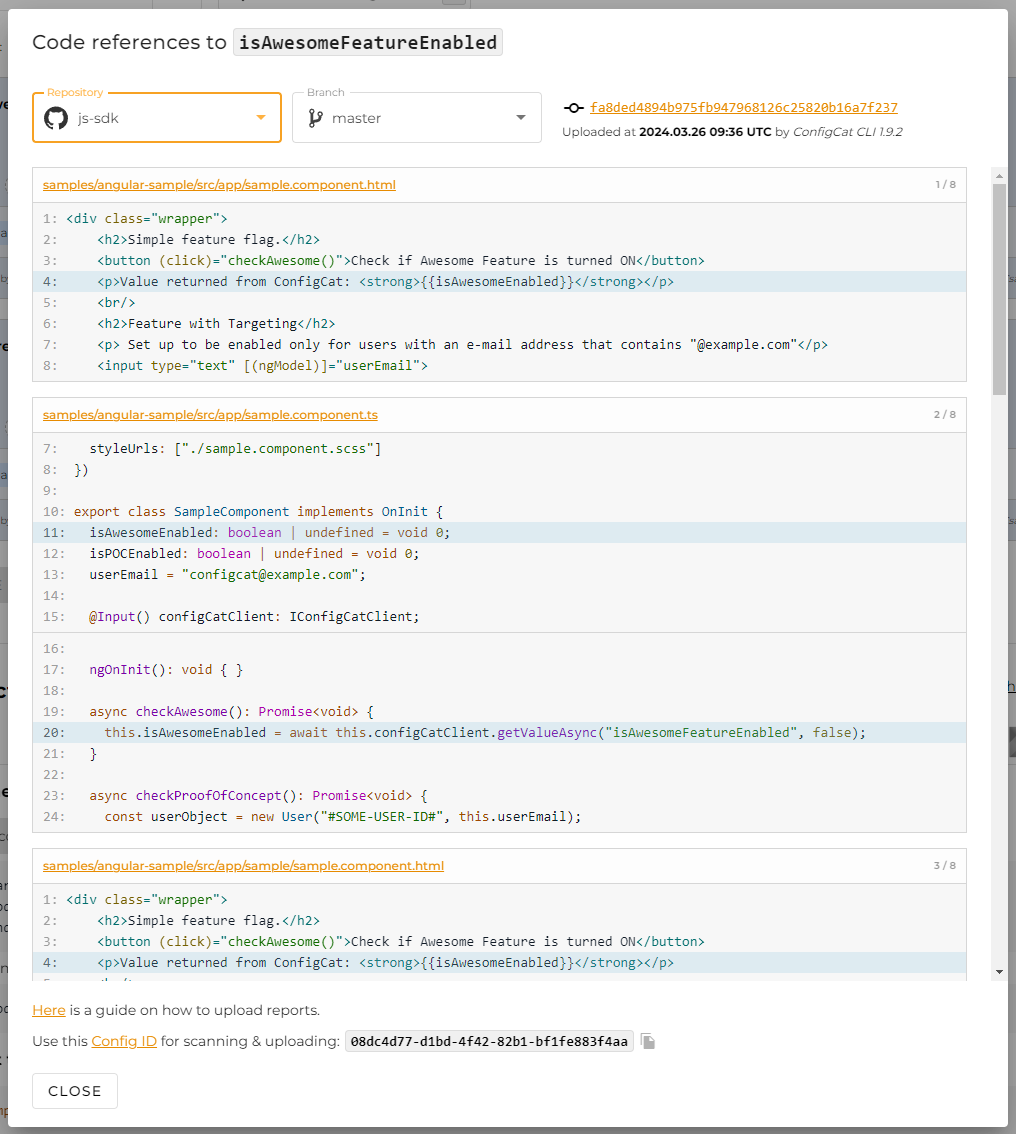









Separate patterns with a newline. **Note**
The step will export only the selected artifact type - `Android output artifact type` - even if the filter would accept other artifact types as well. is_required: true summary: Pattern to find built APK or AAB artifacts relative to $BITRISE\_SOURCE\_DIR title: Output (.apk, .aab) pattern - android_bundle_output_pattern: '*build/app/outputs/bundle/*/*.aab' opts: category: Deprecated description: Pattern to find built AAB artifacts relative to $BITRISE_SOURCE_DIR summary: Pattern to find built AAB artifacts relative to $BITRISE_SOURCE_DIR Deprecated, use `android_output_pattern` instead. title: '[DEPRECATED] App bundle output pattern' outputs: - BITRISE_APK_PATH: null opts: title: The created .apk file's path - BITRISE_APK_PATH_LIST: null opts: title: All created .apk file's path list - BITRISE_APP_DIR_PATH: null opts: title: The generated .app directory - BITRISE_AAB_PATH_LIST: null opts: description: |- This output will include the paths of the generated AAB files, after filtering based on the filter inputs. The paths are separated with `|` character, eg: `app.aab|app2.aab` summary: List of the generated (and copied) AAB file paths - after filtering. title: List of the generated AAB file paths - BITRISE_AAB_PATH: null opts: description: |- This output will include the path of the generated AAB file, after filtering based on the filter inputs. If the build generates more than one AAB file which fulfills the filter inputs this output will contain the last one's path. summary: Path of the generated (and copied) AAB file - after filtering. title: Path of the generated AAB ================================================ FILE: steps/flutter-build/0.13.0/step.yml ================================================ title: Flutter Build summary: Builds a Flutter project. description: "This Step builds an iOS and an Android app. By default the Step builds the artifact based on the platform the scanner detects.\n\n### Configuring the Step\n1. In the **Project Location** input the root directory of your Flutter project is automatically filled out.\n2. Select which platform your project should be built for (`ios`, `android` or `both`).\n3. Enable **Debug** option to get verbose logs and see where the Step is failing.\n\nDepending on the selected platform/s, continue with the rest of the config inputs.\n\n#### Configuring for an iOS app\n1. Make sure the **Platform input** is set to `iOS` or `both`.\n2. In **Codesign Identity** you can onverride the code signing identities that you set in Flutter.\n3. In **Additional parameters** add any flag to customize your build (for example, the `--release` flag appended to `flutter build io` builds a deployable iOS app).\n4. Leave the **Output pattern** input's default value as is or modify it to the pattern if your build artifacts are stored elsewhere.\n5. Make sure you have the **Xcode Archive & Export for iOS** Step after the **Flutter Build** Step in your Workflow.\n\n#### Configuring for an Android app\n1. Insert the **Android Sign** Step after the **Flutter Build** Step and make sure code signing files are uploaded to the **Code Signing** tab.\n2. Make sure the **Platform input** is set to `Android` or `both`.\n3. Scroll down to the `Android Platform Configs` input section, and select the preferred output artifact type you wish to generate in the **Android output artifact type** input. The Step can build an APK and an Android App Bundle as well.\n4. Append any flag to the `build` command in the **Additional parameters** input.\n5. Leave the **Output pattern** input's default value as is or modify it to the pattern if your build artifacts are stored elsewhere.\n\n### Troubleshooting\n\nMake sure the **Flutter Install** Step is before the **Flutter Build** Step.\nIf you have not set up code signing correctly, some code signing related issue will definitely surface by this build Step. \nIf you're unsure about code signing, consult our guide linked in Useful links.\n\n### Useful links\n- [Getting started with Flutter apps](https://devcenter.bitrise.io/getting-started/getting-started-with-flutter-apps/#deploying-a-flutter-app)\n- [Available version tags](https://github.com/flutter/flutter/releases)\n- [Available branches](https://github.com/flutter/flutter/branches)\n- [Code signing](https://devcenter.bitrise.io/code-signing/code-signing-index/)\n\n### Related Steps\n- [Flutter Install](https://www.bitrise.io/integrations/steps/flutter-installer)\n- [Flutter Test](https://www.bitrise.io/integrations/steps/flutter-test)" website: https://github.com/bitrise-steplib/bitrise-step-flutter-build source_code_url: https://github.com/bitrise-steplib/bitrise-step-flutter-build support_url: https://github.com/bitrise-steplib/bitrise-step-flutter-build/issues published_at: 2020-06-24T09:59:50.391289264Z source: git: https://github.com/bitrise-steplib/bitrise-step-flutter-build.git commit: 05f388f8a7da8a49b17afcd1439c6c78cabd1581 project_type_tags: - flutter type_tags: - build toolkit: go: package_name: github.com/bitrise-steplib/bitrise-step-flutter-build is_requires_admin_user: true is_always_run: false is_skippable: false inputs: - opts: description: The root dir of your Flutter project. is_required: true summary: The root dir of your Flutter project. title: Project Location project_location: $BITRISE_SOURCE_DIR - opts: description: The selected platform will be built, or both iOs and Android if you select both is_required: true summary: The selected platform will be built, or both iOS and Android if you select both title: Platform value_options: - both - ios - android platform: both - is_debug_mode: "false" opts: description: If debug mode is enabled, the step will print verbose logs is_required: true summary: If debug mode is enabled, the step will print verbose logs title: Debug mode? value_options: - "true" - "false" - cache_level: all opts: description: |- If enabled, will cache: - pub packages - Android (gradle) cache - Carthage / Cocoapods dependencies is_required: true summary: Enable or disable caching title: Build cache value_options: - all - none - ios_codesign_identity: null opts: category: iOS Platform Configs description: Override codesign identity in .flutter_settings summary: Override codesign identity in .flutter_settings title: Codesign Identity - ios_additional_params: --release --no-codesign opts: category: iOS Platform Configs description: The flags from this input field will be appended to the `flutter build ios` command. summary: The flags from this input field will be appended to the `flutter build ios` command. title: Additional parameters - ios_output_pattern: '*build/ios/iphoneos/*.app' opts: category: iOS Platform Configs description: Separate patterns with a newline. is_required: true summary: Pattern to find built artifacts relative to $BITRISE\_SOURCE\_DIR title: Output pattern - android_output_type: apk opts: category: Android Platform Configs description: The selected output type will be build, either APK or app bundle (AAB) is_required: true summary: The selected output type will be build, either APK or app bundle (AAB) title: Android output artifact type value_options: - apk - appbundle - android_additional_params: --release opts: category: Android Platform Configs description: The flags from this input field will be appended to the `flutter build apk` command. summary: The flags from this input field will be appended to the `flutter build apk` command. title: Additional parameters - android_output_pattern: |- *build/app/outputs/apk/*/*.apk *build/app/outputs/bundle/*/*.aab opts: category: Android Platform Configs description: | Will find the APK or AAB files - `depending on the build type input` - with the given pattern.
Separate patterns with a newline. **Note**
The step will export only the selected artifact type - `Android output artifact type` - even if the filter would accept other artifact types as well. is_required: true summary: Pattern to find built APK or AAB artifacts relative to $BITRISE\_SOURCE\_DIR title: Output (.apk, .aab) pattern - android_bundle_output_pattern: '*build/app/outputs/bundle/*/*.aab' opts: category: Deprecated description: Pattern to find built AAB artifacts relative to $BITRISE_SOURCE_DIR summary: Pattern to find built AAB artifacts relative to $BITRISE_SOURCE_DIR Deprecated, use `android_output_pattern` instead. title: '[DEPRECATED] App bundle output pattern' outputs: - BITRISE_APK_PATH: null opts: title: The created .apk file's path - BITRISE_APK_PATH_LIST: null opts: title: All created .apk file's path list - BITRISE_APP_DIR_PATH: null opts: title: The generated .app directory - BITRISE_AAB_PATH_LIST: null opts: description: |- This output will include the paths of the generated AAB files, after filtering based on the filter inputs. The paths are separated with `|` character, eg: `app.aab|app2.aab` summary: List of the generated (and copied) AAB file paths - after filtering. title: List of the generated AAB file paths - BITRISE_AAB_PATH: null opts: description: |- This output will include the path of the generated AAB file, after filtering based on the filter inputs. If the build generates more than one AAB file which fulfills the filter inputs this output will contain the last one's path. summary: Path of the generated (and copied) AAB file - after filtering. title: Path of the generated AAB ================================================ FILE: steps/flutter-build/0.13.1/step.yml ================================================ title: Flutter Build summary: Builds a Flutter project. description: "This Step builds an iOS and an Android app. By default the Step builds the artifact based on the platform the scanner detects.\n\n### Configuring the Step\n1. In the **Project Location** input the root directory of your Flutter project is automatically filled out.\n2. Select which platform your project should be built for (`ios`, `android` or `both`).\n3. Enable **Debug** option to get verbose logs and see where the Step is failing.\n\nDepending on the selected platform/s, continue with the rest of the config inputs.\n\n#### Configuring for an iOS app\n1. Make sure the **Platform input** is set to `iOS` or `both`.\n2. In **Codesign Identity** you can onverride the code signing identities that you set in Flutter.\n3. In **Additional parameters** add any flag to customize your build (for example, the `--release` flag appended to `flutter build io` builds a deployable iOS app).\n4. Leave the **Output pattern** input's default value as is or modify it to the pattern if your build artifacts are stored elsewhere.\n5. Make sure you have the **Xcode Archive & Export for iOS** Step after the **Flutter Build** Step in your Workflow.\n\n#### Configuring for an Android app\n1. Insert the **Android Sign** Step after the **Flutter Build** Step and make sure code signing files are uploaded to the **Code Signing** tab.\n2. Make sure the **Platform input** is set to `Android` or `both`.\n3. Scroll down to the `Android Platform Configs` input section, and select the preferred output artifact type you wish to generate in the **Android output artifact type** input. The Step can build an APK and an Android App Bundle as well.\n4. Append any flag to the `build` command in the **Additional parameters** input.\n5. Leave the **Output pattern** input's default value as is or modify it to the pattern if your build artifacts are stored elsewhere.\n\n### Troubleshooting\n\nMake sure the **Flutter Install** Step is before the **Flutter Build** Step.\nIf you have not set up code signing correctly, some code signing related issue will definitely surface by this build Step. \nIf you're unsure about code signing, consult our guide linked in Useful links.\n\n### Useful links\n- [Getting started with Flutter apps](https://devcenter.bitrise.io/getting-started/getting-started-with-flutter-apps/#deploying-a-flutter-app)\n- [Available version tags](https://github.com/flutter/flutter/releases)\n- [Available branches](https://github.com/flutter/flutter/branches)\n- [Code signing](https://devcenter.bitrise.io/code-signing/code-signing-index/)\n\n### Related Steps\n- [Flutter Install](https://www.bitrise.io/integrations/steps/flutter-installer)\n- [Flutter Test](https://www.bitrise.io/integrations/steps/flutter-test)" website: https://github.com/bitrise-steplib/bitrise-step-flutter-build source_code_url: https://github.com/bitrise-steplib/bitrise-step-flutter-build support_url: https://github.com/bitrise-steplib/bitrise-step-flutter-build/issues published_at: 2020-06-29T13:27:29.421222525Z source: git: https://github.com/bitrise-steplib/bitrise-step-flutter-build.git commit: 9d4da7c37769450e5e5f296010282fbc66beb99f project_type_tags: - flutter type_tags: - build toolkit: go: package_name: github.com/bitrise-steplib/bitrise-step-flutter-build is_requires_admin_user: true is_always_run: false is_skippable: false inputs: - opts: description: The root dir of your Flutter project. is_required: true summary: The root dir of your Flutter project. title: Project Location project_location: $BITRISE_SOURCE_DIR - opts: description: The selected platform will be built, or both iOs and Android if you select both is_required: true summary: The selected platform will be built, or both iOS and Android if you select both title: Platform value_options: - both - ios - android platform: both - is_debug_mode: "false" opts: description: If debug mode is enabled, the step will print verbose logs is_required: true summary: If debug mode is enabled, the step will print verbose logs title: Debug mode? value_options: - "true" - "false" - cache_level: all opts: description: |- If enabled, will cache: - pub packages - Android (gradle) cache - Carthage / Cocoapods dependencies is_required: true summary: Enable or disable caching title: Build cache value_options: - all - none - ios_codesign_identity: null opts: category: iOS Platform Configs description: Override codesign identity in .flutter_settings summary: Override codesign identity in .flutter_settings title: Codesign Identity - ios_additional_params: --release --no-codesign opts: category: iOS Platform Configs description: The flags from this input field will be appended to the `flutter build ios` command. summary: The flags from this input field will be appended to the `flutter build ios` command. title: Additional parameters - ios_output_pattern: '*build/ios/iphoneos/*.app' opts: category: iOS Platform Configs description: Separate patterns with a newline. is_required: true summary: Pattern to find built artifacts relative to $BITRISE\_SOURCE\_DIR title: Output pattern - android_output_type: apk opts: category: Android Platform Configs description: The selected output type will be build, either APK or app bundle (AAB) is_required: true summary: The selected output type will be build, either APK or app bundle (AAB) title: Android output artifact type value_options: - apk - appbundle - android_additional_params: --release opts: category: Android Platform Configs description: The flags from this input field will be appended to the `flutter build apk` command. summary: The flags from this input field will be appended to the `flutter build apk` command. title: Additional parameters - android_output_pattern: |- *build/app/outputs/apk/*/*.apk *build/app/outputs/bundle/*/*.aab opts: category: Android Platform Configs description: | Will find the APK or AAB files - `depending on the build type input` - with the given pattern.
Separate patterns with a newline. **Note**
The step will export only the selected artifact type - `Android output artifact type` - even if the filter would accept other artifact types as well. is_required: true summary: Pattern to find built APK or AAB artifacts relative to $BITRISE\_SOURCE\_DIR title: Output (.apk, .aab) pattern - android_bundle_output_pattern: '*build/app/outputs/bundle/*/*.aab' opts: category: Deprecated description: Pattern to find built AAB artifacts relative to $BITRISE_SOURCE_DIR summary: Pattern to find built AAB artifacts relative to $BITRISE_SOURCE_DIR Deprecated, use `android_output_pattern` instead. title: '[DEPRECATED] App bundle output pattern' outputs: - BITRISE_APK_PATH: null opts: title: The created .apk file's path - BITRISE_APK_PATH_LIST: null opts: title: All created .apk file's path list - BITRISE_APP_DIR_PATH: null opts: title: The generated .app directory - BITRISE_AAB_PATH_LIST: null opts: description: |- This output will include the paths of the generated AAB files, after filtering based on the filter inputs. The paths are separated with `|` character, eg: `app.aab|app2.aab` summary: List of the generated (and copied) AAB file paths - after filtering. title: List of the generated AAB file paths - BITRISE_AAB_PATH: null opts: description: |- This output will include the path of the generated AAB file, after filtering based on the filter inputs. If the build generates more than one AAB file which fulfills the filter inputs this output will contain the last one's path. summary: Path of the generated (and copied) AAB file - after filtering. title: Path of the generated AAB ================================================ FILE: steps/flutter-build/0.13.2/step.yml ================================================ title: Flutter Build summary: Builds a Flutter project. description: "This Step builds an iOS and an Android app. By default the Step builds the artifact based on the platform the scanner detects.\n\n### Configuring the Step\n1. In the **Project Location** input the root directory of your Flutter project is automatically filled out.\n2. Select which platform your project should be built for (`ios`, `android` or `both`).\n3. Enable **Debug** option to get verbose logs and see where the Step is failing.\n\nDepending on the selected platform/s, continue with the rest of the config inputs.\n\n#### Configuring for an iOS app\n1. Make sure the **Platform input** is set to `iOS` or `both`.\n2. In **Codesign Identity** you can onverride the code signing identities that you set in Flutter.\n3. In **Additional parameters** add any flag to customize your build (for example, the `--release` flag appended to `flutter build io` builds a deployable iOS app).\n4. Leave the **Output pattern** input's default value as is or modify it to the pattern if your build artifacts are stored elsewhere.\n5. Make sure you have the **Xcode Archive & Export for iOS** Step after the **Flutter Build** Step in your Workflow.\n\n#### Configuring for an Android app\n1. Insert the **Android Sign** Step after the **Flutter Build** Step and make sure code signing files are uploaded to the **Code Signing** tab.\n2. Make sure the **Platform input** is set to `Android` or `both`.\n3. Scroll down to the `Android Platform Configs` input section, and select the preferred output artifact type you wish to generate in the **Android output artifact type** input. The Step can build an APK and an Android App Bundle as well.\n4. Append any flag to the `build` command in the **Additional parameters** input.\n5. Leave the **Output pattern** input's default value as is or modify it to the pattern if your build artifacts are stored elsewhere.\n\n### Troubleshooting\n\nMake sure the **Flutter Install** Step is before the **Flutter Build** Step.\nIf you have not set up code signing correctly, some code signing related issue will definitely surface by this build Step. \nIf you're unsure about code signing, consult our guide linked in Useful links.\n\n### Useful links\n- [Getting started with Flutter apps](https://devcenter.bitrise.io/getting-started/getting-started-with-flutter-apps/#deploying-a-flutter-app)\n- [Available version tags](https://github.com/flutter/flutter/releases)\n- [Available branches](https://github.com/flutter/flutter/branches)\n- [Code signing](https://devcenter.bitrise.io/code-signing/code-signing-index/)\n\n### Related Steps\n- [Flutter Install](https://www.bitrise.io/integrations/steps/flutter-installer)\n- [Flutter Test](https://www.bitrise.io/integrations/steps/flutter-test)" website: https://github.com/bitrise-steplib/bitrise-step-flutter-build source_code_url: https://github.com/bitrise-steplib/bitrise-step-flutter-build support_url: https://github.com/bitrise-steplib/bitrise-step-flutter-build/issues published_at: 2020-07-16T11:12:12.778807616Z source: git: https://github.com/bitrise-steplib/bitrise-step-flutter-build.git commit: 424490ae8776d86533f62af2c54132046f0ed76e project_type_tags: - flutter type_tags: - build toolkit: go: package_name: github.com/bitrise-steplib/bitrise-step-flutter-build is_requires_admin_user: true is_always_run: false is_skippable: false inputs: - opts: description: The root dir of your Flutter project. is_required: true summary: The root dir of your Flutter project. title: Project Location project_location: $BITRISE_SOURCE_DIR - opts: description: The selected platform will be built, or both iOs and Android if you select both is_required: true summary: The selected platform will be built, or both iOS and Android if you select both title: Platform value_options: - both - ios - android platform: both - is_debug_mode: "false" opts: description: If debug mode is enabled, the step will print verbose logs is_required: true summary: If debug mode is enabled, the step will print verbose logs title: Debug mode? value_options: - "true" - "false" - cache_level: all opts: description: |- If enabled, will cache: - pub packages - Android (gradle) cache - Carthage / Cocoapods dependencies is_required: true summary: Enable or disable caching title: Build cache value_options: - all - none - ios_codesign_identity: null opts: category: iOS Platform Configs description: Override codesign identity in .flutter_settings summary: Override codesign identity in .flutter_settings title: Codesign Identity - ios_additional_params: --release --no-codesign opts: category: iOS Platform Configs description: The flags from this input field will be appended to the `flutter build ios` command. summary: The flags from this input field will be appended to the `flutter build ios` command. title: Additional parameters - ios_output_pattern: '*build/ios/iphoneos/*.app' opts: category: iOS Platform Configs description: Separate patterns with a newline. is_required: true summary: Pattern to find built artifacts relative to $BITRISE\_SOURCE\_DIR title: Output pattern - android_output_type: apk opts: category: Android Platform Configs description: The selected output type will be build, either APK or app bundle (AAB) is_required: true summary: The selected output type will be build, either APK or app bundle (AAB) title: Android output artifact type value_options: - apk - appbundle - android_additional_params: --release opts: category: Android Platform Configs description: The flags from this input field will be appended to the `flutter build apk` command. summary: The flags from this input field will be appended to the `flutter build apk` command. title: Additional parameters - android_output_pattern: |- *build/app/outputs/apk/*/*.apk *build/app/outputs/bundle/*/*.aab opts: category: Android Platform Configs description: | Will find the APK or AAB files - `depending on the build type input` - with the given pattern.
Separate patterns with a newline. **Note**
The step will export only the selected artifact type - `Android output artifact type` - even if the filter would accept other artifact types as well. is_required: true summary: Pattern to find built APK or AAB artifacts relative to $BITRISE\_SOURCE\_DIR title: Output (.apk, .aab) pattern - android_bundle_output_pattern: '*build/app/outputs/bundle/*/*.aab' opts: category: Deprecated description: Pattern to find built AAB artifacts relative to $BITRISE_SOURCE_DIR summary: Pattern to find built AAB artifacts relative to $BITRISE_SOURCE_DIR Deprecated, use `android_output_pattern` instead. title: '[DEPRECATED] App bundle output pattern' outputs: - BITRISE_APK_PATH: null opts: title: The created .apk file's path - BITRISE_APK_PATH_LIST: null opts: title: All created .apk file's path list - BITRISE_APP_DIR_PATH: null opts: title: The generated .app directory - BITRISE_AAB_PATH_LIST: null opts: description: |- This output will include the paths of the generated AAB files, after filtering based on the filter inputs. The paths are separated with `|` character, eg: `app.aab|app2.aab` summary: List of the generated (and copied) AAB file paths - after filtering. title: List of the generated AAB file paths - BITRISE_AAB_PATH: null opts: description: |- This output will include the path of the generated AAB file, after filtering based on the filter inputs. If the build generates more than one AAB file which fulfills the filter inputs this output will contain the last one's path. summary: Path of the generated (and copied) AAB file - after filtering. title: Path of the generated AAB ================================================ FILE: steps/flutter-build/0.13.3/step.yml ================================================ title: Flutter Build summary: Builds a Flutter project. description: "This Step builds an iOS and an Android app. By default the Step builds the artifact based on the platform the scanner detects.\n\n### Configuring the Step\n1. In the **Project Location** input the root directory of your Flutter project is automatically filled out.\n2. Select which platform your project should be built for (`ios`, `android` or `both`).\n3. Enable **Debug** option to get verbose logs and see where the Step is failing.\n\nDepending on the selected platform/s, continue with the rest of the config inputs.\n\n#### Configuring for an iOS app\n1. Make sure the **Platform input** is set to `iOS` or `both`.\n2. In **Codesign Identity** you can onverride the code signing identities that you set in Flutter.\n3. In **Additional parameters** add any flag to customize your build (for example, the `--release` flag appended to `flutter build io` builds a deployable iOS app).\n4. Leave the **Output pattern** input's default value as is or modify it to the pattern if your build artifacts are stored elsewhere.\n5. Make sure you have the **Xcode Archive & Export for iOS** Step after the **Flutter Build** Step in your Workflow.\n\n#### Configuring for an Android app\n1. Insert the **Android Sign** Step after the **Flutter Build** Step and make sure code signing files are uploaded to the **Code Signing** tab.\n2. Make sure the **Platform input** is set to `Android` or `both`.\n3. Scroll down to the `Android Platform Configs` input section, and select the preferred output artifact type you wish to generate in the **Android output artifact type** input. The Step can build an APK and an Android App Bundle as well.\n4. Append any flag to the `build` command in the **Additional parameters** input.\n5. Leave the **Output pattern** input's default value as is or modify it to the pattern if your build artifacts are stored elsewhere.\n\n### Troubleshooting\n\nMake sure the **Flutter Install** Step is before the **Flutter Build** Step.\nIf you have not set up code signing correctly, some code signing related issue will definitely surface by this build Step. \nIf you're unsure about code signing, consult our guide linked in Useful links.\n\n### Useful links\n- [Getting started with Flutter apps](https://devcenter.bitrise.io/getting-started/getting-started-with-flutter-apps/#deploying-a-flutter-app)\n- [Available version tags](https://github.com/flutter/flutter/releases)\n- [Available branches](https://github.com/flutter/flutter/branches)\n- [Code signing](https://devcenter.bitrise.io/code-signing/code-signing-index/)\n\n### Related Steps\n- [Flutter Install](https://www.bitrise.io/integrations/steps/flutter-installer)\n- [Flutter Test](https://www.bitrise.io/integrations/steps/flutter-test)" website: https://github.com/bitrise-steplib/bitrise-step-flutter-build source_code_url: https://github.com/bitrise-steplib/bitrise-step-flutter-build support_url: https://github.com/bitrise-steplib/bitrise-step-flutter-build/issues published_at: 2021-05-12T12:33:35.161907253Z source: git: https://github.com/bitrise-steplib/bitrise-step-flutter-build.git commit: cc9ff67e5233a9eed97b64881c2b8092ef89d589 project_type_tags: - flutter type_tags: - build toolkit: go: package_name: github.com/bitrise-steplib/bitrise-step-flutter-build is_requires_admin_user: true is_always_run: false is_skippable: false inputs: - opts: description: The root dir of your Flutter project. is_required: true summary: The root dir of your Flutter project. title: Project Location project_location: $BITRISE_SOURCE_DIR - opts: description: The selected platform will be built, or both iOs and Android if you select both is_required: true summary: The selected platform will be built, or both iOS and Android if you select both title: Platform value_options: - both - ios - android platform: both - is_debug_mode: "false" opts: description: If debug mode is enabled, the step will print verbose logs is_required: true summary: If debug mode is enabled, the step will print verbose logs title: Debug mode? value_options: - "true" - "false" - cache_level: all opts: description: |- If enabled, will cache: - pub packages - Android (gradle) cache - Carthage / Cocoapods dependencies is_required: true summary: Enable or disable caching title: Build cache value_options: - all - none - ios_codesign_identity: null opts: category: iOS Platform Configs description: Override codesign identity in .flutter_settings summary: Override codesign identity in .flutter_settings title: Codesign Identity - ios_additional_params: --release --no-codesign opts: category: iOS Platform Configs description: The flags from this input field will be appended to the `flutter build ios` command. summary: The flags from this input field will be appended to the `flutter build ios` command. title: Additional parameters - ios_output_pattern: '*build/ios/iphoneos/*.app' opts: category: iOS Platform Configs description: Separate patterns with a newline. is_required: true summary: Pattern to find built artifacts relative to $BITRISE\_SOURCE\_DIR title: Output pattern - android_output_type: apk opts: category: Android Platform Configs description: The selected output type will be build, either APK or app bundle (AAB) is_required: true summary: The selected output type will be build, either APK or app bundle (AAB) title: Android output artifact type value_options: - apk - appbundle - android_additional_params: --release opts: category: Android Platform Configs description: The flags from this input field will be appended to the `flutter build apk` command. summary: The flags from this input field will be appended to the `flutter build apk` command. title: Additional parameters - android_output_pattern: |- *build/app/outputs/apk/*/*.apk *build/app/outputs/bundle/*/*.aab opts: category: Android Platform Configs description: | Will find the APK or AAB files - `depending on the build type input` - with the given pattern.
Separate patterns with a newline. **Note**
The step will export only the selected artifact type - `Android output artifact type` - even if the filter would accept other artifact types as well. is_required: true summary: Pattern to find built APK or AAB artifacts relative to $BITRISE\_SOURCE\_DIR title: Output (.apk, .aab) pattern - android_bundle_output_pattern: '*build/app/outputs/bundle/*/*.aab' opts: category: Deprecated description: Pattern to find built AAB artifacts relative to `$BITRISE_SOURCE_DIR` summary: Pattern to find built AAB artifacts relative to `$BITRISE_SOURCE_DIR`. Deprecated, use `android_output_pattern` instead. title: '[DEPRECATED] App bundle output pattern' outputs: - BITRISE_APK_PATH: null opts: title: The created .apk file's path - BITRISE_APK_PATH_LIST: null opts: title: All created .apk file's path list - BITRISE_APP_DIR_PATH: null opts: title: The generated .app directory - BITRISE_AAB_PATH_LIST: null opts: description: |- This output will include the paths of the generated AAB files, after filtering based on the filter inputs. The paths are separated with `|` character, eg: `app.aab|app2.aab` summary: List of the generated (and copied) AAB file paths - after filtering. title: List of the generated AAB file paths - BITRISE_AAB_PATH: null opts: description: |- This output will include the path of the generated AAB file, after filtering based on the filter inputs. If the build generates more than one AAB file which fulfills the filter inputs this output will contain the last one's path. summary: Path of the generated (and copied) AAB file - after filtering. title: Path of the generated AAB ================================================ FILE: steps/flutter-build/0.14.0/step.yml ================================================ title: Flutter Build summary: Builds a Flutter project. description: "This Step builds an iOS and an Android app. By default the Step builds the artifact based on the platform the scanner detects.\n\n### Configuring the Step\n1. In the **Project Location** input the root directory of your Flutter project is automatically filled out.\n2. Select which platform your project should be built for (`ios`, `android` or `both`).\n3. Enable **Debug** option to get verbose logs and see where the Step is failing.\n\nDepending on the selected platform/s, continue with the rest of the config inputs.\n\n#### Configuring for an iOS app\n1. Make sure the **Platform input** is set to `iOS` or `both`.\n2. In **Codesign Identity** you can onverride the code signing identities that you set in Flutter.\n3. In **Additional parameters** add any flag to customize your build (for example, the `--release` flag appended to `flutter build io` builds a deployable iOS app).\n4. Leave the **Output pattern** input's default value as is or modify it to the pattern if your build artifacts are stored elsewhere.\n5. Make sure you have the **Xcode Archive & Export for iOS** Step after the **Flutter Build** Step in your Workflow.\n\n#### Configuring for an Android app\n1. Insert the **Android Sign** Step after the **Flutter Build** Step and make sure code signing files are uploaded to the **Code Signing** tab.\n2. Make sure the **Platform input** is set to `Android` or `both`.\n3. Scroll down to the `Android Platform Configs` input section, and select the preferred output artifact type you wish to generate in the **Android output artifact type** input. The Step can build an APK and an Android App Bundle as well.\n4. Append any flag to the `build` command in the **Additional parameters** input.\n5. Leave the **Output pattern** input's default value as is or modify it to the pattern if your build artifacts are stored elsewhere.\n\n### Troubleshooting\n\nMake sure the **Flutter Install** Step is before the **Flutter Build** Step.\nIf you have not set up code signing correctly, some code signing related issue will definitely surface by this build Step. \nIf you're unsure about code signing, consult our guide linked in Useful links.\n\n### Useful links\n- [Getting started with Flutter apps](https://devcenter.bitrise.io/getting-started/getting-started-with-flutter-apps/#deploying-a-flutter-app)\n- [Available version tags](https://github.com/flutter/flutter/releases)\n- [Available branches](https://github.com/flutter/flutter/branches)\n- [Code signing](https://devcenter.bitrise.io/code-signing/code-signing-index/)\n\n### Related Steps\n- [Flutter Install](https://www.bitrise.io/integrations/steps/flutter-installer)\n- [Flutter Test](https://www.bitrise.io/integrations/steps/flutter-test)" website: https://github.com/bitrise-steplib/bitrise-step-flutter-build source_code_url: https://github.com/bitrise-steplib/bitrise-step-flutter-build support_url: https://github.com/bitrise-steplib/bitrise-step-flutter-build/issues published_at: 2021-08-23T11:33:48.102231273Z source: git: https://github.com/bitrise-steplib/bitrise-step-flutter-build.git commit: f27f88f18dbb54b99b1c871dd994a5086656a17e project_type_tags: - flutter type_tags: - build toolkit: go: package_name: github.com/bitrise-steplib/bitrise-step-flutter-build is_requires_admin_user: true is_always_run: false is_skippable: false inputs: - opts: description: The root dir of your Flutter project. is_required: true summary: The root dir of your Flutter project. title: Project Location project_location: $BITRISE_SOURCE_DIR - opts: description: The selected platform will be built, or both iOs and Android if you select both is_required: true summary: The selected platform will be built, or both iOS and Android if you select both title: Platform value_options: - both - ios - android platform: both - additional_build_params: "" opts: description: |- Additional params for flutter build. Example: you can specify a Build Number for `flutter build` via the `--build-number` flutter build param. For example, to set it to the `$BITRISE_BUILD_NUMBER` you can set this input to: `--build-number=$BITRISE_BUILD_NUMBER`. is_required: false summary: Additional params for flutter build title: Additional params for flutter build - is_debug_mode: "false" opts: description: If debug mode is enabled, the step will print verbose logs is_required: true summary: If debug mode is enabled, the step will print verbose logs title: Debug mode? value_options: - "true" - "false" - cache_level: all opts: description: |- If enabled, will cache: - pub packages - Android (gradle) cache - Carthage / Cocoapods dependencies is_required: true summary: Enable or disable caching title: Build cache value_options: - all - none - ios_codesign_identity: null opts: category: iOS Platform Configs description: Override codesign identity in .flutter_settings summary: Override codesign identity in .flutter_settings title: Codesign Identity - ios_additional_params: --release --no-codesign opts: category: iOS Platform Configs description: The flags from this input field will be appended to the `flutter build ios` command. summary: The flags from this input field will be appended to the `flutter build ios` command. title: Additional parameters - ios_output_pattern: '*build/ios/iphoneos/*.app' opts: category: iOS Platform Configs description: Separate patterns with a newline. is_required: true summary: Pattern to find built artifacts relative to $BITRISE\_SOURCE\_DIR title: Output pattern - android_output_type: apk opts: category: Android Platform Configs description: The selected output type will be build, either APK or app bundle (AAB) is_required: true summary: The selected output type will be build, either APK or app bundle (AAB) title: Android output artifact type value_options: - apk - appbundle - android_additional_params: --release opts: category: Android Platform Configs description: The flags from this input field will be appended to the `flutter build apk` command. summary: The flags from this input field will be appended to the `flutter build apk` command. title: Additional parameters - android_output_pattern: |- *build/app/outputs/apk/*/*.apk *build/app/outputs/bundle/*/*.aab opts: category: Android Platform Configs description: | Will find the APK or AAB files - `depending on the build type input` - with the given pattern.
Separate patterns with a newline. **Note**
The step will export only the selected artifact type - `Android output artifact type` - even if the filter would accept other artifact types as well. is_required: true summary: Pattern to find built APK or AAB artifacts relative to $BITRISE\_SOURCE\_DIR title: Output (.apk, .aab) pattern - android_bundle_output_pattern: '*build/app/outputs/bundle/*/*.aab' opts: category: Deprecated description: Pattern to find built AAB artifacts relative to `$BITRISE_SOURCE_DIR` summary: Pattern to find built AAB artifacts relative to `$BITRISE_SOURCE_DIR`. Deprecated, use `android_output_pattern` instead. title: '[DEPRECATED] App bundle output pattern' outputs: - BITRISE_APK_PATH: null opts: title: The created .apk file's path - BITRISE_APK_PATH_LIST: null opts: title: All created .apk file's path list - BITRISE_APP_DIR_PATH: null opts: title: The generated .app directory - BITRISE_AAB_PATH_LIST: null opts: description: |- This output will include the paths of the generated AAB files, after filtering based on the filter inputs. The paths are separated with `|` character, eg: `app.aab|app2.aab` summary: List of the generated (and copied) AAB file paths - after filtering. title: List of the generated AAB file paths - BITRISE_AAB_PATH: null opts: description: |- This output will include the path of the generated AAB file, after filtering based on the filter inputs. If the build generates more than one AAB file which fulfills the filter inputs this output will contain the last one's path. summary: Path of the generated (and copied) AAB file - after filtering. title: Path of the generated AAB ================================================ FILE: steps/flutter-build/0.15.0/step.yml ================================================ title: Flutter Build summary: Builds a Flutter project. description: |- This Step builds an iOS and an Android app. By default the Step builds the artifact based on the platform the scanner detects. ### Configuring the Step 1. In the **Project Location** input the root directory of your Flutter project is automatically filled out. 2. Select which platform your project should be built for (`ios`, `android` or `both`). 3. Enable **Debug** option to get verbose logs and see where the Step is failing. Depending on the selected platform/s, continue with the rest of the config inputs. #### Configuring for an iOS app 1. Make sure the **Platform input** is set to `iOS` or `both`. 2. In **Codesign Identity** you can onverride the code signing identities that you set in Flutter. 3. In **Additional parameters** add any flag to customize your build (for example, the `--release` flag appended to `flutter build io` builds a deployable iOS app). 4. Leave the **Output pattern** input's default value as is or modify it to the pattern if your build artifacts are stored elsewhere. 5. Make sure you have the **Xcode Archive & Export for iOS** Step after the **Flutter Build** Step in your Workflow. #### Configuring for an Android app 1. Insert the **Android Sign** Step after the **Flutter Build** Step and make sure code signing files are uploaded to the **Code Signing** tab. 2. Make sure the **Platform input** is set to `Android` or `both`. 3. Scroll down to the `Android Platform Configs` input section, and select the preferred output artifact type you wish to generate in the **Android output artifact type** input. The Step can build an APK and an Android App Bundle as well. 4. Append any flag to the `build` command in the **Additional parameters** input. 5. Leave the **Output pattern** input's default value as is or modify it to the pattern if your build artifacts are stored elsewhere. ### Troubleshooting Make sure the **Flutter Install** Step is before the **Flutter Build** Step. If you have not set up code signing correctly, some code signing related issue will definitely surface by this build Step. If you're unsure about code signing, consult our guide linked in Useful links. ### Useful links - [Getting started with Flutter apps](https://devcenter.bitrise.io/getting-started/getting-started-with-flutter-apps/#deploying-a-flutter-app) - [Available version tags](https://github.com/flutter/flutter/releases) - [Available branches](https://github.com/flutter/flutter/branches) - [Code signing](https://devcenter.bitrise.io/code-signing/code-signing-index/) ### Related Steps - [Flutter Install](https://www.bitrise.io/integrations/steps/flutter-installer) - [Flutter Test](https://www.bitrise.io/integrations/steps/flutter-test) website: https://github.com/bitrise-steplib/bitrise-step-flutter-build source_code_url: https://github.com/bitrise-steplib/bitrise-step-flutter-build support_url: https://github.com/bitrise-steplib/bitrise-step-flutter-build/issues published_at: 2022-02-08T13:18:30.982782226Z source: git: https://github.com/bitrise-steplib/bitrise-step-flutter-build.git commit: f73d216d4a78ce3cf6d3e87799774456a1441a50 project_type_tags: - flutter type_tags: - build toolkit: go: package_name: github.com/bitrise-steplib/bitrise-step-flutter-build is_requires_admin_user: true is_always_run: false is_skippable: false inputs: - opts: description: The root dir of your Flutter project. is_required: true summary: The root dir of your Flutter project. title: Project Location project_location: $BITRISE_SOURCE_DIR - opts: description: The selected platform will be built, or both iOs and Android if you select both is_required: true summary: The selected platform will be built, or both iOS and Android if you select both title: Platform value_options: - both - ios - android platform: both - additional_build_params: "" opts: description: |- Additional params for flutter build. Example: you can specify a Build Number for `flutter build` via the `--build-number` flutter build param. For example, to set it to the `$BITRISE_BUILD_NUMBER` you can set this input to: `--build-number=$BITRISE_BUILD_NUMBER`. is_required: false summary: Additional params for flutter build title: Additional params for flutter build - is_debug_mode: "false" opts: description: If debug mode is enabled, the step will print verbose logs is_required: true summary: If debug mode is enabled, the step will print verbose logs title: Debug mode? value_options: - "true" - "false" - cache_level: all opts: description: |- If enabled, will cache: - pub packages - Android (gradle) cache - Carthage / Cocoapods dependencies is_required: true summary: Enable or disable caching title: Build cache value_options: - all - none - ios_output_type: app opts: category: iOS Platform Configs description: |- Output type to build when building for iOS. Possible values: - `app`: Build an iOS application bundle via `flutter build ios` - `archive`: Build an iOS archive bundle via `flutter build ipa` is_required: true summary: Output type to build when building for iOS title: iOS output artifact type value_options: - app - archive - ios_codesign_identity: null opts: category: iOS Platform Configs description: Override codesign identity in .flutter_settings summary: Override codesign identity in .flutter_settings title: Codesign Identity - ios_additional_params: --release opts: category: iOS Platform Configs description: The flags from this input field will be appended to the `flutter build ios` command. summary: The flags from this input field will be appended to the `flutter build ios` or `flutter build ipa` command. title: Additional parameters - ios_output_pattern: |- *build/ios/iphoneos/*.app *build/ios/archive/*.xcarchive opts: category: iOS Platform Configs description: Separate patterns with a newline. is_required: true summary: Pattern to find built artifacts relative to $BITRISE\_SOURCE\_DIR title: Output pattern - android_output_type: apk opts: category: Android Platform Configs description: The selected output type will be build, either APK or app bundle (AAB) is_required: true summary: The selected output type will be build, either APK or app bundle (AAB) title: Android output artifact type value_options: - apk - appbundle - android_additional_params: --release opts: category: Android Platform Configs description: The flags from this input field will be appended to the `flutter build apk` command. summary: The flags from this input field will be appended to the `flutter build apk` command. title: Additional parameters - android_output_pattern: |- *build/app/outputs/apk/*/*.apk *build/app/outputs/bundle/*/*.aab opts: category: Android Platform Configs description: | Will find the APK or AAB files - `depending on the build type input` - with the given pattern.
Separate patterns with a newline. **Note**
The step will export only the selected artifact type - `Android output artifact type` - even if the filter would accept other artifact types as well. is_required: true summary: Pattern to find built APK or AAB artifacts relative to $BITRISE\_SOURCE\_DIR title: Output (.apk, .aab) pattern - android_bundle_output_pattern: '*build/app/outputs/bundle/*/*.aab' opts: category: Deprecated description: Pattern to find built AAB artifacts relative to `$BITRISE_SOURCE_DIR` summary: Pattern to find built AAB artifacts relative to `$BITRISE_SOURCE_DIR`. Deprecated, use `android_output_pattern` instead. title: '[DEPRECATED] App bundle output pattern' outputs: - BITRISE_APK_PATH: null opts: title: The created .apk file's path - BITRISE_APK_PATH_LIST: null opts: title: All created .apk file's path list - BITRISE_APP_DIR_PATH: null opts: title: The generated `.app` directory - BITRISE_XCARCHIVE_PATH: null opts: title: The generated `.xcarchive` directory - BITRISE_XCARCHIVE_ZIP_PATH: null opts: title: The generated `.xcarchive` directory compressed as a ZIP archive - BITRISE_AAB_PATH_LIST: null opts: description: |- This output will include the paths of the generated AAB files, after filtering based on the filter inputs. The paths are separated with `|` character, eg: `app.aab|app2.aab` summary: List of the generated (and copied) AAB file paths - after filtering. title: List of the generated AAB file paths - BITRISE_AAB_PATH: null opts: description: |- This output will include the path of the generated AAB file, after filtering based on the filter inputs. If the build generates more than one AAB file which fulfills the filter inputs this output will contain the last one's path. summary: Path of the generated (and copied) AAB file - after filtering. title: Path of the generated AAB ================================================ FILE: steps/flutter-build/0.15.1/step.yml ================================================ title: Flutter Build summary: Builds a Flutter project. description: |- This Step builds an iOS and an Android app. By default the Step builds the artifact based on the platform the scanner detects. ### Configuring the Step 1. In the **Project Location** input the root directory of your Flutter project is automatically filled out. 2. Select which platform your project should be built for (`ios`, `android` or `both`). 3. Enable **Debug** option to get verbose logs and see where the Step is failing. Depending on the selected platform/s, continue with the rest of the config inputs. #### Configuring for an iOS app 1. Make sure the **Platform input** is set to `iOS` or `both`. 2. In **Codesign Identity** you can onverride the code signing identities that you set in Flutter. 3. In **Additional parameters** add any flag to customize your build (for example, the `--release` flag appended to `flutter build io` builds a deployable iOS app). 4. Leave the **Output pattern** input's default value as is or modify it to the pattern if your build artifacts are stored elsewhere. 5. Make sure you have the **Xcode Archive & Export for iOS** Step after the **Flutter Build** Step in your Workflow. #### Configuring for an Android app 1. Insert the **Android Sign** Step after the **Flutter Build** Step and make sure code signing files are uploaded to the **Code Signing** tab. 2. Make sure the **Platform input** is set to `Android` or `both`. 3. Scroll down to the `Android Platform Configs` input section, and select the preferred output artifact type you wish to generate in the **Android output artifact type** input. The Step can build an APK and an Android App Bundle as well. 4. Append any flag to the `build` command in the **Additional parameters** input. 5. Leave the **Output pattern** input's default value as is or modify it to the pattern if your build artifacts are stored elsewhere. ### Troubleshooting Make sure the **Flutter Install** Step is before the **Flutter Build** Step. If you have not set up code signing correctly, some code signing related issue will definitely surface by this build Step. If you're unsure about code signing, consult our guide linked in Useful links. ### Useful links - [Getting started with Flutter apps](https://devcenter.bitrise.io/getting-started/getting-started-with-flutter-apps/#deploying-a-flutter-app) - [Available version tags](https://github.com/flutter/flutter/releases) - [Available branches](https://github.com/flutter/flutter/branches) - [Code signing](https://devcenter.bitrise.io/code-signing/code-signing-index/) ### Related Steps - [Flutter Install](https://www.bitrise.io/integrations/steps/flutter-installer) - [Flutter Test](https://www.bitrise.io/integrations/steps/flutter-test) website: https://github.com/bitrise-steplib/bitrise-step-flutter-build source_code_url: https://github.com/bitrise-steplib/bitrise-step-flutter-build support_url: https://github.com/bitrise-steplib/bitrise-step-flutter-build/issues published_at: 2022-02-23T09:02:51.477422405Z source: git: https://github.com/bitrise-steplib/bitrise-step-flutter-build.git commit: ac4bb3975938b305b6570bd20605ead3e83949c5 project_type_tags: - flutter type_tags: - build toolkit: go: package_name: github.com/bitrise-steplib/bitrise-step-flutter-build is_requires_admin_user: true is_always_run: false is_skippable: false inputs: - opts: description: The root dir of your Flutter project. is_required: true summary: The root dir of your Flutter project. title: Project Location project_location: $BITRISE_SOURCE_DIR - opts: description: The selected platform will be built, or both iOs and Android if you select both is_required: true summary: The selected platform will be built, or both iOS and Android if you select both title: Platform value_options: - both - ios - android platform: both - additional_build_params: "" opts: description: |- Additional params for flutter build. Example: you can specify a Build Number for `flutter build` via the `--build-number` flutter build param. For example, to set it to the `$BITRISE_BUILD_NUMBER` you can set this input to: `--build-number=$BITRISE_BUILD_NUMBER`. is_required: false summary: Additional params for flutter build title: Additional params for flutter build - is_debug_mode: "false" opts: description: If debug mode is enabled, the step will print verbose logs is_required: true summary: If debug mode is enabled, the step will print verbose logs title: Debug mode? value_options: - "true" - "false" - cache_level: all opts: description: |- If enabled, will cache: - pub packages - Android (gradle) cache - Carthage / Cocoapods dependencies is_required: true summary: Enable or disable caching title: Build cache value_options: - all - none - ios_output_type: app opts: category: iOS Platform Configs description: |- Output type to build when building for iOS. Possible values: - `app`: Build an iOS application bundle via `flutter build ios` - `archive`: Build an iOS archive bundle via `flutter build ipa` is_required: true summary: Output type to build when building for iOS title: iOS output artifact type value_options: - app - archive - ios_codesign_identity: null opts: category: iOS Platform Configs description: Override codesign identity in .flutter_settings summary: Override codesign identity in .flutter_settings title: Codesign Identity - ios_additional_params: --release opts: category: iOS Platform Configs description: The flags from this input field will be appended to the `flutter build ios` command. summary: The flags from this input field will be appended to the `flutter build ios` or `flutter build ipa` command. title: Additional parameters - ios_output_pattern: |- *build/ios/iphoneos/*.app *build/ios/archive/*.xcarchive opts: category: iOS Platform Configs description: Separate patterns with a newline. is_required: true summary: Pattern to find built artifacts relative to $BITRISE\_SOURCE\_DIR title: Output pattern - android_output_type: apk opts: category: Android Platform Configs description: The selected output type will be build, either APK or app bundle (AAB) is_required: true summary: The selected output type will be build, either APK or app bundle (AAB) title: Android output artifact type value_options: - apk - appbundle - android_additional_params: --release opts: category: Android Platform Configs description: The flags from this input field will be appended to the `flutter build apk` command. summary: The flags from this input field will be appended to the `flutter build apk` command. title: Additional parameters - android_output_pattern: |- *build/app/outputs/apk/*/*.apk *build/app/outputs/bundle/*/*.aab opts: category: Android Platform Configs description: | Will find the APK or AAB files - `depending on the build type input` - with the given pattern.
Separate patterns with a newline. **Note**
The step will export only the selected artifact type - `Android output artifact type` - even if the filter would accept other artifact types as well. is_required: true summary: Pattern to find built APK or AAB artifacts relative to $BITRISE\_SOURCE\_DIR title: Output (.apk, .aab) pattern - android_bundle_output_pattern: '*build/app/outputs/bundle/*/*.aab' opts: category: Deprecated description: Pattern to find built AAB artifacts relative to `$BITRISE_SOURCE_DIR` summary: Pattern to find built AAB artifacts relative to `$BITRISE_SOURCE_DIR`. Deprecated, use `android_output_pattern` instead. title: '[DEPRECATED] App bundle output pattern' outputs: - BITRISE_APK_PATH: null opts: title: The created .apk file's path - BITRISE_APK_PATH_LIST: null opts: title: All created .apk file's path list - BITRISE_APP_DIR_PATH: null opts: title: The generated `.app` directory - BITRISE_XCARCHIVE_PATH: null opts: title: The generated `.xcarchive` directory - BITRISE_XCARCHIVE_ZIP_PATH: null opts: title: The generated `.xcarchive` directory compressed as a ZIP archive - BITRISE_AAB_PATH_LIST: null opts: description: |- This output will include the paths of the generated AAB files, after filtering based on the filter inputs. The paths are separated with `|` character, eg: `app.aab|app2.aab` summary: List of the generated (and copied) AAB file paths - after filtering. title: List of the generated AAB file paths - BITRISE_AAB_PATH: null opts: description: |- This output will include the path of the generated AAB file, after filtering based on the filter inputs. If the build generates more than one AAB file which fulfills the filter inputs this output will contain the last one's path. summary: Path of the generated (and copied) AAB file - after filtering. title: Path of the generated AAB ================================================ FILE: steps/flutter-build/0.16.0/step.yml ================================================ title: Flutter Build summary: Builds a Flutter project. description: |- This Step builds an iOS and an Android app. By default the Step builds the artifact based on the platform the scanner detects. ### Configuring the Step 1. In the **Project Location** input the root directory of your Flutter project is automatically filled out. 2. Select which platform your project should be built for (`ios`, `android` or `both`). 3. Enable **Debug** option to get verbose logs and see where the Step is failing. Depending on the selected platform/s, continue with the rest of the config inputs. #### Configuring for an iOS app 1. Make sure the **Platform input** is set to `iOS` or `both`. 2. In **Codesign Identity** you can onverride the code signing identities that you set in Flutter. 3. In **Additional parameters** add any flag to customize your build (for example, the `--release` flag appended to `flutter build io` builds a deployable iOS app). 4. Leave the **Output pattern** input's default value as is or modify it to the pattern if your build artifacts are stored elsewhere. 5. Make sure you have the **Xcode Archive & Export for iOS** Step after the **Flutter Build** Step in your Workflow. #### Configuring for an Android app 1. Insert the **Android Sign** Step after the **Flutter Build** Step and make sure code signing files are uploaded to the **Code Signing** tab. 2. Make sure the **Platform input** is set to `Android` or `both`. 3. Scroll down to the `Android Platform Configs` input section, and select the preferred output artifact type you wish to generate in the **Android output artifact type** input. The Step can build an APK and an Android App Bundle as well. 4. Append any flag to the `build` command in the **Additional parameters** input. 5. Leave the **Output pattern** input's default value as is or modify it to the pattern if your build artifacts are stored elsewhere. ### Troubleshooting Make sure the **Flutter Install** Step is before the **Flutter Build** Step. If you have not set up code signing correctly, some code signing related issue will definitely surface by this build Step. If you're unsure about code signing, consult our guide linked in Useful links. ### Useful links - [Getting started with Flutter apps](https://devcenter.bitrise.io/getting-started/getting-started-with-flutter-apps/#deploying-a-flutter-app) - [Available version tags](https://github.com/flutter/flutter/releases) - [Available branches](https://github.com/flutter/flutter/branches) - [Code signing](https://devcenter.bitrise.io/code-signing/code-signing-index/) ### Related Steps - [Flutter Install](https://www.bitrise.io/integrations/steps/flutter-installer) - [Flutter Test](https://www.bitrise.io/integrations/steps/flutter-test) website: https://github.com/bitrise-steplib/bitrise-step-flutter-build source_code_url: https://github.com/bitrise-steplib/bitrise-step-flutter-build support_url: https://github.com/bitrise-steplib/bitrise-step-flutter-build/issues published_at: 2023-04-28T10:34:27.274824167Z source: git: https://github.com/bitrise-steplib/bitrise-step-flutter-build.git commit: f2d76a799e25fffcdc2d89ed1133df735e858161 project_type_tags: - flutter type_tags: - build toolkit: go: package_name: github.com/bitrise-steplib/bitrise-step-flutter-build is_requires_admin_user: true is_always_run: false is_skippable: false inputs: - opts: description: The root dir of your Flutter project. is_required: true summary: The root dir of your Flutter project. title: Project Location project_location: $BITRISE_SOURCE_DIR - opts: description: The selected platform will be built, or both iOs and Android if you select both is_required: true summary: The selected platform will be built, or both iOS and Android if you select both title: Platform value_options: - both - ios - android platform: both - additional_build_params: "" opts: description: |- Additional params for flutter build. Example: you can specify a Build Number for `flutter build` via the `--build-number` flutter build param. For example, to set it to the `$BITRISE_BUILD_NUMBER` you can set this input to: `--build-number=$BITRISE_BUILD_NUMBER`. is_required: false summary: Additional params for flutter build title: Additional params for flutter build - is_debug_mode: "false" opts: description: If debug mode is enabled, the step will print verbose logs is_required: true summary: If debug mode is enabled, the step will print verbose logs title: Debug mode? value_options: - "true" - "false" - cache_level: all opts: description: |- If enabled, will cache: - pub packages - Android (gradle) cache - Carthage / Cocoapods dependencies is_required: true summary: Enable or disable caching title: Build cache value_options: - all - none - ios_output_type: app opts: category: iOS Platform Configs description: |- Output type to build when building for iOS. Possible values: - `app`: Build an iOS application bundle via `flutter build ios` - `archive`: Build an iOS archive bundle via `flutter build ipa` is_required: true summary: Output type to build when building for iOS title: iOS output artifact type value_options: - app - archive - ios_codesign_identity: null opts: category: iOS Platform Configs description: Override codesign identity in .flutter_settings summary: Override codesign identity in .flutter_settings title: Codesign Identity - ios_additional_params: --release opts: category: iOS Platform Configs description: The flags from this input field will be appended to the `flutter build ios` command. summary: The flags from this input field will be appended to the `flutter build ios` or `flutter build ipa` command. title: Additional parameters - ios_output_pattern: |- *build/ios/iphoneos/*.app *build/ios/archive/*.xcarchive opts: category: iOS Platform Configs description: Separate patterns with a newline. is_required: true summary: Pattern to find built artifacts relative to $BITRISE\_SOURCE\_DIR title: Output pattern - android_output_type: apk opts: category: Android Platform Configs description: The selected output type will be build, either APK or app bundle (AAB) is_required: true summary: The selected output type will be build, either APK or app bundle (AAB) title: Android output artifact type value_options: - apk - appbundle - android_additional_params: --release opts: category: Android Platform Configs description: The flags from this input field will be appended to the `flutter build apk` command. summary: The flags from this input field will be appended to the `flutter build apk` command. title: Additional parameters - android_output_pattern: |- *build/app/outputs/apk/*/*.apk *build/app/outputs/bundle/*/*.aab opts: category: Android Platform Configs description: | Will find the APK or AAB files - `depending on the build type input` - with the given pattern.
Separate patterns with a newline. **Note**
The step will export only the selected artifact type - `Android output artifact type` - even if the filter would accept other artifact types as well. is_required: true summary: Pattern to find built APK or AAB artifacts relative to $BITRISE\_SOURCE\_DIR title: Output (.apk, .aab) pattern - android_bundle_output_pattern: '*build/app/outputs/bundle/*/*.aab' opts: category: Deprecated description: Pattern to find built AAB artifacts relative to `$BITRISE_SOURCE_DIR` summary: Pattern to find built AAB artifacts relative to `$BITRISE_SOURCE_DIR`. Deprecated, use `android_output_pattern` instead. title: '[DEPRECATED] App bundle output pattern' outputs: - BITRISE_APK_PATH: null opts: title: The created .apk file's path - BITRISE_APK_PATH_LIST: null opts: title: All created .apk file's path list - BITRISE_APP_DIR_PATH: null opts: title: The generated `.app` directory - BITRISE_XCARCHIVE_PATH: null opts: title: The generated `.xcarchive` directory - BITRISE_XCARCHIVE_ZIP_PATH: null opts: title: The generated `.xcarchive` directory compressed as a ZIP archive - BITRISE_AAB_PATH_LIST: null opts: description: |- This output will include the paths of the generated AAB files, after filtering based on the filter inputs. The paths are separated with `|` character, eg: `app.aab|app2.aab` summary: List of the generated (and copied) AAB file paths - after filtering. title: List of the generated AAB file paths - BITRISE_AAB_PATH: null opts: description: |- This output will include the path of the generated AAB file, after filtering based on the filter inputs. If the build generates more than one AAB file which fulfills the filter inputs this output will contain the last one's path. summary: Path of the generated (and copied) AAB file - after filtering. title: Path of the generated AAB ================================================ FILE: steps/flutter-build/0.17.0/step.yml ================================================ title: Flutter Build summary: Builds a Flutter project. description: |- This Step builds an iOS and an Android app. By default the Step builds the artifact based on the platform the scanner detects. ### Configuring the Step 1. In the **Project Location** input the root directory of your Flutter project is automatically filled out. 2. Select which platform your project should be built for (`ios`, `android` or `both`). 3. Enable **Debug** option to get verbose logs and see where the Step is failing. Depending on the selected platform/s, continue with the rest of the config inputs. #### Configuring for an iOS app 1. Make sure the **Platform input** is set to `iOS` or `both`. 2. In **Codesign Identity** you can onverride the code signing identities that you set in Flutter. 3. In **Additional parameters** add any flag to customize your build (for example, the `--release` flag appended to `flutter build io` builds a deployable iOS app). 4. Leave the **Output pattern** input's default value as is or modify it to the pattern if your build artifacts are stored elsewhere. 5. Make sure you have the **Xcode Archive & Export for iOS** Step after the **Flutter Build** Step in your Workflow. #### Configuring for an Android app 1. Insert the **Android Sign** Step after the **Flutter Build** Step and make sure code signing files are uploaded to the **Code Signing** tab. 2. Make sure the **Platform input** is set to `Android` or `both`. 3. Scroll down to the `Android Platform Configs` input section, and select the preferred output artifact type you wish to generate in the **Android output artifact type** input. The Step can build an APK and an Android App Bundle as well. 4. Append any flag to the `build` command in the **Additional parameters** input. 5. Leave the **Output pattern** input's default value as is or modify it to the pattern if your build artifacts are stored elsewhere. ### Troubleshooting Make sure the **Flutter Install** Step is before the **Flutter Build** Step. If you have not set up code signing correctly, some code signing related issue will definitely surface by this build Step. If you're unsure about code signing, consult our guide linked in Useful links. ### Useful links - [Getting started with Flutter apps](https://devcenter.bitrise.io/getting-started/getting-started-with-flutter-apps/#deploying-a-flutter-app) - [Available version tags](https://github.com/flutter/flutter/releases) - [Available branches](https://github.com/flutter/flutter/branches) - [Code signing](https://devcenter.bitrise.io/code-signing/code-signing-index/) ### Related Steps - [Flutter Install](https://www.bitrise.io/integrations/steps/flutter-installer) - [Flutter Test](https://www.bitrise.io/integrations/steps/flutter-test) website: https://github.com/bitrise-steplib/bitrise-step-flutter-build source_code_url: https://github.com/bitrise-steplib/bitrise-step-flutter-build support_url: https://github.com/bitrise-steplib/bitrise-step-flutter-build/issues published_at: 2023-08-30T07:10:33.398065613Z source: git: https://github.com/bitrise-steplib/bitrise-step-flutter-build.git commit: d26d1d82661155b26fa3ce5969e8d01669ef7edc project_type_tags: - flutter type_tags: - build toolkit: go: package_name: github.com/bitrise-steplib/bitrise-step-flutter-build is_requires_admin_user: true is_always_run: false is_skippable: false inputs: - opts: description: The root dir of your Flutter project. is_required: true summary: The root dir of your Flutter project. title: Project Location project_location: $BITRISE_SOURCE_DIR - opts: description: The selected platform will be built, or both iOs and Android if you select both is_required: true summary: The selected platform will be built, or both iOS and Android if you select both title: Platform value_options: - both - ios - android platform: both - additional_build_params: "" opts: description: |- Additional params for flutter build. Example: you can specify a Build Number for `flutter build` via the `--build-number` flutter build param. For example, to set it to the `$BITRISE_BUILD_NUMBER` you can set this input to: `--build-number=$BITRISE_BUILD_NUMBER`. is_required: false summary: Additional params for flutter build title: Additional params for flutter build - is_debug_mode: "false" opts: description: If debug mode is enabled, the step will print verbose logs is_required: true summary: If debug mode is enabled, the step will print verbose logs title: Debug mode? value_options: - "true" - "false" - cache_level: all opts: description: |- If enabled, will cache: - pub packages - Android (gradle) cache - Carthage / Cocoapods dependencies is_required: true summary: Enable or disable caching title: Build cache value_options: - all - none - ios_output_type: app opts: category: iOS Platform Configs description: |- Output type to build when building for iOS. Possible values: - `app`: Build an iOS application bundle via `flutter build ios` - `archive`: Build an iOS archive bundle via `flutter build ipa` is_required: true summary: Output type to build when building for iOS title: iOS output artifact type value_options: - app - archive - ios_codesign_identity: null opts: category: iOS Platform Configs description: Override codesign identity in .flutter_settings summary: Override codesign identity in .flutter_settings title: Codesign Identity - ios_additional_params: --release opts: category: iOS Platform Configs description: The flags from this input field will be appended to the `flutter build ios` command. summary: The flags from this input field will be appended to the `flutter build ios` or `flutter build ipa` command. title: Additional parameters - ios_output_pattern: |- *build/ios/iphoneos/*.app *build/ios/archive/*.xcarchive opts: category: iOS Platform Configs description: Separate patterns with a newline. is_required: true summary: Pattern to find built artifacts relative to $BITRISE\_SOURCE\_DIR title: Output pattern - android_output_type: apk opts: category: Android Platform Configs description: The selected output type will be build, either APK or app bundle (AAB) is_required: true summary: The selected output type will be build, either APK or app bundle (AAB) title: Android output artifact type value_options: - apk - appbundle - android_additional_params: --release opts: category: Android Platform Configs description: The flags from this input field will be appended to the `flutter build apk` command. summary: The flags from this input field will be appended to the `flutter build apk` command. title: Additional parameters - android_output_pattern: |- *build/app/outputs/apk/*/*.apk *build/app/outputs/bundle/*/*.aab opts: category: Android Platform Configs description: | Will find the APK or AAB files - `depending on the build type input` - with the given pattern.
Separate patterns with a newline. **Note**
The step will export only the selected artifact type - `Android output artifact type` - even if the filter would accept other artifact types as well. is_required: true summary: Pattern to find built APK or AAB artifacts relative to $BITRISE\_SOURCE\_DIR title: Output (.apk, .aab) pattern - android_bundle_output_pattern: '*build/app/outputs/bundle/*/*.aab' opts: category: Deprecated description: Pattern to find built AAB artifacts relative to `$BITRISE_SOURCE_DIR` summary: Pattern to find built AAB artifacts relative to `$BITRISE_SOURCE_DIR`. Deprecated, use `android_output_pattern` instead. title: '[DEPRECATED] App bundle output pattern' outputs: - BITRISE_APK_PATH: null opts: title: The created .apk file's path - BITRISE_APK_PATH_LIST: null opts: title: All created .apk file's path list - BITRISE_APP_DIR_PATH: null opts: title: The generated `.app` directory - BITRISE_XCARCHIVE_PATH: null opts: title: The generated `.xcarchive` directory - BITRISE_XCARCHIVE_ZIP_PATH: null opts: title: The generated `.xcarchive` directory compressed as a ZIP archive - BITRISE_AAB_PATH_LIST: null opts: description: |- This output will include the paths of the generated AAB files, after filtering based on the filter inputs. The paths are separated with `|` character, eg: `app.aab|app2.aab` summary: List of the generated (and copied) AAB file paths - after filtering. title: List of the generated AAB file paths - BITRISE_AAB_PATH: null opts: description: |- This output will include the path of the generated AAB file, after filtering based on the filter inputs. If the build generates more than one AAB file which fulfills the filter inputs this output will contain the last one's path. summary: Path of the generated (and copied) AAB file - after filtering. title: Path of the generated AAB ================================================ FILE: steps/flutter-build/0.9.0/step.yml ================================================ title: Flutter Build summary: This step will build a Flutter project description: This step will build a Flutter project website: https://github.com/bitrise-steplib/bitrise-step-flutter-build source_code_url: https://github.com/bitrise-steplib/bitrise-step-flutter-build support_url: https://github.com/bitrise-steplib/bitrise-step-flutter-build/issues published_at: 2018-12-14T12:22:13.872392269Z source: git: https://github.com/bitrise-steplib/bitrise-step-flutter-build.git commit: fa7a43027e7a83e8e59bbdb42ee74438286b199a project_type_tags: - flutter type_tags: - build toolkit: go: package_name: github.com/bitrise-steplib/bitrise-step-flutter-build is_requires_admin_user: true is_always_run: false is_skippable: false inputs: - opts: description: The selected platform will be built, or both iOs and Android if you select both is_required: true summary: The selected platform will be built, or both iOS and Android if you select both title: Platform value_options: - both - ios - android platform: both - ios_codesign_identity: null opts: category: iOS Platform Configs description: Override codesign identity in .flutter_settings summary: Override codesign identity in .flutter_settings title: Codesign Identity - ios_additional_params: --release opts: category: iOS Platform Configs description: The flags from this input field will be appended to the `flutter build ios` command. summary: The flags from this input field will be appended to the `flutter build ios` command. title: Additional parameters - ios_output_pattern: '*build/ios/iphoneos/*.app' opts: category: iOS Platform Configs description: Pattern to find built artifacts relative to $BITRISE_SOURCE_DIR summary: Pattern to find built artifacts relative to $BITRISE_SOURCE_DIR title: Output pattern - android_additional_params: --release opts: category: Android Platform Configs description: The flags from this input field will be appended to the `flutter build apk` command. summary: The flags from this input field will be appended to the `flutter build apk` command. title: Additional parameters - android_output_pattern: '*build/app/outputs/apk/*/*.apk' opts: category: Android Platform Configs description: Pattern to find built artifacts relative to $BITRISE_SOURCE_DIR summary: Pattern to find built artifacts relative to $BITRISE_SOURCE_DIR title: Output pattern outputs: - BITRISE_APK_PATH: null opts: title: The created .apk file's path - BITRISE_APK_PATH_LIST: null opts: title: All created .apk file's path list - BITRISE_APP_DIR_PATH: null opts: title: The generated .app directory ================================================ FILE: steps/flutter-build/0.9.1/step.yml ================================================ title: Flutter Build summary: This step will build a Flutter project description: This step will build a Flutter project website: https://github.com/bitrise-steplib/bitrise-step-flutter-build source_code_url: https://github.com/bitrise-steplib/bitrise-step-flutter-build support_url: https://github.com/bitrise-steplib/bitrise-step-flutter-build/issues published_at: 2018-12-14T14:35:52.59015422Z source: git: https://github.com/bitrise-steplib/bitrise-step-flutter-build.git commit: 3dfca85ac304a44175d20d6cec5097e99b8ebef1 project_type_tags: - flutter type_tags: - build toolkit: go: package_name: github.com/bitrise-steplib/bitrise-step-flutter-build is_requires_admin_user: true is_always_run: false is_skippable: false inputs: - opts: description: The root dir of your Flutter project. is_required: true summary: The root dir of your Flutter project. title: Project Location project_location: $BITRISE_SOURCE_DIR - opts: description: The selected platform will be built, or both iOs and Android if you select both is_required: true summary: The selected platform will be built, or both iOS and Android if you select both title: Platform value_options: - both - ios - android platform: both - ios_codesign_identity: null opts: category: iOS Platform Configs description: Override codesign identity in .flutter_settings summary: Override codesign identity in .flutter_settings title: Codesign Identity - ios_additional_params: --release opts: category: iOS Platform Configs description: The flags from this input field will be appended to the `flutter build ios` command. summary: The flags from this input field will be appended to the `flutter build ios` command. title: Additional parameters - ios_output_pattern: '*build/ios/iphoneos/*.app' opts: category: iOS Platform Configs description: Pattern to find built artifacts relative to $BITRISE_SOURCE_DIR summary: Pattern to find built artifacts relative to $BITRISE_SOURCE_DIR title: Output pattern - android_additional_params: --release opts: category: Android Platform Configs description: The flags from this input field will be appended to the `flutter build apk` command. summary: The flags from this input field will be appended to the `flutter build apk` command. title: Additional parameters - android_output_pattern: '*build/app/outputs/apk/*/*.apk' opts: category: Android Platform Configs description: Pattern to find built artifacts relative to $BITRISE_SOURCE_DIR summary: Pattern to find built artifacts relative to $BITRISE_SOURCE_DIR title: Output pattern outputs: - BITRISE_APK_PATH: null opts: title: The created .apk file's path - BITRISE_APK_PATH_LIST: null opts: title: All created .apk file's path list - BITRISE_APP_DIR_PATH: null opts: title: The generated .app directory ================================================ FILE: steps/flutter-build/0.9.2/step.yml ================================================ title: Flutter Build summary: This step will build a Flutter project description: This step will build a Flutter project website: https://github.com/bitrise-steplib/bitrise-step-flutter-build source_code_url: https://github.com/bitrise-steplib/bitrise-step-flutter-build support_url: https://github.com/bitrise-steplib/bitrise-step-flutter-build/issues published_at: 2019-01-25T09:29:52.106328047Z source: git: https://github.com/bitrise-steplib/bitrise-step-flutter-build.git commit: e8725d71e5e6404a43e88ddf650da90de8cd14a1 project_type_tags: - flutter type_tags: - build toolkit: go: package_name: github.com/bitrise-steplib/bitrise-step-flutter-build is_requires_admin_user: true is_always_run: false is_skippable: false inputs: - opts: description: The root dir of your Flutter project. is_required: true summary: The root dir of your Flutter project. title: Project Location project_location: $BITRISE_SOURCE_DIR - opts: description: The selected platform will be built, or both iOs and Android if you select both is_required: true summary: The selected platform will be built, or both iOS and Android if you select both title: Platform value_options: - both - ios - android platform: both - ios_codesign_identity: null opts: category: iOS Platform Configs description: Override codesign identity in .flutter_settings summary: Override codesign identity in .flutter_settings title: Codesign Identity - ios_additional_params: --release opts: category: iOS Platform Configs description: The flags from this input field will be appended to the `flutter build ios` command. summary: The flags from this input field will be appended to the `flutter build ios` command. title: Additional parameters - ios_output_pattern: '*build/ios/iphoneos/*.app' opts: category: iOS Platform Configs description: Pattern to find built artifacts relative to $BITRISE_SOURCE_DIR summary: Pattern to find built artifacts relative to $BITRISE_SOURCE_DIR title: Output pattern - android_additional_params: --release opts: category: Android Platform Configs description: The flags from this input field will be appended to the `flutter build apk` command. summary: The flags from this input field will be appended to the `flutter build apk` command. title: Additional parameters - android_output_pattern: '*build/app/outputs/apk/*/*.apk' opts: category: Android Platform Configs description: Pattern to find built artifacts relative to $BITRISE_SOURCE_DIR summary: Pattern to find built artifacts relative to $BITRISE_SOURCE_DIR title: Output pattern outputs: - BITRISE_APK_PATH: null opts: title: The created .apk file's path - BITRISE_APK_PATH_LIST: null opts: title: All created .apk file's path list - BITRISE_APP_DIR_PATH: null opts: title: The generated .app directory ================================================ FILE: steps/flutter-build/step-info.yml ================================================ maintainer: bitrise ================================================ FILE: steps/flutter-build-patrol/0.0.8/step.yml ================================================ title: Flutter Build Patrol summary: Install and Build Patrol for Flutter Projects description: |- This steps initialy does: - Installing the Patrol CLI if it is not already installed. - Validates the installed Patrol CLI version and your project's Patrol version. - Builds the Patrol APK, iOS or BOTH if specified. website: https://github.com/Gpac-LLC/patrol_build_flutter source_code_url: https://github.com/Gpac-LLC/patrol_build_flutter support_url: https://github.com/Gpac-LLC/patrol_build_flutter/issues published_at: 2026-01-29T15:53:26.571798+01:00 source: git: https://github.com/Gpac-LLC/patrol_build_flutter.git commit: 916c80cd638c3150360acc46fd449bc8430e0eec project_type_tags: - flutter type_tags: - test - build - integration toolkit: go: package_name: github.com/Gpac-LLC/patrol_build_flutter inputs: - custom_patrol_cli_version: "" opts: description: |- If you want to use a specific version of Patrol, you can specify it here. If you leave this input empty, the step will use the latest version of Patrol CLI. If you specify a version that is not available, the step will fail. **Resources:** - [Compatibility Table](https://patrol.leancode.co/documentation/compatibility-table) is_required: false summary: Custom Patrol CLI Version title: Custom Patrol CLI Version - opts: description: "The directory that will be built by the step.\nIf you leave this input empty, the step will use the entrypoint test_bundle.dart \nfrom integration_test or patrol_test folder, depending on your Patrol Version." is_required: false summary: The directory that will be built by the step title: Test Target Directory test_target_directory: null - opts: description: The selected platform will be built, or both iOs and Android if you select both is_required: true summary: The selected platform will be built, or both iOS and Android if you select both title: Platform value_options: - both - ios - android platform: both - opts: description: |- The build type to use for the selected Platform. If you leave this input empty, the step will use the default build type, which is `release`. You can specify `debug` or `release` as the build type. is_required: true summary: The build type to use for the selected Platform title: Build Type value_options: - release - debug test_build_type: release - opts: description: |- Tags to filter the tests to run. You can specify multiple tags separated by commas. If you leave this input empty, all tests will be run. is_required: false summary: Tags to filter the tests to run title: Tags tags: "" - excluded_tags: "" opts: description: |- Tags to exclude from the tests to run. You can specify multiple tags separated by commas. If you leave this input empty, no tags will be excluded. is_required: false summary: Tags to exclude from the tests to run title: Excluded Tags - is_verbose_mode: "false" opts: description: |- If you want to disable verbose output for the step, you can set this input to `false`. If you leave this input empty, the step will enable verbose output. Verbose output can help you debug issues with the step. It will print additional information about the step's execution. is_required: true summary: If debug mode is enabled, the step will print verbose logs title: Print Verbose Output? value_options: - "true" - "false" outputs: - ANDROID_INSTRUMENTATION_APK_PATH: null opts: description: The path to the Instrumentation APK file generated by the step summary: This output contains the path to the Instrumentation APK file title: Patrol Instrumentation APK Path - ANDROID_APK_PATH: null opts: description: The path to the APK file generated by the step summary: This output contains the path to the APK file title: Patrol APK Path - IOS_APP_UNDER_TEST: null opts: description: The path to the iOS Runner.app generated by the step summary: This output contains the path to the iOS app under test title: iOS App Under Test Path - IOS_TEST_INSTRUMENTATION_APP: null opts: description: The path to the RunnerUITests-Runner.app generated by the step summary: This output contains the path to the iOS test instrumentation app title: iOS Test Instrumentation App Path - IOS_RUNNER_FILE: null opts: description: The path to the .xctestrun file generated by the step summary: This output contains the path to the iOS xctestrun file title: iOS xctestrun File Path - IOS_BUILD_EXPORTS: null opts: description: The path to the zip containing the build directory and the .xctestrun file summary: This output contains the path to the zip with iOS test artifacts title: iOS Build Exports Zip Path ================================================ FILE: steps/flutter-build-patrol/step-info.yml ================================================ maintainer: community ================================================ FILE: steps/flutter-installer/0.10.0/step.yml ================================================ title: Flutter Install summary: This step will git clone the selected branch or tag of the official Flutter repository and will run the initial setup of the Flutter SDK. description: This step will git clone the selected branch or tag of the official Flutter repository and will run the initial setup of the Flutter SDK. website: https://github.com/bitrise-steplib/bitrise-step-flutter-installer source_code_url: https://github.com/bitrise-steplib/bitrise-step-flutter-installer support_url: https://github.com/bitrise-steplib/bitrise-step-flutter-installer/issues published_at: 2019-04-29T14:05:08.052748217Z source: git: https://github.com/bitrise-steplib/bitrise-step-flutter-installer.git commit: bd585b116b975e6a0c626cb04c5e5b1de8035e5f project_type_tags: - flutter type_tags: - installer toolkit: go: package_name: github.com/bitrise-steplib/bitrise-step-flutter-installer deps: brew: - name: git apt_get: - name: git is_requires_admin_user: true is_always_run: false is_skippable: false run_if: .IsCI inputs: - opts: description: "The tag or branch of the Flutter SDK's git repository. \n\nTo find the available version tags see this list: [https://github.com/flutter/flutter/releases](https://github.com/flutter/flutter/releases)\n\nTo see the the avilable branches visit: [https://github.com/flutter/flutter/branches](https://github.com/flutter/flutter/branches)" is_required: true summary: The tag or branch of the Flutter SDK's git repository. title: Flutter SDK Version version: stable ================================================ FILE: steps/flutter-installer/0.11.0/step.yml ================================================ title: Flutter Install summary: This step will git clone the selected branch or tag of the official Flutter repository and will run the initial setup of the Flutter SDK. description: This step will git clone the selected branch or tag of the official Flutter repository and will run the initial setup of the Flutter SDK. website: https://github.com/bitrise-steplib/bitrise-step-flutter-installer source_code_url: https://github.com/bitrise-steplib/bitrise-step-flutter-installer support_url: https://github.com/bitrise-steplib/bitrise-step-flutter-installer/issues published_at: 2019-06-07T11:09:56.000812411Z source: git: https://github.com/bitrise-steplib/bitrise-step-flutter-installer.git commit: 1a2da99c0448169e2f58d08f058443b2753305f7 project_type_tags: - flutter type_tags: - installer toolkit: go: package_name: github.com/bitrise-steplib/bitrise-step-flutter-installer deps: brew: - name: git - name: tar apt_get: - name: git - name: tar is_requires_admin_user: true is_always_run: false is_skippable: false run_if: .IsCI inputs: - opts: description: |- Use this input to install from the git repository by specifying a tag or branch. Use this input for the stable channel, as the stable channel can be preinstalled. If the input Flutter SDK installation bundle URL is specified, this input is ignored. To find the available version tags see this list: [https://github.com/flutter/flutter/releases](https://github.com/flutter/flutter/releases) To see the the avilable branches visit: [https://github.com/flutter/flutter/branches](https://github.com/flutter/flutter/branches) is_required: false summary: Install from git. The tag or branch of the Flutter SDK's git repository. title: Flutter SDK git repository version version: stable - is_update: "true" opts: description: |- If the version selected is `stable` and a preinstalled Flutter version from the `stable` channel with version 1.2.1 exists: * Setting to `false` will not update, even if a later release exists. * Setting to `true` will update Flutter to the latest version released in the channel. summary: Set to true to update, if Flutter from a matching channel is preinstalled. title: Update to the latest version value_options: - "false" - "true" - installation_bundle_url: "" opts: description: |- Installation bundle URL. If specified, Flutter will be installed from here and git repository version is ignored. For a channel other than stable (e.g. beta), it is recommended to use this input. It is faster than cloning from git. Official list of Flutter installation bundles: [https://flutter.dev/docs/development/tools/sdk/releases](https://flutter.dev/docs/development/tools/sdk/releases) The URL is expected to begin with: `https://storage.googleapis.com/flutter_infra` Example value (beta channel, version 1.6.3, macOS): `https://storage.googleapis.com/flutter_infra/releases/beta/macos/flutter_macos_v1.6.3-beta.zip` is_required: false summary: Install from bundle. Prefer this input (for other than stable channel), as it is faster than cloning from git. title: Flutter SDK installation bundle URL - is_debug: "false" opts: description: If enabled will run flutter doctor and print value of PATH eniroment variable. summary: If enabled will run flutter doctor and print value of PATH eniroment variable. title: Print debug information value_options: - "false" - "true" ================================================ FILE: steps/flutter-installer/0.11.1/step.yml ================================================ title: Flutter Install summary: This step will git clone the selected branch or tag of the official Flutter repository and will run the initial setup of the Flutter SDK. Use this step *before* the cache-pull step to make sure pub caching is working correctly. description: |- This step will git clone the selected branch or tag of the official Flutter repository and will run the initial setup of the Flutter SDK. Use this step *before* the cache-pull step to make sure pub caching is working correctly. website: https://github.com/bitrise-steplib/bitrise-step-flutter-installer source_code_url: https://github.com/bitrise-steplib/bitrise-step-flutter-installer support_url: https://github.com/bitrise-steplib/bitrise-step-flutter-installer/issues published_at: 2020-06-05T14:11:19.186106928Z source: git: https://github.com/bitrise-steplib/bitrise-step-flutter-installer.git commit: a173d5f704149b016123340980a832285d409143 project_type_tags: - flutter type_tags: - installer toolkit: go: package_name: github.com/bitrise-steplib/bitrise-step-flutter-installer deps: brew: - name: git - name: tar apt_get: - name: git - name: tar is_requires_admin_user: true is_always_run: false is_skippable: false run_if: .IsCI inputs: - opts: description: |- Use this input to install from the git repository by specifying a tag or branch. Use this input for the stable channel, as the stable channel can be preinstalled. If the input Flutter SDK installation bundle URL is specified, this input is ignored. To find the available version tags see this list: [https://github.com/flutter/flutter/releases](https://github.com/flutter/flutter/releases) To see the the avilable branches visit: [https://github.com/flutter/flutter/branches](https://github.com/flutter/flutter/branches) is_required: false summary: Install from git. The tag or branch of the Flutter SDK's git repository. title: Flutter SDK git repository version version: stable - is_update: "true" opts: description: |- If the version selected is `stable` and a preinstalled Flutter version from the `stable` channel with version 1.2.1 exists: * Setting to `false` will not update, even if a later release exists. * Setting to `true` will update Flutter to the latest version released in the channel. summary: Set to true to update, if Flutter from a matching channel is preinstalled. title: Update to the latest version value_options: - "false" - "true" - installation_bundle_url: "" opts: description: |- Installation bundle URL. If specified, Flutter will be installed from here and git repository version is ignored. For a channel other than stable (e.g. beta), it is recommended to use this input. It is faster than cloning from git. Official list of Flutter installation bundles: [https://flutter.dev/docs/development/tools/sdk/releases](https://flutter.dev/docs/development/tools/sdk/releases) The URL is expected to begin with: `https://storage.googleapis.com/flutter_infra` Example value (beta channel, version 1.6.3, macOS): `https://storage.googleapis.com/flutter_infra/releases/beta/macos/flutter_macos_v1.6.3-beta.zip` is_required: false summary: Install from bundle. Prefer this input (for other than stable channel), as it is faster than cloning from git. title: Flutter SDK installation bundle URL - is_debug: "false" opts: category: Debug description: If enabled will run flutter doctor and print value of PATH eniroment variable. summary: If enabled will run flutter doctor and print value of PATH eniroment variable. title: Print debug information value_options: - "false" - "true" ================================================ FILE: steps/flutter-installer/0.11.2/step.yml ================================================ title: Flutter Install summary: This step will git clone the selected branch or tag of the official Flutter repository and will run the initial setup of the Flutter SDK. Use this step *before* the cache-pull step to make sure pub caching is working correctly. description: |- This step will git clone the selected branch or tag of the official Flutter repository and will run the initial setup of the Flutter SDK. Use this step *before* the cache-pull step to make sure pub caching is working correctly. website: https://github.com/bitrise-steplib/bitrise-step-flutter-installer source_code_url: https://github.com/bitrise-steplib/bitrise-step-flutter-installer support_url: https://github.com/bitrise-steplib/bitrise-step-flutter-installer/issues published_at: 2020-06-15T12:51:20.133936751Z source: git: https://github.com/bitrise-steplib/bitrise-step-flutter-installer.git commit: 1a394f6516e13bb39fe8fa1e68b9810820f7f610 project_type_tags: - flutter type_tags: - installer toolkit: go: package_name: github.com/bitrise-steplib/bitrise-step-flutter-installer deps: brew: - name: git - name: tar apt_get: - name: git - name: tar is_requires_admin_user: true is_always_run: false is_skippable: false run_if: .IsCI inputs: - opts: description: |- Use this input to install from the git repository by specifying a tag or branch. Use this input for the stable channel, as the stable channel can be preinstalled. If the input Flutter SDK installation bundle URL is specified, this input is ignored. To find the available version tags see this list: [https://github.com/flutter/flutter/releases](https://github.com/flutter/flutter/releases) To see the the avilable branches visit: [https://github.com/flutter/flutter/branches](https://github.com/flutter/flutter/branches) is_required: false summary: Install from git. The tag or branch of the Flutter SDK's git repository. title: Flutter SDK git repository version version: stable - is_update: "true" opts: description: |- If the version selected is `stable` and a preinstalled Flutter version from the `stable` channel with version 1.2.1 exists: * Setting to `false` will not update, even if a later release exists. * Setting to `true` will update Flutter to the latest version released in the channel. summary: Set to true to update, if Flutter from a matching channel is preinstalled. title: Update to the latest version value_options: - "false" - "true" - installation_bundle_url: "" opts: description: |- Installation bundle URL. If specified, Flutter will be installed from here and git repository version is ignored. For a channel other than stable (e.g. beta), it is recommended to use this input. It is faster than cloning from git. Official list of Flutter installation bundles: [https://flutter.dev/docs/development/tools/sdk/releases](https://flutter.dev/docs/development/tools/sdk/releases) The URL is expected to begin with: `https://storage.googleapis.com/flutter_infra` Example value (beta channel, version 1.6.3, macOS): `https://storage.googleapis.com/flutter_infra/releases/beta/macos/flutter_macos_v1.6.3-beta.zip` is_required: false summary: Install from bundle. Prefer this input (for other than stable channel), as it is faster than cloning from git. title: Flutter SDK installation bundle URL - is_debug: "false" opts: category: Debug description: If enabled will run flutter doctor and print value of PATH eniroment variable. summary: If enabled will run flutter doctor and print value of PATH eniroment variable. title: Print debug information value_options: - "false" - "true" ================================================ FILE: steps/flutter-installer/0.11.3/step.yml ================================================ title: Flutter Install summary: This step will git clone the selected branch or tag of the official Flutter repository and will run the initial setup of the Flutter SDK. Use this step *before* the cache-pull step to make sure pub caching is working correctly. description: |- This step will git clone the selected branch or tag of the official Flutter repository and will run the initial setup of the Flutter SDK. Use this step *before* the cache-pull step to make sure pub caching is working correctly. website: https://github.com/bitrise-steplib/bitrise-step-flutter-installer source_code_url: https://github.com/bitrise-steplib/bitrise-step-flutter-installer support_url: https://github.com/bitrise-steplib/bitrise-step-flutter-installer/issues published_at: 2020-06-18T09:35:29.753073406Z source: git: https://github.com/bitrise-steplib/bitrise-step-flutter-installer.git commit: ae04d800434e726a2ff7744875f9dd79491c4fa8 project_type_tags: - flutter type_tags: - installer toolkit: go: package_name: github.com/bitrise-steplib/bitrise-step-flutter-installer deps: brew: - name: git - name: tar apt_get: - name: git - name: tar is_requires_admin_user: true is_always_run: false is_skippable: false run_if: .IsCI inputs: - opts: description: |- Use this input to install from the git repository by specifying a tag or branch. Use this input for the stable channel, as the stable channel can be preinstalled. If the input Flutter SDK installation bundle URL is specified, this input is ignored. To find the available version tags see this list: [https://github.com/flutter/flutter/releases](https://github.com/flutter/flutter/releases) To see the the avilable branches visit: [https://github.com/flutter/flutter/branches](https://github.com/flutter/flutter/branches) is_required: false summary: Install from git. The tag or branch of the Flutter SDK's git repository. title: Flutter SDK git repository version version: stable - is_update: "true" opts: description: |- If the version selected is `stable` and a preinstalled Flutter version from the `stable` channel with version 1.2.1 exists: * Setting to `false` will not update, even if a later release exists. * Setting to `true` will update Flutter to the latest version released in the channel. summary: Set to true to update, if Flutter from a matching channel is preinstalled. title: Update to the latest version value_options: - "false" - "true" - installation_bundle_url: "" opts: description: |- Installation bundle URL. If specified, Flutter will be installed from here and git repository version is ignored. For a channel other than stable (e.g. beta), it is recommended to use this input. It is faster than cloning from git. Official list of Flutter installation bundles: [https://flutter.dev/docs/development/tools/sdk/releases](https://flutter.dev/docs/development/tools/sdk/releases) The URL is expected to begin with: `https://storage.googleapis.com/flutter_infra` Example value (beta channel, version 1.6.3, macOS): `https://storage.googleapis.com/flutter_infra/releases/beta/macos/flutter_macos_v1.6.3-beta.zip` is_required: false summary: Install from bundle. Prefer this input (for other than stable channel), as it is faster than cloning from git. title: Flutter SDK installation bundle URL - is_debug: "false" opts: category: Debug description: If enabled will run flutter doctor and print value of PATH eniroment variable. summary: If enabled will run flutter doctor and print value of PATH eniroment variable. title: Print debug information value_options: - "false" - "true" ================================================ FILE: steps/flutter-installer/0.11.4/step.yml ================================================ title: Flutter Install summary: Install Flutter SDK. description: |- This Step git clones the selected branch or tag of the official Flutter repository and runs the initial setup of the Flutter SDK. Use this step *before* the cache-pull step to make sure caching works correctly. ### Configuring the Step 1. In the **Flutter SDK git repository version** input set the tag or branch of the Flutter. The default value is `stable` which clones and installs the latest stable Flutter branch. 2. In the **Update to the latest version** input select `false` to use a preinstalled Flutter version or `true` to update Flutter SDK to the latest version released in the [build release channel](https://github.com/flutter/flutter/wiki/Flutter-build-release-channels). By default, this input is set to `true`. 4. Enable **Print debug information** to run `flutter doctor` to see if there are any missing platform dependencies for setting up Flutter. ### Troubleshooting If you prefer to install Flutter from an installation bundle instead of the git repository, use the **Flutter SDK installation bundle URL** input. Insert the URL of the preferred [bundle](https://flutter.dev/docs/development/tools/sdk/releases), for example, `https://storage.googleapis.com/flutter_infra/releases/dev/windows/flutter_windows_v1.14.5-dev.zip`. If the input is filled out correctly, it overrides the value set in the **Flutter SDK git repository version** input. ### Useful links - [About Flutter build release channels](https://github.com/flutter/flutter/wiki/Flutter-build-release-channels) - [Available version tags](https://github.com/flutter/flutter/releases) - [Available branches](https://github.com/flutter/flutter/branches) ### Related Steps - [Flutter Test](https://www.bitrise.io/integrations/steps/flutter-test) - [Flutter Build](https://www.bitrise.io/integrations/steps/flutter-build) website: https://github.com/bitrise-steplib/bitrise-step-flutter-installer source_code_url: https://github.com/bitrise-steplib/bitrise-step-flutter-installer support_url: https://github.com/bitrise-steplib/bitrise-step-flutter-installer/issues published_at: 2020-07-16T11:11:24.787816312Z source: git: https://github.com/bitrise-steplib/bitrise-step-flutter-installer.git commit: 57100c5b6195b9a9abd5edff199a781c2bedd1c7 project_type_tags: - flutter type_tags: - installer toolkit: go: package_name: github.com/bitrise-steplib/bitrise-step-flutter-installer deps: brew: - name: git - name: tar apt_get: - name: git - name: tar is_requires_admin_user: true is_always_run: false is_skippable: false run_if: .IsCI inputs: - opts: description: |- Use this input to install from the git repository by specifying a tag or branch. Use this input for the stable channel, as the stable channel can be preinstalled. If the input Flutter SDK installation bundle URL is specified, this input is ignored. To find the available version tags see this list: [https://github.com/flutter/flutter/releases](https://github.com/flutter/flutter/releases) To see the the avilable branches visit: [https://github.com/flutter/flutter/branches](https://github.com/flutter/flutter/branches) is_required: false summary: Install from git. The tag or branch of the Flutter SDK's git repository. title: Flutter SDK git repository version version: stable - is_update: "true" opts: description: |- If the version selected is `stable` and a preinstalled Flutter version from the `stable` channel with version 1.2.1 exists: * Setting to `false` will not update, even if a later release exists. * Setting to `true` will update Flutter to the latest version released in the channel. summary: Set to true to update, if Flutter from a matching channel is preinstalled. title: Update to the latest version value_options: - "false" - "true" - installation_bundle_url: "" opts: description: |- Installation bundle URL. If specified, Flutter will be installed from here and git repository version is ignored. For a channel other than stable (e.g. beta), it is recommended to use this input. It is faster than cloning from git. Official list of Flutter installation bundles: [https://flutter.dev/docs/development/tools/sdk/releases](https://flutter.dev/docs/development/tools/sdk/releases) The URL is expected to begin with: `https://storage.googleapis.com/flutter_infra` Example value (beta channel, version 1.6.3, macOS): `https://storage.googleapis.com/flutter_infra/releases/beta/macos/flutter_macos_v1.6.3-beta.zip` is_required: false summary: Install from bundle. Prefer this input (for other than stable channel), as it is faster than cloning from git. title: Flutter SDK installation bundle URL - is_debug: "false" opts: category: Debug description: If enabled will run flutter doctor and print value of PATH eniroment variable. summary: If enabled will run flutter doctor and print value of PATH eniroment variable. title: Print debug information value_options: - "false" - "true" ================================================ FILE: steps/flutter-installer/0.11.5/step.yml ================================================ title: Flutter Install summary: Install Flutter SDK. description: |- This Step git clones the selected branch or tag of the official Flutter repository and runs the initial setup of the Flutter SDK. Use this step *before* the cache-pull step to make sure caching works correctly. ### Configuring the Step 1. In the **Flutter SDK git repository version** input set the tag or branch of the Flutter. The default value is `stable` which clones and installs the latest stable Flutter branch. 2. In the **Update to the latest version** input select `false` to use a preinstalled Flutter version or `true` to update Flutter SDK to the latest version released in the [build release channel](https://github.com/flutter/flutter/wiki/Flutter-build-release-channels). By default, this input is set to `true`. 4. Enable **Print debug information** to run `flutter doctor` to see if there are any missing platform dependencies for setting up Flutter. ### Troubleshooting If you prefer to install Flutter from an installation bundle instead of the git repository, use the **Flutter SDK installation bundle URL** input. Insert the URL of the preferred [bundle](https://flutter.dev/docs/development/tools/sdk/releases), for example, `https://storage.googleapis.com/flutter_infra/releases/dev/windows/flutter_windows_v1.14.5-dev.zip`. If the input is filled out correctly, it overrides the value set in the **Flutter SDK git repository version** input. ### Useful links - [About Flutter build release channels](https://github.com/flutter/flutter/wiki/Flutter-build-release-channels) - [Available version tags](https://github.com/flutter/flutter/releases) - [Available branches](https://github.com/flutter/flutter/branches) ### Related Steps - [Flutter Test](https://www.bitrise.io/integrations/steps/flutter-test) - [Flutter Build](https://www.bitrise.io/integrations/steps/flutter-build) website: https://github.com/bitrise-steplib/bitrise-step-flutter-installer source_code_url: https://github.com/bitrise-steplib/bitrise-step-flutter-installer support_url: https://github.com/bitrise-steplib/bitrise-step-flutter-installer/issues published_at: 2021-05-19T15:22:43.958427084Z source: git: https://github.com/bitrise-steplib/bitrise-step-flutter-installer.git commit: acc0179f8a775cdd1f3b7a925ecabbb210667daf project_type_tags: - flutter type_tags: - installer toolkit: go: package_name: github.com/bitrise-steplib/bitrise-step-flutter-installer deps: brew: - name: git - name: tar apt_get: - name: git - name: tar is_requires_admin_user: true is_always_run: false is_skippable: false run_if: .IsCI inputs: - opts: description: |- Use this input to install from the git repository by specifying a tag or branch. Use this input for the stable channel, as the stable channel can be preinstalled. If the input Flutter SDK installation bundle URL is specified, this input is ignored. To find the available version tags see this list: [https://github.com/flutter/flutter/releases](https://github.com/flutter/flutter/releases) To see the the avilable branches visit: [https://github.com/flutter/flutter/branches](https://github.com/flutter/flutter/branches) is_required: false summary: Install from git. The tag or branch of the Flutter SDK's git repository. title: Flutter SDK git repository version version: stable - is_update: "true" opts: description: |- If the version selected is `stable` and a preinstalled Flutter version from the `stable` channel with version 1.2.1 exists: * Setting to `false` will not update, even if a later release exists. * Setting to `true` will update Flutter to the latest version released in the channel. summary: Set to true to update, if Flutter from a matching channel is preinstalled. title: Update to the latest version value_options: - "false" - "true" - installation_bundle_url: "" opts: description: |- Installation bundle URL. If specified, Flutter will be installed from here and git repository version is ignored. For a channel other than stable (e.g. beta), it is recommended to use this input. It is faster than cloning from git. Official list of Flutter installation bundles: [https://flutter.dev/docs/development/tools/sdk/releases](https://flutter.dev/docs/development/tools/sdk/releases) The URL is expected to begin with: `https://storage.googleapis.com/flutter_infra` Example value (beta channel, version 1.6.3, macOS): `https://storage.googleapis.com/flutter_infra/releases/beta/macos/flutter_macos_v1.6.3-beta.zip` is_required: false summary: Install from bundle. Prefer this input (for other than stable channel), as it is faster than cloning from git. title: Flutter SDK installation bundle URL - is_debug: "false" opts: category: Debug description: If enabled will run flutter doctor and print value of PATH eniroment variable. summary: If enabled will run flutter doctor and print value of PATH eniroment variable. title: Print debug information value_options: - "false" - "true" ================================================ FILE: steps/flutter-installer/0.11.6/step.yml ================================================ title: Flutter Install summary: Install Flutter SDK. description: |- This Step git clones the selected branch or tag of the official Flutter repository and runs the initial setup of the Flutter SDK. Use this step *before* the cache-pull step to make sure caching works correctly. ### Configuring the Step 1. In the **Flutter SDK git repository version** input set the tag or branch of the Flutter. The default value is `stable` which clones and installs the latest stable Flutter branch. 2. In the **Update to the latest version** input select `false` to use a preinstalled Flutter version or `true` to update Flutter SDK to the latest version released in the [build release channel](https://github.com/flutter/flutter/wiki/Flutter-build-release-channels). By default, this input is set to `true`. 4. Enable **Print debug information** to run `flutter doctor` to see if there are any missing platform dependencies for setting up Flutter. ### Troubleshooting If you prefer to install Flutter from an installation bundle instead of the git repository, use the **Flutter SDK installation bundle URL** input. Insert the URL of the preferred [bundle](https://flutter.dev/docs/development/tools/sdk/releases), for example, `https://storage.googleapis.com/flutter_infra/releases/dev/windows/flutter_windows_v1.14.5-dev.zip`. If the input is filled out correctly, it overrides the value set in the **Flutter SDK git repository version** input. ### Useful links - [About Flutter build release channels](https://github.com/flutter/flutter/wiki/Flutter-build-release-channels) - [Available version tags](https://github.com/flutter/flutter/releases) - [Available branches](https://github.com/flutter/flutter/branches) ### Related Steps - [Flutter Test](https://www.bitrise.io/integrations/steps/flutter-test) - [Flutter Build](https://www.bitrise.io/integrations/steps/flutter-build) website: https://github.com/bitrise-steplib/bitrise-step-flutter-installer source_code_url: https://github.com/bitrise-steplib/bitrise-step-flutter-installer support_url: https://github.com/bitrise-steplib/bitrise-step-flutter-installer/issues published_at: 2022-04-21T17:14:09.980114201Z source: git: https://github.com/bitrise-steplib/bitrise-step-flutter-installer.git commit: 61d93be5abb5498c2b61a01981666b04942e673f project_type_tags: - flutter type_tags: - installer toolkit: go: package_name: github.com/bitrise-steplib/bitrise-step-flutter-installer deps: brew: - name: git - name: tar apt_get: - name: git - name: tar is_requires_admin_user: true is_always_run: false is_skippable: false run_if: .IsCI inputs: - opts: description: |- Use this input to install from the git repository by specifying a tag or branch. Use this input for the stable channel, as the stable channel can be preinstalled. If the input Flutter SDK installation bundle URL is specified, this input is ignored. To find the available version tags see this list: [https://github.com/flutter/flutter/releases](https://github.com/flutter/flutter/releases) To see the the avilable branches visit: [https://github.com/flutter/flutter/branches](https://github.com/flutter/flutter/branches) is_required: false summary: Install from git. The tag or branch of the Flutter SDK's git repository. title: Flutter SDK git repository version version: stable - is_update: "true" opts: description: |- If the version selected is `stable` and a preinstalled Flutter version from the `stable` channel with version 1.2.1 exists: * Setting to `false` will not update, even if a later release exists. * Setting to `true` will update Flutter to the latest version released in the channel. summary: Set to true to update, if Flutter from a matching channel is preinstalled. title: Update to the latest version value_options: - "false" - "true" - installation_bundle_url: "" opts: description: |- Installation bundle URL. If specified, Flutter will be installed from here and git repository version is ignored. For a channel other than stable (e.g. beta), it is recommended to use this input. It is faster than cloning from git. Official list of Flutter installation bundles: [https://flutter.dev/docs/development/tools/sdk/releases](https://flutter.dev/docs/development/tools/sdk/releases) The URL is expected to begin with: `https://storage.googleapis.com/flutter_infra` Example value (beta channel, version 1.6.3, macOS): `https://storage.googleapis.com/flutter_infra/releases/beta/macos/flutter_macos_v1.6.3-beta.zip` is_required: false summary: Install from bundle. Prefer this input (for other than stable channel), as it is faster than cloning from git. title: Flutter SDK installation bundle URL - is_debug: "false" opts: category: Debug description: If enabled will run flutter doctor and print value of PATH eniroment variable. summary: If enabled will run flutter doctor and print value of PATH eniroment variable. title: Print debug information value_options: - "false" - "true" ================================================ FILE: steps/flutter-installer/0.12.0/step.yml ================================================ title: Flutter Install summary: Install Flutter SDK. description: |- This Step git clones the selected branch or tag of the official Flutter repository and runs the initial setup of the Flutter SDK. Use this step *before* the cache-pull step to make sure caching works correctly. ### Configuring the Step 1. In the **Flutter SDK git repository version** input set the tag or branch of the Flutter. The default value is `stable` which clones and installs the latest stable Flutter branch. 2. In the **Update to the latest version** input select `false` to use a preinstalled Flutter version or `true` to update Flutter SDK to the latest version released in the [build release channel](https://github.com/flutter/flutter/wiki/Flutter-build-release-channels). By default, this input is set to `true`. 4. Enable **Print debug information** to run `flutter doctor` to see if there are any missing platform dependencies for setting up Flutter. ### Troubleshooting If you prefer to install Flutter from an installation bundle instead of the git repository, use the **Flutter SDK installation bundle URL** input. Insert the URL of the preferred [bundle](https://flutter.dev/docs/development/tools/sdk/releases), for example, `https://storage.googleapis.com/flutter_infra/releases/dev/windows/flutter_windows_v1.14.5-dev.zip`. If the input is filled out correctly, it overrides the value set in the **Flutter SDK git repository version** input. ### Useful links - [About Flutter build release channels](https://github.com/flutter/flutter/wiki/Flutter-build-release-channels) - [Available version tags](https://github.com/flutter/flutter/releases) - [Available branches](https://github.com/flutter/flutter/branches) ### Related Steps - [Flutter Test](https://www.bitrise.io/integrations/steps/flutter-test) - [Flutter Build](https://www.bitrise.io/integrations/steps/flutter-build) website: https://github.com/bitrise-steplib/bitrise-step-flutter-installer source_code_url: https://github.com/bitrise-steplib/bitrise-step-flutter-installer support_url: https://github.com/bitrise-steplib/bitrise-step-flutter-installer/issues published_at: 2023-05-24T11:44:54.507282568Z source: git: https://github.com/bitrise-steplib/bitrise-step-flutter-installer.git commit: f245e79b713b94e0d6f82442cb4512c16475f197 project_type_tags: - flutter type_tags: - installer toolkit: go: package_name: github.com/bitrise-steplib/bitrise-step-flutter-installer deps: brew: - name: git - name: tar apt_get: - name: git - name: tar is_requires_admin_user: true is_always_run: false is_skippable: false run_if: .IsCI inputs: - opts: description: |- Use this input to install from the git repository by specifying a tag or branch. Use this input for the stable channel, as the stable channel can be preinstalled. If the input Flutter SDK installation bundle URL is specified, this input is ignored. To find the available version tags see this list: [https://github.com/flutter/flutter/releases](https://github.com/flutter/flutter/releases) To see the the avilable branches visit: [https://github.com/flutter/flutter/branches](https://github.com/flutter/flutter/branches) is_required: false summary: Install from git. The tag or branch of the Flutter SDK's git repository. title: Flutter SDK git repository version version: stable - is_update: "true" opts: description: |- If the version selected is `stable` and a preinstalled Flutter version from the `stable` channel with version 1.2.1 exists: * Setting to `false` will not update, even if a later release exists. * Setting to `true` will update Flutter to the latest version released in the channel. summary: Set to true to update, if Flutter from a matching channel is preinstalled. title: Update to the latest version value_options: - "false" - "true" - installation_bundle_url: "" opts: description: |- Installation bundle URL. If specified, Flutter will be installed from here and git repository version is ignored. For a channel other than stable (e.g. beta), it is recommended to use this input. It is faster than cloning from git. Official list of Flutter installation bundles: [https://flutter.dev/docs/development/tools/sdk/releases](https://flutter.dev/docs/development/tools/sdk/releases) The URL is expected to begin with: `https://storage.googleapis.com/flutter_infra` Example value (beta channel, version 1.6.3, macOS): `https://storage.googleapis.com/flutter_infra/releases/beta/macos/flutter_macos_v1.6.3-beta.zip` is_required: false summary: Install from bundle. Prefer this input (for other than stable channel), as it is faster than cloning from git. title: Flutter SDK installation bundle URL - is_debug: "false" opts: category: Debug description: If enabled will run flutter doctor and print value of PATH eniroment variable. summary: If enabled will run flutter doctor and print value of PATH eniroment variable. title: Print debug information value_options: - "false" - "true" ================================================ FILE: steps/flutter-installer/0.13.0/step.yml ================================================ title: Flutter Install summary: Install Flutter SDK. description: |- This Step git clones the selected branch or tag of the official Flutter repository and runs the initial setup of the Flutter SDK. Use this step *before* the cache-pull step to make sure caching works correctly. ### Configuring the Step 1. In the **Flutter SDK git repository version** input set the tag or branch of the Flutter. The default value is `stable` which clones and installs the latest stable Flutter branch. 2. In the **Update to the latest version** input select `false` to use a preinstalled Flutter version or `true` to update Flutter SDK to the latest version released in the [build release channel](https://github.com/flutter/flutter/wiki/Flutter-build-release-channels). By default, this input is set to `true`. 4. Enable **Print debug information** to run `flutter doctor` to see if there are any missing platform dependencies for setting up Flutter. ### Troubleshooting If you prefer to install Flutter from an installation bundle instead of the git repository, use the **Flutter SDK installation bundle URL** input. Insert the URL of the preferred [bundle](https://flutter.dev/docs/development/tools/sdk/releases), for example, `https://storage.googleapis.com/flutter_infra/releases/dev/windows/flutter_windows_v1.14.5-dev.zip`. If the input is filled out correctly, it overrides the value set in the **Flutter SDK git repository version** input. ### Useful links - [About Flutter build release channels](https://github.com/flutter/flutter/wiki/Flutter-build-release-channels) - [Available version tags](https://github.com/flutter/flutter/releases) - [Available branches](https://github.com/flutter/flutter/branches) ### Related Steps - [Flutter Test](https://www.bitrise.io/integrations/steps/flutter-test) - [Flutter Build](https://www.bitrise.io/integrations/steps/flutter-build) website: https://github.com/bitrise-steplib/bitrise-step-flutter-installer source_code_url: https://github.com/bitrise-steplib/bitrise-step-flutter-installer support_url: https://github.com/bitrise-steplib/bitrise-step-flutter-installer/issues published_at: 2023-06-06T08:37:44.185626999Z source: git: https://github.com/bitrise-steplib/bitrise-step-flutter-installer.git commit: 1d38e024e352b573ef7ef150616adc7b09b59483 project_type_tags: - flutter type_tags: - installer toolkit: go: package_name: github.com/bitrise-steplib/bitrise-step-flutter-installer deps: brew: - name: git - name: tar apt_get: - name: git - name: tar is_requires_admin_user: true is_always_run: false is_skippable: false run_if: .IsCI inputs: - opts: description: |- Use this input to install from the git repository by specifying a tag or branch. Use this input for the stable channel, as the stable channel can be preinstalled. If the input Flutter SDK installation bundle URL is specified, this input is ignored. To find the available version tags see this list: [https://github.com/flutter/flutter/releases](https://github.com/flutter/flutter/releases) To see the the avilable branches visit: [https://github.com/flutter/flutter/branches](https://github.com/flutter/flutter/branches) is_required: false summary: Install from git. The tag or branch of the Flutter SDK's git repository. title: Flutter SDK git repository version version: stable - is_update: "true" opts: description: |- If the version selected is `stable` and a preinstalled Flutter version from the `stable` channel with version 1.2.1 exists: * Setting to `false` will not update, even if a later release exists. * Setting to `true` will update Flutter to the latest version released in the channel. summary: Set to true to update, if Flutter from a matching channel is preinstalled. title: Update to the latest version value_options: - "false" - "true" - installation_bundle_url: "" opts: description: |- Installation bundle URL. If specified, Flutter will be installed from here and git repository version is ignored. For a channel other than stable (e.g. beta), it is recommended to use this input. It is faster than cloning from git. Official list of Flutter installation bundles: [https://flutter.dev/docs/development/tools/sdk/releases](https://flutter.dev/docs/development/tools/sdk/releases) The URL is expected to begin with: `https://storage.googleapis.com/flutter_infra` Example value (beta channel, version 1.6.3, macOS): `https://storage.googleapis.com/flutter_infra/releases/beta/macos/flutter_macos_v1.6.3-beta.zip` is_required: false summary: Install from bundle. Prefer this input (for other than stable channel), as it is faster than cloning from git. title: Flutter SDK installation bundle URL - is_debug: "false" opts: category: Debug description: If enabled will run flutter doctor and print value of PATH eniroment variable. summary: If enabled will run flutter doctor and print value of PATH eniroment variable. title: Print debug information value_options: - "false" - "true" ================================================ FILE: steps/flutter-installer/0.13.1/step.yml ================================================ title: Flutter Install summary: Install Flutter SDK. description: |- This Step git clones the selected branch or tag of the official Flutter repository and runs the initial setup of the Flutter SDK. Use this step *before* the cache-pull step to make sure caching works correctly. ### Configuring the Step 1. In the **Flutter SDK git repository version** input set the tag or branch of the Flutter. The default value is `stable` which clones and installs the latest stable Flutter branch. 2. In the **Update to the latest version** input select `false` to use a preinstalled Flutter version or `true` to update Flutter SDK to the latest version released in the [build release channel](https://github.com/flutter/flutter/wiki/Flutter-build-release-channels). By default, this input is set to `true`. 4. Enable **Print debug information** to run `flutter doctor` to see if there are any missing platform dependencies for setting up Flutter. ### Troubleshooting If you prefer to install Flutter from an installation bundle instead of the git repository, use the **Flutter SDK installation bundle URL** input. Insert the URL of the preferred [bundle](https://flutter.dev/docs/development/tools/sdk/releases), for example, `https://storage.googleapis.com/flutter_infra/releases/dev/windows/flutter_windows_v1.14.5-dev.zip`. If the input is filled out correctly, it overrides the value set in the **Flutter SDK git repository version** input. ### Useful links - [About Flutter build release channels](https://github.com/flutter/flutter/wiki/Flutter-build-release-channels) - [Available version tags](https://github.com/flutter/flutter/releases) - [Available branches](https://github.com/flutter/flutter/branches) ### Related Steps - [Flutter Test](https://www.bitrise.io/integrations/steps/flutter-test) - [Flutter Build](https://www.bitrise.io/integrations/steps/flutter-build) website: https://github.com/bitrise-steplib/bitrise-step-flutter-installer source_code_url: https://github.com/bitrise-steplib/bitrise-step-flutter-installer support_url: https://github.com/bitrise-steplib/bitrise-step-flutter-installer/issues published_at: 2023-10-30T08:49:19.573238111Z source: git: https://github.com/bitrise-steplib/bitrise-step-flutter-installer.git commit: 0ae472846c88cb5970104836928e2767933d780c project_type_tags: - flutter type_tags: - installer toolkit: go: package_name: github.com/bitrise-steplib/bitrise-step-flutter-installer deps: brew: - name: git - name: tar apt_get: - name: git - name: tar is_requires_admin_user: true is_always_run: false is_skippable: false run_if: .IsCI inputs: - opts: description: |- Use this input to install from the git repository by specifying a tag or branch. Use this input for the stable channel, as the stable channel can be preinstalled. If the input Flutter SDK installation bundle URL is specified, this input is ignored. To find the available version tags see this list: [https://github.com/flutter/flutter/releases](https://github.com/flutter/flutter/releases) To see the the avilable branches visit: [https://github.com/flutter/flutter/branches](https://github.com/flutter/flutter/branches) is_required: false summary: Install from git. The tag or branch of the Flutter SDK's git repository. title: Flutter SDK git repository version version: stable - is_update: "true" opts: description: |- If the version selected is `stable` and a preinstalled Flutter version from the `stable` channel with version 1.2.1 exists: * Setting to `false` will not update, even if a later release exists. * Setting to `true` will update Flutter to the latest version released in the channel. summary: Set to true to update, if Flutter from a matching channel is preinstalled. title: Update to the latest version value_options: - "false" - "true" - installation_bundle_url: "" opts: description: |- Installation bundle URL. If specified, Flutter will be installed from here and git repository version is ignored. For a channel other than stable (e.g. beta), it is recommended to use this input. It is faster than cloning from git. Official list of Flutter installation bundles: [https://flutter.dev/docs/development/tools/sdk/releases](https://flutter.dev/docs/development/tools/sdk/releases) The URL is expected to begin with: `https://storage.googleapis.com/flutter_infra` Example value (beta channel, version 1.6.3, macOS): `https://storage.googleapis.com/flutter_infra/releases/beta/macos/flutter_macos_v1.6.3-beta.zip` is_required: false summary: Install from bundle. Prefer this input (for other than stable channel), as it is faster than cloning from git. title: Flutter SDK installation bundle URL - is_debug: "false" opts: category: Debug description: If enabled will run flutter doctor and print value of PATH eniroment variable. summary: If enabled will run flutter doctor and print value of PATH eniroment variable. title: Print debug information value_options: - "false" - "true" ================================================ FILE: steps/flutter-installer/0.9.1/step.yml ================================================ title: Flutter Install summary: This step will git clone the selected branch or tag of the official Flutter repository and will run the initial setup of the Flutter SDK. description: This step will git clone the selected branch or tag of the official Flutter repository and will run the initial setup of the Flutter SDK. website: https://github.com/bitrise-steplib/bitrise-step-flutter-installer source_code_url: https://github.com/bitrise-steplib/bitrise-step-flutter-installer support_url: https://github.com/bitrise-steplib/bitrise-step-flutter-installer/issues published_at: 2018-12-12T13:02:21.998535313Z source: git: https://github.com/bitrise-steplib/bitrise-step-flutter-installer.git commit: 95628f911fcd061cf9274401ab27bc6b043eb548 type_tags: - installer toolkit: go: package_name: github.com/bitrise-steplib/bitrise-step-flutter-installer deps: brew: - name: git apt_get: - name: git is_requires_admin_user: true is_always_run: false is_skippable: false run_if: .IsCI inputs: - opts: description: "The tag or branch of the Flutter SDK's git repository. \n\nTo find the available version tags see this list: [https://github.com/flutter/flutter/releases](https://github.com/flutter/flutter/releases)\n\nTo see the the avilable branches visit: [https://github.com/flutter/flutter/branches](https://github.com/flutter/flutter/branches)" is_required: true summary: The tag or branch of the Flutter SDK's git repository. title: Flutter SDK Version version: stable ================================================ FILE: steps/flutter-installer/0.9.2/step.yml ================================================ title: Flutter Install summary: This step will git clone the selected branch or tag of the official Flutter repository and will run the initial setup of the Flutter SDK. description: This step will git clone the selected branch or tag of the official Flutter repository and will run the initial setup of the Flutter SDK. website: https://github.com/bitrise-steplib/bitrise-step-flutter-installer source_code_url: https://github.com/bitrise-steplib/bitrise-step-flutter-installer support_url: https://github.com/bitrise-steplib/bitrise-step-flutter-installer/issues published_at: 2018-12-14T12:00:59.055107041Z source: git: https://github.com/bitrise-steplib/bitrise-step-flutter-installer.git commit: 20118e6de46ad0c9c484bc0f165c5a6033dfd457 project_type_tags: - flutter type_tags: - installer toolkit: go: package_name: github.com/bitrise-steplib/bitrise-step-flutter-installer deps: brew: - name: git apt_get: - name: git is_requires_admin_user: true is_always_run: false is_skippable: false run_if: .IsCI inputs: - opts: description: "The tag or branch of the Flutter SDK's git repository. \n\nTo find the available version tags see this list: [https://github.com/flutter/flutter/releases](https://github.com/flutter/flutter/releases)\n\nTo see the the avilable branches visit: [https://github.com/flutter/flutter/branches](https://github.com/flutter/flutter/branches)" is_required: true summary: The tag or branch of the Flutter SDK's git repository. title: Flutter SDK Version version: stable ================================================ FILE: steps/flutter-installer/1.0.0/step.yml ================================================ title: Flutter Install summary: Install Flutter SDK. description: |- This Step git clones the selected branch or tag of the official Flutter repository and runs the initial setup of the Flutter SDK. Use this step *before* the cache-pull step to make sure caching works correctly. ### Configuring the Step 1. In the **Flutter SDK git repository version** input set the tag or branch of the Flutter. The default value is `stable` which clones and installs the latest stable Flutter branch. 2. In the **Update to the latest version** input select `false` to use a preinstalled Flutter version or `true` to update Flutter SDK to the latest version released in the [build release channel](https://github.com/flutter/flutter/wiki/Flutter-build-release-channels). By default, this input is set to `true`. 4. Enable **Print debug information** to run `flutter doctor` to see if there are any missing platform dependencies for setting up Flutter. ### Troubleshooting If you prefer to install Flutter from an installation bundle instead of the git repository, use the **Flutter SDK installation bundle URL** input. Insert the URL of the preferred [bundle](https://flutter.dev/docs/development/tools/sdk/releases), for example, `https://storage.googleapis.com/flutter_infra/releases/dev/windows/flutter_windows_v1.14.5-dev.zip`. If the input is filled out correctly, it overrides the value set in the **Flutter SDK git repository version** input. ### Useful links - [About Flutter build release channels](https://github.com/flutter/flutter/wiki/Flutter-build-release-channels) - [Available version tags](https://github.com/flutter/flutter/releases) - [Available branches](https://github.com/flutter/flutter/branches) ### Related Steps - [Flutter Test](https://www.bitrise.io/integrations/steps/flutter-test) - [Flutter Build](https://www.bitrise.io/integrations/steps/flutter-build) website: https://github.com/bitrise-steplib/bitrise-step-flutter-installer source_code_url: https://github.com/bitrise-steplib/bitrise-step-flutter-installer support_url: https://github.com/bitrise-steplib/bitrise-step-flutter-installer/issues published_at: 2025-07-08T07:37:11.936935072Z source: git: https://github.com/bitrise-steplib/bitrise-step-flutter-installer.git commit: 0e638c30d526942bba601c190e3ee2341dd78680 project_type_tags: - flutter type_tags: - installer toolkit: go: package_name: github.com/bitrise-steplib/bitrise-step-flutter-installer deps: brew: - name: git - name: tar apt_get: - name: git - name: tar is_requires_admin_user: true is_always_run: false is_skippable: false run_if: .IsCI inputs: - opts: description: |- Use this input to install from the git repository by specifying a tag or branch. Use this input for the stable channel, as the stable channel can be preinstalled. If the input Flutter SDK installation bundle URL is specified, this input is ignored. To find the available version tags see this list: [https://github.com/flutter/flutter/releases](https://github.com/flutter/flutter/releases) To see the the avilable branches visit: [https://github.com/flutter/flutter/branches](https://github.com/flutter/flutter/branches) is_required: false summary: Install from git. The tag or branch of the Flutter SDK's git repository. title: Flutter SDK git repository version version: stable - is_debug: "false" opts: category: Debug description: If enabled will run flutter doctor and print value of PATH eniroment variable. is_required: false summary: If enabled will run flutter doctor and print value of PATH eniroment variable. title: Print debug information value_options: - "false" - "true" ================================================ FILE: steps/flutter-installer/1.0.1/step.yml ================================================ title: Flutter Install summary: Install Flutter SDK. description: |- This Step git clones the selected branch or tag of the official Flutter repository and runs the initial setup of the Flutter SDK. Use this step *before* the cache-pull step to make sure caching works correctly. ### Configuring the Step 1. In the **Flutter SDK git repository version** input set the tag or branch of the Flutter. The default value is `stable` which clones and installs the latest stable Flutter branch. 2. In the **Update to the latest version** input select `false` to use a preinstalled Flutter version or `true` to update Flutter SDK to the latest version released in the [build release channel](https://github.com/flutter/flutter/wiki/Flutter-build-release-channels). By default, this input is set to `true`. 4. Enable **Print debug information** to run `flutter doctor` to see if there are any missing platform dependencies for setting up Flutter. ### Troubleshooting If you prefer to install Flutter from an installation bundle instead of the git repository, use the **Flutter SDK installation bundle URL** input. Insert the URL of the preferred [bundle](https://flutter.dev/docs/development/tools/sdk/releases), for example, `https://storage.googleapis.com/flutter_infra/releases/dev/windows/flutter_windows_v1.14.5-dev.zip`. If the input is filled out correctly, it overrides the value set in the **Flutter SDK git repository version** input. ### Useful links - [About Flutter build release channels](https://github.com/flutter/flutter/wiki/Flutter-build-release-channels) - [Available version tags](https://github.com/flutter/flutter/releases) - [Available branches](https://github.com/flutter/flutter/branches) ### Related Steps - [Flutter Test](https://www.bitrise.io/integrations/steps/flutter-test) - [Flutter Build](https://www.bitrise.io/integrations/steps/flutter-build) website: https://github.com/bitrise-steplib/bitrise-step-flutter-installer source_code_url: https://github.com/bitrise-steplib/bitrise-step-flutter-installer support_url: https://github.com/bitrise-steplib/bitrise-step-flutter-installer/issues published_at: 2025-09-02T14:59:30.195374142Z source: git: https://github.com/bitrise-steplib/bitrise-step-flutter-installer.git commit: de2f8db79824870666cd54eed9b45e8f8d63d9ed project_type_tags: - flutter type_tags: - installer toolkit: go: package_name: github.com/bitrise-steplib/bitrise-step-flutter-installer deps: brew: - name: git - name: tar apt_get: - name: git - name: tar is_requires_admin_user: true is_always_run: false is_skippable: false run_if: .IsCI inputs: - opts: description: |- Use this input to install from the git repository by specifying a tag or branch. Use this input for the stable channel, as the stable channel can be preinstalled. If the input Flutter SDK installation bundle URL is specified, this input is ignored. To find the available version tags see this list: [https://github.com/flutter/flutter/releases](https://github.com/flutter/flutter/releases) To see the the avilable branches visit: [https://github.com/flutter/flutter/branches](https://github.com/flutter/flutter/branches) is_required: false summary: Install from git. The tag or branch of the Flutter SDK's git repository. title: Flutter SDK git repository version version: stable - is_debug: "false" opts: category: Debug description: If enabled will run flutter doctor and print value of PATH eniroment variable. is_required: false summary: If enabled will run flutter doctor and print value of PATH eniroment variable. title: Print debug information value_options: - "false" - "true" ================================================ FILE: steps/flutter-installer/1.0.2/step.yml ================================================ title: Flutter Install summary: Install Flutter SDK. description: |- This Step installs the Flutter SDK using FVM, ASDF, or manual installation methods and runs the initial setup. Use this step *before* the cache-pull step to make sure caching works correctly. ### Configuring the Step 1. In the **Flutter SDK version or bundle URL** input set the version, tag, branch, or bundle URL. The default value is `stable`. 2. Enable **Print debug information** to run `flutter doctor` to see if there are any missing platform dependencies for setting up Flutter. ### Troubleshooting If you prefer to install Flutter from an installation bundle instead of the git repository, provide a Flutter SDK bundle URL in the **Flutter SDK version or bundle URL** input. For example, `https://storage.googleapis.com/flutter_infra/releases/dev/windows/flutter_windows_v1.14.5-dev.zip`. When a valid bundle URL is provided, it will download and install from that bundle instead of cloning from git. ### Useful links - [About Flutter build release channels](https://github.com/flutter/flutter/wiki/Flutter-build-release-channels) - [Available version tags](https://github.com/flutter/flutter/releases) - [Available branches](https://github.com/flutter/flutter/branches) ### Related Steps - [Flutter Test](https://www.bitrise.io/integrations/steps/flutter-test) - [Flutter Build](https://www.bitrise.io/integrations/steps/flutter-build) website: https://github.com/bitrise-steplib/bitrise-step-flutter-installer source_code_url: https://github.com/bitrise-steplib/bitrise-step-flutter-installer support_url: https://github.com/bitrise-steplib/bitrise-step-flutter-installer/issues published_at: 2025-09-12T12:20:00.186352042Z source: git: https://github.com/bitrise-steplib/bitrise-step-flutter-installer.git commit: c69c4281a30ae6d3cfa37f52ec6bc10f34387c5f project_type_tags: - flutter type_tags: - installer toolkit: go: package_name: github.com/bitrise-steplib/bitrise-step-flutter-installer deps: brew: - name: git - name: tar apt_get: - name: git - name: tar is_requires_admin_user: true is_always_run: false is_skippable: false run_if: .IsCI inputs: - opts: description: |- Specify the Flutter version using a tag, branch, channel name, or Flutter SDK bundle URL. **Installation priority:** 1. Use FVM/ASDF if available and has the version installed 2. Install via FVM/ASDF if version is available in their releases 3. Manual installation: download from bundle URL or clone from git repository **Examples:** - Channels: `stable`, `beta`, `dev` - Versions: `3.32.5`, `v1.6.3-beta` - Bundle URL: `https://storage.googleapis.com/flutter_infra/releases/beta/macos/flutter_macos_v1.6.3-beta.zip` **Resources:** - [Version tags](https://github.com/flutter/flutter/releases) - [Branches](https://github.com/flutter/flutter/branches) - [Bundle URLs](https://flutter.dev/docs/development/tools/sdk/releases) is_required: false summary: Install from git repository (tag/branch) or from a Flutter SDK bundle URL. title: Flutter SDK version or bundle URL version: stable - is_debug: "false" opts: category: Debug description: If enabled will run flutter doctor and print value of PATH eniroment variable. is_required: false summary: If enabled will run flutter doctor and print value of PATH eniroment variable. title: Print debug information value_options: - "false" - "true" ================================================ FILE: steps/flutter-installer/1.1.0/step.yml ================================================ title: Flutter Install summary: Install Flutter SDK. description: |- This Step installs the Flutter SDK using FVM, ASDF, or manual installation methods and runs the initial setup. Use this step *before* the cache-pull step to make sure caching works correctly. ### Configuring the Step 1. In the **Flutter SDK version or bundle URL** input set the version, tag, branch, or bundle URL. The default value is `stable`. 2. Enable **Print debug information** to run `flutter doctor` to see if there are any missing platform dependencies for setting up Flutter. ### Troubleshooting If you prefer to install Flutter from an installation bundle instead of the git repository, provide a Flutter SDK bundle URL in the **Flutter SDK version or bundle URL** input. For example, `https://storage.googleapis.com/flutter_infra/releases/dev/windows/flutter_windows_v1.14.5-dev.zip`. When a valid bundle URL is provided, it will download and install from that bundle instead of cloning from git. ### Useful links - [About Flutter build release channels](https://github.com/flutter/flutter/wiki/Flutter-build-release-channels) - [Available version tags](https://github.com/flutter/flutter/releases) - [Available branches](https://github.com/flutter/flutter/branches) ### Related Steps - [Flutter Test](https://www.bitrise.io/integrations/steps/flutter-test) - [Flutter Build](https://www.bitrise.io/integrations/steps/flutter-build) website: https://github.com/bitrise-steplib/bitrise-step-flutter-installer source_code_url: https://github.com/bitrise-steplib/bitrise-step-flutter-installer support_url: https://github.com/bitrise-steplib/bitrise-step-flutter-installer/issues published_at: 2026-02-18T10:39:35.637640168Z source: git: https://github.com/bitrise-steplib/bitrise-step-flutter-installer.git commit: eaa76f80e291c58d0172a260b90022d44e74fa9f executables: darwin-amd64: storage_uri: steps/flutter-installer/1.1.0/bin/flutter-installer-darwin-amd64 hash: sha256-f33b0b0f4a3fea4ff385bbfce155d03ab913c9dcbadddefb29974bd768ca4e83 darwin-arm64: storage_uri: steps/flutter-installer/1.1.0/bin/flutter-installer-darwin-arm64 hash: sha256-e432041ec88a79ee74f10155a274fbe357f3ec3dfa8f749fcbc99259049979ea linux-amd64: storage_uri: steps/flutter-installer/1.1.0/bin/flutter-installer-linux-amd64 hash: sha256-74f661bfe9329163098c8b7c70260f58e5ea86b07d1e275da8920a5cce916c5e linux-arm64: storage_uri: steps/flutter-installer/1.1.0/bin/flutter-installer-linux-arm64 hash: sha256-c5bafb6afc59532bec63839774c35ec718ef6477801228a6f5fc953879bf2758 project_type_tags: - flutter type_tags: - installer toolkit: go: package_name: github.com/bitrise-steplib/bitrise-step-flutter-installer deps: brew: - name: git - name: tar apt_get: - name: git - name: tar is_requires_admin_user: true is_always_run: false is_skippable: false run_if: .IsCI inputs: - opts: description: |- Specify the Flutter version using a tag, branch, channel name, or Flutter SDK bundle URL. **Installation priority:** 1. Use FVM/ASDF if available and has the version installed 2. Install via FVM/ASDF if version is available in their releases 3. Manual installation: download from bundle URL or clone from git repository **Examples:** - Channels: `stable`, `beta`, `dev` - Versions: `3.32.5`, `v1.6.3-beta` - Bundle URL: `https://storage.googleapis.com/flutter_infra/releases/beta/macos/flutter_macos_v1.6.3-beta.zip` **Resources:** - [Version tags](https://github.com/flutter/flutter/releases) - [Branches](https://github.com/flutter/flutter/branches) - [Bundle URLs](https://flutter.dev/docs/development/tools/sdk/releases) is_required: false summary: Install from git repository (tag/branch) or from a Flutter SDK bundle URL. title: Flutter SDK version or bundle URL version: stable - is_debug: "false" opts: category: Debug description: If enabled will run flutter doctor and print value of PATH eniroment variable. is_required: false summary: If enabled will run flutter doctor and print value of PATH eniroment variable. title: Print debug information value_options: - "false" - "true" ================================================ FILE: steps/flutter-installer/step-info.yml ================================================ maintainer: bitrise ================================================ FILE: steps/flutter-test/0.10.0/step.yml ================================================ title: Flutter Test summary: This step will run tests in a Flutter project description: This step will run tests in a Flutter project website: https://github.com/bitrise-steplib/bitrise-step-flutter-test source_code_url: https://github.com/bitrise-steplib/bitrise-step-flutter-test support_url: https://github.com/bitrise-steplib/bitrise-step-flutter-test/issues published_at: 2020-06-15T13:07:22.700062247Z source: git: https://github.com/bitrise-steplib/bitrise-step-flutter-test.git commit: 44af17922050974889857bf040f88e12c4bb8bc0 project_type_tags: - flutter type_tags: - test toolkit: go: package_name: github.com/bitrise-steplib/bitrise-step-flutter-test is_requires_admin_user: true is_always_run: false is_skippable: false inputs: - opts: description: The root dir of your Flutter project. is_required: true summary: The root dir of your Flutter project. title: Project Location project_location: $BITRISE_SOURCE_DIR - bitrise_test_result_dir: $BITRISE_TEST_RESULT_DIR opts: description: Root directory for all test results created by the Bitrise CLI is_dont_change_value: true is_required: true title: Step's test result directory - generate_code_coverage_files: "no" opts: description: |- In case of `generate_code_coverage_files: "yes"` `flutter test` gets `--coverage` passed is_required: true title: Generate code coverage files? value_options: - "yes" - "no" - additional_params: null opts: description: The flags from this input field will be appended to the `flutter test` command. summary: The flags from this input field will be appended to the `flutter test` command. title: Additional parameters outputs: - BITRISE_FLUTTER_COVERAGE_PATH: null opts: description: The path of the generated code coverage `lcov.info` file. title: The path of the generated `lcov.info` - BITRISE_FLUTTER_TESTRESULT_PATH: null opts: description: The path of the json file that was generated by the `flutter test` command. title: The path of the generated json test report ================================================ FILE: steps/flutter-test/0.10.1/step.yml ================================================ title: Flutter Test summary: Performs any test in a Flutter project. description: "\nIf you have tests in your repository, and selected `yes` when prompted during app creation, the primary Workflow will include the **Flutter Test** Step by default. \nIf you add tests to your app later, add the **Flutter Test** Step to your Workflow manually. The Step runs the `flutter test` command with the specified flags. To check the available flags, open a command line interface on your own machine and run `flutter test --help`.\n\n### Configuring the Step\n1. Provide your project's root directory in the **Project Location** field.\n2. The **Step's test result directory** is the root directory for all test results created by the Bitrise CLI. This input gets filled out automatically.\n3. You can append additional flags to the default `flutter test` command in the **Additional parameters** field.\n4. Select 'yes' in the **Generate code coverage files** input to get detailed analysis of your code.\n\n\n### Troubleshooting\nMake sure the **Project Location** input of the Flutter Test Step is correct. \nThe default value is the Environment Variable (Env Var) created for your Flutter project’s location.\n\n\n### Useful links\n- [Getting started with Flutter](https://devcenter.bitrise.io/getting-started/getting-started-with-flutter-apps/)\n- [About testing](https://devcenter.bitrise.io/testing/testing-index/)\n\n### Related Steps\n- [Flutter Build](https://www.bitrise.io/integrations/steps/flutter-build)\n- [Flutter Analyze](https://www.bitrise.io/integrations/steps/flutter-analyze)" website: https://github.com/bitrise-steplib/bitrise-step-flutter-test source_code_url: https://github.com/bitrise-steplib/bitrise-step-flutter-test support_url: https://github.com/bitrise-steplib/bitrise-step-flutter-test/issues published_at: 2020-06-17T10:27:20.308899949Z source: git: https://github.com/bitrise-steplib/bitrise-step-flutter-test.git commit: d4fb9534511f4adc73f5cd8248e6f11191080ec7 project_type_tags: - flutter type_tags: - test toolkit: go: package_name: github.com/bitrise-steplib/bitrise-step-flutter-test is_requires_admin_user: true is_always_run: false is_skippable: false inputs: - opts: description: The root dir of your Flutter project. is_required: true summary: The root dir of your Flutter project. title: Project Location project_location: $BITRISE_SOURCE_DIR - bitrise_test_result_dir: $BITRISE_TEST_RESULT_DIR opts: description: Root directory for all test results created by the Bitrise CLI is_dont_change_value: true is_required: true title: Step's test result directory - generate_code_coverage_files: "no" opts: description: |- In case of `generate_code_coverage_files: "yes"` `flutter test` gets `--coverage` passed is_required: true title: Generate code coverage files? value_options: - "yes" - "no" - additional_params: null opts: description: The flags from this input field will be appended to the `flutter test` command. summary: The flags from this input field will be appended to the `flutter test` command. title: Additional parameters outputs: - BITRISE_FLUTTER_COVERAGE_PATH: null opts: description: The path of the generated code coverage `lcov.info` file. title: The path of the generated `lcov.info` - BITRISE_FLUTTER_TESTRESULT_PATH: null opts: description: The path of the json file that was generated by the `flutter test` command. title: The path of the generated json test report ================================================ FILE: steps/flutter-test/0.10.2/step.yml ================================================ title: Flutter Test summary: Performs any test in a Flutter project. description: "\nIf you have tests in your repository, and selected `yes` when prompted during app creation, the primary Workflow will include the **Flutter Test** Step by default. \nIf you add tests to your app later, add the **Flutter Test** Step to your Workflow manually. The Step runs the `flutter test` command with the specified flags. To check the available flags, open a command line interface on your own machine and run `flutter test --help`.\n\n### Configuring the Step\n1. Provide your project's root directory in the **Project Location** field.\n2. The **Step's test result directory** is the root directory for all test results created by the Bitrise CLI. This input gets filled out automatically.\n3. You can append additional flags to the default `flutter test` command in the **Additional parameters** field.\n4. Select 'yes' in the **Generate code coverage files** input to get detailed analysis of your code.\n\n\n### Troubleshooting\nMake sure the **Project Location** input of the Flutter Test Step is correct. \nThe default value is the Environment Variable (Env Var) created for your Flutter project’s location.\n\n\n### Useful links\n- [Getting started with Flutter](https://devcenter.bitrise.io/getting-started/getting-started-with-flutter-apps/)\n- [About testing](https://devcenter.bitrise.io/testing/testing-index/)\n\n### Related Steps\n- [Flutter Build](https://www.bitrise.io/integrations/steps/flutter-build)\n- [Flutter Analyze](https://www.bitrise.io/integrations/steps/flutter-analyze)" website: https://github.com/bitrise-steplib/bitrise-step-flutter-test source_code_url: https://github.com/bitrise-steplib/bitrise-step-flutter-test support_url: https://github.com/bitrise-steplib/bitrise-step-flutter-test/issues published_at: 2021-01-07T15:33:20.624426645Z source: git: https://github.com/bitrise-steplib/bitrise-step-flutter-test.git commit: ec8ac22b42cae04d257a3ccd2b4aeb9d378ec6f7 project_type_tags: - flutter type_tags: - test toolkit: go: package_name: github.com/bitrise-steplib/bitrise-step-flutter-test is_requires_admin_user: true is_always_run: false is_skippable: false inputs: - opts: description: The root dir of your Flutter project. is_required: true summary: The root dir of your Flutter project. title: Project Location project_location: $BITRISE_SOURCE_DIR - bitrise_test_result_dir: $BITRISE_TEST_RESULT_DIR opts: description: Root directory for all test results created by the Bitrise CLI is_dont_change_value: true is_required: true title: Step's test result directory - generate_code_coverage_files: "no" opts: description: |- In case of `generate_code_coverage_files: "yes"` `flutter test` gets `--coverage` passed is_required: true title: Generate code coverage files? value_options: - "yes" - "no" - additional_params: null opts: description: The flags from this input field will be appended to the `flutter test` command. summary: The flags from this input field will be appended to the `flutter test` command. title: Additional parameters outputs: - BITRISE_FLUTTER_COVERAGE_PATH: null opts: description: The path of the generated code coverage `lcov.info` file. title: The path of the generated `lcov.info` - BITRISE_FLUTTER_TESTRESULT_PATH: null opts: description: The path of the json file that was generated by the `flutter test` command. title: The path of the generated json test report ================================================ FILE: steps/flutter-test/0.10.3/step.yml ================================================ title: Flutter Test summary: Performs any test in a Flutter project. description: "\nIf you have tests in your repository, and selected `yes` when prompted during app creation, the primary Workflow will include the **Flutter Test** Step by default. \nIf you add tests to your app later, add the **Flutter Test** Step to your Workflow manually. The Step runs the `flutter test` command with the specified flags. To check the available flags, open a command line interface on your own machine and run `flutter test --help`.\n\n### Configuring the Step\n1. Provide your project's root directory in the **Project Location** field.\n2. The **Step's test result directory** is the root directory for all test results created by the Bitrise CLI. This input gets filled out automatically.\n3. You can append additional flags to the default `flutter test` command in the **Additional parameters** field.\n4. Select 'yes' in the **Generate code coverage files** input to get detailed analysis of your code.\n\n\n### Troubleshooting\nMake sure the **Project Location** input of the Flutter Test Step is correct. \nThe default value is the Environment Variable (Env Var) created for your Flutter project’s location.\n\n\n### Useful links\n- [Getting started with Flutter](https://devcenter.bitrise.io/getting-started/getting-started-with-flutter-apps/)\n- [About testing](https://devcenter.bitrise.io/testing/testing-index/)\n\n### Related Steps\n- [Flutter Build](https://www.bitrise.io/integrations/steps/flutter-build)\n- [Flutter Analyze](https://www.bitrise.io/integrations/steps/flutter-analyze)" website: https://github.com/bitrise-steplib/bitrise-step-flutter-test source_code_url: https://github.com/bitrise-steplib/bitrise-step-flutter-test support_url: https://github.com/bitrise-steplib/bitrise-step-flutter-test/issues published_at: 2021-03-10T12:37:54.424905472Z source: git: https://github.com/bitrise-steplib/bitrise-step-flutter-test.git commit: 73eafe710839c214114ca07ab7cc629def4c8c94 project_type_tags: - flutter type_tags: - test toolkit: go: package_name: github.com/bitrise-steplib/bitrise-step-flutter-test is_requires_admin_user: true is_always_run: false is_skippable: false inputs: - opts: description: The root dir of your Flutter project. is_required: true summary: The root dir of your Flutter project. title: Project Location project_location: $BITRISE_SOURCE_DIR - bitrise_test_result_dir: $BITRISE_TEST_RESULT_DIR opts: description: Root directory for all test results created by the Bitrise CLI is_dont_change_value: true is_required: true title: Step's test result directory - generate_code_coverage_files: "no" opts: description: |- In case of `generate_code_coverage_files: "yes"` `flutter test` gets `--coverage` passed is_required: true title: Generate code coverage files? value_options: - "yes" - "no" - additional_params: null opts: description: The flags from this input field will be appended to the `flutter test` command. summary: The flags from this input field will be appended to the `flutter test` command. title: Additional parameters outputs: - BITRISE_FLUTTER_COVERAGE_PATH: null opts: description: The path of the generated code coverage `lcov.info` file. title: The path of the generated `lcov.info` - BITRISE_FLUTTER_TESTRESULT_PATH: null opts: description: The path of the json file that was generated by the `flutter test` command. title: The path of the generated json test report ================================================ FILE: steps/flutter-test/0.9.0/step.yml ================================================ title: Flutter Test summary: This step will run tests in a Flutter project description: This step will run tests in a Flutter project website: https://github.com/bitrise-steplib/bitrise-step-flutter-test source_code_url: https://github.com/bitrise-steplib/bitrise-step-flutter-test support_url: https://github.com/bitrise-steplib/bitrise-step-flutter-test/issues published_at: 2018-12-14T12:07:56.108236789Z source: git: https://github.com/bitrise-steplib/bitrise-step-flutter-test.git commit: 1f0a60c7bdcfb18c60f4d9d9c139a4b30c19004a project_type_tags: - flutter type_tags: - test toolkit: go: package_name: github.com/bitrise-steplib/bitrise-step-flutter-test is_requires_admin_user: true is_always_run: false is_skippable: false inputs: - additional_params: null opts: description: The flags from this input field will be appended to the `flutter test` command. summary: The flags from this input field will be appended to the `flutter test` command. title: Additional parameters ================================================ FILE: steps/flutter-test/0.9.1/step.yml ================================================ title: Flutter Test summary: This step will run tests in a Flutter project description: This step will run tests in a Flutter project website: https://github.com/bitrise-steplib/bitrise-step-flutter-test source_code_url: https://github.com/bitrise-steplib/bitrise-step-flutter-test support_url: https://github.com/bitrise-steplib/bitrise-step-flutter-test/issues published_at: 2018-12-14T14:36:26.47896942Z source: git: https://github.com/bitrise-steplib/bitrise-step-flutter-test.git commit: eb84589a39c16561925608c6af10083eba8c0526 project_type_tags: - flutter type_tags: - test toolkit: go: package_name: github.com/bitrise-steplib/bitrise-step-flutter-test is_requires_admin_user: true is_always_run: false is_skippable: false inputs: - opts: description: The root dir of your Flutter project. is_required: true summary: The root dir of your Flutter project. title: Project Location project_location: $BITRISE_SOURCE_DIR - additional_params: null opts: description: The flags from this input field will be appended to the `flutter test` command. summary: The flags from this input field will be appended to the `flutter test` command. title: Additional parameters ================================================ FILE: steps/flutter-test/1.0.0/step.yml ================================================ title: Flutter Test summary: Performs any test in a Flutter project. description: "\nIf you have tests in your repository, and selected `yes` when prompted during app creation, the primary Workflow will include the **Flutter Test** Step by default. \nIf you add tests to your app later, add the **Flutter Test** Step to your Workflow manually. The Step runs the `flutter test` command with the specified flags. To check the available flags, open a command line interface on your own machine and run `flutter test --help`.\n\n### Configuring the Step\n1. Provide your project's root directory in the **Project Location** field.\n2. The **Step's test result directory** is the root directory for all test results created by the Bitrise CLI. This input gets filled out automatically.\n3. You can append additional flags to the default `flutter test` command in the **Additional parameters** field.\n4. Select 'yes' in the **Generate code coverage files** input to get detailed analysis of your code.\n\n\n### Troubleshooting\nMake sure the **Project Location** input of the Flutter Test Step is correct. \nThe default value is the Environment Variable (Env Var) created for your Flutter project’s location.\n\n\n### Useful links\n- [Getting started with Flutter](https://devcenter.bitrise.io/getting-started/getting-started-with-flutter-apps/)\n- [About testing](https://devcenter.bitrise.io/testing/testing-index/)\n\n### Related Steps\n- [Flutter Build](https://www.bitrise.io/integrations/steps/flutter-build)\n- [Flutter Analyze](https://www.bitrise.io/integrations/steps/flutter-analyze)" website: https://github.com/bitrise-steplib/bitrise-step-flutter-test source_code_url: https://github.com/bitrise-steplib/bitrise-step-flutter-test support_url: https://github.com/bitrise-steplib/bitrise-step-flutter-test/issues published_at: 2021-04-30T13:42:25.561962286Z source: git: https://github.com/bitrise-steplib/bitrise-step-flutter-test.git commit: 763b0785337bb8c7dd2b3a4c3abb4cec30fc587b project_type_tags: - flutter type_tags: - test toolkit: go: package_name: github.com/bitrise-steplib/bitrise-step-flutter-test is_requires_admin_user: true is_always_run: false is_skippable: false inputs: - opts: description: The root dir of your Flutter project. is_required: true summary: The root dir of your Flutter project. title: Project Location project_location: $BITRISE_SOURCE_DIR - bitrise_test_result_dir: $BITRISE_TEST_RESULT_DIR opts: description: Root directory for all test results created by the Bitrise CLI is_dont_change_value: true is_required: true title: Step's test result directory - generate_code_coverage_files: "no" opts: description: |- In case of `generate_code_coverage_files: "yes"` `flutter test` gets `--coverage` passed is_required: true title: Generate code coverage files? value_options: - "yes" - "no" - additional_params: null opts: description: The flags from this input field are appended to the `flutter test` command. summary: The flags from this input field are appended to the `flutter test` command. title: Additional parameters - opts: description: "The pattern from this input field is expanded and fed to the `flutter test` command. \nBoth * and ** glob patterns are supported. For example, `lib/**/*_test.dart`." summary: This pattern is used as the last argument appended to the `flutter test` command. title: Test files pattern tests_path_pattern: null outputs: - BITRISE_FLUTTER_COVERAGE_PATH: null opts: description: The path of the generated code coverage `lcov.info` file. title: The path of the generated `lcov.info` - BITRISE_FLUTTER_TESTRESULT_PATH: null opts: description: The path of the json file that was generated by the `flutter test` command. title: The path of the generated json test report ================================================ FILE: steps/flutter-test/1.0.1/step.yml ================================================ title: Flutter Test summary: Performs any test in a Flutter project. description: "\nIf you have tests in your repository, and selected `yes` when prompted during app creation, the primary Workflow will include the **Flutter Test** Step by default. \nIf you add tests to your app later, add the **Flutter Test** Step to your Workflow manually. The Step runs the `flutter test` command with the specified flags. To check the available flags, open a command line interface on your own machine and run `flutter test --help`.\n\n### Configuring the Step\n1. Provide your project's root directory in the **Project Location** field.\n2. The **Step's test result directory** is the root directory for all test results created by the Bitrise CLI. This input gets filled out automatically.\n3. You can append additional flags to the default `flutter test` command in the **Additional parameters** field.\n4. Select 'yes' in the **Generate code coverage files** input to get detailed analysis of your code.\n\n\n### Troubleshooting\nMake sure the **Project Location** input of the Flutter Test Step is correct. \nThe default value is the Environment Variable (Env Var) created for your Flutter project’s location.\n\n\n### Useful links\n- [Getting started with Flutter](https://devcenter.bitrise.io/getting-started/getting-started-with-flutter-apps/)\n- [About testing](https://devcenter.bitrise.io/testing/testing-index/)\n\n### Related Steps\n- [Flutter Build](https://www.bitrise.io/integrations/steps/flutter-build)\n- [Flutter Analyze](https://www.bitrise.io/integrations/steps/flutter-analyze)" website: https://github.com/bitrise-steplib/bitrise-step-flutter-test source_code_url: https://github.com/bitrise-steplib/bitrise-step-flutter-test support_url: https://github.com/bitrise-steplib/bitrise-step-flutter-test/issues published_at: 2021-09-16T15:33:17.205806227Z source: git: https://github.com/bitrise-steplib/bitrise-step-flutter-test.git commit: 5acdfdf1c136b122aeeee307ed3ddf0c993a9529 project_type_tags: - flutter type_tags: - test toolkit: go: package_name: github.com/bitrise-steplib/bitrise-step-flutter-test is_requires_admin_user: true is_always_run: false is_skippable: false inputs: - opts: description: The root dir of your Flutter project. is_required: true summary: The root dir of your Flutter project. title: Project Location project_location: $BITRISE_SOURCE_DIR - bitrise_test_result_dir: $BITRISE_TEST_RESULT_DIR opts: description: Root directory for all test results created by the Bitrise CLI is_dont_change_value: true is_required: true title: Step's test result directory - generate_code_coverage_files: "no" opts: description: |- In case of `generate_code_coverage_files: "yes"` `flutter test` gets `--coverage` passed is_required: true title: Generate code coverage files? value_options: - "yes" - "no" - additional_params: null opts: description: The flags from this input field are appended to the `flutter test` command. summary: The flags from this input field are appended to the `flutter test` command. title: Additional parameters - opts: description: "The pattern from this input field is expanded and fed to the `flutter test` command. \nBoth * and ** glob patterns are supported. For example, `lib/**/*_test.dart`." summary: This pattern is used as the last argument appended to the `flutter test` command. title: Test files pattern tests_path_pattern: null outputs: - BITRISE_FLUTTER_COVERAGE_PATH: null opts: description: The path of the generated code coverage `lcov.info` file. title: The path of the generated `lcov.info` - BITRISE_FLUTTER_TESTRESULT_PATH: null opts: description: The path of the json file that was generated by the `flutter test` command. title: The path of the generated json test report ================================================ FILE: steps/flutter-test/1.0.2/step.yml ================================================ title: Flutter Test summary: Performs any test in a Flutter project. description: |2- If you have tests in your repository, and selected `yes` when prompted during app creation, the primary Workflow will include the **Flutter Test** Step by default. If you add tests to your app later, add the **Flutter Test** Step to your Workflow manually. The Step runs the `flutter test` command with the specified flags. To check the available flags, open a command line interface on your own machine and run `flutter test --help`. ### Configuring the Step 1. Provide your project's root directory in the **Project Location** field. 2. The **Step's test result directory** is the root directory for all test results created by the Bitrise CLI. This input gets filled out automatically. 3. You can append additional flags to the default `flutter test` command in the **Additional parameters** field. 4. Select 'yes' in the **Generate code coverage files** input to get detailed analysis of your code. ### Troubleshooting Make sure the **Project Location** input of the Flutter Test Step is correct. The default value is the Environment Variable (Env Var) created for your Flutter project’s location. ### Useful links - [Getting started with Flutter](https://devcenter.bitrise.io/getting-started/getting-started-with-flutter-apps/) - [About testing](https://devcenter.bitrise.io/testing/testing-index/) ### Related Steps - [Flutter Build](https://www.bitrise.io/integrations/steps/flutter-build) - [Flutter Analyze](https://www.bitrise.io/integrations/steps/flutter-analyze) website: https://github.com/bitrise-steplib/bitrise-step-flutter-test source_code_url: https://github.com/bitrise-steplib/bitrise-step-flutter-test support_url: https://github.com/bitrise-steplib/bitrise-step-flutter-test/issues published_at: 2022-02-23T08:23:59.247031168Z source: git: https://github.com/bitrise-steplib/bitrise-step-flutter-test.git commit: ce84c8ec4ea1e3c051da119a48005c71430b29f0 project_type_tags: - flutter type_tags: - test toolkit: go: package_name: github.com/bitrise-steplib/bitrise-step-flutter-test is_requires_admin_user: true is_always_run: false is_skippable: false inputs: - opts: description: The root dir of your Flutter project. is_required: true summary: The root dir of your Flutter project. title: Project Location project_location: $BITRISE_SOURCE_DIR - bitrise_test_result_dir: $BITRISE_TEST_RESULT_DIR opts: description: Root directory for all test results created by the Bitrise CLI is_dont_change_value: true is_required: true title: Step's test result directory - generate_code_coverage_files: "no" opts: description: |- In case of `generate_code_coverage_files: "yes"` `flutter test` gets `--coverage` passed is_required: true title: Generate code coverage files? value_options: - "yes" - "no" - additional_params: null opts: description: The flags from this input field are appended to the `flutter test` command. summary: The flags from this input field are appended to the `flutter test` command. title: Additional parameters - opts: description: |- The pattern from this input field is expanded and fed to the `flutter test` command. Both * and ** glob patterns are supported. For example, `lib/**/*_test.dart`. summary: This pattern is used as the last argument appended to the `flutter test` command. title: Test files pattern tests_path_pattern: null outputs: - BITRISE_FLUTTER_COVERAGE_PATH: null opts: description: The path of the generated code coverage `lcov.info` file. title: The path of the generated `lcov.info` - BITRISE_FLUTTER_TESTRESULT_PATH: null opts: description: The path of the json file that was generated by the `flutter test` command. title: The path of the generated json test report ================================================ FILE: steps/flutter-test/1.0.3/step.yml ================================================ title: Flutter Test summary: Performs any test in a Flutter project. description: |- If you have tests in your repository, and selected `yes` when prompted during app creation, the primary Workflow will include the **Flutter Test** Step by default. If you add tests to your app later, add the **Flutter Test** Step to your Workflow manually. The Step runs the `flutter test` command with the specified flags. To check the available flags, open a command line interface on your own machine and run `flutter test --help`. ### Configuring the Step 1. Provide your project's root directory in the **Project Location** field. 2. The **Step's test result directory** is the root directory for all test results created by the Bitrise CLI. This input gets filled out automatically. 3. You can append additional flags to the default `flutter test` command in the **Additional parameters** field. 4. Select 'yes' in the **Generate code coverage files** input to get detailed analysis of your code. ### Troubleshooting Make sure the **Project Location** input of the Flutter Test Step is correct. The default value is the Environment Variable (Env Var) created for your Flutter project’s location. ### Useful links - [Getting started with Flutter](https://devcenter.bitrise.io/getting-started/getting-started-with-flutter-apps/) - [About testing](https://devcenter.bitrise.io/testing/testing-index/) ### Related Steps - [Flutter Build](https://www.bitrise.io/integrations/steps/flutter-build) - [Flutter Analyze](https://www.bitrise.io/integrations/steps/flutter-analyze) website: https://github.com/bitrise-steplib/bitrise-step-flutter-test source_code_url: https://github.com/bitrise-steplib/bitrise-step-flutter-test support_url: https://github.com/bitrise-steplib/bitrise-step-flutter-test/issues published_at: 2026-04-23T13:33:59.760720313Z source: git: https://github.com/bitrise-steplib/bitrise-step-flutter-test.git commit: 6f9097f2b8ee54ae5a1abe7eff215e29d7faa94b executables: darwin-amd64: storage_uri: steps/flutter-test/1.0.3/bin/flutter-test-darwin-amd64 hash: sha256-18e2938b559f2ba61bd710007fe5d39031f3c4adafdb4a3a61e679fda492c080 darwin-arm64: storage_uri: steps/flutter-test/1.0.3/bin/flutter-test-darwin-arm64 hash: sha256-f6154efa355085fb319090f56d21b4e31f46462a83ba4b4c891e0620de3633ab linux-amd64: storage_uri: steps/flutter-test/1.0.3/bin/flutter-test-linux-amd64 hash: sha256-29d74feaa7c241144d11d62ba0ac2abac86c1fcc400151d0414db51ca5dd3839 linux-arm64: storage_uri: steps/flutter-test/1.0.3/bin/flutter-test-linux-arm64 hash: sha256-8d7a963d7bbe396de5414e34525771d8ea82968cd0846b79eaf758906c16a235 project_type_tags: - flutter type_tags: - test toolkit: go: package_name: github.com/bitrise-steplib/bitrise-step-flutter-test is_requires_admin_user: true is_always_run: false is_skippable: false inputs: - opts: description: The root dir of your Flutter project. is_required: true summary: The root dir of your Flutter project. title: Project Location project_location: $BITRISE_SOURCE_DIR - bitrise_test_result_dir: $BITRISE_TEST_RESULT_DIR opts: description: Root directory for all test results created by the Bitrise CLI is_dont_change_value: true is_required: true title: Step's test result directory - generate_code_coverage_files: "no" opts: description: |- In case of `generate_code_coverage_files: "yes"` `flutter test` gets `--coverage` passed is_required: true title: Generate code coverage files? value_options: - "yes" - "no" - additional_params: null opts: description: The flags from this input field are appended to the `flutter test` command. summary: The flags from this input field are appended to the `flutter test` command. title: Additional parameters - opts: description: |- The pattern from this input field is expanded and fed to the `flutter test` command. Both * and ** glob patterns are supported. For example, `lib/**/*_test.dart`. summary: This pattern is used as the last argument appended to the `flutter test` command. title: Test files pattern tests_path_pattern: null outputs: - BITRISE_FLUTTER_COVERAGE_PATH: null opts: description: The path of the generated code coverage `lcov.info` file. title: The path of the generated `lcov.info` - BITRISE_FLUTTER_TESTRESULT_PATH: null opts: description: The path of the json file that was generated by the `flutter test` command. title: The path of the generated json test report ================================================ FILE: steps/flutter-test/step-info.yml ================================================ maintainer: bitrise ================================================ FILE: steps/fortify-on-demand-mobile-assessment/0.0.1/step.yml ================================================ title: Fortify on Demand Mobile Assessment summary: | Submits a Fortify on Demand Mobile Assessment description: | Fortify on Demand delivers comprehensive end-to-end mobile security with real-world mobile application security testing across all three tiers of the mobile ecosystem—client device, network, and web services. Similar to dynamic testing for web applications, mobile assessments utilize the compiled application binary and employ the same techniques hackers utilize to exploit vulnerabilities in mobile applications, whether they are developed internally, outsourced, or acquired. More than just simple reputation or behavioral analysis, Fortify on Demand mobile assessments provide true security testing for companies serious about securing their mobile applications. For more information, please refer to the datasheet at https://www.microfocus.com/media/data-sheet/fortify_on_demand_ds.pdf website: https://github.com/jeremy-chua/bitrise-step-fortify-on-demand-mobile-assessment source_code_url: https://github.com/jeremy-chua/bitrise-step-fortify-on-demand-mobile-assessment support_url: https://github.com/jeremy-chua/bitrise-step-fortify-on-demand-mobile-assessment/issues published_at: 2021-09-27T21:28:40.763379508+08:00 source: git: https://github.com/jeremy-chua/bitrise-step-fortify-on-demand-mobile-assessment.git commit: 4e501c3ec23f933f81faf0a0ecdfa104d741ad74 host_os_tags: - osx-10.10 - ubuntu-16.04 project_type_tags: - ios - android type_tags: - test toolkit: go: package_name: github.com/jeremy-chua/bitrise-step-fortify-on-demand-mobile-assessment is_requires_admin_user: false is_always_run: false is_skippable: false run_if: "" inputs: - client_id: null opts: description: Authenticating with Client Credentials. The client credentials are the API keys generated in the portal. is_expand: true is_required: true is_sensitive: true summary: Client ID for authentication title: Client ID - client_secret: null opts: description: Authenticating with Client Credentials. The client credentials are the API keys generated in the portal. is_expand: true is_required: true is_sensitive: true summary: Client secret for authentication title: Client Secret - datacenter: ' ' opts: description: Select the datacenter assigned to you. This is provided once your are onboarded with Fortify on Demand. is required: true is_expand: true summary: Fortify on Demand Datacenters title: Datacenter value_options: - AMS - APJ - EMEA - FED - entitlement_id: null opts: description: The ID assigned to ypur current entitlement. This value can be reterived in Foritfy on Demand portal. is_expand: true is_required: true summary: Entitlement ID for this mobile assessment title: Entitlement ID - opts: description: The ID assigned to the created release. This value can be reterived in Foritfy on Demand portal. is_expand: true is_required: true summary: Release ID for this mobile assessment title: Release ID release_id: null - assessment_type: ' ' opts: description: "Mobile Assessment includes Vulnerability analysis of mobile binary, Endpoint reputation analysis and Security expert review of prioritized results. \nMobile+ Assessment includes Manual testing of binary, network and services, and DAST of backend services\nFor more information, please refer to the datasheet at https://www.microfocus.com/media/data-sheet/fortify_on_demand_ds.pdf\n" is required: true is_expand: true summary: Assessment type for this mobile assessment title: Assessment Type value_options: - Mobile Assessment (Single Scan) - Mobile+ Assessment (Single Scan) - Mobile Assessment (Subscription) - Mobile+ Assessment (Subscription) - framework_type: ' ' opts: is required: true is_expand: true summary: Framework type for this mobile assessment title: Framework Type value_options: - Android - iOS - opts: is required: true is_expand: true summary: Platform type for this mobile assessment title: Platform Type value_options: - Phone - Tablet - Both platform_type: ' ' - file_path: null opts: is required: true is_expand: true title: Path to apk/ipa ================================================ FILE: steps/fortify-on-demand-mobile-assessment/0.0.2/step.yml ================================================ title: Fortify on Demand Mobile Assessment summary: | Submits a Fortify on Demand Mobile Assessment description: | Fortify on Demand delivers comprehensive end-to-end mobile security with real-world mobile application security testing across all three tiers of the mobile ecosystem—client device, network, and web services. Similar to dynamic testing for web applications, mobile assessments utilize the compiled application binary and employ the same techniques hackers utilize to exploit vulnerabilities in mobile applications, whether they are developed internally, outsourced, or acquired. More than just simple reputation or behavioral analysis, Fortify on Demand mobile assessments provide true security testing for companies serious about securing their mobile applications. For more information, please refer to the datasheet at https://www.microfocus.com/media/data-sheet/fortify_on_demand_ds.pdf website: https://github.com/jeremy-chua/bitrise-step-fortify-on-demand-mobile-assessment source_code_url: https://github.com/jeremy-chua/bitrise-step-fortify-on-demand-mobile-assessment support_url: https://github.com/jeremy-chua/bitrise-step-fortify-on-demand-mobile-assessment/issues published_at: 2021-10-13T19:46:55.531363266+08:00 source: git: https://github.com/jeremy-chua/bitrise-step-fortify-on-demand-mobile-assessment.git commit: 32326a0a4d62942e3eff4d22712efa49cb923d0f host_os_tags: - osx-10.10 - ubuntu-16.04 project_type_tags: - ios - android type_tags: - test toolkit: go: package_name: github.com/jeremy-chua/bitrise-step-fortify-on-demand-mobile-assessment is_requires_admin_user: false is_always_run: false is_skippable: false run_if: "" inputs: - client_id: null opts: description: Authenticating with Client Credentials. The client credentials are the API keys generated in the portal. is_expand: true is_required: true is_sensitive: true summary: Client ID for authentication title: Client ID - client_secret: null opts: description: Authenticating with Client Credentials. The client credentials are the API keys generated in the portal. is_expand: true is_required: true is_sensitive: true summary: Client secret for authentication title: Client Secret - datacenter: ' ' opts: description: Select the datacenter assigned to you. This is provided once your are onboarded with Fortify on Demand. is required: true is_expand: true summary: Fortify on Demand Datacenters title: Datacenter value_options: - AMS - APAC - EMEA - FED - entitlement_id: null opts: description: The ID assigned to ypur current entitlement. This value can be reterived in Foritfy on Demand portal. is_expand: true is_required: true summary: Entitlement ID for this mobile assessment title: Entitlement ID - opts: description: The ID assigned to the created release. This value can be reterived in Foritfy on Demand portal. is_expand: true is_required: true summary: Release ID for this mobile assessment title: Release ID release_id: null - assessment_type: ' ' opts: description: "Mobile Assessment includes Vulnerability analysis of mobile binary, Endpoint reputation analysis and Security expert review of prioritized results. \nMobile+ Assessment includes Manual testing of binary, network and services, and DAST of backend services\nFor more information, please refer to the datasheet at https://www.microfocus.com/media/data-sheet/fortify_on_demand_ds.pdf\n" is required: true is_expand: true summary: Assessment type for this mobile assessment title: Assessment Type value_options: - Mobile Assessment (Single Scan) - Mobile+ Assessment (Single Scan) - Mobile Assessment (Subscription) - Mobile+ Assessment (Subscription) - framework_type: ' ' opts: is required: true is_expand: true summary: Framework type for this mobile assessment title: Framework Type value_options: - Android - iOS - opts: is required: true is_expand: true summary: Platform type for this mobile assessment title: Platform Type value_options: - Phone - Tablet - Both platform_type: ' ' - file_path: null opts: is required: true is_expand: true title: Path to apk/ipa ================================================ FILE: steps/fortify-on-demand-mobile-assessment/0.1.1/step.yml ================================================ title: Fortify on Demand Mobile Assessment summary: | Submits a Fortify on Demand Mobile Assessment description: | Fortify on Demand delivers comprehensive end-to-end mobile security with real-world mobile application security testing across all three tiers of the mobile ecosystem—client device, network, and web services. Similar to dynamic testing for web applications, mobile assessments utilize the compiled application binary and employ the same techniques hackers utilize to exploit vulnerabilities in mobile applications, whether they are developed internally, outsourced, or acquired. More than just simple reputation or behavioral analysis, Fortify on Demand mobile assessments provide true security testing for companies serious about securing their mobile applications. For more information, please refer to the datasheet at https://www.microfocus.com/media/data-sheet/fortify_on_demand_ds.pdf website: https://github.com/jeremy-chua/bitrise-step-fortify-on-demand-mobile-assessment source_code_url: https://github.com/jeremy-chua/bitrise-step-fortify-on-demand-mobile-assessment support_url: https://github.com/jeremy-chua/bitrise-step-fortify-on-demand-mobile-assessment/issues published_at: 2021-10-21T07:12:55.86652789+08:00 source: git: https://github.com/jeremy-chua/bitrise-step-fortify-on-demand-mobile-assessment.git commit: b8279e4ddc19300a0735efd26a32e5d803615dff host_os_tags: - osx-10.10 - ubuntu-16.04 project_type_tags: - ios - android type_tags: - test toolkit: go: package_name: github.com/jeremy-chua/bitrise-step-fortify-on-demand-mobile-assessment is_requires_admin_user: false is_always_run: false is_skippable: false run_if: "" inputs: - client_id: null opts: description: Authenticating with Client Credentials. The client credentials are the API keys generated in the portal. is_expand: true is_required: true is_sensitive: true summary: Client ID for authentication title: Client ID - client_secret: null opts: description: Authenticating with Client Credentials. The client credentials are the API keys generated in the portal. is_expand: true is_required: true is_sensitive: true summary: Client secret for authentication title: Client Secret - datacenter: AMS opts: description: Select the datacenter assigned to you. This is provided once your are onboarded with Fortify on Demand. is required: true is_expand: true summary: Fortify on Demand Datacenters title: Datacenter value_options: - AMS - APAC - EMEA - FED - entitlement_id: null opts: description: The ID assigned to ypur current entitlement. This value can be reterived in Foritfy on Demand portal. is_expand: true is_required: true summary: Entitlement ID for this mobile assessment title: Entitlement ID - opts: description: The ID assigned to the created release. This value can be reterived in Foritfy on Demand portal. is_expand: true is_required: true summary: Release ID for this mobile assessment title: Release ID release_id: null - assessment_type: Mobile Assessment (Single Scan) opts: description: "Mobile Assessment includes Vulnerability analysis of mobile binary, Endpoint reputation analysis and Security expert review of prioritized results. \nMobile+ Assessment includes Manual testing of binary, network and services, and DAST of backend services\nFor more information, please refer to the datasheet at https://www.microfocus.com/media/data-sheet/fortify_on_demand_ds.pdf\n" is required: true is_expand: true summary: Assessment type for this mobile assessment title: Assessment Type value_options: - Mobile Assessment (Single Scan) - Mobile+ Assessment (Single Scan) - Mobile Assessment (Subscription) - Mobile+ Assessment (Subscription) - framework_type: Android opts: is required: true is_expand: true summary: Framework type for this mobile assessment title: Framework Type value_options: - Android - iOS - opts: is required: true is_expand: true summary: Platform type for this mobile assessment title: Platform Type value_options: - Phone - Tablet - Both platform_type: Phone - file_path: null opts: is required: true is_expand: true title: Path to apk/ipa ================================================ FILE: steps/fortify-on-demand-mobile-assessment/step-info.yml ================================================ maintainer: community ================================================ FILE: steps/ftp-upload/2.0.0/step.yml ================================================ title: FTP Upload summary: You get what you see, upload a file or directory to the target directory description: Upload a single file or a folder (recursively) to an FTP server. website: https://github.com/bitrise-io/steps-ftp-upload source_code_url: https://github.com/bitrise-io/steps-ftp-upload support_url: https://github.com/bitrise-io/steps-ftp-upload/issues published_at: 2015-09-08T15:48:13.613910987+02:00 source: git: https://github.com/bitrise-io/steps-ftp-upload.git commit: 63028ceca2146d215bdbbb81caf101b462d4be6f host_os_tags: - osx-10.9 type_tags: - ftp - uploader - deploy is_requires_admin_user: false is_always_run: false is_skippable: false run_if: "" inputs: - hostname: "" opts: description: 'Host of the target FTP (example: ftp.someserver.com)' is_dont_change_value: false is_expand: false is_required: true summary: "" title: Host - opts: description: "" is_dont_change_value: false is_expand: false is_required: true summary: "" title: Username username: "" - opts: description: "" is_dont_change_value: false is_expand: false is_required: true summary: "" title: Password password: "" - opts: description: | The source (local) file or directory for the FTP upload. Format examples: "$HOME/temp" or "$HOME/temp/") is_dont_change_value: false is_expand: true is_required: true summary: "" title: Source path upload_source_path: "" - opts: description: | The target (remote) path for the FTP upload. Target is handled as directory if ends with "/", file otherwise. is_dont_change_value: false is_expand: false is_required: true summary: "" title: Target / remote path upload_target_path: "" ================================================ FILE: steps/ftp-upload/2.0.1/step.yml ================================================ title: FTP Upload summary: You get what you see, upload a file or directory to the target directory description: Upload a single file or a folder (recursively) to an FTP server. website: https://github.com/bitrise-io/steps-ftp-upload source_code_url: https://github.com/bitrise-io/steps-ftp-upload support_url: https://github.com/bitrise-io/steps-ftp-upload/issues published_at: 2016-04-15T14:38:46.838803289+02:00 source: git: https://github.com/bitrise-io/steps-ftp-upload.git commit: 1564c10a80d2b4544fcd6a9c8361e66ae1019d34 host_os_tags: - osx-10.9 type_tags: - ftp - uploader - deploy is_requires_admin_user: false is_always_run: false is_skippable: false run_if: "" inputs: - hostname: "" opts: description: 'Host of the target FTP (example: ftp.someserver.com)' is_required: true summary: "" title: Host - opts: description: "" is_required: true summary: "" title: Username username: "" - opts: description: "" is_required: true summary: "" title: Password password: "" - opts: description: | The source (local) file or directory for the FTP upload. Format examples: "$HOME/temp" or "$HOME/temp/") is_expand: true is_required: true summary: "" title: Source path upload_source_path: "" - opts: description: | The target (remote) path for the FTP upload. Target is handled as directory if ends with "/", file otherwise. is_required: true summary: "" title: Target / remote path upload_target_path: "" ================================================ FILE: steps/ftp-upload/2.0.2/step.yml ================================================ title: FTP Upload summary: You get what you see, upload a file or directory to the target directory description: Upload a single file or a folder (recursively) to an FTP server. website: https://github.com/bitrise-io/steps-ftp-upload source_code_url: https://github.com/bitrise-io/steps-ftp-upload support_url: https://github.com/bitrise-io/steps-ftp-upload/issues published_at: 2017-01-18T15:40:46.037618201+01:00 source: git: https://github.com/bitrise-io/steps-ftp-upload.git commit: 21685e24e1f6b860ac12fc612f9f8265b23d7334 host_os_tags: - osx-10.9 type_tags: - ftp - uploader - deploy is_requires_admin_user: false is_always_run: false is_skippable: false run_if: "" inputs: - hostname: "" opts: description: 'Host of the target FTP (example: ftp.someserver.com)' is_required: true summary: "" title: Host - opts: description: "" is_required: true summary: "" title: Username username: "" - opts: description: "" is_required: true summary: "" title: Password password: "" - opts: description: | The source (local) file or directory for the FTP upload. Format examples: "$HOME/temp" or "$HOME/temp/") is_expand: true is_required: true summary: "" title: Source path upload_source_path: "" - opts: description: | The target (remote) path for the FTP upload. Target is handled as directory if ends with "/", file otherwise. is_required: true summary: "" title: Target / remote path upload_target_path: "" ================================================ FILE: steps/ftp-upload/2.0.3/step.yml ================================================ title: FTP Upload summary: You get what you see, upload a file or directory to the target directory description: Upload a single file or a folder (recursively) to an FTP server. website: https://github.com/bitrise-io/steps-ftp-upload source_code_url: https://github.com/bitrise-io/steps-ftp-upload support_url: https://github.com/bitrise-io/steps-ftp-upload/issues published_at: 2017-01-26T15:15:10.569092395+01:00 source: git: https://github.com/bitrise-io/steps-ftp-upload.git commit: d8b11b7a05b9a9fab9814f289b260d268861a87a host_os_tags: - osx-10.9 type_tags: - ftp - uploader - deploy is_requires_admin_user: false is_always_run: false is_skippable: false run_if: "" inputs: - hostname: "" opts: description: 'Host of the target FTP (example: ftp.someserver.com)' is_required: true summary: "" title: Host - opts: description: "" is_required: true summary: "" title: Username username: "" - opts: description: "" is_required: true summary: "" title: Password password: "" - opts: description: | The source (local) file or directory for the FTP upload. Format examples: "$HOME/temp" or "$HOME/temp/") is_expand: true is_required: true summary: "" title: Source path upload_source_path: "" - opts: description: | The target (remote) path for the FTP upload. Target is handled as directory if ends with "/", file otherwise. is_required: true summary: "" title: Target / remote path upload_target_path: "" ================================================ FILE: steps/ftp-upload/2.0.4/step.yml ================================================ title: FTP Upload summary: You get what you see, upload a file or directory to the target directory description: Upload a single file or a folder (recursively) to an FTP server. website: https://github.com/bitrise-io/steps-ftp-upload source_code_url: https://github.com/bitrise-io/steps-ftp-upload support_url: https://github.com/bitrise-io/steps-ftp-upload/issues published_at: 2017-02-20T16:38:49.285204454+01:00 source: git: https://github.com/bitrise-io/steps-ftp-upload.git commit: a88c2e90c6b17f2f8118a41e572e14e5b700f4d7 host_os_tags: - osx-10.9 type_tags: - utility is_requires_admin_user: false is_always_run: false is_skippable: false run_if: "" inputs: - hostname: "" opts: description: 'Host of the target FTP (example: ftp.someserver.com)' is_required: true summary: "" title: Host - opts: description: "" is_required: true summary: "" title: Username username: "" - opts: description: "" is_required: true summary: "" title: Password password: "" - opts: description: | The source (local) file or directory for the FTP upload. Format examples: "$HOME/temp" or "$HOME/temp/") is_expand: true is_required: true summary: "" title: Source path upload_source_path: "" - opts: description: | The target (remote) path for the FTP upload. Target is handled as directory if ends with "/", file otherwise. is_required: true summary: "" title: Target / remote path upload_target_path: "" ================================================ FILE: steps/ftp-upload/2.1.1/step.yml ================================================ title: FTP Upload summary: You get what you see, upload a file or directory to the target directory description: Upload a single file or a folder (recursively) to an FTP server. website: https://github.com/bitrise-io/steps-ftp-upload source_code_url: https://github.com/bitrise-io/steps-ftp-upload support_url: https://github.com/bitrise-io/steps-ftp-upload/issues published_at: 2017-08-09T15:44:50.875175835+02:00 source: git: https://github.com/bitrise-io/steps-ftp-upload.git commit: 94aeb8ba3abc35ec408859a37c1a4f6cc7feb49e host_os_tags: - osx-10.9 type_tags: - utility toolkit: go: package_name: github.com/bitrise-io/steps-ftp-upload deps: brew: - name: go apt_get: - name: golang bin_name: go is_requires_admin_user: false is_always_run: false is_skippable: false run_if: "" inputs: - hostname: "" opts: description: 'Host of the target FTP (example: ftp.someserver.com)' is_required: true summary: "" title: Host - opts: description: "" is_required: true summary: "" title: Username username: "" - opts: description: "" is_required: true summary: "" title: Password password: "" - opts: description: | The source (local) file or directory for the FTP upload. Format examples: "$HOME/temp" or "$HOME/temp/") is_expand: true is_required: true summary: "" title: Source path upload_source_path: "" - opts: description: | The target (remote) path for the FTP upload. Target is handled as directory if ends with "/", file otherwise. is_required: true summary: "" title: Target / remote path upload_target_path: "" - debug_mode: "false" opts: description: | The step will print more logs if this option is set to true. is_required: true summary: "" title: Debug mode value_options: - "true" - "false" ================================================ FILE: steps/ftp-upload/2.1.2/step.yml ================================================ title: FTP Upload summary: You get what you see, upload a file or directory to the target directory description: Upload a single file or a folder (recursively) to an FTP server. website: https://github.com/bitrise-io/steps-ftp-upload source_code_url: https://github.com/bitrise-io/steps-ftp-upload support_url: https://github.com/bitrise-io/steps-ftp-upload/issues published_at: 2017-08-10T09:41:48.200340717+02:00 source: git: https://github.com/bitrise-io/steps-ftp-upload.git commit: 84a112c405bc668122dd04ef07fb5da14e77e4ff host_os_tags: - osx-10.9 type_tags: - utility toolkit: go: package_name: github.com/bitrise-io/steps-ftp-upload deps: brew: - name: go apt_get: - name: golang bin_name: go is_requires_admin_user: false is_always_run: false is_skippable: false run_if: "" inputs: - hostname: "" opts: description: 'Host of the target FTP (example: ftp.someserver.com:21)' is_required: true summary: "" title: 'Host (example: ftp.someserver.com:21)' - opts: description: "" is_required: true summary: "" title: Username username: "" - opts: description: "" is_required: true summary: "" title: Password password: "" - opts: description: | The source (local) file or directory for the FTP upload. Format examples: "$HOME/temp" or "$HOME/temp/") is_expand: true is_required: true summary: "" title: Source path upload_source_path: "" - opts: description: | The target (remote) path for the FTP upload. Target is handled as directory if ends with "/", file otherwise. is_required: true summary: "" title: Target / remote path upload_target_path: "" - debug_mode: "false" opts: description: | The step will print more logs if this option is set to true. is_required: true summary: "" title: Debug mode value_options: - "true" - "false" ================================================ FILE: steps/ftp-upload/2.1.3/step.yml ================================================ title: FTP Upload summary: You get what you see, upload a file or directory to the target directory description: Upload a single file or a folder (recursively) to an FTP server. website: https://github.com/bitrise-io/steps-ftp-upload source_code_url: https://github.com/bitrise-io/steps-ftp-upload support_url: https://github.com/bitrise-io/steps-ftp-upload/issues published_at: 2017-08-11T12:48:17.541936648+02:00 source: git: https://github.com/bitrise-io/steps-ftp-upload.git commit: 5fd1655f6fbb646fe2f3fdcd123a3060811b91cd host_os_tags: - osx-10.9 type_tags: - utility toolkit: go: package_name: github.com/bitrise-io/steps-ftp-upload deps: brew: - name: go apt_get: - name: golang bin_name: go is_requires_admin_user: false is_always_run: false is_skippable: false run_if: "" inputs: - hostname: "" opts: description: 'Host of the target FTP (example: ftp.someserver.com:21)' is_required: true summary: "" title: 'Host (example: ftp.someserver.com:21)' - opts: description: "" is_required: true summary: "" title: Username username: "" - opts: description: "" is_required: true summary: "" title: Password password: "" - opts: description: | The source (local) file or directory for the FTP upload. Format examples: "$HOME/temp" or "$HOME/temp/") is_expand: true is_required: true summary: "" title: Source path upload_source_path: "" - opts: description: | The target (remote) path for the FTP upload. Target is handled as directory if ends with "/", file otherwise. is_required: true summary: "" title: Target / remote path upload_target_path: "" - debug_mode: "false" opts: description: | The step will print more logs if this option is set to true. is_required: true summary: "" title: Debug mode value_options: - "true" - "false" ================================================ FILE: steps/ftp-upload/2.1.4/step.yml ================================================ title: FTP Upload summary: You get what you see, upload a file or directory to the target directory description: Upload a single file or a folder (recursively) to an FTP server. website: https://github.com/bitrise-io/steps-ftp-upload source_code_url: https://github.com/bitrise-io/steps-ftp-upload support_url: https://github.com/bitrise-io/steps-ftp-upload/issues published_at: 2017-10-10T14:47:37.357163415+02:00 source: git: https://github.com/bitrise-io/steps-ftp-upload.git commit: 0a17164d734cbcf5cb1157b7badffa23febe955d host_os_tags: - osx-10.9 type_tags: - utility toolkit: go: package_name: github.com/bitrise-io/steps-ftp-upload deps: brew: - name: go apt_get: - name: golang bin_name: go is_requires_admin_user: false is_always_run: false is_skippable: false run_if: "" inputs: - hostname: "" opts: description: 'Host of the target FTP (example: ftp.someserver.com:21)' is_required: true summary: "" title: 'Host (example: ftp.someserver.com:21)' - opts: description: "" is_required: true summary: "" title: Username username: "" - opts: description: "" is_required: true summary: "" title: Password password: "" - opts: description: | The source (local) file or directory for the FTP upload. Format examples: "$HOME/temp" or "$HOME/temp/") is_expand: true is_required: true summary: "" title: Source path upload_source_path: "" - opts: description: | The target (remote) path for the FTP upload. Target is handled as directory if ends with "/", file otherwise. is_required: true summary: "" title: Target / remote path upload_target_path: "" - debug_mode: "false" opts: description: | The step will print more logs if this option is set to true. is_required: true summary: "" title: Debug mode value_options: - "true" - "false" ================================================ FILE: steps/ftp-upload/2.1.5/step.yml ================================================ title: FTP Upload summary: You get what you see, upload a file or directory to the target directory description: Upload a single file or a folder (recursively) to an FTP server. website: https://github.com/bitrise-io/steps-ftp-upload source_code_url: https://github.com/bitrise-io/steps-ftp-upload support_url: https://github.com/bitrise-io/steps-ftp-upload/issues published_at: 2018-08-31T09:19:48.077399621Z source: git: https://github.com/bitrise-io/steps-ftp-upload.git commit: 3da1d341fdc3b77359d888fd31f239fde524a227 type_tags: - utility toolkit: go: package_name: github.com/bitrise-io/steps-ftp-upload deps: brew: - name: go apt_get: - name: golang bin_name: go is_requires_admin_user: false is_always_run: false is_skippable: false run_if: "" inputs: - hostname: "" opts: description: Host of the target FTP (for example, `ftp.someserver.com:21`) is_required: true is_sensitive: true summary: "" title: Host (for example, `ftp.someserver.com:21`) - opts: description: "" is_required: true is_sensitive: true summary: "" title: Username username: "" - opts: description: "" is_required: true is_sensitive: true summary: "" title: Password password: "" - opts: description: | The source (local) file or directory for the FTP upload. Format examples: "$HOME/temp" or "$HOME/temp/") is_required: true summary: "" title: Source path upload_source_path: "" - opts: description: | The target (remote) path for the FTP upload. Target is handled as directory if ends with "/", file otherwise. is_required: true summary: "" title: Target/remote path upload_target_path: "" - debug_mode: "false" opts: description: | The step will print more logs if this option is set to true. is_required: true summary: "" title: Debug mode value_options: - "true" - "false" ================================================ FILE: steps/ftp-upload/step-info.yml ================================================ maintainer: bitrise ================================================ FILE: steps/gcp-storage-upload/0.0.1/step.yml ================================================ title: Google Cloud Storage Upload summary: The Step uploads files to a Google Cloud Storage bucket. description: |- The Step uploads files to a Google Cloud Storage bucket. It can handle both files and directories, uploading the contents to the specified GCS bucket with the desired access control settings. Using the Authenticate with GCP Step beforehand is recommended to securely provide short lived GCP credentials. website: https://github.com/bitrise-steplib/bitrise-step-gcp-storage-upload source_code_url: https://github.com/bitrise-steplib/bitrise-step-gcp-storage-upload support_url: https://github.com/bitrise-steplib/bitrise-step-gcp-storage-upload/issues published_at: 2025-11-19T08:29:08.166806+01:00 source: git: https://github.com/bitrise-steplib/bitrise-step-gcp-storage-upload.git commit: 81e677b75697864707929c9412360a7a870fa97a type_tags: - utility toolkit: go: package_name: github.com/bitrise-steplib/bitrise-step-gcp-storage-upload inputs: - opts: description: |- Path to a file or folder to be uploaded. You can use absolute or relative paths. is_required: true summary: Path to a file or folder to be uploaded. title: Path path: null - bucket_name: null opts: description: Name of the GCS bucket to upload the file to. is_required: true summary: Name of the GCS bucket to upload the file to. title: Bucket Name - bucket_prefix: null opts: description: |- Path in the GCS bucket where the file will be uploaded. If not provided, the file will be uploaded to the root of the bucket with its original filename. is_required: false summary: Path in the GCS bucket where the file will be uploaded. title: Bucket Prefix - access_token: $GOOGLE_AUTH_TOKEN opts: category: GCP Credentials description: |- The GCP Access Token. You can provide it directly or use the Authenticate with GCP Step. is_dont_change_value: true is_required: true is_sensitive: true summary: The GCP Access Token. title: GCP Access Token - opts: category: Debug is_required: true summary: Enable logging additional information for debugging. title: Enable verbose logging value_options: - "true" - "false" verbose: "false" ================================================ FILE: steps/gcp-storage-upload/step-info.yml ================================================ maintainer: bitrise ================================================ FILE: steps/geckoboard-dashboard-build-result/0.1.0/step.yml ================================================ title: Geckoboard dashboard build result summary: | Build result on Geckoboard dashboard description: | Update a text widget on your Geckoboard dashboard with the latest build result website: https://github.com/CsabaSzabo/bitrise-step-geckoboard-dashboard-build-result source_code_url: https://github.com/CsabaSzabo/bitrise-step-geckoboard-dashboard-build-result support_url: https://github.com/CsabaSzabo/bitrise-step-geckoboard-dashboard-build-result/issues published_at: 2018-11-19T10:24:13.211371062+01:00 source: git: https://github.com/CsabaSzabo/bitrise-step-geckoboard-dashboard-build-result.git commit: beba05273766c565ebfe7754f93dcd6372012b0c host_os_tags: - osx-10.10 - ubuntu-16.04 type_tags: - utility toolkit: bash: entry_file: step.sh deps: brew: - name: curl apt_get: - name: curl is_requires_admin_user: true is_always_run: true is_skippable: false run_if: "" inputs: - geckoboard_api_key: null opts: description: | You can get the Geckoboard API key from your [account page](https://app.geckoboard.com/account/details) is_expand: true is_required: true is_sensitive: true summary: Geckoboard API key title: Geckoboard API key value_options: [] - opts: description: | You can get the Geckoboard Custom Widget key from the widget's details page is_expand: true is_required: true is_sensitive: true summary: Geckoboard Widget key title: Geckoboard Widget key value_options: [] widget_key: null - build_number: $BITRISE_BUILD_NUMBER opts: description: | Bitrise build number is_expand: true is_required: true is_sensitive: false summary: Bitrise build number title: Bitrise build number value_options: [] - build_status: $BITRISE_BUILD_STATUS opts: description: | Bitrise status is_expand: true is_required: true is_sensitive: false summary: Bitrise status title: Bitrise status value_options: [] ================================================ FILE: steps/geckoboard-dashboard-build-result/step-info.yml ================================================ maintainer: community ================================================ FILE: steps/generate-changelog/0.10.0/step.yml ================================================ title: Generate Changelog summary: Generates changelog based on git commits description: |- Generates changelog based on git commits. The step collects commits since the latest tag, ignoring merge commits. In the case of the first tag, the commits are from the first commit, till there is a new version. In other cases, the first commit is the first commit after the previous tag. website: https://github.com/bitrise-steplib/steps-generate-changelog source_code_url: https://github.com/bitrise-steplib/steps-generate-changelog support_url: https://github.com/bitrise-steplib/steps-generate-changelog/issues published_at: 2021-10-07T13:06:53.592089922Z source: git: https://github.com/bitrise-steplib/steps-generate-changelog.git commit: 628692576481d68f64d08ac9f64ec22a40b5dd3e type_tags: - utility toolkit: go: package_name: github.com/bitrise-steplib/steps-generate-changelog is_requires_admin_user: true is_always_run: false is_skippable: false run_if: "" inputs: - new_version: $BITRISE_GIT_TAG opts: description: Next release version. is_required: true summary: Next release version title: Next version - changelog_pth: $BITRISE_DEPLOY_DIR/CHANGELOG.md opts: description: Changelog path. is_required: true summary: Changelog path title: Changelog path - opts: description: The directory path where your git repository is initialized. is_required: true summary: The directory path where your git repository is initialized. title: Working dir working_dir: $BITRISE_SOURCE_DIR outputs: - BITRISE_CHANGELOG: null opts: summary: Bitrise changelog content title: Bitrise changelog content ================================================ FILE: steps/generate-changelog/0.10.1/step.yml ================================================ title: Generate Changelog summary: Generates changelog based on git commits description: |- Generates changelog based on git commits. The step collects commits since the latest tag, ignoring merge commits. In the case of the first tag, the commits are from the first commit, till there is a new version. In other cases, the first commit is the first commit after the previous tag. website: https://github.com/bitrise-steplib/steps-generate-changelog source_code_url: https://github.com/bitrise-steplib/steps-generate-changelog support_url: https://github.com/bitrise-steplib/steps-generate-changelog/issues published_at: 2022-08-31T13:34:22.688719218Z source: git: https://github.com/bitrise-steplib/steps-generate-changelog.git commit: 78a7c027447237c043a182e308b349236a28f5bd type_tags: - utility toolkit: go: package_name: github.com/bitrise-steplib/steps-generate-changelog is_requires_admin_user: true is_always_run: false is_skippable: false run_if: "" inputs: - changelog_pth: $BITRISE_DEPLOY_DIR/CHANGELOG.md opts: description: Changelog path. is_required: true summary: Changelog path title: Changelog path - opts: description: The directory path where your git repository is initialized. is_required: true summary: The directory path where your git repository is initialized. title: Working dir working_dir: $BITRISE_SOURCE_DIR outputs: - BITRISE_CHANGELOG: null opts: summary: Bitrise changelog content title: Bitrise changelog content ================================================ FILE: steps/generate-changelog/0.10.2/step.yml ================================================ title: Generate Changelog summary: Generates changelog based on git commits description: |- Generates changelog based on git commits. The step collects commits since the latest tag, ignoring merge commits. In the case of the first tag, the commits are from the first commit, till there is a new version. In other cases, the first commit is the first commit after the previous tag. website: https://github.com/bitrise-steplib/steps-generate-changelog source_code_url: https://github.com/bitrise-steplib/steps-generate-changelog support_url: https://github.com/bitrise-steplib/steps-generate-changelog/issues published_at: 2024-04-10T13:42:37.64183552Z source: git: https://github.com/bitrise-steplib/steps-generate-changelog.git commit: 84254ebad0137109d01cc080f608ca679b6ba578 type_tags: - utility toolkit: go: package_name: github.com/bitrise-steplib/steps-generate-changelog is_requires_admin_user: true is_always_run: false is_skippable: false run_if: "" inputs: - changelog_pth: $BITRISE_DEPLOY_DIR/CHANGELOG.md opts: description: Changelog path. is_required: true summary: Changelog path title: Changelog path - opts: description: The directory path where your git repository is initialized. is_required: true summary: The directory path where your git repository is initialized. title: Working dir working_dir: $BITRISE_SOURCE_DIR outputs: - BITRISE_CHANGELOG: null opts: summary: Bitrise changelog content title: Bitrise changelog content ================================================ FILE: steps/generate-changelog/0.9.0/step.yml ================================================ title: Generate Changelog summary: Generates changelog based on git commits description: |- Genereates changelog based on git commits. The step collects commits since the latest tag. In case of first tag, the commits are from the first commit till the new version. In other cases the first commit is the first commit after the previous tag. website: https://github.com/bitrise-steplib/steps-generate-changelog source_code_url: https://github.com/bitrise-steplib/steps-generate-changelog support_url: https://github.com/bitrise-steplib/steps-generate-changelog/issues published_at: 2018-06-26T16:47:16.408281952+02:00 source: git: https://github.com/bitrise-steplib/steps-generate-changelog.git commit: 0659829b7f00d69b400b8017927b3fe4a1a364d2 type_tags: - utility toolkit: go: package_name: github.com/bitrise-steplib/steps-generate-changelog is_requires_admin_user: true is_always_run: false is_skippable: false run_if: "" inputs: - new_version: $BITRISE_GIT_TAG opts: description: Next release version. is_required: true summary: Next release version title: Next version - changelog_pth: $BITRISE_DEPLOY_DIR/CHANGELOG.md opts: description: Changelog path. is_required: true summary: Changelog path title: Changelog path - opts: description: The directory path where your git repository is initialized. is_required: true summary: The directory path where your git repository is initialized. title: Working dir working_dir: $BITRISE_SOURCE_DIR outputs: - BITRISE_CHANGELOG: null opts: summary: Bitrise changelog content title: Bitrise changelog content ================================================ FILE: steps/generate-changelog/0.9.1/step.yml ================================================ title: Generate Changelog summary: Generates changelog based on git commits description: |- Generates changelog based on git commits. The step collects commits since the latest tag. In the case of the first tag, the commits are from the first commit, till there is a new version. In other cases, the first commit is the first commit after the previous tag. website: https://github.com/bitrise-steplib/steps-generate-changelog source_code_url: https://github.com/bitrise-steplib/steps-generate-changelog support_url: https://github.com/bitrise-steplib/steps-generate-changelog/issues published_at: 2020-08-25T10:50:44.127824133Z source: git: https://github.com/bitrise-steplib/steps-generate-changelog.git commit: 262938c5fc3d057c538d53553a041e549e1a733a type_tags: - utility toolkit: go: package_name: github.com/bitrise-steplib/steps-generate-changelog is_requires_admin_user: true is_always_run: false is_skippable: false run_if: "" inputs: - new_version: $BITRISE_GIT_TAG opts: description: Next release version. is_required: true summary: Next release version title: Next version - changelog_pth: $BITRISE_DEPLOY_DIR/CHANGELOG.md opts: description: Changelog path. is_required: true summary: Changelog path title: Changelog path - opts: description: The directory path where your git repository is initialized. is_required: true summary: The directory path where your git repository is initialized. title: Working dir working_dir: $BITRISE_SOURCE_DIR outputs: - BITRISE_CHANGELOG: null opts: summary: Bitrise changelog content title: Bitrise changelog content ================================================ FILE: steps/generate-changelog/step-info.yml ================================================ maintainer: bitrise ================================================ FILE: steps/generate-cordova-build-configuration/0.9.0/step.yml ================================================ title: Generate cordova build configuration summary: Generate cordova build configuration (build.json) file description: "Generate cordova build configuration (build.json) file, \nto specify cordova signing parameters." website: https://github.com/bitrise-community/steps-generate-cordova-build-configuration source_code_url: https://github.com/bitrise-community/steps-generate-cordova-build-configuration support_url: https://github.com/bitrise-community/steps-generate-cordova-build-configuration/issues published_at: 2017-04-27T16:05:45.391739733+02:00 source: git: https://github.com/bitrise-community/steps-generate-cordova-build-configuration.git commit: 49a4c2b464662b574206a33209d65dfeb9a8d073 project_type_tags: - cordova type_tags: - utility toolkit: go: package_name: github.com/bitrise-community/steps-generate-cordova-build-configuration deps: brew: - name: go inputs: - configuration: debug opts: description: Specify build configuration. is_required: true title: build configuration value_options: - release - debug - development_team: null opts: description: The development team (Team ID) to use for code signing. title: The development team (Team ID) - code_sign_identity: null opts: description: Code signing identity to use for signing. title: Code signing identity - opts: description: GUID of the provisioning profile to be used for signing. title: GUID of the provisioning profile provisioning_profile: null - opts: description: This will determine what type of build is generated by Xcode. title: Package type value_options: - development - enterprise - ad-hoc - app-store package_type: development - keystore_url: $BITRISEIO_ANDROID_KEYSTORE_URL opts: description: |- For remote keystores you can provide any download location (ex: https://URL/TO/keystore.jks). For local keystores provide file path url. (ex: file://PATH/TO/keystore.jks). summary: "" title: Code signing rules - keystore_password: $BITRISEIO_ANDROID_KEYSTORE_PASSWORD opts: description: "" is_required: true summary: "" title: Keystore password - keystore_alias: $BITRISEIO_ANDROID_KEYSTORE_ALIAS opts: description: "" is_required: true summary: "" title: Keystore alias - opts: description: | If key password equals to keystore password, you can leave it empty. Otherwise specify the private key password. summary: "" title: Private key password private_key_password: $BITRISEIO_ANDROID_KEYSTORE_PRIVATE_KEY_PASSWORD outputs: - BITRISE_CORDOVA_BUILD_CONFIGURATION: null opts: description: The generated build configuration file. title: The development team (Team ID) ================================================ FILE: steps/generate-cordova-build-configuration/0.9.2/step.yml ================================================ title: Generate cordova build configuration summary: Generate cordova build configuration (build.json) file description: "Generate cordova build configuration (build.json) file, \nto specify cordova signing parameters." website: https://github.com/bitrise-community/steps-generate-cordova-build-configuration source_code_url: https://github.com/bitrise-community/steps-generate-cordova-build-configuration support_url: https://github.com/bitrise-community/steps-generate-cordova-build-configuration/issues published_at: 2017-04-28T15:17:15.98800417+02:00 source: git: https://github.com/bitrise-community/steps-generate-cordova-build-configuration.git commit: 5db10d1fbecb7a7291bc9d4985f2d6b5fccb5f91 project_type_tags: - cordova type_tags: - utility toolkit: go: package_name: github.com/bitrise-community/steps-generate-cordova-build-configuration deps: brew: - name: go inputs: - configuration: debug opts: description: Specify build configuration. is_required: true title: build configuration value_options: - release - debug - development_team: null opts: description: The development team (Team ID) to use for code signing. title: The development team (Team ID) - code_sign_identity: null opts: description: Code signing identity to use for signing. title: Code signing identity - opts: description: GUID of the provisioning profile to be used for signing. title: GUID of the provisioning profile provisioning_profile: null - opts: description: |- This will determine what type of build is generated by Xcode. Value `none` means: do not specify any iOS Code Singing. title: Package type value_options: - none - development - enterprise - ad-hoc - app-store package_type: none - keystore_url: $BITRISEIO_ANDROID_KEYSTORE_URL opts: description: |- For remote keystores you can provide any download location (ex: https://URL/TO/keystore.jks). For local keystores provide file path url. (ex: file://PATH/TO/keystore.jks). summary: "" title: Code signing rules - keystore_password: $BITRISEIO_ANDROID_KEYSTORE_PASSWORD opts: description: "" is_required: true summary: "" title: Keystore password - keystore_alias: $BITRISEIO_ANDROID_KEYSTORE_ALIAS opts: description: "" is_required: true summary: "" title: Keystore alias - opts: description: | If key password equals to keystore password, you can leave it empty. Otherwise specify the private key password. summary: "" title: Private key password private_key_password: $BITRISEIO_ANDROID_KEYSTORE_PRIVATE_KEY_PASSWORD outputs: - BITRISE_CORDOVA_BUILD_CONFIGURATION: null opts: description: The generated build configuration file. title: The development team (Team ID) ================================================ FILE: steps/generate-cordova-build-configuration/0.9.3/step.yml ================================================ title: Generate cordova build configuration summary: Generate cordova build configuration (build.json) file description: "Generate cordova build configuration (build.json) file, \nto specify cordova signing parameters." website: https://github.com/bitrise-community/steps-generate-cordova-build-configuration source_code_url: https://github.com/bitrise-community/steps-generate-cordova-build-configuration support_url: https://github.com/bitrise-community/steps-generate-cordova-build-configuration/issues published_at: 2017-06-13T16:22:15.382112+02:00 source: git: https://github.com/bitrise-community/steps-generate-cordova-build-configuration.git commit: 047eb7987d21aa9ddc4b4e6de3d8618197c7a50a project_type_tags: - cordova type_tags: - utility toolkit: go: package_name: github.com/bitrise-community/steps-generate-cordova-build-configuration deps: brew: - name: go inputs: - configuration: debug opts: description: Specify build configuration. is_required: true title: Build configuration value_options: - release - debug - development_team: null opts: description: The development team (Team ID) to use for code signing. title: Development Team - code_sign_identity: null opts: description: Code sign Identity to use for signing. title: Code Sign Identity - opts: description: GUID of the provisioning profile to be used for signing. title: Provisioning Profile provisioning_profile: null - opts: description: |- This input will control what type of build is generated by Xcode. Value `none` means: do not specify any iOS Code Singing. title: Packaging Type value_options: - none - development - enterprise - ad-hoc - app-store package_type: none - keystore_url: $BITRISEIO_ANDROID_KEYSTORE_URL opts: description: |- Path to a binary file which can hold a set of keys. For remote keystores you can provide any download location (ex: https://URL/TO/keystore.jks). For local keystores provide file path url. (ex: file://PATH/TO/keystore.jks). title: Keystore - keystore_password: $BITRISEIO_ANDROID_KEYSTORE_PASSWORD opts: description: Password to the keystore. title: Keystore password - keystore_alias: $BITRISEIO_ANDROID_KEYSTORE_ALIAS opts: description: The id specifying the private key used for signing. title: Alias - opts: description: | Password for the private key specified. title: Password private_key_password: $BITRISEIO_ANDROID_KEYSTORE_PRIVATE_KEY_PASSWORD outputs: - BITRISE_CORDOVA_BUILD_CONFIGURATION: null opts: description: The generated build configuration's path. title: The generated build configuration's path ================================================ FILE: steps/generate-cordova-build-configuration/0.9.5/step.yml ================================================ title: Generate cordova build configuration summary: Generate cordova build configuration (build.json) file description: "Generate cordova build configuration (`build.json`) file, \nto specify cordova [ios](http://cordova.apache.org/docs/en/8.x/guide/platforms/ios/index.html#using-buildjson) and [android](http://cordova.apache.org/docs/en/8.x/guide/platforms/android/index.html#using-buildjson) signing parameters." website: https://github.com/bitrise-community/steps-generate-cordova-build-configuration source_code_url: https://github.com/bitrise-community/steps-generate-cordova-build-configuration support_url: https://github.com/bitrise-community/steps-generate-cordova-build-configuration/issues published_at: 2018-05-25T11:55:21.151379118+02:00 source: git: https://github.com/bitrise-community/steps-generate-cordova-build-configuration.git commit: a4d8d620955bd4f6fee29ba164703b299cbcfe97 project_type_tags: - cordova type_tags: - utility toolkit: go: package_name: github.com/bitrise-community/steps-generate-cordova-build-configuration deps: brew: - name: go inputs: - configuration: debug opts: description: Specify build configuration. is_required: true summary: Specify build configuration title: Build configuration value_options: - release - debug - development_team: null opts: description: The development team (Team ID) to use for code signing, __example:__ `1MZX23ABCD4` summary: The development team (Team ID) to use for code signing, __example:__ `1MZX23ABCD4` title: Development Team - code_sign_identity: null opts: description: "Code Signing Identity to use for signing.\n\nSpecify Code Signing Identity as full ID ( __example:__ `iPhone Developer: Bitrise Bot (VV2J4SV8V4)`) \ \nor specify code sign group ( __example:__ `iPhone Developer` or `iPhone Distribution` )." summary: Code Signing Identity to use for signing title: Code Signing Identity - automatic_provisioning: "no" opts: description: "Enable to allow Xcode to automatically manage provisioning profiles.\n\nIf this input is set to: `yes` the `Provisioning Profile` input will be omitted, \ \notherwise `Provisioning Profile` is required for iOS code signing." summary: Enable to allow Xcode to automatically manage provisioning profiles title: Enable to allow Xcode to automatically manage provisioning profiles value_options: - "no" - "yes" - opts: description: "Provisioning Profile to be used for signing.\n\nUse Provisioning Profile's UUID ( __example:__ `c5be4123-1234-4f9d-9843-0d9be985a068` ) \nor specify Profile's name ( __example:__ `Bitrise development - (com.bitrise.cordovasample)` )." summary: Provisioning Profile to be used for signing title: Provisioning Profile provisioning_profile: null - opts: description: This input will control what type of build is generated by Xcode. summary: This input will control what type of build is generated by Xcode title: Packaging Type value_options: - none - development - enterprise - ad-hoc - app-store package_type: none - keystore_url: $BITRISEIO_ANDROID_KEYSTORE_URL opts: description: "Path to a binary file which can hold a set of keys.\n\nFor __remote keystores__ you can provide any download location, example: `https://URL/TO/keystore.jks`. \ \nFor __local keystores__ provide file path, example: `file://PATH/TO/keystore.jks`." summary: Path to a binary file which can hold a set of keys title: Keystore - keystore_password: $BITRISEIO_ANDROID_KEYSTORE_PASSWORD opts: description: Password to the keystore. summary: Password to the keystore title: Keystore password - keystore_alias: $BITRISEIO_ANDROID_KEYSTORE_ALIAS opts: description: The id specifying the private key used for signing. summary: The id specifying the private key used for signing title: Alias - opts: description: Password for the private key specified. summary: Password for the private key specified title: Password private_key_password: $BITRISEIO_ANDROID_KEYSTORE_PRIVATE_KEY_PASSWORD outputs: - BITRISE_CORDOVA_BUILD_CONFIGURATION: null opts: description: The generated build configuration's path. title: The generated build configuration's path ================================================ FILE: steps/generate-cordova-build-configuration/0.9.6/step.yml ================================================ title: Generate cordova build configuration summary: Generate cordova build configuration (build.json) file description: "Generate cordova build configuration (`build.json`) file, \nto specify cordova [ios](http://cordova.apache.org/docs/en/8.x/guide/platforms/ios/index.html#using-buildjson) and [android](http://cordova.apache.org/docs/en/8.x/guide/platforms/android/index.html#using-buildjson) signing parameters." website: https://github.com/bitrise-community/steps-generate-cordova-build-configuration source_code_url: https://github.com/bitrise-community/steps-generate-cordova-build-configuration support_url: https://github.com/bitrise-community/steps-generate-cordova-build-configuration/issues published_at: 2018-08-22T14:49:23.088845204Z source: git: https://github.com/bitrise-community/steps-generate-cordova-build-configuration.git commit: 1817196b0c8cd661f4a08a1eb55e62113fda38b2 project_type_tags: - cordova type_tags: - utility toolkit: go: package_name: github.com/bitrise-community/steps-generate-cordova-build-configuration deps: brew: - name: go inputs: - configuration: debug opts: description: Specify build configuration. is_required: true summary: Specify build configuration title: Build configuration value_options: - release - debug - development_team: null opts: description: The development team (Team ID) to use for code signing, __example:__ `1MZX23ABCD4` summary: The development team (Team ID) to use for code signing, __example:__ `1MZX23ABCD4` title: Development Team - code_sign_identity: null opts: description: "Code Signing Identity to use for signing.\n\nSpecify Code Signing Identity as full ID ( __example:__ `iPhone Developer: Bitrise Bot (VV2J4SV8V4)`) \ \nor specify code sign group ( __example:__ `iPhone Developer` or `iPhone Distribution` )." summary: Code Signing Identity to use for signing title: Code Signing Identity - automatic_provisioning: "no" opts: description: "Enable to allow Xcode to automatically manage provisioning profiles.\n\nIf this input is set to: `yes` the `Provisioning Profile` input will be omitted, \ \notherwise `Provisioning Profile` is required for iOS code signing." summary: Enable to allow Xcode to automatically manage provisioning profiles title: Enable to allow Xcode to automatically manage provisioning profiles value_options: - "no" - "yes" - opts: description: "Provisioning Profile to be used for signing.\n\nUse Provisioning Profile's UUID ( __example:__ `c5be4123-1234-4f9d-9843-0d9be985a068` ) \nor specify Profile's name ( __example:__ `Bitrise development - (com.bitrise.cordovasample)` )." summary: Provisioning Profile to be used for signing title: Provisioning Profile provisioning_profile: null - opts: description: This input will control what type of build is generated by Xcode. summary: This input will control what type of build is generated by Xcode title: Packaging Type value_options: - none - development - enterprise - ad-hoc - app-store package_type: none - keystore_url: $BITRISEIO_ANDROID_KEYSTORE_URL opts: description: "Path to a binary file which can hold a set of keys.\n\nFor __remote keystores__ you can provide any download location, example: `https://URL/TO/keystore.jks`. \ \nFor __local keystores__ provide file path, example: `file://PATH/TO/keystore.jks`." summary: Path to a binary file which can hold a set of keys title: Keystore - keystore_password: $BITRISEIO_ANDROID_KEYSTORE_PASSWORD opts: description: Password to the keystore. is_sensitive: true summary: Password to the keystore title: Keystore password - keystore_alias: $BITRISEIO_ANDROID_KEYSTORE_ALIAS opts: description: The id specifying the private key used for signing. is_sensitive: true summary: The id specifying the private key used for signing title: Alias - opts: description: Password for the private key specified. is_sensitive: true summary: Password for the private key specified title: Password private_key_password: $BITRISEIO_ANDROID_KEYSTORE_PRIVATE_KEY_PASSWORD outputs: - BITRISE_CORDOVA_BUILD_CONFIGURATION: null opts: description: The generated build configuration's path. title: The generated build configuration's path ================================================ FILE: steps/generate-cordova-build-configuration/0.9.7/step.yml ================================================ title: Generate cordova build configuration summary: Generate cordova build configuration (build.json) file description: "Generate cordova build configuration (`build.json`) file, \nto specify cordova [ios](http://cordova.apache.org/docs/en/8.x/guide/platforms/ios/index.html#using-buildjson) and [android](http://cordova.apache.org/docs/en/8.x/guide/platforms/android/index.html#using-buildjson) signing parameters." website: https://github.com/bitrise-community/steps-generate-cordova-build-configuration source_code_url: https://github.com/bitrise-community/steps-generate-cordova-build-configuration support_url: https://github.com/bitrise-community/steps-generate-cordova-build-configuration/issues published_at: 2020-12-11T08:56:55.265891763Z source: git: https://github.com/bitrise-steplib/steps-generate-cordova-build-configuration.git commit: 910549899f14d485b508c7a4fa88abec6f02da4f project_type_tags: - cordova type_tags: - utility toolkit: go: package_name: github.com/bitrise-community/steps-generate-cordova-build-configuration deps: brew: - name: go inputs: - configuration: debug opts: description: Specify build configuration. is_required: true summary: Specify build configuration title: Build configuration value_options: - release - debug - development_team: null opts: description: The development team (Team ID) to use for code signing, __for example__ `1MZX23ABCD4` summary: The development team (Team ID) to use for code signing, __for example__ `1MZX23ABCD4` title: Development Team - code_sign_identity: null opts: description: "Code Signing Identity to use for signing.\n\nSpecify Code Signing Identity as full ID ( __for example__ `iPhone Developer: Bitrise Bot (VV2J4SV8V4)`) \ \nor specify code sign group ( __for example__ `iPhone Developer` or `iPhone Distribution` )." summary: Code Signing Identity to use for signing title: Code Signing Identity - automatic_provisioning: "no" opts: description: "Enable to allow Xcode to automatically manage provisioning profiles.\n\nIf this input is set to `yes`, the `Provisioning Profile` input will be omitted, \ \notherwise `Provisioning Profile` is required for iOS code signing." summary: Enable to allow Xcode to automatically manage provisioning profiles title: Enable to allow Xcode to automatically manage provisioning profiles value_options: - "no" - "yes" - opts: description: "Provisioning Profile to be used for signing.\n\nUse Provisioning Profile's UUID ( __for example__ `c5be4123-1234-4f9d-9843-0d9be985a068` ) \nor specify Profile's name ( __for example__ `Bitrise development - (com.bitrise.cordovasample)` )." summary: Provisioning Profile to be used for signing title: Provisioning Profile provisioning_profile: null - opts: description: This input will control what type of build is generated by Xcode. summary: This input will control what type of build is generated by Xcode title: Packaging Type value_options: - none - development - enterprise - ad-hoc - app-store package_type: none - keystore_url: $BITRISEIO_ANDROID_KEYSTORE_URL opts: description: "Path to a binary file which can hold a set of keys.\n\nFor __remote keystores__ you can provide any download location, for example, `https://URL/TO/keystore.jks`. \ \nFor __local keystores__ provide file path, for example, `file://PATH/TO/keystore.jks`." summary: Path to a binary file which can hold a set of keys title: Keystore - keystore_password: $BITRISEIO_ANDROID_KEYSTORE_PASSWORD opts: description: Password to the keystore. is_sensitive: true summary: Password to the keystore title: Keystore password - keystore_alias: $BITRISEIO_ANDROID_KEYSTORE_ALIAS opts: description: The id specifying the private key used for signing. is_sensitive: true summary: The id specifying the private key used for signing title: Alias - opts: description: Password for the private key specified. is_sensitive: true summary: Password for the private key specified title: Password private_key_password: $BITRISEIO_ANDROID_KEYSTORE_PRIVATE_KEY_PASSWORD outputs: - BITRISE_CORDOVA_BUILD_CONFIGURATION: null opts: description: The generated build configuration's path. title: The generated build configuration's path ================================================ FILE: steps/generate-cordova-build-configuration/0.9.8/step.yml ================================================ title: Generate Cordova build configuration summary: Generate a `build.json` file specifying code signing parameters for the **Cordova Archive** Step. description: "\"To sign a Cordova app, you need a `build.json` file with the appropriate code signing settings. This Step creates that file based on your inputs, and passes it on to the **Cordova Archive** or **Ionic Archive** Step that builds your app. The Step takes code signing settings for both [iOS](http://cordova.apache.org/docs/en/8.x/guide/platforms/ios/index.html#using-buildjson) and [Android](http://cordova.apache.org/docs/en/8.x/guide/platforms/android/index.html#using-buildjson) projects.\n\n### Configuring the Step\n\nBefore you start, make sure you have either the **Certificate and profile installer** Step or the **iOS Auto Provisioning Step** in your Workflow. Either one is required for [code signing iOS apps](https://devcenter.bitrise.io/code-signing/ios-code-signing/ionic-cordova-code-signing/). \n\nYou also need to upload the appropriate iOS code signing files (certificate and provisioning profile), and an [Android keystore file](https://developer.android.com/studio/publish/app-signing#generate-key). \n\n1. Set the build configuration type in the **Build configuration** input.\n \ The input value must be the same as the value of the **Build command configuration** input of the **Cordova Archive** Step.\n2. Configure the Step for iOS apps with the following inputs: \n - **Code Sign Identity**: enter a Developer or a Distribution identity.\n - **Provisioning Profile**: enter the appropriate Provisioning Profile.\n \ - **Packaging Type**: this controls what type of build is generated by Xcode. Make sure it matches the type of code signing files you want to use for the build. \n3. Configure the Step for Android apps with the following inputs: \n - **Keystore password**\n - **Alias**\n - **Private key password**\n \nIf all goes well, the Step should export the `$BITRISE_CORDOVA_BUILD_CONFIGURATION` Environment Variable that is used by the **Cordova Archive** Step. \n\n### Useful links\n\n- [Getting started with Ionic/Cordova apps](https://devcenter.bitrise.io/getting-started/getting-started-with-ionic-cordova-apps/)\n- [Code signing with Ionic and Cordova apps](https://devcenter.bitrise.io/code-signing/ios-code-signing/ionic-cordova-code-signing/)\n- [Android code signing](https://devcenter.bitrise.io/code-signing/android-code-signing/android-code-signing-using-bitrise-sign-apk-step/)\n\n### Related Steps \n\n- [Cordova Archive](https://www.bitrise.io/integrations/steps/cordova-archive)\n- [Cordova prepare](https://www.bitrise.io/integrations/steps/cordova-prepare)\n- [Manipulate Cordova config.xml](https://www.bitrise.io/integrations/steps/cordova-config)\"" website: https://github.com/bitrise-community/steps-generate-cordova-build-configuration source_code_url: https://github.com/bitrise-community/steps-generate-cordova-build-configuration support_url: https://github.com/bitrise-community/steps-generate-cordova-build-configuration/issues published_at: 2020-12-11T09:44:17.748658243Z source: git: https://github.com/bitrise-steplib/steps-generate-cordova-build-configuration.git commit: c8d43808d32000a92d5956950f25b16c6b620561 project_type_tags: - cordova type_tags: - utility toolkit: go: package_name: github.com/bitrise-community/steps-generate-cordova-build-configuration deps: brew: - name: go inputs: - configuration: debug opts: description: Specify build configuration. is_required: true summary: Specify build configuration title: Build configuration value_options: - release - debug - development_team: null opts: description: The development team (Team ID) to use for code signing, __for example__ `1MZX23ABCD4` summary: The development team (Team ID) to use for code signing, __for example__ `1MZX23ABCD4` title: Development Team - code_sign_identity: null opts: description: "Code Signing Identity to use for signing.\n\nSpecify Code Signing Identity as full ID ( __for example__ `iPhone Developer: Bitrise Bot (VV2J4SV8V4)`) \ \nor specify code sign group ( __for example__ `iPhone Developer` or `iPhone Distribution` )." summary: Code Signing Identity to use for signing title: Code Signing Identity - automatic_provisioning: "no" opts: description: "Enable to allow Xcode to automatically manage provisioning profiles.\n\nIf this input is set to `yes`, the `Provisioning Profile` input will be omitted, \ \notherwise `Provisioning Profile` is required for iOS code signing." summary: Enable to allow Xcode to automatically manage provisioning profiles title: Enable to allow Xcode to automatically manage provisioning profiles value_options: - "no" - "yes" - opts: description: "Provisioning Profile to be used for signing.\n\nUse Provisioning Profile's UUID ( __for example__ `c5be4123-1234-4f9d-9843-0d9be985a068` ) \nor specify Profile's name ( __for example__ `Bitrise development - (com.bitrise.cordovasample)` )." summary: Provisioning Profile to be used for signing title: Provisioning Profile provisioning_profile: null - opts: description: This input will control what type of build is generated by Xcode. summary: This input will control what type of build is generated by Xcode title: Packaging Type value_options: - none - development - enterprise - ad-hoc - app-store package_type: none - keystore_url: $BITRISEIO_ANDROID_KEYSTORE_URL opts: description: "Path to a binary file which can hold a set of keys.\n\nFor __remote keystores__ you can provide any download location, for example, `https://URL/TO/keystore.jks`. \ \nFor __local keystores__ provide file path, for example, `file://PATH/TO/keystore.jks`." summary: Path to a binary file which can hold a set of keys title: Keystore - keystore_password: $BITRISEIO_ANDROID_KEYSTORE_PASSWORD opts: description: Password to the keystore. is_sensitive: true summary: Password to the keystore title: Keystore password - keystore_alias: $BITRISEIO_ANDROID_KEYSTORE_ALIAS opts: description: The id specifying the private key used for signing. is_sensitive: true summary: The id specifying the private key used for signing title: Alias - opts: description: Password for the private key specified. is_sensitive: true summary: Password for the private key specified title: Password private_key_password: $BITRISEIO_ANDROID_KEYSTORE_PRIVATE_KEY_PASSWORD outputs: - BITRISE_CORDOVA_BUILD_CONFIGURATION: null opts: description: The generated build configuration's path. title: The generated build configuration's path ================================================ FILE: steps/generate-cordova-build-configuration/step-info.yml ================================================ maintainer: bitrise ================================================ FILE: steps/generate-gradle-wrapper/0.10.0/step.yml ================================================ title: Generate Gradle Wrapper summary: Generates Gradle Wraper if not exists description: |- Generates Gradle Wraper if not exists. The gradlew file will be generated into the same directory where your root build.gradle file exists. website: https://github.com/bitrise-steplib/steps-generate-gradle-wrapper source_code_url: https://github.com/bitrise-steplib/steps-generate-gradle-wrapper support_url: https://github.com/bitrise-steplib/steps-generate-gradle-wrapper/issues published_at: 2021-01-07T15:41:02.953673874Z source: git: https://github.com/bitrise-steplib/steps-generate-gradle-wrapper.git commit: 739e11164e1846504b618c5d9146f6a440c9f7d0 project_type_tags: - android - xamarin - react-native - cordova - ionic type_tags: - utility toolkit: go: package_name: github.com/bitrise-steplib/steps-generate-gradle-wrapper is_requires_admin_user: true is_always_run: false is_skippable: false inputs: - opts: description: Root directory of the project. is_required: true summary: "" title: Project root directory project_root_dir: $BITRISE_SOURCE_DIR - gradle_version: 6.1.1 opts: is_required: true summary: Gradle version to use to generate the wrapper. title: Gradle version to use to generate the wrapper. outputs: - GRADLEW_PATH: null opts: summary: The generated Gradle Wrapper file path. title: Gradle Wrapper file path ================================================ FILE: steps/generate-gradle-wrapper/0.10.1/step.yml ================================================ title: Generate Gradle Wrapper summary: Generates Gradle Wrapper if it doesn't already exist description: |- Generates Gradle Wrapper if it doesn't already exist. The gradlew file will be generated into the same directory where your root build.gradle file exists. website: https://github.com/bitrise-steplib/steps-generate-gradle-wrapper source_code_url: https://github.com/bitrise-steplib/steps-generate-gradle-wrapper support_url: https://github.com/bitrise-steplib/steps-generate-gradle-wrapper/issues published_at: 2021-01-08T07:15:31.773406602Z source: git: https://github.com/bitrise-steplib/steps-generate-gradle-wrapper.git commit: 64da1a715f064af090a5de8bfc83d65da9f8a41b project_type_tags: - android - xamarin - react-native - cordova - ionic type_tags: - utility toolkit: go: package_name: github.com/bitrise-steplib/steps-generate-gradle-wrapper is_requires_admin_user: true is_always_run: false is_skippable: false inputs: - opts: description: Root directory of the project. is_required: true summary: "" title: Project root directory project_root_dir: $BITRISE_SOURCE_DIR - gradle_version: 6.1.1 opts: is_required: true summary: Gradle version to use to generate the wrapper. title: Gradle version to use to generate the wrapper. outputs: - GRADLEW_PATH: null opts: summary: The generated Gradle Wrapper file path. title: Gradle Wrapper file path ================================================ FILE: steps/generate-gradle-wrapper/0.9.2/step.yml ================================================ title: Generate Gradle Wrapper summary: Generates Gradle Wraper if not exists description: |- Generates Gradle Wraper if not exists. The gradlew file will be generated into the same directory where your root build.gradle file exists. website: https://github.com/bitrise-steplib/steps-generate-gradle-wrapper source_code_url: https://github.com/bitrise-steplib/steps-generate-gradle-wrapper support_url: https://github.com/bitrise-steplib/steps-generate-gradle-wrapper/issues published_at: 2017-04-12T16:18:20.216890848+02:00 source: git: https://github.com/bitrise-steplib/steps-generate-gradle-wrapper.git commit: 85815edc33fa2765ad3963c8a74f08df4a75d536 project_type_tags: - android - xamarin - react-native - cordova - ionic type_tags: - utility toolkit: go: package_name: github.com/bitrise-steplib/steps-generate-gradle-wrapper deps: brew: - name: go apt_get: - name: golang bin_name: go is_requires_admin_user: true is_always_run: false is_skippable: false inputs: - opts: description: Root directory of the project. is_required: true summary: "" title: Project root directory project_root_dir: $BITRISE_SOURCE_DIR - gradle_version: 2.14.1 opts: is_required: true summary: Gradle version to use to generate the wrapper. title: Gradle version to use to generate the wrapper. - android_home: $ANDROID_HOME opts: description: Android sdk path is_required: true title: Android sdk path outputs: - GRADLEW_PATH: null opts: summary: The generated Gradle Wrapper file path. title: Gradle Wrapper file path ================================================ FILE: steps/generate-gradle-wrapper/step-info.yml ================================================ maintainer: bitrise ================================================ FILE: steps/generate-image-difference/0.0.2/step.yml ================================================ title: generate-image-difference summary: | Generate a difference image from two images. description: | Generate a difference image from two images. Images can be specified by file or directory. Useful for checking UI etc. website: https://github.com/kvvzr/bitrise-step-generate-image-difference source_code_url: https://github.com/kvvzr/bitrise-step-generate-image-difference support_url: https://github.com/kvvzr/bitrise-step-generate-image-difference/issues published_at: 2019-08-21T15:55:11.961935+09:00 source: git: https://github.com/kvvzr/bitrise-step-generate-image-difference.git commit: b5711e3f4886bbef227a53a014196c73ddeca1e6 host_os_tags: - osx-10.10 - ubuntu-16.04 type_tags: - utility toolkit: go: package_name: github.com/kvvzr/bitrise-step-generate-image-difference is_requires_admin_user: true is_always_run: false is_skippable: false run_if: "" inputs: - before_images: null opts: description: | Input the file path of the image you want to compare. `Before images path` and `After images path` must both be directories or files. is_required: true summary: The file name or directory of before images. title: Before images path - after_images: null opts: description: | Input the file path of the image you want to compare. `Before images path` and `After images path` must both be directories or files. is_required: true summary: The file name or directory of after images. title: After images path outputs: - GENERATED_DIFF_IMAGES_DIR: null opts: description: | Directory of generated difference images. Note that no image is generated if `before image` and `after image` are the same. summary: Directory of generated difference images. title: Directory of generated difference images ================================================ FILE: steps/generate-image-difference/step-info.yml ================================================ maintainer: community ================================================ FILE: steps/generate-text-file/0.0.2/step.yml ================================================ title: Generate Text File summary: Dynamically generate a text file description: |- This step lets you generate a dynamic text file which can use any environment variables. The path of the file will be made available as `$GENERATED_TEXT_FILE_PATH`. This script can e.g. be used to generate the Play Store's "What's New" file based on the Git commit message. website: https://github.com/nicolas-fricke/bitrise-step-generate-text-file source_code_url: https://github.com/nicolas-fricke/bitrise-step-generate-text-file support_url: https://github.com/nicolas-fricke/bitrise-step-generate-text-file/issues published_at: 2017-02-10T17:46:02.07475167+01:00 source: git: https://github.com/nicolas-fricke/bitrise-step-generate-text-file.git commit: ab3b6500401b4a5bbe06c3b9aa6336d9cd13f702 host_os_tags: - osx-10.10 type_tags: - file - utils is_requires_admin_user: true is_always_run: false is_skippable: false run_if: "" inputs: - file_name: generated_text_file.txt opts: is_required: true title: File Name - file_content: null opts: is_expand: true is_required: true summary: Add content for the text file here. You can also use all ENV variables. title: Content of the text file outputs: - GENERATED_TEXT_FILE_PATH: null opts: title: Path to the generated text file ================================================ FILE: steps/generate-text-file/0.0.3/step.yml ================================================ title: Generate Text File summary: Dynamically generate a text file description: |- This step lets you generate a dynamic text file which can use any environment variables. The path of the file will be made available as `$GENERATED_TEXT_FILE_PATH`. This script can e.g. be used to generate the Play Store's "What's New" file based on the Git commit message. website: https://github.com/nicolas-fricke/bitrise-step-generate-text-file source_code_url: https://github.com/nicolas-fricke/bitrise-step-generate-text-file support_url: https://github.com/nicolas-fricke/bitrise-step-generate-text-file/issues published_at: 2017-02-24T11:56:00.861387565Z source: git: https://github.com/nicolas-fricke/bitrise-step-generate-text-file.git commit: fa648ac4542f1465728d97a41d40f97704506cde host_os_tags: - osx-10.10 type_tags: - utility is_requires_admin_user: true is_always_run: false is_skippable: false run_if: "" inputs: - file_name: generated_text_file.txt opts: is_required: true title: File Name - file_content: null opts: is_expand: true is_required: true summary: Add content for the text file here. You can also use all ENV variables. title: Content of the text file outputs: - GENERATED_TEXT_FILE_PATH: null opts: title: Path to the generated text file ================================================ FILE: steps/generate-text-file/0.1.0/step.yml ================================================ title: Generate Text File summary: | Dynamically generate a text file description: | This step lets you generate a dynamic text file which can use any environment variables. The path of the file will be made available as `$GENERATED_TEXT_FILE_PATH`. This script can e.g. be used to generate the Play Store's "What's New" file based on the Git commit message. website: https://github.com/bitrise-community/bitrise-step-generate-text-file source_code_url: https://github.com/bitrise-community/bitrise-step-generate-text-file support_url: https://github.com/bitrise-community/bitrise-step-generate-text-file/issues published_at: 2019-03-28T11:25:52.233677+01:00 source: git: https://github.com/bitrise-community/bitrise-step-generate-text-file.git commit: 64bff0968fb44bf265e40764fa2dfa966cc4bbfd host_os_tags: - osx-10.10 - ubuntu-16.04 type_tags: - utility toolkit: go: package_name: github.com/bitrise-community/bitrise-step-generate-text-file deps: {} is_requires_admin_user: false is_always_run: false is_skippable: false run_if: "" inputs: - file_name: generated_text_file.txt opts: is_required: true title: File Name - file_content: null opts: is_expand: true is_required: true summary: Add content for the text file here. You can also use all ENV variables. title: Content of the text file outputs: - GENERATED_TEXT_FILE_PATH: null opts: title: Path to the generated text file ================================================ FILE: steps/generate-text-file/step-info.yml ================================================ maintainer: bitrise ================================================ FILE: steps/generate-xcode-html-report/1.0.0/step.yml ================================================ title: Generate Xcode test report html summary: The Step converts xcresult summaries to html reports. description: |- This step will generate html report summaries from your xcresult files. It will also include all of the attachments from your tests. The step works seamlessly with the official Xcode testing steps. If you use those then you do not need to configure this step in any way because it will automatically discover all of the generated xcresult files. If you use Fastlane or have script step for your building process then you need to tell this step where to find your xcresult files. website: https://github.com/bitrise-steplib/bitrise-step-generate-xcode-html-report source_code_url: https://github.com/bitrise-steplib/bitrise-step-generate-xcode-html-report support_url: https://github.com/bitrise-steplib/bitrise-step-generate-xcode-html-report/issues published_at: 2023-10-31T14:32:15.005855Z source: git: https://github.com/bitrise-steplib/bitrise-step-generate-xcode-html-report.git commit: 357c77980b34089fd3220103acc66cb6e71174e4 project_type_tags: - ios - macos - react-native - cordova - ionic - flutter type_tags: - utility toolkit: go: package_name: github.com/bitrise-steplib/bitrise-step-generate-xcode-html-report inputs: - opts: is_dont_change_value: true is_required: true summary: This is directory where the official Xcode testing steps save their output title: Bitrise test result directory test_result_dir: $BITRISE_TEST_DEPLOY_DIR - opts: description: |- A newline (`\n`) separated list of all of the xcresult files You do not need to specify the xcresult if your are using the official Xcode test steps. This is only needed if you use Fastlane or script based setup. This input supports glob patterns. This means you can use exact paths or wildcards. Here are a few examples: ``` /path/to/MyApp.xcresult /path/to/output/folder/*.xcresult /path/to/parent/folder/**/*.xcresult ``` The only requirements are that every pattern must only find xcresult files and they have to be absolute paths. is_required: false summary: A newline (`\n`) separated list of all of the xcresult files title: Xcresult file paths xcresult_patterns: null - opts: is_required: true summary: Enable logging additional information for debugging. title: Enable verbose logging value_options: - "true" - "false" verbose: "false" outputs: - BITRISE_HTML_REPORT_DIR: null opts: summary: This folder contains the generated html test reports and their assets. title: Html test report location ================================================ FILE: steps/generate-xcode-html-report/1.0.1/step.yml ================================================ title: Generate Xcode test report html summary: The Step converts xcresult summaries to html reports. description: |- This step will generate html report summaries from your xcresult files. It will also include all of the attachments from your tests. The step works seamlessly with the official Xcode testing steps. If you use those then you do not need to configure this step in any way because it will automatically discover all of the generated xcresult files. If you use Fastlane or have script step for your building process then you need to tell this step where to find your xcresult files. website: https://github.com/bitrise-steplib/bitrise-step-generate-xcode-html-report source_code_url: https://github.com/bitrise-steplib/bitrise-step-generate-xcode-html-report support_url: https://github.com/bitrise-steplib/bitrise-step-generate-xcode-html-report/issues published_at: 2023-11-01T09:11:31.761043014Z source: git: https://github.com/bitrise-steplib/bitrise-step-generate-xcode-html-report.git commit: 96b339f4611fabe43ca8dcb5b5ceb0b472d78e8d project_type_tags: - ios - macos - react-native - cordova - ionic - flutter type_tags: - utility toolkit: go: package_name: github.com/bitrise-steplib/bitrise-step-generate-xcode-html-report inputs: - opts: description: |- A newline (`\n`) separated list of all of the xcresult files You do not need to specify the xcresult if your are using the official Xcode test steps. This is only needed if you use Fastlane or script based setup. This input supports glob patterns. This means you can use exact paths or wildcards. Here are a few examples: ``` /path/to/MyApp.xcresult /path/to/output/folder/*.xcresult /path/to/parent/folder/**/*.xcresult ``` The only requirements are that every pattern must only find xcresult files and they have to be absolute paths. is_required: false summary: A newline (`\n`) separated list of all of the xcresult files title: Xcresult file paths xcresult_patterns: null - opts: category: Debugging is_dont_change_value: true is_required: true summary: This is directory where the official Xcode testing steps save their output title: Bitrise test result directory test_result_dir: $BITRISE_TEST_DEPLOY_DIR - opts: category: Debugging is_required: true summary: Enable logging additional information for debugging. title: Enable verbose logging value_options: - "true" - "false" verbose: "false" outputs: - BITRISE_HTML_REPORT_DIR: null opts: summary: This folder contains the generated html test reports and their assets. title: Html test report location ================================================ FILE: steps/generate-xcode-html-report/1.0.2/step.yml ================================================ title: Generate Xcode test report html summary: The Step converts xcresult summaries to html reports. description: |- This step will generate html report summaries from your xcresult files. It will also include all of the attachments from your tests. The step works seamlessly with the official Xcode testing steps. If you use those then you do not need to configure this step in any way because it will automatically discover all of the generated xcresult files. If you use Fastlane or have script step for your building process then you need to tell this step where to find your xcresult files. website: https://github.com/bitrise-steplib/bitrise-step-generate-xcode-html-report source_code_url: https://github.com/bitrise-steplib/bitrise-step-generate-xcode-html-report support_url: https://github.com/bitrise-steplib/bitrise-step-generate-xcode-html-report/issues published_at: 2023-11-07T13:17:36.986844738Z source: git: https://github.com/bitrise-steplib/bitrise-step-generate-xcode-html-report.git commit: 83309b29f4abdbfd05d224ddd0a49bec48ebbb9e project_type_tags: - ios - macos - react-native - cordova - ionic - flutter type_tags: - utility toolkit: go: package_name: github.com/bitrise-steplib/bitrise-step-generate-xcode-html-report is_always_run: true inputs: - opts: description: |- A newline (`\n`) separated list of all of the xcresult files You do not need to specify the xcresult if your are using the official Xcode test steps. This is only needed if you use Fastlane or script based setup. This input supports glob patterns. This means you can use exact paths or wildcards. Here are a few examples: ``` /path/to/MyApp.xcresult /path/to/output/folder/*.xcresult /path/to/parent/folder/**/*.xcresult ``` The only requirements are that every pattern must only find xcresult files and they have to be absolute paths. is_required: false summary: A newline (`\n`) separated list of all of the xcresult files title: Xcresult file paths xcresult_patterns: null - opts: category: Debugging is_dont_change_value: true is_required: true summary: This is directory where the official Xcode testing steps save their output title: Bitrise test result directory test_result_dir: $BITRISE_TEST_DEPLOY_DIR - opts: category: Debugging is_required: true summary: Enable logging additional information for debugging. title: Enable verbose logging value_options: - "true" - "false" verbose: "false" outputs: - BITRISE_HTML_REPORT_DIR: null opts: summary: This folder contains the generated html test reports and their assets. title: Html test report location ================================================ FILE: steps/generate-xcode-html-report/1.1.0/step.yml ================================================ title: Generate Xcode test report html summary: The Step converts xcresult summaries to html reports. description: |- This step will generate html report summaries from your xcresult files. It will also include all of the attachments from your tests. The step works seamlessly with the official Xcode testing steps. If you use those then you do not need to configure this step in any way because it will automatically discover all of the generated xcresult files. If you use Fastlane or have script step for your building process then you need to tell this step where to find your xcresult files. website: https://github.com/bitrise-steplib/bitrise-step-generate-xcode-html-report source_code_url: https://github.com/bitrise-steplib/bitrise-step-generate-xcode-html-report support_url: https://github.com/bitrise-steplib/bitrise-step-generate-xcode-html-report/issues published_at: 2024-02-01T09:08:07.214643905Z source: git: https://github.com/bitrise-steplib/bitrise-step-generate-xcode-html-report.git commit: ca58a3707dbcda906472d68eb75e28ab74bf59b0 project_type_tags: - ios - macos - react-native - cordova - ionic - flutter type_tags: - utility toolkit: go: package_name: github.com/bitrise-steplib/bitrise-step-generate-xcode-html-report is_always_run: true inputs: - opts: description: |- A newline (`\n`) separated list of all of the xcresult files You do not need to specify the xcresult if your are using the official Xcode test steps. This is only needed if you use Fastlane or script based setup. This input supports glob patterns. This means you can use exact paths or wildcards. Here are a few examples: ``` /path/to/MyApp.xcresult /path/to/output/folder/*.xcresult /path/to/parent/folder/**/*.xcresult ``` The only requirements are that every pattern must only find xcresult files and they have to be absolute paths. is_required: false summary: A newline (`\n`) separated list of all of the xcresult files title: Xcresult file paths xcresult_patterns: null - opts: category: Debugging is_dont_change_value: true is_required: true summary: This is directory where the official Xcode testing steps save their output title: Bitrise test result directory test_result_dir: $BITRISE_TEST_DEPLOY_DIR - opts: category: Debugging is_required: true summary: Enable logging additional information for debugging. title: Enable verbose logging value_options: - "true" - "false" verbose: "false" outputs: - BITRISE_HTML_REPORT_DIR: null opts: summary: This folder contains the generated html test reports and their assets. title: Html test report location ================================================ FILE: steps/generate-xcode-html-report/1.1.1/step.yml ================================================ title: Generate Xcode test report html summary: The Step converts xcresult summaries to html reports. description: |- This step will generate html report summaries from your xcresult files. It will also include all of the attachments from your tests. The step works seamlessly with the official Xcode testing steps. If you use those then you do not need to configure this step in any way because it will automatically discover all of the generated xcresult files. If you use Fastlane or have script step for your building process then you need to tell this step where to find your xcresult files. website: https://github.com/bitrise-steplib/bitrise-step-generate-xcode-html-report source_code_url: https://github.com/bitrise-steplib/bitrise-step-generate-xcode-html-report support_url: https://github.com/bitrise-steplib/bitrise-step-generate-xcode-html-report/issues published_at: 2025-11-10T15:37:17.252321588Z source: git: https://github.com/bitrise-steplib/bitrise-step-generate-xcode-html-report.git commit: 2ca232802249319c16e54d99fbe68e0144f4ba48 project_type_tags: - cordova - flutter - ionic - ios - kotlin-multiplatform - macos - react-native type_tags: - utility toolkit: go: package_name: github.com/bitrise-steplib/bitrise-step-generate-xcode-html-report is_always_run: true inputs: - opts: description: |- A newline (`\n`) separated list of all of the xcresult files You do not need to specify the xcresult if your are using the official Xcode test steps. This is only needed if you use Fastlane or script based setup. This input supports glob patterns. This means you can use exact paths or wildcards. Here are a few examples: ``` /path/to/MyApp.xcresult /path/to/output/folder/*.xcresult /path/to/parent/folder/**/*.xcresult ``` The only requirements are that every pattern must only find xcresult files and they have to be absolute paths. is_required: false summary: A newline (`\n`) separated list of all of the xcresult files title: Xcresult file paths xcresult_patterns: null - opts: category: Debugging is_dont_change_value: true is_required: true summary: This is directory where the official Xcode testing steps save their output title: Bitrise test result directory test_result_dir: $BITRISE_TEST_DEPLOY_DIR - opts: category: Debugging is_required: true summary: Enable logging additional information for debugging. title: Enable verbose logging value_options: - "true" - "false" verbose: "false" outputs: - BITRISE_HTML_REPORT_DIR: null opts: summary: This folder contains the generated html test reports and their assets. title: Html test report location ================================================ FILE: steps/generate-xcode-html-report/step-info.yml ================================================ maintainer: bitrise ================================================ FILE: steps/generic-file-storage/0.9.0/step.yml ================================================ title: Generic File Storage summary: The step will download all your files you uploaded in the workflow editor's generic file storage section. description: | The step will download all your files you uploaded in the workflow editor's generic file storage section with the same name, under `$GENERIC_FILE_STORAGE` path. So if you upload `myconfig.ini` to the generic file storage, then the step will download it and it will be available as `$GENERIC_FILE_STORAGE/myconfig.ini` website: https://github.com/bitrise-steplib/steps-generic-file-storage source_code_url: https://github.com/bitrise-steplib/steps-generic-file-storage support_url: https://github.com/bitrise-steplib/steps-generic-file-storage/issues published_at: 2018-05-22T12:06:49.077983311+02:00 source: git: https://github.com/bitrise-steplib/steps-generic-file-storage.git commit: b7d06350677ffdfc96dc44140e071e57d730b653 type_tags: - utility toolkit: go: package_name: github.com/bitrise-steplib/steps-generic-file-storage is_requires_admin_user: false is_always_run: false is_skippable: false inputs: - enable_debug: "false" opts: category: Debug description: | Enables debug mode. If this input is active the log of the step will contain more information for easier debug. is_expand: false is_required: true title: Enable debug mode value_options: - "true" - "false" outputs: - GENERIC_FILE_STORAGE: null opts: description: Path to the files in Generic File Storage. summary: Path to the files in Generic File Storage. title: Generic File Storage Path ================================================ FILE: steps/generic-file-storage/0.9.1/step.yml ================================================ title: Generic File Storage summary: The step will download all your files you uploaded in the workflow editor's generic file storage section. description: | The step will download all your files you uploaded in the workflow editor's generic file storage section with the same name, under `$GENERIC_FILE_STORAGE` path. So if you upload `myconfig.ini` to the generic file storage, then the step will download it and it will be available as `$GENERIC_FILE_STORAGE/myconfig.ini` website: https://github.com/bitrise-steplib/steps-generic-file-storage source_code_url: https://github.com/bitrise-steplib/steps-generic-file-storage support_url: https://github.com/bitrise-steplib/steps-generic-file-storage/issues published_at: 2019-03-14T14:44:11.288691214Z source: git: https://github.com/bitrise-steplib/steps-generic-file-storage.git commit: 8eeea3f1d91740a162094579ef0bffdf43e4b252 type_tags: - utility toolkit: go: package_name: github.com/bitrise-steplib/steps-generic-file-storage is_requires_admin_user: false is_always_run: false is_skippable: false inputs: - enable_debug: "false" opts: category: Debug description: | Enables debug mode. If this input is active the log of the step will contain more information for easier debug. is_expand: false is_required: true title: Enable debug mode value_options: - "true" - "false" outputs: - GENERIC_FILE_STORAGE: null opts: description: Path to the files in Generic File Storage. summary: Path to the files in Generic File Storage. title: Generic File Storage Path ================================================ FILE: steps/generic-file-storage/0.9.2/step.yml ================================================ title: Generic File Storage summary: The step will download all your files you uploaded in the GENERIC FILE STORAGE section of the Code Signing tab in your Workflow Editor. description: | The step will download all your files you uploaded in the GENERIC FILE STORAGE section of the Code Signing tab in your Workflow Editor with the same name, under `$GENERIC_FILE_STORAGE` path. As an example, if you upload `myconfig.ini` to GENERIC FILE STORAGE, then the step will download it and it will be available as `$GENERIC_FILE_STORAGE/myconfig.ini` website: https://github.com/bitrise-steplib/steps-generic-file-storage source_code_url: https://github.com/bitrise-steplib/steps-generic-file-storage support_url: https://github.com/bitrise-steplib/steps-generic-file-storage/issues published_at: 2020-09-29T08:57:41.295125432Z source: git: https://github.com/bitrise-steplib/steps-generic-file-storage.git commit: 5ebc463bbfa3c7a47de97f4acbfeeb317ac26e4d type_tags: - utility toolkit: go: package_name: github.com/bitrise-steplib/steps-generic-file-storage is_requires_admin_user: false is_always_run: false is_skippable: false inputs: - enable_debug: "false" opts: category: Debug description: | Enables debug mode. If this input is active, the log of the step will contain more information for easier debugging. is_expand: false is_required: true title: Enable debug mode value_options: - "true" - "false" outputs: - GENERIC_FILE_STORAGE: null opts: description: Path to the files in Generic File Storage. summary: Path to the files in GENERIC FILE STORAGE. title: Generic File Storage Path ================================================ FILE: steps/generic-file-storage/0.9.3/step.yml ================================================ title: Generic File Storage summary: The step will download all your files you uploaded in the GENERIC FILE STORAGE section of the Code Signing tab in your Workflow Editor. description: | The step will download all your files you uploaded in the GENERIC FILE STORAGE section of the Code Signing tab in your Workflow Editor with the same name, under `$GENERIC_FILE_STORAGE` path. As an example, if you upload `myconfig.ini` to GENERIC FILE STORAGE, then the step will download it and it will be available as `$GENERIC_FILE_STORAGE/myconfig.ini` website: https://github.com/bitrise-steplib/steps-generic-file-storage source_code_url: https://github.com/bitrise-steplib/steps-generic-file-storage support_url: https://github.com/bitrise-steplib/steps-generic-file-storage/issues published_at: 2020-10-01T14:43:11.867090424Z source: git: https://github.com/bitrise-steplib/steps-generic-file-storage.git commit: 76593aa798cf36600806026fe35dfc9692d88766 type_tags: - utility toolkit: go: package_name: github.com/bitrise-steplib/steps-generic-file-storage is_requires_admin_user: false is_always_run: false is_skippable: false inputs: - enable_debug: "false" opts: category: Debug description: | Enables debug mode. If this input is active, the log of the step will contain more information for easier debugging. is_expand: false is_required: true title: Enable debug mode value_options: - "true" - "false" outputs: - GENERIC_FILE_STORAGE: null opts: description: Path to the files in Generic File Storage. summary: Path to the files in GENERIC FILE STORAGE. title: Generic File Storage Path ================================================ FILE: steps/generic-file-storage/0.9.4/step.yml ================================================ title: Generic File Storage summary: The step will download all your files you uploaded in the GENERIC FILE STORAGE section of the Code Signing tab in your Workflow Editor. description: | The step will download all your files you uploaded in the GENERIC FILE STORAGE section of the Code Signing tab in your Workflow Editor with the same name, under `$GENERIC_FILE_STORAGE` path. As an example, if you upload `myconfig.ini` to GENERIC FILE STORAGE, then the step will download it and it will be available as `$GENERIC_FILE_STORAGE/myconfig.ini` website: https://github.com/bitrise-steplib/steps-generic-file-storage source_code_url: https://github.com/bitrise-steplib/steps-generic-file-storage support_url: https://github.com/bitrise-steplib/steps-generic-file-storage/issues published_at: 2020-12-02T15:55:56.953374307Z source: git: https://github.com/bitrise-steplib/steps-generic-file-storage.git commit: 90872ec8e32248f5bbc4ce695e86c4db398ff269 type_tags: - utility toolkit: go: package_name: github.com/bitrise-steplib/steps-generic-file-storage is_requires_admin_user: false is_always_run: false is_skippable: false inputs: - enable_debug: "false" opts: category: Debug description: | Enables debug mode. If this input is active, the log of the step will contain more information for easier debugging. is_expand: false is_required: true title: Enable debug mode value_options: - "true" - "false" outputs: - GENERIC_FILE_STORAGE: null opts: description: Path to the files in Generic File Storage. summary: Path to the files in GENERIC FILE STORAGE. title: Generic File Storage Path ================================================ FILE: steps/generic-file-storage/step-info.yml ================================================ maintainer: bitrise ================================================ FILE: steps/genymotion-cloud-saas-start/0.0.1/step.yml ================================================ title: Genymotion Cloud Start Android Devices summary: | Start Genymotion Cloud SaaS Android Devices description: |- This step launches Android devices on Genymotion Cloud SaaS. Appium, Espresso, and others test automation frameworks can be run on those devices. Setup instructions: 1. Create a Genymotion Cloud SaaS account: [https://cloud.geny.io](https://cloud.geny.io/?&utm_source=web-referral&utm_medium=docs&utm_campaign=bitrise&utm_content=signup) 1. Navigate to Default templates or templates: - Select a device. - Click on dot menu and select details. - On the description field, get the recipe UUID. - Copy paste it to use it in this step. website: https://github.com/genymobile/bitrise-step-genymotion-cloud-saas-start source_code_url: https://github.com/genymobile/bitrise-step-genymotion-cloud-saas-start support_url: https://github.com/genymobile/bitrise-step-genymotion-cloud-saas-start/issues published_at: 2020-01-06T17:33:28.928568045+01:00 source: git: https://github.com/genymobile/bitrise-step-genymotion-cloud-saas-start.git commit: 577a9454bd58e9c7c5512e2d077b8eb3163a0073 host_os_tags: - osx-10.10 - ubuntu-16.04 project_type_tags: - android - xamarin - react-native - cordova - ionic - flutter type_tags: - utility toolkit: go: package_name: github.com/genymobile/bitrise-step-genymotion-cloud-saas-start deps: brew: - name: python3 - bin_name: pip3 apt_get: - name: python3-pip - bin_name: pip3 is_requires_admin_user: true is_always_run: false is_skippable: false run_if: "" inputs: - email: "" opts: description: Email of your Genymotion Cloud SaaS account, if you don't have an account please create it first on [https://cloud.geny.io](https://cloud.geny.io/?&utm_source=web-referral&utm_medium=docs&utm_campaign=bitrise&utm_content=signup) is_required: true summary: "" title: Genymotion Cloud SaaS email - opts: description: Password of your Genymotion Cloud SaaS account. is_required: true is_sensitive: true summary: "" title: Genymotion Cloud SaaS password password: "" - opts: description: Recipe UUID is the identifier used when starting an instance, Recipe UUID can be retrieved using `gmsaas recipes list`. is_required: true summary: "" title: Recipe UUID recipe_uuid: "" - instance_name: "" opts: description: Name given to the newly created instance. is_required: true summary: "" title: Instance name - adb_serial_port: "" opts: description: "If `adb_serial_port` option is set, \nthe instance will be connected to ADB on localhost:`adb_serial_port`. \nOtherwise it will be connected to a port given by your system, \n`gmsaas instances list` to know which one." summary: "" title: ADB serial port outputs: - GMCLOUD_SAAS_INSTANCE_UUID: null opts: description: | Return the UUID of the instance started and connected. title: UUID of the instance connected - GMCLOUD_SAAS_INSTANCE_ADB_SERIAL_PORT: null opts: description: | Return the ADB Serial Port of the instance started and connected. title: ADB Serial Port of the instance connected ================================================ FILE: steps/genymotion-cloud-saas-start/0.1.1/step.yml ================================================ title: Genymotion Cloud Start Android Devices summary: | Start Genymotion Cloud SaaS Android Devices description: |- This step launches Android devices on Genymotion Cloud SaaS. Appium, Espresso, and others test automation frameworks can be run on those devices. Setup instructions: 1. Create a Genymotion Cloud SaaS account: [https://cloud.geny.io](https://cloud.geny.io/?&utm_source=web-referral&utm_medium=docs&utm_campaign=bitrise&utm_content=signup) 1. Navigate to Default templates or templates: - Select a device. - Click on dot menu and select details. - On the description field, get the recipe UUID. - Copy paste it to use it in this step. website: https://github.com/genymobile/bitrise-step-genymotion-cloud-saas-start source_code_url: https://github.com/genymobile/bitrise-step-genymotion-cloud-saas-start support_url: https://github.com/genymobile/bitrise-step-genymotion-cloud-saas-start/issues published_at: 2020-02-21T11:00:35.397384938+01:00 source: git: https://github.com/genymobile/bitrise-step-genymotion-cloud-saas-start.git commit: db985fe50d378e54dae8bc601d7f112c99ecfaf7 host_os_tags: - osx-10.10 - ubuntu-16.04 project_type_tags: - android - xamarin - react-native - cordova - ionic - flutter type_tags: - utility toolkit: go: package_name: github.com/genymobile/bitrise-step-genymotion-cloud-saas-start deps: brew: - name: python3 - bin_name: pip3 apt_get: - name: python3-pip - bin_name: pip3 is_requires_admin_user: true is_always_run: false is_skippable: false run_if: "" inputs: - email: "" opts: description: Email of your Genymotion Cloud SaaS account, if you don't have an account please create it first on [https://cloud.geny.io](https://cloud.geny.io/?&utm_source=web-referral&utm_medium=docs&utm_campaign=bitrise&utm_content=signup) is_required: true summary: "" title: Genymotion Cloud SaaS email - opts: description: Password of your Genymotion Cloud SaaS account. is_required: true is_sensitive: true summary: "" title: Genymotion Cloud SaaS password password: "" - opts: description: "Recipe UUID is the identifier used when starting an instance, Recipe UUID can be retrieved using `gmsaas recipes list`.\n\nFormat:\nYou can specify several recipe UUIDs in order to start several instances. Recipe UUIDs are separated with a comma.\n\nFor example:\n`e20da1a3-313c-434a-9d43-7268b12fee08,c52fdfc2-6914-4266-aa6e-50258f50ef91,06867de4-4b99-4842-ba40-fd3daaabdf23`\n\nor specify only one recipe UUID:\n`e20da1a3-313c-434a-9d43-7268b12fee08` " is_required: true summary: "" title: Recipe UUID recipe_uuid: "" - adb_serial_port: "" opts: description: "If `adb_serial_port` option is set, \nthe instance will be connected to ADB on localhost:`adb_serial_port`. \nOtherwise it will be connected to a port given by your system, \n`gmsaas instances list` to know which one.\n\nFormat:\nYou can specify several ADB Serial ports. ADB Serial ports are separated with a comma.\n\nFor example:\n`4321,4322,4323`" summary: "" title: ADB serial port outputs: - GMCLOUD_SAAS_INSTANCE_UUID: null opts: description: |- This output will include the instances UUIDs of started and connected instances. The UUIDs are separated with a comma, eg: `594d606a-e6f7-43e1-99ac-77e07738a6dc,18e75e62-534e-4407-9700-564d767d6578` title: UUID list of started and connected instances - GMCLOUD_SAAS_INSTANCE_ADB_SERIAL_PORT: null opts: description: | This output will include the ADB Serial Port list of connected instances. The ADB Serial Port are separated with a comma, eg: `localhost:4321,localhost:4322` title: ADB Serial Port list of connected instances ================================================ FILE: steps/genymotion-cloud-saas-start/0.1.2/step.yml ================================================ title: Genymotion Cloud Start Android Devices summary: | Start Genymotion Cloud SaaS Android Devices description: |- This step launches Android devices on Genymotion Cloud SaaS. Appium, Espresso, and others test automation frameworks can be run on those devices. Setup instructions: 1. Create a Genymotion Cloud SaaS account: [https://cloud.geny.io](https://cloud.geny.io/?&utm_source=web-referral&utm_medium=docs&utm_campaign=bitrise&utm_content=signup) 1. Navigate to Default templates or templates: - Select a device. - Click on dot menu and select details. - On the description field, get the recipe UUID. - Copy paste it to use it in this step. website: https://github.com/genymobile/bitrise-step-genymotion-cloud-saas-start source_code_url: https://github.com/genymobile/bitrise-step-genymotion-cloud-saas-start support_url: https://github.com/genymobile/bitrise-step-genymotion-cloud-saas-start/issues published_at: 2020-06-24T11:04:56.55438045+02:00 source: git: https://github.com/genymobile/bitrise-step-genymotion-cloud-saas-start.git commit: 3a24825b31c23835f975c213884129519ce4826b host_os_tags: - osx-10.10 - ubuntu-16.04 project_type_tags: - android - xamarin - react-native - cordova - ionic - flutter type_tags: - utility toolkit: go: package_name: github.com/genymobile/bitrise-step-genymotion-cloud-saas-start deps: brew: - name: python3 - bin_name: pip3 apt_get: - name: python3-pip - bin_name: pip3 is_requires_admin_user: true is_always_run: false is_skippable: false run_if: "" inputs: - email: "" opts: description: Email of your Genymotion Cloud SaaS account, if you don't have an account please create it first on [https://cloud.geny.io](https://cloud.geny.io/?&utm_source=web-referral&utm_medium=docs&utm_campaign=bitrise&utm_content=signup) is_required: true summary: "" title: Genymotion Cloud SaaS email - opts: description: Password of your Genymotion Cloud SaaS account. is_required: true is_sensitive: true summary: "" title: Genymotion Cloud SaaS password password: "" - opts: description: |- Instance recipe to use. Recipes can be listed with command line 'gmsaas recipes list', or check https://support.genymotion.com/hc/en-us/articles/360007473658-Supported-Android-devices-templates-for-Genymotion-Cloud-SaaS for a comprehensive list of all currently available recipes UUIDs Format: You can specify several recipe UUIDs in order to start several instances. Recipe UUIDs are separated with a comma. For example: `e20da1a3-313c-434a-9d43-7268b12fee08,c52fdfc2-6914-4266-aa6e-50258f50ef91,06867de4-4b99-4842-ba40-fd3daaabdf23` or specify only one recipe UUID: `e20da1a3-313c-434a-9d43-7268b12fee08` is_required: true summary: "" title: Recipe UUID recipe_uuid: "" - adb_serial_port: "" opts: description: |- If `adb_serial_port` option is set, the instance will be connected to ADB on localhost:`adb_serial_port`. Otherwise it will be connected to a port given by your system, `gmsaas instances list` to know which one. Format: You can specify several ADB Serial ports. ADB Serial ports are separated with a comma. For example: `4321,4322,4323` summary: "" title: ADB serial port outputs: - GMCLOUD_SAAS_INSTANCE_UUID: null opts: description: |- This output will include the instances UUIDs of started and connected instances. The UUIDs are separated with a comma, eg: `594d606a-e6f7-43e1-99ac-77e07738a6dc,18e75e62-534e-4407-9700-564d767d6578` title: UUID list of started and connected instances - GMCLOUD_SAAS_INSTANCE_ADB_SERIAL_PORT: null opts: description: | This output will include the ADB Serial Port list of connected instances. The ADB Serial Port are separated with a comma, eg: `localhost:4321,localhost:4322` title: ADB Serial Port list of connected instances ================================================ FILE: steps/genymotion-cloud-saas-start/0.1.3/step.yml ================================================ title: Genymotion Cloud Start Android Devices summary: | Start Genymotion Cloud SaaS Android Devices description: |- This step launches Android devices on Genymotion Cloud SaaS. Appium, Espresso, and others test automation frameworks can be run on those devices. Setup instructions: 1. Create a Genymotion Cloud SaaS account: [https://cloud.geny.io](https://cloud.geny.io/?&utm_source=web-referral&utm_medium=docs&utm_campaign=bitrise&utm_content=signup) 1. Navigate to Default templates or templates: - Select a device. - Click on dot menu and select details. - On the description field, get the recipe UUID. - Copy paste it to use it in this step. website: https://github.com/genymobile/bitrise-step-genymotion-cloud-saas-start source_code_url: https://github.com/genymobile/bitrise-step-genymotion-cloud-saas-start support_url: https://github.com/genymobile/bitrise-step-genymotion-cloud-saas-start/issues published_at: 2020-06-30T17:08:53.064914103+02:00 source: git: https://github.com/genymobile/bitrise-step-genymotion-cloud-saas-start.git commit: 9685a34b454a4e31c296a8056dd77f1d9f11ed40 host_os_tags: - osx-10.10 - ubuntu-16.04 project_type_tags: - android - xamarin - react-native - cordova - ionic - flutter type_tags: - utility toolkit: go: package_name: github.com/genymobile/bitrise-step-genymotion-cloud-saas-start deps: brew: - name: python3 - bin_name: pip3 apt_get: - name: python3-pip - bin_name: pip3 is_requires_admin_user: true is_always_run: false is_skippable: false run_if: "" inputs: - email: "" opts: description: Email of your Genymotion Cloud SaaS account, if you don't have an account please create it first on [https://cloud.geny.io](https://cloud.geny.io/?&utm_source=web-referral&utm_medium=docs&utm_campaign=bitrise&utm_content=signup) is_required: true summary: "" title: Genymotion Cloud SaaS email - opts: description: Password of your Genymotion Cloud SaaS account. is_required: true is_sensitive: true summary: "" title: Genymotion Cloud SaaS password password: "" - opts: description: |- Instance recipe to use. Recipes can be listed with command line 'gmsaas recipes list', or check https://support.genymotion.com/hc/en-us/articles/360007473658-Supported-Android-devices-templates-for-Genymotion-Cloud-SaaS for a comprehensive list of all currently available recipes UUIDs Format: You can specify several recipe UUIDs in order to start several instances. Recipe UUIDs are separated with a comma. For example: `e20da1a3-313c-434a-9d43-7268b12fee08,c52fdfc2-6914-4266-aa6e-50258f50ef91,06867de4-4b99-4842-ba40-fd3daaabdf23` or specify only one recipe UUID: `e20da1a3-313c-434a-9d43-7268b12fee08` is_required: true summary: "" title: Recipe UUID recipe_uuid: "" - adb_serial_port: "" opts: description: |- If `adb_serial_port` option is set, the instance will be connected to ADB on localhost:`adb_serial_port`. Otherwise it will be connected to a port given by your system, `gmsaas instances list` to know which one. Format: You can specify several ADB Serial ports. ADB Serial ports are separated with a comma. For example: `4321,4322,4323` summary: "" title: ADB serial port outputs: - GMCLOUD_SAAS_INSTANCE_UUID: null opts: description: |- This output will include the instances UUIDs of started and connected instances. The UUIDs are separated with a comma, eg: `594d606a-e6f7-43e1-99ac-77e07738a6dc,18e75e62-534e-4407-9700-564d767d6578` title: UUID list of started and connected instances - GMCLOUD_SAAS_INSTANCE_ADB_SERIAL_PORT: null opts: description: | This output will include the ADB Serial Port list of connected instances. The ADB Serial Port are separated with a comma, eg: `localhost:4321,localhost:4322` title: ADB Serial Port list of connected instances ================================================ FILE: steps/genymotion-cloud-saas-start/0.1.4/step.yml ================================================ title: Genymotion Cloud Start Android Devices summary: | Start Genymotion Cloud SaaS Android Devices description: |- This step launches Android devices on Genymotion Cloud SaaS. Appium, Espresso, and others test automation frameworks can be run on those devices. Setup instructions: 1. Create a Genymotion Cloud SaaS account: [https://cloud.geny.io](https://cloud.geny.io/?&utm_source=web-referral&utm_medium=docs&utm_campaign=bitrise&utm_content=signup) 1. Navigate to Default templates or templates: - Select a device. - Click on dot menu and select details. - On the description field, get the recipe UUID. - Copy paste it to use it in this step. website: https://github.com/genymobile/bitrise-step-genymotion-cloud-saas-start source_code_url: https://github.com/genymobile/bitrise-step-genymotion-cloud-saas-start support_url: https://github.com/genymobile/bitrise-step-genymotion-cloud-saas-start/issues published_at: 2020-07-08T16:42:31.298429399+02:00 source: git: https://github.com/genymobile/bitrise-step-genymotion-cloud-saas-start.git commit: c1873ebd64b67e44cb60d8aac19c7ca604c3143a host_os_tags: - osx-10.10 - ubuntu-16.04 project_type_tags: - android - xamarin - react-native - cordova - ionic - flutter type_tags: - utility toolkit: go: package_name: github.com/genymobile/bitrise-step-genymotion-cloud-saas-start deps: brew: - name: python3 - bin_name: pip3 apt_get: - name: python3-pip - bin_name: pip3 is_requires_admin_user: true is_always_run: false is_skippable: false run_if: "" inputs: - email: "" opts: description: Email of your Genymotion Cloud SaaS account, if you don't have an account please create it first on [https://cloud.geny.io](https://cloud.geny.io/?&utm_source=web-referral&utm_medium=docs&utm_campaign=bitrise&utm_content=signup) is_required: true summary: "" title: Genymotion Cloud SaaS email - opts: description: Password of your Genymotion Cloud SaaS account. is_required: true is_sensitive: true summary: "" title: Genymotion Cloud SaaS password password: "" - opts: description: |- Instance recipe to use. Recipes can be listed with command line 'gmsaas recipes list', or check https://support.genymotion.com/hc/en-us/articles/360007473658-Supported-Android-devices-templates-for-Genymotion-Cloud-SaaS for a comprehensive list of all currently available recipes UUIDs Format: You can specify several recipe UUIDs in order to start several instances. Recipe UUIDs are separated with a comma. For example: `e20da1a3-313c-434a-9d43-7268b12fee08,c52fdfc2-6914-4266-aa6e-50258f50ef91,06867de4-4b99-4842-ba40-fd3daaabdf23` or specify only one recipe UUID: `e20da1a3-313c-434a-9d43-7268b12fee08` is_required: true summary: "" title: Recipe UUID recipe_uuid: "" - adb_serial_port: "" opts: description: |- If `adb_serial_port` option is set, the instance will be connected to ADB on localhost:`adb_serial_port`. Otherwise it will be connected to a port given by your system, `gmsaas instances list` to know which one. Format: You can specify several ADB Serial ports. ADB Serial ports are separated with a comma. For example: `4321,4322,4323` summary: "" title: ADB serial port outputs: - GMCLOUD_SAAS_INSTANCE_UUID: null opts: description: |- This output will include the instances UUIDs of started and connected instances. The UUIDs are separated with a comma, eg: `594d606a-e6f7-43e1-99ac-77e07738a6dc,18e75e62-534e-4407-9700-564d767d6578` title: UUID list of started and connected instances - GMCLOUD_SAAS_INSTANCE_ADB_SERIAL_PORT: null opts: description: | This output will include the ADB Serial Port list of connected instances. The ADB Serial Port are separated with a comma, eg: `localhost:4321,localhost:4322` title: ADB Serial Port list of connected instances ================================================ FILE: steps/genymotion-cloud-saas-start/0.1.5/step.yml ================================================ title: Genymotion Cloud Start Android Devices summary: | Start Genymotion Cloud SaaS Android Devices description: |- This step launches Android devices on Genymotion Cloud SaaS. Appium, Espresso, and others test automation frameworks can be run on those devices. Setup instructions: 1. Create a Genymotion Cloud SaaS account: [https://cloud.geny.io](https://cloud.geny.io/?&utm_source=web-referral&utm_medium=docs&utm_campaign=bitrise&utm_content=signup) 1. Navigate to Default templates or templates: - Select a device. - Click on dot menu and select details. - On the description field, get the recipe UUID. - Copy paste it to use it in this step. website: https://github.com/genymobile/bitrise-step-genymotion-cloud-saas-start source_code_url: https://github.com/genymobile/bitrise-step-genymotion-cloud-saas-start support_url: https://github.com/genymobile/bitrise-step-genymotion-cloud-saas-start/issues published_at: 2020-09-07T15:08:07.282434538+02:00 source: git: https://github.com/genymobile/bitrise-step-genymotion-cloud-saas-start.git commit: e67e21fda3ee36906d338f513e008cd1c867eba5 host_os_tags: - osx-10.10 - ubuntu-16.04 project_type_tags: - android - xamarin - react-native - cordova - ionic - flutter type_tags: - utility toolkit: go: package_name: github.com/genymobile/bitrise-step-genymotion-cloud-saas-start deps: brew: - name: python3 - bin_name: pip3 apt_get: - name: python3-pip - bin_name: pip3 is_requires_admin_user: true is_always_run: false is_skippable: false run_if: "" inputs: - email: "" opts: description: Email of your Genymotion Cloud SaaS account, if you don't have an account please create it first on [https://cloud.geny.io](https://cloud.geny.io/?&utm_source=web-referral&utm_medium=docs&utm_campaign=bitrise&utm_content=signup) is_required: true summary: "" title: Genymotion Cloud SaaS email - opts: description: Password of your Genymotion Cloud SaaS account. is_required: true is_sensitive: true summary: "" title: Genymotion Cloud SaaS password password: "" - opts: description: |- Instance recipe to use. Recipes can be listed with command line 'gmsaas recipes list', or check https://support.genymotion.com/hc/en-us/articles/360007473658-Supported-Android-devices-templates-for-Genymotion-Cloud-SaaS for a comprehensive list of all currently available recipes UUIDs Format: You can specify several recipe UUIDs in order to start several instances. Recipe UUIDs are separated with a comma. For example: `e20da1a3-313c-434a-9d43-7268b12fee08,c52fdfc2-6914-4266-aa6e-50258f50ef91,06867de4-4b99-4842-ba40-fd3daaabdf23` or specify only one recipe UUID: `e20da1a3-313c-434a-9d43-7268b12fee08` is_required: true summary: "" title: Recipe UUID recipe_uuid: "" - adb_serial_port: "" opts: description: |- If `adb_serial_port` option is set, the instance will be connected to ADB on localhost:`adb_serial_port`. Otherwise it will be connected to a port given by your system, `gmsaas instances list` to know which one. Format: You can specify several ADB Serial ports. ADB Serial ports are separated with a comma. For example: `4321,4322,4323` summary: "" title: ADB serial port outputs: - GMCLOUD_SAAS_INSTANCE_UUID: null opts: description: |- This output will include the instances UUIDs of started and connected instances. The UUIDs are separated with a comma, eg: `594d606a-e6f7-43e1-99ac-77e07738a6dc,18e75e62-534e-4407-9700-564d767d6578` title: UUID list of started and connected instances - GMCLOUD_SAAS_INSTANCE_ADB_SERIAL_PORT: null opts: description: | This output will include the ADB Serial Port list of connected instances. The ADB Serial Port are separated with a comma, eg: `localhost:4321,localhost:4322` title: ADB Serial Port list of connected instances ================================================ FILE: steps/genymotion-cloud-saas-start/0.1.6/step.yml ================================================ title: Genymotion Cloud Start Android Devices summary: | Start Genymotion Cloud SaaS Android Devices description: |- This step launches Android devices on Genymotion Cloud SaaS. Appium, Espresso, and others test automation frameworks can be run on those devices. Setup instructions: 1. Create a Genymotion Cloud SaaS account: [https://cloud.geny.io](https://cloud.geny.io/?&utm_source=web-referral&utm_medium=docs&utm_campaign=bitrise&utm_content=signup) 1. Navigate to Default templates or templates: - Select a device. - Click on dot menu and select details. - On the description field, get the recipe UUID. - Copy paste it to use it in this step. website: https://github.com/genymobile/bitrise-step-genymotion-cloud-saas-start source_code_url: https://github.com/genymobile/bitrise-step-genymotion-cloud-saas-start support_url: https://github.com/genymobile/bitrise-step-genymotion-cloud-saas-start/issues published_at: 2024-06-24T09:37:47.466245615+02:00 source: git: https://github.com/genymobile/bitrise-step-genymotion-cloud-saas-start.git commit: 36e8a389908804e2e7cb0082e47e0f1eb0fbd0b6 host_os_tags: - osx-10.10 - ubuntu-16.04 project_type_tags: - android - xamarin - react-native - cordova - ionic - flutter type_tags: - utility toolkit: go: package_name: github.com/genymobile/bitrise-step-genymotion-cloud-saas-start deps: brew: - name: python3 - bin_name: pip3 apt_get: - name: python3-pip - bin_name: pip3 is_requires_admin_user: true is_always_run: false is_skippable: false run_if: "" inputs: - api_token: "" opts: description: API Token to authenticate to your Genymotion Cloud SaaS account. If you don't have an account please register on [https://cloud.geny.io](https://cloud.geny.io/?&utm_source=web-referral&utm_medium=docs&utm_campaign=bitrise&utm_content=signup) and create an [API Token](https://cloud.geny.io/api) summary: "" title: Genymotion Cloud SaaS API Token - email: "" opts: description: 'DEPRECATED : Email of your Genymotion Cloud SaaS account, if you don''t have an account please create it first on [https://cloud.geny.io](https://cloud.geny.io/?&utm_source=web-referral&utm_medium=docs&utm_campaign=bitrise&utm_content=signup)' summary: "" title: Genymotion Cloud SaaS email - opts: description: 'DEPRECATED: Password of your Genymotion Cloud SaaS account.' is_sensitive: true summary: "" title: Genymotion Cloud SaaS password password: "" - opts: description: |- Instance recipe to use. Recipes can be listed with command line 'gmsaas recipes list', or check https://support.genymotion.com/hc/en-us/articles/360007473658-Supported-Android-devices-templates-for-Genymotion-Cloud-SaaS for a comprehensive list of all currently available recipes UUIDs Format: You can specify several recipe UUIDs in order to start several instances. Recipe UUIDs are separated with a comma. For example: `e20da1a3-313c-434a-9d43-7268b12fee08,c52fdfc2-6914-4266-aa6e-50258f50ef91,06867de4-4b99-4842-ba40-fd3daaabdf23` or specify only one recipe UUID: `e20da1a3-313c-434a-9d43-7268b12fee08` is_required: true summary: "" title: Recipe UUID recipe_uuid: "" - adb_serial_port: "" opts: description: |- If `adb_serial_port` option is set, the instance will be connected to ADB on localhost:`adb_serial_port`. Otherwise it will be connected to a port given by your system, `gmsaas instances list` to know which one. Format: You can specify several ADB Serial ports. ADB Serial ports are separated with a comma. For example: `4321,4322,4323` summary: "" title: ADB serial port - gmsaas_version: 1.11.0 opts: description: 'Install a specific version of gmsaas, per default it will install the latest compatible gmsaas version : 1.11.0' summary: "" title: gmsaas version outputs: - GMCLOUD_SAAS_INSTANCE_UUID: null opts: description: |- This output will include the instances UUIDs of started and connected instances. The UUIDs are separated with a comma, eg: `594d606a-e6f7-43e1-99ac-77e07738a6dc,18e75e62-534e-4407-9700-564d767d6578` title: UUID list of started and connected instances - GMCLOUD_SAAS_INSTANCE_ADB_SERIAL_PORT: null opts: description: | This output will include the ADB Serial Port list of connected instances. The ADB Serial Port are separated with a comma, eg: `localhost:4321,localhost:4322` title: ADB Serial Port list of connected instances ================================================ FILE: steps/genymotion-cloud-saas-start/0.1.7/step.yml ================================================ title: Genymotion Cloud Start Android Devices summary: | Start Genymotion Cloud SaaS Android Devices description: |- This step launches Android devices on Genymotion Cloud SaaS. Appium, Espresso, and others test automation frameworks can be run on those devices. Setup instructions: 1. Create a Genymotion Cloud SaaS account: [https://cloud.geny.io](https://cloud.geny.io/?&utm_source=web-referral&utm_medium=docs&utm_campaign=bitrise&utm_content=signup) 1. Navigate to Default templates or templates: - Select a device. - Click on dot menu and select details. - On the description field, get the recipe UUID. - Copy paste it to use it in this step. website: https://github.com/genymobile/bitrise-step-genymotion-cloud-saas-start source_code_url: https://github.com/genymobile/bitrise-step-genymotion-cloud-saas-start support_url: https://github.com/genymobile/bitrise-step-genymotion-cloud-saas-start/issues published_at: 2025-06-20T15:16:03.166599102+02:00 source: git: https://github.com/genymobile/bitrise-step-genymotion-cloud-saas-start.git commit: 6cd6083bf90c2407e8f9398e6d53be2c2a8beffe host_os_tags: - osx-10.10 - ubuntu-16.04 project_type_tags: - android - xamarin - react-native - cordova - ionic - flutter type_tags: - utility toolkit: go: package_name: github.com/genymobile/bitrise-step-genymotion-cloud-saas-start deps: brew: - name: python3 - bin_name: pip3 apt_get: - name: python3-pip - bin_name: pip3 is_requires_admin_user: true is_always_run: false is_skippable: false run_if: "" inputs: - api_token: "" opts: description: API Token to authenticate to your Genymotion Cloud SaaS account. If you don't have an account please register on [https://cloud.geny.io](https://cloud.geny.io/?&utm_source=web-referral&utm_medium=docs&utm_campaign=bitrise&utm_content=signup) and create an [API Token](https://cloud.geny.io/api) summary: "" title: Genymotion Cloud SaaS API Token - email: "" opts: description: 'DEPRECATED : Email of your Genymotion Cloud SaaS account, if you don''t have an account please create it first on [https://cloud.geny.io](https://cloud.geny.io/?&utm_source=web-referral&utm_medium=docs&utm_campaign=bitrise&utm_content=signup)' summary: "" title: Genymotion Cloud SaaS email - opts: description: 'DEPRECATED: Password of your Genymotion Cloud SaaS account.' is_sensitive: true summary: "" title: Genymotion Cloud SaaS password password: "" - opts: description: |- Instance recipe to use. Recipes can be listed with command line 'gmsaas recipes list', or check https://support.genymotion.com/hc/en-us/articles/360007473658-Supported-Android-devices-templates-for-Genymotion-Cloud-SaaS for a comprehensive list of all currently available recipes UUIDs Format: You can specify several recipe UUIDs in order to start several instances. Recipe UUIDs are separated with a comma. For example: `e20da1a3-313c-434a-9d43-7268b12fee08,c52fdfc2-6914-4266-aa6e-50258f50ef91,06867de4-4b99-4842-ba40-fd3daaabdf23` or specify only one recipe UUID: `e20da1a3-313c-434a-9d43-7268b12fee08` is_required: true summary: "" title: Recipe UUID recipe_uuid: "" - adb_serial_port: "" opts: description: |- If `adb_serial_port` option is set, the instance will be connected to ADB on localhost:`adb_serial_port`. Otherwise it will be connected to a port given by your system, `gmsaas instances list` to know which one. Format: You can specify several ADB Serial ports. ADB Serial ports are separated with a comma. For example: `4321,4322,4323` summary: "" title: ADB serial port - gmsaas_version: "" opts: description: Install a specific version of gmsaas, per default it will install the latest gmsaas version summary: "" title: gmsaas version outputs: - GMCLOUD_SAAS_INSTANCE_UUID: null opts: description: |- This output will include the instances UUIDs of started and connected instances. The UUIDs are separated with a comma, eg: `594d606a-e6f7-43e1-99ac-77e07738a6dc,18e75e62-534e-4407-9700-564d767d6578` title: UUID list of started and connected instances - GMCLOUD_SAAS_INSTANCE_ADB_SERIAL_PORT: null opts: description: | This output will include the ADB Serial Port list of connected instances. The ADB Serial Port are separated with a comma, eg: `localhost:4321,localhost:4322` title: ADB Serial Port list of connected instances ================================================ FILE: steps/genymotion-cloud-saas-start/step-info.yml ================================================ maintainer: verified ================================================ FILE: steps/genymotion-cloud-saas-stop/0.0.2/step.yml ================================================ title: Genymotion Cloud Stop Android Devices summary: | Stop Genymotion Cloud SaaS instances description: | Stop Genymotion Cloud SaaS instances. website: https://github.com/genymobile/bitrise-step-genymotion-cloud-saas-stop source_code_url: https://github.com/genymobile/bitrise-step-genymotion-cloud-saas-stop support_url: https://github.com/genymobile/bitrise-step-genymotion-cloud-saas-stop/issues published_at: 2020-01-07T14:01:15.690074354+01:00 source: git: https://github.com/genymobile/bitrise-step-genymotion-cloud-saas-stop.git commit: 622ca6978a513ef83377675ea402fd4d0ec5a495 host_os_tags: - osx-10.10 - ubuntu-16.04 project_type_tags: - android - xamarin - react-native - cordova - ionic - flutter type_tags: - utility toolkit: go: package_name: github.com/genymobile/bitrise-step-genymotion-cloud-saas-stop is_requires_admin_user: true is_always_run: true is_skippable: false run_if: "" inputs: - instance_uuid: $GMCLOUD_SAAS_INSTANCE_UUID opts: description: Instance UUID of the instance you want to stop. is_required: true summary: "" title: Instance UUID ================================================ FILE: steps/genymotion-cloud-saas-stop/0.1.1/step.yml ================================================ title: Genymotion Cloud Stop Android Devices summary: | Stop Genymotion Cloud SaaS instances description: | Stop Genymotion Cloud SaaS instances. website: https://github.com/genymobile/bitrise-step-genymotion-cloud-saas-stop source_code_url: https://github.com/genymobile/bitrise-step-genymotion-cloud-saas-stop support_url: https://github.com/genymobile/bitrise-step-genymotion-cloud-saas-stop/issues published_at: 2020-02-21T11:01:08.231708033+01:00 source: git: https://github.com/genymobile/bitrise-step-genymotion-cloud-saas-stop.git commit: aea04ca16f0ffe5e403f850630a69b235760be36 host_os_tags: - osx-10.10 - ubuntu-16.04 project_type_tags: - android - xamarin - react-native - cordova - ionic - flutter type_tags: - utility toolkit: go: package_name: github.com/genymobile/bitrise-step-genymotion-cloud-saas-stop is_requires_admin_user: true is_always_run: true is_skippable: false run_if: "" inputs: - instance_uuid: $GMCLOUD_SAAS_INSTANCE_UUID opts: description: |- Instance UUIDs list you want to stop. This input will include the instances UUIDs of started and connected instances. The UUIDs are separated with a comma, eg: `594d606a-e6f7-43e1-99ac-77e07738a6dc,18e75e62-534e-4407-9700-564d767d6578` is_required: true summary: "" title: Instance UUID ================================================ FILE: steps/genymotion-cloud-saas-stop/0.1.2/step.yml ================================================ title: Genymotion Cloud Stop Android Devices summary: | Stop Genymotion Cloud SaaS instances description: | Stop Genymotion Cloud SaaS instances. website: https://github.com/genymobile/bitrise-step-genymotion-cloud-saas-stop source_code_url: https://github.com/genymobile/bitrise-step-genymotion-cloud-saas-stop support_url: https://github.com/genymobile/bitrise-step-genymotion-cloud-saas-stop/issues published_at: 2020-06-24T11:07:15.547480237+02:00 source: git: https://github.com/genymobile/bitrise-step-genymotion-cloud-saas-stop.git commit: cde177fce4db835795c811365474f99eb966c604 host_os_tags: - osx-10.10 - ubuntu-16.04 project_type_tags: - android - xamarin - react-native - cordova - ionic - flutter type_tags: - utility toolkit: go: package_name: github.com/genymobile/bitrise-step-genymotion-cloud-saas-stop is_requires_admin_user: true is_always_run: true is_skippable: false run_if: "" inputs: - instance_uuid: $GMCLOUD_SAAS_INSTANCE_UUID opts: description: |- Instance UUIDs list you want to stop. This input will include the instances UUIDs of started and connected instances. The UUIDs are separated with a comma, eg: `594d606a-e6f7-43e1-99ac-77e07738a6dc,18e75e62-534e-4407-9700-564d767d6578` is_required: true summary: "" title: Instance UUID ================================================ FILE: steps/genymotion-cloud-saas-stop/step-info.yml ================================================ maintainer: verified ================================================ FILE: steps/genymotion-saas-install-gmsaas-cli/0.0.1/step.yml ================================================ title: Genymotion SaaS install gmsaas cli summary: | Install gmsaas, a command line interface to rule all your virtual devices hosted in Genymotion SaaS solution. description: | This step installs gmsaas cli, it allows you to rule all your virtual devices hosted in Genymotion SaaS solution without opening an internet browser. website: https://github.com/thomascarpentier/bitrise-step-genymotion-saas-install-gmsaas-cli source_code_url: https://github.com/thomascarpentier/bitrise-step-genymotion-saas-install-gmsaas-cli support_url: https://github.com/thomascarpentier/bitrise-step-genymotion-saas-install-gmsaas-cli/issues published_at: 2023-01-25T11:57:35.878313175+01:00 source: git: https://github.com/genymobile/bitrise-step-genymotion-saas-install-gmsaas-cli.git commit: 2ca25eaf9c778cfe35d3a31bc072b24820ead71c host_os_tags: - osx-10.10 - ubuntu-16.04 project_type_tags: - android - react-native - cordova - ionic type_tags: - installer toolkit: go: package_name: github.com/genymobile/bitrise-step-genymotion-saas-install-gmsaas-cli deps: brew: - name: python3 - bin_name: pip3 apt_get: - name: python3-pip - bin_name: pip3 is_requires_admin_user: true is_always_run: false is_skippable: false run_if: "" inputs: - email: "" opts: description: Email of your Genymotion Cloud SaaS account, if you don't have an account please create it first on [https://cloud.geny.io](https://cloud.geny.io/?&utm_source=web-referral&utm_medium=docs&utm_campaign=bitrise&utm_content=signup) is_required: true summary: "" title: Genymotion Cloud SaaS email - opts: description: Password of your Genymotion Cloud SaaS account. is_required: true is_sensitive: true summary: "" title: Genymotion Cloud SaaS password password: "" ================================================ FILE: steps/genymotion-saas-install-gmsaas-cli/0.0.3/step.yml ================================================ title: Genymotion SaaS install gmsaas cli summary: | Install gmsaas, command line interface to rule all your virtual devices hosted in Genymotion SaaS solution. description: | This step installs gmsaas cli, it allaows user to rule all your virtual devices hosted in Genymotion SaaS solution without opening an Internet browser. website: https://github.com/genymobile/bitrise-step-genymotion-saas-install-gmsaas-cli source_code_url: https://github.com/genymobile/bitrise-step-genymotion-saas-install-gmsaas-cli support_url: https://github.com/genymobile/bitrise-step-genymotion-saas-install-gmsaas-cli/issues published_at: 2024-06-28T14:43:25.184948733+02:00 source: git: https://github.com/genymobile/bitrise-step-genymotion-saas-install-gmsaas-cli.git commit: 4a3926f4a09256e40157512202a72a725e83bd66 host_os_tags: - osx-10.10 - ubuntu-16.04 project_type_tags: - android - xamarin - react-native - cordova - ionic type_tags: - installer toolkit: go: package_name: github.com/genymobile/bitrise-step-genymotion-saas-install-gmsaas-cli deps: brew: - name: python3 - bin_name: pip3 apt_get: - name: python3-pip - bin_name: pip3 is_requires_admin_user: true is_always_run: false is_skippable: false run_if: "" inputs: - api_token: "" opts: description: API Token to authenticate to your Genymotion Cloud SaaS account. If you don't have an account please register on [https://cloud.geny.io](https://cloud.geny.io/?&utm_source=web-referral&utm_medium=docs&utm_campaign=bitrise&utm_content=signup) and create an [API Token](https://cloud.geny.io/api) summary: "" title: Genymotion Cloud SaaS API Token - email: "" opts: description: 'DEPRECATED : Email of your Genymotion Cloud SaaS account, if you don''t have an account please create it first on [https://cloud.geny.io](https://cloud.geny.io/?&utm_source=web-referral&utm_medium=docs&utm_campaign=bitrise&utm_content=signup)' summary: "" title: Genymotion Cloud SaaS email - opts: description: 'DEPRECATED: Password of your Genymotion Cloud SaaS account.' is_sensitive: true summary: "" title: Genymotion Cloud SaaS password password: "" - gmsaas_version: 1.11.0 opts: description: 'Install a specific version of gmsaas, per default it will install the latest gmsaas compatible : 1.11.0' summary: "" title: gmsaas version ================================================ FILE: steps/genymotion-saas-install-gmsaas-cli/step-info.yml ================================================ maintainer: community ================================================ FILE: steps/get-app/0.1.0/step.yml ================================================ title: getApp summary: | A simple step to get any artifact from other Apps/Workflow downloaded to any directory. description: | This step would help you to get artifact/app/files from the latest successful build of other workflows or even apps, downloaded to any directory inside your current bitrise/src This step requires authorization key, which you can get from your "Account Settings -> Security -> Personal Access Token" website: https://github.com/shreyanshp/bitrise-step-getapp source_code_url: https://github.com/shreyanshp/bitrise-step-getapp support_url: https://github.com/shreyanshp/bitrise-step-getapp/issues published_at: 2019-07-13T00:14:27.994279+09:00 source: git: https://github.com/shreyanshp/bitrise-step-getapp.git commit: a4d264342ea3b8a33545069e0ff4c5f9e9e0ec6e host_os_tags: - osx-10.10 - ubuntu-16.04 type_tags: - utility toolkit: bash: entry_file: step.sh deps: brew: - name: git - name: wget - name: jq apt_get: - name: git - name: wget - name: jq is_requires_admin_user: true is_always_run: false is_skippable: false run_if: "" inputs: - artifact_name: null opts: description: | Please enter the exact artifact/file name with extension that you want to download. is_expand: true is_required: true summary: Artifact Name title: Artifact Name value_options: [] - access_token: null opts: description: | Please enter the access token, which you can get from your "Account Settings -> Security -> Personal Access Token". is_expand: true is_required: true is_sensitive: true summary: Access Token title: Access Token value_options: [] - app_slug: null opts: description: | Please enter the App ID from which you want to download the file. is_expand: true is_required: true summary: App ID title: App ID value_options: [] - opts: description: | Please enter the workflow name, primary is the default is_expand: true is_required: true summary: Workflow title: Workflow value_options: [] workflow: primary - directory_name: getApp opts: description: | Please enter the directory name, where you want the artifact/file to be downloaded. It would be created the directory does not exists. Incase the directory with same filename exists, then it would be overwritten. is_expand: true is_required: true summary: Directory Name title: Directory Name value_options: [] ================================================ FILE: steps/get-app/0.2.0/step.yml ================================================ title: getApp summary: | A simple step to get any artifact from other Apps/Workflow downloaded to any directory. description: | This step would help you to get artifact/app/files from the latest successful build of other workflows or even apps, downloaded to any directory inside your current bitrise/src This step requires authorization key, which you can get from your "Account Settings -> Security -> Personal Access Token" website: https://github.com/shreyanshp/bitrise-step-getapp source_code_url: https://github.com/shreyanshp/bitrise-step-getapp support_url: https://github.com/shreyanshp/bitrise-step-getapp/issues published_at: 2020-06-01T00:14:27.994279+09:00 source: git: https://github.com/shreyanshp/bitrise-step-getapp.git commit: acd282c1ae477d2e529026863e0f3708abcd8d08 host_os_tags: - osx-10.10 - ubuntu-16.04 type_tags: - utility toolkit: bash: entry_file: step.sh deps: brew: - name: git - name: wget - name: jq apt_get: - name: git - name: wget - name: jq is_requires_admin_user: true is_always_run: false is_skippable: false run_if: "" inputs: - artifact_name: null opts: description: | Please enter the exact artifact/file name with extension that you want to download. is_expand: true is_required: true summary: Artifact Name title: Artifact Name value_options: [] - access_token: null opts: description: | Please enter the access token, which you can get from your "Account Settings -> Security -> Personal Access Token". is_expand: true is_required: true is_sensitive: true summary: Access Token title: Access Token value_options: [] - app_slug: null opts: description: | Please enter the App ID from which you want to download the file. is_expand: true is_required: true summary: App ID title: App ID value_options: [] - opts: description: | Please enter the workflow name, primary is the default is_expand: true is_required: true summary: Workflow title: Workflow value_options: [] workflow: primary - directory_name: getApp opts: description: | Please enter the directory name, where you want the artifact/file to be downloaded. It would be created the directory does not exists. Incase the directory with same filename exists, then it would be overwritten. is_expand: true is_required: true summary: Directory Name title: Directory Name value_options: [] ================================================ FILE: steps/get-app/step-info.yml ================================================ maintainer: community ================================================ FILE: steps/get-flutter-version/0.0.1/step.yml ================================================ title: Get Flutter version from pubspec summary: Extracts minimum required Flutter version from pubspec files description: Extracts the Flutter version from *pubspec.lock* (if present) or *pubspec.yaml* and sets `$FLUTTER_PUBSPEC_VERSION` environment variable. website: https://github.com/dgimb89/bitrise-step-get-flutter-version source_code_url: https://github.com/dgimb89/bitrise-step-get-flutter-version support_url: https://github.com/dgimb89/bitrise-step-get-flutter-version/issues published_at: 2020-05-19T01:56:39.201454+02:00 source: git: https://github.com/dgimb89/bitrise-step-get-flutter-version.git commit: 91bc7d7b2cf1412d9ab79e3bca5e50fce25ce3f7 host_os_tags: - osx-10.10 - ubuntu-16.04 project_type_tags: - flutter type_tags: - utility toolkit: bash: entry_file: step.sh deps: brew: - name: perl apt_get: - name: perl is_requires_admin_user: true is_always_run: false is_skippable: false run_if: "" inputs: - opts: description: The root dir of your Flutter project that contains *pubspec.yaml* and optionally *pubspec.lock*. is_required: true summary: The root dir of your Flutter project title: Project Location project_location: $BITRISE_SOURCE_DIR outputs: - FLUTTER_PUBSPEC_VERSION: null opts: description: Minimum Flutter version requirement that is defined in pubspec files (*pubspec.lock*, *pubspec.yaml*) at the **project location**. title: Flutter version that is defined by pubspec - FLUTTER_PUBSPEC_YAML_VERSION: null opts: description: Minimum Flutter version requirement that is defined in *pubspec.yaml* file at the **project location**. title: Flutter version that is defined by pubspec.yaml - FLUTTER_PUBSPEC_LOCK_VERSION: null opts: description: Minimum Flutter version requirement that is defined in *pubspec.lock* file at the **project location**. title: Flutter version that is defined by pubspec.lock ================================================ FILE: steps/get-flutter-version/0.0.2/step.yml ================================================ title: Get Flutter version from pubspec summary: Extracts minimum required Flutter version from pubspec files description: Extracts the Flutter version from *pubspec.lock* (if present) or *pubspec.yaml* and sets `$FLUTTER_PUBSPEC_VERSION` environment variable. website: https://github.com/dgimb89/bitrise-step-get-flutter-version source_code_url: https://github.com/dgimb89/bitrise-step-get-flutter-version support_url: https://github.com/dgimb89/bitrise-step-get-flutter-version/issues published_at: 2022-08-04T12:08:16.140807+02:00 source: git: https://github.com/dgimb89/bitrise-step-get-flutter-version.git commit: ff68580c0d5450976a7aebe0603620fec17e6504 host_os_tags: - osx-10.10 - ubuntu-16.04 project_type_tags: - flutter type_tags: - utility toolkit: bash: entry_file: step.sh deps: brew: - name: perl apt_get: - name: perl is_requires_admin_user: true is_always_run: false is_skippable: false run_if: "" inputs: - opts: description: The root dir of your Flutter project that contains *pubspec.yaml* and optionally *pubspec.lock*. is_required: true summary: The root dir of your Flutter project title: Project Location project_location: $BITRISE_SOURCE_DIR outputs: - FLUTTER_PUBSPEC_VERSION: null opts: description: Minimum Flutter version requirement that is defined in pubspec files (*pubspec.lock*, *pubspec.yaml*) at the **project location**. title: Flutter version that is defined by pubspec - FLUTTER_PUBSPEC_YAML_VERSION: null opts: description: Minimum Flutter version requirement that is defined in *pubspec.yaml* file at the **project location**. title: Flutter version that is defined by pubspec.yaml - FLUTTER_PUBSPEC_LOCK_VERSION: null opts: description: Minimum Flutter version requirement that is defined in *pubspec.lock* file at the **project location**. title: Flutter version that is defined by pubspec.lock ================================================ FILE: steps/get-flutter-version/step-info.yml ================================================ maintainer: community ================================================ FILE: steps/get-identity-token/0.0.1/step.yml ================================================ title: Get OIDC Identity Token summary: The Step fetches an OIDC identity token. description: |- The Step fetches an OIDC identity token. The token can be used to authenticate with services that support OIDC tokens, such as Google Cloud, AWS, Azure or others. This allows secure, token-based authentication without the need to manage long-lived credentials. website: https://github.com/bitrise-steplib/bitrise-step-get-identity-token source_code_url: https://github.com/bitrise-steplib/bitrise-step-get-identity-token support_url: https://github.com/bitrise-steplib/bitrise-step-get-identity-token/issues published_at: 2025-10-31T11:16:46.692596+01:00 source: git: https://github.com/bitrise-steplib/bitrise-step-get-identity-token.git commit: 83bf67e7d7138af0ecc5fb2020ac8255fde03fbd type_tags: - utility toolkit: go: package_name: github.com/bitrise-steplib/bitrise-step-get-identity-token inputs: - audience: null opts: description: |- The audience for the identity token. This could be the URL of the service you want to access with the token or a specific identifier provided by the service. is_required: true summary: The audience for the identity token. title: Token audience - build_url: $BITRISE_BUILD_URL opts: category: API settings description: |- Unique build URL of this build on Bitrise.io. By default the step will use the Bitrise API. is_dont_change_value: true is_required: true summary: Unique build URL of this build on Bitrise.io. title: Bitrise build url - build_api_token: $BITRISE_BUILD_API_TOKEN opts: category: API settings description: |- The build's API Token for the build on Bitrise.io This will be used to communicate with the Bitrise API is_required: true is_sensitive: true summary: The build's API Token for the build on Bitrise.io title: Bitrise build token - opts: category: Debug is_required: true summary: Enable logging additional information for debugging. title: Enable verbose logging value_options: - "true" - "false" verbose: "false" outputs: - BITRISE_IDENTITY_TOKEN: null opts: summary: The newly generated identity token. title: Identity token ================================================ FILE: steps/get-identity-token/0.0.2/step.yml ================================================ title: Get OIDC Identity Token summary: The Step fetches an OIDC identity token. description: |- The Step fetches an OIDC identity token. The token can be used to authenticate with services that support OIDC tokens, such as Google Cloud, AWS, Azure or others. This allows secure, token-based authentication without the need to manage long-lived credentials. website: https://github.com/bitrise-steplib/bitrise-step-get-identity-token source_code_url: https://github.com/bitrise-steplib/bitrise-step-get-identity-token support_url: https://github.com/bitrise-steplib/bitrise-step-get-identity-token/issues published_at: 2026-02-04T12:16:36.99277633Z source: git: https://github.com/bitrise-steplib/bitrise-step-get-identity-token.git commit: 9c671da88bda23b999076b4071bd5ce01bcf61ff type_tags: - utility toolkit: go: package_name: github.com/bitrise-steplib/bitrise-step-get-identity-token inputs: - audience: null opts: description: |- The audience for the identity token. This could be the URL of the service you want to access with the token or a specific identifier provided by the service. is_required: true summary: The audience for the identity token. title: Token audience - build_url: $BITRISE_BUILD_URL opts: category: API settings description: |- Unique build URL of this build on Bitrise.io. By default the step will use the Bitrise API. is_dont_change_value: true is_required: true summary: Unique build URL of this build on Bitrise.io. title: Bitrise build url - build_api_token: $BITRISE_BUILD_API_TOKEN opts: category: API settings description: |- The build's API Token for the build on Bitrise.io This will be used to communicate with the Bitrise API is_required: true is_sensitive: true summary: The build's API Token for the build on Bitrise.io title: Bitrise build token - opts: category: Debug is_required: true summary: Enable logging additional information for debugging. title: Enable verbose logging value_options: - "true" - "false" verbose: "false" outputs: - BITRISE_IDENTITY_TOKEN: null opts: summary: The newly generated identity token. title: Identity token ================================================ FILE: steps/get-identity-token/step-info.yml ================================================ maintainer: bitrise ================================================ FILE: steps/get-info-on-android-app-bundle/0.0.1/step.yml ================================================ title: Get Info on Android App Bundle summary: | Extracts the version name and the version code from the Android App Bundle(aab). description: | Extracts the version name and the version code from the Android App Bundle(aab). Android Application Package (apk) is not supported. website: https://github.com/nosaka/bitrise-step-get-info-on-android-app-bundle source_code_url: https://github.com/nosaka/bitrise-step-get-info-on-android-app-bundle support_url: https://github.com/nosaka/bitrise-step-get-info-on-android-app-bundle/issues published_at: 2021-01-20T12:07:11.555171+09:00 source: git: https://github.com/nosaka/bitrise-step-get-info-on-android-app-bundle.git commit: 494b7f167884676bca494e5c0df5866898a73ac1 host_os_tags: - osx-10.10 - ubuntu-16.04 project_type_tags: - android type_tags: - artifact-info toolkit: bash: entry_file: step.sh is_requires_admin_user: true is_always_run: false is_skippable: false inputs: - aab_path: $BITRISE_AAB_PATH opts: description: |- Path(s) to the build artifact file `.aab`. You can build the bundle running `:bundleRelease` gradle task Format examples: - `/path/to/my/app.aab` is_required: true summary: '`Android App Bundle (.aab)`' title: Build artifact path. outputs: - ANDROID_VERSION_CODE: null opts: summary: versionCode from AndroidManifest.xml title: Version Code - ANDROID_VERSION_NAME: null opts: summary: versionName from AndroidManifest.xml title: Version Name - ANDROID_PACKAGE_NAME: null opts: summary: package from AndroidManifest.xml title: Package Name - ANDROID_MIN_SDK_VERSION: null opts: summary: minSdkVersion from AndroidManifest.xml title: Minimum SDK Version - ANDROID_TARGET_SDK_VERSION: null opts: summary: targetSdkVersion from AndroidManifest.xml title: Target SDK Version ================================================ FILE: steps/get-info-on-android-app-bundle/step-info.yml ================================================ maintainer: community ================================================ FILE: steps/get-npm-package-version/1.0.1/step.yml ================================================ title: Get npm package version summary: | Sets an environment variable with the npm package version description: | Sets environment variable `$NPM_PACKAGE_VERSION` with the value found in the "version" field of package.json, for use in later steps website: https://github.com/lafiosca/bitrise-step-get-npm-package-version source_code_url: https://github.com/lafiosca/bitrise-step-get-npm-package-version support_url: https://github.com/lafiosca/bitrise-step-get-npm-package-version/issues published_at: 2019-08-22T09:52:42.245098-04:00 source: git: https://github.com/lafiosca/bitrise-step-get-npm-package-version.git commit: e5da6956d21638f18643088ece61aef98d98fdd4 host_os_tags: - osx-10.10 - ubuntu-16.04 type_tags: - utility toolkit: bash: entry_file: step.sh deps: brew: - name: jq apt_get: - name: jq is_requires_admin_user: false is_always_run: false is_skippable: false run_if: "" inputs: - opts: is_expand: true is_required: true summary: The version field in the specified JSON file will be exported as `$NPM_PACKAGE_VERSION` title: Path of package.json package_json_path: $BITRISE_SOURCE_DIR/package.json outputs: - NPM_PACKAGE_VERSION: null opts: summary: The value of the version field found in package.json title: npm package version ================================================ FILE: steps/get-npm-package-version/step-info.yml ================================================ maintainer: community ================================================ FILE: steps/get-pubspec-version-and-build-number/1.0.0/step.yml ================================================ title: Get pubspec version and build number summary: | Get the `version` from the pubspec and sets the environment variables description: | Get the `version` from pubspec and sets `$PUBSPEC_VERSION`, `$PUBSPEC_VERSION_NAME` and `$PUBSPEC_BUILD_NUMBER` website: https://github.com/ianko/bitrise-step-get-pubspec-version-and-build-number source_code_url: https://github.com/ianko/bitrise-step-get-pubspec-version-and-build-number support_url: https://github.com/ianko/bitrise-step-get-pubspec-version-and-build-number/issues published_at: 2019-11-13T17:52:56.204572-05:00 source: git: https://github.com/ianko/bitrise-step-get-pubspec-version-and-build-number.git commit: e00bffb49f1003e9da160d91adfe06f53f5b9f36 host_os_tags: - osx-10.10 - ubuntu-16.04 project_type_tags: - flutter type_tags: - utility toolkit: bash: entry_file: step.sh deps: brew: - name: yq apt_get: - name: yq is_requires_admin_user: false is_always_run: false is_skippable: false run_if: "" inputs: - opts: is_expand: true is_required: true title: Path to pubspec.yaml pubspec_path: $BITRISE_SOURCE_DIR/pubspec.yaml outputs: - PUBSPEC_VERSION: null opts: summary: 'Example: `1.2.43+10`' title: Value of the `version` attribute in the pubspec.yml - PUBSPEC_VERSION_NAME: null opts: summary: 'Example: `1.2.43`' title: Part before the `+` in the `PUBSPEC_VERSION` - PUBSPEC_BUILD_NUMBER: null opts: summary: 'Example: `10`' title: Part after the `+` in the `PUBSPEC_VERSION` ================================================ FILE: steps/get-pubspec-version-and-build-number/1.0.1/step.yml ================================================ title: Get pubspec version and build number summary: | Get the `version` from the pubspec and sets the environment variables description: | Get the `version` from pubspec and sets `$PUBSPEC_VERSION`, `$PUBSPEC_VERSION_NAME` and `$PUBSPEC_BUILD_NUMBER` website: https://github.com/ianko/bitrise-step-get-pubspec-version-and-build-number source_code_url: https://github.com/ianko/bitrise-step-get-pubspec-version-and-build-number support_url: https://github.com/ianko/bitrise-step-get-pubspec-version-and-build-number/issues published_at: 2019-11-14T14:40:49.439336-05:00 source: git: https://github.com/ianko/bitrise-step-get-pubspec-version-and-build-number.git commit: ec249d51c0476e3563bc9812e8985246a4e75401 host_os_tags: - osx-10.10 - ubuntu-16.04 project_type_tags: - flutter type_tags: - utility toolkit: bash: entry_file: step.sh deps: brew: - name: yq apt_get: - name: yq is_requires_admin_user: false is_always_run: false is_skippable: false run_if: "" inputs: - opts: is_expand: true is_required: true title: Path to pubspec.yaml pubspec_path: $BITRISE_SOURCE_DIR/pubspec.yaml outputs: - PUBSPEC_VERSION: null opts: summary: 'Example: `1.2.43+10`' title: Value of the `version` attribute in the pubspec.yml - PUBSPEC_VERSION_NAME: null opts: summary: 'Example: `1.2.43`' title: Part before the `+` in the `PUBSPEC_VERSION` - PUBSPEC_BUILD_NUMBER: null opts: summary: 'Example: `10`' title: Part after the `+` in the `PUBSPEC_VERSION` ================================================ FILE: steps/get-pubspec-version-and-build-number/1.0.2/step.yml ================================================ title: Get pubspec version and build number summary: | Get the `version` from the pubspec and sets the environment variables description: | Get the `version` from pubspec and sets `$PUBSPEC_VERSION`, `$PUBSPEC_VERSION_NAME` and `$PUBSPEC_BUILD_NUMBER` website: https://github.com/ianko/bitrise-step-get-pubspec-version-and-build-number source_code_url: https://github.com/ianko/bitrise-step-get-pubspec-version-and-build-number support_url: https://github.com/ianko/bitrise-step-get-pubspec-version-and-build-number/issues published_at: 2020-01-10T18:03:30.761905-05:00 source: git: https://github.com/ianko/bitrise-step-get-pubspec-version-and-build-number.git commit: 2ac4f5945b262723ef12bbfd425a66a52e29c0aa host_os_tags: - osx-10.10 - ubuntu-16.04 project_type_tags: - flutter type_tags: - utility toolkit: bash: entry_file: step.sh deps: brew: - name: go apt_get: - name: golang bin_name: go is_requires_admin_user: false is_always_run: false is_skippable: false run_if: "" inputs: - opts: is_expand: true is_required: true title: Path to pubspec.yaml pubspec_path: $BITRISE_SOURCE_DIR/pubspec.yaml outputs: - PUBSPEC_VERSION: null opts: summary: 'Example: `1.2.43+10`' title: Value of the `version` attribute in the pubspec.yml - PUBSPEC_VERSION_NAME: null opts: summary: 'Example: `1.2.43`' title: Part before the `+` in the `PUBSPEC_VERSION` - PUBSPEC_BUILD_NUMBER: null opts: summary: 'Example: `10`' title: Part after the `+` in the `PUBSPEC_VERSION` ================================================ FILE: steps/get-pubspec-version-and-build-number/1.0.3/step.yml ================================================ title: Get pubspec version and build number summary: | Get the `version` from the pubspec and sets the environment variables description: | Get the `version` from pubspec and sets `$PUBSPEC_VERSION`, `$PUBSPEC_VERSION_NAME` and `$PUBSPEC_BUILD_NUMBER` website: https://github.com/ianko/bitrise-step-get-pubspec-version-and-build-number source_code_url: https://github.com/ianko/bitrise-step-get-pubspec-version-and-build-number support_url: https://github.com/ianko/bitrise-step-get-pubspec-version-and-build-number/issues published_at: 2020-01-23T19:14:51.218913-05:00 source: git: https://github.com/ianko/bitrise-step-get-pubspec-version-and-build-number.git commit: a058e9fc2e15c02b563bac1339ff03c4ca9637a4 host_os_tags: - osx-10.10 - ubuntu-16.04 project_type_tags: - flutter type_tags: - utility toolkit: bash: entry_file: step.sh is_requires_admin_user: false is_always_run: false is_skippable: false run_if: "" inputs: - opts: is_expand: true is_required: true title: Path to pubspec.yaml pubspec_path: $BITRISE_SOURCE_DIR/pubspec.yaml outputs: - PUBSPEC_VERSION: null opts: summary: 'Example: `1.2.43+10`' title: Value of the `version` attribute in the pubspec.yml - PUBSPEC_VERSION_NAME: null opts: summary: 'Example: `1.2.43`' title: Part before the `+` in the `PUBSPEC_VERSION` - PUBSPEC_BUILD_NUMBER: null opts: summary: 'Example: `10`' title: Part after the `+` in the `PUBSPEC_VERSION` ================================================ FILE: steps/get-pubspec-version-and-build-number/step-info.yml ================================================ maintainer: community ================================================ FILE: steps/giphy/0.1.0/step.yml ================================================ title: Gifs with Giphy summary: Spice up your Bitrise.io logs with a random Gif from Giphy (saved into $GIF_URL) description: | Spice up your Bitrise.io logs with a random Gif from Giphy This script will add a `GIF_URL` variable to your build than you can use in the next steps. Wanna send a Gif with the Slack step? Simply add `$GIF_URL` somewhere in your Gif message ;) website: https://github.com/almouro/bitrise-giphy-step source_code_url: https://github.com/almouro/bitrise-giphy-step support_url: https://github.com/almouro/bitrise-giphy-step/issues published_at: 2016-10-17T20:09:38.225617462+02:00 source: git: https://github.com/Almouro/bitrise-giphy-step.git commit: f03d7bcf9451b32a199c7f30cdd6736bad8774e2 host_os_tags: - osx - ubuntu type_tags: - utility is_requires_admin_user: false is_always_run: true is_skippable: true inputs: - gif_words: such wow,awesome,shipit,yes,panda,cat,hell yeah,applaud,lgtm,surprise,suprise motherfucker,yeah bitches,high five,legendary,lil bub opts: description: | The step randomly select a gif for one the words you entered. You should enter a comma separated list of value. The default is "such wow,awesome,shipit,yes,panda,cat,hell yeah,applaud,lgtm,surprise,suprise motherfucker,yeah bitches,high five,legendary,lil bub" is_expand: false is_required: true title: Random Gif words ================================================ FILE: steps/giphy/0.1.1/step.yml ================================================ title: Gifs with Giphy summary: Spice up your Bitrise.io logs with a random Gif from Giphy (saved into $GIF_URL) description: | Spice up your Bitrise.io logs with a random Gif from Giphy This script will add a `GIF_URL` variable to your build than you can use in the next steps. Wanna send a Gif with the Slack step? Simply add `$GIF_URL` somewhere in your Gif message ;) website: https://github.com/almouro/bitrise-giphy-step source_code_url: https://github.com/almouro/bitrise-giphy-step support_url: https://github.com/almouro/bitrise-giphy-step/issues published_at: 2016-11-11T12:33:28.486415826+01:00 source: git: https://github.com/Almouro/bitrise-giphy-step.git commit: 0492814eef11db70ed8c0dc98eeefce2bf751afd host_os_tags: - osx - ubuntu type_tags: - utility is_requires_admin_user: false is_always_run: true is_skippable: true inputs: - gif_words: such wow,awesome,shipit,yes,panda,cat,hell yeah,applaud,lgtm,surprise,suprise motherfucker,yeah bitches,high five,legendary,lil bub opts: description: | The step randomly select a gif for one the words you entered. You should enter a comma separated list of value. The default is "such wow,awesome,shipit,yes,panda,cat,hell yeah,applaud,lgtm,surprise,suprise motherfucker,yeah bitches,high five,legendary,lil bub" is_expand: false is_required: true title: Random Gif words ================================================ FILE: steps/giphy/0.2.0/step.yml ================================================ title: Gifs with Giphy summary: Spice up your Bitrise.io logs with a random Gif from Giphy (saved into $GIF_URL) description: | Spice up your Bitrise.io logs with a random Gif from Giphy This script will add a `GIF_URL` variable to your build than you can use in the next steps. Wanna send a Gif with the Slack step? Simply add `$GIF_URL` somewhere in your Gif message ;) You need to provide your own API key. website: https://github.com/almouro/bitrise-giphy-step source_code_url: https://github.com/almouro/bitrise-giphy-step support_url: https://github.com/almouro/bitrise-giphy-step/issues published_at: 2019-06-11T14:03:52.341075223+02:00 source: git: https://github.com/almouro/bitrise-giphy-step.git commit: 869c3f9dfe0485fb2509efdf7eaaaad68cd2232b host_os_tags: - osx - ubuntu type_tags: - utility is_requires_admin_user: false is_always_run: true is_skippable: true inputs: - gif_words: such wow,awesome,shipit,yes,panda,cat,hell yeah,applaud,lgtm,surprise,suprise motherfucker,yeah bitches,high five,legendary,lil bub opts: description: | The step randomly select a gif for one the words you entered. You should enter a comma separated list of value. The default is "such wow,awesome,shipit,yes,panda,cat,hell yeah,applaud,lgtm,surprise,suprise motherfucker,yeah bitches,high five,legendary,lil bub" is_expand: true is_required: true title: Random Gif words - api_key: dc6zaTOxFJmzC opts: description: | Provide app API key. You can create your app at https://developers.giphy.com/dashboard/?create=true. The default is dc6zaTOxFJmzC (publicly available API key), but it usually does not work due to reaching the query limit. is_expand: true is_required: true title: Giphy API key outputs: - GIF_URL: "" opts: description: Generated GIF (https://giphy.com/) URL. is_expand: false summary: Generated GIF (https://giphy.com/) URL. title: GIF URL ================================================ FILE: steps/giphy/step-info.yml ================================================ maintainer: community ================================================ FILE: steps/git-clone/2.0.0/step.yml ================================================ title: Git Clone Repository description: | Clones a repository based on the provided inputs. **NOTE**: it will remove the specified (local) Destination Directory before cloning! If `pull_request_id` is provided then all other git checkout parameters will be ignored. If a git commit is provided it will ignore the tag and branch parameters. If no git commit but a tag is provided then it will ignore the branch parameter. If no `branch` parameter is provided then it'll skip `git checkout`. summary: Clone a repository to the specified path on the VM website: https://github.com/bitrise-io/steps-git-clone source_code_url: https://github.com/bitrise-io/steps-git-clone support_url: https://github.com/bitrise-io/steps-git-clone/issues published_at: 2015-09-04T11:39:25.874815712+02:00 source: git: https://github.com/bitrise-io/steps-git-clone.git commit: ab4684790e47aedcbd065977c4f435a8351db2e4 host_os_tags: - osx-10.10 type_tags: - git - vcs is_requires_admin_user: false is_always_run: false is_skippable: false run_if: .IsCI inputs: - opts: is_expand: true is_required: true title: Git repository URL repository_url: $GIT_REPOSITORY_URL - commit: $BITRISE_GIT_COMMIT opts: is_expand: true title: Git Commit to clone - opts: is_expand: true title: Git Tag to clone tag: $BITRISE_GIT_TAG - branch: $BITRISE_GIT_BRANCH opts: is_expand: true title: Git Branch to clone - opts: is_expand: true title: Pull request ID on GitHub pull_request_id: $BITRISE_PULL_REQUEST - clone_into_dir: $BITRISE_SOURCE_DIR opts: is_expand: true title: Clone destination (local) directory path - auth_ssh_private_key: $SSH_RSA_PRIVATE_KEY opts: is_expand: true title: 'Auth: SSH private key - without a passphrase!' outputs: - GIT_CLONE_COMMIT_HASH: null opts: title: Cloned git commit's commit hash - GIT_CLONE_COMMIT_MESSAGE_SUBJECT: null opts: title: Cloned git commit's message subject - GIT_CLONE_COMMIT_MESSAGE_BODY: null opts: title: Cloned git commit's message body - GIT_CLONE_COMMIT_AUTHOR_NAME: null opts: title: Cloned git commit's author name - GIT_CLONE_COMMIT_AUTHOR_EMAIL: null opts: title: Cloned git commit's author email address - GIT_CLONE_COMMIT_COMMITER_NAME: null opts: title: Cloned git commit's committer name - GIT_CLONE_COMMIT_COMMITER_EMAIL: null opts: title: Cloned git commit's committer email ================================================ FILE: steps/git-clone/2.1.0/step.yml ================================================ title: Git Clone Repository summary: Clone a repository to the specified path on the VM description: | Clones a repository based on the provided inputs. **NOTE**: it will remove the specified (local) Destination Directory before cloning! If `pull_request_id` is provided then all other git checkout parameters will be ignored. If a git commit is provided it will ignore the tag and branch parameters. If no git commit but a tag is provided then it will ignore the branch parameter. If no `branch` parameter is provided then it'll skip `git checkout`. website: https://github.com/bitrise-io/steps-git-clone source_code_url: https://github.com/bitrise-io/steps-git-clone support_url: https://github.com/bitrise-io/steps-git-clone/issues published_at: 2015-09-10T12:44:18.947029167+02:00 source: git: https://github.com/bitrise-io/steps-git-clone.git commit: 23a96b4b4fbde779030ebec91f74a54befb7b48c host_os_tags: - osx-10.10 type_tags: - git - vcs is_requires_admin_user: false is_always_run: false is_skippable: false run_if: .IsCI inputs: - opts: is_expand: true is_required: true title: Git repository URL repository_url: $GIT_REPOSITORY_URL - commit: $BITRISE_GIT_COMMIT opts: is_expand: true title: Git Commit to clone - opts: is_expand: true title: Git Tag to clone tag: $BITRISE_GIT_TAG - branch: $BITRISE_GIT_BRANCH opts: is_expand: true title: Git Branch to clone - opts: is_expand: true title: Pull request ID on GitHub pull_request_id: $BITRISE_PULL_REQUEST - clone_into_dir: $BITRISE_SOURCE_DIR opts: is_expand: true title: Clone destination (local) directory path - auth_ssh_private_key: $SSH_RSA_PRIVATE_KEY opts: is_expand: true title: 'Auth: SSH private key - without a passphrase!' outputs: - GIT_CLONE_COMMIT_HASH: null opts: title: Cloned git commit's commit hash - GIT_CLONE_COMMIT_MESSAGE_SUBJECT: null opts: title: Cloned git commit's message subject - GIT_CLONE_COMMIT_MESSAGE_BODY: null opts: title: Cloned git commit's message body - GIT_CLONE_COMMIT_AUTHOR_NAME: null opts: title: Cloned git commit's author name - GIT_CLONE_COMMIT_AUTHOR_EMAIL: null opts: title: Cloned git commit's author email address - GIT_CLONE_COMMIT_COMMITER_NAME: null opts: title: Cloned git commit's committer name - GIT_CLONE_COMMIT_COMMITER_EMAIL: null opts: title: Cloned git commit's committer email ================================================ FILE: steps/git-clone/2.2.0/step.yml ================================================ title: Git Clone Repository summary: Clone a repository to the specified path on the VM description: | Clones a repository based on the provided inputs. **NOTE**: it will remove the specified (local) Destination Directory before cloning! If `pull_request_id` is provided then all other git checkout parameters will be ignored. If a git commit is provided it will ignore the tag and branch parameters. If no git commit but a tag is provided then it will ignore the branch parameter. If no `branch` parameter is provided then it'll skip `git checkout`. website: https://github.com/bitrise-io/steps-git-clone source_code_url: https://github.com/bitrise-io/steps-git-clone support_url: https://github.com/bitrise-io/steps-git-clone/issues published_at: 2015-09-11T14:16:20.934327752+02:00 source: git: https://github.com/bitrise-io/steps-git-clone.git commit: 83cde19ebd5dd80b5b339a40071c293abeb888b9 host_os_tags: - osx-10.10 type_tags: - git - vcs is_requires_admin_user: false is_always_run: false is_skippable: false run_if: .IsCI inputs: - opts: is_expand: true is_required: true title: Git repository URL repository_url: $GIT_REPOSITORY_URL - commit: $BITRISE_GIT_COMMIT opts: is_expand: true title: Git Commit to clone - opts: is_expand: true title: Git Tag to clone tag: $BITRISE_GIT_TAG - branch: $BITRISE_GIT_BRANCH opts: is_expand: true title: Git Branch to clone - opts: is_expand: true title: Pull request ID on GitHub pull_request_id: $BITRISE_PULL_REQUEST - clone_into_dir: $BITRISE_SOURCE_DIR opts: is_expand: true is_required: true title: Clone destination (local) directory path - auth_ssh_private_key: $SSH_RSA_PRIVATE_KEY opts: is_expand: true title: 'Auth: SSH private key - without a passphrase!' outputs: - GIT_CLONE_COMMIT_HASH: null opts: title: Cloned git commit's commit hash - GIT_CLONE_COMMIT_MESSAGE_SUBJECT: null opts: title: Cloned git commit's message subject - GIT_CLONE_COMMIT_MESSAGE_BODY: null opts: title: Cloned git commit's message body - GIT_CLONE_COMMIT_AUTHOR_NAME: null opts: title: Cloned git commit's author name - GIT_CLONE_COMMIT_AUTHOR_EMAIL: null opts: title: Cloned git commit's author email address - GIT_CLONE_COMMIT_COMMITER_NAME: null opts: title: Cloned git commit's committer name - GIT_CLONE_COMMIT_COMMITER_EMAIL: null opts: title: Cloned git commit's committer email ================================================ FILE: steps/git-clone/3.0.0/step.yml ================================================ title: Git Clone Repository summary: Clone a repository to the specified path on the VM description: | Clones a repository based on the provided inputs. If `pull_request_id` is provided then all other git checkout parameters will be ignored. If a git commit is provided it will ignore the tag and branch parameters. If no git commit but a tag is provided then it will ignore the branch parameter. If no `branch` parameter is provided then it'll skip `git checkout`. website: https://github.com/bitrise-io/steps-git-clone source_code_url: https://github.com/bitrise-io/steps-git-clone support_url: https://github.com/bitrise-io/steps-git-clone/issues published_at: 2015-09-11T15:31:19.490777899+02:00 source: git: https://github.com/bitrise-io/steps-git-clone.git commit: c44326a08d8a4b33fb929c84e2a4a2472c842c16 host_os_tags: - osx-10.10 type_tags: - git - vcs is_requires_admin_user: false is_always_run: false is_skippable: false run_if: .IsCI inputs: - opts: is_expand: true is_required: true title: Git repository URL repository_url: $GIT_REPOSITORY_URL - commit: $BITRISE_GIT_COMMIT opts: is_expand: true title: Git Commit to clone - opts: is_expand: true title: Git Tag to clone tag: $BITRISE_GIT_TAG - branch: $BITRISE_GIT_BRANCH opts: is_expand: true title: Git Branch to clone - opts: is_expand: true title: Pull request ID on GitHub pull_request_id: $BITRISE_PULL_REQUEST - clone_into_dir: $BITRISE_SOURCE_DIR opts: is_expand: true is_required: true title: Clone destination (local) directory path - auth_ssh_private_key: $SSH_RSA_PRIVATE_KEY opts: is_expand: true title: 'Auth: SSH private key - without a passphrase!' outputs: - GIT_CLONE_COMMIT_HASH: null opts: title: Cloned git commit's commit hash - GIT_CLONE_COMMIT_MESSAGE_SUBJECT: null opts: title: Cloned git commit's message subject - GIT_CLONE_COMMIT_MESSAGE_BODY: null opts: title: Cloned git commit's message body - GIT_CLONE_COMMIT_AUTHOR_NAME: null opts: title: Cloned git commit's author name - GIT_CLONE_COMMIT_AUTHOR_EMAIL: null opts: title: Cloned git commit's author email address - GIT_CLONE_COMMIT_COMMITER_NAME: null opts: title: Cloned git commit's committer name - GIT_CLONE_COMMIT_COMMITER_EMAIL: null opts: title: Cloned git commit's committer email ================================================ FILE: steps/git-clone/3.1.0/step.yml ================================================ title: Git Clone Repository summary: Clone a repository to the specified path on the VM description: | Clones a repository based on the provided inputs. If `pull_request_id` is provided then all other git checkout parameters will be ignored. If a git commit is provided it will ignore the tag and branch parameters. If no git commit but a tag is provided then it will ignore the branch parameter. If no `branch` parameter is provided then it'll skip `git checkout`. website: https://github.com/bitrise-io/steps-git-clone source_code_url: https://github.com/bitrise-io/steps-git-clone support_url: https://github.com/bitrise-io/steps-git-clone/issues published_at: 2015-11-06T15:41:25.636539127+01:00 source: git: https://github.com/bitrise-io/steps-git-clone.git commit: bae58987d1a2a61aba4bcf067e7fd989e8f076e4 host_os_tags: - osx-10.10 type_tags: - git - vcs is_requires_admin_user: false is_always_run: false is_skippable: false run_if: .IsCI inputs: - opts: is_expand: true is_required: true title: Git repository URL repository_url: $GIT_REPOSITORY_URL - commit: $BITRISE_GIT_COMMIT opts: is_expand: true title: Git Commit to clone - opts: is_expand: true title: Git Tag to clone tag: $BITRISE_GIT_TAG - branch: $BITRISE_GIT_BRANCH opts: is_expand: true title: Git Branch to clone - opts: is_expand: true title: Pull request ID on GitHub pull_request_id: $BITRISE_PULL_REQUEST - clone_into_dir: $BITRISE_SOURCE_DIR opts: is_expand: true is_required: true title: Clone destination (local) directory path - auth_ssh_private_key: $SSH_RSA_PRIVATE_KEY opts: is_expand: true title: 'Auth: SSH private key - without a passphrase!' outputs: - GIT_CLONE_COMMIT_HASH: null opts: title: Cloned git commit's commit hash - GIT_CLONE_COMMIT_MESSAGE_SUBJECT: null opts: title: Cloned git commit's message subject - GIT_CLONE_COMMIT_MESSAGE_BODY: null opts: title: Cloned git commit's message body - GIT_CLONE_COMMIT_AUTHOR_NAME: null opts: title: Cloned git commit's author name - GIT_CLONE_COMMIT_AUTHOR_EMAIL: null opts: title: Cloned git commit's author email address - GIT_CLONE_COMMIT_COMMITER_NAME: null opts: title: Cloned git commit's committer name - GIT_CLONE_COMMIT_COMMITER_EMAIL: null opts: title: Cloned git commit's committer email ================================================ FILE: steps/git-clone/3.1.1/step.yml ================================================ title: Git Clone Repository summary: Clone a repository to the specified path on the VM description: | Clones a repository based on the provided inputs. If `pull_request_id` is provided then all other git checkout parameters will be ignored. If a git commit is provided it will ignore the tag and branch parameters. If no git commit but a tag is provided then it will ignore the branch parameter. If no `branch` parameter is provided then it'll skip `git checkout`. website: https://github.com/bitrise-io/steps-git-clone source_code_url: https://github.com/bitrise-io/steps-git-clone support_url: https://github.com/bitrise-io/steps-git-clone/issues published_at: 2016-03-09T15:24:23.070382046+01:00 source: git: https://github.com/bitrise-io/steps-git-clone.git commit: 62d8fd8bad2fb5d080229b0632e5027708e8dab7 host_os_tags: - osx-10.10 type_tags: - git - vcs is_requires_admin_user: false is_always_run: false is_skippable: false run_if: .IsCI inputs: - opts: is_expand: true is_required: true title: Git repository URL repository_url: $GIT_REPOSITORY_URL - commit: $BITRISE_GIT_COMMIT opts: is_expand: true title: Git Commit to clone - opts: is_expand: true title: Git Tag to clone tag: $BITRISE_GIT_TAG - branch: $BITRISE_GIT_BRANCH opts: is_expand: true title: Git Branch to clone - opts: is_expand: true title: Pull request ID on GitHub pull_request_id: $BITRISE_PULL_REQUEST - clone_into_dir: $BITRISE_SOURCE_DIR opts: is_expand: true is_required: true title: Clone destination (local) directory path - auth_ssh_private_key: $SSH_RSA_PRIVATE_KEY opts: is_expand: true title: 'Auth: SSH private key - without a passphrase!' outputs: - GIT_CLONE_COMMIT_HASH: null opts: title: Cloned git commit's commit hash - GIT_CLONE_COMMIT_MESSAGE_SUBJECT: null opts: title: Cloned git commit's message subject - GIT_CLONE_COMMIT_MESSAGE_BODY: null opts: title: Cloned git commit's message body - GIT_CLONE_COMMIT_AUTHOR_NAME: null opts: title: Cloned git commit's author name - GIT_CLONE_COMMIT_AUTHOR_EMAIL: null opts: title: Cloned git commit's author email address - GIT_CLONE_COMMIT_COMMITER_NAME: null opts: title: Cloned git commit's committer name - GIT_CLONE_COMMIT_COMMITER_EMAIL: null opts: title: Cloned git commit's committer email ================================================ FILE: steps/git-clone/3.2.0/step.yml ================================================ title: Git Clone Repository summary: Clone a repository to the specified path on the VM description: | Clones a repository based on the provided inputs. If `pull_request_id` is provided then all other git checkout parameters will be ignored. If a git commit is provided it will ignore the tag and branch parameters. If no git commit but a tag is provided then it will ignore the branch parameter. If no `branch` parameter is provided then it'll skip `git checkout`. website: https://github.com/bitrise-io/steps-git-clone source_code_url: https://github.com/bitrise-io/steps-git-clone support_url: https://github.com/bitrise-io/steps-git-clone/issues published_at: 2016-03-31T13:07:43.340657198+02:00 source: git: https://github.com/bitrise-io/steps-git-clone.git commit: 0bb9ed90bb47df82f417dd0243a5df19c29796de host_os_tags: - osx-10.10 type_tags: - git - vcs is_requires_admin_user: false is_always_run: false is_skippable: false run_if: .IsCI inputs: - opts: is_required: true title: Git repository URL repository_url: $GIT_REPOSITORY_URL - commit: $BITRISE_GIT_COMMIT opts: title: Git Commit to clone - opts: title: Git Tag to clone tag: $BITRISE_GIT_TAG - branch: $BITRISE_GIT_BRANCH opts: title: Git Branch to clone - opts: title: Pull request ID on GitHub pull_request_id: $BITRISE_PULL_REQUEST - clone_into_dir: $BITRISE_SOURCE_DIR opts: is_required: true title: Clone destination (local) directory path - auth_ssh_private_key: $SSH_RSA_PRIVATE_KEY opts: title: 'Auth: SSH private key - without a passphrase!' - clone_depth: null opts: description: |- Limit fetching to the specified number of commits. The value should be a decimal number, example: `10`. title: Limit fetching to the specified number of commits outputs: - GIT_CLONE_COMMIT_HASH: null opts: title: Cloned git commit's commit hash - GIT_CLONE_COMMIT_MESSAGE_SUBJECT: null opts: title: Cloned git commit's message subject - GIT_CLONE_COMMIT_MESSAGE_BODY: null opts: title: Cloned git commit's message body - GIT_CLONE_COMMIT_AUTHOR_NAME: null opts: title: Cloned git commit's author name - GIT_CLONE_COMMIT_AUTHOR_EMAIL: null opts: title: Cloned git commit's author email address - GIT_CLONE_COMMIT_COMMITER_NAME: null opts: title: Cloned git commit's committer name - GIT_CLONE_COMMIT_COMMITER_EMAIL: null opts: title: Cloned git commit's committer email ================================================ FILE: steps/git-clone/3.3.0/step.yml ================================================ title: Git Clone Repository summary: Clone a repository to the specified path on the VM description: | Clones a repository based on the provided inputs. If `pull_request_id` is provided then all other git checkout parameters will be ignored. If a git commit is provided it will ignore the tag and branch parameters. If no git commit but a tag is provided then it will ignore the branch parameter. If no `branch` parameter is provided then it'll skip `git checkout`. website: https://github.com/bitrise-io/steps-git-clone source_code_url: https://github.com/bitrise-io/steps-git-clone support_url: https://github.com/bitrise-io/steps-git-clone/issues published_at: 2016-07-29T14:06:22.491380532+02:00 source: git: https://github.com/bitrise-io/steps-git-clone.git commit: 50fa4956f0575f031efdaa095444ac31c7849dc8 host_os_tags: - osx-10.10 type_tags: - git - vcs is_requires_admin_user: false is_always_run: false is_skippable: false run_if: .IsCI inputs: - opts: is_required: true title: Git repository URL repository_url: $GIT_REPOSITORY_URL - clone_into_dir: $BITRISE_SOURCE_DIR opts: is_required: true title: Clone destination (local) directory path - commit: $BITRISE_GIT_COMMIT opts: title: Git Commit to clone - opts: title: Git Tag to clone tag: $BITRISE_GIT_TAG - branch: $BITRISE_GIT_BRANCH opts: title: Git Branch to clone - opts: title: Pull request ID on GitHub pull_request_id: $BITRISE_PULL_REQUEST - clone_depth: null opts: description: |- Limit fetching to the specified number of commits. The value should be a decimal number, example: `10`. title: Limit fetching to the specified number of commits outputs: - GIT_CLONE_COMMIT_HASH: null opts: title: Cloned git commit's commit hash - GIT_CLONE_COMMIT_MESSAGE_SUBJECT: null opts: title: Cloned git commit's message subject - GIT_CLONE_COMMIT_MESSAGE_BODY: null opts: title: Cloned git commit's message body - GIT_CLONE_COMMIT_AUTHOR_NAME: null opts: title: Cloned git commit's author name - GIT_CLONE_COMMIT_AUTHOR_EMAIL: null opts: title: Cloned git commit's author email address - GIT_CLONE_COMMIT_COMMITER_NAME: null opts: title: Cloned git commit's committer name - GIT_CLONE_COMMIT_COMMITER_EMAIL: null opts: title: Cloned git commit's committer email ================================================ FILE: steps/git-clone/3.3.1/step.yml ================================================ title: Git Clone Repository summary: Clone a repository to the specified path on the VM description: | Clones a repository based on the provided inputs. If `pull_request_id` is provided then all other git checkout parameters will be ignored. If a git commit is provided it will ignore the tag and branch parameters. If no git commit but a tag is provided then it will ignore the branch parameter. If no `branch` parameter is provided then it'll skip `git checkout`. website: https://github.com/bitrise-io/steps-git-clone source_code_url: https://github.com/bitrise-io/steps-git-clone support_url: https://github.com/bitrise-io/steps-git-clone/issues published_at: 2016-08-01T11:08:47.425135737+02:00 source: git: https://github.com/bitrise-io/steps-git-clone.git commit: a7bb8a38efdac56bb700400408283234bb261882 host_os_tags: - osx-10.10 type_tags: - git - vcs is_requires_admin_user: false is_always_run: false is_skippable: false run_if: .IsCI inputs: - opts: is_required: true title: Git repository URL repository_url: $GIT_REPOSITORY_URL - clone_into_dir: $BITRISE_SOURCE_DIR opts: is_required: true title: Clone destination (local) directory path - commit: $BITRISE_GIT_COMMIT opts: title: Git Commit to clone - opts: title: Git Tag to clone tag: $BITRISE_GIT_TAG - branch: $BITRISE_GIT_BRANCH opts: title: Git Branch to clone - opts: title: Pull request ID on GitHub pull_request_id: $BITRISE_PULL_REQUEST - clone_depth: null opts: description: |- Limit fetching to the specified number of commits. The value should be a decimal number, example: `10`. title: Limit fetching to the specified number of commits outputs: - GIT_CLONE_COMMIT_HASH: null opts: title: Cloned git commit's commit hash - GIT_CLONE_COMMIT_MESSAGE_SUBJECT: null opts: title: Cloned git commit's message subject - GIT_CLONE_COMMIT_MESSAGE_BODY: null opts: title: Cloned git commit's message body - GIT_CLONE_COMMIT_AUTHOR_NAME: null opts: title: Cloned git commit's author name - GIT_CLONE_COMMIT_AUTHOR_EMAIL: null opts: title: Cloned git commit's author email address - GIT_CLONE_COMMIT_COMMITER_NAME: null opts: title: Cloned git commit's committer name - GIT_CLONE_COMMIT_COMMITER_EMAIL: null opts: title: Cloned git commit's committer email ================================================ FILE: steps/git-clone/3.3.2/step.yml ================================================ title: Git Clone Repository summary: Clone a repository to the specified path on the VM description: | Clones a repository based on the provided inputs. If `pull_request_id` is provided then all other git checkout parameters will be ignored. If a git commit is provided it will ignore the tag and branch parameters. If no git commit but a tag is provided then it will ignore the branch parameter. If no `branch` parameter is provided then it'll skip `git checkout`. website: https://github.com/bitrise-io/steps-git-clone source_code_url: https://github.com/bitrise-io/steps-git-clone support_url: https://github.com/bitrise-io/steps-git-clone/issues published_at: 2016-08-01T16:37:24.561543658+02:00 source: git: https://github.com/bitrise-io/steps-git-clone.git commit: 9274d3eb0c7e748b5c93a32e594695ebcc8843be host_os_tags: - osx-10.10 type_tags: - git - vcs is_requires_admin_user: false is_always_run: false is_skippable: false run_if: .IsCI inputs: - opts: is_required: true title: Git repository URL repository_url: $GIT_REPOSITORY_URL - clone_into_dir: $BITRISE_SOURCE_DIR opts: is_required: true title: Clone destination (local) directory path - commit: $BITRISE_GIT_COMMIT opts: title: Git Commit to clone - opts: title: Git Tag to clone tag: $BITRISE_GIT_TAG - branch: $BITRISE_GIT_BRANCH opts: title: Git Branch to clone - opts: title: Pull request ID on GitHub pull_request_id: $BITRISE_PULL_REQUEST - clone_depth: null opts: description: |- Limit fetching to the specified number of commits. The value should be a decimal number, example: `10`. title: Limit fetching to the specified number of commits outputs: - GIT_CLONE_COMMIT_HASH: null opts: title: Cloned git commit's commit hash - GIT_CLONE_COMMIT_MESSAGE_SUBJECT: null opts: title: Cloned git commit's message subject - GIT_CLONE_COMMIT_MESSAGE_BODY: null opts: title: Cloned git commit's message body - GIT_CLONE_COMMIT_AUTHOR_NAME: null opts: title: Cloned git commit's author name - GIT_CLONE_COMMIT_AUTHOR_EMAIL: null opts: title: Cloned git commit's author email address - GIT_CLONE_COMMIT_COMMITER_NAME: null opts: title: Cloned git commit's committer name - GIT_CLONE_COMMIT_COMMITER_EMAIL: null opts: title: Cloned git commit's committer email ================================================ FILE: steps/git-clone/3.3.3/step.yml ================================================ title: Git Clone Repository summary: Clone a repository to the specified path on the VM description: | Clones a repository based on the provided inputs. If `pull_request_id` is provided then all other git checkout parameters will be ignored. If a git commit is provided it will ignore the tag and branch parameters. If no git commit but a tag is provided then it will ignore the branch parameter. If no `branch` parameter is provided then it'll skip `git checkout`. website: https://github.com/bitrise-io/steps-git-clone source_code_url: https://github.com/bitrise-io/steps-git-clone support_url: https://github.com/bitrise-io/steps-git-clone/issues published_at: 2016-08-08T13:32:41.874913844+02:00 source: git: https://github.com/bitrise-io/steps-git-clone.git commit: febb17a10488a48271d7fa032c1610179fdb0948 host_os_tags: - osx-10.10 type_tags: - git - vcs is_requires_admin_user: false is_always_run: false is_skippable: false run_if: .IsCI inputs: - opts: is_required: true title: Git repository URL repository_url: $GIT_REPOSITORY_URL - clone_into_dir: $BITRISE_SOURCE_DIR opts: is_required: true title: Clone destination (local) directory path - commit: $BITRISE_GIT_COMMIT opts: title: Git Commit to clone - opts: title: Git Tag to clone tag: $BITRISE_GIT_TAG - branch: $BITRISE_GIT_BRANCH opts: title: Git Branch to clone - opts: title: Pull request ID on GitHub pull_request_id: $BITRISE_PULL_REQUEST - clone_depth: null opts: description: |- Limit fetching to the specified number of commits. The value should be a decimal number, example: `10`. title: Limit fetching to the specified number of commits outputs: - GIT_CLONE_COMMIT_HASH: null opts: title: Cloned git commit's commit hash - GIT_CLONE_COMMIT_MESSAGE_SUBJECT: null opts: title: Cloned git commit's message subject - GIT_CLONE_COMMIT_MESSAGE_BODY: null opts: title: Cloned git commit's message body - GIT_CLONE_COMMIT_AUTHOR_NAME: null opts: title: Cloned git commit's author name - GIT_CLONE_COMMIT_AUTHOR_EMAIL: null opts: title: Cloned git commit's author email address - GIT_CLONE_COMMIT_COMMITER_NAME: null opts: title: Cloned git commit's committer name - GIT_CLONE_COMMIT_COMMITER_EMAIL: null opts: title: Cloned git commit's committer email ================================================ FILE: steps/git-clone/3.3.4/step.yml ================================================ title: Git Clone Repository summary: Clone a repository to the specified path on the VM description: | Clones a repository based on the provided inputs. If `pull_request_id` is provided then all other git checkout parameters will be ignored. If a git commit is provided it will ignore the tag and branch parameters. If no git commit but a tag is provided then it will ignore the branch parameter. If no `branch` parameter is provided then it'll skip `git checkout`. website: https://github.com/bitrise-io/steps-git-clone source_code_url: https://github.com/bitrise-io/steps-git-clone support_url: https://github.com/bitrise-io/steps-git-clone/issues published_at: 2016-08-24T14:19:48.016423064+02:00 source: git: https://github.com/bitrise-io/steps-git-clone.git commit: d3f9d978a92df2fc98acb6473f0ff6d615963fe6 host_os_tags: - osx-10.10 type_tags: - git - vcs is_requires_admin_user: false is_always_run: false is_skippable: false run_if: .IsCI inputs: - opts: is_required: true title: Git repository URL repository_url: $GIT_REPOSITORY_URL - clone_into_dir: $BITRISE_SOURCE_DIR opts: is_required: true title: Clone destination (local) directory path - commit: $BITRISE_GIT_COMMIT opts: title: Git Commit to clone - opts: title: Git Tag to clone tag: $BITRISE_GIT_TAG - branch: $BITRISE_GIT_BRANCH opts: title: Git Branch to clone - opts: title: Pull request ID on GitHub pull_request_id: $BITRISE_PULL_REQUEST - clone_depth: null opts: description: |- Limit fetching to the specified number of commits. The value should be a decimal number, example: `10`. title: Limit fetching to the specified number of commits outputs: - GIT_CLONE_COMMIT_HASH: null opts: title: Cloned git commit's commit hash - GIT_CLONE_COMMIT_MESSAGE_SUBJECT: null opts: title: Cloned git commit's message subject - GIT_CLONE_COMMIT_MESSAGE_BODY: null opts: title: Cloned git commit's message body - GIT_CLONE_COMMIT_AUTHOR_NAME: null opts: title: Cloned git commit's author name - GIT_CLONE_COMMIT_AUTHOR_EMAIL: null opts: title: Cloned git commit's author email address - GIT_CLONE_COMMIT_COMMITER_NAME: null opts: title: Cloned git commit's committer name - GIT_CLONE_COMMIT_COMMITER_EMAIL: null opts: title: Cloned git commit's committer email ================================================ FILE: steps/git-clone/3.4.0/step.yml ================================================ title: Git Clone Repository summary: Clone a repository to the specified path on the VM description: | Clones a repository based on the provided inputs. If `pull_request_id` is provided then all other git checkout parameters will be ignored. If a git commit is provided it will ignore the tag and branch parameters. If no git commit but a tag is provided then it will ignore the branch parameter. If no `branch` parameter is provided then it'll skip `git checkout`. website: https://github.com/bitrise-io/steps-git-clone source_code_url: https://github.com/bitrise-io/steps-git-clone support_url: https://github.com/bitrise-io/steps-git-clone/issues published_at: 2016-09-30T14:58:35.117778766+02:00 source: git: https://github.com/bitrise-io/steps-git-clone.git commit: 26e53e0641a325115ba7fbf97b3a2fba4b46ad45 host_os_tags: - osx-10.10 type_tags: - git - vcs is_requires_admin_user: false is_always_run: false is_skippable: false run_if: .IsCI inputs: - opts: is_required: true title: Git repository URL repository_url: $GIT_REPOSITORY_URL - clone_into_dir: $BITRISE_SOURCE_DIR opts: is_required: true title: Clone destination (local) directory path - commit: $BITRISE_GIT_COMMIT opts: title: Git Commit to clone - opts: title: Git Tag to clone tag: $BITRISE_GIT_TAG - branch: $BITRISE_GIT_BRANCH opts: title: Git Branch to clone - branch_dest: $BITRISEIO_GIT_BRANCH_DEST opts: title: Destination git Branch. Used for pull requests - opts: title: Pull request ID on GitHub pull_request_id: $PULL_REQUEST_ID - opts: title: Pull request git URL pull_request_repository_url: $BITRISEIO_PULL_REQUEST_REPOSITORY_URL - opts: title: Merged pull request branch pull_request_merge_branch: $BITRISEIO_PULL_REQUEST_MERGE_BRANCH - opts: summary: Reset repository contents with git reset --hard HEAD and git clean -f after repository updated title: Reset repository value_options: - "No" - "Yes" reset_repository: "No" - clone_depth: null opts: description: |- Limit fetching to the specified number of commits. The value should be a decimal number, example: `10`. title: Limit fetching to the specified number of commits - build_url: $BITRISE_BUILD_URL opts: description: Unique build URL of this build on Bitrise.io summary: Unique build URL of this build on Bitrise.io title: Bitrise Build URL - build_api_token: $BITRISE_BUILD_API_TOKEN opts: description: The build's API Token for the build on Bitrise.io summary: The build's API Token for the build on Bitrise.io title: Bitrise Build API Token outputs: - GIT_CLONE_COMMIT_HASH: null opts: title: Cloned git commit's commit hash - GIT_CLONE_COMMIT_MESSAGE_SUBJECT: null opts: title: Cloned git commit's message subject - GIT_CLONE_COMMIT_MESSAGE_BODY: null opts: title: Cloned git commit's message body - GIT_CLONE_COMMIT_AUTHOR_NAME: null opts: title: Cloned git commit's author name - GIT_CLONE_COMMIT_AUTHOR_EMAIL: null opts: title: Cloned git commit's author email address - GIT_CLONE_COMMIT_COMMITER_NAME: null opts: title: Cloned git commit's committer name - GIT_CLONE_COMMIT_COMMITER_EMAIL: null opts: title: Cloned git commit's committer email ================================================ FILE: steps/git-clone/3.4.1/step.yml ================================================ title: Git Clone Repository summary: Clone a repository to the specified path on the VM description: | Clones a repository based on the provided inputs. If `pull_request_id` is provided then all other git checkout parameters will be ignored. If a git commit is provided it will ignore the tag and branch parameters. If no git commit but a tag is provided then it will ignore the branch parameter. If no `branch` parameter is provided then it'll skip `git checkout`. website: https://github.com/bitrise-io/steps-git-clone source_code_url: https://github.com/bitrise-io/steps-git-clone support_url: https://github.com/bitrise-io/steps-git-clone/issues published_at: 2016-11-02T11:42:14.726546915+01:00 source: git: https://github.com/bitrise-io/steps-git-clone.git commit: 3965ba2987404a8f1cb4a526a7c38e021859bb2f host_os_tags: - osx-10.10 type_tags: - git - vcs toolkit: go: package_name: github.com/bitrise-io/steps-git-clone deps: brew: - name: go apt_get: - name: golang bin_name: go is_requires_admin_user: false is_always_run: false is_skippable: false run_if: .IsCI inputs: - opts: is_required: true title: Git repository URL repository_url: $GIT_REPOSITORY_URL - clone_into_dir: $BITRISE_SOURCE_DIR opts: is_required: true title: Clone destination (local) directory path - commit: $BITRISE_GIT_COMMIT opts: title: Git Commit to clone - opts: title: Git Tag to clone tag: $BITRISE_GIT_TAG - branch: $BITRISE_GIT_BRANCH opts: title: Git Branch to clone - branch_dest: $BITRISEIO_GIT_BRANCH_DEST opts: title: Destination git Branch. Used for pull requests - opts: title: Pull request ID on GitHub pull_request_id: $PULL_REQUEST_ID - opts: title: Pull request git URL pull_request_repository_url: $BITRISEIO_PULL_REQUEST_REPOSITORY_URL - opts: title: Merged pull request branch pull_request_merge_branch: $BITRISEIO_PULL_REQUEST_MERGE_BRANCH - opts: summary: Reset repository contents with git reset --hard HEAD and git clean -f after repository updated title: Reset repository value_options: - "No" - "Yes" reset_repository: "No" - clone_depth: null opts: description: |- Limit fetching to the specified number of commits. The value should be a decimal number, example: `10`. title: Limit fetching to the specified number of commits - build_url: $BITRISE_BUILD_URL opts: description: Unique build URL of this build on Bitrise.io summary: Unique build URL of this build on Bitrise.io title: Bitrise Build URL - build_api_token: $BITRISE_BUILD_API_TOKEN opts: description: The build's API Token for the build on Bitrise.io summary: The build's API Token for the build on Bitrise.io title: Bitrise Build API Token outputs: - GIT_CLONE_COMMIT_HASH: null opts: title: Cloned git commit's commit hash - GIT_CLONE_COMMIT_MESSAGE_SUBJECT: null opts: title: Cloned git commit's message subject - GIT_CLONE_COMMIT_MESSAGE_BODY: null opts: title: Cloned git commit's message body - GIT_CLONE_COMMIT_AUTHOR_NAME: null opts: title: Cloned git commit's author name - GIT_CLONE_COMMIT_AUTHOR_EMAIL: null opts: title: Cloned git commit's author email address - GIT_CLONE_COMMIT_COMMITER_NAME: null opts: title: Cloned git commit's committer name - GIT_CLONE_COMMIT_COMMITER_EMAIL: null opts: title: Cloned git commit's committer email ================================================ FILE: steps/git-clone/3.4.2/step.yml ================================================ title: Git Clone Repository summary: Clone a repository to the specified path on the VM description: | Clones a repository based on the provided inputs. If `pull_request_id` is provided then all other git checkout parameters will be ignored. If a git commit is provided it will ignore the tag and branch parameters. If no git commit but a tag is provided then it will ignore the branch parameter. If no `branch` parameter is provided then it'll skip `git checkout`. website: https://github.com/bitrise-io/steps-git-clone source_code_url: https://github.com/bitrise-io/steps-git-clone support_url: https://github.com/bitrise-io/steps-git-clone/issues published_at: 2017-03-03T16:39:30.360633711+01:00 source: git: https://github.com/bitrise-io/steps-git-clone.git commit: 9026fe2bb3b6bdad9aafc1fc04388831c3107532 host_os_tags: - osx-10.10 type_tags: - git - vcs toolkit: go: package_name: github.com/bitrise-io/steps-git-clone deps: brew: - name: go apt_get: - name: golang bin_name: go is_requires_admin_user: false is_always_run: false is_skippable: false run_if: .IsCI inputs: - opts: is_required: true title: Git repository URL repository_url: $GIT_REPOSITORY_URL - clone_into_dir: $BITRISE_SOURCE_DIR opts: is_required: true title: Clone destination (local) directory path - commit: $BITRISE_GIT_COMMIT opts: title: Git Commit to clone - opts: title: Git Tag to clone tag: $BITRISE_GIT_TAG - branch: $BITRISE_GIT_BRANCH opts: title: Git Branch to clone - branch_dest: $BITRISEIO_GIT_BRANCH_DEST opts: title: Destination git Branch. Used for pull requests - opts: title: Pull request ID on GitHub pull_request_id: $PULL_REQUEST_ID - opts: title: Pull request git URL pull_request_repository_url: $BITRISEIO_PULL_REQUEST_REPOSITORY_URL - opts: title: Merged pull request branch pull_request_merge_branch: $BITRISEIO_PULL_REQUEST_MERGE_BRANCH - opts: summary: Reset repository contents with git reset --hard HEAD and git clean -f after repository updated title: Reset repository value_options: - "No" - "Yes" reset_repository: "No" - clone_depth: null opts: description: |- Limit fetching to the specified number of commits. The value should be a decimal number, example: `10`. title: Limit fetching to the specified number of commits - build_url: $BITRISE_BUILD_URL opts: description: Unique build URL of this build on Bitrise.io summary: Unique build URL of this build on Bitrise.io title: Bitrise Build URL - build_api_token: $BITRISE_BUILD_API_TOKEN opts: description: The build's API Token for the build on Bitrise.io summary: The build's API Token for the build on Bitrise.io title: Bitrise Build API Token outputs: - GIT_CLONE_COMMIT_HASH: null opts: title: Cloned git commit's commit hash - GIT_CLONE_COMMIT_MESSAGE_SUBJECT: null opts: title: Cloned git commit's message subject - GIT_CLONE_COMMIT_MESSAGE_BODY: null opts: title: Cloned git commit's message body - GIT_CLONE_COMMIT_AUTHOR_NAME: null opts: title: Cloned git commit's author name - GIT_CLONE_COMMIT_AUTHOR_EMAIL: null opts: title: Cloned git commit's author email address - GIT_CLONE_COMMIT_COMMITER_NAME: null opts: title: Cloned git commit's committer name - GIT_CLONE_COMMIT_COMMITER_EMAIL: null opts: title: Cloned git commit's committer email ================================================ FILE: steps/git-clone/3.4.3/step.yml ================================================ title: Git Clone Repository summary: Clone a repository to the specified path on the VM description: | Clones a repository based on the provided inputs. If `pull_request_id` is provided then all other git checkout parameters will be ignored. If a git commit is provided it will ignore the tag and branch parameters. If no git commit but a tag is provided then it will ignore the branch parameter. If no `branch` parameter is provided then it'll skip `git checkout`. website: https://github.com/bitrise-io/steps-git-clone source_code_url: https://github.com/bitrise-io/steps-git-clone support_url: https://github.com/bitrise-io/steps-git-clone/issues published_at: 2017-04-19T13:00:40.779284943+02:00 source: git: https://github.com/bitrise-io/steps-git-clone.git commit: b42bf77b6c4b3bd7895e16522aa24df06ea3538e host_os_tags: - osx-10.10 type_tags: - utility toolkit: go: package_name: github.com/bitrise-io/steps-git-clone deps: brew: - name: go apt_get: - name: golang bin_name: go is_requires_admin_user: false is_always_run: false is_skippable: false run_if: .IsCI inputs: - opts: is_required: true title: Git repository URL repository_url: $GIT_REPOSITORY_URL - clone_into_dir: $BITRISE_SOURCE_DIR opts: is_required: true title: Clone destination (local) directory path - commit: $BITRISE_GIT_COMMIT opts: title: Git Commit to clone - opts: title: Git Tag to clone tag: $BITRISE_GIT_TAG - branch: $BITRISE_GIT_BRANCH opts: title: Git Branch to clone - branch_dest: $BITRISEIO_GIT_BRANCH_DEST opts: title: Destination git Branch. Used for pull requests - opts: title: Pull request ID on GitHub pull_request_id: $PULL_REQUEST_ID - opts: title: Pull request git URL pull_request_repository_url: $BITRISEIO_PULL_REQUEST_REPOSITORY_URL - opts: title: Merged pull request branch pull_request_merge_branch: $BITRISEIO_PULL_REQUEST_MERGE_BRANCH - opts: summary: Reset repository contents with git reset --hard HEAD and git clean -f after repository updated title: Reset repository value_options: - "No" - "Yes" reset_repository: "No" - clone_depth: null opts: description: |- Limit fetching to the specified number of commits. The value should be a decimal number, example: `10`. title: Limit fetching to the specified number of commits - build_url: $BITRISE_BUILD_URL opts: description: Unique build URL of this build on Bitrise.io summary: Unique build URL of this build on Bitrise.io title: Bitrise Build URL - build_api_token: $BITRISE_BUILD_API_TOKEN opts: description: The build's API Token for the build on Bitrise.io summary: The build's API Token for the build on Bitrise.io title: Bitrise Build API Token outputs: - GIT_CLONE_COMMIT_HASH: null opts: title: Cloned git commit's commit hash - GIT_CLONE_COMMIT_MESSAGE_SUBJECT: null opts: title: Cloned git commit's message subject - GIT_CLONE_COMMIT_MESSAGE_BODY: null opts: title: Cloned git commit's message body - GIT_CLONE_COMMIT_AUTHOR_NAME: null opts: title: Cloned git commit's author name - GIT_CLONE_COMMIT_AUTHOR_EMAIL: null opts: title: Cloned git commit's author email address - GIT_CLONE_COMMIT_COMMITER_NAME: null opts: title: Cloned git commit's committer name - GIT_CLONE_COMMIT_COMMITER_EMAIL: null opts: title: Cloned git commit's committer email ================================================ FILE: steps/git-clone/3.4.4/step.yml ================================================ title: Git Clone Repository summary: Clone a repository to the specified path on the VM description: | Clones a repository based on the provided inputs. If `pull_request_id` is provided then all other git checkout parameters will be ignored. If a git commit is provided it will ignore the tag and branch parameters. If no git commit but a tag is provided then it will ignore the branch parameter. If no `branch` parameter is provided then it'll skip `git checkout`. website: https://github.com/bitrise-io/steps-git-clone source_code_url: https://github.com/bitrise-io/steps-git-clone support_url: https://github.com/bitrise-io/steps-git-clone/issues published_at: 2017-06-09T17:18:24.605015615+02:00 source: git: https://github.com/bitrise-io/steps-git-clone.git commit: eb09494c7500e836e80ffa8e10cf2da9d0fb3e66 host_os_tags: - osx-10.10 type_tags: - utility toolkit: go: package_name: github.com/bitrise-io/steps-git-clone deps: brew: - name: go apt_get: - name: golang bin_name: go is_requires_admin_user: false is_always_run: false is_skippable: false run_if: .IsCI inputs: - opts: is_required: true title: Git repository URL repository_url: $GIT_REPOSITORY_URL - clone_into_dir: $BITRISE_SOURCE_DIR opts: is_required: true title: Clone destination (local) directory path - commit: $BITRISE_GIT_COMMIT opts: category: Clone Config title: Git Commit to clone - opts: category: Clone Config title: Git Tag to clone tag: $BITRISE_GIT_TAG - branch: $BITRISE_GIT_BRANCH opts: category: Clone Config title: Git Branch to clone - branch_dest: $BITRISEIO_GIT_BRANCH_DEST opts: category: Clone Config title: Destination git Branch. Used for pull requests - opts: category: Clone Config title: Pull request ID on GitHub pull_request_id: $PULL_REQUEST_ID - opts: category: Clone Config title: Pull request git URL pull_request_repository_url: $BITRISEIO_PULL_REQUEST_REPOSITORY_URL - opts: category: Clone Config title: Merged pull request branch pull_request_merge_branch: $BITRISEIO_PULL_REQUEST_MERGE_BRANCH - opts: category: Debug summary: Reset repository contents with git reset --hard HEAD and git clean -f after repository updated title: Reset repository value_options: - "No" - "Yes" reset_repository: "No" - clone_depth: null opts: category: Debug description: |- Limit fetching to the specified number of commits. The value should be a decimal number, example: `10`. title: Limit fetching to the specified number of commits - build_url: $BITRISE_BUILD_URL opts: category: Debug description: Unique build URL of this build on Bitrise.io is_dont_change_value: true summary: Unique build URL of this build on Bitrise.io title: Bitrise Build URL - build_api_token: $BITRISE_BUILD_API_TOKEN opts: category: Debug description: The build's API Token for the build on Bitrise.io is_dont_change_value: true summary: The build's API Token for the build on Bitrise.io title: Bitrise Build API Token outputs: - GIT_CLONE_COMMIT_HASH: null opts: title: Cloned git commit's commit hash - GIT_CLONE_COMMIT_MESSAGE_SUBJECT: null opts: title: Cloned git commit's message subject - GIT_CLONE_COMMIT_MESSAGE_BODY: null opts: title: Cloned git commit's message body - GIT_CLONE_COMMIT_AUTHOR_NAME: null opts: title: Cloned git commit's author name - GIT_CLONE_COMMIT_AUTHOR_EMAIL: null opts: title: Cloned git commit's author email address - GIT_CLONE_COMMIT_COMMITER_NAME: null opts: title: Cloned git commit's committer name - GIT_CLONE_COMMIT_COMMITER_EMAIL: null opts: title: Cloned git commit's committer email ================================================ FILE: steps/git-clone/3.5.0/step.yml ================================================ title: Git Clone Repository summary: Clone a repository to the specified path on the VM description: | Clones a repository based on the provided inputs. If `pull_request_id` is provided then all other git checkout parameters will be ignored. If a git commit is provided it will ignore the tag and branch parameters. If no git commit but a tag is provided then it will ignore the branch parameter. If no `branch` parameter is provided then it'll skip `git checkout`. website: https://github.com/bitrise-io/steps-git-clone source_code_url: https://github.com/bitrise-io/steps-git-clone support_url: https://github.com/bitrise-io/steps-git-clone/issues published_at: 2017-06-26T14:14:25.20107899+02:00 source: git: https://github.com/bitrise-io/steps-git-clone.git commit: 4aef1d0f0ba05f7873df5c32c6bf41a6508a9b8a host_os_tags: - osx-10.10 type_tags: - utility toolkit: go: package_name: github.com/bitrise-io/steps-git-clone deps: brew: - name: go apt_get: - name: golang bin_name: go is_requires_admin_user: false is_always_run: false is_skippable: false run_if: .IsCI inputs: - opts: is_required: true title: Git repository URL repository_url: $GIT_REPOSITORY_URL - clone_into_dir: $BITRISE_SOURCE_DIR opts: is_required: true title: Clone destination (local) directory path - commit: $BITRISE_GIT_COMMIT opts: category: Clone Config title: Git Commit to clone - opts: category: Clone Config title: Git Tag to clone tag: $BITRISE_GIT_TAG - branch: $BITRISE_GIT_BRANCH opts: category: Clone Config title: Git Branch to clone - branch_dest: $BITRISEIO_GIT_BRANCH_DEST opts: category: Clone Config title: Destination git Branch. Used for pull requests - opts: category: Clone Config title: Pull request ID on GitHub pull_request_id: $PULL_REQUEST_ID - opts: category: Clone Config title: Pull request git URL pull_request_repository_url: $BITRISEIO_PULL_REQUEST_REPOSITORY_URL - opts: category: Clone Config title: Merged pull request branch pull_request_merge_branch: $BITRISEIO_PULL_REQUEST_MERGE_BRANCH - opts: category: Debug summary: Reset repository contents with git reset --hard HEAD and git clean -f after repository updated title: Reset repository value_options: - "No" - "Yes" reset_repository: "No" - clone_depth: null opts: category: Debug description: |- Limit fetching to the specified number of commits. The value should be a decimal number, example: `10`. title: Limit fetching to the specified number of commits - build_url: $BITRISE_BUILD_URL opts: category: Debug description: Unique build URL of this build on Bitrise.io is_dont_change_value: true summary: Unique build URL of this build on Bitrise.io title: Bitrise Build URL - build_api_token: $BITRISE_BUILD_API_TOKEN opts: category: Debug description: The build's API Token for the build on Bitrise.io is_dont_change_value: true summary: The build's API Token for the build on Bitrise.io title: Bitrise Build API Token - opts: category: Debug description: Update the registered submodules? summary: Update the registered submodules? title: Update the registered submodules? value_options: - "yes" - "no" update_submodules: "yes" outputs: - GIT_CLONE_COMMIT_HASH: null opts: title: Cloned git commit's commit hash - GIT_CLONE_COMMIT_MESSAGE_SUBJECT: null opts: title: Cloned git commit's message subject - GIT_CLONE_COMMIT_MESSAGE_BODY: null opts: title: Cloned git commit's message body - GIT_CLONE_COMMIT_AUTHOR_NAME: null opts: title: Cloned git commit's author name - GIT_CLONE_COMMIT_AUTHOR_EMAIL: null opts: title: Cloned git commit's author email address - GIT_CLONE_COMMIT_COMMITER_NAME: null opts: title: Cloned git commit's committer name - GIT_CLONE_COMMIT_COMMITER_EMAIL: null opts: title: Cloned git commit's committer email ================================================ FILE: steps/git-clone/3.5.1/step.yml ================================================ title: Git Clone Repository summary: Clone a repository to the specified path on the VM description: | Clones a repository based on the provided inputs. If `pull_request_id` is provided then all other git checkout parameters will be ignored. If a git commit is provided it will ignore the tag and branch parameters. If no git commit but a tag is provided then it will ignore the branch parameter. If no `branch` parameter is provided then it'll skip `git checkout`. website: https://github.com/bitrise-io/steps-git-clone source_code_url: https://github.com/bitrise-io/steps-git-clone support_url: https://github.com/bitrise-io/steps-git-clone/issues published_at: 2017-07-14T11:09:17.686810266+02:00 source: git: https://github.com/bitrise-io/steps-git-clone.git commit: f23721ee9bb46f5f947a0ac3f739d26621f9c646 host_os_tags: - osx-10.10 type_tags: - utility toolkit: go: package_name: github.com/bitrise-io/steps-git-clone deps: brew: - name: go apt_get: - name: golang bin_name: go is_requires_admin_user: false is_always_run: false is_skippable: false run_if: .IsCI inputs: - opts: is_required: true title: Git repository URL repository_url: $GIT_REPOSITORY_URL - clone_into_dir: $BITRISE_SOURCE_DIR opts: is_required: true title: Clone destination (local) directory path - commit: $BITRISE_GIT_COMMIT opts: category: Clone Config title: Git Commit to clone - opts: category: Clone Config title: Git Tag to clone tag: $BITRISE_GIT_TAG - branch: $BITRISE_GIT_BRANCH opts: category: Clone Config title: Git Branch to clone - branch_dest: $BITRISEIO_GIT_BRANCH_DEST opts: category: Clone Config title: Destination git Branch. Used for pull requests - opts: category: Clone Config title: Pull request ID on GitHub pull_request_id: $PULL_REQUEST_ID - opts: category: Clone Config title: Pull request git URL pull_request_repository_url: $BITRISEIO_PULL_REQUEST_REPOSITORY_URL - opts: category: Clone Config title: Merged pull request branch pull_request_merge_branch: $BITRISEIO_PULL_REQUEST_MERGE_BRANCH - opts: category: Debug summary: Reset repository contents with git reset --hard HEAD and git clean -f after repository updated title: Reset repository value_options: - "No" - "Yes" reset_repository: "No" - clone_depth: null opts: category: Debug description: |- Limit fetching to the specified number of commits. The value should be a decimal number, example: `10`. title: Limit fetching to the specified number of commits - build_url: $BITRISE_BUILD_URL opts: category: Debug description: Unique build URL of this build on Bitrise.io is_dont_change_value: true summary: Unique build URL of this build on Bitrise.io title: Bitrise Build URL - build_api_token: $BITRISE_BUILD_API_TOKEN opts: category: Debug description: The build's API Token for the build on Bitrise.io is_dont_change_value: true summary: The build's API Token for the build on Bitrise.io title: Bitrise Build API Token - opts: category: Debug description: Update the registered submodules? summary: Update the registered submodules? title: Update the registered submodules? value_options: - "yes" - "no" update_submodules: "yes" outputs: - GIT_CLONE_COMMIT_HASH: null opts: title: Cloned git commit's commit hash - GIT_CLONE_COMMIT_MESSAGE_SUBJECT: null opts: title: Cloned git commit's message subject - GIT_CLONE_COMMIT_MESSAGE_BODY: null opts: title: Cloned git commit's message body - GIT_CLONE_COMMIT_AUTHOR_NAME: null opts: title: Cloned git commit's author name - GIT_CLONE_COMMIT_AUTHOR_EMAIL: null opts: title: Cloned git commit's author email address - GIT_CLONE_COMMIT_COMMITER_NAME: null opts: title: Cloned git commit's committer name - GIT_CLONE_COMMIT_COMMITER_EMAIL: null opts: title: Cloned git commit's committer email ================================================ FILE: steps/git-clone/3.5.2/step.yml ================================================ title: Git Clone Repository summary: Clone a repository to the specified path on the VM description: | Clones a repository based on the provided inputs. If `pull_request_id` is provided then all other git checkout parameters will be ignored. If a git commit is provided it will ignore the tag and branch parameters. If no git commit but a tag is provided then it will ignore the branch parameter. If no `branch` parameter is provided then it'll skip `git checkout`. website: https://github.com/bitrise-io/steps-git-clone source_code_url: https://github.com/bitrise-io/steps-git-clone support_url: https://github.com/bitrise-io/steps-git-clone/issues published_at: 2017-09-05T14:37:32.30551608+02:00 source: git: https://github.com/bitrise-io/steps-git-clone.git commit: d83bc09a1ce7a2bb4251fd9aa9ede293056e653d host_os_tags: - osx-10.10 type_tags: - utility toolkit: go: package_name: github.com/bitrise-io/steps-git-clone deps: brew: - name: go apt_get: - name: golang bin_name: go is_requires_admin_user: false is_always_run: false is_skippable: false run_if: .IsCI inputs: - opts: is_required: true title: Git repository URL repository_url: $GIT_REPOSITORY_URL - clone_into_dir: $BITRISE_SOURCE_DIR opts: is_required: true title: Clone destination (local) directory path - commit: $BITRISE_GIT_COMMIT opts: category: Clone Config title: Git Commit to clone - opts: category: Clone Config title: Git Tag to clone tag: $BITRISE_GIT_TAG - branch: $BITRISE_GIT_BRANCH opts: category: Clone Config title: Git Branch to clone - branch_dest: $BITRISEIO_GIT_BRANCH_DEST opts: category: Clone Config title: Destination git Branch. Used for pull requests - opts: category: Clone Config title: Pull request ID on GitHub pull_request_id: $PULL_REQUEST_ID - opts: category: Clone Config title: Pull request git URL pull_request_repository_url: $BITRISEIO_PULL_REQUEST_REPOSITORY_URL - opts: category: Clone Config title: Merged pull request branch pull_request_merge_branch: $BITRISEIO_PULL_REQUEST_MERGE_BRANCH - opts: category: Debug summary: Reset repository contents with git reset --hard HEAD and git clean -f after repository updated title: Reset repository value_options: - "No" - "Yes" reset_repository: "No" - clone_depth: null opts: category: Debug description: |- Limit fetching to the specified number of commits. The value should be a decimal number, example: `10`. title: Limit fetching to the specified number of commits - build_url: $BITRISE_BUILD_URL opts: category: Debug description: Unique build URL of this build on Bitrise.io is_dont_change_value: true summary: Unique build URL of this build on Bitrise.io title: Bitrise Build URL - build_api_token: $BITRISE_BUILD_API_TOKEN opts: category: Debug description: The build's API Token for the build on Bitrise.io is_dont_change_value: true summary: The build's API Token for the build on Bitrise.io title: Bitrise Build API Token - opts: category: Debug description: Update the registered submodules? summary: Update the registered submodules? title: Update the registered submodules? value_options: - "yes" - "no" update_submodules: "yes" outputs: - GIT_CLONE_COMMIT_HASH: null opts: title: Cloned git commit's commit hash - GIT_CLONE_COMMIT_MESSAGE_SUBJECT: null opts: title: Cloned git commit's message subject - GIT_CLONE_COMMIT_MESSAGE_BODY: null opts: title: Cloned git commit's message body - GIT_CLONE_COMMIT_AUTHOR_NAME: null opts: title: Cloned git commit's author name - GIT_CLONE_COMMIT_AUTHOR_EMAIL: null opts: title: Cloned git commit's author email address - GIT_CLONE_COMMIT_COMMITER_NAME: null opts: title: Cloned git commit's committer name - GIT_CLONE_COMMIT_COMMITER_EMAIL: null opts: title: Cloned git commit's committer email ================================================ FILE: steps/git-clone/3.5.3/step.yml ================================================ title: Git Clone Repository summary: Clone a repository to the specified path on the VM description: | Clones a repository based on the provided inputs. If `pull_request_id` is provided then all other git checkout parameters will be ignored. If a git commit is provided it will ignore the tag and branch parameters. If no git commit but a tag is provided then it will ignore the branch parameter. If no `branch` parameter is provided then it'll skip `git checkout`. website: https://github.com/bitrise-io/steps-git-clone source_code_url: https://github.com/bitrise-io/steps-git-clone support_url: https://github.com/bitrise-io/steps-git-clone/issues published_at: 2017-10-31T12:52:08.310511753+01:00 source: git: https://github.com/bitrise-io/steps-git-clone.git commit: f3f0e6c2639da62d02a238b4cf5f19f85488c2dd host_os_tags: - osx-10.10 type_tags: - utility toolkit: go: package_name: github.com/bitrise-io/steps-git-clone deps: brew: - name: go apt_get: - name: golang bin_name: go is_requires_admin_user: false is_always_run: false is_skippable: false run_if: .IsCI inputs: - opts: is_required: true title: Git repository URL repository_url: $GIT_REPOSITORY_URL - clone_into_dir: $BITRISE_SOURCE_DIR opts: is_required: true title: Clone destination (local) directory path - commit: $BITRISE_GIT_COMMIT opts: category: Clone Config title: Git Commit to clone - opts: category: Clone Config title: Git Tag to clone tag: $BITRISE_GIT_TAG - branch: $BITRISE_GIT_BRANCH opts: category: Clone Config title: Git Branch to clone - branch_dest: $BITRISEIO_GIT_BRANCH_DEST opts: category: Clone Config title: Destination git Branch. Used for pull requests - opts: category: Clone Config title: Pull request ID on GitHub pull_request_id: $PULL_REQUEST_ID - opts: category: Clone Config title: Pull request git URL pull_request_repository_url: $BITRISEIO_PULL_REQUEST_REPOSITORY_URL - opts: category: Clone Config title: Merged pull request branch pull_request_merge_branch: $BITRISEIO_PULL_REQUEST_MERGE_BRANCH - opts: category: Debug summary: Reset repository contents with git reset --hard HEAD and git clean -f after repository updated title: Reset repository value_options: - "No" - "Yes" reset_repository: "No" - clone_depth: null opts: category: Debug description: |- Limit fetching to the specified number of commits. The value should be a decimal number, example: `10`. title: Limit fetching to the specified number of commits - build_url: $BITRISE_BUILD_URL opts: category: Debug description: Unique build URL of this build on Bitrise.io is_dont_change_value: true summary: Unique build URL of this build on Bitrise.io title: Bitrise Build URL - build_api_token: $BITRISE_BUILD_API_TOKEN opts: category: Debug description: The build's API Token for the build on Bitrise.io is_dont_change_value: true summary: The build's API Token for the build on Bitrise.io title: Bitrise Build API Token - opts: category: Debug description: Update the registered submodules? summary: Update the registered submodules? title: Update the registered submodules? value_options: - "yes" - "no" update_submodules: "yes" outputs: - GIT_CLONE_COMMIT_HASH: null opts: title: Cloned git commit's commit hash - GIT_CLONE_COMMIT_MESSAGE_SUBJECT: null opts: title: Cloned git commit's message subject - GIT_CLONE_COMMIT_MESSAGE_BODY: null opts: title: Cloned git commit's message body - GIT_CLONE_COMMIT_COUNT: null opts: description: |- Count will only work properly if no `--depth` option is set. If `--depth` is set then the history truncated to the specified number of commits. Count will **not** fail but will be the clone depth. title: Cloned git commit counts - GIT_CLONE_COMMIT_AUTHOR_NAME: null opts: title: Cloned git commit's author name - GIT_CLONE_COMMIT_AUTHOR_EMAIL: null opts: title: Cloned git commit's author email address - GIT_CLONE_COMMIT_COMMITER_NAME: null opts: title: Cloned git commit's committer name - GIT_CLONE_COMMIT_COMMITER_EMAIL: null opts: title: Cloned git commit's committer email ================================================ FILE: steps/git-clone/3.6.0/step.yml ================================================ title: Git Clone Repository summary: Clone a repository to the specified path on the VM description: | Clones a repository based on the provided inputs. If `pull_request_id` is provided then all other git checkout parameters will be ignored. If a git commit is provided it will ignore the tag and branch parameters. If no git commit but a tag is provided then it will ignore the branch parameter. If no `branch` parameter is provided then it'll skip `git checkout`. website: https://github.com/bitrise-io/steps-git-clone source_code_url: https://github.com/bitrise-io/steps-git-clone support_url: https://github.com/bitrise-io/steps-git-clone/issues published_at: 2017-11-16T11:11:19.070252936+01:00 source: git: https://github.com/bitrise-io/steps-git-clone.git commit: 3dd1e5f1849b5d08da35b80459cc911e5c713cab host_os_tags: - osx-10.10 type_tags: - utility toolkit: go: package_name: github.com/bitrise-io/steps-git-clone deps: brew: - name: go apt_get: - name: golang bin_name: go is_requires_admin_user: false is_always_run: false is_skippable: false run_if: .IsCI inputs: - opts: is_required: true title: Git repository URL repository_url: $GIT_REPOSITORY_URL - clone_into_dir: $BITRISE_SOURCE_DIR opts: is_required: true title: Clone destination (local) directory path - commit: $BITRISE_GIT_COMMIT opts: category: Clone Config title: Git Commit to clone - opts: category: Clone Config title: Git Tag to clone tag: $BITRISE_GIT_TAG - branch: $BITRISE_GIT_BRANCH opts: category: Clone Config title: Git Branch to clone - branch_dest: $BITRISEIO_GIT_BRANCH_DEST opts: category: Clone Config title: Destination git Branch. Used for pull requests - opts: category: Clone Config title: Pull request ID on GitHub pull_request_id: $PULL_REQUEST_ID - opts: category: Clone Config title: Pull request git URL pull_request_repository_url: $BITRISEIO_PULL_REQUEST_REPOSITORY_URL - opts: category: Clone Config title: Merged pull request branch pull_request_merge_branch: $BITRISEIO_PULL_REQUEST_MERGE_BRANCH - opts: category: Debug summary: Reset repository contents with git reset --hard HEAD and git clean -f after repository updated title: Reset repository value_options: - "No" - "Yes" reset_repository: "No" - clone_depth: null opts: category: Debug description: |- Limit fetching to the specified number of commits. The value should be a decimal number, example: `10`. title: Limit fetching to the specified number of commits - build_url: $BITRISE_BUILD_URL opts: category: Debug description: Unique build URL of this build on Bitrise.io is_dont_change_value: true summary: Unique build URL of this build on Bitrise.io title: Bitrise Build URL - build_api_token: $BITRISE_BUILD_API_TOKEN opts: category: Debug description: The build's API Token for the build on Bitrise.io is_dont_change_value: true summary: The build's API Token for the build on Bitrise.io title: Bitrise Build API Token - opts: category: Debug description: Update the registered submodules? summary: Update the registered submodules? title: Update the registered submodules? value_options: - "yes" - "no" update_submodules: "yes" - manual_merge: "yes" opts: category: Clone config description: |- Prefer to do a manual `git merge` by default. When the PR is from a private repository, set this to `"no"`. summary: Prefer to do a manual `git merge` by default. title: Manual merge value_options: - "yes" - "no" outputs: - GIT_CLONE_COMMIT_HASH: null opts: title: Cloned git commit's commit hash - GIT_CLONE_COMMIT_MESSAGE_SUBJECT: null opts: title: Cloned git commit's message subject - GIT_CLONE_COMMIT_MESSAGE_BODY: null opts: title: Cloned git commit's message body - GIT_CLONE_COMMIT_COUNT: null opts: description: |- Count will only work properly if no `--depth` option is set. If `--depth` is set then the history truncated to the specified number of commits. Count will **not** fail but will be the clone depth. title: Cloned git commit counts - GIT_CLONE_COMMIT_AUTHOR_NAME: null opts: title: Cloned git commit's author name - GIT_CLONE_COMMIT_AUTHOR_EMAIL: null opts: title: Cloned git commit's author email address - GIT_CLONE_COMMIT_COMMITER_NAME: null opts: title: Cloned git commit's committer name - GIT_CLONE_COMMIT_COMMITER_EMAIL: null opts: title: Cloned git commit's committer email ================================================ FILE: steps/git-clone/3.6.1/step.yml ================================================ title: Git Clone Repository summary: Clone a repository to the specified path on the VM description: | Clones a repository based on the provided inputs. If `pull_request_id` is provided then all other git checkout parameters will be ignored. If a git commit is provided it will ignore the tag and branch parameters. If no git commit but a tag is provided then it will ignore the branch parameter. If no `branch` parameter is provided then it'll skip `git checkout`. website: https://github.com/bitrise-io/steps-git-clone source_code_url: https://github.com/bitrise-io/steps-git-clone support_url: https://github.com/bitrise-io/steps-git-clone/issues published_at: 2017-11-16T17:30:07.690252333+01:00 source: git: https://github.com/bitrise-io/steps-git-clone.git commit: 8e59cfc8c9c882e3c63197d3ec17b7b31470f269 host_os_tags: - osx-10.10 type_tags: - utility toolkit: go: package_name: github.com/bitrise-io/steps-git-clone deps: brew: - name: go apt_get: - name: golang bin_name: go is_requires_admin_user: false is_always_run: false is_skippable: false run_if: .IsCI inputs: - opts: is_required: true title: Git repository URL repository_url: $GIT_REPOSITORY_URL - clone_into_dir: $BITRISE_SOURCE_DIR opts: is_required: true title: Clone destination (local) directory path - commit: $BITRISE_GIT_COMMIT opts: category: Clone Config title: Git Commit to clone - opts: category: Clone Config title: Git Tag to clone tag: $BITRISE_GIT_TAG - branch: $BITRISE_GIT_BRANCH opts: category: Clone Config title: Git Branch to clone - branch_dest: $BITRISEIO_GIT_BRANCH_DEST opts: category: Clone Config title: Destination git Branch. Used for pull requests - opts: category: Clone Config title: Pull request ID on GitHub pull_request_id: $PULL_REQUEST_ID - opts: category: Clone Config title: Pull request git URL pull_request_repository_url: $BITRISEIO_PULL_REQUEST_REPOSITORY_URL - opts: category: Clone Config title: Merged pull request branch pull_request_merge_branch: $BITRISEIO_PULL_REQUEST_MERGE_BRANCH - opts: category: Debug summary: Reset repository contents with git reset --hard HEAD and git clean -f after repository updated title: Reset repository value_options: - "No" - "Yes" reset_repository: "No" - clone_depth: null opts: category: Debug description: |- Limit fetching to the specified number of commits. The value should be a decimal number, example: `10`. title: Limit fetching to the specified number of commits - build_url: $BITRISE_BUILD_URL opts: category: Debug description: Unique build URL of this build on Bitrise.io is_dont_change_value: true summary: Unique build URL of this build on Bitrise.io title: Bitrise Build URL - build_api_token: $BITRISE_BUILD_API_TOKEN opts: category: Debug description: The build's API Token for the build on Bitrise.io is_dont_change_value: true summary: The build's API Token for the build on Bitrise.io title: Bitrise Build API Token - opts: category: Debug description: Update the registered submodules? summary: Update the registered submodules? title: Update the registered submodules? value_options: - "yes" - "no" update_submodules: "yes" - manual_merge: "yes" opts: category: Clone config description: |- Prefer to do a manual `git merge` by default. When the PR is from a private repository, set this to `"no"`. summary: Prefer to do a manual `git merge` by default. title: Manual merge value_options: - "yes" - "no" outputs: - GIT_CLONE_COMMIT_HASH: null opts: title: Cloned git commit's commit hash - GIT_CLONE_COMMIT_MESSAGE_SUBJECT: null opts: title: Cloned git commit's message subject - GIT_CLONE_COMMIT_MESSAGE_BODY: null opts: title: Cloned git commit's message body - GIT_CLONE_COMMIT_COUNT: null opts: description: |- Count will only work properly if no `--depth` option is set. If `--depth` is set then the history truncated to the specified number of commits. Count will **not** fail but will be the clone depth. title: Cloned git commit counts - GIT_CLONE_COMMIT_AUTHOR_NAME: null opts: title: Cloned git commit's author name - GIT_CLONE_COMMIT_AUTHOR_EMAIL: null opts: title: Cloned git commit's author email address - GIT_CLONE_COMMIT_COMMITER_NAME: null opts: title: Cloned git commit's committer name - GIT_CLONE_COMMIT_COMMITER_EMAIL: null opts: title: Cloned git commit's committer email ================================================ FILE: steps/git-clone/3.6.2/step.yml ================================================ title: Git Clone Repository summary: Clone a repository to the specified path on the VM description: | Clones a repository based on the provided inputs. If `pull_request_id` is provided then all other git checkout parameters will be ignored. If a git commit is provided it will ignore the tag and branch parameters. If no git commit but a tag is provided then it will ignore the branch parameter. If no `branch` parameter is provided then it'll skip `git checkout`. website: https://github.com/bitrise-io/steps-git-clone source_code_url: https://github.com/bitrise-io/steps-git-clone support_url: https://github.com/bitrise-io/steps-git-clone/issues published_at: 2017-11-16T18:41:58.443363972+01:00 source: git: https://github.com/bitrise-io/steps-git-clone.git commit: 6d08d90681d4d529ca813fdcedadfd1dbda2ae49 host_os_tags: - osx-10.10 type_tags: - utility toolkit: go: package_name: github.com/bitrise-io/steps-git-clone deps: brew: - name: go apt_get: - name: golang bin_name: go is_requires_admin_user: false is_always_run: false is_skippable: false run_if: .IsCI inputs: - opts: is_required: true title: Git repository URL repository_url: $GIT_REPOSITORY_URL - clone_into_dir: $BITRISE_SOURCE_DIR opts: is_required: true title: Clone destination (local) directory path - commit: $BITRISE_GIT_COMMIT opts: category: Clone Config title: Git Commit to clone - opts: category: Clone Config title: Git Tag to clone tag: $BITRISE_GIT_TAG - branch: $BITRISE_GIT_BRANCH opts: category: Clone Config title: Git Branch to clone - branch_dest: $BITRISEIO_GIT_BRANCH_DEST opts: category: Clone Config title: Destination git Branch. Used for pull requests - opts: category: Clone Config title: Pull request ID on GitHub pull_request_id: $PULL_REQUEST_ID - opts: category: Clone Config title: Pull request git URL pull_request_repository_url: $BITRISEIO_PULL_REQUEST_REPOSITORY_URL - opts: category: Clone Config title: Merged pull request branch pull_request_merge_branch: $BITRISEIO_PULL_REQUEST_MERGE_BRANCH - opts: category: Debug summary: Reset repository contents with git reset --hard HEAD and git clean -f after repository updated title: Reset repository value_options: - "No" - "Yes" reset_repository: "No" - clone_depth: null opts: category: Debug description: |- Limit fetching to the specified number of commits. The value should be a decimal number, example: `10`. title: Limit fetching to the specified number of commits - build_url: $BITRISE_BUILD_URL opts: category: Debug description: Unique build URL of this build on Bitrise.io is_dont_change_value: true summary: Unique build URL of this build on Bitrise.io title: Bitrise Build URL - build_api_token: $BITRISE_BUILD_API_TOKEN opts: category: Debug description: The build's API Token for the build on Bitrise.io is_dont_change_value: true summary: The build's API Token for the build on Bitrise.io title: Bitrise Build API Token - opts: category: Debug description: Update the registered submodules? summary: Update the registered submodules? title: Update the registered submodules? value_options: - "yes" - "no" update_submodules: "yes" - manual_merge: "no" opts: category: Clone config description: |- Prefer to do a manual `git merge` by default. When the PR is from a private repository, set this to `"no"`. summary: Prefer to do a manual `git merge` by default. title: Manual merge value_options: - "yes" - "no" outputs: - GIT_CLONE_COMMIT_HASH: null opts: title: Cloned git commit's commit hash - GIT_CLONE_COMMIT_MESSAGE_SUBJECT: null opts: title: Cloned git commit's message subject - GIT_CLONE_COMMIT_MESSAGE_BODY: null opts: title: Cloned git commit's message body - GIT_CLONE_COMMIT_COUNT: null opts: description: |- Count will only work properly if no `--depth` option is set. If `--depth` is set then the history truncated to the specified number of commits. Count will **not** fail but will be the clone depth. title: Cloned git commit counts - GIT_CLONE_COMMIT_AUTHOR_NAME: null opts: title: Cloned git commit's author name - GIT_CLONE_COMMIT_AUTHOR_EMAIL: null opts: title: Cloned git commit's author email address - GIT_CLONE_COMMIT_COMMITER_NAME: null opts: title: Cloned git commit's committer name - GIT_CLONE_COMMIT_COMMITER_EMAIL: null opts: title: Cloned git commit's committer email ================================================ FILE: steps/git-clone/4.0.1/step.yml ================================================ title: Git Clone Repository summary: Clone a repository to the specified path on the VM description: | Clones a repository based on the provided inputs. If `pull_request_id` is provided then all other git checkout parameters will be ignored. If a git commit is provided it will ignore the tag and branch parameters. If no git commit but a tag is provided then it will ignore the branch parameter. If no `branch` parameter is provided then it'll skip `git checkout`. website: https://github.com/bitrise-io/steps-git-clone source_code_url: https://github.com/bitrise-io/steps-git-clone support_url: https://github.com/bitrise-io/steps-git-clone/issues published_at: 2017-12-14T12:15:35.593083267+01:00 source: git: https://github.com/bitrise-io/steps-git-clone.git commit: aa88d38d02f3990f351632ba074c33d50a1b8e92 host_os_tags: - osx-10.10 type_tags: - utility toolkit: go: package_name: github.com/bitrise-io/steps-git-clone deps: brew: - name: go apt_get: - name: golang bin_name: go is_requires_admin_user: false is_always_run: false is_skippable: false run_if: .IsCI inputs: - opts: is_required: true title: Git repository URL repository_url: $GIT_REPOSITORY_URL - clone_into_dir: $BITRISE_SOURCE_DIR opts: is_required: true title: Clone destination (local) directory path - commit: $BITRISE_GIT_COMMIT opts: category: Clone Config title: Git Commit to clone - opts: category: Clone Config title: Git Tag to clone tag: $BITRISE_GIT_TAG - branch: $BITRISE_GIT_BRANCH opts: category: Clone Config title: Git Branch to clone - branch_dest: $BITRISEIO_GIT_BRANCH_DEST opts: category: Clone Config title: Destination git Branch. Used for pull requests - opts: category: Clone Config title: Pull request ID on GitHub pull_request_id: $PULL_REQUEST_ID - opts: category: Clone Config title: Pull request git URL pull_request_repository_url: $BITRISEIO_PULL_REQUEST_REPOSITORY_URL - opts: category: Clone Config title: Merged pull request branch pull_request_merge_branch: $BITRISEIO_PULL_REQUEST_MERGE_BRANCH - opts: category: Debug summary: Reset repository contents with git reset --hard HEAD and git clean -f after repository updated title: Reset repository value_options: - "No" - "Yes" reset_repository: "No" - clone_depth: null opts: category: Debug description: |- Limit fetching to the specified number of commits. The value should be a decimal number, example: `10`. title: Limit fetching to the specified number of commits - build_url: $BITRISE_BUILD_URL opts: category: Debug description: Unique build URL of this build on Bitrise.io is_dont_change_value: true summary: Unique build URL of this build on Bitrise.io title: Bitrise Build URL - build_api_token: $BITRISE_BUILD_API_TOKEN opts: category: Debug description: The build's API Token for the build on Bitrise.io is_dont_change_value: true summary: The build's API Token for the build on Bitrise.io title: Bitrise Build API Token - opts: category: Debug description: Update the registered submodules? summary: Update the registered submodules? title: Update the registered submodules? value_options: - "yes" - "no" update_submodules: "yes" - manual_merge: "yes" opts: category: Clone Config description: |- Prefer to do a manual `git merge` by default. When the PR is from a private repository, set this to `"no"`. summary: Prefer to do a manual `git merge` by default. title: Manual merge value_options: - "yes" - "no" outputs: - GIT_CLONE_COMMIT_HASH: null opts: title: Cloned git commit's commit hash - GIT_CLONE_COMMIT_MESSAGE_SUBJECT: null opts: title: Cloned git commit's message subject - GIT_CLONE_COMMIT_MESSAGE_BODY: null opts: title: Cloned git commit's message body - GIT_CLONE_COMMIT_COUNT: null opts: description: |- Count will only work properly if no `--depth` option is set. If `--depth` is set then the history truncated to the specified number of commits. Count will **not** fail but will be the clone depth. title: Cloned git commit counts - GIT_CLONE_COMMIT_AUTHOR_NAME: null opts: title: Cloned git commit's author name - GIT_CLONE_COMMIT_AUTHOR_EMAIL: null opts: title: Cloned git commit's author email address - GIT_CLONE_COMMIT_COMMITER_NAME: null opts: title: Cloned git commit's committer name - GIT_CLONE_COMMIT_COMMITER_EMAIL: null opts: title: Cloned git commit's committer email ================================================ FILE: steps/git-clone/4.0.10/step.yml ================================================ title: Git Clone Repository summary: Clone a repository to the specified path on the VM description: | Clones a repository based on the provided inputs. If `pull_request_id` is provided then all other git checkout parameters will be ignored. If a git commit is provided it will ignore the tag and branch parameters. If no git commit but a tag is provided then it will ignore the branch parameter. If no `branch` parameter is provided then it'll skip `git checkout`. website: https://github.com/bitrise-io/steps-git-clone source_code_url: https://github.com/bitrise-io/steps-git-clone support_url: https://github.com/bitrise-io/steps-git-clone/issues published_at: !!timestamp 2018-03-20T16:12:51.501404866+01:00 source: git: https://github.com/bitrise-io/steps-git-clone.git commit: ea87abbe93b6a22726ec2f598fab2709e3999452 host_os_tags: - osx-10.10 type_tags: - utility toolkit: go: package_name: github.com/bitrise-io/steps-git-clone deps: brew: - name: go apt_get: - name: golang bin_name: go is_requires_admin_user: false is_always_run: false is_skippable: false run_if: .IsCI inputs: - opts: is_dont_change_value: true is_required: true title: Git repository URL repository_url: $GIT_REPOSITORY_URL - clone_into_dir: $BITRISE_SOURCE_DIR opts: is_required: true title: Clone destination (local) directory path - commit: $BITRISE_GIT_COMMIT opts: category: Clone Config is_dont_change_value: true title: Git Commit to clone - opts: category: Clone Config is_dont_change_value: true title: Git Tag to clone tag: $BITRISE_GIT_TAG - branch: $BITRISE_GIT_BRANCH opts: category: Clone Config is_dont_change_value: true title: Git Branch to clone - branch_dest: $BITRISEIO_GIT_BRANCH_DEST opts: category: Clone Config is_dont_change_value: true title: Destination git Branch. Used for pull requests - opts: category: Clone Config is_dont_change_value: true title: Pull request ID on GitHub pull_request_id: $PULL_REQUEST_ID - opts: category: Clone Config is_dont_change_value: true title: Pull request git URL pull_request_repository_url: $BITRISEIO_PULL_REQUEST_REPOSITORY_URL - opts: category: Clone Config is_dont_change_value: true title: Merged pull request branch pull_request_merge_branch: $BITRISEIO_PULL_REQUEST_MERGE_BRANCH - opts: category: Debug summary: Reset repository contents with git reset --hard HEAD and git clean -f after repository updated title: Reset repository value_options: - "No" - "Yes" reset_repository: "No" - clone_depth: null opts: category: Debug description: |- Limit fetching to the specified number of commits. The value should be a decimal number, example: `10`. title: Limit fetching to the specified number of commits - build_url: $BITRISE_BUILD_URL opts: category: Debug description: Unique build URL of this build on Bitrise.io is_dont_change_value: true summary: Unique build URL of this build on Bitrise.io title: Bitrise Build URL - build_api_token: $BITRISE_BUILD_API_TOKEN opts: category: Debug description: The build's API Token for the build on Bitrise.io is_dont_change_value: true summary: The build's API Token for the build on Bitrise.io title: Bitrise Build API Token - opts: category: Debug description: Update the registered submodules? summary: Update the registered submodules? title: Update the registered submodules? value_options: - "yes" - "no" update_submodules: "yes" - manual_merge: "yes" opts: category: Clone Config description: |- Prefer to do a manual `git merge` by default. When the PR is from a private repository, set this to `"no"`. summary: Prefer to do a manual `git merge` by default. title: Manual merge value_options: - "yes" - "no" outputs: - GIT_CLONE_COMMIT_HASH: null opts: title: Cloned git commit's commit hash - GIT_CLONE_COMMIT_MESSAGE_SUBJECT: null opts: title: Cloned git commit's message subject - GIT_CLONE_COMMIT_MESSAGE_BODY: null opts: title: Cloned git commit's message body - GIT_CLONE_COMMIT_COUNT: null opts: description: |- Count will only work properly if no `--depth` option is set. If `--depth` is set then the history truncated to the specified number of commits. Count will **not** fail but will be the clone depth. title: Cloned git commit counts - GIT_CLONE_COMMIT_AUTHOR_NAME: null opts: title: Cloned git commit's author name - GIT_CLONE_COMMIT_AUTHOR_EMAIL: null opts: title: Cloned git commit's author email address - GIT_CLONE_COMMIT_COMMITER_NAME: null opts: title: Cloned git commit's committer name - GIT_CLONE_COMMIT_COMMITER_EMAIL: null opts: title: Cloned git commit's committer email ================================================ FILE: steps/git-clone/4.0.11/step.yml ================================================ title: Git Clone Repository summary: Clone a repository to the specified path on the VM description: | Clones a repository based on the provided inputs. If `pull_request_id` is provided then all other git checkout parameters will be ignored. If a git commit is provided it will ignore the tag and branch parameters. If no git commit but a tag is provided then it will ignore the branch parameter. If no `branch` parameter is provided then it'll skip `git checkout`. website: https://github.com/bitrise-io/steps-git-clone source_code_url: https://github.com/bitrise-io/steps-git-clone support_url: https://github.com/bitrise-io/steps-git-clone/issues published_at: !!timestamp 2018-05-07T10:58:04.22410614+02:00 source: git: https://github.com/bitrise-io/steps-git-clone.git commit: 6f8c88dc6b9b50261773e7b16f435e320e9027a5 host_os_tags: - osx-10.10 type_tags: - utility toolkit: go: package_name: github.com/bitrise-io/steps-git-clone deps: brew: - name: go apt_get: - name: golang bin_name: go is_requires_admin_user: false is_always_run: false is_skippable: false run_if: .IsCI inputs: - opts: is_dont_change_value: true is_required: true title: Git repository URL repository_url: $GIT_REPOSITORY_URL - clone_into_dir: $BITRISE_SOURCE_DIR opts: is_required: true title: Clone destination (local) directory path - commit: $BITRISE_GIT_COMMIT opts: category: Clone Config is_dont_change_value: true title: Git Commit to clone - opts: category: Clone Config is_dont_change_value: true title: Git Tag to clone tag: $BITRISE_GIT_TAG - branch: $BITRISE_GIT_BRANCH opts: category: Clone Config is_dont_change_value: true title: Git Branch to clone - branch_dest: $BITRISEIO_GIT_BRANCH_DEST opts: category: Clone Config is_dont_change_value: true title: Destination git Branch. Used for pull requests - opts: category: Clone Config is_dont_change_value: true title: Pull request ID on GitHub pull_request_id: $PULL_REQUEST_ID - opts: category: Clone Config is_dont_change_value: true title: Pull request git URL pull_request_repository_url: $BITRISEIO_PULL_REQUEST_REPOSITORY_URL - opts: category: Clone Config is_dont_change_value: true title: Merged pull request branch pull_request_merge_branch: $BITRISEIO_PULL_REQUEST_MERGE_BRANCH - opts: category: Clone Config description: Update the registered submodules? summary: Update the registered submodules? title: Update the registered submodules? value_options: - "yes" - "no" update_submodules: "yes" - clone_depth: null opts: category: Clone Config description: |- Limit fetching to the specified number of commits. The value should be a decimal number, example: `10`. title: Limit fetching to the specified number of commits - opts: category: Debug summary: Reset repository contents with git reset --hard HEAD and git clean -f after repository updated title: Reset repository value_options: - "No" - "Yes" reset_repository: "No" - manual_merge: "yes" opts: category: Debug description: |- Prefer to do a manual `git merge` by default. When the PR is from a private repository, set this to `"no"`. summary: Prefer to do a manual `git merge` by default. title: Manual merge value_options: - "yes" - "no" - build_url: $BITRISE_BUILD_URL opts: category: Debug description: Unique build URL of this build on Bitrise.io is_dont_change_value: true summary: Unique build URL of this build on Bitrise.io title: Bitrise Build URL - build_api_token: $BITRISE_BUILD_API_TOKEN opts: category: Debug description: The build's API Token for the build on Bitrise.io is_dont_change_value: true summary: The build's API Token for the build on Bitrise.io title: Bitrise Build API Token outputs: - GIT_CLONE_COMMIT_HASH: null opts: title: Cloned git commit's commit hash - GIT_CLONE_COMMIT_MESSAGE_SUBJECT: null opts: title: Cloned git commit's message subject - GIT_CLONE_COMMIT_MESSAGE_BODY: null opts: title: Cloned git commit's message body - GIT_CLONE_COMMIT_COUNT: null opts: description: |- Count will only work properly if no `--depth` option is set. If `--depth` is set then the history truncated to the specified number of commits. Count will **not** fail but will be the clone depth. title: Cloned git commit counts - GIT_CLONE_COMMIT_AUTHOR_NAME: null opts: title: Cloned git commit's author name - GIT_CLONE_COMMIT_AUTHOR_EMAIL: null opts: title: Cloned git commit's author email address - GIT_CLONE_COMMIT_COMMITER_NAME: null opts: title: Cloned git commit's committer name - GIT_CLONE_COMMIT_COMMITER_EMAIL: null opts: title: Cloned git commit's committer email ================================================ FILE: steps/git-clone/4.0.12/step.yml ================================================ title: Git Clone Repository summary: Clone a repository to the specified path on the VM description: | Clones a repository based on the provided inputs. If a `pull_request_id` is provided, then all other git checkout parameters will be ignored. If a git commit is provided, it will ignore the tag and branch parameters. If a tag is provided instead of a git commit, then it will ignore the branch parameter. If no `branch` parameter is provided, then it'll skip the `git checkout`. website: https://github.com/bitrise-io/steps-git-clone source_code_url: https://github.com/bitrise-io/steps-git-clone support_url: https://github.com/bitrise-io/steps-git-clone/issues published_at: 2018-08-31T14:13:24.808709502Z source: git: https://github.com/bitrise-io/steps-git-clone.git commit: 902d05eb9acf75a548dacf0711bfc4b2fd8f029a type_tags: - utility toolkit: go: package_name: github.com/bitrise-io/steps-git-clone deps: brew: - name: go apt_get: - name: golang bin_name: go is_requires_admin_user: false is_always_run: false is_skippable: false run_if: .IsCI inputs: - opts: is_dont_change_value: true is_required: true title: Git repository URL repository_url: $GIT_REPOSITORY_URL - clone_into_dir: $BITRISE_SOURCE_DIR opts: is_required: true title: Clone destination (local) directory path - commit: $BITRISE_GIT_COMMIT opts: category: Clone Config is_dont_change_value: true title: Git Commit to clone - opts: category: Clone Config is_dont_change_value: true title: Git Tag to clone tag: $BITRISE_GIT_TAG - branch: $BITRISE_GIT_BRANCH opts: category: Clone Config is_dont_change_value: true title: Git Branch to clone - branch_dest: $BITRISEIO_GIT_BRANCH_DEST opts: category: Clone Config is_dont_change_value: true title: Destination git Branch, used for pull requests - opts: category: Clone Config is_dont_change_value: true title: Pull request ID on GitHub pull_request_id: $PULL_REQUEST_ID - opts: category: Clone Config is_dont_change_value: true title: Pull request git URL pull_request_repository_url: $BITRISEIO_PULL_REQUEST_REPOSITORY_URL - opts: category: Clone Config is_dont_change_value: true title: Merged pull request branch pull_request_merge_branch: $BITRISEIO_PULL_REQUEST_MERGE_BRANCH - opts: category: Clone Config description: Update the registered submodules? summary: Update the registered submodules? title: Update the registered submodules? value_options: - "yes" - "no" update_submodules: "yes" - clone_depth: null opts: category: Clone Config description: |- Limit fetching to the specified number of commits. The value should be a decimal number, for example `10`. title: Limit fetching to the specified number of commits - opts: category: Debug summary: Reset repository contents with git reset --hard HEAD and git clean -f after repository updated title: Reset repository value_options: - "No" - "Yes" reset_repository: "No" - manual_merge: "yes" opts: category: Debug description: |- Prefer to do a manual `git merge` by default. When the PR is from a private repository, set this to `"no"`. summary: Prefer to do a manual `git merge` by default. title: Manual merge value_options: - "yes" - "no" - build_url: $BITRISE_BUILD_URL opts: category: Debug description: Unique build URL of this build on Bitrise.io is_dont_change_value: true summary: Unique build URL of this build on Bitrise.io title: Bitrise Build URL - build_api_token: $BITRISE_BUILD_API_TOKEN opts: category: Debug description: The build's API Token for the build on Bitrise.io is_dont_change_value: true is_sensitive: true summary: The build's API Token for the build on Bitrise.io title: Bitrise Build API Token outputs: - GIT_CLONE_COMMIT_HASH: null opts: title: Cloned git commit's commit hash - GIT_CLONE_COMMIT_MESSAGE_SUBJECT: null opts: title: Cloned git commit's message subject - GIT_CLONE_COMMIT_MESSAGE_BODY: null opts: title: Cloned git commit's message body - GIT_CLONE_COMMIT_COUNT: null opts: description: |- Count will only work properly if no `--depth` option is set. If `--depth` is set then the history truncated to the specified number of commits. Count will **not** fail but will be the clone depth. title: Cloned git commit counts - GIT_CLONE_COMMIT_AUTHOR_NAME: null opts: title: Cloned git commit's author name - GIT_CLONE_COMMIT_AUTHOR_EMAIL: null opts: title: Cloned git commit's author email address - GIT_CLONE_COMMIT_COMMITER_NAME: null opts: title: Cloned git commit's committer name - GIT_CLONE_COMMIT_COMMITER_EMAIL: null opts: title: Cloned git commit's committer email ================================================ FILE: steps/git-clone/4.0.13/step.yml ================================================ title: Git Clone Repository summary: Clone a repository to the specified path on the VM description: | Clones a repository based on the provided inputs. If a `pull_request_id` is provided, then all other git checkout parameters will be ignored. If a git commit is provided, it will ignore the tag and branch parameters. If a tag is provided instead of a git commit, then it will ignore the branch parameter. If no `branch` parameter is provided, then it'll skip the `git checkout`. website: https://github.com/bitrise-io/steps-git-clone source_code_url: https://github.com/bitrise-io/steps-git-clone support_url: https://github.com/bitrise-io/steps-git-clone/issues published_at: 2018-11-23T13:05:46.079250198Z source: git: https://github.com/bitrise-io/steps-git-clone.git commit: 2d977e852df1c3bd996ccf69828bb38d81ceb68e type_tags: - utility toolkit: go: package_name: github.com/bitrise-io/steps-git-clone deps: brew: - name: go apt_get: - name: golang bin_name: go is_requires_admin_user: false is_always_run: false is_skippable: false run_if: .IsCI inputs: - opts: is_dont_change_value: true is_required: true title: Git repository URL repository_url: $GIT_REPOSITORY_URL - clone_into_dir: $BITRISE_SOURCE_DIR opts: is_required: true title: Clone destination (local) directory path - commit: $BITRISE_GIT_COMMIT opts: category: Clone Config is_dont_change_value: true title: Git Commit to clone - opts: category: Clone Config is_dont_change_value: true title: Git Tag to clone tag: $BITRISE_GIT_TAG - branch: $BITRISE_GIT_BRANCH opts: category: Clone Config is_dont_change_value: true title: Git Branch to clone - branch_dest: $BITRISEIO_GIT_BRANCH_DEST opts: category: Clone Config is_dont_change_value: true title: Destination git Branch, used for pull requests - opts: category: Clone Config is_dont_change_value: true title: Pull request ID on GitHub pull_request_id: $PULL_REQUEST_ID - opts: category: Clone Config is_dont_change_value: true title: Pull request git URL pull_request_repository_url: $BITRISEIO_PULL_REQUEST_REPOSITORY_URL - opts: category: Clone Config is_dont_change_value: true title: Merged pull request branch pull_request_merge_branch: $BITRISEIO_PULL_REQUEST_MERGE_BRANCH - opts: category: Clone Config description: Update the registered submodules? summary: Update the registered submodules? title: Update the registered submodules? value_options: - "yes" - "no" update_submodules: "yes" - clone_depth: null opts: category: Clone Config description: |- Limit fetching to the specified number of commits. The value should be a decimal number, for example `10`. title: Limit fetching to the specified number of commits - opts: category: Debug summary: Reset repository contents with git reset --hard HEAD and git clean -f after repository updated title: Reset repository value_options: - "No" - "Yes" reset_repository: "No" - manual_merge: "yes" opts: category: Debug description: |- Prefer to do a manual `git merge` by default. When the Pull Request is from a GitHub or Bitbucket private fork repository set this to `"no"`. summary: Prefer to do a manual `git merge` by default. title: Manual merge value_options: - "yes" - "no" - build_url: $BITRISE_BUILD_URL opts: category: Debug description: Unique build URL of this build on Bitrise.io is_dont_change_value: true summary: Unique build URL of this build on Bitrise.io title: Bitrise Build URL - build_api_token: $BITRISE_BUILD_API_TOKEN opts: category: Debug description: The build's API Token for the build on Bitrise.io is_dont_change_value: true is_sensitive: true summary: The build's API Token for the build on Bitrise.io title: Bitrise Build API Token outputs: - GIT_CLONE_COMMIT_HASH: null opts: title: Cloned git commit's commit hash - GIT_CLONE_COMMIT_MESSAGE_SUBJECT: null opts: title: Cloned git commit's message subject - GIT_CLONE_COMMIT_MESSAGE_BODY: null opts: title: Cloned git commit's message body - GIT_CLONE_COMMIT_COUNT: null opts: description: |- Count will only work properly if no `--depth` option is set. If `--depth` is set then the history truncated to the specified number of commits. Count will **not** fail but will be the clone depth. title: Cloned git commit counts - GIT_CLONE_COMMIT_AUTHOR_NAME: null opts: title: Cloned git commit's author name - GIT_CLONE_COMMIT_AUTHOR_EMAIL: null opts: title: Cloned git commit's author email address - GIT_CLONE_COMMIT_COMMITER_NAME: null opts: title: Cloned git commit's committer name - GIT_CLONE_COMMIT_COMMITER_EMAIL: null opts: title: Cloned git commit's committer email ================================================ FILE: steps/git-clone/4.0.14/step.yml ================================================ title: Git Clone Repository summary: Clone a repository to the specified path on the VM description: | Clones a repository based on the provided inputs. If a `pull_request_id` is provided, then all other git checkout parameters will be ignored. If a git commit is provided, it will ignore the tag and branch parameters. If a tag is provided instead of a git commit, then it will ignore the branch parameter. If no `branch` parameter is provided, then it'll skip the `git checkout`. website: https://github.com/bitrise-io/steps-git-clone source_code_url: https://github.com/bitrise-io/steps-git-clone support_url: https://github.com/bitrise-io/steps-git-clone/issues published_at: 2018-12-17T15:59:19.506725796Z source: git: https://github.com/bitrise-io/steps-git-clone.git commit: a8ba7ff8b83787d4b94b51b6d99ef0673984aa98 type_tags: - utility toolkit: go: package_name: github.com/bitrise-io/steps-git-clone is_requires_admin_user: false is_always_run: false is_skippable: false run_if: .IsCI inputs: - opts: is_dont_change_value: true is_required: true title: Git repository URL repository_url: $GIT_REPOSITORY_URL - clone_into_dir: $BITRISE_SOURCE_DIR opts: is_required: true title: Clone destination (local) directory path - commit: $BITRISE_GIT_COMMIT opts: category: Clone Config is_dont_change_value: true title: Git Commit to clone - opts: category: Clone Config is_dont_change_value: true title: Git Tag to clone tag: $BITRISE_GIT_TAG - branch: $BITRISE_GIT_BRANCH opts: category: Clone Config is_dont_change_value: true title: Git Branch to clone - branch_dest: $BITRISEIO_GIT_BRANCH_DEST opts: category: Clone Config is_dont_change_value: true title: Destination git Branch, used for pull requests - opts: category: Clone Config is_dont_change_value: true title: Pull request ID on GitHub pull_request_id: $PULL_REQUEST_ID - opts: category: Clone Config is_dont_change_value: true title: Pull request git URL pull_request_repository_url: $BITRISEIO_PULL_REQUEST_REPOSITORY_URL - opts: category: Clone Config is_dont_change_value: true title: Merged pull request branch pull_request_merge_branch: $BITRISEIO_PULL_REQUEST_MERGE_BRANCH - opts: category: Clone Config description: Update the registered submodules? summary: Update the registered submodules? title: Update the registered submodules? value_options: - "yes" - "no" update_submodules: "yes" - clone_depth: null opts: category: Clone Config description: |- Limit fetching to the specified number of commits. The value should be a decimal number, for example `10`. title: Limit fetching to the specified number of commits - opts: category: Debug summary: Reset repository contents with git reset --hard HEAD and git clean -f after repository updated title: Reset repository value_options: - "No" - "Yes" reset_repository: "No" - manual_merge: "yes" opts: category: Debug description: |- Prefer to do a manual `git merge` by default. When the Pull Request is from a GitHub or Bitbucket private fork repository set this to `"no"`. summary: Prefer to do a manual `git merge` by default. title: Manual merge value_options: - "yes" - "no" - build_url: $BITRISE_BUILD_URL opts: category: Debug description: Unique build URL of this build on Bitrise.io is_dont_change_value: true summary: Unique build URL of this build on Bitrise.io title: Bitrise Build URL - build_api_token: $BITRISE_BUILD_API_TOKEN opts: category: Debug description: The build's API Token for the build on Bitrise.io is_dont_change_value: true is_sensitive: true summary: The build's API Token for the build on Bitrise.io title: Bitrise Build API Token outputs: - GIT_CLONE_COMMIT_HASH: null opts: title: Cloned git commit's commit hash - GIT_CLONE_COMMIT_MESSAGE_SUBJECT: null opts: title: Cloned git commit's message subject - GIT_CLONE_COMMIT_MESSAGE_BODY: null opts: title: Cloned git commit's message body - GIT_CLONE_COMMIT_COUNT: null opts: description: |- Count will only work properly if no `--depth` option is set. If `--depth` is set then the history truncated to the specified number of commits. Count will **not** fail but will be the clone depth. title: Cloned git commit counts - GIT_CLONE_COMMIT_AUTHOR_NAME: null opts: title: Cloned git commit's author name - GIT_CLONE_COMMIT_AUTHOR_EMAIL: null opts: title: Cloned git commit's author email address - GIT_CLONE_COMMIT_COMMITER_NAME: null opts: title: Cloned git commit's committer name - GIT_CLONE_COMMIT_COMMITER_EMAIL: null opts: title: Cloned git commit's committer email ================================================ FILE: steps/git-clone/4.0.15/step.yml ================================================ title: Git Clone Repository summary: Clone a repository to the specified path on the VM description: | Clones a repository based on the provided inputs. If a `pull_request_id` is provided, then all other git checkout parameters will be ignored. If a git commit is provided, it will ignore the tag and branch parameters. If a tag is provided instead of a git commit, then it will ignore the branch parameter. If no `branch` parameter is provided, then it'll skip the `git checkout`. website: https://github.com/bitrise-io/steps-git-clone source_code_url: https://github.com/bitrise-io/steps-git-clone support_url: https://github.com/bitrise-io/steps-git-clone/issues published_at: 2019-07-19T09:49:59.236428457Z source: git: https://github.com/bitrise-steplib/steps-git-clone.git commit: 1619bc32621cc24f05446027b753e04364c00834 type_tags: - utility toolkit: go: package_name: github.com/bitrise-io/steps-git-clone is_requires_admin_user: false is_always_run: false is_skippable: false run_if: .IsCI inputs: - opts: is_dont_change_value: true is_required: true title: Git repository URL repository_url: $GIT_REPOSITORY_URL - clone_into_dir: $BITRISE_SOURCE_DIR opts: is_required: true title: Clone destination (local) directory path - commit: $BITRISE_GIT_COMMIT opts: category: Clone Config is_dont_change_value: true title: Git Commit to clone - opts: category: Clone Config is_dont_change_value: true title: Git Tag to clone tag: $BITRISE_GIT_TAG - branch: $BITRISE_GIT_BRANCH opts: category: Clone Config is_dont_change_value: true title: Git Branch to clone - branch_dest: $BITRISEIO_GIT_BRANCH_DEST opts: category: Clone Config is_dont_change_value: true title: Destination git Branch, used for pull requests - opts: category: Clone Config is_dont_change_value: true title: Pull request ID on GitHub pull_request_id: $PULL_REQUEST_ID - opts: category: Clone Config is_dont_change_value: true title: Pull request git URL pull_request_repository_url: $BITRISEIO_PULL_REQUEST_REPOSITORY_URL - opts: category: Clone Config is_dont_change_value: true title: Merged pull request branch pull_request_merge_branch: $BITRISEIO_PULL_REQUEST_MERGE_BRANCH - opts: category: Clone Config description: Update the registered submodules? summary: Update the registered submodules? title: Update the registered submodules? value_options: - "yes" - "no" update_submodules: "yes" - clone_depth: null opts: category: Clone Config description: |- Limit fetching to the specified number of commits. The value should be a decimal number, for example `10`. title: Limit fetching to the specified number of commits - opts: category: Debug summary: Reset repository contents with git reset --hard HEAD and git clean -f after repository updated title: Reset repository value_options: - "No" - "Yes" reset_repository: "No" - manual_merge: "yes" opts: category: Debug description: |- Prefer to do a manual `git merge` by default. When the Pull Request is from a GitHub or Bitbucket private fork repository set this to `"no"`. summary: Prefer to do a manual `git merge` by default. title: Manual merge value_options: - "yes" - "no" - build_url: $BITRISE_BUILD_URL opts: category: Debug description: Unique build URL of this build on Bitrise.io is_dont_change_value: true summary: Unique build URL of this build on Bitrise.io title: Bitrise Build URL - build_api_token: $BITRISE_BUILD_API_TOKEN opts: category: Debug description: The build's API Token for the build on Bitrise.io is_dont_change_value: true is_sensitive: true summary: The build's API Token for the build on Bitrise.io title: Bitrise Build API Token outputs: - GIT_CLONE_COMMIT_HASH: null opts: title: Cloned git commit's commit hash - GIT_CLONE_COMMIT_MESSAGE_SUBJECT: null opts: title: Cloned git commit's message subject - GIT_CLONE_COMMIT_MESSAGE_BODY: null opts: title: Cloned git commit's message body - GIT_CLONE_COMMIT_COUNT: null opts: description: |- Count will only work properly if no `--depth` option is set. If `--depth` is set then the history truncated to the specified number of commits. Count will **not** fail but will be the clone depth. title: Cloned git commit counts - GIT_CLONE_COMMIT_AUTHOR_NAME: null opts: title: Cloned git commit's author name - GIT_CLONE_COMMIT_AUTHOR_EMAIL: null opts: title: Cloned git commit's author email address - GIT_CLONE_COMMIT_COMMITER_NAME: null opts: title: Cloned git commit's committer name - GIT_CLONE_COMMIT_COMMITER_EMAIL: null opts: title: Cloned git commit's committer email ================================================ FILE: steps/git-clone/4.0.16/step.yml ================================================ title: Git Clone Repository summary: Clone a repository to the specified path on the VM description: | Clones a repository based on the provided inputs. If a `pull_request_id` is provided, then all other git checkout parameters will be ignored. If a git commit is provided, it will ignore the tag and branch parameters. If a tag is provided instead of a git commit, then it will ignore the branch parameter. If no `branch` parameter is provided, then it'll skip the `git checkout`. website: https://github.com/bitrise-io/steps-git-clone source_code_url: https://github.com/bitrise-io/steps-git-clone support_url: https://github.com/bitrise-io/steps-git-clone/issues published_at: 2019-08-02T08:26:07.558987203Z source: git: https://github.com/bitrise-steplib/steps-git-clone.git commit: ffc253be89761e4d1fa96c0ed765c652be686908 type_tags: - utility toolkit: go: package_name: github.com/bitrise-io/steps-git-clone is_requires_admin_user: false is_always_run: false is_skippable: false run_if: .IsCI inputs: - opts: is_dont_change_value: true is_required: true title: Git repository URL repository_url: $GIT_REPOSITORY_URL - clone_into_dir: $BITRISE_SOURCE_DIR opts: is_required: true title: Clone destination (local) directory path - commit: $BITRISE_GIT_COMMIT opts: category: Clone Config is_dont_change_value: true title: Git Commit to clone - opts: category: Clone Config is_dont_change_value: true title: Git Tag to clone tag: $BITRISE_GIT_TAG - branch: $BITRISE_GIT_BRANCH opts: category: Clone Config is_dont_change_value: true title: Git Branch to clone - branch_dest: $BITRISEIO_GIT_BRANCH_DEST opts: category: Clone Config is_dont_change_value: true title: Destination git Branch, used for pull requests - opts: category: Clone Config is_dont_change_value: true title: Pull request ID on GitHub pull_request_id: $PULL_REQUEST_ID - opts: category: Clone Config is_dont_change_value: true title: Pull request git URL pull_request_repository_url: $BITRISEIO_PULL_REQUEST_REPOSITORY_URL - opts: category: Clone Config is_dont_change_value: true title: Merged pull request branch pull_request_merge_branch: $BITRISEIO_PULL_REQUEST_MERGE_BRANCH - opts: category: Clone Config description: Update the registered submodules? summary: Update the registered submodules? title: Update the registered submodules? value_options: - "yes" - "no" update_submodules: "yes" - clone_depth: null opts: category: Clone Config description: |- Limit fetching to the specified number of commits. The value should be a decimal number, for example `10`. title: Limit fetching to the specified number of commits - opts: category: Debug summary: Reset repository contents with git reset --hard HEAD and git clean -f after repository updated title: Reset repository value_options: - "No" - "Yes" reset_repository: "No" - manual_merge: "yes" opts: category: Debug description: |- Prefer to do a manual `git merge` by default. When the Pull Request is from a GitHub or Bitbucket private fork repository set this to `"no"`. summary: Prefer to do a manual `git merge` by default. title: Manual merge value_options: - "yes" - "no" - build_url: $BITRISE_BUILD_URL opts: category: Debug description: Unique build URL of this build on Bitrise.io is_dont_change_value: true summary: Unique build URL of this build on Bitrise.io title: Bitrise Build URL - build_api_token: $BITRISE_BUILD_API_TOKEN opts: category: Debug description: The build's API Token for the build on Bitrise.io is_dont_change_value: true is_sensitive: true summary: The build's API Token for the build on Bitrise.io title: Bitrise Build API Token outputs: - GIT_CLONE_COMMIT_HASH: null opts: title: Cloned git commit's commit hash - GIT_CLONE_COMMIT_MESSAGE_SUBJECT: null opts: title: Cloned git commit's message subject - GIT_CLONE_COMMIT_MESSAGE_BODY: null opts: title: Cloned git commit's message body - GIT_CLONE_COMMIT_COUNT: null opts: description: |- Count will only work properly if no `--depth` option is set. If `--depth` is set then the history truncated to the specified number of commits. Count will **not** fail but will be the clone depth. title: Cloned git commit counts - GIT_CLONE_COMMIT_AUTHOR_NAME: null opts: title: Cloned git commit's author name - GIT_CLONE_COMMIT_AUTHOR_EMAIL: null opts: title: Cloned git commit's author email address - GIT_CLONE_COMMIT_COMMITER_NAME: null opts: title: Cloned git commit's committer name - GIT_CLONE_COMMIT_COMMITER_EMAIL: null opts: title: Cloned git commit's committer email ================================================ FILE: steps/git-clone/4.0.17/step.yml ================================================ title: Git Clone Repository summary: Clone a repository to the specified path on the VM description: | Clones a repository based on the provided inputs. If a `pull_request_id` is provided, then all other git checkout parameters will be ignored. If a git commit is provided, it will ignore the tag and branch parameters. If a tag is provided instead of a git commit, then it will ignore the branch parameter. If no `branch` parameter is provided, then it'll skip the `git checkout`. website: https://github.com/bitrise-io/steps-git-clone source_code_url: https://github.com/bitrise-io/steps-git-clone support_url: https://github.com/bitrise-io/steps-git-clone/issues published_at: 2019-08-08T14:22:38.109971357Z source: git: https://github.com/bitrise-steplib/steps-git-clone.git commit: 6e85c0285b5f4395faabdc02e7081c729ee49d2b type_tags: - utility toolkit: go: package_name: github.com/bitrise-io/steps-git-clone is_requires_admin_user: false is_always_run: false is_skippable: false run_if: .IsCI inputs: - opts: is_dont_change_value: true is_required: true title: Git repository URL repository_url: $GIT_REPOSITORY_URL - clone_into_dir: $BITRISE_SOURCE_DIR opts: is_required: true title: Clone destination (local) directory path - commit: $BITRISE_GIT_COMMIT opts: category: Clone Config is_dont_change_value: true title: Git Commit to clone - opts: category: Clone Config is_dont_change_value: true title: Git Tag to clone tag: $BITRISE_GIT_TAG - branch: $BITRISE_GIT_BRANCH opts: category: Clone Config is_dont_change_value: true title: Git Branch to clone - branch_dest: $BITRISEIO_GIT_BRANCH_DEST opts: category: Clone Config is_dont_change_value: true title: Destination git Branch, used for pull requests - opts: category: Clone Config is_dont_change_value: true title: Pull request ID on GitHub pull_request_id: $PULL_REQUEST_ID - opts: category: Clone Config is_dont_change_value: true title: Pull request git URL pull_request_repository_url: $BITRISEIO_PULL_REQUEST_REPOSITORY_URL - opts: category: Clone Config is_dont_change_value: true title: Merged pull request branch pull_request_merge_branch: $BITRISEIO_PULL_REQUEST_MERGE_BRANCH - opts: category: Clone Config description: Update the registered submodules? summary: Update the registered submodules? title: Update the registered submodules? value_options: - "yes" - "no" update_submodules: "yes" - clone_depth: null opts: category: Clone Config description: |- Limit fetching to the specified number of commits. The value should be a decimal number, for example `10`. title: Limit fetching to the specified number of commits - opts: category: Debug summary: Reset repository contents with git reset --hard HEAD and git clean -f after repository updated title: Reset repository value_options: - "No" - "Yes" reset_repository: "No" - manual_merge: "yes" opts: category: Debug description: |- Prefer to do a manual `git merge` by default. When the Pull Request is from a GitHub or Bitbucket private fork repository set this to `"no"`. summary: Prefer to do a manual `git merge` by default. title: Manual merge value_options: - "yes" - "no" - build_url: $BITRISE_BUILD_URL opts: category: Debug description: Unique build URL of this build on Bitrise.io is_dont_change_value: true summary: Unique build URL of this build on Bitrise.io title: Bitrise Build URL - build_api_token: $BITRISE_BUILD_API_TOKEN opts: category: Debug description: The build's API Token for the build on Bitrise.io is_dont_change_value: true is_sensitive: true summary: The build's API Token for the build on Bitrise.io title: Bitrise Build API Token outputs: - GIT_CLONE_COMMIT_HASH: null opts: title: Cloned git commit's commit hash - GIT_CLONE_COMMIT_MESSAGE_SUBJECT: null opts: title: Cloned git commit's message subject - GIT_CLONE_COMMIT_MESSAGE_BODY: null opts: title: Cloned git commit's message body - GIT_CLONE_COMMIT_COUNT: null opts: description: |- Count will only work properly if no `--depth` option is set. If `--depth` is set then the history truncated to the specified number of commits. Count will **not** fail but will be the clone depth. title: Cloned git commit counts - GIT_CLONE_COMMIT_AUTHOR_NAME: null opts: title: Cloned git commit's author name - GIT_CLONE_COMMIT_AUTHOR_EMAIL: null opts: title: Cloned git commit's author email address - GIT_CLONE_COMMIT_COMMITER_NAME: null opts: title: Cloned git commit's committer name - GIT_CLONE_COMMIT_COMMITER_EMAIL: null opts: title: Cloned git commit's committer email ================================================ FILE: steps/git-clone/4.0.18/step.yml ================================================ title: Git Clone Repository summary: The Step checks out the defined repository state, optionally updates the repository submodules and exports the achieved git repository state properties. description: "The checkout process depends on the checkout properties: the Step either checks out a repository state defined by a git commit or a git tag, or achieves a merged state of a pull / merge request.\nThe Step uses two solutions to achieve the merged state of the pull / merge request: auto merge in the case of a merge branch or diff file (provided by the Git service) and manual merge otherwise.\nOnce the desired state is checked out, the Step optionally updates the submodules. In the case of pull / merge request, the Step checks out a detach head and exports the achieved git state properties.\n\n### Configuring the Step\n\n1. The **Git repository URL** and the ** Clone destination (local)directory path** fields are required fields and are automatically filled out based on your project settings.\nOptionally, you can modify the following fields in the **Clone Config** section:\n1. You can set the **Update the registered submodules?** option to `yes` to pull the most up-to-date version of the submodule from the submodule's repository.\n2. You can set the number of commits you want the Step to fetch in the **Limit fetching to the specified number of commits** option. Make sure you set a decimal number.\n\nOther **Clone config** inputs are not editable unless you go to the **bitrise.yml** tab, however, to avoid issues, we suggest you to contact our Support team instead.\n\n### Troubleshooting\nIf you have GitHub Enterprise set up, it works slightly differently on [bitrise.io](https://www.bitrise.io) than on [github.com](https://github.com). You have to manually set the git clone URL, register the SSH key and the webhook.\nIf you face network issues in the case of self-hosted git servers, we advise you to contact our Support Team to help you out.\nIf you face slow clone speed, set the **Limit fetching to the specified number of commits** to the number of commits you want to clone instead of cloning the whole commit history or you can use the Git LFS solution provided by the git provider.\n \n### Useful links\n\n- [How to register a GitHub Enterprise repository](https://discuss.bitrise.io/t/how-to-register-a-github-enterprise-repository/218)\n- [Code security](https://devcenter.bitrise.io/getting-started/code-security/)\n\n### Related Steps\n \n- [Activate SSH key (RSA private key)](https://www.bitrise.io/integrations/steps/activate-ssh-key)\n- [Bitrise.io Cache:Pull](https://www.bitrise.io/integrations/steps/cache-pull)\n- [Bitrise.io Cache:Push](https://www.bitrise.io/integrations/steps/cache-push)\n" website: https://github.com/bitrise-io/steps-git-clone source_code_url: https://github.com/bitrise-io/steps-git-clone support_url: https://github.com/bitrise-io/steps-git-clone/issues published_at: 2020-01-13T08:37:25.302420699Z source: git: https://github.com/bitrise-steplib/steps-git-clone.git commit: d8133ebb9901197608c843624ecc511636e2fd02 type_tags: - utility toolkit: go: package_name: github.com/bitrise-io/steps-git-clone is_requires_admin_user: false is_always_run: false is_skippable: false run_if: .IsCI inputs: - opts: is_dont_change_value: true is_required: true title: Git repository URL repository_url: $GIT_REPOSITORY_URL - clone_into_dir: $BITRISE_SOURCE_DIR opts: is_required: true title: Clone destination (local) directory path - commit: $BITRISE_GIT_COMMIT opts: category: Clone Config is_dont_change_value: true title: Git Commit to clone - opts: category: Clone Config is_dont_change_value: true title: Git Tag to clone tag: $BITRISE_GIT_TAG - branch: $BITRISE_GIT_BRANCH opts: category: Clone Config is_dont_change_value: true title: Git Branch to clone - branch_dest: $BITRISEIO_GIT_BRANCH_DEST opts: category: Clone Config is_dont_change_value: true title: Destination git Branch, used for pull requests - opts: category: Clone Config is_dont_change_value: true title: Pull request ID on GitHub pull_request_id: $PULL_REQUEST_ID - opts: category: Clone Config is_dont_change_value: true title: Pull request git URL pull_request_repository_url: $BITRISEIO_PULL_REQUEST_REPOSITORY_URL - opts: category: Clone Config is_dont_change_value: true title: Merged pull request branch pull_request_merge_branch: $BITRISEIO_PULL_REQUEST_MERGE_BRANCH - opts: category: Clone Config description: Update the registered submodules? summary: Update the registered submodules? title: Update the registered submodules? value_options: - "yes" - "no" update_submodules: "yes" - clone_depth: null opts: category: Clone Config description: |- Limit fetching to the specified number of commits. The value should be a decimal number, for example `10`. title: Limit fetching to the specified number of commits - opts: category: Debug summary: Reset repository contents with git reset --hard HEAD and git clean -f after repository updated title: Reset repository value_options: - "No" - "Yes" reset_repository: "No" - manual_merge: "yes" opts: category: Debug description: |- Prefer to do a manual `git merge` by default. When the Pull Request is from a GitHub or Bitbucket private fork repository set this to `"no"`. summary: Prefer to do a manual `git merge` by default. title: Manual merge value_options: - "yes" - "no" - build_url: $BITRISE_BUILD_URL opts: category: Debug description: Unique build URL of this build on Bitrise.io is_dont_change_value: true summary: Unique build URL of this build on Bitrise.io title: Bitrise Build URL - build_api_token: $BITRISE_BUILD_API_TOKEN opts: category: Debug description: The build's API Token for the build on Bitrise.io is_dont_change_value: true is_sensitive: true summary: The build's API Token for the build on Bitrise.io title: Bitrise Build API Token outputs: - GIT_CLONE_COMMIT_HASH: null opts: title: Cloned git commit's commit hash - GIT_CLONE_COMMIT_MESSAGE_SUBJECT: null opts: title: Cloned git commit's message subject - GIT_CLONE_COMMIT_MESSAGE_BODY: null opts: title: Cloned git commit's message body - GIT_CLONE_COMMIT_COUNT: null opts: description: |- Count will only work properly if no `--depth` option is set. If `--depth` is set then the history truncated to the specified number of commits. Count will **not** fail but will be the clone depth. title: Cloned git commit counts - GIT_CLONE_COMMIT_AUTHOR_NAME: null opts: title: Cloned git commit's author name - GIT_CLONE_COMMIT_AUTHOR_EMAIL: null opts: title: Cloned git commit's author email address - GIT_CLONE_COMMIT_COMMITER_NAME: null opts: title: Cloned git commit's committer name - GIT_CLONE_COMMIT_COMMITER_EMAIL: null opts: title: Cloned git commit's committer email ================================================ FILE: steps/git-clone/4.0.19/step.yml ================================================ title: Git Clone Repository summary: The Step checks out the defined repository state, optionally updates the repository submodules and exports the achieved git repository state properties. description: "The checkout process depends on the checkout properties: the Step either checks out a repository state defined by a git commit or a git tag, or achieves a merged state of a pull / merge request.\nThe Step uses two solutions to achieve the merged state of the pull / merge request: auto merge in the case of a merge branch or diff file (provided by the Git service) and manual merge otherwise.\nOnce the desired state is checked out, the Step optionally updates the submodules. In the case of pull / merge request, the Step checks out a detach head and exports the achieved git state properties.\n\n### Configuring the Step\n\n1. The **Git repository URL** and the ** Clone destination (local)directory path** fields are required fields and are automatically filled out based on your project settings.\nOptionally, you can modify the following fields in the **Clone Config** section:\n1. You can set the **Update the registered submodules?** option to `yes` to pull the most up-to-date version of the submodule from the submodule's repository.\n2. You can set the number of commits you want the Step to fetch in the **Limit fetching to the specified number of commits** option. Make sure you set a decimal number.\n\nOther **Clone config** inputs are not editable unless you go to the **bitrise.yml** tab, however, to avoid issues, we suggest you to contact our Support team instead.\n\n### Troubleshooting\nIf you have GitHub Enterprise set up, it works slightly differently on [bitrise.io](https://www.bitrise.io) than on [github.com](https://github.com). You have to manually set the git clone URL, register the SSH key and the webhook.\nIf you face network issues in the case of self-hosted git servers, we advise you to contact our Support Team to help you out.\nIf you face slow clone speed, set the **Limit fetching to the specified number of commits** to the number of commits you want to clone instead of cloning the whole commit history or you can use the Git LFS solution provided by the git provider.\n \n### Useful links\n\n- [How to register a GitHub Enterprise repository](https://discuss.bitrise.io/t/how-to-register-a-github-enterprise-repository/218)\n- [Code security](https://devcenter.bitrise.io/getting-started/code-security/)\n\n### Related Steps\n \n- [Activate SSH key (RSA private key)](https://www.bitrise.io/integrations/steps/activate-ssh-key)\n- [Bitrise.io Cache:Pull](https://www.bitrise.io/integrations/steps/cache-pull)\n- [Bitrise.io Cache:Push](https://www.bitrise.io/integrations/steps/cache-push)\n" website: https://github.com/bitrise-io/steps-git-clone source_code_url: https://github.com/bitrise-io/steps-git-clone support_url: https://github.com/bitrise-io/steps-git-clone/issues published_at: 2020-08-26T15:12:30.299534445Z source: git: https://github.com/bitrise-steplib/steps-git-clone.git commit: 830b5ff880caab5a4159b3c9c89fef6ea828e24c type_tags: - utility toolkit: go: package_name: github.com/bitrise-io/steps-git-clone is_requires_admin_user: false is_always_run: false is_skippable: false run_if: .IsCI inputs: - opts: is_dont_change_value: true is_required: true title: Git repository URL repository_url: $GIT_REPOSITORY_URL - clone_into_dir: $BITRISE_SOURCE_DIR opts: is_required: true title: Clone destination (local) directory path - commit: $BITRISE_GIT_COMMIT opts: category: Clone Config is_dont_change_value: true title: Git Commit to clone - opts: category: Clone Config is_dont_change_value: true title: Git Tag to clone tag: $BITRISE_GIT_TAG - branch: $BITRISE_GIT_BRANCH opts: category: Clone Config is_dont_change_value: true title: Git Branch to clone - branch_dest: $BITRISEIO_GIT_BRANCH_DEST opts: category: Clone Config is_dont_change_value: true title: Destination git Branch, used for pull requests - opts: category: Clone Config is_dont_change_value: true title: Pull request ID on GitHub pull_request_id: $PULL_REQUEST_ID - opts: category: Clone Config is_dont_change_value: true title: Pull request git URL pull_request_repository_url: $BITRISEIO_PULL_REQUEST_REPOSITORY_URL - opts: category: Clone Config is_dont_change_value: true title: Merged pull request branch pull_request_merge_branch: $BITRISEIO_PULL_REQUEST_MERGE_BRANCH - opts: category: Clone Config description: Update the registered submodules? summary: Update the registered submodules? title: Update the registered submodules? value_options: - "yes" - "no" update_submodules: "yes" - clone_depth: null opts: category: Clone Config description: |- Limit fetching to the specified number of commits. The value should be a decimal number, for example `10`. title: Limit fetching to the specified number of commits - opts: category: Debug summary: Reset repository contents with git reset --hard HEAD and git clean -f after repository updated title: Reset repository value_options: - "No" - "Yes" reset_repository: "No" - manual_merge: "yes" opts: category: Debug description: |- Prefer to do a manual `git merge` by default. When the Pull Request is from a GitHub or Bitbucket private fork repository set this to `"no"`. summary: Prefer to do a manual `git merge` by default. title: Manual merge value_options: - "yes" - "no" - build_url: $BITRISE_BUILD_URL opts: category: Debug description: Unique build URL of this build on Bitrise.io is_dont_change_value: true summary: Unique build URL of this build on Bitrise.io title: Bitrise Build URL - build_api_token: $BITRISE_BUILD_API_TOKEN opts: category: Debug description: The build's API Token for the build on Bitrise.io is_dont_change_value: true is_sensitive: true summary: The build's API Token for the build on Bitrise.io title: Bitrise Build API Token outputs: - GIT_CLONE_COMMIT_HASH: null opts: title: Cloned git commit's commit hash - GIT_CLONE_COMMIT_MESSAGE_SUBJECT: null opts: title: Cloned git commit's message subject - GIT_CLONE_COMMIT_MESSAGE_BODY: null opts: title: Cloned git commit's message body - GIT_CLONE_COMMIT_COUNT: null opts: description: |- Count will only work properly if no `--depth` option is set. If `--depth` is set then the history truncated to the specified number of commits. Count will **not** fail but will be the clone depth. title: Cloned git commit counts - GIT_CLONE_COMMIT_AUTHOR_NAME: null opts: title: Cloned git commit's author name - GIT_CLONE_COMMIT_AUTHOR_EMAIL: null opts: title: Cloned git commit's author email address - GIT_CLONE_COMMIT_COMMITER_NAME: null opts: title: Cloned git commit's committer name - GIT_CLONE_COMMIT_COMMITER_EMAIL: null opts: title: Cloned git commit's committer email ================================================ FILE: steps/git-clone/4.0.2/step.yml ================================================ title: Git Clone Repository summary: Clone a repository to the specified path on the VM description: | Clones a repository based on the provided inputs. If `pull_request_id` is provided then all other git checkout parameters will be ignored. If a git commit is provided it will ignore the tag and branch parameters. If no git commit but a tag is provided then it will ignore the branch parameter. If no `branch` parameter is provided then it'll skip `git checkout`. website: https://github.com/bitrise-io/steps-git-clone source_code_url: https://github.com/bitrise-io/steps-git-clone support_url: https://github.com/bitrise-io/steps-git-clone/issues published_at: 2017-12-14T16:23:16.178315335+01:00 source: git: https://github.com/bitrise-io/steps-git-clone.git commit: ae28701fac89091e86471478f892b708a27e83b3 host_os_tags: - osx-10.10 type_tags: - utility toolkit: go: package_name: github.com/bitrise-io/steps-git-clone deps: brew: - name: go apt_get: - name: golang bin_name: go is_requires_admin_user: false is_always_run: false is_skippable: false run_if: .IsCI inputs: - opts: is_required: true title: Git repository URL repository_url: $GIT_REPOSITORY_URL - clone_into_dir: $BITRISE_SOURCE_DIR opts: is_required: true title: Clone destination (local) directory path - commit: $BITRISE_GIT_COMMIT opts: category: Clone Config title: Git Commit to clone - opts: category: Clone Config title: Git Tag to clone tag: $BITRISE_GIT_TAG - branch: $BITRISE_GIT_BRANCH opts: category: Clone Config title: Git Branch to clone - branch_dest: $BITRISEIO_GIT_BRANCH_DEST opts: category: Clone Config title: Destination git Branch. Used for pull requests - opts: category: Clone Config title: Pull request ID on GitHub pull_request_id: $PULL_REQUEST_ID - opts: category: Clone Config title: Pull request git URL pull_request_repository_url: $BITRISEIO_PULL_REQUEST_REPOSITORY_URL - opts: category: Clone Config title: Merged pull request branch pull_request_merge_branch: $BITRISEIO_PULL_REQUEST_MERGE_BRANCH - opts: category: Debug summary: Reset repository contents with git reset --hard HEAD and git clean -f after repository updated title: Reset repository value_options: - "No" - "Yes" reset_repository: "No" - clone_depth: null opts: category: Debug description: |- Limit fetching to the specified number of commits. The value should be a decimal number, example: `10`. title: Limit fetching to the specified number of commits - build_url: $BITRISE_BUILD_URL opts: category: Debug description: Unique build URL of this build on Bitrise.io is_dont_change_value: true summary: Unique build URL of this build on Bitrise.io title: Bitrise Build URL - build_api_token: $BITRISE_BUILD_API_TOKEN opts: category: Debug description: The build's API Token for the build on Bitrise.io is_dont_change_value: true summary: The build's API Token for the build on Bitrise.io title: Bitrise Build API Token - opts: category: Debug description: Update the registered submodules? summary: Update the registered submodules? title: Update the registered submodules? value_options: - "yes" - "no" update_submodules: "yes" - manual_merge: "yes" opts: category: Clone Config description: |- Prefer to do a manual `git merge` by default. When the PR is from a private repository, set this to `"no"`. summary: Prefer to do a manual `git merge` by default. title: Manual merge value_options: - "yes" - "no" outputs: - GIT_CLONE_COMMIT_HASH: null opts: title: Cloned git commit's commit hash - GIT_CLONE_COMMIT_MESSAGE_SUBJECT: null opts: title: Cloned git commit's message subject - GIT_CLONE_COMMIT_MESSAGE_BODY: null opts: title: Cloned git commit's message body - GIT_CLONE_COMMIT_COUNT: null opts: description: |- Count will only work properly if no `--depth` option is set. If `--depth` is set then the history truncated to the specified number of commits. Count will **not** fail but will be the clone depth. title: Cloned git commit counts - GIT_CLONE_COMMIT_AUTHOR_NAME: null opts: title: Cloned git commit's author name - GIT_CLONE_COMMIT_AUTHOR_EMAIL: null opts: title: Cloned git commit's author email address - GIT_CLONE_COMMIT_COMMITER_NAME: null opts: title: Cloned git commit's committer name - GIT_CLONE_COMMIT_COMMITER_EMAIL: null opts: title: Cloned git commit's committer email ================================================ FILE: steps/git-clone/4.0.20/step.yml ================================================ title: Git Clone Repository summary: The Step checks out the defined repository state, optionally updates the repository submodules and exports the achieved git repository state properties. description: "The checkout process depends on the checkout properties: the Step either checks out a repository state defined by a git commit or a git tag, or achieves a merged state of a pull / merge request.\nThe Step uses two solutions to achieve the merged state of the pull / merge request: auto merge in the case of a merge branch or diff file (provided by the Git service) and manual merge otherwise.\nOnce the desired state is checked out, the Step optionally updates the submodules. In the case of pull / merge request, the Step checks out a detach head and exports the achieved git state properties.\n\n### Configuring the Step\n\n1. The **Git repository URL** and the ** Clone destination (local)directory path** fields are required fields and are automatically filled out based on your project settings.\nOptionally, you can modify the following fields in the **Clone Config** section:\n1. You can set the **Update the registered submodules?** option to `yes` to pull the most up-to-date version of the submodule from the submodule's repository.\n2. You can set the number of commits you want the Step to fetch in the **Limit fetching to the specified number of commits** option. Make sure you set a decimal number.\n\nOther **Clone config** inputs are not editable unless you go to the **bitrise.yml** tab, however, to avoid issues, we suggest you to contact our Support team instead.\n\n### Troubleshooting\nIf you have GitHub Enterprise set up, it works slightly differently on [bitrise.io](https://www.bitrise.io) than on [github.com](https://github.com). You have to manually set the git clone URL, register the SSH key and the webhook.\nIf you face network issues in the case of self-hosted git servers, we advise you to contact our Support Team to help you out.\nIf you face slow clone speed, set the **Limit fetching to the specified number of commits** to the number of commits you want to clone instead of cloning the whole commit history or you can use the Git LFS solution provided by the git provider.\n \n### Useful links\n\n- [How to register a GitHub Enterprise repository](https://discuss.bitrise.io/t/how-to-register-a-github-enterprise-repository/218)\n- [Code security](https://devcenter.bitrise.io/getting-started/code-security/)\n\n### Related Steps\n \n- [Activate SSH key (RSA private key)](https://www.bitrise.io/integrations/steps/activate-ssh-key)\n- [Bitrise.io Cache:Pull](https://www.bitrise.io/integrations/steps/cache-pull)\n- [Bitrise.io Cache:Push](https://www.bitrise.io/integrations/steps/cache-push)\n" website: https://github.com/bitrise-io/steps-git-clone source_code_url: https://github.com/bitrise-io/steps-git-clone support_url: https://github.com/bitrise-io/steps-git-clone/issues published_at: 2020-08-28T07:42:37.012669588Z source: git: https://github.com/bitrise-steplib/steps-git-clone.git commit: 58bb71f1e7b5860f86a168fb625ae1f555d8cf61 type_tags: - utility toolkit: go: package_name: github.com/bitrise-io/steps-git-clone is_requires_admin_user: false is_always_run: false is_skippable: false run_if: .IsCI inputs: - opts: is_dont_change_value: true is_required: true title: Git repository URL repository_url: $GIT_REPOSITORY_URL - clone_into_dir: $BITRISE_SOURCE_DIR opts: is_required: true title: Clone destination (local) directory path - commit: $BITRISE_GIT_COMMIT opts: category: Clone Config is_dont_change_value: true title: Git Commit to clone - opts: category: Clone Config is_dont_change_value: true title: Git Tag to clone tag: $BITRISE_GIT_TAG - branch: $BITRISE_GIT_BRANCH opts: category: Clone Config is_dont_change_value: true title: Git Branch to clone - branch_dest: $BITRISEIO_GIT_BRANCH_DEST opts: category: Clone Config is_dont_change_value: true title: Destination git Branch, used for pull requests - opts: category: Clone Config is_dont_change_value: true title: Pull request ID on GitHub pull_request_id: $PULL_REQUEST_ID - opts: category: Clone Config is_dont_change_value: true title: Pull request git URL pull_request_repository_url: $BITRISEIO_PULL_REQUEST_REPOSITORY_URL - opts: category: Clone Config is_dont_change_value: true title: Merged pull request branch pull_request_merge_branch: $BITRISEIO_PULL_REQUEST_MERGE_BRANCH - opts: category: Clone Config description: Update the registered submodules? summary: Update the registered submodules? title: Update the registered submodules? value_options: - "yes" - "no" update_submodules: "yes" - clone_depth: null opts: category: Clone Config description: |- Limit fetching to the specified number of commits. The value should be a decimal number, for example `10`. title: Limit fetching to the specified number of commits - opts: category: Debug summary: Reset repository contents with git reset --hard HEAD and git clean -f after repository updated title: Reset repository value_options: - "No" - "Yes" reset_repository: "No" - manual_merge: "yes" opts: category: Debug description: |- Prefer to do a manual `git merge` by default. When the Pull Request is from a GitHub or Bitbucket private fork repository set this to `"no"`. summary: Prefer to do a manual `git merge` by default. title: Manual merge value_options: - "yes" - "no" - build_url: $BITRISE_BUILD_URL opts: category: Debug description: Unique build URL of this build on Bitrise.io is_dont_change_value: true summary: Unique build URL of this build on Bitrise.io title: Bitrise Build URL - build_api_token: $BITRISE_BUILD_API_TOKEN opts: category: Debug description: The build's API Token for the build on Bitrise.io is_dont_change_value: true is_sensitive: true summary: The build's API Token for the build on Bitrise.io title: Bitrise Build API Token outputs: - GIT_CLONE_COMMIT_HASH: null opts: title: Cloned git commit's commit hash - GIT_CLONE_COMMIT_MESSAGE_SUBJECT: null opts: title: Cloned git commit's message subject - GIT_CLONE_COMMIT_MESSAGE_BODY: null opts: title: Cloned git commit's message body - GIT_CLONE_COMMIT_COUNT: null opts: description: |- Count will only work properly if no `--depth` option is set. If `--depth` is set then the history truncated to the specified number of commits. Count will **not** fail but will be the clone depth. title: Cloned git commit counts - GIT_CLONE_COMMIT_AUTHOR_NAME: null opts: title: Cloned git commit's author name - GIT_CLONE_COMMIT_AUTHOR_EMAIL: null opts: title: Cloned git commit's author email address - GIT_CLONE_COMMIT_COMMITER_NAME: null opts: title: Cloned git commit's committer name - GIT_CLONE_COMMIT_COMMITER_EMAIL: null opts: title: Cloned git commit's committer email ================================================ FILE: steps/git-clone/4.0.21/step.yml ================================================ title: Git Clone Repository summary: The Step checks out the defined repository state, optionally updates the repository submodules and exports the achieved git repository state properties. description: "The checkout process depends on the checkout properties: the Step either checks out a repository state defined by a git commit or a git tag, or achieves a merged state of a pull / merge request.\nThe Step uses two solutions to achieve the merged state of the pull / merge request: auto merge in the case of a merge branch or diff file (provided by the Git service) and manual merge otherwise.\nOnce the desired state is checked out, the Step optionally updates the submodules. In the case of pull / merge request, the Step checks out a detach head and exports the achieved git state properties.\n\n### Configuring the Step\n\n1. The **Git repository URL** and the ** Clone destination (local)directory path** fields are required fields and are automatically filled out based on your project settings.\nOptionally, you can modify the following fields in the **Clone Config** section:\n1. You can set the **Update the registered submodules?** option to `yes` to pull the most up-to-date version of the submodule from the submodule's repository.\n2. You can set the number of commits you want the Step to fetch in the **Limit fetching to the specified number of commits** option. Make sure you set a decimal number.\n\nOther **Clone config** inputs are not editable unless you go to the **bitrise.yml** tab, however, to avoid issues, we suggest you to contact our Support team instead.\n\n### Troubleshooting\nIf you have GitHub Enterprise set up, it works slightly differently on [bitrise.io](https://www.bitrise.io) than on [github.com](https://github.com). You have to manually set the git clone URL, register the SSH key and the webhook.\nIf you face network issues in the case of self-hosted git servers, we advise you to contact our Support Team to help you out.\nIf you face slow clone speed, set the **Limit fetching to the specified number of commits** to the number of commits you want to clone instead of cloning the whole commit history or you can use the Git LFS solution provided by the git provider.\n \n### Useful links\n\n- [How to register a GitHub Enterprise repository](https://discuss.bitrise.io/t/how-to-register-a-github-enterprise-repository/218)\n- [Code security](https://devcenter.bitrise.io/getting-started/code-security/)\n\n### Related Steps\n \n- [Activate SSH key (RSA private key)](https://www.bitrise.io/integrations/steps/activate-ssh-key)\n- [Bitrise.io Cache:Pull](https://www.bitrise.io/integrations/steps/cache-pull)\n- [Bitrise.io Cache:Push](https://www.bitrise.io/integrations/steps/cache-push)\n" website: https://github.com/bitrise-io/steps-git-clone source_code_url: https://github.com/bitrise-io/steps-git-clone support_url: https://github.com/bitrise-io/steps-git-clone/issues published_at: 2020-09-01T14:22:54.124165046Z source: git: https://github.com/bitrise-steplib/steps-git-clone.git commit: 05cf90afefbef1ce0ee13d8b1995cf9ac6fa8c1d type_tags: - utility toolkit: go: package_name: github.com/bitrise-io/steps-git-clone is_requires_admin_user: false is_always_run: false is_skippable: false run_if: .IsCI inputs: - opts: is_dont_change_value: true is_required: true title: Git repository URL repository_url: $GIT_REPOSITORY_URL - clone_into_dir: $BITRISE_SOURCE_DIR opts: is_required: true title: Clone destination (local) directory path - commit: $BITRISE_GIT_COMMIT opts: category: Clone Config is_dont_change_value: true title: Git Commit to clone - opts: category: Clone Config is_dont_change_value: true title: Git Tag to clone tag: $BITRISE_GIT_TAG - branch: $BITRISE_GIT_BRANCH opts: category: Clone Config is_dont_change_value: true title: Git Branch to clone - branch_dest: $BITRISEIO_GIT_BRANCH_DEST opts: category: Clone Config is_dont_change_value: true title: Destination git Branch, used for pull requests - opts: category: Clone Config is_dont_change_value: true title: Pull request ID on GitHub pull_request_id: $PULL_REQUEST_ID - opts: category: Clone Config is_dont_change_value: true title: Pull request git URL pull_request_repository_url: $BITRISEIO_PULL_REQUEST_REPOSITORY_URL - opts: category: Clone Config is_dont_change_value: true title: Merged pull request branch pull_request_merge_branch: $BITRISEIO_PULL_REQUEST_MERGE_BRANCH - opts: category: Clone Config description: Update the registered submodules? summary: Update the registered submodules? title: Update the registered submodules? value_options: - "yes" - "no" update_submodules: "yes" - clone_depth: null opts: category: Clone Config description: |- Limit fetching to the specified number of commits. The value should be a decimal number, for example `10`. title: Limit fetching to the specified number of commits - opts: category: Debug summary: Reset repository contents with git reset --hard HEAD and git clean -f after repository updated title: Reset repository value_options: - "No" - "Yes" reset_repository: "No" - manual_merge: "yes" opts: category: Debug description: |- Prefer to do a manual `git merge` by default. When the Pull Request is from a GitHub or Bitbucket private fork repository set this to `"no"`. summary: Prefer to do a manual `git merge` by default. title: Manual merge value_options: - "yes" - "no" - build_url: $BITRISE_BUILD_URL opts: category: Debug description: Unique build URL of this build on Bitrise.io is_dont_change_value: true summary: Unique build URL of this build on Bitrise.io title: Bitrise Build URL - build_api_token: $BITRISE_BUILD_API_TOKEN opts: category: Debug description: The build's API Token for the build on Bitrise.io is_dont_change_value: true is_sensitive: true summary: The build's API Token for the build on Bitrise.io title: Bitrise Build API Token outputs: - GIT_CLONE_COMMIT_HASH: null opts: title: Cloned git commit's commit hash - GIT_CLONE_COMMIT_MESSAGE_SUBJECT: null opts: title: Cloned git commit's message subject - GIT_CLONE_COMMIT_MESSAGE_BODY: null opts: title: Cloned git commit's message body - GIT_CLONE_COMMIT_COUNT: null opts: description: |- Count will only work properly if no `--depth` option is set. If `--depth` is set then the history truncated to the specified number of commits. Count will **not** fail but will be the clone depth. title: Cloned git commit counts - GIT_CLONE_COMMIT_AUTHOR_NAME: null opts: title: Cloned git commit's author name - GIT_CLONE_COMMIT_AUTHOR_EMAIL: null opts: title: Cloned git commit's author email address - GIT_CLONE_COMMIT_COMMITER_NAME: null opts: title: Cloned git commit's committer name - GIT_CLONE_COMMIT_COMMITER_EMAIL: null opts: title: Cloned git commit's committer email ================================================ FILE: steps/git-clone/4.0.22/step.yml ================================================ title: Git Clone Repository summary: The Step checks out the defined repository state, optionally updates the repository submodules and exports the achieved git repository state properties. description: "The checkout process depends on the checkout properties: the Step either checks out a repository state defined by a git commit or a git tag, or achieves a merged state of a pull / merge request.\nThe Step uses two solutions to achieve the merged state of the pull / merge request: auto merge in the case of a merge branch or diff file (provided by the Git service) and manual merge otherwise.\nOnce the desired state is checked out, the Step optionally updates the submodules. In the case of pull / merge request, the Step checks out a detach head and exports the achieved git state properties.\n\n### Configuring the Step\n\n1. The **Git repository URL** and the ** Clone destination (local)directory path** fields are required fields and are automatically filled out based on your project settings.\nOptionally, you can modify the following fields in the **Clone Config** section:\n1. You can set the **Update the registered submodules?** option to `yes` to pull the most up-to-date version of the submodule from the submodule's repository.\n2. You can set the number of commits you want the Step to fetch in the **Limit fetching to the specified number of commits** option. Make sure you set a decimal number.\n\nOther **Clone config** inputs are not editable unless you go to the **bitrise.yml** tab, however, to avoid issues, we suggest you to contact our Support team instead.\n\n### Troubleshooting\nIf you have GitHub Enterprise set up, it works slightly differently on [bitrise.io](https://www.bitrise.io) than on [github.com](https://github.com). You have to manually set the git clone URL, register the SSH key and the webhook.\nIf you face network issues in the case of self-hosted git servers, we advise you to contact our Support Team to help you out.\nIf you face slow clone speed, set the **Limit fetching to the specified number of commits** to the number of commits you want to clone instead of cloning the whole commit history or you can use the Git LFS solution provided by the git provider.\n \n### Useful links\n\n- [How to register a GitHub Enterprise repository](https://discuss.bitrise.io/t/how-to-register-a-github-enterprise-repository/218)\n- [Code security](https://devcenter.bitrise.io/getting-started/code-security/)\n\n### Related Steps\n \n- [Activate SSH key (RSA private key)](https://www.bitrise.io/integrations/steps/activate-ssh-key)\n- [Bitrise.io Cache:Pull](https://www.bitrise.io/integrations/steps/cache-pull)\n- [Bitrise.io Cache:Push](https://www.bitrise.io/integrations/steps/cache-push)\n" website: https://github.com/bitrise-steplib/steps-git-clone source_code_url: https://github.com/bitrise-steplib/steps-git-clone support_url: https://github.com/bitrise-steplib/steps-git-clone/issues published_at: 2020-10-26T09:52:32.757942089Z source: git: https://github.com/bitrise-steplib/steps-git-clone.git commit: 9876195f23b91d003dc8940242916272e46a5468 type_tags: - utility toolkit: go: package_name: github.com/bitrise-steplib/steps-git-clone is_requires_admin_user: false is_always_run: false is_skippable: false run_if: .IsCI inputs: - opts: is_dont_change_value: true is_required: true title: Git repository URL repository_url: $GIT_REPOSITORY_URL - clone_into_dir: $BITRISE_SOURCE_DIR opts: is_required: true title: Clone destination (local) directory path - commit: $BITRISE_GIT_COMMIT opts: category: Clone Config is_dont_change_value: true title: Git Commit to clone - opts: category: Clone Config is_dont_change_value: true title: Git Tag to clone tag: $BITRISE_GIT_TAG - branch: $BITRISE_GIT_BRANCH opts: category: Clone Config is_dont_change_value: true title: Git Branch to clone - branch_dest: $BITRISEIO_GIT_BRANCH_DEST opts: category: Clone Config is_dont_change_value: true title: Destination git Branch, used for pull requests - opts: category: Clone Config is_dont_change_value: true title: Pull request ID on GitHub pull_request_id: $PULL_REQUEST_ID - opts: category: Clone Config is_dont_change_value: true title: Pull request git URL pull_request_repository_url: $BITRISEIO_PULL_REQUEST_REPOSITORY_URL - opts: category: Clone Config is_dont_change_value: true title: Merged pull request branch pull_request_merge_branch: $BITRISEIO_PULL_REQUEST_MERGE_BRANCH - opts: category: Clone Config description: Update the registered submodules? summary: Update the registered submodules? title: Update the registered submodules? value_options: - "yes" - "no" update_submodules: "yes" - clone_depth: null opts: category: Clone Config description: |- Limit fetching to the specified number of commits. The value should be a decimal number, for example `10`. title: Limit fetching to the specified number of commits - opts: category: Debug summary: Reset repository contents with git reset --hard HEAD and git clean -f after repository updated title: Reset repository value_options: - "No" - "Yes" reset_repository: "No" - manual_merge: "yes" opts: category: Debug description: |- Prefer to do a manual `git merge` by default. When the Pull Request is from a GitHub or Bitbucket private fork repository set this to `"no"`. summary: Prefer to do a manual `git merge` by default. title: Manual merge value_options: - "yes" - "no" - build_url: $BITRISE_BUILD_URL opts: category: Debug description: Unique build URL of this build on Bitrise.io is_dont_change_value: true summary: Unique build URL of this build on Bitrise.io title: Bitrise Build URL - build_api_token: $BITRISE_BUILD_API_TOKEN opts: category: Debug description: The build's API Token for the build on Bitrise.io is_dont_change_value: true is_sensitive: true summary: The build's API Token for the build on Bitrise.io title: Bitrise Build API Token outputs: - GIT_CLONE_COMMIT_HASH: null opts: title: Cloned git commit's commit hash - GIT_CLONE_COMMIT_MESSAGE_SUBJECT: null opts: title: Cloned git commit's message subject - GIT_CLONE_COMMIT_MESSAGE_BODY: null opts: title: Cloned git commit's message body - GIT_CLONE_COMMIT_COUNT: null opts: description: |- Count will only work properly if no `--depth` option is set. If `--depth` is set then the history truncated to the specified number of commits. Count will **not** fail but will be the clone depth. title: Cloned git commit counts - GIT_CLONE_COMMIT_AUTHOR_NAME: null opts: title: Cloned git commit's author name - GIT_CLONE_COMMIT_AUTHOR_EMAIL: null opts: title: Cloned git commit's author email address - GIT_CLONE_COMMIT_COMMITER_NAME: null opts: title: Cloned git commit's committer name - GIT_CLONE_COMMIT_COMMITER_EMAIL: null opts: title: Cloned git commit's committer email ================================================ FILE: steps/git-clone/4.0.23/step.yml ================================================ title: Git Clone Repository summary: The Step checks out the defined repository state, optionally updates the repository submodules and exports the achieved git repository state properties. description: "The checkout process depends on the checkout properties: the Step either checks out a repository state defined by a git commit or a git tag, or achieves a merged state of a pull / merge request.\nThe Step uses two solutions to achieve the merged state of the pull / merge request: auto merge in the case of a merge branch or diff file (provided by the Git service) and manual merge otherwise.\nOnce the desired state is checked out, the Step optionally updates the submodules. In the case of pull / merge request, the Step checks out a detach head and exports the achieved git state properties.\n\n### Configuring the Step\n\n1. The **Git repository URL** and the ** Clone destination (local)directory path** fields are required fields and are automatically filled out based on your project settings.\nOptionally, you can modify the following fields in the **Clone Config** section:\n1. You can set the **Update the registered submodules?** option to `yes` to pull the most up-to-date version of the submodule from the submodule's repository.\n2. You can set the number of commits you want the Step to fetch in the **Limit fetching to the specified number of commits** option. Make sure you set a decimal number.\n\nOther **Clone config** inputs are not editable unless you go to the **bitrise.yml** tab, however, to avoid issues, we suggest you to contact our Support team instead.\n\n### Troubleshooting\nIf you have GitHub Enterprise set up, it works slightly differently on [bitrise.io](https://www.bitrise.io) than on [github.com](https://github.com). You have to manually set the git clone URL, register the SSH key and the webhook.\nIf you face network issues in the case of self-hosted git servers, we advise you to contact our Support Team to help you out.\nIf you face slow clone speed, set the **Limit fetching to the specified number of commits** to the number of commits you want to clone instead of cloning the whole commit history or you can use the Git LFS solution provided by the git provider.\n \n### Useful links\n\n- [How to register a GitHub Enterprise repository](https://discuss.bitrise.io/t/how-to-register-a-github-enterprise-repository/218)\n- [Code security](https://devcenter.bitrise.io/getting-started/code-security/)\n\n### Related Steps\n \n- [Activate SSH key (RSA private key)](https://www.bitrise.io/integrations/steps/activate-ssh-key)\n- [Bitrise.io Cache:Pull](https://www.bitrise.io/integrations/steps/cache-pull)\n- [Bitrise.io Cache:Push](https://www.bitrise.io/integrations/steps/cache-push)\n" website: https://github.com/bitrise-steplib/steps-git-clone source_code_url: https://github.com/bitrise-steplib/steps-git-clone support_url: https://github.com/bitrise-steplib/steps-git-clone/issues published_at: 2020-11-13T10:01:37.118274909Z source: git: https://github.com/bitrise-steplib/steps-git-clone.git commit: d15bd8e09adc4714b5cd98bb3cf42dabc6674ca9 type_tags: - utility toolkit: go: package_name: github.com/bitrise-steplib/steps-git-clone is_requires_admin_user: false is_always_run: false is_skippable: false run_if: .IsCI inputs: - opts: is_dont_change_value: true is_required: true title: Git repository URL repository_url: $GIT_REPOSITORY_URL - clone_into_dir: $BITRISE_SOURCE_DIR opts: is_required: true title: Clone destination (local) directory path - commit: $BITRISE_GIT_COMMIT opts: category: Clone Config is_dont_change_value: true title: Git Commit to clone - opts: category: Clone Config is_dont_change_value: true title: Git Tag to clone tag: $BITRISE_GIT_TAG - branch: $BITRISE_GIT_BRANCH opts: category: Clone Config is_dont_change_value: true title: Git Branch to clone - branch_dest: $BITRISEIO_GIT_BRANCH_DEST opts: category: Clone Config is_dont_change_value: true title: Destination git Branch, used for pull requests - opts: category: Clone Config is_dont_change_value: true title: Pull request ID on GitHub pull_request_id: $PULL_REQUEST_ID - opts: category: Clone Config is_dont_change_value: true title: Pull request git URL pull_request_repository_url: $BITRISEIO_PULL_REQUEST_REPOSITORY_URL - opts: category: Clone Config is_dont_change_value: true title: Merged pull request branch pull_request_merge_branch: $BITRISEIO_PULL_REQUEST_MERGE_BRANCH - opts: category: Clone Config description: Update the registered submodules? summary: Update the registered submodules? title: Update the registered submodules? value_options: - "yes" - "no" update_submodules: "yes" - clone_depth: null opts: category: Clone Config description: |- Limit fetching to the specified number of commits. The value should be a decimal number, for example `10`. title: Limit fetching to the specified number of commits - opts: category: Debug summary: Reset repository contents with git reset --hard HEAD and git clean -f after repository updated title: Reset repository value_options: - "No" - "Yes" reset_repository: "No" - manual_merge: "yes" opts: category: Debug description: |- Prefer to do a manual `git merge` by default. When the Pull Request is from a GitHub or Bitbucket private fork repository set this to `"no"`. summary: Prefer to do a manual `git merge` by default. title: Manual merge value_options: - "yes" - "no" - build_url: $BITRISE_BUILD_URL opts: category: Debug description: Unique build URL of this build on Bitrise.io is_dont_change_value: true summary: Unique build URL of this build on Bitrise.io title: Bitrise Build URL - build_api_token: $BITRISE_BUILD_API_TOKEN opts: category: Debug description: The build's API Token for the build on Bitrise.io is_dont_change_value: true is_sensitive: true summary: The build's API Token for the build on Bitrise.io title: Bitrise Build API Token outputs: - GIT_CLONE_COMMIT_HASH: null opts: title: Cloned git commit's commit hash - GIT_CLONE_COMMIT_MESSAGE_SUBJECT: null opts: title: Cloned git commit's message subject - GIT_CLONE_COMMIT_MESSAGE_BODY: null opts: title: Cloned git commit's message body - GIT_CLONE_COMMIT_COUNT: null opts: description: |- Count will only work properly if no `--depth` option is set. If `--depth` is set then the history truncated to the specified number of commits. Count will **not** fail but will be the clone depth. title: Cloned git commit counts - GIT_CLONE_COMMIT_AUTHOR_NAME: null opts: title: Cloned git commit's author name - GIT_CLONE_COMMIT_AUTHOR_EMAIL: null opts: title: Cloned git commit's author email address - GIT_CLONE_COMMIT_COMMITER_NAME: null opts: title: Cloned git commit's committer name - GIT_CLONE_COMMIT_COMMITER_EMAIL: null opts: title: Cloned git commit's committer email ================================================ FILE: steps/git-clone/4.0.24/step.yml ================================================ title: Git Clone Repository summary: The Step checks out the defined repository state, optionally updates the repository submodules and exports the achieved git repository state properties. description: "The checkout process depends on the checkout properties: the Step either checks out a repository state defined by a git commit or a git tag, or achieves a merged state of a pull / merge request.\nThe Step uses two solutions to achieve the merged state of the pull / merge request: auto merge in the case of a merge branch or diff file (provided by the Git service) and manual merge otherwise.\nOnce the desired state is checked out, the Step optionally updates the submodules. In the case of pull / merge request, the Step checks out a detach head and exports the achieved git state properties.\n\n### Configuring the Step\n\n1. The **Git repository URL** and the ** Clone destination (local)directory path** fields are required fields and are automatically filled out based on your project settings.\nOptionally, you can modify the following fields in the **Clone Config** section:\n1. You can set the **Update the registered submodules?** option to `yes` to pull the most up-to-date version of the submodule from the submodule's repository.\n2. You can set the number of commits you want the Step to fetch in the **Limit fetching to the specified number of commits** option. Make sure you set a decimal number.\n\nOther **Clone config** inputs are not editable unless you go to the **bitrise.yml** tab, however, to avoid issues, we suggest you to contact our Support team instead.\n\n### Troubleshooting\nIf you have GitHub Enterprise set up, it works slightly differently on [bitrise.io](https://www.bitrise.io) than on [github.com](https://github.com). You have to manually set the git clone URL, register the SSH key and the webhook.\nIf you face network issues in the case of self-hosted git servers, we advise you to contact our Support Team to help you out.\nIf you face slow clone speed, set the **Limit fetching to the specified number of commits** to the number of commits you want to clone instead of cloning the whole commit history or you can use the Git LFS solution provided by the git provider.\n \n### Useful links\n\n- [How to register a GitHub Enterprise repository](https://discuss.bitrise.io/t/how-to-register-a-github-enterprise-repository/218)\n- [Code security](https://devcenter.bitrise.io/getting-started/code-security/)\n\n### Related Steps\n \n- [Activate SSH key (RSA private key)](https://www.bitrise.io/integrations/steps/activate-ssh-key)\n- [Bitrise.io Cache:Pull](https://www.bitrise.io/integrations/steps/cache-pull)\n- [Bitrise.io Cache:Push](https://www.bitrise.io/integrations/steps/cache-push)\n" website: https://github.com/bitrise-steplib/steps-git-clone source_code_url: https://github.com/bitrise-steplib/steps-git-clone support_url: https://github.com/bitrise-steplib/steps-git-clone/issues published_at: 2020-11-17T13:29:53.698235699Z source: git: https://github.com/bitrise-steplib/steps-git-clone.git commit: b1cbe45b5704863c4c930111edeb7aa67d38f5c1 type_tags: - utility toolkit: go: package_name: github.com/bitrise-steplib/steps-git-clone is_requires_admin_user: false is_always_run: false is_skippable: false run_if: .IsCI inputs: - opts: is_dont_change_value: true is_required: true title: Git repository URL repository_url: $GIT_REPOSITORY_URL - clone_into_dir: $BITRISE_SOURCE_DIR opts: is_required: true title: Clone destination (local) directory path - commit: $BITRISE_GIT_COMMIT opts: category: Clone Config is_dont_change_value: true title: Git Commit to clone - opts: category: Clone Config is_dont_change_value: true title: Git Tag to clone tag: $BITRISE_GIT_TAG - branch: $BITRISE_GIT_BRANCH opts: category: Clone Config is_dont_change_value: true title: Git Branch to clone - branch_dest: $BITRISEIO_GIT_BRANCH_DEST opts: category: Clone Config is_dont_change_value: true title: Destination git Branch, used for pull requests - opts: category: Clone Config is_dont_change_value: true title: Pull request ID on GitHub pull_request_id: $PULL_REQUEST_ID - opts: category: Clone Config is_dont_change_value: true title: Pull request git URL pull_request_repository_url: $BITRISEIO_PULL_REQUEST_REPOSITORY_URL - opts: category: Clone Config is_dont_change_value: true title: Merged pull request branch pull_request_merge_branch: $BITRISEIO_PULL_REQUEST_MERGE_BRANCH - opts: category: Clone Config description: Update the registered submodules? summary: Update the registered submodules? title: Update the registered submodules? value_options: - "yes" - "no" update_submodules: "yes" - clone_depth: null opts: category: Clone Config description: |- Limit fetching to the specified number of commits. The value should be a decimal number, for example `10`. title: Limit fetching to the specified number of commits - opts: category: Debug summary: Reset repository contents with git reset --hard HEAD and git clean -f after repository updated title: Reset repository value_options: - "No" - "Yes" reset_repository: "No" - manual_merge: "yes" opts: category: Debug description: |- Prefer to do a manual `git merge` by default. When the Pull Request is from a GitHub or Bitbucket private fork repository set this to `"no"`. summary: Prefer to do a manual `git merge` by default. title: Manual merge value_options: - "yes" - "no" - build_url: $BITRISE_BUILD_URL opts: category: Debug description: Unique build URL of this build on Bitrise.io is_dont_change_value: true summary: Unique build URL of this build on Bitrise.io title: Bitrise Build URL - build_api_token: $BITRISE_BUILD_API_TOKEN opts: category: Debug description: The build's API Token for the build on Bitrise.io is_dont_change_value: true is_sensitive: true summary: The build's API Token for the build on Bitrise.io title: Bitrise Build API Token outputs: - GIT_CLONE_COMMIT_HASH: null opts: title: Cloned git commit's commit hash - GIT_CLONE_COMMIT_MESSAGE_SUBJECT: null opts: title: Cloned git commit's message subject - GIT_CLONE_COMMIT_MESSAGE_BODY: null opts: title: Cloned git commit's message body - GIT_CLONE_COMMIT_COUNT: null opts: description: |- Count will only work properly if no `--depth` option is set. If `--depth` is set then the history truncated to the specified number of commits. Count will **not** fail but will be the clone depth. title: Cloned git commit counts - GIT_CLONE_COMMIT_AUTHOR_NAME: null opts: title: Cloned git commit's author name - GIT_CLONE_COMMIT_AUTHOR_EMAIL: null opts: title: Cloned git commit's author email address - GIT_CLONE_COMMIT_COMMITER_NAME: null opts: title: Cloned git commit's committer name - GIT_CLONE_COMMIT_COMMITER_EMAIL: null opts: title: Cloned git commit's committer email ================================================ FILE: steps/git-clone/4.0.25/step.yml ================================================ title: Git Clone Repository summary: The Step checks out the defined repository state, optionally updates the repository submodules and exports the achieved git repository state properties. description: "The checkout process depends on the checkout properties: the Step either checks out a repository state defined by a git commit or a git tag, or achieves a merged state of a pull / merge request.\nThe Step uses two solutions to achieve the merged state of the pull / merge request: auto merge in the case of a merge branch or diff file (provided by the Git service) and manual merge otherwise.\nOnce the desired state is checked out, the Step optionally updates the submodules. In the case of pull / merge request, the Step checks out a detach head and exports the achieved git state properties.\n\n### Configuring the Step\n\n1. The **Git repository URL** and the ** Clone destination (local)directory path** fields are required fields and are automatically filled out based on your project settings.\nOptionally, you can modify the following fields in the **Clone Config** section:\n1. You can set the **Update the registered submodules?** option to `yes` to pull the most up-to-date version of the submodule from the submodule's repository.\n2. You can set the number of commits you want the Step to fetch in the **Limit fetching to the specified number of commits** option. Make sure you set a decimal number.\n\nOther **Clone config** inputs are not editable unless you go to the **bitrise.yml** tab, however, to avoid issues, we suggest you to contact our Support team instead.\n\n### Troubleshooting\nIf you have GitHub Enterprise set up, it works slightly differently on [bitrise.io](https://www.bitrise.io) than on [github.com](https://github.com). You have to manually set the git clone URL, register the SSH key and the webhook.\nIf you face network issues in the case of self-hosted git servers, we advise you to contact our Support Team to help you out.\nIf you face slow clone speed, set the **Limit fetching to the specified number of commits** to the number of commits you want to clone instead of cloning the whole commit history or you can use the Git LFS solution provided by the git provider.\n \n### Useful links\n\n- [How to register a GitHub Enterprise repository](https://discuss.bitrise.io/t/how-to-register-a-github-enterprise-repository/218)\n- [Code security](https://devcenter.bitrise.io/getting-started/code-security/)\n\n### Related Steps\n \n- [Activate SSH key (RSA private key)](https://www.bitrise.io/integrations/steps/activate-ssh-key)\n- [Bitrise.io Cache:Pull](https://www.bitrise.io/integrations/steps/cache-pull)\n- [Bitrise.io Cache:Push](https://www.bitrise.io/integrations/steps/cache-push)\n" website: https://github.com/bitrise-steplib/steps-git-clone source_code_url: https://github.com/bitrise-steplib/steps-git-clone support_url: https://github.com/bitrise-steplib/steps-git-clone/issues published_at: 2020-12-09T12:05:01.826625841Z source: git: https://github.com/bitrise-steplib/steps-git-clone.git commit: 187367357bf855707cc6e9b01df5a403799a51b9 type_tags: - utility toolkit: go: package_name: github.com/bitrise-steplib/steps-git-clone is_requires_admin_user: false is_always_run: false is_skippable: false run_if: .IsCI inputs: - opts: is_dont_change_value: true is_required: true title: Git repository URL repository_url: $GIT_REPOSITORY_URL - clone_into_dir: $BITRISE_SOURCE_DIR opts: is_required: true title: Clone destination (local) directory path - commit: $BITRISE_GIT_COMMIT opts: category: Clone Config is_dont_change_value: true title: Git Commit to clone - opts: category: Clone Config is_dont_change_value: true title: Git Tag to clone tag: $BITRISE_GIT_TAG - branch: $BITRISE_GIT_BRANCH opts: category: Clone Config is_dont_change_value: true title: Git Branch to clone - branch_dest: $BITRISEIO_GIT_BRANCH_DEST opts: category: Clone Config is_dont_change_value: true title: Destination git Branch, used for pull requests - opts: category: Clone Config is_dont_change_value: true title: Pull request ID on GitHub pull_request_id: $PULL_REQUEST_ID - opts: category: Clone Config is_dont_change_value: true title: Pull request git URL pull_request_repository_url: $BITRISEIO_PULL_REQUEST_REPOSITORY_URL - opts: category: Clone Config is_dont_change_value: true title: Merged pull request branch pull_request_merge_branch: $BITRISEIO_PULL_REQUEST_MERGE_BRANCH - opts: category: Clone Config description: Update the registered submodules? summary: Update the registered submodules? title: Update the registered submodules? value_options: - "yes" - "no" update_submodules: "yes" - clone_depth: null opts: category: Clone Config description: |- Limit fetching to the specified number of commits. The value should be a decimal number, for example `10`. title: Limit fetching to the specified number of commits - opts: category: Debug summary: Reset repository contents with git reset --hard HEAD and git clean -f after repository updated title: Reset repository value_options: - "No" - "Yes" reset_repository: "No" - manual_merge: "yes" opts: category: Debug description: |- Prefer to do a manual `git merge` by default. When the Pull Request is from a GitHub or Bitbucket private fork repository set this to `"no"`. summary: Prefer to do a manual `git merge` by default. title: Manual merge value_options: - "yes" - "no" - build_url: $BITRISE_BUILD_URL opts: category: Debug description: Unique build URL of this build on Bitrise.io is_dont_change_value: true summary: Unique build URL of this build on Bitrise.io title: Bitrise Build URL - build_api_token: $BITRISE_BUILD_API_TOKEN opts: category: Debug description: The build's API Token for the build on Bitrise.io is_dont_change_value: true is_sensitive: true summary: The build's API Token for the build on Bitrise.io title: Bitrise Build API Token outputs: - GIT_CLONE_COMMIT_HASH: null opts: title: Cloned git commit's commit hash - GIT_CLONE_COMMIT_MESSAGE_SUBJECT: null opts: title: Cloned git commit's message subject - GIT_CLONE_COMMIT_MESSAGE_BODY: null opts: title: Cloned git commit's message body - GIT_CLONE_COMMIT_COUNT: null opts: description: |- Count will only work properly if no `--depth` option is set. If `--depth` is set then the history truncated to the specified number of commits. Count will **not** fail but will be the clone depth. title: Cloned git commit counts - GIT_CLONE_COMMIT_AUTHOR_NAME: null opts: title: Cloned git commit's author name - GIT_CLONE_COMMIT_AUTHOR_EMAIL: null opts: title: Cloned git commit's author email address - GIT_CLONE_COMMIT_COMMITER_NAME: null opts: title: Cloned git commit's committer name - GIT_CLONE_COMMIT_COMMITER_EMAIL: null opts: title: Cloned git commit's committer email ================================================ FILE: steps/git-clone/4.0.26/step.yml ================================================ title: Git Clone Repository summary: The Step checks out the defined repository state, optionally updates the repository submodules and exports the achieved git repository state properties. description: "The checkout process depends on the checkout properties: the Step either checks out a repository state defined by a git commit or a git tag, or achieves a merged state of a pull / merge request.\nThe Step uses two solutions to achieve the merged state of the pull / merge request: auto merge in the case of a merge branch or diff file (provided by the Git service) and manual merge otherwise.\nOnce the desired state is checked out, the Step optionally updates the submodules. In the case of pull / merge request, the Step checks out a detach head and exports the achieved git state properties.\n\n### Configuring the Step\n\n1. The **Git repository URL** and the ** Clone destination (local)directory path** fields are required fields and are automatically filled out based on your project settings.\nOptionally, you can modify the following fields in the **Clone Config** section:\n1. You can set the **Update the registered submodules?** option to `yes` to pull the most up-to-date version of the submodule from the submodule's repository.\n2. You can set the number of commits you want the Step to fetch in the **Limit fetching to the specified number of commits** option. Make sure you set a decimal number.\n\nOther **Clone config** inputs are not editable unless you go to the **bitrise.yml** tab, however, to avoid issues, we suggest you to contact our Support team instead.\n\n### Troubleshooting\nIf you have GitHub Enterprise set up, it works slightly differently on [bitrise.io](https://www.bitrise.io) than on [github.com](https://github.com). You have to manually set the git clone URL, register the SSH key and the webhook.\nIf you face network issues in the case of self-hosted git servers, we advise you to contact our Support Team to help you out.\nIf you face slow clone speed, set the **Limit fetching to the specified number of commits** to the number of commits you want to clone instead of cloning the whole commit history or you can use the Git LFS solution provided by the git provider.\n \n### Useful links\n\n- [How to register a GitHub Enterprise repository](https://discuss.bitrise.io/t/how-to-register-a-github-enterprise-repository/218)\n- [Code security](https://devcenter.bitrise.io/getting-started/code-security/)\n\n### Related Steps\n \n- [Activate SSH key (RSA private key)](https://www.bitrise.io/integrations/steps/activate-ssh-key)\n- [Bitrise.io Cache:Pull](https://www.bitrise.io/integrations/steps/cache-pull)\n- [Bitrise.io Cache:Push](https://www.bitrise.io/integrations/steps/cache-push)\n" website: https://github.com/bitrise-steplib/steps-git-clone source_code_url: https://github.com/bitrise-steplib/steps-git-clone support_url: https://github.com/bitrise-steplib/steps-git-clone/issues published_at: 2021-03-09T14:54:35.847588903Z source: git: https://github.com/bitrise-steplib/steps-git-clone.git commit: 83f27343245e4baa58ea4be4d8f5476d38f42078 type_tags: - utility toolkit: go: package_name: github.com/bitrise-steplib/steps-git-clone is_requires_admin_user: false is_always_run: false is_skippable: false run_if: .IsCI inputs: - opts: is_dont_change_value: true is_required: true title: Git repository URL repository_url: $GIT_REPOSITORY_URL - clone_into_dir: $BITRISE_SOURCE_DIR opts: is_required: true title: Clone destination (local) directory path - commit: $BITRISE_GIT_COMMIT opts: category: Clone Config is_dont_change_value: true title: Git Commit to clone - opts: category: Clone Config is_dont_change_value: true title: Git Tag to clone tag: $BITRISE_GIT_TAG - branch: $BITRISE_GIT_BRANCH opts: category: Clone Config is_dont_change_value: true title: Git Branch to clone - branch_dest: $BITRISEIO_GIT_BRANCH_DEST opts: category: Clone Config is_dont_change_value: true title: Destination git Branch, used for pull requests - opts: category: Clone Config is_dont_change_value: true title: Pull request ID on GitHub pull_request_id: $PULL_REQUEST_ID - opts: category: Clone Config is_dont_change_value: true title: Pull request git URL pull_request_repository_url: $BITRISEIO_PULL_REQUEST_REPOSITORY_URL - opts: category: Clone Config is_dont_change_value: true title: Merged pull request branch pull_request_merge_branch: $BITRISEIO_PULL_REQUEST_MERGE_BRANCH - opts: category: Clone Config description: Update the registered submodules? summary: Update the registered submodules? title: Update the registered submodules? value_options: - "yes" - "no" update_submodules: "yes" - clone_depth: null opts: category: Clone Config description: |- Limit fetching to the specified number of commits. The value should be a decimal number, for example `10`. title: Limit fetching to the specified number of commits - opts: category: Debug summary: Reset repository contents with git reset --hard HEAD and git clean -f after repository updated title: Reset repository value_options: - "No" - "Yes" reset_repository: "No" - manual_merge: "yes" opts: category: Debug description: |- Prefer to do a manual `git merge` by default. When the Pull Request is from a GitHub or Bitbucket private fork repository set this to `"no"`. summary: Prefer to do a manual `git merge` by default. title: Manual merge value_options: - "yes" - "no" - build_url: $BITRISE_BUILD_URL opts: category: Debug description: Unique build URL of this build on Bitrise.io is_dont_change_value: true summary: Unique build URL of this build on Bitrise.io title: Bitrise Build URL - build_api_token: $BITRISE_BUILD_API_TOKEN opts: category: Debug description: The build's API Token for the build on Bitrise.io is_dont_change_value: true is_sensitive: true summary: The build's API Token for the build on Bitrise.io title: Bitrise Build API Token outputs: - GIT_CLONE_COMMIT_HASH: null opts: title: Cloned git commit's commit hash - GIT_CLONE_COMMIT_MESSAGE_SUBJECT: null opts: title: Cloned git commit's message subject - GIT_CLONE_COMMIT_MESSAGE_BODY: null opts: title: Cloned git commit's message body - GIT_CLONE_COMMIT_COUNT: null opts: description: |- Count will only work properly if no `--depth` option is set. If `--depth` is set then the history truncated to the specified number of commits. Count will **not** fail but will be the clone depth. title: Cloned git commit counts - GIT_CLONE_COMMIT_AUTHOR_NAME: null opts: title: Cloned git commit's author name - GIT_CLONE_COMMIT_AUTHOR_EMAIL: null opts: title: Cloned git commit's author email address - GIT_CLONE_COMMIT_COMMITER_NAME: null opts: title: Cloned git commit's committer name - GIT_CLONE_COMMIT_COMMITER_EMAIL: null opts: title: Cloned git commit's committer email ================================================ FILE: steps/git-clone/4.0.27/step.yml ================================================ title: Git Clone Repository summary: The Step checks out the defined repository state, optionally updates the repository submodules and exports the achieved git repository state properties. description: "The checkout process depends on the checkout properties: the Step either checks out a repository state defined by a git commit or a git tag, or achieves a merged state of a pull / merge request.\nThe Step uses two solutions to achieve the merged state of the pull / merge request: auto merge in the case of a merge branch or diff file (provided by the Git service) and manual merge otherwise.\nOnce the desired state is checked out, the Step optionally updates the submodules. In the case of pull / merge request, the Step checks out a detach head and exports the achieved git state properties.\n\n### Configuring the Step\n\n1. The **Git repository URL** and the ** Clone destination (local)directory path** fields are required fields and are automatically filled out based on your project settings.\nOptionally, you can modify the following fields in the **Clone Config** section:\n1. You can set the **Update the registered submodules?** option to `yes` to pull the most up-to-date version of the submodule from the submodule's repository.\n2. You can set the number of commits you want the Step to fetch in the **Limit fetching to the specified number of commits** option. Make sure you set a decimal number.\n\nOther **Clone config** inputs are not editable unless you go to the **bitrise.yml** tab, however, to avoid issues, we suggest you to contact our Support team instead.\n\n### Troubleshooting\nIf you have GitHub Enterprise set up, it works slightly differently on [bitrise.io](https://www.bitrise.io) than on [github.com](https://github.com). You have to manually set the git clone URL, register the SSH key and the webhook.\nIf you face network issues in the case of self-hosted git servers, we advise you to contact our Support Team to help you out.\nIf you face slow clone speed, set the **Limit fetching to the specified number of commits** to the number of commits you want to clone instead of cloning the whole commit history or you can use the Git LFS solution provided by the git provider.\n \n### Useful links\n\n- [How to register a GitHub Enterprise repository](https://discuss.bitrise.io/t/how-to-register-a-github-enterprise-repository/218)\n- [Code security](https://devcenter.bitrise.io/getting-started/code-security/)\n\n### Related Steps\n \n- [Activate SSH key (RSA private key)](https://www.bitrise.io/integrations/steps/activate-ssh-key)\n- [Bitrise.io Cache:Pull](https://www.bitrise.io/integrations/steps/cache-pull)\n- [Bitrise.io Cache:Push](https://www.bitrise.io/integrations/steps/cache-push)\n" website: https://github.com/bitrise-steplib/steps-git-clone source_code_url: https://github.com/bitrise-steplib/steps-git-clone support_url: https://github.com/bitrise-steplib/steps-git-clone/issues published_at: 2021-03-11T13:38:36.104479618Z source: git: https://github.com/bitrise-steplib/steps-git-clone.git commit: 47b323a452467d022b4e634256bab92238a1f168 type_tags: - utility toolkit: go: package_name: github.com/bitrise-steplib/steps-git-clone is_requires_admin_user: false is_always_run: false is_skippable: false run_if: .IsCI inputs: - opts: is_dont_change_value: true is_required: true title: Git repository URL repository_url: $GIT_REPOSITORY_URL - clone_into_dir: $BITRISE_SOURCE_DIR opts: is_required: true title: Clone destination (local) directory path - commit: $BITRISE_GIT_COMMIT opts: category: Clone Config is_dont_change_value: true title: Git Commit to clone - opts: category: Clone Config is_dont_change_value: true title: Git Tag to clone tag: $BITRISE_GIT_TAG - branch: $BITRISE_GIT_BRANCH opts: category: Clone Config is_dont_change_value: true title: Git Branch to clone - branch_dest: $BITRISEIO_GIT_BRANCH_DEST opts: category: Clone Config is_dont_change_value: true title: Destination git Branch, used for pull requests - opts: category: Clone Config is_dont_change_value: true title: Pull request ID on GitHub pull_request_id: $PULL_REQUEST_ID - opts: category: Clone Config is_dont_change_value: true title: Pull request git URL pull_request_repository_url: $BITRISEIO_PULL_REQUEST_REPOSITORY_URL - opts: category: Clone Config is_dont_change_value: true title: Merged pull request branch pull_request_merge_branch: $BITRISEIO_PULL_REQUEST_MERGE_BRANCH - opts: category: Clone Config description: Update the registered submodules? summary: Update the registered submodules? title: Update the registered submodules? value_options: - "yes" - "no" update_submodules: "yes" - clone_depth: null opts: category: Clone Config description: |- Limit fetching to the specified number of commits. The value should be a decimal number, for example `10`. title: Limit fetching to the specified number of commits - opts: category: Debug summary: Reset repository contents with git reset --hard HEAD and git clean -f after repository updated title: Reset repository value_options: - "No" - "Yes" reset_repository: "No" - manual_merge: "yes" opts: category: Debug description: |- Prefer to do a manual `git merge` by default. When the Pull Request is from a GitHub or Bitbucket private fork repository set this to `"no"`. summary: Prefer to do a manual `git merge` by default. title: Manual merge value_options: - "yes" - "no" - build_url: $BITRISE_BUILD_URL opts: category: Debug description: Unique build URL of this build on Bitrise.io is_dont_change_value: true summary: Unique build URL of this build on Bitrise.io title: Bitrise Build URL - build_api_token: $BITRISE_BUILD_API_TOKEN opts: category: Debug description: The build's API Token for the build on Bitrise.io is_dont_change_value: true is_sensitive: true summary: The build's API Token for the build on Bitrise.io title: Bitrise Build API Token outputs: - GIT_CLONE_COMMIT_HASH: null opts: title: Cloned git commit's commit hash - GIT_CLONE_COMMIT_MESSAGE_SUBJECT: null opts: title: Cloned git commit's message subject - GIT_CLONE_COMMIT_MESSAGE_BODY: null opts: title: Cloned git commit's message body - GIT_CLONE_COMMIT_COUNT: null opts: description: |- Count will only work properly if no `--depth` option is set. If `--depth` is set then the history truncated to the specified number of commits. Count will **not** fail but will be the clone depth. title: Cloned git commit counts - GIT_CLONE_COMMIT_AUTHOR_NAME: null opts: title: Cloned git commit's author name - GIT_CLONE_COMMIT_AUTHOR_EMAIL: null opts: title: Cloned git commit's author email address - GIT_CLONE_COMMIT_COMMITER_NAME: null opts: title: Cloned git commit's committer name - GIT_CLONE_COMMIT_COMMITER_EMAIL: null opts: title: Cloned git commit's committer email ================================================ FILE: steps/git-clone/4.0.28/step.yml ================================================ title: Git Clone Repository summary: The Step checks out the defined repository state, optionally updates the repository submodules and exports the achieved git repository state properties. description: "The checkout process depends on the checkout properties: the Step either checks out a repository state defined by a git commit or a git tag, or achieves a merged state of a pull / merge request.\nThe Step uses two solutions to achieve the merged state of the pull / merge request: auto merge in the case of a merge branch or diff file (provided by the Git service) and manual merge otherwise.\nOnce the desired state is checked out, the Step optionally updates the submodules. In the case of pull / merge request, the Step checks out a detach head and exports the achieved git state properties.\n\n### Configuring the Step\n\n1. The **Git repository URL** and the ** Clone destination (local)directory path** fields are required fields and are automatically filled out based on your project settings.\nOptionally, you can modify the following fields in the **Clone Config** section:\n1. You can set the **Update the registered submodules?** option to `yes` to pull the most up-to-date version of the submodule from the submodule's repository.\n2. You can set the number of commits you want the Step to fetch in the **Limit fetching to the specified number of commits** option. Make sure you set a decimal number.\n\nOther **Clone config** inputs are not editable unless you go to the **bitrise.yml** tab, however, to avoid issues, we suggest you to contact our Support team instead.\n\n### Troubleshooting\nIf you have GitHub Enterprise set up, it works slightly differently on [bitrise.io](https://www.bitrise.io) than on [github.com](https://github.com). You have to manually set the git clone URL, register the SSH key and the webhook.\nIf you face network issues in the case of self-hosted git servers, we advise you to contact our Support Team to help you out.\nIf you face slow clone speed, set the **Limit fetching to the specified number of commits** to the number of commits you want to clone instead of cloning the whole commit history or you can use the Git LFS solution provided by the git provider.\n \n### Useful links\n\n- [How to register a GitHub Enterprise repository](https://discuss.bitrise.io/t/how-to-register-a-github-enterprise-repository/218)\n- [Code security](https://devcenter.bitrise.io/getting-started/code-security/)\n\n### Related Steps\n \n- [Activate SSH key (RSA private key)](https://www.bitrise.io/integrations/steps/activate-ssh-key)\n- [Bitrise.io Cache:Pull](https://www.bitrise.io/integrations/steps/cache-pull)\n- [Bitrise.io Cache:Push](https://www.bitrise.io/integrations/steps/cache-push)\n" website: https://github.com/bitrise-steplib/steps-git-clone source_code_url: https://github.com/bitrise-steplib/steps-git-clone support_url: https://github.com/bitrise-steplib/steps-git-clone/issues published_at: 2021-03-12T10:01:50.56657926Z source: git: https://github.com/bitrise-steplib/steps-git-clone.git commit: 9ccf0391564600b855cc32165a5e855a1bb1104d type_tags: - utility toolkit: go: package_name: github.com/bitrise-steplib/steps-git-clone is_requires_admin_user: false is_always_run: false is_skippable: false run_if: .IsCI inputs: - opts: is_dont_change_value: true is_required: true title: Git repository URL repository_url: $GIT_REPOSITORY_URL - clone_into_dir: $BITRISE_SOURCE_DIR opts: is_required: true title: Clone destination (local) directory path - commit: $BITRISE_GIT_COMMIT opts: category: Clone Config is_dont_change_value: true title: Git Commit to clone - opts: category: Clone Config is_dont_change_value: true title: Git Tag to clone tag: $BITRISE_GIT_TAG - branch: $BITRISE_GIT_BRANCH opts: category: Clone Config is_dont_change_value: true title: Git Branch to clone - branch_dest: $BITRISEIO_GIT_BRANCH_DEST opts: category: Clone Config is_dont_change_value: true title: Destination git Branch, used for pull requests - opts: category: Clone Config is_dont_change_value: true title: Pull request ID on GitHub pull_request_id: $PULL_REQUEST_ID - opts: category: Clone Config is_dont_change_value: true title: Pull request git URL pull_request_repository_url: $BITRISEIO_PULL_REQUEST_REPOSITORY_URL - opts: category: Clone Config is_dont_change_value: true title: Merged pull request branch pull_request_merge_branch: $BITRISEIO_PULL_REQUEST_MERGE_BRANCH - opts: category: Clone Config description: Update the registered submodules? summary: Update the registered submodules? title: Update the registered submodules? value_options: - "yes" - "no" update_submodules: "yes" - clone_depth: null opts: category: Clone Config description: |- Limit fetching to the specified number of commits. The value should be a decimal number, for example `10`. title: Limit fetching to the specified number of commits - opts: category: Debug summary: Reset repository contents with git reset --hard HEAD and git clean -f after repository updated title: Reset repository value_options: - "No" - "Yes" reset_repository: "No" - manual_merge: "yes" opts: category: Debug description: |- Prefer to do a manual `git merge` by default. When the Pull Request is from a GitHub or Bitbucket private fork repository set this to `"no"`. summary: Prefer to do a manual `git merge` by default. title: Manual merge value_options: - "yes" - "no" - build_url: $BITRISE_BUILD_URL opts: category: Debug description: Unique build URL of this build on Bitrise.io is_dont_change_value: true summary: Unique build URL of this build on Bitrise.io title: Bitrise Build URL - build_api_token: $BITRISE_BUILD_API_TOKEN opts: category: Debug description: The build's API Token for the build on Bitrise.io is_dont_change_value: true is_sensitive: true summary: The build's API Token for the build on Bitrise.io title: Bitrise Build API Token outputs: - GIT_CLONE_COMMIT_HASH: null opts: title: Cloned git commit's commit hash - GIT_CLONE_COMMIT_MESSAGE_SUBJECT: null opts: title: Cloned git commit's message subject - GIT_CLONE_COMMIT_MESSAGE_BODY: null opts: title: Cloned git commit's message body - GIT_CLONE_COMMIT_COUNT: null opts: description: |- Count will only work properly if no `--depth` option is set. If `--depth` is set then the history truncated to the specified number of commits. Count will **not** fail but will be the clone depth. title: Cloned git commit counts - GIT_CLONE_COMMIT_AUTHOR_NAME: null opts: title: Cloned git commit's author name - GIT_CLONE_COMMIT_AUTHOR_EMAIL: null opts: title: Cloned git commit's author email address - GIT_CLONE_COMMIT_COMMITER_NAME: null opts: title: Cloned git commit's committer name - GIT_CLONE_COMMIT_COMMITER_EMAIL: null opts: title: Cloned git commit's committer email ================================================ FILE: steps/git-clone/4.0.3/step.yml ================================================ title: Git Clone Repository summary: Clone a repository to the specified path on the VM description: | Clones a repository based on the provided inputs. If `pull_request_id` is provided then all other git checkout parameters will be ignored. If a git commit is provided it will ignore the tag and branch parameters. If no git commit but a tag is provided then it will ignore the branch parameter. If no `branch` parameter is provided then it'll skip `git checkout`. website: https://github.com/bitrise-io/steps-git-clone source_code_url: https://github.com/bitrise-io/steps-git-clone support_url: https://github.com/bitrise-io/steps-git-clone/issues published_at: 2017-12-14T18:09:01.594272145+01:00 source: git: https://github.com/bitrise-io/steps-git-clone.git commit: 534588be5f4f0c5b5bbd329d22e7b5dbdedca0e7 host_os_tags: - osx-10.10 type_tags: - utility toolkit: go: package_name: github.com/bitrise-io/steps-git-clone deps: brew: - name: go apt_get: - name: golang bin_name: go is_requires_admin_user: false is_always_run: false is_skippable: false run_if: .IsCI inputs: - opts: is_required: true title: Git repository URL repository_url: $GIT_REPOSITORY_URL - clone_into_dir: $BITRISE_SOURCE_DIR opts: is_required: true title: Clone destination (local) directory path - commit: $BITRISE_GIT_COMMIT opts: category: Clone Config title: Git Commit to clone - opts: category: Clone Config title: Git Tag to clone tag: $BITRISE_GIT_TAG - branch: $BITRISE_GIT_BRANCH opts: category: Clone Config title: Git Branch to clone - branch_dest: $BITRISEIO_GIT_BRANCH_DEST opts: category: Clone Config title: Destination git Branch. Used for pull requests - opts: category: Clone Config title: Pull request ID on GitHub pull_request_id: $PULL_REQUEST_ID - opts: category: Clone Config title: Pull request git URL pull_request_repository_url: $BITRISEIO_PULL_REQUEST_REPOSITORY_URL - opts: category: Clone Config title: Merged pull request branch pull_request_merge_branch: $BITRISEIO_PULL_REQUEST_MERGE_BRANCH - opts: category: Debug summary: Reset repository contents with git reset --hard HEAD and git clean -f after repository updated title: Reset repository value_options: - "No" - "Yes" reset_repository: "No" - clone_depth: null opts: category: Debug description: |- Limit fetching to the specified number of commits. The value should be a decimal number, example: `10`. title: Limit fetching to the specified number of commits - build_url: $BITRISE_BUILD_URL opts: category: Debug description: Unique build URL of this build on Bitrise.io is_dont_change_value: true summary: Unique build URL of this build on Bitrise.io title: Bitrise Build URL - build_api_token: $BITRISE_BUILD_API_TOKEN opts: category: Debug description: The build's API Token for the build on Bitrise.io is_dont_change_value: true summary: The build's API Token for the build on Bitrise.io title: Bitrise Build API Token - opts: category: Debug description: Update the registered submodules? summary: Update the registered submodules? title: Update the registered submodules? value_options: - "yes" - "no" update_submodules: "yes" - manual_merge: "yes" opts: category: Clone Config description: |- Prefer to do a manual `git merge` by default. When the PR is from a private repository, set this to `"no"`. summary: Prefer to do a manual `git merge` by default. title: Manual merge value_options: - "yes" - "no" outputs: - GIT_CLONE_COMMIT_HASH: null opts: title: Cloned git commit's commit hash - GIT_CLONE_COMMIT_MESSAGE_SUBJECT: null opts: title: Cloned git commit's message subject - GIT_CLONE_COMMIT_MESSAGE_BODY: null opts: title: Cloned git commit's message body - GIT_CLONE_COMMIT_COUNT: null opts: description: |- Count will only work properly if no `--depth` option is set. If `--depth` is set then the history truncated to the specified number of commits. Count will **not** fail but will be the clone depth. title: Cloned git commit counts - GIT_CLONE_COMMIT_AUTHOR_NAME: null opts: title: Cloned git commit's author name - GIT_CLONE_COMMIT_AUTHOR_EMAIL: null opts: title: Cloned git commit's author email address - GIT_CLONE_COMMIT_COMMITER_NAME: null opts: title: Cloned git commit's committer name - GIT_CLONE_COMMIT_COMMITER_EMAIL: null opts: title: Cloned git commit's committer email ================================================ FILE: steps/git-clone/4.0.4/step.yml ================================================ title: Git Clone Repository summary: Clone a repository to the specified path on the VM description: | Clones a repository based on the provided inputs. If `pull_request_id` is provided then all other git checkout parameters will be ignored. If a git commit is provided it will ignore the tag and branch parameters. If no git commit but a tag is provided then it will ignore the branch parameter. If no `branch` parameter is provided then it'll skip `git checkout`. website: https://github.com/bitrise-io/steps-git-clone source_code_url: https://github.com/bitrise-io/steps-git-clone support_url: https://github.com/bitrise-io/steps-git-clone/issues published_at: 2017-12-15T12:53:49.174997582+01:00 source: git: https://github.com/bitrise-io/steps-git-clone.git commit: 0c1097b26d487b7c70efced79ba773b2dd9bcf72 host_os_tags: - osx-10.10 type_tags: - utility toolkit: go: package_name: github.com/bitrise-io/steps-git-clone deps: brew: - name: go apt_get: - name: golang bin_name: go is_requires_admin_user: false is_always_run: false is_skippable: false run_if: .IsCI inputs: - opts: is_required: true title: Git repository URL repository_url: $GIT_REPOSITORY_URL - clone_into_dir: $BITRISE_SOURCE_DIR opts: is_required: true title: Clone destination (local) directory path - commit: $BITRISE_GIT_COMMIT opts: category: Clone Config title: Git Commit to clone - opts: category: Clone Config title: Git Tag to clone tag: $BITRISE_GIT_TAG - branch: $BITRISE_GIT_BRANCH opts: category: Clone Config title: Git Branch to clone - branch_dest: $BITRISEIO_GIT_BRANCH_DEST opts: category: Clone Config title: Destination git Branch. Used for pull requests - opts: category: Clone Config title: Pull request ID on GitHub pull_request_id: $PULL_REQUEST_ID - opts: category: Clone Config title: Pull request git URL pull_request_repository_url: $BITRISEIO_PULL_REQUEST_REPOSITORY_URL - opts: category: Clone Config title: Merged pull request branch pull_request_merge_branch: $BITRISEIO_PULL_REQUEST_MERGE_BRANCH - opts: category: Debug summary: Reset repository contents with git reset --hard HEAD and git clean -f after repository updated title: Reset repository value_options: - "No" - "Yes" reset_repository: "No" - clone_depth: null opts: category: Debug description: |- Limit fetching to the specified number of commits. The value should be a decimal number, example: `10`. title: Limit fetching to the specified number of commits - build_url: $BITRISE_BUILD_URL opts: category: Debug description: Unique build URL of this build on Bitrise.io is_dont_change_value: true summary: Unique build URL of this build on Bitrise.io title: Bitrise Build URL - build_api_token: $BITRISE_BUILD_API_TOKEN opts: category: Debug description: The build's API Token for the build on Bitrise.io is_dont_change_value: true summary: The build's API Token for the build on Bitrise.io title: Bitrise Build API Token - opts: category: Debug description: Update the registered submodules? summary: Update the registered submodules? title: Update the registered submodules? value_options: - "yes" - "no" update_submodules: "yes" - manual_merge: "yes" opts: category: Clone Config description: |- Prefer to do a manual `git merge` by default. When the PR is from a private repository, set this to `"no"`. summary: Prefer to do a manual `git merge` by default. title: Manual merge value_options: - "yes" - "no" outputs: - GIT_CLONE_COMMIT_HASH: null opts: title: Cloned git commit's commit hash - GIT_CLONE_COMMIT_MESSAGE_SUBJECT: null opts: title: Cloned git commit's message subject - GIT_CLONE_COMMIT_MESSAGE_BODY: null opts: title: Cloned git commit's message body - GIT_CLONE_COMMIT_COUNT: null opts: description: |- Count will only work properly if no `--depth` option is set. If `--depth` is set then the history truncated to the specified number of commits. Count will **not** fail but will be the clone depth. title: Cloned git commit counts - GIT_CLONE_COMMIT_AUTHOR_NAME: null opts: title: Cloned git commit's author name - GIT_CLONE_COMMIT_AUTHOR_EMAIL: null opts: title: Cloned git commit's author email address - GIT_CLONE_COMMIT_COMMITER_NAME: null opts: title: Cloned git commit's committer name - GIT_CLONE_COMMIT_COMMITER_EMAIL: null opts: title: Cloned git commit's committer email ================================================ FILE: steps/git-clone/4.0.5/step.yml ================================================ title: Git Clone Repository summary: Clone a repository to the specified path on the VM description: | Clones a repository based on the provided inputs. If `pull_request_id` is provided then all other git checkout parameters will be ignored. If a git commit is provided it will ignore the tag and branch parameters. If no git commit but a tag is provided then it will ignore the branch parameter. If no `branch` parameter is provided then it'll skip `git checkout`. website: https://github.com/bitrise-io/steps-git-clone source_code_url: https://github.com/bitrise-io/steps-git-clone support_url: https://github.com/bitrise-io/steps-git-clone/issues published_at: 2017-12-21T15:23:02.537956411+01:00 source: git: https://github.com/bitrise-io/steps-git-clone.git commit: af6340deccd184eb83adf63ceb66b36313783249 host_os_tags: - osx-10.10 type_tags: - utility toolkit: go: package_name: github.com/bitrise-io/steps-git-clone deps: brew: - name: go apt_get: - name: golang bin_name: go is_requires_admin_user: false is_always_run: false is_skippable: false run_if: .IsCI inputs: - opts: is_required: true title: Git repository URL repository_url: $GIT_REPOSITORY_URL - clone_into_dir: $BITRISE_SOURCE_DIR opts: is_required: true title: Clone destination (local) directory path - commit: $BITRISE_GIT_COMMIT opts: category: Clone Config title: Git Commit to clone - opts: category: Clone Config title: Git Tag to clone tag: $BITRISE_GIT_TAG - branch: $BITRISE_GIT_BRANCH opts: category: Clone Config title: Git Branch to clone - branch_dest: $BITRISEIO_GIT_BRANCH_DEST opts: category: Clone Config title: Destination git Branch. Used for pull requests - opts: category: Clone Config title: Pull request ID on GitHub pull_request_id: $PULL_REQUEST_ID - opts: category: Clone Config title: Pull request git URL pull_request_repository_url: $BITRISEIO_PULL_REQUEST_REPOSITORY_URL - opts: category: Clone Config title: Merged pull request branch pull_request_merge_branch: $BITRISEIO_PULL_REQUEST_MERGE_BRANCH - opts: category: Debug summary: Reset repository contents with git reset --hard HEAD and git clean -f after repository updated title: Reset repository value_options: - "No" - "Yes" reset_repository: "No" - clone_depth: null opts: category: Debug description: |- Limit fetching to the specified number of commits. The value should be a decimal number, example: `10`. title: Limit fetching to the specified number of commits - build_url: $BITRISE_BUILD_URL opts: category: Debug description: Unique build URL of this build on Bitrise.io is_dont_change_value: true summary: Unique build URL of this build on Bitrise.io title: Bitrise Build URL - build_api_token: $BITRISE_BUILD_API_TOKEN opts: category: Debug description: The build's API Token for the build on Bitrise.io is_dont_change_value: true summary: The build's API Token for the build on Bitrise.io title: Bitrise Build API Token - opts: category: Debug description: Update the registered submodules? summary: Update the registered submodules? title: Update the registered submodules? value_options: - "yes" - "no" update_submodules: "yes" - manual_merge: "yes" opts: category: Clone Config description: |- Prefer to do a manual `git merge` by default. When the PR is from a private repository, set this to `"no"`. summary: Prefer to do a manual `git merge` by default. title: Manual merge value_options: - "yes" - "no" outputs: - GIT_CLONE_COMMIT_HASH: null opts: title: Cloned git commit's commit hash - GIT_CLONE_COMMIT_MESSAGE_SUBJECT: null opts: title: Cloned git commit's message subject - GIT_CLONE_COMMIT_MESSAGE_BODY: null opts: title: Cloned git commit's message body - GIT_CLONE_COMMIT_COUNT: null opts: description: |- Count will only work properly if no `--depth` option is set. If `--depth` is set then the history truncated to the specified number of commits. Count will **not** fail but will be the clone depth. title: Cloned git commit counts - GIT_CLONE_COMMIT_AUTHOR_NAME: null opts: title: Cloned git commit's author name - GIT_CLONE_COMMIT_AUTHOR_EMAIL: null opts: title: Cloned git commit's author email address - GIT_CLONE_COMMIT_COMMITER_NAME: null opts: title: Cloned git commit's committer name - GIT_CLONE_COMMIT_COMMITER_EMAIL: null opts: title: Cloned git commit's committer email ================================================ FILE: steps/git-clone/4.0.6/step.yml ================================================ title: Git Clone Repository summary: Clone a repository to the specified path on the VM description: | Clones a repository based on the provided inputs. If `pull_request_id` is provided then all other git checkout parameters will be ignored. If a git commit is provided it will ignore the tag and branch parameters. If no git commit but a tag is provided then it will ignore the branch parameter. If no `branch` parameter is provided then it'll skip `git checkout`. website: https://github.com/bitrise-io/steps-git-clone source_code_url: https://github.com/bitrise-io/steps-git-clone support_url: https://github.com/bitrise-io/steps-git-clone/issues published_at: 2018-01-31T15:56:44.442661556+01:00 source: git: https://github.com/bitrise-io/steps-git-clone.git commit: e5c448de991311c18854257b388a48c9fae800ec host_os_tags: - osx-10.10 type_tags: - utility toolkit: go: package_name: github.com/bitrise-io/steps-git-clone deps: brew: - name: go apt_get: - name: golang bin_name: go is_requires_admin_user: false is_always_run: false is_skippable: false run_if: .IsCI inputs: - opts: is_dont_change_value: true is_required: true title: Git repository URL repository_url: $GIT_REPOSITORY_URL - clone_into_dir: $BITRISE_SOURCE_DIR opts: is_required: true title: Clone destination (local) directory path - commit: $BITRISE_GIT_COMMIT opts: category: Clone Config is_dont_change_value: true title: Git Commit to clone - opts: category: Clone Config is_dont_change_value: true title: Git Tag to clone tag: $BITRISE_GIT_TAG - branch: $BITRISE_GIT_BRANCH opts: category: Clone Config is_dont_change_value: true title: Git Branch to clone - branch_dest: $BITRISEIO_GIT_BRANCH_DEST opts: category: Clone Config is_dont_change_value: true title: Destination git Branch. Used for pull requests - opts: category: Clone Config is_dont_change_value: true title: Pull request ID on GitHub pull_request_id: $PULL_REQUEST_ID - opts: category: Clone Config is_dont_change_value: true title: Pull request git URL pull_request_repository_url: $BITRISEIO_PULL_REQUEST_REPOSITORY_URL - opts: category: Clone Config is_dont_change_value: true title: Merged pull request branch pull_request_merge_branch: $BITRISEIO_PULL_REQUEST_MERGE_BRANCH - opts: category: Debug summary: Reset repository contents with git reset --hard HEAD and git clean -f after repository updated title: Reset repository value_options: - "No" - "Yes" reset_repository: "No" - clone_depth: null opts: category: Debug description: |- Limit fetching to the specified number of commits. The value should be a decimal number, example: `10`. title: Limit fetching to the specified number of commits - build_url: $BITRISE_BUILD_URL opts: category: Debug description: Unique build URL of this build on Bitrise.io is_dont_change_value: true summary: Unique build URL of this build on Bitrise.io title: Bitrise Build URL - build_api_token: $BITRISE_BUILD_API_TOKEN opts: category: Debug description: The build's API Token for the build on Bitrise.io is_dont_change_value: true summary: The build's API Token for the build on Bitrise.io title: Bitrise Build API Token - opts: category: Debug description: Update the registered submodules? summary: Update the registered submodules? title: Update the registered submodules? value_options: - "yes" - "no" update_submodules: "yes" - manual_merge: "yes" opts: category: Clone Config description: |- Prefer to do a manual `git merge` by default. When the PR is from a private repository, set this to `"no"`. summary: Prefer to do a manual `git merge` by default. title: Manual merge value_options: - "yes" - "no" outputs: - GIT_CLONE_COMMIT_HASH: null opts: title: Cloned git commit's commit hash - GIT_CLONE_COMMIT_MESSAGE_SUBJECT: null opts: title: Cloned git commit's message subject - GIT_CLONE_COMMIT_MESSAGE_BODY: null opts: title: Cloned git commit's message body - GIT_CLONE_COMMIT_COUNT: null opts: description: |- Count will only work properly if no `--depth` option is set. If `--depth` is set then the history truncated to the specified number of commits. Count will **not** fail but will be the clone depth. title: Cloned git commit counts - GIT_CLONE_COMMIT_AUTHOR_NAME: null opts: title: Cloned git commit's author name - GIT_CLONE_COMMIT_AUTHOR_EMAIL: null opts: title: Cloned git commit's author email address - GIT_CLONE_COMMIT_COMMITER_NAME: null opts: title: Cloned git commit's committer name - GIT_CLONE_COMMIT_COMMITER_EMAIL: null opts: title: Cloned git commit's committer email ================================================ FILE: steps/git-clone/4.0.7/step.yml ================================================ title: Git Clone Repository summary: Clone a repository to the specified path on the VM description: | Clones a repository based on the provided inputs. If `pull_request_id` is provided then all other git checkout parameters will be ignored. If a git commit is provided it will ignore the tag and branch parameters. If no git commit but a tag is provided then it will ignore the branch parameter. If no `branch` parameter is provided then it'll skip `git checkout`. website: https://github.com/bitrise-io/steps-git-clone source_code_url: https://github.com/bitrise-io/steps-git-clone support_url: https://github.com/bitrise-io/steps-git-clone/issues published_at: 2018-01-31T18:51:58.293530157+01:00 source: git: https://github.com/bitrise-io/steps-git-clone.git commit: 5e0cda37543743e9f6fbd9322acb765c1102c2d4 host_os_tags: - osx-10.10 type_tags: - utility toolkit: go: package_name: github.com/bitrise-io/steps-git-clone deps: brew: - name: go apt_get: - name: golang bin_name: go is_requires_admin_user: false is_always_run: false is_skippable: false run_if: .IsCI inputs: - opts: is_dont_change_value: true is_required: true title: Git repository URL repository_url: $GIT_REPOSITORY_URL - clone_into_dir: $BITRISE_SOURCE_DIR opts: is_required: true title: Clone destination (local) directory path - commit: $BITRISE_GIT_COMMIT opts: category: Clone Config is_dont_change_value: true title: Git Commit to clone - opts: category: Clone Config is_dont_change_value: true title: Git Tag to clone tag: $BITRISE_GIT_TAG - branch: $BITRISE_GIT_BRANCH opts: category: Clone Config is_dont_change_value: true title: Git Branch to clone - branch_dest: $BITRISEIO_GIT_BRANCH_DEST opts: category: Clone Config is_dont_change_value: true title: Destination git Branch. Used for pull requests - opts: category: Clone Config is_dont_change_value: true title: Pull request ID on GitHub pull_request_id: $PULL_REQUEST_ID - opts: category: Clone Config is_dont_change_value: true title: Pull request git URL pull_request_repository_url: $BITRISEIO_PULL_REQUEST_REPOSITORY_URL - opts: category: Clone Config is_dont_change_value: true title: Merged pull request branch pull_request_merge_branch: $BITRISEIO_PULL_REQUEST_MERGE_BRANCH - opts: category: Debug summary: Reset repository contents with git reset --hard HEAD and git clean -f after repository updated title: Reset repository value_options: - "No" - "Yes" reset_repository: "No" - clone_depth: null opts: category: Debug description: |- Limit fetching to the specified number of commits. The value should be a decimal number, example: `10`. title: Limit fetching to the specified number of commits - build_url: $BITRISE_BUILD_URL opts: category: Debug description: Unique build URL of this build on Bitrise.io is_dont_change_value: true summary: Unique build URL of this build on Bitrise.io title: Bitrise Build URL - build_api_token: $BITRISE_BUILD_API_TOKEN opts: category: Debug description: The build's API Token for the build on Bitrise.io is_dont_change_value: true summary: The build's API Token for the build on Bitrise.io title: Bitrise Build API Token - opts: category: Debug description: Update the registered submodules? summary: Update the registered submodules? title: Update the registered submodules? value_options: - "yes" - "no" update_submodules: "yes" - manual_merge: "yes" opts: category: Clone Config description: |- Prefer to do a manual `git merge` by default. When the PR is from a private repository, set this to `"no"`. summary: Prefer to do a manual `git merge` by default. title: Manual merge value_options: - "yes" - "no" outputs: - GIT_CLONE_COMMIT_HASH: null opts: title: Cloned git commit's commit hash - GIT_CLONE_COMMIT_MESSAGE_SUBJECT: null opts: title: Cloned git commit's message subject - GIT_CLONE_COMMIT_MESSAGE_BODY: null opts: title: Cloned git commit's message body - GIT_CLONE_COMMIT_COUNT: null opts: description: |- Count will only work properly if no `--depth` option is set. If `--depth` is set then the history truncated to the specified number of commits. Count will **not** fail but will be the clone depth. title: Cloned git commit counts - GIT_CLONE_COMMIT_AUTHOR_NAME: null opts: title: Cloned git commit's author name - GIT_CLONE_COMMIT_AUTHOR_EMAIL: null opts: title: Cloned git commit's author email address - GIT_CLONE_COMMIT_COMMITER_NAME: null opts: title: Cloned git commit's committer name - GIT_CLONE_COMMIT_COMMITER_EMAIL: null opts: title: Cloned git commit's committer email ================================================ FILE: steps/git-clone/4.0.8/step.yml ================================================ title: Git Clone Repository summary: Clone a repository to the specified path on the VM description: | Clones a repository based on the provided inputs. If `pull_request_id` is provided then all other git checkout parameters will be ignored. If a git commit is provided it will ignore the tag and branch parameters. If no git commit but a tag is provided then it will ignore the branch parameter. If no `branch` parameter is provided then it'll skip `git checkout`. website: https://github.com/bitrise-io/steps-git-clone source_code_url: https://github.com/bitrise-io/steps-git-clone support_url: https://github.com/bitrise-io/steps-git-clone/issues published_at: 2018-02-23T15:42:30.550324992+01:00 source: git: https://github.com/bitrise-io/steps-git-clone.git commit: 6926a8f1fdee99d389d733062c92717ce315b296 host_os_tags: - osx-10.10 type_tags: - utility toolkit: go: package_name: github.com/bitrise-io/steps-git-clone deps: brew: - name: go apt_get: - name: golang bin_name: go is_requires_admin_user: false is_always_run: false is_skippable: false run_if: .IsCI inputs: - opts: is_dont_change_value: true is_required: true title: Git repository URL repository_url: $GIT_REPOSITORY_URL - clone_into_dir: $BITRISE_SOURCE_DIR opts: is_required: true title: Clone destination (local) directory path - commit: $BITRISE_GIT_COMMIT opts: category: Clone Config is_dont_change_value: true title: Git Commit to clone - opts: category: Clone Config is_dont_change_value: true title: Git Tag to clone tag: $BITRISE_GIT_TAG - branch: $BITRISE_GIT_BRANCH opts: category: Clone Config is_dont_change_value: true title: Git Branch to clone - branch_dest: $BITRISEIO_GIT_BRANCH_DEST opts: category: Clone Config is_dont_change_value: true title: Destination git Branch. Used for pull requests - opts: category: Clone Config is_dont_change_value: true title: Pull request ID on GitHub pull_request_id: $PULL_REQUEST_ID - opts: category: Clone Config is_dont_change_value: true title: Pull request git URL pull_request_repository_url: $BITRISEIO_PULL_REQUEST_REPOSITORY_URL - opts: category: Clone Config is_dont_change_value: true title: Merged pull request branch pull_request_merge_branch: $BITRISEIO_PULL_REQUEST_MERGE_BRANCH - opts: category: Debug summary: Reset repository contents with git reset --hard HEAD and git clean -f after repository updated title: Reset repository value_options: - "No" - "Yes" reset_repository: "No" - clone_depth: null opts: category: Debug description: |- Limit fetching to the specified number of commits. The value should be a decimal number, example: `10`. title: Limit fetching to the specified number of commits - build_url: $BITRISE_BUILD_URL opts: category: Debug description: Unique build URL of this build on Bitrise.io is_dont_change_value: true summary: Unique build URL of this build on Bitrise.io title: Bitrise Build URL - build_api_token: $BITRISE_BUILD_API_TOKEN opts: category: Debug description: The build's API Token for the build on Bitrise.io is_dont_change_value: true summary: The build's API Token for the build on Bitrise.io title: Bitrise Build API Token - opts: category: Debug description: Update the registered submodules? summary: Update the registered submodules? title: Update the registered submodules? value_options: - "yes" - "no" update_submodules: "yes" - manual_merge: "yes" opts: category: Clone Config description: |- Prefer to do a manual `git merge` by default. When the PR is from a private repository, set this to `"no"`. summary: Prefer to do a manual `git merge` by default. title: Manual merge value_options: - "yes" - "no" outputs: - GIT_CLONE_COMMIT_HASH: null opts: title: Cloned git commit's commit hash - GIT_CLONE_COMMIT_MESSAGE_SUBJECT: null opts: title: Cloned git commit's message subject - GIT_CLONE_COMMIT_MESSAGE_BODY: null opts: title: Cloned git commit's message body - GIT_CLONE_COMMIT_COUNT: null opts: description: |- Count will only work properly if no `--depth` option is set. If `--depth` is set then the history truncated to the specified number of commits. Count will **not** fail but will be the clone depth. title: Cloned git commit counts - GIT_CLONE_COMMIT_AUTHOR_NAME: null opts: title: Cloned git commit's author name - GIT_CLONE_COMMIT_AUTHOR_EMAIL: null opts: title: Cloned git commit's author email address - GIT_CLONE_COMMIT_COMMITER_NAME: null opts: title: Cloned git commit's committer name - GIT_CLONE_COMMIT_COMMITER_EMAIL: null opts: title: Cloned git commit's committer email ================================================ FILE: steps/git-clone/4.0.9/step.yml ================================================ title: Git Clone Repository summary: Clone a repository to the specified path on the VM description: | Clones a repository based on the provided inputs. If `pull_request_id` is provided then all other git checkout parameters will be ignored. If a git commit is provided it will ignore the tag and branch parameters. If no git commit but a tag is provided then it will ignore the branch parameter. If no `branch` parameter is provided then it'll skip `git checkout`. website: https://github.com/bitrise-io/steps-git-clone source_code_url: https://github.com/bitrise-io/steps-git-clone support_url: https://github.com/bitrise-io/steps-git-clone/issues published_at: 2018-03-02T13:09:13.568857117+01:00 source: git: https://github.com/bitrise-io/steps-git-clone.git commit: 7a59a96553a97add9bec27e1523e58df7a8a237a host_os_tags: - osx-10.10 type_tags: - utility toolkit: go: package_name: github.com/bitrise-io/steps-git-clone deps: brew: - name: go apt_get: - name: golang bin_name: go is_requires_admin_user: false is_always_run: false is_skippable: false run_if: .IsCI inputs: - opts: is_dont_change_value: true is_required: true title: Git repository URL repository_url: $GIT_REPOSITORY_URL - clone_into_dir: $BITRISE_SOURCE_DIR opts: is_required: true title: Clone destination (local) directory path - commit: $BITRISE_GIT_COMMIT opts: category: Clone Config is_dont_change_value: true title: Git Commit to clone - opts: category: Clone Config is_dont_change_value: true title: Git Tag to clone tag: $BITRISE_GIT_TAG - branch: $BITRISE_GIT_BRANCH opts: category: Clone Config is_dont_change_value: true title: Git Branch to clone - branch_dest: $BITRISEIO_GIT_BRANCH_DEST opts: category: Clone Config is_dont_change_value: true title: Destination git Branch. Used for pull requests - opts: category: Clone Config is_dont_change_value: true title: Pull request ID on GitHub pull_request_id: $PULL_REQUEST_ID - opts: category: Clone Config is_dont_change_value: true title: Pull request git URL pull_request_repository_url: $BITRISEIO_PULL_REQUEST_REPOSITORY_URL - opts: category: Clone Config is_dont_change_value: true title: Merged pull request branch pull_request_merge_branch: $BITRISEIO_PULL_REQUEST_MERGE_BRANCH - opts: category: Debug summary: Reset repository contents with git reset --hard HEAD and git clean -f after repository updated title: Reset repository value_options: - "No" - "Yes" reset_repository: "No" - clone_depth: null opts: category: Debug description: |- Limit fetching to the specified number of commits. The value should be a decimal number, example: `10`. title: Limit fetching to the specified number of commits - build_url: $BITRISE_BUILD_URL opts: category: Debug description: Unique build URL of this build on Bitrise.io is_dont_change_value: true summary: Unique build URL of this build on Bitrise.io title: Bitrise Build URL - build_api_token: $BITRISE_BUILD_API_TOKEN opts: category: Debug description: The build's API Token for the build on Bitrise.io is_dont_change_value: true summary: The build's API Token for the build on Bitrise.io title: Bitrise Build API Token - opts: category: Debug description: Update the registered submodules? summary: Update the registered submodules? title: Update the registered submodules? value_options: - "yes" - "no" update_submodules: "yes" - manual_merge: "yes" opts: category: Clone Config description: |- Prefer to do a manual `git merge` by default. When the PR is from a private repository, set this to `"no"`. summary: Prefer to do a manual `git merge` by default. title: Manual merge value_options: - "yes" - "no" outputs: - GIT_CLONE_COMMIT_HASH: null opts: title: Cloned git commit's commit hash - GIT_CLONE_COMMIT_MESSAGE_SUBJECT: null opts: title: Cloned git commit's message subject - GIT_CLONE_COMMIT_MESSAGE_BODY: null opts: title: Cloned git commit's message body - GIT_CLONE_COMMIT_COUNT: null opts: description: |- Count will only work properly if no `--depth` option is set. If `--depth` is set then the history truncated to the specified number of commits. Count will **not** fail but will be the clone depth. title: Cloned git commit counts - GIT_CLONE_COMMIT_AUTHOR_NAME: null opts: title: Cloned git commit's author name - GIT_CLONE_COMMIT_AUTHOR_EMAIL: null opts: title: Cloned git commit's author email address - GIT_CLONE_COMMIT_COMMITER_NAME: null opts: title: Cloned git commit's committer name - GIT_CLONE_COMMIT_COMMITER_EMAIL: null opts: title: Cloned git commit's committer email ================================================ FILE: steps/git-clone/4.1.0/step.yml ================================================ title: Git Clone Repository summary: The Step checks out the defined repository state, optionally updates the repository submodules and exports the achieved git repository state properties. description: "The checkout process depends on the checkout properties: the Step either checks out a repository state defined by a git commit or a git tag, or achieves a merged state of a pull / merge request.\nThe Step uses two solutions to achieve the merged state of the pull / merge request: auto merge in the case of a merge branch or diff file (provided by the Git service) and manual merge otherwise.\nOnce the desired state is checked out, the Step optionally updates the submodules. In the case of pull / merge request, the Step checks out a detach head and exports the achieved git state properties.\n\n### Configuring the Step\n\n1. The **Git repository URL** and the ** Clone destination (local)directory path** fields are required fields and are automatically filled out based on your project settings.\nOptionally, you can modify the following fields in the **Clone Config** section:\n1. You can set the **Update the registered submodules?** option to `yes` to pull the most up-to-date version of the submodule from the submodule's repository.\n2. You can set the number of commits you want the Step to fetch in the **Limit fetching to the specified number of commits** option. Make sure you set a decimal number.\n\nOther **Clone config** inputs are not editable unless you go to the **bitrise.yml** tab, however, to avoid issues, we suggest you to contact our Support team instead.\n\n### Troubleshooting\nIf you have GitHub Enterprise set up, it works slightly differently on [bitrise.io](https://www.bitrise.io) than on [github.com](https://github.com). You have to manually set the git clone URL, register the SSH key and the webhook.\nIf you face network issues in the case of self-hosted git servers, we advise you to contact our Support Team to help you out.\nIf you face slow clone speed, set the **Limit fetching to the specified number of commits** to the number of commits you want to clone instead of cloning the whole commit history or you can use the Git LFS solution provided by the git provider.\n \n### Useful links\n\n- [How to register a GitHub Enterprise repository](https://discuss.bitrise.io/t/how-to-register-a-github-enterprise-repository/218)\n- [Code security](https://devcenter.bitrise.io/getting-started/code-security/)\n\n### Related Steps\n \n- [Activate SSH key (RSA private key)](https://www.bitrise.io/integrations/steps/activate-ssh-key)\n- [Bitrise.io Cache:Pull](https://www.bitrise.io/integrations/steps/cache-pull)\n- [Bitrise.io Cache:Push](https://www.bitrise.io/integrations/steps/cache-push)\n" website: https://github.com/bitrise-steplib/steps-git-clone source_code_url: https://github.com/bitrise-steplib/steps-git-clone support_url: https://github.com/bitrise-steplib/steps-git-clone/issues published_at: 2021-03-12T12:41:57.171214169Z source: git: https://github.com/bitrise-steplib/steps-git-clone.git commit: 1dda0a4dd71480147e2a62b0a63b3b7b45f37b2f type_tags: - utility toolkit: go: package_name: github.com/bitrise-steplib/steps-git-clone is_requires_admin_user: false is_always_run: false is_skippable: false run_if: .IsCI inputs: - opts: is_dont_change_value: true is_required: true title: Git repository URL repository_url: $GIT_REPOSITORY_URL - clone_into_dir: $BITRISE_SOURCE_DIR opts: is_required: true title: Clone destination (local) directory path - commit: $BITRISE_GIT_COMMIT opts: category: Clone Config is_dont_change_value: true title: Git Commit to clone - opts: category: Clone Config is_dont_change_value: true title: Git Tag to clone tag: $BITRISE_GIT_TAG - branch: $BITRISE_GIT_BRANCH opts: category: Clone Config is_dont_change_value: true title: Git Branch to clone - branch_dest: $BITRISEIO_GIT_BRANCH_DEST opts: category: Clone Config is_dont_change_value: true title: Destination git Branch, used for pull requests - opts: category: Clone Config is_dont_change_value: true title: Pull request ID on GitHub pull_request_id: $PULL_REQUEST_ID - opts: category: Clone Config is_dont_change_value: true title: Pull request git URL pull_request_repository_url: $BITRISEIO_PULL_REQUEST_REPOSITORY_URL - opts: category: Clone Config is_dont_change_value: true title: Merged pull request branch pull_request_merge_branch: $BITRISEIO_PULL_REQUEST_MERGE_BRANCH - opts: category: Clone Config description: Update the registered submodules? summary: Update the registered submodules? title: Update the registered submodules? value_options: - "yes" - "no" update_submodules: "yes" - clone_depth: null opts: category: Clone Config description: |- Limit fetching to the specified number of commits. The value should be a decimal number, for example `10`. title: Limit fetching to the specified number of commits - opts: category: Debug summary: Reset repository contents with git reset --hard HEAD and git clean -f after repository updated title: Reset repository value_options: - "No" - "Yes" reset_repository: "No" - manual_merge: "yes" opts: category: Debug description: |- Prefer to do a manual `git merge` by default. When the Pull Request is from a GitHub or Bitbucket private fork repository set this to `"no"`. summary: Prefer to do a manual `git merge` by default. title: Manual merge value_options: - "yes" - "no" - build_url: $BITRISE_BUILD_URL opts: category: Debug description: Unique build URL of this build on Bitrise.io is_dont_change_value: true summary: Unique build URL of this build on Bitrise.io title: Bitrise Build URL - build_api_token: $BITRISE_BUILD_API_TOKEN opts: category: Debug description: The build's API Token for the build on Bitrise.io is_dont_change_value: true is_sensitive: true summary: The build's API Token for the build on Bitrise.io title: Bitrise Build API Token outputs: - GIT_CLONE_COMMIT_HASH: null opts: title: Cloned git commit's commit hash - GIT_CLONE_COMMIT_MESSAGE_SUBJECT: null opts: title: Cloned git commit's message subject - GIT_CLONE_COMMIT_MESSAGE_BODY: null opts: title: Cloned git commit's message body - GIT_CLONE_COMMIT_COUNT: null opts: description: |- Count will only work properly if no `--depth` option is set. If `--depth` is set then the history truncated to the specified number of commits. Count will **not** fail but will be the clone depth. title: Cloned git commit counts - GIT_CLONE_COMMIT_AUTHOR_NAME: null opts: title: Cloned git commit's author name - GIT_CLONE_COMMIT_AUTHOR_EMAIL: null opts: title: Cloned git commit's author email address - GIT_CLONE_COMMIT_COMMITER_NAME: null opts: title: Cloned git commit's committer name - GIT_CLONE_COMMIT_COMMITER_EMAIL: null opts: title: Cloned git commit's committer email ================================================ FILE: steps/git-clone/4.2.0/step.yml ================================================ title: Git Clone Repository summary: The Step checks out the defined repository state, optionally updates the repository submodules and exports the achieved git repository state properties. description: "The checkout process depends on the checkout properties: the Step either checks out a repository state defined by a git commit or a git tag, or achieves a merged state of a pull / merge request.\nThe Step uses two solutions to achieve the merged state of the pull / merge request: auto merge in the case of a merge branch or diff file (provided by the Git service) and manual merge otherwise.\nOnce the desired state is checked out, the Step optionally updates the submodules. In the case of pull / merge request, the Step checks out a detach head and exports the achieved git state properties.\n\n### Configuring the Step\n\n1. The **Git repository URL** and the ** Clone destination (local)directory path** fields are required fields and are automatically filled out based on your project settings.\nOptionally, you can modify the following fields in the **Clone Config** section:\n1. You can set the **Update the registered submodules?** option to `yes` to pull the most up-to-date version of the submodule from the submodule's repository.\n2. You can set the number of commits you want the Step to fetch in the **Limit fetching to the specified number of commits** option. Make sure you set a decimal number.\n\nOther **Clone config** inputs are not editable unless you go to the **bitrise.yml** tab, however, to avoid issues, we suggest you to contact our Support team instead.\n\n### Troubleshooting\nIf you have GitHub Enterprise set up, it works slightly differently on [bitrise.io](https://www.bitrise.io) than on [github.com](https://github.com). You have to manually set the git clone URL, register the SSH key and the webhook.\nIf you face network issues in the case of self-hosted git servers, we advise you to contact our Support Team to help you out.\nIf you face slow clone speed, set the **Limit fetching to the specified number of commits** to the number of commits you want to clone instead of cloning the whole commit history or you can use the Git LFS solution provided by the git provider.\n \n### Useful links\n\n- [How to register a GitHub Enterprise repository](https://discuss.bitrise.io/t/how-to-register-a-github-enterprise-repository/218)\n- [Code security](https://devcenter.bitrise.io/getting-started/code-security/)\n\n### Related Steps\n \n- [Activate SSH key (RSA private key)](https://www.bitrise.io/integrations/steps/activate-ssh-key)\n- [Bitrise.io Cache:Pull](https://www.bitrise.io/integrations/steps/cache-pull)\n- [Bitrise.io Cache:Push](https://www.bitrise.io/integrations/steps/cache-push)\n" website: https://github.com/bitrise-steplib/steps-git-clone source_code_url: https://github.com/bitrise-steplib/steps-git-clone support_url: https://github.com/bitrise-steplib/steps-git-clone/issues published_at: 2021-03-17T14:26:59.072098921Z source: git: https://github.com/bitrise-steplib/steps-git-clone.git commit: bf04daea4b4170ee17991522ced9a6c70e12fab5 type_tags: - utility toolkit: go: package_name: github.com/bitrise-steplib/steps-git-clone is_requires_admin_user: false is_always_run: false is_skippable: false run_if: .IsCI inputs: - opts: is_dont_change_value: true is_required: true title: Git repository URL repository_url: $GIT_REPOSITORY_URL - clone_into_dir: $BITRISE_SOURCE_DIR opts: is_required: true title: Clone destination (local) directory path - commit: $BITRISE_GIT_COMMIT opts: category: Clone Config is_dont_change_value: true title: Git Commit to clone - opts: category: Clone Config is_dont_change_value: true title: Git Tag to clone tag: $BITRISE_GIT_TAG - branch: $BITRISE_GIT_BRANCH opts: category: Clone Config is_dont_change_value: true title: Git Branch to clone - branch_dest: $BITRISEIO_GIT_BRANCH_DEST opts: category: Clone Config is_dont_change_value: true title: Destination git Branch, used for pull requests - opts: category: Clone Config is_dont_change_value: true title: Pull request ID on GitHub pull_request_id: $PULL_REQUEST_ID - opts: category: Clone Config is_dont_change_value: true title: Pull request git URL pull_request_repository_url: $BITRISEIO_PULL_REQUEST_REPOSITORY_URL - opts: category: Clone Config is_dont_change_value: true title: Merged pull request branch pull_request_merge_branch: $BITRISEIO_PULL_REQUEST_MERGE_BRANCH - opts: category: Clone Config description: Update the registered submodules? summary: Update the registered submodules? title: Update the registered submodules? value_options: - "yes" - "no" update_submodules: "yes" - clone_depth: null opts: category: Clone Config description: |- Limit fetching to the specified number of commits. The value should be a decimal number, for example `10`. title: Limit fetching to the specified number of commits - limit_submodule_update_depth: "yes" opts: category: Clone Config summary: Should submodules be shallow cloned with a history truncated to the latest revisions. title: Shallow update submodules value_options: - "yes" - "no" - opts: category: Debug summary: Reset repository contents with git reset --hard HEAD and git clean -f after repository updated. title: Reset repository value_options: - "No" - "Yes" reset_repository: "No" - manual_merge: "yes" opts: category: Debug description: |- Prefer to do a manual `git merge` by default. When the Pull Request is from a GitHub or Bitbucket private fork repository set this to `no`. summary: Prefer to do a manual `git merge` by default. title: Manual merge value_options: - "yes" - "no" - build_url: $BITRISE_BUILD_URL opts: category: Debug description: Unique build URL of this build on Bitrise.io is_dont_change_value: true summary: Unique build URL of this build on Bitrise.io title: Bitrise Build URL - build_api_token: $BITRISE_BUILD_API_TOKEN opts: category: Debug description: The build's API Token for the build on Bitrise.io is_dont_change_value: true is_sensitive: true summary: The build's API Token for the build on Bitrise.io title: Bitrise Build API Token outputs: - GIT_CLONE_COMMIT_HASH: null opts: title: Cloned git commit's commit hash - GIT_CLONE_COMMIT_MESSAGE_SUBJECT: null opts: title: Cloned git commit's message subject - GIT_CLONE_COMMIT_MESSAGE_BODY: null opts: title: Cloned git commit's message body - GIT_CLONE_COMMIT_COUNT: null opts: description: |- Count will only work properly if no `--depth` option is set. If `--depth` is set then the history truncated to the specified number of commits. Count will **not** fail but will be the clone depth. title: Cloned git commit counts - GIT_CLONE_COMMIT_AUTHOR_NAME: null opts: title: Cloned git commit's author name - GIT_CLONE_COMMIT_AUTHOR_EMAIL: null opts: title: Cloned git commit's author email address - GIT_CLONE_COMMIT_COMMITER_NAME: null opts: title: Cloned git commit's committer name - GIT_CLONE_COMMIT_COMMITER_EMAIL: null opts: title: Cloned git commit's committer email ================================================ FILE: steps/git-clone/4.2.1/step.yml ================================================ title: Git Clone Repository summary: The Step checks out the defined repository state, optionally updates the repository submodules and exports the achieved git repository state properties. description: "The checkout process depends on the checkout properties: the Step either checks out a repository state defined by a git commit or a git tag, or achieves a merged state of a pull / merge request.\nThe Step uses two solutions to achieve the merged state of the pull / merge request: auto merge in the case of a merge branch or diff file (provided by the Git service) and manual merge otherwise.\nOnce the desired state is checked out, the Step optionally updates the submodules. In the case of pull / merge request, the Step checks out a detach head and exports the achieved git state properties.\n\n### Configuring the Step\n\n1. The **Git repository URL** and the ** Clone destination (local)directory path** fields are required fields and are automatically filled out based on your project settings.\nOptionally, you can modify the following fields in the **Clone Config** section:\n1. You can set the **Update the registered submodules?** option to `yes` to pull the most up-to-date version of the submodule from the submodule's repository.\n2. You can set the number of commits you want the Step to fetch in the **Limit fetching to the specified number of commits** option. Make sure you set a decimal number.\n\nOther **Clone config** inputs are not editable unless you go to the **bitrise.yml** tab, however, to avoid issues, we suggest you to contact our Support team instead.\n\n### Troubleshooting\nIf you have GitHub Enterprise set up, it works slightly differently on [bitrise.io](https://www.bitrise.io) than on [github.com](https://github.com). You have to manually set the git clone URL, register the SSH key and the webhook.\nIf you face network issues in the case of self-hosted git servers, we advise you to contact our Support Team to help you out.\nIf you face slow clone speed, set the **Limit fetching to the specified number of commits** to the number of commits you want to clone instead of cloning the whole commit history or you can use the Git LFS solution provided by the git provider.\n \n### Useful links\n\n- [How to register a GitHub Enterprise repository](https://discuss.bitrise.io/t/how-to-register-a-github-enterprise-repository/218)\n- [Code security](https://devcenter.bitrise.io/getting-started/code-security/)\n\n### Related Steps\n \n- [Activate SSH key (RSA private key)](https://www.bitrise.io/integrations/steps/activate-ssh-key)\n- [Bitrise.io Cache:Pull](https://www.bitrise.io/integrations/steps/cache-pull)\n- [Bitrise.io Cache:Push](https://www.bitrise.io/integrations/steps/cache-push)\n" website: https://github.com/bitrise-steplib/steps-git-clone source_code_url: https://github.com/bitrise-steplib/steps-git-clone support_url: https://github.com/bitrise-steplib/steps-git-clone/issues published_at: 2021-03-19T09:09:03.662024325Z source: git: https://github.com/bitrise-steplib/steps-git-clone.git commit: 152fdb9f324b744609a04796f6c03d9e98acac6c type_tags: - utility toolkit: go: package_name: github.com/bitrise-steplib/steps-git-clone is_requires_admin_user: false is_always_run: false is_skippable: false run_if: .IsCI inputs: - opts: is_dont_change_value: true is_required: true title: Git repository URL repository_url: $GIT_REPOSITORY_URL - clone_into_dir: $BITRISE_SOURCE_DIR opts: is_required: true title: Clone destination (local) directory path - commit: $BITRISE_GIT_COMMIT opts: category: Clone Config is_dont_change_value: true title: Git Commit to clone - opts: category: Clone Config is_dont_change_value: true title: Git Tag to clone tag: $BITRISE_GIT_TAG - branch: $BITRISE_GIT_BRANCH opts: category: Clone Config is_dont_change_value: true title: Git Branch to clone - branch_dest: $BITRISEIO_GIT_BRANCH_DEST opts: category: Clone Config is_dont_change_value: true title: Destination git Branch, used for pull requests - opts: category: Clone Config is_dont_change_value: true title: Pull request ID on GitHub pull_request_id: $PULL_REQUEST_ID - opts: category: Clone Config is_dont_change_value: true title: Pull request git URL pull_request_repository_url: $BITRISEIO_PULL_REQUEST_REPOSITORY_URL - opts: category: Clone Config is_dont_change_value: true title: Merged pull request branch pull_request_merge_branch: $BITRISEIO_PULL_REQUEST_MERGE_BRANCH - opts: category: Clone Config description: "Update the registered submodules to match what the superproject expects by cloning missing submodules, fetching missing commits in submodules and updating the working tree of the submodules. \nIf set to \"no\" `git fetch` calls will get the `--no-recurse-submodules` flag." title: Update the registered submodules? value_options: - "yes" - "no" update_submodules: "yes" - clone_depth: null opts: category: Clone Config description: |- Limit fetching to the specified number of commits. The value should be a decimal number, for example `10`. title: Limit fetching to the specified number of commits - limit_submodule_update_depth: "yes" opts: category: Clone Config summary: Should submodules be shallow cloned with a history truncated to the latest revisions. title: Shallow update submodules value_options: - "yes" - "no" - opts: category: Debug summary: Reset repository contents with git reset --hard HEAD and git clean -f after repository updated. title: Reset repository value_options: - "No" - "Yes" reset_repository: "No" - manual_merge: "yes" opts: category: Debug description: |- Prefer to do a manual `git merge` by default. When the Pull Request is from a GitHub or Bitbucket private fork repository set this to `no`. summary: Prefer to do a manual `git merge` by default. title: Manual merge value_options: - "yes" - "no" - build_url: $BITRISE_BUILD_URL opts: category: Debug description: Unique build URL of this build on Bitrise.io is_dont_change_value: true summary: Unique build URL of this build on Bitrise.io title: Bitrise Build URL - build_api_token: $BITRISE_BUILD_API_TOKEN opts: category: Debug description: The build's API Token for the build on Bitrise.io is_dont_change_value: true is_sensitive: true summary: The build's API Token for the build on Bitrise.io title: Bitrise Build API Token outputs: - GIT_CLONE_COMMIT_HASH: null opts: title: Cloned git commit's commit hash - GIT_CLONE_COMMIT_MESSAGE_SUBJECT: null opts: title: Cloned git commit's message subject - GIT_CLONE_COMMIT_MESSAGE_BODY: null opts: title: Cloned git commit's message body - GIT_CLONE_COMMIT_COUNT: null opts: description: |- Count will only work properly if no `--depth` option is set. If `--depth` is set then the history truncated to the specified number of commits. Count will **not** fail but will be the clone depth. title: Cloned git commit counts - GIT_CLONE_COMMIT_AUTHOR_NAME: null opts: title: Cloned git commit's author name - GIT_CLONE_COMMIT_AUTHOR_EMAIL: null opts: title: Cloned git commit's author email address - GIT_CLONE_COMMIT_COMMITER_NAME: null opts: title: Cloned git commit's committer name - GIT_CLONE_COMMIT_COMMITER_EMAIL: null opts: title: Cloned git commit's committer email ================================================ FILE: steps/git-clone/4.3.0/step.yml ================================================ title: Git Clone Repository summary: The Step checks out the defined repository state, optionally updates the repository submodules and exports the achieved git repository state properties. description: "The checkout process depends on the checkout properties: the Step either checks out a repository state defined by a git commit or a git tag, or achieves a merged state of a pull / merge request.\nThe Step uses two solutions to achieve the merged state of the pull / merge request: auto merge in the case of a merge branch or diff file (provided by the Git service) and manual merge otherwise.\nOnce the desired state is checked out, the Step optionally updates the submodules. In the case of pull / merge request, the Step checks out a detach head and exports the achieved git state properties.\n\n### Configuring the Step\n\n1. The **Git repository URL** and the ** Clone destination (local)directory path** fields are required fields and are automatically filled out based on your project settings.\nOptionally, you can modify the following fields in the **Clone Config** section:\n1. You can set the **Update the registered submodules?** option to `yes` to pull the most up-to-date version of the submodule from the submodule's repository.\n2. You can set the number of commits you want the Step to fetch in the **Limit fetching to the specified number of commits** option. Make sure you set a decimal number.\n\nOther **Clone config** inputs are not editable unless you go to the **bitrise.yml** tab, however, to avoid issues, we suggest you to contact our Support team instead.\n\n### Troubleshooting\nIf you have GitHub Enterprise set up, it works slightly differently on [bitrise.io](https://www.bitrise.io) than on [github.com](https://github.com). You have to manually set the git clone URL, register the SSH key and the webhook.\nIf you face network issues in the case of self-hosted git servers, we advise you to contact our Support Team to help you out.\nIf you face slow clone speed, set the **Limit fetching to the specified number of commits** to the number of commits you want to clone instead of cloning the whole commit history or you can use the Git LFS solution provided by the git provider.\n \n### Useful links\n\n- [How to register a GitHub Enterprise repository](https://discuss.bitrise.io/t/how-to-register-a-github-enterprise-repository/218)\n- [Code security](https://devcenter.bitrise.io/getting-started/code-security/)\n\n### Related Steps\n \n- [Activate SSH key (RSA private key)](https://www.bitrise.io/integrations/steps/activate-ssh-key)\n- [Bitrise.io Cache:Pull](https://www.bitrise.io/integrations/steps/cache-pull)\n- [Bitrise.io Cache:Push](https://www.bitrise.io/integrations/steps/cache-push)\n" website: https://github.com/bitrise-steplib/steps-git-clone source_code_url: https://github.com/bitrise-steplib/steps-git-clone support_url: https://github.com/bitrise-steplib/steps-git-clone/issues published_at: 2021-03-19T15:06:58.630189872Z source: git: https://github.com/bitrise-steplib/steps-git-clone.git commit: 95922f303ea99a99fbdab8efa9367f8c3dfe20bc type_tags: - utility toolkit: go: package_name: github.com/bitrise-steplib/steps-git-clone is_requires_admin_user: false is_always_run: false is_skippable: false run_if: .IsCI inputs: - opts: is_dont_change_value: true is_required: true title: Git repository URL repository_url: $GIT_REPOSITORY_URL - clone_into_dir: $BITRISE_SOURCE_DIR opts: is_required: true title: Clone destination (local) directory path - commit: $BITRISE_GIT_COMMIT opts: category: Clone arguments is_dont_change_value: true title: Git Commit to clone - opts: category: Clone arguments is_dont_change_value: true title: Git Tag to clone tag: $BITRISE_GIT_TAG - branch: $BITRISE_GIT_BRANCH opts: category: Clone arguments is_dont_change_value: true title: Git branch to clone - branch_dest: $BITRISEIO_GIT_BRANCH_DEST opts: category: Clone arguments is_dont_change_value: true title: Destination git branch, used for pull requests - opts: category: Clone arguments is_dont_change_value: true title: Pull request ID on GitHub pull_request_id: $PULL_REQUEST_ID - opts: category: Clone arguments is_dont_change_value: true title: Pull request git URL pull_request_repository_url: $BITRISEIO_PULL_REQUEST_REPOSITORY_URL - opts: category: Clone arguments is_dont_change_value: true title: Merged pull request branch pull_request_merge_branch: $BITRISEIO_PULL_REQUEST_MERGE_BRANCH - opts: category: Clone arguments description: "If the Git hosting provider system supports and provides this, \nthis special git ref should point to the source of the pull request." is_dont_change_value: true title: Pull request head branch pull_request_head_branch: $BITRISEIO_PULL_REQUEST_HEAD_BRANCH - opts: category: Checkout options description: "Update the registered submodules to match what the superproject expects by cloning missing submodules, fetching missing commits in submodules and updating the working tree of the submodules. \nIf set to \"no\" `git fetch` calls will get the `--no-recurse-submodules` flag." title: Update the registered submodules? value_options: - "yes" - "no" update_submodules: "yes" - clone_depth: null opts: category: Checkout options description: |- Limit fetching to the specified number of commits. The value should be a decimal number, for example `10`. title: Limit fetching to the specified number of commits - limit_submodule_update_depth: "yes" opts: category: Checkout options summary: Should submodules be shallow cloned with a history truncated to the latest revisions. title: Shallow update submodules value_options: - "yes" - "no" - merge_pr: "yes" opts: category: Checkout options description: |- Disables merging the source and destination branches. - `yes`: The default setting. Merges the source branch into the destination branch. - `no`: Treats Pull Request events as Push events on the source branch. summary: Allows to validate a temporary merged state. title: Merge the Pull Request source branch into destination value_options: - "yes" - "no" - opts: category: Debug summary: Reset repository contents with git reset --hard HEAD and git clean -f after repository updated. title: Reset repository value_options: - "No" - "Yes" reset_repository: "No" - manual_merge: "yes" opts: category: Debug description: |- Prefer to do a manual `git merge` by default. When the Pull Request is from a GitHub or Bitbucket private fork repository set this to `no`. summary: Prefer to do a manual `git merge` by default. title: Manual merge value_options: - "yes" - "no" - build_url: $BITRISE_BUILD_URL opts: category: Debug description: Unique build URL of this build on Bitrise.io is_dont_change_value: true summary: Unique build URL of this build on Bitrise.io title: Bitrise Build URL - build_api_token: $BITRISE_BUILD_API_TOKEN opts: category: Debug description: The build's API Token for the build on Bitrise.io is_dont_change_value: true is_sensitive: true summary: The build's API Token for the build on Bitrise.io title: Bitrise Build API Token outputs: - GIT_CLONE_COMMIT_HASH: null opts: title: Cloned git commit's commit hash - GIT_CLONE_COMMIT_MESSAGE_SUBJECT: null opts: title: Cloned git commit's message subject - GIT_CLONE_COMMIT_MESSAGE_BODY: null opts: title: Cloned git commit's message body - GIT_CLONE_COMMIT_COUNT: null opts: description: |- Count will only work properly if no `--depth` option is set. If `--depth` is set then the history truncated to the specified number of commits. Count will **not** fail but will be the clone depth. title: Cloned git commit counts - GIT_CLONE_COMMIT_AUTHOR_NAME: null opts: title: Cloned git commit's author name - GIT_CLONE_COMMIT_AUTHOR_EMAIL: null opts: title: Cloned git commit's author email address - GIT_CLONE_COMMIT_COMMITER_NAME: null opts: title: Cloned git commit's committer name - GIT_CLONE_COMMIT_COMMITER_EMAIL: null opts: title: Cloned git commit's committer email ================================================ FILE: steps/git-clone/5.0.0/step.yml ================================================ title: Git Clone Repository summary: The Step checks out the defined repository state, optionally updates the repository submodules and exports the achieved git repository state properties. description: "The checkout process depends on the checkout properties: the Step either checks out a repository state defined by a git commit or a git tag, or achieves a merged state of a pull / merge request.\nThe Step uses two solutions to achieve the merged state of the pull / merge request: auto merge in the case of a merge branch or diff file (provided by the Git service) and manual merge otherwise.\nOnce the desired state is checked out, the Step optionally updates the submodules. In the case of pull / merge request, the Step checks out a detach head and exports the achieved git state properties.\n\n### Configuring the Step\n\n1. The **Git repository URL** and the ** Clone destination (local)directory path** fields are required fields and are automatically filled out based on your project settings.\nOptionally, you can modify the following fields in the **Clone Config** section:\n1. You can set the **Update the registered submodules?** option to `yes` to pull the most up-to-date version of the submodule from the submodule's repository.\n2. You can set the number of commits you want the Step to fetch in the **Limit fetching to the specified number of commits** option. Make sure you set a decimal number.\n\nOther **Clone config** inputs are not editable unless you go to the **bitrise.yml** tab, however, to avoid issues, we suggest you to contact our Support team instead.\n\n### Troubleshooting\nIf you have GitHub Enterprise set up, it works slightly differently on [bitrise.io](https://www.bitrise.io) than on [github.com](https://github.com). You have to manually set the git clone URL, register the SSH key and the webhook.\nIf you face network issues in the case of self-hosted git servers, we advise you to contact our Support Team to help you out.\nIf you face slow clone speed, set the **Limit fetching to the specified number of commits** to the number of commits you want to clone instead of cloning the whole commit history or you can use the Git LFS solution provided by the git provider.\n \n### Useful links\n\n- [How to register a GitHub Enterprise repository](https://discuss.bitrise.io/t/how-to-register-a-github-enterprise-repository/218)\n- [Code security](https://devcenter.bitrise.io/getting-started/code-security/)\n\n### Related Steps\n \n- [Activate SSH key (RSA private key)](https://www.bitrise.io/integrations/steps/activate-ssh-key)\n- [Bitrise.io Cache:Pull](https://www.bitrise.io/integrations/steps/cache-pull)\n- [Bitrise.io Cache:Push](https://www.bitrise.io/integrations/steps/cache-push)\n" website: https://github.com/bitrise-steplib/steps-git-clone source_code_url: https://github.com/bitrise-steplib/steps-git-clone support_url: https://github.com/bitrise-steplib/steps-git-clone/issues published_at: 2021-03-24T13:44:09.000656679Z source: git: https://github.com/bitrise-steplib/steps-git-clone.git commit: 5a5f284e75381dcab53ab8b67ea5c55457015e54 type_tags: - utility toolkit: go: package_name: github.com/bitrise-steplib/steps-git-clone is_requires_admin_user: false is_always_run: false is_skippable: false run_if: .IsCI inputs: - opts: is_dont_change_value: true is_required: true title: Git repository URL repository_url: $GIT_REPOSITORY_URL - clone_into_dir: $BITRISE_SOURCE_DIR opts: is_required: true title: Clone destination (local) directory path - commit: $BITRISE_GIT_COMMIT opts: category: Clone arguments is_dont_change_value: true title: Git Commit to clone - opts: category: Clone arguments is_dont_change_value: true title: Git Tag to clone tag: $BITRISE_GIT_TAG - branch: $BITRISE_GIT_BRANCH opts: category: Clone arguments is_dont_change_value: true title: Git branch to clone - branch_dest: $BITRISEIO_GIT_BRANCH_DEST opts: category: Clone arguments is_dont_change_value: true title: Destination git branch, used for pull requests - opts: category: Clone arguments is_dont_change_value: true title: Pull request ID on GitHub pull_request_id: $PULL_REQUEST_ID - opts: category: Clone arguments is_dont_change_value: true title: Pull request git URL pull_request_repository_url: $BITRISEIO_PULL_REQUEST_REPOSITORY_URL - opts: category: Clone arguments is_dont_change_value: true title: Merged pull request branch pull_request_merge_branch: $BITRISEIO_PULL_REQUEST_MERGE_BRANCH - opts: category: Clone arguments description: "If the Git hosting provider system supports and provides this, \nthis special git ref should point to the source of the pull request." is_dont_change_value: true title: Pull request head branch pull_request_head_branch: $BITRISEIO_PULL_REQUEST_HEAD_BRANCH - opts: category: Checkout options description: "Update the registered submodules to match what the superproject expects by cloning missing submodules, fetching missing commits in submodules and updating the working tree of the submodules. \nIf set to \"no\" `git fetch` calls will get the `--no-recurse-submodules` flag." title: Update the registered submodules? value_options: - "yes" - "no" update_submodules: "yes" - clone_depth: null opts: category: Checkout options description: |- Limit fetching to the specified number of commits. The value should be a decimal number, for example `10`. title: Limit fetching to the specified number of commits - limit_submodule_update_depth: "yes" opts: category: Checkout options summary: Should submodules be shallow cloned with a history truncated to the latest revisions. title: Shallow update submodules value_options: - "yes" - "no" - merge_pr: "yes" opts: category: Checkout options description: |- Disables merging the source and destination branches. - `yes`: The default setting. Merges the source branch into the destination branch. - `no`: Treats Pull Request events as Push events on the source branch. summary: Allows to validate a temporary merged state. title: Merge the Pull Request source branch into destination value_options: - "yes" - "no" - opts: category: Debug summary: Reset repository contents with git reset --hard HEAD and git clean -f after repository updated. title: Reset repository value_options: - "No" - "Yes" reset_repository: "No" - manual_merge: "yes" opts: category: Debug description: |- Prefer to do a manual `git merge` by default. When the Pull Request is from a GitHub or Bitbucket private fork repository set this to `no`. summary: Prefer to do a manual `git merge` by default. title: Manual merge value_options: - "yes" - "no" - fetch_tags: "no" opts: category: Clone Config descriptions: |- yes - fetches all the tags (add `--tags` to git fetch calls) no - does not fetch any tags (add `--no-tags` to git fetch calls) title: Should the Step fetch tags? value_options: - "yes" - "no" - build_url: $BITRISE_BUILD_URL opts: category: Debug description: Unique build URL of this build on Bitrise.io is_dont_change_value: true summary: Unique build URL of this build on Bitrise.io title: Bitrise Build URL - build_api_token: $BITRISE_BUILD_API_TOKEN opts: category: Debug description: The build's API Token for the build on Bitrise.io is_dont_change_value: true is_sensitive: true summary: The build's API Token for the build on Bitrise.io title: Bitrise Build API Token outputs: - GIT_CLONE_COMMIT_HASH: null opts: title: Cloned git commit's commit hash - GIT_CLONE_COMMIT_MESSAGE_SUBJECT: null opts: title: Cloned git commit's message subject - GIT_CLONE_COMMIT_MESSAGE_BODY: null opts: title: Cloned git commit's message body - GIT_CLONE_COMMIT_COUNT: null opts: description: |- Count will only work properly if no `--depth` option is set. If `--depth` is set then the history truncated to the specified number of commits. Count will **not** fail but will be the clone depth. title: Cloned git commit counts - GIT_CLONE_COMMIT_AUTHOR_NAME: null opts: title: Cloned git commit's author name - GIT_CLONE_COMMIT_AUTHOR_EMAIL: null opts: title: Cloned git commit's author email address - GIT_CLONE_COMMIT_COMMITER_NAME: null opts: title: Cloned git commit's committer name - GIT_CLONE_COMMIT_COMMITER_EMAIL: null opts: title: Cloned git commit's committer email ================================================ FILE: steps/git-clone/5.0.1/step.yml ================================================ title: Git Clone Repository summary: The Step checks out the defined repository state, optionally updates the repository submodules and exports the achieved git repository state properties. description: "The checkout process depends on the checkout properties: the Step either checks out a repository state defined by a git commit or a git tag, or achieves a merged state of a pull / merge request.\nThe Step uses two solutions to achieve the merged state of the pull / merge request: auto merge in the case of a merge branch or diff file (provided by the Git service) and manual merge otherwise.\nOnce the desired state is checked out, the Step optionally updates the submodules. In the case of pull / merge request, the Step checks out a detach head and exports the achieved git state properties.\n\n### Configuring the Step\n\n1. The **Git repository URL** and the ** Clone destination (local)directory path** fields are required fields and are automatically filled out based on your project settings.\nOptionally, you can modify the following fields in the **Clone Config** section:\n1. You can set the **Update the registered submodules?** option to `yes` to pull the most up-to-date version of the submodule from the submodule's repository.\n2. You can set the number of commits you want the Step to fetch in the **Limit fetching to the specified number of commits** option. Make sure you set a decimal number.\n\nOther **Clone config** inputs are not editable unless you go to the **bitrise.yml** tab, however, to avoid issues, we suggest you to contact our Support team instead.\n\n### Troubleshooting\nIf you have GitHub Enterprise set up, it works slightly differently on [bitrise.io](https://www.bitrise.io) than on [github.com](https://github.com). You have to manually set the git clone URL, register the SSH key and the webhook.\nIf you face network issues in the case of self-hosted git servers, we advise you to contact our Support Team to help you out.\nIf you face slow clone speed, set the **Limit fetching to the specified number of commits** to the number of commits you want to clone instead of cloning the whole commit history or you can use the Git LFS solution provided by the git provider.\n \n### Useful links\n\n- [How to register a GitHub Enterprise repository](https://discuss.bitrise.io/t/how-to-register-a-github-enterprise-repository/218)\n- [Code security](https://devcenter.bitrise.io/getting-started/code-security/)\n\n### Related Steps\n \n- [Activate SSH key (RSA private key)](https://www.bitrise.io/integrations/steps/activate-ssh-key)\n- [Bitrise.io Cache:Pull](https://www.bitrise.io/integrations/steps/cache-pull)\n- [Bitrise.io Cache:Push](https://www.bitrise.io/integrations/steps/cache-push)\n" website: https://github.com/bitrise-steplib/steps-git-clone source_code_url: https://github.com/bitrise-steplib/steps-git-clone support_url: https://github.com/bitrise-steplib/steps-git-clone/issues published_at: 2021-03-29T09:50:10.15765855Z source: git: https://github.com/bitrise-steplib/steps-git-clone.git commit: fe421b497bb9a19d6cbf5079015613978917c64a type_tags: - utility toolkit: go: package_name: github.com/bitrise-steplib/steps-git-clone is_requires_admin_user: false is_always_run: false is_skippable: false run_if: .IsCI inputs: - opts: is_dont_change_value: true is_required: true title: Git repository URL repository_url: $GIT_REPOSITORY_URL - clone_into_dir: $BITRISE_SOURCE_DIR opts: is_required: true title: Clone destination (local) directory path - commit: $BITRISE_GIT_COMMIT opts: category: Clone arguments is_dont_change_value: true title: Git Commit to clone - opts: category: Clone arguments is_dont_change_value: true title: Git Tag to clone tag: $BITRISE_GIT_TAG - branch: $BITRISE_GIT_BRANCH opts: category: Clone arguments is_dont_change_value: true title: Git branch to clone - branch_dest: $BITRISEIO_GIT_BRANCH_DEST opts: category: Clone arguments is_dont_change_value: true title: Destination git branch, used for pull requests - opts: category: Clone arguments is_dont_change_value: true title: Pull request ID on GitHub pull_request_id: $PULL_REQUEST_ID - opts: category: Clone arguments is_dont_change_value: true title: Pull request git URL pull_request_repository_url: $BITRISEIO_PULL_REQUEST_REPOSITORY_URL - opts: category: Clone arguments is_dont_change_value: true title: Merged pull request branch pull_request_merge_branch: $BITRISEIO_PULL_REQUEST_MERGE_BRANCH - opts: category: Clone arguments description: "If the Git hosting provider system supports and provides this, \nthis special git ref should point to the source of the pull request." is_dont_change_value: true title: Pull request head branch pull_request_head_branch: $BITRISEIO_PULL_REQUEST_HEAD_BRANCH - opts: category: Checkout options description: "Update the registered submodules to match what the superproject expects by cloning missing submodules, fetching missing commits in submodules and updating the working tree of the submodules. \nIf set to \"no\" `git fetch` calls will get the `--no-recurse-submodules` flag." title: Update the registered submodules? value_options: - "yes" - "no" update_submodules: "yes" - clone_depth: null opts: category: Checkout options description: |- Limit fetching to the specified number of commits. The value should be a decimal number, for example `10`. title: Limit fetching to the specified number of commits - limit_submodule_update_depth: "yes" opts: category: Checkout options summary: Should submodules be shallow cloned with a history truncated to the latest revisions. title: Shallow update submodules value_options: - "yes" - "no" - merge_pr: "yes" opts: category: Checkout options description: |- Disables merging the source and destination branches. - `yes`: The default setting. Merges the source branch into the destination branch. - `no`: Treats Pull Request events as Push events on the source branch. summary: Allows to validate a temporary merged state. title: Merge the Pull Request source branch into destination value_options: - "yes" - "no" - opts: category: Debug summary: Reset repository contents with git reset --hard HEAD and git clean -f after repository updated. title: Reset repository value_options: - "No" - "Yes" reset_repository: "No" - manual_merge: "yes" opts: category: Debug description: |- Prefer to do a manual `git merge` by default. When the Pull Request is from a GitHub or Bitbucket private fork repository set this to `no`. summary: Prefer to do a manual `git merge` by default. title: Manual merge value_options: - "yes" - "no" - fetch_tags: "no" opts: category: Clone Config description: "yes - fetch all tags from the remote by adding `--tags` flag to git fetch calls \nno - disable automatic tag following by adding `--no-tags` flag to git fetch calls" title: Should the Step fetch tags? value_options: - "yes" - "no" - build_url: $BITRISE_BUILD_URL opts: category: Debug description: Unique build URL of this build on Bitrise.io is_dont_change_value: true summary: Unique build URL of this build on Bitrise.io title: Bitrise Build URL - build_api_token: $BITRISE_BUILD_API_TOKEN opts: category: Debug description: The build's API Token for the build on Bitrise.io is_dont_change_value: true is_sensitive: true summary: The build's API Token for the build on Bitrise.io title: Bitrise Build API Token outputs: - GIT_CLONE_COMMIT_HASH: null opts: title: Cloned git commit's commit hash - GIT_CLONE_COMMIT_MESSAGE_SUBJECT: null opts: title: Cloned git commit's message subject - GIT_CLONE_COMMIT_MESSAGE_BODY: null opts: title: Cloned git commit's message body - GIT_CLONE_COMMIT_COUNT: null opts: description: |- Count will only work properly if no `--depth` option is set. If `--depth` is set then the history truncated to the specified number of commits. Count will **not** fail but will be the clone depth. title: Cloned git commit counts - GIT_CLONE_COMMIT_AUTHOR_NAME: null opts: title: Cloned git commit's author name - GIT_CLONE_COMMIT_AUTHOR_EMAIL: null opts: title: Cloned git commit's author email address - GIT_CLONE_COMMIT_COMMITER_NAME: null opts: title: Cloned git commit's committer name - GIT_CLONE_COMMIT_COMMITER_EMAIL: null opts: title: Cloned git commit's committer email ================================================ FILE: steps/git-clone/5.1.0/step.yml ================================================ title: Git Clone Repository summary: The Step checks out the defined repository state, optionally updates the repository submodules and exports the achieved git repository state properties. description: "The checkout process depends on the checkout properties: the Step either checks out a repository state defined by a git commit or a git tag, or achieves a merged state of a pull / merge request.\nThe Step uses two solutions to achieve the merged state of the pull / merge request: auto merge in the case of a merge branch or diff file (provided by the Git service) and manual merge otherwise.\nOnce the desired state is checked out, the Step optionally updates the submodules. In the case of pull / merge request, the Step checks out a detach head and exports the achieved git state properties.\n\n### Configuring the Step\n\n1. The **Git repository URL** and the ** Clone destination (local)directory path** fields are required fields and are automatically filled out based on your project settings.\nOptionally, you can modify the following fields in the **Clone Config** section:\n1. You can set the **Update the registered submodules?** option to `yes` to pull the most up-to-date version of the submodule from the submodule's repository.\n2. You can set the number of commits you want the Step to fetch in the **Limit fetching to the specified number of commits** option. Make sure you set a decimal number.\n\nOther **Clone config** inputs are not editable unless you go to the **bitrise.yml** tab, however, to avoid issues, we suggest you to contact our Support team instead.\n\n### Troubleshooting\nIf you have GitHub Enterprise set up, it works slightly differently on [bitrise.io](https://www.bitrise.io) than on [github.com](https://github.com). You have to manually set the git clone URL, register the SSH key and the webhook.\nIf you face network issues in the case of self-hosted git servers, we advise you to contact our Support Team to help you out.\nIf you face slow clone speed, set the **Limit fetching to the specified number of commits** to the number of commits you want to clone instead of cloning the whole commit history or you can use the Git LFS solution provided by the git provider.\n \n### Useful links\n\n- [How to register a GitHub Enterprise repository](https://discuss.bitrise.io/t/how-to-register-a-github-enterprise-repository/218)\n- [Code security](https://devcenter.bitrise.io/getting-started/code-security/)\n\n### Related Steps\n \n- [Activate SSH key (RSA private key)](https://www.bitrise.io/integrations/steps/activate-ssh-key)\n- [Bitrise.io Cache:Pull](https://www.bitrise.io/integrations/steps/cache-pull)\n- [Bitrise.io Cache:Push](https://www.bitrise.io/integrations/steps/cache-push)\n" website: https://github.com/bitrise-steplib/steps-git-clone source_code_url: https://github.com/bitrise-steplib/steps-git-clone support_url: https://github.com/bitrise-steplib/steps-git-clone/issues published_at: 2021-04-07T13:00:25.355913327Z source: git: https://github.com/bitrise-steplib/steps-git-clone.git commit: 6dae3c80db2410c493cce6cdf4b3b6ea040398ea type_tags: - utility toolkit: go: package_name: github.com/bitrise-steplib/steps-git-clone is_requires_admin_user: false is_always_run: false is_skippable: false run_if: .IsCI inputs: - opts: is_dont_change_value: true is_required: true title: Git repository URL repository_url: $GIT_REPOSITORY_URL - clone_into_dir: $BITRISE_SOURCE_DIR opts: is_required: true title: Clone destination (local) directory path - commit: $BITRISE_GIT_COMMIT opts: category: Clone arguments is_dont_change_value: true title: Git Commit to clone - opts: category: Clone arguments is_dont_change_value: true title: Git Tag to clone tag: $BITRISE_GIT_TAG - branch: $BITRISE_GIT_BRANCH opts: category: Clone arguments is_dont_change_value: true title: Git branch to clone - branch_dest: $BITRISEIO_GIT_BRANCH_DEST opts: category: Clone arguments is_dont_change_value: true title: Destination git branch, used for pull requests - opts: category: Clone arguments is_dont_change_value: true title: Pull request ID on GitHub pull_request_id: $PULL_REQUEST_ID - opts: category: Clone arguments is_dont_change_value: true title: Pull request git URL pull_request_repository_url: $BITRISEIO_PULL_REQUEST_REPOSITORY_URL - opts: category: Clone arguments is_dont_change_value: true title: Merged pull request branch pull_request_merge_branch: $BITRISEIO_PULL_REQUEST_MERGE_BRANCH - opts: category: Clone arguments description: "If the Git hosting provider system supports and provides this, \nthis special git ref should point to the source of the pull request." is_dont_change_value: true title: Pull request head branch pull_request_head_branch: $BITRISEIO_PULL_REQUEST_HEAD_BRANCH - opts: category: Checkout options description: "Update the registered submodules to match what the superproject expects by cloning missing submodules, fetching missing commits in submodules and updating the working tree of the submodules. \nIf set to \"no\" `git fetch` calls will get the `--no-recurse-submodules` flag." title: Update the registered submodules? value_options: - "yes" - "no" update_submodules: "yes" - clone_depth: null opts: category: Checkout options description: |- Limit fetching to the specified number of commits. The value should be a decimal number, for example `10`. title: Limit fetching to the specified number of commits - limit_submodule_update_depth: "yes" opts: category: Checkout options summary: Should submodules be shallow cloned with a history truncated to the latest revisions. title: Shallow update submodules value_options: - "yes" - "no" - merge_pr: "yes" opts: category: Checkout options description: |- Disables merging the source and destination branches. - `yes`: The default setting. Merges the source branch into the destination branch. - `no`: Treats Pull Request events as Push events on the source branch. summary: Allows to validate a temporary merged state. title: Merge the Pull Request source branch into destination value_options: - "yes" - "no" - opts: category: Checkout options description: |- Limit which directories should be cloned during the build. This could be useful if a repository contains multiple platforms, so called monorepositories, and the build is only targeting a single platform. For example, specifying "src/android" the Step will only clone: - contents of the root directory and - contents of the "src/android" directory and all subdirectories of "src/android". On the other hand, "src/ios" and any other directories will not be cloned. title: Specify which directories to clone. sparse_directories: "" - opts: category: Debug summary: Reset repository contents with git reset --hard HEAD and git clean -f after repository updated. title: Reset repository value_options: - "No" - "Yes" reset_repository: "No" - manual_merge: "yes" opts: category: Debug description: |- Prefer to do a manual `git merge` by default. When the Pull Request is from a GitHub or Bitbucket private fork repository set this to `no`. summary: Prefer to do a manual `git merge` by default. title: Manual merge value_options: - "yes" - "no" - fetch_tags: "no" opts: category: Clone Config description: "yes - fetch all tags from the remote by adding `--tags` flag to git fetch calls \nno - disable automatic tag following by adding `--no-tags` flag to git fetch calls" title: Should the Step fetch tags? value_options: - "yes" - "no" - build_url: $BITRISE_BUILD_URL opts: category: Debug description: Unique build URL of this build on Bitrise.io is_dont_change_value: true summary: Unique build URL of this build on Bitrise.io title: Bitrise Build URL - build_api_token: $BITRISE_BUILD_API_TOKEN opts: category: Debug description: The build's API Token for the build on Bitrise.io is_dont_change_value: true is_sensitive: true summary: The build's API Token for the build on Bitrise.io title: Bitrise Build API Token outputs: - GIT_CLONE_COMMIT_HASH: null opts: title: Cloned git commit's commit hash - GIT_CLONE_COMMIT_MESSAGE_SUBJECT: null opts: title: Cloned git commit's message subject - GIT_CLONE_COMMIT_MESSAGE_BODY: null opts: title: Cloned git commit's message body - GIT_CLONE_COMMIT_COUNT: null opts: description: |- Count will only work properly if no `--depth` option is set. If `--depth` is set then the history truncated to the specified number of commits. Count will **not** fail but will be the clone depth. title: Cloned git commit counts - GIT_CLONE_COMMIT_AUTHOR_NAME: null opts: title: Cloned git commit's author name - GIT_CLONE_COMMIT_AUTHOR_EMAIL: null opts: title: Cloned git commit's author email address - GIT_CLONE_COMMIT_COMMITER_NAME: null opts: title: Cloned git commit's committer name - GIT_CLONE_COMMIT_COMMITER_EMAIL: null opts: title: Cloned git commit's committer email ================================================ FILE: steps/git-clone/5.1.1/step.yml ================================================ title: Git Clone Repository summary: The Step checks out the defined repository state, optionally updates the repository submodules and exports the achieved git repository state properties. description: "The checkout process depends on the checkout properties: the Step either checks out a repository state defined by a git commit or a git tag, or achieves a merged state of a pull / merge request.\nThe Step uses two solutions to achieve the merged state of the pull / merge request: auto merge in the case of a merge branch or diff file (provided by the Git service) and manual merge otherwise.\nOnce the desired state is checked out, the Step optionally updates the submodules. In the case of pull / merge request, the Step checks out a detach head and exports the achieved git state properties.\n\n### Configuring the Step\n\n1. The **Git repository URL** and the ** Clone destination (local)directory path** fields are required fields and are automatically filled out based on your project settings.\nOptionally, you can modify the following fields in the **Clone Config** section:\n1. You can set the **Update the registered submodules?** option to `yes` to pull the most up-to-date version of the submodule from the submodule's repository.\n2. You can set the number of commits you want the Step to fetch in the **Limit fetching to the specified number of commits** option. Make sure you set a decimal number.\n\nOther **Clone config** inputs are not editable unless you go to the **bitrise.yml** tab, however, to avoid issues, we suggest you to contact our Support team instead.\n\n### Troubleshooting\nIf you have GitHub Enterprise set up, it works slightly differently on [bitrise.io](https://www.bitrise.io) than on [github.com](https://github.com). You have to manually set the git clone URL, register the SSH key and the webhook.\nIf you face network issues in the case of self-hosted git servers, we advise you to contact our Support Team to help you out.\nIf you face slow clone speed, set the **Limit fetching to the specified number of commits** to the number of commits you want to clone instead of cloning the whole commit history or you can use the Git LFS solution provided by the git provider.\n \n### Useful links\n\n- [How to register a GitHub Enterprise repository](https://discuss.bitrise.io/t/how-to-register-a-github-enterprise-repository/218)\n- [Code security](https://devcenter.bitrise.io/getting-started/code-security/)\n\n### Related Steps\n \n- [Activate SSH key (RSA private key)](https://www.bitrise.io/integrations/steps/activate-ssh-key)\n- [Bitrise.io Cache:Pull](https://www.bitrise.io/integrations/steps/cache-pull)\n- [Bitrise.io Cache:Push](https://www.bitrise.io/integrations/steps/cache-push)\n" website: https://github.com/bitrise-steplib/steps-git-clone source_code_url: https://github.com/bitrise-steplib/steps-git-clone support_url: https://github.com/bitrise-steplib/steps-git-clone/issues published_at: 2021-04-09T13:48:53.579670913Z source: git: https://github.com/bitrise-steplib/steps-git-clone.git commit: 02ca0680dad2ba96ac02ddbb0a36f5b6acb508d8 type_tags: - utility toolkit: go: package_name: github.com/bitrise-steplib/steps-git-clone is_requires_admin_user: false is_always_run: false is_skippable: false run_if: .IsCI inputs: - opts: is_dont_change_value: true is_required: true title: Git repository URL repository_url: $GIT_REPOSITORY_URL - clone_into_dir: $BITRISE_SOURCE_DIR opts: is_required: true title: Clone destination (local) directory path - commit: $BITRISE_GIT_COMMIT opts: category: Clone arguments is_dont_change_value: true title: Git Commit to clone - opts: category: Clone arguments is_dont_change_value: true title: Git Tag to clone tag: $BITRISE_GIT_TAG - branch: $BITRISE_GIT_BRANCH opts: category: Clone arguments is_dont_change_value: true title: Git branch to clone - branch_dest: $BITRISEIO_GIT_BRANCH_DEST opts: category: Clone arguments is_dont_change_value: true title: Destination git branch, used for pull requests - opts: category: Clone arguments is_dont_change_value: true title: Pull request ID on GitHub pull_request_id: $PULL_REQUEST_ID - opts: category: Clone arguments is_dont_change_value: true title: Pull request git URL pull_request_repository_url: $BITRISEIO_PULL_REQUEST_REPOSITORY_URL - opts: category: Clone arguments is_dont_change_value: true title: Merged pull request branch pull_request_merge_branch: $BITRISEIO_PULL_REQUEST_MERGE_BRANCH - opts: category: Clone arguments description: "If the Git hosting provider system supports and provides this, \nthis special git ref should point to the source of the pull request." is_dont_change_value: true title: Pull request head branch pull_request_head_branch: $BITRISEIO_PULL_REQUEST_HEAD_BRANCH - opts: category: Checkout options description: "Update the registered submodules to match what the superproject expects by cloning missing submodules, fetching missing commits in submodules and updating the working tree of the submodules. \nIf set to \"no\" `git fetch` calls will get the `--no-recurse-submodules` flag." title: Update the registered submodules? value_options: - "yes" - "no" update_submodules: "yes" - clone_depth: null opts: category: Checkout options description: |- Limit fetching to the specified number of commits. The value should be a decimal number, for example `10`. title: Limit fetching to the specified number of commits - limit_submodule_update_depth: "yes" opts: category: Checkout options summary: Should submodules be shallow cloned with a history truncated to the latest revisions. title: Shallow update submodules value_options: - "yes" - "no" - merge_pr: "yes" opts: category: Checkout options description: |- Disables merging the source and destination branches. - `yes`: The default setting. Merges the source branch into the destination branch. - `no`: Treats Pull Request events as Push events on the source branch. summary: Allows to validate a temporary merged state. title: Merge the Pull Request source branch into destination value_options: - "yes" - "no" - opts: category: Checkout options description: |- Limit which directories should be cloned during the build. This could be useful if a repository contains multiple platforms, so called monorepositories, and the build is only targeting a single platform. For example, specifying "src/android" the Step will only clone: - contents of the root directory and - contents of the "src/android" directory and all subdirectories of "src/android". On the other hand, "src/ios" and any other directories will not be cloned. title: Specify which directories to clone. sparse_directories: "" - opts: category: Debug summary: Reset repository contents with git reset --hard HEAD and git clean -f after repository updated. title: Reset repository value_options: - "No" - "Yes" reset_repository: "No" - manual_merge: "yes" opts: category: Debug description: |- Prefer to do a manual `git merge` by default. When the Pull Request is from a GitHub or Bitbucket private fork repository set this to `no`. summary: Prefer to do a manual `git merge` by default. title: Manual merge value_options: - "yes" - "no" - fetch_tags: "no" opts: category: Clone Config description: "yes - fetch all tags from the remote by adding `--tags` flag to git fetch calls \nno - disable automatic tag following by adding `--no-tags` flag to git fetch calls" title: Should the Step fetch tags? value_options: - "yes" - "no" - build_url: $BITRISE_BUILD_URL opts: category: Debug description: Unique build URL of this build on Bitrise.io is_dont_change_value: true summary: Unique build URL of this build on Bitrise.io title: Bitrise Build URL - build_api_token: $BITRISE_BUILD_API_TOKEN opts: category: Debug description: The build's API Token for the build on Bitrise.io is_dont_change_value: true is_sensitive: true summary: The build's API Token for the build on Bitrise.io title: Bitrise Build API Token outputs: - GIT_CLONE_COMMIT_HASH: null opts: title: Cloned git commit's commit hash - GIT_CLONE_COMMIT_MESSAGE_SUBJECT: null opts: title: Cloned git commit's message subject - GIT_CLONE_COMMIT_MESSAGE_BODY: null opts: title: Cloned git commit's message body - GIT_CLONE_COMMIT_COUNT: null opts: description: |- Count will only work properly if no `--depth` option is set. If `--depth` is set then the history truncated to the specified number of commits. Count will **not** fail but will be the clone depth. title: Cloned git commit counts - GIT_CLONE_COMMIT_AUTHOR_NAME: null opts: title: Cloned git commit's author name - GIT_CLONE_COMMIT_AUTHOR_EMAIL: null opts: title: Cloned git commit's author email address - GIT_CLONE_COMMIT_COMMITER_NAME: null opts: title: Cloned git commit's committer name - GIT_CLONE_COMMIT_COMMITER_EMAIL: null opts: title: Cloned git commit's committer email ================================================ FILE: steps/git-clone/5.1.2/step.yml ================================================ title: Git Clone Repository summary: The Step checks out the defined repository state, optionally updates the repository submodules and exports the achieved git repository state properties. description: "The checkout process depends on the checkout properties: the Step either checks out a repository state defined by a git commit or a git tag, or achieves a merged state of a pull / merge request.\nThe Step uses two solutions to achieve the merged state of the pull / merge request: auto merge in the case of a merge branch or diff file (provided by the Git service) and manual merge otherwise.\nOnce the desired state is checked out, the Step optionally updates the submodules. In the case of pull / merge request, the Step checks out a detach head and exports the achieved git state properties.\n\n### Configuring the Step\n\n1. The **Git repository URL** and the ** Clone destination (local)directory path** fields are required fields and are automatically filled out based on your project settings.\nOptionally, you can modify the following fields in the **Clone Config** section:\n1. You can set the **Update the registered submodules?** option to `yes` to pull the most up-to-date version of the submodule from the submodule's repository.\n2. You can set the number of commits you want the Step to fetch in the **Limit fetching to the specified number of commits** option. Make sure you set a decimal number.\n\nOther **Clone config** inputs are not editable unless you go to the **bitrise.yml** tab, however, to avoid issues, we suggest you to contact our Support team instead.\n\n### Troubleshooting\nIf you have GitHub Enterprise set up, it works slightly differently on [bitrise.io](https://www.bitrise.io) than on [github.com](https://github.com). You have to manually set the git clone URL, register the SSH key and the webhook.\nIf you face network issues in the case of self-hosted git servers, we advise you to contact our Support Team to help you out.\nIf you face slow clone speed, set the **Limit fetching to the specified number of commits** to the number of commits you want to clone instead of cloning the whole commit history or you can use the Git LFS solution provided by the git provider.\n \n### Useful links\n\n- [How to register a GitHub Enterprise repository](https://discuss.bitrise.io/t/how-to-register-a-github-enterprise-repository/218)\n- [Code security](https://devcenter.bitrise.io/getting-started/code-security/)\n\n### Related Steps\n \n- [Activate SSH key (RSA private key)](https://www.bitrise.io/integrations/steps/activate-ssh-key)\n- [Bitrise.io Cache:Pull](https://www.bitrise.io/integrations/steps/cache-pull)\n- [Bitrise.io Cache:Push](https://www.bitrise.io/integrations/steps/cache-push)\n" website: https://github.com/bitrise-steplib/steps-git-clone source_code_url: https://github.com/bitrise-steplib/steps-git-clone support_url: https://github.com/bitrise-steplib/steps-git-clone/issues published_at: 2021-05-06T06:43:10.555267893Z source: git: https://github.com/bitrise-steplib/steps-git-clone.git commit: 0cfb786fbe27e5d7d43395a58b09650affd280d9 type_tags: - utility toolkit: go: package_name: github.com/bitrise-steplib/steps-git-clone is_requires_admin_user: false is_always_run: false is_skippable: false run_if: .IsCI inputs: - opts: is_dont_change_value: true is_required: true title: Git repository URL repository_url: $GIT_REPOSITORY_URL - clone_into_dir: $BITRISE_SOURCE_DIR opts: is_required: true title: Clone destination (local) directory path - commit: $BITRISE_GIT_COMMIT opts: category: Clone arguments is_dont_change_value: true title: Git Commit to clone - opts: category: Clone arguments is_dont_change_value: true title: Git Tag to clone tag: $BITRISE_GIT_TAG - branch: $BITRISE_GIT_BRANCH opts: category: Clone arguments is_dont_change_value: true title: Git branch to clone - branch_dest: $BITRISEIO_GIT_BRANCH_DEST opts: category: Clone arguments is_dont_change_value: true title: Destination git branch, used for pull requests - opts: category: Clone arguments is_dont_change_value: true title: Pull request ID on GitHub pull_request_id: $PULL_REQUEST_ID - opts: category: Clone arguments is_dont_change_value: true title: Pull request git URL pull_request_repository_url: $BITRISEIO_PULL_REQUEST_REPOSITORY_URL - opts: category: Clone arguments is_dont_change_value: true title: Merged pull request branch pull_request_merge_branch: $BITRISEIO_PULL_REQUEST_MERGE_BRANCH - opts: category: Clone arguments description: "If the Git hosting provider system supports and provides this, \nthis special git ref should point to the source of the pull request." is_dont_change_value: true title: Pull request head branch pull_request_head_branch: $BITRISEIO_PULL_REQUEST_HEAD_BRANCH - opts: category: Checkout options description: "Update the registered submodules to match what the superproject expects by cloning missing submodules, fetching missing commits in submodules and updating the working tree of the submodules. \nIf set to \"no\" `git fetch` calls will get the `--no-recurse-submodules` flag." title: Update the registered submodules? value_options: - "yes" - "no" update_submodules: "yes" - clone_depth: null opts: category: Checkout options description: |- Limit fetching to the specified number of commits. The value should be a decimal number, for example `10`. title: Limit fetching to the specified number of commits - limit_submodule_update_depth: "yes" opts: category: Checkout options summary: Should submodules be shallow cloned with a history truncated to the latest revisions. title: Shallow update submodules value_options: - "yes" - "no" - merge_pr: "yes" opts: category: Checkout options description: |- Disables merging the source and destination branches. - `yes`: The default setting. Merges the source branch into the destination branch. - `no`: Treats Pull Request events as Push events on the source branch. summary: Allows to validate a temporary merged state. title: Merge the Pull Request source branch into destination value_options: - "yes" - "no" - opts: category: Checkout options description: |- Limit which directories should be cloned during the build. This could be useful if a repository contains multiple platforms, so called monorepositories, and the build is only targeting a single platform. For example, specifying "src/android" the Step will only clone: - contents of the root directory and - contents of the "src/android" directory and all subdirectories of "src/android". On the other hand, "src/ios" and any other directories will not be cloned. title: Specify which directories to clone. sparse_directories: "" - opts: category: Debug summary: Reset repository contents with git reset --hard HEAD and git clean -f after repository updated. title: Reset repository value_options: - "No" - "Yes" reset_repository: "No" - manual_merge: "yes" opts: category: Debug description: |- Prefer to do a manual `git merge` by default. When the Pull Request is from a GitHub or Bitbucket private fork repository set this to `no`. summary: Prefer to do a manual `git merge` by default. title: Manual merge value_options: - "yes" - "no" - fetch_tags: "no" opts: category: Clone Config description: "yes - fetch all tags from the remote by adding `--tags` flag to git fetch calls \nno - disable automatic tag following by adding `--no-tags` flag to git fetch calls" title: Should the Step fetch tags? value_options: - "yes" - "no" - build_url: $BITRISE_BUILD_URL opts: category: Debug description: Unique build URL of this build on Bitrise.io is_dont_change_value: true summary: Unique build URL of this build on Bitrise.io title: Bitrise Build URL - build_api_token: $BITRISE_BUILD_API_TOKEN opts: category: Debug description: The build's API Token for the build on Bitrise.io is_dont_change_value: true is_sensitive: true summary: The build's API Token for the build on Bitrise.io title: Bitrise Build API Token outputs: - GIT_CLONE_COMMIT_HASH: null opts: title: Cloned git commit's commit hash - GIT_CLONE_COMMIT_MESSAGE_SUBJECT: null opts: title: Cloned git commit's message subject - GIT_CLONE_COMMIT_MESSAGE_BODY: null opts: title: Cloned git commit's message body - GIT_CLONE_COMMIT_COUNT: null opts: description: |- Count will only work properly if no `--depth` option is set. If `--depth` is set then the history truncated to the specified number of commits. Count will **not** fail but will be the clone depth. title: Cloned git commit counts - GIT_CLONE_COMMIT_AUTHOR_NAME: null opts: title: Cloned git commit's author name - GIT_CLONE_COMMIT_AUTHOR_EMAIL: null opts: title: Cloned git commit's author email address - GIT_CLONE_COMMIT_COMMITER_NAME: null opts: title: Cloned git commit's committer name - GIT_CLONE_COMMIT_COMMITER_EMAIL: null opts: title: Cloned git commit's committer email ================================================ FILE: steps/git-clone/6.0.0/step.yml ================================================ title: Git Clone Repository summary: The Step checks out the defined repository state, optionally updates the repository submodules and exports the achieved git repository state properties. description: "The checkout process depends on the checkout properties: the Step either checks out a repository state defined by a git commit or a git tag, or achieves a merged state of a pull / merge request.\nThe Step uses two solutions to achieve the merged state of the pull / merge request: auto merge in the case of a merge branch or diff file (provided by the Git service) and manual merge otherwise.\nOnce the desired state is checked out, the Step optionally updates the submodules. In the case of pull / merge request, the Step checks out a detach head and exports the achieved git state properties.\n\n### Configuring the Step\n\n1. The **Git repository URL** and the ** Clone destination (local)directory path** fields are required fields and are automatically filled out based on your project settings.\nOptionally, you can modify the following fields in the **Clone Config** section:\n1. You can set the **Update the registered submodules?** option to `yes` to pull the most up-to-date version of the submodule from the submodule's repository.\n2. You can set the number of commits you want the Step to fetch in the **Limit fetching to the specified number of commits** option. Make sure you set a decimal number.\n\nOther **Clone config** inputs are not editable unless you go to the **bitrise.yml** tab, however, to avoid issues, we suggest you to contact our Support team instead.\n\n### Troubleshooting\nIf you have GitHub Enterprise set up, it works slightly differently on [bitrise.io](https://www.bitrise.io) than on [github.com](https://github.com). You have to manually set the git clone URL, register the SSH key and the webhook.\nIf you face network issues in the case of self-hosted git servers, we advise you to contact our Support Team to help you out.\nIf you face slow clone speed, set the **Limit fetching to the specified number of commits** to the number of commits you want to clone instead of cloning the whole commit history or you can use the Git LFS solution provided by the git provider.\n \n### Useful links\n\n- [How to register a GitHub Enterprise repository](https://discuss.bitrise.io/t/how-to-register-a-github-enterprise-repository/218)\n- [Code security](https://devcenter.bitrise.io/getting-started/code-security/)\n\n### Related Steps\n \n- [Activate SSH key (RSA private key)](https://www.bitrise.io/integrations/steps/activate-ssh-key)\n- [Bitrise.io Cache:Pull](https://www.bitrise.io/integrations/steps/cache-pull)\n- [Bitrise.io Cache:Push](https://www.bitrise.io/integrations/steps/cache-push)\n" website: https://github.com/bitrise-steplib/steps-git-clone source_code_url: https://github.com/bitrise-steplib/steps-git-clone support_url: https://github.com/bitrise-steplib/steps-git-clone/issues published_at: 2021-05-18T09:35:18.040355592Z source: git: https://github.com/bitrise-steplib/steps-git-clone.git commit: d9193b8bed8bdb242d3ec7a9eac8b7b9126e5e34 type_tags: - utility toolkit: go: package_name: github.com/bitrise-steplib/steps-git-clone is_requires_admin_user: false is_always_run: false is_skippable: false run_if: .IsCI inputs: - opts: is_dont_change_value: true is_required: true title: Git repository URL repository_url: $GIT_REPOSITORY_URL - clone_into_dir: $BITRISE_SOURCE_DIR opts: is_required: true title: Clone destination (local) directory path - commit: $BITRISE_GIT_COMMIT opts: category: Clone arguments is_dont_change_value: true title: Git Commit to clone - opts: category: Clone arguments is_dont_change_value: true title: Git Tag to clone tag: $BITRISE_GIT_TAG - branch: $BITRISE_GIT_BRANCH opts: category: Clone arguments is_dont_change_value: true title: Git branch to clone - branch_dest: $BITRISEIO_GIT_BRANCH_DEST opts: category: Clone arguments is_dont_change_value: true title: Destination git branch, used for pull requests - opts: category: Clone arguments is_dont_change_value: true title: Pull request ID on GitHub pull_request_id: $PULL_REQUEST_ID - opts: category: Clone arguments is_dont_change_value: true title: Pull request git URL pull_request_repository_url: $BITRISEIO_PULL_REQUEST_REPOSITORY_URL - opts: category: Clone arguments is_dont_change_value: true title: Merged pull request branch pull_request_merge_branch: $BITRISEIO_PULL_REQUEST_MERGE_BRANCH - opts: category: Clone arguments description: "If the Git hosting provider system supports and provides this, \nthis special git ref should point to the source of the pull request." is_dont_change_value: true title: Pull request head branch pull_request_head_branch: $BITRISEIO_PULL_REQUEST_HEAD_BRANCH - opts: category: Checkout options description: "Update the registered submodules to match what the superproject expects by cloning missing submodules, fetching missing commits in submodules and updating the working tree of the submodules. \nIf set to \"no\" `git fetch` calls will get the `--no-recurse-submodules` flag." title: Update the registered submodules? value_options: - "yes" - "no" update_submodules: "yes" - clone_depth: null opts: category: Checkout options description: |- Limit fetching to the specified number of commits. The value should be a decimal number, for example `10`. title: Limit fetching to the specified number of commits - opts: category: Checkout options description: |- Truncate the history to the specified number of revisions. The value should be a decimal number, for example `10`. title: Submodule update depth submodule_update_depth: null - merge_pr: "yes" opts: category: Checkout options description: |- Disables merging the source and destination branches. - `yes`: The default setting. Merges the source branch into the destination branch. - `no`: Treats Pull Request events as Push events on the source branch. summary: Allows to validate a temporary merged state. title: Merge the Pull Request source branch into destination value_options: - "yes" - "no" - opts: category: Checkout options description: |- Limit which directories should be cloned during the build. This could be useful if a repository contains multiple platforms, so called monorepositories, and the build is only targeting a single platform. For example, specifying "src/android" the Step will only clone: - contents of the root directory and - contents of the "src/android" directory and all subdirectories of "src/android". On the other hand, "src/ios" and any other directories will not be cloned. title: Specify which directories to clone. sparse_directories: "" - opts: category: Debug summary: Reset repository contents with git reset --hard HEAD and git clean -f after repository updated. title: Reset repository value_options: - "No" - "Yes" reset_repository: "No" - manual_merge: "yes" opts: category: Debug description: |- Prefer to do a manual `git merge` by default. When the Pull Request is from a GitHub or Bitbucket private fork repository set this to `no`. summary: Prefer to do a manual `git merge` by default. title: Manual merge value_options: - "yes" - "no" - fetch_tags: "no" opts: category: Clone Config description: "yes - fetch all tags from the remote by adding `--tags` flag to git fetch calls \nno - disable automatic tag following by adding `--no-tags` flag to git fetch calls" title: Should the Step fetch tags? value_options: - "yes" - "no" - build_url: $BITRISE_BUILD_URL opts: category: Debug description: Unique build URL of this build on Bitrise.io is_dont_change_value: true summary: Unique build URL of this build on Bitrise.io title: Bitrise Build URL - build_api_token: $BITRISE_BUILD_API_TOKEN opts: category: Debug description: The build's API Token for the build on Bitrise.io is_dont_change_value: true is_sensitive: true summary: The build's API Token for the build on Bitrise.io title: Bitrise Build API Token outputs: - GIT_CLONE_COMMIT_HASH: null opts: title: Cloned git commit's commit hash - GIT_CLONE_COMMIT_MESSAGE_SUBJECT: null opts: title: Cloned git commit's message subject - GIT_CLONE_COMMIT_MESSAGE_BODY: null opts: title: Cloned git commit's message body - GIT_CLONE_COMMIT_COUNT: null opts: description: |- Count will only work properly if no `--depth` option is set. If `--depth` is set then the history truncated to the specified number of commits. Count will **not** fail but will be the clone depth. title: Cloned git commit counts - GIT_CLONE_COMMIT_AUTHOR_NAME: null opts: title: Cloned git commit's author name - GIT_CLONE_COMMIT_AUTHOR_EMAIL: null opts: title: Cloned git commit's author email address - GIT_CLONE_COMMIT_COMMITER_NAME: null opts: title: Cloned git commit's committer name - GIT_CLONE_COMMIT_COMMITER_EMAIL: null opts: title: Cloned git commit's committer email ================================================ FILE: steps/git-clone/6.1.0/step.yml ================================================ title: Git Clone Repository summary: The Step checks out the defined repository state, optionally updates the repository submodules and exports the achieved git repository state properties. description: "The checkout process depends on the checkout properties: the Step either checks out a repository state defined by a git commit or a git tag, or achieves a merged state of a pull / merge request.\nThe Step uses two solutions to achieve the merged state of the pull / merge request: auto merge in the case of a merge branch or diff file (provided by the Git service) and manual merge otherwise.\nOnce the desired state is checked out, the Step optionally updates the submodules. In the case of pull / merge request, the Step checks out a detach head and exports the achieved git state properties.\n\n### Configuring the Step\n\n1. The **Git repository URL** and the ** Clone destination (local)directory path** fields are required fields and are automatically filled out based on your project settings.\nOptionally, you can modify the following fields in the **Clone Config** section:\n1. You can set the **Update the registered submodules?** option to `yes` to pull the most up-to-date version of the submodule from the submodule's repository.\n2. You can set the number of commits you want the Step to fetch in the **Limit fetching to the specified number of commits** option. Make sure you set a decimal number.\n\nOther **Clone config** inputs are not editable unless you go to the **bitrise.yml** tab, however, to avoid issues, we suggest you to contact our Support team instead.\n\n### Troubleshooting\nIf you have GitHub Enterprise set up, it works slightly differently on [bitrise.io](https://www.bitrise.io) than on [github.com](https://github.com). You have to manually set the git clone URL, register the SSH key and the webhook.\nIf you face network issues in the case of self-hosted git servers, we advise you to contact our Support Team to help you out.\nIf you face slow clone speed, set the **Limit fetching to the specified number of commits** to the number of commits you want to clone instead of cloning the whole commit history or you can use the Git LFS solution provided by the git provider.\n \n### Useful links\n\n- [How to register a GitHub Enterprise repository](https://discuss.bitrise.io/t/how-to-register-a-github-enterprise-repository/218)\n- [Code security](https://devcenter.bitrise.io/getting-started/code-security/)\n\n### Related Steps\n \n- [Activate SSH key (RSA private key)](https://www.bitrise.io/integrations/steps/activate-ssh-key)\n- [Bitrise.io Cache:Pull](https://www.bitrise.io/integrations/steps/cache-pull)\n- [Bitrise.io Cache:Push](https://www.bitrise.io/integrations/steps/cache-push)\n" website: https://github.com/bitrise-steplib/steps-git-clone source_code_url: https://github.com/bitrise-steplib/steps-git-clone support_url: https://github.com/bitrise-steplib/steps-git-clone/issues published_at: 2021-07-15T08:57:51.718243564Z source: git: https://github.com/bitrise-steplib/steps-git-clone.git commit: d10e4259c5d6dbc92b6f816a7af99247d96420cc type_tags: - utility toolkit: go: package_name: github.com/bitrise-steplib/steps-git-clone is_requires_admin_user: false is_always_run: false is_skippable: false run_if: .IsCI inputs: - opts: is_dont_change_value: true is_required: true title: Git repository URL repository_url: $GIT_REPOSITORY_URL - clone_into_dir: $BITRISE_SOURCE_DIR opts: is_required: true title: Clone destination (local) directory path - commit: $BITRISE_GIT_COMMIT opts: category: Clone arguments is_dont_change_value: true title: Git Commit to clone - opts: category: Clone arguments is_dont_change_value: true title: Git Tag to clone tag: $BITRISE_GIT_TAG - branch: $BITRISE_GIT_BRANCH opts: category: Clone arguments is_dont_change_value: true title: Git branch to clone - branch_dest: $BITRISEIO_GIT_BRANCH_DEST opts: category: Clone arguments is_dont_change_value: true title: Destination git branch, used for pull requests - opts: category: Clone arguments is_dont_change_value: true title: Pull request ID on GitHub pull_request_id: $PULL_REQUEST_ID - opts: category: Clone arguments is_dont_change_value: true title: Pull request git URL pull_request_repository_url: $BITRISEIO_PULL_REQUEST_REPOSITORY_URL - opts: category: Clone arguments is_dont_change_value: true title: Merged pull request branch pull_request_merge_branch: $BITRISEIO_PULL_REQUEST_MERGE_BRANCH - opts: category: Clone arguments description: "If the Git hosting provider system supports and provides this, \nthis special git ref should point to the source of the pull request." is_dont_change_value: true title: Pull request head branch pull_request_head_branch: $BITRISEIO_PULL_REQUEST_HEAD_BRANCH - opts: category: Checkout options description: "Update the registered submodules to match what the superproject expects by cloning missing submodules, fetching missing commits in submodules and updating the working tree of the submodules. \nIf set to \"no\" `git fetch` calls will get the `--no-recurse-submodules` flag." title: Update the registered submodules? value_options: - "yes" - "no" update_submodules: "yes" - clone_depth: null opts: category: Checkout options description: |- Limit fetching to the specified number of commits. The value should be a decimal number, for example `10`. title: Limit fetching to the specified number of commits - opts: category: Checkout options description: |- Truncate the history to the specified number of revisions. The value should be a decimal number, for example `10`. title: Submodule update depth submodule_update_depth: null - merge_pr: "yes" opts: category: Checkout options description: |- Disables merging the source and destination branches. - `yes`: The default setting. Merges the source branch into the destination branch. - `no`: Treats Pull Request events as Push events on the source branch. summary: Allows to validate a temporary merged state. title: Merge the Pull Request source branch into destination value_options: - "yes" - "no" - opts: category: Checkout options description: |- Limit which directories should be cloned during the build. This could be useful if a repository contains multiple platforms, so called monorepositories, and the build is only targeting a single platform. For example, specifying "src/android" the Step will only clone: - contents of the root directory and - contents of the "src/android" directory and all subdirectories of "src/android". On the other hand, "src/ios" and any other directories will not be cloned. title: Specify which directories to clone. sparse_directories: "" - opts: category: Debug summary: Reset repository contents with git reset --hard HEAD and git clean -f after repository updated. title: Reset repository value_options: - "No" - "Yes" reset_repository: "No" - manual_merge: "yes" opts: category: Debug description: |- Prefer to do a manual `git merge` by default. When the Pull Request is from a GitHub or Bitbucket private fork repository set this to `no`. summary: Prefer to do a manual `git merge` by default. title: Manual merge value_options: - "yes" - "no" - fetch_tags: "no" opts: category: Clone Config description: "yes - fetch all tags from the remote by adding `--tags` flag to git fetch calls \nno - disable automatic tag following by adding `--no-tags` flag to git fetch calls" title: Should the Step fetch tags? value_options: - "yes" - "no" - build_url: $BITRISE_BUILD_URL opts: category: Debug description: Unique build URL of this build on Bitrise.io is_dont_change_value: true summary: Unique build URL of this build on Bitrise.io title: Bitrise Build URL - build_api_token: $BITRISE_BUILD_API_TOKEN opts: category: Debug description: The build's API Token for the build on Bitrise.io is_dont_change_value: true is_sensitive: true summary: The build's API Token for the build on Bitrise.io title: Bitrise Build API Token outputs: - GIT_CLONE_COMMIT_HASH: null opts: title: Cloned git commit's commit hash - GIT_CLONE_COMMIT_MESSAGE_SUBJECT: null opts: title: Cloned git commit's message subject - GIT_CLONE_COMMIT_MESSAGE_BODY: null opts: title: Cloned git commit's message body - GIT_CLONE_COMMIT_COUNT: null opts: description: |- Count will only work properly if no `--depth` option is set. If `--depth` is set then the history truncated to the specified number of commits. Count will **not** fail but will be the clone depth. title: Cloned git commit counts - GIT_CLONE_COMMIT_AUTHOR_NAME: null opts: title: Cloned git commit's author name - GIT_CLONE_COMMIT_AUTHOR_EMAIL: null opts: title: Cloned git commit's author email address - GIT_CLONE_COMMIT_COMMITER_NAME: null opts: title: Cloned git commit's committer name - GIT_CLONE_COMMIT_COMMITER_EMAIL: null opts: title: Cloned git commit's committer email ================================================ FILE: steps/git-clone/6.1.1/step.yml ================================================ title: Git Clone Repository summary: The Step checks out the defined repository state, optionally updates the repository submodules and exports the achieved git repository state properties. description: "The checkout process depends on the checkout properties: the Step either checks out a repository state defined by a git commit or a git tag, or achieves a merged state of a pull / merge request.\nThe Step uses two solutions to achieve the merged state of the pull / merge request: auto merge in the case of a merge branch or diff file (provided by the Git service) and manual merge otherwise.\nOnce the desired state is checked out, the Step optionally updates the submodules. In the case of pull / merge request, the Step checks out a detach head and exports the achieved git state properties.\n\n### Configuring the Step\n\n1. The **Git repository URL** and the ** Clone destination (local)directory path** fields are required fields and are automatically filled out based on your project settings.\nOptionally, you can modify the following fields in the **Clone Config** section:\n1. You can set the **Update the registered submodules?** option to `yes` to pull the most up-to-date version of the submodule from the submodule's repository.\n2. You can set the number of commits you want the Step to fetch in the **Limit fetching to the specified number of commits** option. Make sure you set a decimal number.\n\nOther **Clone config** inputs are not editable unless you go to the **bitrise.yml** tab, however, to avoid issues, we suggest you to contact our Support team instead.\n\n### Troubleshooting\nIf you have GitHub Enterprise set up, it works slightly differently on [bitrise.io](https://www.bitrise.io) than on [github.com](https://github.com). You have to manually set the git clone URL, register the SSH key and the webhook.\nIf you face network issues in the case of self-hosted git servers, we advise you to contact our Support Team to help you out.\nIf you face slow clone speed, set the **Limit fetching to the specified number of commits** to the number of commits you want to clone instead of cloning the whole commit history or you can use the Git LFS solution provided by the git provider.\n \n### Useful links\n\n- [How to register a GitHub Enterprise repository](https://discuss.bitrise.io/t/how-to-register-a-github-enterprise-repository/218)\n- [Code security](https://devcenter.bitrise.io/getting-started/code-security/)\n\n### Related Steps\n \n- [Activate SSH key (RSA private key)](https://www.bitrise.io/integrations/steps/activate-ssh-key)\n- [Bitrise.io Cache:Pull](https://www.bitrise.io/integrations/steps/cache-pull)\n- [Bitrise.io Cache:Push](https://www.bitrise.io/integrations/steps/cache-push)\n" website: https://github.com/bitrise-steplib/steps-git-clone source_code_url: https://github.com/bitrise-steplib/steps-git-clone support_url: https://github.com/bitrise-steplib/steps-git-clone/issues published_at: 2021-08-11T08:53:13.626112684Z source: git: https://github.com/bitrise-steplib/steps-git-clone.git commit: 6ef1a17a7b16e7c166f48be92a474f421bd542f4 type_tags: - utility toolkit: go: package_name: github.com/bitrise-steplib/steps-git-clone is_requires_admin_user: false is_always_run: false is_skippable: false run_if: .IsCI inputs: - opts: is_dont_change_value: true is_required: true title: Git repository URL repository_url: $GIT_REPOSITORY_URL - clone_into_dir: $BITRISE_SOURCE_DIR opts: is_required: true title: Clone destination (local) directory path - commit: $BITRISE_GIT_COMMIT opts: category: Clone arguments is_dont_change_value: true title: Git Commit to clone - opts: category: Clone arguments is_dont_change_value: true title: Git Tag to clone tag: $BITRISE_GIT_TAG - branch: $BITRISE_GIT_BRANCH opts: category: Clone arguments is_dont_change_value: true title: Git branch to clone - branch_dest: $BITRISEIO_GIT_BRANCH_DEST opts: category: Clone arguments is_dont_change_value: true title: Destination git branch, used for pull requests - opts: category: Clone arguments is_dont_change_value: true title: Pull request ID on GitHub pull_request_id: $PULL_REQUEST_ID - opts: category: Clone arguments is_dont_change_value: true title: Pull request git URL pull_request_repository_url: $BITRISEIO_PULL_REQUEST_REPOSITORY_URL - opts: category: Clone arguments is_dont_change_value: true title: Merged pull request branch pull_request_merge_branch: $BITRISEIO_PULL_REQUEST_MERGE_BRANCH - opts: category: Clone arguments description: "If the Git hosting provider system supports and provides this, \nthis special git ref should point to the source of the pull request." is_dont_change_value: true title: Pull request head branch pull_request_head_branch: $BITRISEIO_PULL_REQUEST_HEAD_BRANCH - opts: category: Checkout options description: "Update the registered submodules to match what the superproject expects by cloning missing submodules, fetching missing commits in submodules and updating the working tree of the submodules. \nIf set to \"no\" `git fetch` calls will get the `--no-recurse-submodules` flag." title: Update the registered submodules? value_options: - "yes" - "no" update_submodules: "yes" - clone_depth: null opts: category: Checkout options description: |- Limit fetching to the specified number of commits. The value should be a decimal number, for example `10`. title: Limit fetching to the specified number of commits - opts: category: Checkout options description: |- Truncate the history to the specified number of revisions. The value should be a decimal number, for example `10`. title: Submodule update depth submodule_update_depth: null - merge_pr: "yes" opts: category: Checkout options description: |- Disables merging the source and destination branches. - `yes`: The default setting. Merges the source branch into the destination branch. - `no`: Treats Pull Request events as Push events on the source branch. summary: Allows to validate a temporary merged state. title: Merge the Pull Request source branch into destination value_options: - "yes" - "no" - opts: category: Checkout options description: |- Limit which directories should be cloned during the build. This could be useful if a repository contains multiple platforms, so called monorepositories, and the build is only targeting a single platform. For example, specifying "src/android" the Step will only clone: - contents of the root directory and - contents of the "src/android" directory and all subdirectories of "src/android". On the other hand, "src/ios" and any other directories will not be cloned. title: Specify which directories to clone. sparse_directories: "" - opts: category: Debug summary: Reset repository contents with git reset --hard HEAD and git clean -f after repository updated. title: Reset repository value_options: - "No" - "Yes" reset_repository: "No" - manual_merge: "yes" opts: category: Debug description: |- Prefer to do a manual `git merge` by default. When the Pull Request is from a GitHub or Bitbucket private fork repository set this to `no`. summary: Prefer to do a manual `git merge` by default. title: Manual merge value_options: - "yes" - "no" - fetch_tags: "no" opts: category: Clone Config description: "yes - fetch all tags from the remote by adding `--tags` flag to git fetch calls \nno - disable automatic tag following by adding `--no-tags` flag to git fetch calls" title: Should the Step fetch tags? value_options: - "yes" - "no" - build_url: $BITRISE_BUILD_URL opts: category: Debug description: Unique build URL of this build on Bitrise.io is_dont_change_value: true summary: Unique build URL of this build on Bitrise.io title: Bitrise Build URL - build_api_token: $BITRISE_BUILD_API_TOKEN opts: category: Debug description: The build's API Token for the build on Bitrise.io is_dont_change_value: true is_sensitive: true summary: The build's API Token for the build on Bitrise.io title: Bitrise Build API Token outputs: - GIT_CLONE_COMMIT_HASH: null opts: title: Cloned git commit's commit hash - GIT_CLONE_COMMIT_MESSAGE_SUBJECT: null opts: title: Cloned git commit's message subject - GIT_CLONE_COMMIT_MESSAGE_BODY: null opts: title: Cloned git commit's message body - GIT_CLONE_COMMIT_COUNT: null opts: description: |- Count will only work properly if no `--depth` option is set. If `--depth` is set then the history truncated to the specified number of commits. Count will **not** fail but will be the clone depth. title: Cloned git commit counts - GIT_CLONE_COMMIT_AUTHOR_NAME: null opts: title: Cloned git commit's author name - GIT_CLONE_COMMIT_AUTHOR_EMAIL: null opts: title: Cloned git commit's author email address - GIT_CLONE_COMMIT_COMMITER_NAME: null opts: title: Cloned git commit's committer name - GIT_CLONE_COMMIT_COMMITER_EMAIL: null opts: title: Cloned git commit's committer email ================================================ FILE: steps/git-clone/6.1.2/step.yml ================================================ title: Git Clone Repository summary: The Step checks out the defined repository state, optionally updates the repository submodules and exports the achieved git repository state properties. description: "The checkout process depends on the checkout properties: the Step either checks out a repository state defined by a git commit or a git tag, or achieves a merged state of a pull / merge request.\nThe Step uses two solutions to achieve the merged state of the pull / merge request: auto merge in the case of a merge branch or diff file (provided by the Git service) and manual merge otherwise.\nOnce the desired state is checked out, the Step optionally updates the submodules. In the case of pull / merge request, the Step checks out a detach head and exports the achieved git state properties.\n\n### Configuring the Step\n\n1. The **Git repository URL** and the ** Clone destination (local)directory path** fields are required fields and are automatically filled out based on your project settings.\nOptionally, you can modify the following fields in the **Clone Config** section:\n1. You can set the **Update the registered submodules?** option to `yes` to pull the most up-to-date version of the submodule from the submodule's repository.\n2. You can set the number of commits you want the Step to fetch in the **Limit fetching to the specified number of commits** option. Make sure you set a decimal number.\n\nOther **Clone config** inputs are not editable unless you go to the **bitrise.yml** tab, however, to avoid issues, we suggest you to contact our Support team instead.\n\n### Troubleshooting\nIf you have GitHub Enterprise set up, it works slightly differently on [bitrise.io](https://www.bitrise.io) than on [github.com](https://github.com). You have to manually set the git clone URL, register the SSH key and the webhook.\nIf you face network issues in the case of self-hosted git servers, we advise you to contact our Support Team to help you out.\nIf you face slow clone speed, set the **Limit fetching to the specified number of commits** to the number of commits you want to clone instead of cloning the whole commit history or you can use the Git LFS solution provided by the git provider.\n \n### Useful links\n\n- [How to register a GitHub Enterprise repository](https://discuss.bitrise.io/t/how-to-register-a-github-enterprise-repository/218)\n- [Code security](https://devcenter.bitrise.io/getting-started/code-security/)\n\n### Related Steps\n \n- [Activate SSH key (RSA private key)](https://www.bitrise.io/integrations/steps/activate-ssh-key)\n- [Bitrise.io Cache:Pull](https://www.bitrise.io/integrations/steps/cache-pull)\n- [Bitrise.io Cache:Push](https://www.bitrise.io/integrations/steps/cache-push)\n" website: https://github.com/bitrise-steplib/steps-git-clone source_code_url: https://github.com/bitrise-steplib/steps-git-clone support_url: https://github.com/bitrise-steplib/steps-git-clone/issues published_at: 2021-09-20T13:24:55.210252633Z source: git: https://github.com/bitrise-steplib/steps-git-clone.git commit: 3b17afb574c2f60514b0c53b6ea2d78f3171ed7b type_tags: - utility toolkit: go: package_name: github.com/bitrise-steplib/steps-git-clone deps: brew: - name: git-lfs is_requires_admin_user: false is_always_run: false is_skippable: false run_if: .IsCI inputs: - opts: is_dont_change_value: true is_required: true title: Git repository URL repository_url: $GIT_REPOSITORY_URL - clone_into_dir: $BITRISE_SOURCE_DIR opts: is_required: true title: Clone destination (local) directory path - commit: $BITRISE_GIT_COMMIT opts: category: Clone arguments is_dont_change_value: true title: Git Commit to clone - opts: category: Clone arguments is_dont_change_value: true title: Git Tag to clone tag: $BITRISE_GIT_TAG - branch: $BITRISE_GIT_BRANCH opts: category: Clone arguments is_dont_change_value: true title: Git branch to clone - branch_dest: $BITRISEIO_GIT_BRANCH_DEST opts: category: Clone arguments is_dont_change_value: true title: Destination git branch, used for pull requests - opts: category: Clone arguments is_dont_change_value: true title: Pull request ID on GitHub pull_request_id: $PULL_REQUEST_ID - opts: category: Clone arguments is_dont_change_value: true title: Pull request git URL pull_request_repository_url: $BITRISEIO_PULL_REQUEST_REPOSITORY_URL - opts: category: Clone arguments is_dont_change_value: true title: Merged pull request branch pull_request_merge_branch: $BITRISEIO_PULL_REQUEST_MERGE_BRANCH - opts: category: Clone arguments description: "If the Git hosting provider system supports and provides this, \nthis special git ref should point to the source of the pull request." is_dont_change_value: true title: Pull request head branch pull_request_head_branch: $BITRISEIO_PULL_REQUEST_HEAD_BRANCH - opts: category: Checkout options description: "Update the registered submodules to match what the superproject expects by cloning missing submodules, fetching missing commits in submodules and updating the working tree of the submodules. \nIf set to \"no\" `git fetch` calls will get the `--no-recurse-submodules` flag." title: Update the registered submodules? value_options: - "yes" - "no" update_submodules: "yes" - clone_depth: null opts: category: Checkout options description: |- Limit fetching to the specified number of commits. The value should be a decimal number, for example `10`. title: Limit fetching to the specified number of commits - opts: category: Checkout options description: |- Truncate the history to the specified number of revisions. The value should be a decimal number, for example `10`. title: Submodule update depth submodule_update_depth: null - merge_pr: "yes" opts: category: Checkout options description: |- Disables merging the source and destination branches. - `yes`: The default setting. Merges the source branch into the destination branch. - `no`: Treats Pull Request events as Push events on the source branch. summary: Allows to validate a temporary merged state. title: Merge the Pull Request source branch into destination value_options: - "yes" - "no" - opts: category: Checkout options description: |- Limit which directories should be cloned during the build. This could be useful if a repository contains multiple platforms, so called monorepositories, and the build is only targeting a single platform. For example, specifying "src/android" the Step will only clone: - contents of the root directory and - contents of the "src/android" directory and all subdirectories of "src/android". On the other hand, "src/ios" and any other directories will not be cloned. title: Specify which directories to clone. sparse_directories: "" - opts: category: Debug summary: Reset repository contents with git reset --hard HEAD and git clean -f after repository updated. title: Reset repository value_options: - "No" - "Yes" reset_repository: "No" - manual_merge: "yes" opts: category: Debug description: |- Prefer to do a manual `git merge` by default. When the Pull Request is from a GitHub or Bitbucket private fork repository set this to `no`. summary: Prefer to do a manual `git merge` by default. title: Manual merge value_options: - "yes" - "no" - fetch_tags: "no" opts: category: Clone Config description: "yes - fetch all tags from the remote by adding `--tags` flag to git fetch calls \nno - disable automatic tag following by adding `--no-tags` flag to git fetch calls" title: Should the Step fetch tags? value_options: - "yes" - "no" - build_url: $BITRISE_BUILD_URL opts: category: Debug description: Unique build URL of this build on Bitrise.io is_dont_change_value: true summary: Unique build URL of this build on Bitrise.io title: Bitrise Build URL - build_api_token: $BITRISE_BUILD_API_TOKEN opts: category: Debug description: The build's API Token for the build on Bitrise.io is_dont_change_value: true is_sensitive: true summary: The build's API Token for the build on Bitrise.io title: Bitrise Build API Token outputs: - GIT_CLONE_COMMIT_HASH: null opts: title: Cloned git commit's commit hash - GIT_CLONE_COMMIT_MESSAGE_SUBJECT: null opts: title: Cloned git commit's message subject - GIT_CLONE_COMMIT_MESSAGE_BODY: null opts: title: Cloned git commit's message body - GIT_CLONE_COMMIT_COUNT: null opts: description: |- Count will only work properly if no `--depth` option is set. If `--depth` is set then the history truncated to the specified number of commits. Count will **not** fail but will be the clone depth. title: Cloned git commit counts - GIT_CLONE_COMMIT_AUTHOR_NAME: null opts: title: Cloned git commit's author name - GIT_CLONE_COMMIT_AUTHOR_EMAIL: null opts: title: Cloned git commit's author email address - GIT_CLONE_COMMIT_COMMITER_NAME: null opts: title: Cloned git commit's committer name - GIT_CLONE_COMMIT_COMMITER_EMAIL: null opts: title: Cloned git commit's committer email ================================================ FILE: steps/git-clone/6.2.0/step.yml ================================================ title: Git Clone Repository summary: The Step checks out the defined repository state, optionally updates the repository submodules and exports the achieved git repository state properties. description: | The checkout process depends on the checkout properties: the Step either checks out a repository state defined by a git commit or a git tag, or achieves a merged state of a pull / merge request. The Step uses two solutions to achieve the merged state of the pull / merge request: auto merge in the case of a merge branch or diff file (provided by the Git service) and manual merge otherwise. Once the desired state is checked out, the Step optionally updates the submodules. In the case of pull / merge request, the Step checks out a detach head and exports the achieved git state properties. ### Configuring the Step 1. The **Git repository URL** and the ** Clone destination (local)directory path** fields are required fields and are automatically filled out based on your project settings. Optionally, you can modify the following fields in the **Clone Config** section: 1. You can set the **Update the registered submodules?** option to `yes` to pull the most up-to-date version of the submodule from the submodule's repository. 2. You can set the number of commits you want the Step to fetch in the **Limit fetching to the specified number of commits** option. Make sure you set a decimal number. Other **Clone config** inputs are not editable unless you go to the **bitrise.yml** tab, however, to avoid issues, we suggest you to contact our Support team instead. ### Troubleshooting If you have GitHub Enterprise set up, it works slightly differently on [bitrise.io](https://www.bitrise.io) than on [github.com](https://github.com). You have to manually set the git clone URL, register the SSH key and the webhook. If you face network issues in the case of self-hosted git servers, we advise you to contact our Support Team to help you out. If you face slow clone speed, set the **Limit fetching to the specified number of commits** to the number of commits you want to clone instead of cloning the whole commit history or you can use the Git LFS solution provided by the git provider. ### Useful links - [How to register a GitHub Enterprise repository](https://discuss.bitrise.io/t/how-to-register-a-github-enterprise-repository/218) - [Code security](https://devcenter.bitrise.io/getting-started/code-security/) ### Related Steps - [Activate SSH key (RSA private key)](https://www.bitrise.io/integrations/steps/activate-ssh-key) - [Bitrise.io Cache:Pull](https://www.bitrise.io/integrations/steps/cache-pull) - [Bitrise.io Cache:Push](https://www.bitrise.io/integrations/steps/cache-push) website: https://github.com/bitrise-steplib/steps-git-clone source_code_url: https://github.com/bitrise-steplib/steps-git-clone support_url: https://github.com/bitrise-steplib/steps-git-clone/issues published_at: 2022-07-14T18:25:47.247719758Z source: git: https://github.com/bitrise-steplib/steps-git-clone.git commit: e50e62aebefbb97e50a1d7807224cf7ba92a782b type_tags: - utility toolkit: go: package_name: github.com/bitrise-steplib/steps-git-clone deps: brew: - name: git-lfs apt_get: - name: git-lfs is_requires_admin_user: false is_always_run: false is_skippable: false inputs: - opts: is_dont_change_value: true is_required: true title: Git repository URL repository_url: $GIT_REPOSITORY_URL - clone_into_dir: $BITRISE_SOURCE_DIR opts: is_required: true title: Clone destination (local) directory path - commit: $BITRISE_GIT_COMMIT opts: category: Clone arguments is_dont_change_value: true title: Git Commit to clone - opts: category: Clone arguments is_dont_change_value: true title: Git Tag to clone tag: $BITRISE_GIT_TAG - branch: $BITRISE_GIT_BRANCH opts: category: Clone arguments is_dont_change_value: true title: Git branch to clone - branch_dest: $BITRISEIO_GIT_BRANCH_DEST opts: category: Clone arguments is_dont_change_value: true title: Destination git branch, used for pull requests - opts: category: Clone arguments is_dont_change_value: true title: Pull request ID on GitHub pull_request_id: $PULL_REQUEST_ID - opts: category: Clone arguments is_dont_change_value: true title: Pull request git URL pull_request_repository_url: $BITRISEIO_PULL_REQUEST_REPOSITORY_URL - opts: category: Clone arguments is_dont_change_value: true title: Merged pull request branch pull_request_merge_branch: $BITRISEIO_PULL_REQUEST_MERGE_BRANCH - opts: category: Clone arguments description: |- If the Git hosting provider system supports and provides this, this special git ref should point to the source of the pull request. is_dont_change_value: true title: Pull request head branch pull_request_head_branch: $BITRISEIO_PULL_REQUEST_HEAD_BRANCH - opts: category: Checkout options description: |- Update the registered submodules to match what the superproject expects by cloning missing submodules, fetching missing commits in submodules and updating the working tree of the submodules. If set to "no" `git fetch` calls will get the `--no-recurse-submodules` flag. title: Update the registered submodules? value_options: - "yes" - "no" update_submodules: "yes" - clone_depth: null opts: category: Checkout options description: |- Limit fetching to the specified number of commits. The value should be a decimal number, for example `10`. title: Limit fetching to the specified number of commits - opts: category: Checkout options description: |- Truncate the history to the specified number of revisions. The value should be a decimal number, for example `10`. title: Submodule update depth submodule_update_depth: null - merge_pr: "yes" opts: category: Checkout options description: |- Disables merging the source and destination branches. - `yes`: The default setting. Merges the source branch into the destination branch. - `no`: Treats Pull Request events as Push events on the source branch. summary: Allows to validate a temporary merged state. title: Merge the Pull Request source branch into destination value_options: - "yes" - "no" - opts: category: Checkout options description: |- Limit which directories should be cloned during the build. This could be useful if a repository contains multiple platforms, so called monorepositories, and the build is only targeting a single platform. For example, specifying "src/android" the Step will only clone: - contents of the root directory and - contents of the "src/android" directory and all subdirectories of "src/android". On the other hand, "src/ios" and any other directories will not be cloned. title: Specify which directories to clone. sparse_directories: "" - opts: category: Debug summary: Reset repository contents with git reset --hard HEAD and git clean -f after repository updated. title: Reset repository value_options: - "No" - "Yes" reset_repository: "No" - manual_merge: "yes" opts: category: Debug description: |- Prefer to do a manual `git merge` by default. When the Pull Request is from a GitHub or Bitbucket private fork repository set this to `no`. summary: Prefer to do a manual `git merge` by default. title: Manual merge value_options: - "yes" - "no" - fetch_tags: "no" opts: category: Clone Config description: |- yes - fetch all tags from the remote by adding `--tags` flag to git fetch calls no - disable automatic tag following by adding `--no-tags` flag to git fetch calls title: Should the Step fetch tags? value_options: - "yes" - "no" - build_url: $BITRISE_BUILD_URL opts: category: Debug description: Unique build URL of this build on Bitrise.io is_dont_change_value: true summary: Unique build URL of this build on Bitrise.io title: Bitrise Build URL - build_api_token: $BITRISE_BUILD_API_TOKEN opts: category: Debug description: The build's API Token for the build on Bitrise.io is_dont_change_value: true is_sensitive: true summary: The build's API Token for the build on Bitrise.io title: Bitrise Build API Token outputs: - GIT_CLONE_COMMIT_HASH: null opts: title: Cloned git commit's commit hash - GIT_CLONE_COMMIT_MESSAGE_SUBJECT: null opts: title: Cloned git commit's message subject - GIT_CLONE_COMMIT_MESSAGE_BODY: null opts: title: Cloned git commit's message body - GIT_CLONE_COMMIT_COUNT: null opts: description: |- Count will only work properly if no `--depth` option is set. If `--depth` is set then the history truncated to the specified number of commits. Count will **not** fail but will be the clone depth. title: Cloned git commit counts - GIT_CLONE_COMMIT_AUTHOR_NAME: null opts: title: Cloned git commit's author name - GIT_CLONE_COMMIT_AUTHOR_EMAIL: null opts: title: Cloned git commit's author email address - GIT_CLONE_COMMIT_COMMITER_NAME: null opts: title: Cloned git commit's committer name - GIT_CLONE_COMMIT_COMMITER_EMAIL: null opts: title: Cloned git commit's committer email ================================================ FILE: steps/git-clone/6.2.1/step.yml ================================================ title: Git Clone Repository summary: The Step checks out the defined repository state, optionally updates the repository submodules and exports the achieved git repository state properties. description: | The checkout process depends on the checkout properties: the Step either checks out a repository state defined by a git commit or a git tag, or achieves a merged state of a pull / merge request. The Step uses two solutions to achieve the merged state of the pull / merge request: auto merge in the case of a merge branch or diff file (provided by the Git service) and manual merge otherwise. Once the desired state is checked out, the Step optionally updates the submodules. In the case of pull / merge request, the Step checks out a detach head and exports the achieved git state properties. ### Configuring the Step 1. The **Git repository URL** and the ** Clone destination (local)directory path** fields are required fields and are automatically filled out based on your project settings. Optionally, you can modify the following fields in the **Clone Config** section: 1. You can set the **Update the registered submodules?** option to `yes` to pull the most up-to-date version of the submodule from the submodule's repository. 2. You can set the number of commits you want the Step to fetch in the **Limit fetching to the specified number of commits** option. Make sure you set a decimal number. Other **Clone config** inputs are not editable unless you go to the **bitrise.yml** tab, however, to avoid issues, we suggest you to contact our Support team instead. ### Troubleshooting If you have GitHub Enterprise set up, it works slightly differently on [bitrise.io](https://www.bitrise.io) than on [github.com](https://github.com). You have to manually set the git clone URL, register the SSH key and the webhook. If you face network issues in the case of self-hosted git servers, we advise you to contact our Support Team to help you out. If you face slow clone speed, set the **Limit fetching to the specified number of commits** to the number of commits you want to clone instead of cloning the whole commit history or you can use the Git LFS solution provided by the git provider. ### Useful links - [How to register a GitHub Enterprise repository](https://discuss.bitrise.io/t/how-to-register-a-github-enterprise-repository/218) - [Code security](https://devcenter.bitrise.io/getting-started/code-security/) ### Related Steps - [Activate SSH key (RSA private key)](https://www.bitrise.io/integrations/steps/activate-ssh-key) - [Bitrise.io Cache:Pull](https://www.bitrise.io/integrations/steps/cache-pull) - [Bitrise.io Cache:Push](https://www.bitrise.io/integrations/steps/cache-push) website: https://github.com/bitrise-steplib/steps-git-clone source_code_url: https://github.com/bitrise-steplib/steps-git-clone support_url: https://github.com/bitrise-steplib/steps-git-clone/issues published_at: 2022-07-15T12:33:52.846662701Z source: git: https://github.com/bitrise-steplib/steps-git-clone.git commit: 75698f32366df16a4a1ee4100a32683e1f9564d0 type_tags: - utility toolkit: go: package_name: github.com/bitrise-steplib/steps-git-clone deps: brew: - name: git-lfs apt_get: - name: git-lfs is_requires_admin_user: false is_always_run: false is_skippable: false run_if: .IsCI inputs: - opts: is_dont_change_value: true is_required: true title: Git repository URL repository_url: $GIT_REPOSITORY_URL - clone_into_dir: $BITRISE_SOURCE_DIR opts: is_required: true title: Clone destination (local) directory path - commit: $BITRISE_GIT_COMMIT opts: category: Clone arguments is_dont_change_value: true title: Git Commit to clone - opts: category: Clone arguments is_dont_change_value: true title: Git Tag to clone tag: $BITRISE_GIT_TAG - branch: $BITRISE_GIT_BRANCH opts: category: Clone arguments is_dont_change_value: true title: Git branch to clone - branch_dest: $BITRISEIO_GIT_BRANCH_DEST opts: category: Clone arguments is_dont_change_value: true title: Destination git branch, used for pull requests - opts: category: Clone arguments is_dont_change_value: true title: Pull request ID on GitHub pull_request_id: $PULL_REQUEST_ID - opts: category: Clone arguments is_dont_change_value: true title: Pull request git URL pull_request_repository_url: $BITRISEIO_PULL_REQUEST_REPOSITORY_URL - opts: category: Clone arguments is_dont_change_value: true title: Merged pull request branch pull_request_merge_branch: $BITRISEIO_PULL_REQUEST_MERGE_BRANCH - opts: category: Clone arguments description: |- If the Git hosting provider system supports and provides this, this special git ref should point to the source of the pull request. is_dont_change_value: true title: Pull request head branch pull_request_head_branch: $BITRISEIO_PULL_REQUEST_HEAD_BRANCH - opts: category: Checkout options description: |- Update the registered submodules to match what the superproject expects by cloning missing submodules, fetching missing commits in submodules and updating the working tree of the submodules. If set to "no" `git fetch` calls will get the `--no-recurse-submodules` flag. title: Update the registered submodules? value_options: - "yes" - "no" update_submodules: "yes" - clone_depth: null opts: category: Checkout options description: |- Limit fetching to the specified number of commits. The value should be a decimal number, for example `10`. title: Limit fetching to the specified number of commits - opts: category: Checkout options description: |- Truncate the history to the specified number of revisions. The value should be a decimal number, for example `10`. title: Submodule update depth submodule_update_depth: null - merge_pr: "yes" opts: category: Checkout options description: |- Disables merging the source and destination branches. - `yes`: The default setting. Merges the source branch into the destination branch. - `no`: Treats Pull Request events as Push events on the source branch. summary: Allows to validate a temporary merged state. title: Merge the Pull Request source branch into destination value_options: - "yes" - "no" - opts: category: Checkout options description: |- Limit which directories should be cloned during the build. This could be useful if a repository contains multiple platforms, so called monorepositories, and the build is only targeting a single platform. For example, specifying "src/android" the Step will only clone: - contents of the root directory and - contents of the "src/android" directory and all subdirectories of "src/android". On the other hand, "src/ios" and any other directories will not be cloned. title: Specify which directories to clone. sparse_directories: "" - opts: category: Debug summary: Reset repository contents with git reset --hard HEAD and git clean -f after repository updated. title: Reset repository value_options: - "No" - "Yes" reset_repository: "No" - manual_merge: "yes" opts: category: Debug description: |- Prefer to do a manual `git merge` by default. When the Pull Request is from a GitHub or Bitbucket private fork repository set this to `no`. summary: Prefer to do a manual `git merge` by default. title: Manual merge value_options: - "yes" - "no" - fetch_tags: "no" opts: category: Clone Config description: |- yes - fetch all tags from the remote by adding `--tags` flag to git fetch calls no - disable automatic tag following by adding `--no-tags` flag to git fetch calls title: Should the Step fetch tags? value_options: - "yes" - "no" - build_url: $BITRISE_BUILD_URL opts: category: Debug description: Unique build URL of this build on Bitrise.io is_dont_change_value: true summary: Unique build URL of this build on Bitrise.io title: Bitrise Build URL - build_api_token: $BITRISE_BUILD_API_TOKEN opts: category: Debug description: The build's API Token for the build on Bitrise.io is_dont_change_value: true is_sensitive: true summary: The build's API Token for the build on Bitrise.io title: Bitrise Build API Token outputs: - GIT_CLONE_COMMIT_HASH: null opts: title: Cloned git commit's commit hash - GIT_CLONE_COMMIT_MESSAGE_SUBJECT: null opts: title: Cloned git commit's message subject - GIT_CLONE_COMMIT_MESSAGE_BODY: null opts: title: Cloned git commit's message body - GIT_CLONE_COMMIT_COUNT: null opts: description: |- Count will only work properly if no `--depth` option is set. If `--depth` is set then the history truncated to the specified number of commits. Count will **not** fail but will be the clone depth. title: Cloned git commit counts - GIT_CLONE_COMMIT_AUTHOR_NAME: null opts: title: Cloned git commit's author name - GIT_CLONE_COMMIT_AUTHOR_EMAIL: null opts: title: Cloned git commit's author email address - GIT_CLONE_COMMIT_COMMITER_NAME: null opts: title: Cloned git commit's committer name - GIT_CLONE_COMMIT_COMMITER_EMAIL: null opts: title: Cloned git commit's committer email ================================================ FILE: steps/git-clone/6.2.2/step.yml ================================================ title: Git Clone Repository summary: The Step checks out the defined repository state, optionally updates the repository submodules and exports the achieved git repository state properties. description: | The checkout process depends on the checkout properties: the Step either checks out a repository state defined by a git commit or a git tag, or achieves a merged state of a pull / merge request. The Step uses two solutions to achieve the merged state of the pull / merge request: auto merge in the case of a merge branch or diff file (provided by the Git service) and manual merge otherwise. Once the desired state is checked out, the Step optionally updates the submodules. In the case of pull / merge request, the Step checks out a detach head and exports the achieved git state properties. ### Configuring the Step 1. The **Git repository URL** and the ** Clone destination (local)directory path** fields are required fields and are automatically filled out based on your project settings. Optionally, you can modify the following fields in the **Clone Config** section: 1. You can set the **Update the registered submodules?** option to `yes` to pull the most up-to-date version of the submodule from the submodule's repository. 2. You can set the number of commits you want the Step to fetch in the **Limit fetching to the specified number of commits** option. Make sure you set a decimal number. Other **Clone config** inputs are not editable unless you go to the **bitrise.yml** tab, however, to avoid issues, we suggest you to contact our Support team instead. ### Troubleshooting If you have GitHub Enterprise set up, it works slightly differently on [bitrise.io](https://www.bitrise.io) than on [github.com](https://github.com). You have to manually set the git clone URL, register the SSH key and the webhook. If you face network issues in the case of self-hosted git servers, we advise you to contact our Support Team to help you out. If you face slow clone speed, set the **Limit fetching to the specified number of commits** to the number of commits you want to clone instead of cloning the whole commit history or you can use the Git LFS solution provided by the git provider. ### Useful links - [How to register a GitHub Enterprise repository](https://discuss.bitrise.io/t/how-to-register-a-github-enterprise-repository/218) - [Code security](https://devcenter.bitrise.io/getting-started/code-security/) ### Related Steps - [Activate SSH key (RSA private key)](https://www.bitrise.io/integrations/steps/activate-ssh-key) - [Bitrise.io Cache:Pull](https://www.bitrise.io/integrations/steps/cache-pull) - [Bitrise.io Cache:Push](https://www.bitrise.io/integrations/steps/cache-push) website: https://github.com/bitrise-steplib/steps-git-clone source_code_url: https://github.com/bitrise-steplib/steps-git-clone support_url: https://github.com/bitrise-steplib/steps-git-clone/issues published_at: 2022-11-30T14:36:12.459821684Z source: git: https://github.com/bitrise-steplib/steps-git-clone.git commit: b9bccd63e0a32c85c7c568acdb00c492b0559f63 type_tags: - utility toolkit: go: package_name: github.com/bitrise-steplib/steps-git-clone deps: brew: - name: git-lfs apt_get: - name: git-lfs is_requires_admin_user: false is_always_run: false is_skippable: false run_if: .IsCI inputs: - opts: is_dont_change_value: true is_required: true title: Git repository URL repository_url: $GIT_REPOSITORY_URL - clone_into_dir: $BITRISE_SOURCE_DIR opts: is_required: true title: Clone destination (local) directory path - commit: $BITRISE_GIT_COMMIT opts: category: Clone arguments is_dont_change_value: true title: Git Commit to clone - opts: category: Clone arguments is_dont_change_value: true title: Git Tag to clone tag: $BITRISE_GIT_TAG - branch: $BITRISE_GIT_BRANCH opts: category: Clone arguments is_dont_change_value: true title: Git branch to clone - branch_dest: $BITRISEIO_GIT_BRANCH_DEST opts: category: Clone arguments is_dont_change_value: true title: Destination git branch, used for pull requests - opts: category: Clone arguments is_dont_change_value: true title: Pull request ID on GitHub pull_request_id: $PULL_REQUEST_ID - opts: category: Clone arguments is_dont_change_value: true title: Pull request git URL pull_request_repository_url: $BITRISEIO_PULL_REQUEST_REPOSITORY_URL - opts: category: Clone arguments is_dont_change_value: true title: Merged pull request branch pull_request_merge_branch: $BITRISEIO_PULL_REQUEST_MERGE_BRANCH - opts: category: Clone arguments description: |- If the Git hosting provider system supports and provides this, this special git ref should point to the source of the pull request. is_dont_change_value: true title: Pull request head branch pull_request_head_branch: $BITRISEIO_PULL_REQUEST_HEAD_BRANCH - opts: category: Checkout options description: |- Update the registered submodules to match what the superproject expects by cloning missing submodules, fetching missing commits in submodules and updating the working tree of the submodules. If set to "no" `git fetch` calls will get the `--no-recurse-submodules` flag. title: Update the registered submodules? value_options: - "yes" - "no" update_submodules: "yes" - clone_depth: null opts: category: Checkout options description: |- Limit fetching to the specified number of commits. The value should be a decimal number, for example `10`. title: Limit fetching to the specified number of commits - opts: category: Checkout options description: |- Truncate the history to the specified number of revisions. The value should be a decimal number, for example `10`. title: Submodule update depth submodule_update_depth: null - merge_pr: "yes" opts: category: Checkout options description: |- Disables merging the source and destination branches. - `yes`: The default setting. Merges the source branch into the destination branch. - `no`: Treats Pull Request events as Push events on the source branch. summary: Allows to validate a temporary merged state. title: Merge the Pull Request source branch into destination value_options: - "yes" - "no" - opts: category: Checkout options description: |- Limit which directories should be cloned during the build. This could be useful if a repository contains multiple platforms, so called monorepositories, and the build is only targeting a single platform. For example, specifying "src/android" the Step will only clone: - contents of the root directory and - contents of the "src/android" directory and all subdirectories of "src/android". On the other hand, "src/ios" and any other directories will not be cloned. title: Specify which directories to clone. sparse_directories: "" - opts: category: Debug summary: Reset repository contents with git reset --hard HEAD and git clean -f after repository updated. title: Reset repository value_options: - "No" - "Yes" reset_repository: "No" - manual_merge: "yes" opts: category: Debug description: |- Prefer to do a manual `git merge` by default. When the Pull Request is from a GitHub or Bitbucket private fork repository set this to `no`. summary: Prefer to do a manual `git merge` by default. title: Manual merge value_options: - "yes" - "no" - fetch_tags: "no" opts: category: Clone Config description: |- yes - fetch all tags from the remote by adding `--tags` flag to git fetch calls no - disable automatic tag following by adding `--no-tags` flag to git fetch calls title: Should the Step fetch tags? value_options: - "yes" - "no" - build_url: $BITRISE_BUILD_URL opts: category: Debug description: Unique build URL of this build on Bitrise.io is_dont_change_value: true summary: Unique build URL of this build on Bitrise.io title: Bitrise Build URL - build_api_token: $BITRISE_BUILD_API_TOKEN opts: category: Debug description: The build's API Token for the build on Bitrise.io is_dont_change_value: true is_sensitive: true summary: The build's API Token for the build on Bitrise.io title: Bitrise Build API Token outputs: - GIT_CLONE_COMMIT_HASH: null opts: title: Cloned git commit's commit hash - GIT_CLONE_COMMIT_MESSAGE_SUBJECT: null opts: title: Cloned git commit's message subject - GIT_CLONE_COMMIT_MESSAGE_BODY: null opts: title: Cloned git commit's message body - GIT_CLONE_COMMIT_COUNT: null opts: description: |- Count will only work properly if no `--depth` option is set. If `--depth` is set then the history truncated to the specified number of commits. Count will **not** fail but will be the clone depth. title: Cloned git commit counts - GIT_CLONE_COMMIT_AUTHOR_NAME: null opts: title: Cloned git commit's author name - GIT_CLONE_COMMIT_AUTHOR_EMAIL: null opts: title: Cloned git commit's author email address - GIT_CLONE_COMMIT_COMMITER_NAME: null opts: title: Cloned git commit's committer name - GIT_CLONE_COMMIT_COMMITER_EMAIL: null opts: title: Cloned git commit's committer email ================================================ FILE: steps/git-clone/6.2.3/step.yml ================================================ title: Git Clone Repository summary: The Step checks out the defined repository state, optionally updates the repository submodules and exports the achieved git repository state properties. description: | The checkout process depends on the checkout properties: the Step either checks out a repository state defined by a git commit or a git tag, or achieves a merged state of a pull / merge request. The Step uses two solutions to achieve the merged state of the pull / merge request: auto merge in the case of a merge branch or diff file (provided by the Git service) and manual merge otherwise. Once the desired state is checked out, the Step optionally updates the submodules. In the case of pull / merge request, the Step checks out a detach head and exports the achieved git state properties. ### Configuring the Step 1. The **Git repository URL** and the ** Clone destination (local)directory path** fields are required fields and are automatically filled out based on your project settings. Optionally, you can modify the following fields in the **Clone Config** section: 1. You can set the **Update the registered submodules?** option to `yes` to pull the most up-to-date version of the submodule from the submodule's repository. 2. You can set the number of commits you want the Step to fetch in the **Limit fetching to the specified number of commits** option. Make sure you set a decimal number. Other **Clone config** inputs are not editable unless you go to the **bitrise.yml** tab, however, to avoid issues, we suggest you to contact our Support team instead. ### Troubleshooting If you have GitHub Enterprise set up, it works slightly differently on [bitrise.io](https://www.bitrise.io) than on [github.com](https://github.com). You have to manually set the git clone URL, register the SSH key and the webhook. If you face network issues in the case of self-hosted git servers, we advise you to contact our Support Team to help you out. If you face slow clone speed, set the **Limit fetching to the specified number of commits** to the number of commits you want to clone instead of cloning the whole commit history or you can use the Git LFS solution provided by the git provider. ### Useful links - [How to register a GitHub Enterprise repository](https://discuss.bitrise.io/t/how-to-register-a-github-enterprise-repository/218) - [Code security](https://devcenter.bitrise.io/getting-started/code-security/) ### Related Steps - [Activate SSH key (RSA private key)](https://www.bitrise.io/integrations/steps/activate-ssh-key) - [Bitrise.io Cache:Pull](https://www.bitrise.io/integrations/steps/cache-pull) - [Bitrise.io Cache:Push](https://www.bitrise.io/integrations/steps/cache-push) website: https://github.com/bitrise-steplib/steps-git-clone source_code_url: https://github.com/bitrise-steplib/steps-git-clone support_url: https://github.com/bitrise-steplib/steps-git-clone/issues published_at: 2022-12-09T13:08:05.771231638Z source: git: https://github.com/bitrise-steplib/steps-git-clone.git commit: da388c462cf25db303244d11f6a45b50dd991142 type_tags: - utility toolkit: go: package_name: github.com/bitrise-steplib/steps-git-clone deps: brew: - name: git-lfs apt_get: - name: git-lfs is_requires_admin_user: false is_always_run: false is_skippable: false run_if: .IsCI inputs: - opts: description: SSH or HTTPS URL of the repository to clone is_dont_change_value: true is_required: true title: Git repository URL repository_url: $GIT_REPOSITORY_URL - clone_into_dir: $BITRISE_SOURCE_DIR opts: description: Local directory where the repository is cloned is_required: true title: Clone destination directory - commit: $BITRISE_GIT_COMMIT opts: category: Clone arguments description: Commit SHA to checkout is_dont_change_value: true title: Git commit to checkout - opts: category: Clone arguments description: Git tag to checkout is_dont_change_value: true title: Git tag tag: $BITRISE_GIT_TAG - branch: $BITRISE_GIT_BRANCH opts: category: Clone arguments description: Git branch to checkout is_dont_change_value: true title: Git branch - branch_dest: $BITRISEIO_GIT_BRANCH_DEST opts: category: Clone arguments description: The branch that the pull request targets, such as `main` is_dont_change_value: true title: Pull request destination branch - opts: category: Clone arguments description: Pull request number, coming from the Git provider is_dont_change_value: true title: Pull request ID pull_request_id: $PULL_REQUEST_ID - opts: category: Clone arguments description: |- URL of the source repository of a pull request. This points to the fork repository in builds triggered by pull requests. is_dont_change_value: true summary: URL of the source repository of a pull request. title: Pull request source repository pull_request_repository_url: $BITRISEIO_PULL_REQUEST_REPOSITORY_URL - opts: category: Clone arguments description: |- Git ref pointing to the result of merging the PR branch into the destination branch. Even if the source of the PR is a fork, this is a reference to the destination repository. Example: `refs/pull/14/merge` Note: not all Git services provide this value. is_dont_change_value: true title: Pull request merge ref pull_request_merge_branch: $BITRISEIO_PULL_REQUEST_MERGE_BRANCH - opts: category: Clone arguments description: |- Git ref pointing to the head of the PR branch. Even if the source of the PR is a fork, this is a reference to the destination repository. Example: `refs/pull/14/head` Note: not all Git services provide this value. is_dont_change_value: true title: Pull request head ref pull_request_head_branch: $BITRISEIO_PULL_REQUEST_HEAD_BRANCH - opts: category: Checkout options description: |- Update the registered submodules to match what the superproject expects by cloning missing submodules, fetching missing commits in submodules and updating the working tree of the submodules. If set to "no" `git fetch` calls will get the `--no-recurse-submodules` flag. title: Update the registered submodules? value_options: - "yes" - "no" update_submodules: "yes" - clone_depth: null opts: category: Checkout options description: |- Limit fetching to the specified number of commits. The value should be a decimal number, for example `10`. title: Limit fetching to the specified number of commits - opts: category: Checkout options description: |- Truncate the history to the specified number of revisions. The value should be a decimal number, for example `10`. title: Submodule update depth submodule_update_depth: null - merge_pr: "yes" opts: category: Checkout options description: |- Disables merging the source and destination branches. - `yes`: The default setting. Merges the source branch into the destination branch. - `no`: Treats Pull Request events as Push events on the source branch. summary: Allows to validate a temporary merged state. title: Merge the Pull Request source branch into destination value_options: - "yes" - "no" - opts: category: Checkout options description: |- Limit which directories should be cloned during the build. This could be useful if a repository contains multiple platforms, so called monorepositories, and the build is only targeting a single platform. For example, specifying "src/android" the Step will only clone: - contents of the root directory and - contents of the "src/android" directory and all subdirectories of "src/android". On the other hand, "src/ios" and any other directories will not be cloned. title: Specify which directories to clone. sparse_directories: "" - opts: category: Debug description: Reset repository contents with `git reset --hard HEAD` and `git clean -f` before fetching. summary: Reset repository before fetching. title: Reset repository value_options: - "No" - "Yes" reset_repository: "No" - manual_merge: "yes" opts: category: Debug description: |- Prefer to do a manual `git merge` by default. When the Pull Request is from a GitHub or Bitbucket private fork repository set this to `no`. summary: Prefer to do a manual `git merge` by default. title: Manual merge value_options: - "yes" - "no" - fetch_tags: "no" opts: category: Clone Config description: |- yes - fetch all tags from the remote by adding `--tags` flag to git fetch calls no - disable automatic tag following by adding `--no-tags` flag to git fetch calls title: Fetch tags value_options: - "yes" - "no" - build_url: $BITRISE_BUILD_URL opts: category: Debug description: Unique build URL of this build on Bitrise.io is_dont_change_value: true summary: Unique build URL of this build on Bitrise.io title: Bitrise Build URL - build_api_token: $BITRISE_BUILD_API_TOKEN opts: category: Debug description: The build's API Token for the build on Bitrise.io is_dont_change_value: true is_sensitive: true summary: The build's API Token for the build on Bitrise.io title: Bitrise Build API Token outputs: - GIT_CLONE_COMMIT_HASH: null opts: description: SHA hash of the checked-out commit. title: Commit hash - GIT_CLONE_COMMIT_MESSAGE_SUBJECT: null opts: description: Commit message of the checked-out commit. title: Commit message subject - GIT_CLONE_COMMIT_MESSAGE_BODY: null opts: description: Commit message body of the checked-out commit. title: Commit message body - GIT_CLONE_COMMIT_COUNT: null opts: description: |- Commit count after checkout. Count will only work properly if no `--depth` option is set. If `--depth` is set then the history truncated to the specified number of commits. Count will **not** fail but will be the clone depth. title: Commit count - GIT_CLONE_COMMIT_AUTHOR_NAME: null opts: description: Author of the checked-out commit. title: Commit author name - GIT_CLONE_COMMIT_AUTHOR_EMAIL: null opts: description: Email of the checked-out commit. title: Commit author email - GIT_CLONE_COMMIT_COMMITER_NAME: null opts: description: Committer name of the checked-out commit. title: Committer name - GIT_CLONE_COMMIT_COMMITER_EMAIL: null opts: description: Email of the checked-out commit. title: Committer email ================================================ FILE: steps/git-clone/7.0.0/step.yml ================================================ title: Git Clone Repository summary: Checks out the repository, updates submodules and exports git metadata as Step outputs. description: | The checkout process depends on the Step settings and the build trigger parameters (coming from your git server). Depending on the conditions, the step can checkout: - the merged state of a Pull Request - the head of a Pull Request - a git tag - a specific commit on a branch - the head of a branch The Step also supports more advanced features, such as updating submodules and sparse checkouts. ### Configuring the Step The step should work with its default configuration if build triggers and webhooks are set up correctly. By default, the Step performs a shallow clone in most cases (fetching only the latest commit) to make the clone fast and efficient. If your workflow requires a deeper commit history, you can override this using the **Clone depth** input. ### Useful links - [How to register a GitHub Enterprise repository](https://discuss.bitrise.io/t/how-to-register-a-github-enterprise-repository/218) - [Code security](https://devcenter.bitrise.io/getting-started/code-security/) ### Related Steps - [Activate SSH key (RSA private key)](https://www.bitrise.io/integrations/steps/activate-ssh-key) - [Generate changelog](https://bitrise.io/integrations/steps/generate-changelog) website: https://github.com/bitrise-steplib/steps-git-clone source_code_url: https://github.com/bitrise-steplib/steps-git-clone support_url: https://github.com/bitrise-steplib/steps-git-clone/issues published_at: 2023-01-03T09:31:01.628992985Z source: git: https://github.com/bitrise-steplib/steps-git-clone.git commit: f6f56378327c4d237889db8ebbc2a85174b8f530 type_tags: - utility toolkit: go: package_name: github.com/bitrise-steplib/steps-git-clone deps: brew: - name: git-lfs apt_get: - name: git-lfs is_requires_admin_user: false is_always_run: false is_skippable: false run_if: .IsCI inputs: - merge_pr: "yes" opts: description: |- This only applies to builds triggered by pull requests. Options: - `yes`: Depending on the information in the build trigger, either fetches the PR merge ref or creates the merged state locally. - `no`: Checks out the head of the PR branch without merging it into the destination branch. summary: Checkout the merged PR state instead of the PR head title: Checkout merged PR state value_options: - "yes" - "no" - clone_into_dir: $BITRISE_SOURCE_DIR opts: category: Clone options description: Local directory where the repository is cloned is_required: true title: Clone destination directory - clone_depth: null opts: category: Clone options description: |- Limit fetching to the specified number of commits. By default, the Step tries to do a shallow clone (depth of 1) if it's possible based on the build trigger parameters. If it's not possible, it applies a low depth value, unless another value is specified here. It's not recommended to define this input because a shallow clone ensures fast clone times. Examples of when you want to override the clone depth: - A Step in the workflow reads the commit history in order to generate a changelog - A Step in the workflow runs a git diff against a previous commit summary: Number of commits to fetch title: Clone depth - opts: category: Clone options description: |- Update registered submodules to match what the superproject expects. If set to `no`, `git fetch` calls will use the `--no-recurse-submodules` flag. title: Update submodules value_options: - "yes" - "no" update_submodules: "yes" - opts: category: Clone options description: |- When updating submodules, limit fetching to the specified number of commits. The value should be a decimal number, for example `10`. title: Submodule update depth submodule_update_depth: null - fetch_tags: "no" opts: category: Clone options description: |- yes - fetch all tags from the remote by adding `--tags` flag to `git fetch` calls no - disable automatic tag following by adding `--no-tags` flag to `git fetch` calls title: Fetch tags value_options: - "yes" - "no" - opts: category: Clone options description: |- Limit which directories to clone using [sparse-checkout](https://git-scm.com/docs/git-sparse-checkout). This is useful for monorepos where the current workflow only needs a subfolder. For example, specifying `src/android` the Step will only clone: - contents of the root directory and - contents of the `src/android` directory and all of its subdirectories On the other hand, `src/ios` will not be cloned. This input accepts one path per line, separate entries by a linebreak. title: Sparse checkout directories sparse_directories: "" - opts: category: Build trigger parameters description: SSH or HTTPS URL of the repository to clone is_dont_change_value: true is_required: true title: Git repository URL repository_url: $GIT_REPOSITORY_URL - commit: $BITRISE_GIT_COMMIT opts: category: Build trigger parameters description: Commit SHA to checkout is_dont_change_value: true title: Git commit to checkout - opts: category: Build trigger parameters description: Git tag to checkout is_dont_change_value: true title: Git tag tag: $BITRISE_GIT_TAG - branch: $BITRISE_GIT_BRANCH opts: category: Build trigger parameters description: Git branch to checkout is_dont_change_value: true title: Git branch - branch_dest: $BITRISEIO_GIT_BRANCH_DEST opts: category: Build trigger parameters description: The branch that the pull request targets, such as `main` is_dont_change_value: true title: Pull request destination branch - opts: category: Build trigger parameters description: |- URL of the source repository of a pull request. This points to the fork repository in builds triggered by pull requests. is_dont_change_value: true summary: URL of the source repository of a pull request. title: Pull request source repository pull_request_repository_url: $BITRISEIO_PULL_REQUEST_REPOSITORY_URL - opts: category: Build trigger parameters description: |- Git ref pointing to the result of merging the PR branch into the destination branch. Even if the source of the PR is a fork, this is a reference to the destination repository. Example: `refs/pull/14/merge` Note: not all Git services provide this value. is_dont_change_value: true title: Pull request merge ref pull_request_merge_branch: $BITRISEIO_PULL_REQUEST_MERGE_BRANCH - opts: category: Build trigger parameters description: |- Git ref pointing to the head of the PR branch. Even if the source of the PR is a fork, this is a reference to the destination repository. Example: `refs/pull/14/head` Note: not all Git services provide this value. is_dont_change_value: true title: Pull request head ref pull_request_head_branch: $BITRISEIO_PULL_REQUEST_HEAD_BRANCH - opts: category: Debug description: Reset repository contents with `git reset --hard HEAD` and `git clean -f` before fetching. summary: Reset repository before fetching. title: Reset repository value_options: - "No" - "Yes" reset_repository: "No" - build_url: $BITRISE_BUILD_URL opts: category: Debug description: Unique build URL of this build on Bitrise.io is_dont_change_value: true summary: Unique build URL of this build on Bitrise.io title: Bitrise Build URL - build_api_token: $BITRISE_BUILD_API_TOKEN opts: category: Debug description: The build's API Token for the build on Bitrise.io is_dont_change_value: true is_sensitive: true summary: The build's API Token for the build on Bitrise.io title: Bitrise Build API Token outputs: - GIT_CLONE_COMMIT_HASH: null opts: description: SHA hash of the checked-out commit. title: Commit hash - GIT_CLONE_COMMIT_MESSAGE_SUBJECT: null opts: description: Commit message of the checked-out commit. title: Commit message subject - GIT_CLONE_COMMIT_MESSAGE_BODY: null opts: description: Commit message body of the checked-out commit. title: Commit message body - GIT_CLONE_COMMIT_COUNT: null opts: description: |- Commit count after checkout. Count will only work properly if no `--depth` option is set. If `--depth` is set then the history truncated to the specified number of commits. Count will **not** fail but will be the clone depth. title: Commit count - GIT_CLONE_COMMIT_AUTHOR_NAME: null opts: description: Author of the checked-out commit. title: Commit author name - GIT_CLONE_COMMIT_AUTHOR_EMAIL: null opts: description: Email of the checked-out commit. title: Commit author email - GIT_CLONE_COMMIT_COMMITTER_NAME: null opts: description: Committer name of the checked-out commit. title: Committer name - GIT_CLONE_COMMIT_COMMITTER_EMAIL: null opts: description: Email of the checked-out commit. title: Committer email ================================================ FILE: steps/git-clone/7.0.1/step.yml ================================================ title: Git Clone Repository summary: Checks out the repository, updates submodules and exports git metadata as Step outputs. description: | The checkout process depends on the Step settings and the build trigger parameters (coming from your git server). Depending on the conditions, the step can checkout: - the merged state of a Pull Request - the head of a Pull Request - a git tag - a specific commit on a branch - the head of a branch The Step also supports more advanced features, such as updating submodules and sparse checkouts. ### Configuring the Step The step should work with its default configuration if build triggers and webhooks are set up correctly. By default, the Step performs a shallow clone in most cases (fetching only the latest commit) to make the clone fast and efficient. If your workflow requires a deeper commit history, you can override this using the **Clone depth** input. ### Useful links - [How to register a GitHub Enterprise repository](https://discuss.bitrise.io/t/how-to-register-a-github-enterprise-repository/218) - [Code security](https://devcenter.bitrise.io/getting-started/code-security/) ### Related Steps - [Activate SSH key (RSA private key)](https://www.bitrise.io/integrations/steps/activate-ssh-key) - [Generate changelog](https://bitrise.io/integrations/steps/generate-changelog) website: https://github.com/bitrise-steplib/steps-git-clone source_code_url: https://github.com/bitrise-steplib/steps-git-clone support_url: https://github.com/bitrise-steplib/steps-git-clone/issues published_at: 2023-01-09T15:31:02.942564237Z source: git: https://github.com/bitrise-steplib/steps-git-clone.git commit: 25c3ae2ab6b955f68966dc01f8596b28337e9f88 type_tags: - utility toolkit: go: package_name: github.com/bitrise-steplib/steps-git-clone deps: brew: - name: git-lfs apt_get: - name: git-lfs is_requires_admin_user: false is_always_run: false is_skippable: false run_if: .IsCI inputs: - merge_pr: "yes" opts: description: |- This only applies to builds triggered by pull requests. Options: - `yes`: Depending on the information in the build trigger, either fetches the PR merge ref or creates the merged state locally. - `no`: Checks out the head of the PR branch without merging it into the destination branch. summary: Checkout the merged PR state instead of the PR head title: Checkout merged PR state value_options: - "yes" - "no" - clone_into_dir: $BITRISE_SOURCE_DIR opts: category: Clone options description: Local directory where the repository is cloned is_required: true title: Clone destination directory - clone_depth: null opts: category: Clone options description: |- Limit fetching to the specified number of commits. By default, the Step tries to do a shallow clone (depth of 1) if it's possible based on the build trigger parameters. If it's not possible, it applies a low depth value, unless another value is specified here. It's not recommended to define this input because a shallow clone ensures fast clone times. Examples of when you want to override the clone depth: - A Step in the workflow reads the commit history in order to generate a changelog - A Step in the workflow runs a git diff against a previous commit Use the value `-1` to disable the depth limit completely and fetch the entire repo history. summary: Number of commits to fetch title: Clone depth - opts: category: Clone options description: |- Update registered submodules to match what the superproject expects. If set to `no`, `git fetch` calls will use the `--no-recurse-submodules` flag. title: Update submodules value_options: - "yes" - "no" update_submodules: "yes" - opts: category: Clone options description: |- When updating submodules, limit fetching to the specified number of commits. The value should be a decimal number, for example `10`. title: Submodule update depth submodule_update_depth: null - fetch_tags: "no" opts: category: Clone options description: |- yes - fetch all tags from the remote by adding `--tags` flag to `git fetch` calls no - disable automatic tag following by adding `--no-tags` flag to `git fetch` calls title: Fetch tags value_options: - "yes" - "no" - opts: category: Clone options description: |- Limit which directories to clone using [sparse-checkout](https://git-scm.com/docs/git-sparse-checkout). This is useful for monorepos where the current workflow only needs a subfolder. For example, specifying `src/android` the Step will only clone: - contents of the root directory and - contents of the `src/android` directory and all of its subdirectories On the other hand, `src/ios` will not be cloned. This input accepts one path per line, separate entries by a linebreak. title: Sparse checkout directories sparse_directories: "" - opts: category: Build trigger parameters description: SSH or HTTPS URL of the repository to clone is_dont_change_value: true is_required: true title: Git repository URL repository_url: $GIT_REPOSITORY_URL - commit: $BITRISE_GIT_COMMIT opts: category: Build trigger parameters description: Commit SHA to checkout is_dont_change_value: true title: Git commit to checkout - opts: category: Build trigger parameters description: Git tag to checkout is_dont_change_value: true title: Git tag tag: $BITRISE_GIT_TAG - branch: $BITRISE_GIT_BRANCH opts: category: Build trigger parameters description: Git branch to checkout is_dont_change_value: true title: Git branch - branch_dest: $BITRISEIO_GIT_BRANCH_DEST opts: category: Build trigger parameters description: The branch that the pull request targets, such as `main` is_dont_change_value: true title: Pull request destination branch - opts: category: Build trigger parameters description: |- URL of the source repository of a pull request. This points to the fork repository in builds triggered by pull requests. is_dont_change_value: true summary: URL of the source repository of a pull request. title: Pull request source repository pull_request_repository_url: $BITRISEIO_PULL_REQUEST_REPOSITORY_URL - opts: category: Build trigger parameters description: |- Git ref pointing to the result of merging the PR branch into the destination branch. Even if the source of the PR is a fork, this is a reference to the destination repository. Example: `refs/pull/14/merge` Note: not all Git services provide this value. is_dont_change_value: true title: Pull request merge ref pull_request_merge_branch: $BITRISEIO_PULL_REQUEST_MERGE_BRANCH - opts: category: Build trigger parameters description: |- Git ref pointing to the head of the PR branch. Even if the source of the PR is a fork, this is a reference to the destination repository. Example: `refs/pull/14/head` Note: not all Git services provide this value. is_dont_change_value: true title: Pull request head ref pull_request_head_branch: $BITRISEIO_PULL_REQUEST_HEAD_BRANCH - opts: category: Debug description: Reset repository contents with `git reset --hard HEAD` and `git clean -f` before fetching. summary: Reset repository before fetching. title: Reset repository value_options: - "No" - "Yes" reset_repository: "No" - build_url: $BITRISE_BUILD_URL opts: category: Debug description: Unique build URL of this build on Bitrise.io is_dont_change_value: true summary: Unique build URL of this build on Bitrise.io title: Bitrise Build URL - build_api_token: $BITRISE_BUILD_API_TOKEN opts: category: Debug description: The build's API Token for the build on Bitrise.io is_dont_change_value: true is_sensitive: true summary: The build's API Token for the build on Bitrise.io title: Bitrise Build API Token outputs: - GIT_CLONE_COMMIT_HASH: null opts: description: SHA hash of the checked-out commit. title: Commit hash - GIT_CLONE_COMMIT_MESSAGE_SUBJECT: null opts: description: Commit message of the checked-out commit. title: Commit message subject - GIT_CLONE_COMMIT_MESSAGE_BODY: null opts: description: Commit message body of the checked-out commit. title: Commit message body - GIT_CLONE_COMMIT_COUNT: null opts: description: |- Commit count after checkout. Count will only work properly if no `--depth` option is set. If `--depth` is set then the history truncated to the specified number of commits. Count will **not** fail but will be the clone depth. title: Commit count - GIT_CLONE_COMMIT_AUTHOR_NAME: null opts: description: Author of the checked-out commit. title: Commit author name - GIT_CLONE_COMMIT_AUTHOR_EMAIL: null opts: description: Email of the checked-out commit. title: Commit author email - GIT_CLONE_COMMIT_COMMITTER_NAME: null opts: description: Committer name of the checked-out commit. title: Committer name - GIT_CLONE_COMMIT_COMMITTER_EMAIL: null opts: description: Email of the checked-out commit. title: Committer email ================================================ FILE: steps/git-clone/7.0.2/step.yml ================================================ title: Git Clone Repository summary: Checks out the repository, updates submodules and exports git metadata as Step outputs. description: | The checkout process depends on the Step settings and the build trigger parameters (coming from your git server). Depending on the conditions, the step can checkout: - the merged state of a Pull Request - the head of a Pull Request - a git tag - a specific commit on a branch - the head of a branch The Step also supports more advanced features, such as updating submodules and sparse checkouts. ### Configuring the Step The step should work with its default configuration if build triggers and webhooks are set up correctly. By default, the Step performs a shallow clone in most cases (fetching only the latest commit) to make the clone fast and efficient. If your workflow requires a deeper commit history, you can override this using the **Clone depth** input. ### Useful links - [How to register a GitHub Enterprise repository](https://discuss.bitrise.io/t/how-to-register-a-github-enterprise-repository/218) - [Code security](https://devcenter.bitrise.io/getting-started/code-security/) ### Related Steps - [Activate SSH key (RSA private key)](https://www.bitrise.io/integrations/steps/activate-ssh-key) - [Generate changelog](https://bitrise.io/integrations/steps/generate-changelog) website: https://github.com/bitrise-steplib/steps-git-clone source_code_url: https://github.com/bitrise-steplib/steps-git-clone support_url: https://github.com/bitrise-steplib/steps-git-clone/issues published_at: 2023-01-30T16:34:12.266729651Z source: git: https://github.com/bitrise-steplib/steps-git-clone.git commit: 2237d7df95a9f90e4d005dc258825abe98ad3a62 type_tags: - utility toolkit: go: package_name: github.com/bitrise-steplib/steps-git-clone deps: brew: - name: git-lfs apt_get: - name: git-lfs is_requires_admin_user: false is_always_run: false is_skippable: false run_if: .IsCI inputs: - merge_pr: "yes" opts: description: |- This only applies to builds triggered by pull requests. Options: - `yes`: Depending on the information in the build trigger, either fetches the PR merge ref or creates the merged state locally. - `no`: Checks out the head of the PR branch without merging it into the destination branch. summary: Checkout the merged PR state instead of the PR head title: Checkout merged PR state value_options: - "yes" - "no" - clone_into_dir: $BITRISE_SOURCE_DIR opts: category: Clone options description: Local directory where the repository is cloned is_required: true title: Clone destination directory - clone_depth: null opts: category: Clone options description: |- Limit fetching to the specified number of commits. By default, the Step tries to do a shallow clone (depth of 1) if it's possible based on the build trigger parameters. If it's not possible, it applies a low depth value, unless another value is specified here. It's not recommended to define this input because a shallow clone ensures fast clone times. Examples of when you want to override the clone depth: - A Step in the workflow reads the commit history in order to generate a changelog - A Step in the workflow runs a git diff against a previous commit Use the value `-1` to disable the depth limit completely and fetch the entire repo history. summary: Number of commits to fetch title: Clone depth - opts: category: Clone options description: |- Update registered submodules to match what the superproject expects. If set to `no`, `git fetch` calls will use the `--no-recurse-submodules` flag. title: Update submodules value_options: - "yes" - "no" update_submodules: "yes" - opts: category: Clone options description: |- When updating submodules, limit fetching to the specified number of commits. The value should be a decimal number, for example `10`. title: Submodule update depth submodule_update_depth: null - fetch_tags: "no" opts: category: Clone options description: |- yes - fetch all tags from the remote by adding `--tags` flag to `git fetch` calls no - disable automatic tag following by adding `--no-tags` flag to `git fetch` calls title: Fetch tags value_options: - "yes" - "no" - opts: category: Clone options description: |- Limit which directories to clone using [sparse-checkout](https://git-scm.com/docs/git-sparse-checkout). This is useful for monorepos where the current workflow only needs a subfolder. For example, specifying `src/android` the Step will only clone: - contents of the root directory and - contents of the `src/android` directory and all of its subdirectories On the other hand, `src/ios` will not be cloned. This input accepts one path per line, separate entries by a linebreak. title: Sparse checkout directories sparse_directories: "" - opts: category: Build trigger parameters description: SSH or HTTPS URL of the repository to clone is_dont_change_value: true is_required: true title: Git repository URL repository_url: $GIT_REPOSITORY_URL - commit: $BITRISE_GIT_COMMIT opts: category: Build trigger parameters description: Commit SHA to checkout is_dont_change_value: true title: Git commit to checkout - opts: category: Build trigger parameters description: Git tag to checkout is_dont_change_value: true title: Git tag tag: $BITRISE_GIT_TAG - branch: $BITRISE_GIT_BRANCH opts: category: Build trigger parameters description: Git branch to checkout is_dont_change_value: true title: Git branch - branch_dest: $BITRISEIO_GIT_BRANCH_DEST opts: category: Build trigger parameters description: The branch that the pull request targets, such as `main` is_dont_change_value: true title: Pull request destination branch - opts: category: Build trigger parameters description: |- URL of the source repository of a pull request. This points to the fork repository in builds triggered by pull requests. is_dont_change_value: true summary: URL of the source repository of a pull request. title: Pull request source repository pull_request_repository_url: $BITRISEIO_PULL_REQUEST_REPOSITORY_URL - opts: category: Build trigger parameters description: |- Git ref pointing to the result of merging the PR branch into the destination branch. Even if the source of the PR is a fork, this is a reference to the destination repository. Example: `refs/pull/14/merge` Note: not all Git services provide this value. is_dont_change_value: true title: Pull request merge ref pull_request_merge_branch: $BITRISEIO_PULL_REQUEST_MERGE_BRANCH - opts: category: Build trigger parameters description: |- Git ref pointing to the head of the PR branch. Even if the source of the PR is a fork, this is a reference to the destination repository. Example: `refs/pull/14/head` Note: not all Git services provide this value. is_dont_change_value: true title: Pull request head ref pull_request_head_branch: $BITRISEIO_PULL_REQUEST_HEAD_BRANCH - opts: category: Debug description: Reset repository contents with `git reset --hard HEAD` and `git clean -f` before fetching. summary: Reset repository before fetching. title: Reset repository value_options: - "No" - "Yes" reset_repository: "No" - build_url: $BITRISE_BUILD_URL opts: category: Debug description: Unique build URL of this build on Bitrise.io is_dont_change_value: true summary: Unique build URL of this build on Bitrise.io title: Bitrise Build URL - build_api_token: $BITRISE_BUILD_API_TOKEN opts: category: Debug description: The build's API Token for the build on Bitrise.io is_dont_change_value: true is_sensitive: true summary: The build's API Token for the build on Bitrise.io title: Bitrise Build API Token outputs: - GIT_CLONE_COMMIT_HASH: null opts: description: SHA hash of the checked-out commit. title: Commit hash - GIT_CLONE_COMMIT_MESSAGE_SUBJECT: null opts: description: Commit message of the checked-out commit. title: Commit message subject - GIT_CLONE_COMMIT_MESSAGE_BODY: null opts: description: Commit message body of the checked-out commit. title: Commit message body - GIT_CLONE_COMMIT_COUNT: null opts: description: |- Commit count after checkout. Count will only work properly if no `--depth` option is set. If `--depth` is set then the history truncated to the specified number of commits. Count will **not** fail but will be the clone depth. title: Commit count - GIT_CLONE_COMMIT_AUTHOR_NAME: null opts: description: Author of the checked-out commit. title: Commit author name - GIT_CLONE_COMMIT_AUTHOR_EMAIL: null opts: description: Email of the checked-out commit. title: Commit author email - GIT_CLONE_COMMIT_COMMITTER_NAME: null opts: description: Committer name of the checked-out commit. title: Committer name - GIT_CLONE_COMMIT_COMMITTER_EMAIL: null opts: description: Email of the checked-out commit. title: Committer email ================================================ FILE: steps/git-clone/7.0.3/step.yml ================================================ title: Git Clone Repository summary: The Step checks out the defined repository state, optionally updates the repository submodules and exports the achieved git repository state properties. description: | The checkout process depends on the checkout properties: the Step either checks out a repository state defined by a git commit or a git tag, or achieves a merged state of a pull / merge request. The Step uses two solutions to achieve the merged state of the pull / merge request: auto merge in the case of a merge branch or diff file (provided by the Git service) and manual merge otherwise. Once the desired state is checked out, the Step optionally updates the submodules. In the case of pull / merge request, the Step checks out a detach head and exports the achieved git state properties. ### Configuring the Step 1. The **Git repository URL** and the ** Clone destination (local)directory path** fields are required fields and are automatically filled out based on your project settings. Optionally, you can modify the following fields in the **Clone Config** section: 1. You can set the **Update the registered submodules?** option to `yes` to pull the most up-to-date version of the submodule from the submodule's repository. 2. You can set the number of commits you want the Step to fetch in the **Limit fetching to the specified number of commits** option. Make sure you set a decimal number. Other **Clone config** inputs are not editable unless you go to the **bitrise.yml** tab, however, to avoid issues, we suggest you to contact our Support team instead. ### Troubleshooting If you have GitHub Enterprise set up, it works slightly differently on [bitrise.io](https://www.bitrise.io) than on [github.com](https://github.com). You have to manually set the git clone URL, register the SSH key and the webhook. If you face network issues in the case of self-hosted git servers, we advise you to contact our Support Team to help you out. If you face slow clone speed, set the **Limit fetching to the specified number of commits** to the number of commits you want to clone instead of cloning the whole commit history or you can use the Git LFS solution provided by the git provider. ### Useful links - [How to register a GitHub Enterprise repository](https://discuss.bitrise.io/t/how-to-register-a-github-enterprise-repository/218) - [Code security](https://devcenter.bitrise.io/getting-started/code-security/) ### Related Steps - [Activate SSH key (RSA private key)](https://www.bitrise.io/integrations/steps/activate-ssh-key) - [Bitrise.io Cache:Pull](https://www.bitrise.io/integrations/steps/cache-pull) - [Bitrise.io Cache:Push](https://www.bitrise.io/integrations/steps/cache-push) website: https://github.com/bitrise-steplib/steps-git-clone source_code_url: https://github.com/bitrise-steplib/steps-git-clone support_url: https://github.com/bitrise-steplib/steps-git-clone/issues published_at: 2023-02-06T22:20:49.466658422Z source: git: https://github.com/bitrise-steplib/steps-git-clone.git commit: b1bf5cbb9d54df0330b30813f173e6055ce8f093 type_tags: - utility toolkit: go: package_name: github.com/bitrise-steplib/steps-git-clone deps: brew: - name: git-lfs apt_get: - name: git-lfs is_requires_admin_user: false is_always_run: false is_skippable: false run_if: .IsCI inputs: - opts: is_dont_change_value: true is_required: true title: Git repository URL repository_url: $GIT_REPOSITORY_URL - clone_into_dir: $BITRISE_SOURCE_DIR opts: is_required: true title: Clone destination (local) directory path - commit: $BITRISE_GIT_COMMIT opts: category: Clone arguments is_dont_change_value: true title: Git Commit to clone - opts: category: Clone arguments is_dont_change_value: true title: Git Tag to clone tag: $BITRISE_GIT_TAG - branch: $BITRISE_GIT_BRANCH opts: category: Clone arguments is_dont_change_value: true title: Git branch to clone - branch_dest: $BITRISEIO_GIT_BRANCH_DEST opts: category: Clone arguments is_dont_change_value: true title: Destination git branch, used for pull requests - opts: category: Clone arguments is_dont_change_value: true title: Pull request ID on GitHub pull_request_id: $PULL_REQUEST_ID - opts: category: Clone arguments is_dont_change_value: true title: Pull request git URL pull_request_repository_url: $BITRISEIO_PULL_REQUEST_REPOSITORY_URL - opts: category: Clone arguments is_dont_change_value: true title: Merged pull request branch pull_request_merge_branch: $BITRISEIO_PULL_REQUEST_MERGE_BRANCH - opts: category: Clone arguments description: |- If the Git hosting provider system supports and provides this, this special git ref should point to the source of the pull request. is_dont_change_value: true title: Pull request head branch pull_request_head_branch: $BITRISEIO_PULL_REQUEST_HEAD_BRANCH - opts: category: Checkout options description: |- Update the registered submodules to match what the superproject expects by cloning missing submodules, fetching missing commits in submodules and updating the working tree of the submodules. If set to "no" `git fetch` calls will get the `--no-recurse-submodules` flag. title: Update the registered submodules? value_options: - "yes" - "no" update_submodules: "yes" - clone_depth: null opts: category: Checkout options description: |- Limit fetching to the specified number of commits. The value should be a decimal number, for example `10`. title: Limit fetching to the specified number of commits - opts: category: Checkout options description: |- Truncate the history to the specified number of revisions. The value should be a decimal number, for example `10`. title: Submodule update depth submodule_update_depth: null - merge_pr: "yes" opts: category: Checkout options description: |- Disables merging the source and destination branches. - `yes`: The default setting. Merges the source branch into the destination branch. - `no`: Treats Pull Request events as Push events on the source branch. summary: Allows to validate a temporary merged state. title: Merge the Pull Request source branch into destination value_options: - "yes" - "no" - opts: category: Checkout options description: |- Limit which directories should be cloned during the build. This could be useful if a repository contains multiple platforms, so called monorepositories, and the build is only targeting a single platform. For example, specifying "src/android" the Step will only clone: - contents of the root directory and - contents of the "src/android" directory and all subdirectories of "src/android". On the other hand, "src/ios" and any other directories will not be cloned. title: Specify which directories to clone. sparse_directories: "" - opts: category: Debug summary: Reset repository contents with git reset --hard HEAD and git clean -f after repository updated. title: Reset repository value_options: - "No" - "Yes" reset_repository: "No" - manual_merge: "yes" opts: category: Debug description: |- Prefer to do a manual `git merge` by default. When the Pull Request is from a GitHub or Bitbucket private fork repository set this to `no`. summary: Prefer to do a manual `git merge` by default. title: Manual merge value_options: - "yes" - "no" - fetch_tags: "no" opts: category: Clone Config description: |- yes - fetch all tags from the remote by adding `--tags` flag to git fetch calls no - disable automatic tag following by adding `--no-tags` flag to git fetch calls title: Should the Step fetch tags? value_options: - "yes" - "no" - build_url: $BITRISE_BUILD_URL opts: category: Debug description: Unique build URL of this build on Bitrise.io is_dont_change_value: true summary: Unique build URL of this build on Bitrise.io title: Bitrise Build URL - build_api_token: $BITRISE_BUILD_API_TOKEN opts: category: Debug description: The build's API Token for the build on Bitrise.io is_dont_change_value: true is_sensitive: true summary: The build's API Token for the build on Bitrise.io title: Bitrise Build API Token outputs: - GIT_CLONE_COMMIT_HASH: null opts: title: Cloned git commit's commit hash - GIT_CLONE_COMMIT_MESSAGE_SUBJECT: null opts: title: Cloned git commit's message subject - GIT_CLONE_COMMIT_MESSAGE_BODY: null opts: title: Cloned git commit's message body - GIT_CLONE_COMMIT_COUNT: null opts: description: |- Count will only work properly if no `--depth` option is set. If `--depth` is set then the history truncated to the specified number of commits. Count will **not** fail but will be the clone depth. title: Cloned git commit counts - GIT_CLONE_COMMIT_AUTHOR_NAME: null opts: title: Cloned git commit's author name - GIT_CLONE_COMMIT_AUTHOR_EMAIL: null opts: title: Cloned git commit's author email address - GIT_CLONE_COMMIT_COMMITTER_NAME: null opts: title: Cloned git commit's committer name - GIT_CLONE_COMMIT_COMMITTER_EMAIL: null opts: title: Cloned git commit's committer email ================================================ FILE: steps/git-clone/8.0.0/step.yml ================================================ title: Git Clone Repository summary: Checks out the repository, updates submodules and exports git metadata as Step outputs. description: | The checkout process depends on the Step settings and the build trigger parameters (coming from your git server). Depending on the conditions, the step can checkout: - the merged state of a Pull Request - the head of a Pull Request - a git tag - a specific commit on a branch - the head of a branch The Step also supports more advanced features, such as updating submodules and sparse checkouts. ### Configuring the Step The step should work with its default configuration if build triggers and webhooks are set up correctly. By default, the Step performs a shallow clone in most cases (fetching only the latest commit) to make the clone fast and efficient. If your workflow requires a deeper commit history, you can override this using the **Clone depth** input. ### Useful links - [How to register a GitHub Enterprise repository](https://discuss.bitrise.io/t/how-to-register-a-github-enterprise-repository/218) - [Code security](https://devcenter.bitrise.io/getting-started/code-security/) ### Related Steps - [Activate SSH key (RSA private key)](https://www.bitrise.io/integrations/steps/activate-ssh-key) - [Generate changelog](https://bitrise.io/integrations/steps/generate-changelog) website: https://github.com/bitrise-steplib/steps-git-clone source_code_url: https://github.com/bitrise-steplib/steps-git-clone support_url: https://github.com/bitrise-steplib/steps-git-clone/issues published_at: 2023-02-14T10:19:32.195452705Z source: git: https://github.com/bitrise-steplib/steps-git-clone.git commit: 51506309591e323b4c666d8feb4f17dabfca5858 type_tags: - utility toolkit: go: package_name: github.com/bitrise-steplib/steps-git-clone deps: brew: - name: git-lfs apt_get: - name: git-lfs is_requires_admin_user: false is_always_run: false is_skippable: false run_if: .IsCI inputs: - merge_pr: "yes" opts: description: |- This only applies to builds triggered by pull requests. Options: - `yes`: Depending on the information in the build trigger, either fetches the PR merge ref or creates the merged state locally. - `no`: Checks out the head of the PR branch without merging it into the destination branch. summary: Checkout the merged PR state instead of the PR head title: Checkout merged PR state value_options: - "yes" - "no" - clone_into_dir: $BITRISE_SOURCE_DIR opts: category: Clone options description: Local directory where the repository is cloned is_required: true title: Clone destination directory - clone_depth: null opts: category: Clone options description: |- Limit fetching to the specified number of commits. By default, the Step tries to do a shallow clone (depth of 1) if it's possible based on the build trigger parameters. If it's not possible, it applies a low depth value, unless another value is specified here. It's not recommended to define this input because a shallow clone ensures fast clone times. Examples of when you want to override the clone depth: - A Step in the workflow reads the commit history in order to generate a changelog - A Step in the workflow runs a git diff against a previous commit Use the value `-1` to disable the depth limit completely and fetch the entire repo history. summary: Number of commits to fetch title: Clone depth - opts: category: Clone options description: |- Update registered submodules to match what the superproject expects. If set to `no`, `git fetch` calls will use the `--no-recurse-submodules` flag. title: Update submodules value_options: - "yes" - "no" update_submodules: "yes" - opts: category: Clone options description: |- When updating submodules, limit fetching to the specified number of commits. The value should be a decimal number, for example `10`. title: Submodule update depth submodule_update_depth: null - fetch_tags: "no" opts: category: Clone options description: |- yes - fetch all tags from the remote by adding `--tags` flag to `git fetch` calls no - disable automatic tag following by adding `--no-tags` flag to `git fetch` calls title: Fetch tags value_options: - "yes" - "no" - opts: category: Clone options description: |- Limit which directories to clone using [sparse-checkout](https://git-scm.com/docs/git-sparse-checkout). This is useful for monorepos where the current workflow only needs a subfolder. For example, specifying `src/android` the Step will only clone: - contents of the root directory and - contents of the `src/android` directory and all of its subdirectories On the other hand, `src/ios` will not be cloned. This input accepts one path per line, separate entries by a linebreak. title: Sparse checkout directories sparse_directories: "" - opts: category: Build trigger parameters description: SSH or HTTPS URL of the repository to clone is_dont_change_value: true is_required: true title: Git repository URL repository_url: $GIT_REPOSITORY_URL - commit: $BITRISE_GIT_COMMIT opts: category: Build trigger parameters description: Commit SHA to checkout is_dont_change_value: true title: Git commit to checkout - opts: category: Build trigger parameters description: Git tag to checkout is_dont_change_value: true title: Git tag tag: $BITRISE_GIT_TAG - branch: $BITRISE_GIT_BRANCH opts: category: Build trigger parameters description: Git branch to checkout is_dont_change_value: true title: Git branch - branch_dest: $BITRISEIO_GIT_BRANCH_DEST opts: category: Build trigger parameters description: The branch that the pull request targets, such as `main` is_dont_change_value: true title: Pull request destination branch - opts: category: Build trigger parameters description: |- URL of the source repository of a pull request. This points to the fork repository in builds triggered by pull requests. is_dont_change_value: true summary: URL of the source repository of a pull request. title: Pull request source repository pull_request_repository_url: $BITRISEIO_PULL_REQUEST_REPOSITORY_URL - opts: category: Build trigger parameters description: |- Git ref pointing to the result of merging the PR branch into the destination branch. Even if the source of the PR is a fork, this is a reference to the destination repository. Example: `refs/pull/14/merge` Note: not all Git services provide this value. is_dont_change_value: true title: Pull request merge ref pull_request_merge_branch: $BITRISEIO_PULL_REQUEST_MERGE_BRANCH - opts: category: Build trigger parameters description: |- Git ref pointing to the head of the PR branch. Even if the source of the PR is a fork, this is a reference to the destination repository. Example: `refs/pull/14/head` Note: not all Git services provide this value. is_dont_change_value: true title: Pull request head ref pull_request_head_branch: $BITRISEIO_PULL_REQUEST_HEAD_BRANCH - opts: category: Debug description: Reset repository contents with `git reset --hard HEAD` and `git clean -f` before fetching. summary: Reset repository before fetching. title: Reset repository value_options: - "No" - "Yes" reset_repository: "No" - build_url: $BITRISE_BUILD_URL opts: category: Debug description: Unique build URL of this build on Bitrise.io is_dont_change_value: true summary: Unique build URL of this build on Bitrise.io title: Bitrise Build URL - build_api_token: $BITRISE_BUILD_API_TOKEN opts: category: Debug description: The build's API Token for the build on Bitrise.io is_dont_change_value: true is_sensitive: true summary: The build's API Token for the build on Bitrise.io title: Bitrise Build API Token outputs: - GIT_CLONE_COMMIT_HASH: null opts: description: SHA hash of the checked-out commit. title: Commit hash - GIT_CLONE_COMMIT_MESSAGE_SUBJECT: null opts: description: Commit message of the checked-out commit. title: Commit message subject - GIT_CLONE_COMMIT_MESSAGE_BODY: null opts: description: Commit message body of the checked-out commit. title: Commit message body - GIT_CLONE_COMMIT_COUNT: null opts: description: |- Commit count after checkout. Count will only work properly if no `--depth` option is set. If `--depth` is set then the history truncated to the specified number of commits. Count will **not** fail but will be the clone depth. title: Commit count - GIT_CLONE_COMMIT_AUTHOR_NAME: null opts: description: Author of the checked-out commit. title: Commit author name - GIT_CLONE_COMMIT_AUTHOR_EMAIL: null opts: description: Email of the checked-out commit. title: Commit author email - GIT_CLONE_COMMIT_COMMITTER_NAME: null opts: description: Committer name of the checked-out commit. title: Committer name - GIT_CLONE_COMMIT_COMMITTER_EMAIL: null opts: description: Email of the checked-out commit. title: Committer email ================================================ FILE: steps/git-clone/8.0.1/step.yml ================================================ title: Git Clone Repository summary: Checks out the repository, updates submodules and exports git metadata as Step outputs. description: | The checkout process depends on the Step settings and the build trigger parameters (coming from your git server). Depending on the conditions, the step can checkout: - the merged state of a Pull Request - the head of a Pull Request - a git tag - a specific commit on a branch - the head of a branch The Step also supports more advanced features, such as updating submodules and sparse checkouts. ### Configuring the Step The step should work with its default configuration if build triggers and webhooks are set up correctly. By default, the Step performs a shallow clone in most cases (fetching only the latest commit) to make the clone fast and efficient. If your workflow requires a deeper commit history, you can override this using the **Clone depth** input. ### Useful links - [How to register a GitHub Enterprise repository](https://discuss.bitrise.io/t/how-to-register-a-github-enterprise-repository/218) - [Code security](https://devcenter.bitrise.io/getting-started/code-security/) ### Related Steps - [Activate SSH key (RSA private key)](https://www.bitrise.io/integrations/steps/activate-ssh-key) - [Generate changelog](https://bitrise.io/integrations/steps/generate-changelog) website: https://github.com/bitrise-steplib/steps-git-clone source_code_url: https://github.com/bitrise-steplib/steps-git-clone support_url: https://github.com/bitrise-steplib/steps-git-clone/issues published_at: 2023-03-21T08:25:32.500633403Z source: git: https://github.com/bitrise-steplib/steps-git-clone.git commit: f29bfca8665382673bb64f8e9f75aed2d58e2c4a type_tags: - utility toolkit: go: package_name: github.com/bitrise-steplib/steps-git-clone deps: brew: - name: git-lfs apt_get: - name: git-lfs is_requires_admin_user: false is_always_run: false is_skippable: false run_if: .IsCI inputs: - merge_pr: "yes" opts: description: |- This only applies to builds triggered by pull requests. Options: - `yes`: Depending on the information in the build trigger, either fetches the PR merge ref or creates the merged state locally. - `no`: Checks out the head of the PR branch without merging it into the destination branch. summary: Checkout the merged PR state instead of the PR head title: Checkout merged PR state value_options: - "yes" - "no" - clone_into_dir: $BITRISE_SOURCE_DIR opts: category: Clone options description: Local directory where the repository is cloned is_required: true title: Clone destination directory - clone_depth: null opts: category: Clone options description: |- Limit fetching to the specified number of commits. By default, the Step tries to do a shallow clone (depth of 1) if it's possible based on the build trigger parameters. If it's not possible, it applies a low depth value, unless another value is specified here. It's not recommended to define this input because a shallow clone ensures fast clone times. Examples of when you want to override the clone depth: - A Step in the workflow reads the commit history in order to generate a changelog - A Step in the workflow runs a git diff against a previous commit Use the value `-1` to disable the depth limit completely and fetch the entire repo history. summary: Number of commits to fetch title: Clone depth - opts: category: Clone options description: |- Update registered submodules to match what the superproject expects. If set to `no`, `git fetch` calls will use the `--no-recurse-submodules` flag. title: Update submodules value_options: - "yes" - "no" update_submodules: "yes" - opts: category: Clone options description: |- When updating submodules, limit fetching to the specified number of commits. The value should be a decimal number, for example `10`. title: Submodule update depth submodule_update_depth: null - fetch_tags: "no" opts: category: Clone options description: |- yes - fetch all tags from the remote by adding `--tags` flag to `git fetch` calls no - disable automatic tag following by adding `--no-tags` flag to `git fetch` calls title: Fetch tags value_options: - "yes" - "no" - opts: category: Clone options description: |- Limit which directories to clone using [sparse-checkout](https://git-scm.com/docs/git-sparse-checkout). This is useful for monorepos where the current workflow only needs a subfolder. For example, specifying `src/android` the Step will only clone: - contents of the root directory and - contents of the `src/android` directory and all of its subdirectories On the other hand, `src/ios` will not be cloned. This input accepts one path per line, separate entries by a linebreak. title: Sparse checkout directories sparse_directories: "" - opts: category: Build trigger parameters description: SSH or HTTPS URL of the repository to clone is_dont_change_value: true is_required: true title: Git repository URL repository_url: $GIT_REPOSITORY_URL - commit: $BITRISE_GIT_COMMIT opts: category: Build trigger parameters description: Commit SHA to checkout is_dont_change_value: true title: Git commit to checkout - opts: category: Build trigger parameters description: Git tag to checkout is_dont_change_value: true title: Git tag tag: $BITRISE_GIT_TAG - branch: $BITRISE_GIT_BRANCH opts: category: Build trigger parameters description: Git branch to checkout is_dont_change_value: true title: Git branch - branch_dest: $BITRISEIO_GIT_BRANCH_DEST opts: category: Build trigger parameters description: The branch that the pull request targets, such as `main` is_dont_change_value: true title: Pull request destination branch - opts: category: Build trigger parameters description: |- URL of the source repository of a pull request. This points to the fork repository in builds triggered by pull requests. is_dont_change_value: true summary: URL of the source repository of a pull request. title: Pull request source repository pull_request_repository_url: $BITRISEIO_PULL_REQUEST_REPOSITORY_URL - opts: category: Build trigger parameters description: |- Git ref pointing to the result of merging the PR branch into the destination branch. Even if the source of the PR is a fork, this is a reference to the destination repository. Example: `refs/pull/14/merge` Note: not all Git services provide this value. is_dont_change_value: true title: Pull request merge ref pull_request_merge_branch: $BITRISEIO_PULL_REQUEST_MERGE_BRANCH - opts: category: Build trigger parameters description: This input is the same as **Pull request merge ref**, but the provided merge ref can be potentially outdated. The Step will make an attempt to check it's validity and only use it for the checkout if it's up-to-date with the PR head. is_dont_change_value: true title: Unverified pull request merge ref pull_request_unverified_merge_branch: $BITRISEIO_PULL_REQUEST_UNVERIFIED_MERGE_BRANCH - opts: category: Build trigger parameters description: |- Git ref pointing to the head of the PR branch. Even if the source of the PR is a fork, this is a reference to the destination repository. Example: `refs/pull/14/head` Note: not all Git services provide this value. is_dont_change_value: true title: Pull request head ref pull_request_head_branch: $BITRISEIO_PULL_REQUEST_HEAD_BRANCH - opts: category: Debug description: Reset repository contents with `git reset --hard HEAD` and `git clean -f` before fetching. summary: Reset repository before fetching. title: Reset repository value_options: - "No" - "Yes" reset_repository: "No" - build_url: $BITRISE_BUILD_URL opts: category: Debug description: Unique build URL of this build on Bitrise.io is_dont_change_value: true summary: Unique build URL of this build on Bitrise.io title: Bitrise Build URL - build_api_token: $BITRISE_BUILD_API_TOKEN opts: category: Debug description: The build's API Token for the build on Bitrise.io is_dont_change_value: true is_sensitive: true summary: The build's API Token for the build on Bitrise.io title: Bitrise Build API Token outputs: - GIT_CLONE_COMMIT_HASH: null opts: description: SHA hash of the checked-out commit. title: Commit hash - GIT_CLONE_COMMIT_MESSAGE_SUBJECT: null opts: description: Commit message of the checked-out commit. title: Commit message subject - GIT_CLONE_COMMIT_MESSAGE_BODY: null opts: description: Commit message body of the checked-out commit. title: Commit message body - GIT_CLONE_COMMIT_COUNT: null opts: description: |- Commit count after checkout. Count will only work properly if no `--depth` option is set. If `--depth` is set then the history truncated to the specified number of commits. Count will **not** fail but will be the clone depth. title: Commit count - GIT_CLONE_COMMIT_AUTHOR_NAME: null opts: description: Author of the checked-out commit. title: Commit author name - GIT_CLONE_COMMIT_AUTHOR_EMAIL: null opts: description: Email of the checked-out commit. title: Commit author email - GIT_CLONE_COMMIT_COMMITTER_NAME: null opts: description: Committer name of the checked-out commit. title: Committer name - GIT_CLONE_COMMIT_COMMITTER_EMAIL: null opts: description: Email of the checked-out commit. title: Committer email ================================================ FILE: steps/git-clone/8.1.0/step.yml ================================================ title: Git Clone Repository summary: Checks out the repository, updates submodules and exports git metadata as Step outputs. description: | The checkout process depends on the Step settings and the build trigger parameters (coming from your git server). Depending on the conditions, the step can checkout: - the merged state of a Pull Request - the head of a Pull Request - a git tag - a specific commit on a branch - the head of a branch The Step also supports more advanced features, such as updating submodules and sparse checkouts. ### Configuring the Step The step should work with its default configuration if build triggers and webhooks are set up correctly. By default, the Step performs a shallow clone in most cases (fetching only the latest commit) to make the clone fast and efficient. If your workflow requires a deeper commit history, you can override this using the **Clone depth** input. ### Useful links - [How to register a GitHub Enterprise repository](https://discuss.bitrise.io/t/how-to-register-a-github-enterprise-repository/218) - [Code security](https://devcenter.bitrise.io/getting-started/code-security/) ### Related Steps - [Activate SSH key (RSA private key)](https://www.bitrise.io/integrations/steps/activate-ssh-key) - [Generate changelog](https://bitrise.io/integrations/steps/generate-changelog) website: https://github.com/bitrise-steplib/steps-git-clone source_code_url: https://github.com/bitrise-steplib/steps-git-clone support_url: https://github.com/bitrise-steplib/steps-git-clone/issues published_at: 2023-06-19T10:23:52.639996715Z source: git: https://github.com/bitrise-steplib/steps-git-clone.git commit: 67b0d018398a6b028462389c9d3fe48fdf10da08 type_tags: - utility toolkit: go: package_name: github.com/bitrise-steplib/steps-git-clone deps: brew: - name: git-lfs apt_get: - name: git-lfs is_requires_admin_user: false is_always_run: false is_skippable: false run_if: .IsCI inputs: - merge_pr: "yes" opts: description: |- This only applies to builds triggered by pull requests. Options: - `yes`: Depending on the information in the build trigger, either fetches the PR merge ref or creates the merged state locally. - `no`: Checks out the head of the PR branch without merging it into the destination branch. summary: Checkout the merged PR state instead of the PR head title: Checkout merged PR state value_options: - "yes" - "no" - git_http_username: $GIT_HTTP_USERNAME opts: is_dont_change_value: true is_sensitive: true title: Username for establishing an HTTP(S) connection to the repository - git_http_password: $GIT_HTTP_PASSWORD opts: is_dont_change_value: true is_sensitive: true title: Personal access token (or password) for establishing an HTTP(S) connection to the repository - clone_into_dir: $BITRISE_SOURCE_DIR opts: category: Clone options description: Local directory where the repository is cloned is_required: true title: Clone destination directory - clone_depth: null opts: category: Clone options description: |- Limit fetching to the specified number of commits. By default, the Step tries to do a shallow clone (depth of 1) if it's possible based on the build trigger parameters. If it's not possible, it applies a low depth value, unless another value is specified here. It's not recommended to define this input because a shallow clone ensures fast clone times. Examples of when you want to override the clone depth: - A Step in the workflow reads the commit history in order to generate a changelog - A Step in the workflow runs a git diff against a previous commit Use the value `-1` to disable the depth limit completely and fetch the entire repo history. summary: Number of commits to fetch title: Clone depth - opts: category: Clone options description: |- Update registered submodules to match what the superproject expects. If set to `no`, `git fetch` calls will use the `--no-recurse-submodules` flag. title: Update submodules value_options: - "yes" - "no" update_submodules: "yes" - opts: category: Clone options description: |- When updating submodules, limit fetching to the specified number of commits. The value should be a decimal number, for example `10`. title: Submodule update depth submodule_update_depth: null - fetch_tags: "no" opts: category: Clone options description: |- yes - fetch all tags from the remote by adding `--tags` flag to `git fetch` calls no - disable automatic tag following by adding `--no-tags` flag to `git fetch` calls title: Fetch tags value_options: - "yes" - "no" - opts: category: Clone options description: |- Limit which directories to clone using [sparse-checkout](https://git-scm.com/docs/git-sparse-checkout). This is useful for monorepos where the current workflow only needs a subfolder. For example, specifying `src/android` the Step will only clone: - contents of the root directory and - contents of the `src/android` directory and all of its subdirectories On the other hand, `src/ios` will not be cloned. This input accepts one path per line, separate entries by a linebreak. title: Sparse checkout directories sparse_directories: "" - opts: category: Build trigger parameters description: SSH or HTTPS URL of the repository to clone is_dont_change_value: true is_required: true title: Git repository URL repository_url: $GIT_REPOSITORY_URL - commit: $BITRISE_GIT_COMMIT opts: category: Build trigger parameters description: Commit SHA to checkout is_dont_change_value: true title: Git commit to checkout - opts: category: Build trigger parameters description: Git tag to checkout is_dont_change_value: true title: Git tag tag: $BITRISE_GIT_TAG - branch: $BITRISE_GIT_BRANCH opts: category: Build trigger parameters description: Git branch to checkout is_dont_change_value: true title: Git branch - branch_dest: $BITRISEIO_GIT_BRANCH_DEST opts: category: Build trigger parameters description: The branch that the pull request targets, such as `main` is_dont_change_value: true title: Pull request destination branch - opts: category: Build trigger parameters description: |- URL of the source repository of a pull request. This points to the fork repository in builds triggered by pull requests. is_dont_change_value: true summary: URL of the source repository of a pull request. title: Pull request source repository pull_request_repository_url: $BITRISEIO_PULL_REQUEST_REPOSITORY_URL - opts: category: Build trigger parameters description: |- Git ref pointing to the result of merging the PR branch into the destination branch. Even if the source of the PR is a fork, this is a reference to the destination repository. Example: `refs/pull/14/merge` Note: not all Git services provide this value. is_dont_change_value: true title: Pull request merge ref pull_request_merge_branch: $BITRISEIO_PULL_REQUEST_MERGE_BRANCH - opts: category: Build trigger parameters description: This input is the same as **Pull request merge ref**, but the provided merge ref can be potentially outdated. The Step will make an attempt to check it's validity and only use it for the checkout if it's up-to-date with the PR head. is_dont_change_value: true title: Unverified pull request merge ref pull_request_unverified_merge_branch: $BITRISEIO_PULL_REQUEST_UNVERIFIED_MERGE_BRANCH - opts: category: Build trigger parameters description: |- Git ref pointing to the head of the PR branch. Even if the source of the PR is a fork, this is a reference to the destination repository. Example: `refs/pull/14/head` Note: not all Git services provide this value. is_dont_change_value: true title: Pull request head ref pull_request_head_branch: $BITRISEIO_PULL_REQUEST_HEAD_BRANCH - opts: category: Debug description: Reset repository contents with `git reset --hard HEAD` and `git clean -f` before fetching. summary: Reset repository before fetching. title: Reset repository value_options: - "No" - "Yes" reset_repository: "No" - build_url: $BITRISE_BUILD_URL opts: category: Debug description: Unique build URL of this build on Bitrise.io is_dont_change_value: true summary: Unique build URL of this build on Bitrise.io title: Bitrise Build URL - build_api_token: $BITRISE_BUILD_API_TOKEN opts: category: Debug description: The build's API Token for the build on Bitrise.io is_dont_change_value: true is_sensitive: true summary: The build's API Token for the build on Bitrise.io title: Bitrise Build API Token outputs: - GIT_CLONE_COMMIT_HASH: null opts: description: SHA hash of the checked-out commit. title: Commit hash - GIT_CLONE_COMMIT_MESSAGE_SUBJECT: null opts: description: Commit message of the checked-out commit. title: Commit message subject - GIT_CLONE_COMMIT_MESSAGE_BODY: null opts: description: Commit message body of the checked-out commit. title: Commit message body - GIT_CLONE_COMMIT_COUNT: null opts: description: |- Commit count after checkout. Count will only work properly if no `--depth` option is set. If `--depth` is set then the history truncated to the specified number of commits. Count will **not** fail but will be the clone depth. title: Commit count - GIT_CLONE_COMMIT_AUTHOR_NAME: null opts: description: Author of the checked-out commit. title: Commit author name - GIT_CLONE_COMMIT_AUTHOR_EMAIL: null opts: description: Email of the checked-out commit. title: Commit author email - GIT_CLONE_COMMIT_COMMITTER_NAME: null opts: description: Committer name of the checked-out commit. title: Committer name - GIT_CLONE_COMMIT_COMMITTER_EMAIL: null opts: description: Email of the checked-out commit. title: Committer email ================================================ FILE: steps/git-clone/8.1.1/step.yml ================================================ title: Git Clone Repository summary: Checks out the repository, updates submodules and exports git metadata as Step outputs. description: | The checkout process depends on the Step settings and the build trigger parameters (coming from your git server). Depending on the conditions, the step can checkout: - the merged state of a Pull Request - the head of a Pull Request - a git tag - a specific commit on a branch - the head of a branch The Step also supports more advanced features, such as updating submodules and sparse checkouts. ### Configuring the Step The step should work with its default configuration if build triggers and webhooks are set up correctly. By default, the Step performs a shallow clone in most cases (fetching only the latest commit) to make the clone fast and efficient. If your workflow requires a deeper commit history, you can override this using the **Clone depth** input. ### Useful links - [How to register a GitHub Enterprise repository](https://discuss.bitrise.io/t/how-to-register-a-github-enterprise-repository/218) - [Code security](https://devcenter.bitrise.io/getting-started/code-security/) ### Related Steps - [Activate SSH key (RSA private key)](https://www.bitrise.io/integrations/steps/activate-ssh-key) - [Generate changelog](https://bitrise.io/integrations/steps/generate-changelog) website: https://github.com/bitrise-steplib/steps-git-clone source_code_url: https://github.com/bitrise-steplib/steps-git-clone support_url: https://github.com/bitrise-steplib/steps-git-clone/issues published_at: 2023-07-11T11:48:10.310181904Z source: git: https://github.com/bitrise-steplib/steps-git-clone.git commit: b37dd5bbbfb17bd29d1e17eeb231f352b0d57824 type_tags: - utility toolkit: go: package_name: github.com/bitrise-steplib/steps-git-clone deps: brew: - name: git-lfs apt_get: - name: git-lfs is_requires_admin_user: false is_always_run: false is_skippable: false run_if: .IsCI inputs: - merge_pr: "yes" opts: description: |- This only applies to builds triggered by pull requests. Options: - `yes`: Depending on the information in the build trigger, either fetches the PR merge ref or creates the merged state locally. - `no`: Checks out the head of the PR branch without merging it into the destination branch. summary: Checkout the merged PR state instead of the PR head title: Checkout merged PR state value_options: - "yes" - "no" - git_http_username: $GIT_HTTP_USERNAME opts: is_dont_change_value: true is_sensitive: true title: Username for establishing an HTTP(S) connection to the repository - git_http_password: $GIT_HTTP_PASSWORD opts: is_dont_change_value: true is_sensitive: true title: Personal access token (or password) for establishing an HTTP(S) connection to the repository - clone_into_dir: $BITRISE_SOURCE_DIR opts: category: Clone options description: Local directory where the repository is cloned is_required: true title: Clone destination directory - clone_depth: null opts: category: Clone options description: |- Limit fetching to the specified number of commits. By default, the Step tries to do a shallow clone (depth of 1) if it's possible based on the build trigger parameters. If it's not possible, it applies a low depth value, unless another value is specified here. It's not recommended to define this input because a shallow clone ensures fast clone times. Examples of when you want to override the clone depth: - A Step in the workflow reads the commit history in order to generate a changelog - A Step in the workflow runs a git diff against a previous commit Use the value `-1` to disable the depth limit completely and fetch the entire repo history. summary: Number of commits to fetch title: Clone depth - opts: category: Clone options description: |- Update registered submodules to match what the superproject expects. If set to `no`, `git fetch` calls will use the `--no-recurse-submodules` flag. title: Update submodules value_options: - "yes" - "no" update_submodules: "yes" - opts: category: Clone options description: |- When updating submodules, limit fetching to the specified number of commits. The value should be a decimal number, for example `10`. title: Submodule update depth submodule_update_depth: null - fetch_tags: "no" opts: category: Clone options description: |- yes - fetch all tags from the remote by adding `--tags` flag to `git fetch` calls no - disable automatic tag following by adding `--no-tags` flag to `git fetch` calls title: Fetch tags value_options: - "yes" - "no" - opts: category: Clone options description: |- Limit which directories to clone using [sparse-checkout](https://git-scm.com/docs/git-sparse-checkout). This is useful for monorepos where the current workflow only needs a subfolder. For example, specifying `src/android` the Step will only clone: - contents of the root directory and - contents of the `src/android` directory and all of its subdirectories On the other hand, `src/ios` will not be cloned. This input accepts one path per line, separate entries by a linebreak. title: Sparse checkout directories sparse_directories: "" - opts: category: Build trigger parameters description: SSH or HTTPS URL of the repository to clone is_dont_change_value: true is_required: true title: Git repository URL repository_url: $GIT_REPOSITORY_URL - commit: $BITRISE_GIT_COMMIT opts: category: Build trigger parameters description: Commit SHA to checkout is_dont_change_value: true title: Git commit to checkout - opts: category: Build trigger parameters description: Git tag to checkout is_dont_change_value: true title: Git tag tag: $BITRISE_GIT_TAG - branch: $BITRISE_GIT_BRANCH opts: category: Build trigger parameters description: Git branch to checkout is_dont_change_value: true title: Git branch - branch_dest: $BITRISEIO_GIT_BRANCH_DEST opts: category: Build trigger parameters description: The branch that the pull request targets, such as `main` is_dont_change_value: true title: Pull request destination branch - opts: category: Build trigger parameters description: |- URL of the source repository of a pull request. This points to the fork repository in builds triggered by pull requests. is_dont_change_value: true summary: URL of the source repository of a pull request. title: Pull request source repository pull_request_repository_url: $BITRISEIO_PULL_REQUEST_REPOSITORY_URL - opts: category: Build trigger parameters description: |- Git ref pointing to the result of merging the PR branch into the destination branch. Even if the source of the PR is a fork, this is a reference to the destination repository. Example: `refs/pull/14/merge` Note: not all Git services provide this value. is_dont_change_value: true title: Pull request merge ref pull_request_merge_branch: $BITRISEIO_PULL_REQUEST_MERGE_BRANCH - opts: category: Build trigger parameters description: This input is the same as **Pull request merge ref**, but the provided merge ref can be potentially outdated. The Step will make an attempt to check it's validity and only use it for the checkout if it's up-to-date with the PR head. is_dont_change_value: true title: Unverified pull request merge ref pull_request_unverified_merge_branch: $BITRISEIO_PULL_REQUEST_UNVERIFIED_MERGE_BRANCH - opts: category: Build trigger parameters description: |- Git ref pointing to the head of the PR branch. Even if the source of the PR is a fork, this is a reference to the destination repository. Example: `refs/pull/14/head` Note: not all Git services provide this value. is_dont_change_value: true title: Pull request head ref pull_request_head_branch: $BITRISEIO_PULL_REQUEST_HEAD_BRANCH - opts: category: Debug description: Reset repository contents with `git reset --hard HEAD` and `git clean -f` before fetching. summary: Reset repository before fetching. title: Reset repository value_options: - "No" - "Yes" reset_repository: "No" - build_url: $BITRISE_BUILD_URL opts: category: Debug description: Unique build URL of this build on Bitrise.io is_dont_change_value: true summary: Unique build URL of this build on Bitrise.io title: Bitrise Build URL - build_api_token: $BITRISE_BUILD_API_TOKEN opts: category: Debug description: The build's API Token for the build on Bitrise.io is_dont_change_value: true is_sensitive: true summary: The build's API Token for the build on Bitrise.io title: Bitrise Build API Token outputs: - GIT_CLONE_COMMIT_HASH: null opts: description: SHA hash of the checked-out commit. title: Commit hash - GIT_CLONE_COMMIT_MESSAGE_SUBJECT: null opts: description: Commit message of the checked-out commit. title: Commit message subject - GIT_CLONE_COMMIT_MESSAGE_BODY: null opts: description: Commit message body of the checked-out commit. title: Commit message body - GIT_CLONE_COMMIT_COUNT: null opts: description: |- Commit count after checkout. Count will only work properly if no `--depth` option is set. If `--depth` is set then the history truncated to the specified number of commits. Count will **not** fail but will be the clone depth. title: Commit count - GIT_CLONE_COMMIT_AUTHOR_NAME: null opts: description: Author of the checked-out commit. title: Commit author name - GIT_CLONE_COMMIT_AUTHOR_EMAIL: null opts: description: Email of the checked-out commit. title: Commit author email - GIT_CLONE_COMMIT_COMMITTER_NAME: null opts: description: Committer name of the checked-out commit. title: Committer name - GIT_CLONE_COMMIT_COMMITTER_EMAIL: null opts: description: Email of the checked-out commit. title: Committer email ================================================ FILE: steps/git-clone/8.1.2/step.yml ================================================ title: Git Clone Repository summary: Checks out the repository, updates submodules and exports git metadata as Step outputs. description: | The checkout process depends on the Step settings and the build trigger parameters (coming from your git server). Depending on the conditions, the step can checkout: - the merged state of a Pull Request - the head of a Pull Request - a git tag - a specific commit on a branch - the head of a branch The Step also supports more advanced features, such as updating submodules and sparse checkouts. ### Configuring the Step The step should work with its default configuration if build triggers and webhooks are set up correctly. By default, the Step performs a shallow clone in most cases (fetching only the latest commit) to make the clone fast and efficient. If your workflow requires a deeper commit history, you can override this using the **Clone depth** input. ### Useful links - [How to register a GitHub Enterprise repository](https://discuss.bitrise.io/t/how-to-register-a-github-enterprise-repository/218) - [Code security](https://devcenter.bitrise.io/getting-started/code-security/) ### Related Steps - [Activate SSH key (RSA private key)](https://www.bitrise.io/integrations/steps/activate-ssh-key) - [Generate changelog](https://bitrise.io/integrations/steps/generate-changelog) website: https://github.com/bitrise-steplib/steps-git-clone source_code_url: https://github.com/bitrise-steplib/steps-git-clone support_url: https://github.com/bitrise-steplib/steps-git-clone/issues published_at: 2024-01-23T16:12:19.057942592Z source: git: https://github.com/bitrise-steplib/steps-git-clone.git commit: d169faad6be55fc06f09ecab796e2a6e08d05231 type_tags: - utility toolkit: go: package_name: github.com/bitrise-steplib/steps-git-clone is_requires_admin_user: false is_always_run: false is_skippable: false run_if: .IsCI inputs: - merge_pr: "yes" opts: description: |- This only applies to builds triggered by pull requests. Options: - `yes`: Depending on the information in the build trigger, either fetches the PR merge ref or creates the merged state locally. - `no`: Checks out the head of the PR branch without merging it into the destination branch. summary: Checkout the merged PR state instead of the PR head title: Checkout merged PR state value_options: - "yes" - "no" - git_http_username: $GIT_HTTP_USERNAME opts: is_dont_change_value: true is_sensitive: true title: Username for establishing an HTTP(S) connection to the repository - git_http_password: $GIT_HTTP_PASSWORD opts: is_dont_change_value: true is_sensitive: true title: Personal access token (or password) for establishing an HTTP(S) connection to the repository - clone_into_dir: $BITRISE_SOURCE_DIR opts: category: Clone options description: Local directory where the repository is cloned is_required: true title: Clone destination directory - clone_depth: null opts: category: Clone options description: |- Limit fetching to the specified number of commits. By default, the Step tries to do a shallow clone (depth of 1) if it's possible based on the build trigger parameters. If it's not possible, it applies a low depth value, unless another value is specified here. It's not recommended to define this input because a shallow clone ensures fast clone times. Examples of when you want to override the clone depth: - A Step in the workflow reads the commit history in order to generate a changelog - A Step in the workflow runs a git diff against a previous commit Use the value `-1` to disable the depth limit completely and fetch the entire repo history. summary: Number of commits to fetch title: Clone depth - opts: category: Clone options description: |- Update registered submodules to match what the superproject expects. If set to `no`, `git fetch` calls will use the `--no-recurse-submodules` flag. title: Update submodules value_options: - "yes" - "no" update_submodules: "yes" - opts: category: Clone options description: |- When updating submodules, limit fetching to the specified number of commits. The value should be a decimal number, for example `10`. title: Submodule update depth submodule_update_depth: null - fetch_tags: "no" opts: category: Clone options description: |- yes - fetch all tags from the remote by adding `--tags` flag to `git fetch` calls no - disable automatic tag following by adding `--no-tags` flag to `git fetch` calls title: Fetch tags value_options: - "yes" - "no" - opts: category: Clone options description: |- Limit which directories to clone using [sparse-checkout](https://git-scm.com/docs/git-sparse-checkout). This is useful for monorepos where the current workflow only needs a subfolder. For example, specifying `src/android` the Step will only clone: - contents of the root directory and - contents of the `src/android` directory and all of its subdirectories On the other hand, `src/ios` will not be cloned. This input accepts one path per line, separate entries by a linebreak. title: Sparse checkout directories sparse_directories: "" - opts: category: Build trigger parameters description: SSH or HTTPS URL of the repository to clone is_dont_change_value: true is_required: true title: Git repository URL repository_url: $GIT_REPOSITORY_URL - commit: $BITRISE_GIT_COMMIT opts: category: Build trigger parameters description: Commit SHA to checkout is_dont_change_value: true title: Git commit to checkout - opts: category: Build trigger parameters description: Git tag to checkout is_dont_change_value: true title: Git tag tag: $BITRISE_GIT_TAG - branch: $BITRISE_GIT_BRANCH opts: category: Build trigger parameters description: Git branch to checkout is_dont_change_value: true title: Git branch - branch_dest: $BITRISEIO_GIT_BRANCH_DEST opts: category: Build trigger parameters description: The branch that the pull request targets, such as `main` is_dont_change_value: true title: Pull request destination branch - opts: category: Build trigger parameters description: |- URL of the source repository of a pull request. This points to the fork repository in builds triggered by pull requests. is_dont_change_value: true summary: URL of the source repository of a pull request. title: Pull request source repository pull_request_repository_url: $BITRISEIO_PULL_REQUEST_REPOSITORY_URL - opts: category: Build trigger parameters description: |- Git ref pointing to the result of merging the PR branch into the destination branch. Even if the source of the PR is a fork, this is a reference to the destination repository. Example: `refs/pull/14/merge` Note: not all Git services provide this value. is_dont_change_value: true title: Pull request merge ref pull_request_merge_branch: $BITRISEIO_PULL_REQUEST_MERGE_BRANCH - opts: category: Build trigger parameters description: This input is the same as **Pull request merge ref**, but the provided merge ref can be potentially outdated. The Step will make an attempt to check it's validity and only use it for the checkout if it's up-to-date with the PR head. is_dont_change_value: true title: Unverified pull request merge ref pull_request_unverified_merge_branch: $BITRISEIO_PULL_REQUEST_UNVERIFIED_MERGE_BRANCH - opts: category: Build trigger parameters description: |- Git ref pointing to the head of the PR branch. Even if the source of the PR is a fork, this is a reference to the destination repository. Example: `refs/pull/14/head` Note: not all Git services provide this value. is_dont_change_value: true title: Pull request head ref pull_request_head_branch: $BITRISEIO_PULL_REQUEST_HEAD_BRANCH - opts: category: Debug description: Reset repository contents with `git reset --hard HEAD` and `git clean -f` before fetching. summary: Reset repository before fetching. title: Reset repository value_options: - "No" - "Yes" reset_repository: "No" - build_url: $BITRISE_BUILD_URL opts: category: Debug description: Unique build URL of this build on Bitrise.io is_dont_change_value: true summary: Unique build URL of this build on Bitrise.io title: Bitrise Build URL - build_api_token: $BITRISE_BUILD_API_TOKEN opts: category: Debug description: The build's API Token for the build on Bitrise.io is_dont_change_value: true is_sensitive: true summary: The build's API Token for the build on Bitrise.io title: Bitrise Build API Token outputs: - GIT_CLONE_COMMIT_HASH: null opts: description: SHA hash of the checked-out commit. title: Commit hash - GIT_CLONE_COMMIT_MESSAGE_SUBJECT: null opts: description: Commit message of the checked-out commit. title: Commit message subject - GIT_CLONE_COMMIT_MESSAGE_BODY: null opts: description: Commit message body of the checked-out commit. title: Commit message body - GIT_CLONE_COMMIT_COUNT: null opts: description: |- Commit count after checkout. Count will only work properly if no `--depth` option is set. If `--depth` is set then the history truncated to the specified number of commits. Count will **not** fail but will be the clone depth. title: Commit count - GIT_CLONE_COMMIT_AUTHOR_NAME: null opts: description: Author of the checked-out commit. title: Commit author name - GIT_CLONE_COMMIT_AUTHOR_EMAIL: null opts: description: Email of the checked-out commit. title: Commit author email - GIT_CLONE_COMMIT_COMMITTER_NAME: null opts: description: Committer name of the checked-out commit. title: Committer name - GIT_CLONE_COMMIT_COMMITTER_EMAIL: null opts: description: Email of the checked-out commit. title: Committer email ================================================ FILE: steps/git-clone/8.2.0/step.yml ================================================ title: Git Clone Repository summary: Checks out the repository, updates submodules and exports git metadata as Step outputs. description: | The checkout process depends on the Step settings and the build trigger parameters (coming from your git server). Depending on the conditions, the step can checkout: - the merged state of a Pull Request - the head of a Pull Request - a git tag - a specific commit on a branch - the head of a branch The Step also supports more advanced features, such as updating submodules and sparse checkouts. ### Configuring the Step The step should work with its default configuration if build triggers and webhooks are set up correctly. By default, the Step performs a shallow clone in most cases (fetching only the latest commit) to make the clone fast and efficient. If your workflow requires a deeper commit history, you can override this using the **Clone depth** input. ### Useful links - [How to register a GitHub Enterprise repository](https://discuss.bitrise.io/t/how-to-register-a-github-enterprise-repository/218) - [Code security](https://devcenter.bitrise.io/getting-started/code-security/) ### Related Steps - [Activate SSH key (RSA private key)](https://www.bitrise.io/integrations/steps/activate-ssh-key) - [Generate changelog](https://bitrise.io/integrations/steps/generate-changelog) website: https://github.com/bitrise-steplib/steps-git-clone source_code_url: https://github.com/bitrise-steplib/steps-git-clone support_url: https://github.com/bitrise-steplib/steps-git-clone/issues published_at: 2024-02-23T09:34:48.884322423Z source: git: https://github.com/bitrise-steplib/steps-git-clone.git commit: 51ad7701280932152113b13f9839f59639d747b2 type_tags: - utility toolkit: go: package_name: github.com/bitrise-steplib/steps-git-clone is_requires_admin_user: false is_always_run: false is_skippable: false run_if: .IsCI inputs: - merge_pr: "yes" opts: description: |- This only applies to builds triggered by pull requests. Options: - `yes`: Depending on the information in the build trigger, either fetches the PR merge ref or creates the merged state locally. - `no`: Checks out the head of the PR branch without merging it into the destination branch. summary: Checkout the merged PR state instead of the PR head title: Checkout merged PR state value_options: - "yes" - "no" - git_http_username: $GIT_HTTP_USERNAME opts: is_dont_change_value: true is_sensitive: true title: Username for establishing an HTTP(S) connection to the repository - git_http_password: $GIT_HTTP_PASSWORD opts: is_dont_change_value: true is_sensitive: true title: Personal access token (or password) for establishing an HTTP(S) connection to the repository - clone_into_dir: $BITRISE_SOURCE_DIR opts: category: Clone options description: Local directory where the repository is cloned is_required: true title: Clone destination directory - clone_depth: null opts: category: Clone options description: |- Limit fetching to the specified number of commits. By default, the Step tries to do a shallow clone (depth of 1) if it's possible based on the build trigger parameters. If it's not possible, it applies a low depth value, unless another value is specified here. It's not recommended to define this input because a shallow clone ensures fast clone times. Examples of when you want to override the clone depth: - A Step in the workflow reads the commit history in order to generate a changelog - A Step in the workflow runs a git diff against a previous commit Use the value `-1` to disable the depth limit completely and fetch the entire repo history. summary: Number of commits to fetch title: Clone depth - opts: category: Clone options description: |- Update registered submodules to match what the superproject expects. If set to `no`, `git fetch` calls will use the `--no-recurse-submodules` flag. title: Update submodules value_options: - "yes" - "no" update_submodules: "yes" - opts: category: Clone options description: |- When updating submodules, limit fetching to the specified number of commits. The value should be a decimal number, for example `10`. title: Submodule update depth submodule_update_depth: null - fetch_tags: "no" opts: category: Clone options description: |- yes - fetch all tags from the remote by adding `--tags` flag to `git fetch` calls no - disable automatic tag following by adding `--no-tags` flag to `git fetch` calls title: Fetch tags value_options: - "yes" - "no" - opts: category: Clone options description: |- Limit which directories to clone using [sparse-checkout](https://git-scm.com/docs/git-sparse-checkout). This is useful for monorepos where the current workflow only needs a subfolder. For example, specifying `src/android` the Step will only clone: - contents of the root directory and - contents of the `src/android` directory and all of its subdirectories On the other hand, `src/ios` will not be cloned. This input accepts one path per line, separate entries by a linebreak. title: Sparse checkout directories sparse_directories: "" - opts: category: Build trigger parameters description: SSH or HTTPS URL of the repository to clone is_dont_change_value: true is_required: true title: Git repository URL repository_url: $GIT_REPOSITORY_URL - commit: $BITRISE_GIT_COMMIT opts: category: Build trigger parameters description: Commit SHA to checkout is_dont_change_value: true title: Git commit to checkout - opts: category: Build trigger parameters description: Git tag to checkout is_dont_change_value: true title: Git tag tag: $BITRISE_GIT_TAG - branch: $BITRISE_GIT_BRANCH opts: category: Build trigger parameters description: Git branch to checkout is_dont_change_value: true title: Git branch - branch_dest: $BITRISEIO_GIT_BRANCH_DEST opts: category: Build trigger parameters description: The branch that the pull request targets, such as `main` is_dont_change_value: true title: Pull request destination branch - opts: category: Build trigger parameters description: |- URL of the source repository of a pull request. This points to the fork repository in builds triggered by pull requests. is_dont_change_value: true summary: URL of the source repository of a pull request. title: Pull request source repository pull_request_repository_url: $BITRISEIO_PULL_REQUEST_REPOSITORY_URL - opts: category: Build trigger parameters description: |- Git ref pointing to the result of merging the PR branch into the destination branch. Even if the source of the PR is a fork, this is a reference to the destination repository. Example: `refs/pull/14/merge` Note: not all Git services provide this value. is_dont_change_value: true title: Pull request merge ref pull_request_merge_branch: $BITRISEIO_PULL_REQUEST_MERGE_BRANCH - opts: category: Build trigger parameters description: This input is the same as **Pull request merge ref**, but the provided merge ref can be potentially outdated. The Step will make an attempt to check it's validity and only use it for the checkout if it's up-to-date with the PR head. is_dont_change_value: true title: Unverified pull request merge ref pull_request_unverified_merge_branch: $BITRISEIO_PULL_REQUEST_UNVERIFIED_MERGE_BRANCH - opts: category: Build trigger parameters description: |- Git ref pointing to the head of the PR branch. Even if the source of the PR is a fork, this is a reference to the destination repository. Example: `refs/pull/14/head` Note: not all Git services provide this value. is_dont_change_value: true title: Pull request head ref pull_request_head_branch: $BITRISEIO_PULL_REQUEST_HEAD_BRANCH - opts: category: Debug description: Reset repository contents with `git reset --hard HEAD` and `git clean -f` before fetching. summary: Reset repository before fetching. title: Reset repository value_options: - "No" - "Yes" reset_repository: "No" - build_url: $BITRISE_BUILD_URL opts: category: Debug description: Unique build URL of this build on Bitrise.io is_dont_change_value: true summary: Unique build URL of this build on Bitrise.io title: Bitrise Build URL - build_api_token: $BITRISE_BUILD_API_TOKEN opts: category: Debug description: The build's API Token for the build on Bitrise.io is_dont_change_value: true is_sensitive: true summary: The build's API Token for the build on Bitrise.io title: Bitrise Build API Token outputs: - GIT_CLONE_COMMIT_HASH: null opts: description: SHA hash of the checked-out commit. title: Commit hash - GIT_CLONE_COMMIT_MESSAGE_SUBJECT: null opts: description: Commit message of the checked-out commit. title: Commit message subject - GIT_CLONE_COMMIT_MESSAGE_BODY: null opts: description: Commit message body of the checked-out commit. title: Commit message body - GIT_CLONE_COMMIT_COUNT: null opts: description: |- Commit count after checkout. Count will only work properly if no `--depth` option is set. If `--depth` is set then the history truncated to the specified number of commits. Count will **not** fail but will be the clone depth. title: Commit count - GIT_CLONE_COMMIT_AUTHOR_NAME: null opts: description: Author of the checked-out commit. title: Commit author name - GIT_CLONE_COMMIT_AUTHOR_EMAIL: null opts: description: Email of the checked-out commit. title: Commit author email - GIT_CLONE_COMMIT_COMMITTER_NAME: null opts: description: Committer name of the checked-out commit. title: Committer name - GIT_CLONE_COMMIT_COMMITTER_EMAIL: null opts: description: Email of the checked-out commit. title: Committer email ================================================ FILE: steps/git-clone/8.2.1/step.yml ================================================ title: Git Clone Repository summary: Checks out the repository, updates submodules and exports git metadata as Step outputs. description: | The checkout process depends on the Step settings and the build trigger parameters (coming from your git server). Depending on the conditions, the step can checkout: - the merged state of a Pull Request - the head of a Pull Request - a git tag - a specific commit on a branch - the head of a branch The Step also supports more advanced features, such as updating submodules and sparse checkouts. ### Configuring the Step The step should work with its default configuration if build triggers and webhooks are set up correctly. By default, the Step performs a shallow clone in most cases (fetching only the latest commit) to make the clone fast and efficient. If your workflow requires a deeper commit history, you can override this using the **Clone depth** input. ### Useful links - [How to register a GitHub Enterprise repository](https://discuss.bitrise.io/t/how-to-register-a-github-enterprise-repository/218) - [Code security](https://devcenter.bitrise.io/getting-started/code-security/) ### Related Steps - [Activate SSH key (RSA private key)](https://www.bitrise.io/integrations/steps/activate-ssh-key) - [Generate changelog](https://bitrise.io/integrations/steps/generate-changelog) website: https://github.com/bitrise-steplib/steps-git-clone source_code_url: https://github.com/bitrise-steplib/steps-git-clone support_url: https://github.com/bitrise-steplib/steps-git-clone/issues published_at: 2024-03-18T08:20:36.94209416Z source: git: https://github.com/bitrise-steplib/steps-git-clone.git commit: cacdd02a01f867fed632415e86f7263142f6417b type_tags: - utility toolkit: go: package_name: github.com/bitrise-steplib/steps-git-clone is_requires_admin_user: false is_always_run: false is_skippable: false run_if: .IsCI inputs: - merge_pr: "yes" opts: description: |- This only applies to builds triggered by pull requests. Options: - `yes`: Depending on the information in the build trigger, either fetches the PR merge ref or creates the merged state locally. - `no`: Checks out the head of the PR branch without merging it into the destination branch. summary: Checkout the merged PR state instead of the PR head title: Checkout merged PR state value_options: - "yes" - "no" - git_http_username: $GIT_HTTP_USERNAME opts: is_dont_change_value: true is_sensitive: true title: Username for establishing an HTTP(S) connection to the repository - git_http_password: $GIT_HTTP_PASSWORD opts: is_dont_change_value: true is_sensitive: true title: Personal access token (or password) for establishing an HTTP(S) connection to the repository - clone_into_dir: $BITRISE_SOURCE_DIR opts: category: Clone options description: Local directory where the repository is cloned is_required: true title: Clone destination directory - clone_depth: null opts: category: Clone options description: |- Limit fetching to the specified number of commits. By default, the Step tries to do a shallow clone (depth of 1) if it's possible based on the build trigger parameters. If it's not possible, it applies a low depth value, unless another value is specified here. It's not recommended to define this input because a shallow clone ensures fast clone times. Examples of when you want to override the clone depth: - A Step in the workflow reads the commit history in order to generate a changelog - A Step in the workflow runs a git diff against a previous commit Use the value `-1` to disable the depth limit completely and fetch the entire repo history. summary: Number of commits to fetch title: Clone depth - opts: category: Clone options description: |- Update registered submodules to match what the superproject expects. If set to `no`, `git fetch` calls will use the `--no-recurse-submodules` flag. title: Update submodules value_options: - "yes" - "no" update_submodules: "yes" - opts: category: Clone options description: |- When updating submodules, limit fetching to the specified number of commits. The value should be a decimal number, for example `10`. title: Submodule update depth submodule_update_depth: null - fetch_tags: "no" opts: category: Clone options description: |- yes - fetch all tags from the remote by adding `--tags` flag to `git fetch` calls no - disable automatic tag following by adding `--no-tags` flag to `git fetch` calls title: Fetch tags value_options: - "yes" - "no" - opts: category: Clone options description: |- Limit which directories to clone using [sparse-checkout](https://git-scm.com/docs/git-sparse-checkout). This is useful for monorepos where the current workflow only needs a subfolder. For example, specifying `src/android` the Step will only clone: - contents of the root directory and - contents of the `src/android` directory and all of its subdirectories On the other hand, `src/ios` will not be cloned. This input accepts one path per line, separate entries by a linebreak. title: Sparse checkout directories sparse_directories: "" - opts: category: Build trigger parameters description: SSH or HTTPS URL of the repository to clone is_dont_change_value: true is_required: true title: Git repository URL repository_url: $GIT_REPOSITORY_URL - commit: $BITRISE_GIT_COMMIT opts: category: Build trigger parameters description: Commit SHA to checkout is_dont_change_value: true title: Git commit to checkout - opts: category: Build trigger parameters description: Git tag to checkout is_dont_change_value: true title: Git tag tag: $BITRISE_GIT_TAG - branch: $BITRISE_GIT_BRANCH opts: category: Build trigger parameters description: Git branch to checkout is_dont_change_value: true title: Git branch - branch_dest: $BITRISEIO_GIT_BRANCH_DEST opts: category: Build trigger parameters description: The branch that the pull request targets, such as `main` is_dont_change_value: true title: Pull request destination branch - opts: category: Build trigger parameters description: |- URL of the source repository of a pull request. This points to the fork repository in builds triggered by pull requests. is_dont_change_value: true summary: URL of the source repository of a pull request. title: Pull request source repository pull_request_repository_url: $BITRISEIO_PULL_REQUEST_REPOSITORY_URL - opts: category: Build trigger parameters description: |- Git ref pointing to the result of merging the PR branch into the destination branch. Even if the source of the PR is a fork, this is a reference to the destination repository. Example: `refs/pull/14/merge` Note: not all Git services provide this value. is_dont_change_value: true title: Pull request merge ref pull_request_merge_branch: $BITRISEIO_PULL_REQUEST_MERGE_BRANCH - opts: category: Build trigger parameters description: This input is the same as **Pull request merge ref**, but the provided merge ref can be potentially outdated. The Step will make an attempt to check it's validity and only use it for the checkout if it's up-to-date with the PR head. is_dont_change_value: true title: Unverified pull request merge ref pull_request_unverified_merge_branch: $BITRISEIO_PULL_REQUEST_UNVERIFIED_MERGE_BRANCH - opts: category: Build trigger parameters description: |- Git ref pointing to the head of the PR branch. Even if the source of the PR is a fork, this is a reference to the destination repository. Example: `refs/pull/14/head` Note: not all Git services provide this value. is_dont_change_value: true title: Pull request head ref pull_request_head_branch: $BITRISEIO_PULL_REQUEST_HEAD_BRANCH - opts: category: Debug description: Reset repository contents with `git reset --hard HEAD` and `git clean -f` before fetching. summary: Reset repository before fetching. title: Reset repository value_options: - "No" - "Yes" reset_repository: "No" - build_url: $BITRISE_BUILD_URL opts: category: Debug description: Unique build URL of this build on Bitrise.io is_dont_change_value: true summary: Unique build URL of this build on Bitrise.io title: Bitrise Build URL - build_api_token: $BITRISE_BUILD_API_TOKEN opts: category: Debug description: The build's API Token for the build on Bitrise.io is_dont_change_value: true is_sensitive: true summary: The build's API Token for the build on Bitrise.io title: Bitrise Build API Token outputs: - GIT_CLONE_COMMIT_HASH: null opts: description: SHA hash of the checked-out commit. title: Commit hash - GIT_CLONE_COMMIT_MESSAGE_SUBJECT: null opts: description: Commit message of the checked-out commit. title: Commit message subject - GIT_CLONE_COMMIT_MESSAGE_BODY: null opts: description: Commit message body of the checked-out commit. title: Commit message body - GIT_CLONE_COMMIT_COUNT: null opts: description: |- Commit count after checkout. Count will only work properly if no `--depth` option is set. If `--depth` is set then the history truncated to the specified number of commits. Count will **not** fail but will be the clone depth. title: Commit count - GIT_CLONE_COMMIT_AUTHOR_NAME: null opts: description: Author of the checked-out commit. title: Commit author name - GIT_CLONE_COMMIT_AUTHOR_EMAIL: null opts: description: Email of the checked-out commit. title: Commit author email - GIT_CLONE_COMMIT_COMMITTER_NAME: null opts: description: Committer name of the checked-out commit. title: Committer name - GIT_CLONE_COMMIT_COMMITTER_EMAIL: null opts: description: Email of the checked-out commit. title: Committer email ================================================ FILE: steps/git-clone/8.2.2/step.yml ================================================ title: Git Clone Repository summary: Checks out the repository, updates submodules and exports git metadata as Step outputs. description: | The checkout process depends on the Step settings and the build trigger parameters (coming from your git server). Depending on the conditions, the step can checkout: - the merged state of a Pull Request - the head of a Pull Request - a git tag - a specific commit on a branch - the head of a branch The Step also supports more advanced features, such as updating submodules and sparse checkouts. ### Configuring the Step The step should work with its default configuration if build triggers and webhooks are set up correctly. By default, the Step performs a shallow clone in most cases (fetching only the latest commit) to make the clone fast and efficient. If your workflow requires a deeper commit history, you can override this using the **Clone depth** input. ### Useful links - [How to register a GitHub Enterprise repository](https://discuss.bitrise.io/t/how-to-register-a-github-enterprise-repository/218) - [Code security](https://devcenter.bitrise.io/getting-started/code-security/) ### Related Steps - [Activate SSH key (RSA private key)](https://www.bitrise.io/integrations/steps/activate-ssh-key) - [Generate changelog](https://bitrise.io/integrations/steps/generate-changelog) website: https://github.com/bitrise-steplib/steps-git-clone source_code_url: https://github.com/bitrise-steplib/steps-git-clone support_url: https://github.com/bitrise-steplib/steps-git-clone/issues published_at: 2024-06-03T06:38:20.120933072Z source: git: https://github.com/bitrise-steplib/steps-git-clone.git commit: bed9fb1a27d3904197977a90c643f234deedad29 type_tags: - utility toolkit: go: package_name: github.com/bitrise-steplib/steps-git-clone is_requires_admin_user: false is_always_run: false is_skippable: false run_if: .IsCI inputs: - merge_pr: "yes" opts: description: |- This only applies to builds triggered by pull requests. Options: - `yes`: Depending on the information in the build trigger, either fetches the PR merge ref or creates the merged state locally. - `no`: Checks out the head of the PR branch without merging it into the destination branch. summary: Checkout the merged PR state instead of the PR head title: Checkout merged PR state value_options: - "yes" - "no" - git_http_username: $GIT_HTTP_USERNAME opts: is_dont_change_value: true is_sensitive: true title: Username for establishing an HTTP(S) connection to the repository - git_http_password: $GIT_HTTP_PASSWORD opts: is_dont_change_value: true is_sensitive: true title: Personal access token (or password) for establishing an HTTP(S) connection to the repository - clone_into_dir: $BITRISE_SOURCE_DIR opts: category: Clone options description: Local directory where the repository is cloned is_required: true title: Clone destination directory - clone_depth: null opts: category: Clone options description: |- Limit fetching to the specified number of commits. By default, the Step tries to do a shallow clone (depth of 1) if it's possible based on the build trigger parameters. If it's not possible, it applies a low depth value, unless another value is specified here. It's not recommended to define this input because a shallow clone ensures fast clone times. Examples of when you want to override the clone depth: - A Step in the workflow reads the commit history in order to generate a changelog - A Step in the workflow runs a git diff against a previous commit Use the value `-1` to disable the depth limit completely and fetch the entire repo history. summary: Number of commits to fetch title: Clone depth - opts: category: Clone options description: |- Update registered submodules to match what the superproject expects. If set to `no`, `git fetch` calls will use the `--no-recurse-submodules` flag. title: Update submodules value_options: - "yes" - "no" update_submodules: "yes" - opts: category: Clone options description: |- When updating submodules, limit fetching to the specified number of commits. The value should be a decimal number, for example `10`. title: Submodule update depth submodule_update_depth: null - fetch_tags: "no" opts: category: Clone options description: |- yes - fetch all tags from the remote by adding `--tags` flag to `git fetch` calls no - disable automatic tag following by adding `--no-tags` flag to `git fetch` calls title: Fetch tags value_options: - "yes" - "no" - opts: category: Clone options description: |- Limit which directories to clone using [sparse-checkout](https://git-scm.com/docs/git-sparse-checkout). This is useful for monorepos where the current workflow only needs a subfolder. For example, specifying `src/android` the Step will only clone: - contents of the root directory and - contents of the `src/android` directory and all of its subdirectories On the other hand, `src/ios` will not be cloned. This input accepts one path per line, separate entries by a linebreak. title: Sparse checkout directories sparse_directories: "" - opts: category: Build trigger parameters description: SSH or HTTPS URL of the repository to clone is_dont_change_value: true is_required: true title: Git repository URL repository_url: $GIT_REPOSITORY_URL - commit: $BITRISE_GIT_COMMIT opts: category: Build trigger parameters description: Commit SHA to checkout is_dont_change_value: true title: Git commit to checkout - opts: category: Build trigger parameters description: Git tag to checkout is_dont_change_value: true title: Git tag tag: $BITRISE_GIT_TAG - branch: $BITRISE_GIT_BRANCH opts: category: Build trigger parameters description: Git branch to checkout is_dont_change_value: true title: Git branch - branch_dest: $BITRISEIO_GIT_BRANCH_DEST opts: category: Build trigger parameters description: The branch that the pull request targets, such as `main` is_dont_change_value: true title: Pull request destination branch - opts: category: Build trigger parameters description: |- URL of the source repository of a pull request. This points to the fork repository in builds triggered by pull requests. is_dont_change_value: true summary: URL of the source repository of a pull request. title: Pull request source repository pull_request_repository_url: $BITRISEIO_PULL_REQUEST_REPOSITORY_URL - opts: category: Build trigger parameters description: |- Git ref pointing to the result of merging the PR branch into the destination branch. Even if the source of the PR is a fork, this is a reference to the destination repository. Example: `refs/pull/14/merge` Note: not all Git services provide this value. is_dont_change_value: true title: Pull request merge ref pull_request_merge_branch: $BITRISEIO_PULL_REQUEST_MERGE_BRANCH - opts: category: Build trigger parameters description: This input is the same as **Pull request merge ref**, but the provided merge ref can be potentially outdated. The Step will make an attempt to check it's validity and only use it for the checkout if it's up-to-date with the PR head. is_dont_change_value: true title: Unverified pull request merge ref pull_request_unverified_merge_branch: $BITRISEIO_PULL_REQUEST_UNVERIFIED_MERGE_BRANCH - opts: category: Build trigger parameters description: |- Git ref pointing to the head of the PR branch. Even if the source of the PR is a fork, this is a reference to the destination repository. Example: `refs/pull/14/head` Note: not all Git services provide this value. is_dont_change_value: true title: Pull request head ref pull_request_head_branch: $BITRISEIO_PULL_REQUEST_HEAD_BRANCH - opts: category: Debug description: Reset repository contents with `git reset --hard HEAD` and `git clean -f` before fetching. summary: Reset repository before fetching. title: Reset repository value_options: - "No" - "Yes" reset_repository: "No" - build_url: $BITRISE_BUILD_URL opts: category: Debug description: Unique build URL of this build on Bitrise.io is_dont_change_value: true summary: Unique build URL of this build on Bitrise.io title: Bitrise Build URL - build_api_token: $BITRISE_BUILD_API_TOKEN opts: category: Debug description: The build's API Token for the build on Bitrise.io is_dont_change_value: true is_sensitive: true summary: The build's API Token for the build on Bitrise.io title: Bitrise Build API Token outputs: - GIT_CLONE_COMMIT_HASH: null opts: description: SHA hash of the checked-out commit. title: Commit hash - GIT_CLONE_COMMIT_MESSAGE_SUBJECT: null opts: description: Commit message of the checked-out commit. title: Commit message subject - GIT_CLONE_COMMIT_MESSAGE_BODY: null opts: description: Commit message body of the checked-out commit. title: Commit message body - GIT_CLONE_COMMIT_COUNT: null opts: description: |- Commit count after checkout. Count will only work properly if no `--depth` option is set. If `--depth` is set then the history truncated to the specified number of commits. Count will **not** fail but will be the clone depth. title: Commit count - GIT_CLONE_COMMIT_AUTHOR_NAME: null opts: description: Author of the checked-out commit. title: Commit author name - GIT_CLONE_COMMIT_AUTHOR_EMAIL: null opts: description: Email of the checked-out commit. title: Commit author email - GIT_CLONE_COMMIT_COMMITTER_NAME: null opts: description: Committer name of the checked-out commit. title: Committer name - GIT_CLONE_COMMIT_COMMITTER_EMAIL: null opts: description: Email of the checked-out commit. title: Committer email ================================================ FILE: steps/git-clone/8.2.3/step.yml ================================================ title: Git Clone Repository summary: Checks out the repository, updates submodules and exports git metadata as Step outputs. description: | The checkout process depends on the Step settings and the build trigger parameters (coming from your git server). Depending on the conditions, the step can checkout: - the merged state of a Pull Request - the head of a Pull Request - a git tag - a specific commit on a branch - the head of a branch The Step also supports more advanced features, such as updating submodules and sparse checkouts. ### Configuring the Step The step should work with its default configuration if build triggers and webhooks are set up correctly. By default, the Step performs a shallow clone in most cases (fetching only the latest commit) to make the clone fast and efficient. If your workflow requires a deeper commit history, you can override this using the **Clone depth** input. ### Useful links - [How to register a GitHub Enterprise repository](https://discuss.bitrise.io/t/how-to-register-a-github-enterprise-repository/218) - [Code security](https://devcenter.bitrise.io/getting-started/code-security/) ### Related Steps - [Activate SSH key (RSA private key)](https://www.bitrise.io/integrations/steps/activate-ssh-key) - [Generate changelog](https://bitrise.io/integrations/steps/generate-changelog) website: https://github.com/bitrise-steplib/steps-git-clone source_code_url: https://github.com/bitrise-steplib/steps-git-clone support_url: https://github.com/bitrise-steplib/steps-git-clone/issues published_at: 2025-01-06T14:24:15.943282693Z source: git: https://github.com/bitrise-steplib/steps-git-clone.git commit: 6f23135d1fe258ed635eee0509eb28742a00c001 type_tags: - utility toolkit: go: package_name: github.com/bitrise-steplib/steps-git-clone is_requires_admin_user: false is_always_run: false is_skippable: false run_if: .IsCI inputs: - merge_pr: "yes" opts: description: |- This only applies to builds triggered by pull requests. Options: - `yes`: Depending on the information in the build trigger, either fetches the PR merge ref or creates the merged state locally. - `no`: Checks out the head of the PR branch without merging it into the destination branch. summary: Checkout the merged PR state instead of the PR head title: Checkout merged PR state value_options: - "yes" - "no" - git_http_username: $GIT_HTTP_USERNAME opts: is_dont_change_value: true is_sensitive: true title: Username for establishing an HTTP(S) connection to the repository - git_http_password: $GIT_HTTP_PASSWORD opts: is_dont_change_value: true is_sensitive: true title: Personal access token (or password) for establishing an HTTP(S) connection to the repository - clone_into_dir: $BITRISE_SOURCE_DIR opts: category: Clone options description: Local directory where the repository is cloned is_required: true title: Clone destination directory - clone_depth: null opts: category: Clone options description: |- Limit fetching to the specified number of commits. By default, the Step tries to do a shallow clone (depth of 1) if it's possible based on the build trigger parameters. If it's not possible, it applies a low depth value, unless another value is specified here. It's not recommended to define this input because a shallow clone ensures fast clone times. Examples of when you want to override the clone depth: - A Step in the workflow reads the commit history in order to generate a changelog - A Step in the workflow runs a git diff against a previous commit Use the value `-1` to disable the depth limit completely and fetch the entire repo history. summary: Number of commits to fetch title: Clone depth - opts: category: Clone options description: |- Update registered submodules to match what the superproject expects. If set to `no`, `git fetch` calls will use the `--no-recurse-submodules` flag. title: Update submodules value_options: - "yes" - "no" update_submodules: "yes" - opts: category: Clone options description: |- When updating submodules, limit fetching to the specified number of commits. The value should be a decimal number, for example `10`. title: Submodule update depth submodule_update_depth: null - fetch_tags: "no" opts: category: Clone options description: |- yes - fetch all tags from the remote by adding `--tags` flag to `git fetch` calls no - disable automatic tag following by adding `--no-tags` flag to `git fetch` calls title: Fetch tags value_options: - "yes" - "no" - opts: category: Clone options description: |- Limit which directories to clone using [sparse-checkout](https://git-scm.com/docs/git-sparse-checkout). This is useful for monorepos where the current workflow only needs a subfolder. For example, specifying `src/android` the Step will only clone: - contents of the root directory and - contents of the `src/android` directory and all of its subdirectories On the other hand, `src/ios` will not be cloned. This input accepts one path per line, separate entries by a linebreak. title: Sparse checkout directories sparse_directories: "" - opts: category: Build trigger parameters description: SSH or HTTPS URL of the repository to clone is_dont_change_value: true is_required: true title: Git repository URL repository_url: $GIT_REPOSITORY_URL - commit: $BITRISE_GIT_COMMIT opts: category: Build trigger parameters description: Commit SHA to checkout is_dont_change_value: true title: Git commit to checkout - opts: category: Build trigger parameters description: Git tag to checkout is_dont_change_value: true title: Git tag tag: $BITRISE_GIT_TAG - branch: $BITRISE_GIT_BRANCH opts: category: Build trigger parameters description: Git branch to checkout is_dont_change_value: true title: Git branch - branch_dest: $BITRISEIO_GIT_BRANCH_DEST opts: category: Build trigger parameters description: The branch that the pull request targets, such as `main` is_dont_change_value: true title: Pull request destination branch - opts: category: Build trigger parameters description: |- URL of the source repository of a pull request. This points to the fork repository in builds triggered by pull requests. is_dont_change_value: true summary: URL of the source repository of a pull request. title: Pull request source repository pull_request_repository_url: $BITRISEIO_PULL_REQUEST_REPOSITORY_URL - opts: category: Build trigger parameters description: |- Git ref pointing to the result of merging the PR branch into the destination branch. Even if the source of the PR is a fork, this is a reference to the destination repository. Example: `refs/pull/14/merge` Note: not all Git services provide this value. is_dont_change_value: true title: Pull request merge ref pull_request_merge_branch: $BITRISEIO_PULL_REQUEST_MERGE_BRANCH - opts: category: Build trigger parameters description: This input is the same as **Pull request merge ref**, but the provided merge ref can be potentially outdated. The Step will make an attempt to check it's validity and only use it for the checkout if it's up-to-date with the PR head. is_dont_change_value: true title: Unverified pull request merge ref pull_request_unverified_merge_branch: $BITRISEIO_PULL_REQUEST_UNVERIFIED_MERGE_BRANCH - opts: category: Build trigger parameters description: |- Git ref pointing to the head of the PR branch. Even if the source of the PR is a fork, this is a reference to the destination repository. Example: `refs/pull/14/head` Note: not all Git services provide this value. is_dont_change_value: true title: Pull request head ref pull_request_head_branch: $BITRISEIO_PULL_REQUEST_HEAD_BRANCH - opts: category: Debug description: Reset repository contents with `git reset --hard HEAD` and `git clean -f` before fetching. summary: Reset repository before fetching. title: Reset repository value_options: - "No" - "Yes" reset_repository: "No" - build_url: $BITRISE_BUILD_URL opts: category: Debug description: Unique build URL of this build on Bitrise.io is_dont_change_value: true summary: Unique build URL of this build on Bitrise.io title: Bitrise Build URL - build_api_token: $BITRISE_BUILD_API_TOKEN opts: category: Debug description: The build's API Token for the build on Bitrise.io is_dont_change_value: true is_sensitive: true summary: The build's API Token for the build on Bitrise.io title: Bitrise Build API Token outputs: - GIT_CLONE_COMMIT_HASH: null opts: description: SHA hash of the checked-out commit. title: Commit hash - GIT_CLONE_COMMIT_MESSAGE_SUBJECT: null opts: description: Commit message of the checked-out commit. title: Commit message subject - GIT_CLONE_COMMIT_MESSAGE_BODY: null opts: description: Commit message body of the checked-out commit. title: Commit message body - GIT_CLONE_COMMIT_COUNT: null opts: description: |- Commit count after checkout. Count will only work properly if no `--depth` option is set. If `--depth` is set then the history truncated to the specified number of commits. Count will **not** fail but will be the clone depth. title: Commit count - GIT_CLONE_COMMIT_AUTHOR_NAME: null opts: description: Author of the checked-out commit. title: Commit author name - GIT_CLONE_COMMIT_AUTHOR_EMAIL: null opts: description: Email of the checked-out commit. title: Commit author email - GIT_CLONE_COMMIT_COMMITTER_NAME: null opts: description: Committer name of the checked-out commit. title: Committer name - GIT_CLONE_COMMIT_COMMITTER_EMAIL: null opts: description: Email of the checked-out commit. title: Committer email ================================================ FILE: steps/git-clone/8.2.4/step.yml ================================================ title: Git Clone Repository summary: Checks out the repository, updates submodules and exports git metadata as Step outputs. description: | The checkout process depends on the Step settings and the build trigger parameters (coming from your git server). Depending on the conditions, the step can checkout: - the merged state of a Pull Request - the head of a Pull Request - a git tag - a specific commit on a branch - the head of a branch The Step also supports more advanced features, such as updating submodules and sparse checkouts. ### Configuring the Step The step should work with its default configuration if build triggers and webhooks are set up correctly. By default, the Step performs a shallow clone in most cases (fetching only the latest commit) to make the clone fast and efficient. If your workflow requires a deeper commit history, you can override this using the **Clone depth** input. ### Useful links - [How to register a GitHub Enterprise repository](https://discuss.bitrise.io/t/how-to-register-a-github-enterprise-repository/218) - [Code security](https://devcenter.bitrise.io/getting-started/code-security/) ### Related Steps - [Activate SSH key (RSA private key)](https://www.bitrise.io/integrations/steps/activate-ssh-key) - [Generate changelog](https://bitrise.io/integrations/steps/generate-changelog) website: https://github.com/bitrise-steplib/steps-git-clone source_code_url: https://github.com/bitrise-steplib/steps-git-clone support_url: https://github.com/bitrise-steplib/steps-git-clone/issues published_at: 2025-04-16T11:48:24.381783525Z source: git: https://github.com/bitrise-steplib/steps-git-clone.git commit: 93b66d49ebe9d8bd2b87ce70371ae3ba7ca7074d type_tags: - utility toolkit: go: package_name: github.com/bitrise-steplib/steps-git-clone is_requires_admin_user: false is_always_run: false is_skippable: false run_if: .IsCI inputs: - merge_pr: "yes" opts: description: |- This only applies to builds triggered by pull requests. Options: - `yes`: Depending on the information in the build trigger, either fetches the PR merge ref or creates the merged state locally. - `no`: Checks out the head of the PR branch without merging it into the destination branch. summary: Checkout the merged PR state instead of the PR head title: Checkout merged PR state value_options: - "yes" - "no" - git_http_username: $GIT_HTTP_USERNAME opts: is_dont_change_value: true is_sensitive: true title: Username for establishing an HTTP(S) connection to the repository - git_http_password: $GIT_HTTP_PASSWORD opts: is_dont_change_value: true is_sensitive: true title: Personal access token (or password) for establishing an HTTP(S) connection to the repository - clone_into_dir: $BITRISE_SOURCE_DIR opts: category: Clone options description: Local directory where the repository is cloned is_required: true title: Clone destination directory - clone_depth: null opts: category: Clone options description: |- Limit fetching to the specified number of commits. By default, the Step tries to do a shallow clone (depth of 1) if it's possible based on the build trigger parameters. If it's not possible, it applies a low depth value, unless another value is specified here. It's not recommended to define this input because a shallow clone ensures fast clone times. Examples of when you want to override the clone depth: - A Step in the workflow reads the commit history in order to generate a changelog - A Step in the workflow runs a git diff against a previous commit Use the value `-1` to disable the depth limit completely and fetch the entire repo history. summary: Number of commits to fetch title: Clone depth - opts: category: Clone options description: |- Update registered submodules to match what the superproject expects. If set to `no`, `git fetch` calls will use the `--no-recurse-submodules` flag. title: Update submodules value_options: - "yes" - "no" update_submodules: "yes" - opts: category: Clone options description: |- When updating submodules, limit fetching to the specified number of commits. The value should be a decimal number, for example `10`. title: Submodule update depth submodule_update_depth: null - fetch_tags: "no" opts: category: Clone options description: |- yes - fetch all tags from the remote by adding `--tags` flag to `git fetch` calls no - disable automatic tag following by adding `--no-tags` flag to `git fetch` calls title: Fetch tags value_options: - "yes" - "no" - opts: category: Clone options description: |- Limit which directories to clone using [sparse-checkout](https://git-scm.com/docs/git-sparse-checkout). This is useful for monorepos where the current workflow only needs a subfolder. For example, specifying `src/android` the Step will only clone: - contents of the root directory and - contents of the `src/android` directory and all of its subdirectories On the other hand, `src/ios` will not be cloned. This input accepts one path per line, separate entries by a linebreak. title: Sparse checkout directories sparse_directories: "" - opts: category: Build trigger parameters description: SSH or HTTPS URL of the repository to clone is_dont_change_value: true is_required: true title: Git repository URL repository_url: $GIT_REPOSITORY_URL - commit: $BITRISE_GIT_COMMIT opts: category: Build trigger parameters description: Commit SHA to checkout is_dont_change_value: true title: Git commit to checkout - opts: category: Build trigger parameters description: Git tag to checkout is_dont_change_value: true title: Git tag tag: $BITRISE_GIT_TAG - branch: $BITRISE_GIT_BRANCH opts: category: Build trigger parameters description: Git branch to checkout is_dont_change_value: true title: Git branch - branch_dest: $BITRISEIO_GIT_BRANCH_DEST opts: category: Build trigger parameters description: The branch that the pull request targets, such as `main` is_dont_change_value: true title: Pull request destination branch - opts: category: Build trigger parameters description: |- URL of the source repository of a pull request. This points to the fork repository in builds triggered by pull requests. is_dont_change_value: true summary: URL of the source repository of a pull request. title: Pull request source repository pull_request_repository_url: $BITRISEIO_PULL_REQUEST_REPOSITORY_URL - opts: category: Build trigger parameters description: |- Git ref pointing to the result of merging the PR branch into the destination branch. Even if the source of the PR is a fork, this is a reference to the destination repository. Example: `refs/pull/14/merge` Note: not all Git services provide this value. is_dont_change_value: true title: Pull request merge ref pull_request_merge_branch: $BITRISEIO_PULL_REQUEST_MERGE_BRANCH - opts: category: Build trigger parameters description: This input is the same as **Pull request merge ref**, but the provided merge ref can be potentially outdated. The Step will make an attempt to check it's validity and only use it for the checkout if it's up-to-date with the PR head. is_dont_change_value: true title: Unverified pull request merge ref pull_request_unverified_merge_branch: $BITRISEIO_PULL_REQUEST_UNVERIFIED_MERGE_BRANCH - opts: category: Build trigger parameters description: |- Git ref pointing to the head of the PR branch. Even if the source of the PR is a fork, this is a reference to the destination repository. Example: `refs/pull/14/head` Note: not all Git services provide this value. is_dont_change_value: true title: Pull request head ref pull_request_head_branch: $BITRISEIO_PULL_REQUEST_HEAD_BRANCH - opts: category: Debug description: Reset repository contents with `git reset --hard HEAD` and `git clean -f` before fetching. summary: Reset repository before fetching. title: Reset repository value_options: - "No" - "Yes" reset_repository: "No" - build_url: $BITRISE_BUILD_URL opts: category: Debug description: Unique build URL of this build on Bitrise.io is_dont_change_value: true summary: Unique build URL of this build on Bitrise.io title: Bitrise Build URL - build_api_token: $BITRISE_BUILD_API_TOKEN opts: category: Debug description: The build's API Token for the build on Bitrise.io is_dont_change_value: true is_sensitive: true summary: The build's API Token for the build on Bitrise.io title: Bitrise Build API Token outputs: - GIT_CLONE_COMMIT_HASH: null opts: description: SHA hash of the checked-out commit. title: Commit hash - GIT_CLONE_COMMIT_MESSAGE_SUBJECT: null opts: description: Commit message of the checked-out commit. title: Commit message subject - GIT_CLONE_COMMIT_MESSAGE_BODY: null opts: description: Commit message body of the checked-out commit. title: Commit message body - GIT_CLONE_COMMIT_COUNT: null opts: description: |- Commit count after checkout. Count will only work properly if no `--depth` option is set. If `--depth` is set then the history truncated to the specified number of commits. Count will **not** fail but will be the clone depth. title: Commit count - GIT_CLONE_COMMIT_AUTHOR_NAME: null opts: description: Author of the checked-out commit. title: Commit author name - GIT_CLONE_COMMIT_AUTHOR_EMAIL: null opts: description: Email of the checked-out commit. title: Commit author email - GIT_CLONE_COMMIT_COMMITTER_NAME: null opts: description: Committer name of the checked-out commit. title: Committer name - GIT_CLONE_COMMIT_COMMITTER_EMAIL: null opts: description: Email of the checked-out commit. title: Committer email ================================================ FILE: steps/git-clone/8.2.5/step.yml ================================================ title: Git Clone Repository summary: Checks out the repository, updates submodules and exports git metadata as Step outputs. description: | The checkout process depends on the Step settings and the build trigger parameters (coming from your git server). Depending on the conditions, the step can checkout: - the merged state of a Pull Request - the head of a Pull Request - a git tag - a specific commit on a branch - the head of a branch The Step also supports more advanced features, such as updating submodules and sparse checkouts. ### Configuring the Step The step should work with its default configuration if build triggers and webhooks are set up correctly. By default, the Step performs a shallow clone in most cases (fetching only the latest commit) to make the clone fast and efficient. If your workflow requires a deeper commit history, you can override this using the **Clone depth** input. ### Useful links - [How to register a GitHub Enterprise repository](https://discuss.bitrise.io/t/how-to-register-a-github-enterprise-repository/218) - [Code security](https://devcenter.bitrise.io/getting-started/code-security/) ### Related Steps - [Activate SSH key (RSA private key)](https://www.bitrise.io/integrations/steps/activate-ssh-key) - [Generate changelog](https://bitrise.io/integrations/steps/generate-changelog) website: https://github.com/bitrise-steplib/steps-git-clone source_code_url: https://github.com/bitrise-steplib/steps-git-clone support_url: https://github.com/bitrise-steplib/steps-git-clone/issues published_at: 2025-05-05T11:54:17.056316218Z source: git: https://github.com/bitrise-steplib/steps-git-clone.git commit: f6cdf8f2132f22516bb4d71e326e66a45850eb04 type_tags: - utility toolkit: go: package_name: github.com/bitrise-steplib/steps-git-clone is_requires_admin_user: false is_always_run: false is_skippable: false run_if: .IsCI inputs: - merge_pr: "yes" opts: description: |- This only applies to builds triggered by pull requests. Options: - `yes`: Depending on the information in the build trigger, either fetches the PR merge ref or creates the merged state locally. - `no`: Checks out the head of the PR branch without merging it into the destination branch. summary: Checkout the merged PR state instead of the PR head title: Checkout merged PR state value_options: - "yes" - "no" - git_http_username: $GIT_HTTP_USERNAME opts: is_dont_change_value: true is_sensitive: true title: Username for establishing an HTTP(S) connection to the repository - git_http_password: $GIT_HTTP_PASSWORD opts: is_dont_change_value: true is_sensitive: true title: Personal access token (or password) for establishing an HTTP(S) connection to the repository - clone_into_dir: $BITRISE_SOURCE_DIR opts: category: Clone options description: Local directory where the repository is cloned is_required: true title: Clone destination directory - clone_depth: null opts: category: Clone options description: |- Limit fetching to the specified number of commits. By default, the Step tries to do a shallow clone (depth of 1) if it's possible based on the build trigger parameters. If it's not possible, it applies a low depth value, unless another value is specified here. It's not recommended to define this input because a shallow clone ensures fast clone times. Examples of when you want to override the clone depth: - A Step in the workflow reads the commit history in order to generate a changelog - A Step in the workflow runs a git diff against a previous commit Use the value `-1` to disable the depth limit completely and fetch the entire repo history. summary: Number of commits to fetch title: Clone depth - opts: category: Clone options description: |- Update registered submodules to match what the superproject expects. If set to `no`, `git fetch` calls will use the `--no-recurse-submodules` flag. title: Update submodules value_options: - "yes" - "no" update_submodules: "yes" - opts: category: Clone options description: |- When updating submodules, limit fetching to the specified number of commits. The value should be a decimal number, for example `10`. title: Submodule update depth submodule_update_depth: null - fetch_tags: "no" opts: category: Clone options description: |- yes - fetch all tags from the remote by adding `--tags` flag to `git fetch` calls no - disable automatic tag following by adding `--no-tags` flag to `git fetch` calls title: Fetch tags value_options: - "yes" - "no" - opts: category: Clone options description: |- Limit which directories to clone using [sparse-checkout](https://git-scm.com/docs/git-sparse-checkout). This is useful for monorepos where the current workflow only needs a subfolder. For example, specifying `src/android` the Step will only clone: - contents of the root directory and - contents of the `src/android` directory and all of its subdirectories On the other hand, `src/ios` will not be cloned. This input accepts one path per line, separate entries by a linebreak. title: Sparse checkout directories sparse_directories: "" - opts: category: Build trigger parameters description: SSH or HTTPS URL of the repository to clone is_dont_change_value: true is_required: true title: Git repository URL repository_url: $GIT_REPOSITORY_URL - commit: $BITRISE_GIT_COMMIT opts: category: Build trigger parameters description: Commit SHA to checkout is_dont_change_value: true title: Git commit to checkout - opts: category: Build trigger parameters description: Git tag to checkout is_dont_change_value: true title: Git tag tag: $BITRISE_GIT_TAG - branch: $BITRISE_GIT_BRANCH opts: category: Build trigger parameters description: Git branch to checkout is_dont_change_value: true title: Git branch - branch_dest: $BITRISEIO_GIT_BRANCH_DEST opts: category: Build trigger parameters description: The branch that the pull request targets, such as `main` is_dont_change_value: true title: Pull request destination branch - opts: category: Build trigger parameters description: |- URL of the source repository of a pull request. This points to the fork repository in builds triggered by pull requests. is_dont_change_value: true summary: URL of the source repository of a pull request. title: Pull request source repository pull_request_repository_url: $BITRISEIO_PULL_REQUEST_REPOSITORY_URL - opts: category: Build trigger parameters description: |- Git ref pointing to the result of merging the PR branch into the destination branch. Even if the source of the PR is a fork, this is a reference to the destination repository. Example: `refs/pull/14/merge` Note: not all Git services provide this value. is_dont_change_value: true title: Pull request merge ref pull_request_merge_branch: $BITRISEIO_PULL_REQUEST_MERGE_BRANCH - opts: category: Build trigger parameters description: This input is the same as **Pull request merge ref**, but the provided merge ref can be potentially outdated. The Step will make an attempt to check it's validity and only use it for the checkout if it's up-to-date with the PR head. is_dont_change_value: true title: Unverified pull request merge ref pull_request_unverified_merge_branch: $BITRISEIO_PULL_REQUEST_UNVERIFIED_MERGE_BRANCH - opts: category: Build trigger parameters description: |- Git ref pointing to the head of the PR branch. Even if the source of the PR is a fork, this is a reference to the destination repository. Example: `refs/pull/14/head` Note: not all Git services provide this value. is_dont_change_value: true title: Pull request head ref pull_request_head_branch: $BITRISEIO_PULL_REQUEST_HEAD_BRANCH - opts: category: Debug description: Reset repository contents with `git reset --hard HEAD` and `git clean -f` before fetching. summary: Reset repository before fetching. title: Reset repository value_options: - "No" - "Yes" reset_repository: "No" - build_url: $BITRISE_BUILD_URL opts: category: Debug description: Unique build URL of this build on Bitrise.io is_dont_change_value: true summary: Unique build URL of this build on Bitrise.io title: Bitrise Build URL - build_api_token: $BITRISE_BUILD_API_TOKEN opts: category: Debug description: The build's API Token for the build on Bitrise.io is_dont_change_value: true is_sensitive: true summary: The build's API Token for the build on Bitrise.io title: Bitrise Build API Token outputs: - GIT_CLONE_COMMIT_HASH: null opts: description: SHA hash of the checked-out commit. title: Commit hash - GIT_CLONE_COMMIT_MESSAGE_SUBJECT: null opts: description: Commit message of the checked-out commit. title: Commit message subject - GIT_CLONE_COMMIT_MESSAGE_BODY: null opts: description: Commit message body of the checked-out commit. title: Commit message body - GIT_CLONE_COMMIT_COUNT: null opts: description: |- Commit count after checkout. Count will only work properly if no `--depth` option is set. If `--depth` is set then the history truncated to the specified number of commits. Count will **not** fail but will be the clone depth. title: Commit count - GIT_CLONE_COMMIT_AUTHOR_NAME: null opts: description: Author of the checked-out commit. title: Commit author name - GIT_CLONE_COMMIT_AUTHOR_EMAIL: null opts: description: Email of the checked-out commit. title: Commit author email - GIT_CLONE_COMMIT_COMMITTER_NAME: null opts: description: Committer name of the checked-out commit. title: Committer name - GIT_CLONE_COMMIT_COMMITTER_EMAIL: null opts: description: Email of the checked-out commit. title: Committer email ================================================ FILE: steps/git-clone/8.3.0/step.yml ================================================ title: Git Clone Repository summary: Checks out the repository, updates submodules and exports git metadata as Step outputs. description: | The checkout process depends on the Step settings and the build trigger parameters (coming from your git server). Depending on the conditions, the step can checkout: - the merged state of a Pull Request - the head of a Pull Request - a git tag - a specific commit on a branch - the head of a branch The Step also supports more advanced features, such as updating submodules and sparse checkouts. ### Configuring the Step The step should work with its default configuration if build triggers and webhooks are set up correctly. By default, the Step performs a shallow clone in most cases (fetching only the latest commit) to make the clone fast and efficient. If your workflow requires a deeper commit history, you can override this using the **Clone depth** input. ### Useful links - [How to register a GitHub Enterprise repository](https://discuss.bitrise.io/t/how-to-register-a-github-enterprise-repository/218) - [Code security](https://devcenter.bitrise.io/getting-started/code-security/) ### Related Steps - [Activate SSH key (RSA private key)](https://www.bitrise.io/integrations/steps/activate-ssh-key) - [Generate changelog](https://bitrise.io/integrations/steps/generate-changelog) website: https://github.com/bitrise-steplib/steps-git-clone source_code_url: https://github.com/bitrise-steplib/steps-git-clone support_url: https://github.com/bitrise-steplib/steps-git-clone/issues published_at: 2025-05-14T06:49:25.827395654Z source: git: https://github.com/bitrise-steplib/steps-git-clone.git commit: 3d206a7cb9b2cd6861bce4abe653f04d14524aef type_tags: - utility toolkit: go: package_name: github.com/bitrise-steplib/steps-git-clone is_requires_admin_user: false is_always_run: false is_skippable: false run_if: .IsCI inputs: - merge_pr: "yes" opts: description: |- This only applies to builds triggered by pull requests. Options: - `yes`: Depending on the information in the build trigger, either fetches the PR merge ref or creates the merged state locally. - `no`: Checks out the head of the PR branch without merging it into the destination branch. summary: Checkout the merged PR state instead of the PR head title: Checkout merged PR state value_options: - "yes" - "no" - git_http_username: $GIT_HTTP_USERNAME opts: is_dont_change_value: true is_sensitive: true title: Username for establishing an HTTP(S) connection to the repository - git_http_password: $GIT_HTTP_PASSWORD opts: is_dont_change_value: true is_sensitive: true title: Personal access token (or password) for establishing an HTTP(S) connection to the repository - clone_into_dir: $BITRISE_SOURCE_DIR opts: category: Clone options description: Local directory where the repository is cloned is_required: true title: Clone destination directory - clone_depth: null opts: category: Clone options description: |- Limit fetching to the specified number of commits. By default, the Step tries to do a shallow clone (depth of 1) if it's possible based on the build trigger parameters. If it's not possible, it applies a low depth value, unless another value is specified here. It's not recommended to define this input because a shallow clone ensures fast clone times. Examples of when you want to override the clone depth: - A Step in the workflow reads the commit history in order to generate a changelog - A Step in the workflow runs a git diff against a previous commit Use the value `-1` to disable the depth limit completely and fetch the entire repo history. summary: Number of commits to fetch title: Clone depth - opts: category: Clone options description: |- Update registered submodules to match what the superproject expects. If set to `no`, `git fetch` calls will use the `--no-recurse-submodules` flag. title: Update submodules value_options: - "yes" - "no" update_submodules: "yes" - opts: category: Clone options description: |- When updating submodules, limit fetching to the specified number of commits. The value should be a decimal number, for example `10`. title: Submodule update depth submodule_update_depth: null - fetch_tags: "no" opts: category: Clone options description: |- yes - fetch all tags from the remote by adding `--tags` flag to `git fetch` calls no - disable automatic tag following by adding `--no-tags` flag to `git fetch` calls title: Fetch tags value_options: - "yes" - "no" - opts: category: Clone options description: |- Limit which directories to clone using [sparse-checkout](https://git-scm.com/docs/git-sparse-checkout). This is useful for monorepos where the current workflow only needs a subfolder. For example, specifying `src/android` the Step will only clone: - contents of the root directory and - contents of the `src/android` directory and all of its subdirectories On the other hand, `src/ios` will not be cloned. This input accepts one path per line, separate entries by a linebreak. title: Sparse checkout directories sparse_directories: "" - opts: category: Build trigger parameters description: SSH or HTTPS URL of the repository to clone is_dont_change_value: true is_required: true title: Git repository URL repository_url: $GIT_REPOSITORY_URL - commit: $BITRISE_GIT_COMMIT opts: category: Build trigger parameters description: Commit SHA to checkout is_dont_change_value: true title: Git commit to checkout - opts: category: Build trigger parameters description: Git tag to checkout is_dont_change_value: true title: Git tag tag: $BITRISE_GIT_TAG - branch: $BITRISE_GIT_BRANCH opts: category: Build trigger parameters description: Git branch to checkout is_dont_change_value: true title: Git branch - branch_dest: $BITRISEIO_GIT_BRANCH_DEST opts: category: Build trigger parameters description: The branch that the pull request targets, such as `main` is_dont_change_value: true title: Pull request destination branch - opts: category: Build trigger parameters description: |- URL of the source repository of a pull request. This points to the fork repository in builds triggered by pull requests. is_dont_change_value: true summary: URL of the source repository of a pull request. title: Pull request source repository pull_request_repository_url: $BITRISEIO_PULL_REQUEST_REPOSITORY_URL - opts: category: Build trigger parameters description: |- Git ref pointing to the result of merging the PR branch into the destination branch. Even if the source of the PR is a fork, this is a reference to the destination repository. Example: `refs/pull/14/merge` Note: not all Git services provide this value. is_dont_change_value: true title: Pull request merge ref pull_request_merge_branch: $BITRISEIO_PULL_REQUEST_MERGE_BRANCH - opts: category: Build trigger parameters description: This input is the same as **Pull request merge ref**, but the provided merge ref can be potentially outdated. The Step will make an attempt to check it's validity and only use it for the checkout if it's up-to-date with the PR head. is_dont_change_value: true title: Unverified pull request merge ref pull_request_unverified_merge_branch: $BITRISEIO_PULL_REQUEST_UNVERIFIED_MERGE_BRANCH - opts: category: Build trigger parameters description: |- Git ref pointing to the head of the PR branch. Even if the source of the PR is a fork, this is a reference to the destination repository. Example: `refs/pull/14/head` Note: not all Git services provide this value. is_dont_change_value: true title: Pull request head ref pull_request_head_branch: $BITRISEIO_PULL_REQUEST_HEAD_BRANCH - opts: category: Debug description: Reset repository contents with `git reset --hard HEAD` and `git clean -f` before fetching. summary: Reset repository before fetching. title: Reset repository value_options: - "No" - "Yes" reset_repository: "No" - opts: category: Debug description: Prints extra performance related information for every git operation. summary: Enable performance monitoring. title: Performance monitoring value_options: - "no" - "yes" performance_monitoring: "no" - build_url: $BITRISE_BUILD_URL opts: category: Debug description: Unique build URL of this build on Bitrise.io is_dont_change_value: true summary: Unique build URL of this build on Bitrise.io title: Bitrise Build URL - build_api_token: $BITRISE_BUILD_API_TOKEN opts: category: Debug description: The build's API Token for the build on Bitrise.io is_dont_change_value: true is_sensitive: true summary: The build's API Token for the build on Bitrise.io title: Bitrise Build API Token outputs: - GIT_CLONE_COMMIT_HASH: null opts: description: SHA hash of the checked-out commit. title: Commit hash - GIT_CLONE_COMMIT_MESSAGE_SUBJECT: null opts: description: Commit message of the checked-out commit. title: Commit message subject - GIT_CLONE_COMMIT_MESSAGE_BODY: null opts: description: Commit message body of the checked-out commit. title: Commit message body - GIT_CLONE_COMMIT_COUNT: null opts: description: |- Commit count after checkout. Count will only work properly if no `--depth` option is set. If `--depth` is set then the history truncated to the specified number of commits. Count will **not** fail but will be the clone depth. title: Commit count - GIT_CLONE_COMMIT_AUTHOR_NAME: null opts: description: Author of the checked-out commit. title: Commit author name - GIT_CLONE_COMMIT_AUTHOR_EMAIL: null opts: description: Email of the checked-out commit. title: Commit author email - GIT_CLONE_COMMIT_COMMITTER_NAME: null opts: description: Committer name of the checked-out commit. title: Committer name - GIT_CLONE_COMMIT_COMMITTER_EMAIL: null opts: description: Email of the checked-out commit. title: Committer email ================================================ FILE: steps/git-clone/8.4.0/step.yml ================================================ title: Git Clone Repository summary: Checks out the repository, updates submodules and exports git metadata as Step outputs. description: | The checkout process depends on the Step settings and the build trigger parameters (coming from your git server). Depending on the conditions, the step can checkout: - the merged state of a Pull Request - the head of a Pull Request - a git tag - a specific commit on a branch - the head of a branch The Step also supports more advanced features, such as updating submodules and sparse checkouts. ### Configuring the Step The step should work with its default configuration if build triggers and webhooks are set up correctly. By default, the Step performs a shallow clone in most cases (fetching only the latest commit) to make the clone fast and efficient. If your workflow requires a deeper commit history, you can override this using the **Clone depth** input. ### Useful links - [How to register a GitHub Enterprise repository](https://discuss.bitrise.io/t/how-to-register-a-github-enterprise-repository/218) - [Code security](https://devcenter.bitrise.io/getting-started/code-security/) ### Related Steps - [Activate SSH key (RSA private key)](https://www.bitrise.io/integrations/steps/activate-ssh-key) - [Generate changelog](https://bitrise.io/integrations/steps/generate-changelog) website: https://github.com/bitrise-steplib/steps-git-clone source_code_url: https://github.com/bitrise-steplib/steps-git-clone support_url: https://github.com/bitrise-steplib/steps-git-clone/issues published_at: 2025-05-14T07:17:48.830340826Z source: git: https://github.com/bitrise-steplib/steps-git-clone.git commit: 399de1bb3155e68036f96c81ea6d71e10d63303d type_tags: - utility toolkit: go: package_name: github.com/bitrise-steplib/steps-git-clone is_requires_admin_user: false is_always_run: false is_skippable: false run_if: .IsCI inputs: - merge_pr: "yes" opts: description: |- This only applies to builds triggered by pull requests. Options: - `yes`: Depending on the information in the build trigger, either fetches the PR merge ref or creates the merged state locally. - `no`: Checks out the head of the PR branch without merging it into the destination branch. summary: Checkout the merged PR state instead of the PR head title: Checkout merged PR state value_options: - "yes" - "no" - git_http_username: $GIT_HTTP_USERNAME opts: is_dont_change_value: true is_sensitive: true title: Username for establishing an HTTP(S) connection to the repository - git_http_password: $GIT_HTTP_PASSWORD opts: is_dont_change_value: true is_sensitive: true title: Personal access token (or password) for establishing an HTTP(S) connection to the repository - clone_into_dir: $BITRISE_SOURCE_DIR opts: category: Clone options description: Local directory where the repository is cloned is_required: true title: Clone destination directory - clone_depth: null opts: category: Clone options description: |- Limit fetching to the specified number of commits. By default, the Step tries to do a shallow clone (depth of 1) if it's possible based on the build trigger parameters. If it's not possible, it applies a low depth value, unless another value is specified here. It's not recommended to define this input because a shallow clone ensures fast clone times. Examples of when you want to override the clone depth: - A Step in the workflow reads the commit history in order to generate a changelog - A Step in the workflow runs a git diff against a previous commit Use the value `-1` to disable the depth limit completely and fetch the entire repo history. summary: Number of commits to fetch title: Clone depth - opts: category: Clone options description: |- Update registered submodules to match what the superproject expects. If set to `no`, `git fetch` calls will use the `--no-recurse-submodules` flag. title: Update submodules value_options: - "yes" - "no" update_submodules: "yes" - opts: category: Clone options description: |- When updating submodules, limit fetching to the specified number of commits. The value should be a decimal number, for example `10`. title: Submodule update depth submodule_update_depth: null - fetch_tags: "no" opts: category: Clone options description: |- yes - fetch all tags from the remote by adding `--tags` flag to `git fetch` calls no - disable automatic tag following by adding `--no-tags` flag to `git fetch` calls title: Fetch tags value_options: - "yes" - "no" - opts: category: Clone options description: |- Limit which directories to clone using [sparse-checkout](https://git-scm.com/docs/git-sparse-checkout). This is useful for monorepos where the current workflow only needs a subfolder. For example, specifying `src/android` the Step will only clone: - contents of the root directory and - contents of the `src/android` directory and all of its subdirectories On the other hand, `src/ios` will not be cloned. This input accepts one path per line, separate entries by a linebreak. title: Sparse checkout directories sparse_directories: "" - opts: category: Build trigger parameters description: SSH or HTTPS URL of the repository to clone is_dont_change_value: true is_required: true title: Git repository URL repository_url: $GIT_REPOSITORY_URL - commit: $BITRISE_GIT_COMMIT opts: category: Build trigger parameters description: Commit SHA to checkout is_dont_change_value: true title: Git commit to checkout - opts: category: Build trigger parameters description: Git tag to checkout is_dont_change_value: true title: Git tag tag: $BITRISE_GIT_TAG - branch: $BITRISE_GIT_BRANCH opts: category: Build trigger parameters description: Git branch to checkout is_dont_change_value: true title: Git branch - branch_dest: $BITRISEIO_GIT_BRANCH_DEST opts: category: Build trigger parameters description: The branch that the pull request targets, such as `main` is_dont_change_value: true title: Pull request destination branch - opts: category: Build trigger parameters description: |- URL of the source repository of a pull request. This points to the fork repository in builds triggered by pull requests. is_dont_change_value: true summary: URL of the source repository of a pull request. title: Pull request source repository pull_request_repository_url: $BITRISEIO_PULL_REQUEST_REPOSITORY_URL - opts: category: Build trigger parameters description: |- Git ref pointing to the result of merging the PR branch into the destination branch. Even if the source of the PR is a fork, this is a reference to the destination repository. Example: `refs/pull/14/merge` Note: not all Git services provide this value. is_dont_change_value: true title: Pull request merge ref pull_request_merge_branch: $BITRISEIO_PULL_REQUEST_MERGE_BRANCH - opts: category: Build trigger parameters description: This input is the same as **Pull request merge ref**, but the provided merge ref can be potentially outdated. The Step will make an attempt to check it's validity and only use it for the checkout if it's up-to-date with the PR head. is_dont_change_value: true title: Unverified pull request merge ref pull_request_unverified_merge_branch: $BITRISEIO_PULL_REQUEST_UNVERIFIED_MERGE_BRANCH - opts: category: Build trigger parameters description: |- Git ref pointing to the head of the PR branch. Even if the source of the PR is a fork, this is a reference to the destination repository. Example: `refs/pull/14/head` Note: not all Git services provide this value. is_dont_change_value: true title: Pull request head ref pull_request_head_branch: $BITRISEIO_PULL_REQUEST_HEAD_BRANCH - opts: category: Debug description: Reset repository contents with `git reset --hard HEAD` and `git clean -f` before fetching. summary: Reset repository before fetching. title: Reset repository value_options: - "No" - "Yes" reset_repository: "No" - opts: category: Debug description: Prints extra performance related information for every git operation. summary: Enable performance monitoring. title: Performance monitoring value_options: - "no" - "yes" performance_monitoring: "no" - build_url: $BITRISE_BUILD_URL opts: category: Debug description: Unique build URL of this build on Bitrise.io is_dont_change_value: true summary: Unique build URL of this build on Bitrise.io title: Bitrise Build URL - build_api_token: $BITRISE_BUILD_API_TOKEN opts: category: Debug description: The build's API Token for the build on Bitrise.io is_dont_change_value: true is_sensitive: true summary: The build's API Token for the build on Bitrise.io title: Bitrise Build API Token outputs: - GIT_CLONE_COMMIT_HASH: null opts: description: SHA hash of the checked-out commit. title: Commit hash - GIT_CLONE_COMMIT_MESSAGE_SUBJECT: null opts: description: Commit message of the checked-out commit. title: Commit message subject - GIT_CLONE_COMMIT_MESSAGE_BODY: null opts: description: Commit message body of the checked-out commit. title: Commit message body - GIT_CLONE_COMMIT_COUNT: null opts: description: |- Commit count after checkout. Count will only work properly if no `--depth` option is set. If `--depth` is set then the history truncated to the specified number of commits. Count will **not** fail but will be the clone depth. title: Commit count - GIT_CLONE_COMMIT_AUTHOR_NAME: null opts: description: Author of the checked-out commit. title: Commit author name - GIT_CLONE_COMMIT_AUTHOR_EMAIL: null opts: description: Email of the checked-out commit. title: Commit author email - GIT_CLONE_COMMIT_COMMITTER_NAME: null opts: description: Committer name of the checked-out commit. title: Committer name - GIT_CLONE_COMMIT_COMMITTER_EMAIL: null opts: description: Email of the checked-out commit. title: Committer email ================================================ FILE: steps/git-clone/8.4.1/step.yml ================================================ title: Git Clone Repository summary: Checks out the repository, updates submodules and exports git metadata as Step outputs. description: | The checkout process depends on the Step settings and the build trigger parameters (coming from your git server). Depending on the conditions, the step can checkout: - the merged state of a Pull Request - the head of a Pull Request - a git tag - a specific commit (by hash) - a commit on a specific branch - the head of a branch The Step also supports more advanced features, such as updating submodules and sparse checkouts. ### Configuring the Step The step should work with its default configuration if build triggers and webhooks are set up correctly. By default, the Step performs a shallow clone in most cases (fetching only the latest commit) to make the clone fast and efficient. If your workflow requires a deeper commit history, you can override this using the **Clone depth** input. ### Useful links - [How to register a GitHub Enterprise repository](https://discuss.bitrise.io/t/how-to-register-a-github-enterprise-repository/218) - [Code security](https://devcenter.bitrise.io/getting-started/code-security/) ### Related Steps - [Activate SSH key (RSA private key)](https://www.bitrise.io/integrations/steps/activate-ssh-key) - [Generate changelog](https://bitrise.io/integrations/steps/generate-changelog) website: https://github.com/bitrise-steplib/steps-git-clone source_code_url: https://github.com/bitrise-steplib/steps-git-clone support_url: https://github.com/bitrise-steplib/steps-git-clone/issues published_at: 2026-02-24T10:25:43.288764451Z source: git: https://github.com/bitrise-steplib/steps-git-clone.git commit: a64e76bb6dfa8f413a889a58cdc924b8cd947da0 executables: darwin-amd64: storage_uri: steps/git-clone/8.4.1/bin/git-clone-darwin-amd64 hash: sha256-a86e24b94108a5ec26209c8ead347f9f2f6229d3d7ea97308731694ff97a47fc darwin-arm64: storage_uri: steps/git-clone/8.4.1/bin/git-clone-darwin-arm64 hash: sha256-5c38f74988f4538efe797f592675937d17c862631b6888a1ac763561b695e83f linux-amd64: storage_uri: steps/git-clone/8.4.1/bin/git-clone-linux-amd64 hash: sha256-8a35c55b5ea7c46ecd8c4099e44d0b2c9261adcd48a64d939c3986dd1d4b6dc7 linux-arm64: storage_uri: steps/git-clone/8.4.1/bin/git-clone-linux-arm64 hash: sha256-d6c1705e463a4b099b21bf81316c7801331d421403a5fdca52f5d5bb3ff9b38b type_tags: - utility toolkit: go: package_name: github.com/bitrise-steplib/steps-git-clone is_requires_admin_user: false is_always_run: false is_skippable: false run_if: .IsCI inputs: - merge_pr: "yes" opts: description: |- This only applies to builds triggered by pull requests. Options: - `yes`: Depending on the information in the build trigger, either fetches the PR merge ref or creates the merged state locally. - `no`: Checks out the head of the PR branch without merging it into the destination branch. summary: Checkout the merged PR state instead of the PR head title: Checkout merged PR state value_options: - "yes" - "no" - git_http_username: $GIT_HTTP_USERNAME opts: description: Username for establishing an HTTP(S) connection to the repository is_dont_change_value: true is_sensitive: true title: Username for establishing an HTTP(S) connection to the repository - git_http_password: $GIT_HTTP_PASSWORD opts: description: Personal access token (or password) for establishing an HTTP(S) connection to the repository is_dont_change_value: true is_sensitive: true title: Personal access token (or password) for establishing an HTTP(S) connection to the repository - clone_into_dir: $BITRISE_SOURCE_DIR opts: category: Clone options description: Local directory where the repository is cloned is_required: true title: Clone destination directory - clone_depth: null opts: category: Clone options description: |- Limit fetching to the specified number of commits. By default, the Step tries to do a shallow clone (depth of 1) if it's possible based on the build trigger parameters. If it's not possible, it applies a low depth value, unless another value is specified here. It's not recommended to define this input because a shallow clone ensures fast clone times. Examples of when you want to override the clone depth: - A Step in the workflow reads the commit history in order to generate a changelog - A Step in the workflow runs a git diff against a previous commit Use the value `-1` to disable the depth limit completely and fetch the entire repo history. summary: Number of commits to fetch title: Clone depth - opts: category: Clone options description: |- Update registered submodules to match what the superproject expects. If set to `no`, `git fetch` calls will use the `--no-recurse-submodules` flag. title: Update submodules value_options: - "yes" - "no" update_submodules: "yes" - opts: category: Clone options description: |- When updating submodules, limit fetching to the specified number of commits. The value should be a decimal number, for example `10`. title: Submodule update depth submodule_update_depth: null - fetch_tags: "no" opts: category: Clone options description: |- yes - fetch all tags from the remote by adding `--tags` flag to `git fetch` calls no - disable automatic tag following by adding `--no-tags` flag to `git fetch` calls title: Fetch tags value_options: - "yes" - "no" - opts: category: Clone options description: |- Limit which directories to clone using [sparse-checkout](https://git-scm.com/docs/git-sparse-checkout). This is useful for monorepos where the current workflow only needs a subfolder. For example, specifying `src/android` the Step will only clone: - contents of the root directory and - contents of the `src/android` directory and all of its subdirectories On the other hand, `src/ios` will not be cloned. This input accepts one path per line, separate entries by a linebreak. title: Sparse checkout directories sparse_directories: "" - opts: category: Build trigger parameters description: SSH or HTTPS URL of the repository to clone is_dont_change_value: true is_required: true title: Git repository URL repository_url: $GIT_REPOSITORY_URL - commit: $BITRISE_GIT_COMMIT opts: category: Build trigger parameters description: Commit SHA to checkout is_dont_change_value: true title: Git commit to checkout - opts: category: Build trigger parameters description: Git tag to checkout is_dont_change_value: true title: Git tag tag: $BITRISE_GIT_TAG - branch: $BITRISE_GIT_BRANCH opts: category: Build trigger parameters description: Git branch to checkout is_dont_change_value: true title: Git branch - branch_dest: $BITRISEIO_GIT_BRANCH_DEST opts: category: Build trigger parameters description: The branch that the pull request targets, such as `main` is_dont_change_value: true title: Pull request destination branch - opts: category: Build trigger parameters description: |- URL of the source repository of a pull request. This points to the fork repository in builds triggered by pull requests. is_dont_change_value: true summary: URL of the source repository of a pull request. title: Pull request source repository pull_request_repository_url: $BITRISEIO_PULL_REQUEST_REPOSITORY_URL - opts: category: Build trigger parameters description: |- Git ref pointing to the result of merging the PR branch into the destination branch. Even if the source of the PR is a fork, this is a reference to the destination repository. Example: `refs/pull/14/merge` Note: not all Git services provide this value. is_dont_change_value: true title: Pull request merge ref pull_request_merge_branch: $BITRISEIO_PULL_REQUEST_MERGE_BRANCH - opts: category: Build trigger parameters description: This input is the same as **Pull request merge ref**, but the provided merge ref can be potentially outdated. The Step will make an attempt to check it's validity and only use it for the checkout if it's up-to-date with the PR head. is_dont_change_value: true title: Unverified pull request merge ref pull_request_unverified_merge_branch: $BITRISEIO_PULL_REQUEST_UNVERIFIED_MERGE_BRANCH - opts: category: Build trigger parameters description: |- Git ref pointing to the head of the PR branch. Even if the source of the PR is a fork, this is a reference to the destination repository. Example: `refs/pull/14/head` Note: not all Git services provide this value. is_dont_change_value: true title: Pull request head ref pull_request_head_branch: $BITRISEIO_PULL_REQUEST_HEAD_BRANCH - opts: category: Debug description: Reset repository contents with `git reset --hard HEAD` and `git clean -f` before fetching. summary: Reset repository before fetching. title: Reset repository value_options: - "No" - "Yes" reset_repository: "No" - opts: category: Debug description: Prints extra performance related information for every git operation. summary: Enable performance monitoring. title: Performance monitoring value_options: - "no" - "yes" performance_monitoring: "no" - build_url: $BITRISE_BUILD_URL opts: category: Debug description: Unique build URL of this build on Bitrise.io is_dont_change_value: true summary: Unique build URL of this build on Bitrise.io title: Bitrise Build URL - build_api_token: $BITRISE_BUILD_API_TOKEN opts: category: Debug description: The build's API Token for the build on Bitrise.io is_dont_change_value: true is_sensitive: true summary: The build's API Token for the build on Bitrise.io title: Bitrise Build API Token outputs: - GIT_CLONE_COMMIT_HASH: null opts: description: SHA hash of the checked-out commit. title: Commit hash - GIT_CLONE_COMMIT_MESSAGE_SUBJECT: null opts: description: Commit message of the checked-out commit. title: Commit message subject - GIT_CLONE_COMMIT_MESSAGE_BODY: null opts: description: Commit message body of the checked-out commit. title: Commit message body - GIT_CLONE_COMMIT_COUNT: null opts: description: |- Commit count after checkout. Count will only work properly if no `--depth` option is set. If `--depth` is set then the history truncated to the specified number of commits. Count will **not** fail but will be the clone depth. title: Commit count - GIT_CLONE_COMMIT_AUTHOR_NAME: null opts: description: Author of the checked-out commit. title: Commit author name - GIT_CLONE_COMMIT_AUTHOR_EMAIL: null opts: description: Email of the checked-out commit. title: Commit author email - GIT_CLONE_COMMIT_COMMITTER_NAME: null opts: description: Committer name of the checked-out commit. title: Committer name - GIT_CLONE_COMMIT_COMMITTER_EMAIL: null opts: description: Email of the checked-out commit. title: Committer email ================================================ FILE: steps/git-clone/8.4.2/step.yml ================================================ title: Git Clone Repository summary: Checks out the repository, updates submodules and exports git metadata as Step outputs. description: | The checkout process depends on the Step settings and the build trigger parameters (coming from your git server). Depending on the conditions, the step can checkout: - the merged state of a Pull Request - the head of a Pull Request - a git tag - a specific commit (by hash) - a commit on a specific branch - the head of a branch The Step also supports more advanced features, such as updating submodules and sparse checkouts. ### Configuring the Step The step should work with its default configuration if build triggers and webhooks are set up correctly. By default, the Step performs a shallow clone in most cases (fetching only the latest commit) to make the clone fast and efficient. If your workflow requires a deeper commit history, you can override this using the **Clone depth** input. ### Useful links - [How to register a GitHub Enterprise repository](https://discuss.bitrise.io/t/how-to-register-a-github-enterprise-repository/218) - [Code security](https://devcenter.bitrise.io/getting-started/code-security/) ### Related Steps - [Activate SSH key (RSA private key)](https://www.bitrise.io/integrations/steps/activate-ssh-key) - [Generate changelog](https://bitrise.io/integrations/steps/generate-changelog) website: https://github.com/bitrise-steplib/steps-git-clone source_code_url: https://github.com/bitrise-steplib/steps-git-clone support_url: https://github.com/bitrise-steplib/steps-git-clone/issues published_at: 2026-02-24T15:57:46.641929607Z source: git: https://github.com/bitrise-steplib/steps-git-clone.git commit: 839019075bc47f292c207d997f425be1b7e608c8 executables: darwin-amd64: storage_uri: steps/git-clone/8.4.2/bin/git-clone-darwin-amd64 hash: sha256-688455ad2851dbe52e834e8f052235b72de5e6ffe8f81fdae4b8ae42361fdc35 darwin-arm64: storage_uri: steps/git-clone/8.4.2/bin/git-clone-darwin-arm64 hash: sha256-ed41e88c612d57026521eb5cb3ef2d26fa8f3bc55a0cb2f11cf8ae851e204d3a linux-amd64: storage_uri: steps/git-clone/8.4.2/bin/git-clone-linux-amd64 hash: sha256-bebd975b031fa384f81c70eaef24a078fd7dbff8cb3d3e00a3646175dbaba89f linux-arm64: storage_uri: steps/git-clone/8.4.2/bin/git-clone-linux-arm64 hash: sha256-223b24f23f6b6287a1f0ac73fe696b7567e97ba1460e3b849f47ac3db26d925b type_tags: - utility toolkit: go: package_name: github.com/bitrise-steplib/steps-git-clone is_requires_admin_user: false is_always_run: false is_skippable: false run_if: .IsCI inputs: - merge_pr: "yes" opts: description: |- This only applies to builds triggered by pull requests. Options: - `yes`: Depending on the information in the build trigger, either fetches the PR merge ref or creates the merged state locally. - `no`: Checks out the head of the PR branch without merging it into the destination branch. summary: Checkout the merged PR state instead of the PR head title: Checkout merged PR state value_options: - "yes" - "no" - git_http_username: $GIT_HTTP_USERNAME opts: description: Username for establishing an HTTP(S) connection to the repository is_dont_change_value: true is_sensitive: true title: Username for establishing an HTTP(S) connection to the repository - git_http_password: $GIT_HTTP_PASSWORD opts: description: Personal access token (or password) for establishing an HTTP(S) connection to the repository is_dont_change_value: true is_sensitive: true title: Personal access token (or password) for establishing an HTTP(S) connection to the repository - clone_into_dir: $BITRISE_SOURCE_DIR opts: category: Clone options description: Local directory where the repository is cloned is_required: true title: Clone destination directory - clone_depth: null opts: category: Clone options description: |- Limit fetching to the specified number of commits. By default, the Step tries to do a shallow clone (depth of 1) if it's possible based on the build trigger parameters. If it's not possible, it applies a low depth value, unless another value is specified here. It's not recommended to define this input because a shallow clone ensures fast clone times. Examples of when you want to override the clone depth: - A Step in the workflow reads the commit history in order to generate a changelog - A Step in the workflow runs a git diff against a previous commit Use the value `-1` to disable the depth limit completely and fetch the entire repo history. summary: Number of commits to fetch title: Clone depth - opts: category: Clone options description: |- Update registered submodules to match what the superproject expects. If set to `no`, `git fetch` calls will use the `--no-recurse-submodules` flag. title: Update submodules value_options: - "yes" - "no" update_submodules: "yes" - opts: category: Clone options description: |- When updating submodules, limit fetching to the specified number of commits. The value should be a decimal number, for example `10`. title: Submodule update depth submodule_update_depth: null - fetch_tags: "no" opts: category: Clone options description: |- yes - fetch all tags from the remote by adding `--tags` flag to `git fetch` calls no - disable automatic tag following by adding `--no-tags` flag to `git fetch` calls title: Fetch tags value_options: - "yes" - "no" - opts: category: Clone options description: |- Limit which directories to clone using [sparse-checkout](https://git-scm.com/docs/git-sparse-checkout). This is useful for monorepos where the current workflow only needs a subfolder. For example, specifying `src/android` the Step will only clone: - contents of the root directory and - contents of the `src/android` directory and all of its subdirectories On the other hand, `src/ios` will not be cloned. This input accepts one path per line, separate entries by a linebreak. title: Sparse checkout directories sparse_directories: "" - opts: category: Build trigger parameters description: SSH or HTTPS URL of the repository to clone is_dont_change_value: true is_required: true title: Git repository URL repository_url: $GIT_REPOSITORY_URL - commit: $BITRISE_GIT_COMMIT opts: category: Build trigger parameters description: Commit SHA to checkout is_dont_change_value: true title: Git commit to checkout - opts: category: Build trigger parameters description: Git tag to checkout is_dont_change_value: true title: Git tag tag: $BITRISE_GIT_TAG - branch: $BITRISE_GIT_BRANCH opts: category: Build trigger parameters description: Git branch to checkout is_dont_change_value: true title: Git branch - branch_dest: $BITRISEIO_GIT_BRANCH_DEST opts: category: Build trigger parameters description: The branch that the pull request targets, such as `main` is_dont_change_value: true title: Pull request destination branch - opts: category: Build trigger parameters description: |- URL of the source repository of a pull request. This points to the fork repository in builds triggered by pull requests. is_dont_change_value: true summary: URL of the source repository of a pull request. title: Pull request source repository pull_request_repository_url: $BITRISEIO_PULL_REQUEST_REPOSITORY_URL - opts: category: Build trigger parameters description: |- Git ref pointing to the result of merging the PR branch into the destination branch. Even if the source of the PR is a fork, this is a reference to the destination repository. Example: `refs/pull/14/merge` Note: not all Git services provide this value. is_dont_change_value: true title: Pull request merge ref pull_request_merge_branch: $BITRISEIO_PULL_REQUEST_MERGE_BRANCH - opts: category: Build trigger parameters description: This input is the same as **Pull request merge ref**, but the provided merge ref can be potentially outdated. The Step will make an attempt to check it's validity and only use it for the checkout if it's up-to-date with the PR head. is_dont_change_value: true title: Unverified pull request merge ref pull_request_unverified_merge_branch: $BITRISEIO_PULL_REQUEST_UNVERIFIED_MERGE_BRANCH - opts: category: Build trigger parameters description: |- Git ref pointing to the head of the PR branch. Even if the source of the PR is a fork, this is a reference to the destination repository. Example: `refs/pull/14/head` Note: not all Git services provide this value. is_dont_change_value: true title: Pull request head ref pull_request_head_branch: $BITRISEIO_PULL_REQUEST_HEAD_BRANCH - opts: category: Debug description: Reset repository contents with `git reset --hard HEAD` and `git clean -f` before fetching. summary: Reset repository before fetching. title: Reset repository value_options: - "No" - "Yes" reset_repository: "No" - opts: category: Debug description: Prints extra performance related information for every git operation. summary: Enable performance monitoring. title: Performance monitoring value_options: - "no" - "yes" performance_monitoring: "no" - build_url: $BITRISE_BUILD_URL opts: category: Debug description: Unique build URL of this build on Bitrise.io is_dont_change_value: true summary: Unique build URL of this build on Bitrise.io title: Bitrise Build URL - build_api_token: $BITRISE_BUILD_API_TOKEN opts: category: Debug description: The build's API Token for the build on Bitrise.io is_dont_change_value: true is_sensitive: true summary: The build's API Token for the build on Bitrise.io title: Bitrise Build API Token outputs: - GIT_CLONE_COMMIT_HASH: null opts: description: SHA hash of the checked-out commit. title: Commit hash - GIT_CLONE_COMMIT_MESSAGE_SUBJECT: null opts: description: Commit message of the checked-out commit. title: Commit message subject - GIT_CLONE_COMMIT_MESSAGE_BODY: null opts: description: Commit message body of the checked-out commit. title: Commit message body - GIT_CLONE_COMMIT_COUNT: null opts: description: |- Commit count after checkout. Count will only work properly if no `--depth` option is set. If `--depth` is set then the history truncated to the specified number of commits. Count will **not** fail but will be the clone depth. title: Commit count - GIT_CLONE_COMMIT_AUTHOR_NAME: null opts: description: Author of the checked-out commit. title: Commit author name - GIT_CLONE_COMMIT_AUTHOR_EMAIL: null opts: description: Email of the checked-out commit. title: Commit author email - GIT_CLONE_COMMIT_COMMITTER_NAME: null opts: description: Committer name of the checked-out commit. title: Committer name - GIT_CLONE_COMMIT_COMMITTER_EMAIL: null opts: description: Email of the checked-out commit. title: Committer email ================================================ FILE: steps/git-clone/8.5.0/step.yml ================================================ title: Git Clone Repository summary: Checks out the repository, updates submodules and exports git metadata as Step outputs. description: | The checkout process depends on the Step settings and the build trigger parameters (coming from your git server). Depending on the conditions, the step can checkout: - the merged state of a Pull Request - the head of a Pull Request - a git tag - a specific commit (by hash) - a commit on a specific branch - the head of a branch The Step also supports more advanced features, such as updating submodules and sparse checkouts. ### Configuring the Step The step should work with its default configuration if build triggers and webhooks are set up correctly. By default, the Step performs a shallow clone in most cases (fetching only the latest commit) to make the clone fast and efficient. If your workflow requires a deeper commit history, you can override this using the **Clone depth** input. ### Useful links - [How to register a GitHub Enterprise repository](https://discuss.bitrise.io/t/how-to-register-a-github-enterprise-repository/218) - [Code security](https://devcenter.bitrise.io/getting-started/code-security/) ### Related Steps - [Activate SSH key (RSA private key)](https://www.bitrise.io/integrations/steps/activate-ssh-key) - [Generate changelog](https://bitrise.io/integrations/steps/generate-changelog) website: https://github.com/bitrise-steplib/steps-git-clone source_code_url: https://github.com/bitrise-steplib/steps-git-clone support_url: https://github.com/bitrise-steplib/steps-git-clone/issues published_at: 2026-03-10T12:57:02.304173106Z source: git: https://github.com/bitrise-steplib/steps-git-clone.git commit: df4081a169df74a8185a653919d223703b2200f6 executables: darwin-amd64: storage_uri: steps/git-clone/8.5.0/bin/git-clone-darwin-amd64 hash: sha256-9fa46d766238d946e851a2751b61488b422831a45bf1aa81e6afccf272deb841 darwin-arm64: storage_uri: steps/git-clone/8.5.0/bin/git-clone-darwin-arm64 hash: sha256-ee75fc91ef4a4844d48b2f1413b696cc16f4b6167a7e05bf47494088b3abab28 linux-amd64: storage_uri: steps/git-clone/8.5.0/bin/git-clone-linux-amd64 hash: sha256-fa440a922b61ac01f66dbd2173314249d97d595d018101cb5650b35481ddd02c linux-arm64: storage_uri: steps/git-clone/8.5.0/bin/git-clone-linux-arm64 hash: sha256-4db1f8d6536bebe74560a5d50191c704913242abebe5f403a7cdb962e434ca1f type_tags: - utility toolkit: go: package_name: github.com/bitrise-steplib/steps-git-clone is_requires_admin_user: false is_always_run: false is_skippable: false run_if: .IsCI inputs: - merge_pr: "yes" opts: description: |- This only applies to builds triggered by pull requests. Options: - `yes`: Depending on the information in the build trigger, either fetches the PR merge ref or creates the merged state locally. - `no`: Checks out the head of the PR branch without merging it into the destination branch. summary: Checkout the merged PR state instead of the PR head title: Checkout merged PR state value_options: - "yes" - "no" - git_http_username: $GIT_HTTP_USERNAME opts: description: Username for establishing an HTTP(S) connection to the repository is_dont_change_value: true is_sensitive: true title: Username for establishing an HTTP(S) connection to the repository - git_http_password: $GIT_HTTP_PASSWORD opts: description: Personal access token (or password) for establishing an HTTP(S) connection to the repository is_dont_change_value: true is_sensitive: true title: Personal access token (or password) for establishing an HTTP(S) connection to the repository - clone_into_dir: $BITRISE_SOURCE_DIR opts: category: Clone options description: Local directory where the repository is cloned is_required: true title: Clone destination directory - clone_depth: null opts: category: Clone options description: |- Limit fetching to the specified number of commits. By default, the Step tries to do a shallow clone (depth of 1) if it's possible based on the build trigger parameters. If it's not possible, it applies a low depth value, unless another value is specified here. It's not recommended to define this input because a shallow clone ensures fast clone times. Examples of when you want to override the clone depth: - A Step in the workflow reads the commit history in order to generate a changelog - A Step in the workflow runs a git diff against a previous commit Use the value `-1` to disable the depth limit completely and fetch the entire repo history. summary: Number of commits to fetch title: Clone depth - opts: category: Clone options description: |- Update registered submodules to match what the superproject expects. If set to `no`, `git fetch` calls will use the `--no-recurse-submodules` flag. title: Update submodules value_options: - "yes" - "no" update_submodules: "yes" - opts: category: Clone options description: |- When updating submodules, limit fetching to the specified number of commits. The value should be a decimal number, for example `10`. title: Submodule update depth submodule_update_depth: null - fetch_tags: "no" opts: category: Clone options description: |- yes - fetch all tags from the remote by adding `--tags` flag to `git fetch` calls no - disable automatic tag following by adding `--no-tags` flag to `git fetch` calls title: Fetch tags value_options: - "yes" - "no" - opts: category: Clone options description: |- Limit which directories to clone using [sparse-checkout](https://git-scm.com/docs/git-sparse-checkout). This is useful for monorepos where the current workflow only needs a subfolder. For example, specifying `src/android` the Step will only clone: - contents of the root directory and - contents of the `src/android` directory and all of its subdirectories On the other hand, `src/ios` will not be cloned. This input accepts one path per line, separate entries by a linebreak. title: Sparse checkout directories sparse_directories: "" - ignore_branch_for_commit_fetch: "no" opts: category: Clone options description: |- If both commit SHA and the branch are available in the build trigger params, the Step normally fetches the entire branch history. This input overrides that default behavior: - `yes`: Only fetch a single commit according to the provided commit SHA, ignoring older commits of the same branch. This requires the Git server to support fetching commits by SHA (uploadpack.allowReachableSHA1InWant). - `no` (default): Fetch the entire branch history and check out the provided commit SHA. summary: Override the default fetch behavior when checking out a specific commit. title: Ignore branch for commit fetch value_options: - "yes" - "no" - opts: category: Build trigger parameters description: SSH or HTTPS URL of the repository to clone is_dont_change_value: true is_required: true title: Git repository URL repository_url: $GIT_REPOSITORY_URL - commit: $BITRISE_GIT_COMMIT opts: category: Build trigger parameters description: Commit SHA to checkout is_dont_change_value: true title: Git commit to checkout - opts: category: Build trigger parameters description: Git tag to checkout is_dont_change_value: true title: Git tag tag: $BITRISE_GIT_TAG - branch: $BITRISE_GIT_BRANCH opts: category: Build trigger parameters description: Git branch to checkout is_dont_change_value: true title: Git branch - branch_dest: $BITRISEIO_GIT_BRANCH_DEST opts: category: Build trigger parameters description: The branch that the pull request targets, such as `main` is_dont_change_value: true title: Pull request destination branch - opts: category: Build trigger parameters description: |- URL of the source repository of a pull request. This points to the fork repository in builds triggered by pull requests. is_dont_change_value: true summary: URL of the source repository of a pull request. title: Pull request source repository pull_request_repository_url: $BITRISEIO_PULL_REQUEST_REPOSITORY_URL - opts: category: Build trigger parameters description: |- Git ref pointing to the result of merging the PR branch into the destination branch. Even if the source of the PR is a fork, this is a reference to the destination repository. Example: `refs/pull/14/merge` Note: not all Git services provide this value. is_dont_change_value: true title: Pull request merge ref pull_request_merge_branch: $BITRISEIO_PULL_REQUEST_MERGE_BRANCH - opts: category: Build trigger parameters description: This input is the same as **Pull request merge ref**, but the provided merge ref can be potentially outdated. The Step will make an attempt to check it's validity and only use it for the checkout if it's up-to-date with the PR head. is_dont_change_value: true title: Unverified pull request merge ref pull_request_unverified_merge_branch: $BITRISEIO_PULL_REQUEST_UNVERIFIED_MERGE_BRANCH - opts: category: Build trigger parameters description: |- Git ref pointing to the head of the PR branch. Even if the source of the PR is a fork, this is a reference to the destination repository. Example: `refs/pull/14/head` Note: not all Git services provide this value. is_dont_change_value: true title: Pull request head ref pull_request_head_branch: $BITRISEIO_PULL_REQUEST_HEAD_BRANCH - opts: category: Debug description: Reset repository contents with `git reset --hard HEAD` and `git clean -f` before fetching. summary: Reset repository before fetching. title: Reset repository value_options: - "No" - "Yes" reset_repository: "No" - opts: category: Debug description: Prints extra performance related information for every git operation. summary: Enable performance monitoring. title: Performance monitoring value_options: - "no" - "yes" performance_monitoring: "no" - build_url: $BITRISE_BUILD_URL opts: category: Debug description: Unique build URL of this build on Bitrise.io is_dont_change_value: true summary: Unique build URL of this build on Bitrise.io title: Bitrise Build URL - build_api_token: $BITRISE_BUILD_API_TOKEN opts: category: Debug description: The build's API Token for the build on Bitrise.io is_dont_change_value: true is_sensitive: true summary: The build's API Token for the build on Bitrise.io title: Bitrise Build API Token outputs: - GIT_CLONE_COMMIT_HASH: null opts: description: SHA hash of the checked-out commit. title: Commit hash - GIT_CLONE_COMMIT_MESSAGE_SUBJECT: null opts: description: Commit message of the checked-out commit. title: Commit message subject - GIT_CLONE_COMMIT_MESSAGE_BODY: null opts: description: Commit message body of the checked-out commit. title: Commit message body - GIT_CLONE_COMMIT_COUNT: null opts: description: |- Commit count after checkout. Count will only work properly if no `--depth` option is set. If `--depth` is set then the history truncated to the specified number of commits. Count will **not** fail but will be the clone depth. title: Commit count - GIT_CLONE_COMMIT_AUTHOR_NAME: null opts: description: Author of the checked-out commit. title: Commit author name - GIT_CLONE_COMMIT_AUTHOR_EMAIL: null opts: description: Email of the checked-out commit. title: Commit author email - GIT_CLONE_COMMIT_COMMITTER_NAME: null opts: description: Committer name of the checked-out commit. title: Committer name - GIT_CLONE_COMMIT_COMMITTER_EMAIL: null opts: description: Email of the checked-out commit. title: Committer email ================================================ FILE: steps/git-clone/step-info.yml ================================================ maintainer: bitrise ================================================ FILE: steps/git-commit-changelog/1.0.2/step.yml ================================================ title: Git Commit Changelog summary: Generates a changelog for deployment between two tags description: Generates a changelog for deployment between two tags website: https://github.com/nodes-android/ci-bitrise-changelog-step source_code_url: https://github.com/nodes-android/ci-bitrise-changelog-step support_url: https://github.com/nodes-android/ci-bitrise-changelog-step/issues published_at: 2017-06-01T12:18:44.054369497+02:00 source: git: https://github.com/nodes-android/ci-bitrise-changelog-step.git commit: 149376f461a9506f14a345c05c71bedf95be8de0 host_os_tags: - osx-10.10 type_tags: - utility deps: brew: - name: git apt_get: - name: git is_requires_admin_user: false is_always_run: true is_skippable: false run_if: "true" outputs: - COMMIT_CHANGELOG: "" opts: description: "" summary: "" title: Environment variable containing the generated commit changelog ================================================ FILE: steps/git-commit-changelog/1.0.3/step.yml ================================================ title: Git Commit Changelog summary: Generates a changelog for deployment between two tags description: Generates a changelog for deployment between two tags website: https://github.com/nodes-android/ci-bitrise-changelog-step source_code_url: https://github.com/nodes-android/ci-bitrise-changelog-step support_url: https://github.com/nodes-android/ci-bitrise-changelog-step/issues published_at: 2017-06-07T18:42:30.777602554+02:00 source: git: https://github.com/nodes-android/ci-bitrise-changelog-step.git commit: e55c4fa96cb4b7194a708b3276c419b77e85c58d host_os_tags: - osx-10.10 type_tags: - utility deps: brew: - name: git apt_get: - name: git is_requires_admin_user: false is_always_run: true is_skippable: false run_if: "true" outputs: - COMMIT_CHANGELOG: "" opts: description: "" summary: "" title: Environment variable containing the generated commit changelog ================================================ FILE: steps/git-commit-changelog/1.0.4/step.yml ================================================ title: Git Commit Changelog summary: Generates a changelog for deployment between two tags description: Generates a changelog for deployment between two tags website: https://github.com/nodes-android/ci-bitrise-changelog-step source_code_url: https://github.com/nodes-android/ci-bitrise-changelog-step support_url: https://github.com/nodes-android/ci-bitrise-changelog-step/issues published_at: 2017-08-08T11:08:26.154102525+02:00 source: git: https://github.com/nodes-android/ci-bitrise-changelog-step.git commit: 84004b46d3b7b767624cc57902ff51d0d3a0a53f host_os_tags: - osx-10.10 type_tags: - utility deps: brew: - name: git apt_get: - name: git is_requires_admin_user: false is_always_run: true is_skippable: false run_if: "true" outputs: - COMMIT_CHANGELOG: "" opts: description: "" summary: "" title: Environment variable containing the generated commit changelog ================================================ FILE: steps/git-commit-changelog/1.0.5/step.yml ================================================ title: Git Commit Changelog summary: Generates a changelog for deployment between two tags description: Generates a changelog for deployment between two tags website: https://github.com/nodes-android/ci-bitrise-changelog-step source_code_url: https://github.com/nodes-android/ci-bitrise-changelog-step support_url: https://github.com/nodes-android/ci-bitrise-changelog-step/issues published_at: 2017-08-18T10:29:46.627644616+02:00 source: git: https://github.com/nodes-android/ci-bitrise-changelog-step.git commit: bc3fbd78684d397ecd1ba8684ec021110882e983 host_os_tags: - osx-10.10 type_tags: - utility deps: brew: - name: git apt_get: - name: git is_requires_admin_user: false is_always_run: false is_skippable: false run_if: "true" outputs: - COMMIT_CHANGELOG: "" opts: description: "" summary: "" title: Environment variable containing the generated commit changelog ================================================ FILE: steps/git-commit-changelog/step-info.yml ================================================ maintainer: community ================================================ FILE: steps/git-last-commit-date/1.0.0/step.yml ================================================ title: Git Last Commit Date summary: | Reads the date of the last git commit description: | Reads the date of the last git commit, then export that data to environemnt variables LAST_COMMIT_DATE and LAST_COMMIT_DATE_NUMBERS. After this you can use these environment variables in other steps. website: https://github.com/tomcurran/bitrise-step-git-last-commit-date source_code_url: https://github.com/tomcurran/bitrise-step-git-last-commit-date support_url: https://github.com/tomcurran/bitrise-step-git-last-commit-date/issues published_at: 2017-09-18T22:40:35.77834787+01:00 source: git: https://github.com/tomcurran/bitrise-step-git-last-commit-date.git commit: f665b491fcbc4c345d307d06530a283d044d2cdc host_os_tags: - osx-10.10 - ubuntu-16.04 type_tags: - utility toolkit: bash: entry_file: step.sh deps: brew: - name: git apt_get: - name: git is_requires_admin_user: false is_always_run: false is_skippable: false outputs: - LAST_COMMIT_DATE: null opts: summary: The date for the last git commit in ISO 8601 format. title: Last commit date - LAST_COMMIT_DATE_NUMBERS: null opts: description: | The date numbers are intended to fit in the 32-bit signed two's complement integer range. summary: The date for the last git commit in format YYMMDDHHmm. title: Last commit date numbers ================================================ FILE: steps/git-last-commit-date/step-info.yml ================================================ maintainer: community ================================================ FILE: steps/git-tag/1.0.0/step.yml ================================================ title: Git tag summary: A simple step that create a tag to the current commit description: A simple step that create a tag to the current commit website: https://github.com/Itelios/bitrise-steps-git-tag source_code_url: https://github.com/Itelios/bitrise-steps-git-tag support_url: https://github.com/Itelios/bitrise-steps-git-tag/issues published_at: 2015-12-11T16:50:07.069088152+01:00 source: git: https://github.com/Itelios/bitrise-steps-git-tag.git commit: 159632ca375ed7a90fd649f8daddf1f5262fb56f host_os_tags: - osx-10.10 type_tags: - git - vcs is_requires_admin_user: false is_always_run: false is_skippable: false inputs: - opts: is_expand: true is_required: true summary: You can set a custom tag or keep default value to tag with current build number title: Tag to set on current commit tag: $BITRISE_BUILD_NUMBER - opts: is_expand: true is_required: false title: The message associated to the tag in case you want an annoted tag tag_message: null - opts: is_dont_change_value: true is_expand: true is_required: true title: Determine if your want to push the tag to your remote repository or not value_options: - "true" - "false" push: true ================================================ FILE: steps/git-tag/1.1.0/step.yml ================================================ title: Git tag summary: A simple step that create a tag to the current commit description: A simple step that create a tag to the current commit website: https://github.com/Itelios/bitrise-steps-git-tag source_code_url: https://github.com/Itelios/bitrise-steps-git-tag support_url: https://github.com/Itelios/bitrise-steps-git-tag/issues published_at: 2016-12-05T10:05:39.168932446+01:00 source: git: https://github.com/Itelios/bitrise-steps-git-tag.git commit: ae8d7cbe28abacc68e9612808bdfbb15623b121c host_os_tags: - osx-10.10 type_tags: - utility is_requires_admin_user: false is_always_run: false is_skippable: false inputs: - opts: is_expand: true is_required: true summary: You can set a custom tag or keep default value to tag with current build number title: Tag to set on current commit tag: $BITRISE_BUILD_NUMBER - opts: is_expand: true is_required: false title: The message associated to the tag in case you want an annoted tag tag_message: null - opts: is_dont_change_value: true is_expand: true is_required: true title: Determine if your want to push the tag to your remote repository or not value_options: - "true" - "false" push: "true" ================================================ FILE: steps/git-tag/step-info.yml ================================================ maintainer: community ================================================ FILE: steps/git-tag-project-version-and-build-number/1.0.0/step.yml ================================================ title: Git tag project version and build number summary: | Git tag project version and build number description: | This step will create Git tag with project version and build number website: https://github.com/ned1988/bitrise-step-git-tag-project-version-and-build-number source_code_url: https://github.com/ned1988/bitrise-step-git-tag-project-version-and-build-number support_url: https://github.com/ned1988/bitrise-step-git-tag-project-version-and-build-number/issues published_at: 2018-06-14T21:16:51.282274243+02:00 source: git: https://github.com/ned1988/bitrise-step-git-tag-project-version-and-build-number.git commit: e2cb1a7eff22ceca25843e0eaa65adf489e9dc1a host_os_tags: - osx-10.10 - ubuntu-16.04 type_tags: - utility toolkit: bash: entry_file: step.sh is_requires_admin_user: false is_always_run: false is_skippable: false run_if: "" inputs: - bitrise_tag_info_plist_path: "" opts: description: | File of your release 'Info.plist' file is_required: true summary: Path to the 'Info.plist' file title: Path to the 'Info.plist' - bitrise_tag_format: v%s(%s) opts: description: | Provide format of generated tag & build number is_required: false summary: Provide format of generated tag & build number title: Result format ================================================ FILE: steps/git-tag-project-version-and-build-number/1.0.1/step.yml ================================================ title: Git tag project version and build number summary: | Git tag project version and build number description: | This step will create Git tag with project version and build number website: https://github.com/ned1988/bitrise-step-git-tag-project-version-and-build-number source_code_url: https://github.com/ned1988/bitrise-step-git-tag-project-version-and-build-number support_url: https://github.com/ned1988/bitrise-step-git-tag-project-version-and-build-number/issues published_at: 2018-06-14T21:16:51.282274243+02:00 source: git: https://github.com/ned1988/bitrise-step-git-tag-project-version-and-build-number.git commit: 7d6ce6e2e1d0d03db147e296ea86d863731655c1 host_os_tags: - osx-10.10 - ubuntu-16.04 type_tags: - utility toolkit: bash: entry_file: step.sh is_requires_admin_user: false is_always_run: false is_skippable: false run_if: "" inputs: - bitrise_tag_info_plist_path: "" opts: description: | File of your release 'Info.plist' file is_required: true summary: Path to the 'Info.plist' file title: Path to the 'Info.plist' - bitrise_tag_format: v%s(%s) opts: description: | Provide format of generated tag & build number is_required: false summary: Provide format of generated tag & build number title: Result format ================================================ FILE: steps/git-tag-project-version-and-build-number/1.0.10/step.yml ================================================ title: Git tag project version and build number summary: | Git tag project version and build number description: | This step will create Git tag with project version and build number website: https://github.com/ned1988/bitrise-step-git-tag-project-version-and-build-number source_code_url: https://github.com/ned1988/bitrise-step-git-tag-project-version-and-build-number support_url: https://github.com/ned1988/bitrise-step-git-tag-project-version-and-build-number published_at: 2020-05-27T23:27:07.765171+02:00 source: git: https://github.com/denys-meloshyn/bitrise-step-git-tag-project-version-and-build-number.git commit: 1a61726ca3c0d34b0714c8cf65687865bf4bd969 host_os_tags: - osx-10.10 - ubuntu-16.04 project_type_tags: - ios type_tags: - utility toolkit: bash: entry_file: step.sh deps: brew: - name: git apt_get: - name: git is_requires_admin_user: false is_always_run: false is_skippable: false run_if: "" inputs: - bitrise_tag_xcodeproj_path: "" opts: description: | Use it with Xcode 11 and higher. is_required: false summary: Path to the 'xcodeproj' title: Path to the 'xcodeproj' - bitrise_tag_info_plist_path: "" opts: description: | File of your release 'Info.plist' file. is_required: true summary: Path to the 'Info.plist' file title: Path to the 'Info.plist' - bitrise_tag_format: v_VERSION_(_BUILD_) opts: description: | Provide format of generated tag & build number. You can use the following placeholders: ``_VERSION_``, ``_BUILD_`` is_required: false summary: Provide format of generated tag & build number title: Result format - opts: category: Config description: | If yes, the tag will be lightweight, i.e. not trigger a commit/push title: Use lightweight tag? value_options: - "no" - "yes" use_lightweight_tag: "no" outputs: - EXAMPLE_STEP_OUTPUT: null opts: description: | Description of this output. Can be Markdown formatted text. summary: Summary. No more than 2-3 sentences. title: Example Step Output ================================================ FILE: steps/git-tag-project-version-and-build-number/1.0.13/step.yml ================================================ title: Git tag project version and build number summary: | Git tag project version and build number description: | This step will create Git tag with project version and build number website: https://github.com/ned1988/bitrise-step-git-tag-project-version-and-build-number source_code_url: https://github.com/ned1988/bitrise-step-git-tag-project-version-and-build-number support_url: https://github.com/ned1988/bitrise-step-git-tag-project-version-and-build-number published_at: 2021-11-18T12:24:47.192642+01:00 source: git: https://github.com/denys-meloshyn/bitrise-step-git-tag-project-version-and-build-number.git commit: b9e4e1127fd5f4b9db69c16b1531d84a4560177c host_os_tags: - osx-10.10 - ubuntu-16.04 project_type_tags: - ios type_tags: - utility toolkit: bash: entry_file: step.sh deps: brew: - name: git apt_get: - name: git is_requires_admin_user: false is_always_run: false is_skippable: false run_if: "" inputs: - bitrise_tag_xcodeproj_path: "" opts: description: | Use it with Xcode 11 and higher. is_required: false summary: Path to the 'xcodeproj' title: Path to the 'xcodeproj' - bitrise_tag_info_plist_path: "" opts: description: | File of your release 'Info.plist' file. is_required: true summary: Path to the 'Info.plist' file title: Path to the 'Info.plist' - bitrise_tag_format: v_VERSION_(_BUILD_) opts: description: | Provide format of generated tag & build number. You can use the following placeholders: ``_VERSION_``, ``_BUILD_`` is_required: false summary: Provide format of generated tag & build number title: Result format - opts: category: Config description: | If yes, the tag will be lightweight, i.e. not trigger a commit/push title: Use lightweight tag? value_options: - "no" - "yes" use_lightweight_tag: "no" - opts: category: Config description: | If yes, the previous tag will be removed and recreated with the latest commit title: Update tag if already exists? value_options: - "no" - "yes" update_tag: "no" outputs: - EXAMPLE_STEP_OUTPUT: null opts: description: | Description of this output. Can be Markdown formatted text. summary: Summary. No more than 2-3 sentences. title: Example Step Output ================================================ FILE: steps/git-tag-project-version-and-build-number/1.0.14/step.yml ================================================ title: Git tag project version and build number summary: | Git tag project version and build number description: | This step will create Git tag with project version and build number website: https://github.com/ned1988/bitrise-step-git-tag-project-version-and-build-number source_code_url: https://github.com/ned1988/bitrise-step-git-tag-project-version-and-build-number support_url: https://github.com/ned1988/bitrise-step-git-tag-project-version-and-build-number published_at: 2023-11-10T17:10:03.098767+01:00 source: git: https://github.com/denys-meloshyn/bitrise-step-git-tag-project-version-and-build-number.git commit: 959eae61a829005d39759306974580faa6452269 host_os_tags: - osx-10.10 - ubuntu-16.04 project_type_tags: - ios type_tags: - utility toolkit: bash: entry_file: step.sh deps: brew: - name: git apt_get: - name: git is_requires_admin_user: false is_always_run: false is_skippable: false run_if: "" inputs: - bitrise_tag_xcodeproj_path: "" opts: description: | Use it with Xcode 11 and higher. is_required: false summary: Path to the 'xcodeproj' title: Path to the 'xcodeproj' - bitrise_tag_info_plist_path: "" opts: description: | File of your release 'Info.plist' file. is_required: true summary: Path to the 'Info.plist' file title: Path to the 'Info.plist' - bitrise_tag_format: v_VERSION_(_BUILD_) opts: description: | Provide format of generated tag & build number. You can use the following placeholders: ``_VERSION_``, ``_BUILD_`` is_required: false summary: Provide format of generated tag & build number title: Result format - opts: category: Config description: | If yes, the tag will be lightweight, i.e. not trigger a commit/push title: Use lightweight tag? value_options: - "no" - "yes" use_lightweight_tag: "no" - opts: category: Config description: | If yes, the previous tag will be removed and recreated with the latest commit title: Update tag if already exists? value_options: - "no" - "yes" update_tag: "no" outputs: - EXAMPLE_STEP_OUTPUT: null opts: description: | Description of this output. Can be Markdown formatted text. summary: Summary. No more than 2-3 sentences. title: Example Step Output ================================================ FILE: steps/git-tag-project-version-and-build-number/1.0.3/step.yml ================================================ title: Git tag project version and build number summary: | Git tag project version and build number description: | This step will create Git tag with project version and build number website: https://github.com/ned1988/bitrise-step-git-tag-project-version-and-build-number source_code_url: https://github.com/ned1988/bitrise-step-git-tag-project-version-and-build-number support_url: https://github.com/ned1988/bitrise-step-git-tag-project-version-and-build-number published_at: 2019-08-13T22:03:47.265169+02:00 source: git: https://github.com/ned1988/bitrise-step-git-tag-project-version-and-build-number.git commit: 38913417a617bba5d2512704b79245825110f522 host_os_tags: - osx-10.10 - ubuntu-16.04 project_type_tags: - ios type_tags: - utility toolkit: bash: entry_file: step.sh deps: brew: - name: git apt_get: - name: git is_requires_admin_user: false is_always_run: false is_skippable: false run_if: "" inputs: - bitrise_tag_info_plist_path: "" opts: description: | File of your release 'Info.plist' file is_required: true summary: Path to the 'Info.plist' file title: Path to the 'Info.plist' - bitrise_tag_format: v_VERSION_(_BUILD_) opts: description: | Provide format of generated tag & build number. You can use the following placeholders: ``_VERSION_``, ``_BUILD_`` is_required: false summary: Provide format of generated tag & build number title: Result format - opts: category: Config description: | If yes, the tag will be lightweight, i.e. not trigger a commit/push title: Use lightweight tag? value_options: - "no" - "yes" use_lightweight_tag: "no" outputs: - EXAMPLE_STEP_OUTPUT: null opts: description: | Description of this output. Can be Markdown formatted text. summary: Summary. No more than 2-3 sentences. title: Example Step Output ================================================ FILE: steps/git-tag-project-version-and-build-number/1.0.4/step.yml ================================================ title: Git tag project version and build number summary: | Git tag project version and build number description: | This step will create Git tag with project version and build number website: https://github.com/ned1988/bitrise-step-git-tag-project-version-and-build-number source_code_url: https://github.com/ned1988/bitrise-step-git-tag-project-version-and-build-number support_url: https://github.com/ned1988/bitrise-step-git-tag-project-version-and-build-number published_at: 2019-10-17T22:59:29.14586+02:00 source: git: https://github.com/ned1988/bitrise-step-git-tag-project-version-and-build-number.git commit: 3e618b8e4041c824d157e4ea1d22f471be330aa4 host_os_tags: - osx-10.10 - ubuntu-16.04 project_type_tags: - ios type_tags: - utility toolkit: bash: entry_file: step.sh deps: brew: - name: git apt_get: - name: git is_requires_admin_user: false is_always_run: false is_skippable: false run_if: "" inputs: - bitrise_tag_xcodeproj_path: "" opts: description: | Use it with Xcode 11 and higher. is_required: false summary: Path to the 'xcodeproj' title: Path to the 'xcodeproj' - bitrise_tag_info_plist_path: "" opts: description: | File of your release 'Info.plist' file. is_required: true summary: Path to the 'Info.plist' file title: Path to the 'Info.plist' - bitrise_tag_format: v_VERSION_(_BUILD_) opts: description: | Provide format of generated tag & build number. You can use the following placeholders: ``_VERSION_``, ``_BUILD_`` is_required: false summary: Provide format of generated tag & build number title: Result format - opts: category: Config description: | If yes, the tag will be lightweight, i.e. not trigger a commit/push title: Use lightweight tag? value_options: - "no" - "yes" use_lightweight_tag: "no" outputs: - EXAMPLE_STEP_OUTPUT: null opts: description: | Description of this output. Can be Markdown formatted text. summary: Summary. No more than 2-3 sentences. title: Example Step Output ================================================ FILE: steps/git-tag-project-version-and-build-number/1.0.5/step.yml ================================================ title: Git tag project version and build number summary: | Git tag project version and build number description: | This step will create Git tag with project version and build number website: https://github.com/ned1988/bitrise-step-git-tag-project-version-and-build-number source_code_url: https://github.com/ned1988/bitrise-step-git-tag-project-version-and-build-number support_url: https://github.com/ned1988/bitrise-step-git-tag-project-version-and-build-number published_at: 2019-12-14T10:04:46.910757+01:00 source: git: https://github.com/ned1988/bitrise-step-git-tag-project-version-and-build-number.git commit: f6b249853663509cfa5cda3d6a93fab3e6096126 host_os_tags: - osx-10.10 - ubuntu-16.04 project_type_tags: - ios type_tags: - utility toolkit: bash: entry_file: step.sh deps: brew: - name: git apt_get: - name: git is_requires_admin_user: false is_always_run: false is_skippable: false run_if: "" inputs: - bitrise_tag_xcodeproj_path: "" opts: description: | Use it with Xcode 11 and higher. is_required: false summary: Path to the 'xcodeproj' title: Path to the 'xcodeproj' - bitrise_tag_info_plist_path: "" opts: description: | File of your release 'Info.plist' file. is_required: true summary: Path to the 'Info.plist' file title: Path to the 'Info.plist' - bitrise_tag_format: v_VERSION_(_BUILD_) opts: description: | Provide format of generated tag & build number. You can use the following placeholders: ``_VERSION_``, ``_BUILD_`` is_required: false summary: Provide format of generated tag & build number title: Result format - opts: category: Config description: | If yes, the tag will be lightweight, i.e. not trigger a commit/push title: Use lightweight tag? value_options: - "no" - "yes" use_lightweight_tag: "no" outputs: - EXAMPLE_STEP_OUTPUT: null opts: description: | Description of this output. Can be Markdown formatted text. summary: Summary. No more than 2-3 sentences. title: Example Step Output ================================================ FILE: steps/git-tag-project-version-and-build-number/1.0.6/step.yml ================================================ title: Git tag project version and build number summary: | Git tag project version and build number description: | This step will create Git tag with project version and build number website: https://github.com/ned1988/bitrise-step-git-tag-project-version-and-build-number source_code_url: https://github.com/ned1988/bitrise-step-git-tag-project-version-and-build-number support_url: https://github.com/ned1988/bitrise-step-git-tag-project-version-and-build-number published_at: 2020-01-05T11:42:43.322202+01:00 source: git: https://github.com/ned1988/bitrise-step-git-tag-project-version-and-build-number.git commit: f4a45cb2937f908fb31fb2f202a921e3d7ed6124 host_os_tags: - osx-10.10 - ubuntu-16.04 project_type_tags: - ios type_tags: - utility toolkit: bash: entry_file: step.sh deps: brew: - name: git apt_get: - name: git is_requires_admin_user: false is_always_run: false is_skippable: false run_if: "" inputs: - bitrise_tag_xcodeproj_path: "" opts: description: | Use it with Xcode 11 and higher. is_required: false summary: Path to the 'xcodeproj' title: Path to the 'xcodeproj' - bitrise_tag_info_plist_path: "" opts: description: | File of your release 'Info.plist' file. is_required: true summary: Path to the 'Info.plist' file title: Path to the 'Info.plist' - bitrise_tag_format: v_VERSION_(_BUILD_) opts: description: | Provide format of generated tag & build number. You can use the following placeholders: ``_VERSION_``, ``_BUILD_`` is_required: false summary: Provide format of generated tag & build number title: Result format - opts: category: Config description: | If yes, the tag will be lightweight, i.e. not trigger a commit/push title: Use lightweight tag? value_options: - "no" - "yes" use_lightweight_tag: "no" outputs: - EXAMPLE_STEP_OUTPUT: null opts: description: | Description of this output. Can be Markdown formatted text. summary: Summary. No more than 2-3 sentences. title: Example Step Output ================================================ FILE: steps/git-tag-project-version-and-build-number/1.0.7/step.yml ================================================ title: Git tag project version and build number summary: | Git tag project version and build number description: | This step will create Git tag with project version and build number website: https://github.com/ned1988/bitrise-step-git-tag-project-version-and-build-number source_code_url: https://github.com/ned1988/bitrise-step-git-tag-project-version-and-build-number support_url: https://github.com/ned1988/bitrise-step-git-tag-project-version-and-build-number published_at: 2020-04-20T23:50:52.2468+02:00 source: git: https://github.com/denys-meloshyn/bitrise-step-git-tag-project-version-and-build-number.git commit: d40a4ba7749b89996d0f701cb73a7a0b98a49fda host_os_tags: - osx-10.10 - ubuntu-16.04 project_type_tags: - ios type_tags: - utility toolkit: bash: entry_file: step.sh deps: brew: - name: git apt_get: - name: git is_requires_admin_user: false is_always_run: false is_skippable: false run_if: "" inputs: - bitrise_tag_xcodeproj_path: "" opts: description: | Use it with Xcode 11 and higher. is_required: false summary: Path to the 'xcodeproj' title: Path to the 'xcodeproj' - bitrise_tag_info_plist_path: "" opts: description: | File of your release 'Info.plist' file. is_required: true summary: Path to the 'Info.plist' file title: Path to the 'Info.plist' - bitrise_tag_format: v_VERSION_(_BUILD_) opts: description: | Provide format of generated tag & build number. You can use the following placeholders: ``_VERSION_``, ``_BUILD_`` is_required: false summary: Provide format of generated tag & build number title: Result format - opts: category: Config description: | If yes, the tag will be lightweight, i.e. not trigger a commit/push title: Use lightweight tag? value_options: - "no" - "yes" use_lightweight_tag: "no" outputs: - EXAMPLE_STEP_OUTPUT: null opts: description: | Description of this output. Can be Markdown formatted text. summary: Summary. No more than 2-3 sentences. title: Example Step Output ================================================ FILE: steps/git-tag-project-version-and-build-number/1.0.9/step.yml ================================================ title: Git tag project version and build number summary: | Git tag project version and build number description: | This step will create Git tag with project version and build number website: https://github.com/ned1988/bitrise-step-git-tag-project-version-and-build-number source_code_url: https://github.com/ned1988/bitrise-step-git-tag-project-version-and-build-number support_url: https://github.com/ned1988/bitrise-step-git-tag-project-version-and-build-number published_at: 2020-05-22T00:17:31.619066+02:00 source: git: https://github.com/denys-meloshyn/bitrise-step-git-tag-project-version-and-build-number.git commit: 81dec62316708da2357247d265cd0a2c95fa5878 host_os_tags: - osx-10.10 - ubuntu-16.04 project_type_tags: - ios type_tags: - utility toolkit: bash: entry_file: step.sh deps: brew: - name: git apt_get: - name: git is_requires_admin_user: false is_always_run: false is_skippable: false run_if: "" inputs: - bitrise_tag_xcodeproj_path: "" opts: description: | Use it with Xcode 11 and higher. is_required: false summary: Path to the 'xcodeproj' title: Path to the 'xcodeproj' - bitrise_tag_info_plist_path: "" opts: description: | File of your release 'Info.plist' file. is_required: true summary: Path to the 'Info.plist' file title: Path to the 'Info.plist' - bitrise_tag_format: v_VERSION_(_BUILD_) opts: description: | Provide format of generated tag & build number. You can use the following placeholders: ``_VERSION_``, ``_BUILD_`` is_required: false summary: Provide format of generated tag & build number title: Result format - opts: category: Config description: | If yes, the tag will be lightweight, i.e. not trigger a commit/push title: Use lightweight tag? value_options: - "no" - "yes" use_lightweight_tag: "no" outputs: - EXAMPLE_STEP_OUTPUT: null opts: description: | Description of this output. Can be Markdown formatted text. summary: Summary. No more than 2-3 sentences. title: Example Step Output ================================================ FILE: steps/git-tag-project-version-and-build-number/step-info.yml ================================================ maintainer: community ================================================ FILE: steps/github-release/0.10.0/step.yml ================================================ title: Github Release summary: Create Github Release description: Create Github Release website: https://github.com/bitrise-steplib/steps-github-release source_code_url: https://github.com/bitrise-steplib/steps-github-release support_url: https://github.com/bitrise-steplib/steps-github-release/issues published_at: 2018-11-15T10:28:18.367221274Z source: git: https://github.com/bitrise-steplib/steps-github-release.git commit: 85696907023a0dc9123cb9f48373a44cdb896cf7 type_tags: - deploy toolkit: go: package_name: github.com/bitrise-steplib/steps-github-release inputs: - api_token: null opts: description: |- Github Personal API token used to access the GitHub API. Create your own token: https://github.com/settings/tokens The following scope needs to be enabled for the token: - repo/public_repo is_required: true is_sensitive: true summary: Github Personal API token used to access the GitHub API. title: Personal API token - opts: description: Your Github user name is_required: true is_sensitive: true summary: Your Github user name title: Username username: null - opts: description: |- URL of the Github repository to release. Available formats: - https://hostname/owner/repository.git - git@hostname:owner/repository.git - ssh://git@hostname:port/owner/repository.git is_required: true summary: Github repository URL title: Repository URL repository_url: $GIT_REPOSITORY_URL - opts: is_required: true summary: The name of the tag. title: Tag tag: $BITRISE_GIT_TAG - commit: $BITRISE_GIT_COMMIT opts: description: "Specifies the commitish value that determines where the Git tag is created from. \nCan be any branch or commit SHA. \nUnused if the Git tag already exists. \nDefault: the repository's default branch (usually master)." is_required: true summary: The commit of the tag title: Commit - name: null opts: is_required: true summary: The name of the release. title: Release name - body: null opts: is_required: true summary: The body of the release. title: Release body - draft: "yes" opts: description: Select `yes` to create a draft (unpublished) release, select `no` to create a published one. is_required: true summary: If `no` is selected, the release will be published. title: Draft value_options: - "yes" - "no" - opts: description: |- Specifies whether the release is identified as pre-release or not. Select `yes` to identify release as pre-release, select `no` to identify the release as full release. Default: `no`. is_required: false summary: If 'yes' is selected, the release is identifed as pre-release. title: Pre-release value_options: - "yes" - "no" pre_release: "no" - files_to_upload: null opts: description: |- One file path per line to upload to the release assets section. Optionally you can use a `|` separator at the end of the path to set the uploaded file's name. Example to use the file's __original name__: ``` $BITRISE_DEPLOY_DIR/app-debug.apk $BITRISE_DEPLOY_DIR/app-debug-androidTest.apk ``` Example to use __custom file name__: ``` $BITRISE_DEPLOY_DIR/app-debug.apk|mycompany_debug_app.apk $BITRISE_DEPLOY_DIR/app-debug-androidTest.apk|mycompany_debug_app_test.apk ``` summary: One file path per line to upload to the release assets section. title: Files to upload ================================================ FILE: steps/github-release/0.10.1/step.yml ================================================ title: Github Release summary: Create Github Release description: Create Github Release website: https://github.com/bitrise-steplib/steps-github-release source_code_url: https://github.com/bitrise-steplib/steps-github-release support_url: https://github.com/bitrise-steplib/steps-github-release/issues published_at: 2019-07-19T07:57:11.281696682Z source: git: https://github.com/bitrise-steplib/steps-github-release.git commit: b29bd20146494395b9d4c7676505dc89814d8ef3 type_tags: - deploy toolkit: go: package_name: github.com/bitrise-steplib/steps-github-release inputs: - api_token: null opts: description: |- Github Personal API token used to access the GitHub API. Create your own token: https://github.com/settings/tokens The following scope needs to be enabled for the token: - repo/public_repo is_required: true is_sensitive: true summary: Github Personal API token used to access the GitHub API. title: Personal API token - opts: description: Your Github user name is_required: true is_sensitive: true summary: Your Github user name title: Username username: null - opts: description: |- URL of the Github repository to release. Available formats: - https://hostname/owner/repository.git - git@hostname:owner/repository.git - ssh://git@hostname:port/owner/repository.git is_required: true summary: Github repository URL title: Repository URL repository_url: $GIT_REPOSITORY_URL - opts: is_required: true summary: The name of the tag. title: Tag tag: $BITRISE_GIT_TAG - commit: $BITRISE_GIT_COMMIT opts: description: "Specifies the commitish value that determines where the Git tag is created from. \nCan be any branch or commit SHA. \nUnused if the Git tag already exists. \nDefault: the repository's default branch (usually master)." is_required: true summary: The commit of the tag title: Commit - name: null opts: is_required: true summary: The name of the release. title: Release name - body: null opts: is_required: true summary: The body of the release. title: Release body - draft: "yes" opts: description: Select `yes` to create a draft (unpublished) release, select `no` to create a published one. is_required: true summary: If `no` is selected, the release will be published. title: Draft value_options: - "yes" - "no" - opts: description: |- Specifies whether the release is identified as pre-release or not. Select `yes` to identify release as pre-release, select `no` to identify the release as full release. Default: `no`. is_required: false summary: If 'yes' is selected, the release is identifed as pre-release. title: Pre-release value_options: - "yes" - "no" pre_release: "no" - files_to_upload: null opts: description: |- One file path per line to upload to the release assets section. Optionally you can use a `|` separator at the end of the path to set the uploaded file's name. Example to use the file's __original name__: ``` $BITRISE_DEPLOY_DIR/app-debug.apk $BITRISE_DEPLOY_DIR/app-debug-androidTest.apk ``` Example to use __custom file name__: ``` $BITRISE_DEPLOY_DIR/app-debug.apk|mycompany_debug_app.apk $BITRISE_DEPLOY_DIR/app-debug-androidTest.apk|mycompany_debug_app_test.apk ``` summary: One file path per line to upload to the release assets section. title: Files to upload ================================================ FILE: steps/github-release/0.11.0/step.yml ================================================ title: Github Release summary: Create Github Release description: Create Github Release website: https://github.com/bitrise-steplib/steps-github-release source_code_url: https://github.com/bitrise-steplib/steps-github-release support_url: https://github.com/bitrise-steplib/steps-github-release/issues published_at: 2019-08-07T12:02:35.145265478Z source: git: https://github.com/bitrise-steplib/steps-github-release.git commit: 3aa0adfa91bdd0516bc9ad38160818a859b4932d type_tags: - deploy toolkit: go: package_name: github.com/bitrise-steplib/steps-github-release inputs: - api_token: null opts: description: |- Github Personal API token used to access the GitHub API. Create your own token: https://github.com/settings/tokens The following scope needs to be enabled for the token: - repo/public_repo is_required: true is_sensitive: true summary: Github Personal API token used to access the GitHub API. title: Personal API token - opts: description: Your Github user name is_required: true is_sensitive: true summary: Your Github user name title: Username username: null - opts: description: |- URL of the Github repository to release. Available formats: - https://hostname/owner/repository.git - git@hostname:owner/repository.git - ssh://git@hostname:port/owner/repository.git is_required: true summary: Github repository URL title: Repository URL repository_url: $GIT_REPOSITORY_URL - opts: is_required: true summary: The name of the tag. title: Tag tag: $BITRISE_GIT_TAG - commit: $BITRISE_GIT_COMMIT opts: description: "Specifies the commitish value that determines where the Git tag is created from. \nCan be any branch or commit SHA. \nUnused if the Git tag already exists. \nDefault: the repository's default branch (usually master)." is_required: true summary: The commit of the tag title: Commit - name: null opts: is_required: true summary: The name of the release. title: Release name - body: null opts: is_required: true summary: The body of the release. title: Release body - draft: "yes" opts: description: Select `yes` to create a draft (unpublished) release, select `no` to create a published one. is_required: true summary: If `no` is selected, the release will be published. title: Draft value_options: - "yes" - "no" - opts: description: |- Specifies whether the release is identified as pre-release or not. Select `yes` to identify release as pre-release, select `no` to identify the release as full release. Default: `no`. is_required: false summary: If 'yes' is selected, the release is identifed as pre-release. title: Pre-release value_options: - "yes" - "no" pre_release: "no" - files_to_upload: null opts: description: |- One file path per line to upload to the release assets section. Optionally you can use a `|` separator at the end of the path to set the uploaded file's name. Example to use the file's __original name__: ``` $BITRISE_DEPLOY_DIR/app-debug.apk $BITRISE_DEPLOY_DIR/app-debug-androidTest.apk ``` Example to use __custom file name__: ``` $BITRISE_DEPLOY_DIR/app-debug.apk|mycompany_debug_app.apk $BITRISE_DEPLOY_DIR/app-debug-androidTest.apk|mycompany_debug_app_test.apk ``` summary: One file path per line to upload to the release assets section. title: Files to upload - api_base_url: https://api.github.com opts: description: The default value is https://api.github.com. is_expand: true is_required: true summary: API URL for GitHub or Github Enterprise. title: GitHub API base url - opts: description: The default value is https://uploads.github.com. is_expand: true is_required: true summary: Upload URL for GitHub or Github Enterprise. title: GitHub Upload base url upload_base_url: https://uploads.github.com ================================================ FILE: steps/github-release/0.12.0/step.yml ================================================ title: Github Release summary: Create Github Release description: Create Github Release website: https://github.com/bitrise-steplib/steps-github-release source_code_url: https://github.com/bitrise-steplib/steps-github-release support_url: https://github.com/bitrise-steplib/steps-github-release/issues published_at: 2024-06-05T07:28:46.337636049Z source: git: https://github.com/bitrise-steplib/steps-github-release.git commit: e51f92341fad2be109b2f505469c0aaa5fd86641 type_tags: - deploy toolkit: go: package_name: github.com/bitrise-steplib/steps-github-release inputs: - api_token: null opts: description: |- Github Personal API token used to access the GitHub API. Create your own token: https://github.com/settings/tokens The following scope needs to be enabled for the token: - repo/public_repo is_required: true is_sensitive: true summary: Github Personal API token used to access the GitHub API. title: Personal API token - opts: description: Your Github user name is_required: true is_sensitive: true summary: Your Github user name title: Username username: null - opts: description: |- URL of the Github repository to release. Available formats: - https://hostname/owner/repository.git - git@hostname:owner/repository.git - ssh://git@hostname:port/owner/repository.git is_required: true summary: Github repository URL title: Repository URL repository_url: $GIT_REPOSITORY_URL - opts: is_required: true summary: The name of the tag. title: Tag tag: $BITRISE_GIT_TAG - commit: $BITRISE_GIT_COMMIT opts: description: "Specifies the commitish value that determines where the Git tag is created from. \nCan be any branch or commit SHA. \nUnused if the Git tag already exists. \nDefault: the repository's default branch (usually master)." is_required: true summary: The commit of the tag title: Commit - name: null opts: is_required: true summary: The name of the release. title: Release name - body: null opts: summary: The body of the release. title: Release body - generate_release_notes: "no" opts: is_required: true summary: If `yes` is selected, GitHub will automatically generate release notes. title: Generate Release Notes value_options: - "yes" - "no" - draft: "yes" opts: description: Select `yes` to create a draft (unpublished) release, select `no` to create a published one. is_required: true summary: If `no` is selected, the release will be published. title: Draft value_options: - "yes" - "no" - opts: description: |- Specifies whether the release is identified as pre-release or not. Select `yes` to identify release as pre-release, select `no` to identify the release as full release. Default: `no`. is_required: false summary: If 'yes' is selected, the release is identifed as pre-release. title: Pre-release value_options: - "yes" - "no" pre_release: "no" - files_to_upload: null opts: description: |- One file path per line to upload to the release assets section. Optionally you can use a `|` separator at the end of the path to set the uploaded file's name. Example to use the file's __original name__: ``` $BITRISE_DEPLOY_DIR/app-debug.apk $BITRISE_DEPLOY_DIR/app-debug-androidTest.apk ``` Example to use __custom file name__: ``` $BITRISE_DEPLOY_DIR/app-debug.apk|mycompany_debug_app.apk $BITRISE_DEPLOY_DIR/app-debug-androidTest.apk|mycompany_debug_app_test.apk ``` summary: One file path per line to upload to the release assets section. title: Files to upload - api_base_url: null opts: is_expand: true is_required: false summary: The URL format should be http(s)://[hostname]/api/v3/ title: API base url for GitHub Enterprise - opts: is_expand: true is_required: false summary: The URL format should be http(s)://[hostname]/api/uploads/ title: Upload URL for GitHub Enterprise upload_base_url: null ================================================ FILE: steps/github-release/0.9.1/step.yml ================================================ title: Github Release summary: Create Github Release description: Create Github Release website: https://github.com/bitrise-steplib/steps-github-release source_code_url: https://github.com/bitrise-steplib/steps-github-release support_url: https://github.com/bitrise-steplib/steps-github-release/issues published_at: 2018-06-25T15:00:39.206370842+02:00 source: git: https://github.com/bitrise-steplib/steps-github-release.git commit: 9bf0f818403aeca67d38bdca1057b55123876656 type_tags: - deploy toolkit: go: package_name: github.com/bitrise-steplib/steps-github-release inputs: - api_token: null opts: description: |- Github Personal API token used to access the GitHub API. Create your own token: https://github.com/settings/tokens The following scopes needs to be enabled for the token: - repo/public_repo is_required: true summary: Github Personal API token used to access the GitHub API. title: Personal API token - opts: description: Your Github user name is_required: true summary: Your Github user name title: Username username: null - opts: description: |- URL of the Github repository to release. Available formats: - https://hostname/owner/repository.git - git@hostname:owner/repository.git - ssh://git@hostname:port/owner/repository.git is_required: true summary: Github repository URL title: Repository URL repository_url: $GIT_REPOSITORY_URL - opts: is_required: true summary: The name of the tag. title: Tag tag: $BITRISE_GIT_TAG - commit: $BITRISE_GIT_COMMIT opts: description: "Specifies the commitish value that determines where the Git tag is created from. \nCan be any branch or commit SHA. \nUnused if the Git tag already exists. \nDefault: the repository's default branch (usually master)." is_required: true summary: The commit of the tag title: Commit - name: null opts: is_required: true summary: The name of the release. title: Release name - body: null opts: is_required: true summary: The body of the release. title: Release body - draft: true opts: description: '`true` to create a draft (unpublished) release, `false` to create a published one.' is_required: true summary: If `no` selected the release will be published. title: Draft value_options: - true - false ================================================ FILE: steps/github-release/0.9.2/step.yml ================================================ title: Github Release summary: Create Github Release description: Create Github Release website: https://github.com/bitrise-steplib/steps-github-release source_code_url: https://github.com/bitrise-steplib/steps-github-release support_url: https://github.com/bitrise-steplib/steps-github-release/issues published_at: 2018-07-05T17:21:57.005917955+02:00 source: git: https://github.com/bitrise-steplib/steps-github-release.git commit: 1b21beebebd247a3c9582029ed578e57011b4131 type_tags: - deploy toolkit: go: package_name: github.com/bitrise-steplib/steps-github-release inputs: - api_token: null opts: description: |- Github Personal API token used to access the GitHub API. Create your own token: https://github.com/settings/tokens The following scopes needs to be enabled for the token: - repo/public_repo is_required: true summary: Github Personal API token used to access the GitHub API. title: Personal API token - opts: description: Your Github user name is_required: true summary: Your Github user name title: Username username: null - opts: description: |- URL of the Github repository to release. Available formats: - https://hostname/owner/repository.git - git@hostname:owner/repository.git - ssh://git@hostname:port/owner/repository.git is_required: true summary: Github repository URL title: Repository URL repository_url: $GIT_REPOSITORY_URL - opts: is_required: true summary: The name of the tag. title: Tag tag: $BITRISE_GIT_TAG - commit: $BITRISE_GIT_COMMIT opts: description: "Specifies the commitish value that determines where the Git tag is created from. \nCan be any branch or commit SHA. \nUnused if the Git tag already exists. \nDefault: the repository's default branch (usually master)." is_required: true summary: The commit of the tag title: Commit - name: null opts: is_required: true summary: The name of the release. title: Release name - body: null opts: is_required: true summary: The body of the release. title: Release body - draft: true opts: description: '`true` to create a draft (unpublished) release, `false` to create a published one.' is_required: true summary: If `no` selected the release will be published. title: Draft value_options: - true - false - files_to_upload: null opts: description: |- One file path per line to upload to the release assets section. Optionally you can use a `|` separator at the end of the path to set the uploaded file's name. Example to use the file's __original name__: ``` $BITRISE_DEPLOY_DIR/app-debug.apk $BITRISE_DEPLOY_DIR/app-debug-androidTest.apk ``` Example to use __custom file name__: ``` $BITRISE_DEPLOY_DIR/app-debug.apk|mycompany_debug_app.apk $BITRISE_DEPLOY_DIR/app-debug-androidTest.apk|mycompany_debug_app_test.apk ``` summary: One file path per line to upload to the release assets section. title: Files to upload ================================================ FILE: steps/github-release/0.9.3/step.yml ================================================ title: Github Release summary: Create Github Release description: Create Github Release website: https://github.com/bitrise-steplib/steps-github-release source_code_url: https://github.com/bitrise-steplib/steps-github-release support_url: https://github.com/bitrise-steplib/steps-github-release/issues published_at: 2018-07-11T11:43:09.771088906+02:00 source: git: https://github.com/bitrise-steplib/steps-github-release.git commit: 51cfe1f27e511949ebe32da6fe9f80499cc6dbec type_tags: - deploy toolkit: go: package_name: github.com/bitrise-steplib/steps-github-release inputs: - api_token: null opts: description: |- Github Personal API token used to access the GitHub API. Create your own token: https://github.com/settings/tokens The following scopes needs to be enabled for the token: - repo/public_repo is_required: true summary: Github Personal API token used to access the GitHub API. title: Personal API token - opts: description: Your Github user name is_required: true summary: Your Github user name title: Username username: null - opts: description: |- URL of the Github repository to release. Available formats: - https://hostname/owner/repository.git - git@hostname:owner/repository.git - ssh://git@hostname:port/owner/repository.git is_required: true summary: Github repository URL title: Repository URL repository_url: $GIT_REPOSITORY_URL - opts: is_required: true summary: The name of the tag. title: Tag tag: $BITRISE_GIT_TAG - commit: $BITRISE_GIT_COMMIT opts: description: "Specifies the commitish value that determines where the Git tag is created from. \nCan be any branch or commit SHA. \nUnused if the Git tag already exists. \nDefault: the repository's default branch (usually master)." is_required: true summary: The commit of the tag title: Commit - name: null opts: is_required: true summary: The name of the release. title: Release name - body: null opts: is_required: true summary: The body of the release. title: Release body - draft: true opts: description: '`yes` to create a draft (unpublished) release, `no` to create a published one.' is_required: true summary: If `no` selected the release will be published. title: Draft value_options: - "yes" - "no" - files_to_upload: null opts: description: |- One file path per line to upload to the release assets section. Optionally you can use a `|` separator at the end of the path to set the uploaded file's name. Example to use the file's __original name__: ``` $BITRISE_DEPLOY_DIR/app-debug.apk $BITRISE_DEPLOY_DIR/app-debug-androidTest.apk ``` Example to use __custom file name__: ``` $BITRISE_DEPLOY_DIR/app-debug.apk|mycompany_debug_app.apk $BITRISE_DEPLOY_DIR/app-debug-androidTest.apk|mycompany_debug_app_test.apk ``` summary: One file path per line to upload to the release assets section. title: Files to upload ================================================ FILE: steps/github-release/0.9.4/step.yml ================================================ title: Github Release summary: Create Github Release description: Create Github Release website: https://github.com/bitrise-steplib/steps-github-release source_code_url: https://github.com/bitrise-steplib/steps-github-release support_url: https://github.com/bitrise-steplib/steps-github-release/issues published_at: 2018-08-31T14:14:08.559827423Z source: git: https://github.com/bitrise-steplib/steps-github-release.git commit: 0a8c1f961326aabdadccc43e597f7ae594aa5266 type_tags: - deploy toolkit: go: package_name: github.com/bitrise-steplib/steps-github-release inputs: - api_token: null opts: description: |- Github Personal API token used to access the GitHub API. Create your own token: https://github.com/settings/tokens The following scope needs to be enabled for the token: - repo/public_repo is_required: true is_sensitive: true summary: Github Personal API token used to access the GitHub API. title: Personal API token - opts: description: Your Github user name is_required: true is_sensitive: true summary: Your Github user name title: Username username: null - opts: description: |- URL of the Github repository to release. Available formats: - https://hostname/owner/repository.git - git@hostname:owner/repository.git - ssh://git@hostname:port/owner/repository.git is_required: true summary: Github repository URL title: Repository URL repository_url: $GIT_REPOSITORY_URL - opts: is_required: true summary: The name of the tag. title: Tag tag: $BITRISE_GIT_TAG - commit: $BITRISE_GIT_COMMIT opts: description: "Specifies the commitish value that determines where the Git tag is created from. \nCan be any branch or commit SHA. \nUnused if the Git tag already exists. \nDefault: the repository's default branch (usually master)." is_required: true summary: The commit of the tag title: Commit - name: null opts: is_required: true summary: The name of the release. title: Release name - body: null opts: is_required: true summary: The body of the release. title: Release body - draft: "yes" opts: description: Select `yes` to create a draft (unpublished) release, select `no` to create a published one. is_required: true summary: If `no` is selected, the release will be published. title: Draft value_options: - "yes" - "no" - files_to_upload: null opts: description: |- One file path per line to upload to the release assets section. Optionally you can use a `|` separator at the end of the path to set the uploaded file's name. Example to use the file's __original name__: ``` $BITRISE_DEPLOY_DIR/app-debug.apk $BITRISE_DEPLOY_DIR/app-debug-androidTest.apk ``` Example to use __custom file name__: ``` $BITRISE_DEPLOY_DIR/app-debug.apk|mycompany_debug_app.apk $BITRISE_DEPLOY_DIR/app-debug-androidTest.apk|mycompany_debug_app_test.apk ``` summary: One file path per line to upload to the release assets section. title: Files to upload ================================================ FILE: steps/github-release/step-info.yml ================================================ maintainer: bitrise ================================================ FILE: steps/github-release-downloader/0.0.1/step.yml ================================================ title: github-release-downloader summary: | Download any assets from GitHub releases description: | Download any assets from GitHub releases website: https://github.com/wakwak3125/bitrise-step-github-release-downloader source_code_url: https://github.com/wakwak3125/bitrise-step-github-release-downloader support_url: https://github.com/wakwak3125/bitrise-step-github-release-downloader/issues published_at: 2018-07-31T10:48:07.574647392+09:00 source: git: https://github.com/wakwak3125/bitrise-step-github-release-downloader.git commit: 7b9794088d191fcc5ed06d15b031bd8159aaf233 host_os_tags: - osx-10.10 - ubuntu-16.04 type_tags: - utility toolkit: go: package_name: github.com/wakwak3125/bitrise-step-github-release-downloader deps: brew: - name: git - name: wget apt_get: - name: git - name: wget is_always_run: false is_skippable: false inputs: - github_access_token: null opts: description: |- Github Personal API token used to access the GitHub API. Create your own token: https://github.com/settings/tokens The following scopes needs to be enabled for the token: - repo/publick_repo is_expand: true is_required: true summary: Your access token to access the repository title: GitHub Access Token - opts: description: |- Tag for download. Set **latest** to always download latest assets. title: Tag for download tag: null - opts: description: Download file names.(You can separete with comma. e.g)file1,file2,file3) is_required: true title: Download file names source: null - opts: description: Repository Url that you want to access is_required: true title: Repository Url that you want to access repository_url: null ================================================ FILE: steps/github-release-downloader/0.0.2/step.yml ================================================ title: github-release-downloader summary: | Download any assets from GitHub releases description: | Download any assets from GitHub releases website: https://github.com/wakwak3125/bitrise-step-github-release-downloader source_code_url: https://github.com/wakwak3125/bitrise-step-github-release-downloader support_url: https://github.com/wakwak3125/bitrise-step-github-release-downloader/issues published_at: 2018-08-01T16:34:53.260145684+09:00 source: git: https://github.com/wakwak3125/bitrise-step-github-release-downloader.git commit: 0b9c91f2f59849ac85c50ea5442b0da5ef0a387b host_os_tags: - osx-10.10 - ubuntu-16.04 type_tags: - utility toolkit: go: package_name: github.com/wakwak3125/bitrise-step-github-release-downloader deps: brew: - name: git - name: wget apt_get: - name: git - name: wget is_always_run: false is_skippable: false inputs: - github_access_token: null opts: description: |- Github Personal API token used to access the GitHub API. Create your own token: https://github.com/settings/tokens The following scopes needs to be enabled for the token: - repo/publick_repo is_expand: true is_required: true summary: Your access token to access the repository title: GitHub Access Token - opts: description: |- Tag for download. Set **latest** to always download latest assets. is_expand: true is_required: true title: Tag for download tag: latest - opts: description: "Download file names.(You can separete with comma. \n\ne.g)file1,file2,file3" is_expand: true is_required: true title: Download file names source: null - opts: description: Repository Url that you want to access is_expand: true is_required: true title: Repository Url that you want to access repository_url: null ================================================ FILE: steps/github-release-downloader/0.0.3/step.yml ================================================ title: github-release-downloader summary: | Download any assets from GitHub releases description: | Download any assets from GitHub releases website: https://github.com/wakwak3125/bitrise-step-github-release-downloader source_code_url: https://github.com/wakwak3125/bitrise-step-github-release-downloader support_url: https://github.com/wakwak3125/bitrise-step-github-release-downloader/issues published_at: 2018-08-01T21:24:37.409281258+09:00 source: git: https://github.com/wakwak3125/bitrise-step-github-release-downloader.git commit: 334d0dcc351aeb07880abe4a9555aa0640810442 host_os_tags: - osx-10.10 - ubuntu-16.04 type_tags: - utility toolkit: go: package_name: github.com/wakwak3125/bitrise-step-github-release-downloader deps: brew: - name: git - name: wget apt_get: - name: git - name: wget is_always_run: false is_skippable: false inputs: - github_access_token: null opts: description: |- Github Personal API token used to access the GitHub API. Create your own token: https://github.com/settings/tokens The following scopes needs to be enabled for the token: - repo/publick_repo is_expand: true is_required: true summary: Your access token to access the repository title: GitHub Access Token - opts: description: |- Tag for download. Set **latest** to always download latest assets. is_expand: true is_required: true title: Tag for download tag: latest - opts: description: "Download file names.(You can separete with comma. \n\ne.g)file1,file2,file3" is_expand: true is_required: true title: Download file names source: null - opts: description: Repository Url that you want to access is_expand: true is_required: true title: Repository Url that you want to access repository_url: null ================================================ FILE: steps/github-release-downloader/step-info.yml ================================================ maintainer: community ================================================ FILE: steps/github-script-runner/0.0.1/step.yml ================================================ title: GitHub Script Runner summary: Downloads and Runs a bash script stored on a private GitHub repo. description: | Downloads and Runs a bash script stored on a private GitHub repo. ### Configuring the Step Before using the step, you need to push your bash script into a private GitHub repository and set up a GitHub personal access token with read permission on the same repository. 1. The "file raw path" param expects the full path of the script file "https://raw.githubusercontent.com/{owner}/{repo}/{branch}/{file}" 2. The "run script" param indicates that the script should be run after the download "yes" to run the bash script and "no" to just download the raw file 3. The "github access token" param must be a Bitrise Secret config ### Troubleshooting If the Step fails, check if the given GitHub Personal Access Token has read permission on the script's repository. ### Useful links https://docs.github.com/en/github/authenticating-to-github/keeping-your-account-and-data-secure/creating-a-personal-access-token website: https://github.com/AndersonLasak/bitrise-step-github-script-runner source_code_url: https://github.com/AndersonLasak/bitrise-step-github-script-runner support_url: https://github.com/AndersonLasak/bitrise-step-github-script-runner/issues published_at: 2021-06-25T18:56:15.109701-03:00 source: git: https://github.com/AndersonLasak/bitrise-step-github-script-runner.git commit: a0f3739d2390b52a1e7aefdcad4f1a1db8489ce8 host_os_tags: - osx-10.10 - ubuntu-16.04 type_tags: - utility toolkit: bash: entry_file: step.sh deps: brew: - name: curl is_requires_admin_user: false is_always_run: false is_skippable: false run_if: "" inputs: - opts: description: | The path should contain the owner, repository, branch and filename with its extension, like follow:\n\n "https://raw.githubusercontent.com/{owner}/{repo}/{branch}/{file}" is_expand: true is_required: true title: The file raw path value_options: [] raw_file_path: null - opts: description: | Indicates if the downloaded file is a bash script that should be run, use "yes" to run the bash script and "no" to just download the raw file. is_expand: true is_required: true title: Field that says if the script should be run value_options: - "no" - "yes" run_script: "yes" - github_access_token: null opts: description: | A personal access token is required to download the raw file via GitHub v3 API.\n\n For more information visit the official page:\n https://docs.github.com/en/github/authenticating-to-github/keeping-your-account-and-data-secure/creating-a-personal-access-token is_expand: true is_required: true is_sensitive: true title: The personal access token from your GitHub account value_options: [] ================================================ FILE: steps/github-script-runner/step-info.yml ================================================ maintainer: community ================================================ FILE: steps/github-status/0.9.0/step.yml ================================================ title: Step GitHub Status summary: Update commit status for GitHub repositories description: Update commit status for GitHub repositories website: https://github.com/bitrise-steplib/steps-github-status source_code_url: https://github.com/bitrise-steplib/steps-github-status support_url: https://github.com/bitrise-steplib/steps-github-status/issues published_at: 2016-12-01T16:09:35.004645704+01:00 source: git: https://github.com/bitrise-steplib/steps-github-status.git commit: 6b1d49a77835794a21a81c3ed041304d4b5a0c4b type_tags: - github - status is_requires_admin_user: false is_always_run: true is_skippable: false inputs: - auth_token: "" opts: description: |- Authorization token for GitHub applications You can create one for yourself at the following url: [https://github.com/settings/tokens](https://github.com/settings/tokens) Add repo/repo:status scope to the generated token, to allow to update the repo status. is_required: true summary: "" title: GitHub auth token - opts: description: The URL for the repository we are working with is_required: true summary: "" title: Repository URL repository_url: $GIT_REPOSITORY_URL - commit_hash: $BITRISE_GIT_COMMIT opts: description: The commit hash for the commit we are working with is_required: true summary: "" title: Commit hash - build_url: $BITRISE_BUILD_URL opts: description: Build URL with detailed information for the build is_required: true summary: "" title: Build URL - api_base_url: https://api.github.com opts: description: API URL for GitHub or Github Enterprise is_required: true summary: "" title: GitHub API base url ================================================ FILE: steps/github-status/0.9.1/step.yml ================================================ title: Step GitHub Status summary: Update commit status for GitHub repositories description: Update commit status for GitHub repositories website: https://github.com/bitrise-steplib/steps-github-status source_code_url: https://github.com/bitrise-steplib/steps-github-status support_url: https://github.com/bitrise-steplib/steps-github-status/issues published_at: 2017-01-27T10:58:32.360251309+01:00 source: git: https://github.com/bitrise-steplib/steps-github-status.git commit: b3b5af4c084b790491a5c7ff8a22035afc6d8a0b type_tags: - github - status is_requires_admin_user: false is_always_run: true is_skippable: false inputs: - auth_token: "" opts: description: |- Authorization token for GitHub applications You can create one for yourself at the following url: [https://github.com/settings/tokens](https://github.com/settings/tokens) Add repo/repo:status scope to the generated token, to allow to update the repo status. is_required: true summary: "" title: GitHub auth token - opts: description: The URL for the repository we are working with is_required: true summary: "" title: Repository URL repository_url: $GIT_REPOSITORY_URL - commit_hash: $BITRISE_GIT_COMMIT opts: description: The commit hash for the commit we are working with is_required: true summary: "" title: Commit hash - build_url: $BITRISE_BUILD_URL opts: description: Build URL with detailed information for the build is_required: true summary: "" title: Build URL - api_base_url: https://api.github.com opts: description: API URL for GitHub or Github Enterprise is_required: true summary: "" title: GitHub API base url ================================================ FILE: steps/github-status/1.0.1/step.yml ================================================ title: Step GitHub Status summary: Update commit status for GitHub repositories description: Update commit status for GitHub repositories website: https://github.com/bitrise-steplib/steps-github-status source_code_url: https://github.com/bitrise-steplib/steps-github-status support_url: https://github.com/bitrise-steplib/steps-github-status/issues published_at: 2017-02-09T10:47:28.289019904+01:00 source: git: https://github.com/bitrise-steplib/steps-github-status.git commit: f5e1717c1586b08eedc60b9dddff11c1fd62c43e type_tags: - github - status is_requires_admin_user: false is_always_run: true is_skippable: false inputs: - auth_token: "" opts: description: |- Authorization token for GitHub applications You can create one for yourself at the following url: [https://github.com/settings/tokens](https://github.com/settings/tokens) Add repo/repo:status scope to the generated token, to allow to update the repo status. is_required: true summary: "" title: GitHub auth token - opts: description: The URL for the repository we are working with is_required: true summary: "" title: Repository URL repository_url: $GIT_REPOSITORY_URL - commit_hash: $BITRISE_GIT_COMMIT opts: description: The commit hash for the commit we are working with is_required: true summary: "" title: Commit hash - build_url: $BITRISE_BUILD_URL opts: description: Build URL with detailed information for the build is_required: true summary: "" title: Build URL - api_base_url: https://api.github.com opts: description: API URL for GitHub or Github Enterprise is_required: true summary: "" title: GitHub API base url - opts: description: |- If set, this step will set a specific status instead of reporting the current build status. Can be one of pending, success, error, or failure. summary: "" title: Set Specific Status set_specific_status: "" ================================================ FILE: steps/github-status/1.0.3/step.yml ================================================ title: GitHub Status summary: Update commit status for GitHub repositories description: Update commit status for GitHub repositories website: https://github.com/bitrise-steplib/steps-github-status source_code_url: https://github.com/bitrise-steplib/steps-github-status support_url: https://github.com/bitrise-steplib/steps-github-status/issues published_at: 2017-03-21T14:14:47.232081751+01:00 source: git: https://github.com/bitrise-steplib/steps-github-status.git commit: 33231478d2563e6c3bea321c60163dd309cab12d type_tags: - utility is_requires_admin_user: false is_always_run: true is_skippable: false inputs: - auth_token: "" opts: description: |- Authorization token for GitHub applications You can create one for yourself at the following url: [https://github.com/settings/tokens](https://github.com/settings/tokens) Add repo/repo:status scope to the generated token, to allow to update the repo status. is_required: true summary: "" title: GitHub auth token - opts: description: The URL for the repository we are working with is_required: true summary: "" title: Repository URL repository_url: $GIT_REPOSITORY_URL - commit_hash: $BITRISE_GIT_COMMIT opts: description: The commit hash for the commit we are working with is_required: true summary: "" title: Commit hash - build_url: $BITRISE_BUILD_URL opts: description: Build URL with detailed information for the build is_required: true summary: "" title: Build URL - api_base_url: https://api.github.com opts: description: API URL for GitHub or Github Enterprise is_required: true summary: "" title: GitHub API base url - opts: description: |- If set, this step will set a specific status instead of reporting the current build status. Can be one of pending, success, error, or failure. summary: "" title: Set Specific Status set_specific_status: "" ================================================ FILE: steps/github-status/1.0.4/step.yml ================================================ title: GitHub Status summary: Update commit status for GitHub repositories description: Update commit status for GitHub repositories website: https://github.com/bitrise-steplib/steps-github-status source_code_url: https://github.com/bitrise-steplib/steps-github-status support_url: https://github.com/bitrise-steplib/steps-github-status/issues published_at: 2018-02-23T13:34:43.113199227+01:00 source: git: https://github.com/bitrise-steplib/steps-github-status.git commit: e6e68a2f17f87a6d49e60ad6eeafcafcc9faedd7 type_tags: - utility is_requires_admin_user: false is_always_run: true is_skippable: false inputs: - auth_token: "" opts: description: |- Authorization token for GitHub applications You can create one for yourself at the following url: [https://github.com/settings/tokens](https://github.com/settings/tokens) Add repo/repo:status scope to the generated token, to allow to update the repo status. is_required: true summary: "" title: GitHub auth token - opts: description: The URL for the repository we are working with is_required: true summary: "" title: Repository URL repository_url: $GIT_REPOSITORY_URL - commit_hash: $BITRISE_GIT_COMMIT opts: description: The commit hash for the commit we are working with is_required: true summary: "" title: Commit hash - build_url: $BITRISE_BUILD_URL opts: description: Build URL with detailed information for the build is_required: true summary: "" title: Build URL - api_base_url: https://api.github.com opts: description: API URL for GitHub or Github Enterprise is_required: true summary: "" title: GitHub API base url - opts: description: |- If set, this step will set a specific status instead of reporting the current build status. Can be one of pending, success, error, or failure. summary: "" title: Set Specific Status set_specific_status: "" ================================================ FILE: steps/github-status/1.1.0/step.yml ================================================ title: GitHub Status summary: Update commit status for GitHub repositories description: Update commit status for GitHub repositories website: https://github.com/bitrise-steplib/steps-github-status source_code_url: https://github.com/bitrise-steplib/steps-github-status support_url: https://github.com/bitrise-steplib/steps-github-status/issues published_at: 2018-02-26T15:57:19.651323309+01:00 source: git: https://github.com/bitrise-steplib/steps-github-status.git commit: 35d0aaba55e278e1daa84c3ba0d32e0f3e8cad60 type_tags: - utility is_requires_admin_user: false is_always_run: true is_skippable: false inputs: - auth_token: "" opts: description: |- Authorization token for GitHub applications You can create one for yourself at the following url: [https://github.com/settings/tokens](https://github.com/settings/tokens) Add repo/repo:status scope to the generated token, to allow to update the repo status. is_required: true summary: "" title: GitHub auth token - opts: description: The URL for the repository we are working with is_required: true summary: "" title: Repository URL repository_url: $GIT_REPOSITORY_URL - commit_hash: $BITRISE_GIT_COMMIT opts: description: The commit hash for the commit we are working with is_required: true summary: "" title: Commit hash - build_url: $BITRISE_BUILD_URL opts: description: Build URL with detailed information for the build is_required: true summary: "" title: Build URL - api_base_url: https://api.github.com opts: description: API URL for GitHub or Github Enterprise is_required: true summary: "" title: GitHub API base url - opts: description: The Identifier to be used for this status is_required: true summary: "" title: Status Identifier status_identifier: continuous-integration/bitrise - opts: description: |- If set, this step will set a specific status instead of reporting the current build status. Can be one of pending, success, error, or failure. summary: "" title: Set Specific Status set_specific_status: "" ================================================ FILE: steps/github-status/1.1.1/step.yml ================================================ title: GitHub Status summary: Update commit status for GitHub repositories description: Update commit status for GitHub repositories website: https://github.com/bitrise-steplib/steps-github-status source_code_url: https://github.com/bitrise-steplib/steps-github-status support_url: https://github.com/bitrise-steplib/steps-github-status/issues published_at: 2018-03-05T12:54:58.493419534+01:00 source: git: https://github.com/bitrise-steplib/steps-github-status.git commit: 4c0c0a30f53ae55b08066c73eccb448ba1b64278 type_tags: - utility is_requires_admin_user: false is_always_run: true is_skippable: true inputs: - auth_token: "" opts: description: |- Authorization token for GitHub applications You can create one for yourself at the following url: [https://github.com/settings/tokens](https://github.com/settings/tokens) Add repo/repo:status scope to the generated token, to allow to update the repo status. is_required: true summary: "" title: GitHub auth token - opts: description: The URL for the repository we are working with is_required: true summary: "" title: Repository URL repository_url: $GIT_REPOSITORY_URL - commit_hash: $BITRISE_GIT_COMMIT opts: description: The commit hash for the commit we are working with is_required: true summary: "" title: Commit hash - build_url: $BITRISE_BUILD_URL opts: description: Build URL with detailed information for the build is_required: true summary: "" title: Build URL - api_base_url: https://api.github.com opts: description: API URL for GitHub or Github Enterprise is_required: true summary: "" title: GitHub API base url - opts: description: The Identifier to be used for this status is_required: true summary: "" title: Status Identifier status_identifier: continuous-integration/bitrise - opts: description: |- If set, this step will set a specific status instead of reporting the current build status. Can be one of pending, success, error, or failure. summary: "" title: Set Specific Status set_specific_status: "" ================================================ FILE: steps/github-status/2.0.0/step.yml ================================================ title: GitHub Status summary: Update commit status for GitHub repositories description: Update commit status for GitHub repositories website: https://github.com/bitrise-steplib/steps-github-status source_code_url: https://github.com/bitrise-steplib/steps-github-status support_url: https://github.com/bitrise-steplib/steps-github-status/issues published_at: 2018-03-09T11:46:54.245300945+01:00 source: git: https://github.com/bitrise-steplib/steps-github-status.git commit: e817f780d85df6fdf6cd35cbd05c78174ca56812 type_tags: - utility is_requires_admin_user: false is_always_run: true is_skippable: true inputs: - auth_token: "" opts: description: |- Authorization token for GitHub applications You can create one for yourself at the following url: [https://github.com/settings/tokens](https://github.com/settings/tokens) Add repo/repo:status scope to the generated token, to allow to update the repo status. is_required: true summary: "" title: GitHub auth token - opts: description: The URL for the repository we are working with is_required: true summary: "" title: Repository URL repository_url: $GIT_REPOSITORY_URL - commit_hash: $BITRISE_GIT_COMMIT opts: description: The commit hash for the commit we are working with is_required: true summary: "" title: Commit hash - build_url: $BITRISE_BUILD_URL opts: description: |- The target URL to associate with this status. This URL will be linked from the GitHub UI to allow users to easily see the source of the status. is_required: true summary: "" title: Build URL - api_base_url: https://api.github.com opts: description: API URL for GitHub or Github Enterprise summary: "" title: GitHub API base url - opts: description: |- A string label to differentiate this status from the status of other systems. Default: `default` summary: The Identifier to be used for this status title: Status Identifier status_identifier: continuous-integration/bitrise - opts: description: |- The state of the status. If you select `auto` the step will send `success` status if the current build status is success (no step failed previously) or `failure` status if the build previously failed. summary: "" title: Set Specific Status value_options: - auto - pending - success - error - failure set_specific_status: auto ================================================ FILE: steps/github-status/2.1.0/step.yml ================================================ title: GitHub Status summary: Update commit status for GitHub repositories description: Update commit status for GitHub repositories website: https://github.com/bitrise-steplib/steps-github-status source_code_url: https://github.com/bitrise-steplib/steps-github-status support_url: https://github.com/bitrise-steplib/steps-github-status/issues published_at: !!timestamp 2018-03-14T12:09:22.769304533+01:00 source: git: https://github.com/bitrise-steplib/steps-github-status.git commit: 4f3c7693b1154f67959c17087e7cff9909045866 type_tags: - utility is_requires_admin_user: false is_always_run: true is_skippable: true inputs: - auth_token: "" opts: description: |- Authorization token for GitHub applications You can create one for yourself at the following url: [https://github.com/settings/tokens](https://github.com/settings/tokens) Add repo/repo:status scope to the generated token, to allow to update the repo status. is_required: true summary: "" title: GitHub auth token - opts: description: The URL for the repository we are working with is_required: true summary: "" title: Repository URL repository_url: $GIT_REPOSITORY_URL - commit_hash: $BITRISE_GIT_COMMIT opts: description: The commit hash for the commit we are working with is_required: true summary: "" title: Commit hash - build_url: $BITRISE_BUILD_URL opts: description: |- The target URL to associate with this status. This URL will be linked from the GitHub UI to allow users to easily see the source of the status. is_required: true summary: "" title: Build URL - api_base_url: https://api.github.com opts: description: API URL for GitHub or Github Enterprise summary: "" title: GitHub API base url - opts: description: |- A string label to differentiate this status from the status of other systems. Default: `default` summary: The Identifier to be used for this status title: Status Identifier status_identifier: continuous-integration/bitrise - opts: description: |- The state of the status. If you select `auto` the step will send `success` status if the current build status is success (no step failed previously) or `failure` status if the build previously failed. summary: "" title: Set Specific Status value_options: - auto - pending - success - error - failure set_specific_status: auto - description: null opts: description: |- A short description of the status. If left empty, it will be the status of the build. summary: A short description of the status. title: Description ================================================ FILE: steps/github-status/2.2.0/step.yml ================================================ title: GitHub Status summary: Update commit status for GitHub repositories description: Update commit status for GitHub repositories website: https://github.com/bitrise-steplib/steps-github-status source_code_url: https://github.com/bitrise-steplib/steps-github-status support_url: https://github.com/bitrise-steplib/steps-github-status/issues published_at: 2018-08-31T08:05:54.458360791Z source: git: https://github.com/bitrise-steplib/steps-github-status.git commit: 7a8c194dc98ac8203dc9b9773e6504e379e73c93 type_tags: - utility is_requires_admin_user: false is_always_run: true is_skippable: true inputs: - auth_token: "" opts: description: |- Authorization token for GitHub applications You can create one for yourself at the following url: [https://github.com/settings/tokens](https://github.com/settings/tokens) Add repo/repo:status scope to the generated token, to allow to update the repo status. is_expand: true is_required: true is_sensitive: true summary: "" title: GitHub auth token - opts: description: The URL for the repository we are working with is_required: true summary: "" title: Repository URL repository_url: $GIT_REPOSITORY_URL - commit_hash: $BITRISE_GIT_COMMIT opts: description: The commit hash for the commit we are working with is_required: true summary: "" title: Commit hash - build_url: $BITRISE_BUILD_URL opts: description: |- The target URL to associate with this status. This URL will be linked from the GitHub UI to allow users to easily see the source of the status. is_expand: true is_required: true is_sensitive: true summary: "" title: Build URL - api_base_url: https://api.github.com opts: description: API URL for GitHub or Github Enterprise is_expand: true is_sensitive: true summary: "" title: GitHub API base url - opts: description: |- A string label to differentiate this status from the status of other systems. Default: `default` summary: The Identifier to be used for this status title: Status Identifier status_identifier: continuous-integration/bitrise - opts: description: |- The state of the status. If you select `auto` the step will send `success` status if the current build status is success (no step failed previously) or `failure` status if the build previously failed. summary: "" title: Set Specific Status value_options: - auto - pending - success - error - failure set_specific_status: auto - description: null opts: description: |- A short description of the status. If left empty, it will be the status of the build. summary: A short description of the status. title: Description ================================================ FILE: steps/github-status/2.2.1/step.yml ================================================ title: GitHub Status summary: Update commit status for GitHub repositories description: Update commit status for GitHub repositories website: https://github.com/bitrise-steplib/steps-github-status source_code_url: https://github.com/bitrise-steplib/steps-github-status support_url: https://github.com/bitrise-steplib/steps-github-status/issues published_at: 2018-09-13T11:01:18.900468078Z source: git: https://github.com/bitrise-steplib/steps-github-status.git commit: 7d74c00ce4e7ad2d8ab5f4d82e90324fb5fc457f type_tags: - utility is_requires_admin_user: false is_always_run: true is_skippable: true inputs: - auth_token: "" opts: description: |- Authorization token for GitHub applications You can create one for yourself at the following url: [https://github.com/settings/tokens](https://github.com/settings/tokens) Add repo/repo:status scope to the generated token, to allow to update the repo status. is_expand: true is_required: true is_sensitive: true summary: "" title: GitHub auth token - opts: description: The URL for the repository we are working with is_required: true summary: "" title: Repository URL repository_url: $GIT_REPOSITORY_URL - commit_hash: $BITRISE_GIT_COMMIT opts: description: The commit hash for the commit we are working with is_required: true summary: "" title: Commit hash - build_url: $BITRISE_BUILD_URL opts: description: |- The target URL to associate with this status. This URL will be linked from the GitHub UI to allow users to easily see the source of the status. is_expand: true is_required: true summary: "" title: Build URL - api_base_url: https://api.github.com opts: description: API URL for GitHub or Github Enterprise is_expand: true is_sensitive: true summary: "" title: GitHub API base url - opts: description: |- A string label to differentiate this status from the status of other systems. Default: `default` summary: The Identifier to be used for this status title: Status Identifier status_identifier: continuous-integration/bitrise - opts: description: |- The state of the status. If you select `auto` the step will send `success` status if the current build status is success (no step failed previously) or `failure` status if the build previously failed. summary: "" title: Set Specific Status value_options: - auto - pending - success - error - failure set_specific_status: auto - description: null opts: description: |- A short description of the status. If left empty, it will be the status of the build. summary: A short description of the status. title: Description ================================================ FILE: steps/github-status/2.2.2/step.yml ================================================ title: GitHub Status summary: Update commit status for GitHub repositories description: Update commit status for GitHub repositories website: https://github.com/bitrise-steplib/steps-github-status source_code_url: https://github.com/bitrise-steplib/steps-github-status support_url: https://github.com/bitrise-steplib/steps-github-status/issues published_at: 2018-09-17T10:23:22.980931228Z source: git: https://github.com/bitrise-steplib/steps-github-status.git commit: 5f642e09f372ec9b87b9d4624b4367baf8263ba4 type_tags: - utility is_requires_admin_user: false is_always_run: true is_skippable: true inputs: - auth_token: "" opts: description: |- Authorization token for GitHub applications You can create one for yourself at the following url: [https://github.com/settings/tokens](https://github.com/settings/tokens) Add repo/repo:status scope to the generated token, to allow to update the repo status. is_expand: true is_required: true is_sensitive: true summary: "" title: GitHub auth token - opts: description: The URL for the repository we are working with is_required: true summary: "" title: Repository URL repository_url: $GIT_REPOSITORY_URL - commit_hash: $BITRISE_GIT_COMMIT opts: description: The commit hash for the commit we are working with is_required: true summary: "" title: Commit hash - build_url: $BITRISE_BUILD_URL opts: description: |- The target URL to associate with this status. This URL will be linked from the GitHub UI to allow users to easily see the source of the status. is_expand: true is_required: true summary: "" title: Build URL - api_base_url: https://api.github.com opts: description: API URL for GitHub or Github Enterprise is_expand: true summary: "" title: GitHub API base url - opts: description: |- A string label to differentiate this status from the status of other systems. Default: `default` summary: The Identifier to be used for this status title: Status Identifier status_identifier: continuous-integration/bitrise - opts: description: |- The state of the status. If you select `auto` the step will send `success` status if the current build status is success (no step failed previously) or `failure` status if the build previously failed. summary: "" title: Set Specific Status value_options: - auto - pending - success - error - failure set_specific_status: auto - description: null opts: description: |- A short description of the status. If left empty, it will be the status of the build. summary: A short description of the status. title: Description ================================================ FILE: steps/github-status/2.3.1/step.yml ================================================ title: GitHub Status summary: Update commit status for GitHub repositories description: Update commit status for GitHub repositories website: https://github.com/bitrise-steplib/steps-github-status source_code_url: https://github.com/bitrise-steplib/steps-github-status support_url: https://github.com/bitrise-steplib/steps-github-status/issues published_at: 2020-05-27T16:22:23.941886515Z source: git: https://github.com/bitrise-steplib/steps-github-status.git commit: f7bd7c4815be2e946690f89dbc73e52bf5ec7e05 type_tags: - utility is_requires_admin_user: false is_always_run: true is_skippable: true inputs: - auth_token: "" opts: description: |- Authorization token for GitHub applications You can create one for yourself at the following url: [https://github.com/settings/tokens](https://github.com/settings/tokens) Add repo/repo:status scope to the generated token, to allow to update the repo status. is_expand: true is_required: true is_sensitive: true summary: "" title: GitHub auth token - opts: description: The URL for the repository we are working with is_required: true summary: "" title: Repository URL repository_url: $GIT_REPOSITORY_URL - commit_hash: $BITRISE_GIT_COMMIT opts: description: The commit hash for the commit we are working with is_required: true summary: "" title: Commit hash - build_url: $BITRISE_BUILD_URL opts: description: |- The target URL to associate with this status. This URL will be linked from the GitHub UI to allow users to easily see the source of the status. is_expand: true is_required: true summary: "" title: Build URL - api_base_url: https://api.github.com opts: description: API URL for GitHub or Github Enterprise is_expand: true summary: "" title: GitHub API base url - opts: description: |- A string label to differentiate this status from the status of other systems. Default: `default` summary: The Identifier to be used for this status title: Status Identifier status_identifier: continuous-integration/bitrise - opts: description: |- The state of the status. If you select `auto` the step will send `success` status if the current build status is success (no step failed previously) or `failure` status if the build previously failed. summary: "" title: Set Specific Status value_options: - auto - pending - success - error - failure set_specific_status: auto - description: null opts: description: |- A short description of the status. If left empty, it will be the status of the build. summary: A short description of the status. title: Description - opts: description: Prints extra logs. summary: Prints extra logs. title: Verbose logging value_options: - "yes" - "no" verbose: "no" ================================================ FILE: steps/github-status/2.3.3/step.yml ================================================ title: GitHub Status summary: Update commit status for GitHub repositories description: Update commit status for GitHub repositories website: https://github.com/bitrise-steplib/steps-github-status source_code_url: https://github.com/bitrise-steplib/steps-github-status support_url: https://github.com/bitrise-steplib/steps-github-status/issues published_at: 2020-10-01T11:54:44.300632572Z source: git: https://github.com/bitrise-steplib/steps-github-status.git commit: f526598f5e719d6a46af2d1dda1d8b7d55035e17 type_tags: - utility is_requires_admin_user: false is_always_run: true is_skippable: true inputs: - auth_token: "" opts: description: |- Authorization token for GitHub applications You can create one for yourself [here](https://github.com/settings/tokens). Add repo/repo:status scope to the generated token to allow to update the repo status. is_expand: true is_required: true is_sensitive: true summary: GitHub auth token with proper scopes title: GitHub auth token - opts: description: The URL for the repository we are working with is_required: true summary: The URL of the repository title: Repository URL repository_url: $GIT_REPOSITORY_URL - commit_hash: $BITRISE_GIT_COMMIT opts: description: The commit hash for the commit we are working with is_required: true summary: Commit hash to check title: Commit hash - build_url: $BITRISE_BUILD_URL opts: description: |- The target URL to associate with this status. This URL will be linked from the GitHub UI to allow users to easily see the source of the status. is_expand: true is_required: true summary: Build URL for this status title: Build URL - api_base_url: https://api.github.com opts: description: API URL for GitHub or Github Enterprise is_expand: true summary: GitHub API base URL title: GitHub API base url - opts: description: |- A string label to differentiate this status from the status of other systems. Default: `default` summary: The Identifier to be used for this status title: Status Identifier status_identifier: continuous-integration/bitrise - opts: description: |- The state of the status. If you select `auto`, the step will send `success` status if the current build status is successful (no step failed previously) or `failure` status if the build previously failed. summary: The state of the status title: Set Specific Status value_options: - auto - pending - success - error - failure set_specific_status: auto - description: null opts: description: |- A short description of the status. If left empty, it will be the status of the build. summary: A short description of the status. title: Description - opts: description: Prints extra logs. summary: Prints extra logs. title: Verbose logging value_options: - "yes" - "no" verbose: "no" ================================================ FILE: steps/github-status/2.3.4/step.yml ================================================ title: GitHub Status summary: Update commit status for GitHub repositories. description: "This Step updates the commit status for a GitHub repository (repo) of your choice with this build's status. Useful anytime you can not or do not want to provide Bitrise write access to your git repo.\n\n### Configuring the Step\n\n1. In the **Authorization token for GitHub applications** Step input, you need to provide a token you generated on [GitHub](https://github.com/settings/tokens), with `repo/repo:status` scope.\n2. The **Repository URL** input is populated automatically with a variable the value of which is taken from the repository field of the Settings of your app.\n3. The **Commit hash** input is filled in by default with the variable inherited from the **Git Clone** Step.\n4. The **Build URL** Step input is also filled in automatically, this is the URL that is forwarded to GitHub as the source of the status.\n5. The **GitHub API base URL** is the URL for GitHub's API service, has to be modified if you are running an Enterprise GitHub instance.\n6. With the **Status Identifier** Step input, you can adjust under what name which CI status shows up.\n7. The input **Set Specific Status** has a default value of `auto` which reflects the status of the build, but this input allows you to update the commit with any given status, regardless of the outcome of the build.\n8. The **Description** input allows you to provide a short description for the status. \n9. **Verbose logging** can be turned on to print out additional information within the build logs. \n\n### Troubleshooting\n\nIf you get a 404 response when running the Step, check your token's scope and validity.\nIf you use GitHub Enterprise, make sure your API base URL is set to `http(s)://hostname/api/v3/`.\nIf you do not see your status being reflected, double-check **Repository URL** and **Commit hash** input values. \n\n### Useful links\n\n- [GitHub Statuses](https://developer.github.com/v3/repos/statuses/)\n\n### Related Steps\n\n- [Git-Clone](https://www.bitrise.io/integrations/steps/git-clone)\n- [Build Status Change](https://www.bitrise.io/integrations/steps/build-status-change)" website: https://github.com/bitrise-steplib/steps-github-status source_code_url: https://github.com/bitrise-steplib/steps-github-status support_url: https://github.com/bitrise-steplib/steps-github-status/issues published_at: 2020-11-20T12:53:02.172841707Z source: git: https://github.com/bitrise-steplib/steps-github-status.git commit: 42b5ba207bbbeb2292ae227b11aae2f5cc964283 type_tags: - utility is_requires_admin_user: false is_always_run: true is_skippable: true inputs: - auth_token: "" opts: description: |- Authorization token for GitHub applications You can create one for yourself [here](https://github.com/settings/tokens). Add repo/repo:status scope to the generated token to allow to update the repo status. is_expand: true is_required: true is_sensitive: true summary: GitHub auth token with proper scopes title: GitHub auth token - opts: description: The URL for the repository we are working with is_required: true summary: The URL of the repository title: Repository URL repository_url: $GIT_REPOSITORY_URL - commit_hash: $BITRISE_GIT_COMMIT opts: description: The commit hash for the commit we are working with is_required: true summary: Commit hash to check title: Commit hash - build_url: $BITRISE_BUILD_URL opts: description: |- The target URL to associate with this status. This URL will be linked from the GitHub UI to allow users to easily see the source of the status. is_expand: true is_required: true summary: Build URL for this status title: Build URL - api_base_url: https://api.github.com opts: description: API URL for GitHub or Github Enterprise is_expand: true summary: GitHub API base URL title: GitHub API base url - opts: description: |- A string label to differentiate this status from the status of other systems. Default: `default` summary: The Identifier to be used for this status title: Status Identifier status_identifier: continuous-integration/bitrise - opts: description: |- The state of the status. If you select `auto`, the step will send `success` status if the current build status is successful (no Step failed previously) or `failure` status if the build previously failed. summary: The state of the status title: Set Specific Status value_options: - auto - pending - success - error - failure set_specific_status: auto - description: null opts: description: |- A short description of the status. If left empty, it will be the status of the build. summary: A short description of the status. title: Description - opts: description: Prints extra logs. summary: Prints extra logs. title: Verbose logging value_options: - "yes" - "no" verbose: "no" ================================================ FILE: steps/github-status/2.4.0/step.yml ================================================ title: GitHub Status summary: Update commit status for GitHub repositories. description: "This Step updates the commit status for a GitHub repository (repo) of your choice with this build's status. Useful anytime you can not or do not want to provide Bitrise write access to your git repo.\n\n### Configuring the Step\n\n1. In the **Authorization token for GitHub applications** Step input, you need to provide a token you generated on [GitHub](https://github.com/settings/tokens), with `repo/repo:status` scope.\n2. The **Repository URL** input is populated automatically with a variable the value of which is taken from the repository field of the Settings of your app.\n3. The **Commit hash** input is filled in by default with the variable inherited from the **Git Clone** Step.\n4. The **Build URL** Step input is also filled in automatically, this is the URL that is forwarded to GitHub as the source of the status.\n5. The **GitHub API base URL** is the URL for GitHub's API service, has to be modified if you are running an Enterprise GitHub instance.\n6. With the **Status Identifier** Step input, you can adjust under what name which CI status shows up.\n7. The input **Set Specific Status** has a default value of `auto` which reflects the status of the build, but this input allows you to update the commit with any given status, regardless of the outcome of the build.\n8. The **Description** input allows you to provide a short description for the status. \n9. **Verbose logging** can be turned on to print out additional information within the build logs. \n\n### Troubleshooting\n\nIf you get a 404 response when running the Step, check your token's scope and validity.\nIf you use GitHub Enterprise, make sure your API base URL is set to `http(s)://hostname/api/v3/`.\nIf you do not see your status being reflected, double-check **Repository URL** and **Commit hash** input values. \n\n### Useful links\n\n- [GitHub Statuses](https://developer.github.com/v3/repos/statuses/)\n\n### Related Steps\n\n- [Git-Clone](https://www.bitrise.io/integrations/steps/git-clone)\n- [Build Status Change](https://www.bitrise.io/integrations/steps/build-status-change)" website: https://github.com/bitrise-steplib/steps-github-status source_code_url: https://github.com/bitrise-steplib/steps-github-status support_url: https://github.com/bitrise-steplib/steps-github-status/issues published_at: 2021-06-23T16:40:55.873749043Z source: git: https://github.com/bitrise-steplib/steps-github-status.git commit: faffdc295cf0c24d3f21571c3ba3c6bd5c89638e type_tags: - utility toolkit: go: package_name: github.com/bitrise-steplib/steps-github-status is_requires_admin_user: false is_always_run: true is_skippable: true inputs: - auth_token: "" opts: description: |- Authorization token for GitHub applications You can create one for yourself [here](https://github.com/settings/tokens). Add repo/repo:status scope to the generated token to allow to update the repo status. is_expand: true is_required: true is_sensitive: true summary: GitHub auth token with proper scopes title: GitHub auth token - opts: description: The URL for the repository we are working with is_required: true summary: The URL of the repository title: Repository URL repository_url: $GIT_REPOSITORY_URL - commit_hash: $BITRISE_GIT_COMMIT opts: description: The commit hash for the commit we are working with is_required: true summary: Commit hash to check title: Commit hash - build_url: $BITRISE_BUILD_URL opts: description: |- The target URL to associate with this status. This URL will be linked from the GitHub UI to allow users to easily see the source of the status. is_expand: true is_required: true summary: Build URL for this status title: Build URL - api_base_url: https://api.github.com opts: description: API URL for GitHub or Github Enterprise is_expand: true summary: GitHub API base URL title: GitHub API base url - opts: description: |- A string label to differentiate this status from the status of other systems. Default: `default` summary: The Identifier to be used for this status title: Status Identifier status_identifier: continuous-integration/bitrise - opts: description: |- The state of the status. If you select `auto`, the step will send `success` status if the current build status is successful (no Step failed previously) or `failure` status if the build previously failed. summary: The state of the status title: Set Specific Status value_options: - auto - pending - success - error - failure set_specific_status: auto - description: null opts: description: |- A short description of the status. If left empty, it will be the status of the build. summary: A short description of the status. title: Description - opts: description: Prints extra logs. summary: Prints extra logs. title: Verbose logging value_options: - "yes" - "no" verbose: "no" ================================================ FILE: steps/github-status/3.0.0/step.yml ================================================ title: GitHub Status summary: Update commit status for GitHub repositories. description: "This Step updates the commit status for a GitHub repository (repo) of your choice with this build's status. Useful anytime you can not or do not want to provide Bitrise write access to your git repo.\n\n### Configuring the Step\n\n1. In the **Authorization token for GitHub applications** Step input, you need to provide a token you generated on [GitHub](https://github.com/settings/tokens), with `repo/repo:status` scope.\n2. The **Repository URL** input is populated automatically with a variable the value of which is taken from the repository field of the Settings of your app.\n3. The **Commit hash** input is filled in by default with the variable inherited from the **Git Clone** Step.\n4. The **Build URL** Step input is also filled in automatically, this is the URL that is forwarded to GitHub as the source of the status.\n5. The **GitHub API base URL** is the URL for GitHub's API service, has to be modified if you are running an Enterprise GitHub instance.\n6. With the **Status Identifier** Step input, you can adjust under what name which CI status shows up.\n7. The input **Set Specific Status** has a default value of `auto` which reflects the status of the build, but this input allows you to update the commit with any given status, regardless of the outcome of the build.\n8. The **Description** input allows you to provide a short description for the status. \n9. **Verbose logging** can be turned on to print out additional information within the build logs. \n\n### Troubleshooting\n\nIf you get a 404 response when running the Step, check your token's scope and validity.\nIf you use GitHub Enterprise, make sure your API base URL is set to `http(s)://hostname/api/v3/`.\nIf you do not see your status being reflected, double-check **Repository URL** and **Commit hash** input values. \n\n### Useful links\n\n- [GitHub Statuses](https://developer.github.com/v3/repos/statuses/)\n\n### Related Steps\n\n- [Git-Clone](https://www.bitrise.io/integrations/steps/git-clone)\n- [Build Status Change](https://www.bitrise.io/integrations/steps/build-status-change)" website: https://github.com/bitrise-steplib/steps-github-status source_code_url: https://github.com/bitrise-steplib/steps-github-status support_url: https://github.com/bitrise-steplib/steps-github-status/issues published_at: 2023-03-20T14:06:46.382900356Z source: git: https://github.com/bitrise-steplib/steps-github-status.git commit: 3b58eaf387b72b646ca27d63f3baec1df7572d22 type_tags: - utility toolkit: go: package_name: github.com/bitrise-steplib/steps-github-status is_requires_admin_user: false is_always_run: true is_skippable: true inputs: - auth_token: "" opts: description: |- Authorization token for GitHub applications You can create one for yourself [here](https://github.com/settings/tokens). Add repo/repo:status scope to the generated token to allow to update the repo status. is_required: true is_sensitive: true summary: GitHub auth token with proper scopes title: GitHub auth token - opts: description: The URL for the repository we are working with is_required: true summary: The URL of the repository title: Repository URL repository_url: $GIT_REPOSITORY_URL - commit_hash: $BITRISE_GIT_COMMIT opts: description: The commit hash for the commit we are working with is_required: true summary: Commit hash to check title: Commit hash - opts: description: |- The state of the status. If you select `auto`, the step will send `success` status if the current build status is successful (no Step failed previously) or `failure` status if the build previously failed. summary: The state of the status title: Set Specific Status value_options: - auto - pending - success - error - failure set_specific_status: auto - description: null opts: description: |- A short description of the status. If left empty, it will be the status of the build. summary: A short description of the status. title: Description - opts: description: A string label to differentiate this status from the status of other systems. summary: The Identifier to be used for this status title: Status Identifier status_identifier: continuous-integration/bitrise - api_base_url: https://api.github.com opts: description: API URL for GitHub or Github Enterprise is_required: true summary: GitHub API base URL title: GitHub API base url - opts: description: Prints extra logs. summary: Prints extra logs. title: Verbose logging value_options: - "yes" - "no" verbose: "no" - build_status: $BITRISE_BUILD_STATUS opts: description: This status will be used for calculating the GitHub Status to send in case of a Build. is_dont_change_value: true summary: It sets the status as if the Build had finished already title: Build Status - build_url: $BITRISE_BUILD_URL opts: description: |- The target URL to associate with this status. This URL will be linked from the GitHub UI to allow users to easily see the source of the status. is_dont_change_value: true summary: Build URL for this status title: Build URL - opts: description: This status will be used for calculating the GitHub Status to send in case of a Pipeline Build. is_dont_change_value: true summary: It sets the status as if the Pipeline Build had finished with the previous stage (if applicable) title: Pipeline Build Status pipeline_build_status: $BITRISEIO_PIPELINE_BUILD_STATUS - opts: description: |- The target URL of the Pipeline Build to associate with this status. This URL will be linked from the GitHub UI to allow users to easily see the source of the status. is_dont_change_value: true summary: The URL of the Pipeline Build (if applicable) title: Pipeline Build URL pipeline_build_url: $BITRISEIO_PIPELINE_BUILD_URL ================================================ FILE: steps/github-status/3.0.1/step.yml ================================================ title: GitHub Status summary: Update commit status for GitHub repositories. description: "This Step updates the commit status for a GitHub repository (repo) of your choice with this build's status. Useful anytime you can not or do not want to provide Bitrise write access to your git repo.\n\n### Configuring the Step\n\n1. In the **Authorization token for GitHub applications** Step input, you need to provide a token you generated on [GitHub](https://github.com/settings/tokens), with `repo/repo:status` scope.\n2. The **Repository URL** input is populated automatically with a variable the value of which is taken from the repository field of the Settings of your app.\n3. The **Commit hash** input is filled in by default with the variable inherited from the **Git Clone** Step.\n4. The **Build URL** Step input is also filled in automatically, this is the URL that is forwarded to GitHub as the source of the status.\n5. The **GitHub API base URL** is the URL for GitHub's API service, has to be modified if you are running an Enterprise GitHub instance.\n6. With the **Status Identifier** Step input, you can adjust under what name which CI status shows up.\n7. The input **Set Specific Status** has a default value of `auto` which reflects the status of the build, but this input allows you to update the commit with any given status, regardless of the outcome of the build.\n8. The **Description** input allows you to provide a short description for the status. \n9. **Verbose logging** can be turned on to print out additional information within the build logs. \n\n### Troubleshooting\n\nIf you get a 404 response when running the Step, check your token's scope and validity.\nIf you use GitHub Enterprise, make sure your API base URL is set to `http(s)://hostname/api/v3/`.\nIf you do not see your status being reflected, double-check **Repository URL** and **Commit hash** input values. \n\n### Useful links\n\n- [GitHub Statuses](https://developer.github.com/v3/repos/statuses/)\n\n### Related Steps\n\n- [Git-Clone](https://www.bitrise.io/integrations/steps/git-clone)\n- [Build Status Change](https://www.bitrise.io/integrations/steps/build-status-change)" website: https://github.com/bitrise-steplib/steps-github-status source_code_url: https://github.com/bitrise-steplib/steps-github-status support_url: https://github.com/bitrise-steplib/steps-github-status/issues published_at: 2023-04-20T07:56:07.066830713Z source: git: https://github.com/bitrise-steplib/steps-github-status.git commit: 889ac241a9c3e7f0e63cf262c117b67a3e9319d3 type_tags: - utility toolkit: go: package_name: github.com/bitrise-steplib/steps-github-status is_requires_admin_user: false is_always_run: true is_skippable: true inputs: - auth_token: "" opts: description: |- Authorization token for GitHub applications You can create one for yourself [here](https://github.com/settings/tokens). Add repo/repo:status scope to the generated token to allow to update the repo status. is_required: true is_sensitive: true summary: GitHub auth token with proper scopes title: GitHub auth token - opts: description: The URL for the repository we are working with is_required: true summary: The URL of the repository title: Repository URL repository_url: $GIT_REPOSITORY_URL - commit_hash: $BITRISE_GIT_COMMIT opts: description: The commit hash for the commit we are working with is_required: true summary: Commit hash to check title: Commit hash - opts: description: |- The state of the status. If you select `auto`, the step will send `success` status if the current build status is successful (no Step failed previously) or `failure` status if the build previously failed. summary: The state of the status title: Set Specific Status value_options: - auto - pending - success - error - failure set_specific_status: auto - description: null opts: description: |- A short description of the status. If left empty, it will be the status of the build. summary: A short description of the status. title: Description - opts: description: A string label to differentiate this status from the status of other systems. summary: The Identifier to be used for this status title: Status Identifier status_identifier: continuous-integration/bitrise - api_base_url: https://api.github.com opts: description: API URL for GitHub or Github Enterprise is_required: true summary: GitHub API base URL title: GitHub API base url - opts: description: Prints extra logs. summary: Prints extra logs. title: Verbose logging value_options: - "yes" - "no" verbose: "no" - build_status: $BITRISE_BUILD_STATUS opts: description: This status will be used for calculating the GitHub Status to send in case of a Build. is_dont_change_value: true summary: It sets the status as if the Build had finished already title: Build Status - build_url: $BITRISE_BUILD_URL opts: description: |- The target URL to associate with this status. This URL will be linked from the GitHub UI to allow users to easily see the source of the status. is_dont_change_value: true summary: Build URL for this status title: Build URL - opts: description: This status will be used for calculating the GitHub Status to send in case of a Pipeline Build. is_dont_change_value: true summary: It sets the status as if the Pipeline Build had finished with the previous stage (if applicable) title: Pipeline Build Status pipeline_build_status: $BITRISEIO_PIPELINE_BUILD_STATUS - opts: description: |- The target URL of the Pipeline Build to associate with this status. This URL will be linked from the GitHub UI to allow users to easily see the source of the status. is_dont_change_value: true summary: The URL of the Pipeline Build (if applicable) title: Pipeline Build URL pipeline_build_url: $BITRISEIO_PIPELINE_BUILD_URL ================================================ FILE: steps/github-status/step-info.yml ================================================ maintainer: bitrise ================================================ FILE: steps/gitlab-status/0.10.0/step.yml ================================================ title: GitLab status summary: Update commit status for GitLab repositories description: Update commit status for GitLab repositories website: https://github.com/bitrise-steplib/steps-gitlab-status source_code_url: https://github.com/bitrise-steplib/steps-gitlab-status support_url: https://github.com/bitrise-steplib/steps-gitlab-status/issues published_at: 2019-11-13T16:09:18.634634019Z source: git: https://github.com/bitrise-steplib/steps-gitlab-status.git commit: 8c2a80d89b9a60adb1ca13b8ef3ba3d0c6ed8402 type_tags: - utility toolkit: go: package_name: github.com/bitrise-steplib/steps-gitlab-status is_requires_admin_user: false is_always_run: true is_skippable: true inputs: - api_base_url: "" opts: description: |- API URL for GitLab or GitLab Enterprise Example: "https://gitlab.example.com/api/v4" is_required: true summary: "" title: GitLab API base url - opts: description: |- Authorization token for GitLab applications Generating a personal access token: 1. Log in to your GitLab instance 2. Go to User Settings > Access Tokens 3. Pick a _name_ and set a _scope_ for the token 4. Click on **Create personal access token** and save your new token is_required: true is_sensitive: true summary: "" title: GitLab private token private_token: "" - opts: description: The URL for the repository we are working with is_required: true summary: "" title: Repository URL repository_url: $GIT_REPOSITORY_URL - commit_hash: $BITRISE_GIT_COMMIT opts: description: The commit hash for the commit we are working with is_required: true summary: "" title: Commit hash - opts: description: |- The target URL to associate with this status. This URL will be linked from the GitLab UI to allow users to easily see the source of the status. summary: "" title: Target URL target_url: $BITRISE_BUILD_URL - context: Bitrise opts: description: |- A string label to differentiate this status from the status of other systems. If left empty, it will be `default`. summary: The Identifier to be used for this status title: Context - opts: description: |- If set, this step will set a specific status instead of reporting the current build status. Can be one of auto, pending, running, success, failed or canceled. If you select `auto` the step will send `success` status if the current build status is success (no step failed previously) and `failed` status if the build previously failed. summary: "" title: Set Specific Status value_options: - auto - pending - running - success - failed - canceled preset_status: auto - description: null opts: description: |- The short description of the status. If left empty, it will be the status of the build. summary: A short description of the status. title: Description - coverage: null opts: description: |- The test coverage. Must be a floating point number between 0.0 and 100.0. is_required: false summary: Test coverage title: Coverage ================================================ FILE: steps/gitlab-status/0.11.0/step.yml ================================================ title: GitLab status summary: Update commit status for GitLab repositories description: Update commit status for GitLab repositories website: https://github.com/bitrise-steplib/steps-gitlab-status source_code_url: https://github.com/bitrise-steplib/steps-gitlab-status support_url: https://github.com/bitrise-steplib/steps-gitlab-status/issues published_at: 2020-03-16T11:51:56.591449188Z source: git: https://github.com/bitrise-steplib/steps-gitlab-status.git commit: 222f187ee5a12b3523709a9e92bc2d0fcaf4896d type_tags: - utility toolkit: go: package_name: github.com/bitrise-steplib/steps-gitlab-status is_requires_admin_user: false is_always_run: true is_skippable: true inputs: - api_base_url: "" opts: description: |- API URL for GitLab or GitLab Enterprise Example: "https://gitlab.example.com/api/v4" is_required: true summary: "" title: GitLab API base url - opts: description: |- Authorization token for GitLab applications Generating a personal access token: 1. Log in to your GitLab instance. 2. Go to User Settings > Access Tokens. 3. Pick a _name_ and set a _scope_ for the token. 4. Click on **Create personal access token** and save your new token. is_required: true is_sensitive: true summary: "" title: GitLab private token private_token: "" - opts: description: The URL for the repository we are working with is_required: true summary: "" title: Repository URL repository_url: $GIT_REPOSITORY_URL - commit_hash: $BITRISE_GIT_COMMIT opts: description: The commit hash for the commit we are working with is_required: true summary: "" title: Commit hash - opts: description: |- The target URL to associate with this status. This URL will be linked from the GitLab UI to allow users to easily see the source of the status. summary: "" title: Target URL target_url: $BITRISE_BUILD_URL - context: Bitrise opts: description: |- A string label to differentiate this status from the status of other systems. If left empty, it will be `default`. summary: The Identifier to be used for this status title: Context - opts: description: "If set, this step will set a specific status instead of reporting the current build status.\n\nCan be one of `auto`, `pending`, `running`, `success`, `failed` or `canceled`.\nIf you select `auto`, the step will send `success` status if the current build status is `success` \n(no step failed previously) and `failed` status if the build previously failed." summary: "" title: Set Specific Status value_options: - auto - pending - running - success - failed - canceled preset_status: auto - description: null opts: description: |- The short description of the status. If left empty, it will be the status of the build. summary: A short description of the status. title: Description - coverage: null opts: description: |- The test coverage. Must be a floating point number between 0.0 and 100.0. is_required: false summary: Test coverage title: Coverage ================================================ FILE: steps/gitlab-status/0.12.0/step.yml ================================================ title: GitLab status summary: Update commit status for GitLab repositories description: Update commit status for GitLab repositories website: https://github.com/bitrise-steplib/steps-gitlab-status source_code_url: https://github.com/bitrise-steplib/steps-gitlab-status support_url: https://github.com/bitrise-steplib/steps-gitlab-status/issues published_at: 2020-04-28T07:57:42.452385168Z source: git: https://github.com/bitrise-steplib/steps-gitlab-status.git commit: acaaaf14085cc5c4d2a2fb71bf3e36bb923af9ea type_tags: - utility toolkit: go: package_name: github.com/bitrise-steplib/steps-gitlab-status is_requires_admin_user: false is_always_run: true is_skippable: true inputs: - api_base_url: "" opts: description: |- API URL for GitLab or GitLab Enterprise Example: "https://gitlab.example.com/api/v4" is_required: true summary: "" title: GitLab API base url - opts: description: |- Authorization token for GitLab applications Generating a personal access token: 1. Log in to your GitLab instance. 2. Go to User Settings > Access Tokens. 3. Pick a _name_ and set a _scope_ for the token. 4. Click on **Create personal access token** and save your new token. is_required: true is_sensitive: true summary: "" title: GitLab private token private_token: "" - opts: description: The URL for the repository we are working with is_required: true summary: "" title: Repository URL repository_url: $GIT_REPOSITORY_URL - git_ref: $BITRISE_GIT_BRANCH opts: description: |- The name of a repository branch or tag for which the status needs to be reported In case of a same commit hash on multiple branches, _ref_ will be used so the pipeline status is updated on the correct branch. is_required: true summary: "" title: The name of a repository branch or tag or, if not given, the default branch - commit_hash: $BITRISE_GIT_COMMIT opts: description: The commit hash for the commit we are working with is_required: true summary: "" title: Commit hash - opts: description: |- The target URL to associate with this status. This URL will be linked from the GitLab UI to allow users to easily see the source of the status. summary: "" title: Target URL target_url: $BITRISE_BUILD_URL - context: Bitrise opts: description: |- A string label to differentiate this status from the status of other systems. If left empty, it will be `default`. summary: The Identifier to be used for this status title: Context - opts: description: "If set, this step will set a specific status instead of reporting the current build status.\n\nCan be one of `auto`, `pending`, `running`, `success`, `failed` or `canceled`.\nIf you select `auto`, the step will send `success` status if the current build status is `success` \n(no step failed previously) and `failed` status if the build previously failed." summary: "" title: Set Specific Status value_options: - auto - pending - running - success - failed - canceled preset_status: auto - description: null opts: description: |- The short description of the status. If left empty, it will be the status of the build. summary: A short description of the status. title: Description - coverage: null opts: description: |- The test coverage. Must be a floating point number between 0.0 and 100.0. is_required: false summary: Test coverage title: Coverage ================================================ FILE: steps/gitlab-status/0.12.1/step.yml ================================================ title: GitLab status summary: Update commit status for GitLab repositories description: Update commit status for GitLab repositories website: https://github.com/bitrise-steplib/steps-gitlab-status source_code_url: https://github.com/bitrise-steplib/steps-gitlab-status support_url: https://github.com/bitrise-steplib/steps-gitlab-status/issues published_at: 2020-05-22T14:00:53.405640206Z source: git: https://github.com/bitrise-steplib/steps-gitlab-status.git commit: 341a6f87065cfbfb7063cf985966d0b994fbb805 type_tags: - utility toolkit: go: package_name: github.com/bitrise-steplib/steps-gitlab-status is_requires_admin_user: false is_always_run: true is_skippable: true inputs: - api_base_url: "" opts: description: |- API URL for GitLab or GitLab Enterprise Example: "https://gitlab.example.com/api/v4" is_required: true summary: "" title: GitLab API base url - opts: description: |- Authorization token for GitLab applications Generating a personal access token: 1. Log in to your GitLab instance. 2. Go to User Settings > Access Tokens. 3. Pick a _name_ and set a _scope_ for the token. 4. Click on **Create personal access token** and save your new token. is_required: true is_sensitive: true summary: "" title: GitLab private token private_token: "" - opts: description: The URL for the repository we are working with is_required: true summary: "" title: Repository URL repository_url: $GIT_REPOSITORY_URL - git_ref: $BITRISE_GIT_BRANCH opts: description: |- The name of a repository branch or tag for which the status needs to be reported In case of a same commit hash on multiple branches, _ref_ will be used so the pipeline status is updated on the correct branch. is_required: true summary: "" title: The name of a repository branch or tag or, if not given, the default branch - commit_hash: $BITRISE_GIT_COMMIT opts: description: The commit hash for the commit we are working with is_required: true summary: "" title: Commit hash - opts: description: |- The target URL to associate with this status. This URL will be linked from the GitLab UI to allow users to easily see the source of the status. summary: "" title: Target URL target_url: $BITRISE_BUILD_URL - context: Bitrise opts: description: |- A string label to differentiate this status from the status of other systems. If left empty, it will be `default`. summary: The Identifier to be used for this status title: Context - opts: description: "If set, this step will set a specific status instead of reporting the current build status.\n\nCan be one of `auto`, `pending`, `running`, `success`, `failed` or `canceled`.\nIf you select `auto`, the step will send `success` status if the current build status is `success` \n(no step failed previously) and `failed` status if the build previously failed." summary: "" title: Set Specific Status value_options: - auto - pending - running - success - failed - canceled preset_status: auto - description: null opts: description: |- The short description of the status. If left empty, it will be the status of the build. summary: A short description of the status. title: Description - coverage: null opts: description: |- The test coverage. Must be a floating point number between 0.0 and 100.0. is_required: false summary: Test coverage title: Coverage ================================================ FILE: steps/gitlab-status/0.12.2/step.yml ================================================ title: GitLab status summary: Update commit status for GitLab repositories description: Update commit status for GitLab repositories website: https://github.com/bitrise-steplib/steps-gitlab-status source_code_url: https://github.com/bitrise-steplib/steps-gitlab-status support_url: https://github.com/bitrise-steplib/steps-gitlab-status/issues published_at: 2020-07-10T08:32:21.597238967Z source: git: https://github.com/bitrise-steplib/steps-gitlab-status.git commit: 18a987ed31713ee5abed71dae9f5448bebd8a380 type_tags: - utility toolkit: go: package_name: github.com/bitrise-steplib/steps-gitlab-status is_requires_admin_user: false is_always_run: true is_skippable: true inputs: - api_base_url: "" opts: description: |- API URL for GitLab or GitLab Enterprise Example: "https://gitlab.example.com/api/v4" is_required: true summary: "" title: GitLab API base url - opts: description: |- Authorization token for GitLab applications Generating a personal access token: 1. Log in to your GitLab instance. 2. Go to User Settings > Access Tokens. 3. Pick a _name_ and set a _scope_ for the token. 4. Click on **Create personal access token** and save your new token. is_required: true is_sensitive: true summary: "" title: GitLab private token private_token: "" - opts: description: The URL for the repository we are working with is_required: true summary: "" title: Repository URL repository_url: $GIT_REPOSITORY_URL - git_ref: $BITRISE_GIT_BRANCH opts: description: |- The name of a repository branch or tag for which the status needs to be reported In case of a same commit hash on multiple branches, _ref_ will be used so the pipeline status is updated on the correct branch. is_required: true summary: "" title: The name of a repository branch or tag or, if not given, the default branch - commit_hash: $BITRISE_GIT_COMMIT opts: description: The commit hash for the commit we are working with is_required: true summary: "" title: Commit hash - opts: description: |- The target URL to associate with this status. This URL will be linked from the GitLab UI to allow users to easily see the source of the status. summary: "" title: Target URL target_url: $BITRISE_BUILD_URL - context: Bitrise opts: description: |- A string label to differentiate this status from the status of other systems. If left empty, it will be `default`. summary: The Identifier to be used for this status title: Context - opts: description: "If set, this step will set a specific status instead of reporting the current build status.\n\nCan be one of `auto`, `pending`, `running`, `success`, `failed` or `canceled`.\nIf you select `auto`, the step will send `success` status if the current build status is `success` \n(no step failed previously) and `failed` status if the build previously failed." summary: "" title: Set Specific Status value_options: - auto - pending - running - success - failed - canceled preset_status: auto - description: null opts: description: |- The short description of the status. If left empty, it will be the status of the build. summary: A short description of the status. title: Description - coverage: null opts: description: |- The test coverage. Must be a floating point number between 0.0 and 100.0. is_required: false summary: Test coverage title: Coverage ================================================ FILE: steps/gitlab-status/0.12.3/step.yml ================================================ title: GitLab status summary: Update commit status for GitLab repositories description: Update commit status for GitLab repositories website: https://github.com/bitrise-steplib/steps-gitlab-status source_code_url: https://github.com/bitrise-steplib/steps-gitlab-status support_url: https://github.com/bitrise-steplib/steps-gitlab-status/issues published_at: 2020-08-13T10:53:20.866072928Z source: git: https://github.com/bitrise-steplib/steps-gitlab-status.git commit: 638baefe9602eacb0a8c3b83ec578e6fb24524b0 type_tags: - utility toolkit: go: package_name: github.com/bitrise-steplib/steps-gitlab-status is_requires_admin_user: false is_always_run: true is_skippable: true inputs: - api_base_url: "" opts: description: |- API URL for GitLab or GitLab Enterprise Example: "https://gitlab.example.com/api/v4" is_required: true summary: "" title: GitLab API base url - opts: description: |- Authorization token for GitLab applications Generating a personal access token: 1. Log in to your GitLab instance. 2. Go to User Settings > Access Tokens. 3. Pick a _name_ and set a _scope_ for the token. 4. Click on **Create personal access token** and save your new token. is_required: true is_sensitive: true summary: "" title: GitLab private token private_token: "" - opts: description: The URL for the repository we are working with is_required: true summary: "" title: Repository URL repository_url: $GIT_REPOSITORY_URL - git_ref: $BITRISE_GIT_BRANCH opts: description: |- The name of a repository branch or tag for which the status needs to be reported In case of a same commit hash on multiple branches, _ref_ will be used so the pipeline status is updated on the correct branch. is_required: true summary: "" title: The name of a repository branch or tag or, if not given, the default branch - commit_hash: $BITRISE_GIT_COMMIT opts: description: The commit hash for the commit we are working with is_required: true summary: "" title: Commit hash - opts: description: |- The target URL to associate with this status. This URL will be linked from the GitLab UI to allow users to easily see the source of the status. summary: "" title: Target URL target_url: $BITRISE_BUILD_URL - context: Bitrise opts: description: |- A string label to differentiate this status from the status of other systems. If left empty, it will be `default`. summary: The Identifier to be used for this status title: Context - opts: description: "If set, this step will set a specific status instead of reporting the current build status.\n\nCan be one of `auto`, `pending`, `running`, `success`, `failed` or `canceled`.\nIf you select `auto`, the step will send `success` status if the current build status is `success` \n(no step failed previously) and `failed` status if the build previously failed." summary: "" title: Set Specific Status value_options: - auto - pending - running - success - failed - canceled preset_status: auto - description: null opts: description: |- The short description of the status. If left empty, it will be the status of the build. summary: A short description of the status. title: Description - coverage: null opts: description: |- The test coverage. Must be a floating point number between 0.0 and 100.0. is_required: false summary: Test coverage title: Coverage ================================================ FILE: steps/gitlab-status/0.12.4/step.yml ================================================ title: GitLab Status summary: Update commit status for GitLab repositories. description: "This Step updates the commit status for a GitLab repository (repo) of your choice with this build's status. Useful anytime you can not or do not want to provide Bitrise write access to your git repo.\n\n### Configuring the Step\n\n1. The **GitLab API base URL** should be `https://gitlab.com/api/v4/` for cloud-hosted GitLabs. \n2. In the **GitLab private token** Step input, you need to provide an access token you generated in your User Settings on GitLab.\n3. The **Repository URL** input is populated automatically with a variable the value of which is taken from the repository field of the Settings of your app.\n4. You can also select a specific branch or tag to post the status to, but it's going to be sent to the default branch unless you change it.\n5. The **Commit hash** input is filled in by default with the variable inherited from the **Git Clone** Step.\n6. The **Target URL** Step input is the URL of the build, which is forwarded to GitHub as the source of the status.\n7. The **Context** Step input, allows you to label the status with a name.\n8. The input **Set Specific Status** input has a default value of `auto` which reflects the status of the build, but this input allows you to update the commit with any given status, regardless of the outcome of the build.\n9. The **Description** input allows you to provide a short description for the status. \n10. Code **Coverage** percent can also be sent from the build to the commit. \n\n\n### Troubleshooting\n\nIf you get a 404 response when running the Step, check your token's scope and validity.\nIf you use GitLab Enterprise, make sure your API base URL is set to `https://gitlab.local.domain/api/v4`.\nIf you do not see your status being reflected, double-check **Repository URL** and **Commit hash** input values. \n\n### Useful links\n\n- [GitLab access tokens](https://docs.gitlab.com/ee/user/profile/personal_access_tokens.html)\n\n### Related Steps\n\n- [Git-Clone](https://www.bitrise.io/integrations/steps/git-clone)\n- [Build Status Change](https://www.bitrise.io/integrations/steps/build-status-change)" website: https://github.com/bitrise-steplib/steps-gitlab-status source_code_url: https://github.com/bitrise-steplib/steps-gitlab-status support_url: https://github.com/bitrise-steplib/steps-gitlab-status/issues published_at: 2020-11-20T12:47:48.237316339Z source: git: https://github.com/bitrise-steplib/steps-gitlab-status.git commit: 767074fc1b57c8d97f1b0b8a6da4170c652742d1 type_tags: - utility toolkit: go: package_name: github.com/bitrise-steplib/steps-gitlab-status is_requires_admin_user: false is_always_run: true is_skippable: true inputs: - api_base_url: "" opts: description: |- API URL for GitLab or GitLab Enterprise Example: "https://gitlab.example.com/api/v4" is_required: true summary: "" title: GitLab API base url - opts: description: |- Authorization token for GitLab applications Generating a personal access token: 1. Log in to your GitLab instance. 2. Go to User Settings > Access Tokens. 3. Pick a _name_ and set a _scope_ for the token. 4. Click on **Create personal access token** and save your new token. is_required: true is_sensitive: true summary: "" title: GitLab private token private_token: "" - opts: description: The URL for the repository we are working with is_required: true summary: "" title: Repository URL repository_url: $GIT_REPOSITORY_URL - git_ref: $BITRISE_GIT_BRANCH opts: description: |- The name of a repository branch or tag for which the status needs to be reported In case of a same commit hash on multiple branches, _ref_ will be used so the pipeline status is updated on the correct branch. is_required: true summary: "" title: The name of a repository branch or tag or, if not given, the default branch - commit_hash: $BITRISE_GIT_COMMIT opts: description: The commit hash for the commit we are working with is_required: true summary: "" title: Commit hash - opts: description: |- The target URL to associate with this status. This URL will be linked from the GitLab UI to allow users to easily see the source of the status. summary: "" title: Target URL target_url: $BITRISE_BUILD_URL - context: Bitrise opts: description: |- A string label to differentiate this status from the status of other systems. If left empty, it will be `default`. summary: The Identifier to be used for this status title: Context - opts: description: "If set, this Step will set a specific status instead of reporting the current build status.\n\nCan be one of `auto`, `pending`, `running`, `success`, `failed` or `canceled`.\nIf you select `auto`, the Step will send `success` status if the current build status is `success` \n(no Step failed previously) and `failed` status if the build previously failed." summary: "" title: Set Specific Status value_options: - auto - pending - running - success - failed - canceled preset_status: auto - description: null opts: description: |- The short description of the status. If left empty, it will be the status of the build. summary: A short description of the status. title: Description - coverage: null opts: description: |- The test coverage. Must be a floating point number between 0.0 and 100.0. is_required: false summary: Test coverage title: Coverage ================================================ FILE: steps/gitlab-status/0.12.5/step.yml ================================================ title: GitLab Status summary: Update commit status for GitLab repositories. description: "This Step updates the commit status for a GitLab repository (repo) of your choice with this build's status. Useful anytime you can not or do not want to provide Bitrise write access to your git repo.\n\n### Configuring the Step\n\n1. The **GitLab API base URL** should be `https://gitlab.com/api/v4/` for cloud-hosted GitLabs. \n2. In the **GitLab private token** Step input, you need to provide an access token you generated in your User Settings on GitLab.\n3. The **Repository URL** input is populated automatically with a variable the value of which is taken from the repository field of the Settings of your app.\n4. You can also select a specific branch or tag to post the status to, but it's going to be sent to the default branch unless you change it.\n5. The **Commit hash** input is filled in by default with the variable inherited from the **Git Clone** Step.\n6. The **Target URL** Step input is the URL of the build, which is forwarded to GitHub as the source of the status.\n7. The **Context** Step input, allows you to label the status with a name.\n8. The input **Set Specific Status** input has a default value of `auto` which reflects the status of the build, but this input allows you to update the commit with any given status, regardless of the outcome of the build.\n9. The **Description** input allows you to provide a short description for the status. \n10. Code **Coverage** percent can also be sent from the build to the commit. \n\n\n### Troubleshooting\n\nIf you get a 404 response when running the Step, check your token's scope and validity.\nIf you use GitLab Enterprise, make sure your API base URL is set to `https://gitlab.local.domain/api/v4`.\nIf you do not see your status being reflected, double-check **Repository URL** and **Commit hash** input values. \n\n### Useful links\n\n- [GitLab access tokens](https://docs.gitlab.com/ee/user/profile/personal_access_tokens.html)\n\n### Related Steps\n\n- [Git-Clone](https://www.bitrise.io/integrations/steps/git-clone)\n- [Build Status Change](https://www.bitrise.io/integrations/steps/build-status-change)" website: https://github.com/bitrise-steplib/steps-gitlab-status source_code_url: https://github.com/bitrise-steplib/steps-gitlab-status support_url: https://github.com/bitrise-steplib/steps-gitlab-status/issues published_at: 2021-04-27T18:14:22.283876199Z source: git: https://github.com/bitrise-steplib/steps-gitlab-status.git commit: 190413086d96fea9737c9ff3652921ee9814b946 type_tags: - utility toolkit: go: package_name: github.com/bitrise-steplib/steps-gitlab-status is_requires_admin_user: false is_always_run: true is_skippable: true inputs: - api_base_url: "" opts: description: |- API URL for GitLab or GitLab Enterprise Example: "https://gitlab.example.com/api/v4" is_required: true summary: "" title: GitLab API base url - opts: description: |- Authorization token for GitLab applications Generating a personal access token: 1. Log in to your GitLab instance. 2. Go to User Settings > Access Tokens. 3. Pick a _name_ and set a _scope_ for the token. 4. Click on **Create personal access token** and save your new token. is_required: true is_sensitive: true summary: "" title: GitLab private token private_token: "" - opts: description: The URL for the repository we are working with is_required: true summary: "" title: Repository URL repository_url: $GIT_REPOSITORY_URL - git_ref: $BITRISE_GIT_BRANCH opts: description: |- The name of a repository branch or tag for which the status needs to be reported In case of a same commit hash on multiple branches, _ref_ will be used so the pipeline status is updated on the correct branch. is_required: true summary: "" title: The name of a repository branch or tag or, if not given, the default branch - commit_hash: $BITRISE_GIT_COMMIT opts: description: The commit hash for the commit we are working with is_required: true summary: "" title: Commit hash - opts: description: |- The target URL to associate with this status. This URL will be linked from the GitLab UI to allow users to easily see the source of the status. summary: "" title: Target URL target_url: $BITRISE_BUILD_URL - context: Bitrise opts: description: |- A string label to differentiate this status from the status of other systems. If left empty, it will be `default`. summary: The Identifier to be used for this status title: Context - opts: description: "If set, this Step will set a specific status instead of reporting the current build status.\n\nCan be one of `auto`, `pending`, `running`, `success`, `failed` or `canceled`.\nIf you select `auto`, the Step will send `success` status if the current build status is `success` \n(no Step failed previously) and `failed` status if the build previously failed." summary: "" title: Set Specific Status value_options: - auto - pending - running - success - failed - canceled preset_status: auto - description: null opts: description: |- The short description of the status. If left empty, it will be the status of the build. summary: A short description of the status. title: Description - coverage: null opts: description: |- The test coverage. Must be a floating point number between 0.0 and 100.0. is_required: false summary: Test coverage title: Coverage ================================================ FILE: steps/gitlab-status/0.12.6/step.yml ================================================ title: GitLab Status summary: Update commit status for GitLab repositories. description: "This Step updates the commit status for a GitLab repository (repo) of your choice with this build's status. Useful anytime you can not or do not want to provide Bitrise write access to your git repo.\n\n### Configuring the Step\n\n1. The **GitLab API base URL** should be `https://gitlab.com/api/v4/` for cloud-hosted GitLabs. \n2. In the **GitLab private token** Step input, you need to provide an access token you generated in your User Settings on GitLab.\n3. The **Repository URL** input is populated automatically with a variable the value of which is taken from the repository field of the Settings of your app.\n4. You can also select a specific branch or tag to post the status to, but it's going to be sent to the default branch unless you change it.\n5. The **Commit hash** input is filled in by default with the variable inherited from the **Git Clone** Step.\n6. The **Target URL** Step input is the URL of the build, which is forwarded to GitHub as the source of the status.\n7. The **Context** Step input, allows you to label the status with a name.\n8. The input **Set Specific Status** input has a default value of `auto` which reflects the status of the build, but this input allows you to update the commit with any given status, regardless of the outcome of the build.\n9. The **Description** input allows you to provide a short description for the status. \n10. Code **Coverage** percent can also be sent from the build to the commit. \n\n\n### Troubleshooting\n\nIf you get a 404 response when running the Step, check your token's scope and validity.\nIf you use GitLab Enterprise, make sure your API base URL is set to `https://gitlab.local.domain/api/v4`.\nIf you do not see your status being reflected, double-check **Repository URL** and **Commit hash** input values. \n\n### Useful links\n\n- [GitLab access tokens](https://docs.gitlab.com/ee/user/profile/personal_access_tokens.html)\n\n### Related Steps\n\n- [Git-Clone](https://www.bitrise.io/integrations/steps/git-clone)\n- [Build Status Change](https://www.bitrise.io/integrations/steps/build-status-change)" website: https://github.com/bitrise-steplib/steps-gitlab-status source_code_url: https://github.com/bitrise-steplib/steps-gitlab-status support_url: https://github.com/bitrise-steplib/steps-gitlab-status/issues published_at: 2021-05-07T10:02:40.082951237Z source: git: https://github.com/bitrise-steplib/steps-gitlab-status.git commit: 1ec1596ba44ded3094f92645b52c364a231dc331 type_tags: - utility toolkit: go: package_name: github.com/bitrise-steplib/steps-gitlab-status is_requires_admin_user: false is_always_run: true is_skippable: true inputs: - api_base_url: "" opts: description: |- API URL for GitLab or GitLab Enterprise Example: "https://gitlab.example.com/api/v4" is_required: true summary: "" title: GitLab API base url - opts: description: |- Authorization token for GitLab applications Generating a personal access token: 1. Log in to your GitLab instance. 2. Go to User Settings > Access Tokens. 3. Pick a _name_ and set a _scope_ for the token. 4. Click on **Create personal access token** and save your new token. is_required: true is_sensitive: true summary: "" title: GitLab private token private_token: "" - opts: description: The URL for the repository we are working with is_required: true summary: "" title: Repository URL repository_url: $GIT_REPOSITORY_URL - git_ref: $BITRISE_GIT_BRANCH opts: description: |- The name of a repository branch or tag for which the status needs to be reported In case of a same commit hash on multiple branches, _ref_ will be used so the pipeline status is updated on the correct branch. is_required: true summary: "" title: The name of a repository branch or tag or, if not given, the default branch - commit_hash: $BITRISE_GIT_COMMIT opts: description: The commit hash for the commit we are working with is_required: true summary: "" title: Commit hash - opts: description: |- The target URL to associate with this status. This URL will be linked from the GitLab UI to allow users to easily see the source of the status. summary: "" title: Target URL target_url: $BITRISE_BUILD_URL - context: Bitrise opts: description: |- A string label to differentiate this status from the status of other systems. If left empty, it will be `default`. summary: The Identifier to be used for this status title: Context - opts: description: "If set, this Step will set a specific status instead of reporting the current build status.\n\nCan be one of `auto`, `pending`, `running`, `success`, `failed` or `canceled`.\nIf you select `auto`, the Step will send `success` status if the current build status is `success` \n(no Step failed previously) and `failed` status if the build previously failed." summary: "" title: Set Specific Status value_options: - auto - pending - running - success - failed - canceled preset_status: auto - description: null opts: description: |- The short description of the status. If left empty, it will be the status of the build. summary: A short description of the status. title: Description - coverage: null opts: description: |- The test coverage. Must be a floating point number between 0.0 and 100.0. is_required: false summary: Test coverage title: Coverage ================================================ FILE: steps/gitlab-status/0.12.7/step.yml ================================================ title: GitLab Status summary: Update commit status for GitLab repositories. description: |- This Step updates the commit status for a GitLab repository (repo) of your choice with this build's status. Useful anytime you can not or do not want to provide Bitrise write access to your git repo. ### Configuring the Step 1. The **GitLab API base URL** should be `https://gitlab.com/api/v4/` for cloud-hosted GitLabs. 2. In the **GitLab private token** Step input, you need to provide an access token you generated in your Project Settings or User Profile on GitLab. 3. The **Repository URL** input is populated automatically with a variable the value of which is taken from the repository field of the Settings of your app. 4. You can also select a specific branch or tag to post the status to, but it's going to be sent to the default branch unless you change it. 5. The **Commit hash** input is filled in by default with the variable inherited from the **Git Clone** Step. 6. The **Target URL** Step input is the URL of the build, which is forwarded to GitHub as the source of the status. 7. The **Context** Step input, allows you to label the status with a name. 8. The input **Set Specific Status** input has a default value of `auto` which reflects the status of the build, but this input allows you to update the commit with any given status, regardless of the outcome of the build. 9. The **Description** input allows you to provide a short description for the status. 10. Code **Coverage** percent can also be sent from the build to the commit. ### Troubleshooting If you get a 404 response when running the Step, check your token's scope and validity. If you use GitLab Enterprise, make sure your API base URL is set to `https://gitlab.local.domain/api/v4`. If you do not see your status being reflected, double-check **Repository URL** and **Commit hash** input values. ### Useful links - [GitLab project access tokens](https://docs.gitlab.com/user/project/settings/project_access_tokens/#create-a-project-access-token) - [GitLab personal access tokens](https://docs.gitlab.com/user/profile/personal_access_tokens/#create-a-personal-access-token) ### Related Steps - [Git-Clone](https://www.bitrise.io/integrations/steps/git-clone) - [Build Status Change](https://www.bitrise.io/integrations/steps/build-status-change) website: https://github.com/bitrise-steplib/steps-gitlab-status source_code_url: https://github.com/bitrise-steplib/steps-gitlab-status support_url: https://github.com/bitrise-steplib/steps-gitlab-status/issues published_at: 2026-05-12T13:56:21.930602223Z source: git: https://github.com/bitrise-steplib/steps-gitlab-status.git commit: 41388b6e5b49bc9af00e7586c38949b7e0b308d0 executables: darwin-amd64: storage_uri: steps/gitlab-status/0.12.7/bin/gitlab-status-darwin-amd64 hash: sha256-7550525276e494914a77d4a062528339a20956061d09861623a08fa9c41d9b1a darwin-arm64: storage_uri: steps/gitlab-status/0.12.7/bin/gitlab-status-darwin-arm64 hash: sha256-07595d45897001907c450ed3b5bd1eaf5cffd88238038cb24cfc422e856d687c linux-amd64: storage_uri: steps/gitlab-status/0.12.7/bin/gitlab-status-linux-amd64 hash: sha256-4aee66d66d59559e8c3fe8bdc267dc70f1712b4260d58d7632f68b6c3d452d08 linux-arm64: storage_uri: steps/gitlab-status/0.12.7/bin/gitlab-status-linux-arm64 hash: sha256-ae3f1e39855bf6b711bc37334cc30b9a7686d2f050e3473b33e8a9d86e9c4aad type_tags: - utility toolkit: go: package_name: github.com/bitrise-steplib/steps-gitlab-status is_requires_admin_user: false is_always_run: true is_skippable: true inputs: - api_base_url: null opts: description: |- API URL for GitLab or GitLab Enterprise Example: "https://gitlab.example.com/api/v4" is_required: true title: GitLab API base url - opts: description: |- Authorization token for GitLab applications Generating a [project access token](https://docs.gitlab.com/user/project/settings/project_access_tokens/#create-a-project-access-token): 1. Log in to your GitLab instance. 1. Go to **Project -> Settings > Access Tokens**. 1. Select **Add new token**. 1. In **Token name**, enter a name. 1. Select a role for the token. 1. Select **scope** *api* and *read_api*. 1. Select **Create project access token**. Alternatively generating a [personal access tokens](https://docs.gitlab.com/user/profile/personal_access_tokens/#create-a-personal-access-token): 1. Log in to your GitLab instance. 1. In the upper-right corner, select your avatar. Select **Edit profile**. 1. In the left sidebar, select **Access > Personal access tokens**. 1. From the **Generate token** dropdown list, select **Legacy token**. 1. In **Token name**, enter a name for the token. 1. In **Expiration date**, enter an expiry date for the token 1. Select **scope** *api* and *read_api*. 1. Select **Generate token**. is_required: true is_sensitive: true title: GitLab private token private_token: null - opts: description: The URL for the repository we are working with is_required: true title: Repository URL repository_url: $GIT_REPOSITORY_URL - git_ref: $BITRISE_GIT_BRANCH opts: description: |- The name of a repository branch or tag for which the status needs to be reported In case of a same commit hash on multiple branches, _ref_ will be used so the pipeline status is updated on the correct branch. is_required: true title: The name of a repository branch or tag or, if not given, the default branch - commit_hash: $BITRISE_GIT_COMMIT opts: description: The commit hash for the commit we are working with is_required: true title: Commit hash - opts: description: |- The target URL to associate with this status. This URL will be linked from the GitLab UI to allow users to easily see the source of the status. title: Target URL target_url: $BITRISE_BUILD_URL - context: Bitrise opts: description: |- A string label to differentiate this status from the status of other systems. If left empty, it will be `default`. summary: The Identifier to be used for this status title: Context - opts: description: |- If set, this Step will set a specific status instead of reporting the current build status. Can be one of `auto`, `pending`, `running`, `success`, `failed` or `canceled`. If you select `auto`, the Step will send `success` status if the current build status is `success` (no Step failed previously) and `failed` status if the build previously failed. title: Set Specific Status value_options: - auto - pending - running - success - failed - canceled preset_status: auto - description: null opts: description: |- The short description of the status. If left empty, it will be the status of the build. summary: A short description of the status. title: Description - coverage: null opts: description: |- The test coverage. Must be a floating point number between 0.0 and 100.0. is_required: false summary: Test coverage title: Coverage ================================================ FILE: steps/gitlab-status/0.9.0/step.yml ================================================ title: GitLab status summary: | Update commit status for GitLab repositories description: | Update commit status for GitLab repositories website: https://github.com/bitrise-steplib/steps-gitlab-status source_code_url: https://github.com/bitrise-steplib/steps-gitlab-status support_url: https://github.com/bitrise-steplib/steps-gitlab-status/issues published_at: 2018-02-26T13:32:36.078857423+01:00 source: git: https://github.com/bitrise-steplib/steps-gitlab-status.git commit: 5ddafecdb811caaae86dac2ccdcede718cf3ac6c type_tags: - utility toolkit: go: package_name: github.com/bitrise-steplib/steps-gitlab-status is_requires_admin_user: false is_always_run: true is_skippable: false inputs: - api_base_url: "" opts: description: |- API URL for GitLab or GitLab Enterprise Example: "https://gitlab.example.com/api/v4" is_required: true summary: "" title: GitHub API base url - opts: description: |- Authorization token for GitLab applications Generating a personal access token: 1. Log in to your GitLab instance 2. Go to User Settings > Access Tokens 3. Pick a _name_ and set a _scope_ for the token 4. Click on **Create personal access token** and save your new token is_required: true summary: "" title: GitLab private token private_token: "" - opts: description: The URL for the repository we are working with is_required: true summary: "" title: Repository URL repository_url: $GIT_REPOSITORY_URL - commit_hash: $BITRISE_GIT_COMMIT opts: description: The commit hash for the commit we are working with is_required: true summary: "" title: Commit hash - opts: description: |- If set, this step will set a specific status instead of reporting the current build status. Can be one of pending, running, success, failed or canceled. summary: "" title: Set Specific Status preset_status: "" ================================================ FILE: steps/gitlab-status/0.9.1/step.yml ================================================ title: GitLab status summary: | Update commit status for GitLab repositories description: | Update commit status for GitLab repositories website: https://github.com/bitrise-steplib/steps-gitlab-status source_code_url: https://github.com/bitrise-steplib/steps-gitlab-status support_url: https://github.com/bitrise-steplib/steps-gitlab-status/issues published_at: 2018-02-26T16:07:44.732907388+01:00 source: git: https://github.com/bitrise-steplib/steps-gitlab-status.git commit: a1c84e8b375d84c4fb42729325ac1d0f94dbc607 type_tags: - utility toolkit: go: package_name: github.com/bitrise-steplib/steps-gitlab-status is_requires_admin_user: false is_always_run: true is_skippable: false inputs: - api_base_url: "" opts: description: |- API URL for GitLab or GitLab Enterprise Example: "https://gitlab.example.com/api/v4" is_required: true summary: "" title: GitLab API base url - opts: description: |- Authorization token for GitLab applications Generating a personal access token: 1. Log in to your GitLab instance 2. Go to User Settings > Access Tokens 3. Pick a _name_ and set a _scope_ for the token 4. Click on **Create personal access token** and save your new token is_required: true summary: "" title: GitLab private token private_token: "" - opts: description: The URL for the repository we are working with is_required: true summary: "" title: Repository URL repository_url: $GIT_REPOSITORY_URL - commit_hash: $BITRISE_GIT_COMMIT opts: description: The commit hash for the commit we are working with is_required: true summary: "" title: Commit hash - opts: description: |- If set, this step will set a specific status instead of reporting the current build status. Can be one of pending, running, success, failed or canceled. summary: "" title: Set Specific Status preset_status: "" ================================================ FILE: steps/gitlab-status/0.9.2/step.yml ================================================ title: GitLab status summary: | Update commit status for GitLab repositories description: | Update commit status for GitLab repositories website: https://github.com/bitrise-steplib/steps-gitlab-status source_code_url: https://github.com/bitrise-steplib/steps-gitlab-status support_url: https://github.com/bitrise-steplib/steps-gitlab-status/issues published_at: 2018-03-02T13:44:47.522955524+01:00 source: git: https://github.com/bitrise-steplib/steps-gitlab-status.git commit: df4e5e11239d5c21f353959befeb923e191ca3bb type_tags: - utility toolkit: go: package_name: github.com/bitrise-steplib/steps-gitlab-status is_requires_admin_user: false is_always_run: true is_skippable: true inputs: - api_base_url: "" opts: description: |- API URL for GitLab or GitLab Enterprise Example: "https://gitlab.example.com/api/v4" is_required: true summary: "" title: GitLab API base url - opts: description: |- Authorization token for GitLab applications Generating a personal access token: 1. Log in to your GitLab instance 2. Go to User Settings > Access Tokens 3. Pick a _name_ and set a _scope_ for the token 4. Click on **Create personal access token** and save your new token is_required: true summary: "" title: GitLab private token private_token: "" - opts: description: The URL for the repository we are working with is_required: true summary: "" title: Repository URL repository_url: $GIT_REPOSITORY_URL - commit_hash: $BITRISE_GIT_COMMIT opts: description: The commit hash for the commit we are working with is_required: true summary: "" title: Commit hash - opts: description: |- If set, this step will set a specific status instead of reporting the current build status. Can be one of pending, running, success, failed or canceled. summary: "" title: Set Specific Status preset_status: "" ================================================ FILE: steps/gitlab-status/0.9.3/step.yml ================================================ title: GitLab status summary: | Update commit status for GitLab repositories description: | Update commit status for GitLab repositories website: https://github.com/bitrise-steplib/steps-gitlab-status source_code_url: https://github.com/bitrise-steplib/steps-gitlab-status support_url: https://github.com/bitrise-steplib/steps-gitlab-status/issues published_at: 2018-03-07T10:55:19.091387124+01:00 source: git: https://github.com/bitrise-steplib/steps-gitlab-status.git commit: 920f7b1d320a2d5ccb99c48bc49a126a528420a2 type_tags: - utility toolkit: go: package_name: github.com/bitrise-steplib/steps-gitlab-status is_requires_admin_user: false is_always_run: true is_skippable: true inputs: - api_base_url: "" opts: description: |- API URL for GitLab or GitLab Enterprise Example: "https://gitlab.example.com/api/v4" is_required: true summary: "" title: GitLab API base url - opts: description: |- Authorization token for GitLab applications Generating a personal access token: 1. Log in to your GitLab instance 2. Go to User Settings > Access Tokens 3. Pick a _name_ and set a _scope_ for the token 4. Click on **Create personal access token** and save your new token is_required: true summary: "" title: GitLab private token private_token: "" - opts: description: The URL for the repository we are working with is_required: true summary: "" title: Repository URL repository_url: $GIT_REPOSITORY_URL - commit_hash: $BITRISE_GIT_COMMIT opts: description: The commit hash for the commit we are working with is_required: true summary: "" title: Commit hash - opts: description: |- If set, this step will set a specific status instead of reporting the current build status. Can be one of auto, pending, running, success, failed or canceled. If you select `auto` the step will send `success` status if the current build status is success (no step failed previously) and `failed` status if the build previously failed. summary: "" title: Set Specific Status value_options: - auto - pending - running - success - failed - canceled preset_status: auto ================================================ FILE: steps/gitlab-status/0.9.5/step.yml ================================================ title: GitLab status summary: | Update commit status for GitLab repositories description: | Update commit status for GitLab repositories website: https://github.com/bitrise-steplib/steps-gitlab-status source_code_url: https://github.com/bitrise-steplib/steps-gitlab-status support_url: https://github.com/bitrise-steplib/steps-gitlab-status/issues published_at: !!timestamp 2018-03-15T12:41:34.110290714+01:00 source: git: https://github.com/bitrise-steplib/steps-gitlab-status.git commit: c200f49a952634ffeef18bc63534eb2044a1bf26 type_tags: - utility toolkit: go: package_name: github.com/bitrise-steplib/steps-gitlab-status is_requires_admin_user: false is_always_run: true is_skippable: true inputs: - api_base_url: "" opts: description: |- API URL for GitLab or GitLab Enterprise Example: "https://gitlab.example.com/api/v4" is_required: true summary: "" title: GitLab API base url - opts: description: |- Authorization token for GitLab applications Generating a personal access token: 1. Log in to your GitLab instance 2. Go to User Settings > Access Tokens 3. Pick a _name_ and set a _scope_ for the token 4. Click on **Create personal access token** and save your new token is_required: true summary: "" title: GitLab private token private_token: "" - opts: description: The URL for the repository we are working with is_required: true summary: "" title: Repository URL repository_url: $GIT_REPOSITORY_URL - commit_hash: $BITRISE_GIT_COMMIT opts: description: The commit hash for the commit we are working with is_required: true summary: "" title: Commit hash - opts: description: |- The target URL to associate with this status. This URL will be linked from the GitLab UI to allow users to easily see the source of the status. summary: "" title: Target URL target_url: $BITRISE_BUILD_URL - context: Bitrise opts: description: |- A string label to differentiate this status from the status of other systems. If left empty, it will be `default`. summary: The Identifier to be used for this status title: Context - opts: description: |- If set, this step will set a specific status instead of reporting the current build status. Can be one of auto, pending, running, success, failed or canceled. If you select `auto` the step will send `success` status if the current build status is success (no step failed previously) and `failed` status if the build previously failed. summary: "" title: Set Specific Status value_options: - auto - pending - running - success - failed - canceled preset_status: auto - description: null opts: description: |- The short description of the status. If left empty, it will be the status of the build. summary: A short description of the status. title: Description ================================================ FILE: steps/gitlab-status/0.9.6/step.yml ================================================ title: GitLab status summary: Update commit status for GitLab repositories description: Update commit status for GitLab repositories website: https://github.com/bitrise-steplib/steps-gitlab-status source_code_url: https://github.com/bitrise-steplib/steps-gitlab-status support_url: https://github.com/bitrise-steplib/steps-gitlab-status/issues published_at: 2018-08-31T09:28:45.084464157Z source: git: https://github.com/bitrise-steplib/steps-gitlab-status.git commit: 11ecba6bc1bb425b8692e62c627e5f6b14eecbc6 type_tags: - utility toolkit: go: package_name: github.com/bitrise-steplib/steps-gitlab-status is_requires_admin_user: false is_always_run: true is_skippable: true inputs: - api_base_url: "" opts: description: |- API URL for GitLab or GitLab Enterprise Example: "https://gitlab.example.com/api/v4" is_required: true summary: "" title: GitLab API base url - opts: description: |- Authorization token for GitLab applications Generating a personal access token: 1. Log in to your GitLab instance 2. Go to User Settings > Access Tokens 3. Pick a _name_ and set a _scope_ for the token 4. Click on **Create personal access token** and save your new token is_required: true is_sensitive: true summary: "" title: GitLab private token private_token: "" - opts: description: The URL for the repository we are working with is_required: true summary: "" title: Repository URL repository_url: $GIT_REPOSITORY_URL - commit_hash: $BITRISE_GIT_COMMIT opts: description: The commit hash for the commit we are working with is_required: true summary: "" title: Commit hash - opts: description: |- The target URL to associate with this status. This URL will be linked from the GitLab UI to allow users to easily see the source of the status. summary: "" title: Target URL target_url: $BITRISE_BUILD_URL - context: Bitrise opts: description: |- A string label to differentiate this status from the status of other systems. If left empty, it will be `default`. summary: The Identifier to be used for this status title: Context - opts: description: |- If set, this step will set a specific status instead of reporting the current build status. Can be one of auto, pending, running, success, failed or canceled. If you select `auto` the step will send `success` status if the current build status is success (no step failed previously) and `failed` status if the build previously failed. summary: "" title: Set Specific Status value_options: - auto - pending - running - success - failed - canceled preset_status: auto - description: null opts: description: |- The short description of the status. If left empty, it will be the status of the build. summary: A short description of the status. title: Description ================================================ FILE: steps/gitlab-status/step-info.yml ================================================ maintainer: bitrise ================================================ FILE: steps/go-list/0.10.0/step.yml ================================================ title: Go list summary: Runs go list ./... command description: |- Runs `go list ./...` command in the current working directory (should be your go project's dir). The package list is filtered by the given exclude patterns. website: https://github.com/bitrise-steplib/steps-go-list source_code_url: https://github.com/bitrise-steplib/steps-go-list support_url: https://github.com/bitrise-steplib/steps-go-list/issues published_at: 2020-09-28T10:44:41.488764887Z source: git: https://github.com/bitrise-steplib/steps-go-list.git commit: 41f6579de7b821bffbbeecca2b96bbab8e7d51a1 type_tags: - utility toolkit: go: package_name: github.com/bitrise-steplib/steps-go-list is_requires_admin_user: true is_always_run: false is_skippable: false run_if: "" inputs: - exclude: '*/vendor/*' opts: description: "Skip matching go packages. \nMultiple patterns can be specified as a newline separated list.\n\nExamples:\n\n- \"*/vendor/*\"\n- \"*/steps-go-list*\\n*/gotool*\"" summary: Skip matching go packages. title: Exclude patterns outputs: - BITRISE_GO_PACKAGES: null opts: description: |- Newline (`\n`) separated list of go packages. Example: `github.com/my/step\ngithub.com/bitrise/step/tool` title: List of go packages. ================================================ FILE: steps/go-list/0.10.1/step.yml ================================================ title: Go list summary: Runs go list ./... command description: |- Runs `go list ./...` command in the current working directory (should be your go project's dir). The package list is filtered by the given exclude patterns. website: https://github.com/bitrise-steplib/steps-go-list source_code_url: https://github.com/bitrise-steplib/steps-go-list support_url: https://github.com/bitrise-steplib/steps-go-list/issues published_at: 2020-10-08T10:26:30.129769307Z source: git: https://github.com/bitrise-steplib/steps-go-list.git commit: 71c4197fccc9b06f360d6a55a192067dcab719a3 type_tags: - utility toolkit: go: package_name: github.com/bitrise-steplib/steps-go-list is_requires_admin_user: true is_always_run: false is_skippable: false run_if: "" inputs: - exclude: '*/vendor/*' opts: description: "Skip matching go packages. \nMultiple patterns can be specified as a newline separated list.\n\nExamples:\n\n- \"*/vendor/*\"\n- \"*/steps-go-list*\\n*/gotool*\"" summary: Skip matching go packages. title: Exclude patterns outputs: - BITRISE_GO_PACKAGES: null opts: description: |- Newline (`\n`) separated list of go packages. Example: `github.com/my/step\ngithub.com/bitrise/step/tool` title: List of go packages. ================================================ FILE: steps/go-list/0.9.0/step.yml ================================================ title: Go list summary: Runs go list ./... command description: |- Runs `go list ./...` command in the current working directory (should be your go project's dir). The package list is filtered by the given exclude patterns. website: https://github.com/bitrise-steplib/steps-go-list source_code_url: https://github.com/bitrise-steplib/steps-go-list support_url: https://github.com/bitrise-steplib/steps-go-list/issues published_at: 2018-04-11T15:14:55.838752176+02:00 source: git: https://github.com/bitrise-steplib/steps-go-list.git commit: b3cae7e63417af45674ae29a0705d3624c6d43bb type_tags: - utility toolkit: go: package_name: github.com/bitrise-steplib/steps-go-list is_requires_admin_user: true is_always_run: false is_skippable: false run_if: "" inputs: - exclude: '*/vendor/*' opts: description: "Skip matching go packages. \nMultiple patterns can be specified as a newline separated list.\n\nExamples:\n\n- \"*/vendor/*\"\n- \"*/steps-go-list*\\n*/gotool*\"" summary: Skip matching go packages. title: Exclude patterns outputs: - BITRISE_GO_PACKAGES: null opts: description: |- Newline (`\n`) separated list of go packages. Example: `github.com/my/step\ngithub.com/bitrise/step/tool` title: List of go packages. ================================================ FILE: steps/go-list/1.0.0/step.yml ================================================ title: Go list summary: This step runs the `go list ./...` command for you to list the go packages named by the import paths. description: "This step runs the `go list ./...` command for you to list the go packages named by the import paths, starting from the current working directory. \nIt can return a filtered package list in line with the exclude patterns." website: https://www.bitrise.io/integrations/steps/go-list source_code_url: https://github.com/bitrise-steplib/steps-go-list support_url: https://github.com/bitrise-steplib/steps-go-list/issues published_at: 2021-04-07T14:13:57.7725138Z source: git: https://github.com/bitrise-steplib/steps-go-list.git commit: 5939f5cec5a4cbbcfbf2086ac03ca7ec102d426f type_tags: - utility toolkit: go: package_name: github.com/bitrise-steplib/steps-go-list is_requires_admin_user: true is_always_run: false is_skippable: false run_if: "" inputs: - exclude: '*/vendor/*' opts: description: "Skip matching go packages. \nMultiple patterns can be specified as a newline separated list.\n\nExamples:\n\n- \"*/vendor/*\"\n- \"*/steps-go-list*\\n*/gotool*\"" summary: Skip matching go packages. title: Exclude patterns outputs: - BITRISE_GO_PACKAGES: null opts: description: |- Newline (`\n`) separated list of go packages. Example: `github.com/my/step\ngithub.com/bitrise/step/tool` title: List of go packages. ================================================ FILE: steps/go-list/step-info.yml ================================================ maintainer: bitrise ================================================ FILE: steps/go-test/0.9.0/step.yml ================================================ title: Go test summary: Runs go test description: |- Runs go test on the given packages one-by-one: `go test -v ` website: https://github.com/bitrise-steplib/steps-go-test source_code_url: https://github.com/bitrise-steplib/steps-go-test support_url: https://github.com/bitrise-steplib/steps-go-test/issues published_at: 2018-04-11T15:27:25.616467447+02:00 source: git: https://github.com/bitrise-steplib/steps-go-test.git commit: a0d3bf08f31dffcb3652aa50ab746f1b12756a07 type_tags: - test toolkit: go: package_name: github.com/bitrise-steplib/steps-go-test is_requires_admin_user: true is_always_run: false is_skippable: false run_if: "" inputs: - opts: description: |- Newline (`\n`) separated list of go packages, to run the go test command against. Example: `github.com/my/step\ngithub.com/bitrise/step/tool` summary: go test target packages title: go test target packages packages: $BITRISE_GO_PACKAGES ================================================ FILE: steps/go-test/1.0.1/step.yml ================================================ title: Go test summary: Runs Go test description: |- Runs Go test on the given packages one-by-one: `go test -v ` website: https://github.com/bitrise-steplib/steps-go-test source_code_url: https://github.com/bitrise-steplib/steps-go-test support_url: https://github.com/bitrise-steplib/steps-go-test/issues published_at: 2018-07-05T16:53:35.015023834+02:00 source: git: https://github.com/bitrise-steplib/steps-go-test.git commit: 4e539a6abb00f8a23f7f3b158d4838aeb85c29e3 type_tags: - test toolkit: go: package_name: github.com/bitrise-steplib/steps-go-test is_requires_admin_user: true is_always_run: false is_skippable: false run_if: "" inputs: - opts: description: |- Newline separated list of Go packages, to run the Go test command against. __Example:__ ``` github.com/my/step github.com/bitrise/step/tool ``` summary: List of Go packages to test. title: Go test target packages packages: $BITRISE_GO_PACKAGES outputs: - GO_CODE_COVERAGE_REPORT_PATH: null opts: description: Path to the code coverage report file, which contains each package's code coverage report. summary: Path to the code coverage report file. title: Code coverage report file path ================================================ FILE: steps/go-test/1.0.2/step.yml ================================================ title: Go test summary: Runs Go test description: |- Runs Go test on the given packages one-by-one: `go test -v ` website: https://github.com/bitrise-steplib/steps-go-test source_code_url: https://github.com/bitrise-steplib/steps-go-test support_url: https://github.com/bitrise-steplib/steps-go-test/issues published_at: 2018-08-07T11:56:28.006304582Z source: git: https://github.com/bitrise-steplib/steps-go-test.git commit: 22533596abc21e889137a0ead9b7bcb592731dd6 type_tags: - test toolkit: go: package_name: github.com/bitrise-steplib/steps-go-test is_requires_admin_user: true is_always_run: false is_skippable: false run_if: "" inputs: - opts: description: |- Newline separated list of Go packages, to run the Go test command against. __Example:__ ``` github.com/my/step github.com/bitrise/step/tool ``` summary: List of Go packages to test. title: Go test target packages packages: $BITRISE_GO_PACKAGES outputs: - GO_CODE_COVERAGE_REPORT_PATH: null opts: description: Path to the code coverage report file, which contains each package's code coverage report. summary: Path to the code coverage report file. title: Code coverage report file path ================================================ FILE: steps/go-test/step-info.yml ================================================ maintainer: bitrise ================================================ FILE: steps/golint/0.9.0/step.yml ================================================ title: Golint summary: Runs golint description: |- Runs golint command on the given packages one-by-one: `golint -set_exit_status ` website: https://github.com/bitrise-steplib/steps-golint source_code_url: https://github.com/bitrise-steplib/steps-golint support_url: https://github.com/bitrise-steplib/steps-golint/issues published_at: 2018-04-11T15:20:24.210013925+02:00 source: git: https://github.com/bitrise-steplib/steps-golint.git commit: 817a863c2498eba8b326cc07b2062fef22dd0382 type_tags: - test toolkit: go: package_name: github.com/bitrise-steplib/steps-golint is_requires_admin_user: true is_always_run: false is_skippable: false run_if: "" inputs: - opts: description: |- Newline (`\n`) separated list of go packages, to run the golint command against. Example: `github.com/my/step\ngithub.com/bitrise/step/tool` summary: golint target packages title: golint target packages packages: $BITRISE_GO_PACKAGES ================================================ FILE: steps/golint/0.9.1/step.yml ================================================ title: Golint summary: Runs golint description: |- Runs golint command on the given packages one-by-one: `golint -set_exit_status ` website: https://github.com/bitrise-steplib/steps-golint source_code_url: https://github.com/bitrise-steplib/steps-golint support_url: https://github.com/bitrise-steplib/steps-golint/issues published_at: 2020-12-16T16:35:53.750615602Z source: git: https://github.com/bitrise-steplib/steps-golint.git commit: 1b9692a4a6bc64a2ddb2090c4761465b61fbac22 type_tags: - test toolkit: go: package_name: github.com/bitrise-steplib/steps-golint is_requires_admin_user: true is_always_run: false is_skippable: false run_if: "" inputs: - opts: description: |- Newline (`\n`) separated list of go packages, to run the golint command against. Example: `github.com/my/step\ngithub.com/bitrise/step/tool` summary: golint target packages title: golint target packages packages: $BITRISE_GO_PACKAGES ================================================ FILE: steps/golint/step-info.yml ================================================ maintainer: bitrise ================================================ FILE: steps/google-play-deploy/0.9.0/step.yml ================================================ title: Step google play deploy [beta] summary: Step google play deploy description: |- To use this step: 0, You have to upload the first apk manually See: https://play.google.com/apps/publish ->All applications->Add new application 1, You must link your Google Play Developer Console to an API project. See: https://developers.google.com/android-publisher/getting_started (Linking your API Project section) 2, Setting Up API Access Clients: See: https://developers.google.com/android-publisher/getting_started (Using a service account) When you create your service account on the google developer console chose P12 as Key Type. 3, Grant Access to provide the service account the necessary rights See: https://play.google.com/apps/publish ->Settings->User account & rights->Invite new user and give the privileges website: https://github.com/bitrise-io/steps-google-play-deploy source_code_url: https://github.com/bitrise-io/steps-google-play-deploy support_url: https://github.com/bitrise-io/steps-google-play-deploy/issues published_at: 2015-12-16T22:47:54.034136274+01:00 source: git: https://github.com/bitrise-steplib/steps-google-play-deploy.git commit: e066d6f2d9a6bf92be56945268af578524f09247 host_os_tags: - osx-10.10 - ubuntu project_type_tags: - android type_tags: - deploy is_requires_admin_user: true is_always_run: false is_skippable: false run_if: "" inputs: - opts: description: Service account email is_required: true summary: Service account email title: Service account email service_account_email: null - opts: description: Package name is_required: true summary: Package name title: Package name package_name: null - apk_path: $BITRISE_APK_PATH opts: description: APK file path is_required: true summary: APK file path title: APK file path - key_file_path: null opts: description: P12 service account key file path is_required: true summary: Key file path title: Key file path - opts: description: Track is_required: true summary: Track title: Track value_options: - alpha - beta - production - rollout track: alpha ================================================ FILE: steps/google-play-deploy/0.9.1/step.yml ================================================ title: Step google play deploy [beta] summary: Step google play deploy description: |- To use this step: 0, You have to upload the first apk manually See: https://play.google.com/apps/publish ->All applications->Add new application 1, You must link your Google Play Developer Console to an API project. See: https://developers.google.com/android-publisher/getting_started (Linking your API Project section) 2, Setting Up API Access Clients: See: https://developers.google.com/android-publisher/getting_started (Using a service account) When you create your service account on the google developer console chose P12 as Key Type. 3, Grant Access to provide the service account the necessary rights See: https://play.google.com/apps/publish ->Settings->User account & rights->Invite new user and give the privileges website: https://github.com/bitrise-io/steps-google-play-deploy source_code_url: https://github.com/bitrise-io/steps-google-play-deploy support_url: https://github.com/bitrise-io/steps-google-play-deploy/issues published_at: 2016-02-11T12:42:55.969125589+01:00 source: git: https://github.com/bitrise-steplib/steps-google-play-deploy.git commit: ade12b72c88effc66fa5318ee31d50c02c4e2673 host_os_tags: - osx-10.10 - ubuntu project_type_tags: - android type_tags: - deploy is_requires_admin_user: true is_always_run: false is_skippable: false run_if: "" inputs: - opts: description: Service account email is_required: true summary: Service account email title: Service account email service_account_email: null - opts: description: Package name is_required: true summary: Package name title: Package name package_name: null - apk_path: $BITRISE_APK_PATH opts: description: APK file path is_required: true summary: APK file path title: APK file path - key_file_path: null opts: description: P12 service account key file path is_required: true summary: Key file path title: Key file path - opts: description: Track is_required: true summary: Track title: Track value_options: - alpha - beta - production - rollout track: alpha ================================================ FILE: steps/google-play-deploy/0.9.2/step.yml ================================================ title: Step google play deploy [beta] summary: Step google play deploy description: |- To use this step: 1. You have to upload the first apk manually (using the web interface). See: https://play.google.com/apps/publish -> All applications -> Add new application 2. You must link your Google Play Developer Console to an API project. See: https://developers.google.com/android-publisher/getting_started (Linking your API Project section) 3. Setting Up API Access Clients: See: https://developers.google.com/android-publisher/getting_started (Using a service account) When you create your service account on the google developer console choose P12 as Key Type. 4. Grant Access to provide the service account the necessary rights. See: https://play.google.com/apps/publish -> Settings -> User account & rights -> Invite new user and give the privileges. Due to the way the Google Play Publisher API works, you have to grant at least the following permissions to that service account: - Edit store listing, pricing & distribution - Manage Production APKs - Manage Alpha & Beta APKs - Manage Alpha & Beta users website: https://github.com/bitrise-io/steps-google-play-deploy source_code_url: https://github.com/bitrise-io/steps-google-play-deploy support_url: https://github.com/bitrise-io/steps-google-play-deploy/issues published_at: 2016-05-02T17:04:18.980031139+02:00 source: git: https://github.com/bitrise-steplib/steps-google-play-deploy.git commit: 88c64913a1877831694afbda989f13ff37d3fd33 host_os_tags: - osx-10.10 - ubuntu project_type_tags: - android type_tags: - deploy is_requires_admin_user: true is_always_run: false is_skippable: false run_if: "" inputs: - opts: description: Service account email is_required: true summary: Service account email title: Service account email service_account_email: null - opts: description: Package name is_required: true summary: Package name title: Package name package_name: null - apk_path: $BITRISE_APK_PATH opts: description: APK file path is_required: true summary: APK file path title: APK file path - key_file_path: null opts: description: |- P12 service account key file path. You can specify local path: `~/key_file.p12` or remote URL as well. is_required: true summary: Key file path title: Key file path - opts: description: Track is_required: true summary: Track title: Track value_options: - alpha - beta - production - rollout track: alpha ================================================ FILE: steps/google-play-deploy/1.0.0/step.yml ================================================ title: Step google play deploy [beta] summary: Step google play deploy description: |- To use this step: 1. You have to upload the first apk manually (using the web interface). See: https://play.google.com/apps/publish -> All applications -> Add new application 2. You must link your Google Play Developer Console to an API project. See: https://developers.google.com/android-publisher/getting_started (Linking your API Project section) 3. Setting Up API Access Clients, using a service account: See: https://developers.google.com/android-publisher/getting_started (Using a service account) When you create your service account on the google developer console choose json as Key Type. 4. Grant Access to provide the service account the necessary rights. See: https://play.google.com/apps/publish -> Settings -> User account & rights -> Invite new user and give the privileges. Due to the way the Google Play Publisher API works, you have to grant at least the following permissions to that service account: - Edit store listing, pricing & distribution - Manage Production APKs - Manage Alpha & Beta APKs - Manage Alpha & Beta users website: https://github.com/bitrise-io/steps-google-play-deploy source_code_url: https://github.com/bitrise-io/steps-google-play-deploy support_url: https://github.com/bitrise-io/steps-google-play-deploy/issues published_at: 2016-10-25T11:18:38.911790133+02:00 source: git: https://github.com/bitrise-steplib/steps-google-play-deploy.git commit: 5cc68dea8e0e689d8114353284388b4fc1340b27 host_os_tags: - osx-10.10 - ubuntu project_type_tags: - android type_tags: - deploy toolkit: go: package_name: github.com/bitrise-steplib/steps-google-play-deploy deps: brew: - name: go apt_get: - name: golang bin_name: go is_requires_admin_user: false is_always_run: false is_skippable: false inputs: - opts: description: |- Path to the Service Account's JSON key file. For remote JSON key file you can provide any download location (ex: `https://URL/TO/key.json`). For local JSON key file provide file path url. (ex: `file://PATH/TO/key.json`). summary: Service Account JSON key file path title: Service Account JSON key file path service_account_json_key_path: null - opts: description: Package name of the APK to deploy. is_required: true summary: Package name title: Package name package_name: null - apk_path: $BITRISE_APK_PATH opts: description: |- Path to the APK to deploy. You can provide multiple APK paths separated by `|` character. Format emxamples: - `/path/to/my/app.apk` - `/path/to/my/app1.apk|/path/to/my/app2.apk|/path/to/my/app3.apk` is_required: true summary: APK file path title: APK file path - opts: description: Track to assign the APK(s). is_required: true summary: Track title: Track value_options: - alpha - beta - rollout - production track: alpha - opts: description: |- __Only available if `track` is `rollout`.__ Portion of the users who should get the staged rollout version of the APK. is_required: true summary: User Fraction title: User Fraction value_options: - "0.05" - "0.1" - "0.2" - "0.5" user_fraction: "0.5" - opts: description: "__DEPRECATED!__\nUse JSON key instead of P12 key and `service_account_json_key_path` input.\n\nThe `Service account ID` of the Service Account you want to use to authorize the deploy. " summary: '[DEPRECATED!] Service account ID' title: '[DEPRECATED!] Service account ID' service_account_email: null - key_file_path: null opts: description: |- __DEPRECATED!__ Use JSON key instead of P12 key and `service_account_json_key_path` input. Path to the Service Account's p12 key file . For remote P12 key file you can provide any download location (ex: `https://URL/TO/key.p12`). For local P12 key file provide file path url. (ex: `file://PATH/TO/key.p12`). summary: '[DEPRECATED!] Service Account p12 key file path' title: '[DEPRECATED!] Service Account p12 key file path' ================================================ FILE: steps/google-play-deploy/1.0.1/step.yml ================================================ title: Step google play deploy [beta] summary: Step google play deploy description: |- To use this step: 1. You have to upload the first apk manually (using the web interface). See: https://play.google.com/apps/publish -> All applications -> Add new application 2. You must link your Google Play Developer Console to an API project. See: https://developers.google.com/android-publisher/getting_started (Linking your API Project section) 3. Setting Up API Access Clients, using a service account: See: https://developers.google.com/android-publisher/getting_started (Using a service account) When you create your service account on the google developer console choose json as Key Type. 4. Grant Access to provide the service account the necessary rights. See: https://play.google.com/apps/publish -> Settings -> User account & rights -> Invite new user and give the privileges. Due to the way the Google Play Publisher API works, you have to grant at least the following permissions to that service account: - Edit store listing, pricing & distribution - Manage Production APKs - Manage Alpha & Beta APKs - Manage Alpha & Beta users website: https://github.com/bitrise-io/steps-google-play-deploy source_code_url: https://github.com/bitrise-io/steps-google-play-deploy support_url: https://github.com/bitrise-io/steps-google-play-deploy/issues published_at: 2016-11-21T12:31:04.37912376+01:00 source: git: https://github.com/bitrise-steplib/steps-google-play-deploy.git commit: c6e7175c8bed79f09dce759fae94b87c923e1e64 host_os_tags: - osx-10.10 - ubuntu project_type_tags: - android type_tags: - deploy toolkit: go: package_name: github.com/bitrise-steplib/steps-google-play-deploy deps: brew: - name: go apt_get: - name: golang bin_name: go is_requires_admin_user: false is_always_run: false is_skippable: false inputs: - opts: description: |- Path to the Service Account's JSON key file. For remote JSON key file you can provide any download location (ex: `https://URL/TO/key.json`). For local JSON key file provide file path url. (ex: `file://PATH/TO/key.json`). summary: Service Account JSON key file path title: Service Account JSON key file path service_account_json_key_path: null - opts: description: Package name of the APK to deploy. is_required: true summary: Package name title: Package name package_name: null - apk_path: $BITRISE_APK_PATH opts: description: |- Path to the APK to deploy. You can provide multiple APK paths separated by `|` character. Format emxamples: - `/path/to/my/app.apk` - `/path/to/my/app1.apk|/path/to/my/app2.apk|/path/to/my/app3.apk` is_required: true summary: APK file path title: APK file path - opts: description: Track to assign the APK(s). is_required: true summary: Track title: Track value_options: - alpha - beta - rollout - production track: alpha - opts: description: |- __Only available if `track` is `rollout`.__ Portion of the users who should get the staged rollout version of the APK. is_required: true summary: User Fraction title: User Fraction value_options: - "0.05" - "0.1" - "0.2" - "0.5" user_fraction: "0.5" - opts: description: "__DEPRECATED!__\nUse JSON key instead of P12 key and `service_account_json_key_path` input.\n\nThe `Service account ID` of the Service Account you want to use to authorize the deploy. " summary: '[DEPRECATED!] Service account ID' title: '[DEPRECATED!] Service account ID' service_account_email: null - key_file_path: null opts: description: |- __DEPRECATED!__ Use JSON key instead of P12 key and `service_account_json_key_path` input. Path to the Service Account's p12 key file . For remote P12 key file you can provide any download location (ex: `https://URL/TO/key.p12`). For local P12 key file provide file path url. (ex: `file://PATH/TO/key.p12`). summary: '[DEPRECATED!] Service Account p12 key file path' title: '[DEPRECATED!] Service Account p12 key file path' ================================================ FILE: steps/google-play-deploy/1.1.0/step.yml ================================================ title: Step google play deploy [beta] summary: Step google play deploy description: |- To use this step: 1. You have to upload the first apk manually (using the web interface). See: https://play.google.com/apps/publish -> All applications -> Add new application 2. You must link your Google Play Developer Console to an API project. See: https://developers.google.com/android-publisher/getting_started (Linking your API Project section) 3. Setting Up API Access Clients, using a service account: See: https://developers.google.com/android-publisher/getting_started (Using a service account) When you create your service account on the google developer console choose json as Key Type. 4. Grant Access to provide the service account the necessary rights. See: https://play.google.com/apps/publish -> Settings -> User account & rights -> Invite new user and give the privileges. Due to the way the Google Play Publisher API works, you have to grant at least the following permissions to that service account: - Edit store listing, pricing & distribution - Manage Production APKs - Manage Alpha & Beta APKs - Manage Alpha & Beta users 5. OPTIONAL - Add translations for your Store Listing. To allow the step to assign your whats news to the uploaded apk version. See: https://support.google.com/googleplay/android-developer/answer/3125566?hl=en (Add translations for your Store Listing) website: https://github.com/bitrise-io/steps-google-play-deploy source_code_url: https://github.com/bitrise-io/steps-google-play-deploy support_url: https://github.com/bitrise-io/steps-google-play-deploy/issues published_at: 2016-11-22T17:25:03.053087431+01:00 source: git: https://github.com/bitrise-steplib/steps-google-play-deploy.git commit: e7dcc5229a2758260994cd670fca8dce35356474 host_os_tags: - osx-10.10 - ubuntu project_type_tags: - android type_tags: - deploy toolkit: go: package_name: github.com/bitrise-steplib/steps-google-play-deploy deps: brew: - name: go apt_get: - name: golang bin_name: go is_requires_admin_user: false is_always_run: false is_skippable: false inputs: - opts: description: |- Path to the Service Account's JSON key file. For remote JSON key file you can provide any download location (ex: `https://URL/TO/key.json`). For local JSON key file provide file path url. (ex: `file://PATH/TO/key.json`). summary: Service Account JSON key file path title: Service Account JSON key file path service_account_json_key_path: null - opts: description: Package name of the APK to deploy. is_required: true summary: Package name title: Package name package_name: null - apk_path: $BITRISE_APK_PATH opts: description: |- Path to the APK to deploy. You can provide multiple APK paths separated by `|` character. Format emxamples: - `/path/to/my/app.apk` - `/path/to/my/app1.apk|/path/to/my/app2.apk|/path/to/my/app3.apk` is_required: true summary: APK file path title: APK file path - opts: description: Track to assign the APK(s). is_required: true summary: Track title: Track value_options: - alpha - beta - rollout - production track: alpha - opts: description: |- __Only available if `track` is `rollout`.__ Portion of the users who should get the staged rollout version of the APK. is_required: true summary: User Fraction title: User Fraction value_options: - "0.05" - "0.1" - "0.2" - "0.5" user_fraction: "0.5" - opts: description: |- Use this input to specify localised whatsnew files directory. This directory should contain whatsnew files postfixed with the local. whatsnew file name pattern: `whatsnew-LOCAL` Example: ``` + - [PATH/TO/WHATSNEWS] | + - whatsnew-en-US | + - whatsnew-de-DE ``` title: Direcotry of localised whatsnew files whatsnews_dir: null - opts: description: "__DEPRECATED!__\nUse JSON key instead of P12 key and `service_account_json_key_path` input.\n\nThe `Service account ID` of the Service Account you want to use to authorize the deploy. " summary: '[DEPRECATED!] Service account ID' title: '[DEPRECATED!] Service account ID' service_account_email: null - key_file_path: null opts: description: |- __DEPRECATED!__ Use JSON key instead of P12 key and `service_account_json_key_path` input. Path to the Service Account's p12 key file . For remote P12 key file you can provide any download location (ex: `https://URL/TO/key.p12`). For local P12 key file provide file path url. (ex: `file://PATH/TO/key.p12`). summary: '[DEPRECATED!] Service Account p12 key file path' title: '[DEPRECATED!] Service Account p12 key file path' ================================================ FILE: steps/google-play-deploy/1.2.1/step.yml ================================================ title: Step google play deploy [beta] summary: Step google play deploy description: |- To use this step: 1. You have to upload the first apk manually (using the web interface). See: https://play.google.com/apps/publish -> All applications -> Add new application 2. You must link your Google Play Developer Console to an API project. See: https://developers.google.com/android-publisher/getting_started (Linking your API Project section) 3. Setting Up API Access Clients, using a service account: See: https://developers.google.com/android-publisher/getting_started (Using a service account) When you create your service account on the google developer console choose json as Key Type. 4. Grant Access to provide the service account the necessary rights. See: https://play.google.com/apps/publish -> Settings -> User account & rights -> Invite new user and give the privileges. Due to the way the Google Play Publisher API works, you have to grant at least the following permissions to that service account: - Edit store listing, pricing & distribution - Manage Production APKs - Manage Alpha & Beta APKs - Manage Alpha & Beta users 5. OPTIONAL - Add translations for your Store Listing. To allow the step to assign your whats news to the uploaded apk version. See: https://support.google.com/googleplay/android-developer/answer/3125566?hl=en (Add translations for your Store Listing) website: https://github.com/bitrise-io/steps-google-play-deploy source_code_url: https://github.com/bitrise-io/steps-google-play-deploy support_url: https://github.com/bitrise-io/steps-google-play-deploy/issues published_at: 2017-03-22T13:49:47.715522499+01:00 source: git: https://github.com/bitrise-steplib/steps-google-play-deploy.git commit: 3ede230a48d6f8e9f559715b506c137ac5ce64be host_os_tags: - osx-10.10 - ubuntu project_type_tags: - android - xamarin - cordova - ionic - react-native type_tags: - deploy toolkit: go: package_name: github.com/bitrise-steplib/steps-google-play-deploy deps: brew: - name: go apt_get: - name: golang bin_name: go is_requires_admin_user: false is_always_run: false is_skippable: false inputs: - opts: description: |- Path to the Service Account's JSON key file. For remote JSON key file you can provide any download location (ex: `https://URL/TO/key.json`). For local JSON key file provide file path url. (ex: `file://PATH/TO/key.json`). summary: Service Account JSON key file path title: Service Account JSON key file path service_account_json_key_path: null - opts: description: Package name of the APK to deploy. is_required: true summary: Package name title: Package name package_name: null - apk_path: $BITRISE_APK_PATH opts: description: |- Path to the APK to deploy. You can provide multiple APK paths separated by `|` character. Format emxamples: - `/path/to/my/app.apk` - `/path/to/my/app1.apk|/path/to/my/app2.apk|/path/to/my/app3.apk` is_required: true summary: APK file path title: APK file path - opts: description: Track to assign the APK(s). is_required: true summary: Track title: Track value_options: - alpha - beta - rollout - production track: alpha - opts: description: |- __Only available if `track` is `rollout`.__ Portion of the users who should get the staged rollout version of the APK. is_required: true summary: User Fraction title: User Fraction value_options: - "0.05" - "0.1" - "0.2" - "0.5" user_fraction: "0.5" - opts: description: |- Use this input to specify localised whatsnew files directory. This directory should contain whatsnew files postfixed with the local. whatsnew file name pattern: `whatsnew-LOCAL` Example: ``` + - [PATH/TO/WHATSNEWS] | + - whatsnew-en-US | + - whatsnew-de-DE ``` title: Direcotry of localised whatsnew files whatsnews_dir: null - opts: description: "Should deactivate apks, with lower version code, on lower level tracks?\n\nE.g.: \nIf you have an __active apk on alpha__ track with version code: `42`.\nAnd you try to __upload a new version (`43`), to the beta track__, you will see error, like this:\n\n`Version 42 of this app can not be downloaded by any devices as they will all receive APKs with higher version codes`\n\nTo avoid this issue set this input to: `\"true\"` and the step will deactivate every apk with lower version code, on lower level tracks." title: Untrack blocking versions? untrack_blocking_versions: "true" - opts: description: "__DEPRECATED!__\nUse JSON key instead of P12 key and `service_account_json_key_path` input.\n\nThe `Service account ID` of the Service Account you want to use to authorize the deploy. " summary: '[DEPRECATED!] Service account ID' title: '[DEPRECATED!] Service account ID' service_account_email: null - key_file_path: null opts: description: |- __DEPRECATED!__ Use JSON key instead of P12 key and `service_account_json_key_path` input. Path to the Service Account's p12 key file . For remote P12 key file you can provide any download location (ex: `https://URL/TO/key.p12`). For local P12 key file provide file path url. (ex: `file://PATH/TO/key.p12`). summary: '[DEPRECATED!] Service Account p12 key file path' title: '[DEPRECATED!] Service Account p12 key file path' ================================================ FILE: steps/google-play-deploy/1.2.2/step.yml ================================================ title: Step google play deploy [beta] summary: Step google play deploy description: |- To use this step: 1. You have to upload the first apk manually (using the web interface). See: https://play.google.com/apps/publish -> All applications -> Add new application 2. You must link your Google Play Developer Console to an API project. See: https://developers.google.com/android-publisher/getting_started (Linking your API Project section) 3. Setting Up API Access Clients, using a service account: See: https://developers.google.com/android-publisher/getting_started (Using a service account) When you create your service account on the google developer console choose json as Key Type. 4. Grant Access to provide the service account the necessary rights. See: https://play.google.com/apps/publish -> Settings -> User account & rights -> Invite new user and give the privileges. Due to the way the Google Play Publisher API works, you have to grant at least the following permissions to that service account: - Edit store listing, pricing & distribution - Manage Production APKs - Manage Alpha & Beta APKs - Manage Alpha & Beta users 5. OPTIONAL - Add translations for your Store Listing. To allow the step to assign your whats news to the uploaded apk version. See: https://support.google.com/googleplay/android-developer/answer/3125566?hl=en (Add translations for your Store Listing) website: https://github.com/bitrise-io/steps-google-play-deploy source_code_url: https://github.com/bitrise-io/steps-google-play-deploy support_url: https://github.com/bitrise-io/steps-google-play-deploy/issues published_at: 2017-04-13T14:39:14.645752319+02:00 source: git: https://github.com/bitrise-steplib/steps-google-play-deploy.git commit: 8ddd63d2ae7b729c980d48c020ea9c444245e07c host_os_tags: - osx-10.10 - ubuntu project_type_tags: - android - xamarin - cordova - ionic - react-native type_tags: - deploy toolkit: go: package_name: github.com/bitrise-steplib/steps-google-play-deploy deps: brew: - name: go apt_get: - name: golang bin_name: go is_requires_admin_user: false is_always_run: false is_skippable: false inputs: - opts: description: |- Path to the Service Account's JSON key file. For remote JSON key file you can provide any download location (ex: `https://URL/TO/key.json`). For local JSON key file provide file path url. (ex: `file://PATH/TO/key.json`). summary: Service Account JSON key file path title: Service Account JSON key file path service_account_json_key_path: null - opts: description: Package name of the APK to deploy. is_required: true summary: Package name title: Package name package_name: null - apk_path: $BITRISE_APK_PATH opts: description: |- Path to the APK to deploy. You can provide multiple APK paths separated by `|` character. Format emxamples: - `/path/to/my/app.apk` - `/path/to/my/app1.apk|/path/to/my/app2.apk|/path/to/my/app3.apk` is_required: true summary: APK file path title: APK file path - opts: description: Track to assign the APK(s). is_required: true summary: Track title: Track value_options: - alpha - beta - rollout - production track: alpha - opts: description: |- __Only available if `track` is `rollout`.__ Portion of the users who should get the staged rollout version of the APK. is_required: true summary: User Fraction title: User Fraction value_options: - "0.05" - "0.1" - "0.2" - "0.5" user_fraction: "0.5" - opts: description: |- Use this input to specify localised whatsnew files directory. This directory should contain whatsnew files postfixed with the local. whatsnew file name pattern: `whatsnew-LOCAL` Example: ``` + - [PATH/TO/WHATSNEWS] | + - whatsnew-en-US | + - whatsnew-de-DE ``` title: Direcotry of localised whatsnew files whatsnews_dir: null - opts: description: "Should deactivate apks, with lower version code, on lower level tracks?\n\nE.g.: \nIf you have an __active apk on alpha__ track with version code: `42`.\nAnd you try to __upload a new version (`43`), to the beta track__, you will see error, like this:\n\n`Version 42 of this app can not be downloaded by any devices as they will all receive APKs with higher version codes`\n\nTo avoid this issue set this input to: `\"true\"` and the step will deactivate every apk with lower version code, on lower level tracks." title: Untrack blocking versions? untrack_blocking_versions: "true" - opts: description: "__DEPRECATED!__\nUse JSON key instead of P12 key and `service_account_json_key_path` input.\n\nThe `Service account ID` of the Service Account you want to use to authorize the deploy. " summary: '[DEPRECATED!] Service account ID' title: '[DEPRECATED!] Service account ID' service_account_email: null - key_file_path: null opts: description: |- __DEPRECATED!__ Use JSON key instead of P12 key and `service_account_json_key_path` input. Path to the Service Account's p12 key file . For remote P12 key file you can provide any download location (ex: `https://URL/TO/key.p12`). For local P12 key file provide file path url. (ex: `file://PATH/TO/key.p12`). summary: '[DEPRECATED!] Service Account p12 key file path' title: '[DEPRECATED!] Service Account p12 key file path' ================================================ FILE: steps/google-play-deploy/1.2.3/step.yml ================================================ title: Step google play deploy [beta] summary: Step google play deploy description: |- To use this step: 1. You have to upload the first apk manually (using the web interface). See: https://play.google.com/apps/publish -> All applications -> Add new application 2. You must link your Google Play Developer Console to an API project. See: https://developers.google.com/android-publisher/getting_started (Linking your API Project section) 3. Setting Up API Access Clients, using a service account: See: https://developers.google.com/android-publisher/getting_started (Using a service account) When you create your service account on the google developer console choose json as Key Type. 4. Grant Access to provide the service account the necessary rights. See: https://play.google.com/apps/publish -> Settings -> User account & rights -> Invite new user and give the privileges. Due to the way the Google Play Publisher API works, you have to grant at least the following permissions to that service account: - Edit store listing, pricing & distribution - Manage Production APKs - Manage Alpha & Beta APKs - Manage Alpha & Beta users 5. OPTIONAL - Add translations for your Store Listing. To allow the step to assign your whats news to the uploaded apk version. See: https://support.google.com/googleplay/android-developer/answer/3125566?hl=en (Add translations for your Store Listing) website: https://github.com/bitrise-io/steps-google-play-deploy source_code_url: https://github.com/bitrise-io/steps-google-play-deploy support_url: https://github.com/bitrise-io/steps-google-play-deploy/issues published_at: 2017-06-08T17:21:43.139946828+02:00 source: git: https://github.com/bitrise-steplib/steps-google-play-deploy.git commit: a414c0bc2c00c0d8160529fa0c7bb7973fbc325f host_os_tags: - osx-10.10 - ubuntu project_type_tags: - android - xamarin - cordova - ionic - react-native type_tags: - deploy toolkit: go: package_name: github.com/bitrise-steplib/steps-google-play-deploy deps: brew: - name: go apt_get: - name: golang bin_name: go is_requires_admin_user: false is_always_run: false is_skippable: false inputs: - opts: description: |- Path to the Service Account's JSON key file. For remote JSON key file you can provide any download location (ex: `https://URL/TO/key.json`). For local JSON key file provide file path url. (ex: `file://PATH/TO/key.json`). summary: Service Account JSON key file path title: Service Account JSON key file path service_account_json_key_path: null - opts: description: Package name of the APK to deploy. is_required: true summary: Package name title: Package name package_name: null - apk_path: $BITRISE_APK_PATH opts: description: |- Path to the APK to deploy. You can provide multiple APK paths separated by `|` character. Format emxamples: - `/path/to/my/app.apk` - `/path/to/my/app1.apk|/path/to/my/app2.apk|/path/to/my/app3.apk` is_required: true summary: APK file path title: APK file path - opts: description: Track to assign the APK(s). is_required: true summary: Track title: Track value_options: - alpha - beta - rollout - production track: alpha - opts: description: |- __Only available if `track` is `rollout`.__ Portion of the users who should get the staged rollout version of the APK. is_required: true summary: User Fraction title: User Fraction value_options: - "0.05" - "0.1" - "0.2" - "0.5" user_fraction: "0.5" - opts: description: |- Use this input to specify localised whatsnew files directory. This directory should contain whatsnew files postfixed with the local. whatsnew file name pattern: `whatsnew-LOCAL` Example: ``` + - [PATH/TO/WHATSNEWS] | + - whatsnew-en-US | + - whatsnew-de-DE ``` title: Direcotry of localised whatsnew files whatsnews_dir: null - opts: description: "Should deactivate apks, with lower version code, on lower level tracks?\n\nE.g.: \nIf you have an __active apk on alpha__ track with version code: `42`.\nAnd you try to __upload a new version (`43`), to the beta track__, you will see error, like this:\n\n`Version 42 of this app can not be downloaded by any devices as they will all receive APKs with higher version codes`\n\nTo avoid this issue set this input to: `\"true\"` and the step will deactivate every apk with lower version code, on lower level tracks." title: Untrack blocking versions? untrack_blocking_versions: "true" - opts: description: "__DEPRECATED!__\nUse JSON key instead of P12 key and `service_account_json_key_path` input.\n\nThe `Service account ID` of the Service Account you want to use to authorize the deploy. " summary: '[DEPRECATED!] Service account ID' title: '[DEPRECATED!] Service account ID' service_account_email: null - key_file_path: null opts: description: |- __DEPRECATED!__ Use JSON key instead of P12 key and `service_account_json_key_path` input. Path to the Service Account's p12 key file . For remote P12 key file you can provide any download location (ex: `https://URL/TO/key.p12`). For local P12 key file provide file path url. (ex: `file://PATH/TO/key.p12`). summary: '[DEPRECATED!] Service Account p12 key file path' title: '[DEPRECATED!] Service Account p12 key file path' ================================================ FILE: steps/google-play-deploy/1.3.1/step.yml ================================================ title: Google Play Deploy summary: Google Play Deploy description: |- To use this step: 1. You have to upload the first apk manually (using the web interface). See: https://play.google.com/apps/publish -> All applications -> Add new application 2. You must link your Google Play Developer Console to an API project. See: https://developers.google.com/android-publisher/getting_started (Linking your API Project section) 3. Setting Up API Access Clients, using a service account: See: https://developers.google.com/android-publisher/getting_started (Using a service account) When you create your service account on the google developer console choose json as Key Type. 4. Grant Access to provide the service account the necessary rights. See: https://play.google.com/apps/publish -> Settings -> User account & rights -> Invite new user and give the privileges. Due to the way the Google Play Publisher API works, you have to grant at least the following permissions to that service account: - Edit store listing, pricing & distribution - Manage Production APKs - Manage Alpha & Beta APKs - Manage Alpha & Beta users 5. OPTIONAL - Add translations for your Store Listing. To allow the step to assign your whats news to the uploaded apk version. See: https://support.google.com/googleplay/android-developer/answer/3125566?hl=en (Add translations for your Store Listing) website: https://github.com/bitrise-io/steps-google-play-deploy source_code_url: https://github.com/bitrise-io/steps-google-play-deploy support_url: https://github.com/bitrise-io/steps-google-play-deploy/issues published_at: 2017-11-10T16:50:38.621311663+01:00 source: git: https://github.com/bitrise-steplib/steps-google-play-deploy.git commit: dcd41dbbb728cbd00f47746ab037e4b77fe894ee host_os_tags: - osx-10.10 - ubuntu project_type_tags: - android - xamarin - cordova - ionic - react-native type_tags: - deploy toolkit: go: package_name: github.com/bitrise-steplib/steps-google-play-deploy deps: brew: - name: go apt_get: - name: golang bin_name: go is_requires_admin_user: false is_always_run: false is_skippable: false inputs: - opts: description: |- Path to the Service Account's JSON key file. For remote JSON key file you can provide any download location (ex: `https://URL/TO/key.json`). For local JSON key file provide file path url. (ex: `file://PATH/TO/key.json`). summary: Service Account JSON key file path title: Service Account JSON key file path service_account_json_key_path: null - opts: description: Package name of the APK to deploy. is_required: true summary: Package name title: Package name package_name: null - apk_path: $BITRISE_APK_PATH opts: description: |- Path to the APK to deploy. You can provide multiple APK paths separated by `|` character. Format emxamples: - `/path/to/my/app.apk` - `/path/to/my/app1.apk|/path/to/my/app2.apk|/path/to/my/app3.apk` is_required: true summary: APK file path title: APK file path - opts: description: Track to assign the APK(s). is_required: true summary: Track title: Track value_options: - alpha - beta - rollout - production track: alpha - opts: description: |- __Only available if `track` is `rollout`.__ Portion of the users who should get the staged rollout version of the APK. is_required: true summary: User Fraction title: User Fraction value_options: - "0.05" - "0.1" - "0.2" - "0.5" user_fraction: "0.5" - opts: description: |- Use this input to specify localised whatsnew files directory. This directory should contain whatsnew files postfixed with the local. whatsnew file name pattern: `whatsnew-LOCAL` Example: ``` + - [PATH/TO/WHATSNEWS] | + - whatsnew-en-US | + - whatsnew-de-DE ``` Format examples: - "./" # whatsnew files are in the repo root directory - "./whatsnew" # whatsnew files are in the whatsnew directory title: Direcotry of localised whatsnew files whatsnews_dir: null - opts: description: "Should deactivate apks, with lower version code, on lower level tracks?\n\nE.g.: \nIf you have an __active apk on alpha__ track with version code: `42`.\nAnd you try to __upload a new version (`43`), to the beta track__, you will see error, like this:\n\n`Version 42 of this app can not be downloaded by any devices as they will all receive APKs with higher version codes`\n\nTo avoid this issue set this input to: `\"true\"` and the step will deactivate every apk with lower version code, on lower level tracks." title: Untrack blocking versions? untrack_blocking_versions: "true" - opts: description: "__DEPRECATED!__\nUse JSON key instead of P12 key and `service_account_json_key_path` input.\n\nThe `Service account ID` of the Service Account you want to use to authorize the deploy. " summary: '[DEPRECATED!] Service account ID' title: '[DEPRECATED!] Service account ID' service_account_email: null - key_file_path: null opts: description: |- __DEPRECATED!__ Use JSON key instead of P12 key and `service_account_json_key_path` input. Path to the Service Account's p12 key file . For remote P12 key file you can provide any download location (ex: `https://URL/TO/key.p12`). For local P12 key file provide file path url. (ex: `file://PATH/TO/key.p12`). summary: '[DEPRECATED!] Service Account p12 key file path' title: '[DEPRECATED!] Service Account p12 key file path' - mapping_file: null opts: description: The `mapping.txt` file provides a translation between the original and obfuscated class, method, and field names. summary: Location of your mapping.txt file title: Location of your mapping.txt file ================================================ FILE: steps/google-play-deploy/1.3.2/step.yml ================================================ title: Google Play Deploy summary: Google Play Deploy description: |- To use this step: 1. You have to upload the first apk manually (using the web interface). See: https://play.google.com/apps/publish -> All applications -> Add new application 2. You must link your Google Play Developer Console to an API project. See: https://developers.google.com/android-publisher/getting_started (Linking your API Project section) 3. Setting Up API Access Clients, using a service account: See: https://developers.google.com/android-publisher/getting_started (Using a service account) When you create your service account on the google developer console choose json as Key Type. 4. Grant Access to provide the service account the necessary rights. See: https://play.google.com/apps/publish -> Settings -> User account & rights -> Invite new user and give the privileges. Due to the way the Google Play Publisher API works, you have to grant at least the following permissions to that service account: - Edit store listing, pricing & distribution - Manage Production APKs - Manage Alpha & Beta APKs - Manage Alpha & Beta users 5. OPTIONAL - Add translations for your Store Listing. To allow the step to assign your whats news to the uploaded apk version. See: https://support.google.com/googleplay/android-developer/answer/3125566?hl=en (Add translations for your Store Listing) website: https://github.com/bitrise-io/steps-google-play-deploy source_code_url: https://github.com/bitrise-io/steps-google-play-deploy support_url: https://github.com/bitrise-io/steps-google-play-deploy/issues published_at: 2017-11-10T17:56:45.534582073+01:00 source: git: https://github.com/bitrise-steplib/steps-google-play-deploy.git commit: ad35f2d1e4470acfae6cef9abb4653b6fc0c0205 host_os_tags: - osx-10.10 - ubuntu project_type_tags: - android - xamarin - cordova - ionic - react-native type_tags: - deploy toolkit: go: package_name: github.com/bitrise-steplib/steps-google-play-deploy deps: brew: - name: go apt_get: - name: golang bin_name: go is_requires_admin_user: false is_always_run: false is_skippable: false inputs: - opts: description: |- Path to the Service Account's JSON key file. For remote JSON key file you can provide any download location (ex: `https://URL/TO/key.json`). For local JSON key file provide file path url. (ex: `file://PATH/TO/key.json`). summary: Service Account JSON key file path title: Service Account JSON key file path service_account_json_key_path: null - opts: description: Package name of the APK to deploy. is_required: true summary: Package name title: Package name package_name: null - apk_path: $BITRISE_APK_PATH opts: description: |- Path to the APK to deploy. You can provide multiple APK paths separated by `|` character. Format emxamples: - `/path/to/my/app.apk` - `/path/to/my/app1.apk|/path/to/my/app2.apk|/path/to/my/app3.apk` is_required: true summary: APK file path title: APK file path - opts: description: Track to assign the APK(s). is_required: true summary: Track title: Track value_options: - alpha - beta - rollout - production track: alpha - opts: description: |- __Only available if `track` is `rollout`.__ Portion of the users who should get the staged rollout version of the APK. is_required: true summary: User Fraction title: User Fraction value_options: - "0.05" - "0.1" - "0.2" - "0.5" user_fraction: "0.5" - opts: description: |- Use this input to specify localised whatsnew files directory. This directory should contain whatsnew files postfixed with the local. whatsnew file name pattern: `whatsnew-LOCAL` Example: ``` + - [PATH/TO/WHATSNEWS] | + - whatsnew-en-US | + - whatsnew-de-DE ``` Format examples: - "./" # whatsnew files are in the repo root directory - "./whatsnew" # whatsnew files are in the whatsnew directory title: Direcotry of localised whatsnew files whatsnews_dir: null - opts: description: "Should deactivate apks, with lower version code, on lower level tracks?\n\nE.g.: \nIf you have an __active apk on alpha__ track with version code: `42`.\nAnd you try to __upload a new version (`43`), to the beta track__, you will see error, like this:\n\n`Version 42 of this app can not be downloaded by any devices as they will all receive APKs with higher version codes`\n\nTo avoid this issue set this input to: `\"true\"` and the step will deactivate every apk with lower version code, on lower level tracks." title: Untrack blocking versions? untrack_blocking_versions: "true" - opts: description: "__DEPRECATED!__\nUse JSON key instead of P12 key and `service_account_json_key_path` input.\n\nThe `Service account ID` of the Service Account you want to use to authorize the deploy. " summary: '[DEPRECATED!] Service account ID' title: '[DEPRECATED!] Service account ID' service_account_email: null - key_file_path: null opts: description: |- __DEPRECATED!__ Use JSON key instead of P12 key and `service_account_json_key_path` input. Path to the Service Account's p12 key file . For remote P12 key file you can provide any download location (ex: `https://URL/TO/key.p12`). For local P12 key file provide file path url. (ex: `file://PATH/TO/key.p12`). summary: '[DEPRECATED!] Service Account p12 key file path' title: '[DEPRECATED!] Service Account p12 key file path' - mapping_file: $BITRISE_MAPPING_PATH opts: description: The `mapping.txt` file provides a translation between the original and obfuscated class, method, and field names. summary: Location of your mapping.txt file title: Location of your mapping.txt file ================================================ FILE: steps/google-play-deploy/1.3.3/step.yml ================================================ title: Google Play Deploy summary: Google Play Deploy description: |- To use this step: 1. You have to upload the first apk manually (using the web interface). See: https://play.google.com/apps/publish -> All applications -> Add new application 2. You must link your Google Play Developer Console to an API project. See: https://developers.google.com/android-publisher/getting_started (Linking your API Project section) 3. Setting Up API Access Clients, using a service account: See: https://developers.google.com/android-publisher/getting_started (Using a service account) When you create your service account on the google developer console choose json as Key Type. 4. Grant Access to provide the service account the necessary rights. See: https://play.google.com/apps/publish -> Settings -> User account & rights -> Invite new user and give the privileges. Due to the way the Google Play Publisher API works, you have to grant at least the following permissions to that service account: - Edit store listing, pricing & distribution - Manage Production APKs - Manage Alpha & Beta APKs - Manage Alpha & Beta users 5. OPTIONAL - Add translations for your Store Listing. To allow the step to assign your whats news to the uploaded apk version. See: https://support.google.com/googleplay/android-developer/answer/3125566?hl=en (Add translations for your Store Listing) website: https://github.com/bitrise-io/steps-google-play-deploy source_code_url: https://github.com/bitrise-io/steps-google-play-deploy support_url: https://github.com/bitrise-io/steps-google-play-deploy/issues published_at: 2017-11-28T15:07:23.36917477+01:00 source: git: https://github.com/bitrise-steplib/steps-google-play-deploy.git commit: 866064bff6ac85b552189546f83b30d8701cbcfe host_os_tags: - osx-10.10 - ubuntu project_type_tags: - android - xamarin - cordova - ionic - react-native type_tags: - deploy toolkit: go: package_name: github.com/bitrise-steplib/steps-google-play-deploy deps: brew: - name: go apt_get: - name: golang bin_name: go is_requires_admin_user: false is_always_run: false is_skippable: false inputs: - opts: description: |- Path to the Service Account's JSON key file. For remote JSON key file you can provide any download location (ex: `https://URL/TO/key.json`). For local JSON key file provide file path url. (ex: `file://PATH/TO/key.json`). summary: Service Account JSON key file path title: Service Account JSON key file path service_account_json_key_path: null - opts: description: Package name of the APK to deploy. is_required: true summary: Package name title: Package name package_name: null - apk_path: $BITRISE_APK_PATH opts: description: |- Path to the APK to deploy. You can provide multiple APK paths separated by `|` character. Format emxamples: - `/path/to/my/app.apk` - `/path/to/my/app1.apk|/path/to/my/app2.apk|/path/to/my/app3.apk` is_required: true summary: APK file path title: APK file path - opts: description: Track to assign the APK(s). is_required: true summary: Track title: Track value_options: - alpha - beta - rollout - production track: alpha - opts: description: |- __Only available if `track` is `rollout`.__ Portion of the users who should get the staged rollout version of the APK. is_required: true summary: User Fraction title: User Fraction value_options: - "0.05" - "0.1" - "0.2" - "0.5" user_fraction: "0.5" - opts: description: |- Use this input to specify localised whatsnew files directory. This directory should contain whatsnew files postfixed with the locale. whatsnew file name pattern: `whatsnew-LOCALE` Example: ``` + - [PATH/TO/WHATSNEWS] | + - whatsnew-en-US | + - whatsnew-de-DE ``` Format examples: - "./" # whatsnew files are in the repo root directory - "./whatsnew" # whatsnew files are in the whatsnew directory title: Direcotry of localised whatsnew files whatsnews_dir: null - opts: description: "Should deactivate apks, with lower version code, on lower level tracks?\n\nE.g.: \nIf you have an __active apk on alpha__ track with version code: `42`.\nAnd you try to __upload a new version (`43`), to the beta track__, you will see error, like this:\n\n`Version 42 of this app can not be downloaded by any devices as they will all receive APKs with higher version codes`\n\nTo avoid this issue set this input to: `\"true\"` and the step will deactivate every apk with lower version code, on lower level tracks." title: Untrack blocking versions? untrack_blocking_versions: "true" - opts: description: "__DEPRECATED!__\nUse JSON key instead of P12 key and `service_account_json_key_path` input.\n\nThe `Service account ID` of the Service Account you want to use to authorize the deploy. " summary: '[DEPRECATED!] Service account ID' title: '[DEPRECATED!] Service account ID' service_account_email: null - key_file_path: null opts: description: |- __DEPRECATED!__ Use JSON key instead of P12 key and `service_account_json_key_path` input. Path to the Service Account's p12 key file . For remote P12 key file you can provide any download location (ex: `https://URL/TO/key.p12`). For local P12 key file provide file path url. (ex: `file://PATH/TO/key.p12`). summary: '[DEPRECATED!] Service Account p12 key file path' title: '[DEPRECATED!] Service Account p12 key file path' - mapping_file: $BITRISE_MAPPING_PATH opts: description: The `mapping.txt` file provides a translation between the original and obfuscated class, method, and field names. summary: Location of your mapping.txt file title: Location of your mapping.txt file ================================================ FILE: steps/google-play-deploy/1.4.1/step.yml ================================================ title: Google Play Deploy summary: Google Play Deploy description: |- To use this step: 1. You have to upload the first apk manually (using the web interface). See: https://play.google.com/apps/publish -> All applications -> Add new application 2. You must link your Google Play Developer Console to an API project. See: https://developers.google.com/android-publisher/getting_started (Linking your API Project section) 3. Setting Up API Access Clients, using a service account: See: https://developers.google.com/android-publisher/getting_started (Using a service account) When you create your service account on the google developer console choose json as Key Type. 4. Grant Access to provide the service account the necessary rights. See: https://play.google.com/apps/publish -> Settings -> User account & rights -> Invite new user and give the privileges. Due to the way the Google Play Publisher API works, you have to grant at least the following permissions to that service account: - Edit store listing, pricing & distribution - Manage Production APKs - Manage Alpha & Beta APKs - Manage Alpha & Beta users 5. OPTIONAL - Add translations for your Store Listing. To allow the step to assign your whats news to the uploaded apk version. See: https://support.google.com/googleplay/android-developer/answer/3125566?hl=en (Add translations for your Store Listing) website: https://github.com/bitrise-io/steps-google-play-deploy source_code_url: https://github.com/bitrise-io/steps-google-play-deploy support_url: https://github.com/bitrise-io/steps-google-play-deploy/issues published_at: 2018-01-19T15:25:30.149786+01:00 source: git: https://github.com/bitrise-steplib/steps-google-play-deploy.git commit: ae2778c2d831bcc2bb7b8ab8d3c07f68b741fccc host_os_tags: - osx-10.10 - ubuntu project_type_tags: - android - xamarin - cordova - ionic - react-native type_tags: - deploy toolkit: go: package_name: github.com/bitrise-steplib/steps-google-play-deploy deps: brew: - name: go apt_get: - name: golang bin_name: go is_requires_admin_user: false is_always_run: false is_skippable: false inputs: - opts: description: |- Path to the Service Account's JSON key file. For remote JSON key file you can provide any download location (ex: `https://URL/TO/key.json`). For local JSON key file provide file path url. (ex: `file://PATH/TO/key.json`). is_required: true title: Service Account JSON key file path service_account_json_key_path: null - opts: description: Package name of the APK to deploy. is_required: true title: Package name package_name: null - apk_path: $BITRISE_APK_PATH opts: description: |- Path to the APK to deploy. You can provide multiple APK paths separated by `|` character. Format emxamples: - `/path/to/my/app.apk` - `/path/to/my/app1.apk|/path/to/my/app2.apk|/path/to/my/app3.apk` is_required: true title: APK file path - opts: description: Track to assign the APK(s). is_required: true title: Track value_options: - alpha - beta - rollout - production track: alpha - opts: description: |- __Only available if `track` is `rollout`.__ Portion of the users who should get the staged rollout version of the APK. is_required: true title: User Fraction value_options: - "0.05" - "0.1" - "0.2" - "0.5" user_fraction: "0.5" - opts: description: |- Use this input to specify localised whatsnew files directory. This directory should contain whatsnew files postfixed with the locale. whatsnew file name pattern: `whatsnew-LOCALE` Example: ``` + - [PATH/TO/WHATSNEWS] | + - whatsnew-en-US | + - whatsnew-de-DE ``` Format examples: - "./" # whatsnew files are in the repo root directory - "./whatsnew" # whatsnew files are in the whatsnew directory title: Directory of localised whatsnew files whatsnews_dir: null - mapping_file: $BITRISE_MAPPING_PATH opts: description: The `mapping.txt` file provides a translation between the original and obfuscated class, method, and field names. title: Location of your mapping.txt file - opts: description: "Should deactivate apks, with lower version code, on lower level tracks?\n\nE.g.: \nIf you have an __active apk on alpha__ track with version code: `42`.\nAnd you try to __upload a new version (`43`), to the beta track__, you will see error, like this:\n\n`Version 42 of this app can not be downloaded by any devices as they will all receive APKs with higher version codes`\n\nTo avoid this issue set this input to: `\"true\"` and the step will deactivate every apk with lower version code, on lower level tracks." is_required: true title: Untrack blocking versions? value_options: - "true" - "false" untrack_blocking_versions: "true" ================================================ FILE: steps/google-play-deploy/1.4.2/step.yml ================================================ title: Google Play Deploy summary: Google Play Deploy description: |- To use this step: 1. You have to upload the first apk manually (using the web interface). See: https://play.google.com/apps/publish -> All applications -> Add new application 2. You must link your Google Play Developer Console to an API project. See: https://developers.google.com/android-publisher/getting_started (Linking your API Project section) 3. Setting Up API Access Clients, using a service account: See: https://developers.google.com/android-publisher/getting_started (Using a service account) When you create your service account on the google developer console choose json as Key Type. 4. Grant Access to provide the service account the necessary rights. See: https://play.google.com/apps/publish -> Settings -> User account & rights -> Invite new user and give the privileges. Due to the way the Google Play Publisher API works, you have to grant at least the following permissions to that service account: - Edit store listing, pricing & distribution - Manage Production APKs - Manage Alpha & Beta APKs - Manage Alpha & Beta users 5. OPTIONAL - Add translations for your Store Listing. To allow the step to assign your whats news to the uploaded apk version. See: https://support.google.com/googleplay/android-developer/answer/3125566?hl=en (Add translations for your Store Listing) website: https://github.com/bitrise-io/steps-google-play-deploy source_code_url: https://github.com/bitrise-io/steps-google-play-deploy support_url: https://github.com/bitrise-io/steps-google-play-deploy/issues published_at: !!timestamp 2018-03-20T16:23:04.146609034+01:00 source: git: https://github.com/bitrise-steplib/steps-google-play-deploy.git commit: e25b0ce46871010008e1a0d5ccf2b1bc5a88eb65 host_os_tags: - osx-10.10 - ubuntu project_type_tags: - android - xamarin - cordova - ionic - react-native type_tags: - deploy toolkit: go: package_name: github.com/bitrise-steplib/steps-google-play-deploy deps: brew: - name: go apt_get: - name: golang bin_name: go is_requires_admin_user: false is_always_run: false is_skippable: false inputs: - opts: description: |- Path to the Service Account's JSON key file. For remote JSON key file you can provide any download location (ex: `https://URL/TO/key.json`). For local JSON key file provide file path url. (ex: `file://PATH/TO/key.json`). is_required: true title: Service Account JSON key file path service_account_json_key_path: null - opts: description: Package name of the APK to deploy. is_required: true title: Package name package_name: null - apk_path: $BITRISE_APK_PATH opts: description: |- Path to the APK to deploy. You can provide multiple APK paths separated by `|` character. Format emxamples: - `/path/to/my/app.apk` - `/path/to/my/app1.apk|/path/to/my/app2.apk|/path/to/my/app3.apk` is_required: true title: APK file path - opts: description: Track to assign the APK(s). is_required: true title: Track value_options: - internal - alpha - beta - rollout - production track: alpha - opts: description: |- __Only available if `track` is `rollout`.__ Portion of the users who should get the staged rollout version of the APK. is_required: true title: User Fraction value_options: - "0.05" - "0.1" - "0.2" - "0.5" user_fraction: "0.5" - opts: description: |- Use this input to specify localised whatsnew files directory. This directory should contain whatsnew files postfixed with the locale. whatsnew file name pattern: `whatsnew-LOCALE` Example: ``` + - [PATH/TO/WHATSNEWS] | + - whatsnew-en-US | + - whatsnew-de-DE ``` Format examples: - "./" # whatsnew files are in the repo root directory - "./whatsnew" # whatsnew files are in the whatsnew directory title: Directory of localised whatsnew files whatsnews_dir: null - mapping_file: $BITRISE_MAPPING_PATH opts: description: The `mapping.txt` file provides a translation between the original and obfuscated class, method, and field names. title: Location of your mapping.txt file - opts: description: "Should deactivate apks, with lower version code, on lower level tracks?\n\nE.g.: \nIf you have an __active apk on alpha__ track with version code: `42`.\nAnd you try to __upload a new version (`43`), to the beta track__, you will see error, like this:\n\n`Version 42 of this app can not be downloaded by any devices as they will all receive APKs with higher version codes`\n\nTo avoid this issue set this input to: `\"true\"` and the step will deactivate every apk with lower version code, on lower level tracks." is_required: true title: Untrack blocking versions? value_options: - "true" - "false" untrack_blocking_versions: "true" ================================================ FILE: steps/google-play-deploy/1.4.3/step.yml ================================================ title: Google Play Deploy summary: Google Play Deploy description: |- To use this step: 1. You have to upload the first apk manually (using the web interface). See: https://play.google.com/apps/publish -> All applications -> Add new application 2. You must link your Google Play Developer Console to an API project. See: https://developers.google.com/android-publisher/getting_started (Linking your API Project section) 3. Setting Up API Access Clients, using a service account: See: https://developers.google.com/android-publisher/getting_started (Using a service account) When you create your service account on the google developer console choose json as Key Type. 4. Grant Access to provide the service account the necessary rights. See: https://play.google.com/apps/publish -> Settings -> User account & rights -> Invite new user and give the privileges. Due to the way the Google Play Publisher API works, you have to grant at least the following permissions to that service account: - Edit store listing, pricing & distribution - Manage Production APKs - Manage Alpha & Beta APKs - Manage Alpha & Beta users 5. OPTIONAL - Add translations for your Store Listing. To allow the step to assign your whats news to the uploaded apk version. See: https://support.google.com/googleplay/android-developer/answer/3125566?hl=en (Add translations for your Store Listing) website: https://github.com/bitrise-io/steps-google-play-deploy source_code_url: https://github.com/bitrise-io/steps-google-play-deploy support_url: https://github.com/bitrise-io/steps-google-play-deploy/issues published_at: !!timestamp 2018-03-29T14:45:06.054292041+02:00 source: git: https://github.com/bitrise-steplib/steps-google-play-deploy.git commit: d200042293afcef1fc0afc303e1e76044d2d3188 host_os_tags: - osx-10.10 - ubuntu project_type_tags: - android - xamarin - cordova - ionic - react-native type_tags: - deploy toolkit: go: package_name: github.com/bitrise-steplib/steps-google-play-deploy deps: brew: - name: go apt_get: - name: golang bin_name: go is_requires_admin_user: false is_always_run: false is_skippable: false inputs: - opts: description: |- Path to the Service Account's JSON key file. For remote JSON key file you can provide any download location (ex: `https://URL/TO/key.json`). For local JSON key file provide file path url. (ex: `file://PATH/TO/key.json`). is_required: true title: Service Account JSON key file path service_account_json_key_path: null - opts: description: Package name of the APK to deploy. is_required: true title: Package name package_name: null - apk_path: $BITRISE_APK_PATH opts: description: |- Path to the APK to deploy. You can provide multiple APK paths separated by `|` character. Format emxamples: - `/path/to/my/app.apk` - `/path/to/my/app1.apk|/path/to/my/app2.apk|/path/to/my/app3.apk` is_required: true title: APK file path - opts: description: Track to assign the APK(s). is_required: true title: Track value_options: - internal - alpha - beta - rollout - production track: alpha - opts: description: |- __Only available if `track` is `rollout`.__ Portion of the users who should get the staged rollout version of the APK. is_required: true title: User Fraction value_options: - "0.05" - "0.1" - "0.2" - "0.5" user_fraction: "0.5" - opts: description: |- Use this input to specify localised whatsnew files directory. This directory should contain whatsnew files postfixed with the locale. whatsnew file name pattern: `whatsnew-LOCALE` Example: ``` + - [PATH/TO/WHATSNEWS] | + - whatsnew-en-US | + - whatsnew-de-DE ``` Format examples: - "./" # whatsnew files are in the repo root directory - "./whatsnew" # whatsnew files are in the whatsnew directory title: Directory of localised whatsnew files whatsnews_dir: null - mapping_file: $BITRISE_MAPPING_PATH opts: description: The `mapping.txt` file provides a translation between the original and obfuscated class, method, and field names. title: Location of your mapping.txt file - opts: description: "Should deactivate apks, with lower version code, on lower level tracks?\n\nE.g.: \nIf you have an __active apk on alpha__ track with version code: `42`.\nAnd you try to __upload a new version (`43`), to the beta track__, you will see error, like this:\n\n`Version 42 of this app can not be downloaded by any devices as they will all receive APKs with higher version codes`\n\nTo avoid this issue set this input to: `\"true\"` and the step will deactivate every apk with lower version code, on lower level tracks." is_required: true title: Untrack blocking versions? value_options: - "true" - "false" untrack_blocking_versions: "true" ================================================ FILE: steps/google-play-deploy/1.5.0/step.yml ================================================ title: Google Play Deploy summary: Google Play Deploy description: |- To use this step: 1. You have to upload the first apk manually (using the web interface). See: https://play.google.com/apps/publish -> All applications -> Add new application 2. You must link your Google Play Developer Console to an API project. See: https://developers.google.com/android-publisher/getting_started. Check the __Linking your API Project section__. 3. Setting Up API Access Clients, using a service account: See: https://developers.google.com/android-publisher/getting_started. Check the __Using a service account__ section. When you create your service account on the google developer console, choose json as `Key Type`. 4. Grant Access to provide the service account the necessary rights. See: https://play.google.com/apps/publish -> Settings -> User account & rights -> Invite new user and give the privileges. Due to the way the Google Play Publisher API works, you have to grant at least the following permissions to that service account: - Edit store listing, pricing & distribution - Manage Production APKs - Manage Alpha & Beta APKs - Manage Alpha & Beta users 5. OPTIONAL - Add translations for your Store Listing. To allow the step to assign your 'whatsnew' files to the uploaded apk version. See: https://support.google.com/googleplay/android-developer/answer/3125566?hl=en (Add translations for your Store Listing) website: https://github.com/bitrise-io/steps-google-play-deploy source_code_url: https://github.com/bitrise-io/steps-google-play-deploy support_url: https://github.com/bitrise-io/steps-google-play-deploy/issues published_at: 2018-08-01T10:35:12.462903053Z source: git: https://github.com/bitrise-steplib/steps-google-play-deploy.git commit: 9f3352d2893841f1368df0c15ea799ab2e0f48fd host_os_tags: - osx-10.10 - ubuntu project_type_tags: - android - xamarin - cordova - ionic - react-native type_tags: - deploy toolkit: go: package_name: github.com/bitrise-steplib/steps-google-play-deploy deps: brew: - name: go apt_get: - name: golang bin_name: go is_requires_admin_user: false is_always_run: false is_skippable: false inputs: - opts: description: |- Path to the Service Account's JSON key file. For remote JSON key file you can provide any download location (ex: `https://URL/TO/key.json`). For local JSON key file provide file path url. (ex: `file://PATH/TO/key.json`). is_required: true title: Service Account JSON key file path service_account_json_key_path: null - opts: description: Package name of the APK or App bundle to deploy. is_required: true title: Package name package_name: null - apk_path: $BITRISE_APK_PATH opts: description: |- Path to the APK or App Bundle to deploy. You can provide multiple APK paths separated by `|` character. Format examples: - `/path/to/my/app.apk` - `/path/to/my/app1.apk|/path/to/my/app2.apk|/path/to/my/app3.apk` - `/path/to/my/bundle.aab` is_required: true title: APK or App Bundle file path - expansionfile_path: "" opts: description: |- Path to the expansion file. Leave empty or provide exactly the same number of paths as in apk_path, separated by `|` character and start each path with the expansion file's type separated by a `:`. (main, patch) Format examples: - `main:/path/to/my/app.obb` - `patch:/path/to/my/app1.obb|main:/path/to/my/app2.obb|main:/path/to/my/app3.obb` title: Expansion file Path - opts: description: "The track in which you want to assign the uploaded APK(s). \n\nCan be one of the built-in tracks: internal, alpha, beta, rollout, production.\n\nOr you can set your custom track name as well. \n\nFor example: `pre-release`, or any of your closed track you added in Google Play Developer Console." is_required: true summary: The track in which you want to assign the uploaded APK(s). title: Track track: alpha - opts: description: |- __Only available if `track` is `rollout`.__ Portion of the users who should get the staged rollout version of the APK. is_required: true title: User Fraction value_options: - "0.05" - "0.1" - "0.2" - "0.5" user_fraction: "0.5" - opts: description: |- Use this input to specify localized 'whatsnew' files directory. This directory should contain 'whatsnew' files postfixed with the locale. whatsnew file name pattern: `whatsnew-LOCALE` Example: ``` + - [PATH/TO/WHATSNEWS] | + - whatsnew-en-US | + - whatsnew-de-DE ``` Format examples: - "./" # whatsnew files are in the repo root directory - "./whatsnew" # whatsnew files are in the whatsnew directory title: Directory of localized whatsnew files whatsnews_dir: null - mapping_file: $BITRISE_MAPPING_PATH opts: description: The `mapping.txt` file provides a translation between the original and obfuscated class, method, and field names. title: Location of your mapping.txt file - opts: description: "Should deactivate apks, with lower version code, on lower level tracks?\n\nE.g.: \nIf you have an __active apk on alpha__ track with version code: `42`.\nAnd you try to __upload a new version (`43`), to the beta track__, you will see an error:\n\n`Version 42 of this app can not be downloaded by any devices as they will all receive APKs with higher version codes`\n\nTo avoid this issue set this input to: `\"true\"` and the step will deactivate every apk with lower version code, on lower level tracks." is_required: true title: Untrack blocking versions? value_options: - "true" - "false" untrack_blocking_versions: "true" ================================================ FILE: steps/google-play-deploy/1.5.1/step.yml ================================================ title: Google Play Deploy summary: Google Play Deploy description: |- To use this step: 1. You have to upload the first apk manually (using the web interface). See: https://play.google.com/apps/publish -> All applications -> Add new application 2. You must link your Google Play Developer Console to an API project. See: https://developers.google.com/android-publisher/getting_started. Check the __Linking your API Project section__. 3. Setting Up API Access Clients, using a service account: See: https://developers.google.com/android-publisher/getting_started. Check the __Using a service account__ section. When you create your service account on the google developer console, choose json as `Key Type`. 4. Grant Access to provide the service account the necessary rights. See: https://play.google.com/apps/publish -> Settings -> User account & rights -> Invite new user and give the privileges. Due to the way the Google Play Publisher API works, you have to grant at least the following permissions to that service account: - Edit store listing, pricing & distribution - Manage Production APKs - Manage Alpha & Beta APKs - Manage Alpha & Beta users 5. OPTIONAL - Add translations for your Store Listing. To allow the step to assign your 'whatsnew' files to the uploaded apk version. See: https://support.google.com/googleplay/android-developer/answer/3125566?hl=en (Add translations for your Store Listing) website: https://github.com/bitrise-io/steps-google-play-deploy source_code_url: https://github.com/bitrise-io/steps-google-play-deploy support_url: https://github.com/bitrise-io/steps-google-play-deploy/issues published_at: 2018-08-31T08:35:42.448366261Z source: git: https://github.com/bitrise-steplib/steps-google-play-deploy.git commit: 2bd7c4e03320ae07d371a544a22f99c56ba862e5 host_os_tags: - osx-10.10 - ubuntu project_type_tags: - android - xamarin - cordova - ionic - react-native type_tags: - deploy toolkit: go: package_name: github.com/bitrise-steplib/steps-google-play-deploy deps: brew: - name: go apt_get: - name: golang bin_name: go is_requires_admin_user: false is_always_run: false is_skippable: false inputs: - opts: description: |- Path to the Service Account's JSON key file. For remote JSON key file you can provide any download location (ex: `https://URL/TO/key.json`). For local JSON key file provide file path url. (ex: `file://PATH/TO/key.json`). is_required: true is_sensitive: true title: Service Account JSON key file path service_account_json_key_path: null - opts: description: Package name of the APK or App bundle to deploy. is_required: true title: Package name package_name: null - apk_path: $BITRISE_APK_PATH opts: description: |- Path to the APK or App Bundle to deploy. You can provide multiple APK paths separated by `|` character. Format examples: - `/path/to/my/app.apk` - `/path/to/my/app1.apk|/path/to/my/app2.apk|/path/to/my/app3.apk` - `/path/to/my/bundle.aab` is_required: true title: APK or App Bundle file path - expansionfile_path: "" opts: description: |- Path to the expansion file. Leave empty or provide exactly the same number of paths as in apk_path, separated by `|` character and start each path with the expansion file's type separated by a `:`. (main, patch) Format examples: - `main:/path/to/my/app.obb` - `patch:/path/to/my/app1.obb|main:/path/to/my/app2.obb|main:/path/to/my/app3.obb` title: Expansion file Path - opts: description: "The track in which you want to assign the uploaded APK(s). \n\nCan be one of the built-in tracks: internal, alpha, beta, rollout, production.\n\nOr you can set your custom track name as well. \n\nFor example: `pre-release`, or any of your closed track you added in Google Play Developer Console." is_required: true summary: The track in which you want to assign the uploaded APK(s). title: Track track: alpha - opts: description: |- __Only available if `track` is `rollout`.__ Portion of the users who should get the staged rollout version of the APK. is_required: true title: User Fraction value_options: - "0.05" - "0.1" - "0.2" - "0.5" user_fraction: "0.5" - opts: description: |- Use this input to specify localized 'whatsnew' files directory. This directory should contain 'whatsnew' files postfixed with the locale. whatsnew file name pattern: `whatsnew-LOCALE` Example: ``` + - [PATH/TO/WHATSNEWS] | + - whatsnew-en-US | + - whatsnew-de-DE ``` Format examples: - "./" # whatsnew files are in the repo root directory - "./whatsnew" # whatsnew files are in the whatsnew directory title: Directory of localized whatsnew files whatsnews_dir: null - mapping_file: $BITRISE_MAPPING_PATH opts: description: The `mapping.txt` file provides a translation between the original and obfuscated class, method, and field names. title: Location of your mapping.txt file - opts: description: "Should deactivate apks, with lower version code, on lower level tracks?\n\nE.g.: \nIf you have an __active apk on alpha__ track with version code: `42`.\nAnd you try to __upload a new version (`43`), to the beta track__, you will see an error:\n\n`Version 42 of this app can not be downloaded by any devices as they will all receive APKs with higher version codes`\n\nTo avoid this issue set this input to: `\"true\"` and the step will deactivate every apk with lower version code, on lower level tracks." is_required: true title: Untrack blocking versions? value_options: - "true" - "false" untrack_blocking_versions: "true" ================================================ FILE: steps/google-play-deploy/1.6.0/step.yml ================================================ title: Deploy to Google Play summary: Uploads and releases apps to Google Play Store description: |- Uploads and releases apps to Google Play Store. The step supports single APK, [multiple APK](https://developer.android.com/google/play/publishing/multiple-apks.html) and Bundle deploys. To use this step: 1. Upload the first apk manually (using the web interface): Visit the [Google Play Console](https://play.google.com/apps/publish) -> All applications -> CREATE APPLICATION 2. Link your Google Play Developer Console to an API project: Described in [Google Play Developer API](https://developers.google.com/android-publisher/getting_started)'s __Linking your API Project__ section 3. Setup API Access Clients, using a service account: Described in [Google Play Developer API](https://developers.google.com/android-publisher/getting_started)'s __Using a service account__ section __NOTE__: When you create your service account on the google developer console, choose json as `Key Type`. 4. Grant the necessary rights to the service account: Visit the [Google Play Console](https://play.google.com/apps/publish) -> Settings -> Users & permissions -> Invite new user. Due to the way the Google Play Publisher API works, you have to grant at least the following permissions to that service account: - ACCESS LEVEL: View app information - RELEASE MANAGEMENT: Manage production releases, Manage testing track releases - STORE PRESENCE: Edit store listing, pricing & distribution 5. OPTIONAL - Add translations for your Store Listing: To allow the step to assign your 'whatsnew' files to the uploaded apk version. Visit [Play Console Help](https://support.google.com/googleplay/android-developer/answer/3125566?hl=en)'s __Add translations for your Store Listing__ section website: https://github.com/bitrise-io/steps-google-play-deploy source_code_url: https://github.com/bitrise-io/steps-google-play-deploy support_url: https://github.com/bitrise-io/steps-google-play-deploy/issues published_at: 2019-05-22T08:26:15.728258344Z source: git: https://github.com/bitrise-steplib/steps-google-play-deploy.git commit: 393a2871140e56db87fef09e1f450f0300fcef7d host_os_tags: - osx-10.10 - ubuntu project_type_tags: - android - xamarin - cordova - ionic - react-native - flutter type_tags: - deploy toolkit: go: package_name: github.com/bitrise-steplib/steps-google-play-deploy is_requires_admin_user: false is_always_run: false is_skippable: false inputs: - opts: description: "Path to the Service Account's JSON key file.\n\nFor remote JSON key file you can provide any download location (ex: `https://URL/TO/key.json`). \ \nFor local JSON key file provide file path url. (ex: `file://PATH/TO/key.json`)." is_required: true is_sensitive: true title: Service Account JSON key file path service_account_json_key_path: null - opts: description: Package name of the app. is_required: true title: Package name package_name: null - app_path: $BITRISE_APK_PATH\n$BITRISE_AAB_PATH opts: description: |- Path to the App Bundle or APK file(s) to deploy. In case of [multiple APK](https://developer.android.com/google/play/publishing/multiple-apks.html) deploy, you can specify multiple APKs as a newline `\n` or pipe `|` separated list. is_required: true title: App file path. - expansionfile_path: "" opts: description: |- Path to the expansion file. Leave empty or provide exactly the same number of paths as in app_path, separated by `|` character and start each path with the expansion file's type separated by a `:`. (main, patch) Format examples: - `main:/path/to/my/app.obb` - `patch:/path/to/my/app1.obb|main:/path/to/my/app2.obb|main:/path/to/my/app3.obb` title: Expansion file Path - opts: description: "The track in which you want to assign the uploaded app. \n\nCan be one of the built-in tracks: internal, alpha, beta, rollout, production.\n\nOr you can set your custom track name as well. \n\nFor example: `pre-release`, or any of your closed track you added in Google Play Developer Console." is_required: true summary: The track in which you want to assign the uploaded app. title: Track track: alpha - opts: description: |- __Only available if `track` is `rollout`.__ Portion of the users who should get the staged rollout version of the app. is_required: true title: User Fraction value_options: - "0.05" - "0.1" - "0.2" - "0.5" user_fraction: "0.5" - opts: description: |- Use this input to specify localized 'what's new' files directory. This directory should contain 'whatsnew' files postfixed with the locale. what's new file name pattern: `whatsnew-LOCALE` Example: ``` + - [PATH/TO/WHATSNEW] | + - whatsnew-en-US | + - whatsnew-de-DE ``` Format examples: - "./" # what's new files are in the repo root directory - "./whatsnew" # what's new files are in the whatsnew directory title: Directory of localized what's new files whatsnews_dir: null - mapping_file: $BITRISE_MAPPING_PATH opts: description: The `mapping.txt` file provides a translation between the original and obfuscated class, method, and field names. title: Location of your mapping.txt file - opts: description: "Should deactivate apps, with lower version code, on lower level tracks?\n\nE.g.: \nIf you have an __active apk on alpha__ track with version code: `42`.\nAnd you try to __upload a new version (`43`), to the beta track__, you will see an error:\n\n`Version 42 of this app can not be downloaded by any devices as they will all receive APKs with higher version codes`\n\nTo avoid this issue set this input to: `\"true\"` and the step will deactivate every app with lower version code, on lower level tracks." is_required: true title: Untrack blocking versions? value_options: - "true" - "false" untrack_blocking_versions: "true" - apk_path: null opts: category: Deprecated description: |- Path to the APK to deploy. You can provide multiple APK paths separated by `|` character. Format examples: - `/path/to/my/app.apk` - `/path/to/my/app1.apk|/path/to/my/app2.apk|/path/to/my/app3.apk` - `/path/to/my/bundle.aab` title: APK file path ================================================ FILE: steps/google-play-deploy/1.6.1/step.yml ================================================ title: Deploy to Google Play summary: Uploads and releases apps to Google Play Store description: |- Uploads and releases apps to Google Play Store. The step supports single APK, [multiple APK](https://developer.android.com/google/play/publishing/multiple-apks.html) and Bundle deploys. To use this step: 1. Upload the first apk manually (using the web interface): Visit the [Google Play Console](https://play.google.com/apps/publish) -> All applications -> CREATE APPLICATION 2. Link your Google Play Developer Console to an API project: Described in [Google Play Developer API](https://developers.google.com/android-publisher/getting_started)'s __Linking your API Project__ section 3. Setup API Access Clients, using a service account: Described in [Google Play Developer API](https://developers.google.com/android-publisher/getting_started)'s __Using a service account__ section __NOTE__: When you create your service account on the google developer console, choose json as `Key Type`. 4. Grant the necessary rights to the service account: Visit the [Google Play Console](https://play.google.com/apps/publish) -> Settings -> Users & permissions -> Invite new user. Due to the way the Google Play Publisher API works, you have to grant at least the following permissions to that service account: - ACCESS LEVEL: View app information - RELEASE MANAGEMENT: Manage production releases, Manage testing track releases - STORE PRESENCE: Edit store listing, pricing & distribution 5. OPTIONAL - Add translations for your Store Listing: To allow the step to assign your 'whatsnew' files to the uploaded apk version. Visit [Play Console Help](https://support.google.com/googleplay/android-developer/answer/3125566?hl=en)'s __Add translations for your Store Listing__ section website: https://github.com/bitrise-io/steps-google-play-deploy source_code_url: https://github.com/bitrise-io/steps-google-play-deploy support_url: https://github.com/bitrise-io/steps-google-play-deploy/issues published_at: 2019-05-23T08:57:26.305215233Z source: git: https://github.com/bitrise-steplib/steps-google-play-deploy.git commit: 9ecdcda7cc94401ea2090cfbec2185279ba2e4e1 host_os_tags: - osx-10.10 - ubuntu project_type_tags: - android - xamarin - cordova - ionic - react-native - flutter type_tags: - deploy toolkit: go: package_name: github.com/bitrise-steplib/steps-google-play-deploy is_requires_admin_user: false is_always_run: false is_skippable: false inputs: - opts: description: "Path to the Service Account's JSON key file.\n\nFor remote JSON key file you can provide any download location (ex: `https://URL/TO/key.json`). \ \nFor local JSON key file provide file path url. (ex: `file://PATH/TO/key.json`)." is_required: true is_sensitive: true title: Service Account JSON key file path service_account_json_key_path: null - opts: description: Package name of the app. is_required: true title: Package name package_name: null - app_path: $BITRISE_APK_PATH\n$BITRISE_AAB_PATH opts: description: |- Path to the App Bundle or APK file(s) to deploy. In case of [multiple APK](https://developer.android.com/google/play/publishing/multiple-apks.html) deploy, you can specify multiple APKs as a newline `\n` or pipe `|` separated list. is_required: true title: App file path - expansionfile_path: "" opts: description: |- Path to the expansion file. Leave empty or provide exactly the same number of paths as in app_path, separated by `|` character and start each path with the expansion file's type separated by a `:`. (main, patch) Format examples: - `main:/path/to/my/app.obb` - `patch:/path/to/my/app1.obb|main:/path/to/my/app2.obb|main:/path/to/my/app3.obb` title: Expansion file Path - opts: description: "The track in which you want to assign the uploaded app. \n\nCan be one of the built-in tracks: internal, alpha, beta, rollout, production.\n\nOr you can set your custom track name as well. \n\nFor example: `pre-release`, or any of your closed track you added in Google Play Developer Console." is_required: true summary: The track in which you want to assign the uploaded app. title: Track track: alpha - opts: description: |- __Only available if `track` is `rollout`.__ Portion of the users who should get the staged rollout version of the app. is_required: true title: User Fraction value_options: - "0.05" - "0.1" - "0.2" - "0.5" user_fraction: "0.5" - opts: description: |- Use this input to specify localized 'what's new' files directory. This directory should contain 'whatsnew' files postfixed with the locale. what's new file name pattern: `whatsnew-LOCALE` Example: ``` + - [PATH/TO/WHATSNEW] | + - whatsnew-en-US | + - whatsnew-de-DE ``` Format examples: - "./" # what's new files are in the repo root directory - "./whatsnew" # what's new files are in the whatsnew directory title: Directory of localized what's new files whatsnews_dir: null - mapping_file: $BITRISE_MAPPING_PATH opts: description: The `mapping.txt` file provides a translation between the original and obfuscated class, method, and field names. title: Location of your mapping.txt file - opts: description: "Should deactivate apps, with lower version code, on lower level tracks?\n\nE.g.: \nIf you have an __active apk on alpha__ track with version code: `42`.\nAnd you try to __upload a new version (`43`), to the beta track__, you will see an error:\n\n`Version 42 of this app can not be downloaded by any devices as they will all receive APKs with higher version codes`\n\nTo avoid this issue set this input to: `\"true\"` and the step will deactivate every app with lower version code, on lower level tracks." is_required: true title: Untrack blocking versions? value_options: - "true" - "false" untrack_blocking_versions: "true" - apk_path: null opts: category: Deprecated description: |- __This input is deprecated and will be removed on 20 August 2019, use `App file path` input instead!__ Path to the APK to deploy. You can provide multiple APK paths separated by `|` character. Format examples: - `/path/to/my/app.apk` - `/path/to/my/app1.apk|/path/to/my/app2.apk|/path/to/my/app3.apk` - `/path/to/my/bundle.aab` title: APK file path ================================================ FILE: steps/google-play-deploy/2.0.1/step.yml ================================================ title: Deploy to Google Play summary: Uploads and releases apps to Google Play Store description: |- Uploads and releases apps to Google Play Store. The step supports single APK, [multiple APK](https://developer.android.com/google/play/publishing/multiple-apks.html) and Bundle deploys. To use this step: 1. Upload the first apk manually (using the web interface): Visit the [Google Play Console](https://play.google.com/apps/publish) -> All applications -> CREATE APPLICATION 2. Link your Google Play Developer Console to an API project: Described in [Google Play Developer API](https://developers.google.com/android-publisher/getting_started)'s __Linking your API Project__ section 3. Setup API Access Clients, using a service account: Described in [Google Play Developer API](https://developers.google.com/android-publisher/getting_started)'s __Using a service account__ section __NOTE__: When you create your service account on the google developer console, choose json as `Key Type`. 4. Grant the necessary rights to the service account: Visit the [Google Play Console](https://play.google.com/apps/publish) -> Settings -> Users & permissions -> Invite new user. Due to the way the Google Play Publisher API works, you have to grant at least the following permissions to that service account: - ACCESS LEVEL: View app information - RELEASE MANAGEMENT: Manage production releases, Manage testing track releases - STORE PRESENCE: Edit store listing, pricing & distribution 5. OPTIONAL - Add translations for your Store Listing: To allow the step to assign your 'whatsnew' files to the uploaded apk version. Visit [Play Console Help](https://support.google.com/googleplay/android-developer/answer/3125566?hl=en)'s __Add translations for your Store Listing__ section website: https://github.com/bitrise-io/steps-google-play-deploy source_code_url: https://github.com/bitrise-io/steps-google-play-deploy support_url: https://github.com/bitrise-io/steps-google-play-deploy/issues published_at: 2019-10-02T13:48:28.747639686Z source: git: https://github.com/bitrise-steplib/steps-google-play-deploy.git commit: 64e6a70817413acbbeb5001e58d54f67862b17e3 host_os_tags: - osx-10.10 - ubuntu project_type_tags: - android - xamarin - cordova - ionic - react-native - flutter type_tags: - deploy toolkit: go: package_name: github.com/bitrise-steplib/steps-google-play-deploy is_requires_admin_user: false is_always_run: false is_skippable: false inputs: - opts: description: "Path to the Service Account's JSON key file.\n\nFor remote JSON key file you can provide any download location (ex: `https://URL/TO/key.json`). \ \nFor local JSON key file provide file path url. (ex: `file://PATH/TO/key.json`)." is_required: true is_sensitive: true title: Service Account JSON key file path service_account_json_key_path: null - opts: description: Package name of the app. is_required: true title: Package name package_name: null - app_path: $BITRISE_APK_PATH\n$BITRISE_AAB_PATH opts: description: |- Path to the App Bundle or APK file(s) to deploy. In case of [multiple APK](https://developer.android.com/google/play/publishing/multiple-apks.html) deploy, you can specify multiple APKs as a newline `\n` or pipe `|` separated list. is_required: true title: App file path - expansionfile_path: "" opts: description: |- Path to the expansion file. Leave empty or provide exactly the same number of paths as in app_path, separated by `|` character and start each path with the expansion file's type separated by a `:`. (main, patch) Format examples: - `main:/path/to/my/app.obb` - `patch:/path/to/my/app1.obb|main:/path/to/my/app2.obb|main:/path/to/my/app3.obb` title: Expansion file Path - opts: description: "The track in which you want to assign the uploaded app. \n\nCan be one of the built-in tracks: internal, alpha, beta, rollout, production.\n\nOr you can set your custom track name as well. \n\nFor example: `pre-release`, or any of your closed track you added in Google Play Developer Console." is_required: true summary: The track in which you want to assign the uploaded app. title: Track track: alpha - opts: description: |- Portion of the users who should get the staged version of the app. Accepts values between 0.0 and 1.0 (exclusive-exclusive). To release to all users, this input should not be defined (or should be blank). is_required: false title: User Fraction user_fraction: null - opts: description: |- Use this input to specify localized 'what's new' files directory. This directory should contain 'whatsnew' files postfixed with the locale. what's new file name pattern: `whatsnew-LOCALE` Example: ``` + - [PATH/TO/WHATSNEW] | + - whatsnew-en-US | + - whatsnew-de-DE ``` Format examples: - "./" # what's new files are in the repo root directory - "./whatsnew" # what's new files are in the whatsnew directory title: Directory of localized what's new files whatsnews_dir: null - mapping_file: $BITRISE_MAPPING_PATH opts: description: The `mapping.txt` file provides a translation between the original and obfuscated class, method, and field names. title: Location of your mapping.txt file - opts: description: "Should deactivate apps, with lower version code, on lower level tracks?\n\nE.g.: \nIf you have an __active apk on alpha__ track with version code: `42`.\nAnd you try to __upload a new version (`43`), to the beta track__, you will see an error:\n\n`Version 42 of this app can not be downloaded by any devices as they will all receive APKs with higher version codes`\n\nTo avoid this issue set this input to: `\"true\"` and the step will deactivate every app with lower version code, on lower level tracks." is_required: true title: Untrack blocking versions? value_options: - "true" - "false" untrack_blocking_versions: "true" - apk_path: null opts: category: Deprecated description: |- __This input is deprecated and will be removed on 20 August 2019, use `App file path` input instead!__ Path to the APK to deploy. You can provide multiple APK paths separated by `|` character. Format examples: - `/path/to/my/app.apk` - `/path/to/my/app1.apk|/path/to/my/app2.apk|/path/to/my/app3.apk` - `/path/to/my/bundle.aab` title: APK file path ================================================ FILE: steps/google-play-deploy/3.0.0/step.yml ================================================ title: Deploy to Google Play summary: Uploads and releases apps to Google Play Store description: |- Uploads and releases apps to Google Play Store. The step supports single APK, [multiple APK](https://developer.android.com/google/play/publishing/multiple-apks.html) and Bundle deploys. To use this step: 1. Upload the first apk manually (using the web interface): Visit the [Google Play Console](https://play.google.com/apps/publish) -> All applications -> CREATE APPLICATION 2. Link your Google Play Developer Console to an API project: Described in [Google Play Developer API](https://developers.google.com/android-publisher/getting_started)'s __Linking your API Project__ section 3. Setup API Access Clients, using a service account: Described in [Google Play Developer API](https://developers.google.com/android-publisher/getting_started)'s __Using a service account__ section __NOTE__: When you create your service account on the Google Play Developer Console, choose json as `Key Type`. 4. Grant the necessary rights to the service account: Visit the [Google Play Console](https://play.google.com/apps/publish) -> Settings -> Users & permissions -> Invite new user. Due to the way the Google Play Publisher API works, you have to grant at least the following permissions to that service account: - ACCESS LEVEL: View app information - RELEASE MANAGEMENT: Manage production releases, Manage testing track releases - STORE PRESENCE: Edit store listing, pricing & distribution 5. OPTIONAL - Add translations for your Store Listing: To allow the step to assign your 'whatsnew' files to the uploaded apk version. Visit [Play Console Help](https://support.google.com/googleplay/android-developer/answer/3125566?hl=en)'s __Add translations for your Store Listing__ section website: https://github.com/bitrise-io/steps-google-play-deploy source_code_url: https://github.com/bitrise-io/steps-google-play-deploy support_url: https://github.com/bitrise-io/steps-google-play-deploy/issues published_at: 2019-11-19T15:17:52.590347525Z source: git: https://github.com/bitrise-steplib/steps-google-play-deploy.git commit: eba532cf96510e392446e6027cdb615f456d9a7d project_type_tags: - android - xamarin - cordova - ionic - react-native - flutter type_tags: - deploy toolkit: go: package_name: github.com/bitrise-steplib/steps-google-play-deploy is_requires_admin_user: false is_always_run: false is_skippable: false inputs: - opts: description: "Path to the Service Account's JSON key file.\n\nFor remote JSON key file you can provide any download location (ex: `https://URL/TO/key.json`). \ \nFor local JSON key file provide file path url. (ex: `file://PATH/TO/key.json`)." is_required: true is_sensitive: true title: Service Account JSON key file path service_account_json_key_path: null - opts: description: Package name of the app. is_required: true title: Package name package_name: null - app_path: $BITRISE_APK_PATH\n$BITRISE_AAB_PATH opts: description: |- Path to the App Bundle or APK file(s) to deploy. In case of [multiple APK](https://developer.android.com/google/play/publishing/multiple-apks.html) deploy, you can specify multiple APKs as a newline `\n` or pipe `|` separated list. is_required: true title: App file path - expansionfile_path: "" opts: description: |- Path to the expansion file. Leave empty or provide exactly the same number of paths as in app_path, separated by `|` character and start each path with the expansion file's type separated by a `:`. (main, patch) Format examples: - `main:/path/to/my/app.obb` - `patch:/path/to/my/app1.obb|main:/path/to/my/app2.obb|main:/path/to/my/app3.obb` title: Expansion file Path - opts: description: "The track in which you want to assign the uploaded app. \n\nCan be one of the built-in tracks: internal, alpha, beta, production.\n\nOr you can set your custom track name as well. \n\nFor example: `pre-release`, or any of your closed track you added in Google Play Developer Console." is_required: true summary: The track in which you want to assign the uploaded app. title: Track track: alpha - opts: description: |- Portion of the users who should get the staged version of the app. Accepts values between 0.0 and 1.0 (exclusive-exclusive). To release to all users, this input should not be defined (or should be blank). is_required: false title: User Fraction user_fraction: null - opts: description: |- Use this input to specify localized 'what's new' files directory. This directory should contain 'whatsnew' files postfixed with the locale. what's new file name pattern: `whatsnew-LOCALE` Example: ``` + - [PATH/TO/WHATSNEW] | + - whatsnew-en-US | + - whatsnew-de-DE ``` Format examples: - "./" # what's new files are in the repo root directory - "./whatsnew" # what's new files are in the whatsnew directory title: Directory of localized what's new files whatsnews_dir: null - mapping_file: $BITRISE_MAPPING_PATH opts: description: The `mapping.txt` file provides a translation between the original and obfuscated class, method, and field names. title: Location of your mapping.txt file ================================================ FILE: steps/google-play-deploy/3.0.1/step.yml ================================================ title: Deploy to Google Play summary: Uploads and releases apps to Google Play Store description: |- Uploads and releases apps to Google Play Store. The step supports single APK, [multiple APK](https://developer.android.com/google/play/publishing/multiple-apks.html) and Bundle deploys. To use this step: 1. Upload the first apk manually (using the web interface): Visit the [Google Play Console](https://play.google.com/apps/publish) -> All applications -> CREATE APPLICATION 2. Link your Google Play Developer Console to an API project: Described in [Google Play Developer API](https://developers.google.com/android-publisher/getting_started)'s __Linking your API Project__ section 3. Setup API Access Clients, using a service account: Described in [Google Play Developer API](https://developers.google.com/android-publisher/getting_started)'s __Using a service account__ section __NOTE__: When you create your service account on the Google Play Developer Console, choose json as `Key Type`. 4. Grant the necessary rights to the service account: Visit the [Google Play Console](https://play.google.com/apps/publish) -> Settings -> Users & permissions -> Invite new user. Due to the way the Google Play Publisher API works, you have to grant at least the following permissions to that service account: - ACCESS LEVEL: View app information - RELEASE MANAGEMENT: Manage production releases, Manage testing track releases - STORE PRESENCE: Edit store listing, pricing & distribution 5. OPTIONAL - Add translations for your Store Listing: To allow the step to assign your 'whatsnew' files to the uploaded apk version. Visit [Play Console Help](https://support.google.com/googleplay/android-developer/answer/3125566?hl=en)'s __Add translations for your Store Listing__ section website: https://github.com/bitrise-io/steps-google-play-deploy source_code_url: https://github.com/bitrise-io/steps-google-play-deploy support_url: https://github.com/bitrise-io/steps-google-play-deploy/issues published_at: 2019-12-09T16:58:24.636775548Z source: git: https://github.com/bitrise-steplib/steps-google-play-deploy.git commit: 8dba7be97b04c53fb2a573f910b76436f032e550 project_type_tags: - android - xamarin - cordova - ionic - react-native - flutter type_tags: - deploy toolkit: go: package_name: github.com/bitrise-steplib/steps-google-play-deploy is_requires_admin_user: false is_always_run: false is_skippable: false inputs: - opts: description: "Path to the Service Account's JSON key file.\n\nFor remote JSON key file you can provide any download location (ex: `https://URL/TO/key.json`). \ \nFor local JSON key file provide file path url. (ex: `file://PATH/TO/key.json`)." is_required: true is_sensitive: true title: Service Account JSON key file path service_account_json_key_path: null - opts: description: Package name of the app. is_required: true title: Package name package_name: null - app_path: $BITRISE_APK_PATH\n$BITRISE_AAB_PATH opts: description: |- Path to the App Bundle or APK file(s) to deploy. In case of [multiple APK](https://developer.android.com/google/play/publishing/multiple-apks.html) deploy, you can specify multiple APKs as a newline `\n` or pipe `|` separated list. is_required: true title: App file path - expansionfile_path: "" opts: description: |- Path to the expansion file. Leave empty or provide exactly the same number of paths as in app_path, separated by `|` character and start each path with the expansion file's type separated by a `:`. (main, patch) Format examples: - `main:/path/to/my/app.obb` - `patch:/path/to/my/app1.obb|main:/path/to/my/app2.obb|main:/path/to/my/app3.obb` title: Expansion file Path - opts: description: "The track in which you want to assign the uploaded app. \n\nCan be one of the built-in tracks: internal, alpha, beta, production.\n\nOr you can set your custom track name as well. \n\nFor example: `pre-release`, or any of your closed track you added in Google Play Developer Console." is_required: true summary: The track in which you want to assign the uploaded app. title: Track track: alpha - opts: description: |- Portion of the users who should get the staged version of the app. Accepts values between 0.0 and 1.0 (exclusive-exclusive). To release to all users, this input should not be defined (or should be blank). is_required: false title: User Fraction user_fraction: null - opts: description: |- Use this input to specify localized 'what's new' files directory. This directory should contain 'whatsnew' files postfixed with the locale. what's new file name pattern: `whatsnew-LOCALE` Example: ``` + - [PATH/TO/WHATSNEW] | + - whatsnew-en-US | + - whatsnew-de-DE ``` Format examples: - "./" # what's new files are in the repo root directory - "./whatsnew" # what's new files are in the whatsnew directory title: Directory of localized what's new files whatsnews_dir: null - mapping_file: $BITRISE_MAPPING_PATH opts: description: The `mapping.txt` file provides a translation between the original and obfuscated class, method, and field names. title: Location of your mapping.txt file ================================================ FILE: steps/google-play-deploy/3.0.2/step.yml ================================================ title: Deploy to Google Play summary: Uploads and releases apps to Google Play Store description: |- Uploads and releases apps to Google Play Store. The step supports single APK, [multiple APK](https://developer.android.com/google/play/publishing/multiple-apks.html) and Bundle deploys. To use this step: 1. Upload the first apk manually (using the web interface): Visit the [Google Play Console](https://play.google.com/apps/publish) -> All applications -> CREATE APPLICATION 2. Link your Google Play Developer Console to an API project: Described in [Google Play Developer API](https://developers.google.com/android-publisher/getting_started)'s __Linking your API Project__ section 3. Setup API Access Clients, using a service account: Described in [Google Play Developer API](https://developers.google.com/android-publisher/getting_started)'s __Using a service account__ section __NOTE__: When you create your service account on the Google Play Developer Console, choose json as `Key Type`. 4. Grant the necessary rights to the service account: Visit the [Google Play Console](https://play.google.com/apps/publish) -> Settings -> Users & permissions -> Invite new user. Due to the way the Google Play Publisher API works, you have to grant at least the following permissions to that service account: - ACCESS LEVEL: View app information - RELEASE MANAGEMENT: Manage production releases, Manage testing track releases - STORE PRESENCE: Edit store listing, pricing & distribution 5. OPTIONAL - Add translations for your Store Listing: To allow the step to assign your 'whatsnew' files to the uploaded apk version. Visit [Play Console Help](https://support.google.com/googleplay/android-developer/answer/3125566?hl=en)'s __Add translations for your Store Listing__ section website: https://github.com/bitrise-io/steps-google-play-deploy source_code_url: https://github.com/bitrise-io/steps-google-play-deploy support_url: https://github.com/bitrise-io/steps-google-play-deploy/issues published_at: 2020-03-05T16:00:24.486398696Z source: git: https://github.com/bitrise-steplib/steps-google-play-deploy.git commit: 27e5ba1a046cf0a02c17ae50a64a47186ee9cce8 project_type_tags: - android - xamarin - cordova - ionic - react-native - flutter type_tags: - deploy toolkit: go: package_name: github.com/bitrise-steplib/steps-google-play-deploy is_requires_admin_user: false is_always_run: false is_skippable: false inputs: - opts: description: "Path to the Service Account's JSON key file.\n\nFor remote JSON key file you can provide any download location (ex: `https://URL/TO/key.json`). \ \nFor local JSON key file provide file path url. (ex: `file://PATH/TO/key.json`)." is_required: true is_sensitive: true title: Service Account JSON key file path service_account_json_key_path: null - opts: description: Package name of the app. is_required: true title: Package name package_name: null - app_path: $BITRISE_APK_PATH\n$BITRISE_AAB_PATH opts: description: |- Path to the App Bundle or APK file(s) to deploy. In case of [multiple APK](https://developer.android.com/google/play/publishing/multiple-apks.html) deploy, you can specify multiple APKs as a newline `\n` or pipe `|` separated list. is_required: true title: App file path - expansionfile_path: "" opts: description: |- Path to the expansion file. Leave empty or provide exactly the same number of paths as in app_path, separated by `|` character and start each path with the expansion file's type separated by a `:`. (main, patch) Format examples: - `main:/path/to/my/app.obb` - `patch:/path/to/my/app1.obb|main:/path/to/my/app2.obb|main:/path/to/my/app3.obb` title: Expansion file Path - opts: description: "The track in which you want to assign the uploaded app. \n\nCan be one of the built-in tracks: internal, alpha, beta, production.\n\nOr you can set your custom track name as well. \n\nFor example: `pre-release`, or any of your closed track you added in Google Play Developer Console." is_required: true summary: The track in which you want to assign the uploaded app. title: Track track: alpha - opts: description: |- Portion of the users who should get the staged version of the app. Accepts values between 0.0 and 1.0 (exclusive-exclusive). To release to all users, this input should not be defined (or should be blank). is_required: false title: User Fraction user_fraction: null - opts: description: |- Use this input to specify localized 'what's new' files directory. This directory should contain 'whatsnew' files postfixed with the locale. what's new file name pattern: `whatsnew-LOCALE` Example: ``` + - [PATH/TO/WHATSNEW] | + - whatsnew-en-US | + - whatsnew-de-DE ``` Format examples: - "./" # what's new files are in the repo root directory - "./whatsnew" # what's new files are in the whatsnew directory title: Directory of localized what's new files whatsnews_dir: null - mapping_file: $BITRISE_MAPPING_PATH opts: description: The `mapping.txt` file provides a translation between the original and obfuscated class, method, and field names. title: Location of your mapping.txt file ================================================ FILE: steps/google-play-deploy/3.1.1/step.yml ================================================ title: Deploy to Google Play summary: Uploads and releases apps to Google Play Store description: |- Uploads and releases apps to Google Play Store. The step supports single APK, [multiple APK](https://developer.android.com/google/play/publishing/multiple-apks.html) and Bundle deploys. To use this step: 1. Upload the first apk manually (using the web interface): Visit the [Google Play Console](https://play.google.com/apps/publish) -> All applications -> CREATE APPLICATION 2. Link your Google Play Developer Console to an API project: Described in [Google Play Developer API](https://developers.google.com/android-publisher/getting_started)'s __Linking your API Project__ section 3. Setup API Access Clients, using a service account: Described in [Google Play Developer API](https://developers.google.com/android-publisher/getting_started)'s __Using a service account__ section __NOTE__: When you create your service account on the Google Play Developer Console, choose json as `Key Type`. 4. Grant the necessary rights to the service account: Visit the [Google Play Console](https://play.google.com/apps/publish) -> Settings -> Users & permissions -> Invite new user. Due to the way the Google Play Publisher API works, you have to grant at least the following permissions to that service account: - ACCESS LEVEL: View app information - RELEASE MANAGEMENT: Manage production releases, Manage testing track releases - STORE PRESENCE: Edit store listing, pricing & distribution 5. OPTIONAL - Add translations for your Store Listing: To allow the step to assign your 'whatsnew' files to the uploaded apk version. Visit [Play Console Help](https://support.google.com/googleplay/android-developer/answer/3125566?hl=en)'s __Add translations for your Store Listing__ section website: https://github.com/bitrise-io/steps-google-play-deploy source_code_url: https://github.com/bitrise-io/steps-google-play-deploy support_url: https://github.com/bitrise-io/steps-google-play-deploy/issues published_at: 2020-08-13T09:44:07.131259872Z source: git: https://github.com/bitrise-steplib/steps-google-play-deploy.git commit: 87d90507c3269c5786fe842d3ed5bd468a25b720 project_type_tags: - android - xamarin - cordova - ionic - react-native - flutter type_tags: - deploy toolkit: go: package_name: github.com/bitrise-steplib/steps-google-play-deploy is_requires_admin_user: false is_always_run: false is_skippable: false inputs: - opts: description: "Path to the Service Account's JSON key file.\n\nFor remote JSON key file you can provide any download location (ex: `https://URL/TO/key.json`). \ \nFor local JSON key file provide file path url. (ex: `file://PATH/TO/key.json`)." is_required: true is_sensitive: true title: Service Account JSON key file path service_account_json_key_path: null - opts: description: Package name of the app. is_required: true title: Package name package_name: null - app_path: $BITRISE_APK_PATH\n$BITRISE_AAB_PATH opts: description: |- Path to the App Bundle or APK file(s) to deploy. In case of [multiple APK](https://developer.android.com/google/play/publishing/multiple-apks.html) deploy, you can specify multiple APKs as a newline `\n` or pipe `|` separated list. is_required: true title: App file path - expansionfile_path: "" opts: description: |- Path to the expansion file. Leave empty or provide exactly the same number of paths as in app_path, separated by `|` character and start each path with the expansion file's type separated by a `:`. (main, patch) Format examples: - `main:/path/to/my/app.obb` - `patch:/path/to/my/app1.obb|main:/path/to/my/app2.obb|main:/path/to/my/app3.obb` title: Expansion file Path - opts: description: "The track in which you want to assign the uploaded app. \n\nCan be one of the built-in tracks: internal, alpha, beta, production.\n\nOr you can set your custom track name as well. \n\nFor example: `pre-release`, or any of your closed track you added in Google Play Developer Console." is_required: true summary: The track in which you want to assign the uploaded app. title: Track track: alpha - opts: description: |- Portion of the users who should get the staged version of the app. Accepts values between 0.0 and 1.0 (exclusive-exclusive). To release to all users, this input should not be defined (or should be blank). is_required: false title: User Fraction user_fraction: null - opts: description: |- Use this input to specify localized 'what's new' files directory. This directory should contain 'whatsnew' files postfixed with the locale. what's new file name pattern: `whatsnew-LOCALE` Example: ``` + - [PATH/TO/WHATSNEW] | + - whatsnew-en-US | + - whatsnew-de-DE ``` Format examples: - "./" # what's new files are in the repo root directory - "./whatsnew" # what's new files are in the whatsnew directory title: Directory of localized what's new files whatsnews_dir: null - mapping_file: $BITRISE_MAPPING_PATH opts: description: The `mapping.txt` file provides a translation between the original and obfuscated class, method, and field names. title: Location of your mapping.txt file ================================================ FILE: steps/google-play-deploy/3.1.2/step.yml ================================================ title: Deploy to Google Play summary: Uploads and releases apps to Google Play Store description: |- Uploads and releases apps to Google Play Store. The step supports single APK, [multiple APK](https://developer.android.com/google/play/publishing/multiple-apks.html) and Bundle deploys. To use this step: 1. Upload the first apk manually (using the web interface): Visit the [Google Play Console](https://play.google.com/apps/publish) -> All applications -> CREATE APPLICATION 2. Link your Google Play Developer Console to an API project: Described in [Google Play Developer API](https://developers.google.com/android-publisher/getting_started)'s __Linking your API Project__ section 3. Setup API Access Clients, using a service account: Described in [Google Play Developer API](https://developers.google.com/android-publisher/getting_started)'s __Using a service account__ section __NOTE__: When you create your service account on the Google Play Developer Console, choose json as `Key Type`. 4. Grant the necessary rights to the service account: Visit the [Google Play Console](https://play.google.com/apps/publish) -> Settings -> Users & permissions -> Invite new user. Due to the way the Google Play Publisher API works, you have to grant at least the following permissions to that service account: - ACCESS LEVEL: View app information - RELEASE MANAGEMENT: Manage production releases, Manage testing track releases - STORE PRESENCE: Edit store listing, pricing & distribution 5. OPTIONAL - Add translations for your Store Listing: To allow the step to assign your 'whatsnew' files to the uploaded apk version. Visit [Play Console Help](https://support.google.com/googleplay/android-developer/answer/3125566?hl=en)'s __Add translations for your Store Listing__ section website: https://github.com/bitrise-io/steps-google-play-deploy source_code_url: https://github.com/bitrise-io/steps-google-play-deploy support_url: https://github.com/bitrise-io/steps-google-play-deploy/issues published_at: 2020-08-28T11:14:19.156066964Z source: git: https://github.com/bitrise-steplib/steps-google-play-deploy.git commit: fb33d31ef4c0487194aa94fe7c4225991c226b05 project_type_tags: - android - xamarin - cordova - ionic - react-native - flutter type_tags: - deploy toolkit: go: package_name: github.com/bitrise-steplib/steps-google-play-deploy is_requires_admin_user: false is_always_run: false is_skippable: false inputs: - opts: description: "Path to the Service Account's JSON key file.\n\nFor remote JSON key file you can provide any download location (ex: `https://URL/TO/key.json`). \ \nFor local JSON key file provide file path url. (ex: `file://PATH/TO/key.json`)." is_required: true is_sensitive: true title: Service Account JSON key file path service_account_json_key_path: null - opts: description: Package name of the app. is_required: true title: Package name package_name: null - app_path: $BITRISE_APK_PATH\n$BITRISE_AAB_PATH opts: description: |- Path to the App Bundle or APK file(s) to deploy. In case of [multiple APK](https://developer.android.com/google/play/publishing/multiple-apks.html) deploy, you can specify multiple APKs as a newline `\n` or pipe `|` separated list. is_required: true title: App file path - expansionfile_path: "" opts: description: |- Path to the expansion file. Leave empty or provide exactly the same number of paths as in app_path, separated by `|` character and start each path with the expansion file's type separated by a `:`. (main, patch) Format examples: - `main:/path/to/my/app.obb` - `patch:/path/to/my/app1.obb|main:/path/to/my/app2.obb|main:/path/to/my/app3.obb` title: Expansion file Path - opts: description: "The track in which you want to assign the uploaded app. \n\nCan be one of the built-in tracks: internal, alpha, beta, production.\n\nOr you can set your custom track name as well. \n\nFor example: `pre-release`, or any of your closed track you added in Google Play Developer Console." is_required: true summary: The track in which you want to assign the uploaded app. title: Track track: alpha - opts: description: |- Portion of the users who should get the staged version of the app. Accepts values between 0.0 and 1.0 (exclusive-exclusive). To release to all users, this input should not be defined (or should be blank). is_required: false title: User Fraction user_fraction: null - opts: description: "This allows your app to decide how strongly to recommend an update to the user. \nAccepts values between 0 and 5 (inclusive-inclusive) with 0 being the lowest priority and 5 being the highest priority.\nBy default this value is 0.\nFor more information see here: https://developer.android.com/guide/playcore/in-app-updates#check-priority." is_required: false title: Update Priority update_priority: 0 - opts: description: |- Use this input to specify localized 'what's new' files directory. This directory should contain 'whatsnew' files postfixed with the locale. what's new file name pattern: `whatsnew-LOCALE` Example: ``` + - [PATH/TO/WHATSNEW] | + - whatsnew-en-US | + - whatsnew-de-DE ``` Format examples: - "./" # what's new files are in the repo root directory - "./whatsnew" # what's new files are in the whatsnew directory title: Directory of localized what's new files whatsnews_dir: null - mapping_file: $BITRISE_MAPPING_PATH opts: description: The `mapping.txt` file provides a translation between the original and obfuscated class, method, and field names. title: Location of your mapping.txt file ================================================ FILE: steps/google-play-deploy/3.2.0/step.yml ================================================ title: Deploy to Google Play summary: Uploads and releases apps to Google Play Store description: |- Uploads and releases apps to Google Play Store. The step supports single APK, [multiple APK](https://developer.android.com/google/play/publishing/multiple-apks.html) and Bundle deploys. To use this step: 1. Upload the first apk/aab manually (using the web interface): Visit the [Google Play Console](https://play.google.com/apps/publish) -> All applications -> CREATE APPLICATION 2. Link your Google Play Developer Console to an API project: Described in [Google Play Developer API](https://developers.google.com/android-publisher/getting_started)'s __Linking your API Project__ section 3. Setup API Access Clients, using a service account: Described in [Google Play Developer API](https://developers.google.com/android-publisher/getting_started)'s __Using a service account__ section __NOTE__: When you create your service account on the Google Play Developer Console, choose json as `Key Type`. 4. Grant the necessary rights to the service account: Visit the [Google Play Console](https://play.google.com/apps/publish) -> Settings -> Users & permissions -> Invite new user. Due to the way the Google Play Publisher API works, you have to grant at least the following permissions to that service account: - ACCESS LEVEL: View app information - RELEASE MANAGEMENT: Manage production releases, Manage testing track releases - STORE PRESENCE: Edit store listing, pricing & distribution 5. OPTIONAL - Add translations for your Store Listing: To allow the step to assign your 'whatsnew' files to the uploaded apk version. Visit [Play Console Help](https://support.google.com/googleplay/android-developer/answer/3125566?hl=en)'s __Add translations for your Store Listing__ section website: https://github.com/bitrise-io/steps-google-play-deploy source_code_url: https://github.com/bitrise-io/steps-google-play-deploy support_url: https://github.com/bitrise-io/steps-google-play-deploy/issues published_at: 2021-02-02T09:47:17.232550385Z source: git: https://github.com/bitrise-steplib/steps-google-play-deploy.git commit: 725c6c4d9dc0c5e3f2dd4152c232ba84e3dca613 project_type_tags: - android - xamarin - cordova - ionic - react-native - flutter type_tags: - deploy toolkit: go: package_name: github.com/bitrise-steplib/steps-google-play-deploy is_requires_admin_user: false is_always_run: false is_skippable: false inputs: - opts: description: "Path to the Service Account's JSON key file.\n\nFor remote JSON key file you can provide any download location (ex: `https://URL/TO/key.json`). \ \nFor local JSON key file provide file path url. (ex: `file://PATH/TO/key.json`)." is_required: true is_sensitive: true title: Service Account JSON key file path service_account_json_key_path: null - opts: description: Package name of the app. is_required: true title: Package name package_name: null - app_path: $BITRISE_APK_PATH\n$BITRISE_AAB_PATH opts: description: |- Path to the App Bundle file(s) or APK file(s) to deploy. In case of [multiple artifacts](https://developer.android.com/google/play/publishing/multiple-apks.html) deploy, you can specify multiple APKs and AABs as a newline `\n` or pipe `|` separated list. is_required: true title: App file path - expansionfile_path: "" opts: description: |- Path to the expansion file. Leave empty or provide exactly the same number of paths as in app_path, separated by `|` character and start each path with the expansion file's type separated by a `:`. (main, patch) Format examples: - `main:/path/to/my/app.obb` - `patch:/path/to/my/app1.obb|main:/path/to/my/app2.obb|main:/path/to/my/app3.obb` title: Expansion file Path - opts: description: "The track in which you want to assign the uploaded app. \n\nCan be one of the built-in tracks: internal, alpha, beta, production.\n\nOr you can set your custom track name as well. \n\nFor example: `pre-release`, or any of your closed track you added in Google Play Developer Console." is_required: true summary: The track in which you want to assign the uploaded app. title: Track track: alpha - opts: description: |- Portion of the users who should get the staged version of the app. Accepts values between 0.0 and 1.0 (exclusive-exclusive). To release to all users, this input should not be defined (or should be blank). is_required: false title: User Fraction user_fraction: null - opts: description: The name of the release. By default Play Store generates the name from the APK's versionName. is_required: false title: Name of the release release_name: null - opts: description: "This allows your app to decide how strongly to recommend an update to the user. \nAccepts values between 0 and 5 (inclusive-inclusive) with 0 being the lowest priority and 5 being the highest priority.\nBy default this value is 0.\nFor more information see here: https://developer.android.com/guide/playcore/in-app-updates#check-priority." is_required: false title: Update Priority update_priority: 0 - opts: description: |- Use this input to specify localized 'what's new' files directory. This directory should contain 'whatsnew' files postfixed with the locale. what's new file name pattern: `whatsnew-LOCALE` Example: ``` + - [PATH/TO/WHATSNEW] | + - whatsnew-en-US | + - whatsnew-de-DE ``` Format examples: - "./" # what's new files are in the repo root directory - "./whatsnew" # what's new files are in the whatsnew directory title: Directory of localized what's new files whatsnews_dir: null - mapping_file: $BITRISE_MAPPING_PATH opts: description: The `mapping.txt` file provides a translation between the original and obfuscated class, method, and field names. title: Location of your mapping.txt file ================================================ FILE: steps/google-play-deploy/3.2.1/step.yml ================================================ title: Google Play Deploy summary: Uploads your Android app to Google Play. description: "\nThe Step uploads your Android app to Google Play. It works with both APK and AAB files.\n\nPlease note that in order to successfully use this Step, you must [upload your first APK or AAB file manually](https://support.google.com/googleplay/android-developer/answer/9859152?hl=en&visit_id=637407764704794872-3953166533&rd=1), using Google's own web interface! \nOnce you uploaded one APK or AAB of your app to Google Play manually, you can use our Step for all subsequent versions. \n\n### Configuring the Step\n\nThe Step uses Google's API so before attempting to use the Step, you need to [Set up Google API access](https://devcenter.bitrise.io/deploy/android-deploy/deploying-android-apps/#setting-up-google-play-api-access). This includes:\n- [Linking your Google Developer Console to an API project](https://developers.google.com/android-publisher/getting_started#linking_your_api_project).\n- [Setting up API access using a service account](https://developers.google.com/android-publisher/getting_started#using_a_service_account).\n- Granting the necessary access rights to the service account. \n- Upload the service account JSON key to Bitrise and store it in a [Secret Env Var](https://devcenter.bitrise.io/builds/env-vars-secret-env-vars/). \n\nDue to the way the Google Play Publisher API works, you have to grant at least the following permissions to that service account:\n- Edit store listing, pricing & distribution\n- Manage Production APKs\n- Manage Alpha & Beta APKs\n- Manage Alpha & Beta users\n\nRead the full process in our [Deploying Android apps guide](https://devcenter.bitrise.io/deploy/android-deploy/deploying-android-apps/).\n\nTo deploy your app with the Step:\n\n1. In the **Service Account JSON key file path**, add the Secret that stores your service account JSON key. \n1. In the **App file path** input, set the path to your APK and/or AAB files. You can add multiple paths here, separated with a newline. \n In most cases, the default values work well unless you changed the output variable of the Step that build your APK or AAB.\n1. In the **Package name** input, set the package name of your app. \n1. In the **Track** input, add the track to which you want to assign the app. This can be any of the built-in tracks or a custom track of your own.\n\n### Troubleshooting \n\nIf the Step fails, check the following:\n- If it's an authentication error, check that your Secret points to the correct file (and that a file is uploaded at all). \n- Make sure your service account has the necessary access rights.\n- Check that there's no typo in the package name and that you selected an existing track for the app. \n\n### Useful links \n\n- [Google Play Developer API - Getting Started](https://developers.google.com/android-publisher/getting_started)\n- [Deploying Android apps](https://devcenter.bitrise.io/deploy/android-deploy/deploying-android-apps/)\n\n### Related Steps \n\n- [TestFairy Deploy Android](https://www.bitrise.io/integrations/steps/testfairy-deploy-android)\n- [AppCenter Android Deploy](https://www.bitrise.io/integrations/steps/appcenter-deploy-android)\n- [Appetize.io Deploy](https://www.bitrise.io/integrations/steps/appetize-deploy)\n- [Android Sign](https://www.bitrise.io/integrations/steps/sign-apk)" website: https://github.com/bitrise-io/steps-google-play-deploy source_code_url: https://github.com/bitrise-io/steps-google-play-deploy support_url: https://github.com/bitrise-io/steps-google-play-deploy/issues published_at: 2021-02-08T14:08:03.091053534Z source: git: https://github.com/bitrise-steplib/steps-google-play-deploy.git commit: 8a91e65f3cc78719d29d40ded46a23259ab91986 project_type_tags: - android - xamarin - cordova - ionic - react-native - flutter type_tags: - deploy toolkit: go: package_name: github.com/bitrise-steplib/steps-google-play-deploy is_requires_admin_user: false is_always_run: false is_skippable: false inputs: - opts: description: Path to the service account's JSON key file. It must be a Secret Environment Variable, pointing to either a file uploaded to Bitrise or to a remote download location. is_required: true is_sensitive: true title: Service Account JSON key file path service_account_json_key_path: null - opts: description: Package name of the app. is_required: true title: Package name package_name: null - app_path: $BITRISE_APK_PATH\n$BITRISE_AAB_PATH opts: description: |- Path to the app bundle file(s) or APK file(s) to deploy. In the case of [multiple artifacts](https://developer.android.com/google/play/publishing/multiple-apks.html) deploy, you can specify multiple APKs and AABs as a newline `\n` or pipe `|` separated list. is_required: true title: App file path - expansionfile_path: "" opts: description: |- Path to the expansion file. Leave empty or provide exactly the same number of paths as in app_path, separated by `|` character and start each path with the expansion file's type separated by a `:`. (main, patch) Format examples: - `main:/path/to/my/app.obb` - `patch:/path/to/my/app1.obb|main:/path/to/my/app2.obb|main:/path/to/my/app3.obb` title: Expansion file Path - opts: description: "The track to which you want to assign the uploaded app. \n\nCan be one of the built-in tracks: internal, alpha, beta, production.\n\nOr you can set your custom track name as well. \n\nFor example: `pre-release`, or any of your closed tracks you added in Google Play Developer Console." is_required: true summary: The track in which you want to assign the uploaded app. title: Track track: alpha - opts: description: |- Portion of the users who should get the staged version of the app. Accepts values between 0.0 and 1.0 (exclusive-exclusive). To release to all users, this input should not be defined (or should be blank). is_required: false title: User Fraction user_fraction: null - opts: description: The name of the release. By default Play Store generates the name from the APK's versionName. is_required: false title: Name of the release release_name: null - opts: description: "This allows your app to decide how strongly to recommend an update to the user. \nAccepts values between 0 and 5 with 0 being the lowest priority and 5 being the highest priority.\nBy default this value is 0.\nFor more information see here: https://developer.android.com/guide/playcore/in-app-updates#check-priority." is_required: false title: Update Priority update_priority: 0 - opts: description: |- Use this input to specify localized 'what's new' files directory. This directory should contain 'whatsnew' files postfixed with the locale. what's new file name pattern: `whatsnew-LOCALE` Example: ``` + - [PATH/TO/WHATSNEW] | + - whatsnew-en-US | + - whatsnew-de-DE ``` Format examples: - "./" # what's new files are in the repo root directory - "./whatsnew" # what's new files are in the whatsnew directory title: Directory of localized what's new files whatsnews_dir: null - mapping_file: $BITRISE_MAPPING_PATH opts: description: The `mapping.txt` file provides a translation between the original and obfuscated class, method, and field names. title: Location of your mapping.txt file ================================================ FILE: steps/google-play-deploy/3.2.2/step.yml ================================================ title: Google Play Deploy summary: Uploads your Android app to Google Play. description: "\nThe Step uploads your Android app to Google Play. It works with both APK and AAB files.\n\nPlease note that in order to successfully use this Step, you must [upload your first APK or AAB file manually](https://support.google.com/googleplay/android-developer/answer/9859152?hl=en&visit_id=637407764704794872-3953166533&rd=1), using Google's own web interface! \nOnce you uploaded one APK or AAB of your app to Google Play manually, you can use our Step for all subsequent versions. \n\n### Configuring the Step\n\nThe Step uses Google's API so before attempting to use the Step, you need to [Set up Google API access](https://devcenter.bitrise.io/deploy/android-deploy/deploying-android-apps/#setting-up-google-play-api-access). This includes:\n- [Linking your Google Developer Console to an API project](https://developers.google.com/android-publisher/getting_started#linking_your_api_project).\n- [Setting up API access using a service account](https://developers.google.com/android-publisher/getting_started#using_a_service_account).\n- Granting the necessary access rights to the service account. \n- Upload the service account JSON key to Bitrise and store it in a [Secret Env Var](https://devcenter.bitrise.io/builds/env-vars-secret-env-vars/). \n\nDue to the way the Google Play Publisher API works, you have to grant at least the following permissions to that service account:\n- Edit store listing, pricing & distribution\n- Manage Production APKs\n- Manage Alpha & Beta APKs\n- Manage Alpha & Beta users\n\nRead the full process in our [Deploying Android apps guide](https://devcenter.bitrise.io/deploy/android-deploy/deploying-android-apps/).\n\nTo deploy your app with the Step:\n\n1. In the **Service Account JSON key file path**, add the Secret that stores your service account JSON key. \n1. In the **App file path** input, set the path to your APK and/or AAB files. You can add multiple paths here, separated with a newline. \n In most cases, the default values work well unless you changed the output variable of the Step that build your APK or AAB.\n1. In the **Package name** input, set the package name of your app. \n1. In the **Track** input, add the track to which you want to assign the app. This can be any of the built-in tracks or a custom track of your own.\n\n### Troubleshooting \n\nIf the Step fails, check the following:\n- If it's an authentication error, check that your Secret points to the correct file (and that a file is uploaded at all). \n- Make sure your service account has the necessary access rights.\n- Check that there's no typo in the package name and that you selected an existing track for the app. \n\n### Useful links \n\n- [Google Play Developer API - Getting Started](https://developers.google.com/android-publisher/getting_started)\n- [Deploying Android apps](https://devcenter.bitrise.io/deploy/android-deploy/deploying-android-apps/)\n\n### Related Steps \n\n- [TestFairy Deploy Android](https://www.bitrise.io/integrations/steps/testfairy-deploy-android)\n- [AppCenter Android Deploy](https://www.bitrise.io/integrations/steps/appcenter-deploy-android)\n- [Appetize.io Deploy](https://www.bitrise.io/integrations/steps/appetize-deploy)\n- [Android Sign](https://www.bitrise.io/integrations/steps/sign-apk)" website: https://github.com/bitrise-io/steps-google-play-deploy source_code_url: https://github.com/bitrise-io/steps-google-play-deploy support_url: https://github.com/bitrise-io/steps-google-play-deploy/issues published_at: 2021-03-18T10:41:44.496524333Z source: git: https://github.com/bitrise-steplib/steps-google-play-deploy.git commit: 727e315001e2b518bce87da2a18d4d4e2c3bb712 project_type_tags: - android - xamarin - cordova - ionic - react-native - flutter type_tags: - deploy toolkit: go: package_name: github.com/bitrise-steplib/steps-google-play-deploy is_requires_admin_user: false is_always_run: false is_skippable: false inputs: - opts: description: Path to the service account's JSON key file. It must be a Secret Environment Variable, pointing to either a file uploaded to Bitrise or to a remote download location. is_required: true is_sensitive: true title: Service Account JSON key file path service_account_json_key_path: null - opts: description: Package name of the app. is_required: true title: Package name package_name: null - app_path: $BITRISE_APK_PATH\n$BITRISE_AAB_PATH opts: description: |- Path to the app bundle file(s) or APK file(s) to deploy. In the case of [multiple artifacts](https://developer.android.com/google/play/publishing/multiple-apks.html) deploy, you can specify multiple APKs and AABs as a newline `\n` or pipe `|` separated list. is_required: true title: App file path - expansionfile_path: "" opts: description: |- Path to the expansion file. Leave empty or provide exactly the same number of paths as in app_path, separated by `|` character and start each path with the expansion file's type separated by a `:`. (main, patch) Format examples: - `main:/path/to/my/app.obb` - `patch:/path/to/my/app1.obb|main:/path/to/my/app2.obb|main:/path/to/my/app3.obb` title: Expansion file Path - opts: description: "The track to which you want to assign the uploaded app. \n\nCan be one of the built-in tracks: internal, alpha, beta, production.\n\nOr you can set your custom track name as well. \n\nFor example: `pre-release`, or any of your closed tracks you added in Google Play Developer Console." is_required: true summary: The track in which you want to assign the uploaded app. title: Track track: alpha - opts: description: |- Portion of the users who should get the staged version of the app. Accepts values between 0.0 and 1.0 (exclusive-exclusive). To release to all users, this input should not be defined (or should be blank). is_required: false title: User Fraction user_fraction: null - opts: description: The name of the release. By default Play Store generates the name from the APK's versionName. is_required: false title: Name of the release release_name: null - opts: description: "This allows your app to decide how strongly to recommend an update to the user. \nAccepts values between 0 and 5 with 0 being the lowest priority and 5 being the highest priority.\nBy default this value is 0.\nFor more information see here: https://developer.android.com/guide/playcore/in-app-updates#check-priority." is_required: false title: Update Priority update_priority: 0 - opts: description: |- Use this input to specify localized 'what's new' files directory. This directory should contain 'whatsnew' files postfixed with the locale. what's new file name pattern: `whatsnew-LOCALE` Example: ``` + - [PATH/TO/WHATSNEW] | + - whatsnew-en-US | + - whatsnew-de-DE ``` Format examples: - "./" # what's new files are in the repo root directory - "./whatsnew" # what's new files are in the whatsnew directory title: Directory of localized what's new files whatsnews_dir: null - mapping_file: $BITRISE_MAPPING_PATH opts: description: The `mapping.txt` file provides a translation between the original and obfuscated class, method, and field names. title: Location of your mapping.txt file ================================================ FILE: steps/google-play-deploy/3.3.0/step.yml ================================================ title: Google Play Deploy summary: Uploads your Android app to Google Play. description: "\nThe Step uploads your Android app to Google Play. It works with both APK and AAB files.\n\nPlease note that in order to successfully use this Step, you must [upload your first APK or AAB file manually](https://support.google.com/googleplay/android-developer/answer/9859152?hl=en&visit_id=637407764704794872-3953166533&rd=1), using Google's own web interface! \nOnce you uploaded one APK or AAB of your app to Google Play manually, you can use our Step for all subsequent versions. \n\n### Configuring the Step\n\nThe Step uses Google's API so before attempting to use the Step, you need to [Set up Google API access](https://devcenter.bitrise.io/deploy/android-deploy/deploying-android-apps/#setting-up-google-play-api-access). This includes:\n- [Linking your Google Developer Console to an API project](https://developers.google.com/android-publisher/getting_started#linking_your_api_project).\n- [Setting up API access using a service account](https://developers.google.com/android-publisher/getting_started#using_a_service_account).\n- Granting the necessary access rights to the service account. \n- Upload the service account JSON key to Bitrise and store it in a [Secret Env Var](https://devcenter.bitrise.io/builds/env-vars-secret-env-vars/). \n\nDue to the way the Google Play Publisher API works, you have to grant at least the following permissions to that service account:\n- Edit store listing, pricing & distribution\n- Manage Production APKs\n- Manage Alpha & Beta APKs\n- Manage Alpha & Beta users\n\nRead the full process in our [Deploying Android apps guide](https://devcenter.bitrise.io/deploy/android-deploy/deploying-android-apps/).\n\nTo deploy your app with the Step:\n\n1. In the **Service Account JSON key file path**, add the Secret that stores your service account JSON key. \n1. In the **App file path** input, set the path to your APK and/or AAB files. You can add multiple paths here, separated with a newline. \n In most cases, the default values work well unless you changed the output variable of the Step that build your APK or AAB.\n1. In the **Package name** input, set the package name of your app. \n1. In the **Track** input, add the track to which you want to assign the app. This can be any of the built-in tracks or a custom track of your own.\n\n### Troubleshooting \n\nIf the Step fails, check the following:\n- If it's an authentication error, check that your Secret points to the correct file (and that a file is uploaded at all). \n- Make sure your service account has the necessary access rights.\n- Check that there's no typo in the package name and that you selected an existing track for the app. \n\n### Useful links \n\n- [Google Play Developer API - Getting Started](https://developers.google.com/android-publisher/getting_started)\n- [Deploying Android apps](https://devcenter.bitrise.io/deploy/android-deploy/deploying-android-apps/)\n\n### Related Steps \n\n- [TestFairy Deploy Android](https://www.bitrise.io/integrations/steps/testfairy-deploy-android)\n- [AppCenter Android Deploy](https://www.bitrise.io/integrations/steps/appcenter-deploy-android)\n- [Appetize.io Deploy](https://www.bitrise.io/integrations/steps/appetize-deploy)\n- [Android Sign](https://www.bitrise.io/integrations/steps/sign-apk)" website: https://github.com/bitrise-io/steps-google-play-deploy source_code_url: https://github.com/bitrise-io/steps-google-play-deploy support_url: https://github.com/bitrise-io/steps-google-play-deploy/issues published_at: 2021-03-23T14:59:24.725249323Z source: git: https://github.com/bitrise-steplib/steps-google-play-deploy.git commit: 4fc0eb01690e287dd24ee0659536eb1aaa29b0e5 project_type_tags: - android - xamarin - cordova - ionic - react-native - flutter type_tags: - deploy toolkit: go: package_name: github.com/bitrise-steplib/steps-google-play-deploy is_requires_admin_user: false is_always_run: false is_skippable: false inputs: - opts: description: Path to the service account's JSON key file. It must be a Secret Environment Variable, pointing to either a file uploaded to Bitrise or to a remote download location. is_required: true is_sensitive: true title: Service Account JSON key file path service_account_json_key_path: null - opts: description: Package name of the app. is_required: true title: Package name package_name: null - app_path: $BITRISE_APK_PATH\n$BITRISE_AAB_PATH opts: description: |- Path to the app bundle file(s) or APK file(s) to deploy. In the case of [multiple artifacts](https://developer.android.com/google/play/publishing/multiple-apks.html) deploy, you can specify multiple APKs and AABs as a newline `\n` or pipe `|` separated list. is_required: true title: App file path - expansionfile_path: "" opts: description: |- Path to the expansion file. Leave empty or provide exactly the same number of paths as in app_path, separated by `|` character and start each path with the expansion file's type separated by a `:`. (main, patch) Format examples: - `main:/path/to/my/app.obb` - `patch:/path/to/my/app1.obb|main:/path/to/my/app2.obb|main:/path/to/my/app3.obb` title: Expansion file Path - opts: description: "The track to which you want to assign the uploaded app. \n\nCan be one of the built-in tracks: internal, alpha, beta, production.\n\nOr you can set your custom track name as well. \n\nFor example: `pre-release`, or any of your closed tracks you added in Google Play Developer Console." is_required: true summary: The track in which you want to assign the uploaded app. title: Track track: alpha - opts: description: |- Portion of the users who should get the staged version of the app. Accepts values between 0.0 and 1.0 (exclusive-exclusive). Only applies if `Status` is `inProgress` or `halted`. To release to all users, this input should not be defined (or should be blank). is_required: false title: User Fraction user_fraction: null - opts: description: |- The status of a release. For more information see here: https://developers.google.com/android-publisher/api-ref/rest/v3/edits.tracks#Status is_required: false title: Status status: null - opts: description: The name of the release. By default Play Store generates the name from the APK's versionName. is_required: false title: Name of the release release_name: null - opts: description: "This allows your app to decide how strongly to recommend an update to the user. \nAccepts values between 0 and 5 with 0 being the lowest priority and 5 being the highest priority.\nBy default this value is 0.\nFor more information see here: https://developer.android.com/guide/playcore/in-app-updates#check-priority." is_required: false title: Update Priority update_priority: 0 - opts: description: |- Use this input to specify localized 'what's new' files directory. This directory should contain 'whatsnew' files postfixed with the locale. what's new file name pattern: `whatsnew-LOCALE` Example: ``` + - [PATH/TO/WHATSNEW] | + - whatsnew-en-US | + - whatsnew-de-DE ``` Format examples: - "./" # what's new files are in the repo root directory - "./whatsnew" # what's new files are in the whatsnew directory title: Directory of localized what's new files whatsnews_dir: null - mapping_file: $BITRISE_MAPPING_PATH opts: description: The `mapping.txt` file provides a translation between the original and obfuscated class, method, and field names. title: Location of your mapping.txt file ================================================ FILE: steps/google-play-deploy/3.4.0/step.yml ================================================ title: Google Play Deploy summary: Uploads your Android app to Google Play. description: "\nThe Step uploads your Android app to Google Play. It works with both APK and AAB files.\n\nPlease note that in order to successfully use this Step, you must [upload your first APK or AAB file manually](https://support.google.com/googleplay/android-developer/answer/9859152?hl=en&visit_id=637407764704794872-3953166533&rd=1), using Google's own web interface! \nOnce you uploaded one APK or AAB of your app to Google Play manually, you can use our Step for all subsequent versions. \n\n### Configuring the Step\n\nThe Step uses Google's API so before attempting to use the Step, you need to [Set up Google API access](https://devcenter.bitrise.io/deploy/android-deploy/deploying-android-apps/#setting-up-google-play-api-access). This includes:\n- [Linking your Google Developer Console to an API project](https://developers.google.com/android-publisher/getting_started#linking_your_api_project).\n- [Setting up API access using a service account](https://developers.google.com/android-publisher/getting_started#using_a_service_account).\n- Granting the necessary access rights to the service account. \n- Upload the service account JSON key to Bitrise and store it in a [Secret Env Var](https://devcenter.bitrise.io/builds/env-vars-secret-env-vars/). \n\nDue to the way the Google Play Publisher API works, you have to grant at least the following permissions to that service account:\n- Edit store listing, pricing & distribution\n- Manage Production APKs\n- Manage Alpha & Beta APKs\n- Manage Alpha & Beta users\n\nRead the full process in our [Deploying Android apps guide](https://devcenter.bitrise.io/deploy/android-deploy/deploying-android-apps/).\n\nTo deploy your app with the Step:\n\n1. In the **Service Account JSON key file path**, add the Secret that stores your service account JSON key. \n1. In the **App file path** input, set the path to your APK and/or AAB files. You can add multiple paths here, separated with a newline. \n In most cases, the default values work well unless you changed the output variable of the Step that build your APK or AAB.\n1. In the **Package name** input, set the package name of your app. \n1. In the **Track** input, add the track to which you want to assign the app. This can be any of the built-in tracks or a custom track of your own.\n\n### Troubleshooting \n\nIf the Step fails, check the following:\n- If it's an authentication error, check that your Secret points to the correct file (and that a file is uploaded at all). \n- Make sure your service account has the necessary access rights.\n- Check that there's no typo in the package name and that you selected an existing track for the app. \n\n### Useful links \n\n- [Google Play Developer API - Getting Started](https://developers.google.com/android-publisher/getting_started)\n- [Deploying Android apps](https://devcenter.bitrise.io/deploy/android-deploy/deploying-android-apps/)\n\n### Related Steps \n\n- [TestFairy Deploy Android](https://www.bitrise.io/integrations/steps/testfairy-deploy-android)\n- [AppCenter Android Deploy](https://www.bitrise.io/integrations/steps/appcenter-deploy-android)\n- [Appetize.io Deploy](https://www.bitrise.io/integrations/steps/appetize-deploy)\n- [Android Sign](https://www.bitrise.io/integrations/steps/sign-apk)" website: https://github.com/bitrise-io/steps-google-play-deploy source_code_url: https://github.com/bitrise-io/steps-google-play-deploy support_url: https://github.com/bitrise-io/steps-google-play-deploy/issues published_at: 2021-08-11T15:42:44.574273684Z source: git: https://github.com/bitrise-steplib/steps-google-play-deploy.git commit: 342d263c23eae93cc6e01b0a2dd6b7e069930207 project_type_tags: - android - xamarin - cordova - ionic - react-native - flutter type_tags: - deploy toolkit: go: package_name: github.com/bitrise-steplib/steps-google-play-deploy is_requires_admin_user: false is_always_run: false is_skippable: false inputs: - opts: description: Path to the service account's JSON key file. It must be a Secret Environment Variable, pointing to either a file uploaded to Bitrise or to a remote download location. is_required: true is_sensitive: true title: Service Account JSON key file path service_account_json_key_path: null - opts: description: Package name of the app. is_required: true title: Package name package_name: null - app_path: $BITRISE_APK_PATH\n$BITRISE_AAB_PATH opts: description: |- Path to the app bundle file(s) or APK file(s) to deploy. In the case of [multiple artifacts](https://developer.android.com/google/play/publishing/multiple-apks.html) deploy, you can specify multiple APKs and AABs as a newline `\n` or pipe `|` separated list. is_required: true title: App file path - expansionfile_path: "" opts: description: |- Path to the expansion file. Leave empty or provide exactly the same number of paths as in app_path, separated by `|` character and start each path with the expansion file's type separated by a `:`. (main, patch) Format examples: - `main:/path/to/my/app.obb` - `patch:/path/to/my/app1.obb|main:/path/to/my/app2.obb|main:/path/to/my/app3.obb` title: Expansion file Path - opts: description: |- The track to which you want to assign the uploaded app. Can be one of the built-in tracks: internal, alpha, beta, production. Or you can set your custom track name as well. For example: `pre-release`, or any of your closed tracks you added in Google Play Developer Console. is_required: true summary: The track in which you want to assign the uploaded app. title: Track track: alpha - opts: description: |- Portion of the users who should get the staged version of the app. Accepts values between 0.0 and 1.0 (exclusive-exclusive). Only applies if `Status` is `inProgress` or `halted`. To release to all users, this input should not be defined (or should be blank). is_required: false title: User Fraction user_fraction: null - opts: description: |- The status of a release. For more information see here: https://developers.google.com/android-publisher/api-ref/rest/v3/edits.tracks#Status is_required: false title: Status status: null - opts: description: The name of the release. By default Play Store generates the name from the APK's versionName. is_required: false title: Name of the release release_name: null - opts: description: |- This allows your app to decide how strongly to recommend an update to the user. Accepts values between 0 and 5 with 0 being the lowest priority and 5 being the highest priority. By default this value is 0. For more information see here: https://developer.android.com/guide/playcore/in-app-updates#check-priority. is_required: false title: Update Priority update_priority: 0 - opts: description: |- Use this input to specify localized 'what's new' files directory. This directory should contain 'whatsnew' files postfixed with the locale. what's new file name pattern: `whatsnew-LOCALE` Example: ``` + - [PATH/TO/WHATSNEW] | + - whatsnew-en-US | + - whatsnew-de-DE ``` Format examples: - "./" # what's new files are in the repo root directory - "./whatsnew" # what's new files are in the whatsnew directory title: Directory of localized what's new files whatsnews_dir: null - mapping_file: $BITRISE_MAPPING_PATH opts: description: The `mapping.txt` file provides a translation between the original and obfuscated class, method, and field names. title: Location of your mapping.txt file - opts: description: |- If set to `true` and the initial change request fails, the changes will not be reviewed until they are manually sent for review from the Google Play Console UI. If set to `false`, the step fails if the changes can't be automatically sent to review. is_required: true title: Retry changes without sending to review value_options: - "true" - "false" retry_without_sending_to_review: "false" ================================================ FILE: steps/google-play-deploy/3.5.0/step.yml ================================================ title: Google Play Deploy summary: Upload your Android app to Google Play. description: "The Step uploads your Android app to Google Play. It works with both APK and AAB files.\n\nPlease note that in order to successfully use this Step, you must [upload your first APK or AAB file manually](https://support.google.com/googleplay/android-developer/answer/9859152?hl=en&visit_id=637407764704794872-3953166533&rd=1), using Google's own web interface! \nOnce you uploaded one APK or AAB of your app to Google Play manually, you can use our Step for all subsequent versions. \n\n### Configuring the Step\n\nThe Step uses Google's API so before attempting to use the Step, you need to [Set up Google API access](https://devcenter.bitrise.io/deploy/android-deploy/deploying-android-apps/#setting-up-google-play-api-access). This includes:\n- [Linking your Google Developer Console to an API project](https://developers.google.com/android-publisher/getting_started#linking_your_api_project).\n- [Setting up API access using a service account](https://developers.google.com/android-publisher/getting_started#using_a_service_account).\n- Granting the necessary access rights to the service account. \n- Upload the service account JSON key to Bitrise and store it in a [Secret Env Var](https://devcenter.bitrise.io/builds/env-vars-secret-env-vars/). \n\nDue to the way the Google Play Publisher API works, you have to grant at least the following permissions to that service account:\n- Edit store listing, pricing & distribution\n- Manage Production APKs\n- Manage Alpha & Beta APKs\n- Manage Alpha & Beta users\n\nRead the full process in our [Deploying Android apps guide](https://devcenter.bitrise.io/deploy/android-deploy/deploying-android-apps/).\n\nTo deploy your app with the Step:\n\n1. In the **Service Account JSON key file path**, add the Secret that stores your service account JSON key. \n1. In the **App file path** input, set the path to your APK and/or AAB files. You can add multiple paths here, separated with a newline. \n In most cases, the default values work well unless you changed the output variable of the Step that build your APK or AAB.\n1. In the **Package name** input, set the package name of your app. \n1. In the **Track** input, add the track to which you want to assign the app. This can be any of the built-in tracks or a custom track of your own.\n\n### Troubleshooting \n\nIf the Step fails, check the following:\n- If it's an authentication error, check that your Secret points to the correct file (and that a file is uploaded at all). \n- Make sure your service account has the necessary access rights.\n- Check that there's no typo in the package name and that you selected an existing track for the app. \n\n### Useful links \n\n- [Google Play Developer API - Getting Started](https://developers.google.com/android-publisher/getting_started)\n- [Deploying Android apps](https://devcenter.bitrise.io/deploy/android-deploy/deploying-android-apps/)\n\n### Related Steps \n\n- [TestFairy Deploy Android](https://www.bitrise.io/integrations/steps/testfairy-deploy-android)\n- [AppCenter Android Deploy](https://www.bitrise.io/integrations/steps/appcenter-deploy-android)\n- [Appetize.io Deploy](https://www.bitrise.io/integrations/steps/appetize-deploy)\n- [Android Sign](https://www.bitrise.io/integrations/steps/sign-apk)" website: https://github.com/bitrise-io/steps-google-play-deploy source_code_url: https://github.com/bitrise-io/steps-google-play-deploy support_url: https://github.com/bitrise-io/steps-google-play-deploy/issues published_at: 2021-09-06T07:17:32.074399842Z source: git: https://github.com/bitrise-steplib/steps-google-play-deploy.git commit: 5cafe57f86a6c8fe1fa44653cc0a519535314f30 project_type_tags: - android - xamarin - cordova - ionic - react-native - flutter type_tags: - deploy toolkit: go: package_name: github.com/bitrise-steplib/steps-google-play-deploy is_requires_admin_user: false is_always_run: false is_skippable: false inputs: - opts: description: Path to the service account's JSON key file. It must be a Secret Environment Variable, pointing to either a file uploaded to Bitrise or to a remote download location. is_required: true is_sensitive: true title: Service Account JSON key file path service_account_json_key_path: null - opts: description: Package name of the app. is_required: true title: Package name package_name: null - app_path: $BITRISE_APK_PATH\n$BITRISE_AAB_PATH opts: description: |- Path to the app bundle file(s) or APK file(s) to deploy. In the case of [multiple artifacts](https://developer.android.com/google/play/publishing/multiple-apks.html) deploy, you can specify multiple APKs and AABs as a newline (`\n`) or pipe (`|`) separated list. is_required: true title: App file path - expansionfile_path: "" opts: description: |- Path to the [expansion file](https://developer.android.com/google/play/expansion-files). Leave empty or provide exactly the same number of paths as in app_path, separated by `|` character and start each path with the expansion file's type separated by a `:`. (main, patch) Format examples: - `main:/path/to/my/app.obb` - `patch:/path/to/my/app1.obb|main:/path/to/my/app2.obb|main:/path/to/my/app3.obb` title: Expansion file Path - opts: description: |- The track to which you want to assign the uploaded app. Can be one of the built-in tracks (internal, alpha, beta, production), or a custom track name you added in Google Play Developer Console. is_required: true summary: The track in which you want to assign the uploaded app. title: Track track: alpha - opts: description: |- Portion of the users who should get the staged version of the app. Accepts values between 0.0 and 1.0 (exclusive-exclusive). Only applies if `Status` is `inProgress` or `halted`. To release to all users, this input should not be defined (or should be blank). is_required: false title: User Fraction user_fraction: null - opts: description: |- The status of a release. For more information see the [API reference](https://developers.google.com/android-publisher/api-ref/rest/v3/edits.tracks#Status). is_required: false title: Status status: null - opts: description: The name of the release. By default Play Store generates the name from the APK's `versionName` value. is_required: false title: Name of the release release_name: null - opts: description: |- This allows your app to decide how strongly to recommend an update to the user. Accepts values between 0 and 5 with 0 being the lowest priority and 5 being the highest priority. By default this value is 0. For more information see here: https://developer.android.com/guide/playcore/in-app-updates#check-priority. is_required: false title: Update Priority update_priority: 0 - opts: description: |- Use this input to specify localized 'what's new' files directory. This directory should contain 'whatsnew' files postfixed with the locale. what's new file name pattern: `whatsnew-LOCALE` Example: ``` + - [PATH/TO/WHATSNEW] | + - whatsnew-en-US | + - whatsnew-de-DE ``` Format examples: - "./" # what's new files are in the repo root directory - "./whatsnew" # what's new files are in the whatsnew directory title: Directory of localized what's new files whatsnews_dir: null - mapping_file: $BITRISE_MAPPING_PATH opts: description: The `mapping.txt` file provides a translation between the original and obfuscated class, method, and field names. title: Location of your mapping.txt file - opts: description: |- If set to `true` and the initial change request fails, the changes will not be reviewed until they are manually sent for review from the Google Play Console UI. If set to `false`, the step fails if the changes can't be automatically sent to review. is_required: true title: Retry changes without sending to review value_options: - "true" - "false" retry_without_sending_to_review: "false" - ack_bundle_installation_warning: "false" opts: description: |- Must be set to `true` if the App Bundle installation may trigger a warning on user devices (for example, if installation size may be over a threshold, typically 100 MB). is_required: true title: Acknowledge Bundle Installation Warning value_options: - "true" - "false" ================================================ FILE: steps/google-play-deploy/3.6.0/step.yml ================================================ title: Google Play Deploy summary: Upload your Android app to Google Play. description: "The Step uploads your Android app to Google Play. It works with both APK and AAB files.\n\nPlease note that in order to successfully use this Step, you must [upload your first APK or AAB file manually](https://support.google.com/googleplay/android-developer/answer/9859152?hl=en&visit_id=637407764704794872-3953166533&rd=1), using Google's own web interface! \nOnce you uploaded one APK or AAB of your app to Google Play manually, you can use our Step for all subsequent versions. \n\n### Configuring the Step\n\nThe Step uses Google's API so before attempting to use the Step, you need to [Set up Google API access](https://devcenter.bitrise.io/deploy/android-deploy/deploying-android-apps/#setting-up-google-play-api-access). This includes:\n- [Linking your Google Developer Console to an API project](https://developers.google.com/android-publisher/getting_started#linking_your_api_project).\n- [Setting up API access using a service account](https://developers.google.com/android-publisher/getting_started#using_a_service_account).\n- Granting the necessary access rights to the service account. \n- Upload the service account JSON key to Bitrise and store it in a [Secret Env Var](https://devcenter.bitrise.io/builds/env-vars-secret-env-vars/). \n\nDue to the way the Google Play Publisher API works, you have to grant at least the following permissions to that service account:\n- Edit store listing, pricing & distribution\n- Manage Production APKs\n- Manage Alpha & Beta APKs\n- Manage Alpha & Beta users\n\nRead the full process in our [Deploying Android apps guide](https://devcenter.bitrise.io/deploy/android-deploy/deploying-android-apps/).\n\nTo deploy your app with the Step:\n\n1. In the **Service Account JSON key file path**, add the Secret that stores your service account JSON key. \n1. In the **App file path** input, set the path to your APK and/or AAB files. You can add multiple paths here, separated with a newline. \n In most cases, the default values work well unless you changed the output variable of the Step that build your APK or AAB.\n1. In the **Package name** input, set the package name of your app. \n1. In the **Track** input, add the track to which you want to assign the app. This can be any of the built-in tracks or a custom track of your own.\n\n### Troubleshooting \n\nIf the Step fails, check the following:\n- If it's an authentication error, check that your Secret points to the correct file (and that a file is uploaded at all). \n- Make sure your service account has the necessary access rights.\n- Check that there's no typo in the package name and that you selected an existing track for the app. \n\n### Useful links \n\n- [Google Play Developer API - Getting Started](https://developers.google.com/android-publisher/getting_started)\n- [Deploying Android apps](https://devcenter.bitrise.io/deploy/android-deploy/deploying-android-apps/)\n\n### Related Steps \n\n- [TestFairy Deploy Android](https://www.bitrise.io/integrations/steps/testfairy-deploy-android)\n- [AppCenter Android Deploy](https://www.bitrise.io/integrations/steps/appcenter-deploy-android)\n- [Appetize.io Deploy](https://www.bitrise.io/integrations/steps/appetize-deploy)\n- [Android Sign](https://www.bitrise.io/integrations/steps/sign-apk)" website: https://github.com/bitrise-io/steps-google-play-deploy source_code_url: https://github.com/bitrise-io/steps-google-play-deploy support_url: https://github.com/bitrise-io/steps-google-play-deploy/issues published_at: 2021-09-06T10:56:42.934459977Z source: git: https://github.com/bitrise-steplib/steps-google-play-deploy.git commit: dbf4167cd14816ec94eee670f46ae0b3dc2da505 project_type_tags: - android - xamarin - cordova - ionic - react-native - flutter type_tags: - deploy toolkit: go: package_name: github.com/bitrise-steplib/steps-google-play-deploy is_requires_admin_user: false is_always_run: false is_skippable: false inputs: - opts: description: Path to the service account's JSON key file. It must be a Secret Environment Variable, pointing to either a file uploaded to Bitrise or to a remote download location. is_required: true is_sensitive: true title: Service Account JSON key file path service_account_json_key_path: null - opts: description: Package name of the app. is_required: true title: Package name package_name: null - app_path: $BITRISE_APK_PATH\n$BITRISE_AAB_PATH opts: description: |- Path to the app bundle file(s) or APK file(s) to deploy. In the case of [multiple artifacts](https://developer.android.com/google/play/publishing/multiple-apks.html) deploy, you can specify multiple APKs and AABs as a newline (`\n`) or pipe (`|`) separated list. is_required: true title: App file path - expansionfile_path: "" opts: description: |- Path to the [expansion file](https://developer.android.com/google/play/expansion-files). Leave empty or provide exactly the same number of paths as in app_path, separated by `|` character and start each path with the expansion file's type separated by a `:`. (main, patch) Format examples: - `main:/path/to/my/app.obb` - `patch:/path/to/my/app1.obb|main:/path/to/my/app2.obb|main:/path/to/my/app3.obb` title: Expansion file Path - opts: description: |- The track to which you want to assign the uploaded app. Can be one of the built-in tracks (internal, alpha, beta, production), or a custom track name you added in Google Play Developer Console. is_required: true summary: The track in which you want to assign the uploaded app. title: Track track: alpha - opts: description: |- Portion of the users who should get the staged version of the app. Accepts values between 0.0 and 1.0 (exclusive-exclusive). Only applies if `Status` is `inProgress` or `halted`. To release to all users, this input should not be defined (or should be blank). is_required: false title: User Fraction user_fraction: null - opts: description: |- The status of a release. For more information see the [API reference](https://developers.google.com/android-publisher/api-ref/rest/v3/edits.tracks#Status). is_required: false title: Status status: null - opts: description: The name of the release. By default Play Store generates the name from the APK's `versionName` value. is_required: false title: Name of the release release_name: null - opts: description: |- This allows your app to decide how strongly to recommend an update to the user. Accepts values between 0 and 5 with 0 being the lowest priority and 5 being the highest priority. By default this value is 0. For more information see here: https://developer.android.com/guide/playcore/in-app-updates#check-priority. is_required: false title: Update Priority update_priority: 0 - opts: description: |- Use this input to specify localized 'what's new' files directory. This directory should contain 'whatsnew' files postfixed with the locale. what's new file name pattern: `whatsnew-LOCALE` Example: ``` + - [PATH/TO/WHATSNEW] | + - whatsnew-en-US | + - whatsnew-de-DE ``` Format examples: - "./" # what's new files are in the repo root directory - "./whatsnew" # what's new files are in the whatsnew directory title: Directory of localized what's new files whatsnews_dir: null - mapping_file: $BITRISE_MAPPING_PATH opts: description: |- The `mapping.txt` file provides a translation between the original and obfuscated class, method, and field names. In case of deploying [multiple artifacts](https://developer.android.com/google/play/publishing/multiple-apks.html), you can specify multiple mapping.txt files as a newline (`\n`) or pipe (`|`) separated list. The order of mapping files should match the list of APK or AAB files in the `app_path` input. title: Mapping txt file path - opts: description: |- If set to `true` and the initial change request fails, the changes will not be reviewed until they are manually sent for review from the Google Play Console UI. If set to `false`, the step fails if the changes can't be automatically sent to review. is_required: true title: Retry changes without sending to review value_options: - "true" - "false" retry_without_sending_to_review: "false" - ack_bundle_installation_warning: "false" opts: description: |- Must be set to `true` if the App Bundle installation may trigger a warning on user devices (for example, if installation size may be over a threshold, typically 100 MB). is_required: true title: Acknowledge Bundle Installation Warning value_options: - "true" - "false" ================================================ FILE: steps/google-play-deploy/3.7.1/step.yml ================================================ title: Google Play Deploy summary: Upload your Android app to Google Play. description: "The Step uploads your Android app to Google Play. It works with both APK and AAB files.\n\nPlease note that in order to successfully use this Step, you must [upload your first APK or AAB file manually](https://support.google.com/googleplay/android-developer/answer/9859152?hl=en&visit_id=637407764704794872-3953166533&rd=1), using Google's own web interface! \nOnce you uploaded one APK or AAB of your app to Google Play manually, you can use our Step for all subsequent versions. \n\n### Configuring the Step\n\nThe Step uses Google's API so before attempting to use the Step, you need to [Set up Google API access](https://devcenter.bitrise.io/deploy/android-deploy/deploying-android-apps/#setting-up-google-play-api-access). This includes:\n- [Linking your Google Developer Console to an API project](https://developers.google.com/android-publisher/getting_started#linking_your_api_project).\n- [Setting up API access using a service account](https://developers.google.com/android-publisher/getting_started#using_a_service_account).\n- Granting the necessary access rights to the service account. \n- Upload the service account JSON key to Bitrise and store it in a [Secret Env Var](https://devcenter.bitrise.io/builds/env-vars-secret-env-vars/). \n\nDue to the way the Google Play Publisher API works, you have to grant at least the following permissions to that service account:\n- Edit store listing, pricing & distribution\n- Manage Production APKs\n- Manage Alpha & Beta APKs\n- Manage Alpha & Beta users\n\nRead the full process in our [Deploying Android apps guide](https://devcenter.bitrise.io/deploy/android-deploy/deploying-android-apps/).\n\nTo deploy your app with the Step:\n\n1. In the **Service Account JSON key file path**, add the Secret that stores your service account JSON key. \n1. In the **App file path** input, set the path to your APK and/or AAB files. You can add multiple paths here, separated with a newline. \n In most cases, the default values work well unless you changed the output variable of the Step that build your APK or AAB.\n1. In the **Package name** input, set the package name of your app. \n1. In the **Track** input, add the track to which you want to assign the app. This can be any of the built-in tracks or a custom track of your own.\n\n### Troubleshooting \n\nIf the Step fails, check the following:\n- If it's an authentication error, check that your Secret points to the correct file (and that a file is uploaded at all). \n- Make sure your service account has the necessary access rights.\n- Check that there's no typo in the package name and that you selected an existing track for the app. \n\n### Useful links \n\n- [Google Play Developer API - Getting Started](https://developers.google.com/android-publisher/getting_started)\n- [Deploying Android apps](https://devcenter.bitrise.io/deploy/android-deploy/deploying-android-apps/)\n\n### Related Steps \n\n- [TestFairy Deploy Android](https://www.bitrise.io/integrations/steps/testfairy-deploy-android)\n- [AppCenter Android Deploy](https://www.bitrise.io/integrations/steps/appcenter-deploy-android)\n- [Appetize.io Deploy](https://www.bitrise.io/integrations/steps/appetize-deploy)\n- [Android Sign](https://www.bitrise.io/integrations/steps/sign-apk)" website: https://github.com/bitrise-io/steps-google-play-deploy source_code_url: https://github.com/bitrise-io/steps-google-play-deploy support_url: https://github.com/bitrise-io/steps-google-play-deploy/issues published_at: 2021-10-04T08:01:21.116081032Z source: git: https://github.com/bitrise-steplib/steps-google-play-deploy.git commit: e45fe90ac79134f4ee9728cb5cefbd61ee3c91e1 project_type_tags: - android - xamarin - cordova - ionic - react-native - flutter type_tags: - deploy toolkit: go: package_name: github.com/bitrise-steplib/steps-google-play-deploy is_requires_admin_user: false is_always_run: false is_skippable: false inputs: - opts: description: Path to the service account's JSON key file. It must be a Secret Environment Variable, pointing to either a file uploaded to Bitrise or to a remote download location. is_required: true is_sensitive: true title: Service Account JSON key file path service_account_json_key_path: null - opts: description: Package name of the app. is_required: true title: Package name package_name: null - app_path: $BITRISE_APK_PATH\n$BITRISE_AAB_PATH opts: description: |- Path to the app bundle file(s) or APK file(s) to deploy. In the case of [multiple artifacts](https://developer.android.com/google/play/publishing/multiple-apks.html) deploy, you can specify multiple APKs and AABs as a newline (`\n`) or pipe (`|`) separated list. is_required: true title: App file path - expansionfile_path: "" opts: description: |- Path to the [expansion file](https://developer.android.com/google/play/expansion-files). Leave empty or provide exactly the same number of paths as in app_path, separated by `|` character and start each path with the expansion file's type separated by a `:`. (main, patch) Format examples: - `main:/path/to/my/app.obb` - `patch:/path/to/my/app1.obb|main:/path/to/my/app2.obb|main:/path/to/my/app3.obb` title: Expansion file Path - opts: description: |- The track to which you want to assign the uploaded app. Can be one of the built-in tracks (internal, alpha, beta, production), or a custom track name you added in Google Play Developer Console. is_required: true summary: The track in which you want to assign the uploaded app. title: Track track: alpha - opts: description: |- Portion of the users who should get the staged version of the app. Accepts values between 0.0 and 1.0 (exclusive-exclusive). Only applies if `Status` is `inProgress` or `halted`. To release to all users, this input should not be defined (or should be blank). is_required: false title: User Fraction user_fraction: null - opts: description: |- The status of a release. For more information see the [API reference](https://developers.google.com/android-publisher/api-ref/rest/v3/edits.tracks#Status). is_required: false title: Status status: null - opts: description: The name of the release. By default Play Store generates the name from the APK's `versionName` value. is_required: false title: Name of the release release_name: null - opts: description: |- This allows your app to decide how strongly to recommend an update to the user. Accepts values between 0 and 5 with 0 being the lowest priority and 5 being the highest priority. By default this value is 0. For more information see here: https://developer.android.com/guide/playcore/in-app-updates#check-priority. is_required: false title: Update Priority update_priority: 0 - opts: description: |- Use this input to specify localized 'what's new' files directory. This directory should contain 'whatsnew' files postfixed with the locale. what's new file name pattern: `whatsnew-LOCALE` Example: ``` + - [PATH/TO/WHATSNEW] | + - whatsnew-en-US | + - whatsnew-de-DE ``` Format examples: - "./" # what's new files are in the repo root directory - "./whatsnew" # what's new files are in the whatsnew directory title: Directory of localized what's new files whatsnews_dir: null - mapping_file: $BITRISE_MAPPING_PATH opts: description: |- The `mapping.txt` file provides a translation between the original and obfuscated class, method, and field names. In case of deploying [multiple artifacts](https://developer.android.com/google/play/publishing/multiple-apks.html), you can specify multiple mapping.txt files as a newline (`\n`) or pipe (`|`) separated list. The order of mapping files should match the list of APK or AAB files in the `app_path` input. title: Mapping txt file path - opts: description: |- If set to `true` and the initial change request fails, the changes will not be reviewed until they are manually sent for review from the Google Play Console UI. If set to `false`, the step fails if the changes can't be automatically sent to review. is_required: true title: Retry changes without sending to review value_options: - "true" - "false" retry_without_sending_to_review: "false" - ack_bundle_installation_warning: "false" opts: description: |- Must be set to `true` if the App Bundle installation may trigger a warning on user devices (for example, if installation size may be over a threshold, typically 100 MB). is_required: true title: Acknowledge Bundle Installation Warning value_options: - "true" - "false" ================================================ FILE: steps/google-play-deploy/3.7.2/step.yml ================================================ title: Google Play Deploy summary: Upload your Android app to Google Play. description: "The Step uploads your Android app to Google Play. It works with both APK and AAB files.\n\nPlease note that in order to successfully use this Step, you must [upload your first APK or AAB file manually](https://support.google.com/googleplay/android-developer/answer/9859152?hl=en&visit_id=637407764704794872-3953166533&rd=1), using Google's own web interface! \nOnce you uploaded one APK or AAB of your app to Google Play manually, you can use our Step for all subsequent versions. \n\n### Configuring the Step\n\nThe Step uses Google's API so before attempting to use the Step, you need to [Set up Google API access](https://devcenter.bitrise.io/deploy/android-deploy/deploying-android-apps/#setting-up-google-play-api-access). This includes:\n- [Linking your Google Developer Console to an API project](https://developers.google.com/android-publisher/getting_started#linking_your_api_project).\n- [Setting up API access using a service account](https://developers.google.com/android-publisher/getting_started#using_a_service_account).\n- Granting the necessary access rights to the service account. \n- Upload the service account JSON key to Bitrise and store it in a [Secret Env Var](https://devcenter.bitrise.io/builds/env-vars-secret-env-vars/). \n\nDue to the way the Google Play Publisher API works, you have to grant at least the following permissions to that service account:\n- Edit store listing, pricing & distribution\n- Manage Production APKs\n- Manage Alpha & Beta APKs\n- Manage Alpha & Beta users\n\nRead the full process in our [Deploying Android apps guide](https://devcenter.bitrise.io/deploy/android-deploy/deploying-android-apps/).\n\nTo deploy your app with the Step:\n\n1. In the **Service Account JSON key file path**, add the Secret that stores your service account JSON key. \n1. In the **App file path** input, set the path to your APK and/or AAB files. You can add multiple paths here, separated with a newline. \n In most cases, the default values work well unless you changed the output variable of the Step that build your APK or AAB.\n1. In the **Package name** input, set the package name of your app. \n1. In the **Track** input, add the track to which you want to assign the app. This can be any of the built-in tracks or a custom track of your own.\n\n### Troubleshooting \n\nIf the Step fails, check the following:\n- If it's an authentication error, check that your Secret points to the correct file (and that a file is uploaded at all). \n- Make sure your service account has the necessary access rights.\n- Check that there's no typo in the package name and that you selected an existing track for the app. \n\n### Useful links \n\n- [Google Play Developer API - Getting Started](https://developers.google.com/android-publisher/getting_started)\n- [Deploying Android apps](https://devcenter.bitrise.io/deploy/android-deploy/deploying-android-apps/)\n\n### Related Steps \n\n- [TestFairy Deploy Android](https://www.bitrise.io/integrations/steps/testfairy-deploy-android)\n- [AppCenter Android Deploy](https://www.bitrise.io/integrations/steps/appcenter-deploy-android)\n- [Appetize.io Deploy](https://www.bitrise.io/integrations/steps/appetize-deploy)\n- [Android Sign](https://www.bitrise.io/integrations/steps/sign-apk)" website: https://github.com/bitrise-io/steps-google-play-deploy source_code_url: https://github.com/bitrise-io/steps-google-play-deploy support_url: https://github.com/bitrise-io/steps-google-play-deploy/issues published_at: 2021-10-08T15:20:52.068106539Z source: git: https://github.com/bitrise-steplib/steps-google-play-deploy.git commit: 3a19333bdaf5879951ffa7c33303ef8cebac0cc2 project_type_tags: - android - xamarin - cordova - ionic - react-native - flutter type_tags: - deploy toolkit: go: package_name: github.com/bitrise-steplib/steps-google-play-deploy is_requires_admin_user: false is_always_run: false is_skippable: false inputs: - opts: description: Path to the service account's JSON key file. It must be a Secret Environment Variable, pointing to either a file uploaded to Bitrise or to a remote download location. is_required: true is_sensitive: true title: Service Account JSON key file path service_account_json_key_path: null - opts: description: Package name of the app. is_required: true title: Package name package_name: null - app_path: $BITRISE_APK_PATH\n$BITRISE_AAB_PATH opts: description: |- Path to the app bundle file(s) or APK file(s) to deploy. In the case of [multiple artifacts](https://developer.android.com/google/play/publishing/multiple-apks.html) deploy, you can specify multiple APKs and AABs as a newline (`\n`) or pipe (`|`) separated list. is_required: true title: App file path - expansionfile_path: "" opts: description: |- Path to the [expansion file](https://developer.android.com/google/play/expansion-files). Leave empty or provide exactly the same number of paths as in app_path, separated by `|` character and start each path with the expansion file's type separated by a `:`. (main, patch) Format examples: - `main:/path/to/my/app.obb` - `patch:/path/to/my/app1.obb|main:/path/to/my/app2.obb|main:/path/to/my/app3.obb` title: Expansion file Path - opts: description: |- The track to which you want to assign the uploaded app. Can be one of the built-in tracks (internal, alpha, beta, production), or a custom track name you added in Google Play Developer Console. is_required: true summary: The track in which you want to assign the uploaded app. title: Track track: alpha - opts: description: |- Portion of the users who should get the staged version of the app. Accepts values between 0.0 and 1.0 (exclusive-exclusive). Only applies if `Status` is `inProgress` or `halted`. To release to all users, this input should not be defined (or should be blank). is_required: false title: User Fraction user_fraction: null - opts: description: |- The status of a release. For more information see the [API reference](https://developers.google.com/android-publisher/api-ref/rest/v3/edits.tracks#Status). is_required: false title: Status status: null - opts: description: The name of the release. By default Play Store generates the name from the APK's `versionName` value. is_required: false title: Name of the release release_name: null - opts: description: |- This allows your app to decide how strongly to recommend an update to the user. Accepts values between 0 and 5 with 0 being the lowest priority and 5 being the highest priority. By default this value is 0. For more information see here: https://developer.android.com/guide/playcore/in-app-updates#check-priority. is_required: false title: Update Priority update_priority: 0 - opts: description: |- Use this input to specify localized 'what's new' files directory. This directory should contain 'whatsnew' files postfixed with the locale. what's new file name pattern: `whatsnew-LOCALE` Example: ``` + - [PATH/TO/WHATSNEW] | + - whatsnew-en-US | + - whatsnew-de-DE ``` Format examples: - "./" # what's new files are in the repo root directory - "./whatsnew" # what's new files are in the whatsnew directory title: Directory of localized what's new files whatsnews_dir: null - mapping_file: $BITRISE_MAPPING_PATH opts: description: |- The `mapping.txt` file provides a translation between the original and obfuscated class, method, and field names. Uploading a mapping file is not required when deploying an AAB as the app bundle contains the mapping file itself. In case of deploying [multiple artifacts](https://developer.android.com/google/play/publishing/multiple-apks.html), you can specify multiple mapping.txt files as a newline (`\n`) or pipe (`|`) separated list. The order of mapping files should match the list of APK or AAB files in the `app_path` input. title: Mapping txt file path - opts: description: |- If set to `true` and the initial change request fails, the changes will not be reviewed until they are manually sent for review from the Google Play Console UI. If set to `false`, the step fails if the changes can't be automatically sent to review. is_required: true title: Retry changes without sending to review value_options: - "true" - "false" retry_without_sending_to_review: "false" - ack_bundle_installation_warning: "false" opts: description: |- Must be set to `true` if the App Bundle installation may trigger a warning on user devices (for example, if installation size may be over a threshold, typically 100 MB). is_required: true title: Acknowledge Bundle Installation Warning value_options: - "true" - "false" ================================================ FILE: steps/google-play-deploy/3.7.3/step.yml ================================================ title: Google Play Deploy summary: Upload your Android app to Google Play. description: |- The Step uploads your Android app to Google Play. It works with both APK and AAB files. Please note that in order to successfully use this Step, you must [upload your first APK or AAB file manually](https://support.google.com/googleplay/android-developer/answer/9859152?hl=en&visit_id=637407764704794872-3953166533&rd=1), using Google's own web interface! Once you uploaded one APK or AAB of your app to Google Play manually, you can use our Step for all subsequent versions. ### Configuring the Step The Step uses Google's API so before attempting to use the Step, you need to [Set up Google API access](https://devcenter.bitrise.io/deploy/android-deploy/deploying-android-apps/#setting-up-google-play-api-access). This includes: - [Linking your Google Developer Console to an API project](https://developers.google.com/android-publisher/getting_started#linking_your_api_project). - [Setting up API access using a service account](https://developers.google.com/android-publisher/getting_started#using_a_service_account). - Granting the necessary access rights to the service account. - Upload the service account JSON key to Bitrise and store it in a [Secret Env Var](https://devcenter.bitrise.io/builds/env-vars-secret-env-vars/). Due to the way the Google Play Publisher API works, you have to grant at least the following permissions to that service account: - Edit store listing, pricing & distribution - Manage Production APKs - Manage Alpha & Beta APKs - Manage Alpha & Beta users Read the full process in our [Deploying Android apps guide](https://devcenter.bitrise.io/deploy/android-deploy/deploying-android-apps/). To deploy your app with the Step: 1. In the **Service Account JSON key file path**, add the Secret that stores your service account JSON key. 1. In the **App file path** input, set the path to your APK and/or AAB files. You can add multiple paths here, separated with a newline. In most cases, the default values work well unless you changed the output variable of the Step that build your APK or AAB. 1. In the **Package name** input, set the package name of your app. 1. In the **Track** input, add the track to which you want to assign the app. This can be any of the built-in tracks or a custom track of your own. ### Troubleshooting If the Step fails, check the following: - If it's an authentication error, check that your Secret points to the correct file (and that a file is uploaded at all). - Make sure your service account has the necessary access rights. - Check that there's no typo in the package name and that you selected an existing track for the app. ### Useful links - [Google Play Developer API - Getting Started](https://developers.google.com/android-publisher/getting_started) - [Deploying Android apps](https://devcenter.bitrise.io/deploy/android-deploy/deploying-android-apps/) ### Related Steps - [TestFairy Deploy Android](https://www.bitrise.io/integrations/steps/testfairy-deploy-android) - [AppCenter Android Deploy](https://www.bitrise.io/integrations/steps/appcenter-deploy-android) - [Appetize.io Deploy](https://www.bitrise.io/integrations/steps/appetize-deploy) - [Android Sign](https://www.bitrise.io/integrations/steps/sign-apk) website: https://github.com/bitrise-io/steps-google-play-deploy source_code_url: https://github.com/bitrise-io/steps-google-play-deploy support_url: https://github.com/bitrise-io/steps-google-play-deploy/issues published_at: 2022-11-16T13:01:07.761606755Z source: git: https://github.com/bitrise-steplib/steps-google-play-deploy.git commit: 2049e4237946b3ffd8f557346b7e8fc1438d3f07 project_type_tags: - android - xamarin - cordova - ionic - react-native - flutter type_tags: - deploy toolkit: go: package_name: github.com/bitrise-steplib/steps-google-play-deploy is_requires_admin_user: false is_always_run: false is_skippable: false inputs: - opts: description: Path to the service account's JSON key file. It must be a Secret Environment Variable, pointing to either a file uploaded to Bitrise or to a remote download location. is_required: true is_sensitive: true title: Service Account JSON key file path service_account_json_key_path: null - opts: description: Package name of the app. is_required: true title: Package name package_name: null - app_path: $BITRISE_APK_PATH\n$BITRISE_AAB_PATH opts: description: |- Path to the app bundle file(s) or APK file(s) to deploy. In the case of [multiple artifacts](https://developer.android.com/google/play/publishing/multiple-apks.html) deploy, you can specify multiple APKs and AABs as a newline (`\n`) or pipe (`|`) separated list. is_required: true title: App file path - expansionfile_path: "" opts: description: |- Path to the [expansion file](https://developer.android.com/google/play/expansion-files). Leave empty or provide exactly the same number of paths as in app_path, separated by `|` character and start each path with the expansion file's type separated by a `:`. (main, patch) Format examples: - `main:/path/to/my/app.obb` - `patch:/path/to/my/app1.obb|main:/path/to/my/app2.obb|main:/path/to/my/app3.obb` title: Expansion file Path - opts: description: |- The track to which you want to assign the uploaded app. Can be one of the built-in tracks (internal, alpha, beta, production), or a custom track name you added in Google Play Developer Console. is_required: true summary: The track in which you want to assign the uploaded app. title: Track track: alpha - opts: description: |- Portion of the users who should get the staged version of the app. Accepts values between 0.0 and 1.0 (exclusive-exclusive). Only applies if `Status` is `inProgress` or `halted`. To release to all users, this input should not be defined (or should be blank). is_required: false title: User Fraction user_fraction: null - opts: description: |- The status of a release. For more information see the [API reference](https://developers.google.com/android-publisher/api-ref/rest/v3/edits.tracks#Status). is_required: false title: Status status: null - opts: description: The name of the release. By default Play Store generates the name from the APK's `versionName` value. is_required: false title: Name of the release release_name: null - opts: description: |- This allows your app to decide how strongly to recommend an update to the user. Accepts values between 0 and 5 with 0 being the lowest priority and 5 being the highest priority. By default this value is 0. For more information see here: https://developer.android.com/guide/playcore/in-app-updates#check-priority. is_required: false title: Update Priority update_priority: 0 - opts: description: |- Use this input to specify localized 'what's new' files directory. This directory should contain 'whatsnew' files postfixed with the locale. what's new file name pattern: `whatsnew-LOCALE` Example: ``` + - [PATH/TO/WHATSNEW] | + - whatsnew-en-US | + - whatsnew-de-DE ``` Format examples: - "./" # what's new files are in the repo root directory - "./whatsnew" # what's new files are in the whatsnew directory title: Directory of localized what's new files whatsnews_dir: null - mapping_file: $BITRISE_MAPPING_PATH opts: description: |- The `mapping.txt` file provides a translation between the original and obfuscated class, method, and field names. Uploading a mapping file is not required when deploying an AAB as the app bundle contains the mapping file itself. In case of deploying [multiple artifacts](https://developer.android.com/google/play/publishing/multiple-apks.html), you can specify multiple mapping.txt files as a newline (`\n`) or pipe (`|`) separated list. The order of mapping files should match the list of APK or AAB files in the `app_path` input. title: Mapping txt file path - opts: description: |- If set to `true` and the initial change request fails, the changes will not be reviewed until they are manually sent for review from the Google Play Console UI. If set to `false`, the step fails if the changes can't be automatically sent to review. is_required: true title: Retry changes without sending to review value_options: - "true" - "false" retry_without_sending_to_review: "false" - ack_bundle_installation_warning: "false" opts: description: |- Must be set to `true` if the App Bundle installation may trigger a warning on user devices (for example, if installation size may be over a threshold, typically 100 MB). is_required: true title: Acknowledge Bundle Installation Warning value_options: - "true" - "false" ================================================ FILE: steps/google-play-deploy/3.7.4/step.yml ================================================ title: Google Play Deploy summary: Upload your Android app to Google Play. description: |- The Step uploads your Android app to Google Play. It works with both APK and AAB files. Please note that in order to successfully use this Step, you must [upload your first APK or AAB file manually](https://support.google.com/googleplay/android-developer/answer/9859152?hl=en&visit_id=637407764704794872-3953166533&rd=1), using Google's own web interface! Once you uploaded one APK or AAB of your app to Google Play manually, you can use our Step for all subsequent versions. ### Configuring the Step The Step uses Google's API so before attempting to use the Step, you need to [Set up Google API access](https://devcenter.bitrise.io/deploy/android-deploy/deploying-android-apps/#setting-up-google-play-api-access). This includes: - [Linking your Google Developer Console to an API project](https://developers.google.com/android-publisher/getting_started#linking_your_api_project). - [Setting up API access using a service account](https://developers.google.com/android-publisher/getting_started#using_a_service_account). - Granting the necessary access rights to the service account. - Upload the service account JSON key to Bitrise and store it in a [Secret Env Var](https://devcenter.bitrise.io/builds/env-vars-secret-env-vars/). Due to the way the Google Play Publisher API works, you have to grant at least the following permissions to that service account: - Edit store listing, pricing & distribution - Manage Production APKs - Manage Alpha & Beta APKs - Manage Alpha & Beta users Read the full process in our [Deploying Android apps guide](https://devcenter.bitrise.io/deploy/android-deploy/deploying-android-apps/). To deploy your app with the Step: 1. In the **Service Account JSON key file path**, add the Secret that stores your service account JSON key. 1. In the **App file path** input, set the path to your APK and/or AAB files. You can add multiple paths here, separated with a newline. In most cases, the default values work well unless you changed the output variable of the Step that build your APK or AAB. 1. In the **Package name** input, set the package name of your app. 1. In the **Track** input, add the track to which you want to assign the app. This can be any of the built-in tracks or a custom track of your own. ### Troubleshooting If the Step fails, check the following: - If it's an authentication error, check that your Secret points to the correct file (and that a file is uploaded at all). - Make sure your service account has the necessary access rights. - Check that there's no typo in the package name and that you selected an existing track for the app. ### Useful links - [Google Play Developer API - Getting Started](https://developers.google.com/android-publisher/getting_started) - [Deploying Android apps](https://devcenter.bitrise.io/deploy/android-deploy/deploying-android-apps/) ### Related Steps - [TestFairy Deploy Android](https://www.bitrise.io/integrations/steps/testfairy-deploy-android) - [AppCenter Android Deploy](https://www.bitrise.io/integrations/steps/appcenter-deploy-android) - [Appetize.io Deploy](https://www.bitrise.io/integrations/steps/appetize-deploy) - [Android Sign](https://www.bitrise.io/integrations/steps/sign-apk) website: https://github.com/bitrise-io/steps-google-play-deploy source_code_url: https://github.com/bitrise-io/steps-google-play-deploy support_url: https://github.com/bitrise-io/steps-google-play-deploy/issues published_at: 2023-09-18T14:28:07.46366103Z source: git: https://github.com/bitrise-steplib/steps-google-play-deploy.git commit: 19a3fb5477b50a0089471f090c9dc977172f0535 project_type_tags: - android - cordova - ionic - react-native - flutter type_tags: - deploy toolkit: go: package_name: github.com/bitrise-steplib/steps-google-play-deploy is_requires_admin_user: false is_always_run: false is_skippable: false inputs: - opts: description: Path to the service account's JSON key file. It must be a Secret Environment Variable, pointing to either a file uploaded to Bitrise or to a remote download location. is_required: true is_sensitive: true title: Service Account JSON key file path service_account_json_key_path: null - opts: description: Package name of the app. is_required: true title: Package name package_name: null - app_path: $BITRISE_APK_PATH\n$BITRISE_AAB_PATH opts: description: |- Path to the app bundle file(s) or APK file(s) to deploy. In the case of [multiple artifacts](https://developer.android.com/google/play/publishing/multiple-apks.html) deploy, you can specify multiple APKs and AABs as a newline (`\n`) or pipe (`|`) separated list. is_required: true title: App file path - expansionfile_path: "" opts: description: |- Path to the [expansion file](https://developer.android.com/google/play/expansion-files). Leave empty or provide exactly the same number of paths as in app_path, separated by `|` character and start each path with the expansion file's type separated by a `:`. (main, patch) Format examples: - `main:/path/to/my/app.obb` - `patch:/path/to/my/app1.obb|main:/path/to/my/app2.obb|main:/path/to/my/app3.obb` title: Expansion file Path - opts: description: |- The track to which you want to assign the uploaded app. Can be one of the built-in tracks (internal, alpha, beta, production), or a custom track name you added in Google Play Developer Console. is_required: true summary: The track in which you want to assign the uploaded app. title: Track track: alpha - opts: description: |- Portion of the users who should get the staged version of the app. Accepts values between 0.0 and 1.0 (exclusive-exclusive). Only applies if `Status` is `inProgress` or `halted`. To release to all users, this input should not be defined (or should be blank). is_required: false title: User Fraction user_fraction: null - opts: description: |- The status of a release. For more information see the [API reference](https://developers.google.com/android-publisher/api-ref/rest/v3/edits.tracks#Status). is_required: false title: Status status: null - opts: description: The name of the release. By default Play Store generates the name from the APK's `versionName` value. is_required: false title: Name of the release release_name: null - opts: description: |- This allows your app to decide how strongly to recommend an update to the user. Accepts values between 0 and 5 with 0 being the lowest priority and 5 being the highest priority. By default this value is 0. For more information see here: https://developer.android.com/guide/playcore/in-app-updates#check-priority. is_required: false title: Update Priority update_priority: 0 - opts: description: |- Use this input to specify localized 'what's new' files directory. This directory should contain 'whatsnew' files postfixed with the locale. what's new file name pattern: `whatsnew-LOCALE` Example: ``` + - [PATH/TO/WHATSNEW] | + - whatsnew-en-US | + - whatsnew-de-DE ``` Format examples: - "./" # what's new files are in the repo root directory - "./whatsnew" # what's new files are in the whatsnew directory title: Directory of localized what's new files whatsnews_dir: null - mapping_file: $BITRISE_MAPPING_PATH opts: description: |- The `mapping.txt` file provides a translation between the original and obfuscated class, method, and field names. Uploading a mapping file is not required when deploying an AAB as the app bundle contains the mapping file itself. In case of deploying [multiple artifacts](https://developer.android.com/google/play/publishing/multiple-apks.html), you can specify multiple mapping.txt files as a newline (`\n`) or pipe (`|`) separated list. The order of mapping files should match the list of APK or AAB files in the `app_path` input. title: Mapping txt file path - opts: description: |- If set to `true` and the initial change request fails, the changes will not be reviewed until they are manually sent for review from the Google Play Console UI. If set to `false`, the step fails if the changes can't be automatically sent to review. is_required: true title: Retry changes without sending to review value_options: - "true" - "false" retry_without_sending_to_review: "false" - ack_bundle_installation_warning: "false" opts: description: |- Must be set to `true` if the App Bundle installation may trigger a warning on user devices (for example, if installation size may be over a threshold, typically 100 MB). is_required: true title: Acknowledge Bundle Installation Warning value_options: - "true" - "false" - opts: description: If this input is set, the Step will print additional logs for debugging. is_required: true summary: If this input is set, the Step will print additional logs for debugging. title: Enable verbose logging value_options: - "true" - "false" verbose_log: "false" ================================================ FILE: steps/google-play-deploy/3.7.5/step.yml ================================================ title: Google Play Deploy summary: Upload your Android app to Google Play. description: |- The Step uploads your Android app to Google Play. It works with both APK and AAB files. Please note that in order to successfully use this Step, you must [upload your first APK or AAB file manually](https://support.google.com/googleplay/android-developer/answer/9859152?hl=en&visit_id=637407764704794872-3953166533&rd=1), using Google's own web interface! Once you uploaded one APK or AAB of your app to Google Play manually, you can use our Step for all subsequent versions. ### Configuring the Step The Step uses Google's API so before attempting to use the Step, you need to [Set up Google API access](https://devcenter.bitrise.io/deploy/android-deploy/deploying-android-apps/#setting-up-google-play-api-access). This includes: - [Linking your Google Developer Console to an API project](https://developers.google.com/android-publisher/getting_started#linking_your_api_project). - [Setting up API access using a service account](https://developers.google.com/android-publisher/getting_started#using_a_service_account). - Granting the necessary access rights to the service account. - Upload the service account JSON key to Bitrise and store it in a [Secret Env Var](https://devcenter.bitrise.io/builds/env-vars-secret-env-vars/). Due to the way the Google Play Publisher API works, you have to grant at least the following permissions to that service account: - Edit store listing, pricing & distribution - Manage Production APKs - Manage Alpha & Beta APKs - Manage Alpha & Beta users Read the full process in our [Deploying Android apps guide](https://devcenter.bitrise.io/deploy/android-deploy/deploying-android-apps/). To deploy your app with the Step: 1. In the **Service Account JSON key file path**, add the Secret that stores your service account JSON key. 1. In the **App file path** input, set the path to your APK and/or AAB files. You can add multiple paths here, separated with a newline. In most cases, the default values work well unless you changed the output variable of the Step that build your APK or AAB. 1. In the **Package name** input, set the package name of your app. 1. In the **Track** input, add the track to which you want to assign the app. This can be any of the built-in tracks or a custom track of your own. ### Troubleshooting If the Step fails, check the following: - If it's an authentication error, check that your Secret points to the correct file (and that a file is uploaded at all). - Make sure your service account has the necessary access rights. - Check that there's no typo in the package name and that you selected an existing track for the app. ### Useful links - [Google Play Developer API - Getting Started](https://developers.google.com/android-publisher/getting_started) - [Deploying Android apps](https://devcenter.bitrise.io/deploy/android-deploy/deploying-android-apps/) ### Related Steps - [TestFairy Deploy Android](https://www.bitrise.io/integrations/steps/testfairy-deploy-android) - [AppCenter Android Deploy](https://www.bitrise.io/integrations/steps/appcenter-deploy-android) - [Appetize.io Deploy](https://www.bitrise.io/integrations/steps/appetize-deploy) - [Android Sign](https://www.bitrise.io/integrations/steps/sign-apk) website: https://github.com/bitrise-io/steps-google-play-deploy source_code_url: https://github.com/bitrise-io/steps-google-play-deploy support_url: https://github.com/bitrise-io/steps-google-play-deploy/issues published_at: 2023-09-18T16:10:04.091332429Z source: git: https://github.com/bitrise-steplib/steps-google-play-deploy.git commit: 26aa360af996eab443a0e34d1849a6ea0c31502a project_type_tags: - android - cordova - ionic - react-native - flutter type_tags: - deploy toolkit: go: package_name: github.com/bitrise-steplib/steps-google-play-deploy is_requires_admin_user: false is_always_run: false is_skippable: false inputs: - opts: description: Path to the service account's JSON key file. It must be a Secret Environment Variable, pointing to either a file uploaded to Bitrise or to a remote download location. is_required: true is_sensitive: true title: Service Account JSON key file path service_account_json_key_path: null - opts: description: Package name of the app. is_required: true title: Package name package_name: null - app_path: $BITRISE_APK_PATH\n$BITRISE_AAB_PATH opts: description: |- Path to the app bundle file(s) or APK file(s) to deploy. In the case of [multiple artifacts](https://developer.android.com/google/play/publishing/multiple-apks.html) deploy, you can specify multiple APKs and AABs as a newline (`\n`) or pipe (`|`) separated list. is_required: true title: App file path - expansionfile_path: "" opts: description: |- Path to the [expansion file](https://developer.android.com/google/play/expansion-files). Leave empty or provide exactly the same number of paths as in app_path, separated by `|` character and start each path with the expansion file's type separated by a `:`. (main, patch) Format examples: - `main:/path/to/my/app.obb` - `patch:/path/to/my/app1.obb|main:/path/to/my/app2.obb|main:/path/to/my/app3.obb` title: Expansion file Path - opts: description: |- The track to which you want to assign the uploaded app. Can be one of the built-in tracks (internal, alpha, beta, production), or a custom track name you added in Google Play Developer Console. is_required: true summary: The track in which you want to assign the uploaded app. title: Track track: alpha - opts: description: |- Portion of the users who should get the staged version of the app. Accepts values between 0.0 and 1.0 (exclusive-exclusive). Only applies if `Status` is `inProgress` or `halted`. To release to all users, this input should not be defined (or should be blank). is_required: false title: User Fraction user_fraction: null - opts: description: |- The status of a release. For more information see the [API reference](https://developers.google.com/android-publisher/api-ref/rest/v3/edits.tracks#Status). is_required: false title: Status status: null - opts: description: The name of the release. By default Play Store generates the name from the APK's `versionName` value. is_required: false title: Name of the release release_name: null - opts: description: |- This allows your app to decide how strongly to recommend an update to the user. Accepts values between 0 and 5 with 0 being the lowest priority and 5 being the highest priority. By default this value is 0. For more information see here: https://developer.android.com/guide/playcore/in-app-updates#check-priority. is_required: false title: Update Priority update_priority: 0 - opts: description: |- Use this input to specify localized 'what's new' files directory. This directory should contain 'whatsnew' files postfixed with the locale. what's new file name pattern: `whatsnew-LOCALE` Example: ``` + - [PATH/TO/WHATSNEW] | + - whatsnew-en-US | + - whatsnew-de-DE ``` Format examples: - "./" # what's new files are in the repo root directory - "./whatsnew" # what's new files are in the whatsnew directory title: Directory of localized what's new files whatsnews_dir: null - mapping_file: $BITRISE_MAPPING_PATH opts: description: |- The `mapping.txt` file provides a translation between the original and obfuscated class, method, and field names. Uploading a mapping file is not required when deploying an AAB as the app bundle contains the mapping file itself. In case of deploying [multiple artifacts](https://developer.android.com/google/play/publishing/multiple-apks.html), you can specify multiple mapping.txt files as a newline (`\n`) or pipe (`|`) separated list. The order of mapping files should match the list of APK or AAB files in the `app_path` input. title: Mapping txt file path - opts: description: |- If set to `true` and the initial change request fails, the changes will not be reviewed until they are manually sent for review from the Google Play Console UI. If set to `false`, the step fails if the changes can't be automatically sent to review. is_required: true title: Retry changes without sending to review value_options: - "true" - "false" retry_without_sending_to_review: "false" - ack_bundle_installation_warning: "false" opts: description: |- Must be set to `true` if the App Bundle installation may trigger a warning on user devices (for example, if installation size may be over a threshold, typically 100 MB). is_required: true title: Acknowledge Bundle Installation Warning value_options: - "true" - "false" - opts: description: If this input is set, the Step will print additional logs for debugging. is_required: true summary: If this input is set, the Step will print additional logs for debugging. title: Enable verbose logging value_options: - "true" - "false" verbose_log: "false" ================================================ FILE: steps/google-play-deploy/3.7.6/step.yml ================================================ title: Google Play Deploy summary: Upload your Android app to Google Play. description: |- The Step uploads your Android app to Google Play. It works with both APK and AAB files. Please note that in order to successfully use this Step, you must [upload your first APK or AAB file manually](https://support.google.com/googleplay/android-developer/answer/9859152?hl=en&visit_id=637407764704794872-3953166533&rd=1), using Google's own web interface! Once you uploaded one APK or AAB of your app to Google Play manually, you can use our Step for all subsequent versions. ### Configuring the Step The Step uses Google's API so before attempting to use the Step, you need to [Set up Google API access](https://devcenter.bitrise.io/deploy/android-deploy/deploying-android-apps/#setting-up-google-play-api-access). This includes: - [Linking your Google Developer Console to an API project](https://developers.google.com/android-publisher/getting_started#linking_your_api_project). - [Setting up API access using a service account](https://developers.google.com/android-publisher/getting_started#using_a_service_account). - Granting the necessary access rights to the service account. - Upload the service account JSON key to Bitrise and store it in a [Secret Env Var](https://devcenter.bitrise.io/builds/env-vars-secret-env-vars/). Due to the way the Google Play Publisher API works, you have to grant at least the following permissions to that service account: - Edit store listing, pricing & distribution - Manage Production APKs - Manage Alpha & Beta APKs - Manage Alpha & Beta users Read the full process in our [Deploying Android apps guide](https://devcenter.bitrise.io/deploy/android-deploy/deploying-android-apps/). To deploy your app with the Step: 1. In the **Service Account JSON key file path**, add the Secret that stores your service account JSON key. 1. In the **App file path** input, set the path to your APK and/or AAB files. You can add multiple paths here, separated with a newline. In most cases, the default values work well unless you changed the output variable of the Step that build your APK or AAB. 1. In the **Package name** input, set the package name of your app. 1. In the **Track** input, add the track to which you want to assign the app. This can be any of the built-in tracks or a custom track of your own. ### Troubleshooting If the Step fails, check the following: - If it's an authentication error, check that your Secret points to the correct file (and that a file is uploaded at all). - Make sure your service account has the necessary access rights. - Check that there's no typo in the package name and that you selected an existing track for the app. ### Useful links - [Google Play Developer API - Getting Started](https://developers.google.com/android-publisher/getting_started) - [Deploying Android apps](https://devcenter.bitrise.io/deploy/android-deploy/deploying-android-apps/) ### Related Steps - [TestFairy Deploy Android](https://www.bitrise.io/integrations/steps/testfairy-deploy-android) - [AppCenter Android Deploy](https://www.bitrise.io/integrations/steps/appcenter-deploy-android) - [Appetize.io Deploy](https://www.bitrise.io/integrations/steps/appetize-deploy) - [Android Sign](https://www.bitrise.io/integrations/steps/sign-apk) website: https://github.com/bitrise-io/steps-google-play-deploy source_code_url: https://github.com/bitrise-io/steps-google-play-deploy support_url: https://github.com/bitrise-io/steps-google-play-deploy/issues published_at: 2024-08-07T09:43:43.782088622Z source: git: https://github.com/bitrise-steplib/steps-google-play-deploy.git commit: c341208126338a0f8b917c23c6bc4c97ab29214b project_type_tags: - android - cordova - ionic - react-native - flutter type_tags: - deploy toolkit: go: package_name: github.com/bitrise-steplib/steps-google-play-deploy is_requires_admin_user: false is_always_run: false is_skippable: false inputs: - opts: description: Path to the service account's JSON key file. It must be a Secret Environment Variable, pointing to either a file uploaded to Bitrise or to a remote download location. is_required: true is_sensitive: true title: Service Account JSON key file path service_account_json_key_path: null - opts: description: Package name of the app. is_required: true title: Package name package_name: null - app_path: $BITRISE_APK_PATH\n$BITRISE_AAB_PATH opts: description: |- Path to the app bundle file(s) or APK file(s) to deploy. In the case of [multiple artifacts](https://developer.android.com/google/play/publishing/multiple-apks.html) deploy, you can specify multiple APKs and AABs as a newline (`\n`) or pipe (`|`) separated list. is_required: true title: App file path - expansionfile_path: "" opts: description: |- Path to the [expansion file](https://developer.android.com/google/play/expansion-files). Leave empty or provide exactly the same number of paths as in app_path, separated by `|` character and start each path with the expansion file's type separated by a `:`. (main, patch) Format examples: - `main:/path/to/my/app.obb` - `patch:/path/to/my/app1.obb|main:/path/to/my/app2.obb|main:/path/to/my/app3.obb` title: Expansion file Path - opts: description: |- The track to which you want to assign the uploaded app. Can be one of the built-in tracks (internal, alpha, beta, production), or a custom track name you added in Google Play Developer Console. is_required: true summary: The track in which you want to assign the uploaded app. title: Track track: alpha - opts: description: |- Portion of the users who should get the staged version of the app. Accepts values between 0.0 and 1.0 (exclusive-exclusive). Only applies if `Status` is `inProgress` or `halted`. To release to all users, this input should not be defined (or should be blank). is_required: false title: User Fraction user_fraction: null - opts: description: |- The status of a release. For more information see the [API reference](https://developers.google.com/android-publisher/api-ref/rest/v3/edits.tracks#Status). is_required: false title: Status status: null - opts: description: The name of the release. By default Play Store generates the name from the APK's `versionName` value. is_required: false title: Name of the release release_name: null - opts: description: |- This allows your app to decide how strongly to recommend an update to the user. Accepts values between 0 and 5 with 0 being the lowest priority and 5 being the highest priority. By default this value is 0. For more information see here: https://developer.android.com/guide/playcore/in-app-updates#check-priority. is_required: false title: Update Priority update_priority: 0 - opts: description: |- Use this input to specify localized 'what's new' files directory. This directory should contain 'whatsnew' files postfixed with the locale. what's new file name pattern: `whatsnew-LOCALE` Example: ``` + - [PATH/TO/WHATSNEW] | + - whatsnew-en-US | + - whatsnew-de-DE ``` Format examples: - "./" # what's new files are in the repo root directory - "./whatsnew" # what's new files are in the whatsnew directory title: Directory of localized what's new files whatsnews_dir: null - mapping_file: $BITRISE_MAPPING_PATH opts: description: |- The `mapping.txt` file provides a translation between the original and obfuscated class, method, and field names. Uploading a mapping file is not required when deploying an AAB as the app bundle contains the mapping file itself. In case of deploying [multiple artifacts](https://developer.android.com/google/play/publishing/multiple-apks.html), you can specify multiple mapping.txt files as a newline (`\n`) or pipe (`|`) separated list. The order of mapping files should match the list of APK or AAB files in the `app_path` input. title: Mapping txt file path - opts: description: |- If set to `true` and the initial change request fails, the changes will not be reviewed until they are manually sent for review from the Google Play Console UI. If set to `false`, the step fails if the changes can't be automatically sent to review. is_required: true title: Retry changes without sending to review value_options: - "true" - "false" retry_without_sending_to_review: "false" - ack_bundle_installation_warning: "false" opts: description: |- Must be set to `true` if the App Bundle installation may trigger a warning on user devices (for example, if installation size may be over a threshold, typically 100 MB). is_required: true title: Acknowledge Bundle Installation Warning value_options: - "true" - "false" - opts: description: If this input is set, the Step will print additional logs for debugging. is_required: true summary: If this input is set, the Step will print additional logs for debugging. title: Enable verbose logging value_options: - "true" - "false" verbose_log: "false" outputs: - FAILURE_REASON: null opts: summary: Response given from Google about why aab/apk was not uploaded title: Error upload reason ================================================ FILE: steps/google-play-deploy/3.8.0/step.yml ================================================ title: Google Play Deploy summary: Upload your Android app to Google Play. description: |- The Step uploads your Android app to Google Play. It works with both APK and AAB files. Please note that in order to successfully use this Step, you must [upload your first APK or AAB file manually](https://support.google.com/googleplay/android-developer/answer/9859152?hl=en&visit_id=637407764704794872-3953166533&rd=1), using Google's own web interface! Once you uploaded one APK or AAB of your app to Google Play manually, you can use our Step for all subsequent versions. ### Configuring the Step The Step uses Google's API so before attempting to use the Step, you need to [Set up Google API access](https://devcenter.bitrise.io/deploy/android-deploy/deploying-android-apps/#setting-up-google-play-api-access). This includes: - [Linking your Google Developer Console to an API project](https://developers.google.com/android-publisher/getting_started#linking_your_api_project). - [Setting up API access using a service account](https://developers.google.com/android-publisher/getting_started#using_a_service_account). - Granting the necessary access rights to the service account. - Upload the service account JSON key to Bitrise and store it in a [Secret Env Var](https://devcenter.bitrise.io/builds/env-vars-secret-env-vars/). Due to the way the Google Play Publisher API works, you have to grant at least the following permissions to that service account: - Edit store listing, pricing & distribution - Manage Production APKs - Manage Alpha & Beta APKs - Manage Alpha & Beta users Read the full process in our [Deploying Android apps guide](https://devcenter.bitrise.io/deploy/android-deploy/deploying-android-apps/). To deploy your app with the Step: 1. In the **Service Account JSON key file path**, add the Secret that stores your service account JSON key. 1. In the **App file path** input, set the path to your APK and/or AAB files. You can add multiple paths here, separated with a newline. In most cases, the default values work well unless you changed the output variable of the Step that build your APK or AAB. 1. In the **Package name** input, set the package name of your app. 1. In the **Track** input, add the track to which you want to assign the app. This can be any of the built-in tracks or a custom track of your own. ### Troubleshooting If the Step fails, check the following: - If it's an authentication error, check that your Secret points to the correct file (and that a file is uploaded at all). - Make sure your service account has the necessary access rights. - Check that there's no typo in the package name and that you selected an existing track for the app. ### Useful links - [Google Play Developer API - Getting Started](https://developers.google.com/android-publisher/getting_started) - [Deploying Android apps](https://devcenter.bitrise.io/deploy/android-deploy/deploying-android-apps/) ### Related Steps - [TestFairy Deploy Android](https://www.bitrise.io/integrations/steps/testfairy-deploy-android) - [AppCenter Android Deploy](https://www.bitrise.io/integrations/steps/appcenter-deploy-android) - [Appetize.io Deploy](https://www.bitrise.io/integrations/steps/appetize-deploy) - [Android Sign](https://www.bitrise.io/integrations/steps/sign-apk) website: https://github.com/bitrise-io/steps-google-play-deploy source_code_url: https://github.com/bitrise-io/steps-google-play-deploy support_url: https://github.com/bitrise-io/steps-google-play-deploy/issues published_at: 2024-09-26T08:19:59.284956136Z source: git: https://github.com/bitrise-steplib/steps-google-play-deploy.git commit: fe37a303ae555788b797dc9712676940a743cf9c project_type_tags: - android - cordova - ionic - react-native - flutter type_tags: - deploy toolkit: go: package_name: github.com/bitrise-steplib/steps-google-play-deploy is_requires_admin_user: false is_always_run: false is_skippable: false inputs: - opts: description: Path to the service account's JSON key file. It must be a Secret Environment Variable, pointing to either a file uploaded to Bitrise or to a remote download location. is_required: true is_sensitive: true title: Service Account JSON key file path service_account_json_key_path: null - opts: description: Package name of the app. is_required: true title: Package name package_name: null - app_path: $BITRISE_APK_PATH\n$BITRISE_AAB_PATH opts: description: |- Path to the app bundle file(s) or APK file(s) to deploy. In the case of [multiple artifacts](https://developer.android.com/google/play/publishing/multiple-apks.html) deploy, you can specify multiple APKs and AABs as a newline (`\n`) or pipe (`|`) separated list. is_required: true title: App file path - expansionfile_path: "" opts: description: |- Path to the [expansion file](https://developer.android.com/google/play/expansion-files). Leave empty or provide exactly the same number of paths as in app_path, separated by `|` character and start each path with the expansion file's type separated by a `:`. (main, patch) Format examples: - `main:/path/to/my/app.obb` - `patch:/path/to/my/app1.obb|main:/path/to/my/app2.obb|main:/path/to/my/app3.obb` title: Expansion file Path - opts: description: |- The track to which you want to assign the uploaded app. Can be one of the built-in tracks (internal, alpha, beta, production), or a custom track name you added in Google Play Developer Console. is_required: true summary: The track in which you want to assign the uploaded app. title: Track track: alpha - opts: description: |- Portion of the users who should get the staged version of the app. Accepts values between 0.0 and 1.0 (exclusive-exclusive). Only applies if `Status` is `inProgress` or `halted`. To release to all users, this input should not be defined (or should be blank). is_required: false title: User Fraction user_fraction: null - opts: description: |- The status of a release. For more information see the [API reference](https://developers.google.com/android-publisher/api-ref/rest/v3/edits.tracks#Status). is_required: false title: Status status: null - opts: description: The name of the release. By default Play Store generates the name from the APK's `versionName` value. is_required: false title: Name of the release release_name: null - opts: description: |- This allows your app to decide how strongly to recommend an update to the user. Accepts values between 0 and 5 with 0 being the lowest priority and 5 being the highest priority. By default this value is 0. For more information see here: https://developer.android.com/guide/playcore/in-app-updates#check-priority. is_required: false title: Update Priority update_priority: 0 - opts: description: |- Use this input to specify localized 'what's new' files directory. This directory should contain 'whatsnew' files postfixed with the locale. what's new file name pattern: `whatsnew-LOCALE` Example: ``` + - [PATH/TO/WHATSNEW] | + - whatsnew-en-US | + - whatsnew-de-DE ``` Format examples: - "./" # what's new files are in the repo root directory - "./whatsnew" # what's new files are in the whatsnew directory title: Directory of localized what's new files whatsnews_dir: null - mapping_file: $BITRISE_MAPPING_PATH opts: description: |- The `mapping.txt` file provides a translation between the original and obfuscated class, method, and field names. Uploading a mapping file is not required when deploying an AAB as the app bundle contains the mapping file itself. In case of deploying [multiple artifacts](https://developer.android.com/google/play/publishing/multiple-apks.html), you can specify multiple mapping.txt files as a newline (`\n`) or pipe (`|`) separated list. The order of mapping files should match the list of APK or AAB files in the `app_path` input. title: Mapping txt file path - opts: description: |- If set to `true` and the initial change request fails, the changes will not be reviewed until they are manually sent for review from the Google Play Console UI. If set to `false`, the step fails if the changes can't be automatically sent to review. is_required: true title: Retry changes without sending to review value_options: - "true" - "false" retry_without_sending_to_review: "false" - ack_bundle_installation_warning: "false" opts: description: |- Must be set to `true` if the App Bundle installation may trigger a warning on user devices (for example, if installation size may be over a threshold, typically 100 MB). is_required: true title: Acknowledge Bundle Installation Warning value_options: - "true" - "false" - dry_run: "false" opts: description: |- If set to `true` then the changes will not be committed to create a real release in the Play Console. Use this flag to validate your configuration without triggering a new review. is_required: false title: Dry Run value_options: - "true" - "false" - opts: description: If this input is set, the Step will print additional logs for debugging. is_required: true summary: If this input is set, the Step will print additional logs for debugging. title: Enable verbose logging value_options: - "true" - "false" verbose_log: "false" outputs: - FAILURE_REASON: null opts: summary: Response given from Google about why aab/apk was not uploaded title: Error upload reason ================================================ FILE: steps/google-play-deploy/3.8.1/step.yml ================================================ title: Google Play Deploy summary: Upload your Android app to Google Play. description: |- The Step uploads your Android app to Google Play. It works with both APK and AAB files. Please note that in order to successfully use this Step, you must [upload your first APK or AAB file manually](https://support.google.com/googleplay/android-developer/answer/9859152?hl=en&visit_id=637407764704794872-3953166533&rd=1), using Google's own web interface! Once you uploaded one APK or AAB of your app to Google Play manually, you can use our Step for all subsequent versions. ### Configuring the Step The Step uses Google's API so before attempting to use the Step, you need to [Set up Google API access](https://devcenter.bitrise.io/deploy/android-deploy/deploying-android-apps/#setting-up-google-play-api-access). This includes: - [Linking your Google Developer Console to an API project](https://developers.google.com/android-publisher/getting_started#linking_your_api_project). - [Setting up API access using a service account](https://developers.google.com/android-publisher/getting_started#using_a_service_account). - Granting the necessary access rights to the service account. - Upload the service account JSON key to Bitrise and store it in a [Secret Env Var](https://devcenter.bitrise.io/builds/env-vars-secret-env-vars/). Due to the way the Google Play Publisher API works, you have to grant at least the following permissions to that service account: - Edit store listing, pricing & distribution - Manage Production APKs - Manage Alpha & Beta APKs - Manage Alpha & Beta users Read the full process in our [Deploying Android apps guide](https://devcenter.bitrise.io/deploy/android-deploy/deploying-android-apps/). To deploy your app with the Step: 1. In the **Service Account JSON key file path**, add the Secret that stores your service account JSON key. 1. In the **App file path** input, set the path to your APK and/or AAB files. You can add multiple paths here, separated with a newline. In most cases, the default values work well unless you changed the output variable of the Step that build your APK or AAB. 1. In the **Package name** input, set the package name of your app. 1. In the **Track** input, add the track to which you want to assign the app. This can be any of the built-in tracks or a custom track of your own. ### Troubleshooting If the Step fails, check the following: - If it's an authentication error, check that your Secret points to the correct file (and that a file is uploaded at all). - Make sure your service account has the necessary access rights. - Check that there's no typo in the package name and that you selected an existing track for the app. ### Useful links - [Google Play Developer API - Getting Started](https://developers.google.com/android-publisher/getting_started) - [Deploying Android apps](https://devcenter.bitrise.io/deploy/android-deploy/deploying-android-apps/) ### Related Steps - [TestFairy Deploy Android](https://www.bitrise.io/integrations/steps/testfairy-deploy-android) - [AppCenter Android Deploy](https://www.bitrise.io/integrations/steps/appcenter-deploy-android) - [Appetize.io Deploy](https://www.bitrise.io/integrations/steps/appetize-deploy) - [Android Sign](https://www.bitrise.io/integrations/steps/sign-apk) website: https://github.com/bitrise-io/steps-google-play-deploy source_code_url: https://github.com/bitrise-io/steps-google-play-deploy support_url: https://github.com/bitrise-io/steps-google-play-deploy/issues published_at: 2025-11-13T12:49:54.995646546Z source: git: https://github.com/bitrise-steplib/steps-google-play-deploy.git commit: 71b18f3a8d762e1dec43475c85f753dc12dce90b project_type_tags: - android - cordova - flutter - ionic - kotlin-multiplatform - react-native type_tags: - deploy toolkit: go: package_name: github.com/bitrise-steplib/steps-google-play-deploy is_requires_admin_user: false is_always_run: false is_skippable: false inputs: - opts: description: Path to the service account's JSON key file. It must be a Secret Environment Variable, pointing to either a file uploaded to Bitrise or to a remote download location. is_required: true is_sensitive: true title: Service Account JSON key file path service_account_json_key_path: null - opts: description: Package name of the app. is_required: true title: Package name package_name: null - app_path: $BITRISE_APK_PATH\n$BITRISE_AAB_PATH opts: description: |- Path to the app bundle file(s) or APK file(s) to deploy. In the case of [multiple artifacts](https://developer.android.com/google/play/publishing/multiple-apks.html) deploy, you can specify multiple APKs and AABs as a newline (`\n`) or pipe (`|`) separated list. is_required: true title: App file path - expansionfile_path: "" opts: description: |- Path to the [expansion file](https://developer.android.com/google/play/expansion-files). Leave empty or provide exactly the same number of paths as in app_path, separated by `|` character and start each path with the expansion file's type separated by a `:`. (main, patch) Format examples: - `main:/path/to/my/app.obb` - `patch:/path/to/my/app1.obb|main:/path/to/my/app2.obb|main:/path/to/my/app3.obb` title: Expansion file Path - opts: description: |- The track to which you want to assign the uploaded app. Can be one of the built-in tracks (internal, alpha, beta, production), or a custom track name you added in Google Play Developer Console. is_required: true summary: The track in which you want to assign the uploaded app. title: Track track: alpha - opts: description: |- Portion of the users who should get the staged version of the app. Accepts values between 0.0 and 1.0 (exclusive-exclusive). Only applies if `Status` is `inProgress` or `halted`. To release to all users, this input should not be defined (or should be blank). is_required: false title: User Fraction user_fraction: null - opts: description: |- The status of a release. For more information see the [API reference](https://developers.google.com/android-publisher/api-ref/rest/v3/edits.tracks#Status). is_required: false title: Status status: null - opts: description: The name of the release. By default Play Store generates the name from the APK's `versionName` value. is_required: false title: Name of the release release_name: null - opts: description: |- This allows your app to decide how strongly to recommend an update to the user. Accepts values between 0 and 5 with 0 being the lowest priority and 5 being the highest priority. By default this value is 0. For more information see here: https://developer.android.com/guide/playcore/in-app-updates#check-priority. is_required: false title: Update Priority update_priority: 0 - opts: description: |- Use this input to specify localized 'what's new' files directory. This directory should contain 'whatsnew' files postfixed with the locale. what's new file name pattern: `whatsnew-LOCALE` Example: ``` + - [PATH/TO/WHATSNEW] | + - whatsnew-en-US | + - whatsnew-de-DE ``` Format examples: - "./" # what's new files are in the repo root directory - "./whatsnew" # what's new files are in the whatsnew directory title: Directory of localized what's new files whatsnews_dir: null - mapping_file: $BITRISE_MAPPING_PATH opts: description: |- The `mapping.txt` file provides a translation between the original and obfuscated class, method, and field names. Uploading a mapping file is not required when deploying an AAB as the app bundle contains the mapping file itself. In case of deploying [multiple artifacts](https://developer.android.com/google/play/publishing/multiple-apks.html), you can specify multiple mapping.txt files as a newline (`\n`) or pipe (`|`) separated list. The order of mapping files should match the list of APK or AAB files in the `app_path` input. title: Mapping txt file path - opts: description: |- If set to `true` and the initial change request fails, the changes will not be reviewed until they are manually sent for review from the Google Play Console UI. If set to `false`, the step fails if the changes can't be automatically sent to review. is_required: true title: Retry changes without sending to review value_options: - "true" - "false" retry_without_sending_to_review: "false" - ack_bundle_installation_warning: "false" opts: description: |- Must be set to `true` if the App Bundle installation may trigger a warning on user devices (for example, if installation size may be over a threshold, typically 100 MB). is_required: true title: Acknowledge Bundle Installation Warning value_options: - "true" - "false" - dry_run: "false" opts: description: |- If set to `true` then the changes will not be committed to create a real release in the Play Console. Use this flag to validate your configuration without triggering a new review. is_required: false title: Dry Run value_options: - "true" - "false" - opts: description: If this input is set, the Step will print additional logs for debugging. is_required: true summary: If this input is set, the Step will print additional logs for debugging. title: Enable verbose logging value_options: - "true" - "false" verbose_log: "false" outputs: - FAILURE_REASON: null opts: summary: Response given from Google about why aab/apk was not uploaded title: Error upload reason ================================================ FILE: steps/google-play-deploy/3.8.2/step.yml ================================================ title: Google Play Deploy summary: Upload your Android app to Google Play. description: |- The Step uploads your Android app to Google Play. It works with both APK and AAB files. Please note that in order to successfully use this Step, you must [upload your first APK or AAB file manually](https://support.google.com/googleplay/android-developer/answer/9859152?hl=en&visit_id=637407764704794872-3953166533&rd=1), using Google's own web interface! Once you uploaded one APK or AAB of your app to Google Play manually, you can use our Step for all subsequent versions. ### Configuring the Step The Step uses Google's API so before attempting to use the Step, you need to [Set up Google API access](https://devcenter.bitrise.io/deploy/android-deploy/deploying-android-apps/#setting-up-google-play-api-access). This includes: - [Linking your Google Developer Console to an API project](https://developers.google.com/android-publisher/getting_started#linking_your_api_project). - [Setting up API access using a service account](https://developers.google.com/android-publisher/getting_started#using_a_service_account). - Granting the necessary access rights to the service account. - Upload the service account JSON key to Bitrise and store it in a [Secret Env Var](https://devcenter.bitrise.io/builds/env-vars-secret-env-vars/). Due to the way the Google Play Publisher API works, you have to grant at least the following permissions to that service account: - Edit store listing, pricing & distribution - Manage Production APKs - Manage Alpha & Beta APKs - Manage Alpha & Beta users Read the full process in our [Deploying Android apps guide](https://devcenter.bitrise.io/deploy/android-deploy/deploying-android-apps/). To deploy your app with the Step: 1. In the **Service Account JSON key file path**, add the Secret that stores your service account JSON key. 1. In the **App file path** input, set the path to your APK and/or AAB files. You can add multiple paths here, separated with a newline. In most cases, the default values work well unless you changed the output variable of the Step that build your APK or AAB. 1. In the **Package name** input, set the package name of your app. 1. In the **Track** input, add the track to which you want to assign the app. This can be any of the built-in tracks or a custom track of your own. ### Troubleshooting If the Step fails, check the following: - If it's an authentication error, check that your Secret points to the correct file (and that a file is uploaded at all). - Make sure your service account has the necessary access rights. - Check that there's no typo in the package name and that you selected an existing track for the app. ### Useful links - [Google Play Developer API - Getting Started](https://developers.google.com/android-publisher/getting_started) - [Deploying Android apps](https://devcenter.bitrise.io/deploy/android-deploy/deploying-android-apps/) ### Related Steps - [TestFairy Deploy Android](https://www.bitrise.io/integrations/steps/testfairy-deploy-android) - [AppCenter Android Deploy](https://www.bitrise.io/integrations/steps/appcenter-deploy-android) - [Appetize.io Deploy](https://www.bitrise.io/integrations/steps/appetize-deploy) - [Android Sign](https://www.bitrise.io/integrations/steps/sign-apk) website: https://github.com/bitrise-io/steps-google-play-deploy source_code_url: https://github.com/bitrise-io/steps-google-play-deploy support_url: https://github.com/bitrise-io/steps-google-play-deploy/issues published_at: 2026-01-30T13:08:51.498265251Z source: git: https://github.com/bitrise-steplib/steps-google-play-deploy.git commit: 90cb68f03be1a6290191240d3e38c574b39a6495 project_type_tags: - android - cordova - flutter - ionic - kotlin-multiplatform - react-native type_tags: - deploy toolkit: go: package_name: github.com/bitrise-steplib/steps-google-play-deploy is_requires_admin_user: false is_always_run: false is_skippable: false inputs: - opts: description: Path to the service account's JSON key file. It must be a Secret Environment Variable, pointing to either a file uploaded to Bitrise or to a remote download location. is_required: true is_sensitive: true title: Service Account JSON key file path service_account_json_key_path: null - opts: description: Package name of the app. is_required: true title: Package name package_name: null - app_path: $BITRISE_APK_PATH\n$BITRISE_AAB_PATH opts: description: |- Path to the app bundle file(s) or APK file(s) to deploy. In the case of [multiple artifacts](https://developer.android.com/google/play/publishing/multiple-apks.html) deploy, you can specify multiple APKs and AABs as a newline (`\n`) or pipe (`|`) separated list. is_required: true title: App file path - expansionfile_path: "" opts: description: |- Path to the [expansion file](https://developer.android.com/google/play/expansion-files). Leave empty or provide exactly the same number of paths as in app_path, separated by `|` character and start each path with the expansion file's type separated by a `:`. (main, patch) Format examples: - `main:/path/to/my/app.obb` - `patch:/path/to/my/app1.obb|main:/path/to/my/app2.obb|main:/path/to/my/app3.obb` title: Expansion file Path - opts: description: |- The track to which you want to assign the uploaded app. Can be one of the built-in tracks (internal, alpha, beta, production), or a custom track name you added in Google Play Developer Console. is_required: true summary: The track in which you want to assign the uploaded app. title: Track track: alpha - opts: description: |- Portion of the users who should get the staged version of the app. Accepts values between 0.0 and 1.0 (exclusive-exclusive). Only applies if `Status` is `inProgress` or `halted`. To release to all users, this input should not be defined (or should be blank). is_required: false title: User Fraction user_fraction: null - opts: description: |- The status of a release. For more information see the [API reference](https://developers.google.com/android-publisher/api-ref/rest/v3/edits.tracks#Status). is_required: false title: Status status: null - opts: description: The name of the release. By default Play Store generates the name from the APK's `versionName` value. is_required: false title: Name of the release release_name: null - opts: description: |- This allows your app to decide how strongly to recommend an update to the user. Accepts values between 0 and 5 with 0 being the lowest priority and 5 being the highest priority. By default this value is 0. For more information see here: https://developer.android.com/guide/playcore/in-app-updates#check-priority. is_required: false title: Update Priority update_priority: 0 - opts: description: |- Use this input to specify localized 'what's new' files directory. This directory should contain 'whatsnew' files postfixed with the locale. what's new file name pattern: `whatsnew-LOCALE` Example: ``` + - [PATH/TO/WHATSNEW] | + - whatsnew-en-US | + - whatsnew-de-DE ``` Format examples: - "./" # what's new files are in the repo root directory - "./whatsnew" # what's new files are in the whatsnew directory title: Directory of localized what's new files whatsnews_dir: null - mapping_file: $BITRISE_MAPPING_PATH opts: description: |- The `mapping.txt` file provides a translation between the original and obfuscated class, method, and field names. Uploading a mapping file is not required when deploying an AAB as the app bundle contains the mapping file itself. In case of deploying [multiple artifacts](https://developer.android.com/google/play/publishing/multiple-apks.html), you can specify multiple mapping.txt files as a newline (`\n`) or pipe (`|`) separated list. The order of mapping files should match the list of APK or AAB files in the `app_path` input. title: Mapping txt file path - opts: description: |- If set to `true` and the initial change request fails, the changes will not be reviewed until they are manually sent for review from the Google Play Console UI. If set to `false`, the step fails if the changes can't be automatically sent to review. is_required: true title: Retry changes without sending to review value_options: - "true" - "false" retry_without_sending_to_review: "false" - ack_bundle_installation_warning: "false" opts: description: |- Must be set to `true` if the App Bundle installation may trigger a warning on user devices (for example, if installation size may be over a threshold, typically 100 MB). is_required: true title: Acknowledge Bundle Installation Warning value_options: - "true" - "false" - dry_run: "false" opts: description: |- If set to `true` then the changes will not be committed to create a real release in the Play Console. Use this flag to validate your configuration without triggering a new review. is_required: false title: Dry Run value_options: - "true" - "false" - opts: description: If this input is set, the Step will print additional logs for debugging. is_required: true summary: If this input is set, the Step will print additional logs for debugging. title: Enable verbose logging value_options: - "true" - "false" verbose_log: "false" outputs: - FAILURE_REASON: null opts: summary: Response given from Google about why aab/apk was not uploaded title: Error upload reason ================================================ FILE: steps/google-play-deploy/step-info.yml ================================================ maintainer: bitrise ================================================ FILE: steps/google-play-rollout-update/0.0.2/step.yml ================================================ title: Update Google Play Rollout summary: | This step connects to Google Play and check if there is a release in production with an in progress rollout. If found, it increases it to the next rollout percentage [2%, 5%, 10%, 20%, 50%, 100%] description: | The step makes use of the python library and Edits Api from Google Play. It downloads the info from the production track, and looks if any release in there has a 'userFraction' property defined. In case it has, and it is between 0 and 1, then it just modifies it to the next step, or completes the release if next is 100% website: https://github.com/angelolloqui/bitrise-step-google-play-rollout-update source_code_url: https://github.com/angelolloqui/bitrise-step-google-play-rollout-update support_url: https://github.com/angelolloqui/bitrise-step-google-play-rollout-update/issues published_at: 2022-01-09T23:07:51.199324+01:00 source: git: https://github.com/angelolloqui/bitrise-step-google-play-rollout-update.git commit: 23a177cced4cae12ba87ca46f58f57cf69a56dfd host_os_tags: - osx-10.10 - ubuntu-16.04 project_type_tags: - android - xamarin - cordova - ionic - react-native - flutter type_tags: - deploy toolkit: bash: entry_file: step.sh deps: brew: - name: pipenv - name: wget apt_get: - name: pipenv - name: wget is_requires_admin_user: true is_always_run: false is_skippable: false run_if: "" inputs: - opts: is_required: false is_sensitive: true summary: Path to the service account's JSON key file. It must be a Secret Environment Variable, pointing to either a file uploaded to Bitrise or to a remote download location. Either this or service_account_json_key_content title: Service Account JSON key file path service_account_json_key_path: null - opts: is_required: false is_sensitive: true summary: Content of a previously donwloaded service account's JSON key file. It must be a Secret Environment Variable, containing the data from the Google key file. Either this or service_account_json_key_path needs to be provided title: Service Account JSON key content service_account_json_key_content: null - opts: is_required: true summary: Package name of the app. title: Package name package_name: null ================================================ FILE: steps/google-play-rollout-update/step-info.yml ================================================ maintainer: community ================================================ FILE: steps/gradle-coveralls/1.0.0/step.yml ================================================ title: Gradle Coveralls summary: Runs Coveralls with `./gradlew`. description: Sends code coverage to www.coveralls.io. Uses `./gradlew coveralls` task. You have to configure [org.kt3k.gradle.plugin:coveralls-gradle-plugin](https://github.com/kt3k/coveralls-gradle-plugin) in your project first. website: https://github.com/donvigo/steps-gradle-coveralls source_code_url: https://github.com/donvigo/steps-gradle-coveralls support_url: https://github.com/donvigo/steps-gradle-coveralls/issues published_at: 2016-01-17T21:09:55.984310417+02:00 source: git: https://github.com/donvigo/steps-gradle-coveralls.git commit: 630046c6d818d35760ef2a1c73cecb3c777ce9c9 host_os_tags: - ubuntu project_type_tags: - android type_tags: - coveralls - gradle is_requires_admin_user: false is_always_run: false is_skippable: true inputs: - gradlew_file_path: $GRADLEW_PATH opts: description: | Path for the gradlew file is_expand: true is_required: true title: Path for the gradlew file - coveralls_task: coveralls opts: description: | The coveralls task to execute by gradlew is_expand: true is_required: true title: Coveralls gradle task ================================================ FILE: steps/gradle-coveralls/1.0.1/step.yml ================================================ title: Gradle Coveralls summary: Runs Coveralls with `./gradlew`. description: Sends code coverage to www.coveralls.io. Uses `./gradlew coveralls` task. You have to configure [org.kt3k.gradle.plugin:coveralls-gradle-plugin](https://github.com/kt3k/coveralls-gradle-plugin) in your project first. website: https://github.com/donvigo/steps-gradle-coveralls source_code_url: https://github.com/donvigo/steps-gradle-coveralls support_url: https://github.com/donvigo/steps-gradle-coveralls/issues published_at: 2016-01-18T13:09:09.295008122+02:00 source: git: https://github.com/donvigo/steps-gradle-coveralls.git commit: 83e6ca708c9ffc4924108a8635d3c3dd32581d40 host_os_tags: - ubuntu project_type_tags: - android type_tags: - test is_requires_admin_user: false is_always_run: false is_skippable: true inputs: - gradlew_file_path: $GRADLEW_PATH opts: description: | Path for the gradlew file is_expand: true is_required: true title: Path for the gradlew file - coveralls_task: coveralls opts: description: | The coveralls task to execute by gradlew is_expand: true is_required: true title: Coveralls gradle task - coveralls_repo_token: null opts: description: "The secret repo token for your repository, \nfound at the bottom of your repository's page on Coveralls. \nStrongly recommended to keep this variable in \"Secret Environment Variables\" section.\t\n" is_expand: true is_required: true title: Coveralls repo token ================================================ FILE: steps/gradle-coveralls/step-info.yml ================================================ maintainer: community ================================================ FILE: steps/gradle-dependency-checker/1.0.1/step.yml ================================================ title: gradle-dependency-check summary: | OWASP dependency analysis for Gradle files description: | Uses [jeremylong/DependencyCheck](https://jeremylong.github.io/DependencyCheck/dependency-check-gradle/index.html) to search Gradle for CVE vulnerabilites. It must be setup on the project before a first run The generated report will be placed into $BITRISE_DEPLOY_DIR by default. Remember to run the "Deploy to bitrise.io" step in order to persist artifacts. website: https://github.com/odemolliens/bitrise-step-gradle-dependency-checker source_code_url: https://github.com/odemolliens/bitrise-step-gradle-dependency-checker support_url: https://github.com/odemolliens/bitrise-step-gradle-dependency-checker/issues published_at: 2021-05-26T09:36:21.630899+02:00 source: git: https://github.com/odemolliens/bitrise-step-gradle-dependency-checker.git commit: e0f1e7fa13cc7e1df7643dbb90cb43b4dd30698c host_os_tags: - osx-10.10 project_type_tags: - android - react-native - flutter - ionic type_tags: - utility toolkit: bash: entry_file: step.sh is_requires_admin_user: true is_always_run: false is_skippable: false run_if: "" inputs: - opts: is_required: true title: Android Source Code Directory path; For react-native project, please use './android' source_root_path: $BITRISE_SOURCE_DIR - android_target_name: app opts: is_required: true title: The module that will be analyzed - deploy_dir: $BITRISE_DEPLOY_DIR opts: is_required: true title: Deploy directory to output scan artifacts ================================================ FILE: steps/gradle-dependency-checker/step-info.yml ================================================ maintainer: community ================================================ FILE: steps/gradle-runner/0.9.0/step.yml ================================================ title: Gradle Unit Test summary: Runs Unit Tests with `./gradlew`. description: Runs Unit Tests with `./gradlew`. You can specify the test tasks to run and the task flags to run ony specific files. website: https://github.com/bitrise-io/steps-gradle-runner source_code_url: https://github.com/bitrise-io/steps-gradle-runner support_url: https://github.com/bitrise-io/steps-gradle-runner/issues published_at: 2015-10-29T17:12:53.790629855Z source: git: https://github.com/bitrise-io/steps-gradle-runner.git commit: 2f12b73ab17e6f75971f3e17e6c87794f10a3064 host_os_tags: - osx-10.10 project_type_tags: - android type_tags: - gradle deps: check_only: - name: gradle is_requires_admin_user: false is_always_run: false is_skippable: false inputs: - opts: description: | Working directory of the step. You can leave it empty to don't change it. is_expand: true is_required: false title: Working directory workdir: $BITRISE_SOURCE_DIR - gradle_task: null opts: description: | Gradle task to run is_expand: true is_required: false title: Gradle task to run ================================================ FILE: steps/gradle-runner/0.9.1/step.yml ================================================ title: Gradle Runner summary: Runs a gradle task description: Runs a gradle task website: https://github.com/bitrise-io/steps-gradle-runner source_code_url: https://github.com/bitrise-io/steps-gradle-runner support_url: https://github.com/bitrise-io/steps-gradle-runner/issues published_at: 2015-10-29T18:52:50.97101866Z source: git: https://github.com/bitrise-io/steps-gradle-runner.git commit: cc24394874678e54b9d4ecc17c6329cf63477412 host_os_tags: - ubuntu project_type_tags: - android type_tags: - gradle is_requires_admin_user: false is_always_run: false is_skippable: false inputs: - opts: description: | Working directory of the step. You can leave it empty to don't change it. is_expand: true is_required: false title: Working directory workdir: $BITRISE_SOURCE_DIR - gradle_task: null opts: description: | Gradle task to run is_expand: true is_required: true title: Gradle task to run ================================================ FILE: steps/gradle-runner/0.9.2/step.yml ================================================ title: Gradle Runner summary: Runs a gradle task description: Runs a gradle task and copies all - or specified - generated APKs to `$BITRISE_DEPLOY_DIR` website: https://github.com/bitrise-io/steps-gradle-runner source_code_url: https://github.com/bitrise-io/steps-gradle-runner support_url: https://github.com/bitrise-io/steps-gradle-runner/issues published_at: 2015-10-30T23:40:35.389644784Z source: git: https://github.com/bitrise-io/steps-gradle-runner.git commit: 3e96ed65730b8bf38c1c27fc4ca4af9ea1e8b71a host_os_tags: - ubuntu project_type_tags: - android type_tags: - gradle is_requires_admin_user: false is_always_run: false is_skippable: false inputs: - opts: description: | Working directory of the step. You can leave it empty to don't change it. is_expand: true is_required: false title: Working directory workdir: $BITRISE_SOURCE_DIR - gradle_file: null opts: description: | Path for the gradle file to run is_expand: true is_required: true title: Path for the gradle file to run - gradle_task: null opts: description: | Gradle task to run is_expand: true is_required: true title: Gradle task to run - apk_file_filter: null opts: description: | The steps moves all the found apk files under `$BITRISE_DEPLOY_DIR`. You can specify a filter to move only the selected APKs. Example: `*release*.apk` is_expand: true is_required: false title: APK file filter ================================================ FILE: steps/gradle-runner/0.9.3/step.yml ================================================ title: Gradle Runner summary: Runs a gradle task description: Runs a gradle task and copies all - or specified - generated APKs to `$BITRISE_DEPLOY_DIR` website: https://github.com/bitrise-io/steps-gradle-runner source_code_url: https://github.com/bitrise-io/steps-gradle-runner support_url: https://github.com/bitrise-io/steps-gradle-runner/issues published_at: 2015-10-31T12:31:13.977848783Z source: git: https://github.com/bitrise-io/steps-gradle-runner.git commit: ee2650b0c287e3917c0bf310ba3028fb682febd0 host_os_tags: - ubuntu project_type_tags: - android type_tags: - gradle is_requires_admin_user: false is_always_run: false is_skippable: false inputs: - opts: description: | Working directory of the step. You can leave it empty to don't change it. is_expand: true is_required: false title: Working directory workdir: $BITRISE_SOURCE_DIR - gradle_file: null opts: description: | Path for the gradle file to run is_expand: true is_required: true title: Path for the gradle file to run - gradle_task: null opts: description: | Gradle task to run is_expand: true is_required: true title: Gradle task to run - apk_file_filter: null opts: description: | The steps moves all the found apk files under `$BITRISE_DEPLOY_DIR`. You can specify a filter to move only the selected APKs. Example: `*release*.apk` is_expand: true is_required: false title: APK file filter ================================================ FILE: steps/gradle-runner/1.0.0/step.yml ================================================ title: Gradle Runner summary: Runs the specified gradle task. description: |- Runs the specified gradle task and copies the generated APKs into the Bitrise Deploy Directory (`$BITRISE_DEPLOY_DIR`). website: https://github.com/bitrise-io/steps-gradle-runner source_code_url: https://github.com/bitrise-io/steps-gradle-runner support_url: https://github.com/bitrise-io/steps-gradle-runner/issues published_at: 2015-11-11T17:23:44.487891503+01:00 source: git: https://github.com/bitrise-io/steps-gradle-runner.git commit: 5f35ecc666851487484ae3bfd45ec43bbd296172 host_os_tags: - ubuntu project_type_tags: - android type_tags: - gradle is_requires_admin_user: false is_always_run: false is_skippable: false inputs: - opts: description: | Working directory of the step. You can leave it empty to don't change it. is_expand: true is_required: false title: Working directory workdir: $BITRISE_SOURCE_DIR - gradle_file: null opts: description: | Path to the gradle file to use is_expand: true is_required: true title: Path to the gradle file to use - gradle_task: assemble opts: description: | Gradle task to run. You can call `gradle tasks` or `gradle tasks --all` in your Gradle project directory to get the list of available tasks. is_expand: true is_required: true title: Gradle task to run - apk_file_include_filter: '*.apk' opts: description: | The step will moves generated apk files that match with this filter into the Bitrise Deploy Directory. Example: `*release*.apk` is_expand: true is_required: false title: APK file include filter - apk_file_exclude_filter: null opts: description: | The step will **not** moves generated apk files that match with this filter into the Bitrise Deploy Directory. You can use this step to avoid moving unalinged or unsigned apk files. Example: `*unaligned*.apk` is_expand: true is_required: false title: APK file exclude filter ================================================ FILE: steps/gradle-runner/1.1.0/step.yml ================================================ title: Gradle Runner summary: Runs the specified gradle task. description: |- Runs the specified gradle task and copies the generated APKs into the Bitrise Deploy Directory (`$BITRISE_DEPLOY_DIR`). website: https://github.com/bitrise-io/steps-gradle-runner source_code_url: https://github.com/bitrise-io/steps-gradle-runner support_url: https://github.com/bitrise-io/steps-gradle-runner/issues published_at: 2015-11-19T11:12:29.392498778+01:00 source: git: https://github.com/bitrise-io/steps-gradle-runner.git commit: 5ea3a71e8437ca3d48c2482afa253520e7627e7c host_os_tags: - ubuntu project_type_tags: - android type_tags: - gradle is_requires_admin_user: false is_always_run: false is_skippable: false inputs: - opts: description: | Working directory of the step. You can leave it empty to don't change it. is_expand: true is_required: false title: Working directory workdir: $BITRISE_SOURCE_DIR - gradle_file: $GRADLE_BUILD_FILE_PATH opts: description: | Path to the gradle file to use is_expand: true is_required: true title: Path to the gradle file to use - gradle_task: assemble opts: description: | Gradle task to run. You can call `gradle tasks` or `gradle tasks --all` in your Gradle project directory to get the list of available tasks. is_expand: true is_required: true title: Gradle task to run - gradlew_path: $GRADLEW_PATH opts: description: | **Optional** If specified the `gradle` commands will be executed with this `gradlew` file, instead of with `gradle` directly; for example: `./gradlew assemble` instead of `gradle assemble`. **The path should be relative** to the repository root / `workdir`, for example: `./gradlew`. is_expand: true is_required: false title: gradlew file path - apk_file_include_filter: '*.apk' opts: description: | The step will moves generated apk files that match with this filter into the Bitrise Deploy Directory. Example: `*release*.apk` is_expand: true is_required: false title: APK file include filter - apk_file_exclude_filter: '*-unaligned.apk' opts: description: | The step will **not** moves generated apk files that match with this filter into the Bitrise Deploy Directory. You can use this step to avoid moving unalinged or unsigned apk files. Example: `*unaligned*.apk` is_expand: true is_required: false title: APK file exclude filter ================================================ FILE: steps/gradle-runner/1.1.1/step.yml ================================================ title: Gradle Runner summary: Runs the specified gradle task. description: |- Runs the specified gradle task and copies the generated APKs into the Bitrise Deploy Directory (`$BITRISE_DEPLOY_DIR`). website: https://github.com/bitrise-io/steps-gradle-runner source_code_url: https://github.com/bitrise-io/steps-gradle-runner support_url: https://github.com/bitrise-io/steps-gradle-runner/issues published_at: 2015-11-24T11:47:30.337056993+01:00 source: git: https://github.com/bitrise-io/steps-gradle-runner.git commit: 0b1ebf78721601b74990dbbd1268461a6dc63395 host_os_tags: - ubuntu project_type_tags: - android type_tags: - gradle is_requires_admin_user: false is_always_run: false is_skippable: false inputs: - opts: description: | Working directory of the step. You can leave it empty to don't change it. is_expand: true is_required: false title: Working directory workdir: $BITRISE_SOURCE_DIR - gradle_file: $GRADLE_BUILD_FILE_PATH opts: description: | Path to the gradle file to use is_expand: true is_required: true title: Path to the gradle file to use - gradle_task: assemble opts: description: | Gradle task to run. You can call `gradle tasks` or `gradle tasks --all` in your Gradle project directory to get the list of available tasks. is_expand: true is_required: true title: Gradle task to run - gradle_options: --stacktrace opts: description: |- Options added to the end of the Gradle call. You can use multiple options, separated by a space character. Example: `--stacktrace --debug` is_expand: true is_required: false title: Additional options for Gradle call - gradlew_path: $GRADLEW_PATH opts: description: | **Optional** If specified the `gradle` commands will be executed with this `gradlew` file, instead of with `gradle` directly; for example: `./gradlew assemble` instead of `gradle assemble`. **The path should be relative** to the repository root / `workdir`, for example: `./gradlew`. is_expand: true is_required: false title: gradlew file path - apk_file_include_filter: '*.apk' opts: description: | The step will moves generated apk files that match with this filter into the Bitrise Deploy Directory. Example: `*release*.apk` is_expand: true is_required: false title: APK file include filter - apk_file_exclude_filter: '*-unaligned.apk' opts: description: | The step will **not** moves generated apk files that match with this filter into the Bitrise Deploy Directory. You can use this step to avoid moving unalinged or unsigned apk files. Example: `*unaligned*.apk` is_expand: true is_required: false title: APK file exclude filter ================================================ FILE: steps/gradle-runner/1.2.0/step.yml ================================================ title: Gradle Runner summary: Runs the specified gradle task. description: |- Runs the specified gradle task and copies the generated APKs into the Bitrise Deploy Directory (`$BITRISE_DEPLOY_DIR`). website: https://github.com/bitrise-io/steps-gradle-runner source_code_url: https://github.com/bitrise-io/steps-gradle-runner support_url: https://github.com/bitrise-io/steps-gradle-runner/issues published_at: 2015-12-16T16:32:38.486090959+01:00 source: git: https://github.com/bitrise-io/steps-gradle-runner.git commit: 1a370566cf8c8b68c70de9c5cc9a81834b523d9c host_os_tags: - ubuntu project_type_tags: - android type_tags: - gradle is_requires_admin_user: false is_always_run: false is_skippable: false inputs: - opts: description: | Working directory of the step. You can leave it empty to don't change it. is_expand: true is_required: false title: Working directory workdir: $BITRISE_SOURCE_DIR - gradle_file: $GRADLE_BUILD_FILE_PATH opts: description: | Path to the gradle file to use is_expand: true is_required: true title: Path to the gradle file to use - gradle_task: assemble opts: description: | Gradle task to run. You can call `gradle tasks` or `gradle tasks --all` in your Gradle project directory to get the list of available tasks. is_expand: true is_required: true title: Gradle task to run - gradle_options: --stacktrace opts: description: |- Options added to the end of the Gradle call. You can use multiple options, separated by a space character. Example: `--stacktrace --debug` is_expand: true is_required: false title: Additional options for Gradle call - gradlew_path: $GRADLEW_PATH opts: description: | **Optional** If specified the `gradle` commands will be executed with this `gradlew` file, instead of with `gradle` directly; for example: `./gradlew assemble` instead of `gradle assemble`. **The path should be relative** to the repository root / `workdir`, for example: `./gradlew`. is_expand: true is_required: false title: gradlew file path - apk_file_include_filter: '*.apk' opts: description: | The step will moves generated apk files that match with this filter into the Bitrise Deploy Directory. Example: `*release*.apk` is_expand: true is_required: false title: APK file include filter - apk_file_exclude_filter: '*-unaligned.apk' opts: description: | The step will **not** moves generated apk files that match with this filter into the Bitrise Deploy Directory. You can use this step to avoid moving unalinged or unsigned apk files. Example: `*unaligned*.apk` is_expand: true is_required: false title: APK file exclude filter outputs: - BITRISE_APK_PATH: "" opts: description: |- This output will include the path of the generated APK, after filtering based on the filter inputs. If the build generates more than one APK which fulfills the filter inputs this output will contain the last one's path. summary: Path of the generated (and moved) APK - after filtering. title: Path of the generated APK ================================================ FILE: steps/gradle-runner/1.3.0/step.yml ================================================ title: Gradle Runner summary: Runs the specified gradle task. description: |- Runs the specified gradle task and copies the generated APKs into the Bitrise Deploy Directory (`$BITRISE_DEPLOY_DIR`). website: https://github.com/bitrise-io/steps-gradle-runner source_code_url: https://github.com/bitrise-io/steps-gradle-runner support_url: https://github.com/bitrise-io/steps-gradle-runner/issues published_at: 2016-02-09T15:21:32.648357562+01:00 source: git: https://github.com/bitrise-io/steps-gradle-runner.git commit: 889fabf70d8dbe99e8a5a4c3977027c417fce47e host_os_tags: - ubuntu project_type_tags: - android type_tags: - gradle is_requires_admin_user: false is_always_run: false is_skippable: false inputs: - opts: description: | Working directory of the step. You can leave it empty to don't change it. is_expand: true is_required: false title: Working directory workdir: $BITRISE_SOURCE_DIR - gradle_file: $GRADLE_BUILD_FILE_PATH opts: description: | Path to the gradle file to use is_expand: true is_required: true title: Path to the gradle file to use - gradle_task: assemble opts: description: | Gradle task to run. You can call `gradle tasks` or `gradle tasks --all` in your Gradle project directory to get the list of available tasks. is_expand: true is_required: true title: Gradle task to run - gradle_options: --stacktrace opts: description: |- Options added to the end of the Gradle call. You can use multiple options, separated by a space character. Example: `--stacktrace --debug` is_expand: true is_required: false title: Additional options for Gradle call - gradlew_path: $GRADLEW_PATH opts: description: | **Optional** If specified the `gradle` commands will be executed with this `gradlew` file, instead of with `gradle` directly; for example: `./gradlew assemble` instead of `gradle assemble`. **The path should be relative** to the repository root / `workdir`, for example: `./gradlew`. is_expand: true is_required: false title: gradlew file path - apk_file_include_filter: '*.apk' opts: description: | The step will moves generated apk files that match with this filter into the Bitrise Deploy Directory. Example: `*release*.apk` is_expand: true is_required: false title: APK file include filter - apk_file_exclude_filter: '*-unaligned.apk' opts: description: | The step will **not** moves generated apk files that match with this filter into the Bitrise Deploy Directory. You can use this step to avoid moving unalinged or unsigned apk files. Example: `*unaligned*.apk` is_expand: true is_required: false title: APK file exclude filter outputs: - BITRISE_APK_PATH: "" opts: description: |- This output will include the path of the generated APK, after filtering based on the filter inputs. If the build generates more than one APK which fulfills the filter inputs this output will contain the last one's path. summary: Path of the generated (and moved) APK - after filtering. title: Path of the generated APK - BITRISE_MAPPING_PATH: "" opts: description: |- This output will include the path of the generated mapping.txt. If more than one mapping.txt exist in project this output will contain the last one's path. summary: Path of the generated (and moved) mapping.txt. title: Path of the generated mapping.txt ================================================ FILE: steps/gradle-runner/1.3.1/step.yml ================================================ title: Gradle Runner summary: Runs the specified gradle task. description: |- Runs the specified gradle task and copies the generated APKs into the Bitrise Deploy Directory (`$BITRISE_DEPLOY_DIR`). website: https://github.com/bitrise-io/steps-gradle-runner source_code_url: https://github.com/bitrise-io/steps-gradle-runner support_url: https://github.com/bitrise-io/steps-gradle-runner/issues published_at: 2016-02-10T12:33:55.780146146+01:00 source: git: https://github.com/bitrise-io/steps-gradle-runner.git commit: 271ae0513e97d79d1c67aeba3d87b098e122b115 host_os_tags: - ubuntu project_type_tags: - android type_tags: - gradle is_requires_admin_user: false is_always_run: false is_skippable: false inputs: - opts: description: | Working directory of the step. You can leave it empty to don't change it. title: Working directory workdir: $BITRISE_SOURCE_DIR - gradle_file: $GRADLE_BUILD_FILE_PATH opts: description: | Path to the gradle file to use is_required: true title: Path to the gradle file to use - gradle_task: assemble opts: description: | Gradle task to run. You can call `gradle tasks` or `gradle tasks --all` in your Gradle project directory to get the list of available tasks. is_required: true title: Gradle task to run - gradle_options: --stacktrace opts: description: |- Options added to the end of the Gradle call. You can use multiple options, separated by a space character. Example: `--stacktrace --debug` title: Additional options for Gradle call - gradlew_path: $GRADLEW_PATH opts: description: | **Optional** If specified the `gradle` commands will be executed with this `gradlew` file, instead of with `gradle` directly; for example: `./gradlew assemble` instead of `gradle assemble`. **The path should be relative** to the repository root / `workdir`, for example: `./gradlew`. title: gradlew file path - apk_file_include_filter: '*.apk' opts: description: | The step will move the generated apk files that match this filter into the Bitrise Deploy Directory. This filter is a standerd bash find commands -name pattern, see: http://linux.die.net/man/1/find Example: `*release*.apk` title: APK file include filter - apk_file_exclude_filter: '*-unaligned.apk' opts: description: | The step will **not** move the generated apk files that match this filter into the Bitrise Deploy Directory. You can use this step to avoid moving unalinged or unsigned apk files. This filter is a standerd bash find commands negated -name pattern, see: http://linux.die.net/man/1/find Example: `*unaligned*.apk` title: APK file exclude filter - mapping_file_include_filter: '*/mapping.txt' opts: description: | The step will move the generated mapping files that match this filter into the Bitrise Deploy Directory. This filter is a standerd bash find commands -path pattern, see: http://linux.die.net/man/1/find Example: `*/release/mapping.txt` title: Mapping file include filter - mapping_file_exclude_filter: null opts: description: | The step will **not** move the generated mapping files that match this filter into the Bitrise Deploy Directory. You can use this step to avoid moving beta mapping file. This filter is a standerd bash find commands negated -path pattern, see: http://linux.die.net/man/1/find Example: `*/beta/mapping.txt` title: Mapping file exclude filter outputs: - BITRISE_APK_PATH: "" opts: description: |- This output will include the path of the generated APK, after filtering based on the filter inputs. If the build generates more than one APK which fulfills the filter inputs this output will contain the last one's path. summary: Path of the generated (and moved) APK - after filtering. title: Path of the generated APK - BITRISE_MAPPING_PATH: "" opts: description: |- This output will include the path of the generated mapping.txt. If more than one mapping.txt exist in project this output will contain the last one's path. summary: Path of the generated (and moved) mapping.txt. title: Path of the generated mapping.txt ================================================ FILE: steps/gradle-runner/1.4.0/step.yml ================================================ title: Gradle Runner summary: Runs the specified gradle task. description: |- Runs the specified gradle task and copies the generated APKs into the Bitrise Deploy Directory (`$BITRISE_DEPLOY_DIR`). website: https://github.com/bitrise-io/steps-gradle-runner source_code_url: https://github.com/bitrise-io/steps-gradle-runner support_url: https://github.com/bitrise-io/steps-gradle-runner/issues published_at: 2016-08-17T13:17:58.336199515+02:00 source: git: https://github.com/bitrise-io/steps-gradle-runner.git commit: 2efa72494d559ae573c05bbff798fa450709b0c4 host_os_tags: - ubuntu project_type_tags: - android type_tags: - gradle is_requires_admin_user: false is_always_run: false is_skippable: false inputs: - opts: description: | Working directory of the step. You can leave it empty to don't change it. title: Working directory workdir: $BITRISE_SOURCE_DIR - gradle_file: $GRADLE_BUILD_FILE_PATH opts: description: | Path to the gradle file to use is_required: true title: Path to the gradle file to use - gradle_task: assemble opts: description: | Gradle task to run. You can call `gradle tasks` or `gradle tasks --all` in your Gradle project directory to get the list of available tasks. is_required: true title: Gradle task to run - gradle_options: --stacktrace opts: description: |- Options added to the end of the Gradle call. You can use multiple options, separated by a space character. Example: `--stacktrace --debug` title: Additional options for Gradle call - gradlew_path: $GRADLEW_PATH opts: description: | Using a Gradle Wrapper (gradlew) is required, as the wrapper is what makes sure that the right Gradle version is installed and used for the build. __You can find more information about the Gradle Wrapper (gradlew), and about how you can generate one (if you would not have one already)__ in the official guide at: [https://docs.gradle.org/current/userguide/gradle_wrapper.html](https://docs.gradle.org/current/userguide/gradle_wrapper.html). **The path should be relative** to the repository root / `workdir`, for example: `./gradlew`. is_required: true title: gradlew file path - apk_file_include_filter: '*.apk' opts: description: | The step will move the generated apk files that match this filter into the Bitrise Deploy Directory. This filter is a standerd bash find commands -name pattern, see: http://linux.die.net/man/1/find Example: `*release*.apk` title: APK file include filter - apk_file_exclude_filter: '*-unaligned.apk' opts: description: | The step will **not** move the generated apk files that match this filter into the Bitrise Deploy Directory. You can use this step to avoid moving unalinged or unsigned apk files. This filter is a standerd bash find commands negated -name pattern, see: http://linux.die.net/man/1/find Example: `*unaligned*.apk` title: APK file exclude filter - mapping_file_include_filter: '*/mapping.txt' opts: description: | The step will move the generated mapping files that match this filter into the Bitrise Deploy Directory. This filter is a standerd bash find commands -path pattern, see: http://linux.die.net/man/1/find Example: `*/release/mapping.txt` title: Mapping file include filter - mapping_file_exclude_filter: null opts: description: | The step will **not** move the generated mapping files that match this filter into the Bitrise Deploy Directory. You can use this step to avoid moving beta mapping file. This filter is a standerd bash find commands negated -path pattern, see: http://linux.die.net/man/1/find Example: `*/beta/mapping.txt` title: Mapping file exclude filter outputs: - BITRISE_APK_PATH: "" opts: description: |- This output will include the path of the generated APK, after filtering based on the filter inputs. If the build generates more than one APK which fulfills the filter inputs this output will contain the last one's path. summary: Path of the generated (and moved) APK - after filtering. title: Path of the generated APK - BITRISE_MAPPING_PATH: "" opts: description: |- This output will include the path of the generated mapping.txt. If more than one mapping.txt exist in project this output will contain the last one's path. summary: Path of the generated (and moved) mapping.txt. title: Path of the generated mapping.txt ================================================ FILE: steps/gradle-runner/1.4.1/step.yml ================================================ title: Gradle Runner summary: Runs the specified gradle task. description: |- Runs the specified gradle task and copies the generated APKs into the Bitrise Deploy Directory (`$BITRISE_DEPLOY_DIR`). website: https://github.com/bitrise-io/steps-gradle-runner source_code_url: https://github.com/bitrise-io/steps-gradle-runner support_url: https://github.com/bitrise-io/steps-gradle-runner/issues published_at: 2016-08-17T19:24:15.676082448+02:00 source: git: https://github.com/bitrise-io/steps-gradle-runner.git commit: d7dccea86625d6e87622d0b064e0697e000f95d2 host_os_tags: - ubuntu project_type_tags: - android type_tags: - gradle is_requires_admin_user: false is_always_run: false is_skippable: false inputs: - gradle_file: $GRADLE_BUILD_FILE_PATH opts: description: | Path to the gradle file to use is_required: true title: Path to the gradle file to use - gradle_task: assemble opts: description: | Gradle task to run. You can call `gradle tasks` or `gradle tasks --all` in your Gradle project directory to get the list of available tasks. is_required: true title: Gradle task to run - gradlew_path: $GRADLEW_PATH opts: description: | Using a Gradle Wrapper (gradlew) is required, as the wrapper is what makes sure that the right Gradle version is installed and used for the build. __You can find more information about the Gradle Wrapper (gradlew), and about how you can generate one (if you would not have one already)__ in the official guide at: [https://docs.gradle.org/current/userguide/gradle_wrapper.html](https://docs.gradle.org/current/userguide/gradle_wrapper.html). **The path should be relative** to the repository root, for example: `./gradlew`, or if it's in a sub directory: `./sub/dir/gradlew`. is_required: true title: gradlew file path - gradle_options: --stacktrace opts: description: |- Options added to the end of the Gradle call. You can use multiple options, separated by a space character. Example: `--stacktrace --debug` title: Additional options for Gradle call - apk_file_include_filter: '*.apk' opts: description: | The step will move the generated apk files that match this filter into the Bitrise Deploy Directory. This filter is a standerd bash find commands -name pattern, see: http://linux.die.net/man/1/find Example: `*release*.apk` title: APK file include filter - apk_file_exclude_filter: '*-unaligned.apk' opts: description: | The step will **not** move the generated apk files that match this filter into the Bitrise Deploy Directory. You can use this step to avoid moving unalinged or unsigned apk files. This filter is a standerd bash find commands negated -name pattern, see: http://linux.die.net/man/1/find Example: `*unaligned*.apk` title: APK file exclude filter - mapping_file_include_filter: '*/mapping.txt' opts: description: | The step will move the generated mapping files that match this filter into the Bitrise Deploy Directory. This filter is a standerd bash find commands -path pattern, see: http://linux.die.net/man/1/find Example: `*/release/mapping.txt` title: Mapping file include filter - mapping_file_exclude_filter: null opts: description: | The step will **not** move the generated mapping files that match this filter into the Bitrise Deploy Directory. You can use this step to avoid moving beta mapping file. This filter is a standerd bash find commands negated -path pattern, see: http://linux.die.net/man/1/find Example: `*/beta/mapping.txt` title: Mapping file exclude filter outputs: - BITRISE_APK_PATH: "" opts: description: |- This output will include the path of the generated APK, after filtering based on the filter inputs. If the build generates more than one APK which fulfills the filter inputs this output will contain the last one's path. summary: Path of the generated (and moved) APK - after filtering. title: Path of the generated APK - BITRISE_MAPPING_PATH: "" opts: description: |- This output will include the path of the generated mapping.txt. If more than one mapping.txt exist in project this output will contain the last one's path. summary: Path of the generated (and moved) mapping.txt. title: Path of the generated mapping.txt ================================================ FILE: steps/gradle-runner/1.5.0/step.yml ================================================ title: Gradle Runner summary: Runs the specified gradle task. description: |- Runs the specified gradle task and copies the generated APKs into the Bitrise Deploy Directory (`$BITRISE_DEPLOY_DIR`). website: https://github.com/bitrise-io/steps-gradle-runner source_code_url: https://github.com/bitrise-io/steps-gradle-runner support_url: https://github.com/bitrise-io/steps-gradle-runner/issues published_at: 2016-09-14T17:24:08.345656934+02:00 source: git: https://github.com/bitrise-io/steps-gradle-runner.git commit: d0419a9d77437ae8aac281365cf7842e906fe588 host_os_tags: - ubuntu project_type_tags: - android type_tags: - gradle toolkit: go: package_name: github.com/bitrise-io/steps-gradle-runner deps: brew: - name: go apt_get: - name: golang bin_name: go is_requires_admin_user: false is_always_run: false is_skippable: false inputs: - gradle_file: $GRADLE_BUILD_FILE_PATH opts: description: | Path to the gradle file to use is_required: true title: Path to the gradle file to use - gradle_task: assemble opts: description: | Gradle task to run. You can call `gradle tasks` or `gradle tasks --all` in your Gradle project directory to get the list of available tasks. is_required: true title: Gradle task to run - gradlew_path: $GRADLEW_PATH opts: description: | Using a Gradle Wrapper (gradlew) is required, as the wrapper is what makes sure that the right Gradle version is installed and used for the build. __You can find more information about the Gradle Wrapper (gradlew), and about how you can generate one (if you would not have one already)__ in the official guide at: [https://docs.gradle.org/current/userguide/gradle_wrapper.html](https://docs.gradle.org/current/userguide/gradle_wrapper.html). **The path should be relative** to the repository root, for example: `./gradlew`, or if it's in a sub directory: `./sub/dir/gradlew`. is_required: true title: gradlew file path - gradle_options: --stacktrace opts: description: |- Options added to the end of the Gradle call. You can use multiple options, separated by a space character. Example: `--stacktrace --debug` title: Additional options for Gradle call - apk_file_include_filter: '*.apk' opts: description: | The step will move the generated apk files that match this filter into the Bitrise Deploy Directory. This filter is a standerd bash find commands -name pattern, see: http://linux.die.net/man/1/find Example: `*release*.apk` title: APK file include filter - apk_file_exclude_filter: '*-unaligned.apk' opts: description: | The step will **not** move the generated apk files that match this filter into the Bitrise Deploy Directory. You can use this step to avoid moving unalinged or unsigned apk files. This filter is a standerd bash find commands negated -name pattern, see: http://linux.die.net/man/1/find Example: `*unaligned*.apk` title: APK file exclude filter - mapping_file_include_filter: '*/mapping.txt' opts: description: | The step will move the generated mapping files that match this filter into the Bitrise Deploy Directory. This filter is a standerd bash find commands -path pattern, see: http://linux.die.net/man/1/find Example: `*/release/mapping.txt` title: Mapping file include filter - mapping_file_exclude_filter: null opts: description: | The step will **not** move the generated mapping files that match this filter into the Bitrise Deploy Directory. You can use this step to avoid moving beta mapping file. This filter is a standerd bash find commands negated -path pattern, see: http://linux.die.net/man/1/find Example: `*/beta/mapping.txt` title: Mapping file exclude filter outputs: - BITRISE_APK_PATH: "" opts: description: |- This output will include the path of the generated APK, after filtering based on the filter inputs. If the build generates more than one APK which fulfills the filter inputs this output will contain the last one's path. summary: Path of the generated (and moved) APK - after filtering. title: Path of the generated APK - BITRISE_MAPPING_PATH: "" opts: description: |- This output will include the path of the generated mapping.txt. If more than one mapping.txt exist in project this output will contain the last one's path. summary: Path of the generated (and moved) mapping.txt. title: Path of the generated mapping.txt ================================================ FILE: steps/gradle-runner/1.5.1/step.yml ================================================ title: Gradle Runner summary: Runs the specified gradle task. description: |- Runs the specified gradle task and copies the generated APKs into the Bitrise Deploy Directory (`$BITRISE_DEPLOY_DIR`). website: https://github.com/bitrise-io/steps-gradle-runner source_code_url: https://github.com/bitrise-io/steps-gradle-runner support_url: https://github.com/bitrise-io/steps-gradle-runner/issues published_at: 2016-09-16T10:49:51.610294681+02:00 source: git: https://github.com/bitrise-io/steps-gradle-runner.git commit: dcaee74c0c0de0a744f2d60725661f9996c28ed9 host_os_tags: - ubuntu project_type_tags: - android type_tags: - gradle toolkit: go: package_name: github.com/bitrise-io/steps-gradle-runner deps: brew: - name: go apt_get: - name: golang bin_name: go is_requires_admin_user: false is_always_run: false is_skippable: false inputs: - gradle_file: $GRADLE_BUILD_FILE_PATH opts: description: | Path to the gradle file to use is_required: true title: Path to the gradle file to use - gradle_task: assemble opts: description: | Gradle task to run. You can call `gradle tasks` or `gradle tasks --all` in your Gradle project directory to get the list of available tasks. is_required: true title: Gradle task to run - gradlew_path: $GRADLEW_PATH opts: description: | Using a Gradle Wrapper (gradlew) is required, as the wrapper is what makes sure that the right Gradle version is installed and used for the build. __You can find more information about the Gradle Wrapper (gradlew), and about how you can generate one (if you would not have one already)__ in the official guide at: [https://docs.gradle.org/current/userguide/gradle_wrapper.html](https://docs.gradle.org/current/userguide/gradle_wrapper.html). **The path should be relative** to the repository root, for example: `./gradlew`, or if it's in a sub directory: `./sub/dir/gradlew`. is_required: true title: gradlew file path - gradle_options: --stacktrace opts: description: |- Options added to the end of the Gradle call. You can use multiple options, separated by a space character. Example: `--stacktrace --debug` title: Additional options for Gradle call - apk_file_include_filter: '*.apk' opts: description: | The step will move the generated apk files that match this filter into the Bitrise Deploy Directory. This filter is a standerd bash find commands -name pattern, see: http://linux.die.net/man/1/find Example: `*release*.apk` title: APK file include filter - apk_file_exclude_filter: '*-unaligned.apk' opts: description: | The step will **not** move the generated apk files that match this filter into the Bitrise Deploy Directory. You can use this step to avoid moving unalinged or unsigned apk files. This filter is a standerd bash find commands negated -name pattern, see: http://linux.die.net/man/1/find Example: `*unaligned*.apk` title: APK file exclude filter - mapping_file_include_filter: '*/mapping.txt' opts: description: | The step will move the generated mapping files that match this filter into the Bitrise Deploy Directory. This filter is a standerd bash find commands -path pattern, see: http://linux.die.net/man/1/find Example: `*/release/mapping.txt` title: Mapping file include filter - mapping_file_exclude_filter: null opts: description: | The step will **not** move the generated mapping files that match this filter into the Bitrise Deploy Directory. You can use this step to avoid moving beta mapping file. This filter is a standerd bash find commands negated -path pattern, see: http://linux.die.net/man/1/find Example: `*/beta/mapping.txt` title: Mapping file exclude filter outputs: - BITRISE_APK_PATH: "" opts: description: |- This output will include the path of the generated APK, after filtering based on the filter inputs. If the build generates more than one APK which fulfills the filter inputs this output will contain the last one's path. summary: Path of the generated (and moved) APK - after filtering. title: Path of the generated APK - BITRISE_MAPPING_PATH: "" opts: description: |- This output will include the path of the generated mapping.txt. If more than one mapping.txt exist in project this output will contain the last one's path. summary: Path of the generated (and moved) mapping.txt. title: Path of the generated mapping.txt ================================================ FILE: steps/gradle-runner/1.5.2/step.yml ================================================ title: Gradle Runner summary: Runs the specified gradle task. description: |- Runs the specified gradle task and copies the generated APKs into the Bitrise Deploy Directory (`$BITRISE_DEPLOY_DIR`). website: https://github.com/bitrise-io/steps-gradle-runner source_code_url: https://github.com/bitrise-io/steps-gradle-runner support_url: https://github.com/bitrise-io/steps-gradle-runner/issues published_at: 2016-09-27T14:00:31.396434193+02:00 source: git: https://github.com/bitrise-io/steps-gradle-runner.git commit: 96f53fd4c3178ef7f03d8d3f02962522b27436c0 host_os_tags: - ubuntu project_type_tags: - android type_tags: - gradle toolkit: go: package_name: github.com/bitrise-io/steps-gradle-runner deps: brew: - name: go apt_get: - name: golang bin_name: go is_requires_admin_user: false is_always_run: false is_skippable: false inputs: - gradle_file: $GRADLE_BUILD_FILE_PATH opts: description: | Path to the gradle file to use is_required: true title: Path to the gradle file to use - gradle_task: assemble opts: description: | Gradle task to run. You can call `gradle tasks` or `gradle tasks --all` in your Gradle project directory to get the list of available tasks. is_required: true title: Gradle task to run - gradlew_path: $GRADLEW_PATH opts: description: | Using a Gradle Wrapper (gradlew) is required, as the wrapper is what makes sure that the right Gradle version is installed and used for the build. __You can find more information about the Gradle Wrapper (gradlew), and about how you can generate one (if you would not have one already)__ in the official guide at: [https://docs.gradle.org/current/userguide/gradle_wrapper.html](https://docs.gradle.org/current/userguide/gradle_wrapper.html). **The path should be relative** to the repository root, for example: `./gradlew`, or if it's in a sub directory: `./sub/dir/gradlew`. is_required: true title: gradlew file path - gradle_options: --stacktrace opts: description: |- Options added to the end of the Gradle call. You can use multiple options, separated by a space character. Example: `--stacktrace --debug` title: Additional options for Gradle call - apk_file_include_filter: '*.apk' opts: description: | The step will move the generated apk files that match this filter into the Bitrise Deploy Directory. This filter is a standerd bash find commands -name pattern, see: http://linux.die.net/man/1/find Example: `*release*.apk` title: APK file include filter - apk_file_exclude_filter: '*-unaligned.apk' opts: description: | The step will **not** move the generated apk files that match this filter into the Bitrise Deploy Directory. You can use this step to avoid moving unalinged or unsigned apk files. This filter is a standerd bash find commands negated -name pattern, see: http://linux.die.net/man/1/find Example: `*unaligned*.apk` title: APK file exclude filter - mapping_file_include_filter: '*/mapping.txt' opts: description: | The step will move the generated mapping files that match this filter into the Bitrise Deploy Directory. This filter is a standerd bash find commands -path pattern, see: http://linux.die.net/man/1/find Example: `*/release/mapping.txt` title: Mapping file include filter - mapping_file_exclude_filter: null opts: description: | The step will **not** move the generated mapping files that match this filter into the Bitrise Deploy Directory. You can use this step to avoid moving beta mapping file. This filter is a standerd bash find commands negated -path pattern, see: http://linux.die.net/man/1/find Example: `*/beta/mapping.txt` title: Mapping file exclude filter outputs: - BITRISE_APK_PATH: "" opts: description: |- This output will include the path of the generated APK, after filtering based on the filter inputs. If the build generates more than one APK which fulfills the filter inputs this output will contain the last one's path. summary: Path of the generated (and moved) APK - after filtering. title: Path of the generated APK - BITRISE_MAPPING_PATH: "" opts: description: |- This output will include the path of the generated mapping.txt. If more than one mapping.txt exist in project this output will contain the last one's path. summary: Path of the generated (and moved) mapping.txt. title: Path of the generated mapping.txt ================================================ FILE: steps/gradle-runner/1.5.3/step.yml ================================================ title: Gradle Runner summary: Runs the specified gradle task. description: |- Runs the specified gradle task and copies the generated APKs into the Bitrise Deploy Directory (`$BITRISE_DEPLOY_DIR`). website: https://github.com/bitrise-io/steps-gradle-runner source_code_url: https://github.com/bitrise-io/steps-gradle-runner support_url: https://github.com/bitrise-io/steps-gradle-runner/issues published_at: 2017-01-26T16:16:23.741528144+01:00 source: git: https://github.com/bitrise-io/steps-gradle-runner.git commit: 347b6751f3009071946e5496b4b9f96753938dc6 host_os_tags: - ubuntu project_type_tags: - android type_tags: - gradle toolkit: go: package_name: github.com/bitrise-io/steps-gradle-runner deps: brew: - name: go apt_get: - name: golang bin_name: go is_requires_admin_user: false is_always_run: false is_skippable: false inputs: - gradle_file: $GRADLE_BUILD_FILE_PATH opts: description: | Path to the gradle file to use is_required: true title: Path to the gradle file to use - gradle_task: assemble opts: description: | Gradle task to run. You can call `gradle tasks` or `gradle tasks --all` in your Gradle project directory to get the list of available tasks. is_required: true title: Gradle task to run - gradlew_path: $GRADLEW_PATH opts: description: | Using a Gradle Wrapper (gradlew) is required, as the wrapper is what makes sure that the right Gradle version is installed and used for the build. __You can find more information about the Gradle Wrapper (gradlew), and about how you can generate one (if you would not have one already)__ in the official guide at: [https://docs.gradle.org/current/userguide/gradle_wrapper.html](https://docs.gradle.org/current/userguide/gradle_wrapper.html). **The path should be relative** to the repository root, for example: `./gradlew`, or if it's in a sub directory: `./sub/dir/gradlew`. is_required: true title: gradlew file path - gradle_options: --stacktrace opts: description: |- Options added to the end of the Gradle call. You can use multiple options, separated by a space character. Example: `--stacktrace --debug` title: Additional options for Gradle call - apk_file_include_filter: '*.apk' opts: description: | The step will move the generated apk files that match this filter into the Bitrise Deploy Directory. This filter is a standerd bash find commands -name pattern, see: http://linux.die.net/man/1/find Example: `*release*.apk` title: APK file include filter - apk_file_exclude_filter: '*-unaligned.apk' opts: description: | The step will **not** move the generated apk files that match this filter into the Bitrise Deploy Directory. You can use this step to avoid moving unalinged or unsigned apk files. This filter is a standerd bash find commands negated -name pattern, see: http://linux.die.net/man/1/find Example: `*unaligned*.apk` title: APK file exclude filter - mapping_file_include_filter: '*/mapping.txt' opts: description: | The step will move the generated mapping files that match this filter into the Bitrise Deploy Directory. This filter is a standerd bash find commands -path pattern, see: http://linux.die.net/man/1/find Example: `*/release/mapping.txt` title: Mapping file include filter - mapping_file_exclude_filter: null opts: description: | The step will **not** move the generated mapping files that match this filter into the Bitrise Deploy Directory. You can use this step to avoid moving beta mapping file. This filter is a standerd bash find commands negated -path pattern, see: http://linux.die.net/man/1/find Example: `*/beta/mapping.txt` title: Mapping file exclude filter outputs: - BITRISE_APK_PATH: "" opts: description: |- This output will include the path of the generated APK, after filtering based on the filter inputs. If the build generates more than one APK which fulfills the filter inputs this output will contain the last one's path. summary: Path of the generated (and moved) APK - after filtering. title: Path of the generated APK - BITRISE_MAPPING_PATH: "" opts: description: |- This output will include the path of the generated mapping.txt. If more than one mapping.txt exist in project this output will contain the last one's path. summary: Path of the generated (and moved) mapping.txt. title: Path of the generated mapping.txt ================================================ FILE: steps/gradle-runner/1.5.4/step.yml ================================================ title: Gradle Runner summary: Runs the specified gradle task. description: |- Runs the specified gradle task and copies the generated APKs into the Bitrise Deploy Directory (`$BITRISE_DEPLOY_DIR`). website: https://github.com/bitrise-io/steps-gradle-runner source_code_url: https://github.com/bitrise-io/steps-gradle-runner support_url: https://github.com/bitrise-io/steps-gradle-runner/issues published_at: 2017-01-30T13:37:17.159777277+01:00 source: git: https://github.com/bitrise-io/steps-gradle-runner.git commit: 33f820502c558b4fbec219e12d48bf728f3743a6 host_os_tags: - ubuntu project_type_tags: - android type_tags: - build toolkit: go: package_name: github.com/bitrise-io/steps-gradle-runner deps: brew: - name: go apt_get: - name: golang bin_name: go is_requires_admin_user: false is_always_run: false is_skippable: false inputs: - gradle_file: $GRADLE_BUILD_FILE_PATH opts: description: | Path to the gradle file to use is_required: true title: Path to the gradle file to use - gradle_task: assemble opts: description: | Gradle task to run. You can call `gradle tasks` or `gradle tasks --all` in your Gradle project directory to get the list of available tasks. is_required: true title: Gradle task to run - gradlew_path: $GRADLEW_PATH opts: description: | Using a Gradle Wrapper (gradlew) is required, as the wrapper is what makes sure that the right Gradle version is installed and used for the build. __You can find more information about the Gradle Wrapper (gradlew), and about how you can generate one (if you would not have one already)__ in the official guide at: [https://docs.gradle.org/current/userguide/gradle_wrapper.html](https://docs.gradle.org/current/userguide/gradle_wrapper.html). **The path should be relative** to the repository root, for example: `./gradlew`, or if it's in a sub directory: `./sub/dir/gradlew`. is_required: true title: gradlew file path - gradle_options: --stacktrace opts: description: |- Options added to the end of the Gradle call. You can use multiple options, separated by a space character. Example: `--stacktrace --debug` title: Additional options for Gradle call - apk_file_include_filter: '*.apk' opts: description: "The step will copy the generated apk files that match this filter into the Bitrise Deploy Directory.\n\nThis filter is a standard find commands -path pattern, see: http://linux.die.net/man/1/find \n\nIf you specify an empty filter, the step will set this filter to: `*.apk`.\n\nExample: \n\n- `*release*.apk` - Copy every apk which filename contains `release`, like (`./app/build/outputs/apk/app-release-unsigned.apk`).\n" title: APK file include filter - apk_file_exclude_filter: '*-unaligned.apk' opts: description: "The step will **not** copy the generated apk files that match this filter into the Bitrise Deploy Directory.\nYou can use this filter to avoid moving unalinged or unsigned apk files.\n\nThis filter is a standard find commands negated -path flag, see: http://linux.die.net/man/1/find\n\nIf you specify an empty filter, every apk file (selected by `apk_file_include_filter`) will be copied.\n\nExample: \n\n- `*unaligned*.apk` - Avoid to copy apk if filename contains `unaligned`.\n" title: APK file exclude filter - mapping_file_include_filter: '*/mapping.txt' opts: description: | The step will copy the generated mapping files that match this filter into the Bitrise Deploy Directory. This filter is a standard find commands -path pattern, see: http://linux.die.net/man/1/find If you specify an empty filter, no mapping files will be copied. Example: `*mapping.txt` - Copy every mapping.txt file. title: Mapping file include filter - mapping_file_exclude_filter: null opts: description: | The step will **not** copy the generated mapping files that match this filter into the Bitrise Deploy Directory. You can use this step to avoid moving beta mapping file. This filter is a standard find commands negated -path flag, see: http://linux.die.net/man/1/find If you specify an empty filter, every mapping files (selected by `mapping_file_include_filter`) will be copied. Example: `*/beta/mapping.txt` - Avoid to copy mapping.txt file in a `beta` directoy. title: Mapping file exclude filter outputs: - BITRISE_APK_PATH: "" opts: description: |- This output will include the path of the generated APK, after filtering based on the filter inputs. If the build generates more than one APK which fulfills the filter inputs this output will contain the last one's path. summary: Path of the generated (and copied) APK - after filtering. title: Path of the generated APK - BITRISE_MAPPING_PATH: "" opts: description: |- This output will include the path of the generated mapping.txt. If more than one mapping.txt exist in project this output will contain the last one's path. summary: Path of the generated (and copied) mapping.txt. title: Path of the generated mapping.txt ================================================ FILE: steps/gradle-runner/1.5.6/step.yml ================================================ title: Gradle Runner summary: Runs the specified gradle task. description: |- Runs the specified gradle task and copies the generated APKs into the Bitrise Deploy Directory (`$BITRISE_DEPLOY_DIR`). website: https://github.com/bitrise-io/steps-gradle-runner source_code_url: https://github.com/bitrise-io/steps-gradle-runner support_url: https://github.com/bitrise-io/steps-gradle-runner/issues published_at: 2017-05-04T14:26:30.829634283+02:00 source: git: https://github.com/bitrise-io/steps-gradle-runner.git commit: e0146655a0457c6dd01944e10dbf7f3e25683838 host_os_tags: - ubuntu project_type_tags: - android type_tags: - build toolkit: go: package_name: github.com/bitrise-io/steps-gradle-runner deps: brew: - name: go apt_get: - name: golang bin_name: go is_requires_admin_user: false is_always_run: false is_skippable: false inputs: - gradle_file: $GRADLE_BUILD_FILE_PATH opts: description: | Optional path to the gradle build file to use title: Optional path to the gradle build file to use - gradle_task: assemble opts: description: | Gradle task to run. You can call `gradle tasks` or `gradle tasks --all` in your Gradle project directory to get the list of available tasks. is_required: true title: Gradle task to run - gradlew_path: $GRADLEW_PATH opts: description: | Using a Gradle Wrapper (gradlew) is required, as the wrapper is what makes sure that the right Gradle version is installed and used for the build. __You can find more information about the Gradle Wrapper (gradlew), and about how you can generate one (if you would not have one already)__ in the official guide at: [https://docs.gradle.org/current/userguide/gradle_wrapper.html](https://docs.gradle.org/current/userguide/gradle_wrapper.html). **The path should be relative** to the repository root, for example: `./gradlew`, or if it's in a sub directory: `./sub/dir/gradlew`. is_required: true title: gradlew file path - gradle_options: --stacktrace opts: description: |- Options added to the end of the Gradle call. You can use multiple options, separated by a space character. Example: `--stacktrace --debug` title: Additional options for Gradle call - apk_file_include_filter: '*.apk' opts: description: "The step will copy the generated apk files that match this filter into the Bitrise Deploy Directory.\n\nThis filter is a standard find commands -path pattern, see: http://linux.die.net/man/1/find \n\nIf you specify an empty filter, the step will set this filter to: `*.apk`.\n\nExample: \n\n- `*release*.apk` - Copy every apk which filename contains `release`, like (`./app/build/outputs/apk/app-release-unsigned.apk`).\n" title: APK file include filter - apk_file_exclude_filter: '*-unaligned.apk' opts: description: "The step will **not** copy the generated apk files that match this filter into the Bitrise Deploy Directory.\nYou can use this filter to avoid moving unalinged or unsigned apk files.\n\nThis filter is a standard find commands negated -path flag, see: http://linux.die.net/man/1/find\n\nIf you specify an empty filter, every apk file (selected by `apk_file_include_filter`) will be copied.\n\nExample: \n\n- `*unaligned*.apk` - Avoid to copy apk if filename contains `unaligned`.\n" title: APK file exclude filter - mapping_file_include_filter: '*/mapping.txt' opts: description: | The step will copy the generated mapping files that match this filter into the Bitrise Deploy Directory. This filter is a standard find commands -path pattern, see: http://linux.die.net/man/1/find If you specify an empty filter, no mapping files will be copied. Example: `*mapping.txt` - Copy every mapping.txt file. title: Mapping file include filter - mapping_file_exclude_filter: null opts: description: | The step will **not** copy the generated mapping files that match this filter into the Bitrise Deploy Directory. You can use this step to avoid moving beta mapping file. This filter is a standard find commands negated -path flag, see: http://linux.die.net/man/1/find If you specify an empty filter, every mapping files (selected by `mapping_file_include_filter`) will be copied. Example: `*/beta/mapping.txt` - Avoid to copy mapping.txt file in a `beta` directoy. title: Mapping file exclude filter outputs: - BITRISE_APK_PATH: "" opts: description: |- This output will include the path of the generated APK, after filtering based on the filter inputs. If the build generates more than one APK which fulfills the filter inputs this output will contain the last one's path. summary: Path of the generated (and copied) APK - after filtering. title: Path of the generated APK - BITRISE_MAPPING_PATH: "" opts: description: |- This output will include the path of the generated mapping.txt. If more than one mapping.txt exist in project this output will contain the last one's path. summary: Path of the generated (and copied) mapping.txt. title: Path of the generated mapping.txt ================================================ FILE: steps/gradle-runner/1.6.0/step.yml ================================================ title: Gradle Runner summary: Runs the specified gradle task. description: |- Runs the specified gradle task and copies the generated APKs into the Bitrise Deploy Directory (`$BITRISE_DEPLOY_DIR`). website: https://github.com/bitrise-io/steps-gradle-runner source_code_url: https://github.com/bitrise-io/steps-gradle-runner support_url: https://github.com/bitrise-io/steps-gradle-runner/issues published_at: 2017-05-26T16:21:50.860734168+02:00 source: git: https://github.com/bitrise-io/steps-gradle-runner.git commit: 957b09d19782e07fd9b2c30ca9f6b426e30d79fd host_os_tags: - ubuntu project_type_tags: - android type_tags: - build toolkit: go: package_name: github.com/bitrise-io/steps-gradle-runner deps: brew: - name: go apt_get: - name: golang bin_name: go is_requires_admin_user: false is_always_run: false is_skippable: false inputs: - gradle_file: $GRADLE_BUILD_FILE_PATH opts: description: | Optional path to the gradle build file to use title: Optional path to the gradle build file to use - gradle_task: assemble opts: description: | Gradle task to run. You can call `gradle tasks` or `gradle tasks --all` in your Gradle project directory to get the list of available tasks. is_required: true title: Gradle task to run - gradlew_path: $GRADLEW_PATH opts: description: | Using a Gradle Wrapper (gradlew) is required, as the wrapper is what makes sure that the right Gradle version is installed and used for the build. __You can find more information about the Gradle Wrapper (gradlew), and about how you can generate one (if you would not have one already)__ in the official guide at: [https://docs.gradle.org/current/userguide/gradle_wrapper.html](https://docs.gradle.org/current/userguide/gradle_wrapper.html). **The path should be relative** to the repository root, for example: `./gradlew`, or if it's in a sub directory: `./sub/dir/gradlew`. is_required: true title: gradlew file path - gradle_options: --stacktrace --no-daemon opts: description: |- Options added to the end of the Gradle call. You can use multiple options, separated by a space character. Example: `--stacktrace --debug` title: Additional options for Gradle call - apk_file_include_filter: '*.apk' opts: description: "The step will copy the generated apk files that match this filter into the Bitrise Deploy Directory.\n\nThis filter is a standard find commands -path pattern, see: http://linux.die.net/man/1/find \n\nIf you specify an empty filter, the step will set this filter to: `*.apk`.\n\nExample: \n\n- `*release*.apk` - Copy every apk which filename contains `release`, like (`./app/build/outputs/apk/app-release-unsigned.apk`).\n" title: APK file include filter - apk_file_exclude_filter: '*-unaligned.apk' opts: description: "The step will **not** copy the generated apk files that match this filter into the Bitrise Deploy Directory.\nYou can use this filter to avoid moving unalinged or unsigned apk files.\n\nThis filter is a standard find commands negated -path flag, see: http://linux.die.net/man/1/find\n\nIf you specify an empty filter, every apk file (selected by `apk_file_include_filter`) will be copied.\n\nExample: \n\n- `*unaligned*.apk` - Avoid to copy apk if filename contains `unaligned`.\n" title: APK file exclude filter - mapping_file_include_filter: '*/mapping.txt' opts: description: | The step will copy the generated mapping files that match this filter into the Bitrise Deploy Directory. This filter is a standard find commands -path pattern, see: http://linux.die.net/man/1/find If you specify an empty filter, no mapping files will be copied. Example: `*mapping.txt` - Copy every mapping.txt file. title: Mapping file include filter - mapping_file_exclude_filter: null opts: description: | The step will **not** copy the generated mapping files that match this filter into the Bitrise Deploy Directory. You can use this step to avoid moving beta mapping file. This filter is a standard find commands negated -path flag, see: http://linux.die.net/man/1/find If you specify an empty filter, every mapping files (selected by `mapping_file_include_filter`) will be copied. Example: `*/beta/mapping.txt` - Avoid to copy mapping.txt file in a `beta` directoy. title: Mapping file exclude filter outputs: - BITRISE_APK_PATH: "" opts: description: |- This output will include the path of the generated APK, after filtering based on the filter inputs. If the build generates more than one APK which fulfills the filter inputs this output will contain the last one's path. summary: Path of the generated (and copied) APK - after filtering. title: Path of the generated APK - BITRISE_MAPPING_PATH: "" opts: description: |- This output will include the path of the generated mapping.txt. If more than one mapping.txt exist in project this output will contain the last one's path. summary: Path of the generated (and copied) mapping.txt. title: Path of the generated mapping.txt ================================================ FILE: steps/gradle-runner/1.6.1/step.yml ================================================ title: Gradle Runner summary: Runs the specified gradle task. description: |- Runs the specified gradle task and copies the generated APKs into the Bitrise Deploy Directory (`$BITRISE_DEPLOY_DIR`). website: https://github.com/bitrise-io/steps-gradle-runner source_code_url: https://github.com/bitrise-io/steps-gradle-runner support_url: https://github.com/bitrise-io/steps-gradle-runner/issues published_at: 2017-05-30T12:50:40.436951703+02:00 source: git: https://github.com/bitrise-io/steps-gradle-runner.git commit: 62365fbd550e1906b5a8f14edba686e14e15e38d host_os_tags: - ubuntu project_type_tags: - android type_tags: - build toolkit: go: package_name: github.com/bitrise-io/steps-gradle-runner deps: brew: - name: go apt_get: - name: golang bin_name: go is_requires_admin_user: false is_always_run: false is_skippable: false inputs: - gradle_file: $GRADLE_BUILD_FILE_PATH opts: description: | Optional path to the gradle build file to use title: Optional path to the gradle build file to use - gradle_task: assemble opts: description: | Gradle task to run. You can call `gradle tasks` or `gradle tasks --all` in your Gradle project directory to get the list of available tasks. is_required: true title: Gradle task to run - gradlew_path: $GRADLEW_PATH opts: description: | Using a Gradle Wrapper (gradlew) is required, as the wrapper is what makes sure that the right Gradle version is installed and used for the build. __You can find more information about the Gradle Wrapper (gradlew), and about how you can generate one (if you would not have one already)__ in the official guide at: [https://docs.gradle.org/current/userguide/gradle_wrapper.html](https://docs.gradle.org/current/userguide/gradle_wrapper.html). **The path should be relative** to the repository root, for example: `./gradlew`, or if it's in a sub directory: `./sub/dir/gradlew`. is_required: true title: gradlew file path - gradle_options: --stacktrace --no-daemon opts: description: |- Options added to the end of the Gradle call. You can use multiple options, separated by a space character. Example: `--stacktrace --debug` title: Additional options for Gradle call - apk_file_include_filter: '*.apk' opts: description: "The step will copy the generated apk files that match this filter into the Bitrise Deploy Directory.\n\nThis filter is a standard find commands -path pattern, see: http://linux.die.net/man/1/find \n\nIf you specify an empty filter, the step will set this filter to: `*.apk`.\n\nExample: \n\n- `*release*.apk` - Copy every apk which filename contains `release`, like (`./app/build/outputs/apk/app-release-unsigned.apk`).\n" title: APK file include filter - apk_file_exclude_filter: '*-unaligned.apk' opts: description: "The step will **not** copy the generated apk files that match this filter into the Bitrise Deploy Directory.\nYou can use this filter to avoid moving unalinged or unsigned apk files.\n\nThis filter is a standard find commands negated -path flag, see: http://linux.die.net/man/1/find\n\nIf you specify an empty filter, every apk file (selected by `apk_file_include_filter`) will be copied.\n\nExample: \n\n- `*unaligned*.apk` - Avoid to copy apk if filename contains `unaligned`.\n" title: APK file exclude filter - mapping_file_include_filter: '*/mapping.txt' opts: description: | The step will copy the generated mapping files that match this filter into the Bitrise Deploy Directory. This filter is a standard find commands -path pattern, see: http://linux.die.net/man/1/find If you specify an empty filter, no mapping files will be copied. Example: `*mapping.txt` - Copy every mapping.txt file. title: Mapping file include filter - mapping_file_exclude_filter: null opts: description: | The step will **not** copy the generated mapping files that match this filter into the Bitrise Deploy Directory. You can use this step to avoid moving beta mapping file. This filter is a standard find commands negated -path flag, see: http://linux.die.net/man/1/find If you specify an empty filter, every mapping files (selected by `mapping_file_include_filter`) will be copied. Example: `*/beta/mapping.txt` - Avoid to copy mapping.txt file in a `beta` directoy. title: Mapping file exclude filter outputs: - BITRISE_APK_PATH: "" opts: description: |- This output will include the path of the generated APK, after filtering based on the filter inputs. If the build generates more than one APK which fulfills the filter inputs this output will contain the last one's path. summary: Path of the generated (and copied) APK - after filtering. title: Path of the generated APK - BITRISE_MAPPING_PATH: "" opts: description: |- This output will include the path of the generated mapping.txt. If more than one mapping.txt exist in project this output will contain the last one's path. summary: Path of the generated (and copied) mapping.txt. title: Path of the generated mapping.txt ================================================ FILE: steps/gradle-runner/1.6.3/step.yml ================================================ title: Gradle Runner summary: Runs the specified gradle task. description: |- Runs the specified gradle task and copies the generated APKs into the Bitrise Deploy Directory (`$BITRISE_DEPLOY_DIR`). website: https://github.com/bitrise-io/steps-gradle-runner source_code_url: https://github.com/bitrise-io/steps-gradle-runner support_url: https://github.com/bitrise-io/steps-gradle-runner/issues published_at: 2017-05-31T17:25:23.938276257+02:00 source: git: https://github.com/bitrise-io/steps-gradle-runner.git commit: 9dd55aad540052ac3cf3c3c490be4a9bd1ee38e2 host_os_tags: - ubuntu project_type_tags: - android type_tags: - build toolkit: go: package_name: github.com/bitrise-io/steps-gradle-runner deps: brew: - name: go apt_get: - name: golang bin_name: go is_requires_admin_user: false is_always_run: false is_skippable: false inputs: - gradle_file: $GRADLE_BUILD_FILE_PATH opts: description: | Optional path to the gradle build file to use title: Optional path to the gradle build file to use - gradle_task: assemble opts: description: | Gradle task to run. You can call `gradle tasks` or `gradle tasks --all` in your Gradle project directory to get the list of available tasks. is_required: true title: Gradle task to run - gradlew_path: $GRADLEW_PATH opts: description: | Using a Gradle Wrapper (gradlew) is required, as the wrapper is what makes sure that the right Gradle version is installed and used for the build. __You can find more information about the Gradle Wrapper (gradlew), and about how you can generate one (if you would not have one already)__ in the official guide at: [https://docs.gradle.org/current/userguide/gradle_wrapper.html](https://docs.gradle.org/current/userguide/gradle_wrapper.html). **The path should be relative** to the repository root, for example: `./gradlew`, or if it's in a sub directory: `./sub/dir/gradlew`. is_required: true title: gradlew file path - gradle_options: --stacktrace --no-daemon opts: description: |- Options added to the end of the Gradle call. You can use multiple options, separated by a space character. Example: `--stacktrace --debug` title: Additional options for Gradle call - apk_file_include_filter: '*.apk' opts: description: "The step will copy the generated apk files that match this filter into the Bitrise Deploy Directory.\n\nThis filter is a standard find commands -path pattern, see: http://linux.die.net/man/1/find \n\nIf you specify an empty filter, the step will set this filter to: `*.apk`.\n\nExample: \n\n- `*release*.apk` - Copy every apk which filename contains `release`, like (`./app/build/outputs/apk/app-release-unsigned.apk`).\n" title: APK file include filter - apk_file_exclude_filter: '*-unaligned.apk' opts: description: "The step will **not** copy the generated apk files that match this filter into the Bitrise Deploy Directory.\nYou can use this filter to avoid moving unalinged or unsigned apk files.\n\nThis filter is a standard find commands negated -path flag, see: http://linux.die.net/man/1/find\n\nIf you specify an empty filter, every apk file (selected by `apk_file_include_filter`) will be copied.\n\nExample: \n\n- `*unaligned*.apk` - Avoid to copy apk if filename contains `unaligned`.\n" title: APK file exclude filter - mapping_file_include_filter: '*/mapping.txt' opts: description: | The step will copy the generated mapping files that match this filter into the Bitrise Deploy Directory. This filter is a standard find commands -path pattern, see: http://linux.die.net/man/1/find If you specify an empty filter, no mapping files will be copied. Example: `*mapping.txt` - Copy every mapping.txt file. title: Mapping file include filter - mapping_file_exclude_filter: null opts: description: | The step will **not** copy the generated mapping files that match this filter into the Bitrise Deploy Directory. You can use this step to avoid moving beta mapping file. This filter is a standard find commands negated -path flag, see: http://linux.die.net/man/1/find If you specify an empty filter, every mapping files (selected by `mapping_file_include_filter`) will be copied. Example: `*/beta/mapping.txt` - Avoid to copy mapping.txt file in a `beta` directoy. title: Mapping file exclude filter outputs: - BITRISE_APK_PATH: "" opts: description: |- This output will include the path of the generated APK, after filtering based on the filter inputs. If the build generates more than one APK which fulfills the filter inputs this output will contain the last one's path. summary: Path of the generated (and copied) APK - after filtering. title: Path of the generated APK - BITRISE_MAPPING_PATH: "" opts: description: |- This output will include the path of the generated mapping.txt. If more than one mapping.txt exist in project this output will contain the last one's path. summary: Path of the generated (and copied) mapping.txt. title: Path of the generated mapping.txt ================================================ FILE: steps/gradle-runner/1.7.0/step.yml ================================================ title: Gradle Runner summary: Runs the specified gradle task. description: |- Runs the specified gradle task and copies the generated APKs into the Bitrise Deploy Directory (`$BITRISE_DEPLOY_DIR`). website: https://github.com/bitrise-io/steps-gradle-runner source_code_url: https://github.com/bitrise-io/steps-gradle-runner support_url: https://github.com/bitrise-io/steps-gradle-runner/issues published_at: 2017-06-08T14:35:34.733274433+02:00 source: git: https://github.com/bitrise-io/steps-gradle-runner.git commit: 2a7cc80ca795f5c8cbb71cde74e08270ca9f4139 host_os_tags: - ubuntu project_type_tags: - android type_tags: - build toolkit: go: package_name: github.com/bitrise-io/steps-gradle-runner deps: brew: - name: go apt_get: - name: golang bin_name: go is_requires_admin_user: false is_always_run: false is_skippable: false inputs: - gradle_file: $GRADLE_BUILD_FILE_PATH opts: category: Config description: | Optional path to the gradle build file to use title: Optional path to the gradle build file to use - gradle_task: assemble opts: category: Config description: | Gradle task to run. You can call `gradle tasks` or `gradle tasks --all` in your Gradle project directory to get the list of available tasks. is_required: true title: Gradle task to run - gradlew_path: $GRADLEW_PATH opts: category: Config description: | Using a Gradle Wrapper (gradlew) is required, as the wrapper is what makes sure that the right Gradle version is installed and used for the build. __You can find more information about the Gradle Wrapper (gradlew), and about how you can generate one (if you would not have one already)__ in the official guide at: [https://docs.gradle.org/current/userguide/gradle_wrapper.html](https://docs.gradle.org/current/userguide/gradle_wrapper.html). **The path should be relative** to the repository root, for example: `./gradlew`, or if it's in a sub directory: `./sub/dir/gradlew`. is_required: true title: gradlew file path - apk_file_include_filter: '*.apk' opts: category: Export Config description: | The step will copy the generated apk files that match this filter into the Bitrise Deploy Directory. This filter is a standard find commands -path pattern, see: http://linux.die.net/man/1/find If you specify an empty filter, the step will set this filter to: `*.apk`. Example: - `*release*.apk` - Copy every apk which filename contains `release`, like (`./app/build/outputs/apk/app-release-unsigned.apk`). title: APK file include filter - apk_file_exclude_filter: '*-unaligned.apk' opts: category: Export Config description: | The step will **not** copy the generated apk files that match this filter into the Bitrise Deploy Directory. You can use this filter to avoid moving unalinged or unsigned apk files. This filter is a standard find commands negated -path flag, see: http://linux.die.net/man/1/find If you specify an empty filter, every apk file (selected by `apk_file_include_filter`) will be copied. Example: - `*unaligned*.apk` - Avoid to copy apk if filename contains `unaligned`. title: APK file exclude filter - mapping_file_include_filter: '*/mapping.txt' opts: category: Export Config description: | The step will copy the generated mapping files that match this filter into the Bitrise Deploy Directory. This filter is a standard find commands -path pattern, see: http://linux.die.net/man/1/find If you specify an empty filter, no mapping files will be copied. Example: `*mapping.txt` - Copy every mapping.txt file. title: Mapping file include filter - mapping_file_exclude_filter: null opts: category: Export Config description: | The step will **not** copy the generated mapping files that match this filter into the Bitrise Deploy Directory. You can use this step to avoid moving beta mapping file. This filter is a standard find commands negated -path flag, see: http://linux.die.net/man/1/find If you specify an empty filter, every mapping files (selected by `mapping_file_include_filter`) will be copied. Example: `*/beta/mapping.txt` - Avoid to copy mapping.txt file in a `beta` directoy. title: Mapping file exclude filter - gradle_options: --stacktrace --no-daemon opts: category: Debug description: |- Options added to the end of the Gradle call. You can use multiple options, separated by a space character. Example: `--stacktrace --debug` title: Additional options for Gradle call outputs: - BITRISE_APK_PATH: null opts: description: |- This output will include the path of the generated APK, after filtering based on the filter inputs. If the build generates more than one APK which fulfills the filter inputs this output will contain the last one's path. summary: Path of the generated (and copied) APK - after filtering. title: Path of the generated APK - BITRISE_APK_PATH_LIST: null opts: description: |- This output will include the paths of the generated APKs, after filtering based on the filter inputs. The paths are separated with `|` character, eg: `app-armeabi-v7a-debug.apk|app-mips-debug.apk|app-x86-debug.apk` summary: List of the generated (and copied) APK paths - after filtering. title: List of the generated APK paths - BITRISE_MAPPING_PATH: null opts: description: |- This output will include the path of the generated mapping.txt. If more than one mapping.txt exist in project this output will contain the last one's path. summary: Path of the generated (and copied) mapping.txt. title: Path of the generated mapping.txt ================================================ FILE: steps/gradle-runner/1.7.1/step.yml ================================================ title: Gradle Runner summary: Runs the specified gradle task. description: |- Runs the specified gradle task and copies the generated APKs into the Bitrise Deploy Directory (`$BITRISE_DEPLOY_DIR`). website: https://github.com/bitrise-io/steps-gradle-runner source_code_url: https://github.com/bitrise-io/steps-gradle-runner support_url: https://github.com/bitrise-io/steps-gradle-runner/issues published_at: 2017-06-26T16:55:47.637577081+02:00 source: git: https://github.com/bitrise-io/steps-gradle-runner.git commit: 881b09f27a913e1e607d746e800effcd36583474 host_os_tags: - ubuntu project_type_tags: - android type_tags: - build toolkit: go: package_name: github.com/bitrise-io/steps-gradle-runner deps: brew: - name: go apt_get: - name: golang bin_name: go is_requires_admin_user: false is_always_run: false is_skippable: false inputs: - gradle_file: $GRADLE_BUILD_FILE_PATH opts: category: Config description: | Optional path to the gradle build file to use title: Optional path to the gradle build file to use - gradle_task: assemble opts: category: Config description: | Gradle task to run. You can call `gradle tasks` or `gradle tasks --all` in your Gradle project directory to get the list of available tasks. is_required: true title: Gradle task to run - gradlew_path: $GRADLEW_PATH opts: category: Config description: | Using a Gradle Wrapper (gradlew) is required, as the wrapper is what makes sure that the right Gradle version is installed and used for the build. __You can find more information about the Gradle Wrapper (gradlew), and about how you can generate one (if you would not have one already)__ in the official guide at: [https://docs.gradle.org/current/userguide/gradle_wrapper.html](https://docs.gradle.org/current/userguide/gradle_wrapper.html). **The path should be relative** to the repository root, for example: `./gradlew`, or if it's in a sub directory: `./sub/dir/gradlew`. is_required: true title: gradlew file path - apk_file_include_filter: '*.apk' opts: category: Export Config description: | The step will copy the generated apk files that match this filter into the Bitrise Deploy Directory. This filter is a standard find commands -path pattern, see: http://linux.die.net/man/1/find If you specify an empty filter, the step will set this filter to: `*.apk`. Example: - `*release*.apk` - Copy every apk which filename contains `release`, like (`./app/build/outputs/apk/app-release-unsigned.apk`). title: APK file include filter - apk_file_exclude_filter: '*-unaligned.apk' opts: category: Export Config description: | The step will **not** copy the generated apk files that match this filter into the Bitrise Deploy Directory. You can use this filter to avoid moving unalinged or unsigned apk files. This filter is a standard find commands negated -path flag, see: http://linux.die.net/man/1/find If you specify an empty filter, every apk file (selected by `apk_file_include_filter`) will be copied. Example: - `*unaligned*.apk` - Avoid to copy apk if filename contains `unaligned`. title: APK file exclude filter - mapping_file_include_filter: '*/mapping.txt' opts: category: Export Config description: | The step will copy the generated mapping files that match this filter into the Bitrise Deploy Directory. This filter is a standard find commands -path pattern, see: http://linux.die.net/man/1/find If you specify an empty filter, no mapping files will be copied. Example: `*mapping.txt` - Copy every mapping.txt file. title: Mapping file include filter - mapping_file_exclude_filter: null opts: category: Export Config description: | The step will **not** copy the generated mapping files that match this filter into the Bitrise Deploy Directory. You can use this step to avoid moving beta mapping file. This filter is a standard find commands negated -path flag, see: http://linux.die.net/man/1/find If you specify an empty filter, every mapping files (selected by `mapping_file_include_filter`) will be copied. Example: `*/beta/mapping.txt` - Avoid to copy mapping.txt file in a `beta` directoy. title: Mapping file exclude filter - cache_level: all opts: category: Debug description: |- `all` - will cache build-cache and dependencies `only deps` - will cache dependencies only `none` - won't cache any of the above is_required: true title: Set the level of cache value_options: - all - only deps - none - gradle_options: --stacktrace --no-daemon opts: category: Debug description: |- Options added to the end of the Gradle call. You can use multiple options, separated by a space character. Example: `--stacktrace --debug` title: Additional options for Gradle call outputs: - BITRISE_APK_PATH: null opts: description: |- This output will include the path of the generated APK, after filtering based on the filter inputs. If the build generates more than one APK which fulfills the filter inputs this output will contain the last one's path. summary: Path of the generated (and copied) APK - after filtering. title: Path of the generated APK - BITRISE_APK_PATH_LIST: null opts: description: |- This output will include the paths of the generated APKs, after filtering based on the filter inputs. The paths are separated with `|` character, eg: `app-armeabi-v7a-debug.apk|app-mips-debug.apk|app-x86-debug.apk` summary: List of the generated (and copied) APK paths - after filtering. title: List of the generated APK paths - BITRISE_MAPPING_PATH: null opts: description: |- This output will include the path of the generated mapping.txt. If more than one mapping.txt exist in project this output will contain the last one's path. summary: Path of the generated (and copied) mapping.txt. title: Path of the generated mapping.txt ================================================ FILE: steps/gradle-runner/1.7.2/step.yml ================================================ title: Gradle Runner summary: Runs the specified gradle task. description: |- Runs the specified gradle task and copies the generated APKs into the Bitrise Deploy Directory (`$BITRISE_DEPLOY_DIR`). website: https://github.com/bitrise-io/steps-gradle-runner source_code_url: https://github.com/bitrise-io/steps-gradle-runner support_url: https://github.com/bitrise-io/steps-gradle-runner/issues published_at: 2017-07-14T11:13:17.545766565+02:00 source: git: https://github.com/bitrise-io/steps-gradle-runner.git commit: f98e8fc37c023d3d169197b681e2db5cf5cf27a9 host_os_tags: - ubuntu project_type_tags: - android type_tags: - build toolkit: go: package_name: github.com/bitrise-io/steps-gradle-runner deps: brew: - name: go apt_get: - name: golang bin_name: go is_requires_admin_user: false is_always_run: false is_skippable: false inputs: - gradle_file: $GRADLE_BUILD_FILE_PATH opts: category: Config description: | Optional path to the gradle build file to use title: Optional path to the gradle build file to use - gradle_task: assemble opts: category: Config description: | Gradle task to run. You can call `gradle tasks` or `gradle tasks --all` in your Gradle project directory to get the list of available tasks. is_required: true title: Gradle task to run - gradlew_path: $GRADLEW_PATH opts: category: Config description: | Using a Gradle Wrapper (gradlew) is required, as the wrapper is what makes sure that the right Gradle version is installed and used for the build. __You can find more information about the Gradle Wrapper (gradlew), and about how you can generate one (if you would not have one already)__ in the official guide at: [https://docs.gradle.org/current/userguide/gradle_wrapper.html](https://docs.gradle.org/current/userguide/gradle_wrapper.html). **The path should be relative** to the repository root, for example: `./gradlew`, or if it's in a sub directory: `./sub/dir/gradlew`. is_required: true title: gradlew file path - apk_file_include_filter: '*.apk' opts: category: Export Config description: | The step will copy the generated apk files that match this filter into the Bitrise Deploy Directory. This filter is a standard find commands -path pattern, see: http://linux.die.net/man/1/find If you specify an empty filter, the step will set this filter to: `*.apk`. Example: - `*release*.apk` - Copy every apk which filename contains `release`, like (`./app/build/outputs/apk/app-release-unsigned.apk`). title: APK file include filter - apk_file_exclude_filter: '*-unaligned.apk' opts: category: Export Config description: | The step will **not** copy the generated apk files that match this filter into the Bitrise Deploy Directory. You can use this filter to avoid moving unalinged or unsigned apk files. This filter is a standard find commands negated -path flag, see: http://linux.die.net/man/1/find If you specify an empty filter, every apk file (selected by `apk_file_include_filter`) will be copied. Example: - `*unaligned*.apk` - Avoid to copy apk if filename contains `unaligned`. title: APK file exclude filter - mapping_file_include_filter: '*/mapping.txt' opts: category: Export Config description: | The step will copy the generated mapping files that match this filter into the Bitrise Deploy Directory. This filter is a standard find commands -path pattern, see: http://linux.die.net/man/1/find If you specify an empty filter, no mapping files will be copied. Example: `*mapping.txt` - Copy every mapping.txt file. title: Mapping file include filter - mapping_file_exclude_filter: null opts: category: Export Config description: | The step will **not** copy the generated mapping files that match this filter into the Bitrise Deploy Directory. You can use this step to avoid moving beta mapping file. This filter is a standard find commands negated -path flag, see: http://linux.die.net/man/1/find If you specify an empty filter, every mapping files (selected by `mapping_file_include_filter`) will be copied. Example: `*/beta/mapping.txt` - Avoid to copy mapping.txt file in a `beta` directoy. title: Mapping file exclude filter - cache_level: all opts: category: Debug description: |- `all` - will cache build-cache and dependencies `only deps` - will cache dependencies only `none` - won't cache any of the above is_required: true title: Set the level of cache value_options: - all - only deps - none - gradle_options: --stacktrace --no-daemon opts: category: Debug description: |- Options added to the end of the Gradle call. You can use multiple options, separated by a space character. Example: `--stacktrace --debug` title: Additional options for Gradle call outputs: - BITRISE_APK_PATH: null opts: description: |- This output will include the path of the generated APK, after filtering based on the filter inputs. If the build generates more than one APK which fulfills the filter inputs this output will contain the last one's path. summary: Path of the generated (and copied) APK - after filtering. title: Path of the generated APK - BITRISE_APK_PATH_LIST: null opts: description: |- This output will include the paths of the generated APKs, after filtering based on the filter inputs. The paths are separated with `|` character, eg: `app-armeabi-v7a-debug.apk|app-mips-debug.apk|app-x86-debug.apk` summary: List of the generated (and copied) APK paths - after filtering. title: List of the generated APK paths - BITRISE_MAPPING_PATH: null opts: description: |- This output will include the path of the generated mapping.txt. If more than one mapping.txt exist in project this output will contain the last one's path. summary: Path of the generated (and copied) mapping.txt. title: Path of the generated mapping.txt ================================================ FILE: steps/gradle-runner/1.7.3/step.yml ================================================ title: Gradle Runner summary: Runs the specified gradle task. description: |- Runs the specified gradle task and copies the generated APKs into the Bitrise Deploy Directory (`$BITRISE_DEPLOY_DIR`). website: https://github.com/bitrise-io/steps-gradle-runner source_code_url: https://github.com/bitrise-io/steps-gradle-runner support_url: https://github.com/bitrise-io/steps-gradle-runner/issues published_at: 2017-07-21T10:15:35.71323261+02:00 source: git: https://github.com/bitrise-io/steps-gradle-runner.git commit: abafec5c2f078da6e0a68d77eeceaf86494a34fa host_os_tags: - ubuntu project_type_tags: - android type_tags: - build toolkit: go: package_name: github.com/bitrise-io/steps-gradle-runner deps: brew: - name: go apt_get: - name: golang bin_name: go is_requires_admin_user: false is_always_run: false is_skippable: false inputs: - gradle_file: $GRADLE_BUILD_FILE_PATH opts: category: Config description: | Optional path to the gradle build file to use title: Optional path to the gradle build file to use - gradle_task: assemble opts: category: Config description: | Gradle task to run. You can call `gradle tasks` or `gradle tasks --all` in your Gradle project directory to get the list of available tasks. is_required: true title: Gradle task to run - gradlew_path: $GRADLEW_PATH opts: category: Config description: | Using a Gradle Wrapper (gradlew) is required, as the wrapper is what makes sure that the right Gradle version is installed and used for the build. __You can find more information about the Gradle Wrapper (gradlew), and about how you can generate one (if you would not have one already)__ in the official guide at: [https://docs.gradle.org/current/userguide/gradle_wrapper.html](https://docs.gradle.org/current/userguide/gradle_wrapper.html). **The path should be relative** to the repository root, for example: `./gradlew`, or if it's in a sub directory: `./sub/dir/gradlew`. is_required: true title: gradlew file path - apk_file_include_filter: '*.apk' opts: category: Export Config description: | The step will copy the generated apk files that match this filter into the Bitrise Deploy Directory. This filter is a standard find commands -path pattern, see: http://linux.die.net/man/1/find If you specify an empty filter, the step will set this filter to: `*.apk`. Example: - `*release*.apk` - Copy every apk which filename contains `release`, like (`./app/build/outputs/apk/app-release-unsigned.apk`). title: APK file include filter - apk_file_exclude_filter: '*-unaligned.apk' opts: category: Export Config description: | The step will **not** copy the generated apk files that match this filter into the Bitrise Deploy Directory. You can use this filter to avoid moving unalinged or unsigned apk files. This filter is a standard find commands negated -path flag, see: http://linux.die.net/man/1/find If you specify an empty filter, every apk file (selected by `apk_file_include_filter`) will be copied. Example: - `*unaligned*.apk` - Avoid to copy apk if filename contains `unaligned`. title: APK file exclude filter - mapping_file_include_filter: '*/mapping.txt' opts: category: Export Config description: | The step will copy the generated mapping files that match this filter into the Bitrise Deploy Directory. This filter is a standard find commands -path pattern, see: http://linux.die.net/man/1/find If you specify an empty filter, no mapping files will be copied. Example: `*mapping.txt` - Copy every mapping.txt file. title: Mapping file include filter - mapping_file_exclude_filter: null opts: category: Export Config description: | The step will **not** copy the generated mapping files that match this filter into the Bitrise Deploy Directory. You can use this step to avoid moving beta mapping file. This filter is a standard find commands negated -path flag, see: http://linux.die.net/man/1/find If you specify an empty filter, every mapping files (selected by `mapping_file_include_filter`) will be copied. Example: `*/beta/mapping.txt` - Avoid to copy mapping.txt file in a `beta` directoy. title: Mapping file exclude filter - cache_level: all opts: category: Debug description: |- `all` - will cache build-cache and dependencies `only deps` - will cache dependencies only `none` - won't cache any of the above is_required: true title: Set the level of cache value_options: - all - only deps - none - gradle_options: --stacktrace --no-daemon opts: category: Debug description: |- Options added to the end of the Gradle call. You can use multiple options, separated by a space character. Example: `--stacktrace --debug` title: Additional options for Gradle call outputs: - BITRISE_APK_PATH: null opts: description: |- This output will include the path of the generated APK, after filtering based on the filter inputs. If the build generates more than one APK which fulfills the filter inputs this output will contain the last one's path. summary: Path of the generated (and copied) APK - after filtering. title: Path of the generated APK - BITRISE_APK_PATH_LIST: null opts: description: |- This output will include the paths of the generated APKs, after filtering based on the filter inputs. The paths are separated with `|` character, eg: `app-armeabi-v7a-debug.apk|app-mips-debug.apk|app-x86-debug.apk` summary: List of the generated (and copied) APK paths - after filtering. title: List of the generated APK paths - BITRISE_MAPPING_PATH: null opts: description: |- This output will include the path of the generated mapping.txt. If more than one mapping.txt exist in project this output will contain the last one's path. summary: Path of the generated (and copied) mapping.txt. title: Path of the generated mapping.txt ================================================ FILE: steps/gradle-runner/1.7.5/step.yml ================================================ title: Gradle Runner summary: Runs the specified gradle task. description: |- Runs the specified gradle task and copies the generated APKs into the Bitrise Deploy Directory (`$BITRISE_DEPLOY_DIR`). website: https://github.com/bitrise-io/steps-gradle-runner source_code_url: https://github.com/bitrise-io/steps-gradle-runner support_url: https://github.com/bitrise-io/steps-gradle-runner/issues published_at: 2017-07-28T14:23:19.928097578+02:00 source: git: https://github.com/bitrise-io/steps-gradle-runner.git commit: 05cc5a8ece825a9b0a8e338ad8c750f3923eee03 host_os_tags: - ubuntu project_type_tags: - android - react-native - cordova - ionic type_tags: - build toolkit: go: package_name: github.com/bitrise-io/steps-gradle-runner deps: brew: - name: go apt_get: - name: golang bin_name: go is_requires_admin_user: false is_always_run: false is_skippable: false inputs: - gradle_file: $GRADLE_BUILD_FILE_PATH opts: category: Config description: | Optional path to the gradle build file to use title: Optional path to the gradle build file to use - gradle_task: assemble opts: category: Config description: | Gradle task to run. You can call `gradle tasks` or `gradle tasks --all` in your Gradle project directory to get the list of available tasks. is_required: true title: Gradle task to run - gradlew_path: $GRADLEW_PATH opts: category: Config description: | Using a Gradle Wrapper (gradlew) is required, as the wrapper is what makes sure that the right Gradle version is installed and used for the build. __You can find more information about the Gradle Wrapper (gradlew), and about how you can generate one (if you would not have one already)__ in the official guide at: [https://docs.gradle.org/current/userguide/gradle_wrapper.html](https://docs.gradle.org/current/userguide/gradle_wrapper.html). **The path should be relative** to the repository root, for example: `./gradlew`, or if it's in a sub directory: `./sub/dir/gradlew`. is_required: true title: gradlew file path - apk_file_include_filter: '*.apk' opts: category: Export Config description: | The step will copy the generated apk files that match this filter into the Bitrise Deploy Directory. This filter is a standard find commands -path pattern, see: http://linux.die.net/man/1/find If you specify an empty filter, the step will set this filter to: `*.apk`. Example: - `*release*.apk` - Copy every apk which filename contains `release`, like (`./app/build/outputs/apk/app-release-unsigned.apk`). title: APK file include filter - apk_file_exclude_filter: '*-unaligned.apk' opts: category: Export Config description: | The step will **not** copy the generated apk files that match this filter into the Bitrise Deploy Directory. You can use this filter to avoid moving unalinged or unsigned apk files. This filter is a standard find commands negated -path flag, see: http://linux.die.net/man/1/find If you specify an empty filter, every apk file (selected by `apk_file_include_filter`) will be copied. Example: - `*unaligned*.apk` - Avoid to copy apk if filename contains `unaligned`. title: APK file exclude filter - mapping_file_include_filter: '*/mapping.txt' opts: category: Export Config description: | The step will copy the generated mapping files that match this filter into the Bitrise Deploy Directory. This filter is a standard find commands -path pattern, see: http://linux.die.net/man/1/find If you specify an empty filter, no mapping files will be copied. Example: `*mapping.txt` - Copy every mapping.txt file. title: Mapping file include filter - mapping_file_exclude_filter: null opts: category: Export Config description: | The step will **not** copy the generated mapping files that match this filter into the Bitrise Deploy Directory. You can use this step to avoid moving beta mapping file. This filter is a standard find commands negated -path flag, see: http://linux.die.net/man/1/find If you specify an empty filter, every mapping files (selected by `mapping_file_include_filter`) will be copied. Example: `*/beta/mapping.txt` - Avoid to copy mapping.txt file in a `beta` directoy. title: Mapping file exclude filter - cache_level: all opts: category: Debug description: |- `all` - will cache build-cache and dependencies `only deps` - will cache dependencies only `none` - won't cache any of the above is_required: true title: Set the level of cache value_options: - all - only deps - none - gradle_options: --stacktrace --no-daemon opts: category: Debug description: |- Options added to the end of the Gradle call. You can use multiple options, separated by a space character. Example: `--stacktrace --debug` title: Additional options for Gradle call outputs: - BITRISE_APK_PATH: null opts: description: |- This output will include the path of the generated APK, after filtering based on the filter inputs. If the build generates more than one APK which fulfills the filter inputs this output will contain the last one's path. summary: Path of the generated (and copied) APK - after filtering. title: Path of the generated APK - BITRISE_APK_PATH_LIST: null opts: description: |- This output will include the paths of the generated APKs, after filtering based on the filter inputs. The paths are separated with `|` character, eg: `app-armeabi-v7a-debug.apk|app-mips-debug.apk|app-x86-debug.apk` summary: List of the generated (and copied) APK paths - after filtering. title: List of the generated APK paths - BITRISE_MAPPING_PATH: null opts: description: |- This output will include the path of the generated mapping.txt. If more than one mapping.txt exist in project this output will contain the last one's path. summary: Path of the generated (and copied) mapping.txt. title: Path of the generated mapping.txt ================================================ FILE: steps/gradle-runner/1.7.6/step.yml ================================================ title: Gradle Runner summary: Runs the specified gradle task. description: |- Runs the specified gradle task and copies the generated APKs into the Bitrise Deploy Directory (`$BITRISE_DEPLOY_DIR`). website: https://github.com/bitrise-io/steps-gradle-runner source_code_url: https://github.com/bitrise-io/steps-gradle-runner support_url: https://github.com/bitrise-io/steps-gradle-runner/issues published_at: 2017-07-28T16:26:35.094701101+02:00 source: git: https://github.com/bitrise-io/steps-gradle-runner.git commit: 4d0f01b0ea234b224035015e6e16c9ccd0166a5e host_os_tags: - ubuntu project_type_tags: - android - react-native - cordova - ionic type_tags: - build toolkit: go: package_name: github.com/bitrise-io/steps-gradle-runner deps: brew: - name: go apt_get: - name: golang bin_name: go is_requires_admin_user: false is_always_run: false is_skippable: false inputs: - gradle_file: $GRADLE_BUILD_FILE_PATH opts: category: Config description: | Optional path to the gradle build file to use title: Optional path to the gradle build file to use - gradle_task: assemble opts: category: Config description: | Gradle task to run. You can call `gradle tasks` or `gradle tasks --all` in your Gradle project directory to get the list of available tasks. is_required: true title: Gradle task to run - gradlew_path: $GRADLEW_PATH opts: category: Config description: | Using a Gradle Wrapper (gradlew) is required, as the wrapper is what makes sure that the right Gradle version is installed and used for the build. __You can find more information about the Gradle Wrapper (gradlew), and about how you can generate one (if you would not have one already)__ in the official guide at: [https://docs.gradle.org/current/userguide/gradle_wrapper.html](https://docs.gradle.org/current/userguide/gradle_wrapper.html). **The path should be relative** to the repository root, for example: `./gradlew`, or if it's in a sub directory: `./sub/dir/gradlew`. is_required: true title: gradlew file path - apk_file_include_filter: '*.apk' opts: category: Export Config description: | The step will copy the generated apk files that match this filter into the Bitrise Deploy Directory. This filter is a standard find commands -path pattern, see: http://linux.die.net/man/1/find If you specify an empty filter, the step will set this filter to: `*.apk`. Example: - `*release*.apk` - Copy every apk which filename contains `release`, like (`./app/build/outputs/apk/app-release-unsigned.apk`). title: APK file include filter - apk_file_exclude_filter: '*-unaligned.apk' opts: category: Export Config description: | The step will **not** copy the generated apk files that match this filter into the Bitrise Deploy Directory. You can use this filter to avoid moving unalinged or unsigned apk files. This filter is a standard find commands negated -path flag, see: http://linux.die.net/man/1/find If you specify an empty filter, every apk file (selected by `apk_file_include_filter`) will be copied. Example: - `*unaligned*.apk` - Avoid to copy apk if filename contains `unaligned`. title: APK file exclude filter - mapping_file_include_filter: '*/mapping.txt' opts: category: Export Config description: | The step will copy the generated mapping files that match this filter into the Bitrise Deploy Directory. This filter is a standard find commands -path pattern, see: http://linux.die.net/man/1/find If you specify an empty filter, no mapping files will be copied. Example: `*mapping.txt` - Copy every mapping.txt file. title: Mapping file include filter - mapping_file_exclude_filter: null opts: category: Export Config description: | The step will **not** copy the generated mapping files that match this filter into the Bitrise Deploy Directory. You can use this step to avoid moving beta mapping file. This filter is a standard find commands negated -path flag, see: http://linux.die.net/man/1/find If you specify an empty filter, every mapping files (selected by `mapping_file_include_filter`) will be copied. Example: `*/beta/mapping.txt` - Avoid to copy mapping.txt file in a `beta` directoy. title: Mapping file exclude filter - cache_level: all opts: category: Debug description: |- `all` - will cache build-cache and dependencies `only deps` - will cache dependencies only `none` - won't cache any of the above is_required: true title: Set the level of cache value_options: - all - only deps - none - gradle_options: --stacktrace --no-daemon opts: category: Debug description: |- Options added to the end of the Gradle call. You can use multiple options, separated by a space character. Example: `--stacktrace --debug` title: Additional options for Gradle call outputs: - BITRISE_APK_PATH: null opts: description: |- This output will include the path of the generated APK, after filtering based on the filter inputs. If the build generates more than one APK which fulfills the filter inputs this output will contain the last one's path. summary: Path of the generated (and copied) APK - after filtering. title: Path of the generated APK - BITRISE_APK_PATH_LIST: null opts: description: |- This output will include the paths of the generated APKs, after filtering based on the filter inputs. The paths are separated with `|` character, eg: `app-armeabi-v7a-debug.apk|app-mips-debug.apk|app-x86-debug.apk` summary: List of the generated (and copied) APK paths - after filtering. title: List of the generated APK paths - BITRISE_MAPPING_PATH: null opts: description: |- This output will include the path of the generated mapping.txt. If more than one mapping.txt exist in project this output will contain the last one's path. summary: Path of the generated (and copied) mapping.txt. title: Path of the generated mapping.txt ================================================ FILE: steps/gradle-runner/1.7.7/step.yml ================================================ title: Gradle Runner summary: Runs the specified gradle task. description: |- Runs the specified gradle task and copies the generated APKs into the Bitrise Deploy Directory (`$BITRISE_DEPLOY_DIR`). website: https://github.com/bitrise-io/steps-gradle-runner source_code_url: https://github.com/bitrise-io/steps-gradle-runner support_url: https://github.com/bitrise-io/steps-gradle-runner/issues published_at: 2017-09-05T10:55:04.636203092+02:00 source: git: https://github.com/bitrise-io/steps-gradle-runner.git commit: b8c43bc77d1eacd1d883ef09982a17b9d58821fc host_os_tags: - ubuntu project_type_tags: - android - react-native - cordova - ionic type_tags: - build toolkit: go: package_name: github.com/bitrise-io/steps-gradle-runner deps: brew: - name: go apt_get: - name: golang bin_name: go is_requires_admin_user: false is_always_run: false is_skippable: false inputs: - gradle_file: $GRADLE_BUILD_FILE_PATH opts: category: Config description: | Optional path to the gradle build file to use title: Optional path to the gradle build file to use - gradle_task: assemble opts: category: Config description: | Gradle task to run. You can call `gradle tasks` or `gradle tasks --all` in your Gradle project directory to get the list of available tasks. is_required: true title: Gradle task to run - gradlew_path: $GRADLEW_PATH opts: category: Config description: | Using a Gradle Wrapper (gradlew) is required, as the wrapper is what makes sure that the right Gradle version is installed and used for the build. __You can find more information about the Gradle Wrapper (gradlew), and about how you can generate one (if you would not have one already)__ in the official guide at: [https://docs.gradle.org/current/userguide/gradle_wrapper.html](https://docs.gradle.org/current/userguide/gradle_wrapper.html). **The path should be relative** to the repository root, for example: `./gradlew`, or if it's in a sub directory: `./sub/dir/gradlew`. is_required: true title: gradlew file path - apk_file_include_filter: '*.apk' opts: category: Export Config description: | The step will copy the generated apk files that match this filter into the Bitrise Deploy Directory. This filter is a standard find commands -path pattern, see: http://linux.die.net/man/1/find If you specify an empty filter, the step will set this filter to: `*.apk`. Example: - `*release*.apk` - Copy every apk which filename contains `release`, like (`./app/build/outputs/apk/app-release-unsigned.apk`). title: APK file include filter - apk_file_exclude_filter: '*-unaligned.apk' opts: category: Export Config description: | The step will **not** copy the generated apk files that match this filter into the Bitrise Deploy Directory. You can use this filter to avoid moving unalinged or unsigned apk files. This filter is a standard find commands negated -path flag, see: http://linux.die.net/man/1/find If you specify an empty filter, every apk file (selected by `apk_file_include_filter`) will be copied. Example: - `*unaligned*.apk` - Avoid to copy apk if filename contains `unaligned`. title: APK file exclude filter - mapping_file_include_filter: '*/mapping.txt' opts: category: Export Config description: | The step will copy the generated mapping files that match this filter into the Bitrise Deploy Directory. This filter is a standard find commands -path pattern, see: http://linux.die.net/man/1/find If you specify an empty filter, no mapping files will be copied. Example: `*mapping.txt` - Copy every mapping.txt file. title: Mapping file include filter - mapping_file_exclude_filter: null opts: category: Export Config description: | The step will **not** copy the generated mapping files that match this filter into the Bitrise Deploy Directory. You can use this step to avoid moving beta mapping file. This filter is a standard find commands negated -path flag, see: http://linux.die.net/man/1/find If you specify an empty filter, every mapping files (selected by `mapping_file_include_filter`) will be copied. Example: `*/beta/mapping.txt` - Avoid to copy mapping.txt file in a `beta` directoy. title: Mapping file exclude filter - cache_level: all opts: category: Debug description: |- `all` - will cache build-cache and dependencies `only deps` - will cache dependencies only `none` - won't cache any of the above is_required: true title: Set the level of cache value_options: - all - only deps - none - gradle_options: --stacktrace --no-daemon opts: category: Debug description: |- Options added to the end of the Gradle call. You can use multiple options, separated by a space character. Example: `--stacktrace --debug` title: Additional options for Gradle call outputs: - BITRISE_APK_PATH: null opts: description: |- This output will include the path of the generated APK, after filtering based on the filter inputs. If the build generates more than one APK which fulfills the filter inputs this output will contain the last one's path. summary: Path of the generated (and copied) APK - after filtering. title: Path of the generated APK - BITRISE_APK_PATH_LIST: null opts: description: |- This output will include the paths of the generated APKs, after filtering based on the filter inputs. The paths are separated with `|` character, eg: `app-armeabi-v7a-debug.apk|app-mips-debug.apk|app-x86-debug.apk` summary: List of the generated (and copied) APK paths - after filtering. title: List of the generated APK paths - BITRISE_MAPPING_PATH: null opts: description: |- This output will include the path of the generated mapping.txt. If more than one mapping.txt exist in project this output will contain the last one's path. summary: Path of the generated (and copied) mapping.txt. title: Path of the generated mapping.txt ================================================ FILE: steps/gradle-runner/1.7.8/step.yml ================================================ title: Gradle Runner summary: Runs the specified gradle task. description: |- Runs the specified gradle task and copies the generated APKs into the Bitrise Deploy Directory (`$BITRISE_DEPLOY_DIR`). website: https://github.com/bitrise-io/steps-gradle-runner source_code_url: https://github.com/bitrise-io/steps-gradle-runner support_url: https://github.com/bitrise-io/steps-gradle-runner/issues published_at: 2017-10-20T12:12:55.736022195+02:00 source: git: https://github.com/bitrise-io/steps-gradle-runner.git commit: c6b0bfba2fad55dab4426e001141e4cbd4fb395a host_os_tags: - ubuntu project_type_tags: - android - react-native - cordova - ionic type_tags: - build toolkit: go: package_name: github.com/bitrise-io/steps-gradle-runner deps: brew: - name: go apt_get: - name: golang bin_name: go is_requires_admin_user: false is_always_run: false is_skippable: false inputs: - gradle_file: $GRADLE_BUILD_FILE_PATH opts: category: Config description: | Optional path to the gradle build file to use title: Optional path to the gradle build file to use - gradle_task: assemble opts: category: Config description: | Gradle task to run. You can call `gradle tasks` or `gradle tasks --all` in your Gradle project directory to get the list of available tasks. is_required: true title: Gradle task to run - gradlew_path: $GRADLEW_PATH opts: category: Config description: | Using a Gradle Wrapper (gradlew) is required, as the wrapper is what makes sure that the right Gradle version is installed and used for the build. __You can find more information about the Gradle Wrapper (gradlew), and about how you can generate one (if you would not have one already)__ in the official guide at: [https://docs.gradle.org/current/userguide/gradle_wrapper.html](https://docs.gradle.org/current/userguide/gradle_wrapper.html). **The path should be relative** to the repository root, for example: `./gradlew`, or if it's in a sub directory: `./sub/dir/gradlew`. is_required: true title: gradlew file path - apk_file_include_filter: '*.apk' opts: category: Export Config description: | The step will copy the generated apk files that match this filter into the Bitrise Deploy Directory. This filter is a standard find commands -path pattern, see: http://linux.die.net/man/1/find If you specify an empty filter, the step will set this filter to: `*.apk`. Example: Copy every apk: ``` "*.apk" ``` Copy every apk which filename contains `release`, like (`./app/build/outputs/apk/app-release-unsigned.apk`): ``` *release*.apk ``` title: APK file include filter - apk_file_exclude_filter: | *unaligned.apk *Test*.apk opts: category: Export Config description: | One filter per line. The step will **not** copy the generated apk files that match this filters into the Bitrise Deploy Directory. You can use this filter to avoid moving unalinged and/or unsigned apk files. This filter is a standard find commands negated -path flag, see: http://linux.die.net/man/1/find If you specify an empty filter, every apk file (selected by `apk_file_include_filter`) will be copied. Examples: Avoid to copy apk if filename contains `unaligned`: ``` *unaligned*.apk ``` Avoid to copy apk if filename contains `unaligned` and/or `Test`: ``` *unaligned*.apk *Test*.apk ``` title: APK file exclude filter - opts: category: Export Config description: | The step will copy the generated apk files that match this filter into the Bitrise Deploy Directory. This filter is a standard find commands -path pattern, see: http://linux.die.net/man/1/find If you specify an empty filter, the step will set this filter to: `*.apk`. Example: Copy every apk which filename contains `Test`, like (`./app/build/outputs/apk/app-debug-androidTest-unaligned.apk`): ``` *Test*.apk ``` title: Test APK file include filter test_apk_file_include_filter: '*Test*.apk' - opts: category: Export Config description: | One filter per line. The step will **not** copy the generated apk files that match this filters into the Bitrise Deploy Directory. You can use this filter to avoid moving unalinged and/or unsigned apk files. This filter is a standard find commands negated -path flag, see: http://linux.die.net/man/1/find If you specify an empty filter, every apk file (selected by `apk_file_include_filter`) will be copied. Example: Avoid to copy test apk if filename contains `unaligned`: ``` *unaligned*.apk ``` title: Test APK file exclude filter test_apk_file_exclude_filter: "" - mapping_file_include_filter: '*/mapping.txt' opts: category: Export Config description: "The step will copy the generated mapping files that match this filter into the Bitrise Deploy Directory.\n\nThis filter is a standard find commands -path pattern, see: http://linux.die.net/man/1/find\n\nIf you specify an empty filter, no mapping files will be copied.\n\nExample: \n\nCopy every mapping.txt file:\n\n```\n*mapping.txt\n```\n" title: Mapping file include filter - mapping_file_exclude_filter: null opts: category: Export Config description: "The step will **not** copy the generated mapping files that match this filter into the Bitrise Deploy Directory.\nYou can use this step to avoid moving beta mapping file.\n\nThis filter is a standard find commands negated -path flag, see: http://linux.die.net/man/1/find\n\nIf you specify an empty filter, every mapping files (selected by `mapping_file_include_filter`) will be copied.\n\nExample: \n\nAvoid to copy mapping.txt file in a `beta` directoy:\n\n```\n*/beta/mapping.txt\n``` \n" title: Mapping file exclude filter - cache_level: all opts: category: Debug description: |- `all` - will cache build-cache and dependencies `only deps` - will cache dependencies only `none` - won't cache any of the above is_required: true title: Set the level of cache value_options: - all - only deps - none - gradle_options: --stacktrace --no-daemon opts: category: Debug description: |- Options added to the end of the Gradle call. You can use multiple options, separated by a space character. Example: `--stacktrace --debug` title: Additional options for Gradle call outputs: - BITRISE_APK_PATH: null opts: description: |- This output will include the path of the generated APK, after filtering based on the filter inputs. If the build generates more than one APK which fulfills the filter inputs this output will contain the last one's path. summary: Path of the generated (and copied) APK - after filtering. title: Path of the generated APK - BITRISE_TEST_APK_PATH: null opts: description: |- This output will include the path of the generated test APK, after filtering based on the filter inputs. If the build generates more than one APK which fulfills the filter inputs this output will contain the last one's path. summary: Path of the generated (and copied) test APK - after filtering. title: Path of the generated test APK - BITRISE_APK_PATH_LIST: null opts: description: |- This output will include the paths of the generated APKs, after filtering based on the filter inputs. The paths are separated with `|` character, eg: `app-armeabi-v7a-debug.apk|app-mips-debug.apk|app-x86-debug.apk` summary: List of the generated (and copied) APK paths - after filtering. title: List of the generated APK paths - BITRISE_MAPPING_PATH: null opts: description: |- This output will include the path of the generated mapping.txt. If more than one mapping.txt exist in project this output will contain the last one's path. summary: Path of the generated (and copied) mapping.txt. title: Path of the generated mapping.txt ================================================ FILE: steps/gradle-runner/1.8.0/step.yml ================================================ title: Gradle Runner summary: Runs the specified gradle task. description: |- Runs the specified gradle task and copies the generated APKs into the Bitrise Deploy Directory (`$BITRISE_DEPLOY_DIR`). website: https://github.com/bitrise-io/steps-gradle-runner source_code_url: https://github.com/bitrise-io/steps-gradle-runner support_url: https://github.com/bitrise-io/steps-gradle-runner/issues published_at: 2017-10-26T14:25:28.028502579+02:00 source: git: https://github.com/bitrise-io/steps-gradle-runner.git commit: ee0b18f1efba51c53880609436770578cbd9f7b4 host_os_tags: - ubuntu project_type_tags: - android - react-native - cordova - ionic type_tags: - build toolkit: go: package_name: github.com/bitrise-io/steps-gradle-runner deps: brew: - name: go apt_get: - name: golang bin_name: go is_requires_admin_user: false is_always_run: false is_skippable: false inputs: - gradle_file: $GRADLE_BUILD_FILE_PATH opts: category: Config description: | Optional path to the gradle build file to use title: Optional path to the gradle build file to use - gradle_task: assemble opts: category: Config description: | Gradle task to run. You can call `gradle tasks` or `gradle tasks --all` in your Gradle project directory to get the list of available tasks. is_required: true title: Gradle task to run - gradlew_path: $GRADLEW_PATH opts: category: Config description: | Using a Gradle Wrapper (gradlew) is required, as the wrapper is what makes sure that the right Gradle version is installed and used for the build. __You can find more information about the Gradle Wrapper (gradlew), and about how you can generate one (if you would not have one already)__ in the official guide at: [https://docs.gradle.org/current/userguide/gradle_wrapper.html](https://docs.gradle.org/current/userguide/gradle_wrapper.html). **The path should be relative** to the repository root, for example: `./gradlew`, or if it's in a sub directory: `./sub/dir/gradlew`. is_required: true title: gradlew file path - apk_file_include_filter: '*.apk' opts: category: Export Config description: | The step will copy the generated apk files that match this filter into the Bitrise Deploy Directory. This filter is a standard find commands -path pattern, see: http://linux.die.net/man/1/find If you specify an empty filter, the step will set this filter to: `*.apk`. Example: Copy every apk: ``` "*.apk" ``` Copy every apk which filename contains `release`, like (`./app/build/outputs/apk/app-release-unsigned.apk`): ``` *release*.apk ``` title: APK file include filter - apk_file_exclude_filter: | *unaligned.apk *Test*.apk opts: category: Export Config description: | One filter per line. The step will **not** copy the generated apk files that match this filters into the Bitrise Deploy Directory. You can use this filter to avoid moving unalinged and/or unsigned apk files. This filter is a standard find commands negated -path flag, see: http://linux.die.net/man/1/find If you specify an empty filter, every apk file (selected by `apk_file_include_filter`) will be copied. Examples: Avoid to copy apk if filename contains `unaligned`: ``` *unaligned*.apk ``` Avoid to copy apk if filename contains `unaligned` and/or `Test`: ``` *unaligned*.apk *Test*.apk ``` title: APK file exclude filter - opts: category: Export Config description: | The step will copy the generated apk files that match this filter into the Bitrise Deploy Directory. This filter is a standard find commands -path pattern, see: http://linux.die.net/man/1/find If you specify an empty filter, the step will set this filter to: `*.apk`. Example: Copy every apk which filename contains `Test`, like (`./app/build/outputs/apk/app-debug-androidTest-unaligned.apk`): ``` *Test*.apk ``` title: Test APK file include filter test_apk_file_include_filter: '*Test*.apk' - opts: category: Export Config description: | One filter per line. The step will **not** copy the generated apk files that match this filters into the Bitrise Deploy Directory. You can use this filter to avoid moving unalinged and/or unsigned apk files. This filter is a standard find commands negated -path flag, see: http://linux.die.net/man/1/find If you specify an empty filter, every apk file (selected by `apk_file_include_filter`) will be copied. Example: Avoid to copy test apk if filename contains `unaligned`: ``` *unaligned*.apk ``` title: Test APK file exclude filter test_apk_file_exclude_filter: "" - mapping_file_include_filter: '*/mapping.txt' opts: category: Export Config description: "The step will copy the generated mapping files that match this filter into the Bitrise Deploy Directory.\n\nThis filter is a standard find commands -path pattern, see: http://linux.die.net/man/1/find\n\nIf you specify an empty filter, no mapping files will be copied.\n\nExample: \n\nCopy every mapping.txt file:\n\n```\n*mapping.txt\n```\n" title: Mapping file include filter - mapping_file_exclude_filter: null opts: category: Export Config description: "The step will **not** copy the generated mapping files that match this filter into the Bitrise Deploy Directory.\nYou can use this step to avoid moving beta mapping file.\n\nThis filter is a standard find commands negated -path flag, see: http://linux.die.net/man/1/find\n\nIf you specify an empty filter, every mapping files (selected by `mapping_file_include_filter`) will be copied.\n\nExample: \n\nAvoid to copy mapping.txt file in a `beta` directoy:\n\n```\n*/beta/mapping.txt\n``` \n" title: Mapping file exclude filter - cache_level: only_deps opts: category: Debug description: |- `all` - will cache build-cache and dependencies `only_deps` - will cache dependencies only `none` - won't cache any of the above is_required: true title: Set the level of cache value_options: - all - only_deps - none - gradle_options: --stacktrace --no-daemon opts: category: Debug description: |- Options added to the end of the Gradle call. You can use multiple options, separated by a space character. Example: `--stacktrace --debug` title: Additional options for Gradle call outputs: - BITRISE_APK_PATH: null opts: description: |- This output will include the path of the generated APK, after filtering based on the filter inputs. If the build generates more than one APK which fulfills the filter inputs this output will contain the last one's path. summary: Path of the generated (and copied) APK - after filtering. title: Path of the generated APK - BITRISE_TEST_APK_PATH: null opts: description: |- This output will include the path of the generated test APK, after filtering based on the filter inputs. If the build generates more than one APK which fulfills the filter inputs this output will contain the last one's path. summary: Path of the generated (and copied) test APK - after filtering. title: Path of the generated test APK - BITRISE_APK_PATH_LIST: null opts: description: |- This output will include the paths of the generated APKs, after filtering based on the filter inputs. The paths are separated with `|` character, eg: `app-armeabi-v7a-debug.apk|app-mips-debug.apk|app-x86-debug.apk` summary: List of the generated (and copied) APK paths - after filtering. title: List of the generated APK paths - BITRISE_MAPPING_PATH: null opts: description: |- This output will include the path of the generated mapping.txt. If more than one mapping.txt exist in project this output will contain the last one's path. summary: Path of the generated (and copied) mapping.txt. title: Path of the generated mapping.txt ================================================ FILE: steps/gradle-runner/1.8.1/step.yml ================================================ title: Gradle Runner summary: Runs the specified gradle task. description: |- Runs the specified gradle task and copies the generated APKs into the Bitrise Deploy Directory (`$BITRISE_DEPLOY_DIR`). website: https://github.com/bitrise-io/steps-gradle-runner source_code_url: https://github.com/bitrise-io/steps-gradle-runner support_url: https://github.com/bitrise-io/steps-gradle-runner/issues published_at: 2018-01-26T11:34:51.608797398+01:00 source: git: https://github.com/bitrise-io/steps-gradle-runner.git commit: 2b5fbd035cc4fdceb644e855d536a1e7cd906e83 host_os_tags: - ubuntu project_type_tags: - android - react-native - cordova - ionic type_tags: - build toolkit: go: package_name: github.com/bitrise-io/steps-gradle-runner deps: brew: - name: go apt_get: - name: golang bin_name: go is_requires_admin_user: false is_always_run: false is_skippable: false inputs: - gradle_file: $GRADLE_BUILD_FILE_PATH opts: category: Config description: | Optional path to the gradle build file to use title: Optional path to the gradle build file to use - gradle_task: assemble opts: category: Config description: | Gradle task to run. You can call `gradle tasks` or `gradle tasks --all` in your Gradle project directory to get the list of available tasks. is_required: true title: Gradle task to run - gradlew_path: $GRADLEW_PATH opts: category: Config description: | Using a Gradle Wrapper (gradlew) is required, as the wrapper is what makes sure that the right Gradle version is installed and used for the build. __You can find more information about the Gradle Wrapper (gradlew), and about how you can generate one (if you would not have one already)__ in the official guide at: [https://docs.gradle.org/current/userguide/gradle_wrapper.html](https://docs.gradle.org/current/userguide/gradle_wrapper.html). **The path should be relative** to the repository root, for example: `./gradlew`, or if it's in a sub directory: `./sub/dir/gradlew`. is_required: true title: gradlew file path - apk_file_include_filter: '*.apk' opts: category: Export Config description: | The step will copy the generated apk files that match this filter into the Bitrise Deploy Directory. This filter is a standard find commands -path pattern, see: http://linux.die.net/man/1/find If you specify an empty filter, the step will set this filter to: `*.apk`. Example: Copy every apk: ``` "*.apk" ``` Copy every apk which filename contains `release`, like (`./app/build/outputs/apk/app-release-unsigned.apk`): ``` *release*.apk ``` title: APK file include filter - apk_file_exclude_filter: | *unaligned.apk *Test*.apk opts: category: Export Config description: | One filter per line. The step will **not** copy the generated apk files that match this filters into the Bitrise Deploy Directory. You can use this filter to avoid moving unalinged and/or unsigned apk files. This filter is a standard find commands negated -path flag, see: http://linux.die.net/man/1/find If you specify an empty filter, every apk file (selected by `apk_file_include_filter`) will be copied. Examples: Avoid to copy apk if filename contains `unaligned`: ``` *unaligned*.apk ``` Avoid to copy apk if filename contains `unaligned` and/or `Test`: ``` *unaligned*.apk *Test*.apk ``` title: APK file exclude filter - opts: category: Export Config description: | The step will copy the generated apk files that match this filter into the Bitrise Deploy Directory. This filter is a standard find commands -path pattern, see: http://linux.die.net/man/1/find If you specify an empty filter, the step will set this filter to: `*.apk`. Example: Copy every apk which filename contains `Test`, like (`./app/build/outputs/apk/app-debug-androidTest-unaligned.apk`): ``` *Test*.apk ``` title: Test APK file include filter test_apk_file_include_filter: '*Test*.apk' - opts: category: Export Config description: | One filter per line. The step will **not** copy the generated apk files that match this filters into the Bitrise Deploy Directory. You can use this filter to avoid moving unalinged and/or unsigned apk files. This filter is a standard find commands negated -path flag, see: http://linux.die.net/man/1/find If you specify an empty filter, every apk file (selected by `apk_file_include_filter`) will be copied. Example: Avoid to copy test apk if filename contains `unaligned`: ``` *unaligned*.apk ``` title: Test APK file exclude filter test_apk_file_exclude_filter: "" - mapping_file_include_filter: '*/mapping.txt' opts: category: Export Config description: "The step will copy the generated mapping files that match this filter into the Bitrise Deploy Directory.\n\nThis filter is a standard find commands -path pattern, see: http://linux.die.net/man/1/find\n\nIf you specify an empty filter, no mapping files will be copied.\n\nExample: \n\nCopy every mapping.txt file:\n\n```\n*mapping.txt\n```\n" title: Mapping file include filter - mapping_file_exclude_filter: null opts: category: Export Config description: "The step will **not** copy the generated mapping files that match this filter into the Bitrise Deploy Directory.\nYou can use this step to avoid moving beta mapping file.\n\nThis filter is a standard find commands negated -path flag, see: http://linux.die.net/man/1/find\n\nIf you specify an empty filter, every mapping files (selected by `mapping_file_include_filter`) will be copied.\n\nExample: \n\nAvoid to copy mapping.txt file in a `beta` directoy:\n\n```\n*/beta/mapping.txt\n``` \n" title: Mapping file exclude filter - cache_level: only_deps opts: category: Debug description: |- `all` - will cache build-cache and dependencies `only_deps` - will cache dependencies only `none` - won't cache any of the above is_required: true title: Set the level of cache value_options: - all - only_deps - none - gradle_options: --stacktrace --no-daemon opts: category: Debug description: |- Options added to the end of the Gradle call. You can use multiple options, separated by a space character. Example: `--stacktrace --debug` title: Additional options for Gradle call outputs: - BITRISE_APK_PATH: null opts: description: |- This output will include the path of the generated APK, after filtering based on the filter inputs. If the build generates more than one APK which fulfills the filter inputs this output will contain the last one's path. summary: Path of the generated (and copied) APK - after filtering. title: Path of the generated APK - BITRISE_TEST_APK_PATH: null opts: description: |- This output will include the path of the generated test APK, after filtering based on the filter inputs. If the build generates more than one APK which fulfills the filter inputs this output will contain the last one's path. summary: Path of the generated (and copied) test APK - after filtering. title: Path of the generated test APK - BITRISE_APK_PATH_LIST: null opts: description: |- This output will include the paths of the generated APKs, after filtering based on the filter inputs. The paths are separated with `|` character, eg: `app-armeabi-v7a-debug.apk|app-mips-debug.apk|app-x86-debug.apk` summary: List of the generated (and copied) APK paths - after filtering. title: List of the generated APK paths - BITRISE_MAPPING_PATH: null opts: description: |- This output will include the path of the generated mapping.txt. If more than one mapping.txt exist in project this output will contain the last one's path. summary: Path of the generated (and copied) mapping.txt. title: Path of the generated mapping.txt ================================================ FILE: steps/gradle-runner/1.8.2/step.yml ================================================ title: Gradle Runner summary: Runs the specified gradle task. description: |- Runs the specified gradle task and copies the generated APKs into the Bitrise Deploy Directory (`$BITRISE_DEPLOY_DIR`). website: https://github.com/bitrise-io/steps-gradle-runner source_code_url: https://github.com/bitrise-io/steps-gradle-runner support_url: https://github.com/bitrise-io/steps-gradle-runner/issues published_at: 2018-02-07T13:43:31.233866536+01:00 source: git: https://github.com/bitrise-io/steps-gradle-runner.git commit: c55105b1b2fc27b8cb2cd2ea3e7b5c299e4d7e4b host_os_tags: - ubuntu project_type_tags: - android - react-native - cordova - ionic type_tags: - build toolkit: go: package_name: github.com/bitrise-io/steps-gradle-runner deps: brew: - name: go apt_get: - name: golang bin_name: go is_requires_admin_user: false is_always_run: false is_skippable: false inputs: - gradle_file: $GRADLE_BUILD_FILE_PATH opts: category: Config description: | Optional path to the gradle build file to use title: Optional path to the gradle build file to use - gradle_task: assemble opts: category: Config description: | Gradle task to run. You can call `gradle tasks` or `gradle tasks --all` in your Gradle project directory to get the list of available tasks. is_required: true title: Gradle task to run - gradlew_path: $GRADLEW_PATH opts: category: Config description: | Using a Gradle Wrapper (gradlew) is required, as the wrapper is what makes sure that the right Gradle version is installed and used for the build. __You can find more information about the Gradle Wrapper (gradlew), and about how you can generate one (if you would not have one already)__ in the official guide at: [https://docs.gradle.org/current/userguide/gradle_wrapper.html](https://docs.gradle.org/current/userguide/gradle_wrapper.html). **The path should be relative** to the repository root, for example: `./gradlew`, or if it's in a sub directory: `./sub/dir/gradlew`. is_required: true title: gradlew file path - apk_file_include_filter: '*.apk' opts: category: Export Config description: | The step will copy the generated apk files that match this filter into the Bitrise Deploy Directory. This filter is a standard find commands -path pattern, see: http://linux.die.net/man/1/find If you specify an empty filter, the step will set this filter to: `*.apk`. Example: Copy every apk: ``` "*.apk" ``` Copy every apk which filename contains `release`, like (`./app/build/outputs/apk/app-release-unsigned.apk`): ``` *release*.apk ``` title: APK file include filter - apk_file_exclude_filter: | *unaligned.apk *Test*.apk opts: category: Export Config description: | One filter per line. The step will **not** copy the generated apk files that match this filters into the Bitrise Deploy Directory. You can use this filter to avoid moving unalinged and/or unsigned apk files. This filter is a standard find commands negated -path flag, see: http://linux.die.net/man/1/find If you specify an empty filter, every apk file (selected by `apk_file_include_filter`) will be copied. Examples: Avoid to copy apk if filename contains `unaligned`: ``` *unaligned*.apk ``` Avoid to copy apk if filename contains `unaligned` and/or `Test`: ``` *unaligned*.apk *Test*.apk ``` title: APK file exclude filter - opts: category: Export Config description: | The step will copy the generated apk files that match this filter into the Bitrise Deploy Directory. This filter is a standard find commands -path pattern, see: http://linux.die.net/man/1/find If you specify an empty filter, the step will set this filter to: `*.apk`. Example: Copy every apk which filename contains `Test`, like (`./app/build/outputs/apk/app-debug-androidTest-unaligned.apk`): ``` *Test*.apk ``` title: Test APK file include filter test_apk_file_include_filter: '*Test*.apk' - opts: category: Export Config description: | One filter per line. The step will **not** copy the generated apk files that match this filters into the Bitrise Deploy Directory. You can use this filter to avoid moving unalinged and/or unsigned apk files. This filter is a standard find commands negated -path flag, see: http://linux.die.net/man/1/find If you specify an empty filter, every apk file (selected by `apk_file_include_filter`) will be copied. Example: Avoid to copy test apk if filename contains `unaligned`: ``` *unaligned*.apk ``` title: Test APK file exclude filter test_apk_file_exclude_filter: "" - mapping_file_include_filter: '*/mapping.txt' opts: category: Export Config description: "The step will copy the generated mapping files that match this filter into the Bitrise Deploy Directory.\n\nThis filter is a standard find commands -path pattern, see: http://linux.die.net/man/1/find\n\nIf you specify an empty filter, no mapping files will be copied.\n\nExample: \n\nCopy every mapping.txt file:\n\n```\n*mapping.txt\n```\n" title: Mapping file include filter - mapping_file_exclude_filter: null opts: category: Export Config description: "The step will **not** copy the generated mapping files that match this filter into the Bitrise Deploy Directory.\nYou can use this step to avoid moving beta mapping file.\n\nThis filter is a standard find commands negated -path flag, see: http://linux.die.net/man/1/find\n\nIf you specify an empty filter, every mapping files (selected by `mapping_file_include_filter`) will be copied.\n\nExample: \n\nAvoid to copy mapping.txt file in a `beta` directoy:\n\n```\n*/beta/mapping.txt\n``` \n" title: Mapping file exclude filter - cache_level: only_deps opts: category: Debug description: |- `all` - will cache build-cache and dependencies `only_deps` - will cache dependencies only `none` - won't cache any of the above is_required: true title: Set the level of cache value_options: - all - only_deps - none - gradle_options: --stacktrace --no-daemon opts: category: Debug description: |- Options added to the end of the Gradle call. You can use multiple options, separated by a space character. Example: `--stacktrace --debug` title: Additional options for Gradle call outputs: - BITRISE_APK_PATH: null opts: description: |- This output will include the path of the generated APK, after filtering based on the filter inputs. If the build generates more than one APK which fulfills the filter inputs this output will contain the last one's path. summary: Path of the generated (and copied) APK - after filtering. title: Path of the generated APK - BITRISE_TEST_APK_PATH: null opts: description: |- This output will include the path of the generated test APK, after filtering based on the filter inputs. If the build generates more than one APK which fulfills the filter inputs this output will contain the last one's path. summary: Path of the generated (and copied) test APK - after filtering. title: Path of the generated test APK - BITRISE_APK_PATH_LIST: null opts: description: |- This output will include the paths of the generated APKs, after filtering based on the filter inputs. The paths are separated with `|` character, eg: `app-armeabi-v7a-debug.apk|app-mips-debug.apk|app-x86-debug.apk` summary: List of the generated (and copied) APK paths - after filtering. title: List of the generated APK paths - BITRISE_MAPPING_PATH: null opts: description: |- This output will include the path of the generated mapping.txt. If more than one mapping.txt exist in project this output will contain the last one's path. summary: Path of the generated (and copied) mapping.txt. title: Path of the generated mapping.txt ================================================ FILE: steps/gradle-runner/1.8.3/step.yml ================================================ title: Gradle Runner summary: Runs the specified gradle task. description: |- Runs the specified gradle task and copies the generated APKs into the Bitrise Deploy Directory (`$BITRISE_DEPLOY_DIR`). website: https://github.com/bitrise-io/steps-gradle-runner source_code_url: https://github.com/bitrise-io/steps-gradle-runner support_url: https://github.com/bitrise-io/steps-gradle-runner/issues published_at: 2018-02-21T14:09:43.366060081+01:00 source: git: https://github.com/bitrise-io/steps-gradle-runner.git commit: 645e70272d65ccd0cecff2f460d418e327f2fe23 host_os_tags: - ubuntu project_type_tags: - android - react-native - cordova - ionic type_tags: - build toolkit: go: package_name: github.com/bitrise-io/steps-gradle-runner deps: brew: - name: go apt_get: - name: golang bin_name: go is_requires_admin_user: false is_always_run: false is_skippable: false inputs: - gradle_file: $GRADLE_BUILD_FILE_PATH opts: category: Config description: | Optional path to the gradle build file to use title: Optional path to the gradle build file to use - gradle_task: assemble opts: category: Config description: | Gradle task to run. You can call `gradle tasks` or `gradle tasks --all` in your Gradle project directory to get the list of available tasks. is_required: true title: Gradle task to run - gradlew_path: $GRADLEW_PATH opts: category: Config description: | Using a Gradle Wrapper (gradlew) is required, as the wrapper is what makes sure that the right Gradle version is installed and used for the build. __You can find more information about the Gradle Wrapper (gradlew), and about how you can generate one (if you would not have one already)__ in the official guide at: [https://docs.gradle.org/current/userguide/gradle_wrapper.html](https://docs.gradle.org/current/userguide/gradle_wrapper.html). **The path should be relative** to the repository root, for example: `./gradlew`, or if it's in a sub directory: `./sub/dir/gradlew`. is_required: true title: gradlew file path - apk_file_include_filter: '*.apk' opts: category: Export Config description: | The step will copy the generated apk files that match this filter into the Bitrise Deploy Directory. This filter is a standard find commands -path pattern, see: http://linux.die.net/man/1/find If you specify an empty filter, the step will set this filter to: `*.apk`. Example: Copy every apk: ``` "*.apk" ``` Copy every apk which filename contains `release`, like (`./app/build/outputs/apk/app-release-unsigned.apk`): ``` *release*.apk ``` title: APK file include filter - apk_file_exclude_filter: | *unaligned.apk *Test*.apk opts: category: Export Config description: | One filter per line. The step will **not** copy the generated apk files that match this filters into the Bitrise Deploy Directory. You can use this filter to avoid moving unalinged and/or unsigned apk files. This filter is a standard find commands negated -path flag, see: http://linux.die.net/man/1/find If you specify an empty filter, every apk file (selected by `apk_file_include_filter`) will be copied. Examples: Avoid to copy apk if filename contains `unaligned`: ``` *unaligned*.apk ``` Avoid to copy apk if filename contains `unaligned` and/or `Test`: ``` *unaligned*.apk *Test*.apk ``` title: APK file exclude filter - opts: category: Export Config description: | The step will copy the generated apk files that match this filter into the Bitrise Deploy Directory. This filter is a standard find commands -path pattern, see: http://linux.die.net/man/1/find If you specify an empty filter, the step will set this filter to: `*.apk`. Example: Copy every apk which filename contains `Test`, like (`./app/build/outputs/apk/app-debug-androidTest-unaligned.apk`): ``` *Test*.apk ``` title: Test APK file include filter test_apk_file_include_filter: '*Test*.apk' - opts: category: Export Config description: | One filter per line. The step will **not** copy the generated apk files that match this filters into the Bitrise Deploy Directory. You can use this filter to avoid moving unalinged and/or unsigned apk files. This filter is a standard find commands negated -path flag, see: http://linux.die.net/man/1/find If you specify an empty filter, every apk file (selected by `apk_file_include_filter`) will be copied. Example: Avoid to copy test apk if filename contains `unaligned`: ``` *unaligned*.apk ``` title: Test APK file exclude filter test_apk_file_exclude_filter: "" - mapping_file_include_filter: '*/mapping.txt' opts: category: Export Config description: "The step will copy the generated mapping files that match this filter into the Bitrise Deploy Directory.\n\nThis filter is a standard find commands -path pattern, see: http://linux.die.net/man/1/find\n\nIf you specify an empty filter, no mapping files will be copied.\n\nExample: \n\nCopy every mapping.txt file:\n\n```\n*mapping.txt\n```\n" title: Mapping file include filter - mapping_file_exclude_filter: null opts: category: Export Config description: "The step will **not** copy the generated mapping files that match this filter into the Bitrise Deploy Directory.\nYou can use this step to avoid moving beta mapping file.\n\nThis filter is a standard find commands negated -path flag, see: http://linux.die.net/man/1/find\n\nIf you specify an empty filter, every mapping files (selected by `mapping_file_include_filter`) will be copied.\n\nExample: \n\nAvoid to copy mapping.txt file in a `beta` directoy:\n\n```\n*/beta/mapping.txt\n``` \n" title: Mapping file exclude filter - cache_level: only_deps opts: category: Debug description: |- `all` - will cache build-cache and dependencies `only_deps` - will cache dependencies only `none` - won't cache any of the above is_required: true title: Set the level of cache value_options: - all - only_deps - none - gradle_options: --stacktrace --no-daemon opts: category: Debug description: |- Options added to the end of the Gradle call. You can use multiple options, separated by a space character. Example: `--stacktrace --debug` title: Additional options for Gradle call outputs: - BITRISE_APK_PATH: null opts: description: |- This output will include the path of the generated APK, after filtering based on the filter inputs. If the build generates more than one APK which fulfills the filter inputs this output will contain the last one's path. summary: Path of the generated (and copied) APK - after filtering. title: Path of the generated APK - BITRISE_TEST_APK_PATH: null opts: description: |- This output will include the path of the generated test APK, after filtering based on the filter inputs. If the build generates more than one APK which fulfills the filter inputs this output will contain the last one's path. summary: Path of the generated (and copied) test APK - after filtering. title: Path of the generated test APK - BITRISE_APK_PATH_LIST: null opts: description: |- This output will include the paths of the generated APKs, after filtering based on the filter inputs. The paths are separated with `|` character, eg: `app-armeabi-v7a-debug.apk|app-mips-debug.apk|app-x86-debug.apk` summary: List of the generated (and copied) APK paths - after filtering. title: List of the generated APK paths - BITRISE_MAPPING_PATH: null opts: description: |- This output will include the path of the generated mapping.txt. If more than one mapping.txt exist in project this output will contain the last one's path. summary: Path of the generated (and copied) mapping.txt. title: Path of the generated mapping.txt ================================================ FILE: steps/gradle-runner/1.8.4/step.yml ================================================ title: Gradle Runner summary: Runs the specified gradle task. description: |- Runs the specified gradle task and copies the generated APKs into the Bitrise Deploy Directory (`$BITRISE_DEPLOY_DIR`). website: https://github.com/bitrise-io/steps-gradle-runner source_code_url: https://github.com/bitrise-io/steps-gradle-runner support_url: https://github.com/bitrise-io/steps-gradle-runner/issues published_at: 2018-12-21T13:38:08.761068496Z source: git: https://github.com/bitrise-io/steps-gradle-runner.git commit: e1afcced10cb449c67b526f5da945aa8ca5f7004 project_type_tags: - android - react-native - cordova - ionic type_tags: - build toolkit: go: package_name: github.com/bitrise-io/steps-gradle-runner is_requires_admin_user: false is_always_run: false is_skippable: false inputs: - gradle_file: $GRADLE_BUILD_FILE_PATH opts: category: Config description: | Optional path to the gradle build file to use title: Optional path to the gradle build file to use - gradle_task: assemble opts: category: Config description: | Gradle task to run. You can call `gradle tasks` or `gradle tasks --all` in your Gradle project directory to get the list of available tasks. is_required: true title: Gradle task to run - gradlew_path: $GRADLEW_PATH opts: category: Config description: | Using a Gradle Wrapper (gradlew) is required, as the wrapper is what makes sure that the right Gradle version is installed and used for the build. __You can find more information about the Gradle Wrapper (gradlew), and about how you can generate one (if you would not have one already)__ in the official guide at: [https://docs.gradle.org/current/userguide/gradle_wrapper.html](https://docs.gradle.org/current/userguide/gradle_wrapper.html). **The path should be relative** to the repository root, for example: `./gradlew`, or if it's in a sub directory: `./sub/dir/gradlew`. is_required: true title: gradlew file path - apk_file_include_filter: '*.apk' opts: category: Export Config description: | The step will copy the generated apk files that match this filter into the Bitrise Deploy Directory. This filter is a standard find commands -path pattern, see: http://linux.die.net/man/1/find If you specify an empty filter, the step will set this filter to: `*.apk`. Example: Copy every apk: ``` "*.apk" ``` Copy every apk which filename contains `release`, like (`./app/build/outputs/apk/app-release-unsigned.apk`): ``` *release*.apk ``` title: APK file include filter - apk_file_exclude_filter: | *unaligned.apk *Test*.apk opts: category: Export Config description: | One filter per line. The step will **not** copy the generated apk files that match this filters into the Bitrise Deploy Directory. You can use this filter to avoid moving unalinged and/or unsigned apk files. This filter is a standard find commands negated -path flag, see: http://linux.die.net/man/1/find If you specify an empty filter, every apk file (selected by `apk_file_include_filter`) will be copied. Examples: Avoid to copy apk if filename contains `unaligned`: ``` *unaligned*.apk ``` Avoid to copy apk if filename contains `unaligned` and/or `Test`: ``` *unaligned*.apk *Test*.apk ``` title: APK file exclude filter - opts: category: Export Config description: | The step will copy the generated apk files that match this filter into the Bitrise Deploy Directory. This filter is a standard find commands -path pattern, see: http://linux.die.net/man/1/find If you specify an empty filter, the step will set this filter to: `*.apk`. Example: Copy every apk which filename contains `Test`, like (`./app/build/outputs/apk/app-debug-androidTest-unaligned.apk`): ``` *Test*.apk ``` title: Test APK file include filter test_apk_file_include_filter: '*Test*.apk' - opts: category: Export Config description: | One filter per line. The step will **not** copy the generated apk files that match this filters into the Bitrise Deploy Directory. You can use this filter to avoid moving unalinged and/or unsigned apk files. This filter is a standard find commands negated -path flag, see: http://linux.die.net/man/1/find If you specify an empty filter, every apk file (selected by `apk_file_include_filter`) will be copied. Example: Avoid to copy test apk if filename contains `unaligned`: ``` *unaligned*.apk ``` title: Test APK file exclude filter test_apk_file_exclude_filter: "" - mapping_file_include_filter: '*/mapping.txt' opts: category: Export Config description: "The step will copy the generated mapping files that match this filter into the Bitrise Deploy Directory.\n\nThis filter is a standard find commands -path pattern, see: http://linux.die.net/man/1/find\n\nIf you specify an empty filter, no mapping files will be copied.\n\nExample: \n\nCopy every mapping.txt file:\n\n```\n*mapping.txt\n```\n" title: Mapping file include filter - mapping_file_exclude_filter: null opts: category: Export Config description: "The step will **not** copy the generated mapping files that match this filter into the Bitrise Deploy Directory.\nYou can use this step to avoid moving beta mapping file.\n\nThis filter is a standard find commands negated -path flag, see: http://linux.die.net/man/1/find\n\nIf you specify an empty filter, every mapping files (selected by `mapping_file_include_filter`) will be copied.\n\nExample: \n\nAvoid to copy mapping.txt file in a `beta` directoy:\n\n```\n*/beta/mapping.txt\n``` \n" title: Mapping file exclude filter - cache_level: only_deps opts: category: Debug description: |- `all` - will cache build-cache and dependencies `only_deps` - will cache dependencies only `none` - won't cache any of the above is_required: true title: Set the level of cache value_options: - all - only_deps - none - gradle_options: --stacktrace --no-daemon opts: category: Debug description: |- Options added to the end of the Gradle call. You can use multiple options, separated by a space character. Example: `--stacktrace --debug` title: Additional options for Gradle call outputs: - BITRISE_APK_PATH: null opts: description: |- This output will include the path of the generated APK, after filtering based on the filter inputs. If the build generates more than one APK which fulfills the filter inputs this output will contain the last one's path. summary: Path of the generated (and copied) APK - after filtering. title: Path of the generated APK - BITRISE_TEST_APK_PATH: null opts: description: |- This output will include the path of the generated test APK, after filtering based on the filter inputs. If the build generates more than one APK which fulfills the filter inputs this output will contain the last one's path. summary: Path of the generated (and copied) test APK - after filtering. title: Path of the generated test APK - BITRISE_APK_PATH_LIST: null opts: description: |- This output will include the paths of the generated APKs, after filtering based on the filter inputs. The paths are separated with `|` character, eg: `app-armeabi-v7a-debug.apk|app-mips-debug.apk|app-x86-debug.apk` summary: List of the generated (and copied) APK paths - after filtering. title: List of the generated APK paths - BITRISE_MAPPING_PATH: null opts: description: |- This output will include the path of the generated mapping.txt. If more than one mapping.txt exist in project this output will contain the last one's path. summary: Path of the generated (and copied) mapping.txt. title: Path of the generated mapping.txt ================================================ FILE: steps/gradle-runner/1.8.5/step.yml ================================================ title: Gradle Runner summary: Runs the specified gradle task. description: |- Runs the specified gradle task and copies the generated APK files into the Bitrise Deploy Directory (`$BITRISE_DEPLOY_DIR`). website: https://github.com/bitrise-io/steps-gradle-runner source_code_url: https://github.com/bitrise-io/steps-gradle-runner support_url: https://github.com/bitrise-io/steps-gradle-runner/issues published_at: 2019-04-12T12:28:25.560242561Z source: git: https://github.com/bitrise-steplib/steps-gradle-runner.git commit: 116546870e2bdbfb272a44b0ba0686e77562f68a project_type_tags: - android - react-native - cordova - ionic type_tags: - build toolkit: go: package_name: github.com/bitrise-io/steps-gradle-runner is_requires_admin_user: false is_always_run: false is_skippable: false inputs: - gradle_file: $GRADLE_BUILD_FILE_PATH opts: category: Config description: | Optional path to the gradle build file to use title: Optional path to the gradle build file to use - gradle_task: assemble opts: category: Config description: | Gradle task to run. You can call `gradle tasks` or `gradle tasks --all` in your Gradle project directory to get the list of available tasks. is_required: true title: Gradle task to run - gradlew_path: $GRADLEW_PATH opts: category: Config description: | Using a Gradle Wrapper (gradlew) is required, as the wrapper ensures that the right Gradle version is installed and used for the build. You can find more information about the Gradle Wrapper (gradlew), and about how you can generate one in the official guide at: [https://docs.gradle.org/current/userguide/gradle_wrapper.html](https://docs.gradle.org/current/userguide/gradle_wrapper.html). **The path should be relative** to the repository root. For example, `./gradlew`, or if it is in a sub directory, `./sub/dir/gradlew`. is_required: true title: gradlew file path - apk_file_include_filter: '*.apk' opts: category: Export Config description: | The step will copy the generated APK files that match this filter into the Bitrise Deploy Directory. This filter is a standard find commands -path pattern, see: http://linux.die.net/man/1/find If you specify an empty filter, the step will set this filter to: `*.apk`. Example: Copy every APK file: ``` "*.apk" ``` Copy every APK file with a filename that contains `release`, like (`./app/build/outputs/apk/app-release-unsigned.apk`): ``` *release*.apk ``` title: APK file include filter - apk_file_exclude_filter: | *unaligned.apk *Test*.apk opts: category: Export Config description: | One filter per line. The step will **not** copy the generated APK files that match this filters into the Bitrise Deploy Directory. You can use this filter to avoid moving unalinged and/or unsigned apk files. This filter is a standard find commands negated -path flag, see: http://linux.die.net/man/1/find If you specify an empty filter, every APK file (selected by `apk_file_include_filter`) will be copied. Examples: Do not copy APK files with a filename that contains `unaligned`: ``` *unaligned*.apk ``` Do not copy APK files with a filename that contains `unaligned` and/or `Test`: ``` *unaligned*.apk *Test*.apk ``` title: APK file exclude filter - opts: category: Export Config description: | One filter per line. The step will **not** copy the generated APK files that match these filters into the Bitrise Deploy Directory. You can use this filter to avoid moving unaligned and/or unsigned apk files. This filter is a standard find commands negated -path flag, see: http://linux.die.net/man/1/find If you specify an empty filter, every APK file (selected by `apk_file_include_filter`) will be copied. Example: Do not copy the test APK file if its filename contains `unaligned`: ``` *unaligned*.apk ``` title: Test APK file include filter test_apk_file_include_filter: '*Test*.apk' - opts: category: Export Config description: | One filter per line. The step will **not** copy the generated apk files that match this filters into the Bitrise Deploy Directory. You can use this filter to avoid moving unalinged and/or unsigned apk files. This filter is a standard find commands negated -path flag, see: http://linux.die.net/man/1/find If you specify an empty filter, every APK file (selected by `apk_file_include_filter`) will be copied. Example: Do not copy the test APK file if its filename contains `unaligned`: ``` *unaligned*.apk ``` title: Test APK file exclude filter test_apk_file_exclude_filter: "" - mapping_file_include_filter: '*/mapping.txt' opts: category: Export Config description: "The step will copy the generated mapping files that match this filter into the Bitrise Deploy Directory.\n\nThis filter is a standard find commands -path pattern, see: http://linux.die.net/man/1/find\n\nIf you specify an empty filter, no mapping files will be copied.\n\nExample: \n\nCopy every mapping.txt file:\n\n```\n*mapping.txt\n```\n" title: Mapping file include filter - mapping_file_exclude_filter: null opts: category: Export Config description: "The step will **not** copy the generated mapping files that match this filter into the Bitrise Deploy Directory.\nYou can use this step to avoid moving beta mapping file.\n\nThis filter is a standard find commands negated -path flag, see: http://linux.die.net/man/1/find\n\nIf you specify an empty filter, every mapping files (selected by `mapping_file_include_filter`) will be copied.\n\nExample: \n\nDo not copy any mapping.txt file that is in a `beta` directoy:\n\n```\n*/beta/mapping.txt\n``` \n" title: Mapping file exclude filter - cache_level: only_deps opts: category: Debug description: |- `all` - will cache build-cache and dependencies `only_deps` - will cache dependencies only `none` - won't cache any of the above is_required: true title: Set the level of cache value_options: - all - only_deps - none - gradle_options: --stacktrace --no-daemon opts: category: Debug description: |- Options added to the end of the Gradle call. You can use multiple options, separated by a space character. Example: `--stacktrace --debug` title: Additional options for Gradle call outputs: - BITRISE_APK_PATH: null opts: description: |- This output will include the path of the generated APK file, after filtering based on the filter inputs. If the build generates more than one APK file which fulfills the filter inputs this output will contain the last one's path. summary: Path of the generated (and copied) APK file - after filtering. title: Path of the generated APK - BITRISE_TEST_APK_PATH: null opts: description: |- This output will include the path of the generated test APK file, after filtering based on the filter inputs. If the build generates more than one APK file which fulfills the filter inputs this output will contain the last one's path. summary: Path of the generated (and copied) test APK file - after filtering. title: Path of the generated test APK file - BITRISE_APK_PATH_LIST: null opts: description: |- This output will include the paths of the generated APK files, after filtering based on the filter inputs. The paths are separated with `|` character, eg: `app-armeabi-v7a-debug.apk|app-mips-debug.apk|app-x86-debug.apk` summary: List of the generated (and copied) APK file paths - after filtering. title: List of the generated APK file paths - BITRISE_MAPPING_PATH: null opts: description: |- This output will include the path of the generated mapping.txt. If more than one mapping.txt exist in project this output will contain the last one's path. summary: Path of the generated (and copied) mapping.txt. title: Path of the generated mapping.txt ================================================ FILE: steps/gradle-runner/1.9.0/step.yml ================================================ title: Gradle Runner summary: Runs the specified gradle task. description: |- Runs the specified gradle task and copies the generated APK and AAB files into the Bitrise Deploy Directory (`$BITRISE_DEPLOY_DIR`). website: https://github.com/bitrise-io/steps-gradle-runner source_code_url: https://github.com/bitrise-io/steps-gradle-runner support_url: https://github.com/bitrise-io/steps-gradle-runner/issues published_at: 2019-05-17T14:47:30.422083887Z source: git: https://github.com/bitrise-steplib/steps-gradle-runner.git commit: 8def79b61e3185d8af1316a6a5ae603c9e227bd1 project_type_tags: - android - react-native - cordova - ionic type_tags: - build toolkit: go: package_name: github.com/bitrise-io/steps-gradle-runner is_requires_admin_user: false is_always_run: false is_skippable: false inputs: - gradle_file: $GRADLE_BUILD_FILE_PATH opts: category: Config description: | Optional path to the gradle build file to use title: Optional path to the gradle build file to use - gradle_task: assemble opts: category: Config description: | Gradle task to run. You can call `gradle tasks` or `gradle tasks --all` in your Gradle project directory to get the list of available tasks. is_required: true title: Gradle task to run - gradlew_path: $GRADLEW_PATH opts: category: Config description: | Using a Gradle Wrapper (gradlew) is required, as the wrapper ensures that the right Gradle version is installed and used for the build. You can find more information about the Gradle Wrapper (gradlew), and about how you can generate one in the official guide at: [https://docs.gradle.org/current/userguide/gradle_wrapper.html](https://docs.gradle.org/current/userguide/gradle_wrapper.html). **The path should be relative** to the repository root. For example, `./gradlew`, or if it is in a sub directory, `./sub/dir/gradlew`. is_required: true title: gradlew file path - app_file_include_filter: | *.apk *.aab opts: category: Export Config description: | The step will copy the generated APK and AAB files that match this filter into the Bitrise Deploy Directory. Seperate patterns with a newline. Example: Copy every APK and AAB file: ``` *.apk *.aab ``` Copy every APK file with a filename that contains `release`, like (`./app/build/outputs/apk/app-release-unsigned.apk`): ``` *release*.apk ``` title: APK and AAB file include filter - app_file_exclude_filter: | *unaligned.apk *Test*.apk opts: category: Export Config description: | One filter per line. The step will **not** copy the generated APK and AAB files that match this filters into the Bitrise Deploy Directory. You can use this filter to avoid moving unalinged and/or unsigned APK and AAB files. If you specify an empty filter, every APK and AAB file (selected by `APK and AAB file include filter`) will be copied. Seperate patterns with a newline. Examples: Do not copy APK files with a filename that contains `unaligned`: ``` *unaligned*.apk ``` Do not copy APK files with a filename that contains `unaligned` and/or `Test`: ``` *unaligned*.apk *Test*.apk ``` title: APK and AAB file exclude filter - opts: category: Export Config description: | One filter per line. The step will **not** copy the generated APK files that match these filters into the Bitrise Deploy Directory. You can use this filter to avoid moving unaligned and/or unsigned apk files. If you specify an empty filter, every APK file (selected by `apk_file_include_filter`) will be copied. Example: Do not copy the test APK file if its filename contains `unaligned`: ``` *unaligned*.apk ``` title: Test APK file include filter test_apk_file_include_filter: '*Test*.apk' - opts: category: Export Config description: | One filter per line. The step will **not** copy the generated apk files that match this filters into the Bitrise Deploy Directory. You can use this filter to avoid moving unalinged and/or unsigned apk files. If you specify an empty filter, every APK file (selected by `apk_file_include_filter`) will be copied. Example: Do not copy the test APK file if its filename contains `unaligned`: ``` *unaligned*.apk ``` title: Test APK file exclude filter test_apk_file_exclude_filter: "" - mapping_file_include_filter: '*/mapping.txt' opts: category: Export Config description: "The step will copy the generated mapping files that match this filter into the Bitrise Deploy Directory.\n\nIf you specify an empty filter, no mapping files will be copied.\n\nExample: \n\nCopy every mapping.txt file:\n\n```\n*mapping.txt\n```\n" title: Mapping file include filter - mapping_file_exclude_filter: null opts: category: Export Config description: "The step will **not** copy the generated mapping files that match this filter into the Bitrise Deploy Directory.\nYou can use this step to avoid moving beta mapping file.\n\nIf you specify an empty filter, every mapping files (selected by `mapping_file_include_filter`) will be copied.\n\nExample: \n\nDo not copy any mapping.txt file that is in a `beta` directoy:\n\n```\n*/beta/mapping.txt\n``` \n" title: Mapping file exclude filter - cache_level: only_deps opts: category: Debug description: |- `all` - will cache build-cache and dependencies `only_deps` - will cache dependencies only `none` - won't cache any of the above is_required: true title: Set the level of cache value_options: - all - only_deps - none - gradle_options: --stacktrace --no-daemon opts: category: Debug description: |- Options added to the end of the Gradle call. You can use multiple options, separated by a space character. Example: `--stacktrace --debug` title: Additional options for Gradle call - apk_file_include_filter: null opts: category: Deprecated description: | This input is **DEPRECATED** - use the `APK and AAB file include filter` input instead and set this input to empty value. The step will copy the generated APK files that match this filter into the Bitrise Deploy Directory. If you specify an empty filter, the new input "APK and AAB file include filter" will be used. Example: Copy every APK file: ``` "*.apk" ``` Copy every APK file with a filename that contains `release`, like (`./app/build/outputs/apk/app-release-unsigned.apk`): ``` *release*.apk ``` title: APK file include filter - apk_file_exclude_filter: null opts: category: Deprecated description: | This input is **DEPRECATED** - use the `APK and AAB file exclude filter` input instead and set this input to empty value. One filter per line. The step will **not** copy the generated APK files that match this filters into the Bitrise Deploy Directory. You can use this filter to avoid moving unalinged and/or unsigned apk files. If you specify an empty filter, the new input "APK and AAB file exclude filter" will be used. Examples: Do not copy APK files with a filename that contains `unaligned`: ``` *unaligned*.apk ``` Do not copy APK files with a filename that contains `unaligned` and/or `Test`: ``` *unaligned*.apk *Test*.apk ``` title: APK file exclude filter outputs: - BITRISE_APK_PATH: null opts: description: |- This output will include the path of the generated APK file, after filtering based on the filter inputs. If the build generates more than one APK file which fulfills the filter inputs this output will contain the last one's path. summary: Path of the generated (and copied) APK file - after filtering. title: Path of the generated APK - BITRISE_AAB_PATH: null opts: description: |- This output will include the path of the generated AAB file, after filtering based on the filter inputs. If the build generates more than one AAB file which fulfills the filter inputs this output will contain the last one's path. summary: Path of the generated (and copied) AAB file - after filtering. title: Path of the generated AAB - BITRISE_TEST_APK_PATH: null opts: description: |- This output will include the path of the generated test APK file, after filtering based on the filter inputs. If the build generates more than one APK file which fulfills the filter inputs this output will contain the last one's path. summary: Path of the generated (and copied) test APK file - after filtering. title: Path of the generated test APK file - BITRISE_APK_PATH_LIST: null opts: description: |- This output will include the paths of the generated APK files, after filtering based on the filter inputs. The paths are separated with `|` character, eg: `app-armeabi-v7a-debug.apk|app-mips-debug.apk|app-x86-debug.apk` summary: List of the generated (and copied) APK file paths - after filtering. title: List of the generated APK file paths - BITRISE_AAB_PATH_LIST: null opts: description: |- This output will include the paths of the generated AAB files, after filtering based on the filter inputs. The paths are separated with `|` character, eg: `app.aab|app2.aab` summary: List of the generated (and copied) AAB file paths - after filtering. title: List of the generated AAB file paths - BITRISE_MAPPING_PATH: null opts: description: |- This output will include the path of the generated mapping.txt. If more than one mapping.txt exist in project this output will contain the last one's path. summary: Path of the generated (and copied) mapping.txt. title: Path of the generated mapping.txt ================================================ FILE: steps/gradle-runner/1.9.1/step.yml ================================================ title: Gradle Runner summary: Runs the specified gradle task. description: |- Runs the specified gradle task and copies the generated APK and AAB files into the Bitrise Deploy Directory (`$BITRISE_DEPLOY_DIR`). website: https://github.com/bitrise-io/steps-gradle-runner source_code_url: https://github.com/bitrise-io/steps-gradle-runner support_url: https://github.com/bitrise-io/steps-gradle-runner/issues published_at: 2019-12-16T12:39:21.53747857Z source: git: https://github.com/bitrise-steplib/steps-gradle-runner.git commit: e19792c015eb4b2dd3650f32c63eaf29b8c30d2c project_type_tags: - android - react-native - cordova - ionic - flutter type_tags: - build toolkit: go: package_name: github.com/bitrise-io/steps-gradle-runner is_requires_admin_user: false is_always_run: false is_skippable: false inputs: - gradle_file: $GRADLE_BUILD_FILE_PATH opts: category: Config description: | Optional path to the gradle build file to use title: Optional path to the gradle build file to use - gradle_task: assemble opts: category: Config description: | Gradle task to run. You can call `gradle tasks` or `gradle tasks --all` in your Gradle project directory to get the list of available tasks. is_required: true title: Gradle task to run - gradlew_path: $GRADLEW_PATH opts: category: Config description: | Using a Gradle Wrapper (gradlew) is required, as the wrapper ensures that the right Gradle version is installed and used for the build. You can find more information about the Gradle Wrapper (gradlew), and about how you can generate one in the official guide at: [https://docs.gradle.org/current/userguide/gradle_wrapper.html](https://docs.gradle.org/current/userguide/gradle_wrapper.html). **The path should be relative** to the repository root. For example, `./gradlew`, or if it is in a sub directory, `./sub/dir/gradlew`. is_required: true title: gradlew file path - app_file_include_filter: | *.apk *.aab opts: category: Export Config description: | The step will copy the generated APK and AAB files that match this filter into the Bitrise Deploy Directory. Seperate patterns with a newline. Example: Copy every APK and AAB file: ``` *.apk *.aab ``` Copy every APK file with a filename that contains `release`, like (`./app/build/outputs/apk/app-release-unsigned.apk`): ``` *release*.apk ``` title: APK and AAB file include filter - app_file_exclude_filter: | *unaligned.apk *Test*.apk opts: category: Export Config description: | One filter per line. The step will **not** copy the generated APK and AAB files that match this filters into the Bitrise Deploy Directory. You can use this filter to avoid moving unalinged and/or unsigned APK and AAB files. If you specify an empty filter, every APK and AAB file (selected by `APK and AAB file include filter`) will be copied. Seperate patterns with a newline. Examples: Do not copy APK files with a filename that contains `unaligned`: ``` *unaligned*.apk ``` Do not copy APK files with a filename that contains `unaligned` and/or `Test`: ``` *unaligned*.apk *Test*.apk ``` title: APK and AAB file exclude filter - opts: category: Export Config description: | One filter per line. The step will **not** copy the generated APK files that match these filters into the Bitrise Deploy Directory. You can use this filter to avoid moving unaligned and/or unsigned apk files. If you specify an empty filter, every APK file (selected by `apk_file_include_filter`) will be copied. Example: Do not copy the test APK file if its filename contains `unaligned`: ``` *unaligned*.apk ``` title: Test APK file include filter test_apk_file_include_filter: '*Test*.apk' - opts: category: Export Config description: | One filter per line. The step will **not** copy the generated apk files that match this filters into the Bitrise Deploy Directory. You can use this filter to avoid moving unalinged and/or unsigned apk files. If you specify an empty filter, every APK file (selected by `apk_file_include_filter`) will be copied. Example: Do not copy the test APK file if its filename contains `unaligned`: ``` *unaligned*.apk ``` title: Test APK file exclude filter test_apk_file_exclude_filter: "" - mapping_file_include_filter: '*/mapping.txt' opts: category: Export Config description: "The step will copy the generated mapping files that match this filter into the Bitrise Deploy Directory.\n\nIf you specify an empty filter, no mapping files will be copied.\n\nExample: \n\nCopy every mapping.txt file:\n\n```\n*mapping.txt\n```\n" title: Mapping file include filter - mapping_file_exclude_filter: null opts: category: Export Config description: "The step will **not** copy the generated mapping files that match this filter into the Bitrise Deploy Directory.\nYou can use this step to avoid moving beta mapping file.\n\nIf you specify an empty filter, every mapping files (selected by `mapping_file_include_filter`) will be copied.\n\nExample: \n\nDo not copy any mapping.txt file that is in a `beta` directoy:\n\n```\n*/beta/mapping.txt\n``` \n" title: Mapping file exclude filter - cache_level: only_deps opts: category: Debug description: |- `all` - will cache build-cache and dependencies `only_deps` - will cache dependencies only `none` - won't cache any of the above is_required: true title: Set the level of cache value_options: - all - only_deps - none - gradle_options: --stacktrace --no-daemon opts: category: Debug description: |- Options added to the end of the Gradle call. You can use multiple options, separated by a space character. Example: `--stacktrace --debug` title: Additional options for Gradle call - opts: category: Debug description: Retry failed Gradle command, in case of temporary failure (for example a network timeout). title: Retry failed Gradle command, in case of temporary failure (for example a network timeout). value_options: - "no" - "yes" retry_on_failure: "yes" - apk_file_include_filter: null opts: category: Deprecated description: | This input is **DEPRECATED** - use the `APK and AAB file include filter` input instead and set this input to empty value. The step will copy the generated APK files that match this filter into the Bitrise Deploy Directory. If you specify an empty filter, the new input "APK and AAB file include filter" will be used. Example: Copy every APK file: ``` "*.apk" ``` Copy every APK file with a filename that contains `release`, like (`./app/build/outputs/apk/app-release-unsigned.apk`): ``` *release*.apk ``` title: APK file include filter - apk_file_exclude_filter: null opts: category: Deprecated description: | This input is **DEPRECATED** - use the `APK and AAB file exclude filter` input instead and set this input to empty value. One filter per line. The step will **not** copy the generated APK files that match this filters into the Bitrise Deploy Directory. You can use this filter to avoid moving unalinged and/or unsigned apk files. If you specify an empty filter, the new input "APK and AAB file exclude filter" will be used. Examples: Do not copy APK files with a filename that contains `unaligned`: ``` *unaligned*.apk ``` Do not copy APK files with a filename that contains `unaligned` and/or `Test`: ``` *unaligned*.apk *Test*.apk ``` title: APK file exclude filter outputs: - BITRISE_APK_PATH: null opts: description: |- This output will include the path of the generated APK file, after filtering based on the filter inputs. If the build generates more than one APK file which fulfills the filter inputs this output will contain the last one's path. summary: Path of the generated (and copied) APK file - after filtering. title: Path of the generated APK - BITRISE_AAB_PATH: null opts: description: |- This output will include the path of the generated AAB file, after filtering based on the filter inputs. If the build generates more than one AAB file which fulfills the filter inputs this output will contain the last one's path. summary: Path of the generated (and copied) AAB file - after filtering. title: Path of the generated AAB - BITRISE_TEST_APK_PATH: null opts: description: |- This output will include the path of the generated test APK file, after filtering based on the filter inputs. If the build generates more than one APK file which fulfills the filter inputs this output will contain the last one's path. summary: Path of the generated (and copied) test APK file - after filtering. title: Path of the generated test APK file - BITRISE_APK_PATH_LIST: null opts: description: |- This output will include the paths of the generated APK files, after filtering based on the filter inputs. The paths are separated with `|` character, eg: `app-armeabi-v7a-debug.apk|app-mips-debug.apk|app-x86-debug.apk` summary: List of the generated (and copied) APK file paths - after filtering. title: List of the generated APK file paths - BITRISE_AAB_PATH_LIST: null opts: description: |- This output will include the paths of the generated AAB files, after filtering based on the filter inputs. The paths are separated with `|` character, eg: `app.aab|app2.aab` summary: List of the generated (and copied) AAB file paths - after filtering. title: List of the generated AAB file paths - BITRISE_MAPPING_PATH: null opts: description: |- This output will include the path of the generated mapping.txt. If more than one mapping.txt exist in project this output will contain the last one's path. summary: Path of the generated (and copied) mapping.txt. title: Path of the generated mapping.txt ================================================ FILE: steps/gradle-runner/1.9.2/step.yml ================================================ title: Gradle Runner summary: Runs the specified gradle task. description: |- Runs the specified gradle task and copies the generated APK and AAB files into the Bitrise Deploy Directory (`$BITRISE_DEPLOY_DIR`). website: https://github.com/bitrise-io/steps-gradle-runner source_code_url: https://github.com/bitrise-io/steps-gradle-runner support_url: https://github.com/bitrise-io/steps-gradle-runner/issues published_at: 2020-02-17T12:52:25.03157879Z source: git: https://github.com/bitrise-steplib/steps-gradle-runner.git commit: 2f275978dc9d8140ba307b0d116bf4bd6502a545 project_type_tags: - android - react-native - cordova - ionic - flutter type_tags: - build toolkit: go: package_name: github.com/bitrise-io/steps-gradle-runner is_requires_admin_user: false is_always_run: false is_skippable: false inputs: - gradle_file: $GRADLE_BUILD_FILE_PATH opts: category: Config description: | Optional path to the gradle build file to use title: Optional path to the gradle build file to use - gradle_task: assemble opts: category: Config description: | Gradle task to run. You can call `gradle tasks` or `gradle tasks --all` in your Gradle project directory to get the list of available tasks. is_required: true title: Gradle task to run - gradlew_path: $GRADLEW_PATH opts: category: Config description: | Using a Gradle Wrapper (gradlew) is required, as the wrapper ensures that the right Gradle version is installed and used for the build. You can find more information about the Gradle Wrapper (gradlew), and about how you can generate one in the official guide at: [https://docs.gradle.org/current/userguide/gradle_wrapper.html](https://docs.gradle.org/current/userguide/gradle_wrapper.html). **The path should be relative** to the repository root. For example, `./gradlew`, or if it is in a sub directory, `./sub/dir/gradlew`. is_required: true title: gradlew file path - app_file_include_filter: | *.apk *.aab opts: category: Export Config description: | The step will copy the generated APK and AAB files that match this filter into the Bitrise Deploy Directory. Seperate patterns with a newline. Example: Copy every APK and AAB file: ``` *.apk *.aab ``` Copy every APK file with a filename that contains `release`, like (`./app/build/outputs/apk/app-release-unsigned.apk`): ``` *release*.apk ``` title: APK and AAB file include filter - app_file_exclude_filter: | *unaligned.apk *Test*.apk opts: category: Export Config description: | One filter per line. The step will **not** copy the generated APK and AAB files that match this filters into the Bitrise Deploy Directory. You can use this filter to avoid moving unalinged and/or unsigned APK and AAB files. If you specify an empty filter, every APK and AAB file (selected by `APK and AAB file include filter`) will be copied. Seperate patterns with a newline. Examples: Do not copy APK files with a filename that contains `unaligned`: ``` *unaligned*.apk ``` Do not copy APK files with a filename that contains `unaligned` and/or `Test`: ``` *unaligned*.apk *Test*.apk ``` title: APK and AAB file exclude filter - opts: category: Export Config description: | The step will copy the generated apk files that match this filter into the Bitrise Deploy Directory. Example: Copy every APK if its filename contains Test, like (./app/build/outputs/apk/app-debug-androidTest-unaligned.apk): ``` *Test*.apk ``` title: Test APK file include filter test_apk_file_include_filter: '*Test*.apk' - opts: category: Export Config description: | One filter per line. The step will **not** copy the generated apk files that match this filters into the Bitrise Deploy Directory. You can use this filter to avoid moving unalinged and/or unsigned apk files. If you specify an empty filter, every APK file (selected by `apk_file_include_filter`) will be copied. Example: Do not copy the test APK file if its filename contains `unaligned`: ``` *unaligned*.apk ``` title: Test APK file exclude filter test_apk_file_exclude_filter: "" - mapping_file_include_filter: '*/mapping.txt' opts: category: Export Config description: "The step will copy the generated mapping files that match this filter into the Bitrise Deploy Directory.\n\nIf you specify an empty filter, no mapping files will be copied.\n\nExample: \n\nCopy every mapping.txt file:\n\n```\n*mapping.txt\n```\n" title: Mapping file include filter - mapping_file_exclude_filter: null opts: category: Export Config description: "The step will **not** copy the generated mapping files that match this filter into the Bitrise Deploy Directory.\nYou can use this step to avoid moving beta mapping file.\n\nIf you specify an empty filter, every mapping files (selected by `mapping_file_include_filter`) will be copied.\n\nExample: \n\nDo not copy any mapping.txt file that is in a `beta` directoy:\n\n```\n*/beta/mapping.txt\n``` \n" title: Mapping file exclude filter - cache_level: only_deps opts: category: Debug description: |- `all` - will cache build-cache and dependencies `only_deps` - will cache dependencies only `none` - won't cache any of the above is_required: true title: Set the level of cache value_options: - all - only_deps - none - gradle_options: --stacktrace --no-daemon opts: category: Debug description: |- Options added to the end of the Gradle call. You can use multiple options, separated by a space character. Example: `--stacktrace --debug` title: Additional options for Gradle call - opts: category: Debug description: Retry failed Gradle command, in case of temporary failure (for example a network timeout). title: Retry failed Gradle command, in case of temporary failure (for example a network timeout). value_options: - "no" - "yes" retry_on_failure: "yes" - apk_file_include_filter: null opts: category: Deprecated description: | This input is **DEPRECATED** - use the `APK and AAB file include filter` input instead and set this input to empty value. The step will copy the generated APK files that match this filter into the Bitrise Deploy Directory. If you specify an empty filter, the new input "APK and AAB file include filter" will be used. Example: Copy every APK file: ``` "*.apk" ``` Copy every APK file with a filename that contains `release`, like (`./app/build/outputs/apk/app-release-unsigned.apk`): ``` *release*.apk ``` title: APK file include filter - apk_file_exclude_filter: null opts: category: Deprecated description: | This input is **DEPRECATED** - use the `APK and AAB file exclude filter` input instead and set this input to empty value. One filter per line. The step will **not** copy the generated APK files that match this filters into the Bitrise Deploy Directory. You can use this filter to avoid moving unalinged and/or unsigned apk files. If you specify an empty filter, the new input "APK and AAB file exclude filter" will be used. Examples: Do not copy APK files with a filename that contains `unaligned`: ``` *unaligned*.apk ``` Do not copy APK files with a filename that contains `unaligned` and/or `Test`: ``` *unaligned*.apk *Test*.apk ``` title: APK file exclude filter outputs: - BITRISE_APK_PATH: null opts: description: |- This output will include the path of the generated APK file, after filtering based on the filter inputs. If the build generates more than one APK file which fulfills the filter inputs this output will contain the last one's path. summary: Path of the generated (and copied) APK file - after filtering. title: Path of the generated APK - BITRISE_AAB_PATH: null opts: description: |- This output will include the path of the generated AAB file, after filtering based on the filter inputs. If the build generates more than one AAB file which fulfills the filter inputs this output will contain the last one's path. summary: Path of the generated (and copied) AAB file - after filtering. title: Path of the generated AAB - BITRISE_TEST_APK_PATH: null opts: description: |- This output will include the path of the generated test APK file, after filtering based on the filter inputs. If the build generates more than one APK file which fulfills the filter inputs this output will contain the last one's path. summary: Path of the generated (and copied) test APK file - after filtering. title: Path of the generated test APK file - BITRISE_APK_PATH_LIST: null opts: description: |- This output will include the paths of the generated APK files, after filtering based on the filter inputs. The paths are separated with `|` character, eg: `app-armeabi-v7a-debug.apk|app-mips-debug.apk|app-x86-debug.apk` summary: List of the generated (and copied) APK file paths - after filtering. title: List of the generated APK file paths - BITRISE_AAB_PATH_LIST: null opts: description: |- This output will include the paths of the generated AAB files, after filtering based on the filter inputs. The paths are separated with `|` character, eg: `app.aab|app2.aab` summary: List of the generated (and copied) AAB file paths - after filtering. title: List of the generated AAB file paths - BITRISE_MAPPING_PATH: null opts: description: |- This output will include the path of the generated mapping.txt. If more than one mapping.txt exist in project this output will contain the last one's path. summary: Path of the generated (and copied) mapping.txt. title: Path of the generated mapping.txt ================================================ FILE: steps/gradle-runner/1.9.3/step.yml ================================================ title: Gradle Runner summary: Runs the specified gradle task. description: |- Runs the specified gradle task and copies the generated APK and AAB files into the Bitrise Deploy Directory (`$BITRISE_DEPLOY_DIR`). website: https://github.com/bitrise-io/steps-gradle-runner source_code_url: https://github.com/bitrise-io/steps-gradle-runner support_url: https://github.com/bitrise-io/steps-gradle-runner/issues published_at: 2020-02-27T15:37:45.886521485Z source: git: https://github.com/bitrise-steplib/steps-gradle-runner.git commit: 7497bb7e3a9a86ec0ae83ddc9bdd842a1c5ceb3d project_type_tags: - android - react-native - cordova - ionic - flutter type_tags: - build toolkit: go: package_name: github.com/bitrise-io/steps-gradle-runner is_requires_admin_user: false is_always_run: false is_skippable: false inputs: - gradle_file: $GRADLE_BUILD_FILE_PATH opts: category: Config description: | Optional path to the gradle build file to use title: Optional path to the gradle build file to use - gradle_task: assemble opts: category: Config description: | Gradle task to run. You can call `gradle tasks` or `gradle tasks --all` in your Gradle project directory to get the list of available tasks. is_required: true title: Gradle task to run - gradlew_path: $GRADLEW_PATH opts: category: Config description: | Using a Gradle Wrapper (gradlew) is required, as the wrapper ensures that the right Gradle version is installed and used for the build. You can find more information about the Gradle Wrapper (gradlew), and about how you can generate one in the official guide at: [https://docs.gradle.org/current/userguide/gradle_wrapper.html](https://docs.gradle.org/current/userguide/gradle_wrapper.html). **The path should be relative** to the repository root. For example, `./gradlew`, or if it is in a sub directory, `./sub/dir/gradlew`. is_required: true title: gradlew file path - app_file_include_filter: | *.apk *.aab opts: category: Export Config description: | The step will copy the generated APK and AAB files that match this filter into the Bitrise Deploy Directory. Seperate patterns with a newline. Example: Copy every APK and AAB file: ``` *.apk *.aab ``` Copy every APK file with a filename that contains `release`, like (`./app/build/outputs/apk/app-release-unsigned.apk`): ``` *release*.apk ``` title: APK and AAB file include filter - app_file_exclude_filter: | *unaligned.apk *Test*.apk opts: category: Export Config description: | One filter per line. The step will **not** copy the generated APK and AAB files that match this filters into the Bitrise Deploy Directory. You can use this filter to avoid moving unalinged and/or unsigned APK and AAB files. If you specify an empty filter, every APK and AAB file (selected by `APK and AAB file include filter`) will be copied. Seperate patterns with a newline. Examples: Do not copy APK files with a filename that contains `unaligned`: ``` *unaligned*.apk ``` Do not copy APK files with a filename that contains `unaligned` and/or `Test`: ``` *unaligned*.apk *Test*.apk ``` title: APK and AAB file exclude filter - opts: category: Export Config description: | The step will copy the generated apk files that match this filter into the Bitrise Deploy Directory. Example: Copy every APK if its filename contains Test, like (./app/build/outputs/apk/app-debug-androidTest-unaligned.apk): ``` *Test*.apk ``` title: Test APK file include filter test_apk_file_include_filter: '*Test*.apk' - opts: category: Export Config description: | One filter per line. The step will **not** copy the generated apk files that match this filters into the Bitrise Deploy Directory. You can use this filter to avoid moving unalinged and/or unsigned apk files. If you specify an empty filter, every APK file (selected by `apk_file_include_filter`) will be copied. Example: Do not copy the test APK file if its filename contains `unaligned`: ``` *unaligned*.apk ``` title: Test APK file exclude filter test_apk_file_exclude_filter: "" - mapping_file_include_filter: '*/mapping.txt' opts: category: Export Config description: "The step will copy the generated mapping files that match this filter into the Bitrise Deploy Directory.\n\nIf you specify an empty filter, no mapping files will be copied.\n\nExample: \n\nCopy every mapping.txt file:\n\n```\n*mapping.txt\n```\n" title: Mapping file include filter - mapping_file_exclude_filter: null opts: category: Export Config description: "The step will **not** copy the generated mapping files that match this filter into the Bitrise Deploy Directory.\nYou can use this step to avoid moving beta mapping file.\n\nIf you specify an empty filter, every mapping files (selected by `mapping_file_include_filter`) will be copied.\n\nExample: \n\nDo not copy any mapping.txt file that is in a `beta` directoy:\n\n```\n*/beta/mapping.txt\n``` \n" title: Mapping file exclude filter - cache_level: only_deps opts: category: Debug description: |- `all` - will cache build-cache and dependencies `only_deps` - will cache dependencies only `none` - won't cache any of the above is_required: true title: Set the level of cache value_options: - all - only_deps - none - gradle_options: --stacktrace --no-daemon opts: category: Debug description: |- Options added to the end of the Gradle call. You can use multiple options, separated by a space character. Example: `--stacktrace --debug` title: Additional options for Gradle call - opts: category: Debug description: Retry failed Gradle command, in case of temporary failure (for example a network timeout). title: Retry failed Gradle command, in case of temporary failure (for example a network timeout). value_options: - "no" - "yes" retry_on_failure: "yes" - apk_file_include_filter: null opts: category: Deprecated description: | This input is **DEPRECATED** - use the `APK and AAB file include filter` input instead and set this input to empty value. The step will copy the generated APK files that match this filter into the Bitrise Deploy Directory. If you specify an empty filter, the new input "APK and AAB file include filter" will be used. Example: Copy every APK file: ``` "*.apk" ``` Copy every APK file with a filename that contains `release`, like (`./app/build/outputs/apk/app-release-unsigned.apk`): ``` *release*.apk ``` title: APK file include filter - apk_file_exclude_filter: null opts: category: Deprecated description: | This input is **DEPRECATED** - use the `APK and AAB file exclude filter` input instead and set this input to empty value. One filter per line. The step will **not** copy the generated APK files that match this filters into the Bitrise Deploy Directory. You can use this filter to avoid moving unalinged and/or unsigned apk files. If you specify an empty filter, the new input "APK and AAB file exclude filter" will be used. Examples: Do not copy APK files with a filename that contains `unaligned`: ``` *unaligned*.apk ``` Do not copy APK files with a filename that contains `unaligned` and/or `Test`: ``` *unaligned*.apk *Test*.apk ``` title: APK file exclude filter outputs: - BITRISE_APK_PATH: null opts: description: |- This output will include the path of the generated APK file, after filtering based on the filter inputs. If the build generates more than one APK file which fulfills the filter inputs this output will contain the last one's path. summary: Path of the generated (and copied) APK file - after filtering. title: Path of the generated APK - BITRISE_AAB_PATH: null opts: description: |- This output will include the path of the generated AAB file, after filtering based on the filter inputs. If the build generates more than one AAB file which fulfills the filter inputs this output will contain the last one's path. summary: Path of the generated (and copied) AAB file - after filtering. title: Path of the generated AAB - BITRISE_TEST_APK_PATH: null opts: description: |- This output will include the path of the generated test APK file, after filtering based on the filter inputs. If the build generates more than one APK file which fulfills the filter inputs this output will contain the last one's path. summary: Path of the generated (and copied) test APK file - after filtering. title: Path of the generated test APK file - BITRISE_APK_PATH_LIST: null opts: description: |- This output will include the paths of the generated APK files, after filtering based on the filter inputs. The paths are separated with `|` character, eg: `app-armeabi-v7a-debug.apk|app-mips-debug.apk|app-x86-debug.apk` summary: List of the generated (and copied) APK file paths - after filtering. title: List of the generated APK file paths - BITRISE_AAB_PATH_LIST: null opts: description: |- This output will include the paths of the generated AAB files, after filtering based on the filter inputs. The paths are separated with `|` character, eg: `app.aab|app2.aab` summary: List of the generated (and copied) AAB file paths - after filtering. title: List of the generated AAB file paths - BITRISE_MAPPING_PATH: null opts: description: |- This output will include the path of the generated mapping.txt. If more than one mapping.txt exist in project this output will contain the last one's path. summary: Path of the generated (and copied) mapping.txt. title: Path of the generated mapping.txt ================================================ FILE: steps/gradle-runner/1.9.4/step.yml ================================================ title: Gradle Runner summary: Runs the specified gradle task. description: |- Runs the specified gradle task and copies the generated APK and AAB files into the Bitrise Deploy Directory (`$BITRISE_DEPLOY_DIR`). website: https://github.com/bitrise-io/steps-gradle-runner source_code_url: https://github.com/bitrise-io/steps-gradle-runner support_url: https://github.com/bitrise-io/steps-gradle-runner/issues published_at: 2020-07-23T11:13:45.430617843Z source: git: https://github.com/bitrise-steplib/steps-gradle-runner.git commit: 90953f9b75cb0d06a4dfe50af48a22a35bff9567 project_type_tags: - android - react-native - cordova - ionic - flutter type_tags: - build toolkit: go: package_name: github.com/bitrise-io/steps-gradle-runner is_requires_admin_user: false is_always_run: false is_skippable: false inputs: - gradle_file: $GRADLE_BUILD_FILE_PATH opts: category: Config description: | Optional path to the gradle build file to use title: Optional path to the gradle build file to use - gradle_task: assemble opts: category: Config description: | Gradle task to run. You can call `gradle tasks` or `gradle tasks --all` in your Gradle project directory to get the list of available tasks. is_required: true title: Gradle task to run - gradlew_path: $GRADLEW_PATH opts: category: Config description: | Using a Gradle Wrapper (gradlew) is required, as the wrapper ensures that the right Gradle version is installed and used for the build. You can find more information about the Gradle Wrapper (gradlew), and about how you can generate one in the official guide at: [https://docs.gradle.org/current/userguide/gradle_wrapper.html](https://docs.gradle.org/current/userguide/gradle_wrapper.html). **The path should be relative** to the repository root. For example, `./gradlew`, or if it is in a sub directory, `./sub/dir/gradlew`. is_required: true title: gradlew file path - app_file_include_filter: | *.apk *.aab opts: category: Export Config description: | The step will copy the generated APK and AAB files that match this filter into the Bitrise Deploy Directory. Seperate patterns with a newline. Example: Copy every APK and AAB file: ``` *.apk *.aab ``` Copy every APK file with a filename that contains `release`, like (`./app/build/outputs/apk/app-release-unsigned.apk`): ``` *release*.apk ``` title: APK and AAB file include filter - app_file_exclude_filter: | *unaligned.apk *Test*.apk opts: category: Export Config description: | One filter per line. The step will **not** copy the generated APK and AAB files that match this filters into the Bitrise Deploy Directory. You can use this filter to avoid moving unalinged and/or unsigned APK and AAB files. If you specify an empty filter, every APK and AAB file (selected by `APK and AAB file include filter`) will be copied. Seperate patterns with a newline. Examples: Do not copy APK files with a filename that contains `unaligned`: ``` *unaligned*.apk ``` Do not copy APK files with a filename that contains `unaligned` and/or `Test`: ``` *unaligned*.apk *Test*.apk ``` title: APK and AAB file exclude filter - opts: category: Export Config description: | The step will copy the generated apk files that match this filter into the Bitrise Deploy Directory. Example: Copy every APK if its filename contains Test, like (./app/build/outputs/apk/app-debug-androidTest-unaligned.apk): ``` *Test*.apk ``` title: Test APK file include filter test_apk_file_include_filter: '*Test*.apk' - opts: category: Export Config description: | One filter per line. The step will **not** copy the generated apk files that match this filters into the Bitrise Deploy Directory. You can use this filter to avoid moving unalinged and/or unsigned apk files. If you specify an empty filter, every APK file (selected by `apk_file_include_filter`) will be copied. Example: Do not copy the test APK file if its filename contains `unaligned`: ``` *unaligned*.apk ``` title: Test APK file exclude filter test_apk_file_exclude_filter: "" - mapping_file_include_filter: '*/mapping.txt' opts: category: Export Config description: "The step will copy the generated mapping files that match this filter into the Bitrise Deploy Directory.\n\nIf you specify an empty filter, no mapping files will be copied.\n\nExample: \n\nCopy every mapping.txt file:\n\n```\n*mapping.txt\n```\n" title: Mapping file include filter - mapping_file_exclude_filter: null opts: category: Export Config description: "The step will **not** copy the generated mapping files that match this filter into the Bitrise Deploy Directory.\nYou can use this step to avoid moving beta mapping file.\n\nIf you specify an empty filter, every mapping files (selected by `mapping_file_include_filter`) will be copied.\n\nExample: \n\nDo not copy any mapping.txt file that is in a `beta` directoy:\n\n```\n*/beta/mapping.txt\n``` \n" title: Mapping file exclude filter - cache_level: only_deps opts: category: Debug description: |- `all` - will cache build-cache and dependencies `only_deps` - will cache dependencies only `none` - won't cache any of the above is_required: true title: Set the level of cache value_options: - all - only_deps - none - gradle_options: --stacktrace --no-daemon opts: category: Debug description: |- Options added to the end of the Gradle call. You can use multiple options, separated by a space character. Example: `--stacktrace --debug` If `--debug` or `-d` options are set then only the last 20 lines of the raw gradle output will be visible in the build log. The full raw output will be exported to the $BITRISE_GRADLE_RAW_RESULT_TEXT_PATH variable and will be added as an artifact. title: Additional options for Gradle call - opts: category: Debug description: Retry failed Gradle command, in case of temporary failure (for example a network timeout). title: Retry failed Gradle command, in case of temporary failure (for example a network timeout). value_options: - "no" - "yes" retry_on_failure: "yes" - apk_file_include_filter: null opts: category: Deprecated description: | This input is **DEPRECATED** - use the `APK and AAB file include filter` input instead and set this input to empty value. The step will copy the generated APK files that match this filter into the Bitrise Deploy Directory. If you specify an empty filter, the new input "APK and AAB file include filter" will be used. Example: Copy every APK file: ``` "*.apk" ``` Copy every APK file with a filename that contains `release`, like (`./app/build/outputs/apk/app-release-unsigned.apk`): ``` *release*.apk ``` title: APK file include filter - apk_file_exclude_filter: null opts: category: Deprecated description: | This input is **DEPRECATED** - use the `APK and AAB file exclude filter` input instead and set this input to empty value. One filter per line. The step will **not** copy the generated APK files that match this filters into the Bitrise Deploy Directory. You can use this filter to avoid moving unalinged and/or unsigned apk files. If you specify an empty filter, the new input "APK and AAB file exclude filter" will be used. Examples: Do not copy APK files with a filename that contains `unaligned`: ``` *unaligned*.apk ``` Do not copy APK files with a filename that contains `unaligned` and/or `Test`: ``` *unaligned*.apk *Test*.apk ``` title: APK file exclude filter outputs: - BITRISE_APK_PATH: null opts: description: |- This output will include the path of the generated APK file, after filtering based on the filter inputs. If the build generates more than one APK file which fulfills the filter inputs this output will contain the last one's path. summary: Path of the generated (and copied) APK file - after filtering. title: Path of the generated APK - BITRISE_AAB_PATH: null opts: description: |- This output will include the path of the generated AAB file, after filtering based on the filter inputs. If the build generates more than one AAB file which fulfills the filter inputs this output will contain the last one's path. summary: Path of the generated (and copied) AAB file - after filtering. title: Path of the generated AAB - BITRISE_TEST_APK_PATH: null opts: description: |- This output will include the path of the generated test APK file, after filtering based on the filter inputs. If the build generates more than one APK file which fulfills the filter inputs this output will contain the last one's path. summary: Path of the generated (and copied) test APK file - after filtering. title: Path of the generated test APK file - BITRISE_APK_PATH_LIST: null opts: description: |- This output will include the paths of the generated APK files, after filtering based on the filter inputs. The paths are separated with `|` character, eg: `app-armeabi-v7a-debug.apk|app-mips-debug.apk|app-x86-debug.apk` summary: List of the generated (and copied) APK file paths - after filtering. title: List of the generated APK file paths - BITRISE_AAB_PATH_LIST: null opts: description: |- This output will include the paths of the generated AAB files, after filtering based on the filter inputs. The paths are separated with `|` character, eg: `app.aab|app2.aab` summary: List of the generated (and copied) AAB file paths - after filtering. title: List of the generated AAB file paths - BITRISE_MAPPING_PATH: null opts: description: |- This output will include the path of the generated mapping.txt. If more than one mapping.txt exist in project this output will contain the last one's path. summary: Path of the generated (and copied) mapping.txt. title: Path of the generated mapping.txt ================================================ FILE: steps/gradle-runner/1.9.5/step.yml ================================================ title: Gradle Runner summary: Runs the specified gradle task. description: |- Runs the specified gradle task and copies the generated APK and AAB files into the Bitrise Deploy Directory (`$BITRISE_DEPLOY_DIR`). website: https://github.com/bitrise-io/steps-gradle-runner source_code_url: https://github.com/bitrise-io/steps-gradle-runner support_url: https://github.com/bitrise-io/steps-gradle-runner/issues published_at: 2020-09-02T10:01:46.855019426Z source: git: https://github.com/bitrise-steplib/steps-gradle-runner.git commit: 016515ea1b596ebaea2dfe63d0e8b614b17cc3b4 project_type_tags: - android - react-native - cordova - ionic - flutter type_tags: - build toolkit: go: package_name: github.com/bitrise-io/steps-gradle-runner is_requires_admin_user: false is_always_run: false is_skippable: false inputs: - gradle_file: $GRADLE_BUILD_FILE_PATH opts: category: Config description: | Optional path to the gradle build file to use title: Optional path to the gradle build file to use - gradle_task: assemble opts: category: Config description: | Gradle task to run. You can call `gradle tasks` or `gradle tasks --all` in your Gradle project directory to get the list of available tasks. is_required: true title: Gradle task to run - gradlew_path: $GRADLEW_PATH opts: category: Config description: | Using a Gradle Wrapper (gradlew) is required, as the wrapper ensures that the right Gradle version is installed and used for the build. You can find more information about the Gradle Wrapper (gradlew), and about how you can generate one in the official guide at: [https://docs.gradle.org/current/userguide/gradle_wrapper.html](https://docs.gradle.org/current/userguide/gradle_wrapper.html). **The path should be relative** to the repository root. For example, `./gradlew`, or if it is in a sub directory, `./sub/dir/gradlew`. is_required: true title: gradlew file path - app_file_include_filter: | *.apk *.aab opts: category: Export Config description: | The step will copy the generated APK and AAB files that match this filter into the Bitrise Deploy Directory. Seperate patterns with a newline. Example: Copy every APK and AAB file: ``` *.apk *.aab ``` Copy every APK file with a filename that contains `release`, like (`./app/build/outputs/apk/app-release-unsigned.apk`): ``` *release*.apk ``` title: APK and AAB file include filter - app_file_exclude_filter: | *unaligned.apk *Test*.apk opts: category: Export Config description: | One filter per line. The step will **not** copy the generated APK and AAB files that match this filters into the Bitrise Deploy Directory. You can use this filter to avoid moving unalinged and/or unsigned APK and AAB files. If you specify an empty filter, every APK and AAB file (selected by `APK and AAB file include filter`) will be copied. Seperate patterns with a newline. Examples: Do not copy APK files with a filename that contains `unaligned`: ``` *unaligned*.apk ``` Do not copy APK files with a filename that contains `unaligned` and/or `Test`: ``` *unaligned*.apk *Test*.apk ``` title: APK and AAB file exclude filter - opts: category: Export Config description: | The step will copy the generated apk files that match this filter into the Bitrise Deploy Directory. Example: Copy every APK if its filename contains Test, like (./app/build/outputs/apk/app-debug-androidTest-unaligned.apk): ``` *Test*.apk ``` title: Test APK file include filter test_apk_file_include_filter: '*Test*.apk' - opts: category: Export Config description: | One filter per line. The step will **not** copy the generated apk files that match this filters into the Bitrise Deploy Directory. You can use this filter to avoid moving unalinged and/or unsigned apk files. If you specify an empty filter, every APK file (selected by `apk_file_include_filter`) will be copied. Example: Do not copy the test APK file if its filename contains `unaligned`: ``` *unaligned*.apk ``` title: Test APK file exclude filter test_apk_file_exclude_filter: "" - mapping_file_include_filter: '*/mapping.txt' opts: category: Export Config description: "The step will copy the generated mapping files that match this filter into the Bitrise Deploy Directory.\n\nIf you specify an empty filter, no mapping files will be copied.\n\nExample: \n\nCopy every mapping.txt file:\n\n```\n*mapping.txt\n```\n" title: Mapping file include filter - mapping_file_exclude_filter: null opts: category: Export Config description: "The step will **not** copy the generated mapping files that match this filter into the Bitrise Deploy Directory.\nYou can use this step to avoid moving beta mapping file.\n\nIf you specify an empty filter, every mapping files (selected by `mapping_file_include_filter`) will be copied.\n\nExample: \n\nDo not copy any mapping.txt file that is in a `beta` directoy:\n\n```\n*/beta/mapping.txt\n``` \n" title: Mapping file exclude filter - cache_level: only_deps opts: category: Debug description: |- `all` - will cache build-cache and dependencies `only_deps` - will cache dependencies only `none` - won't cache any of the above is_required: true title: Set the level of cache value_options: - all - only_deps - none - gradle_options: --stacktrace --no-daemon opts: category: Debug description: |- Options added to the end of the Gradle call. You can use multiple options, separated by a space character. Example: `--stacktrace --debug` If `--debug` or `-d` options are set then only the last 20 lines of the raw gradle output will be visible in the build log. The full raw output will be exported to the $BITRISE_GRADLE_RAW_RESULT_TEXT_PATH variable and will be added as an artifact. title: Additional options for Gradle call - opts: category: Debug description: Retry failed Gradle command, in case of temporary failure (for example a network timeout). title: Retry failed Gradle command, in case of temporary failure (for example a network timeout). value_options: - "no" - "yes" retry_on_failure: "yes" - apk_file_include_filter: null opts: category: Deprecated description: | This input is **DEPRECATED** - use the `APK and AAB file include filter` input instead and set this input to empty value. The step will copy the generated APK files that match this filter into the Bitrise Deploy Directory. If you specify an empty filter, the new input "APK and AAB file include filter" will be used. Example: Copy every APK file: ``` "*.apk" ``` Copy every APK file with a filename that contains `release`, like (`./app/build/outputs/apk/app-release-unsigned.apk`): ``` *release*.apk ``` title: APK file include filter - apk_file_exclude_filter: null opts: category: Deprecated description: | This input is **DEPRECATED** - use the `APK and AAB file exclude filter` input instead and set this input to empty value. One filter per line. The step will **not** copy the generated APK files that match this filters into the Bitrise Deploy Directory. You can use this filter to avoid moving unalinged and/or unsigned apk files. If you specify an empty filter, the new input "APK and AAB file exclude filter" will be used. Examples: Do not copy APK files with a filename that contains `unaligned`: ``` *unaligned*.apk ``` Do not copy APK files with a filename that contains `unaligned` and/or `Test`: ``` *unaligned*.apk *Test*.apk ``` title: APK file exclude filter outputs: - BITRISE_APK_PATH: null opts: description: |- This output will include the path of the generated APK file, after filtering based on the filter inputs. If the build generates more than one APK file which fulfills the filter inputs this output will contain the last one's path. summary: Path of the generated (and copied) APK file - after filtering. title: Path of the generated APK - BITRISE_AAB_PATH: null opts: description: |- This output will include the path of the generated AAB file, after filtering based on the filter inputs. If the build generates more than one AAB file which fulfills the filter inputs this output will contain the last one's path. summary: Path of the generated (and copied) AAB file - after filtering. title: Path of the generated AAB - BITRISE_TEST_APK_PATH: null opts: description: |- This output will include the path of the generated test APK file, after filtering based on the filter inputs. If the build generates more than one APK file which fulfills the filter inputs this output will contain the last one's path. summary: Path of the generated (and copied) test APK file - after filtering. title: Path of the generated test APK file - BITRISE_APK_PATH_LIST: null opts: description: |- This output will include the paths of the generated APK files, after filtering based on the filter inputs. The paths are separated with `|` character, eg: `app-armeabi-v7a-debug.apk|app-mips-debug.apk|app-x86-debug.apk` summary: List of the generated (and copied) APK file paths - after filtering. title: List of the generated APK file paths - BITRISE_AAB_PATH_LIST: null opts: description: |- This output will include the paths of the generated AAB files, after filtering based on the filter inputs. The paths are separated with `|` character, eg: `app.aab|app2.aab` summary: List of the generated (and copied) AAB file paths - after filtering. title: List of the generated AAB file paths - BITRISE_MAPPING_PATH: null opts: description: |- This output will include the path of the generated mapping.txt. If more than one mapping.txt exist in project this output will contain the last one's path. summary: Path of the generated (and copied) mapping.txt. title: Path of the generated mapping.txt ================================================ FILE: steps/gradle-runner/1.9.6/step.yml ================================================ title: Gradle Runner summary: Runs a specified Gradle task. description: "The Step runs the specified Gradle task and copies the generated APK and AAB files into\nthe Bitrise Deploy Directory (`$BITRISE_DEPLOY_DIR`). It is capable of doing everything that you can do with Gradle on your own machine. \n\n### Configuring the Step \n\nTo use this Step, you need at least two things:\n\n* [Gradle Wrapper](https://docs.gradle.org/current/userguide/gradle_wrapper.html).\n* A Gradle task that is correctly configured in your Gradle project.\n\nThe Step can run the specified task with the Gradle Wrapper. For the basic configuration:\n\n1. Open the **Config** input group.\n1. In the **Gradle task to run** input, add the task you want to run. Without an existing, valid task, the Step will fail. \n1. Set the `gradlew` file path: this is the path where the Gradle Wrapper lives in your project. The path should be relative to the project's root. \n1. Optionally, you can set a `build.gradle` file for the Step in the **Optional path to the gradle build file to use** input.\n\nTo configure exporting an APK or AAB file generated by the Step:\n\n1. Open the **Export config** input group. \n1. Filter the files you want the Step to export. You can filter:\n * APK and AAB files.\n * Test APK files.\n * Mapping files.\n Both exclude and include filters can be used. Each filter option can take multiple patterns, with each pattern on its own line in the input field. \n \n### Troubleshooting \n\nIf the Step keeps failing because it can't download the dependencies, check the `repositories` section in your `build.gradle` file. \nIt's possible that one or more of the services listed there are down so we Bitrise can't connect to them to download the dependencies you need.\n\nIf you use a `build.gradle` file and get the error `Issue with input: GradleFile does not exist`, check the **Optional path to the gradle build file to use** input. \nRemember, the path must be relative to the root of the repository.\n\n### Useful links \n\n* [Gradle Wrapper](https://docs.gradle.org/current/userguide/gradle_wrapper.html)\n* [Caching Gradle](https://devcenter.bitrise.io/builds/caching/caching-gradle/)\n* [Gradle Runner vs Android Build](https://devcenter.bitrise.io/tips-and-tricks/android-tips-and-tricks/#gradle-runner-vs-android-build)\n\n### Related Steps \n\n* [Generate Gradle Wrapper](https://www.bitrise.io/integrations/steps/generate-gradle-wrapper)\n* [Gradle Unit Test](https://www.bitrise.io/integrations/steps/gradle-unit-test)\n* [Android Build](https://www.bitrise.io/integrations/steps/android-build)" website: https://github.com/bitrise-io/steps-gradle-runner source_code_url: https://github.com/bitrise-io/steps-gradle-runner support_url: https://github.com/bitrise-io/steps-gradle-runner/issues published_at: 2020-11-20T13:02:14.979368049Z source: git: https://github.com/bitrise-steplib/steps-gradle-runner.git commit: 611c78ccbf6f6fe70f482c62f8d035984dc0714f project_type_tags: - android - react-native - cordova - ionic - flutter type_tags: - build toolkit: go: package_name: github.com/bitrise-io/steps-gradle-runner is_requires_admin_user: false is_always_run: false is_skippable: false inputs: - gradle_file: $GRADLE_BUILD_FILE_PATH opts: category: Config description: | Optional path to the Gradle build file to use. It should be relative to the root of the project. title: Optional path to the Gradle build file to use - gradle_task: assemble opts: category: Config description: | Gradle task to run. You can call `gradle tasks` or `gradle tasks --all` in your Gradle project directory to get the list of available tasks. is_required: true title: Gradle task to run - gradlew_path: $GRADLEW_PATH opts: category: Config description: | Using a Gradle Wrapper (gradlew) is required, as the wrapper ensures that the right Gradle version is installed and used for the build. You can find more information about the Gradle Wrapper (gradlew), and about how you can generate one in the official guide at: [https://docs.gradle.org/current/userguide/gradle_wrapper.html](https://docs.gradle.org/current/userguide/gradle_wrapper.html). The path should be relative to the repository root. For example, `./gradlew`, or if it is in a sub directory, `./sub/dir/gradlew`. is_required: true title: gradlew file path - app_file_include_filter: | *.apk *.aab opts: category: Export Config description: | The Step will copy the generated APK and AAB files that match this filter into the Bitrise deploy directory. Seperate patterns with a newline. Example: Copy every APK and AAB file: ``` *.apk *.aab ``` Copy every APK file with a filename that contains `release`, like (`./app/build/outputs/apk/app-release-unsigned.apk`): ``` *release*.apk ``` title: APK and AAB file include filter - app_file_exclude_filter: | *unaligned.apk *Test*.apk opts: category: Export Config description: | One filter per line. The Step will NOT copy the generated APK and AAB files that match these filters into the Bitrise deploy directory. You can use this filter to avoid moving unaligned and/or unsigned APK and AAB files. If you specify an empty filter, every APK and AAB file (selected by `APK and AAB file include filter`) will be copied. Seperate patterns with a newline. Examples: Do not copy APK files with a filename that contains `unaligned`: ``` *unaligned*.apk ``` Do not copy APK files with a filename that contains `unaligned` and/or `Test`: ``` *unaligned*.apk *Test*.apk ``` title: APK and AAB file exclude filter - opts: category: Export Config description: | The Step will copy the generated apk files that match this filter into the Bitrise deploy directory. Example: Copy every APK if its filename contains Test, like (./app/build/outputs/apk/app-debug-androidTest-unaligned.apk): ``` *Test*.apk ``` title: Test APK file include filter test_apk_file_include_filter: '*Test*.apk' - opts: category: Export Config description: | One filter per line. The Step will NOT copy the generated apk files that match this filters into the Bitrise deploy directory. You can use this filter to avoid moving unalinged and/or unsigned apk files. If you specify an empty filter, every APK file (selected by `apk_file_include_filter`) will be copied. Example: Do not copy the test APK file if its filename contains `unaligned`: ``` *unaligned*.apk ``` title: Test APK file exclude filter test_apk_file_exclude_filter: "" - mapping_file_include_filter: '*/mapping.txt' opts: category: Export Config description: "The Step will copy the generated mapping files that match this filter into the Bitrise deploy directory.\nIf you specify an empty filter, no mapping files will be copied.\nExample: \n\nCopy every mapping.txt file:\n```\n*mapping.txt\n```\n" title: Mapping file include filter - mapping_file_exclude_filter: null opts: category: Export Config description: "The Step will **not** copy the generated mapping files that match this filter into the Bitrise deploy directory.\nYou can use this input to avoid moving a beta mapping file, for example.\nIf you specify an empty filter, every mapping file (selected by `mapping_file_include_filter`) will be copied.\nExample: \n\nDo not copy any mapping.txt file that is in a `beta` directoy:\n```\n*/beta/mapping.txt\n``` \n" title: Mapping file exclude filter - cache_level: only_deps opts: category: Debug description: |- `all` - will cache build-cache and dependencies `only_deps` - will cache dependencies only `none` - won't cache any of the above is_required: true title: Set the level of cache value_options: - all - only_deps - none - gradle_options: --stacktrace --no-daemon opts: category: Debug description: |- Options added to the end of the Gradle call. You can use multiple options, separated by a space character. Example: `--stacktrace --debug` If `--debug` or `-d` options are set then only the last 20 lines of the raw gradle output will be visible in the build log. The full raw output will be exported to the $BITRISE_GRADLE_RAW_RESULT_TEXT_PATH variable and will be added as an artifact. title: Additional options for Gradle call - opts: category: Debug description: Retry failed Gradle command, in case of temporary failure (for example a network timeout). title: Retry failed Gradle command, in case of temporary failure (for example a network timeout). value_options: - "no" - "yes" retry_on_failure: "yes" - apk_file_include_filter: null opts: category: Deprecated description: | This input is **DEPRECATED** - use the `APK and AAB file include filter` input instead and set this input to empty value. The step will copy the generated APK files that match this filter into the Bitrise Deploy Directory. If you specify an empty filter, the new input "APK and AAB file include filter" will be used. Example: Copy every APK file: ``` "*.apk" ``` Copy every APK file with a filename that contains `release`, like (`./app/build/outputs/apk/app-release-unsigned.apk`): ``` *release*.apk ``` title: APK file include filter - apk_file_exclude_filter: null opts: category: Deprecated description: | This input is **DEPRECATED** - use the `APK and AAB file exclude filter` input instead and set this input to empty value. One filter per line. The step will **not** copy the generated APK files that match this filters into the Bitrise Deploy Directory. You can use this filter to avoid moving unalinged and/or unsigned apk files. If you specify an empty filter, the new input "APK and AAB file exclude filter" will be used. Examples: Do not copy APK files with a filename that contains `unaligned`: ``` *unaligned*.apk ``` Do not copy APK files with a filename that contains `unaligned` and/or `Test`: ``` *unaligned*.apk *Test*.apk ``` title: APK file exclude filter outputs: - BITRISE_APK_PATH: null opts: description: |- This output will include the path of the generated APK file, after filtering based on the filter inputs. If the build generates more than one APK file which fulfills the filter inputs this output will contain the last one's path. summary: Path of the generated (and copied) APK file - after filtering. title: Path of the generated APK - BITRISE_AAB_PATH: null opts: description: |- This output will include the path of the generated AAB file, after filtering based on the filter inputs. If the build generates more than one AAB file which fulfills the filter inputs this output will contain the last one's path. summary: Path of the generated (and copied) AAB file - after filtering. title: Path of the generated AAB - BITRISE_TEST_APK_PATH: null opts: description: |- This output will include the path of the generated test APK file, after filtering based on the filter inputs. If the build generates more than one APK file which fulfills the filter inputs this output will contain the last one's path. summary: Path of the generated (and copied) test APK file - after filtering. title: Path of the generated test APK file - BITRISE_APK_PATH_LIST: null opts: description: |- This output will include the paths of the generated APK files, after filtering based on the filter inputs. The paths are separated with `|` character, eg: `app-armeabi-v7a-debug.apk|app-mips-debug.apk|app-x86-debug.apk` summary: List of the generated (and copied) APK file paths - after filtering. title: List of the generated APK file paths - BITRISE_AAB_PATH_LIST: null opts: description: |- This output will include the paths of the generated AAB files, after filtering based on the filter inputs. The paths are separated with `|` character, eg: `app.aab|app2.aab` summary: List of the generated (and copied) AAB file paths - after filtering. title: List of the generated AAB file paths - BITRISE_MAPPING_PATH: null opts: description: |- This output will include the path of the generated mapping.txt. If more than one mapping.txt exist in project this output will contain the last one's path. summary: Path of the generated (and copied) mapping.txt. title: Path of the generated mapping.txt ================================================ FILE: steps/gradle-runner/1.9.7/step.yml ================================================ title: Gradle Runner summary: Runs a specified Gradle task. description: "The Step runs the specified Gradle task and copies the generated APK and AAB files into\nthe Bitrise Deploy Directory (`$BITRISE_DEPLOY_DIR`). It is capable of doing everything that you can do with Gradle on your own machine. \n\n### Configuring the Step \n\nTo use this Step, you need at least two things:\n\n* [Gradle Wrapper](https://docs.gradle.org/current/userguide/gradle_wrapper.html).\n* A Gradle task that is correctly configured in your Gradle project.\n\nThe Step can run the specified task with the Gradle Wrapper. For the basic configuration:\n\n1. Open the **Config** input group.\n1. In the **Gradle task to run** input, add the task you want to run. Without an existing, valid task, the Step will fail. \n1. Set the `gradlew` file path: this is the path where the Gradle Wrapper lives in your project. The path should be relative to the project's root. \n1. Optionally, you can set a `build.gradle` file for the Step in the **Optional path to the gradle build file to use** input.\n\nTo configure exporting an APK or AAB file generated by the Step:\n\n1. Open the **Export config** input group. \n1. Filter the files you want the Step to export. You can filter:\n * APK and AAB files.\n * Test APK files.\n * Mapping files.\n Both exclude and include filters can be used. Each filter option can take multiple patterns, with each pattern on its own line in the input field. \n \n### Troubleshooting \n\nIf the Step keeps failing because it can't download the dependencies, check the `repositories` section in your `build.gradle` file. \nIt's possible that one or more of the services listed there are down so we Bitrise can't connect to them to download the dependencies you need.\n\nIf you use a `build.gradle` file and get the error `Issue with input: GradleFile does not exist`, check the **Optional path to the gradle build file to use** input. \nRemember, the path must be relative to the root of the repository.\n\n### Useful links \n\n* [Gradle Wrapper](https://docs.gradle.org/current/userguide/gradle_wrapper.html)\n* [Caching Gradle](https://devcenter.bitrise.io/builds/caching/caching-gradle/)\n* [Gradle Runner vs Android Build](https://devcenter.bitrise.io/tips-and-tricks/android-tips-and-tricks/#gradle-runner-vs-android-build)\n\n### Related Steps \n\n* [Generate Gradle Wrapper](https://www.bitrise.io/integrations/steps/generate-gradle-wrapper)\n* [Gradle Unit Test](https://www.bitrise.io/integrations/steps/gradle-unit-test)\n* [Android Build](https://www.bitrise.io/integrations/steps/android-build)" website: https://github.com/bitrise-io/steps-gradle-runner source_code_url: https://github.com/bitrise-io/steps-gradle-runner support_url: https://github.com/bitrise-io/steps-gradle-runner/issues published_at: 2021-04-12T09:10:48.936072554Z source: git: https://github.com/bitrise-steplib/steps-gradle-runner.git commit: b05cc929a2efed50c1adcd00f00d3329b1c2d58a project_type_tags: - android - react-native - cordova - ionic - flutter type_tags: - build toolkit: go: package_name: github.com/bitrise-io/steps-gradle-runner is_requires_admin_user: false is_always_run: false is_skippable: false inputs: - gradle_file: $GRADLE_BUILD_FILE_PATH opts: category: Config description: | Optional path to the Gradle build file to use. It should be relative to the root of the project. title: Optional path to the Gradle build file to use - gradle_task: assemble opts: category: Config description: | Gradle task to run. You can call `gradle tasks` or `gradle tasks --all` in your Gradle project directory to get the list of available tasks. is_required: true title: Gradle task to run - gradlew_path: $GRADLEW_PATH opts: category: Config description: | Using a Gradle Wrapper (gradlew) is required, as the wrapper ensures that the right Gradle version is installed and used for the build. You can find more information about the Gradle Wrapper (gradlew), and about how you can generate one in the official guide at: [https://docs.gradle.org/current/userguide/gradle_wrapper.html](https://docs.gradle.org/current/userguide/gradle_wrapper.html). The path should be relative to the repository root. For example, `./gradlew`, or if it is in a sub directory, `./sub/dir/gradlew`. is_required: true title: gradlew file path - app_file_include_filter: | *.apk *.aab opts: category: Export Config description: | The Step will copy the generated APK and AAB files that match this filter into the Bitrise deploy directory. Seperate patterns with a newline. Example: Copy every APK and AAB file: ``` *.apk *.aab ``` Copy every APK file with a filename that contains `release`, like (`./app/build/outputs/apk/app-release-unsigned.apk`): ``` *release*.apk ``` title: APK and AAB file include filter - app_file_exclude_filter: | *unaligned.apk *Test*.apk opts: category: Export Config description: | One filter per line. The Step will NOT copy the generated APK and AAB files that match these filters into the Bitrise deploy directory. You can use this filter to avoid moving unaligned and/or unsigned APK and AAB files. If you specify an empty filter, every APK and AAB file (selected by `APK and AAB file include filter`) will be copied. Seperate patterns with a newline. Examples: Do not copy APK files with a filename that contains `unaligned`: ``` *unaligned*.apk ``` Do not copy APK files with a filename that contains `unaligned` and/or `Test`: ``` *unaligned*.apk *Test*.apk ``` title: APK and AAB file exclude filter - opts: category: Export Config description: | The Step will copy the generated apk files that match this filter into the Bitrise deploy directory. Example: Copy every APK if its filename contains Test, like (./app/build/outputs/apk/app-debug-androidTest-unaligned.apk): ``` *Test*.apk ``` title: Test APK file include filter test_apk_file_include_filter: '*Test*.apk' - opts: category: Export Config description: | One filter per line. The Step will NOT copy the generated apk files that match this filters into the Bitrise deploy directory. You can use this filter to avoid moving unalinged and/or unsigned apk files. If you specify an empty filter, every APK file (selected by `apk_file_include_filter`) will be copied. Example: Do not copy the test APK file if its filename contains `unaligned`: ``` *unaligned*.apk ``` title: Test APK file exclude filter test_apk_file_exclude_filter: "" - mapping_file_include_filter: '*/mapping.txt' opts: category: Export Config description: "The Step will copy the generated mapping files that match this filter into the Bitrise deploy directory.\nIf you specify an empty filter, no mapping files will be copied.\nExample: \n\nCopy every mapping.txt file:\n```\n*mapping.txt\n```\n" title: Mapping file include filter - mapping_file_exclude_filter: null opts: category: Export Config description: "The Step will **not** copy the generated mapping files that match this filter into the Bitrise deploy directory.\nYou can use this input to avoid moving a beta mapping file, for example.\nIf you specify an empty filter, every mapping file (selected by `mapping_file_include_filter`) will be copied.\nExample: \n\nDo not copy any mapping.txt file that is in a `beta` directoy:\n```\n*/beta/mapping.txt\n``` \n" title: Mapping file exclude filter - cache_level: only_deps opts: category: Debug description: |- `all` - will cache build-cache and dependencies `only_deps` - will cache dependencies only `none` - won't cache any of the above is_required: true title: Set the level of cache value_options: - all - only_deps - none - gradle_options: --stacktrace --no-daemon opts: category: Debug description: |- Options added to the end of the Gradle call. You can use multiple options, separated by a space character. Example: `--stacktrace --debug` If `--debug` or `-d` options are set then only the last 20 lines of the raw gradle output will be visible in the build log. The full raw output will be exported to the `$BITRISE_GRADLE_RAW_RESULT_TEXT_PATH` variable and will be added as an artifact. title: Additional options for Gradle call - opts: category: Debug description: Retry failed Gradle command, in case of temporary failure (for example a network timeout). title: Retry failed Gradle command, in case of temporary failure (for example a network timeout). value_options: - "no" - "yes" retry_on_failure: "yes" - apk_file_include_filter: null opts: category: Deprecated description: | This input is **DEPRECATED** - use the `APK and AAB file include filter` input instead and set this input to empty value. The step will copy the generated APK files that match this filter into the Bitrise Deploy Directory. If you specify an empty filter, the new input "APK and AAB file include filter" will be used. Example: Copy every APK file: ``` "*.apk" ``` Copy every APK file with a filename that contains `release`, like (`./app/build/outputs/apk/app-release-unsigned.apk`): ``` *release*.apk ``` title: APK file include filter - apk_file_exclude_filter: null opts: category: Deprecated description: | This input is **DEPRECATED** - use the `APK and AAB file exclude filter` input instead and set this input to empty value. One filter per line. The step will **not** copy the generated APK files that match this filters into the Bitrise Deploy Directory. You can use this filter to avoid moving unalinged and/or unsigned apk files. If you specify an empty filter, the new input "APK and AAB file exclude filter" will be used. Examples: Do not copy APK files with a filename that contains `unaligned`: ``` *unaligned*.apk ``` Do not copy APK files with a filename that contains `unaligned` and/or `Test`: ``` *unaligned*.apk *Test*.apk ``` title: APK file exclude filter outputs: - BITRISE_APK_PATH: null opts: description: |- This output will include the path of the generated APK file, after filtering based on the filter inputs. If the build generates more than one APK file which fulfills the filter inputs this output will contain the last one's path. summary: Path of the generated (and copied) APK file - after filtering. title: Path of the generated APK - BITRISE_AAB_PATH: null opts: description: |- This output will include the path of the generated AAB file, after filtering based on the filter inputs. If the build generates more than one AAB file which fulfills the filter inputs this output will contain the last one's path. summary: Path of the generated (and copied) AAB file - after filtering. title: Path of the generated AAB - BITRISE_TEST_APK_PATH: null opts: description: |- This output will include the path of the generated test APK file, after filtering based on the filter inputs. If the build generates more than one APK file which fulfills the filter inputs this output will contain the last one's path. summary: Path of the generated (and copied) test APK file - after filtering. title: Path of the generated test APK file - BITRISE_APK_PATH_LIST: null opts: description: |- This output will include the paths of the generated APK files, after filtering based on the filter inputs. The paths are separated with `|` character, eg: `app-armeabi-v7a-debug.apk|app-mips-debug.apk|app-x86-debug.apk` summary: List of the generated (and copied) APK file paths - after filtering. title: List of the generated APK file paths - BITRISE_AAB_PATH_LIST: null opts: description: |- This output will include the paths of the generated AAB files, after filtering based on the filter inputs. The paths are separated with `|` character, eg: `app.aab|app2.aab` summary: List of the generated (and copied) AAB file paths - after filtering. title: List of the generated AAB file paths - BITRISE_MAPPING_PATH: null opts: description: |- This output will include the path of the generated mapping.txt. If more than one mapping.txt exist in project this output will contain the last one's path. summary: Path of the generated (and copied) mapping.txt. title: Path of the generated mapping.txt ================================================ FILE: steps/gradle-runner/1.9.8/step.yml ================================================ title: Gradle Runner summary: Runs a specified Gradle task. description: "The Step runs the specified Gradle task and copies the generated APK and AAB files into\nthe Bitrise Deploy Directory (`$BITRISE_DEPLOY_DIR`). It is capable of doing everything that you can do with Gradle on your own machine. \n\n### Configuring the Step \n\nTo use this Step, you need at least two things:\n\n* [Gradle Wrapper](https://docs.gradle.org/current/userguide/gradle_wrapper.html).\n* A Gradle task that is correctly configured in your Gradle project.\n\nThe Step can run the specified task with the Gradle Wrapper. For the basic configuration:\n\n1. Open the **Config** input group.\n1. In the **Gradle task to run** input, add the task you want to run. Without an existing, valid task, the Step will fail. \n1. Set the `gradlew` file path: this is the path where the Gradle Wrapper lives in your project. The path should be relative to the project's root. \n1. Optionally, you can set a `build.gradle` file for the Step in the **Optional path to the gradle build file to use** input.\n\nTo configure exporting an APK or AAB file generated by the Step:\n\n1. Open the **Export config** input group. \n1. Filter the files you want the Step to export. You can filter:\n * APK and AAB files.\n * Test APK files.\n * Mapping files.\n Both exclude and include filters can be used. Each filter option can take multiple patterns, with each pattern on its own line in the input field. \n \n### Troubleshooting \n\nIf the Step keeps failing because it can't download the dependencies, check the `repositories` section in your `build.gradle` file. \nIt's possible that one or more of the services listed there are down so we Bitrise can't connect to them to download the dependencies you need.\n\nIf you use a `build.gradle` file and get the error `Issue with input: GradleFile does not exist`, check the **Optional path to the gradle build file to use** input. \nRemember, the path must be relative to the root of the repository.\n\n### Useful links \n\n* [Gradle Wrapper](https://docs.gradle.org/current/userguide/gradle_wrapper.html)\n* [Caching Gradle](https://devcenter.bitrise.io/builds/caching/caching-gradle/)\n* [Gradle Runner vs Android Build](https://devcenter.bitrise.io/tips-and-tricks/android-tips-and-tricks/#gradle-runner-vs-android-build)\n\n### Related Steps \n\n* [Generate Gradle Wrapper](https://www.bitrise.io/integrations/steps/generate-gradle-wrapper)\n* [Gradle Unit Test](https://www.bitrise.io/integrations/steps/gradle-unit-test)\n* [Android Build](https://www.bitrise.io/integrations/steps/android-build)" website: https://github.com/bitrise-io/steps-gradle-runner source_code_url: https://github.com/bitrise-io/steps-gradle-runner support_url: https://github.com/bitrise-io/steps-gradle-runner/issues published_at: 2021-05-28T12:22:58.674477267Z source: git: https://github.com/bitrise-steplib/steps-gradle-runner.git commit: 6fdb353159a3118e26624e2818dbfa928eeb8118 project_type_tags: - android - react-native - cordova - ionic - flutter type_tags: - build toolkit: go: package_name: github.com/bitrise-io/steps-gradle-runner is_requires_admin_user: false is_always_run: false is_skippable: false inputs: - gradle_file: $GRADLE_BUILD_FILE_PATH opts: category: Config description: | Optional path to the Gradle build file to use. It should be relative to the root of the project. title: Optional path to the Gradle build file to use - gradle_task: assemble opts: category: Config description: | Gradle task to run. You can call `gradle tasks` or `gradle tasks --all` in your Gradle project directory to get the list of available tasks. is_required: true title: Gradle task to run - gradlew_path: $GRADLEW_PATH opts: category: Config description: | Using a Gradle Wrapper (gradlew) is required, as the wrapper ensures that the right Gradle version is installed and used for the build. You can find more information about the Gradle Wrapper (gradlew), and about how you can generate one in the official guide at: [https://docs.gradle.org/current/userguide/gradle_wrapper.html](https://docs.gradle.org/current/userguide/gradle_wrapper.html). The path should be relative to the repository root. For example, `./gradlew`, or if it is in a sub directory, `./sub/dir/gradlew`. is_required: true title: gradlew file path - app_file_include_filter: | *.apk *.aab opts: category: Export Config description: | The Step will copy the generated APK and AAB files that match this filter into the Bitrise deploy directory. Seperate patterns with a newline. Example: Copy every APK and AAB file: ``` *.apk *.aab ``` Copy every APK file with a filename that contains `release`, like (`./app/build/outputs/apk/app-release-unsigned.apk`): ``` *release*.apk ``` title: APK and AAB file include filter - app_file_exclude_filter: | *unaligned.apk *Test*.apk opts: category: Export Config description: | One filter per line. The Step will NOT copy the generated APK and AAB files that match these filters into the Bitrise deploy directory. You can use this filter to avoid moving unaligned and/or unsigned APK and AAB files. If you specify an empty filter, every APK and AAB file (selected by `APK and AAB file include filter`) will be copied. Seperate patterns with a newline. Examples: Do not copy APK files with a filename that contains `unaligned`: ``` *unaligned*.apk ``` Do not copy APK files with a filename that contains `unaligned` and/or `Test`: ``` *unaligned*.apk *Test*.apk ``` title: APK and AAB file exclude filter - opts: category: Export Config description: | The Step will copy the generated apk files that match this filter into the Bitrise deploy directory. Example: Copy every APK if its filename contains Test, like (./app/build/outputs/apk/app-debug-androidTest-unaligned.apk): ``` *Test*.apk ``` title: Test APK file include filter test_apk_file_include_filter: '*Test*.apk' - opts: category: Export Config description: | One filter per line. The Step will NOT copy the generated apk files that match this filters into the Bitrise deploy directory. You can use this filter to avoid moving unalinged and/or unsigned apk files. If you specify an empty filter, every APK file (selected by `apk_file_include_filter`) will be copied. Example: Do not copy the test APK file if its filename contains `unaligned`: ``` *unaligned*.apk ``` title: Test APK file exclude filter test_apk_file_exclude_filter: "" - mapping_file_include_filter: '*/mapping.txt' opts: category: Export Config description: "The Step will copy the generated mapping files that match this filter into the Bitrise deploy directory.\nIf you specify an empty filter, no mapping files will be copied.\nExample: \n\nCopy every mapping.txt file:\n```\n*mapping.txt\n```\n" title: Mapping file include filter - mapping_file_exclude_filter: null opts: category: Export Config description: "The Step will **not** copy the generated mapping files that match this filter into the Bitrise deploy directory.\nYou can use this input to avoid moving a beta mapping file, for example.\nIf you specify an empty filter, every mapping file (selected by `mapping_file_include_filter`) will be copied.\nExample: \n\nDo not copy any mapping.txt file that is in a `beta` directoy:\n```\n*/beta/mapping.txt\n``` \n" title: Mapping file exclude filter - cache_level: only_deps opts: category: Debug description: |- `all` - will cache build-cache and dependencies `only_deps` - will cache dependencies only `none` - won't cache any of the above is_required: true title: Set the level of cache value_options: - all - only_deps - none - gradle_options: --stacktrace --no-daemon opts: category: Debug description: |- Options added to the end of the Gradle call. You can use multiple options, separated by a space character. Example: `--stacktrace --debug` If `--debug` or `-d` options are set then only the last 20 lines of the raw gradle output will be visible in the build log. The full raw output will be exported to the `$BITRISE_GRADLE_RAW_RESULT_TEXT_PATH` variable and will be added as an artifact. title: Additional options for Gradle call - opts: category: Debug description: Retry failed Gradle command, in case of temporary failure (for example a network timeout). title: Retry failed Gradle command, in case of temporary failure (for example a network timeout). value_options: - "no" - "yes" retry_on_failure: "yes" - apk_file_include_filter: null opts: category: Deprecated description: | This input is **DEPRECATED** - use the `APK and AAB file include filter` input instead and set this input to empty value. The step will copy the generated APK files that match this filter into the Bitrise Deploy Directory. If you specify an empty filter, the new input "APK and AAB file include filter" will be used. Example: Copy every APK file: ``` "*.apk" ``` Copy every APK file with a filename that contains `release`, like (`./app/build/outputs/apk/app-release-unsigned.apk`): ``` *release*.apk ``` title: APK file include filter - apk_file_exclude_filter: null opts: category: Deprecated description: | This input is **DEPRECATED** - use the `APK and AAB file exclude filter` input instead and set this input to empty value. One filter per line. The step will **not** copy the generated APK files that match this filters into the Bitrise Deploy Directory. You can use this filter to avoid moving unalinged and/or unsigned apk files. If you specify an empty filter, the new input "APK and AAB file exclude filter" will be used. Examples: Do not copy APK files with a filename that contains `unaligned`: ``` *unaligned*.apk ``` Do not copy APK files with a filename that contains `unaligned` and/or `Test`: ``` *unaligned*.apk *Test*.apk ``` title: APK file exclude filter outputs: - BITRISE_APK_PATH: null opts: description: |- This output will include the path of the generated APK file, after filtering based on the filter inputs. If the build generates more than one APK file which fulfills the filter inputs this output will contain the last one's path. summary: Path of the generated (and copied) APK file - after filtering. title: Path of the generated APK - BITRISE_AAB_PATH: null opts: description: |- This output will include the path of the generated AAB file, after filtering based on the filter inputs. If the build generates more than one AAB file which fulfills the filter inputs this output will contain the last one's path. summary: Path of the generated (and copied) AAB file - after filtering. title: Path of the generated AAB - BITRISE_TEST_APK_PATH: null opts: description: |- This output will include the path of the generated test APK file, after filtering based on the filter inputs. If the build generates more than one APK file which fulfills the filter inputs this output will contain the last one's path. summary: Path of the generated (and copied) test APK file - after filtering. title: Path of the generated test APK file - BITRISE_APK_PATH_LIST: null opts: description: |- This output will include the paths of the generated APK files, after filtering based on the filter inputs. The paths are separated with `|` character, eg: `app-armeabi-v7a-debug.apk|app-mips-debug.apk|app-x86-debug.apk` summary: List of the generated (and copied) APK file paths - after filtering. title: List of the generated APK file paths - BITRISE_AAB_PATH_LIST: null opts: description: |- This output will include the paths of the generated AAB files, after filtering based on the filter inputs. The paths are separated with `|` character, eg: `app.aab|app2.aab` summary: List of the generated (and copied) AAB file paths - after filtering. title: List of the generated AAB file paths - BITRISE_MAPPING_PATH: null opts: description: |- This output will include the path of the generated mapping.txt. If more than one mapping.txt exist in project this output will contain the last one's path. summary: Path of the generated (and copied) mapping.txt. title: Path of the generated mapping.txt ================================================ FILE: steps/gradle-runner/1.9.9/step.yml ================================================ title: Gradle Runner summary: Runs a specified Gradle task. description: "The Step runs the specified Gradle task and copies the generated APK and AAB files into\nthe Bitrise Deploy Directory (`$BITRISE_DEPLOY_DIR`). It is capable of doing everything that you can do with Gradle on your own machine. \n\n### Configuring the Step \n\nTo use this Step, you need at least two things:\n\n* [Gradle Wrapper](https://docs.gradle.org/current/userguide/gradle_wrapper.html).\n* A Gradle task that is correctly configured in your Gradle project.\n\nThe Step can run the specified task with the Gradle Wrapper. For the basic configuration:\n\n1. Open the **Config** input group.\n1. In the **Gradle task to run** input, add the task you want to run. Without an existing, valid task, the Step will fail. \n1. Set the `gradlew` file path: this is the path where the Gradle Wrapper lives in your project. The path should be relative to the project's root. \n1. Optionally, you can set a `build.gradle` file for the Step in the **Optional path to the gradle build file to use** input.\n\nTo configure exporting an APK or AAB file generated by the Step:\n\n1. Open the **Export config** input group. \n1. Filter the files you want the Step to export. You can filter:\n * APK and AAB files.\n * Test APK files.\n * Mapping files.\n Both exclude and include filters can be used. Each filter option can take multiple patterns, with each pattern on its own line in the input field. \n \n### Troubleshooting \n\nIf the Step keeps failing because it can't download the dependencies, check the `repositories` section in your `build.gradle` file. \nIt's possible that one or more of the services listed there are down so we Bitrise can't connect to them to download the dependencies you need.\n\nIf you use a `build.gradle` file and get the error `Issue with input: GradleFile does not exist`, check the **Optional path to the gradle build file to use** input. \nRemember, the path must be relative to the root of the repository.\n\n### Useful links \n\n* [Gradle Wrapper](https://docs.gradle.org/current/userguide/gradle_wrapper.html)\n* [Caching Gradle](https://devcenter.bitrise.io/builds/caching/caching-gradle/)\n* [Gradle Runner vs Android Build](https://devcenter.bitrise.io/tips-and-tricks/android-tips-and-tricks/#gradle-runner-vs-android-build)\n\n### Related Steps \n\n* [Generate Gradle Wrapper](https://www.bitrise.io/integrations/steps/generate-gradle-wrapper)\n* [Gradle Unit Test](https://www.bitrise.io/integrations/steps/gradle-unit-test)\n* [Android Build](https://www.bitrise.io/integrations/steps/android-build)" website: https://github.com/bitrise-io/steps-gradle-runner source_code_url: https://github.com/bitrise-io/steps-gradle-runner support_url: https://github.com/bitrise-io/steps-gradle-runner/issues published_at: 2021-06-24T13:25:30.323361844Z source: git: https://github.com/bitrise-steplib/steps-gradle-runner.git commit: 2fc1fca0247921661e8473ba9070381cb2e85ebd project_type_tags: - android - react-native - cordova - ionic - flutter type_tags: - build toolkit: go: package_name: github.com/bitrise-io/steps-gradle-runner is_requires_admin_user: false is_always_run: false is_skippable: false inputs: - gradle_file: $GRADLE_BUILD_FILE_PATH opts: category: Config description: | Optional path to the Gradle build file to use. It should be relative to the root of the project. title: Optional path to the Gradle build file to use - gradle_task: assemble opts: category: Config description: | Gradle task to run. You can call `gradle tasks` or `gradle tasks --all` in your Gradle project directory to get the list of available tasks. is_required: true title: Gradle task to run - gradlew_path: $GRADLEW_PATH opts: category: Config description: | Using a Gradle Wrapper (gradlew) is required, as the wrapper ensures that the right Gradle version is installed and used for the build. You can find more information about the Gradle Wrapper (gradlew), and about how you can generate one in the official guide at: [https://docs.gradle.org/current/userguide/gradle_wrapper.html](https://docs.gradle.org/current/userguide/gradle_wrapper.html). The path should be relative to the repository root. For example, `./gradlew`, or if it is in a sub directory, `./sub/dir/gradlew`. is_required: true title: gradlew file path - app_file_include_filter: | *.apk *.aab opts: category: Export Config description: | The Step will copy the generated APK and AAB files that match this filter into the Bitrise deploy directory. Seperate patterns with a newline. Example: Copy every APK and AAB file: ``` *.apk *.aab ``` Copy every APK file with a filename that contains `release`, like (`./app/build/outputs/apk/app-release-unsigned.apk`): ``` *release*.apk ``` title: APK and AAB file include filter - app_file_exclude_filter: | *unaligned.apk *Test*.apk opts: category: Export Config description: | One filter per line. The Step will NOT copy the generated APK and AAB files that match these filters into the Bitrise deploy directory. You can use this filter to avoid moving unaligned and/or unsigned APK and AAB files. If you specify an empty filter, every APK and AAB file (selected by `APK and AAB file include filter`) will be copied. Seperate patterns with a newline. Examples: Do not copy APK files with a filename that contains `unaligned`: ``` *unaligned*.apk ``` Do not copy APK files with a filename that contains `unaligned` and/or `Test`: ``` *unaligned*.apk *Test*.apk ``` title: APK and AAB file exclude filter - opts: category: Export Config description: | The Step will copy the generated apk files that match this filter into the Bitrise deploy directory. Example: Copy every APK if its filename contains Test, like (./app/build/outputs/apk/app-debug-androidTest-unaligned.apk): ``` *Test*.apk ``` title: Test APK file include filter test_apk_file_include_filter: '*Test*.apk' - opts: category: Export Config description: | One filter per line. The Step will NOT copy the generated apk files that match this filters into the Bitrise deploy directory. You can use this filter to avoid moving unalinged and/or unsigned apk files. If you specify an empty filter, every APK file (selected by `apk_file_include_filter`) will be copied. Example: Do not copy the test APK file if its filename contains `unaligned`: ``` *unaligned*.apk ``` title: Test APK file exclude filter test_apk_file_exclude_filter: "" - mapping_file_include_filter: '*/mapping.txt' opts: category: Export Config description: "The Step will copy the generated mapping files that match this filter into the Bitrise deploy directory.\nIf you specify an empty filter, no mapping files will be copied.\nExample: \n\nCopy every mapping.txt file:\n```\n*mapping.txt\n```\n" title: Mapping file include filter - mapping_file_exclude_filter: null opts: category: Export Config description: "The Step will **not** copy the generated mapping files that match this filter into the Bitrise deploy directory.\nYou can use this input to avoid moving a beta mapping file, for example.\nIf you specify an empty filter, every mapping file (selected by `mapping_file_include_filter`) will be copied.\nExample: \n\nDo not copy any mapping.txt file that is in a `beta` directoy:\n```\n*/beta/mapping.txt\n``` \n" title: Mapping file exclude filter - cache_level: only_deps opts: category: Debug description: |- `all` - will cache build-cache and dependencies `only_deps` - will cache dependencies only `none` - won't cache any of the above is_required: true title: Set the level of cache value_options: - all - only_deps - none - gradle_options: --stacktrace --no-daemon opts: category: Debug description: |- Options added to the end of the Gradle call. You can use multiple options, separated by a space character. Example: `--stacktrace --debug` If `--debug` or `-d` options are set then only the last 20 lines of the raw gradle output will be visible in the build log. The full raw output will be exported to the `$BITRISE_GRADLE_RAW_RESULT_TEXT_PATH` variable and will be added as an artifact. title: Additional options for Gradle call - opts: category: Debug description: Retry failed Gradle command, in case of temporary failure (for example a network timeout). title: Retry failed Gradle command, in case of temporary failure (for example a network timeout). value_options: - "no" - "yes" retry_on_failure: "yes" - apk_file_include_filter: null opts: category: Deprecated description: | This input is **DEPRECATED** - use the `APK and AAB file include filter` input instead and set this input to empty value. The step will copy the generated APK files that match this filter into the Bitrise Deploy Directory. If you specify an empty filter, the new input "APK and AAB file include filter" will be used. Example: Copy every APK file: ``` "*.apk" ``` Copy every APK file with a filename that contains `release`, like (`./app/build/outputs/apk/app-release-unsigned.apk`): ``` *release*.apk ``` title: APK file include filter - apk_file_exclude_filter: null opts: category: Deprecated description: | This input is **DEPRECATED** - use the `APK and AAB file exclude filter` input instead and set this input to empty value. One filter per line. The step will **not** copy the generated APK files that match this filters into the Bitrise Deploy Directory. You can use this filter to avoid moving unalinged and/or unsigned apk files. If you specify an empty filter, the new input "APK and AAB file exclude filter" will be used. Examples: Do not copy APK files with a filename that contains `unaligned`: ``` *unaligned*.apk ``` Do not copy APK files with a filename that contains `unaligned` and/or `Test`: ``` *unaligned*.apk *Test*.apk ``` title: APK file exclude filter outputs: - BITRISE_APK_PATH: null opts: description: |- This output will include the path of the generated APK file, after filtering based on the filter inputs. If the build generates more than one APK file which fulfills the filter inputs this output will contain the last one's path. summary: Path of the generated (and copied) APK file - after filtering. title: Path of the generated APK - BITRISE_AAB_PATH: null opts: description: |- This output will include the path of the generated AAB file, after filtering based on the filter inputs. If the build generates more than one AAB file which fulfills the filter inputs this output will contain the last one's path. summary: Path of the generated (and copied) AAB file - after filtering. title: Path of the generated AAB - BITRISE_TEST_APK_PATH: null opts: description: |- This output will include the path of the generated test APK file, after filtering based on the filter inputs. If the build generates more than one APK file which fulfills the filter inputs this output will contain the last one's path. summary: Path of the generated (and copied) test APK file - after filtering. title: Path of the generated test APK file - BITRISE_APK_PATH_LIST: null opts: description: |- This output will include the paths of the generated APK files, after filtering based on the filter inputs. The paths are separated with `|` character, eg: `app-armeabi-v7a-debug.apk|app-mips-debug.apk|app-x86-debug.apk` summary: List of the generated (and copied) APK file paths - after filtering. title: List of the generated APK file paths - BITRISE_AAB_PATH_LIST: null opts: description: |- This output will include the paths of the generated AAB files, after filtering based on the filter inputs. The paths are separated with `|` character, eg: `app.aab|app2.aab` summary: List of the generated (and copied) AAB file paths - after filtering. title: List of the generated AAB file paths - BITRISE_MAPPING_PATH: null opts: description: |- This output will include the path of the generated mapping.txt. If more than one mapping.txt exist in project this output will contain the last one's path. summary: Path of the generated (and copied) mapping.txt. title: Path of the generated mapping.txt ================================================ FILE: steps/gradle-runner/2.0.0/step.yml ================================================ title: Gradle Runner summary: Runs a specified Gradle task. description: "The Step runs the specified Gradle task and copies the generated APK and AAB files into\nthe Bitrise Deploy Directory (`$BITRISE_DEPLOY_DIR`). It is capable of doing everything that you can do with Gradle on your own machine. \n\n### Configuring the Step \n\nTo use this Step, you need at least two things:\n\n* [Gradle Wrapper](https://docs.gradle.org/current/userguide/gradle_wrapper.html).\n* A Gradle task that is correctly configured in your Gradle project.\n\nThe Step can run the specified task with the Gradle Wrapper. For the basic configuration:\n\n1. Open the **Config** input group.\n1. In the **Gradle task to run** input, add the task you want to run. Without an existing, valid task, the Step will fail. \n1. Set the `gradlew` file path: this is the path where the Gradle Wrapper lives in your project. The path should be relative to the project's root. \n1. Optionally, you can set a `build.gradle` file for the Step in the **Optional path to the gradle build file to use** input.\n\nTo configure exporting an APK or AAB file generated by the Step:\n\n1. Open the **Export config** input group. \n1. Filter the files you want the Step to export. You can filter:\n * APK and AAB files.\n * Test APK files.\n * Mapping files.\n Both exclude and include filters can be used. Each filter option can take multiple patterns, with each pattern on its own line in the input field. \n \n### Troubleshooting \n\nIf the Step keeps failing because it can't download the dependencies, check the `repositories` section in your `build.gradle` file. \nIt's possible that one or more of the services listed there are down so we Bitrise can't connect to them to download the dependencies you need.\n\nIf you use a `build.gradle` file and get the error `Issue with input: GradleFile does not exist`, check the **Optional path to the gradle build file to use** input. \nRemember, the path must be relative to the root of the repository.\n\n### Useful links \n\n* [Gradle Wrapper](https://docs.gradle.org/current/userguide/gradle_wrapper.html)\n* [Caching Gradle](https://devcenter.bitrise.io/builds/caching/caching-gradle/)\n* [Gradle Runner vs Android Build](https://devcenter.bitrise.io/tips-and-tricks/android-tips-and-tricks/#gradle-runner-vs-android-build)\n\n### Related Steps \n\n* [Generate Gradle Wrapper](https://www.bitrise.io/integrations/steps/generate-gradle-wrapper)\n* [Gradle Unit Test](https://www.bitrise.io/integrations/steps/gradle-unit-test)\n* [Android Build](https://www.bitrise.io/integrations/steps/android-build)" website: https://github.com/bitrise-io/steps-gradle-runner source_code_url: https://github.com/bitrise-io/steps-gradle-runner support_url: https://github.com/bitrise-io/steps-gradle-runner/issues published_at: 2021-07-13T10:12:43.795318182Z source: git: https://github.com/bitrise-steplib/steps-gradle-runner.git commit: cfb44972cfdf9bd1224c54d4b775440b19b4cce3 project_type_tags: - android - react-native - cordova - ionic - flutter type_tags: - build toolkit: go: package_name: github.com/bitrise-io/steps-gradle-runner is_requires_admin_user: false is_always_run: false is_skippable: false inputs: - gradle_file: $GRADLE_BUILD_FILE_PATH opts: category: Config description: | Optional path to the Gradle build file to use. It should be relative to the root of the project. title: Optional path to the Gradle build file to use - gradle_task: assemble opts: category: Config description: | Gradle task to run. You can call `gradle tasks` or `gradle tasks --all` in your Gradle project directory to get the list of available tasks. is_required: true title: Gradle task to run - gradlew_path: $GRADLEW_PATH opts: category: Config description: | Using a Gradle Wrapper (gradlew) is required, as the wrapper ensures that the right Gradle version is installed and used for the build. You can find more information about the Gradle Wrapper (gradlew), and about how you can generate one in the official guide at: [https://docs.gradle.org/current/userguide/gradle_wrapper.html](https://docs.gradle.org/current/userguide/gradle_wrapper.html). The path should be relative to the repository root. For example, `./gradlew`, or if it is in a sub directory, `./sub/dir/gradlew`. is_required: true title: gradlew file path - app_file_include_filter: | *.apk *.aab opts: category: Export Config description: | The Step will copy the generated APK and AAB files that match this filter into the Bitrise deploy directory. Seperate patterns with a newline. Example: Copy every APK and AAB file: ``` *.apk *.aab ``` Copy every APK file with a filename that contains `release`, like (`./app/build/outputs/apk/app-release-unsigned.apk`): ``` *release*.apk ``` title: APK and AAB file include filter - app_file_exclude_filter: | *unaligned.apk *Test*.apk opts: category: Export Config description: | One filter per line. The Step will NOT copy the generated APK and AAB files that match these filters into the Bitrise deploy directory. You can use this filter to avoid moving unaligned and/or unsigned APK and AAB files. If you specify an empty filter, every APK and AAB file (selected by `APK and AAB file include filter`) will be copied. Seperate patterns with a newline. Examples: Do not copy APK files with a filename that contains `unaligned`: ``` *unaligned*.apk ``` Do not copy APK files with a filename that contains `unaligned` and/or `Test`: ``` *unaligned*.apk *Test*.apk ``` title: APK and AAB file exclude filter - opts: category: Export Config description: | The Step will copy the generated apk files that match this filter into the Bitrise deploy directory. Example: Copy every APK if its filename contains Test, like (./app/build/outputs/apk/app-debug-androidTest-unaligned.apk): ``` *Test*.apk ``` title: Test APK file include filter test_apk_file_include_filter: '*Test*.apk' - opts: category: Export Config description: | One filter per line. The Step will NOT copy the generated apk files that match this filters into the Bitrise deploy directory. You can use this filter to avoid moving unalinged and/or unsigned apk files. If you specify an empty filter, every APK file (selected by `apk_file_include_filter`) will be copied. Example: Do not copy the test APK file if its filename contains `unaligned`: ``` *unaligned*.apk ``` title: Test APK file exclude filter test_apk_file_exclude_filter: "" - mapping_file_include_filter: '*/mapping.txt' opts: category: Export Config description: "The Step will copy the generated mapping files that match this filter into the Bitrise deploy directory.\nIf you specify an empty filter, no mapping files will be copied.\nExample: \n\nCopy every mapping.txt file:\n```\n*mapping.txt\n```\n" title: Mapping file include filter - mapping_file_exclude_filter: null opts: category: Export Config description: "The Step will **not** copy the generated mapping files that match this filter into the Bitrise deploy directory.\nYou can use this input to avoid moving a beta mapping file, for example.\nIf you specify an empty filter, every mapping file (selected by `mapping_file_include_filter`) will be copied.\nExample: \n\nDo not copy any mapping.txt file that is in a `beta` directoy:\n```\n*/beta/mapping.txt\n``` \n" title: Mapping file exclude filter - cache_level: only_deps opts: category: Debug description: |- `all` - will cache build-cache and dependencies `only_deps` - will cache dependencies only `none` - won't cache any of the above is_required: true title: Set the level of cache value_options: - all - only_deps - none - gradle_options: --stacktrace --no-daemon opts: category: Debug description: |- Options added to the end of the Gradle call. You can use multiple options, separated by a space character. Example: `--stacktrace --debug` If `--debug` or `-d` options are set then only the last 20 lines of the raw gradle output will be visible in the build log. The full raw output will be exported to the `$BITRISE_GRADLE_RAW_RESULT_TEXT_PATH` variable and will be added as an artifact. title: Additional options for Gradle call - apk_file_include_filter: null opts: category: Deprecated description: | This input is **DEPRECATED** - use the `APK and AAB file include filter` input instead and set this input to empty value. The step will copy the generated APK files that match this filter into the Bitrise Deploy Directory. If you specify an empty filter, the new input "APK and AAB file include filter" will be used. Example: Copy every APK file: ``` "*.apk" ``` Copy every APK file with a filename that contains `release`, like (`./app/build/outputs/apk/app-release-unsigned.apk`): ``` *release*.apk ``` title: APK file include filter - apk_file_exclude_filter: null opts: category: Deprecated description: | This input is **DEPRECATED** - use the `APK and AAB file exclude filter` input instead and set this input to empty value. One filter per line. The step will **not** copy the generated APK files that match this filters into the Bitrise Deploy Directory. You can use this filter to avoid moving unalinged and/or unsigned apk files. If you specify an empty filter, the new input "APK and AAB file exclude filter" will be used. Examples: Do not copy APK files with a filename that contains `unaligned`: ``` *unaligned*.apk ``` Do not copy APK files with a filename that contains `unaligned` and/or `Test`: ``` *unaligned*.apk *Test*.apk ``` title: APK file exclude filter outputs: - BITRISE_APK_PATH: null opts: description: |- This output will include the path of the generated APK file, after filtering based on the filter inputs. If the build generates more than one APK file which fulfills the filter inputs this output will contain the last one's path. summary: Path of the generated (and copied) APK file - after filtering. title: Path of the generated APK - BITRISE_AAB_PATH: null opts: description: |- This output will include the path of the generated AAB file, after filtering based on the filter inputs. If the build generates more than one AAB file which fulfills the filter inputs this output will contain the last one's path. summary: Path of the generated (and copied) AAB file - after filtering. title: Path of the generated AAB - BITRISE_TEST_APK_PATH: null opts: description: |- This output will include the path of the generated test APK file, after filtering based on the filter inputs. If the build generates more than one APK file which fulfills the filter inputs this output will contain the last one's path. summary: Path of the generated (and copied) test APK file - after filtering. title: Path of the generated test APK file - BITRISE_APK_PATH_LIST: null opts: description: |- This output will include the paths of the generated APK files, after filtering based on the filter inputs. The paths are separated with `|` character, eg: `app-armeabi-v7a-debug.apk|app-mips-debug.apk|app-x86-debug.apk` summary: List of the generated (and copied) APK file paths - after filtering. title: List of the generated APK file paths - BITRISE_AAB_PATH_LIST: null opts: description: |- This output will include the paths of the generated AAB files, after filtering based on the filter inputs. The paths are separated with `|` character, eg: `app.aab|app2.aab` summary: List of the generated (and copied) AAB file paths - after filtering. title: List of the generated AAB file paths - BITRISE_MAPPING_PATH: null opts: description: |- This output will include the path of the generated mapping.txt. If more than one mapping.txt exist in project this output will contain the last one's path. summary: Path of the generated (and copied) mapping.txt. title: Path of the generated mapping.txt ================================================ FILE: steps/gradle-runner/2.0.1/step.yml ================================================ title: Gradle Runner summary: Runs a specified Gradle task. description: "The Step runs the specified Gradle task and copies the generated APK and AAB files into\nthe Bitrise Deploy Directory (`$BITRISE_DEPLOY_DIR`). It is capable of doing everything that you can do with Gradle on your own machine. \n\n### Configuring the Step \n\nTo use this Step, you need at least two things:\n\n* [Gradle Wrapper](https://docs.gradle.org/current/userguide/gradle_wrapper.html).\n* A Gradle task that is correctly configured in your Gradle project.\n\nThe Step can run the specified task with the Gradle Wrapper. For the basic configuration:\n\n1. Open the **Config** input group.\n1. In the **Gradle task to run** input, add the task you want to run. Without an existing, valid task, the Step will fail. \n1. Set the `gradlew` file path: this is the path where the Gradle Wrapper lives in your project. The path should be relative to the project's root. \n1. Optionally, you can set a `build.gradle` file for the Step in the **Optional path to the gradle build file to use** input.\n\nTo configure exporting an APK or AAB file generated by the Step:\n\n1. Open the **Export config** input group. \n1. Filter the files you want the Step to export. You can filter:\n * APK and AAB files.\n * Test APK files.\n * Mapping files.\n Both exclude and include filters can be used. Each filter option can take multiple patterns, with each pattern on its own line in the input field. \n \n### Troubleshooting \n\nIf the Step keeps failing because it can't download the dependencies, check the `repositories` section in your `build.gradle` file. \nIt's possible that one or more of the services listed there are down so we Bitrise can't connect to them to download the dependencies you need.\n\nIf you use a `build.gradle` file and get the error `Issue with input: GradleFile does not exist`, check the **Optional path to the gradle build file to use** input. \nRemember, the path must be relative to the root of the repository.\n\n### Useful links \n\n* [Gradle Wrapper](https://docs.gradle.org/current/userguide/gradle_wrapper.html)\n* [Caching Gradle](https://devcenter.bitrise.io/builds/caching/caching-gradle/)\n* [Gradle Runner vs Android Build](https://devcenter.bitrise.io/tips-and-tricks/android-tips-and-tricks/#gradle-runner-vs-android-build)\n\n### Related Steps \n\n* [Generate Gradle Wrapper](https://www.bitrise.io/integrations/steps/generate-gradle-wrapper)\n* [Gradle Unit Test](https://www.bitrise.io/integrations/steps/gradle-unit-test)\n* [Android Build](https://www.bitrise.io/integrations/steps/android-build)" website: https://github.com/bitrise-io/steps-gradle-runner source_code_url: https://github.com/bitrise-io/steps-gradle-runner support_url: https://github.com/bitrise-io/steps-gradle-runner/issues published_at: 2021-08-16T09:43:15.847412443Z source: git: https://github.com/bitrise-steplib/steps-gradle-runner.git commit: 47a5e9b4238ef092da17485dd2729b0244935b53 project_type_tags: - android - react-native - cordova - ionic - flutter type_tags: - build toolkit: go: package_name: github.com/bitrise-io/steps-gradle-runner is_requires_admin_user: false is_always_run: false is_skippable: false inputs: - gradle_file: $GRADLE_BUILD_FILE_PATH opts: category: Config description: | Optional path to the Gradle build file to use. It should be relative to the root of the project. title: Optional path to the Gradle build file to use - gradle_task: assemble opts: category: Config description: | Gradle task to run. You can call `gradle tasks` or `gradle tasks --all` in your Gradle project directory to get the list of available tasks. is_required: true title: Gradle task to run - gradlew_path: $GRADLEW_PATH opts: category: Config description: | Using a Gradle Wrapper (gradlew) is required, as the wrapper ensures that the right Gradle version is installed and used for the build. You can find more information about the Gradle Wrapper (gradlew), and about how you can generate one in the official guide at: [https://docs.gradle.org/current/userguide/gradle_wrapper.html](https://docs.gradle.org/current/userguide/gradle_wrapper.html). The path should be relative to the repository root. For example, `./gradlew`, or if it is in a sub directory, `./sub/dir/gradlew`. is_required: true title: gradlew file path - app_file_include_filter: | *.apk *.aab opts: category: Export Config description: | The Step will copy the generated APK and AAB files that match this filter into the Bitrise deploy directory. Seperate patterns with a newline. Example: Copy every APK and AAB file: ``` *.apk *.aab ``` Copy every APK file with a filename that contains `release`, like (`./app/build/outputs/apk/app-release-unsigned.apk`): ``` *release*.apk ``` title: APK and AAB file include filter - app_file_exclude_filter: | *unaligned.apk *Test*.apk */intermediates/* opts: category: Export Config description: | One filter per line. The Step will NOT copy the generated APK and AAB files that match these filters into the Bitrise deploy directory. You can use this filter to avoid moving unaligned and/or unsigned APK and AAB files. If you specify an empty filter, every APK and AAB file (selected by `APK and AAB file include filter`) will be copied. Seperate patterns with a newline. Examples: Do not copy APK files with a filename that contains `unaligned`: ``` *unaligned*.apk ``` Do not copy APK files with a filename that contains `unaligned` and/or `Test`: ``` *unaligned*.apk *Test*.apk ``` title: APK and AAB file exclude filter - opts: category: Export Config description: | The Step will copy the generated apk files that match this filter into the Bitrise deploy directory. Example: Copy every APK if its filename contains Test, like (./app/build/outputs/apk/app-debug-androidTest-unaligned.apk): ``` *Test*.apk ``` title: Test APK file include filter test_apk_file_include_filter: '*Test*.apk' - opts: category: Export Config description: | One filter per line. The Step will NOT copy the generated apk files that match this filters into the Bitrise deploy directory. You can use this filter to avoid moving unalinged and/or unsigned apk files. If you specify an empty filter, every APK file (selected by `apk_file_include_filter`) will be copied. Example: Do not copy the test APK file if its filename contains `unaligned`: ``` *unaligned*.apk ``` title: Test APK file exclude filter test_apk_file_exclude_filter: "" - mapping_file_include_filter: '*/mapping.txt' opts: category: Export Config description: "The Step will copy the generated mapping files that match this filter into the Bitrise deploy directory.\nIf you specify an empty filter, no mapping files will be copied.\nExample: \n\nCopy every mapping.txt file:\n```\n*mapping.txt\n```\n" title: Mapping file include filter - mapping_file_exclude_filter: '*/tmp/*' opts: category: Export Config description: "The Step will **not** copy the generated mapping files that match this filter into the Bitrise deploy directory.\nYou can use this input to avoid moving a beta mapping file, for example.\nIf you specify an empty filter, every mapping file (selected by `mapping_file_include_filter`) will be copied.\nExample: \n\nDo not copy any mapping.txt file that is in a `beta` directoy:\n```\n*/beta/mapping.txt\n``` \n" title: Mapping file exclude filter - cache_level: only_deps opts: category: Debug description: |- `all` - will cache build-cache and dependencies `only_deps` - will cache dependencies only `none` - won't cache any of the above is_required: true title: Set the level of cache value_options: - all - only_deps - none - gradle_options: --stacktrace --no-daemon opts: category: Debug description: |- Options added to the end of the Gradle call. You can use multiple options, separated by a space character. Example: `--stacktrace --debug` If `--debug` or `-d` options are set then only the last 20 lines of the raw gradle output will be visible in the build log. The full raw output will be exported to the `$BITRISE_GRADLE_RAW_RESULT_TEXT_PATH` variable and will be added as an artifact. title: Additional options for Gradle call - apk_file_include_filter: null opts: category: Deprecated description: | This input is **DEPRECATED** - use the `APK and AAB file include filter` input instead and set this input to empty value. The step will copy the generated APK files that match this filter into the Bitrise Deploy Directory. If you specify an empty filter, the new input "APK and AAB file include filter" will be used. Example: Copy every APK file: ``` "*.apk" ``` Copy every APK file with a filename that contains `release`, like (`./app/build/outputs/apk/app-release-unsigned.apk`): ``` *release*.apk ``` title: APK file include filter - apk_file_exclude_filter: null opts: category: Deprecated description: | This input is **DEPRECATED** - use the `APK and AAB file exclude filter` input instead and set this input to empty value. One filter per line. The step will **not** copy the generated APK files that match this filters into the Bitrise Deploy Directory. You can use this filter to avoid moving unalinged and/or unsigned apk files. If you specify an empty filter, the new input "APK and AAB file exclude filter" will be used. Examples: Do not copy APK files with a filename that contains `unaligned`: ``` *unaligned*.apk ``` Do not copy APK files with a filename that contains `unaligned` and/or `Test`: ``` *unaligned*.apk *Test*.apk ``` title: APK file exclude filter outputs: - BITRISE_APK_PATH: null opts: description: |- This output will include the path of the generated APK file, after filtering based on the filter inputs. If the build generates more than one APK file which fulfills the filter inputs this output will contain the last one's path. summary: Path of the generated (and copied) APK file - after filtering. title: Path of the generated APK - BITRISE_AAB_PATH: null opts: description: |- This output will include the path of the generated AAB file, after filtering based on the filter inputs. If the build generates more than one AAB file which fulfills the filter inputs this output will contain the last one's path. summary: Path of the generated (and copied) AAB file - after filtering. title: Path of the generated AAB - BITRISE_TEST_APK_PATH: null opts: description: |- This output will include the path of the generated test APK file, after filtering based on the filter inputs. If the build generates more than one APK file which fulfills the filter inputs this output will contain the last one's path. summary: Path of the generated (and copied) test APK file - after filtering. title: Path of the generated test APK file - BITRISE_APK_PATH_LIST: null opts: description: |- This output will include the paths of the generated APK files, after filtering based on the filter inputs. The paths are separated with `|` character, eg: `app-armeabi-v7a-debug.apk|app-mips-debug.apk|app-x86-debug.apk` summary: List of the generated (and copied) APK file paths - after filtering. title: List of the generated APK file paths - BITRISE_AAB_PATH_LIST: null opts: description: |- This output will include the paths of the generated AAB files, after filtering based on the filter inputs. The paths are separated with `|` character, eg: `app.aab|app2.aab` summary: List of the generated (and copied) AAB file paths - after filtering. title: List of the generated AAB file paths - BITRISE_MAPPING_PATH: null opts: description: |- This output will include the path of the generated mapping.txt. If more than one mapping.txt exist in project this output will contain the last one's path. summary: Path of the generated (and copied) mapping.txt. title: Path of the generated mapping.txt ================================================ FILE: steps/gradle-runner/3.0.0/step.yml ================================================ title: Gradle Runner summary: Runs a specified Gradle task. description: |- The Step runs the specified Gradle task and copies the generated APK and AAB files into the Bitrise Deploy Directory (`$BITRISE_DEPLOY_DIR`). It is capable of doing everything that you can do with Gradle on your own machine. ### Configuring the Step To use this Step, you need at least two things: * [Gradle Wrapper](https://docs.gradle.org/current/userguide/gradle_wrapper.html). * A Gradle task that is correctly configured in your Gradle project. The Step can run the specified task with the Gradle Wrapper. For the basic configuration: 1. Open the **Config** input group. 1. In the **Gradle task to run** input, add the task you want to run. Without an existing, valid task, the Step will fail. 1. Set the `gradlew` file path: this is the path where the Gradle Wrapper lives in your project. The path should be relative to the project's root. 1. Optionally, you can set a `build.gradle` file for the Step in the **Optional path to the gradle build file to use** input. To configure exporting an APK or AAB file generated by the Step: 1. Open the **Export config** input group. 1. Filter the files you want the Step to export. You can filter: * APK and AAB files. * Test APK files. * Mapping files. Both exclude and include filters can be used. Each filter option can take multiple patterns, with each pattern on its own line in the input field. ### Troubleshooting If the Step keeps failing because it can't download the dependencies, check the `repositories` section in your `build.gradle` file. It's possible that one or more of the services listed there are down so we Bitrise can't connect to them to download the dependencies you need. If you use a `build.gradle` file and get the error `Issue with input: GradleFile does not exist`, check the **Optional path to the gradle build file to use** input. Remember, the path must be relative to the root of the repository. ### Useful links * [Gradle Wrapper](https://docs.gradle.org/current/userguide/gradle_wrapper.html) * [Caching Gradle](https://devcenter.bitrise.io/builds/caching/caching-gradle/) ### Related Steps * [Generate Gradle Wrapper](https://www.bitrise.io/integrations/steps/generate-gradle-wrapper) * [Gradle Unit Test](https://www.bitrise.io/integrations/steps/gradle-unit-test) * [Android Build](https://www.bitrise.io/integrations/steps/android-build) website: https://github.com/bitrise-io/steps-gradle-runner source_code_url: https://github.com/bitrise-io/steps-gradle-runner support_url: https://github.com/bitrise-io/steps-gradle-runner/issues published_at: 2024-11-27T09:57:31.223552408Z source: git: https://github.com/bitrise-steplib/steps-gradle-runner.git commit: 25dbfa549983e7a016a67fea3c246885d98a697e project_type_tags: - android - react-native - cordova - ionic - flutter type_tags: - build toolkit: go: package_name: github.com/bitrise-io/steps-gradle-runner is_requires_admin_user: false is_always_run: false is_skippable: false inputs: - gradle_file: $GRADLE_BUILD_FILE_PATH opts: category: Config description: | Optional path to the Gradle build file to use. It should be relative to the root of the project. title: Optional path to the Gradle build file to use - gradle_task: assemble opts: category: Config description: | Gradle task to run. You can call `gradle tasks` or `gradle tasks --all` in your Gradle project directory to get the list of available tasks. is_required: true title: Gradle task to run - gradlew_path: $GRADLEW_PATH opts: category: Config description: | Using a Gradle Wrapper (gradlew) is required, as the wrapper ensures that the right Gradle version is installed and used for the build. You can find more information about the Gradle Wrapper (gradlew), and about how you can generate one in the official guide at: [https://docs.gradle.org/current/userguide/gradle_wrapper.html](https://docs.gradle.org/current/userguide/gradle_wrapper.html). The path should be relative to the repository root. For example, `./gradlew`, or if it is in a sub directory, `./sub/dir/gradlew`. is_required: true title: gradlew file path - app_file_include_filter: | *.apk *.aab opts: category: Export Config description: | The Step will copy the generated APK and AAB files that match this filter into the Bitrise deploy directory. Seperate patterns with a newline. Example: Copy every APK and AAB file: ``` *.apk *.aab ``` Copy every APK file with a filename that contains `release`, like (`./app/build/outputs/apk/app-release-unsigned.apk`): ``` *release*.apk ``` title: APK and AAB file include filter - app_file_exclude_filter: | *unaligned.apk *Test*.apk */intermediates/* opts: category: Export Config description: | One filter per line. The Step will NOT copy the generated APK and AAB files that match these filters into the Bitrise deploy directory. You can use this filter to avoid moving unaligned and/or unsigned APK and AAB files. If you specify an empty filter, every APK and AAB file (selected by `APK and AAB file include filter`) will be copied. Seperate patterns with a newline. Examples: Do not copy APK files with a filename that contains `unaligned`: ``` *unaligned*.apk ``` Do not copy APK files with a filename that contains `unaligned` and/or `Test`: ``` *unaligned*.apk *Test*.apk ``` title: APK and AAB file exclude filter - opts: category: Export Config description: | The Step will copy the generated apk files that match this filter into the Bitrise deploy directory. Example: Copy every APK if its filename contains Test, like (./app/build/outputs/apk/app-debug-androidTest-unaligned.apk): ``` *Test*.apk ``` title: Test APK file include filter test_apk_file_include_filter: '*Test*.apk' - opts: category: Export Config description: | One filter per line. The Step will NOT copy the generated apk files that match this filters into the Bitrise deploy directory. You can use this filter to avoid moving unalinged and/or unsigned apk files. If you specify an empty filter, every APK file (selected by `apk_file_include_filter`) will be copied. Example: Do not copy the test APK file if its filename contains `unaligned`: ``` *unaligned*.apk ``` title: Test APK file exclude filter test_apk_file_exclude_filter: "" - mapping_file_include_filter: '*/mapping.txt' opts: category: Export Config description: | The Step will copy the generated mapping files that match this filter into the Bitrise deploy directory. If you specify an empty filter, no mapping files will be copied. Example: Copy every mapping.txt file: ``` *mapping.txt ``` title: Mapping file include filter - mapping_file_exclude_filter: '*/tmp/*' opts: category: Export Config description: | The Step will **not** copy the generated mapping files that match this filter into the Bitrise deploy directory. You can use this input to avoid moving a beta mapping file, for example. If you specify an empty filter, every mapping file (selected by `mapping_file_include_filter`) will be copied. Example: Do not copy any mapping.txt file that is in a `beta` directoy: ``` */beta/mapping.txt ``` title: Mapping file exclude filter - cache_level: only_deps opts: category: Debug description: |- `all` - will cache build-cache and dependencies `only_deps` - will cache dependencies only `none` - won't cache any of the above is_required: true title: Set the level of cache value_options: - all - only_deps - none - gradle_options: --stacktrace opts: category: Debug description: |- Flags added to the end of the Gradle call. You can use multiple options, separated by a space. Example: `--stacktrace --debug` If `--debug` or `-d` options are set then only the last 20 lines of the raw gradle output will be visible in the build log. The full raw output will be exported to the `$BITRISE_GRADLE_RAW_RESULT_TEXT_PATH` variable and will be added as a build artifact. title: Additional flags for Gradle outputs: - BITRISE_APK_PATH: null opts: description: |- This output will include the path of the generated APK file, after filtering based on the filter inputs. If the build generates more than one APK file which fulfills the filter inputs this output will contain the last one's path. summary: Path of the generated (and copied) APK file - after filtering. title: Path of the generated APK - BITRISE_AAB_PATH: null opts: description: |- This output will include the path of the generated AAB file, after filtering based on the filter inputs. If the build generates more than one AAB file which fulfills the filter inputs this output will contain the last one's path. summary: Path of the generated (and copied) AAB file - after filtering. title: Path of the generated AAB - BITRISE_TEST_APK_PATH: null opts: description: |- This output will include the path of the generated test APK file, after filtering based on the filter inputs. If the build generates more than one APK file which fulfills the filter inputs this output will contain the last one's path. summary: Path of the generated (and copied) test APK file - after filtering. title: Path of the generated test APK file - BITRISE_APK_PATH_LIST: null opts: description: |- This output will include the paths of the generated APK files, after filtering based on the filter inputs. The paths are separated with `|` character, eg: `app-armeabi-v7a-debug.apk|app-mips-debug.apk|app-x86-debug.apk` summary: List of the generated (and copied) APK file paths - after filtering. title: List of the generated APK file paths - BITRISE_AAB_PATH_LIST: null opts: description: |- This output will include the paths of the generated AAB files, after filtering based on the filter inputs. The paths are separated with `|` character, eg: `app.aab|app2.aab` summary: List of the generated (and copied) AAB file paths - after filtering. title: List of the generated AAB file paths - BITRISE_MAPPING_PATH: null opts: description: |- This output will include the path of the generated mapping.txt. If more than one mapping.txt exist in project this output will contain the last one's path. summary: Path of the generated (and copied) mapping.txt. title: Path of the generated mapping.txt ================================================ FILE: steps/gradle-runner/4.0.0/step.yml ================================================ title: Gradle Runner summary: Runs a specified Gradle task. description: |- The Step runs the specified Gradle task and copies the generated APK and AAB files into the Bitrise Deploy Directory (`$BITRISE_DEPLOY_DIR`). It is capable of doing everything that you can do with Gradle on your own machine. ### Configuring the Step To use this Step, you need at least two things: * [Gradle Wrapper](https://docs.gradle.org/current/userguide/gradle_wrapper.html). * A Gradle task that is correctly configured in your Gradle project. The Step can run the specified task with the Gradle Wrapper. For the basic configuration: 1. Open the **Config** input group. 1. In the **Gradle task to run** input, add the task you want to run. Without an existing, valid task, the Step will fail. 1. Set the `gradlew` file path: this is the path where the Gradle Wrapper lives in your project. The path should be relative to the project's root. To configure exporting an APK or AAB file generated by the Step: 1. Open the **Export config** input group. 1. Filter the files you want the Step to export. You can filter: * APK and AAB files. * Test APK files. * Mapping files. Both exclude and include filters can be used. Each filter option can take multiple patterns, with each pattern on its own line in the input field. ### Troubleshooting If the Step keeps failing because it can't download the dependencies, check the `repositories` section in your `build.gradle` file. It's possible that one or more of the services listed there are down so we Bitrise can't connect to them to download the dependencies you need. If you use a `build.gradle` file and get the error `Issue with input: GradleFile does not exist`, check the **Optional path to the gradle build file to use** input. Remember, the path must be relative to the root of the repository. ### Useful links * [Gradle Wrapper](https://docs.gradle.org/current/userguide/gradle_wrapper.html) * [Caching Gradle](https://devcenter.bitrise.io/builds/caching/caching-gradle/) ### Related Steps * [Generate Gradle Wrapper](https://www.bitrise.io/integrations/steps/generate-gradle-wrapper) * [Gradle Unit Test](https://www.bitrise.io/integrations/steps/gradle-unit-test) * [Android Build](https://www.bitrise.io/integrations/steps/android-build) website: https://github.com/bitrise-io/steps-gradle-runner source_code_url: https://github.com/bitrise-io/steps-gradle-runner support_url: https://github.com/bitrise-io/steps-gradle-runner/issues published_at: 2025-08-25T07:40:20.427544213Z source: git: https://github.com/bitrise-steplib/steps-gradle-runner.git commit: d447797f72e1c559dafbee5ecd2bba4998b6e0fe project_type_tags: - android - react-native - cordova - ionic - flutter type_tags: - build toolkit: go: package_name: github.com/bitrise-io/steps-gradle-runner is_requires_admin_user: false is_always_run: false is_skippable: false inputs: - build_root_directory: . opts: category: Config description: | The root directory of the Gradle project where the gradlew file and build.gradle are located. This can be either a relative path (relative to the working directory) or an absolute path. For example, if your Android project is in a subdirectory called `android`, set this to `./android`. title: Build root directory - gradle_task: assemble opts: category: Config description: | Gradle task to run. You can call `gradle tasks` or `gradle tasks --all` in your Gradle project directory to get the list of available tasks. is_required: true title: Gradle task to run - gradlew_path: ./gradlew opts: category: Config description: | Using a Gradle Wrapper (gradlew) is required, as the wrapper ensures that the right Gradle version is installed and used for the build. You can find more information about the Gradle Wrapper (gradlew), and about how you can generate one in the official guide at: [https://docs.gradle.org/current/userguide/gradle_wrapper.html](https://docs.gradle.org/current/userguide/gradle_wrapper.html). The path should be relative to the build_root_directory input. For example, `./gradlew`, or if it is in a sub directory, `./sub/dir/gradlew`. is_required: true title: Gradle Wrapper path - app_file_include_filter: | *.apk *.aab opts: category: Export Config description: | The Step will copy the generated APK and AAB files that match this filter into the Bitrise deploy directory. Seperate patterns with a newline. Example: Copy every APK and AAB file: ``` *.apk *.aab ``` Copy every APK file with a filename that contains `release`, like (`./app/build/outputs/apk/app-release-unsigned.apk`): ``` *release*.apk ``` title: APK and AAB file include filter - app_file_exclude_filter: | *unaligned.apk *Test*.apk */intermediates/* opts: category: Export Config description: | One filter per line. The Step will NOT copy the generated APK and AAB files that match these filters into the Bitrise deploy directory. You can use this filter to avoid moving unaligned and/or unsigned APK and AAB files. If you specify an empty filter, every APK and AAB file (selected by `APK and AAB file include filter`) will be copied. Seperate patterns with a newline. Examples: Do not copy APK files with a filename that contains `unaligned`: ``` *unaligned*.apk ``` Do not copy APK files with a filename that contains `unaligned` and/or `Test`: ``` *unaligned*.apk *Test*.apk ``` title: APK and AAB file exclude filter - opts: category: Export Config description: | The Step will copy the generated apk files that match this filter into the Bitrise deploy directory. Example: Copy every APK if its filename contains Test, like (./app/build/outputs/apk/app-debug-androidTest-unaligned.apk): ``` *Test*.apk ``` title: Test APK file include filter test_apk_file_include_filter: '*Test*.apk' - opts: category: Export Config description: | One filter per line. The Step will NOT copy the generated apk files that match this filters into the Bitrise deploy directory. You can use this filter to avoid moving unalinged and/or unsigned apk files. If you specify an empty filter, every APK file (selected by `apk_file_include_filter`) will be copied. Example: Do not copy the test APK file if its filename contains `unaligned`: ``` *unaligned*.apk ``` title: Test APK file exclude filter test_apk_file_exclude_filter: "" - mapping_file_include_filter: '*/mapping.txt' opts: category: Export Config description: | The Step will copy the generated mapping files that match this filter into the Bitrise deploy directory. If you specify an empty filter, no mapping files will be copied. Example: Copy every mapping.txt file: ``` *mapping.txt ``` title: Mapping file include filter - mapping_file_exclude_filter: '*/tmp/*' opts: category: Export Config description: | The Step will **not** copy the generated mapping files that match this filter into the Bitrise deploy directory. You can use this input to avoid moving a beta mapping file, for example. If you specify an empty filter, every mapping file (selected by `mapping_file_include_filter`) will be copied. Example: Do not copy any mapping.txt file that is in a `beta` directoy: ``` */beta/mapping.txt ``` title: Mapping file exclude filter - cache_level: only_deps opts: category: Debug description: |- `all` - will cache build-cache and dependencies `only_deps` - will cache dependencies only `none` - won't cache any of the above is_required: true title: Set the level of cache value_options: - all - only_deps - none - gradle_options: --stacktrace opts: category: Debug description: |- Flags added to the end of the Gradle call. You can use multiple options, separated by a space. Example: `--stacktrace --debug` If `--debug` or `-d` options are set then only the last 20 lines of the raw gradle output will be visible in the build log. The full raw output will be exported to the `$BITRISE_GRADLE_RAW_RESULT_TEXT_PATH` variable and will be added as a build artifact. title: Additional flags for Gradle outputs: - BITRISE_APK_PATH: null opts: description: |- This output will include the path of the generated APK file, after filtering based on the filter inputs. If the build generates more than one APK file which fulfills the filter inputs this output will contain the last one's path. summary: Path of the generated (and copied) APK file - after filtering. title: Path of the generated APK - BITRISE_AAB_PATH: null opts: description: |- This output will include the path of the generated AAB file, after filtering based on the filter inputs. If the build generates more than one AAB file which fulfills the filter inputs this output will contain the last one's path. summary: Path of the generated (and copied) AAB file - after filtering. title: Path of the generated AAB - BITRISE_TEST_APK_PATH: null opts: description: |- This output will include the path of the generated test APK file, after filtering based on the filter inputs. If the build generates more than one APK file which fulfills the filter inputs this output will contain the last one's path. summary: Path of the generated (and copied) test APK file - after filtering. title: Path of the generated test APK file - BITRISE_APK_PATH_LIST: null opts: description: |- This output will include the paths of the generated APK files, after filtering based on the filter inputs. The paths are separated with `|` character, eg: `app-armeabi-v7a-debug.apk|app-mips-debug.apk|app-x86-debug.apk` summary: List of the generated (and copied) APK file paths - after filtering. title: List of the generated APK file paths - BITRISE_AAB_PATH_LIST: null opts: description: |- This output will include the paths of the generated AAB files, after filtering based on the filter inputs. The paths are separated with `|` character, eg: `app.aab|app2.aab` summary: List of the generated (and copied) AAB file paths - after filtering. title: List of the generated AAB file paths - BITRISE_MAPPING_PATH: null opts: description: |- This output will include the path of the generated mapping.txt. If more than one mapping.txt exist in project this output will contain the last one's path. summary: Path of the generated (and copied) mapping.txt. title: Path of the generated mapping.txt ================================================ FILE: steps/gradle-runner/4.0.1/step.yml ================================================ title: Gradle Runner summary: Runs a specified Gradle task. description: |- The Step runs the specified Gradle task and copies the generated APK and AAB files into the Bitrise Deploy Directory (`$BITRISE_DEPLOY_DIR`). It is capable of doing everything that you can do with Gradle on your own machine. ### Configuring the Step To use this Step, you need at least two things: * [Gradle Wrapper](https://docs.gradle.org/current/userguide/gradle_wrapper.html). * A Gradle task that is correctly configured in your Gradle project. The Step can run the specified task with the Gradle Wrapper. For the basic configuration: 1. Open the **Config** input group. 1. In the **Gradle task to run** input, add the task you want to run. Without an existing, valid task, the Step will fail. 1. Set the `gradlew` file path: this is the path where the Gradle Wrapper lives in your project. The path should be relative to the project's root. To configure exporting an APK or AAB file generated by the Step: 1. Open the **Export config** input group. 1. Filter the files you want the Step to export. You can filter: * APK and AAB files. * Test APK files. * Mapping files. Both exclude and include filters can be used. Each filter option can take multiple patterns, with each pattern on its own line in the input field. ### Troubleshooting If the Step keeps failing because it can't download the dependencies, check the `repositories` section in your `build.gradle` file. It's possible that one or more of the services listed there are down so we Bitrise can't connect to them to download the dependencies you need. If you use a `build.gradle` file and get the error `Issue with input: GradleFile does not exist`, check the **Optional path to the gradle build file to use** input. Remember, the path must be relative to the root of the repository. ### Useful links * [Gradle Wrapper](https://docs.gradle.org/current/userguide/gradle_wrapper.html) * [Caching Gradle](https://devcenter.bitrise.io/builds/caching/caching-gradle/) ### Related Steps * [Generate Gradle Wrapper](https://www.bitrise.io/integrations/steps/generate-gradle-wrapper) * [Gradle Unit Test](https://www.bitrise.io/integrations/steps/gradle-unit-test) * [Android Build](https://www.bitrise.io/integrations/steps/android-build) website: https://github.com/bitrise-io/steps-gradle-runner source_code_url: https://github.com/bitrise-io/steps-gradle-runner support_url: https://github.com/bitrise-io/steps-gradle-runner/issues published_at: 2025-08-28T11:49:11.081625315Z source: git: https://github.com/bitrise-steplib/steps-gradle-runner.git commit: ae787f64a978ec08c32895277c0c875ff2757353 project_type_tags: - android - react-native - cordova - ionic - flutter type_tags: - build toolkit: go: package_name: github.com/bitrise-io/steps-gradle-runner is_requires_admin_user: false is_always_run: false is_skippable: false inputs: - build_root_directory: . opts: category: Config description: | The root directory of the Gradle project where the gradlew file and build.gradle are located. This can be either a relative path (relative to the working directory) or an absolute path. For example, if your Android project is in a subdirectory called `android`, set this to `./android`. title: Build root directory - gradle_task: assemble opts: category: Config description: | Gradle task to run. You can call `gradle tasks` or `gradle tasks --all` in your Gradle project directory to get the list of available tasks. is_required: true title: Gradle task to run - gradlew_path: ./gradlew opts: category: Config description: | Using a Gradle Wrapper (gradlew) is required, as the wrapper ensures that the right Gradle version is installed and used for the build. You can find more information about the Gradle Wrapper (gradlew), and about how you can generate one in the official guide at: [https://docs.gradle.org/current/userguide/gradle_wrapper.html](https://docs.gradle.org/current/userguide/gradle_wrapper.html). The path should be relative to the build_root_directory input. For example, `./gradlew`, or if it is in a sub directory, `./sub/dir/gradlew`. is_required: true title: Gradle Wrapper path - app_file_include_filter: | *.apk *.aab opts: category: Export Config description: | The Step will copy the generated APK and AAB files that match this filter into the Bitrise deploy directory. Seperate patterns with a newline. Example: Copy every APK and AAB file: ``` *.apk *.aab ``` Copy every APK file with a filename that contains `release`, like (`./app/build/outputs/apk/app-release-unsigned.apk`): ``` *release*.apk ``` title: APK and AAB file include filter - app_file_exclude_filter: | *unaligned.apk *Test*.apk */intermediates/* opts: category: Export Config description: | One filter per line. The Step will NOT copy the generated APK and AAB files that match these filters into the Bitrise deploy directory. You can use this filter to avoid moving unaligned and/or unsigned APK and AAB files. If you specify an empty filter, every APK and AAB file (selected by `APK and AAB file include filter`) will be copied. Seperate patterns with a newline. Examples: Do not copy APK files with a filename that contains `unaligned`: ``` *unaligned*.apk ``` Do not copy APK files with a filename that contains `unaligned` and/or `Test`: ``` *unaligned*.apk *Test*.apk ``` title: APK and AAB file exclude filter - opts: category: Export Config description: | The Step will copy the generated apk files that match this filter into the Bitrise deploy directory. Example: Copy every APK if its filename contains Test, like (./app/build/outputs/apk/app-debug-androidTest-unaligned.apk): ``` *Test*.apk ``` title: Test APK file include filter test_apk_file_include_filter: '*Test*.apk' - opts: category: Export Config description: | One filter per line. The Step will NOT copy the generated apk files that match this filters into the Bitrise deploy directory. You can use this filter to avoid moving unalinged and/or unsigned apk files. If you specify an empty filter, every APK file (selected by `apk_file_include_filter`) will be copied. Example: Do not copy the test APK file if its filename contains `unaligned`: ``` *unaligned*.apk ``` title: Test APK file exclude filter test_apk_file_exclude_filter: "" - mapping_file_include_filter: '*/mapping.txt' opts: category: Export Config description: | The Step will copy the generated mapping files that match this filter into the Bitrise deploy directory. If you specify an empty filter, no mapping files will be copied. Example: Copy every mapping.txt file: ``` *mapping.txt ``` title: Mapping file include filter - mapping_file_exclude_filter: '*/tmp/*' opts: category: Export Config description: | The Step will **not** copy the generated mapping files that match this filter into the Bitrise deploy directory. You can use this input to avoid moving a beta mapping file, for example. If you specify an empty filter, every mapping file (selected by `mapping_file_include_filter`) will be copied. Example: Do not copy any mapping.txt file that is in a `beta` directoy: ``` */beta/mapping.txt ``` title: Mapping file exclude filter - cache_level: only_deps opts: category: Debug description: |- `all` - will cache build-cache and dependencies `only_deps` - will cache dependencies only `none` - won't cache any of the above is_required: true title: Set the level of cache value_options: - all - only_deps - none - gradle_options: --stacktrace opts: category: Debug description: |- Flags added to the end of the Gradle call. You can use multiple options, separated by a space. Example: `--stacktrace --debug` If `--debug` or `-d` options are set then only the last 20 lines of the raw gradle output will be visible in the build log. The full raw output will be exported to the `$BITRISE_GRADLE_RAW_RESULT_TEXT_PATH` variable and will be added as a build artifact. title: Additional flags for Gradle outputs: - BITRISE_APK_PATH: null opts: description: |- This output will include the path of the generated APK file, after filtering based on the filter inputs. If the build generates more than one APK file which fulfills the filter inputs this output will contain the last one's path. summary: Path of the generated (and copied) APK file - after filtering. title: Path of the generated APK - BITRISE_AAB_PATH: null opts: description: |- This output will include the path of the generated AAB file, after filtering based on the filter inputs. If the build generates more than one AAB file which fulfills the filter inputs this output will contain the last one's path. summary: Path of the generated (and copied) AAB file - after filtering. title: Path of the generated AAB - BITRISE_TEST_APK_PATH: null opts: description: |- This output will include the path of the generated test APK file, after filtering based on the filter inputs. If the build generates more than one APK file which fulfills the filter inputs this output will contain the last one's path. summary: Path of the generated (and copied) test APK file - after filtering. title: Path of the generated test APK file - BITRISE_APK_PATH_LIST: null opts: description: |- This output will include the paths of the generated APK files, after filtering based on the filter inputs. The paths are separated with `|` character, eg: `app-armeabi-v7a-debug.apk|app-mips-debug.apk|app-x86-debug.apk` summary: List of the generated (and copied) APK file paths - after filtering. title: List of the generated APK file paths - BITRISE_AAB_PATH_LIST: null opts: description: |- This output will include the paths of the generated AAB files, after filtering based on the filter inputs. The paths are separated with `|` character, eg: `app.aab|app2.aab` summary: List of the generated (and copied) AAB file paths - after filtering. title: List of the generated AAB file paths - BITRISE_MAPPING_PATH: null opts: description: |- This output will include the path of the generated mapping.txt. If more than one mapping.txt exist in project this output will contain the last one's path. summary: Path of the generated (and copied) mapping.txt. title: Path of the generated mapping.txt ================================================ FILE: steps/gradle-runner/4.0.2/step.yml ================================================ title: Gradle Runner summary: Runs a specified Gradle task. description: |- The Step runs the specified Gradle task and copies the generated APK and AAB files into the Bitrise Deploy Directory (`$BITRISE_DEPLOY_DIR`). It is capable of doing everything that you can do with Gradle on your own machine. ### Configuring the Step To use this Step, you need at least two things: * [Gradle Wrapper](https://docs.gradle.org/current/userguide/gradle_wrapper.html). * A Gradle task that is correctly configured in your Gradle project. The Step can run the specified task with the Gradle Wrapper. For the basic configuration: 1. Open the **Config** input group. 1. In the **Gradle task to run** input, add the task you want to run. Without an existing, valid task, the Step will fail. 1. Set the `gradlew` file path: this is the path where the Gradle Wrapper lives in your project. The path should be relative to the project's root. To configure exporting an APK or AAB file generated by the Step: 1. Open the **Export config** input group. 1. Filter the files you want the Step to export. You can filter: * APK and AAB files. * Test APK files. * Mapping files. Both exclude and include filters can be used. Each filter option can take multiple patterns, with each pattern on its own line in the input field. ### Troubleshooting If the Step keeps failing because it can't download the dependencies, check the `repositories` section in your `build.gradle` file. It's possible that one or more of the services listed there are down so we Bitrise can't connect to them to download the dependencies you need. If you use a `build.gradle` file and get the error `Issue with input: GradleFile does not exist`, check the **Optional path to the gradle build file to use** input. Remember, the path must be relative to the root of the repository. ### Useful links * [Gradle Wrapper](https://docs.gradle.org/current/userguide/gradle_wrapper.html) * [Caching Gradle](https://devcenter.bitrise.io/builds/caching/caching-gradle/) ### Related Steps * [Generate Gradle Wrapper](https://www.bitrise.io/integrations/steps/generate-gradle-wrapper) * [Gradle Unit Test](https://www.bitrise.io/integrations/steps/gradle-unit-test) * [Android Build](https://www.bitrise.io/integrations/steps/android-build) website: https://github.com/bitrise-io/steps-gradle-runner source_code_url: https://github.com/bitrise-io/steps-gradle-runner support_url: https://github.com/bitrise-io/steps-gradle-runner/issues published_at: 2025-11-13T08:22:03.044627412Z source: git: https://github.com/bitrise-steplib/steps-gradle-runner.git commit: 75d572e0dee24fc0936d4b4588e1ec9fb7970172 project_type_tags: - android - cordova - flutter - ionic - java - kotlin-multiplatform - react-native type_tags: - build toolkit: go: package_name: github.com/bitrise-io/steps-gradle-runner is_requires_admin_user: false is_always_run: false is_skippable: false inputs: - build_root_directory: . opts: category: Config description: | The root directory of the Gradle project where the gradlew file and build.gradle are located. This can be either a relative path (relative to the working directory) or an absolute path. For example, if your Android project is in a subdirectory called `android`, set this to `./android`. title: Build root directory - gradle_task: assemble opts: category: Config description: | Gradle task to run. You can call `gradle tasks` or `gradle tasks --all` in your Gradle project directory to get the list of available tasks. is_required: true title: Gradle task to run - gradlew_path: ./gradlew opts: category: Config description: | Using a Gradle Wrapper (gradlew) is required, as the wrapper ensures that the right Gradle version is installed and used for the build. You can find more information about the Gradle Wrapper (gradlew), and about how you can generate one in the official guide at: [https://docs.gradle.org/current/userguide/gradle_wrapper.html](https://docs.gradle.org/current/userguide/gradle_wrapper.html). The path should be relative to the build_root_directory input. For example, `./gradlew`, or if it is in a sub directory, `./sub/dir/gradlew`. is_required: true title: Gradle Wrapper path - app_file_include_filter: | *.apk *.aab opts: category: Export Config description: | The Step will copy the generated APK and AAB files that match this filter into the Bitrise deploy directory. Seperate patterns with a newline. Example: Copy every APK and AAB file: ``` *.apk *.aab ``` Copy every APK file with a filename that contains `release`, like (`./app/build/outputs/apk/app-release-unsigned.apk`): ``` *release*.apk ``` title: APK and AAB file include filter - app_file_exclude_filter: | *unaligned.apk *Test*.apk */intermediates/* opts: category: Export Config description: | One filter per line. The Step will NOT copy the generated APK and AAB files that match these filters into the Bitrise deploy directory. You can use this filter to avoid moving unaligned and/or unsigned APK and AAB files. If you specify an empty filter, every APK and AAB file (selected by `APK and AAB file include filter`) will be copied. Seperate patterns with a newline. Examples: Do not copy APK files with a filename that contains `unaligned`: ``` *unaligned*.apk ``` Do not copy APK files with a filename that contains `unaligned` and/or `Test`: ``` *unaligned*.apk *Test*.apk ``` title: APK and AAB file exclude filter - opts: category: Export Config description: | The Step will copy the generated apk files that match this filter into the Bitrise deploy directory. Example: Copy every APK if its filename contains Test, like (./app/build/outputs/apk/app-debug-androidTest-unaligned.apk): ``` *Test*.apk ``` title: Test APK file include filter test_apk_file_include_filter: '*Test*.apk' - opts: category: Export Config description: | One filter per line. The Step will NOT copy the generated apk files that match this filters into the Bitrise deploy directory. You can use this filter to avoid moving unalinged and/or unsigned apk files. If you specify an empty filter, every APK file (selected by `apk_file_include_filter`) will be copied. Example: Do not copy the test APK file if its filename contains `unaligned`: ``` *unaligned*.apk ``` title: Test APK file exclude filter test_apk_file_exclude_filter: "" - mapping_file_include_filter: '*/mapping.txt' opts: category: Export Config description: | The Step will copy the generated mapping files that match this filter into the Bitrise deploy directory. If you specify an empty filter, no mapping files will be copied. Example: Copy every mapping.txt file: ``` *mapping.txt ``` title: Mapping file include filter - mapping_file_exclude_filter: '*/tmp/*' opts: category: Export Config description: | The Step will **not** copy the generated mapping files that match this filter into the Bitrise deploy directory. You can use this input to avoid moving a beta mapping file, for example. If you specify an empty filter, every mapping file (selected by `mapping_file_include_filter`) will be copied. Example: Do not copy any mapping.txt file that is in a `beta` directoy: ``` */beta/mapping.txt ``` title: Mapping file exclude filter - cache_level: only_deps opts: category: Debug description: |- `all` - will cache build-cache and dependencies `only_deps` - will cache dependencies only `none` - won't cache any of the above is_required: true title: Set the level of cache value_options: - all - only_deps - none - gradle_options: --stacktrace opts: category: Debug description: |- Flags added to the end of the Gradle call. You can use multiple options, separated by a space. Example: `--stacktrace --debug` If `--debug` or `-d` options are set then only the last 20 lines of the raw gradle output will be visible in the build log. The full raw output will be exported to the `$BITRISE_GRADLE_RAW_RESULT_TEXT_PATH` variable and will be added as a build artifact. title: Additional flags for Gradle outputs: - BITRISE_APK_PATH: null opts: description: |- This output will include the path of the generated APK file, after filtering based on the filter inputs. If the build generates more than one APK file which fulfills the filter inputs this output will contain the last one's path. summary: Path of the generated (and copied) APK file - after filtering. title: Path of the generated APK - BITRISE_AAB_PATH: null opts: description: |- This output will include the path of the generated AAB file, after filtering based on the filter inputs. If the build generates more than one AAB file which fulfills the filter inputs this output will contain the last one's path. summary: Path of the generated (and copied) AAB file - after filtering. title: Path of the generated AAB - BITRISE_TEST_APK_PATH: null opts: description: |- This output will include the path of the generated test APK file, after filtering based on the filter inputs. If the build generates more than one APK file which fulfills the filter inputs this output will contain the last one's path. summary: Path of the generated (and copied) test APK file - after filtering. title: Path of the generated test APK file - BITRISE_APK_PATH_LIST: null opts: description: |- This output will include the paths of the generated APK files, after filtering based on the filter inputs. The paths are separated with `|` character, eg: `app-armeabi-v7a-debug.apk|app-mips-debug.apk|app-x86-debug.apk` summary: List of the generated (and copied) APK file paths - after filtering. title: List of the generated APK file paths - BITRISE_AAB_PATH_LIST: null opts: description: |- This output will include the paths of the generated AAB files, after filtering based on the filter inputs. The paths are separated with `|` character, eg: `app.aab|app2.aab` summary: List of the generated (and copied) AAB file paths - after filtering. title: List of the generated AAB file paths - BITRISE_MAPPING_PATH: null opts: description: |- This output will include the path of the generated mapping.txt. If more than one mapping.txt exist in project this output will contain the last one's path. summary: Path of the generated (and copied) mapping.txt. title: Path of the generated mapping.txt ================================================ FILE: steps/gradle-runner/5.0.0/step.yml ================================================ title: Gradle Runner summary: Runs a specified Gradle task. description: |- The Step runs the specified Gradle task and copies the generated APK and AAB files into the Bitrise Deploy Directory (`$BITRISE_DEPLOY_DIR`). It is capable of doing everything that you can do with Gradle on your own machine. ### Configuring the Step To use this Step, you need at least two things: * [Gradle Wrapper](https://docs.gradle.org/current/userguide/gradle_wrapper.html). * A Gradle task that is correctly configured in your Gradle project. The Step can run the specified task with the Gradle Wrapper. For the basic configuration: 1. Open the **Config** input group. 1. In the **Gradle task to run** input, add the task you want to run. Without an existing, valid task, the Step will fail. 1. Set the `gradlew` file path: this is the path where the Gradle Wrapper lives in your project. The path should be relative to the project's root. To configure exporting an APK or AAB file generated by the Step: 1. Open the **Export config** input group. 1. Filter the files you want the Step to export. You can filter: * APK and AAB files. * Test APK files. * Mapping files. Both exclude and include filters can be used. Each filter option can take multiple patterns, with each pattern on its own line in the input field. ### Troubleshooting If the Step keeps failing because it can't download the dependencies, check the `repositories` section in your `build.gradle` file. It's possible that one or more of the services listed there are down so we Bitrise can't connect to them to download the dependencies you need. If you use a `build.gradle` file and get the error `Issue with input: GradleFile does not exist`, check the **Optional path to the gradle build file to use** input. Remember, the path must be relative to the root of the repository. ### Useful links * [Gradle Wrapper](https://docs.gradle.org/current/userguide/gradle_wrapper.html) * [Caching Gradle](https://devcenter.bitrise.io/builds/caching/caching-gradle/) ### Related Steps * [Gradle Unit Test](https://www.bitrise.io/integrations/steps/gradle-unit-test) * [Android Build](https://www.bitrise.io/integrations/steps/android-build) * Gradle cache [save](https://github.com/bitrise-steplib/bitrise-step-save-gradle-cache) and [restore](https://github.com/bitrise-steplib/bitrise-step-restore-gradle-cache) Steps website: https://github.com/bitrise-io/steps-gradle-runner source_code_url: https://github.com/bitrise-io/steps-gradle-runner support_url: https://github.com/bitrise-io/steps-gradle-runner/issues published_at: 2026-01-29T10:28:04.01732958Z source: git: https://github.com/bitrise-steplib/steps-gradle-runner.git commit: d70fee1ddc23f6fad38811ba298cff53e423d136 project_type_tags: - android - cordova - flutter - ionic - java - kotlin-multiplatform - react-native type_tags: - build toolkit: go: package_name: github.com/bitrise-io/steps-gradle-runner is_requires_admin_user: false is_always_run: false is_skippable: false inputs: - build_root_directory: . opts: category: Config description: | The root directory of the Gradle project where the gradlew file and build.gradle are located. This can be either a relative path (relative to the working directory) or an absolute path. For example, if your Android project is in a subdirectory called `android`, set this to `./android`. title: Build root directory - gradle_task: assemble opts: category: Config description: | Gradle task to run. You can call `gradle tasks` or `gradle tasks --all` in your Gradle project directory to get the list of available tasks. is_required: true title: Gradle task to run - gradlew_path: ./gradlew opts: category: Config description: | Using a Gradle Wrapper (gradlew) is required, as the wrapper ensures that the right Gradle version is installed and used for the build. You can find more information about the Gradle Wrapper (gradlew), and about how you can generate one in the official guide at: [https://docs.gradle.org/current/userguide/gradle_wrapper.html](https://docs.gradle.org/current/userguide/gradle_wrapper.html). The path should be relative to the build_root_directory input. For example, `./gradlew`, or if it is in a sub directory, `./sub/dir/gradlew`. is_required: true title: Gradle Wrapper path - app_file_include_filter: | *.apk *.aab opts: category: Export Config description: | The Step will copy the generated APK and AAB files that match this filter into the Bitrise deploy directory. Seperate patterns with a newline. Example: Copy every APK and AAB file: ``` *.apk *.aab ``` Copy every APK file with a filename that contains `release`, like (`./app/build/outputs/apk/app-release-unsigned.apk`): ``` *release*.apk ``` title: APK and AAB file include filter - app_file_exclude_filter: | *unaligned.apk *Test*.apk */intermediates/* opts: category: Export Config description: | One filter per line. The Step will NOT copy the generated APK and AAB files that match these filters into the Bitrise deploy directory. You can use this filter to avoid moving unaligned and/or unsigned APK and AAB files. If you specify an empty filter, every APK and AAB file (selected by `APK and AAB file include filter`) will be copied. Seperate patterns with a newline. Examples: Do not copy APK files with a filename that contains `unaligned`: ``` *unaligned*.apk ``` Do not copy APK files with a filename that contains `unaligned` and/or `Test`: ``` *unaligned*.apk *Test*.apk ``` title: APK and AAB file exclude filter - opts: category: Export Config description: | The Step will copy the generated apk files that match this filter into the Bitrise deploy directory. Example: Copy every APK if its filename contains Test, like (./app/build/outputs/apk/app-debug-androidTest-unaligned.apk): ``` *Test*.apk ``` title: Test APK file include filter test_apk_file_include_filter: '*Test*.apk' - opts: category: Export Config description: | One filter per line. The Step will NOT copy the generated apk files that match this filters into the Bitrise deploy directory. You can use this filter to avoid moving unalinged and/or unsigned apk files. If you specify an empty filter, every APK file (selected by `apk_file_include_filter`) will be copied. Example: Do not copy the test APK file if its filename contains `unaligned`: ``` *unaligned*.apk ``` title: Test APK file exclude filter test_apk_file_exclude_filter: "" - mapping_file_include_filter: '*/mapping.txt' opts: category: Export Config description: | The Step will copy the generated mapping files that match this filter into the Bitrise deploy directory. If you specify an empty filter, no mapping files will be copied. Example: Copy every mapping.txt file: ``` *mapping.txt ``` title: Mapping file include filter - mapping_file_exclude_filter: '*/tmp/*' opts: category: Export Config description: | The Step will **not** copy the generated mapping files that match this filter into the Bitrise deploy directory. You can use this input to avoid moving a beta mapping file, for example. If you specify an empty filter, every mapping file (selected by `mapping_file_include_filter`) will be copied. Example: Do not copy any mapping.txt file that is in a `beta` directoy: ``` */beta/mapping.txt ``` title: Mapping file exclude filter - gradle_options: --stacktrace opts: category: Debug description: |- Flags added to the end of the Gradle call. You can use multiple options, separated by a space. Example: `--stacktrace --debug` If `--debug` or `-d` options are set then only the last 20 lines of the raw gradle output will be visible in the build log. The full raw output will be exported to the `$BITRISE_GRADLE_RAW_RESULT_TEXT_PATH` variable and will be added as a build artifact. title: Additional flags for Gradle outputs: - BITRISE_APK_PATH: null opts: description: |- This output will include the path of the generated APK file, after filtering based on the filter inputs. If the build generates more than one APK file which fulfills the filter inputs this output will contain the last one's path. summary: Path of the generated (and copied) APK file - after filtering. title: Path of the generated APK - BITRISE_AAB_PATH: null opts: description: |- This output will include the path of the generated AAB file, after filtering based on the filter inputs. If the build generates more than one AAB file which fulfills the filter inputs this output will contain the last one's path. summary: Path of the generated (and copied) AAB file - after filtering. title: Path of the generated AAB - BITRISE_TEST_APK_PATH: null opts: description: |- This output will include the path of the generated test APK file, after filtering based on the filter inputs. If the build generates more than one APK file which fulfills the filter inputs this output will contain the last one's path. summary: Path of the generated (and copied) test APK file - after filtering. title: Path of the generated test APK file - BITRISE_APK_PATH_LIST: null opts: description: |- This output will include the paths of the generated APK files, after filtering based on the filter inputs. The paths are separated with `|` character, eg: `app-armeabi-v7a-debug.apk|app-mips-debug.apk|app-x86-debug.apk` summary: List of the generated (and copied) APK file paths - after filtering. title: List of the generated APK file paths - BITRISE_AAB_PATH_LIST: null opts: description: |- This output will include the paths of the generated AAB files, after filtering based on the filter inputs. The paths are separated with `|` character, eg: `app.aab|app2.aab` summary: List of the generated (and copied) AAB file paths - after filtering. title: List of the generated AAB file paths - BITRISE_MAPPING_PATH: null opts: description: |- This output will include the path of the generated mapping.txt. If more than one mapping.txt exist in project this output will contain the last one's path. summary: Path of the generated (and copied) mapping.txt. title: Path of the generated mapping.txt ================================================ FILE: steps/gradle-runner/5.1.0/step.yml ================================================ title: Gradle Runner summary: Runs a specified Gradle task. description: |- The Step runs the specified Gradle task and copies the generated APK and AAB files into the Bitrise Deploy Directory (`$BITRISE_DEPLOY_DIR`). It is capable of doing everything that you can do with Gradle on your own machine. ### Configuring the Step To use this Step, you need at least two things: * [Gradle Wrapper](https://docs.gradle.org/current/userguide/gradle_wrapper.html). * A Gradle task that is correctly configured in your Gradle project. The Step can run the specified task with the Gradle Wrapper. For the basic configuration: 1. Open the **Config** input group. 1. In the **Gradle task to run** input, add the task you want to run. Without an existing, valid task, the Step will fail. 1. Set the `gradlew` file path: this is the path where the Gradle Wrapper lives in your project. The path should be relative to the project's root. To configure exporting an APK or AAB file generated by the Step: 1. Open the **Export config** input group. 1. Filter the files you want the Step to export. You can filter: * APK and AAB files. * Test APK files. * Mapping files. Both exclude and include filters can be used. Each filter option can take multiple patterns, with each pattern on its own line in the input field. ### Troubleshooting If the Step keeps failing because it can't download the dependencies, check the `repositories` section in your `build.gradle` file. It's possible that one or more of the services listed there are down so we Bitrise can't connect to them to download the dependencies you need. If you use a `build.gradle` file and get the error `Issue with input: GradleFile does not exist`, check the **Optional path to the gradle build file to use** input. Remember, the path must be relative to the root of the repository. ### Useful links * [Gradle Wrapper](https://docs.gradle.org/current/userguide/gradle_wrapper.html) * [Caching Gradle](https://devcenter.bitrise.io/builds/caching/caching-gradle/) ### Related Steps * [Gradle Unit Test](https://www.bitrise.io/integrations/steps/gradle-unit-test) * [Android Build](https://www.bitrise.io/integrations/steps/android-build) * Gradle cache [save](https://github.com/bitrise-steplib/bitrise-step-save-gradle-cache) and [restore](https://github.com/bitrise-steplib/bitrise-step-restore-gradle-cache) Steps website: https://github.com/bitrise-io/steps-gradle-runner source_code_url: https://github.com/bitrise-io/steps-gradle-runner support_url: https://github.com/bitrise-io/steps-gradle-runner/issues published_at: 2026-04-29T14:16:44.115194066Z source: git: https://github.com/bitrise-steplib/steps-gradle-runner.git commit: bd2a3a61c32d35bc9ad1f890bc8894bd3abd5bed executables: darwin-amd64: storage_uri: steps/gradle-runner/5.1.0/bin/gradle-runner-darwin-amd64 hash: sha256-fd3972c619537011a4c35ab6a2975420eceadb8337c19edbfa4488af020f253a darwin-arm64: storage_uri: steps/gradle-runner/5.1.0/bin/gradle-runner-darwin-arm64 hash: sha256-5509642a9270ca3ec1f01ec361cc97627c3cf43bcb213f81419808d48a5a056f linux-amd64: storage_uri: steps/gradle-runner/5.1.0/bin/gradle-runner-linux-amd64 hash: sha256-c5f31d5c48aeec4c57d55c8d863793be2ad8c1443b8e2e1c1a82ecc20e72c5d6 linux-arm64: storage_uri: steps/gradle-runner/5.1.0/bin/gradle-runner-linux-arm64 hash: sha256-1b6affd3070de1569f6bbff6f5987ec4b4aaa1aac223bd857629231e722009a2 project_type_tags: - android - cordova - flutter - ionic - java - kotlin-multiplatform - react-native type_tags: - build toolkit: go: package_name: github.com/bitrise-io/steps-gradle-runner is_requires_admin_user: false is_always_run: false is_skippable: false inputs: - build_root_directory: . opts: category: Config description: | The root directory of the Gradle project where the gradlew file and build.gradle are located. This can be either a relative path (relative to the working directory) or an absolute path. For example, if your Android project is in a subdirectory called `android`, set this to `./android`. title: Build root directory - gradle_task: assemble opts: category: Config description: | Gradle task to run. You can call `gradle tasks` or `gradle tasks --all` in your Gradle project directory to get the list of available tasks. is_required: true title: Gradle task to run - gradlew_path: ./gradlew opts: category: Config description: | Using a Gradle Wrapper (gradlew) is required, as the wrapper ensures that the right Gradle version is installed and used for the build. You can find more information about the Gradle Wrapper (gradlew), and about how you can generate one in the official guide at: [https://docs.gradle.org/current/userguide/gradle_wrapper.html](https://docs.gradle.org/current/userguide/gradle_wrapper.html). The path should be relative to the build_root_directory input. For example, `./gradlew`, or if it is in a sub directory, `./sub/dir/gradlew`. is_required: true title: Gradle Wrapper path - app_file_include_filter: | *.apk *.aab opts: category: Export Config description: | The Step will copy the generated APK and AAB files that match this filter into the Bitrise deploy directory. Seperate patterns with a newline. Example: Copy every APK and AAB file: ``` *.apk *.aab ``` Copy every APK file with a filename that contains `release`, like (`./app/build/outputs/apk/app-release-unsigned.apk`): ``` *release*.apk ``` title: APK and AAB file include filter - app_file_exclude_filter: | *unaligned.apk *Test*.apk */intermediates/* opts: category: Export Config description: | One filter per line. The Step will NOT copy the generated APK and AAB files that match these filters into the Bitrise deploy directory. You can use this filter to avoid moving unaligned and/or unsigned APK and AAB files. If you specify an empty filter, every APK and AAB file (selected by `APK and AAB file include filter`) will be copied. Seperate patterns with a newline. Examples: Do not copy APK files with a filename that contains `unaligned`: ``` *unaligned*.apk ``` Do not copy APK files with a filename that contains `unaligned` and/or `Test`: ``` *unaligned*.apk *Test*.apk ``` title: APK and AAB file exclude filter - opts: category: Export Config description: | The Step will copy the generated apk files that match this filter into the Bitrise deploy directory. Example: Copy every APK if its filename contains Test, like (./app/build/outputs/apk/app-debug-androidTest-unaligned.apk): ``` *Test*.apk ``` title: Test APK file include filter test_apk_file_include_filter: '*Test*.apk' - opts: category: Export Config description: | One filter per line. The Step will NOT copy the generated apk files that match this filters into the Bitrise deploy directory. You can use this filter to avoid moving unalinged and/or unsigned apk files. If you specify an empty filter, every APK file (selected by `apk_file_include_filter`) will be copied. Example: Do not copy the test APK file if its filename contains `unaligned`: ``` *unaligned*.apk ``` title: Test APK file exclude filter test_apk_file_exclude_filter: "" - mapping_file_include_filter: '*/mapping.txt' opts: category: Export Config description: | The Step will copy the generated mapping files that match this filter into the Bitrise deploy directory. If you specify an empty filter, no mapping files will be copied. Example: Copy every mapping.txt file: ``` *mapping.txt ``` title: Mapping file include filter - mapping_file_exclude_filter: '*/tmp/*' opts: category: Export Config description: | The Step will **not** copy the generated mapping files that match this filter into the Bitrise deploy directory. You can use this input to avoid moving a beta mapping file, for example. If you specify an empty filter, every mapping file (selected by `mapping_file_include_filter`) will be copied. Example: Do not copy any mapping.txt file that is in a `beta` directoy: ``` */beta/mapping.txt ``` title: Mapping file exclude filter - gradle_options: --stacktrace opts: category: Debug description: |- Flags added to the end of the Gradle call. You can use multiple options, separated by a space. Example: `--stacktrace --debug` If `--debug` or `-d` options are set then only the last 20 lines of the raw gradle output will be visible in the build log. The full raw output will be exported to the `$BITRISE_GRADLE_RAW_RESULT_TEXT_PATH` variable and will be added as a build artifact. title: Additional flags for Gradle outputs: - BITRISE_APK_PATH: null opts: description: |- This output will include the path of the generated APK file, after filtering based on the filter inputs. If the build generates more than one APK file which fulfills the filter inputs this output will contain the last one's path. summary: Path of the generated (and copied) APK file - after filtering. title: Path of the generated APK - BITRISE_AAB_PATH: null opts: description: |- This output will include the path of the generated AAB file, after filtering based on the filter inputs. If the build generates more than one AAB file which fulfills the filter inputs this output will contain the last one's path. summary: Path of the generated (and copied) AAB file - after filtering. title: Path of the generated AAB - BITRISE_TEST_APK_PATH: null opts: description: |- This output will include the path of the generated test APK file, after filtering based on the filter inputs. If the build generates more than one APK file which fulfills the filter inputs this output will contain the last one's path. summary: Path of the generated (and copied) test APK file - after filtering. title: Path of the generated test APK file - BITRISE_APK_PATH_LIST: null opts: description: |- This output will include the paths of the generated APK files, after filtering based on the filter inputs. The paths are separated with `|` character, eg: `app-armeabi-v7a-debug.apk|app-mips-debug.apk|app-x86-debug.apk` summary: List of the generated (and copied) APK file paths - after filtering. title: List of the generated APK file paths - BITRISE_AAB_PATH_LIST: null opts: description: |- This output will include the paths of the generated AAB files, after filtering based on the filter inputs. The paths are separated with `|` character, eg: `app.aab|app2.aab` summary: List of the generated (and copied) AAB file paths - after filtering. title: List of the generated AAB file paths - BITRISE_MAPPING_PATH: null opts: description: |- This output will include the path of the generated mapping.txt. If more than one mapping.txt exist in project this output will contain the last one's path. summary: Path of the generated (and copied) mapping.txt. title: Path of the generated mapping.txt ================================================ FILE: steps/gradle-runner/5.1.1/step.yml ================================================ title: Gradle Runner summary: Runs a specified Gradle task. description: |- The Step runs the specified Gradle task and copies the generated APK and AAB files into the Bitrise Deploy Directory (`$BITRISE_DEPLOY_DIR`). It is capable of doing everything that you can do with Gradle on your own machine. ### Configuring the Step To use this Step, you need at least two things: * [Gradle Wrapper](https://docs.gradle.org/current/userguide/gradle_wrapper.html). * A Gradle task that is correctly configured in your Gradle project. The Step can run the specified task with the Gradle Wrapper. For the basic configuration: 1. Open the **Config** input group. 1. In the **Gradle task to run** input, add the task you want to run. Without an existing, valid task, the Step will fail. 1. Set the `gradlew` file path: this is the path where the Gradle Wrapper lives in your project. The path should be relative to the project's root. To configure exporting an APK or AAB file generated by the Step: 1. Open the **Export config** input group. 1. Filter the files you want the Step to export. You can filter: * APK and AAB files. * Test APK files. * Mapping files. Both exclude and include filters can be used. Each filter option can take multiple patterns, with each pattern on its own line in the input field. ### Troubleshooting If the Step keeps failing because it can't download the dependencies, check the `repositories` section in your `build.gradle` file. It's possible that one or more of the services listed there are down so we Bitrise can't connect to them to download the dependencies you need. If you use a `build.gradle` file and get the error `Issue with input: GradleFile does not exist`, check the **Optional path to the gradle build file to use** input. Remember, the path must be relative to the root of the repository. ### Useful links * [Gradle Wrapper](https://docs.gradle.org/current/userguide/gradle_wrapper.html) * [Caching Gradle](https://devcenter.bitrise.io/builds/caching/caching-gradle/) ### Related Steps * [Gradle Unit Test](https://www.bitrise.io/integrations/steps/gradle-unit-test) * [Android Build](https://www.bitrise.io/integrations/steps/android-build) * Gradle cache [save](https://github.com/bitrise-steplib/bitrise-step-save-gradle-cache) and [restore](https://github.com/bitrise-steplib/bitrise-step-restore-gradle-cache) Steps website: https://github.com/bitrise-io/steps-gradle-runner source_code_url: https://github.com/bitrise-io/steps-gradle-runner support_url: https://github.com/bitrise-io/steps-gradle-runner/issues published_at: 2026-04-30T07:24:47.735239096Z source: git: https://github.com/bitrise-steplib/steps-gradle-runner.git commit: fd3f630906d69ebca867c59611f8f920dbe1154b executables: darwin-amd64: storage_uri: steps/gradle-runner/5.1.1/bin/gradle-runner-darwin-amd64 hash: sha256-44268e49a4cdbbfff356838dc1b36c605486b3fc71eceec79042ec43f081e752 darwin-arm64: storage_uri: steps/gradle-runner/5.1.1/bin/gradle-runner-darwin-arm64 hash: sha256-d0a5312b0e951b4ede4c8921c877579152d27e6d0c6ff666b0215a93c9a23fc7 linux-amd64: storage_uri: steps/gradle-runner/5.1.1/bin/gradle-runner-linux-amd64 hash: sha256-bbf1dee2a24f0f2b88e3368cf5a0872f8c923cba6c689bcef46b23deb69acbee linux-arm64: storage_uri: steps/gradle-runner/5.1.1/bin/gradle-runner-linux-arm64 hash: sha256-62516ea67fb09476b824cc903a27eba419b6e8c61ea5405768d48b8e6e51ceaa project_type_tags: - android - cordova - flutter - ionic - java - kotlin-multiplatform - react-native type_tags: - build toolkit: go: package_name: github.com/bitrise-io/steps-gradle-runner is_requires_admin_user: false is_always_run: false is_skippable: false inputs: - build_root_directory: . opts: category: Config description: | The root directory of the Gradle project where the gradlew file and build.gradle are located. This can be either a relative path (relative to the working directory) or an absolute path. For example, if your Android project is in a subdirectory called `android`, set this to `./android`. title: Build root directory - gradle_task: assemble opts: category: Config description: | Gradle task to run. You can call `gradle tasks` or `gradle tasks --all` in your Gradle project directory to get the list of available tasks. is_required: true title: Gradle task to run - gradlew_path: ./gradlew opts: category: Config description: | Using a Gradle Wrapper (gradlew) is required, as the wrapper ensures that the right Gradle version is installed and used for the build. You can find more information about the Gradle Wrapper (gradlew), and about how you can generate one in the official guide at: [https://docs.gradle.org/current/userguide/gradle_wrapper.html](https://docs.gradle.org/current/userguide/gradle_wrapper.html). The path should be relative to the build_root_directory input. For example, `./gradlew`, or if it is in a sub directory, `./sub/dir/gradlew`. is_required: true title: Gradle Wrapper path - app_file_include_filter: | *.apk *.aab opts: category: Export Config description: | The Step will copy the generated APK and AAB files that match this filter into the Bitrise deploy directory. Seperate patterns with a newline. Example: Copy every APK and AAB file: ``` *.apk *.aab ``` Copy every APK file with a filename that contains `release`, like (`./app/build/outputs/apk/app-release-unsigned.apk`): ``` *release*.apk ``` title: APK and AAB file include filter - app_file_exclude_filter: | *unaligned.apk *Test*.apk */intermediates/* opts: category: Export Config description: | One filter per line. The Step will NOT copy the generated APK and AAB files that match these filters into the Bitrise deploy directory. You can use this filter to avoid moving unaligned and/or unsigned APK and AAB files. If you specify an empty filter, every APK and AAB file (selected by `APK and AAB file include filter`) will be copied. Seperate patterns with a newline. Examples: Do not copy APK files with a filename that contains `unaligned`: ``` *unaligned*.apk ``` Do not copy APK files with a filename that contains `unaligned` and/or `Test`: ``` *unaligned*.apk *Test*.apk ``` title: APK and AAB file exclude filter - opts: category: Export Config description: | The Step will copy the generated apk files that match this filter into the Bitrise deploy directory. Example: Copy every APK if its filename contains Test, like (./app/build/outputs/apk/app-debug-androidTest-unaligned.apk): ``` *Test*.apk ``` title: Test APK file include filter test_apk_file_include_filter: '*Test*.apk' - opts: category: Export Config description: | One filter per line. The Step will NOT copy the generated apk files that match this filters into the Bitrise deploy directory. You can use this filter to avoid moving unalinged and/or unsigned apk files. If you specify an empty filter, every APK file (selected by `apk_file_include_filter`) will be copied. Example: Do not copy the test APK file if its filename contains `unaligned`: ``` *unaligned*.apk ``` title: Test APK file exclude filter test_apk_file_exclude_filter: "" - mapping_file_include_filter: '*/mapping.txt' opts: category: Export Config description: | The Step will copy the generated mapping files that match this filter into the Bitrise deploy directory. If you specify an empty filter, no mapping files will be copied. Example: Copy every mapping.txt file: ``` *mapping.txt ``` title: Mapping file include filter - mapping_file_exclude_filter: '*/tmp/*' opts: category: Export Config description: | The Step will **not** copy the generated mapping files that match this filter into the Bitrise deploy directory. You can use this input to avoid moving a beta mapping file, for example. If you specify an empty filter, every mapping file (selected by `mapping_file_include_filter`) will be copied. Example: Do not copy any mapping.txt file that is in a `beta` directoy: ``` */beta/mapping.txt ``` title: Mapping file exclude filter - gradle_options: --stacktrace opts: category: Debug description: |- Flags added to the end of the Gradle call. You can use multiple options, separated by a space. Example: `--stacktrace --debug` If `--debug` or `-d` options are set then only the last 20 lines of the raw gradle output will be visible in the build log. The full raw output will be exported to the `$BITRISE_GRADLE_RAW_RESULT_TEXT_PATH` variable and will be added as a build artifact. title: Additional flags for Gradle outputs: - BITRISE_APK_PATH: null opts: description: |- This output will include the path of the generated APK file, after filtering based on the filter inputs. If the build generates more than one APK file which fulfills the filter inputs this output will contain the last one's path. summary: Path of the generated (and copied) APK file - after filtering. title: Path of the generated APK - BITRISE_AAB_PATH: null opts: description: |- This output will include the path of the generated AAB file, after filtering based on the filter inputs. If the build generates more than one AAB file which fulfills the filter inputs this output will contain the last one's path. summary: Path of the generated (and copied) AAB file - after filtering. title: Path of the generated AAB - BITRISE_TEST_APK_PATH: null opts: description: |- This output will include the path of the generated test APK file, after filtering based on the filter inputs. If the build generates more than one APK file which fulfills the filter inputs this output will contain the last one's path. summary: Path of the generated (and copied) test APK file - after filtering. title: Path of the generated test APK file - BITRISE_APK_PATH_LIST: null opts: description: |- This output will include the paths of the generated APK files, after filtering based on the filter inputs. The paths are separated with `|` character, eg: `app-armeabi-v7a-debug.apk|app-mips-debug.apk|app-x86-debug.apk` summary: List of the generated (and copied) APK file paths - after filtering. title: List of the generated APK file paths - BITRISE_AAB_PATH_LIST: null opts: description: |- This output will include the paths of the generated AAB files, after filtering based on the filter inputs. The paths are separated with `|` character, eg: `app.aab|app2.aab` summary: List of the generated (and copied) AAB file paths - after filtering. title: List of the generated AAB file paths - BITRISE_MAPPING_PATH: null opts: description: |- This output will include the path of the generated mapping.txt. If more than one mapping.txt exist in project this output will contain the last one's path. summary: Path of the generated (and copied) mapping.txt. title: Path of the generated mapping.txt ================================================ FILE: steps/gradle-runner/5.1.2/step.yml ================================================ title: Gradle Runner summary: Runs a specified Gradle task. description: |- The Step runs the specified Gradle task and copies the generated APK and AAB files into the Bitrise Deploy Directory (`$BITRISE_DEPLOY_DIR`). It is capable of doing everything that you can do with Gradle on your own machine. ### Configuring the Step To use this Step, you need at least two things: * [Gradle Wrapper](https://docs.gradle.org/current/userguide/gradle_wrapper.html). * A Gradle task that is correctly configured in your Gradle project. The Step can run the specified task with the Gradle Wrapper. For the basic configuration: 1. Open the **Config** input group. 1. In the **Gradle task to run** input, add the task you want to run. Without an existing, valid task, the Step will fail. 1. Set the `gradlew` file path: this is the path where the Gradle Wrapper lives in your project. The path should be relative to the project's root. To configure exporting an APK or AAB file generated by the Step: 1. Open the **Export config** input group. 1. Filter the files you want the Step to export. You can filter: * APK and AAB files. * Test APK files. * Mapping files. Both exclude and include filters can be used. Each filter option can take multiple patterns, with each pattern on its own line in the input field. ### Troubleshooting If the Step keeps failing because it can't download the dependencies, check the `repositories` section in your `build.gradle` file. It's possible that one or more of the services listed there are down so we Bitrise can't connect to them to download the dependencies you need. If you use a `build.gradle` file and get the error `Issue with input: GradleFile does not exist`, check the **Optional path to the gradle build file to use** input. Remember, the path must be relative to the root of the repository. ### Useful links * [Gradle Wrapper](https://docs.gradle.org/current/userguide/gradle_wrapper.html) * [Caching Gradle](https://devcenter.bitrise.io/builds/caching/caching-gradle/) ### Related Steps * [Gradle Unit Test](https://www.bitrise.io/integrations/steps/gradle-unit-test) * [Android Build](https://www.bitrise.io/integrations/steps/android-build) * Gradle cache [save](https://github.com/bitrise-steplib/bitrise-step-save-gradle-cache) and [restore](https://github.com/bitrise-steplib/bitrise-step-restore-gradle-cache) Steps website: https://github.com/bitrise-io/steps-gradle-runner source_code_url: https://github.com/bitrise-io/steps-gradle-runner support_url: https://github.com/bitrise-io/steps-gradle-runner/issues published_at: 2026-04-30T10:43:21.895541124Z source: git: https://github.com/bitrise-steplib/steps-gradle-runner.git commit: d9dddf3164905d951df8ac3d6eaf1a949cef6d81 executables: darwin-amd64: storage_uri: steps/gradle-runner/5.1.2/bin/gradle-runner-darwin-amd64 hash: sha256-b1ad9f18c7834a675dd8731d302d9cb5aa851898466e3a4faf98a23ec9ab0638 darwin-arm64: storage_uri: steps/gradle-runner/5.1.2/bin/gradle-runner-darwin-arm64 hash: sha256-d79f6d61a882cf4a973beef682c530764707a138e232dde52ae4d4b6efbb46c5 linux-amd64: storage_uri: steps/gradle-runner/5.1.2/bin/gradle-runner-linux-amd64 hash: sha256-d97e59a80f43ad14ab6c1badd31154cbf3ce07c6969353bd5a1c24f066eb75d4 linux-arm64: storage_uri: steps/gradle-runner/5.1.2/bin/gradle-runner-linux-arm64 hash: sha256-db00b17e15793feb44bfda294d628577f8acb779c6c0de28461413113ad1b17c project_type_tags: - android - cordova - flutter - ionic - java - kotlin-multiplatform - react-native type_tags: - build toolkit: go: package_name: github.com/bitrise-io/steps-gradle-runner is_requires_admin_user: false is_always_run: false is_skippable: false inputs: - build_root_directory: . opts: category: Config description: | The root directory of the Gradle project where the gradlew file and build.gradle are located. This can be either a relative path (relative to the working directory) or an absolute path. For example, if your Android project is in a subdirectory called `android`, set this to `./android`. title: Build root directory - gradle_task: assemble opts: category: Config description: | Gradle task to run. You can call `gradle tasks` or `gradle tasks --all` in your Gradle project directory to get the list of available tasks. is_required: true title: Gradle task to run - gradlew_path: ./gradlew opts: category: Config description: | Using a Gradle Wrapper (gradlew) is required, as the wrapper ensures that the right Gradle version is installed and used for the build. You can find more information about the Gradle Wrapper (gradlew), and about how you can generate one in the official guide at: [https://docs.gradle.org/current/userguide/gradle_wrapper.html](https://docs.gradle.org/current/userguide/gradle_wrapper.html). The path should be relative to the build_root_directory input. For example, `./gradlew`, or if it is in a sub directory, `./sub/dir/gradlew`. is_required: true title: Gradle Wrapper path - app_file_include_filter: | *.apk *.aab opts: category: Export Config description: | The Step will copy the generated APK and AAB files that match this filter into the Bitrise deploy directory. Seperate patterns with a newline. Example: Copy every APK and AAB file: ``` *.apk *.aab ``` Copy every APK file with a filename that contains `release`, like (`./app/build/outputs/apk/app-release-unsigned.apk`): ``` *release*.apk ``` title: APK and AAB file include filter - app_file_exclude_filter: | *unaligned.apk *Test*.apk */intermediates/* opts: category: Export Config description: | One filter per line. The Step will NOT copy the generated APK and AAB files that match these filters into the Bitrise deploy directory. You can use this filter to avoid moving unaligned and/or unsigned APK and AAB files. If you specify an empty filter, every APK and AAB file (selected by `APK and AAB file include filter`) will be copied. Seperate patterns with a newline. Examples: Do not copy APK files with a filename that contains `unaligned`: ``` *unaligned*.apk ``` Do not copy APK files with a filename that contains `unaligned` and/or `Test`: ``` *unaligned*.apk *Test*.apk ``` title: APK and AAB file exclude filter - opts: category: Export Config description: | The Step will copy the generated apk files that match this filter into the Bitrise deploy directory. Example: Copy every APK if its filename contains Test, like (./app/build/outputs/apk/app-debug-androidTest-unaligned.apk): ``` *Test*.apk ``` title: Test APK file include filter test_apk_file_include_filter: '*Test*.apk' - opts: category: Export Config description: | One filter per line. The Step will NOT copy the generated apk files that match this filters into the Bitrise deploy directory. You can use this filter to avoid moving unalinged and/or unsigned apk files. If you specify an empty filter, every APK file (selected by `apk_file_include_filter`) will be copied. Example: Do not copy the test APK file if its filename contains `unaligned`: ``` *unaligned*.apk ``` title: Test APK file exclude filter test_apk_file_exclude_filter: "" - mapping_file_include_filter: '*/mapping.txt' opts: category: Export Config description: | The Step will copy the generated mapping files that match this filter into the Bitrise deploy directory. If you specify an empty filter, no mapping files will be copied. Example: Copy every mapping.txt file: ``` *mapping.txt ``` title: Mapping file include filter - mapping_file_exclude_filter: '*/tmp/*' opts: category: Export Config description: | The Step will **not** copy the generated mapping files that match this filter into the Bitrise deploy directory. You can use this input to avoid moving a beta mapping file, for example. If you specify an empty filter, every mapping file (selected by `mapping_file_include_filter`) will be copied. Example: Do not copy any mapping.txt file that is in a `beta` directoy: ``` */beta/mapping.txt ``` title: Mapping file exclude filter - gradle_options: --stacktrace opts: category: Debug description: |- Flags added to the end of the Gradle call. You can use multiple options, separated by a space. Example: `--stacktrace --debug` If `--debug` or `-d` options are set then only the last 20 lines of the raw gradle output will be visible in the build log. The full raw output will be exported to the `$BITRISE_GRADLE_RAW_RESULT_TEXT_PATH` variable and will be added as a build artifact. title: Additional flags for Gradle outputs: - BITRISE_APK_PATH: null opts: description: |- This output will include the path of the generated APK file, after filtering based on the filter inputs. If the build generates more than one APK file which fulfills the filter inputs this output will contain the last one's path. summary: Path of the generated (and copied) APK file - after filtering. title: Path of the generated APK - BITRISE_AAB_PATH: null opts: description: |- This output will include the path of the generated AAB file, after filtering based on the filter inputs. If the build generates more than one AAB file which fulfills the filter inputs this output will contain the last one's path. summary: Path of the generated (and copied) AAB file - after filtering. title: Path of the generated AAB - BITRISE_TEST_APK_PATH: null opts: description: |- This output will include the path of the generated test APK file, after filtering based on the filter inputs. If the build generates more than one APK file which fulfills the filter inputs this output will contain the last one's path. summary: Path of the generated (and copied) test APK file - after filtering. title: Path of the generated test APK file - BITRISE_APK_PATH_LIST: null opts: description: |- This output will include the paths of the generated APK files, after filtering based on the filter inputs. The paths are separated with `|` character, eg: `app-armeabi-v7a-debug.apk|app-mips-debug.apk|app-x86-debug.apk` summary: List of the generated (and copied) APK file paths - after filtering. title: List of the generated APK file paths - BITRISE_AAB_PATH_LIST: null opts: description: |- This output will include the paths of the generated AAB files, after filtering based on the filter inputs. The paths are separated with `|` character, eg: `app.aab|app2.aab` summary: List of the generated (and copied) AAB file paths - after filtering. title: List of the generated AAB file paths - BITRISE_MAPPING_PATH: null opts: description: |- This output will include the path of the generated mapping.txt. If more than one mapping.txt exist in project this output will contain the last one's path. summary: Path of the generated (and copied) mapping.txt. title: Path of the generated mapping.txt ================================================ FILE: steps/gradle-runner/5.1.3/step.yml ================================================ title: Gradle Runner summary: Runs a specified Gradle task. description: |- The Step runs the specified Gradle task and copies the generated APK and AAB files into the Bitrise Deploy Directory (`$BITRISE_DEPLOY_DIR`). It is capable of doing everything that you can do with Gradle on your own machine. ### Configuring the Step To use this Step, you need at least two things: * [Gradle Wrapper](https://docs.gradle.org/current/userguide/gradle_wrapper.html). * A Gradle task that is correctly configured in your Gradle project. The Step can run the specified task with the Gradle Wrapper. For the basic configuration: 1. Open the **Config** input group. 1. In the **Gradle task to run** input, add the task you want to run. Without an existing, valid task, the Step will fail. 1. Set the `gradlew` file path: this is the path where the Gradle Wrapper lives in your project. The path should be relative to the project's root. To configure exporting an APK or AAB file generated by the Step: 1. Open the **Export config** input group. 1. Filter the files you want the Step to export. You can filter: * APK and AAB files. * Test APK files. * Mapping files. Both exclude and include filters can be used. Each filter option can take multiple patterns, with each pattern on its own line in the input field. ### Troubleshooting If the Step keeps failing because it can't download the dependencies, check the `repositories` section in your `build.gradle` file. It's possible that one or more of the services listed there are down so we Bitrise can't connect to them to download the dependencies you need. If you use a `build.gradle` file and get the error `Issue with input: GradleFile does not exist`, check the **Optional path to the gradle build file to use** input. Remember, the path must be relative to the root of the repository. ### Useful links * [Gradle Wrapper](https://docs.gradle.org/current/userguide/gradle_wrapper.html) * [Caching Gradle](https://devcenter.bitrise.io/builds/caching/caching-gradle/) ### Related Steps * [Gradle Unit Test](https://www.bitrise.io/integrations/steps/gradle-unit-test) * [Android Build](https://www.bitrise.io/integrations/steps/android-build) * Gradle cache [save](https://github.com/bitrise-steplib/bitrise-step-save-gradle-cache) and [restore](https://github.com/bitrise-steplib/bitrise-step-restore-gradle-cache) Steps website: https://github.com/bitrise-io/steps-gradle-runner source_code_url: https://github.com/bitrise-io/steps-gradle-runner support_url: https://github.com/bitrise-io/steps-gradle-runner/issues published_at: 2026-04-30T12:22:00.55530665Z source: git: https://github.com/bitrise-steplib/steps-gradle-runner.git commit: b8f0b12f3612f06bca31af947614eff65930f407 executables: darwin-amd64: storage_uri: steps/gradle-runner/5.1.3/bin/gradle-runner-darwin-amd64 hash: sha256-4fd538888f4be6df32cd9cfece97b54a4fafdc352372e46af0955e6568e9411a darwin-arm64: storage_uri: steps/gradle-runner/5.1.3/bin/gradle-runner-darwin-arm64 hash: sha256-6f07437a616406d34d73d88f8b67c3411be6db3ff6963ad8ae100dc70dad7f36 linux-amd64: storage_uri: steps/gradle-runner/5.1.3/bin/gradle-runner-linux-amd64 hash: sha256-0cc41ab95574fee2b8a568d608e9ecf9409cdf02e8d0c0108927a09da036e41d linux-arm64: storage_uri: steps/gradle-runner/5.1.3/bin/gradle-runner-linux-arm64 hash: sha256-2e4472b2a49937ae2385b923ece1cc42d67374239eb0c1b0a41d21d668eb36e4 project_type_tags: - android - cordova - flutter - ionic - java - kotlin-multiplatform - react-native type_tags: - build toolkit: go: package_name: github.com/bitrise-io/steps-gradle-runner is_requires_admin_user: false is_always_run: false is_skippable: false inputs: - build_root_directory: . opts: category: Config description: | The root directory of the Gradle project where the gradlew file and build.gradle are located. This can be either a relative path (relative to the working directory) or an absolute path. For example, if your Android project is in a subdirectory called `android`, set this to `./android`. title: Build root directory - gradle_task: assemble opts: category: Config description: | Gradle task to run. You can call `gradle tasks` or `gradle tasks --all` in your Gradle project directory to get the list of available tasks. is_required: true title: Gradle task to run - gradlew_path: ./gradlew opts: category: Config description: | Using a Gradle Wrapper (gradlew) is required, as the wrapper ensures that the right Gradle version is installed and used for the build. You can find more information about the Gradle Wrapper (gradlew), and about how you can generate one in the official guide at: [https://docs.gradle.org/current/userguide/gradle_wrapper.html](https://docs.gradle.org/current/userguide/gradle_wrapper.html). The path should be relative to the build_root_directory input. For example, `./gradlew`, or if it is in a sub directory, `./sub/dir/gradlew`. is_required: true title: Gradle Wrapper path - app_file_include_filter: | *.apk *.aab opts: category: Export Config description: | The Step will copy the generated APK and AAB files that match this filter into the Bitrise deploy directory. Seperate patterns with a newline. Example: Copy every APK and AAB file: ``` *.apk *.aab ``` Copy every APK file with a filename that contains `release`, like (`./app/build/outputs/apk/app-release-unsigned.apk`): ``` *release*.apk ``` title: APK and AAB file include filter - app_file_exclude_filter: | *unaligned.apk *Test*.apk */intermediates/* opts: category: Export Config description: | One filter per line. The Step will NOT copy the generated APK and AAB files that match these filters into the Bitrise deploy directory. You can use this filter to avoid moving unaligned and/or unsigned APK and AAB files. If you specify an empty filter, every APK and AAB file (selected by `APK and AAB file include filter`) will be copied. Seperate patterns with a newline. Examples: Do not copy APK files with a filename that contains `unaligned`: ``` *unaligned*.apk ``` Do not copy APK files with a filename that contains `unaligned` and/or `Test`: ``` *unaligned*.apk *Test*.apk ``` title: APK and AAB file exclude filter - opts: category: Export Config description: | The Step will copy the generated apk files that match this filter into the Bitrise deploy directory. Example: Copy every APK if its filename contains Test, like (./app/build/outputs/apk/app-debug-androidTest-unaligned.apk): ``` *Test*.apk ``` title: Test APK file include filter test_apk_file_include_filter: '*Test*.apk' - opts: category: Export Config description: | One filter per line. The Step will NOT copy the generated apk files that match this filters into the Bitrise deploy directory. You can use this filter to avoid moving unalinged and/or unsigned apk files. If you specify an empty filter, every APK file (selected by `apk_file_include_filter`) will be copied. Example: Do not copy the test APK file if its filename contains `unaligned`: ``` *unaligned*.apk ``` title: Test APK file exclude filter test_apk_file_exclude_filter: "" - mapping_file_include_filter: '*/mapping.txt' opts: category: Export Config description: | The Step will copy the generated mapping files that match this filter into the Bitrise deploy directory. If you specify an empty filter, no mapping files will be copied. Example: Copy every mapping.txt file: ``` *mapping.txt ``` title: Mapping file include filter - mapping_file_exclude_filter: '*/tmp/*' opts: category: Export Config description: | The Step will **not** copy the generated mapping files that match this filter into the Bitrise deploy directory. You can use this input to avoid moving a beta mapping file, for example. If you specify an empty filter, every mapping file (selected by `mapping_file_include_filter`) will be copied. Example: Do not copy any mapping.txt file that is in a `beta` directoy: ``` */beta/mapping.txt ``` title: Mapping file exclude filter - gradle_options: --stacktrace opts: category: Debug description: |- Flags added to the end of the Gradle call. You can use multiple options, separated by a space. Example: `--stacktrace --debug` If `--debug` or `-d` options are set then only the last 20 lines of the raw gradle output will be visible in the build log. The full raw output will be exported to the `$BITRISE_GRADLE_RAW_RESULT_TEXT_PATH` variable and will be added as a build artifact. title: Additional flags for Gradle outputs: - BITRISE_APK_PATH: null opts: description: |- This output will include the path of the generated APK file, after filtering based on the filter inputs. If the build generates more than one APK file which fulfills the filter inputs this output will contain the last one's path. summary: Path of the generated (and copied) APK file - after filtering. title: Path of the generated APK - BITRISE_AAB_PATH: null opts: description: |- This output will include the path of the generated AAB file, after filtering based on the filter inputs. If the build generates more than one AAB file which fulfills the filter inputs this output will contain the last one's path. summary: Path of the generated (and copied) AAB file - after filtering. title: Path of the generated AAB - BITRISE_TEST_APK_PATH: null opts: description: |- This output will include the path of the generated test APK file, after filtering based on the filter inputs. If the build generates more than one APK file which fulfills the filter inputs this output will contain the last one's path. summary: Path of the generated (and copied) test APK file - after filtering. title: Path of the generated test APK file - BITRISE_APK_PATH_LIST: null opts: description: |- This output will include the paths of the generated APK files, after filtering based on the filter inputs. The paths are separated with `|` character, eg: `app-armeabi-v7a-debug.apk|app-mips-debug.apk|app-x86-debug.apk` summary: List of the generated (and copied) APK file paths - after filtering. title: List of the generated APK file paths - BITRISE_AAB_PATH_LIST: null opts: description: |- This output will include the paths of the generated AAB files, after filtering based on the filter inputs. The paths are separated with `|` character, eg: `app.aab|app2.aab` summary: List of the generated (and copied) AAB file paths - after filtering. title: List of the generated AAB file paths - BITRISE_MAPPING_PATH: null opts: description: |- This output will include the path of the generated mapping.txt. If more than one mapping.txt exist in project this output will contain the last one's path. summary: Path of the generated (and copied) mapping.txt. title: Path of the generated mapping.txt ================================================ FILE: steps/gradle-runner/5.1.4/step.yml ================================================ title: Gradle Runner summary: Runs a specified Gradle task. description: |- The Step runs the specified Gradle task and copies the generated APK and AAB files into the Bitrise Deploy Directory (`$BITRISE_DEPLOY_DIR`). It is capable of doing everything that you can do with Gradle on your own machine. ### Configuring the Step To use this Step, you need at least two things: * [Gradle Wrapper](https://docs.gradle.org/current/userguide/gradle_wrapper.html). * A Gradle task that is correctly configured in your Gradle project. The Step can run the specified task with the Gradle Wrapper. For the basic configuration: 1. Open the **Config** input group. 1. In the **Gradle task to run** input, add the task you want to run. Without an existing, valid task, the Step will fail. 1. Set the `gradlew` file path: this is the path where the Gradle Wrapper lives in your project. The path should be relative to the project's root. To configure exporting an APK or AAB file generated by the Step: 1. Open the **Export config** input group. 1. Filter the files you want the Step to export. You can filter: * APK and AAB files. * Test APK files. * Mapping files. Both exclude and include filters can be used. Each filter option can take multiple patterns, with each pattern on its own line in the input field. ### Troubleshooting If the Step keeps failing because it can't download the dependencies, check the `repositories` section in your `build.gradle` file. It's possible that one or more of the services listed there are down so we Bitrise can't connect to them to download the dependencies you need. If you use a `build.gradle` file and get the error `Issue with input: GradleFile does not exist`, check the **Optional path to the gradle build file to use** input. Remember, the path must be relative to the root of the repository. ### Useful links * [Gradle Wrapper](https://docs.gradle.org/current/userguide/gradle_wrapper.html) * [Caching Gradle](https://devcenter.bitrise.io/builds/caching/caching-gradle/) ### Related Steps * [Gradle Unit Test](https://www.bitrise.io/integrations/steps/gradle-unit-test) * [Android Build](https://www.bitrise.io/integrations/steps/android-build) * Gradle cache [save](https://github.com/bitrise-steplib/bitrise-step-save-gradle-cache) and [restore](https://github.com/bitrise-steplib/bitrise-step-restore-gradle-cache) Steps website: https://github.com/bitrise-io/steps-gradle-runner source_code_url: https://github.com/bitrise-io/steps-gradle-runner support_url: https://github.com/bitrise-io/steps-gradle-runner/issues published_at: 2026-04-30T15:58:05.777448294Z source: git: https://github.com/bitrise-steplib/steps-gradle-runner.git commit: db8e30f1e68d8ecf5dbd9164df3609b16b8989fc executables: darwin-amd64: storage_uri: steps/gradle-runner/5.1.4/bin/gradle-runner-darwin-amd64 hash: sha256-b4a1724fccbd13939d3286bb676807e6d5050d6bd3fca97f06682675b4c5f35b darwin-arm64: storage_uri: steps/gradle-runner/5.1.4/bin/gradle-runner-darwin-arm64 hash: sha256-432a4db22fa5827f25f271891559e09553e275ca6c95b73299a68b582ce575c1 linux-amd64: storage_uri: steps/gradle-runner/5.1.4/bin/gradle-runner-linux-amd64 hash: sha256-acb2441993cdcd1acc994bde1aea9092f9995b5525b5772533dcb0c6ffcf90bb linux-arm64: storage_uri: steps/gradle-runner/5.1.4/bin/gradle-runner-linux-arm64 hash: sha256-ffb964279a792f195129595b98b8da33fb8411a1f53d7e67e2f6d59ac4132984 project_type_tags: - android - cordova - flutter - ionic - java - kotlin-multiplatform - react-native type_tags: - build toolkit: go: package_name: github.com/bitrise-io/steps-gradle-runner is_requires_admin_user: false is_always_run: false is_skippable: false inputs: - build_root_directory: . opts: category: Config description: | The root directory of the Gradle project where the gradlew file and build.gradle are located. This can be either a relative path (relative to the working directory) or an absolute path. For example, if your Android project is in a subdirectory called `android`, set this to `./android`. title: Build root directory - gradle_task: assemble opts: category: Config description: | Gradle task to run. You can call `gradle tasks` or `gradle tasks --all` in your Gradle project directory to get the list of available tasks. is_required: true title: Gradle task to run - gradlew_path: ./gradlew opts: category: Config description: | Using a Gradle Wrapper (gradlew) is required, as the wrapper ensures that the right Gradle version is installed and used for the build. You can find more information about the Gradle Wrapper (gradlew), and about how you can generate one in the official guide at: [https://docs.gradle.org/current/userguide/gradle_wrapper.html](https://docs.gradle.org/current/userguide/gradle_wrapper.html). The path should be relative to the build_root_directory input. For example, `./gradlew`, or if it is in a sub directory, `./sub/dir/gradlew`. is_required: true title: Gradle Wrapper path - app_file_include_filter: | *.apk *.aab opts: category: Export Config description: | The Step will copy the generated APK and AAB files that match this filter into the Bitrise deploy directory. Seperate patterns with a newline. Example: Copy every APK and AAB file: ``` *.apk *.aab ``` Copy every APK file with a filename that contains `release`, like (`./app/build/outputs/apk/app-release-unsigned.apk`): ``` *release*.apk ``` title: APK and AAB file include filter - app_file_exclude_filter: | *unaligned.apk *Test*.apk */intermediates/* opts: category: Export Config description: | One filter per line. The Step will NOT copy the generated APK and AAB files that match these filters into the Bitrise deploy directory. You can use this filter to avoid moving unaligned and/or unsigned APK and AAB files. If you specify an empty filter, every APK and AAB file (selected by `APK and AAB file include filter`) will be copied. Seperate patterns with a newline. Examples: Do not copy APK files with a filename that contains `unaligned`: ``` *unaligned*.apk ``` Do not copy APK files with a filename that contains `unaligned` and/or `Test`: ``` *unaligned*.apk *Test*.apk ``` title: APK and AAB file exclude filter - opts: category: Export Config description: | The Step will copy the generated apk files that match this filter into the Bitrise deploy directory. Example: Copy every APK if its filename contains Test, like (./app/build/outputs/apk/app-debug-androidTest-unaligned.apk): ``` *Test*.apk ``` title: Test APK file include filter test_apk_file_include_filter: '*Test*.apk' - opts: category: Export Config description: | One filter per line. The Step will NOT copy the generated apk files that match this filters into the Bitrise deploy directory. You can use this filter to avoid moving unalinged and/or unsigned apk files. If you specify an empty filter, every APK file (selected by `apk_file_include_filter`) will be copied. Example: Do not copy the test APK file if its filename contains `unaligned`: ``` *unaligned*.apk ``` title: Test APK file exclude filter test_apk_file_exclude_filter: "" - mapping_file_include_filter: '*/mapping.txt' opts: category: Export Config description: | The Step will copy the generated mapping files that match this filter into the Bitrise deploy directory. If you specify an empty filter, no mapping files will be copied. Example: Copy every mapping.txt file: ``` *mapping.txt ``` title: Mapping file include filter - mapping_file_exclude_filter: '*/tmp/*' opts: category: Export Config description: | The Step will **not** copy the generated mapping files that match this filter into the Bitrise deploy directory. You can use this input to avoid moving a beta mapping file, for example. If you specify an empty filter, every mapping file (selected by `mapping_file_include_filter`) will be copied. Example: Do not copy any mapping.txt file that is in a `beta` directoy: ``` */beta/mapping.txt ``` title: Mapping file exclude filter - gradle_options: --stacktrace opts: category: Debug description: |- Flags added to the end of the Gradle call. You can use multiple options, separated by a space. Example: `--stacktrace --debug` If `--debug` or `-d` options are set then only the last 20 lines of the raw gradle output will be visible in the build log. The full raw output will be exported to the `$BITRISE_GRADLE_RAW_RESULT_TEXT_PATH` variable and will be added as a build artifact. title: Additional flags for Gradle outputs: - BITRISE_APK_PATH: null opts: description: |- This output will include the path of the generated APK file, after filtering based on the filter inputs. If the build generates more than one APK file which fulfills the filter inputs this output will contain the last one's path. summary: Path of the generated (and copied) APK file - after filtering. title: Path of the generated APK - BITRISE_AAB_PATH: null opts: description: |- This output will include the path of the generated AAB file, after filtering based on the filter inputs. If the build generates more than one AAB file which fulfills the filter inputs this output will contain the last one's path. summary: Path of the generated (and copied) AAB file - after filtering. title: Path of the generated AAB - BITRISE_TEST_APK_PATH: null opts: description: |- This output will include the path of the generated test APK file, after filtering based on the filter inputs. If the build generates more than one APK file which fulfills the filter inputs this output will contain the last one's path. summary: Path of the generated (and copied) test APK file - after filtering. title: Path of the generated test APK file - BITRISE_APK_PATH_LIST: null opts: description: |- This output will include the paths of the generated APK files, after filtering based on the filter inputs. The paths are separated with `|` character, eg: `app-armeabi-v7a-debug.apk|app-mips-debug.apk|app-x86-debug.apk` summary: List of the generated (and copied) APK file paths - after filtering. title: List of the generated APK file paths - BITRISE_AAB_PATH_LIST: null opts: description: |- This output will include the paths of the generated AAB files, after filtering based on the filter inputs. The paths are separated with `|` character, eg: `app.aab|app2.aab` summary: List of the generated (and copied) AAB file paths - after filtering. title: List of the generated AAB file paths - BITRISE_MAPPING_PATH: null opts: description: |- This output will include the path of the generated mapping.txt. If more than one mapping.txt exist in project this output will contain the last one's path. summary: Path of the generated (and copied) mapping.txt. title: Path of the generated mapping.txt ================================================ FILE: steps/gradle-runner/5.2.0/step.yml ================================================ title: Gradle Runner summary: Runs a specified Gradle task. description: |- The Step runs the specified Gradle task and copies the generated APK and AAB files into the Bitrise Deploy Directory (`$BITRISE_DEPLOY_DIR`). It is capable of doing everything that you can do with Gradle on your own machine. ### Configuring the Step To use this Step, you need at least two things: * [Gradle Wrapper](https://docs.gradle.org/current/userguide/gradle_wrapper.html). * A Gradle task that is correctly configured in your Gradle project. The Step can run the specified task with the Gradle Wrapper. For the basic configuration: 1. Open the **Config** input group. 1. In the **Gradle task to run** input, add the task you want to run. Without an existing, valid task, the Step will fail. 1. Set the `gradlew` file path: this is the path where the Gradle Wrapper lives in your project. The path should be relative to the project's root. To configure exporting an APK or AAB file generated by the Step: 1. Open the **Export config** input group. 1. Filter the files you want the Step to export. You can filter: * APK and AAB files. * Test APK files. * Mapping files. Both exclude and include filters can be used. Each filter option can take multiple patterns, with each pattern on its own line in the input field. ### Troubleshooting If the Step keeps failing because it can't download the dependencies, check the `repositories` section in your `build.gradle` file. It's possible that one or more of the services listed there are down so we Bitrise can't connect to them to download the dependencies you need. If you use a `build.gradle` file and get the error `Issue with input: GradleFile does not exist`, check the **Optional path to the gradle build file to use** input. Remember, the path must be relative to the root of the repository. ### Useful links * [Gradle Wrapper](https://docs.gradle.org/current/userguide/gradle_wrapper.html) * [Caching Gradle](https://devcenter.bitrise.io/builds/caching/caching-gradle/) ### Related Steps * [Gradle Unit Test](https://www.bitrise.io/integrations/steps/gradle-unit-test) * [Android Build](https://www.bitrise.io/integrations/steps/android-build) * Gradle cache [save](https://github.com/bitrise-steplib/bitrise-step-save-gradle-cache) and [restore](https://github.com/bitrise-steplib/bitrise-step-restore-gradle-cache) Steps website: https://github.com/bitrise-io/steps-gradle-runner source_code_url: https://github.com/bitrise-io/steps-gradle-runner support_url: https://github.com/bitrise-io/steps-gradle-runner/issues published_at: 2026-05-05T13:52:08.095074115Z source: git: https://github.com/bitrise-steplib/steps-gradle-runner.git commit: aeafd22314806672b158cc563e5145a41a788b33 executables: darwin-amd64: storage_uri: steps/gradle-runner/5.2.0/bin/gradle-runner-darwin-amd64 hash: sha256-6d106a161cbd033d2a323ec22f66898cc07ec63c642d9e16f090a77172f882d3 darwin-arm64: storage_uri: steps/gradle-runner/5.2.0/bin/gradle-runner-darwin-arm64 hash: sha256-4c66144666486849e5940dcfcb95fb73dc1cad76a1b0130622c57f2f1fa437b0 linux-amd64: storage_uri: steps/gradle-runner/5.2.0/bin/gradle-runner-linux-amd64 hash: sha256-dd114e6b6ffbe66af26be844226a3507785a8abbf236bd7d3e7c90ac25406e9a linux-arm64: storage_uri: steps/gradle-runner/5.2.0/bin/gradle-runner-linux-arm64 hash: sha256-9ba349b71533db251420d3d42587dace3df7cbe342b6d8ed68fa8ed6769b5aa6 project_type_tags: - android - cordova - flutter - ionic - java - kotlin-multiplatform - react-native type_tags: - build toolkit: go: package_name: github.com/bitrise-io/steps-gradle-runner is_requires_admin_user: false is_always_run: false is_skippable: false inputs: - build_root_directory: . opts: category: Config description: | The root directory of the Gradle project where the gradlew file and build.gradle are located. This can be either a relative path (relative to the working directory) or an absolute path. For example, if your Android project is in a subdirectory called `android`, set this to `./android`. title: Build root directory - gradle_task: assemble opts: category: Config description: | Gradle task to run. You can call `gradle tasks` or `gradle tasks --all` in your Gradle project directory to get the list of available tasks. is_required: true title: Gradle task to run - gradlew_path: ./gradlew opts: category: Config description: | Using a Gradle Wrapper (gradlew) is required, as the wrapper ensures that the right Gradle version is installed and used for the build. You can find more information about the Gradle Wrapper (gradlew), and about how you can generate one in the official guide at: [https://docs.gradle.org/current/userguide/gradle_wrapper.html](https://docs.gradle.org/current/userguide/gradle_wrapper.html). The path should be relative to the build_root_directory input. For example, `./gradlew`, or if it is in a sub directory, `./sub/dir/gradlew`. is_required: true title: Gradle Wrapper path - app_file_include_filter: | *.apk *.aab opts: category: Export Config description: | The Step will copy the generated APK and AAB files that match this filter into the Bitrise deploy directory. Seperate patterns with a newline. Example: Copy every APK and AAB file: ``` *.apk *.aab ``` Copy every APK file with a filename that contains `release`, like (`./app/build/outputs/apk/app-release-unsigned.apk`): ``` *release*.apk ``` title: APK and AAB file include filter - app_file_exclude_filter: | *unaligned.apk *Test*.apk */intermediates/* opts: category: Export Config description: | One filter per line. The Step will NOT copy the generated APK and AAB files that match these filters into the Bitrise deploy directory. You can use this filter to avoid moving unaligned and/or unsigned APK and AAB files. If you specify an empty filter, every APK and AAB file (selected by `APK and AAB file include filter`) will be copied. Seperate patterns with a newline. Examples: Do not copy APK files with a filename that contains `unaligned`: ``` *unaligned*.apk ``` Do not copy APK files with a filename that contains `unaligned` and/or `Test`: ``` *unaligned*.apk *Test*.apk ``` title: APK and AAB file exclude filter - opts: category: Export Config description: | The Step will copy the generated apk files that match this filter into the Bitrise deploy directory. Example: Copy every APK if its filename contains Test, like (./app/build/outputs/apk/app-debug-androidTest-unaligned.apk): ``` *Test*.apk ``` title: Test APK file include filter test_apk_file_include_filter: '*Test*.apk' - opts: category: Export Config description: | One filter per line. The Step will NOT copy the generated apk files that match this filters into the Bitrise deploy directory. You can use this filter to avoid moving unalinged and/or unsigned apk files. If you specify an empty filter, every APK file (selected by `apk_file_include_filter`) will be copied. Example: Do not copy the test APK file if its filename contains `unaligned`: ``` *unaligned*.apk ``` title: Test APK file exclude filter test_apk_file_exclude_filter: "" - mapping_file_include_filter: '*/mapping.txt' opts: category: Export Config description: | The Step will copy the generated mapping files that match this filter into the Bitrise deploy directory. If you specify an empty filter, no mapping files will be copied. Example: Copy every mapping.txt file: ``` *mapping.txt ``` title: Mapping file include filter - mapping_file_exclude_filter: '*/tmp/*' opts: category: Export Config description: | The Step will **not** copy the generated mapping files that match this filter into the Bitrise deploy directory. You can use this input to avoid moving a beta mapping file, for example. If you specify an empty filter, every mapping file (selected by `mapping_file_include_filter`) will be copied. Example: Do not copy any mapping.txt file that is in a `beta` directoy: ``` */beta/mapping.txt ``` title: Mapping file exclude filter - gradle_options: --stacktrace opts: category: Debug description: |- Flags added to the end of the Gradle call. You can use multiple options, separated by a space. Example: `--stacktrace --debug` If `--debug` or `-d` options are set then only the last 20 lines of the raw gradle output will be visible in the build log. The full raw output will be exported to the `$BITRISE_GRADLE_RAW_RESULT_TEXT_PATH` variable and will be added as a build artifact. title: Additional flags for Gradle outputs: - BITRISE_APK_PATH: null opts: description: |- This output will include the path of the generated APK file, after filtering based on the filter inputs. If the build generates more than one APK file which fulfills the filter inputs this output will contain the last one's path. summary: Path of the generated (and copied) APK file - after filtering. title: Path of the generated APK - BITRISE_AAB_PATH: null opts: description: |- This output will include the path of the generated AAB file, after filtering based on the filter inputs. If the build generates more than one AAB file which fulfills the filter inputs this output will contain the last one's path. summary: Path of the generated (and copied) AAB file - after filtering. title: Path of the generated AAB - BITRISE_TEST_APK_PATH: null opts: description: |- This output will include the path of the generated test APK file, after filtering based on the filter inputs. If the build generates more than one APK file which fulfills the filter inputs this output will contain the last one's path. summary: Path of the generated (and copied) test APK file - after filtering. title: Path of the generated test APK file - BITRISE_APK_PATH_LIST: null opts: description: |- This output will include the paths of the generated APK files, after filtering based on the filter inputs. The paths are separated with `|` character, eg: `app-armeabi-v7a-debug.apk|app-mips-debug.apk|app-x86-debug.apk` summary: List of the generated (and copied) APK file paths - after filtering. title: List of the generated APK file paths - BITRISE_AAB_PATH_LIST: null opts: description: |- This output will include the paths of the generated AAB files, after filtering based on the filter inputs. The paths are separated with `|` character, eg: `app.aab|app2.aab` summary: List of the generated (and copied) AAB file paths - after filtering. title: List of the generated AAB file paths - BITRISE_MAPPING_PATH: null opts: description: |- This output will include the path of the generated mapping.txt. If more than one mapping.txt exist in project this output will contain the last one's path. summary: Path of the generated (and copied) mapping.txt. title: Path of the generated mapping.txt ================================================ FILE: steps/gradle-runner/5.2.1/step.yml ================================================ title: Gradle Runner summary: Runs a specified Gradle task. description: |- The Step runs the specified Gradle task and copies the generated APK and AAB files into the Bitrise Deploy Directory (`$BITRISE_DEPLOY_DIR`). It is capable of doing everything that you can do with Gradle on your own machine. ### Configuring the Step To use this Step, you need at least two things: * [Gradle Wrapper](https://docs.gradle.org/current/userguide/gradle_wrapper.html). * A Gradle task that is correctly configured in your Gradle project. The Step can run the specified task with the Gradle Wrapper. For the basic configuration: 1. Open the **Config** input group. 1. In the **Gradle task to run** input, add the task you want to run. Without an existing, valid task, the Step will fail. 1. Set the `gradlew` file path: this is the path where the Gradle Wrapper lives in your project. The path should be relative to the project's root. To configure exporting an APK or AAB file generated by the Step: 1. Open the **Export config** input group. 1. Filter the files you want the Step to export. You can filter: * APK and AAB files. * Test APK files. * Mapping files. Both exclude and include filters can be used. Each filter option can take multiple patterns, with each pattern on its own line in the input field. ### Troubleshooting If the Step keeps failing because it can't download the dependencies, check the `repositories` section in your `build.gradle` file. It's possible that one or more of the services listed there are down so we Bitrise can't connect to them to download the dependencies you need. If you use a `build.gradle` file and get the error `Issue with input: GradleFile does not exist`, check the **Optional path to the gradle build file to use** input. Remember, the path must be relative to the root of the repository. ### Useful links * [Gradle Wrapper](https://docs.gradle.org/current/userguide/gradle_wrapper.html) * [Caching Gradle](https://devcenter.bitrise.io/builds/caching/caching-gradle/) ### Related Steps * [Gradle Unit Test](https://www.bitrise.io/integrations/steps/gradle-unit-test) * [Android Build](https://www.bitrise.io/integrations/steps/android-build) * Gradle cache [save](https://github.com/bitrise-steplib/bitrise-step-save-gradle-cache) and [restore](https://github.com/bitrise-steplib/bitrise-step-restore-gradle-cache) Steps website: https://github.com/bitrise-io/steps-gradle-runner source_code_url: https://github.com/bitrise-io/steps-gradle-runner support_url: https://github.com/bitrise-io/steps-gradle-runner/issues published_at: 2026-05-12T08:59:52.566987033Z source: git: https://github.com/bitrise-steplib/steps-gradle-runner.git commit: 1f2caee4f61fb912ae3f63832cda97b6226a22fc executables: darwin-amd64: storage_uri: steps/gradle-runner/5.2.1/bin/gradle-runner-darwin-amd64 hash: sha256-6c8c1f7d5a8223d22af105f5bd481cf15461af5b23211469c8c1a7e56f820877 darwin-arm64: storage_uri: steps/gradle-runner/5.2.1/bin/gradle-runner-darwin-arm64 hash: sha256-ce536eeec4803d5e2b3032e453744d2190190b4e2099db38b3b0f416ce29158f linux-amd64: storage_uri: steps/gradle-runner/5.2.1/bin/gradle-runner-linux-amd64 hash: sha256-c33801f55bd4dca77805b174e044f5d3df1f6064976045e44d0d35f9a1073515 linux-arm64: storage_uri: steps/gradle-runner/5.2.1/bin/gradle-runner-linux-arm64 hash: sha256-5d323c1f3b720f161a59588567b580019429d9c8d61168303f353a1c70b97509 project_type_tags: - android - cordova - flutter - ionic - java - kotlin-multiplatform - react-native type_tags: - build toolkit: go: package_name: github.com/bitrise-io/steps-gradle-runner is_requires_admin_user: false is_always_run: false is_skippable: false inputs: - build_root_directory: . opts: category: Config description: | The root directory of the Gradle project where the gradlew file and build.gradle are located. This can be either a relative path (relative to the working directory) or an absolute path. For example, if your Android project is in a subdirectory called `android`, set this to `./android`. title: Build root directory - gradle_task: assemble opts: category: Config description: | Gradle task to run. You can call `gradle tasks` or `gradle tasks --all` in your Gradle project directory to get the list of available tasks. is_required: true title: Gradle task to run - gradlew_path: ./gradlew opts: category: Config description: | Using a Gradle Wrapper (gradlew) is required, as the wrapper ensures that the right Gradle version is installed and used for the build. You can find more information about the Gradle Wrapper (gradlew), and about how you can generate one in the official guide at: [https://docs.gradle.org/current/userguide/gradle_wrapper.html](https://docs.gradle.org/current/userguide/gradle_wrapper.html). The path should be relative to the build_root_directory input. For example, `./gradlew`, or if it is in a sub directory, `./sub/dir/gradlew`. is_required: true title: Gradle Wrapper path - app_file_include_filter: | *.apk *.aab opts: category: Export Config description: | The Step will copy the generated APK and AAB files that match this filter into the Bitrise deploy directory. Seperate patterns with a newline. Example: Copy every APK and AAB file: ``` *.apk *.aab ``` Copy every APK file with a filename that contains `release`, like (`./app/build/outputs/apk/app-release-unsigned.apk`): ``` *release*.apk ``` title: APK and AAB file include filter - app_file_exclude_filter: | *unaligned.apk *Test*.apk */intermediates/* opts: category: Export Config description: | One filter per line. The Step will NOT copy the generated APK and AAB files that match these filters into the Bitrise deploy directory. You can use this filter to avoid moving unaligned and/or unsigned APK and AAB files. If you specify an empty filter, every APK and AAB file (selected by `APK and AAB file include filter`) will be copied. Seperate patterns with a newline. Examples: Do not copy APK files with a filename that contains `unaligned`: ``` *unaligned*.apk ``` Do not copy APK files with a filename that contains `unaligned` and/or `Test`: ``` *unaligned*.apk *Test*.apk ``` title: APK and AAB file exclude filter - opts: category: Export Config description: | The Step will copy the generated apk files that match this filter into the Bitrise deploy directory. Example: Copy every APK if its filename contains Test, like (./app/build/outputs/apk/app-debug-androidTest-unaligned.apk): ``` *Test*.apk ``` title: Test APK file include filter test_apk_file_include_filter: '*Test*.apk' - opts: category: Export Config description: | One filter per line. The Step will NOT copy the generated apk files that match this filters into the Bitrise deploy directory. You can use this filter to avoid moving unalinged and/or unsigned apk files. If you specify an empty filter, every APK file (selected by `apk_file_include_filter`) will be copied. Example: Do not copy the test APK file if its filename contains `unaligned`: ``` *unaligned*.apk ``` title: Test APK file exclude filter test_apk_file_exclude_filter: "" - mapping_file_include_filter: '*/mapping.txt' opts: category: Export Config description: | The Step will copy the generated mapping files that match this filter into the Bitrise deploy directory. If you specify an empty filter, no mapping files will be copied. Example: Copy every mapping.txt file: ``` *mapping.txt ``` title: Mapping file include filter - mapping_file_exclude_filter: '*/tmp/*' opts: category: Export Config description: | The Step will **not** copy the generated mapping files that match this filter into the Bitrise deploy directory. You can use this input to avoid moving a beta mapping file, for example. If you specify an empty filter, every mapping file (selected by `mapping_file_include_filter`) will be copied. Example: Do not copy any mapping.txt file that is in a `beta` directoy: ``` */beta/mapping.txt ``` title: Mapping file exclude filter - gradle_options: --stacktrace opts: category: Debug description: |- Flags added to the end of the Gradle call. You can use multiple options, separated by a space. Example: `--stacktrace --debug` If `--debug` or `-d` options are set then only the last 20 lines of the raw gradle output will be visible in the build log. The full raw output will be exported to the `$BITRISE_GRADLE_RAW_RESULT_TEXT_PATH` variable and will be added as a build artifact. title: Additional flags for Gradle outputs: - BITRISE_APK_PATH: null opts: description: |- This output will include the path of the generated APK file, after filtering based on the filter inputs. If the build generates more than one APK file which fulfills the filter inputs this output will contain the last one's path. summary: Path of the generated (and copied) APK file - after filtering. title: Path of the generated APK - BITRISE_AAB_PATH: null opts: description: |- This output will include the path of the generated AAB file, after filtering based on the filter inputs. If the build generates more than one AAB file which fulfills the filter inputs this output will contain the last one's path. summary: Path of the generated (and copied) AAB file - after filtering. title: Path of the generated AAB - BITRISE_TEST_APK_PATH: null opts: description: |- This output will include the path of the generated test APK file, after filtering based on the filter inputs. If the build generates more than one APK file which fulfills the filter inputs this output will contain the last one's path. summary: Path of the generated (and copied) test APK file - after filtering. title: Path of the generated test APK file - BITRISE_APK_PATH_LIST: null opts: description: |- This output will include the paths of the generated APK files, after filtering based on the filter inputs. The paths are separated with `|` character, eg: `app-armeabi-v7a-debug.apk|app-mips-debug.apk|app-x86-debug.apk` summary: List of the generated (and copied) APK file paths - after filtering. title: List of the generated APK file paths - BITRISE_AAB_PATH_LIST: null opts: description: |- This output will include the paths of the generated AAB files, after filtering based on the filter inputs. The paths are separated with `|` character, eg: `app.aab|app2.aab` summary: List of the generated (and copied) AAB file paths - after filtering. title: List of the generated AAB file paths - BITRISE_MAPPING_PATH: null opts: description: |- This output will include the path of the generated mapping.txt. If more than one mapping.txt exist in project this output will contain the last one's path. summary: Path of the generated (and copied) mapping.txt. title: Path of the generated mapping.txt ================================================ FILE: steps/gradle-runner/step-info.yml ================================================ maintainer: bitrise ================================================ FILE: steps/gradle-unit-test/0.9.0/step.yml ================================================ title: Gradle Unit Test summary: Runs Unit Tests with `./gradlew`. description: Runs Unit Tests with `./gradlew`. You can specify the test tasks to run and the task flags to run ony specific files. website: https://github.com/bitrise-io/steps-gradle-unit-test source_code_url: https://github.com/bitrise-io/steps-gradle-unit-test support_url: https://github.com/bitrise-io/steps-gradle-unit-test/issues published_at: 2015-10-29T17:22:47.128710587Z source: git: https://github.com/bitrise-io/steps-gradle-unit-test.git commit: 90a0722143cb5645b4aab48599a418a843e7e221 host_os_tags: - osx-10.10 project_type_tags: - android type_tags: - unit test - gradle deps: check_only: - name: gradle is_requires_admin_user: false is_always_run: false is_skippable: false inputs: - opts: description: | Working directory of the step. You can leave it empty to don't change it. is_expand: true is_required: false title: Working directory workdir: $BITRISE_SOURCE_DIR - opts: description: | The test task to execute by gradlew is_expand: true is_required: false title: Test task unit_test_task: test - opts: description: | Use this flag to execute tests for only a couple of files like: `--tests='*.MyTestClass'` is_expand: true is_required: false title: Test flags unit_test_flags: --continue outputs: - BITRISE_GRADLE_TEST_RESULT: null opts: title: Result of the tests. 'succeeded' or 'failed'. value_options: - succeeded - failed ================================================ FILE: steps/gradle-unit-test/0.9.1/step.yml ================================================ title: Gradle Unit Test summary: Runs Unit Tests with `./gradlew`. description: Runs Unit Tests with `./gradlew`. You can specify the test tasks to run and the task flags to run ony specific files. website: https://github.com/bitrise-io/steps-gradle-unit-test source_code_url: https://github.com/bitrise-io/steps-gradle-unit-test support_url: https://github.com/bitrise-io/steps-gradle-unit-test/issues published_at: 2015-10-29T19:04:18.890650813Z source: git: https://github.com/bitrise-io/steps-gradle-unit-test.git commit: 3235ea8696f3ab9a83a6839848282d9b1a10f266 host_os_tags: - ubuntu project_type_tags: - android type_tags: - unit test - gradle is_requires_admin_user: false is_always_run: false is_skippable: false inputs: - opts: description: | Working directory of the step. You can leave it empty to don't change it. is_expand: true is_required: false title: Working directory workdir: $BITRISE_SOURCE_DIR - opts: description: | The test task to execute by gradlew is_expand: true is_required: true title: Test task unit_test_task: test - opts: description: | Use this flag to execute tests for only a couple of files like: `--tests='*.MyTestClass'` is_expand: true is_required: false title: Test flags unit_test_flags: --continue outputs: - BITRISE_GRADLE_TEST_RESULT: null opts: title: Result of the tests. 'succeeded' or 'failed'. value_options: - succeeded - failed ================================================ FILE: steps/gradle-unit-test/0.9.2/step.yml ================================================ title: Gradle Unit Test summary: Runs Unit Tests with `./gradlew`. description: Runs Unit Tests with `./gradlew`. You can specify the test tasks to run and the task flags to run ony specific files. website: https://github.com/bitrise-io/steps-gradle-unit-test source_code_url: https://github.com/bitrise-io/steps-gradle-unit-test support_url: https://github.com/bitrise-io/steps-gradle-unit-test/issues published_at: 2015-10-31T12:57:12.091135288Z source: git: https://github.com/bitrise-io/steps-gradle-unit-test.git commit: 3113ce9c2226c05da6c5f84ffe33c59b819c69a9 host_os_tags: - ubuntu project_type_tags: - android type_tags: - unit test - gradle is_requires_admin_user: false is_always_run: false is_skippable: false inputs: - opts: description: | Working directory of the step. You can leave it empty to don't change it. is_expand: true is_required: false title: Working directory workdir: $BITRISE_SOURCE_DIR - gradlew_file_path: ./gradlew opts: description: | Path for the gradlew file is_expand: true is_required: true title: Path for the gradlew file - opts: description: | The test task to execute by gradlew is_expand: true is_required: true title: Test task unit_test_task: test - opts: description: | Use this flag to execute tests for only a couple of files like: `--tests='*.MyTestClass'` is_expand: true is_required: false title: Test flags unit_test_flags: --continue outputs: - BITRISE_GRADLE_TEST_RESULT: null opts: title: Result of the tests. 'succeeded' or 'failed'. value_options: - succeeded - failed ================================================ FILE: steps/gradle-unit-test/0.9.3/step.yml ================================================ title: Gradle Unit Test summary: Runs Unit Tests with `gradlew`. description: |- Runs Unit Tests with `gradlew`. You can specify the test tasks to run and the task flags to run ony specific files. website: https://github.com/bitrise-io/steps-gradle-unit-test source_code_url: https://github.com/bitrise-io/steps-gradle-unit-test support_url: https://github.com/bitrise-io/steps-gradle-unit-test/issues published_at: 2016-02-09T14:54:29.534708768+01:00 source: git: https://github.com/bitrise-io/steps-gradle-unit-test.git commit: e31a16574a5c3eef6915de6798b08dbfc628e952 host_os_tags: - ubuntu project_type_tags: - android type_tags: - unit test - gradle is_requires_admin_user: false is_always_run: false is_skippable: false inputs: - opts: description: | Working directory of the step. You can leave it empty to don't change it. is_expand: true is_required: false title: Working directory workdir: $BITRISE_SOURCE_DIR - gradlew_file_path: $GRADLEW_PATH opts: description: | Path for the gradlew file is_expand: true is_required: true title: Path for the gradlew file - opts: description: | The test task to execute by gradlew is_expand: true is_required: true title: Test task unit_test_task: test - opts: description: | Use this flag to execute tests for only a couple of files like: `--tests='*.MyTestClass'` is_expand: true is_required: false title: Test flags unit_test_flags: --continue outputs: - BITRISE_GRADLE_TEST_RESULT: null opts: title: Result of the tests. 'succeeded' or 'failed'. value_options: - succeeded - failed ================================================ FILE: steps/gradle-unit-test/1.0.0/step.yml ================================================ title: Gradle Unit Test summary: Runs Unit Tests with `gradlew`. description: |- Runs Unit Tests with `gradlew`. You can specify the test tasks to run and the task flags to run ony specific files. website: https://github.com/bitrise-io/steps-gradle-unit-test source_code_url: https://github.com/bitrise-io/steps-gradle-unit-test support_url: https://github.com/bitrise-io/steps-gradle-unit-test/issues published_at: 2016-10-20T12:21:51.618291173+02:00 source: git: https://github.com/bitrise-io/steps-gradle-unit-test.git commit: a557bc3996467bcecb37e9316e9056d7f50d34d8 host_os_tags: - ubuntu project_type_tags: - android type_tags: - unit test - gradle toolkit: go: package_name: github.com/bitrise-io/steps-gradle-unit-test deps: brew: - name: go apt_get: - name: golang bin_name: go is_requires_admin_user: false is_always_run: false is_skippable: false inputs: - gradle_file: $GRADLE_BUILD_FILE_PATH opts: description: | Path to the gradle file to use is_required: true title: Path to the gradle file to use - opts: description: | The test task to execute by gradlew is_required: true title: Test task unit_test_task: test - gradlew_file_path: $GRADLEW_PATH opts: description: | Path for the gradlew file is_required: true title: Path for the gradlew file - opts: description: | Use this flag to execute tests for only a couple of files like: `--tests='*.MyTestClass'` title: Test flags unit_test_flags: --continue - opts: description: | Working directory of the step. You can leave it empty to don't change it. title: Working directory workdir: $BITRISE_SOURCE_DIR outputs: - BITRISE_GRADLE_TEST_RESULT: null opts: title: Result of the tests. 'succeeded' or 'failed'. value_options: - succeeded - failed ================================================ FILE: steps/gradle-unit-test/1.0.1/step.yml ================================================ title: Gradle Unit Test summary: Runs Unit Tests with `gradlew`. description: |- Runs Unit Tests with `gradlew`. You can specify the test tasks to run and the task flags to run ony specific files. website: https://github.com/bitrise-io/steps-gradle-unit-test source_code_url: https://github.com/bitrise-io/steps-gradle-unit-test support_url: https://github.com/bitrise-io/steps-gradle-unit-test/issues published_at: 2016-10-20T12:50:00.06957284+02:00 source: git: https://github.com/bitrise-io/steps-gradle-unit-test.git commit: 6657dfb8b99cd86c4b159c4d47f732c9e473dfc7 host_os_tags: - ubuntu project_type_tags: - android type_tags: - test toolkit: go: package_name: github.com/bitrise-io/steps-gradle-unit-test deps: brew: - name: go apt_get: - name: golang bin_name: go is_requires_admin_user: false is_always_run: false is_skippable: false inputs: - gradle_file: $GRADLE_BUILD_FILE_PATH opts: description: | Path to the gradle file to use is_required: true title: Path to the gradle file to use - opts: description: | The test task to execute by gradlew is_required: true title: Test task unit_test_task: test - gradlew_file_path: $GRADLEW_PATH opts: description: | Path for the gradlew file is_required: true title: Path for the gradlew file - opts: description: | Use this flag to execute tests for only a couple of files like: `--tests='*.MyTestClass'` title: Test flags unit_test_flags: --continue outputs: - BITRISE_GRADLE_TEST_RESULT: null opts: title: Result of the tests. 'succeeded' or 'failed'. value_options: - succeeded - failed ================================================ FILE: steps/gradle-unit-test/1.0.2/step.yml ================================================ title: Gradle Unit Test summary: Runs Unit Tests with `gradlew`. description: |- Runs Unit Tests with `gradlew`. You can specify the test tasks to run and the task flags to run ony specific files. website: https://github.com/bitrise-io/steps-gradle-unit-test source_code_url: https://github.com/bitrise-io/steps-gradle-unit-test support_url: https://github.com/bitrise-io/steps-gradle-unit-test/issues published_at: 2017-07-04T10:31:39.991408747+02:00 source: git: https://github.com/bitrise-io/steps-gradle-unit-test.git commit: dbb1f1e347a26572f770fec61a7dcc725b4c80c4 host_os_tags: - ubuntu project_type_tags: - android type_tags: - test toolkit: go: package_name: github.com/bitrise-io/steps-gradle-unit-test deps: brew: - name: go apt_get: - name: golang bin_name: go is_requires_admin_user: false is_always_run: false is_skippable: false inputs: - gradle_file: $GRADLE_BUILD_FILE_PATH opts: description: | Optional path to the gradle build file to use is_required: true title: Optional path to the gradle build file to use - opts: description: | The test task to execute by gradlew is_required: true title: Test task unit_test_task: test - gradlew_file_path: $GRADLEW_PATH opts: description: | Path for the gradlew file is_required: true title: Path for the gradlew file - opts: description: | Use this flag to execute tests for only a couple of files like: `--tests='*.MyTestClass'` title: Test flags unit_test_flags: --continue outputs: - BITRISE_GRADLE_TEST_RESULT: null opts: title: Result of the tests. 'succeeded' or 'failed'. value_options: - succeeded - failed ================================================ FILE: steps/gradle-unit-test/1.0.3/step.yml ================================================ title: Gradle Unit Test summary: Runs Unit Tests with `gradlew`. description: |- Runs Unit Tests with `gradlew`. You can specify the test tasks to run and the task flags to run ony specific files. website: https://github.com/bitrise-io/steps-gradle-unit-test source_code_url: https://github.com/bitrise-io/steps-gradle-unit-test support_url: https://github.com/bitrise-io/steps-gradle-unit-test/issues published_at: 2017-08-04T11:09:58.409759899+02:00 source: git: https://github.com/bitrise-io/steps-gradle-unit-test.git commit: 2a64808b113bb2263560f14f1adfae348fed05e3 host_os_tags: - ubuntu project_type_tags: - android type_tags: - test toolkit: go: package_name: github.com/bitrise-io/steps-gradle-unit-test deps: brew: - name: go apt_get: - name: golang bin_name: go is_requires_admin_user: false is_always_run: false is_skippable: false inputs: - gradle_file: $GRADLE_BUILD_FILE_PATH opts: description: | Optional path to the gradle build file to use title: Optional path to the gradle build file to use - opts: description: | The test task to execute by gradlew is_required: true title: Test task unit_test_task: test - gradlew_file_path: $GRADLEW_PATH opts: description: | Path for the gradlew file is_required: true title: Path for the gradlew file - opts: description: | Use this flag to execute tests for only a couple of files like: `--tests='*.MyTestClass'` title: Test flags unit_test_flags: --continue outputs: - BITRISE_GRADLE_TEST_RESULT: null opts: title: Result of the tests. 'succeeded' or 'failed'. value_options: - succeeded - failed ================================================ FILE: steps/gradle-unit-test/1.0.4/step.yml ================================================ title: Gradle Unit Test summary: Runs Unit Tests with `gradlew`. description: |- Runs Unit Tests with `gradlew`. You can specify the test tasks to run and the task flags to run ony specific files. website: https://github.com/bitrise-io/steps-gradle-unit-test source_code_url: https://github.com/bitrise-io/steps-gradle-unit-test support_url: https://github.com/bitrise-io/steps-gradle-unit-test/issues published_at: 2017-10-10T16:51:57.468480436+02:00 source: git: https://github.com/bitrise-io/steps-gradle-unit-test.git commit: afc7320111c3c4b1d9ad8699f1dc531a61549a32 host_os_tags: - ubuntu project_type_tags: - android type_tags: - test toolkit: go: package_name: github.com/bitrise-io/steps-gradle-unit-test deps: brew: - name: go apt_get: - name: golang bin_name: go is_requires_admin_user: false is_always_run: false is_skippable: false inputs: - gradle_file: $GRADLE_BUILD_FILE_PATH opts: description: | Optional path to the gradle build file to use title: Optional path to the gradle build file to use - opts: description: | The test task to execute by gradlew is_required: true title: Test task unit_test_task: test - gradlew_file_path: $GRADLEW_PATH opts: description: | Path for the gradlew file is_required: true title: Path for the gradlew file - opts: description: | Use this flag to execute tests for only a couple of files like: `--tests='*.MyTestClass'` title: Test flags unit_test_flags: --continue - cache_level: all opts: category: Debug description: |- `all` - will cache build-cache and dependencies `only deps` - will cache dependencies only `none` - won't cache any of the above is_required: true title: Set the level of cache value_options: - all - only deps - none outputs: - BITRISE_GRADLE_TEST_RESULT: null opts: title: Result of the tests. 'succeeded' or 'failed'. value_options: - succeeded - failed ================================================ FILE: steps/gradle-unit-test/1.0.5/step.yml ================================================ title: Gradle Unit Test summary: Runs Unit Tests with `gradlew`. description: |- Runs Unit Tests with `gradlew`. You can specify the test tasks to run and the task flags to run ony specific files. website: https://github.com/bitrise-io/steps-gradle-unit-test source_code_url: https://github.com/bitrise-io/steps-gradle-unit-test support_url: https://github.com/bitrise-io/steps-gradle-unit-test/issues published_at: 2018-02-22T09:10:23.382738041+01:00 source: git: https://github.com/bitrise-io/steps-gradle-unit-test.git commit: 26b9bffd8f229774ee23de6ffe1ccae2ebcf5f74 host_os_tags: - ubuntu project_type_tags: - android type_tags: - test toolkit: go: package_name: github.com/bitrise-io/steps-gradle-unit-test deps: brew: - name: go apt_get: - name: golang bin_name: go is_requires_admin_user: false is_always_run: false is_skippable: false inputs: - gradle_file: $GRADLE_BUILD_FILE_PATH opts: description: | Optional path to the gradle build file to use title: Optional path to the gradle build file to use - opts: description: | The test task to execute by gradlew is_required: true title: Test task unit_test_task: test - gradlew_file_path: $GRADLEW_PATH opts: description: | Path for the gradlew file is_required: true title: Path for the gradlew file - opts: description: | Use this flag to execute tests for only a couple of files like: `--tests='*.MyTestClass'` title: Test flags unit_test_flags: --continue - cache_level: only deps opts: category: Debug description: |- `all` - will cache build-cache and dependencies `only deps` - will cache dependencies only `none` - won't cache any of the above is_required: true title: Set the level of cache value_options: - all - only deps - none outputs: - BITRISE_GRADLE_TEST_RESULT: null opts: title: Result of the tests. 'succeeded' or 'failed'. value_options: - succeeded - failed ================================================ FILE: steps/gradle-unit-test/1.0.7/step.yml ================================================ title: Gradle Unit Test summary: Runs Unit Tests with `gradlew`. description: |- Runs Unit Tests with `gradlew`. You can specify the test tasks to run and set task flags to run specific files. website: https://github.com/bitrise-io/steps-gradle-unit-test source_code_url: https://github.com/bitrise-io/steps-gradle-unit-test support_url: https://github.com/bitrise-io/steps-gradle-unit-test/issues published_at: 2020-09-03T16:29:45.897926168Z source: git: https://github.com/bitrise-steplib/steps-gradle-unit-test.git commit: d55e128970a580efaa916308746bd9c691de9e5a host_os_tags: - ubuntu project_type_tags: - android type_tags: - test toolkit: go: package_name: github.com/bitrise-io/steps-gradle-unit-test is_requires_admin_user: false is_always_run: false is_skippable: false inputs: - gradle_file: $GRADLE_BUILD_FILE_PATH opts: description: | Optional path to the gradle build file to use title: Optional path to the gradle build file to use - opts: description: | The test task to execute by gradlew is_required: true title: Test task unit_test_task: test - gradlew_file_path: $GRADLEW_PATH opts: description: | Path to the gradlew file is_required: true title: Path to the gradlew file - opts: description: | Use this flag to execute tests for specified files. For example, `--tests='*.MyTestClass'` title: Test flags unit_test_flags: --continue - cache_level: only deps opts: category: Debug description: |- `all` - will cache build-cache and dependencies `only deps` - will cache dependencies only `none` - won't cache any of the above is_required: true title: Set the level of cache value_options: - all - only deps - none outputs: - BITRISE_GRADLE_TEST_RESULT: null opts: title: Result of the tests. 'succeeded' or 'failed'. value_options: - succeeded - failed ================================================ FILE: steps/gradle-unit-test/1.0.8/step.yml ================================================ title: Gradle Unit Test summary: Runs Unit Tests with `gradlew`. description: |- Runs Unit Tests with `gradlew`. You can specify the test tasks to run and set task flags to run specific files. website: https://github.com/bitrise-io/steps-gradle-unit-test source_code_url: https://github.com/bitrise-io/steps-gradle-unit-test support_url: https://github.com/bitrise-io/steps-gradle-unit-test/issues published_at: 2021-05-28T12:29:46.05541038Z source: git: https://github.com/bitrise-steplib/steps-gradle-unit-test.git commit: d3726ad91e857ce17bff7a879dc9d0cca15da016 host_os_tags: - ubuntu project_type_tags: - android type_tags: - test toolkit: go: package_name: github.com/bitrise-io/steps-gradle-unit-test is_requires_admin_user: false is_always_run: false is_skippable: false inputs: - gradle_file: $GRADLE_BUILD_FILE_PATH opts: description: | Optional path to the gradle build file to use title: Optional path to the gradle build file to use - opts: description: | The test task to execute by gradlew is_required: true title: Test task unit_test_task: test - gradlew_file_path: $GRADLEW_PATH opts: description: | Path to the gradlew file is_required: true title: Path to the gradlew file - opts: description: | Use this flag to execute tests for specified files. For example, `--tests='*.MyTestClass'` title: Test flags unit_test_flags: --continue - cache_level: only deps opts: category: Debug description: |- `all` - will cache build-cache and dependencies `only deps` - will cache dependencies only `none` - won't cache any of the above is_required: true title: Set the level of cache value_options: - all - only deps - none outputs: - BITRISE_GRADLE_TEST_RESULT: null opts: title: Result of the tests. 'succeeded' or 'failed'. value_options: - succeeded - failed ================================================ FILE: steps/gradle-unit-test/2.0.0/step.yml ================================================ title: Run Gradle Tests summary: Runs tests with `gradlew`. description: |- This Step runs tests with `gradlew`. You can specify the test tasks to run and set flags to the executed `gradlew` command. ### Configuring the Step To use this Step, you need at least two things: * [Gradle Wrapper](https://docs.gradle.org/current/userguide/gradle_wrapper.html). * A Gradle task that is correctly configured in your Gradle project. To configure the Step: 1. Set the Gradle project root directory in the **Project root directory** input. 1. Add the task you want to run in the **Test task** input. 1. (Optional) Add any flags you want to pass to the executed gradlew command in the **Additional flags** input. For example, you can use `--tests='*.MyTestClass'` to run a specific test class. 1. (Optional) You can set the file path to a `build.gradle` file for the Step in the **Path to the Gradle build script to use** input. ### Troubleshooting If you receive an error that Gradle Wrapper (gradlew) is required, make sure to generate one if you don't have one already. You can read more about it in the [official Gradle guide](https://docs.gradle.org/current/userguide/gradle_wrapper.html). ### Useful links * [Gradle Wrapper](https://docs.gradle.org/current/userguide/gradle_wrapper.html) * [Caching Gradle](https://devcenter.bitrise.io/builds/caching/caching-gradle/) * [Running a unit test](https://devcenter.bitrise.io/en/testing/android-unit-tests.html#running-a-unit-test) ### Related Steps * [Generate Gradle Wrapper](https://www.bitrise.io/integrations/steps/generate-gradle-wrapper) * [Gradle Runner](https://www.bitrise.io/integrations/steps/gradle-runner) * [Android Build](https://www.bitrise.io/integrations/steps/android-build) website: https://github.com/bitrise-io/steps-gradle-unit-test source_code_url: https://github.com/bitrise-io/steps-gradle-unit-test support_url: https://github.com/bitrise-io/steps-gradle-unit-test/issues published_at: 2025-05-20T08:36:56.227221476Z source: git: https://github.com/bitrise-steplib/steps-gradle-unit-test.git commit: 32e6681801913a75cff01a2821e9f4779acabe07 project_type_tags: - android type_tags: - test toolkit: go: package_name: github.com/bitrise-io/steps-gradle-unit-test is_always_run: false is_skippable: false inputs: - opts: description: |- The root directory of the Gradle project. This is the directory which contains all source files from your project, as well as Gradle files, including the `gradlew` file. is_required: true summary: The root directory of the Gradle project. title: Project root directory project_root_dir: $BITRISE_SOURCE_DIR - opts: description: The test task to be executed. is_required: true summary: The test task to be executed. title: Test task test_task: test - gradlew_command_flags: --continue opts: description: | Flags to pass to the executed gradlew command. For example, you can use `--tests='*.MyTestClass'` to run a specific test class. summary: Flags to pass to the executed gradlew command. title: Additional flags - gradle_build_script_path: null opts: description: |- Path to the Gradle build script to use. The path should be relative to the **Project root directory**. summary: Path to the Gradle build script to use. title: Path to the Gradle build script to use. outputs: - BITRISE_GRADLE_TEST_RESULT: null opts: title: Result of the tests (`succeeded` or `failed`). value_options: - succeeded - failed ================================================ FILE: steps/gradle-unit-test/2.1.0/step.yml ================================================ title: Run Gradle Tests summary: Runs tests with `gradlew`. description: |- This Step runs tests with `gradlew`. You can specify the test tasks to run and set flags to the executed `gradlew` command. ### Configuring the Step To use this Step, you need at least two things: * [Gradle Wrapper](https://docs.gradle.org/current/userguide/gradle_wrapper.html). * A Gradle task that is correctly configured in your Gradle project. To configure the Step: 1. Set the Gradle project root directory in the **Project root directory** input. 1. Add the task you want to run in the **Test task** input. 1. (Optional) Add any flags you want to pass to the executed gradlew command in the **Additional flags** input. For example, you can use `--tests='*.MyTestClass'` to run a specific test class. 1. (Optional) You can set the file path to a `build.gradle` file for the Step in the **Path to the Gradle build script to use** input. ### Troubleshooting If you receive an error that Gradle Wrapper (gradlew) is required, make sure to generate one if you don't have one already. You can read more about it in the [official Gradle guide](https://docs.gradle.org/current/userguide/gradle_wrapper.html). ### Useful links * [Gradle Wrapper](https://docs.gradle.org/current/userguide/gradle_wrapper.html) * [Caching Gradle](https://devcenter.bitrise.io/builds/caching/caching-gradle/) * [Running a unit test](https://devcenter.bitrise.io/en/testing/android-unit-tests.html#running-a-unit-test) ### Related Steps * [Generate Gradle Wrapper](https://www.bitrise.io/integrations/steps/generate-gradle-wrapper) * [Gradle Runner](https://www.bitrise.io/integrations/steps/gradle-runner) * [Android Build](https://www.bitrise.io/integrations/steps/android-build) website: https://github.com/bitrise-io/steps-gradle-unit-test source_code_url: https://github.com/bitrise-io/steps-gradle-unit-test support_url: https://github.com/bitrise-io/steps-gradle-unit-test/issues published_at: 2025-09-05T12:41:08.910862482Z source: git: https://github.com/bitrise-steplib/steps-gradle-unit-test.git commit: f41f73b38aa14885ab049427d6761102d5930162 project_type_tags: - android type_tags: - test toolkit: go: package_name: github.com/bitrise-io/steps-gradle-unit-test is_always_run: false is_skippable: false inputs: - opts: description: |- The root directory of the Gradle project. This is the directory which contains all source files from your project, as well as Gradle files, including the `gradlew` file. is_required: true summary: The root directory of the Gradle project. title: Project root directory project_root_dir: $BITRISE_SOURCE_DIR - opts: description: The test task to be executed. is_required: true summary: The test task to be executed. title: Test task test_task: test - gradlew_command_flags: --continue opts: description: | Flags to pass to the executed gradlew command. For example, you can use `--tests='*.MyTestClass'` to run a specific test class. summary: Flags to pass to the executed gradlew command. title: Additional flags - gradle_build_script_path: null opts: description: |- Path to the Gradle build script to use. The path should be relative to the **Project root directory**. summary: Path to the Gradle build script to use. title: Path to the Gradle build script to use. outputs: - BITRISE_GRADLE_TEST_RESULT: null opts: title: Result of the tests (`succeeded` or `failed`). value_options: - succeeded - failed - BITRISE_FLAKY_TEST_CASES: null opts: description: |- A test case is considered flaky if it has failed at least once, but passed at least once as well. The list contains the test cases in the following format: ``` - TestSuit_1.TestClass_1.TestName_1 - TestSuit_1.TestClass_1.TestName_2 - TestSuit_1.TestClass_2.TestName_1 - TestSuit_2.TestClass_1.TestName_1 ... ``` title: List of flaky test cases ================================================ FILE: steps/gradle-unit-test/2.1.1/step.yml ================================================ title: Run Gradle Tests summary: Runs tests with `gradlew`. description: |- This Step runs tests with `gradlew`. You can specify the test tasks to run and set flags to the executed `gradlew` command. ### Configuring the Step To use this Step, you need at least two things: * [Gradle Wrapper](https://docs.gradle.org/current/userguide/gradle_wrapper.html). * A Gradle task that is correctly configured in your Gradle project. To configure the Step: 1. Set the Gradle project root directory in the **Project root directory** input. 1. Add the task you want to run in the **Test task** input. 1. (Optional) Add any flags you want to pass to the executed gradlew command in the **Additional flags** input. For example, you can use `--tests='*.MyTestClass'` to run a specific test class. 1. (Optional) You can set the file path to a `build.gradle` file for the Step in the **Path to the Gradle build script to use** input. ### Troubleshooting If you receive an error that Gradle Wrapper (gradlew) is required, make sure to generate one if you don't have one already. You can read more about it in the [official Gradle guide](https://docs.gradle.org/current/userguide/gradle_wrapper.html). ### Useful links * [Gradle Wrapper](https://docs.gradle.org/current/userguide/gradle_wrapper.html) * [Caching Gradle](https://devcenter.bitrise.io/builds/caching/caching-gradle/) * [Running a unit test](https://devcenter.bitrise.io/en/testing/android-unit-tests.html#running-a-unit-test) ### Related Steps * [Generate Gradle Wrapper](https://www.bitrise.io/integrations/steps/generate-gradle-wrapper) * [Gradle Runner](https://www.bitrise.io/integrations/steps/gradle-runner) * [Android Build](https://www.bitrise.io/integrations/steps/android-build) website: https://github.com/bitrise-io/steps-gradle-unit-test source_code_url: https://github.com/bitrise-io/steps-gradle-unit-test support_url: https://github.com/bitrise-io/steps-gradle-unit-test/issues published_at: 2025-11-13T12:51:13.309963709Z source: git: https://github.com/bitrise-steplib/steps-gradle-unit-test.git commit: 3cabd785adad576773d444e1d314b2827ce36501 project_type_tags: - android - cordova - flutter - ionic - java - kotlin-multiplatform - react-native type_tags: - test toolkit: go: package_name: github.com/bitrise-io/steps-gradle-unit-test is_always_run: false is_skippable: false inputs: - opts: description: |- The root directory of the Gradle project. This is the directory which contains all source files from your project, as well as Gradle files, including the `gradlew` file. is_required: true summary: The root directory of the Gradle project. title: Project root directory project_root_dir: $BITRISE_SOURCE_DIR - opts: description: The test task to be executed. is_required: true summary: The test task to be executed. title: Test task test_task: test - gradlew_command_flags: --continue opts: description: |- Flags to pass to the executed gradlew command. For example, you can use `--tests='*.MyTestClass'` to run a specific test class. summary: Flags to pass to the executed gradlew command. title: Additional flags - gradle_build_script_path: null opts: description: |- Path to the Gradle build script to use. The path should be relative to the **Project root directory**. summary: Path to the Gradle build script to use. title: Path to the Gradle build script to use. outputs: - BITRISE_GRADLE_TEST_RESULT: null opts: description: The result of the tests executed by this Step. title: Result of the tests (`succeeded` or `failed`). value_options: - succeeded - failed - BITRISE_FLAKY_TEST_CASES: null opts: description: |- A test case is considered flaky if it has failed at least once, but passed at least once as well. The list contains the test cases in the following format: ``` - TestSuit_1.TestClass_1.TestName_1 - TestSuit_1.TestClass_1.TestName_2 - TestSuit_1.TestClass_2.TestName_1 - TestSuit_2.TestClass_1.TestName_1 ... ``` title: List of flaky test cases ================================================ FILE: steps/gradle-unit-test/2.1.2/step.yml ================================================ title: Run Gradle Tests summary: Runs tests with `gradlew`. description: |- This Step runs tests with `gradlew`. You can specify the test tasks to run and set flags to the executed `gradlew` command. ### Configuring the Step To use this Step, you need at least two things: * [Gradle Wrapper](https://docs.gradle.org/current/userguide/gradle_wrapper.html). * A Gradle task that is correctly configured in your Gradle project. To configure the Step: 1. Set the Gradle project root directory in the **Project root directory** input. 1. Add the task you want to run in the **Test task** input. 1. (Optional) Add any flags you want to pass to the executed gradlew command in the **Additional flags** input. For example, you can use `--tests='*.MyTestClass'` to run a specific test class. 1. (Optional) You can set the file path to a `build.gradle` file for the Step in the **Path to the Gradle build script to use** input. ### Troubleshooting If you receive an error that Gradle Wrapper (gradlew) is required, make sure to generate one if you don't have one already. You can read more about it in the [official Gradle guide](https://docs.gradle.org/current/userguide/gradle_wrapper.html). ### Useful links * [Gradle Wrapper](https://docs.gradle.org/current/userguide/gradle_wrapper.html) * [Caching Gradle](https://devcenter.bitrise.io/builds/caching/caching-gradle/) * [Running a unit test](https://devcenter.bitrise.io/en/testing/android-unit-tests.html#running-a-unit-test) ### Related Steps * [Generate Gradle Wrapper](https://www.bitrise.io/integrations/steps/generate-gradle-wrapper) * [Gradle Runner](https://www.bitrise.io/integrations/steps/gradle-runner) * [Android Build](https://www.bitrise.io/integrations/steps/android-build) website: https://github.com/bitrise-io/steps-gradle-unit-test source_code_url: https://github.com/bitrise-io/steps-gradle-unit-test support_url: https://github.com/bitrise-io/steps-gradle-unit-test/issues published_at: 2026-03-27T11:54:08.025559446Z source: git: https://github.com/bitrise-steplib/steps-gradle-unit-test.git commit: c252d2ba4bd8483ec0542556701d1f57d45c1c06 executables: darwin-amd64: storage_uri: steps/gradle-unit-test/2.1.2/bin/gradle-unit-test-darwin-amd64 hash: sha256-42e15e1c6f71b9986327be1a25ff8e90bf19ccc2f86675eb855c69833f3c3816 darwin-arm64: storage_uri: steps/gradle-unit-test/2.1.2/bin/gradle-unit-test-darwin-arm64 hash: sha256-b5f62a860602976d30959974369dec328a89de6830984a86b2889cb2f7552695 linux-amd64: storage_uri: steps/gradle-unit-test/2.1.2/bin/gradle-unit-test-linux-amd64 hash: sha256-0a2720940782b1beeed78835f68ce1a11e2897383ad127117030d4f5b03d6606 linux-arm64: storage_uri: steps/gradle-unit-test/2.1.2/bin/gradle-unit-test-linux-arm64 hash: sha256-4581ec18cf748d6ec1ad3b44434a765c7a8f387d91c2f5d24b0d97a589ef9433 project_type_tags: - android - cordova - flutter - ionic - java - kotlin-multiplatform - react-native type_tags: - test toolkit: go: package_name: github.com/bitrise-io/steps-gradle-unit-test is_always_run: false is_skippable: false inputs: - opts: description: |- The root directory of the Gradle project. This is the directory which contains all source files from your project, as well as Gradle files, including the `gradlew` file. is_required: true summary: The root directory of the Gradle project. title: Project root directory project_root_dir: $BITRISE_SOURCE_DIR - opts: description: The test task to be executed. is_required: true summary: The test task to be executed. title: Test task test_task: test - gradlew_command_flags: --continue opts: description: |- Flags to pass to the executed gradlew command. For example, you can use `--tests='*.MyTestClass'` to run a specific test class. summary: Flags to pass to the executed gradlew command. title: Additional flags - gradle_build_script_path: null opts: description: |- Path to the Gradle build script to use. The path should be relative to the **Project root directory**. summary: Path to the Gradle build script to use. title: Path to the Gradle build script to use. outputs: - BITRISE_GRADLE_TEST_RESULT: null opts: description: The result of the tests executed by this Step. title: Result of the tests (`succeeded` or `failed`). value_options: - succeeded - failed - BITRISE_FLAKY_TEST_CASES: null opts: description: |- A test case is considered flaky if it has failed at least once, but passed at least once as well. The list contains the test cases in the following format: ``` - TestSuit_1.TestClass_1.TestName_1 - TestSuit_1.TestClass_1.TestName_2 - TestSuit_1.TestClass_2.TestName_1 - TestSuit_2.TestClass_1.TestName_1 ... ``` title: List of flaky test cases ================================================ FILE: steps/gradle-unit-test/step-info.yml ================================================ maintainer: bitrise ================================================ FILE: steps/gulp/0.1.0/step.yml ================================================ title: Run gulp command summary: Runs `gulp` with the given command and args. description: Runs `gulp` with the given command and args. website: https://github.com/nhammond101/steps-gulp source_code_url: https://github.com/nhammond101/steps-gulp support_url: https://github.com/nhammond101/steps-gulp/issues published_at: 2016-11-23T15:40:06.868356835Z source: git: https://github.com/nhammond101/steps-gulp.git commit: cd8af8700492d7cd6bd8c0c77c43ed6a688e0aed type_tags: - gulp deps: brew: - name: npm inputs: - opts: description: | Working directory of the step. You can leave it empty to not change it. title: Working directory workdir: $BITRISE_SOURCE_DIR - command: null opts: description: Specify the command to run with `gulp`. For example `install`, or `test`. title: The `gulp` command to run - args: null opts: description: |- Arguments are added to the `gulp` command. You can specify multiple arguments, separated by a space character. For example `-dd -ll` title: Arguments for running `gulp` commands - is_debug: "no" opts: description: | If debug=yes the step will print debug infos about the working dir, tmp file path, exit code, etc. title: Debug? value_options: - "no" - "yes" ================================================ FILE: steps/gulp/0.1.1/step.yml ================================================ title: Run gulp command summary: Runs `gulp` with the given command and args. description: Runs `gulp` with the given command and args. website: https://github.com/nhammond101/steps-gulp source_code_url: https://github.com/nhammond101/steps-gulp support_url: https://github.com/nhammond101/steps-gulp/issues published_at: 2016-12-02T12:12:33.124897245Z source: git: https://github.com/nhammond101/steps-gulp.git commit: 3fc1b99594544775412df580ac034ea957756b2f type_tags: - utility deps: brew: - name: npm inputs: - opts: description: | Working directory of the step. You can leave it empty to not change it. title: Working directory workdir: $BITRISE_SOURCE_DIR - command: null opts: description: Specify the command to run with `gulp`. For example `install`, or `test`. title: The `gulp` command to run - args: null opts: description: |- Arguments are added to the `gulp` command. You can specify multiple arguments, separated by a space character. For example `-dd -ll` title: Arguments for running `gulp` commands - is_debug: "no" opts: description: | If debug=yes the step will print debug infos about the working dir, tmp file path, exit code, etc. title: Debug? value_options: - "no" - "yes" ================================================ FILE: steps/gulp/step-info.yml ================================================ maintainer: community ================================================ FILE: steps/heroku-deploy/0.10.0/step.yml ================================================ title: Heroku Deploy summary: Deploy to Heroku description: |- Deploy to [Heroku](https://heroku.com). This step installs the [Heroku Toolbelt](https://toolbelt.heroku.com) if it's not yet installed, and it also **logs in** with the Toolbelt if you're not logged in already. website: https://github.com/bitrise-steplib/steps-heroku-deploy source_code_url: https://github.com/bitrise-steplib/steps-heroku-deploy support_url: https://github.com/bitrise-steplib/steps-heroku-deploy/issues published_at: 2018-08-31T08:35:20.970730301Z source: git: https://github.com/bitrise-steplib/steps-heroku-deploy.git commit: 96d4c9b927d657bff006549a7beda998f4198d4b project_type_tags: - web type_tags: - deploy deps: brew: - name: git - name: wget - name: heroku apt_get: - name: git - name: wget is_requires_admin_user: true is_always_run: false is_skippable: false run_if: "" inputs: - heroku_api_token: $HEROKU_API_TOKEN opts: description: | You can get your API Token by running `heroku auth:token` in your Terminal/Command Line, if you have the [Heroku Toolbelt](https://toolbelt.heroku.com) installed, or you can follow the [official guide on Heroku](https://devcenter.heroku.com/articles/platform-api-quickstart). is_expand: true is_required: true is_sensitive: true title: Heroku API Token - heroku_app_id: $HEROKU_APP_ID opts: description: | Your webapp's Heroku App ID. This is the ID of the App you can see on your [Heroku Dashboard](https://dashboard.heroku.com/apps). is_expand: true is_required: true is_sensitive: true title: Heroku App ID ================================================ FILE: steps/heroku-deploy/0.11.0/step.yml ================================================ title: Heroku Deploy summary: Deploy to Heroku description: |- Deploy to [Heroku](https://heroku.com). This step installs the [Heroku Toolbelt](https://toolbelt.heroku.com) if it's not yet installed, and it also **logs in** with the Toolbelt if you're not logged in already. website: https://github.com/bitrise-steplib/steps-heroku-deploy source_code_url: https://github.com/bitrise-steplib/steps-heroku-deploy support_url: https://github.com/bitrise-steplib/steps-heroku-deploy/issues published_at: 2018-09-21T11:51:37.610721674Z source: git: https://github.com/bitrise-steplib/steps-heroku-deploy.git commit: 615399833ee1a2e746496a46ae2cb59070a06a40 project_type_tags: - web type_tags: - deploy deps: brew: - name: git - name: wget - name: heroku apt_get: - name: git - name: wget is_requires_admin_user: true is_always_run: false is_skippable: false run_if: "" inputs: - heroku_api_token: $HEROKU_API_TOKEN opts: description: | You can get your API Token by running `heroku auth:token` in your Terminal/Command Line, if you have the [Heroku Toolbelt](https://toolbelt.heroku.com) installed, or you can follow the [official guide on Heroku](https://devcenter.heroku.com/articles/platform-api-quickstart). is_required: true is_sensitive: true title: Heroku API Token - heroku_app_id: $HEROKU_APP_ID opts: description: | Your webapp's Heroku App ID. This is the ID of the App you can see on your [Heroku Dashboard](https://dashboard.heroku.com/apps). is_required: true is_sensitive: true title: Heroku App ID - force_push: "false" opts: description: |- If this option is allowed the project will be force-pushed to the Heroku repository. This might be necessary if the repository already exists there. is_required: true summary: |- If this option is allowed the project will be force-pushed to the Heroku repository. title: Force push to Heroku repository? value_options: - "true" - "false" ================================================ FILE: steps/heroku-deploy/0.11.1/step.yml ================================================ title: Heroku Deploy summary: Deploy to Heroku description: |- Deploy to [Heroku](https://heroku.com). This step installs the [Heroku Toolbelt](https://toolbelt.heroku.com) if it's not yet installed, and it also **logs in** with the Toolbelt if you're not logged in already. website: https://github.com/bitrise-steplib/steps-heroku-deploy source_code_url: https://github.com/bitrise-steplib/steps-heroku-deploy support_url: https://github.com/bitrise-steplib/steps-heroku-deploy/issues published_at: 2021-10-04T08:01:44.200961149Z source: git: https://github.com/bitrise-steplib/steps-heroku-deploy.git commit: 52d96ebcfc4e3294891da4fbd7ce2b23f12b3405 project_type_tags: - web type_tags: - deploy deps: brew: - name: git - name: wget - name: heroku/brew/heroku apt_get: - name: git - name: wget is_requires_admin_user: true is_always_run: false is_skippable: false run_if: "" inputs: - heroku_api_token: $HEROKU_API_TOKEN opts: description: | You can get your API Token by running `heroku auth:token` in your Terminal/Command Line, if you have the [Heroku Toolbelt](https://toolbelt.heroku.com) installed, or you can follow the [official guide on Heroku](https://devcenter.heroku.com/articles/platform-api-quickstart). is_required: true is_sensitive: true title: Heroku API Token - heroku_app_id: $HEROKU_APP_ID opts: description: | Your webapp's Heroku App ID. This is the ID of the App you can see on your [Heroku Dashboard](https://dashboard.heroku.com/apps). is_required: true is_sensitive: true title: Heroku App ID - force_push: "false" opts: description: |- If this option is allowed the project will be force-pushed to the Heroku repository. This might be necessary if the repository already exists there. is_required: true summary: |- If this option is allowed the project will be force-pushed to the Heroku repository. title: Force push to Heroku repository? value_options: - "true" - "false" ================================================ FILE: steps/heroku-deploy/0.9.0/step.yml ================================================ title: Deploy to Heroku summary: Deploy to Heroku description: Deploy to [Heroku](https://heroku.com). website: https://github.com/bitrise-steplib/steps-heroku-deploy source_code_url: https://github.com/bitrise-steplib/steps-heroku-deploy support_url: https://github.com/bitrise-steplib/steps-heroku-deploy/issues published_at: 2016-02-19T15:17:08.216664637+01:00 source: git: https://github.com/bitrise-steplib/steps-heroku-deploy.git commit: 2266e929780a7471abbb188fe8b053b159a63801 host_os_tags: - ubuntu-14.04 - osx-10.11 project_type_tags: - web type_tags: - deploy deps: brew: - name: git - name: wget - name: heroku apt_get: - name: git - name: wget is_requires_admin_user: true is_always_run: false is_skippable: false run_if: "" inputs: - heroku_api_key: $HEROKU_API_TOKEN opts: description: | You can get your API Token by running `heroku auth:token` in your Terminal/Command Line, if you have the [Heroku Toolbelt](https://toolbelt.heroku.com) installed, or you can follow the [official guide on Heroku](https://devcenter.heroku.com/articles/platform-api-quickstart). **Security**: instead of specifying the api token here, you should set it in your Bitrise Secrets! If you don't change the default value of this input, you can simply specify the value for the key: `HEROKU_API_TOKEN`. is_required: true title: Heroku API Token - heroku_app_id: $HEROKU_APP_ID opts: description: | Your webapp's Heroku App ID. This is the ID of the App you can see on your [Heroku Dashboard](https://dashboard.heroku.com/apps). is_required: true title: Heroku App ID ================================================ FILE: steps/heroku-deploy/0.9.1/step.yml ================================================ title: Heroku Deploy summary: Deploy to Heroku description: Deploy to [Heroku](https://heroku.com). website: https://github.com/bitrise-steplib/steps-heroku-deploy source_code_url: https://github.com/bitrise-steplib/steps-heroku-deploy support_url: https://github.com/bitrise-steplib/steps-heroku-deploy/issues published_at: 2016-02-19T16:04:41.122177898+01:00 source: git: https://github.com/bitrise-steplib/steps-heroku-deploy.git commit: e78d587cadc9f1e97a8b10e1ae39bd283bb9bb87 host_os_tags: - ubuntu-14.04 - osx-10.11 project_type_tags: - web type_tags: - deploy deps: brew: - name: git - name: wget - name: heroku apt_get: - name: git - name: wget is_requires_admin_user: true is_always_run: false is_skippable: false run_if: "" inputs: - heroku_api_token: $HEROKU_API_TOKEN opts: description: | You can get your API Token by running `heroku auth:token` in your Terminal/Command Line, if you have the [Heroku Toolbelt](https://toolbelt.heroku.com) installed, or you can follow the [official guide on Heroku](https://devcenter.heroku.com/articles/platform-api-quickstart). **Security**: instead of specifying the api token here, you should set it in your Bitrise Secrets! If you don't change the default value of this input, you can simply specify the value for the key: `HEROKU_API_TOKEN`. is_required: true title: Heroku API Token - heroku_app_id: $HEROKU_APP_ID opts: description: | Your webapp's Heroku App ID. This is the ID of the App you can see on your [Heroku Dashboard](https://dashboard.heroku.com/apps). is_required: true title: Heroku App ID ================================================ FILE: steps/heroku-deploy/0.9.2/step.yml ================================================ title: Heroku Deploy summary: Deploy to Heroku description: Deploy to [Heroku](https://heroku.com). website: https://github.com/bitrise-steplib/steps-heroku-deploy source_code_url: https://github.com/bitrise-steplib/steps-heroku-deploy support_url: https://github.com/bitrise-steplib/steps-heroku-deploy/issues published_at: 2016-02-19T17:46:40.016994822+01:00 source: git: https://github.com/bitrise-steplib/steps-heroku-deploy.git commit: 71fbf427c176eea33c4ba1d54bb231a96391640a host_os_tags: - ubuntu-14.04 - osx-10.11 project_type_tags: - web type_tags: - deploy deps: brew: - name: git - name: wget - name: heroku apt_get: - name: git - name: wget is_requires_admin_user: true is_always_run: false is_skippable: false run_if: "" inputs: - heroku_api_token: $HEROKU_API_TOKEN opts: description: | You can get your API Token by running `heroku auth:token` in your Terminal/Command Line, if you have the [Heroku Toolbelt](https://toolbelt.heroku.com) installed, or you can follow the [official guide on Heroku](https://devcenter.heroku.com/articles/platform-api-quickstart). **Security**: instead of specifying the api token here, you should set it in your Bitrise Secrets! If you don't change the default value of this input, you can simply specify the value for the key: `HEROKU_API_TOKEN`. is_required: true title: Heroku API Token - heroku_app_id: $HEROKU_APP_ID opts: description: | Your webapp's Heroku App ID. This is the ID of the App you can see on your [Heroku Dashboard](https://dashboard.heroku.com/apps). is_required: true title: Heroku App ID ================================================ FILE: steps/heroku-deploy/0.9.3/step.yml ================================================ title: Heroku Deploy summary: Deploy to Heroku description: |- Deploy to [Heroku](https://heroku.com). This step installs the [Heroku Toolbelt](https://toolbelt.heroku.com) if it's not yet installed, and it also **logs in** with the Toolbelt if you're not logged in already. website: https://github.com/bitrise-steplib/steps-heroku-deploy source_code_url: https://github.com/bitrise-steplib/steps-heroku-deploy support_url: https://github.com/bitrise-steplib/steps-heroku-deploy/issues published_at: 2016-04-07T07:41:16.659416689+02:00 source: git: https://github.com/bitrise-steplib/steps-heroku-deploy.git commit: d6c3fe093c4350c19ab03ab3aee457392c7eca98 host_os_tags: - ubuntu-14.04 - osx-10.11 project_type_tags: - web type_tags: - deploy deps: brew: - name: git - name: wget - name: heroku apt_get: - name: git - name: wget is_requires_admin_user: true is_always_run: false is_skippable: false run_if: "" inputs: - heroku_api_token: $HEROKU_API_TOKEN opts: description: | You can get your API Token by running `heroku auth:token` in your Terminal/Command Line, if you have the [Heroku Toolbelt](https://toolbelt.heroku.com) installed, or you can follow the [official guide on Heroku](https://devcenter.heroku.com/articles/platform-api-quickstart). **Security**: instead of specifying the api token here, you should set it in your Bitrise Secrets! If you don't change the default value of this input, you can simply specify the value for the key: `HEROKU_API_TOKEN`. is_required: true title: Heroku API Token - heroku_app_id: $HEROKU_APP_ID opts: description: | Your webapp's Heroku App ID. This is the ID of the App you can see on your [Heroku Dashboard](https://dashboard.heroku.com/apps). is_required: true title: Heroku App ID ================================================ FILE: steps/heroku-deploy/step-info.yml ================================================ maintainer: bitrise ================================================ FILE: steps/hockeyapp-deploy/2.0.0/step.yml ================================================ title: HockeyApp Deploy summary: |- Deploy your awesome Application to HockeyApp, add notes even in markdown format, notify testers, restrict download description: |- Deploy an iOS application to [HockeyApp](http://hockeyapp.net). Register a HockeyApp account at [http://hockeyapp.net/](http://hockeyapp.net) and create an app to utilize this step. You also need to create a *HockeyApp Token* for your app. website: https://github.com/bitrise-io/steps-hockeyapp-deploy source_code_url: https://github.com/bitrise-io/steps-hockeyapp-deploy support_url: https://github.com/bitrise-io/steps-hockeyapp-deploy/issues published_at: 2015-09-08T13:39:43.645350445+02:00 source: git: https://github.com/bitrise-io/steps-hockeyapp-deploy.git commit: 15522d77b89b2e95868e444e798b109eba9529db host_os_tags: - osx-10.9 - osx-10.10 type_tags: - deploy - HockeyApp is_requires_admin_user: false is_always_run: false is_skippable: false run_if: "" inputs: - ipa_path: $BITRISE_IPA_PATH opts: description: "" is_dont_change_value: false is_expand: true is_required: true summary: "" title: IPA file path - dsym_path: $BITRISE_DSYM_PATH opts: description: |- Although the dSYM is marked as optional in the HockeyApp API documentations it seems that HockeyApp can't parse the required App information from the IPA in case no dSYM is generated (if dSYM generation is turned off in the Xcode project settings). To turn on dSYM generation open you Xcode project, select *Project Settings - Build Settings - Debug Information Format* and make sure it's set to the *DWARF with dSYM File* option. is_dont_change_value: false is_expand: true is_required: true summary: "" title: dSYM file path - api_token: "" opts: description: |- Note: different access types exist when obtaining a api_token on your account page. ## Where to get the HockeyApp API Token? Sign in to your [http://hockeyapp.net/](http://hockeyapp.net) account, click on your username at the top right corner to get to the *Manage Account* page. Select the *API Tokens* option on the left side and if you don't have an appropriate API Token for your app or account you can register one here. You can see your registered API Tokens at the bottom of this page at the *Active API Tokens* section. Copy and paste here the API Token you want to use. is_dont_change_value: false is_expand: false is_required: true summary: "" title: API Token - app_id: "" opts: description: |- Identifier of the HockeyApp application ## Where to get the HockeyApp App ID? If you didn't register your app on [http://hockeyapp.net/](http://hockeyapp.net) you first have to do so. Once the app is registered select it from the Apps list of the Dashboard page and on the left side you'll find the **App ID** of the app. Copy and paste it here. is_dont_change_value: false is_expand: false is_required: true summary: "" title: App ID - notes: Deploy with Bitrise HockeyApp Deploy Step. opts: description: Additional notes to the deploy. is_dont_change_value: false is_expand: true is_required: false summary: "" title: Notes attached to the deploy - notes_type: "0" opts: description: |- Possible values: * 0: Textile * 1: Markdown is_dont_change_value: false is_expand: false is_required: true summary: "" title: Notes type value_options: - "0" - "1" - notify: "2" opts: description: |- Sets who should be notified on deployment. **Requires full-access tokens.** Possible values: * 0 - Don't notify testers * 1 - Notify all testers that can install this app * 2 - Notify all testers is_dont_change_value: false is_expand: false is_required: true summary: "" title: Notify Testers? value_options: - "0" - "1" - "2" - opts: description: | Download status. **Requires full-access tokens.** Possible values: * 1 - not allow users to download the version * 2 - make the version available for download. is_dont_change_value: false is_expand: false is_required: true summary: "" title: Allow Download? value_options: - "1" - "2" status: "2" - mandatory: "false" opts: description: | Set if version is mandatory to install. is_dont_change_value: false is_expand: false is_required: true summary: "" title: Mandatory? value_options: - "true" - "false" - opts: description: | Restrict download to comma-separated list of tags. is_dont_change_value: false is_expand: false is_required: false summary: "" title: '(optional) Restrict download: Tags' tags: "" - commit_sha: $BITRISE_GIT_COMMIT opts: description: "" is_dont_change_value: false is_expand: true is_required: false summary: "" title: (optional) Git commit sha for this build - build_server_url: $BITRISE_BUILD_URL opts: description: "" is_dont_change_value: false is_expand: true is_required: false summary: "" title: (optional) Build job URL (on your build server) - opts: description: "" is_dont_change_value: false is_expand: true is_required: false summary: "" title: (optional) Source Code Repository URL repository_url: "" outputs: - HOCKEYAPP_DEPLOY_STATUS: "" opts: description: "" is_dont_change_value: true is_expand: false is_required: true summary: "" title: 'Deployment result: ''success'' or ''failed''' - HOCKEYAPP_DEPLOY_PUBLIC_URL: "" opts: description: "" is_dont_change_value: true is_expand: false is_required: true summary: "" title: Public URL of the newly deployed version - HOCKEYAPP_DEPLOY_BUILD_URL: "" opts: description: "" is_dont_change_value: true is_expand: false is_required: true summary: "" title: URL of the HockeyApp build - HOCKEYAPP_DEPLOY_CONFIG_URL: "" opts: description: "" is_dont_change_value: true is_expand: false is_required: true summary: "" title: URL of the HockeyApp config view ================================================ FILE: steps/hockeyapp-deploy/2.1.0/step.yml ================================================ title: HockeyApp Deploy summary: |- Deploy your awesome Application to HockeyApp, add notes even in markdown format, notify testers, restrict download description: |- Deploy an iOS application to [HockeyApp](http://hockeyapp.net). Register a HockeyApp account at [http://hockeyapp.net/](http://hockeyapp.net) and create an app to utilize this step. You also need to create a *HockeyApp Token* for your app. website: https://github.com/bitrise-io/steps-hockeyapp-deploy source_code_url: https://github.com/bitrise-io/steps-hockeyapp-deploy support_url: https://github.com/bitrise-io/steps-hockeyapp-deploy/issues published_at: 2015-09-11T19:54:10.071905678+02:00 source: git: https://github.com/bitrise-io/steps-hockeyapp-deploy.git commit: c323e73280dbaf91271dd623a13dc0dcae3267a3 host_os_tags: - osx-10.9 - osx-10.10 type_tags: - deploy - HockeyApp is_requires_admin_user: false is_always_run: false is_skippable: false run_if: "" inputs: - ipa_path: $BITRISE_IPA_PATH opts: description: "" is_dont_change_value: false is_expand: true is_required: true summary: "" title: IPA file path - dsym_path: $BITRISE_DSYM_PATH opts: description: |- Although the dSYM is marked as optional in the HockeyApp API documentations it seems that HockeyApp can't parse the required App information from the IPA in case no dSYM is generated (if dSYM generation is turned off in the Xcode project settings). To turn on dSYM generation open you Xcode project, select *Project Settings - Build Settings - Debug Information Format* and make sure it's set to the *DWARF with dSYM File* option. is_dont_change_value: false is_expand: true is_required: true summary: "" title: dSYM file path - api_token: "" opts: description: |- Note: different access types exist when obtaining a api_token on your account page. ## Where to get the HockeyApp API Token? Sign in to your [http://hockeyapp.net/](http://hockeyapp.net) account, click on your username at the top right corner to get to the *Manage Account* page. Select the *API Tokens* option on the left side and if you don't have an appropriate API Token for your app or account you can register one here. You can see your registered API Tokens at the bottom of this page at the *Active API Tokens* section. Copy and paste here the API Token you want to use. is_dont_change_value: false is_expand: false is_required: true summary: "" title: API Token - app_id: "" opts: description: |- Identifier of the HockeyApp application ## Where to get the HockeyApp App ID? If you didn't register your app on [http://hockeyapp.net/](http://hockeyapp.net) you first have to do so. Once the app is registered select it from the Apps list of the Dashboard page and on the left side you'll find the **App ID** of the app. Copy and paste it here. is_dont_change_value: false is_expand: false is_required: true summary: "" title: App ID - notes: Deploy with Bitrise HockeyApp Deploy Step. opts: description: Additional notes to the deploy. is_dont_change_value: false is_expand: true is_required: false summary: "" title: Notes attached to the deploy - notes_type: "0" opts: description: |- Possible values: * 0: Textile * 1: Markdown is_dont_change_value: false is_expand: false is_required: true summary: "" title: Notes type value_options: - "0" - "1" - notify: "2" opts: description: |- Sets who should be notified on deployment. **Requires full-access tokens.** Possible values: * 0 - Don't notify testers * 1 - Notify all testers that can install this app * 2 - Notify all testers is_dont_change_value: false is_expand: false is_required: true summary: "" title: Notify Testers? value_options: - "0" - "1" - "2" - opts: description: | Download status. **Requires full-access tokens.** Possible values: * 1 - not allow users to download the version * 2 - make the version available for download. is_dont_change_value: false is_expand: false is_required: true summary: "" title: Allow Download? value_options: - "1" - "2" status: "2" - mandatory: "false" opts: description: | Set if version is mandatory to install. is_dont_change_value: false is_expand: false is_required: true summary: "" title: Mandatory? value_options: - "true" - "false" - opts: description: | Restrict download to comma-separated list of tags. is_dont_change_value: false is_expand: false is_required: false summary: "" title: '(optional) Restrict download: Tags' tags: "" - commit_sha: $BITRISE_GIT_COMMIT opts: description: "" is_dont_change_value: false is_expand: true is_required: false summary: "" title: (optional) Git commit sha for this build - build_server_url: $BITRISE_BUILD_URL opts: description: "" is_dont_change_value: false is_expand: true is_required: false summary: "" title: (optional) Build job URL (on your build server) - opts: description: "" is_dont_change_value: false is_expand: true is_required: false summary: "" title: (optional) Source Code Repository URL repository_url: "" outputs: - HOCKEYAPP_DEPLOY_STATUS: "" opts: description: "" is_dont_change_value: true is_expand: false is_required: true summary: "" title: 'Deployment result: ''success'' or ''failed''' - HOCKEYAPP_DEPLOY_PUBLIC_URL: "" opts: description: "" is_dont_change_value: true is_expand: false is_required: true summary: "" title: Public URL of the newly deployed version - HOCKEYAPP_DEPLOY_BUILD_URL: "" opts: description: "" is_dont_change_value: true is_expand: false is_required: true summary: "" title: URL of the HockeyApp build - HOCKEYAPP_DEPLOY_CONFIG_URL: "" opts: description: "" is_dont_change_value: true is_expand: false is_required: true summary: "" title: URL of the HockeyApp config view ================================================ FILE: steps/hockeyapp-deploy/2.1.1/step.yml ================================================ title: HockeyApp Deploy summary: |- Deploy your awesome Application to HockeyApp, add notes even in markdown format, notify testers, restrict download description: |- Deploy an iOS application to [HockeyApp](http://hockeyapp.net). Register a HockeyApp account at [http://hockeyapp.net/](http://hockeyapp.net) and create an app to utilize this step. You also need to create a *HockeyApp Token* for your app. website: https://github.com/bitrise-io/steps-hockeyapp-deploy source_code_url: https://github.com/bitrise-io/steps-hockeyapp-deploy support_url: https://github.com/bitrise-io/steps-hockeyapp-deploy/issues published_at: 2015-10-11T11:08:04.002419706+02:00 source: git: https://github.com/bitrise-io/steps-hockeyapp-deploy.git commit: 8abcf33d214bfcfffda705eacd0e642ae7f5c5b1 host_os_tags: - osx-10.9 - osx-10.10 type_tags: - deploy - HockeyApp is_requires_admin_user: false is_always_run: false is_skippable: false run_if: "" inputs: - ipa_path: $BITRISE_IPA_PATH opts: description: "" is_dont_change_value: false is_expand: true is_required: true summary: "" title: IPA file path - dsym_path: $BITRISE_DSYM_PATH opts: description: |- Although the dSYM is marked as optional in the HockeyApp API documentations it seems that HockeyApp can't parse the required App information from the IPA in case no dSYM is generated (if dSYM generation is turned off in the Xcode project settings). To turn on dSYM generation open you Xcode project, select *Project Settings - Build Settings - Debug Information Format* and make sure it's set to the *DWARF with dSYM File* option. is_dont_change_value: false is_expand: true is_required: true summary: "" title: dSYM file path - api_token: "" opts: description: |- Note: different access types exist when obtaining a api_token on your account page. ## Where to get the HockeyApp API Token? Sign in to your [http://hockeyapp.net/](http://hockeyapp.net) account, click on your username at the top right corner to get to the *Manage Account* page. Select the *API Tokens* option on the left side and if you don't have an appropriate API Token for your app or account you can register one here. You can see your registered API Tokens at the bottom of this page at the *Active API Tokens* section. Copy and paste here the API Token you want to use. is_dont_change_value: false is_expand: false is_required: true summary: "" title: API Token - app_id: "" opts: description: |- Identifier of the HockeyApp application ## Where to get the HockeyApp App ID? If you didn't register your app on [http://hockeyapp.net/](http://hockeyapp.net) you first have to do so. Once the app is registered select it from the Apps list of the Dashboard page and on the left side you'll find the **App ID** of the app. Copy and paste it here. is_dont_change_value: false is_expand: false is_required: true summary: "" title: App ID - notes: Deploy with Bitrise HockeyApp Deploy Step. opts: description: Additional notes to the deploy. is_dont_change_value: false is_expand: true is_required: false summary: "" title: Notes attached to the deploy - notes_type: "0" opts: description: |- Possible values: * 0: Textile * 1: Markdown is_dont_change_value: false is_expand: false is_required: true summary: "" title: Notes type value_options: - "0" - "1" - notify: "2" opts: description: |- Sets who should be notified on deployment. **Requires full-access tokens.** Possible values: * 0 - Don't notify testers * 1 - Notify all testers that can install this app * 2 - Notify all testers is_dont_change_value: false is_expand: false is_required: true summary: "" title: Notify Testers? value_options: - "0" - "1" - "2" - opts: description: | Download status. **Requires full-access tokens.** Possible values: * 1 - do not allow users to download the version * 2 - make the version available for download. is_dont_change_value: false is_expand: false is_required: true summary: "" title: Allow Download? value_options: - "1" - "2" status: "2" - mandatory: "false" opts: description: | Set if version is mandatory to install. is_dont_change_value: false is_expand: false is_required: true summary: "" title: Mandatory? value_options: - "true" - "false" - opts: description: | Restrict download to comma-separated list of tags. is_dont_change_value: false is_expand: false is_required: false summary: "" title: '(optional) Restrict download: Tags' tags: "" - commit_sha: $BITRISE_GIT_COMMIT opts: description: "" is_dont_change_value: false is_expand: true is_required: false summary: "" title: (optional) Git commit sha for this build - build_server_url: $BITRISE_BUILD_URL opts: description: "" is_dont_change_value: false is_expand: true is_required: false summary: "" title: (optional) Build job URL (on your build server) - opts: description: "" is_dont_change_value: false is_expand: true is_required: false summary: "" title: (optional) Source Code Repository URL repository_url: "" outputs: - HOCKEYAPP_DEPLOY_STATUS: "" opts: description: "" is_dont_change_value: true is_expand: false is_required: true summary: "" title: 'Deployment result: ''success'' or ''failed''' - HOCKEYAPP_DEPLOY_PUBLIC_URL: "" opts: description: "" is_dont_change_value: true is_expand: false is_required: true summary: "" title: Public URL of the newly deployed version - HOCKEYAPP_DEPLOY_BUILD_URL: "" opts: description: "" is_dont_change_value: true is_expand: false is_required: true summary: "" title: URL of the HockeyApp build - HOCKEYAPP_DEPLOY_CONFIG_URL: "" opts: description: "" is_dont_change_value: true is_expand: false is_required: true summary: "" title: URL of the HockeyApp config view ================================================ FILE: steps/hockeyapp-deploy/2.2.0/step.yml ================================================ title: HockeyApp iOS Deploy summary: Deploy your awesome iOS Application to HockeyApp. description: |- Deploy an iOS application to [HockeyApp](http://hockeyapp.net), add notes even in markdown format, notify testers, restrict download. Register a HockeyApp account at [http://hockeyapp.net/](http://hockeyapp.net) and create an app to utilize this step. You also need to create a *HockeyApp Token* for your app. If app_id is provided the ipa will be upload to the specified app on HockeyApp, otherwise HockeyApp will decide based on the bundle id, if it's a new app, or update. website: https://github.com/bitrise-io/steps-hockeyapp-deploy source_code_url: https://github.com/bitrise-io/steps-hockeyapp-deploy support_url: https://github.com/bitrise-io/steps-hockeyapp-deploy/issues published_at: 2015-12-15T17:08:44.096203977+01:00 source: git: https://github.com/bitrise-io/steps-hockeyapp-deploy.git commit: d12dda4702b6a8045ac3a12996f7d8612f365b9d host_os_tags: - osx-10.9 - osx-10.10 project_type_tags: - ios type_tags: - deploy - HockeyApp is_requires_admin_user: false is_always_run: false is_skippable: false run_if: "" inputs: - ipa_path: $BITRISE_IPA_PATH opts: description: "" is_dont_change_value: false is_expand: true is_required: true summary: "" title: IPA file path - dsym_path: $BITRISE_DSYM_PATH opts: description: |- Although the dSYM is marked as optional in the HockeyApp API documentations it seems that HockeyApp can't parse the required App information from the IPA in case no dSYM is generated (if dSYM generation is turned off in the Xcode project settings). To turn on dSYM generation open you Xcode project, select *Project Settings - Build Settings - Debug Information Format* and make sure it's set to the *DWARF with dSYM File* option. is_dont_change_value: false is_expand: true is_required: true summary: "" title: dSYM file path - api_token: "" opts: description: |- Note: different access types exist when obtaining a api_token on your account page. ## Where to get the HockeyApp API Token? Sign in to your [http://hockeyapp.net/](http://hockeyapp.net) account, click on your username at the top right corner to get to the *Manage Account* page. Select the *API Tokens* option on the left side and if you don't have an appropriate API Token for your app or account you can register one here. You can see your registered API Tokens at the bottom of this page at the *Active API Tokens* section. Copy and paste here the API Token you want to use. is_dont_change_value: false is_expand: true is_required: false summary: "" title: API Token - app_id: "" opts: description: |- **Important:** *If no App ID is specified HockeyApp will attach the build to an app on HockeyApp based on the bundle ID, or create a new app on HockeyApp if it does not match any existing HockeyApp app's bundle ID.* *If you set the App ID the build will be uploaded for the specified HockeyApp app/project!* ## Where to get the HockeyApp App ID? If you didn't register your app on [http://hockeyapp.net/](http://hockeyapp.net) you first have to do so to get an App ID. Once the app is registered select it from the Apps list on the Dashboard page and on the left side you'll find the **App ID** of the app. Copy and paste it here. is_dont_change_value: false is_expand: true is_required: false summary: "" title: 'HockeyApp: App ID' - notes: Deploy with Bitrise HockeyApp Deploy Step. opts: description: Additional notes to the deploy. is_dont_change_value: false is_expand: true is_required: false summary: "" title: Notes attached to the deploy - notes_type: "0" opts: description: |- Possible values: * 0: Textile * 1: Markdown is_dont_change_value: false is_expand: true is_required: true summary: "" title: Notes type value_options: - "0" - "1" - notify: "2" opts: description: |- Sets who should be notified on deployment. **Requires full-access tokens.** Possible values: * 0 - Don't notify testers * 1 - Notify all testers that can install this app * 2 - Notify all testers is_dont_change_value: false is_expand: true is_required: true summary: "" title: Notify Testers? value_options: - "0" - "1" - "2" - opts: description: | Download status. **Requires full-access tokens.** Possible values: * 1 - do not allow users to download the version * 2 - make the version available for download. is_dont_change_value: false is_expand: true is_required: true summary: "" title: Allow Download? value_options: - "1" - "2" status: "2" - mandatory: "false" opts: description: | Set if version is mandatory to install. is_dont_change_value: false is_expand: true is_required: true summary: "" title: Mandatory? value_options: - "true" - "false" - opts: description: | Restrict download to comma-separated list of tags. is_dont_change_value: false is_expand: true is_required: false summary: "" title: '(optional) Restrict download: Tags' tags: "" - commit_sha: $BITRISE_GIT_COMMIT opts: description: "" is_dont_change_value: false is_expand: true is_required: false summary: "" title: (optional) Git commit sha for this build - build_server_url: $BITRISE_BUILD_URL opts: description: "" is_dont_change_value: false is_expand: true is_required: false summary: "" title: (optional) Build job URL (on your build server) - opts: description: "" is_dont_change_value: false is_expand: true is_required: false summary: "" title: (optional) Source Code Repository URL repository_url: "" outputs: - HOCKEYAPP_DEPLOY_STATUS: "" opts: description: "" summary: "" title: 'Deployment result: ''success'' or ''failed''' - HOCKEYAPP_DEPLOY_PUBLIC_URL: "" opts: description: "" summary: "" title: Public URL of the newly deployed version - HOCKEYAPP_DEPLOY_BUILD_URL: "" opts: description: "" summary: "" title: URL of the HockeyApp build - HOCKEYAPP_DEPLOY_CONFIG_URL: "" opts: description: "" summary: "" title: URL of the HockeyApp config view ================================================ FILE: steps/hockeyapp-deploy/2.2.1/step.yml ================================================ title: HockeyApp iOS Deploy summary: Deploy your awesome iOS Application to HockeyApp. description: |- Deploy an iOS application to [HockeyApp](http://hockeyapp.net), add notes even in markdown format, notify testers, restrict download. Register a HockeyApp account at [http://hockeyapp.net/](http://hockeyapp.net) and create an app to utilize this step. You also need to create a *HockeyApp Token* for your app. If app_id is provided the ipa will be upload to the specified app on HockeyApp, otherwise HockeyApp will decide based on the bundle id, if it's a new app, or update. website: https://github.com/bitrise-io/steps-hockeyapp-deploy source_code_url: https://github.com/bitrise-io/steps-hockeyapp-deploy support_url: https://github.com/bitrise-io/steps-hockeyapp-deploy/issues published_at: 2016-02-12T17:01:02.263987784+01:00 source: git: https://github.com/bitrise-io/steps-hockeyapp-deploy.git commit: 0a1c58a021ec2f6d5cca0e3420cee5c39a595154 host_os_tags: - osx-10.9 - osx-10.10 project_type_tags: - ios type_tags: - deploy - HockeyApp is_requires_admin_user: false is_always_run: false is_skippable: false run_if: .IsCI inputs: - ipa_path: $BITRISE_IPA_PATH opts: description: "" is_dont_change_value: false is_expand: true is_required: true summary: "" title: IPA file path - dsym_path: $BITRISE_DSYM_PATH opts: description: |- Although the dSYM is marked as optional in the HockeyApp API documentations it seems that HockeyApp can't parse the required App information from the IPA in case no dSYM is generated (if dSYM generation is turned off in the Xcode project settings). To turn on dSYM generation open you Xcode project, select *Project Settings - Build Settings - Debug Information Format* and make sure it's set to the *DWARF with dSYM File* option. is_dont_change_value: false is_expand: true is_required: true summary: "" title: dSYM file path - api_token: "" opts: description: |- Note: different access types exist when obtaining a api_token on your account page. ## Where to get the HockeyApp API Token? Sign in to your [http://hockeyapp.net/](http://hockeyapp.net) account, click on your username at the top right corner to get to the *Manage Account* page. Select the *API Tokens* option on the left side and if you don't have an appropriate API Token for your app or account you can register one here. You can see your registered API Tokens at the bottom of this page at the *Active API Tokens* section. Copy and paste here the API Token you want to use. is_dont_change_value: false is_expand: true is_required: false summary: "" title: API Token - app_id: "" opts: description: |- **Important:** *If no App ID is specified HockeyApp will attach the build to an app on HockeyApp based on the bundle ID, or create a new app on HockeyApp if it does not match any existing HockeyApp app's bundle ID.* *If you set the App ID the build will be uploaded for the specified HockeyApp app/project!* ## Where to get the HockeyApp App ID? If you didn't register your app on [http://hockeyapp.net/](http://hockeyapp.net) you first have to do so to get an App ID. Once the app is registered select it from the Apps list on the Dashboard page and on the left side you'll find the **App ID** of the app. Copy and paste it here. is_dont_change_value: false is_expand: true is_required: false summary: "" title: 'HockeyApp: App ID' - notes: Deploy with Bitrise HockeyApp Deploy Step. opts: description: Additional notes to the deploy. is_dont_change_value: false is_expand: true is_required: false summary: "" title: Notes attached to the deploy - notes_type: "0" opts: description: |- Possible values: * 0: Textile * 1: Markdown is_dont_change_value: false is_expand: true is_required: true summary: "" title: Notes type value_options: - "0" - "1" - notify: "2" opts: description: |- Sets who should be notified on deployment. **Requires full-access tokens.** Possible values: * 0 - Don't notify testers * 1 - Notify all testers that can install this app * 2 - Notify all testers is_dont_change_value: false is_expand: true is_required: true summary: "" title: Notify Testers? value_options: - "0" - "1" - "2" - opts: description: | Download status. **Requires full-access tokens.** Possible values: * 1 - do not allow users to download the version * 2 - make the version available for download. is_dont_change_value: false is_expand: true is_required: true summary: "" title: Allow Download? value_options: - "1" - "2" status: "2" - mandatory: "false" opts: description: | Set if version is mandatory to install. is_dont_change_value: false is_expand: true is_required: true summary: "" title: Mandatory? value_options: - "true" - "false" - opts: description: | Restrict download to comma-separated list of tags. is_dont_change_value: false is_expand: true is_required: false summary: "" title: '(optional) Restrict download: Tags' tags: "" - commit_sha: $BITRISE_GIT_COMMIT opts: description: "" is_dont_change_value: false is_expand: true is_required: false summary: "" title: (optional) Git commit sha for this build - build_server_url: $BITRISE_BUILD_URL opts: description: "" is_dont_change_value: false is_expand: true is_required: false summary: "" title: (optional) Build job URL (on your build server) - opts: description: "" is_dont_change_value: false is_expand: true is_required: false summary: "" title: (optional) Source Code Repository URL repository_url: "" outputs: - HOCKEYAPP_DEPLOY_STATUS: "" opts: description: "" summary: "" title: 'Deployment result: ''success'' or ''failed''' - HOCKEYAPP_DEPLOY_PUBLIC_URL: "" opts: description: "" summary: "" title: Public URL of the newly deployed version - HOCKEYAPP_DEPLOY_BUILD_URL: "" opts: description: "" summary: "" title: URL of the HockeyApp build - HOCKEYAPP_DEPLOY_CONFIG_URL: "" opts: description: "" summary: "" title: URL of the HockeyApp config view ================================================ FILE: steps/hockeyapp-deploy/2.2.2/step.yml ================================================ title: HockeyApp iOS Deploy summary: Deploy your awesome iOS Application to HockeyApp. description: |- Deploy an iOS application to [HockeyApp](http://hockeyapp.net), add notes even in markdown format, notify testers, restrict download. Register a HockeyApp account at [http://hockeyapp.net/](http://hockeyapp.net) and create an app to utilize this step. You also need to create a *HockeyApp Token* for your app. If app_id is provided the ipa will be upload to the specified app on HockeyApp, otherwise HockeyApp will decide based on the bundle id, if it's a new app, or update. website: https://github.com/bitrise-io/steps-hockeyapp-deploy source_code_url: https://github.com/bitrise-io/steps-hockeyapp-deploy support_url: https://github.com/bitrise-io/steps-hockeyapp-deploy/issues published_at: 2016-02-15T12:51:34.336947743+01:00 source: git: https://github.com/bitrise-io/steps-hockeyapp-deploy.git commit: 4f338288a9f5ad6cb204ab4ef1422ceaf194a17a host_os_tags: - osx-10.9 - osx-10.10 project_type_tags: - ios type_tags: - deploy - HockeyApp is_requires_admin_user: false is_always_run: false is_skippable: false run_if: .IsCI inputs: - ipa_path: $BITRISE_IPA_PATH opts: description: "" is_dont_change_value: false is_expand: true is_required: true summary: "" title: IPA file path - dsym_path: $BITRISE_DSYM_PATH opts: description: |- Although the dSYM is marked as optional in the HockeyApp API documentations it seems that HockeyApp can't parse the required App information from the IPA in case no dSYM is generated (if dSYM generation is turned off in the Xcode project settings). To turn on dSYM generation open you Xcode project, select *Project Settings - Build Settings - Debug Information Format* and make sure it's set to the *DWARF with dSYM File* option. is_dont_change_value: false is_expand: true is_required: true summary: "" title: dSYM file path - api_token: "" opts: description: |- Note: different access types exist when obtaining a api_token on your account page. ## Where to get the HockeyApp API Token? Sign in to your [http://hockeyapp.net/](http://hockeyapp.net) account, click on your username at the top right corner to get to the *Manage Account* page. Select the *API Tokens* option on the left side and if you don't have an appropriate API Token for your app or account you can register one here. You can see your registered API Tokens at the bottom of this page at the *Active API Tokens* section. Copy and paste here the API Token you want to use. is_dont_change_value: false is_expand: true is_required: false summary: "" title: API Token - app_id: "" opts: description: |- **Important:** *If no App ID is specified HockeyApp will attach the build to an app on HockeyApp based on the bundle ID, or create a new app on HockeyApp if it does not match any existing HockeyApp app's bundle ID.* *If you set the App ID the build will be uploaded for the specified HockeyApp app/project!* ## Where to get the HockeyApp App ID? If you didn't register your app on [http://hockeyapp.net/](http://hockeyapp.net) you first have to do so to get an App ID. Once the app is registered select it from the Apps list on the Dashboard page and on the left side you'll find the **App ID** of the app. Copy and paste it here. is_dont_change_value: false is_expand: true is_required: false summary: "" title: 'HockeyApp: App ID' - notes: Deploy with Bitrise HockeyApp Deploy Step. opts: description: Additional notes to the deploy. is_dont_change_value: false is_expand: true is_required: false summary: "" title: Notes attached to the deploy - notes_type: "0" opts: description: |- Possible values: * 0: Textile * 1: Markdown is_dont_change_value: false is_expand: true is_required: true summary: "" title: Notes type value_options: - "0" - "1" - notify: "2" opts: description: |- Sets who should be notified on deployment. **Requires full-access tokens.** Possible values: * 0 - Don't notify testers * 1 - Notify all testers that can install this app * 2 - Notify all testers is_dont_change_value: false is_expand: true is_required: true summary: "" title: Notify Testers? value_options: - "0" - "1" - "2" - opts: description: | Download status. **Requires full-access tokens.** Possible values: * 1 - do not allow users to download the version * 2 - make the version available for download. is_dont_change_value: false is_expand: true is_required: true summary: "" title: Allow Download? value_options: - "1" - "2" status: "2" - mandatory: "false" opts: description: | Set if version is mandatory to install. is_dont_change_value: false is_expand: true is_required: true summary: "" title: Mandatory? value_options: - "true" - "false" - opts: description: | Restrict download to comma-separated list of tags. is_dont_change_value: false is_expand: true is_required: false summary: "" title: '(optional) Restrict download: Tags' tags: "" - commit_sha: $BITRISE_GIT_COMMIT opts: description: "" is_dont_change_value: false is_expand: true is_required: false summary: "" title: (optional) Git commit sha for this build - build_server_url: $BITRISE_BUILD_URL opts: description: "" is_dont_change_value: false is_expand: true is_required: false summary: "" title: (optional) Build job URL (on your build server) - opts: description: "" is_dont_change_value: false is_expand: true is_required: false summary: "" title: (optional) Source Code Repository URL repository_url: "" outputs: - HOCKEYAPP_DEPLOY_STATUS: "" opts: description: "" summary: "" title: 'Deployment result: ''success'' or ''failed''' - HOCKEYAPP_DEPLOY_PUBLIC_URL: "" opts: description: "" summary: "" title: Public URL of the newly deployed version - HOCKEYAPP_DEPLOY_BUILD_URL: "" opts: description: "" summary: "" title: URL of the HockeyApp build - HOCKEYAPP_DEPLOY_CONFIG_URL: "" opts: description: "" summary: "" title: URL of the HockeyApp config view ================================================ FILE: steps/hockeyapp-deploy/2.3.0/step.yml ================================================ title: HockeyApp iOS Deploy summary: Deploy your awesome iOS Application to HockeyApp. description: |- Deploy an iOS application to [HockeyApp](http://hockeyapp.net), add notes even in markdown format, notify testers, restrict download. Register a HockeyApp account at [http://hockeyapp.net/](http://hockeyapp.net) and create an app to utilize this step. You also need to create a *HockeyApp Token* for your app. If app_id is provided the ipa will be upload to the specified app on HockeyApp, otherwise HockeyApp will decide based on the bundle id, if it's a new app, or update. website: https://github.com/bitrise-io/steps-hockeyapp-deploy source_code_url: https://github.com/bitrise-io/steps-hockeyapp-deploy support_url: https://github.com/bitrise-io/steps-hockeyapp-deploy/issues published_at: 2016-02-18T10:58:25.983943066+01:00 source: git: https://github.com/bitrise-io/steps-hockeyapp-deploy.git commit: 2bf1d2ff04e75f0ec5dd4b577828bb07e3b88fa6 host_os_tags: - osx-10.9 - osx-10.10 project_type_tags: - ios type_tags: - deploy - HockeyApp is_requires_admin_user: false is_always_run: false is_skippable: false run_if: .IsCI inputs: - ipa_path: $BITRISE_IPA_PATH opts: is_required: true title: IPA file path - dsym_path: $BITRISE_DSYM_PATH opts: description: |- To turn on dSYM generation open your Xcode project, select *Project Settings - Build Settings - Debug Information Format* and make sure it's set to the *DWARF with dSYM File* option. After dsym generated, zip it and provide the zipped path as input. title: dSYM zip file path (optional) - api_token: "" opts: description: |- Note: different access types exist when obtaining a api_token on your account page. ## Where to get the HockeyApp API Token? Sign in to your [http://hockeyapp.net/](http://hockeyapp.net) account, click on your username at the top right corner to get to the *Manage Account* page. Select the *API Tokens* option on the left side and if you don't have an appropriate API Token for your app or account you can register one here. You can see your registered API Tokens at the bottom of this page at the *Active API Tokens* section. Copy and paste here the API Token you want to use. is_required: true title: API Token - app_id: "" opts: description: |- **Important:** *If no App ID is specified HockeyApp will attach the build to an app on HockeyApp based on the bundle ID, or create a new app on HockeyApp if it does not match any existing HockeyApp app's bundle ID.* *If you set the App ID the build will be uploaded for the specified HockeyApp app/project!* ## Where to get the HockeyApp App ID? If you didn't register your app on [http://hockeyapp.net/](http://hockeyapp.net) you first have to do so to get an App ID. Once the app is registered select it from the Apps list on the Dashboard page and on the left side you'll find the **App ID** of the app. Copy and paste it here. title: 'HockeyApp: App ID' - notes: Deploy with Bitrise HockeyApp Deploy Step. opts: description: Additional notes to the deploy. title: Notes attached to the deploy - notes_type: "0" opts: description: |- Possible values: * 0: Textile * 1: Markdown is_required: true title: Notes type value_options: - "0" - "1" - notify: "2" opts: description: |- Sets who should be notified on deployment. **Requires full-access tokens.** Possible values: * 0 - Don't notify testers * 1 - Notify all testers that can install this app * 2 - Notify all testers is_required: true title: Notify Testers? value_options: - "0" - "1" - "2" - opts: description: | Download status. **Requires full-access tokens.** Possible values: * 1 - do not allow users to download the version * 2 - make the version available for download. is_required: true title: Allow Download? value_options: - "1" - "2" status: "2" - mandatory: "false" opts: description: | Set if version is mandatory to install. is_required: true title: Mandatory? value_options: - "true" - "false" - opts: description: | Restrict download to comma-separated list of tags. title: '(optional) Restrict download: Tags' tags: "" - commit_sha: $BITRISE_GIT_COMMIT opts: title: (optional) Git commit sha for this build - build_server_url: $BITRISE_BUILD_URL opts: title: (optional) Build job URL (on your build server) - opts: title: (optional) Source Code Repository URL repository_url: "" outputs: - HOCKEYAPP_DEPLOY_STATUS: "" opts: title: 'Deployment result: ''success'' or ''failed''' - HOCKEYAPP_DEPLOY_PUBLIC_URL: "" opts: title: Public URL of the newly deployed version - HOCKEYAPP_DEPLOY_BUILD_URL: "" opts: title: URL of the HockeyApp build - HOCKEYAPP_DEPLOY_CONFIG_URL: "" opts: title: URL of the HockeyApp config view ================================================ FILE: steps/hockeyapp-deploy/2.4.0/step.yml ================================================ title: HockeyApp iOS Deploy summary: Deploy your awesome iOS Application to HockeyApp. description: |- Deploy an iOS application to [HockeyApp](http://hockeyapp.net), add notes even in markdown format, notify testers, restrict download. Register a HockeyApp account at [http://hockeyapp.net/](http://hockeyapp.net) and create an app to utilize this step. You also need to create a *HockeyApp Token* for your app. If app_id is provided the ipa will be upload to the specified app on HockeyApp, otherwise HockeyApp will decide based on the bundle id, if it's a new app, or update. website: https://github.com/bitrise-io/steps-hockeyapp-deploy source_code_url: https://github.com/bitrise-io/steps-hockeyapp-deploy support_url: https://github.com/bitrise-io/steps-hockeyapp-deploy/issues published_at: 2017-01-05T13:26:32.915488185+01:00 source: git: https://github.com/bitrise-io/steps-hockeyapp-deploy.git commit: fcfca29f7ec8117ab16862443d598cc793436202 host_os_tags: - osx-10.9 - osx-10.10 project_type_tags: - ios - xamarin - cordova - ionic - react-native type_tags: - deploy toolkit: go: package_name: github.com/bitrise-io/steps-hockeyapp-deploy deps: brew: - name: go apt_get: - name: golang bin_name: go is_requires_admin_user: false is_always_run: false is_skippable: false run_if: .IsCI inputs: - ipa_path: $BITRISE_IPA_PATH opts: is_required: true title: IPA file path - dsym_path: $BITRISE_DSYM_PATH opts: description: |- To turn on dSYM generation open your Xcode project, select *Project Settings - Build Settings - Debug Information Format* and make sure it's set to the *DWARF with dSYM File* option. After dsym generated, zip it and provide the zipped path as input. title: dSYM zip file path (optional) - api_token: "" opts: description: |- Note: different access types exist when obtaining a api_token on your account page. ## Where to get the HockeyApp API Token? Sign in to your [http://hockeyapp.net/](http://hockeyapp.net) account, click on your username at the top right corner to get to the *Manage Account* page. Select the *API Tokens* option on the left side and if you don't have an appropriate API Token for your app or account you can register one here. You can see your registered API Tokens at the bottom of this page at the *Active API Tokens* section. Copy and paste here the API Token you want to use. is_required: true title: API Token - app_id: "" opts: description: |- **Important:** *If no App ID is specified HockeyApp will attach the build to an app on HockeyApp based on the bundle ID, or create a new app on HockeyApp if it does not match any existing HockeyApp app's bundle ID.* *If you set the App ID the build will be uploaded for the specified HockeyApp app/project!* ## Where to get the HockeyApp App ID? If you didn't register your app on [http://hockeyapp.net/](http://hockeyapp.net) you first have to do so to get an App ID. Once the app is registered select it from the Apps list on the Dashboard page and on the left side you'll find the **App ID** of the app. Copy and paste it here. title: 'HockeyApp: App ID' - notes: Deploy with Bitrise HockeyApp Deploy Step. opts: description: Additional notes to the deploy. title: Notes attached to the deploy - notes_type: "0" opts: description: |- Possible values: * 0: Textile * 1: Markdown is_required: true title: Notes type value_options: - "0" - "1" - notify: "2" opts: description: |- Sets who should be notified on deployment. **Requires full-access tokens.** Possible values: * 0 - Don't notify testers * 1 - Notify all testers that can install this app * 2 - Notify all testers is_required: true title: Notify Testers? value_options: - "0" - "1" - "2" - opts: description: | Download status. **Requires full-access tokens.** Possible values: * 1 - do not allow users to download the version * 2 - make the version available for download. is_required: true title: Allow Download? value_options: - "1" - "2" status: "2" - mandatory: "false" opts: description: | Set if version is mandatory to install. is_required: true title: Mandatory? value_options: - "true" - "false" - opts: description: | Restrict download to comma-separated list of tags. title: '(optional) Restrict download: Tags' tags: "" - commit_sha: $BITRISE_GIT_COMMIT opts: title: (optional) Git commit sha for this build - build_server_url: $BITRISE_BUILD_URL opts: title: (optional) Build job URL (on your build server) - opts: title: (optional) Source Code Repository URL repository_url: "" outputs: - HOCKEYAPP_DEPLOY_STATUS: "" opts: title: 'Deployment result: ''success'' or ''failed''' - HOCKEYAPP_DEPLOY_PUBLIC_URL: "" opts: title: Public URL of the newly deployed version - HOCKEYAPP_DEPLOY_BUILD_URL: "" opts: title: URL of the HockeyApp build - HOCKEYAPP_DEPLOY_CONFIG_URL: "" opts: title: URL of the HockeyApp config view ================================================ FILE: steps/hockeyapp-deploy/2.4.2/step.yml ================================================ title: HockeyApp iOS Deploy summary: Deploy your awesome iOS Application to HockeyApp. description: |- Deploy an iOS application to [HockeyApp](http://hockeyapp.net), add notes even in markdown format, notify testers, restrict download. Register a HockeyApp account at [http://hockeyapp.net/](http://hockeyapp.net) and create an app to utilize this step. You also need to create a *HockeyApp Token* for your app. If app_id is provided the ipa will be upload to the specified app on HockeyApp, otherwise HockeyApp will decide based on the bundle id, if it's a new app, or update. website: https://github.com/bitrise-io/steps-hockeyapp-deploy source_code_url: https://github.com/bitrise-io/steps-hockeyapp-deploy support_url: https://github.com/bitrise-io/steps-hockeyapp-deploy/issues published_at: 2017-07-03T14:42:02.006633477+02:00 source: git: https://github.com/bitrise-io/steps-hockeyapp-deploy.git commit: 8d61570324bffe395c3a632c8cc968b7b139253a host_os_tags: - osx-10.9 - osx-10.10 project_type_tags: - ios - xamarin - cordova - ionic - react-native type_tags: - deploy toolkit: go: package_name: github.com/bitrise-io/steps-hockeyapp-deploy deps: brew: - name: go apt_get: - name: golang bin_name: go is_requires_admin_user: false is_always_run: false is_skippable: false run_if: .IsCI inputs: - ipa_path: $BITRISE_IPA_PATH opts: title: IPA file path - dsym_path: $BITRISE_DSYM_PATH opts: description: |- To turn on dSYM generation open your Xcode project, select *Project Settings - Build Settings - Debug Information Format* and make sure it's set to the *DWARF with dSYM File* option. After dsym generated, zip it and provide the zipped path as input. title: dSYM zip file path (optional) - api_token: "" opts: description: |- Note: different access types exist when obtaining a api_token on your account page. ## Where to get the HockeyApp API Token? Sign in to your [http://hockeyapp.net/](http://hockeyapp.net) account, click on your username at the top right corner to get to the *Manage Account* page. Select the *API Tokens* option on the left side and if you don't have an appropriate API Token for your app or account you can register one here. You can see your registered API Tokens at the bottom of this page at the *Active API Tokens* section. Copy and paste here the API Token you want to use. is_required: true title: API Token - app_id: "" opts: description: |- **Important:** *If no App ID is specified HockeyApp will attach the build to an app on HockeyApp based on the bundle ID, or create a new app on HockeyApp if it does not match any existing HockeyApp app's bundle ID.* *If you set the App ID the build will be uploaded for the specified HockeyApp app/project!* ## Where to get the HockeyApp App ID? If you didn't register your app on [http://hockeyapp.net/](http://hockeyapp.net) you first have to do so to get an App ID. Once the app is registered select it from the Apps list on the Dashboard page and on the left side you'll find the **App ID** of the app. Copy and paste it here. title: 'HockeyApp: App ID' - notes: Deploy with Bitrise HockeyApp Deploy Step. opts: description: Additional notes to the deploy. title: Notes attached to the deploy - notes_type: "0" opts: description: |- Possible values: * 0: Textile * 1: Markdown is_required: true title: Notes type value_options: - "0" - "1" - notify: "2" opts: description: |- Sets who should be notified on deployment. **Requires full-access tokens.** Possible values: * 0 - Don't notify testers * 1 - Notify all testers that can install this app * 2 - Notify all testers is_required: true title: Notify Testers? value_options: - "0" - "1" - "2" - opts: description: | Download status. **Requires full-access tokens.** Possible values: * 1 - do not allow users to download the version * 2 - make the version available for download. is_required: true title: Allow Download? value_options: - "1" - "2" status: "2" - mandatory: "false" opts: description: | Set if version is mandatory to install. is_required: true title: Mandatory? value_options: - "true" - "false" - opts: description: | Restrict download to comma-separated list of tags. title: '(optional) Restrict download: Tags' tags: "" - commit_sha: $BITRISE_GIT_COMMIT opts: title: (optional) Git commit sha for this build - build_server_url: $BITRISE_BUILD_URL opts: title: (optional) Build job URL (on your build server) - opts: title: (optional) Source Code Repository URL repository_url: "" outputs: - HOCKEYAPP_DEPLOY_STATUS: "" opts: title: 'Deployment result: ''success'' or ''failed''' - HOCKEYAPP_DEPLOY_PUBLIC_URL: "" opts: title: Public URL of the newly deployed version - HOCKEYAPP_DEPLOY_BUILD_URL: "" opts: title: URL of the HockeyApp build - HOCKEYAPP_DEPLOY_CONFIG_URL: "" opts: title: URL of the HockeyApp config view ================================================ FILE: steps/hockeyapp-deploy/2.4.3/step.yml ================================================ title: HockeyApp iOS Deploy summary: Deploy your iOS Application to HockeyApp. description: "Deploy an iOS application to [HockeyApp](http://hockeyapp.net),\nadd notes even in markdown format, notify testers, restrict download.\n\nRegister a HockeyApp account at [http://hockeyapp.net/](http://hockeyapp.net)\nand create an app to utilize this step.\nYou also need to create a *HockeyApp Token* for your app.\n\nIf an `app_id` is provided, the IPA file will be uploaded to the specified app on HockeyApp. \nOtherwise HockeyApp will decide whether it's a new app or an update to an existing app based on the bundle ID." website: https://github.com/bitrise-io/steps-hockeyapp-deploy source_code_url: https://github.com/bitrise-io/steps-hockeyapp-deploy support_url: https://github.com/bitrise-io/steps-hockeyapp-deploy/issues published_at: 2018-08-31T12:26:21.504016744Z source: git: https://github.com/bitrise-io/steps-hockeyapp-deploy.git commit: 07c8b4f04b0f16c2ec21bfe7c1f99359cbbe7d37 project_type_tags: - ios - xamarin - cordova - ionic - react-native type_tags: - deploy toolkit: go: package_name: github.com/bitrise-io/steps-hockeyapp-deploy deps: brew: - name: go apt_get: - name: golang bin_name: go is_requires_admin_user: false is_always_run: false is_skippable: false run_if: .IsCI inputs: - ipa_path: $BITRISE_IPA_PATH opts: title: IPA file path - dsym_path: $BITRISE_DSYM_PATH opts: description: |- To turn on dSYM generation open your Xcode project, select *Project Settings - Build Settings - Debug Information Format* and make sure it's set to the *DWARF with dSYM File* option. After dsym generated, zip it and provide the zipped path as input. title: dSYM zip file path (optional) - api_token: "" opts: description: |- Note: different access types exist when obtaining a api_token on your account page. ## Where to get the HockeyApp API Token? Sign in to your [http://hockeyapp.net/](http://hockeyapp.net) account, click on your username at the top right corner to get to the *Manage Account* page. Select the *API Tokens* option on the left side and if you don't have an appropriate API Token for your app or account you can register one here. You can see your registered API Tokens at the bottom of this page at the *Active API Tokens* section. Copy and paste here the API Token you want to use. is_required: true is_sensitive: true title: API Token - app_id: "" opts: description: |- **Important:** *If no App ID is specified HockeyApp will attach the build to an app on HockeyApp based on the bundle ID, or create a new app on HockeyApp if it does not match any existing HockeyApp app's bundle ID.* *If you set the App ID the build will be uploaded for the specified HockeyApp app/project!* ## Where to get the HockeyApp App ID? If you didn't register your app on [http://hockeyapp.net/](http://hockeyapp.net) you first have to do so to get an App ID. Once the app is registered select it from the Apps list on the Dashboard page and on the left side you'll find the **App ID** of the app. Copy and paste it here. is_sensitive: true title: 'HockeyApp: App ID' - notes: Deploy with Bitrise HockeyApp Deploy Step. opts: description: Additional notes to the deploy. title: Notes attached to the deploy - notes_type: "0" opts: description: |- Possible values: * 0: Textile * 1: Markdown is_required: true title: Notes type value_options: - "0" - "1" - notify: "2" opts: description: |- Sets who should be notified on deployment. **Requires full-access tokens.** Possible values: * 0 - Don't notify testers * 1 - Notify all testers that can install this app * 2 - Notify all testers is_required: true title: Notify Testers? value_options: - "0" - "1" - "2" - opts: description: | Download status. **Requires full-access tokens.** Possible values: * 1 - do not allow users to download the version * 2 - make the version available for download. is_required: true title: Allow Download? value_options: - "1" - "2" status: "2" - mandatory: "false" opts: description: | Set if version is mandatory to install. is_required: true title: Mandatory? value_options: - "true" - "false" - opts: description: | Restrict download to comma-separated list of tags. title: '(optional) Restrict download: Tags' tags: "" - commit_sha: $BITRISE_GIT_COMMIT opts: title: (optional) Git commit sha for this build - build_server_url: $BITRISE_BUILD_URL opts: title: (optional) Build job URL (on your build server) - opts: title: (optional) Source Code Repository URL repository_url: "" outputs: - HOCKEYAPP_DEPLOY_STATUS: "" opts: title: 'Deployment result: ''success'' or ''failed''' - HOCKEYAPP_DEPLOY_PUBLIC_URL: "" opts: title: Public URL of the newly deployed version - HOCKEYAPP_DEPLOY_BUILD_URL: "" opts: title: URL of the HockeyApp build - HOCKEYAPP_DEPLOY_CONFIG_URL: "" opts: title: URL of the HockeyApp config view ================================================ FILE: steps/hockeyapp-deploy/2.4.4/step.yml ================================================ title: HockeyApp iOS Deploy summary: Deploy your iOS Application to HockeyApp. (Deprecated.) description: "__Deprecated__, see [https://www.hockeyapp.net/blog/2019/11/16/hockeyApp-is-being-retired.html](https://www.hockeyapp.net/blog/2019/11/16/hockeyApp-is-being-retired.html).\n\nDeploy an iOS application to [HockeyApp](http://hockeyapp.net),\nadd notes even in markdown format, notify testers, restrict download.\n\nRegister a HockeyApp account at [http://hockeyapp.net/](http://hockeyapp.net)\nand create an app to utilize this step.\nYou also need to create a *HockeyApp Token* for your app.\n\nIf an `app_id` is provided, the IPA file will be uploaded to the specified app on HockeyApp. \nOtherwise HockeyApp will decide whether it's a new app or an update to an existing app based on the bundle ID." website: https://github.com/bitrise-io/steps-hockeyapp-deploy source_code_url: https://github.com/bitrise-io/steps-hockeyapp-deploy support_url: https://github.com/bitrise-io/steps-hockeyapp-deploy/issues published_at: 2019-11-20T08:48:45.654828776Z source: git: https://github.com/bitrise-steplib/steps-hockeyapp-deploy.git commit: fcfec5e017498c2ea03cacfd97a09df0381aba08 project_type_tags: - ios - xamarin - cordova - ionic - react-native type_tags: - deploy toolkit: go: package_name: github.com/bitrise-io/steps-hockeyapp-deploy deps: brew: - name: go apt_get: - name: golang bin_name: go is_requires_admin_user: false is_always_run: false is_skippable: false run_if: .IsCI inputs: - ipa_path: $BITRISE_IPA_PATH opts: title: IPA file path - dsym_path: $BITRISE_DSYM_PATH opts: description: |- To turn on dSYM generation open your Xcode project, select *Project Settings - Build Settings - Debug Information Format* and make sure it's set to the *DWARF with dSYM File* option. After dsym generated, zip it and provide the zipped path as input. title: dSYM zip file path (optional) - api_token: "" opts: description: |- Note: different access types exist when obtaining a api_token on your account page. ## Where to get the HockeyApp API Token? Sign in to your [http://hockeyapp.net/](http://hockeyapp.net) account, click on your username at the top right corner to get to the *Manage Account* page. Select the *API Tokens* option on the left side and if you don't have an appropriate API Token for your app or account you can register one here. You can see your registered API Tokens at the bottom of this page at the *Active API Tokens* section. Copy and paste here the API Token you want to use. is_required: true is_sensitive: true title: API Token - app_id: "" opts: description: |- **Important:** *If no App ID is specified HockeyApp will attach the build to an app on HockeyApp based on the bundle ID, or create a new app on HockeyApp if it does not match any existing HockeyApp app's bundle ID.* *If you set the App ID the build will be uploaded for the specified HockeyApp app/project!* ## Where to get the HockeyApp App ID? If you didn't register your app on [http://hockeyapp.net/](http://hockeyapp.net) you first have to do so to get an App ID. Once the app is registered select it from the Apps list on the Dashboard page and on the left side you'll find the **App ID** of the app. Copy and paste it here. is_sensitive: true title: 'HockeyApp: App ID' - notes: Deploy with Bitrise HockeyApp Deploy Step. opts: description: Additional notes to the deploy. title: Notes attached to the deploy - notes_type: "0" opts: description: |- Possible values: * 0: Textile * 1: Markdown is_required: true title: Notes type value_options: - "0" - "1" - notify: "2" opts: description: |- Sets who should be notified on deployment. **Requires full-access tokens.** Possible values: * 0 - Don't notify testers * 1 - Notify all testers that can install this app * 2 - Notify all testers is_required: true title: Notify Testers? value_options: - "0" - "1" - "2" - opts: description: | Download status. **Requires full-access tokens.** Possible values: * 1 - do not allow users to download the version * 2 - make the version available for download. is_required: true title: Allow Download? value_options: - "1" - "2" status: "2" - mandatory: "false" opts: description: | Set if version is mandatory to install. is_required: true title: Mandatory? value_options: - "true" - "false" - opts: description: | Restrict download to comma-separated list of tags. title: '(optional) Restrict download: Tags' tags: "" - commit_sha: $BITRISE_GIT_COMMIT opts: title: (optional) Git commit sha for this build - build_server_url: $BITRISE_BUILD_URL opts: title: (optional) Build job URL (on your build server) - opts: title: (optional) Source Code Repository URL repository_url: "" outputs: - HOCKEYAPP_DEPLOY_STATUS: "" opts: title: 'Deployment result: ''success'' or ''failed''' - HOCKEYAPP_DEPLOY_PUBLIC_URL: "" opts: title: Public URL of the newly deployed version - HOCKEYAPP_DEPLOY_BUILD_URL: "" opts: title: URL of the HockeyApp build - HOCKEYAPP_DEPLOY_CONFIG_URL: "" opts: title: URL of the HockeyApp config view ================================================ FILE: steps/hockeyapp-deploy/step-info.yml ================================================ maintainer: bitrise ================================================ FILE: steps/hockeyapp-deploy-android/0.9.0/step.yml ================================================ title: HockeyApp Android Deploy [beta] summary: Deploy your awesome Android app to HockeyApp. description: |- Deploy an Android application to [HockeyApp](http://hockeyapp.net), add notes even in markdown format, notify testers, restrict download. Register a HockeyApp account at [http://hockeyapp.net/](http://hockeyapp.net) and create an app to utilize this step. You also need to create a *HockeyApp Token* for your app. If app_id is provided the apk will be upload to the specified app on HockeyApp, otherwise HockeyApp will decide based on the bundle id, if it's a new app, or update. website: https://github.com/bitrise-io/steps-hockeyapp-android-deploy source_code_url: https://github.com/bitrise-io/steps-hockeyapp-android-deploy support_url: https://github.com/bitrise-io/steps-hockeyapp-android-deploy/issues published_at: 2015-12-16T22:05:50.595138121+01:00 source: git: https://github.com/bitrise-steplib/steps-hockeyapp-android-deploy.git commit: 997ec1249e0697fb64077e76c8cbea98e76158b1 host_os_tags: - ubuntu - osx-10.9 - osx-10.10 project_type_tags: - android type_tags: - deploy - HockeyApp is_requires_admin_user: false is_always_run: false is_skippable: false run_if: .IsCI inputs: - apk_path: $BITRISE_APK_PATH opts: description: "" is_dont_change_value: false is_expand: true is_required: true summary: "" title: apk file path - mapping_path: null opts: description: "" is_dont_change_value: false is_expand: true is_required: false summary: "" title: mapping.txt file path - api_token: "" opts: description: |- Note: different access types exist when obtaining a api_token on your account page. ## Where to get the HockeyApp API Token? Sign in to your [http://hockeyapp.net/](http://hockeyapp.net) account, click on your username at the top right corner to get to the *Manage Account* page. Select the *API Tokens* option on the left side and if you don't have an appropriate API Token for your app or account you can register one here. You can see your registered API Tokens at the bottom of this page at the *Active API Tokens* section. Copy and paste here the API Token you want to use. is_dont_change_value: false is_expand: true is_required: true summary: "" title: API Token - app_id: "" opts: description: |- **Important:** *If no App ID is specified HockeyApp will attach the build to an app on HockeyApp based on the bundle ID, or create a new app on HockeyApp if it does not match any existing HockeyApp app's bundle ID.* *If you set the App ID the build will be uploaded for the specified HockeyApp app/project!* ## Where to get the HockeyApp App ID? If you didn't register your app on [http://hockeyapp.net/](http://hockeyapp.net) you first have to do so to get an App ID. Once the app is registered select it from the Apps list on the Dashboard page and on the left side you'll find the **App ID** of the app. Copy and paste it here. is_dont_change_value: false is_expand: true is_required: false summary: "" title: 'HockeyApp: App ID' - notes: Deploy with Bitrise HockeyApp Deploy Step. opts: description: Additional notes to the deploy. is_dont_change_value: false is_expand: true is_required: false summary: "" title: Notes attached to the deploy - notes_type: "0" opts: description: |- Possible values: * 0: Textile * 1: Markdown is_dont_change_value: false is_expand: true is_required: true summary: "" title: Notes type value_options: - "0" - "1" - notify: "2" opts: description: |- Sets who should be notified on deployment. **Requires full-access tokens.** Possible values: * 0 - Don't notify testers * 1 - Notify all testers that can install this app * 2 - Notify all testers is_dont_change_value: false is_expand: true is_required: true summary: "" title: Notify Testers? value_options: - "0" - "1" - "2" - opts: description: | Download status. **Requires full-access tokens.** Possible values: * 1 - do not allow users to download the version * 2 - make the version available for download. is_dont_change_value: false is_expand: true is_required: true summary: "" title: Allow Download? value_options: - "1" - "2" status: "2" - mandatory: "false" opts: description: | Set if version is mandatory to install. is_dont_change_value: false is_expand: true is_required: true summary: "" title: Mandatory? value_options: - "true" - "false" - opts: description: | Restrict download to comma-separated list of tags. is_dont_change_value: false is_expand: true is_required: false summary: "" title: '(optional) Restrict download: Tags' tags: "" - commit_sha: $BITRISE_GIT_COMMIT opts: description: "" is_dont_change_value: false is_expand: true is_required: false summary: "" title: (optional) Git commit sha for this build - build_server_url: $BITRISE_BUILD_URL opts: description: "" is_dont_change_value: false is_expand: true is_required: false summary: "" title: (optional) Build job URL (on your build server) - opts: description: "" is_dont_change_value: false is_expand: true is_required: false summary: "" title: (optional) Source Code Repository URL repository_url: "" outputs: - HOCKEYAPP_DEPLOY_STATUS: "" opts: description: "" summary: "" title: 'Deployment result: ''success'' or ''failed''' - HOCKEYAPP_DEPLOY_PUBLIC_URL: "" opts: description: "" summary: "" title: Public URL of the newly deployed version - HOCKEYAPP_DEPLOY_BUILD_URL: "" opts: description: "" summary: "" title: URL of the HockeyApp build - HOCKEYAPP_DEPLOY_CONFIG_URL: "" opts: description: "" summary: "" title: URL of the HockeyApp config view ================================================ FILE: steps/hockeyapp-deploy-android/1.0.0/step.yml ================================================ title: HockeyApp Android Deploy [beta] summary: Deploy your awesome Android app to HockeyApp. description: |- Deploy an Android application to [HockeyApp](http://hockeyapp.net), add notes even in markdown format, notify testers, restrict download. Register a HockeyApp account at [http://hockeyapp.net/](http://hockeyapp.net) and create an app to utilize this step. You also need to create a *HockeyApp Token* for your app. If app_id is provided the apk will be upload to the specified app on HockeyApp, otherwise HockeyApp will decide based on the package ID, if it's a new app, or update. website: https://github.com/bitrise-io/steps-hockeyapp-android-deploy source_code_url: https://github.com/bitrise-io/steps-hockeyapp-android-deploy support_url: https://github.com/bitrise-io/steps-hockeyapp-android-deploy/issues published_at: 2016-02-15T12:49:12.894762299+01:00 source: git: https://github.com/bitrise-steplib/steps-hockeyapp-android-deploy.git commit: c1ab33cbc47825b92ab22e0222d018dd77a80570 host_os_tags: - ubuntu - osx-10.9 - osx-10.10 project_type_tags: - android type_tags: - deploy - HockeyApp is_requires_admin_user: false is_always_run: false is_skippable: false run_if: .IsCI inputs: - apk_path: $BITRISE_APK_PATH opts: description: "" is_dont_change_value: false is_expand: true is_required: true summary: "" title: apk file path - mapping_path: null opts: description: "" is_dont_change_value: false is_expand: true is_required: false summary: "" title: mapping.txt file path - api_token: "" opts: description: |- Note: different access types exist when obtaining a api_token on your account page. ## Where to get the HockeyApp API Token? Sign in to your [http://hockeyapp.net/](http://hockeyapp.net) account, click on your username at the top right corner to get to the *Manage Account* page. Select the *API Tokens* option on the left side and if you don't have an appropriate API Token for your app or account you can register one here. You can see your registered API Tokens at the bottom of this page at the *Active API Tokens* section. Copy and paste here the API Token you want to use. is_dont_change_value: false is_expand: true is_required: true summary: "" title: API Token - app_id: "" opts: description: |- **Important:** *If no App ID is specified HockeyApp will attach the build to an app on HockeyApp based on the package ID, or create a new app on HockeyApp if it does not match any existing HockeyApp app's package ID.* *If you set the App ID the build will be uploaded for the specified HockeyApp app/project!* ## Where to get the HockeyApp App ID? If you didn't register your app on [http://hockeyapp.net/](http://hockeyapp.net) you first have to do so to get an App ID. Once the app is registered select it from the Apps list on the Dashboard page and on the left side you'll find the **App ID** of the app. Copy and paste it here. is_dont_change_value: false is_expand: true is_required: false summary: "" title: 'HockeyApp: App ID' - notes: Deploy with Bitrise HockeyApp Deploy Step. opts: description: Additional notes to the deploy. is_dont_change_value: false is_expand: true is_required: false summary: "" title: Notes attached to the deploy - notes_type: "0" opts: description: |- Possible values: * 0: Textile * 1: Markdown is_dont_change_value: false is_expand: true is_required: true summary: "" title: Notes type value_options: - "0" - "1" - notify: "2" opts: description: |- Sets who should be notified on deployment. **Requires full-access tokens.** Possible values: * 0 - Don't notify testers * 1 - Notify all testers that can install this app * 2 - Notify all testers is_dont_change_value: false is_expand: true is_required: true summary: "" title: Notify Testers? value_options: - "0" - "1" - "2" - opts: description: | Download status. **Requires full-access tokens.** Possible values: * 1 - do not allow users to download the version * 2 - make the version available for download. is_dont_change_value: false is_expand: true is_required: true summary: "" title: Allow Download? value_options: - "1" - "2" status: "2" - mandatory: "false" opts: description: | Set if version is mandatory to install. is_dont_change_value: false is_expand: true is_required: true summary: "" title: Mandatory? value_options: - "true" - "false" - opts: description: | Restrict download to comma-separated list of tags. is_dont_change_value: false is_expand: true is_required: false summary: "" title: '(optional) Restrict download: Tags' tags: "" - commit_sha: $BITRISE_GIT_COMMIT opts: description: "" is_dont_change_value: false is_expand: true is_required: false summary: "" title: (optional) Git commit sha for this build - build_server_url: $BITRISE_BUILD_URL opts: description: "" is_dont_change_value: false is_expand: true is_required: false summary: "" title: (optional) Build job URL (on your build server) - opts: description: "" is_dont_change_value: false is_expand: true is_required: false summary: "" title: (optional) Source Code Repository URL repository_url: "" outputs: - HOCKEYAPP_DEPLOY_STATUS: "" opts: description: "" summary: "" title: 'Deployment result: ''success'' or ''failed''' - HOCKEYAPP_DEPLOY_PUBLIC_URL: "" opts: description: "" summary: "" title: Public URL of the newly deployed version - HOCKEYAPP_DEPLOY_BUILD_URL: "" opts: description: "" summary: "" title: URL of the HockeyApp build - HOCKEYAPP_DEPLOY_CONFIG_URL: "" opts: description: "" summary: "" title: URL of the HockeyApp config view ================================================ FILE: steps/hockeyapp-deploy-android/1.1.0/step.yml ================================================ title: HockeyApp Android Deploy [beta] summary: Deploy your awesome Android app to HockeyApp. description: |- Deploy an Android application to [HockeyApp](http://hockeyapp.net), add notes even in markdown format, notify testers, restrict download. Register a HockeyApp account at [http://hockeyapp.net/](http://hockeyapp.net) and create an app to utilize this step. You also need to create a *HockeyApp Token* for your app. If app_id is provided the apk will be upload to the specified app on HockeyApp, otherwise HockeyApp will decide based on the package ID, if it's a new app, or update. website: https://github.com/bitrise-io/steps-hockeyapp-android-deploy source_code_url: https://github.com/bitrise-io/steps-hockeyapp-android-deploy support_url: https://github.com/bitrise-io/steps-hockeyapp-android-deploy/issues published_at: 2016-09-15T16:15:39.551989894+02:00 source: git: https://github.com/bitrise-steplib/steps-hockeyapp-android-deploy.git commit: 16d429350dfd04f10475b39b055464e83683ab9e host_os_tags: - ubuntu - osx-10.9 - osx-10.10 project_type_tags: - android type_tags: - deploy - HockeyApp toolkit: go: package_name: github.com/bitrise-steplib/steps-hockeyapp-android-deploy deps: brew: - name: go apt_get: - name: golang bin_name: go is_requires_admin_user: false is_always_run: false is_skippable: false run_if: .IsCI inputs: - apk_path: $BITRISE_APK_PATH opts: description: "" is_required: true summary: "" title: apk file path - mapping_path: null opts: description: "" summary: "" title: mapping.txt file path - api_token: "" opts: description: |- Note: different access types exist when obtaining a api_token on your account page. ## Where to get the HockeyApp API Token? Sign in to your [http://hockeyapp.net/](http://hockeyapp.net) account, click on your username at the top right corner to get to the *Manage Account* page. Select the *API Tokens* option on the left side and if you don't have an appropriate API Token for your app or account you can register one here. You can see your registered API Tokens at the bottom of this page at the *Active API Tokens* section. Copy and paste here the API Token you want to use. is_required: true summary: "" title: API Token - app_id: "" opts: description: |- **Important:** *If no App ID is specified HockeyApp will attach the build to an app on HockeyApp based on the package ID, or create a new app on HockeyApp if it does not match any existing HockeyApp app's package ID.* *If you set the App ID the build will be uploaded for the specified HockeyApp app/project!* ## Where to get the HockeyApp App ID? If you didn't register your app on [http://hockeyapp.net/](http://hockeyapp.net) you first have to do so to get an App ID. Once the app is registered select it from the Apps list on the Dashboard page and on the left side you'll find the **App ID** of the app. Copy and paste it here. summary: "" title: 'HockeyApp: App ID' - notes: Deploy with Bitrise HockeyApp Deploy Step. opts: description: Additional notes to the deploy. summary: "" title: Notes attached to the deploy - notes_type: "0" opts: description: |- Possible values: * 0: Textile * 1: Markdown is_required: true summary: "" title: Notes type value_options: - "0" - "1" - notify: "2" opts: description: |- Sets who should be notified on deployment. **Requires full-access tokens.** Possible values: * 0 - Don't notify testers * 1 - Notify all testers that can install this app * 2 - Notify all testers is_required: true summary: "" title: Notify Testers? value_options: - "0" - "1" - "2" - opts: description: | Download status. **Requires full-access tokens.** Possible values: * 1 - do not allow users to download the version * 2 - make the version available for download. is_required: true summary: "" title: Allow Download? value_options: - "1" - "2" status: "2" - mandatory: "false" opts: description: | Set if version is mandatory to install. is_required: true summary: "" title: Mandatory? value_options: - "true" - "false" - opts: description: | Restrict download to comma-separated list of tags. summary: "" title: '(optional) Restrict download: Tags' tags: "" - commit_sha: $BITRISE_GIT_COMMIT opts: description: "" summary: "" title: (optional) Git commit sha for this build - build_server_url: $BITRISE_BUILD_URL opts: description: "" summary: "" title: (optional) Build job URL (on your build server) - opts: description: "" summary: "" title: (optional) Source Code Repository URL repository_url: "" outputs: - HOCKEYAPP_DEPLOY_STATUS: "" opts: description: "" summary: "" title: 'Deployment result: ''success'' or ''failed''' - HOCKEYAPP_DEPLOY_PUBLIC_URL: "" opts: description: "" summary: "" title: Public URL of the newly deployed version - HOCKEYAPP_DEPLOY_BUILD_URL: "" opts: description: "" summary: "" title: URL of the HockeyApp build - HOCKEYAPP_DEPLOY_CONFIG_URL: "" opts: description: "" summary: "" title: URL of the HockeyApp config view ================================================ FILE: steps/hockeyapp-deploy-android/1.1.1/step.yml ================================================ title: HockeyApp Android Deploy summary: Deploy your awesome Android app to HockeyApp. description: |- Deploy an Android application to [HockeyApp](http://hockeyapp.net), add notes even in markdown format, notify testers, restrict download. Register a HockeyApp account at [http://hockeyapp.net/](http://hockeyapp.net) and create an app to utilize this step. You also need to create a *HockeyApp Token* for your app. If app_id is provided the apk will be upload to the specified app on HockeyApp, otherwise HockeyApp will decide based on the package ID, if it's a new app, or update. website: https://github.com/bitrise-io/steps-hockeyapp-android-deploy source_code_url: https://github.com/bitrise-io/steps-hockeyapp-android-deploy support_url: https://github.com/bitrise-io/steps-hockeyapp-android-deploy/issues published_at: 2017-01-24T21:57:34.766619461+01:00 source: git: https://github.com/bitrise-steplib/steps-hockeyapp-android-deploy.git commit: 1d0ad40e01780b19bbad38fc901bcc6c59f838d0 host_os_tags: - ubuntu - osx-10.9 - osx-10.10 project_type_tags: - android - xamarin - cordova - ionic - react-native type_tags: - deploy toolkit: go: package_name: github.com/bitrise-steplib/steps-hockeyapp-android-deploy deps: brew: - name: go apt_get: - name: golang bin_name: go is_requires_admin_user: false is_always_run: false is_skippable: false run_if: .IsCI inputs: - apk_path: $BITRISE_APK_PATH opts: description: "" is_required: true summary: "" title: apk file path - mapping_path: null opts: description: "" summary: "" title: mapping.txt file path - api_token: "" opts: description: |- Note: different access types exist when obtaining a api_token on your account page. ## Where to get the HockeyApp API Token? Sign in to your [http://hockeyapp.net/](http://hockeyapp.net) account, click on your username at the top right corner to get to the *Manage Account* page. Select the *API Tokens* option on the left side and if you don't have an appropriate API Token for your app or account you can register one here. You can see your registered API Tokens at the bottom of this page at the *Active API Tokens* section. Copy and paste here the API Token you want to use. is_required: true summary: "" title: API Token - app_id: "" opts: description: |- **Important:** *If no App ID is specified HockeyApp will attach the build to an app on HockeyApp based on the package ID, or create a new app on HockeyApp if it does not match any existing HockeyApp app's package ID.* *If you set the App ID the build will be uploaded for the specified HockeyApp app/project!* ## Where to get the HockeyApp App ID? If you didn't register your app on [http://hockeyapp.net/](http://hockeyapp.net) you first have to do so to get an App ID. Once the app is registered select it from the Apps list on the Dashboard page and on the left side you'll find the **App ID** of the app. Copy and paste it here. summary: "" title: 'HockeyApp: App ID' - notes: Deploy with Bitrise HockeyApp Deploy Step. opts: description: Additional notes to the deploy. summary: "" title: Notes attached to the deploy - notes_type: "0" opts: description: |- Possible values: * 0: Textile * 1: Markdown is_required: true summary: "" title: Notes type value_options: - "0" - "1" - notify: "2" opts: description: |- Sets who should be notified on deployment. **Requires full-access tokens.** Possible values: * 0 - Don't notify testers * 1 - Notify all testers that can install this app * 2 - Notify all testers is_required: true summary: "" title: Notify Testers? value_options: - "0" - "1" - "2" - opts: description: | Download status. **Requires full-access tokens.** Possible values: * 1 - do not allow users to download the version * 2 - make the version available for download. is_required: true summary: "" title: Allow Download? value_options: - "1" - "2" status: "2" - mandatory: "false" opts: description: | Set if version is mandatory to install. is_required: true summary: "" title: Mandatory? value_options: - "true" - "false" - opts: description: | Restrict download to comma-separated list of tags. summary: "" title: '(optional) Restrict download: Tags' tags: "" - commit_sha: $BITRISE_GIT_COMMIT opts: description: "" summary: "" title: (optional) Git commit sha for this build - build_server_url: $BITRISE_BUILD_URL opts: description: "" summary: "" title: (optional) Build job URL (on your build server) - opts: description: "" summary: "" title: (optional) Source Code Repository URL repository_url: "" outputs: - HOCKEYAPP_DEPLOY_STATUS: "" opts: description: "" summary: "" title: 'Deployment result: ''success'' or ''failed''' - HOCKEYAPP_DEPLOY_PUBLIC_URL: "" opts: description: "" summary: "" title: Public URL of the newly deployed version - HOCKEYAPP_DEPLOY_BUILD_URL: "" opts: description: "" summary: "" title: URL of the HockeyApp build - HOCKEYAPP_DEPLOY_CONFIG_URL: "" opts: description: "" summary: "" title: URL of the HockeyApp config view ================================================ FILE: steps/hockeyapp-deploy-android/1.1.4/step.yml ================================================ title: HockeyApp Android Deploy summary: Deploy your awesome Android app to HockeyApp. description: |- Deploy an Android application to [HockeyApp](http://hockeyapp.net), add notes even in markdown format, notify testers, restrict download. Register a HockeyApp account at [http://hockeyapp.net/](http://hockeyapp.net) and create an app to utilize this step. You also need to create a *HockeyApp Token* for your app. If app_id is provided the apk will be upload to the specified app on HockeyApp, otherwise HockeyApp will decide based on the package ID, if it's a new app, or update. website: https://github.com/bitrise-io/steps-hockeyapp-android-deploy source_code_url: https://github.com/bitrise-io/steps-hockeyapp-android-deploy support_url: https://github.com/bitrise-io/steps-hockeyapp-android-deploy/issues published_at: 2017-10-12T09:49:01.206222097+02:00 source: git: https://github.com/bitrise-steplib/steps-hockeyapp-android-deploy.git commit: 11233370485401715cf749c2db8507a9fa47939b host_os_tags: - ubuntu - osx-10.9 - osx-10.10 project_type_tags: - android - xamarin - cordova - ionic - react-native type_tags: - deploy toolkit: go: package_name: github.com/bitrise-steplib/steps-hockeyapp-android-deploy deps: brew: - name: go apt_get: - name: golang bin_name: go is_requires_admin_user: false is_always_run: false is_skippable: false run_if: .IsCI inputs: - apk_path: $BITRISE_APK_PATH opts: description: "" is_required: true summary: "" title: apk file path - mapping_path: null opts: description: "" summary: "" title: mapping.txt file path - api_token: "" opts: description: |- Note: different access types exist when obtaining a api_token on your account page. ## Where to get the HockeyApp API Token? Sign in to your [http://hockeyapp.net/](http://hockeyapp.net) account, click on your username at the top right corner to get to the *Manage Account* page. Select the *API Tokens* option on the left side and if you don't have an appropriate API Token for your app or account you can register one here. You can see your registered API Tokens at the bottom of this page at the *Active API Tokens* section. Copy and paste here the API Token you want to use. is_required: true summary: "" title: API Token - app_id: "" opts: description: |- **Important:** *If no App ID is specified HockeyApp will attach the build to an app on HockeyApp based on the package ID, or create a new app on HockeyApp if it does not match any existing HockeyApp app's package ID.* *If you set the App ID the build will be uploaded for the specified HockeyApp app/project!* ## Where to get the HockeyApp App ID? If you didn't register your app on [http://hockeyapp.net/](http://hockeyapp.net) you first have to do so to get an App ID. Once the app is registered select it from the Apps list on the Dashboard page and on the left side you'll find the **App ID** of the app. Copy and paste it here. summary: "" title: 'HockeyApp: App ID' - notes: Deploy with Bitrise HockeyApp Deploy Step. opts: description: Additional notes to the deploy. summary: "" title: Notes attached to the deploy - notes_type: "0" opts: description: |- Possible values: * 0: Textile * 1: Markdown is_required: true summary: "" title: Notes type value_options: - "0" - "1" - notify: "2" opts: description: |- Sets who should be notified on deployment. **Requires full-access tokens.** Possible values: * 0 - Don't notify testers * 1 - Notify all testers that can install this app * 2 - Notify all testers is_required: true summary: "" title: Notify Testers? value_options: - "0" - "1" - "2" - opts: description: | Download status. **Requires full-access tokens.** Possible values: * 1 - do not allow users to download the version * 2 - make the version available for download. is_required: true summary: "" title: Allow Download? value_options: - "1" - "2" status: "2" - mandatory: "false" opts: description: | Set if version is mandatory to install. is_required: true summary: "" title: Mandatory? value_options: - "true" - "false" - opts: description: | Restrict download to comma-separated list of tags. summary: "" title: '(optional) Restrict download: Tags' tags: "" - commit_sha: $BITRISE_GIT_COMMIT opts: description: "" summary: "" title: (optional) Git commit sha for this build - build_server_url: $BITRISE_BUILD_URL opts: description: "" summary: "" title: (optional) Build job URL (on your build server) - opts: description: "" summary: "" title: (optional) Source Code Repository URL repository_url: "" outputs: - HOCKEYAPP_DEPLOY_STATUS: "" opts: description: "" summary: "" title: 'Deployment result: ''success'' or ''failed''' - HOCKEYAPP_DEPLOY_PUBLIC_URL: "" opts: description: "" summary: "" title: Public URL of the newly deployed version - HOCKEYAPP_DEPLOY_BUILD_URL: "" opts: description: "" summary: "" title: URL of the HockeyApp build - HOCKEYAPP_DEPLOY_CONFIG_URL: "" opts: description: "" summary: "" title: URL of the HockeyApp config view ================================================ FILE: steps/hockeyapp-deploy-android/1.2.1/step.yml ================================================ title: HockeyApp Android Deploy summary: Deploy your awesome Android app to HockeyApp. description: |- Deploy an Android application to [HockeyApp](http://hockeyapp.net), add notes even in markdown format, notify testers, restrict download. Register a HockeyApp account at [http://hockeyapp.net/](http://hockeyapp.net) and create an app to utilize this step. You also need to create a *HockeyApp Token* for your app. If app_id is provided the apk will be upload to the specified app on HockeyApp, otherwise HockeyApp will decide based on the package ID, if it's a new app, or update. website: https://github.com/bitrise-io/steps-hockeyapp-android-deploy source_code_url: https://github.com/bitrise-io/steps-hockeyapp-android-deploy support_url: https://github.com/bitrise-io/steps-hockeyapp-android-deploy/issues published_at: 2017-12-07T11:06:05.326319741+01:00 source: git: https://github.com/bitrise-steplib/steps-hockeyapp-android-deploy.git commit: ba823f2cac42f6298cccc08d179a8f32018f20fc host_os_tags: - ubuntu - osx-10.9 - osx-10.10 project_type_tags: - android - xamarin - cordova - ionic - react-native type_tags: - deploy toolkit: go: package_name: github.com/bitrise-steplib/steps-hockeyapp-android-deploy deps: brew: - name: go apt_get: - name: golang bin_name: go is_requires_admin_user: false is_always_run: false is_skippable: false run_if: .IsCI inputs: - apk_path: $BITRISE_APK_PATH opts: description: |- Path to the APK to deploy. You can provide multiple APK paths separated by `|` character. Format examples: - `/path/to/my/app.apk` - `/path/to/my/app1.apk|/path/to/my/app2.apk|/path/to/my/app3.apk` - `"$BITRISE_APK_PATH_LIST"` is_required: true summary: "" title: apk file path(s) - mapping_path: null opts: description: "" summary: "" title: mapping.txt file path - api_token: "" opts: description: |- Note: different access types exist when obtaining a api_token on your account page. ## Where to get the HockeyApp API Token? Sign in to your [http://hockeyapp.net/](http://hockeyapp.net) account, click on your username at the top right corner to get to the *Manage Account* page. Select the *API Tokens* option on the left side and if you don't have an appropriate API Token for your app or account you can register one here. You can see your registered API Tokens at the bottom of this page at the *Active API Tokens* section. Copy and paste here the API Token you want to use. is_required: true summary: "" title: API Token - app_id: "" opts: description: |- **Important:** *If no App ID is specified HockeyApp will attach the build to an app on HockeyApp based on the package ID, or create a new app on HockeyApp if it does not match any existing HockeyApp app's package ID.* *If you set the App ID the build will be uploaded for the specified HockeyApp app/project!* ## Where to get the HockeyApp App ID? If you didn't register your app on [http://hockeyapp.net/](http://hockeyapp.net) you first have to do so to get an App ID. Once the app is registered select it from the Apps list on the Dashboard page and on the left side you'll find the **App ID** of the app. Copy and paste it here. summary: "" title: 'HockeyApp: App ID' - notes: Deploy with Bitrise HockeyApp Deploy Step. opts: description: Additional notes to the deploy. summary: "" title: Notes attached to the deploy - notes_type: "0" opts: description: |- Possible values: * 0: Textile * 1: Markdown is_required: true summary: "" title: Notes type value_options: - "0" - "1" - notify: "2" opts: description: |- Sets who should be notified on deployment. **Requires full-access tokens.** Possible values: * 0 - Don't notify testers * 1 - Notify all testers that can install this app * 2 - Notify all testers is_required: true summary: "" title: Notify Testers? value_options: - "0" - "1" - "2" - opts: description: | Download status. **Requires full-access tokens.** Possible values: * 1 - do not allow users to download the version * 2 - make the version available for download. is_required: true summary: "" title: Allow Download? value_options: - "1" - "2" status: "2" - mandatory: "false" opts: description: | Set if version is mandatory to install. is_required: true summary: "" title: Mandatory? value_options: - "true" - "false" - opts: description: | Restrict download to comma-separated list of tags. summary: "" title: '(optional) Restrict download: Tags' tags: "" - commit_sha: $BITRISE_GIT_COMMIT opts: description: "" summary: "" title: (optional) Git commit sha for this build - build_server_url: $BITRISE_BUILD_URL opts: description: "" summary: "" title: (optional) Build job URL (on your build server) - opts: description: "" summary: "" title: (optional) Source Code Repository URL repository_url: "" outputs: - HOCKEYAPP_DEPLOY_STATUS: "" opts: description: "" summary: "" title: 'Deployment result: ''success'' or ''failed''' - HOCKEYAPP_DEPLOY_PUBLIC_URL: "" opts: description: "" summary: "" title: Public URL of the newly deployed version - HOCKEYAPP_DEPLOY_BUILD_URL: "" opts: description: "" summary: "" title: URL of the HockeyApp build - HOCKEYAPP_DEPLOY_CONFIG_URL: "" opts: description: "" summary: "" title: URL of the HockeyApp config view - HOCKEYAPP_DEPLOY_PUBLIC_URL_LIST: "" opts: description: 'The urls are separated with `|` character, eg: `https://rink.hockeyapp.net/url/id1|https://rink.hockeyapp.net/url/id2`' summary: "" title: List of Public URLs of the newly deployed version - HOCKEYAPP_DEPLOY_BUILD_URL_LIST: "" opts: description: 'The urls are separated with `|` character, eg: `https://rink.hockeyapp.net/url/id1|https://rink.hockeyapp.net/url/id2`' summary: "" title: List of HockeyApp build URLs - HOCKEYAPP_DEPLOY_CONFIG_URL_LIST: "" opts: description: 'The urls are separated with `|` character, eg: `https://rink.hockeyapp.net/url/id1|https://rink.hockeyapp.net/url/id2`' summary: "" title: List of HockeyApp config view URLs ================================================ FILE: steps/hockeyapp-deploy-android/1.2.2/step.yml ================================================ title: HockeyApp Android Deploy summary: Deploy your awesome Android app to HockeyApp. description: "Deploy an Android application to [HockeyApp](http://hockeyapp.net),\nadd notes even in markdown format, notify testers, restrict download.\n\nRegister a HockeyApp account at [http://hockeyapp.net/](http://hockeyapp.net)\nand create an app to utilize this step.\nYou also need to create a *HockeyApp Token* for your app.\n\nIf an `app_id` is provided, the APK file will be uploaded to the specified app on HockeyApp. \nOtherwise HockeyApp will decide whether it's a new app or an update to an existing app based on the package ID." website: https://github.com/bitrise-io/steps-hockeyapp-android-deploy source_code_url: https://github.com/bitrise-io/steps-hockeyapp-android-deploy support_url: https://github.com/bitrise-io/steps-hockeyapp-android-deploy/issues published_at: 2018-08-31T12:48:54.756743706Z source: git: https://github.com/bitrise-steplib/steps-hockeyapp-android-deploy.git commit: 24eff3f43fa1888b95786420d68b92d3b36f6857 project_type_tags: - android - xamarin - cordova - ionic - react-native type_tags: - deploy toolkit: go: package_name: github.com/bitrise-steplib/steps-hockeyapp-android-deploy deps: brew: - name: go apt_get: - name: golang bin_name: go is_requires_admin_user: false is_always_run: false is_skippable: false run_if: .IsCI inputs: - apk_path: $BITRISE_APK_PATH opts: description: |- Path to the APK to deploy. You can provide multiple APK paths separated by `|` character. Format examples: - `/path/to/my/app.apk` - `/path/to/my/app1.apk|/path/to/my/app2.apk|/path/to/my/app3.apk` - `"$BITRISE_APK_PATH_LIST"` is_required: true summary: "" title: apk file path(s) - mapping_path: null opts: description: "" summary: "" title: mapping.txt file path - api_token: "" opts: description: |- Note: different access types exist when obtaining a api_token on your account page. ## Where to get the HockeyApp API Token? Sign in to your [http://hockeyapp.net/](http://hockeyapp.net) account, click on your username at the top right corner to get to the *Manage Account* page. Select the *API Tokens* option on the left side and if you don't have an appropriate API Token for your app or account you can register one here. You can see your registered API Tokens at the bottom of this page at the *Active API Tokens* section. Copy and paste here the API Token you want to use. is_required: true is_sensitive: true summary: "" title: API Token - app_id: "" opts: description: |- **Important:** *If no App ID is specified HockeyApp will attach the build to an app on HockeyApp based on the package ID, or create a new app on HockeyApp if it does not match any existing HockeyApp app's package ID.* *If you set the App ID the build will be uploaded for the specified HockeyApp app/project!* ## Where to get the HockeyApp App ID? If you didn't register your app on [http://hockeyapp.net/](http://hockeyapp.net) you first have to do so to get an App ID. Once the app is registered select it from the Apps list on the Dashboard page and on the left side you'll find the **App ID** of the app. Copy and paste it here. is_sensitive: true summary: "" title: 'HockeyApp: App ID' - notes: Deploy with Bitrise HockeyApp Deploy Step. opts: description: Additional notes to the deploy. summary: "" title: Notes attached to the deploy - notes_type: "0" opts: description: |- Possible values: * 0: Textile * 1: Markdown is_required: true summary: "" title: Notes type value_options: - "0" - "1" - notify: "2" opts: description: |- Sets who should be notified on deployment. **Requires full-access tokens.** Possible values: * 0 - Don't notify testers * 1 - Notify all testers that can install this app * 2 - Notify all testers is_required: true summary: "" title: Notify Testers? value_options: - "0" - "1" - "2" - opts: description: | Download status. **Requires full-access tokens.** Possible values: * 1 - do not allow users to download the version * 2 - make the version available for download. is_required: true summary: "" title: Allow Download? value_options: - "1" - "2" status: "2" - mandatory: "false" opts: description: | Set if version is mandatory to install. is_required: true summary: "" title: Mandatory? value_options: - "true" - "false" - opts: description: | Restrict download to comma-separated list of tags. summary: "" title: '(optional) Restrict download: Tags' tags: "" - commit_sha: $BITRISE_GIT_COMMIT opts: description: "" summary: "" title: (optional) Git commit sha for this build - build_server_url: $BITRISE_BUILD_URL opts: description: "" summary: "" title: (optional) Build job URL (on your build server) - opts: description: "" summary: "" title: (optional) Source Code Repository URL repository_url: "" outputs: - HOCKEYAPP_DEPLOY_STATUS: "" opts: description: "" summary: "" title: 'Deployment result: ''success'' or ''failed''' - HOCKEYAPP_DEPLOY_PUBLIC_URL: "" opts: description: "" summary: "" title: Public URL of the newly deployed version - HOCKEYAPP_DEPLOY_BUILD_URL: "" opts: description: "" summary: "" title: URL of the HockeyApp build - HOCKEYAPP_DEPLOY_CONFIG_URL: "" opts: description: "" summary: "" title: URL of the HockeyApp config view - HOCKEYAPP_DEPLOY_PUBLIC_URL_LIST: "" opts: description: 'The urls are separated with `|` character, eg: `https://rink.hockeyapp.net/url/id1|https://rink.hockeyapp.net/url/id2`' summary: "" title: List of Public URLs of the newly deployed version - HOCKEYAPP_DEPLOY_BUILD_URL_LIST: "" opts: description: 'The urls are separated with `|` character, eg: `https://rink.hockeyapp.net/url/id1|https://rink.hockeyapp.net/url/id2`' summary: "" title: List of HockeyApp build URLs - HOCKEYAPP_DEPLOY_CONFIG_URL_LIST: "" opts: description: 'The urls are separated with `|` character, eg: `https://rink.hockeyapp.net/url/id1|https://rink.hockeyapp.net/url/id2`' summary: "" title: List of HockeyApp config view URLs ================================================ FILE: steps/hockeyapp-deploy-android/1.3.3/step.yml ================================================ title: HockeyApp Android Deploy summary: Deploy your awesome Android app to HockeyApp. (Deprecated.) description: "__Deprecated__, see [https://www.hockeyapp.net/blog/2019/11/16/hockeyApp-is-being-retired.html](https://www.hockeyapp.net/blog/2019/11/16/hockeyApp-is-being-retired.html).\n\nDeploy an Android application to [HockeyApp](http://hockeyapp.net),\nadd notes even in markdown format, notify testers, restrict download.\n\nRegister a HockeyApp account at [http://hockeyapp.net/](http://hockeyapp.net)\nand create an app to utilize this step.\nYou also need to create a *HockeyApp Token* for your app.\n\nIf an `app_id` is provided, the APK file will be uploaded to the specified app on HockeyApp. \nOtherwise HockeyApp will decide whether it's a new app or an update to an existing app based on the package ID." website: https://github.com/bitrise-io/steps-hockeyapp-android-deploy source_code_url: https://github.com/bitrise-io/steps-hockeyapp-android-deploy support_url: https://github.com/bitrise-io/steps-hockeyapp-android-deploy/issues published_at: 2019-11-20T08:50:45.802718251Z source: git: https://github.com/bitrise-steplib/steps-hockeyapp-android-deploy.git commit: cb0b057e6b89b260204bf26d19e6ad2a126a1316 project_type_tags: - android - xamarin - cordova - ionic - react-native type_tags: - deploy toolkit: go: package_name: github.com/bitrise-steplib/steps-hockeyapp-android-deploy deps: brew: - name: go apt_get: - name: golang bin_name: go is_requires_admin_user: false is_always_run: false is_skippable: false run_if: .IsCI inputs: - apk_path: $BITRISE_APK_PATH opts: description: |- Path to the APK to deploy. You can provide multiple APK paths separated by `|` character. Format examples: - `/path/to/my/app.apk` - `/path/to/my/app1.apk|/path/to/my/app2.apk|/path/to/my/app3.apk` - `"$BITRISE_APK_PATH_LIST"` is_required: true summary: "" title: apk file path(s) - mapping_path: null opts: description: "" summary: "" title: mapping.txt file path - api_token: "" opts: description: |- Note: different access types exist when obtaining a api_token on your account page. ## Where to get the HockeyApp API Token? Sign in to your [http://hockeyapp.net/](http://hockeyapp.net) account, click on your username at the top right corner to get to the *Manage Account* page. Select the *API Tokens* option on the left side and if you don't have an appropriate API Token for your app or account you can register one here. You can see your registered API Tokens at the bottom of this page at the *Active API Tokens* section. Copy and paste here the API Token you want to use. is_required: true is_sensitive: true summary: "" title: API Token - app_id: "" opts: description: |- **Important:** *If no App ID is specified HockeyApp will attach the build to an app on HockeyApp based on the package ID, or create a new app on HockeyApp if it does not match any existing HockeyApp app's package ID.* *If you set the App ID the build will be uploaded for the specified HockeyApp app/project!* ## Where to get the HockeyApp App ID? If you didn't register your app on [http://hockeyapp.net/](http://hockeyapp.net) you first have to do so to get an App ID. Once the app is registered select it from the Apps list on the Dashboard page and on the left side you'll find the **App ID** of the app. Copy and paste it here. is_sensitive: true summary: "" title: 'HockeyApp: App ID' - notes: Deploy with Bitrise HockeyApp Deploy Step. opts: description: Additional notes to the deploy. summary: "" title: Notes attached to the deploy - notes_type: "0" opts: description: |- Possible values: * 0: Textfile * 1: Markdown is_required: true summary: "" title: Notes type value_options: - "0" - "1" - notify: "2" opts: description: |- Sets who should be notified on deployment. **Requires full-access tokens.** Possible values: * 0 - Don't notify testers * 1 - Notify all testers that can install this app * 2 - Notify all testers is_required: true summary: "" title: Notify Testers? value_options: - "0" - "1" - "2" - opts: description: | Download status. **Requires full-access tokens.** Possible values: * 1 - do not allow users to download the version * 2 - make the version available for download. is_required: true summary: "" title: Allow Download? value_options: - "1" - "2" status: "2" - mandatory: "false" opts: description: | Set if version is mandatory to install. is_required: true summary: "" title: Mandatory? value_options: - "true" - "false" - opts: description: | Restrict download to comma-separated list of tags. summary: "" title: '(optional) Restrict download: Tags' tags: "" - commit_sha: $BITRISE_GIT_COMMIT opts: description: "" summary: "" title: (optional) Git commit sha for this build - build_server_url: $BITRISE_BUILD_URL opts: description: "" summary: "" title: (optional) Build job URL (on your build server) - opts: description: "" summary: "" title: (optional) Source Code Repository URL repository_url: "" outputs: - HOCKEYAPP_DEPLOY_STATUS: "" opts: description: "" summary: "" title: 'Deployment result: ''success'' or ''failed''' - HOCKEYAPP_DEPLOY_PUBLIC_URL: "" opts: description: "" summary: "" title: Public URL of the newly deployed version - HOCKEYAPP_DEPLOY_BUILD_URL: "" opts: description: "" summary: "" title: URL of the HockeyApp build - HOCKEYAPP_DEPLOY_CONFIG_URL: "" opts: description: "" summary: "" title: URL of the HockeyApp config view - HOCKEYAPP_DEPLOY_PUBLIC_URL_LIST: "" opts: description: 'The urls are separated with `|` character, eg: `https://rink.hockeyapp.net/url/id1|https://rink.hockeyapp.net/url/id2`' summary: "" title: List of Public URLs of the newly deployed version - HOCKEYAPP_DEPLOY_BUILD_URL_LIST: "" opts: description: 'The urls are separated with `|` character, eg: `https://rink.hockeyapp.net/url/id1|https://rink.hockeyapp.net/url/id2`' summary: "" title: List of HockeyApp build URLs - HOCKEYAPP_DEPLOY_CONFIG_URL_LIST: "" opts: description: 'The urls are separated with `|` character, eg: `https://rink.hockeyapp.net/url/id1|https://rink.hockeyapp.net/url/id2`' summary: "" title: List of HockeyApp config view URLs ================================================ FILE: steps/hockeyapp-deploy-android/step-info.yml ================================================ maintainer: bitrise ================================================ FILE: steps/image-overlayer/1.0.2/step.yml ================================================ title: Image overlayer summary: | Add icon to an image description: | This step will add icon (on the left and/or right bottom side) on the source image. ### Usage To give to our step the information about the expected values: - Provide the source image's (or folder's) **path**, where we have the image or list of images on which we will add the icon(s) - You can provide just one image's path, the step will add icons to this one only - You can provide a folder's path where we many images, the step will add icons to them - Left **and/or** right icons which will be added on the source image website: https://github.com/odemolliens/bitrise-step-image-overlayer source_code_url: https://github.com/odemolliens/bitrise-step-image-overlayer support_url: https://github.com/odemolliens/bitrise-step-image-overlayer/issues published_at: 2021-12-14T14:11:18.857538+01:00 source: git: https://github.com/odemolliens/bitrise-step-image-overlayer.git commit: d4a36b68a13248ba93f5eb581fcb61ce5442e676 host_os_tags: - osx-10.10 - ubuntu-16.04 type_tags: - utility toolkit: bash: entry_file: step.sh is_requires_admin_user: false is_always_run: true is_skippable: false inputs: - opts: description: | Source image's (or folder's) **path**, where we have the image or list of images on which we will add the icon(s) - You can provide just one image's path, the step will add icons to this one only (eg.: `./src/assets/app_icon.png`) - You can provide a folder's path where we many images, the step will add icons to them (eg.: `./src/assets/`) is_expand: true is_required: true summary: Source image or folder path? title: Source image or folder path source_image: "" - left_icon: "" opts: description: The path of the icon which will be added on the left side of the source image(s) (eg. `./src/assets/left_icon.png) is_expand: true is_required: false summary: Left icon's path title: Left icon's path - opts: description: The path of the icon which will be added on the right side of the source image(s) (eg. `./src/assets/right_icon.png) is_expand: true is_required: false summary: Right icon's path title: Right icon's path right_icon: "" - opts: description: Per default, the script will replace the original source image. If this key is provided, it will create a new one at this path. (eg. `./src/assets/result.png) is_expand: true is_required: false summary: Output file's path title: Output file's path output_path: "" - opts: description: 'If the left_icon and/or right_icon are not images, it will use this key to set the text color in image which will be generated (default: #FFFFFF)' is_expand: true is_required: false summary: Text color (hexa color) title: Text color (hexa color) text_color: "" - center_icon: "False" opts: description: If the value is true, the step will add a mask on full source image and center the left_icon at the middle of source image and the right_icon at the bottom right of the left_icon is_expand: true is_required: false summary: If you want center the icoon in the background image title: If you want center the icon in the background image value_options: - "True" - "False" ================================================ FILE: steps/image-overlayer/1.0.5/step.yml ================================================ title: Image overlayer summary: | Add icon to an image description: | This step will add icon (on the left and/or right bottom side) on the source image. ### Usage To give to our step the information about the expected values: - Provide the source image's (or folder's) **path**, where we have the image or list of images on which we will add the icon(s) - You can provide just one image's path, the step will add icons to this one only - You can provide a folder's path where we many images, the step will add icons to them - Left **and/or** right icons which will be added on the source image website: https://github.com/odemolliens/bitrise-step-image-overlayer source_code_url: https://github.com/odemolliens/bitrise-step-image-overlayer support_url: https://github.com/odemolliens/bitrise-step-image-overlayer/issues published_at: 2022-01-03T18:19:42.446288+01:00 source: git: https://github.com/odemolliens/bitrise-step-image-overlayer.git commit: 70dbeb74d3bdf4ff2aaa60c63397361699f59c3c host_os_tags: - osx-10.10 - ubuntu-16.04 type_tags: - utility toolkit: bash: entry_file: step.sh is_requires_admin_user: false is_always_run: true is_skippable: false inputs: - opts: description: | Source image's (or folder's) **path**, where we have the image or list of images on which we will add the icon(s) - You can provide just one image's path, the step will add icons to this one only (eg.: `./src/assets/app_icon.png`) - You can provide a folder's path where we many images, the step will add icons to them (eg.: `./src/assets/`) is_expand: true is_required: true summary: Source image or folder path? title: Source image or folder path source_image: "" - left_icon: "" opts: description: The path of the icon which will be added on the left side of the source image(s) (eg. `./src/assets/left_icon.png) is_expand: true is_required: false summary: Left icon's path title: Left icon's path - opts: description: The path of the icon which will be added on the right side of the source image(s) (eg. `./src/assets/right_icon.png) is_expand: true is_required: false summary: Right icon's path title: Right icon's path right_icon: "" - opts: description: Per default, the script will replace the original source image. If this key is provided, it will create a new one at this path. (eg. `./src/assets/result.png) is_expand: true is_required: false summary: Output file's path title: Output file's path output_path: "" - opts: description: 'If the left_icon and/or right_icon are not images, it will use this key to set the text color in image which will be generated (default: #FFFFFF)' is_expand: true is_required: false summary: Text color (hexa color) title: Text color (hexa color) text_color: "" - center_icon: "False" opts: description: If the value is true, the step will add a mask on full source image and center the left_icon at the middle of source image and the right_icon at the bottom right of the left_icon is_expand: true is_required: false summary: If you want center the icoon in the background image title: If you want center the icon in the background image value_options: - "True" - "False" ================================================ FILE: steps/image-overlayer/1.0.6/step.yml ================================================ title: Add image overlay summary: | Add icon to an image description: | This step will add icon (on the left and/or right bottom side) on the source image. ### Usage To give to our step the information about the expected values: - Provide the source image's (or folder's) **path**, where we have the image or list of images on which we will add the icon(s) - You can provide just one image's path, the step will add icons to this one only - You can provide a folder's path where we many images, the step will add icons to them - Left **and/or** right icons which will be added on the source image website: https://github.com/odemolliens/bitrise-step-image-overlayer source_code_url: https://github.com/odemolliens/bitrise-step-image-overlayer support_url: https://github.com/odemolliens/bitrise-step-image-overlayer/issues published_at: 2022-01-18T12:42:55.783128+01:00 source: git: https://github.com/odemolliens/bitrise-step-image-overlayer.git commit: c19db83ea9e7bc4b60207eda818e45f54d64e917 host_os_tags: - osx-10.10 - ubuntu-16.04 type_tags: - utility toolkit: bash: entry_file: step.sh is_requires_admin_user: false is_always_run: true is_skippable: false inputs: - opts: description: | Source image's (or folder's) **path**, where we have the image or list of images on which we will add the icon(s) - You can provide just one image's path, the step will add icons to this one only (eg.: `./src/assets/app_icon.png`) - You can provide a folder's path where we many images, the step will add icons to them (eg.: `./src/assets/`) is_expand: true is_required: true summary: Source image or folder path? title: Source image or folder path source_image: "" - left_icon: "" opts: description: The path of the icon which will be added on the left side of the source image(s) (eg. `./src/assets/left_icon.png) is_expand: true is_required: false summary: Left icon's path title: Left icon's path - opts: description: The path of the icon which will be added on the right side of the source image(s) (eg. `./src/assets/right_icon.png) is_expand: true is_required: false summary: Right icon's path title: Right icon's path right_icon: "" - opts: description: Per default, the script will replace the original source image. If this key is provided, it will create a new one at this path. (eg. `./src/assets/result.png) is_expand: true is_required: false summary: Output file's path title: Output file's path output_path: "" - opts: description: 'If the left_icon and/or right_icon are not images, it will use this key to set the text color in image which will be generated (default: #FFFFFF)' is_expand: true is_required: false summary: Text color (hexa color) title: Text color (hexa color) text_color: "" - center_icon: "False" opts: description: If the value is true, the step will add a mask on full source image and center the left_icon at the middle of source image and the right_icon at the bottom right of the left_icon is_expand: true is_required: false summary: If you want center the icoon in the background image title: If you want center the icon in the background image value_options: - "True" - "False" - archive_result: "False" opts: description: If the value is true, the step will compress the folder where we will place all ressources according to this step is_expand: true is_required: false summary: If you want archive assets at the end title: If you want archive assets at the end value_options: - "True" - "False" - export_results: "False" opts: description: If the value is true, the step will export the folder where we will place all ressources according to this step is_expand: true is_required: false summary: If you want export assets at the end title: If you want export assets at the end value_options: - "True" - "False" ================================================ FILE: steps/image-overlayer/1.0.7/step.yml ================================================ title: Add image overlay summary: | Add icon to an image description: | This step will add icon (on the left and/or right bottom side) on the source image. ### Usage To give to our step the information about the expected values: - Provide the source image's (or folder's) **path**, where we have the image or list of images on which we will add the icon(s) - You can provide just one image's path, the step will add icons to this one only - You can provide a folder's path where we many images, the step will add icons to them - Left **and/or** right icons which will be added on the source image website: https://github.com/odemolliens/bitrise-step-image-overlayer source_code_url: https://github.com/odemolliens/bitrise-step-image-overlayer support_url: https://github.com/odemolliens/bitrise-step-image-overlayer/issues published_at: 2022-02-09T09:06:05.970849+01:00 source: git: https://github.com/odemolliens/bitrise-step-image-overlayer.git commit: 8ca7add34c7a8311d538aa46962a313d983b0f38 host_os_tags: - osx-10.10 - ubuntu-16.04 type_tags: - utility toolkit: bash: entry_file: step.sh is_requires_admin_user: false is_always_run: true is_skippable: false inputs: - opts: description: | Source image's (or folder's) **path**, where we have the image or list of images on which we will add the icon(s) - You can provide just one image's path, the step will add icons to this one only (eg.: `./src/assets/app_icon.png`) - You can provide a folder's path where we many images, the step will add icons to them (eg.: `./src/assets/`) is_expand: true is_required: true summary: Source image or folder path? title: Source image or folder path source_image: "" - left_icon: "" opts: description: The path of the icon which will be added on the left side of the source image(s) (eg. `./src/assets/left_icon.png) is_expand: true is_required: false summary: Left icon's path title: Left icon's path - opts: description: The path of the icon which will be added on the right side of the source image(s) (eg. `./src/assets/right_icon.png) is_expand: true is_required: false summary: Right icon's path title: Right icon's path right_icon: "" - opts: description: Per default, the script will replace the original source image. If this key is provided, it will create a new one at this path. (eg. `./src/assets/result.png) is_expand: true is_required: false summary: Output file's path title: Output file's path output_path: "" - opts: description: 'If the left_icon and/or right_icon are not images, it will use this key to set the text color in image which will be generated (default: #FFFFFF)' is_expand: true is_required: false summary: Text color (hexa color) title: Text color (hexa color) text_color: "" - center_icon: "False" opts: description: If the value is true, the step will add a mask on full source image and center the left_icon at the middle of source image and the right_icon at the bottom right of the left_icon is_expand: true is_required: false summary: If you want center the icoon in the background image title: If you want center the icon in the background image value_options: - "True" - "False" - archive_result: "True" opts: description: If the value is true, the step will compress the folder where we will place all ressources according to this step is_expand: true is_required: false summary: If you want archive assets at the end title: If you want archive assets at the end value_options: - "True" - "False" - export_results: "True" opts: description: If the value is true, the step will export the folder where we will place all ressources according to this step is_expand: true is_required: false summary: If you want export assets at the end title: If you want export assets at the end value_options: - "True" - "False" ================================================ FILE: steps/image-overlayer/step-info.yml ================================================ maintainer: community ================================================ FILE: steps/instabug-android-mapping-file-upload/1.0.2/step.yml ================================================ title: Instabug Android Mapping File Upload summary: | This step uploads Android mapping file to Instabug through Bitrise CI integration. description: | Upload Android mapping file to Instabug through Bitrise CI. ### Configuring the Step 1. Add the **Instabug Android Mapping File Upload** step to your Workflow after any build Step. 2. Set the **build.gradle Path**. In general, it should work with the default value. 3. Set the **Instabug App Token**. It's highly recommended to have this value in a secret env var and reference that. ### Troubleshooting Make sure you insert the Step after any build Step so that every dependency and env var is already setted. website: https://github.com/mendozammatias/bitrise-step-instabug-android-mapping-file-upload source_code_url: https://github.com/mendozammatias/bitrise-step-instabug-android-mapping-file-upload support_url: https://github.com/mendozammatias/bitrise-step-instabug-android-mapping-file-upload/issues published_at: 2024-02-28T00:40:15.39657-03:00 source: git: https://github.com/mendozammatias/bitrise-step-instabug-android-mapping-file-upload.git commit: fceb74d3bb1a4c806784196148675606a48a55ee project_type_tags: - ios - react-native - cordova - flutter type_tags: - artifact-info toolkit: bash: entry_file: step.sh inputs: - instabug_app_token: $INSTABUG_APP_TOKEN opts: is_required: true is_sensitive: true summary: Instabug App Token for the given environment. title: Instabug App Token - build_gradle_path: $BITRISE_SOURCE_DIR/android/app/build.gradle opts: is_required: true summary: build.gradle file path. In general, it should work with the default value. title: build.gradle Path. outputs: - VERSION_CODE: null opts: summary: Version Code extracted from build.gradle file. title: Version Code - VERSION_NAME: null opts: summary: Version Name extracted from build.gradle file. title: Version Name ================================================ FILE: steps/instabug-android-mapping-file-upload/step-info.yml ================================================ maintainer: community ================================================ FILE: steps/instabug-ios-symbol-upload/1.0.4/step.yml ================================================ title: Instabug iOS Symbol Upload summary: This step uploads iOS debug symbols to Instabug through Bitrise CI integration. description: |- Upload iOS debug symbols to Instabug through Bitrise CI. ### Configuring the Step 1. Add the **Instabug iOS Symbol Upload** Step to your Workflow after any build Step. 2. Set the **Working directory**. 3. Set the **Instabug App Token**. It's highly recommended to have this value in a secret env var and reference that. ### Troubleshooting Make sure you insert the Step after any build Step so that every dependency and env var is already setted. website: https://github.com/mendozammatias/bitrise-step-instabug-ios-symbol-upload source_code_url: https://github.com/mendozammatias/bitrise-step-instabug-ios-symbol-upload support_url: https://github.com/mendozammatias/bitrise-step-instabug-ios-symbol-upload/issues published_at: 2024-02-28T00:30:04.097539-03:00 source: git: https://github.com/mendozammatias/bitrise-step-instabug-ios-symbol-upload.git commit: 8129e8dc14c90db8ce765a9adbe695e5293b1e6c project_type_tags: - ios - react-native - cordova - flutter type_tags: - artifact-info toolkit: bash: entry_file: step.sh inputs: - instabug_app_token: $INSTABUG_APP_TOKEN opts: is_required: true is_sensitive: true summary: Instabug App Token for the given environment. title: Instabug App Token - opts: summary: Working directory of the step. You can leave it empty to not change it. title: Working directory workdir: $BITRISE_SOURCE_DIR ================================================ FILE: steps/instabug-ios-symbol-upload/step-info.yml ================================================ maintainer: community ================================================ FILE: steps/install-bundler/1.0.0/step.yml ================================================ title: Install specific bundler version summary: This step allows you to uninstall the system bundler version, and match the one in your Gemfile. description: This step allows you to uninstall the system bundler version, and match the one in your Gemfile.. website: https://github.com/FutureWorkshops/bitrise-step-install-bundler source_code_url: https://github.com/FutureWorkshops/bitrise-step-install-bundler.git support_url: https://github.com/FutureWorkshops/bitrise-step-install-bundler/issues published_at: 2019-02-12T10:54:45.526724+01:00 source: git: https://github.com/FutureWorkshops/bitrise-step-install-bundler.git commit: b7359e328f7db1f3b471d157e74ebd6e6458dd96 host_os_tags: - osx-10.10 type_tags: - dependency - utility - installer is_requires_admin_user: true is_always_run: false is_skippable: false run_if: "true" inputs: - gemfile_path: ./Gemfile.lock opts: description: Gemfile lock that will be used to base the bundler version is_expand: true is_required: true summary: Gemfile lock that will be used to base the bundler version title: Path to the Gemfile lock ================================================ FILE: steps/install-bundler/1.2.0/step.yml ================================================ title: Install specific bundler version summary: This step allows you to uninstall the system bundler version, and match the one in your Gemfile. description: This step allows you to uninstall the system bundler version, and match the one in your Gemfile.. website: https://github.com/FutureWorkshops/bitrise-step-install-bundler source_code_url: https://github.com/FutureWorkshops/bitrise-step-install-bundler support_url: https://github.com/FutureWorkshops/bitrise-step-install-bundler/issues published_at: 2022-05-12T11:56:47.099737+02:00 source: git: https://github.com/FutureWorkshops/bitrise-step-install-bundler.git commit: 2531a1fda45e317d478c6dd3c25c3efd14359010 host_os_tags: - osx-10.14 type_tags: - utility deps: {} is_requires_admin_user: true is_always_run: false is_skippable: false run_if: "" inputs: - gemfile_path: ./Gemfile.lock opts: description: Gemfile lock that will be used to base the bundler version is_expand: true is_required: true summary: Gemfile lock that will be used to base the bundler version title: Path to the Gemfile lock - gemfilelock_dir: ./ opts: category: Deprecated description: Directory where the Gemfile lock is located (Deprecated) is_expand: true is_required: false summary: Directory where the Gemfile lock is located (Deprecated) title: Gemfile lock directory (Deprecated) ================================================ FILE: steps/install-bundler/step-info.yml ================================================ maintainer: community ================================================ FILE: steps/install-dotnetcore/1.0.0/step.yml ================================================ title: Install .NET Core summary: Installs the .NET Core SDK description: Installs the .NET Core SDK website: https://github.com/stefandevo/bitrise-dotnetcore-step source_code_url: https://github.com/stefandevo/bitrise-dotnetcore-step support_url: https://github.com/stefandevo/bitrise-dotnetcore-step/issues published_at: 2017-04-30T21:00:13.660280264+02:00 source: git: https://github.com/stefandevo/bitrise-dotnetcore-step.git commit: cf27f88a0974c68fe97fef66758c5341b2432926 host_os_tags: - osx-10.10 project_type_tags: [] type_tags: - utility is_requires_admin_user: false is_always_run: false is_skippable: false inputs: - channel: null opts: description: | Specifies the source channel for the installation. Currently "production" does not exists. Leave empty to get latest "stable" (if this exists :-)) Possible known values are rel-1.0.0, rel-1.0.1, master (=daily version) is_expand: true is_required: false title: Channel - opts: description: "Specifies the version of CLI to install. You must specify the version as a 3-part version (for example, 1.0.0-13232). \nIf it isn't present, it will use the latest version.\n" is_expand: true is_required: false title: Version version: null ================================================ FILE: steps/install-dotnetcore/step-info.yml ================================================ maintainer: community removal_date: "2020-11-30" deprecate_notes: | This step is deprecated as it is no longer maintained. ================================================ FILE: steps/install-flutter-version-manager/1.0.2/step.yml ================================================ title: Install Flutter Version Manager summary: | Installs Flutter Version Manager for the project description: | Installs FVM (Flutter Version Manager): https://github.com/leoafarias/fvm. It reads fvm config the project and replaces Flutter with version from fvm config so that other Bitrise steps can use it. website: https://github.com/infinum/Install-Flutter-Version-Manager-Bitrise source_code_url: https://github.com/infinum/Install-Flutter-Version-Manager-Bitrise.git support_url: https://github.com/infinum/Install-Flutter-Version-Manager-Bitrise/issues published_at: 2021-01-21T13:38:41.205583+01:00 source: git: https://github.com/infinum/Install-Flutter-Version-Manager-Bitrise.git commit: b2a251852da0d8e77e7dc906567121bb9667a361 host_os_tags: - osx-10.10 project_type_tags: - flutter type_tags: - installer toolkit: bash: entry_file: step.sh is_requires_admin_user: true is_always_run: false is_skippable: false run_if: "" ================================================ FILE: steps/install-flutter-version-manager/1.0.3/step.yml ================================================ title: Install Flutter Version Manager summary: | Installs Flutter Version Manager for the project description: | Installs FVM (Flutter Version Manager): https://github.com/leoafarias/fvm. It reads fvm config the project and replaces Flutter with version from fvm config so that other Bitrise steps can use it. website: https://github.com/infinum/Install-Flutter-Version-Manager-Bitrise source_code_url: https://github.com/infinum/Install-Flutter-Version-Manager-Bitrise.git support_url: https://github.com/infinum/Install-Flutter-Version-Manager-Bitrise/issues published_at: 2022-07-15T11:30:04.701784+02:00 source: git: https://github.com/infinum/Install-Flutter-Version-Manager-Bitrise.git commit: a600193f47be01e14a35a42567388125f087efdd host_os_tags: - osx-10.10 project_type_tags: - flutter type_tags: - installer toolkit: bash: entry_file: step.sh is_requires_admin_user: true is_always_run: false is_skippable: false run_if: "" ================================================ FILE: steps/install-flutter-version-manager/2.0.0/step.yml ================================================ title: Extract FVM Flutter version summary: | Extracts Flutter version from FVM configuration file. description: | Extracts Flutter version from FVM configuration file (`.fvmrc`). website: https://github.com/infinum/Install-Flutter-Version-Manager-Bitrise source_code_url: https://github.com/infinum/Install-Flutter-Version-Manager-Bitrise.git support_url: https://github.com/infinum/Install-Flutter-Version-Manager-Bitrise/issues published_at: 2024-02-16T10:50:23.576595+01:00 source: git: https://github.com/infinum/Install-Flutter-Version-Manager-Bitrise.git commit: ae74f2ebc9609903d908b0002e6d228a93d667c0 host_os_tags: - osx-10.10 project_type_tags: - flutter type_tags: - utility toolkit: bash: entry_file: step.sh is_requires_admin_user: true is_always_run: false is_skippable: false run_if: "" outputs: - FVM_FLUTTER_VERSION: null opts: summary: Flutter version extracted from FVM configuration file. title: Flutter version ================================================ FILE: steps/install-flutter-version-manager/step-info.yml ================================================ maintainer: community ================================================ FILE: steps/install-missing-android-tools/0.9.1/step.yml ================================================ title: Install missing Android tools summary: Install missing Android tools description: |- This step analyze your root settings.gradle file, to collect the active build.gradle files. Based on the build.gradle files it will: - install required `compileSdkVersion`s if missing - install required `buildToolsVersion`s if missing - update `Support Library` if used - update `Google Play Services` if used website: https://github.com/bitrise-steplib/steps-install-missing-android-tools source_code_url: https://github.com/bitrise-steplib/steps-install-missing-android-tools support_url: https://github.com/bitrise-steplib/steps-install-missing-android-tools/issues published_at: 2017-01-17T13:05:06.456239704+01:00 source: git: https://github.com/bitrise-steplib/steps-install-missing-android-tools.git commit: 11b63aa67f4f4eb0122862e1d69ad2e1dacd773c host_os_tags: - osx-10.10 project_type_tags: - android type_tags: - script toolkit: go: package_name: github.com/bitrise-steplib/steps-install-missing-android-tools deps: brew: - name: go apt_get: - name: golang bin_name: go is_requires_admin_user: false is_always_run: false is_skippable: false inputs: - opts: description: 'Path to the root build.gradle file. ' is_required: true summary: "" title: Path to the root build.gradle file root_build_gradle_file: $GRADLE_BUILD_FILE_PATH - opts: description: |- If project uses `Support Library` and/or `Google Play Services` they will be updated by default. Set this input to `"false"` if you wan to skip `Support Library` and/or `Google Play Services` updates. is_required: true summary: "" title: Should the step update `Support Library` and `Google Play Services` value_options: - "true" - "false" update_support_library_and_play_services: "true" ================================================ FILE: steps/install-missing-android-tools/0.9.2/step.yml ================================================ title: Install missing Android tools summary: Install missing Android tools description: |- This step analyze your root settings.gradle file, to collect the active build.gradle files. Based on the build.gradle files it will: - install required `compileSdkVersion`s if missing - install required `buildToolsVersion`s if missing - update `Support Library` if used - update `Google Play Services` if used website: https://github.com/bitrise-steplib/steps-install-missing-android-tools source_code_url: https://github.com/bitrise-steplib/steps-install-missing-android-tools support_url: https://github.com/bitrise-steplib/steps-install-missing-android-tools/issues published_at: 2017-01-18T12:32:21.110177912+01:00 source: git: https://github.com/bitrise-steplib/steps-install-missing-android-tools.git commit: a87902796d2d281206a87027270b116f2ba1af4b host_os_tags: - osx-10.10 project_type_tags: - android type_tags: - script toolkit: go: package_name: github.com/bitrise-steplib/steps-install-missing-android-tools deps: brew: - name: go apt_get: - name: golang bin_name: go is_requires_admin_user: false is_always_run: false is_skippable: false inputs: - opts: description: 'Path to the root build.gradle file. ' is_required: true summary: "" title: Path to the root build.gradle file root_build_gradle_file: $GRADLE_BUILD_FILE_PATH - opts: description: |- If project uses `Support Library` and/or `Google Play Services` they will be updated by default. Set this input to `"false"` if you wan to skip `Support Library` and/or `Google Play Services` updates. is_required: true summary: "" title: Should the step update `Support Library` and `Google Play Services` value_options: - "true" - "false" update_support_library_and_play_services: "true" ================================================ FILE: steps/install-missing-android-tools/1.0.0/step.yml ================================================ title: Install missing Android tools summary: Install missing Android tools description: |- This step analyze your root settings.gradle file, to collect the active build.gradle files. Based on the build.gradle files it will: - install required `compileSdkVersion`s if missing - install required `buildToolsVersion`s if missing - update `Support Library` if used - update `Google Play Services` if used website: https://github.com/bitrise-steplib/steps-install-missing-android-tools source_code_url: https://github.com/bitrise-steplib/steps-install-missing-android-tools support_url: https://github.com/bitrise-steplib/steps-install-missing-android-tools/issues published_at: 2017-03-23T17:05:49.812938263+01:00 source: git: https://github.com/bitrise-steplib/steps-install-missing-android-tools.git commit: fd07f117a2fb0bb07ab1ebf3b229a4d9ffb92ac1 project_type_tags: - android - xamarin - cordova - ionic - react-native type_tags: - installer toolkit: go: package_name: github.com/bitrise-steplib/steps-install-missing-android-tools deps: brew: - name: go apt_get: - name: golang bin_name: go is_requires_admin_user: false is_always_run: false is_skippable: false inputs: - opts: description: 'Path to the root build.gradle file. ' is_required: true summary: "" title: Path to the root build.gradle file root_build_gradle_file: $GRADLE_BUILD_FILE_PATH - gradlew_path: $GRADLEW_PATH opts: description: | Using a Gradle Wrapper (gradlew) is required, as the wrapper is what makes sure that the right Gradle version is installed and used for the build. __You can find more information about the Gradle Wrapper (gradlew), and about how you can generate one (if you would not have one already)__ in the official guide at: [https://docs.gradle.org/current/userguide/gradle_wrapper.html](https://docs.gradle.org/current/userguide/gradle_wrapper.html). **The path should be relative** to the repository root, for example: `./gradlew`, or if it's in a sub directory: `./sub/dir/gradlew`. is_required: true title: gradlew file path - opts: description: |- If project uses `Support Library` and/or `Google Play Services` they will be updated by default. Set this input to `"false"` if you wan to skip `Support Library` and/or `Google Play Services` updates. is_required: true summary: "" title: Should the step update `Support Library` and `Google Play Services` value_options: - "true" - "false" update_support_library_and_play_services: "true" ================================================ FILE: steps/install-missing-android-tools/1.0.1/step.yml ================================================ title: Install missing Android tools summary: Install missing Android tools description: |- This step analyze your root settings.gradle file, to collect the active build.gradle files. Based on the build.gradle files it will: - install required `compileSdkVersion`s if missing - install required `buildToolsVersion`s if missing - update `Support Library` if used - update `Google Play Services` if used website: https://github.com/bitrise-steplib/steps-install-missing-android-tools source_code_url: https://github.com/bitrise-steplib/steps-install-missing-android-tools support_url: https://github.com/bitrise-steplib/steps-install-missing-android-tools/issues published_at: 2017-03-28T11:29:25.060040631+02:00 source: git: https://github.com/bitrise-steplib/steps-install-missing-android-tools.git commit: bb7fa922c99741ca63f821741ebacfc8a1bc2887 project_type_tags: - android - xamarin - cordova - ionic - react-native type_tags: - installer toolkit: go: package_name: github.com/bitrise-steplib/steps-install-missing-android-tools deps: brew: - name: go apt_get: - name: golang bin_name: go is_requires_admin_user: false is_always_run: false is_skippable: false inputs: - opts: description: 'Path to the root build.gradle file. ' is_required: true summary: "" title: Path to the root build.gradle file root_build_gradle_file: $GRADLE_BUILD_FILE_PATH - gradlew_path: $GRADLEW_PATH opts: description: | Using a Gradle Wrapper (gradlew) is required, as the wrapper is what makes sure that the right Gradle version is installed and used for the build. __You can find more information about the Gradle Wrapper (gradlew), and about how you can generate one (if you would not have one already)__ in the official guide at: [https://docs.gradle.org/current/userguide/gradle_wrapper.html](https://docs.gradle.org/current/userguide/gradle_wrapper.html). **The path should be relative** to the repository root, for example: `./gradlew`, or if it's in a sub directory: `./sub/dir/gradlew`. is_required: true title: gradlew file path - opts: description: |- If project uses `Support Library` and/or `Google Play Services` they will be updated by default. Set this input to `"false"` if you wan to skip `Support Library` and/or `Google Play Services` updates. is_required: true summary: "" title: Should the step update `Support Library` and `Google Play Services` value_options: - "true" - "false" update_support_library_and_play_services: "true" ================================================ FILE: steps/install-missing-android-tools/1.0.2/step.yml ================================================ title: Install missing Android tools summary: Install missing Android tools description: |- This step analyze your root settings.gradle file, to collect the active build.gradle files. Based on the build.gradle files it will: - install required `compileSdkVersion`s if missing - install required `buildToolsVersion`s if missing - update `Support Library` if used - update `Google Play Services` if used website: https://github.com/bitrise-steplib/steps-install-missing-android-tools source_code_url: https://github.com/bitrise-steplib/steps-install-missing-android-tools support_url: https://github.com/bitrise-steplib/steps-install-missing-android-tools/issues published_at: 2017-04-25T11:59:03.577982975+02:00 source: git: https://github.com/bitrise-steplib/steps-install-missing-android-tools.git commit: 96a5a7376ce0d88bdafcd805985544d1a154d460 project_type_tags: - android - xamarin - cordova - ionic - react-native type_tags: - installer toolkit: go: package_name: github.com/bitrise-steplib/steps-install-missing-android-tools deps: brew: - name: go apt_get: - name: golang bin_name: go is_requires_admin_user: false is_always_run: false is_skippable: false inputs: - opts: description: 'Path to the root build.gradle file. ' is_required: true summary: "" title: Path to the root build.gradle file root_build_gradle_file: $GRADLE_BUILD_FILE_PATH - gradlew_path: $GRADLEW_PATH opts: description: | Using a Gradle Wrapper (gradlew) is required, as the wrapper is what makes sure that the right Gradle version is installed and used for the build. __You can find more information about the Gradle Wrapper (gradlew), and about how you can generate one (if you would not have one already)__ in the official guide at: [https://docs.gradle.org/current/userguide/gradle_wrapper.html](https://docs.gradle.org/current/userguide/gradle_wrapper.html). **The path should be relative** to the repository root, for example: `./gradlew`, or if it's in a sub directory: `./sub/dir/gradlew`. is_required: true title: gradlew file path - opts: description: |- If project uses `Support Library` and/or `Google Play Services` they will be updated by default. Set this input to `"false"` if you wan to skip `Support Library` and/or `Google Play Services` updates. is_required: true summary: "" title: Should the step update `Support Library` and `Google Play Services` value_options: - "true" - "false" update_support_library_and_play_services: "true" ================================================ FILE: steps/install-missing-android-tools/1.0.3/step.yml ================================================ title: Install missing Android tools summary: Install missing Android tools description: |- This step analyze your root settings.gradle file, to collect the active build.gradle files. Based on the build.gradle files it will: - install required `compileSdkVersion`s if missing - install required `buildToolsVersion`s if missing - update `Support Library` if used - update `Google Play Services` if used website: https://github.com/bitrise-steplib/steps-install-missing-android-tools source_code_url: https://github.com/bitrise-steplib/steps-install-missing-android-tools support_url: https://github.com/bitrise-steplib/steps-install-missing-android-tools/issues published_at: 2017-06-12T15:20:33.602769537+02:00 source: git: https://github.com/bitrise-steplib/steps-install-missing-android-tools.git commit: 1197873a0419100ba4fefc38b525634cd4bec14d project_type_tags: - android - xamarin - cordova - ionic - react-native type_tags: - installer toolkit: go: package_name: github.com/bitrise-steplib/steps-install-missing-android-tools deps: brew: - name: go apt_get: - name: golang bin_name: go is_requires_admin_user: false is_always_run: false is_skippable: false inputs: - opts: category: Config description: Path to the root build.gradle file. is_required: true summary: "" title: Path to the root build.gradle file root_build_gradle_file: $GRADLE_BUILD_FILE_PATH - gradlew_path: $GRADLEW_PATH opts: category: Config description: | Using a Gradle Wrapper (gradlew) is required, as the wrapper is what makes sure that the right Gradle version is installed and used for the build. __You can find more information about the Gradle Wrapper (gradlew), and about how you can generate one (if you would not have one already)__ in the official guide at: [https://docs.gradle.org/current/userguide/gradle_wrapper.html](https://docs.gradle.org/current/userguide/gradle_wrapper.html). **The path should be relative** to the repository root, for example: `./gradlew`, or if it's in a sub directory: `./sub/dir/gradlew`. is_required: true title: gradlew file path - opts: category: Debug description: |- If project uses `Support Library` and/or `Google Play Services` they will be updated by default. Set this input to `"false"` if you wan to skip `Support Library` and/or `Google Play Services` updates. is_required: true summary: "" title: Should the step update `Support Library` and `Google Play Services` value_options: - "true" - "false" update_support_library_and_play_services: "true" ================================================ FILE: steps/install-missing-android-tools/1.1.0/step.yml ================================================ title: Install missing Android tools summary: Install missing Android tools description: |- This step analyze your root settings.gradle file, to collect the active build.gradle files. Based on the build.gradle files it will: - install required `compileSdkVersion`s if missing - install required `buildToolsVersion`s if missing - update `Support Library` if used - update `Google Play Services` if used website: https://github.com/bitrise-steplib/steps-install-missing-android-tools source_code_url: https://github.com/bitrise-steplib/steps-install-missing-android-tools support_url: https://github.com/bitrise-steplib/steps-install-missing-android-tools/issues published_at: 2017-08-10T13:44:45.612155813+02:00 source: git: https://github.com/bitrise-steplib/steps-install-missing-android-tools.git commit: bef02aa086d5a9f716abd0196da50b370b587312 project_type_tags: - android - xamarin - cordova - ionic - react-native type_tags: - installer toolkit: go: package_name: github.com/bitrise-steplib/steps-install-missing-android-tools deps: brew: - name: go apt_get: - name: golang bin_name: go is_requires_admin_user: false is_always_run: false is_skippable: false inputs: - opts: category: Config description: Path to the root build.gradle file. is_required: true summary: "" title: Path to the root build.gradle file root_build_gradle_file: $GRADLE_BUILD_FILE_PATH - gradlew_path: $GRADLEW_PATH opts: category: Config description: | Using a Gradle Wrapper (gradlew) is required, as the wrapper is what makes sure that the right Gradle version is installed and used for the build. __You can find more information about the Gradle Wrapper (gradlew), and about how you can generate one (if you would not have one already)__ in the official guide at: [https://docs.gradle.org/current/userguide/gradle_wrapper.html](https://docs.gradle.org/current/userguide/gradle_wrapper.html). **The path should be relative** to the repository root, for example: `./gradlew`, or if it's in a sub directory: `./sub/dir/gradlew`. is_required: true title: gradlew file path - opts: category: Debug description: |- If project uses `Support Library` and/or `Google Play Services` they will be updated by default. Set this input to `"false"` if you wan to skip `Support Library` and/or `Google Play Services` updates. is_required: true summary: "" title: Should the step update `Support Library` and `Google Play Services` value_options: - "true" - "false" update_support_library_and_play_services: "true" outputs: - COMPILE_SDK_VERSIONS: null opts: description: "The compileSdkVersions used by the project.\n\nIf the project contains multiple modules,\nthis output will contain every different \ncompileSdkVersion in a pipe (`|`) separated list:\n\n`android-22|android-23`" title: The compileSdkVersions - BUILD_TOOLS_VERSIONS: null opts: description: "The buildToolsVersions used by the project.\n\nIf the project contains multiple modules,\nthis output will contain every different \nbuildToolsVersion in a pipe (`|`) separated list:\n\n`22.0.1|20.0.0`" title: The buildToolsVersions ================================================ FILE: steps/install-missing-android-tools/2.0.0/step.yml ================================================ title: Install missing Android SDK components summary: Install missing Android SDK components description: "This step makes sure that required Android SDK components (platforms and build-tools) are installed.\n\nFirst, the step determines your project's Android Gradle Plugin version.\n\nThen the step runs the `gradle dependencies` command.\n\nIf the Plugin version is 2.2.0 or later, the plugin will download and install the missing components during the Gradle command. \nOtherwise the command will fail, the step parses the command's output to determine which components are missing and installs them." website: https://github.com/bitrise-steplib/steps-install-missing-android-tools source_code_url: https://github.com/bitrise-steplib/steps-install-missing-android-tools support_url: https://github.com/bitrise-steplib/steps-install-missing-android-tools/issues published_at: 2017-08-23T13:35:45.409992157+02:00 source: git: https://github.com/bitrise-steplib/steps-install-missing-android-tools.git commit: 9e945dc6d335c705f13f126b96a851a47fd5605d project_type_tags: - android - xamarin - cordova - ionic - react-native type_tags: - installer toolkit: go: package_name: github.com/bitrise-steplib/steps-install-missing-android-tools deps: brew: - name: go apt_get: - name: golang bin_name: go is_requires_admin_user: false is_always_run: false is_skippable: false inputs: - opts: category: Config description: Path to the root build.gradle file. is_required: true summary: "" title: Path to the root build.gradle file root_build_gradle_file: $GRADLE_BUILD_FILE_PATH - gradlew_path: $GRADLEW_PATH opts: category: Config description: | Using a Gradle Wrapper (gradlew) is required, as the wrapper is what makes sure that the right Gradle version is installed and used for the build. __You can find more information about the Gradle Wrapper (gradlew), and about how you can generate one (if you would not have one already)__ in the official guide at: [https://docs.gradle.org/current/userguide/gradle_wrapper.html](https://docs.gradle.org/current/userguide/gradle_wrapper.html). **The path should be relative** to the repository root, for example: `./gradlew`, or if it's in a sub directory: `./sub/dir/gradlew`. is_required: true title: gradlew file path ================================================ FILE: steps/install-missing-android-tools/2.0.1/step.yml ================================================ title: Install missing Android SDK components summary: Install missing Android SDK components description: "This step makes sure that required Android SDK components (platforms and build-tools) are installed.\n\nThe step runs the `gradlew dependencies` command.\n\nIf the Plugin version is 2.2.0 or later, the plugin will download and install the missing components during the Gradle command. \nOtherwise the command will fail, the step parses the command's output to determine which SDK components are missing and installs them." website: https://github.com/bitrise-steplib/steps-install-missing-android-tools source_code_url: https://github.com/bitrise-steplib/steps-install-missing-android-tools support_url: https://github.com/bitrise-steplib/steps-install-missing-android-tools/issues published_at: 2017-08-24T11:40:09.587530684+02:00 source: git: https://github.com/bitrise-steplib/steps-install-missing-android-tools.git commit: abdeb047b1fb985331bf01f272cd4603956eb584 project_type_tags: - android - cordova - ionic - react-native type_tags: - installer toolkit: go: package_name: github.com/bitrise-steplib/steps-install-missing-android-tools deps: brew: - name: go apt_get: - name: golang bin_name: go is_requires_admin_user: false is_always_run: false is_skippable: false inputs: - opts: category: Config description: Path to the root build.gradle file. is_required: true summary: "" title: Path to the root build.gradle file root_build_gradle_file: $GRADLE_BUILD_FILE_PATH - gradlew_path: $GRADLEW_PATH opts: category: Config description: | Using a Gradle Wrapper (gradlew) is required, as the wrapper is what makes sure that the right Gradle version is installed and used for the build. __You can find more information about the Gradle Wrapper (gradlew), and about how you can generate one (if you would not have one already)__ in the official guide at: [https://docs.gradle.org/current/userguide/gradle_wrapper.html](https://docs.gradle.org/current/userguide/gradle_wrapper.html). **The path should be relative** to the repository root, for example: `./gradlew`, or if it's in a sub directory: `./sub/dir/gradlew`. is_required: true title: gradlew file path ================================================ FILE: steps/install-missing-android-tools/2.0.2/step.yml ================================================ title: Install missing Android SDK components summary: Install missing Android SDK components description: "This step makes sure that required Android SDK components (platforms and build-tools) are installed.\n\nThe step runs the `gradlew dependencies` command.\n\nIf the Plugin version is 2.2.0 or later, the plugin will download and install the missing components during the Gradle command. \nOtherwise the command will fail, the step parses the command's output to determine which SDK components are missing and installs them." website: https://github.com/bitrise-steplib/steps-install-missing-android-tools source_code_url: https://github.com/bitrise-steplib/steps-install-missing-android-tools support_url: https://github.com/bitrise-steplib/steps-install-missing-android-tools/issues published_at: 2017-09-05T10:10:24.845878619+02:00 source: git: https://github.com/bitrise-steplib/steps-install-missing-android-tools.git commit: bd76c4a0dfe121b25b845d655f314d1a1b797fe9 project_type_tags: - android - cordova - ionic - react-native type_tags: - installer toolkit: go: package_name: github.com/bitrise-steplib/steps-install-missing-android-tools deps: brew: - name: go apt_get: - name: golang bin_name: go is_requires_admin_user: false is_always_run: false is_skippable: false inputs: - opts: category: Config description: Path to the root build.gradle file. is_required: true summary: "" title: Path to the root build.gradle file root_build_gradle_file: $GRADLE_BUILD_FILE_PATH - gradlew_path: $GRADLEW_PATH opts: category: Config description: | Using a Gradle Wrapper (gradlew) is required, as the wrapper is what makes sure that the right Gradle version is installed and used for the build. __You can find more information about the Gradle Wrapper (gradlew), and about how you can generate one (if you would not have one already)__ in the official guide at: [https://docs.gradle.org/current/userguide/gradle_wrapper.html](https://docs.gradle.org/current/userguide/gradle_wrapper.html). **The path should be relative** to the repository root, for example: `./gradlew`, or if it's in a sub directory: `./sub/dir/gradlew`. is_required: true title: gradlew file path ================================================ FILE: steps/install-missing-android-tools/2.0.3/step.yml ================================================ title: Install missing Android SDK components summary: Install missing Android SDK components description: "This step makes sure that required Android SDK components (platforms and build-tools) are installed.\n\nThe step runs the `gradlew dependencies` command.\n\nIf the Plugin version is 2.2.0 or later, the plugin will download and install the missing components during the Gradle command. \nOtherwise the command will fail, the step parses the command's output to determine which SDK components are missing and installs them." website: https://github.com/bitrise-steplib/steps-install-missing-android-tools source_code_url: https://github.com/bitrise-steplib/steps-install-missing-android-tools support_url: https://github.com/bitrise-steplib/steps-install-missing-android-tools/issues published_at: 2017-10-11T14:49:43.584014034+02:00 source: git: https://github.com/bitrise-steplib/steps-install-missing-android-tools.git commit: c59062639b1579f935f7ede8a75bf87c34a6dc44 project_type_tags: - android - cordova - ionic - react-native type_tags: - installer toolkit: go: package_name: github.com/bitrise-steplib/steps-install-missing-android-tools deps: brew: - name: go apt_get: - name: golang bin_name: go is_requires_admin_user: false is_always_run: false is_skippable: false inputs: - opts: category: Config description: Path to the root build.gradle file. is_required: true summary: "" title: Path to the root build.gradle file root_build_gradle_file: $GRADLE_BUILD_FILE_PATH - gradlew_path: $GRADLEW_PATH opts: category: Config description: | Using a Gradle Wrapper (gradlew) is required, as the wrapper is what makes sure that the right Gradle version is installed and used for the build. __You can find more information about the Gradle Wrapper (gradlew), and about how you can generate one (if you would not have one already)__ in the official guide at: [https://docs.gradle.org/current/userguide/gradle_wrapper.html](https://docs.gradle.org/current/userguide/gradle_wrapper.html). **The path should be relative** to the repository root, for example: `./gradlew`, or if it's in a sub directory: `./sub/dir/gradlew`. is_required: true title: gradlew file path ================================================ FILE: steps/install-missing-android-tools/2.0.4/step.yml ================================================ title: Install missing Android SDK components summary: Install missing Android SDK components description: "This step makes sure that required Android SDK components (platforms and build-tools) are installed.\n\nThe step runs the `gradlew dependencies` command.\n\nIf the Plugin version is 2.2.0 or later, the plugin will download and install the missing components during the Gradle command. \nOtherwise the command will fail, the step parses the command's output to determine which SDK components are missing and installs them." website: https://github.com/bitrise-steplib/steps-install-missing-android-tools source_code_url: https://github.com/bitrise-steplib/steps-install-missing-android-tools support_url: https://github.com/bitrise-steplib/steps-install-missing-android-tools/issues published_at: 2017-10-27T14:26:16.243158105+02:00 source: git: https://github.com/bitrise-steplib/steps-install-missing-android-tools.git commit: bf0c1eec16bd5685bcaf276bdc1b138af2acd782 project_type_tags: - android - cordova - ionic - react-native type_tags: - installer toolkit: go: package_name: github.com/bitrise-steplib/steps-install-missing-android-tools deps: brew: - name: go apt_get: - name: golang bin_name: go is_requires_admin_user: false is_always_run: false is_skippable: false inputs: - opts: category: Config description: Path to the root build.gradle file. is_required: true summary: "" title: Path to the root build.gradle file root_build_gradle_file: $GRADLE_BUILD_FILE_PATH - gradlew_path: $GRADLEW_PATH opts: category: Config description: | Using a Gradle Wrapper (gradlew) is required, as the wrapper is what makes sure that the right Gradle version is installed and used for the build. __You can find more information about the Gradle Wrapper (gradlew), and about how you can generate one (if you would not have one already)__ in the official guide at: [https://docs.gradle.org/current/userguide/gradle_wrapper.html](https://docs.gradle.org/current/userguide/gradle_wrapper.html). **The path should be relative** to the repository root, for example: `./gradlew`, or if it's in a sub directory: `./sub/dir/gradlew`. is_required: true title: gradlew file path ================================================ FILE: steps/install-missing-android-tools/2.0.5/step.yml ================================================ title: Install missing Android SDK components summary: Install missing Android SDK components description: "This step makes sure that required Android SDK components (platforms and build-tools) are installed.\n\nThe step runs the `gradlew dependencies` command.\n\nIf the Plugin version is 2.2.0 or later, the plugin will download and install the missing components during the Gradle command. \nOtherwise the command will fail, the step parses the command's output to determine which SDK components are missing and installs them." website: https://github.com/bitrise-steplib/steps-install-missing-android-tools source_code_url: https://github.com/bitrise-steplib/steps-install-missing-android-tools support_url: https://github.com/bitrise-steplib/steps-install-missing-android-tools/issues published_at: 2017-11-08T13:45:51.591821541+01:00 source: git: https://github.com/bitrise-steplib/steps-install-missing-android-tools.git commit: d03513f4341eb728753f9e459eeb0eda085cd4f3 project_type_tags: - android - cordova - ionic - react-native type_tags: - installer toolkit: go: package_name: github.com/bitrise-steplib/steps-install-missing-android-tools deps: brew: - name: go apt_get: - name: golang bin_name: go is_requires_admin_user: false is_always_run: false is_skippable: false inputs: - opts: category: Config description: Path to the root build.gradle file. is_required: true summary: "" title: Path to the root build.gradle file root_build_gradle_file: $GRADLE_BUILD_FILE_PATH - gradlew_path: $GRADLEW_PATH opts: category: Config description: | Using a Gradle Wrapper (gradlew) is required, as the wrapper is what makes sure that the right Gradle version is installed and used for the build. __You can find more information about the Gradle Wrapper (gradlew), and about how you can generate one (if you would not have one already)__ in the official guide at: [https://docs.gradle.org/current/userguide/gradle_wrapper.html](https://docs.gradle.org/current/userguide/gradle_wrapper.html). **The path should be relative** to the repository root, for example: `./gradlew`, or if it's in a sub directory: `./sub/dir/gradlew`. is_required: true title: gradlew file path ================================================ FILE: steps/install-missing-android-tools/2.0.6/step.yml ================================================ title: Install missing Android SDK components summary: Install missing Android SDK components description: |- This step makes sure that required Android SDK components (platforms and build-tools) are installed. The step runs the `gradlew dependencies` command. If the _Android Plugin for Gradle_ version is 2.2.0 or higher, the plugin will download and install the missing components during the Gradle command. Otherwise the command will fail, the step parses the command's output to determine which SDK components are missing and installs them. website: https://github.com/bitrise-steplib/steps-install-missing-android-tools source_code_url: https://github.com/bitrise-steplib/steps-install-missing-android-tools support_url: https://github.com/bitrise-steplib/steps-install-missing-android-tools/issues published_at: 2017-12-04T10:23:28.924874355+01:00 source: git: https://github.com/bitrise-steplib/steps-install-missing-android-tools.git commit: 151f6b2fb969e385132fdb7a6692b3f0031d4374 project_type_tags: - android - cordova - ionic - react-native type_tags: - installer toolkit: go: package_name: github.com/bitrise-steplib/steps-install-missing-android-tools deps: brew: - name: go apt_get: - name: golang bin_name: go is_requires_admin_user: false is_always_run: false is_skippable: false inputs: - opts: category: Config description: Path to the root build.gradle file. is_required: true summary: "" title: Path to the root build.gradle file root_build_gradle_file: $GRADLE_BUILD_FILE_PATH - gradlew_path: $GRADLEW_PATH opts: category: Config description: | Using a Gradle Wrapper (gradlew) is required, as the wrapper is what makes sure that the right Gradle version is installed and used for the build. __You can find more information about the Gradle Wrapper (gradlew), and about how you can generate one (if you would not have one already)__ in the official guide at: [https://docs.gradle.org/current/userguide/gradle_wrapper.html](https://docs.gradle.org/current/userguide/gradle_wrapper.html). **The path should be relative** to the repository root, for example: `./gradlew`, or if it's in a sub directory: `./sub/dir/gradlew`. is_required: true title: gradlew file path ================================================ FILE: steps/install-missing-android-tools/2.1.0/step.yml ================================================ title: Install missing Android SDK components summary: Install missing Android SDK components description: |- This step makes sure that required Android SDK components (platforms and build-tools) are installed. The step runs the `gradlew dependencies` command. If the _Android Plugin for Gradle_ version is 2.2.0 or higher, the plugin will download and install the missing components during the Gradle command. Otherwise the command will fail, the step parses the command's output to determine which SDK components are missing and installs them. website: https://github.com/bitrise-steplib/steps-install-missing-android-tools source_code_url: https://github.com/bitrise-steplib/steps-install-missing-android-tools support_url: https://github.com/bitrise-steplib/steps-install-missing-android-tools/issues published_at: 2018-01-16T11:45:10.029964+01:00 source: git: https://github.com/bitrise-steplib/steps-install-missing-android-tools.git commit: bf7df2c0d53ce07bd4a2d72c6e4e93426bbb71fa project_type_tags: - android - cordova - ionic - react-native type_tags: - installer toolkit: go: package_name: github.com/bitrise-steplib/steps-install-missing-android-tools deps: brew: - name: go apt_get: - name: golang bin_name: go is_requires_admin_user: false is_always_run: false is_skippable: false inputs: - gradlew_path: $GRADLEW_PATH opts: category: Config description: | Using a Gradle Wrapper (gradlew) is required, as the wrapper is what makes sure that the right Gradle version is installed and used for the build. __You can find more information about the Gradle Wrapper (gradlew), and about how you can generate one (if you would not have one already)__ in the official guide at: [https://docs.gradle.org/current/userguide/gradle_wrapper.html](https://docs.gradle.org/current/userguide/gradle_wrapper.html). **The path should be relative** to the repository root, for example: `./gradlew`, or if it's in a sub directory: `./sub/dir/gradlew`. is_required: true title: gradlew file path ================================================ FILE: steps/install-missing-android-tools/2.1.1/step.yml ================================================ title: Install missing Android SDK components summary: Install missing Android SDK components description: |- This step makes sure that required Android SDK components (platforms and build-tools) are installed. The step runs the `gradlew dependencies` command. If the _Android Plugin for Gradle_ version is 2.2.0 or higher, the plugin will download and install the missing components during the Gradle command. Otherwise the command will fail, the step parses the command's output to determine which SDK components are missing and installs them. website: https://github.com/bitrise-steplib/steps-install-missing-android-tools source_code_url: https://github.com/bitrise-steplib/steps-install-missing-android-tools support_url: https://github.com/bitrise-steplib/steps-install-missing-android-tools/issues published_at: 2018-01-26T15:35:43.397186491+01:00 source: git: https://github.com/bitrise-steplib/steps-install-missing-android-tools.git commit: 78845f47c52e5a3321239b33460df7aa4d032ae3 project_type_tags: - android - cordova - ionic - react-native type_tags: - installer toolkit: go: package_name: github.com/bitrise-steplib/steps-install-missing-android-tools deps: brew: - name: go apt_get: - name: golang bin_name: go is_requires_admin_user: false is_always_run: false is_skippable: false inputs: - gradlew_path: $GRADLEW_PATH opts: category: Config description: | Using a Gradle Wrapper (gradlew) is required, as the wrapper is what makes sure that the right Gradle version is installed and used for the build. __You can find more information about the Gradle Wrapper (gradlew), and about how you can generate one (if you would not have one already)__ in the official guide at: [https://docs.gradle.org/current/userguide/gradle_wrapper.html](https://docs.gradle.org/current/userguide/gradle_wrapper.html). **The path should be relative** to the repository root, for example: `./gradlew`, or if it's in a sub directory: `./sub/dir/gradlew`. is_required: true title: gradlew file path ================================================ FILE: steps/install-missing-android-tools/2.2.0/step.yml ================================================ title: Install missing Android SDK components summary: Install missing Android SDK components description: |- This step makes sure that required Android SDK components (platforms and build-tools) are installed. The step runs the `gradlew dependencies` command. If the _Android Plugin for Gradle_ version is 2.2.0 or higher, the plugin will download and install the missing components during the Gradle command. Otherwise the command will fail, the step parses the command's output to determine which SDK components are missing and installs them. website: https://github.com/bitrise-steplib/steps-install-missing-android-tools source_code_url: https://github.com/bitrise-steplib/steps-install-missing-android-tools support_url: https://github.com/bitrise-steplib/steps-install-missing-android-tools/issues published_at: 2018-06-04T12:28:12.882357879+02:00 source: git: https://github.com/bitrise-steplib/steps-install-missing-android-tools.git commit: b7c204200cc406d514a51efca9096d857f859f54 project_type_tags: - android - cordova - ionic - react-native type_tags: - installer toolkit: go: package_name: github.com/bitrise-steplib/steps-install-missing-android-tools deps: brew: - name: go apt_get: - name: golang bin_name: go is_requires_admin_user: false is_always_run: false is_skippable: false inputs: - gradlew_path: $GRADLEW_PATH opts: category: Config description: | Using a Gradle Wrapper (gradlew) is required, as the wrapper is what makes sure that the right Gradle version is installed and used for the build. __You can find more information about the Gradle Wrapper (gradlew), and about how you can generate one (if you would not have one already)__ in the official guide at: [https://docs.gradle.org/current/userguide/gradle_wrapper.html](https://docs.gradle.org/current/userguide/gradle_wrapper.html). **The path should be relative** to the repository root, for example: `./gradlew`, or if it's in a sub directory: `./sub/dir/gradlew`. is_required: true title: gradlew file path ================================================ FILE: steps/install-missing-android-tools/2.3.0/step.yml ================================================ title: Install missing Android SDK components summary: Install missing Android SDK components description: |- This step makes sure that required Android SDK components (platforms and build-tools) are installed. The step runs the `gradlew dependencies` command. If the _Android Plugin for Gradle_ version is 2.2.0 or higher, the plugin will download and install the missing components during the Gradle command. Otherwise the command will fail, the step parses the command's output to determine which SDK components are missing and installs them. website: https://github.com/bitrise-steplib/steps-install-missing-android-tools source_code_url: https://github.com/bitrise-steplib/steps-install-missing-android-tools support_url: https://github.com/bitrise-steplib/steps-install-missing-android-tools/issues published_at: 2018-10-19T13:36:44.611829609Z source: git: https://github.com/bitrise-steplib/steps-install-missing-android-tools.git commit: 710a27a20326121721a02a75b233281a07bda005 project_type_tags: - android - cordova - ionic - react-native type_tags: - installer toolkit: go: package_name: github.com/bitrise-steplib/steps-install-missing-android-tools deps: brew: - name: go apt_get: - name: golang bin_name: go is_requires_admin_user: false is_always_run: false is_skippable: false inputs: - gradlew_path: $GRADLEW_PATH opts: description: | Using a Gradle Wrapper (gradlew) is required, as the wrapper is what makes sure that the right Gradle version is installed and used for the build. __You can find more information about the Gradle Wrapper (gradlew), and about how you can generate one (if you would not have one already)__ in the official guide at: [https://docs.gradle.org/current/userguide/gradle_wrapper.html](https://docs.gradle.org/current/userguide/gradle_wrapper.html). **The path should be relative** to the repository root, for example: `./gradlew`, or if it's in a sub directory: `./sub/dir/gradlew`. is_required: true title: gradlew file path - ndk_revision: null opts: description: 'The step will install the given revision of the Android NDK.(eg.: 18) Leave this input empty if you are not using NDK in your project.' summary: 'The step will install the given revision of the Android NDK.(eg.: 18) Leave this input empty if you are not using NDK in your project.' title: NDK Revision ================================================ FILE: steps/install-missing-android-tools/2.3.1/step.yml ================================================ title: Install missing Android SDK components summary: Install missing Android SDK components description: |- This step makes sure that required Android SDK components (platforms and build-tools) are installed. The step runs the `gradlew dependencies` command. If the _Android Plugin for Gradle_ version is 2.2.0 or higher, the plugin will download and install the missing components during the Gradle command. Otherwise the command will fail, the step parses the command's output to determine which SDK components are missing and installs them. website: https://github.com/bitrise-steplib/steps-install-missing-android-tools source_code_url: https://github.com/bitrise-steplib/steps-install-missing-android-tools support_url: https://github.com/bitrise-steplib/steps-install-missing-android-tools/issues published_at: 2018-10-24T08:37:18.891549583Z source: git: https://github.com/bitrise-steplib/steps-install-missing-android-tools.git commit: 05e4844db51a4d0b8029136a4015718e91dfbda9 project_type_tags: - android - cordova - ionic - react-native type_tags: - installer toolkit: go: package_name: github.com/bitrise-steplib/steps-install-missing-android-tools deps: brew: - name: go apt_get: - name: golang bin_name: go is_requires_admin_user: false is_always_run: false is_skippable: false inputs: - gradlew_path: $GRADLEW_PATH opts: description: | Using a Gradle Wrapper (gradlew) is required, as the wrapper is what makes sure that the right Gradle version is installed and used for the build. __You can find more information about the Gradle Wrapper (gradlew), and about how you can generate one (if you would not have one already)__ in the official guide at: [https://docs.gradle.org/current/userguide/gradle_wrapper.html](https://docs.gradle.org/current/userguide/gradle_wrapper.html). **The path should be relative** to the repository root, for example: `./gradlew`, or if it's in a sub directory: `./sub/dir/gradlew`. is_required: true title: gradlew file path - ndk_revision: null opts: description: 'The step will install the given revision of the Android NDK.(eg.: 18) Leave this input empty if you are not using NDK in your project.' summary: 'The step will install the given revision of the Android NDK.(eg.: 18) Leave this input empty if you are not using NDK in your project.' title: NDK Revision ================================================ FILE: steps/install-missing-android-tools/2.3.2/step.yml ================================================ title: Install missing Android SDK components summary: Install missing Android SDK components description: |- This step makes sure that required Android SDK components (platforms and build-tools) are installed. The step runs the `gradlew dependencies` command. If the _Android Plugin for Gradle_ version is 2.2.0 or higher, the plugin will download and install the missing components during the Gradle command. Otherwise the command will fail, the step parses the command's output to determine which SDK components are missing and installs them. website: https://github.com/bitrise-steplib/steps-install-missing-android-tools source_code_url: https://github.com/bitrise-steplib/steps-install-missing-android-tools support_url: https://github.com/bitrise-steplib/steps-install-missing-android-tools/issues published_at: 2018-10-24T09:14:50.66943263Z source: git: https://github.com/bitrise-steplib/steps-install-missing-android-tools.git commit: 539b018395b2aaa1bb9aa806f00f636a011a0451 project_type_tags: - android - cordova - ionic - react-native type_tags: - installer toolkit: go: package_name: github.com/bitrise-steplib/steps-install-missing-android-tools deps: brew: - name: go apt_get: - name: golang bin_name: go is_requires_admin_user: false is_always_run: false is_skippable: false inputs: - gradlew_path: $GRADLEW_PATH opts: description: | Using a Gradle Wrapper (gradlew) is required, as the wrapper is what makes sure that the right Gradle version is installed and used for the build. __You can find more information about the Gradle Wrapper (gradlew), and about how you can generate one (if you would not have one already)__ in the official guide at: [https://docs.gradle.org/current/userguide/gradle_wrapper.html](https://docs.gradle.org/current/userguide/gradle_wrapper.html). **The path should be relative** to the repository root, for example: `./gradlew`, or if it's in a sub directory: `./sub/dir/gradlew`. is_required: true title: gradlew file path - ndk_revision: null opts: description: 'The step will install the given revision of the Android NDK.(eg.: 18) Leave this input empty if you are not using NDK in your project.' summary: 'The step will install the given revision of the Android NDK.(eg.: 18) Leave this input empty if you are not using NDK in your project.' title: NDK Revision ================================================ FILE: steps/install-missing-android-tools/2.3.3/step.yml ================================================ title: Install missing Android SDK components summary: Install missing Android SDK components description: |- This step makes sure that required Android SDK components (platforms and build-tools) are installed. The step runs the `gradlew dependencies` command. If the _Android Plugin for Gradle_ version is 2.2.0 or higher, the plugin will download and install the missing components during the Gradle command. Otherwise the command will fail, the step parses the command's output to determine which SDK components are missing and installs them. website: https://github.com/bitrise-steplib/steps-install-missing-android-tools source_code_url: https://github.com/bitrise-steplib/steps-install-missing-android-tools support_url: https://github.com/bitrise-steplib/steps-install-missing-android-tools/issues published_at: 2018-11-07T14:05:15.666676416Z source: git: https://github.com/bitrise-steplib/steps-install-missing-android-tools.git commit: e06fc61f8657ed0df9b756b7a6046d12ede0d3f1 project_type_tags: - android - cordova - ionic - react-native type_tags: - installer toolkit: go: package_name: github.com/bitrise-steplib/steps-install-missing-android-tools deps: brew: - name: go apt_get: - name: golang bin_name: go is_requires_admin_user: false is_always_run: false is_skippable: false inputs: - gradlew_path: $GRADLEW_PATH opts: description: | Using a Gradle Wrapper (gradlew) is required, as the wrapper is what makes sure that the right Gradle version is installed and used for the build. __You can find more information about the Gradle Wrapper (gradlew), and about how you can generate one (if you would not have one already)__ in the official guide at: [https://docs.gradle.org/current/userguide/gradle_wrapper.html](https://docs.gradle.org/current/userguide/gradle_wrapper.html). **The path should be relative** to the repository root, for example: `./gradlew`, or if it's in a sub directory: `./sub/dir/gradlew`. is_required: true title: gradlew file path - ndk_revision: null opts: description: 'The step will install the given revision of the Android NDK.(eg.: 18) Leave this input empty if you are not using NDK in your project.' summary: 'The step will install the given revision of the Android NDK.(eg.: 18) Leave this input empty if you are not using NDK in your project.' title: NDK Revision ================================================ FILE: steps/install-missing-android-tools/2.3.4/step.yml ================================================ title: Install missing Android SDK components summary: Install missing Android SDK components description: |- This step makes sure that required Android SDK components (platforms and build-tools) are installed. The step runs the `gradlew dependencies` command. If the _Android Plugin for Gradle_ version is 2.2.0 or higher, the plugin will download and install the missing components during the Gradle command. Otherwise the command will fail, the step parses the command's output to determine which SDK components are missing and installs them. website: https://github.com/bitrise-steplib/steps-install-missing-android-tools source_code_url: https://github.com/bitrise-steplib/steps-install-missing-android-tools support_url: https://github.com/bitrise-steplib/steps-install-missing-android-tools/issues published_at: 2018-12-19T12:46:53.00776847Z source: git: https://github.com/bitrise-steplib/steps-install-missing-android-tools.git commit: d0c37b18567d083c2ab74263877dcb8e32f38560 project_type_tags: - android - cordova - ionic - react-native type_tags: - installer toolkit: go: package_name: github.com/bitrise-steplib/steps-install-missing-android-tools deps: brew: - name: go apt_get: - name: golang bin_name: go is_requires_admin_user: false is_always_run: false is_skippable: false inputs: - gradlew_path: $GRADLEW_PATH opts: description: | Using a Gradle Wrapper (gradlew) is required, as the wrapper is what makes sure that the right Gradle version is installed and used for the build. __You can find more information about the Gradle Wrapper (gradlew), and about how you can generate one (if you would not have one already)__ in the official guide at: [https://docs.gradle.org/current/userguide/gradle_wrapper.html](https://docs.gradle.org/current/userguide/gradle_wrapper.html). **The path should be relative** to the repository root, for example: `./gradlew`, or if it's in a sub directory: `./sub/dir/gradlew`. is_required: true title: gradlew file path - ndk_revision: null opts: description: 'The step will install the given revision of the Android NDK.(eg.: 18) Leave this input empty if you are not using NDK in your project.' summary: 'The step will install the given revision of the Android NDK.(eg.: 18) Leave this input empty if you are not using NDK in your project.' title: NDK Revision ================================================ FILE: steps/install-missing-android-tools/2.3.5/step.yml ================================================ title: Install missing Android SDK components summary: Install missing Android SDK components description: |- This step makes sure that required Android SDK components (platforms and build-tools) are installed. The step runs the `gradlew dependencies` command. If the _Android Plugin for Gradle_ version is 2.2.0 or higher, the plugin will download and install the missing components during the Gradle command. Otherwise the command will fail, the step parses the command's output to determine which SDK components are missing and installs them. website: https://github.com/bitrise-steplib/steps-install-missing-android-tools source_code_url: https://github.com/bitrise-steplib/steps-install-missing-android-tools support_url: https://github.com/bitrise-steplib/steps-install-missing-android-tools/issues published_at: 2019-01-23T15:03:44.549285887Z source: git: https://github.com/bitrise-steplib/steps-install-missing-android-tools.git commit: 459d4ac2745b3b10ec383bff32eca8214cd816b8 project_type_tags: - android - cordova - ionic - react-native type_tags: - installer toolkit: go: package_name: github.com/bitrise-steplib/steps-install-missing-android-tools deps: brew: - name: go apt_get: - name: golang bin_name: go is_requires_admin_user: false is_always_run: false is_skippable: false inputs: - gradlew_path: $GRADLEW_PATH opts: description: | Using a Gradle Wrapper (gradlew) is required, as the wrapper is what makes sure that the right Gradle version is installed and used for the build. __You can find more information about the Gradle Wrapper (gradlew), and about how you can generate one (if you would not have one already)__ in the official guide at: [https://docs.gradle.org/current/userguide/gradle_wrapper.html](https://docs.gradle.org/current/userguide/gradle_wrapper.html). **The path should be relative** to the repository root, for example: `./gradlew`, or if it's in a sub directory: `./sub/dir/gradlew`. is_required: true title: gradlew file path - ndk_revision: null opts: description: 'The step will install the given revision of the Android NDK.(eg.: 18) Leave this input empty if you are not using NDK in your project.' summary: 'The step will install the given revision of the Android NDK.(eg.: 18) Leave this input empty if you are not using NDK in your project.' title: NDK Revision ================================================ FILE: steps/install-missing-android-tools/2.3.6/step.yml ================================================ title: Install missing Android SDK components summary: Install missing Android SDK components description: |- This step makes sure that required Android SDK components (platforms and build-tools) are installed. The step runs the `gradlew dependencies` command. If the _Android Plugin for Gradle_ version is 2.2.0 or higher, the plugin will download and install the missing components during the Gradle command. Otherwise the command will fail, the step parses the command's output to determine which SDK components are missing and installs them. website: https://github.com/bitrise-steplib/steps-install-missing-android-tools source_code_url: https://github.com/bitrise-steplib/steps-install-missing-android-tools support_url: https://github.com/bitrise-steplib/steps-install-missing-android-tools/issues published_at: 2019-06-28T14:33:08.592879324Z source: git: https://github.com/bitrise-steplib/steps-install-missing-android-tools.git commit: 983c641f551cc473ed3db28b90eb186a3e47c533 project_type_tags: - android - cordova - ionic - react-native type_tags: - installer toolkit: go: package_name: github.com/bitrise-steplib/steps-install-missing-android-tools deps: brew: - name: go apt_get: - name: golang bin_name: go is_requires_admin_user: false is_always_run: false is_skippable: false inputs: - gradlew_path: $GRADLEW_PATH opts: description: | Using a Gradle Wrapper (gradlew) is required, as the wrapper is what makes sure that the right Gradle version is installed and used for the build. __You can find more information about the Gradle Wrapper (gradlew), and about how you can generate one (if you would not have one already)__ in the official guide at: [https://docs.gradle.org/current/userguide/gradle_wrapper.html](https://docs.gradle.org/current/userguide/gradle_wrapper.html). **The path should be relative** to the repository root, for example: `./gradlew`, or if it's in a sub directory: `./sub/dir/gradlew`. is_required: true title: gradlew file path - ndk_revision: null opts: description: 'The step will install the given revision of the Android NDK.(eg.: 18) Leave this input empty if you are not using NDK in your project.' summary: 'The step will install the given revision of the Android NDK.(eg.: 18) Leave this input empty if you are not using NDK in your project.' title: NDK Revision ================================================ FILE: steps/install-missing-android-tools/2.3.7/step.yml ================================================ title: Install missing Android SDK components summary: Install missing Android SDK components description: |- This step makes sure that required Android SDK components (platforms and build-tools) are installed. The step runs the `gradlew dependencies` command. If the _Android Plugin for Gradle_ version is 2.2.0 or higher, the plugin will download and install the missing components during the Gradle command. Otherwise the command will fail, the step parses the command's output to determine which SDK components are missing and installs them. website: https://github.com/bitrise-steplib/steps-install-missing-android-tools source_code_url: https://github.com/bitrise-steplib/steps-install-missing-android-tools support_url: https://github.com/bitrise-steplib/steps-install-missing-android-tools/issues published_at: 2019-07-04T10:00:55.957138678Z source: git: https://github.com/bitrise-steplib/steps-install-missing-android-tools.git commit: ae54ed077860d8dbb3fb93633bc7365b5ce58d9b project_type_tags: - android - cordova - ionic - react-native type_tags: - installer toolkit: go: package_name: github.com/bitrise-steplib/steps-install-missing-android-tools deps: brew: - name: go apt_get: - name: golang bin_name: go is_requires_admin_user: false is_always_run: false is_skippable: false inputs: - gradlew_path: $GRADLEW_PATH opts: description: | Using a Gradle Wrapper (gradlew) is required, as the wrapper is what makes sure that the right Gradle version is installed and used for the build. __You can find more information about the Gradle Wrapper (gradlew), and about how you can generate one (if you would not have one already)__ in the official guide at: [https://docs.gradle.org/current/userguide/gradle_wrapper.html](https://docs.gradle.org/current/userguide/gradle_wrapper.html). **The path should be relative** to the repository root, for example: `./gradlew`, or if it's in a sub directory: `./sub/dir/gradlew`. is_required: true title: gradlew file path - ndk_revision: null opts: description: 'The step will install the given revision of the Android NDK.(eg.: 18) Leave this input empty if you are not using NDK in your project.' summary: 'The step will install the given revision of the Android NDK.(eg.: 18) Leave this input empty if you are not using NDK in your project.' title: NDK Revision ================================================ FILE: steps/install-missing-android-tools/2.3.8/step.yml ================================================ title: Install missing Android SDK components summary: Install Android SDK components that are required for the app. description: "\nThis Step makes sure that required Android SDK components (platforms and build-tools) are installed. To do so, the Step runs the `gradlew dependencies` command. \n\nIf the Android Plugin for Gradle version is 2.2.0 or higher, the plugin will download and install the missing components during the Gradle command. \nOtherwise the command fails and the Step parses the command's output to determine which SDK components are missing and installs them.\n\n### Configuring the Step\n\n1. Set the path of the `gradlew` file.\n\n The default value is that of the $PROJECT_LOCATION Environment Variable.\n\n1. If you use an Android NDK in your app, set its revision in the **NDK Revision** input.\n\n### Troubleshooting\n\nIf the Step fails, check that your repo actually contains a `gradlew` file. Without the Gradle wrapper, this Step won't work.\n\n### Useful links\n\n[Installing an additional Android SDK package](https://devcenter.bitrise.io/tips-and-tricks/android-tips-and-tricks/#how-to-install-an-additional-android-sdk-package)\n\n### Related Steps\n\n* [Android SDK Update](https://www.bitrise.io/integrations/steps/android-sdk-update)\n* [Install React Native](https://www.bitrise.io/integrations/steps/install-react-native)" website: https://github.com/bitrise-steplib/steps-install-missing-android-tools source_code_url: https://github.com/bitrise-steplib/steps-install-missing-android-tools support_url: https://github.com/bitrise-steplib/steps-install-missing-android-tools/issues published_at: 2020-01-13T14:10:54.673288882Z source: git: https://github.com/bitrise-steplib/steps-install-missing-android-tools.git commit: 6892cca8316ee5fc90bd549449af3f059b8cde5f project_type_tags: - android - cordova - ionic - react-native type_tags: - installer toolkit: go: package_name: github.com/bitrise-steplib/steps-install-missing-android-tools deps: brew: - name: go apt_get: - name: golang bin_name: go is_requires_admin_user: false is_always_run: false is_skippable: false inputs: - gradlew_path: $GRADLEW_PATH opts: description: | Using a Gradle Wrapper (gradlew) is required, as the wrapper is what makes sure that the right Gradle version is installed and used for the build. __You can find more information about the Gradle Wrapper (gradlew), and about how you can generate one (if you would not have one already)__ in the official guide at: [https://docs.gradle.org/current/userguide/gradle_wrapper.html](https://docs.gradle.org/current/userguide/gradle_wrapper.html). **The path should be relative** to the repository root, for example: `./gradlew`, or if it's in a sub directory: `./sub/dir/gradlew`. is_required: true title: gradlew file path - ndk_revision: null opts: description: 'The step will install the given revision of the Android NDK.(eg.: 18) Leave this input empty if you are not using NDK in your project.' summary: 'The step will install the given revision of the Android NDK.(eg.: 18) Leave this input empty if you are not using NDK in your project.' title: NDK Revision ================================================ FILE: steps/install-missing-android-tools/2.3.9/step.yml ================================================ title: Install missing Android SDK components summary: Install Android SDK components that are required for the app. description: "\nThis Step makes sure that required Android SDK components (platforms and build-tools) are installed. To do so, the Step runs the `gradlew dependencies` command. \n\nIf the Android Plugin for Gradle version is 2.2.0 or higher, the plugin will download and install the missing components during the Gradle command. \nOtherwise the command fails and the Step parses the command's output to determine which SDK components are missing and installs them.\n\n### Configuring the Step\n\n1. Set the path of the `gradlew` file.\n\n The default value is that of the $PROJECT_LOCATION Environment Variable.\n\n1. If you use an Android NDK in your app, set its revision in the **NDK Revision** input.\n\n### Troubleshooting\n\nIf the Step fails, check that your repo actually contains a `gradlew` file. Without the Gradle wrapper, this Step won't work.\n\n### Useful links\n\n[Installing an additional Android SDK package](https://devcenter.bitrise.io/tips-and-tricks/android-tips-and-tricks/#how-to-install-an-additional-android-sdk-package)\n\n### Related Steps\n\n* [Android SDK Update](https://www.bitrise.io/integrations/steps/android-sdk-update)\n* [Install React Native](https://www.bitrise.io/integrations/steps/install-react-native)" website: https://github.com/bitrise-steplib/steps-install-missing-android-tools source_code_url: https://github.com/bitrise-steplib/steps-install-missing-android-tools support_url: https://github.com/bitrise-steplib/steps-install-missing-android-tools/issues published_at: 2021-06-24T13:51:58.654264618Z source: git: https://github.com/bitrise-steplib/steps-install-missing-android-tools.git commit: 6ed845c7b6d8b14d4496a33d543b4614d95d0ae9 project_type_tags: - android - cordova - ionic - react-native type_tags: - installer toolkit: go: package_name: github.com/bitrise-steplib/steps-install-missing-android-tools is_always_run: false is_skippable: false inputs: - gradlew_path: $GRADLEW_PATH opts: description: | Using a Gradle Wrapper (gradlew) is required, as the wrapper is what makes sure that the right Gradle version is installed and used for the build. __You can find more information about the Gradle Wrapper (gradlew), and about how you can generate one (if you would not have one already)__ in the official guide at: [https://docs.gradle.org/current/userguide/gradle_wrapper.html](https://docs.gradle.org/current/userguide/gradle_wrapper.html). **The path should be relative** to the repository root, for example: `./gradlew`, or if it's in a sub directory: `./sub/dir/gradlew`. is_required: true title: gradlew file path - ndk_revision: null opts: description: 'The step will install the given revision of the Android NDK.(eg.: 18) Leave this input empty if you are not using NDK in your project.' summary: 'The step will install the given revision of the Android NDK.(eg.: 18) Leave this input empty if you are not using NDK in your project.' title: NDK Revision ================================================ FILE: steps/install-missing-android-tools/2.4.0/step.yml ================================================ title: Install missing Android SDK components summary: Install Android SDK components that are required for the app. description: "\nThis Step makes sure that required Android SDK components (platforms and build-tools) are installed. To do so, the Step runs the `gradlew dependencies` command. \n\nIf the Android Plugin for Gradle version is 2.2.0 or higher, the plugin will download and install the missing components during the Gradle command. \nOtherwise the command fails and the Step parses the command's output to determine which SDK components are missing and installs them.\n\n### Configuring the Step\n\n1. Set the path of the `gradlew` file.\n\n The default value is that of the $PROJECT_LOCATION Environment Variable.\n\n1. If you use an Android NDK in your app, set its revision in the **NDK Revision** input.\n\n### Troubleshooting\n\nIf the Step fails, check that your repo actually contains a `gradlew` file. Without the Gradle wrapper, this Step won't work.\n\n### Useful links\n\n[Installing an additional Android SDK package](https://devcenter.bitrise.io/tips-and-tricks/android-tips-and-tricks/#how-to-install-an-additional-android-sdk-package)\n\n### Related Steps\n\n* [Android SDK Update](https://www.bitrise.io/integrations/steps/android-sdk-update)\n* [Install React Native](https://www.bitrise.io/integrations/steps/install-react-native)" website: https://github.com/bitrise-steplib/steps-install-missing-android-tools source_code_url: https://github.com/bitrise-steplib/steps-install-missing-android-tools support_url: https://github.com/bitrise-steplib/steps-install-missing-android-tools/issues published_at: 2021-07-28T07:29:59.34034586Z source: git: https://github.com/bitrise-steplib/steps-install-missing-android-tools.git commit: 34ea2538067d28a5607ff3d43e491e64d676bde6 project_type_tags: - android - cordova - ionic - react-native type_tags: - installer toolkit: go: package_name: github.com/bitrise-steplib/steps-install-missing-android-tools is_always_run: false is_skippable: false inputs: - gradlew_path: $GRADLEW_PATH opts: description: | Using a Gradle Wrapper (gradlew) is required, as the wrapper is what makes sure that the right Gradle version is installed and used for the build. __You can find more information about the Gradle Wrapper (gradlew), and about how you can generate one (if you would not have one already)__ in the official guide at: [https://docs.gradle.org/current/userguide/gradle_wrapper.html](https://docs.gradle.org/current/userguide/gradle_wrapper.html). **The path should be relative** to the repository root, for example: `./gradlew`, or if it's in a sub directory: `./sub/dir/gradlew`. is_required: true title: gradlew file path - ndk_revision: null opts: description: 'The step will install the given revision of the Android NDK.(eg.: 18) Leave this input empty if you are not using NDK in your project.' summary: 'The step will install the given revision of the Android NDK.(eg.: 18) Leave this input empty if you are not using NDK in your project.' title: NDK Revision ================================================ FILE: steps/install-missing-android-tools/2.4.1/step.yml ================================================ title: Install missing Android SDK components summary: Install Android SDK components that are required for the app. description: "\nThis Step makes sure that required Android SDK components (platforms and build-tools) are installed. To do so, the Step runs the `gradlew dependencies` command. \n\nIf the Android Plugin for Gradle version is 2.2.0 or higher, the plugin will download and install the missing components during the Gradle command. \nOtherwise the command fails and the Step parses the command's output to determine which SDK components are missing and installs them.\n\n### Configuring the Step\n\n1. Set the path of the `gradlew` file.\n\n The default value is that of the $PROJECT_LOCATION Environment Variable.\n\n1. If you use an Android NDK in your app, set its revision in the **NDK Revision** input.\n\n### Troubleshooting\n\nIf the Step fails, check that your repo actually contains a `gradlew` file. Without the Gradle wrapper, this Step won't work.\n\n### Useful links\n\n[Installing an additional Android SDK package](https://devcenter.bitrise.io/tips-and-tricks/android-tips-and-tricks/#how-to-install-an-additional-android-sdk-package)\n\n### Related Steps\n\n* [Android SDK Update](https://www.bitrise.io/integrations/steps/android-sdk-update)\n* [Install React Native](https://www.bitrise.io/integrations/steps/install-react-native)" website: https://github.com/bitrise-steplib/steps-install-missing-android-tools source_code_url: https://github.com/bitrise-steplib/steps-install-missing-android-tools support_url: https://github.com/bitrise-steplib/steps-install-missing-android-tools/issues published_at: 2021-08-04T09:01:46.28656917Z source: git: https://github.com/bitrise-steplib/steps-install-missing-android-tools.git commit: 15f4b8be5626764a9d9068e5ed447b3330c2159a project_type_tags: - android - cordova - ionic - react-native type_tags: - installer toolkit: go: package_name: github.com/bitrise-steplib/steps-install-missing-android-tools is_always_run: false is_skippable: false inputs: - gradlew_path: $GRADLEW_PATH opts: description: | Using a Gradle Wrapper (gradlew) is required, as the wrapper is what makes sure that the right Gradle version is installed and used for the build. __You can find more information about the Gradle Wrapper (gradlew), and about how you can generate one (if you would not have one already)__ in the official guide at: [https://docs.gradle.org/current/userguide/gradle_wrapper.html](https://docs.gradle.org/current/userguide/gradle_wrapper.html). **The path should be relative** to the repository root, for example: `./gradlew`, or if it's in a sub directory: `./sub/dir/gradlew`. is_required: true title: gradlew file path - ndk_revision: null opts: description: 'The step will install the given revision of the Android NDK.(eg.: 18) Leave this input empty if you are not using NDK in your project.' summary: 'The step will install the given revision of the Android NDK.(eg.: 18) Leave this input empty if you are not using NDK in your project.' title: NDK Revision ================================================ FILE: steps/install-missing-android-tools/3.0.0/step.yml ================================================ title: Install missing Android SDK components summary: Install Android SDK components that are required for the app. description: "\nThis Step makes sure that required Android SDK components (platforms and build-tools) are installed. To do so, the Step runs the `gradlew dependencies` command. \n\nIf the Android Plugin for Gradle version is 2.2.0 or higher, the plugin will download and install the missing components during the Gradle command. \nOtherwise the command fails and the Step parses the command's output to determine which SDK components are missing and installs them.\n\n### Configuring the Step\n\n1. Set the path of the `gradlew` file.\n\n The default value is that of the $PROJECT_LOCATION Environment Variable.\n\n1. If you use an Android NDK in your app, set its revision in the **NDK Revision** input.\n\n### Troubleshooting\n\nIf the Step fails, check that your repo actually contains a `gradlew` file. Without the Gradle wrapper, this Step won't work.\n\n### Useful links\n\n[Installing an additional Android SDK package](https://devcenter.bitrise.io/tips-and-tricks/android-tips-and-tricks/#how-to-install-an-additional-android-sdk-package)\n\n### Related Steps\n\n* [Android SDK Update](https://www.bitrise.io/integrations/steps/android-sdk-update)\n* [Install React Native](https://www.bitrise.io/integrations/steps/install-react-native)" website: https://github.com/bitrise-steplib/steps-install-missing-android-tools source_code_url: https://github.com/bitrise-steplib/steps-install-missing-android-tools support_url: https://github.com/bitrise-steplib/steps-install-missing-android-tools/issues published_at: 2021-09-20T15:01:52.135348833Z source: git: https://github.com/bitrise-steplib/steps-install-missing-android-tools.git commit: adccaaa6d14883b3be40ce1144d387d0511ebb59 project_type_tags: - android - cordova - ionic - react-native type_tags: - installer toolkit: go: package_name: github.com/bitrise-steplib/steps-install-missing-android-tools is_always_run: false is_skippable: false inputs: - gradlew_path: $GRADLEW_PATH opts: description: | Using a Gradle Wrapper (gradlew) is required, as the wrapper is what makes sure that the right Gradle version is installed and used for the build. __You can find more information about the Gradle Wrapper (gradlew), and about how you can generate one (if you would not have one already)__ in the official guide at: [https://docs.gradle.org/current/userguide/gradle_wrapper.html](https://docs.gradle.org/current/userguide/gradle_wrapper.html). **The path should be relative** to the repository root, for example: `./gradlew`, or if it's in a sub directory: `./sub/dir/gradlew`. is_required: true title: gradlew file path - ndk_version: null opts: description: NDK version to install, for example `23.0.7599858`. Run `sdkmanager --list` on your machine to see all available versions. Leave this input empty if you are not using the Native Development Kit in your project. summary: NDK version to install. Leave this input empty if you are not using the Native Development Kit in your project. title: NDK version ================================================ FILE: steps/install-missing-android-tools/3.0.1/step.yml ================================================ title: Install missing Android SDK components summary: Install Android SDK components that are required for the app. description: |2- This Step makes sure that required Android SDK components (platforms and build-tools) are installed. To do so, the Step runs the `gradlew dependencies` command. If the Android Plugin for Gradle version is 2.2.0 or higher, the plugin will download and install the missing components during the Gradle command. Otherwise the command fails and the Step parses the command's output to determine which SDK components are missing and installs them. ### Configuring the Step 1. Set the path of the `gradlew` file. The default value is that of the $PROJECT_LOCATION Environment Variable. 1. If you use an Android NDK in your app, set its revision in the **NDK Revision** input. ### Troubleshooting If the Step fails, check that your repo actually contains a `gradlew` file. Without the Gradle wrapper, this Step won't work. ### Useful links [Installing an additional Android SDK package](https://devcenter.bitrise.io/tips-and-tricks/android-tips-and-tricks/#how-to-install-an-additional-android-sdk-package) ### Related Steps * [Android SDK Update](https://www.bitrise.io/integrations/steps/android-sdk-update) * [Install React Native](https://www.bitrise.io/integrations/steps/install-react-native) website: https://github.com/bitrise-steplib/steps-install-missing-android-tools source_code_url: https://github.com/bitrise-steplib/steps-install-missing-android-tools support_url: https://github.com/bitrise-steplib/steps-install-missing-android-tools/issues published_at: 2022-02-23T08:18:27.196562934Z source: git: https://github.com/bitrise-steplib/steps-install-missing-android-tools.git commit: b8edd9291245860d62c964947442e848dd08ef2c project_type_tags: - android - cordova - ionic - react-native type_tags: - installer toolkit: go: package_name: github.com/bitrise-steplib/steps-install-missing-android-tools is_always_run: false is_skippable: false inputs: - gradlew_path: $GRADLEW_PATH opts: description: | Using a Gradle Wrapper (gradlew) is required, as the wrapper is what makes sure that the right Gradle version is installed and used for the build. __You can find more information about the Gradle Wrapper (gradlew), and about how you can generate one (if you would not have one already)__ in the official guide at: [https://docs.gradle.org/current/userguide/gradle_wrapper.html](https://docs.gradle.org/current/userguide/gradle_wrapper.html). **The path should be relative** to the repository root, for example: `./gradlew`, or if it's in a sub directory: `./sub/dir/gradlew`. is_required: true title: gradlew file path - ndk_version: null opts: description: NDK version to install, for example `23.0.7599858`. Run `sdkmanager --list` on your machine to see all available versions. Leave this input empty if you are not using the Native Development Kit in your project. summary: NDK version to install. Leave this input empty if you are not using the Native Development Kit in your project. title: NDK version ================================================ FILE: steps/install-missing-android-tools/3.1.0/step.yml ================================================ title: Install missing Android SDK components summary: Install Android SDK components that are required for the app. description: |2- This Step makes sure that required Android SDK components (platforms and build-tools) are installed. To do so, the Step runs the `gradlew dependencies` command. If the Android Plugin for Gradle version is 2.2.0 or higher, the plugin will download and install the missing components during the Gradle command. Otherwise the command fails and the Step parses the command's output to determine which SDK components are missing and installs them. ### Configuring the Step 1. Set the path of the `gradlew` file. The default value is that of the $PROJECT_LOCATION Environment Variable. 1. If you use an Android NDK in your app, set its revision in the **NDK Revision** input. ### Troubleshooting If the Step fails, check that your repo actually contains a `gradlew` file. Without the Gradle wrapper, this Step won't work. ### Useful links [Installing an additional Android SDK package](https://devcenter.bitrise.io/tips-and-tricks/android-tips-and-tricks/#how-to-install-an-additional-android-sdk-package) ### Related Steps * [Android SDK Update](https://www.bitrise.io/integrations/steps/android-sdk-update) * [Install React Native](https://www.bitrise.io/integrations/steps/install-react-native) website: https://github.com/bitrise-steplib/steps-install-missing-android-tools source_code_url: https://github.com/bitrise-steplib/steps-install-missing-android-tools support_url: https://github.com/bitrise-steplib/steps-install-missing-android-tools/issues published_at: 2022-07-25T13:50:52.609644163Z source: git: https://github.com/bitrise-steplib/steps-install-missing-android-tools.git commit: b77cfa8b0d02648e20a8487e93034842242ac35a project_type_tags: - android - cordova - ionic - react-native type_tags: - installer toolkit: go: package_name: github.com/bitrise-steplib/steps-install-missing-android-tools is_always_run: false is_skippable: false inputs: - gradlew_path: $GRADLEW_PATH opts: description: | Using a Gradle Wrapper (gradlew) is required, as the wrapper is what makes sure that the right Gradle version is installed and used for the build. __You can find more information about the Gradle Wrapper (gradlew), and about how you can generate one (if you would not have one already)__ in the official guide at: [https://docs.gradle.org/current/userguide/gradle_wrapper.html](https://docs.gradle.org/current/userguide/gradle_wrapper.html). **The path should be relative** to the repository root, for example: `./gradlew`, or if it's in a sub directory: `./sub/dir/gradlew`. is_required: true title: gradlew file path - ndk_version: null opts: description: NDK version to install, for example `23.0.7599858`. Run `sdkmanager --list` on your machine to see all available versions. Leave this input empty if you are not using the Native Development Kit in your project. summary: NDK version to install. Leave this input empty if you are not using the Native Development Kit in your project. title: NDK version - gradlew_dependencies_options: null opts: description: |- Additional options to be added to the executed `gradlew dependencies` command. The step runs `gradlew dependencies --stacktrace` to list and install the missing project dependencies. Additional options will be appended to the end of this command. Example: `--configuration-cache-problems=warn`. summary: Additional options to be added to the executed `gradlew dependencies` command. title: Additional options for the `gradlew dependencies` command ================================================ FILE: steps/install-missing-android-tools/3.2.0/step.yml ================================================ title: Install missing Android SDK components summary: Install Android SDK components that are required for the app. description: |2- This Step makes sure that required Android SDK components (platforms and build-tools) are installed. To do so, the Step runs the `gradlew dependencies` command. If the Android Plugin for Gradle version is 2.2.0 or higher, the plugin will download and install the missing components during the Gradle command. Otherwise the command fails and the Step parses the command's output to determine which SDK components are missing and installs them. ### Configuring the Step 1. Set the path of the `gradlew` file. The default value is that of the $PROJECT_LOCATION Environment Variable. 1. If you use an Android NDK in your app, set its revision in the **NDK Revision** input. ### Troubleshooting If the Step fails, check that your repo actually contains a `gradlew` file. Without the Gradle wrapper, this Step won't work. ### Useful links [Installing an additional Android SDK package](https://devcenter.bitrise.io/tips-and-tricks/android-tips-and-tricks/#how-to-install-an-additional-android-sdk-package) ### Related Steps * [Android SDK Update](https://www.bitrise.io/integrations/steps/android-sdk-update) * [Install React Native](https://www.bitrise.io/integrations/steps/install-react-native) website: https://github.com/bitrise-steplib/steps-install-missing-android-tools source_code_url: https://github.com/bitrise-steplib/steps-install-missing-android-tools support_url: https://github.com/bitrise-steplib/steps-install-missing-android-tools/issues published_at: 2023-07-04T08:40:38.580668611Z source: git: https://github.com/bitrise-steplib/steps-install-missing-android-tools.git commit: 2d89aef238597ebd5ca0fa478dab15c47a3b804f project_type_tags: - android - cordova - ionic - react-native type_tags: - installer toolkit: go: package_name: github.com/bitrise-steplib/steps-install-missing-android-tools is_always_run: false is_skippable: false inputs: - gradlew_path: $GRADLEW_PATH opts: description: | Using a Gradle Wrapper (gradlew) is required, as the wrapper is what makes sure that the right Gradle version is installed and used for the build. __You can find more information about the Gradle Wrapper (gradlew), and about how you can generate one (if you would not have one already)__ in the official guide at: [https://docs.gradle.org/current/userguide/gradle_wrapper.html](https://docs.gradle.org/current/userguide/gradle_wrapper.html). **The path should be relative** to the repository root, for example: `./gradlew`, or if it's in a sub directory: `./sub/dir/gradlew`. is_required: true title: gradlew file path - ndk_version: null opts: description: NDK version to install, for example `23.0.7599858`. Run `sdkmanager --list` on your machine to see all available versions. Leave this input empty if you are not using the Native Development Kit in your project. summary: NDK version to install. Leave this input empty if you are not using the Native Development Kit in your project. title: NDK version - gradlew_dependencies_options: null opts: description: |- Additional options to be added to the executed `gradlew dependencies` command. The step runs `gradlew dependencies --stacktrace` to list and install the missing project dependencies. Additional options will be appended to the end of this command. Example: `--configuration-cache-problems=warn`. summary: Additional options to be added to the executed `gradlew dependencies` command. title: Additional options for the `gradlew dependencies` command ================================================ FILE: steps/install-missing-android-tools/3.2.1/step.yml ================================================ title: Install missing Android SDK components summary: Install Android SDK components that are required for the app. description: |2- This Step makes sure that required Android SDK components (platforms and build-tools) are installed. To do so, the Step runs the `gradlew dependencies` command. If the Android Plugin for Gradle version is 2.2.0 or higher, the plugin will download and install the missing components during the Gradle command. Otherwise the command fails and the Step parses the command's output to determine which SDK components are missing and installs them. ### Configuring the Step 1. Set the path of the `gradlew` file. The default value is that of the $PROJECT_LOCATION Environment Variable. 1. If you use an Android NDK in your app, set its revision in the **NDK Revision** input. ### Troubleshooting If the Step fails, check that your repo actually contains a `gradlew` file. Without the Gradle wrapper, this Step won't work. ### Useful links [Installing an additional Android SDK package](https://devcenter.bitrise.io/tips-and-tricks/android-tips-and-tricks/#how-to-install-an-additional-android-sdk-package) ### Related Steps * [Android SDK Update](https://www.bitrise.io/integrations/steps/android-sdk-update) * [Install React Native](https://www.bitrise.io/integrations/steps/install-react-native) website: https://github.com/bitrise-steplib/steps-install-missing-android-tools source_code_url: https://github.com/bitrise-steplib/steps-install-missing-android-tools support_url: https://github.com/bitrise-steplib/steps-install-missing-android-tools/issues published_at: 2024-04-25T14:04:58.668923896Z source: git: https://github.com/bitrise-steplib/steps-install-missing-android-tools.git commit: 6f93547388b7144fd33e535683dc54875a6d0adb project_type_tags: - android - cordova - ionic - react-native type_tags: - installer toolkit: go: package_name: github.com/bitrise-steplib/steps-install-missing-android-tools is_always_run: false is_skippable: false inputs: - gradlew_path: $GRADLEW_PATH opts: description: | Using a Gradle Wrapper (gradlew) is required, as the wrapper is what makes sure that the right Gradle version is installed and used for the build. __You can find more information about the Gradle Wrapper (gradlew), and about how you can generate one (if you would not have one already)__ in the official guide at: [https://docs.gradle.org/current/userguide/gradle_wrapper.html](https://docs.gradle.org/current/userguide/gradle_wrapper.html). **The path should be relative** to the repository root, for example: `./gradlew`, or if it's in a sub directory: `./sub/dir/gradlew`. is_required: true title: gradlew file path - ndk_version: null opts: description: NDK version to install, for example `23.0.7599858`. Run `sdkmanager --list` on your machine to see all available versions. Leave this input empty if you are not using the Native Development Kit in your project. summary: NDK version to install. Leave this input empty if you are not using the Native Development Kit in your project. title: NDK version - gradlew_dependencies_options: null opts: description: |- Additional options to be added to the executed `gradlew dependencies` command. The step runs `gradlew dependencies --stacktrace` to list and install the missing project dependencies. Additional options will be appended to the end of this command. Example: `--configuration-cache-problems=warn`. summary: Additional options to be added to the executed `gradlew dependencies` command. title: Additional options for the `gradlew dependencies` command ================================================ FILE: steps/install-missing-android-tools/3.2.2/step.yml ================================================ title: Install missing Android SDK components summary: Install Android SDK components that are required for the app. description: |2- This Step makes sure that required Android SDK components (platforms and build-tools) are installed. To do so, the Step runs the `gradlew dependencies` command. If the Android Plugin for Gradle version is 2.2.0 or higher, the plugin will download and install the missing components during the Gradle command. Otherwise the command fails and the Step parses the command's output to determine which SDK components are missing and installs them. ### Configuring the Step 1. Set the path of the `gradlew` file. The default value is that of the $PROJECT_LOCATION Environment Variable. 1. If you use an Android NDK in your app, set its revision in the **NDK Revision** input. ### Troubleshooting If the Step fails, check that your repo actually contains a `gradlew` file. Without the Gradle wrapper, this Step won't work. ### Useful links [Installing an additional Android SDK package](https://devcenter.bitrise.io/tips-and-tricks/android-tips-and-tricks/#how-to-install-an-additional-android-sdk-package) ### Related Steps * [Android SDK Update](https://www.bitrise.io/integrations/steps/android-sdk-update) * [Install React Native](https://www.bitrise.io/integrations/steps/install-react-native) website: https://github.com/bitrise-steplib/steps-install-missing-android-tools source_code_url: https://github.com/bitrise-steplib/steps-install-missing-android-tools support_url: https://github.com/bitrise-steplib/steps-install-missing-android-tools/issues published_at: 2025-11-13T08:27:02.283123045Z source: git: https://github.com/bitrise-steplib/steps-install-missing-android-tools.git commit: 6dbc486e7e90dda9c1051144a329174dab075392 project_type_tags: - android - cordova - flutter - ionic - kotlin-multiplatform - react-native type_tags: - installer toolkit: go: package_name: github.com/bitrise-steplib/steps-install-missing-android-tools is_always_run: false is_skippable: false inputs: - gradlew_path: $GRADLEW_PATH opts: description: | Using a Gradle Wrapper (gradlew) is required, as the wrapper is what makes sure that the right Gradle version is installed and used for the build. __You can find more information about the Gradle Wrapper (gradlew), and about how you can generate one (if you would not have one already)__ in the official guide at: [https://docs.gradle.org/current/userguide/gradle_wrapper.html](https://docs.gradle.org/current/userguide/gradle_wrapper.html). **The path should be relative** to the repository root, for example: `./gradlew`, or if it's in a sub directory: `./sub/dir/gradlew`. is_required: true title: gradlew file path - ndk_version: null opts: description: NDK version to install, for example `23.0.7599858`. Run `sdkmanager --list` on your machine to see all available versions. Leave this input empty if you are not using the Native Development Kit in your project. summary: NDK version to install. Leave this input empty if you are not using the Native Development Kit in your project. title: NDK version - gradlew_dependencies_options: null opts: description: |- Additional options to be added to the executed `gradlew dependencies` command. The step runs `gradlew dependencies --stacktrace` to list and install the missing project dependencies. Additional options will be appended to the end of this command. Example: `--configuration-cache-problems=warn`. summary: Additional options to be added to the executed `gradlew dependencies` command. title: Additional options for the `gradlew dependencies` command ================================================ FILE: steps/install-missing-android-tools/3.2.3/step.yml ================================================ title: Install missing Android SDK components summary: Install Android SDK components that are required for the app. description: |- This Step makes sure that required Android SDK components (platforms and build-tools) are installed. To do so, the Step runs the `gradlew dependencies` command. If the Android Plugin for Gradle version is 2.2.0 or higher, the plugin will download and install the missing components during the Gradle command. Otherwise the command fails and the Step parses the command's output to determine which SDK components are missing and installs them. ### Configuring the Step 1. Set the path of the `gradlew` file. The default value is that of the $PROJECT_LOCATION Environment Variable. 1. If you use an Android NDK in your app, set its revision in the **NDK Revision** input. ### Troubleshooting If the Step fails, check that your repo actually contains a `gradlew` file. Without the Gradle wrapper, this Step won't work. ### Useful links [Installing an additional Android SDK package](https://devcenter.bitrise.io/tips-and-tricks/android-tips-and-tricks/#how-to-install-an-additional-android-sdk-package) ### Related Steps * [Android SDK Update](https://www.bitrise.io/integrations/steps/android-sdk-update) * [Install React Native](https://www.bitrise.io/integrations/steps/install-react-native) website: https://github.com/bitrise-steplib/steps-install-missing-android-tools source_code_url: https://github.com/bitrise-steplib/steps-install-missing-android-tools support_url: https://github.com/bitrise-steplib/steps-install-missing-android-tools/issues published_at: 2026-02-18T16:20:38.560293148Z source: git: https://github.com/bitrise-steplib/steps-install-missing-android-tools.git commit: 1d42e3c111ad286bb427fc381ff18c9e4ed0eb10 executables: darwin-amd64: storage_uri: steps/install-missing-android-tools/3.2.3/bin/install-missing-android-tools-darwin-amd64 hash: sha256-64d89a0b5015b238638bc3a403ff858ededf7a5cc1304bfc22a64e4c31886d55 darwin-arm64: storage_uri: steps/install-missing-android-tools/3.2.3/bin/install-missing-android-tools-darwin-arm64 hash: sha256-ddbcc95e0a97b747496dcce1a194749b86fd852166ce7ca4470548d0a7e193ef linux-amd64: storage_uri: steps/install-missing-android-tools/3.2.3/bin/install-missing-android-tools-linux-amd64 hash: sha256-fe7c7d4a8e5961dad181f8ac9884da26e7bf20d39ce52ab78c80e66106587dfc linux-arm64: storage_uri: steps/install-missing-android-tools/3.2.3/bin/install-missing-android-tools-linux-arm64 hash: sha256-fdb3e794779dd1cc07be22ef1d169913e8b40a91bd1fca105729f9181eedc039 project_type_tags: - android - cordova - flutter - ionic - kotlin-multiplatform - react-native type_tags: - installer toolkit: go: package_name: github.com/bitrise-steplib/steps-install-missing-android-tools is_always_run: false is_skippable: false inputs: - gradlew_path: $GRADLEW_PATH opts: description: | Using a Gradle Wrapper (gradlew) is required, as the wrapper is what makes sure that the right Gradle version is installed and used for the build. __You can find more information about the Gradle Wrapper (gradlew), and about how you can generate one (if you would not have one already)__ in the official guide at: [https://docs.gradle.org/current/userguide/gradle_wrapper.html](https://docs.gradle.org/current/userguide/gradle_wrapper.html). **The path should be relative** to the repository root, for example: `./gradlew`, or if it's in a sub directory: `./sub/dir/gradlew`. is_required: true title: gradlew file path - ndk_version: null opts: description: NDK version to install, for example `23.0.7599858`. Run `sdkmanager --list` on your machine to see all available versions. Leave this input empty if you are not using the Native Development Kit in your project. summary: NDK version to install. Leave this input empty if you are not using the Native Development Kit in your project. title: NDK version - gradlew_dependencies_options: null opts: description: |- Additional options to be added to the executed `gradlew dependencies` command. The step runs `gradlew dependencies --stacktrace` to list and install the missing project dependencies. Additional options will be appended to the end of this command. Example: `--configuration-cache-problems=warn`. summary: Additional options to be added to the executed `gradlew dependencies` command. title: Additional options for the `gradlew dependencies` command ================================================ FILE: steps/install-missing-android-tools/3.3.0/step.yml ================================================ title: Install missing Android SDK components summary: Install Android SDK components that are required for the app. description: |- This Step makes sure that required Android SDK components (platforms and build-tools) are installed. To do so, the Step runs the `gradlew dependencies` command. If the Android Plugin for Gradle version is 2.2.0 or higher, the plugin will download and install the missing components during the Gradle command. Otherwise the command fails and the Step parses the command's output to determine which SDK components are missing and installs them. ### Configuring the Step 1. Set the path of the `gradlew` file. The default value is that of the $PROJECT_LOCATION Environment Variable. 1. If you use an Android NDK in your app, set its revision in the **NDK Revision** input. ### Troubleshooting If the Step fails, check that your repo actually contains a `gradlew` file. Without the Gradle wrapper, this Step won't work. ### Useful links [Installing an additional Android SDK package](https://devcenter.bitrise.io/tips-and-tricks/android-tips-and-tricks/#how-to-install-an-additional-android-sdk-package) ### Related Steps * [Android SDK Update](https://www.bitrise.io/integrations/steps/android-sdk-update) * [Install React Native](https://www.bitrise.io/integrations/steps/install-react-native) website: https://github.com/bitrise-steplib/steps-install-missing-android-tools source_code_url: https://github.com/bitrise-steplib/steps-install-missing-android-tools support_url: https://github.com/bitrise-steplib/steps-install-missing-android-tools/issues published_at: 2026-03-24T09:20:23.678533868Z source: git: https://github.com/bitrise-steplib/steps-install-missing-android-tools.git commit: 2d57999c09e7ea22b352e79a694d104db0aeb004 executables: darwin-amd64: storage_uri: steps/install-missing-android-tools/3.3.0/bin/install-missing-android-tools-darwin-amd64 hash: sha256-6ff9e2eaff8038bcca651224a43eb84dcfad9c6cd20efa5a8f73220a67a72568 darwin-arm64: storage_uri: steps/install-missing-android-tools/3.3.0/bin/install-missing-android-tools-darwin-arm64 hash: sha256-0ffbe017aaefea67c21f8db843b5b23fe7a077b5cf3bed81aca3c3e486bea479 linux-amd64: storage_uri: steps/install-missing-android-tools/3.3.0/bin/install-missing-android-tools-linux-amd64 hash: sha256-c150d619c683181c882dce1690eb59f4bf39d461e8557832e8dedf52966f0518 linux-arm64: storage_uri: steps/install-missing-android-tools/3.3.0/bin/install-missing-android-tools-linux-arm64 hash: sha256-4a8016a268ade460769533a1c3440a66636da7273207b039ffa720ceb42a1811 project_type_tags: - android - cordova - flutter - ionic - kotlin-multiplatform - react-native type_tags: - installer toolkit: go: package_name: github.com/bitrise-steplib/steps-install-missing-android-tools is_always_run: false is_skippable: false inputs: - gradlew_path: $GRADLEW_PATH opts: description: | Using a Gradle Wrapper (gradlew) is required, as the wrapper is what makes sure that the right Gradle version is installed and used for the build. __You can find more information about the Gradle Wrapper (gradlew), and about how you can generate one (if you would not have one already)__ in the official guide at: [https://docs.gradle.org/current/userguide/gradle_wrapper.html](https://docs.gradle.org/current/userguide/gradle_wrapper.html). **The path should be relative** to the repository root, for example: `./gradlew`, or if it's in a sub directory: `./sub/dir/gradlew`. is_required: true title: gradlew file path - ndk_version: null opts: description: NDK version to install, for example `23.0.7599858`. Run `sdkmanager --list` on your machine to see all available versions. Leave this input empty if you are not using the Native Development Kit in your project. summary: NDK version to install. Leave this input empty if you are not using the Native Development Kit in your project. title: NDK version - gradlew_dependencies_options: null opts: description: |- Additional options to be added to the executed `gradlew dependencies` command. The step runs `gradlew dependencies --stacktrace` to list and install the missing project dependencies. Additional options will be appended to the end of this command. Example: `--configuration-cache-problems=warn`. summary: Additional options to be added to the executed `gradlew dependencies` command. title: Additional options for the `gradlew dependencies` command - enable_maven_repo_mirror: "true" opts: is_required: false summary: When enabled and the build runs on Bitrise with the MavenCentral mirror available, Gradle will be configured to download dependencies from the mirror. title: Use Bitrise MavenCentral mirror for dependencies value_options: - "true" - "false" ================================================ FILE: steps/install-missing-android-tools/3.4.0/step.yml ================================================ title: Install missing Android SDK components summary: Install Android SDK components that are required for the app. description: |- This Step makes sure that required Android SDK components (platforms and build-tools) are installed. To do so, the Step runs the `gradlew dependencies` command. If the Android Plugin for Gradle version is 2.2.0 or higher, the plugin will download and install the missing components during the Gradle command. Otherwise the command fails and the Step parses the command's output to determine which SDK components are missing and installs them. ### Configuring the Step 1. Set the path of the `gradlew` file. The default value is that of the $PROJECT_LOCATION Environment Variable. 1. If you use an Android NDK in your app, set its revision in the **NDK Revision** input. ### Troubleshooting If the Step fails, check that your repo actually contains a `gradlew` file. Without the Gradle wrapper, this Step won't work. ### Useful links [Installing an additional Android SDK package](https://devcenter.bitrise.io/tips-and-tricks/android-tips-and-tricks/#how-to-install-an-additional-android-sdk-package) ### Related Steps * [Android SDK Update](https://www.bitrise.io/integrations/steps/android-sdk-update) * [Install React Native](https://www.bitrise.io/integrations/steps/install-react-native) website: https://github.com/bitrise-steplib/steps-install-missing-android-tools source_code_url: https://github.com/bitrise-steplib/steps-install-missing-android-tools support_url: https://github.com/bitrise-steplib/steps-install-missing-android-tools/issues published_at: 2026-04-21T11:26:09.4238179Z source: git: https://github.com/bitrise-steplib/steps-install-missing-android-tools.git commit: 54c1b1b69c5418af6ec867c5088056724b85bce2 executables: darwin-amd64: storage_uri: steps/install-missing-android-tools/3.4.0/bin/install-missing-android-tools-darwin-amd64 hash: sha256-78d56072f3374758400bd7053dd0e10cee23bc5d8497dfd186f7b504e9043cc3 darwin-arm64: storage_uri: steps/install-missing-android-tools/3.4.0/bin/install-missing-android-tools-darwin-arm64 hash: sha256-17e4568ac03fe15d77ec90b5ce4028cfa04b4b5772d4e580fb2fdab85556b145 linux-amd64: storage_uri: steps/install-missing-android-tools/3.4.0/bin/install-missing-android-tools-linux-amd64 hash: sha256-774ad794f4bbca1f8a552cf1a096feb05ce56ff1f77799359cdde0d12dff2897 linux-arm64: storage_uri: steps/install-missing-android-tools/3.4.0/bin/install-missing-android-tools-linux-arm64 hash: sha256-937dc9b3bcecd59665960c8a4cba8b4ddcee66c150172dacd4ab7cc02ac45e5e project_type_tags: - android - cordova - flutter - ionic - kotlin-multiplatform - react-native type_tags: - installer toolkit: go: package_name: github.com/bitrise-steplib/steps-install-missing-android-tools is_always_run: false is_skippable: false inputs: - gradlew_path: $GRADLEW_PATH opts: description: | Using a Gradle Wrapper (gradlew) is required, as the wrapper is what makes sure that the right Gradle version is installed and used for the build. __You can find more information about the Gradle Wrapper (gradlew), and about how you can generate one (if you would not have one already)__ in the official guide at: [https://docs.gradle.org/current/userguide/gradle_wrapper.html](https://docs.gradle.org/current/userguide/gradle_wrapper.html). **The path should be relative** to the repository root, for example: `./gradlew`, or if it's in a sub directory: `./sub/dir/gradlew`. is_required: true title: gradlew file path - ndk_version: null opts: description: NDK version to install, for example `23.0.7599858`. Run `sdkmanager --list` on your machine to see all available versions. Leave this input empty if you are not using the Native Development Kit in your project. summary: NDK version to install. Leave this input empty if you are not using the Native Development Kit in your project. title: NDK version - gradlew_dependencies_options: null opts: description: |- Additional options to be added to the executed `gradlew dependencies` command. The step runs `gradlew dependencies --stacktrace` to list and install the missing project dependencies. Additional options will be appended to the end of this command. Example: `--configuration-cache-problems=warn`. summary: Additional options to be added to the executed `gradlew dependencies` command. title: Additional options for the `gradlew dependencies` command - enable_repo_mirror: "true" opts: is_required: false summary: When enabled and the build runs on Bitrise with the repo mirror available, Gradle will be configured to download dependencies from the mirror. title: Use Bitrise repo mirror for dependencies value_options: - "true" - "false" ================================================ FILE: steps/install-missing-android-tools/3.4.1/step.yml ================================================ title: Install missing Android SDK components summary: Install Android SDK components that are required for the app. description: |- This Step makes sure that required Android SDK components (platforms and build-tools) are installed. To do so, the Step runs the `gradlew dependencies` command. If the Android Plugin for Gradle version is 2.2.0 or higher, the plugin will download and install the missing components during the Gradle command. Otherwise the command fails and the Step parses the command's output to determine which SDK components are missing and installs them. ### Configuring the Step 1. Set the path of the `gradlew` file. The default value is that of the $PROJECT_LOCATION Environment Variable. 1. If you use an Android NDK in your app, set its revision in the **NDK Revision** input. ### Troubleshooting If the Step fails, check that your repo actually contains a `gradlew` file. Without the Gradle wrapper, this Step won't work. ### Useful links [Installing an additional Android SDK package](https://devcenter.bitrise.io/tips-and-tricks/android-tips-and-tricks/#how-to-install-an-additional-android-sdk-package) ### Related Steps * [Android SDK Update](https://www.bitrise.io/integrations/steps/android-sdk-update) * [Install React Native](https://www.bitrise.io/integrations/steps/install-react-native) website: https://github.com/bitrise-steplib/steps-install-missing-android-tools source_code_url: https://github.com/bitrise-steplib/steps-install-missing-android-tools support_url: https://github.com/bitrise-steplib/steps-install-missing-android-tools/issues published_at: 2026-04-28T16:50:13.943795491Z source: git: https://github.com/bitrise-steplib/steps-install-missing-android-tools.git commit: 3920300918631633ae5341dae17579c0e062660d executables: darwin-amd64: storage_uri: steps/install-missing-android-tools/3.4.1/bin/install-missing-android-tools-darwin-amd64 hash: sha256-6f7773c6c52091ea620e4a930101a7c7fa1da893227a68c681e9a014f9c2743f darwin-arm64: storage_uri: steps/install-missing-android-tools/3.4.1/bin/install-missing-android-tools-darwin-arm64 hash: sha256-449008d80adfecb592744deff6c13a5da2cd25206e1f3cdc2167b7e22a7926a4 linux-amd64: storage_uri: steps/install-missing-android-tools/3.4.1/bin/install-missing-android-tools-linux-amd64 hash: sha256-c152e0ffe6518dad80f811a694e53f3e269873cca3197c2ba319bc13b5280322 linux-arm64: storage_uri: steps/install-missing-android-tools/3.4.1/bin/install-missing-android-tools-linux-arm64 hash: sha256-e2e0bf892b4f3e4169e2b06d3faec1ffceb4df9a508e9b8e1cdb5afbe560c55c project_type_tags: - android - cordova - flutter - ionic - kotlin-multiplatform - react-native type_tags: - installer toolkit: go: package_name: github.com/bitrise-steplib/steps-install-missing-android-tools is_always_run: false is_skippable: false inputs: - gradlew_path: $GRADLEW_PATH opts: description: | Using a Gradle Wrapper (gradlew) is required, as the wrapper is what makes sure that the right Gradle version is installed and used for the build. __You can find more information about the Gradle Wrapper (gradlew), and about how you can generate one (if you would not have one already)__ in the official guide at: [https://docs.gradle.org/current/userguide/gradle_wrapper.html](https://docs.gradle.org/current/userguide/gradle_wrapper.html). **The path should be relative** to the repository root, for example: `./gradlew`, or if it's in a sub directory: `./sub/dir/gradlew`. is_required: true title: gradlew file path - ndk_version: null opts: description: NDK version to install, for example `23.0.7599858`. Run `sdkmanager --list` on your machine to see all available versions. Leave this input empty if you are not using the Native Development Kit in your project. summary: NDK version to install. Leave this input empty if you are not using the Native Development Kit in your project. title: NDK version - gradlew_dependencies_options: null opts: description: |- Additional options to be added to the executed `gradlew dependencies` command. The step runs `gradlew dependencies --stacktrace` to list and install the missing project dependencies. Additional options will be appended to the end of this command. Example: `--configuration-cache-problems=warn`. summary: Additional options to be added to the executed `gradlew dependencies` command. title: Additional options for the `gradlew dependencies` command - enable_repo_mirror: "true" opts: is_required: false summary: When enabled and the build runs on Bitrise with the repo mirror available, Gradle will be configured to download dependencies from the mirror. title: Use Bitrise repo mirror for dependencies value_options: - "true" - "false" ================================================ FILE: steps/install-missing-android-tools/3.4.2/step.yml ================================================ title: Install missing Android SDK components summary: Install Android SDK components that are required for the app. description: |- This Step makes sure that required Android SDK components (platforms and build-tools) are installed. To do so, the Step runs the `gradlew dependencies` command. If the Android Plugin for Gradle version is 2.2.0 or higher, the plugin will download and install the missing components during the Gradle command. Otherwise the command fails and the Step parses the command's output to determine which SDK components are missing and installs them. ### Configuring the Step 1. Set the path of the `gradlew` file. The default value is that of the $PROJECT_LOCATION Environment Variable. 1. If you use an Android NDK in your app, set its revision in the **NDK Revision** input. ### Troubleshooting If the Step fails, check that your repo actually contains a `gradlew` file. Without the Gradle wrapper, this Step won't work. ### Useful links [Installing an additional Android SDK package](https://devcenter.bitrise.io/tips-and-tricks/android-tips-and-tricks/#how-to-install-an-additional-android-sdk-package) ### Related Steps * [Android SDK Update](https://www.bitrise.io/integrations/steps/android-sdk-update) * [Install React Native](https://www.bitrise.io/integrations/steps/install-react-native) website: https://github.com/bitrise-steplib/steps-install-missing-android-tools source_code_url: https://github.com/bitrise-steplib/steps-install-missing-android-tools support_url: https://github.com/bitrise-steplib/steps-install-missing-android-tools/issues published_at: 2026-04-28T18:45:47.767816011Z source: git: https://github.com/bitrise-steplib/steps-install-missing-android-tools.git commit: e8e3514b2bbd43cbbc083e3bfd88150c032f855a executables: darwin-amd64: storage_uri: steps/install-missing-android-tools/3.4.2/bin/install-missing-android-tools-darwin-amd64 hash: sha256-e8375b3409131bb4fd941895fe0fdf60ff887bd817eee42061092fa7d45eb76d darwin-arm64: storage_uri: steps/install-missing-android-tools/3.4.2/bin/install-missing-android-tools-darwin-arm64 hash: sha256-6989556ab8084020a98babeeafae131a219a2a6279b3c855c54ed4626a17df4d linux-amd64: storage_uri: steps/install-missing-android-tools/3.4.2/bin/install-missing-android-tools-linux-amd64 hash: sha256-609f37ad7e808c0f4f9926f9679548f1417cb8be03e87eebd0e92879dc0649de linux-arm64: storage_uri: steps/install-missing-android-tools/3.4.2/bin/install-missing-android-tools-linux-arm64 hash: sha256-c88d5c6b2cb81b4e1aa6c8c0f3b64f4b7709aec5f7394af81e7ac7328347a2db project_type_tags: - android - cordova - flutter - ionic - kotlin-multiplatform - react-native type_tags: - installer toolkit: go: package_name: github.com/bitrise-steplib/steps-install-missing-android-tools is_always_run: false is_skippable: false inputs: - gradlew_path: $GRADLEW_PATH opts: description: | Using a Gradle Wrapper (gradlew) is required, as the wrapper is what makes sure that the right Gradle version is installed and used for the build. __You can find more information about the Gradle Wrapper (gradlew), and about how you can generate one (if you would not have one already)__ in the official guide at: [https://docs.gradle.org/current/userguide/gradle_wrapper.html](https://docs.gradle.org/current/userguide/gradle_wrapper.html). **The path should be relative** to the repository root, for example: `./gradlew`, or if it's in a sub directory: `./sub/dir/gradlew`. is_required: true title: gradlew file path - ndk_version: null opts: description: NDK version to install, for example `23.0.7599858`. Run `sdkmanager --list` on your machine to see all available versions. Leave this input empty if you are not using the Native Development Kit in your project. summary: NDK version to install. Leave this input empty if you are not using the Native Development Kit in your project. title: NDK version - gradlew_dependencies_options: null opts: description: |- Additional options to be added to the executed `gradlew dependencies` command. The step runs `gradlew dependencies --stacktrace` to list and install the missing project dependencies. Additional options will be appended to the end of this command. Example: `--configuration-cache-problems=warn`. summary: Additional options to be added to the executed `gradlew dependencies` command. title: Additional options for the `gradlew dependencies` command - enable_repo_mirror: "true" opts: is_required: false summary: When enabled and the build runs on Bitrise with the repo mirror available, Gradle will be configured to download dependencies from the mirror. title: Use Bitrise repo mirror for dependencies value_options: - "true" - "false" ================================================ FILE: steps/install-missing-android-tools/3.4.3/step.yml ================================================ title: Install missing Android SDK components summary: Install Android SDK components that are required for the app. description: |- This Step makes sure that required Android SDK components (platforms and build-tools) are installed. To do so, the Step runs the `gradlew dependencies` command. If the Android Plugin for Gradle version is 2.2.0 or higher, the plugin will download and install the missing components during the Gradle command. Otherwise the command fails and the Step parses the command's output to determine which SDK components are missing and installs them. ### Configuring the Step 1. Set the path of the `gradlew` file. The default value is that of the $PROJECT_LOCATION Environment Variable. 1. If you use an Android NDK in your app, set its revision in the **NDK Revision** input. ### Troubleshooting If the Step fails, check that your repo actually contains a `gradlew` file. Without the Gradle wrapper, this Step won't work. ### Useful links [Installing an additional Android SDK package](https://devcenter.bitrise.io/tips-and-tricks/android-tips-and-tricks/#how-to-install-an-additional-android-sdk-package) ### Related Steps * [Android SDK Update](https://www.bitrise.io/integrations/steps/android-sdk-update) * [Install React Native](https://www.bitrise.io/integrations/steps/install-react-native) website: https://github.com/bitrise-steplib/steps-install-missing-android-tools source_code_url: https://github.com/bitrise-steplib/steps-install-missing-android-tools support_url: https://github.com/bitrise-steplib/steps-install-missing-android-tools/issues published_at: 2026-04-29T13:21:59.196755276Z source: git: https://github.com/bitrise-steplib/steps-install-missing-android-tools.git commit: 6c910efde36358b9985966999227f0b6302edef3 executables: darwin-amd64: storage_uri: steps/install-missing-android-tools/3.4.3/bin/install-missing-android-tools-darwin-amd64 hash: sha256-aa4c8844176e8dc43240c12e695a8d919e06fbf0e7c25fa096bc34ae4d5fb477 darwin-arm64: storage_uri: steps/install-missing-android-tools/3.4.3/bin/install-missing-android-tools-darwin-arm64 hash: sha256-223808562091d6873643e68d99aa80ca0ba35eb24ea0602e7f9946da62f9c4fb linux-amd64: storage_uri: steps/install-missing-android-tools/3.4.3/bin/install-missing-android-tools-linux-amd64 hash: sha256-9136a78446fe8bd8be5265a3233c8b839e595bbe6a1e69d728185d53b1c6f16c linux-arm64: storage_uri: steps/install-missing-android-tools/3.4.3/bin/install-missing-android-tools-linux-arm64 hash: sha256-c2792f40488e890fd53aa497642286308b9a3264da0e9286717a6c9489ef8ebb project_type_tags: - android - cordova - flutter - ionic - kotlin-multiplatform - react-native type_tags: - installer toolkit: go: package_name: github.com/bitrise-steplib/steps-install-missing-android-tools is_always_run: false is_skippable: false inputs: - gradlew_path: $GRADLEW_PATH opts: description: | Using a Gradle Wrapper (gradlew) is required, as the wrapper is what makes sure that the right Gradle version is installed and used for the build. __You can find more information about the Gradle Wrapper (gradlew), and about how you can generate one (if you would not have one already)__ in the official guide at: [https://docs.gradle.org/current/userguide/gradle_wrapper.html](https://docs.gradle.org/current/userguide/gradle_wrapper.html). **The path should be relative** to the repository root, for example: `./gradlew`, or if it's in a sub directory: `./sub/dir/gradlew`. is_required: true title: gradlew file path - ndk_version: null opts: description: NDK version to install, for example `23.0.7599858`. Run `sdkmanager --list` on your machine to see all available versions. Leave this input empty if you are not using the Native Development Kit in your project. summary: NDK version to install. Leave this input empty if you are not using the Native Development Kit in your project. title: NDK version - gradlew_dependencies_options: null opts: description: |- Additional options to be added to the executed `gradlew dependencies` command. The step runs `gradlew dependencies --stacktrace` to list and install the missing project dependencies. Additional options will be appended to the end of this command. Example: `--configuration-cache-problems=warn`. summary: Additional options to be added to the executed `gradlew dependencies` command. title: Additional options for the `gradlew dependencies` command - enable_repo_mirror: "true" opts: is_required: false summary: When enabled and the build runs on Bitrise with the repo mirror available, Gradle will be configured to download dependencies from the mirror. title: Use Bitrise repo mirror for dependencies value_options: - "true" - "false" ================================================ FILE: steps/install-missing-android-tools/3.4.4/step.yml ================================================ title: Install missing Android SDK components summary: Install Android SDK components that are required for the app. description: |- This Step makes sure that required Android SDK components (platforms and build-tools) are installed. To do so, the Step runs the `gradlew dependencies` command. If the Android Plugin for Gradle version is 2.2.0 or higher, the plugin will download and install the missing components during the Gradle command. Otherwise the command fails and the Step parses the command's output to determine which SDK components are missing and installs them. ### Configuring the Step 1. Set the path of the `gradlew` file. The default value is that of the $PROJECT_LOCATION Environment Variable. 1. If you use an Android NDK in your app, set its revision in the **NDK Revision** input. ### Troubleshooting If the Step fails, check that your repo actually contains a `gradlew` file. Without the Gradle wrapper, this Step won't work. ### Useful links [Installing an additional Android SDK package](https://devcenter.bitrise.io/tips-and-tricks/android-tips-and-tricks/#how-to-install-an-additional-android-sdk-package) ### Related Steps * [Android SDK Update](https://www.bitrise.io/integrations/steps/android-sdk-update) * [Install React Native](https://www.bitrise.io/integrations/steps/install-react-native) website: https://github.com/bitrise-steplib/steps-install-missing-android-tools source_code_url: https://github.com/bitrise-steplib/steps-install-missing-android-tools support_url: https://github.com/bitrise-steplib/steps-install-missing-android-tools/issues published_at: 2026-04-30T07:24:49.466676857Z source: git: https://github.com/bitrise-steplib/steps-install-missing-android-tools.git commit: bbe6e33815c6740e3581b609a5586e626498272d executables: darwin-amd64: storage_uri: steps/install-missing-android-tools/3.4.4/bin/install-missing-android-tools-darwin-amd64 hash: sha256-7af65d380ba16858dc36c87fd65de6653f0e280ac644244f1a6e446cb1ad92cc darwin-arm64: storage_uri: steps/install-missing-android-tools/3.4.4/bin/install-missing-android-tools-darwin-arm64 hash: sha256-d6d17de07abc2947ffcbd4a0321d5fcf5190186c40f8b702e3b7771c00cb8485 linux-amd64: storage_uri: steps/install-missing-android-tools/3.4.4/bin/install-missing-android-tools-linux-amd64 hash: sha256-9018ec76e9f519738d00d138c03b16beecf2e1bde832576ddba215c8eff4b5d8 linux-arm64: storage_uri: steps/install-missing-android-tools/3.4.4/bin/install-missing-android-tools-linux-arm64 hash: sha256-9c510d1cc1b4f50eecb94f26612bf960d91bcfa2429034bf0aa900c78c245a87 project_type_tags: - android - cordova - flutter - ionic - kotlin-multiplatform - react-native type_tags: - installer toolkit: go: package_name: github.com/bitrise-steplib/steps-install-missing-android-tools is_always_run: false is_skippable: false inputs: - gradlew_path: $GRADLEW_PATH opts: description: | Using a Gradle Wrapper (gradlew) is required, as the wrapper is what makes sure that the right Gradle version is installed and used for the build. __You can find more information about the Gradle Wrapper (gradlew), and about how you can generate one (if you would not have one already)__ in the official guide at: [https://docs.gradle.org/current/userguide/gradle_wrapper.html](https://docs.gradle.org/current/userguide/gradle_wrapper.html). **The path should be relative** to the repository root, for example: `./gradlew`, or if it's in a sub directory: `./sub/dir/gradlew`. is_required: true title: gradlew file path - ndk_version: null opts: description: NDK version to install, for example `23.0.7599858`. Run `sdkmanager --list` on your machine to see all available versions. Leave this input empty if you are not using the Native Development Kit in your project. summary: NDK version to install. Leave this input empty if you are not using the Native Development Kit in your project. title: NDK version - gradlew_dependencies_options: null opts: description: |- Additional options to be added to the executed `gradlew dependencies` command. The step runs `gradlew dependencies --stacktrace` to list and install the missing project dependencies. Additional options will be appended to the end of this command. Example: `--configuration-cache-problems=warn`. summary: Additional options to be added to the executed `gradlew dependencies` command. title: Additional options for the `gradlew dependencies` command - enable_repo_mirror: "true" opts: is_required: false summary: When enabled and the build runs on Bitrise with the repo mirror available, Gradle will be configured to download dependencies from the mirror. title: Use Bitrise repo mirror for dependencies value_options: - "true" - "false" ================================================ FILE: steps/install-missing-android-tools/3.4.5/step.yml ================================================ title: Install missing Android SDK components summary: Install Android SDK components that are required for the app. description: |- This Step makes sure that required Android SDK components (platforms and build-tools) are installed. To do so, the Step runs the `gradlew dependencies` command. If the Android Plugin for Gradle version is 2.2.0 or higher, the plugin will download and install the missing components during the Gradle command. Otherwise the command fails and the Step parses the command's output to determine which SDK components are missing and installs them. ### Configuring the Step 1. Set the path of the `gradlew` file. The default value is that of the $PROJECT_LOCATION Environment Variable. 1. If you use an Android NDK in your app, set its revision in the **NDK Revision** input. ### Troubleshooting If the Step fails, check that your repo actually contains a `gradlew` file. Without the Gradle wrapper, this Step won't work. ### Useful links [Installing an additional Android SDK package](https://devcenter.bitrise.io/tips-and-tricks/android-tips-and-tricks/#how-to-install-an-additional-android-sdk-package) ### Related Steps * [Android SDK Update](https://www.bitrise.io/integrations/steps/android-sdk-update) * [Install React Native](https://www.bitrise.io/integrations/steps/install-react-native) website: https://github.com/bitrise-steplib/steps-install-missing-android-tools source_code_url: https://github.com/bitrise-steplib/steps-install-missing-android-tools support_url: https://github.com/bitrise-steplib/steps-install-missing-android-tools/issues published_at: 2026-04-30T10:43:20.895119998Z source: git: https://github.com/bitrise-steplib/steps-install-missing-android-tools.git commit: 50add7e1e94ec83324152e8651508e65e0a3d739 executables: darwin-amd64: storage_uri: steps/install-missing-android-tools/3.4.5/bin/install-missing-android-tools-darwin-amd64 hash: sha256-c8e5318cb089f1228a4b01b1baba0b8d16fa3378b763a49e3014e22d9a92070a darwin-arm64: storage_uri: steps/install-missing-android-tools/3.4.5/bin/install-missing-android-tools-darwin-arm64 hash: sha256-273bc13ddad29fcd9daaf96687c2a2618994dc0e7213e4cc81670a15a5e15e44 linux-amd64: storage_uri: steps/install-missing-android-tools/3.4.5/bin/install-missing-android-tools-linux-amd64 hash: sha256-8f5b5f488ac01d4e07cdc32c51a22eaef8c6112d617a63892acaff765cc51409 linux-arm64: storage_uri: steps/install-missing-android-tools/3.4.5/bin/install-missing-android-tools-linux-arm64 hash: sha256-ca2b0dfe2d3122d8c4b5f3a52bbea98c049dd067ee020396f572a77cf7fc90cf project_type_tags: - android - cordova - flutter - ionic - kotlin-multiplatform - react-native type_tags: - installer toolkit: go: package_name: github.com/bitrise-steplib/steps-install-missing-android-tools is_always_run: false is_skippable: false inputs: - gradlew_path: $GRADLEW_PATH opts: description: | Using a Gradle Wrapper (gradlew) is required, as the wrapper is what makes sure that the right Gradle version is installed and used for the build. __You can find more information about the Gradle Wrapper (gradlew), and about how you can generate one (if you would not have one already)__ in the official guide at: [https://docs.gradle.org/current/userguide/gradle_wrapper.html](https://docs.gradle.org/current/userguide/gradle_wrapper.html). **The path should be relative** to the repository root, for example: `./gradlew`, or if it's in a sub directory: `./sub/dir/gradlew`. is_required: true title: gradlew file path - ndk_version: null opts: description: NDK version to install, for example `23.0.7599858`. Run `sdkmanager --list` on your machine to see all available versions. Leave this input empty if you are not using the Native Development Kit in your project. summary: NDK version to install. Leave this input empty if you are not using the Native Development Kit in your project. title: NDK version - gradlew_dependencies_options: null opts: description: |- Additional options to be added to the executed `gradlew dependencies` command. The step runs `gradlew dependencies --stacktrace` to list and install the missing project dependencies. Additional options will be appended to the end of this command. Example: `--configuration-cache-problems=warn`. summary: Additional options to be added to the executed `gradlew dependencies` command. title: Additional options for the `gradlew dependencies` command - enable_repo_mirror: "true" opts: is_required: false summary: When enabled and the build runs on Bitrise with the repo mirror available, Gradle will be configured to download dependencies from the mirror. title: Use Bitrise repo mirror for dependencies value_options: - "true" - "false" ================================================ FILE: steps/install-missing-android-tools/3.4.6/step.yml ================================================ title: Install missing Android SDK components summary: Install Android SDK components that are required for the app. description: |- This Step makes sure that required Android SDK components (platforms and build-tools) are installed. To do so, the Step runs the `gradlew dependencies` command. If the Android Plugin for Gradle version is 2.2.0 or higher, the plugin will download and install the missing components during the Gradle command. Otherwise the command fails and the Step parses the command's output to determine which SDK components are missing and installs them. ### Configuring the Step 1. Set the path of the `gradlew` file. The default value is that of the $PROJECT_LOCATION Environment Variable. 1. If you use an Android NDK in your app, set its revision in the **NDK Revision** input. ### Troubleshooting If the Step fails, check that your repo actually contains a `gradlew` file. Without the Gradle wrapper, this Step won't work. ### Useful links [Installing an additional Android SDK package](https://devcenter.bitrise.io/tips-and-tricks/android-tips-and-tricks/#how-to-install-an-additional-android-sdk-package) ### Related Steps * [Android SDK Update](https://www.bitrise.io/integrations/steps/android-sdk-update) * [Install React Native](https://www.bitrise.io/integrations/steps/install-react-native) website: https://github.com/bitrise-steplib/steps-install-missing-android-tools source_code_url: https://github.com/bitrise-steplib/steps-install-missing-android-tools support_url: https://github.com/bitrise-steplib/steps-install-missing-android-tools/issues published_at: 2026-04-30T12:21:47.705956428Z source: git: https://github.com/bitrise-steplib/steps-install-missing-android-tools.git commit: 828a0e3e59b8a0971a7f704352515d44d4ef93ca executables: darwin-amd64: storage_uri: steps/install-missing-android-tools/3.4.6/bin/install-missing-android-tools-darwin-amd64 hash: sha256-f1f5edd990d54b57ff15887764ff7ef8f884fd9c24a54aa9dba6114c50c3ec68 darwin-arm64: storage_uri: steps/install-missing-android-tools/3.4.6/bin/install-missing-android-tools-darwin-arm64 hash: sha256-f72ad27c4a02c70a1ebead7a946e202c878f9451bcc57407bc1052383ee90743 linux-amd64: storage_uri: steps/install-missing-android-tools/3.4.6/bin/install-missing-android-tools-linux-amd64 hash: sha256-105e2cb3a89b8fdde0c67ea1494f713e2c9ebc51f61c61f32269c39ce23a25a5 linux-arm64: storage_uri: steps/install-missing-android-tools/3.4.6/bin/install-missing-android-tools-linux-arm64 hash: sha256-28b93345ee590bbc5af3ffb1431e6703614aeb6e40be1f15323f6a14af698993 project_type_tags: - android - cordova - flutter - ionic - kotlin-multiplatform - react-native type_tags: - installer toolkit: go: package_name: github.com/bitrise-steplib/steps-install-missing-android-tools is_always_run: false is_skippable: false inputs: - gradlew_path: $GRADLEW_PATH opts: description: | Using a Gradle Wrapper (gradlew) is required, as the wrapper is what makes sure that the right Gradle version is installed and used for the build. __You can find more information about the Gradle Wrapper (gradlew), and about how you can generate one (if you would not have one already)__ in the official guide at: [https://docs.gradle.org/current/userguide/gradle_wrapper.html](https://docs.gradle.org/current/userguide/gradle_wrapper.html). **The path should be relative** to the repository root, for example: `./gradlew`, or if it's in a sub directory: `./sub/dir/gradlew`. is_required: true title: gradlew file path - ndk_version: null opts: description: NDK version to install, for example `23.0.7599858`. Run `sdkmanager --list` on your machine to see all available versions. Leave this input empty if you are not using the Native Development Kit in your project. summary: NDK version to install. Leave this input empty if you are not using the Native Development Kit in your project. title: NDK version - gradlew_dependencies_options: null opts: description: |- Additional options to be added to the executed `gradlew dependencies` command. The step runs `gradlew dependencies --stacktrace` to list and install the missing project dependencies. Additional options will be appended to the end of this command. Example: `--configuration-cache-problems=warn`. summary: Additional options to be added to the executed `gradlew dependencies` command. title: Additional options for the `gradlew dependencies` command - enable_repo_mirror: "true" opts: is_required: false summary: When enabled and the build runs on Bitrise with the repo mirror available, Gradle will be configured to download dependencies from the mirror. title: Use Bitrise repo mirror for dependencies value_options: - "true" - "false" ================================================ FILE: steps/install-missing-android-tools/3.4.7/step.yml ================================================ title: Install missing Android SDK components summary: Install Android SDK components that are required for the app. description: |- This Step makes sure that required Android SDK components (platforms and build-tools) are installed. To do so, the Step runs the `gradlew dependencies` command. If the Android Plugin for Gradle version is 2.2.0 or higher, the plugin will download and install the missing components during the Gradle command. Otherwise the command fails and the Step parses the command's output to determine which SDK components are missing and installs them. ### Configuring the Step 1. Set the path of the `gradlew` file. The default value is that of the $PROJECT_LOCATION Environment Variable. 1. If you use an Android NDK in your app, set its revision in the **NDK Revision** input. ### Troubleshooting If the Step fails, check that your repo actually contains a `gradlew` file. Without the Gradle wrapper, this Step won't work. ### Useful links [Installing an additional Android SDK package](https://devcenter.bitrise.io/tips-and-tricks/android-tips-and-tricks/#how-to-install-an-additional-android-sdk-package) ### Related Steps * [Android SDK Update](https://www.bitrise.io/integrations/steps/android-sdk-update) * [Install React Native](https://www.bitrise.io/integrations/steps/install-react-native) website: https://github.com/bitrise-steplib/steps-install-missing-android-tools source_code_url: https://github.com/bitrise-steplib/steps-install-missing-android-tools support_url: https://github.com/bitrise-steplib/steps-install-missing-android-tools/issues published_at: 2026-04-30T15:58:02.401614422Z source: git: https://github.com/bitrise-steplib/steps-install-missing-android-tools.git commit: 38c028a3681693ca28514b6c664163137bd951dd executables: darwin-amd64: storage_uri: steps/install-missing-android-tools/3.4.7/bin/install-missing-android-tools-darwin-amd64 hash: sha256-ad4b09af0218b9b3c2a957a66e47f4b50410054bccf47177976d0e62d2d49db1 darwin-arm64: storage_uri: steps/install-missing-android-tools/3.4.7/bin/install-missing-android-tools-darwin-arm64 hash: sha256-ebc93860b88f16dc8c9cdf4f26b2114cf990f525acec231501a5dc7dcafaece4 linux-amd64: storage_uri: steps/install-missing-android-tools/3.4.7/bin/install-missing-android-tools-linux-amd64 hash: sha256-c20608900d5c65073baecdf7ac26a1704fc2563566ecd9f569bdccf430de0cba linux-arm64: storage_uri: steps/install-missing-android-tools/3.4.7/bin/install-missing-android-tools-linux-arm64 hash: sha256-a1dc24060eae2d593d8c63d21ac5bd22bfed387feaff2a0b10270da0b6b9d957 project_type_tags: - android - cordova - flutter - ionic - kotlin-multiplatform - react-native type_tags: - installer toolkit: go: package_name: github.com/bitrise-steplib/steps-install-missing-android-tools is_always_run: false is_skippable: false inputs: - gradlew_path: $GRADLEW_PATH opts: description: | Using a Gradle Wrapper (gradlew) is required, as the wrapper is what makes sure that the right Gradle version is installed and used for the build. __You can find more information about the Gradle Wrapper (gradlew), and about how you can generate one (if you would not have one already)__ in the official guide at: [https://docs.gradle.org/current/userguide/gradle_wrapper.html](https://docs.gradle.org/current/userguide/gradle_wrapper.html). **The path should be relative** to the repository root, for example: `./gradlew`, or if it's in a sub directory: `./sub/dir/gradlew`. is_required: true title: gradlew file path - ndk_version: null opts: description: NDK version to install, for example `23.0.7599858`. Run `sdkmanager --list` on your machine to see all available versions. Leave this input empty if you are not using the Native Development Kit in your project. summary: NDK version to install. Leave this input empty if you are not using the Native Development Kit in your project. title: NDK version - gradlew_dependencies_options: null opts: description: |- Additional options to be added to the executed `gradlew dependencies` command. The step runs `gradlew dependencies --stacktrace` to list and install the missing project dependencies. Additional options will be appended to the end of this command. Example: `--configuration-cache-problems=warn`. summary: Additional options to be added to the executed `gradlew dependencies` command. title: Additional options for the `gradlew dependencies` command - enable_repo_mirror: "true" opts: is_required: false summary: When enabled and the build runs on Bitrise with the repo mirror available, Gradle will be configured to download dependencies from the mirror. title: Use Bitrise repo mirror for dependencies value_options: - "true" - "false" ================================================ FILE: steps/install-missing-android-tools/3.5.0/step.yml ================================================ title: Install missing Android SDK components summary: Install Android SDK components that are required for the app. description: |- This Step makes sure that required Android SDK components (platforms and build-tools) are installed. To do so, the Step runs the `gradlew dependencies` command. If the Android Plugin for Gradle version is 2.2.0 or higher, the plugin will download and install the missing components during the Gradle command. Otherwise the command fails and the Step parses the command's output to determine which SDK components are missing and installs them. ### Configuring the Step 1. Set the path of the `gradlew` file. The default value is that of the $PROJECT_LOCATION Environment Variable. 1. If you use an Android NDK in your app, set its revision in the **NDK Revision** input. ### Troubleshooting If the Step fails, check that your repo actually contains a `gradlew` file. Without the Gradle wrapper, this Step won't work. ### Useful links [Installing an additional Android SDK package](https://devcenter.bitrise.io/tips-and-tricks/android-tips-and-tricks/#how-to-install-an-additional-android-sdk-package) ### Related Steps * [Android SDK Update](https://www.bitrise.io/integrations/steps/android-sdk-update) * [Install React Native](https://www.bitrise.io/integrations/steps/install-react-native) website: https://github.com/bitrise-steplib/steps-install-missing-android-tools source_code_url: https://github.com/bitrise-steplib/steps-install-missing-android-tools support_url: https://github.com/bitrise-steplib/steps-install-missing-android-tools/issues published_at: 2026-05-05T13:52:10.119909183Z source: git: https://github.com/bitrise-steplib/steps-install-missing-android-tools.git commit: e8ee17aef9a7285d47cae1f26d910b84462c9aef executables: darwin-amd64: storage_uri: steps/install-missing-android-tools/3.5.0/bin/install-missing-android-tools-darwin-amd64 hash: sha256-8fcf765abbc9d7a72df783d980a617dedc9aa4555b8fb1c6dba1dc8d5acb78c8 darwin-arm64: storage_uri: steps/install-missing-android-tools/3.5.0/bin/install-missing-android-tools-darwin-arm64 hash: sha256-534082d7f0aeb189bf5b74b85ae2adab3818681218c1b6118a35be2c3f57fa91 linux-amd64: storage_uri: steps/install-missing-android-tools/3.5.0/bin/install-missing-android-tools-linux-amd64 hash: sha256-8e4d46b9f1584abfc823521a05d353081681ed2d47823df9d17314b87796d774 linux-arm64: storage_uri: steps/install-missing-android-tools/3.5.0/bin/install-missing-android-tools-linux-arm64 hash: sha256-1f7c1c7ba0770afcb9eaef4711761db5709eeb2b92d33c0feccb2a3cbf60990e project_type_tags: - android - cordova - flutter - ionic - kotlin-multiplatform - react-native type_tags: - installer toolkit: go: package_name: github.com/bitrise-steplib/steps-install-missing-android-tools is_always_run: false is_skippable: false inputs: - gradlew_path: $GRADLEW_PATH opts: description: | Using a Gradle Wrapper (gradlew) is required, as the wrapper is what makes sure that the right Gradle version is installed and used for the build. __You can find more information about the Gradle Wrapper (gradlew), and about how you can generate one (if you would not have one already)__ in the official guide at: [https://docs.gradle.org/current/userguide/gradle_wrapper.html](https://docs.gradle.org/current/userguide/gradle_wrapper.html). **The path should be relative** to the repository root, for example: `./gradlew`, or if it's in a sub directory: `./sub/dir/gradlew`. is_required: true title: gradlew file path - ndk_version: null opts: description: NDK version to install, for example `23.0.7599858`. Run `sdkmanager --list` on your machine to see all available versions. Leave this input empty if you are not using the Native Development Kit in your project. summary: NDK version to install. Leave this input empty if you are not using the Native Development Kit in your project. title: NDK version - gradlew_dependencies_options: null opts: description: |- Additional options to be added to the executed `gradlew dependencies` command. The step runs `gradlew dependencies --stacktrace` to list and install the missing project dependencies. Additional options will be appended to the end of this command. Example: `--configuration-cache-problems=warn`. summary: Additional options to be added to the executed `gradlew dependencies` command. title: Additional options for the `gradlew dependencies` command - enable_repo_mirror: "true" opts: is_required: false summary: When enabled and the build runs on Bitrise with the repo mirror available, Gradle will be configured to download dependencies from the mirror. title: Use Bitrise repo mirror for dependencies value_options: - "true" - "false" ================================================ FILE: steps/install-missing-android-tools/3.5.1/step.yml ================================================ title: Install missing Android SDK components summary: Install Android SDK components that are required for the app. description: |- This Step makes sure that required Android SDK components (platforms and build-tools) are installed. To do so, the Step runs the `gradlew dependencies` command. If the Android Plugin for Gradle version is 2.2.0 or higher, the plugin will download and install the missing components during the Gradle command. Otherwise the command fails and the Step parses the command's output to determine which SDK components are missing and installs them. ### Configuring the Step 1. Set the path of the `gradlew` file. The default value is that of the $PROJECT_LOCATION Environment Variable. 1. If you use an Android NDK in your app, set its revision in the **NDK Revision** input. ### Troubleshooting If the Step fails, check that your repo actually contains a `gradlew` file. Without the Gradle wrapper, this Step won't work. ### Useful links [Installing an additional Android SDK package](https://devcenter.bitrise.io/tips-and-tricks/android-tips-and-tricks/#how-to-install-an-additional-android-sdk-package) ### Related Steps * [Android SDK Update](https://www.bitrise.io/integrations/steps/android-sdk-update) * [Install React Native](https://www.bitrise.io/integrations/steps/install-react-native) website: https://github.com/bitrise-steplib/steps-install-missing-android-tools source_code_url: https://github.com/bitrise-steplib/steps-install-missing-android-tools support_url: https://github.com/bitrise-steplib/steps-install-missing-android-tools/issues published_at: 2026-05-12T08:59:39.473720664Z source: git: https://github.com/bitrise-steplib/steps-install-missing-android-tools.git commit: 6193d2ef7da3a1169746062145111d0829bd9616 executables: darwin-amd64: storage_uri: steps/install-missing-android-tools/3.5.1/bin/install-missing-android-tools-darwin-amd64 hash: sha256-2916dfd3b9448e4e511bc73801da1b91ab6446709a83166ce659a4e1b739d852 darwin-arm64: storage_uri: steps/install-missing-android-tools/3.5.1/bin/install-missing-android-tools-darwin-arm64 hash: sha256-20a2934eefb8f7fad6f8a820675d0cfaacd0ac31b5ec8acb338504a22e9adb13 linux-amd64: storage_uri: steps/install-missing-android-tools/3.5.1/bin/install-missing-android-tools-linux-amd64 hash: sha256-06754ae0f0523d1ff048c67a0084433c21440dd83fb7d0902d21a8773dc777cc linux-arm64: storage_uri: steps/install-missing-android-tools/3.5.1/bin/install-missing-android-tools-linux-arm64 hash: sha256-ed23e03dea3857776edcd3042be01f81abad7b945e74a153f619cc94ab59e744 project_type_tags: - android - cordova - flutter - ionic - kotlin-multiplatform - react-native type_tags: - installer toolkit: go: package_name: github.com/bitrise-steplib/steps-install-missing-android-tools is_always_run: false is_skippable: false inputs: - gradlew_path: $GRADLEW_PATH opts: description: | Using a Gradle Wrapper (gradlew) is required, as the wrapper is what makes sure that the right Gradle version is installed and used for the build. __You can find more information about the Gradle Wrapper (gradlew), and about how you can generate one (if you would not have one already)__ in the official guide at: [https://docs.gradle.org/current/userguide/gradle_wrapper.html](https://docs.gradle.org/current/userguide/gradle_wrapper.html). **The path should be relative** to the repository root, for example: `./gradlew`, or if it's in a sub directory: `./sub/dir/gradlew`. is_required: true title: gradlew file path - ndk_version: null opts: description: NDK version to install, for example `23.0.7599858`. Run `sdkmanager --list` on your machine to see all available versions. Leave this input empty if you are not using the Native Development Kit in your project. summary: NDK version to install. Leave this input empty if you are not using the Native Development Kit in your project. title: NDK version - gradlew_dependencies_options: null opts: description: |- Additional options to be added to the executed `gradlew dependencies` command. The step runs `gradlew dependencies --stacktrace` to list and install the missing project dependencies. Additional options will be appended to the end of this command. Example: `--configuration-cache-problems=warn`. summary: Additional options to be added to the executed `gradlew dependencies` command. title: Additional options for the `gradlew dependencies` command ================================================ FILE: steps/install-missing-android-tools/step-info.yml ================================================ maintainer: bitrise ================================================ FILE: steps/install-react-native/0.1.0/step.yml ================================================ title: Install React Native summary: Installs the `react-native-cli` command line tools. description: Installs the [React Native CLI npm package](https://www.npmjs.com/package/react-native-cli). website: https://github.com/bitrise-steplib/steps-install-react-native source_code_url: https://github.com/bitrise-steplib/steps-install-react-native support_url: https://github.com/bitrise-steplib/steps-install-react-native/issues published_at: 2016-03-09T13:31:32.035939753+01:00 source: git: https://github.com/bitrise-steplib/steps-install-react-native.git commit: 7d57bef9ff458a85701a3cfe24955664386db171 host_os_tags: - osx-10.10 project_type_tags: - react-native type_tags: - react-native deps: brew: - name: node - name: watchman - name: flow inputs: - opts: description: |- Version of the `react-native-cli` package to install. If not specified, the latest version will be selected. Check the logs for the available versions from this package and specify the desired verion as `0.1.9` for example. title: Version of the `react-native-cli` package to install version: null - npm_options: null opts: description: |- Options are added to `npm install`. `-g` (global) option is set by default. You can use multiple options, separated by a space character, for example `-dd -ll` title: Additional options when installing React Native CLI with `npm install` ================================================ FILE: steps/install-react-native/0.10.0/step.yml ================================================ title: Install React Native summary: Installs the React Native CLI tools. description: "The Step installs the React Native command line tools with npm. \nIt exposes the `react-native` binary, so you can call `yarn react-native` or `npx react-native` directly from your project.\n \n### Configuring the Step\n\nYou can set which version of the CLI you want to use, and add any additional options to the `npm install` command.\n\n1. In the **Version of the `@react-native-community/cli` package to install**, set the version you need.\n \n For example, set it to `0.9.1`. If you leave the input empty, the Step will use the latest version.\n \n2. In the **Additional options when installing React Native CLI with `npm install`** input, set any additional flags you want to use with the `npm-install` command.\n\n The default is set to `global`. You can use multiple options, separated by a space. \n \n### Useful links\n\n- [Getting started with React Native apps](https://devcenter.bitrise.io/getting-started/getting-started-with-react-native-apps/)\n- [React Native CLI](https://github.com/react-native-community/cli)\n \n### Related Steps \n\n- [React Native Bundle](https://www.bitrise.io/integrations/steps/react-native-bundle)\n- [Expo Eject](https://www.bitrise.io/integrations/steps/expo-detach)" website: https://github.com/bitrise-steplib/steps-install-react-native source_code_url: https://github.com/bitrise-steplib/steps-install-react-native support_url: https://github.com/bitrise-steplib/steps-install-react-native/issues published_at: 2020-12-01T07:47:21.198469049Z source: git: https://github.com/bitrise-steplib/steps-install-react-native.git commit: e455baf35c16185ad3169da93059e365a739c42f host_os_tags: - osx-10.10 project_type_tags: - react-native - ios - android type_tags: - installer deps: brew: - name: node - name: watchman - name: flow inputs: - opts: description: |- Version of the `@react-native-community/cli` package to install. If not specified, the latest version will be selected. Check the logs for the available versions from this package and specify the desired version. For example, `0.1.9`. title: Version of the `@react-native-community/cli` package to install version: null - npm_options: null opts: description: |- Options are added to `npm install`. `-g` (global) option is set by default. You can use multiple options, separated by a space character, for example `-dd -ll` title: Additional options when installing React Native CLI with `npm install` ================================================ FILE: steps/install-react-native/0.9.1/step.yml ================================================ title: Install React Native summary: Installs the `react-native-cli` command line tools. description: Installs the [React Native CLI npm package](https://www.npmjs.com/package/react-native-cli). website: https://github.com/bitrise-steplib/steps-install-react-native source_code_url: https://github.com/bitrise-steplib/steps-install-react-native support_url: https://github.com/bitrise-steplib/steps-install-react-native/issues published_at: 2016-12-16T12:02:27.822712571+01:00 source: git: https://github.com/bitrise-steplib/steps-install-react-native.git commit: 81093defde3990049cb8fd58b3b53edbefb7d067 host_os_tags: - osx-10.10 project_type_tags: - react-native type_tags: - installer deps: brew: - name: node - name: watchman - name: flow inputs: - opts: description: |- Version of the `react-native-cli` package to install. If not specified, the latest version will be selected. Check the logs for the available versions from this package and specify the desired verion as `0.1.9` for example. title: Version of the `react-native-cli` package to install version: null - npm_options: null opts: description: |- Options are added to `npm install`. `-g` (global) option is set by default. You can use multiple options, separated by a space character, for example `-dd -ll` title: Additional options when installing React Native CLI with `npm install` ================================================ FILE: steps/install-react-native/0.9.2/step.yml ================================================ title: Install React Native summary: Installs the `react-native-cli` command line tools. description: Installs the [React Native CLI npm package](https://www.npmjs.com/package/react-native-cli). website: https://github.com/bitrise-steplib/steps-install-react-native source_code_url: https://github.com/bitrise-steplib/steps-install-react-native support_url: https://github.com/bitrise-steplib/steps-install-react-native/issues published_at: 2019-10-11T13:37:50.107626531Z source: git: https://github.com/bitrise-steplib/steps-install-react-native.git commit: a2bda02c15d8b288ea9f7cc1f4ea0c8ce1c18fa6 host_os_tags: - osx-10.10 project_type_tags: - react-native - ios - android type_tags: - installer deps: brew: - name: node - name: watchman - name: flow inputs: - opts: description: |- Version of the `react-native-cli` package to install. If not specified, the latest version will be selected. Check the logs for the available versions from this package and specify the desired verion as `0.1.9` for example. title: Version of the `react-native-cli` package to install version: null - npm_options: null opts: description: |- Options are added to `npm install`. `-g` (global) option is set by default. You can use multiple options, separated by a space character, for example `-dd -ll` title: Additional options when installing React Native CLI with `npm install` ================================================ FILE: steps/install-react-native/step-info.yml ================================================ maintainer: bitrise ================================================ FILE: steps/installrapp-deploy/1.0.1/step.yml ================================================ title: InstallrApp iOS Deploy summary: Deploy your awesome iOS Application to InstallrApp. description: |- Deploy an iOS application to [InstallrApp](http://installrapp.com), add notes, add testers, notify testers. Register an InstallrApp account at [http://installrapp.com/](http://installrapp.com) to utilize this step. You also need to create an *InstallrApp API Token* for your app. website: https://github.com/Redth/bitrise-steps-installrapp-deploy source_code_url: https://github.com/Redth/bitrise-steps-installrapp-deploy support_url: https://github.com/Redth/bitrise-steps-installrapp-deploy/issues published_at: 2016-03-29T09:08:50.558446576-04:00 source: git: https://github.com/Redth/bitrise-steps-installrapp-deploy.git commit: c032bf1dd837e89001fcf97427c7383796f0e535 host_os_tags: - osx-10.9 - osx-10.10 project_type_tags: - ios - android - xamarin - cordova - ionic - react-native type_tags: - deploy is_requires_admin_user: false is_always_run: false is_skippable: false run_if: .IsCI inputs: - ipa_path: $BITRISE_IPA_PATH opts: is_required: true title: IPA file path - api_token: "" opts: description: |- ## Where to get the InstallrApp API Token? Sign in to your [http://installrapp.com/](http://installrapp.com) account, click on *My Account* at the top right corner to get to the *My Account* page. Under the *API Tokens* heading, click *Create New Token*. You can see your registered API Tokens at the bottom of this page at the *API Tokens* section. Copy and paste here the API Token you want to use. is_required: true title: API Token - notes: "" opts: description: Additional notes to the deploy. title: Notes attached to the deploy - notify: "" opts: description: "Sets Tester Teams who should be notified on deployment.\n\nTester Team names should be specified in a comma separated list.\n\n*NOTE:* You can also enter *true* to notify all the same users \nof the previous build" is_required: false title: Notify Tester Teams - add: "" opts: description: "Sets Tester Teams who should be added to access the deployment.\n\nTester Team names should be specified in a comma separated list.\n\n*NOTE:* You can also enter *true* to add all the same users \nof the previous build" is_required: false title: Add Tester Teams outputs: - INSTALLRAPP_DEPLOY_STATUS: "" opts: title: 'Deployment result: ''success'' or ''failed''' - INSTALLRAPP_DEPLOY_BUILD_URL: "" opts: title: URL of the InstallrApp build - INSTALLRAPP_DEPLOY_JSON: "" opts: title: Raw JSON response of the InstallrApp deploy ================================================ FILE: steps/installrapp-deploy/step-info.yml ================================================ maintainer: community ================================================ FILE: steps/ionic-archive/0.10.0/step.yml ================================================ title: Ionic archive summary: Archives your Ionic project description: |- Archives your Ionic project. For first the step prepare your Ionic project by calling: - `ionic cordova "platform" "rm" ""` - `ionic cordova "platform" "add" ""` then it archives the project by calling: - `ionic cordova "build" "--debug|--release" "--device|--emulator" "" "--buildConfig=$BITRISE_CORDOVA_BUILD_CONFIGURATION"` website: https://github.com/bitrise-community/steps-ionic-archive source_code_url: https://github.com/bitrise-community/steps-ionic-archive support_url: https://github.com/bitrise-community/steps-ionic-archive/issues published_at: 2017-09-21T16:56:12.435888009+02:00 source: git: https://github.com/bitrise-community/steps-ionic-archive.git commit: 705694e775884508000a1b41d319534fa9c75181 project_type_tags: - ionic type_tags: - build toolkit: go: package_name: github.com/bitrise-community/steps-ionic-archive deps: brew: - name: go - name: gradle inputs: - opts: description: |- Specify this input to apply ionic-cli commands to desired platforms only. `ionic cordova build [OTHER_PARAMS] ` is_required: true title: Platform to use in ionic-cli commands value_options: - ios,android - ios - android platform: ios,android - configuration: release opts: description: |- Specify build command configuration. `ionic cordova build [OTHER_PARAMS] [--release | --debug]` is_required: true title: Build command configuration value_options: - release - debug - opts: description: |- Specify build command target. `ionic cordova build [OTHER_PARAMS] [--device | --emulator]` is_required: true title: Build command target value_options: - device - emulator target: device - build_config: $BITRISE_CORDOVA_BUILD_CONFIGURATION opts: description: Path to the build configuration file (build.json), which describes code signing properties. title: Build configuration path, to describe code signing properties - options: null opts: description: |- Use this input to specify custom options, to append to the end of the ionic-cli build command. Example: - `--browserify` `ionic cordova build [OTHER_PARAMS] [options]` title: Options to append to the ionic-cli build command - ionic_username: null opts: description: |- From ionic-cli version 3.10.0 you need to login with the ioni-cli to run a build. Use `Ionic username` and `Ionic password` to provide your credentials. title: Ionic username - ionic_password: null opts: description: |- From ionic-cli version 3.10.0 you need to login with the ioni-cli to run a build. Use `Ionic username` and `Ionic password` to provide your credentials. title: Ionic password - cordova_version: null opts: description: |- The version of cordova you want to use. If value is set to `latest`, the step will update to the latest cordova version. Leave this input empty to use the preinstalled cordova version. title: Cordova version - ionic_version: null opts: description: |- The version of ionic you want to use. If value is set to `latest`, the step will update to the latest ionic version. Leave this input empty to use the preinstalled ionic version. title: Ionic version - opts: description: Root directory of your Ionic project, where your Ionic config.xml exists. is_required: true summary: "" title: Working directory workdir: $BITRISE_SOURCE_DIR outputs: - BITRISE_IPA_PATH: null opts: title: The created ios .ipa file's path - BITRISE_APP_DIR_PATH: null opts: title: The created ios .app dir's path - BITRISE_APP_PATH: null opts: title: The created ios .app.zip file's path - BITRISE_DSYM_DIR_PATH: null opts: title: The created ios .dSYM dir's path - BITRISE_DSYM_PATH: null opts: title: The created ios .dSYM.zip file's path - BITRISE_APK_PATH: "" opts: title: The created android .apk file's path ================================================ FILE: steps/ionic-archive/0.9.1/step.yml ================================================ title: Ionic archive summary: Archives your Ionic project description: |- Archives your Ionic project. For first the step prepare your Ionic project by calling: - `ionic cordova "platform" "rm" ""` - `ionic cordova "platform" "add" ""` then it archives the project by calling: - `ionic cordova "build" "--debug|--release" "--device|--emulator" "" "--buildConfig=$BITRISE_CORDOVA_BUILD_CONFIGURATION"` website: https://github.com/bitrise-community/steps-ionic-archive source_code_url: https://github.com/bitrise-community/steps-ionic-archive support_url: https://github.com/bitrise-community/steps-ionic-archive/issues published_at: 2017-05-25T16:59:30.473151686+02:00 source: git: https://github.com/bitrise-community/steps-ionic-archive.git commit: eca1ea54a13402275f2505b18d60ee380d297d02 project_type_tags: - ionic type_tags: - build toolkit: go: package_name: github.com/bitrise-community/steps-ionic-archive deps: brew: - name: go inputs: - opts: description: Root directory of your Ionic project, where your Ionic config.xml exists. is_required: true summary: "" title: Working directory workdir: $BITRISE_SOURCE_DIR - opts: description: |- Specify this input to apply ionic-cli commands to desired platforms only. `ionic cordova build [OTHER_PARAMS] ` is_required: true title: Platform to use in ionic-cli commands value_options: - ios,android - ios - android platform: ios,android - configuration: release opts: description: |- Specify build command configuration. `ionic cordova build [OTHER_PARAMS] [--release | --debug]` is_required: true title: Build command configuration value_options: - release - debug - opts: description: |- Specify build command target. `ionic cordova build [OTHER_PARAMS] [--device | --emulator]` is_required: true title: Build command target value_options: - device - emulator target: device - cordova_version: null opts: description: |- The version of cordova you want to use. If value is set to `latest`, the step will update to the latest cordova version. Leave this input empty to use the preinstalled cordova version. title: Cordova version - ionic_version: null opts: description: |- The version of ionic you want to use. If value is set to `latest`, the step will update to the latest ionic version. Leave this input empty to use the preinstalled ionic version. title: Ionic version - build_config: $BITRISE_CORDOVA_BUILD_CONFIGURATION opts: description: Path to the build configuration file (build.json), which describes code signing properties. title: Build configuration path, to describe code signing properties - options: null opts: description: |- Use this input to specify custom options, to append to the end of the ionic-cli build command. Example: - `--browserify` `ionic cordova build [OTHER_PARAMS] [options]` title: Options to append to the ionic-cli build command outputs: - BITRISE_IPA_PATH: null opts: title: The created ios .ipa file's path - BITRISE_APP_DIR_PATH: null opts: title: The created ios .app dir's path - BITRISE_APP_PATH: null opts: title: The created ios .app.zip file's path - BITRISE_DSYM_DIR_PATH: null opts: title: The created ios .dSYM dir's path - BITRISE_DSYM_PATH: null opts: title: The created ios .dSYM.zip file's path - BITRISE_APK_PATH: "" opts: title: The created android .apk file's path ================================================ FILE: steps/ionic-archive/0.9.3/step.yml ================================================ title: Ionic archive summary: Archives your Ionic project description: |- Archives your Ionic project. For first the step prepare your Ionic project by calling: - `ionic cordova "platform" "rm" ""` - `ionic cordova "platform" "add" ""` then it archives the project by calling: - `ionic cordova "build" "--debug|--release" "--device|--emulator" "" "--buildConfig=$BITRISE_CORDOVA_BUILD_CONFIGURATION"` website: https://github.com/bitrise-community/steps-ionic-archive source_code_url: https://github.com/bitrise-community/steps-ionic-archive support_url: https://github.com/bitrise-community/steps-ionic-archive/issues published_at: 2017-05-31T12:46:56.543246386+02:00 source: git: https://github.com/bitrise-community/steps-ionic-archive.git commit: 95f4825413266da5d19d78d899d534078f9c69c6 project_type_tags: - ionic type_tags: - build toolkit: go: package_name: github.com/bitrise-community/steps-ionic-archive deps: brew: - name: go - name: gradle inputs: - opts: description: Root directory of your Ionic project, where your Ionic config.xml exists. is_required: true summary: "" title: Working directory workdir: $BITRISE_SOURCE_DIR - opts: description: |- Specify this input to apply ionic-cli commands to desired platforms only. `ionic cordova build [OTHER_PARAMS] ` is_required: true title: Platform to use in ionic-cli commands value_options: - ios,android - ios - android platform: ios,android - configuration: release opts: description: |- Specify build command configuration. `ionic cordova build [OTHER_PARAMS] [--release | --debug]` is_required: true title: Build command configuration value_options: - release - debug - opts: description: |- Specify build command target. `ionic cordova build [OTHER_PARAMS] [--device | --emulator]` is_required: true title: Build command target value_options: - device - emulator target: device - build_config: $BITRISE_CORDOVA_BUILD_CONFIGURATION opts: description: Path to the build configuration file (build.json), which describes code signing properties. title: Build configuration path, to describe code signing properties - options: null opts: description: |- Use this input to specify custom options, to append to the end of the ionic-cli build command. Example: - `--browserify` `ionic cordova build [OTHER_PARAMS] [options]` title: Options to append to the ionic-cli build command - cordova_version: null opts: description: |- The version of cordova you want to use. If value is set to `latest`, the step will update to the latest cordova version. Leave this input empty to use the preinstalled cordova version. title: Cordova version - ionic_version: null opts: description: |- The version of ionic you want to use. If value is set to `latest`, the step will update to the latest ionic version. Leave this input empty to use the preinstalled ionic version. title: Ionic version outputs: - BITRISE_IPA_PATH: null opts: title: The created ios .ipa file's path - BITRISE_APP_DIR_PATH: null opts: title: The created ios .app dir's path - BITRISE_APP_PATH: null opts: title: The created ios .app.zip file's path - BITRISE_DSYM_DIR_PATH: null opts: title: The created ios .dSYM dir's path - BITRISE_DSYM_PATH: null opts: title: The created ios .dSYM.zip file's path - BITRISE_APK_PATH: "" opts: title: The created android .apk file's path ================================================ FILE: steps/ionic-archive/0.9.4/step.yml ================================================ title: Ionic archive summary: Archives your Ionic project description: |- Archives your Ionic project. For first the step prepare your Ionic project by calling: - `ionic cordova "platform" "rm" ""` - `ionic cordova "platform" "add" ""` then it archives the project by calling: - `ionic cordova "build" "--debug|--release" "--device|--emulator" "" "--buildConfig=$BITRISE_CORDOVA_BUILD_CONFIGURATION"` website: https://github.com/bitrise-community/steps-ionic-archive source_code_url: https://github.com/bitrise-community/steps-ionic-archive support_url: https://github.com/bitrise-community/steps-ionic-archive/issues published_at: 2017-08-09T15:05:06.738353801+02:00 source: git: https://github.com/bitrise-community/steps-ionic-archive.git commit: a2b755b3d53001f7d32751f6134d3b4df2d3f92a project_type_tags: - ionic type_tags: - build toolkit: go: package_name: github.com/bitrise-community/steps-ionic-archive deps: brew: - name: go - name: gradle inputs: - opts: description: Root directory of your Ionic project, where your Ionic config.xml exists. is_required: true summary: "" title: Working directory workdir: $BITRISE_SOURCE_DIR - opts: description: |- Specify this input to apply ionic-cli commands to desired platforms only. `ionic cordova build [OTHER_PARAMS] ` is_required: true title: Platform to use in ionic-cli commands value_options: - ios,android - ios - android platform: ios,android - configuration: release opts: description: |- Specify build command configuration. `ionic cordova build [OTHER_PARAMS] [--release | --debug]` is_required: true title: Build command configuration value_options: - release - debug - opts: description: |- Specify build command target. `ionic cordova build [OTHER_PARAMS] [--device | --emulator]` is_required: true title: Build command target value_options: - device - emulator target: device - build_config: $BITRISE_CORDOVA_BUILD_CONFIGURATION opts: description: Path to the build configuration file (build.json), which describes code signing properties. title: Build configuration path, to describe code signing properties - options: null opts: description: |- Use this input to specify custom options, to append to the end of the ionic-cli build command. Example: - `--browserify` `ionic cordova build [OTHER_PARAMS] [options]` title: Options to append to the ionic-cli build command - cordova_version: null opts: description: |- The version of cordova you want to use. If value is set to `latest`, the step will update to the latest cordova version. Leave this input empty to use the preinstalled cordova version. title: Cordova version - ionic_version: null opts: description: |- The version of ionic you want to use. If value is set to `latest`, the step will update to the latest ionic version. Leave this input empty to use the preinstalled ionic version. title: Ionic version outputs: - BITRISE_IPA_PATH: null opts: title: The created ios .ipa file's path - BITRISE_APP_DIR_PATH: null opts: title: The created ios .app dir's path - BITRISE_APP_PATH: null opts: title: The created ios .app.zip file's path - BITRISE_DSYM_DIR_PATH: null opts: title: The created ios .dSYM dir's path - BITRISE_DSYM_PATH: null opts: title: The created ios .dSYM.zip file's path - BITRISE_APK_PATH: "" opts: title: The created android .apk file's path ================================================ FILE: steps/ionic-archive/0.9.5/step.yml ================================================ title: Ionic archive summary: Archives your Ionic project description: |- Archives your Ionic project. For first the step prepare your Ionic project by calling: - `ionic cordova "platform" "rm" ""` - `ionic cordova "platform" "add" ""` then it archives the project by calling: - `ionic cordova "build" "--debug|--release" "--device|--emulator" "" "--buildConfig=$BITRISE_CORDOVA_BUILD_CONFIGURATION"` website: https://github.com/bitrise-community/steps-ionic-archive source_code_url: https://github.com/bitrise-community/steps-ionic-archive support_url: https://github.com/bitrise-community/steps-ionic-archive/issues published_at: 2017-09-06T14:39:36.505243023+02:00 source: git: https://github.com/bitrise-community/steps-ionic-archive.git commit: 55dead4d60b490ed224bcc072dde63b5c4267ccb project_type_tags: - ionic type_tags: - build toolkit: go: package_name: github.com/bitrise-community/steps-ionic-archive deps: brew: - name: go - name: gradle inputs: - opts: description: Root directory of your Ionic project, where your Ionic config.xml exists. is_required: true summary: "" title: Working directory workdir: $BITRISE_SOURCE_DIR - opts: description: |- Specify this input to apply ionic-cli commands to desired platforms only. `ionic cordova build [OTHER_PARAMS] ` is_required: true title: Platform to use in ionic-cli commands value_options: - ios,android - ios - android platform: ios,android - configuration: release opts: description: |- Specify build command configuration. `ionic cordova build [OTHER_PARAMS] [--release | --debug]` is_required: true title: Build command configuration value_options: - release - debug - opts: description: |- Specify build command target. `ionic cordova build [OTHER_PARAMS] [--device | --emulator]` is_required: true title: Build command target value_options: - device - emulator target: device - build_config: $BITRISE_CORDOVA_BUILD_CONFIGURATION opts: description: Path to the build configuration file (build.json), which describes code signing properties. title: Build configuration path, to describe code signing properties - options: null opts: description: |- Use this input to specify custom options, to append to the end of the ionic-cli build command. Example: - `--browserify` `ionic cordova build [OTHER_PARAMS] [options]` title: Options to append to the ionic-cli build command - cordova_version: null opts: description: |- The version of cordova you want to use. If value is set to `latest`, the step will update to the latest cordova version. Leave this input empty to use the preinstalled cordova version. title: Cordova version - ionic_version: null opts: description: |- The version of ionic you want to use. If value is set to `latest`, the step will update to the latest ionic version. Leave this input empty to use the preinstalled ionic version. title: Ionic version outputs: - BITRISE_IPA_PATH: null opts: title: The created ios .ipa file's path - BITRISE_APP_DIR_PATH: null opts: title: The created ios .app dir's path - BITRISE_APP_PATH: null opts: title: The created ios .app.zip file's path - BITRISE_DSYM_DIR_PATH: null opts: title: The created ios .dSYM dir's path - BITRISE_DSYM_PATH: null opts: title: The created ios .dSYM.zip file's path - BITRISE_APK_PATH: "" opts: title: The created android .apk file's path ================================================ FILE: steps/ionic-archive/1.0.0/step.yml ================================================ title: Ionic archive summary: Archives your Ionic project description: |- Archives your Ionic project. For first the step prepare your Ionic project by calling: - `ionic cordova "platform" "rm" ""` - `ionic cordova "platform" "add" ""` then it archives the project by calling: - `ionic cordova "build" "--debug|--release" "--device|--emulator" "" "--buildConfig=$BITRISE_CORDOVA_BUILD_CONFIGURATION"` website: https://github.com/bitrise-community/steps-ionic-archive source_code_url: https://github.com/bitrise-community/steps-ionic-archive support_url: https://github.com/bitrise-community/steps-ionic-archive/issues published_at: 2017-09-26T11:16:13.854317746+02:00 source: git: https://github.com/bitrise-community/steps-ionic-archive.git commit: 20cb453dfc2a0300ef5e8bd2d42c67f0cc8e71ab project_type_tags: - ionic type_tags: - build toolkit: go: package_name: github.com/bitrise-community/steps-ionic-archive deps: brew: - name: go - name: gradle inputs: - opts: description: |- Specify this input to apply ionic-cli commands to desired platforms only. `ionic cordova build [OTHER_PARAMS] ` is_required: true title: Platform to use in ionic-cli commands value_options: - ios,android - ios - android platform: ios,android - configuration: release opts: description: |- Specify build command configuration. `ionic cordova build [OTHER_PARAMS] [--release | --debug]` is_required: true title: Build command configuration value_options: - release - debug - opts: description: |- Specify build command target. `ionic cordova build [OTHER_PARAMS] [--device | --emulator]` is_required: true title: Build command target value_options: - device - emulator target: device - build_config: $BITRISE_CORDOVA_BUILD_CONFIGURATION opts: description: Path to the build configuration file (build.json), which describes code signing properties. title: Build configuration path, to describe code signing properties - options: null opts: description: |- Use this input to specify custom options, to append to the end of the ionic-cli build command. Example: - `--browserify` `ionic cordova build [OTHER_PARAMS] [options]` title: Options to append to the ionic-cli build command - ionic_username: null opts: description: Use `Ionic username` and `Ionic password` to login with ioni-cli. title: Ionic username - ionic_password: null opts: description: Use `Ionic username` and `Ionic password` to login with ioni-cli. title: Ionic password - cordova_version: null opts: description: |- The version of cordova you want to use. If value is set to `latest`, the step will update to the latest cordova version. Leave this input empty to use the preinstalled cordova version. title: Cordova version - ionic_version: null opts: description: |- The version of ionic you want to use. If value is set to `latest`, the step will update to the latest ionic version. Leave this input empty to use the preinstalled ionic version. title: Ionic version - opts: description: Root directory of your Ionic project, where your Ionic config.xml exists. is_required: true summary: "" title: Working directory workdir: $BITRISE_SOURCE_DIR outputs: - BITRISE_IPA_PATH: null opts: title: The created ios .ipa file's path - BITRISE_APP_DIR_PATH: null opts: title: The created ios .app dir's path - BITRISE_APP_PATH: null opts: title: The created ios .app.zip file's path - BITRISE_DSYM_DIR_PATH: null opts: title: The created ios .dSYM dir's path - BITRISE_DSYM_PATH: null opts: title: The created ios .dSYM.zip file's path - BITRISE_APK_PATH: "" opts: title: The created android .apk file's path ================================================ FILE: steps/ionic-archive/1.1.0/step.yml ================================================ title: Ionic archive summary: Archives your Ionic project description: |- Archives your Ionic project. For first the step prepare your Ionic project by calling: - `ionic cordova "platform" "rm" ""` - `ionic cordova "platform" "add" ""` then it archives the project by calling: - `ionic cordova "build" "--debug|--release" "--device|--emulator" "" "--buildConfig=$BITRISE_CORDOVA_BUILD_CONFIGURATION"` website: https://github.com/bitrise-community/steps-ionic-archive source_code_url: https://github.com/bitrise-community/steps-ionic-archive support_url: https://github.com/bitrise-community/steps-ionic-archive/issues published_at: 2017-10-18T15:57:01.227685853+02:00 source: git: https://github.com/bitrise-community/steps-ionic-archive.git commit: 748504561db76725fac865745a215b642b32fa21 project_type_tags: - ionic type_tags: - build toolkit: go: package_name: github.com/bitrise-community/steps-ionic-archive deps: brew: - name: go - name: gradle inputs: - opts: description: |- Specify this input to apply ionic-cli commands to desired platforms only. `ionic cordova build [OTHER_PARAMS] ` is_required: true title: Platform to use in ionic-cli commands value_options: - ios,android - ios - android platform: ios,android - configuration: release opts: description: |- Specify build command configuration. `ionic cordova build [OTHER_PARAMS] [--release | --debug]` is_required: true title: Build command configuration value_options: - release - debug - opts: description: |- Specify build command target. `ionic cordova build [OTHER_PARAMS] [--device | --emulator]` is_required: true title: Build command target value_options: - device - emulator target: device - build_config: $BITRISE_CORDOVA_BUILD_CONFIGURATION opts: description: Path to the build configuration file (build.json), which describes code signing properties. title: Build configuration path, to describe code signing properties - options: null opts: description: |- Use this input to specify custom options, to append to the end of the ionic-cli build command. Example: - `--browserify` `ionic cordova build [OTHER_PARAMS] [options]` title: Options to append to the ionic-cli build command - ionic_username: null opts: description: Use `Ionic username` and `Ionic password` to login with ioni-cli. title: Ionic username - ionic_password: null opts: description: Use `Ionic username` and `Ionic password` to login with ioni-cli. title: Ionic password - ionic_version: null opts: description: |- The version of ionic you want to use. If value is set to `latest`, the step will update to the latest ionic version. Leave this input empty to use the preinstalled ionic version. title: Ionic version - cordova_version: null opts: description: |- The version of cordova you want to use. If value is set to `latest`, the step will update to the latest cordova version. Leave this input empty to use the preinstalled cordova version. title: Cordova version - cordova_ios_version: null opts: description: |- The version of cordova-ios plugin you want to use. Should be one of the following: - x.x.x - [A specific release](https://github.com/apache/cordova-ios/releases) equivalent to doing `ionic cordova platform add ios@x.x.x` - master - will use the master branch of the repo, equivalent to doing `ionic cordova platform add https://github.com/apache/cordova-ios.git` - latest - The step will update to the latest cordova-ios version `ionic cordova platform add ios@latest`. - empty - Uses the pinned cordova-ios version. title: iOS version - cordova_android_version: null opts: description: |- The version of cordova-android plugin you want to use. Should be one of the following: - x.x.x - [A specific release](https://github.com/apache/cordova-android/releases) equivalent to doing `ionic cordova platform add android@x.x.x` - master - will use the master branch of the repo, equivalent to doing `ionic cordova platform add https://github.com/apache/cordova-android.git` - latest - The step will update to the latest cordova-android version `ionic cordova platform add android@latest`. - empty - Uses the pinned cordova-android version. title: Android version - opts: description: Root directory of your Ionic project, where your Ionic config.xml exists. is_required: true summary: "" title: Working directory workdir: $BITRISE_SOURCE_DIR outputs: - BITRISE_IPA_PATH: null opts: title: The created ios .ipa file's path - BITRISE_APP_DIR_PATH: null opts: title: The created ios .app dir's path - BITRISE_APP_PATH: null opts: title: The created ios .app.zip file's path - BITRISE_DSYM_DIR_PATH: null opts: title: The created ios .dSYM dir's path - BITRISE_DSYM_PATH: null opts: title: The created ios .dSYM.zip file's path - BITRISE_APK_PATH: "" opts: title: The created android .apk file's path ================================================ FILE: steps/ionic-archive/1.2.1/step.yml ================================================ title: Ionic archive summary: Archives your Ionic project description: |- Archives your Ionic project. For first the step prepare your Ionic project by calling: - `ionic cordova "platform" "rm" ""` - `ionic cordova "platform" "add" ""` then it archives the project by calling: - `ionic cordova "build" "--debug|--release" "--device|--emulator" "" "--buildConfig=$BITRISE_CORDOVA_BUILD_CONFIGURATION"` website: https://github.com/bitrise-community/steps-ionic-archive source_code_url: https://github.com/bitrise-community/steps-ionic-archive support_url: https://github.com/bitrise-community/steps-ionic-archive/issues published_at: 2017-11-16T13:01:39.143467813+01:00 source: git: https://github.com/bitrise-community/steps-ionic-archive.git commit: 3a8d3a421c87541afca14df4b4f9e433e1b315d7 project_type_tags: - ionic type_tags: - build toolkit: go: package_name: github.com/bitrise-community/steps-ionic-archive deps: brew: - name: go - name: gradle inputs: - opts: description: |- Specify this input to apply ionic-cli commands to desired platforms only. `ionic cordova build [OTHER_PARAMS] ` is_required: true title: Platform to use in ionic-cli commands value_options: - ios,android - ios - android platform: ios,android - configuration: release opts: description: |- Specify build command configuration. `ionic cordova build [OTHER_PARAMS] [--release | --debug]` is_required: true title: Build command configuration value_options: - release - debug - opts: description: |- Specify build command target. `ionic cordova build [OTHER_PARAMS] [--device | --emulator]` is_required: true title: Build command target value_options: - device - emulator target: device - build_config: $BITRISE_CORDOVA_BUILD_CONFIGURATION opts: description: Path to the build configuration file (build.json), which describes code signing properties. title: Build configuration path, to describe code signing properties - options: null opts: description: |- Use this input to specify custom options, to append to the end of the ionic-cli build command. Example: - `--browserify` `ionic cordova build [OTHER_PARAMS] [options]` title: Options to append to the ionic-cli build command - ionic_username: null opts: description: Use `Ionic username` and `Ionic password` to login with ioni-cli. title: Ionic username - ionic_password: null opts: description: Use `Ionic username` and `Ionic password` to login with ioni-cli. title: Ionic password - ionic_version: null opts: description: |- The version of ionic you want to use. If value is set to `latest`, the step will update to the latest ionic version. Leave this input empty to use the preinstalled ionic version. title: Ionic version - cordova_version: null opts: description: |- The version of cordova you want to use. If value is set to `latest`, the step will update to the latest cordova version. Leave this input empty to use the preinstalled cordova version. title: Cordova version - cordova_ios_version: null opts: description: |- The version of cordova-ios plugin you want to use. Should be one of the following: - x.x.x - [A specific release](https://github.com/apache/cordova-ios/releases) equivalent to doing `ionic cordova platform add ios@x.x.x` - master - will use the master branch of the repo, equivalent to doing `ionic cordova platform add https://github.com/apache/cordova-ios.git` - latest - The step will update to the latest cordova-ios version `ionic cordova platform add ios@latest`. - empty - Uses the pinned cordova-ios version. title: iOS version - cordova_android_version: null opts: description: |- The version of cordova-android plugin you want to use. Should be one of the following: - x.x.x - [A specific release](https://github.com/apache/cordova-android/releases) equivalent to doing `ionic cordova platform add android@x.x.x` - master - will use the master branch of the repo, equivalent to doing `ionic cordova platform add https://github.com/apache/cordova-android.git` - latest - The step will update to the latest cordova-android version `ionic cordova platform add android@latest`. - empty - Uses the pinned cordova-android version. title: Android version - opts: description: Root directory of your Ionic project, where your Ionic config.xml exists. is_required: true summary: "" title: Working directory workdir: $BITRISE_SOURCE_DIR outputs: - BITRISE_IPA_PATH: null opts: title: The created ios .ipa file's path - BITRISE_APP_DIR_PATH: null opts: title: The created ios .app dir's path - BITRISE_APP_PATH: null opts: title: The created ios .app.zip file's path - BITRISE_DSYM_DIR_PATH: null opts: title: The created ios .dSYM dir's path - BITRISE_DSYM_PATH: null opts: title: The created ios .dSYM.zip file's path - BITRISE_APK_PATH: "" opts: title: The created android .apk file's path - BITRISE_APK_PATH_LIST: "" opts: title: The created android .apk file paths (separated via |) ================================================ FILE: steps/ionic-archive/1.2.2/step.yml ================================================ title: Ionic archive summary: Archives your Ionic project description: |- Archives your Ionic project. For first the step prepare your Ionic project by calling: - `ionic cordova "platform" "rm" ""` - `ionic cordova "platform" "add" ""` then it archives the project by calling: - `ionic cordova "build" "--debug|--release" "--device|--emulator" "" "--buildConfig=$BITRISE_CORDOVA_BUILD_CONFIGURATION"` website: https://github.com/bitrise-community/steps-ionic-archive source_code_url: https://github.com/bitrise-community/steps-ionic-archive support_url: https://github.com/bitrise-community/steps-ionic-archive/issues published_at: 2018-03-12T13:05:42.73413966+01:00 source: git: https://github.com/bitrise-community/steps-ionic-archive.git commit: 364cf6dd20c7c14d1f31bca9d2f4e536477bf57e project_type_tags: - ionic type_tags: - build toolkit: go: package_name: github.com/bitrise-community/steps-ionic-archive deps: brew: - name: go - name: gradle inputs: - opts: description: |- Specify this input to apply ionic-cli commands to desired platforms only. `ionic cordova build [OTHER_PARAMS] ` is_required: true title: Platform to use in ionic-cli commands value_options: - ios,android - ios - android platform: ios,android - configuration: release opts: description: |- Specify build command configuration. `ionic cordova build [OTHER_PARAMS] [--release | --debug]` is_required: true title: Build command configuration value_options: - release - debug - opts: description: |- Specify build command target. `ionic cordova build [OTHER_PARAMS] [--device | --emulator]` is_required: true title: Build command target value_options: - device - emulator target: device - build_config: $BITRISE_CORDOVA_BUILD_CONFIGURATION opts: description: Path to the build configuration file (build.json), which describes code signing properties. title: Build configuration path, to describe code signing properties - options: null opts: description: |- Use this input to specify custom options, to append to the end of the ionic-cli build command. Example: - `--browserify` `ionic cordova build [OTHER_PARAMS] [options]` title: Options to append to the ionic-cli build command - ionic_username: null opts: description: Use `Ionic username` and `Ionic password` to login with ioni-cli. title: Ionic username - ionic_password: null opts: description: Use `Ionic username` and `Ionic password` to login with ioni-cli. title: Ionic password - ionic_version: null opts: description: |- The version of ionic you want to use. If value is set to `latest`, the step will update to the latest ionic version. Leave this input empty to use the preinstalled ionic version. title: Ionic version - cordova_version: null opts: description: |- The version of cordova you want to use. If value is set to `latest`, the step will update to the latest cordova version. Leave this input empty to use the preinstalled cordova version. title: Cordova version - cordova_ios_version: null opts: description: |- The version of cordova-ios plugin you want to use. Should be one of the following: - x.x.x - [A specific release](https://github.com/apache/cordova-ios/releases) equivalent to doing `ionic cordova platform add ios@x.x.x` - master - will use the master branch of the repo, equivalent to doing `ionic cordova platform add https://github.com/apache/cordova-ios.git` - latest - The step will update to the latest cordova-ios version `ionic cordova platform add ios@latest`. - empty - Uses the pinned cordova-ios version. title: iOS version - cordova_android_version: null opts: description: |- The version of cordova-android plugin you want to use. Should be one of the following: - x.x.x - [A specific release](https://github.com/apache/cordova-android/releases) equivalent to doing `ionic cordova platform add android@x.x.x` - master - will use the master branch of the repo, equivalent to doing `ionic cordova platform add https://github.com/apache/cordova-android.git` - latest - The step will update to the latest cordova-android version `ionic cordova platform add android@latest`. - empty - Uses the pinned cordova-android version. title: Android version - opts: description: Root directory of your Ionic project, where your Ionic config.xml exists. is_required: true summary: "" title: Working directory workdir: $BITRISE_SOURCE_DIR outputs: - BITRISE_IPA_PATH: null opts: title: The created ios .ipa file's path - BITRISE_APP_DIR_PATH: null opts: title: The created ios .app dir's path - BITRISE_APP_PATH: null opts: title: The created ios .app.zip file's path - BITRISE_DSYM_DIR_PATH: null opts: title: The created ios .dSYM dir's path - BITRISE_DSYM_PATH: null opts: title: The created ios .dSYM.zip file's path - BITRISE_APK_PATH: "" opts: title: The created android .apk file's path - BITRISE_APK_PATH_LIST: "" opts: title: The created android .apk file paths (separated via |) ================================================ FILE: steps/ionic-archive/1.2.3/step.yml ================================================ title: Ionic archive summary: Archives your Ionic project description: |- Archives your Ionic project. For first the step prepare your Ionic project by calling: - `ionic cordova "platform" "rm" ""` - `ionic cordova "platform" "add" ""` then it archives the project by calling: - `ionic cordova "build" "--debug|--release" "--device|--emulator" "" "--buildConfig=$BITRISE_CORDOVA_BUILD_CONFIGURATION"` website: https://github.com/bitrise-community/steps-ionic-archive source_code_url: https://github.com/bitrise-community/steps-ionic-archive support_url: https://github.com/bitrise-community/steps-ionic-archive/issues published_at: 2018-04-13T17:33:52.089706557+02:00 source: git: https://github.com/bitrise-community/steps-ionic-archive.git commit: b1af92025b35866fffb636405d90a09a1ac45c14 project_type_tags: - ionic type_tags: - build toolkit: go: package_name: github.com/bitrise-community/steps-ionic-archive deps: brew: - name: go - name: gradle inputs: - opts: description: |- Specify this input to apply ionic-cli commands to desired platforms only. `ionic cordova build [OTHER_PARAMS] ` is_required: true title: Platform to use in ionic-cli commands value_options: - ios,android - ios - android platform: ios,android - configuration: release opts: description: |- Specify build command configuration. `ionic cordova build [OTHER_PARAMS] [--release | --debug]` is_required: true title: Build command configuration value_options: - release - debug - opts: description: |- Specify build command target. `ionic cordova build [OTHER_PARAMS] [--device | --emulator]` is_required: true title: Build command target value_options: - device - emulator target: device - build_config: $BITRISE_CORDOVA_BUILD_CONFIGURATION opts: description: Path to the build configuration file (build.json), which describes code signing properties. title: Build configuration path, to describe code signing properties - options: null opts: description: |- Use this input to specify custom options, to append to the end of the ionic-cli build command. Example: - `--browserify` `ionic cordova build [OTHER_PARAMS] [options]` title: Options to append to the ionic-cli build command - ionic_username: null opts: description: Use `Ionic username` and `Ionic password` to login with ioni-cli. title: Ionic username - ionic_password: null opts: description: Use `Ionic username` and `Ionic password` to login with ioni-cli. title: Ionic password - ionic_version: null opts: description: |- The version of ionic you want to use. If value is set to `latest`, the step will update to the latest ionic version. Leave this input empty to use the preinstalled ionic version. title: Ionic version - cordova_version: null opts: description: |- The version of cordova you want to use. If value is set to `latest`, the step will update to the latest cordova version. Leave this input empty to use the preinstalled cordova version. title: Cordova version - cordova_ios_version: null opts: description: |- The version of cordova-ios plugin you want to use. Should be one of the following: - x.x.x - [A specific release](https://github.com/apache/cordova-ios/releases) equivalent to doing `ionic cordova platform add ios@x.x.x` - master - will use the master branch of the repo, equivalent to doing `ionic cordova platform add https://github.com/apache/cordova-ios.git` - latest - The step will update to the latest cordova-ios version `ionic cordova platform add ios@latest`. - empty - Uses the pinned cordova-ios version. title: iOS version - cordova_android_version: null opts: description: |- The version of cordova-android plugin you want to use. Should be one of the following: - x.x.x - [A specific release](https://github.com/apache/cordova-android/releases) equivalent to doing `ionic cordova platform add android@x.x.x` - master - will use the master branch of the repo, equivalent to doing `ionic cordova platform add https://github.com/apache/cordova-android.git` - latest - The step will update to the latest cordova-android version `ionic cordova platform add android@latest`. - empty - Uses the pinned cordova-android version. title: Android version - opts: description: Root directory of your Ionic project, where your Ionic config.xml exists. is_required: true summary: "" title: Working directory workdir: $BITRISE_SOURCE_DIR outputs: - BITRISE_IPA_PATH: null opts: title: The created ios .ipa file's path - BITRISE_APP_DIR_PATH: null opts: title: The created ios .app dir's path - BITRISE_APP_PATH: null opts: title: The created ios .app.zip file's path - BITRISE_DSYM_DIR_PATH: null opts: title: The created ios .dSYM dir's path - BITRISE_DSYM_PATH: null opts: title: The created ios .dSYM.zip file's path - BITRISE_APK_PATH: "" opts: title: The created android .apk file's path - BITRISE_APK_PATH_LIST: "" opts: title: The created android .apk file paths (separated via |) ================================================ FILE: steps/ionic-archive/1.2.4/step.yml ================================================ title: Ionic archive summary: Archives your Ionic project description: |- Archives your Ionic project. For first the step prepare your Ionic project by calling: - `ionic cordova "platform" "rm" ""` - `ionic cordova "platform" "add" ""` then it archives the project by calling: - `ionic cordova "build" "--debug|--release" "--device|--emulator" "" "--buildConfig=$BITRISE_CORDOVA_BUILD_CONFIGURATION"` website: https://github.com/bitrise-community/steps-ionic-archive source_code_url: https://github.com/bitrise-community/steps-ionic-archive support_url: https://github.com/bitrise-community/steps-ionic-archive/issues published_at: !!timestamp 2018-05-07T13:09:08.176257883+02:00 source: git: https://github.com/bitrise-community/steps-ionic-archive.git commit: a71a080f751f6878af757ff5d1bb0e04db14865a project_type_tags: - ionic type_tags: - build toolkit: go: package_name: github.com/bitrise-community/steps-ionic-archive deps: brew: - name: go - name: gradle inputs: - opts: description: |- Specify this input to apply ionic-cli commands to desired platforms only. `ionic cordova build [OTHER_PARAMS] ` is_required: true title: Platform to use in ionic-cli commands value_options: - ios,android - ios - android platform: ios,android - configuration: release opts: description: |- Specify build command configuration. `ionic cordova build [OTHER_PARAMS] [--release | --debug]` is_required: true title: Build command configuration value_options: - release - debug - opts: description: |- Specify build command target. `ionic cordova build [OTHER_PARAMS] [--device | --emulator]` is_required: true title: Build command target value_options: - device - emulator target: device - build_config: $BITRISE_CORDOVA_BUILD_CONFIGURATION opts: description: Path to the build configuration file (build.json), which describes code signing properties. title: Build configuration path, to describe code signing properties - options: null opts: description: |- Use this input to specify custom options, to append to the end of the ionic-cli build command. Example: - `--browserify` `ionic cordova build [OTHER_PARAMS] [options]` title: Options to append to the ionic-cli build command - ionic_username: null opts: description: Use `Ionic username` and `Ionic password` to login with ioni-cli. title: Ionic username - ionic_password: null opts: description: Use `Ionic username` and `Ionic password` to login with ioni-cli. title: Ionic password - ionic_version: null opts: description: |- The version of ionic you want to use. If value is set to `latest`, the step will update to the latest ionic version. Leave this input empty to use the preinstalled ionic version. title: Ionic version - opts: description: |- Specify whether to remove platforms and then re-add (overwrites some config.xml values). `ionic [cordova] platform rm ` is_required: true title: Should remove platforms as prepare step? value_options: - "true" - "false" readd_platform: "true" - cordova_version: null opts: description: |- The version of cordova you want to use. If value is set to `latest`, the step will update to the latest cordova version. Leave this input empty to use the preinstalled cordova version. title: Cordova version - cordova_ios_version: null opts: description: |- The version of cordova-ios plugin you want to use. Should be one of the following: - x.x.x - [A specific release](https://github.com/apache/cordova-ios/releases) equivalent to doing `ionic cordova platform add ios@x.x.x` - master - will use the master branch of the repo, equivalent to doing `ionic cordova platform add https://github.com/apache/cordova-ios.git` - latest - The step will update to the latest cordova-ios version `ionic cordova platform add ios@latest`. - empty - Uses the pinned cordova-ios version. title: iOS version - cordova_android_version: null opts: description: |- The version of cordova-android plugin you want to use. Should be one of the following: - x.x.x - [A specific release](https://github.com/apache/cordova-android/releases) equivalent to doing `ionic cordova platform add android@x.x.x` - master - will use the master branch of the repo, equivalent to doing `ionic cordova platform add https://github.com/apache/cordova-android.git` - latest - The step will update to the latest cordova-android version `ionic cordova platform add android@latest`. - empty - Uses the pinned cordova-android version. title: Android version - opts: description: Root directory of your Ionic project, where your Ionic config.xml exists. is_required: true summary: "" title: Working directory workdir: $BITRISE_SOURCE_DIR outputs: - BITRISE_IPA_PATH: null opts: title: The created ios .ipa file's path - BITRISE_APP_DIR_PATH: null opts: title: The created ios .app dir's path - BITRISE_APP_PATH: null opts: title: The created ios .app.zip file's path - BITRISE_DSYM_DIR_PATH: null opts: title: The created ios .dSYM dir's path - BITRISE_DSYM_PATH: null opts: title: The created ios .dSYM.zip file's path - BITRISE_APK_PATH: "" opts: title: The created android .apk file's path - BITRISE_APK_PATH_LIST: "" opts: title: The created android .apk file paths (separated via |) ================================================ FILE: steps/ionic-archive/1.2.5/step.yml ================================================ title: Ionic archive summary: Archives your Ionic project description: |- Archives your Ionic project. First, the step prepares your Ionic project by calling: - `ionic cordova "platform" "rm" ""` - `ionic cordova "platform" "add" ""` After, it archives the project by calling: - `ionic cordova "build" "--debug|--release" "--device|--emulator" "" "--buildConfig=$BITRISE_CORDOVA_BUILD_CONFIGURATION"` website: https://github.com/bitrise-community/steps-ionic-archive source_code_url: https://github.com/bitrise-community/steps-ionic-archive support_url: https://github.com/bitrise-community/steps-ionic-archive/issues published_at: 2018-08-22T14:57:43.346626126Z source: git: https://github.com/bitrise-community/steps-ionic-archive.git commit: 9e995b5fb97a3002fbe2915cd300ee86c67fdf2a project_type_tags: - ionic type_tags: - build toolkit: go: package_name: github.com/bitrise-community/steps-ionic-archive deps: brew: - name: go - name: gradle inputs: - opts: description: |- Specify this input to apply ionic-cli commands to desired platforms only. `ionic cordova build [OTHER_PARAMS] ` is_required: true title: Platform to use in ionic-cli commands value_options: - ios,android - ios - android platform: ios,android - configuration: release opts: description: |- Specify build command configuration. `ionic cordova build [OTHER_PARAMS] [--release | --debug]` is_required: true title: Build command configuration value_options: - release - debug - opts: description: |- Specify build command target. `ionic cordova build [OTHER_PARAMS] [--device | --emulator]` is_required: true title: Build command target value_options: - device - emulator target: device - build_config: $BITRISE_CORDOVA_BUILD_CONFIGURATION opts: description: Path to the build configuration file (build.json), which describes code signing properties. title: Build configuration path, to describe code signing properties - options: null opts: description: |- Use this input to specify custom options, to append to the end of the ionic-cli build command. Example: - `--browserify` `ionic cordova build [OTHER_PARAMS] [options]` title: Options to append to the ionic-cli build command - ionic_username: null opts: description: Use `Ionic username` and `Ionic password` to login with ionic-cli. is_sensitive: true title: Ionic username - ionic_password: null opts: description: Use `Ionic username` and `Ionic password` to login with ionic-cli. is_sensitive: true title: Ionic password - ionic_version: null opts: description: |- The version of ionic you want to use. If value is set to `latest`, the step will update to the latest ionic version. Leave this input empty to use the preinstalled ionic version. title: Ionic version - opts: description: |- Specify whether to remove platforms and then re-add (overwrites some config.xml values). `ionic [cordova] platform rm ` is_required: true title: Should remove platforms as prepare step? value_options: - "true" - "false" readd_platform: "true" - cordova_version: null opts: description: |- The version of cordova you want to use. If value is set to `latest`, the step will update to the latest cordova version. Leave this input empty to use the preinstalled cordova version. title: Cordova version - cordova_ios_version: null opts: description: |- The version of cordova-ios plugin you want to use. Should be one of the following: - x.x.x - [A specific release](https://github.com/apache/cordova-ios/releases) equivalent to doing `ionic cordova platform add ios@x.x.x` - master - will use the master branch of the repo, equivalent to doing `ionic cordova platform add https://github.com/apache/cordova-ios.git` - latest - The step will update to the latest cordova-ios version `ionic cordova platform add ios@latest`. - empty - Uses the pinned cordova-ios version. title: iOS version - cordova_android_version: null opts: description: |- The version of cordova-android plugin you want to use. Should be one of the following: - x.x.x - [A specific release](https://github.com/apache/cordova-android/releases) equivalent to doing `ionic cordova platform add android@x.x.x` - master - will use the master branch of the repo, equivalent to doing `ionic cordova platform add https://github.com/apache/cordova-android.git` - latest - The step will update to the latest cordova-android version `ionic cordova platform add android@latest`. - empty - Uses the pinned cordova-android version. title: Android version - opts: description: Root directory of your Ionic project, where your Ionic config.xml exists. is_required: true summary: "" title: Working directory workdir: $BITRISE_SOURCE_DIR outputs: - BITRISE_IPA_PATH: null opts: title: The created ios .ipa file's path - BITRISE_APP_DIR_PATH: null opts: title: The created ios .app dir's path - BITRISE_APP_PATH: null opts: title: The created ios .app.zip file's path - BITRISE_DSYM_DIR_PATH: null opts: title: The created ios .dSYM dir's path - BITRISE_DSYM_PATH: null opts: title: The created ios .dSYM.zip file's path - BITRISE_APK_PATH: "" opts: title: The created android .apk file's path - BITRISE_APK_PATH_LIST: "" opts: title: The created android .apk file paths (separated via |) ================================================ FILE: steps/ionic-archive/1.2.6/step.yml ================================================ title: Ionic archive summary: Archives your Ionic project description: |- Archives your Ionic project. First, the step prepares your Ionic project by calling: - `ionic cordova "platform" "rm" ""` - `ionic cordova "platform" "add" ""` After, it archives the project by calling: - `ionic cordova "build" "--debug|--release" "--device|--emulator" "" "--buildConfig=$BITRISE_CORDOVA_BUILD_CONFIGURATION"` website: https://github.com/bitrise-community/steps-ionic-archive source_code_url: https://github.com/bitrise-community/steps-ionic-archive support_url: https://github.com/bitrise-community/steps-ionic-archive/issues published_at: 2018-10-24T12:25:14.300009485Z source: git: https://github.com/bitrise-community/steps-ionic-archive.git commit: f619ec94c5121d332e645cfa1920c7fff78e0fe1 project_type_tags: - ionic type_tags: - build toolkit: go: package_name: github.com/bitrise-community/steps-ionic-archive deps: brew: - name: go - name: gradle inputs: - opts: description: |- Specify this input to apply ionic-cli commands to desired platforms only. `ionic cordova build [OTHER_PARAMS] ` is_required: true title: Platform to use in ionic-cli commands value_options: - ios,android - ios - android platform: ios,android - configuration: release opts: description: |- Specify build command configuration. `ionic cordova build [OTHER_PARAMS] [--release | --debug]` is_required: true title: Build command configuration value_options: - release - debug - opts: description: |- Specify build command target. `ionic cordova build [OTHER_PARAMS] [--device | --emulator]` is_required: true title: Build command target value_options: - device - emulator target: device - build_config: $BITRISE_CORDOVA_BUILD_CONFIGURATION opts: description: Path to the build configuration file (build.json), which describes code signing properties. title: Build configuration path, to describe code signing properties - options: null opts: description: |- Use this input to specify custom options, to append to the end of the ionic-cli build command. Example: - `--browserify` `ionic cordova build [OTHER_PARAMS] [options]` title: Options to append to the ionic-cli build command - ionic_username: null opts: description: Use `Ionic username` and `Ionic password` to login with ionic-cli. is_sensitive: true title: Ionic username - ionic_password: null opts: description: Use `Ionic username` and `Ionic password` to login with ionic-cli. is_sensitive: true title: Ionic password - ionic_version: null opts: description: |- The version of ionic you want to use. If value is set to `latest`, the step will update to the latest ionic version. Leave this input empty to use the preinstalled ionic version. title: Ionic version - opts: description: |- Specify whether to remove platforms and then re-add (overwrites some config.xml values). `ionic [cordova] platform rm ` is_required: true title: Should remove platforms as prepare step? value_options: - "true" - "false" readd_platform: "true" - cordova_version: null opts: description: |- The version of cordova you want to use. If value is set to `latest`, the step will update to the latest cordova version. Leave this input empty to use the preinstalled cordova version. title: Cordova version - cordova_ios_version: null opts: description: |- The version of cordova-ios plugin you want to use. Should be one of the following: - x.x.x - [A specific release](https://github.com/apache/cordova-ios/releases) equivalent to doing `ionic cordova platform add ios@x.x.x` - master - will use the master branch of the repo, equivalent to doing `ionic cordova platform add https://github.com/apache/cordova-ios.git` - latest - The step will update to the latest cordova-ios version `ionic cordova platform add ios@latest`. - empty - Uses the pinned cordova-ios version. title: iOS version - cordova_android_version: null opts: description: |- The version of cordova-android plugin you want to use. Should be one of the following: - x.x.x - [A specific release](https://github.com/apache/cordova-android/releases) equivalent to doing `ionic cordova platform add android@x.x.x` - master - will use the master branch of the repo, equivalent to doing `ionic cordova platform add https://github.com/apache/cordova-android.git` - latest - The step will update to the latest cordova-android version `ionic cordova platform add android@latest`. - empty - Uses the pinned cordova-android version. title: Android version - opts: description: Root directory of your Ionic project, where your Ionic config.xml exists. is_required: true summary: "" title: Working directory workdir: $BITRISE_SOURCE_DIR outputs: - BITRISE_IPA_PATH: null opts: title: The created ios .ipa file's path - BITRISE_APP_DIR_PATH: null opts: title: The created ios .app dir's path - BITRISE_APP_PATH: null opts: title: The created ios .app.zip file's path - BITRISE_DSYM_DIR_PATH: null opts: title: The created ios .dSYM dir's path - BITRISE_DSYM_PATH: null opts: title: The created ios .dSYM.zip file's path - BITRISE_APK_PATH: "" opts: title: The created android .apk file's path - BITRISE_APK_PATH_LIST: "" opts: title: The created android .apk file paths (separated via |) ================================================ FILE: steps/ionic-archive/2.0.0/step.yml ================================================ title: Ionic archive summary: Archives your Ionic project description: |- Archives your Ionic project. First, the step prepares your Ionic project by calling: - `ionic cordova "prepare" "--no-build"` After, it archives the project by calling: - `ionic cordova "build" "--debug|--release" "--device|--emulator" "" "--buildConfig=$BITRISE_CORDOVA_BUILD_CONFIGURATION"` website: https://github.com/bitrise-community/steps-ionic-archive source_code_url: https://github.com/bitrise-community/steps-ionic-archive support_url: https://github.com/bitrise-community/steps-ionic-archive/issues published_at: 2018-12-14T10:56:27.323161782Z source: git: https://github.com/bitrise-community/steps-ionic-archive.git commit: 42a4fa1cd6b4d67cf659f3f92afea4ed4615bb55 project_type_tags: - ionic type_tags: - build toolkit: go: package_name: github.com/bitrise-community/steps-ionic-archive deps: brew: - name: go - name: gradle inputs: - opts: description: |- Specify this input to apply ionic-cli commands to desired platforms only. `ionic cordova build [OTHER_PARAMS] ` is_required: true title: Platform to use in ionic-cli commands value_options: - ios,android - ios - android platform: ios,android - configuration: release opts: description: |- Specify build command configuration. `ionic cordova build [OTHER_PARAMS] [--release | --debug]` is_required: true title: Build command configuration value_options: - release - debug - opts: description: |- Specify build command target. `ionic cordova build [OTHER_PARAMS] [--device | --emulator]` is_required: true title: Build command target value_options: - device - emulator target: device - build_config: $BITRISE_CORDOVA_BUILD_CONFIGURATION opts: description: Path to the build configuration file (build.json), which describes code signing properties. title: Build configuration path, to describe code signing properties - options: -- --buildFlag="-UseModernBuildSystem=0" opts: description: |- Use this input to specify custom options, to append to the end of the ionic-cli build command. Cordova does not yet support the new build system made default in XCode 10 (https://github.com/apache/cordova-ios/issues/407). To use the legacy build system add `-- --buildFlag="-UseModernBuildSystem=0"` to the options string. Example: - `--browserify` `ionic cordova build [OTHER_PARAMS] [options]` title: Options to append to the ionic-cli build command - ionic_username: null opts: description: Use `Ionic username` and `Ionic password` to login with ionic-cli. is_sensitive: true title: Ionic username - ionic_password: null opts: description: Use `Ionic username` and `Ionic password` to login with ionic-cli. is_sensitive: true title: Ionic password - ionic_version: null opts: description: |- The version of ionic you want to use. If value is set to `latest`, the step will update to the latest ionic version. Leave this input empty to use the preinstalled ionic version. title: Ionic version - opts: description: |- It should be set to false if ionic-prepare step is used. - false: `ionic cordova build` - true: `ionic cordova prepare --no-build` followed by `ionic cordova build` title: Should `ionic cordova prepare` be executed before `ionic cordova build`? run_ionic_prepare: "true" - cordova_version: null opts: description: |- The version of cordova you want to use. If value is set to `latest`, the step will update to the latest cordova version. Leave this input empty to use the preinstalled cordova version. title: Cordova version - opts: description: Root directory of your Ionic project, where your Ionic config.xml exists. is_required: true summary: "" title: Working directory workdir: $BITRISE_SOURCE_DIR outputs: - BITRISE_IPA_PATH: null opts: title: The created ios .ipa file's path - BITRISE_APP_DIR_PATH: null opts: title: The created ios .app dir's path - BITRISE_APP_PATH: null opts: title: The created ios .app.zip file's path - BITRISE_DSYM_DIR_PATH: null opts: title: The created ios .dSYM dir's path - BITRISE_DSYM_PATH: null opts: title: The created ios .dSYM.zip file's path - BITRISE_APK_PATH: "" opts: title: The created android .apk file's path - BITRISE_APK_PATH_LIST: "" opts: title: The created android .apk file paths (separated via |) ================================================ FILE: steps/ionic-archive/2.1.0/step.yml ================================================ title: Ionic archive summary: Archives your Ionic project description: |- Archives your Ionic project. First, the step prepares your Ionic project by calling: - `ionic cordova "prepare" "--no-build"` After, it archives the project by calling: - `ionic cordova "build" "--debug|--release" "--device|--emulator" "" "--buildConfig=$BITRISE_CORDOVA_BUILD_CONFIGURATION"` website: https://github.com/bitrise-community/steps-ionic-archive source_code_url: https://github.com/bitrise-community/steps-ionic-archive support_url: https://github.com/bitrise-community/steps-ionic-archive/issues published_at: 2019-09-20T11:58:50.869087592Z source: git: https://github.com/bitrise-steplib/steps-ionic-archive.git commit: 2f199bec4463b23944cb8d8fd874662faf3064a2 project_type_tags: - ionic type_tags: - build toolkit: go: package_name: github.com/bitrise-community/steps-ionic-archive deps: brew: - name: go - name: gradle inputs: - opts: description: |- Specify this input to apply ionic-cli commands to desired platforms only. `ionic cordova build [OTHER_PARAMS] ` is_required: true title: Platform to use in ionic-cli commands value_options: - ios,android - ios - android platform: ios,android - configuration: release opts: description: |- Specify build command configuration. `ionic cordova build [OTHER_PARAMS] [--release | --debug]` is_required: true title: Build command configuration value_options: - release - debug - opts: description: |- Specify build command target. `ionic cordova build [OTHER_PARAMS] [--device | --emulator]` is_required: true title: Build command target value_options: - device - emulator target: device - build_config: $BITRISE_CORDOVA_BUILD_CONFIGURATION opts: description: Path to the build configuration file (build.json), which describes code signing properties. title: Build configuration path, to describe code signing properties - options: -- --buildFlag="-UseModernBuildSystem=0" opts: description: |- Use this input to specify custom options, to append to the end of the ionic-cli build command. Cordova does not yet support the new build system made default in XCode 10 (https://github.com/apache/cordova-ios/issues/407). To use the legacy build system add `-- --buildFlag="-UseModernBuildSystem=0"` to the options string. Example: - `--browserify` `ionic cordova build [OTHER_PARAMS] [options]` title: Options to append to the ionic-cli build command - ionic_username: null opts: description: Use `Ionic username` and `Ionic password` to login with ionic-cli. is_sensitive: true title: Ionic username - ionic_password: null opts: description: Use `Ionic username` and `Ionic password` to login with ionic-cli. is_sensitive: true title: Ionic password - ionic_version: null opts: description: |- The version of ionic you want to use. If value is set to `latest`, the step will update to the latest ionic version. Leave this input empty to use the preinstalled ionic version. title: Ionic version - opts: description: |- It should be set to false if ionic-prepare step is used. - false: `ionic cordova build` - true: `ionic cordova prepare --no-build` followed by `ionic cordova build` title: Should `ionic cordova prepare` be executed before `ionic cordova build`? run_ionic_prepare: "true" - cordova_version: null opts: description: |- The version of cordova you want to use. If value is set to `latest`, the step will update to the latest cordova version. Leave this input empty to use the preinstalled cordova version. title: Cordova version - opts: description: Root directory of your Ionic project, where your Ionic config.xml exists. is_required: true summary: "" title: Working directory workdir: $BITRISE_SOURCE_DIR - cache_local_deps: "false" opts: category: Cache description: | Select if the contents of node_modules directory should be cached. `true`: Mark local dependencies to be cached. `false`: Do not use cache. is_required: true title: Cache node_modules value_options: - "true" - "false" outputs: - BITRISE_IPA_PATH: null opts: title: The created ios .ipa file's path - BITRISE_APP_DIR_PATH: null opts: title: The created ios .app dir's path - BITRISE_APP_PATH: null opts: title: The created ios .app.zip file's path - BITRISE_DSYM_DIR_PATH: null opts: title: The created ios .dSYM dir's path - BITRISE_DSYM_PATH: null opts: title: The created ios .dSYM.zip file's path - BITRISE_APK_PATH: "" opts: title: The created android .apk file's path - BITRISE_APK_PATH_LIST: "" opts: title: The created android .apk file paths (separated via |) ================================================ FILE: steps/ionic-archive/2.1.1/step.yml ================================================ title: Ionic archive summary: Generates builds for the requested platforms. description: |- Generates an iOS, Android or an iOS and Android build based on your Step settings and a `build.json` file which is inherited from the **Generate cordova build configuration** Step. ### Configuring the Step 1. In the **Platform to use in ionic-cli commands** input, select the platform you wish to build for from the drop-down menu. 2. In the **Build command configuration** input, select either `debug` or `release` mode from the drop-down menu. If you set `release` to generate a release build, then you should select `device` instead of `emulator` in the **Build command target**. 3. Select either `emulator` or `device` in the **Build command target** field. 4. Make sure the file path set in the **Working directory** is pointing to the path where your project's code got downloaded to. If you're using any services of the Ionic framework which requires login credentials, you have to provide those in the **Ionic username** and **Ionic password** inputs. Don't worry, these are stored as secret Environment Variables. If you wish to to modify your native projects by inserting the **Ionic Prepare** Step before the **Ionic Archive** Step, then make sure you set the **Should `ionic cordova prepare` be executed before `ionic cordova build`?** input to `false` in the **Ionic Archive** Step. The **Build configuration path to describe code signing properties** input is automatically filled out with the output Environment Variable of the **Generate cordova build configuation** Step. You do not need to modify this input. ### Troubleshooting Make sure you add the **Ionic Archive** Step AFTER the **Generate cordova build configuration** Step as the latter generates the build config file which the **Ionic Archive** Step uses to successfully build an iOS and/or Android project. Make sure you insert the **Ionic Archive** Step BEFORE any deploy Step. Note that if you’re building for both iOS and Android in one workflow, and either of your apps fails, the whole **Ionic Archive** Step will fail. If you set the **Build configuration** input in the **Generate Cordova Build Configuration** Step to `release`, then you need to use the release configuration in the **Ionic Archive** Step as well. ### Useful links - [Getting started with Ionic/Cordova apps on Bitrise](https://devcenter.bitrise.io/code-signing/android-code-signing/android-code-signing-using-bitrise-sign-apk-step/) - [Secret Environment Variables on Bitrise](https://devcenter.bitrise.io/builds/env-vars-secret-env-vars/) - [Ionic framework](https://ionicframework.com/) ### Related Steps - [Generate Cordova Build Configuration](https://www.bitrise.io/integrations/steps/android-build) - [Run npm command](https://www.bitrise.io/integrations/steps/npm) - [Cordova Archive](https://www.bitrise.io/integrations/steps/cordova-archive) website: https://github.com/bitrise-community/steps-ionic-archive source_code_url: https://github.com/bitrise-community/steps-ionic-archive support_url: https://github.com/bitrise-community/steps-ionic-archive/issues published_at: 2020-01-13T14:35:50.546863221Z source: git: https://github.com/bitrise-steplib/steps-ionic-archive.git commit: ed12f36cf4c511270ad54eb8f69a0ea9c0a98523 project_type_tags: - ionic type_tags: - build toolkit: go: package_name: github.com/bitrise-community/steps-ionic-archive deps: brew: - name: go - name: gradle inputs: - opts: description: |- Specify this input to apply ionic-cli commands to desired platforms only. `ionic cordova build [OTHER_PARAMS] ` is_required: true title: Platform to use in ionic-cli commands value_options: - ios,android - ios - android platform: ios,android - configuration: release opts: description: |- Specify build command configuration. `ionic cordova build [OTHER_PARAMS] [--release | --debug]` is_required: true title: Build command configuration value_options: - release - debug - opts: description: |- Specify build command target. `ionic cordova build [OTHER_PARAMS] [--device | --emulator]` is_required: true title: Build command target value_options: - device - emulator target: device - build_config: $BITRISE_CORDOVA_BUILD_CONFIGURATION opts: description: Path to the build configuration file (build.json), which describes code signing properties. title: Build configuration path, to describe code signing properties - options: -- --buildFlag="-UseModernBuildSystem=0" opts: description: |- Use this input to specify custom options, to append to the end of the ionic-cli build command. Cordova does not yet support the new build system made default in XCode 10 (https://github.com/apache/cordova-ios/issues/407). To use the legacy build system add `-- --buildFlag="-UseModernBuildSystem=0"` to the options string. Example: - `--browserify` `ionic cordova build [OTHER_PARAMS] [options]` title: Options to append to the ionic-cli build command - ionic_username: null opts: description: Use `Ionic username` and `Ionic password` to login with ionic-cli. is_sensitive: true title: Ionic username - ionic_password: null opts: description: Use `Ionic username` and `Ionic password` to login with ionic-cli. is_sensitive: true title: Ionic password - ionic_version: null opts: description: |- The version of ionic you want to use. If value is set to `latest`, the step will update to the latest ionic version. Leave this input empty to use the preinstalled ionic version. title: Ionic version - opts: description: |- It should be set to false if ionic-prepare step is used. - false: `ionic cordova build` - true: `ionic cordova prepare --no-build` followed by `ionic cordova build` title: Should `ionic cordova prepare` be executed before `ionic cordova build`? run_ionic_prepare: "true" - cordova_version: null opts: description: |- The version of cordova you want to use. If value is set to `latest`, the step will update to the latest cordova version. Leave this input empty to use the preinstalled cordova version. title: Cordova version - opts: description: Root directory of your Ionic project, where your Ionic config.xml exists. is_required: true summary: "" title: Working directory workdir: $BITRISE_SOURCE_DIR - cache_local_deps: "false" opts: category: Cache description: | Select if the contents of node_modules directory should be cached. `true`: Mark local dependencies to be cached. `false`: Do not use cache. is_required: true title: Cache node_modules value_options: - "true" - "false" outputs: - BITRISE_IPA_PATH: null opts: title: The created ios .ipa file's path - BITRISE_APP_DIR_PATH: null opts: title: The created ios .app dir's path - BITRISE_APP_PATH: null opts: title: The created ios .app.zip file's path - BITRISE_DSYM_DIR_PATH: null opts: title: The created ios .dSYM dir's path - BITRISE_DSYM_PATH: null opts: title: The created ios .dSYM.zip file's path - BITRISE_APK_PATH: "" opts: title: The created android .apk file's path - BITRISE_APK_PATH_LIST: "" opts: title: The created android .apk file paths (separated via |) ================================================ FILE: steps/ionic-archive/2.2.0/step.yml ================================================ title: Ionic archive summary: Generates builds for the requested platforms. description: |- Generates an iOS, Android or an iOS and Android build based on your Step settings and a `build.json` file which is inherited from the **Generate cordova build configuration** Step. ### Configuring the Step 1. In the **Platform to use in ionic-cli commands** input, select the platform you wish to build for from the drop-down menu. 2. In the **Build command configuration** input, select either `debug` or `release` mode from the drop-down menu. If you set `release` to generate a release build, then you should select `device` instead of `emulator` in the **Build command target**. 3. Select either `emulator` or `device` in the **Build command target** field. 4. Make sure the file path set in the **Working directory** is pointing to the path where your project's code got downloaded to. If you're using any services of the Ionic framework which requires login credentials, you have to provide those in the **Ionic username** and **Ionic password** inputs. Don't worry, these are stored as secret Environment Variables. If you wish to to modify your native projects by inserting the **Ionic Prepare** Step before the **Ionic Archive** Step, then make sure you set the **Should `ionic cordova prepare` be executed before `ionic cordova build`?** input to `false` in the **Ionic Archive** Step. The **Build configuration path to describe code signing properties** input is automatically filled out with the output Environment Variable of the **Generate cordova build configuation** Step. You do not need to modify this input. ### Troubleshooting Make sure you add the **Ionic Archive** Step AFTER the **Generate cordova build configuration** Step as the latter generates the build config file which the **Ionic Archive** Step uses to successfully build an iOS and/or Android project. Make sure you insert the **Ionic Archive** Step BEFORE any deploy Step. Note that if you’re building for both iOS and Android in one workflow, and either of your apps fails, the whole **Ionic Archive** Step will fail. If you set the **Build configuration** input in the **Generate Cordova Build Configuration** Step to `release`, then you need to use the release configuration in the **Ionic Archive** Step as well. ### Useful links - [Getting started with Ionic/Cordova apps on Bitrise](https://devcenter.bitrise.io/code-signing/android-code-signing/android-code-signing-using-bitrise-sign-apk-step/) - [Secret Environment Variables on Bitrise](https://devcenter.bitrise.io/builds/env-vars-secret-env-vars/) - [Ionic framework](https://ionicframework.com/) ### Related Steps - [Generate Cordova Build Configuration](https://www.bitrise.io/integrations/steps/android-build) - [Run npm command](https://www.bitrise.io/integrations/steps/npm) - [Cordova Archive](https://www.bitrise.io/integrations/steps/cordova-archive) website: https://github.com/bitrise-steplib/steps-ionic-archive source_code_url: https://github.com/bitrise-steplib/steps-ionic-archive support_url: https://github.com/bitrise-steplib/steps-ionic-archive/issues published_at: 2020-07-03T09:22:04.079113176Z source: git: https://github.com/bitrise-steplib/steps-ionic-archive.git commit: fab48be8d571904c48ab2f2147711d9b5cd71a12 project_type_tags: - ionic type_tags: - build toolkit: go: package_name: github.com/bitrise-steplib/steps-ionic-archive deps: brew: - name: go - name: gradle inputs: - opts: description: |- Specify this input to apply ionic-cli commands to desired platforms only. `ionic cordova build [OTHER_PARAMS] ` is_required: true title: Platform to use in ionic-cli commands value_options: - ios,android - ios - android platform: ios,android - configuration: release opts: description: |- Specify build command configuration. `ionic cordova build [OTHER_PARAMS] [--release | --debug]` is_required: true title: Build command configuration value_options: - release - debug - opts: description: |- Specify build command target. `ionic cordova build [OTHER_PARAMS] [--device | --emulator]` is_required: true title: Build command target value_options: - device - emulator target: device - build_config: $BITRISE_CORDOVA_BUILD_CONFIGURATION opts: description: Path to the build configuration file (build.json), which describes code signing properties. title: Build configuration path, to describe code signing properties - options: null opts: description: |- Use this input to specify custom options, to append to the end of the ionic-cli build command. Cordova now supports the new build system made default in XCode 10 (https://github.com/apache/cordova-ios/issues/407). To use the legacy build system add `-- --buildFlag="-UseModernBuildSystem=0"` to the options string. Example: - `--browserify` `ionic cordova build [OTHER_PARAMS] [options]` title: Options to append to the ionic-cli build command - ionic_username: null opts: description: Use `Ionic username` and `Ionic password` to login with ionic-cli. is_sensitive: true title: Ionic username - ionic_password: null opts: description: Use `Ionic username` and `Ionic password` to login with ionic-cli. is_sensitive: true title: Ionic password - ionic_version: null opts: description: |- The version of ionic you want to use. If value is set to `latest`, the step will update to the latest ionic version. Leave this input empty to use the preinstalled ionic version. title: Ionic version - opts: description: |- It should be set to false if ionic-prepare step is used. - false: `ionic cordova build` - true: `ionic cordova prepare --no-build` followed by `ionic cordova build` title: Should `ionic cordova prepare` be executed before `ionic cordova build`? run_ionic_prepare: "true" - cordova_version: null opts: description: |- The version of cordova you want to use. If value is set to `latest`, the step will update to the latest cordova version. Leave this input empty to use the preinstalled cordova version. title: Cordova version - opts: description: Root directory of your Ionic project, where your Ionic config.xml exists. is_required: true summary: "" title: Working directory workdir: $BITRISE_SOURCE_DIR - cache_local_deps: "false" opts: category: Cache description: | Select if the contents of node_modules directory should be cached. `true`: Mark local dependencies to be cached. `false`: Do not use cache. is_required: true title: Cache node_modules value_options: - "true" - "false" outputs: - BITRISE_IPA_PATH: null opts: title: The created ios .ipa file's path - BITRISE_APP_DIR_PATH: null opts: title: The created ios .app dir's path - BITRISE_APP_PATH: null opts: title: The created ios .app.zip file's path - BITRISE_DSYM_DIR_PATH: null opts: title: The created ios .dSYM dir's path - BITRISE_DSYM_PATH: null opts: title: The created ios .dSYM.zip file's path - BITRISE_APK_PATH: "" opts: title: The created android .apk file's path - BITRISE_APK_PATH_LIST: "" opts: title: The created android .apk file paths (separated via |) ================================================ FILE: steps/ionic-archive/2.2.1/step.yml ================================================ title: Ionic archive summary: Generates builds for the requested platforms. description: |- Generates an iOS, Android or an iOS and Android build based on your Step settings and a `build.json` file which is inherited from the **Generate cordova build configuration** Step. ### Configuring the Step 1. In the **Platform to use in ionic-cli commands** input, select the platform you wish to build for from the drop-down menu. 2. In the **Build command configuration** input, select either `debug` or `release` mode from the drop-down menu. If you set `release` to generate a release build, then you should select `device` instead of `emulator` in the **Build command target**. 3. Select either `emulator` or `device` in the **Build command target** field. 4. Make sure the file path set in the **Working directory** is pointing to the path where your project's code got downloaded to. If you're using any services of the Ionic framework which requires login credentials, you have to provide those in the **Ionic username** and **Ionic password** inputs. Don't worry, these are stored as secret Environment Variables. If you wish to to modify your native projects by inserting the **Ionic Prepare** Step before the **Ionic Archive** Step, then make sure you set the **Should `ionic cordova prepare` be executed before `ionic cordova build`?** input to `false` in the **Ionic Archive** Step. The **Build configuration path to describe code signing properties** input is automatically filled out with the output Environment Variable of the **Generate cordova build configuation** Step. You do not need to modify this input. ### Troubleshooting Make sure you add the **Ionic Archive** Step AFTER the **Generate cordova build configuration** Step as the latter generates the build config file which the **Ionic Archive** Step uses to successfully build an iOS and/or Android project. Make sure you insert the **Ionic Archive** Step BEFORE any deploy Step. Note that if you’re building for both iOS and Android in one workflow, and either of your apps fails, the whole **Ionic Archive** Step will fail. If you set the **Build configuration** input in the **Generate Cordova Build Configuration** Step to `release`, then you need to use the release configuration in the **Ionic Archive** Step as well. ### Useful links - [Getting started with Ionic/Cordova apps on Bitrise](https://devcenter.bitrise.io/code-signing/android-code-signing/android-code-signing-using-bitrise-sign-apk-step/) - [Secret Environment Variables on Bitrise](https://devcenter.bitrise.io/builds/env-vars-secret-env-vars/) - [Ionic framework](https://ionicframework.com/) ### Related Steps - [Generate Cordova Build Configuration](https://www.bitrise.io/integrations/steps/android-build) - [Run npm command](https://www.bitrise.io/integrations/steps/npm) - [Cordova Archive](https://www.bitrise.io/integrations/steps/cordova-archive) website: https://github.com/bitrise-steplib/steps-ionic-archive source_code_url: https://github.com/bitrise-steplib/steps-ionic-archive support_url: https://github.com/bitrise-steplib/steps-ionic-archive/issues published_at: 2021-04-19T11:54:24.914804843Z source: git: https://github.com/bitrise-steplib/steps-ionic-archive.git commit: e0929986bdeeb635040e465b9c28f401b9cac58c project_type_tags: - ionic type_tags: - build toolkit: go: package_name: github.com/bitrise-steplib/steps-ionic-archive deps: brew: - name: go - name: gradle inputs: - opts: description: |- Specify this input to apply ionic-cli commands to desired platforms only. `ionic cordova build [OTHER_PARAMS] ` is_required: true title: Platform to use in ionic-cli commands value_options: - ios,android - ios - android platform: ios,android - configuration: release opts: description: |- Specify build command configuration. `ionic cordova build [OTHER_PARAMS] [--release | --debug]` is_required: true title: Build command configuration value_options: - release - debug - opts: description: |- Specify build command target. `ionic cordova build [OTHER_PARAMS] [--device | --emulator]` is_required: true title: Build command target value_options: - device - emulator target: device - build_config: $BITRISE_CORDOVA_BUILD_CONFIGURATION opts: description: Path to the build configuration file (build.json), which describes code signing properties. title: Build configuration path, to describe code signing properties - options: null opts: description: |- Use this input to specify custom options, to append to the end of the ionic-cli build command. Cordova now supports the new build system made default in XCode 10 (https://github.com/apache/cordova-ios/issues/407). To use the legacy build system add `-- --buildFlag="-UseModernBuildSystem=0"` to the options string. Example: - `--browserify` `ionic cordova build [OTHER_PARAMS] [options]` title: Options to append to the ionic-cli build command - ionic_username: null opts: description: Use `Ionic username` and `Ionic password` to login with ionic-cli. is_sensitive: true title: Ionic username - ionic_password: null opts: description: Use `Ionic username` and `Ionic password` to login with ionic-cli. is_sensitive: true title: Ionic password - ionic_version: null opts: description: |- The version of ionic you want to use. If value is set to `latest`, the step will update to the latest ionic version. Leave this input empty to use the preinstalled ionic version. title: Ionic version - opts: description: |- It should be set to false if ionic-prepare step is used. - false: `ionic cordova build` - true: `ionic cordova prepare --no-build` followed by `ionic cordova build` title: Should `ionic cordova prepare` be executed before `ionic cordova build`? run_ionic_prepare: "true" - cordova_version: null opts: description: |- The version of cordova you want to use. If value is set to `latest`, the step will update to the latest cordova version. Leave this input empty to use the preinstalled cordova version. title: Cordova version - opts: description: Root directory of your Ionic project, where your Ionic config.xml exists. is_required: true summary: "" title: Working directory workdir: $BITRISE_SOURCE_DIR - cache_local_deps: "false" opts: category: Cache description: | Select if the contents of node_modules directory should be cached. `true`: Mark local dependencies to be cached. `false`: Do not use cache. is_required: true title: Cache node_modules value_options: - "true" - "false" outputs: - BITRISE_IPA_PATH: null opts: title: The created ios .ipa file's path - BITRISE_APP_DIR_PATH: null opts: title: The created ios .app dir's path - BITRISE_APP_PATH: null opts: title: The created ios .app.zip file's path - BITRISE_DSYM_DIR_PATH: null opts: title: The created ios .dSYM dir's path - BITRISE_DSYM_PATH: null opts: title: The created ios .dSYM.zip file's path - BITRISE_APK_PATH: "" opts: title: The created android .apk file's path - BITRISE_APK_PATH_LIST: "" opts: title: The created android .apk file paths (separated via |) ================================================ FILE: steps/ionic-archive/2.3.0/step.yml ================================================ title: Ionic archive summary: Generates builds for the requested platforms. description: |- Generates an iOS, Android or an iOS and Android build based on your Step settings and a `build.json` file which is inherited from the **Generate cordova build configuration** Step. ### Configuring the Step 1. In the **Platform to use in ionic-cli commands** input, select the platform you wish to build for from the drop-down menu. 2. In the **Build command configuration** input, select either `debug` or `release` mode from the drop-down menu. If you set `release` to generate a release build, then you should select `device` instead of `emulator` in the **Build command target**. 3. Select either `emulator` or `device` in the **Build command target** field. 4. Make sure the file path set in the **Working directory** is pointing to the path where your project's code got downloaded to. If you're using any services of the Ionic framework which requires login credentials, you have to provide those in the **Ionic username** and **Ionic password** inputs. Don't worry, these are stored as secret Environment Variables. If you wish to to modify your native projects by inserting the **Ionic Prepare** Step before the **Ionic Archive** Step, then make sure you set the **Should `ionic cordova prepare` be executed before `ionic cordova build`?** input to `false` in the **Ionic Archive** Step. The **Build configuration path to describe code signing properties** input is automatically filled out with the output Environment Variable of the **Generate cordova build configuation** Step. You do not need to modify this input. ### Troubleshooting Make sure you add the **Ionic Archive** Step AFTER the **Generate cordova build configuration** Step as the latter generates the build config file which the **Ionic Archive** Step uses to successfully build an iOS and/or Android project. Make sure you insert the **Ionic Archive** Step BEFORE any deploy Step. Note that if you’re building for both iOS and Android in one workflow, and either of your apps fails, the whole **Ionic Archive** Step will fail. If you set the **Build configuration** input in the **Generate Cordova Build Configuration** Step to `release`, then you need to use the release configuration in the **Ionic Archive** Step as well. ### Useful links - [Getting started with Ionic/Cordova apps on Bitrise](https://devcenter.bitrise.io/code-signing/android-code-signing/android-code-signing-using-bitrise-sign-apk-step/) - [Secret Environment Variables on Bitrise](https://devcenter.bitrise.io/builds/env-vars-secret-env-vars/) - [Ionic framework](https://ionicframework.com/) ### Related Steps - [Generate Cordova Build Configuration](https://www.bitrise.io/integrations/steps/android-build) - [Run npm command](https://www.bitrise.io/integrations/steps/npm) - [Cordova Archive](https://www.bitrise.io/integrations/steps/cordova-archive) website: https://github.com/bitrise-steplib/steps-ionic-archive source_code_url: https://github.com/bitrise-steplib/steps-ionic-archive support_url: https://github.com/bitrise-steplib/steps-ionic-archive/issues published_at: 2021-08-02T12:56:02.365709272Z source: git: https://github.com/bitrise-steplib/steps-ionic-archive.git commit: 4545ca69dc3ec35dfd9504259b6e231f3e56036e project_type_tags: - ionic type_tags: - build toolkit: go: package_name: github.com/bitrise-steplib/steps-ionic-archive deps: brew: - name: go - name: gradle inputs: - opts: description: |- Specify this input to apply ionic-cli commands to desired platforms only. `ionic cordova build [OTHER_PARAMS] ` is_required: true title: Platform to use in ionic-cli commands value_options: - ios,android - ios - android platform: ios,android - configuration: release opts: description: |- Specify build command configuration. `ionic cordova build [OTHER_PARAMS] [--release | --debug]` is_required: true title: Build command configuration value_options: - release - debug - opts: description: |- Specify build command target. `ionic cordova build [OTHER_PARAMS] [--device | --emulator]` is_required: true title: Build command target value_options: - device - emulator target: device - build_config: $BITRISE_CORDOVA_BUILD_CONFIGURATION opts: description: Path to the build configuration file (build.json), which describes code signing properties. title: Build configuration path, to describe code signing properties - options: null opts: description: |- Use this input to specify custom options, to append to the end of the ionic-cli build command. Cordova now supports the new build system made default in XCode 10 (https://github.com/apache/cordova-ios/issues/407). To use the legacy build system add `-- --buildFlag="-UseModernBuildSystem=0"` to the options string. Example: - `--browserify` `ionic cordova build [OTHER_PARAMS] [options]` title: Options to append to the ionic-cli build command - ionic_username: null opts: description: Use `Ionic username` and `Ionic password` to login with ionic-cli. is_sensitive: true title: Ionic username - ionic_password: null opts: description: Use `Ionic username` and `Ionic password` to login with ionic-cli. is_sensitive: true title: Ionic password - ionic_version: null opts: description: |- The version of ionic you want to use. If value is set to `latest`, the step will update to the latest ionic version. Leave this input empty to use the preinstalled ionic version. title: Ionic version - opts: description: |- It should be set to false if ionic-prepare step is used. - false: `ionic cordova build` - true: `ionic cordova prepare --no-build` followed by `ionic cordova build` title: Should `ionic cordova prepare` be executed before `ionic cordova build`? run_ionic_prepare: "true" - cordova_version: null opts: description: |- The version of cordova you want to use. If value is set to `latest`, the step will update to the latest cordova version. Leave this input empty to use the preinstalled cordova version. title: Cordova version - opts: description: Root directory of your Ionic project, where your Ionic config.xml exists. is_required: true summary: "" title: Working directory workdir: $BITRISE_SOURCE_DIR - android_app_type: apk opts: category: Android description: | Set the distribution type that you want to build for your Android app. is_required: true summary: | Set the distribution type that you want to build for your Android app. title: Android app type value_options: - apk - aab - cache_local_deps: "false" opts: category: Cache description: | Select if the contents of node_modules directory should be cached. `true`: Mark local dependencies to be cached. `false`: Do not use cache. is_required: true title: Cache node_modules value_options: - "true" - "false" outputs: - BITRISE_IPA_PATH: null opts: title: The created ios .ipa file's path - BITRISE_APP_DIR_PATH: null opts: title: The created ios .app dir's path - BITRISE_APP_PATH: null opts: title: The created ios .app.zip file's path - BITRISE_DSYM_DIR_PATH: null opts: title: The created ios .dSYM dir's path - BITRISE_DSYM_PATH: null opts: title: The created ios .dSYM.zip file's path - BITRISE_APK_PATH: "" opts: title: The created android .apk file's path - BITRISE_APK_PATH_LIST: "" opts: title: The created android .apk file paths (separated via |) - BITRISE_AAB_PATH: null opts: description: |- This output will include the path of the generated AAB. If the build generates more than one AAB this output will contain the last one's path. summary: Path of the generated (and copied) AAB. title: Path of the generated AAB - BITRISE_AAB_PATH_LIST: null opts: description: |- This output will include the paths of the generated AABs. The paths are separated with `|` character, for example, `app--debug.aab|app-mips-debug.aab` summary: List of the generated (and copied) AAB paths. title: List of the generated AAB paths ================================================ FILE: steps/ionic-archive/2.3.1/step.yml ================================================ title: Ionic archive summary: Generates builds for the requested platforms. description: |- Generates an iOS, Android or an iOS and Android build based on your Step settings and a `build.json` file which is inherited from the **Generate cordova build configuration** Step. ### Configuring the Step 1. In the **Platform to use in ionic-cli commands** input, select the platform you wish to build for from the drop-down menu. 2. In the **Build command configuration** input, select either `debug` or `release` mode from the drop-down menu. If you set `release` to generate a release build, then you should select `device` instead of `emulator` in the **Build command target**. 3. Select either `emulator` or `device` in the **Build command target** field. 4. Make sure the file path set in the **Working directory** is pointing to the path where your project's code got downloaded to. If you're using any services of the Ionic framework which requires login credentials, you have to provide those in the **Ionic username** and **Ionic password** inputs. Don't worry, these are stored as secret Environment Variables. If you wish to to modify your native projects by inserting the **Ionic Prepare** Step before the **Ionic Archive** Step, then make sure you set the **Should `ionic cordova prepare` be executed before `ionic cordova build`?** input to `false` in the **Ionic Archive** Step. The **Build configuration path to describe code signing properties** input is automatically filled out with the output Environment Variable of the **Generate cordova build configuation** Step. You do not need to modify this input. ### Troubleshooting Make sure you add the **Ionic Archive** Step AFTER the **Generate cordova build configuration** Step as the latter generates the build config file which the **Ionic Archive** Step uses to successfully build an iOS and/or Android project. Make sure you insert the **Ionic Archive** Step BEFORE any deploy Step. Note that if you’re building for both iOS and Android in one workflow, and either of your apps fails, the whole **Ionic Archive** Step will fail. If you set the **Build configuration** input in the **Generate Cordova Build Configuration** Step to `release`, then you need to use the release configuration in the **Ionic Archive** Step as well. ### Useful links - [Getting started with Ionic/Cordova apps on Bitrise](https://devcenter.bitrise.io/code-signing/android-code-signing/android-code-signing-using-bitrise-sign-apk-step/) - [Secret Environment Variables on Bitrise](https://devcenter.bitrise.io/builds/env-vars-secret-env-vars/) - [Ionic framework](https://ionicframework.com/) ### Related Steps - [Generate Cordova Build Configuration](https://www.bitrise.io/integrations/steps/android-build) - [Run npm command](https://www.bitrise.io/integrations/steps/npm) - [Cordova Archive](https://www.bitrise.io/integrations/steps/cordova-archive) website: https://github.com/bitrise-steplib/steps-ionic-archive source_code_url: https://github.com/bitrise-steplib/steps-ionic-archive support_url: https://github.com/bitrise-steplib/steps-ionic-archive/issues published_at: 2021-08-23T11:49:56.156118868Z source: git: https://github.com/bitrise-steplib/steps-ionic-archive.git commit: 00ec8df1ee1241a456d641d871adbf2e5d0daded project_type_tags: - ionic type_tags: - build toolkit: go: package_name: github.com/bitrise-steplib/steps-ionic-archive deps: brew: - name: go - name: gradle inputs: - opts: description: |- Specify this input to apply ionic-cli commands to desired platforms only. `ionic cordova build [OTHER_PARAMS] ` is_required: true title: Platform to use in ionic-cli commands value_options: - ios,android - ios - android platform: ios,android - configuration: release opts: description: |- Specify build command configuration. `ionic cordova build [OTHER_PARAMS] [--release | --debug]` is_required: true title: Build command configuration value_options: - release - debug - opts: description: |- Specify build command target. `ionic cordova build [OTHER_PARAMS] [--device | --emulator]` is_required: true title: Build command target value_options: - device - emulator target: device - build_config: $BITRISE_CORDOVA_BUILD_CONFIGURATION opts: description: Path to the build configuration file (build.json), which describes code signing properties. title: Build configuration path, to describe code signing properties - options: null opts: description: |- Use this input to specify custom options, to append to the end of the ionic-cli build command. Cordova now supports the new build system made default in XCode 10 (https://github.com/apache/cordova-ios/issues/407). To use the legacy build system add `-- --buildFlag="-UseModernBuildSystem=0"` to the options string. Example: - `--browserify` `ionic cordova build [OTHER_PARAMS] [options]` title: Options to append to the ionic-cli build command - ionic_username: null opts: description: Use `Ionic username` and `Ionic password` to login with ionic-cli. is_sensitive: true title: Ionic username - ionic_password: null opts: description: Use `Ionic username` and `Ionic password` to login with ionic-cli. is_sensitive: true title: Ionic password - ionic_version: null opts: description: |- The version of ionic you want to use. If value is set to `latest`, the step will update to the latest ionic version. Leave this input empty to use the preinstalled ionic version. title: Ionic version - opts: description: |- It should be set to false if ionic-prepare step is used. - false: `ionic cordova build` - true: `ionic cordova prepare --no-build` followed by `ionic cordova build` title: Should `ionic cordova prepare` be executed before `ionic cordova build`? run_ionic_prepare: "true" - cordova_version: null opts: description: |- The version of cordova you want to use. If value is set to `latest`, the step will update to the latest cordova version. Leave this input empty to use the preinstalled cordova version. title: Cordova version - opts: description: Root directory of your Ionic project, where your Ionic config.xml exists. is_required: true summary: "" title: Working directory workdir: $BITRISE_SOURCE_DIR - android_app_type: apk opts: category: Android description: | Set the distribution type that you want to build for your Android app. is_required: true summary: | Set the distribution type that you want to build for your Android app. title: Android app type value_options: - apk - aab - cache_local_deps: "false" opts: category: Cache description: | Select if the contents of node_modules directory should be cached. `true`: Mark local dependencies to be cached. `false`: Do not use cache. is_required: true title: Cache node_modules value_options: - "true" - "false" outputs: - BITRISE_IPA_PATH: null opts: title: The created ios .ipa file's path - BITRISE_APP_DIR_PATH: null opts: title: The created ios .app dir's path - BITRISE_APP_PATH: null opts: title: The created ios .app.zip file's path - BITRISE_DSYM_DIR_PATH: null opts: title: The created ios .dSYM dir's path - BITRISE_DSYM_PATH: null opts: title: The created ios .dSYM.zip file's path - BITRISE_APK_PATH: "" opts: title: The created android .apk file's path - BITRISE_APK_PATH_LIST: "" opts: title: The created android .apk file paths (separated via |) - BITRISE_AAB_PATH: null opts: description: |- This output will include the path of the generated AAB. If the build generates more than one AAB this output will contain the last one's path. summary: Path of the generated (and copied) AAB. title: Path of the generated AAB - BITRISE_AAB_PATH_LIST: null opts: description: |- This output will include the paths of the generated AABs. The paths are separated with `|` character, for example, `app--debug.aab|app-mips-debug.aab` summary: List of the generated (and copied) AAB paths. title: List of the generated AAB paths ================================================ FILE: steps/ionic-archive/2.3.2/step.yml ================================================ title: Ionic archive summary: Generates builds for the requested platforms. description: |- Generates an iOS, Android or an iOS and Android build based on your Step settings and a `build.json` file which is inherited from the **Generate cordova build configuration** Step. ### Configuring the Step 1. In the **Platform to use in ionic-cli commands** input, select the platform you wish to build for from the drop-down menu. 2. In the **Build command configuration** input, select either `debug` or `release` mode from the drop-down menu. If you set `release` to generate a release build, then you should select `device` instead of `emulator` in the **Build command target**. 3. Select either `emulator` or `device` in the **Build command target** field. 4. Make sure the file path set in the **Working directory** is pointing to the path where your project's code got downloaded to. If you're using any services of the Ionic framework which requires login credentials, you have to provide those in the **Ionic username** and **Ionic password** inputs. Don't worry, these are stored as secret Environment Variables. If you wish to to modify your native projects by inserting the **Ionic Prepare** Step before the **Ionic Archive** Step, then make sure you set the **Should `ionic cordova prepare` be executed before `ionic cordova build`?** input to `false` in the **Ionic Archive** Step. The **Build configuration path to describe code signing properties** input is automatically filled out with the output Environment Variable of the **Generate cordova build configuation** Step. You do not need to modify this input. ### Troubleshooting Make sure you add the **Ionic Archive** Step AFTER the **Generate cordova build configuration** Step as the latter generates the build config file which the **Ionic Archive** Step uses to successfully build an iOS and/or Android project. Make sure you insert the **Ionic Archive** Step BEFORE any deploy Step. Note that if you’re building for both iOS and Android in one workflow, and either of your apps fails, the whole **Ionic Archive** Step will fail. If you set the **Build configuration** input in the **Generate Cordova Build Configuration** Step to `release`, then you need to use the release configuration in the **Ionic Archive** Step as well. ### Useful links - [Getting started with Ionic/Cordova apps on Bitrise](https://devcenter.bitrise.io/code-signing/android-code-signing/android-code-signing-using-bitrise-sign-apk-step/) - [Secret Environment Variables on Bitrise](https://devcenter.bitrise.io/builds/env-vars-secret-env-vars/) - [Ionic framework](https://ionicframework.com/) ### Related Steps - [Generate Cordova Build Configuration](https://www.bitrise.io/integrations/steps/android-build) - [Run npm command](https://www.bitrise.io/integrations/steps/npm) - [Cordova Archive](https://www.bitrise.io/integrations/steps/cordova-archive) website: https://github.com/bitrise-steplib/steps-ionic-archive source_code_url: https://github.com/bitrise-steplib/steps-ionic-archive support_url: https://github.com/bitrise-steplib/steps-ionic-archive/issues published_at: 2024-02-27T08:39:27.187715801Z source: git: https://github.com/bitrise-steplib/steps-ionic-archive.git commit: 97289aeec10d288e952cbadc4164983fc53b7f88 project_type_tags: - ionic type_tags: - build toolkit: go: package_name: github.com/bitrise-steplib/steps-ionic-archive deps: brew: - name: go - name: gradle inputs: - opts: description: |- Specify this input to apply ionic-cli commands to desired platforms only. `ionic cordova build [OTHER_PARAMS] ` is_required: true title: Platform to use in ionic-cli commands value_options: - ios,android - ios - android platform: ios,android - configuration: release opts: description: |- Specify build command configuration. `ionic cordova build [OTHER_PARAMS] [--release | --debug]` is_required: true title: Build command configuration value_options: - release - debug - opts: description: |- Specify build command target. `ionic cordova build [OTHER_PARAMS] [--device | --emulator]` is_required: true title: Build command target value_options: - device - emulator target: device - build_config: $BITRISE_CORDOVA_BUILD_CONFIGURATION opts: description: Path to the build configuration file (build.json), which describes code signing properties. title: Build configuration path, to describe code signing properties - options: null opts: description: |- Use this input to specify custom options, to append to the end of the ionic-cli build command. Cordova now supports the new build system made default in XCode 10 (https://github.com/apache/cordova-ios/issues/407). To use the legacy build system add `-- --buildFlag="-UseModernBuildSystem=0"` to the options string. Example: - `--browserify` `ionic cordova build [OTHER_PARAMS] [options]` title: Options to append to the ionic-cli build command - ionic_username: null opts: description: Use `Ionic username` and `Ionic password` to login with ionic-cli. is_sensitive: true title: Ionic username - ionic_password: null opts: description: Use `Ionic username` and `Ionic password` to login with ionic-cli. is_sensitive: true title: Ionic password - ionic_version: null opts: description: |- The version of ionic you want to use. If value is set to `latest`, the step will update to the latest ionic version. Leave this input empty to use the preinstalled ionic version. title: Ionic version - opts: description: |- It should be set to false if ionic-prepare step is used. - false: `ionic cordova build` - true: `ionic cordova prepare --no-build` followed by `ionic cordova build` title: Should `ionic cordova prepare` be executed before `ionic cordova build`? run_ionic_prepare: "true" - cordova_version: null opts: description: |- The version of cordova you want to use. If value is set to `latest`, the step will update to the latest cordova version. Leave this input empty to use the preinstalled cordova version. title: Cordova version - opts: description: Root directory of your Ionic project, where your Ionic config.xml exists. is_required: true title: Working directory workdir: $BITRISE_SOURCE_DIR - android_app_type: apk opts: category: Android description: | Set the distribution type that you want to build for your Android app. is_required: true summary: | Set the distribution type that you want to build for your Android app. title: Android app type value_options: - apk - aab - cache_local_deps: "false" opts: category: Cache description: | Select if the contents of node_modules directory should be cached. `true`: Mark local dependencies to be cached. `false`: Do not use cache. is_required: true title: Cache node_modules value_options: - "true" - "false" outputs: - BITRISE_IPA_PATH: null opts: title: The created ios .ipa file's path - BITRISE_APP_DIR_PATH: null opts: title: The created ios .app dir's path - BITRISE_APP_PATH: null opts: title: The created ios .app.zip file's path - BITRISE_DSYM_DIR_PATH: null opts: title: The created ios .dSYM dir's path - BITRISE_DSYM_PATH: null opts: title: The created ios .dSYM.zip file's path - BITRISE_APK_PATH: "" opts: title: The created android .apk file's path - BITRISE_APK_PATH_LIST: "" opts: title: The created android .apk file paths (separated via |) - BITRISE_AAB_PATH: null opts: description: |- This output will include the path of the generated AAB. If the build generates more than one AAB this output will contain the last one's path. summary: Path of the generated (and copied) AAB. title: Path of the generated AAB - BITRISE_AAB_PATH_LIST: null opts: description: |- This output will include the paths of the generated AABs. The paths are separated with `|` character, for example, `app--debug.aab|app-mips-debug.aab` summary: List of the generated (and copied) AAB paths. title: List of the generated AAB paths ================================================ FILE: steps/ionic-archive/2.3.3/step.yml ================================================ title: Ionic archive summary: Generates builds for the requested platforms. description: |- Generates an iOS, Android or an iOS and Android build based on your Step settings and a `build.json` file which is inherited from the **Generate cordova build configuration** Step. ### Configuring the Step 1. In the **Platform to use in ionic-cli commands** input, select the platform you wish to build for from the drop-down menu. 2. In the **Build command configuration** input, select either `debug` or `release` mode from the drop-down menu. If you set `release` to generate a release build, then you should select `device` instead of `emulator` in the **Build command target**. 3. Select either `emulator` or `device` in the **Build command target** field. 4. Make sure the file path set in the **Working directory** is pointing to the path where your project's code got downloaded to. If you're using any services of the Ionic framework which requires login credentials, you have to provide those in the **Ionic username** and **Ionic password** inputs. Don't worry, these are stored as secret Environment Variables. If you wish to to modify your native projects by inserting the **Ionic Prepare** Step before the **Ionic Archive** Step, then make sure you set the **Should `ionic cordova prepare` be executed before `ionic cordova build`?** input to `false` in the **Ionic Archive** Step. The **Build configuration path to describe code signing properties** input is automatically filled out with the output Environment Variable of the **Generate cordova build configuation** Step. You do not need to modify this input. ### Troubleshooting Make sure you add the **Ionic Archive** Step AFTER the **Generate cordova build configuration** Step as the latter generates the build config file which the **Ionic Archive** Step uses to successfully build an iOS and/or Android project. Make sure you insert the **Ionic Archive** Step BEFORE any deploy Step. Note that if you’re building for both iOS and Android in one workflow, and either of your apps fails, the whole **Ionic Archive** Step will fail. If you set the **Build configuration** input in the **Generate Cordova Build Configuration** Step to `release`, then you need to use the release configuration in the **Ionic Archive** Step as well. ### Useful links - [Getting started with Ionic/Cordova apps on Bitrise](https://devcenter.bitrise.io/code-signing/android-code-signing/android-code-signing-using-bitrise-sign-apk-step/) - [Secret Environment Variables on Bitrise](https://devcenter.bitrise.io/builds/env-vars-secret-env-vars/) - [Ionic framework](https://ionicframework.com/) ### Related Steps - [Generate Cordova Build Configuration](https://www.bitrise.io/integrations/steps/android-build) - [Run npm command](https://www.bitrise.io/integrations/steps/npm) - [Cordova Archive](https://www.bitrise.io/integrations/steps/cordova-archive) website: https://github.com/bitrise-steplib/steps-ionic-archive source_code_url: https://github.com/bitrise-steplib/steps-ionic-archive support_url: https://github.com/bitrise-steplib/steps-ionic-archive/issues published_at: 2024-03-06T12:24:11.602145033Z source: git: https://github.com/bitrise-steplib/steps-ionic-archive.git commit: 6d42875c2624fc63dcff236f25c70a6524c3a27c project_type_tags: - ionic type_tags: - build toolkit: go: package_name: github.com/bitrise-steplib/steps-ionic-archive deps: brew: - name: go - name: gradle inputs: - opts: description: |- Specify this input to apply ionic-cli commands to desired platforms only. `ionic cordova build [OTHER_PARAMS] ` is_required: true title: Platform to use in ionic-cli commands value_options: - ios,android - ios - android platform: ios,android - configuration: release opts: description: |- Specify build command configuration. `ionic cordova build [OTHER_PARAMS] [--release | --debug]` is_required: true title: Build command configuration value_options: - release - debug - opts: description: |- Specify build command target. `ionic cordova build [OTHER_PARAMS] [--device | --emulator]` is_required: true title: Build command target value_options: - device - emulator target: device - build_config: $BITRISE_CORDOVA_BUILD_CONFIGURATION opts: description: Path to the build configuration file (build.json), which describes code signing properties. title: Build configuration path, to describe code signing properties - options: null opts: description: |- Use this input to specify custom options, to append to the end of the ionic-cli build command. Cordova now supports the new build system made default in XCode 10 (https://github.com/apache/cordova-ios/issues/407). To use the legacy build system add `-- --buildFlag="-UseModernBuildSystem=0"` to the options string. Example: - `--browserify` `ionic cordova build [OTHER_PARAMS] [options]` title: Options to append to the ionic-cli build command - ionic_username: null opts: description: Use `Ionic username` and `Ionic password` to login with ionic-cli. is_sensitive: true title: Ionic username - ionic_password: null opts: description: Use `Ionic username` and `Ionic password` to login with ionic-cli. is_sensitive: true title: Ionic password - ionic_version: null opts: description: |- The version of ionic you want to use. If value is set to `latest`, the step will update to the latest ionic version. Leave this input empty to use the preinstalled ionic version. title: Ionic version - opts: description: |- It should be set to false if ionic-prepare step is used. - false: `ionic cordova build` - true: `ionic cordova prepare --no-build` followed by `ionic cordova build` title: Should `ionic cordova prepare` be executed before `ionic cordova build`? run_ionic_prepare: "true" - cordova_version: null opts: description: |- The version of cordova you want to use. If value is set to `latest`, the step will update to the latest cordova version. Leave this input empty to use the preinstalled cordova version. title: Cordova version - opts: description: Root directory of your Ionic project, where your Ionic config.xml exists. is_required: true title: Working directory workdir: $BITRISE_SOURCE_DIR - android_app_type: apk opts: category: Android description: | Set the distribution type that you want to build for your Android app. is_required: true summary: | Set the distribution type that you want to build for your Android app. title: Android app type value_options: - apk - aab - cache_local_deps: "false" opts: category: Cache description: | Select if the contents of node_modules directory should be cached. `true`: Mark local dependencies to be cached. `false`: Do not use cache. is_required: true title: Cache node_modules value_options: - "true" - "false" outputs: - BITRISE_IPA_PATH: null opts: title: The created ios .ipa file's path - BITRISE_APP_DIR_PATH: null opts: title: The created ios .app dir's path - BITRISE_APP_PATH: null opts: title: The created ios .app.zip file's path - BITRISE_DSYM_DIR_PATH: null opts: title: The created ios .dSYM dir's path - BITRISE_DSYM_PATH: null opts: title: The created ios .dSYM.zip file's path - BITRISE_APK_PATH: "" opts: title: The created android .apk file's path - BITRISE_APK_PATH_LIST: "" opts: title: The created android .apk file paths (separated via |) - BITRISE_AAB_PATH: null opts: description: |- This output will include the path of the generated AAB. If the build generates more than one AAB this output will contain the last one's path. summary: Path of the generated (and copied) AAB. title: Path of the generated AAB - BITRISE_AAB_PATH_LIST: null opts: description: |- This output will include the paths of the generated AABs. The paths are separated with `|` character, for example, `app--debug.aab|app-mips-debug.aab` summary: List of the generated (and copied) AAB paths. title: List of the generated AAB paths ================================================ FILE: steps/ionic-archive/step-info.yml ================================================ maintainer: bitrise ================================================ FILE: steps/ionic-prepare/0.9.0/step.yml ================================================ title: Ionic prepare summary: Prepares your Ionic project description: |- Prepares your Ionic project. The step prepares your Ionic project by calling: - `ionic [cordova] platform rm ` - `ionic [cordova] platform add ` website: https://github.com/bitrise-community/steps-ionic-prepare source_code_url: https://github.com/bitrise-community/steps-ionic-prepare support_url: https://github.com/bitrise-community/steps-ionic-prepare/issues published_at: 2018-05-22T12:12:58.48287491+02:00 source: git: https://github.com/bitrise-community/steps-ionic-prepare.git commit: 91023129e015be118079292b184447f2f35b8218 host_os_tags: - osx-10.10 - ubuntu-16.04 project_type_tags: - ionic type_tags: - utility toolkit: go: package_name: github.com/bitrise-community/steps-ionic-prepare is_requires_admin_user: true is_always_run: false is_skippable: false run_if: "" inputs: - opts: description: |- Specify this input to apply ionic-cli commands to desired platforms only. `ionic [cordova] platform rm ` is_required: true title: Platform to use in ionic-cli commands value_options: - ios,android - ios - android platform: ios,android - opts: description: |- Specify whether to remove platforms and then re-add (overwrites some config.xml values). `ionic [cordova] platform rm ` is_required: true title: Should remove platforms as prepare step? value_options: - "true" - "false" readd_platform: "true" - ionic_version: null opts: description: |- The version of ionic you want to use. If value is set to `latest`, the step will update to the latest ionic version. Leave this input empty to use the preinstalled ionic version. title: Ionic version - cordova_version: null opts: description: |- The version of cordova you want to use. If value is set to `latest`, the step will update to the latest cordova version. Leave this input empty to use the preinstalled cordova version. title: Cordova version - cordova_ios_version: null opts: description: |- The version of cordova-ios plugin you want to use. Should be one of the following: - x.x.x - [A specific release](https://github.com/apache/cordova-ios/releases) equivalent to doing `ionic cordova platform add ios@x.x.x` - master - will use the master branch of the repo, equivalent to doing `ionic cordova platform add https://github.com/apache/cordova-ios.git` - latest - The step will update to the latest cordova-ios version `ionic cordova platform add ios@latest`. - empty - Uses the pinned cordova-ios version. title: iOS version - cordova_android_version: null opts: description: |- The version of cordova-android plugin you want to use. Should be one of the following: - x.x.x - [A specific release](https://github.com/apache/cordova-android/releases) equivalent to doing `ionic cordova platform add android@x.x.x` - master - will use the master branch of the repo, equivalent to doing `ionic cordova platform add https://github.com/apache/cordova-android.git` - latest - The step will update to the latest cordova-android version `ionic cordova platform add android@latest`. - empty - Uses the pinned cordova-android version. title: Android version - opts: description: Root directory of your Ionic project, where your Ionic config.xml exists. is_required: true title: Working directory workdir: $BITRISE_SOURCE_DIR ================================================ FILE: steps/ionic-prepare/1.0.0/step.yml ================================================ title: Ionic prepare summary: Prepares your Ionic project description: |- Prepares your Ionic project. The step prepares your Ionic project by calling: - `ionic cordova "prepare" "--no-build"` website: https://github.com/bitrise-community/steps-ionic-prepare source_code_url: https://github.com/bitrise-community/steps-ionic-prepare support_url: https://github.com/bitrise-community/steps-ionic-prepare/issues published_at: 2018-12-14T10:58:35.811761205Z source: git: https://github.com/bitrise-community/steps-ionic-prepare.git commit: 154e15bab9f06cb95aa548e47cae7096c0dfba02 host_os_tags: - osx-10.10 - ubuntu-16.04 project_type_tags: - ionic type_tags: - utility toolkit: go: package_name: github.com/bitrise-community/steps-ionic-prepare is_requires_admin_user: true is_always_run: false is_skippable: false run_if: "" inputs: - opts: description: |- Specify this input to apply ionic-cli commands to desired platforms only. `ionic [cordova] platform rm ` is_required: true title: Platform to use in ionic-cli commands value_options: - ios,android - ios - android platform: ios,android - ionic_version: null opts: description: |- The version of ionic you want to use. If value is set to `latest`, the step will update to the latest ionic version. Leave this input empty to use the preinstalled ionic version. title: Ionic version - cordova_version: null opts: description: |- The version of cordova you want to use. If value is set to `latest`, the step will update to the latest cordova version. Leave this input empty to use the preinstalled cordova version. title: Cordova version - opts: description: Root directory of your Ionic project, where your Ionic config.xml exists. is_required: true title: Working directory workdir: $BITRISE_SOURCE_DIR - ionic_username: null opts: description: Use `Ionic username` and `Ionic password` to login with ionic-cli. is_sensitive: true title: Ionic username - ionic_password: null opts: description: Use `Ionic username` and `Ionic password` to login with ionic-cli. is_sensitive: true title: Ionic password ================================================ FILE: steps/ionic-prepare/1.1.0/step.yml ================================================ title: Ionic prepare summary: Prepares your Ionic project description: |- Prepares your Ionic project. The step prepares your Ionic project by calling: - `ionic cordova "prepare" "--no-build"` website: https://github.com/bitrise-community/steps-ionic-prepare source_code_url: https://github.com/bitrise-community/steps-ionic-prepare support_url: https://github.com/bitrise-community/steps-ionic-prepare/issues published_at: 2019-09-20T11:59:11.184621073Z source: git: https://github.com/bitrise-steplib/steps-ionic-prepare.git commit: 095f2c50124b74e7f9b9efa92fd2f47fb490cf6a host_os_tags: - osx-10.10 - ubuntu-16.04 project_type_tags: - ionic type_tags: - utility toolkit: go: package_name: github.com/bitrise-community/steps-ionic-prepare is_requires_admin_user: true is_always_run: false is_skippable: false run_if: "" inputs: - opts: description: |- Specify this input to apply ionic-cli commands to desired platforms only. `ionic [cordova] platform rm ` is_required: true title: Platform to use in ionic-cli commands value_options: - ios,android - ios - android platform: ios,android - ionic_version: null opts: description: |- The version of ionic you want to use. If value is set to `latest`, the step will update to the latest ionic version. Leave this input empty to use the preinstalled ionic version. title: Ionic version - cordova_version: null opts: description: |- The version of cordova you want to use. If value is set to `latest`, the step will update to the latest cordova version. Leave this input empty to use the preinstalled cordova version. title: Cordova version - opts: description: Root directory of your Ionic project, where your Ionic config.xml exists. is_required: true title: Working directory workdir: $BITRISE_SOURCE_DIR - ionic_username: null opts: description: Use `Ionic username` and `Ionic password` to login with ionic-cli. is_sensitive: true title: Ionic username - ionic_password: null opts: description: Use `Ionic username` and `Ionic password` to login with ionic-cli. is_sensitive: true title: Ionic password - cache_local_deps: "false" opts: category: Cache description: | Select if the contents of node_modules directory should be cached. `true`: Mark local dependencies to be cached. `false`: Do not use cache. is_required: true title: Cache node_modules value_options: - "true" - "false" ================================================ FILE: steps/ionic-prepare/1.2.0/step.yml ================================================ title: Ionic prepare summary: Prepares your Ionic project description: |- Prepares your Ionic project. The step prepares your Ionic project by calling: - `ionic cordova "prepare" "--no-build"` website: https://github.com/bitrise-steplib/steps-ionic-prepare source_code_url: https://github.com/bitrise-steplib/steps-ionic-prepare support_url: https://github.com/bitrise-steplib/steps-ionic-prepare/issues published_at: 2020-11-11T09:25:29.396625735Z source: git: https://github.com/bitrise-steplib/steps-ionic-prepare.git commit: 9b052841f20befb15fa9344043e37fae703c3d17 host_os_tags: - osx-10.10 - ubuntu-16.04 project_type_tags: - ionic type_tags: - utility toolkit: go: package_name: github.com/bitrise-steplib/steps-ionic-prepare is_requires_admin_user: true is_always_run: false is_skippable: false run_if: "" inputs: - opts: description: |- Specify this input to apply ionic-cli commands to desired platforms only. `ionic [cordova] platform rm ` is_required: true summary: Platform to use in ionic-cli commands title: Platform value_options: - ios,android - ios - android platform: ios,android - ionic_version: null opts: description: |- The version of ionic you want to use. If value is set to `latest`, the step will update to the latest ionic version. Leave this input empty to use the preinstalled ionic version. summary: |- The version of ionic you want to use. If value is set to `latest`, the step will update to the latest ionic version. Leave this input empty to use the preinstalled ionic version. title: Ionic version - cordova_version: null opts: description: |- The version of cordova you want to use. If value is set to `latest`, the step will update to the latest cordova version. Leave this input empty to use the preinstalled cordova version. summary: |- The version of cordova you want to use. If value is set to `latest`, the step will update to the latest cordova version. Leave this input empty to use the preinstalled cordova version. title: Cordova version - opts: description: Root directory of your Ionic project, where your Ionic config.xml exists. is_required: true summary: Root directory of the Ionic project. title: Working directory workdir: $BITRISE_SOURCE_DIR - ionic_username: null opts: description: Use `Ionic username` and `Ionic password` to login with ionic-cli. is_sensitive: true summary: Username to login with in ionic-cli. title: Ionic username - ionic_password: null opts: description: Use `Ionic username` and `Ionic password` to login with ionic-cli. is_sensitive: true summary: Password to login with in ionic-cli. title: Ionic password - cache_local_deps: "false" opts: description: |- Selects if the contents of node_modules directory is cached. - `true`: Mark local dependencies to be cached. - `false`: Do not use cache. is_required: true summary: Enable caching node_modules. title: Cache enabled value_options: - "true" - "false" ================================================ FILE: steps/ionic-prepare/1.2.1/step.yml ================================================ title: Ionic prepare summary: Prepares your Ionic project description: |- Prepares your Ionic project. The step prepares your Ionic project by calling: - `ionic cordova "prepare" "--no-build"` website: https://github.com/bitrise-steplib/steps-ionic-prepare source_code_url: https://github.com/bitrise-steplib/steps-ionic-prepare support_url: https://github.com/bitrise-steplib/steps-ionic-prepare/issues published_at: 2023-09-28T14:11:32.115749443Z source: git: https://github.com/bitrise-steplib/steps-ionic-prepare.git commit: 60c0fe279161292dfe3d22285d870418f9196130 host_os_tags: - osx-10.10 - ubuntu-16.04 project_type_tags: - ionic type_tags: - utility toolkit: go: package_name: github.com/bitrise-steplib/steps-ionic-prepare is_requires_admin_user: true is_always_run: false is_skippable: false run_if: "" inputs: - opts: description: |- Specify this input to apply ionic-cli commands to desired platforms only. `ionic [cordova] platform rm ` is_required: true summary: Platform to use in ionic-cli commands title: Platform value_options: - ios,android - ios - android platform: ios,android - ionic_version: null opts: description: |- The version of ionic you want to use. If value is set to `latest`, the step will update to the latest ionic version. Leave this input empty to use the preinstalled ionic version. summary: |- The version of ionic you want to use. If value is set to `latest`, the step will update to the latest ionic version. Leave this input empty to use the preinstalled ionic version. title: Ionic version - cordova_version: null opts: description: |- The version of cordova you want to use. If value is set to `latest`, the step will update to the latest cordova version. Leave this input empty to use the preinstalled cordova version. summary: |- The version of cordova you want to use. If value is set to `latest`, the step will update to the latest cordova version. Leave this input empty to use the preinstalled cordova version. title: Cordova version - opts: description: Root directory of your Ionic project, where your Ionic config.xml exists. is_required: true summary: Root directory of the Ionic project. title: Working directory workdir: $BITRISE_SOURCE_DIR - ionic_username: null opts: description: Use `Ionic username` and `Ionic password` to login with ionic-cli. is_sensitive: true summary: Username to login with in ionic-cli. title: Ionic username - ionic_password: null opts: description: Use `Ionic username` and `Ionic password` to login with ionic-cli. is_sensitive: true summary: Password to login with in ionic-cli. title: Ionic password - cache_local_deps: "false" opts: description: |- Selects if the contents of node_modules directory is cached. - `true`: Mark local dependencies to be cached. - `false`: Do not use cache. is_required: true summary: Enable caching node_modules. title: Cache enabled value_options: - "true" - "false" ================================================ FILE: steps/ionic-prepare/step-info.yml ================================================ maintainer: bitrise ================================================ FILE: steps/ios-auto-provision/0.9.0/step.yml ================================================ title: iOS Auto Provision summary: Automatically manages your iOS Provisioning Profiles for your Xcode project description: |- Automatically manages your iOS Provisioning Profiles for your Xcode project: - it ensures that the Application Identifier exists on the Apple Developer Portal - it ensures that the project's Capabilities are set correctly in the Application Identifier - it ensures that the Provisioning Profiles exists on the Apple Developer Portal - it ensure that all the available Test Devices exists on the Apple Developer Portal and are included in the Provisioning Profile as well - it installs all the Codesigning Certificates into the Keychain Setup guide: https://blog.bitrise.io/ios-auto-provision-step website: https://github.com/bitrise-steplib/steps-ios-auto-provision source_code_url: https://github.com/bitrise-steplib/steps-ios-auto-provision support_url: https://github.com/bitrise-steplib/steps-ios-auto-provision/issues published_at: 2017-11-14T18:15:31.902098022+01:00 source: git: https://github.com/bitrise-steplib/steps-ios-auto-provision.git commit: ea726dfd8f21ea2e28bce6f321a49a45a16d1ac6 host_os_tags: - osx-10.10 - ubuntu-16.04 project_type_tags: - ios type_tags: - code-sign is_requires_admin_user: true is_always_run: false is_skippable: false run_if: "" inputs: - build_url: $BITRISE_BUILD_URL opts: description: Bitrise build url is_required: true title: Bitrise build url - build_api_token: $BITRISE_BUILD_API_TOKEN opts: description: Bitrise build api token is_required: true title: Bitrise build api token - certificate_urls: $BITRISE_CERTIFICATE_URL opts: description: "URLs of the certificates to download.\n\nMultiple URLs can be specified, separated by a pipe (`|`) character.\n\nYou can specify a local path as well, using the `file://` scheme.\n\nProvide a development certificate url, to ensure development code sign files for the project and also provide a distribution certificate url, to ensure distribution code sign files for your project.\n\nExample: \n\n`file://./development/certificate/path|https://distribution/certificate/url`\n" is_required: true title: Certificate URL - opts: description: | Certificate passphrases. Multiple passphrases can be specified, separated by a pipe (`|`) character. Specified certificate passphrase count should match the count of the certificate urls. example: development certificate with empty passphrase, distribution certificate with non-empty passphrase ``` passphrases: "|distribution-passphrase" ``` is_required: true title: Certificate passphrase passphrases: $BITRISE_CERTIFICATE_PASSPHRASE - opts: description: |- The Developer Portal team to manage the project's code singing files. __If your Developer Portal Account belongs to multiple development team, this input is required!__ Otherwise specify this input if you want to manage the Profiles with different team, then one set in your project. If you leave it empty the project defined team will be used. Example: `1MZX23ABCD4` title: The Developer Portal team id team_id: null - distributon_type: development opts: description: Describes how Xcode should sign your project. is_required: true title: Distribution type value_options: - development - app-store - ad-hoc - enterprise - opts: description: A `.xcodeproj` or `.xcworkspace` path. is_required: true summary: "" title: Xcode Project (or Workspace) path project_path: $BITRISE_PROJECT_PATH - keychain_path: $HOME/Library/Keychains/login.keychain opts: category: Config description: The Keychain path is_required: true title: Keychain path - keychain_password: $BITRISE_KEYCHAIN_PASSWORD opts: category: Config description: The Keychain's password is_required: true title: Keychain's password - opts: description: Enable verbose logging? is_required: true title: Enable verbose logging? value_options: - "yes" - "no" verbose_log: "no" ================================================ FILE: steps/ios-auto-provision/0.9.1/step.yml ================================================ title: iOS Auto Provision summary: Automatically manages your iOS Provisioning Profiles for your Xcode project description: |- Automatically manages your iOS Provisioning Profiles for your Xcode project: - it ensures that the Application Identifier exists on the Apple Developer Portal - it ensures that the project's Capabilities are set correctly in the Application Identifier - it ensures that the Provisioning Profiles exists on the Apple Developer Portal - it ensure that all the available Test Devices exists on the Apple Developer Portal and are included in the Provisioning Profile as well - it installs all the Codesigning Certificates into the Keychain Setup guide: https://blog.bitrise.io/ios-auto-provision-step website: https://github.com/bitrise-steplib/steps-ios-auto-provision source_code_url: https://github.com/bitrise-steplib/steps-ios-auto-provision support_url: https://github.com/bitrise-steplib/steps-ios-auto-provision/issues published_at: 2017-11-14T22:49:43.680154751+01:00 source: git: https://github.com/bitrise-steplib/steps-ios-auto-provision.git commit: 2d650fa7471bca560d313f4e52b8f1bcf4fc7136 host_os_tags: - osx-10.10 - ubuntu-16.04 project_type_tags: - ios type_tags: - code-sign is_requires_admin_user: true is_always_run: false is_skippable: false run_if: "" inputs: - build_url: $BITRISE_BUILD_URL opts: description: Bitrise build url is_required: true title: Bitrise build url - build_api_token: $BITRISE_BUILD_API_TOKEN opts: description: Bitrise build api token is_required: true title: Bitrise build api token - certificate_urls: $BITRISE_CERTIFICATE_URL opts: description: "URLs of the certificates to download.\n\nMultiple URLs can be specified, separated by a pipe (`|`) character.\n\nYou can specify a local path as well, using the `file://` scheme.\n\nProvide a development certificate url, to ensure development code sign files for the project and also provide a distribution certificate url, to ensure distribution code sign files for your project.\n\nExample: \n\n`file://./development/certificate/path|https://distribution/certificate/url`\n" is_required: true title: Certificate URL - opts: description: | Certificate passphrases. Multiple passphrases can be specified, separated by a pipe (`|`) character. Specified certificate passphrase count should match the count of the certificate urls. example: development certificate with empty passphrase, distribution certificate with non-empty passphrase ``` passphrases: "|distribution-passphrase" ``` is_required: true title: Certificate passphrase passphrases: $BITRISE_CERTIFICATE_PASSPHRASE - opts: description: |- The Developer Portal team to manage the project's code singing files. __If your Developer Portal Account belongs to multiple development team, this input is required!__ Otherwise specify this input if you want to manage the Profiles with different team, then one set in your project. If you leave it empty the project defined team will be used. Example: `1MZX23ABCD4` title: The Developer Portal team id team_id: null - distributon_type: development opts: description: Describes how Xcode should sign your project. is_required: true title: Distribution type value_options: - development - app-store - ad-hoc - enterprise - opts: description: A `.xcodeproj` or `.xcworkspace` path. is_required: true summary: "" title: Xcode Project (or Workspace) path project_path: $BITRISE_PROJECT_PATH - keychain_path: $HOME/Library/Keychains/login.keychain opts: category: Config description: The Keychain path is_required: true title: Keychain path - keychain_password: $BITRISE_KEYCHAIN_PASSWORD opts: category: Config description: The Keychain's password is_required: true title: Keychain's password - opts: description: Enable verbose logging? is_required: true title: Enable verbose logging? value_options: - "yes" - "no" verbose_log: "no" ================================================ FILE: steps/ios-auto-provision/0.9.2/step.yml ================================================ title: iOS Auto Provision summary: Automatically manages your iOS Provisioning Profiles for your Xcode project description: |- Automatically manages your iOS Provisioning Profiles for your Xcode project: - it ensures that the Application Identifier exists on the Apple Developer Portal - it ensures that the project's Capabilities are set correctly in the Application Identifier - it ensures that the Provisioning Profiles exists on the Apple Developer Portal - it ensure that all the available Test Devices exists on the Apple Developer Portal and are included in the Provisioning Profile as well - it installs all the Codesigning Certificates into the Keychain Setup guide: https://blog.bitrise.io/ios-auto-provision-step website: https://github.com/bitrise-steplib/steps-ios-auto-provision source_code_url: https://github.com/bitrise-steplib/steps-ios-auto-provision support_url: https://github.com/bitrise-steplib/steps-ios-auto-provision/issues published_at: 2017-11-15T16:23:58.099983823+01:00 source: git: https://github.com/bitrise-steplib/steps-ios-auto-provision.git commit: b0ef24a6f316a97943403b635d5124be5b689d94 host_os_tags: - osx-10.10 - ubuntu-16.04 project_type_tags: - ios type_tags: - code-sign is_requires_admin_user: true is_always_run: false is_skippable: false run_if: "" inputs: - build_url: $BITRISE_BUILD_URL opts: description: Bitrise build url is_required: true title: Bitrise build url - build_api_token: $BITRISE_BUILD_API_TOKEN opts: description: Bitrise build api token is_required: true title: Bitrise build api token - certificate_urls: $BITRISE_CERTIFICATE_URL opts: description: "URLs of the certificates to download.\n\nMultiple URLs can be specified, separated by a pipe (`|`) character.\n\nYou can specify a local path as well, using the `file://` scheme.\n\nProvide a development certificate url, to ensure development code sign files for the project and also provide a distribution certificate url, to ensure distribution code sign files for your project.\n\nExample: \n\n`file://./development/certificate/path|https://distribution/certificate/url`\n" is_required: true title: Certificate URL - opts: description: | Certificate passphrases. Multiple passphrases can be specified, separated by a pipe (`|`) character. Specified certificate passphrase count should match the count of the certificate urls. example: development certificate with empty passphrase, distribution certificate with non-empty passphrase ``` passphrases: "|distribution-passphrase" ``` is_required: true title: Certificate passphrase passphrases: $BITRISE_CERTIFICATE_PASSPHRASE - opts: description: |- The Developer Portal team to manage the project's code singing files. __If your Developer Portal Account belongs to multiple development team, this input is required!__ Otherwise specify this input if you want to manage the Profiles with different team, then one set in your project. If you leave it empty the project defined team will be used. Example: `1MZX23ABCD4` title: The Developer Portal team id team_id: null - distributon_type: development opts: description: Describes how Xcode should sign your project. is_required: true title: Distribution type value_options: - development - app-store - ad-hoc - enterprise - opts: description: A `.xcodeproj` or `.xcworkspace` path. is_required: true summary: "" title: Xcode Project (or Workspace) path project_path: $BITRISE_PROJECT_PATH - keychain_path: $HOME/Library/Keychains/login.keychain opts: category: Config description: The Keychain path is_required: true title: Keychain path - keychain_password: $BITRISE_KEYCHAIN_PASSWORD opts: category: Config description: The Keychain's password is_required: true title: Keychain's password - opts: description: Enable verbose logging? is_required: true title: Enable verbose logging? value_options: - "yes" - "no" verbose_log: "no" ================================================ FILE: steps/ios-auto-provision/0.9.3/step.yml ================================================ title: iOS Auto Provision summary: Automatically manages your iOS Provisioning Profiles for your Xcode project description: |- Automatically manages your iOS Provisioning Profiles for your Xcode project: - it ensures that the Application Identifier exists on the Apple Developer Portal - it ensures that the project's Capabilities are set correctly in the Application Identifier - it ensures that the Provisioning Profiles exists on the Apple Developer Portal - it ensure that all the available Test Devices exists on the Apple Developer Portal and are included in the Provisioning Profile as well - it installs all the Codesigning Certificates into the Keychain Setup guide: https://blog.bitrise.io/ios-auto-provision-step website: https://github.com/bitrise-steplib/steps-ios-auto-provision source_code_url: https://github.com/bitrise-steplib/steps-ios-auto-provision support_url: https://github.com/bitrise-steplib/steps-ios-auto-provision/issues published_at: 2017-12-06T16:32:05.41316264+01:00 source: git: https://github.com/bitrise-steplib/steps-ios-auto-provision.git commit: 9afd01f474794a989d9286358fee29deb08b204a host_os_tags: - osx-10.10 - ubuntu-16.04 project_type_tags: - ios type_tags: - code-sign is_requires_admin_user: true is_always_run: false is_skippable: false run_if: "" inputs: - build_url: $BITRISE_BUILD_URL opts: description: Bitrise build url is_required: true title: Bitrise build url - build_api_token: $BITRISE_BUILD_API_TOKEN opts: description: Bitrise build api token is_required: true title: Bitrise build api token - certificate_urls: $BITRISE_CERTIFICATE_URL opts: description: "URLs of the certificates to download.\n\nMultiple URLs can be specified, separated by a pipe (`|`) character.\n\nYou can specify a local path as well, using the `file://` scheme.\n\nProvide a development certificate url, to ensure development code sign files for the project and also provide a distribution certificate url, to ensure distribution code sign files for your project.\n\nExample: \n\n`file://./development/certificate/path|https://distribution/certificate/url`\n" is_required: true title: Certificate URL - opts: description: | Certificate passphrases. Multiple passphrases can be specified, separated by a pipe (`|`) character. Specified certificate passphrase count should match the count of the certificate urls. example: development certificate with empty passphrase, distribution certificate with non-empty passphrase ``` passphrases: "|distribution-passphrase" ``` is_required: true title: Certificate passphrase passphrases: $BITRISE_CERTIFICATE_PASSPHRASE - opts: description: |- The Developer Portal team to manage the project's code signing files. __If your Developer Portal Account belongs to multiple development team, this input is required!__ Otherwise specify this input if you want to manage the Profiles with different team, then one set in your project. If you leave it empty the project defined team will be used. Example: `1MZX23ABCD4` title: The Developer Portal team id team_id: null - distribution_type: development opts: description: Describes how Xcode should sign your project. is_required: true title: Distribution type value_options: - development - app-store - ad-hoc - enterprise - opts: description: A `.xcodeproj` or `.xcworkspace` path. is_required: true summary: "" title: Xcode Project (or Workspace) path project_path: $BITRISE_PROJECT_PATH - opts: description: The Scheme to use. is_required: true summary: "" title: Scheme name scheme: $BITRISE_SCHEME - configuration: null opts: description: |- (optional) The configuration to use. By default your Scheme defines which configuration (Debug, Release, ...) should be used, but you can overwrite it with this option. **Make sure that the Configuration you specify actually exists in your Xcode Project**. If it does not, if you have a typo in the value of this input Xcode will simply use the Configuration specified by the Scheme and will silently ignore this parameter! summary: "" title: Configuration name - keychain_path: $HOME/Library/Keychains/login.keychain opts: category: Config description: The Keychain path is_required: true title: Keychain path - keychain_password: $BITRISE_KEYCHAIN_PASSWORD opts: category: Config description: The Keychain's password is_required: true title: Keychain's password - opts: description: Enable verbose logging? is_required: true title: Enable verbose logging? value_options: - "yes" - "no" verbose_log: "no" ================================================ FILE: steps/ios-auto-provision/0.9.4/step.yml ================================================ title: iOS Auto Provision summary: Automatically manages your iOS Provisioning Profiles for your Xcode project description: |- Automatically manages your iOS Provisioning Profiles for your Xcode project: - it ensures that the Application Identifier exists on the Apple Developer Portal - it ensures that the project's Capabilities are set correctly in the Application Identifier - it ensures that the Provisioning Profiles exists on the Apple Developer Portal - it ensure that all the available Test Devices exists on the Apple Developer Portal and are included in the Provisioning Profile as well - it installs all the Codesigning Certificates into the Keychain Setup guide: https://blog.bitrise.io/ios-auto-provision-step website: https://github.com/bitrise-steplib/steps-ios-auto-provision source_code_url: https://github.com/bitrise-steplib/steps-ios-auto-provision support_url: https://github.com/bitrise-steplib/steps-ios-auto-provision/issues published_at: 2017-12-06T23:22:09.470107235+01:00 source: git: https://github.com/bitrise-steplib/steps-ios-auto-provision.git commit: c2c2cc21f47ee9d977c2c3f77679ebad3139a40a host_os_tags: - osx-10.10 - ubuntu-16.04 project_type_tags: - ios type_tags: - code-sign is_requires_admin_user: true is_always_run: false is_skippable: false run_if: "" inputs: - build_url: $BITRISE_BUILD_URL opts: description: Bitrise build url is_required: true title: Bitrise build url - build_api_token: $BITRISE_BUILD_API_TOKEN opts: description: Bitrise build api token is_required: true title: Bitrise build api token - certificate_urls: $BITRISE_CERTIFICATE_URL opts: description: "URLs of the certificates to download.\n\nMultiple URLs can be specified, separated by a pipe (`|`) character.\n\nYou can specify a local path as well, using the `file://` scheme.\n\nProvide a development certificate url, to ensure development code sign files for the project and also provide a distribution certificate url, to ensure distribution code sign files for your project.\n\nExample: \n\n`file://./development/certificate/path|https://distribution/certificate/url`\n" is_required: true title: Certificate URL - opts: description: | Certificate passphrases. Multiple passphrases can be specified, separated by a pipe (`|`) character. Specified certificate passphrase count should match the count of the certificate urls. example: development certificate with empty passphrase, distribution certificate with non-empty passphrase ``` passphrases: "|distribution-passphrase" ``` is_required: true title: Certificate passphrase passphrases: $BITRISE_CERTIFICATE_PASSPHRASE - opts: description: |- The Developer Portal team to manage the project's code signing files. __If your Developer Portal Account belongs to multiple development team, this input is required!__ Otherwise specify this input if you want to manage the Profiles with different team, then one set in your project. If you leave it empty the project defined team will be used. Example: `1MZX23ABCD4` title: The Developer Portal team id team_id: null - distribution_type: development opts: description: Describes how Xcode should sign your project. is_required: true title: Distribution type value_options: - development - app-store - ad-hoc - enterprise - opts: description: A `.xcodeproj` or `.xcworkspace` path. is_required: true summary: "" title: Xcode Project (or Workspace) path project_path: $BITRISE_PROJECT_PATH - opts: description: The Scheme to use. is_required: true summary: "" title: Scheme name scheme: $BITRISE_SCHEME - configuration: null opts: description: |- (optional) The configuration to use. By default your Scheme defines which configuration (Debug, Release, ...) should be used, but you can overwrite it with this option. **Make sure that the Configuration you specify actually exists in your Xcode Project**. If it does not, if you have a typo in the value of this input Xcode will simply use the Configuration specified by the Scheme and will silently ignore this parameter! summary: "" title: Configuration name - keychain_path: $HOME/Library/Keychains/login.keychain opts: category: Config description: The Keychain path is_required: true title: Keychain path - keychain_password: $BITRISE_KEYCHAIN_PASSWORD opts: category: Config description: The Keychain's password is_required: true title: Keychain's password - opts: description: Enable verbose logging? is_required: true title: Enable verbose logging? value_options: - "yes" - "no" verbose_log: "no" ================================================ FILE: steps/ios-auto-provision/0.9.5/step.yml ================================================ title: iOS Auto Provision summary: Automatically manages your iOS Provisioning Profiles for your Xcode project description: |- Automatically manages your iOS Provisioning Profiles for your Xcode project: - it ensures that the Application Identifier exists on the Apple Developer Portal - it ensures that the project's Capabilities are set correctly in the Application Identifier - it ensures that the Provisioning Profiles exists on the Apple Developer Portal - it ensure that all the available Test Devices exists on the Apple Developer Portal and are included in the Provisioning Profile as well - it installs all the Codesigning Certificates into the Keychain Setup guide: https://blog.bitrise.io/ios-auto-provision-step website: https://github.com/bitrise-steplib/steps-ios-auto-provision source_code_url: https://github.com/bitrise-steplib/steps-ios-auto-provision support_url: https://github.com/bitrise-steplib/steps-ios-auto-provision/issues published_at: 2017-12-22T11:48:32.011076+01:00 source: git: https://github.com/bitrise-steplib/steps-ios-auto-provision.git commit: ee95fae93f9b0372dd1f13e295ef9e4d52b3d0cd host_os_tags: - osx-10.10 - ubuntu-16.04 project_type_tags: - ios type_tags: - code-sign is_requires_admin_user: true is_always_run: false is_skippable: false run_if: "" inputs: - build_url: $BITRISE_BUILD_URL opts: description: Bitrise build url is_required: true title: Bitrise build url - build_api_token: $BITRISE_BUILD_API_TOKEN opts: description: Bitrise build api token is_required: true title: Bitrise build api token - certificate_urls: $BITRISE_CERTIFICATE_URL opts: description: "URLs of the certificates to download.\n\nMultiple URLs can be specified, separated by a pipe (`|`) character.\n\nYou can specify a local path as well, using the `file://` scheme.\n\nProvide a development certificate url, to ensure development code sign files for the project and also provide a distribution certificate url, to ensure distribution code sign files for your project.\n\nExample: \n\n`file://./development/certificate/path|https://distribution/certificate/url`\n" is_required: true title: Certificate URL - opts: description: | Certificate passphrases. Multiple passphrases can be specified, separated by a pipe (`|`) character. Specified certificate passphrase count should match the count of the certificate urls. example: development certificate with empty passphrase, distribution certificate with non-empty passphrase ``` passphrases: "|distribution-passphrase" ``` is_required: true title: Certificate passphrase passphrases: $BITRISE_CERTIFICATE_PASSPHRASE - opts: description: |- The Developer Portal team to manage the project's code signing files. __If your Developer Portal Account belongs to multiple development team, this input is required!__ Otherwise specify this input if you want to manage the Profiles with different team, then one set in your project. If you leave it empty the project defined team will be used. Example: `1MZX23ABCD4` title: The Developer Portal team id team_id: null - distribution_type: development opts: description: Describes how Xcode should sign your project. is_required: true title: Distribution type value_options: - development - app-store - ad-hoc - enterprise - opts: description: A `.xcodeproj` or `.xcworkspace` path. is_required: true summary: "" title: Xcode Project (or Workspace) path project_path: $BITRISE_PROJECT_PATH - opts: description: The Scheme to use. is_required: true summary: "" title: Scheme name scheme: $BITRISE_SCHEME - configuration: null opts: description: |- (optional) The configuration to use. By default your Scheme defines which configuration (Debug, Release, ...) should be used, but you can overwrite it with this option. **Make sure that the Configuration you specify actually exists in your Xcode Project**. If it does not, if you have a typo in the value of this input Xcode will simply use the Configuration specified by the Scheme and will silently ignore this parameter! summary: "" title: Configuration name - keychain_path: $HOME/Library/Keychains/login.keychain opts: category: Config description: The Keychain path is_required: true title: Keychain path - keychain_password: $BITRISE_KEYCHAIN_PASSWORD opts: category: Config description: The Keychain's password is_required: true title: Keychain's password - opts: description: Enable verbose logging? is_required: true title: Enable verbose logging? value_options: - "yes" - "no" verbose_log: "no" ================================================ FILE: steps/ios-auto-provision/0.9.6/step.yml ================================================ title: iOS Auto Provision summary: Automatically manages your iOS Provisioning Profiles for your Xcode project description: |- Automatically manages your iOS Provisioning Profiles for your Xcode project: - it ensures that the Application Identifier exists on the Apple Developer Portal - it ensures that the project's Capabilities are set correctly in the Application Identifier - it ensures that the Provisioning Profiles exists on the Apple Developer Portal - it ensure that all the available Test Devices exists on the Apple Developer Portal and are included in the Provisioning Profile as well - it installs all the Codesigning Certificates into the Keychain Setup guide: https://blog.bitrise.io/ios-auto-provision-step website: https://github.com/bitrise-steplib/steps-ios-auto-provision source_code_url: https://github.com/bitrise-steplib/steps-ios-auto-provision support_url: https://github.com/bitrise-steplib/steps-ios-auto-provision/issues published_at: 2018-01-11T17:01:40.035101+01:00 source: git: https://github.com/bitrise-steplib/steps-ios-auto-provision.git commit: ef827768ba17ace25f0d358aa1fc179b22d6d120 host_os_tags: - osx-10.10 - ubuntu-16.04 project_type_tags: - ios type_tags: - code-sign is_requires_admin_user: true is_always_run: false is_skippable: false run_if: "" inputs: - distribution_type: development opts: description: Describes how Xcode should sign your project. is_required: true title: Distribution type value_options: - development - app-store - ad-hoc - enterprise - opts: description: |- The Developer Portal team to manage the project's code signing files. __If your Developer Portal Account belongs to multiple development team, this input is required!__ Otherwise specify this input if you want to manage the Profiles with different team, then one set in your project. If you leave it empty the project defined team will be used. Example: `1MZX23ABCD4` title: The Developer Portal team id team_id: null - opts: description: A `.xcodeproj` or `.xcworkspace` path. is_required: true title: Xcode Project (or Workspace) path project_path: $BITRISE_PROJECT_PATH - opts: description: The Scheme to use. is_required: true title: Scheme name scheme: $BITRISE_SCHEME - configuration: null opts: description: |- (optional) The configuration to use. By default your Scheme defines which configuration (Debug, Release, ...) should be used, but you can overwrite it with this option. **Make sure that the Configuration you specify actually exists in your Xcode Project**. If it does not, if you have a typo in the value of this input Xcode will simply use the Configuration specified by the Scheme and will silently ignore this parameter! title: Configuration name - opts: category: Debug description: Enable verbose logging? is_required: true title: Enable verbose logging? value_options: - "yes" - "no" verbose_log: "no" - certificate_urls: $BITRISE_CERTIFICATE_URL opts: category: Debug description: "URLs of the certificates to download.\n\nMultiple URLs can be specified, separated by a pipe (`|`) character.\n\nYou can specify a local path as well, using the `file://` scheme.\n\nProvide a development certificate url, to ensure development code sign files for the project and also provide a distribution certificate url, to ensure distribution code sign files for your project.\n\nExample: \n\n`file://./development/certificate/path|https://distribution/certificate/url`\n" is_required: true title: Certificate URL - opts: category: Debug description: | Certificate passphrases. Multiple passphrases can be specified, separated by a pipe (`|`) character. Specified certificate passphrase count should match the count of the certificate urls. example: development certificate with empty passphrase, distribution certificate with non-empty passphrase ``` passphrases: "|distribution-passphrase" ``` is_required: true title: Certificate passphrase passphrases: $BITRISE_CERTIFICATE_PASSPHRASE - keychain_path: $HOME/Library/Keychains/login.keychain opts: category: Config description: The Keychain path is_required: true title: Keychain path - keychain_password: $BITRISE_KEYCHAIN_PASSWORD opts: category: Config description: The Keychain's password is_required: true title: Keychain's password - build_url: $BITRISE_BUILD_URL opts: category: Debug description: Bitrise build url is_required: true title: Bitrise build url - build_api_token: $BITRISE_BUILD_API_TOKEN opts: category: Debug description: Bitrise build api token is_required: true title: Bitrise build api token ================================================ FILE: steps/ios-auto-provision/0.9.7/step.yml ================================================ title: iOS Auto Provision summary: Automatically manages your iOS Provisioning Profiles for your Xcode project description: |- Automatically manages your iOS Provisioning Profiles for your Xcode project: - it ensures that the Application Identifier exists on the Apple Developer Portal - it ensures that the project's Capabilities are set correctly in the Application Identifier - it ensures that the Provisioning Profiles exists on the Apple Developer Portal - it ensure that all the available Test Devices exists on the Apple Developer Portal and are included in the Provisioning Profile as well - it installs all the Codesigning Certificates into the Keychain Setup guide: https://blog.bitrise.io/ios-auto-provision-step website: https://github.com/bitrise-steplib/steps-ios-auto-provision source_code_url: https://github.com/bitrise-steplib/steps-ios-auto-provision support_url: https://github.com/bitrise-steplib/steps-ios-auto-provision/issues published_at: 2018-01-24T14:47:42.793369+01:00 source: git: https://github.com/bitrise-steplib/steps-ios-auto-provision.git commit: 4eeaa92055cc48dc0b3041e52ce17ffa4758bb7d host_os_tags: - osx-10.10 - ubuntu-16.04 project_type_tags: - ios type_tags: - code-sign is_requires_admin_user: true is_always_run: false is_skippable: false run_if: "" inputs: - distribution_type: development opts: description: Describes how Xcode should sign your project. is_required: true title: Distribution type value_options: - development - app-store - ad-hoc - enterprise - opts: description: |- The Developer Portal team to manage the project's code signing files. __If your Developer Portal Account belongs to multiple development team, this input is required!__ Otherwise specify this input if you want to manage the Profiles with different team, then one set in your project. If you leave it empty the project defined team will be used. Example: `1MZX23ABCD4` title: The Developer Portal team id team_id: null - opts: description: A `.xcodeproj` or `.xcworkspace` path. is_required: true title: Xcode Project (or Workspace) path project_path: $BITRISE_PROJECT_PATH - opts: description: The Scheme to use. is_required: true title: Scheme name scheme: $BITRISE_SCHEME - configuration: null opts: description: |- (optional) The configuration to use. By default your Scheme defines which configuration (Debug, Release, ...) should be used, but you can overwrite it with this option. **Make sure that the Configuration you specify actually exists in your Xcode Project**. If it does not, if you have a typo in the value of this input Xcode will simply use the Configuration specified by the Scheme and will silently ignore this parameter! title: Configuration name - opts: category: Debug description: Enable verbose logging? is_required: true title: Enable verbose logging? value_options: - "yes" - "no" verbose_log: "no" - certificate_urls: $BITRISE_CERTIFICATE_URL opts: category: Debug description: "URLs of the certificates to download.\n\nMultiple URLs can be specified, separated by a pipe (`|`) character.\n\nYou can specify a local path as well, using the `file://` scheme.\n\nProvide a development certificate url, to ensure development code sign files for the project and also provide a distribution certificate url, to ensure distribution code sign files for your project.\n\nExample: \n\n`file://./development/certificate/path|https://distribution/certificate/url`\n" is_required: true title: Certificate URL - opts: category: Debug description: | Certificate passphrases. Multiple passphrases can be specified, separated by a pipe (`|`) character. Specified certificate passphrase count should match the count of the certificate urls. example: development certificate with empty passphrase, distribution certificate with non-empty passphrase ``` passphrases: "|distribution-passphrase" ``` is_required: true title: Certificate passphrase passphrases: $BITRISE_CERTIFICATE_PASSPHRASE - keychain_path: $HOME/Library/Keychains/login.keychain opts: category: Config description: The Keychain path is_required: true title: Keychain path - keychain_password: $BITRISE_KEYCHAIN_PASSWORD opts: category: Config description: The Keychain's password is_required: true title: Keychain's password - build_url: $BITRISE_BUILD_URL opts: category: Debug description: Bitrise build url is_required: true title: Bitrise build url - build_api_token: $BITRISE_BUILD_API_TOKEN opts: category: Debug description: Bitrise build api token is_required: true title: Bitrise build api token ================================================ FILE: steps/ios-auto-provision/1.0.0/step.yml ================================================ title: iOS Auto Provision summary: Automatically manages your iOS Provisioning Profiles for your Xcode project description: |- Automatically manages your iOS Provisioning Profiles for your Xcode project: - it ensures that the Application Identifier exists on the Apple Developer Portal - it ensures that the project's Capabilities are set correctly in the Application Identifier - it ensures that the Provisioning Profiles exists on the Apple Developer Portal - it ensure that all the available Test Devices exists on the Apple Developer Portal and are included in the Provisioning Profile as well - it installs all the Codesigning Certificates into the Keychain Setup guide: https://blog.bitrise.io/ios-auto-provision-step website: https://github.com/bitrise-steplib/steps-ios-auto-provision source_code_url: https://github.com/bitrise-steplib/steps-ios-auto-provision support_url: https://github.com/bitrise-steplib/steps-ios-auto-provision/issues published_at: !!timestamp 2018-03-21T17:36:39.573215634+01:00 source: git: https://github.com/bitrise-steplib/steps-ios-auto-provision.git commit: 8f8503e36afa9ab238a62544492b45b3c16c2ba5 host_os_tags: - osx-10.10 - ubuntu-16.04 project_type_tags: - ios type_tags: - code-sign is_requires_admin_user: true is_always_run: false is_skippable: false run_if: "" inputs: - distribution_type: development opts: description: Describes how Xcode should sign your project. is_required: true title: Distribution type value_options: - development - app-store - ad-hoc - enterprise - opts: description: |- The Developer Portal team to manage the project's code signing files. __If your Developer Portal Account belongs to multiple development team, this input is required!__ Otherwise specify this input if you want to manage the Profiles with different team, then one set in your project. If you leave it empty the project defined team will be used. Example: `1MZX23ABCD4` title: The Developer Portal team id team_id: null - opts: description: A `.xcodeproj` or `.xcworkspace` path. is_required: true title: Xcode Project (or Workspace) path project_path: $BITRISE_PROJECT_PATH - opts: description: The Scheme to use. is_required: true title: Scheme name scheme: $BITRISE_SCHEME - configuration: null opts: description: |- (optional) The configuration to use. By default your Scheme defines which configuration (Debug, Release, ...) should be used, but you can overwrite it with this option. **Make sure that the Configuration you specify actually exists in your Xcode Project**. If it does not, if you have a typo in the value of this input Xcode will simply use the Configuration specified by the Scheme and will silently ignore this parameter! title: Configuration name - opts: category: Debug description: Enable verbose logging? is_required: true title: Enable verbose logging? value_options: - "yes" - "no" verbose_log: "no" - certificate_urls: $BITRISE_CERTIFICATE_URL opts: category: Debug description: "URLs of the certificates to download.\n\nMultiple URLs can be specified, separated by a pipe (`|`) character.\n\nYou can specify a local path as well, using the `file://` scheme.\n\nProvide a development certificate url, to ensure development code sign files for the project and also provide a distribution certificate url, to ensure distribution code sign files for your project.\n\nExample: \n\n`file://./development/certificate/path|https://distribution/certificate/url`\n" is_required: true title: Certificate URL - opts: category: Debug description: | Certificate passphrases. Multiple passphrases can be specified, separated by a pipe (`|`) character. Specified certificate passphrase count should match the count of the certificate urls. example: development certificate with empty passphrase, distribution certificate with non-empty passphrase ``` passphrases: "|distribution-passphrase" ``` is_required: true title: Certificate passphrase passphrases: $BITRISE_CERTIFICATE_PASSPHRASE - keychain_path: $HOME/Library/Keychains/login.keychain opts: category: Config description: The Keychain path is_required: true title: Keychain path - keychain_password: $BITRISE_KEYCHAIN_PASSWORD opts: category: Config description: The Keychain's password is_required: true title: Keychain's password - build_url: $BITRISE_BUILD_URL opts: category: Debug description: Bitrise build url is_required: true title: Bitrise build url - build_api_token: $BITRISE_BUILD_API_TOKEN opts: category: Debug description: Bitrise build api token is_required: true title: Bitrise build api token ================================================ FILE: steps/ios-auto-provision/1.0.1/step.yml ================================================ title: iOS Auto Provision summary: Automatically manages your iOS Provisioning Profiles for your Xcode project description: |- Automatically manages your iOS Provisioning Profiles for your Xcode project: - it ensures that the Application Identifier exists on the Apple Developer Portal - it ensures that the project's Capabilities are set correctly in the Application Identifier - it ensures that the Provisioning Profiles exists on the Apple Developer Portal - it ensure that all the available Test Devices exists on the Apple Developer Portal and are included in the Provisioning Profile as well - it installs all the Codesigning Certificates into the Keychain Setup guide: https://blog.bitrise.io/ios-auto-provision-step website: https://github.com/bitrise-steplib/steps-ios-auto-provision source_code_url: https://github.com/bitrise-steplib/steps-ios-auto-provision support_url: https://github.com/bitrise-steplib/steps-ios-auto-provision/issues published_at: !!timestamp 2018-03-29T17:18:16.444931239+02:00 source: git: https://github.com/bitrise-steplib/steps-ios-auto-provision.git commit: a2a3cd76f20931a85de1363e61f6bf1a82c8865f host_os_tags: - osx-10.10 - ubuntu-16.04 project_type_tags: - ios type_tags: - code-sign is_requires_admin_user: true is_always_run: false is_skippable: false run_if: "" inputs: - distribution_type: development opts: description: Describes how Xcode should sign your project. is_required: true title: Distribution type value_options: - development - app-store - ad-hoc - enterprise - opts: description: |- The Developer Portal team to manage the project's code signing files. __If your Developer Portal Account belongs to multiple development team, this input is required!__ Otherwise specify this input if you want to manage the Profiles with different team, then one set in your project. If you leave it empty the project defined team will be used. Example: `1MZX23ABCD4` title: The Developer Portal team id team_id: null - opts: description: A `.xcodeproj` or `.xcworkspace` path. is_required: true title: Xcode Project (or Workspace) path project_path: $BITRISE_PROJECT_PATH - opts: description: The Scheme to use. is_required: true title: Scheme name scheme: $BITRISE_SCHEME - configuration: null opts: description: |- (optional) The configuration to use. By default your Scheme defines which configuration (Debug, Release, ...) should be used, but you can overwrite it with this option. **Make sure that the Configuration you specify actually exists in your Xcode Project**. If it does not, if you have a typo in the value of this input Xcode will simply use the Configuration specified by the Scheme and will silently ignore this parameter! title: Configuration name - opts: category: Debug description: Enable verbose logging? is_required: true title: Enable verbose logging? value_options: - "yes" - "no" verbose_log: "no" - certificate_urls: $BITRISE_CERTIFICATE_URL opts: category: Debug description: "URLs of the certificates to download.\n\nMultiple URLs can be specified, separated by a pipe (`|`) character.\n\nYou can specify a local path as well, using the `file://` scheme.\n\nProvide a development certificate url, to ensure development code sign files for the project and also provide a distribution certificate url, to ensure distribution code sign files for your project.\n\nExample: \n\n`file://./development/certificate/path|https://distribution/certificate/url`\n" is_required: true title: Certificate URL - opts: category: Debug description: | Certificate passphrases. Multiple passphrases can be specified, separated by a pipe (`|`) character. Specified certificate passphrase count should match the count of the certificate urls. example: development certificate with empty passphrase, distribution certificate with non-empty passphrase ``` passphrases: "|distribution-passphrase" ``` is_required: true title: Certificate passphrase passphrases: $BITRISE_CERTIFICATE_PASSPHRASE - keychain_path: $HOME/Library/Keychains/login.keychain opts: category: Config description: The Keychain path is_required: true title: Keychain path - keychain_password: $BITRISE_KEYCHAIN_PASSWORD opts: category: Config description: The Keychain's password is_required: true title: Keychain's password - build_url: $BITRISE_BUILD_URL opts: category: Debug description: Bitrise build url is_required: true title: Bitrise build url - build_api_token: $BITRISE_BUILD_API_TOKEN opts: category: Debug description: Bitrise build api token is_required: true title: Bitrise build api token ================================================ FILE: steps/ios-auto-provision/1.0.2/step.yml ================================================ title: iOS Auto Provision summary: Automatically manages your iOS Provisioning Profiles for your Xcode project description: |- Automatically manages your iOS Provisioning Profiles for your Xcode project: - it ensures that the Application Identifier exists on the Apple Developer Portal - it ensures that the project's Capabilities are set correctly in the Application Identifier - it ensures that the Provisioning Profiles exists on the Apple Developer Portal - it ensure that all the available Test Devices exists on the Apple Developer Portal and are included in the Provisioning Profile as well - it installs all the Codesigning Certificates into the Keychain Setup guide: https://blog.bitrise.io/ios-auto-provision-step website: https://github.com/bitrise-steplib/steps-ios-auto-provision source_code_url: https://github.com/bitrise-steplib/steps-ios-auto-provision support_url: https://github.com/bitrise-steplib/steps-ios-auto-provision/issues published_at: 2018-04-23T17:48:22.032881087+02:00 source: git: https://github.com/bitrise-steplib/steps-ios-auto-provision.git commit: 8d5f7369dade91be647dcb4444765f0928366ac8 host_os_tags: - osx-10.10 - ubuntu-16.04 project_type_tags: - ios type_tags: - code-sign is_requires_admin_user: true is_always_run: false is_skippable: false run_if: .IsCI inputs: - distribution_type: development opts: description: Describes how Xcode should sign your project. is_required: true title: Distribution type value_options: - development - app-store - ad-hoc - enterprise - opts: description: |- The Developer Portal team to manage the project's code signing files. __If your Developer Portal Account belongs to multiple development team, this input is required!__ Otherwise specify this input if you want to manage the Profiles with different team, then one set in your project. If you leave it empty the project defined team will be used. Example: `1MZX23ABCD4` title: The Developer Portal team id team_id: null - opts: description: A `.xcodeproj` or `.xcworkspace` path. is_required: true title: Xcode Project (or Workspace) path project_path: $BITRISE_PROJECT_PATH - opts: description: The Scheme to use. is_required: true title: Scheme name scheme: $BITRISE_SCHEME - configuration: null opts: description: |- (optional) The configuration to use. By default your Scheme defines which configuration (Debug, Release, ...) should be used, but you can overwrite it with this option. **Make sure that the Configuration you specify actually exists in your Xcode Project**. If it does not, if you have a typo in the value of this input Xcode will simply use the Configuration specified by the Scheme and will silently ignore this parameter! title: Configuration name - opts: category: Debug description: Enable verbose logging? is_required: true title: Enable verbose logging? value_options: - "yes" - "no" verbose_log: "no" - certificate_urls: $BITRISE_CERTIFICATE_URL opts: category: Debug description: "URLs of the certificates to download.\n\nMultiple URLs can be specified, separated by a pipe (`|`) character.\n\nYou can specify a local path as well, using the `file://` scheme.\n\nProvide a development certificate url, to ensure development code sign files for the project and also provide a distribution certificate url, to ensure distribution code sign files for your project.\n\nExample: \n\n`file://./development/certificate/path|https://distribution/certificate/url`\n" is_required: true title: Certificate URL - opts: category: Debug description: | Certificate passphrases. Multiple passphrases can be specified, separated by a pipe (`|`) character. Specified certificate passphrase count should match the count of the certificate urls. example: development certificate with empty passphrase, distribution certificate with non-empty passphrase ``` passphrases: "|distribution-passphrase" ``` is_required: true title: Certificate passphrase passphrases: $BITRISE_CERTIFICATE_PASSPHRASE - keychain_path: $HOME/Library/Keychains/login.keychain opts: category: Config description: The Keychain path is_required: true title: Keychain path - keychain_password: $BITRISE_KEYCHAIN_PASSWORD opts: category: Config description: The Keychain's password is_required: true title: Keychain's password - build_url: $BITRISE_BUILD_URL opts: category: Debug description: Bitrise build url is_required: true title: Bitrise build url - build_api_token: $BITRISE_BUILD_API_TOKEN opts: category: Debug description: Bitrise build api token is_required: true title: Bitrise build api token ================================================ FILE: steps/ios-auto-provision/1.0.3/step.yml ================================================ title: iOS Auto Provision summary: Automatically manages your iOS Provisioning Profiles for your Xcode project description: |- Automatically manages your iOS Provisioning Profiles for your Xcode project: - it ensures that the Application Identifier exists on the Apple Developer Portal - it ensures that the project's Capabilities are set correctly in the Application Identifier - it ensures that the Provisioning Profiles exists on the Apple Developer Portal - it ensure that all the available Test Devices exists on the Apple Developer Portal and are included in the Provisioning Profile as well - it installs all the Codesigning Certificates into the Keychain Setup guide: https://blog.bitrise.io/ios-auto-provision-step website: https://github.com/bitrise-steplib/steps-ios-auto-provision source_code_url: https://github.com/bitrise-steplib/steps-ios-auto-provision support_url: https://github.com/bitrise-steplib/steps-ios-auto-provision/issues published_at: !!timestamp 2018-05-08T12:11:21.643181181+02:00 source: git: https://github.com/bitrise-steplib/steps-ios-auto-provision.git commit: a7ed3b45420cbfde7b552865ae93b6fab440e485 host_os_tags: - osx-10.10 - ubuntu-16.04 project_type_tags: - ios type_tags: - code-sign is_requires_admin_user: true is_always_run: false is_skippable: false run_if: .IsCI inputs: - distribution_type: development opts: description: Describes how Xcode should sign your project. is_required: true title: Distribution type value_options: - development - app-store - ad-hoc - enterprise - opts: description: |- The Developer Portal team to manage the project's code signing files. __If your Developer Portal Account belongs to multiple development team, this input is required!__ Otherwise specify this input if you want to manage the Profiles with different team, then one set in your project. If you leave it empty the project defined team will be used. Example: `1MZX23ABCD4` title: The Developer Portal team id team_id: null - opts: description: A `.xcodeproj` or `.xcworkspace` path. is_required: true title: Xcode Project (or Workspace) path project_path: $BITRISE_PROJECT_PATH - opts: description: The Scheme to use. is_required: true title: Scheme name scheme: $BITRISE_SCHEME - configuration: null opts: description: |- (optional) The configuration to use. By default your Scheme defines which configuration (Debug, Release, ...) should be used, but you can overwrite it with this option. **Make sure that the Configuration you specify actually exists in your Xcode Project**. If it does not, if you have a typo in the value of this input Xcode will simply use the Configuration specified by the Scheme and will silently ignore this parameter! title: Configuration name - opts: category: Debug description: Enable verbose logging? is_required: true title: Enable verbose logging? value_options: - "yes" - "no" verbose_log: "no" - certificate_urls: $BITRISE_CERTIFICATE_URL opts: category: Debug description: "URLs of the certificates to download.\n\nMultiple URLs can be specified, separated by a pipe (`|`) character.\n\nYou can specify a local path as well, using the `file://` scheme.\n\nProvide a development certificate url, to ensure development code sign files for the project and also provide a distribution certificate url, to ensure distribution code sign files for your project.\n\nExample: \n\n`file://./development/certificate/path|https://distribution/certificate/url`\n" is_required: true title: Certificate URL - opts: category: Debug description: | Certificate passphrases. Multiple passphrases can be specified, separated by a pipe (`|`) character. Specified certificate passphrase count should match the count of the certificate urls. example: development certificate with empty passphrase, distribution certificate with non-empty passphrase ``` passphrases: "|distribution-passphrase" ``` is_required: true title: Certificate passphrase passphrases: $BITRISE_CERTIFICATE_PASSPHRASE - keychain_path: $HOME/Library/Keychains/login.keychain opts: category: Config description: The Keychain path is_required: true title: Keychain path - keychain_password: $BITRISE_KEYCHAIN_PASSWORD opts: category: Config description: The Keychain's password is_required: true title: Keychain's password - build_url: $BITRISE_BUILD_URL opts: category: Debug description: Bitrise build url is_required: true title: Bitrise build url - build_api_token: $BITRISE_BUILD_API_TOKEN opts: category: Debug description: Bitrise build api token is_required: true title: Bitrise build api token ================================================ FILE: steps/ios-auto-provision/1.1.0/step.yml ================================================ title: iOS Auto Provision summary: Automatically manages your iOS Provisioning Profiles for your Xcode project description: |- ### Automatically manages your iOS Provisioning Profiles for your Xcode project. __Setup guide__: [https://blog.bitrise.io/ios-auto-provision-step](https://blog.bitrise.io/ios-auto-provision-step) In case of __Xcode managed codesigning__ projects: - downloads the __Xcode managed Provisioning Profiles__ and installs for the build - installs the provided __Codesigning Certificates__ into the Keychain In case of __Manual codesigning__ projects: - ensures that the __Application Identifier__ exists on the Apple Developer Portal - ensures that the __project's Capabilities__ are set correctly in the Application Identifier - ensures that the __Provisioning Profiles__ exists on the Apple Developer Portal and are installed for the build - ensure that all the available __Test Devices__ exists on the Apple Developer Portal and are included in the Provisioning Profiles - installs the provided __Codesigning Certificates__ into the Keychain website: https://github.com/bitrise-steplib/steps-ios-auto-provision source_code_url: https://github.com/bitrise-steplib/steps-ios-auto-provision support_url: https://github.com/bitrise-steplib/steps-ios-auto-provision/issues published_at: 2018-05-10T16:20:50.637924056+02:00 source: git: https://github.com/bitrise-steplib/steps-ios-auto-provision.git commit: 68713fa6d3d5e0ff92b959ddd498cc00078868b6 host_os_tags: - osx-10.10 - ubuntu-16.04 project_type_tags: - ios type_tags: - code-sign is_requires_admin_user: true is_always_run: false is_skippable: false run_if: .IsCI inputs: - distribution_type: development opts: description: Describes how Xcode should sign your project. is_required: true title: Distribution type value_options: - development - app-store - ad-hoc - enterprise - opts: description: "The Developer Portal team to manage the project's codesigning files.\n\n__If your Developer Portal Account belongs to multiple development team, this input is required!__ \nOtherwise specify this input if you want to manage the Provisioning Profiles with different team, then the one set in your project.\n\nIf you leave it empty the project defined team will be used.\n\n__Example:__ `1MZX23ABCD4`" title: The Developer Portal team id team_id: null - opts: description: A `.xcodeproj` or `.xcworkspace` path. is_required: true title: Xcode Project (or Workspace) path project_path: $BITRISE_PROJECT_PATH - opts: description: The Xcode Scheme to use. is_required: true title: Scheme name scheme: $BITRISE_SCHEME - configuration: null opts: description: "The Xcode Configuration to use. \n\nBy default your Scheme defines which Configuration (Debug, Release, ...) should be used,\nbut you can overwrite it with this option." title: Configuration name - generate_profiles: "no" opts: description: "In case of __Xcode managed codesigning__ projects, by default the step downloads and installs the Xcode managed Provisioning Profiles.\n\nIf this input is set to: `yes`, the step will try to manage the Provisioning Profiles by itself (__like in case of Manual codesigning projects__), \nthe step will fall back to use the Xcode managed Provisioning Profiles in case of an issue.\n\n__This input has no effect in case of Manual codesigning projects.__" title: Should the step try to generate Provisioning Profiles even if Xcode managed signing is enabled in the Xcode project? value_options: - "yes" - "no" - opts: category: Debug description: Enable verbose logging? is_required: true title: Enable verbose logging? value_options: - "yes" - "no" verbose_log: "no" - certificate_urls: $BITRISE_CERTIFICATE_URL opts: category: Debug description: "URLs of the certificates to download.\n\nMultiple URLs can be specified, separated by a pipe (`|`) character, \nyou can specify a local path as well, using the `file://` scheme.\n\n__Provide a development certificate__ url, to ensure development code sign files for the project and __also provide a distribution certificate__ url, to ensure distribution code sign files for your project.\n\n__Example:__ `file://./development/certificate/path|https://distribution/certificate/url`\n" is_required: true title: Certificate URL - opts: category: Debug description: | Certificate passphrases. Multiple passphrases can be specified, separated by a pipe (`|`) character. __Specified certificate passphrase count should match the count of the certificate urls.__ __Example__ (1 certificate with empty passphrase, 1 certificate with non-empty passphrase): `|distribution-passphrase` is_required: true title: Certificate passphrase passphrases: $BITRISE_CERTIFICATE_PASSPHRASE - keychain_path: $HOME/Library/Keychains/login.keychain opts: category: Debug description: The Keychain path. is_required: true title: Keychain path - keychain_password: $BITRISE_KEYCHAIN_PASSWORD opts: category: Debug description: The Keychain's password. is_required: true title: Keychain's password - build_url: $BITRISE_BUILD_URL opts: category: Debug description: Bitrise build url. is_required: true title: Bitrise build url - build_api_token: $BITRISE_BUILD_API_TOKEN opts: category: Debug description: Bitrise build api token. is_required: true title: Bitrise build api token ================================================ FILE: steps/ios-auto-provision/1.1.2/step.yml ================================================ title: iOS Auto Provision summary: Automatically manages your iOS Provisioning Profiles for your Xcode project description: |- ### Automatically manages your iOS Provisioning Profiles for your Xcode project. __Setup guide__: [https://blog.bitrise.io/ios-auto-provision-step](https://blog.bitrise.io/ios-auto-provision-step) In case of __Xcode managed codesigning__ projects: - downloads the __Xcode managed Provisioning Profiles__ and installs for the build - installs the provided __Codesigning Certificates__ into the Keychain In case of __Manual codesigning__ projects: - ensures that the __Application Identifier__ exists on the Apple Developer Portal - ensures that the __project's Capabilities__ are set correctly in the Application Identifier - ensures that the __Provisioning Profiles__ exists on the Apple Developer Portal and are installed for the build - ensure that all the available __Test Devices__ exists on the Apple Developer Portal and are included in the Provisioning Profiles - installs the provided __Codesigning Certificates__ into the Keychain website: https://github.com/bitrise-steplib/steps-ios-auto-provision source_code_url: https://github.com/bitrise-steplib/steps-ios-auto-provision support_url: https://github.com/bitrise-steplib/steps-ios-auto-provision/issues published_at: 2018-05-28T17:09:52.758419314+02:00 source: git: https://github.com/bitrise-steplib/steps-ios-auto-provision.git commit: 5e1c6fd90881c2d969cbe4ac7bc2cd42a6f3e787 host_os_tags: - osx-10.10 - ubuntu-16.04 project_type_tags: - ios type_tags: - code-sign is_requires_admin_user: true is_always_run: false is_skippable: false run_if: .IsCI inputs: - distribution_type: development opts: description: Describes how Xcode should sign your project. is_required: true title: Distribution type value_options: - development - app-store - ad-hoc - enterprise - opts: description: "The Developer Portal team to manage the project's codesigning files.\n\n__If your Developer Portal Account belongs to multiple development team, this input is required!__ \nOtherwise specify this input if you want to manage the Provisioning Profiles with different team, then the one set in your project.\n\nIf you leave it empty the project defined team will be used.\n\n__Example:__ `1MZX23ABCD4`" title: The Developer Portal team id team_id: null - opts: description: A `.xcodeproj` or `.xcworkspace` path. is_required: true title: Xcode Project (or Workspace) path project_path: $BITRISE_PROJECT_PATH - opts: description: The Xcode Scheme to use. is_required: true title: Scheme name scheme: $BITRISE_SCHEME - configuration: null opts: description: "The Xcode Configuration to use. \n\nBy default your Scheme defines which Configuration (Debug, Release, ...) should be used,\nbut you can overwrite it with this option." title: Configuration name - generate_profiles: "no" opts: description: "In case of __Xcode managed codesigning__ projects, by default the step downloads and installs the Xcode managed Provisioning Profiles.\n\nIf this input is set to: `yes`, the step will try to manage the Provisioning Profiles by itself (__like in case of Manual codesigning projects__), \nthe step will fall back to use the Xcode managed Provisioning Profiles in case of an issue.\n\n__This input has no effect in case of Manual codesigning projects.__" title: Should the step try to generate Provisioning Profiles even if Xcode managed signing is enabled in the Xcode project? value_options: - "yes" - "no" - opts: category: Debug description: Enable verbose logging? is_required: true title: Enable verbose logging? value_options: - "yes" - "no" verbose_log: "no" - certificate_urls: $BITRISE_CERTIFICATE_URL opts: category: Debug description: "URLs of the certificates to download.\n\nMultiple URLs can be specified, separated by a pipe (`|`) character, \nyou can specify a local path as well, using the `file://` scheme.\n\n__Provide a development certificate__ url, to ensure development code sign files for the project and __also provide a distribution certificate__ url, to ensure distribution code sign files for your project.\n\n__Example:__ `file://./development/certificate/path|https://distribution/certificate/url`\n" is_required: true title: Certificate URL - opts: category: Debug description: | Certificate passphrases. Multiple passphrases can be specified, separated by a pipe (`|`) character. __Specified certificate passphrase count should match the count of the certificate urls.__ __Example__ (1 certificate with empty passphrase, 1 certificate with non-empty passphrase): `|distribution-passphrase` is_required: true title: Certificate passphrase passphrases: $BITRISE_CERTIFICATE_PASSPHRASE - keychain_path: $HOME/Library/Keychains/login.keychain opts: category: Debug description: The Keychain path. is_required: true title: Keychain path - keychain_password: $BITRISE_KEYCHAIN_PASSWORD opts: category: Debug description: The Keychain's password. is_required: true title: Keychain's password - build_url: $BITRISE_BUILD_URL opts: category: Debug description: Bitrise build url. is_required: true title: Bitrise build url - build_api_token: $BITRISE_BUILD_API_TOKEN opts: category: Debug description: Bitrise build api token. is_required: true title: Bitrise build api token outputs: - BITRISE_EXPORT_METHOD: null opts: description: |- The selected distribution type. One of: `development`, `app-store`, `ad-hoc` or `enterprise` title: The selected distribution type - BITRISE_DEVELOPER_TEAM: null opts: description: |- The development team's ID. Example: `1MZX23ABCD4` title: The development team's ID - BITRISE_DEVELOPMENT_CODESIGN_IDENTITY: null opts: description: |- The development codesign identity's name. Example: `iPhone Developer: Bitrise Bot (VV2J4SV8V4)` title: The development codesign identity's name - BITRISE_PRODUCTION_CODESIGN_IDENTITY: null opts: description: |- The production codesign identity's name. Example: `iPhone Distribution: Bitrise Bot (VV2J4SV8V4)` title: The production codesign identity's name - BITRISE_DEVELOPMENT_PROFILE: null opts: description: |- The main target's development provisioning profile's UUID. Example: `c5be4123-1234-4f9d-9843-0d9be985a068` title: The main target's development provisioning profile's UUID - BITRISE_PRODUCTION_PROFILE: null opts: description: |- The main target's production provisioning profile's UUID. Example: `c5be4123-1234-4f9d-9843-0d9be985a068` title: The main target's production provisioning profile's UUID ================================================ FILE: steps/ios-auto-provision/1.1.3/step.yml ================================================ title: iOS Auto Provision summary: Automatically manages your iOS Provisioning Profiles for your Xcode project description: |- ### Automatically manages your iOS Provisioning Profiles for your Xcode project. __Setup guide__: [https://blog.bitrise.io/ios-auto-provision-step](https://blog.bitrise.io/ios-auto-provision-step) In case of __Xcode managed codesigning__ projects: - downloads the __Xcode managed Provisioning Profiles__ and installs for the build - installs the provided __Codesigning Certificates__ into the Keychain In case of __Manual codesigning__ projects: - ensures that the __Application Identifier__ exists on the Apple Developer Portal - ensures that the __project's Capabilities__ are set correctly in the Application Identifier - ensures that the __Provisioning Profiles__ exists on the Apple Developer Portal and are installed for the build - ensure that all the available __Test Devices__ exists on the Apple Developer Portal and are included in the Provisioning Profiles - installs the provided __Codesigning Certificates__ into the Keychain website: https://github.com/bitrise-steplib/steps-ios-auto-provision source_code_url: https://github.com/bitrise-steplib/steps-ios-auto-provision support_url: https://github.com/bitrise-steplib/steps-ios-auto-provision/issues published_at: 2018-06-27T08:52:30.471125787+02:00 source: git: https://github.com/bitrise-steplib/steps-ios-auto-provision.git commit: 4469129de6e71403950615a5f326726dd62bc808 host_os_tags: - osx-10.10 - ubuntu-16.04 project_type_tags: - ios type_tags: - code-sign is_requires_admin_user: true is_always_run: false is_skippable: false run_if: .IsCI inputs: - distribution_type: development opts: description: Describes how Xcode should sign your project. is_required: true title: Distribution type value_options: - development - app-store - ad-hoc - enterprise - opts: description: "The Developer Portal team to manage the project's codesigning files.\n\n__If your Developer Portal Account belongs to multiple development team, this input is required!__ \nOtherwise specify this input if you want to manage the Provisioning Profiles with different team, then the one set in your project.\n\nIf you leave it empty the project defined team will be used.\n\n__Example:__ `1MZX23ABCD4`" title: The Developer Portal team id team_id: null - opts: description: A `.xcodeproj` or `.xcworkspace` path. is_required: true title: Xcode Project (or Workspace) path project_path: $BITRISE_PROJECT_PATH - opts: description: The Xcode Scheme to use. is_required: true title: Scheme name scheme: $BITRISE_SCHEME - configuration: null opts: description: "The Xcode Configuration to use. \n\nBy default your Scheme defines which Configuration (Debug, Release, ...) should be used,\nbut you can overwrite it with this option." title: Configuration name - generate_profiles: "no" opts: description: "In case of __Xcode managed codesigning__ projects, by default the step downloads and installs the Xcode managed Provisioning Profiles.\n\nIf this input is set to: `yes`, the step will try to manage the Provisioning Profiles by itself (__like in case of Manual codesigning projects__), \nthe step will fall back to use the Xcode managed Provisioning Profiles in case of an issue.\n\n__This input has no effect in case of Manual codesigning projects.__" title: Should the step try to generate Provisioning Profiles even if Xcode managed signing is enabled in the Xcode project? value_options: - "yes" - "no" - opts: category: Debug description: Enable verbose logging? is_required: true title: Enable verbose logging? value_options: - "yes" - "no" verbose_log: "no" - certificate_urls: $BITRISE_CERTIFICATE_URL opts: category: Debug description: "URLs of the certificates to download.\n\nMultiple URLs can be specified, separated by a pipe (`|`) character, \nyou can specify a local path as well, using the `file://` scheme.\n\n__Provide a development certificate__ url, to ensure development code sign files for the project and __also provide a distribution certificate__ url, to ensure distribution code sign files for your project.\n\n__Example:__ `file://./development/certificate/path|https://distribution/certificate/url`\n" is_required: true title: Certificate URL - opts: category: Debug description: | Certificate passphrases. Multiple passphrases can be specified, separated by a pipe (`|`) character. __Specified certificate passphrase count should match the count of the certificate urls.__ __Example__ (1 certificate with empty passphrase, 1 certificate with non-empty passphrase): `|distribution-passphrase` is_required: true title: Certificate passphrase passphrases: $BITRISE_CERTIFICATE_PASSPHRASE - keychain_path: $HOME/Library/Keychains/login.keychain opts: category: Debug description: The Keychain path. is_required: true title: Keychain path - keychain_password: $BITRISE_KEYCHAIN_PASSWORD opts: category: Debug description: The Keychain's password. is_required: true title: Keychain's password - build_url: $BITRISE_BUILD_URL opts: category: Debug description: Bitrise build url. is_required: true title: Bitrise build url - build_api_token: $BITRISE_BUILD_API_TOKEN opts: category: Debug description: Bitrise build api token. is_required: true title: Bitrise build api token outputs: - BITRISE_EXPORT_METHOD: null opts: description: |- The selected distribution type. One of: `development`, `app-store`, `ad-hoc` or `enterprise` title: The selected distribution type - BITRISE_DEVELOPER_TEAM: null opts: description: |- The development team's ID. Example: `1MZX23ABCD4` title: The development team's ID - BITRISE_DEVELOPMENT_CODESIGN_IDENTITY: null opts: description: |- The development codesign identity's name. Example: `iPhone Developer: Bitrise Bot (VV2J4SV8V4)` title: The development codesign identity's name - BITRISE_PRODUCTION_CODESIGN_IDENTITY: null opts: description: |- The production codesign identity's name. Example: `iPhone Distribution: Bitrise Bot (VV2J4SV8V4)` title: The production codesign identity's name - BITRISE_DEVELOPMENT_PROFILE: null opts: description: |- The main target's development provisioning profile's UUID. Example: `c5be4123-1234-4f9d-9843-0d9be985a068` title: The main target's development provisioning profile's UUID - BITRISE_PRODUCTION_PROFILE: null opts: description: |- The main target's production provisioning profile's UUID. Example: `c5be4123-1234-4f9d-9843-0d9be985a068` title: The main target's production provisioning profile's UUID ================================================ FILE: steps/ios-auto-provision/1.1.4/step.yml ================================================ title: iOS Auto Provision summary: Automatically manages your iOS Provisioning Profiles for your Xcode project description: |- ### Automatically manages your iOS Provisioning Profiles for your Xcode project. __Setup guide__: [Managing iOS code signing files - automatic provisioning](https://devcenter.bitrise.io/code-signing/ios-code-signing/ios-auto-provisioning/) In the case of __Xcode managed codesigning__ projects: - downloads the __Xcode managed Provisioning Profiles__ and installs them for the build - installs the provided __Codesigning Certificates__ into the Keychain In the case of __Manual codesigning__ projects: - ensures that the __Application Identifier__ exists on the Apple Developer Portal - ensures that the __project's Capabilities__ are set correctly in the Application Identifier - ensures that the __Provisioning Profiles__ exist on the Apple Developer Portal and are installed for the build - ensure that all the available __Test Devices__ exist on the Apple Developer Portal and are included in the Provisioning Profiles - installs the provided __Codesigning Certificates__ into the Keychain website: https://github.com/bitrise-steplib/steps-ios-auto-provision source_code_url: https://github.com/bitrise-steplib/steps-ios-auto-provision support_url: https://github.com/bitrise-steplib/steps-ios-auto-provision/issues published_at: 2018-08-27T11:07:41.103243763Z source: git: https://github.com/bitrise-steplib/steps-ios-auto-provision.git commit: b72dc71a215939e5f997c831305211975cc5d4bd host_os_tags: - osx-10.10 - ubuntu-16.04 project_type_tags: - ios type_tags: - code-sign is_requires_admin_user: true is_always_run: false is_skippable: false run_if: .IsCI inputs: - distribution_type: development opts: description: Describes how Xcode should sign your project. is_required: true title: Distribution type value_options: - development - app-store - ad-hoc - enterprise - opts: description: "The Developer Portal team to manage the project's code signing files.\n\n__If your Developer Portal Account belongs to multiple development team, this input is required!__ \nOtherwise specify this input if you want to manage the Provisioning Profiles with a different team than the one set in your project.\n\nIf you leave it empty the team defined by the project will be used.\n\n__Example:__ `1MZX23ABCD4`" title: The Developer Portal team id team_id: null - opts: description: A `.xcodeproj` or `.xcworkspace` path. is_required: true title: Xcode Project (or Workspace) path project_path: $BITRISE_PROJECT_PATH - opts: description: The Xcode Scheme to use. is_required: true title: Scheme name scheme: $BITRISE_SCHEME - configuration: null opts: description: "The Xcode Configuration to use. \n\nBy default your Scheme defines which Configuration (Debug, Release, ...) should be used,\nbut you can overwrite it with this option." title: Configuration name - generate_profiles: "no" opts: description: "In the case of __Xcode managed code signing__ projects, by default the step downloads and installs the Xcode managed Provisioning Profiles.\n\nIf this input is set to: `yes`, the step will try to manage the Provisioning Profiles by itself (__like in the case of Manual code signing projects__), \nthe step will fall back to use the Xcode managed Provisioning Profiles if there is an issue.\n\n__This input has no effect in the case of Manual codesigning projects.__" title: Should the step try to generate Provisioning Profiles even if Xcode managed signing is enabled in the Xcode project? value_options: - "yes" - "no" - opts: category: Debug description: Enable verbose logging? is_required: true title: Enable verbose logging? value_options: - "yes" - "no" verbose_log: "no" - certificate_urls: $BITRISE_CERTIFICATE_URL opts: category: Debug description: "URLs of the certificates to download.\n\nMultiple URLs can be specified, separated by a pipe (`|`) character, \nyou can specify a local path as well, using the `file://` scheme.\n\n__Provide a development certificate__ url, to ensure development code signing files for the project and __also provide a distribution certificate__ url, to ensure distribution code signing files for your project.\n\n__Example:__ `file://./development/certificate/path|https://distribution/certificate/url`\n" is_required: true is_sensitive: true title: Certificate URL - opts: category: Debug description: | Certificate passphrases. Multiple passphrases can be specified, separated by a pipe (`|`) character. __Specified certificate passphrase count should match the count of the certificate urls.__ __Example__ (1 certificate with empty passphrase, 1 certificate with non-empty passphrase): `|distribution-passphrase` is_required: true is_sensitive: true title: Certificate passphrase passphrases: $BITRISE_CERTIFICATE_PASSPHRASE - keychain_path: $HOME/Library/Keychains/login.keychain opts: category: Debug description: The Keychain path. is_required: true title: Keychain path - keychain_password: $BITRISE_KEYCHAIN_PASSWORD opts: category: Debug description: The Keychain's password. is_required: true is_sensitive: true title: Keychain's password - build_url: $BITRISE_BUILD_URL opts: category: Debug description: Bitrise build url. is_required: true is_sensitive: true title: Bitrise build url - build_api_token: $BITRISE_BUILD_API_TOKEN opts: category: Debug description: Bitrise build api token. is_required: true is_sensitive: true title: Bitrise build api token outputs: - BITRISE_EXPORT_METHOD: null opts: description: |- The selected distribution type. One of: `development`, `app-store`, `ad-hoc` or `enterprise` title: The selected distribution type - BITRISE_DEVELOPER_TEAM: null opts: description: |- The development team's ID. Example: `1MZX23ABCD4` title: The development team's ID - BITRISE_DEVELOPMENT_CODESIGN_IDENTITY: null opts: description: |- The development codesign identity's name. Example: `iPhone Developer: Bitrise Bot (VV2J4SV8V4)` title: The development codesign identity's name - BITRISE_PRODUCTION_CODESIGN_IDENTITY: null opts: description: |- The production codesign identity's name. Example: `iPhone Distribution: Bitrise Bot (VV2J4SV8V4)` title: The production codesign identity's name - BITRISE_DEVELOPMENT_PROFILE: null opts: description: |- The main target's development provisioning profile's UUID. Example: `c5be4123-1234-4f9d-9843-0d9be985a068` title: The main target's development provisioning profile's UUID - BITRISE_PRODUCTION_PROFILE: null opts: description: |- The main target's production provisioning profile's UUID. Example: `c5be4123-1234-4f9d-9843-0d9be985a068` title: The main target's production provisioning profile's UUID ================================================ FILE: steps/ios-auto-provision/1.1.5/step.yml ================================================ title: iOS Auto Provision summary: Automatically manages your iOS Provisioning Profiles for your Xcode project description: |- ### Automatically manages your iOS Provisioning Profiles for your Xcode project. __Setup guide__: [Managing iOS code signing files - automatic provisioning](https://devcenter.bitrise.io/code-signing/ios-code-signing/ios-auto-provisioning/) In the case of __Xcode managed codesigning__ projects: - downloads the __Xcode managed Provisioning Profiles__ and installs them for the build - installs the provided __Codesigning Certificates__ into the Keychain In the case of __Manual codesigning__ projects: - ensures that the __Application Identifier__ exists on the Apple Developer Portal - ensures that the __project's Capabilities__ are set correctly in the Application Identifier - ensures that the __Provisioning Profiles__ exist on the Apple Developer Portal and are installed for the build - ensure that all the available __Test Devices__ exist on the Apple Developer Portal and are included in the Provisioning Profiles - installs the provided __Codesigning Certificates__ into the Keychain website: https://github.com/bitrise-steplib/steps-ios-auto-provision source_code_url: https://github.com/bitrise-steplib/steps-ios-auto-provision support_url: https://github.com/bitrise-steplib/steps-ios-auto-provision/issues published_at: 2018-09-13T11:02:18.593738587Z source: git: https://github.com/bitrise-steplib/steps-ios-auto-provision.git commit: 4512ff062e2af5a1ec6eafd93d9994ea7ddd5d65 host_os_tags: - osx-10.10 - ubuntu-16.04 project_type_tags: - ios type_tags: - code-sign is_requires_admin_user: true is_always_run: false is_skippable: false run_if: .IsCI inputs: - distribution_type: development opts: description: Describes how Xcode should sign your project. is_required: true title: Distribution type value_options: - development - app-store - ad-hoc - enterprise - opts: description: "The Developer Portal team to manage the project's code signing files.\n\n__If your Developer Portal Account belongs to multiple development team, this input is required!__ \nOtherwise specify this input if you want to manage the Provisioning Profiles with a different team than the one set in your project.\n\nIf you leave it empty the team defined by the project will be used.\n\n__Example:__ `1MZX23ABCD4`" title: The Developer Portal team id team_id: null - opts: description: A `.xcodeproj` or `.xcworkspace` path. is_required: true title: Xcode Project (or Workspace) path project_path: $BITRISE_PROJECT_PATH - opts: description: The Xcode Scheme to use. is_required: true title: Scheme name scheme: $BITRISE_SCHEME - configuration: null opts: description: "The Xcode Configuration to use. \n\nBy default your Scheme defines which Configuration (Debug, Release, ...) should be used,\nbut you can overwrite it with this option." title: Configuration name - generate_profiles: "no" opts: description: "In the case of __Xcode managed code signing__ projects, by default the step downloads and installs the Xcode managed Provisioning Profiles.\n\nIf this input is set to: `yes`, the step will try to manage the Provisioning Profiles by itself (__like in the case of Manual code signing projects__), \nthe step will fall back to use the Xcode managed Provisioning Profiles if there is an issue.\n\n__This input has no effect in the case of Manual codesigning projects.__" title: Should the step try to generate Provisioning Profiles even if Xcode managed signing is enabled in the Xcode project? value_options: - "yes" - "no" - opts: category: Debug description: Enable verbose logging? is_required: true title: Enable verbose logging? value_options: - "yes" - "no" verbose_log: "no" - certificate_urls: $BITRISE_CERTIFICATE_URL opts: category: Debug description: "URLs of the certificates to download.\n\nMultiple URLs can be specified, separated by a pipe (`|`) character, \nyou can specify a local path as well, using the `file://` scheme.\n\n__Provide a development certificate__ url, to ensure development code signing files for the project and __also provide a distribution certificate__ url, to ensure distribution code signing files for your project.\n\n__Example:__ `file://./development/certificate/path|https://distribution/certificate/url`\n" is_required: true is_sensitive: true title: Certificate URL - opts: category: Debug description: | Certificate passphrases. Multiple passphrases can be specified, separated by a pipe (`|`) character. __Specified certificate passphrase count should match the count of the certificate urls.__ __Example__ (1 certificate with empty passphrase, 1 certificate with non-empty passphrase): `|distribution-passphrase` is_required: true is_sensitive: true title: Certificate passphrase passphrases: $BITRISE_CERTIFICATE_PASSPHRASE - keychain_path: $HOME/Library/Keychains/login.keychain opts: category: Debug description: The Keychain path. is_required: true title: Keychain path - keychain_password: $BITRISE_KEYCHAIN_PASSWORD opts: category: Debug description: The Keychain's password. is_required: true is_sensitive: true title: Keychain's password - build_url: $BITRISE_BUILD_URL opts: category: Debug description: Bitrise build url. is_required: true title: Bitrise build url - build_api_token: $BITRISE_BUILD_API_TOKEN opts: category: Debug description: Bitrise build api token. is_required: true is_sensitive: true title: Bitrise build api token outputs: - BITRISE_EXPORT_METHOD: null opts: description: |- The selected distribution type. One of: `development`, `app-store`, `ad-hoc` or `enterprise` title: The selected distribution type - BITRISE_DEVELOPER_TEAM: null opts: description: |- The development team's ID. Example: `1MZX23ABCD4` title: The development team's ID - BITRISE_DEVELOPMENT_CODESIGN_IDENTITY: null opts: description: |- The development codesign identity's name. Example: `iPhone Developer: Bitrise Bot (VV2J4SV8V4)` title: The development codesign identity's name - BITRISE_PRODUCTION_CODESIGN_IDENTITY: null opts: description: |- The production codesign identity's name. Example: `iPhone Distribution: Bitrise Bot (VV2J4SV8V4)` title: The production codesign identity's name - BITRISE_DEVELOPMENT_PROFILE: null opts: description: |- The main target's development provisioning profile's UUID. Example: `c5be4123-1234-4f9d-9843-0d9be985a068` title: The main target's development provisioning profile's UUID - BITRISE_PRODUCTION_PROFILE: null opts: description: |- The main target's production provisioning profile's UUID. Example: `c5be4123-1234-4f9d-9843-0d9be985a068` title: The main target's production provisioning profile's UUID ================================================ FILE: steps/ios-auto-provision/1.2.0/step.yml ================================================ title: iOS Auto Provision summary: Automatically manages your iOS Provisioning Profiles for your Xcode project description: |- ### Automatically manages your iOS Provisioning Profiles for your Xcode project. __Setup guide__: [Managing iOS code signing files - automatic provisioning](https://devcenter.bitrise.io/code-signing/ios-code-signing/ios-auto-provisioning/) In the case of __Xcode managed codesigning__ projects: - downloads the __Xcode managed Provisioning Profiles__ and installs them for the build - installs the provided __Codesigning Certificates__ into the Keychain In the case of __Manual codesigning__ projects: - ensures that the __Application Identifier__ exists on the Apple Developer Portal - ensures that the __project's Capabilities__ are set correctly in the Application Identifier - ensures that the __Provisioning Profiles__ exist on the Apple Developer Portal and are installed for the build - ensure that all the available __Test Devices__ exist on the Apple Developer Portal and are included in the Provisioning Profiles - installs the provided __Codesigning Certificates__ into the Keychain website: https://github.com/bitrise-steplib/steps-ios-auto-provision source_code_url: https://github.com/bitrise-steplib/steps-ios-auto-provision support_url: https://github.com/bitrise-steplib/steps-ios-auto-provision/issues published_at: 2018-09-18T08:53:56.832594931Z source: git: https://github.com/bitrise-steplib/steps-ios-auto-provision.git commit: df35c7f42a0250b259fd0d2586c9855cb6bb4de1 host_os_tags: - osx-10.10 - ubuntu-16.04 project_type_tags: - ios type_tags: - code-sign is_requires_admin_user: true is_always_run: false is_skippable: false run_if: .IsCI inputs: - distribution_type: development opts: description: Describes how Xcode should sign your project. is_required: true title: Distribution type value_options: - development - app-store - ad-hoc - enterprise - opts: description: "The Developer Portal team to manage the project's code signing files.\n\n__If your Developer Portal Account belongs to multiple development team, this input is required!__ \nOtherwise specify this input if you want to manage the Provisioning Profiles with a different team than the one set in your project.\n\nIf you leave it empty the team defined by the project will be used.\n\n__Example:__ `1MZX23ABCD4`" title: The Developer Portal team id team_id: null - opts: description: A `.xcodeproj` or `.xcworkspace` path. is_required: true title: Xcode Project (or Workspace) path project_path: $BITRISE_PROJECT_PATH - opts: description: The Xcode Scheme to use. is_required: true title: Scheme name scheme: $BITRISE_SCHEME - configuration: null opts: description: "The Xcode Configuration to use. \n\nBy default your Scheme defines which Configuration (Debug, Release, ...) should be used,\nbut you can overwrite it with this option." title: Configuration name - generate_profiles: "no" opts: description: "In the case of __Xcode managed code signing__ projects, by default the step downloads and installs the Xcode managed Provisioning Profiles.\n\nIf this input is set to: `yes`, the step will try to manage the Provisioning Profiles by itself (__like in the case of Manual code signing projects__), \nthe step will fall back to use the Xcode managed Provisioning Profiles if there is an issue.\n\n__This input has no effect in the case of Manual codesigning projects.__" title: Should the step try to generate Provisioning Profiles even if Xcode managed signing is enabled in the Xcode project? value_options: - "yes" - "no" - opts: category: Debug description: Enable verbose logging? is_required: true title: Enable verbose logging? value_options: - "yes" - "no" verbose_log: "no" - certificate_urls: $BITRISE_CERTIFICATE_URL opts: category: Debug description: "URLs of the certificates to download.\n\nMultiple URLs can be specified, separated by a pipe (`|`) character, \nyou can specify a local path as well, using the `file://` scheme.\n\n__Provide a development certificate__ url, to ensure development code signing files for the project and __also provide a distribution certificate__ url, to ensure distribution code signing files for your project.\n\n__Example:__ `file://./development/certificate/path|https://distribution/certificate/url`\n" is_required: true is_sensitive: true title: Certificate URL - opts: category: Debug description: | Certificate passphrases. Multiple passphrases can be specified, separated by a pipe (`|`) character. __Specified certificate passphrase count should match the count of the certificate urls.__ __Example__ (1 certificate with empty passphrase, 1 certificate with non-empty passphrase): `|distribution-passphrase` is_required: true is_sensitive: true title: Certificate passphrase passphrases: $BITRISE_CERTIFICATE_PASSPHRASE - keychain_path: $HOME/Library/Keychains/login.keychain opts: category: Debug description: The Keychain path. is_required: true title: Keychain path - keychain_password: $BITRISE_KEYCHAIN_PASSWORD opts: category: Debug description: The Keychain's password. is_required: true is_sensitive: true title: Keychain's password - build_url: $BITRISE_BUILD_URL opts: category: Debug description: Bitrise build url. is_required: true title: Bitrise build url - build_api_token: $BITRISE_BUILD_API_TOKEN opts: category: Debug description: Bitrise build api token. is_required: true is_sensitive: true title: Bitrise build api token outputs: - BITRISE_EXPORT_METHOD: null opts: description: |- The selected distribution type. One of: `development`, `app-store`, `ad-hoc` or `enterprise` title: The selected distribution type - BITRISE_DEVELOPER_TEAM: null opts: description: |- The development team's ID. Example: `1MZX23ABCD4` title: The development team's ID - BITRISE_DEVELOPMENT_CODESIGN_IDENTITY: null opts: description: |- The development codesign identity's name. Example: `iPhone Developer: Bitrise Bot (VV2J4SV8V4)` title: The development codesign identity's name - BITRISE_PRODUCTION_CODESIGN_IDENTITY: null opts: description: |- The production codesign identity's name. Example: `iPhone Distribution: Bitrise Bot (VV2J4SV8V4)` title: The production codesign identity's name - BITRISE_DEVELOPMENT_PROFILE: null opts: description: |- The main target's development provisioning profile's UUID. Example: `c5be4123-1234-4f9d-9843-0d9be985a068` title: The main target's development provisioning profile's UUID - BITRISE_PRODUCTION_PROFILE: null opts: description: |- The main target's production provisioning profile's UUID. Example: `c5be4123-1234-4f9d-9843-0d9be985a068` title: The main target's production provisioning profile's UUID ================================================ FILE: steps/ios-auto-provision/1.2.1/step.yml ================================================ title: iOS Auto Provision summary: Automatically manages your iOS Provisioning Profiles for your Xcode project description: |- ### Automatically manages your iOS Provisioning Profiles for your Xcode project. __Setup guide__: [Managing iOS code signing files - automatic provisioning](https://devcenter.bitrise.io/code-signing/ios-code-signing/ios-auto-provisioning/) In the case of __Xcode managed codesigning__ projects: - downloads the __Xcode managed Provisioning Profiles__ and installs them for the build - installs the provided __Codesigning Certificates__ into the Keychain In the case of __Manual codesigning__ projects: - ensures that the __Application Identifier__ exists on the Apple Developer Portal - ensures that the __project's Capabilities__ are set correctly in the Application Identifier - ensures that the __Provisioning Profiles__ exist on the Apple Developer Portal and are installed for the build - ensure that all the available __Test Devices__ exist on the Apple Developer Portal and are included in the Provisioning Profiles - installs the provided __Codesigning Certificates__ into the Keychain website: https://github.com/bitrise-steplib/steps-ios-auto-provision source_code_url: https://github.com/bitrise-steplib/steps-ios-auto-provision support_url: https://github.com/bitrise-steplib/steps-ios-auto-provision/issues published_at: 2018-11-08T11:40:59.442992666Z source: git: https://github.com/bitrise-steplib/steps-ios-auto-provision.git commit: c5fe2719bfef0e8a9dab0243f4e9d68d96d98e57 host_os_tags: - osx-10.10 - ubuntu-16.04 project_type_tags: - ios type_tags: - code-sign is_requires_admin_user: true is_always_run: false is_skippable: false run_if: .IsCI inputs: - distribution_type: development opts: description: Describes how Xcode should sign your project. is_required: true title: Distribution type value_options: - development - app-store - ad-hoc - enterprise - opts: description: "The Developer Portal team to manage the project's code signing files.\n\n__If your Developer Portal Account belongs to multiple development team, this input is required!__ \nOtherwise specify this input if you want to manage the Provisioning Profiles with a different team than the one set in your project.\n\nIf you leave it empty the team defined by the project will be used.\n\n__Example:__ `1MZX23ABCD4`" title: The Developer Portal team id team_id: null - opts: description: A `.xcodeproj` or `.xcworkspace` path. is_required: true title: Xcode Project (or Workspace) path project_path: $BITRISE_PROJECT_PATH - opts: description: The Xcode Scheme to use. is_required: true title: Scheme name scheme: $BITRISE_SCHEME - configuration: null opts: description: "The Xcode Configuration to use. \n\nBy default your Scheme defines which Configuration (Debug, Release, ...) should be used,\nbut you can overwrite it with this option." title: Configuration name - generate_profiles: "no" opts: description: "In the case of __Xcode managed code signing__ projects, by default the step downloads and installs the Xcode managed Provisioning Profiles.\n\nIf this input is set to: `yes`, the step will try to manage the Provisioning Profiles by itself (__like in the case of Manual code signing projects__), \nthe step will fall back to use the Xcode managed Provisioning Profiles if there is an issue.\n\n__This input has no effect in the case of Manual codesigning projects.__" title: Should the step try to generate Provisioning Profiles even if Xcode managed signing is enabled in the Xcode project? value_options: - "yes" - "no" - opts: category: Debug description: Enable verbose logging? is_required: true title: Enable verbose logging? value_options: - "yes" - "no" verbose_log: "no" - certificate_urls: $BITRISE_CERTIFICATE_URL opts: category: Debug description: "URLs of the certificates to download.\n\nMultiple URLs can be specified, separated by a pipe (`|`) character, \nyou can specify a local path as well, using the `file://` scheme.\n\n__Provide a development certificate__ url, to ensure development code signing files for the project and __also provide a distribution certificate__ url, to ensure distribution code signing files for your project.\n\n__Example:__ `file://./development/certificate/path|https://distribution/certificate/url`\n" is_required: true is_sensitive: true title: Certificate URL - opts: category: Debug description: | Certificate passphrases. Multiple passphrases can be specified, separated by a pipe (`|`) character. __Specified certificate passphrase count should match the count of the certificate urls.__ __Example__ (1 certificate with empty passphrase, 1 certificate with non-empty passphrase): `|distribution-passphrase` is_required: true is_sensitive: true title: Certificate passphrase passphrases: $BITRISE_CERTIFICATE_PASSPHRASE - keychain_path: $HOME/Library/Keychains/login.keychain opts: category: Debug description: The Keychain path. is_required: true title: Keychain path - keychain_password: $BITRISE_KEYCHAIN_PASSWORD opts: category: Debug description: The Keychain's password. is_required: true is_sensitive: true title: Keychain's password - build_url: $BITRISE_BUILD_URL opts: category: Debug description: Bitrise build url. is_required: true title: Bitrise build url - build_api_token: $BITRISE_BUILD_API_TOKEN opts: category: Debug description: Bitrise build api token. is_required: true is_sensitive: true title: Bitrise build api token outputs: - BITRISE_EXPORT_METHOD: null opts: description: |- The selected distribution type. One of: `development`, `app-store`, `ad-hoc` or `enterprise` title: The selected distribution type - BITRISE_DEVELOPER_TEAM: null opts: description: |- The development team's ID. Example: `1MZX23ABCD4` title: The development team's ID - BITRISE_DEVELOPMENT_CODESIGN_IDENTITY: null opts: description: |- The development codesign identity's name. Example: `iPhone Developer: Bitrise Bot (VV2J4SV8V4)` title: The development codesign identity's name - BITRISE_PRODUCTION_CODESIGN_IDENTITY: null opts: description: |- The production codesign identity's name. Example: `iPhone Distribution: Bitrise Bot (VV2J4SV8V4)` title: The production codesign identity's name - BITRISE_DEVELOPMENT_PROFILE: null opts: description: |- The main target's development provisioning profile's UUID. Example: `c5be4123-1234-4f9d-9843-0d9be985a068` title: The main target's development provisioning profile's UUID - BITRISE_PRODUCTION_PROFILE: null opts: description: |- The main target's production provisioning profile's UUID. Example: `c5be4123-1234-4f9d-9843-0d9be985a068` title: The main target's production provisioning profile's UUID ================================================ FILE: steps/ios-auto-provision/1.2.2/step.yml ================================================ title: iOS Auto Provision summary: Automatically manages your iOS Provisioning Profiles for your Xcode project description: |- ### Automatically manages your iOS Provisioning Profiles for your Xcode project. __Setup guide__: [Managing iOS code signing files - automatic provisioning](https://devcenter.bitrise.io/code-signing/ios-code-signing/ios-auto-provisioning/) In the case of __Xcode managed codesigning__ projects: - downloads the __Xcode managed Provisioning Profiles__ and installs them for the build - installs the provided __Codesigning Certificates__ into the Keychain In the case of __Manual codesigning__ projects: - ensures that the __Application Identifier__ exists on the Apple Developer Portal - ensures that the __project's Capabilities__ are set correctly in the Application Identifier - ensures that the __Provisioning Profiles__ exist on the Apple Developer Portal and are installed for the build - ensure that all the available __Test Devices__ exist on the Apple Developer Portal and are included in the Provisioning Profiles - installs the provided __Codesigning Certificates__ into the Keychain website: https://github.com/bitrise-steplib/steps-ios-auto-provision source_code_url: https://github.com/bitrise-steplib/steps-ios-auto-provision support_url: https://github.com/bitrise-steplib/steps-ios-auto-provision/issues published_at: 2018-12-06T18:50:29.589451157Z source: git: https://github.com/bitrise-steplib/steps-ios-auto-provision.git commit: 59db2eac177feae103d9a098e9e4cb329f5d4bea host_os_tags: - osx-10.10 - ubuntu-16.04 project_type_tags: - ios type_tags: - code-sign is_requires_admin_user: true is_always_run: false is_skippable: false run_if: .IsCI inputs: - distribution_type: development opts: description: Describes how Xcode should sign your project. is_required: true title: Distribution type value_options: - development - app-store - ad-hoc - enterprise - opts: description: "The Developer Portal team to manage the project's code signing files.\n\n__If your Developer Portal Account belongs to multiple development team, this input is required!__ \nOtherwise specify this input if you want to manage the Provisioning Profiles with a different team than the one set in your project.\n\nIf you leave it empty the team defined by the project will be used.\n\n__Example:__ `1MZX23ABCD4`" title: The Developer Portal team id team_id: null - opts: description: A `.xcodeproj` or `.xcworkspace` path. is_required: true title: Xcode Project (or Workspace) path project_path: $BITRISE_PROJECT_PATH - opts: description: The Xcode Scheme to use. is_required: true title: Scheme name scheme: $BITRISE_SCHEME - configuration: null opts: description: "The Xcode Configuration to use. \n\nBy default your Scheme defines which Configuration (Debug, Release, ...) should be used,\nbut you can overwrite it with this option." title: Configuration name - generate_profiles: "no" opts: description: "In the case of __Xcode managed code signing__ projects, by default the step downloads and installs the Xcode managed Provisioning Profiles.\n\nIf this input is set to: `yes`, the step will try to manage the Provisioning Profiles by itself (__like in the case of Manual code signing projects__), \nthe step will fall back to use the Xcode managed Provisioning Profiles if there is an issue.\n\n__This input has no effect in the case of Manual codesigning projects.__" title: Should the step try to generate Provisioning Profiles even if Xcode managed signing is enabled in the Xcode project? value_options: - "yes" - "no" - opts: category: Debug description: Enable verbose logging? is_required: true title: Enable verbose logging? value_options: - "yes" - "no" verbose_log: "no" - certificate_urls: $BITRISE_CERTIFICATE_URL opts: category: Debug description: "URLs of the certificates to download.\n\nMultiple URLs can be specified, separated by a pipe (`|`) character, \nyou can specify a local path as well, using the `file://` scheme.\n\n__Provide a development certificate__ url, to ensure development code signing files for the project and __also provide a distribution certificate__ url, to ensure distribution code signing files for your project.\n\n__Example:__ `file://./development/certificate/path|https://distribution/certificate/url`\n" is_required: true is_sensitive: true title: Certificate URL - opts: category: Debug description: | Certificate passphrases. Multiple passphrases can be specified, separated by a pipe (`|`) character. __Specified certificate passphrase count should match the count of the certificate urls.__ __Example__ (1 certificate with empty passphrase, 1 certificate with non-empty passphrase): `|distribution-passphrase` is_required: true is_sensitive: true title: Certificate passphrase passphrases: $BITRISE_CERTIFICATE_PASSPHRASE - keychain_path: $HOME/Library/Keychains/login.keychain opts: category: Debug description: The Keychain path. is_required: true title: Keychain path - keychain_password: $BITRISE_KEYCHAIN_PASSWORD opts: category: Debug description: The Keychain's password. is_required: true is_sensitive: true title: Keychain's password - build_url: $BITRISE_BUILD_URL opts: category: Debug description: Bitrise build url. is_required: true title: Bitrise build url - build_api_token: $BITRISE_BUILD_API_TOKEN opts: category: Debug description: Bitrise build api token. is_required: true is_sensitive: true title: Bitrise build api token outputs: - BITRISE_EXPORT_METHOD: null opts: description: |- The selected distribution type. One of: `development`, `app-store`, `ad-hoc` or `enterprise` title: The selected distribution type - BITRISE_DEVELOPER_TEAM: null opts: description: |- The development team's ID. Example: `1MZX23ABCD4` title: The development team's ID - BITRISE_DEVELOPMENT_CODESIGN_IDENTITY: null opts: description: |- The development codesign identity's name. Example: `iPhone Developer: Bitrise Bot (VV2J4SV8V4)` title: The development codesign identity's name - BITRISE_PRODUCTION_CODESIGN_IDENTITY: null opts: description: |- The production codesign identity's name. Example: `iPhone Distribution: Bitrise Bot (VV2J4SV8V4)` title: The production codesign identity's name - BITRISE_DEVELOPMENT_PROFILE: null opts: description: |- The main target's development provisioning profile's UUID. Example: `c5be4123-1234-4f9d-9843-0d9be985a068` title: The main target's development provisioning profile's UUID - BITRISE_PRODUCTION_PROFILE: null opts: description: |- The main target's production provisioning profile's UUID. Example: `c5be4123-1234-4f9d-9843-0d9be985a068` title: The main target's production provisioning profile's UUID ================================================ FILE: steps/ios-auto-provision/1.2.3/step.yml ================================================ title: iOS Auto Provision summary: Automatically manages your iOS Provisioning Profiles for your Xcode project description: |- ### Automatically manages your iOS Provisioning Profiles for your Xcode project. __Setup guide__: [Managing iOS code signing files - automatic provisioning](https://devcenter.bitrise.io/code-signing/ios-code-signing/ios-auto-provisioning/) In the case of __Xcode managed codesigning__ projects: - downloads the __Xcode managed Provisioning Profiles__ and installs them for the build - installs the provided __Codesigning Certificates__ into the Keychain In the case of __Manual codesigning__ projects: - ensures that the __Application Identifier__ exists on the Apple Developer Portal - ensures that the __project's Capabilities__ are set correctly in the Application Identifier - ensures that the __Provisioning Profiles__ exist on the Apple Developer Portal and are installed for the build - ensure that all the available __Test Devices__ exist on the Apple Developer Portal and are included in the Provisioning Profiles - installs the provided __Codesigning Certificates__ into the Keychain website: https://github.com/bitrise-steplib/steps-ios-auto-provision source_code_url: https://github.com/bitrise-steplib/steps-ios-auto-provision support_url: https://github.com/bitrise-steplib/steps-ios-auto-provision/issues published_at: 2018-12-19T16:21:08.279967089Z source: git: https://github.com/bitrise-steplib/steps-ios-auto-provision.git commit: 007c37de89e83585a444c2d847aa3c54fc8ed83c host_os_tags: - osx-10.10 - ubuntu-16.04 project_type_tags: - ios type_tags: - code-sign is_requires_admin_user: true is_always_run: false is_skippable: false run_if: .IsCI inputs: - distribution_type: development opts: description: Describes how Xcode should sign your project. is_required: true title: Distribution type value_options: - development - app-store - ad-hoc - enterprise - opts: description: "The Developer Portal team to manage the project's code signing files.\n\n__If your Developer Portal Account belongs to multiple development team, this input is required!__ \nOtherwise specify this input if you want to manage the Provisioning Profiles with a different team than the one set in your project.\n\nIf you leave it empty the team defined by the project will be used.\n\n__Example:__ `1MZX23ABCD4`" title: The Developer Portal team id team_id: null - opts: description: A `.xcodeproj` or `.xcworkspace` path. is_required: true title: Xcode Project (or Workspace) path project_path: $BITRISE_PROJECT_PATH - opts: description: The Xcode Scheme to use. is_required: true title: Scheme name scheme: $BITRISE_SCHEME - configuration: null opts: description: "The Xcode Configuration to use. \n\nBy default your Scheme defines which Configuration (Debug, Release, ...) should be used,\nbut you can overwrite it with this option." title: Configuration name - generate_profiles: "no" opts: description: "In the case of __Xcode managed code signing__ projects, by default the step downloads and installs the Xcode managed Provisioning Profiles.\n\nIf this input is set to: `yes`, the step will try to manage the Provisioning Profiles by itself (__like in the case of Manual code signing projects__), \nthe step will fall back to use the Xcode managed Provisioning Profiles if there is an issue.\n\n__This input has no effect in the case of Manual codesigning projects.__" title: Should the step try to generate Provisioning Profiles even if Xcode managed signing is enabled in the Xcode project? value_options: - "yes" - "no" - opts: category: Debug description: Enable verbose logging? is_required: true title: Enable verbose logging? value_options: - "yes" - "no" verbose_log: "no" - certificate_urls: $BITRISE_CERTIFICATE_URL opts: category: Debug description: "URLs of the certificates to download.\n\nMultiple URLs can be specified, separated by a pipe (`|`) character, \nyou can specify a local path as well, using the `file://` scheme.\n\n__Provide a development certificate__ url, to ensure development code signing files for the project and __also provide a distribution certificate__ url, to ensure distribution code signing files for your project.\n\n__Example:__ `file://./development/certificate/path|https://distribution/certificate/url`\n" is_required: true is_sensitive: true title: Certificate URL - opts: category: Debug description: | Certificate passphrases. Multiple passphrases can be specified, separated by a pipe (`|`) character. __Specified certificate passphrase count should match the count of the certificate urls.__ __Example__ (1 certificate with empty passphrase, 1 certificate with non-empty passphrase): `|distribution-passphrase` is_required: true is_sensitive: true title: Certificate passphrase passphrases: $BITRISE_CERTIFICATE_PASSPHRASE - keychain_path: $HOME/Library/Keychains/login.keychain opts: category: Debug description: The Keychain path. is_required: true title: Keychain path - keychain_password: $BITRISE_KEYCHAIN_PASSWORD opts: category: Debug description: The Keychain's password. is_required: true is_sensitive: true title: Keychain's password - build_url: $BITRISE_BUILD_URL opts: category: Debug description: Bitrise build url. is_required: true title: Bitrise build url - build_api_token: $BITRISE_BUILD_API_TOKEN opts: category: Debug description: Bitrise build api token. is_required: true is_sensitive: true title: Bitrise build api token outputs: - BITRISE_EXPORT_METHOD: null opts: description: |- The selected distribution type. One of: `development`, `app-store`, `ad-hoc` or `enterprise` title: The selected distribution type - BITRISE_DEVELOPER_TEAM: null opts: description: |- The development team's ID. Example: `1MZX23ABCD4` title: The development team's ID - BITRISE_DEVELOPMENT_CODESIGN_IDENTITY: null opts: description: |- The development codesign identity's name. Example: `iPhone Developer: Bitrise Bot (VV2J4SV8V4)` title: The development codesign identity's name - BITRISE_PRODUCTION_CODESIGN_IDENTITY: null opts: description: |- The production codesign identity's name. Example: `iPhone Distribution: Bitrise Bot (VV2J4SV8V4)` title: The production codesign identity's name - BITRISE_DEVELOPMENT_PROFILE: null opts: description: |- The main target's development provisioning profile's UUID. Example: `c5be4123-1234-4f9d-9843-0d9be985a068` title: The main target's development provisioning profile's UUID - BITRISE_PRODUCTION_PROFILE: null opts: description: |- The main target's production provisioning profile's UUID. Example: `c5be4123-1234-4f9d-9843-0d9be985a068` title: The main target's production provisioning profile's UUID ================================================ FILE: steps/ios-auto-provision/1.3.0/step.yml ================================================ title: iOS Auto Provision summary: Automatically manages your iOS Provisioning Profiles for your Xcode project description: |- ### Automatically manages your iOS Provisioning Profiles for your Xcode project. __Setup guide__: [Managing iOS code signing files - automatic provisioning](https://devcenter.bitrise.io/code-signing/ios-code-signing/ios-auto-provisioning/) In the case of __Xcode managed codesigning__ projects: - downloads the __Xcode managed Provisioning Profiles__ and installs them for the build - installs the provided __Codesigning Certificates__ into the Keychain In the case of __Manual codesigning__ projects: - ensures that the __Application Identifier__ exists on the Apple Developer Portal - ensures that the __project's Capabilities__ are set correctly in the Application Identifier - ensures that the __Provisioning Profiles__ exist on the Apple Developer Portal and are installed for the build - ensure that all the available __Test Devices__ exist on the Apple Developer Portal and are included in the Provisioning Profiles - installs the provided __Codesigning Certificates__ into the Keychain website: https://github.com/bitrise-steplib/steps-ios-auto-provision source_code_url: https://github.com/bitrise-steplib/steps-ios-auto-provision support_url: https://github.com/bitrise-steplib/steps-ios-auto-provision/issues published_at: 2019-01-11T08:39:47.622466823Z source: git: https://github.com/bitrise-steplib/steps-ios-auto-provision.git commit: 536ba20a7a7be313686958dfae58f0e660f16e47 host_os_tags: - osx-10.10 - ubuntu-16.04 project_type_tags: - ios type_tags: - code-sign is_requires_admin_user: true is_always_run: false is_skippable: false run_if: .IsCI inputs: - distribution_type: development opts: description: Describes how Xcode should sign your project. is_required: true title: Distribution type value_options: - development - app-store - ad-hoc - enterprise - opts: description: |- The Developer Portal team to manage the project's code signing files. __If your Developer Portal Account belongs to multiple development team, this input is required!__ Otherwise specify this input if you want to manage the Provisioning Profiles with a different team than the one set in your project. If you leave it empty the team defined by the project will be used. __Example:__ `1MZX23ABCD4` title: The Developer Portal team id team_id: null - opts: description: A `.xcodeproj` or `.xcworkspace` path. is_required: true title: Xcode Project (or Workspace) path project_path: $BITRISE_PROJECT_PATH - opts: description: The Xcode Scheme to use. is_required: true title: Scheme name scheme: $BITRISE_SCHEME - configuration: null opts: description: |- The Xcode Configuration to use. By default your Scheme defines which Configuration (Debug, Release, ...) should be used, but you can overwrite it with this option. title: Configuration name - generate_profiles: "no" opts: description: |- In the case of __Xcode managed code signing__ projects, by default the step downloads and installs the Xcode managed Provisioning Profiles. If this input is set to: `yes`, the step will try to manage the Provisioning Profiles by itself (__like in the case of Manual code signing projects__), the step will fall back to use the Xcode managed Provisioning Profiles if there is an issue. __This input has no effect in the case of Manual codesigning projects.__ title: Should the step try to generate Provisioning Profiles even if Xcode managed signing is enabled in the Xcode project? value_options: - "yes" - "no" - min_profile_days_valid: 0 opts: description: |- Sometimes you want to sign an app with a Provisioning Profile that is valid for at least 'x' days. For example, an enterprise app won't open if your Provisioning Profile is expired. With this parameter, you can have a Provisioning Profile that's at least valid for 'x' days. By default (0) it just renews the Provisioning Profile when expired. is_required: false title: The minimum days the Provisioning Profile should be valid - opts: category: Debug description: Enable verbose logging? is_required: true title: Enable verbose logging? value_options: - "yes" - "no" verbose_log: "no" - certificate_urls: $BITRISE_CERTIFICATE_URL opts: category: Debug description: | URLs of the certificates to download. Multiple URLs can be specified, separated by a pipe (`|`) character, you can specify a local path as well, using the `file://` scheme. __Provide a development certificate__ url, to ensure development code signing files for the project and __also provide a distribution certificate__ url, to ensure distribution code signing files for your project. __Example:__ `file://./development/certificate/path|https://distribution/certificate/url` is_required: true is_sensitive: true title: Certificate URL - opts: category: Debug description: | Certificate passphrases. Multiple passphrases can be specified, separated by a pipe (`|`) character. __Specified certificate passphrase count should match the count of the certificate urls.__ __Example__ (1 certificate with empty passphrase, 1 certificate with non-empty passphrase): `|distribution-passphrase` is_required: true is_sensitive: true title: Certificate passphrase passphrases: $BITRISE_CERTIFICATE_PASSPHRASE - keychain_path: $HOME/Library/Keychains/login.keychain opts: category: Debug description: The Keychain path. is_required: true title: Keychain path - keychain_password: $BITRISE_KEYCHAIN_PASSWORD opts: category: Debug description: The Keychain's password. is_required: true is_sensitive: true title: Keychain's password - build_url: $BITRISE_BUILD_URL opts: category: Debug description: Bitrise build url. is_required: true title: Bitrise build url - build_api_token: $BITRISE_BUILD_API_TOKEN opts: category: Debug description: Bitrise build api token. is_required: true is_sensitive: true title: Bitrise build api token outputs: - BITRISE_EXPORT_METHOD: null opts: description: |- The selected distribution type. One of: `development`, `app-store`, `ad-hoc` or `enterprise` title: The selected distribution type - BITRISE_DEVELOPER_TEAM: null opts: description: |- The development team's ID. Example: `1MZX23ABCD4` title: The development team's ID - BITRISE_DEVELOPMENT_CODESIGN_IDENTITY: null opts: description: |- The development codesign identity's name. Example: `iPhone Developer: Bitrise Bot (VV2J4SV8V4)` title: The development codesign identity's name - BITRISE_PRODUCTION_CODESIGN_IDENTITY: null opts: description: |- The production codesign identity's name. Example: `iPhone Distribution: Bitrise Bot (VV2J4SV8V4)` title: The production codesign identity's name - BITRISE_DEVELOPMENT_PROFILE: null opts: description: |- The main target's development provisioning profile's UUID. Example: `c5be4123-1234-4f9d-9843-0d9be985a068` title: The main target's development provisioning profile's UUID - BITRISE_PRODUCTION_PROFILE: null opts: description: |- The main target's production provisioning profile's UUID. Example: `c5be4123-1234-4f9d-9843-0d9be985a068` title: The main target's production provisioning profile's UUID ================================================ FILE: steps/ios-auto-provision/1.3.1/step.yml ================================================ title: iOS Auto Provision summary: Automatically manages your iOS Provisioning Profiles for your Xcode project description: |- ### Automatically manages your iOS Provisioning Profiles for your Xcode project. __Setup guide__: [Managing iOS code signing files - automatic provisioning](https://devcenter.bitrise.io/code-signing/ios-code-signing/ios-auto-provisioning/) In the case of __Xcode managed codesigning__ projects: - downloads the __Xcode managed Provisioning Profiles__ and installs them for the build - installs the provided __Codesigning Certificates__ into the Keychain In the case of __Manual codesigning__ projects: - ensures that the __Application Identifier__ exists on the Apple Developer Portal - ensures that the __project's Capabilities__ are set correctly in the Application Identifier - ensures that the __Provisioning Profiles__ exist on the Apple Developer Portal and are installed for the build - ensure that all the available __Test Devices__ exist on the Apple Developer Portal and are included in the Provisioning Profiles - installs the provided __Codesigning Certificates__ into the Keychain website: https://github.com/bitrise-steplib/steps-ios-auto-provision source_code_url: https://github.com/bitrise-steplib/steps-ios-auto-provision support_url: https://github.com/bitrise-steplib/steps-ios-auto-provision/issues published_at: 2019-02-22T13:44:24.508501662Z source: git: https://github.com/bitrise-steplib/steps-ios-auto-provision.git commit: 88e22472b0f75e159900f856b2dde1c78cafe2c6 host_os_tags: - osx-10.10 - ubuntu-16.04 project_type_tags: - ios type_tags: - code-sign is_requires_admin_user: true is_always_run: false is_skippable: false run_if: .IsCI inputs: - distribution_type: development opts: description: Describes how Xcode should sign your project. is_required: true title: Distribution type value_options: - development - app-store - ad-hoc - enterprise - opts: description: |- The Developer Portal team to manage the project's code signing files. __If your Developer Portal Account belongs to multiple development team, this input is required!__ Otherwise specify this input if you want to manage the Provisioning Profiles with a different team than the one set in your project. If you leave it empty the team defined by the project will be used. __Example:__ `1MZX23ABCD4` title: The Developer Portal team id team_id: null - opts: description: A `.xcodeproj` or `.xcworkspace` path. is_required: true title: Xcode Project (or Workspace) path project_path: $BITRISE_PROJECT_PATH - opts: description: The Xcode Scheme to use. is_required: true title: Scheme name scheme: $BITRISE_SCHEME - configuration: null opts: description: |- The Xcode Configuration to use. By default your Scheme defines which Configuration (Debug, Release, ...) should be used, but you can overwrite it with this option. title: Configuration name - generate_profiles: "no" opts: description: |- In the case of __Xcode managed code signing__ projects, by default the step downloads and installs the Xcode managed Provisioning Profiles. If this input is set to: `yes`, the step will try to manage the Provisioning Profiles by itself (__like in the case of Manual code signing projects__), the step will fall back to use the Xcode managed Provisioning Profiles if there is an issue. __This input has no effect in the case of Manual codesigning projects.__ title: Should the step try to generate Provisioning Profiles even if Xcode managed signing is enabled in the Xcode project? value_options: - "yes" - "no" - min_profile_days_valid: 0 opts: description: |- Sometimes you want to sign an app with a Provisioning Profile that is valid for at least 'x' days. For example, an enterprise app won't open if your Provisioning Profile is expired. With this parameter, you can have a Provisioning Profile that's at least valid for 'x' days. By default (0) it just renews the Provisioning Profile when expired. is_required: false title: The minimum days the Provisioning Profile should be valid - opts: category: Debug description: Enable verbose logging? is_required: true title: Enable verbose logging? value_options: - "yes" - "no" verbose_log: "no" - certificate_urls: $BITRISE_CERTIFICATE_URL opts: category: Debug description: | URLs of the certificates to download. Multiple URLs can be specified, separated by a pipe (`|`) character, you can specify a local path as well, using the `file://` scheme. __Provide a development certificate__ url, to ensure development code signing files for the project and __also provide a distribution certificate__ url, to ensure distribution code signing files for your project. __Example:__ `file://./development/certificate/path|https://distribution/certificate/url` is_required: true is_sensitive: true title: Certificate URL - opts: category: Debug description: | Certificate passphrases. Multiple passphrases can be specified, separated by a pipe (`|`) character. __Specified certificate passphrase count should match the count of the certificate urls.__ __Example__ (1 certificate with empty passphrase, 1 certificate with non-empty passphrase): `|distribution-passphrase` is_required: true is_sensitive: true title: Certificate passphrase passphrases: $BITRISE_CERTIFICATE_PASSPHRASE - keychain_path: $HOME/Library/Keychains/login.keychain opts: category: Debug description: The Keychain path. is_required: true title: Keychain path - keychain_password: $BITRISE_KEYCHAIN_PASSWORD opts: category: Debug description: The Keychain's password. is_required: true is_sensitive: true title: Keychain's password - build_url: $BITRISE_BUILD_URL opts: category: Debug description: Bitrise build url. is_required: true title: Bitrise build url - build_api_token: $BITRISE_BUILD_API_TOKEN opts: category: Debug description: Bitrise build api token. is_required: true is_sensitive: true title: Bitrise build api token outputs: - BITRISE_EXPORT_METHOD: null opts: description: |- The selected distribution type. One of: `development`, `app-store`, `ad-hoc` or `enterprise` title: The selected distribution type - BITRISE_DEVELOPER_TEAM: null opts: description: |- The development team's ID. Example: `1MZX23ABCD4` title: The development team's ID - BITRISE_DEVELOPMENT_CODESIGN_IDENTITY: null opts: description: |- The development codesign identity's name. Example: `iPhone Developer: Bitrise Bot (VV2J4SV8V4)` title: The development codesign identity's name - BITRISE_PRODUCTION_CODESIGN_IDENTITY: null opts: description: |- The production codesign identity's name. Example: `iPhone Distribution: Bitrise Bot (VV2J4SV8V4)` title: The production codesign identity's name - BITRISE_DEVELOPMENT_PROFILE: null opts: description: |- The main target's development provisioning profile's UUID. Example: `c5be4123-1234-4f9d-9843-0d9be985a068` title: The main target's development provisioning profile's UUID - BITRISE_PRODUCTION_PROFILE: null opts: description: |- The main target's production provisioning profile's UUID. Example: `c5be4123-1234-4f9d-9843-0d9be985a068` title: The main target's production provisioning profile's UUID ================================================ FILE: steps/ios-auto-provision/1.3.2/step.yml ================================================ title: iOS Auto Provision summary: Automatically manages your iOS Provisioning Profiles for your Xcode project description: |- ### Automatically manages your iOS Provisioning Profiles for your Xcode project. __Setup guide__: [Managing iOS code signing files - automatic provisioning](https://devcenter.bitrise.io/code-signing/ios-code-signing/ios-auto-provisioning/) In the case of __Xcode managed codesigning__ projects: - downloads the __Xcode managed Provisioning Profiles__ and installs them for the build - installs the provided __Codesigning Certificates__ into the Keychain In the case of __Manual codesigning__ projects: - ensures that the __Application Identifier__ exists on the Apple Developer Portal - ensures that the __project's Capabilities__ are set correctly in the Application Identifier - ensures that the __Provisioning Profiles__ exist on the Apple Developer Portal and are installed for the build - ensure that all the available __Test Devices__ exist on the Apple Developer Portal and are included in the Provisioning Profiles - installs the provided __Codesigning Certificates__ into the Keychain website: https://github.com/bitrise-steplib/steps-ios-auto-provision source_code_url: https://github.com/bitrise-steplib/steps-ios-auto-provision support_url: https://github.com/bitrise-steplib/steps-ios-auto-provision/issues published_at: 2019-09-27T13:00:00.508501662Z source: git: https://github.com/bitrise-steplib/steps-ios-auto-provision.git commit: 37af3aabad8a6a62fe3e6a4d4270dd4c3bebaf93 project_type_tags: - ios type_tags: - code-sign is_requires_admin_user: true is_always_run: false is_skippable: false run_if: .IsCI inputs: - distribution_type: development opts: description: Describes how Xcode should sign your project. is_required: true title: Distribution type value_options: - development - app-store - ad-hoc - enterprise - opts: description: |- The Developer Portal team to manage the project's code signing files. __If your Developer Portal Account belongs to multiple development team, this input is required!__ Otherwise specify this input if you want to manage the Provisioning Profiles with a different team than the one set in your project. If you leave it empty the team defined by the project will be used. __Example:__ `1MZX23ABCD4` title: The Developer Portal team ID team_id: null - opts: description: A `.xcodeproj` or `.xcworkspace` path. is_required: true title: Xcode Project (or Workspace) path project_path: $BITRISE_PROJECT_PATH - opts: description: The Xcode Scheme to use. is_required: true title: Scheme name scheme: $BITRISE_SCHEME - configuration: null opts: description: |- The Xcode Configuration to use. By default your Scheme defines which Configuration (Debug, Release, ...) should be used, but you can overwrite it with this option. title: Configuration name - generate_profiles: "no" opts: description: |- In the case of __Xcode managed code signing__ projects, by default the step downloads and installs the Xcode managed Provisioning Profiles. If this input is set to: `yes`, the step will try to manage the Provisioning Profiles by itself (__like in the case of Manual code signing projects__), the step will fall back to use the Xcode managed Provisioning Profiles if there is an issue. __This input has no effect in the case of Manual codesigning projects.__ title: Should the step try to generate Provisioning Profiles even if Xcode managed signing is enabled in the Xcode project? value_options: - "yes" - "no" - min_profile_days_valid: 0 opts: description: |- Sometimes you want to sign an app with a Provisioning Profile that is valid for at least 'x' days. For example, an enterprise app won't open if your Provisioning Profile is expired. With this parameter, you can have a Provisioning Profile that's at least valid for 'x' days. By default (0) it just renews the Provisioning Profile when expired. is_required: false title: The minimum days the Provisioning Profile should be valid - opts: category: Debug description: Enable verbose logging? is_required: true title: Enable verbose logging? value_options: - "yes" - "no" verbose_log: "no" - certificate_urls: $BITRISE_CERTIFICATE_URL opts: category: Debug description: | URLs of the certificates to download. Multiple URLs can be specified, separated by a pipe (`|`) character, you can specify a local path as well, using the `file://` scheme. __Provide a development certificate__ url, to ensure development code signing files for the project and __also provide a distribution certificate__ url, to ensure distribution code signing files for your project. __Example:__ `file://./development/certificate/path|https://distribution/certificate/url` is_required: true is_sensitive: true title: Certificate URL - opts: category: Debug description: | Certificate passphrases. Multiple passphrases can be specified, separated by a pipe (`|`) character. __Specified certificate passphrase count should match the count of the certificate urls.__ __Example__ (1 certificate with empty passphrase, 1 certificate with non-empty passphrase): `|distribution-passphrase` is_required: true is_sensitive: true title: Certificate passphrase passphrases: $BITRISE_CERTIFICATE_PASSPHRASE - keychain_path: $HOME/Library/Keychains/login.keychain opts: category: Debug description: The Keychain path. is_required: true title: Keychain path - keychain_password: $BITRISE_KEYCHAIN_PASSWORD opts: category: Debug description: The Keychain's password. is_required: true is_sensitive: true title: Keychain's password - build_url: $BITRISE_BUILD_URL opts: category: Debug description: Bitrise build url. is_required: true title: Bitrise build url - build_api_token: $BITRISE_BUILD_API_TOKEN opts: category: Debug description: Bitrise build api token. is_required: true is_sensitive: true title: Bitrise build api token outputs: - BITRISE_EXPORT_METHOD: null opts: description: |- The selected distribution type. One of: `development`, `app-store`, `ad-hoc` or `enterprise` title: The selected distribution type - BITRISE_DEVELOPER_TEAM: null opts: description: |- The development team's ID. Example: `1MZX23ABCD4` title: The development team's ID - BITRISE_DEVELOPMENT_CODESIGN_IDENTITY: null opts: description: |- The development codesign identity's name. Example: `iPhone Developer: Bitrise Bot (VV2J4SV8V4)` title: The development codesign identity's name - BITRISE_PRODUCTION_CODESIGN_IDENTITY: null opts: description: |- The production codesign identity's name. Example: `iPhone Distribution: Bitrise Bot (VV2J4SV8V4)` title: The production codesign identity's name - BITRISE_DEVELOPMENT_PROFILE: null opts: description: |- The main target's development provisioning profile's UUID. Example: `c5be4123-1234-4f9d-9843-0d9be985a068` title: The main target's development provisioning profile's UUID - BITRISE_PRODUCTION_PROFILE: null opts: description: |- The main target's production provisioning profile's UUID. Example: `c5be4123-1234-4f9d-9843-0d9be985a068` title: The main target's production provisioning profile's UUID ================================================ FILE: steps/ios-auto-provision/1.4.0/step.yml ================================================ title: iOS Auto Provision summary: Automatically manages your iOS Provisioning Profiles for your Xcode project description: |- ### Automatically manages your iOS Provisioning Profiles for your Xcode project. __Setup guide__: [Managing iOS code signing files - automatic provisioning](https://devcenter.bitrise.io/code-signing/ios-code-signing/ios-auto-provisioning/) In the case of __Xcode managed codesigning__ projects: - downloads the __Xcode managed Provisioning Profiles__ and installs them for the build - installs the provided __Codesigning Certificates__ into the Keychain In the case of __Manual codesigning__ projects: - ensures that the __Application Identifier__ exists on the Apple Developer Portal - ensures that the __project's Capabilities__ are set correctly in the Application Identifier - ensures that the __Provisioning Profiles__ exist on the Apple Developer Portal and are installed for the build - ensure that all the available __Test Devices__ exist on the Apple Developer Portal and are included in the Provisioning Profiles - installs the provided __Codesigning Certificates__ into the Keychain website: https://github.com/bitrise-steplib/steps-ios-auto-provision source_code_url: https://github.com/bitrise-steplib/steps-ios-auto-provision support_url: https://github.com/bitrise-steplib/steps-ios-auto-provision/issues published_at: 2019-10-02T11:14:53.553763994Z source: git: https://github.com/bitrise-steplib/steps-ios-auto-provision.git commit: bdc059f6a98903c166f3f2d733a2d51609a3cde0 project_type_tags: - ios type_tags: - code-sign is_requires_admin_user: true is_always_run: false is_skippable: false run_if: .IsCI inputs: - distribution_type: development opts: description: Describes how Xcode should sign your project. is_required: true title: Distribution type value_options: - development - app-store - ad-hoc - enterprise - opts: description: |- The Developer Portal team to manage the project's code signing files. __If your Developer Portal Account belongs to multiple development team, this input is required!__ Otherwise specify this input if you want to manage the Provisioning Profiles with a different team than the one set in your project. If you leave it empty the team defined by the project will be used. __Example:__ `1MZX23ABCD4` title: The Developer Portal team ID team_id: null - opts: description: A `.xcodeproj` or `.xcworkspace` path. is_required: true title: Xcode Project (or Workspace) path project_path: $BITRISE_PROJECT_PATH - opts: description: The Xcode Scheme to use. is_required: true title: Scheme name scheme: $BITRISE_SCHEME - configuration: null opts: description: |- The Xcode Configuration to use. By default your Scheme defines which Configuration (Debug, Release, ...) should be used, but you can overwrite it with this option. title: Configuration name - generate_profiles: "no" opts: description: |- In the case of __Xcode managed code signing__ projects, by default the step downloads and installs the Xcode managed Provisioning Profiles. If this input is set to: `yes`, the step will try to manage the Provisioning Profiles by itself (__like in the case of Manual code signing projects__), the step will fall back to use the Xcode managed Provisioning Profiles if there is an issue. __This input has no effect in the case of Manual codesigning projects.__ title: Should the step try to generate Provisioning Profiles even if Xcode managed signing is enabled in the Xcode project? value_options: - "yes" - "no" - min_profile_days_valid: 0 opts: description: |- Sometimes you want to sign an app with a Provisioning Profile that is valid for at least 'x' days. For example, an enterprise app won't open if your Provisioning Profile is expired. With this parameter, you can have a Provisioning Profile that's at least valid for 'x' days. By default (0) it just renews the Provisioning Profile when expired. is_required: false title: The minimum days the Provisioning Profile should be valid - opts: category: Debug description: Enable verbose logging? is_required: true title: Enable verbose logging? value_options: - "yes" - "no" verbose_log: "no" - certificate_urls: $BITRISE_CERTIFICATE_URL opts: category: Debug description: | URLs of the certificates to download. Multiple URLs can be specified, separated by a pipe (`|`) character, you can specify a local path as well, using the `file://` scheme. __Provide a development certificate__ url, to ensure development code signing files for the project and __also provide a distribution certificate__ url, to ensure distribution code signing files for your project. __Example:__ `file://./development/certificate/path|https://distribution/certificate/url` is_required: true is_sensitive: true title: Certificate URL - opts: category: Debug description: | Certificate passphrases. Multiple passphrases can be specified, separated by a pipe (`|`) character. __Specified certificate passphrase count should match the count of the certificate urls.__ __Example__ (1 certificate with empty passphrase, 1 certificate with non-empty passphrase): `|distribution-passphrase` is_required: true is_sensitive: true title: Certificate passphrase passphrases: $BITRISE_CERTIFICATE_PASSPHRASE - keychain_path: $HOME/Library/Keychains/login.keychain opts: category: Debug description: The Keychain path. is_required: true title: Keychain path - keychain_password: $BITRISE_KEYCHAIN_PASSWORD opts: category: Debug description: The Keychain's password. is_required: true is_sensitive: true title: Keychain's password - build_url: $BITRISE_BUILD_URL opts: category: Debug description: Bitrise build url. is_required: true title: Bitrise build url - build_api_token: $BITRISE_BUILD_API_TOKEN opts: category: Debug description: Bitrise build api token. is_required: true is_sensitive: true title: Bitrise build api token outputs: - BITRISE_EXPORT_METHOD: null opts: description: |- The selected distribution type. One of: `development`, `app-store`, `ad-hoc` or `enterprise` title: The selected distribution type - BITRISE_DEVELOPER_TEAM: null opts: description: |- The development team's ID. Example: `1MZX23ABCD4` title: The development team's ID - BITRISE_DEVELOPMENT_CODESIGN_IDENTITY: null opts: description: |- The development codesign identity's name. Example: `iPhone Developer: Bitrise Bot (VV2J4SV8V4)` title: The development codesign identity's name - BITRISE_PRODUCTION_CODESIGN_IDENTITY: null opts: description: |- The production codesign identity's name. Example: `iPhone Distribution: Bitrise Bot (VV2J4SV8V4)` title: The production codesign identity's name - BITRISE_DEVELOPMENT_PROFILE: null opts: description: |- The main target's development provisioning profile's UUID. Example: `c5be4123-1234-4f9d-9843-0d9be985a068` title: The main target's development provisioning profile's UUID - BITRISE_PRODUCTION_PROFILE: null opts: description: |- The main target's production provisioning profile's UUID. Example: `c5be4123-1234-4f9d-9843-0d9be985a068` title: The main target's production provisioning profile's UUID ================================================ FILE: steps/ios-auto-provision/1.4.1/step.yml ================================================ title: iOS Auto Provision summary: Automatically manages your iOS Provisioning Profiles for your Xcode project description: |- ### Automatically manages your iOS Provisioning Profiles for your Xcode project. __Setup guide__: [Managing iOS code signing files - automatic provisioning](https://devcenter.bitrise.io/code-signing/ios-code-signing/ios-auto-provisioning/) In the case of __Xcode managed codesigning__ projects: - downloads the __Xcode managed Provisioning Profiles__ and installs them for the build - installs the provided __Codesigning Certificates__ into the Keychain In the case of __Manual codesigning__ projects: - ensures that the __Application Identifier__ exists on the Apple Developer Portal - ensures that the __project's Capabilities__ are set correctly in the Application Identifier - ensures that the __Provisioning Profiles__ exist on the Apple Developer Portal and are installed for the build - ensure that all the available __Test Devices__ exist on the Apple Developer Portal and are included in the Provisioning Profiles - installs the provided __Codesigning Certificates__ into the Keychain website: https://github.com/bitrise-steplib/steps-ios-auto-provision source_code_url: https://github.com/bitrise-steplib/steps-ios-auto-provision support_url: https://github.com/bitrise-steplib/steps-ios-auto-provision/issues published_at: 2019-10-15T09:17:29.766225166Z source: git: https://github.com/bitrise-steplib/steps-ios-auto-provision.git commit: aeea88a3fec20fd0538e135443d36701dd041cbd project_type_tags: - ios - cordova - ionic - react-native - flutter type_tags: - code-sign is_requires_admin_user: true is_always_run: false is_skippable: false run_if: .IsCI inputs: - distribution_type: development opts: description: Describes how Xcode should sign your project. is_required: true title: Distribution type value_options: - development - app-store - ad-hoc - enterprise - opts: description: |- The Developer Portal team to manage the project's code signing files. __If your Developer Portal Account belongs to multiple development team, this input is required!__ Otherwise specify this input if you want to manage the Provisioning Profiles with a different team than the one set in your project. If you leave it empty the team defined by the project will be used. __Example:__ `1MZX23ABCD4` title: The Developer Portal team ID team_id: null - opts: description: A `.xcodeproj` or `.xcworkspace` path. is_required: true title: Xcode Project (or Workspace) path project_path: $BITRISE_PROJECT_PATH - opts: description: The Xcode Scheme to use. is_required: true title: Scheme name scheme: $BITRISE_SCHEME - configuration: null opts: description: |- The Xcode Configuration to use. By default your Scheme defines which Configuration (Debug, Release, ...) should be used, but you can overwrite it with this option. title: Configuration name - generate_profiles: "no" opts: description: |- In the case of __Xcode managed code signing__ projects, by default the step downloads and installs the Xcode managed Provisioning Profiles. If this input is set to: `yes`, the step will try to manage the Provisioning Profiles by itself (__like in the case of Manual code signing projects__), the step will fall back to use the Xcode managed Provisioning Profiles if there is an issue. __This input has no effect in the case of Manual codesigning projects.__ title: Should the step try to generate Provisioning Profiles even if Xcode managed signing is enabled in the Xcode project? value_options: - "yes" - "no" - min_profile_days_valid: 0 opts: description: |- Sometimes you want to sign an app with a Provisioning Profile that is valid for at least 'x' days. For example, an enterprise app won't open if your Provisioning Profile is expired. With this parameter, you can have a Provisioning Profile that's at least valid for 'x' days. By default (0) it just renews the Provisioning Profile when expired. is_required: false title: The minimum days the Provisioning Profile should be valid - opts: category: Debug description: Enable verbose logging? is_required: true title: Enable verbose logging? value_options: - "yes" - "no" verbose_log: "no" - certificate_urls: $BITRISE_CERTIFICATE_URL opts: category: Debug description: | URLs of the certificates to download. Multiple URLs can be specified, separated by a pipe (`|`) character, you can specify a local path as well, using the `file://` scheme. __Provide a development certificate__ url, to ensure development code signing files for the project and __also provide a distribution certificate__ url, to ensure distribution code signing files for your project. __Example:__ `file://./development/certificate/path|https://distribution/certificate/url` is_required: true is_sensitive: true title: Certificate URL - opts: category: Debug description: | Certificate passphrases. Multiple passphrases can be specified, separated by a pipe (`|`) character. __Specified certificate passphrase count should match the count of the certificate urls.__ __Example__ (1 certificate with empty passphrase, 1 certificate with non-empty passphrase): `|distribution-passphrase` is_required: true is_sensitive: true title: Certificate passphrase passphrases: $BITRISE_CERTIFICATE_PASSPHRASE - keychain_path: $HOME/Library/Keychains/login.keychain opts: category: Debug description: The Keychain path. is_required: true title: Keychain path - keychain_password: $BITRISE_KEYCHAIN_PASSWORD opts: category: Debug description: The Keychain's password. is_required: true is_sensitive: true title: Keychain's password - build_url: $BITRISE_BUILD_URL opts: category: Debug description: Bitrise build url. is_required: true title: Bitrise build url - build_api_token: $BITRISE_BUILD_API_TOKEN opts: category: Debug description: Bitrise build api token. is_required: true is_sensitive: true title: Bitrise build api token outputs: - BITRISE_EXPORT_METHOD: null opts: description: |- The selected distribution type. One of: `development`, `app-store`, `ad-hoc` or `enterprise` title: The selected distribution type - BITRISE_DEVELOPER_TEAM: null opts: description: |- The development team's ID. Example: `1MZX23ABCD4` title: The development team's ID - BITRISE_DEVELOPMENT_CODESIGN_IDENTITY: null opts: description: |- The development codesign identity's name. Example: `iPhone Developer: Bitrise Bot (VV2J4SV8V4)` title: The development codesign identity's name - BITRISE_PRODUCTION_CODESIGN_IDENTITY: null opts: description: |- The production codesign identity's name. Example: `iPhone Distribution: Bitrise Bot (VV2J4SV8V4)` title: The production codesign identity's name - BITRISE_DEVELOPMENT_PROFILE: null opts: description: |- The main target's development provisioning profile's UUID. Example: `c5be4123-1234-4f9d-9843-0d9be985a068` title: The main target's development provisioning profile's UUID - BITRISE_PRODUCTION_PROFILE: null opts: description: |- The main target's production provisioning profile's UUID. Example: `c5be4123-1234-4f9d-9843-0d9be985a068` title: The main target's production provisioning profile's UUID ================================================ FILE: steps/ios-auto-provision/1.4.2/step.yml ================================================ title: iOS Auto Provision summary: Automatically manages your iOS Provisioning Profiles for your Xcode project description: |- ### Automatically manages your iOS Provisioning Profiles for your Xcode project. __Setup guide__: [Managing iOS code signing files - automatic provisioning](https://devcenter.bitrise.io/code-signing/ios-code-signing/ios-auto-provisioning/) In the case of __Xcode managed codesigning__ projects: - downloads the __Xcode managed Provisioning Profiles__ and installs them for the build - installs the provided __Codesigning Certificates__ into the Keychain In the case of __Manual codesigning__ projects: - ensures that the __Application Identifier__ exists on the Apple Developer Portal - ensures that the __project's Capabilities__ are set correctly in the Application Identifier - ensures that the __Provisioning Profiles__ exist on the Apple Developer Portal and are installed for the build - ensure that all the available __Test Devices__ exist on the Apple Developer Portal and are included in the Provisioning Profiles - installs the provided __Codesigning Certificates__ into the Keychain website: https://github.com/bitrise-steplib/steps-ios-auto-provision source_code_url: https://github.com/bitrise-steplib/steps-ios-auto-provision support_url: https://github.com/bitrise-steplib/steps-ios-auto-provision/issues published_at: 2019-11-22T12:55:21.080127157Z source: git: https://github.com/bitrise-steplib/steps-ios-auto-provision.git commit: f2f36ef6a6accdfdc9950b0d121bcedaa7169e62 project_type_tags: - ios - cordova - ionic - react-native - flutter type_tags: - code-sign is_requires_admin_user: true is_always_run: false is_skippable: false run_if: .IsCI inputs: - distribution_type: development opts: description: Describes how Xcode should sign your project. is_required: true title: Distribution type value_options: - development - app-store - ad-hoc - enterprise - opts: description: |- The Developer Portal team to manage the project's code signing files. __If your Developer Portal Account belongs to multiple development team, this input is required!__ Otherwise specify this input if you want to manage the Provisioning Profiles with a different team than the one set in your project. If you leave it empty the team defined by the project will be used. __Example:__ `1MZX23ABCD4` title: The Developer Portal team ID team_id: null - opts: description: A `.xcodeproj` or `.xcworkspace` path. is_required: true title: Xcode Project (or Workspace) path project_path: $BITRISE_PROJECT_PATH - opts: description: The Xcode Scheme to use. is_required: true title: Scheme name scheme: $BITRISE_SCHEME - configuration: null opts: description: |- The Xcode Configuration to use. By default your Scheme defines which Configuration (Debug, Release, ...) should be used, but you can overwrite it with this option. title: Configuration name - generate_profiles: "no" opts: description: |- In the case of __Xcode managed code signing__ projects, by default the step downloads and installs the Xcode managed Provisioning Profiles. If this input is set to: `yes`, the step will try to manage the Provisioning Profiles by itself (__like in the case of Manual code signing projects__), the step will fall back to use the Xcode managed Provisioning Profiles if there is an issue. __This input has no effect in the case of Manual codesigning projects.__ title: Should the step try to generate Provisioning Profiles even if Xcode managed signing is enabled in the Xcode project? value_options: - "yes" - "no" - min_profile_days_valid: 0 opts: description: |- Sometimes you want to sign an app with a Provisioning Profile that is valid for at least 'x' days. For example, an enterprise app won't open if your Provisioning Profile is expired. With this parameter, you can have a Provisioning Profile that's at least valid for 'x' days. By default (0) it just renews the Provisioning Profile when expired. is_required: false title: The minimum days the Provisioning Profile should be valid - opts: category: Debug description: Enable verbose logging? is_required: true title: Enable verbose logging? value_options: - "yes" - "no" verbose_log: "no" - certificate_urls: $BITRISE_CERTIFICATE_URL opts: category: Debug description: | URLs of the certificates to download. Multiple URLs can be specified, separated by a pipe (`|`) character, you can specify a local path as well, using the `file://` scheme. __Provide a development certificate__ url, to ensure development code signing files for the project and __also provide a distribution certificate__ url, to ensure distribution code signing files for your project. __Example:__ `file://./development/certificate/path|https://distribution/certificate/url` is_required: true is_sensitive: true title: Certificate URL - opts: category: Debug description: | Certificate passphrases. Multiple passphrases can be specified, separated by a pipe (`|`) character. __Specified certificate passphrase count should match the count of the certificate urls.__ __Example__ (1 certificate with empty passphrase, 1 certificate with non-empty passphrase): `|distribution-passphrase` is_required: true is_sensitive: true title: Certificate passphrase passphrases: $BITRISE_CERTIFICATE_PASSPHRASE - keychain_path: $HOME/Library/Keychains/login.keychain opts: category: Debug description: The Keychain path. is_required: true title: Keychain path - keychain_password: $BITRISE_KEYCHAIN_PASSWORD opts: category: Debug description: The Keychain's password. is_required: true is_sensitive: true title: Keychain's password - build_url: $BITRISE_BUILD_URL opts: category: Debug description: Bitrise build url. is_required: true title: Bitrise build url - build_api_token: $BITRISE_BUILD_API_TOKEN opts: category: Debug description: Bitrise build api token. is_required: true is_sensitive: true title: Bitrise build api token outputs: - BITRISE_EXPORT_METHOD: null opts: description: |- The selected distribution type. One of: `development`, `app-store`, `ad-hoc` or `enterprise` title: The selected distribution type - BITRISE_DEVELOPER_TEAM: null opts: description: |- The development team's ID. Example: `1MZX23ABCD4` title: The development team's ID - BITRISE_DEVELOPMENT_CODESIGN_IDENTITY: null opts: description: |- The development codesign identity's name. Example: `iPhone Developer: Bitrise Bot (VV2J4SV8V4)` title: The development codesign identity's name - BITRISE_PRODUCTION_CODESIGN_IDENTITY: null opts: description: |- The production codesign identity's name. Example: `iPhone Distribution: Bitrise Bot (VV2J4SV8V4)` title: The production codesign identity's name - BITRISE_DEVELOPMENT_PROFILE: null opts: description: |- The main target's development provisioning profile's UUID. Example: `c5be4123-1234-4f9d-9843-0d9be985a068` title: The main target's development provisioning profile's UUID - BITRISE_PRODUCTION_PROFILE: null opts: description: |- The main target's production provisioning profile's UUID. Example: `c5be4123-1234-4f9d-9843-0d9be985a068` title: The main target's production provisioning profile's UUID ================================================ FILE: steps/ios-auto-provision/1.4.3/step.yml ================================================ title: iOS Auto Provision summary: Automatically manages your iOS Provisioning Profiles for your Xcode project description: |- ### Automatically manages your iOS Provisioning Profiles for your Xcode project. __Setup guide__: [Managing iOS code signing files - automatic provisioning](https://devcenter.bitrise.io/code-signing/ios-code-signing/ios-auto-provisioning/) In the case of __Xcode managed codesigning__ projects: - downloads the __Xcode managed Provisioning Profiles__ and installs them for the build - installs the provided __Codesigning Certificates__ into the Keychain In the case of __Manual codesigning__ projects: - ensures that the __Application Identifier__ exists on the Apple Developer Portal - ensures that the __project's Capabilities__ are set correctly in the Application Identifier - ensures that the __Provisioning Profiles__ exist on the Apple Developer Portal and are installed for the build - ensure that all the available __Test Devices__ exist on the Apple Developer Portal and are included in the Provisioning Profiles - installs the provided __Codesigning Certificates__ into the Keychain website: https://github.com/bitrise-steplib/steps-ios-auto-provision source_code_url: https://github.com/bitrise-steplib/steps-ios-auto-provision support_url: https://github.com/bitrise-steplib/steps-ios-auto-provision/issues published_at: 2019-12-16T12:14:37.801960987Z source: git: https://github.com/bitrise-steplib/steps-ios-auto-provision.git commit: f6b15758d827c72e18ed901889e56e93635cc68a project_type_tags: - ios - cordova - ionic - react-native - flutter type_tags: - code-sign is_requires_admin_user: true is_always_run: false is_skippable: false run_if: .IsCI inputs: - distribution_type: development opts: description: Describes how Xcode should sign your project. is_required: true title: Distribution type value_options: - development - app-store - ad-hoc - enterprise - opts: description: |- The Developer Portal team to manage the project's code signing files. __If your Developer Portal Account belongs to multiple development team, this input is required!__ Otherwise specify this input if you want to manage the Provisioning Profiles with a different team than the one set in your project. If you leave it empty the team defined by the project will be used. __Example:__ `1MZX23ABCD4` title: The Developer Portal team ID team_id: null - opts: description: A `.xcodeproj` or `.xcworkspace` path. is_required: true title: Xcode Project (or Workspace) path project_path: $BITRISE_PROJECT_PATH - opts: description: The Xcode Scheme to use. is_required: true title: Scheme name scheme: $BITRISE_SCHEME - configuration: null opts: description: |- The Xcode Configuration to use. By default your Scheme defines which Configuration (Debug, Release, ...) should be used, but you can overwrite it with this option. title: Configuration name - generate_profiles: "no" opts: description: |- In the case of __Xcode managed code signing__ projects, by default the step downloads and installs the Xcode managed Provisioning Profiles. If this input is set to: `yes`, the step will try to manage the Provisioning Profiles by itself (__like in the case of Manual code signing projects__), the step will fall back to use the Xcode managed Provisioning Profiles if there is an issue. __This input has no effect in the case of Manual codesigning projects.__ title: Should the step try to generate Provisioning Profiles even if Xcode managed signing is enabled in the Xcode project? value_options: - "yes" - "no" - min_profile_days_valid: 0 opts: description: |- Sometimes you want to sign an app with a Provisioning Profile that is valid for at least 'x' days. For example, an enterprise app won't open if your Provisioning Profile is expired. With this parameter, you can have a Provisioning Profile that's at least valid for 'x' days. By default (0) it just renews the Provisioning Profile when expired. is_required: false title: The minimum days the Provisioning Profile should be valid - opts: category: Debug description: Enable verbose logging? is_required: true title: Enable verbose logging? value_options: - "yes" - "no" verbose_log: "no" - certificate_urls: $BITRISE_CERTIFICATE_URL opts: category: Debug description: | URLs of the certificates to download. Multiple URLs can be specified, separated by a pipe (`|`) character, you can specify a local path as well, using the `file://` scheme. __Provide a development certificate__ url, to ensure development code signing files for the project and __also provide a distribution certificate__ url, to ensure distribution code signing files for your project. __Example:__ `file://./development/certificate/path|https://distribution/certificate/url` is_required: true is_sensitive: true title: Certificate URL - opts: category: Debug description: | Certificate passphrases. Multiple passphrases can be specified, separated by a pipe (`|`) character. __Specified certificate passphrase count should match the count of the certificate urls.__ __Example__ (1 certificate with empty passphrase, 1 certificate with non-empty passphrase): `|distribution-passphrase` is_required: true is_sensitive: true title: Certificate passphrase passphrases: $BITRISE_CERTIFICATE_PASSPHRASE - keychain_path: $HOME/Library/Keychains/login.keychain opts: category: Debug description: The Keychain path. is_required: true title: Keychain path - keychain_password: $BITRISE_KEYCHAIN_PASSWORD opts: category: Debug description: The Keychain's password. is_required: true is_sensitive: true title: Keychain's password - build_url: $BITRISE_BUILD_URL opts: category: Debug description: Bitrise build url. is_required: true title: Bitrise build url - build_api_token: $BITRISE_BUILD_API_TOKEN opts: category: Debug description: Bitrise build api token. is_required: true is_sensitive: true title: Bitrise build api token outputs: - BITRISE_EXPORT_METHOD: null opts: description: |- The selected distribution type. One of: `development`, `app-store`, `ad-hoc` or `enterprise` title: The selected distribution type - BITRISE_DEVELOPER_TEAM: null opts: description: |- The development team's ID. Example: `1MZX23ABCD4` title: The development team's ID - BITRISE_DEVELOPMENT_CODESIGN_IDENTITY: null opts: description: |- The development codesign identity's name. Example: `iPhone Developer: Bitrise Bot (VV2J4SV8V4)` title: The development codesign identity's name - BITRISE_PRODUCTION_CODESIGN_IDENTITY: null opts: description: |- The production codesign identity's name. Example: `iPhone Distribution: Bitrise Bot (VV2J4SV8V4)` title: The production codesign identity's name - BITRISE_DEVELOPMENT_PROFILE: null opts: description: |- The main target's development provisioning profile's UUID. Example: `c5be4123-1234-4f9d-9843-0d9be985a068` title: The main target's development provisioning profile's UUID - BITRISE_PRODUCTION_PROFILE: null opts: description: |- The main target's production provisioning profile's UUID. Example: `c5be4123-1234-4f9d-9843-0d9be985a068` title: The main target's production provisioning profile's UUID ================================================ FILE: steps/ios-auto-provision/1.5.0/step.yml ================================================ title: iOS Auto Provision summary: Automatically manages your iOS Provisioning Profiles for your Xcode project description: |- ### Automatically manages your iOS Provisioning Profiles for your Xcode project. __Setup guide__: [Managing iOS code signing files - automatic provisioning](https://devcenter.bitrise.io/code-signing/ios-code-signing/ios-auto-provisioning/) In the case of __Xcode managed codesigning__ projects: - downloads the __Xcode managed Provisioning Profiles__ and installs them for the build - installs the provided __Codesigning Certificates__ into the Keychain In the case of __Manual codesigning__ projects: - ensures that the __Application Identifier__ exists on the Apple Developer Portal - ensures that the __project's Capabilities__ are set correctly in the Application Identifier - ensures that the __Provisioning Profiles__ exist on the Apple Developer Portal and are installed for the build - ensure that all the available __Test Devices__ exist on the Apple Developer Portal and are included in the Provisioning Profiles - installs the provided __Codesigning Certificates__ into the Keychain website: https://github.com/bitrise-steplib/steps-ios-auto-provision source_code_url: https://github.com/bitrise-steplib/steps-ios-auto-provision support_url: https://github.com/bitrise-steplib/steps-ios-auto-provision/issues published_at: 2019-12-19T14:09:02.386785459Z source: git: https://github.com/bitrise-steplib/steps-ios-auto-provision.git commit: 6d6b7be47791e3bebfac285a6692fd748e524216 project_type_tags: - ios - cordova - ionic - react-native - flutter type_tags: - code-sign is_requires_admin_user: true is_always_run: false is_skippable: false run_if: .IsCI inputs: - distribution_type: development opts: description: Describes how Xcode should sign your project. is_required: true title: Distribution type value_options: - development - app-store - ad-hoc - enterprise - opts: description: |- The Developer Portal team to manage the project's code signing files. __If your Developer Portal Account belongs to multiple development team, this input is required!__ Otherwise specify this input if you want to manage the Provisioning Profiles with a different team than the one set in your project. If you leave it empty the team defined by the project will be used. __Example:__ `1MZX23ABCD4` title: The Developer Portal team ID team_id: null - opts: description: A `.xcodeproj` or `.xcworkspace` path. is_required: true title: Xcode Project (or Workspace) path project_path: $BITRISE_PROJECT_PATH - opts: description: The Xcode Scheme to use. is_required: true title: Scheme name scheme: $BITRISE_SCHEME - configuration: null opts: description: |- The Xcode Configuration to use. By default your Scheme defines which Configuration (Debug, Release, ...) should be used, but you can overwrite it with this option. title: Configuration name - generate_profiles: "no" opts: description: |- In the case of __Xcode managed code signing__ projects, by default the step downloads and installs the Xcode managed Provisioning Profiles. If this input is set to: `yes`, the step will try to manage the Provisioning Profiles by itself (__like in the case of Manual code signing projects__), the step will fall back to use the Xcode managed Provisioning Profiles if there is an issue. __This input has no effect in the case of Manual codesigning projects.__ title: Should the step try to generate Provisioning Profiles even if Xcode managed signing is enabled in the Xcode project? value_options: - "yes" - "no" - min_profile_days_valid: 0 opts: description: |- Sometimes you want to sign an app with a Provisioning Profile that is valid for at least 'x' days. For example, an enterprise app won't open if your Provisioning Profile is expired. With this parameter, you can have a Provisioning Profile that's at least valid for 'x' days. By default (0) it just renews the Provisioning Profile when expired. is_required: false title: The minimum days the Provisioning Profile should be valid - opts: category: Debug description: Enable verbose logging? is_required: true title: Enable verbose logging? value_options: - "yes" - "no" verbose_log: "no" - certificate_urls: $BITRISE_CERTIFICATE_URL opts: category: Debug description: | URLs of the certificates to download. Multiple URLs can be specified, separated by a pipe (`|`) character, you can specify a local path as well, using the `file://` scheme. __Provide a development certificate__ url, to ensure development code signing files for the project and __also provide a distribution certificate__ url, to ensure distribution code signing files for your project. __Example:__ `file://./development/certificate/path|https://distribution/certificate/url` is_required: true is_sensitive: true title: Certificate URL - opts: category: Debug description: | Certificate passphrases. Multiple passphrases can be specified, separated by a pipe (`|`) character. __Specified certificate passphrase count should match the count of the certificate urls.__ __Example__ (1 certificate with empty passphrase, 1 certificate with non-empty passphrase): `|distribution-passphrase` is_required: true is_sensitive: true title: Certificate passphrase passphrases: $BITRISE_CERTIFICATE_PASSPHRASE - keychain_path: $HOME/Library/Keychains/login.keychain opts: category: Debug description: The Keychain path. is_required: true title: Keychain path - keychain_password: $BITRISE_KEYCHAIN_PASSWORD opts: category: Debug description: The Keychain's password. is_required: true is_sensitive: true title: Keychain's password - build_url: $BITRISE_BUILD_URL opts: category: Debug description: Bitrise build url. is_required: true title: Bitrise build url - build_api_token: $BITRISE_BUILD_API_TOKEN opts: category: Debug description: Bitrise build api token. is_required: true is_sensitive: true title: Bitrise build api token outputs: - BITRISE_EXPORT_METHOD: null opts: description: |- The selected distribution type. One of: `development`, `app-store`, `ad-hoc` or `enterprise` title: The selected distribution type - BITRISE_DEVELOPER_TEAM: null opts: description: |- The development team's ID. Example: `1MZX23ABCD4` title: The development team's ID - BITRISE_DEVELOPMENT_CODESIGN_IDENTITY: null opts: description: |- The development codesign identity's name. Example: `iPhone Developer: Bitrise Bot (VV2J4SV8V4)` title: The development codesign identity's name - BITRISE_PRODUCTION_CODESIGN_IDENTITY: null opts: description: |- The production codesign identity's name. Example: `iPhone Distribution: Bitrise Bot (VV2J4SV8V4)` title: The production codesign identity's name - BITRISE_DEVELOPMENT_PROFILE: null opts: description: |- The main target's development provisioning profile's UUID. Example: `c5be4123-1234-4f9d-9843-0d9be985a068` title: The main target's development provisioning profile's UUID - BITRISE_PRODUCTION_PROFILE: null opts: description: |- The main target's production provisioning profile's UUID. Example: `c5be4123-1234-4f9d-9843-0d9be985a068` title: The main target's production provisioning profile's UUID ================================================ FILE: steps/ios-auto-provision/1.5.1/step.yml ================================================ title: iOS Auto Provision summary: Automatically manages your iOS Provisioning Profiles for your Xcode project description: |- ### Automatically manages your iOS Provisioning Profiles for your Xcode project. __Setup guide__: [Managing iOS code signing files - automatic provisioning](https://devcenter.bitrise.io/code-signing/ios-code-signing/ios-auto-provisioning/) In the case of __Xcode managed codesigning__ projects: - downloads the __Xcode managed Provisioning Profiles__ and installs them for the build - installs the provided __Codesigning Certificates__ into the Keychain In the case of __Manual codesigning__ projects: - ensures that the __Application Identifier__ exists on the Apple Developer Portal - ensures that the __project's Capabilities__ are set correctly in the Application Identifier - ensures that the __Provisioning Profiles__ exist on the Apple Developer Portal and are installed for the build - ensure that all the available __Test Devices__ exist on the Apple Developer Portal and are included in the Provisioning Profiles - installs the provided __Codesigning Certificates__ into the Keychain website: https://github.com/bitrise-steplib/steps-ios-auto-provision source_code_url: https://github.com/bitrise-steplib/steps-ios-auto-provision support_url: https://github.com/bitrise-steplib/steps-ios-auto-provision/issues published_at: 2020-01-15T15:15:15.731395176Z source: git: https://github.com/bitrise-steplib/steps-ios-auto-provision.git commit: d67ead35dbdfae316b088a627fbee3816f35a213 project_type_tags: - ios - cordova - ionic - react-native - flutter type_tags: - code-sign is_requires_admin_user: true is_always_run: false is_skippable: false run_if: .IsCI inputs: - distribution_type: development opts: description: Describes how Xcode should sign your project. is_required: true title: Distribution type value_options: - development - app-store - ad-hoc - enterprise - opts: description: |- The Developer Portal team to manage the project's code signing files. __If your Developer Portal Account belongs to multiple development team, this input is required!__ Otherwise specify this input if you want to manage the Provisioning Profiles with a different team than the one set in your project. If you leave it empty the team defined by the project will be used. __Example:__ `1MZX23ABCD4` title: The Developer Portal team ID team_id: null - opts: description: A `.xcodeproj` or `.xcworkspace` path. is_required: true title: Xcode Project (or Workspace) path project_path: $BITRISE_PROJECT_PATH - opts: description: The Xcode Scheme to use. is_required: true title: Scheme name scheme: $BITRISE_SCHEME - configuration: null opts: description: |- The Xcode Configuration to use. By default your Scheme defines which Configuration (Debug, Release, ...) should be used, but you can overwrite it with this option. title: Configuration name - generate_profiles: "no" opts: description: |- In the case of __Xcode managed code signing__ projects, by default the step downloads and installs the Xcode managed Provisioning Profiles. If this input is set to: `yes`, the step will try to manage the Provisioning Profiles by itself (__like in the case of Manual code signing projects__), the step will fall back to use the Xcode managed Provisioning Profiles if there is an issue. __This input has no effect in the case of Manual codesigning projects.__ title: Should the step try to generate Provisioning Profiles even if Xcode managed signing is enabled in the Xcode project? value_options: - "yes" - "no" - min_profile_days_valid: 0 opts: description: |- Sometimes you want to sign an app with a Provisioning Profile that is valid for at least 'x' days. For example, an enterprise app won't open if your Provisioning Profile is expired. With this parameter, you can have a Provisioning Profile that's at least valid for 'x' days. By default (0) it just renews the Provisioning Profile when expired. is_required: false title: The minimum days the Provisioning Profile should be valid - opts: category: Debug description: Enable verbose logging? is_required: true title: Enable verbose logging? value_options: - "yes" - "no" verbose_log: "no" - certificate_urls: $BITRISE_CERTIFICATE_URL opts: category: Debug description: | URLs of the certificates to download. Multiple URLs can be specified, separated by a pipe (`|`) character, you can specify a local path as well, using the `file://` scheme. __Provide a development certificate__ url, to ensure development code signing files for the project and __also provide a distribution certificate__ url, to ensure distribution code signing files for your project. __Example:__ `file://./development/certificate/path|https://distribution/certificate/url` is_required: true is_sensitive: true title: Certificate URL - opts: category: Debug description: | Certificate passphrases. Multiple passphrases can be specified, separated by a pipe (`|`) character. __Specified certificate passphrase count should match the count of the certificate urls.__ __Example__ (1 certificate with empty passphrase, 1 certificate with non-empty passphrase): `|distribution-passphrase` is_required: true is_sensitive: true title: Certificate passphrase passphrases: $BITRISE_CERTIFICATE_PASSPHRASE - keychain_path: $HOME/Library/Keychains/login.keychain opts: category: Debug description: The Keychain path. is_required: true title: Keychain path - keychain_password: $BITRISE_KEYCHAIN_PASSWORD opts: category: Debug description: The Keychain's password. is_required: true is_sensitive: true title: Keychain's password - build_url: $BITRISE_BUILD_URL opts: category: Debug description: Bitrise build url. is_required: true title: Bitrise build url - build_api_token: $BITRISE_BUILD_API_TOKEN opts: category: Debug description: Bitrise build api token. is_required: true is_sensitive: true title: Bitrise build api token outputs: - BITRISE_EXPORT_METHOD: null opts: description: |- The selected distribution type. One of: `development`, `app-store`, `ad-hoc` or `enterprise` title: The selected distribution type - BITRISE_DEVELOPER_TEAM: null opts: description: |- The development team's ID. Example: `1MZX23ABCD4` title: The development team's ID - BITRISE_DEVELOPMENT_CODESIGN_IDENTITY: null opts: description: |- The development codesign identity's name. Example: `iPhone Developer: Bitrise Bot (VV2J4SV8V4)` title: The development codesign identity's name - BITRISE_PRODUCTION_CODESIGN_IDENTITY: null opts: description: |- The production codesign identity's name. Example: `iPhone Distribution: Bitrise Bot (VV2J4SV8V4)` title: The production codesign identity's name - BITRISE_DEVELOPMENT_PROFILE: null opts: description: |- The main target's development provisioning profile's UUID. Example: `c5be4123-1234-4f9d-9843-0d9be985a068` title: The main target's development provisioning profile's UUID - BITRISE_PRODUCTION_PROFILE: null opts: description: |- The main target's production provisioning profile's UUID. Example: `c5be4123-1234-4f9d-9843-0d9be985a068` title: The main target's production provisioning profile's UUID ================================================ FILE: steps/ios-auto-provision/1.5.10/step.yml ================================================ title: iOS Auto Provision with Apple ID summary: Automatically manages your iOS Provisioning Profiles for your Xcode project. description: "\nThe [Step](https://devcenter.bitrise.io/getting-started/configuring-bitrise-steps-that-require-apple-developer-account-data/#ios-auto-provision-with-apple-id-step) uses session-based authentication to connect to an Apple Developer account. In addition to an Apple ID and password, it also stores the 2-factor authentication (2FA) code you provide.\n\nPlease note that the [iOS Auto Provision with App Store Connect API](https://app.bitrise.io/integrations/steps/ios-auto-provision-appstoreconnect) Step uses the official [App Store Connect API](https://developer.apple.com/documentation/appstoreconnectapi/generating_tokens_for_api_requests) instead of the old session-based method.\n\nThe **iOS Auto Provision with Apple ID** Step supports in Xcode managed and manual code signing in the following ways:\n\nIn the case of Xcode managed code signing projects, the Step:\n- Downloads the Xcode managed Provisioning Profiles and installs them for the build.\n- Installs the provided code signing certificates into the Keychain.\nIn the case of manual code signing projects, the Step:\n- Ensures that the Application Identifier exists on the Apple Developer Portal.\n- Ensures that the project's Capabilities are set correctly in the Application Identifier.\n- Ensures that the Provisioning Profiles exist on the Apple Developer Portal and are installed for the build.\n- Ensures that all the available Test Devices exist on the Apple Developer Portal and are included in the Provisioning Profiles.\n- Installs the provided code signing certificates into the Keychain.\n\n### Configuring the Step\n\nBefore you start configuring the Step, make sure you've completed the following requirements:\n- You've [defining your Apple Developer Account to Bitrise](https://devcenter.bitrise.io/getting-started/configuring-bitrise-steps-that-require-apple-developer-account-data/#defining-your-apple-developer-account-to-bitrise-1).\n- You've [assigned an Apple Developer Account for your app](https://devcenter.bitrise.io/getting-started/configuring-bitrise-steps-that-require-apple-developer-account-data/#assigning-an-apple-developer-account-for-your-app-1).\n\nTo configure the Step:\nOnce you've completed the above requirements, there is very little configuration needed to this Step.\n1. Add the **iOS Auto Provision with Apple ID** Step after any dependency installer Step in your Workflow, such as **Run CocoaPods install** or **Carthage**.\n2. Click the Step to edit its input fields. You can see that the **Distribution type**, **Xcode Project (or Workspace) path**, and the **Scheme name** inputs are automatically filled out for you.\n3. If your Developer Portal Account belongs to multiple development teams, add the **Developer Portal team ID** to manage the project's code signing files, for example '1MZX23ABCD4'. If that's not the case, you can still add it to manage the Provisioning Profiles with a different team than the one set in your project. If you leave it empty, the team defined by the project will be used.\n4. If you wish to overwrite the configuration defined in your Scheme (for example, Debug, Release), you can do so in the **Configuration name** input.\n5. If Xcode managed signing is enabled in the iOS app, check the value of the **Should the step try to generate Provisioning Profiles even if Xcode managed signing is enabled in the Xcode project?** input.\n- If it’s set to 'no', the Step will look for an Xcode Managed Provisioning Profile on the Apple Developer Portal.\n- If it’s set to 'yes', the Step will generate a new manual provisioning profile on the Apple Developer portal for the project.\nThis input has no effect in the case of Manual code signing projects.\n6. **The minimum days the Provisioning Profile should be valid** lets you specify how long a Provisioning Profile should be valid to sign an iOS app. By default it will only renew the Provisioning Profile when it expires.\n\n### Troubleshooting\nPlease note that the 2FA code is only valid for 30 days. \nWhen the 2FA code expires, you will need to re-authenticate to provide a new code. \nGo to the Apple Developer Account of the **Account settings** page, it will automatically ask for the 2FA code to authenticate again. \nThere will be a list of the Apple Developer accounts that you have defined. To the far right of each, there are 3 dots. \nClick the dots and select **Re-authenticate (2SA/2FA)**.\n\n### Useful links\n- [Managing code signing files - automatic provisioning](https://devcenter.bitrise.io/code-signing/ios-code-signing/ios-auto-provisioning/#configuring-ios-auto-provisioning)\n- [iOS code signing troubleshooting](https://devcenter.bitrise.io/code-signing/ios-code-signing/ios-code-signing-troubleshooting/)\n\n### Related Steps\n- [iOS Auto Provision with App Store Connect API](https://app.bitrise.io/integrations/steps/ios-auto-provision-appstoreconnect)\n- [Xcode Archive & Export](https://www.bitrise.io/integrations/steps/xcode-archive)" website: https://github.com/bitrise-steplib/steps-ios-auto-provision source_code_url: https://github.com/bitrise-steplib/steps-ios-auto-provision support_url: https://github.com/bitrise-steplib/steps-ios-auto-provision/issues published_at: 2021-07-28T11:51:08.522967362Z source: git: https://github.com/bitrise-steplib/steps-ios-auto-provision.git commit: d4431a5af941f06e79f13e636d1c88501a10850c project_type_tags: - ios - cordova - ionic - react-native - flutter type_tags: - code-sign is_requires_admin_user: true is_always_run: false is_skippable: false run_if: .IsCI inputs: - distribution_type: development opts: description: Describes how Xcode should sign your project. is_required: true title: Distribution type value_options: - development - app-store - ad-hoc - enterprise - opts: description: |- The Developer Portal team to manage the project's code signing files. __If your Developer Portal Account belongs to multiple development team, this input is required!__ Otherwise specify this input if you want to manage the Provisioning Profiles with a different team than the one set in your project. If you leave it empty the team defined by the project will be used. __Example:__ `1MZX23ABCD4` title: The Developer Portal team ID team_id: null - opts: description: A `.xcodeproj` or `.xcworkspace` path. is_required: true title: Xcode Project (or Workspace) path project_path: $BITRISE_PROJECT_PATH - opts: description: The Xcode Scheme to use. is_required: true title: Scheme name scheme: $BITRISE_SCHEME - configuration: null opts: description: |- The Xcode Configuration to use. By default your Scheme defines which Configuration (Debug, Release, ...) should be used, but you can overwrite it with this option. title: Configuration name - generate_profiles: "no" opts: description: |- In the case of __Xcode managed code signing__ projects, by default the step downloads and installs the Xcode managed Provisioning Profiles. If this input is set to: `yes`, the step will try to manage the Provisioning Profiles by itself (__like in the case of Manual code signing projects__), the step will fall back to use the Xcode managed Provisioning Profiles if there is an issue. __This input has no effect in the case of Manual codesigning projects.__ title: Should the step try to generate Provisioning Profiles even if Xcode managed signing is enabled in the Xcode project? value_options: - "yes" - "no" - min_profile_days_valid: 0 opts: description: |- Sometimes you want to sign an app with a Provisioning Profile that is valid for at least 'x' days. For example, an enterprise app won't open if your Provisioning Profile is expired. With this parameter, you can have a Provisioning Profile that's at least valid for 'x' days. By default (0) it just renews the Provisioning Profile when expired. is_required: false title: The minimum days the Provisioning Profile should be valid - opts: category: Debug description: Enable verbose logging? is_required: true title: Enable verbose logging? value_options: - "yes" - "no" verbose_log: "no" - certificate_urls: $BITRISE_CERTIFICATE_URL opts: category: Debug description: | URLs of the certificates to download. Multiple URLs can be specified, separated by a pipe (`|`) character, you can specify a local path as well, using the `file://` scheme. __Provide a development certificate__ url, to ensure development code signing files for the project and __also provide a distribution certificate__ url, to ensure distribution code signing files for your project. __Example:__ `file://./development/certificate/path|https://distribution/certificate/url` is_required: true is_sensitive: true title: Certificate URL - opts: category: Debug description: | Certificate passphrases. Multiple passphrases can be specified, separated by a pipe (`|`) character. __Specified certificate passphrase count should match the count of the certificate URLs.__ For example, (1 certificate with empty passphrase, 1 certificate with non-empty passphrase) `|distribution-passphrase`. is_required: true is_sensitive: true title: Certificate passphrase passphrases: $BITRISE_CERTIFICATE_PASSPHRASE - keychain_path: $HOME/Library/Keychains/login.keychain opts: category: Debug description: The Keychain path. is_required: true title: Keychain path - keychain_password: $BITRISE_KEYCHAIN_PASSWORD opts: category: Debug description: The Keychain's password. is_required: true is_sensitive: true title: Keychain's password - build_url: $BITRISE_BUILD_URL opts: category: Debug description: Bitrise build URL. is_required: true title: Bitrise build URL - build_api_token: $BITRISE_BUILD_API_TOKEN opts: category: Debug description: Bitrise build API token. is_required: true is_sensitive: true title: Bitrise build API token outputs: - BITRISE_EXPORT_METHOD: null opts: description: |- The selected distribution type. One of these: `development`, `app-store`, `ad-hoc` or `enterprise`. title: The selected distribution type - BITRISE_DEVELOPER_TEAM: null opts: description: |- The development team's ID. Example: `1MZX23ABCD4` title: The development team's ID - BITRISE_DEVELOPMENT_CODESIGN_IDENTITY: null opts: description: |- The development code signing identity's name. For example, `iPhone Developer: Bitrise Bot (VV2J4SV8V4)`. title: The development code signing identity's name - BITRISE_PRODUCTION_CODESIGN_IDENTITY: null opts: description: |- The production code signing identity's name. Example: `iPhone Distribution: Bitrise Bot (VV2J4SV8V4)` title: The production code signing identity's name - BITRISE_DEVELOPMENT_PROFILE: null opts: description: |- The main target's development provisioning profile's UUID. Example: `c5be4123-1234-4f9d-9843-0d9be985a068` title: The main target's development provisioning profile's UUID - BITRISE_PRODUCTION_PROFILE: null opts: description: |- The main target's production provisioning profile UUID. Example: `c5be4123-1234-4f9d-9843-0d9be985a068` title: The main target's production provisioning profile UUID ================================================ FILE: steps/ios-auto-provision/1.5.2/step.yml ================================================ title: iOS Auto Provision summary: Automatically manages your iOS Provisioning Profiles for your Xcode project description: |- ### Automatically manages your iOS Provisioning Profiles for your Xcode project. __Setup guide__: [Managing iOS code signing files - automatic provisioning](https://devcenter.bitrise.io/code-signing/ios-code-signing/ios-auto-provisioning/) In the case of __Xcode managed codesigning__ projects: - downloads the __Xcode managed Provisioning Profiles__ and installs them for the build - installs the provided __Codesigning Certificates__ into the Keychain In the case of __Manual codesigning__ projects: - ensures that the __Application Identifier__ exists on the Apple Developer Portal - ensures that the __project's Capabilities__ are set correctly in the Application Identifier - ensures that the __Provisioning Profiles__ exist on the Apple Developer Portal and are installed for the build - ensure that all the available __Test Devices__ exist on the Apple Developer Portal and are included in the Provisioning Profiles - installs the provided __Codesigning Certificates__ into the Keychain website: https://github.com/bitrise-steplib/steps-ios-auto-provision source_code_url: https://github.com/bitrise-steplib/steps-ios-auto-provision support_url: https://github.com/bitrise-steplib/steps-ios-auto-provision/issues published_at: 2020-01-16T09:50:07.347893998Z source: git: https://github.com/bitrise-steplib/steps-ios-auto-provision.git commit: 4c504c6c690b55902c4d0981a9acc3afd068bbfb project_type_tags: - ios - cordova - ionic - react-native - flutter type_tags: - code-sign is_requires_admin_user: true is_always_run: false is_skippable: false run_if: .IsCI inputs: - distribution_type: development opts: description: Describes how Xcode should sign your project. is_required: true title: Distribution type value_options: - development - app-store - ad-hoc - enterprise - opts: description: |- The Developer Portal team to manage the project's code signing files. __If your Developer Portal Account belongs to multiple development team, this input is required!__ Otherwise specify this input if you want to manage the Provisioning Profiles with a different team than the one set in your project. If you leave it empty the team defined by the project will be used. __Example:__ `1MZX23ABCD4` title: The Developer Portal team ID team_id: null - opts: description: A `.xcodeproj` or `.xcworkspace` path. is_required: true title: Xcode Project (or Workspace) path project_path: $BITRISE_PROJECT_PATH - opts: description: The Xcode Scheme to use. is_required: true title: Scheme name scheme: $BITRISE_SCHEME - configuration: null opts: description: |- The Xcode Configuration to use. By default your Scheme defines which Configuration (Debug, Release, ...) should be used, but you can overwrite it with this option. title: Configuration name - generate_profiles: "no" opts: description: |- In the case of __Xcode managed code signing__ projects, by default the step downloads and installs the Xcode managed Provisioning Profiles. If this input is set to: `yes`, the step will try to manage the Provisioning Profiles by itself (__like in the case of Manual code signing projects__), the step will fall back to use the Xcode managed Provisioning Profiles if there is an issue. __This input has no effect in the case of Manual codesigning projects.__ title: Should the step try to generate Provisioning Profiles even if Xcode managed signing is enabled in the Xcode project? value_options: - "yes" - "no" - min_profile_days_valid: 0 opts: description: |- Sometimes you want to sign an app with a Provisioning Profile that is valid for at least 'x' days. For example, an enterprise app won't open if your Provisioning Profile is expired. With this parameter, you can have a Provisioning Profile that's at least valid for 'x' days. By default (0) it just renews the Provisioning Profile when expired. is_required: false title: The minimum days the Provisioning Profile should be valid - opts: category: Debug description: Enable verbose logging? is_required: true title: Enable verbose logging? value_options: - "yes" - "no" verbose_log: "no" - certificate_urls: $BITRISE_CERTIFICATE_URL opts: category: Debug description: | URLs of the certificates to download. Multiple URLs can be specified, separated by a pipe (`|`) character, you can specify a local path as well, using the `file://` scheme. __Provide a development certificate__ url, to ensure development code signing files for the project and __also provide a distribution certificate__ url, to ensure distribution code signing files for your project. __Example:__ `file://./development/certificate/path|https://distribution/certificate/url` is_required: true is_sensitive: true title: Certificate URL - opts: category: Debug description: | Certificate passphrases. Multiple passphrases can be specified, separated by a pipe (`|`) character. __Specified certificate passphrase count should match the count of the certificate urls.__ __Example__ (1 certificate with empty passphrase, 1 certificate with non-empty passphrase): `|distribution-passphrase` is_required: true is_sensitive: true title: Certificate passphrase passphrases: $BITRISE_CERTIFICATE_PASSPHRASE - keychain_path: $HOME/Library/Keychains/login.keychain opts: category: Debug description: The Keychain path. is_required: true title: Keychain path - keychain_password: $BITRISE_KEYCHAIN_PASSWORD opts: category: Debug description: The Keychain's password. is_required: true is_sensitive: true title: Keychain's password - build_url: $BITRISE_BUILD_URL opts: category: Debug description: Bitrise build url. is_required: true title: Bitrise build url - build_api_token: $BITRISE_BUILD_API_TOKEN opts: category: Debug description: Bitrise build api token. is_required: true is_sensitive: true title: Bitrise build api token outputs: - BITRISE_EXPORT_METHOD: null opts: description: |- The selected distribution type. One of: `development`, `app-store`, `ad-hoc` or `enterprise` title: The selected distribution type - BITRISE_DEVELOPER_TEAM: null opts: description: |- The development team's ID. Example: `1MZX23ABCD4` title: The development team's ID - BITRISE_DEVELOPMENT_CODESIGN_IDENTITY: null opts: description: |- The development codesign identity's name. Example: `iPhone Developer: Bitrise Bot (VV2J4SV8V4)` title: The development codesign identity's name - BITRISE_PRODUCTION_CODESIGN_IDENTITY: null opts: description: |- The production codesign identity's name. Example: `iPhone Distribution: Bitrise Bot (VV2J4SV8V4)` title: The production codesign identity's name - BITRISE_DEVELOPMENT_PROFILE: null opts: description: |- The main target's development provisioning profile's UUID. Example: `c5be4123-1234-4f9d-9843-0d9be985a068` title: The main target's development provisioning profile's UUID - BITRISE_PRODUCTION_PROFILE: null opts: description: |- The main target's production provisioning profile's UUID. Example: `c5be4123-1234-4f9d-9843-0d9be985a068` title: The main target's production provisioning profile's UUID ================================================ FILE: steps/ios-auto-provision/1.5.3/step.yml ================================================ title: iOS Auto Provision with Apple ID summary: Automatically manages your iOS Provisioning Profiles for your Xcode project description: |- ### Automatically manages your iOS Provisioning Profiles for your Xcode project. __Setup guide__: [Managing iOS code signing files - automatic provisioning](https://devcenter.bitrise.io/code-signing/ios-code-signing/ios-auto-provisioning/) In the case of __Xcode managed codesigning__ projects: - downloads the __Xcode managed Provisioning Profiles__ and installs them for the build - installs the provided __Codesigning Certificates__ into the Keychain In the case of __Manual codesigning__ projects: - ensures that the __Application Identifier__ exists on the Apple Developer Portal - ensures that the __project's Capabilities__ are set correctly in the Application Identifier - ensures that the __Provisioning Profiles__ exist on the Apple Developer Portal and are installed for the build - ensure that all the available __Test Devices__ exist on the Apple Developer Portal and are included in the Provisioning Profiles - installs the provided __Codesigning Certificates__ into the Keychain website: https://github.com/bitrise-steplib/steps-ios-auto-provision source_code_url: https://github.com/bitrise-steplib/steps-ios-auto-provision support_url: https://github.com/bitrise-steplib/steps-ios-auto-provision/issues published_at: 2020-06-23T08:45:08.945729049Z source: git: https://github.com/bitrise-steplib/steps-ios-auto-provision.git commit: e6443be1b37f1f708d26848ba2d904e4d97eb783 project_type_tags: - ios - cordova - ionic - react-native - flutter type_tags: - code-sign is_requires_admin_user: true is_always_run: false is_skippable: false run_if: .IsCI inputs: - distribution_type: development opts: description: Describes how Xcode should sign your project. is_required: true title: Distribution type value_options: - development - app-store - ad-hoc - enterprise - opts: description: |- The Developer Portal team to manage the project's code signing files. __If your Developer Portal Account belongs to multiple development team, this input is required!__ Otherwise specify this input if you want to manage the Provisioning Profiles with a different team than the one set in your project. If you leave it empty the team defined by the project will be used. __Example:__ `1MZX23ABCD4` title: The Developer Portal team ID team_id: null - opts: description: A `.xcodeproj` or `.xcworkspace` path. is_required: true title: Xcode Project (or Workspace) path project_path: $BITRISE_PROJECT_PATH - opts: description: The Xcode Scheme to use. is_required: true title: Scheme name scheme: $BITRISE_SCHEME - configuration: null opts: description: |- The Xcode Configuration to use. By default your Scheme defines which Configuration (Debug, Release, ...) should be used, but you can overwrite it with this option. title: Configuration name - generate_profiles: "no" opts: description: |- In the case of __Xcode managed code signing__ projects, by default the step downloads and installs the Xcode managed Provisioning Profiles. If this input is set to: `yes`, the step will try to manage the Provisioning Profiles by itself (__like in the case of Manual code signing projects__), the step will fall back to use the Xcode managed Provisioning Profiles if there is an issue. __This input has no effect in the case of Manual codesigning projects.__ title: Should the step try to generate Provisioning Profiles even if Xcode managed signing is enabled in the Xcode project? value_options: - "yes" - "no" - min_profile_days_valid: 0 opts: description: |- Sometimes you want to sign an app with a Provisioning Profile that is valid for at least 'x' days. For example, an enterprise app won't open if your Provisioning Profile is expired. With this parameter, you can have a Provisioning Profile that's at least valid for 'x' days. By default (0) it just renews the Provisioning Profile when expired. is_required: false title: The minimum days the Provisioning Profile should be valid - opts: category: Debug description: Enable verbose logging? is_required: true title: Enable verbose logging? value_options: - "yes" - "no" verbose_log: "no" - certificate_urls: $BITRISE_CERTIFICATE_URL opts: category: Debug description: | URLs of the certificates to download. Multiple URLs can be specified, separated by a pipe (`|`) character, you can specify a local path as well, using the `file://` scheme. __Provide a development certificate__ url, to ensure development code signing files for the project and __also provide a distribution certificate__ url, to ensure distribution code signing files for your project. __Example:__ `file://./development/certificate/path|https://distribution/certificate/url` is_required: true is_sensitive: true title: Certificate URL - opts: category: Debug description: | Certificate passphrases. Multiple passphrases can be specified, separated by a pipe (`|`) character. __Specified certificate passphrase count should match the count of the certificate urls.__ __Example__ (1 certificate with empty passphrase, 1 certificate with non-empty passphrase): `|distribution-passphrase` is_required: true is_sensitive: true title: Certificate passphrase passphrases: $BITRISE_CERTIFICATE_PASSPHRASE - keychain_path: $HOME/Library/Keychains/login.keychain opts: category: Debug description: The Keychain path. is_required: true title: Keychain path - keychain_password: $BITRISE_KEYCHAIN_PASSWORD opts: category: Debug description: The Keychain's password. is_required: true is_sensitive: true title: Keychain's password - build_url: $BITRISE_BUILD_URL opts: category: Debug description: Bitrise build url. is_required: true title: Bitrise build url - build_api_token: $BITRISE_BUILD_API_TOKEN opts: category: Debug description: Bitrise build api token. is_required: true is_sensitive: true title: Bitrise build api token outputs: - BITRISE_EXPORT_METHOD: null opts: description: |- The selected distribution type. One of: `development`, `app-store`, `ad-hoc` or `enterprise` title: The selected distribution type - BITRISE_DEVELOPER_TEAM: null opts: description: |- The development team's ID. Example: `1MZX23ABCD4` title: The development team's ID - BITRISE_DEVELOPMENT_CODESIGN_IDENTITY: null opts: description: |- The development codesign identity's name. Example: `iPhone Developer: Bitrise Bot (VV2J4SV8V4)` title: The development codesign identity's name - BITRISE_PRODUCTION_CODESIGN_IDENTITY: null opts: description: |- The production codesign identity's name. Example: `iPhone Distribution: Bitrise Bot (VV2J4SV8V4)` title: The production codesign identity's name - BITRISE_DEVELOPMENT_PROFILE: null opts: description: |- The main target's development provisioning profile's UUID. Example: `c5be4123-1234-4f9d-9843-0d9be985a068` title: The main target's development provisioning profile's UUID - BITRISE_PRODUCTION_PROFILE: null opts: description: |- The main target's production provisioning profile's UUID. Example: `c5be4123-1234-4f9d-9843-0d9be985a068` title: The main target's production provisioning profile's UUID ================================================ FILE: steps/ios-auto-provision/1.5.4/step.yml ================================================ title: iOS Auto Provision with Apple ID summary: Automatically manages your iOS Provisioning Profiles for your Xcode project. description: "\nThe [Step](https://devcenter.bitrise.io/getting-started/configuring-bitrise-steps-that-require-apple-developer-account-data/#ios-auto-provision-with-apple-id-step) uses session-based authentication to connect to an Apple Developer account. In addition to an Apple ID and password, it also stores the 2-factor authentication (2FA) code you provide.\n\nPlease note that the [iOS Auto Provision with App Store Connect API](https://app.bitrise.io/integrations/steps/ios-auto-provision-appstoreconnect) Step uses the official [App Store Connect API](https://developer.apple.com/documentation/appstoreconnectapi/generating_tokens_for_api_requests) instead of the old session-based method.\n\nThe **iOS Auto Provision with Apple ID** Step supports in Xcode managed and manual code signing in the following ways:\n\nIn the case of Xcode managed code signing projects, the Step:\n- Downloads the Xcode managed Provisioning Profiles and installs them for the build.\n- Installs the provided code signing certificates into the Keychain.\nIn the case of manual code signing projects, the Step:\n- Ensures that the Application Identifier exists on the Apple Developer Portal.\n- Ensures that the project's Capabilities are set correctly in the Application Identifier.\n- Ensures that the Provisioning Profiles exist on the Apple Developer Portal and are installed for the build.\n- Ensures that all the available Test Devices exist on the Apple Developer Portal and are included in the Provisioning Profiles.\n- Installs the provided code signing certificates into the Keychain.\n\n### Configuring the Step\n\nBefore you start configuring the Step, make sure you've completed the following requirements:\n- You've [defining your Apple Developer Account to Bitrise](https://devcenter.bitrise.io/getting-started/configuring-bitrise-steps-that-require-apple-developer-account-data/#defining-your-apple-developer-account-to-bitrise-1).\n- You've [assigned an Apple Developer Account for your app](https://devcenter.bitrise.io/getting-started/configuring-bitrise-steps-that-require-apple-developer-account-data/#assigning-an-apple-developer-account-for-your-app-1).\n\nTo configure the Step:\nOnce you've completed the above requirements, there is very little configuration needed to this Step.\n1. Add the **iOS Auto Provision with Apple ID** Step after any dependency installer Step in your Workflow, such as **Run CocoaPods install** or **Carthage**.\n2. Click the Step to edit its input fields. You can see that the **Distribution type**, **Xcode Project (or Workspace) path**, and the **Scheme name** inputs are automatically filled out for you.\n3. If your Developer Portal Account belongs to multiple development teams, add the **Developer Portal team ID** to manage the project's code signing files, for example '1MZX23ABCD4'. If that's not the case, you can still add it to manage the Provisioning Profiles with a different team than the one set in your project. If you leave it empty, the team defined by the project will be used.\n4. If you wish to overwrite the configuration defined in your Scheme (for example, Debug, Release), you can do so in the **Configuration name** input.\n5. If Xcode managed signing is enabled in the iOS app, check the value of the **Should the step try to generate Provisioning Profiles even if Xcode managed signing is enabled in the Xcode project?** input.\n- If it’s set to 'no', the Step will look for an Xcode Managed Provisioning Profile on the Apple Developer Portal.\n- If it’s set to 'yes', the Step will generate a new manual provisioning profile on the Apple Developer portal for the project.\nThis input has no effect in the case of Manual code signing projects.\n6. **The minimum days the Provisioning Profile should be valid** lets you specify how long a Provisioning Profile should be valid to sign an iOS app. By default it will only renew the Provisioning Profile when it expires.\n\n### Troubleshooting\nPlease note that the 2FA code is only valid for 30 days. \nWhen the 2FA code expires, you will need to re-authenticate to provide a new code. \nGo to the Apple Developer Account of the **Account settings** page, it will automatically ask for the 2FA code to authenticate again. \nThere will be a list of the Apple Developer accounts that you have defined. To the far right of each, there are 3 dots. \nClick the dots and select **Re-authenticate (2SA/2FA)**.\n\n### Useful links\n- [Managing code signing files - automatic provisioning](https://devcenter.bitrise.io/code-signing/ios-code-signing/ios-auto-provisioning/#configuring-ios-auto-provisioning)\n- [iOS code signing troubleshooting](https://devcenter.bitrise.io/code-signing/ios-code-signing/ios-code-signing-troubleshooting/)\n\n### Related Steps\n- [iOS Auto Provision with App Store Connect API](https://app.bitrise.io/integrations/steps/ios-auto-provision-appstoreconnect)\n- [Xcode Archive & Export](https://www.bitrise.io/integrations/steps/xcode-archive)" website: https://github.com/bitrise-steplib/steps-ios-auto-provision source_code_url: https://github.com/bitrise-steplib/steps-ios-auto-provision support_url: https://github.com/bitrise-steplib/steps-ios-auto-provision/issues published_at: 2020-10-16T12:29:39.408212419Z source: git: https://github.com/bitrise-steplib/steps-ios-auto-provision.git commit: ff0350e080c95e50fb99d6f83c63ba169ddd814e project_type_tags: - ios - cordova - ionic - react-native - flutter type_tags: - code-sign is_requires_admin_user: true is_always_run: false is_skippable: false run_if: .IsCI inputs: - distribution_type: development opts: description: Describes how Xcode should sign your project. is_required: true title: Distribution type value_options: - development - app-store - ad-hoc - enterprise - opts: description: |- The Developer Portal team to manage the project's code signing files. __If your Developer Portal Account belongs to multiple development team, this input is required!__ Otherwise specify this input if you want to manage the Provisioning Profiles with a different team than the one set in your project. If you leave it empty the team defined by the project will be used. __Example:__ `1MZX23ABCD4` title: The Developer Portal team ID team_id: null - opts: description: A `.xcodeproj` or `.xcworkspace` path. is_required: true title: Xcode Project (or Workspace) path project_path: $BITRISE_PROJECT_PATH - opts: description: The Xcode Scheme to use. is_required: true title: Scheme name scheme: $BITRISE_SCHEME - configuration: null opts: description: |- The Xcode Configuration to use. By default your Scheme defines which Configuration (Debug, Release, ...) should be used, but you can overwrite it with this option. title: Configuration name - generate_profiles: "no" opts: description: |- In the case of __Xcode managed code signing__ projects, by default the step downloads and installs the Xcode managed Provisioning Profiles. If this input is set to: `yes`, the step will try to manage the Provisioning Profiles by itself (__like in the case of Manual code signing projects__), the step will fall back to use the Xcode managed Provisioning Profiles if there is an issue. __This input has no effect in the case of Manual codesigning projects.__ title: Should the step try to generate Provisioning Profiles even if Xcode managed signing is enabled in the Xcode project? value_options: - "yes" - "no" - min_profile_days_valid: 0 opts: description: |- Sometimes you want to sign an app with a Provisioning Profile that is valid for at least 'x' days. For example, an enterprise app won't open if your Provisioning Profile is expired. With this parameter, you can have a Provisioning Profile that's at least valid for 'x' days. By default (0) it just renews the Provisioning Profile when expired. is_required: false title: The minimum days the Provisioning Profile should be valid - opts: category: Debug description: Enable verbose logging? is_required: true title: Enable verbose logging? value_options: - "yes" - "no" verbose_log: "no" - certificate_urls: $BITRISE_CERTIFICATE_URL opts: category: Debug description: | URLs of the certificates to download. Multiple URLs can be specified, separated by a pipe (`|`) character, you can specify a local path as well, using the `file://` scheme. __Provide a development certificate__ url, to ensure development code signing files for the project and __also provide a distribution certificate__ url, to ensure distribution code signing files for your project. __Example:__ `file://./development/certificate/path|https://distribution/certificate/url` is_required: true is_sensitive: true title: Certificate URL - opts: category: Debug description: | Certificate passphrases. Multiple passphrases can be specified, separated by a pipe (`|`) character. __Specified certificate passphrase count should match the count of the certificate URLs.__ For example, (1 certificate with empty passphrase, 1 certificate with non-empty passphrase) `|distribution-passphrase`. is_required: true is_sensitive: true title: Certificate passphrase passphrases: $BITRISE_CERTIFICATE_PASSPHRASE - keychain_path: $HOME/Library/Keychains/login.keychain opts: category: Debug description: The Keychain path. is_required: true title: Keychain path - keychain_password: $BITRISE_KEYCHAIN_PASSWORD opts: category: Debug description: The Keychain's password. is_required: true is_sensitive: true title: Keychain's password - build_url: $BITRISE_BUILD_URL opts: category: Debug description: Bitrise build URL. is_required: true title: Bitrise build URL - build_api_token: $BITRISE_BUILD_API_TOKEN opts: category: Debug description: Bitrise build API token. is_required: true is_sensitive: true title: Bitrise build API token outputs: - BITRISE_EXPORT_METHOD: null opts: description: |- The selected distribution type. One of these: `development`, `app-store`, `ad-hoc` or `enterprise`. title: The selected distribution type - BITRISE_DEVELOPER_TEAM: null opts: description: |- The development team's ID. Example: `1MZX23ABCD4` title: The development team's ID - BITRISE_DEVELOPMENT_CODESIGN_IDENTITY: null opts: description: |- The development code signing identity's name. For example, `iPhone Developer: Bitrise Bot (VV2J4SV8V4)`. title: The development code signing identity's name - BITRISE_PRODUCTION_CODESIGN_IDENTITY: null opts: description: |- The production code signing identity's name. Example: `iPhone Distribution: Bitrise Bot (VV2J4SV8V4)` title: The production code signing identity's name - BITRISE_DEVELOPMENT_PROFILE: null opts: description: |- The main target's development provisioning profile's UUID. Example: `c5be4123-1234-4f9d-9843-0d9be985a068` title: The main target's development provisioning profile's UUID - BITRISE_PRODUCTION_PROFILE: null opts: description: |- The main target's production provisioning profile UUID. Example: `c5be4123-1234-4f9d-9843-0d9be985a068` title: The main target's production provisioning profile UUID ================================================ FILE: steps/ios-auto-provision/1.5.5/step.yml ================================================ title: iOS Auto Provision with Apple ID summary: Automatically manages your iOS Provisioning Profiles for your Xcode project. description: "\nThe [Step](https://devcenter.bitrise.io/getting-started/configuring-bitrise-steps-that-require-apple-developer-account-data/#ios-auto-provision-with-apple-id-step) uses session-based authentication to connect to an Apple Developer account. In addition to an Apple ID and password, it also stores the 2-factor authentication (2FA) code you provide.\n\nPlease note that the [iOS Auto Provision with App Store Connect API](https://app.bitrise.io/integrations/steps/ios-auto-provision-appstoreconnect) Step uses the official [App Store Connect API](https://developer.apple.com/documentation/appstoreconnectapi/generating_tokens_for_api_requests) instead of the old session-based method.\n\nThe **iOS Auto Provision with Apple ID** Step supports in Xcode managed and manual code signing in the following ways:\n\nIn the case of Xcode managed code signing projects, the Step:\n- Downloads the Xcode managed Provisioning Profiles and installs them for the build.\n- Installs the provided code signing certificates into the Keychain.\nIn the case of manual code signing projects, the Step:\n- Ensures that the Application Identifier exists on the Apple Developer Portal.\n- Ensures that the project's Capabilities are set correctly in the Application Identifier.\n- Ensures that the Provisioning Profiles exist on the Apple Developer Portal and are installed for the build.\n- Ensures that all the available Test Devices exist on the Apple Developer Portal and are included in the Provisioning Profiles.\n- Installs the provided code signing certificates into the Keychain.\n\n### Configuring the Step\n\nBefore you start configuring the Step, make sure you've completed the following requirements:\n- You've [defining your Apple Developer Account to Bitrise](https://devcenter.bitrise.io/getting-started/configuring-bitrise-steps-that-require-apple-developer-account-data/#defining-your-apple-developer-account-to-bitrise-1).\n- You've [assigned an Apple Developer Account for your app](https://devcenter.bitrise.io/getting-started/configuring-bitrise-steps-that-require-apple-developer-account-data/#assigning-an-apple-developer-account-for-your-app-1).\n\nTo configure the Step:\nOnce you've completed the above requirements, there is very little configuration needed to this Step.\n1. Add the **iOS Auto Provision with Apple ID** Step after any dependency installer Step in your Workflow, such as **Run CocoaPods install** or **Carthage**.\n2. Click the Step to edit its input fields. You can see that the **Distribution type**, **Xcode Project (or Workspace) path**, and the **Scheme name** inputs are automatically filled out for you.\n3. If your Developer Portal Account belongs to multiple development teams, add the **Developer Portal team ID** to manage the project's code signing files, for example '1MZX23ABCD4'. If that's not the case, you can still add it to manage the Provisioning Profiles with a different team than the one set in your project. If you leave it empty, the team defined by the project will be used.\n4. If you wish to overwrite the configuration defined in your Scheme (for example, Debug, Release), you can do so in the **Configuration name** input.\n5. If Xcode managed signing is enabled in the iOS app, check the value of the **Should the step try to generate Provisioning Profiles even if Xcode managed signing is enabled in the Xcode project?** input.\n- If it’s set to 'no', the Step will look for an Xcode Managed Provisioning Profile on the Apple Developer Portal.\n- If it’s set to 'yes', the Step will generate a new manual provisioning profile on the Apple Developer portal for the project.\nThis input has no effect in the case of Manual code signing projects.\n6. **The minimum days the Provisioning Profile should be valid** lets you specify how long a Provisioning Profile should be valid to sign an iOS app. By default it will only renew the Provisioning Profile when it expires.\n\n### Troubleshooting\nPlease note that the 2FA code is only valid for 30 days. \nWhen the 2FA code expires, you will need to re-authenticate to provide a new code. \nGo to the Apple Developer Account of the **Account settings** page, it will automatically ask for the 2FA code to authenticate again. \nThere will be a list of the Apple Developer accounts that you have defined. To the far right of each, there are 3 dots. \nClick the dots and select **Re-authenticate (2SA/2FA)**.\n\n### Useful links\n- [Managing code signing files - automatic provisioning](https://devcenter.bitrise.io/code-signing/ios-code-signing/ios-auto-provisioning/#configuring-ios-auto-provisioning)\n- [iOS code signing troubleshooting](https://devcenter.bitrise.io/code-signing/ios-code-signing/ios-code-signing-troubleshooting/)\n\n### Related Steps\n- [iOS Auto Provision with App Store Connect API](https://app.bitrise.io/integrations/steps/ios-auto-provision-appstoreconnect)\n- [Xcode Archive & Export](https://www.bitrise.io/integrations/steps/xcode-archive)" website: https://github.com/bitrise-steplib/steps-ios-auto-provision source_code_url: https://github.com/bitrise-steplib/steps-ios-auto-provision support_url: https://github.com/bitrise-steplib/steps-ios-auto-provision/issues published_at: 2021-02-09T09:06:54.681178874Z source: git: https://github.com/bitrise-steplib/steps-ios-auto-provision.git commit: 12b58e2059b903166ff67ad3a3ea4e137dde8e1b project_type_tags: - ios - cordova - ionic - react-native - flutter type_tags: - code-sign is_requires_admin_user: true is_always_run: false is_skippable: false run_if: .IsCI inputs: - distribution_type: development opts: description: Describes how Xcode should sign your project. is_required: true title: Distribution type value_options: - development - app-store - ad-hoc - enterprise - opts: description: |- The Developer Portal team to manage the project's code signing files. __If your Developer Portal Account belongs to multiple development team, this input is required!__ Otherwise specify this input if you want to manage the Provisioning Profiles with a different team than the one set in your project. If you leave it empty the team defined by the project will be used. __Example:__ `1MZX23ABCD4` title: The Developer Portal team ID team_id: null - opts: description: A `.xcodeproj` or `.xcworkspace` path. is_required: true title: Xcode Project (or Workspace) path project_path: $BITRISE_PROJECT_PATH - opts: description: The Xcode Scheme to use. is_required: true title: Scheme name scheme: $BITRISE_SCHEME - configuration: null opts: description: |- The Xcode Configuration to use. By default your Scheme defines which Configuration (Debug, Release, ...) should be used, but you can overwrite it with this option. title: Configuration name - generate_profiles: "no" opts: description: |- In the case of __Xcode managed code signing__ projects, by default the step downloads and installs the Xcode managed Provisioning Profiles. If this input is set to: `yes`, the step will try to manage the Provisioning Profiles by itself (__like in the case of Manual code signing projects__), the step will fall back to use the Xcode managed Provisioning Profiles if there is an issue. __This input has no effect in the case of Manual codesigning projects.__ title: Should the step try to generate Provisioning Profiles even if Xcode managed signing is enabled in the Xcode project? value_options: - "yes" - "no" - min_profile_days_valid: 0 opts: description: |- Sometimes you want to sign an app with a Provisioning Profile that is valid for at least 'x' days. For example, an enterprise app won't open if your Provisioning Profile is expired. With this parameter, you can have a Provisioning Profile that's at least valid for 'x' days. By default (0) it just renews the Provisioning Profile when expired. is_required: false title: The minimum days the Provisioning Profile should be valid - opts: category: Debug description: Enable verbose logging? is_required: true title: Enable verbose logging? value_options: - "yes" - "no" verbose_log: "no" - certificate_urls: $BITRISE_CERTIFICATE_URL opts: category: Debug description: | URLs of the certificates to download. Multiple URLs can be specified, separated by a pipe (`|`) character, you can specify a local path as well, using the `file://` scheme. __Provide a development certificate__ url, to ensure development code signing files for the project and __also provide a distribution certificate__ url, to ensure distribution code signing files for your project. __Example:__ `file://./development/certificate/path|https://distribution/certificate/url` is_required: true is_sensitive: true title: Certificate URL - opts: category: Debug description: | Certificate passphrases. Multiple passphrases can be specified, separated by a pipe (`|`) character. __Specified certificate passphrase count should match the count of the certificate URLs.__ For example, (1 certificate with empty passphrase, 1 certificate with non-empty passphrase) `|distribution-passphrase`. is_required: true is_sensitive: true title: Certificate passphrase passphrases: $BITRISE_CERTIFICATE_PASSPHRASE - keychain_path: $HOME/Library/Keychains/login.keychain opts: category: Debug description: The Keychain path. is_required: true title: Keychain path - keychain_password: $BITRISE_KEYCHAIN_PASSWORD opts: category: Debug description: The Keychain's password. is_required: true is_sensitive: true title: Keychain's password - build_url: $BITRISE_BUILD_URL opts: category: Debug description: Bitrise build URL. is_required: true title: Bitrise build URL - build_api_token: $BITRISE_BUILD_API_TOKEN opts: category: Debug description: Bitrise build API token. is_required: true is_sensitive: true title: Bitrise build API token outputs: - BITRISE_EXPORT_METHOD: null opts: description: |- The selected distribution type. One of these: `development`, `app-store`, `ad-hoc` or `enterprise`. title: The selected distribution type - BITRISE_DEVELOPER_TEAM: null opts: description: |- The development team's ID. Example: `1MZX23ABCD4` title: The development team's ID - BITRISE_DEVELOPMENT_CODESIGN_IDENTITY: null opts: description: |- The development code signing identity's name. For example, `iPhone Developer: Bitrise Bot (VV2J4SV8V4)`. title: The development code signing identity's name - BITRISE_PRODUCTION_CODESIGN_IDENTITY: null opts: description: |- The production code signing identity's name. Example: `iPhone Distribution: Bitrise Bot (VV2J4SV8V4)` title: The production code signing identity's name - BITRISE_DEVELOPMENT_PROFILE: null opts: description: |- The main target's development provisioning profile's UUID. Example: `c5be4123-1234-4f9d-9843-0d9be985a068` title: The main target's development provisioning profile's UUID - BITRISE_PRODUCTION_PROFILE: null opts: description: |- The main target's production provisioning profile UUID. Example: `c5be4123-1234-4f9d-9843-0d9be985a068` title: The main target's production provisioning profile UUID ================================================ FILE: steps/ios-auto-provision/1.5.6/step.yml ================================================ title: iOS Auto Provision with Apple ID summary: Automatically manages your iOS Provisioning Profiles for your Xcode project. description: "\nThe [Step](https://devcenter.bitrise.io/getting-started/configuring-bitrise-steps-that-require-apple-developer-account-data/#ios-auto-provision-with-apple-id-step) uses session-based authentication to connect to an Apple Developer account. In addition to an Apple ID and password, it also stores the 2-factor authentication (2FA) code you provide.\n\nPlease note that the [iOS Auto Provision with App Store Connect API](https://app.bitrise.io/integrations/steps/ios-auto-provision-appstoreconnect) Step uses the official [App Store Connect API](https://developer.apple.com/documentation/appstoreconnectapi/generating_tokens_for_api_requests) instead of the old session-based method.\n\nThe **iOS Auto Provision with Apple ID** Step supports in Xcode managed and manual code signing in the following ways:\n\nIn the case of Xcode managed code signing projects, the Step:\n- Downloads the Xcode managed Provisioning Profiles and installs them for the build.\n- Installs the provided code signing certificates into the Keychain.\nIn the case of manual code signing projects, the Step:\n- Ensures that the Application Identifier exists on the Apple Developer Portal.\n- Ensures that the project's Capabilities are set correctly in the Application Identifier.\n- Ensures that the Provisioning Profiles exist on the Apple Developer Portal and are installed for the build.\n- Ensures that all the available Test Devices exist on the Apple Developer Portal and are included in the Provisioning Profiles.\n- Installs the provided code signing certificates into the Keychain.\n\n### Configuring the Step\n\nBefore you start configuring the Step, make sure you've completed the following requirements:\n- You've [defining your Apple Developer Account to Bitrise](https://devcenter.bitrise.io/getting-started/configuring-bitrise-steps-that-require-apple-developer-account-data/#defining-your-apple-developer-account-to-bitrise-1).\n- You've [assigned an Apple Developer Account for your app](https://devcenter.bitrise.io/getting-started/configuring-bitrise-steps-that-require-apple-developer-account-data/#assigning-an-apple-developer-account-for-your-app-1).\n\nTo configure the Step:\nOnce you've completed the above requirements, there is very little configuration needed to this Step.\n1. Add the **iOS Auto Provision with Apple ID** Step after any dependency installer Step in your Workflow, such as **Run CocoaPods install** or **Carthage**.\n2. Click the Step to edit its input fields. You can see that the **Distribution type**, **Xcode Project (or Workspace) path**, and the **Scheme name** inputs are automatically filled out for you.\n3. If your Developer Portal Account belongs to multiple development teams, add the **Developer Portal team ID** to manage the project's code signing files, for example '1MZX23ABCD4'. If that's not the case, you can still add it to manage the Provisioning Profiles with a different team than the one set in your project. If you leave it empty, the team defined by the project will be used.\n4. If you wish to overwrite the configuration defined in your Scheme (for example, Debug, Release), you can do so in the **Configuration name** input.\n5. If Xcode managed signing is enabled in the iOS app, check the value of the **Should the step try to generate Provisioning Profiles even if Xcode managed signing is enabled in the Xcode project?** input.\n- If it’s set to 'no', the Step will look for an Xcode Managed Provisioning Profile on the Apple Developer Portal.\n- If it’s set to 'yes', the Step will generate a new manual provisioning profile on the Apple Developer portal for the project.\nThis input has no effect in the case of Manual code signing projects.\n6. **The minimum days the Provisioning Profile should be valid** lets you specify how long a Provisioning Profile should be valid to sign an iOS app. By default it will only renew the Provisioning Profile when it expires.\n\n### Troubleshooting\nPlease note that the 2FA code is only valid for 30 days. \nWhen the 2FA code expires, you will need to re-authenticate to provide a new code. \nGo to the Apple Developer Account of the **Account settings** page, it will automatically ask for the 2FA code to authenticate again. \nThere will be a list of the Apple Developer accounts that you have defined. To the far right of each, there are 3 dots. \nClick the dots and select **Re-authenticate (2SA/2FA)**.\n\n### Useful links\n- [Managing code signing files - automatic provisioning](https://devcenter.bitrise.io/code-signing/ios-code-signing/ios-auto-provisioning/#configuring-ios-auto-provisioning)\n- [iOS code signing troubleshooting](https://devcenter.bitrise.io/code-signing/ios-code-signing/ios-code-signing-troubleshooting/)\n\n### Related Steps\n- [iOS Auto Provision with App Store Connect API](https://app.bitrise.io/integrations/steps/ios-auto-provision-appstoreconnect)\n- [Xcode Archive & Export](https://www.bitrise.io/integrations/steps/xcode-archive)" website: https://github.com/bitrise-steplib/steps-ios-auto-provision source_code_url: https://github.com/bitrise-steplib/steps-ios-auto-provision support_url: https://github.com/bitrise-steplib/steps-ios-auto-provision/issues published_at: 2021-02-24T13:52:02.570475092Z source: git: https://github.com/bitrise-steplib/steps-ios-auto-provision.git commit: 9633ba5702532f5819fbc377dce08017cdb6f2ea project_type_tags: - ios - cordova - ionic - react-native - flutter type_tags: - code-sign is_requires_admin_user: true is_always_run: false is_skippable: false run_if: .IsCI inputs: - distribution_type: development opts: description: Describes how Xcode should sign your project. is_required: true title: Distribution type value_options: - development - app-store - ad-hoc - enterprise - opts: description: |- The Developer Portal team to manage the project's code signing files. __If your Developer Portal Account belongs to multiple development team, this input is required!__ Otherwise specify this input if you want to manage the Provisioning Profiles with a different team than the one set in your project. If you leave it empty the team defined by the project will be used. __Example:__ `1MZX23ABCD4` title: The Developer Portal team ID team_id: null - opts: description: A `.xcodeproj` or `.xcworkspace` path. is_required: true title: Xcode Project (or Workspace) path project_path: $BITRISE_PROJECT_PATH - opts: description: The Xcode Scheme to use. is_required: true title: Scheme name scheme: $BITRISE_SCHEME - configuration: null opts: description: |- The Xcode Configuration to use. By default your Scheme defines which Configuration (Debug, Release, ...) should be used, but you can overwrite it with this option. title: Configuration name - generate_profiles: "no" opts: description: |- In the case of __Xcode managed code signing__ projects, by default the step downloads and installs the Xcode managed Provisioning Profiles. If this input is set to: `yes`, the step will try to manage the Provisioning Profiles by itself (__like in the case of Manual code signing projects__), the step will fall back to use the Xcode managed Provisioning Profiles if there is an issue. __This input has no effect in the case of Manual codesigning projects.__ title: Should the step try to generate Provisioning Profiles even if Xcode managed signing is enabled in the Xcode project? value_options: - "yes" - "no" - min_profile_days_valid: 0 opts: description: |- Sometimes you want to sign an app with a Provisioning Profile that is valid for at least 'x' days. For example, an enterprise app won't open if your Provisioning Profile is expired. With this parameter, you can have a Provisioning Profile that's at least valid for 'x' days. By default (0) it just renews the Provisioning Profile when expired. is_required: false title: The minimum days the Provisioning Profile should be valid - opts: category: Debug description: Enable verbose logging? is_required: true title: Enable verbose logging? value_options: - "yes" - "no" verbose_log: "no" - certificate_urls: $BITRISE_CERTIFICATE_URL opts: category: Debug description: | URLs of the certificates to download. Multiple URLs can be specified, separated by a pipe (`|`) character, you can specify a local path as well, using the `file://` scheme. __Provide a development certificate__ url, to ensure development code signing files for the project and __also provide a distribution certificate__ url, to ensure distribution code signing files for your project. __Example:__ `file://./development/certificate/path|https://distribution/certificate/url` is_required: true is_sensitive: true title: Certificate URL - opts: category: Debug description: | Certificate passphrases. Multiple passphrases can be specified, separated by a pipe (`|`) character. __Specified certificate passphrase count should match the count of the certificate URLs.__ For example, (1 certificate with empty passphrase, 1 certificate with non-empty passphrase) `|distribution-passphrase`. is_required: true is_sensitive: true title: Certificate passphrase passphrases: $BITRISE_CERTIFICATE_PASSPHRASE - keychain_path: $HOME/Library/Keychains/login.keychain opts: category: Debug description: The Keychain path. is_required: true title: Keychain path - keychain_password: $BITRISE_KEYCHAIN_PASSWORD opts: category: Debug description: The Keychain's password. is_required: true is_sensitive: true title: Keychain's password - build_url: $BITRISE_BUILD_URL opts: category: Debug description: Bitrise build URL. is_required: true title: Bitrise build URL - build_api_token: $BITRISE_BUILD_API_TOKEN opts: category: Debug description: Bitrise build API token. is_required: true is_sensitive: true title: Bitrise build API token outputs: - BITRISE_EXPORT_METHOD: null opts: description: |- The selected distribution type. One of these: `development`, `app-store`, `ad-hoc` or `enterprise`. title: The selected distribution type - BITRISE_DEVELOPER_TEAM: null opts: description: |- The development team's ID. Example: `1MZX23ABCD4` title: The development team's ID - BITRISE_DEVELOPMENT_CODESIGN_IDENTITY: null opts: description: |- The development code signing identity's name. For example, `iPhone Developer: Bitrise Bot (VV2J4SV8V4)`. title: The development code signing identity's name - BITRISE_PRODUCTION_CODESIGN_IDENTITY: null opts: description: |- The production code signing identity's name. Example: `iPhone Distribution: Bitrise Bot (VV2J4SV8V4)` title: The production code signing identity's name - BITRISE_DEVELOPMENT_PROFILE: null opts: description: |- The main target's development provisioning profile's UUID. Example: `c5be4123-1234-4f9d-9843-0d9be985a068` title: The main target's development provisioning profile's UUID - BITRISE_PRODUCTION_PROFILE: null opts: description: |- The main target's production provisioning profile UUID. Example: `c5be4123-1234-4f9d-9843-0d9be985a068` title: The main target's production provisioning profile UUID ================================================ FILE: steps/ios-auto-provision/1.5.7/step.yml ================================================ title: iOS Auto Provision with Apple ID summary: Automatically manages your iOS Provisioning Profiles for your Xcode project. description: "\nThe [Step](https://devcenter.bitrise.io/getting-started/configuring-bitrise-steps-that-require-apple-developer-account-data/#ios-auto-provision-with-apple-id-step) uses session-based authentication to connect to an Apple Developer account. In addition to an Apple ID and password, it also stores the 2-factor authentication (2FA) code you provide.\n\nPlease note that the [iOS Auto Provision with App Store Connect API](https://app.bitrise.io/integrations/steps/ios-auto-provision-appstoreconnect) Step uses the official [App Store Connect API](https://developer.apple.com/documentation/appstoreconnectapi/generating_tokens_for_api_requests) instead of the old session-based method.\n\nThe **iOS Auto Provision with Apple ID** Step supports in Xcode managed and manual code signing in the following ways:\n\nIn the case of Xcode managed code signing projects, the Step:\n- Downloads the Xcode managed Provisioning Profiles and installs them for the build.\n- Installs the provided code signing certificates into the Keychain.\nIn the case of manual code signing projects, the Step:\n- Ensures that the Application Identifier exists on the Apple Developer Portal.\n- Ensures that the project's Capabilities are set correctly in the Application Identifier.\n- Ensures that the Provisioning Profiles exist on the Apple Developer Portal and are installed for the build.\n- Ensures that all the available Test Devices exist on the Apple Developer Portal and are included in the Provisioning Profiles.\n- Installs the provided code signing certificates into the Keychain.\n\n### Configuring the Step\n\nBefore you start configuring the Step, make sure you've completed the following requirements:\n- You've [defining your Apple Developer Account to Bitrise](https://devcenter.bitrise.io/getting-started/configuring-bitrise-steps-that-require-apple-developer-account-data/#defining-your-apple-developer-account-to-bitrise-1).\n- You've [assigned an Apple Developer Account for your app](https://devcenter.bitrise.io/getting-started/configuring-bitrise-steps-that-require-apple-developer-account-data/#assigning-an-apple-developer-account-for-your-app-1).\n\nTo configure the Step:\nOnce you've completed the above requirements, there is very little configuration needed to this Step.\n1. Add the **iOS Auto Provision with Apple ID** Step after any dependency installer Step in your Workflow, such as **Run CocoaPods install** or **Carthage**.\n2. Click the Step to edit its input fields. You can see that the **Distribution type**, **Xcode Project (or Workspace) path**, and the **Scheme name** inputs are automatically filled out for you.\n3. If your Developer Portal Account belongs to multiple development teams, add the **Developer Portal team ID** to manage the project's code signing files, for example '1MZX23ABCD4'. If that's not the case, you can still add it to manage the Provisioning Profiles with a different team than the one set in your project. If you leave it empty, the team defined by the project will be used.\n4. If you wish to overwrite the configuration defined in your Scheme (for example, Debug, Release), you can do so in the **Configuration name** input.\n5. If Xcode managed signing is enabled in the iOS app, check the value of the **Should the step try to generate Provisioning Profiles even if Xcode managed signing is enabled in the Xcode project?** input.\n- If it’s set to 'no', the Step will look for an Xcode Managed Provisioning Profile on the Apple Developer Portal.\n- If it’s set to 'yes', the Step will generate a new manual provisioning profile on the Apple Developer portal for the project.\nThis input has no effect in the case of Manual code signing projects.\n6. **The minimum days the Provisioning Profile should be valid** lets you specify how long a Provisioning Profile should be valid to sign an iOS app. By default it will only renew the Provisioning Profile when it expires.\n\n### Troubleshooting\nPlease note that the 2FA code is only valid for 30 days. \nWhen the 2FA code expires, you will need to re-authenticate to provide a new code. \nGo to the Apple Developer Account of the **Account settings** page, it will automatically ask for the 2FA code to authenticate again. \nThere will be a list of the Apple Developer accounts that you have defined. To the far right of each, there are 3 dots. \nClick the dots and select **Re-authenticate (2SA/2FA)**.\n\n### Useful links\n- [Managing code signing files - automatic provisioning](https://devcenter.bitrise.io/code-signing/ios-code-signing/ios-auto-provisioning/#configuring-ios-auto-provisioning)\n- [iOS code signing troubleshooting](https://devcenter.bitrise.io/code-signing/ios-code-signing/ios-code-signing-troubleshooting/)\n\n### Related Steps\n- [iOS Auto Provision with App Store Connect API](https://app.bitrise.io/integrations/steps/ios-auto-provision-appstoreconnect)\n- [Xcode Archive & Export](https://www.bitrise.io/integrations/steps/xcode-archive)" website: https://github.com/bitrise-steplib/steps-ios-auto-provision source_code_url: https://github.com/bitrise-steplib/steps-ios-auto-provision support_url: https://github.com/bitrise-steplib/steps-ios-auto-provision/issues published_at: 2021-02-24T17:50:00.685936108Z source: git: https://github.com/bitrise-steplib/steps-ios-auto-provision.git commit: 13ead42899f12a92557d80244c61d0fe2845d877 project_type_tags: - ios - cordova - ionic - react-native - flutter type_tags: - code-sign is_requires_admin_user: true is_always_run: false is_skippable: false run_if: .IsCI inputs: - distribution_type: development opts: description: Describes how Xcode should sign your project. is_required: true title: Distribution type value_options: - development - app-store - ad-hoc - enterprise - opts: description: |- The Developer Portal team to manage the project's code signing files. __If your Developer Portal Account belongs to multiple development team, this input is required!__ Otherwise specify this input if you want to manage the Provisioning Profiles with a different team than the one set in your project. If you leave it empty the team defined by the project will be used. __Example:__ `1MZX23ABCD4` title: The Developer Portal team ID team_id: null - opts: description: A `.xcodeproj` or `.xcworkspace` path. is_required: true title: Xcode Project (or Workspace) path project_path: $BITRISE_PROJECT_PATH - opts: description: The Xcode Scheme to use. is_required: true title: Scheme name scheme: $BITRISE_SCHEME - configuration: null opts: description: |- The Xcode Configuration to use. By default your Scheme defines which Configuration (Debug, Release, ...) should be used, but you can overwrite it with this option. title: Configuration name - generate_profiles: "no" opts: description: |- In the case of __Xcode managed code signing__ projects, by default the step downloads and installs the Xcode managed Provisioning Profiles. If this input is set to: `yes`, the step will try to manage the Provisioning Profiles by itself (__like in the case of Manual code signing projects__), the step will fall back to use the Xcode managed Provisioning Profiles if there is an issue. __This input has no effect in the case of Manual codesigning projects.__ title: Should the step try to generate Provisioning Profiles even if Xcode managed signing is enabled in the Xcode project? value_options: - "yes" - "no" - min_profile_days_valid: 0 opts: description: |- Sometimes you want to sign an app with a Provisioning Profile that is valid for at least 'x' days. For example, an enterprise app won't open if your Provisioning Profile is expired. With this parameter, you can have a Provisioning Profile that's at least valid for 'x' days. By default (0) it just renews the Provisioning Profile when expired. is_required: false title: The minimum days the Provisioning Profile should be valid - opts: category: Debug description: Enable verbose logging? is_required: true title: Enable verbose logging? value_options: - "yes" - "no" verbose_log: "no" - certificate_urls: $BITRISE_CERTIFICATE_URL opts: category: Debug description: | URLs of the certificates to download. Multiple URLs can be specified, separated by a pipe (`|`) character, you can specify a local path as well, using the `file://` scheme. __Provide a development certificate__ url, to ensure development code signing files for the project and __also provide a distribution certificate__ url, to ensure distribution code signing files for your project. __Example:__ `file://./development/certificate/path|https://distribution/certificate/url` is_required: true is_sensitive: true title: Certificate URL - opts: category: Debug description: | Certificate passphrases. Multiple passphrases can be specified, separated by a pipe (`|`) character. __Specified certificate passphrase count should match the count of the certificate URLs.__ For example, (1 certificate with empty passphrase, 1 certificate with non-empty passphrase) `|distribution-passphrase`. is_required: true is_sensitive: true title: Certificate passphrase passphrases: $BITRISE_CERTIFICATE_PASSPHRASE - keychain_path: $HOME/Library/Keychains/login.keychain opts: category: Debug description: The Keychain path. is_required: true title: Keychain path - keychain_password: $BITRISE_KEYCHAIN_PASSWORD opts: category: Debug description: The Keychain's password. is_required: true is_sensitive: true title: Keychain's password - build_url: $BITRISE_BUILD_URL opts: category: Debug description: Bitrise build URL. is_required: true title: Bitrise build URL - build_api_token: $BITRISE_BUILD_API_TOKEN opts: category: Debug description: Bitrise build API token. is_required: true is_sensitive: true title: Bitrise build API token outputs: - BITRISE_EXPORT_METHOD: null opts: description: |- The selected distribution type. One of these: `development`, `app-store`, `ad-hoc` or `enterprise`. title: The selected distribution type - BITRISE_DEVELOPER_TEAM: null opts: description: |- The development team's ID. Example: `1MZX23ABCD4` title: The development team's ID - BITRISE_DEVELOPMENT_CODESIGN_IDENTITY: null opts: description: |- The development code signing identity's name. For example, `iPhone Developer: Bitrise Bot (VV2J4SV8V4)`. title: The development code signing identity's name - BITRISE_PRODUCTION_CODESIGN_IDENTITY: null opts: description: |- The production code signing identity's name. Example: `iPhone Distribution: Bitrise Bot (VV2J4SV8V4)` title: The production code signing identity's name - BITRISE_DEVELOPMENT_PROFILE: null opts: description: |- The main target's development provisioning profile's UUID. Example: `c5be4123-1234-4f9d-9843-0d9be985a068` title: The main target's development provisioning profile's UUID - BITRISE_PRODUCTION_PROFILE: null opts: description: |- The main target's production provisioning profile UUID. Example: `c5be4123-1234-4f9d-9843-0d9be985a068` title: The main target's production provisioning profile UUID ================================================ FILE: steps/ios-auto-provision/1.5.8/step.yml ================================================ title: iOS Auto Provision with Apple ID summary: Automatically manages your iOS Provisioning Profiles for your Xcode project. description: "\nThe [Step](https://devcenter.bitrise.io/getting-started/configuring-bitrise-steps-that-require-apple-developer-account-data/#ios-auto-provision-with-apple-id-step) uses session-based authentication to connect to an Apple Developer account. In addition to an Apple ID and password, it also stores the 2-factor authentication (2FA) code you provide.\n\nPlease note that the [iOS Auto Provision with App Store Connect API](https://app.bitrise.io/integrations/steps/ios-auto-provision-appstoreconnect) Step uses the official [App Store Connect API](https://developer.apple.com/documentation/appstoreconnectapi/generating_tokens_for_api_requests) instead of the old session-based method.\n\nThe **iOS Auto Provision with Apple ID** Step supports in Xcode managed and manual code signing in the following ways:\n\nIn the case of Xcode managed code signing projects, the Step:\n- Downloads the Xcode managed Provisioning Profiles and installs them for the build.\n- Installs the provided code signing certificates into the Keychain.\nIn the case of manual code signing projects, the Step:\n- Ensures that the Application Identifier exists on the Apple Developer Portal.\n- Ensures that the project's Capabilities are set correctly in the Application Identifier.\n- Ensures that the Provisioning Profiles exist on the Apple Developer Portal and are installed for the build.\n- Ensures that all the available Test Devices exist on the Apple Developer Portal and are included in the Provisioning Profiles.\n- Installs the provided code signing certificates into the Keychain.\n\n### Configuring the Step\n\nBefore you start configuring the Step, make sure you've completed the following requirements:\n- You've [defining your Apple Developer Account to Bitrise](https://devcenter.bitrise.io/getting-started/configuring-bitrise-steps-that-require-apple-developer-account-data/#defining-your-apple-developer-account-to-bitrise-1).\n- You've [assigned an Apple Developer Account for your app](https://devcenter.bitrise.io/getting-started/configuring-bitrise-steps-that-require-apple-developer-account-data/#assigning-an-apple-developer-account-for-your-app-1).\n\nTo configure the Step:\nOnce you've completed the above requirements, there is very little configuration needed to this Step.\n1. Add the **iOS Auto Provision with Apple ID** Step after any dependency installer Step in your Workflow, such as **Run CocoaPods install** or **Carthage**.\n2. Click the Step to edit its input fields. You can see that the **Distribution type**, **Xcode Project (or Workspace) path**, and the **Scheme name** inputs are automatically filled out for you.\n3. If your Developer Portal Account belongs to multiple development teams, add the **Developer Portal team ID** to manage the project's code signing files, for example '1MZX23ABCD4'. If that's not the case, you can still add it to manage the Provisioning Profiles with a different team than the one set in your project. If you leave it empty, the team defined by the project will be used.\n4. If you wish to overwrite the configuration defined in your Scheme (for example, Debug, Release), you can do so in the **Configuration name** input.\n5. If Xcode managed signing is enabled in the iOS app, check the value of the **Should the step try to generate Provisioning Profiles even if Xcode managed signing is enabled in the Xcode project?** input.\n- If it’s set to 'no', the Step will look for an Xcode Managed Provisioning Profile on the Apple Developer Portal.\n- If it’s set to 'yes', the Step will generate a new manual provisioning profile on the Apple Developer portal for the project.\nThis input has no effect in the case of Manual code signing projects.\n6. **The minimum days the Provisioning Profile should be valid** lets you specify how long a Provisioning Profile should be valid to sign an iOS app. By default it will only renew the Provisioning Profile when it expires.\n\n### Troubleshooting\nPlease note that the 2FA code is only valid for 30 days. \nWhen the 2FA code expires, you will need to re-authenticate to provide a new code. \nGo to the Apple Developer Account of the **Account settings** page, it will automatically ask for the 2FA code to authenticate again. \nThere will be a list of the Apple Developer accounts that you have defined. To the far right of each, there are 3 dots. \nClick the dots and select **Re-authenticate (2SA/2FA)**.\n\n### Useful links\n- [Managing code signing files - automatic provisioning](https://devcenter.bitrise.io/code-signing/ios-code-signing/ios-auto-provisioning/#configuring-ios-auto-provisioning)\n- [iOS code signing troubleshooting](https://devcenter.bitrise.io/code-signing/ios-code-signing/ios-code-signing-troubleshooting/)\n\n### Related Steps\n- [iOS Auto Provision with App Store Connect API](https://app.bitrise.io/integrations/steps/ios-auto-provision-appstoreconnect)\n- [Xcode Archive & Export](https://www.bitrise.io/integrations/steps/xcode-archive)" website: https://github.com/bitrise-steplib/steps-ios-auto-provision source_code_url: https://github.com/bitrise-steplib/steps-ios-auto-provision support_url: https://github.com/bitrise-steplib/steps-ios-auto-provision/issues published_at: 2021-02-25T08:24:10.56046817Z source: git: https://github.com/bitrise-steplib/steps-ios-auto-provision.git commit: 00801c97e43d3520ca5027712c0a8473084f85cb project_type_tags: - ios - cordova - ionic - react-native - flutter type_tags: - code-sign is_requires_admin_user: true is_always_run: false is_skippable: false run_if: .IsCI inputs: - distribution_type: development opts: description: Describes how Xcode should sign your project. is_required: true title: Distribution type value_options: - development - app-store - ad-hoc - enterprise - opts: description: |- The Developer Portal team to manage the project's code signing files. __If your Developer Portal Account belongs to multiple development team, this input is required!__ Otherwise specify this input if you want to manage the Provisioning Profiles with a different team than the one set in your project. If you leave it empty the team defined by the project will be used. __Example:__ `1MZX23ABCD4` title: The Developer Portal team ID team_id: null - opts: description: A `.xcodeproj` or `.xcworkspace` path. is_required: true title: Xcode Project (or Workspace) path project_path: $BITRISE_PROJECT_PATH - opts: description: The Xcode Scheme to use. is_required: true title: Scheme name scheme: $BITRISE_SCHEME - configuration: null opts: description: |- The Xcode Configuration to use. By default your Scheme defines which Configuration (Debug, Release, ...) should be used, but you can overwrite it with this option. title: Configuration name - generate_profiles: "no" opts: description: |- In the case of __Xcode managed code signing__ projects, by default the step downloads and installs the Xcode managed Provisioning Profiles. If this input is set to: `yes`, the step will try to manage the Provisioning Profiles by itself (__like in the case of Manual code signing projects__), the step will fall back to use the Xcode managed Provisioning Profiles if there is an issue. __This input has no effect in the case of Manual codesigning projects.__ title: Should the step try to generate Provisioning Profiles even if Xcode managed signing is enabled in the Xcode project? value_options: - "yes" - "no" - min_profile_days_valid: 0 opts: description: |- Sometimes you want to sign an app with a Provisioning Profile that is valid for at least 'x' days. For example, an enterprise app won't open if your Provisioning Profile is expired. With this parameter, you can have a Provisioning Profile that's at least valid for 'x' days. By default (0) it just renews the Provisioning Profile when expired. is_required: false title: The minimum days the Provisioning Profile should be valid - opts: category: Debug description: Enable verbose logging? is_required: true title: Enable verbose logging? value_options: - "yes" - "no" verbose_log: "no" - certificate_urls: $BITRISE_CERTIFICATE_URL opts: category: Debug description: | URLs of the certificates to download. Multiple URLs can be specified, separated by a pipe (`|`) character, you can specify a local path as well, using the `file://` scheme. __Provide a development certificate__ url, to ensure development code signing files for the project and __also provide a distribution certificate__ url, to ensure distribution code signing files for your project. __Example:__ `file://./development/certificate/path|https://distribution/certificate/url` is_required: true is_sensitive: true title: Certificate URL - opts: category: Debug description: | Certificate passphrases. Multiple passphrases can be specified, separated by a pipe (`|`) character. __Specified certificate passphrase count should match the count of the certificate URLs.__ For example, (1 certificate with empty passphrase, 1 certificate with non-empty passphrase) `|distribution-passphrase`. is_required: true is_sensitive: true title: Certificate passphrase passphrases: $BITRISE_CERTIFICATE_PASSPHRASE - keychain_path: $HOME/Library/Keychains/login.keychain opts: category: Debug description: The Keychain path. is_required: true title: Keychain path - keychain_password: $BITRISE_KEYCHAIN_PASSWORD opts: category: Debug description: The Keychain's password. is_required: true is_sensitive: true title: Keychain's password - build_url: $BITRISE_BUILD_URL opts: category: Debug description: Bitrise build URL. is_required: true title: Bitrise build URL - build_api_token: $BITRISE_BUILD_API_TOKEN opts: category: Debug description: Bitrise build API token. is_required: true is_sensitive: true title: Bitrise build API token outputs: - BITRISE_EXPORT_METHOD: null opts: description: |- The selected distribution type. One of these: `development`, `app-store`, `ad-hoc` or `enterprise`. title: The selected distribution type - BITRISE_DEVELOPER_TEAM: null opts: description: |- The development team's ID. Example: `1MZX23ABCD4` title: The development team's ID - BITRISE_DEVELOPMENT_CODESIGN_IDENTITY: null opts: description: |- The development code signing identity's name. For example, `iPhone Developer: Bitrise Bot (VV2J4SV8V4)`. title: The development code signing identity's name - BITRISE_PRODUCTION_CODESIGN_IDENTITY: null opts: description: |- The production code signing identity's name. Example: `iPhone Distribution: Bitrise Bot (VV2J4SV8V4)` title: The production code signing identity's name - BITRISE_DEVELOPMENT_PROFILE: null opts: description: |- The main target's development provisioning profile's UUID. Example: `c5be4123-1234-4f9d-9843-0d9be985a068` title: The main target's development provisioning profile's UUID - BITRISE_PRODUCTION_PROFILE: null opts: description: |- The main target's production provisioning profile UUID. Example: `c5be4123-1234-4f9d-9843-0d9be985a068` title: The main target's production provisioning profile UUID ================================================ FILE: steps/ios-auto-provision/1.5.9/step.yml ================================================ title: iOS Auto Provision with Apple ID summary: Automatically manages your iOS Provisioning Profiles for your Xcode project. description: "\nThe [Step](https://devcenter.bitrise.io/getting-started/configuring-bitrise-steps-that-require-apple-developer-account-data/#ios-auto-provision-with-apple-id-step) uses session-based authentication to connect to an Apple Developer account. In addition to an Apple ID and password, it also stores the 2-factor authentication (2FA) code you provide.\n\nPlease note that the [iOS Auto Provision with App Store Connect API](https://app.bitrise.io/integrations/steps/ios-auto-provision-appstoreconnect) Step uses the official [App Store Connect API](https://developer.apple.com/documentation/appstoreconnectapi/generating_tokens_for_api_requests) instead of the old session-based method.\n\nThe **iOS Auto Provision with Apple ID** Step supports in Xcode managed and manual code signing in the following ways:\n\nIn the case of Xcode managed code signing projects, the Step:\n- Downloads the Xcode managed Provisioning Profiles and installs them for the build.\n- Installs the provided code signing certificates into the Keychain.\nIn the case of manual code signing projects, the Step:\n- Ensures that the Application Identifier exists on the Apple Developer Portal.\n- Ensures that the project's Capabilities are set correctly in the Application Identifier.\n- Ensures that the Provisioning Profiles exist on the Apple Developer Portal and are installed for the build.\n- Ensures that all the available Test Devices exist on the Apple Developer Portal and are included in the Provisioning Profiles.\n- Installs the provided code signing certificates into the Keychain.\n\n### Configuring the Step\n\nBefore you start configuring the Step, make sure you've completed the following requirements:\n- You've [defining your Apple Developer Account to Bitrise](https://devcenter.bitrise.io/getting-started/configuring-bitrise-steps-that-require-apple-developer-account-data/#defining-your-apple-developer-account-to-bitrise-1).\n- You've [assigned an Apple Developer Account for your app](https://devcenter.bitrise.io/getting-started/configuring-bitrise-steps-that-require-apple-developer-account-data/#assigning-an-apple-developer-account-for-your-app-1).\n\nTo configure the Step:\nOnce you've completed the above requirements, there is very little configuration needed to this Step.\n1. Add the **iOS Auto Provision with Apple ID** Step after any dependency installer Step in your Workflow, such as **Run CocoaPods install** or **Carthage**.\n2. Click the Step to edit its input fields. You can see that the **Distribution type**, **Xcode Project (or Workspace) path**, and the **Scheme name** inputs are automatically filled out for you.\n3. If your Developer Portal Account belongs to multiple development teams, add the **Developer Portal team ID** to manage the project's code signing files, for example '1MZX23ABCD4'. If that's not the case, you can still add it to manage the Provisioning Profiles with a different team than the one set in your project. If you leave it empty, the team defined by the project will be used.\n4. If you wish to overwrite the configuration defined in your Scheme (for example, Debug, Release), you can do so in the **Configuration name** input.\n5. If Xcode managed signing is enabled in the iOS app, check the value of the **Should the step try to generate Provisioning Profiles even if Xcode managed signing is enabled in the Xcode project?** input.\n- If it’s set to 'no', the Step will look for an Xcode Managed Provisioning Profile on the Apple Developer Portal.\n- If it’s set to 'yes', the Step will generate a new manual provisioning profile on the Apple Developer portal for the project.\nThis input has no effect in the case of Manual code signing projects.\n6. **The minimum days the Provisioning Profile should be valid** lets you specify how long a Provisioning Profile should be valid to sign an iOS app. By default it will only renew the Provisioning Profile when it expires.\n\n### Troubleshooting\nPlease note that the 2FA code is only valid for 30 days. \nWhen the 2FA code expires, you will need to re-authenticate to provide a new code. \nGo to the Apple Developer Account of the **Account settings** page, it will automatically ask for the 2FA code to authenticate again. \nThere will be a list of the Apple Developer accounts that you have defined. To the far right of each, there are 3 dots. \nClick the dots and select **Re-authenticate (2SA/2FA)**.\n\n### Useful links\n- [Managing code signing files - automatic provisioning](https://devcenter.bitrise.io/code-signing/ios-code-signing/ios-auto-provisioning/#configuring-ios-auto-provisioning)\n- [iOS code signing troubleshooting](https://devcenter.bitrise.io/code-signing/ios-code-signing/ios-code-signing-troubleshooting/)\n\n### Related Steps\n- [iOS Auto Provision with App Store Connect API](https://app.bitrise.io/integrations/steps/ios-auto-provision-appstoreconnect)\n- [Xcode Archive & Export](https://www.bitrise.io/integrations/steps/xcode-archive)" website: https://github.com/bitrise-steplib/steps-ios-auto-provision source_code_url: https://github.com/bitrise-steplib/steps-ios-auto-provision support_url: https://github.com/bitrise-steplib/steps-ios-auto-provision/issues published_at: 2021-05-10T09:40:50.69639139Z source: git: https://github.com/bitrise-steplib/steps-ios-auto-provision.git commit: 34ca8eaa103c7a7b01ba9b60ee74610028655cda project_type_tags: - ios - cordova - ionic - react-native - flutter type_tags: - code-sign is_requires_admin_user: true is_always_run: false is_skippable: false run_if: .IsCI inputs: - distribution_type: development opts: description: Describes how Xcode should sign your project. is_required: true title: Distribution type value_options: - development - app-store - ad-hoc - enterprise - opts: description: |- The Developer Portal team to manage the project's code signing files. __If your Developer Portal Account belongs to multiple development team, this input is required!__ Otherwise specify this input if you want to manage the Provisioning Profiles with a different team than the one set in your project. If you leave it empty the team defined by the project will be used. __Example:__ `1MZX23ABCD4` title: The Developer Portal team ID team_id: null - opts: description: A `.xcodeproj` or `.xcworkspace` path. is_required: true title: Xcode Project (or Workspace) path project_path: $BITRISE_PROJECT_PATH - opts: description: The Xcode Scheme to use. is_required: true title: Scheme name scheme: $BITRISE_SCHEME - configuration: null opts: description: |- The Xcode Configuration to use. By default your Scheme defines which Configuration (Debug, Release, ...) should be used, but you can overwrite it with this option. title: Configuration name - generate_profiles: "no" opts: description: |- In the case of __Xcode managed code signing__ projects, by default the step downloads and installs the Xcode managed Provisioning Profiles. If this input is set to: `yes`, the step will try to manage the Provisioning Profiles by itself (__like in the case of Manual code signing projects__), the step will fall back to use the Xcode managed Provisioning Profiles if there is an issue. __This input has no effect in the case of Manual codesigning projects.__ title: Should the step try to generate Provisioning Profiles even if Xcode managed signing is enabled in the Xcode project? value_options: - "yes" - "no" - min_profile_days_valid: 0 opts: description: |- Sometimes you want to sign an app with a Provisioning Profile that is valid for at least 'x' days. For example, an enterprise app won't open if your Provisioning Profile is expired. With this parameter, you can have a Provisioning Profile that's at least valid for 'x' days. By default (0) it just renews the Provisioning Profile when expired. is_required: false title: The minimum days the Provisioning Profile should be valid - opts: category: Debug description: Enable verbose logging? is_required: true title: Enable verbose logging? value_options: - "yes" - "no" verbose_log: "no" - certificate_urls: $BITRISE_CERTIFICATE_URL opts: category: Debug description: | URLs of the certificates to download. Multiple URLs can be specified, separated by a pipe (`|`) character, you can specify a local path as well, using the `file://` scheme. __Provide a development certificate__ url, to ensure development code signing files for the project and __also provide a distribution certificate__ url, to ensure distribution code signing files for your project. __Example:__ `file://./development/certificate/path|https://distribution/certificate/url` is_required: true is_sensitive: true title: Certificate URL - opts: category: Debug description: | Certificate passphrases. Multiple passphrases can be specified, separated by a pipe (`|`) character. __Specified certificate passphrase count should match the count of the certificate URLs.__ For example, (1 certificate with empty passphrase, 1 certificate with non-empty passphrase) `|distribution-passphrase`. is_required: true is_sensitive: true title: Certificate passphrase passphrases: $BITRISE_CERTIFICATE_PASSPHRASE - keychain_path: $HOME/Library/Keychains/login.keychain opts: category: Debug description: The Keychain path. is_required: true title: Keychain path - keychain_password: $BITRISE_KEYCHAIN_PASSWORD opts: category: Debug description: The Keychain's password. is_required: true is_sensitive: true title: Keychain's password - build_url: $BITRISE_BUILD_URL opts: category: Debug description: Bitrise build URL. is_required: true title: Bitrise build URL - build_api_token: $BITRISE_BUILD_API_TOKEN opts: category: Debug description: Bitrise build API token. is_required: true is_sensitive: true title: Bitrise build API token outputs: - BITRISE_EXPORT_METHOD: null opts: description: |- The selected distribution type. One of these: `development`, `app-store`, `ad-hoc` or `enterprise`. title: The selected distribution type - BITRISE_DEVELOPER_TEAM: null opts: description: |- The development team's ID. Example: `1MZX23ABCD4` title: The development team's ID - BITRISE_DEVELOPMENT_CODESIGN_IDENTITY: null opts: description: |- The development code signing identity's name. For example, `iPhone Developer: Bitrise Bot (VV2J4SV8V4)`. title: The development code signing identity's name - BITRISE_PRODUCTION_CODESIGN_IDENTITY: null opts: description: |- The production code signing identity's name. Example: `iPhone Distribution: Bitrise Bot (VV2J4SV8V4)` title: The production code signing identity's name - BITRISE_DEVELOPMENT_PROFILE: null opts: description: |- The main target's development provisioning profile's UUID. Example: `c5be4123-1234-4f9d-9843-0d9be985a068` title: The main target's development provisioning profile's UUID - BITRISE_PRODUCTION_PROFILE: null opts: description: |- The main target's production provisioning profile UUID. Example: `c5be4123-1234-4f9d-9843-0d9be985a068` title: The main target's production provisioning profile UUID ================================================ FILE: steps/ios-auto-provision/2.0.0/step.yml ================================================ title: iOS Auto Provision with Apple ID summary: Automatically manages your iOS Provisioning Profiles for your Xcode project. description: "\nThe [Step](https://devcenter.bitrise.io/getting-started/configuring-bitrise-steps-that-require-apple-developer-account-data/#ios-auto-provision-with-apple-id-step) uses session-based authentication to connect to an Apple Developer account. In addition to an Apple ID and password, it also stores the 2-factor authentication (2FA) code you provide.\n\nPlease note that the [iOS Auto Provision with App Store Connect API](https://app.bitrise.io/integrations/steps/ios-auto-provision-appstoreconnect) Step uses the official [App Store Connect API](https://developer.apple.com/documentation/appstoreconnectapi/generating_tokens_for_api_requests) instead of the old session-based method.\n\nThe **iOS Auto Provision with Apple ID** Step supports in Xcode managed and manual code signing in the following ways:\n\nIn the case of Xcode managed code signing projects, the Step:\n- Downloads the Xcode managed Provisioning Profiles and installs them for the build.\n- Installs the provided code signing certificates into the Keychain.\nIn the case of manual code signing projects, the Step:\n- Ensures that the Application Identifier exists on the Apple Developer Portal.\n- Ensures that the project's Capabilities are set correctly in the Application Identifier.\n- Ensures that the Provisioning Profiles exist on the Apple Developer Portal and are installed for the build.\n- Ensures that all the available Test Devices exist on the Apple Developer Portal and are included in the Provisioning Profiles.\n- Installs the provided code signing certificates into the Keychain.\n\n### Configuring the Step\n\nBefore you start configuring the Step, make sure you've completed the following requirements:\n- You've [defining your Apple Developer Account to Bitrise](https://devcenter.bitrise.io/getting-started/configuring-bitrise-steps-that-require-apple-developer-account-data/#defining-your-apple-developer-account-to-bitrise-1).\n- You've [assigned an Apple Developer Account for your app](https://devcenter.bitrise.io/getting-started/configuring-bitrise-steps-that-require-apple-developer-account-data/#assigning-an-apple-developer-account-for-your-app-1).\n\nTo configure the Step:\nOnce you've completed the above requirements, there is very little configuration needed to this Step.\n1. Add the **iOS Auto Provision with Apple ID** Step after any dependency installer Step in your Workflow, such as **Run CocoaPods install** or **Carthage**.\n2. Click the Step to edit its input fields. You can see that the **Distribution type**, **Xcode Project (or Workspace) path**, and the **Scheme name** inputs are automatically filled out for you.\n3. If your Developer Portal Account belongs to multiple development teams, add the **Developer Portal team ID** to manage the project's code signing files, for example '1MZX23ABCD4'. If that's not the case, you can still add it to manage the Provisioning Profiles with a different team than the one set in your project. If you leave it empty, the team defined by the project will be used.\n4. If you wish to overwrite the configuration defined in your Scheme (for example, Debug, Release), you can do so in the **Configuration name** input.\n5. If Xcode managed signing is enabled in the iOS app, check the value of the **Should the step try to generate Provisioning Profiles even if Xcode managed signing is enabled in the Xcode project?** input.\n- If it’s set to 'no', the Step will look for an Xcode Managed Provisioning Profile on the Apple Developer Portal.\n- If it’s set to 'yes', the Step will generate a new manual provisioning profile on the Apple Developer portal for the project.\nThis input has no effect in the case of Manual code signing projects.\n6. **The minimum days the Provisioning Profile should be valid** lets you specify how long a Provisioning Profile should be valid to sign an iOS app. By default it will only renew the Provisioning Profile when it expires.\n\n### Troubleshooting\nPlease note that the 2FA code is only valid for 30 days. \nWhen the 2FA code expires, you will need to re-authenticate to provide a new code. \nGo to the Apple Developer Account of the **Account settings** page, it will automatically ask for the 2FA code to authenticate again. \nThere will be a list of the Apple Developer accounts that you have defined. To the far right of each, there are 3 dots. \nClick the dots and select **Re-authenticate (2SA/2FA)**.\n\n### Useful links\n- [Managing code signing files - automatic provisioning](https://devcenter.bitrise.io/code-signing/ios-code-signing/ios-auto-provisioning/#configuring-ios-auto-provisioning)\n- [iOS code signing troubleshooting](https://devcenter.bitrise.io/code-signing/ios-code-signing/ios-code-signing-troubleshooting/)\n\n### Related Steps\n- [iOS Auto Provision with App Store Connect API](https://app.bitrise.io/integrations/steps/ios-auto-provision-appstoreconnect)\n- [Xcode Archive & Export](https://www.bitrise.io/integrations/steps/xcode-archive)" website: https://github.com/bitrise-steplib/steps-ios-auto-provision source_code_url: https://github.com/bitrise-steplib/steps-ios-auto-provision support_url: https://github.com/bitrise-steplib/steps-ios-auto-provision/issues published_at: 2021-08-04T08:48:39.476009575Z source: git: https://github.com/bitrise-steplib/steps-ios-auto-provision.git commit: c31ae375a4e9988d5685f4dd39c06ea818c7db89 project_type_tags: - ios - cordova - ionic - react-native - flutter type_tags: - code-sign is_requires_admin_user: true is_always_run: false is_skippable: false run_if: .IsCI inputs: - distribution_type: development opts: description: Describes how Xcode should sign your project. is_required: true title: Distribution type value_options: - development - app-store - ad-hoc - enterprise - opts: description: |- The Developer Portal team to manage the project's code signing files. __If your Developer Portal Account belongs to multiple development team, this input is required!__ Otherwise specify this input if you want to manage the Provisioning Profiles with a different team than the one set in your project. If you leave it empty the team defined by the project will be used. __Example:__ `1MZX23ABCD4` title: The Developer Portal team ID team_id: null - opts: description: A `.xcodeproj` or `.xcworkspace` path. is_required: true title: Xcode Project (or Workspace) path project_path: $BITRISE_PROJECT_PATH - opts: description: The Xcode Scheme to use. is_required: true title: Scheme name scheme: $BITRISE_SCHEME - configuration: null opts: description: |- The Xcode Configuration to use. By default your Scheme defines which Configuration (Debug, Release, ...) should be used, but you can overwrite it with this option. title: Configuration name - generate_profiles: "no" opts: description: |- In the case of __Xcode managed code signing__ projects, by default the step downloads and installs the Xcode managed Provisioning Profiles. If this input is set to: `yes`, the step will try to manage the Provisioning Profiles by itself (__like in the case of Manual code signing projects__), the step will fall back to use the Xcode managed Provisioning Profiles if there is an issue. __This input has no effect in the case of Manual codesigning projects.__ title: Should the step try to generate Provisioning Profiles even if Xcode managed signing is enabled in the Xcode project? value_options: - "yes" - "no" - opts: description: |- If set the step will register known test devices on Bitrise from team members with the Apple Developer Portal. Note that setting this to "yes" may cause devices to be registered against your limited quantity of test devices in the Apple Developer Portal, which can only be removed once annually during your renewal window. title: Should the step register test devices with the Apple Developer Portal? value_options: - "yes" - "no" register_test_devices: "no" - min_profile_days_valid: 0 opts: description: |- Sometimes you want to sign an app with a Provisioning Profile that is valid for at least 'x' days. For example, an enterprise app won't open if your Provisioning Profile is expired. With this parameter, you can have a Provisioning Profile that's at least valid for 'x' days. By default (0) it just renews the Provisioning Profile when expired. is_required: false title: The minimum days the Provisioning Profile should be valid - opts: category: Debug description: Enable verbose logging? is_required: true title: Enable verbose logging? value_options: - "yes" - "no" verbose_log: "no" - certificate_urls: $BITRISE_CERTIFICATE_URL opts: category: Debug description: | URLs of the certificates to download. Multiple URLs can be specified, separated by a pipe (`|`) character, you can specify a local path as well, using the `file://` scheme. __Provide a development certificate__ url, to ensure development code signing files for the project and __also provide a distribution certificate__ url, to ensure distribution code signing files for your project. __Example:__ `file://./development/certificate/path|https://distribution/certificate/url` is_required: true is_sensitive: true title: Certificate URL - opts: category: Debug description: | Certificate passphrases. Multiple passphrases can be specified, separated by a pipe (`|`) character. __Specified certificate passphrase count should match the count of the certificate URLs.__ For example, (1 certificate with empty passphrase, 1 certificate with non-empty passphrase) `|distribution-passphrase`. is_required: true is_sensitive: true title: Certificate passphrase passphrases: $BITRISE_CERTIFICATE_PASSPHRASE - keychain_path: $HOME/Library/Keychains/login.keychain opts: category: Debug description: The Keychain path. is_required: true title: Keychain path - keychain_password: $BITRISE_KEYCHAIN_PASSWORD opts: category: Debug description: The Keychain's password. is_required: true is_sensitive: true title: Keychain's password - build_url: $BITRISE_BUILD_URL opts: category: Debug description: Bitrise build URL. is_required: true title: Bitrise build URL - build_api_token: $BITRISE_BUILD_API_TOKEN opts: category: Debug description: Bitrise build API token. is_required: true is_sensitive: true title: Bitrise build API token outputs: - BITRISE_EXPORT_METHOD: null opts: description: |- The selected distribution type. One of these: `development`, `app-store`, `ad-hoc` or `enterprise`. title: The selected distribution type - BITRISE_DEVELOPER_TEAM: null opts: description: |- The development team's ID. Example: `1MZX23ABCD4` title: The development team's ID - BITRISE_DEVELOPMENT_CODESIGN_IDENTITY: null opts: description: |- The development code signing identity's name. For example, `iPhone Developer: Bitrise Bot (VV2J4SV8V4)`. title: The development code signing identity's name - BITRISE_PRODUCTION_CODESIGN_IDENTITY: null opts: description: |- The production code signing identity's name. Example: `iPhone Distribution: Bitrise Bot (VV2J4SV8V4)` title: The production code signing identity's name - BITRISE_DEVELOPMENT_PROFILE: null opts: description: |- The main target's development provisioning profile's UUID. Example: `c5be4123-1234-4f9d-9843-0d9be985a068` title: The main target's development provisioning profile's UUID - BITRISE_PRODUCTION_PROFILE: null opts: description: |- The main target's production provisioning profile UUID. Example: `c5be4123-1234-4f9d-9843-0d9be985a068` title: The main target's production provisioning profile UUID ================================================ FILE: steps/ios-auto-provision/2.0.1/step.yml ================================================ title: iOS Auto Provision with Apple ID summary: Automatically manages your iOS Provisioning Profiles for your Xcode project. description: "\nThe [Step](https://devcenter.bitrise.io/getting-started/configuring-bitrise-steps-that-require-apple-developer-account-data/#ios-auto-provision-with-apple-id-step) uses session-based authentication to connect to an Apple Developer account. In addition to an Apple ID and password, it also stores the 2-factor authentication (2FA) code you provide.\n\nPlease note that the [iOS Auto Provision with App Store Connect API](https://app.bitrise.io/integrations/steps/ios-auto-provision-appstoreconnect) Step uses the official [App Store Connect API](https://developer.apple.com/documentation/appstoreconnectapi/generating_tokens_for_api_requests) instead of the old session-based method.\n\nThe **iOS Auto Provision with Apple ID** Step supports in Xcode managed and manual code signing in the following ways:\n\nIn the case of Xcode managed code signing projects, the Step:\n- Downloads the Xcode managed Provisioning Profiles and installs them for the build.\n- Installs the provided code signing certificates into the Keychain.\nIn the case of manual code signing projects, the Step:\n- Ensures that the Application Identifier exists on the Apple Developer Portal.\n- Ensures that the project's Capabilities are set correctly in the Application Identifier.\n- Ensures that the Provisioning Profiles exist on the Apple Developer Portal and are installed for the build.\n- Ensures that all the available Test Devices exist on the Apple Developer Portal and are included in the Provisioning Profiles.\n- Installs the provided code signing certificates into the Keychain.\n\n### Configuring the Step\n\nBefore you start configuring the Step, make sure you've completed the following requirements:\n- You've [defining your Apple Developer Account to Bitrise](https://devcenter.bitrise.io/getting-started/configuring-bitrise-steps-that-require-apple-developer-account-data/#defining-your-apple-developer-account-to-bitrise-1).\n- You've [assigned an Apple Developer Account for your app](https://devcenter.bitrise.io/getting-started/configuring-bitrise-steps-that-require-apple-developer-account-data/#assigning-an-apple-developer-account-for-your-app-1).\n\nTo configure the Step:\nOnce you've completed the above requirements, there is very little configuration needed to this Step.\n1. Add the **iOS Auto Provision with Apple ID** Step after any dependency installer Step in your Workflow, such as **Run CocoaPods install** or **Carthage**.\n2. Click the Step to edit its input fields. You can see that the **Distribution type**, **Xcode Project (or Workspace) path**, and the **Scheme name** inputs are automatically filled out for you.\n3. If your Developer Portal Account belongs to multiple development teams, add the **Developer Portal team ID** to manage the project's code signing files, for example '1MZX23ABCD4'. If that's not the case, you can still add it to manage the Provisioning Profiles with a different team than the one set in your project. If you leave it empty, the team defined by the project will be used.\n4. If you wish to overwrite the configuration defined in your Scheme (for example, Debug, Release), you can do so in the **Configuration name** input.\n5. If Xcode managed signing is enabled in the iOS app, check the value of the **Should the step try to generate Provisioning Profiles even if Xcode managed signing is enabled in the Xcode project?** input.\n- If it’s set to 'no', the Step will look for an Xcode Managed Provisioning Profile on the Apple Developer Portal.\n- If it’s set to 'yes', the Step will generate a new manual provisioning profile on the Apple Developer portal for the project.\nThis input has no effect in the case of Manual code signing projects.\n6. **The minimum days the Provisioning Profile should be valid** lets you specify how long a Provisioning Profile should be valid to sign an iOS app. By default it will only renew the Provisioning Profile when it expires.\n\n### Troubleshooting\nPlease note that the 2FA code is only valid for 30 days. \nWhen the 2FA code expires, you will need to re-authenticate to provide a new code. \nGo to the Apple Developer Account of the **Account settings** page, it will automatically ask for the 2FA code to authenticate again. \nThere will be a list of the Apple Developer accounts that you have defined. To the far right of each, there are 3 dots. \nClick the dots and select **Re-authenticate (2SA/2FA)**.\n\n### Useful links\n- [Managing code signing files - automatic provisioning](https://devcenter.bitrise.io/code-signing/ios-code-signing/ios-auto-provisioning/#configuring-ios-auto-provisioning)\n- [iOS code signing troubleshooting](https://devcenter.bitrise.io/code-signing/ios-code-signing/ios-code-signing-troubleshooting/)\n\n### Related Steps\n- [iOS Auto Provision with App Store Connect API](https://app.bitrise.io/integrations/steps/ios-auto-provision-appstoreconnect)\n- [Xcode Archive & Export](https://www.bitrise.io/integrations/steps/xcode-archive)" website: https://github.com/bitrise-steplib/steps-ios-auto-provision source_code_url: https://github.com/bitrise-steplib/steps-ios-auto-provision support_url: https://github.com/bitrise-steplib/steps-ios-auto-provision/issues published_at: 2021-08-13T09:07:20.432185061Z source: git: https://github.com/bitrise-steplib/steps-ios-auto-provision.git commit: 49a9950ed0b43912ae5bd8bc964fccf51074a594 project_type_tags: - ios - cordova - ionic - react-native - flutter type_tags: - code-sign is_requires_admin_user: true is_always_run: false is_skippable: false run_if: .IsCI inputs: - distribution_type: development opts: description: Describes how Xcode should sign your project. is_required: true title: Distribution type value_options: - development - app-store - ad-hoc - enterprise - opts: description: |- The Developer Portal team to manage the project's code signing files. __If your Developer Portal Account belongs to multiple development team, this input is required!__ Otherwise specify this input if you want to manage the Provisioning Profiles with a different team than the one set in your project. If you leave it empty the team defined by the project will be used. __Example:__ `1MZX23ABCD4` title: The Developer Portal team ID team_id: null - opts: description: A `.xcodeproj` or `.xcworkspace` path. is_required: true title: Xcode Project (or Workspace) path project_path: $BITRISE_PROJECT_PATH - opts: description: The Xcode Scheme to use. is_required: true title: Scheme name scheme: $BITRISE_SCHEME - configuration: null opts: description: |- The Xcode Configuration to use. By default your Scheme defines which Configuration (Debug, Release, ...) should be used, but you can overwrite it with this option. title: Configuration name - generate_profiles: "no" opts: description: |- In the case of __Xcode managed code signing__ projects, by default the step downloads and installs the Xcode managed Provisioning Profiles. If this input is set to: `yes`, the step will try to manage the Provisioning Profiles by itself (__like in the case of Manual code signing projects__), the step will fall back to use the Xcode managed Provisioning Profiles if there is an issue. __This input has no effect in the case of Manual codesigning projects.__ title: Should the step try to generate Provisioning Profiles even if Xcode managed signing is enabled in the Xcode project? value_options: - "yes" - "no" - opts: description: |- If set the step will register known test devices on Bitrise from team members with the Apple Developer Portal. Note that setting this to "yes" may cause devices to be registered against your limited quantity of test devices in the Apple Developer Portal, which can only be removed once annually during your renewal window. title: Should the step register test devices with the Apple Developer Portal? value_options: - "yes" - "no" register_test_devices: "no" - min_profile_days_valid: 0 opts: description: |- Sometimes you want to sign an app with a Provisioning Profile that is valid for at least 'x' days. For example, an enterprise app won't open if your Provisioning Profile is expired. With this parameter, you can have a Provisioning Profile that's at least valid for 'x' days. By default (0) it just renews the Provisioning Profile when expired. is_required: false title: The minimum days the Provisioning Profile should be valid - opts: category: Debug description: Enable verbose logging? is_required: true title: Enable verbose logging? value_options: - "yes" - "no" verbose_log: "no" - certificate_urls: $BITRISE_CERTIFICATE_URL opts: category: Debug description: | URLs of the certificates to download. Multiple URLs can be specified, separated by a pipe (`|`) character, you can specify a local path as well, using the `file://` scheme. __Provide a development certificate__ url, to ensure development code signing files for the project and __also provide a distribution certificate__ url, to ensure distribution code signing files for your project. __Example:__ `file://./development/certificate/path|https://distribution/certificate/url` is_required: true is_sensitive: true title: Certificate URL - opts: category: Debug description: | Certificate passphrases. Multiple passphrases can be specified, separated by a pipe (`|`) character. __Specified certificate passphrase count should match the count of the certificate URLs.__ For example, (1 certificate with empty passphrase, 1 certificate with non-empty passphrase) `|distribution-passphrase`. is_required: true is_sensitive: true title: Certificate passphrase passphrases: $BITRISE_CERTIFICATE_PASSPHRASE - keychain_path: $HOME/Library/Keychains/login.keychain opts: category: Debug description: The Keychain path. is_required: true title: Keychain path - keychain_password: $BITRISE_KEYCHAIN_PASSWORD opts: category: Debug description: The Keychain's password. is_required: true is_sensitive: true title: Keychain's password - build_url: $BITRISE_BUILD_URL opts: category: Debug description: Bitrise build URL. is_required: true title: Bitrise build URL - build_api_token: $BITRISE_BUILD_API_TOKEN opts: category: Debug description: Bitrise build API token. is_required: true is_sensitive: true title: Bitrise build API token outputs: - BITRISE_EXPORT_METHOD: null opts: description: |- The selected distribution type. One of these: `development`, `app-store`, `ad-hoc` or `enterprise`. title: The selected distribution type - BITRISE_DEVELOPER_TEAM: null opts: description: |- The development team's ID. Example: `1MZX23ABCD4` title: The development team's ID - BITRISE_DEVELOPMENT_CODESIGN_IDENTITY: null opts: description: |- The development code signing identity's name. For example, `iPhone Developer: Bitrise Bot (VV2J4SV8V4)`. title: The development code signing identity's name - BITRISE_PRODUCTION_CODESIGN_IDENTITY: null opts: description: |- The production code signing identity's name. Example: `iPhone Distribution: Bitrise Bot (VV2J4SV8V4)` title: The production code signing identity's name - BITRISE_DEVELOPMENT_PROFILE: null opts: description: |- The main target's development provisioning profile's UUID. Example: `c5be4123-1234-4f9d-9843-0d9be985a068` title: The main target's development provisioning profile's UUID - BITRISE_PRODUCTION_PROFILE: null opts: description: |- The main target's production provisioning profile UUID. Example: `c5be4123-1234-4f9d-9843-0d9be985a068` title: The main target's production provisioning profile UUID ================================================ FILE: steps/ios-auto-provision/2.0.2/step.yml ================================================ title: iOS Auto Provision with Apple ID summary: Automatically manages your iOS Provisioning Profiles for your Xcode project. description: "\nThe [Step](https://devcenter.bitrise.io/getting-started/configuring-bitrise-steps-that-require-apple-developer-account-data/#ios-auto-provision-with-apple-id-step) uses session-based authentication to connect to an Apple Developer account. In addition to an Apple ID and password, it also stores the 2-factor authentication (2FA) code you provide.\n\nPlease note that the [iOS Auto Provision with App Store Connect API](https://app.bitrise.io/integrations/steps/ios-auto-provision-appstoreconnect) Step uses the official [App Store Connect API](https://developer.apple.com/documentation/appstoreconnectapi/generating_tokens_for_api_requests) instead of the old session-based method.\n\nThe **iOS Auto Provision with Apple ID** Step supports in Xcode managed and manual code signing in the following ways:\n\nIn the case of Xcode managed code signing projects, the Step:\n- Downloads the Xcode managed Provisioning Profiles and installs them for the build.\n- Installs the provided code signing certificates into the Keychain.\nIn the case of manual code signing projects, the Step:\n- Ensures that the Application Identifier exists on the Apple Developer Portal.\n- Ensures that the project's Capabilities are set correctly in the Application Identifier.\n- Ensures that the Provisioning Profiles exist on the Apple Developer Portal and are installed for the build.\n- Ensures that all the available Test Devices exist on the Apple Developer Portal and are included in the Provisioning Profiles.\n- Installs the provided code signing certificates into the Keychain.\n\n### Configuring the Step\n\nBefore you start configuring the Step, make sure you've completed the following requirements:\n- You've [defining your Apple Developer Account to Bitrise](https://devcenter.bitrise.io/getting-started/configuring-bitrise-steps-that-require-apple-developer-account-data/#defining-your-apple-developer-account-to-bitrise-1).\n- You've [assigned an Apple Developer Account for your app](https://devcenter.bitrise.io/getting-started/configuring-bitrise-steps-that-require-apple-developer-account-data/#assigning-an-apple-developer-account-for-your-app-1).\n\nTo configure the Step:\nOnce you've completed the above requirements, there is very little configuration needed to this Step.\n1. Add the **iOS Auto Provision with Apple ID** Step after any dependency installer Step in your Workflow, such as **Run CocoaPods install** or **Carthage**.\n2. Click the Step to edit its input fields. You can see that the **Distribution type**, **Xcode Project (or Workspace) path**, and the **Scheme name** inputs are automatically filled out for you.\n3. If your Developer Portal Account belongs to multiple development teams, add the **Developer Portal team ID** to manage the project's code signing files, for example '1MZX23ABCD4'. If that's not the case, you can still add it to manage the Provisioning Profiles with a different team than the one set in your project. If you leave it empty, the team defined by the project will be used.\n4. If you wish to overwrite the configuration defined in your Scheme (for example, Debug, Release), you can do so in the **Configuration name** input.\n5. If Xcode managed signing is enabled in the iOS app, check the value of the **Should the step try to generate Provisioning Profiles even if Xcode managed signing is enabled in the Xcode project?** input.\n- If it’s set to 'no', the Step will look for an Xcode Managed Provisioning Profile on the Apple Developer Portal.\n- If it’s set to 'yes', the Step will generate a new manual provisioning profile on the Apple Developer portal for the project.\nThis input has no effect in the case of Manual code signing projects.\n6. **The minimum days the Provisioning Profile should be valid** lets you specify how long a Provisioning Profile should be valid to sign an iOS app. By default it will only renew the Provisioning Profile when it expires.\n\n### Troubleshooting\nPlease note that the 2FA code is only valid for 30 days. \nWhen the 2FA code expires, you will need to re-authenticate to provide a new code. \nGo to the Apple Developer Account of the **Account settings** page, it will automatically ask for the 2FA code to authenticate again. \nThere will be a list of the Apple Developer accounts that you have defined. To the far right of each, there are 3 dots. \nClick the dots and select **Re-authenticate (2SA/2FA)**.\n\n### Useful links\n- [Managing code signing files - automatic provisioning](https://devcenter.bitrise.io/code-signing/ios-code-signing/ios-auto-provisioning/#configuring-ios-auto-provisioning)\n- [iOS code signing troubleshooting](https://devcenter.bitrise.io/code-signing/ios-code-signing/ios-code-signing-troubleshooting/)\n\n### Related Steps\n- [iOS Auto Provision with App Store Connect API](https://app.bitrise.io/integrations/steps/ios-auto-provision-appstoreconnect)\n- [Xcode Archive & Export](https://www.bitrise.io/integrations/steps/xcode-archive)" website: https://github.com/bitrise-steplib/steps-ios-auto-provision source_code_url: https://github.com/bitrise-steplib/steps-ios-auto-provision support_url: https://github.com/bitrise-steplib/steps-ios-auto-provision/issues published_at: 2021-08-24T12:01:17.046180343Z source: git: https://github.com/bitrise-steplib/steps-ios-auto-provision.git commit: 77e4e4405180bc5de67cd87b9688fa260969e9d6 project_type_tags: - ios - cordova - ionic - react-native - flutter type_tags: - code-sign is_requires_admin_user: true is_always_run: false is_skippable: false run_if: .IsCI inputs: - distribution_type: development opts: description: Describes how Xcode should sign your project. is_required: true title: Distribution type value_options: - development - app-store - ad-hoc - enterprise - opts: description: |- The Developer Portal team to manage the project's code signing files. __If your Developer Portal Account belongs to multiple development team, this input is required!__ Otherwise specify this input if you want to manage the Provisioning Profiles with a different team than the one set in your project. If you leave it empty the team defined by the project will be used. __Example:__ `1MZX23ABCD4` title: The Developer Portal team ID team_id: null - opts: description: A `.xcodeproj` or `.xcworkspace` path. is_required: true title: Xcode Project (or Workspace) path project_path: $BITRISE_PROJECT_PATH - opts: description: The Xcode Scheme to use. is_required: true title: Scheme name scheme: $BITRISE_SCHEME - configuration: null opts: description: |- The Xcode Configuration to use. By default your Scheme defines which Configuration (Debug, Release, ...) should be used, but you can overwrite it with this option. title: Configuration name - generate_profiles: "no" opts: description: |- In the case of __Xcode managed code signing__ projects, by default the step downloads and installs the Xcode managed Provisioning Profiles. If this input is set to: `yes`, the step will try to manage the Provisioning Profiles by itself (__like in the case of Manual code signing projects__), the step will fall back to use the Xcode managed Provisioning Profiles if there is an issue. __This input has no effect in the case of Manual codesigning projects.__ title: Should the step try to generate Provisioning Profiles even if Xcode managed signing is enabled in the Xcode project? value_options: - "yes" - "no" - opts: description: |- If set the step will register known test devices on Bitrise from team members with the Apple Developer Portal. Note that setting this to "yes" may cause devices to be registered against your limited quantity of test devices in the Apple Developer Portal, which can only be removed once annually during your renewal window. title: Should the step register test devices with the Apple Developer Portal? value_options: - "yes" - "no" register_test_devices: "no" - min_profile_days_valid: 0 opts: description: |- Sometimes you want to sign an app with a Provisioning Profile that is valid for at least 'x' days. For example, an enterprise app won't open if your Provisioning Profile is expired. With this parameter, you can have a Provisioning Profile that's at least valid for 'x' days. By default (0) it just renews the Provisioning Profile when expired. is_required: false title: The minimum days the Provisioning Profile should be valid - opts: category: Debug description: Enable verbose logging? is_required: true title: Enable verbose logging? value_options: - "yes" - "no" verbose_log: "no" - certificate_urls: $BITRISE_CERTIFICATE_URL opts: category: Debug description: | URLs of the certificates to download. Multiple URLs can be specified, separated by a pipe (`|`) character, you can specify a local path as well, using the `file://` scheme. __Provide a development certificate__ url, to ensure development code signing files for the project and __also provide a distribution certificate__ url, to ensure distribution code signing files for your project. __Example:__ `file://./development/certificate/path|https://distribution/certificate/url` is_required: true is_sensitive: true title: Certificate URL - opts: category: Debug description: | Certificate passphrases. Multiple passphrases can be specified, separated by a pipe (`|`) character. __Specified certificate passphrase count should match the count of the certificate URLs.__ For example, (1 certificate with empty passphrase, 1 certificate with non-empty passphrase) `|distribution-passphrase`. is_required: true is_sensitive: true title: Certificate passphrase passphrases: $BITRISE_CERTIFICATE_PASSPHRASE - keychain_path: $HOME/Library/Keychains/login.keychain opts: category: Debug description: The Keychain path. is_required: true title: Keychain path - keychain_password: $BITRISE_KEYCHAIN_PASSWORD opts: category: Debug description: The Keychain's password. is_required: true is_sensitive: true title: Keychain's password - build_url: $BITRISE_BUILD_URL opts: category: Debug description: Bitrise build URL. is_required: true title: Bitrise build URL - build_api_token: $BITRISE_BUILD_API_TOKEN opts: category: Debug description: Bitrise build API token. is_required: true is_sensitive: true title: Bitrise build API token outputs: - BITRISE_EXPORT_METHOD: null opts: description: |- The selected distribution type. One of these: `development`, `app-store`, `ad-hoc` or `enterprise`. title: The selected distribution type - BITRISE_DEVELOPER_TEAM: null opts: description: |- The development team's ID. Example: `1MZX23ABCD4` title: The development team's ID - BITRISE_DEVELOPMENT_CODESIGN_IDENTITY: null opts: description: |- The development code signing identity's name. For example, `iPhone Developer: Bitrise Bot (VV2J4SV8V4)`. title: The development code signing identity's name - BITRISE_PRODUCTION_CODESIGN_IDENTITY: null opts: description: |- The production code signing identity's name. Example: `iPhone Distribution: Bitrise Bot (VV2J4SV8V4)` title: The production code signing identity's name - BITRISE_DEVELOPMENT_PROFILE: null opts: description: |- The main target's development provisioning profile's UUID. Example: `c5be4123-1234-4f9d-9843-0d9be985a068` title: The main target's development provisioning profile's UUID - BITRISE_PRODUCTION_PROFILE: null opts: description: |- The main target's production provisioning profile UUID. Example: `c5be4123-1234-4f9d-9843-0d9be985a068` title: The main target's production provisioning profile UUID ================================================ FILE: steps/ios-auto-provision/2.0.3/step.yml ================================================ title: iOS Auto Provision with Apple ID (Deprecated) summary: Automatically manages your iOS Provisioning Profiles for your Xcode project. description: "### This Step has been deprecated in favour of the new automatic code signing options on Bitrise.\nYou can read more about these changes in our blog post: [https://blog.bitrise.io/post/simplifying-automatic-code-signing-on-bitrise](https://blog.bitrise.io/post/simplifying-automatic-code-signing-on-bitrise).\n\n#### Option A)\nThe latest versions of the [Xcode Archive & Export for iOS](https://www.bitrise.io/integrations/steps/xcode-archive), [Xcode Build for testing for iOS](https://www.bitrise.io/integrations/steps/xcode-build-for-test), and the [Export iOS and tvOS Xcode archive](https://www.bitrise.io/integrations/steps/xcode-archive) Steps have built-in automatic code signing.\nWe recommend removing this Step from your Workflow and using the automatic code signing feature in the Steps mentioned above.\n\n#### Option B)\nIf you are not using any of the mentioned Xcode Steps, then you can replace\nthis iOS Auto Provision Step with the [Manage iOS Code signing](https://www.bitrise.io/integrations/steps/manage-ios-code-signing) Step.\n\n### Description\nThe [Step](https://devcenter.bitrise.io/getting-started/configuring-bitrise-steps-that-require-apple-developer-account-data/#ios-auto-provision-with-apple-id-step) uses session-based authentication to connect to an Apple Developer account. In addition to an Apple ID and password, it also stores the 2-factor authentication (2FA) code you provide.\n\nPlease note that the [iOS Auto Provision with App Store Connect API](https://app.bitrise.io/integrations/steps/ios-auto-provision-appstoreconnect) Step uses the official [App Store Connect API](https://developer.apple.com/documentation/appstoreconnectapi/generating_tokens_for_api_requests) instead of the old session-based method.\n\nThe **iOS Auto Provision with Apple ID** Step supports in Xcode managed and manual code signing in the following ways:\n\nIn the case of Xcode managed code signing projects, the Step:\n- Downloads the Xcode managed Provisioning Profiles and installs them for the build.\n- Installs the provided code signing certificates into the Keychain.\nIn the case of manual code signing projects, the Step:\n- Ensures that the Application Identifier exists on the Apple Developer Portal.\n- Ensures that the project's Capabilities are set correctly in the Application Identifier.\n- Ensures that the Provisioning Profiles exist on the Apple Developer Portal and are installed for the build.\n- Ensures that all the available Test Devices exist on the Apple Developer Portal and are included in the Provisioning Profiles.\n- Installs the provided code signing certificates into the Keychain.\n\n### Configuring the Step\n\nBefore you start configuring the Step, make sure you've completed the following requirements:\n- You've [defining your Apple Developer Account to Bitrise](https://devcenter.bitrise.io/getting-started/configuring-bitrise-steps-that-require-apple-developer-account-data/#defining-your-apple-developer-account-to-bitrise-1).\n- You've [assigned an Apple Developer Account for your app](https://devcenter.bitrise.io/getting-started/configuring-bitrise-steps-that-require-apple-developer-account-data/#assigning-an-apple-developer-account-for-your-app-1).\n\nTo configure the Step:\nOnce you've completed the above requirements, there is very little configuration needed to this Step.\n1. Add the **iOS Auto Provision with Apple ID** Step after any dependency installer Step in your Workflow, such as **Run CocoaPods install** or **Carthage**.\n2. Click the Step to edit its input fields. You can see that the **Distribution type**, **Xcode Project (or Workspace) path**, and the **Scheme name** inputs are automatically filled out for you.\n3. If your Developer Portal Account belongs to multiple development teams, add the **Developer Portal team ID** to manage the project's code signing files, for example '1MZX23ABCD4'. If that's not the case, you can still add it to manage the Provisioning Profiles with a different team than the one set in your project. If you leave it empty, the team defined by the project will be used.\n4. If you wish to overwrite the configuration defined in your Scheme (for example, Debug, Release), you can do so in the **Configuration name** input.\n5. If Xcode managed signing is enabled in the iOS app, check the value of the **Should the step try to generate Provisioning Profiles even if Xcode managed signing is enabled in the Xcode project?** input.\n- If it’s set to 'no', the Step will look for an Xcode Managed Provisioning Profile on the Apple Developer Portal.\n- If it’s set to 'yes', the Step will generate a new manual provisioning profile on the Apple Developer portal for the project.\nThis input has no effect in the case of Manual code signing projects.\n6. **The minimum days the Provisioning Profile should be valid** lets you specify how long a Provisioning Profile should be valid to sign an iOS app. By default it will only renew the Provisioning Profile when it expires.\n\n### Troubleshooting\nPlease note that the 2FA code is only valid for 30 days. \nWhen the 2FA code expires, you will need to re-authenticate to provide a new code. \nGo to the Apple Developer Account of the **Account settings** page, it will automatically ask for the 2FA code to authenticate again. \nThere will be a list of the Apple Developer accounts that you have defined. To the far right of each, there are 3 dots. \nClick the dots and select **Re-authenticate (2SA/2FA)**.\n\n### Useful links\n- [Managing code signing files - automatic provisioning](https://devcenter.bitrise.io/code-signing/ios-code-signing/ios-auto-provisioning/#configuring-ios-auto-provisioning)\n- [iOS code signing troubleshooting](https://devcenter.bitrise.io/code-signing/ios-code-signing/ios-code-signing-troubleshooting/)\n\n### Related Steps\n- [iOS Auto Provision with App Store Connect API](https://app.bitrise.io/integrations/steps/ios-auto-provision-appstoreconnect)\n- [Xcode Archive & Export](https://www.bitrise.io/integrations/steps/xcode-archive)" website: https://github.com/bitrise-steplib/steps-ios-auto-provision source_code_url: https://github.com/bitrise-steplib/steps-ios-auto-provision support_url: https://github.com/bitrise-steplib/steps-ios-auto-provision/issues published_at: 2022-01-14T16:26:36.435848951Z source: git: https://github.com/bitrise-steplib/steps-ios-auto-provision.git commit: 4f51fd6877888de878a852ac31fa1c8b37ddcc82 project_type_tags: - ios - cordova - ionic - react-native - flutter type_tags: - code-sign is_requires_admin_user: true is_always_run: false is_skippable: false run_if: .IsCI inputs: - distribution_type: development opts: description: Describes how Xcode should sign your project. is_required: true title: Distribution type value_options: - development - app-store - ad-hoc - enterprise - opts: description: |- The Developer Portal team to manage the project's code signing files. __If your Developer Portal Account belongs to multiple development team, this input is required!__ Otherwise specify this input if you want to manage the Provisioning Profiles with a different team than the one set in your project. If you leave it empty the team defined by the project will be used. __Example:__ `1MZX23ABCD4` title: The Developer Portal team ID team_id: null - opts: description: A `.xcodeproj` or `.xcworkspace` path. is_required: true title: Xcode Project (or Workspace) path project_path: $BITRISE_PROJECT_PATH - opts: description: The Xcode Scheme to use. is_required: true title: Scheme name scheme: $BITRISE_SCHEME - configuration: null opts: description: |- The Xcode Configuration to use. By default your Scheme defines which Configuration (Debug, Release, ...) should be used, but you can overwrite it with this option. title: Configuration name - generate_profiles: "no" opts: description: |- In the case of __Xcode managed code signing__ projects, by default the step downloads and installs the Xcode managed Provisioning Profiles. If this input is set to: `yes`, the step will try to manage the Provisioning Profiles by itself (__like in the case of Manual code signing projects__), the step will fall back to use the Xcode managed Provisioning Profiles if there is an issue. __This input has no effect in the case of Manual codesigning projects.__ title: Should the step try to generate Provisioning Profiles even if Xcode managed signing is enabled in the Xcode project? value_options: - "yes" - "no" - opts: description: |- If set the step will register known test devices on Bitrise from team members with the Apple Developer Portal. Note that setting this to "yes" may cause devices to be registered against your limited quantity of test devices in the Apple Developer Portal, which can only be removed once annually during your renewal window. title: Should the step register test devices with the Apple Developer Portal? value_options: - "yes" - "no" register_test_devices: "no" - min_profile_days_valid: 0 opts: description: |- Sometimes you want to sign an app with a Provisioning Profile that is valid for at least 'x' days. For example, an enterprise app won't open if your Provisioning Profile is expired. With this parameter, you can have a Provisioning Profile that's at least valid for 'x' days. By default (0) it just renews the Provisioning Profile when expired. is_required: false title: The minimum days the Provisioning Profile should be valid - opts: category: Debug description: Enable verbose logging? is_required: true title: Enable verbose logging? value_options: - "yes" - "no" verbose_log: "no" - certificate_urls: $BITRISE_CERTIFICATE_URL opts: category: Debug description: | URLs of the certificates to download. Multiple URLs can be specified, separated by a pipe (`|`) character, you can specify a local path as well, using the `file://` scheme. __Provide a development certificate__ url, to ensure development code signing files for the project and __also provide a distribution certificate__ url, to ensure distribution code signing files for your project. __Example:__ `file://./development/certificate/path|https://distribution/certificate/url` is_required: true is_sensitive: true title: Certificate URL - opts: category: Debug description: | Certificate passphrases. Multiple passphrases can be specified, separated by a pipe (`|`) character. __Specified certificate passphrase count should match the count of the certificate URLs.__ For example, (1 certificate with empty passphrase, 1 certificate with non-empty passphrase) `|distribution-passphrase`. is_required: true is_sensitive: true title: Certificate passphrase passphrases: $BITRISE_CERTIFICATE_PASSPHRASE - keychain_path: $HOME/Library/Keychains/login.keychain opts: category: Debug description: The Keychain path. is_required: true title: Keychain path - keychain_password: $BITRISE_KEYCHAIN_PASSWORD opts: category: Debug description: The Keychain's password. is_required: true is_sensitive: true title: Keychain's password - build_url: $BITRISE_BUILD_URL opts: category: Debug description: Bitrise build URL. is_required: true title: Bitrise build URL - build_api_token: $BITRISE_BUILD_API_TOKEN opts: category: Debug description: Bitrise build API token. is_required: true is_sensitive: true title: Bitrise build API token outputs: - BITRISE_EXPORT_METHOD: null opts: description: |- The selected distribution type. One of these: `development`, `app-store`, `ad-hoc` or `enterprise`. title: The selected distribution type - BITRISE_DEVELOPER_TEAM: null opts: description: |- The development team's ID. Example: `1MZX23ABCD4` title: The development team's ID - BITRISE_DEVELOPMENT_CODESIGN_IDENTITY: null opts: description: |- The development code signing identity's name. For example, `iPhone Developer: Bitrise Bot (VV2J4SV8V4)`. title: The development code signing identity's name - BITRISE_PRODUCTION_CODESIGN_IDENTITY: null opts: description: |- The production code signing identity's name. Example: `iPhone Distribution: Bitrise Bot (VV2J4SV8V4)` title: The production code signing identity's name - BITRISE_DEVELOPMENT_PROFILE: null opts: description: |- The main target's development provisioning profile's UUID. Example: `c5be4123-1234-4f9d-9843-0d9be985a068` title: The main target's development provisioning profile's UUID - BITRISE_PRODUCTION_PROFILE: null opts: description: |- The main target's production provisioning profile UUID. Example: `c5be4123-1234-4f9d-9843-0d9be985a068` title: The main target's production provisioning profile UUID ================================================ FILE: steps/ios-auto-provision/step-info.yml ================================================ maintainer: bitrise removal_date: "2022-09-15" deprecate_notes: | This Step has been deprecated in favour of the new automatic code signing options on Bitrise. Option A) The latest versions of the [Xcode Archive & Export for iOS](https://github.com/bitrise-steplib/steps-xcode-archive), [Xcode Build for testing for iOS](https://github.com/bitrise-steplib/steps-xcode-build-for-test), and the [Export iOS and tvOS Xcode archive](https://github.com/bitrise-steplib/steps-export-xcarchive) Steps have built-in automatic code signing. We recommend removing this Step from your Workflow and using the automatic code signing feature in the Steps mentioned above. Option B) If you are not using any of the mentioned Xcode steps, then you can replace this iOS Auto Provision Step with the [Manage iOS Code signing](https://www.bitrise.io/integrations/steps/manage-ios-code-signing) Step. You can [read more](https://blog.bitrise.io/post/simplifying-automatic-code-signing-on-bitrise) about these changes in our blog post. ================================================ FILE: steps/ios-auto-provision-appstoreconnect/0.1.0/step.yml ================================================ title: iOS Auto Provision with App Store Connect API summary: Automatically manages your iOS Provisioning Profiles for your Xcode project description: |- ### Automatically manages your iOS Provisioning Profiles for your Xcode project. __Setup guide__: [Managing iOS code signing files - automatic provisioning](https://devcenter.bitrise.io/code-signing/ios-code-signing/ios-auto-provisioning/) How does it work? - ensures that the __Application Identifier__ exists on the Apple Developer Portal - ensures that the __project's Capabilities__ are set correctly in the Application Identifier - ensures that the __Provisioning Profiles__ exist on the Apple Developer Portal and are installed for the build - ensure that all the available __Test Devices__ exist on the Apple Developer Portal and are included in the Provisioning Profiles - installs the provided __Codesigning Certificates__ into the Keychain website: https://github.com/bitrise-steplib/steps-ios-auto-provision-appstoreconnect source_code_url: https://github.com/bitrise-steplib/steps-ios-auto-provision-appstoreconnect support_url: https://github.com/bitrise-steplib/steps-ios-auto-provision-appstoreconnect/issues published_at: 2020-05-28T10:57:29.517494113Z source: git: https://github.com/bitrise-steplib/steps-ios-auto-provision-appstoreconnect.git commit: c1d53fc60d082f8e32efaa0ea43231d25c1be772 project_type_tags: - ios type_tags: - code-sign toolkit: go: package_name: github.com/bitrise-steplib/steps-ios-auto-provision-appstoreconnect is_requires_admin_user: true is_always_run: false is_skippable: false run_if: .IsCI inputs: - build_api_token: $BITRISE_BUILD_API_TOKEN opts: description: Bitrise API token is_required: true title: Build API token - build_url: $BITRISE_BUILD_URL opts: description: URL of the current build or local path URL to your apple_developer_portal_data.json is_required: true title: Build URL - distribution_type: development opts: description: Describes how Xcode should sign your project. is_required: true title: Distribution type value_options: - development - app-store - ad-hoc - enterprise - opts: description: A `.xcodeproj` or `.xcworkspace` path. is_required: true title: Xcode Project (or Workspace) path project_path: $BITRISE_PROJECT_PATH - opts: description: The Xcode Scheme to use. is_required: true title: Scheme name scheme: $BITRISE_SCHEME - configuration: null opts: description: |- The Xcode Configuration to use. By default your Scheme defines which Configuration (Debug, Release, ...) should be used, but you can overwrite it with this option. title: Configuration name - min_profile_days_valid: 0 opts: description: |- Sometimes you want to sign an app with a Provisioning Profile that is valid for at least 'x' days. For example, an enterprise app won't open if your Provisioning Profile is expired. With this parameter, you can have a Provisioning Profile that's at least valid for 'x' days. By default (0) it just renews the Provisioning Profile when expired. is_required: false title: The minimum days the Provisioning Profile should be valid - opts: category: Debug description: Enable verbose logging? is_required: true title: Enable verbose logging? value_options: - "yes" - "no" verbose_log: "no" - certificate_urls: $BITRISE_CERTIFICATE_URL opts: category: Debug description: | URLs of the certificates to download. Multiple URLs can be specified, separated by a pipe (`|`) character, you can specify a local path as well, using the `file://` scheme. __Provide a development certificate__ url, to ensure development code signing files for the project and __also provide a distribution certificate__ url, to ensure distribution code signing files for your project. __Example:__ `file://./development/certificate/path|https://distribution/certificate/url` is_required: true is_sensitive: true title: Certificate URL - opts: category: Debug description: | Certificate passphrases. Multiple passphrases can be specified, separated by a pipe (`|`) character. __Specified certificate passphrase count should match the count of the certificate urls.__ __Example__ (1 certificate with empty passphrase, 1 certificate with non-empty passphrase): `|distribution-passphrase` is_required: true is_sensitive: true title: Certificate passphrase passphrases: $BITRISE_CERTIFICATE_PASSPHRASE - keychain_path: $HOME/Library/Keychains/login.keychain opts: category: Debug description: The Keychain path. is_required: true title: Keychain path - keychain_password: $BITRISE_KEYCHAIN_PASSWORD opts: category: Debug description: The Keychain's password. is_required: true is_sensitive: true title: Keychain's password outputs: - BITRISE_EXPORT_METHOD: null opts: description: |- The selected distribution type. One of: `development`, `app-store`, `ad-hoc` or `enterprise` title: The selected distribution type - BITRISE_DEVELOPER_TEAM: null opts: description: |- The development team's ID. Example: `1MZX23ABCD4` title: The development team's ID - BITRISE_DEVELOPMENT_CODESIGN_IDENTITY: null opts: description: |- The development codesign identity's name. Example: `iPhone Developer: Bitrise Bot (VV2J4SV8V4)` title: The development codesign identity's name - BITRISE_PRODUCTION_CODESIGN_IDENTITY: null opts: description: |- The production codesign identity's name. Example: `iPhone Distribution: Bitrise Bot (VV2J4SV8V4)` title: The production codesign identity's name - BITRISE_DEVELOPMENT_PROFILE: null opts: description: |- The main target's development provisioning profile's UUID. Example: `c5be4123-1234-4f9d-9843-0d9be985a068` title: The main target's development provisioning profile's UUID - BITRISE_PRODUCTION_PROFILE: null opts: description: |- The main target's production provisioning profile's UUID. Example: `c5be4123-1234-4f9d-9843-0d9be985a068` title: The main target's production provisioning profile's UUID ================================================ FILE: steps/ios-auto-provision-appstoreconnect/0.1.1/step.yml ================================================ title: iOS Auto Provision with App Store Connect API summary: Automatically manages your iOS Provisioning Profiles for your Xcode project description: |- ### Automatically manages your iOS Provisioning Profiles for your Xcode project. __Setup guide__: [Managing iOS code signing files - automatic provisioning](https://devcenter.bitrise.io/code-signing/ios-code-signing/ios-auto-provisioning/) How does it work? - ensures that the __Application Identifier__ exists on the Apple Developer Portal - ensures that the __project's Capabilities__ are set correctly in the Application Identifier - ensures that the __Provisioning Profiles__ exist on the Apple Developer Portal and are installed for the build - ensure that all the available __Test Devices__ exist on the Apple Developer Portal and are included in the Provisioning Profiles - installs the provided __Codesigning Certificates__ into the Keychain website: https://github.com/bitrise-steplib/steps-ios-auto-provision-appstoreconnect source_code_url: https://github.com/bitrise-steplib/steps-ios-auto-provision-appstoreconnect support_url: https://github.com/bitrise-steplib/steps-ios-auto-provision-appstoreconnect/issues published_at: 2020-09-29T09:02:33.456290583Z source: git: https://github.com/bitrise-steplib/steps-ios-auto-provision-appstoreconnect.git commit: f140e29521253cfd0502606040c76a47b8189ccc project_type_tags: - ios type_tags: - code-sign toolkit: go: package_name: github.com/bitrise-steplib/steps-ios-auto-provision-appstoreconnect is_requires_admin_user: true is_always_run: false is_skippable: false run_if: .IsCI inputs: - build_api_token: $BITRISE_BUILD_API_TOKEN opts: description: Bitrise API token is_required: true title: Build API token - build_url: $BITRISE_BUILD_URL opts: description: URL of the current build or local path URL to your apple_developer_portal_data.json is_required: true title: Build URL - distribution_type: development opts: description: Describes how Xcode should sign your project. is_required: true title: Distribution type value_options: - development - app-store - ad-hoc - enterprise - opts: description: A `.xcodeproj` or `.xcworkspace` path. is_required: true title: Xcode Project (or Workspace) path project_path: $BITRISE_PROJECT_PATH - opts: description: The Xcode Scheme to use. is_required: true title: Scheme name scheme: $BITRISE_SCHEME - configuration: null opts: description: |- The Xcode Configuration to use. By default your Scheme defines which Configuration (Debug, Release, ...) should be used, but you can overwrite it with this option. title: Configuration name - min_profile_days_valid: 0 opts: description: |- Sometimes you want to sign an app with a Provisioning Profile that is valid for at least 'x' days. For example, an enterprise app won't open if your Provisioning Profile is expired. With this parameter, you can have a Provisioning Profile that's at least valid for 'x' days. By default (0) it just renews the Provisioning Profile when expired. is_required: false title: The minimum days the Provisioning Profile should be valid - opts: category: Debug description: Enable verbose logging? is_required: true title: Enable verbose logging? value_options: - "yes" - "no" verbose_log: "no" - certificate_urls: $BITRISE_CERTIFICATE_URL opts: category: Debug description: | URLs of the certificates to download. Multiple URLs can be specified, separated by a pipe (`|`) character, you can specify a local path as well, using the `file://` scheme. __Provide a development certificate__ url, to ensure development code signing files for the project and __also provide a distribution certificate__ url, to ensure distribution code signing files for your project. __Example:__ `file://./development/certificate/path|https://distribution/certificate/url` is_required: true is_sensitive: true title: Certificate URL - opts: category: Debug description: | Certificate passphrases. Multiple passphrases can be specified, separated by a pipe (`|`) character. __Specified certificate passphrase count should match the count of the certificate urls.__ __Example__ (1 certificate with empty passphrase, 1 certificate with non-empty passphrase): `|distribution-passphrase` is_required: true is_sensitive: true title: Certificate passphrase passphrases: $BITRISE_CERTIFICATE_PASSPHRASE - keychain_path: $HOME/Library/Keychains/login.keychain opts: category: Debug description: The Keychain path. is_required: true title: Keychain path - keychain_password: $BITRISE_KEYCHAIN_PASSWORD opts: category: Debug description: The Keychain's password. is_required: true is_sensitive: true title: Keychain's password outputs: - BITRISE_EXPORT_METHOD: null opts: description: |- The selected distribution type. One of: `development`, `app-store`, `ad-hoc` or `enterprise` title: The selected distribution type - BITRISE_DEVELOPER_TEAM: null opts: description: |- The development team's ID. Example: `1MZX23ABCD4` title: The development team's ID - BITRISE_DEVELOPMENT_CODESIGN_IDENTITY: null opts: description: |- The development codesign identity's name. Example: `iPhone Developer: Bitrise Bot (VV2J4SV8V4)` title: The development codesign identity's name - BITRISE_PRODUCTION_CODESIGN_IDENTITY: null opts: description: |- The production codesign identity's name. Example: `iPhone Distribution: Bitrise Bot (VV2J4SV8V4)` title: The production codesign identity's name - BITRISE_DEVELOPMENT_PROFILE: null opts: description: |- The main target's development provisioning profile's UUID. Example: `c5be4123-1234-4f9d-9843-0d9be985a068` title: The main target's development provisioning profile's UUID - BITRISE_PRODUCTION_PROFILE: null opts: description: |- The main target's production provisioning profile's UUID. Example: `c5be4123-1234-4f9d-9843-0d9be985a068` title: The main target's production provisioning profile's UUID ================================================ FILE: steps/ios-auto-provision-appstoreconnect/0.1.2/step.yml ================================================ title: iOS Auto Provision with App Store Connect API summary: Automatically manages your iOS Provisioning Profiles for your Xcode project description: |- ### Automatically manages your iOS Provisioning Profiles for your Xcode project. __Setup guide__: [Managing iOS code signing files - automatic provisioning](https://devcenter.bitrise.io/code-signing/ios-code-signing/ios-auto-provisioning/) How does it work? - ensures that the __Application Identifier__ exists on the Apple Developer Portal - ensures that the __project's Capabilities__ are set correctly in the Application Identifier - ensures that the __Provisioning Profiles__ exist on the Apple Developer Portal and are installed for the build - ensure that all the available __Test Devices__ exist on the Apple Developer Portal and are included in the Provisioning Profiles - installs the provided __Codesigning Certificates__ into the Keychain website: https://github.com/bitrise-steplib/steps-ios-auto-provision-appstoreconnect source_code_url: https://github.com/bitrise-steplib/steps-ios-auto-provision-appstoreconnect support_url: https://github.com/bitrise-steplib/steps-ios-auto-provision-appstoreconnect/issues published_at: 2020-12-01T15:56:42.607680257Z source: git: https://github.com/bitrise-steplib/steps-ios-auto-provision-appstoreconnect.git commit: 44d35658e682568492057024f10dd75810cd2708 project_type_tags: - ios type_tags: - code-sign toolkit: go: package_name: github.com/bitrise-steplib/steps-ios-auto-provision-appstoreconnect is_requires_admin_user: true is_always_run: false is_skippable: false run_if: .IsCI inputs: - build_api_token: $BITRISE_BUILD_API_TOKEN opts: description: Bitrise API token is_required: true title: Build API token - build_url: $BITRISE_BUILD_URL opts: description: URL of the current build or local path URL to your apple_developer_portal_data.json is_required: true title: Build URL - distribution_type: development opts: description: Describes how Xcode should sign your project. is_required: true title: Distribution type value_options: - development - app-store - ad-hoc - enterprise - opts: description: A `.xcodeproj` or `.xcworkspace` path. is_required: true title: Xcode Project (or Workspace) path project_path: $BITRISE_PROJECT_PATH - opts: description: The Xcode Scheme to use. is_required: true title: Scheme name scheme: $BITRISE_SCHEME - configuration: null opts: description: |- The Xcode Configuration to use. By default your Scheme defines which Configuration (Debug, Release, ...) should be used, but you can overwrite it with this option. title: Configuration name - min_profile_days_valid: 0 opts: description: |- Sometimes you want to sign an app with a Provisioning Profile that is valid for at least 'x' days. For example, an enterprise app won't open if your Provisioning Profile is expired. With this parameter, you can have a Provisioning Profile that's at least valid for 'x' days. By default (0) it just renews the Provisioning Profile when expired. is_required: false title: The minimum days the Provisioning Profile should be valid - opts: category: Debug description: Enable verbose logging? is_required: true title: Enable verbose logging? value_options: - "yes" - "no" verbose_log: "no" - certificate_urls: $BITRISE_CERTIFICATE_URL opts: category: Debug description: | URLs of the certificates to download. Multiple URLs can be specified, separated by a pipe (`|`) character, you can specify a local path as well, using the `file://` scheme. __Provide a development certificate__ url, to ensure development code signing files for the project and __also provide a distribution certificate__ url, to ensure distribution code signing files for your project. __Example:__ `file://./development/certificate/path|https://distribution/certificate/url` is_required: true is_sensitive: true title: Certificate URL - opts: category: Debug description: | Certificate passphrases. Multiple passphrases can be specified, separated by a pipe (`|`) character. __Specified certificate passphrase count should match the count of the certificate urls.__ __Example__ (1 certificate with empty passphrase, 1 certificate with non-empty passphrase): `|distribution-passphrase` is_required: true is_sensitive: true title: Certificate passphrase passphrases: $BITRISE_CERTIFICATE_PASSPHRASE - keychain_path: $HOME/Library/Keychains/login.keychain opts: category: Debug description: The Keychain path. is_required: true title: Keychain path - keychain_password: $BITRISE_KEYCHAIN_PASSWORD opts: category: Debug description: The Keychain's password. is_required: true is_sensitive: true title: Keychain's password outputs: - BITRISE_EXPORT_METHOD: null opts: description: |- The selected distribution type. One of: `development`, `app-store`, `ad-hoc` or `enterprise` title: The selected distribution type - BITRISE_DEVELOPER_TEAM: null opts: description: |- The development team's ID. Example: `1MZX23ABCD4` title: The development team's ID - BITRISE_DEVELOPMENT_CODESIGN_IDENTITY: null opts: description: |- The development codesign identity's name. Example: `iPhone Developer: Bitrise Bot (VV2J4SV8V4)` title: The development codesign identity's name - BITRISE_PRODUCTION_CODESIGN_IDENTITY: null opts: description: |- The production codesign identity's name. Example: `iPhone Distribution: Bitrise Bot (VV2J4SV8V4)` title: The production codesign identity's name - BITRISE_DEVELOPMENT_PROFILE: null opts: description: |- The main target's development provisioning profile's UUID. Example: `c5be4123-1234-4f9d-9843-0d9be985a068` title: The main target's development provisioning profile's UUID - BITRISE_PRODUCTION_PROFILE: null opts: description: |- The main target's production provisioning profile's UUID. Example: `c5be4123-1234-4f9d-9843-0d9be985a068` title: The main target's production provisioning profile's UUID ================================================ FILE: steps/ios-auto-provision-appstoreconnect/0.1.3/step.yml ================================================ title: iOS Auto Provision with App Store Connect API summary: Automatically manages your iOS Provisioning Profiles for your Xcode project description: |- ### Automatically manages your iOS Provisioning Profiles for your Xcode project. __Setup guide__: [Managing iOS code signing files - automatic provisioning](https://devcenter.bitrise.io/code-signing/ios-code-signing/ios-auto-provisioning/) How does it work? - ensures that the __Application Identifier__ exists on the Apple Developer Portal - ensures that the __project's Capabilities__ are set correctly in the Application Identifier - ensures that the __Provisioning Profiles__ exist on the Apple Developer Portal and are installed for the build - ensure that all the available __Test Devices__ exist on the Apple Developer Portal and are included in the Provisioning Profiles - installs the provided __Codesigning Certificates__ into the Keychain website: https://github.com/bitrise-steplib/steps-ios-auto-provision-appstoreconnect source_code_url: https://github.com/bitrise-steplib/steps-ios-auto-provision-appstoreconnect support_url: https://github.com/bitrise-steplib/steps-ios-auto-provision-appstoreconnect/issues published_at: 2020-12-02T12:16:21.475178082Z source: git: https://github.com/bitrise-steplib/steps-ios-auto-provision-appstoreconnect.git commit: 6d5850231dd76df47377bee6121efb4ab505e6a6 project_type_tags: - ios type_tags: - code-sign toolkit: go: package_name: github.com/bitrise-steplib/steps-ios-auto-provision-appstoreconnect is_requires_admin_user: true is_always_run: false is_skippable: false run_if: .IsCI inputs: - build_api_token: $BITRISE_BUILD_API_TOKEN opts: description: Bitrise API token is_required: true title: Build API token - build_url: $BITRISE_BUILD_URL opts: description: URL of the current build or local path URL to your apple_developer_portal_data.json is_required: true title: Build URL - distribution_type: development opts: description: Describes how Xcode should sign your project. is_required: true title: Distribution type value_options: - development - app-store - ad-hoc - enterprise - opts: description: A `.xcodeproj` or `.xcworkspace` path. is_required: true title: Xcode Project (or Workspace) path project_path: $BITRISE_PROJECT_PATH - opts: description: The Xcode Scheme to use. is_required: true title: Scheme name scheme: $BITRISE_SCHEME - configuration: null opts: description: |- The Xcode Configuration to use. By default your Scheme defines which Configuration (Debug, Release, ...) should be used, but you can overwrite it with this option. title: Configuration name - min_profile_days_valid: 0 opts: description: |- Sometimes you want to sign an app with a Provisioning Profile that is valid for at least 'x' days. For example, an enterprise app won't open if your Provisioning Profile is expired. With this parameter, you can have a Provisioning Profile that's at least valid for 'x' days. By default (0) it just renews the Provisioning Profile when expired. is_required: false title: The minimum days the Provisioning Profile should be valid - opts: category: Debug description: Enable verbose logging? is_required: true title: Enable verbose logging? value_options: - "yes" - "no" verbose_log: "no" - certificate_urls: $BITRISE_CERTIFICATE_URL opts: category: Debug description: | URLs of the certificates to download. Multiple URLs can be specified, separated by a pipe (`|`) character, you can specify a local path as well, using the `file://` scheme. __Provide a development certificate__ url, to ensure development code signing files for the project and __also provide a distribution certificate__ url, to ensure distribution code signing files for your project. __Example:__ `file://./development/certificate/path|https://distribution/certificate/url` is_required: true is_sensitive: true title: Certificate URL - opts: category: Debug description: | Certificate passphrases. Multiple passphrases can be specified, separated by a pipe (`|`) character. __Specified certificate passphrase count should match the count of the certificate urls.__ __Example__ (1 certificate with empty passphrase, 1 certificate with non-empty passphrase): `|distribution-passphrase` is_required: true is_sensitive: true title: Certificate passphrase passphrases: $BITRISE_CERTIFICATE_PASSPHRASE - keychain_path: $HOME/Library/Keychains/login.keychain opts: category: Debug description: The Keychain path. is_required: true title: Keychain path - keychain_password: $BITRISE_KEYCHAIN_PASSWORD opts: category: Debug description: The Keychain's password. is_required: true is_sensitive: true title: Keychain's password outputs: - BITRISE_EXPORT_METHOD: null opts: description: |- The selected distribution type. One of: `development`, `app-store`, `ad-hoc` or `enterprise` title: The selected distribution type - BITRISE_DEVELOPER_TEAM: null opts: description: |- The development team's ID. Example: `1MZX23ABCD4` title: The development team's ID - BITRISE_DEVELOPMENT_CODESIGN_IDENTITY: null opts: description: |- The development codesign identity's name. Example: `iPhone Developer: Bitrise Bot (VV2J4SV8V4)` title: The development codesign identity's name - BITRISE_PRODUCTION_CODESIGN_IDENTITY: null opts: description: |- The production codesign identity's name. Example: `iPhone Distribution: Bitrise Bot (VV2J4SV8V4)` title: The production codesign identity's name - BITRISE_DEVELOPMENT_PROFILE: null opts: description: |- The main target's development provisioning profile's UUID. Example: `c5be4123-1234-4f9d-9843-0d9be985a068` title: The main target's development provisioning profile's UUID - BITRISE_PRODUCTION_PROFILE: null opts: description: |- The main target's production provisioning profile's UUID. Example: `c5be4123-1234-4f9d-9843-0d9be985a068` title: The main target's production provisioning profile's UUID ================================================ FILE: steps/ios-auto-provision-appstoreconnect/0.1.4/step.yml ================================================ title: iOS Auto Provision with App Store Connect API summary: Automatically manages your iOS Provisioning Profiles for your Xcode project description: |- ### Automatically manages your iOS Provisioning Profiles for your Xcode project. __Setup guide__: [Managing iOS code signing files - automatic provisioning](https://devcenter.bitrise.io/code-signing/ios-code-signing/ios-auto-provisioning/) How does it work? - ensures that the __Application Identifier__ exists on the Apple Developer Portal - ensures that the __project's Capabilities__ are set correctly in the Application Identifier - ensures that the __Provisioning Profiles__ exist on the Apple Developer Portal and are installed for the build - ensure that all the available __Test Devices__ exist on the Apple Developer Portal and are included in the Provisioning Profiles - installs the provided __Codesigning Certificates__ into the Keychain website: https://github.com/bitrise-steplib/steps-ios-auto-provision-appstoreconnect source_code_url: https://github.com/bitrise-steplib/steps-ios-auto-provision-appstoreconnect support_url: https://github.com/bitrise-steplib/steps-ios-auto-provision-appstoreconnect/issues published_at: 2020-12-03T16:22:37.633036597Z source: git: https://github.com/bitrise-steplib/steps-ios-auto-provision-appstoreconnect.git commit: 50af00e297f72ca8e250df1af772f635e045ea0d project_type_tags: - ios type_tags: - code-sign toolkit: go: package_name: github.com/bitrise-steplib/steps-ios-auto-provision-appstoreconnect is_requires_admin_user: true is_always_run: false is_skippable: false run_if: .IsCI inputs: - build_api_token: $BITRISE_BUILD_API_TOKEN opts: description: Bitrise API token is_required: true title: Build API token - build_url: $BITRISE_BUILD_URL opts: description: URL of the current build or local path URL to your apple_developer_portal_data.json is_required: true title: Build URL - distribution_type: development opts: description: Describes how Xcode should sign your project. is_required: true title: Distribution type value_options: - development - app-store - ad-hoc - enterprise - opts: description: A `.xcodeproj` or `.xcworkspace` path. is_required: true title: Xcode Project (or Workspace) path project_path: $BITRISE_PROJECT_PATH - opts: description: The Xcode Scheme to use. is_required: true title: Scheme name scheme: $BITRISE_SCHEME - configuration: null opts: description: |- The Xcode Configuration to use. By default your Scheme defines which Configuration (Debug, Release, ...) should be used, but you can overwrite it with this option. title: Configuration name - min_profile_days_valid: 0 opts: description: |- Sometimes you want to sign an app with a Provisioning Profile that is valid for at least 'x' days. For example, an enterprise app won't open if your Provisioning Profile is expired. With this parameter, you can have a Provisioning Profile that's at least valid for 'x' days. By default (0) it just renews the Provisioning Profile when expired. is_required: false title: The minimum days the Provisioning Profile should be valid - opts: category: Debug description: Enable verbose logging? is_required: true title: Enable verbose logging? value_options: - "yes" - "no" verbose_log: "no" - certificate_urls: $BITRISE_CERTIFICATE_URL opts: category: Debug description: | URLs of the certificates to download. Multiple URLs can be specified, separated by a pipe (`|`) character, you can specify a local path as well, using the `file://` scheme. __Provide a development certificate__ url, to ensure development code signing files for the project and __also provide a distribution certificate__ url, to ensure distribution code signing files for your project. __Example:__ `file://./development/certificate/path|https://distribution/certificate/url` is_required: true is_sensitive: true title: Certificate URL - opts: category: Debug description: | Certificate passphrases. Multiple passphrases can be specified, separated by a pipe (`|`) character. __Specified certificate passphrase count should match the count of the certificate urls.__ __Example__ (1 certificate with empty passphrase, 1 certificate with non-empty passphrase): `|distribution-passphrase` is_required: true is_sensitive: true title: Certificate passphrase passphrases: $BITRISE_CERTIFICATE_PASSPHRASE - keychain_path: $HOME/Library/Keychains/login.keychain opts: category: Debug description: The Keychain path. is_required: true title: Keychain path - keychain_password: $BITRISE_KEYCHAIN_PASSWORD opts: category: Debug description: The Keychain's password. is_required: true is_sensitive: true title: Keychain's password outputs: - BITRISE_EXPORT_METHOD: null opts: description: |- The selected distribution type. One of: `development`, `app-store`, `ad-hoc` or `enterprise` title: The selected distribution type - BITRISE_DEVELOPER_TEAM: null opts: description: |- The development team's ID. Example: `1MZX23ABCD4` title: The development team's ID - BITRISE_DEVELOPMENT_CODESIGN_IDENTITY: null opts: description: |- The development codesign identity's name. Example: `iPhone Developer: Bitrise Bot (VV2J4SV8V4)` title: The development codesign identity's name - BITRISE_PRODUCTION_CODESIGN_IDENTITY: null opts: description: |- The production codesign identity's name. Example: `iPhone Distribution: Bitrise Bot (VV2J4SV8V4)` title: The production codesign identity's name - BITRISE_DEVELOPMENT_PROFILE: null opts: description: |- The main target's development provisioning profile's UUID. Example: `c5be4123-1234-4f9d-9843-0d9be985a068` title: The main target's development provisioning profile's UUID - BITRISE_PRODUCTION_PROFILE: null opts: description: |- The main target's production provisioning profile's UUID. Example: `c5be4123-1234-4f9d-9843-0d9be985a068` title: The main target's production provisioning profile's UUID ================================================ FILE: steps/ios-auto-provision-appstoreconnect/0.1.5/step.yml ================================================ title: iOS Auto Provision with App Store Connect API summary: Automatically manages your iOS Provisioning Profiles for your Xcode project. description: "The Step uses the official [App Store Connect API](https://developer.apple.com/documentation/appstoreconnectapi/generating_tokens_for_api_requests). \nThe Steps performs the following:\n- It generates, updates and downloads the provisioning profiles needed for your iOS project.\n- It verifies if your project is registered with the App Store Connect. If it was not, the Step registers your project.\n- It registers the iOS devices connected to your Bitrise account with the App Store Connect.\n- It modifies the iOS project to use manual code signing if the project uses automatically managed signing.\n\n### Configuring the Step\n\nBefore you start configuring the Step, make sure you've completed the following requirements:\n1. You've generated an [API key](https://developer.apple.com/documentation/appstoreconnectapi/creating_api_keys_for_app_store_connect_api) and obtained an **Issuer ID**, **Key ID** and a **Private Key**.\n2. You've [defined your Apple Developer Account to Bitrise](https://devcenter.bitrise.io/getting-started/configuring-bitrise-steps-that-require-apple-developer-account-data/#defining-your-apple-developer-account-to-bitrise).\n3. You've [assigned an Apple Developer Account to your app](https://devcenter.bitrise.io/getting-started/configuring-bitrise-steps-that-require-apple-developer-account-data/#assigning-an-apple-developer-account-for-your-app).\n\nOnce these are done, most of the required Step input fields are already populated for you.\n\nTo configure the Step:\n\n1. Add the **iOS Auto Provision with App Store Connect API** after any dependency installer Step in your Workflow, such as **Run CocoaPods install** or **Carthage**.\n\n2. Click the Step to edit its input fields. You can see that the **Build API token**, **Build URL**, and the **Xcode Project (or Workspace) path** inputs are automatically filled out for you.\n\n- **Build API token**: Every running build has a temporary API token on a Bitrise virtual machine. This token is only available while the build is running. The Step downloads the connected API key with the help of this API token and Bitrise saves it in a JSON file.\n\n- **Build URL**: URL of the current build or local path URL to your `apple_developer_portal_data.json`.\n\n- **Xcode Project path**: The path where the `.xcodeproj` / `.xcworkspace` is located.\n\n3. **Distribution type** input's value has to match with the value of the **Select method for export** input in the **Xcode Archive & Export for iOS** Step.\n\n4. With the **Scheme name** input you can restrict which targets to process.\n\n### Troubleshooting\nMake sure you do not have the **Certificate and Profile Installer** Step in your Workflow.\nMake sure that you do NOT modify your Xcode project between the **iOS Auto Provision with App Store Connect API** and the **Xcode Archive & Export for iOS** Steps. For example, do not change the **bundle ID** after the **iOS Auto Provision with App Store Connect API** Step.\n\n### Useful links\n- [Managing iOS code signing files - automatic provisioning](https://devcenter.bitrise.io/code-signing/ios-code-signing/ios-auto-provisioning/)\n- [About iOS Auto Provision with Apple ID](https://devcenter.bitrise.io/getting-started/configuring-bitrise-steps-that-require-apple-developer-account-data/#assigning-an-apple-developer-account-for-your-appv)\n\n### Related Steps\n- [iOS Auto Provision with Apple ID](https://www.bitrise.io/integrations/steps/ios-auto-provision)\n- [Xcode Archive & Export](https://www.bitrise.io/integrations/steps/xcode-archive)" website: https://github.com/bitrise-steplib/steps-ios-auto-provision-appstoreconnect source_code_url: https://github.com/bitrise-steplib/steps-ios-auto-provision-appstoreconnect support_url: https://github.com/bitrise-steplib/steps-ios-auto-provision-appstoreconnect/issues published_at: 2020-12-09T15:46:17.322915052Z source: git: https://github.com/bitrise-steplib/steps-ios-auto-provision-appstoreconnect.git commit: 24a26ed85f5fcb1bc89e401c8711f2ad7d56d10a project_type_tags: - ios type_tags: - code-sign toolkit: go: package_name: github.com/bitrise-steplib/steps-ios-auto-provision-appstoreconnect is_requires_admin_user: true is_always_run: false is_skippable: false run_if: .IsCI inputs: - build_api_token: $BITRISE_BUILD_API_TOKEN opts: description: Every build gets a temporary Bitrise API token to download the connected API key in a JSON file. is_required: true title: Build API token - build_url: $BITRISE_BUILD_URL opts: description: URL of the current build or local path URL to your apple_developer_portal_data.json. is_required: true title: Build URL - distribution_type: development opts: description: Describes how Xcode should sign your project. is_required: true title: Distribution type value_options: - development - app-store - ad-hoc - enterprise - opts: description: The path where the `.xcodeproj` / `.xcworkspace` is located. is_required: true title: Xcode Project (or Workspace) path project_path: $BITRISE_PROJECT_PATH - opts: description: The Xcode Scheme to use. is_required: true title: Scheme name scheme: $BITRISE_SCHEME - configuration: null opts: description: |- The Xcode Configuration to use. By default your Scheme defines which Configuration (for example, Debug, Release) should be used, but you can overwrite it with this option. title: Configuration name - min_profile_days_valid: 0 opts: description: |- Sometimes you want to sign an app with a Provisioning Profile that is valid for at least 'x' days. For example, an enterprise app won't open if your Provisioning Profile is expired. With this parameter, you can have a Provisioning Profile that's at least valid for 'x' days. By default it is set to `0` and renews the Provisioning Profile when expired. is_required: false title: The minimum days the Provisioning Profile should be valid - opts: category: Debug description: Enable verbose logging? is_required: true title: Enable verbose logging? value_options: - "yes" - "no" verbose_log: "no" - certificate_urls: $BITRISE_CERTIFICATE_URL opts: category: Debug description: | URLs of the certificates to download. Multiple URLs can be specified, separated by a pipe (`|`) character, you can specify a local path as well, using the `file://` scheme. __Provide a development certificate__ URL, to ensure development code signing files for the project and __also provide a distribution certificate__ URL, to ensure distribution code signing files for your project, for example, `file://./development/certificate/path|https://distribution/certificate/url` is_required: true is_sensitive: true title: Certificate URL - opts: category: Debug description: | Certificate passphrases. Multiple passphrases can be specified, separated by a pipe (`|`) character. __Specified certificate passphrase count should match the count of the certificate urls__,for example, (1 certificate with empty passphrase, 1 certificate with non-empty passphrase): `|distribution-passphrase` is_required: true is_sensitive: true title: Certificate passphrase passphrases: $BITRISE_CERTIFICATE_PASSPHRASE - keychain_path: $HOME/Library/Keychains/login.keychain opts: category: Debug description: The Keychain path. is_required: true title: Keychain path - keychain_password: $BITRISE_KEYCHAIN_PASSWORD opts: category: Debug description: The Keychain's password. is_required: true is_sensitive: true title: Keychain's password outputs: - BITRISE_EXPORT_METHOD: null opts: description: 'Distribution type can be one of the following: `development`, `app-store`, `ad-hoc` or `enterprise`.' title: The selected distribution type - BITRISE_DEVELOPER_TEAM: null opts: description: The development team's ID, for example, `1MZX23ABCD4`. title: The development team's ID - BITRISE_DEVELOPMENT_CODESIGN_IDENTITY: null opts: description: 'The development codesign identity''s name, for example, `iPhone Developer: Bitrise Bot (VV2J4SV8V4)`.' title: The development codesign identity's name - BITRISE_PRODUCTION_CODESIGN_IDENTITY: null opts: description: 'The production codesign identity''s name, for example, `iPhone Distribution: Bitrise Bot (VV2J4SV8V4.' title: The production codesign identity's name - BITRISE_DEVELOPMENT_PROFILE: null opts: description: The development provisioning profile's UUID which belongs to the main target, for example, `c5be4123-1234-4f9d-9843-0d9be985a068`. title: The main target's development provisioning profile UUID - BITRISE_PRODUCTION_PROFILE: null opts: description: The production provisioning profile's UUID which belongs to the main target, for example, `c5be4123-1234-4f9d-9843-0d9be985a068`. title: The main target's production provisioning profile UUID ================================================ FILE: steps/ios-auto-provision-appstoreconnect/0.1.6/step.yml ================================================ title: iOS Auto Provision with App Store Connect API summary: Automatically manages your iOS Provisioning Profiles for your Xcode project. description: "The Step uses the official [App Store Connect API](https://developer.apple.com/documentation/appstoreconnectapi/generating_tokens_for_api_requests). \nThe Steps performs the following:\n- It generates, updates and downloads the provisioning profiles needed for your iOS project.\n- It verifies if your project is registered with the App Store Connect. If it was not, the Step registers your project.\n- It registers the iOS devices connected to your Bitrise account with the App Store Connect.\n- It modifies the iOS project to use manual code signing if the project uses automatically managed signing.\n\n### Configuring the Step\n\nBefore you start configuring the Step, make sure you've completed the following requirements:\n1. You've generated an [API key](https://developer.apple.com/documentation/appstoreconnectapi/creating_api_keys_for_app_store_connect_api) and obtained an **Issuer ID**, **Key ID** and a **Private Key**.\n2. You've [defined your Apple Developer Account to Bitrise](https://devcenter.bitrise.io/getting-started/configuring-bitrise-steps-that-require-apple-developer-account-data/#defining-your-apple-developer-account-to-bitrise).\n3. You've [assigned an Apple Developer Account to your app](https://devcenter.bitrise.io/getting-started/configuring-bitrise-steps-that-require-apple-developer-account-data/#assigning-an-apple-developer-account-for-your-app).\n\nOnce these are done, most of the required Step input fields are already populated for you.\n\nTo configure the Step:\n\n1. Add the **iOS Auto Provision with App Store Connect API** after any dependency installer Step in your Workflow, such as **Run CocoaPods install** or **Carthage**.\n\n2. Click the Step to edit its input fields. You can see that the **Build API token**, **Build URL**, and the **Xcode Project (or Workspace) path** inputs are automatically filled out for you.\n\n- **Build API token**: Every running build has a temporary API token on a Bitrise virtual machine. This token is only available while the build is running. The Step downloads the connected API key with the help of this API token and Bitrise saves it in a JSON file.\n\n- **Build URL**: URL of the current build or local path URL to your `apple_developer_portal_data.json`.\n\n- **Xcode Project path**: The path where the `.xcodeproj` / `.xcworkspace` is located.\n\n3. **Distribution type** input's value has to match with the value of the **Select method for export** input in the **Xcode Archive & Export for iOS** Step.\n\n4. With the **Scheme name** input you can restrict which targets to process.\n\n### Troubleshooting\nMake sure you do not have the **Certificate and Profile Installer** Step in your Workflow.\nMake sure that you do NOT modify your Xcode project between the **iOS Auto Provision with App Store Connect API** and the **Xcode Archive & Export for iOS** Steps. For example, do not change the **bundle ID** after the **iOS Auto Provision with App Store Connect API** Step.\n\n### Useful links\n- [Managing iOS code signing files - automatic provisioning](https://devcenter.bitrise.io/code-signing/ios-code-signing/ios-auto-provisioning/)\n- [About iOS Auto Provision with Apple ID](https://devcenter.bitrise.io/getting-started/configuring-bitrise-steps-that-require-apple-developer-account-data/#assigning-an-apple-developer-account-for-your-appv)\n\n### Related Steps\n- [iOS Auto Provision with Apple ID](https://www.bitrise.io/integrations/steps/ios-auto-provision)\n- [Xcode Archive & Export](https://www.bitrise.io/integrations/steps/xcode-archive)" website: https://github.com/bitrise-steplib/steps-ios-auto-provision-appstoreconnect source_code_url: https://github.com/bitrise-steplib/steps-ios-auto-provision-appstoreconnect support_url: https://github.com/bitrise-steplib/steps-ios-auto-provision-appstoreconnect/issues published_at: 2020-12-17T08:57:58.267862848Z source: git: https://github.com/bitrise-steplib/steps-ios-auto-provision-appstoreconnect.git commit: fa70b441073f4d69487d7fe78a40df381f4eb091 project_type_tags: - ios type_tags: - code-sign toolkit: go: package_name: github.com/bitrise-steplib/steps-ios-auto-provision-appstoreconnect is_requires_admin_user: true is_always_run: false is_skippable: false run_if: .IsCI inputs: - build_api_token: $BITRISE_BUILD_API_TOKEN opts: description: Every build gets a temporary Bitrise API token to download the connected API key in a JSON file. is_required: true title: Build API token - build_url: $BITRISE_BUILD_URL opts: description: URL of the current build or local path URL to your apple_developer_portal_data.json. is_required: true title: Build URL - distribution_type: development opts: description: Describes how Xcode should sign your project. is_required: true title: Distribution type value_options: - development - app-store - ad-hoc - enterprise - opts: description: The path where the `.xcodeproj` / `.xcworkspace` is located. is_required: true title: Xcode Project (or Workspace) path project_path: $BITRISE_PROJECT_PATH - opts: description: The Xcode Scheme to use. is_required: true title: Scheme name scheme: $BITRISE_SCHEME - configuration: null opts: description: |- The Xcode Configuration to use. By default your Scheme defines which Configuration (for example, Debug, Release) should be used, but you can overwrite it with this option. title: Configuration name - min_profile_days_valid: 0 opts: description: |- Sometimes you want to sign an app with a Provisioning Profile that is valid for at least 'x' days. For example, an enterprise app won't open if your Provisioning Profile is expired. With this parameter, you can have a Provisioning Profile that's at least valid for 'x' days. By default it is set to `0` and renews the Provisioning Profile when expired. is_required: false title: The minimum days the Provisioning Profile should be valid - opts: category: Debug description: Enable verbose logging? is_required: true title: Enable verbose logging? value_options: - "yes" - "no" verbose_log: "no" - certificate_urls: $BITRISE_CERTIFICATE_URL opts: category: Debug description: | URLs of the certificates to download. Multiple URLs can be specified, separated by a pipe (`|`) character, you can specify a local path as well, using the `file://` scheme. __Provide a development certificate__ URL, to ensure development code signing files for the project and __also provide a distribution certificate__ URL, to ensure distribution code signing files for your project, for example, `file://./development/certificate/path|https://distribution/certificate/url` is_required: true is_sensitive: true title: Certificate URL - opts: category: Debug description: | Certificate passphrases. Multiple passphrases can be specified, separated by a pipe (`|`) character. __Specified certificate passphrase count should match the count of the certificate urls__,for example, (1 certificate with empty passphrase, 1 certificate with non-empty passphrase): `|distribution-passphrase` is_required: true is_sensitive: true title: Certificate passphrase passphrases: $BITRISE_CERTIFICATE_PASSPHRASE - keychain_path: $HOME/Library/Keychains/login.keychain opts: category: Debug description: The Keychain path. is_required: true title: Keychain path - keychain_password: $BITRISE_KEYCHAIN_PASSWORD opts: category: Debug description: The Keychain's password. is_required: true is_sensitive: true title: Keychain's password outputs: - BITRISE_EXPORT_METHOD: null opts: description: 'Distribution type can be one of the following: `development`, `app-store`, `ad-hoc` or `enterprise`.' title: The selected distribution type - BITRISE_DEVELOPER_TEAM: null opts: description: The development team's ID, for example, `1MZX23ABCD4`. title: The development team's ID - BITRISE_DEVELOPMENT_CODESIGN_IDENTITY: null opts: description: 'The development codesign identity''s name, for example, `iPhone Developer: Bitrise Bot (VV2J4SV8V4)`.' title: The development codesign identity's name - BITRISE_PRODUCTION_CODESIGN_IDENTITY: null opts: description: 'The production codesign identity''s name, for example, `iPhone Distribution: Bitrise Bot (VV2J4SV8V4.' title: The production codesign identity's name - BITRISE_DEVELOPMENT_PROFILE: null opts: description: The development provisioning profile's UUID which belongs to the main target, for example, `c5be4123-1234-4f9d-9843-0d9be985a068`. title: The main target's development provisioning profile UUID - BITRISE_PRODUCTION_PROFILE: null opts: description: The production provisioning profile's UUID which belongs to the main target, for example, `c5be4123-1234-4f9d-9843-0d9be985a068`. title: The main target's production provisioning profile UUID ================================================ FILE: steps/ios-auto-provision-appstoreconnect/0.1.7/step.yml ================================================ title: iOS Auto Provision with App Store Connect API summary: Automatically manages your iOS Provisioning Profiles for your Xcode project. description: "The Step uses the official [App Store Connect API](https://developer.apple.com/documentation/appstoreconnectapi/generating_tokens_for_api_requests). \nThe Steps performs the following:\n- It generates, updates and downloads the provisioning profiles needed for your iOS project.\n- It verifies if your project is registered with the App Store Connect. If it was not, the Step registers your project.\n- It registers the iOS devices connected to your Bitrise account with the App Store Connect.\n- It modifies the iOS project to use manual code signing if the project uses automatically managed signing.\n\n### Configuring the Step\n\nBefore you start configuring the Step, make sure you've completed the following requirements:\n1. You've generated an [API key](https://developer.apple.com/documentation/appstoreconnectapi/creating_api_keys_for_app_store_connect_api) and obtained an **Issuer ID**, **Key ID** and a **Private Key**.\n2. You've [defined your Apple Developer Account to Bitrise](https://devcenter.bitrise.io/getting-started/configuring-bitrise-steps-that-require-apple-developer-account-data/#defining-your-apple-developer-account-to-bitrise).\n3. You've [assigned an Apple Developer Account to your app](https://devcenter.bitrise.io/getting-started/configuring-bitrise-steps-that-require-apple-developer-account-data/#assigning-an-apple-developer-account-for-your-app).\n\nOnce these are done, most of the required Step input fields are already populated for you.\n\nTo configure the Step:\n\n1. Add the **iOS Auto Provision with App Store Connect API** after any dependency installer Step in your Workflow, such as **Run CocoaPods install** or **Carthage**.\n\n2. Click the Step to edit its input fields. You can see that the **Build API token**, **Build URL**, and the **Xcode Project (or Workspace) path** inputs are automatically filled out for you.\n\n- **Build API token**: Every running build has a temporary API token on a Bitrise virtual machine. This token is only available while the build is running. The Step downloads the connected API key with the help of this API token and Bitrise saves it in a JSON file.\n\n- **Build URL**: URL of the current build or local path URL to your `apple_developer_portal_data.json`.\n\n- **Xcode Project path**: The path where the `.xcodeproj` / `.xcworkspace` is located.\n\n3. **Distribution type** input's value has to match with the value of the **Select method for export** input in the **Xcode Archive & Export for iOS** Step.\n\n4. With the **Scheme name** input you can restrict which targets to process.\n\n### Troubleshooting\nMake sure you do not have the **Certificate and Profile Installer** Step in your Workflow.\nMake sure that you do NOT modify your Xcode project between the **iOS Auto Provision with App Store Connect API** and the **Xcode Archive & Export for iOS** Steps. For example, do not change the **bundle ID** after the **iOS Auto Provision with App Store Connect API** Step.\n\n### Useful links\n- [Managing iOS code signing files - automatic provisioning](https://devcenter.bitrise.io/code-signing/ios-code-signing/ios-auto-provisioning/)\n- [About iOS Auto Provision with Apple ID](https://devcenter.bitrise.io/getting-started/configuring-bitrise-steps-that-require-apple-developer-account-data/#assigning-an-apple-developer-account-for-your-appv)\n\n### Related Steps\n- [iOS Auto Provision with Apple ID](https://www.bitrise.io/integrations/steps/ios-auto-provision)\n- [Xcode Archive & Export](https://www.bitrise.io/integrations/steps/xcode-archive)" website: https://github.com/bitrise-steplib/steps-ios-auto-provision-appstoreconnect source_code_url: https://github.com/bitrise-steplib/steps-ios-auto-provision-appstoreconnect support_url: https://github.com/bitrise-steplib/steps-ios-auto-provision-appstoreconnect/issues published_at: 2021-01-13T12:10:15.080428478Z source: git: https://github.com/bitrise-steplib/steps-ios-auto-provision-appstoreconnect.git commit: e175864cd4d36ed49383aa05ffffe5ea7f8b587c project_type_tags: - ios type_tags: - code-sign toolkit: go: package_name: github.com/bitrise-steplib/steps-ios-auto-provision-appstoreconnect is_requires_admin_user: true is_always_run: false is_skippable: false run_if: .IsCI inputs: - build_api_token: $BITRISE_BUILD_API_TOKEN opts: description: Every build gets a temporary Bitrise API token to download the connected API key in a JSON file. is_required: true title: Build API token - build_url: $BITRISE_BUILD_URL opts: description: URL of the current build or local path URL to your apple_developer_portal_data.json. is_required: true title: Build URL - distribution_type: development opts: description: Describes how Xcode should sign your project. is_required: true title: Distribution type value_options: - development - app-store - ad-hoc - enterprise - opts: description: The path where the `.xcodeproj` / `.xcworkspace` is located. is_required: true title: Xcode Project (or Workspace) path project_path: $BITRISE_PROJECT_PATH - opts: description: The Xcode Scheme to use. is_required: true title: Scheme name scheme: $BITRISE_SCHEME - configuration: null opts: description: |- The Xcode Configuration to use. By default your Scheme defines which Configuration (for example, Debug, Release) should be used, but you can overwrite it with this option. title: Configuration name - min_profile_days_valid: 0 opts: description: |- Sometimes you want to sign an app with a Provisioning Profile that is valid for at least 'x' days. For example, an enterprise app won't open if your Provisioning Profile is expired. With this parameter, you can have a Provisioning Profile that's at least valid for 'x' days. By default it is set to `0` and renews the Provisioning Profile when expired. is_required: false title: The minimum days the Provisioning Profile should be valid - opts: category: Debug description: Enable verbose logging? is_required: true title: Enable verbose logging? value_options: - "yes" - "no" verbose_log: "no" - certificate_urls: $BITRISE_CERTIFICATE_URL opts: category: Debug description: | URLs of the certificates to download. Multiple URLs can be specified, separated by a pipe (`|`) character, you can specify a local path as well, using the `file://` scheme. __Provide a development certificate__ URL, to ensure development code signing files for the project and __also provide a distribution certificate__ URL, to ensure distribution code signing files for your project, for example, `file://./development/certificate/path|https://distribution/certificate/url` is_required: true is_sensitive: true title: Certificate URL - opts: category: Debug description: | Certificate passphrases. Multiple passphrases can be specified, separated by a pipe (`|`) character. __Specified certificate passphrase count should match the count of the certificate urls__,for example, (1 certificate with empty passphrase, 1 certificate with non-empty passphrase): `|distribution-passphrase` is_required: true is_sensitive: true title: Certificate passphrase passphrases: $BITRISE_CERTIFICATE_PASSPHRASE - keychain_path: $HOME/Library/Keychains/login.keychain opts: category: Debug description: The Keychain path. is_required: true title: Keychain path - keychain_password: $BITRISE_KEYCHAIN_PASSWORD opts: category: Debug description: The Keychain's password. is_required: true is_sensitive: true title: Keychain's password outputs: - BITRISE_EXPORT_METHOD: null opts: description: 'Distribution type can be one of the following: `development`, `app-store`, `ad-hoc` or `enterprise`.' title: The selected distribution type - BITRISE_DEVELOPER_TEAM: null opts: description: The development team's ID, for example, `1MZX23ABCD4`. title: The development team's ID - BITRISE_DEVELOPMENT_CODESIGN_IDENTITY: null opts: description: 'The development codesign identity''s name, for example, `iPhone Developer: Bitrise Bot (VV2J4SV8V4)`.' title: The development codesign identity's name - BITRISE_PRODUCTION_CODESIGN_IDENTITY: null opts: description: 'The production codesign identity''s name, for example, `iPhone Distribution: Bitrise Bot (VV2J4SV8V4.' title: The production codesign identity's name - BITRISE_DEVELOPMENT_PROFILE: null opts: description: The development provisioning profile's UUID which belongs to the main target, for example, `c5be4123-1234-4f9d-9843-0d9be985a068`. title: The main target's development provisioning profile UUID - BITRISE_PRODUCTION_PROFILE: null opts: description: The production provisioning profile's UUID which belongs to the main target, for example, `c5be4123-1234-4f9d-9843-0d9be985a068`. title: The main target's production provisioning profile UUID ================================================ FILE: steps/ios-auto-provision-appstoreconnect/1.0.0/step.yml ================================================ title: iOS Auto Provision with App Store Connect API summary: Automatically manages your iOS Provisioning Profiles for your Xcode project. description: "The Step uses the official [App Store Connect API](https://developer.apple.com/documentation/appstoreconnectapi/generating_tokens_for_api_requests). \nThe Steps performs the following:\n- It generates, updates and downloads the provisioning profiles needed for your iOS project.\n- It verifies if your project is registered with the App Store Connect. If it was not, the Step registers your project.\n- It registers the iOS devices connected to your Bitrise account with the App Store Connect.\n- It modifies the iOS project to use manual code signing if the project uses automatically managed signing.\n\n### Configuring the Step\n\nBefore you start configuring the Step, make sure you've completed the following requirements:\n1. You've generated an [API key](https://developer.apple.com/documentation/appstoreconnectapi/creating_api_keys_for_app_store_connect_api) and obtained an **Issuer ID**, **Key ID** and a **Private Key**.\n2. You've [defined your Apple Developer Account to Bitrise](https://devcenter.bitrise.io/getting-started/configuring-bitrise-steps-that-require-apple-developer-account-data/#defining-your-apple-developer-account-to-bitrise).\n3. You've [assigned an Apple Developer Account to your app](https://devcenter.bitrise.io/getting-started/configuring-bitrise-steps-that-require-apple-developer-account-data/#assigning-an-apple-developer-account-for-your-app).\n\nOnce these are done, most of the required Step input fields are already populated for you.\n\nTo configure the Step:\n\n1. Add the **iOS Auto Provision with App Store Connect API** after any dependency installer Step in your Workflow, such as **Run CocoaPods install** or **Carthage**.\n\n2. Click the Step to edit its input fields. You can see that the **Build API token**, **Build URL**, and the **Xcode Project (or Workspace) path** inputs are automatically filled out for you.\n\n- **Build API token**: Every running build has a temporary API token on a Bitrise virtual machine. This token is only available while the build is running. The Step downloads the connected API key with the help of this API token and Bitrise saves it in a JSON file.\n\n- **Build URL**: URL of the current build or local path URL to your `apple_developer_portal_data.json`.\n\n- **Xcode Project path**: The path where the `.xcodeproj` / `.xcworkspace` is located.\n\n3. **Distribution type** input's value has to match with the value of the **Select method for export** input in the **Xcode Archive & Export for iOS** Step.\n\n4. With the **Scheme name** input you can restrict which targets to process.\n\n### Troubleshooting\nMake sure you do not have the **Certificate and Profile Installer** Step in your Workflow.\nMake sure that you do NOT modify your Xcode project between the **iOS Auto Provision with App Store Connect API** and the **Xcode Archive & Export for iOS** Steps. For example, do not change the **bundle ID** after the **iOS Auto Provision with App Store Connect API** Step.\n\n### Useful links\n- [Managing iOS code signing files - automatic provisioning](https://devcenter.bitrise.io/code-signing/ios-code-signing/ios-auto-provisioning/)\n- [About iOS Auto Provision with Apple ID](https://devcenter.bitrise.io/getting-started/configuring-bitrise-steps-that-require-apple-developer-account-data/#assigning-an-apple-developer-account-for-your-appv)\n\n### Related Steps\n- [iOS Auto Provision with Apple ID](https://www.bitrise.io/integrations/steps/ios-auto-provision)\n- [Xcode Archive & Export](https://www.bitrise.io/integrations/steps/xcode-archive)" website: https://github.com/bitrise-steplib/steps-ios-auto-provision-appstoreconnect source_code_url: https://github.com/bitrise-steplib/steps-ios-auto-provision-appstoreconnect support_url: https://github.com/bitrise-steplib/steps-ios-auto-provision-appstoreconnect/issues published_at: 2021-02-04T08:32:55.181760145Z source: git: https://github.com/bitrise-steplib/steps-ios-auto-provision-appstoreconnect.git commit: 2f8484733d293df6c193984c9591e99742b9089f project_type_tags: - ios type_tags: - code-sign toolkit: go: package_name: github.com/bitrise-steplib/steps-ios-auto-provision-appstoreconnect is_requires_admin_user: true is_always_run: false is_skippable: false run_if: .IsCI inputs: - connection: automatic opts: description: |- The input determines the method used for Apple Service authentication. By default, the Bitrise Apple Developer connection based on API key is used and other authentication-related Step inputs are ignored. You can either use the established Bitrise Apple Developer connection or you can tell the Step to only use the Step inputs for authentication. - `automatic`: Use the Apple Developer connection based on API key. Step inputs are only used as a fallback. - `api_key`: Use the Apple Developer connection based on API key authentication. Authentication-related Step inputs are ignored. - `off`: Do not use any already configured Apple Developer Connection. Only authentication-related Step inputs are considered. is_required: true summary: The Apple Service authentication method the Step uses. By default, the Bitrise Apple Developer connection based on API key is used and other authentication-related Step inputs are ignored. title: Bitrise Apple Developer Connection value_options: - automatic - api_key - "off" - api_key_path: "" opts: description: |- Specify the path in an URL format where your API key is stored. For example: `https://URL/TO/AuthKey_something.p8` or `file:///PATH/TO/AuthKey_something.p8` You can upload your key on the **Generic File Storage** tab in the Workflow Editor and set the Environment Variable for the file here. For example: `$BITRISEIO_MYKEY_URL` is_sensitive: true summary: Path to local or remote file title: API Key URL - api_issuer: "" opts: description: Issuer ID. Required if **API Key URL** (`api_key_path`) is specified. title: API Key Issuer ID - distribution_type: development opts: description: Describes how Xcode should sign your project. is_required: true title: Distribution type value_options: - development - app-store - ad-hoc - enterprise - opts: description: The path where the `.xcodeproj` / `.xcworkspace` is located. is_required: true title: Xcode Project (or Workspace) path project_path: $BITRISE_PROJECT_PATH - opts: description: The Xcode Scheme to use. is_required: true title: Scheme name scheme: $BITRISE_SCHEME - configuration: null opts: description: |- The Xcode Configuration to use. By default your Scheme defines which Configuration (for example, Debug, Release) should be used, but you can overwrite it with this option. title: Configuration name - min_profile_days_valid: 0 opts: description: |- Sometimes you want to sign an app with a Provisioning Profile that is valid for at least 'x' days. For example, an enterprise app won't open if your Provisioning Profile is expired. With this parameter, you can have a Provisioning Profile that's at least valid for 'x' days. By default it is set to `0` and renews the Provisioning Profile when expired. is_required: false title: The minimum days the Provisioning Profile should be valid - opts: category: Debug description: Enable verbose logging? is_required: true title: Enable verbose logging? value_options: - "yes" - "no" verbose_log: "no" - certificate_urls: $BITRISE_CERTIFICATE_URL opts: category: Debug description: | URLs of the certificates to download. Multiple URLs can be specified, separated by a pipe (`|`) character, you can specify a local path as well, using the `file://` scheme. __Provide a development certificate__ URL, to ensure development code signing files for the project and __also provide a distribution certificate__ URL, to ensure distribution code signing files for your project, for example, `file://./development/certificate/path|https://distribution/certificate/url` is_required: true is_sensitive: true title: Certificate URL - opts: category: Debug description: | Certificate passphrases. Multiple passphrases can be specified, separated by a pipe (`|`) character. __Specified certificate passphrase count should match the count of the certificate urls__,for example, (1 certificate with empty passphrase, 1 certificate with non-empty passphrase): `|distribution-passphrase` is_required: true is_sensitive: true title: Certificate passphrase passphrases: $BITRISE_CERTIFICATE_PASSPHRASE - keychain_path: $HOME/Library/Keychains/login.keychain opts: category: Debug description: The Keychain path. is_required: true title: Keychain path - keychain_password: $BITRISE_KEYCHAIN_PASSWORD opts: category: Debug description: The Keychain's password. is_required: true is_sensitive: true title: Keychain's password - build_api_token: $BITRISE_BUILD_API_TOKEN opts: description: Every build gets a temporary Bitrise API token to download the connected API key in a JSON file. is_dont_change_value: true title: Build API token - build_url: $BITRISE_BUILD_URL opts: description: URL of the current build or local path URL to your apple_developer_portal_data.json. is_dont_change_value: true title: Build URL outputs: - BITRISE_EXPORT_METHOD: null opts: description: 'Distribution type can be one of the following: `development`, `app-store`, `ad-hoc` or `enterprise`.' title: The selected distribution type - BITRISE_DEVELOPER_TEAM: null opts: description: The development team's ID, for example, `1MZX23ABCD4`. title: The development team's ID - BITRISE_DEVELOPMENT_CODESIGN_IDENTITY: null opts: description: 'The development codesign identity''s name, for example, `iPhone Developer: Bitrise Bot (VV2J4SV8V4)`.' title: The development codesign identity's name - BITRISE_PRODUCTION_CODESIGN_IDENTITY: null opts: description: 'The production codesign identity''s name, for example, `iPhone Distribution: Bitrise Bot (VV2J4SV8V4.' title: The production codesign identity's name - BITRISE_DEVELOPMENT_PROFILE: null opts: description: The development provisioning profile's UUID which belongs to the main target, for example, `c5be4123-1234-4f9d-9843-0d9be985a068`. title: The main target's development provisioning profile UUID - BITRISE_PRODUCTION_PROFILE: null opts: description: The production provisioning profile's UUID which belongs to the main target, for example, `c5be4123-1234-4f9d-9843-0d9be985a068`. title: The main target's production provisioning profile UUID ================================================ FILE: steps/ios-auto-provision-appstoreconnect/1.0.1/step.yml ================================================ title: iOS Auto Provision with App Store Connect API summary: Automatically manages your iOS Provisioning Profiles for your Xcode project. description: "The Step uses the official [App Store Connect API](https://developer.apple.com/documentation/appstoreconnectapi/generating_tokens_for_api_requests). \nThe Steps performs the following:\n- It generates, updates and downloads the provisioning profiles needed for your iOS project.\n- It verifies if your project is registered with the App Store Connect. If it was not, the Step registers your project.\n- It registers the iOS devices connected to your Bitrise account with the App Store Connect.\n- It modifies the iOS project to use manual code signing if the project uses automatically managed signing.\n\n### Configuring the Step\n\nBefore you start configuring the Step, make sure you've completed the following requirements:\n1. You've generated an [API key](https://developer.apple.com/documentation/appstoreconnectapi/creating_api_keys_for_app_store_connect_api) and obtained an **Issuer ID**, **Key ID** and a **Private Key**.\n2. You've [defined your Apple Developer Account to Bitrise](https://devcenter.bitrise.io/getting-started/configuring-bitrise-steps-that-require-apple-developer-account-data/#defining-your-apple-developer-account-to-bitrise).\n3. You've [assigned an Apple Developer Account to your app](https://devcenter.bitrise.io/getting-started/configuring-bitrise-steps-that-require-apple-developer-account-data/#assigning-an-apple-developer-account-for-your-app).\n\nOnce these are done, most of the required Step input fields are already populated for you.\n\nTo configure the Step:\n\n1. Add the **iOS Auto Provision with App Store Connect API** after any dependency installer Step in your Workflow, such as **Run CocoaPods install** or **Carthage**.\n\n2. Click the Step to edit its input fields. You can see that the **Build API token**, **Build URL**, and the **Xcode Project (or Workspace) path** inputs are automatically filled out for you.\n\n- **Build API token**: Every running build has a temporary API token on a Bitrise virtual machine. This token is only available while the build is running. The Step downloads the connected API key with the help of this API token and Bitrise saves it in a JSON file.\n\n- **Build URL**: URL of the current build or local path URL to your `apple_developer_portal_data.json`.\n\n- **Xcode Project path**: The path where the `.xcodeproj` / `.xcworkspace` is located.\n\n3. **Distribution type** input's value has to match with the value of the **Select method for export** input in the **Xcode Archive & Export for iOS** Step.\n\n4. With the **Scheme name** input you can restrict which targets to process.\n\n### Troubleshooting\nMake sure you do not have the **Certificate and Profile Installer** Step in your Workflow.\nMake sure that you do NOT modify your Xcode project between the **iOS Auto Provision with App Store Connect API** and the **Xcode Archive & Export for iOS** Steps. For example, do not change the **bundle ID** after the **iOS Auto Provision with App Store Connect API** Step.\n\n### Useful links\n- [Managing iOS code signing files - automatic provisioning](https://devcenter.bitrise.io/code-signing/ios-code-signing/ios-auto-provisioning/)\n- [About iOS Auto Provision with Apple ID](https://devcenter.bitrise.io/getting-started/configuring-bitrise-steps-that-require-apple-developer-account-data/#assigning-an-apple-developer-account-for-your-appv)\n\n### Related Steps\n- [iOS Auto Provision with Apple ID](https://www.bitrise.io/integrations/steps/ios-auto-provision)\n- [Xcode Archive & Export](https://www.bitrise.io/integrations/steps/xcode-archive)" website: https://github.com/bitrise-steplib/steps-ios-auto-provision-appstoreconnect source_code_url: https://github.com/bitrise-steplib/steps-ios-auto-provision-appstoreconnect support_url: https://github.com/bitrise-steplib/steps-ios-auto-provision-appstoreconnect/issues published_at: 2021-02-24T11:28:03.895278215Z source: git: https://github.com/bitrise-steplib/steps-ios-auto-provision-appstoreconnect.git commit: 73b28e45b669f2135978f3ab027c1e5e339957d3 project_type_tags: - ios type_tags: - code-sign toolkit: go: package_name: github.com/bitrise-steplib/steps-ios-auto-provision-appstoreconnect is_requires_admin_user: true is_always_run: false is_skippable: false run_if: .IsCI inputs: - connection: automatic opts: description: |- The input determines the method used for Apple Service authentication. By default, the Bitrise Apple Developer connection based on API key is used and other authentication-related Step inputs are ignored. You can either use the established Bitrise Apple Developer connection or you can tell the Step to only use the Step inputs for authentication. - `automatic`: Use the Apple Developer connection based on API key. Step inputs are only used as a fallback. - `api_key`: Use the Apple Developer connection based on API key authentication. Authentication-related Step inputs are ignored. - `off`: Do not use any already configured Apple Developer Connection. Only authentication-related Step inputs are considered. is_required: true summary: The Apple Service authentication method the Step uses. By default, the Bitrise Apple Developer connection based on API key is used and other authentication-related Step inputs are ignored. title: Bitrise Apple Developer Connection value_options: - automatic - api_key - "off" - api_key_path: "" opts: description: |- Specify the path in an URL format where your API key is stored. For example: `https://URL/TO/AuthKey_something.p8` or `file:///PATH/TO/AuthKey_something.p8` You can upload your key on the **Generic File Storage** tab in the Workflow Editor and set the Environment Variable for the file here. For example: `$BITRISEIO_MYKEY_URL` is_sensitive: true summary: Path to local or remote file title: API Key URL - api_issuer: "" opts: description: Issuer ID. Required if **API Key URL** (`api_key_path`) is specified. title: API Key Issuer ID - distribution_type: development opts: description: Describes how Xcode should sign your project. is_required: true title: Distribution type value_options: - development - app-store - ad-hoc - enterprise - opts: description: The path where the `.xcodeproj` / `.xcworkspace` is located. is_required: true title: Xcode Project (or Workspace) path project_path: $BITRISE_PROJECT_PATH - opts: description: The Xcode Scheme to use. is_required: true title: Scheme name scheme: $BITRISE_SCHEME - configuration: null opts: description: |- The Xcode Configuration to use. By default your Scheme defines which Configuration (for example, Debug, Release) should be used, but you can overwrite it with this option. title: Configuration name - min_profile_days_valid: 0 opts: description: |- Sometimes you want to sign an app with a Provisioning Profile that is valid for at least 'x' days. For example, an enterprise app won't open if your Provisioning Profile is expired. With this parameter, you can have a Provisioning Profile that's at least valid for 'x' days. By default it is set to `0` and renews the Provisioning Profile when expired. is_required: false title: The minimum days the Provisioning Profile should be valid - opts: category: Debug description: Enable verbose logging? is_required: true title: Enable verbose logging? value_options: - "yes" - "no" verbose_log: "no" - certificate_urls: $BITRISE_CERTIFICATE_URL opts: category: Debug description: | URLs of the certificates to download. Multiple URLs can be specified, separated by a pipe (`|`) character, you can specify a local path as well, using the `file://` scheme. __Provide a development certificate__ URL, to ensure development code signing files for the project and __also provide a distribution certificate__ URL, to ensure distribution code signing files for your project, for example, `file://./development/certificate/path|https://distribution/certificate/url` is_required: true is_sensitive: true title: Certificate URL - opts: category: Debug description: | Certificate passphrases. Multiple passphrases can be specified, separated by a pipe (`|`) character. __Specified certificate passphrase count should match the count of the certificate urls__,for example, (1 certificate with empty passphrase, 1 certificate with non-empty passphrase): `|distribution-passphrase` is_required: true is_sensitive: true title: Certificate passphrase passphrases: $BITRISE_CERTIFICATE_PASSPHRASE - keychain_path: $HOME/Library/Keychains/login.keychain opts: category: Debug description: The Keychain path. is_required: true title: Keychain path - keychain_password: $BITRISE_KEYCHAIN_PASSWORD opts: category: Debug description: The Keychain's password. is_required: true is_sensitive: true title: Keychain's password - build_api_token: $BITRISE_BUILD_API_TOKEN opts: description: Every build gets a temporary Bitrise API token to download the connected API key in a JSON file. is_dont_change_value: true title: Build API token - build_url: $BITRISE_BUILD_URL opts: description: URL of the current build or local path URL to your apple_developer_portal_data.json. is_dont_change_value: true title: Build URL outputs: - BITRISE_EXPORT_METHOD: null opts: description: 'Distribution type can be one of the following: `development`, `app-store`, `ad-hoc` or `enterprise`.' title: The selected distribution type - BITRISE_DEVELOPER_TEAM: null opts: description: The development team's ID, for example, `1MZX23ABCD4`. title: The development team's ID - BITRISE_DEVELOPMENT_CODESIGN_IDENTITY: null opts: description: 'The development codesign identity''s name, for example, `iPhone Developer: Bitrise Bot (VV2J4SV8V4)`.' title: The development codesign identity's name - BITRISE_PRODUCTION_CODESIGN_IDENTITY: null opts: description: 'The production codesign identity''s name, for example, `iPhone Distribution: Bitrise Bot (VV2J4SV8V4.' title: The production codesign identity's name - BITRISE_DEVELOPMENT_PROFILE: null opts: description: The development provisioning profile's UUID which belongs to the main target, for example, `c5be4123-1234-4f9d-9843-0d9be985a068`. title: The main target's development provisioning profile UUID - BITRISE_PRODUCTION_PROFILE: null opts: description: The production provisioning profile's UUID which belongs to the main target, for example, `c5be4123-1234-4f9d-9843-0d9be985a068`. title: The main target's production provisioning profile UUID ================================================ FILE: steps/ios-auto-provision-appstoreconnect/1.0.2/step.yml ================================================ title: iOS Auto Provision with App Store Connect API summary: Automatically manages your iOS Provisioning Profiles for your Xcode project. description: "The Step uses the official [App Store Connect API](https://developer.apple.com/documentation/appstoreconnectapi/generating_tokens_for_api_requests). \nThe Steps performs the following:\n- It generates, updates and downloads the provisioning profiles needed for your iOS project.\n- It verifies if your project is registered with the App Store Connect. If it was not, the Step registers your project.\n- It registers the iOS devices connected to your Bitrise account with the App Store Connect.\n- It modifies the iOS project to use manual code signing if the project uses automatically managed signing.\n\n### Configuring the Step\n\nBefore you start configuring the Step, make sure you've completed the following requirements:\n1. You've generated an [API key](https://developer.apple.com/documentation/appstoreconnectapi/creating_api_keys_for_app_store_connect_api) and obtained an **Issuer ID**, **Key ID** and a **Private Key**.\n2. You've [defined your Apple Developer Account to Bitrise](https://devcenter.bitrise.io/getting-started/configuring-bitrise-steps-that-require-apple-developer-account-data/#defining-your-apple-developer-account-to-bitrise).\n3. You've [assigned an Apple Developer Account to your app](https://devcenter.bitrise.io/getting-started/configuring-bitrise-steps-that-require-apple-developer-account-data/#assigning-an-apple-developer-account-for-your-app).\n\nOnce these are done, most of the required Step input fields are already populated for you.\n\nTo configure the Step:\n\n1. Add the **iOS Auto Provision with App Store Connect API** after any dependency installer Step in your Workflow, such as **Run CocoaPods install** or **Carthage**.\n\n2. Click the Step to edit its input fields. You can see that the **Build API token**, **Build URL**, and the **Xcode Project (or Workspace) path** inputs are automatically filled out for you.\n\n- **Build API token**: Every running build has a temporary API token on a Bitrise virtual machine. This token is only available while the build is running. The Step downloads the connected API key with the help of this API token and Bitrise saves it in a JSON file.\n\n- **Build URL**: URL of the current build or local path URL to your `apple_developer_portal_data.json`.\n\n- **Xcode Project path**: The path where the `.xcodeproj` / `.xcworkspace` is located.\n\n3. **Distribution type** input's value has to match with the value of the **Select method for export** input in the **Xcode Archive & Export for iOS** Step.\n\n4. With the **Scheme name** input you can restrict which targets to process.\n\n### Troubleshooting\nMake sure you do not have the **Certificate and Profile Installer** Step in your Workflow.\nMake sure that you do NOT modify your Xcode project between the **iOS Auto Provision with App Store Connect API** and the **Xcode Archive & Export for iOS** Steps. For example, do not change the **bundle ID** after the **iOS Auto Provision with App Store Connect API** Step.\n\n### Useful links\n- [Managing iOS code signing files - automatic provisioning](https://devcenter.bitrise.io/code-signing/ios-code-signing/ios-auto-provisioning/)\n- [About iOS Auto Provision with Apple ID](https://devcenter.bitrise.io/getting-started/configuring-bitrise-steps-that-require-apple-developer-account-data/#assigning-an-apple-developer-account-for-your-appv)\n\n### Related Steps\n- [iOS Auto Provision with Apple ID](https://www.bitrise.io/integrations/steps/ios-auto-provision)\n- [Xcode Archive & Export](https://www.bitrise.io/integrations/steps/xcode-archive)" website: https://github.com/bitrise-steplib/steps-ios-auto-provision-appstoreconnect source_code_url: https://github.com/bitrise-steplib/steps-ios-auto-provision-appstoreconnect support_url: https://github.com/bitrise-steplib/steps-ios-auto-provision-appstoreconnect/issues published_at: 2021-03-02T12:47:51.798675708Z source: git: https://github.com/bitrise-steplib/steps-ios-auto-provision-appstoreconnect.git commit: cd61d18c5f1f2b13cd44079e017b6efd46edaa88 project_type_tags: - ios type_tags: - code-sign toolkit: go: package_name: github.com/bitrise-steplib/steps-ios-auto-provision-appstoreconnect is_requires_admin_user: true is_always_run: false is_skippable: false run_if: .IsCI inputs: - connection: automatic opts: description: |- The input determines the method used for Apple Service authentication. By default, the Bitrise Apple Developer connection based on API key is used and other authentication-related Step inputs are ignored. You can either use the established Bitrise Apple Developer connection or you can tell the Step to only use the Step inputs for authentication. - `automatic`: Use the Apple Developer connection based on API key. Step inputs are only used as a fallback. - `api_key`: Use the Apple Developer connection based on API key authentication. Authentication-related Step inputs are ignored. - `off`: Do not use any already configured Apple Developer Connection. Only authentication-related Step inputs are considered. is_required: true summary: The Apple Service authentication method the Step uses. By default, the Bitrise Apple Developer connection based on API key is used and other authentication-related Step inputs are ignored. title: Bitrise Apple Developer Connection value_options: - automatic - api_key - "off" - api_key_path: "" opts: description: |- Specify the path in an URL format where your API key is stored. For example: `https://URL/TO/AuthKey_something.p8` or `file:///PATH/TO/AuthKey_something.p8` You can upload your key on the **Generic File Storage** tab in the Workflow Editor and set the Environment Variable for the file here. For example: `$BITRISEIO_MYKEY_URL` is_sensitive: true summary: Path to local or remote file title: API Key URL - api_issuer: "" opts: description: Issuer ID. Required if **API Key URL** (`api_key_path`) is specified. title: API Key Issuer ID - distribution_type: development opts: description: Describes how Xcode should sign your project. is_required: true title: Distribution type value_options: - development - app-store - ad-hoc - enterprise - opts: description: The path where the `.xcodeproj` / `.xcworkspace` is located. is_required: true title: Xcode Project (or Workspace) path project_path: $BITRISE_PROJECT_PATH - opts: description: The Xcode Scheme to use. is_required: true title: Scheme name scheme: $BITRISE_SCHEME - configuration: null opts: description: |- The Xcode Configuration to use. By default your Scheme defines which Configuration (for example, Debug, Release) should be used, but you can overwrite it with this option. title: Configuration name - min_profile_days_valid: 0 opts: description: |- Sometimes you want to sign an app with a Provisioning Profile that is valid for at least 'x' days. For example, an enterprise app won't open if your Provisioning Profile is expired. With this parameter, you can have a Provisioning Profile that's at least valid for 'x' days. By default it is set to `0` and renews the Provisioning Profile when expired. is_required: false title: The minimum days the Provisioning Profile should be valid - opts: category: Debug description: Enable verbose logging? is_required: true title: Enable verbose logging? value_options: - "yes" - "no" verbose_log: "no" - certificate_urls: $BITRISE_CERTIFICATE_URL opts: category: Debug description: | URLs of the certificates to download. Multiple URLs can be specified, separated by a pipe (`|`) character, you can specify a local path as well, using the `file://` scheme. __Provide a development certificate__ URL, to ensure development code signing files for the project and __also provide a distribution certificate__ URL, to ensure distribution code signing files for your project, for example, `file://./development/certificate/path|https://distribution/certificate/url` is_required: true is_sensitive: true title: Certificate URL - opts: category: Debug description: | Certificate passphrases. Multiple passphrases can be specified, separated by a pipe (`|`) character. __Specified certificate passphrase count should match the count of the certificate urls__,for example, (1 certificate with empty passphrase, 1 certificate with non-empty passphrase): `|distribution-passphrase` is_required: true is_sensitive: true title: Certificate passphrase passphrases: $BITRISE_CERTIFICATE_PASSPHRASE - keychain_path: $HOME/Library/Keychains/login.keychain opts: category: Debug description: The Keychain path. is_required: true title: Keychain path - keychain_password: $BITRISE_KEYCHAIN_PASSWORD opts: category: Debug description: The Keychain's password. is_required: true is_sensitive: true title: Keychain's password - build_api_token: $BITRISE_BUILD_API_TOKEN opts: description: Every build gets a temporary Bitrise API token to download the connected API key in a JSON file. is_dont_change_value: true title: Build API token - build_url: $BITRISE_BUILD_URL opts: description: URL of the current build or local path URL to your apple_developer_portal_data.json. is_dont_change_value: true title: Build URL outputs: - BITRISE_EXPORT_METHOD: null opts: description: 'Distribution type can be one of the following: `development`, `app-store`, `ad-hoc` or `enterprise`.' title: The selected distribution type - BITRISE_DEVELOPER_TEAM: null opts: description: The development team's ID, for example, `1MZX23ABCD4`. title: The development team's ID - BITRISE_DEVELOPMENT_CODESIGN_IDENTITY: null opts: description: 'The development codesign identity''s name, for example, `iPhone Developer: Bitrise Bot (VV2J4SV8V4)`.' title: The development codesign identity's name - BITRISE_PRODUCTION_CODESIGN_IDENTITY: null opts: description: 'The production codesign identity''s name, for example, `iPhone Distribution: Bitrise Bot (VV2J4SV8V4.' title: The production codesign identity's name - BITRISE_DEVELOPMENT_PROFILE: null opts: description: The development provisioning profile's UUID which belongs to the main target, for example, `c5be4123-1234-4f9d-9843-0d9be985a068`. title: The main target's development provisioning profile UUID - BITRISE_PRODUCTION_PROFILE: null opts: description: The production provisioning profile's UUID which belongs to the main target, for example, `c5be4123-1234-4f9d-9843-0d9be985a068`. title: The main target's production provisioning profile UUID ================================================ FILE: steps/ios-auto-provision-appstoreconnect/1.0.3/step.yml ================================================ title: iOS Auto Provision with App Store Connect API summary: Automatically manages your iOS Provisioning Profiles for your Xcode project. description: "The Step uses the official [App Store Connect API](https://developer.apple.com/documentation/appstoreconnectapi/generating_tokens_for_api_requests). \nThe Steps performs the following:\n- It generates, updates and downloads the provisioning profiles needed for your iOS project.\n- It verifies if your project is registered with the App Store Connect. If it was not, the Step registers your project.\n- It registers the iOS devices connected to your Bitrise account with the App Store Connect.\n- It modifies the iOS project to use manual code signing if the project uses automatically managed signing.\n\n### Configuring the Step\n\nBefore you start configuring the Step, make sure you've completed the following requirements:\n1. You've generated an [API key](https://developer.apple.com/documentation/appstoreconnectapi/creating_api_keys_for_app_store_connect_api) and obtained an **Issuer ID**, **Key ID** and a **Private Key**.\n2. You've [defined your Apple Developer Account to Bitrise](https://devcenter.bitrise.io/getting-started/configuring-bitrise-steps-that-require-apple-developer-account-data/#defining-your-apple-developer-account-to-bitrise).\n3. You've [assigned an Apple Developer Account to your app](https://devcenter.bitrise.io/getting-started/configuring-bitrise-steps-that-require-apple-developer-account-data/#assigning-an-apple-developer-account-for-your-app).\n\nOnce these are done, most of the required Step input fields are already populated for you.\n\nTo configure the Step:\n\n1. Add the **iOS Auto Provision with App Store Connect API** after any dependency installer Step in your Workflow, such as **Run CocoaPods install** or **Carthage**.\n\n2. Click the Step to edit its input fields. You can see that the **Build API token**, **Build URL**, and the **Xcode Project (or Workspace) path** inputs are automatically filled out for you.\n\n- **Build API token**: Every running build has a temporary API token on a Bitrise virtual machine. This token is only available while the build is running. The Step downloads the connected API key with the help of this API token and Bitrise saves it in a JSON file.\n\n- **Build URL**: URL of the current build or local path URL to your `apple_developer_portal_data.json`.\n\n- **Xcode Project path**: The path where the `.xcodeproj` / `.xcworkspace` is located.\n\n3. **Distribution type** input's value has to match with the value of the **Select method for export** input in the **Xcode Archive & Export for iOS** Step.\n\n4. With the **Scheme name** input you can restrict which targets to process.\n\n### Troubleshooting\nMake sure you do not have the **Certificate and Profile Installer** Step in your Workflow.\nMake sure that you do NOT modify your Xcode project between the **iOS Auto Provision with App Store Connect API** and the **Xcode Archive & Export for iOS** Steps. For example, do not change the **bundle ID** after the **iOS Auto Provision with App Store Connect API** Step.\n\n### Useful links\n- [Managing iOS code signing files - automatic provisioning](https://devcenter.bitrise.io/code-signing/ios-code-signing/ios-auto-provisioning/)\n- [About iOS Auto Provision with Apple ID](https://devcenter.bitrise.io/getting-started/configuring-bitrise-steps-that-require-apple-developer-account-data/#assigning-an-apple-developer-account-for-your-appv)\n\n### Related Steps\n- [iOS Auto Provision with Apple ID](https://www.bitrise.io/integrations/steps/ios-auto-provision)\n- [Xcode Archive & Export](https://www.bitrise.io/integrations/steps/xcode-archive)" website: https://github.com/bitrise-steplib/steps-ios-auto-provision-appstoreconnect source_code_url: https://github.com/bitrise-steplib/steps-ios-auto-provision-appstoreconnect support_url: https://github.com/bitrise-steplib/steps-ios-auto-provision-appstoreconnect/issues published_at: 2021-03-05T11:59:20.984666103Z source: git: https://github.com/bitrise-steplib/steps-ios-auto-provision-appstoreconnect.git commit: d322784b71828ad627455464da7f847689d3c872 project_type_tags: - ios type_tags: - code-sign toolkit: go: package_name: github.com/bitrise-steplib/steps-ios-auto-provision-appstoreconnect is_requires_admin_user: true is_always_run: false is_skippable: false run_if: .IsCI inputs: - connection: automatic opts: description: |- The input determines the method used for Apple Service authentication. By default, the Bitrise Apple Developer connection based on API key is used and other authentication-related Step inputs are ignored. You can either use the established Bitrise Apple Developer connection or you can tell the Step to only use the Step inputs for authentication. - `automatic`: Use the Apple Developer connection based on API key. Step inputs are only used as a fallback. - `api_key`: Use the Apple Developer connection based on API key authentication. Authentication-related Step inputs are ignored. - `off`: Do not use any already configured Apple Developer Connection. Only authentication-related Step inputs are considered. is_required: true summary: The Apple Service authentication method the Step uses. By default, the Bitrise Apple Developer connection based on API key is used and other authentication-related Step inputs are ignored. title: Bitrise Apple Developer Connection value_options: - automatic - api_key - "off" - api_key_path: "" opts: description: |- Specify the path in an URL format where your API key is stored. For example: `https://URL/TO/AuthKey_something.p8` or `file:///PATH/TO/AuthKey_something.p8` You can upload your key on the **Generic File Storage** tab in the Workflow Editor and set the Environment Variable for the file here. For example: `$BITRISEIO_MYKEY_URL` is_sensitive: true summary: Path to local or remote file title: API Key URL - api_issuer: "" opts: description: Issuer ID. Required if **API Key URL** (`api_key_path`) is specified. title: API Key Issuer ID - distribution_type: development opts: description: Describes how Xcode should sign your project. is_required: true title: Distribution type value_options: - development - app-store - ad-hoc - enterprise - opts: description: The path where the `.xcodeproj` / `.xcworkspace` is located. is_required: true title: Xcode Project (or Workspace) path project_path: $BITRISE_PROJECT_PATH - opts: description: The Xcode Scheme to use. is_required: true title: Scheme name scheme: $BITRISE_SCHEME - configuration: null opts: description: |- The Xcode Configuration to use. By default your Scheme defines which Configuration (for example, Debug, Release) should be used, but you can overwrite it with this option. title: Configuration name - min_profile_days_valid: 0 opts: description: |- Sometimes you want to sign an app with a Provisioning Profile that is valid for at least 'x' days. For example, an enterprise app won't open if your Provisioning Profile is expired. With this parameter, you can have a Provisioning Profile that's at least valid for 'x' days. By default it is set to `0` and renews the Provisioning Profile when expired. is_required: false title: The minimum days the Provisioning Profile should be valid - opts: category: Debug description: Enable verbose logging? is_required: true title: Enable verbose logging? value_options: - "yes" - "no" verbose_log: "no" - certificate_urls: $BITRISE_CERTIFICATE_URL opts: category: Debug description: | URLs of the certificates to download. Multiple URLs can be specified, separated by a pipe (`|`) character, you can specify a local path as well, using the `file://` scheme. __Provide a development certificate__ URL, to ensure development code signing files for the project and __also provide a distribution certificate__ URL, to ensure distribution code signing files for your project, for example, `file://./development/certificate/path|https://distribution/certificate/url` is_required: true is_sensitive: true title: Certificate URL - opts: category: Debug description: | Certificate passphrases. Multiple passphrases can be specified, separated by a pipe (`|`) character. __Specified certificate passphrase count should match the count of the certificate urls__,for example, (1 certificate with empty passphrase, 1 certificate with non-empty passphrase): `|distribution-passphrase` is_required: true is_sensitive: true title: Certificate passphrase passphrases: $BITRISE_CERTIFICATE_PASSPHRASE - keychain_path: $HOME/Library/Keychains/login.keychain opts: category: Debug description: The Keychain path. is_required: true title: Keychain path - keychain_password: $BITRISE_KEYCHAIN_PASSWORD opts: category: Debug description: The Keychain's password. is_required: true is_sensitive: true title: Keychain's password - build_api_token: $BITRISE_BUILD_API_TOKEN opts: description: Every build gets a temporary Bitrise API token to download the connected API key in a JSON file. is_dont_change_value: true title: Build API token - build_url: $BITRISE_BUILD_URL opts: description: URL of the current build or local path URL to your apple_developer_portal_data.json. is_dont_change_value: true title: Build URL outputs: - BITRISE_EXPORT_METHOD: null opts: description: 'Distribution type can be one of the following: `development`, `app-store`, `ad-hoc` or `enterprise`.' title: The selected distribution type - BITRISE_DEVELOPER_TEAM: null opts: description: The development team's ID, for example, `1MZX23ABCD4`. title: The development team's ID - BITRISE_DEVELOPMENT_CODESIGN_IDENTITY: null opts: description: 'The development codesign identity''s name, for example, `iPhone Developer: Bitrise Bot (VV2J4SV8V4)`.' title: The development codesign identity's name - BITRISE_PRODUCTION_CODESIGN_IDENTITY: null opts: description: 'The production codesign identity''s name, for example, `iPhone Distribution: Bitrise Bot (VV2J4SV8V4.' title: The production codesign identity's name - BITRISE_DEVELOPMENT_PROFILE: null opts: description: The development provisioning profile's UUID which belongs to the main target, for example, `c5be4123-1234-4f9d-9843-0d9be985a068`. title: The main target's development provisioning profile UUID - BITRISE_PRODUCTION_PROFILE: null opts: description: The production provisioning profile's UUID which belongs to the main target, for example, `c5be4123-1234-4f9d-9843-0d9be985a068`. title: The main target's production provisioning profile UUID ================================================ FILE: steps/ios-auto-provision-appstoreconnect/1.0.4/step.yml ================================================ title: iOS Auto Provision with App Store Connect API summary: Automatically manages your iOS Provisioning Profiles for your Xcode project. description: "The Step uses the official [App Store Connect API](https://developer.apple.com/documentation/appstoreconnectapi/generating_tokens_for_api_requests). \nThe Steps performs the following:\n- It generates, updates and downloads the provisioning profiles needed for your iOS project.\n- It verifies if your project is registered with the App Store Connect. If it was not, the Step registers your project.\n- It registers the iOS devices connected to your Bitrise account with the App Store Connect.\n- It modifies the iOS project to use manual code signing if the project uses automatically managed signing.\n\n### Configuring the Step\n\nBefore you start configuring the Step, make sure you've completed the following requirements:\n1. You've generated an [API key](https://developer.apple.com/documentation/appstoreconnectapi/creating_api_keys_for_app_store_connect_api) and obtained an **Issuer ID**, **Key ID** and a **Private Key**.\n2. You've [defined your Apple Developer Account to Bitrise](https://devcenter.bitrise.io/getting-started/configuring-bitrise-steps-that-require-apple-developer-account-data/#defining-your-apple-developer-account-to-bitrise).\n3. You've [assigned an Apple Developer Account to your app](https://devcenter.bitrise.io/getting-started/configuring-bitrise-steps-that-require-apple-developer-account-data/#assigning-an-apple-developer-account-for-your-app).\n\nOnce these are done, most of the required Step input fields are already populated for you.\n\nTo configure the Step:\n\n1. Add the **iOS Auto Provision with App Store Connect API** after any dependency installer Step in your Workflow, such as **Run CocoaPods install** or **Carthage**.\n\n2. Click the Step to edit its input fields. You can see that the **Build API token**, **Build URL**, and the **Xcode Project (or Workspace) path** inputs are automatically filled out for you.\n\n- **Build API token**: Every running build has a temporary API token on a Bitrise virtual machine. This token is only available while the build is running. The Step downloads the connected API key with the help of this API token and Bitrise saves it in a JSON file.\n\n- **Build URL**: URL of the current build or local path URL to your `apple_developer_portal_data.json`.\n\n- **Xcode Project path**: The path where the `.xcodeproj` / `.xcworkspace` is located.\n\n3. **Distribution type** input's value has to match with the value of the **Select method for export** input in the **Xcode Archive & Export for iOS** Step.\n\n4. With the **Scheme name** input you can restrict which targets to process.\n\n### Troubleshooting\nMake sure you do not have the **Certificate and Profile Installer** Step in your Workflow.\nMake sure that you do NOT modify your Xcode project between the **iOS Auto Provision with App Store Connect API** and the **Xcode Archive & Export for iOS** Steps. For example, do not change the **bundle ID** after the **iOS Auto Provision with App Store Connect API** Step.\n\n### Useful links\n- [Managing iOS code signing files - automatic provisioning](https://devcenter.bitrise.io/code-signing/ios-code-signing/ios-auto-provisioning/)\n- [About iOS Auto Provision with Apple ID](https://devcenter.bitrise.io/getting-started/configuring-bitrise-steps-that-require-apple-developer-account-data/#assigning-an-apple-developer-account-for-your-appv)\n\n### Related Steps\n- [iOS Auto Provision with Apple ID](https://www.bitrise.io/integrations/steps/ios-auto-provision)\n- [Xcode Archive & Export](https://www.bitrise.io/integrations/steps/xcode-archive)" website: https://github.com/bitrise-steplib/steps-ios-auto-provision-appstoreconnect source_code_url: https://github.com/bitrise-steplib/steps-ios-auto-provision-appstoreconnect support_url: https://github.com/bitrise-steplib/steps-ios-auto-provision-appstoreconnect/issues published_at: 2021-05-10T11:38:33.940062901Z source: git: https://github.com/bitrise-steplib/steps-ios-auto-provision-appstoreconnect.git commit: a312f1bde768432e0f80b25ed50a44253328ac3e project_type_tags: - ios type_tags: - code-sign toolkit: go: package_name: github.com/bitrise-steplib/steps-ios-auto-provision-appstoreconnect is_requires_admin_user: true is_always_run: false is_skippable: false run_if: .IsCI inputs: - connection: automatic opts: description: |- The input determines the method used for Apple Service authentication. By default, the Bitrise Apple Developer connection based on API key is used and other authentication-related Step inputs are ignored. You can either use the established Bitrise Apple Developer connection or you can tell the Step to only use the Step inputs for authentication. - `automatic`: Use the Apple Developer connection based on API key. Step inputs are only used as a fallback. - `api_key`: Use the Apple Developer connection based on API key authentication. Authentication-related Step inputs are ignored. - `off`: Do not use any already configured Apple Developer Connection. Only authentication-related Step inputs are considered. is_required: true summary: The Apple Service authentication method the Step uses. By default, the Bitrise Apple Developer connection based on API key is used and other authentication-related Step inputs are ignored. title: Bitrise Apple Developer Connection value_options: - automatic - api_key - "off" - api_key_path: "" opts: description: |- Specify the path in an URL format where your API key is stored. For example: `https://URL/TO/AuthKey_[KEY_ID].p8` or `file:///PATH/TO/AuthKey_[KEY_ID].p8`. **NOTE:** The Step will only recognize the API key if the filename includes the `KEY_ID` value as shown on the examples above. You can upload your key on the **Generic File Storage** tab in the Workflow Editor and set the Environment Variable for the file here. For example: `$BITRISEIO_MYKEY_URL` is_sensitive: true summary: Path to local or remote file title: API Key URL - api_issuer: "" opts: description: Issuer ID. Required if **API Key URL** (`api_key_path`) is specified. title: API Key Issuer ID - distribution_type: development opts: description: Describes how Xcode should sign your project. is_required: true title: Distribution type value_options: - development - app-store - ad-hoc - enterprise - opts: description: The path where the `.xcodeproj` / `.xcworkspace` is located. is_required: true title: Xcode Project (or Workspace) path project_path: $BITRISE_PROJECT_PATH - opts: description: The Xcode Scheme to use. is_required: true title: Scheme name scheme: $BITRISE_SCHEME - configuration: null opts: description: |- The Xcode Configuration to use. By default your Scheme defines which Configuration (for example, Debug, Release) should be used, but you can overwrite it with this option. title: Configuration name - min_profile_days_valid: 0 opts: description: |- Sometimes you want to sign an app with a Provisioning Profile that is valid for at least 'x' days. For example, an enterprise app won't open if your Provisioning Profile is expired. With this parameter, you can have a Provisioning Profile that's at least valid for 'x' days. By default it is set to `0` and renews the Provisioning Profile when expired. is_required: false title: The minimum days the Provisioning Profile should be valid - opts: category: Debug description: Enable verbose logging? is_required: true title: Enable verbose logging? value_options: - "yes" - "no" verbose_log: "no" - certificate_urls: $BITRISE_CERTIFICATE_URL opts: category: Debug description: | URLs of the certificates to download. Multiple URLs can be specified, separated by a pipe (`|`) character, you can specify a local path as well, using the `file://` scheme. __Provide a development certificate__ URL, to ensure development code signing files for the project and __also provide a distribution certificate__ URL, to ensure distribution code signing files for your project, for example, `file://./development/certificate/path|https://distribution/certificate/url` is_required: true is_sensitive: true title: Certificate URL - opts: category: Debug description: | Certificate passphrases. Multiple passphrases can be specified, separated by a pipe (`|`) character. __Specified certificate passphrase count should match the count of the certificate urls__,for example, (1 certificate with empty passphrase, 1 certificate with non-empty passphrase): `|distribution-passphrase` is_required: true is_sensitive: true title: Certificate passphrase passphrases: $BITRISE_CERTIFICATE_PASSPHRASE - keychain_path: $HOME/Library/Keychains/login.keychain opts: category: Debug description: The Keychain path. is_required: true title: Keychain path - keychain_password: $BITRISE_KEYCHAIN_PASSWORD opts: category: Debug description: The Keychain's password. is_required: true is_sensitive: true title: Keychain's password - build_api_token: $BITRISE_BUILD_API_TOKEN opts: description: Every build gets a temporary Bitrise API token to download the connected API key in a JSON file. is_dont_change_value: true title: Build API token - build_url: $BITRISE_BUILD_URL opts: description: URL of the current build or local path URL to your apple_developer_portal_data.json. is_dont_change_value: true title: Build URL outputs: - BITRISE_EXPORT_METHOD: null opts: description: 'Distribution type can be one of the following: `development`, `app-store`, `ad-hoc` or `enterprise`.' title: The selected distribution type - BITRISE_DEVELOPER_TEAM: null opts: description: The development team's ID, for example, `1MZX23ABCD4`. title: The development team's ID - BITRISE_DEVELOPMENT_CODESIGN_IDENTITY: null opts: description: 'The development codesign identity''s name, for example, `iPhone Developer: Bitrise Bot (VV2J4SV8V4)`.' title: The development codesign identity's name - BITRISE_PRODUCTION_CODESIGN_IDENTITY: null opts: description: 'The production codesign identity''s name, for example, `iPhone Distribution: Bitrise Bot (VV2J4SV8V4.' title: The production codesign identity's name - BITRISE_DEVELOPMENT_PROFILE: null opts: description: The development provisioning profile's UUID which belongs to the main target, for example, `c5be4123-1234-4f9d-9843-0d9be985a068`. title: The main target's development provisioning profile UUID - BITRISE_PRODUCTION_PROFILE: null opts: description: The production provisioning profile's UUID which belongs to the main target, for example, `c5be4123-1234-4f9d-9843-0d9be985a068`. title: The main target's production provisioning profile UUID ================================================ FILE: steps/ios-auto-provision-appstoreconnect/1.1.0/step.yml ================================================ title: iOS Auto Provision with App Store Connect API summary: Automatically manages your iOS Provisioning Profiles for your Xcode project. description: "The Step uses the official [App Store Connect API](https://developer.apple.com/documentation/appstoreconnectapi/generating_tokens_for_api_requests). \nThe Steps performs the following:\n- It generates, updates and downloads the provisioning profiles needed for your iOS project.\n- It verifies if your project is registered with the App Store Connect. If it was not, the Step registers your project.\n- It registers the iOS devices connected to your Bitrise account with the App Store Connect.\n- It modifies the iOS project to use manual code signing if the project uses automatically managed signing.\n\n### Configuring the Step\n\nBefore you start configuring the Step, make sure you've completed the following requirements:\n1. You've generated an [API key](https://developer.apple.com/documentation/appstoreconnectapi/creating_api_keys_for_app_store_connect_api) and obtained an **Issuer ID**, **Key ID** and a **Private Key**.\n2. You've [defined your Apple Developer Account to Bitrise](https://devcenter.bitrise.io/getting-started/configuring-bitrise-steps-that-require-apple-developer-account-data/#defining-your-apple-developer-account-to-bitrise).\n3. You've [assigned an Apple Developer Account to your app](https://devcenter.bitrise.io/getting-started/configuring-bitrise-steps-that-require-apple-developer-account-data/#assigning-an-apple-developer-account-for-your-app).\n\nOnce these are done, most of the required Step input fields are already populated for you.\n\nTo configure the Step:\n\n1. Add the **iOS Auto Provision with App Store Connect API** after any dependency installer Step in your Workflow, such as **Run CocoaPods install** or **Carthage**.\n\n2. Click the Step to edit its input fields. You can see that the **Build API token**, **Build URL**, and the **Xcode Project (or Workspace) path** inputs are automatically filled out for you.\n\n- **Build API token**: Every running build has a temporary API token on a Bitrise virtual machine. This token is only available while the build is running. The Step downloads the connected API key with the help of this API token and Bitrise saves it in a JSON file.\n\n- **Build URL**: URL of the current build or local path URL to your `apple_developer_portal_data.json`.\n\n- **Xcode Project path**: The path where the `.xcodeproj` / `.xcworkspace` is located.\n\n3. **Distribution type** input's value has to match with the value of the **Select method for export** input in the **Xcode Archive & Export for iOS** Step.\n\n4. With the **Scheme name** input you can restrict which targets to process.\n\n### Troubleshooting\nMake sure you do not have the **Certificate and Profile Installer** Step in your Workflow.\nMake sure that you do NOT modify your Xcode project between the **iOS Auto Provision with App Store Connect API** and the **Xcode Archive & Export for iOS** Steps. For example, do not change the **bundle ID** after the **iOS Auto Provision with App Store Connect API** Step.\n\n### Useful links\n- [Managing iOS code signing files - automatic provisioning](https://devcenter.bitrise.io/code-signing/ios-code-signing/ios-auto-provisioning/)\n- [About iOS Auto Provision with Apple ID](https://devcenter.bitrise.io/getting-started/configuring-bitrise-steps-that-require-apple-developer-account-data/#assigning-an-apple-developer-account-for-your-appv)\n\n### Related Steps\n- [iOS Auto Provision with Apple ID](https://www.bitrise.io/integrations/steps/ios-auto-provision)\n- [Xcode Archive & Export](https://www.bitrise.io/integrations/steps/xcode-archive)" website: https://github.com/bitrise-steplib/steps-ios-auto-provision-appstoreconnect source_code_url: https://github.com/bitrise-steplib/steps-ios-auto-provision-appstoreconnect support_url: https://github.com/bitrise-steplib/steps-ios-auto-provision-appstoreconnect/issues published_at: 2021-06-03T08:09:33.559456434Z source: git: https://github.com/bitrise-steplib/steps-ios-auto-provision-appstoreconnect.git commit: 307f5891eee0070a7765d3ed6cb64b7ccff2cdc8 project_type_tags: - ios type_tags: - code-sign toolkit: go: package_name: github.com/bitrise-steplib/steps-ios-auto-provision-appstoreconnect is_requires_admin_user: true is_always_run: false is_skippable: false run_if: .IsCI inputs: - connection: automatic opts: description: |- The input determines the method used for Apple Service authentication. By default, the Bitrise Apple Developer connection based on API key is used and other authentication-related Step inputs are ignored. You can either use the established Bitrise Apple Developer connection or you can tell the Step to only use the Step inputs for authentication. - `automatic`: Use the Apple Developer connection based on API key. Step inputs are only used as a fallback. - `api_key`: Use the Apple Developer connection based on API key authentication. Authentication-related Step inputs are ignored. - `off`: Do not use any already configured Apple Developer Connection. Only authentication-related Step inputs are considered. is_required: true summary: The Apple Service authentication method the Step uses. By default, the Bitrise Apple Developer connection based on API key is used and other authentication-related Step inputs are ignored. title: Bitrise Apple Developer Connection value_options: - automatic - api_key - "off" - api_key_path: "" opts: description: |- Specify the path in an URL format where your API key is stored. For example: `https://URL/TO/AuthKey_[KEY_ID].p8` or `file:///PATH/TO/AuthKey_[KEY_ID].p8`. **NOTE:** The Step will only recognize the API key if the filename includes the `KEY_ID` value as shown on the examples above. You can upload your key on the **Generic File Storage** tab in the Workflow Editor and set the Environment Variable for the file here. For example: `$BITRISEIO_MYKEY_URL` is_sensitive: true summary: Path to local or remote file title: API Key URL - api_issuer: "" opts: description: Issuer ID. Required if **API Key URL** (`api_key_path`) is specified. title: API Key Issuer ID - distribution_type: development opts: description: Describes how Xcode should sign your project. is_required: true title: Distribution type value_options: - development - app-store - ad-hoc - enterprise - opts: description: The path where the `.xcodeproj` / `.xcworkspace` is located. is_required: true title: Xcode Project (or Workspace) path project_path: $BITRISE_PROJECT_PATH - opts: description: |- The scheme selects the main Application Target of the project. The step will manage the codesign settings of the main Application and related executable (Application and App Extension) targets. is_required: true summary: The scheme name you want to use to archive your project later. title: Scheme name scheme: $BITRISE_SCHEME - configuration: null opts: description: |- Configuration (for example, Debug, Release) selects the Build Settings describing the managed executable targets' Signing (Code Signing Style, Development Team, Code Signing Identity, Provisioning Profile). If not set the step will use the provided Scheme's Archive Action's Build Configuration. title: Configuration name - opts: description: |- If set the step will manage the codesign settings of the UITest targets of the main Application. The UITest targets' bundle id will be set to the main Application's bundle id, so that the same Signing can be used for both the main Application and related UITest targets. title: Should the step manage UITest target's codesigning? value_options: - "yes" - "no" sign_uitest_targets: "no" - min_profile_days_valid: 0 opts: description: |- Sometimes you want to sign an app with a Provisioning Profile that is valid for at least 'x' days. For example, an enterprise app won't open if your Provisioning Profile is expired. With this parameter, you can have a Provisioning Profile that's at least valid for 'x' days. By default it is set to `0` and renews the Provisioning Profile when expired. is_required: false title: The minimum days the Provisioning Profile should be valid - opts: category: Debug description: Enable verbose logging? is_required: true title: Enable verbose logging? value_options: - "yes" - "no" verbose_log: "no" - certificate_urls: $BITRISE_CERTIFICATE_URL opts: category: Debug description: | URLs of the certificates to download. Multiple URLs can be specified, separated by a pipe (`|`) character, you can specify a local path as well, using the `file://` scheme. __Provide a development certificate__ URL, to ensure development code signing files for the project and __also provide a distribution certificate__ URL, to ensure distribution code signing files for your project, for example, `file://./development/certificate/path|https://distribution/certificate/url` is_required: true is_sensitive: true title: Certificate URL - opts: category: Debug description: | Certificate passphrases. Multiple passphrases can be specified, separated by a pipe (`|`) character. __Specified certificate passphrase count should match the count of the certificate urls__,for example, (1 certificate with empty passphrase, 1 certificate with non-empty passphrase): `|distribution-passphrase` is_required: true is_sensitive: true title: Certificate passphrase passphrases: $BITRISE_CERTIFICATE_PASSPHRASE - keychain_path: $HOME/Library/Keychains/login.keychain opts: category: Debug description: The Keychain path. is_required: true title: Keychain path - keychain_password: $BITRISE_KEYCHAIN_PASSWORD opts: category: Debug description: The Keychain's password. is_required: true is_sensitive: true title: Keychain's password - build_api_token: $BITRISE_BUILD_API_TOKEN opts: description: Every build gets a temporary Bitrise API token to download the connected API key in a JSON file. is_dont_change_value: true title: Build API token - build_url: $BITRISE_BUILD_URL opts: description: URL of the current build or local path URL to your apple_developer_portal_data.json. is_dont_change_value: true title: Build URL outputs: - BITRISE_EXPORT_METHOD: null opts: description: 'Distribution type can be one of the following: `development`, `app-store`, `ad-hoc` or `enterprise`.' title: The selected distribution type - BITRISE_DEVELOPER_TEAM: null opts: description: The development team's ID, for example, `1MZX23ABCD4`. title: The development team's ID - BITRISE_DEVELOPMENT_CODESIGN_IDENTITY: null opts: description: 'The development codesign identity''s name, for example, `iPhone Developer: Bitrise Bot (VV2J4SV8V4)`.' title: The development codesign identity's name - BITRISE_PRODUCTION_CODESIGN_IDENTITY: null opts: description: 'The production codesign identity''s name, for example, `iPhone Distribution: Bitrise Bot (VV2J4SV8V4.' title: The production codesign identity's name - BITRISE_DEVELOPMENT_PROFILE: null opts: description: The development provisioning profile's UUID which belongs to the main target, for example, `c5be4123-1234-4f9d-9843-0d9be985a068`. title: The main target's development provisioning profile UUID - BITRISE_PRODUCTION_PROFILE: null opts: description: The production provisioning profile's UUID which belongs to the main target, for example, `c5be4123-1234-4f9d-9843-0d9be985a068`. title: The main target's production provisioning profile UUID ================================================ FILE: steps/ios-auto-provision-appstoreconnect/1.1.1/step.yml ================================================ title: iOS Auto Provision with App Store Connect API summary: Automatically manages your iOS Provisioning Profiles for your Xcode project. description: "The Step uses the official [App Store Connect API](https://developer.apple.com/documentation/appstoreconnectapi/generating_tokens_for_api_requests). \nThe Steps performs the following:\n- It generates, updates and downloads the provisioning profiles needed for your iOS project.\n- It verifies if your project is registered with the App Store Connect. If it was not, the Step registers your project.\n- It registers the iOS devices connected to your Bitrise account with the App Store Connect.\n- It modifies the iOS project to use manual code signing if the project uses automatically managed signing.\n\n### Configuring the Step\n\nBefore you start configuring the Step, make sure you've completed the following requirements:\n1. You've generated an [API key](https://developer.apple.com/documentation/appstoreconnectapi/creating_api_keys_for_app_store_connect_api) and obtained an **Issuer ID**, **Key ID** and a **Private Key**.\n2. You've [defined your Apple Developer Account to Bitrise](https://devcenter.bitrise.io/getting-started/configuring-bitrise-steps-that-require-apple-developer-account-data/#defining-your-apple-developer-account-to-bitrise).\n3. You've [assigned an Apple Developer Account to your app](https://devcenter.bitrise.io/getting-started/configuring-bitrise-steps-that-require-apple-developer-account-data/#assigning-an-apple-developer-account-for-your-app).\n\nOnce these are done, most of the required Step input fields are already populated for you.\n\nTo configure the Step:\n\n1. Add the **iOS Auto Provision with App Store Connect API** after any dependency installer Step in your Workflow, such as **Run CocoaPods install** or **Carthage**.\n2. Click the Step to edit its input fields. You can see that the **Build API token**, **Build URL**, and the **Xcode Project (or Workspace) path** inputs are automatically filled out for you.\n - **Build API token**: Every running build has a temporary API token on a Bitrise virtual machine. This token is only available while the build is running. The Step downloads the connected API key with the help of this API token and Bitrise saves it in a JSON file.\n - **Build URL**: URL of the current build or local path URL to your `apple_developer_portal_data.json`.\n - **Xcode Project path**: The path where the `.xcodeproj` / `.xcworkspace` is located.\n3. **Distribution type** input's value has to match with the value of the **Select method for export** input in the **Xcode Archive & Export for iOS** Step.\n4. With the **Scheme name** input you can restrict which targets to process.\n\n### Troubleshooting\nMake sure you do not have the **Certificate and Profile Installer** Step in your Workflow.\nMake sure that you do NOT modify your Xcode project between the **iOS Auto Provision with App Store Connect API** and the **Xcode Archive & Export for iOS** Steps. For example, do not change the **bundle ID** after the **iOS Auto Provision with App Store Connect API** Step.\n\n### Useful links\n- [Managing iOS code signing files - automatic provisioning](https://devcenter.bitrise.io/code-signing/ios-code-signing/ios-auto-provisioning/)\n- [About iOS Auto Provision with Apple ID](https://devcenter.bitrise.io/getting-started/configuring-bitrise-steps-that-require-apple-developer-account-data/#assigning-an-apple-developer-account-for-your-appv)\n\n### Related Steps\n- [iOS Auto Provision with Apple ID](https://www.bitrise.io/integrations/steps/ios-auto-provision)\n- [Xcode Archive & Export](https://www.bitrise.io/integrations/steps/xcode-archive)" website: https://github.com/bitrise-steplib/steps-ios-auto-provision-appstoreconnect source_code_url: https://github.com/bitrise-steplib/steps-ios-auto-provision-appstoreconnect support_url: https://github.com/bitrise-steplib/steps-ios-auto-provision-appstoreconnect/issues published_at: 2021-07-08T16:46:24.435260579Z source: git: https://github.com/bitrise-steplib/steps-ios-auto-provision-appstoreconnect.git commit: cee2bafe0af51d83ff7601688b595d5b44abbacc project_type_tags: - ios type_tags: - code-sign toolkit: go: package_name: github.com/bitrise-steplib/steps-ios-auto-provision-appstoreconnect is_requires_admin_user: true is_always_run: false is_skippable: false run_if: .IsCI inputs: - connection: automatic opts: description: |- The input determines the method used for Apple Service authentication. By default, the Bitrise Apple Developer connection based on API key is used and other authentication-related Step inputs are ignored. You can either use the established Bitrise Apple Developer connection or you can tell the Step to only use the Step inputs for authentication. - `automatic`: Use the Apple Developer connection based on API key. Step inputs are only used as a fallback. - `api_key`: Use the Apple Developer connection based on API key authentication. Authentication-related Step inputs are ignored. - `off`: Do not use any already configured Apple Developer Connection. Only authentication-related Step inputs are considered. is_required: true summary: The Apple Service authentication method the Step uses. By default, the Bitrise Apple Developer connection based on API key is used and other authentication-related Step inputs are ignored. title: Bitrise Apple Developer Connection value_options: - automatic - api_key - "off" - api_key_path: "" opts: description: |- Specify the path in an URL format where your API key is stored. For example: `https://URL/TO/AuthKey_[KEY_ID].p8` or `file:///PATH/TO/AuthKey_[KEY_ID].p8`. **NOTE:** The Step will only recognize the API key if the filename includes the `KEY_ID` value as shown on the examples above. You can upload your key on the **Generic File Storage** tab in the Workflow Editor and set the Environment Variable for the file here. For example: `$BITRISEIO_MYKEY_URL` is_sensitive: true summary: Path to local or remote file title: API Key URL - api_issuer: "" opts: description: Issuer ID. Required if **API Key URL** (`api_key_path`) is specified. title: API Key Issuer ID - distribution_type: development opts: description: Describes how Xcode should sign your project. is_required: true title: Distribution type value_options: - development - app-store - ad-hoc - enterprise - opts: description: The path where the `.xcodeproj` / `.xcworkspace` is located. is_required: true title: Xcode Project (or Workspace) path project_path: $BITRISE_PROJECT_PATH - opts: description: |- The scheme selects the main Application Target of the project. The step will manage the codesign settings of the main Application and related executable (Application and App Extension) targets. is_required: true summary: The scheme name you want to use to archive your project later. title: Scheme name scheme: $BITRISE_SCHEME - configuration: null opts: description: |- Configuration (for example, Debug, Release) selects the Build Settings describing the managed executable targets' Signing (Code Signing Style, Development Team, Code Signing Identity, Provisioning Profile). If not set the step will use the provided Scheme's Archive Action's Build Configuration. title: Configuration name - opts: description: |- If set the step will manage the codesign settings of the UITest targets of the main Application. The UITest targets' bundle id will be set to the main Application's bundle id, so that the same Signing can be used for both the main Application and related UITest targets. title: Should the step manage UITest target's codesigning? value_options: - "yes" - "no" sign_uitest_targets: "no" - min_profile_days_valid: 0 opts: description: |- Sometimes you want to sign an app with a Provisioning Profile that is valid for at least 'x' days. For example, an enterprise app won't open if your Provisioning Profile is expired. With this parameter, you can have a Provisioning Profile that's at least valid for 'x' days. By default it is set to `0` and renews the Provisioning Profile when expired. is_required: false title: The minimum days the Provisioning Profile should be valid - opts: category: Debug description: Enable verbose logging? is_required: true title: Enable verbose logging? value_options: - "yes" - "no" verbose_log: "no" - certificate_urls: $BITRISE_CERTIFICATE_URL opts: category: Debug description: | URLs of the certificates to download. Multiple URLs can be specified, separated by a pipe (`|`) character, you can specify a local path as well, using the `file://` scheme. __Provide a development certificate__ URL, to ensure development code signing files for the project and __also provide a distribution certificate__ URL, to ensure distribution code signing files for your project, for example, `file://./development/certificate/path|https://distribution/certificate/url` is_required: true is_sensitive: true title: Certificate URL - opts: category: Debug description: | Certificate passphrases. Multiple passphrases can be specified, separated by a pipe (`|`) character. __Specified certificate passphrase count should match the count of the certificate urls__,for example, (1 certificate with empty passphrase, 1 certificate with non-empty passphrase): `|distribution-passphrase` is_required: true is_sensitive: true title: Certificate passphrase passphrases: $BITRISE_CERTIFICATE_PASSPHRASE - keychain_path: $HOME/Library/Keychains/login.keychain opts: category: Debug description: The Keychain path. is_required: true title: Keychain path - keychain_password: $BITRISE_KEYCHAIN_PASSWORD opts: category: Debug description: The Keychain's password. is_required: true is_sensitive: true title: Keychain's password - build_api_token: $BITRISE_BUILD_API_TOKEN opts: description: Every build gets a temporary Bitrise API token to download the connected API key in a JSON file. is_dont_change_value: true title: Build API token - build_url: $BITRISE_BUILD_URL opts: description: URL of the current build or local path URL to your apple_developer_portal_data.json. is_dont_change_value: true title: Build URL outputs: - BITRISE_EXPORT_METHOD: null opts: description: 'Distribution type can be one of the following: `development`, `app-store`, `ad-hoc` or `enterprise`.' title: The selected distribution type - BITRISE_DEVELOPER_TEAM: null opts: description: The development team's ID, for example, `1MZX23ABCD4`. title: The development team's ID - BITRISE_DEVELOPMENT_CODESIGN_IDENTITY: null opts: description: 'The development codesign identity''s name, for example, `iPhone Developer: Bitrise Bot (VV2J4SV8V4)`.' title: The development codesign identity's name - BITRISE_PRODUCTION_CODESIGN_IDENTITY: null opts: description: 'The production codesign identity''s name, for example, `iPhone Distribution: Bitrise Bot (VV2J4SV8V4.' title: The production codesign identity's name - BITRISE_DEVELOPMENT_PROFILE: null opts: description: The development provisioning profile's UUID which belongs to the main target, for example, `c5be4123-1234-4f9d-9843-0d9be985a068`. title: The main target's development provisioning profile UUID - BITRISE_PRODUCTION_PROFILE: null opts: description: The production provisioning profile's UUID which belongs to the main target, for example, `c5be4123-1234-4f9d-9843-0d9be985a068`. title: The main target's production provisioning profile UUID ================================================ FILE: steps/ios-auto-provision-appstoreconnect/1.1.2/step.yml ================================================ title: iOS Auto Provision with App Store Connect API summary: Automatically manages your iOS Provisioning Profiles for your Xcode project. description: "The Step uses the official [App Store Connect API](https://developer.apple.com/documentation/appstoreconnectapi/generating_tokens_for_api_requests). \nThe Steps performs the following:\n- It generates, updates and downloads the provisioning profiles needed for your iOS project.\n- It verifies if your project is registered with the App Store Connect. If it was not, the Step registers your project.\n- It registers the iOS devices connected to your Bitrise account with the App Store Connect.\n- It modifies the iOS project to use manual code signing if the project uses automatically managed signing.\n\n### Configuring the Step\n\nBefore you start configuring the Step, make sure you've completed the following requirements:\n1. You've generated an [API key](https://developer.apple.com/documentation/appstoreconnectapi/creating_api_keys_for_app_store_connect_api) and obtained an **Issuer ID**, **Key ID** and a **Private Key**.\n2. You've [defined your Apple Developer Account to Bitrise](https://devcenter.bitrise.io/getting-started/configuring-bitrise-steps-that-require-apple-developer-account-data/#defining-your-apple-developer-account-to-bitrise).\n3. You've [assigned an Apple Developer Account to your app](https://devcenter.bitrise.io/getting-started/configuring-bitrise-steps-that-require-apple-developer-account-data/#assigning-an-apple-developer-account-for-your-app).\n\nOnce these are done, most of the required Step input fields are already populated for you.\n\nTo configure the Step:\n\n1. Add the **iOS Auto Provision with App Store Connect API** after any dependency installer Step in your Workflow, such as **Run CocoaPods install** or **Carthage**.\n2. Click the Step to edit its input fields. You can see that the **Build API token**, **Build URL**, and the **Xcode Project (or Workspace) path** inputs are automatically filled out for you.\n - **Build API token**: Every running build has a temporary API token on a Bitrise virtual machine. This token is only available while the build is running. The Step downloads the connected API key with the help of this API token and Bitrise saves it in a JSON file.\n - **Build URL**: URL of the current build or local path URL to your `apple_developer_portal_data.json`.\n - **Xcode Project path**: The path where the `.xcodeproj` / `.xcworkspace` is located.\n3. **Distribution type** input's value has to match with the value of the **Select method for export** input in the **Xcode Archive & Export for iOS** Step.\n4. With the **Scheme name** input you can restrict which targets to process.\n\n### Troubleshooting\nMake sure you do not have the **Certificate and Profile Installer** Step in your Workflow.\nMake sure that you do NOT modify your Xcode project between the **iOS Auto Provision with App Store Connect API** and the **Xcode Archive & Export for iOS** Steps. For example, do not change the **bundle ID** after the **iOS Auto Provision with App Store Connect API** Step.\n\n### Useful links\n- [Managing iOS code signing files - automatic provisioning](https://devcenter.bitrise.io/code-signing/ios-code-signing/ios-auto-provisioning/)\n- [About iOS Auto Provision with Apple ID](https://devcenter.bitrise.io/getting-started/configuring-bitrise-steps-that-require-apple-developer-account-data/#assigning-an-apple-developer-account-for-your-appv)\n\n### Related Steps\n- [iOS Auto Provision with Apple ID](https://www.bitrise.io/integrations/steps/ios-auto-provision)\n- [Xcode Archive & Export](https://www.bitrise.io/integrations/steps/xcode-archive)" website: https://github.com/bitrise-steplib/steps-ios-auto-provision-appstoreconnect source_code_url: https://github.com/bitrise-steplib/steps-ios-auto-provision-appstoreconnect support_url: https://github.com/bitrise-steplib/steps-ios-auto-provision-appstoreconnect/issues published_at: 2021-07-26T11:23:20.862425941Z source: git: https://github.com/bitrise-steplib/steps-ios-auto-provision-appstoreconnect.git commit: b4db99bc74a45a5d6908dfe9ad0a66c04f4f0301 project_type_tags: - ios type_tags: - code-sign toolkit: go: package_name: github.com/bitrise-steplib/steps-ios-auto-provision-appstoreconnect is_requires_admin_user: true is_always_run: false is_skippable: false run_if: .IsCI inputs: - connection: automatic opts: description: |- The input determines the method used for Apple Service authentication. By default, the Bitrise Apple Developer connection based on API key is used and other authentication-related Step inputs are ignored. You can either use the established Bitrise Apple Developer connection or you can tell the Step to only use the Step inputs for authentication. - `automatic`: Use the Apple Developer connection based on API key. Step inputs are only used as a fallback. - `api_key`: Use the Apple Developer connection based on API key authentication. Authentication-related Step inputs are ignored. - `off`: Do not use any already configured Apple Developer Connection. Only authentication-related Step inputs are considered. is_required: true summary: The Apple Service authentication method the Step uses. By default, the Bitrise Apple Developer connection based on API key is used and other authentication-related Step inputs are ignored. title: Bitrise Apple Developer Connection value_options: - automatic - api_key - "off" - api_key_path: "" opts: description: |- Specify the path in an URL format where your API key is stored. For example: `https://URL/TO/AuthKey_[KEY_ID].p8` or `file:///PATH/TO/AuthKey_[KEY_ID].p8`. **NOTE:** The Step will only recognize the API key if the filename includes the `KEY_ID` value as shown on the examples above. You can upload your key on the **Generic File Storage** tab in the Workflow Editor and set the Environment Variable for the file here. For example: `$BITRISEIO_MYKEY_URL` is_sensitive: true summary: Path to local or remote file title: API Key URL - api_issuer: "" opts: description: Issuer ID. Required if **API Key URL** (`api_key_path`) is specified. title: API Key Issuer ID - distribution_type: development opts: description: Describes how Xcode should sign your project. is_required: true title: Distribution type value_options: - development - app-store - ad-hoc - enterprise - opts: description: The path where the `.xcodeproj` / `.xcworkspace` is located. is_required: true title: Xcode Project (or Workspace) path project_path: $BITRISE_PROJECT_PATH - opts: description: |- The scheme selects the main Application Target of the project. The step will manage the codesign settings of the main Application and related executable (Application and App Extension) targets. is_required: true summary: The scheme name you want to use to archive your project later. title: Scheme name scheme: $BITRISE_SCHEME - configuration: null opts: description: |- Configuration (for example, Debug, Release) selects the Build Settings describing the managed executable targets' Signing (Code Signing Style, Development Team, Code Signing Identity, Provisioning Profile). If not set the step will use the provided Scheme's Archive Action's Build Configuration. title: Configuration name - opts: description: |- If set the step will manage the codesign settings of the UITest targets of the main Application. The UITest targets' bundle id will be set to the main Application's bundle id, so that the same Signing can be used for both the main Application and related UITest targets. title: Should the step manage UITest target's codesigning? value_options: - "yes" - "no" sign_uitest_targets: "no" - min_profile_days_valid: 0 opts: description: |- Sometimes you want to sign an app with a Provisioning Profile that is valid for at least 'x' days. For example, an enterprise app won't open if your Provisioning Profile is expired. With this parameter, you can have a Provisioning Profile that's at least valid for 'x' days. By default it is set to `0` and renews the Provisioning Profile when expired. is_required: false title: The minimum days the Provisioning Profile should be valid - opts: category: Debug description: Enable verbose logging? is_required: true title: Enable verbose logging? value_options: - "yes" - "no" verbose_log: "no" - certificate_urls: $BITRISE_CERTIFICATE_URL opts: category: Debug description: | URLs of the certificates to download. Multiple URLs can be specified, separated by a pipe (`|`) character, you can specify a local path as well, using the `file://` scheme. __Provide a development certificate__ URL, to ensure development code signing files for the project and __also provide a distribution certificate__ URL, to ensure distribution code signing files for your project, for example, `file://./development/certificate/path|https://distribution/certificate/url` is_required: true is_sensitive: true title: Certificate URL - opts: category: Debug description: | Certificate passphrases. Multiple passphrases can be specified, separated by a pipe (`|`) character. __Specified certificate passphrase count should match the count of the certificate urls__,for example, (1 certificate with empty passphrase, 1 certificate with non-empty passphrase): `|distribution-passphrase` is_required: true is_sensitive: true title: Certificate passphrase passphrases: $BITRISE_CERTIFICATE_PASSPHRASE - keychain_path: $HOME/Library/Keychains/login.keychain opts: category: Debug description: The Keychain path. is_required: true title: Keychain path - keychain_password: $BITRISE_KEYCHAIN_PASSWORD opts: category: Debug description: The Keychain's password. is_required: true is_sensitive: true title: Keychain's password - build_api_token: $BITRISE_BUILD_API_TOKEN opts: description: Every build gets a temporary Bitrise API token to download the connected API key in a JSON file. is_dont_change_value: true title: Build API token - build_url: $BITRISE_BUILD_URL opts: description: URL of the current build or local path URL to your apple_developer_portal_data.json. is_dont_change_value: true title: Build URL outputs: - BITRISE_EXPORT_METHOD: null opts: description: 'Distribution type can be one of the following: `development`, `app-store`, `ad-hoc` or `enterprise`.' title: The selected distribution type - BITRISE_DEVELOPER_TEAM: null opts: description: The development team's ID, for example, `1MZX23ABCD4`. title: The development team's ID - BITRISE_DEVELOPMENT_CODESIGN_IDENTITY: null opts: description: 'The development codesign identity''s name, for example, `iPhone Developer: Bitrise Bot (VV2J4SV8V4)`.' title: The development codesign identity's name - BITRISE_PRODUCTION_CODESIGN_IDENTITY: null opts: description: 'The production codesign identity''s name, for example, `iPhone Distribution: Bitrise Bot (VV2J4SV8V4.' title: The production codesign identity's name - BITRISE_DEVELOPMENT_PROFILE: null opts: description: The development provisioning profile's UUID which belongs to the main target, for example, `c5be4123-1234-4f9d-9843-0d9be985a068`. title: The main target's development provisioning profile UUID - BITRISE_PRODUCTION_PROFILE: null opts: description: The production provisioning profile's UUID which belongs to the main target, for example, `c5be4123-1234-4f9d-9843-0d9be985a068`. title: The main target's production provisioning profile UUID ================================================ FILE: steps/ios-auto-provision-appstoreconnect/1.1.3/step.yml ================================================ title: iOS Auto Provision with App Store Connect API summary: Automatically manages your iOS Provisioning Profiles for your Xcode project. description: "The Step uses the official [App Store Connect API](https://developer.apple.com/documentation/appstoreconnectapi/generating_tokens_for_api_requests). \nThe Steps performs the following:\n- It generates, updates and downloads the provisioning profiles needed for your iOS project.\n- It verifies if your project is registered with the App Store Connect. If it was not, the Step registers your project.\n- It registers the iOS devices connected to your Bitrise account with the App Store Connect.\n- It modifies the iOS project to use manual code signing if the project uses automatically managed signing.\n\n### Configuring the Step\n\nBefore you start configuring the Step, make sure you've completed the following requirements:\n1. You've generated an [API key](https://developer.apple.com/documentation/appstoreconnectapi/creating_api_keys_for_app_store_connect_api) and obtained an **Issuer ID**, **Key ID** and a **Private Key**.\n2. You've [defined your Apple Developer Account to Bitrise](https://devcenter.bitrise.io/getting-started/configuring-bitrise-steps-that-require-apple-developer-account-data/#defining-your-apple-developer-account-to-bitrise).\n3. You've [assigned an Apple Developer Account to your app](https://devcenter.bitrise.io/getting-started/configuring-bitrise-steps-that-require-apple-developer-account-data/#assigning-an-apple-developer-account-for-your-app).\n\nOnce these are done, most of the required Step input fields are already populated for you.\n\nTo configure the Step:\n\n1. Add the **iOS Auto Provision with App Store Connect API** after any dependency installer Step in your Workflow, such as **Run CocoaPods install** or **Carthage**.\n2. Click the Step to edit its input fields. You can see that the **Build API token**, **Build URL**, and the **Xcode Project (or Workspace) path** inputs are automatically filled out for you.\n - **Build API token**: Every running build has a temporary API token on a Bitrise virtual machine. This token is only available while the build is running. The Step downloads the connected API key with the help of this API token and Bitrise saves it in a JSON file.\n - **Build URL**: URL of the current build or local path URL to your `apple_developer_portal_data.json`.\n - **Xcode Project path**: The path where the `.xcodeproj` / `.xcworkspace` is located.\n3. **Distribution type** input's value has to match with the value of the **Select method for export** input in the **Xcode Archive & Export for iOS** Step.\n4. With the **Scheme name** input you can restrict which targets to process.\n\n### Troubleshooting\nMake sure you do not have the **Certificate and Profile Installer** Step in your Workflow.\nMake sure that you do NOT modify your Xcode project between the **iOS Auto Provision with App Store Connect API** and the **Xcode Archive & Export for iOS** Steps. For example, do not change the **bundle ID** after the **iOS Auto Provision with App Store Connect API** Step.\n\n### Useful links\n- [Managing iOS code signing files - automatic provisioning](https://devcenter.bitrise.io/code-signing/ios-code-signing/ios-auto-provisioning/)\n- [About iOS Auto Provision with Apple ID](https://devcenter.bitrise.io/getting-started/configuring-bitrise-steps-that-require-apple-developer-account-data/#assigning-an-apple-developer-account-for-your-appv)\n\n### Related Steps\n- [iOS Auto Provision with Apple ID](https://www.bitrise.io/integrations/steps/ios-auto-provision)\n- [Xcode Archive & Export](https://www.bitrise.io/integrations/steps/xcode-archive)" website: https://github.com/bitrise-steplib/steps-ios-auto-provision-appstoreconnect source_code_url: https://github.com/bitrise-steplib/steps-ios-auto-provision-appstoreconnect support_url: https://github.com/bitrise-steplib/steps-ios-auto-provision-appstoreconnect/issues published_at: 2021-07-29T15:15:43.123591168Z source: git: https://github.com/bitrise-steplib/steps-ios-auto-provision-appstoreconnect.git commit: 9423c90c50d7f0ba56f5923c278b6c37777eb526 project_type_tags: - ios type_tags: - code-sign toolkit: go: package_name: github.com/bitrise-steplib/steps-ios-auto-provision-appstoreconnect is_requires_admin_user: true is_always_run: false is_skippable: false run_if: .IsCI inputs: - connection: automatic opts: description: |- The input determines the method used for Apple Service authentication. By default, the Bitrise Apple Developer connection based on API key is used and other authentication-related Step inputs are ignored. You can either use the established Bitrise Apple Developer connection or you can tell the Step to only use the Step inputs for authentication. - `automatic`: Use the Apple Developer connection based on API key. Step inputs are only used as a fallback. - `api_key`: Use the Apple Developer connection based on API key authentication. Authentication-related Step inputs are ignored. - `off`: Do not use any already configured Apple Developer Connection. Only authentication-related Step inputs are considered. is_required: true summary: The Apple Service authentication method the Step uses. By default, the Bitrise Apple Developer connection based on API key is used and other authentication-related Step inputs are ignored. title: Bitrise Apple Developer Connection value_options: - automatic - api_key - "off" - api_key_path: "" opts: description: |- Specify the path in an URL format where your API key is stored. For example: `https://URL/TO/AuthKey_[KEY_ID].p8` or `file:///PATH/TO/AuthKey_[KEY_ID].p8`. **NOTE:** The Step will only recognize the API key if the filename includes the `KEY_ID` value as shown on the examples above. You can upload your key on the **Generic File Storage** tab in the Workflow Editor and set the Environment Variable for the file here. For example: `$BITRISEIO_MYKEY_URL` is_sensitive: true summary: Path to local or remote file title: API Key URL - api_issuer: "" opts: description: Issuer ID. Required if **API Key URL** (`api_key_path`) is specified. title: API Key Issuer ID - distribution_type: development opts: description: Describes how Xcode should sign your project. is_required: true title: Distribution type value_options: - development - app-store - ad-hoc - enterprise - opts: description: The path where the `.xcodeproj` / `.xcworkspace` is located. is_required: true title: Xcode Project (or Workspace) path project_path: $BITRISE_PROJECT_PATH - opts: description: |- The scheme selects the main Application Target of the project. The step will manage the codesign settings of the main Application and related executable (Application and App Extension) targets. is_required: true summary: The scheme name you want to use to archive your project later. title: Scheme name scheme: $BITRISE_SCHEME - configuration: null opts: description: |- Configuration (for example, Debug, Release) selects the Build Settings describing the managed executable targets' Signing (Code Signing Style, Development Team, Code Signing Identity, Provisioning Profile). If not set the step will use the provided Scheme's Archive Action's Build Configuration. title: Configuration name - opts: description: |- If set the step will manage the codesign settings of the UITest targets of the main Application. The UITest targets' bundle id will be set to the main Application's bundle id, so that the same Signing can be used for both the main Application and related UITest targets. title: Should the step manage UITest target's codesigning? value_options: - "yes" - "no" sign_uitest_targets: "no" - min_profile_days_valid: 0 opts: description: |- Sometimes you want to sign an app with a Provisioning Profile that is valid for at least 'x' days. For example, an enterprise app won't open if your Provisioning Profile is expired. With this parameter, you can have a Provisioning Profile that's at least valid for 'x' days. By default it is set to `0` and renews the Provisioning Profile when expired. is_required: false title: The minimum days the Provisioning Profile should be valid - opts: category: Debug description: Enable verbose logging? is_required: true title: Enable verbose logging? value_options: - "yes" - "no" verbose_log: "no" - certificate_urls: $BITRISE_CERTIFICATE_URL opts: category: Debug description: | URLs of the certificates to download. Multiple URLs can be specified, separated by a pipe (`|`) character, you can specify a local path as well, using the `file://` scheme. __Provide a development certificate__ URL, to ensure development code signing files for the project and __also provide a distribution certificate__ URL, to ensure distribution code signing files for your project, for example, `file://./development/certificate/path|https://distribution/certificate/url` is_required: true is_sensitive: true title: Certificate URL - opts: category: Debug description: | Certificate passphrases. Multiple passphrases can be specified, separated by a pipe (`|`) character. __Specified certificate passphrase count should match the count of the certificate urls__,for example, (1 certificate with empty passphrase, 1 certificate with non-empty passphrase): `|distribution-passphrase` is_required: true is_sensitive: true title: Certificate passphrase passphrases: $BITRISE_CERTIFICATE_PASSPHRASE - keychain_path: $HOME/Library/Keychains/login.keychain opts: category: Debug description: The Keychain path. is_required: true title: Keychain path - keychain_password: $BITRISE_KEYCHAIN_PASSWORD opts: category: Debug description: The Keychain's password. is_required: true is_sensitive: true title: Keychain's password - build_api_token: $BITRISE_BUILD_API_TOKEN opts: description: Every build gets a temporary Bitrise API token to download the connected API key in a JSON file. is_dont_change_value: true title: Build API token - build_url: $BITRISE_BUILD_URL opts: description: URL of the current build or local path URL to your apple_developer_portal_data.json. is_dont_change_value: true title: Build URL outputs: - BITRISE_EXPORT_METHOD: null opts: description: 'Distribution type can be one of the following: `development`, `app-store`, `ad-hoc` or `enterprise`.' title: The selected distribution type - BITRISE_DEVELOPER_TEAM: null opts: description: The development team's ID, for example, `1MZX23ABCD4`. title: The development team's ID - BITRISE_DEVELOPMENT_CODESIGN_IDENTITY: null opts: description: 'The development codesign identity''s name, for example, `iPhone Developer: Bitrise Bot (VV2J4SV8V4)`.' title: The development codesign identity's name - BITRISE_PRODUCTION_CODESIGN_IDENTITY: null opts: description: 'The production codesign identity''s name, for example, `iPhone Distribution: Bitrise Bot (VV2J4SV8V4.' title: The production codesign identity's name - BITRISE_DEVELOPMENT_PROFILE: null opts: description: The development provisioning profile's UUID which belongs to the main target, for example, `c5be4123-1234-4f9d-9843-0d9be985a068`. title: The main target's development provisioning profile UUID - BITRISE_PRODUCTION_PROFILE: null opts: description: The production provisioning profile's UUID which belongs to the main target, for example, `c5be4123-1234-4f9d-9843-0d9be985a068`. title: The main target's production provisioning profile UUID ================================================ FILE: steps/ios-auto-provision-appstoreconnect/2.0.0/step.yml ================================================ title: iOS Auto Provision with App Store Connect API summary: Automatically manages your iOS Provisioning Profiles for your Xcode project. description: "The Step uses the official [App Store Connect API](https://developer.apple.com/documentation/appstoreconnectapi/generating_tokens_for_api_requests). \nThe Steps performs the following:\n- It generates, updates and downloads the provisioning profiles needed for your iOS project.\n- It verifies if your project is registered with the App Store Connect. If it was not, the Step registers your project.\n- It registers the iOS devices connected to your Bitrise account with the App Store Connect.\n- It modifies the iOS project to use manual code signing if the project uses automatically managed signing.\n\n### Configuring the Step\n\nBefore you start configuring the Step, make sure you've completed the following requirements:\n1. You've generated an [API key](https://developer.apple.com/documentation/appstoreconnectapi/creating_api_keys_for_app_store_connect_api) and obtained an **Issuer ID**, **Key ID** and a **Private Key**.\n2. You've [defined your Apple Developer Account to Bitrise](https://devcenter.bitrise.io/getting-started/configuring-bitrise-steps-that-require-apple-developer-account-data/#defining-your-apple-developer-account-to-bitrise).\n3. You've [assigned an Apple Developer Account to your app](https://devcenter.bitrise.io/getting-started/configuring-bitrise-steps-that-require-apple-developer-account-data/#assigning-an-apple-developer-account-for-your-app).\n\nOnce these are done, most of the required Step input fields are already populated for you.\n\nTo configure the Step:\n\n1. Add the **iOS Auto Provision with App Store Connect API** after any dependency installer Step in your Workflow, such as **Run CocoaPods install** or **Carthage**.\n2. Click the Step to edit its input fields. You can see that the **Build API token**, **Build URL**, and the **Xcode Project (or Workspace) path** inputs are automatically filled out for you.\n - **Build API token**: Every running build has a temporary API token on a Bitrise virtual machine. This token is only available while the build is running. The Step downloads the connected API key with the help of this API token and Bitrise saves it in a JSON file.\n - **Build URL**: URL of the current build or local path URL to your `apple_developer_portal_data.json`.\n - **Xcode Project path**: The path where the `.xcodeproj` / `.xcworkspace` is located.\n3. **Distribution type** input's value has to match with the value of the **Select method for export** input in the **Xcode Archive & Export for iOS** Step.\n4. With the **Scheme name** input you can restrict which targets to process.\n\n### Troubleshooting\nMake sure you do not have the **Certificate and Profile Installer** Step in your Workflow.\nMake sure that you do NOT modify your Xcode project between the **iOS Auto Provision with App Store Connect API** and the **Xcode Archive & Export for iOS** Steps. For example, do not change the **bundle ID** after the **iOS Auto Provision with App Store Connect API** Step.\n\n### Useful links\n- [Managing iOS code signing files - automatic provisioning](https://devcenter.bitrise.io/code-signing/ios-code-signing/ios-auto-provisioning/)\n- [About iOS Auto Provision with Apple ID](https://devcenter.bitrise.io/getting-started/configuring-bitrise-steps-that-require-apple-developer-account-data/#assigning-an-apple-developer-account-for-your-appv)\n\n### Related Steps\n- [iOS Auto Provision with Apple ID](https://www.bitrise.io/integrations/steps/ios-auto-provision)\n- [Xcode Archive & Export](https://www.bitrise.io/integrations/steps/xcode-archive)" website: https://github.com/bitrise-steplib/steps-ios-auto-provision-appstoreconnect source_code_url: https://github.com/bitrise-steplib/steps-ios-auto-provision-appstoreconnect support_url: https://github.com/bitrise-steplib/steps-ios-auto-provision-appstoreconnect/issues published_at: 2021-07-30T09:15:16.936826629Z source: git: https://github.com/bitrise-steplib/steps-ios-auto-provision-appstoreconnect.git commit: c6797b6a0cde7cd40ba39744fcce9c346963dfec project_type_tags: - ios type_tags: - code-sign toolkit: go: package_name: github.com/bitrise-steplib/steps-ios-auto-provision-appstoreconnect is_requires_admin_user: true is_always_run: false is_skippable: false run_if: .IsCI inputs: - connection: automatic opts: description: |- The input determines the method used for Apple Service authentication. By default, the Bitrise Apple Developer connection based on API key is used and other authentication-related Step inputs are ignored. You can either use the established Bitrise Apple Developer connection or you can tell the Step to only use the Step inputs for authentication. - `automatic`: Use the Apple Developer connection based on API key. Step inputs are only used as a fallback. - `api_key`: Use the Apple Developer connection based on API key authentication. Authentication-related Step inputs are ignored. - `off`: Do not use any already configured Apple Developer Connection. Only authentication-related Step inputs are considered. is_required: true summary: The Apple Service authentication method the Step uses. By default, the Bitrise Apple Developer connection based on API key is used and other authentication-related Step inputs are ignored. title: Bitrise Apple Developer Connection value_options: - automatic - api_key - "off" - api_key_path: "" opts: description: |- Specify the path in an URL format where your API key is stored. For example: `https://URL/TO/AuthKey_[KEY_ID].p8` or `file:///PATH/TO/AuthKey_[KEY_ID].p8`. **NOTE:** The Step will only recognize the API key if the filename includes the `KEY_ID` value as shown on the examples above. You can upload your key on the **Generic File Storage** tab in the Workflow Editor and set the Environment Variable for the file here. For example: `$BITRISEIO_MYKEY_URL` is_sensitive: true summary: Path to local or remote file title: API Key URL - api_issuer: "" opts: description: Issuer ID. Required if **API Key URL** (`api_key_path`) is specified. title: API Key Issuer ID - distribution_type: development opts: description: Describes how Xcode should sign your project. is_required: true title: Distribution type value_options: - development - app-store - ad-hoc - enterprise - opts: description: The path where the `.xcodeproj` / `.xcworkspace` is located. is_required: true title: Xcode Project (or Workspace) path project_path: $BITRISE_PROJECT_PATH - opts: description: |- The scheme selects the main Application Target of the project. The step will manage the codesign settings of the main Application and related executable (Application and App Extension) targets. is_required: true summary: The scheme name you want to use to archive your project later. title: Scheme name scheme: $BITRISE_SCHEME - configuration: null opts: description: |- Configuration (for example, Debug, Release) selects the Build Settings describing the managed executable targets' Signing (Code Signing Style, Development Team, Code Signing Identity, Provisioning Profile). If not set the step will use the provided Scheme's Archive Action's Build Configuration. title: Configuration name - opts: description: |- If set the step will manage the codesign settings of the UITest targets of the main Application. The UITest targets' bundle id will be set to the main Application's bundle id, so that the same Signing can be used for both the main Application and related UITest targets. title: Should the step manage UITest target's codesigning? value_options: - "yes" - "no" sign_uitest_targets: "no" - opts: description: |- If set the step will register known test devices from team members with the Apple Developer Portal. Note that setting this to "yes" may cause devices to be registered against your limited quantity of test devices in the Apple Developer Portal, which can only be removed once annually during your renewal window. title: Should the step register test devices with the Apple Developer Portal? value_options: - "yes" - "no" register_test_devices: "no" - min_profile_days_valid: 0 opts: description: |- Sometimes you want to sign an app with a Provisioning Profile that is valid for at least 'x' days. For example, an enterprise app won't open if your Provisioning Profile is expired. With this parameter, you can have a Provisioning Profile that's at least valid for 'x' days. By default it is set to `0` and renews the Provisioning Profile when expired. is_required: false title: The minimum days the Provisioning Profile should be valid - opts: category: Debug description: Enable verbose logging? is_required: true title: Enable verbose logging? value_options: - "yes" - "no" verbose_log: "no" - certificate_urls: $BITRISE_CERTIFICATE_URL opts: category: Debug description: | URLs of the certificates to download. Multiple URLs can be specified, separated by a pipe (`|`) character, you can specify a local path as well, using the `file://` scheme. __Provide a development certificate__ URL, to ensure development code signing files for the project and __also provide a distribution certificate__ URL, to ensure distribution code signing files for your project, for example, `file://./development/certificate/path|https://distribution/certificate/url` is_required: true is_sensitive: true title: Certificate URL - opts: category: Debug description: | Certificate passphrases. Multiple passphrases can be specified, separated by a pipe (`|`) character. __Specified certificate passphrase count should match the count of the certificate urls__,for example, (1 certificate with empty passphrase, 1 certificate with non-empty passphrase): `|distribution-passphrase` is_required: true is_sensitive: true title: Certificate passphrase passphrases: $BITRISE_CERTIFICATE_PASSPHRASE - keychain_path: $HOME/Library/Keychains/login.keychain opts: category: Debug description: The Keychain path. is_required: true title: Keychain path - keychain_password: $BITRISE_KEYCHAIN_PASSWORD opts: category: Debug description: The Keychain's password. is_required: true is_sensitive: true title: Keychain's password - build_api_token: $BITRISE_BUILD_API_TOKEN opts: description: Every build gets a temporary Bitrise API token to download the connected API key in a JSON file. is_dont_change_value: true title: Build API token - build_url: $BITRISE_BUILD_URL opts: description: URL of the current build or local path URL to your apple_developer_portal_data.json. is_dont_change_value: true title: Build URL outputs: - BITRISE_EXPORT_METHOD: null opts: description: 'Distribution type can be one of the following: `development`, `app-store`, `ad-hoc` or `enterprise`.' title: The selected distribution type - BITRISE_DEVELOPER_TEAM: null opts: description: The development team's ID, for example, `1MZX23ABCD4`. title: The development team's ID - BITRISE_DEVELOPMENT_CODESIGN_IDENTITY: null opts: description: 'The development codesign identity''s name, for example, `iPhone Developer: Bitrise Bot (VV2J4SV8V4)`.' title: The development codesign identity's name - BITRISE_PRODUCTION_CODESIGN_IDENTITY: null opts: description: 'The production codesign identity''s name, for example, `iPhone Distribution: Bitrise Bot (VV2J4SV8V4.' title: The production codesign identity's name - BITRISE_DEVELOPMENT_PROFILE: null opts: description: The development provisioning profile's UUID which belongs to the main target, for example, `c5be4123-1234-4f9d-9843-0d9be985a068`. title: The main target's development provisioning profile UUID - BITRISE_PRODUCTION_PROFILE: null opts: description: The production provisioning profile's UUID which belongs to the main target, for example, `c5be4123-1234-4f9d-9843-0d9be985a068`. title: The main target's production provisioning profile UUID ================================================ FILE: steps/ios-auto-provision-appstoreconnect/2.0.1/step.yml ================================================ title: iOS Auto Provision with App Store Connect API summary: Automatically manages your iOS Provisioning Profiles for your Xcode project. description: "The Step uses the official [App Store Connect API](https://developer.apple.com/documentation/appstoreconnectapi/generating_tokens_for_api_requests). \nThe Steps performs the following:\n- It generates, updates and downloads the provisioning profiles needed for your iOS project.\n- It verifies if your project is registered with the App Store Connect. If it was not, the Step registers your project.\n- It registers the iOS devices connected to your Bitrise account with the App Store Connect.\n- It modifies the iOS project to use manual code signing if the project uses automatically managed signing.\n\n### Configuring the Step\n\nBefore you start configuring the Step, make sure you've completed the following requirements:\n1. You've generated an [API key](https://developer.apple.com/documentation/appstoreconnectapi/creating_api_keys_for_app_store_connect_api) and obtained an **Issuer ID**, **Key ID** and a **Private Key**.\n2. You've [defined your Apple Developer Account to Bitrise](https://devcenter.bitrise.io/getting-started/configuring-bitrise-steps-that-require-apple-developer-account-data/#defining-your-apple-developer-account-to-bitrise).\n3. You've [assigned an Apple Developer Account to your app](https://devcenter.bitrise.io/getting-started/configuring-bitrise-steps-that-require-apple-developer-account-data/#assigning-an-apple-developer-account-for-your-app).\n\nOnce these are done, most of the required Step input fields are already populated for you.\n\nTo configure the Step:\n\n1. Add the **iOS Auto Provision with App Store Connect API** after any dependency installer Step in your Workflow, such as **Run CocoaPods install** or **Carthage**.\n2. Click the Step to edit its input fields. You can see that the **Build API token**, **Build URL**, and the **Xcode Project (or Workspace) path** inputs are automatically filled out for you.\n - **Build API token**: Every running build has a temporary API token on a Bitrise virtual machine. This token is only available while the build is running. The Step downloads the connected API key with the help of this API token and Bitrise saves it in a JSON file.\n - **Build URL**: URL of the current build or local path URL to your `apple_developer_portal_data.json`.\n - **Xcode Project path**: The path where the `.xcodeproj` / `.xcworkspace` is located.\n3. **Distribution type** input's value has to match with the value of the **Select method for export** input in the **Xcode Archive & Export for iOS** Step.\n4. With the **Scheme name** input you can restrict which targets to process.\n\n### Troubleshooting\nMake sure you do not have the **Certificate and Profile Installer** Step in your Workflow.\nMake sure that you do NOT modify your Xcode project between the **iOS Auto Provision with App Store Connect API** and the **Xcode Archive & Export for iOS** Steps. For example, do not change the **bundle ID** after the **iOS Auto Provision with App Store Connect API** Step.\n\n### Useful links\n- [Managing iOS code signing files - automatic provisioning](https://devcenter.bitrise.io/code-signing/ios-code-signing/ios-auto-provisioning/)\n- [About iOS Auto Provision with Apple ID](https://devcenter.bitrise.io/getting-started/configuring-bitrise-steps-that-require-apple-developer-account-data/#assigning-an-apple-developer-account-for-your-appv)\n\n### Related Steps\n- [iOS Auto Provision with Apple ID](https://www.bitrise.io/integrations/steps/ios-auto-provision)\n- [Xcode Archive & Export](https://www.bitrise.io/integrations/steps/xcode-archive)" website: https://github.com/bitrise-steplib/steps-ios-auto-provision-appstoreconnect source_code_url: https://github.com/bitrise-steplib/steps-ios-auto-provision-appstoreconnect support_url: https://github.com/bitrise-steplib/steps-ios-auto-provision-appstoreconnect/issues published_at: 2021-08-04T11:55:46.281893838Z source: git: https://github.com/bitrise-steplib/steps-ios-auto-provision-appstoreconnect.git commit: 91298aba3892e5fbdd93f0388db45b4f6fcde583 project_type_tags: - ios type_tags: - code-sign toolkit: go: package_name: github.com/bitrise-steplib/steps-ios-auto-provision-appstoreconnect is_requires_admin_user: true is_always_run: false is_skippable: false run_if: .IsCI inputs: - connection: automatic opts: description: |- The input determines the method used for Apple Service authentication. By default, the Bitrise Apple Developer connection based on API key is used and other authentication-related Step inputs are ignored. You can either use the established Bitrise Apple Developer connection or you can tell the Step to only use the Step inputs for authentication. - `automatic`: Use the Apple Developer connection based on API key. Step inputs are only used as a fallback. - `api_key`: Use the Apple Developer connection based on API key authentication. Authentication-related Step inputs are ignored. - `off`: Do not use any already configured Apple Developer Connection. Only authentication-related Step inputs are considered. is_required: true summary: The Apple Service authentication method the Step uses. By default, the Bitrise Apple Developer connection based on API key is used and other authentication-related Step inputs are ignored. title: Bitrise Apple Developer Connection value_options: - automatic - api_key - "off" - api_key_path: "" opts: description: |- Specify the path in an URL format where your API key is stored. For example: `https://URL/TO/AuthKey_[KEY_ID].p8` or `file:///PATH/TO/AuthKey_[KEY_ID].p8`. **NOTE:** The Step will only recognize the API key if the filename includes the `KEY_ID` value as shown on the examples above. You can upload your key on the **Generic File Storage** tab in the Workflow Editor and set the Environment Variable for the file here. For example: `$BITRISEIO_MYKEY_URL` is_sensitive: true summary: Path to local or remote file title: API Key URL - api_issuer: "" opts: description: Issuer ID. Required if **API Key URL** (`api_key_path`) is specified. title: API Key Issuer ID - distribution_type: development opts: description: Describes how Xcode should sign your project. is_required: true title: Distribution type value_options: - development - app-store - ad-hoc - enterprise - opts: description: The path where the `.xcodeproj` / `.xcworkspace` is located. is_required: true title: Xcode Project (or Workspace) path project_path: $BITRISE_PROJECT_PATH - opts: description: |- The scheme selects the main Application Target of the project. The step will manage the codesign settings of the main Application and related executable (Application and App Extension) targets. is_required: true summary: The scheme name you want to use to archive your project later. title: Scheme name scheme: $BITRISE_SCHEME - configuration: null opts: description: |- Configuration (for example, Debug, Release) selects the Build Settings describing the managed executable targets' Signing (Code Signing Style, Development Team, Code Signing Identity, Provisioning Profile). If not set the step will use the provided Scheme's Archive Action's Build Configuration. title: Configuration name - opts: description: |- If set the step will manage the codesign settings of the UITest targets of the main Application. The UITest targets' bundle id will be set to the main Application's bundle id, so that the same Signing can be used for both the main Application and related UITest targets. title: Should the step manage UITest target's codesigning? value_options: - "yes" - "no" sign_uitest_targets: "no" - opts: description: |- If set the step will register known test devices from team members with the Apple Developer Portal. Note that setting this to "yes" may cause devices to be registered against your limited quantity of test devices in the Apple Developer Portal, which can only be removed once annually during your renewal window. title: Should the step register test devices with the Apple Developer Portal? value_options: - "yes" - "no" register_test_devices: "no" - min_profile_days_valid: 0 opts: description: |- Sometimes you want to sign an app with a Provisioning Profile that is valid for at least 'x' days. For example, an enterprise app won't open if your Provisioning Profile is expired. With this parameter, you can have a Provisioning Profile that's at least valid for 'x' days. By default it is set to `0` and renews the Provisioning Profile when expired. is_required: false title: The minimum days the Provisioning Profile should be valid - opts: category: Debug description: Enable verbose logging? is_required: true title: Enable verbose logging? value_options: - "yes" - "no" verbose_log: "no" - certificate_urls: $BITRISE_CERTIFICATE_URL opts: category: Debug description: | URLs of the certificates to download. Multiple URLs can be specified, separated by a pipe (`|`) character, you can specify a local path as well, using the `file://` scheme. __Provide a development certificate__ URL, to ensure development code signing files for the project and __also provide a distribution certificate__ URL, to ensure distribution code signing files for your project, for example, `file://./development/certificate/path|https://distribution/certificate/url` is_required: true is_sensitive: true title: Certificate URL - opts: category: Debug description: | Certificate passphrases. Multiple passphrases can be specified, separated by a pipe (`|`) character. __Specified certificate passphrase count should match the count of the certificate urls__,for example, (1 certificate with empty passphrase, 1 certificate with non-empty passphrase): `|distribution-passphrase` is_required: true is_sensitive: true title: Certificate passphrase passphrases: $BITRISE_CERTIFICATE_PASSPHRASE - keychain_path: $HOME/Library/Keychains/login.keychain opts: category: Debug description: The Keychain path. is_required: true title: Keychain path - keychain_password: $BITRISE_KEYCHAIN_PASSWORD opts: category: Debug description: The Keychain's password. is_required: true is_sensitive: true title: Keychain's password - build_api_token: $BITRISE_BUILD_API_TOKEN opts: description: Every build gets a temporary Bitrise API token to download the connected API key in a JSON file. is_dont_change_value: true title: Build API token - build_url: $BITRISE_BUILD_URL opts: description: URL of the current build or local path URL to your apple_developer_portal_data.json. is_dont_change_value: true title: Build URL outputs: - BITRISE_EXPORT_METHOD: null opts: description: 'Distribution type can be one of the following: `development`, `app-store`, `ad-hoc` or `enterprise`.' title: The selected distribution type - BITRISE_DEVELOPER_TEAM: null opts: description: The development team's ID, for example, `1MZX23ABCD4`. title: The development team's ID - BITRISE_DEVELOPMENT_CODESIGN_IDENTITY: null opts: description: 'The development codesign identity''s name, for example, `iPhone Developer: Bitrise Bot (VV2J4SV8V4)`.' title: The development codesign identity's name - BITRISE_PRODUCTION_CODESIGN_IDENTITY: null opts: description: 'The production codesign identity''s name, for example, `iPhone Distribution: Bitrise Bot (VV2J4SV8V4.' title: The production codesign identity's name - BITRISE_DEVELOPMENT_PROFILE: null opts: description: The development provisioning profile's UUID which belongs to the main target, for example, `c5be4123-1234-4f9d-9843-0d9be985a068`. title: The main target's development provisioning profile UUID - BITRISE_PRODUCTION_PROFILE: null opts: description: The production provisioning profile's UUID which belongs to the main target, for example, `c5be4123-1234-4f9d-9843-0d9be985a068`. title: The main target's production provisioning profile UUID ================================================ FILE: steps/ios-auto-provision-appstoreconnect/2.0.2/step.yml ================================================ title: iOS Auto Provision with App Store Connect API summary: Automatically manages your iOS Provisioning Profiles for your Xcode project. description: "The Step uses the official [App Store Connect API](https://developer.apple.com/documentation/appstoreconnectapi/generating_tokens_for_api_requests). \nThe Steps performs the following:\n- It generates, updates and downloads the provisioning profiles needed for your iOS project.\n- It verifies if your project is registered with the App Store Connect. If it was not, the Step registers your project.\n- It registers the iOS devices connected to your Bitrise account with the App Store Connect.\n- It modifies the iOS project to use manual code signing if the project uses automatically managed signing.\n\n### Configuring the Step\n\nBefore you start configuring the Step, make sure you've completed the following requirements:\n1. You've generated an [API key](https://developer.apple.com/documentation/appstoreconnectapi/creating_api_keys_for_app_store_connect_api) and obtained an **Issuer ID**, **Key ID** and a **Private Key**.\n2. You've [defined your Apple Developer Account to Bitrise](https://devcenter.bitrise.io/getting-started/configuring-bitrise-steps-that-require-apple-developer-account-data/#defining-your-apple-developer-account-to-bitrise).\n3. You've [assigned an Apple Developer Account to your app](https://devcenter.bitrise.io/getting-started/configuring-bitrise-steps-that-require-apple-developer-account-data/#assigning-an-apple-developer-account-for-your-app).\n\nOnce these are done, most of the required Step input fields are already populated for you.\n\nTo configure the Step:\n\n1. Add the **iOS Auto Provision with App Store Connect API** after any dependency installer Step in your Workflow, such as **Run CocoaPods install** or **Carthage**.\n2. Click the Step to edit its input fields. You can see that the **Build API token**, **Build URL**, and the **Xcode Project (or Workspace) path** inputs are automatically filled out for you.\n - **Build API token**: Every running build has a temporary API token on a Bitrise virtual machine. This token is only available while the build is running. The Step downloads the connected API key with the help of this API token and Bitrise saves it in a JSON file.\n - **Build URL**: URL of the current build or local path URL to your `apple_developer_portal_data.json`.\n - **Xcode Project path**: The path where the `.xcodeproj` / `.xcworkspace` is located.\n3. **Distribution type** input's value has to match with the value of the **Select method for export** input in the **Xcode Archive & Export for iOS** Step.\n4. With the **Scheme name** input you can restrict which targets to process.\n\n### Troubleshooting\nMake sure you do not have the **Certificate and Profile Installer** Step in your Workflow.\nMake sure that you do NOT modify your Xcode project between the **iOS Auto Provision with App Store Connect API** and the **Xcode Archive & Export for iOS** Steps. For example, do not change the **bundle ID** after the **iOS Auto Provision with App Store Connect API** Step.\n\n### Useful links\n- [Managing iOS code signing files - automatic provisioning](https://devcenter.bitrise.io/code-signing/ios-code-signing/ios-auto-provisioning/)\n- [About iOS Auto Provision with Apple ID](https://devcenter.bitrise.io/getting-started/configuring-bitrise-steps-that-require-apple-developer-account-data/#assigning-an-apple-developer-account-for-your-appv)\n\n### Related Steps\n- [iOS Auto Provision with Apple ID](https://www.bitrise.io/integrations/steps/ios-auto-provision)\n- [Xcode Archive & Export](https://www.bitrise.io/integrations/steps/xcode-archive)" website: https://github.com/bitrise-steplib/steps-ios-auto-provision-appstoreconnect source_code_url: https://github.com/bitrise-steplib/steps-ios-auto-provision-appstoreconnect support_url: https://github.com/bitrise-steplib/steps-ios-auto-provision-appstoreconnect/issues published_at: 2021-08-27T04:42:21.230468736Z source: git: https://github.com/bitrise-steplib/steps-ios-auto-provision-appstoreconnect.git commit: fa40eed93971cce97c68af509af9643549bddee7 project_type_tags: - ios type_tags: - code-sign toolkit: go: package_name: github.com/bitrise-steplib/steps-ios-auto-provision-appstoreconnect is_requires_admin_user: true is_always_run: false is_skippable: false run_if: .IsCI inputs: - connection: automatic opts: description: |- The input determines the method used for Apple Service authentication. By default, the Bitrise Apple Developer connection based on API key is used and other authentication-related Step inputs are ignored. You can either use the established Bitrise Apple Developer connection or you can tell the Step to only use the Step inputs for authentication. - `automatic`: Use the Apple Developer connection based on API key. Step inputs are only used as a fallback. - `api_key`: Use the Apple Developer connection based on API key authentication. Authentication-related Step inputs are ignored. - `off`: Do not use any already configured Apple Developer Connection. Only authentication-related Step inputs are considered. is_required: true summary: The Apple Service authentication method the Step uses. By default, the Bitrise Apple Developer connection based on API key is used and other authentication-related Step inputs are ignored. title: Bitrise Apple Developer Connection value_options: - automatic - api_key - "off" - api_key_path: "" opts: description: |- Specify the path in an URL format where your API key is stored. For example: `https://URL/TO/AuthKey_[KEY_ID].p8` or `file:///PATH/TO/AuthKey_[KEY_ID].p8`. **NOTE:** The Step will only recognize the API key if the filename includes the `KEY_ID` value as shown on the examples above. You can upload your key on the **Generic File Storage** tab in the Workflow Editor and set the Environment Variable for the file here. For example: `$BITRISEIO_MYKEY_URL` is_sensitive: true summary: Path to local or remote file title: API Key URL - api_issuer: "" opts: description: Issuer ID. Required if **API Key URL** (`api_key_path`) is specified. title: API Key Issuer ID - distribution_type: development opts: description: Describes how Xcode should sign your project. is_required: true title: Distribution type value_options: - development - app-store - ad-hoc - enterprise - opts: description: The path where the `.xcodeproj` / `.xcworkspace` is located. is_required: true title: Xcode Project (or Workspace) path project_path: $BITRISE_PROJECT_PATH - opts: description: |- The scheme selects the main Application Target of the project. The step will manage the codesign settings of the main Application and related executable (Application and App Extension) targets. is_required: true summary: The scheme name you want to use to archive your project later. title: Scheme name scheme: $BITRISE_SCHEME - configuration: null opts: description: |- Configuration (for example, Debug, Release) selects the Build Settings describing the managed executable targets' Signing (Code Signing Style, Development Team, Code Signing Identity, Provisioning Profile). If not set the step will use the provided Scheme's Archive Action's Build Configuration. title: Configuration name - opts: description: |- If set the step will manage the codesign settings of the UITest targets of the main Application. The UITest targets' bundle id will be set to the main Application's bundle id, so that the same Signing can be used for both the main Application and related UITest targets. title: Should the step manage UITest target's codesigning? value_options: - "yes" - "no" sign_uitest_targets: "no" - opts: description: |- If set the step will register known test devices from team members with the Apple Developer Portal. Note that setting this to "yes" may cause devices to be registered against your limited quantity of test devices in the Apple Developer Portal, which can only be removed once annually during your renewal window. title: Should the step register test devices with the Apple Developer Portal? value_options: - "yes" - "no" register_test_devices: "no" - min_profile_days_valid: 0 opts: description: |- Sometimes you want to sign an app with a Provisioning Profile that is valid for at least 'x' days. For example, an enterprise app won't open if your Provisioning Profile is expired. With this parameter, you can have a Provisioning Profile that's at least valid for 'x' days. By default it is set to `0` and renews the Provisioning Profile when expired. is_required: false title: The minimum days the Provisioning Profile should be valid - opts: category: Debug description: Enable verbose logging? is_required: true title: Enable verbose logging? value_options: - "yes" - "no" verbose_log: "no" - certificate_urls: $BITRISE_CERTIFICATE_URL opts: category: Debug description: | URLs of the certificates to download. Multiple URLs can be specified, separated by a pipe (`|`) character, you can specify a local path as well, using the `file://` scheme. __Provide a development certificate__ URL, to ensure development code signing files for the project and __also provide a distribution certificate__ URL, to ensure distribution code signing files for your project, for example, `file://./development/certificate/path|https://distribution/certificate/url` is_required: true is_sensitive: true title: Certificate URL - opts: category: Debug description: | Certificate passphrases. Multiple passphrases can be specified, separated by a pipe (`|`) character. __Specified certificate passphrase count should match the count of the certificate urls__,for example, (1 certificate with empty passphrase, 1 certificate with non-empty passphrase): `|distribution-passphrase` is_required: true is_sensitive: true title: Certificate passphrase passphrases: $BITRISE_CERTIFICATE_PASSPHRASE - keychain_path: $HOME/Library/Keychains/login.keychain opts: category: Debug description: The Keychain path. is_required: true title: Keychain path - keychain_password: $BITRISE_KEYCHAIN_PASSWORD opts: category: Debug description: The Keychain's password. is_required: true is_sensitive: true title: Keychain's password - build_api_token: $BITRISE_BUILD_API_TOKEN opts: description: Every build gets a temporary Bitrise API token to download the connected API key in a JSON file. is_dont_change_value: true title: Build API token - build_url: $BITRISE_BUILD_URL opts: description: URL of the current build or local path URL to your apple_developer_portal_data.json. is_dont_change_value: true title: Build URL outputs: - BITRISE_EXPORT_METHOD: null opts: description: 'Distribution type can be one of the following: `development`, `app-store`, `ad-hoc` or `enterprise`.' title: The selected distribution type - BITRISE_DEVELOPER_TEAM: null opts: description: The development team's ID, for example, `1MZX23ABCD4`. title: The development team's ID - BITRISE_DEVELOPMENT_CODESIGN_IDENTITY: null opts: description: 'The development codesign identity''s name, for example, `iPhone Developer: Bitrise Bot (VV2J4SV8V4)`.' title: The development codesign identity's name - BITRISE_PRODUCTION_CODESIGN_IDENTITY: null opts: description: 'The production codesign identity''s name, for example, `iPhone Distribution: Bitrise Bot (VV2J4SV8V4.' title: The production codesign identity's name - BITRISE_DEVELOPMENT_PROFILE: null opts: description: The development provisioning profile's UUID which belongs to the main target, for example, `c5be4123-1234-4f9d-9843-0d9be985a068`. title: The main target's development provisioning profile UUID - BITRISE_PRODUCTION_PROFILE: null opts: description: The production provisioning profile's UUID which belongs to the main target, for example, `c5be4123-1234-4f9d-9843-0d9be985a068`. title: The main target's production provisioning profile UUID ================================================ FILE: steps/ios-auto-provision-appstoreconnect/2.0.3/step.yml ================================================ title: iOS Auto Provision with App Store Connect API summary: Automatically manages your iOS Provisioning Profiles for your Xcode project. description: |- The Step uses the official [App Store Connect API](https://developer.apple.com/documentation/appstoreconnectapi/generating_tokens_for_api_requests). The Step can obtain the API connection information in 2 ways: It can use either the Bitrise Apple Developer connection selected under the **Team** tab for the application, or you can provide the information to the Step using Step's input variables. The Steps performs the following: - It generates, updates and downloads the provisioning profiles needed for your iOS project. - It verifies if your project is registered with the App Store Connect. If it was not, the Step registers your project. - It registers the iOS devices connected to your Bitrise account with the App Store Connect. - It modifies the iOS project to use manual code signing if the project uses automatically managed signing. ### Configuring the Step Before you start configuring the Step, make sure you've completed the following requirements: 1. You've generated an [API key](https://developer.apple.com/documentation/appstoreconnectapi/creating_api_keys_for_app_store_connect_api) and obtained an **Issuer ID**, **Key ID** and a **Private Key**. 2. You've [defined your Apple Developer Account to Bitrise](https://devcenter.bitrise.io/getting-started/configuring-bitrise-steps-that-require-apple-developer-account-data/#defining-your-apple-developer-account-to-bitrise). 3. You've [assigned an Apple Developer Account to your app](https://devcenter.bitrise.io/getting-started/configuring-bitrise-steps-that-require-apple-developer-account-data/#assigning-an-apple-developer-account-for-your-app). Once these are done, most of the required Step input fields are already populated for you. To configure the Step: 1. Add the **iOS Auto Provision with App Store Connect API** after any dependency installer Step in your Workflow, such as **Run CocoaPods install** or **Carthage**. 2. Click the Step to edit its input fields. You can see that the **Build API token**, **Build URL**, and the **Xcode Project (or Workspace) path** inputs are automatically filled out for you. - **Build API token**: Every running build has a temporary API token on a Bitrise virtual machine. This token is only available while the build is running. The Step downloads the connected API key with the help of this API token and Bitrise saves it in a JSON file. - **Build URL**: URL of the current build or local path URL to your `apple_developer_portal_data.json`. - **Xcode Project path**: The path where the `.xcodeproj` / `.xcworkspace` is located. 3. **Distribution type** input's value has to match with the value of the **Select method for export** input in the **Xcode Archive & Export for iOS** Step. 4. With the **Scheme name** input you can restrict which targets to process. ### Troubleshooting Make sure you do not have the **Certificate and Profile Installer** Step in your Workflow. Make sure that you do NOT modify your Xcode project between the **iOS Auto Provision with App Store Connect API** and the **Xcode Archive & Export for iOS** Steps. For example, do not change the **bundle ID** after the **iOS Auto Provision with App Store Connect API** Step. ### Useful links - [Managing iOS code signing files - automatic provisioning](https://devcenter.bitrise.io/code-signing/ios-code-signing/ios-auto-provisioning/) - [About iOS Auto Provision with Apple ID](https://devcenter.bitrise.io/getting-started/configuring-bitrise-steps-that-require-apple-developer-account-data/#assigning-an-apple-developer-account-for-your-appv) ### Related Steps - [iOS Auto Provision with Apple ID](https://www.bitrise.io/integrations/steps/ios-auto-provision) - [Xcode Archive & Export](https://www.bitrise.io/integrations/steps/xcode-archive) website: https://github.com/bitrise-steplib/steps-ios-auto-provision-appstoreconnect source_code_url: https://github.com/bitrise-steplib/steps-ios-auto-provision-appstoreconnect support_url: https://github.com/bitrise-steplib/steps-ios-auto-provision-appstoreconnect/issues published_at: 2021-09-10T09:08:52.320652315Z source: git: https://github.com/bitrise-steplib/steps-ios-auto-provision-appstoreconnect.git commit: a5efb7298e1358139603b76f8671de673896310d project_type_tags: - ios type_tags: - code-sign toolkit: go: package_name: github.com/bitrise-steplib/steps-ios-auto-provision-appstoreconnect is_requires_admin_user: true is_always_run: false is_skippable: false run_if: .IsCI inputs: - connection: automatic opts: description: |- This input variable allows you to specify how the Step determines the API connection to use. - `automatic`: The Step can use either method: It will attempt to use the Bitrise Apple Developer connection first. If this is not available, it will use the Step input variables. - `api_key`: The Step will only use the Bitrise Apple Developer connection. It will not use the Step input variables. - `off`: The Step will only use the Step input variables. It will not use the Bitrise Apple Developer connection. is_required: true summary: The Apple Service authentication method the Step uses. By default, the Bitrise Apple Developer connection based on API key is used and other authentication-related Step inputs are ignored. title: Bitrise Apple Developer Connection value_options: - automatic - api_key - "off" - api_key_path: "" opts: description: |- Specify the path in an URL format where your API key is stored. For example: `https://URL/TO/AuthKey_[KEY_ID].p8` or `file:///PATH/TO/AuthKey_[KEY_ID].p8`. **NOTE:** The Step will only recognize the API key if the filename includes the `KEY_ID` value as shown on the examples above. You can upload your key on the **Generic File Storage** tab in the Workflow Editor and set the Environment Variable for the file here. For example: `$BITRISEIO_MYKEY_URL` is_sensitive: true summary: Path to local or remote file title: API Key URL - api_issuer: "" opts: description: Issuer ID. Required if **API Key URL** (`api_key_path`) is specified. title: API Key Issuer ID - distribution_type: development opts: description: Describes how Xcode should sign your project. is_required: true title: Distribution type value_options: - development - app-store - ad-hoc - enterprise - opts: description: The path where the `.xcodeproj` / `.xcworkspace` is located. is_required: true title: Xcode Project (or Workspace) path project_path: $BITRISE_PROJECT_PATH - opts: description: |- The scheme selects the main Application Target of the project. The step will manage the codesign settings of the main Application and related executable (Application and App Extension) targets. is_required: true summary: The scheme name you want to use to archive your project later. title: Scheme name scheme: $BITRISE_SCHEME - configuration: null opts: description: |- Configuration (for example, Debug, Release) selects the Build Settings describing the managed executable targets' Signing (Code Signing Style, Development Team, Code Signing Identity, Provisioning Profile). If not set the step will use the provided Scheme's Archive Action's Build Configuration. title: Configuration name - opts: description: |- If set the step will manage the codesign settings of the UITest targets of the main Application. The UITest targets' bundle id will be set to the main Application's bundle id, so that the same Signing can be used for both the main Application and related UITest targets. title: Should the step manage UITest target's codesigning? value_options: - "yes" - "no" sign_uitest_targets: "no" - opts: description: |- If set the step will register known test devices from team members with the Apple Developer Portal. Note that setting this to "yes" may cause devices to be registered against your limited quantity of test devices in the Apple Developer Portal, which can only be removed once annually during your renewal window. title: Should the step register test devices with the Apple Developer Portal? value_options: - "yes" - "no" register_test_devices: "no" - min_profile_days_valid: 0 opts: description: |- Sometimes you want to sign an app with a Provisioning Profile that is valid for at least 'x' days. For example, an enterprise app won't open if your Provisioning Profile is expired. With this parameter, you can have a Provisioning Profile that's at least valid for 'x' days. By default it is set to `0` and renews the Provisioning Profile when expired. is_required: false title: The minimum days the Provisioning Profile should be valid - opts: category: Debug description: Enable verbose logging? is_required: true title: Enable verbose logging? value_options: - "yes" - "no" verbose_log: "no" - certificate_urls: $BITRISE_CERTIFICATE_URL opts: category: Debug description: | URLs of the certificates to download. Multiple URLs can be specified, separated by a pipe (`|`) character, you can specify a local path as well, using the `file://` scheme. __Provide a development certificate__ URL, to ensure development code signing files for the project and __also provide a distribution certificate__ URL, to ensure distribution code signing files for your project, for example, `file://./development/certificate/path|https://distribution/certificate/url` is_required: true is_sensitive: true title: Certificate URL - opts: category: Debug description: | Certificate passphrases. Multiple passphrases can be specified, separated by a pipe (`|`) character. __Specified certificate passphrase count should match the count of the certificate urls__,for example, (1 certificate with empty passphrase, 1 certificate with non-empty passphrase): `|distribution-passphrase` is_required: true is_sensitive: true title: Certificate passphrase passphrases: $BITRISE_CERTIFICATE_PASSPHRASE - keychain_path: $HOME/Library/Keychains/login.keychain opts: category: Debug description: The Keychain path. is_required: true title: Keychain path - keychain_password: $BITRISE_KEYCHAIN_PASSWORD opts: category: Debug description: The Keychain's password. is_required: true is_sensitive: true title: Keychain's password - build_api_token: $BITRISE_BUILD_API_TOKEN opts: description: Every build gets a temporary Bitrise API token to download the connected API key in a JSON file. is_dont_change_value: true title: Build API token - build_url: $BITRISE_BUILD_URL opts: description: URL of the current build or local path URL to your apple_developer_portal_data.json. is_dont_change_value: true title: Build URL outputs: - BITRISE_EXPORT_METHOD: null opts: description: 'Distribution type can be one of the following: `development`, `app-store`, `ad-hoc` or `enterprise`.' title: The selected distribution type - BITRISE_DEVELOPER_TEAM: null opts: description: The development team's ID, for example, `1MZX23ABCD4`. title: The development team's ID - BITRISE_DEVELOPMENT_CODESIGN_IDENTITY: null opts: description: 'The development codesign identity''s name, for example, `iPhone Developer: Bitrise Bot (VV2J4SV8V4)`.' title: The development codesign identity's name - BITRISE_PRODUCTION_CODESIGN_IDENTITY: null opts: description: 'The production codesign identity''s name, for example, `iPhone Distribution: Bitrise Bot (VV2J4SV8V4.' title: The production codesign identity's name - BITRISE_DEVELOPMENT_PROFILE: null opts: description: The development provisioning profile's UUID which belongs to the main target, for example, `c5be4123-1234-4f9d-9843-0d9be985a068`. title: The main target's development provisioning profile UUID - BITRISE_PRODUCTION_PROFILE: null opts: description: The production provisioning profile's UUID which belongs to the main target, for example, `c5be4123-1234-4f9d-9843-0d9be985a068`. title: The main target's production provisioning profile UUID ================================================ FILE: steps/ios-auto-provision-appstoreconnect/2.1.0/step.yml ================================================ title: iOS Auto Provision with App Store Connect API summary: Automatically manages your iOS Provisioning Profiles for your Xcode project. description: |- The Step uses the official [App Store Connect API](https://developer.apple.com/documentation/appstoreconnectapi/generating_tokens_for_api_requests). The Step can obtain the API connection information in 2 ways: It can use either the Bitrise Apple Developer connection selected under the **Team** tab for the application, or you can provide the information to the Step using Step's input variables. The Steps performs the following: - It generates, updates and downloads the provisioning profiles needed for your iOS project. - It verifies if your project is registered with the App Store Connect. If it was not, the Step registers your project. - It registers the iOS devices connected to your Bitrise account with the App Store Connect. - It modifies the iOS project to use manual code signing if the project uses automatically managed signing. ### Configuring the Step Before you start configuring the Step, make sure you've completed the following requirements: 1. You've generated an [API key](https://developer.apple.com/documentation/appstoreconnectapi/creating_api_keys_for_app_store_connect_api) and obtained an **Issuer ID**, **Key ID** and a **Private Key**. 2. You've [defined your Apple Developer Account to Bitrise](https://devcenter.bitrise.io/getting-started/configuring-bitrise-steps-that-require-apple-developer-account-data/#defining-your-apple-developer-account-to-bitrise). 3. You've [assigned an Apple Developer Account to your app](https://devcenter.bitrise.io/getting-started/configuring-bitrise-steps-that-require-apple-developer-account-data/#assigning-an-apple-developer-account-for-your-app). Once these are done, most of the required Step input fields are already populated for you. To configure the Step: 1. Add the **iOS Auto Provision with App Store Connect API** after any dependency installer Step in your Workflow, such as **Run CocoaPods install** or **Carthage**. 2. Click the Step to edit its input fields. You can see that the **Build API token**, **Build URL**, and the **Xcode Project (or Workspace) path** inputs are automatically filled out for you. - **Build API token**: Every running build has a temporary API token on a Bitrise virtual machine. This token is only available while the build is running. The Step downloads the connected API key with the help of this API token and Bitrise saves it in a JSON file. - **Build URL**: URL of the current build or local path URL to your `apple_developer_portal_data.json`. - **Xcode Project path**: The path where the `.xcodeproj` / `.xcworkspace` is located. 3. **Distribution type** input's value has to match with the value of the **Select method for export** input in the **Xcode Archive & Export for iOS** Step. 4. With the **Scheme name** input you can restrict which targets to process. ### Troubleshooting Make sure you do not have the **Certificate and Profile Installer** Step in your Workflow. Make sure that you do NOT modify your Xcode project between the **iOS Auto Provision with App Store Connect API** and the **Xcode Archive & Export for iOS** Steps. For example, do not change the **bundle ID** after the **iOS Auto Provision with App Store Connect API** Step. ### Useful links - [Managing iOS code signing files - automatic provisioning](https://devcenter.bitrise.io/code-signing/ios-code-signing/ios-auto-provisioning/) - [About iOS Auto Provision with Apple ID](https://devcenter.bitrise.io/getting-started/configuring-bitrise-steps-that-require-apple-developer-account-data/#assigning-an-apple-developer-account-for-your-appv) ### Related Steps - [iOS Auto Provision with Apple ID](https://www.bitrise.io/integrations/steps/ios-auto-provision) - [Xcode Archive & Export](https://www.bitrise.io/integrations/steps/xcode-archive) website: https://github.com/bitrise-steplib/steps-ios-auto-provision-appstoreconnect source_code_url: https://github.com/bitrise-steplib/steps-ios-auto-provision-appstoreconnect support_url: https://github.com/bitrise-steplib/steps-ios-auto-provision-appstoreconnect/issues published_at: 2021-09-20T13:25:48.927864373Z source: git: https://github.com/bitrise-steplib/steps-ios-auto-provision-appstoreconnect.git commit: 0c3bda4f8c2e7a2f8b19f72595b24583977a33a8 project_type_tags: - ios type_tags: - code-sign toolkit: go: package_name: github.com/bitrise-steplib/steps-ios-auto-provision-appstoreconnect is_requires_admin_user: true is_always_run: false is_skippable: false run_if: .IsCI inputs: - connection: automatic opts: description: |- This input variable allows you to specify how the Step determines the API connection to use. - `automatic`: The Step can use either method: It will attempt to use the Bitrise Apple Developer connection first. If this is not available, it will use the Step input variables. - `api_key`: The Step will only use the Bitrise Apple Developer connection. It will not use the Step input variables. - `off`: The Step will only use the Step input variables. It will not use the Bitrise Apple Developer connection. - `enterprise-with-apple-id`: [Bitrise Apple Service connection with an Apple Developer Enterpsie account.](https://devcenter.bitrise.io/getting-started/connecting-to-services/connecting-to-an-apple-service-with-apple-id/) - `apple-id`: [Bitrise Apple Service connection with Apple ID.](https://devcenter.bitrise.io/getting-started/connecting-to-services/connecting-to-an-apple-service-with-apple-id/) is_required: true summary: The Apple Service authentication method the Step uses. By default, the Bitrise Apple Developer connection based on API key is used and other authentication-related Step inputs are ignored. title: Bitrise Apple Developer Connection value_options: - automatic - api_key - "off" - enterprise-with-apple-id - apple-id - api_key_path: "" opts: description: |- Specify the path in an URL format where your API key is stored. For example: `https://URL/TO/AuthKey_[KEY_ID].p8` or `file:///PATH/TO/AuthKey_[KEY_ID].p8`. **NOTE:** The Step will only recognize the API key if the filename includes the `KEY_ID` value as shown on the examples above. You can upload your key on the **Generic File Storage** tab in the Workflow Editor and set the Environment Variable for the file here. For example: `$BITRISEIO_MYKEY_URL` is_sensitive: true summary: Path to local or remote file title: API Key URL - api_issuer: "" opts: description: Issuer ID. Required if **API Key URL** (`api_key_path`) is specified. title: API Key Issuer ID - apple_id_team_id: "" opts: category: Apple ID description: Needed if the are multiple Developer Portal teams active when using Bitrise Apple Service connection with Apple ID. title: Team ID - distribution_type: development opts: description: Describes how Xcode should sign your project. is_required: true title: Distribution type value_options: - development - app-store - ad-hoc - enterprise - opts: description: The path where the `.xcodeproj` / `.xcworkspace` is located. is_required: true title: Xcode Project (or Workspace) path project_path: $BITRISE_PROJECT_PATH - opts: description: |- The scheme selects the main Application Target of the project. The step will manage the codesign settings of the main Application and related executable (Application and App Extension) targets. is_required: true summary: The scheme name you want to use to archive your project later. title: Scheme name scheme: $BITRISE_SCHEME - configuration: null opts: description: |- Configuration (for example, Debug, Release) selects the Build Settings describing the managed executable targets' Signing (Code Signing Style, Development Team, Code Signing Identity, Provisioning Profile). If not set the step will use the provided Scheme's Archive Action's Build Configuration. title: Configuration name - opts: description: |- If set the step will manage the codesign settings of the UITest targets of the main Application. The UITest targets' bundle id will be set to the main Application's bundle id, so that the same Signing can be used for both the main Application and related UITest targets. title: Should the step manage UITest target's codesigning? value_options: - "yes" - "no" sign_uitest_targets: "no" - opts: description: |- If set the step will register known test devices from team members with the Apple Developer Portal. Note that setting this to "yes" may cause devices to be registered against your limited quantity of test devices in the Apple Developer Portal, which can only be removed once annually during your renewal window. title: Should the step register test devices with the Apple Developer Portal? value_options: - "yes" - "no" register_test_devices: "no" - min_profile_days_valid: 0 opts: description: |- Sometimes you want to sign an app with a Provisioning Profile that is valid for at least 'x' days. For example, an enterprise app won't open if your Provisioning Profile is expired. With this parameter, you can have a Provisioning Profile that's at least valid for 'x' days. By default it is set to `0` and renews the Provisioning Profile when expired. is_required: false title: The minimum days the Provisioning Profile should be valid - opts: category: Debug description: Enable verbose logging? is_required: true title: Enable verbose logging? value_options: - "yes" - "no" verbose_log: "no" - certificate_urls: $BITRISE_CERTIFICATE_URL opts: category: Debug description: | URLs of the certificates to download. Multiple URLs can be specified, separated by a pipe (`|`) character, you can specify a local path as well, using the `file://` scheme. __Provide a development certificate__ URL, to ensure development code signing files for the project and __also provide a distribution certificate__ URL, to ensure distribution code signing files for your project, for example, `file://./development/certificate/path|https://distribution/certificate/url` is_required: true is_sensitive: true title: Certificate URL - opts: category: Debug description: | Certificate passphrases. Multiple passphrases can be specified, separated by a pipe (`|`) character. __Specified certificate passphrase count should match the count of the certificate urls__,for example, (1 certificate with empty passphrase, 1 certificate with non-empty passphrase): `|distribution-passphrase` is_required: true is_sensitive: true title: Certificate passphrase passphrases: $BITRISE_CERTIFICATE_PASSPHRASE - keychain_path: $HOME/Library/Keychains/login.keychain opts: category: Debug description: The Keychain path. is_required: true title: Keychain path - keychain_password: $BITRISE_KEYCHAIN_PASSWORD opts: category: Debug description: The Keychain's password. is_required: true is_sensitive: true title: Keychain's password - build_api_token: $BITRISE_BUILD_API_TOKEN opts: description: Every build gets a temporary Bitrise API token to download the connected API key in a JSON file. is_dont_change_value: true title: Build API token - build_url: $BITRISE_BUILD_URL opts: description: URL of the current build or local path URL to your apple_developer_portal_data.json. is_dont_change_value: true title: Build URL outputs: - BITRISE_EXPORT_METHOD: null opts: description: 'Distribution type can be one of the following: `development`, `app-store`, `ad-hoc` or `enterprise`.' title: The selected distribution type - BITRISE_DEVELOPER_TEAM: null opts: description: The development team's ID, for example, `1MZX23ABCD4`. title: The development team's ID - BITRISE_DEVELOPMENT_CODESIGN_IDENTITY: null opts: description: 'The development codesign identity''s name, for example, `iPhone Developer: Bitrise Bot (VV2J4SV8V4)`.' title: The development codesign identity's name - BITRISE_PRODUCTION_CODESIGN_IDENTITY: null opts: description: 'The production codesign identity''s name, for example, `iPhone Distribution: Bitrise Bot (VV2J4SV8V4.' title: The production codesign identity's name - BITRISE_DEVELOPMENT_PROFILE: null opts: description: The development provisioning profile's UUID which belongs to the main target, for example, `c5be4123-1234-4f9d-9843-0d9be985a068`. title: The main target's development provisioning profile UUID - BITRISE_PRODUCTION_PROFILE: null opts: description: The production provisioning profile's UUID which belongs to the main target, for example, `c5be4123-1234-4f9d-9843-0d9be985a068`. title: The main target's production provisioning profile UUID ================================================ FILE: steps/ios-auto-provision-appstoreconnect/2.1.1/step.yml ================================================ title: iOS Auto Provision with App Store Connect API summary: Automatically manages your iOS Provisioning Profiles for your Xcode project. description: |- The Step uses the official [App Store Connect API](https://developer.apple.com/documentation/appstoreconnectapi/generating_tokens_for_api_requests). The Step can obtain the API connection information in 2 ways: It can use either the Bitrise Apple Developer connection selected under the **Team** tab for the application, or you can provide the information to the Step using Step's input variables. The Steps performs the following: - It generates, updates and downloads the provisioning profiles needed for your iOS project. - It verifies if your project is registered with the App Store Connect. If it was not, the Step registers your project. - It registers the iOS devices connected to your Bitrise account with the App Store Connect. - It modifies the iOS project to use manual code signing if the project uses automatically managed signing. ### Configuring the Step Before you start configuring the Step, make sure you've completed the following requirements: 1. You've generated an [API key](https://developer.apple.com/documentation/appstoreconnectapi/creating_api_keys_for_app_store_connect_api) and obtained an **Issuer ID**, **Key ID** and a **Private Key**. 2. You've [defined your Apple Developer Account to Bitrise](https://devcenter.bitrise.io/getting-started/configuring-bitrise-steps-that-require-apple-developer-account-data/#defining-your-apple-developer-account-to-bitrise). 3. You've [assigned an Apple Developer Account to your app](https://devcenter.bitrise.io/getting-started/configuring-bitrise-steps-that-require-apple-developer-account-data/#assigning-an-apple-developer-account-for-your-app). Once these are done, most of the required Step input fields are already populated for you. To configure the Step: 1. Add the **iOS Auto Provision with App Store Connect API** after any dependency installer Step in your Workflow, such as **Run CocoaPods install** or **Carthage**. 2. Click the Step to edit its input fields. You can see that the **Build API token**, **Build URL**, and the **Xcode Project (or Workspace) path** inputs are automatically filled out for you. - **Build API token**: Every running build has a temporary API token on a Bitrise virtual machine. This token is only available while the build is running. The Step downloads the connected API key with the help of this API token and Bitrise saves it in a JSON file. - **Build URL**: URL of the current build or local path URL to your `apple_developer_portal_data.json`. - **Xcode Project path**: The path where the `.xcodeproj` / `.xcworkspace` is located. 3. **Distribution type** input's value has to match with the value of the **Select method for export** input in the **Xcode Archive & Export for iOS** Step. 4. With the **Scheme name** input you can restrict which targets to process. ### Troubleshooting Make sure you do not have the **Certificate and Profile Installer** Step in your Workflow. Make sure that you do NOT modify your Xcode project between the **iOS Auto Provision with App Store Connect API** and the **Xcode Archive & Export for iOS** Steps. For example, do not change the **bundle ID** after the **iOS Auto Provision with App Store Connect API** Step. ### Useful links - [Managing iOS code signing files - automatic provisioning](https://devcenter.bitrise.io/code-signing/ios-code-signing/ios-auto-provisioning/) - [About iOS Auto Provision with Apple ID](https://devcenter.bitrise.io/getting-started/configuring-bitrise-steps-that-require-apple-developer-account-data/#assigning-an-apple-developer-account-for-your-appv) ### Related Steps - [iOS Auto Provision with Apple ID](https://www.bitrise.io/integrations/steps/ios-auto-provision) - [Xcode Archive & Export](https://www.bitrise.io/integrations/steps/xcode-archive) website: https://github.com/bitrise-steplib/steps-ios-auto-provision-appstoreconnect source_code_url: https://github.com/bitrise-steplib/steps-ios-auto-provision-appstoreconnect support_url: https://github.com/bitrise-steplib/steps-ios-auto-provision-appstoreconnect/issues published_at: 2021-10-01T10:09:36.873743567Z source: git: https://github.com/bitrise-steplib/steps-ios-auto-provision-appstoreconnect.git commit: 293a592243b2bb5eac0cf6fa6129bc0930cc9b3b project_type_tags: - ios type_tags: - code-sign toolkit: go: package_name: github.com/bitrise-steplib/steps-ios-auto-provision-appstoreconnect is_requires_admin_user: true is_always_run: false is_skippable: false run_if: .IsCI inputs: - connection: automatic opts: description: |- This input variable allows you to specify how the Step determines the API connection to use. - `automatic`: The Step can use either method: It will attempt to use the Bitrise Apple Developer connection first. If this is not available, it will use the Step input variables. - `api_key`: The Step will only use the Bitrise Apple Developer connection. It will not use the Step input variables. - `off`: The Step will only use the Step input variables. It will not use the Bitrise Apple Developer connection. - `enterprise-with-apple-id`: [Bitrise Apple Service connection with an Apple Developer Enterpsie account.](https://devcenter.bitrise.io/getting-started/connecting-to-services/connecting-to-an-apple-service-with-apple-id/) - `apple-id`: [Bitrise Apple Service connection with Apple ID.](https://devcenter.bitrise.io/getting-started/connecting-to-services/connecting-to-an-apple-service-with-apple-id/) is_required: true summary: The Apple Service authentication method the Step uses. By default, the Bitrise Apple Developer connection based on API key is used and other authentication-related Step inputs are ignored. title: Bitrise Apple Developer Connection value_options: - automatic - api_key - "off" - enterprise-with-apple-id - apple-id - api_key_path: "" opts: description: |- Specify the path in an URL format where your API key is stored. For example: `https://URL/TO/AuthKey_[KEY_ID].p8` or `file:///PATH/TO/AuthKey_[KEY_ID].p8`. **NOTE:** The Step will only recognize the API key if the filename includes the `KEY_ID` value as shown on the examples above. You can upload your key on the **Generic File Storage** tab in the Workflow Editor and set the Environment Variable for the file here. For example: `$BITRISEIO_MYKEY_URL` is_sensitive: true summary: Path to local or remote file title: API Key URL - api_issuer: "" opts: description: Issuer ID. Required if **API Key URL** (`api_key_path`) is specified. title: API Key Issuer ID - apple_id_team_id: "" opts: category: Apple ID description: Needed if the are multiple Developer Portal teams active when using Bitrise Apple Service connection with Apple ID. title: Team ID - distribution_type: development opts: description: Describes how Xcode should sign your project. is_required: true title: Distribution type value_options: - development - app-store - ad-hoc - enterprise - opts: description: The path where the `.xcodeproj` / `.xcworkspace` is located. is_required: true title: Xcode Project (or Workspace) path project_path: $BITRISE_PROJECT_PATH - opts: description: |- The scheme selects the main Application Target of the project. The step will manage the codesign settings of the main Application and related executable (Application and App Extension) targets. is_required: true summary: The scheme name you want to use to archive your project later. title: Scheme name scheme: $BITRISE_SCHEME - configuration: null opts: description: |- Configuration (for example, Debug, Release) selects the Build Settings describing the managed executable targets' Signing (Code Signing Style, Development Team, Code Signing Identity, Provisioning Profile). If not set the step will use the provided Scheme's Archive Action's Build Configuration. title: Configuration name - opts: description: |- If set the step will manage the codesign settings of the UITest targets of the main Application. The UITest targets' bundle id will be set to the main Application's bundle id, so that the same Signing can be used for both the main Application and related UITest targets. title: Should the step manage UITest target's codesigning? value_options: - "yes" - "no" sign_uitest_targets: "no" - opts: description: |- If set the step will register known test devices from team members with the Apple Developer Portal. Note that setting this to "yes" may cause devices to be registered against your limited quantity of test devices in the Apple Developer Portal, which can only be removed once annually during your renewal window. title: Should the step register test devices with the Apple Developer Portal? value_options: - "yes" - "no" register_test_devices: "no" - min_profile_days_valid: 0 opts: description: |- Sometimes you want to sign an app with a Provisioning Profile that is valid for at least 'x' days. For example, an enterprise app won't open if your Provisioning Profile is expired. With this parameter, you can have a Provisioning Profile that's at least valid for 'x' days. By default it is set to `0` and renews the Provisioning Profile when expired. is_required: false title: The minimum days the Provisioning Profile should be valid - opts: category: Debug description: Enable verbose logging? is_required: true title: Enable verbose logging? value_options: - "yes" - "no" verbose_log: "no" - certificate_urls: $BITRISE_CERTIFICATE_URL opts: category: Debug description: | URLs of the certificates to download. Multiple URLs can be specified, separated by a pipe (`|`) character, you can specify a local path as well, using the `file://` scheme. __Provide a development certificate__ URL, to ensure development code signing files for the project and __also provide a distribution certificate__ URL, to ensure distribution code signing files for your project, for example, `file://./development/certificate/path|https://distribution/certificate/url` is_required: true is_sensitive: true title: Certificate URL - opts: category: Debug description: | Certificate passphrases. Multiple passphrases can be specified, separated by a pipe (`|`) character. __Specified certificate passphrase count should match the count of the certificate urls__,for example, (1 certificate with empty passphrase, 1 certificate with non-empty passphrase): `|distribution-passphrase` is_required: true is_sensitive: true title: Certificate passphrase passphrases: $BITRISE_CERTIFICATE_PASSPHRASE - keychain_path: $HOME/Library/Keychains/login.keychain opts: category: Debug description: The Keychain path. is_required: true title: Keychain path - keychain_password: $BITRISE_KEYCHAIN_PASSWORD opts: category: Debug description: The Keychain's password. is_required: true is_sensitive: true title: Keychain's password - build_api_token: $BITRISE_BUILD_API_TOKEN opts: description: Every build gets a temporary Bitrise API token to download the connected API key in a JSON file. is_dont_change_value: true title: Build API token - build_url: $BITRISE_BUILD_URL opts: description: URL of the current build or local path URL to your apple_developer_portal_data.json. is_dont_change_value: true title: Build URL outputs: - BITRISE_EXPORT_METHOD: null opts: description: 'Distribution type can be one of the following: `development`, `app-store`, `ad-hoc` or `enterprise`.' title: The selected distribution type - BITRISE_DEVELOPER_TEAM: null opts: description: The development team's ID, for example, `1MZX23ABCD4`. title: The development team's ID - BITRISE_DEVELOPMENT_CODESIGN_IDENTITY: null opts: description: 'The development codesign identity''s name, for example, `iPhone Developer: Bitrise Bot (VV2J4SV8V4)`.' title: The development codesign identity's name - BITRISE_PRODUCTION_CODESIGN_IDENTITY: null opts: description: 'The production codesign identity''s name, for example, `iPhone Distribution: Bitrise Bot (VV2J4SV8V4.' title: The production codesign identity's name - BITRISE_DEVELOPMENT_PROFILE: null opts: description: The development provisioning profile's UUID which belongs to the main target, for example, `c5be4123-1234-4f9d-9843-0d9be985a068`. title: The main target's development provisioning profile UUID - BITRISE_PRODUCTION_PROFILE: null opts: description: The production provisioning profile's UUID which belongs to the main target, for example, `c5be4123-1234-4f9d-9843-0d9be985a068`. title: The main target's production provisioning profile UUID ================================================ FILE: steps/ios-auto-provision-appstoreconnect/2.1.2/step.yml ================================================ title: iOS Auto Provision with App Store Connect API summary: Automatically manages your iOS Provisioning Profiles for your Xcode project. description: |- The Step uses the official [App Store Connect API](https://developer.apple.com/documentation/appstoreconnectapi/generating_tokens_for_api_requests). The Step can obtain the API connection information in 2 ways: It can use either the Bitrise Apple Developer connection selected under the **Team** tab for the application, or you can provide the information to the Step using Step's input variables. The Steps performs the following: - It generates, updates and downloads the provisioning profiles needed for your iOS project. - It verifies if your project is registered with the App Store Connect. If it was not, the Step registers your project. - It registers the iOS devices connected to your Bitrise account with the App Store Connect. - It modifies the iOS project to use manual code signing if the project uses automatically managed signing. ### Configuring the Step Before you start configuring the Step, make sure you've completed the following requirements: 1. You've generated an [API key](https://developer.apple.com/documentation/appstoreconnectapi/creating_api_keys_for_app_store_connect_api) and obtained an **Issuer ID**, **Key ID** and a **Private Key**. 2. You've [defined your Apple Developer Account to Bitrise](https://devcenter.bitrise.io/getting-started/configuring-bitrise-steps-that-require-apple-developer-account-data/#defining-your-apple-developer-account-to-bitrise). 3. You've [assigned an Apple Developer Account to your app](https://devcenter.bitrise.io/getting-started/configuring-bitrise-steps-that-require-apple-developer-account-data/#assigning-an-apple-developer-account-for-your-app). Once these are done, most of the required Step input fields are already populated for you. To configure the Step: 1. Add the **iOS Auto Provision with App Store Connect API** after any dependency installer Step in your Workflow, such as **Run CocoaPods install** or **Carthage**. 2. Click the Step to edit its input fields. You can see that the **Build API token**, **Build URL**, and the **Xcode Project (or Workspace) path** inputs are automatically filled out for you. - **Build API token**: Every running build has a temporary API token on a Bitrise virtual machine. This token is only available while the build is running. The Step downloads the connected API key with the help of this API token and Bitrise saves it in a JSON file. - **Build URL**: URL of the current build or local path URL to your `apple_developer_portal_data.json`. - **Xcode Project path**: The path where the `.xcodeproj` / `.xcworkspace` is located. 3. **Distribution type** input's value has to match with the value of the **Select method for export** input in the **Xcode Archive & Export for iOS** Step. 4. With the **Scheme name** input you can restrict which targets to process. ### Troubleshooting Make sure you do not have the **Certificate and Profile Installer** Step in your Workflow. Make sure that you do NOT modify your Xcode project between the **iOS Auto Provision with App Store Connect API** and the **Xcode Archive & Export for iOS** Steps. For example, do not change the **bundle ID** after the **iOS Auto Provision with App Store Connect API** Step. ### Useful links - [Managing iOS code signing files - automatic provisioning](https://devcenter.bitrise.io/code-signing/ios-code-signing/ios-auto-provisioning/) - [About iOS Auto Provision with Apple ID](https://devcenter.bitrise.io/getting-started/configuring-bitrise-steps-that-require-apple-developer-account-data/#assigning-an-apple-developer-account-for-your-appv) ### Related Steps - [iOS Auto Provision with Apple ID](https://www.bitrise.io/integrations/steps/ios-auto-provision) - [Xcode Archive & Export](https://www.bitrise.io/integrations/steps/xcode-archive) website: https://github.com/bitrise-steplib/steps-ios-auto-provision-appstoreconnect source_code_url: https://github.com/bitrise-steplib/steps-ios-auto-provision-appstoreconnect support_url: https://github.com/bitrise-steplib/steps-ios-auto-provision-appstoreconnect/issues published_at: 2021-10-08T10:58:47.021184918Z source: git: https://github.com/bitrise-steplib/steps-ios-auto-provision-appstoreconnect.git commit: cc93e58e951a04f72c4425d02c419d462afbf81b project_type_tags: - ios type_tags: - code-sign toolkit: go: package_name: github.com/bitrise-steplib/steps-ios-auto-provision-appstoreconnect is_requires_admin_user: true is_always_run: false is_skippable: false run_if: .IsCI inputs: - connection: automatic opts: description: |- This input variable allows you to specify how the Step determines the API connection to use. - `automatic`: The Step can use either method: It will attempt to use the Bitrise Apple Developer connection first. If this is not available, it will use the Step input variables. - `api_key`: The Step will only use the Bitrise Apple Developer connection. It will not use the Step input variables. - `off`: The Step will only use the Step input variables. It will not use the Bitrise Apple Developer connection. - `enterprise_with_apple_id`: [Bitrise Apple Service connection with an Apple Developer Enterpsie account.](https://devcenter.bitrise.io/getting-started/connecting-to-services/connecting-to-an-apple-service-with-apple-id/) - `apple_id`: [Bitrise Apple Service connection with Apple ID.](https://devcenter.bitrise.io/getting-started/connecting-to-services/connecting-to-an-apple-service-with-apple-id/) is_required: true summary: The Apple Service authentication method the Step uses. By default, the Bitrise Apple Developer connection based on API key is used and other authentication-related Step inputs are ignored. title: Bitrise Apple Developer Connection value_options: - automatic - api_key - "off" - enterprise_with_apple_id - apple_id - api_key_path: "" opts: description: |- Specify the path in an URL format where your API key is stored. For example: `https://URL/TO/AuthKey_[KEY_ID].p8` or `file:///PATH/TO/AuthKey_[KEY_ID].p8`. **NOTE:** The Step will only recognize the API key if the filename includes the `KEY_ID` value as shown on the examples above. You can upload your key on the **Generic File Storage** tab in the Workflow Editor and set the Environment Variable for the file here. For example: `$BITRISEIO_MYKEY_URL` is_sensitive: true summary: Path to local or remote file title: API Key URL - api_issuer: "" opts: description: Issuer ID. Required if **API Key URL** (`api_key_path`) is specified. title: API Key Issuer ID - apple_id_team_id: "" opts: category: Apple ID description: Needed if the are multiple Developer Portal teams active when using Bitrise Apple Service connection with Apple ID. title: Team ID - distribution_type: development opts: description: Describes how Xcode should sign your project. is_required: true title: Distribution type value_options: - development - app-store - ad-hoc - enterprise - opts: description: The path where the `.xcodeproj` / `.xcworkspace` is located. is_required: true title: Xcode Project (or Workspace) path project_path: $BITRISE_PROJECT_PATH - opts: description: |- The scheme selects the main Application Target of the project. The step will manage the codesign settings of the main Application and related executable (Application and App Extension) targets. is_required: true summary: The scheme name you want to use to archive your project later. title: Scheme name scheme: $BITRISE_SCHEME - configuration: null opts: description: |- Configuration (for example, Debug, Release) selects the Build Settings describing the managed executable targets' Signing (Code Signing Style, Development Team, Code Signing Identity, Provisioning Profile). If not set the step will use the provided Scheme's Archive Action's Build Configuration. title: Configuration name - opts: description: |- If set the step will manage the codesign settings of the UITest targets of the main Application. The UITest targets' bundle id will be set to the main Application's bundle id, so that the same Signing can be used for both the main Application and related UITest targets. title: Should the step manage UITest target's codesigning? value_options: - "yes" - "no" sign_uitest_targets: "no" - opts: description: |- If set the step will register known test devices from team members with the Apple Developer Portal. Note that setting this to "yes" may cause devices to be registered against your limited quantity of test devices in the Apple Developer Portal, which can only be removed once annually during your renewal window. title: Should the step register test devices with the Apple Developer Portal? value_options: - "yes" - "no" register_test_devices: "no" - min_profile_days_valid: 0 opts: description: |- Sometimes you want to sign an app with a Provisioning Profile that is valid for at least 'x' days. For example, an enterprise app won't open if your Provisioning Profile is expired. With this parameter, you can have a Provisioning Profile that's at least valid for 'x' days. By default it is set to `0` and renews the Provisioning Profile when expired. is_required: false title: The minimum days the Provisioning Profile should be valid - opts: category: Debug description: Enable verbose logging? is_required: true title: Enable verbose logging? value_options: - "yes" - "no" verbose_log: "no" - certificate_urls: $BITRISE_CERTIFICATE_URL opts: category: Debug description: | URLs of the certificates to download. Multiple URLs can be specified, separated by a pipe (`|`) character, you can specify a local path as well, using the `file://` scheme. __Provide a development certificate__ URL, to ensure development code signing files for the project and __also provide a distribution certificate__ URL, to ensure distribution code signing files for your project, for example, `file://./development/certificate/path|https://distribution/certificate/url` is_required: true is_sensitive: true title: Certificate URL - opts: category: Debug description: | Certificate passphrases. Multiple passphrases can be specified, separated by a pipe (`|`) character. __Specified certificate passphrase count should match the count of the certificate urls__,for example, (1 certificate with empty passphrase, 1 certificate with non-empty passphrase): `|distribution-passphrase` is_required: true is_sensitive: true title: Certificate passphrase passphrases: $BITRISE_CERTIFICATE_PASSPHRASE - keychain_path: $HOME/Library/Keychains/login.keychain opts: category: Debug description: The Keychain path. is_required: true title: Keychain path - keychain_password: $BITRISE_KEYCHAIN_PASSWORD opts: category: Debug description: The Keychain's password. is_required: true is_sensitive: true title: Keychain's password - build_api_token: $BITRISE_BUILD_API_TOKEN opts: description: Every build gets a temporary Bitrise API token to download the connected API key in a JSON file. is_dont_change_value: true title: Build API token - build_url: $BITRISE_BUILD_URL opts: description: URL of the current build or local path URL to your apple_developer_portal_data.json. is_dont_change_value: true title: Build URL outputs: - BITRISE_EXPORT_METHOD: null opts: description: 'Distribution type can be one of the following: `development`, `app-store`, `ad-hoc` or `enterprise`.' title: The selected distribution type - BITRISE_DEVELOPER_TEAM: null opts: description: The development team's ID, for example, `1MZX23ABCD4`. title: The development team's ID - BITRISE_DEVELOPMENT_CODESIGN_IDENTITY: null opts: description: 'The development codesign identity''s name, for example, `iPhone Developer: Bitrise Bot (VV2J4SV8V4)`.' title: The development codesign identity's name - BITRISE_PRODUCTION_CODESIGN_IDENTITY: null opts: description: 'The production codesign identity''s name, for example, `iPhone Distribution: Bitrise Bot (VV2J4SV8V4.' title: The production codesign identity's name - BITRISE_DEVELOPMENT_PROFILE: null opts: description: The development provisioning profile's UUID which belongs to the main target, for example, `c5be4123-1234-4f9d-9843-0d9be985a068`. title: The main target's development provisioning profile UUID - BITRISE_PRODUCTION_PROFILE: null opts: description: The production provisioning profile's UUID which belongs to the main target, for example, `c5be4123-1234-4f9d-9843-0d9be985a068`. title: The main target's production provisioning profile UUID ================================================ FILE: steps/ios-auto-provision-appstoreconnect/2.1.3/step.yml ================================================ title: iOS Auto Provision with App Store Connect API summary: Automatically manages your iOS Provisioning Profiles for your Xcode project. description: |- The Step uses the official [App Store Connect API](https://developer.apple.com/documentation/appstoreconnectapi/generating_tokens_for_api_requests). The Step can obtain the API connection information in 2 ways: It can use either the Bitrise Apple Developer connection selected under the **Team** tab for the application, or you can provide the information to the Step using Step's input variables. The Steps performs the following: - It generates, updates and downloads the provisioning profiles needed for your iOS project. - It verifies if your project is registered with the App Store Connect. If it was not, the Step registers your project. - It registers the iOS devices connected to your Bitrise account with the App Store Connect. - It modifies the iOS project to use manual code signing if the project uses automatically managed signing. ### Configuring the Step Before you start configuring the Step, make sure you've completed the following requirements: 1. You've generated an [API key](https://developer.apple.com/documentation/appstoreconnectapi/creating_api_keys_for_app_store_connect_api) and obtained an **Issuer ID**, **Key ID** and a **Private Key**. 2. You've [defined your Apple Developer Account to Bitrise](https://devcenter.bitrise.io/getting-started/configuring-bitrise-steps-that-require-apple-developer-account-data/#defining-your-apple-developer-account-to-bitrise). 3. You've [assigned an Apple Developer Account to your app](https://devcenter.bitrise.io/getting-started/configuring-bitrise-steps-that-require-apple-developer-account-data/#assigning-an-apple-developer-account-for-your-app). Once these are done, most of the required Step input fields are already populated for you. To configure the Step: 1. Add the **iOS Auto Provision with App Store Connect API** after any dependency installer Step in your Workflow, such as **Run CocoaPods install** or **Carthage**. 2. Click the Step to edit its input fields. You can see that the **Build API token**, **Build URL**, and the **Xcode Project (or Workspace) path** inputs are automatically filled out for you. - **Build API token**: Every running build has a temporary API token on a Bitrise virtual machine. This token is only available while the build is running. The Step downloads the connected API key with the help of this API token and Bitrise saves it in a JSON file. - **Build URL**: URL of the current build or local path URL to your `apple_developer_portal_data.json`. - **Xcode Project path**: The path where the `.xcodeproj` / `.xcworkspace` is located. 3. **Distribution type** input's value has to match with the value of the **Select method for export** input in the **Xcode Archive & Export for iOS** Step. 4. With the **Scheme name** input you can restrict which targets to process. ### Troubleshooting Make sure you do not have the **Certificate and Profile Installer** Step in your Workflow. Make sure that you do NOT modify your Xcode project between the **iOS Auto Provision with App Store Connect API** and the **Xcode Archive & Export for iOS** Steps. For example, do not change the **bundle ID** after the **iOS Auto Provision with App Store Connect API** Step. ### Useful links - [Managing iOS code signing files - automatic provisioning](https://devcenter.bitrise.io/code-signing/ios-code-signing/ios-auto-provisioning/) - [About iOS Auto Provision with Apple ID](https://devcenter.bitrise.io/getting-started/configuring-bitrise-steps-that-require-apple-developer-account-data/#assigning-an-apple-developer-account-for-your-appv) ### Related Steps - [iOS Auto Provision with Apple ID](https://www.bitrise.io/integrations/steps/ios-auto-provision) - [Xcode Archive & Export](https://www.bitrise.io/integrations/steps/xcode-archive) website: https://github.com/bitrise-steplib/steps-ios-auto-provision-appstoreconnect source_code_url: https://github.com/bitrise-steplib/steps-ios-auto-provision-appstoreconnect support_url: https://github.com/bitrise-steplib/steps-ios-auto-provision-appstoreconnect/issues published_at: 2021-10-13T11:08:07.436952775Z source: git: https://github.com/bitrise-steplib/steps-ios-auto-provision-appstoreconnect.git commit: 906b5add3d448b389eb2a07ae3e982a322a56af9 project_type_tags: - ios type_tags: - code-sign toolkit: go: package_name: github.com/bitrise-steplib/steps-ios-auto-provision-appstoreconnect is_requires_admin_user: true is_always_run: false is_skippable: false run_if: .IsCI inputs: - connection: automatic opts: description: |- This input variable allows you to specify how the Step determines the API connection to use. - `automatic`: The Step can use either method: It will attempt to use the Bitrise Apple Developer connection first. If this is not available, it will use the Step input variables. - `api_key`: The Step will only use the Bitrise Apple Developer connection. It will not use the Step input variables. - `off`: The Step will only use the Step input variables. It will not use the Bitrise Apple Developer connection. - `enterprise_with_apple_id`: [Bitrise Apple Service connection with an Apple Developer Enterpsie account.](https://devcenter.bitrise.io/getting-started/connecting-to-services/connecting-to-an-apple-service-with-apple-id/) - `apple_id`: [Bitrise Apple Service connection with Apple ID.](https://devcenter.bitrise.io/getting-started/connecting-to-services/connecting-to-an-apple-service-with-apple-id/) is_required: true summary: The Apple Service authentication method the Step uses. By default, the Bitrise Apple Developer connection based on API key is used and other authentication-related Step inputs are ignored. title: Bitrise Apple Developer Connection value_options: - automatic - api_key - "off" - enterprise_with_apple_id - apple_id - api_key_path: "" opts: description: |- Specify the path in an URL format where your API key is stored. For example: `https://URL/TO/AuthKey_[KEY_ID].p8` or `file:///PATH/TO/AuthKey_[KEY_ID].p8`. **NOTE:** The Step will only recognize the API key if the filename includes the `KEY_ID` value as shown on the examples above. You can upload your key on the **Generic File Storage** tab in the Workflow Editor and set the Environment Variable for the file here. For example: `$BITRISEIO_MYKEY_URL` is_sensitive: true summary: Path to local or remote file title: API Key URL - api_issuer: "" opts: description: Issuer ID. Required if **API Key URL** (`api_key_path`) is specified. title: API Key Issuer ID - apple_id_team_id: "" opts: category: Apple ID description: Needed if the are multiple Developer Portal teams active when using Bitrise Apple Service connection with Apple ID. title: Team ID - distribution_type: development opts: description: Describes how Xcode should sign your project. is_required: true title: Distribution type value_options: - development - app-store - ad-hoc - enterprise - opts: description: The path where the `.xcodeproj` / `.xcworkspace` is located. is_required: true title: Xcode Project (or Workspace) path project_path: $BITRISE_PROJECT_PATH - opts: description: |- The scheme selects the main Application Target of the project. The step will manage the codesign settings of the main Application and related executable (Application and App Extension) targets. is_required: true summary: The scheme name you want to use to archive your project later. title: Scheme name scheme: $BITRISE_SCHEME - configuration: null opts: description: |- Configuration (for example, Debug, Release) selects the Build Settings describing the managed executable targets' Signing (Code Signing Style, Development Team, Code Signing Identity, Provisioning Profile). If not set the step will use the provided Scheme's Archive Action's Build Configuration. title: Configuration name - opts: description: |- If set the step will manage the codesign settings of the UITest targets of the main Application. The UITest targets' bundle id will be set to the main Application's bundle id, so that the same Signing can be used for both the main Application and related UITest targets. title: Should the step manage UITest target's codesigning? value_options: - "yes" - "no" sign_uitest_targets: "no" - opts: description: |- If set the step will register known test devices from team members with the Apple Developer Portal. Note that setting this to "yes" may cause devices to be registered against your limited quantity of test devices in the Apple Developer Portal, which can only be removed once annually during your renewal window. title: Should the step register test devices with the Apple Developer Portal? value_options: - "yes" - "no" register_test_devices: "no" - min_profile_days_valid: 0 opts: description: |- Sometimes you want to sign an app with a Provisioning Profile that is valid for at least 'x' days. For example, an enterprise app won't open if your Provisioning Profile is expired. With this parameter, you can have a Provisioning Profile that's at least valid for 'x' days. By default it is set to `0` and renews the Provisioning Profile when expired. is_required: false title: The minimum days the Provisioning Profile should be valid - opts: category: Debug description: Enable verbose logging? is_required: true title: Enable verbose logging? value_options: - "yes" - "no" verbose_log: "no" - certificate_urls: $BITRISE_CERTIFICATE_URL opts: category: Debug description: | URLs of the certificates to download. Multiple URLs can be specified, separated by a pipe (`|`) character, you can specify a local path as well, using the `file://` scheme. __Provide a development certificate__ URL, to ensure development code signing files for the project and __also provide a distribution certificate__ URL, to ensure distribution code signing files for your project, for example, `file://./development/certificate/path|https://distribution/certificate/url` is_required: true is_sensitive: true title: Certificate URL - opts: category: Debug description: | Certificate passphrases. Multiple passphrases can be specified, separated by a pipe (`|`) character. __Specified certificate passphrase count should match the count of the certificate urls__,for example, (1 certificate with empty passphrase, 1 certificate with non-empty passphrase): `|distribution-passphrase` is_required: true is_sensitive: true title: Certificate passphrase passphrases: $BITRISE_CERTIFICATE_PASSPHRASE - keychain_path: $HOME/Library/Keychains/login.keychain opts: category: Debug description: The Keychain path. is_required: true title: Keychain path - keychain_password: $BITRISE_KEYCHAIN_PASSWORD opts: category: Debug description: The Keychain's password. is_required: true is_sensitive: true title: Keychain's password - build_api_token: $BITRISE_BUILD_API_TOKEN opts: description: Every build gets a temporary Bitrise API token to download the connected API key in a JSON file. is_dont_change_value: true title: Build API token - build_url: $BITRISE_BUILD_URL opts: description: URL of the current build or local path URL to your apple_developer_portal_data.json. is_dont_change_value: true title: Build URL outputs: - BITRISE_EXPORT_METHOD: null opts: description: 'Distribution type can be one of the following: `development`, `app-store`, `ad-hoc` or `enterprise`.' title: The selected distribution type - BITRISE_DEVELOPER_TEAM: null opts: description: The development team's ID, for example, `1MZX23ABCD4`. title: The development team's ID - BITRISE_DEVELOPMENT_CODESIGN_IDENTITY: null opts: description: 'The development codesign identity''s name, for example, `iPhone Developer: Bitrise Bot (VV2J4SV8V4)`.' title: The development codesign identity's name - BITRISE_PRODUCTION_CODESIGN_IDENTITY: null opts: description: 'The production codesign identity''s name, for example, `iPhone Distribution: Bitrise Bot (VV2J4SV8V4.' title: The production codesign identity's name - BITRISE_DEVELOPMENT_PROFILE: null opts: description: The development provisioning profile's UUID which belongs to the main target, for example, `c5be4123-1234-4f9d-9843-0d9be985a068`. title: The main target's development provisioning profile UUID - BITRISE_PRODUCTION_PROFILE: null opts: description: The production provisioning profile's UUID which belongs to the main target, for example, `c5be4123-1234-4f9d-9843-0d9be985a068`. title: The main target's production provisioning profile UUID ================================================ FILE: steps/ios-auto-provision-appstoreconnect/2.2.0/step.yml ================================================ title: iOS Auto Provision with App Store Connect API summary: Automatically manages your iOS Provisioning Profiles for your Xcode project. description: |- The Step uses the official [App Store Connect API](https://developer.apple.com/documentation/appstoreconnectapi/generating_tokens_for_api_requests). The Step can obtain the API connection information in 2 ways: It can use either the Bitrise Apple Developer connection selected under the **Team** tab for the application, or you can provide the information to the Step using Step's input variables. The Steps performs the following: - It generates, updates and downloads the provisioning profiles needed for your iOS project. - It verifies if your project is registered with the App Store Connect. If it was not, the Step registers your project. - It registers the iOS devices connected to your Bitrise account with the App Store Connect. - It modifies the iOS project to use manual code signing if the project uses automatically managed signing. ### Configuring the Step Before you start configuring the Step, make sure you've completed the following requirements: 1. You've generated an [API key](https://developer.apple.com/documentation/appstoreconnectapi/creating_api_keys_for_app_store_connect_api) and obtained an **Issuer ID**, **Key ID** and a **Private Key**. 2. You've [defined your Apple Developer Account to Bitrise](https://devcenter.bitrise.io/getting-started/configuring-bitrise-steps-that-require-apple-developer-account-data/#defining-your-apple-developer-account-to-bitrise). 3. You've [assigned an Apple Developer Account to your app](https://devcenter.bitrise.io/getting-started/configuring-bitrise-steps-that-require-apple-developer-account-data/#assigning-an-apple-developer-account-for-your-app). Once these are done, most of the required Step input fields are already populated for you. To configure the Step: 1. Add the **iOS Auto Provision with App Store Connect API** after any dependency installer Step in your Workflow, such as **Run CocoaPods install** or **Carthage**. 2. Click the Step to edit its input fields. You can see that the **Build API token**, **Build URL**, and the **Xcode Project (or Workspace) path** inputs are automatically filled out for you. - **Build API token**: Every running build has a temporary API token on a Bitrise virtual machine. This token is only available while the build is running. The Step downloads the connected API key with the help of this API token and Bitrise saves it in a JSON file. - **Build URL**: URL of the current build or local path URL to your `apple_developer_portal_data.json`. - **Xcode Project path**: The path where the `.xcodeproj` / `.xcworkspace` is located. 3. **Distribution type** input's value has to match with the value of the **Select method for export** input in the **Xcode Archive & Export for iOS** Step. 4. With the **Scheme name** input you can restrict which targets to process. ### Troubleshooting Make sure you do not have the **Certificate and Profile Installer** Step in your Workflow. Make sure that you do NOT modify your Xcode project between the **iOS Auto Provision with App Store Connect API** and the **Xcode Archive & Export for iOS** Steps. For example, do not change the **bundle ID** after the **iOS Auto Provision with App Store Connect API** Step. ### Useful links - [Managing iOS code signing files - automatic provisioning](https://devcenter.bitrise.io/code-signing/ios-code-signing/ios-auto-provisioning/) - [About iOS Auto Provision with Apple ID](https://devcenter.bitrise.io/getting-started/configuring-bitrise-steps-that-require-apple-developer-account-data/#assigning-an-apple-developer-account-for-your-appv) ### Related Steps - [iOS Auto Provision with Apple ID](https://www.bitrise.io/integrations/steps/ios-auto-provision) - [Xcode Archive & Export](https://www.bitrise.io/integrations/steps/xcode-archive) website: https://github.com/bitrise-steplib/steps-ios-auto-provision-appstoreconnect source_code_url: https://github.com/bitrise-steplib/steps-ios-auto-provision-appstoreconnect support_url: https://github.com/bitrise-steplib/steps-ios-auto-provision-appstoreconnect/issues published_at: 2021-10-20T07:37:12.132754217Z source: git: https://github.com/bitrise-steplib/steps-ios-auto-provision-appstoreconnect.git commit: 52f54734f0a0468088da85fdfb539a1914aa621b project_type_tags: - ios type_tags: - code-sign toolkit: go: package_name: github.com/bitrise-steplib/steps-ios-auto-provision-appstoreconnect is_requires_admin_user: true is_always_run: false is_skippable: false run_if: .IsCI inputs: - connection: automatic opts: description: |- This input variable allows you to specify how the Step determines the API connection to use. - `automatic`: The Step can use either method: It will attempt to use the Bitrise Apple Developer connection first. If this is not available, it will use the Step input variables. - `api_key`: The Step will only use the Bitrise Apple Developer connection. It will not use the Step input variables. - `off`: The Step will only use the Step input variables. It will not use the Bitrise Apple Developer connection. - `enterprise_with_apple_id`: [Bitrise Apple Service connection with an Apple Developer Enterpsie account.](https://devcenter.bitrise.io/getting-started/connecting-to-services/connecting-to-an-apple-service-with-apple-id/) - `apple_id`: [Bitrise Apple Service connection with Apple ID.](https://devcenter.bitrise.io/getting-started/connecting-to-services/connecting-to-an-apple-service-with-apple-id/) is_required: true summary: The Apple Service authentication method the Step uses. By default, the Bitrise Apple Developer connection based on API key is used and other authentication-related Step inputs are ignored. title: Bitrise Apple Developer Connection value_options: - automatic - api_key - "off" - enterprise_with_apple_id - apple_id - api_key_path: "" opts: description: |- Specify the path in an URL format where your API key is stored. For example: `https://URL/TO/AuthKey_[KEY_ID].p8` or `file:///PATH/TO/AuthKey_[KEY_ID].p8`. **NOTE:** The Step will only recognize the API key if the filename includes the `KEY_ID` value as shown on the examples above. You can upload your key on the **Generic File Storage** tab in the Workflow Editor and set the Environment Variable for the file here. For example: `$BITRISEIO_MYKEY_URL` is_sensitive: true summary: Path to local or remote file title: API Key URL - api_issuer: "" opts: description: Issuer ID. Required if **API Key URL** (`api_key_path`) is specified. title: API Key Issuer ID - apple_id_team_id: "" opts: category: Apple ID description: Needed if the are multiple Developer Portal teams active when using Bitrise Apple Service connection with Apple ID. title: Team ID - distribution_type: development opts: description: Describes how Xcode should sign your project. is_required: true title: Distribution type value_options: - development - app-store - ad-hoc - enterprise - opts: description: The path where the `.xcodeproj` / `.xcworkspace` is located. is_required: true title: Xcode Project (or Workspace) path project_path: $BITRISE_PROJECT_PATH - opts: description: |- The scheme selects the main Application Target of the project. The step will manage the codesign settings of the main Application and related executable (Application and App Extension) targets. is_required: true summary: The scheme name you want to use to archive your project later. title: Scheme name scheme: $BITRISE_SCHEME - configuration: null opts: description: |- Configuration (for example, Debug, Release) selects the Build Settings describing the managed executable targets' Signing (Code Signing Style, Development Team, Code Signing Identity, Provisioning Profile). If not set the step will use the provided Scheme's Archive Action's Build Configuration. title: Configuration name - opts: description: |- If set the step will manage the codesign settings of the UITest targets of the main Application. The UITest targets' bundle id will be set to the main Application's bundle id, so that the same Signing can be used for both the main Application and related UITest targets. title: Should the step manage UITest target's codesigning? value_options: - "yes" - "no" sign_uitest_targets: "no" - opts: description: |- If set the step will register known test devices from team members with the Apple Developer Portal. Note that setting this to "yes" may cause devices to be registered against your limited quantity of test devices in the Apple Developer Portal, which can only be removed once annually during your renewal window. title: Should the step register test devices with the Apple Developer Portal? value_options: - "yes" - "no" register_test_devices: "no" - min_profile_days_valid: 0 opts: description: |- Sometimes you want to sign an app with a Provisioning Profile that is valid for at least 'x' days. For example, an enterprise app won't open if your Provisioning Profile is expired. With this parameter, you can have a Provisioning Profile that's at least valid for 'x' days. By default it is set to `0` and renews the Provisioning Profile when expired. is_required: false title: The minimum days the Provisioning Profile should be valid - opts: category: Debug description: Enable verbose logging? is_required: true title: Enable verbose logging? value_options: - "yes" - "no" verbose_log: "no" - certificate_urls: $BITRISE_CERTIFICATE_URL opts: category: Debug description: | URLs of the certificates to download. Multiple URLs can be specified, separated by a pipe (`|`) character, you can specify a local path as well, using the `file://` scheme. __Provide a development certificate__ URL, to ensure development code signing files for the project and __also provide a distribution certificate__ URL, to ensure distribution code signing files for your project, for example, `file://./development/certificate/path|https://distribution/certificate/url` is_required: true is_sensitive: true title: Certificate URL - opts: category: Debug description: | Certificate passphrases. Multiple passphrases can be specified, separated by a pipe (`|`) character. __Specified certificate passphrase count should match the count of the certificate urls__,for example, (1 certificate with empty passphrase, 1 certificate with non-empty passphrase): `|distribution-passphrase` is_required: true is_sensitive: true title: Certificate passphrase passphrases: $BITRISE_CERTIFICATE_PASSPHRASE - keychain_path: $HOME/Library/Keychains/login.keychain opts: category: Debug description: The Keychain path. is_required: true title: Keychain path - keychain_password: $BITRISE_KEYCHAIN_PASSWORD opts: category: Debug description: The Keychain's password. is_required: true is_sensitive: true title: Keychain's password - build_api_token: $BITRISE_BUILD_API_TOKEN opts: description: Every build gets a temporary Bitrise API token to download the connected API key in a JSON file. is_dont_change_value: true title: Build API token - build_url: $BITRISE_BUILD_URL opts: description: URL of the current build or local path URL to your apple_developer_portal_data.json. is_dont_change_value: true title: Build URL outputs: - BITRISE_EXPORT_METHOD: null opts: description: 'Distribution type can be one of the following: `development`, `app-store`, `ad-hoc` or `enterprise`.' title: The selected distribution type - BITRISE_DEVELOPER_TEAM: null opts: description: The development team's ID, for example, `1MZX23ABCD4`. title: The development team's ID - BITRISE_DEVELOPMENT_CODESIGN_IDENTITY: null opts: description: 'The development codesign identity''s name, for example, `iPhone Developer: Bitrise Bot (VV2J4SV8V4)`.' title: The development codesign identity's name - BITRISE_PRODUCTION_CODESIGN_IDENTITY: null opts: description: 'The production codesign identity''s name, for example, `iPhone Distribution: Bitrise Bot (VV2J4SV8V4.' title: The production codesign identity's name - BITRISE_DEVELOPMENT_PROFILE: null opts: description: The development provisioning profile's UUID which belongs to the main target, for example, `c5be4123-1234-4f9d-9843-0d9be985a068`. title: The main target's development provisioning profile UUID - BITRISE_PRODUCTION_PROFILE: null opts: description: The production provisioning profile's UUID which belongs to the main target, for example, `c5be4123-1234-4f9d-9843-0d9be985a068`. title: The main target's production provisioning profile UUID ================================================ FILE: steps/ios-auto-provision-appstoreconnect/2.2.1/step.yml ================================================ title: iOS Auto Provision with App Store Connect API summary: Automatically manages your iOS Provisioning Profiles for your Xcode project. description: |- The Step uses the official [App Store Connect API](https://developer.apple.com/documentation/appstoreconnectapi/generating_tokens_for_api_requests). The Step can obtain the API connection information in 2 ways: It can use either the Bitrise Apple Developer connection selected under the **Team** tab for the application, or you can provide the information to the Step using Step's input variables. The Steps performs the following: - It generates, updates and downloads the provisioning profiles needed for your iOS project. - It verifies if your project is registered with the App Store Connect. If it was not, the Step registers your project. - It registers the iOS devices connected to your Bitrise account with the App Store Connect. - It modifies the iOS project to use manual code signing if the project uses automatically managed signing. ### Configuring the Step Before you start configuring the Step, make sure you've completed the following requirements: 1. You've generated an [API key](https://developer.apple.com/documentation/appstoreconnectapi/creating_api_keys_for_app_store_connect_api) and obtained an **Issuer ID**, **Key ID** and a **Private Key**. 2. You've [defined your Apple Developer Account to Bitrise](https://devcenter.bitrise.io/getting-started/configuring-bitrise-steps-that-require-apple-developer-account-data/#defining-your-apple-developer-account-to-bitrise). 3. You've [assigned an Apple Developer Account to your app](https://devcenter.bitrise.io/getting-started/configuring-bitrise-steps-that-require-apple-developer-account-data/#assigning-an-apple-developer-account-for-your-app). Once these are done, most of the required Step input fields are already populated for you. To configure the Step: 1. Add the **iOS Auto Provision with App Store Connect API** after any dependency installer Step in your Workflow, such as **Run CocoaPods install** or **Carthage**. 2. Click the Step to edit its input fields. You can see that the **Build API token**, **Build URL**, and the **Xcode Project (or Workspace) path** inputs are automatically filled out for you. - **Build API token**: Every running build has a temporary API token on a Bitrise virtual machine. This token is only available while the build is running. The Step downloads the connected API key with the help of this API token and Bitrise saves it in a JSON file. - **Build URL**: URL of the current build or local path URL to your `apple_developer_portal_data.json`. - **Xcode Project path**: The path where the `.xcodeproj` / `.xcworkspace` is located. 3. **Distribution type** input's value has to match with the value of the **Select method for export** input in the **Xcode Archive & Export for iOS** Step. 4. With the **Scheme name** input you can restrict which targets to process. ### Troubleshooting Make sure you do not have the **Certificate and Profile Installer** Step in your Workflow. Make sure that you do NOT modify your Xcode project between the **iOS Auto Provision with App Store Connect API** and the **Xcode Archive & Export for iOS** Steps. For example, do not change the **bundle ID** after the **iOS Auto Provision with App Store Connect API** Step. ### Useful links - [Managing iOS code signing files - automatic provisioning](https://devcenter.bitrise.io/code-signing/ios-code-signing/ios-auto-provisioning/) - [About iOS Auto Provision with Apple ID](https://devcenter.bitrise.io/getting-started/configuring-bitrise-steps-that-require-apple-developer-account-data/#assigning-an-apple-developer-account-for-your-appv) ### Related Steps - [iOS Auto Provision with Apple ID](https://www.bitrise.io/integrations/steps/ios-auto-provision) - [Xcode Archive & Export](https://www.bitrise.io/integrations/steps/xcode-archive) website: https://github.com/bitrise-steplib/steps-ios-auto-provision-appstoreconnect source_code_url: https://github.com/bitrise-steplib/steps-ios-auto-provision-appstoreconnect support_url: https://github.com/bitrise-steplib/steps-ios-auto-provision-appstoreconnect/issues published_at: 2021-10-21T08:40:33.0882978Z source: git: https://github.com/bitrise-steplib/steps-ios-auto-provision-appstoreconnect.git commit: 8b91bea34d4bac92da5b98cff5b4487ef645ba18 project_type_tags: - ios type_tags: - code-sign toolkit: go: package_name: github.com/bitrise-steplib/steps-ios-auto-provision-appstoreconnect is_requires_admin_user: true is_always_run: false is_skippable: false run_if: .IsCI inputs: - connection: automatic opts: description: |- This input variable allows you to specify how the Step determines the API connection to use. - `automatic`: The Step can use either method: It will attempt to use the Bitrise Apple Developer connection first. If this is not available, it will use the Step input variables. - `api_key`: The Step will only use the Bitrise Apple Developer connection. It will not use the Step input variables. - `off`: The Step will only use the Step input variables. It will not use the Bitrise Apple Developer connection. - `enterprise_with_apple_id`: [Bitrise Apple Service connection with an Apple Developer Enterpsie account.](https://devcenter.bitrise.io/getting-started/connecting-to-services/connecting-to-an-apple-service-with-apple-id/) - `apple_id`: [Bitrise Apple Service connection with Apple ID.](https://devcenter.bitrise.io/getting-started/connecting-to-services/connecting-to-an-apple-service-with-apple-id/) is_required: true summary: The Apple Service authentication method the Step uses. By default, the Bitrise Apple Developer connection based on API key is used and other authentication-related Step inputs are ignored. title: Bitrise Apple Developer Connection value_options: - automatic - api_key - "off" - enterprise_with_apple_id - apple_id - api_key_path: "" opts: description: |- Specify the path in an URL format where your API key is stored. For example: `https://URL/TO/AuthKey_[KEY_ID].p8` or `file:///PATH/TO/AuthKey_[KEY_ID].p8`. **NOTE:** The Step will only recognize the API key if the filename includes the `KEY_ID` value as shown on the examples above. You can upload your key on the **Generic File Storage** tab in the Workflow Editor and set the Environment Variable for the file here. For example: `$BITRISEIO_MYKEY_URL` is_sensitive: true summary: Path to local or remote file title: API Key URL - api_issuer: "" opts: description: Issuer ID. Required if **API Key URL** (`api_key_path`) is specified. title: API Key Issuer ID - apple_id_team_id: "" opts: category: Apple ID description: Needed if the are multiple Developer Portal teams active when using Bitrise Apple Service connection with Apple ID. title: Team ID - distribution_type: development opts: description: Describes how Xcode should sign your project. is_required: true title: Distribution type value_options: - development - app-store - ad-hoc - enterprise - opts: description: The path where the `.xcodeproj` / `.xcworkspace` is located. is_required: true title: Xcode Project (or Workspace) path project_path: $BITRISE_PROJECT_PATH - opts: description: |- The scheme selects the main Application Target of the project. The step will manage the codesign settings of the main Application and related executable (Application and App Extension) targets. is_required: true summary: The scheme name you want to use to archive your project later. title: Scheme name scheme: $BITRISE_SCHEME - configuration: null opts: description: |- Configuration (for example, Debug, Release) selects the Build Settings describing the managed executable targets' Signing (Code Signing Style, Development Team, Code Signing Identity, Provisioning Profile). If not set the step will use the provided Scheme's Archive Action's Build Configuration. title: Configuration name - opts: description: |- If set the step will manage the codesign settings of the UITest targets of the main Application. The UITest targets' bundle id will be set to the main Application's bundle id, so that the same Signing can be used for both the main Application and related UITest targets. title: Should the step manage UITest target's codesigning? value_options: - "yes" - "no" sign_uitest_targets: "no" - opts: description: |- If set the step will register known test devices from team members with the Apple Developer Portal. Note that setting this to "yes" may cause devices to be registered against your limited quantity of test devices in the Apple Developer Portal, which can only be removed once annually during your renewal window. title: Should the step register test devices with the Apple Developer Portal? value_options: - "yes" - "no" register_test_devices: "no" - min_profile_days_valid: 0 opts: description: |- Sometimes you want to sign an app with a Provisioning Profile that is valid for at least 'x' days. For example, an enterprise app won't open if your Provisioning Profile is expired. With this parameter, you can have a Provisioning Profile that's at least valid for 'x' days. By default it is set to `0` and renews the Provisioning Profile when expired. is_required: false title: The minimum days the Provisioning Profile should be valid - opts: category: Debug description: Enable verbose logging? is_required: true title: Enable verbose logging? value_options: - "yes" - "no" verbose_log: "no" - certificate_urls: $BITRISE_CERTIFICATE_URL opts: category: Debug description: | URLs of the certificates to download. Multiple URLs can be specified, separated by a pipe (`|`) character, you can specify a local path as well, using the `file://` scheme. __Provide a development certificate__ URL, to ensure development code signing files for the project and __also provide a distribution certificate__ URL, to ensure distribution code signing files for your project, for example, `file://./development/certificate/path|https://distribution/certificate/url` is_required: true is_sensitive: true title: Certificate URL - opts: category: Debug description: | Certificate passphrases. Multiple passphrases can be specified, separated by a pipe (`|`) character. __Specified certificate passphrase count should match the count of the certificate urls__,for example, (1 certificate with empty passphrase, 1 certificate with non-empty passphrase): `|distribution-passphrase` is_required: true is_sensitive: true title: Certificate passphrase passphrases: $BITRISE_CERTIFICATE_PASSPHRASE - keychain_path: $HOME/Library/Keychains/login.keychain opts: category: Debug description: The Keychain path. is_required: true title: Keychain path - keychain_password: $BITRISE_KEYCHAIN_PASSWORD opts: category: Debug description: The Keychain's password. is_required: true is_sensitive: true title: Keychain's password - build_api_token: $BITRISE_BUILD_API_TOKEN opts: description: Every build gets a temporary Bitrise API token to download the connected API key in a JSON file. is_dont_change_value: true title: Build API token - build_url: $BITRISE_BUILD_URL opts: description: URL of the current build or local path URL to your apple_developer_portal_data.json. is_dont_change_value: true title: Build URL outputs: - BITRISE_EXPORT_METHOD: null opts: description: 'Distribution type can be one of the following: `development`, `app-store`, `ad-hoc` or `enterprise`.' title: The selected distribution type - BITRISE_DEVELOPER_TEAM: null opts: description: The development team's ID, for example, `1MZX23ABCD4`. title: The development team's ID - BITRISE_DEVELOPMENT_CODESIGN_IDENTITY: null opts: description: 'The development codesign identity''s name, for example, `iPhone Developer: Bitrise Bot (VV2J4SV8V4)`.' title: The development codesign identity's name - BITRISE_PRODUCTION_CODESIGN_IDENTITY: null opts: description: 'The production codesign identity''s name, for example, `iPhone Distribution: Bitrise Bot (VV2J4SV8V4.' title: The production codesign identity's name - BITRISE_DEVELOPMENT_PROFILE: null opts: description: The development provisioning profile's UUID which belongs to the main target, for example, `c5be4123-1234-4f9d-9843-0d9be985a068`. title: The main target's development provisioning profile UUID - BITRISE_PRODUCTION_PROFILE: null opts: description: The production provisioning profile's UUID which belongs to the main target, for example, `c5be4123-1234-4f9d-9843-0d9be985a068`. title: The main target's production provisioning profile UUID ================================================ FILE: steps/ios-auto-provision-appstoreconnect/2.2.2/step.yml ================================================ title: iOS Auto Provision with App Store Connect API summary: Automatically manages your iOS Provisioning Profiles for your Xcode project. description: |- The Step uses the official [App Store Connect API](https://developer.apple.com/documentation/appstoreconnectapi/generating_tokens_for_api_requests). The Step can obtain the API connection information in 2 ways: It can use either the Bitrise Apple Developer connection selected under the **Team** tab for the application, or you can provide the information to the Step using Step's input variables. The Steps performs the following: - It generates, updates and downloads the provisioning profiles needed for your iOS project. - It verifies if your project is registered with the App Store Connect. If it was not, the Step registers your project. - It registers the iOS devices connected to your Bitrise account with the App Store Connect. - It modifies the iOS project to use manual code signing if the project uses automatically managed signing. ### Configuring the Step Before you start configuring the Step, make sure you've completed the following requirements: 1. You've generated an [API key](https://developer.apple.com/documentation/appstoreconnectapi/creating_api_keys_for_app_store_connect_api) and obtained an **Issuer ID**, **Key ID** and a **Private Key**. 2. You've [defined your Apple Developer Account to Bitrise](https://devcenter.bitrise.io/getting-started/configuring-bitrise-steps-that-require-apple-developer-account-data/#defining-your-apple-developer-account-to-bitrise). 3. You've [assigned an Apple Developer Account to your app](https://devcenter.bitrise.io/getting-started/configuring-bitrise-steps-that-require-apple-developer-account-data/#assigning-an-apple-developer-account-for-your-app). Once these are done, most of the required Step input fields are already populated for you. To configure the Step: 1. Add the **iOS Auto Provision with App Store Connect API** after any dependency installer Step in your Workflow, such as **Run CocoaPods install** or **Carthage**. 2. Click the Step to edit its input fields. You can see that the **Build API token**, **Build URL**, and the **Xcode Project (or Workspace) path** inputs are automatically filled out for you. - **Build API token**: Every running build has a temporary API token on a Bitrise virtual machine. This token is only available while the build is running. The Step downloads the connected API key with the help of this API token and Bitrise saves it in a JSON file. - **Build URL**: URL of the current build or local path URL to your `apple_developer_portal_data.json`. - **Xcode Project path**: The path where the `.xcodeproj` / `.xcworkspace` is located. 3. **Distribution type** input's value has to match with the value of the **Select method for export** input in the **Xcode Archive & Export for iOS** Step. 4. With the **Scheme name** input you can restrict which targets to process. ### Troubleshooting Make sure you do not have the **Certificate and Profile Installer** Step in your Workflow. Make sure that you do NOT modify your Xcode project between the **iOS Auto Provision with App Store Connect API** and the **Xcode Archive & Export for iOS** Steps. For example, do not change the **bundle ID** after the **iOS Auto Provision with App Store Connect API** Step. ### Useful links - [Managing iOS code signing files - automatic provisioning](https://devcenter.bitrise.io/code-signing/ios-code-signing/ios-auto-provisioning/) - [About iOS Auto Provision with Apple ID](https://devcenter.bitrise.io/getting-started/configuring-bitrise-steps-that-require-apple-developer-account-data/#assigning-an-apple-developer-account-for-your-appv) ### Related Steps - [iOS Auto Provision with Apple ID](https://www.bitrise.io/integrations/steps/ios-auto-provision) - [Xcode Archive & Export](https://www.bitrise.io/integrations/steps/xcode-archive) website: https://github.com/bitrise-steplib/steps-ios-auto-provision-appstoreconnect source_code_url: https://github.com/bitrise-steplib/steps-ios-auto-provision-appstoreconnect support_url: https://github.com/bitrise-steplib/steps-ios-auto-provision-appstoreconnect/issues published_at: 2021-12-13T14:26:26.449092271Z source: git: https://github.com/bitrise-steplib/steps-ios-auto-provision-appstoreconnect.git commit: 508096f5c17319dbb8b1919164fd2d26431c91f6 project_type_tags: - ios type_tags: - code-sign toolkit: go: package_name: github.com/bitrise-steplib/steps-ios-auto-provision-appstoreconnect is_requires_admin_user: true is_always_run: false is_skippable: false run_if: .IsCI inputs: - connection: automatic opts: description: |- This input variable allows you to specify how the Step determines the API connection to use. - `automatic`: The Step can use either method: It will attempt to use the Bitrise Apple Developer connection first. If this is not available, it will use the Step input variables. - `api_key`: The Step will only use the Bitrise Apple Developer connection. It will not use the Step input variables. - `off`: The Step will only use the Step input variables. It will not use the Bitrise Apple Developer connection. - `enterprise_with_apple_id`: [Bitrise Apple Service connection with an Apple Developer Enterpsie account.](https://devcenter.bitrise.io/getting-started/connecting-to-services/connecting-to-an-apple-service-with-apple-id/) - `apple_id`: [Bitrise Apple Service connection with Apple ID.](https://devcenter.bitrise.io/getting-started/connecting-to-services/connecting-to-an-apple-service-with-apple-id/) is_required: true summary: The Apple Service authentication method the Step uses. By default, the Bitrise Apple Developer connection based on API key is used and other authentication-related Step inputs are ignored. title: Bitrise Apple Developer Connection value_options: - automatic - api_key - "off" - enterprise_with_apple_id - apple_id - api_key_path: "" opts: description: |- Specify the path in an URL format where your API key is stored. For example: `https://URL/TO/AuthKey_[KEY_ID].p8` or `file:///PATH/TO/AuthKey_[KEY_ID].p8`. **NOTE:** The Step will only recognize the API key if the filename includes the `KEY_ID` value as shown on the examples above. You can upload your key on the **Generic File Storage** tab in the Workflow Editor and set the Environment Variable for the file here. For example: `$BITRISEIO_MYKEY_URL` is_sensitive: true summary: Path to local or remote file title: API Key URL - api_issuer: "" opts: description: Issuer ID. Required if **API Key URL** (`api_key_path`) is specified. title: API Key Issuer ID - apple_id_team_id: "" opts: category: Apple ID description: Defining this is required when Bitrise Apple Developer Connection is set to `apple-id` and the connected account belongs to multiple teams. title: Team ID - distribution_type: development opts: description: Describes how Xcode should sign your project. is_required: true title: Distribution type value_options: - development - app-store - ad-hoc - enterprise - opts: description: The path where the `.xcodeproj` / `.xcworkspace` is located. is_required: true title: Xcode Project (or Workspace) path project_path: $BITRISE_PROJECT_PATH - opts: description: |- The scheme selects the main Application Target of the project. The step will manage the codesign settings of the main Application and related executable (Application and App Extension) targets. is_required: true summary: The scheme name you want to use to archive your project later. title: Scheme name scheme: $BITRISE_SCHEME - configuration: null opts: description: |- Configuration (for example, Debug, Release) selects the Build Settings describing the managed executable targets' Signing (Code Signing Style, Development Team, Code Signing Identity, Provisioning Profile). If not set the step will use the provided Scheme's Archive Action's Build Configuration. title: Configuration name - opts: description: |- If set the step will manage the codesign settings of the UITest targets of the main Application. The UITest targets' bundle id will be set to the main Application's bundle id, so that the same Signing can be used for both the main Application and related UITest targets. title: Should the step manage UITest target's codesigning? value_options: - "yes" - "no" sign_uitest_targets: "no" - opts: description: |- If set the step will register known test devices from team members with the Apple Developer Portal. Note that setting this to "yes" may cause devices to be registered against your limited quantity of test devices in the Apple Developer Portal, which can only be removed once annually during your renewal window. title: Should the step register test devices with the Apple Developer Portal? value_options: - "yes" - "no" register_test_devices: "no" - min_profile_days_valid: 0 opts: description: |- Sometimes you want to sign an app with a Provisioning Profile that is valid for at least 'x' days. For example, an enterprise app won't open if your Provisioning Profile is expired. With this parameter, you can have a Provisioning Profile that's at least valid for 'x' days. By default it is set to `0` and renews the Provisioning Profile when expired. is_required: false title: The minimum days the Provisioning Profile should be valid - opts: category: Debug description: Enable verbose logging? is_required: true title: Enable verbose logging? value_options: - "yes" - "no" verbose_log: "no" - certificate_urls: $BITRISE_CERTIFICATE_URL opts: category: Debug description: | URLs of the certificates to download. Multiple URLs can be specified, separated by a pipe (`|`) character, you can specify a local path as well, using the `file://` scheme. __Provide a development certificate__ URL, to ensure development code signing files for the project and __also provide a distribution certificate__ URL, to ensure distribution code signing files for your project, for example, `file://./development/certificate/path|https://distribution/certificate/url` is_required: true is_sensitive: true title: Certificate URL - opts: category: Debug description: | Certificate passphrases. Multiple passphrases can be specified, separated by a pipe (`|`) character. __Specified certificate passphrase count should match the count of the certificate urls__,for example, (1 certificate with empty passphrase, 1 certificate with non-empty passphrase): `|distribution-passphrase` is_required: true is_sensitive: true title: Certificate passphrase passphrases: $BITRISE_CERTIFICATE_PASSPHRASE - keychain_path: $HOME/Library/Keychains/login.keychain opts: category: Debug description: The Keychain path. is_required: true title: Keychain path - keychain_password: $BITRISE_KEYCHAIN_PASSWORD opts: category: Debug description: The Keychain's password. is_required: true is_sensitive: true title: Keychain's password - build_api_token: $BITRISE_BUILD_API_TOKEN opts: description: Every build gets a temporary Bitrise API token to download the connected API key in a JSON file. is_dont_change_value: true title: Build API token - build_url: $BITRISE_BUILD_URL opts: description: URL of the current build or local path URL to your apple_developer_portal_data.json. is_dont_change_value: true title: Build URL outputs: - BITRISE_EXPORT_METHOD: null opts: description: 'Distribution type can be one of the following: `development`, `app-store`, `ad-hoc` or `enterprise`.' title: The selected distribution type - BITRISE_DEVELOPER_TEAM: null opts: description: The development team's ID, for example, `1MZX23ABCD4`. title: The development team's ID - BITRISE_DEVELOPMENT_CODESIGN_IDENTITY: null opts: description: 'The development codesign identity''s name, for example, `iPhone Developer: Bitrise Bot (VV2J4SV8V4)`.' title: The development codesign identity's name - BITRISE_PRODUCTION_CODESIGN_IDENTITY: null opts: description: 'The production codesign identity''s name, for example, `iPhone Distribution: Bitrise Bot (VV2J4SV8V4.' title: The production codesign identity's name - BITRISE_DEVELOPMENT_PROFILE: null opts: description: The development provisioning profile's UUID which belongs to the main target, for example, `c5be4123-1234-4f9d-9843-0d9be985a068`. title: The main target's development provisioning profile UUID - BITRISE_PRODUCTION_PROFILE: null opts: description: The production provisioning profile's UUID which belongs to the main target, for example, `c5be4123-1234-4f9d-9843-0d9be985a068`. title: The main target's production provisioning profile UUID ================================================ FILE: steps/ios-auto-provision-appstoreconnect/2.2.3/step.yml ================================================ title: iOS Auto Provision with App Store Connect API summary: Automatically manages your iOS Provisioning Profiles for your Xcode project. description: |- The Step uses the official [App Store Connect API](https://developer.apple.com/documentation/appstoreconnectapi/generating_tokens_for_api_requests). The Step can obtain the API connection information in 2 ways: It can use either the Bitrise Apple Developer connection selected under the **Team** tab for the application, or you can provide the information to the Step using Step's input variables. The Steps performs the following: - It generates, updates and downloads the provisioning profiles needed for your iOS project. - It verifies if your project is registered with the App Store Connect. If it was not, the Step registers your project. - It registers the iOS devices connected to your Bitrise account with the App Store Connect. - It modifies the iOS project to use manual code signing if the project uses automatically managed signing. ### Configuring the Step Before you start configuring the Step, make sure you've completed the following requirements: 1. You've generated an [API key](https://developer.apple.com/documentation/appstoreconnectapi/creating_api_keys_for_app_store_connect_api) and obtained an **Issuer ID**, **Key ID** and a **Private Key**. 2. You've [defined your Apple Developer Account to Bitrise](https://devcenter.bitrise.io/getting-started/configuring-bitrise-steps-that-require-apple-developer-account-data/#defining-your-apple-developer-account-to-bitrise). 3. You've [assigned an Apple Developer Account to your app](https://devcenter.bitrise.io/getting-started/configuring-bitrise-steps-that-require-apple-developer-account-data/#assigning-an-apple-developer-account-for-your-app). Once these are done, most of the required Step input fields are already populated for you. To configure the Step: 1. Add the **iOS Auto Provision with App Store Connect API** after any dependency installer Step in your Workflow, such as **Run CocoaPods install** or **Carthage**. 2. Click the Step to edit its input fields. You can see that the **Build API token**, **Build URL**, and the **Xcode Project (or Workspace) path** inputs are automatically filled out for you. - **Build API token**: Every running build has a temporary API token on a Bitrise virtual machine. This token is only available while the build is running. The Step downloads the connected API key with the help of this API token and Bitrise saves it in a JSON file. - **Build URL**: URL of the current build or local path URL to your `apple_developer_portal_data.json`. - **Xcode Project path**: The path where the `.xcodeproj` / `.xcworkspace` is located. 3. **Distribution type** input's value has to match with the value of the **Select method for export** input in the **Xcode Archive & Export for iOS** Step. 4. With the **Scheme name** input you can restrict which targets to process. ### Troubleshooting Make sure you do not have the **Certificate and Profile Installer** Step in your Workflow. Make sure that you do NOT modify your Xcode project between the **iOS Auto Provision with App Store Connect API** and the **Xcode Archive & Export for iOS** Steps. For example, do not change the **bundle ID** after the **iOS Auto Provision with App Store Connect API** Step. ### Useful links - [Managing iOS code signing files - automatic provisioning](https://devcenter.bitrise.io/code-signing/ios-code-signing/ios-auto-provisioning/) - [About iOS Auto Provision with Apple ID](https://devcenter.bitrise.io/getting-started/configuring-bitrise-steps-that-require-apple-developer-account-data/#assigning-an-apple-developer-account-for-your-appv) ### Related Steps - [iOS Auto Provision with Apple ID](https://www.bitrise.io/integrations/steps/ios-auto-provision) - [Xcode Archive & Export](https://www.bitrise.io/integrations/steps/xcode-archive) website: https://github.com/bitrise-steplib/steps-ios-auto-provision-appstoreconnect source_code_url: https://github.com/bitrise-steplib/steps-ios-auto-provision-appstoreconnect support_url: https://github.com/bitrise-steplib/steps-ios-auto-provision-appstoreconnect/issues published_at: 2021-12-17T00:56:48.79441844Z source: git: https://github.com/bitrise-steplib/steps-ios-auto-provision-appstoreconnect.git commit: c34b2e332d1cfbb8d9faba3556c0efd61af6fa7a project_type_tags: - ios type_tags: - code-sign toolkit: go: package_name: github.com/bitrise-steplib/steps-ios-auto-provision-appstoreconnect is_requires_admin_user: true is_always_run: false is_skippable: false run_if: .IsCI inputs: - connection: automatic opts: description: |- This input variable allows you to specify how the Step determines the API connection to use. - `automatic`: The Step can use either method: It will attempt to use the Bitrise Apple Developer connection first. If this is not available, it will use the Step input variables. - `api_key`: The Step will only use the Bitrise Apple Developer connection. It will not use the Step input variables. - `off`: The Step will only use the Step input variables. It will not use the Bitrise Apple Developer connection. - `enterprise_with_apple_id`: [Bitrise Apple Service connection with an Apple Developer Enterpsie account.](https://devcenter.bitrise.io/getting-started/connecting-to-services/connecting-to-an-apple-service-with-apple-id/) - `apple_id`: [Bitrise Apple Service connection with Apple ID.](https://devcenter.bitrise.io/getting-started/connecting-to-services/connecting-to-an-apple-service-with-apple-id/) is_required: true summary: The Apple Service authentication method the Step uses. By default, the Bitrise Apple Developer connection based on API key is used and other authentication-related Step inputs are ignored. title: Bitrise Apple Developer Connection value_options: - automatic - api_key - "off" - enterprise_with_apple_id - apple_id - api_key_path: "" opts: description: |- Specify the path in an URL format where your API key is stored. For example: `https://URL/TO/AuthKey_[KEY_ID].p8` or `file:///PATH/TO/AuthKey_[KEY_ID].p8`. **NOTE:** The Step will only recognize the API key if the filename includes the `KEY_ID` value as shown on the examples above. You can upload your key on the **Generic File Storage** tab in the Workflow Editor and set the Environment Variable for the file here. For example: `$BITRISEIO_MYKEY_URL` is_sensitive: true summary: Path to local or remote file title: API Key URL - api_issuer: "" opts: description: Issuer ID. Required if **API Key URL** (`api_key_path`) is specified. title: API Key Issuer ID - apple_id_team_id: "" opts: category: Apple ID description: Defining this is required when Bitrise Apple Developer Connection is set to `apple-id` and the connected account belongs to multiple teams. title: Team ID - distribution_type: development opts: description: Describes how Xcode should sign your project. is_required: true title: Distribution type value_options: - development - app-store - ad-hoc - enterprise - opts: description: The path where the `.xcodeproj` / `.xcworkspace` is located. is_required: true title: Xcode Project (or Workspace) path project_path: $BITRISE_PROJECT_PATH - opts: description: |- The scheme selects the main Application Target of the project. The step will manage the codesign settings of the main Application and related executable (Application and App Extension) targets. is_required: true summary: The scheme name you want to use to archive your project later. title: Scheme name scheme: $BITRISE_SCHEME - configuration: null opts: description: |- Configuration (for example, Debug, Release) selects the Build Settings describing the managed executable targets' Signing (Code Signing Style, Development Team, Code Signing Identity, Provisioning Profile). If not set the step will use the provided Scheme's Archive Action's Build Configuration. title: Configuration name - opts: description: |- If set the step will manage the codesign settings of the UITest targets of the main Application. The UITest targets' bundle id will be set to the main Application's bundle id, so that the same Signing can be used for both the main Application and related UITest targets. title: Should the step manage UITest target's codesigning? value_options: - "yes" - "no" sign_uitest_targets: "no" - opts: description: |- If set the step will register known test devices from team members with the Apple Developer Portal. Note that setting this to "yes" may cause devices to be registered against your limited quantity of test devices in the Apple Developer Portal, which can only be removed once annually during your renewal window. title: Should the step register test devices with the Apple Developer Portal? value_options: - "yes" - "no" register_test_devices: "no" - min_profile_days_valid: 0 opts: description: |- Sometimes you want to sign an app with a Provisioning Profile that is valid for at least 'x' days. For example, an enterprise app won't open if your Provisioning Profile is expired. With this parameter, you can have a Provisioning Profile that's at least valid for 'x' days. By default it is set to `0` and renews the Provisioning Profile when expired. is_required: false title: The minimum days the Provisioning Profile should be valid - opts: category: Debug description: Enable verbose logging? is_required: true title: Enable verbose logging? value_options: - "yes" - "no" verbose_log: "no" - certificate_urls: $BITRISE_CERTIFICATE_URL opts: category: Debug description: | URLs of the certificates to download. Multiple URLs can be specified, separated by a pipe (`|`) character, you can specify a local path as well, using the `file://` scheme. __Provide a development certificate__ URL, to ensure development code signing files for the project and __also provide a distribution certificate__ URL, to ensure distribution code signing files for your project, for example, `file://./development/certificate/path|https://distribution/certificate/url` is_required: true is_sensitive: true title: Certificate URL - opts: category: Debug description: | Certificate passphrases. Multiple passphrases can be specified, separated by a pipe (`|`) character. __Specified certificate passphrase count should match the count of the certificate urls__,for example, (1 certificate with empty passphrase, 1 certificate with non-empty passphrase): `|distribution-passphrase` is_required: true is_sensitive: true title: Certificate passphrase passphrases: $BITRISE_CERTIFICATE_PASSPHRASE - keychain_path: $HOME/Library/Keychains/login.keychain opts: category: Debug description: The Keychain path. is_required: true title: Keychain path - keychain_password: $BITRISE_KEYCHAIN_PASSWORD opts: category: Debug description: The Keychain's password. is_required: true is_sensitive: true title: Keychain's password - build_api_token: $BITRISE_BUILD_API_TOKEN opts: description: Every build gets a temporary Bitrise API token to download the connected API key in a JSON file. is_dont_change_value: true title: Build API token - build_url: $BITRISE_BUILD_URL opts: description: URL of the current build or local path URL to your apple_developer_portal_data.json. is_dont_change_value: true title: Build URL outputs: - BITRISE_EXPORT_METHOD: null opts: description: 'Distribution type can be one of the following: `development`, `app-store`, `ad-hoc` or `enterprise`.' title: The selected distribution type - BITRISE_DEVELOPER_TEAM: null opts: description: The development team's ID, for example, `1MZX23ABCD4`. title: The development team's ID - BITRISE_DEVELOPMENT_CODESIGN_IDENTITY: null opts: description: 'The development codesign identity''s name, for example, `iPhone Developer: Bitrise Bot (VV2J4SV8V4)`.' title: The development codesign identity's name - BITRISE_PRODUCTION_CODESIGN_IDENTITY: null opts: description: 'The production codesign identity''s name, for example, `iPhone Distribution: Bitrise Bot (VV2J4SV8V4.' title: The production codesign identity's name - BITRISE_DEVELOPMENT_PROFILE: null opts: description: The development provisioning profile's UUID which belongs to the main target, for example, `c5be4123-1234-4f9d-9843-0d9be985a068`. title: The main target's development provisioning profile UUID - BITRISE_PRODUCTION_PROFILE: null opts: description: The production provisioning profile's UUID which belongs to the main target, for example, `c5be4123-1234-4f9d-9843-0d9be985a068`. title: The main target's production provisioning profile UUID ================================================ FILE: steps/ios-auto-provision-appstoreconnect/2.2.4/step.yml ================================================ title: iOS Auto Provision with App Store Connect API summary: Automatically manages your iOS Provisioning Profiles for your Xcode project. description: |- The Step uses the official [App Store Connect API](https://developer.apple.com/documentation/appstoreconnectapi/generating_tokens_for_api_requests). The Step can obtain the API connection information in 2 ways: It can use either the Bitrise Apple Developer connection selected under the **Team** tab for the application, or you can provide the information to the Step using Step's input variables. The Steps performs the following: - It generates, updates and downloads the provisioning profiles needed for your iOS project. - It verifies if your project is registered with the App Store Connect. If it was not, the Step registers your project. - It registers the iOS devices connected to your Bitrise account with the App Store Connect. - It modifies the iOS project to use manual code signing if the project uses automatically managed signing. ### Configuring the Step Before you start configuring the Step, make sure you've completed the following requirements: 1. You've generated an [API key](https://developer.apple.com/documentation/appstoreconnectapi/creating_api_keys_for_app_store_connect_api) and obtained an **Issuer ID**, **Key ID** and a **Private Key**. 2. You've [defined your Apple Developer Account to Bitrise](https://devcenter.bitrise.io/getting-started/configuring-bitrise-steps-that-require-apple-developer-account-data/#defining-your-apple-developer-account-to-bitrise). 3. You've [assigned an Apple Developer Account to your app](https://devcenter.bitrise.io/getting-started/configuring-bitrise-steps-that-require-apple-developer-account-data/#assigning-an-apple-developer-account-for-your-app). Once these are done, most of the required Step input fields are already populated for you. To configure the Step: 1. Add the **iOS Auto Provision with App Store Connect API** after any dependency installer Step in your Workflow, such as **Run CocoaPods install** or **Carthage**. 2. Click the Step to edit its input fields. You can see that the **Build API token**, **Build URL**, and the **Xcode Project (or Workspace) path** inputs are automatically filled out for you. - **Build API token**: Every running build has a temporary API token on a Bitrise virtual machine. This token is only available while the build is running. The Step downloads the connected API key with the help of this API token and Bitrise saves it in a JSON file. - **Build URL**: URL of the current build or local path URL to your `apple_developer_portal_data.json`. - **Xcode Project path**: The path where the `.xcodeproj` / `.xcworkspace` is located. 3. **Distribution type** input's value has to match with the value of the **Select method for export** input in the **Xcode Archive & Export for iOS** Step. 4. With the **Scheme name** input you can restrict which targets to process. ### Troubleshooting Make sure you do not have the **Certificate and Profile Installer** Step in your Workflow. Make sure that you do NOT modify your Xcode project between the **iOS Auto Provision with App Store Connect API** and the **Xcode Archive & Export for iOS** Steps. For example, do not change the **bundle ID** after the **iOS Auto Provision with App Store Connect API** Step. ### Useful links - [Managing iOS code signing files - automatic provisioning](https://devcenter.bitrise.io/code-signing/ios-code-signing/ios-auto-provisioning/) - [About iOS Auto Provision with Apple ID](https://devcenter.bitrise.io/getting-started/configuring-bitrise-steps-that-require-apple-developer-account-data/#assigning-an-apple-developer-account-for-your-appv) ### Related Steps - [iOS Auto Provision with Apple ID](https://www.bitrise.io/integrations/steps/ios-auto-provision) - [Xcode Archive & Export](https://www.bitrise.io/integrations/steps/xcode-archive) website: https://github.com/bitrise-steplib/steps-ios-auto-provision-appstoreconnect source_code_url: https://github.com/bitrise-steplib/steps-ios-auto-provision-appstoreconnect support_url: https://github.com/bitrise-steplib/steps-ios-auto-provision-appstoreconnect/issues published_at: 2021-12-17T16:06:51.839201502Z source: git: https://github.com/bitrise-steplib/steps-ios-auto-provision-appstoreconnect.git commit: ba1ed3ebdeafebb01f38fac8711ab0da19febe96 project_type_tags: - ios type_tags: - code-sign toolkit: go: package_name: github.com/bitrise-steplib/steps-ios-auto-provision-appstoreconnect is_requires_admin_user: true is_always_run: false is_skippable: false run_if: .IsCI inputs: - connection: automatic opts: description: |- This input variable allows you to specify how the Step determines the API connection to use. - `automatic`: The Step can use either method: It will attempt to use the Bitrise Apple Developer connection first. If this is not available, it will use the Step input variables. - `api_key`: The Step will only use the Bitrise Apple Developer connection. It will not use the Step input variables. - `off`: The Step will only use the Step input variables. It will not use the Bitrise Apple Developer connection. - `enterprise_with_apple_id`: [Bitrise Apple Service connection with an Apple Developer Enterpsie account.](https://devcenter.bitrise.io/getting-started/connecting-to-services/connecting-to-an-apple-service-with-apple-id/) - `apple_id`: [Bitrise Apple Service connection with Apple ID.](https://devcenter.bitrise.io/getting-started/connecting-to-services/connecting-to-an-apple-service-with-apple-id/) is_required: true summary: The Apple Service authentication method the Step uses. By default, the Bitrise Apple Developer connection based on API key is used and other authentication-related Step inputs are ignored. title: Bitrise Apple Developer Connection value_options: - automatic - api_key - "off" - enterprise_with_apple_id - apple_id - api_key_path: "" opts: description: |- Specify the path in an URL format where your API key is stored. For example: `https://URL/TO/AuthKey_[KEY_ID].p8` or `file:///PATH/TO/AuthKey_[KEY_ID].p8`. **NOTE:** The Step will only recognize the API key if the filename includes the `KEY_ID` value as shown on the examples above. You can upload your key on the **Generic File Storage** tab in the Workflow Editor and set the Environment Variable for the file here. For example: `$BITRISEIO_MYKEY_URL` is_sensitive: true summary: Path to local or remote file title: API Key URL - api_issuer: "" opts: description: Issuer ID. Required if **API Key URL** (`api_key_path`) is specified. title: API Key Issuer ID - apple_id_team_id: "" opts: category: Apple ID description: Defining this is required when Bitrise Apple Developer Connection is set to `apple-id` and the connected account belongs to multiple teams. title: Team ID - distribution_type: development opts: description: Describes how Xcode should sign your project. is_required: true title: Distribution type value_options: - development - app-store - ad-hoc - enterprise - opts: description: The path where the `.xcodeproj` / `.xcworkspace` is located. is_required: true title: Xcode Project (or Workspace) path project_path: $BITRISE_PROJECT_PATH - opts: description: |- The scheme selects the main Application Target of the project. The step will manage the codesign settings of the main Application and related executable (Application and App Extension) targets. is_required: true summary: The scheme name you want to use to archive your project later. title: Scheme name scheme: $BITRISE_SCHEME - configuration: null opts: description: |- Configuration (for example, Debug, Release) selects the Build Settings describing the managed executable targets' Signing (Code Signing Style, Development Team, Code Signing Identity, Provisioning Profile). If not set the step will use the provided Scheme's Archive Action's Build Configuration. title: Configuration name - opts: description: |- If set the step will manage the codesign settings of the UITest targets of the main Application. The UITest targets' bundle id will be set to the main Application's bundle id, so that the same Signing can be used for both the main Application and related UITest targets. title: Should the step manage UITest target's codesigning? value_options: - "yes" - "no" sign_uitest_targets: "no" - opts: description: |- If set the step will register known test devices from team members with the Apple Developer Portal. Note that setting this to "yes" may cause devices to be registered against your limited quantity of test devices in the Apple Developer Portal, which can only be removed once annually during your renewal window. title: Should the step register test devices with the Apple Developer Portal? value_options: - "yes" - "no" register_test_devices: "no" - min_profile_days_valid: 0 opts: description: |- Sometimes you want to sign an app with a Provisioning Profile that is valid for at least 'x' days. For example, an enterprise app won't open if your Provisioning Profile is expired. With this parameter, you can have a Provisioning Profile that's at least valid for 'x' days. By default it is set to `0` and renews the Provisioning Profile when expired. is_required: false title: The minimum days the Provisioning Profile should be valid - opts: category: Debug description: Enable verbose logging? is_required: true title: Enable verbose logging? value_options: - "yes" - "no" verbose_log: "no" - certificate_urls: $BITRISE_CERTIFICATE_URL opts: category: Debug description: | URLs of the certificates to download. Multiple URLs can be specified, separated by a pipe (`|`) character, you can specify a local path as well, using the `file://` scheme. __Provide a development certificate__ URL, to ensure development code signing files for the project and __also provide a distribution certificate__ URL, to ensure distribution code signing files for your project, for example, `file://./development/certificate/path|https://distribution/certificate/url` is_required: true is_sensitive: true title: Certificate URL - opts: category: Debug description: | Certificate passphrases. Multiple passphrases can be specified, separated by a pipe (`|`) character. __Specified certificate passphrase count should match the count of the certificate urls__,for example, (1 certificate with empty passphrase, 1 certificate with non-empty passphrase): `|distribution-passphrase` is_required: true is_sensitive: true title: Certificate passphrase passphrases: $BITRISE_CERTIFICATE_PASSPHRASE - keychain_path: $HOME/Library/Keychains/login.keychain opts: category: Debug description: The Keychain path. is_required: true title: Keychain path - keychain_password: $BITRISE_KEYCHAIN_PASSWORD opts: category: Debug description: The Keychain's password. is_required: true is_sensitive: true title: Keychain's password - build_api_token: $BITRISE_BUILD_API_TOKEN opts: description: Every build gets a temporary Bitrise API token to download the connected API key in a JSON file. is_dont_change_value: true title: Build API token - build_url: $BITRISE_BUILD_URL opts: description: URL of the current build or local path URL to your apple_developer_portal_data.json. is_dont_change_value: true title: Build URL outputs: - BITRISE_EXPORT_METHOD: null opts: description: 'Distribution type can be one of the following: `development`, `app-store`, `ad-hoc` or `enterprise`.' title: The selected distribution type - BITRISE_DEVELOPER_TEAM: null opts: description: The development team's ID, for example, `1MZX23ABCD4`. title: The development team's ID - BITRISE_DEVELOPMENT_CODESIGN_IDENTITY: null opts: description: 'The development codesign identity''s name, for example, `iPhone Developer: Bitrise Bot (VV2J4SV8V4)`.' title: The development codesign identity's name - BITRISE_PRODUCTION_CODESIGN_IDENTITY: null opts: description: 'The production codesign identity''s name, for example, `iPhone Distribution: Bitrise Bot (VV2J4SV8V4.' title: The production codesign identity's name - BITRISE_DEVELOPMENT_PROFILE: null opts: description: The development provisioning profile's UUID which belongs to the main target, for example, `c5be4123-1234-4f9d-9843-0d9be985a068`. title: The main target's development provisioning profile UUID - BITRISE_PRODUCTION_PROFILE: null opts: description: The production provisioning profile's UUID which belongs to the main target, for example, `c5be4123-1234-4f9d-9843-0d9be985a068`. title: The main target's production provisioning profile UUID ================================================ FILE: steps/ios-auto-provision-appstoreconnect/2.2.5/step.yml ================================================ title: iOS Auto Provision with App Store Connect API summary: Automatically manages your iOS Provisioning Profiles for your Xcode project. description: |- The Step uses the official [App Store Connect API](https://developer.apple.com/documentation/appstoreconnectapi/generating_tokens_for_api_requests). The Step can obtain the API connection information in 2 ways: It can use either the Bitrise Apple Developer connection selected under the **Team** tab for the application, or you can provide the information to the Step using Step's input variables. The Steps performs the following: - It generates, updates and downloads the provisioning profiles needed for your iOS project. - It verifies if your project is registered with the App Store Connect. If it was not, the Step registers your project. - It registers the iOS devices connected to your Bitrise account with the App Store Connect. - It modifies the iOS project to use manual code signing if the project uses automatically managed signing. ### Configuring the Step Before you start configuring the Step, make sure you've completed the following requirements: 1. You've generated an [API key](https://developer.apple.com/documentation/appstoreconnectapi/creating_api_keys_for_app_store_connect_api) and obtained an **Issuer ID**, **Key ID** and a **Private Key**. 2. You've [defined your Apple Developer Account to Bitrise](https://devcenter.bitrise.io/getting-started/configuring-bitrise-steps-that-require-apple-developer-account-data/#defining-your-apple-developer-account-to-bitrise). 3. You've [assigned an Apple Developer Account to your app](https://devcenter.bitrise.io/getting-started/configuring-bitrise-steps-that-require-apple-developer-account-data/#assigning-an-apple-developer-account-for-your-app). Once these are done, most of the required Step input fields are already populated for you. To configure the Step: 1. Add the **iOS Auto Provision with App Store Connect API** after any dependency installer Step in your Workflow, such as **Run CocoaPods install** or **Carthage**. 2. Click the Step to edit its input fields. You can see that the **Build API token**, **Build URL**, and the **Xcode Project (or Workspace) path** inputs are automatically filled out for you. - **Build API token**: Every running build has a temporary API token on a Bitrise virtual machine. This token is only available while the build is running. The Step downloads the connected API key with the help of this API token and Bitrise saves it in a JSON file. - **Build URL**: URL of the current build or local path URL to your `apple_developer_portal_data.json`. - **Xcode Project path**: The path where the `.xcodeproj` / `.xcworkspace` is located. 3. **Distribution type** input's value has to match with the value of the **Select method for export** input in the **Xcode Archive & Export for iOS** Step. 4. With the **Scheme name** input you can restrict which targets to process. ### Troubleshooting Make sure you do not have the **Certificate and Profile Installer** Step in your Workflow. Make sure that you do NOT modify your Xcode project between the **iOS Auto Provision with App Store Connect API** and the **Xcode Archive & Export for iOS** Steps. For example, do not change the **bundle ID** after the **iOS Auto Provision with App Store Connect API** Step. ### Useful links - [Managing iOS code signing files - automatic provisioning](https://devcenter.bitrise.io/code-signing/ios-code-signing/ios-auto-provisioning/) - [About iOS Auto Provision with Apple ID](https://devcenter.bitrise.io/getting-started/configuring-bitrise-steps-that-require-apple-developer-account-data/#assigning-an-apple-developer-account-for-your-appv) ### Related Steps - [iOS Auto Provision with Apple ID](https://www.bitrise.io/integrations/steps/ios-auto-provision) - [Xcode Archive & Export](https://www.bitrise.io/integrations/steps/xcode-archive) website: https://github.com/bitrise-steplib/steps-ios-auto-provision-appstoreconnect source_code_url: https://github.com/bitrise-steplib/steps-ios-auto-provision-appstoreconnect support_url: https://github.com/bitrise-steplib/steps-ios-auto-provision-appstoreconnect/issues published_at: 2022-01-05T17:01:09.743479953Z source: git: https://github.com/bitrise-steplib/steps-ios-auto-provision-appstoreconnect.git commit: 06e023dfa790e6c2025988dbef0ed13ebf34c087 project_type_tags: - ios type_tags: - code-sign toolkit: go: package_name: github.com/bitrise-steplib/steps-ios-auto-provision-appstoreconnect is_requires_admin_user: true is_always_run: false is_skippable: false run_if: .IsCI inputs: - connection: automatic opts: description: |- This input variable allows you to specify how the Step determines the API connection to use. - `automatic`: The Step can use either method: It will attempt to use the Bitrise Apple Developer connection first. If this is not available, it will use the Step input variables. - `api_key`: The Step will only use the Bitrise Apple Developer connection. It will not use the Step input variables. - `off`: The Step will only use the Step input variables. It will not use the Bitrise Apple Developer connection. - `enterprise_with_apple_id`: [Bitrise Apple Service connection with an Apple Developer Enterpsie account.](https://devcenter.bitrise.io/getting-started/connecting-to-services/connecting-to-an-apple-service-with-apple-id/) - `apple_id`: [Bitrise Apple Service connection with Apple ID.](https://devcenter.bitrise.io/getting-started/connecting-to-services/connecting-to-an-apple-service-with-apple-id/) is_required: true summary: The Apple Service authentication method the Step uses. By default, the Bitrise Apple Developer connection based on API key is used and other authentication-related Step inputs are ignored. title: Bitrise Apple Developer Connection value_options: - automatic - api_key - "off" - enterprise_with_apple_id - apple_id - api_key_path: "" opts: description: |- Specify the path in an URL format where your API key is stored. For example: `https://URL/TO/AuthKey_[KEY_ID].p8` or `file:///PATH/TO/AuthKey_[KEY_ID].p8`. **NOTE:** The Step will only recognize the API key if the filename includes the `KEY_ID` value as shown on the examples above. You can upload your key on the **Generic File Storage** tab in the Workflow Editor and set the Environment Variable for the file here. For example: `$BITRISEIO_MYKEY_URL` is_sensitive: true summary: Path to local or remote file title: API Key URL - api_issuer: "" opts: description: Issuer ID. Required if **API Key URL** (`api_key_path`) is specified. title: API Key Issuer ID - apple_id_team_id: "" opts: category: Apple ID description: Defining this is required when Bitrise Apple Developer Connection is set to `apple-id` and the connected account belongs to multiple teams. title: Team ID - distribution_type: development opts: description: Describes how Xcode should sign your project. is_required: true title: Distribution type value_options: - development - app-store - ad-hoc - enterprise - opts: description: The path where the `.xcodeproj` / `.xcworkspace` is located. is_required: true title: Xcode Project (or Workspace) path project_path: $BITRISE_PROJECT_PATH - opts: description: |- The scheme selects the main Application Target of the project. The step will manage the codesign settings of the main Application and related executable (Application and App Extension) targets. is_required: true summary: The scheme name you want to use to archive your project later. title: Scheme name scheme: $BITRISE_SCHEME - configuration: null opts: description: |- Configuration (for example, Debug, Release) selects the Build Settings describing the managed executable targets' Signing (Code Signing Style, Development Team, Code Signing Identity, Provisioning Profile). If not set the step will use the provided Scheme's Archive Action's Build Configuration. title: Configuration name - opts: description: |- If set the step will manage the codesign settings of the UITest targets of the main Application. The UITest targets' bundle id will be set to the main Application's bundle id, so that the same Signing can be used for both the main Application and related UITest targets. title: Should the step manage UITest target's codesigning? value_options: - "yes" - "no" sign_uitest_targets: "no" - opts: description: |- If set the step will register known test devices from team members with the Apple Developer Portal. Note that setting this to "yes" may cause devices to be registered against your limited quantity of test devices in the Apple Developer Portal, which can only be removed once annually during your renewal window. title: Should the step register test devices with the Apple Developer Portal? value_options: - "yes" - "no" register_test_devices: "no" - min_profile_days_valid: 0 opts: description: |- Sometimes you want to sign an app with a Provisioning Profile that is valid for at least 'x' days. For example, an enterprise app won't open if your Provisioning Profile is expired. With this parameter, you can have a Provisioning Profile that's at least valid for 'x' days. By default it is set to `0` and renews the Provisioning Profile when expired. is_required: false title: The minimum days the Provisioning Profile should be valid - opts: category: Debug description: Enable verbose logging? is_required: true title: Enable verbose logging? value_options: - "yes" - "no" verbose_log: "no" - certificate_urls: $BITRISE_CERTIFICATE_URL opts: category: Debug description: | URLs of the certificates to download. Multiple URLs can be specified, separated by a pipe (`|`) character, you can specify a local path as well, using the `file://` scheme. __Provide a development certificate__ URL, to ensure development code signing files for the project and __also provide a distribution certificate__ URL, to ensure distribution code signing files for your project, for example, `file://./development/certificate/path|https://distribution/certificate/url` is_required: true is_sensitive: true title: Certificate URL - opts: category: Debug description: | Certificate passphrases. Multiple passphrases can be specified, separated by a pipe (`|`) character. __Specified certificate passphrase count should match the count of the certificate urls__,for example, (1 certificate with empty passphrase, 1 certificate with non-empty passphrase): `|distribution-passphrase` is_required: true is_sensitive: true title: Certificate passphrase passphrases: $BITRISE_CERTIFICATE_PASSPHRASE - keychain_path: $HOME/Library/Keychains/login.keychain opts: category: Debug description: The Keychain path. is_required: true title: Keychain path - keychain_password: $BITRISE_KEYCHAIN_PASSWORD opts: category: Debug description: The Keychain's password. is_required: true is_sensitive: true title: Keychain's password - build_api_token: $BITRISE_BUILD_API_TOKEN opts: description: Every build gets a temporary Bitrise API token to download the connected API key in a JSON file. is_dont_change_value: true title: Build API token - build_url: $BITRISE_BUILD_URL opts: description: URL of the current build or local path URL to your apple_developer_portal_data.json. is_dont_change_value: true title: Build URL outputs: - BITRISE_EXPORT_METHOD: null opts: description: 'Distribution type can be one of the following: `development`, `app-store`, `ad-hoc` or `enterprise`.' title: The selected distribution type - BITRISE_DEVELOPER_TEAM: null opts: description: The development team's ID, for example, `1MZX23ABCD4`. title: The development team's ID - BITRISE_DEVELOPMENT_CODESIGN_IDENTITY: null opts: description: 'The development codesign identity''s name, for example, `iPhone Developer: Bitrise Bot (VV2J4SV8V4)`.' title: The development codesign identity's name - BITRISE_PRODUCTION_CODESIGN_IDENTITY: null opts: description: 'The production codesign identity''s name, for example, `iPhone Distribution: Bitrise Bot (VV2J4SV8V4.' title: The production codesign identity's name - BITRISE_DEVELOPMENT_PROFILE: null opts: description: The development provisioning profile's UUID which belongs to the main target, for example, `c5be4123-1234-4f9d-9843-0d9be985a068`. title: The main target's development provisioning profile UUID - BITRISE_PRODUCTION_PROFILE: null opts: description: The production provisioning profile's UUID which belongs to the main target, for example, `c5be4123-1234-4f9d-9843-0d9be985a068`. title: The main target's production provisioning profile UUID ================================================ FILE: steps/ios-auto-provision-appstoreconnect/2.2.6/step.yml ================================================ title: iOS Auto Provision with App Store Connect API (Deprecated) summary: Automatically manages your iOS Provisioning Profiles for your Xcode project. description: |- ### This Step has been deprecated in favour of the new automatic code signing options on Bitrise. You can read more about these changes in our blog post: [https://blog.bitrise.io/post/simplifying-automatic-code-signing-on-bitrise](https://blog.bitrise.io/post/simplifying-automatic-code-signing-on-bitrise). #### Option A) The latest versions of the [Xcode Archive & Export for iOS](https://www.bitrise.io/integrations/steps/xcode-archive), [Xcode Build for testing for iOS](https://www.bitrise.io/integrations/steps/xcode-build-for-test), and the [Export iOS and tvOS Xcode archive](https://www.bitrise.io/integrations/steps/xcode-archive) Steps have built-in automatic code signing. We recommend removing this Step from your Workflow and using the automatic code signing feature in the Steps mentioned above. #### Option B) If you are not using any of the mentioned Xcode Steps, then you can replace this iOS Auto Provision Step with the [Manage iOS Code signing](https://www.bitrise.io/integrations/steps/manage-ios-code-signing) Step. ### Description The Step uses the official [App Store Connect API](https://developer.apple.com/documentation/appstoreconnectapi/generating_tokens_for_api_requests). The Step can obtain the API connection information in 2 ways: It can use either the Bitrise Apple Developer connection selected under the **Team** tab for the application, or you can provide the information to the Step using Step's input variables. The Steps performs the following: - It generates, updates and downloads the provisioning profiles needed for your iOS project. - It verifies if your project is registered with the App Store Connect. If it was not, the Step registers your project. - It registers the iOS devices connected to your Bitrise account with the App Store Connect. - It modifies the iOS project to use manual code signing if the project uses automatically managed signing. ### Configuring the Step Before you start configuring the Step, make sure you've completed the following requirements: 1. You've generated an [API key](https://developer.apple.com/documentation/appstoreconnectapi/creating_api_keys_for_app_store_connect_api) and obtained an **Issuer ID**, **Key ID** and a **Private Key**. 2. You've [defined your Apple Developer Account to Bitrise](https://devcenter.bitrise.io/getting-started/configuring-bitrise-steps-that-require-apple-developer-account-data/#defining-your-apple-developer-account-to-bitrise). 3. You've [assigned an Apple Developer Account to your app](https://devcenter.bitrise.io/getting-started/configuring-bitrise-steps-that-require-apple-developer-account-data/#assigning-an-apple-developer-account-for-your-app). Once these are done, most of the required Step input fields are already populated for you. To configure the Step: 1. Add the **iOS Auto Provision with App Store Connect API** after any dependency installer Step in your Workflow, such as **Run CocoaPods install** or **Carthage**. 2. Click the Step to edit its input fields. You can see that the **Build API token**, **Build URL**, and the **Xcode Project (or Workspace) path** inputs are automatically filled out for you. - **Build API token**: Every running build has a temporary API token on a Bitrise virtual machine. This token is only available while the build is running. The Step downloads the connected API key with the help of this API token and Bitrise saves it in a JSON file. - **Build URL**: URL of the current build or local path URL to your `apple_developer_portal_data.json`. - **Xcode Project path**: The path where the `.xcodeproj` / `.xcworkspace` is located. 3. **Distribution type** input's value has to match with the value of the **Select method for export** input in the **Xcode Archive & Export for iOS** Step. 4. With the **Scheme name** input you can restrict which targets to process. ### Troubleshooting Make sure you do not have the **Certificate and Profile Installer** Step in your Workflow. Make sure that you do NOT modify your Xcode project between the **iOS Auto Provision with App Store Connect API** and the **Xcode Archive & Export for iOS** Steps. For example, do not change the **bundle ID** after the **iOS Auto Provision with App Store Connect API** Step. ### Useful links - [Managing iOS code signing files - automatic provisioning](https://devcenter.bitrise.io/code-signing/ios-code-signing/ios-auto-provisioning/) - [About iOS Auto Provision with Apple ID](https://devcenter.bitrise.io/getting-started/configuring-bitrise-steps-that-require-apple-developer-account-data/#assigning-an-apple-developer-account-for-your-appv) ### Related Steps - [iOS Auto Provision with Apple ID](https://www.bitrise.io/integrations/steps/ios-auto-provision) - [Xcode Archive & Export](https://www.bitrise.io/integrations/steps/xcode-archive) website: https://github.com/bitrise-steplib/steps-ios-auto-provision-appstoreconnect source_code_url: https://github.com/bitrise-steplib/steps-ios-auto-provision-appstoreconnect support_url: https://github.com/bitrise-steplib/steps-ios-auto-provision-appstoreconnect/issues published_at: 2022-01-14T16:28:43.257481889Z source: git: https://github.com/bitrise-steplib/steps-ios-auto-provision-appstoreconnect.git commit: d15916233b9c90a55b031034c83e6385ac2cff62 project_type_tags: - ios type_tags: - code-sign toolkit: go: package_name: github.com/bitrise-steplib/steps-ios-auto-provision-appstoreconnect is_requires_admin_user: true is_always_run: false is_skippable: false run_if: .IsCI inputs: - connection: automatic opts: description: |- This input variable allows you to specify how the Step determines the API connection to use. - `automatic`: The Step can use either method: It will attempt to use the Bitrise Apple Developer connection first. If this is not available, it will use the Step input variables. - `api_key`: The Step will only use the Bitrise Apple Developer connection. It will not use the Step input variables. - `off`: The Step will only use the Step input variables. It will not use the Bitrise Apple Developer connection. - `enterprise_with_apple_id`: [Bitrise Apple Service connection with an Apple Developer Enterpsie account.](https://devcenter.bitrise.io/getting-started/connecting-to-services/connecting-to-an-apple-service-with-apple-id/) - `apple_id`: [Bitrise Apple Service connection with Apple ID.](https://devcenter.bitrise.io/getting-started/connecting-to-services/connecting-to-an-apple-service-with-apple-id/) is_required: true summary: The Apple Service authentication method the Step uses. By default, the Bitrise Apple Developer connection based on API key is used and other authentication-related Step inputs are ignored. title: Bitrise Apple Developer Connection value_options: - automatic - api_key - "off" - enterprise_with_apple_id - apple_id - api_key_path: "" opts: description: |- Specify the path in an URL format where your API key is stored. For example: `https://URL/TO/AuthKey_[KEY_ID].p8` or `file:///PATH/TO/AuthKey_[KEY_ID].p8`. **NOTE:** The Step will only recognize the API key if the filename includes the `KEY_ID` value as shown on the examples above. You can upload your key on the **Generic File Storage** tab in the Workflow Editor and set the Environment Variable for the file here. For example: `$BITRISEIO_MYKEY_URL` is_sensitive: true summary: Path to local or remote file title: API Key URL - api_issuer: "" opts: description: Issuer ID. Required if **API Key URL** (`api_key_path`) is specified. title: API Key Issuer ID - apple_id_team_id: "" opts: category: Apple ID description: Defining this is required when Bitrise Apple Developer Connection is set to `apple-id` and the connected account belongs to multiple teams. title: Team ID - distribution_type: development opts: description: Describes how Xcode should sign your project. is_required: true title: Distribution type value_options: - development - app-store - ad-hoc - enterprise - opts: description: The path where the `.xcodeproj` / `.xcworkspace` is located. is_required: true title: Xcode Project (or Workspace) path project_path: $BITRISE_PROJECT_PATH - opts: description: |- The scheme selects the main Application Target of the project. The step will manage the codesign settings of the main Application and related executable (Application and App Extension) targets. is_required: true summary: The scheme name you want to use to archive your project later. title: Scheme name scheme: $BITRISE_SCHEME - configuration: null opts: description: |- Configuration (for example, Debug, Release) selects the Build Settings describing the managed executable targets' Signing (Code Signing Style, Development Team, Code Signing Identity, Provisioning Profile). If not set the step will use the provided Scheme's Archive Action's Build Configuration. title: Configuration name - opts: description: |- If set the step will manage the codesign settings of the UITest targets of the main Application. The UITest targets' bundle id will be set to the main Application's bundle id, so that the same Signing can be used for both the main Application and related UITest targets. title: Should the step manage UITest target's codesigning? value_options: - "yes" - "no" sign_uitest_targets: "no" - opts: description: |- If set the step will register known test devices from team members with the Apple Developer Portal. Note that setting this to "yes" may cause devices to be registered against your limited quantity of test devices in the Apple Developer Portal, which can only be removed once annually during your renewal window. title: Should the step register test devices with the Apple Developer Portal? value_options: - "yes" - "no" register_test_devices: "no" - min_profile_days_valid: 0 opts: description: |- Sometimes you want to sign an app with a Provisioning Profile that is valid for at least 'x' days. For example, an enterprise app won't open if your Provisioning Profile is expired. With this parameter, you can have a Provisioning Profile that's at least valid for 'x' days. By default it is set to `0` and renews the Provisioning Profile when expired. is_required: false title: The minimum days the Provisioning Profile should be valid - opts: category: Debug description: Enable verbose logging? is_required: true title: Enable verbose logging? value_options: - "yes" - "no" verbose_log: "no" - certificate_urls: $BITRISE_CERTIFICATE_URL opts: category: Debug description: | URLs of the certificates to download. Multiple URLs can be specified, separated by a pipe (`|`) character, you can specify a local path as well, using the `file://` scheme. __Provide a development certificate__ URL, to ensure development code signing files for the project and __also provide a distribution certificate__ URL, to ensure distribution code signing files for your project, for example, `file://./development/certificate/path|https://distribution/certificate/url` is_required: true is_sensitive: true title: Certificate URL - opts: category: Debug description: | Certificate passphrases. Multiple passphrases can be specified, separated by a pipe (`|`) character. __Specified certificate passphrase count should match the count of the certificate urls__,for example, (1 certificate with empty passphrase, 1 certificate with non-empty passphrase): `|distribution-passphrase` is_required: true is_sensitive: true title: Certificate passphrase passphrases: $BITRISE_CERTIFICATE_PASSPHRASE - keychain_path: $HOME/Library/Keychains/login.keychain opts: category: Debug description: The Keychain path. is_required: true title: Keychain path - keychain_password: $BITRISE_KEYCHAIN_PASSWORD opts: category: Debug description: The Keychain's password. is_required: true is_sensitive: true title: Keychain's password - build_api_token: $BITRISE_BUILD_API_TOKEN opts: description: Every build gets a temporary Bitrise API token to download the connected API key in a JSON file. is_dont_change_value: true title: Build API token - build_url: $BITRISE_BUILD_URL opts: description: URL of the current build or local path URL to your apple_developer_portal_data.json. is_dont_change_value: true title: Build URL outputs: - BITRISE_EXPORT_METHOD: null opts: description: 'Distribution type can be one of the following: `development`, `app-store`, `ad-hoc` or `enterprise`.' title: The selected distribution type - BITRISE_DEVELOPER_TEAM: null opts: description: The development team's ID, for example, `1MZX23ABCD4`. title: The development team's ID - BITRISE_DEVELOPMENT_CODESIGN_IDENTITY: null opts: description: 'The development codesign identity''s name, for example, `iPhone Developer: Bitrise Bot (VV2J4SV8V4)`.' title: The development codesign identity's name - BITRISE_PRODUCTION_CODESIGN_IDENTITY: null opts: description: 'The production codesign identity''s name, for example, `iPhone Distribution: Bitrise Bot (VV2J4SV8V4.' title: The production codesign identity's name - BITRISE_DEVELOPMENT_PROFILE: null opts: description: The development provisioning profile's UUID which belongs to the main target, for example, `c5be4123-1234-4f9d-9843-0d9be985a068`. title: The main target's development provisioning profile UUID - BITRISE_PRODUCTION_PROFILE: null opts: description: The production provisioning profile's UUID which belongs to the main target, for example, `c5be4123-1234-4f9d-9843-0d9be985a068`. title: The main target's production provisioning profile UUID ================================================ FILE: steps/ios-auto-provision-appstoreconnect/2.2.7/step.yml ================================================ title: iOS Auto Provision with App Store Connect API (Deprecated) summary: Automatically manages your iOS Provisioning Profiles for your Xcode project. description: |- ### This Step has been deprecated in favour of the new automatic code signing options on Bitrise. You can read more about these changes in our blog post: [https://blog.bitrise.io/post/simplifying-automatic-code-signing-on-bitrise](https://blog.bitrise.io/post/simplifying-automatic-code-signing-on-bitrise). #### Option A) The latest versions of the [Xcode Archive & Export for iOS](https://www.bitrise.io/integrations/steps/xcode-archive), [Xcode Build for testing for iOS](https://www.bitrise.io/integrations/steps/xcode-build-for-test), and the [Export iOS and tvOS Xcode archive](https://www.bitrise.io/integrations/steps/xcode-archive) Steps have built-in automatic code signing. We recommend removing this Step from your Workflow and using the automatic code signing feature in the Steps mentioned above. #### Option B) If you are not using any of the mentioned Xcode Steps, then you can replace this iOS Auto Provision Step with the [Manage iOS Code signing](https://www.bitrise.io/integrations/steps/manage-ios-code-signing) Step. ### Description The Step uses the official [App Store Connect API](https://developer.apple.com/documentation/appstoreconnectapi/generating_tokens_for_api_requests). The Step can obtain the API connection information in 2 ways: It can use either the Bitrise Apple Developer connection selected under the **Team** tab for the application, or you can provide the information to the Step using Step's input variables. The Steps performs the following: - It generates, updates and downloads the provisioning profiles needed for your iOS project. - It verifies if your project is registered with the App Store Connect. If it was not, the Step registers your project. - It registers the iOS devices connected to your Bitrise account with the App Store Connect. - It modifies the iOS project to use manual code signing if the project uses automatically managed signing. ### Configuring the Step Before you start configuring the Step, make sure you've completed the following requirements: 1. You've generated an [API key](https://developer.apple.com/documentation/appstoreconnectapi/creating_api_keys_for_app_store_connect_api) and obtained an **Issuer ID**, **Key ID** and a **Private Key**. 2. You've [defined your Apple Developer Account to Bitrise](https://devcenter.bitrise.io/getting-started/configuring-bitrise-steps-that-require-apple-developer-account-data/#defining-your-apple-developer-account-to-bitrise). 3. You've [assigned an Apple Developer Account to your app](https://devcenter.bitrise.io/getting-started/configuring-bitrise-steps-that-require-apple-developer-account-data/#assigning-an-apple-developer-account-for-your-app). Once these are done, most of the required Step input fields are already populated for you. To configure the Step: 1. Add the **iOS Auto Provision with App Store Connect API** after any dependency installer Step in your Workflow, such as **Run CocoaPods install** or **Carthage**. 2. Click the Step to edit its input fields. You can see that the **Build API token**, **Build URL**, and the **Xcode Project (or Workspace) path** inputs are automatically filled out for you. - **Build API token**: Every running build has a temporary API token on a Bitrise virtual machine. This token is only available while the build is running. The Step downloads the connected API key with the help of this API token and Bitrise saves it in a JSON file. - **Build URL**: URL of the current build or local path URL to your `apple_developer_portal_data.json`. - **Xcode Project path**: The path where the `.xcodeproj` / `.xcworkspace` is located. 3. **Distribution type** input's value has to match with the value of the **Select method for export** input in the **Xcode Archive & Export for iOS** Step. 4. With the **Scheme name** input you can restrict which targets to process. ### Troubleshooting Make sure you do not have the **Certificate and Profile Installer** Step in your Workflow. Make sure that you do NOT modify your Xcode project between the **iOS Auto Provision with App Store Connect API** and the **Xcode Archive & Export for iOS** Steps. For example, do not change the **bundle ID** after the **iOS Auto Provision with App Store Connect API** Step. ### Useful links - [Managing iOS code signing files - automatic provisioning](https://devcenter.bitrise.io/code-signing/ios-code-signing/ios-auto-provisioning/) - [About iOS Auto Provision with Apple ID](https://devcenter.bitrise.io/getting-started/configuring-bitrise-steps-that-require-apple-developer-account-data/#assigning-an-apple-developer-account-for-your-appv) ### Related Steps - [iOS Auto Provision with Apple ID](https://www.bitrise.io/integrations/steps/ios-auto-provision) - [Xcode Archive & Export](https://www.bitrise.io/integrations/steps/xcode-archive) website: https://github.com/bitrise-steplib/steps-ios-auto-provision-appstoreconnect source_code_url: https://github.com/bitrise-steplib/steps-ios-auto-provision-appstoreconnect support_url: https://github.com/bitrise-steplib/steps-ios-auto-provision-appstoreconnect/issues published_at: 2022-01-28T11:07:54.544502411Z source: git: https://github.com/bitrise-steplib/steps-ios-auto-provision-appstoreconnect.git commit: 66e3d21f557bcb7ad5fe764977c3d45c7c2d0706 project_type_tags: - ios type_tags: - code-sign toolkit: go: package_name: github.com/bitrise-steplib/steps-ios-auto-provision-appstoreconnect is_requires_admin_user: true is_always_run: false is_skippable: false run_if: .IsCI inputs: - connection: automatic opts: description: |- This input variable allows you to specify how the Step determines the API connection to use. - `automatic`: The Step can use either method: It will attempt to use the Bitrise Apple Developer connection first. If this is not available, it will use the Step input variables. - `api_key`: The Step will only use the Bitrise Apple Developer connection. It will not use the Step input variables. - `off`: The Step will only use the Step input variables. It will not use the Bitrise Apple Developer connection. - `enterprise_with_apple_id`: [Bitrise Apple Service connection with an Apple Developer Enterpsie account.](https://devcenter.bitrise.io/getting-started/connecting-to-services/connecting-to-an-apple-service-with-apple-id/) - `apple_id`: [Bitrise Apple Service connection with Apple ID.](https://devcenter.bitrise.io/getting-started/connecting-to-services/connecting-to-an-apple-service-with-apple-id/) is_required: true summary: The Apple Service authentication method the Step uses. By default, the Bitrise Apple Developer connection based on API key is used and other authentication-related Step inputs are ignored. title: Bitrise Apple Developer Connection value_options: - automatic - api_key - "off" - enterprise_with_apple_id - apple_id - api_key_path: "" opts: description: |- Specify the path in an URL format where your API key is stored. For example: `https://URL/TO/AuthKey_[KEY_ID].p8` or `file:///PATH/TO/AuthKey_[KEY_ID].p8`. **NOTE:** The Step will only recognize the API key if the filename includes the `KEY_ID` value as shown on the examples above. You can upload your key on the **Generic File Storage** tab in the Workflow Editor and set the Environment Variable for the file here. For example: `$BITRISEIO_MYKEY_URL` is_sensitive: true summary: Path to local or remote file title: API Key URL - api_issuer: "" opts: description: Issuer ID. Required if **API Key URL** (`api_key_path`) is specified. title: API Key Issuer ID - apple_id_team_id: "" opts: category: Apple ID description: Defining this is required when Bitrise Apple Developer Connection is set to `apple-id` and the connected account belongs to multiple teams. title: Team ID - distribution_type: development opts: description: Describes how Xcode should sign your project. is_required: true title: Distribution type value_options: - development - app-store - ad-hoc - enterprise - opts: description: The path where the `.xcodeproj` / `.xcworkspace` is located. is_required: true title: Xcode Project (or Workspace) path project_path: $BITRISE_PROJECT_PATH - opts: description: |- The scheme selects the main Application Target of the project. The step will manage the codesign settings of the main Application and related executable (Application and App Extension) targets. is_required: true summary: The scheme name you want to use to archive your project later. title: Scheme name scheme: $BITRISE_SCHEME - configuration: null opts: description: |- Configuration (for example, Debug, Release) selects the Build Settings describing the managed executable targets' Signing (Code Signing Style, Development Team, Code Signing Identity, Provisioning Profile). If not set the step will use the provided Scheme's Archive Action's Build Configuration. title: Configuration name - opts: description: |- If set the step will manage the codesign settings of the UITest targets of the main Application. The UITest targets' bundle id will be set to the main Application's bundle id, so that the same Signing can be used for both the main Application and related UITest targets. title: Should the step manage UITest target's codesigning? value_options: - "yes" - "no" sign_uitest_targets: "no" - opts: description: |- If set the step will register known test devices from team members with the Apple Developer Portal. Note that setting this to "yes" may cause devices to be registered against your limited quantity of test devices in the Apple Developer Portal, which can only be removed once annually during your renewal window. title: Should the step register test devices with the Apple Developer Portal? value_options: - "yes" - "no" register_test_devices: "no" - min_profile_days_valid: 0 opts: description: |- Sometimes you want to sign an app with a Provisioning Profile that is valid for at least 'x' days. For example, an enterprise app won't open if your Provisioning Profile is expired. With this parameter, you can have a Provisioning Profile that's at least valid for 'x' days. By default it is set to `0` and renews the Provisioning Profile when expired. is_required: false title: The minimum days the Provisioning Profile should be valid - opts: category: Debug description: Enable verbose logging? is_required: true title: Enable verbose logging? value_options: - "yes" - "no" verbose_log: "no" - certificate_urls: $BITRISE_CERTIFICATE_URL opts: category: Debug description: | URLs of the certificates to download. Multiple URLs can be specified, separated by a pipe (`|`) character, you can specify a local path as well, using the `file://` scheme. __Provide a development certificate__ URL, to ensure development code signing files for the project and __also provide a distribution certificate__ URL, to ensure distribution code signing files for your project, for example, `file://./development/certificate/path|https://distribution/certificate/url` is_required: true is_sensitive: true title: Certificate URL - opts: category: Debug description: | Certificate passphrases. Multiple passphrases can be specified, separated by a pipe (`|`) character. __Specified certificate passphrase count should match the count of the certificate urls__,for example, (1 certificate with empty passphrase, 1 certificate with non-empty passphrase): `|distribution-passphrase` is_required: true is_sensitive: true title: Certificate passphrase passphrases: $BITRISE_CERTIFICATE_PASSPHRASE - keychain_path: $HOME/Library/Keychains/login.keychain opts: category: Debug description: The Keychain path. is_required: true title: Keychain path - keychain_password: $BITRISE_KEYCHAIN_PASSWORD opts: category: Debug description: The Keychain's password. is_required: true is_sensitive: true title: Keychain's password - build_api_token: $BITRISE_BUILD_API_TOKEN opts: description: Every build gets a temporary Bitrise API token to download the connected API key in a JSON file. is_dont_change_value: true title: Build API token - build_url: $BITRISE_BUILD_URL opts: description: URL of the current build or local path URL to your apple_developer_portal_data.json. is_dont_change_value: true title: Build URL outputs: - BITRISE_EXPORT_METHOD: null opts: description: 'Distribution type can be one of the following: `development`, `app-store`, `ad-hoc` or `enterprise`.' title: The selected distribution type - BITRISE_DEVELOPER_TEAM: null opts: description: The development team's ID, for example, `1MZX23ABCD4`. title: The development team's ID - BITRISE_DEVELOPMENT_CODESIGN_IDENTITY: null opts: description: 'The development codesign identity''s name, for example, `iPhone Developer: Bitrise Bot (VV2J4SV8V4)`.' title: The development codesign identity's name - BITRISE_PRODUCTION_CODESIGN_IDENTITY: null opts: description: 'The production codesign identity''s name, for example, `iPhone Distribution: Bitrise Bot (VV2J4SV8V4.' title: The production codesign identity's name - BITRISE_DEVELOPMENT_PROFILE: null opts: description: The development provisioning profile's UUID which belongs to the main target, for example, `c5be4123-1234-4f9d-9843-0d9be985a068`. title: The main target's development provisioning profile UUID - BITRISE_PRODUCTION_PROFILE: null opts: description: The production provisioning profile's UUID which belongs to the main target, for example, `c5be4123-1234-4f9d-9843-0d9be985a068`. title: The main target's production provisioning profile UUID ================================================ FILE: steps/ios-auto-provision-appstoreconnect/2.2.8/step.yml ================================================ title: iOS Auto Provision with App Store Connect API (Deprecated) summary: Automatically manages your iOS Provisioning Profiles for your Xcode project. description: |- ### This Step has been deprecated in favour of the new automatic code signing options on Bitrise. You can read more about these changes in our blog post: [https://blog.bitrise.io/post/simplifying-automatic-code-signing-on-bitrise](https://blog.bitrise.io/post/simplifying-automatic-code-signing-on-bitrise). #### Option A) The latest versions of the [Xcode Archive & Export for iOS](https://www.bitrise.io/integrations/steps/xcode-archive), [Xcode Build for testing for iOS](https://www.bitrise.io/integrations/steps/xcode-build-for-test), and the [Export iOS and tvOS Xcode archive](https://www.bitrise.io/integrations/steps/xcode-archive) Steps have built-in automatic code signing. We recommend removing this Step from your Workflow and using the automatic code signing feature in the Steps mentioned above. #### Option B) If you are not using any of the mentioned Xcode Steps, then you can replace this iOS Auto Provision Step with the [Manage iOS Code signing](https://www.bitrise.io/integrations/steps/manage-ios-code-signing) Step. ### Description The Step uses the official [App Store Connect API](https://developer.apple.com/documentation/appstoreconnectapi/generating_tokens_for_api_requests). The Step can obtain the API connection information in 2 ways: It can use either the Bitrise Apple Developer connection selected under the **Team** tab for the application, or you can provide the information to the Step using Step's input variables. The Steps performs the following: - It generates, updates and downloads the provisioning profiles needed for your iOS project. - It verifies if your project is registered with the App Store Connect. If it was not, the Step registers your project. - It registers the iOS devices connected to your Bitrise account with the App Store Connect. - It modifies the iOS project to use manual code signing if the project uses automatically managed signing. ### Configuring the Step Before you start configuring the Step, make sure you've completed the following requirements: 1. You've generated an [API key](https://developer.apple.com/documentation/appstoreconnectapi/creating_api_keys_for_app_store_connect_api) and obtained an **Issuer ID**, **Key ID** and a **Private Key**. 2. You've [defined your Apple Developer Account to Bitrise](https://devcenter.bitrise.io/getting-started/configuring-bitrise-steps-that-require-apple-developer-account-data/#defining-your-apple-developer-account-to-bitrise). 3. You've [assigned an Apple Developer Account to your app](https://devcenter.bitrise.io/getting-started/configuring-bitrise-steps-that-require-apple-developer-account-data/#assigning-an-apple-developer-account-for-your-app). Once these are done, most of the required Step input fields are already populated for you. To configure the Step: 1. Add the **iOS Auto Provision with App Store Connect API** after any dependency installer Step in your Workflow, such as **Run CocoaPods install** or **Carthage**. 2. Click the Step to edit its input fields. You can see that the **Build API token**, **Build URL**, and the **Xcode Project (or Workspace) path** inputs are automatically filled out for you. - **Build API token**: Every running build has a temporary API token on a Bitrise virtual machine. This token is only available while the build is running. The Step downloads the connected API key with the help of this API token and Bitrise saves it in a JSON file. - **Build URL**: URL of the current build or local path URL to your `apple_developer_portal_data.json`. - **Xcode Project path**: The path where the `.xcodeproj` / `.xcworkspace` is located. 3. **Distribution type** input's value has to match with the value of the **Select method for export** input in the **Xcode Archive & Export for iOS** Step. 4. With the **Scheme name** input you can restrict which targets to process. ### Troubleshooting Make sure you do not have the **Certificate and Profile Installer** Step in your Workflow. Make sure that you do NOT modify your Xcode project between the **iOS Auto Provision with App Store Connect API** and the **Xcode Archive & Export for iOS** Steps. For example, do not change the **bundle ID** after the **iOS Auto Provision with App Store Connect API** Step. ### Useful links - [Managing iOS code signing files - automatic provisioning](https://devcenter.bitrise.io/code-signing/ios-code-signing/ios-auto-provisioning/) - [About iOS Auto Provision with Apple ID](https://devcenter.bitrise.io/getting-started/configuring-bitrise-steps-that-require-apple-developer-account-data/#assigning-an-apple-developer-account-for-your-appv) ### Related Steps - [iOS Auto Provision with Apple ID](https://www.bitrise.io/integrations/steps/ios-auto-provision) - [Xcode Archive & Export](https://www.bitrise.io/integrations/steps/xcode-archive) website: https://github.com/bitrise-steplib/steps-ios-auto-provision-appstoreconnect source_code_url: https://github.com/bitrise-steplib/steps-ios-auto-provision-appstoreconnect support_url: https://github.com/bitrise-steplib/steps-ios-auto-provision-appstoreconnect/issues published_at: 2022-02-23T21:19:58.526787013Z source: git: https://github.com/bitrise-steplib/steps-ios-auto-provision-appstoreconnect.git commit: cd013bba55b78f8e5745c5fe088f4317f0aed39d project_type_tags: - ios type_tags: - code-sign toolkit: go: package_name: github.com/bitrise-steplib/steps-ios-auto-provision-appstoreconnect is_requires_admin_user: true is_always_run: false is_skippable: false run_if: .IsCI inputs: - connection: automatic opts: description: |- This input variable allows you to specify how the Step determines the API connection to use. - `automatic`: The Step can use either method: It will attempt to use the Bitrise Apple Developer connection first. If this is not available, it will use the Step input variables. - `api_key`: The Step will only use the Bitrise Apple Developer connection. It will not use the Step input variables. - `off`: The Step will only use the Step input variables. It will not use the Bitrise Apple Developer connection. - `enterprise_with_apple_id`: [Bitrise Apple Service connection with an Apple Developer Enterpsie account.](https://devcenter.bitrise.io/getting-started/connecting-to-services/connecting-to-an-apple-service-with-apple-id/) - `apple_id`: [Bitrise Apple Service connection with Apple ID.](https://devcenter.bitrise.io/getting-started/connecting-to-services/connecting-to-an-apple-service-with-apple-id/) is_required: true summary: The Apple Service authentication method the Step uses. By default, the Bitrise Apple Developer connection based on API key is used and other authentication-related Step inputs are ignored. title: Bitrise Apple Developer Connection value_options: - automatic - api_key - "off" - enterprise_with_apple_id - apple_id - api_key_path: "" opts: description: |- Specify the path in an URL format where your API key is stored. For example: `https://URL/TO/AuthKey_[KEY_ID].p8` or `file:///PATH/TO/AuthKey_[KEY_ID].p8`. **NOTE:** The Step will only recognize the API key if the filename includes the `KEY_ID` value as shown on the examples above. You can upload your key on the **Generic File Storage** tab in the Workflow Editor and set the Environment Variable for the file here. For example: `$BITRISEIO_MYKEY_URL` is_sensitive: true summary: Path to local or remote file title: API Key URL - api_issuer: "" opts: description: Issuer ID. Required if **API Key URL** (`api_key_path`) is specified. title: API Key Issuer ID - apple_id_team_id: "" opts: category: Apple ID description: Defining this is required when Bitrise Apple Developer Connection is set to `apple-id` and the connected account belongs to multiple teams. title: Team ID - distribution_type: development opts: description: Describes how Xcode should sign your project. is_required: true title: Distribution type value_options: - development - app-store - ad-hoc - enterprise - opts: description: The path where the `.xcodeproj` / `.xcworkspace` is located. is_required: true title: Xcode Project (or Workspace) path project_path: $BITRISE_PROJECT_PATH - opts: description: |- The scheme selects the main Application Target of the project. The step will manage the codesign settings of the main Application and related executable (Application and App Extension) targets. is_required: true summary: The scheme name you want to use to archive your project later. title: Scheme name scheme: $BITRISE_SCHEME - configuration: null opts: description: |- Configuration (for example, Debug, Release) selects the Build Settings describing the managed executable targets' Signing (Code Signing Style, Development Team, Code Signing Identity, Provisioning Profile). If not set the step will use the provided Scheme's Archive Action's Build Configuration. title: Configuration name - opts: description: |- If set the step will manage the codesign settings of the UITest targets of the main Application. The UITest targets' bundle id will be set to the main Application's bundle id, so that the same Signing can be used for both the main Application and related UITest targets. title: Should the step manage UITest target's codesigning? value_options: - "yes" - "no" sign_uitest_targets: "no" - opts: description: |- If set the step will register known test devices from team members with the Apple Developer Portal. Note that setting this to "yes" may cause devices to be registered against your limited quantity of test devices in the Apple Developer Portal, which can only be removed once annually during your renewal window. title: Should the step register test devices with the Apple Developer Portal? value_options: - "yes" - "no" register_test_devices: "no" - min_profile_days_valid: 0 opts: description: |- Sometimes you want to sign an app with a Provisioning Profile that is valid for at least 'x' days. For example, an enterprise app won't open if your Provisioning Profile is expired. With this parameter, you can have a Provisioning Profile that's at least valid for 'x' days. By default it is set to `0` and renews the Provisioning Profile when expired. is_required: false title: The minimum days the Provisioning Profile should be valid - opts: category: Debug description: Enable verbose logging? is_required: true title: Enable verbose logging? value_options: - "yes" - "no" verbose_log: "no" - certificate_urls: $BITRISE_CERTIFICATE_URL opts: category: Debug description: | URLs of the certificates to download. Multiple URLs can be specified, separated by a pipe (`|`) character, you can specify a local path as well, using the `file://` scheme. __Provide a development certificate__ URL, to ensure development code signing files for the project and __also provide a distribution certificate__ URL, to ensure distribution code signing files for your project, for example, `file://./development/certificate/path|https://distribution/certificate/url` is_required: true is_sensitive: true title: Certificate URL - opts: category: Debug description: | Certificate passphrases. Multiple passphrases can be specified, separated by a pipe (`|`) character. __Specified certificate passphrase count should match the count of the certificate urls__,for example, (1 certificate with empty passphrase, 1 certificate with non-empty passphrase): `|distribution-passphrase` is_required: true is_sensitive: true title: Certificate passphrase passphrases: $BITRISE_CERTIFICATE_PASSPHRASE - keychain_path: $HOME/Library/Keychains/login.keychain opts: category: Debug description: The Keychain path. is_required: true title: Keychain path - keychain_password: $BITRISE_KEYCHAIN_PASSWORD opts: category: Debug description: The Keychain's password. is_required: true is_sensitive: true title: Keychain's password - build_api_token: $BITRISE_BUILD_API_TOKEN opts: description: Every build gets a temporary Bitrise API token to download the connected API key in a JSON file. is_dont_change_value: true title: Build API token - build_url: $BITRISE_BUILD_URL opts: description: URL of the current build or local path URL to your apple_developer_portal_data.json. is_dont_change_value: true title: Build URL outputs: - BITRISE_EXPORT_METHOD: null opts: description: 'Distribution type can be one of the following: `development`, `app-store`, `ad-hoc` or `enterprise`.' title: The selected distribution type - BITRISE_DEVELOPER_TEAM: null opts: description: The development team's ID, for example, `1MZX23ABCD4`. title: The development team's ID - BITRISE_DEVELOPMENT_CODESIGN_IDENTITY: null opts: description: 'The development codesign identity''s name, for example, `iPhone Developer: Bitrise Bot (VV2J4SV8V4)`.' title: The development codesign identity's name - BITRISE_PRODUCTION_CODESIGN_IDENTITY: null opts: description: 'The production codesign identity''s name, for example, `iPhone Distribution: Bitrise Bot (VV2J4SV8V4.' title: The production codesign identity's name - BITRISE_DEVELOPMENT_PROFILE: null opts: description: The development provisioning profile's UUID which belongs to the main target, for example, `c5be4123-1234-4f9d-9843-0d9be985a068`. title: The main target's development provisioning profile UUID - BITRISE_PRODUCTION_PROFILE: null opts: description: The production provisioning profile's UUID which belongs to the main target, for example, `c5be4123-1234-4f9d-9843-0d9be985a068`. title: The main target's production provisioning profile UUID ================================================ FILE: steps/ios-auto-provision-appstoreconnect/step-info.yml ================================================ maintainer: bitrise removal_date: "2022-09-15" deprecate_notes: | This Step has been deprecated in favour of the new automatic code signing options on Bitrise. Option A) The latest versions of the [Xcode Archive & Export for iOS](https://github.com/bitrise-steplib/steps-xcode-archive), [Xcode Build for testing for iOS](https://github.com/bitrise-steplib/steps-xcode-build-for-test), and the [Export iOS and tvOS Xcode archive](https://github.com/bitrise-steplib/steps-export-xcarchive) Steps have built-in automatic code signing. We recommend removing this Step from your Workflow and using the automatic code signing feature in the Steps mentioned above. Option B) If you are not using any of the mentioned Xcode steps, then you can replace this iOS Auto Provision Step with the [Manage iOS Code signing](https://www.bitrise.io/integrations/steps/manage-ios-code-signing) Step. You can [read more](https://blog.bitrise.io/post/simplifying-automatic-code-signing-on-bitrise) about these changes in our blog post. ================================================ FILE: steps/ipa-info/1.0.0/step.yml ================================================ title: IPA info summary: IPA iOS info provider description: Provides all possible iOS IPA information as package name, version name or version code. website: https://github.com/thefuntasty/bitrise-step-ipa-info source_code_url: https://github.com/thefuntasty/bitrise-step-ipa-info support_url: https://github.com/thefuntasty/bitrise-step-ipa-info/issues published_at: 2016-11-09T14:19:02.621919082+01:00 source: git: https://github.com/thefuntasty/bitrise-step-ipa-info.git commit: e7f1991eaa23e68c2c772ec390f701f0f06c0c87 project_type_tags: - ios type_tags: - ios - ipa is_requires_admin_user: false is_always_run: false is_skippable: false inputs: - ipa_path: $BITRISE_IPA_PATH opts: description: | File path to IPA file to get info from. is_required: true title: IPA file path outputs: - IOS_IPA_PACKAGE_NAME: null opts: description: iOS application package name, ex. com.package.my title: iOS application package name - IOS_IPA_FILE_SIZE: null opts: description: iOS IPA file size, in bytes title: iOS IPA file size - IOS_APP_NAME: null opts: description: iOS application name from IPA title: iOS application name - IOS_APP_VERSION_NAME: null opts: description: iOS application version name from IPA, ex. 1.0.0 title: iOS application version name - IOS_APP_VERSION_CODE: null opts: description: iOS application version code from IPA, ex. 10 title: iOS application version code - IOS_ICON_PATH: null opts: description: File path to iOS application icon title: File path to icon - IOS_APP_PROFILE_NAME: null opts: description: iOS application profile name title: iOS application profile name ================================================ FILE: steps/ipa-info/1.0.1/step.yml ================================================ title: IPA info summary: IPA iOS info provider description: Provides all possible iOS IPA information as package name, version name or version code. website: https://github.com/thefuntasty/bitrise-step-ipa-info source_code_url: https://github.com/thefuntasty/bitrise-step-ipa-info support_url: https://github.com/thefuntasty/bitrise-step-ipa-info/issues published_at: 2016-12-14T18:13:48.89429679+01:00 source: git: https://github.com/thefuntasty/bitrise-step-ipa-info.git commit: c3dabeb442c18410520baad4301ade8e81666a96 project_type_tags: - ios - xamarin - cordova - ionic - react-native type_tags: - "artifact info" is_requires_admin_user: false is_always_run: false is_skippable: false inputs: - ipa_path: $BITRISE_IPA_PATH opts: description: | File path to IPA file to get info from. is_required: true title: IPA file path outputs: - IOS_IPA_PACKAGE_NAME: null opts: description: iOS application package name, ex. com.package.my title: iOS application package name - IOS_IPA_FILE_SIZE: null opts: description: iOS IPA file size, in bytes title: iOS IPA file size - IOS_APP_NAME: null opts: description: iOS application name from IPA title: iOS application name - IOS_APP_VERSION_NAME: null opts: description: iOS application version name from IPA, ex. 1.0.0 title: iOS application version name - IOS_APP_VERSION_CODE: null opts: description: iOS application version code from IPA, ex. 10 title: iOS application version code - IOS_ICON_PATH: null opts: description: File path to iOS application icon title: File path to icon - IOS_APP_PROFILE_NAME: null opts: description: iOS application profile name title: iOS application profile name ================================================ FILE: steps/ipa-info/1.1.0/step.yml ================================================ title: IPA info summary: IPA iOS info provider description: Provides all possible iOS IPA information as package name, version name or version code. website: https://github.com/thefuntasty/bitrise-step-ipa-info source_code_url: https://github.com/thefuntasty/bitrise-step-ipa-info support_url: https://github.com/thefuntasty/bitrise-step-ipa-info/issues published_at: 2018-01-17T12:27:12.106338+01:00 source: git: https://github.com/thefuntasty/bitrise-step-ipa-info.git commit: 9131a67b7d0e17bb84f2c537dd2bea1a2afac02e project_type_tags: - ios - xamarin - cordova - ionic - react-native type_tags: - artifact-info is_requires_admin_user: false is_always_run: false is_skippable: false inputs: - ipa_path: $BITRISE_IPA_PATH opts: description: | File path to IPA file to get info from. is_required: true title: IPA file path outputs: - IOS_IPA_PACKAGE_NAME: null opts: description: iOS application package name, ex. com.package.my title: iOS application package name - IOS_IPA_FILE_SIZE: null opts: description: iOS IPA file size, in bytes title: iOS IPA file size - IOS_APP_NAME: null opts: description: iOS application name from IPA title: iOS application name - IOS_APP_DISPLAY_NAME: null opts: description: iOS application display name from IPA's Info.plist title: iOS application display name - IOS_APP_VERSION_NAME: null opts: description: iOS application version name from IPA, ex. 1.0.0 title: iOS application version name - IOS_APP_VERSION_CODE: null opts: description: iOS application version code from IPA, ex. 10 title: iOS application version code - IOS_ICON_PATH: null opts: description: File path to iOS application icon title: File path to icon - IOS_APP_PROFILE_NAME: null opts: description: iOS application profile name title: iOS application profile name ================================================ FILE: steps/ipa-info/1.1.1/step.yml ================================================ title: IPA info summary: IPA iOS info provider description: Provides all possible iOS IPA information as package name, version name or version code. website: https://github.com/thefuntasty/bitrise-step-ipa-info source_code_url: https://github.com/thefuntasty/bitrise-step-ipa-info support_url: https://github.com/thefuntasty/bitrise-step-ipa-info/issues published_at: 2025-12-01T11:34:06.688007+01:00 source: git: https://github.com/futuredapp/bitrise-step-ipa-info.git commit: 8031e4f02d88c294f8336e850fca2889a50bb70f project_type_tags: - ios - xamarin - cordova - ionic - react-native type_tags: - artifact-info is_requires_admin_user: false is_always_run: false is_skippable: false inputs: - ipa_path: $BITRISE_IPA_PATH opts: description: | File path to IPA file to get info from. is_required: true title: IPA file path outputs: - IOS_IPA_PACKAGE_NAME: null opts: description: iOS application package name, ex. com.package.my title: iOS application package name - IOS_IPA_FILE_SIZE: null opts: description: iOS IPA file size, in bytes title: iOS IPA file size - IOS_APP_NAME: null opts: description: iOS application name from IPA title: iOS application name - IOS_APP_DISPLAY_NAME: null opts: description: iOS application display name from IPA's Info.plist title: iOS application display name - IOS_APP_VERSION_NAME: null opts: description: iOS application version name from IPA, ex. 1.0.0 title: iOS application version name - IOS_APP_VERSION_CODE: null opts: description: iOS application version code from IPA, ex. 10 title: iOS application version code - IOS_ICON_PATH: null opts: description: File path to iOS application icon title: File path to icon - IOS_APP_PROFILE_NAME: null opts: description: iOS application profile name title: iOS application profile name ================================================ FILE: steps/ipa-info/step-info.yml ================================================ maintainer: community ================================================ FILE: steps/jandi-message/0.1.0/step.yml ================================================ title: Send a Jandi message summary: Send a [Jandi](http://bit.ly/2FiXoc5) message to a topic. description: | Send a [Jandi](http://bit.ly/2FiXoc5) message to a topic. You can setup **Incoming WebHook integration**. To register an **Incoming WebHook integration** visit http://bit.ly/31Bxeeh website: https://github.com/kimjunil/bitrise-step-jandi-message source_code_url: https://github.com/kimjunil/bitrise-step-jandi-message support_url: https://github.com/kimjunil/bitrise-step-jandi-message/issues published_at: 2019-06-20T11:01:49.447064+09:00 source: git: https://github.com/kimjunil/bitrise-step-jandi-message.git commit: c5432abe0f57a24de5b540ac7eaf0a489af2127d host_os_tags: - osx-10.10 - ubuntu-16.04 type_tags: - notification toolkit: go: package_name: github.com/kimjunil/bitrise-step-jandi-message is_requires_admin_user: true is_always_run: true is_skippable: true inputs: - is_debug_mode: "no" opts: description: | Step prints additional debug information if this option is enabled title: Debug mode? value_options: - "yes" - "no" - jandi_webhook_url: null opts: description: | To register an **Incoming WebHook integration** visit http://bit.ly/31Bxeeh is_required: true is_sensitive: true title: Jandi Webhook URL (Webhook URL is required) - message_body: null opts: description: | Text of the message to send. This field is required and will not generate a message if there is no content in this field. is_required: true title: Text of the message to send. - message_body_on_error: null opts: category: If Build Failed description: | **This option will be used if the build failed.** If you leave this option empty then the default one will be used. title: Text of the message to send, if the build failed - color: '#3bc3a3' opts: description: | You can specify the color value of the attachment area, which is divided into separate areas at the bottom of the body message. Can be any hex color code (eg. #439FE0). title: Message color - color_on_error: '#f0741f' opts: category: If Build Failed description: | **This option will be used if the build failed.** If you leave this option empty then the default one will be used. title: Message color if the build failed - attachment_area_title: null opts: description: | Title of the attachment area, displayed in bold by default. title: Title of the attachment area. - attachment_area_title_on_error: null opts: category: If Build Failed description: | **This option will be used if the build failed.** If you leave this option empty then the default one will be used. title: Title of the attachment area if the build failed - attachment_area_description: null opts: description: | Description of the attachment area. title: Description of the attachment area. - attachment_area_description_on_error: null opts: category: If Build Failed description: | **This option will be used if the build failed.** If you leave this option empty then the default one will be used. title: Description of the attachment area if the build failed - attachment_area_image_url: null opts: description: "If you have an image file attached to that webhook message, you can attach it as a URL. \nWe will provide a thumbnail of the image corresponding to the URL later with the message.\n" title: A URL to an image file that will be displayed as a thumbnail - attachment_area_image_url_on_error: null opts: category: If Build Failed description: | **This option will be used if the build failed.** If you leave this option empty then the default one will be used. title: Thumbnail if the build failed ================================================ FILE: steps/jandi-message/step-info.yml ================================================ maintainer: community ================================================ FILE: steps/jasmine-runner/0.9.0/step.yml ================================================ title: Jasmine Test Runner summary: Runs Jasmine Tests description: Runs Jasmine Tests website: https://github.com/bitrise-community/steps-jasmine-runner source_code_url: https://github.com/bitrise-community/steps-jasmine-runner support_url: https://github.com/bitrise-community/steps-jasmine-runner/issues published_at: 2017-04-27T18:05:14.038292257+02:00 source: git: https://github.com/bitrise-community/steps-jasmine-runner.git commit: 7a15c2cb20443dd0a844e8814315bf6e99347cda host_os_tags: - osx-10.10 project_type_tags: - cordova type_tags: - build toolkit: go: package_name: github.com/bitrise-community/steps-jasmine-runner deps: brew: - name: go inputs: - opts: description: Working directory. summary: "" title: Working directory workdir: $BITRISE_SOURCE_DIR - options: null opts: description: |- Use this input to specify custom options, to append to the end of the jasmine command. `jasmine [options]` title: Options to append to the jasmine command ================================================ FILE: steps/jasmine-runner/0.9.1/step.yml ================================================ title: Jasmine Test Runner summary: Runs Jasmine tests. description: "Perform unit testing with our **Jasmine Test Runner** Step. \nIf your Cordova/Ionic project has Jasmine dependency in its package.json file, the **Jasmine Test Runner** Step will get automatically inserted in your Workflow. \nIf the dependency is missing from your project, you can manually insert the **Jasmine Test Runner** Step from our StepLib.\n\n### Configuring the Step\n1. Provide your project's working directory in the **Working directory** input.\n3. Add custom options in `jasmine [options]` in the **Options to append to the jasmine command** input.\n\n### Troubleshooting\nMake sure you insert the **Jasmine Test Runner** Step right after **Run npm command** or **Run yarn command package manager** Step.\n\n\n### Useful links\n- [Getting started with Ionic/Cordova apps](https://devcenter.bitrise.io/getting-started/getting-started-with-ionic-cordova-apps/)\n- [Testing on Bitrise](https://devcenter.bitrise.io/testing/testing-index/)\n\n### Related Steps\n- [Karma Jasmine Test Runner](https://www.bitrise.io/integrations/steps/karma-jasmine-runner)\n- [Run npm command](https://www.bitrise.io/integrations/steps/npm)" website: https://github.com/bitrise-community/steps-jasmine-runner source_code_url: https://github.com/bitrise-community/steps-jasmine-runner support_url: https://github.com/bitrise-community/steps-jasmine-runner/issues published_at: 2021-02-10T15:18:41.896891286Z source: git: https://github.com/bitrise-steplib/steps-jasmine-runner.git commit: a92e1d18b9f0ac9f3e6861e39a6d1ff5429a6c3a host_os_tags: - osx-10.10 project_type_tags: - cordova type_tags: - build toolkit: go: package_name: github.com/bitrise-community/steps-jasmine-runner deps: brew: - name: go inputs: - opts: description: Working directory. summary: "" title: Working directory workdir: $BITRISE_SOURCE_DIR - options: null opts: description: |- Use this input to specify custom options, to append to the end of the jasmine command. `jasmine [options]` title: Options to append to the jasmine command ================================================ FILE: steps/jasmine-runner/step-info.yml ================================================ maintainer: bitrise ================================================ FILE: steps/jira-comments/0.0.1/step.yml ================================================ title: Jira Comments summary: | Creates comments for all tasks from pull request merge commits. It uses the commit message to determine which tasks should be commented. description: | This steps scans last merge commits or last commit if it is not a merge commit, and gathers all Jira tasks names found in commit messages. Once the tasks are found it uses the credentials provided to use Jira API and posts a comment for each found task. The regex pattern to look for Jira tasks is "[0-9]{1,5}" This step is using Jira API v2. website: https://github.com/DroidsOnRoids/bitrise_step_build_info_jira_comment source_code_url: https://github.com/DroidsOnRoids/bitrise_step_build_info_jira_comment support_url: https://github.com/DroidsOnRoids/bitrise_step_build_info_jira_comment/issues published_at: 2018-09-04T13:02:24.540780402+02:00 source: git: https://github.com/DroidsOnRoids/bitrise_step_build_info_jira_comment.git commit: 339ada3adc9a2ea263856e8131ede51bc5a33cdc host_os_tags: - osx-10.10 - ubuntu-16.04 type_tags: - utility toolkit: bash: entry_file: step.sh deps: brew: - name: git apt_get: - name: git is_requires_admin_user: false is_always_run: false is_skippable: false run_if: "" inputs: - opts: description: | Project prefix to search for tasks. e.g. "PROJ-" is_expand: true is_required: true title: Jira project prefix value_options: [] project_prefix: null - backlog_default_url: null opts: description: | Jira company domain. e.g. "example.atlassian.net" is_expand: true is_required: true title: Jira domain - jira_user: null opts: description: | Jira user used to authenticate with Jira API e.g. "someone@example.pl" title: Jira user - jira_token: null opts: description: | Jira user token used to authenticate with Jira API 24 character string title: Jira user token - jira_comment: null opts: description: Comment that will be posted for each found Jira task title: Comment ================================================ FILE: steps/jira-comments/0.0.2/step.yml ================================================ title: Jira Comments summary: | Creates comments for all tasks from pull request merge commits. It uses the commit message to determine which tasks should be commented. description: | This steps scans last merge commits or last commit if it is not a merge commit, and gathers all Jira tasks names found in commit messages. Once the tasks are found it uses the credentials provided to use Jira API and posts a comment for each found task. The regex pattern to look for Jira tasks is "[0-9]{1,5}" This step is using Jira API v2. website: https://github.com/DroidsOnRoids/bitrise_step_build_info_jira_comment source_code_url: https://github.com/DroidsOnRoids/bitrise_step_build_info_jira_comment support_url: https://github.com/DroidsOnRoids/bitrise_step_build_info_jira_comment/issues published_at: 2018-09-07T11:04:37.807268948+02:00 source: git: https://github.com/DroidsOnRoids/bitrise_step_build_info_jira_comment.git commit: 10f6e99a7022ff34dcf082af18bf82e7ee89e80d host_os_tags: - osx-10.10 - ubuntu-16.04 type_tags: - utility toolkit: bash: entry_file: step.sh deps: brew: - name: git apt_get: - name: git is_requires_admin_user: false is_always_run: false is_skippable: false run_if: "" inputs: - opts: description: | Project prefix to search for tasks. e.g. "PROJ-" is_expand: true is_required: true title: Jira project prefix value_options: [] project_prefix: null - backlog_default_url: null opts: description: | Jira company domain. e.g. "example.atlassian.net" is_expand: true is_required: true title: Jira domain - jira_user: null opts: description: | Jira user used to authenticate with Jira API e.g. "someone@example.pl" title: Jira user - jira_token: null opts: description: | Jira user token used to authenticate with Jira API 24 character string title: Jira user token - jira_comment: null opts: description: Comment that will be posted for each found Jira task title: Comment ================================================ FILE: steps/jira-comments/0.0.3/step.yml ================================================ title: Jira Comments summary: | Creates comments for all tasks from pull request merge commits. It uses the commit message to determine which tasks should be commented. description: | This steps scans last merge commits or last commit if it is not a merge commit, and gathers all Jira tasks names found in commit messages. Once the tasks are found it uses the credentials provided to use Jira API and posts a comment for each found task. The regex pattern to look for Jira tasks is "[0-9]{1,5}" This step is using Jira API v2. website: https://github.com/DroidsOnRoids/bitrise_step_build_info_jira_comment source_code_url: https://github.com/DroidsOnRoids/bitrise_step_build_info_jira_comment support_url: https://github.com/DroidsOnRoids/bitrise_step_build_info_jira_comment/issues published_at: 2018-09-07T14:00:35.428893879+02:00 source: git: https://github.com/DroidsOnRoids/bitrise_step_build_info_jira_comment.git commit: b6d7cae09e4544b7ec39c8126524804311b5dd7e host_os_tags: - osx-10.10 - ubuntu-16.04 type_tags: - utility toolkit: bash: entry_file: step.sh deps: brew: - name: git apt_get: - name: git is_requires_admin_user: false is_always_run: false is_skippable: false run_if: "" inputs: - opts: description: | Project prefix to search for tasks. e.g. "PROJ-" is_expand: true is_required: true title: Jira project prefix value_options: [] project_prefix: null - backlog_default_url: null opts: description: | Jira company domain. e.g. "example.atlassian.net" is_expand: true is_required: true title: Jira domain - jira_user: null opts: description: | Jira user used to authenticate with Jira API e.g. "someone@example.pl" title: Jira user - jira_token: null opts: description: | Jira user token used to authenticate with Jira API 24 character string title: Jira user token - jira_comment: null opts: description: Comment that will be posted for each found Jira task title: Comment ================================================ FILE: steps/jira-comments/0.0.4/step.yml ================================================ title: Jira Comments summary: | Creates comments for all tasks from pull request merge commits. It uses the commit message to determine which tasks should be commented. description: | This steps scans last merge commits or last commit if it is not a merge commit, and gathers all Jira tasks names found in commit messages. Once the tasks are found it uses the credentials provided to use Jira API and posts a comment for each found task. The regex pattern to look for Jira tasks is "[0-9]{1,5}" This step is using Jira API v2. website: https://github.com/DroidsOnRoids/bitrise_step_build_info_jira_comment source_code_url: https://github.com/DroidsOnRoids/bitrise_step_build_info_jira_comment support_url: https://github.com/DroidsOnRoids/bitrise_step_build_info_jira_comment/issues published_at: 2018-09-10T11:20:32.070663565+02:00 source: git: https://github.com/DroidsOnRoids/bitrise_step_build_info_jira_comment.git commit: c091d9cccbcc8f462a842036dab9aa55d8e7fcd3 host_os_tags: - osx-10.10 - ubuntu-16.04 type_tags: - utility toolkit: bash: entry_file: step.sh deps: brew: - name: git apt_get: - name: git is_requires_admin_user: false is_always_run: false is_skippable: false run_if: "" inputs: - opts: description: | Project prefix to search for tasks. e.g. "PROJ-" is_expand: true is_required: true title: Jira project prefix value_options: [] project_prefix: null - backlog_default_url: null opts: description: | Jira company domain. e.g. "example.atlassian.net" is_expand: true is_required: true title: Jira domain - jira_user: null opts: description: | Jira user used to authenticate with Jira API e.g. "someone@example.pl" title: Jira user - jira_token: null opts: description: | Jira user token used to authenticate with Jira API 24 character string title: Jira user token - jira_comment: null opts: description: Comment that will be posted for each found Jira task title: Comment ================================================ FILE: steps/jira-comments/0.0.5/step.yml ================================================ title: Jira Comments summary: | Creates comments for all tasks from pull request merge commits. It uses the commit message to determine which tasks should be commented. description: | This steps scans last merge commits or last commit if it is not a merge commit, and gathers all Jira tasks names found in commit messages. Once the tasks are found it uses the credentials provided to use Jira API and posts a comment for each found task. The regex pattern to look for Jira tasks is "[0-9]{1,5}" This step is using Jira API v2. website: https://github.com/DroidsOnRoids/bitrise_step_build_info_jira_comment source_code_url: https://github.com/DroidsOnRoids/bitrise_step_build_info_jira_comment support_url: https://github.com/DroidsOnRoids/bitrise_step_build_info_jira_comment/issues published_at: 2020-08-25T17:13:59.438684+02:00 source: git: https://github.com/DroidsOnRoids/bitrise_step_build_info_jira_comment.git commit: 2c700b411dd1a5879cae25c2a49c488af6e847f8 host_os_tags: - osx-10.10 - ubuntu-16.04 type_tags: - utility toolkit: bash: entry_file: step.sh deps: brew: - name: git apt_get: - name: git is_requires_admin_user: false is_always_run: false is_skippable: false run_if: "" inputs: - opts: description: | Project prefix to search for tasks. e.g. "PROJ-" is_expand: true is_required: true title: Jira project prefix value_options: [] project_prefix: null - backlog_default_url: null opts: description: | Jira company domain. e.g. "example.atlassian.net" is_expand: true is_required: true title: Jira domain - jira_user: null opts: description: | Jira user used to authenticate with Jira API e.g. "someone@example.pl" is_sensitive: true title: Jira user - jira_token: null opts: description: | Jira user token used to authenticate with Jira API 24 character string is_sensitive: true title: Jira user token - jira_comment: null opts: description: Comment that will be posted for each found Jira task title: Comment ================================================ FILE: steps/jira-comments/0.0.6/step.yml ================================================ title: Jira Comments summary: | Creates comments for all tasks from pull request merge commits. It uses the commit message to determine which tasks should be commented. description: | This steps scans last merge commits or last commit if it is not a merge commit, and gathers all Jira tasks names found in commit messages. Once the tasks are found it uses the credentials provided to use Jira API and posts a comment for each found task. The regex pattern to look for Jira tasks is "[0-9]{1,5}" This step is using Jira API v2. website: https://github.com/DroidsOnRoids/bitrise_step_build_info_jira_comment source_code_url: https://github.com/DroidsOnRoids/bitrise_step_build_info_jira_comment support_url: https://github.com/DroidsOnRoids/bitrise_step_build_info_jira_comment/issues published_at: 2020-11-05T17:09:06.73242+01:00 source: git: https://github.com/DroidsOnRoids/bitrise_step_build_info_jira_comment.git commit: 40e3d878188d0ac9a181aae88f17616aeb15ebde host_os_tags: - osx-10.10 - ubuntu-16.04 type_tags: - utility toolkit: bash: entry_file: step.sh deps: brew: - name: git apt_get: - name: git is_requires_admin_user: false is_always_run: false is_skippable: false run_if: "" inputs: - opts: description: | Project prefix to search for tasks. e.g. "PROJ-" is_expand: true is_required: true title: Jira project prefix value_options: [] project_prefix: null - backlog_default_url: null opts: description: | Jira company domain. e.g. "example.atlassian.net" is_expand: true is_required: true title: Jira domain - jira_user: null opts: description: | Jira user used to authenticate with Jira API e.g. "someone@example.pl" is_sensitive: true title: Jira user - jira_token: null opts: description: | Jira user token used to authenticate with Jira API 24 character string is_sensitive: true title: Jira user token - jira_comment: null opts: description: Comment that will be posted for each found Jira task title: Comment ================================================ FILE: steps/jira-comments/0.0.7/step.yml ================================================ title: Jira Comments summary: | Creates comments for all tasks from pull request merge commits. It uses the commit message to determine which tasks should be commented. description: | This steps scans last merge commits or last commit if it is not a merge commit, and gathers all Jira tasks names found in commit messages. Once the tasks are found it uses the credentials provided to use Jira API and posts a comment for each found task. The regex pattern to look for Jira tasks is "[0-9]{1,5}" This step is using Jira API v2. website: https://github.com/DroidsOnRoids/bitrise_step_build_info_jira_comment source_code_url: https://github.com/DroidsOnRoids/bitrise_step_build_info_jira_comment support_url: https://github.com/DroidsOnRoids/bitrise_step_build_info_jira_comment/issues published_at: 2021-08-05T17:18:45.841643+02:00 source: git: https://github.com/DroidsOnRoids/bitrise_step_build_info_jira_comment.git commit: 024cf135b1e9db111ef90e79a8be573e8283c186 host_os_tags: - osx-10.10 - ubuntu-16.04 type_tags: - utility toolkit: bash: entry_file: step.sh deps: brew: - name: git apt_get: - name: git is_requires_admin_user: false is_always_run: false is_skippable: false run_if: "" inputs: - opts: description: | Project prefix to search for tasks. e.g. "PROJ-" is_expand: true is_required: true title: Jira project prefix value_options: [] project_prefix: null - backlog_default_url: null opts: description: | Jira company domain. e.g. "example.atlassian.net" is_expand: true is_required: true title: Jira domain - jira_user: null opts: description: | Jira user used to authenticate with Jira API e.g. "someone@example.pl" is_sensitive: true title: Jira user - jira_token: null opts: description: | Jira user token used to authenticate with Jira API 24 character string is_sensitive: true title: Jira user token - jira_comment: null opts: description: Comment that will be posted for each found Jira task title: Comment ================================================ FILE: steps/jira-comments/0.0.8/step.yml ================================================ title: Jira Comments summary: | Creates comments for all tasks from pull request merge commits. It uses the commit message to determine which tasks should be commented. description: | This steps scans last merge commits or last commit if it is not a merge commit, and gathers all Jira tasks names found in commit messages. Once the tasks are found it uses the credentials provided to use Jira API and posts a comment for each found task. The regex pattern to look for Jira tasks is "[0-9]{1,5}" This step is using Jira API v2. website: https://github.com/DroidsOnRoids/bitrise_step_build_info_jira_comment source_code_url: https://github.com/DroidsOnRoids/bitrise_step_build_info_jira_comment support_url: https://github.com/DroidsOnRoids/bitrise_step_build_info_jira_comment/issues published_at: 2023-04-25T00:25:16.990416+02:00 source: git: https://github.com/DroidsOnRoids/bitrise_step_build_info_jira_comment.git commit: f33edd53dd029eb2cf6afaa63c90735ccbb6efa8 host_os_tags: - osx-10.10 - ubuntu-16.04 type_tags: - utility toolkit: bash: entry_file: step.sh deps: brew: - name: git apt_get: - name: git is_requires_admin_user: false is_always_run: false is_skippable: false run_if: "" inputs: - opts: description: | Project prefix to search for tasks. e.g. "PROJ-" is_expand: true is_required: true title: Jira project prefix value_options: [] project_prefix: null - backlog_default_url: null opts: description: | Jira company domain. e.g. "example.atlassian.net" is_expand: true is_required: true title: Jira domain - jira_user: null opts: description: | Jira user used to authenticate with Jira API e.g. "someone@example.pl" is_sensitive: true title: Jira user - jira_token: null opts: description: | Jira user token used to authenticate with Jira API 24 character string is_sensitive: true title: Jira user token - jira_comment: null opts: description: Comment that will be posted for each found Jira task title: Comment ================================================ FILE: steps/jira-comments/step-info.yml ================================================ maintainer: community ================================================ FILE: steps/jira-issue-field-add-or-update/0.0.2/step.yml ================================================ title: Jira Issue Field Add Or Update summary: | Adds or updates field value for all issues from pull request merge commits. It uses the commit message to determine which issues should be commented. description: | This steps scans last merge commits or last commit if it is not a merge commit, and gathers all Jira issues names found in commit messages. Once the tasks are found it uses the credentials provided to use Jira API and update each found issue field with specified value. Value can be added as an array element or the whole field can be updated. The regex pattern to look for Jira tasks is "[0-9]{1,5}" This step is using Jira API v2. website: https://github.com/maqoo/bitrise-step-jira-issue-field-update source_code_url: https://github.com/maqoo/bitrise-step-jira-issue-field-update support_url: https://github.com/maqoo/bitrise-step-jira-issue-field-update/issues published_at: 2020-11-09T14:41:49.00993+01:00 source: git: https://github.com/maqoo/bitrise-step-jira-issue-field-update.git commit: 461fdf70387fd9a1f87bdf5b0b0233395a11354d host_os_tags: - osx-10.10 - ubuntu-16.04 type_tags: - utility toolkit: bash: entry_file: step.sh deps: brew: - name: git - name: wget apt_get: - name: git - name: wget is_requires_admin_user: true is_always_run: false is_skippable: true run_if: "" inputs: - opts: description: | Jira project prefix to search for tasks. e.g. "PROJ-" is_expand: true is_required: true summary: Jira project prefix to search for tasks. title: Jira project prefix project_prefix: null - backlog_default_url: null opts: description: | Jira company domain. e.g. "example.atlassian.net" is_expand: true is_required: true summary: Jira company domain title: Jira domain - jira_user: null opts: description: | Jira user used to authenticate with Jira API e.g. "someone@example.pl" is_sensitive: true summary: Jira user used to authenticate with Jira API title: Jira user - jira_token: null opts: description: | Jira user token used to authenticate with Jira API 24 character string is_sensitive: true summary: Jira user token used to authenticate with Jira API title: Jira user token - jira_issue_field_name: null opts: description: | The name of the field you want to update. This is the field name NOT field description. To find the name of the field you need admin access to "Screens" page for your Jira project. is_required: true summary: The name of the field you want to update title: Jira issue field name - jira_issue_field_type: single opts: description: | Type of issue field. Can be a single value or an array. is_required: true summary: Type of issue field. title: Jira issue field type value_options: - single - array - jira_issue_field_value: null opts: description: | Value to update the issue field with. If you want to add array of values or replace array with another array, you need to specify values as strings divided by `|` delimeter. is_required: true summary: Value to update the issue field with. title: Jira issue field value to update or add - jira_should_array_add_or_set: add opts: description: | If you specify the field type as "array", you can append ("add") values to the array or you can replace whole array with new values. If you want to add array of values or replace array with another array, you need to specify values as strings divided by `|` delimeter. is_required: true summary: If the type is array, you can specify if the values are set or added. title: If field type is array, should add or set values? value_options: - add - set ================================================ FILE: steps/jira-issue-field-add-or-update/step-info.yml ================================================ maintainer: community ================================================ FILE: steps/jira-issue-status-update/0.1.0/step.yml ================================================ title: Update JIRA Issue Status summary: Change status of JIRA issues. description: Automate process of moving issues from 'In Progress' to 'Code Review' or 'In Test'. website: https://github.com/MiSikora/bitrise-step-update-jira-issue-status source_code_url: https://github.com/MiSikora/bitrise-step-update-jira-issue-status support_url: https://github.com/MiSikora/bitrise-step-update-jira-issue-status/issues published_at: 2020-02-09T16:41:09.656336+01:00 source: git: https://github.com/MiSikora/bitrise-step-jira-issue-status-update.git commit: 78638095c0de6562b4e8b5e6e11878eec36f7889 type_tags: - utility toolkit: go: package_name: github.com/MiSikora/bitrise-step-update-jira-issue-status is_requires_admin_user: false is_always_run: false is_skippable: true inputs: - base_url: null opts: description: URL of the presonal JIRA software. is_expand: true is_required: true is_sensitive: true summary: URL of the presonal JIRA software. title: JIRA base URL. - opts: description: User name on JIRA (user's email). is_expand: true is_required: true is_sensitive: true summary: User name on JIRA (user's email). title: JIRA user name user_name: null - api_token: null opts: description: Api token generated on JIRA. is_expand: true is_required: true is_sensitive: true summary: Api token generated on JIRA. title: JIRA api token - issue_keys: null opts: description: JIRA issue keys separatad with `|` is_required: true summary: JIRA issue keys separatad with `|` title: JIRA issue keys - opts: description: Status ID in which JIRA issues should be after this step is_required: true summary: Status ID in which JIRA issues should be after this step title: To status to_status_id: null ================================================ FILE: steps/jira-issue-status-update/0.1.2/step.yml ================================================ title: Update JIRA Issue Status summary: Change status of JIRA issues. description: Automate process of moving issues from 'In Progress' to 'Code Review' or 'In Test'. website: https://github.com/MiSikora/bitrise-step-jira-issue-status-update source_code_url: https://github.com/MiSikora/bitrise-step-jira-issue-status-update support_url: https://github.com/MiSikora/bitrise-step-jira-issue-status-update/issues published_at: 2020-02-27T18:29:40.088096+01:00 source: git: https://github.com/MiSikora/bitrise-step-jira-issue-status-update.git commit: a3f5802582341759f5e2f4664642dda29beca988 type_tags: - utility toolkit: go: package_name: github.com/MiSikora/bitrise-step-update-jira-issue-status is_requires_admin_user: false is_always_run: false is_skippable: true inputs: - base_url: null opts: description: URL of the presonal JIRA software. is_expand: true is_required: true is_sensitive: true summary: URL of the presonal JIRA software. title: JIRA base URL. - opts: description: User name on JIRA (user's email). is_expand: true is_required: true is_sensitive: true summary: User name on JIRA (user's email). title: JIRA user name user_name: null - api_token: null opts: description: Api token generated on JIRA. is_expand: true is_required: true is_sensitive: true summary: Api token generated on JIRA. title: JIRA api token - issue_keys: null opts: description: JIRA issue keys separatad with `|` is_expand: true is_required: true summary: JIRA issue keys separatad with `|` title: JIRA issue keys - opts: description: Status ID in which JIRA issues should be after this step is_expand: true is_required: true summary: Status ID in which JIRA issues should be after this step title: To status to_status_id: null ================================================ FILE: steps/jira-issue-status-update/step-info.yml ================================================ maintainer: community ================================================ FILE: steps/jira-issue-update-build/0.1.4/step.yml ================================================ title: Update JIRA issues with build number summary: Update fields of JIRA issues with build number. description: "Update fields of JIRA issues associated with current MR/PR, with the current build number.\n\n### How does it work?\n\nFirst, the step needs to know tasks associated with the build, so it examines Git history of the merge that it was triggered by. \nEach merge request can have multiple tasks related to it. So step extracts all the messages of commits involved from the merge commit, \nand it looks for task keys using a predefined format (for example, [ABCD-1234]). Then using JIRA API, it updates custom fields of these tasks with current build number. \n\nAdditionally step can keep ticket history from failed/aborted builds. It uses Bitrise API to gather information about the commits \nfrom all aborted or failed builds preceding the current one.\n\n### Useful links\n- [About this step](https://www.holdapp.com/blog/bitrise-tests-made-easier-with-jira-build-step)" website: https://github.com/Holdapp/bitrise-step-jira-build source_code_url: https://github.com/Holdapp/bitrise-step-jira-build support_url: https://github.com/Holdapp/bitrise-step-jira-build/issues published_at: 2021-02-02T17:08:57.274627+01:00 source: git: https://github.com/Holdapp/bitrise-step-jira-build.git commit: b24f886c00c324dfb79a921bea68575bc9b9ecc5 host_os_tags: - osx-10.10 - ubuntu-16.04 type_tags: - notification deps: brew: - name: pkg-config - name: libgit2 - name: go apt_get: - name: pkg-config - name: golang bin_name: go is_always_run: false is_skippable: true inputs: - app_version: null opts: description: "If you develop an iOS project, you can extract the version number from Info.plist of the main target. It’s called `CFBundleShortVersionString`. \nAlternatively, you may use a custom step that can do it for you: [bitrise-step-xcode-build-version](https://github.com/nodes-ios/bitrise-step-xcode-build-version)" is_required: true summary: App version (for example 1.0.0) title: App version - jira_host: null opts: is_required: true summary: Your JIRA instance URL (e.g. https://company.atlassian.net) title: JIRA host - jira_custom_field_id: null opts: description: "You can read how to find it [here](https://confluence.atlassian.com/jirakb/how-to-find-id-for-custom-field-s-744522503.html). \nAnd if you don’t have a custom field yet, check out this [guide](https://confluence.atlassian.com/adminjiraserver/adding-a-custom-field-938847222.html) that explains how to create it." is_required: true summary: Custom field id for the build number (integer) title: JIRA Custom Field ID - jira_username: null opts: is_required: true summary: User (or bot) username title: JIRA username - jira_access_token: null opts: is_required: true is_sensitive: true summary: User (or bot) password or API token (you can generate it [here](https://confluence.atlassian.com/cloud/api-tokens-938839638.html)). title: JIRA access token - jira_issue_pattern: ([A-Z]{1,10}-[0-9]+) opts: is_required: true summary: A regular expression for matching issue keys in commit messages. For example, ([A-Z]{1,10}-[0-9]+) title: Regex pattern used to identify issue keys from commit messages - bitrise_api_token: null opts: is_required: true is_sensitive: true summary: Access token for bitrise.io API, you can find your API token [here](https://discuss.bitrise.io/t/personal-access-tokens-beta/1383) title: Token for bitrise.io API ================================================ FILE: steps/jira-issue-update-build/0.2.3/step.yml ================================================ title: Update JIRA issues with build number summary: Update fields of JIRA issues with build number. description: "Update fields of JIRA issues associated with current MR/PR, with the current build number.\n\n### How does it work?\n\nFirst, the step needs to know tasks associated with the build, so it examines Git history of the merge that it was triggered by. \nEach merge request can have multiple tasks related to it. So step extracts all the messages of commits involved from the merge commit, \nand it looks for task keys using a predefined format (for example, [ABCD-1234]). Then using JIRA API, it updates custom fields of these tasks with current build number. \n\nAdditionally step can keep ticket history from failed/aborted builds. It uses Bitrise API to gather information about the commits \nfrom all aborted or failed builds preceding the current one.\n\n### Useful links\n- [About this step](https://www.holdapp.com/blog/bitrise-tests-made-easier-with-jira-build-step)" website: https://github.com/Holdapp/bitrise-step-jira-build source_code_url: https://github.com/Holdapp/bitrise-step-jira-build support_url: https://github.com/Holdapp/bitrise-step-jira-build/issues published_at: 2022-09-23T14:42:18.502245+02:00 source: git: https://github.com/Holdapp/bitrise-step-jira-build.git commit: 63f82b7a95e3b6f20a284ea7b31111e37aa519dc host_os_tags: - osx-10.10 - ubuntu-16.04 type_tags: - notification deps: brew: - name: pkg-config - name: go apt_get: - name: pkg-config - name: golang bin_name: go is_always_run: false is_skippable: true inputs: - app_version: null opts: description: "If you develop an iOS project, you can extract the version number from Info.plist of the main target. It’s called `CFBundleShortVersionString`. \nAlternatively, you may use a custom step that can do it for you: [bitrise-step-xcode-build-version](https://github.com/nodes-ios/bitrise-step-xcode-build-version)" is_required: true summary: App version (for example 1.0.0) title: App version - jira_host: null opts: is_required: true summary: Your JIRA instance URL (e.g. https://company.atlassian.net) title: JIRA host - jira_custom_field_id: null opts: description: "You can read how to find it [here](https://confluence.atlassian.com/jirakb/how-to-find-id-for-custom-field-s-744522503.html). \nAnd if you don’t have a custom field yet, check out this [guide](https://confluence.atlassian.com/adminjiraserver/adding-a-custom-field-938847222.html) that explains how to create it." is_required: true summary: Custom field id for the build number (integer) title: JIRA Custom Field ID - jira_username: null opts: is_required: true summary: User (or bot) username title: JIRA username - jira_access_token: null opts: is_required: true is_sensitive: true summary: User (or bot) password or API token (you can generate it [here](https://confluence.atlassian.com/cloud/api-tokens-938839638.html)). title: JIRA access token - jira_issue_pattern: ([A-Z]{1,10}-[0-9]+) opts: is_required: true summary: A regular expression for matching issue keys in commit messages. For example, ([A-Z]{1,10}-[0-9]+) title: Regex pattern used to identify issue keys from commit messages - bitrise_api_token: null opts: is_required: true is_sensitive: true summary: Access token for bitrise.io API, you can find your API token [here](https://discuss.bitrise.io/t/personal-access-tokens-beta/1383) title: Token for bitrise.io API - opts: is_expand: true is_required: true summary: If false, existing content will be modified, by replacing any previous builds with matching version title: Should overwrite content of custom field value_options: - "true" - "false" overwrite_field: "true" ================================================ FILE: steps/jira-issue-update-build/0.2.4/step.yml ================================================ title: Update JIRA issues with build number summary: Update fields of JIRA issues with build number. description: "Update fields of JIRA issues associated with current MR/PR, with the current build number.\n\n### How does it work?\n\nFirst, the step needs to know tasks associated with the build, so it examines Git history of the merge that it was triggered by. \nEach merge request can have multiple tasks related to it. So step extracts all the messages of commits involved from the merge commit, \nand it looks for task keys using a predefined format (for example, [ABCD-1234]). Then using JIRA API, it updates custom fields of these tasks with current build number. \n\nAdditionally step can keep ticket history from failed/aborted builds. It uses Bitrise API to gather information about the commits \nfrom all aborted or failed builds preceding the current one.\n\n### Useful links\n- [About this step](https://www.holdapp.com/blog/bitrise-tests-made-easier-with-jira-build-step)" website: https://github.com/Holdapp/bitrise-step-jira-build source_code_url: https://github.com/Holdapp/bitrise-step-jira-build support_url: https://github.com/Holdapp/bitrise-step-jira-build/issues published_at: 2022-10-19T11:57:38.49501+02:00 source: git: https://github.com/Holdapp/bitrise-step-jira-build.git commit: 051233c08277085b6047c96e46a8d87609d2e3be host_os_tags: - osx-10.10 - ubuntu-16.04 type_tags: - notification deps: brew: - name: pkg-config - name: go apt_get: - name: pkg-config - name: golang bin_name: go is_always_run: false is_skippable: true inputs: - app_version: null opts: description: "If you develop an iOS project, you can extract the version number from Info.plist of the main target. It’s called `CFBundleShortVersionString`. \nAlternatively, you may use a custom step that can do it for you: [bitrise-step-xcode-build-version](https://github.com/nodes-ios/bitrise-step-xcode-build-version)" is_required: true summary: App version (for example 1.0.0) title: App version - jira_host: null opts: is_required: true summary: Your JIRA instance URL (e.g. https://company.atlassian.net) title: JIRA host - jira_custom_field_id: null opts: description: "You can read how to find it [here](https://confluence.atlassian.com/jirakb/how-to-find-id-for-custom-field-s-744522503.html). \nAnd if you don’t have a custom field yet, check out this [guide](https://confluence.atlassian.com/adminjiraserver/adding-a-custom-field-938847222.html) that explains how to create it." is_required: true summary: Custom field id for the build number (integer) title: JIRA Custom Field ID - jira_username: null opts: is_required: true summary: User (or bot) username title: JIRA username - jira_access_token: null opts: is_required: true is_sensitive: true summary: User (or bot) password or API token (you can generate it [here](https://confluence.atlassian.com/cloud/api-tokens-938839638.html)). title: JIRA access token - jira_issue_pattern: ([A-Z]{1,10}-[0-9]+) opts: is_required: true summary: A regular expression for matching issue keys in commit messages. For example, ([A-Z]{1,10}-[0-9]+) title: Regex pattern used to identify issue keys from commit messages - bitrise_api_token: null opts: is_required: false is_sensitive: true summary: Access token for bitrise.io API, you can find your API token [here](https://discuss.bitrise.io/t/personal-access-tokens-beta/1383) title: Token for bitrise.io API - opts: is_expand: true is_required: true summary: If false, existing content will be modified, by replacing any previous builds with matching version title: Should overwrite content of custom field value_options: - "true" - "false" overwrite_field: "true" ================================================ FILE: steps/jira-issue-update-build/0.2.5/step.yml ================================================ title: Update JIRA issues with build number summary: Update fields of JIRA issues with build number. description: "Update fields of JIRA issues associated with current MR/PR, with the current build number.\n\n### How does it work?\n\nFirst, the step needs to know tasks associated with the build, so it examines Git history of the merge that it was triggered by. \nEach merge request can have multiple tasks related to it. So step extracts all the messages of commits involved from the merge commit, \nand it looks for task keys using a predefined format (for example, [ABCD-1234]). Then using JIRA API, it updates custom fields of these tasks with current build number. \n\nAdditionally step can keep ticket history from failed/aborted builds. It uses Bitrise API to gather information about the commits \nfrom all aborted or failed builds preceding the current one.\n\nThe step does not clone git repository by itself, instead it is using the one located at `$BITRISE_SOURCE_DIR`. \nMake sure repository is cloned before using it ([guide](https://devcenter.bitrise.io/en/steps-and-workflows/generic-workflow-recipes/cloning-a-git-repository.html)).\n\n### Useful links\n- [About this step](https://www.holdapp.com/blog/bitrise-tests-made-easier-with-jira-build-step)" website: https://github.com/Holdapp/bitrise-step-jira-build source_code_url: https://github.com/Holdapp/bitrise-step-jira-build support_url: https://github.com/Holdapp/bitrise-step-jira-build/issues published_at: 2022-11-29T11:33:52.04197+01:00 source: git: https://github.com/Holdapp/bitrise-step-jira-build.git commit: a35a437e687635007493e37892eee6f72d1083dc type_tags: - notification deps: brew: - name: pkg-config apt_get: - name: pkg-config is_always_run: false is_skippable: true inputs: - app_version: null opts: description: "If you develop an iOS project, you can extract the version number from Info.plist of the main target. It’s called `CFBundleShortVersionString`. \nAlternatively, you may use a custom step that can do it for you: [bitrise-step-xcode-build-version](https://github.com/nodes-ios/bitrise-step-xcode-build-version)" is_required: true summary: App version (for example 1.0.0) title: App version - jira_host: null opts: is_required: true summary: Your JIRA instance URL (e.g. https://company.atlassian.net) title: JIRA host - jira_custom_field_id: null opts: description: "You can read how to find it [here](https://confluence.atlassian.com/jirakb/how-to-find-id-for-custom-field-s-744522503.html). \nAnd if you don’t have a custom field yet, check out this [guide](https://confluence.atlassian.com/adminjiraserver/adding-a-custom-field-938847222.html) that explains how to create it." is_required: true summary: Custom field id for the build number (integer) title: JIRA Custom Field ID - jira_username: null opts: is_required: true summary: User (or bot) username title: JIRA username - jira_access_token: null opts: is_required: true is_sensitive: true summary: User (or bot) password or API token (you can generate it [here](https://confluence.atlassian.com/cloud/api-tokens-938839638.html)). title: JIRA access token - jira_issue_pattern: ([A-Z]{1,10}-[0-9]+) opts: is_required: true summary: A regular expression for matching issue keys in commit messages. For example, ([A-Z]{1,10}-[0-9]+) title: Regex pattern used to identify issue keys from commit messages - bitrise_api_token: null opts: is_required: false is_sensitive: true summary: Access token for bitrise.io API, you can find your API token [here](https://discuss.bitrise.io/t/personal-access-tokens-beta/1383) title: Token for bitrise.io API - opts: is_expand: true is_required: true summary: If true, existing field content will be overridden. If false, a new version will try to replace the old version in the currently set field content title: Should overwrite content of custom field value_options: - "true" - "false" overwrite_field: "true" ================================================ FILE: steps/jira-issue-update-build/step-info.yml ================================================ maintainer: community ================================================ FILE: steps/karma-jasmine-runner/0.9.0/step.yml ================================================ title: Karma Jasmine Test Runner summary: Karma Jasmine Test Runner description: Karma Jasmine Test Runner website: https://github.com/bitrise-community/steps-karma-jasmine-runner source_code_url: https://github.com/bitrise-community/steps-karma-jasmine-runner support_url: https://github.com/bitrise-community/steps-karma-jasmine-runner/issues published_at: 2017-04-27T17:15:00.375064985+02:00 source: git: https://github.com/bitrise-steplib/steps-karma-jasmine-runner.git commit: 6853e7fba38826e968bf650bb88aedf44046db77 project_type_tags: - cordova type_tags: - build toolkit: go: package_name: github.com/bitrise-community/steps-karma-jasmine-runner deps: brew: - name: go inputs: - opts: is_required: true title: Working directory workdir: $BITRISE_SOURCE_DIR - browsers: Safary opts: description: |- Use this input to specify which browser to use by karma start command. Comma separated list of browsers (eg. `Safari,Chrome,Firefox`). is_required: true title: List of browsers to start - options: null opts: description: Use this input to specify custom options, to append to the end of the karma start command. title: Options to append to the karma start command ================================================ FILE: steps/karma-jasmine-runner/0.9.1/step.yml ================================================ title: Karma Jasmine Test Runner summary: Karma Jasmine Test Runner description: Karma Jasmine Test Runner website: https://github.com/bitrise-community/steps-karma-jasmine-runner source_code_url: https://github.com/bitrise-community/steps-karma-jasmine-runner support_url: https://github.com/bitrise-community/steps-karma-jasmine-runner/issues published_at: 2017-04-28T15:30:49.260119785+02:00 source: git: https://github.com/bitrise-steplib/steps-karma-jasmine-runner.git commit: 15e8e7bd55624d70041334c05766e220446c060c project_type_tags: - cordova type_tags: - build toolkit: go: package_name: github.com/bitrise-community/steps-karma-jasmine-runner deps: brew: - name: go inputs: - opts: is_required: true title: Working directory workdir: $BITRISE_SOURCE_DIR - browsers: Safari opts: description: |- Use this input to specify which browser to use by karma start command. Comma separated list of browsers (eg. `Safari,Chrome,Firefox`). is_required: true title: List of browsers to start - options: null opts: description: Use this input to specify custom options, to append to the end of the karma start command. title: Options to append to the karma start command ================================================ FILE: steps/karma-jasmine-runner/0.9.2/step.yml ================================================ title: Karma Jasmine Test Runner summary: Run your Jasmine tests with the Karma tool on Bitrise. description: "The Step allows you to run Jasmine tests using the Karma tool in your build. Karma lets you spawn different browsers and re-run the tests within each browser. \n\n### Configuring the Step \n\nThe Step runs the `karma start` command to run your Jasmine tests. To set this up:\n\n1. Choose the browsers in which you want to run tests. Separate each browser with a comma. \n1. In the **Options to append to the karma start command**, add custom options to the `karma start` command. For the available options, run `karma start --help` in a command line. \n\n### Useful links \n\n[Testing on Bitrise](devcenter.bitrise.io/testing/)\n\n### Related Steps \n\n[Jasmine Test Runner](https://www.bitrise.io/integrations/steps/jasmine-runner)" website: https://github.com/bitrise-community/steps-karma-jasmine-runner source_code_url: https://github.com/bitrise-community/steps-karma-jasmine-runner support_url: https://github.com/bitrise-community/steps-karma-jasmine-runner/issues published_at: 2021-03-17T15:25:34.634029494Z source: git: https://github.com/bitrise-steplib/steps-karma-jasmine-runner.git commit: 93ff7ea9a0a78b99df08f0040ce36c99fa70b122 project_type_tags: - cordova type_tags: - build toolkit: go: package_name: github.com/bitrise-community/steps-karma-jasmine-runner deps: brew: - name: go inputs: - opts: is_required: true title: Working directory workdir: $BITRISE_SOURCE_DIR - browsers: Safari opts: description: |- Use this input to specify which browser to use by karma start command. Comma separated list of browsers (eg. `Safari,Chrome,Firefox`). is_required: true title: List of browsers to start - options: null opts: description: Use this input to specify custom options, to append to the end of the karma start command. title: Options to append to the karma start command ================================================ FILE: steps/karma-jasmine-runner/step-info.yml ================================================ maintainer: bitrise ================================================ FILE: steps/kobiton-app-upload/1.0.0/step.yml ================================================ title: Upload application to Kobiton summary: | Uploads an application to Kobiton App Repo description: | This step will take an .apk or .ipa file and upload it to the Kobiton App Repository. You can find your API key at [Kobiton](https://portal.kobiton.com/settings/keys) website: https://kobiton.com source_code_url: https://github.com/kobiton/bitrise-step-kobiton-upload-apps-repo support_url: https://github.com/kobiton/bitrise-step-kobiton-upload-apps-repo/issues published_at: 2021-12-06T11:33:55.037205+07:00 source: git: https://github.com/kobiton/bitrise-step-kobiton-upload-apps-repo.git commit: 40b4eb88a03863221445abf852429e0bd024a879 type_tags: - deploy toolkit: bash: entry_file: step.sh deps: brew: - name: curl - name: ack apt_get: - name: curl - name: ack is_always_run: false is_skippable: false run_if: "" inputs: - kobiton_app_name: $BITRISE_APP_TITLE opts: is_expand: true is_required: true summary: Title of the app beign built title: App Name - kobiton_app_path: $BITRISE_SIGNED_APK_PATH opts: is_expand: true is_required: true summary: Path to the app .apk or .ipa file title: App Path - kobiton_app_id: opts: is_expand: true is_required: false summary: App ID in Kobiton - use this in case you want to upload new version of an existing app in Kobiton title: App ID - kobiton_app_type: apk opts: is_expand: true is_required: true summary: Select ipa for iOS app or apk for Android app title: App Type value_options: - "apk" - "ipa" - kobiton_app_access: public opts: summary: You can either to make this app private or available for everyone in the organization title: App Privacy value_options: - "public" - "private" - kobiton_username: opts: is_expand: true is_required: true is_sensitive: true summary: The user to upload to Kobiton title: Kobiton Username - kobiton_api_key: opts: is_expand: true is_required: true is_sensitive: true summary: API key to access Kobiton API title: Kobiton API Key/Secret outputs: - KOBITON_APP_ID: opts: description: | The App ID that the app has been uploaded to Kobiton Repo. summary: Kobiton App ID title: App ID - KOBITON_UPLOAD_URL: opts: description: | The URL the app has been uploaded to. summary: Amazon S3 Upload URL title: Upload URL - KOBITON_APP_PATH: opts: description: | Path to the app binary on Kobiton summary: Path to the app binary on Kobiton title: App Path ================================================ FILE: steps/kobiton-app-upload/1.0.1/step.yml ================================================ title: Upload application to Kobiton summary: | Uploads an application to Kobiton App Repo description: | This step will take an .apk or .ipa file and upload it to the Kobiton App Repository. You can find your API key at [Kobiton](https://portal.kobiton.com/settings/keys) website: https://kobiton.com source_code_url: https://github.com/kobiton/bitrise-step-kobiton-upload-apps-repo support_url: https://github.com/kobiton/bitrise-step-kobiton-upload-apps-repo/issues published_at: 2021-12-09T14:03:01.283014+07:00 source: git: https://github.com/kobiton/bitrise-step-kobiton-upload-apps-repo.git commit: d69b2a45f0560174fac348f47fe6254d62a6ff90 type_tags: - deploy toolkit: bash: entry_file: step.sh deps: brew: - name: curl - name: ack apt_get: - name: curl - name: ack is_always_run: false is_skippable: false run_if: "" inputs: - kobiton_app_name: $BITRISE_APP_TITLE opts: is_expand: true is_required: true summary: Title of the app beign built title: App Name - kobiton_app_path: $BITRISE_SIGNED_APK_PATH opts: is_expand: true is_required: true summary: Path to the app .apk or .ipa file title: App Path - kobiton_app_id: opts: is_expand: true is_required: false summary: App ID in Kobiton - use this in case you want to upload new version of an existing app in Kobiton title: App ID - kobiton_app_type: apk opts: is_expand: true is_required: true summary: Select ipa for iOS app or apk for Android app title: App Type value_options: - "apk" - "ipa" - kobiton_app_access: public opts: summary: You can either to make this app private or available for everyone in the organization title: App Privacy value_options: - "public" - "private" - kobiton_username: opts: is_expand: true is_required: true is_sensitive: true summary: The user to upload to Kobiton title: Kobiton Username - kobiton_api_key: opts: is_expand: true is_required: true is_sensitive: true summary: API key to access Kobiton API title: Kobiton API Key/Secret outputs: - KOBITON_APP_ID: opts: description: | The App ID that the app has been uploaded to Kobiton Repo. summary: Kobiton App ID title: App ID - KOBITON_UPLOAD_URL: opts: description: | The URL the app has been uploaded to. summary: Amazon S3 Upload URL title: Upload URL - KOBITON_APP_PATH: opts: description: | Path to the app binary on Kobiton summary: Path to the app binary on Kobiton title: App Path ================================================ FILE: steps/kobiton-app-upload/1.0.2/step.yml ================================================ title: Upload application to Kobiton summary: | Uploads an application to Kobiton App Repo description: | This step will take an .apk or .ipa file and upload it to the Kobiton App Repository. You can find your API key at [Kobiton](https://portal.kobiton.com/settings/keys) website: https://kobiton.com source_code_url: https://github.com/kobiton/bitrise-step-kobiton-upload-apps-repo support_url: https://github.com/kobiton/bitrise-step-kobiton-upload-apps-repo/issues published_at: 2022-01-06T10:35:05.69699+07:00 source: git: https://github.com/kobiton/bitrise-step-kobiton-upload-apps-repo.git commit: 6430e0fa5b3aab680aee3f3158b165f7c8b2b0c6 type_tags: - deploy toolkit: bash: entry_file: step.sh deps: brew: - name: curl - name: ack apt_get: - name: curl - name: ack is_always_run: false is_skippable: false run_if: "" inputs: - kobiton_app_name: $BITRISE_APP_TITLE opts: is_expand: true is_required: true summary: Title of the app being built title: App Name - kobiton_app_path: $BITRISE_SIGNED_APK_PATH opts: is_expand: true is_required: true summary: Path to the app .apk or .ipa file title: App Path - kobiton_app_id: opts: is_expand: true is_required: false summary: App ID in Kobiton - use this in case you want to upload new version of an existing app in Kobiton title: App ID - kobiton_app_type: apk opts: is_expand: true is_required: true summary: Select ipa for iOS app or apk for Android app title: App Type value_options: - "apk" - "ipa" - kobiton_app_access: public opts: summary: You can either to make this app private or available for everyone in the organization title: App Privacy value_options: - "public" - "private" - kobiton_username: opts: is_expand: true is_required: true is_sensitive: true summary: The user to upload to Kobiton title: Kobiton Username - kobiton_api_key: opts: is_expand: true is_required: true is_sensitive: true summary: API key to access Kobiton API title: Kobiton API Key/Secret outputs: - KOBITON_APP_ID: opts: description: | The App ID that the app has been uploaded to Kobiton Repo. summary: Kobiton App ID title: App ID - KOBITON_UPLOAD_URL: opts: description: | The URL the app has been uploaded to. summary: Amazon S3 Upload URL title: Upload URL - KOBITON_APP_PATH: opts: description: | Path to the app binary on Kobiton summary: Path to the app binary on Kobiton title: App Path ================================================ FILE: steps/kobiton-app-upload/1.0.3/step.yml ================================================ title: Upload application to Kobiton summary: | Uploads your application to the Kobiton Platform for seamless interactive app testing description: | This step will take an .apk or .ipa file and upload it to the Kobiton App Repository. You can find your API key at [Kobiton](https://portal.kobiton.com/settings/keys) website: https://kobiton.com source_code_url: https://github.com/kobiton/bitrise-step-kobiton-upload-apps-repo support_url: https://github.com/kobiton/bitrise-step-kobiton-upload-apps-repo/issues published_at: 2023-10-02T15:46:42.395256+07:00 source: git: https://github.com/kobiton/bitrise-step-kobiton-upload-apps-repo.git commit: f5dc9fcd4520c95a834e5081abf40a20d24c161d type_tags: - deploy toolkit: bash: entry_file: step.sh deps: brew: - name: curl - name: ack apt_get: - name: curl - name: ack is_always_run: false is_skippable: false run_if: "" inputs: - kobiton_app_name: $BITRISE_APP_TITLE opts: is_expand: true is_required: true summary: Title of the app being built title: App Name - kobiton_app_path: $BITRISE_SIGNED_APK_PATH opts: is_expand: true is_required: true summary: Path to the app .apk or .ipa file title: App Path - kobiton_app_id: null opts: is_expand: true is_required: false summary: App ID in Kobiton - use this in case you want to upload new version of an existing app in Kobiton title: App ID - kobiton_app_type: apk opts: is_expand: true is_required: true summary: Select ipa for iOS app or apk for Android app title: App Type value_options: - apk - ipa - kobiton_app_access: public opts: summary: You can either to make this app private or available for everyone in the organization title: App Privacy value_options: - public - private - kobiton_username: null opts: is_expand: true is_required: true is_sensitive: true summary: The user to upload to Kobiton title: Kobiton Username - kobiton_api_key: null opts: is_expand: true is_required: true is_sensitive: true summary: API key to access Kobiton API title: Kobiton API Key/Secret outputs: - KOBITON_APP_ID: null opts: description: | The App ID that the app has been uploaded to Kobiton Repo. summary: Kobiton App ID title: App ID - KOBITON_UPLOAD_URL: null opts: description: | The URL the app has been uploaded to. summary: Amazon S3 Upload URL title: Upload URL - KOBITON_APP_PATH: null opts: description: | Path to the app binary on Kobiton summary: Path to the app binary on Kobiton title: App Path ================================================ FILE: steps/kobiton-app-upload/step-info.yml ================================================ maintainer: verified ================================================ FILE: steps/kobiton-execute-test/1.0.0/step.yml ================================================ title: Execute Automation Test in Kobiton summary: | Execute an automation test script description: | A Bitrise step to (synchronously) execute an automated test script on Kobiton service website: https://kobiton.com source_code_url: https://github.com/kobiton/bitrise-step-kobiton-execute-test support_url: https://github.com/kobiton/bitrise-step-kobiton-execute-test/issues published_at: 2021-12-15T13:12:54.382493+07:00 source: git: https://github.com/kobiton/bitrise-step-kobiton-execute-test.git commit: 490c780611cd02325c5c95f943ae6114129754b5 type_tags: - test toolkit: go: package_name: github.com/kobiton/bitrise-step-kobiton-execute-test is_always_run: false is_skippable: false run_if: "" inputs: - kobi_username_input: opts: is_expand: true is_required: true summary: Your username in Kobiton. title: Kobiton Username - kobi_apikey_input: opts: is_expand: true is_required: true is_sensitive: true summary: Your API key in Kobiton. title: Kobiton API Key - executor_url_input: opts: is_expand: true is_required: true summary: Kobiton Automation Test Executor URL. title: Executor Server URL - executor_username_input: opts: is_expand: true is_required: true summary: The Username for Kobiton Automation Test Executor. title: Kobiton Executor Username - executor_password_input: opts: is_expand: true is_required: true is_sensitive: true summary: The Password Kobiton Automation Test Executor. title: Kobiton Executor Password - git_repo_url_input: opts: is_expand: true is_required: true summary: Link to your Git repository. title: Git repository URL - git_repo_branch_input: opts: is_expand: true is_required: true summary: The branch of your Git repository you want to execute automation test with. title: Git repository branch - git_repo_ssh_key_input: opts: is_expand: true is_required: false is_sensitive: true summary: This is required if your Git Repository is private. title: Git repository SSH key - app_id_input: opts: is_expand: true is_required: true summary: The App ID or App URL to use in your test script. title: App ID - use_custom_device_input: "false" opts: category: Custom device is_expand: true summary: Check if you want to execute one or some test cases with a specific Kobiton Cloud Device. If you already set your device information in your test script, leave this field unchecked. title: Use Custom Device value_options: - "true" - "false" - device_name_input: opts: category: Custom device is_expand: true summary: This value will be consumed by the `KOBITON_DEVICE_NAME` environment variable in your test script. title: Kobiton Cloud Device Name - device_platform_version_input: opts: category: Custom device is_expand: true summary: This value will be consumed by the `KOBITON_SESSION_PLATFORM_VERSION` environment variable in your test script. title: Device platform version - device_platform_input: android opts: category: Custom device is_expand: true summary: This value will be consumed by the `KOBITON_DEVICE_PLATFORM_NAME` environment variable in your test script. title: Device platform value_options: - "android" - "ios" - opts: is_expand: true is_required: true summary: Input the root directory of your Git repository. title: Root directory root_directory_input: / - command_input: mvn test opts: is_expand: true is_required: true summary: Command lines to install dependencies and execute your automation test script. These commands will run from the root directory of your Git repository. title: Commands - wait_for_execution_input: "true" opts: is_expand: true is_required: true summary: Check if your want the release pipeline to wait until your automation testing is completed or failed, then print out the console log and test result. title: Wait for execution value_options: - "true" - "false" - log_type_input: combined opts: is_expand: true is_required: true summary: Your desired log type to be showed. Choose Combined to show logs in chronological order, or Separated for single type of log (Ouput or Error). title: Log type value_options: - "combined" - "output" - "error" outputs: - JOB_ID: opts: summary: The Job ID that runs the job in Kobiton Executor Server. title: Executor Job ID - REPORT_URL: opts: summary: The link to access TestNG Report in Kobiton Executor Server. title: TestNG Report URL ================================================ FILE: steps/kobiton-execute-test/1.0.1/step.yml ================================================ title: Execute Automation Test in Kobiton summary: | Execute an automation test script description: | A Bitrise step to (synchronously) execute an automated test script on Kobiton service website: https://kobiton.com source_code_url: https://github.com/kobiton/bitrise-step-kobiton-execute-test support_url: https://github.com/kobiton/bitrise-step-kobiton-execute-test/issues published_at: 2022-03-08T13:35:34.197337+07:00 source: git: https://github.com/kobiton/bitrise-step-kobiton-execute-test.git commit: f4cd236781a361610745e37cc2ac49291888abe1 type_tags: - test toolkit: go: package_name: github.com/kobiton/bitrise-step-kobiton-execute-test is_always_run: false is_skippable: false run_if: "" inputs: - kobi_username_input: opts: is_expand: true is_required: true summary: Your username in Kobiton. title: Kobiton Username - kobi_apikey_input: opts: is_expand: true is_required: true is_sensitive: true summary: Your API key in Kobiton. title: Kobiton API Key - executor_url_input: opts: is_expand: true is_required: true summary: Kobiton Automation Test Executor URL. title: Executor Server URL - executor_username_input: opts: is_expand: true is_required: true summary: The Username for Kobiton Automation Test Executor. title: Kobiton Executor Username - executor_password_input: opts: is_expand: true is_required: true is_sensitive: true summary: The Password Kobiton Automation Test Executor. title: Kobiton Executor Password - git_repo_url_input: opts: is_expand: true is_required: true summary: Link to your Git repository. title: Git repository URL - git_repo_branch_input: opts: is_expand: true is_required: true summary: The branch of your Git repository you want to execute automation test with. title: Git repository branch - git_repo_ssh_key_input: opts: is_expand: true is_required: false is_sensitive: true summary: This is required if your Git Repository is private. title: Git repository SSH key - app_id_input: opts: is_expand: true is_required: true summary: The App ID or App URL to use in your test script. title: App ID - use_custom_device_input: "false" opts: category: Custom device is_expand: true summary: Check if you want to execute one or some test cases with a specific Kobiton Cloud Device. If you already set your device information in your test script, leave this field unchecked. title: Use Custom Device value_options: - "true" - "false" - device_name_input: opts: category: Custom device is_expand: true summary: This value will be consumed by the `KOBITON_DEVICE_NAME` environment variable in your test script. title: Kobiton Cloud Device Name - device_platform_version_input: opts: category: Custom device is_expand: true summary: This value will be consumed by the `KOBITON_SESSION_PLATFORM_VERSION` environment variable in your test script. title: Device platform version - device_platform_input: android opts: category: Custom device is_expand: true summary: This value will be consumed by the `KOBITON_DEVICE_PLATFORM_NAME` environment variable in your test script. title: Device platform value_options: - "android" - "ios" - opts: is_expand: true is_required: true summary: Input the root directory of your Git repository. title: Root directory root_directory_input: / - command_input: mvn test opts: is_expand: true is_required: true summary: Command lines to install dependencies and execute your automation test script. These commands will run from the root directory of your Git repository. title: Commands - wait_for_execution_input: "true" opts: is_expand: true is_required: true summary: Check if your want the release pipeline to wait until your automation testing is completed or failed, then print out the console log and test result. title: Wait for execution value_options: - "true" - "false" - log_type_input: combined opts: is_expand: true is_required: true summary: Your desired log type to be showed. Choose Combined to show logs in chronological order, or Separated for single type of log (Ouput or Error). title: Log type value_options: - "combined" - "output" - "error" outputs: - JOB_ID: opts: summary: The Job ID that runs the job in Kobiton Executor Server. title: Executor Job ID - REPORT_URL: opts: summary: The link to access TestNG Report in Kobiton Executor Server. title: TestNG Report URL ================================================ FILE: steps/kobiton-execute-test/2.0.0/step.yml ================================================ title: Execute Automation Test on Kobiton summary: | Executes automation tests on the Kobiton Platform and seamlessly triggers Scriptless Automation across multiple devices, harnessing the power of AI without the need for additional scripting description: | A Bitrise step to (synchronously) execute an automated test script on Kobiton service website: https://kobiton.com source_code_url: https://github.com/kobiton/bitrise-step-kobiton-execute-test support_url: https://github.com/kobiton/bitrise-step-kobiton-execute-test/issues published_at: 2023-10-02T15:43:45.238325+07:00 source: git: https://github.com/kobiton/bitrise-step-kobiton-execute-test.git commit: e8efdd6d9abb4b5976baca2f4287b366416d47cc type_tags: - test toolkit: go: package_name: github.com/kobiton/bitrise-step-kobiton-execute-test is_always_run: false is_skippable: false run_if: "" inputs: - kobi_username_input: null opts: is_expand: true is_required: true summary: Your username in Kobiton. title: Kobiton Username - kobi_apikey_input: null opts: is_expand: true is_required: true is_sensitive: true summary: Your API key in Kobiton. title: Kobiton API Key - executor_url_input: null opts: is_expand: true is_required: true summary: Kobiton Automation Test Executor URL. title: Executor Server URL - executor_username_input: null opts: is_expand: true is_required: true summary: The Username for Kobiton Automation Test Executor. title: Kobiton Executor Username - executor_password_input: null opts: is_expand: true is_required: true is_sensitive: true summary: The Password Kobiton Automation Test Executor. title: Kobiton Executor Password - git_repo_url_input: null opts: is_expand: true is_required: true summary: Link to your Git repository. title: Git repository URL - git_repo_branch_input: null opts: is_expand: true is_required: true summary: The branch of your Git repository you want to execute automation test with. title: Git repository branch - git_repo_ssh_key_input: null opts: is_expand: true is_required: false is_sensitive: true summary: This is required if your Git Repository is private. title: Git repository SSH key - app_input: null opts: is_expand: true is_required: true summary: The App Path or App URL to use in your test script. title: App - opts: category: Custom device is_expand: true summary: Check if you want to execute one or some test cases with a specific Kobiton Cloud Device. If you already set your device information in your test script, leave this field unchecked. title: Use Custom Device value_options: - "true" - "false" use_custom_device_input: "false" - device_name_input: null opts: category: Custom device is_expand: true summary: This value will be consumed by the `KOBITON_DEVICE_NAME` environment variable in your test script. title: Kobiton Cloud Device Name - device_platform_version_input: null opts: category: Custom device is_expand: true summary: This value will be consumed by the `KOBITON_SESSION_PLATFORM_VERSION` environment variable in your test script. title: Device platform version - device_platform_input: android opts: category: Custom device is_expand: true summary: This value will be consumed by the `KOBITON_DEVICE_PLATFORM_NAME` environment variable in your test script. title: Device platform value_options: - android - ios - opts: category: Scriptless Automation is_expand: true summary: Check whether you wish to initiate Scriptless execution of your test case across multiple devices by specifying a particular device bundle. title: Trigger Scriptless on multiple devices value_options: - "true" - "false" scriptless_automation: "false" - device_bundle: null opts: category: Scriptless Automation is_expand: true summary: Specify the Kobiton Device Bundle ID. title: Kobiton Device Bundle - opts: category: Scriptless Automation is_expand: true summary: Specify the Kobiton Timeout in seconds. title: Kobiton Scriptless Timeout scriptless_timeout: null - opts: is_expand: true is_required: true summary: Input the root directory of your Git repository. title: Root directory root_directory_input: / - command_input: mvn test opts: is_expand: true is_required: true summary: Command lines to install dependencies and execute your automation test script. These commands will run from the root directory of your Git repository. title: Commands - opts: is_expand: true is_required: true summary: Check if your want the release pipeline to wait until your automation testing is completed or failed, then print out the console log and test result. title: Wait for execution value_options: - "true" - "false" wait_for_execution_input: "true" - log_type_input: combined opts: is_expand: true is_required: true summary: Your desired log type to be showed. Choose Combined to show logs in chronological order, or Separated for single type of log (Ouput or Error). title: Log type value_options: - combined - output - error outputs: - JOB_ID: null opts: description: | Description of this output. Can be Markdown formatted text. summary: Summary. No more than 2-3 sentences. title: Executor Job ID - REPORT_URL: null opts: description: | Description of this output. Can be Markdown formatted text. summary: Summary. No more than 2-3 sentences. title: TestNG Report URL - SCRIPTLESS_AUTOMATION_PASSED: null opts: description: | Description of this output. Can be Markdown formatted text. summary: Summary. No more than 2-3 sentences. title: Scriptless automation testing is passed or not ================================================ FILE: steps/kobiton-execute-test/step-info.yml ================================================ maintainer: verified ================================================ FILE: steps/kotlin-script/1.0.2/step.yml ================================================ title: Kotlin Script summary: | Step to execute a kotlin script description: | Step to execute a kotlin script website: https://github.com/jakob-grabner/bitrise-step-kotlin-script source_code_url: https://github.com/jakob-grabner/bitrise-step-kotlin-script support_url: https://github.com/jakob-grabner/bitrise-step-kotlin-script/issues published_at: 2023-12-19T10:48:46.074443+01:00 source: git: https://github.com/jakob-grabner/bitrise-step-kotlin-script.git commit: c01edc21378f029dcd2e11fa98c604b74397dd44 type_tags: - utility toolkit: bash: entry_file: step.sh inputs: - kotlin_content: | println("Hello World!") opts: description: The Kotlin script to run is_expand: false is_required: true summary: The Kotlin script to run title: The Kotlin script - opts: description: | Specify a directory - this will be set as the current working directory for the script is_required: false summary: | Specify a directory - this will be set as the current working directory for the script title: Run in directory working_dir: $BITRISE_SOURCE_DIR ================================================ FILE: steps/kotlin-script/step-info.yml ================================================ maintainer: community ================================================ FILE: steps/lambdatest-espresso-app-automate/1.0.0/step.yml ================================================ title: LambdaTest App Automate - Espresso summary: | Upload an app apk and an Espresso test apk to LambdaTest and run tests with App Automate. For more information, please check out this [document](https://www.lambdatest.com/support/docs/getting-started-with-espresso-testing/) description: | This step uploads a provided app apk and test apk to LambdaTest. It then will execute the Espresso Tests for the provided apks in LambdaTest's app automate. website: https://github.com/LambdaTest/bitrise-step-lambdatest-espresso-app-automate source_code_url: https://github.com/LambdaTest/bitrise-step-lambdatest-espresso-app-automate support_url: https://github.com/LambdaTest/bitrise-step-lambdatest-espresso-app-automate/issues published_at: 2022-07-28T11:31:05.022295+05:30 source: git: https://github.com/LambdaTest/bitrise-step-lambdatest-espresso-app-automate.git commit: 8c691c312b226e097fee68e40aeab72ab8bec57f project_type_tags: - android - xamarin type_tags: - test deps: brew: - name: curl - name: jq - name: sed apt_get: - name: curl - name: jq - name: sed is_always_run: false is_skippable: false run_if: "" inputs: - app_apk_path: null opts: description: | The .apk file for your app. is_expand: true is_required: true summary: Path to the app .apk file title: App apk path - opts: description: | The test .apk file for your app. is_expand: true is_required: true summary: Path to the test .apk file title: Test suite apk path test_apk_path: null - lambdatest_username: null opts: description: | The username you use to log into your LambdaTest account. is_expand: true is_required: true is_sensitive: true summary: Your LambdaTest username title: LambdaTest username - lambdatest_access_key: null opts: description: | The access key you use to run your automation tests. Your access key can be found on the Automation Dashboard by clicking [here](https://appautomation.lambdatest.com/build). is_expand: true is_required: true is_sensitive: true summary: Your LambdaTest access key title: LambdaTest access key - lambdatest_device_list: null opts: category: Automated Test Options description: | Provide a comma separated list of Device and OS version you want to run your tests on, with quotes. Acceptable format example: "Galaxy S10-9", "OnePlus 6T-10". A list of available device and OS combinations can be found [here](https://www.lambdatest.com/capabilities-generator/). is_expand: true is_required: true summary: A comma separated list of desired test devices title: Device list - lambdatest_build_name: null opts: category: Automated Test Options description: | The name of your build. is_required: false summary: Your build name title: Build Name - lambdatest_queue_timeout: 600 opts: category: Automated Test Options description: | The time in seconds after which you want your build to timeout from queue. The default value of Queue Timeout is 600 seconds. is_required: false summary: The time in seconds after which you want your build to timeout from queue title: Queue Timeout - lambdatest_idle_timeout: 120 opts: category: Automated Test Options description: | The maximum time in seconds during which the device will stay idle without any commands being executed. The default value of Idle Timeout is 120 seconds. is_required: false summary: The maximum time in seconds during which the device will stay idle without any commands being executed title: Idle Timeout - lambdatest_tunnel: "false" opts: category: Automated Test Options description: Set this parameter if you want to enable local testing. By default it's set to false. is_required: false summary: Set this parameter if you want to enable local testing title: Tunnel value_options: - "true" - "false" - lambdatest_tunnel_name: null opts: category: Automated Test Options description: Name of the tunnel . is_required: false summary: Your Tunnel Name title: Tunnel Name - lambdatest_device_logs: "false" opts: category: Automated Test Options description: Set this parameter to true if you want to enable the device logs. By default it's set to false. is_required: false summary: Set this parameter to true if you want to enable the device logs title: Device Logs value_options: - "true" - "false" - lambdatest_network_logs: "false" opts: category: Automated Test Options description: Set this parameter to true if you want to enable the network logs. By default it's set to false. is_required: false summary: Set this parameter to true if you want to enable the network logs title: Network Logs value_options: - "true" - "false" - lambdatest_video: "true" opts: category: Automated Test Options description: Set this parameter to true if you want to enable the video of the test run. By default it's set to true. is_required: false summary: Set this parameter to true if you want to enable the video of the test run title: Video value_options: - "true" - "false" outputs: - LAMBDATEST_BUILD_ID: null opts: summary: The Build ID for this test run in LambdaTest title: Build ID ================================================ FILE: steps/lambdatest-espresso-app-automate/step-info.yml ================================================ maintainer: verified ================================================ FILE: steps/lambdatest-upload/1.0.0/step.yml ================================================ title: LambdaTest Upload summary: | Upload APK/IPA files to LambdaTest's App Automate description: | Upload your build files to LambdaTest for remote device testing. Upload your IPA/APK file to LambdaTest App Automation and get back the app's url for your remote device tests website: https://github.com/LambdaTest/bitrise-step-lambdatest-upload source_code_url: https://github.com/LambdaTest/bitrise-step-lambdatest-upload support_url: https://github.com/LambdaTest/bitrise-step-lambdatest-upload/issues published_at: 2022-04-01T11:46:49.57948+05:30 source: git: https://github.com/LambdaTest/bitrise-step-lambdatest-upload.git commit: 150c91cc2a8daaf2741c912e2f70ab29ef4ec21d project_type_tags: - ios - macos - android - xamarin - react-native - cordova - ionic type_tags: - test toolkit: bash: entry_file: step.sh deps: brew: - name: curl - name: jq - name: ack apt_get: - name: curl - name: jq - name: ack is_always_run: false is_skippable: false run_if: "" inputs: - upload_path: opts: description: | This usually gets generated by the the "Gradle Runner" or "XCode Archive & Export" step is_required: true summary: The app file you want to upload to LambdaTest, usually `$BITRISE\_APK\_PATH` or `$BITRISE\_IPA\_PATH` title: A Bitrise generated APK or IPA path - lambdatest_username: opts: description: | The username you use to log into your LambdaTest account is_required: true is_sensitive: true summary: Your LambdaTest username title: LambdaTest username - lambdatest_access_key: opts: description: | The access key you use to log into your LambdaTest account is_required: true is_sensitive: true summary: Your LambdaTest access key title: LambdaTest access key - custom_id: opts: summary: Custom Id to run your automation on the same app instead of remembering app_url title: Custom Id outputs: - LAMBDATEST_APP_URL: opts: description: "The app url returned by LambdaTest App Automate with the following format \"lt://...\"\". \nUse this in your remote device tests, usually through your capabilities configuration\n" summary: The app URL used in your App Automate's remote device tests title: LambdaTest App Automate App URL ================================================ FILE: steps/lambdatest-upload/2.0.0/step.yml ================================================ title: LambdaTest Upload summary: | Upload APK/IPA files to LambdaTest's App Automate description: | Upload your build files to LambdaTest for remote device testing on Real Devices. Upload your IPA/APK file to LambdaTest App Automation and get back the app's url for your remote device tests. website: https://github.com/LambdaTest/bitrise-step-lambdatest-upload source_code_url: https://github.com/LambdaTest/bitrise-step-lambdatest-upload support_url: https://github.com/LambdaTest/bitrise-step-lambdatest-upload/issues published_at: 2022-04-21T23:40:48.586584+05:30 source: git: https://github.com/LambdaTest/bitrise-step-lambdatest-upload.git commit: c9ac1ea850b3e5ac0817c9180281aabe1816edb3 project_type_tags: - ios - macos - android - xamarin - react-native - cordova - ionic type_tags: - test toolkit: bash: entry_file: step.sh deps: brew: - name: curl - name: jq - name: ack apt_get: - name: curl - name: jq - name: ack is_always_run: false is_skippable: false run_if: "" inputs: - opts: description: | This usually gets generated by the the "Gradle Runner" or "XCode Archive & Export" step is_required: true summary: The app file you want to upload to LambdaTest, usually `$BITRISE\_APK\_PATH` or `$BITRISE\_IPA\_PATH` title: A Bitrise generated APK or IPA path upload_path: null - lambdatest_username: null opts: description: | The username you use to log into your LambdaTest account is_required: true is_sensitive: true summary: Your LambdaTest username title: LambdaTest username - lambdatest_access_key: null opts: description: | The access key you use to log into your LambdaTest account is_required: true is_sensitive: true summary: Your LambdaTest access key title: LambdaTest access key - app_name: "Untitled" opts: description: | The name of your application is_required: true summary: Your application name title: Application Name - custom_id: "" opts: is_required: false summary: Custom Id to run your automation on the same app instead of remembering app_url title: Custom Id outputs: - LAMBDATEST_APP_URL: null opts: description: "The app url returned by LambdaTest App Automate with the following format \"lt://...\"\". \nUse this in your remote device tests, usually through your capabilities configuration\n" summary: The app URL used in your App Automate's remote device tests title: LambdaTest App Automate App URL ================================================ FILE: steps/lambdatest-upload/3.0.0/step.yml ================================================ title: LambdaTest Upload summary: | Upload APK/IPA files to LambdaTest's App Automate description: | Upload your build files to LambdaTest for remote device testing on Real Devices. Upload your IPA/APK file to LambdaTest App Automation and get back the app's url for your remote device tests. website: https://github.com/LambdaTest/bitrise-step-lambdatest-upload source_code_url: https://github.com/LambdaTest/bitrise-step-lambdatest-upload support_url: https://github.com/LambdaTest/bitrise-step-lambdatest-upload/issues published_at: 2022-05-05T20:57:08.812422+05:30 source: git: https://github.com/LambdaTest/bitrise-step-lambdatest-upload.git commit: c0a39a58646cc3d79aaa25a1e1fb3a72355d94af project_type_tags: - ios - macos - android - xamarin - react-native - cordova - ionic type_tags: - test toolkit: bash: entry_file: step.sh deps: brew: - name: curl - name: jq apt_get: - name: curl - name: jq is_always_run: false is_skippable: false run_if: "" inputs: - opts: description: | This usually gets generated by the the "Gradle Runner" or "XCode Archive & Export" step is_required: true summary: The app file you want to upload to LambdaTest, usually `$BITRISE\_APK\_PATH` or `$BITRISE\_IPA\_PATH` title: A Bitrise generated APK or IPA path upload_path: null - lambdatest_username: null opts: description: | The username you use to log into your LambdaTest account is_required: true is_sensitive: true summary: Your LambdaTest username title: LambdaTest username - lambdatest_access_key: null opts: description: | The access key you use to log into your LambdaTest account is_required: true is_sensitive: true summary: Your LambdaTest access key title: LambdaTest access key - app_name: Untitled opts: description: | The name of your application is_required: true summary: Your application name title: Application Name - custom_id: "" opts: is_required: false summary: Custom Id to run your automation on the same app instead of remembering app_url title: Custom Id outputs: - LAMBDATEST_APP_URL: null opts: description: "The app url returned by LambdaTest App Automate with the following format \"lt://...\"\". \nUse this in your remote device tests, usually through your capabilities configuration\n" summary: The app URL used in your App Automate's remote device tests title: LambdaTest App Automate App URL ================================================ FILE: steps/lambdatest-upload/4.0.0/step.yml ================================================ title: LambdaTest Upload summary: | Upload APK/IPA files to LambdaTest's App Automate description: | Upload your build files to LambdaTest for remote device testing on Real Devices. Upload your IPA/APK file to LambdaTest App Automation and get back the app's url for your remote device tests. website: https://github.com/LambdaTest/bitrise-step-lambdatest-upload source_code_url: https://github.com/LambdaTest/bitrise-step-lambdatest-upload support_url: https://github.com/LambdaTest/bitrise-step-lambdatest-upload/issues published_at: 2022-05-17T23:30:59.350736+05:30 source: git: https://github.com/LambdaTest/bitrise-step-lambdatest-upload.git commit: 661b2d495a669cab235a2d11ee8400c5bd1c297a project_type_tags: - ios - macos - android - xamarin - react-native - cordova - ionic type_tags: - test toolkit: bash: entry_file: step.sh deps: brew: - name: curl - name: jq apt_get: - name: curl - name: jq is_always_run: false is_skippable: false run_if: "" inputs: - opts: description: | This usually gets generated by the the "Gradle Runner" or "XCode Archive & Export" step is_required: true summary: The app file you want to upload to LambdaTest, usually `$BITRISE\_APK\_PATH` or `$BITRISE\_IPA\_PATH` title: A Bitrise generated APK or IPA path upload_path: null - lambdatest_username: null opts: description: | The username you use to log into your LambdaTest account is_required: true is_sensitive: true summary: Your LambdaTest username title: LambdaTest username - lambdatest_access_key: null opts: description: | The access key you use to log into your LambdaTest account is_required: true is_sensitive: true summary: Your LambdaTest access key title: LambdaTest access key - app_name: Untitled opts: description: | The name of your application is_required: true summary: Your application name title: Application Name - custom_id: "" opts: is_required: false summary: Custom Id to run your automation on the same app instead of remembering app_url title: Custom Id outputs: - LAMBDATEST_APP_URL: null opts: description: "The app url returned by LambdaTest App Automate with the following format \"lt://...\"\". \nUse this in your remote device tests, usually through your capabilities configuration\n" summary: The app URL used in your App Automate's remote device tests title: LambdaTest App Automate App URL ================================================ FILE: steps/lambdatest-upload/4.1.0/step.yml ================================================ title: LambdaTest Upload summary: | Upload APK/IPA files to LambdaTest's App Automate description: | Upload your build files to LambdaTest for remote device testing on Real Devices. Upload your IPA/APK file to LambdaTest App Automation and get back the app's url for your remote device tests. website: https://github.com/LambdaTest/bitrise-step-lambdatest-upload source_code_url: https://github.com/LambdaTest/bitrise-step-lambdatest-upload support_url: https://github.com/LambdaTest/bitrise-step-lambdatest-upload/issues published_at: 2024-06-04T23:30:59.350736+05:30 source: git: https://github.com/LambdaTest/bitrise-step-lambdatest-upload.git commit: d67468c78d40a94cb1c03606be1f0bf163a618cd project_type_tags: - ios - macos - android - xamarin - react-native - cordova - ionic type_tags: - test toolkit: bash: entry_file: step.sh deps: brew: - name: curl - name: jq apt_get: - name: curl - name: jq is_always_run: false is_skippable: false run_if: "" inputs: - opts: description: | This usually gets generated by the the "Gradle Runner" or "XCode Archive & Export" step is_required: true summary: The app file you want to upload to LambdaTest, usually `$BITRISE\_APK\_PATH` or `$BITRISE\_IPA\_PATH` title: A Bitrise generated APK or IPA path upload_path: null - lambdatest_username: null opts: description: | The username you use to log into your LambdaTest account is_required: true is_sensitive: true summary: Your LambdaTest username title: LambdaTest username - lambdatest_access_key: null opts: description: | The access key you use to log into your LambdaTest account is_required: true is_sensitive: true summary: Your LambdaTest access key title: LambdaTest access key - app_name: Untitled opts: description: | The name of your application is_required: true summary: Your application name title: Application Name - custom_id: "" opts: is_required: false summary: Custom Id to run your automation on the same app instead of remembering app_url title: Custom Id - app_visibility: individual opts: is_required: false summary: Whether to display the app to just the account that uploaded the file ("individual") or to everyone ("team") title: App Visibility outputs: - LAMBDATEST_APP_URL: null opts: description: "The app url returned by LambdaTest App Automate with the following format \"lt://...\"\". \nUse this in your remote device tests, usually through your capabilities configuration\n" summary: The app URL used in your App Automate's remote device tests title: LambdaTest App Automate App URL ================================================ FILE: steps/lambdatest-upload/4.2.0/step.yml ================================================ title: LambdaTest Upload summary: | Upload APK/IPA files to LambdaTest's App Automate description: | Upload your build files to LambdaTest for remote device testing on Real Devices. Upload your IPA/APK file to LambdaTest App Automation and get back the app's url for your remote device tests. website: https://github.com/LambdaTest/bitrise-step-lambdatest-upload source_code_url: https://github.com/LambdaTest/bitrise-step-lambdatest-upload support_url: https://github.com/LambdaTest/bitrise-step-lambdatest-upload/issues published_at: 2025-08-30T00:45:00.57948+05:30 source: git: https://github.com/LambdaTest/bitrise-step-lambdatest-upload.git commit: fd43524ba189f6698b2a1f0bb63850c9426691d9 project_type_tags: - ios - macos - android - xamarin - react-native - cordova - ionic type_tags: - test toolkit: bash: entry_file: step.sh deps: brew: - name: curl - name: jq apt_get: - name: curl - name: jq is_always_run: false is_skippable: false run_if: "" inputs: - opts: description: | This usually gets generated by the the "Gradle Runner" or "XCode Archive & Export" step is_required: true summary: The app file you want to upload to LambdaTest, usually `$BITRISE\_APK\_PATH` or `$BITRISE\_IPA\_PATH` title: A Bitrise generated APK or IPA path upload_path: null - lambdatest_username: null opts: description: | The username you use to log into your LambdaTest account is_required: true is_sensitive: true summary: Your LambdaTest username title: LambdaTest username - lambdatest_access_key: null opts: description: | The access key you use to log into your LambdaTest account is_required: true is_sensitive: true summary: Your LambdaTest access key title: LambdaTest access key - app_name: Untitled opts: description: | The name of your application is_required: true summary: Your application name title: Application Name - custom_id: "" opts: is_required: false summary: Custom Id to run your automation on the same app instead of remembering app_url title: Custom Id - app_visibility: individual opts: is_required: false summary: Whether to display the app to just the account that uploaded the file ("individual") or to everyone ("team") title: App Visibility - show_debug_logs: "false" opts: description: | When enabled, prints detailed debug information for troubleshooting upload issues. title: Show debug logs value_options: - "false" - "true" outputs: - LAMBDATEST_APP_URL: null opts: description: "The app url returned by LambdaTest App Automate with the following format \"lt://...\"\". \nUse this in your remote device tests, usually through your capabilities configuration\n" summary: The app URL used in your App Automate's remote device tests title: LambdaTest App Automate App URL ================================================ FILE: steps/lambdatest-upload/step-info.yml ================================================ maintainer: verified ================================================ FILE: steps/lambdatest-xcuitest-app-automate/1.0.0/step.yml ================================================ title: LambdaTest App Automate - XCUITest summary: | Upload an app ipa and an XCUITest test ipa to LambdaTest and run tests with App Automate. For more information, please check out this [document](https://www.lambdatest.com/support/docs/getting-started-with-xcuitest/) description: | This step uploads a provided app ipa and test ipa to LambdaTest. It then will execute the XCUI Tests for the provided apps in LambdaTest's app automate. website: https://github.com/LambdaTest/bitrise-step-lambdatest-xcuitest-app-automate source_code_url: https://github.com/LambdaTest/bitrise-step-lambdatest-xcuitest-app-automate support_url: https://github.com/LambdaTest/bitrise-step-lambdatest-xcuitest-app-automate/issues published_at: 2022-07-28T11:38:07.831606+05:30 source: git: https://github.com/LambdaTest/bitrise-step-lambdatest-xcuitest-app-automate.git commit: 4071eb4bddcf33c41e04d5779198a87cde141b28 project_type_tags: - ios - macos type_tags: - test deps: brew: - name: curl - name: jq - name: sed apt_get: - name: curl - name: jq - name: sed is_always_run: false is_skippable: false run_if: "" inputs: - app_ipa_path: null opts: description: | The .ipa file for your app. is_expand: true is_required: true summary: Path to the app .ipa file title: App ipa path - opts: description: | The test .ipa file for your app. is_expand: true is_required: true summary: Path to the test .ipa file title: Test suite ipa path test_ipa_path: null - lambdatest_username: null opts: description: | The username you use to log into your LambdaTest account. is_expand: true is_required: true is_sensitive: true summary: Your LambdaTest username title: LambdaTest username - lambdatest_access_key: null opts: description: | The access key you use to run your automation tests. Your access key can be found on the Automation Dashboard by clicking [here](https://appautomation.lambdatest.com/build). is_expand: true is_required: true is_sensitive: true summary: Your LambdaTest access key title: LambdaTest access key - lambdatest_device_list: null opts: category: Automated Test Options description: | Provide a comma separated list of Device and OS version you want to run your tests on, with quotes. Acceptable format example: "iPhone 12-14", "iPhone 6S-13". A list of available device and OS combinations can be found [here](https://www.lambdatest.com/list-of-real-devices). is_expand: true is_required: true summary: A comma separated list of desired test devices title: Device list - lambdatest_build_name: null opts: category: Automated Test Options description: | The name of your build. is_required: false summary: Your build name title: Build Name - lambdatest_queue_timeout: 600 opts: category: Automated Test Options description: | The time in seconds after which you want your build to timeout from queue. The default value of Queue Timeout is 600 seconds. is_required: false summary: The time in seconds after which you want your build to timeout from queue title: Queue Timeout - lambdatest_idle_timeout: 120 opts: category: Automated Test Options description: | The maximum time in seconds during which the device will stay idle without any commands being executed. The default value of Idle Timeout is 120 seconds. is_required: false summary: The maximum time in seconds during which the device will stay idle without any commands being executed title: Idle Timeout - lambdatest_tunnel: "false" opts: category: Automated Test Options description: Set this parameter if you want to enable local testing. By default it's set to false. is_required: false summary: Set this parameter if you want to enable local testing. title: Tunnel value_options: - "true" - "false" - lambdatest_tunnel_name: null opts: category: Automated Test Options description: Name of the tunnel is_required: false summary: Your Tunnel Name title: Tunnel Name - lambdatest_device_logs: "false" opts: category: Automated Test Options description: Set this parameter to true if you want to enable the device logs. By default it's set to false. is_required: false summary: Set this parameter to true if you want to enable the device logs title: Device Logs value_options: - "true" - "false" - lambdatest_network_logs: "false" opts: category: Automated Test Options description: Set this parameter to true if you want to enable the network logs. By default it's set to false. is_required: false summary: Set this parameter to true if you want to enable the network logs title: Network Logs value_options: - "true" - "false" - lambdatest_video: "true" opts: category: Automated Test Options description: Set this parameter to true if you want to enable the video of the test run. By default it's set to true. is_required: false summary: Set this parameter to true if you want to enable the video of the test run. title: Video value_options: - "true" - "false" outputs: - LAMBDATEST_BUILD_ID: null opts: summary: The Build ID for this test run in LambdaTest title: Build ID ================================================ FILE: steps/lambdatest-xcuitest-app-automate/step-info.yml ================================================ maintainer: verified ================================================ FILE: steps/lifx-notifier/1.0.0/step.yml ================================================ title: LIFX Notifier summary: Sends signals to your LIFX bulb during builds. description: |- Add this step to your workflow when color change is required. This step can be used at the start (notify build start) and at the end (notify success/failure) of your workflow. If there's no need to notify about workflow start than adding step to the end of the workflow will be enough. If all colors fields will be empty, default colors will be used: "build start" - yellow, "build success" - green, "build failure" - red. website: https://github.com/vgaidarji/steps-lifx-notifier source_code_url: https://github.com/vgaidarji/steps-lifx-notifier support_url: https://github.com/vgaidarji/steps-lifx-notifier/issues published_at: 2016-10-08T18:06:20.182318893+03:00 source: git: https://github.com/vgaidarji/steps-lifx-notifier.git commit: 52ea2c3561022d0664e6f6af1ce7460a14009698 host_os_tags: - osx-10.8 - osx-10.10 - ubuntu project_type_tags: - ios - android type_tags: - utilities is_requires_admin_user: false is_always_run: true is_skippable: true run_if: "" inputs: - auth_token: null opts: description: | This step uses official LIFX API, which requires OAuth2 Access token (https://api.developer.lifx.com/docs/authentication). is_required: true title: Authentication token - bulb_label: null opts: description: | This is the name of the LIFX bulb, eg. "Bedroom", "Office". is_required: true title: LIFX bulb label - opts: description: | Identifies if this step used at the start of the workflow or not. is_required: true title: Workflow start identifier value_options: - "yes" - "no" workflow_start: "no" - color_build_started: yellow opts: description: | This color will be used to notify about workflow start, if no custom color provided. title: Build started color (LIFX default) value_options: - blue - cyan - green - orange - pink - purple - red - yellow - white - color_build_started_custom: null opts: description: | If custom color provided, it will be used instead of LIFX default. Format RRGGBB, e.g: ffff00 (yellow). title: Build started color (custom) - color_build_success: green opts: description: | This color will be used to notify about successfully completed workflow, if no custom color provided. title: Build success color (LIFX default) value_options: - blue - cyan - green - orange - pink - purple - red - yellow - white - color_build_success_custom: null opts: description: | If custom color provided, it will be used instead of LIFX default. Format RRGGBB, e.g: 00ff00 (green). title: Build success color (custom) - color_build_failure: red opts: description: | This color will be used to notify about failure, if no custom color provided. title: Build failure color (LIFX default) value_options: - blue - cyan - green - orange - pink - purple - red - yellow - white - color_build_failure_custom: null opts: description: | If custom color provided, it will be used instead of LIFX default. Format RRGGBB, e.g: ff0000 (red). title: Build failure color (custom) ================================================ FILE: steps/lifx-notifier/1.0.1/step.yml ================================================ title: LIFX Notifier summary: Sends signals to your LIFX bulb during builds. description: |- Add this step to your workflow when color change is required. This step can be used at the start (notify build start) and at the end (notify success/failure) of your workflow. If there's no need to notify about workflow start than adding step to the end of the workflow will be enough. If all colors fields will be empty, default colors will be used: "build start" - yellow, "build success" - green, "build failure" - red. website: https://github.com/vgaidarji/steps-lifx-notifier source_code_url: https://github.com/vgaidarji/steps-lifx-notifier support_url: https://github.com/vgaidarji/steps-lifx-notifier/issues published_at: 2016-10-09T14:00:35.390617484+03:00 source: git: https://github.com/vgaidarji/steps-lifx-notifier.git commit: 3899544d14f75f3fcbaf81259d147a71f5c39777 host_os_tags: - osx-10.8 - osx-10.10 - ubuntu type_tags: - utility is_requires_admin_user: false is_always_run: true is_skippable: true run_if: "" inputs: - auth_token: null opts: description: | This step uses official LIFX API, which requires OAuth2 Access token (https://api.developer.lifx.com/docs/authentication). is_required: true title: Authentication token - bulb_label: null opts: description: | This is the name of the LIFX bulb, eg. "Bedroom", "Office". is_required: true title: LIFX bulb label - color_build_success: green opts: description: | It can be used after any step in the workflow to notify about current state. e.g.: use "yellow" color to indicate that workflow started title: Build success color (LIFX default) value_options: - blue - cyan - green - orange - pink - purple - red - yellow - white - color_build_success_custom: null opts: description: | If custom color provided, it will be used instead of LIFX default. Format RRGGBB, e.g: 00ff00 (green). title: Build success color (custom) - color_build_failure: red opts: description: | This color will be used to notify about failure, if no custom color provided. title: Build failure color (LIFX default) value_options: - blue - cyan - green - orange - pink - purple - red - yellow - white - color_build_failure_custom: null opts: description: | If custom color provided, it will be used instead of LIFX default. Format RRGGBB, e.g: ff0000 (red). title: Build failure color (custom) ================================================ FILE: steps/lifx-notifier/1.0.3/step.yml ================================================ title: LIFX Notifier summary: Sends signals to your LIFX bulb during builds. description: |- Add this step to your workflow when color change is required. This step can be used at the start (notify build start) and at the end (notify success/failure) of your workflow. If there's no need to notify about workflow start than adding step to the end of the workflow will be enough. If all colors fields will be empty, default colors will be used: "build start" - yellow, "build success" - green, "build failure" - red. website: https://github.com/vgaidarji/steps-lifx-notifier source_code_url: https://github.com/vgaidarji/steps-lifx-notifier support_url: https://github.com/vgaidarji/steps-lifx-notifier/issues published_at: 2017-08-17T16:04:25.018497066+03:00 source: git: https://github.com/vgaidarji/steps-lifx-notifier.git commit: f815e5dc14a75acdd3266e9c43baf3dbb96f0d38 host_os_tags: - osx-10.8 - osx-10.10 - ubuntu type_tags: - utility - notification is_requires_admin_user: false is_always_run: true is_skippable: true run_if: "" inputs: - auth_token: null opts: description: | This step uses official LIFX API, which requires OAuth2 Access token (https://api.developer.lifx.com/docs/authentication). is_required: true title: Authentication token - bulb_label: null opts: description: | This is the name of the LIFX bulb, eg. "Bedroom", "Office". is_required: true title: LIFX bulb label - color_build_success: green opts: description: | It can be used after any step in the workflow to notify about current state. e.g.: use "yellow" color to indicate that workflow started title: Build success color (LIFX default) value_options: - blue - cyan - green - orange - pink - purple - red - yellow - white - color_build_success_custom: null opts: description: | If custom color provided, it will be used instead of LIFX default. Format RRGGBB, e.g: 00ff00 (green). title: Build success color (custom) - color_build_failure: red opts: description: | This color will be used to notify about failure, if no custom color provided. title: Build failure color (LIFX default) value_options: - blue - cyan - green - orange - pink - purple - red - yellow - white - color_build_failure_custom: null opts: description: | If custom color provided, it will be used instead of LIFX default. Format RRGGBB, e.g: ff0000 (red). title: Build failure color (custom) - effect: none opts: description: | Instead of setting a solid color, do you want to e.g. pulse the light? title: Effect value_options: - none - pulse - breathe ================================================ FILE: steps/lifx-notifier/1.1.1/step.yml ================================================ title: LIFX Notifier summary: Sends signals to your LIFX bulb during builds. description: |- Add this step to your workflow when color change is required. This step can be used at the start (notify build start) and at the end (notify success/failure) of your workflow. If there's no need to notify about workflow start than adding step to the end of the workflow will be enough. If all colors fields will be empty, default colors will be used: "build start" - yellow, "build success" - green, "build failure" - red. website: https://github.com/ShotSkydiver/steps-lifx-notifier source_code_url: https://github.com/ShotSkydiver/steps-lifx-notifier support_url: https://github.com/ShotSkydiver/steps-lifx-notifier/issues published_at: 2020-07-17T14:09:25.627659-06:00 source: git: https://github.com/ShotSkydiver/steps-lifx-notifier.git commit: 299d9f8466296c6462d02f374d6240fbc9f56fb5 host_os_tags: - osx-10.8 - osx-10.10 - ubuntu type_tags: - utility - notification is_requires_admin_user: false is_always_run: true is_skippable: true run_if: "" inputs: - auth_token: null opts: description: | This step uses official LIFX API, which requires OAuth2 Access token (https://api.developer.lifx.com/docs/authentication). is_required: true title: Authentication token - opts: description: | By default, only the name of a single light will be triggered. You can change this to specify a group instead. title: Selector type value_options: - label - group - location selector_type: label - bulb_label: null opts: description: | This is the name of the LIFX light or group, eg. "Bedroom", "Office". is_required: true title: LIFX light(s) selector label - color_build_success: green opts: description: | It can be used after any step in the workflow to notify about current state. e.g.: use "yellow" color to indicate that workflow started title: Build success color (LIFX default) value_options: - blue - cyan - green - orange - pink - purple - red - yellow - white - color_build_success_custom: null opts: description: | If custom color provided, it will be used instead of LIFX default. Format RRGGBB, e.g: 00ff00 (green). title: Build success color (custom) - color_build_failure: red opts: description: | This color will be used to notify about failure, if no custom color provided. title: Build failure color (LIFX default) value_options: - blue - cyan - green - orange - pink - purple - red - yellow - white - color_build_failure_custom: null opts: description: | If custom color provided, it will be used instead of LIFX default. Format RRGGBB, e.g: ff0000 (red). title: Build failure color (custom) - effect: none opts: description: | Instead of setting a solid color, do you want to e.g. pulse the light? title: Effect value_options: - none - pulse - breathe ================================================ FILE: steps/lifx-notifier/1.2.1/step.yml ================================================ title: LIFX Notifier summary: Sends signals to your LIFX bulb during builds. description: |- Add this step to your workflow when color change is required. This step can be used at the start (notify build start) and at the end (notify success/failure) of your workflow. If there's no need to notify about workflow start than adding step to the end of the workflow will be enough. website: https://github.com/ShotSkydiver/steps-lifx-notifier source_code_url: https://github.com/ShotSkydiver/steps-lifx-notifier support_url: https://github.com/ShotSkydiver/steps-lifx-notifier/issues published_at: 2021-05-21T16:03:58.500425-06:00 source: git: https://github.com/ShotSkydiver/steps-lifx-notifier.git commit: 472646e717257221e3eba2bad03f7f6d5af0a00f host_os_tags: - osx-10.8 - osx-10.10 - ubuntu type_tags: - utility - notification is_requires_admin_user: false is_always_run: true is_skippable: true run_if: "" inputs: - auth_token: null opts: description: | This step uses official LIFX API, which requires OAuth2 Access token (https://api.developer.lifx.com/docs/authentication). is_required: true title: Authentication token - opts: description: | By default, all lights associated with your LIFX account will be triggered. You can change this to specify a group name, or a single light name instead. title: Selector type value_options: - all - label - group - location selector_type: all - bulb_label: null opts: description: | This is the name of the LIFX light, group (eg. "Bedroom", "Office"), or location (eg. "Home"). This value will be ignored if "all" is chosen as the selector type above. is_required: false title: LIFX light(s) selector label - color_build_success: green opts: description: | Choose the color you want the lights to change to upon a successful build. title: Build success color (LIFX default) value_options: - blue - cyan - green - orange - pink - purple - red - yellow - white - color_build_success_custom: null opts: description: | If a custom color is provided, it will be used instead of LIFX default. Format RRGGBB, e.g: 00ff00 (green). title: Build success color (custom) - color_build_failure: red opts: description: | Choose the color you want the lights to change to upon a failed build. title: Build failure color (LIFX default) value_options: - blue - cyan - green - orange - pink - purple - red - yellow - white - color_build_failure_custom: null opts: description: | If a custom color is provided, it will be used instead of LIFX default. Format RRGGBB, e.g: ff0000 (red). title: Build failure color (custom) - effect: none opts: description: | Instead of setting a solid color, do you want to e.g. pulse the light? title: Effect value_options: - none - pulse - breathe - cycles: null opts: description: | If an effect is chosen, this option will set the number of times the effect is repeated. title: Number of Effect Cycles ================================================ FILE: steps/lifx-notifier/step-info.yml ================================================ maintainer: community ================================================ FILE: steps/localazy/1.0.0/step.yml ================================================ title: Localazy CLI summary: Install Localazy CLI and download updated translations description: This step runs a `wti pull` after installing the web translate it gem. You need an account on https://webtranslateit.com to be able to run this step. website: https://localazy.com source_code_url: https://github.com/localazy/bitrise-step-localazy support_url: https://github.com/localazy/bitrise-step-localazy/issues published_at: 2020-11-26T13:45:32.173355644+01:00 source: git: https://github.com/localazy/bitrise-step-localazy.git commit: 2b16ead33fd5ec89d24a69e2af2dee0b804ebad3 project_type_tags: - ios - macos - android - xamarin - react-native - cordova - ionic - flutter type_tags: - build deps: brew: - name: java is_requires_admin_user: false is_always_run: false is_skippable: false run_if: "" inputs: - config_file: localazy.json opts: description: |- If you use different filename for the configuration file (not `localazy.json`), please specify the filename here. For more information, visit [Localazy CLI - Command-Line Options](https://localazy.com/docs/cli/command-line-options). is_required: false summary: The filename of the configuration file. Default is `localazy.json`. title: Configuration file - key_file: null opts: description: |- If you provide read and write keys in the key file, please specify its filename here. For more information, visit [Localazy CLI - Authorization](https://localazy.com/docs/cli/authorization). is_required: false summary: The filename of the key file title: Key file - opts: description: "If you don't provide read and write keys in the configuration or key file, please provide it here.\n\nFor more information, visit [Localazy CLI - Authorization](https://localazy.com/docs/cli/authorization) \nand [Localazy CLI - Command-Line Options](https://localazy.com/docs/cli/command-line-options)." is_expand: true is_required: false is_sensitive: true summary: The custom read key title: Read Key read_key: null - opts: description: "If you don't provide read and write keys in the configuration or key file, please provide it here.\n\nFor more information, visit [Localazy CLI - Authorization](https://localazy.com/docs/cli/authorization) \nand [Localazy CLI - Command-Line Options](https://localazy.com/docs/cli/command-line-options)." is_expand: true is_required: false is_sensitive: true summary: The custom write key title: Write Key write_key: null - groups_list: null opts: description: |- Groups allow for running only selected rules from the configuration file. For more information, visit [Localazy CLI - Command-Line Options](https://localazy.com/docs/cli/command-line-options#groups). is_required: false summary: The list of download groups separated by space title: Groups - opts: description: 'You should invoke Localazy CLI in the directory containing the configuration file `localazy.json`. ' is_required: false summary: Change the working directory title: Working directory working_directory: null - custom_command: null opts: description: "Provide parameters that you would normally use after the `localazy` command.\nExample: `download -r read-key -w write-key -s` \n\nNote: Providing custom parameters override other options defined above. \n\nFor more information, visit [Localazy CLI - Command-Line Options](https://localazy.com/docs/cli/command-line-options)." is_required: false summary: Invoke Localazy CLI with custom parameters title: Custom parameters ================================================ FILE: steps/localazy/1.0.2/step.yml ================================================ title: Localazy CLI summary: Runs Localazy CLI and download updated translations description: "This step runs [Localazy CLI](https://localazy.com/docs/cli) and download updated translations.\n[Localazy](https://localazy.com) is a translation management platform built by developers for developers \nto localize apps in the modern way. " website: https://localazy.com source_code_url: https://github.com/localazy/bitrise-step-localazy support_url: https://github.com/localazy/bitrise-step-localazy/issues published_at: 2020-11-27T11:28:48.095620718+01:00 source: git: https://github.com/localazy/bitrise-step-localazy.git commit: bd3931c466ca793a3bb567b7577dd9e5dcc9aa35 type_tags: - build deps: brew: - name: java is_requires_admin_user: false is_always_run: false is_skippable: false run_if: "" inputs: - config_file: localazy.json opts: description: |- If you use different filename for the configuration file (not `localazy.json`), please specify the filename here. For more information, visit [Localazy CLI - Command-Line Options](https://localazy.com/docs/cli/command-line-options). is_required: false summary: The filename of the configuration file. Default is `localazy.json`. title: Configuration file - key_file: null opts: description: |- If you provide read and write keys in the key file, please specify its filename here. For more information, visit [Localazy CLI - Authorization](https://localazy.com/docs/cli/authorization). is_required: false summary: The filename of the key file title: Key file - opts: description: "If you don't provide read and write keys in the configuration or key file, please provide it here.\n\nFor more information, visit [Localazy CLI - Authorization](https://localazy.com/docs/cli/authorization) \nand [Localazy CLI - Command-Line Options](https://localazy.com/docs/cli/command-line-options)." is_expand: true is_required: false is_sensitive: true summary: The custom read key title: Read Key read_key: null - opts: description: "If you don't provide read and write keys in the configuration or key file, please provide it here.\n\nFor more information, visit [Localazy CLI - Authorization](https://localazy.com/docs/cli/authorization) \nand [Localazy CLI - Command-Line Options](https://localazy.com/docs/cli/command-line-options)." is_expand: true is_required: false is_sensitive: true summary: The custom write key title: Write Key write_key: null - groups_list: null opts: description: |- Groups allow for running only selected rules from the configuration file. For more information, visit [Localazy CLI - Command-Line Options](https://localazy.com/docs/cli/command-line-options#groups). is_required: false summary: The list of download groups separated by space title: Groups - opts: description: 'You should invoke Localazy CLI in the directory containing the configuration file `localazy.json`. ' is_required: false summary: Change the working directory title: Working directory working_directory: null - custom_command: null opts: description: "Provide parameters that you would normally use after the `localazy` command.\nExample: `download -r read-key -w write-key -s` \n\nNote: Providing custom parameters override other options defined above. \n\nFor more information, visit [Localazy CLI - Command-Line Options](https://localazy.com/docs/cli/command-line-options)." is_required: false summary: Invoke Localazy CLI with custom parameters title: Custom parameters ================================================ FILE: steps/localazy/1.0.5/step.yml ================================================ title: Localazy CLI summary: Runs Localazy CLI and download updated translations description: "This step runs [Localazy CLI](https://localazy.com/docs/cli) and download updated translations.\n[Localazy](https://localazy.com) is a translation management platform built by developers for developers \nto localize apps in the modern way. " website: https://localazy.com source_code_url: https://github.com/localazy/bitrise-step-localazy support_url: https://github.com/localazy/bitrise-step-localazy/issues published_at: 2021-08-27T10:46:27.924269874+02:00 source: git: https://github.com/localazy/bitrise-step-localazy.git commit: 33819490a1282ad92b12408016d11b1bc40be874 type_tags: - build deps: brew: - name: java apt_get: - name: openjdk-11-jre is_requires_admin_user: false is_always_run: false is_skippable: false run_if: "" inputs: - config_file: localazy.json opts: description: |- If you use different filename for the configuration file (not `localazy.json`), please specify the filename here. For more information, visit [Localazy CLI - Command-Line Options](https://localazy.com/docs/cli/command-line-options). is_required: false summary: The filename of the configuration file. Default is `localazy.json`. title: Configuration file - key_file: null opts: description: |- If you provide read and write keys in the key file, please specify its filename here. For more information, visit [Localazy CLI - Authorization](https://localazy.com/docs/cli/authorization). is_required: false summary: The filename of the key file title: Key file - opts: description: "If you don't provide read and write keys in the configuration or key file, please provide it here.\n\nFor more information, visit [Localazy CLI - Authorization](https://localazy.com/docs/cli/authorization) \nand [Localazy CLI - Command-Line Options](https://localazy.com/docs/cli/command-line-options)." is_expand: true is_required: false is_sensitive: true summary: The custom read key title: Read Key read_key: null - opts: description: "If you don't provide read and write keys in the configuration or key file, please provide it here.\n\nFor more information, visit [Localazy CLI - Authorization](https://localazy.com/docs/cli/authorization) \nand [Localazy CLI - Command-Line Options](https://localazy.com/docs/cli/command-line-options)." is_expand: true is_required: false is_sensitive: true summary: The custom write key title: Write Key write_key: null - groups_list: null opts: description: |- Groups allow for running only selected rules from the configuration file. For more information, visit [Localazy CLI - Command-Line Options](https://localazy.com/docs/cli/command-line-options#groups). is_required: false summary: The list of download groups separated by space title: Groups - opts: description: 'You should invoke Localazy CLI in the directory containing the configuration file `localazy.json`. ' is_required: false summary: Change the working directory title: Working directory working_directory: null - custom_command: null opts: description: "Provide parameters that you would normally use after the `localazy` command.\nExample: `download -r read-key -w write-key -s` \n\nNote: Providing custom parameters override other options defined above. \n\nFor more information, visit [Localazy CLI - Command-Line Options](https://localazy.com/docs/cli/command-line-options)." is_required: false summary: Invoke Localazy CLI with custom parameters title: Custom parameters ================================================ FILE: steps/localazy/step-info.yml ================================================ maintainer: verified ================================================ FILE: steps/loco/0.0.3/step.yml ================================================ title: loco summary: Upload or download translations from Loco description: This step can upload your new assets to Loco and download updated assets from Loco. Importing (upload) is always done before exporting (download). website: https://github.com/3factr/bitrise-step-loco source_code_url: https://github.com/3factr/bitrise-step-loco support_url: https://github.com/3factr/bitrise-step-loco/issues published_at: 2019-07-28T12:40:52.545291+02:00 source: git: https://github.com/3factr/bitrise-step-loco.git commit: 58f56d9bbf55255643dfd22be2585a1ab8c9c16c host_os_tags: - osx-10.10 - ubuntu-16.04 type_tags: - utility toolkit: bash: entry_file: step.sh deps: brew: - name: curl apt_get: - name: curl is_requires_admin_user: false is_always_run: false is_skippable: false run_if: "" inputs: - loco_api_key: null opts: description: Your Loco export key if you only want to download translations, or your Loco Full access key if you want to upload new assets. You can get your API key under _Developer Tools > API keys_. is_expand: true is_required: true is_sensitive: true summary: Your Loco export key if you only want to download translations, or your Loco Full access key if you want to upload new assets. title: Loco API key - import_file_ext: csv opts: category: Import summary: File extension for the type of data you're importing. Required if you are importing assets. title: File extension value_options: - arb - bplist - csv - ini - json - mo - php - plist - po - pot - properties - res - resx - strings - tmx - ts - txt - xlf - xml - yml - import_file_path: null opts: category: Import summary: Path to the file that has to be imported in Loco. Required if you are importing assets. title: Path to imported translations - import_index: id opts: category: Import summary: Specify whether translations in your file are indexed by generic IDs or human-readable source text title: import_index value_options: - id - text - import_locale: null opts: category: Import summary: Specify target locale if importing translations title: Locale - import_async: "false" opts: category: Import summary: Specify that import should be done asynchronously (recommended for large files) title: Async value_options: - "true" - "false" - import_source_path: null opts: category: Import summary: Specify original file path for source code references (excluding line number) title: Path - import_ignore_new: "false" opts: category: Import summary: Specify that new assets will **NOT** be added to the project title: Ignore new value_options: - "true" - "false" - import_ignore_existing: "false" opts: category: Import summary: Specify that existing assets encountered in the file will NOT be updated title: Ignore existing value_options: - "true" - "false" - import_delete_absent: "false" opts: category: Import summary: Permanently **DELETES** project assets NOT found in the file (use with extreme caution) title: Delete absent value_options: - "true" - "false" - import_tag_new: null opts: category: Import summary: Tag any NEW assets added during the import with the given tags (comma separated) title: Tag new - import_tag_all: null opts: category: Import summary: Tag ALL assets in the file with the given tags (comma separated) title: Tag all - import_untag_all: null opts: category: Import summary: Remove existing tags from any assets matched in the imported file (comma separated) title: Untag all - import_tag_updated: null opts: category: Import summary: Tag existing assets that are MODIFIED by this import title: Tag updated - opts: category: Import summary: Remove existing tags from assets that are MODIFIED during import title: Untag updated untag_updated: null - import_tag_absent: null opts: category: Import summary: Tag existing assets in the project that are NOT found in the imported file title: Tag absent - import_untag_absent: null opts: category: Import summary: Remove existing tags from assets NOT found in the imported file title: Untag absent - export_file_ext: all|csv opts: category: Export description: | Target file type specified as a file extension. Required if you are exporting assets. * The options prepended with `all` export all your locales into a single file. * The options prepended with `archive` export all your locales into a zip file that will be extracted. * The options prepended with `locale` export a single locale into a single file. summary: Target file type specified as a file extension. Required if you are exporting assets. title: File extension value_options: - all|json - all|csv - all|html - all|sql - all|tmx - all|xlf - all|yml - archive|arb - archive|csv - archive|html - archive|ini - archive|json - archive|mo - archive|php - archive|po - archive|pot - archive|plist - archive|bplist - archive|properties - archive|res - archive|resx - archive|sql - archive|strings - archive|stringsdict - archive|tmx - archive|ts - archive|txt - archive|xlf - archive|xliff - archive|xml - archive|yml - locale|arb - locale|csv - locale|html - locale|ini - locale|json - locale|mo - locale|php - locale|po - locale|pot - locale|plist - locale|bplist - locale|properties - locale|res - locale|resx - locale|sql - locale|strings - locale|stringsdict - locale|tmx - locale|ts - locale|txt - locale|xlf - locale|xliff - locale|xml - locale|yml - export_locale: null opts: category: Export summary: Locale to export, specified as short code or language tag. e.g. `en` or `en_GB`. Required and only valid if you selected an extension prepended with `locale`. title: Locale - export_file_path: null opts: category: Export summary: Where the exported file should be stored. This is required when you are exporting. This should be a path to a file when you are exporting a multi-locale or a single-locale file. This should be a path to a directory when you are exporting an archive. title: File path - export_format: default opts: category: Export summary: More specific format of file type. e.g. `rails` applies to `yml` and `symfony` applies to `php`, `xlf` & `yml` title: Format value_options: - default - rails - i18next - i18next3 - symfony - zend - codeigniter - constants - chrome - nested - rails - java - tizen - jed - gettext - ng-gettext - xcode - script - export_filter: null opts: category: Export summary: Filter assets by comma-separated tag names. Match any tag with * and negate tags by prefixing with ! title: Filter - export_index: id opts: category: Export summary: Override default lookup key for the file format; `id`, `text` or a custom alias title: Index - export_source: null opts: category: Export summary: Specify alternative source locale instead of project default title: Source - export_fallback: null opts: category: Export summary: Fallback locale for untranslated assets, specified as short code. e.g. `en` or `en_GB` title: Fallback - export_order: created opts: category: Export summary: Export translations according to asset order title: Order value_options: - created - id - export_printf: default opts: category: Export summary: Force alternative "printf" style. [See string formatting](https://localise.biz/help/developers/printf) title: printf style value_options: - default - php - java - objc - icu - export_charset: UTF-8 opts: category: Export summary: Specify preferred character encoding. title: Encoding - export_breaks: Unix opts: category: Export summary: Force platform-specific line-endings. Default is Unix (LF) breaks. title: Line-endings value_options: - Unix - DOS - Mac - export_no_comments: "false" opts: category: Export summary: Disable rendering of redundant inline comments including the Loco banner. title: No comments value_options: - "true" - "false" - export_no_folding: "false" opts: category: Export summary: Protect [dot-separated](https://localise.biz/help/developers/asset-ids#folding) keys so that `foo.bar` is not folded into object properties. title: No folding value_options: - "true" - "false" - export_namespace: null opts: category: Export summary: Override the project name for some language packs that use it as a key prefix title: Namespace - export_status: null opts: category: Export summary: Export translations with a specific status or flag. Negate values by prefixing with !. e.g. `translated`, or `!fuzzy`. title: Status - export_path: null opts: category: Export summary: Custom pattern for file paths. [See syntax](https://localise.biz/help/developers/locales/export-paths) title: Path ================================================ FILE: steps/loco/0.1.1/step.yml ================================================ title: loco summary: Upload or download translations from Loco description: This step can upload your new assets to Loco and download updated assets from Loco. Importing (upload) is always done before exporting (download). website: https://github.com/3factr/bitrise-step-loco source_code_url: https://github.com/3factr/bitrise-step-loco support_url: https://github.com/3factr/bitrise-step-loco/issues published_at: 2019-10-31T14:12:23.665+01:00 source: git: https://github.com/3factr/bitrise-step-loco.git commit: af7fbde7f086dc1b8e8ffd9fc906018f00b9668a host_os_tags: - osx-10.10 - ubuntu-16.04 type_tags: - utility toolkit: bash: entry_file: step.sh deps: brew: - name: curl apt_get: - name: curl is_requires_admin_user: false is_always_run: false is_skippable: false run_if: "" inputs: - loco_api_key: null opts: description: Your Loco export key if you only want to download translations, or your Loco Full access key if you want to upload new assets. You can get your API key under _Developer Tools > API keys_. is_expand: true is_required: true is_sensitive: true summary: Your Loco export key if you only want to download translations, or your Loco Full access key if you want to upload new assets. title: Loco API key - import_file_ext: csv opts: category: Import summary: File extension for the type of data you're importing. Required if you are importing assets. title: File extension value_options: - arb - bplist - csv - ini - json - mo - php - plist - po - pot - properties - res - resx - strings - tmx - ts - txt - xlf - xml - yml - import_file_path: null opts: category: Import summary: Path to the file that has to be imported in Loco. Required if you are importing assets. title: Path to imported translations - import_index: id opts: category: Import summary: Specify whether translations in your file are indexed by generic IDs or human-readable source text title: Index type value_options: - id - text - import_locale: null opts: category: Import summary: Specify target locale if importing translations (e.g. en_US or en) title: Locale - import_async: "false" opts: category: Import summary: Specify that import should be done asynchronously (recommended for large files) title: Async value_options: - "true" - "false" - import_source_path: null opts: category: Import summary: Specify original file path for source code references (excluding line number) title: Path - import_ignore_new: "false" opts: category: Import summary: Specify that new assets will **NOT** be added to the project title: Ignore new value_options: - "true" - "false" - import_ignore_existing: "false" opts: category: Import summary: Specify that existing assets encountered in the file will NOT be updated title: Ignore existing value_options: - "true" - "false" - import_delete_absent: "false" opts: category: Import summary: Permanently **DELETES** project assets NOT found in the file (use with extreme caution) title: Delete absent value_options: - "true" - "false" - import_tag_new: null opts: category: Import summary: Tag any NEW assets added during the import with the given tags (comma separated) title: Tag new - import_tag_all: null opts: category: Import summary: Tag ALL assets in the file with the given tags (comma separated) title: Tag all - import_untag_all: null opts: category: Import summary: Remove existing tags from any assets matched in the imported file (comma separated) title: Untag all - import_tag_updated: null opts: category: Import summary: Tag existing assets that are MODIFIED by this import title: Tag updated - opts: category: Import summary: Remove existing tags from assets that are MODIFIED during import title: Untag updated untag_updated: null - import_tag_absent: null opts: category: Import summary: Tag existing assets in the project that are NOT found in the imported file title: Tag absent - import_untag_absent: null opts: category: Import summary: Remove existing tags from assets NOT found in the imported file title: Untag absent - export_file_ext: all|csv opts: category: Export description: | Target file type specified as a file extension. Required if you are exporting assets. * The options prepended with `all` export all your locales into a single file. * The options prepended with `archive` export all your locales into a zip file that will be extracted. * The options prepended with `locale` export a single locale into a single file. summary: Target file type specified as a file extension. Required if you are exporting assets. title: File extension value_options: - all|json - all|csv - all|html - all|sql - all|tmx - all|xlf - all|yml - archive|arb - archive|csv - archive|html - archive|ini - archive|json - archive|mo - archive|php - archive|po - archive|pot - archive|plist - archive|bplist - archive|properties - archive|res - archive|resx - archive|sql - archive|strings - archive|stringsdict - archive|tmx - archive|ts - archive|txt - archive|xlf - archive|xliff - archive|xml - archive|yml - locale|arb - locale|csv - locale|html - locale|ini - locale|json - locale|mo - locale|php - locale|po - locale|pot - locale|plist - locale|bplist - locale|properties - locale|res - locale|resx - locale|sql - locale|strings - locale|stringsdict - locale|tmx - locale|ts - locale|txt - locale|xlf - locale|xliff - locale|xml - locale|yml - export_locale: null opts: category: Export summary: Locale to export, specified as short code or language tag. e.g. `en` or `en_GB`. Required and only valid if you selected an extension prepended with `locale`. title: Locale - export_file_path: null opts: category: Export summary: Where the exported file should be stored. This is required when you are exporting. This should be a path to a file when you are exporting a multi-locale or a single-locale file. This should be a path to a directory when you are exporting an archive. title: File path - export_format: default opts: category: Export description: | More specific format of file type. E.g. `rails` applies to `yml` and `symfony` applies to `php`, `xlf` & `yml`. The default format picks the most commonly used format for the file type. * `json` defaults to simple JSON structure * `xml` defaults to Android string resources * `yml` defaults to Symfony-style flat structure * `php` defaults to Zend-style array summary: More specific format of file type. e.g. `rails` applies to `yml` and `symfony` applies to `php`, `xlf` & `yml`. title: Format value_options: - default - rails - i18next - i18next3 - symfony - zend - codeigniter - constants - chrome - nested - rails - java - tizen - jed - gettext - ng-gettext - xcode - script - android - export_filter: null opts: category: Export summary: Filter assets by comma-separated tag names. Match any tag with * and negate tags by prefixing with ! title: Filter - export_index: id opts: category: Export summary: Override default lookup key for the file format; `id`, `text` or a custom alias title: Index - export_source: null opts: category: Export summary: Specify alternative source locale instead of project default title: Source - export_fallback: null opts: category: Export summary: Fallback locale for untranslated assets, specified as short code. e.g. `en` or `en_GB` title: Fallback - export_order: created opts: category: Export summary: Export translations according to asset order title: Order value_options: - created - id - export_printf: default opts: category: Export summary: Force alternative "printf" style. [See string formatting](https://localise.biz/help/developers/printf) title: printf style value_options: - default - php - java - objc - icu - export_charset: UTF-8 opts: category: Export summary: Specify preferred character encoding. title: Encoding - export_breaks: Unix opts: category: Export summary: Force platform-specific line-endings. Default is Unix (LF) breaks. title: Line-endings value_options: - Unix - DOS - Mac - export_no_comments: "false" opts: category: Export summary: Disable rendering of redundant inline comments including the Loco banner. title: No comments value_options: - "true" - "false" - export_no_folding: "false" opts: category: Export summary: Protect [dot-separated](https://localise.biz/help/developers/asset-ids#folding) keys so that `foo.bar` is not folded into object properties. title: No folding value_options: - "true" - "false" - export_namespace: null opts: category: Export summary: Override the project name for some language packs that use it as a key prefix title: Namespace - export_status: null opts: category: Export summary: Export translations with a specific status or flag. Negate values by prefixing with !. e.g. `translated`, or `!fuzzy`. title: Status - export_path: null opts: category: Export summary: Custom pattern for file paths. [See syntax](https://localise.biz/help/developers/locales/export-paths) title: Path ================================================ FILE: steps/loco/0.1.2/step.yml ================================================ title: loco summary: Upload or download translations from Loco description: This step can upload your new assets to Loco and download updated assets from Loco. Importing (upload) is always done before exporting (download). website: https://github.com/3factr/bitrise-step-loco source_code_url: https://github.com/3factr/bitrise-step-loco support_url: https://github.com/3factr/bitrise-step-loco/issues published_at: 2019-12-13T14:51:03.466166+01:00 source: git: https://github.com/3factr/bitrise-step-loco.git commit: ed074d7b9d25f343afb0e46a64516bf774340384 host_os_tags: - osx-10.10 - ubuntu-16.04 type_tags: - utility toolkit: bash: entry_file: step.sh deps: brew: - name: curl apt_get: - name: curl is_requires_admin_user: false is_always_run: false is_skippable: false run_if: "" inputs: - loco_api_key: null opts: description: Your Loco export key if you only want to download translations, or your Loco Full access key if you want to upload new assets. You can get your API key under _Developer Tools > API keys_. is_expand: true is_required: true is_sensitive: true summary: Your Loco export key if you only want to download translations, or your Loco Full access key if you want to upload new assets. title: Loco API key - import_file_ext: csv opts: category: Import summary: File extension for the type of data you're importing. Required if you are importing assets. title: File extension value_options: - arb - bplist - csv - ini - json - mo - php - plist - po - pot - properties - res - resx - strings - tmx - ts - txt - xlf - xml - yml - import_file_path: null opts: category: Import summary: Path to the file that has to be imported in Loco. Required if you are importing assets. title: Path to imported translations - import_index: id opts: category: Import summary: Specify whether translations in your file are indexed by generic IDs or human-readable source text title: Index type value_options: - id - text - import_locale: null opts: category: Import summary: Specify target locale if importing translations (e.g. en_US or en) title: Locale - import_async: "false" opts: category: Import summary: Specify that import should be done asynchronously (recommended for large files) title: Async value_options: - "true" - "false" - import_source_path: null opts: category: Import summary: Specify original file path for source code references (excluding line number) title: Path - import_ignore_new: "false" opts: category: Import summary: Specify that new assets will **NOT** be added to the project title: Ignore new value_options: - "true" - "false" - import_ignore_existing: "false" opts: category: Import summary: Specify that existing assets encountered in the file will NOT be updated title: Ignore existing value_options: - "true" - "false" - import_delete_absent: "false" opts: category: Import summary: Permanently **DELETES** project assets NOT found in the file (use with extreme caution) title: Delete absent value_options: - "true" - "false" - import_tag_new: null opts: category: Import summary: Tag any NEW assets added during the import with the given tags (comma separated) title: Tag new - import_tag_all: null opts: category: Import summary: Tag ALL assets in the file with the given tags (comma separated) title: Tag all - import_untag_all: null opts: category: Import summary: Remove existing tags from any assets matched in the imported file (comma separated) title: Untag all - import_tag_updated: null opts: category: Import summary: Tag existing assets that are MODIFIED by this import title: Tag updated - opts: category: Import summary: Remove existing tags from assets that are MODIFIED during import title: Untag updated untag_updated: null - import_tag_absent: null opts: category: Import summary: Tag existing assets in the project that are NOT found in the imported file title: Tag absent - import_untag_absent: null opts: category: Import summary: Remove existing tags from assets NOT found in the imported file title: Untag absent - export_file_ext: all|csv opts: category: Export description: | Target file type specified as a file extension. Required if you are exporting assets. * The options prepended with `all` export all your locales into a single file. * The options prepended with `archive` export all your locales into a zip file that will be extracted. * The options prepended with `locale` export a single locale into a single file. summary: Target file type specified as a file extension. Required if you are exporting assets. title: File extension value_options: - all|json - all|csv - all|html - all|sql - all|tmx - all|xlf - all|yml - archive|arb - archive|csv - archive|html - archive|ini - archive|json - archive|mo - archive|php - archive|po - archive|pot - archive|plist - archive|bplist - archive|properties - archive|res - archive|resx - archive|sql - archive|strings - archive|stringsdict - archive|tmx - archive|ts - archive|txt - archive|xlf - archive|xliff - archive|xml - archive|yml - locale|arb - locale|csv - locale|html - locale|ini - locale|json - locale|mo - locale|php - locale|po - locale|pot - locale|plist - locale|bplist - locale|properties - locale|res - locale|resx - locale|sql - locale|strings - locale|stringsdict - locale|tmx - locale|ts - locale|txt - locale|xlf - locale|xliff - locale|xml - locale|yml - export_locale: null opts: category: Export summary: Locale to export, specified as short code or language tag. e.g. `en` or `en_GB`. Required and only valid if you selected an extension prepended with `locale`. title: Locale - export_file_path: null opts: category: Export summary: Where the exported file should be stored. This is required when you are exporting. This should be a path to a file when you are exporting a multi-locale or a single-locale file. This should be a path to a directory when you are exporting an archive. title: File path - export_format: default opts: category: Export description: | More specific format of file type. E.g. `rails` applies to `yml` and `symfony` applies to `php`, `xlf` & `yml`. The default format picks the most commonly used format for the file type. * `json` defaults to simple JSON structure * `xml` defaults to Android string resources * `yml` defaults to Symfony-style flat structure * `php` defaults to Zend-style array summary: More specific format of file type. e.g. `rails` applies to `yml` and `symfony` applies to `php`, `xlf` & `yml`. title: Format value_options: - default - rails - i18next - i18next3 - symfony - zend - codeigniter - constants - chrome - nested - rails - java - tizen - jed - gettext - ng-gettext - xcode - script - android - export_filter: null opts: category: Export summary: Filter assets by comma-separated tag names. Match any tag with * and negate tags by prefixing with ! title: Filter - export_index: id opts: category: Export summary: Override default lookup key for the file format; `id`, `text` or a custom alias title: Index - export_source: null opts: category: Export summary: Specify alternative source locale instead of project default title: Source - export_fallback: null opts: category: Export summary: Fallback locale for untranslated assets, specified as short code. e.g. `en` or `en_GB` title: Fallback - export_order: created opts: category: Export summary: Export translations according to asset order title: Order value_options: - created - id - export_printf: default opts: category: Export summary: Force alternative "printf" style. [See string formatting](https://localise.biz/help/developers/printf) title: printf style value_options: - default - php - java - objc - icu - export_charset: UTF-8 opts: category: Export summary: Specify preferred character encoding. title: Encoding - export_breaks: Unix opts: category: Export summary: Force platform-specific line-endings. Default is Unix (LF) breaks. title: Line-endings value_options: - Unix - DOS - Mac - export_no_comments: "false" opts: category: Export summary: Disable rendering of redundant inline comments including the Loco banner. title: No comments value_options: - "true" - "false" - export_no_folding: "false" opts: category: Export summary: Protect [dot-separated](https://localise.biz/help/developers/asset-ids#folding) keys so that `foo.bar` is not folded into object properties. title: No folding value_options: - "true" - "false" - export_namespace: null opts: category: Export summary: Override the project name for some language packs that use it as a key prefix title: Namespace - export_status: null opts: category: Export summary: Export translations with a specific status or flag. Negate values by prefixing with !. e.g. `translated`, or `!fuzzy`. title: Status - export_path: null opts: category: Export summary: Custom pattern for file paths. [See syntax](https://localise.biz/help/developers/locales/export-paths) title: Path ================================================ FILE: steps/loco/0.1.3/step.yml ================================================ title: loco summary: Upload or download translations from Loco description: This step can upload your new assets to Loco and download updated assets from Loco. Importing (upload) is always done before exporting (download). website: https://github.com/3factr/bitrise-step-loco source_code_url: https://github.com/3factr/bitrise-step-loco support_url: https://github.com/3factr/bitrise-step-loco/issues published_at: 2020-01-31T10:21:01.184659+01:00 source: git: https://github.com/digitalrmdy/bitrise-step-loco.git commit: a3a17ec35f66a026277f2cb6acd2e5185991e942 host_os_tags: - osx-10.10 - ubuntu-16.04 type_tags: - utility toolkit: bash: entry_file: step.sh deps: brew: - name: curl apt_get: - name: curl is_requires_admin_user: false is_always_run: false is_skippable: false run_if: "" inputs: - loco_api_key: null opts: description: Your Loco export key if you only want to download translations, or your Loco Full access key if you want to upload new assets. You can get your API key under _Developer Tools > API keys_. is_expand: true is_required: true is_sensitive: true summary: Your Loco export key if you only want to download translations, or your Loco Full access key if you want to upload new assets. title: Loco API key - import_file_ext: csv opts: category: Import summary: File extension for the type of data you're importing. Required if you are importing assets. title: File extension value_options: - arb - bplist - csv - ini - json - mo - php - plist - po - pot - properties - res - resx - strings - tmx - ts - txt - xlf - xml - yml - import_file_path: null opts: category: Import summary: Path to the file that has to be imported in Loco. Required if you are importing assets. title: Path to imported translations - import_index: id opts: category: Import summary: Specify whether translations in your file are indexed by generic IDs or human-readable source text title: Index type value_options: - id - text - import_locale: null opts: category: Import summary: Specify target locale if importing translations (e.g. en_US or en) title: Locale - import_async: "false" opts: category: Import summary: Specify that import should be done asynchronously (recommended for large files) title: Async value_options: - "true" - "false" - import_source_path: null opts: category: Import summary: Specify original file path for source code references (excluding line number) title: Path - import_ignore_new: "false" opts: category: Import summary: Specify that new assets will **NOT** be added to the project title: Ignore new value_options: - "true" - "false" - import_ignore_existing: "false" opts: category: Import summary: Specify that existing assets encountered in the file will NOT be updated title: Ignore existing value_options: - "true" - "false" - import_delete_absent: "false" opts: category: Import summary: Permanently **DELETES** project assets NOT found in the file (use with extreme caution) title: Delete absent value_options: - "true" - "false" - import_tag_new: null opts: category: Import summary: Tag any NEW assets added during the import with the given tags (comma separated) title: Tag new - import_tag_all: null opts: category: Import summary: Tag ALL assets in the file with the given tags (comma separated) title: Tag all - import_untag_all: null opts: category: Import summary: Remove existing tags from any assets matched in the imported file (comma separated) title: Untag all - import_tag_updated: null opts: category: Import summary: Tag existing assets that are MODIFIED by this import title: Tag updated - opts: category: Import summary: Remove existing tags from assets that are MODIFIED during import title: Untag updated untag_updated: null - import_tag_absent: null opts: category: Import summary: Tag existing assets in the project that are NOT found in the imported file title: Tag absent - import_untag_absent: null opts: category: Import summary: Remove existing tags from assets NOT found in the imported file title: Untag absent - export_file_ext: all|csv opts: category: Export description: | Target file type specified as a file extension. Required if you are exporting assets. * The options prepended with `all` export all your locales into a single file. * The options prepended with `archive` export all your locales into a zip file that will be extracted. * The options prepended with `locale` export a single locale into a single file. summary: Target file type specified as a file extension. Required if you are exporting assets. title: File extension value_options: - all|json - all|csv - all|html - all|sql - all|tmx - all|xlf - all|yml - archive|arb - archive|csv - archive|html - archive|ini - archive|json - archive|mo - archive|php - archive|po - archive|pot - archive|plist - archive|bplist - archive|properties - archive|res - archive|resx - archive|sql - archive|strings - archive|stringsdict - archive|tmx - archive|ts - archive|txt - archive|xlf - archive|xliff - archive|xml - archive|yml - locale|arb - locale|csv - locale|html - locale|ini - locale|json - locale|mo - locale|php - locale|po - locale|pot - locale|plist - locale|bplist - locale|properties - locale|res - locale|resx - locale|sql - locale|strings - locale|stringsdict - locale|tmx - locale|ts - locale|txt - locale|xlf - locale|xliff - locale|xml - locale|yml - export_locale: null opts: category: Export summary: Locale to export, specified as short code or language tag. e.g. `en` or `en_GB`. Required and only valid if you selected an extension prepended with `locale`. title: Locale - export_file_path: null opts: category: Export summary: Where the exported file should be stored. This is required when you are exporting. This should be a path to a file when you are exporting a multi-locale or a single-locale file. This should be a path to a directory when you are exporting an archive. title: File path - export_format: default opts: category: Export description: | More specific format of file type. E.g. `rails` applies to `yml` and `symfony` applies to `php`, `xlf` & `yml`. The default format picks the most commonly used format for the file type. * `json` defaults to simple JSON structure * `xml` defaults to Android string resources * `yml` defaults to Symfony-style flat structure * `php` defaults to Zend-style array summary: More specific format of file type. e.g. `rails` applies to `yml` and `symfony` applies to `php`, `xlf` & `yml`. title: Format value_options: - default - rails - i18next - i18next3 - symfony - zend - codeigniter - constants - chrome - nested - rails - java - tizen - jed - gettext - ng-gettext - xcode - script - android - export_filter: null opts: category: Export summary: Filter assets by comma-separated tag names. Match any tag with * and negate tags by prefixing with ! title: Filter - export_index: id opts: category: Export summary: Override default lookup key for the file format; `id`, `text` or a custom alias title: Index - export_source: null opts: category: Export summary: Specify alternative source locale instead of project default title: Source - export_fallback: null opts: category: Export summary: Fallback locale for untranslated assets, specified as short code. e.g. `en` or `en_GB` title: Fallback - export_order: created opts: category: Export summary: Export translations according to asset order title: Order value_options: - created - id - export_printf: default opts: category: Export summary: Force alternative "printf" style. [See string formatting](https://localise.biz/help/developers/printf) title: printf style value_options: - default - php - java - objc - icu - export_charset: UTF-8 opts: category: Export summary: Specify preferred character encoding. title: Encoding - export_breaks: Unix opts: category: Export summary: Force platform-specific line-endings. Default is Unix (LF) breaks. title: Line-endings value_options: - Unix - DOS - Mac - export_no_comments: "false" opts: category: Export summary: Disable rendering of redundant inline comments including the Loco banner. title: No comments value_options: - "true" - "false" - export_no_folding: "false" opts: category: Export summary: Protect [dot-separated](https://localise.biz/help/developers/asset-ids#folding) keys so that `foo.bar` is not folded into object properties. title: No folding value_options: - "true" - "false" - export_namespace: null opts: category: Export summary: Override the project name for some language packs that use it as a key prefix title: Namespace - export_status: null opts: category: Export summary: Export translations with a specific status or flag. Negate values by prefixing with !. e.g. `translated`, or `!fuzzy`. title: Status - export_path: null opts: category: Export summary: Custom pattern for file paths. [See syntax](https://localise.biz/help/developers/locales/export-paths) title: Path ================================================ FILE: steps/loco/step-info.yml ================================================ maintainer: community ================================================ FILE: steps/maestro-cloud-upload/1.0.0/step.yml ================================================ title: Upload to Maestro Cloud summary: | Upload your app binary to Maestro Cloud and run your flows description: | This steps uploads both your app binary and flows to Maestro Cloud. website: https://github.com/mobile-dev-inc/bitrise-step-maestro-cloud-upload source_code_url: https://github.com/mobile-dev-inc/bitrise-step-maestro-cloud-upload support_url: https://github.com/mobile-dev-inc/bitrise-step-maestro-cloud-upload/issues published_at: 2022-11-24T12:57:12.923142+01:00 source: git: https://github.com/mobile-dev-inc/bitrise-step-maestro-cloud-upload.git commit: eb77a380cdb47a3b03d4deb7373cd11f6c29bfc8 host_os_tags: - osx-10.10 - ubuntu-16.04 project_type_tags: - ios - android - xamarin - react-native - cordova - ionic - flutter type_tags: - test toolkit: bash: entry_file: step.sh deps: brew: - name: git - name: wget apt_get: - name: git - name: wget is_always_run: false is_skippable: false run_if: "" inputs: - api_key: "" opts: description: | Maestro Cloud API key is_expand: true is_required: true is_sensitive: true summary: Maestro Cloud API key title: API Key - app_file: "" opts: description: | **Android**: `app_file` should point to an x86 compatible APK file. **iOS**: `app_file` should point to an x86 compatible Simulator build packaged in a zip archive. is_expand: true is_required: true summary: App binary to run your Flows against title: App File - mapping_file: "" opts: description: | **Android**: Include the Proguard mapping file to deobfuscate Android performance traces. **iOS**: Include the generated .dSYM file (unique per build) is_expand: true is_required: false summary: dSYM file (iOS) or Proguard mapping file (Android) title: Mapping File - opts: description: | By default, the action is looking for a .maestro folder with Maestro flows in the root directory of the project. If you would like to customize this behaviour, you can override it with a workspace argument" is_expand: true is_required: false summary: Flow file or directory title: Flow workspace workspace: "" - opts: description: | "A name will automatically be provided according to the following order: - If it is a Pull Request, use Pull Request title as name - If it is a normal push, use commit message as name - If for some reason the commit message is not available, use the commit SHA as name - If you want to override this behaviour and specify your own name, you can do so by setting the name argument is_expand: false is_required: false summary: Custom upload name title: Upload Name upload_name: $BITRISE_GIT_MESSAGE - async: false opts: description: | If you don't want the action to wait until the Upload has been completed as is the default behaviour, set the async argument to true is_expand: false is_required: false summary: Run in async mode title: Async Mode - env: "" opts: description: | If you want to pass environment variables along with your upload, add variables separated by a new line or **\n**. i.e VAR1=1\nVAR2=2 ... is_expand: true is_required: false summary: Pass environment variables to your flows title: Environment variables - branch: $BITRISE_GIT_BRANCH opts: description: "" is_expand: true is_required: false summary: The branch this upload originated from title: Build branch - opts: description: "" is_expand: true is_required: false summary: 'Repository name (ie: GitHub repo slug)' title: Repository name repo_name: $BITRISEIO_GIT_REPOSITORY_SLUG - opts: description: "" is_expand: true is_required: false summary: 'Repository owner (ie: GitHub organization or user slug)' title: Repository owner repo_owner: $BITRISEIO_GIT_REPOSITORY_OWNER - opts: description: "" is_expand: true is_required: false summary: The ID of the pull request this upload originated from title: Pull request id pull_request_id: $BITRISE_PULL_REQUEST ================================================ FILE: steps/maestro-cloud-upload/1.0.1/step.yml ================================================ title: Upload to Maestro Cloud summary: | Upload your app binary to Maestro Cloud and run your flows description: | This steps uploads both your app binary and flows to Maestro Cloud. website: https://github.com/mobile-dev-inc/bitrise-step-maestro-cloud-upload source_code_url: https://github.com/mobile-dev-inc/bitrise-step-maestro-cloud-upload support_url: https://github.com/mobile-dev-inc/bitrise-step-maestro-cloud-upload/issues published_at: 2022-11-28T19:39:14.004128+01:00 source: git: https://github.com/mobile-dev-inc/bitrise-step-maestro-cloud-upload.git commit: 3f3280bf918c362f11c136559f424f678381a125 host_os_tags: - osx-10.10 - ubuntu-16.04 project_type_tags: - ios - android - xamarin - react-native - cordova - ionic - flutter type_tags: - test toolkit: bash: entry_file: step.sh deps: brew: - name: git - name: wget apt_get: - name: git - name: wget is_always_run: false is_skippable: false run_if: "" inputs: - api_key: "" opts: description: | Maestro Cloud API key is_expand: true is_required: true is_sensitive: true summary: Maestro Cloud API key title: API Key - app_file: "" opts: description: | **Android**: `app_file` should point to an x86 compatible APK file. **iOS**: `app_file` should point to an x86 compatible Simulator build packaged in a zip archive. is_expand: true is_required: true summary: App binary to run your Flows against title: App File - mapping_file: "" opts: description: | **Android**: Include the Proguard mapping file to deobfuscate Android performance traces. **iOS**: Include the generated .dSYM file (unique per build) is_expand: true is_required: false summary: dSYM file (iOS) or Proguard mapping file (Android) title: Mapping File - opts: description: | By default, the action is looking for a .maestro folder with Maestro flows in the root directory of the project. If you would like to customize this behaviour, you can override it with a workspace argument" is_expand: true is_required: false summary: Flow file or directory title: Flow workspace workspace: "" - opts: description: | "A name will automatically be provided according to the following order: - If it is a Pull Request, use Pull Request title as name - If it is a normal push, use commit message as name - If for some reason the commit message is not available, use the commit SHA as name - If you want to override this behaviour and specify your own name, you can do so by setting the name argument is_expand: true is_required: false summary: Custom upload name title: Upload Name upload_name: $BITRISE_GIT_MESSAGE - async: false opts: description: | If you don't want the action to wait until the Upload has been completed as is the default behaviour, set the async argument to true is_expand: true is_required: false summary: Run in async mode title: Async Mode - env: "" opts: description: | If you want to pass environment variables along with your upload, add variables separated by a new line or **\n**. i.e VAR1=1\nVAR2=2 ... is_expand: true is_required: false summary: Pass environment variables to your flows title: Environment variables - branch: $BITRISE_GIT_BRANCH opts: description: "" is_expand: true is_required: false summary: The branch this upload originated from title: Build branch - opts: description: "" is_expand: true is_required: false summary: 'Repository name (ie: GitHub repo slug)' title: Repository name repo_name: $BITRISEIO_GIT_REPOSITORY_SLUG - opts: description: "" is_expand: true is_required: false summary: 'Repository owner (ie: GitHub organization or user slug)' title: Repository owner repo_owner: $BITRISEIO_GIT_REPOSITORY_OWNER - opts: description: "" is_expand: true is_required: false summary: The ID of the pull request this upload originated from title: Pull request id pull_request_id: $BITRISE_PULL_REQUEST ================================================ FILE: steps/maestro-cloud-upload/1.1.0/step.yml ================================================ title: Upload to Maestro Cloud summary: | Upload your app binary to Maestro Cloud and run your flows description: | This steps uploads both your app binary and flows to Maestro Cloud. website: https://github.com/mobile-dev-inc/bitrise-step-maestro-cloud-upload source_code_url: https://github.com/mobile-dev-inc/bitrise-step-maestro-cloud-upload support_url: https://github.com/mobile-dev-inc/bitrise-step-maestro-cloud-upload/issues published_at: 2023-01-25T22:06:55.504814+04:00 source: git: https://github.com/mobile-dev-inc/bitrise-step-maestro-cloud-upload.git commit: 89ca79c54c7bf8c4ea52eb4474175cdf3c6842bc host_os_tags: - osx-10.10 - ubuntu-16.04 project_type_tags: - ios - android - xamarin - react-native - cordova - ionic - flutter type_tags: - test toolkit: bash: entry_file: step.sh deps: brew: - name: git - name: wget apt_get: - name: git - name: wget is_always_run: false is_skippable: false run_if: "" inputs: - api_key: "" opts: description: | Maestro Cloud API key is_expand: true is_required: true is_sensitive: true summary: Maestro Cloud API key title: API Key - app_file: "" opts: description: | **Android**: `app_file` should point to an x86 compatible APK file. **iOS**: `app_file` should point to an x86 compatible Simulator build packaged in a zip archive. is_expand: true is_required: true summary: App binary to run your Flows against title: App File - opts: description: | By default, the action is looking for a .maestro folder with Maestro flows in the root directory of the project. If you would like to customize this behaviour, you can override it with a workspace argument" is_expand: true is_required: false summary: Flow file or directory title: Flow workspace workspace: .maestro - opts: description: | "A name will automatically be provided according to the following order: - If it is a Pull Request, use Pull Request title as name - If it is a normal push, use commit message as name - If for some reason the commit message is not available, use the commit SHA as name - If you want to override this behaviour and specify your own name, you can do so by setting the name argument is_expand: true is_required: false summary: Custom upload name title: Upload Name upload_name: $BITRISE_GIT_MESSAGE - async: false opts: description: | If you don't want the action to wait until the Upload has been completed as is the default behaviour, set the async argument to true is_expand: true is_required: false summary: Run in async mode title: Async Mode - env: "" opts: description: | If you want to pass environment variables along with your upload, add variables separated by a new line or **\n**. i.e VAR1=1\nVAR2=2 ... is_expand: true is_required: false summary: Pass environment variables to your flows title: Environment variables - android_api_level: "" opts: description: "" is_expand: true is_required: false summary: 'Set the Android api level the devices should run (Default: 30)' title: Android api level - include_tags: "" opts: description: "" is_expand: true is_required: false summary: Run only flows that contain the specified tags (comma separated) i.e dev,pull-request title: Include tags - exclude_tags: "" opts: description: "" is_expand: true is_required: false summary: Exclude flows from running with the specified tags (comma separated) i.e pull-request,experimental title: Exclude tags - export_test_report: "false" opts: description: "" is_required: false summary: Generate test suite report (JUnit) title: Export test report (JUnit) value_options: - "true" - "false" - export_output: "" opts: description: "" is_expand: true is_required: false summary: 'Export test file output (Default: report.xml)' title: Export test output - mapping_file: "" opts: description: | **Android**: Include the Proguard mapping file to deobfuscate Android performance traces. **iOS**: Include the generated .dSYM file (unique per build) is_expand: true is_required: false summary: dSYM file (iOS) or Proguard mapping file (Android) title: Mapping File - branch: $BITRISE_GIT_BRANCH opts: description: "" is_expand: true is_required: false summary: The branch this upload originated from title: Build branch - opts: description: "" is_expand: true is_required: false summary: 'Repository name (ie: GitHub repo slug)' title: Repository name repo_name: $BITRISEIO_GIT_REPOSITORY_SLUG - opts: description: "" is_expand: true is_required: false summary: 'Repository owner (ie: GitHub organization or user slug)' title: Repository owner repo_owner: $BITRISEIO_GIT_REPOSITORY_OWNER - opts: description: "" is_expand: true is_required: false summary: The ID of the pull request this upload originated from title: Pull request id pull_request_id: $BITRISE_PULL_REQUEST - maestro_cli_version: "" opts: description: "" is_expand: true is_required: false summary: 'Maestro CLI version to be downloaded in your CI (Default: latest)' title: Maestro CLI version ================================================ FILE: steps/maestro-cloud-upload/1.2.0/step.yml ================================================ title: Upload to Maestro Cloud summary: | Upload your app binary to Maestro Cloud and run your flows description: | This steps uploads both your app binary and flows to Maestro Cloud. website: https://github.com/mobile-dev-inc/bitrise-step-maestro-cloud-upload source_code_url: https://github.com/mobile-dev-inc/bitrise-step-maestro-cloud-upload support_url: https://github.com/mobile-dev-inc/bitrise-step-maestro-cloud-upload/issues published_at: 2023-06-23T13:54:22.832257+04:00 source: git: https://github.com/mobile-dev-inc/bitrise-step-maestro-cloud-upload.git commit: 0254bf84c0820a4fa1bd959cdc24b64bcc919ba6 host_os_tags: - osx-10.10 - ubuntu-16.04 project_type_tags: - ios - android - xamarin - react-native - cordova - ionic - flutter type_tags: - test toolkit: bash: entry_file: step.sh deps: brew: - name: git - name: wget apt_get: - name: git - name: wget is_always_run: false is_skippable: false run_if: "" inputs: - api_key: "" opts: description: | Maestro Cloud API key is_expand: true is_required: true is_sensitive: true summary: Maestro Cloud API key title: API Key - app_file: "" opts: description: | **Android**: `app_file` should point to an x86 compatible APK file. **iOS**: `app_file` should point to an x86 compatible Simulator build packaged in a zip archive. is_expand: true is_required: true summary: App binary to run your Flows against title: App File - opts: description: | By default, the action is looking for a .maestro folder with Maestro flows in the root directory of the project. If you would like to customize this behaviour, you can override it with a workspace argument" is_expand: true is_required: false summary: Flow file or directory title: Flow workspace workspace: .maestro - opts: description: | "A name will automatically be provided according to the following order: - If it is a Pull Request, use Pull Request title as name - If it is a normal push, use commit message as name - If for some reason the commit message is not available, use the commit SHA as name - If you want to override this behaviour and specify your own name, you can do so by setting the name argument is_expand: true is_required: false summary: Custom upload name title: Upload Name upload_name: $BITRISE_GIT_MESSAGE - async: false opts: description: | If you don't want the action to wait until the Upload has been completed as is the default behaviour, set the async argument to true is_expand: true is_required: false summary: Run in async mode title: Async Mode - env: "" opts: description: | If you want to pass environment variables along with your upload, add variables separated by a new line or **\n**. i.e VAR1=1\nVAR2=2 ... is_expand: true is_required: false summary: Pass environment variables to your flows title: Environment variables - android_api_level: "" opts: description: "" is_expand: true is_required: false summary: 'Set the Android api level the devices should run on (Default: 30)' title: Android api level - ios_version: "" opts: description: "" is_expand: true is_required: false summary: 'Set the iOS version the devices should run on (Default: 15)' title: iOS version - include_tags: "" opts: description: "" is_expand: true is_required: false summary: Run only flows that contain the specified tags (comma separated) i.e dev,pull-request title: Include tags - exclude_tags: "" opts: description: "" is_expand: true is_required: false summary: Exclude flows from running with the specified tags (comma separated) i.e pull-request,experimental title: Exclude tags - export_test_report: "false" opts: description: "" is_required: false summary: Generate test suite report (JUnit) title: Export test report (JUnit) value_options: - "true" - "false" - export_output: "" opts: description: "" is_expand: true is_required: false summary: 'Export test file output (Default: report.xml)' title: Export test output - mapping_file: "" opts: description: | **Android**: Include the Proguard mapping file to deobfuscate Android performance traces. **iOS**: Include the generated .dSYM file (unique per build) is_expand: true is_required: false summary: dSYM file (iOS) or Proguard mapping file (Android) title: Mapping File - branch: $BITRISE_GIT_BRANCH opts: description: "" is_expand: true is_required: false summary: The branch this upload originated from title: Build branch - opts: description: "" is_expand: true is_required: false summary: 'Repository name (ie: GitHub repo slug)' title: Repository name repo_name: $BITRISEIO_GIT_REPOSITORY_SLUG - opts: description: "" is_expand: true is_required: false summary: 'Repository owner (ie: GitHub organization or user slug)' title: Repository owner repo_owner: $BITRISEIO_GIT_REPOSITORY_OWNER - opts: description: "" is_expand: true is_required: false summary: The ID of the pull request this upload originated from title: Pull request id pull_request_id: $BITRISE_PULL_REQUEST - maestro_cli_version: "" opts: description: "" is_expand: true is_required: false summary: 'Maestro CLI version to be downloaded in your CI (Default: latest)' title: Maestro CLI version ================================================ FILE: steps/maestro-cloud-upload/1.3.0/step.yml ================================================ title: Upload to Maestro Cloud summary: | Upload your app binary to Maestro Cloud and run your flows description: | This steps uploads both your app binary and flows to Maestro Cloud. website: https://github.com/mobile-dev-inc/bitrise-step-maestro-cloud-upload source_code_url: https://github.com/mobile-dev-inc/bitrise-step-maestro-cloud-upload support_url: https://github.com/mobile-dev-inc/bitrise-step-maestro-cloud-upload/issues published_at: 2023-10-24T00:12:41.636401+02:00 source: git: https://github.com/mobile-dev-inc/bitrise-step-maestro-cloud-upload.git commit: c216e37aff7080969876b0c1112f8a655e08670d host_os_tags: - osx-10.10 - ubuntu-16.04 project_type_tags: - ios - android - xamarin - react-native - cordova - ionic - flutter type_tags: - test toolkit: bash: entry_file: step.sh deps: brew: - name: git - name: wget apt_get: - name: git - name: wget is_always_run: false is_skippable: false run_if: "" inputs: - api_key: "" opts: description: | Maestro Cloud API key is_expand: true is_required: true is_sensitive: true summary: Maestro Cloud API key title: API Key - app_file: "" opts: description: | **Android**: `app_file` should point to an x86 compatible APK file. **iOS**: `app_file` should point to an x86 compatible Simulator build packaged in a zip archive. is_expand: true is_required: true summary: App binary to run your Flows against title: App File - opts: description: | By default, the action is looking for a .maestro folder with Maestro flows in the root directory of the project. If you would like to customize this behaviour, you can override it with a workspace argument" is_expand: true is_required: false summary: Flow file or directory title: Flow workspace workspace: .maestro - opts: description: | "A name will automatically be provided according to the following order: - If it is a Pull Request, use Pull Request title as name - If it is a normal push, use commit message as name - If for some reason the commit message is not available, use the commit SHA as name - If you want to override this behaviour and specify your own name, you can do so by setting the name argument is_expand: true is_required: false summary: Custom upload name title: Upload Name upload_name: $BITRISE_GIT_MESSAGE - async: false opts: description: | If you don't want the action to wait until the Upload has been completed as is the default behaviour, set the async argument to true is_expand: true is_required: false summary: Run in async mode title: Async Mode - env: "" opts: description: | If you want to pass environment variables along with your upload, add variables separated by a new line or **\n**. i.e VAR1=1\nVAR2=2 ... is_expand: true is_required: false summary: Pass environment variables to your flows title: Environment variables - android_api_level: "" opts: description: "" is_expand: true is_required: false summary: 'Set the Android api level the devices should run on (Default: 30)' title: Android api level - ios_version: "" opts: description: "" is_expand: true is_required: false summary: 'Set the iOS version the devices should run on (Default: 15)' title: iOS version - device_locale: "" opts: description: A combination of lowercase ISO-639-1 code and uppercase ISO-3166-1 code should be used, i.e. de_DE for Germany. is_expand: true is_required: false summary: 'Set the device locale (Default: en_US)' title: Device locale - include_tags: "" opts: description: "" is_expand: true is_required: false summary: Run only flows that contain the specified tags (comma separated) i.e dev,pull-request title: Include tags - exclude_tags: "" opts: description: "" is_expand: true is_required: false summary: Exclude flows from running with the specified tags (comma separated) i.e pull-request,experimental title: Exclude tags - export_test_report: "false" opts: description: "" is_required: false summary: Generate test suite report (JUnit) title: Export test report (JUnit) value_options: - "true" - "false" - export_output: "" opts: description: "" is_expand: true is_required: false summary: 'Export test file output (Default: report.xml)' title: Export test output - mapping_file: "" opts: description: | **Android**: Include the Proguard mapping file to deobfuscate Android performance traces. **iOS**: Include the generated .dSYM file (unique per build) is_expand: true is_required: false summary: dSYM file (iOS) or Proguard mapping file (Android) title: Mapping File - branch: $BITRISE_GIT_BRANCH opts: description: "" is_expand: true is_required: false summary: The branch this upload originated from title: Build branch - opts: description: "" is_expand: true is_required: false summary: 'Repository name (ie: GitHub repo slug)' title: Repository name repo_name: $BITRISEIO_GIT_REPOSITORY_SLUG - opts: description: "" is_expand: true is_required: false summary: 'Repository owner (ie: GitHub organization or user slug)' title: Repository owner repo_owner: $BITRISEIO_GIT_REPOSITORY_OWNER - opts: description: "" is_expand: true is_required: false summary: The ID of the pull request this upload originated from title: Pull request id pull_request_id: $BITRISE_PULL_REQUEST - maestro_cli_version: "" opts: description: "" is_expand: true is_required: false summary: 'Maestro CLI version to be downloaded in your CI (Default: latest)' title: Maestro CLI version ================================================ FILE: steps/maestro-cloud-upload/1.3.2/step.yml ================================================ title: Upload to Maestro Cloud summary: | Upload your app binary to Maestro Cloud and run your flows description: | This steps uploads both your app binary and flows to Maestro Cloud. website: https://github.com/mobile-dev-inc/bitrise-step-maestro-cloud-upload source_code_url: https://github.com/mobile-dev-inc/bitrise-step-maestro-cloud-upload support_url: https://github.com/mobile-dev-inc/bitrise-step-maestro-cloud-upload/issues published_at: 2023-10-27T16:22:06.398227+02:00 source: git: https://github.com/mobile-dev-inc/bitrise-step-maestro-cloud-upload.git commit: b953a2155b704151aeb2c96bcefbe84e3284cb31 host_os_tags: - osx-10.10 - ubuntu-16.04 project_type_tags: - ios - android - xamarin - react-native - cordova - ionic - flutter type_tags: - test toolkit: bash: entry_file: step.sh deps: brew: - name: git - name: wget apt_get: - name: git - name: wget is_always_run: false is_skippable: false run_if: "" inputs: - api_key: "" opts: description: | Maestro Cloud API key is_expand: true is_required: true is_sensitive: true summary: Maestro Cloud API key title: API Key - app_file: "" opts: description: | **Android**: `app_file` should point to an x86 compatible APK file. **iOS**: `app_file` should point to an x86 compatible Simulator build packaged in a zip archive. is_expand: true is_required: true summary: App binary to run your Flows against title: App File - opts: description: | By default, the action is looking for a .maestro folder with Maestro flows in the root directory of the project. If you would like to customize this behaviour, you can override it with a workspace argument" is_expand: true is_required: false summary: Flow file or directory title: Flow workspace workspace: .maestro - opts: description: | "A name will automatically be provided according to the following order: - If it is a Pull Request, use Pull Request title as name - If it is a normal push, use commit message as name - If for some reason the commit message is not available, use the commit SHA as name - If you want to override this behaviour and specify your own name, you can do so by setting the name argument is_expand: true is_required: false summary: Custom upload name title: Upload Name upload_name: $BITRISE_GIT_MESSAGE - async: false opts: description: | If you don't want the action to wait until the Upload has been completed as is the default behaviour, set the async argument to true is_expand: true is_required: false summary: Run in async mode title: Async Mode - env: "" opts: description: | If you want to pass environment variables along with your upload, add variables separated by a new line or **\n**. i.e VAR1=1\nVAR2=2 ... is_expand: true is_required: false summary: Pass environment variables to your flows title: Environment variables - android_api_level: "" opts: description: "" is_expand: true is_required: false summary: 'Set the Android api level the devices should run on (Default: 30)' title: Android api level - ios_version: "" opts: description: "" is_expand: true is_required: false summary: 'Set the iOS version the devices should run on (Default: 15)' title: iOS version - device_locale: "" opts: description: A combination of lowercase ISO-639-1 code and uppercase ISO-3166-1 code should be used, i.e. de_DE for Germany. is_expand: true is_required: false summary: 'Set the device locale (Default: en_US)' title: Device locale - include_tags: "" opts: description: "" is_expand: true is_required: false summary: Run only flows that contain the specified tags (comma separated) i.e dev,pull-request title: Include tags - exclude_tags: "" opts: description: "" is_expand: true is_required: false summary: Exclude flows from running with the specified tags (comma separated) i.e pull-request,experimental title: Exclude tags - export_test_report: "false" opts: description: "" is_required: false summary: Generate test suite report (JUnit) title: Export test report (JUnit) value_options: - "true" - "false" - export_output: "" opts: description: "" is_expand: true is_required: false summary: 'Export test file output (Default: report.xml)' title: Export test output - mapping_file: "" opts: description: | **Android**: Include the Proguard mapping file to deobfuscate Android performance traces. **iOS**: Include the generated .dSYM file (unique per build) is_expand: true is_required: false summary: dSYM file (iOS) or Proguard mapping file (Android) title: Mapping File - branch: $BITRISE_GIT_BRANCH opts: description: "" is_expand: true is_required: false summary: The branch this upload originated from title: Build branch - opts: description: "" is_expand: true is_required: false summary: 'Repository name (ie: GitHub repo slug)' title: Repository name repo_name: $BITRISEIO_GIT_REPOSITORY_SLUG - opts: description: "" is_expand: true is_required: false summary: 'Repository owner (ie: GitHub organization or user slug)' title: Repository owner repo_owner: $BITRISEIO_GIT_REPOSITORY_OWNER - opts: description: "" is_expand: true is_required: false summary: The ID of the pull request this upload originated from title: Pull request id pull_request_id: $BITRISE_PULL_REQUEST - maestro_cli_version: "" opts: description: "" is_expand: true is_required: false summary: 'Maestro CLI version to be downloaded in your CI (Default: latest)' title: Maestro CLI version ================================================ FILE: steps/maestro-cloud-upload/1.4.0/step.yml ================================================ title: Upload to Maestro Cloud summary: | Upload your app binary to Maestro Cloud and run your flows description: | This steps uploads both your app binary and flows to Maestro Cloud. website: https://github.com/mobile-dev-inc/bitrise-step-maestro-cloud-upload source_code_url: https://github.com/mobile-dev-inc/bitrise-step-maestro-cloud-upload support_url: https://github.com/mobile-dev-inc/bitrise-step-maestro-cloud-upload/issues published_at: 2023-12-08T13:04:45.536326+01:00 source: git: https://github.com/mobile-dev-inc/bitrise-step-maestro-cloud-upload.git commit: dee3bad37edc5d02cff732d9f375bc9aa6286f1a host_os_tags: - osx-10.10 - ubuntu-16.04 project_type_tags: - ios - android - xamarin - react-native - cordova - ionic - flutter type_tags: - test toolkit: bash: entry_file: step.sh deps: brew: - name: git - name: wget apt_get: - name: git - name: wget is_always_run: false is_skippable: false run_if: "" inputs: - api_key: "" opts: description: | Maestro Cloud API key is_expand: true is_required: true is_sensitive: true summary: Maestro Cloud API key title: API Key - app_file: "" opts: description: | **Android**: `app_file` should point to an x86 compatible APK file. **iOS**: `app_file` should point to an x86 compatible Simulator build packaged in a zip archive. is_expand: true is_required: true summary: App binary to run your Flows against title: App File - opts: description: | By default, the action is looking for a .maestro folder with Maestro flows in the root directory of the project. If you would like to customize this behaviour, you can override it with a workspace argument" is_expand: true is_required: false summary: Flow file or directory title: Flow workspace workspace: .maestro - opts: description: | "A name will automatically be provided according to the following order: - If it is a Pull Request, use Pull Request title as name - If it is a normal push, use commit message as name - If for some reason the commit message is not available, use the commit SHA as name - If you want to override this behaviour and specify your own name, you can do so by setting the name argument is_expand: true is_required: false summary: Custom upload name title: Upload Name upload_name: $BITRISE_GIT_MESSAGE - async: false opts: description: | If you don't want the action to wait until the Upload has been completed as is the default behaviour, set the async argument to true is_expand: true is_required: false summary: Run in async mode title: Async Mode - env: "" opts: description: | If you want to pass environment variables along with your upload, add variables separated by a new line or **\n**. i.e VAR1=1\nVAR2=2 ... is_expand: true is_required: false summary: Pass environment variables to your flows title: Environment variables - android_api_level: "" opts: description: "" is_expand: true is_required: false summary: 'Set the Android api level the devices should run on (Default: 30)' title: Android api level - ios_version: "" opts: description: "" is_expand: true is_required: false summary: 'Set the iOS version the devices should run on (Default: 15)' title: iOS version - device_locale: "" opts: description: A combination of lowercase ISO-639-1 code and uppercase ISO-3166-1 code should be used, i.e. de_DE for Germany. is_expand: true is_required: false summary: 'Set the device locale (Default: en_US)' title: Device locale - include_tags: "" opts: description: "" is_expand: true is_required: false summary: Run only flows that contain the specified tags (comma separated) i.e dev,pull-request title: Include tags - exclude_tags: "" opts: description: "" is_expand: true is_required: false summary: Exclude flows from running with the specified tags (comma separated) i.e pull-request,experimental title: Exclude tags - export_test_report: "false" opts: description: "" is_required: false summary: Generate test suite report (JUnit) title: Export test report (JUnit) value_options: - "true" - "false" - export_output: "" opts: description: "" is_expand: true is_required: false summary: 'Export test file output (Default: report.xml)' title: Export test output - mapping_file: "" opts: description: | **Android**: Include the Proguard mapping file to deobfuscate Android performance traces. **iOS**: Include the generated .dSYM file (unique per build) is_expand: true is_required: false summary: dSYM file (iOS) or Proguard mapping file (Android) title: Mapping File - branch: $BITRISE_GIT_BRANCH opts: description: "" is_expand: true is_required: false summary: The branch this upload originated from title: Build branch - opts: description: "" is_expand: true is_required: false summary: 'Repository name (ie: GitHub repo slug)' title: Repository name repo_name: $BITRISEIO_GIT_REPOSITORY_SLUG - opts: description: "" is_expand: true is_required: false summary: 'Repository owner (ie: GitHub organization or user slug)' title: Repository owner repo_owner: $BITRISEIO_GIT_REPOSITORY_OWNER - opts: description: "" is_expand: true is_required: false summary: The ID of the pull request this upload originated from title: Pull request id pull_request_id: $BITRISE_PULL_REQUEST - maestro_cli_version: "" opts: description: "" is_expand: true is_required: false summary: 'Maestro CLI version to be downloaded in your CI (Default: latest)' title: Maestro CLI version - opts: description: "" is_expand: true is_required: false summary: Minutes to timeout while waiting for results title: Timeout timeout: "" ================================================ FILE: steps/maestro-cloud-upload/1.5.0/step.yml ================================================ title: Upload to Maestro Cloud summary: | Upload your app binary to Maestro Cloud and run your flows description: | This steps uploads both your app binary and flows to Maestro Cloud. website: https://github.com/mobile-dev-inc/bitrise-step-maestro-cloud-upload source_code_url: https://github.com/mobile-dev-inc/bitrise-step-maestro-cloud-upload support_url: https://github.com/mobile-dev-inc/bitrise-step-maestro-cloud-upload/issues published_at: 2024-10-07T10:36:06.813114+02:00 source: git: https://github.com/mobile-dev-inc/bitrise-step-maestro-cloud-upload.git commit: e1a8cb12d4d669d386b27040bdc54d831f761e5a host_os_tags: - osx-10.10 - ubuntu-16.04 project_type_tags: - ios - android - xamarin - react-native - cordova - ionic - flutter type_tags: - test toolkit: bash: entry_file: step.sh deps: brew: - name: git - name: wget apt_get: - name: git - name: wget is_always_run: false is_skippable: false run_if: "" inputs: - api_key: "" opts: description: | Maestro Cloud / Robin API key is_expand: true is_required: true is_sensitive: true summary: Maestro Cloud / Robin API key title: API Key - app_file: "" opts: description: | **Android**: `app_file` should point to an x86 compatible APK file. **iOS**: `app_file` should point to an x86 compatible Simulator build packaged in a zip archive. is_expand: true is_required: true summary: App binary to run your Flows against title: App File - opts: description: | By default, the action is looking for a .maestro folder with Maestro flows in the root directory of the project. If you would like to customize this behaviour, you can override it with a workspace argument" is_expand: true is_required: false summary: Flow file or directory title: Flow workspace workspace: .maestro - opts: description: | "A name will automatically be provided according to the following order: - If it is a Pull Request, use Pull Request title as name - If it is a normal push, use commit message as name - If for some reason the commit message is not available, use the commit SHA as name - If you want to override this behaviour and specify your own name, you can do so by setting the name argument is_expand: true is_required: false summary: Custom upload name title: Upload Name upload_name: $BITRISE_GIT_MESSAGE - async: false opts: description: | If you don't want the action to wait until the Upload has been completed as is the default behaviour, set the async argument to true is_expand: true is_required: false summary: Run in async mode title: Async Mode - env: "" opts: description: | If you want to pass environment variables along with your upload, add variables separated by a new line or **\n**. i.e VAR1=1\nVAR2=2 ... is_expand: true is_required: false summary: Pass environment variables to your flows title: Environment variables - android_api_level: "" opts: description: "" is_expand: true is_required: false summary: 'Set the Android api level the devices should run on (Default: 30)' title: Android api level - ios_version: "" opts: description: "" is_expand: true is_required: false summary: 'Set the iOS version the devices should run on (Default: 15)' title: iOS version - device_locale: "" opts: description: A combination of lowercase ISO-639-1 code and uppercase ISO-3166-1 code should be used, i.e. de_DE for Germany. is_expand: true is_required: false summary: 'Set the device locale (Default: en_US)' title: Device locale - include_tags: "" opts: description: "" is_expand: true is_required: false summary: Run only flows that contain the specified tags (comma separated) i.e dev,pull-request title: Include tags - exclude_tags: "" opts: description: "" is_expand: true is_required: false summary: Exclude flows from running with the specified tags (comma separated) i.e pull-request,experimental title: Exclude tags - export_test_report: "false" opts: description: "" is_required: false summary: Generate test suite report (JUnit) title: Export test report (JUnit) value_options: - "true" - "false" - export_output: "" opts: description: "" is_expand: true is_required: false summary: 'Export test file output (Default: report.xml)' title: Export test output - mapping_file: "" opts: description: | **Android**: Include the Proguard mapping file to deobfuscate Android performance traces. **iOS**: Include the generated .dSYM file (unique per build) is_expand: true is_required: false summary: dSYM file (iOS) or Proguard mapping file (Android) title: Mapping File - branch: $BITRISE_GIT_BRANCH opts: description: "" is_expand: true is_required: false summary: The branch this upload originated from title: Build branch - opts: description: "" is_expand: true is_required: false summary: 'Repository name (ie: GitHub repo slug)' title: Repository name repo_name: $BITRISEIO_GIT_REPOSITORY_SLUG - opts: description: "" is_expand: true is_required: false summary: 'Repository owner (ie: GitHub organization or user slug)' title: Repository owner repo_owner: $BITRISEIO_GIT_REPOSITORY_OWNER - opts: description: "" is_expand: true is_required: false summary: The ID of the pull request this upload originated from title: Pull request id pull_request_id: $BITRISE_PULL_REQUEST - maestro_cli_version: "" opts: description: "" is_expand: true is_required: false summary: 'Maestro CLI version to be downloaded in your CI (Default: latest)' title: Maestro CLI version - opts: description: "" is_expand: true is_required: false summary: Minutes to timeout while waiting for results title: Timeout timeout: "" - opts: description: "" is_expand: true is_required: false summary: Robin Project ID title: Robin Project ID project_id: "" ================================================ FILE: steps/maestro-cloud-upload/1.6.0/step.yml ================================================ title: Upload to Maestro Cloud summary: | Upload your app binary to Maestro Cloud and run your flows description: |- Run your flows on [Maestro Cloud](https://app.maestro.dev/). ## Configuration The minimum required configuration is to provide an API key, Project ID and an app binary (an x86 compatible APK for Android, or a Simulator build packaged in a zip archive for iOS). If your tests are anywhere but the default `.maestro` folder in the root of your project, you should set the Flow Workspace. Full list of step options: | Option. | Required | Description | | -------------------------- | -------- | ------------------------------------------------------------------------------------------------------------------------------------------------------------ | | API Key | Yes | Maestro Cloud API key, available in [Maestro Cloud](https://app.maestro.dev) | | Maestro Cloud Project ID | Yes | Which project to run the tests against | | App File | Yes | Path to the app file to upload. | | Flow workspace | No | Path to Maestro flows (default: `.maestro`) | | Upload Name | No | Friendly name of the run | | Async Mode | No | Whether to start the flow and exit the action (defaults to `false`) | | Environment variables | No | Environment variables to pass to the run | | Android api level | No | The Android API level to use when running the flows | | Device OS | No | The [device OS](https://docs.maestro.dev/cloud/reference/configuring-os-version) to use when running iOS flows (eg iOS-16-2) | | Device model | No | The [device model](https://docs.maestro.dev/cloud/reference/configuring-os-version#using-a-specific-ios-minor-version-and-device-recommended) (eg iPhone-11) | | Device locale | No | The [device locale](https://docs.maestro.dev/cloud/reference/configuring-device-locale) to use when running the flows (eg en_US) | | Include tags | No | Comma-separated list of tags to include in the run | | Exclude tags | No | Comma-separated list of tags to exclude from the run | | Export test report (JUnit) | No | Generate test suite report (JUnit) | | Export test output | No | Export test file output (Default: report.xml) | | Mapping File | No | Path to the ProGuard map (Android) or dSYM (iOS) | | Build branch | No | The branch this upload originated from | | Repository name | No | Repository name (ie: GitHub repo slug) | | Repository owner | No | Repository owner (ie: GitHub organization or user slug) | | Pull request id | No | The ID of the pull request this upload originated from | | Maestro CLI version | No | Maestro CLI version to be downloaded in your CI (Default: latest) | | Timeout | No | How long to wait for the run to complete when not async (defaults to 30 minutes) | website: https://github.com/mobile-dev-inc/bitrise-step-maestro-cloud-upload source_code_url: https://github.com/mobile-dev-inc/bitrise-step-maestro-cloud-upload support_url: https://github.com/mobile-dev-inc/bitrise-step-maestro-cloud-upload/issues published_at: 2025-11-18T10:44:10.269617Z source: git: https://github.com/mobile-dev-inc/bitrise-step-maestro-cloud-upload.git commit: 9a3aa72f21142d55c8e4a406718d7fccadabfaa4 host_os_tags: - osx-10.10 - ubuntu-16.04 project_type_tags: - ios - android - xamarin - react-native - cordova - ionic - flutter type_tags: - test toolkit: bash: entry_file: step.sh deps: brew: - name: git - name: wget apt_get: - name: git - name: wget is_always_run: false is_skippable: false run_if: "" inputs: - api_key: "" opts: description: | API Key found in the Maestro Cloud web console (https://app.maestro.dev/) is_expand: true is_required: true is_sensitive: true summary: Maestro Cloud API key title: API Key - app_file: "" opts: description: | **Android**: `app_file` should point to an x86 compatible APK file. **iOS**: `app_file` should point to a Simulator build packaged in a zip archive. is_expand: true is_required: true summary: App binary to run your Flows against title: App File - opts: description: | By default, the action is looking for a .maestro folder with Maestro flows in the root directory of the project. If you would like to customize this behaviour, you can override it with a workspace argument" is_expand: true is_required: false summary: Flow file or directory title: Flow workspace workspace: .maestro - opts: description: | "A name will automatically be provided according to the following order: - If it is a Pull Request, use Pull Request title as name - If it is a normal push, use commit message as name - If for some reason the commit message is not available, use the commit SHA as name - If you want to override this behaviour and specify your own name, you can do so by setting the name argument is_expand: true is_required: false summary: Custom upload name title: Upload Name upload_name: $BITRISE_GIT_MESSAGE - async: false opts: description: | If you don't want the action to wait until the Upload has been completed (as is the default behaviour), set the async argument to true is_expand: true is_required: false summary: Run in async mode title: Async Mode - env: "" opts: description: | If you want to pass environment variables along with your upload, add variables separated by a new line or **\n**. i.e VAR1=1\nVAR2=2 ... is_expand: true is_required: false summary: Pass environment variables to your flows title: Environment variables - android_api_level: "" opts: description: "" is_expand: true is_required: false summary: 'Set the Android API level the devices should run on (Default: 33)' title: Android API level - device_os: "" opts: description: "" is_expand: true is_required: false summary: 'Set the device OS for iOS runs (Default: iOS-16-2)' title: Device OS - device_model: "" opts: description: "" is_expand: true is_required: false summary: 'Set the device model for iOS runs (Default: iPhone-11)' title: Device model - device_locale: "" opts: description: A combination of lowercase ISO-639-1 code and uppercase ISO-3166-1 code should be used, i.e. de_DE for Germany. is_expand: true is_required: false summary: 'Set the device locale (Default: en_US)' title: Device locale - include_tags: "" opts: description: "" is_expand: true is_required: false summary: Run only flows that contain the specified tags (comma separated), e.g. dev,pull-request title: Include tags - exclude_tags: "" opts: description: "" is_expand: true is_required: false summary: Exclude flows from running with the specified tags (comma separated), e.g. pull-request,experimental title: Exclude tags - export_test_report: "false" opts: description: "" is_required: false summary: Generate test suite report (JUnit) title: Export test report (JUnit) value_options: - "true" - "false" - export_output: "" opts: description: "" is_expand: true is_required: false summary: 'Export test file output (Default: report.xml)' title: Export test output - mapping_file: "" opts: description: | **Android**: Include the Proguard mapping file to deobfuscate Android performance traces. **iOS**: Include the generated .dSYM file (unique per build) is_expand: true is_required: false summary: dSYM file (iOS) or Proguard mapping file (Android) title: Mapping File - branch: $BITRISE_GIT_BRANCH opts: description: "" is_expand: true is_required: false summary: The branch this upload originated from title: Build branch - opts: description: "" is_expand: true is_required: false summary: Repository name (e.g. GitHub repo slug) title: Repository name repo_name: $BITRISEIO_GIT_REPOSITORY_SLUG - opts: description: "" is_expand: true is_required: false summary: Repository owner (e.g. GitHub organization or user slug) title: Repository owner repo_owner: $BITRISEIO_GIT_REPOSITORY_OWNER - opts: description: "" is_expand: true is_required: false summary: The ID of the pull request this upload originated from title: Pull request id pull_request_id: $BITRISE_PULL_REQUEST - maestro_cli_version: "" opts: description: "" is_expand: true is_required: false summary: 'Maestro CLI version to be downloaded in your CI (Default: latest)' title: Maestro CLI version - opts: description: "" is_expand: true is_required: false summary: Minutes to timeout while waiting for results title: Timeout timeout: "" - opts: description: "" is_expand: true is_required: true summary: Maestro Cloud Project ID title: Maestro Cloud Project ID project_id: "" ================================================ FILE: steps/maestro-cloud-upload/1.7.0/step.yml ================================================ title: Upload to Maestro Cloud summary: | Upload your app binary to Maestro Cloud and run your flows description: |- Run your flows on [Maestro Cloud](https://app.maestro.dev/). ## Configuration The minimum required configuration is to provide an API key, Project ID and an app binary (an x86 compatible APK for Android, or a Simulator build packaged in a zip archive for iOS). If your tests are anywhere but the default `.maestro` folder in the root of your project, you should set the Flow Workspace. Full list of step options: | Name | Key | Required | Description | | -------------------------- | --------------------- | -------- | ------------------------------------------------------------------------------------------------------------------------------------------------------------ | | API Key | `api_key` | Yes | Maestro Cloud API key, available in [Maestro Cloud](https://app.maestro.dev) | | Maestro Cloud Project ID | `project_id` | Yes | Which project to run the tests against | | App File | `app_file` | No | Path to the app file to upload. This, or App Binary ID, must be provided. | | App Binary ID | `app_binary_id`. | No | The unique identifier of the app binary in Maestro Cloud. This, or App File, must be provided. | | Flow workspace | `workspace` | No | Path to Maestro flows (default: `.maestro`) | | Upload Name | `upload_name` | No | Friendly name of the run | | Async Mode | `async` | No | Whether to start the flow and exit the action (defaults to `false`) | | Environment variables | `env` | No | Environment variables to pass to the run | | Android API level | `android_api_level` | No | The Android API level to use when running the flows | | Device OS | `device_os` | No | The [device OS](https://docs.maestro.dev/cloud/reference/configuring-os-version) to use when running iOS flows (eg iOS-16-2) | | Device model | `device_model` | No | The [device model](https://docs.maestro.dev/cloud/reference/configuring-os-version#using-a-specific-ios-minor-version-and-device-recommended) (eg iPhone-11) | | Device locale | `device_locale` | No | The [device locale](https://docs.maestro.dev/cloud/reference/configuring-device-locale) to use when running the flows (eg en_US) | | Include tags | `include_tags` | No | Comma-separated list of tags to include in the run | | Exclude tags | `exclude_tags` | No | Comma-separated list of tags to exclude from the run | | Export test report (JUnit) | `export_test_report` | No | Generate test suite report (JUnit) | | Export test output | `export_output` | No | Export test file output (Default: report.xml) | | Mapping File | `mapping_file` | No | Path to the ProGuard map (Android) or dSYM (iOS) | | Build branch | `branch` | No | The branch this upload originated from | | Repository name | `repo_name` | No | Repository name (ie: GitHub repo slug) | | Repository owner | `repo_owner` | No | Repository owner (ie: GitHub organization or user slug) | | Pull request ID | `pull_request_id` | No | The ID of the pull request this upload originated from | | Maestro CLI version | `maestro_cli_version` | No | Maestro CLI version to be downloaded in your CI (Default: latest) | | Timeout | `timeout` | No | How long to wait for the run to complete when not async (defaults to 30 minutes) | | Debug Mode | `debug_mode` | No | Prints shell commands as they execute. Set to any non-blank value to enable. | See the [Changelog](https://github.com/mobile-dev-inc/bitrise-step-maestro-cloud-upload/blob/main/CHANGELOG.md) for recent updates. website: https://github.com/mobile-dev-inc/bitrise-step-maestro-cloud-upload source_code_url: https://github.com/mobile-dev-inc/bitrise-step-maestro-cloud-upload support_url: https://github.com/mobile-dev-inc/bitrise-step-maestro-cloud-upload/issues published_at: 2025-11-26T15:01:25.842627Z source: git: https://github.com/mobile-dev-inc/bitrise-step-maestro-cloud-upload.git commit: abebcd2049f6c9fbbd36300ac72a124b5ba0c26f host_os_tags: - osx-10.10 - ubuntu-16.04 project_type_tags: - ios - android - xamarin - react-native - cordova - ionic - flutter type_tags: - test toolkit: bash: entry_file: step.sh deps: brew: - name: git - name: wget apt_get: - name: git - name: wget is_always_run: false is_skippable: false run_if: "" inputs: - api_key: "" opts: description: | API Key found in the Maestro Cloud web console (https://app.maestro.dev/) is_expand: true is_required: true is_sensitive: true summary: Maestro Cloud API key title: API Key - opts: description: Project ID found in the Maestro Cloud console (https://app.maestro.dev/) is_expand: true is_required: true summary: Maestro Cloud Project ID title: Maestro Cloud Project ID project_id: "" - app_file: "" opts: description: | **Android**: `app_file` should point to an x86 compatible APK file. **iOS**: `app_file` should point to a Simulator build packaged in a zip archive. An App File or App Binary ID must be provided. is_expand: true is_required: false summary: App binary to run your Flows against title: App File - app_binary_id: "" opts: description: | The unique identifier of a previously uploaded app binary in Maestro Cloud. An App File or App Binary ID must be provided. is_expand: true is_required: false summary: The unique identifier of the app binary in Maestro Cloud title: App Binary ID - opts: description: | By default, the action is looking for a `.maestro` folder with Maestro flows in the root directory of the project. If you would like to customize this behaviour, you can override it with a workspace argument" is_expand: true is_required: false summary: Flow file or directory title: Flow workspace workspace: .maestro - opts: description: | A name will automatically be provided according to the following order: - If it is a Pull Request, use Pull Request title as name - If it is a normal push, use commit message as name - If for some reason the commit message is not available, use the commit SHA as name - If you want to override this behaviour and specify your own name, you can do so by setting the name argument is_expand: true is_required: false summary: Custom upload name title: Upload Name upload_name: $BITRISE_GIT_MESSAGE - async: false opts: description: | If you don't want the action to wait until the Upload has been completed (as is the default behaviour), set the async argument to true is_expand: true is_required: false summary: Run in async mode title: Async Mode - env: "" opts: description: | If you want to pass environment variables along with your upload, add variables separated by a new line or **\n**. e.g. VAR1=1\nVAR2=2 ... is_expand: true is_required: false summary: Pass environment variables to your flows title: Environment variables - android_api_level: "" opts: description: "" is_expand: true is_required: false summary: 'The Android API level the devices should run (Default: 33)' title: Android API level - device_os: "" opts: description: "" is_expand: true is_required: false summary: 'The device OS for iOS runs (Default: iOS-16-2)' title: Device OS - device_model: "" opts: description: "" is_expand: true is_required: false summary: 'The device model for iOS runs (Default: iPhone-11)' title: Device model - device_locale: "" opts: description: A combination of lowercase ISO-639-1 code and uppercase ISO-3166-1 code should be used, e.g. de_DE for Germany. Note that this sets locale, but not location. is_expand: true is_required: false summary: 'The device locale (Default: en_US)' title: Device locale - include_tags: "" opts: description: "" is_expand: true is_required: false summary: Run only flows that contain the specified tags (comma separated), e.g. dev,pull-request title: Include tags - exclude_tags: "" opts: description: "" is_expand: true is_required: false summary: Exclude flows from running with the specified tags (comma separated), e.g. pull-request,experimental title: Exclude tags - export_test_report: "false" opts: description: "" is_required: false summary: Generate test suite report (JUnit) title: Export test report (JUnit) value_options: - "true" - "false" - export_output: "" opts: description: "" is_expand: true is_required: false summary: 'Export test file output (Default: report.xml)' title: Export test output - mapping_file: "" opts: description: | **Android**: Include the Proguard mapping file to deobfuscate Android performance traces. **iOS**: Include the generated .dSYM file (unique per build) is_expand: true is_required: false summary: dSYM file (iOS) or Proguard mapping file (Android) title: Mapping File - branch: $BITRISE_GIT_BRANCH opts: description: "" is_expand: true is_required: false summary: The branch this upload originated from title: Build branch - opts: description: "" is_expand: true is_required: false summary: Repository name (e.g. GitHub repo slug) title: Repository name repo_name: $BITRISEIO_GIT_REPOSITORY_SLUG - opts: description: "" is_expand: true is_required: false summary: Repository owner (e.g. GitHub organization or user slug) title: Repository owner repo_owner: $BITRISEIO_GIT_REPOSITORY_OWNER - opts: description: "" is_expand: true is_required: false summary: The ID of the pull request this upload originated from title: Pull request id pull_request_id: $BITRISE_PULL_REQUEST - maestro_cli_version: "" opts: description: "" is_expand: true is_required: false summary: 'Maestro CLI version to be used in executing your Bitrise workflow (Default: latest)' title: Maestro CLI version - opts: description: "" is_expand: true is_required: false summary: Minutes to timeout while waiting for results title: Timeout timeout: "" - debug_mode: "" opts: description: "" is_expand: false is_required: false summary: Print shell commands as they execute, for debugging purposes title: Debug Mode ================================================ FILE: steps/maestro-cloud-upload/1.8.0/step.yml ================================================ title: Upload to Maestro Cloud summary: | Upload your app binary to Maestro Cloud and run your flows description: |- Run your flows on [Maestro Cloud](https://app.maestro.dev/). ## Configuration The minimum required configuration is to provide an API key, Project ID and an app binary (an x86 compatible APK for Android, or a Simulator build packaged in a zip archive for iOS). If your tests are anywhere but the default `.maestro` folder in the root of your project, you should set the Flow Workspace. Full list of step options: | Name | Key | Required | Description | | -------------------------- | --------------------- | -------- | ------------------------------------------------------------------------------------------------------------------------------------------------------------ | | API Key | `api_key` | Yes | Maestro Cloud API key, available in [Maestro Cloud](https://app.maestro.dev) | | Maestro Cloud Project ID | `project_id` | Yes | Which project to run the tests against | | App File | `app_file` | No | Path to the app file to upload. This, or App Binary ID, must be provided. | | App Binary ID | `app_binary_id`. | No | The unique identifier of the app binary in Maestro Cloud. This, or App File, must be provided. | | Flow workspace | `workspace` | No | Path to Maestro flows (default: `.maestro`) | | Upload Name | `upload_name` | No | Friendly name of the run | | Async Mode | `async` | No | Whether to start the flow and exit the action (defaults to `false`) | | Environment variables | `env` | No | Environment variables to pass to the run | | Android API level | `android_api_level` | No | The Android API level to use when running the flows | | Device OS | `device_os` | No | The [device OS](https://docs.maestro.dev/cloud/reference/configuring-os-version) to use when running iOS flows (eg iOS-16-2) | | Device model | `device_model` | No | The [device model](https://docs.maestro.dev/cloud/reference/configuring-os-version#using-a-specific-ios-minor-version-and-device-recommended) (eg iPhone-11) | | Device locale | `device_locale` | No | The [device locale](https://docs.maestro.dev/cloud/reference/configuring-device-locale) to use when running the flows (eg en_US) | | Include tags | `include_tags` | No | Comma-separated list of tags to include in the run | | Exclude tags | `exclude_tags` | No | Comma-separated list of tags to exclude from the run | | Export test report (JUnit) | `export_test_report` | No | Generate test suite report (JUnit) | | Export test output | `export_output` | No | Export test file output (Default: report.xml) | | Mapping File | `mapping_file` | No | Path to the ProGuard map (Android) or dSYM (iOS) | | Build branch | `branch` | No | The branch this upload originated from | | Repository name | `repo_name` | No | Repository name (ie: GitHub repo slug) | | Repository owner | `repo_owner` | No | Repository owner (ie: GitHub organization or user slug) | | Pull request ID | `pull_request_id` | No | The ID of the pull request this upload originated from | | Maestro CLI version | `maestro_cli_version` | No | Maestro CLI version to be downloaded in your CI (Default: latest) | | Timeout | `timeout` | No | How long to wait for the run to complete when not async (defaults to 30 minutes) | | Debug Mode | `debug_mode` | No | Prints shell commands as they execute. Set to any non-blank value to enable. | ## Outputs | Name | Key | Description | | --------------------------- | ------------------------------ | --------------------------------------------------------------------------------------------------------- | | Maestro Cloud App Binary ID | `MAESTRO_CLOUD_APP_BINARY_ID` | The unique identifier of the uploaded app binary — can be reused in future uploads to skip re-uploading. | | Maestro Cloud Run URL | `MAESTRO_CLOUD_RUN_URL` | The URL to view this test run in Maestro Cloud. | See the [Changelog](https://github.com/mobile-dev-inc/bitrise-step-maestro-cloud-upload/blob/main/CHANGELOG.md) for recent updates. website: https://github.com/mobile-dev-inc/bitrise-step-maestro-cloud-upload source_code_url: https://github.com/mobile-dev-inc/bitrise-step-maestro-cloud-upload support_url: https://github.com/mobile-dev-inc/bitrise-step-maestro-cloud-upload/issues published_at: 2026-03-18T11:57:50.465915Z source: git: https://github.com/mobile-dev-inc/bitrise-step-maestro-cloud-upload.git commit: e57b5d91518f7a1477dd0e7acd4db2e88a78456c host_os_tags: - osx-10.10 - ubuntu-16.04 project_type_tags: - ios - android - xamarin - react-native - cordova - ionic - flutter type_tags: - test toolkit: bash: entry_file: step.sh deps: brew: - name: git - name: wget apt_get: - name: git - name: wget is_always_run: false is_skippable: false run_if: "" inputs: - api_key: "" opts: description: | API Key found in the Maestro Cloud web console (https://app.maestro.dev/) is_expand: true is_required: true is_sensitive: true summary: Maestro Cloud API key title: API Key - opts: description: Project ID found in the Maestro Cloud console (https://app.maestro.dev/) is_expand: true is_required: true summary: Maestro Cloud Project ID title: Maestro Cloud Project ID project_id: "" - app_file: "" opts: description: | **Android**: `app_file` should point to an x86 compatible APK file. **iOS**: `app_file` should point to a Simulator build packaged in a zip archive. An App File or App Binary ID must be provided. is_expand: true is_required: false summary: App binary to run your Flows against title: App File - app_binary_id: "" opts: description: | The unique identifier of a previously uploaded app binary in Maestro Cloud. An App File or App Binary ID must be provided. is_expand: true is_required: false summary: The unique identifier of the app binary in Maestro Cloud title: App Binary ID - opts: description: | By default, the action is looking for a `.maestro` folder with Maestro flows in the root directory of the project. If you would like to customize this behaviour, you can override it with a workspace argument" is_expand: true is_required: false summary: Flow file or directory title: Flow workspace workspace: .maestro - opts: description: | A name will automatically be provided according to the following order: - If it is a Pull Request, use Pull Request title as name - If it is a normal push, use commit message as name - If for some reason the commit message is not available, use the commit SHA as name - If you want to override this behaviour and specify your own name, you can do so by setting the name argument is_expand: true is_required: false summary: Custom upload name title: Upload Name upload_name: $BITRISE_GIT_MESSAGE - async: false opts: description: | If you don't want the action to wait until the Upload has been completed (as is the default behaviour), set the async argument to true is_expand: true is_required: false summary: Run in async mode title: Async Mode - env: "" opts: description: | If you want to pass environment variables along with your upload, add variables separated by a new line or **\n**. e.g. VAR1=1\nVAR2=2 ... is_expand: true is_required: false summary: Pass environment variables to your flows title: Environment variables - android_api_level: "" opts: description: "" is_expand: true is_required: false summary: 'The Android API level the devices should run (Default: 33)' title: Android API level - device_os: "" opts: description: "" is_expand: true is_required: false summary: 'The device OS for iOS runs (Default: iOS-16-2)' title: Device OS - device_model: "" opts: description: "" is_expand: true is_required: false summary: 'The device model for iOS runs (Default: iPhone-11)' title: Device model - device_locale: "" opts: description: A combination of lowercase ISO-639-1 code and uppercase ISO-3166-1 code should be used, e.g. de_DE for Germany. Note that this sets locale, but not location. is_expand: true is_required: false summary: 'The device locale (Default: en_US)' title: Device locale - include_tags: "" opts: description: "" is_expand: true is_required: false summary: Run only flows that contain the specified tags (comma separated), e.g. dev,pull-request title: Include tags - exclude_tags: "" opts: description: "" is_expand: true is_required: false summary: Exclude flows from running with the specified tags (comma separated), e.g. pull-request,experimental title: Exclude tags - export_test_report: "false" opts: description: "" is_required: false summary: Generate test suite report (JUnit) title: Export test report (JUnit) value_options: - "true" - "false" - export_output: "" opts: description: "" is_expand: true is_required: false summary: 'Export test file output (Default: report.xml)' title: Export test output - mapping_file: "" opts: description: | **Android**: Include the Proguard mapping file to deobfuscate Android performance traces. **iOS**: Include the generated .dSYM file (unique per build) is_expand: true is_required: false summary: dSYM file (iOS) or Proguard mapping file (Android) title: Mapping File - branch: $BITRISE_GIT_BRANCH opts: description: "" is_expand: true is_required: false summary: The branch this upload originated from title: Build branch - opts: description: "" is_expand: true is_required: false summary: Repository name (e.g. GitHub repo slug) title: Repository name repo_name: $BITRISEIO_GIT_REPOSITORY_SLUG - opts: description: "" is_expand: true is_required: false summary: Repository owner (e.g. GitHub organization or user slug) title: Repository owner repo_owner: $BITRISEIO_GIT_REPOSITORY_OWNER - opts: description: "" is_expand: true is_required: false summary: The ID of the pull request this upload originated from title: Pull request id pull_request_id: $BITRISE_PULL_REQUEST - maestro_cli_version: "" opts: description: "" is_expand: true is_required: false summary: 'Maestro CLI version to be used in executing your Bitrise workflow (Default: latest)' title: Maestro CLI version - opts: description: "" is_expand: true is_required: false summary: Minutes to timeout while waiting for results title: Timeout timeout: "" - debug_mode: "" opts: description: "" is_expand: false is_required: false summary: Print shell commands as they execute, for debugging purposes title: Debug Mode outputs: - MAESTRO_CLOUD_APP_BINARY_ID: "" opts: description: | The unique identifier of the uploaded app binary - can be used in future uploads to avoid reuploading. is_expand: false summary: The App Binary ID reported by Maestro Cloud after upload title: Maestro Cloud App Binary ID - MAESTRO_CLOUD_RUN_URL: "" opts: description: | The URL to view this test run in Maestro Cloud. is_expand: false summary: The Maestro Cloud URL for this upload title: Maestro Cloud Run URL ================================================ FILE: steps/maestro-cloud-upload/1.9.0/step.yml ================================================ title: Upload to Maestro Cloud summary: | Upload your app binary to Maestro Cloud and run your flows description: |- Run your flows on [Maestro Cloud](https://app.maestro.dev/). ## Configuration The minimum required configuration is to provide an API key, Project ID and an app binary (an x86 compatible APK for Android, or a Simulator build packaged in a zip archive for iOS). If your tests are anywhere but the default `.maestro` folder in the root of your project, you should set the Flow Workspace. Full list of step options: | Name | Key | Required | Description | | -------------------------- | --------------------- | -------- | ------------------------------------------------------------------------------------------------------------------------------------------------------------ | | API Key | `api_key` | Yes | Maestro Cloud API key, available in [Maestro Cloud](https://app.maestro.dev) | | Maestro Cloud Project ID | `project_id` | Yes | Which project to run the tests against | | App File | `app_file` | No | Path to the app file to upload. This, or App Binary ID, must be provided. | | App Binary ID | `app_binary_id`. | No | The unique identifier of the app binary in Maestro Cloud. This, or App File, must be provided. | | Flow workspace | `workspace` | No | Path to Maestro flows (default: `.maestro`) | | Upload Name | `upload_name` | No | Friendly name of the run | | Async Mode | `async` | No | Whether to start the flow and exit the action (defaults to `false`) | | Environment variables | `env` | No | Environment variables to pass to the run | | Android API level | `android_api_level` | No | **Deprecated.** Use `device_os` instead (e.g. `android-33`). | | Device OS | `device_os` | No | The [device OS version](https://docs.maestro.dev/cloud/reference/configuring-os-version) to use. iOS: `iOS-18-2`, `iOS-26-2`, etc. Android: `android-33`, `android-34`, etc. | | Device model | `device_model` | No | The [device model](https://docs.maestro.dev/cloud/reference/configuring-os-version#using-a-specific-ios-minor-version-and-device-recommended). iOS: `iPhone-11`, `iPhone-17-Pro`, etc. Android: `pixel_6`, `pixel_7`, etc. | | Device locale | `device_locale` | No | The [device locale](https://docs.maestro.dev/cloud/reference/configuring-device-locale) to use when running the flows (eg en_US) | | Include tags | `include_tags` | No | Comma-separated list of tags to include in the run | | Exclude tags | `exclude_tags` | No | Comma-separated list of tags to exclude from the run | | Export test report (JUnit) | `export_test_report` | No | Generate test suite report (JUnit) | | Export test output | `export_output` | No | Export test file output (Default: report.xml) | | Mapping File | `mapping_file` | No | Path to the ProGuard map (Android) or dSYM (iOS) | | Build branch | `branch` | No | The branch this upload originated from | | Repository name | `repo_name` | No | Repository name (ie: GitHub repo slug) | | Repository owner | `repo_owner` | No | Repository owner (ie: GitHub organization or user slug) | | Pull request ID | `pull_request_id` | No | The ID of the pull request this upload originated from | | Maestro CLI version | `maestro_cli_version` | No | Maestro CLI version to be downloaded in your CI (Default: latest) | | Timeout | `timeout` | No | How long to wait for the run to complete when not async (defaults to 30 minutes) | | Debug Mode | `debug_mode` | No | Prints shell commands as they execute. Set to any non-blank value to enable. | ## Outputs | Name | Key | Description | | --------------------------- | ------------------------------ | --------------------------------------------------------------------------------------------------------- | | Maestro Cloud App Binary ID | `MAESTRO_CLOUD_APP_BINARY_ID` | The unique identifier of the uploaded app binary — can be reused in future uploads to skip re-uploading. | | Maestro Cloud Run URL | `MAESTRO_CLOUD_RUN_URL` | The URL to view this test run in Maestro Cloud. | See the [Changelog](https://github.com/mobile-dev-inc/bitrise-step-maestro-cloud-upload/blob/main/CHANGELOG.md) for recent updates. website: https://github.com/mobile-dev-inc/bitrise-step-maestro-cloud-upload source_code_url: https://github.com/mobile-dev-inc/bitrise-step-maestro-cloud-upload support_url: https://github.com/mobile-dev-inc/bitrise-step-maestro-cloud-upload/issues published_at: 2026-05-01T17:24:16.180138+05:30 source: git: https://github.com/mobile-dev-inc/bitrise-step-maestro-cloud-upload.git commit: b9673786ac74535f540b61cfbb17dcf39429e5bd host_os_tags: - osx-10.10 - ubuntu-16.04 project_type_tags: - ios - android - xamarin - react-native - cordova - ionic - flutter type_tags: - test toolkit: bash: entry_file: step.sh deps: brew: - name: git - name: wget apt_get: - name: git - name: wget is_always_run: false is_skippable: false run_if: "" inputs: - api_key: "" opts: description: | API Key found in the Maestro Cloud web console (https://app.maestro.dev/) is_expand: true is_required: true is_sensitive: true summary: Maestro Cloud API key title: API Key - opts: description: Project ID found in the Maestro Cloud console (https://app.maestro.dev/) is_expand: true is_required: true summary: Maestro Cloud Project ID title: Maestro Cloud Project ID project_id: "" - app_file: "" opts: description: | **Android**: `app_file` should point to an x86 compatible APK file. **iOS**: `app_file` should point to a Simulator build packaged in a zip archive. An App File or App Binary ID must be provided. is_expand: true is_required: false summary: App binary to run your Flows against title: App File - app_binary_id: "" opts: description: | The unique identifier of a previously uploaded app binary in Maestro Cloud. An App File or App Binary ID must be provided. is_expand: true is_required: false summary: The unique identifier of the app binary in Maestro Cloud title: App Binary ID - opts: description: | By default, the action is looking for a `.maestro` folder with Maestro flows in the root directory of the project. If you would like to customize this behaviour, you can override it with a workspace argument" is_expand: true is_required: false summary: Flow file or directory title: Flow workspace workspace: .maestro - opts: description: | A name will automatically be provided according to the following order: - If it is a Pull Request, use Pull Request title as name - If it is a normal push, use commit message as name - If for some reason the commit message is not available, use the commit SHA as name - If you want to override this behaviour and specify your own name, you can do so by setting the name argument is_expand: true is_required: false summary: Custom upload name title: Upload Name upload_name: $BITRISE_GIT_MESSAGE - async: false opts: description: | If you don't want the action to wait until the Upload has been completed (as is the default behaviour), set the async argument to true is_expand: true is_required: false summary: Run in async mode title: Async Mode - env: "" opts: description: | If you want to pass environment variables along with your upload, add variables separated by a new line or **\n**. e.g. VAR1=1\nVAR2=2 ... is_expand: true is_required: false summary: Pass environment variables to your flows title: Environment variables - android_api_level: "" opts: description: | **Deprecated.** This input will be removed in a future release. Use `device_os` instead (e.g. `android-33`). is_expand: true is_required: false summary: Deprecated. Use `device_os` instead (e.g. android-33). title: Android API level (Deprecated) - device_os: "" opts: description: | OS version to run your flows on. - iOS examples: `iOS-16-2`, `iOS-18-2`, `iOS-26-2` - Android examples: `android-33`, `android-34` is_expand: true is_required: false summary: 'OS version to run on. iOS: iOS-16-2, iOS-18-2, iOS-26-2 etc. Android: android-33, android-34, etc.' title: Device OS - device_model: "" opts: description: | Device model to run your flows on. - iOS examples: `iPhone-11`, `iPhone-17-Pro` - Android examples: `pixel_6`, `pixel_7` is_expand: true is_required: false summary: 'Device model. iOS: iPhone-11, iPhone-17-Pro, etc. Android: pixel_6, pixel_7, etc.' title: Device model - device_locale: "" opts: description: A combination of lowercase ISO-639-1 code and uppercase ISO-3166-1 code should be used, e.g. de_DE for Germany. Note that this sets locale, but not location. is_expand: true is_required: false summary: 'The device locale (Default: en_US)' title: Device locale - include_tags: "" opts: description: "" is_expand: true is_required: false summary: Run only flows that contain the specified tags (comma separated), e.g. dev,pull-request title: Include tags - exclude_tags: "" opts: description: "" is_expand: true is_required: false summary: Exclude flows from running with the specified tags (comma separated), e.g. pull-request,experimental title: Exclude tags - export_test_report: "false" opts: description: "" is_required: false summary: Generate test suite report (JUnit) title: Export test report (JUnit) value_options: - "true" - "false" - export_output: "" opts: description: "" is_expand: true is_required: false summary: 'Export test file output (Default: report.xml)' title: Export test output - mapping_file: "" opts: description: | **Android**: Include the Proguard mapping file to deobfuscate Android performance traces. **iOS**: Include the generated .dSYM file (unique per build) is_expand: true is_required: false summary: dSYM file (iOS) or Proguard mapping file (Android) title: Mapping File - branch: $BITRISE_GIT_BRANCH opts: description: "" is_expand: true is_required: false summary: The branch this upload originated from title: Build branch - opts: description: "" is_expand: true is_required: false summary: Repository name (e.g. GitHub repo slug) title: Repository name repo_name: $BITRISEIO_GIT_REPOSITORY_SLUG - opts: description: "" is_expand: true is_required: false summary: Repository owner (e.g. GitHub organization or user slug) title: Repository owner repo_owner: $BITRISEIO_GIT_REPOSITORY_OWNER - opts: description: "" is_expand: true is_required: false summary: The ID of the pull request this upload originated from title: Pull request id pull_request_id: $BITRISE_PULL_REQUEST - maestro_cli_version: "" opts: description: "" is_expand: true is_required: false summary: 'Maestro CLI version to be used in executing your Bitrise workflow (Default: latest)' title: Maestro CLI version - opts: description: "" is_expand: true is_required: false summary: Minutes to timeout while waiting for results title: Timeout timeout: "" - debug_mode: "" opts: description: "" is_expand: false is_required: false summary: Print shell commands as they execute, for debugging purposes title: Debug Mode outputs: - MAESTRO_CLOUD_APP_BINARY_ID: "" opts: description: | The unique identifier of the uploaded app binary - can be used in future uploads to avoid reuploading. is_expand: false summary: The App Binary ID reported by Maestro Cloud after upload title: Maestro Cloud App Binary ID - MAESTRO_CLOUD_RUN_URL: "" opts: description: | The URL to view this test run in Maestro Cloud. is_expand: false summary: The Maestro Cloud URL for this upload title: Maestro Cloud Run URL ================================================ FILE: steps/maestro-cloud-upload/step-info.yml ================================================ maintainer: community ================================================ FILE: steps/maestro-ios-test-run/0.0.1/step.yml ================================================ title: Run iOS Maestro Flows summary: | Runs Maestro Flows on iOS Simulator description: | This steps runs your Maestro Flows on iOS Simulator and exports a test report and a video recording. This step does not give any output but puts test results in deploy folder if requested. website: https://github.com/fepersembe/bitrise-step-maestro-ios-test-run.git source_code_url: https://github.com/fepersembe/bitrise-step-maestro-ios-test-run.git support_url: https://github.com/fepersembe/bitrise-step-maestro-ios-test-run.git/issues published_at: 2023-02-28T09:14:44.333686+03:00 source: git: https://github.com/fepersembe/bitrise-step-maestro-ios-test-run.git commit: 108f1f012ff913206206c6282c3e60a93604cd39 host_os_tags: - osx-10.10 project_type_tags: - ios - xamarin - react-native - cordova - ionic - flutter type_tags: - test toolkit: bash: entry_file: step.sh deps: brew: - name: git - name: wget apt_get: - name: git - name: wget is_always_run: false is_skippable: false run_if: "" inputs: - app_file: "" opts: description: "**iOS**: `app_file` should point to an x86 compatible Simulator build packaged as an **.app**. \n **Hint:** Output Varaible `$BITRISE_APP_DIR_PATH` from **Xcode Build for Simulator** step can be used. \n" is_expand: true is_required: true summary: App binary to run your Flows against title: App File - opts: description: | A single maestro flow file or directroy that includes Maestro Flows. is_expand: true is_required: true summary: Flow file or directory title: Flow workspace workspace: .maestro - additional_params: "" opts: description: "" is_expand: true is_required: false summary: Additional parameters of Maestro CLI command i.e --include-tags=dev,pull-request title: Additional Maestro Parameters - export_test_report: "true" opts: description: Exports Test Report to Bitrise Test Result Page and Deploy Dir. Report and video will be available for download as artifacts. is_required: false summary: Generate test suite report (JUnit) and video(mp4) title: Export test report (JUnit) and Video(mp4) to Deploy Directory value_options: - "true" - "false" - maestro_cli_version: "" opts: description: "" is_expand: true is_required: false summary: 'Maestro CLI version to be downloaded in your CI (Default: latest)' title: Maestro CLI version ================================================ FILE: steps/maestro-ios-test-run/0.0.2/step.yml ================================================ title: Run iOS Maestro Flows summary: | Runs Maestro Flows on iOS Simulator description: | This steps runs your Maestro Flows on iOS Simulator and exports a test report and a video recording. This step does not give any output but puts test results in deploy folder if requested. website: https://github.com/fepersembe/bitrise-step-maestro-ios-test-run.git source_code_url: https://github.com/fepersembe/bitrise-step-maestro-ios-test-run.git support_url: https://github.com/fepersembe/bitrise-step-maestro-ios-test-run.git/issues published_at: 2025-05-26T13:31:18.035246+03:00 source: git: https://github.com/fepersembe/bitrise-step-maestro-ios-test-run.git commit: 3d3e50c9c5a2ae4de6571df270f957ea5ff35e90 host_os_tags: - osx-10.10 project_type_tags: - ios - xamarin - react-native - cordova - ionic - flutter type_tags: - test toolkit: bash: entry_file: step.sh deps: brew: - name: git - name: wget apt_get: - name: git - name: wget is_always_run: false is_skippable: false run_if: "" inputs: - app_file: "" opts: description: "**iOS**: `app_file` should point to an x86 compatible Simulator build packaged as an **.app**. \n **Hint:** Output Varaible `$BITRISE_APP_DIR_PATH` from **Xcode Build for Simulator** step can be used. \n" is_expand: true is_required: true summary: App binary to run your Flows against title: App File - opts: description: | A single maestro flow file or directroy that includes Maestro Flows. is_expand: true is_required: true summary: Flow file or directory title: Flow workspace workspace: .maestro - additional_params: "" opts: description: "" is_expand: true is_required: false summary: Additional parameters of Maestro CLI command i.e --include-tags=dev,pull-request title: Additional Maestro Parameters - export_test_report: "true" opts: description: Exports Test Report to Bitrise Test Result Page and Deploy Dir. Report and video will be available for download as artifacts. is_required: false summary: Generate test suite report (JUnit) and video(mp4) title: Export test report (JUnit) and Video(mp4) to Deploy Directory value_options: - "true" - "false" - maestro_cli_version: "" opts: description: "" is_expand: true is_required: false summary: 'Maestro CLI version to be downloaded in your CI (Default: latest)' title: Maestro CLI version ================================================ FILE: steps/maestro-ios-test-run/step-info.yml ================================================ maintainer: community ================================================ FILE: steps/magic-pod/0.54.1/step.yml ================================================ title: Magic Pod summary: | Magic Pod UI test step description: | You can execute E2E testing of iOS/Android apps on Magic Pod (https://magic-pod.com). website: https://github.com/magic-Pod/bitrise-step-magicpod-uitest source_code_url: https://github.com/magic-Pod/bitrise-step-magicpod-uitest support_url: https://github.com/magic-Pod/bitrise-step-magicpod-uitest/issues published_at: 2020-06-02T22:24:46.286263+09:00 source: git: https://github.com/Magic-Pod/bitrise-step-magic-pod.git commit: 3503680420460bbd2ab75446c2f6da2767e19df3 project_type_tags: - ios - android type_tags: - test toolkit: go: package_name: github.com/magic-Pod/bitrise-step-magicpod-uitest is_requires_admin_user: false is_always_run: false is_skippable: false run_if: "" inputs: - magic_pod_api_token: null opts: description: "Access token to use Magic Pod Web API.\n\n* Key: Arbitrary new Secret Env name like `MAGIC_POD_API_TOKEN`\n* Value: API token copied from https://magic-pod.com/accounts/api-token/. " is_expand: true is_required: true is_sensitive: true title: Magic Pod API token - opts: description: |- Organization name in Magic Pod. Please be sure to use **organization name**, not **display name**. is_expand: true is_required: true title: Organization name organization_name: null - opts: description: |- Project name in Magic Pod. Please be sure to use **project name**, not **display name**. is_expand: true is_required: true title: Project name project_name: null - opts: description: Test settings number specified on Magic Pod project batch run page. is_required: false title: Test settings number test_settings_number: "1" - opts: category: detail description: |- If you would like to define test settings from scratch or overwrite pre-defined test settings, please specify this parameter. You can generate an example JSON on your project's batch run page (Setting -> menu -> Advanced -> Copy as magic-pod-api-client (detailed settings)) is_required: false title: Test settings test_settings: null - app_path: $BITRISE_APP_DIR_PATH opts: description: "Path to app (apk/app/ipa) file you want to test.\nNote that you need to select _App file (cloud upload)_ for _App Type_ on Magic Pod project batch run page.\n* *Warning: The file of the specified path is uploaded to Magic Pod cloud and can be seen by project members.*\n* For iOS simulator testing, specify the directory _xx.app_ so that included files are automatically ziped into one file before uploading. " is_expand: true title: App path - opts: description: |- If set to true, this step waits until Magic Pod testing is completed and succeeds only when the test is successful. Otherwise this step immediately exits with success. title: Wait for result wait_for_result: "true" - opts: description: Wait limit in seconds. If 0 is specified, the value is test count x 10 minutes. title: Wait limit wait_limit: "0" - delete_app_after_test: Not delete opts: description: |- Define how to treat the uploaded app file after the test. This option is valid only when you specify _App path_. title: Delete app after test value_options: - Not delete - Always delete - Delete only when tests succeeded - base_url: https://magic-pod.com opts: category: debug description: Cannot be changed is_dont_change_value: true title: Magic Pod web API URL outputs: - MAGIC_POD_TEST_SUCCEEDED: null opts: summary: This variable becomes 'true' only when all batch runs succeeded, otherwise 'false'. title: MAGIC_POD_TEST_SUCCEEDED - MAGIC_POD_TEST_RESULT: null opts: summary: |- Array which contains status/URL information of all batch runs. The format is like [{"Url":"https://magic-pod.com/ORG_NAME/PRJ_NAME/batch-run/10/","Status":"failed","Batch_Run_Number":10,"Test_Cases":{"Succeeded":3,"Failed":1,"Aborted":0,"Unresolved":0,"Total":4}}] title: MAGIC_POD_TEST_RESULT ================================================ FILE: steps/magic-pod/0.65.1/step.yml ================================================ title: Magic Pod summary: | Magic Pod UI test step description: | You can execute E2E testing of iOS/Android apps on Magic Pod (https://magic-pod.com). website: https://github.com/magic-Pod/bitrise-step-magic-pod source_code_url: https://github.com/magic-Pod/bitrise-step-magic-pod support_url: https://github.com/magic-Pod/bitrise-step-magic-pod/issues published_at: 2020-11-05T16:48:29.202842+09:00 source: git: https://github.com/Magic-Pod/bitrise-step-magic-pod.git commit: 447853bb7409859be9db3f0ad0ce232753c6e9ed project_type_tags: - ios - android type_tags: - test toolkit: go: package_name: github.com/magic-Pod/bitrise-step-magic-pod is_requires_admin_user: false is_always_run: false is_skippable: false run_if: "" inputs: - magic_pod_api_token: null opts: description: "Access token to use Magic Pod Web API.\n\n* Key: Arbitrary new Secret Env name like `MAGIC_POD_API_TOKEN`\n* Value: API token copied from https://magic-pod.com/accounts/api-token/. " is_expand: true is_required: true is_sensitive: true title: Magic Pod API token - opts: description: |- Organization name in Magic Pod. Please be sure to use **organization name**, not **display name**. is_expand: true is_required: true title: Organization name organization_name: null - opts: description: |- Project name in Magic Pod. Please be sure to use **project name**, not **display name**. is_expand: true is_required: true title: Project name project_name: null - opts: description: Test settings number specified on Magic Pod project batch run page. is_required: false title: Test settings number test_settings_number: "1" - opts: category: detail description: |- If you would like to define test settings from scratch or overwrite pre-defined test settings, please specify this parameter. You can generate an example JSON on your project's batch run page (Setting -> menu -> Advanced -> Copy as magic-pod-api-client (detailed settings)) is_required: false title: Test settings test_settings: null - app_path: $BITRISE_APP_DIR_PATH opts: description: "Path to app (apk/app/ipa) file you want to test.\nNote that you need to select _App file (cloud upload)_ for _App Type_ on Magic Pod project batch run page.\n* *Warning: The file of the specified path is uploaded to Magic Pod cloud and can be seen by project members.*\n* For iOS simulator testing, specify the directory _xx.app_ so that included files are automatically ziped into one file before uploading. " is_expand: true title: App path - opts: description: |- If set to true, this step waits until Magic Pod testing is completed and succeeds only when the test is successful. Otherwise this step immediately exits with success. title: Wait for result wait_for_result: "true" - opts: description: Wait limit in seconds. If 0 is specified, the value is test count x 10 minutes. title: Wait limit wait_limit: "0" - delete_app_after_test: Not delete opts: description: |- Define how to treat the uploaded app file after the test. This option is valid only when you specify _App path_. title: Delete app after test value_options: - Not delete - Always delete - Delete only when tests succeeded - base_url: https://magic-pod.com opts: category: debug description: Cannot be changed is_dont_change_value: true title: Magic Pod web API URL outputs: - MAGIC_POD_TEST_SUCCEEDED: null opts: summary: This variable becomes 'true' only when all batch runs succeeded, otherwise 'false'. title: MAGIC_POD_TEST_SUCCEEDED - MAGIC_POD_TEST_RESULT: null opts: summary: |- Array which contains status/URL information of all batch runs. The format is like [{"Url":"https://magic-pod.com/ORG_NAME/PRJ_NAME/batch-run/10/","Status":"failed","Batch_Run_Number":10,"Test_Cases":{"Succeeded":3,"Failed":1,"Aborted":0,"Unresolved":0,"Total":4}}] title: MAGIC_POD_TEST_RESULT ================================================ FILE: steps/magic-pod/0.95.1/step.yml ================================================ title: MagicPod summary: | MagicPod UI test step description: | You can execute E2E testing of iOS/Android apps on MagicPod (https://magic-pod.com). website: https://github.com/magic-Pod/bitrise-step-magic-pod source_code_url: https://github.com/magic-Pod/bitrise-step-magic-pod support_url: https://github.com/magic-Pod/bitrise-step-magic-pod/issues published_at: 2022-01-27T13:38:45.94827+09:00 source: git: https://github.com/Magic-Pod/bitrise-step-magic-pod.git commit: 5d9c87ba5cc94d12e078b99a91d042387f5528fa project_type_tags: - ios - android type_tags: - test toolkit: go: package_name: github.com/magic-Pod/bitrise-step-magic-pod is_requires_admin_user: false is_always_run: false is_skippable: false run_if: "" inputs: - magic_pod_api_token: null opts: description: "Access token to use MagicPod Web API.\n\n* Key: Arbitrary new Secret Env name like `MAGIC_POD_API_TOKEN`\n* Value: API token copied from https://magic-pod.com/accounts/api-token/. " is_expand: true is_required: true is_sensitive: true title: MagicPod API token - opts: description: |- Organization name in MagicPod. Please be sure to use **organization name**, not **display name**. is_expand: true is_required: true title: Organization name organization_name: null - opts: description: |- Project name in MagicPod. Please be sure to use **project name**, not **display name**. is_expand: true is_required: true title: Project name project_name: null - opts: description: Test settings number specified on MagicPod project batch run page. is_required: false title: Test settings number test_settings_number: "1" - opts: category: detail description: |- If you would like to define test settings from scratch or overwrite pre-defined test settings, please specify this parameter. You can generate an example JSON on your project's batch run page (Setting -> menu -> Advanced -> Copy as magicpod-api-client (detailed settings)) is_required: false title: Test settings test_settings: null - app_path: $BITRISE_APP_DIR_PATH opts: description: "Path to app (apk/app/ipa) file you want to test.\nNote that you need to select _App file (cloud upload)_ for _App Type_ on MagicPod project batch run page.\n* *Warning: The file of the specified path is uploaded to MagicPod cloud and can be seen by project members.*\n* For iOS simulator testing, specify the directory _xx.app_ so that included files are automatically ziped into one file before uploading. " is_expand: true title: App path - opts: description: |- If set to true, this step waits until MagicPod testing is completed and succeeds only when the test is successful. Otherwise this step immediately exits with success. title: Wait for result wait_for_result: "true" - opts: description: Wait limit in seconds. If 0 is specified, the value is test count x 10 minutes. title: Wait limit wait_limit: "0" - delete_app_after_test: Not delete opts: description: |- Define how to treat the uploaded app file after the test. This option is valid only when you specify _App path_. title: Delete app after test value_options: - Not delete - Always delete - Delete only when tests succeeded - base_url: https://magic-pod.com opts: category: debug description: Cannot be changed is_dont_change_value: true title: MagicPod web API URL outputs: - MAGIC_POD_TEST_SUCCEEDED: null opts: summary: This variable becomes 'true' only when all batch runs succeeded, otherwise 'false'. title: MAGIC_POD_TEST_SUCCEEDED - MAGIC_POD_TEST_RESULT: null opts: summary: |- Array which contains status/URL information of all batch runs. The format is like [{"Url":"https://magic-pod.com/ORG_NAME/PRJ_NAME/batch-run/10/","Status":"failed","Batch_Run_Number":10,"Test_Cases":{"Succeeded":3,"Failed":1,"Aborted":0,"Unresolved":0,"Total":4}}] title: MAGIC_POD_TEST_RESULT ================================================ FILE: steps/magic-pod/0.99.24/step.yml ================================================ title: MagicPod summary: | MagicPod UI test step description: | You can execute E2E testing of iOS/Android apps on MagicPod (https://magicpod.com). website: https://github.com/magic-Pod/bitrise-step-magic-pod source_code_url: https://github.com/magic-Pod/bitrise-step-magic-pod support_url: https://github.com/magic-Pod/bitrise-step-magic-pod/issues published_at: 2023-03-01T11:46:59.864159+09:00 source: git: https://github.com/Magic-Pod/bitrise-step-magic-pod.git commit: 125741337df7e46a825dd9a5228ff1bf4217590b project_type_tags: - ios - android type_tags: - test toolkit: go: package_name: github.com/magic-Pod/bitrise-step-magic-pod is_requires_admin_user: false is_always_run: false is_skippable: false run_if: "" inputs: - magic_pod_api_token: null opts: description: "Access token to use MagicPod Web API.\n\n* Key: Arbitrary new Secret Env name like `MAGIC_POD_API_TOKEN`\n* Value: API token copied from https://app.magicpod.com/accounts/api-token/. " is_expand: true is_required: true is_sensitive: true title: MagicPod API token - opts: description: |- Organization name in MagicPod. Please be sure to use **organization name**, not **display name**. is_expand: true is_required: true title: Organization name organization_name: null - opts: description: |- Project name in MagicPod. Please be sure to use **project name**, not **display name**. is_expand: true is_required: true title: Project name project_name: null - opts: description: Test settings number specified on MagicPod project batch run page. is_required: false title: Test settings number test_settings_number: "1" - opts: category: detail description: |- If you would like to define test settings from scratch or overwrite pre-defined test settings, please specify this parameter. You can generate an example JSON on your project's batch run page (Setting -> menu -> Advanced -> Copy as magicpod-api-client (detailed settings)) is_required: false title: Test settings test_settings: null - app_path: $BITRISE_APP_DIR_PATH opts: description: "Path to app (apk/app/ipa) file you want to test.\nNote that you need to select _App file (cloud upload)_ for _App Type_ on MagicPod project batch run page.\n* *Warning: The file of the specified path is uploaded to MagicPod cloud and can be seen by project members.*\n* For iOS simulator testing, specify the directory _xx.app_ so that included files are automatically ziped into one file before uploading. " is_expand: true title: App path - opts: description: |- If set to true, this step waits until MagicPod testing is completed and succeeds only when the test is successful. Otherwise this step immediately exits with success. title: Wait for result wait_for_result: "true" - opts: description: Wait limit in seconds. If 0 is specified, the value is test count x 10 minutes. title: Wait limit wait_limit: "0" - delete_app_after_test: Not delete opts: description: |- Define how to treat the uploaded app file after the test. This option is valid only when you specify _App path_. title: Delete app after test value_options: - Not delete - Always delete - Delete only when tests succeeded - base_url: https://app.magicpod.com opts: category: debug description: Cannot be changed is_dont_change_value: true title: MagicPod web API URL outputs: - MAGIC_POD_TEST_SUCCEEDED: null opts: summary: This variable becomes 'true' only when all batch runs succeeded, otherwise 'false'. title: MAGIC_POD_TEST_SUCCEEDED - MAGIC_POD_TEST_RESULT: null opts: summary: |- Array which contains status/URL information of all batch runs. The format is like [{"Url":"https://app.magicpod.com/ORG_NAME/PRJ_NAME/batch-run/10/","Status":"failed","Batch_Run_Number":10,"Test_Cases":{"Succeeded":3,"Failed":1,"Aborted":0,"Unresolved":0,"Total":4}}] title: MAGIC_POD_TEST_RESULT ================================================ FILE: steps/magic-pod/0.99.40/step.yml ================================================ title: MagicPod summary: | MagicPod UI test step description: | You can execute E2E testing of iOS/Android apps on MagicPod (https://magicpod.com). website: https://github.com/magic-Pod/bitrise-step-magic-pod source_code_url: https://github.com/magic-Pod/bitrise-step-magic-pod support_url: https://github.com/magic-Pod/bitrise-step-magic-pod/issues published_at: 2023-11-14T16:39:09.605837+09:00 source: git: https://github.com/Magic-Pod/bitrise-step-magic-pod.git commit: 55bda535880980724521cb8a123040e189072ad6 project_type_tags: - ios - android type_tags: - test toolkit: go: package_name: github.com/magic-Pod/bitrise-step-magic-pod is_requires_admin_user: false is_always_run: false is_skippable: false run_if: "" inputs: - magic_pod_api_token: null opts: description: "Access token to use MagicPod Web API.\n\n* Key: Arbitrary new Secret Env name like `MAGIC_POD_API_TOKEN`\n* Value: API token copied from https://app.magicpod.com/accounts/api-token/. " is_expand: true is_required: true is_sensitive: true title: MagicPod API token - opts: description: |- Organization name in MagicPod. Please be sure to use **organization name**, not **display name**. is_expand: true is_required: true title: Organization name organization_name: null - opts: description: |- Project name in MagicPod. Please be sure to use **project name**, not **display name**. is_expand: true is_required: true title: Project name project_name: null - opts: description: Test settings number specified on MagicPod project batch run page. is_required: false title: Test settings number test_settings_number: "1" - opts: category: detail description: |- If you would like to define test settings from scratch or overwrite pre-defined test settings, please specify this parameter. You can generate an example JSON on your project's batch run page (Setting -> menu -> Advanced -> Copy as magicpod-api-client (detailed settings)) is_required: false title: Test settings test_settings: null - app_path: $BITRISE_APP_DIR_PATH opts: description: "Path to app (apk/app/ipa) file you want to test.\nNote that you need to select _App file (cloud upload)_ for _App Type_ on MagicPod project batch run page.\n* *Warning: The file of the specified path is uploaded to MagicPod cloud and can be seen by project members.*\n* For iOS simulator testing, specify the directory _xx.app_ so that included files are automatically ziped into one file before uploading. " is_expand: true title: App path - opts: description: |- If set to true, this step waits until MagicPod testing is completed and succeeds only when the test is successful. Otherwise this step immediately exits with success. title: Wait for result wait_for_result: "true" - opts: description: Wait limit in seconds. If 0 is specified, the value is test count x 10 minutes. title: Wait limit wait_limit: "0" - delete_app_after_test: Not delete opts: description: |- Define how to treat the uploaded app file after the test. This option is valid only when you specify _App path_. title: Delete app after test value_options: - Not delete - Always delete - Delete only when tests succeeded - base_url: https://app.magicpod.com opts: category: debug description: Cannot be changed is_dont_change_value: true title: MagicPod web API URL outputs: - MAGIC_POD_TEST_SUCCEEDED: null opts: summary: This variable becomes 'true' only when all batch runs succeeded, otherwise 'false'. title: MAGIC_POD_TEST_SUCCEEDED - MAGIC_POD_TEST_RESULT: null opts: summary: |- Array which contains status/URL information of all batch runs. The format is like [{"Url":"https://app.magicpod.com/ORG_NAME/PRJ_NAME/batch-run/10/","Status":"failed","Batch_Run_Number":10,"Test_Cases":{"Succeeded":3,"Failed":1,"Aborted":0,"Unresolved":0,"Total":4}}] title: MAGIC_POD_TEST_RESULT ================================================ FILE: steps/magic-pod/0.99.7/step.yml ================================================ title: MagicPod summary: | MagicPod UI test step description: | You can execute E2E testing of iOS/Android apps on MagicPod (https://magicpod.com). website: https://github.com/magic-Pod/bitrise-step-magic-pod source_code_url: https://github.com/magic-Pod/bitrise-step-magic-pod support_url: https://github.com/magic-Pod/bitrise-step-magic-pod/issues published_at: 2022-08-04T18:30:13.177708+09:00 source: git: https://github.com/Magic-Pod/bitrise-step-magic-pod.git commit: 0ba52cb6c77f9ac9dee2298f4d9ed0cebf55da92 project_type_tags: - ios - android type_tags: - test toolkit: go: package_name: github.com/magic-Pod/bitrise-step-magic-pod is_requires_admin_user: false is_always_run: false is_skippable: false run_if: "" inputs: - magic_pod_api_token: null opts: description: "Access token to use MagicPod Web API.\n\n* Key: Arbitrary new Secret Env name like `MAGIC_POD_API_TOKEN`\n* Value: API token copied from https://app.magicpod.com/accounts/api-token/. " is_expand: true is_required: true is_sensitive: true title: MagicPod API token - opts: description: |- Organization name in MagicPod. Please be sure to use **organization name**, not **display name**. is_expand: true is_required: true title: Organization name organization_name: null - opts: description: |- Project name in MagicPod. Please be sure to use **project name**, not **display name**. is_expand: true is_required: true title: Project name project_name: null - opts: description: Test settings number specified on MagicPod project batch run page. is_required: false title: Test settings number test_settings_number: "1" - opts: category: detail description: |- If you would like to define test settings from scratch or overwrite pre-defined test settings, please specify this parameter. You can generate an example JSON on your project's batch run page (Setting -> menu -> Advanced -> Copy as magicpod-api-client (detailed settings)) is_required: false title: Test settings test_settings: null - app_path: $BITRISE_APP_DIR_PATH opts: description: "Path to app (apk/app/ipa) file you want to test.\nNote that you need to select _App file (cloud upload)_ for _App Type_ on MagicPod project batch run page.\n* *Warning: The file of the specified path is uploaded to MagicPod cloud and can be seen by project members.*\n* For iOS simulator testing, specify the directory _xx.app_ so that included files are automatically ziped into one file before uploading. " is_expand: true title: App path - opts: description: |- If set to true, this step waits until MagicPod testing is completed and succeeds only when the test is successful. Otherwise this step immediately exits with success. title: Wait for result wait_for_result: "true" - opts: description: Wait limit in seconds. If 0 is specified, the value is test count x 10 minutes. title: Wait limit wait_limit: "0" - delete_app_after_test: Not delete opts: description: |- Define how to treat the uploaded app file after the test. This option is valid only when you specify _App path_. title: Delete app after test value_options: - Not delete - Always delete - Delete only when tests succeeded - base_url: https://app.magicpod.com opts: category: debug description: Cannot be changed is_dont_change_value: true title: MagicPod web API URL outputs: - MAGIC_POD_TEST_SUCCEEDED: null opts: summary: This variable becomes 'true' only when all batch runs succeeded, otherwise 'false'. title: MAGIC_POD_TEST_SUCCEEDED - MAGIC_POD_TEST_RESULT: null opts: summary: |- Array which contains status/URL information of all batch runs. The format is like [{"Url":"https://app.magicpod.com/ORG_NAME/PRJ_NAME/batch-run/10/","Status":"failed","Batch_Run_Number":10,"Test_Cases":{"Succeeded":3,"Failed":1,"Aborted":0,"Unresolved":0,"Total":4}}] title: MAGIC_POD_TEST_RESULT ================================================ FILE: steps/magic-pod/1.38.0/step.yml ================================================ title: MagicPod summary: | MagicPod UI test step description: | You can execute E2E testing of iOS/Android apps on MagicPod (https://magicpod.com). website: https://github.com/magic-Pod/bitrise-step-magic-pod source_code_url: https://github.com/magic-Pod/bitrise-step-magic-pod support_url: https://github.com/magic-Pod/bitrise-step-magic-pod/issues published_at: 2025-05-21T10:31:57.827362+09:00 source: git: https://github.com/Magic-Pod/bitrise-step-magic-pod.git commit: a16c6c0fe7535b29ffff8b51439157ca27a46d51 project_type_tags: - ios - android type_tags: - test toolkit: go: package_name: github.com/magic-Pod/bitrise-step-magic-pod is_requires_admin_user: false is_always_run: false is_skippable: false run_if: "" inputs: - magicpod_api_token: null opts: description: "Access token to use MagicPod Web API.\n\n* Key: Arbitrary new Secret Env name like `MAGICPOD_API_TOKEN`\n* Value: API token copied from https://app.magicpod.com/accounts/api-token/. " is_expand: true is_required: true is_sensitive: true title: MagicPod API token - opts: description: |- Organization name in MagicPod. Please be sure to use **organization name**, not **display name**. is_expand: true is_required: true title: Organization name organization_name: null - opts: description: |- Project name in MagicPod. Please be sure to use **project name**, not **display name**. is_expand: true is_required: true title: Project name project_name: null - opts: description: Test settings number specified on MagicPod project batch run page. is_required: false title: Test settings number test_settings_number: "1" - opts: category: detail description: |- If you would like to define test settings from scratch or overwrite pre-defined test settings, please specify this parameter. You can generate an example JSON on your project's batch run page (Setting -> menu -> Advanced -> Copy as magicpod-api-client (detailed settings)) is_required: false title: Test settings test_settings: null - app_path: $BITRISE_APP_DIR_PATH opts: description: "Path to app (apk/app/ipa) file you want to test.\nNote that you need to select _App file (cloud upload)_ for _App Type_ on MagicPod project batch run page.\n* *Warning: The file of the specified path is uploaded to MagicPod cloud and can be seen by project members.*\n* For iOS simulator testing, specify the directory _xx.app_ so that included files are automatically ziped into one file before uploading. " is_expand: true title: App path - opts: description: |- If set to true, this step waits until MagicPod testing is completed and succeeds only when the test is successful. Otherwise this step immediately exits with success. title: Wait for result wait_for_result: "true" - opts: description: Wait limit in seconds. If 0 is specified, the value is test count x 10 minutes. title: Wait limit wait_limit: "0" - delete_app_after_test: Not delete opts: description: |- Define how to treat the uploaded app file after the test. This option is valid only when you specify _App path_. title: Delete app after test value_options: - Not delete - Always delete - Delete only when tests succeeded - base_url: https://app.magicpod.com opts: category: debug description: Cannot be changed is_dont_change_value: true title: MagicPod web API URL outputs: - MAGICPOD_TEST_SUCCEEDED: null opts: summary: This variable becomes 'true' only when all batch runs succeeded, otherwise 'false'. title: MAGICPOD_TEST_SUCCEEDED - MAGICPOD_TEST_RESULT: null opts: summary: |- Array which contains status/URL information of all batch runs. The format is like [{"Url":"https://app.magicpod.com/ORG_NAME/PRJ_NAME/batch-run/10/","Status":"failed","Batch_Run_Number":10,"Test_Cases":{"Succeeded":3,"Failed":1,"Aborted":0,"Unresolved":0,"Total":4}}] title: MAGICPOD_TEST_RESULT ================================================ FILE: steps/magic-pod/1.60.0/step.yml ================================================ title: MagicPod summary: | MagicPod UI test step description: | You can execute E2E testing of iOS/Android apps on MagicPod (https://magicpod.com). website: https://github.com/magic-Pod/bitrise-step-magic-pod source_code_url: https://github.com/magic-Pod/bitrise-step-magic-pod support_url: https://github.com/magic-Pod/bitrise-step-magic-pod/issues published_at: 2026-04-01T16:20:15.368352+09:00 source: git: https://github.com/Magic-Pod/bitrise-step-magic-pod.git commit: c7488c255c0a7ec6a8414a409ca200310b279450 project_type_tags: - ios - android type_tags: - test toolkit: go: package_name: github.com/magic-Pod/bitrise-step-magic-pod is_requires_admin_user: false is_always_run: false is_skippable: false run_if: "" inputs: - magicpod_api_token: null opts: description: "Access token to use MagicPod Web API.\n\n* Key: Arbitrary new Secret Env name like `MAGICPOD_API_TOKEN`\n* Value: API token copied from https://app.magicpod.com/accounts/api-token/. " is_expand: true is_required: true is_sensitive: true title: MagicPod API token - opts: description: |- Organization name in MagicPod. Please be sure to use **organization name**, not **display name**. is_expand: true is_required: true title: Organization name organization_name: null - opts: description: |- Project name in MagicPod. Please be sure to use **project name**, not **display name**. is_expand: true is_required: true title: Project name project_name: null - opts: description: Test settings number specified on MagicPod project batch run page. is_required: false title: Test settings number test_settings_number: "1" - opts: category: detail description: |- If you would like to define test settings from scratch or overwrite pre-defined test settings, please specify this parameter. You can generate an example JSON on your project's batch run page (Setting -> menu -> Advanced -> Copy as magicpod-api-client (detailed settings)) is_required: false title: Test settings test_settings: null - branch_name: null opts: description: Branch name to be specified when executing batch run on a branch. This is optional. is_expand: true is_required: false title: Branch name - app_path: $BITRISE_APP_DIR_PATH opts: description: "Path to app (apk/app/ipa) file you want to test.\nNote that you need to select _App file (cloud upload)_ for _App Type_ on MagicPod project batch run page.\n* *Warning: The file of the specified path is uploaded to MagicPod cloud and can be seen by project members.*\n* For iOS simulator testing, specify the directory _xx.app_ so that included files are automatically ziped into one file before uploading. " is_expand: true title: App path - opts: description: |- If set to true, this step waits until MagicPod testing is completed and succeeds only when the test is successful. Otherwise this step immediately exits with success. title: Wait for result wait_for_result: "true" - opts: description: Wait limit in seconds. If 0 is specified, the value is test count x 10 minutes. title: Wait limit wait_limit: "0" - delete_app_after_test: Not delete opts: description: |- Define how to treat the uploaded app file after the test. This option is valid only when you specify _App path_. title: Delete app after test value_options: - Not delete - Always delete - Delete only when tests succeeded - base_url: https://app.magicpod.com opts: category: debug description: Cannot be changed is_dont_change_value: true title: MagicPod web API URL outputs: - MAGICPOD_TEST_SUCCEEDED: null opts: summary: This variable becomes 'true' only when all batch runs succeeded, otherwise 'false'. title: MAGICPOD_TEST_SUCCEEDED - MAGICPOD_TEST_RESULT: null opts: summary: |- Array which contains status/URL information of all batch runs. The format is like [{"Url":"https://app.magicpod.com/ORG_NAME/PRJ_NAME/batch-run/10/","Status":"failed","Batch_Run_Number":10,"Test_Cases":{"Succeeded":3,"Failed":1,"Aborted":0,"Unresolved":0,"Total":4}}] title: MAGICPOD_TEST_RESULT ================================================ FILE: steps/magic-pod/step-info.yml ================================================ maintainer: verified ================================================ FILE: steps/magicpod-ui-test/0.1.0/step.yml ================================================ title: Magic Pod UI test summary: | Magic Pod UI test step description: | Magic Pod UI test step website: https://github.com/magic-Pod/bitrise-step-magicpod-uitest source_code_url: https://github.com/magic-Pod/bitrise-step-magicpod-uitest support_url: https://github.com/magic-Pod/bitrise-step-magicpod-uitest/issues published_at: 2019-03-07T09:28:43.872845+09:00 source: git: https://github.com/Magic-Pod/bitrise-step-magicpod-uitest.git commit: cf970756d28be9a6ecad5e6a1867a8696170f967 project_type_tags: - ios - android type_tags: - test toolkit: go: package_name: github.com/magic-Pod/bitrise-step-magicpod-uitest is_requires_admin_user: false is_always_run: false is_skippable: false run_if: "" inputs: - magic_pod_api_token: null opts: description: |- Access token to use Magic Pod Web API. Please refer to https://magic-pod.com/accounts/api-token/ for detail. is_expand: true is_required: true is_sensitive: true title: Magic Pod API token - opts: description: |- Organization name in Magic Pod. Please be sured to use **organization name**, not **display name**. is_expand: true is_required: true title: Organization name organization_name: null - opts: description: |- Project name in Magic Pod. Please be sured to use **project name**, not **display name**. is_expand: true is_required: true title: Project name project_name: null - environment: Magic Pod opts: description: |- Environment (cloud service) on which you want to execute your tests. Each environment has its own limitation of OS/devices. Please refer to project batch runs page for available choices. is_expand: true is_required: true title: Environment value_options: - Magic Pod - Remote TestKit - external_service_token: null opts: description: |- Access token to use external cloud services (ex. Remote TestKit) for testing. Required when you have selected **other than Magic Pod** for _Environment_. is_expand: true is_sensitive: true title: External service token - opts: description: "Currently you can select only \n\n* _iOS_ for Magic Pod cloud service.\n* _Android_ for Remote TestKit." is_expand: true is_required: true title: OS value_options: - iOS - Android os: iOS - device_type: Simulator opts: description: |- Currently you can select only * _Simulator_ for Magic Pod cloud service. * _Real Device_ for Remote TestKit. is_expand: true is_required: true title: Device type value_options: - Simulator - Emulator - Real Device - opts: description: "Currently you can select only \n\n* _12.1_ for Magic Pod cloud service." is_expand: true is_required: true title: Version version: "12.1" - model: iPhone 8 opts: description: |- Currently you can select only * _iPhone 8_ for Magic Pod cloud service. * For Remote TestKit, please refer to model list on https://appkitbox.com/testkit/devicelist/. is_expand: true is_required: true title: Model - app_type: App file (cloud upload) opts: description: |- Specify how you submit your app to the cloud. * When you select _App file (cloud upload)_, then fill in _App path_ field below. * When you select _App file (URL)_, then fill in _App URL_ field below. * When you select _Installed app_, then fill in _Bundle ID_ field for iOS, or _App package_ and _App activity_ for Android. is_expand: true is_required: true title: App type value_options: - App file (cloud upload) - App file (URL) - Installed app - app_path: $BITRISE_APP_DIR_PATH opts: description: "Required when you have selected _App file (cloud upload)_ for _App type_.\n\n* *Warning: The file of the specified path is uploaded to Magic Pod cloud and can be seen by project members.*\n* For iOS simulator testing, specify the directory _xx.app_ so that included files are automatically ziped into one file before uploading. " is_expand: true title: App path - app_url: null opts: description: Required when you have selected _App file (URL)_ for _App type_. is_expand: true title: App URL - bundle_id: null opts: description: |- Required when you have selected _iOS_ for _OS_ and _Installed_ for _App type_. * ex) `com.apple.Preferences` is_expand: true title: Bundle ID - app_package: null opts: description: |- Required when you have selected _Android_ for _OS_ and _Installed_ for _App type_. * ex) `com.android.settings` is_expand: true title: App package - app_activity: null opts: description: |- Required when you have selected _Android_ for _OS_ and _Installed_ for _App type_. * ex) `.Settings` is_expand: true title: App activity - opts: description: |- If set to true, this step waits until Magic Pod testing is completed and succeeds only when the test is successful. Otherwise this step immediately exits with success. title: Wait for result wait_for_result: "true" - opts: description: If _true_, the test result is sent to all project members by Magic Pod. is_required: true title: Send mail value_options: - "true" - "false" send_mail: "true" - opts: category: detail description: |- Each test in the project is executed at most the specified number of times when it failed. Please set to 0 for no retry. title: Retry count retry_count: "0" - capture_type: Failure capture only opts: category: detail description: |- Specify how often you want to save captures of your app screen. _Every step_ is only for enterprise users. is_expand: true is_required: true title: Capture type value_options: - Failure capture only - Every UI transit - Every step - device_language: English opts: category: detail is_expand: true title: Device language value_options: - English - Japanese - multi_lang_data: null opts: category: detail description: |- Required when you have Multi-lang data patterns for the project. This feature is only for enterprise users. is_expand: true title: Multi-lang data pattern - base_url: https:/magic-pod.com/api/v1.0/ opts: category: debug description: Cannot be changed is_dont_change_value: true title: Magid Pod web API URL outputs: - MAGIC_POD_TEST_STATUS: null opts: summary: Status of batch test run. The value is either of 'succeeded', 'failed', 'aborted', 'running'. title: MAGIC_POD_TEST_STATUS - MAGIC_POD_TEST_PASSED_COUNT: null opts: summary: The number of succeeded test cases in the batch run. title: MAGIC_POD_TEST_PASSED_COUNT - MAGIC_POD_TEST_FAILED_COUNT: null opts: summary: The number of failed test cases in the batch run. title: MAGIC_POD_TEST_FAILED_COUNT - MAGIC_POD_TEST_TOTAL_COUNT: null opts: summary: The number of total test cases in the batch run. title: MAGIC_POD_TEST_TOTAL_COUNT - MAGIC_POD_TEST_URL: null opts: summary: URL of Magic Pod batch run page title: MAGIC_POD_TEST_URL ================================================ FILE: steps/magicpod-ui-test/0.1.1/step.yml ================================================ title: Magic Pod UI test summary: | Magic Pod UI test step description: | Magic Pod UI test step website: https://github.com/magic-Pod/bitrise-step-magicpod-uitest source_code_url: https://github.com/magic-Pod/bitrise-step-magicpod-uitest support_url: https://github.com/magic-Pod/bitrise-step-magicpod-uitest/issues published_at: 2019-03-12T16:10:09.954708+09:00 source: git: https://github.com/magic-Pod/bitrise-step-magicpod-uitest.git commit: 0e4d24b2900588e51c261d755050a2fa6c187f35 project_type_tags: - ios - android type_tags: - test toolkit: go: package_name: github.com/magic-Pod/bitrise-step-magicpod-uitest is_requires_admin_user: false is_always_run: false is_skippable: false run_if: "" inputs: - magic_pod_api_token: null opts: description: "Access token to use Magic Pod Web API.\nKey: Arbitrary new Secret Env name like MAGIC_POD_API_TOKEN\nValue: API token copied from https://magic-pod.com/accounts/api-token/. " is_expand: true is_required: true is_sensitive: true title: Magic Pod API token - opts: description: |- Organization name in Magic Pod. Please be sured to use **organization name**, not **display name**. is_expand: true is_required: true title: Organization name organization_name: null - opts: description: |- Project name in Magic Pod. Please be sured to use **project name**, not **display name**. is_expand: true is_required: true title: Project name project_name: null - environment: Magic Pod opts: description: |- Environment (cloud service) on which you want to execute your tests. Each environment has its own limitation of OS/devices. Please refer to project batch runs page for available choices. is_expand: true is_required: true title: Environment value_options: - Magic Pod - Remote TestKit - external_service_token: null opts: description: |- Access token to use external cloud services (ex. Remote TestKit) for testing. Required when you have selected **other than Magic Pod** for _Environment_. is_expand: true is_sensitive: true title: External service token - opts: description: "Currently you can select only \n\n* _iOS_ for Magic Pod cloud service.\n* _Android_ for Remote TestKit." is_expand: true is_required: true title: OS value_options: - iOS - Android os: iOS - device_type: Simulator opts: description: |- Currently you can select only * _Simulator_ for Magic Pod cloud service. * _Real Device_ for Remote TestKit. is_expand: true is_required: true title: Device type value_options: - Simulator - Emulator - Real Device - opts: description: "Currently you can select only \n\n* _12.1_ for Magic Pod cloud service." is_expand: true is_required: true title: Version version: "12.1" - model: iPhone 8 opts: description: |- Currently you can select only * _iPhone 8_ for Magic Pod cloud service. * For Remote TestKit, please refer to model list on https://appkitbox.com/testkit/devicelist/. is_expand: true is_required: true title: Model - app_type: App file (cloud upload) opts: description: |- Specify how you submit your app to the cloud. * When you select _App file (cloud upload)_, then fill in _App path_ field below. * When you select _App file (URL)_, then fill in _App URL_ field below. * When you select _Installed app_, then fill in _Bundle ID_ field for iOS, or _App package_ and _App activity_ for Android. is_expand: true is_required: true title: App type value_options: - App file (cloud upload) - App file (URL) - Installed app - app_path: $BITRISE_APP_DIR_PATH opts: description: "Required when you have selected _App file (cloud upload)_ for _App type_.\n\n* *Warning: The file of the specified path is uploaded to Magic Pod cloud and can be seen by project members.*\n* For iOS simulator testing, specify the directory _xx.app_ so that included files are automatically ziped into one file before uploading. " is_expand: true title: App path - app_url: null opts: description: Required when you have selected _App file (URL)_ for _App type_. is_expand: true title: App URL - bundle_id: null opts: description: |- Required when you have selected _iOS_ for _OS_ and _Installed_ for _App type_. * ex) `com.apple.Preferences` is_expand: true title: Bundle ID - app_package: null opts: description: |- Required when you have selected _Android_ for _OS_ and _Installed_ for _App type_. * ex) `com.android.settings` is_expand: true title: App package - app_activity: null opts: description: |- Required when you have selected _Android_ for _OS_ and _Installed_ for _App type_. * ex) `.Settings` is_expand: true title: App activity - opts: description: |- If set to true, this step waits until Magic Pod testing is completed and succeeds only when the test is successful. Otherwise this step immediately exits with success. title: Wait for result wait_for_result: "true" - opts: description: If _true_, the test result is sent to all project members by Magic Pod. is_required: true title: Send mail value_options: - "true" - "false" send_mail: "true" - opts: category: detail description: |- Each test in the project is executed at most the specified number of times when it failed. Please set to 0 for no retry. title: Retry count retry_count: "0" - capture_type: Every step opts: category: detail description: Specify how often you want to save captures of your app screen. is_expand: true is_required: true title: Capture type value_options: - Every step - Every UI transit - Failure capture only - device_language: English opts: category: detail is_expand: true title: Device language value_options: - English - Japanese - multi_lang_data: null opts: category: detail description: |- Required when you have Multi-lang data patterns for the project. This feature is only for enterprise users. is_expand: true title: Multi-lang data pattern - base_url: https://magic-pod.com/api/v1.0 opts: category: debug description: Cannot be changed is_dont_change_value: true title: Magic Pod web API URL outputs: - MAGIC_POD_TEST_STATUS: null opts: summary: Status of batch test run. The value is either of 'succeeded', 'failed', 'aborted', 'running'. title: MAGIC_POD_TEST_STATUS - MAGIC_POD_TEST_PASSED_COUNT: null opts: summary: The number of succeeded test cases in the batch run. title: MAGIC_POD_TEST_PASSED_COUNT - MAGIC_POD_TEST_FAILED_COUNT: null opts: summary: The number of failed test cases in the batch run. title: MAGIC_POD_TEST_FAILED_COUNT - MAGIC_POD_TEST_TOTAL_COUNT: null opts: summary: The number of total test cases in the batch run. title: MAGIC_POD_TEST_TOTAL_COUNT - MAGIC_POD_TEST_URL: null opts: summary: URL of Magic Pod batch run page title: MAGIC_POD_TEST_URL ================================================ FILE: steps/magicpod-ui-test/0.26.0/step.yml ================================================ title: Magic Pod UI test summary: | Magic Pod UI test step description: | Magic Pod UI test step website: https://github.com/magic-Pod/bitrise-step-magicpod-uitest source_code_url: https://github.com/magic-Pod/bitrise-step-magicpod-uitest support_url: https://github.com/magic-Pod/bitrise-step-magicpod-uitest/issues published_at: 2019-05-13T17:29:17.850893+09:00 source: git: https://github.com/Magic-Pod/bitrise-step-magicpod-uitest.git commit: 19281ea938537a518a6f2fa016d7820dc9fdb9d0 project_type_tags: - ios - android type_tags: - test toolkit: go: package_name: github.com/magic-Pod/bitrise-step-magicpod-uitest is_requires_admin_user: false is_always_run: false is_skippable: false run_if: "" inputs: - magic_pod_api_token: null opts: description: "Access token to use Magic Pod Web API.\n\n* Key: Arbitrary new Secret Env name like `MAGIC_POD_API_TOKEN`\n* Value: API token copied from https://magic-pod.com/accounts/api-token/. " is_expand: true is_required: true is_sensitive: true title: Magic Pod API token - opts: description: |- Organization name in Magic Pod. Please be sure to use **organization name**, not **display name**. is_expand: true is_required: true title: Organization name organization_name: null - opts: description: |- Project name in Magic Pod. Please be sure to use **project name**, not **display name**. is_expand: true is_required: true title: Project name project_name: null - environment: Magic Pod opts: description: |- Environment (cloud service) on which you want to execute your tests. Each environment has its own limitation of OS/devices. Please refer to project batch runs page for available choices. is_expand: true is_required: true title: Environment value_options: - Magic Pod - Remote TestKit - Remote TestKit Onpremise - external_service_token: null opts: description: |- Access token to use external cloud services (ex. Remote TestKit) for testing. Required when you select _Remote Testkit_ for _Environment_. is_expand: true is_sensitive: true title: External service token - external_service_user_name: null opts: description: User name which is required when you select _Remote TestKit Onpremise_. is_expand: true title: External service user name - external_service_password: null opts: description: Password which is required when you select _Remote TestKit Onpremise_. is_expand: true is_sensitive: true title: External service password - external_service_server_url: null opts: description: Server url which is required when you select _Remote TestKit Onpremise_. is_expand: true title: External service server url - opts: description: "Currently you can select only \n\n* _iOS_ for Magic Pod cloud service." is_expand: true is_required: true title: OS value_options: - iOS - Android os: iOS - device_type: Simulator opts: description: |- Currently you can select only * _Simulator_ for Magic Pod cloud service. * _Real Device_ for Remote TestKit and Remote TestKit Onpremise. is_expand: true is_required: true title: Device type value_options: - Simulator - Emulator - Real Device - opts: description: "Currently you can select only \n\n* _12.1_ for Magic Pod cloud service." is_expand: true is_required: true title: Version version: "12.1" - model: iPhone 8 opts: description: |- Currently you can select only * _iPhone 8_ for Magic Pod cloud service. * For Remote TestKit and Remote TestKit Onpremise, please refer to model list on https://appkitbox.com/testkit/devicelist/. is_expand: true is_required: true title: Model - app_type: App file (cloud upload) opts: description: |- Specify how you submit your app to the cloud. * When you select _App file (cloud upload)_, then fill in _App path_ field below. * When you select _App file (URL)_, then fill in _App URL_ field below. * When you select _Installed app_, then fill in _Bundle ID_ field for iOS, or _App package_ and _App activity_ for Android. is_expand: true is_required: true title: App type value_options: - App file (cloud upload) - App file (URL) - Installed app - app_path: $BITRISE_APP_DIR_PATH opts: description: "Required when you select _App file (cloud upload)_ for _App type_.\nNote that _Bundle ID_ is also required when you select _iOS_ for _OS_ and _Remote TestKit_ or _Remote TestKit Onpremise_ for _Environment_ due to their restriction.\n* *Warning: The file of the specified path is uploaded to Magic Pod cloud and can be seen by project members.*\n* For iOS simulator testing, specify the directory _xx.app_ so that included files are automatically ziped into one file before uploading. " is_expand: true title: App path - app_url: null opts: description: |- Required when you select _App file (URL)_ for _App type_. Note that _Bundle ID_ is also required when you select _iOS_ for _OS_ and _Remote TestKit_ or _Remote TestKit Onpremise_ for _Environment_ due to their restriction. is_expand: true title: App URL - bundle_id: null opts: description: "Specify the unique ID for the iOS app under test. \n* ex) `com.apple.Preferences`\n\nThis field is required in one of the following conditions.\n1. When you select _iOS_ for _OS_ and _Installed_ for _App type_.\n2. When you select _iOS_ for _OS_ and _Remote TestKit_ or _Remote TestKit Onpremise_ for _Environment_." is_expand: true title: Bundle ID - app_package: null opts: description: |- Required when you select _Android_ for _OS_ and _Installed_ for _App type_. * ex) `com.android.settings` is_expand: true title: App package - app_activity: null opts: description: |- Required when you select _Android_ for _OS_ and _Installed_ for _App type_. * ex) `.Settings` is_expand: true title: App activity - opts: description: |- If set to true, this step waits until Magic Pod testing is completed and succeeds only when the test is successful. Otherwise this step immediately exits with success. title: Wait for result wait_for_result: "true" - opts: description: If _true_, the test result is sent to all project members by Magic Pod. is_required: true title: Send mail value_options: - "true" - "false" send_mail: "true" - opts: category: detail description: |- Each test in the project is executed at most the specified number of times when it failed. Please set to 0 for no retry. title: Retry count retry_count: "0" - capture_type: Every step opts: category: detail description: Specify how often you want to save captures of your app screen. is_expand: true is_required: true title: Capture type value_options: - Every step - Every UI transit - Failure capture only - device_language: Default opts: category: detail is_expand: true title: Device language value_options: - Default - English - Japanese - Korean - device_region: Default opts: category: detail is_expand: true title: Device region value_options: - Default - Australia - Brazil - Canada - China mainland - France - Germany - India - Indonesia - Italy - Japan - Mexico - Netherlands - Russia - Saudi Arabia - South Korea - Spain - Switzerland - Taiwan - Turkey - United Kingdom - United States - multi_lang_data: null opts: category: detail description: |- Required when you have Multi-lang data patterns for the project. This feature is only for enterprise users. is_expand: true title: Multi-lang data pattern - base_url: https://magic-pod.com/api/v1.0 opts: category: debug description: Cannot be changed is_dont_change_value: true title: Magic Pod web API URL outputs: - MAGIC_POD_TEST_STATUS: null opts: summary: Status of batch test run. The value is either of 'succeeded', 'failed', 'aborted', 'running'. title: MAGIC_POD_TEST_STATUS - MAGIC_POD_TEST_PASSED_COUNT: null opts: summary: The number of succeeded test cases in the batch run. title: MAGIC_POD_TEST_PASSED_COUNT - MAGIC_POD_TEST_FAILED_COUNT: null opts: summary: The number of failed test cases in the batch run. title: MAGIC_POD_TEST_FAILED_COUNT - MAGIC_POD_TEST_TOTAL_COUNT: null opts: summary: The number of total test cases in the batch run. title: MAGIC_POD_TEST_TOTAL_COUNT - MAGIC_POD_TEST_URL: null opts: summary: URL of Magic Pod batch run page title: MAGIC_POD_TEST_URL ================================================ FILE: steps/magicpod-ui-test/0.47.0/step.yml ================================================ title: Magic Pod UI test summary: | Magic Pod UI test step description: | Magic Pod UI test step website: https://github.com/magic-Pod/bitrise-step-magicpod-uitest source_code_url: https://github.com/magic-Pod/bitrise-step-magicpod-uitest support_url: https://github.com/magic-Pod/bitrise-step-magicpod-uitest/issues published_at: 2020-02-13T13:29:09.814995+09:00 source: git: https://github.com/Magic-Pod/bitrise-step-magicpod-uitest.git commit: e2b9e5eb3f8083ac238eb56099e989a2de265261 project_type_tags: - ios - android type_tags: - test toolkit: go: package_name: github.com/magic-Pod/bitrise-step-magicpod-uitest is_requires_admin_user: false is_always_run: false is_skippable: false run_if: "" inputs: - magic_pod_api_token: null opts: description: "Access token to use Magic Pod Web API.\n\n* Key: Arbitrary new Secret Env name like `MAGIC_POD_API_TOKEN`\n* Value: API token copied from https://magic-pod.com/accounts/api-token/. " is_expand: true is_required: true is_sensitive: true title: Magic Pod API token - opts: description: |- Organization name in Magic Pod. Please be sure to use **organization name**, not **display name**. is_expand: true is_required: true title: Organization name organization_name: null - opts: description: |- Project name in Magic Pod. Please be sure to use **project name**, not **display name**. is_expand: true is_required: true title: Project name project_name: null - environment: Magic Pod opts: description: |- Environment (cloud service) on which you want to execute your tests. Each environment has its own limitation of OS/devices. Please refer to project batch runs page for available choices. is_expand: true is_required: true title: Environment value_options: - Magic Pod - Remote TestKit - Remote TestKit Onpremise - external_service_token: null opts: description: |- Access token to use external cloud services (ex. Remote TestKit) for testing. Required when you select _Remote Testkit_ for _Environment_. is_expand: true is_sensitive: true title: External service token - external_service_user_name: null opts: description: User name which is required when you select _Remote TestKit Onpremise_. is_expand: true title: External service user name - external_service_password: null opts: description: Password which is required when you select _Remote TestKit Onpremise_. is_expand: true is_sensitive: true title: External service password - external_service_server_url: null opts: description: Server url which is required when you select _Remote TestKit Onpremise_. is_expand: true title: External service server url - opts: is_expand: true is_required: true title: OS value_options: - iOS - Android os: iOS - device_type: Simulator opts: description: |- Currently you can select only * _Simulator_ or _Emulator_ for Magic Pod cloud service. * _Real Device_ for Remote TestKit and Remote TestKit Onpremise. is_expand: true is_required: true title: Device type value_options: - Simulator - Emulator - Real Device - opts: description: |- When you use Magic Pod cloud environment, you don't care about this field. Version is automatically replaced with the one currently supported by Magic Pod. is_expand: true is_required: true title: Version version: "13.1" - model: iPhone 8 opts: description: |- * For Magic Pod cloud environment, please see available model list on your project's batch run page. * For Remote TestKit and Remote TestKit Onpremise, please refer to model list on https://appkitbox.com/testkit/devicelist/. is_expand: true is_required: true title: Model - app_type: App file (cloud upload) opts: description: |- Specify how you submit your app to the cloud. * When you select _App file (cloud upload)_, then fill in _App path_ field below. * When you select _App file (URL)_, then fill in _App URL_ field below. * When you select _Installed app_, then fill in _Bundle ID_ field for iOS, or _App package_ and _App activity_ for Android. is_expand: true is_required: true title: App type value_options: - App file (cloud upload) - App file (URL) - Installed app - app_path: $BITRISE_APP_DIR_PATH opts: description: "Required when you select _App file (cloud upload)_ for _App type_.\nNote that _Bundle ID_ is also required when you select _iOS_ for _OS_ and _Remote TestKit_ or _Remote TestKit Onpremise_ for _Environment_ due to their restriction.\n* *Warning: The file of the specified path is uploaded to Magic Pod cloud and can be seen by project members.*\n* For iOS simulator testing, specify the directory _xx.app_ so that included files are automatically ziped into one file before uploading. " is_expand: true title: App path - app_url: null opts: description: |- Required when you select _App file (URL)_ for _App type_. Note that _Bundle ID_ is also required when you select _iOS_ for _OS_ and _Remote TestKit_ or _Remote TestKit Onpremise_ for _Environment_ due to their restriction. is_expand: true title: App URL - bundle_id: null opts: description: "Specify the unique ID for the iOS app under test. \n* ex) `com.apple.Preferences`\n\nThis field is required in one of the following conditions.\n1. When you select _iOS_ for _OS_ and _Installed_ for _App type_.\n2. When you select _iOS_ for _OS_ and _Remote TestKit_ or _Remote TestKit Onpremise_ for _Environment_." is_expand: true title: Bundle ID - app_package: null opts: description: |- Required when you select _Android_ for _OS_ and _Installed_ for _App type_. * ex) `com.android.settings` is_expand: true title: App package - app_activity: null opts: description: |- Required when you select _Android_ for _OS_ and _Installed_ for _App type_. * ex) `.Settings` is_expand: true title: App activity - opts: description: |- If set to true, this step waits until Magic Pod testing is completed and succeeds only when the test is successful. Otherwise this step immediately exits with success. title: Wait for result wait_for_result: "true" - opts: description: If _true_, the test result is sent to all project members by Magic Pod. is_required: true title: Send mail value_options: - "true" - "false" send_mail: "true" - opts: category: detail description: |- Each test in the project is executed at most the specified number of times when it failed. Please set to 0 for no retry. title: Retry count retry_count: "0" - capture_type: Every step opts: category: detail description: Specify how often you want to save captures of your app screen. is_expand: true is_required: true title: Capture type value_options: - Every step - Every UI transit - Failure capture only - device_language: Default opts: category: detail is_expand: true title: Device language value_options: - Default - English - Japanese - Korean - device_region: Default opts: category: detail is_expand: true title: Device region value_options: - Default - Australia - Brazil - Canada - China mainland - France - Germany - India - Indonesia - Italy - Japan - Mexico - Netherlands - Russia - Saudi Arabia - South Korea - Spain - Switzerland - Taiwan - Turkey - United Kingdom - United States - multi_lang_data: null opts: category: detail description: |- Required when you have Multi-lang data patterns for the project. This feature is only for enterprise users. is_expand: true title: Multi-lang data pattern - base_url: https://magic-pod.com/api/v1.0 opts: category: debug description: Cannot be changed is_dont_change_value: true title: Magic Pod web API URL outputs: - MAGIC_POD_TEST_STATUS: null opts: summary: Status of batch test run. The value is either of 'succeeded', 'failed', 'aborted', 'running'. title: MAGIC_POD_TEST_STATUS - MAGIC_POD_TEST_PASSED_COUNT: null opts: summary: The number of succeeded test cases in the batch run. title: MAGIC_POD_TEST_PASSED_COUNT - MAGIC_POD_TEST_FAILED_COUNT: null opts: summary: The number of failed test cases in the batch run. title: MAGIC_POD_TEST_FAILED_COUNT - MAGIC_POD_TEST_UNRESOLVED_COUNT: null opts: summary: The number of unresolved test cases in the batch run. title: MAGIC_POD_TEST_UNRESOLVED_COUNT - MAGIC_POD_TEST_TOTAL_COUNT: null opts: summary: The number of total test cases in the batch run. title: MAGIC_POD_TEST_TOTAL_COUNT - MAGIC_POD_TEST_URL: null opts: summary: URL of Magic Pod batch run page title: MAGIC_POD_TEST_URL ================================================ FILE: steps/magicpod-ui-test/0.47.1/step.yml ================================================ title: Magic Pod UI test summary: | Magic Pod UI test step description: | Magic Pod UI test step website: https://github.com/magic-Pod/bitrise-step-magicpod-uitest source_code_url: https://github.com/magic-Pod/bitrise-step-magicpod-uitest support_url: https://github.com/magic-Pod/bitrise-step-magicpod-uitest/issues published_at: 2020-02-25T12:52:15.605771+09:00 source: git: https://github.com/Magic-Pod/bitrise-step-magicpod-uitest.git commit: 8e3fd8652d15a66fbf8e3c69bfa836739fc5090a project_type_tags: - ios - android type_tags: - test toolkit: go: package_name: github.com/magic-Pod/bitrise-step-magicpod-uitest is_requires_admin_user: false is_always_run: false is_skippable: false run_if: "" inputs: - magic_pod_api_token: null opts: description: "Access token to use Magic Pod Web API.\n\n* Key: Arbitrary new Secret Env name like `MAGIC_POD_API_TOKEN`\n* Value: API token copied from https://magic-pod.com/accounts/api-token/. " is_expand: true is_required: true is_sensitive: true title: Magic Pod API token - opts: description: |- Organization name in Magic Pod. Please be sure to use **organization name**, not **display name**. is_expand: true is_required: true title: Organization name organization_name: null - opts: description: |- Project name in Magic Pod. Please be sure to use **project name**, not **display name**. is_expand: true is_required: true title: Project name project_name: null - environment: Magic Pod opts: description: |- Environment (cloud service) on which you want to execute your tests. Each environment has its own limitation of OS/devices. Please refer to project batch runs page for available choices. is_expand: true is_required: true title: Environment value_options: - Magic Pod - Remote TestKit - Remote TestKit Onpremise - external_service_token: null opts: description: |- Access token to use external cloud services (ex. Remote TestKit) for testing. Required when you select _Remote Testkit_ for _Environment_. is_expand: true is_sensitive: true title: External service token - external_service_user_name: null opts: description: User name which is required when you select _Remote TestKit Onpremise_. is_expand: true title: External service user name - external_service_password: null opts: description: Password which is required when you select _Remote TestKit Onpremise_. is_expand: true is_sensitive: true title: External service password - external_service_server_url: null opts: description: Server url which is required when you select _Remote TestKit Onpremise_. is_expand: true title: External service server url - opts: is_expand: true is_required: true title: OS value_options: - iOS - Android os: iOS - device_type: Simulator opts: description: |- Currently you can select only * _Simulator_ or _Emulator_ for Magic Pod cloud service. * _Real Device_ for Remote TestKit and Remote TestKit Onpremise. is_expand: true is_required: true title: Device type value_options: - Simulator - Emulator - Real Device - opts: description: |- When you use Magic Pod cloud environment, you don't care about this field. Version is automatically replaced with the one currently supported by Magic Pod. is_expand: true is_required: true title: Version version: "13.1" - model: iPhone 8 opts: description: |- * For Magic Pod cloud environment, please see available model list on your project's batch run page. * For Remote TestKit and Remote TestKit Onpremise, please refer to model list on https://appkitbox.com/testkit/devicelist/. is_expand: true is_required: true title: Model - app_type: App file (cloud upload) opts: description: |- Specify how you submit your app to the cloud. * When you select _App file (cloud upload)_, then fill in _App path_ field below. * When you select _App file (URL)_, then fill in _App URL_ field below. * When you select _Installed app_, then fill in _Bundle ID_ field for iOS, or _App package_ and _App activity_ for Android. is_expand: true is_required: true title: App type value_options: - App file (cloud upload) - App file (URL) - Installed app - app_path: $BITRISE_APP_DIR_PATH opts: description: "Required when you select _App file (cloud upload)_ for _App type_.\nNote that _Bundle ID_ is also required when you select _iOS_ for _OS_ and _Remote TestKit_ or _Remote TestKit Onpremise_ for _Environment_ due to their restriction.\n* *Warning: The file of the specified path is uploaded to Magic Pod cloud and can be seen by project members.*\n* For iOS simulator testing, specify the directory _xx.app_ so that included files are automatically ziped into one file before uploading. " is_expand: true title: App path - app_url: null opts: description: |- Required when you select _App file (URL)_ for _App type_. Note that _Bundle ID_ is also required when you select _iOS_ for _OS_ and _Remote TestKit_ or _Remote TestKit Onpremise_ for _Environment_ due to their restriction. is_expand: true title: App URL - bundle_id: null opts: description: "Specify the unique ID for the iOS app under test. \n* ex) `com.apple.Preferences`\n\nThis field is required in one of the following conditions.\n1. When you select _iOS_ for _OS_ and _Installed_ for _App type_.\n2. When you select _iOS_ for _OS_ and _Remote TestKit_ or _Remote TestKit Onpremise_ for _Environment_." is_expand: true title: Bundle ID - app_package: null opts: description: |- Required when you select _Android_ for _OS_ and _Installed_ for _App type_. * ex) `com.android.settings` is_expand: true title: App package - app_activity: null opts: description: |- Required when you select _Android_ for _OS_ and _Installed_ for _App type_. * ex) `.Settings` is_expand: true title: App activity - opts: description: |- If set to true, this step waits until Magic Pod testing is completed and succeeds only when the test is successful. Otherwise this step immediately exits with success. title: Wait for result wait_for_result: "true" - opts: description: If _true_, the test result is sent to all project members by Magic Pod. is_required: true title: Send mail value_options: - "true" - "false" send_mail: "true" - opts: category: detail description: Specify which test cases to be executed by command-separated test case numbers. If no number is specified, all test cases will be executed. title: Test case numbers test_case_numbers: "" - opts: category: detail description: |- Each test in the project is executed at most the specified number of times when it failed. Please set to 0 for no retry. title: Retry count retry_count: "0" - capture_type: Every step opts: category: detail description: Specify how often you want to save captures of your app screen. is_expand: true is_required: true title: Capture type value_options: - Every step - Every UI transit - Failure capture only - device_language: Default opts: category: detail is_expand: true title: Device language value_options: - Default - English - Japanese - Korean - device_region: Default opts: category: detail is_expand: true title: Device region value_options: - Default - Australia - Brazil - Canada - China mainland - France - Germany - India - Indonesia - Italy - Japan - Mexico - Netherlands - Russia - Saudi Arabia - South Korea - Spain - Switzerland - Taiwan - Turkey - United Kingdom - United States - multi_lang_data: null opts: category: detail description: |- Required when you have Multi-lang data patterns for the project. This feature is only for enterprise users. is_expand: true title: Multi-lang data pattern - base_url: https://magic-pod.com/api/v1.0 opts: category: debug description: Cannot be changed is_dont_change_value: true title: Magic Pod web API URL outputs: - MAGIC_POD_TEST_STATUS: null opts: summary: Status of batch test run. The value is either of 'succeeded', 'failed', 'aborted', 'running'. title: MAGIC_POD_TEST_STATUS - MAGIC_POD_TEST_PASSED_COUNT: null opts: summary: The number of succeeded test cases in the batch run. title: MAGIC_POD_TEST_PASSED_COUNT - MAGIC_POD_TEST_FAILED_COUNT: null opts: summary: The number of failed test cases in the batch run. title: MAGIC_POD_TEST_FAILED_COUNT - MAGIC_POD_TEST_UNRESOLVED_COUNT: null opts: summary: The number of unresolved test cases in the batch run. title: MAGIC_POD_TEST_UNRESOLVED_COUNT - MAGIC_POD_TEST_TOTAL_COUNT: null opts: summary: The number of total test cases in the batch run. title: MAGIC_POD_TEST_TOTAL_COUNT - MAGIC_POD_TEST_URL: null opts: summary: URL of Magic Pod batch run page title: MAGIC_POD_TEST_URL ================================================ FILE: steps/magicpod-ui-test/0.54.1/step.yml ================================================ title: Magic Pod UI test (Deprecated) summary: | This step is deprecated. Please use the new step "Magic Pod" instead. description: | This step is deprecated. Please use the new step "Magic Pod" instead. website: https://github.com/magic-Pod/bitrise-step-magicpod-uitest source_code_url: https://github.com/magic-Pod/bitrise-step-magicpod-uitest support_url: https://github.com/magic-Pod/bitrise-step-magicpod-uitest/issues published_at: 2020-06-02T22:33:41.701818+09:00 source: git: https://github.com/Magic-Pod/bitrise-step-magicpod-uitest.git commit: fd3b8a41ffa13ce68a3b63112b05b6d706863960 project_type_tags: - ios - android type_tags: - test toolkit: go: package_name: github.com/magic-Pod/bitrise-step-magicpod-uitest is_requires_admin_user: false is_always_run: false is_skippable: false run_if: "" inputs: - magic_pod_api_token: null opts: description: "Access token to use Magic Pod Web API.\n\n* Key: Arbitrary new Secret Env name like `MAGIC_POD_API_TOKEN`\n* Value: API token copied from https://magic-pod.com/accounts/api-token/. " is_expand: true is_required: true is_sensitive: true title: Magic Pod API token - opts: description: |- Organization name in Magic Pod. Please be sure to use **organization name**, not **display name**. is_expand: true is_required: true title: Organization name organization_name: null - opts: description: |- Project name in Magic Pod. Please be sure to use **project name**, not **display name**. is_expand: true is_required: true title: Project name project_name: null - environment: Magic Pod opts: description: |- Environment (cloud service) on which you want to execute your tests. Each environment has its own limitation of OS/devices. Please refer to project batch runs page for available choices. is_expand: true is_required: true title: Environment value_options: - Magic Pod - Remote TestKit - Remote TestKit Onpremise - external_service_token: null opts: description: |- Access token to use external cloud services (ex. Remote TestKit) for testing. Required when you select _Remote Testkit_ for _Environment_. is_expand: true is_sensitive: true title: External service token - external_service_user_name: null opts: description: User name which is required when you select _Remote TestKit Onpremise_. is_expand: true title: External service user name - external_service_password: null opts: description: Password which is required when you select _Remote TestKit Onpremise_. is_expand: true is_sensitive: true title: External service password - external_service_server_url: null opts: description: Server url which is required when you select _Remote TestKit Onpremise_. is_expand: true title: External service server url - opts: is_expand: true is_required: true title: OS value_options: - iOS - Android os: iOS - device_type: Simulator opts: description: |- Currently you can select only * _Simulator_ or _Emulator_ for Magic Pod cloud service. * _Real Device_ for Remote TestKit and Remote TestKit Onpremise. is_expand: true is_required: true title: Device type value_options: - Simulator - Emulator - Real Device - opts: description: |- When you use Magic Pod cloud environment, you don't care about this field. Version is automatically replaced with the one currently supported by Magic Pod. is_expand: true is_required: true title: Version version: "13.1" - model: iPhone 8 opts: description: |- * For Magic Pod cloud environment, please see available model list on your project's batch run page. * For Remote TestKit and Remote TestKit Onpremise, please refer to model list on https://appkitbox.com/testkit/devicelist/. is_expand: true is_required: true title: Model - app_type: App file (cloud upload) opts: description: |- Specify how you submit your app to the cloud. * When you select _App file (cloud upload)_, then fill in _App path_ field below. * When you select _App file (URL)_, then fill in _App URL_ field below. * When you select _Installed app_, then fill in _Bundle ID_ field for iOS, or _App package_ and _App activity_ for Android. is_expand: true is_required: true title: App type value_options: - App file (cloud upload) - App file (URL) - Installed app - app_path: $BITRISE_APP_DIR_PATH opts: description: "Required when you select _App file (cloud upload)_ for _App type_.\nNote that _Bundle ID_ is also required when you select _iOS_ for _OS_ and _Remote TestKit_ or _Remote TestKit Onpremise_ for _Environment_ due to their restriction.\n* *Warning: The file of the specified path is uploaded to Magic Pod cloud and can be seen by project members.*\n* For iOS simulator testing, specify the directory _xx.app_ so that included files are automatically ziped into one file before uploading. " is_expand: true title: App path - app_url: null opts: description: |- Required when you select _App file (URL)_ for _App type_. Note that _Bundle ID_ is also required when you select _iOS_ for _OS_ and _Remote TestKit_ or _Remote TestKit Onpremise_ for _Environment_ due to their restriction. is_expand: true title: App URL - bundle_id: null opts: description: "Specify the unique ID for the iOS app under test. \n* ex) `com.apple.Preferences`\n\nThis field is required in one of the following conditions.\n1. When you select _iOS_ for _OS_ and _Installed_ for _App type_.\n2. When you select _iOS_ for _OS_ and _Remote TestKit_ or _Remote TestKit Onpremise_ for _Environment_." is_expand: true title: Bundle ID - app_package: null opts: description: |- Required when you select _Android_ for _OS_ and _Installed_ for _App type_. * ex) `com.android.settings` is_expand: true title: App package - app_activity: null opts: description: |- Required when you select _Android_ for _OS_ and _Installed_ for _App type_. * ex) `.Settings` is_expand: true title: App activity - opts: description: |- If set to true, this step waits until Magic Pod testing is completed and succeeds only when the test is successful. Otherwise this step immediately exits with success. title: Wait for result wait_for_result: "true" - opts: description: If _true_, the test result is sent to all project members by Magic Pod. is_required: true title: Send mail value_options: - "true" - "false" send_mail: "true" - opts: category: detail description: Specify which test cases to be executed by command-separated test case numbers. If no number is specified, all test cases will be executed. title: Test case numbers test_case_numbers: "" - opts: category: detail description: |- Each test in the project is executed at most the specified number of times when it failed. Please set to 0 for no retry. title: Retry count retry_count: "0" - capture_type: Every step opts: category: detail description: Specify how often you want to save captures of your app screen. is_expand: true is_required: true title: Capture type value_options: - Every step - Every UI transit - Failure capture only - device_language: Default opts: category: detail is_expand: true title: Device language value_options: - Default - English - Japanese - Korean - device_region: Default opts: category: detail is_expand: true title: Device region value_options: - Default - Australia - Brazil - Canada - China mainland - France - Germany - India - Indonesia - Italy - Japan - Mexico - Netherlands - Russia - Saudi Arabia - South Korea - Spain - Switzerland - Taiwan - Turkey - United Kingdom - United States - multi_lang_data: null opts: category: detail description: |- Required when you have Multi-lang data patterns for the project. This feature is only for enterprise users. is_expand: true title: Multi-lang data pattern - base_url: https://magic-pod.com/api/v1.0 opts: category: debug description: Cannot be changed is_dont_change_value: true title: Magic Pod web API URL outputs: - MAGIC_POD_TEST_STATUS: null opts: summary: Status of batch test run. The value is either of 'succeeded', 'failed', 'aborted', 'running'. title: MAGIC_POD_TEST_STATUS - MAGIC_POD_TEST_PASSED_COUNT: null opts: summary: The number of succeeded test cases in the batch run. title: MAGIC_POD_TEST_PASSED_COUNT - MAGIC_POD_TEST_FAILED_COUNT: null opts: summary: The number of failed test cases in the batch run. title: MAGIC_POD_TEST_FAILED_COUNT - MAGIC_POD_TEST_UNRESOLVED_COUNT: null opts: summary: The number of unresolved test cases in the batch run. title: MAGIC_POD_TEST_UNRESOLVED_COUNT - MAGIC_POD_TEST_TOTAL_COUNT: null opts: summary: The number of total test cases in the batch run. title: MAGIC_POD_TEST_TOTAL_COUNT - MAGIC_POD_TEST_URL: null opts: summary: URL of Magic Pod batch run page title: MAGIC_POD_TEST_URL ================================================ FILE: steps/magicpod-ui-test/step-info.yml ================================================ deprecate_notes: This step is deprecated. Please use magic-pod step instead. maintainer: community removal_date: "2020-09-01" ================================================ FILE: steps/manage-ios-code-signing/1.0.0/step.yml ================================================ title: Manage iOS Code Signing summary: Automatically manage code signing assets before a build. description: |- The **Manage iOS Code Signing** Step takes care of setting up the required code signing assets before the project is built on Bitrise. The Step: - Downloads and installs certificates uploaded to Bitrise. - Generates, updates and downloads the provisioning profiles needed for your iOS project. - Verifies and registers the project's Bundle IDs on the Apple Developer Site. - Registers the iOS or tvOS devices connected to your Bitrise account with the Apple Developer Site. Use the **Manage iOS Code Signing** Step if, for example: - You use Fastlane for your project. - You use the **Ionic Archive** or the **Cordova Archive** build Steps in your project. - You use a **Script** Step because your project has its own build scripts. The **Manage iOS Code Signing** Step takes care of automatically code signing your project before it's built on Bitrise. ### Configuring the Step Before you start, make sure: - You've defined your Apple Developer Account to Bitrise. - You've assigned an Apple Developer Account to your app. - Make sure the Step is followed by another Step that needs iOS code signing. 1. **Apple services connection method**: Select the Apple service connection method you provided earlier on Bitrise; which is either the API Key or the Apple ID. 2. **Distribution method**: Select the method Xcode should sign your project: development, app-store, ad-hoc, or enterprise. 3. **Project path**: Add the path where the Xcode Project or Workspace is located. 4. **Scheme**: Add the scheme name you wish to archive your project later. 5. **Build configuration**:Specify Xcode Build Configuration. The Step will use the provided Build Configuration's Build Settings, to understand your project's code signing configuration. If not provided, the Archive action's default Build Configuration will be used. Under **Options**: 1. **Ensure code signing assets for UITest targets too**: If this input is set, the Step will manage the codesign settings of the UITest targets of the main Application. 2. **Register test devices on the Apple Developer Portal**: If this input is set, the Step will register known test devices from team members with the Apple Developer Portal. Note that setting this to `yes` may cause devices to be registered against your limited quantity of test devices in the Apple Developer Portal, which can only be removed once annually during your renewal window. Under **Build environment**: You do not have to change any sensitive Environment Variable if all your certificates are already uploaded to Bitrise. Should you store your code signing files somewhere else (for example, in a private repository), then you can set these inputs in the `bitrise.yml` file. Under **Debugging**: 1. **Verbose logging***: You can set this input to `yes` to produce more informative logs. ### Troubleshooting: - The **Manage iOS Code Signing** Step will fail if the correct Apple Developer Account is not connected to Bitrise or the right connection method is not selected in the **Apple service connection method** input within the Step. - The **Manage iOS Code Signing** Step will also fail if the right code signing certificates are not uploaded to Bitrise. A Development type certificate is needed if the **Distribution method** input is set to `development`, otherwise a Distribution type certificate is needed. We recommend you upload one Development and one Distribution certificate, so that the Step can ensure code signing files for all the distribution methods. website: https://github.com/bitrise-steplib/bitrise-step-manage-ios-code-signing source_code_url: https://github.com/bitrise-steplib/bitrise-step-manage-ios-code-signing support_url: https://github.com/bitrise-steplib/bitrise-step-manage-ios-code-signing/issues published_at: 2021-12-13T15:41:59.442247+01:00 source: git: https://github.com/bitrise-steplib/bitrise-step-manage-ios-code-signing.git commit: 73eaf3ee436d99a60ca016044493a19d12e46b74 project_type_tags: - ios - cordova - ionic - react-native - flutter type_tags: - code-sign toolkit: go: package_name: github.com/bitrise-steplib/bitrise-step-manage-ios-code-signing run_if: .IsCI inputs: - apple_service_connection: api-key opts: description: |- This input determines which Bitrise Apple service connection should be used for automatic code signing. Available values: - `api-key`: [Bitrise Apple Service connection with API Key.](https://devcenter.bitrise.io/getting-started/connecting-to-services/setting-up-connection-to-an-apple-service-with-api-key/) - `apple-id`: [Bitrise Apple Service connection with Apple ID.](https://devcenter.bitrise.io/getting-started/connecting-to-services/connecting-to-an-apple-service-with-apple-id/) is_required: true summary: This input determines which Bitrise Apple service connection should be used for automatic code signing. title: Apple service connection method value_options: - api-key - apple-id - distribution_method: development opts: is_required: true summary: Describes how Xcode should export the archive. title: Distribution method value_options: - development - app-store - ad-hoc - enterprise - opts: is_required: true summary: Xcode Project (.xcodeproj) or Workspace (.xcworkspace) path. title: Project path project_path: $BITRISE_PROJECT_PATH - opts: is_required: true summary: Xcode Scheme name. title: Scheme scheme: $BITRISE_SCHEME - configuration: null opts: description: |- Xcode Build Configuration. If not specified, the default Build Configuration will be used. summary: Xcode Build Configuration. title: Build Configuration - opts: category: Options is_required: true summary: If this input is set, the Step will manage the codesign assets of the UITest targets (of the main Application) among with the main Application codesign assets. title: Ensure code signing assets for UITest targets too value_options: - "yes" - "no" sign_uitest_targets: "no" - opts: category: Options description: |- If this input is set, the Step will register the known test devices on Bitrise from team members with the Apple Developer Portal. Note that setting this to yes may cause devices to be registered against your limited quantity of test devices in the Apple Developer Portal, which can only be removed once annually during your renewal window. is_required: true summary: If this input is set, the Step will register the known test devices on Bitrise from team members with the Apple Developer Portal. title: Register test devices on the Apple Developer Portal value_options: - "yes" - "no" register_test_devices: "no" - min_profile_validity: "0" opts: category: Options description: |- If this input is set to >0, the managed Provisioning Profile will be renewed if it expires within the configured number of days. Otherwise the Step renews the managed Provisioning Profile if it is expired. is_required: true summary: If this input is set to >0, the managed Provisioning Profile will be renewed if it expires within the configured number of days. title: The minimum days the Provisioning Profile should be valid - apple_team_id: "" opts: category: Options description: |- The Apple Developer Portal team to use for downloading code signing assets. Defining this is only required when Apple Service Connection method is set to `apple-id` and the connected account belongs to multiple teams. summary: The Apple Developer Portal team to use for downloading code signing assets. title: Developer Portal team ID - certificate_url_list: $BITRISE_CERTIFICATE_URL opts: category: Build environment description: |- URL of the code signing certificate to download. Multiple URLs can be specified, separated by a pipe (|) character. Local file path can be specified, using the file:// URL scheme. is_required: true is_sensitive: true summary: URL of the code signing certificate to download. title: Code signing certificate URL - opts: category: Build environment description: |- Passphrases for the provided code signing certificates. Specify as many passphrases as many Code signing certificate URL provided, separated by a pipe (|) character. is_required: true is_sensitive: true summary: Passphrases for the provided code signing certificates. title: Code signing certificate passphrase passphrase_list: $BITRISE_CERTIFICATE_PASSPHRASE - keychain_path: $HOME/Library/Keychains/login.keychain opts: category: Build environment is_required: true summary: Path to the Keychain where the code signing certificates will be installed. title: Keychain path - keychain_password: $BITRISE_KEYCHAIN_PASSWORD opts: category: Build environment is_required: true is_sensitive: true summary: Password for the provided Keychain. title: Keychain password - build_url: $BITRISE_BUILD_URL opts: category: Build environment is_dont_change_value: true summary: URL of the current Bitrise build. title: Bitrise build URL - build_api_token: $BITRISE_BUILD_API_TOKEN opts: category: Build environment is_dont_change_value: true is_sensitive: true summary: API token to access Bitrise resources during the current build. title: Bitrise build API token - opts: category: Debugging is_required: true summary: If this input is set, the Step will produce verbose level log messages. title: Verbose logging value_options: - "yes" - "no" verbose_log: "no" outputs: - BITRISE_EXPORT_METHOD: null opts: summary: 'Distribution type can be one of the following: `development`, `app-store`, `ad-hoc` or `enterprise`.' title: The selected distribution type - BITRISE_DEVELOPER_TEAM: null opts: summary: The development team's ID, for example, `1MZX23ABCD4`. title: The development team's ID - BITRISE_DEVELOPMENT_CODESIGN_IDENTITY: null opts: summary: 'The development codesign identity''s name, for example, `iPhone Developer: Bitrise Bot (VV2J4SV8V4)`.' title: The development codesign identity's name - BITRISE_PRODUCTION_CODESIGN_IDENTITY: null opts: summary: 'The production codesign identity''s name, for example, `iPhone Distribution: Bitrise Bot (VV2J4SV8V4)`.' title: The production codesign identity's name - BITRISE_DEVELOPMENT_PROFILE: null opts: summary: The development provisioning profile's UUID which belongs to the main target, for example, `c5be4123-1234-4f9d-9843-0d9be985a068`. title: The main target's development provisioning profile UUID - BITRISE_PRODUCTION_PROFILE: null opts: summary: The production provisioning profile's UUID which belongs to the main target, for example, `c5be4123-1234-4f9d-9843-0d9be985a068`. title: The main target's production provisioning profile UUID ================================================ FILE: steps/manage-ios-code-signing/1.0.1/step.yml ================================================ title: Manage iOS Code Signing summary: Automatically manage code signing assets before a build. description: |- The **Manage iOS Code Signing** Step takes care of setting up the required code signing assets before the project is built on Bitrise. The Step: - Downloads and installs certificates uploaded to Bitrise. - Generates, updates and downloads the provisioning profiles needed for your iOS project. - Verifies and registers the project's Bundle IDs on the Apple Developer Site. - Registers the iOS or tvOS devices connected to your Bitrise account with the Apple Developer Site. Use the **Manage iOS Code Signing** Step if, for example: - You use Fastlane for your project. - You use the **Ionic Archive** or the **Cordova Archive** build Steps in your project. - You use a **Script** Step because your project has its own build scripts. The **Manage iOS Code Signing** Step takes care of automatically code signing your project before it's built on Bitrise. ### Configuring the Step Before you start, make sure: - You've defined your Apple Developer Account to Bitrise. - You've assigned an Apple Developer Account to your app. - Make sure the Step is followed by another Step that needs iOS code signing. 1. **Apple services connection method**: Select the Apple service connection method you provided earlier on Bitrise; which is either the API Key or the Apple ID. 2. **Distribution method**: Select the method Xcode should sign your project: development, app-store, ad-hoc, or enterprise. 3. **Project path**: Add the path where the Xcode Project or Workspace is located. 4. **Scheme**: Add the scheme name you wish to archive your project later. 5. **Build configuration**:Specify Xcode Build Configuration. The Step will use the provided Build Configuration's Build Settings, to understand your project's code signing configuration. If not provided, the Archive action's default Build Configuration will be used. Under **Options**: 1. **Ensure code signing assets for UITest targets too**: If this input is set, the Step will manage the codesign settings of the UITest targets of the main Application. 2. **Register test devices on the Apple Developer Portal**: If this input is set, the Step will register known test devices from team members with the Apple Developer Portal. Note that setting this to `yes` may cause devices to be registered against your limited quantity of test devices in the Apple Developer Portal, which can only be removed once annually during your renewal window. Under **Build environment**: You do not have to change any sensitive Environment Variable if all your certificates are already uploaded to Bitrise. Should you store your code signing files somewhere else (for example, in a private repository), then you can set these inputs in the `bitrise.yml` file. Under **Debugging**: 1. **Verbose logging***: You can set this input to `yes` to produce more informative logs. ### Troubleshooting: - The **Manage iOS Code Signing** Step will fail if the correct Apple Developer Account is not connected to Bitrise or the right connection method is not selected in the **Apple service connection method** input within the Step. - The **Manage iOS Code Signing** Step will also fail if the right code signing certificates are not uploaded to Bitrise. A Development type certificate is needed if the **Distribution method** input is set to `development`, otherwise a Distribution type certificate is needed. We recommend you upload one Development and one Distribution certificate, so that the Step can ensure code signing files for all the distribution methods. website: https://github.com/bitrise-steplib/bitrise-step-manage-ios-code-signing source_code_url: https://github.com/bitrise-steplib/bitrise-step-manage-ios-code-signing support_url: https://github.com/bitrise-steplib/bitrise-step-manage-ios-code-signing/issues published_at: 2021-12-17T16:13:42.786052073Z source: git: https://github.com/bitrise-steplib/bitrise-step-manage-ios-code-signing.git commit: 2e7fdd76fe88c4a6b1ec46a6b889b46d1529f5ff project_type_tags: - ios - cordova - ionic - react-native - flutter type_tags: - code-sign toolkit: go: package_name: github.com/bitrise-steplib/bitrise-step-manage-ios-code-signing run_if: .IsCI inputs: - apple_service_connection: api-key opts: description: |- This input determines which Bitrise Apple service connection should be used for automatic code signing. Available values: - `api-key`: [Bitrise Apple Service connection with API Key.](https://devcenter.bitrise.io/getting-started/connecting-to-services/setting-up-connection-to-an-apple-service-with-api-key/) - `apple-id`: [Bitrise Apple Service connection with Apple ID.](https://devcenter.bitrise.io/getting-started/connecting-to-services/connecting-to-an-apple-service-with-apple-id/) is_required: true summary: This input determines which Bitrise Apple service connection should be used for automatic code signing. title: Apple service connection method value_options: - api-key - apple-id - distribution_method: development opts: is_required: true summary: Describes how Xcode should export the archive. title: Distribution method value_options: - development - app-store - ad-hoc - enterprise - opts: is_required: true summary: Xcode Project (.xcodeproj) or Workspace (.xcworkspace) path. title: Project path project_path: $BITRISE_PROJECT_PATH - opts: is_required: true summary: Xcode Scheme name. title: Scheme scheme: $BITRISE_SCHEME - configuration: null opts: description: |- Xcode Build Configuration. If not specified, the default Build Configuration will be used. summary: Xcode Build Configuration. title: Build Configuration - opts: category: Options is_required: true summary: If this input is set, the Step will manage the codesign assets of the UITest targets (of the main Application) among with the main Application codesign assets. title: Ensure code signing assets for UITest targets too value_options: - "yes" - "no" sign_uitest_targets: "no" - opts: category: Options description: |- If this input is set, the Step will register the known test devices on Bitrise from team members with the Apple Developer Portal. Note that setting this to yes may cause devices to be registered against your limited quantity of test devices in the Apple Developer Portal, which can only be removed once annually during your renewal window. is_required: true summary: If this input is set, the Step will register the known test devices on Bitrise from team members with the Apple Developer Portal. title: Register test devices on the Apple Developer Portal value_options: - "yes" - "no" register_test_devices: "no" - min_profile_validity: "0" opts: category: Options description: |- If this input is set to >0, the managed Provisioning Profile will be renewed if it expires within the configured number of days. Otherwise the Step renews the managed Provisioning Profile if it is expired. is_required: true summary: If this input is set to >0, the managed Provisioning Profile will be renewed if it expires within the configured number of days. title: The minimum days the Provisioning Profile should be valid - apple_team_id: "" opts: category: Options description: |- The Apple Developer Portal team to use for downloading code signing assets. Defining this is only required when Apple Service Connection method is set to `apple-id` and the connected account belongs to multiple teams. summary: The Apple Developer Portal team to use for downloading code signing assets. title: Developer Portal team ID - certificate_url_list: $BITRISE_CERTIFICATE_URL opts: category: Build environment description: |- URL of the code signing certificate to download. Multiple URLs can be specified, separated by a pipe (|) character. Local file path can be specified, using the file:// URL scheme. is_required: true is_sensitive: true summary: URL of the code signing certificate to download. title: Code signing certificate URL - opts: category: Build environment description: |- Passphrases for the provided code signing certificates. Specify as many passphrases as many Code signing certificate URL provided, separated by a pipe (|) character. is_required: true is_sensitive: true summary: Passphrases for the provided code signing certificates. title: Code signing certificate passphrase passphrase_list: $BITRISE_CERTIFICATE_PASSPHRASE - keychain_path: $HOME/Library/Keychains/login.keychain opts: category: Build environment is_required: true summary: Path to the Keychain where the code signing certificates will be installed. title: Keychain path - keychain_password: $BITRISE_KEYCHAIN_PASSWORD opts: category: Build environment is_required: true is_sensitive: true summary: Password for the provided Keychain. title: Keychain password - build_url: $BITRISE_BUILD_URL opts: category: Build environment is_dont_change_value: true summary: URL of the current Bitrise build. title: Bitrise build URL - build_api_token: $BITRISE_BUILD_API_TOKEN opts: category: Build environment is_dont_change_value: true is_sensitive: true summary: API token to access Bitrise resources during the current build. title: Bitrise build API token - opts: category: Debugging is_required: true summary: If this input is set, the Step will produce verbose level log messages. title: Verbose logging value_options: - "yes" - "no" verbose_log: "no" outputs: - BITRISE_EXPORT_METHOD: null opts: summary: 'Distribution type can be one of the following: `development`, `app-store`, `ad-hoc` or `enterprise`.' title: The selected distribution type - BITRISE_DEVELOPER_TEAM: null opts: summary: The development team's ID, for example, `1MZX23ABCD4`. title: The development team's ID - BITRISE_DEVELOPMENT_CODESIGN_IDENTITY: null opts: summary: 'The development codesign identity''s name, for example, `iPhone Developer: Bitrise Bot (VV2J4SV8V4)`.' title: The development codesign identity's name - BITRISE_PRODUCTION_CODESIGN_IDENTITY: null opts: summary: 'The production codesign identity''s name, for example, `iPhone Distribution: Bitrise Bot (VV2J4SV8V4)`.' title: The production codesign identity's name - BITRISE_DEVELOPMENT_PROFILE: null opts: summary: The development provisioning profile's UUID which belongs to the main target, for example, `c5be4123-1234-4f9d-9843-0d9be985a068`. title: The main target's development provisioning profile UUID - BITRISE_PRODUCTION_PROFILE: null opts: summary: The production provisioning profile's UUID which belongs to the main target, for example, `c5be4123-1234-4f9d-9843-0d9be985a068`. title: The main target's production provisioning profile UUID ================================================ FILE: steps/manage-ios-code-signing/1.0.2/step.yml ================================================ title: Manage iOS Code Signing summary: Automatically manage code signing assets before a build. description: |- The **Manage iOS Code Signing** Step takes care of setting up the required code signing assets before the project is built on Bitrise. The Step: - Downloads and installs certificates uploaded to Bitrise. - Generates, updates and downloads the provisioning profiles needed for your iOS project. - Verifies and registers the project's Bundle IDs on the Apple Developer Site. - Registers the iOS or tvOS devices connected to your Bitrise account with the Apple Developer Site. Use the **Manage iOS Code Signing** Step if, for example: - You use Fastlane for your project. - You use the **Ionic Archive** or the **Cordova Archive** build Steps in your project. - You use a **Script** Step because your project has its own build scripts. The **Manage iOS Code Signing** Step takes care of automatically code signing your project before it's built on Bitrise. ### Configuring the Step Before you start, make sure: - You've defined your Apple Developer Account to Bitrise. - You've assigned an Apple Developer Account to your app. - Make sure the Step is followed by another Step that needs iOS code signing. 1. **Apple services connection method**: Select the Apple service connection method you provided earlier on Bitrise; which is either the API Key or the Apple ID. 2. **Distribution method**: Select the method Xcode should sign your project: development, app-store, ad-hoc, or enterprise. 3. **Project path**: Add the path where the Xcode Project or Workspace is located. 4. **Scheme**: Add the scheme name you wish to archive your project later. 5. **Build configuration**:Specify Xcode Build Configuration. The Step will use the provided Build Configuration's Build Settings, to understand your project's code signing configuration. If not provided, the Archive action's default Build Configuration will be used. Under **Options**: 1. **Ensure code signing assets for UITest targets too**: If this input is set, the Step will manage the codesign settings of the UITest targets of the main Application. 2. **Register test devices on the Apple Developer Portal**: If this input is set, the Step will register known test devices from team members with the Apple Developer Portal. Note that setting this to `yes` may cause devices to be registered against your limited quantity of test devices in the Apple Developer Portal, which can only be removed once annually during your renewal window. Under **Build environment**: You do not have to change any sensitive Environment Variable if all your certificates are already uploaded to Bitrise. Should you store your code signing files somewhere else (for example, in a private repository), then you can set these inputs in the `bitrise.yml` file. Under **Debugging**: 1. **Verbose logging***: You can set this input to `yes` to produce more informative logs. ### Troubleshooting: - The **Manage iOS Code Signing** Step will fail if the correct Apple Developer Account is not connected to Bitrise or the right connection method is not selected in the **Apple service connection method** input within the Step. - The **Manage iOS Code Signing** Step will also fail if the right code signing certificates are not uploaded to Bitrise. A Development type certificate is needed if the **Distribution method** input is set to `development`, otherwise a Distribution type certificate is needed. We recommend you upload one Development and one Distribution certificate, so that the Step can ensure code signing files for all the distribution methods. website: https://github.com/bitrise-steplib/bitrise-step-manage-ios-code-signing source_code_url: https://github.com/bitrise-steplib/bitrise-step-manage-ios-code-signing support_url: https://github.com/bitrise-steplib/bitrise-step-manage-ios-code-signing/issues published_at: 2022-01-06T08:50:37.790235285Z source: git: https://github.com/bitrise-steplib/bitrise-step-manage-ios-code-signing.git commit: 269eef956bdef1378125817bfc7ee49767c96fb1 project_type_tags: - ios - cordova - ionic - react-native - flutter type_tags: - code-sign toolkit: go: package_name: github.com/bitrise-steplib/bitrise-step-manage-ios-code-signing run_if: .IsCI inputs: - apple_service_connection: api-key opts: description: |- This input determines which Bitrise Apple service connection should be used for automatic code signing. Available values: - `api-key`: [Bitrise Apple Service connection with API Key.](https://devcenter.bitrise.io/getting-started/connecting-to-services/setting-up-connection-to-an-apple-service-with-api-key/) - `apple-id`: [Bitrise Apple Service connection with Apple ID.](https://devcenter.bitrise.io/getting-started/connecting-to-services/connecting-to-an-apple-service-with-apple-id/) is_required: true summary: This input determines which Bitrise Apple service connection should be used for automatic code signing. title: Apple service connection method value_options: - api-key - apple-id - distribution_method: development opts: is_required: true summary: Describes how Xcode should export the archive. title: Distribution method value_options: - development - app-store - ad-hoc - enterprise - opts: is_required: true summary: Xcode Project (.xcodeproj) or Workspace (.xcworkspace) path. title: Project path project_path: $BITRISE_PROJECT_PATH - opts: is_required: true summary: Xcode Scheme name. title: Scheme scheme: $BITRISE_SCHEME - configuration: null opts: description: |- Xcode Build Configuration. If not specified, the default Build Configuration will be used. summary: Xcode Build Configuration. title: Build Configuration - opts: category: Options is_required: true summary: If this input is set, the Step will manage the codesign assets of the UITest targets (of the main Application) among with the main Application codesign assets. title: Ensure code signing assets for UITest targets too value_options: - "yes" - "no" sign_uitest_targets: "no" - opts: category: Options description: |- If this input is set, the Step will register the known test devices on Bitrise from team members with the Apple Developer Portal. Note that setting this to yes may cause devices to be registered against your limited quantity of test devices in the Apple Developer Portal, which can only be removed once annually during your renewal window. is_required: true summary: If this input is set, the Step will register the known test devices on Bitrise from team members with the Apple Developer Portal. title: Register test devices on the Apple Developer Portal value_options: - "yes" - "no" register_test_devices: "no" - min_profile_validity: "0" opts: category: Options description: |- If this input is set to >0, the managed Provisioning Profile will be renewed if it expires within the configured number of days. Otherwise the Step renews the managed Provisioning Profile if it is expired. is_required: true summary: If this input is set to >0, the managed Provisioning Profile will be renewed if it expires within the configured number of days. title: The minimum days the Provisioning Profile should be valid - apple_team_id: "" opts: category: Options description: |- The Apple Developer Portal team to use for downloading code signing assets. Defining this is only required when Apple Service Connection method is set to `apple-id` and the connected account belongs to multiple teams. summary: The Apple Developer Portal team to use for downloading code signing assets. title: Developer Portal team ID - certificate_url_list: $BITRISE_CERTIFICATE_URL opts: category: Build environment description: |- URL of the code signing certificate to download. Multiple URLs can be specified, separated by a pipe (|) character. Local file path can be specified, using the file:// URL scheme. is_required: true is_sensitive: true summary: URL of the code signing certificate to download. title: Code signing certificate URL - opts: category: Build environment description: |- Passphrases for the provided code signing certificates. Specify as many passphrases as many Code signing certificate URL provided, separated by a pipe (|) character. is_required: true is_sensitive: true summary: Passphrases for the provided code signing certificates. title: Code signing certificate passphrase passphrase_list: $BITRISE_CERTIFICATE_PASSPHRASE - keychain_path: $HOME/Library/Keychains/login.keychain opts: category: Build environment is_required: true summary: Path to the Keychain where the code signing certificates will be installed. title: Keychain path - keychain_password: $BITRISE_KEYCHAIN_PASSWORD opts: category: Build environment is_required: true is_sensitive: true summary: Password for the provided Keychain. title: Keychain password - build_url: $BITRISE_BUILD_URL opts: category: Build environment is_dont_change_value: true summary: URL of the current Bitrise build. title: Bitrise build URL - build_api_token: $BITRISE_BUILD_API_TOKEN opts: category: Build environment is_dont_change_value: true is_sensitive: true summary: API token to access Bitrise resources during the current build. title: Bitrise build API token - opts: category: Debugging is_required: true summary: If this input is set, the Step will produce verbose level log messages. title: Verbose logging value_options: - "yes" - "no" verbose_log: "no" outputs: - BITRISE_EXPORT_METHOD: null opts: summary: 'Distribution type can be one of the following: `development`, `app-store`, `ad-hoc` or `enterprise`.' title: The selected distribution type - BITRISE_DEVELOPER_TEAM: null opts: summary: The development team's ID, for example, `1MZX23ABCD4`. title: The development team's ID - BITRISE_DEVELOPMENT_CODESIGN_IDENTITY: null opts: summary: 'The development codesign identity''s name, for example, `iPhone Developer: Bitrise Bot (VV2J4SV8V4)`.' title: The development codesign identity's name - BITRISE_PRODUCTION_CODESIGN_IDENTITY: null opts: summary: 'The production codesign identity''s name, for example, `iPhone Distribution: Bitrise Bot (VV2J4SV8V4)`.' title: The production codesign identity's name - BITRISE_DEVELOPMENT_PROFILE: null opts: summary: The development provisioning profile's UUID which belongs to the main target, for example, `c5be4123-1234-4f9d-9843-0d9be985a068`. title: The main target's development provisioning profile UUID - BITRISE_PRODUCTION_PROFILE: null opts: summary: The production provisioning profile's UUID which belongs to the main target, for example, `c5be4123-1234-4f9d-9843-0d9be985a068`. title: The main target's production provisioning profile UUID ================================================ FILE: steps/manage-ios-code-signing/1.0.3/step.yml ================================================ title: Manage iOS Code Signing summary: Automatically manage code signing assets before a build. description: |- The **Manage iOS Code Signing** Step takes care of setting up the required code signing assets before the project is built on Bitrise. The Step: - Downloads and installs certificates uploaded to Bitrise. - Generates, updates and downloads the provisioning profiles needed for your iOS project. - Verifies and registers the project's Bundle IDs on the Apple Developer Site. - Registers the iOS or tvOS devices connected to your Bitrise account with the Apple Developer Site. Use the **Manage iOS Code Signing** Step if, for example: - You use Fastlane for your project. - You use the **Ionic Archive** or the **Cordova Archive** build Steps in your project. - You use a **Script** Step because your project has its own build scripts. The **Manage iOS Code Signing** Step takes care of automatically code signing your project before it's built on Bitrise. ### Configuring the Step Before you start, make sure: - You've defined your Apple Developer Account to Bitrise. - You've assigned an Apple Developer Account to your app. - Make sure the Step is followed by another Step that needs iOS code signing. 1. **Apple services connection method**: Select the Apple service connection method you provided earlier on Bitrise; which is either the API Key or the Apple ID. 2. **Distribution method**: Select the method Xcode should sign your project: development, app-store, ad-hoc, or enterprise. 3. **Project path**: Add the path where the Xcode Project or Workspace is located. 4. **Scheme**: Add the scheme name you wish to archive your project later. 5. **Build configuration**:Specify Xcode Build Configuration. The Step will use the provided Build Configuration's Build Settings, to understand your project's code signing configuration. If not provided, the Archive action's default Build Configuration will be used. Under **Options**: 1. **Ensure code signing assets for UITest targets too**: If this input is set, the Step will manage the codesign settings of the UITest targets of the main Application. 2. **Register test devices on the Apple Developer Portal**: If this input is set, the Step will register known test devices from team members with the Apple Developer Portal. Note that setting this to `yes` may cause devices to be registered against your limited quantity of test devices in the Apple Developer Portal, which can only be removed once annually during your renewal window. Under **Build environment**: You do not have to change any sensitive Environment Variable if all your certificates are already uploaded to Bitrise. Should you store your code signing files somewhere else (for example, in a private repository), then you can set these inputs in the `bitrise.yml` file. Under **Debugging**: 1. **Verbose logging***: You can set this input to `yes` to produce more informative logs. ### Troubleshooting: - The **Manage iOS Code Signing** Step will fail if the correct Apple Developer Account is not connected to Bitrise or the right connection method is not selected in the **Apple service connection method** input within the Step. - The **Manage iOS Code Signing** Step will also fail if the right code signing certificates are not uploaded to Bitrise. A Development type certificate is needed if the **Distribution method** input is set to `development`, otherwise a Distribution type certificate is needed. We recommend you upload one Development and one Distribution certificate, so that the Step can ensure code signing files for all the distribution methods. website: https://github.com/bitrise-steplib/bitrise-step-manage-ios-code-signing source_code_url: https://github.com/bitrise-steplib/bitrise-step-manage-ios-code-signing support_url: https://github.com/bitrise-steplib/bitrise-step-manage-ios-code-signing/issues published_at: 2022-01-20T13:49:25.755154448Z source: git: https://github.com/bitrise-steplib/bitrise-step-manage-ios-code-signing.git commit: e281713ef2f3069486c3157bea891a096b03f058 project_type_tags: - ios - cordova - ionic - react-native - flutter type_tags: - code-sign toolkit: go: package_name: github.com/bitrise-steplib/bitrise-step-manage-ios-code-signing run_if: .IsCI inputs: - apple_service_connection: api-key opts: description: |- This input determines which Bitrise Apple service connection should be used for automatic code signing. Available values: - `api-key`: [Bitrise Apple Service connection with API Key.](https://devcenter.bitrise.io/getting-started/connecting-to-services/setting-up-connection-to-an-apple-service-with-api-key/) - `apple-id`: [Bitrise Apple Service connection with Apple ID.](https://devcenter.bitrise.io/getting-started/connecting-to-services/connecting-to-an-apple-service-with-apple-id/) is_required: true summary: This input determines which Bitrise Apple service connection should be used for automatic code signing. title: Apple service connection method value_options: - api-key - apple-id - distribution_method: development opts: is_required: true summary: Describes how Xcode should export the archive. title: Distribution method value_options: - development - app-store - ad-hoc - enterprise - opts: is_required: true summary: Xcode Project (.xcodeproj) or Workspace (.xcworkspace) path. title: Project path project_path: $BITRISE_PROJECT_PATH - opts: is_required: true summary: Xcode Scheme name. title: Scheme scheme: $BITRISE_SCHEME - configuration: null opts: description: |- Xcode Build Configuration. If not specified, the default Build Configuration will be used. summary: Xcode Build Configuration. title: Build Configuration - opts: category: Options is_required: true summary: If this input is set, the Step will manage the codesign assets of the UITest targets (of the main Application) among with the main Application codesign assets. title: Ensure code signing assets for UITest targets too value_options: - "yes" - "no" sign_uitest_targets: "no" - opts: category: Options description: |- If this input is set, the Step will register the known test devices on Bitrise from team members with the Apple Developer Portal. Note that setting this to yes may cause devices to be registered against your limited quantity of test devices in the Apple Developer Portal, which can only be removed once annually during your renewal window. is_required: true summary: If this input is set, the Step will register the known test devices on Bitrise from team members with the Apple Developer Portal. title: Register test devices on the Apple Developer Portal value_options: - "yes" - "no" register_test_devices: "no" - min_profile_validity: "0" opts: category: Options description: |- If this input is set to >0, the managed Provisioning Profile will be renewed if it expires within the configured number of days. Otherwise the Step renews the managed Provisioning Profile if it is expired. is_required: true summary: If this input is set to >0, the managed Provisioning Profile will be renewed if it expires within the configured number of days. title: The minimum days the Provisioning Profile should be valid - apple_team_id: "" opts: category: Options description: |- The Apple Developer Portal team to use for downloading code signing assets. Defining this is only required when Apple Service Connection method is set to `apple-id` and the connected account belongs to multiple teams. summary: The Apple Developer Portal team to use for downloading code signing assets. title: Developer Portal team ID - certificate_url_list: $BITRISE_CERTIFICATE_URL opts: category: Build environment description: |- URL of the code signing certificate to download. Multiple URLs can be specified, separated by a pipe (|) character. Local file path can be specified, using the file:// URL scheme. is_required: true is_sensitive: true summary: URL of the code signing certificate to download. title: Code signing certificate URL - opts: category: Build environment description: |- Passphrases for the provided code signing certificates. Specify as many passphrases as many Code signing certificate URL provided, separated by a pipe (|) character. is_required: true is_sensitive: true summary: Passphrases for the provided code signing certificates. title: Code signing certificate passphrase passphrase_list: $BITRISE_CERTIFICATE_PASSPHRASE - keychain_path: $HOME/Library/Keychains/login.keychain opts: category: Build environment is_required: true summary: Path to the Keychain where the code signing certificates will be installed. title: Keychain path - keychain_password: $BITRISE_KEYCHAIN_PASSWORD opts: category: Build environment is_required: true is_sensitive: true summary: Password for the provided Keychain. title: Keychain password - build_url: $BITRISE_BUILD_URL opts: category: Build environment is_dont_change_value: true summary: URL of the current Bitrise build. title: Bitrise build URL - build_api_token: $BITRISE_BUILD_API_TOKEN opts: category: Build environment is_dont_change_value: true is_sensitive: true summary: API token to access Bitrise resources during the current build. title: Bitrise build API token - opts: category: Debugging is_required: true summary: If this input is set, the Step will produce verbose level log messages. title: Verbose logging value_options: - "yes" - "no" verbose_log: "no" outputs: - BITRISE_EXPORT_METHOD: null opts: summary: 'Distribution type can be one of the following: `development`, `app-store`, `ad-hoc` or `enterprise`.' title: The selected distribution type - BITRISE_DEVELOPER_TEAM: null opts: summary: The development team's ID, for example, `1MZX23ABCD4`. title: The development team's ID - BITRISE_DEVELOPMENT_CODESIGN_IDENTITY: null opts: summary: 'The development codesign identity''s name, for example, `iPhone Developer: Bitrise Bot (VV2J4SV8V4)`.' title: The development codesign identity's name - BITRISE_PRODUCTION_CODESIGN_IDENTITY: null opts: summary: 'The production codesign identity''s name, for example, `iPhone Distribution: Bitrise Bot (VV2J4SV8V4)`.' title: The production codesign identity's name - BITRISE_DEVELOPMENT_PROFILE: null opts: summary: The development provisioning profile's UUID which belongs to the main target, for example, `c5be4123-1234-4f9d-9843-0d9be985a068`. title: The main target's development provisioning profile UUID - BITRISE_PRODUCTION_PROFILE: null opts: summary: The production provisioning profile's UUID which belongs to the main target, for example, `c5be4123-1234-4f9d-9843-0d9be985a068`. title: The main target's production provisioning profile UUID ================================================ FILE: steps/manage-ios-code-signing/1.0.4/step.yml ================================================ title: Manage iOS Code Signing summary: Automatically manage code signing assets before a build. description: |- The **Manage iOS Code Signing** Step takes care of setting up the required code signing assets before the project is built on Bitrise. The Step: - Downloads and installs certificates uploaded to Bitrise. - Generates, updates and downloads the provisioning profiles needed for your iOS project. - Verifies and registers the project's Bundle IDs on the Apple Developer Site. - Registers the iOS or tvOS devices connected to your Bitrise account with the Apple Developer Site. Use the **Manage iOS Code Signing** Step if, for example: - You use Fastlane for your project. - You use the **Ionic Archive** or the **Cordova Archive** build Steps in your project. - You use a **Script** Step because your project has its own build scripts. The **Manage iOS Code Signing** Step takes care of automatically code signing your project before it's built on Bitrise. ### Configuring the Step Before you start, make sure: - You've defined your Apple Developer Account to Bitrise. - You've assigned an Apple Developer Account to your app. - Make sure the Step is followed by another Step that needs iOS code signing. 1. **Apple services connection method**: Select the Apple service connection method you provided earlier on Bitrise; which is either the API Key or the Apple ID. 2. **Distribution method**: Select the method Xcode should sign your project: development, app-store, ad-hoc, or enterprise. 3. **Project path**: Add the path where the Xcode Project or Workspace is located. 4. **Scheme**: Add the scheme name you wish to archive your project later. 5. **Build configuration**:Specify Xcode Build Configuration. The Step will use the provided Build Configuration's Build Settings, to understand your project's code signing configuration. If not provided, the Archive action's default Build Configuration will be used. Under **Options**: 1. **Ensure code signing assets for UITest targets too**: If this input is set, the Step will manage the codesign settings of the UITest targets of the main Application. 2. **Register test devices on the Apple Developer Portal**: If this input is set, the Step will register known test devices from team members with the Apple Developer Portal. Note that setting this to `yes` may cause devices to be registered against your limited quantity of test devices in the Apple Developer Portal, which can only be removed once annually during your renewal window. Under **Build environment**: You do not have to change any sensitive Environment Variable if all your certificates are already uploaded to Bitrise. Should you store your code signing files somewhere else (for example, in a private repository), then you can set these inputs in the `bitrise.yml` file. Under **Debugging**: 1. **Verbose logging***: You can set this input to `yes` to produce more informative logs. ### Troubleshooting: - The **Manage iOS Code Signing** Step will fail if the correct Apple Developer Account is not connected to Bitrise or the right connection method is not selected in the **Apple service connection method** input within the Step. - The **Manage iOS Code Signing** Step will also fail if the right code signing certificates are not uploaded to Bitrise. A Development type certificate is needed if the **Distribution method** input is set to `development`, otherwise a Distribution type certificate is needed. We recommend you upload one Development and one Distribution certificate, so that the Step can ensure code signing files for all the distribution methods. website: https://github.com/bitrise-steplib/bitrise-step-manage-ios-code-signing source_code_url: https://github.com/bitrise-steplib/bitrise-step-manage-ios-code-signing support_url: https://github.com/bitrise-steplib/bitrise-step-manage-ios-code-signing/issues published_at: 2022-01-28T11:05:43.156761447Z source: git: https://github.com/bitrise-steplib/bitrise-step-manage-ios-code-signing.git commit: beb2fb4ffbfb19744d0387a3197f5054f418ffdf project_type_tags: - ios - cordova - ionic - react-native - flutter type_tags: - code-sign toolkit: go: package_name: github.com/bitrise-steplib/bitrise-step-manage-ios-code-signing run_if: .IsCI inputs: - apple_service_connection: api-key opts: description: |- This input determines which Bitrise Apple service connection should be used for automatic code signing. Available values: - `api-key`: [Bitrise Apple Service connection with API Key.](https://devcenter.bitrise.io/getting-started/connecting-to-services/setting-up-connection-to-an-apple-service-with-api-key/) - `apple-id`: [Bitrise Apple Service connection with Apple ID.](https://devcenter.bitrise.io/getting-started/connecting-to-services/connecting-to-an-apple-service-with-apple-id/) is_required: true summary: This input determines which Bitrise Apple service connection should be used for automatic code signing. title: Apple service connection method value_options: - api-key - apple-id - distribution_method: development opts: is_required: true summary: Describes how Xcode should export the archive. title: Distribution method value_options: - development - app-store - ad-hoc - enterprise - opts: is_required: true summary: Xcode Project (.xcodeproj) or Workspace (.xcworkspace) path. title: Project path project_path: $BITRISE_PROJECT_PATH - opts: is_required: true summary: Xcode Scheme name. title: Scheme scheme: $BITRISE_SCHEME - configuration: null opts: description: |- Xcode Build Configuration. If not specified, the default Build Configuration will be used. summary: Xcode Build Configuration. title: Build Configuration - opts: category: Options is_required: true summary: If this input is set, the Step will manage the codesign assets of the UITest targets (of the main Application) among with the main Application codesign assets. title: Ensure code signing assets for UITest targets too value_options: - "yes" - "no" sign_uitest_targets: "no" - opts: category: Options description: |- If this input is set, the Step will register the known test devices on Bitrise from team members with the Apple Developer Portal. Note that setting this to yes may cause devices to be registered against your limited quantity of test devices in the Apple Developer Portal, which can only be removed once annually during your renewal window. is_required: true summary: If this input is set, the Step will register the known test devices on Bitrise from team members with the Apple Developer Portal. title: Register test devices on the Apple Developer Portal value_options: - "yes" - "no" register_test_devices: "no" - min_profile_validity: "0" opts: category: Options description: |- If this input is set to >0, the managed Provisioning Profile will be renewed if it expires within the configured number of days. Otherwise the Step renews the managed Provisioning Profile if it is expired. is_required: true summary: If this input is set to >0, the managed Provisioning Profile will be renewed if it expires within the configured number of days. title: The minimum days the Provisioning Profile should be valid - apple_team_id: "" opts: category: Options description: |- The Apple Developer Portal team to use for downloading code signing assets. Defining this is only required when Apple Service Connection method is set to `apple-id` and the connected account belongs to multiple teams. summary: The Apple Developer Portal team to use for downloading code signing assets. title: Developer Portal team ID - certificate_url_list: $BITRISE_CERTIFICATE_URL opts: category: Build environment description: |- URL of the code signing certificate to download. Multiple URLs can be specified, separated by a pipe (|) character. Local file path can be specified, using the file:// URL scheme. is_required: true is_sensitive: true summary: URL of the code signing certificate to download. title: Code signing certificate URL - opts: category: Build environment description: |- Passphrases for the provided code signing certificates. Specify as many passphrases as many Code signing certificate URL provided, separated by a pipe (|) character. is_required: true is_sensitive: true summary: Passphrases for the provided code signing certificates. title: Code signing certificate passphrase passphrase_list: $BITRISE_CERTIFICATE_PASSPHRASE - keychain_path: $HOME/Library/Keychains/login.keychain opts: category: Build environment is_required: true summary: Path to the Keychain where the code signing certificates will be installed. title: Keychain path - keychain_password: $BITRISE_KEYCHAIN_PASSWORD opts: category: Build environment is_required: true is_sensitive: true summary: Password for the provided Keychain. title: Keychain password - build_url: $BITRISE_BUILD_URL opts: category: Build environment is_dont_change_value: true summary: URL of the current Bitrise build. title: Bitrise build URL - build_api_token: $BITRISE_BUILD_API_TOKEN opts: category: Build environment is_dont_change_value: true is_sensitive: true summary: API token to access Bitrise resources during the current build. title: Bitrise build API token - opts: category: Debugging is_required: true summary: If this input is set, the Step will produce verbose level log messages. title: Verbose logging value_options: - "yes" - "no" verbose_log: "no" outputs: - BITRISE_EXPORT_METHOD: null opts: summary: 'Distribution type can be one of the following: `development`, `app-store`, `ad-hoc` or `enterprise`.' title: The selected distribution type - BITRISE_DEVELOPER_TEAM: null opts: summary: The development team's ID, for example, `1MZX23ABCD4`. title: The development team's ID - BITRISE_DEVELOPMENT_CODESIGN_IDENTITY: null opts: summary: 'The development codesign identity''s name, for example, `iPhone Developer: Bitrise Bot (VV2J4SV8V4)`.' title: The development codesign identity's name - BITRISE_PRODUCTION_CODESIGN_IDENTITY: null opts: summary: 'The production codesign identity''s name, for example, `iPhone Distribution: Bitrise Bot (VV2J4SV8V4)`.' title: The production codesign identity's name - BITRISE_DEVELOPMENT_PROFILE: null opts: summary: The development provisioning profile's UUID which belongs to the main target, for example, `c5be4123-1234-4f9d-9843-0d9be985a068`. title: The main target's development provisioning profile UUID - BITRISE_PRODUCTION_PROFILE: null opts: summary: The production provisioning profile's UUID which belongs to the main target, for example, `c5be4123-1234-4f9d-9843-0d9be985a068`. title: The main target's production provisioning profile UUID ================================================ FILE: steps/manage-ios-code-signing/1.0.5/step.yml ================================================ title: Manage iOS Code Signing summary: Automatically manage code signing assets before a build. description: |- The **Manage iOS Code Signing** Step takes care of setting up the required code signing assets before the project is built on Bitrise. The Step: - Downloads and installs certificates uploaded to Bitrise. - Generates, updates and downloads the provisioning profiles needed for your iOS project. - Verifies and registers the project's Bundle IDs on the Apple Developer Site. - Registers the iOS or tvOS devices connected to your Bitrise account with the Apple Developer Site. Use the **Manage iOS Code Signing** Step if, for example: - You use Fastlane for your project. - You use the **Ionic Archive** or the **Cordova Archive** build Steps in your project. - You use a **Script** Step because your project has its own build scripts. The **Manage iOS Code Signing** Step takes care of automatically code signing your project before it's built on Bitrise. ### Configuring the Step Before you start, make sure: - You've defined your Apple Developer Account to Bitrise. - You've assigned an Apple Developer Account to your app. - Make sure the Step is followed by another Step that needs iOS code signing. 1. **Apple services connection method**: Select the Apple service connection method you provided earlier on Bitrise; which is either the API Key or the Apple ID. 2. **Distribution method**: Select the method Xcode should sign your project: development, app-store, ad-hoc, or enterprise. 3. **Project path**: Add the path where the Xcode Project or Workspace is located. 4. **Scheme**: Add the scheme name you wish to archive your project later. 5. **Build configuration**:Specify Xcode Build Configuration. The Step will use the provided Build Configuration's Build Settings, to understand your project's code signing configuration. If not provided, the Archive action's default Build Configuration will be used. Under **Options**: 1. **Ensure code signing assets for UITest targets too**: If this input is set, the Step will manage the codesign settings of the UITest targets of the main Application. 2. **Register test devices on the Apple Developer Portal**: If this input is set, the Step will register known test devices from team members with the Apple Developer Portal. Note that setting this to `yes` may cause devices to be registered against your limited quantity of test devices in the Apple Developer Portal, which can only be removed once annually during your renewal window. Under **Build environment**: You do not have to change any sensitive Environment Variable if all your certificates are already uploaded to Bitrise. Should you store your code signing files somewhere else (for example, in a private repository), then you can set these inputs in the `bitrise.yml` file. Under **Debugging**: 1. **Verbose logging***: You can set this input to `yes` to produce more informative logs. ### Troubleshooting: - The **Manage iOS Code Signing** Step will fail if the correct Apple Developer Account is not connected to Bitrise or the right connection method is not selected in the **Apple service connection method** input within the Step. - The **Manage iOS Code Signing** Step will also fail if the right code signing certificates are not uploaded to Bitrise. A Development type certificate is needed if the **Distribution method** input is set to `development`, otherwise a Distribution type certificate is needed. We recommend you upload one Development and one Distribution certificate, so that the Step can ensure code signing files for all the distribution methods. website: https://github.com/bitrise-steplib/bitrise-step-manage-ios-code-signing source_code_url: https://github.com/bitrise-steplib/bitrise-step-manage-ios-code-signing support_url: https://github.com/bitrise-steplib/bitrise-step-manage-ios-code-signing/issues published_at: 2022-02-23T21:20:28.54926794Z source: git: https://github.com/bitrise-steplib/bitrise-step-manage-ios-code-signing.git commit: 1b2435c3a630ad6f5189b2f537222df2b9a28f4a project_type_tags: - ios - cordova - ionic - react-native - flutter type_tags: - code-sign toolkit: go: package_name: github.com/bitrise-steplib/bitrise-step-manage-ios-code-signing run_if: .IsCI inputs: - apple_service_connection: api-key opts: description: |- This input determines which Bitrise Apple service connection should be used for automatic code signing. Available values: - `api-key`: [Bitrise Apple Service connection with API Key.](https://devcenter.bitrise.io/getting-started/connecting-to-services/setting-up-connection-to-an-apple-service-with-api-key/) - `apple-id`: [Bitrise Apple Service connection with Apple ID.](https://devcenter.bitrise.io/getting-started/connecting-to-services/connecting-to-an-apple-service-with-apple-id/) is_required: true summary: This input determines which Bitrise Apple service connection should be used for automatic code signing. title: Apple service connection method value_options: - api-key - apple-id - distribution_method: development opts: is_required: true summary: Describes how Xcode should export the archive. title: Distribution method value_options: - development - app-store - ad-hoc - enterprise - opts: is_required: true summary: Xcode Project (.xcodeproj) or Workspace (.xcworkspace) path. title: Project path project_path: $BITRISE_PROJECT_PATH - opts: is_required: true summary: Xcode Scheme name. title: Scheme scheme: $BITRISE_SCHEME - configuration: null opts: description: |- Xcode Build Configuration. If not specified, the default Build Configuration will be used. summary: Xcode Build Configuration. title: Build Configuration - opts: category: Options is_required: true summary: If this input is set, the Step will manage the codesign assets of the UITest targets (of the main Application) among with the main Application codesign assets. title: Ensure code signing assets for UITest targets too value_options: - "yes" - "no" sign_uitest_targets: "no" - opts: category: Options description: |- If this input is set, the Step will register the known test devices on Bitrise from team members with the Apple Developer Portal. Note that setting this to yes may cause devices to be registered against your limited quantity of test devices in the Apple Developer Portal, which can only be removed once annually during your renewal window. is_required: true summary: If this input is set, the Step will register the known test devices on Bitrise from team members with the Apple Developer Portal. title: Register test devices on the Apple Developer Portal value_options: - "yes" - "no" register_test_devices: "no" - min_profile_validity: "0" opts: category: Options description: |- If this input is set to >0, the managed Provisioning Profile will be renewed if it expires within the configured number of days. Otherwise the Step renews the managed Provisioning Profile if it is expired. is_required: true summary: If this input is set to >0, the managed Provisioning Profile will be renewed if it expires within the configured number of days. title: The minimum days the Provisioning Profile should be valid - apple_team_id: "" opts: category: Options description: |- The Apple Developer Portal team to use for downloading code signing assets. Defining this is only required when Apple Service Connection method is set to `apple-id` and the connected account belongs to multiple teams. summary: The Apple Developer Portal team to use for downloading code signing assets. title: Developer Portal team ID - certificate_url_list: $BITRISE_CERTIFICATE_URL opts: category: Build environment description: |- URL of the code signing certificate to download. Multiple URLs can be specified, separated by a pipe (|) character. Local file path can be specified, using the file:// URL scheme. is_required: true is_sensitive: true summary: URL of the code signing certificate to download. title: Code signing certificate URL - opts: category: Build environment description: |- Passphrases for the provided code signing certificates. Specify as many passphrases as many Code signing certificate URL provided, separated by a pipe (|) character. is_required: true is_sensitive: true summary: Passphrases for the provided code signing certificates. title: Code signing certificate passphrase passphrase_list: $BITRISE_CERTIFICATE_PASSPHRASE - keychain_path: $HOME/Library/Keychains/login.keychain opts: category: Build environment is_required: true summary: Path to the Keychain where the code signing certificates will be installed. title: Keychain path - keychain_password: $BITRISE_KEYCHAIN_PASSWORD opts: category: Build environment is_required: true is_sensitive: true summary: Password for the provided Keychain. title: Keychain password - build_url: $BITRISE_BUILD_URL opts: category: Build environment is_dont_change_value: true summary: URL of the current Bitrise build. title: Bitrise build URL - build_api_token: $BITRISE_BUILD_API_TOKEN opts: category: Build environment is_dont_change_value: true is_sensitive: true summary: API token to access Bitrise resources during the current build. title: Bitrise build API token - opts: category: Debugging is_required: true summary: If this input is set, the Step will produce verbose level log messages. title: Verbose logging value_options: - "yes" - "no" verbose_log: "no" outputs: - BITRISE_EXPORT_METHOD: null opts: summary: 'Distribution type can be one of the following: `development`, `app-store`, `ad-hoc` or `enterprise`.' title: The selected distribution type - BITRISE_DEVELOPER_TEAM: null opts: summary: The development team's ID, for example, `1MZX23ABCD4`. title: The development team's ID - BITRISE_DEVELOPMENT_CODESIGN_IDENTITY: null opts: summary: 'The development codesign identity''s name, for example, `iPhone Developer: Bitrise Bot (VV2J4SV8V4)`.' title: The development codesign identity's name - BITRISE_PRODUCTION_CODESIGN_IDENTITY: null opts: summary: 'The production codesign identity''s name, for example, `iPhone Distribution: Bitrise Bot (VV2J4SV8V4)`.' title: The production codesign identity's name - BITRISE_DEVELOPMENT_PROFILE: null opts: summary: The development provisioning profile's UUID which belongs to the main target, for example, `c5be4123-1234-4f9d-9843-0d9be985a068`. title: The main target's development provisioning profile UUID - BITRISE_PRODUCTION_PROFILE: null opts: summary: The production provisioning profile's UUID which belongs to the main target, for example, `c5be4123-1234-4f9d-9843-0d9be985a068`. title: The main target's production provisioning profile UUID ================================================ FILE: steps/manage-ios-code-signing/1.1.0/step.yml ================================================ title: Manage iOS Code Signing summary: Automatically manage code signing assets before a build. description: |- The **Manage iOS Code Signing** Step takes care of setting up the required code signing assets before the project is built on Bitrise. The Step: - Downloads and installs certificates uploaded to Bitrise. - Generates, updates and downloads the provisioning profiles needed for your iOS project. - Verifies and registers the project's Bundle IDs on the Apple Developer Site. - Registers the iOS or tvOS devices connected to your Bitrise account with the Apple Developer Site. Use the **Manage iOS Code Signing** Step if, for example: - You use Fastlane for your project. - You use the **Ionic Archive** or the **Cordova Archive** build Steps in your project. - You use a **Script** Step because your project has its own build scripts. The **Manage iOS Code Signing** Step takes care of automatically code signing your project before it's built on Bitrise. ### Configuring the Step Before you start, make sure: - You've defined your Apple Developer Account to Bitrise. - You've assigned an Apple Developer Account to your app. - Make sure the Step is followed by another Step that needs iOS code signing. 1. **Apple services connection method**: Select the Apple service connection method you provided earlier on Bitrise; which is either the API Key or the Apple ID. 2. **Distribution method**: Select the method Xcode should sign your project: development, app-store, ad-hoc, or enterprise. 3. **Project path**: Add the path where the Xcode Project or Workspace is located. 4. **Scheme**: Add the scheme name you wish to archive your project later. 5. **Build configuration**:Specify Xcode Build Configuration. The Step will use the provided Build Configuration's Build Settings, to understand your project's code signing configuration. If not provided, the Archive action's default Build Configuration will be used. Under **Options**: 1. **Ensure code signing assets for UITest targets too**: If this input is set, the Step will manage the codesign settings of the UITest targets of the main Application. 2. **Register test devices on the Apple Developer Portal**: If this input is set, the Step will register known test devices from team members with the Apple Developer Portal. Note that setting this to `yes` may cause devices to be registered against your limited quantity of test devices in the Apple Developer Portal, which can only be removed once annually during your renewal window. Under **Build environment**: You do not have to change any sensitive Environment Variable if all your certificates are already uploaded to Bitrise. Should you store your code signing files somewhere else (for example, in a private repository), then you can set these inputs in the `bitrise.yml` file. Under **Debugging**: 1. **Verbose logging***: You can set this input to `yes` to produce more informative logs. ### Troubleshooting: - The **Manage iOS Code Signing** Step will fail if the correct Apple Developer Account is not connected to Bitrise or the right connection method is not selected in the **Apple service connection method** input within the Step. - The **Manage iOS Code Signing** Step will also fail if the right code signing certificates are not uploaded to Bitrise. A Development type certificate is needed if the **Distribution method** input is set to `development`, otherwise a Distribution type certificate is needed. We recommend you upload one Development and one Distribution certificate, so that the Step can ensure code signing files for all the distribution methods. website: https://github.com/bitrise-steplib/bitrise-step-manage-ios-code-signing source_code_url: https://github.com/bitrise-steplib/bitrise-step-manage-ios-code-signing support_url: https://github.com/bitrise-steplib/bitrise-step-manage-ios-code-signing/issues published_at: 2022-03-08T14:30:37.992785875Z source: git: https://github.com/bitrise-steplib/bitrise-step-manage-ios-code-signing.git commit: 8d19896ab100fa420d4323411cc68a9b5759df6a project_type_tags: - ios - cordova - ionic - react-native - flutter type_tags: - code-sign toolkit: go: package_name: github.com/bitrise-steplib/bitrise-step-manage-ios-code-signing run_if: .IsCI inputs: - apple_service_connection: api-key opts: description: |- This input determines which Bitrise Apple service connection should be used for automatic code signing. Available values: - `api-key`: [Bitrise Apple Service connection with API Key.](https://devcenter.bitrise.io/getting-started/connecting-to-services/setting-up-connection-to-an-apple-service-with-api-key/) - `apple-id`: [Bitrise Apple Service connection with Apple ID.](https://devcenter.bitrise.io/getting-started/connecting-to-services/connecting-to-an-apple-service-with-apple-id/) is_required: true summary: This input determines which Bitrise Apple service connection should be used for automatic code signing. title: Apple service connection method value_options: - api-key - apple-id - distribution_method: development opts: is_required: true summary: Describes how Xcode should export the archive. title: Distribution method value_options: - development - app-store - ad-hoc - enterprise - opts: is_required: true summary: Xcode Project (.xcodeproj) or Workspace (.xcworkspace) path. title: Project path project_path: $BITRISE_PROJECT_PATH - opts: is_required: true summary: Xcode Scheme name. title: Scheme scheme: $BITRISE_SCHEME - configuration: null opts: description: |- Xcode Build Configuration. If not specified, the default Build Configuration will be used. summary: Xcode Build Configuration. title: Build Configuration - opts: category: Options is_required: true summary: If this input is set, the Step will manage the codesign assets of the UITest targets (of the main Application) among with the main Application codesign assets. title: Ensure code signing assets for UITest targets too value_options: - "yes" - "no" sign_uitest_targets: "no" - opts: category: Options description: |- If this input is set, the Step will register the known test devices on Bitrise from team members with the Apple Developer Portal. Note that setting this to yes may cause devices to be registered against your limited quantity of test devices in the Apple Developer Portal, which can only be removed once annually during your renewal window. is_required: true summary: If this input is set, the Step will register the known test devices on Bitrise from team members with the Apple Developer Portal. title: Register test devices on the Apple Developer Portal value_options: - "yes" - "no" register_test_devices: "no" - min_profile_validity: "0" opts: category: Options description: |- If this input is set to >0, the managed Provisioning Profile will be renewed if it expires within the configured number of days. Otherwise the Step renews the managed Provisioning Profile if it is expired. is_required: true summary: If this input is set to >0, the managed Provisioning Profile will be renewed if it expires within the configured number of days. title: The minimum days the Provisioning Profile should be valid - apple_team_id: "" opts: category: Options description: |- The Apple Developer Portal team to use for downloading code signing assets. Defining this is only required when Apple Service Connection method is set to `apple-id` and the connected account belongs to multiple teams. summary: The Apple Developer Portal team to use for downloading code signing assets. title: Developer Portal team ID - certificate_url_list: $BITRISE_CERTIFICATE_URL opts: category: Build environment description: |- URL of the code signing certificate to download. Multiple URLs can be specified, separated by a pipe (|) character. Local file path can be specified, using the file:// URL scheme. is_required: true is_sensitive: true summary: URL of the code signing certificate to download. title: Code signing certificate URL - opts: category: Build environment description: |- Passphrases for the provided code signing certificates. Specify as many passphrases as many Code signing certificate URL provided, separated by a pipe (|) character. is_required: true is_sensitive: true summary: Passphrases for the provided code signing certificates. title: Code signing certificate passphrase passphrase_list: $BITRISE_CERTIFICATE_PASSPHRASE - keychain_path: $HOME/Library/Keychains/login.keychain opts: category: Build environment is_required: true summary: Path to the Keychain where the code signing certificates will be installed. title: Keychain path - keychain_password: $BITRISE_KEYCHAIN_PASSWORD opts: category: Build environment is_required: true is_sensitive: true summary: Password for the provided Keychain. title: Keychain password - build_url: $BITRISE_BUILD_URL opts: category: Build environment is_dont_change_value: true summary: URL of the current Bitrise build. title: Bitrise build URL - build_api_token: $BITRISE_BUILD_API_TOKEN opts: category: Build environment is_dont_change_value: true is_sensitive: true summary: API token to access Bitrise resources during the current build. title: Bitrise build API token - opts: category: Debugging is_required: true summary: If this input is set, the Step will produce verbose level log messages. title: Verbose logging value_options: - "yes" - "no" verbose_log: "no" outputs: - BITRISE_EXPORT_METHOD: null opts: summary: 'Distribution type can be one of the following: `development`, `app-store`, `ad-hoc` or `enterprise`.' title: The selected distribution type - BITRISE_DEVELOPER_TEAM: null opts: summary: The development team's ID, for example, `1MZX23ABCD4`. title: The development team's ID - BITRISE_DEVELOPMENT_CODESIGN_IDENTITY: null opts: summary: 'The development codesign identity''s name, for example, `iPhone Developer: Bitrise Bot (VV2J4SV8V4)`.' title: The development codesign identity's name - BITRISE_PRODUCTION_CODESIGN_IDENTITY: null opts: summary: 'The production codesign identity''s name, for example, `iPhone Distribution: Bitrise Bot (VV2J4SV8V4)`.' title: The production codesign identity's name - BITRISE_DEVELOPMENT_PROFILE: null opts: summary: The development provisioning profile's UUID which belongs to the main target, for example, `c5be4123-1234-4f9d-9843-0d9be985a068`. title: The main target's development provisioning profile UUID - BITRISE_PRODUCTION_PROFILE: null opts: summary: The production provisioning profile's UUID which belongs to the main target, for example, `c5be4123-1234-4f9d-9843-0d9be985a068`. title: The main target's production provisioning profile UUID ================================================ FILE: steps/manage-ios-code-signing/1.1.1/step.yml ================================================ title: Manage iOS Code Signing summary: Automatically manage code signing assets before a build. description: |- The **Manage iOS Code Signing** Step takes care of setting up the required code signing assets before the project is built on Bitrise. The Step: - Downloads and installs certificates uploaded to Bitrise. - Generates, updates and downloads the provisioning profiles needed for your iOS project. - Verifies and registers the project's Bundle IDs on the Apple Developer Site. - Registers the iOS or tvOS devices connected to your Bitrise account with the Apple Developer Site. Use the **Manage iOS Code Signing** Step if, for example: - You use Fastlane for your project. - You use the **Ionic Archive** or the **Cordova Archive** build Steps in your project. - You use a **Script** Step because your project has its own build scripts. The **Manage iOS Code Signing** Step takes care of automatically code signing your project before it's built on Bitrise. ### Configuring the Step Before you start, make sure: - You've defined your Apple Developer Account to Bitrise. - You've assigned an Apple Developer Account to your app. - Make sure the Step is followed by another Step that needs iOS code signing. 1. **Apple services connection method**: Select the Apple service connection method you provided earlier on Bitrise; which is either the API Key or the Apple ID. 2. **Distribution method**: Select the method Xcode should sign your project: development, app-store, ad-hoc, or enterprise. 3. **Project path**: Add the path where the Xcode Project or Workspace is located. 4. **Scheme**: Add the scheme name you wish to archive your project later. 5. **Build configuration**:Specify Xcode Build Configuration. The Step will use the provided Build Configuration's Build Settings, to understand your project's code signing configuration. If not provided, the Archive action's default Build Configuration will be used. Under **Options**: 1. **Ensure code signing assets for UITest targets too**: If this input is set, the Step will manage the codesign settings of the UITest targets of the main Application. 2. **Register test devices on the Apple Developer Portal**: If this input is set, the Step will register known test devices from team members with the Apple Developer Portal. Note that setting this to `yes` may cause devices to be registered against your limited quantity of test devices in the Apple Developer Portal, which can only be removed once annually during your renewal window. Under **Build environment**: You do not have to change any sensitive Environment Variable if all your certificates are already uploaded to Bitrise. Should you store your code signing files somewhere else (for example, in a private repository), then you can set these inputs in the `bitrise.yml` file. Under **Debugging**: 1. **Verbose logging***: You can set this input to `yes` to produce more informative logs. ### Troubleshooting: - The **Manage iOS Code Signing** Step will fail if the correct Apple Developer Account is not connected to Bitrise or the right connection method is not selected in the **Apple service connection method** input within the Step. - The **Manage iOS Code Signing** Step will also fail if the right code signing certificates are not uploaded to Bitrise. A Development type certificate is needed if the **Distribution method** input is set to `development`, otherwise a Distribution type certificate is needed. We recommend you upload one Development and one Distribution certificate, so that the Step can ensure code signing files for all the distribution methods. website: https://github.com/bitrise-steplib/bitrise-step-manage-ios-code-signing source_code_url: https://github.com/bitrise-steplib/bitrise-step-manage-ios-code-signing support_url: https://github.com/bitrise-steplib/bitrise-step-manage-ios-code-signing/issues published_at: 2022-03-21T10:19:40.321513453Z source: git: https://github.com/bitrise-steplib/bitrise-step-manage-ios-code-signing.git commit: a7c77ab18ead348e00f0391197dd35c87d2d824f project_type_tags: - ios - cordova - ionic - react-native - flutter type_tags: - code-sign toolkit: go: package_name: github.com/bitrise-steplib/bitrise-step-manage-ios-code-signing run_if: .IsCI inputs: - apple_service_connection: api-key opts: description: |- This input determines which Bitrise Apple service connection should be used for automatic code signing. Available values: - `api-key`: [Bitrise Apple Service connection with API Key.](https://devcenter.bitrise.io/getting-started/connecting-to-services/setting-up-connection-to-an-apple-service-with-api-key/) - `apple-id`: [Bitrise Apple Service connection with Apple ID.](https://devcenter.bitrise.io/getting-started/connecting-to-services/connecting-to-an-apple-service-with-apple-id/) is_required: true summary: This input determines which Bitrise Apple service connection should be used for automatic code signing. title: Apple service connection method value_options: - api-key - apple-id - distribution_method: development opts: is_required: true summary: Describes how Xcode should export the archive. title: Distribution method value_options: - development - app-store - ad-hoc - enterprise - opts: is_required: true summary: Xcode Project (.xcodeproj) or Workspace (.xcworkspace) path. title: Project path project_path: $BITRISE_PROJECT_PATH - opts: is_required: true summary: Xcode Scheme name. title: Scheme scheme: $BITRISE_SCHEME - configuration: null opts: description: |- Xcode Build Configuration. If not specified, the default Build Configuration will be used. summary: Xcode Build Configuration. title: Build Configuration - opts: category: Options is_required: true summary: If this input is set, the Step will manage the codesign assets of the UITest targets (of the main Application) among with the main Application codesign assets. title: Ensure code signing assets for UITest targets too value_options: - "yes" - "no" sign_uitest_targets: "no" - opts: category: Options description: |- If this input is set, the Step will register the known test devices on Bitrise from team members with the Apple Developer Portal. Note that setting this to yes may cause devices to be registered against your limited quantity of test devices in the Apple Developer Portal, which can only be removed once annually during your renewal window. is_required: true summary: If this input is set, the Step will register the known test devices on Bitrise from team members with the Apple Developer Portal. title: Register test devices on the Apple Developer Portal value_options: - "yes" - "no" register_test_devices: "no" - min_profile_validity: "0" opts: category: Options description: |- If this input is set to >0, the managed Provisioning Profile will be renewed if it expires within the configured number of days. Otherwise the Step renews the managed Provisioning Profile if it is expired. is_required: true summary: If this input is set to >0, the managed Provisioning Profile will be renewed if it expires within the configured number of days. title: The minimum days the Provisioning Profile should be valid - apple_team_id: "" opts: category: Options description: |- The Apple Developer Portal team to use for downloading code signing assets. Defining this is only required when Apple Service Connection method is set to `apple-id` and the connected account belongs to multiple teams. summary: The Apple Developer Portal team to use for downloading code signing assets. title: Developer Portal team ID - certificate_url_list: $BITRISE_CERTIFICATE_URL opts: category: Build environment description: |- URL of the code signing certificate to download. Multiple URLs can be specified, separated by a pipe (|) character. Local file path can be specified, using the file:// URL scheme. is_required: true is_sensitive: true summary: URL of the code signing certificate to download. title: Code signing certificate URL - opts: category: Build environment description: |- Passphrases for the provided code signing certificates. Specify as many passphrases as many Code signing certificate URL provided, separated by a pipe (|) character. Certificates without a passphrase: for using a single certificate, leave this step input empty. For multiple certificates, use the separator as if there was a passphrase (examples: `pass|`, `|pass|`, `|`) is_required: false is_sensitive: true summary: Passphrases for the provided code signing certificates. title: Code signing certificate passphrase passphrase_list: $BITRISE_CERTIFICATE_PASSPHRASE - keychain_path: $HOME/Library/Keychains/login.keychain opts: category: Build environment is_required: true summary: Path to the Keychain where the code signing certificates will be installed. title: Keychain path - keychain_password: $BITRISE_KEYCHAIN_PASSWORD opts: category: Build environment is_required: true is_sensitive: true summary: Password for the provided Keychain. title: Keychain password - build_url: $BITRISE_BUILD_URL opts: category: Build environment is_dont_change_value: true summary: URL of the current Bitrise build. title: Bitrise build URL - build_api_token: $BITRISE_BUILD_API_TOKEN opts: category: Build environment is_dont_change_value: true is_sensitive: true summary: API token to access Bitrise resources during the current build. title: Bitrise build API token - opts: category: Debugging is_required: true summary: If this input is set, the Step will produce verbose level log messages. title: Verbose logging value_options: - "yes" - "no" verbose_log: "no" outputs: - BITRISE_EXPORT_METHOD: null opts: summary: 'Distribution type can be one of the following: `development`, `app-store`, `ad-hoc` or `enterprise`.' title: The selected distribution type - BITRISE_DEVELOPER_TEAM: null opts: summary: The development team's ID, for example, `1MZX23ABCD4`. title: The development team's ID - BITRISE_DEVELOPMENT_CODESIGN_IDENTITY: null opts: summary: 'The development codesign identity''s name, for example, `iPhone Developer: Bitrise Bot (VV2J4SV8V4)`.' title: The development codesign identity's name - BITRISE_PRODUCTION_CODESIGN_IDENTITY: null opts: summary: 'The production codesign identity''s name, for example, `iPhone Distribution: Bitrise Bot (VV2J4SV8V4)`.' title: The production codesign identity's name - BITRISE_DEVELOPMENT_PROFILE: null opts: summary: The development provisioning profile's UUID which belongs to the main target, for example, `c5be4123-1234-4f9d-9843-0d9be985a068`. title: The main target's development provisioning profile UUID - BITRISE_PRODUCTION_PROFILE: null opts: summary: The production provisioning profile's UUID which belongs to the main target, for example, `c5be4123-1234-4f9d-9843-0d9be985a068`. title: The main target's production provisioning profile UUID ================================================ FILE: steps/manage-ios-code-signing/1.1.2/step.yml ================================================ title: Manage iOS Code Signing summary: Automatically manage code signing assets before a build. description: |- The **Manage iOS Code Signing** Step takes care of setting up the required code signing assets before the project is built on Bitrise. The Step: - Downloads and installs certificates uploaded to Bitrise. - Generates, updates and downloads the provisioning profiles needed for your iOS project. - Verifies and registers the project's Bundle IDs on the Apple Developer Site. - Registers the iOS or tvOS devices connected to your Bitrise account with the Apple Developer Site. Use the **Manage iOS Code Signing** Step if, for example: - You use Fastlane for your project. - You use the **Ionic Archive** or the **Cordova Archive** build Steps in your project. - You use a **Script** Step because your project has its own build scripts. The **Manage iOS Code Signing** Step takes care of automatically code signing your project before it's built on Bitrise. ### Configuring the Step Before you start, make sure: - You've defined your Apple Developer Account to Bitrise. - You've assigned an Apple Developer Account to your app. - Make sure the Step is followed by another Step that needs iOS code signing. 1. **Apple services connection method**: Select the Apple service connection method you provided earlier on Bitrise; which is either the API Key or the Apple ID. 2. **Distribution method**: Select the method Xcode should sign your project: development, app-store, ad-hoc, or enterprise. 3. **Project path**: Add the path where the Xcode Project or Workspace is located. 4. **Scheme**: Add the scheme name you wish to archive your project later. 5. **Build configuration**:Specify Xcode Build Configuration. The Step will use the provided Build Configuration's Build Settings, to understand your project's code signing configuration. If not provided, the Archive action's default Build Configuration will be used. Under **Options**: 1. **Ensure code signing assets for UITest targets too**: If this input is set, the Step will manage the codesign settings of the UITest targets of the main Application. 2. **Register test devices on the Apple Developer Portal**: If this input is set, the Step will register known test devices from team members with the Apple Developer Portal. Note that setting this to `yes` may cause devices to be registered against your limited quantity of test devices in the Apple Developer Portal, which can only be removed once annually during your renewal window. Under **Build environment**: You do not have to change any sensitive Environment Variable if all your certificates are already uploaded to Bitrise. Should you store your code signing files somewhere else (for example, in a private repository), then you can set these inputs in the `bitrise.yml` file. Under **Debugging**: 1. **Verbose logging***: You can set this input to `yes` to produce more informative logs. ### Troubleshooting: - The **Manage iOS Code Signing** Step will fail if the correct Apple Developer Account is not connected to Bitrise or the right connection method is not selected in the **Apple service connection method** input within the Step. - The **Manage iOS Code Signing** Step will also fail if the right code signing certificates are not uploaded to Bitrise. A Development type certificate is needed if the **Distribution method** input is set to `development`, otherwise a Distribution type certificate is needed. We recommend you upload one Development and one Distribution certificate, so that the Step can ensure code signing files for all the distribution methods. website: https://github.com/bitrise-steplib/bitrise-step-manage-ios-code-signing source_code_url: https://github.com/bitrise-steplib/bitrise-step-manage-ios-code-signing support_url: https://github.com/bitrise-steplib/bitrise-step-manage-ios-code-signing/issues published_at: 2022-04-14T14:29:57.391378948Z source: git: https://github.com/bitrise-steplib/bitrise-step-manage-ios-code-signing.git commit: e3569f79a10de8a3852a1da927d2965d92ea55d2 project_type_tags: - ios - cordova - ionic - react-native - flutter type_tags: - code-sign toolkit: go: package_name: github.com/bitrise-steplib/bitrise-step-manage-ios-code-signing run_if: .IsCI inputs: - apple_service_connection: api-key opts: description: |- This input determines which Bitrise Apple service connection should be used for automatic code signing. Available values: - `api-key`: [Bitrise Apple Service connection with API Key.](https://devcenter.bitrise.io/getting-started/connecting-to-services/setting-up-connection-to-an-apple-service-with-api-key/) - `apple-id`: [Bitrise Apple Service connection with Apple ID.](https://devcenter.bitrise.io/getting-started/connecting-to-services/connecting-to-an-apple-service-with-apple-id/) is_required: true summary: This input determines which Bitrise Apple service connection should be used for automatic code signing. title: Apple service connection method value_options: - api-key - apple-id - distribution_method: development opts: is_required: true summary: Describes how Xcode should export the archive. title: Distribution method value_options: - development - app-store - ad-hoc - enterprise - opts: is_required: true summary: Xcode Project (.xcodeproj) or Workspace (.xcworkspace) path. title: Project path project_path: $BITRISE_PROJECT_PATH - opts: is_required: true summary: Xcode Scheme name. title: Scheme scheme: $BITRISE_SCHEME - configuration: null opts: description: |- Xcode Build Configuration. If not specified, the default Build Configuration will be used. summary: Xcode Build Configuration. title: Build Configuration - opts: category: Options is_required: true summary: If this input is set, the Step will manage the codesign assets of the UITest targets (of the main Application) among with the main Application codesign assets. title: Ensure code signing assets for UITest targets too value_options: - "yes" - "no" sign_uitest_targets: "no" - opts: category: Options description: |- If this input is set, the Step will register the known test devices on Bitrise from team members with the Apple Developer Portal. Note that setting this to yes may cause devices to be registered against your limited quantity of test devices in the Apple Developer Portal, which can only be removed once annually during your renewal window. is_required: true summary: If this input is set, the Step will register the known test devices on Bitrise from team members with the Apple Developer Portal. title: Register test devices on the Apple Developer Portal value_options: - "yes" - "no" register_test_devices: "no" - min_profile_validity: "0" opts: category: Options description: |- If this input is set to >0, the managed Provisioning Profile will be renewed if it expires within the configured number of days. Otherwise the Step renews the managed Provisioning Profile if it is expired. is_required: true summary: If this input is set to >0, the managed Provisioning Profile will be renewed if it expires within the configured number of days. title: The minimum days the Provisioning Profile should be valid - apple_team_id: "" opts: category: Options description: |- The Apple Developer Portal team to use for downloading code signing assets. Defining this is only required when Apple Service Connection method is set to `apple-id` and the connected account belongs to multiple teams. summary: The Apple Developer Portal team to use for downloading code signing assets. title: Developer Portal team ID - certificate_url_list: $BITRISE_CERTIFICATE_URL opts: category: Build environment description: |- URL of the code signing certificate to download. Multiple URLs can be specified, separated by a pipe (|) character. Local file path can be specified, using the file:// URL scheme. is_required: true is_sensitive: true summary: URL of the code signing certificate to download. title: Code signing certificate URL - opts: category: Build environment description: |- Passphrases for the provided code signing certificates. Specify as many passphrases as many Code signing certificate URL provided, separated by a pipe (|) character. Certificates without a passphrase: for using a single certificate, leave this step input empty. For multiple certificates, use the separator as if there was a passphrase (examples: `pass|`, `|pass|`, `|`) is_required: false is_sensitive: true summary: Passphrases for the provided code signing certificates. title: Code signing certificate passphrase passphrase_list: $BITRISE_CERTIFICATE_PASSPHRASE - keychain_path: $HOME/Library/Keychains/login.keychain opts: category: Build environment is_required: true summary: Path to the Keychain where the code signing certificates will be installed. title: Keychain path - keychain_password: $BITRISE_KEYCHAIN_PASSWORD opts: category: Build environment is_required: true is_sensitive: true summary: Password for the provided Keychain. title: Keychain password - build_url: $BITRISE_BUILD_URL opts: category: Build environment is_dont_change_value: true summary: URL of the current Bitrise build. title: Bitrise build URL - build_api_token: $BITRISE_BUILD_API_TOKEN opts: category: Build environment is_dont_change_value: true is_sensitive: true summary: API token to access Bitrise resources during the current build. title: Bitrise build API token - opts: category: Debugging is_required: true summary: If this input is set, the Step will produce verbose level log messages. title: Verbose logging value_options: - "yes" - "no" verbose_log: "no" outputs: - BITRISE_EXPORT_METHOD: null opts: summary: 'Distribution type can be one of the following: `development`, `app-store`, `ad-hoc` or `enterprise`.' title: The selected distribution type - BITRISE_DEVELOPER_TEAM: null opts: summary: The development team's ID, for example, `1MZX23ABCD4`. title: The development team's ID - BITRISE_DEVELOPMENT_CODESIGN_IDENTITY: null opts: summary: 'The development codesign identity''s name, for example, `iPhone Developer: Bitrise Bot (VV2J4SV8V4)`.' title: The development codesign identity's name - BITRISE_PRODUCTION_CODESIGN_IDENTITY: null opts: summary: 'The production codesign identity''s name, for example, `iPhone Distribution: Bitrise Bot (VV2J4SV8V4)`.' title: The production codesign identity's name - BITRISE_DEVELOPMENT_PROFILE: null opts: summary: The development provisioning profile's UUID which belongs to the main target, for example, `c5be4123-1234-4f9d-9843-0d9be985a068`. title: The main target's development provisioning profile UUID - BITRISE_PRODUCTION_PROFILE: null opts: summary: The production provisioning profile's UUID which belongs to the main target, for example, `c5be4123-1234-4f9d-9843-0d9be985a068`. title: The main target's production provisioning profile UUID ================================================ FILE: steps/manage-ios-code-signing/1.2.0/step.yml ================================================ title: Manage iOS Code Signing summary: Automatically manage code signing assets before a build. description: |- The **Manage iOS Code Signing** Step takes care of setting up the required code signing assets before the project is built on Bitrise. The Step: - Downloads and installs certificates uploaded to Bitrise. - Generates, updates and downloads the provisioning profiles needed for your iOS project. - Verifies and registers the project's Bundle IDs on the Apple Developer Site. - Registers the iOS or tvOS devices connected to your Bitrise account with the Apple Developer Site. Use the **Manage iOS Code Signing** Step if, for example: - You use Fastlane for your project. - You use the **Ionic Archive** or the **Cordova Archive** build Steps in your project. - You use a **Script** Step because your project has its own build scripts. The **Manage iOS Code Signing** Step takes care of automatically code signing your project before it's built on Bitrise. ### Configuring the Step Before you start, make sure: - You've defined your Apple Developer Account to Bitrise. - You've assigned an Apple Developer Account to your app. - Make sure the Step is followed by another Step that needs iOS code signing. 1. **Apple services connection method**: Select the Apple service connection method you provided earlier on Bitrise; which is either the API Key or the Apple ID. 2. **Distribution method**: Select the method Xcode should sign your project: development, app-store, ad-hoc, or enterprise. 3. **Project path**: Add the path where the Xcode Project or Workspace is located. 4. **Scheme**: Add the scheme name you wish to archive your project later. 5. **Build configuration**:Specify Xcode Build Configuration. The Step will use the provided Build Configuration's Build Settings, to understand your project's code signing configuration. If not provided, the Archive action's default Build Configuration will be used. If you want to set the Apple service connection credentials on the step-level (instead of using the one configured in the App Settings), use the Step inputs in the **App Store Connect connection override** category. Note that this only works if **Automatic code signing method** is set to `api-key`. Under **Options**: 1. **Ensure code signing assets for UITest targets too**: If this input is set, the Step will manage the codesign settings of the UITest targets of the main Application. 2. **Register test devices on the Apple Developer Portal**: If this input is set, the Step will register known test devices from team members with the Apple Developer Portal. Note that setting this to `yes` may cause devices to be registered against your limited quantity of test devices in the Apple Developer Portal, which can only be removed once annually during your renewal window. Under **Build environment**: You do not have to change any sensitive Environment Variable if all your certificates are already uploaded to Bitrise. Should you store your code signing files somewhere else (for example, in a private repository), then you can set these inputs in the `bitrise.yml` file. Under **Debugging**: 1. **Verbose logging***: You can set this input to `yes` to produce more informative logs. ### Troubleshooting: - The **Manage iOS Code Signing** Step will fail if the correct Apple Developer Account is not connected to Bitrise or the right connection method is not selected in the **Apple service connection method** input within the Step. - The **Manage iOS Code Signing** Step will also fail if the right code signing certificates are not uploaded to Bitrise. A Development type certificate is needed if the **Distribution method** input is set to `development`, otherwise a Distribution type certificate is needed. We recommend you upload one Development and one Distribution certificate, so that the Step can ensure code signing files for all the distribution methods. website: https://github.com/bitrise-steplib/bitrise-step-manage-ios-code-signing source_code_url: https://github.com/bitrise-steplib/bitrise-step-manage-ios-code-signing support_url: https://github.com/bitrise-steplib/bitrise-step-manage-ios-code-signing/issues published_at: 2022-08-10T13:28:56.663637149Z source: git: https://github.com/bitrise-steplib/bitrise-step-manage-ios-code-signing.git commit: 8cdddea01d086235096ad2cba80f9b2f9a603ee1 project_type_tags: - ios - cordova - ionic - react-native - flutter type_tags: - code-sign toolkit: go: package_name: github.com/bitrise-steplib/bitrise-step-manage-ios-code-signing run_if: .IsCI inputs: - apple_service_connection: api-key opts: description: |- This input determines which Bitrise Apple service connection should be used for automatic code signing. Available values: - `api-key`: [Bitrise Apple Service connection with API Key.](https://devcenter.bitrise.io/getting-started/connecting-to-services/setting-up-connection-to-an-apple-service-with-api-key/) - `apple-id`: [Bitrise Apple Service connection with Apple ID.](https://devcenter.bitrise.io/getting-started/connecting-to-services/connecting-to-an-apple-service-with-apple-id/) is_required: true summary: This input determines which Bitrise Apple service connection should be used for automatic code signing. title: Apple service connection method value_options: - api-key - apple-id - distribution_method: development opts: is_required: true summary: Describes how Xcode should export the archive. title: Distribution method value_options: - development - app-store - ad-hoc - enterprise - opts: is_required: true summary: Xcode Project (.xcodeproj) or Workspace (.xcworkspace) path. title: Project path project_path: $BITRISE_PROJECT_PATH - opts: is_required: true summary: Xcode Scheme name. title: Scheme scheme: $BITRISE_SCHEME - configuration: null opts: description: |- Xcode Build Configuration. If not specified, the default Build Configuration will be used. summary: Xcode Build Configuration. title: Build Configuration - opts: category: Options is_required: true summary: If this input is set, the Step will manage the codesign assets of the UITest targets (of the main Application) among with the main Application codesign assets. title: Ensure code signing assets for UITest targets too value_options: - "yes" - "no" sign_uitest_targets: "no" - opts: category: Options description: |- If this input is set, the Step will register the known test devices on Bitrise from team members with the Apple Developer Portal. Note that setting this to yes may cause devices to be registered against your limited quantity of test devices in the Apple Developer Portal, which can only be removed once annually during your renewal window. is_required: true summary: If this input is set, the Step will register the known test devices on Bitrise from team members with the Apple Developer Portal. title: Register test devices on the Apple Developer Portal value_options: - "yes" - "no" register_test_devices: "no" - min_profile_validity: "0" opts: category: Options description: |- If this input is set to >0, the managed Provisioning Profile will be renewed if it expires within the configured number of days. Otherwise the Step renews the managed Provisioning Profile if it is expired. is_required: true summary: If this input is set to >0, the managed Provisioning Profile will be renewed if it expires within the configured number of days. title: The minimum days the Provisioning Profile should be valid - apple_team_id: "" opts: category: Options description: |- The Apple Developer Portal team to use for downloading code signing assets. Defining this is only required when Apple Service Connection method is set to `apple-id` and the connected account belongs to multiple teams. summary: The Apple Developer Portal team to use for downloading code signing assets. title: Developer Portal team ID - certificate_url_list: $BITRISE_CERTIFICATE_URL opts: category: Build environment description: |- URL of the code signing certificate to download. Multiple URLs can be specified, separated by a pipe (|) character. Local file path can be specified, using the file:// URL scheme. is_required: true is_sensitive: true summary: URL of the code signing certificate to download. title: Code signing certificate URL - opts: category: Build environment description: |- Passphrases for the provided code signing certificates. Specify as many passphrases as many Code signing certificate URL provided, separated by a pipe (|) character. Certificates without a passphrase: for using a single certificate, leave this step input empty. For multiple certificates, use the separator as if there was a passphrase (examples: `pass|`, `|pass|`, `|`) is_required: false is_sensitive: true summary: Passphrases for the provided code signing certificates. title: Code signing certificate passphrase passphrase_list: $BITRISE_CERTIFICATE_PASSPHRASE - keychain_path: $HOME/Library/Keychains/login.keychain opts: category: Build environment is_required: true summary: Path to the Keychain where the code signing certificates will be installed. title: Keychain path - keychain_password: $BITRISE_KEYCHAIN_PASSWORD opts: category: Build environment is_required: true is_sensitive: true summary: Password for the provided Keychain. title: Keychain password - build_url: $BITRISE_BUILD_URL opts: category: Build environment is_dont_change_value: true summary: URL of the current Bitrise build. title: Bitrise build URL - build_api_token: $BITRISE_BUILD_API_TOKEN opts: category: Build environment is_dont_change_value: true is_sensitive: true summary: API token to access Bitrise resources during the current build. title: Bitrise build API token - api_key_path: null opts: category: App Store Connect connection override description: |- Local path or remote URL to the private key (p8 file) for App Store Connect API. This overrides the Bitrise-managed API connection, only set this input if you want to control the API connection on a step-level. Most of the time it's easier to set up the connection on the App Settings page on Bitrise. The input value can be a file path (eg. `$TMPDIR/private_key.p8`) or an HTTPS URL. This input only takes effect if the other two connection override inputs are set too (`api_key_id`, `api_key_issuer_id`). is_required: false summary: Local path or remote URL to the private key (p8 file). This overrides the Bitrise-managed API connection. title: App Store Connect API private key - api_key_id: null opts: category: App Store Connect connection override description: |- Private key ID used for App Store Connect authentication. This overrides the Bitrise-managed API connection, only set this input if you want to control the API connection on a step-level. Most of the time it's easier to set up the connection on the App Settings page on Bitrise. This input only takes effect if the other two connection override inputs are set too (`api_key_path`, `api_key_issuer_id`). is_required: false summary: Private key ID used for App Store Connect authentication. This overrides the Bitrise-managed API connection. title: App Store Connect API key ID - api_key_issuer_id: null opts: category: App Store Connect connection override description: |- Private key issuer ID used for App Store Connect authentication. This overrides the Bitrise-managed API connection, only set this input if you want to control the API connection on a step-level. Most of the time it's easier to set up the connection on the App Settings page on Bitrise. This input only takes effect if the other two connection override inputs are set too (`api_key_path`, `api_key_id`). is_required: false summary: Private key issuer ID used for App Store Connect authentication. This overrides the Bitrise-managed API connection. title: App Store Connect API issuer ID - opts: category: Debugging is_required: true summary: If this input is set, the Step will produce verbose level log messages. title: Verbose logging value_options: - "yes" - "no" verbose_log: "no" outputs: - BITRISE_EXPORT_METHOD: null opts: summary: 'Distribution type can be one of the following: `development`, `app-store`, `ad-hoc` or `enterprise`.' title: The selected distribution type - BITRISE_DEVELOPER_TEAM: null opts: summary: The development team's ID, for example, `1MZX23ABCD4`. title: The development team's ID - BITRISE_DEVELOPMENT_CODESIGN_IDENTITY: null opts: summary: 'The development codesign identity''s name, for example, `iPhone Developer: Bitrise Bot (VV2J4SV8V4)`.' title: The development codesign identity's name - BITRISE_PRODUCTION_CODESIGN_IDENTITY: null opts: summary: 'The production codesign identity''s name, for example, `iPhone Distribution: Bitrise Bot (VV2J4SV8V4)`.' title: The production codesign identity's name - BITRISE_DEVELOPMENT_PROFILE: null opts: summary: The development provisioning profile's UUID which belongs to the main target, for example, `c5be4123-1234-4f9d-9843-0d9be985a068`. title: The main target's development provisioning profile UUID - BITRISE_PRODUCTION_PROFILE: null opts: summary: The production provisioning profile's UUID which belongs to the main target, for example, `c5be4123-1234-4f9d-9843-0d9be985a068`. title: The main target's production provisioning profile UUID ================================================ FILE: steps/manage-ios-code-signing/1.2.1/step.yml ================================================ title: Manage iOS Code Signing summary: Automatically manage code signing assets before a build. description: |- The **Manage iOS Code Signing** Step takes care of setting up the required code signing assets before the project is built on Bitrise. The Step: - Downloads and installs certificates uploaded to Bitrise. - Generates, updates and downloads the provisioning profiles needed for your iOS project. - Verifies and registers the project's Bundle IDs on the Apple Developer Site. - Registers the iOS or tvOS devices connected to your Bitrise account with the Apple Developer Site. Use the **Manage iOS Code Signing** Step if, for example: - You use Fastlane for your project. - You use the **Ionic Archive** or the **Cordova Archive** build Steps in your project. - You use a **Script** Step because your project has its own build scripts. The **Manage iOS Code Signing** Step takes care of automatically code signing your project before it's built on Bitrise. ### Configuring the Step Before you start, make sure: - You've defined your Apple Developer Account to Bitrise. - You've assigned an Apple Developer Account to your app. - Make sure the Step is followed by another Step that needs iOS code signing. 1. **Apple services connection method**: Select the Apple service connection method you provided earlier on Bitrise; which is either the API Key or the Apple ID. 2. **Distribution method**: Select the method Xcode should sign your project: development, app-store, ad-hoc, or enterprise. 3. **Project path**: Add the path where the Xcode Project or Workspace is located. 4. **Scheme**: Add the scheme name you wish to archive your project later. 5. **Build configuration**:Specify Xcode Build Configuration. The Step will use the provided Build Configuration's Build Settings, to understand your project's code signing configuration. If not provided, the Archive action's default Build Configuration will be used. If you want to set the Apple service connection credentials on the step-level (instead of using the one configured in the App Settings), use the Step inputs in the **App Store Connect connection override** category. Note that this only works if **Automatic code signing method** is set to `api-key`. Under **Options**: 1. **Ensure code signing assets for UITest targets too**: If this input is set, the Step will manage the codesign settings of the UITest targets of the main Application. 2. **Register test devices on the Apple Developer Portal**: If this input is set, the Step will register known test devices from team members with the Apple Developer Portal. Note that setting this to `yes` may cause devices to be registered against your limited quantity of test devices in the Apple Developer Portal, which can only be removed once annually during your renewal window. Under **Build environment**: You do not have to change any sensitive Environment Variable if all your certificates are already uploaded to Bitrise. Should you store your code signing files somewhere else (for example, in a private repository), then you can set these inputs in the `bitrise.yml` file. Under **Debugging**: 1. **Verbose logging***: You can set this input to `yes` to produce more informative logs. ### Troubleshooting: - The **Manage iOS Code Signing** Step will fail if the correct Apple Developer Account is not connected to Bitrise or the right connection method is not selected in the **Apple service connection method** input within the Step. - The **Manage iOS Code Signing** Step will also fail if the right code signing certificates are not uploaded to Bitrise. A Development type certificate is needed if the **Distribution method** input is set to `development`, otherwise a Distribution type certificate is needed. We recommend you upload one Development and one Distribution certificate, so that the Step can ensure code signing files for all the distribution methods. website: https://github.com/bitrise-steplib/bitrise-step-manage-ios-code-signing source_code_url: https://github.com/bitrise-steplib/bitrise-step-manage-ios-code-signing support_url: https://github.com/bitrise-steplib/bitrise-step-manage-ios-code-signing/issues published_at: 2023-03-01T10:14:49.49824168Z source: git: https://github.com/bitrise-steplib/bitrise-step-manage-ios-code-signing.git commit: e9f11b3d688ada6259dc51f01e98ea6991601ed2 project_type_tags: - ios - cordova - ionic - react-native - flutter type_tags: - code-sign toolkit: go: package_name: github.com/bitrise-steplib/bitrise-step-manage-ios-code-signing run_if: .IsCI inputs: - apple_service_connection: api-key opts: description: |- This input determines which Bitrise Apple service connection should be used for automatic code signing. Available values: - `api-key`: [Bitrise Apple Service connection with API Key.](https://devcenter.bitrise.io/getting-started/connecting-to-services/setting-up-connection-to-an-apple-service-with-api-key/) - `apple-id`: [Bitrise Apple Service connection with Apple ID.](https://devcenter.bitrise.io/getting-started/connecting-to-services/connecting-to-an-apple-service-with-apple-id/) is_required: true summary: This input determines which Bitrise Apple service connection should be used for automatic code signing. title: Apple service connection method value_options: - api-key - apple-id - distribution_method: development opts: is_required: true summary: Describes how Xcode should export the archive. title: Distribution method value_options: - development - app-store - ad-hoc - enterprise - opts: is_required: true summary: Xcode Project (.xcodeproj) or Workspace (.xcworkspace) path. title: Project path project_path: $BITRISE_PROJECT_PATH - opts: is_required: true summary: Xcode Scheme name. title: Scheme scheme: $BITRISE_SCHEME - configuration: null opts: description: |- Xcode Build Configuration. If not specified, the default Build Configuration will be used. summary: Xcode Build Configuration. title: Build Configuration - opts: category: Options is_required: true summary: If this input is set, the Step will manage the codesign assets of the UITest targets (of the main Application) among with the main Application codesign assets. title: Ensure code signing assets for UITest targets too value_options: - "yes" - "no" sign_uitest_targets: "no" - opts: category: Options description: |- If this input is set, the Step will register the known test devices on Bitrise from team members with the Apple Developer Portal. Note that setting this to yes may cause devices to be registered against your limited quantity of test devices in the Apple Developer Portal, which can only be removed once annually during your renewal window. is_required: true summary: If this input is set, the Step will register the known test devices on Bitrise from team members with the Apple Developer Portal. title: Register test devices on the Apple Developer Portal value_options: - "yes" - "no" register_test_devices: "no" - min_profile_validity: "0" opts: category: Options description: |- If this input is set to >0, the managed Provisioning Profile will be renewed if it expires within the configured number of days. Otherwise the Step renews the managed Provisioning Profile if it is expired. is_required: true summary: If this input is set to >0, the managed Provisioning Profile will be renewed if it expires within the configured number of days. title: The minimum days the Provisioning Profile should be valid - apple_team_id: "" opts: category: Options description: |- The Apple Developer Portal team to use for downloading code signing assets. Defining this is only required when Apple Service Connection method is set to `apple-id` and the connected account belongs to multiple teams. summary: The Apple Developer Portal team to use for downloading code signing assets. title: Developer Portal team ID - certificate_url_list: $BITRISE_CERTIFICATE_URL opts: category: Build environment description: |- URL of the code signing certificate to download. Multiple URLs can be specified, separated by a pipe (|) character. Local file path can be specified, using the file:// URL scheme. is_required: true is_sensitive: true summary: URL of the code signing certificate to download. title: Code signing certificate URL - opts: category: Build environment description: |- Passphrases for the provided code signing certificates. Specify as many passphrases as many Code signing certificate URL provided, separated by a pipe (|) character. Certificates without a passphrase: for using a single certificate, leave this step input empty. For multiple certificates, use the separator as if there was a passphrase (examples: `pass|`, `|pass|`, `|`) is_required: false is_sensitive: true summary: Passphrases for the provided code signing certificates. title: Code signing certificate passphrase passphrase_list: $BITRISE_CERTIFICATE_PASSPHRASE - keychain_path: $HOME/Library/Keychains/login.keychain opts: category: Build environment is_required: true summary: Path to the Keychain where the code signing certificates will be installed. title: Keychain path - keychain_password: $BITRISE_KEYCHAIN_PASSWORD opts: category: Build environment is_required: true is_sensitive: true summary: Password for the provided Keychain. title: Keychain password - build_url: $BITRISE_BUILD_URL opts: category: Build environment is_dont_change_value: true summary: URL of the current Bitrise build. title: Bitrise build URL - build_api_token: $BITRISE_BUILD_API_TOKEN opts: category: Build environment is_dont_change_value: true is_sensitive: true summary: API token to access Bitrise resources during the current build. title: Bitrise build API token - api_key_path: null opts: category: App Store Connect connection override description: |- Local path or remote URL to the private key (p8 file) for App Store Connect API. This overrides the Bitrise-managed API connection, only set this input if you want to control the API connection on a step-level. Most of the time it's easier to set up the connection on the App Settings page on Bitrise. The input value can be a file path (eg. `$TMPDIR/private_key.p8`) or an HTTPS URL. This input only takes effect if the other two connection override inputs are set too (`api_key_id`, `api_key_issuer_id`). is_required: false summary: Local path or remote URL to the private key (p8 file). This overrides the Bitrise-managed API connection. title: App Store Connect API private key - api_key_id: null opts: category: App Store Connect connection override description: |- Private key ID used for App Store Connect authentication. This overrides the Bitrise-managed API connection, only set this input if you want to control the API connection on a step-level. Most of the time it's easier to set up the connection on the App Settings page on Bitrise. This input only takes effect if the other two connection override inputs are set too (`api_key_path`, `api_key_issuer_id`). is_required: false summary: Private key ID used for App Store Connect authentication. This overrides the Bitrise-managed API connection. title: App Store Connect API key ID - api_key_issuer_id: null opts: category: App Store Connect connection override description: |- Private key issuer ID used for App Store Connect authentication. This overrides the Bitrise-managed API connection, only set this input if you want to control the API connection on a step-level. Most of the time it's easier to set up the connection on the App Settings page on Bitrise. This input only takes effect if the other two connection override inputs are set too (`api_key_path`, `api_key_id`). is_required: false summary: Private key issuer ID used for App Store Connect authentication. This overrides the Bitrise-managed API connection. title: App Store Connect API issuer ID - opts: category: Debugging is_required: true summary: If this input is set, the Step will produce verbose level log messages. title: Verbose logging value_options: - "yes" - "no" verbose_log: "no" outputs: - BITRISE_EXPORT_METHOD: null opts: summary: 'Distribution type can be one of the following: `development`, `app-store`, `ad-hoc` or `enterprise`.' title: The selected distribution type - BITRISE_DEVELOPER_TEAM: null opts: summary: The development team's ID, for example, `1MZX23ABCD4`. title: The development team's ID - BITRISE_DEVELOPMENT_CODESIGN_IDENTITY: null opts: summary: 'The development codesign identity''s name, for example, `iPhone Developer: Bitrise Bot (VV2J4SV8V4)`.' title: The development codesign identity's name - BITRISE_PRODUCTION_CODESIGN_IDENTITY: null opts: summary: 'The production codesign identity''s name, for example, `iPhone Distribution: Bitrise Bot (VV2J4SV8V4)`.' title: The production codesign identity's name - BITRISE_DEVELOPMENT_PROFILE: null opts: summary: The development provisioning profile's UUID which belongs to the main target, for example, `c5be4123-1234-4f9d-9843-0d9be985a068`. title: The main target's development provisioning profile UUID - BITRISE_PRODUCTION_PROFILE: null opts: summary: The production provisioning profile's UUID which belongs to the main target, for example, `c5be4123-1234-4f9d-9843-0d9be985a068`. title: The main target's production provisioning profile UUID ================================================ FILE: steps/manage-ios-code-signing/2.0.0/step.yml ================================================ title: Manage iOS Code Signing summary: Automatically manage code signing assets before a build. description: |- The **Manage iOS Code Signing** Step takes care of setting up the required code signing assets before the project is built on Bitrise. The Step: - Downloads and installs certificates uploaded to Bitrise. - Generates, updates and downloads the provisioning profiles needed for your iOS project. - Verifies and registers the project's Bundle IDs on the Apple Developer Site. - Registers the iOS or tvOS devices connected to your Bitrise account with the Apple Developer Site. Use the **Manage iOS Code Signing** Step if, for example: - You use Fastlane for your project. - You use the **Ionic Archive** or the **Cordova Archive** build Steps in your project. - You use a **Script** Step because your project has its own build scripts. The **Manage iOS Code Signing** Step takes care of automatically code signing your project before it's built on Bitrise. ### Configuring the Step Before you start, make sure: - You've defined your Apple Developer Account to Bitrise. - You've assigned an Apple Developer Account to your app. - Make sure the Step is followed by another Step that needs iOS code signing. 1. **Apple services connection method**: Select the Apple service connection method you provided earlier on Bitrise; which is either the API Key or the Apple ID. 2. **Distribution method**: Select the method Xcode should sign your project: development, app-store, ad-hoc, or enterprise. 3. **Project path**: Add the path where the Xcode Project or Workspace is located. 4. **Scheme**: Add the scheme name you wish to archive your project later. 5. **Build configuration**:Specify Xcode Build Configuration. The Step will use the provided Build Configuration's Build Settings, to understand your project's code signing configuration. If not provided, the Archive action's default Build Configuration will be used. If you want to set the Apple service connection credentials on the step-level (instead of using the one configured in the App Settings), use the Step inputs in the **App Store Connect connection override** category. Note that this only works if **Automatic code signing method** is set to `api-key`. Under **Options**: 1. **Ensure code signing assets for UITest targets too**: If this input is set, the Step will manage the codesign settings of the UITest targets of the main Application. 2. **Register test devices on the Apple Developer Portal**: If this input is set, the Step will register known test devices from team members with the Apple Developer Portal. Note that setting this to `yes` may cause devices to be registered against your limited quantity of test devices in the Apple Developer Portal, which can only be removed once annually during your renewal window. Under **Build environment**: You do not have to change any sensitive Environment Variable if all your certificates are already uploaded to Bitrise. Should you store your code signing files somewhere else (for example, in a private repository), then you can set these inputs in the `bitrise.yml` file. Under **Debugging**: 1. **Verbose logging***: You can set this input to `yes` to produce more informative logs. ### Troubleshooting: - The **Manage iOS Code Signing** Step will fail if the correct Apple Developer Account is not connected to Bitrise or the right connection method is not selected in the **Apple service connection method** input within the Step. - The **Manage iOS Code Signing** Step will also fail if the right code signing certificates are not uploaded to Bitrise. A Development type certificate is needed if the **Distribution method** input is set to `development`, otherwise a Distribution type certificate is needed. We recommend you upload one Development and one Distribution certificate, so that the Step can ensure code signing files for all the distribution methods. website: https://github.com/bitrise-steplib/bitrise-step-manage-ios-code-signing source_code_url: https://github.com/bitrise-steplib/bitrise-step-manage-ios-code-signing support_url: https://github.com/bitrise-steplib/bitrise-step-manage-ios-code-signing/issues published_at: 2023-08-30T06:20:24.98228393Z source: git: https://github.com/bitrise-steplib/bitrise-step-manage-ios-code-signing.git commit: 60e41ea0227a0c6ce2a8cd0b17f5301452f46f32 project_type_tags: - ios - cordova - ionic - react-native - flutter type_tags: - code-sign toolkit: go: package_name: github.com/bitrise-steplib/bitrise-step-manage-ios-code-signing run_if: .IsCI inputs: - apple_service_connection: api-key opts: description: |- This input determines which Bitrise Apple service connection should be used for automatic code signing. Available values: - `api-key`: [Bitrise Apple Service connection with API Key.](https://devcenter.bitrise.io/getting-started/connecting-to-services/setting-up-connection-to-an-apple-service-with-api-key/) - `apple-id`: [Bitrise Apple Service connection with Apple ID.](https://devcenter.bitrise.io/getting-started/connecting-to-services/connecting-to-an-apple-service-with-apple-id/) is_required: true summary: This input determines which Bitrise Apple service connection should be used for automatic code signing. title: Apple service connection method value_options: - api-key - apple-id - distribution_method: development opts: is_required: true summary: Describes how Xcode should export the archive. title: Distribution method value_options: - development - app-store - ad-hoc - enterprise - opts: is_required: true summary: Xcode Project (.xcodeproj) or Workspace (.xcworkspace) path. title: Project path project_path: $BITRISE_PROJECT_PATH - opts: is_required: true summary: Xcode Scheme name. title: Scheme scheme: $BITRISE_SCHEME - configuration: null opts: description: |- Xcode Build Configuration. If not specified, the default Build Configuration will be used. summary: Xcode Build Configuration. title: Build Configuration - opts: category: Options is_required: true summary: If this input is set, the Step will manage the codesign assets of the UITest targets (of the main Application) among with the main Application codesign assets. title: Ensure code signing assets for UITest targets too value_options: - "yes" - "no" sign_uitest_targets: "no" - opts: category: Options description: |- If this input is set, the Step will register the known test devices on Bitrise from team members with the Apple Developer Portal. Note that setting this to yes may cause devices to be registered against your limited quantity of test devices in the Apple Developer Portal, which can only be removed once annually during your renewal window. is_required: true summary: If this input is set, the Step will register the known test devices on Bitrise from team members with the Apple Developer Portal. title: Register test devices on the Apple Developer Portal value_options: - "yes" - "no" register_test_devices: "no" - min_profile_validity: "0" opts: category: Options description: |- If this input is set to >0, the managed Provisioning Profile will be renewed if it expires within the configured number of days. Otherwise the Step renews the managed Provisioning Profile if it is expired. is_required: true summary: If this input is set to >0, the managed Provisioning Profile will be renewed if it expires within the configured number of days. title: The minimum days the Provisioning Profile should be valid - apple_team_id: "" opts: category: Options description: |- The Apple Developer Portal team to use for downloading code signing assets. Defining this is only required when Apple Service Connection method is set to `apple-id` and the connected account belongs to multiple teams. summary: The Apple Developer Portal team to use for downloading code signing assets. title: Developer Portal team ID - certificate_url_list: $BITRISE_CERTIFICATE_URL opts: category: Build environment description: |- URL of the code signing certificate to download. Multiple URLs can be specified, separated by a pipe (|) character. Local file path can be specified, using the file:// URL scheme. is_required: true is_sensitive: true summary: URL of the code signing certificate to download. title: Code signing certificate URL - opts: category: Build environment description: |- Passphrases for the provided code signing certificates. Specify as many passphrases as many Code signing certificate URL provided, separated by a pipe (|) character. Certificates without a passphrase: for using a single certificate, leave this step input empty. For multiple certificates, use the separator as if there was a passphrase (examples: `pass|`, `|pass|`, `|`) is_required: false is_sensitive: true summary: Passphrases for the provided code signing certificates. title: Code signing certificate passphrase passphrase_list: $BITRISE_CERTIFICATE_PASSPHRASE - keychain_path: $HOME/Library/Keychains/login.keychain opts: category: Build environment is_required: true summary: Path to the Keychain where the code signing certificates will be installed. title: Keychain path - keychain_password: $BITRISE_KEYCHAIN_PASSWORD opts: category: Build environment is_required: true is_sensitive: true summary: Password for the provided Keychain. title: Keychain password - build_url: $BITRISE_BUILD_URL opts: category: Build environment is_dont_change_value: true summary: URL of the current Bitrise build. title: Bitrise build URL - build_api_token: $BITRISE_BUILD_API_TOKEN opts: category: Build environment is_dont_change_value: true is_sensitive: true summary: API token to access Bitrise resources during the current build. title: Bitrise build API token - api_key_path: null opts: category: App Store Connect connection override description: |- Local path or remote URL to the private key (p8 file) for App Store Connect API. This overrides the Bitrise-managed API connection, only set this input if you want to control the API connection on a step-level. Most of the time it's easier to set up the connection on the App Settings page on Bitrise. The input value can be a file path (eg. `$TMPDIR/private_key.p8`) or an HTTPS URL. This input only takes effect if the other two connection override inputs are set too (`api_key_id`, `api_key_issuer_id`). is_required: false summary: Local path or remote URL to the private key (p8 file). This overrides the Bitrise-managed API connection. title: App Store Connect API private key - api_key_id: null opts: category: App Store Connect connection override description: |- Private key ID used for App Store Connect authentication. This overrides the Bitrise-managed API connection, only set this input if you want to control the API connection on a step-level. Most of the time it's easier to set up the connection on the App Settings page on Bitrise. This input only takes effect if the other two connection override inputs are set too (`api_key_path`, `api_key_issuer_id`). is_required: false summary: Private key ID used for App Store Connect authentication. This overrides the Bitrise-managed API connection. title: App Store Connect API key ID - api_key_issuer_id: null opts: category: App Store Connect connection override description: |- Private key issuer ID used for App Store Connect authentication. This overrides the Bitrise-managed API connection, only set this input if you want to control the API connection on a step-level. Most of the time it's easier to set up the connection on the App Settings page on Bitrise. This input only takes effect if the other two connection override inputs are set too (`api_key_path`, `api_key_id`). is_required: false summary: Private key issuer ID used for App Store Connect authentication. This overrides the Bitrise-managed API connection. title: App Store Connect API issuer ID - opts: category: Debugging is_required: true summary: If this input is set, the Step will produce verbose level log messages. title: Verbose logging value_options: - "yes" - "no" verbose_log: "no" outputs: - BITRISE_EXPORT_METHOD: null opts: summary: 'Distribution type can be one of the following: `development`, `app-store`, `ad-hoc` or `enterprise`.' title: The selected distribution type - BITRISE_DEVELOPER_TEAM: null opts: summary: The development team's ID, for example, `1MZX23ABCD4`. title: The development team's ID - BITRISE_DEVELOPMENT_CODESIGN_IDENTITY: null opts: summary: 'The development codesign identity''s name, for example, `iPhone Developer: Bitrise Bot (VV2J4SV8V4)`.' title: The development codesign identity's name - BITRISE_PRODUCTION_CODESIGN_IDENTITY: null opts: summary: 'The production codesign identity''s name, for example, `iPhone Distribution: Bitrise Bot (VV2J4SV8V4)`.' title: The production codesign identity's name - BITRISE_DEVELOPMENT_PROFILE: null opts: summary: The development provisioning profile's UUID which belongs to the main target, for example, `c5be4123-1234-4f9d-9843-0d9be985a068`. title: The main target's development provisioning profile UUID - BITRISE_PRODUCTION_PROFILE: null opts: summary: The production provisioning profile's UUID which belongs to the main target, for example, `c5be4123-1234-4f9d-9843-0d9be985a068`. title: The main target's production provisioning profile UUID ================================================ FILE: steps/manage-ios-code-signing/2.0.1/step.yml ================================================ title: Manage iOS Code Signing summary: Automatically manage code signing assets before a build. description: |- The **Manage iOS Code Signing** Step takes care of setting up the required code signing assets before the project is built on Bitrise. The Step: - Downloads and installs certificates uploaded to Bitrise. - Generates, updates and downloads the provisioning profiles needed for your iOS project. - Verifies and registers the project's Bundle IDs on the Apple Developer Site. - Registers the iOS or tvOS devices connected to your Bitrise account with the Apple Developer Site. Use the **Manage iOS Code Signing** Step if, for example: - You use Fastlane for your project. - You use the **Ionic Archive** or the **Cordova Archive** build Steps in your project. - You use a **Script** Step because your project has its own build scripts. The **Manage iOS Code Signing** Step takes care of automatically code signing your project before it's built on Bitrise. ### Configuring the Step Before you start, make sure: - You've defined your Apple Developer Account to Bitrise. - You've assigned an Apple Developer Account to your app. - Make sure the Step is followed by another Step that needs iOS code signing. 1. **Apple services connection method**: Select the Apple service connection method you provided earlier on Bitrise; which is either the API Key or the Apple ID. 2. **Distribution method**: Select the method Xcode should sign your project: development, app-store, ad-hoc, or enterprise. 3. **Project path**: Add the path where the Xcode Project or Workspace is located. 4. **Scheme**: Add the scheme name you wish to archive your project later. 5. **Build configuration**:Specify Xcode Build Configuration. The Step will use the provided Build Configuration's Build Settings, to understand your project's code signing configuration. If not provided, the Archive action's default Build Configuration will be used. If you want to set the Apple service connection credentials on the step-level (instead of using the one configured in the App Settings), use the Step inputs in the **App Store Connect connection override** category. Note that this only works if **Automatic code signing method** is set to `api-key`. Under **Options**: 1. **Ensure code signing assets for UITest targets too**: If this input is set, the Step will manage the codesign settings of the UITest targets of the main Application. 2. **Register test devices on the Apple Developer Portal**: If this input is set, the Step will register known test devices from team members with the Apple Developer Portal. Note that setting this to `yes` may cause devices to be registered against your limited quantity of test devices in the Apple Developer Portal, which can only be removed once annually during your renewal window. Under **Build environment**: You do not have to change any sensitive Environment Variable if all your certificates are already uploaded to Bitrise. Should you store your code signing files somewhere else (for example, in a private repository), then you can set these inputs in the `bitrise.yml` file. Under **Debugging**: 1. **Verbose logging***: You can set this input to `yes` to produce more informative logs. ### Troubleshooting: - The **Manage iOS Code Signing** Step will fail if the correct Apple Developer Account is not connected to Bitrise or the right connection method is not selected in the **Apple service connection method** input within the Step. - The **Manage iOS Code Signing** Step will also fail if the right code signing certificates are not uploaded to Bitrise. A Development type certificate is needed if the **Distribution method** input is set to `development`, otherwise a Distribution type certificate is needed. We recommend you upload one Development and one Distribution certificate, so that the Step can ensure code signing files for all the distribution methods. website: https://github.com/bitrise-steplib/bitrise-step-manage-ios-code-signing source_code_url: https://github.com/bitrise-steplib/bitrise-step-manage-ios-code-signing support_url: https://github.com/bitrise-steplib/bitrise-step-manage-ios-code-signing/issues published_at: 2024-10-22T13:47:19.843455599Z source: git: https://github.com/bitrise-steplib/bitrise-step-manage-ios-code-signing.git commit: 04c4ff917b274cfb72296a5b8c0b08ebe1251275 project_type_tags: - ios - cordova - ionic - react-native - flutter type_tags: - code-sign toolkit: go: package_name: github.com/bitrise-steplib/bitrise-step-manage-ios-code-signing run_if: .IsCI inputs: - apple_service_connection: api-key opts: description: |- This input determines which Bitrise Apple service connection should be used for automatic code signing. Available values: - `api-key`: [Bitrise Apple Service connection with API Key.](https://devcenter.bitrise.io/getting-started/connecting-to-services/setting-up-connection-to-an-apple-service-with-api-key/) - `apple-id`: [Bitrise Apple Service connection with Apple ID.](https://devcenter.bitrise.io/getting-started/connecting-to-services/connecting-to-an-apple-service-with-apple-id/) is_required: true summary: This input determines which Bitrise Apple service connection should be used for automatic code signing. title: Apple service connection method value_options: - api-key - apple-id - distribution_method: development opts: is_required: true summary: Describes how Xcode should export the archive. title: Distribution method value_options: - development - app-store - ad-hoc - enterprise - opts: is_required: true summary: Xcode Project (.xcodeproj) or Workspace (.xcworkspace) path. title: Project path project_path: $BITRISE_PROJECT_PATH - opts: is_required: true summary: Xcode Scheme name. title: Scheme scheme: $BITRISE_SCHEME - configuration: null opts: description: |- Xcode Build Configuration. If not specified, the default Build Configuration will be used. summary: Xcode Build Configuration. title: Build Configuration - opts: category: Options is_required: true summary: If this input is set, the Step will manage the codesign assets of the UITest targets (of the main Application) among with the main Application codesign assets. title: Ensure code signing assets for UITest targets too value_options: - "yes" - "no" sign_uitest_targets: "no" - opts: category: Options description: |- If this input is set, the Step will register the known test devices on Bitrise from team members with the Apple Developer Portal. Note that setting this to yes may cause devices to be registered against your limited quantity of test devices in the Apple Developer Portal, which can only be removed once annually during your renewal window. is_required: true summary: If this input is set, the Step will register the known test devices on Bitrise from team members with the Apple Developer Portal. title: Register test devices on the Apple Developer Portal value_options: - "yes" - "no" register_test_devices: "no" - min_profile_validity: "0" opts: category: Options description: |- If this input is set to >0, the managed Provisioning Profile will be renewed if it expires within the configured number of days. Otherwise the Step renews the managed Provisioning Profile if it is expired. is_required: true summary: If this input is set to >0, the managed Provisioning Profile will be renewed if it expires within the configured number of days. title: The minimum days the Provisioning Profile should be valid - apple_team_id: "" opts: category: Options description: |- The Apple Developer Portal team to use for downloading code signing assets. Defining this is only required when Apple Service Connection method is set to `apple-id` and the connected account belongs to multiple teams. summary: The Apple Developer Portal team to use for downloading code signing assets. title: Developer Portal team ID - certificate_url_list: $BITRISE_CERTIFICATE_URL opts: category: Build environment description: |- URL of the code signing certificate to download. Multiple URLs can be specified, separated by a pipe (|) character. Local file path can be specified, using the file:// URL scheme. is_required: true is_sensitive: true summary: URL of the code signing certificate to download. title: Code signing certificate URL - opts: category: Build environment description: |- Passphrases for the provided code signing certificates. Specify as many passphrases as many Code signing certificate URL provided, separated by a pipe (|) character. Certificates without a passphrase: for using a single certificate, leave this step input empty. For multiple certificates, use the separator as if there was a passphrase (examples: `pass|`, `|pass|`, `|`) is_required: false is_sensitive: true summary: Passphrases for the provided code signing certificates. title: Code signing certificate passphrase passphrase_list: $BITRISE_CERTIFICATE_PASSPHRASE - keychain_path: $HOME/Library/Keychains/login.keychain opts: category: Build environment is_required: true summary: Path to the Keychain where the code signing certificates will be installed. title: Keychain path - keychain_password: $BITRISE_KEYCHAIN_PASSWORD opts: category: Build environment is_required: true is_sensitive: true summary: Password for the provided Keychain. title: Keychain password - build_url: $BITRISE_BUILD_URL opts: category: Build environment is_dont_change_value: true summary: URL of the current Bitrise build. title: Bitrise build URL - build_api_token: $BITRISE_BUILD_API_TOKEN opts: category: Build environment is_dont_change_value: true is_sensitive: true summary: API token to access Bitrise resources during the current build. title: Bitrise build API token - api_key_path: null opts: category: App Store Connect connection override description: |- Local path or remote URL to the private key (p8 file) for App Store Connect API. This overrides the Bitrise-managed API connection, only set this input if you want to control the API connection on a step-level. Most of the time it's easier to set up the connection on the App Settings page on Bitrise. The input value can be a file path (eg. `$TMPDIR/private_key.p8`) or an HTTPS URL. This input only takes effect if the other two connection override inputs are set too (`api_key_id`, `api_key_issuer_id`). is_required: false summary: Local path or remote URL to the private key (p8 file). This overrides the Bitrise-managed API connection. title: App Store Connect API private key - api_key_id: null opts: category: App Store Connect connection override description: |- Private key ID used for App Store Connect authentication. This overrides the Bitrise-managed API connection, only set this input if you want to control the API connection on a step-level. Most of the time it's easier to set up the connection on the App Settings page on Bitrise. This input only takes effect if the other two connection override inputs are set too (`api_key_path`, `api_key_issuer_id`). is_required: false summary: Private key ID used for App Store Connect authentication. This overrides the Bitrise-managed API connection. title: App Store Connect API key ID - api_key_issuer_id: null opts: category: App Store Connect connection override description: |- Private key issuer ID used for App Store Connect authentication. This overrides the Bitrise-managed API connection, only set this input if you want to control the API connection on a step-level. Most of the time it's easier to set up the connection on the App Settings page on Bitrise. This input only takes effect if the other two connection override inputs are set too (`api_key_path`, `api_key_id`). is_required: false summary: Private key issuer ID used for App Store Connect authentication. This overrides the Bitrise-managed API connection. title: App Store Connect API issuer ID - opts: category: Debugging is_required: true summary: If this input is set, the Step will produce verbose level log messages. title: Verbose logging value_options: - "yes" - "no" verbose_log: "no" outputs: - BITRISE_EXPORT_METHOD: null opts: summary: 'Distribution type can be one of the following: `development`, `app-store`, `ad-hoc` or `enterprise`.' title: The selected distribution type - BITRISE_DEVELOPER_TEAM: null opts: summary: The development team's ID, for example, `1MZX23ABCD4`. title: The development team's ID - BITRISE_DEVELOPMENT_CODESIGN_IDENTITY: null opts: summary: 'The development codesign identity''s name, for example, `iPhone Developer: Bitrise Bot (VV2J4SV8V4)`.' title: The development codesign identity's name - BITRISE_PRODUCTION_CODESIGN_IDENTITY: null opts: summary: 'The production codesign identity''s name, for example, `iPhone Distribution: Bitrise Bot (VV2J4SV8V4)`.' title: The production codesign identity's name - BITRISE_DEVELOPMENT_PROFILE: null opts: summary: The development provisioning profile's UUID which belongs to the main target, for example, `c5be4123-1234-4f9d-9843-0d9be985a068`. title: The main target's development provisioning profile UUID - BITRISE_PRODUCTION_PROFILE: null opts: summary: The production provisioning profile's UUID which belongs to the main target, for example, `c5be4123-1234-4f9d-9843-0d9be985a068`. title: The main target's production provisioning profile UUID ================================================ FILE: steps/manage-ios-code-signing/2.1.0/step.yml ================================================ title: Manage iOS Code Signing summary: Automatically manage code signing assets before a build. description: |- The **Manage iOS Code Signing** Step takes care of setting up the required code signing assets before the project is built on Bitrise. The Step: - Downloads and installs certificates uploaded to Bitrise. - Generates, updates and downloads the provisioning profiles needed for your iOS project. - Verifies and registers the project's Bundle IDs on the Apple Developer Site. - Registers the iOS or tvOS devices connected to your Bitrise account with the Apple Developer Site. Use the **Manage iOS Code Signing** Step if, for example: - You use Fastlane for your project. - You use the **Ionic Archive** or the **Cordova Archive** build Steps in your project. - You use a **Script** Step because your project has its own build scripts. The **Manage iOS Code Signing** Step takes care of automatically code signing your project before it's built on Bitrise. ### Configuring the Step Before you start, make sure: - You've defined your Apple Developer Account to Bitrise. - You've assigned an Apple Developer Account to your app. - Make sure the Step is followed by another Step that needs iOS code signing. 1. **Apple services connection method**: Select the Apple service connection method you provided earlier on Bitrise; which is either the API Key or the Apple ID. 2. **Distribution method**: Select the method Xcode should sign your project: development, app-store, ad-hoc, or enterprise. 3. **Project path**: Add the path where the Xcode Project or Workspace is located. 4. **Scheme**: Add the scheme name you wish to archive your project later. 5. **Build configuration**:Specify Xcode Build Configuration. The Step will use the provided Build Configuration's Build Settings, to understand your project's code signing configuration. If not provided, the Archive action's default Build Configuration will be used. If you want to set the Apple service connection credentials on the step-level (instead of using the one configured in the App Settings), use the Step inputs in the **App Store Connect connection override** category. Note that this only works if **Automatic code signing method** is set to `api-key`. Under **Options**: 1. **Ensure code signing assets for UITest targets too**: If this input is set, the Step will manage the codesign settings of the UITest targets of the main Application. 2. **Register test devices on the Apple Developer Portal**: If this input is set, the Step will register known test devices from team members with the Apple Developer Portal. Note that setting this to `yes` may cause devices to be registered against your limited quantity of test devices in the Apple Developer Portal, which can only be removed once annually during your renewal window. Under **Build environment**: You do not have to change any sensitive Environment Variable if all your certificates are already uploaded to Bitrise. Should you store your code signing files somewhere else (for example, in a private repository), then you can set these inputs in the `bitrise.yml` file. Under **Debugging**: 1. **Verbose logging***: You can set this input to `yes` to produce more informative logs. ### Troubleshooting: - The **Manage iOS Code Signing** Step will fail if the correct Apple Developer Account is not connected to Bitrise or the right connection method is not selected in the **Apple service connection method** input within the Step. - The **Manage iOS Code Signing** Step will also fail if the right code signing certificates are not uploaded to Bitrise. A Development type certificate is needed if the **Distribution method** input is set to `development`, otherwise a Distribution type certificate is needed. We recommend you upload one Development and one Distribution certificate, so that the Step can ensure code signing files for all the distribution methods. website: https://github.com/bitrise-steplib/bitrise-step-manage-ios-code-signing source_code_url: https://github.com/bitrise-steplib/bitrise-step-manage-ios-code-signing support_url: https://github.com/bitrise-steplib/bitrise-step-manage-ios-code-signing/issues published_at: 2024-11-21T12:45:02.767211139Z source: git: https://github.com/bitrise-steplib/bitrise-step-manage-ios-code-signing.git commit: 761d6e24c739d8f33c54d5acea2655c1766067fc project_type_tags: - ios - cordova - ionic - react-native - flutter type_tags: - code-sign toolkit: go: package_name: github.com/bitrise-steplib/bitrise-step-manage-ios-code-signing run_if: .IsCI inputs: - apple_service_connection: api-key opts: description: |- This input determines which Bitrise Apple service connection should be used for automatic code signing. Available values: - `api-key`: [Bitrise Apple Service connection with API Key.](https://devcenter.bitrise.io/getting-started/connecting-to-services/setting-up-connection-to-an-apple-service-with-api-key/) - `apple-id`: [Bitrise Apple Service connection with Apple ID.](https://devcenter.bitrise.io/getting-started/connecting-to-services/connecting-to-an-apple-service-with-apple-id/) is_required: true summary: This input determines which Bitrise Apple service connection should be used for automatic code signing. title: Apple service connection method value_options: - api-key - apple-id - distribution_method: development opts: is_required: true summary: Describes how Xcode should export the archive. title: Distribution method value_options: - development - app-store - ad-hoc - enterprise - opts: is_required: true summary: Xcode Project (.xcodeproj) or Workspace (.xcworkspace) path. title: Project path project_path: $BITRISE_PROJECT_PATH - opts: is_required: true summary: Xcode Scheme name. title: Scheme scheme: $BITRISE_SCHEME - configuration: null opts: description: |- Xcode Build Configuration. If not specified, the default Build Configuration will be used. summary: Xcode Build Configuration. title: Build Configuration - opts: category: Options is_required: true summary: If this input is set, the Step will manage the codesign assets of the UITest targets (of the main Application) among with the main Application codesign assets. title: Ensure code signing assets for UITest targets too value_options: - "yes" - "no" sign_uitest_targets: "no" - opts: category: Options description: |- If this input is set, the Step will register the known test devices on Bitrise from team members with the Apple Developer Portal. Note that setting this to yes may cause devices to be registered against your limited quantity of test devices in the Apple Developer Portal, which can only be removed once annually during your renewal window. is_required: true summary: If this input is set, the Step will register the known test devices on Bitrise from team members with the Apple Developer Portal. title: Register test devices on the Apple Developer Portal value_options: - "yes" - "no" register_test_devices: "no" - min_profile_validity: "0" opts: category: Options description: |- If this input is set to >0, the managed Provisioning Profile will be renewed if it expires within the configured number of days. Otherwise the Step renews the managed Provisioning Profile if it is expired. is_required: true summary: If this input is set to >0, the managed Provisioning Profile will be renewed if it expires within the configured number of days. title: The minimum days the Provisioning Profile should be valid - apple_team_id: "" opts: category: Options description: |- The Apple Developer Portal team to use for downloading code signing assets. Defining this is only required when Apple Service Connection method is set to `apple-id` and the connected account belongs to multiple teams. summary: The Apple Developer Portal team to use for downloading code signing assets. title: Developer Portal team ID - certificate_url_list: $BITRISE_CERTIFICATE_URL opts: category: Build environment description: |- URL of the code signing certificate to download. Multiple URLs can be specified, separated by a pipe (|) character. Local file path can be specified, using the file:// URL scheme. is_required: true is_sensitive: true summary: URL of the code signing certificate to download. title: Code signing certificate URL - opts: category: Build environment description: |- Passphrases for the provided code signing certificates. Specify as many passphrases as many Code signing certificate URL provided, separated by a pipe (|) character. Certificates without a passphrase: for using a single certificate, leave this step input empty. For multiple certificates, use the separator as if there was a passphrase (examples: `pass|`, `|pass|`, `|`) is_required: false is_sensitive: true summary: Passphrases for the provided code signing certificates. title: Code signing certificate passphrase passphrase_list: $BITRISE_CERTIFICATE_PASSPHRASE - keychain_path: $HOME/Library/Keychains/login.keychain opts: category: Build environment is_required: true summary: Path to the Keychain where the code signing certificates will be installed. title: Keychain path - keychain_password: $BITRISE_KEYCHAIN_PASSWORD opts: category: Build environment is_required: true is_sensitive: true summary: Password for the provided Keychain. title: Keychain password - build_url: $BITRISE_BUILD_URL opts: category: Build environment is_dont_change_value: true summary: URL of the current Bitrise build. title: Bitrise build URL - build_api_token: $BITRISE_BUILD_API_TOKEN opts: category: Build environment is_dont_change_value: true is_sensitive: true summary: API token to access Bitrise resources during the current build. title: Bitrise build API token - api_key_path: null opts: category: App Store Connect connection override description: |- Local path or remote URL to the private key (p8 file) for App Store Connect API. This overrides the Bitrise-managed API connection, only set this input if you want to control the API connection on a step-level. Most of the time it's easier to set up the connection on the App Settings page on Bitrise. The input value can be a file path (eg. `$TMPDIR/private_key.p8`) or an HTTPS URL. This input only takes effect if the other two connection override inputs are set too (`api_key_id`, `api_key_issuer_id`). summary: Local path or remote URL to the private key (p8 file). This overrides the Bitrise-managed API connection. title: App Store Connect API private key - api_key_id: null opts: category: App Store Connect connection override description: |- Private key ID used for App Store Connect authentication. This overrides the Bitrise-managed API connection, only set this input if you want to control the API connection on a step-level. Most of the time it's easier to set up the connection on the App Settings page on Bitrise. This input only takes effect if the other two connection override inputs are set too (`api_key_path`, `api_key_issuer_id`). summary: Private key ID used for App Store Connect authentication. This overrides the Bitrise-managed API connection. title: App Store Connect API key ID - api_key_issuer_id: null opts: category: App Store Connect connection override description: |- Private key issuer ID used for App Store Connect authentication. This overrides the Bitrise-managed API connection, only set this input if you want to control the API connection on a step-level. Most of the time it's easier to set up the connection on the App Settings page on Bitrise. This input only takes effect if the other two connection override inputs are set too (`api_key_path`, `api_key_id`). summary: Private key issuer ID used for App Store Connect authentication. This overrides the Bitrise-managed API connection. title: App Store Connect API issuer ID - api_key_enterprise_account: "no" opts: category: App Store Connect connection override description: |- Indicates if the account is an enterprise type. This overrides the Bitrise-managed API connection, only set this input if you know you have an enterprise account. is_required: true summary: Indicates if the account is an enterprise type. This overrides the Bitrise-managed API connection. title: App Store Connect API enterprise account value_options: - "yes" - "no" - opts: category: Debugging is_required: true summary: If this input is set, the Step will produce verbose level log messages. title: Verbose logging value_options: - "yes" - "no" verbose_log: "no" outputs: - BITRISE_EXPORT_METHOD: null opts: summary: 'Distribution type can be one of the following: `development`, `app-store`, `ad-hoc` or `enterprise`.' title: The selected distribution type - BITRISE_DEVELOPER_TEAM: null opts: summary: The development team's ID, for example, `1MZX23ABCD4`. title: The development team's ID - BITRISE_DEVELOPMENT_CODESIGN_IDENTITY: null opts: summary: 'The development codesign identity''s name, for example, `iPhone Developer: Bitrise Bot (VV2J4SV8V4)`.' title: The development codesign identity's name - BITRISE_PRODUCTION_CODESIGN_IDENTITY: null opts: summary: 'The production codesign identity''s name, for example, `iPhone Distribution: Bitrise Bot (VV2J4SV8V4)`.' title: The production codesign identity's name - BITRISE_DEVELOPMENT_PROFILE: null opts: summary: The development provisioning profile's UUID which belongs to the main target, for example, `c5be4123-1234-4f9d-9843-0d9be985a068`. title: The main target's development provisioning profile UUID - BITRISE_PRODUCTION_PROFILE: null opts: summary: The production provisioning profile's UUID which belongs to the main target, for example, `c5be4123-1234-4f9d-9843-0d9be985a068`. title: The main target's production provisioning profile UUID ================================================ FILE: steps/manage-ios-code-signing/2.1.1/step.yml ================================================ title: Manage iOS Code Signing summary: Automatically manage code signing assets before a build. description: |- The **Manage iOS Code Signing** Step takes care of setting up the required code signing assets before the project is built on Bitrise. The Step: - Downloads and installs certificates uploaded to Bitrise. - Generates, updates and downloads the provisioning profiles needed for your iOS project. - Verifies and registers the project's Bundle IDs on the Apple Developer Site. - Registers the iOS or tvOS devices connected to your Bitrise account with the Apple Developer Site. Use the **Manage iOS Code Signing** Step if, for example: - You use Fastlane for your project. - You use the **Ionic Archive** or the **Cordova Archive** build Steps in your project. - You use a **Script** Step because your project has its own build scripts. The **Manage iOS Code Signing** Step takes care of automatically code signing your project before it's built on Bitrise. ### Configuring the Step Before you start, make sure: - You've defined your Apple Developer Account to Bitrise. - You've assigned an Apple Developer Account to your app. - Make sure the Step is followed by another Step that needs iOS code signing. 1. **Apple services connection method**: Select the Apple service connection method you provided earlier on Bitrise; which is either the API Key or the Apple ID. 2. **Distribution method**: Select the method Xcode should sign your project: development, app-store, ad-hoc, or enterprise. 3. **Project path**: Add the path where the Xcode Project or Workspace is located. 4. **Scheme**: Add the scheme name you wish to archive your project later. 5. **Build configuration**:Specify Xcode Build Configuration. The Step will use the provided Build Configuration's Build Settings, to understand your project's code signing configuration. If not provided, the Archive action's default Build Configuration will be used. If you want to set the Apple service connection credentials on the step-level (instead of using the one configured in the App Settings), use the Step inputs in the **App Store Connect connection override** category. Note that this only works if **Automatic code signing method** is set to `api-key`. Under **Options**: 1. **Ensure code signing assets for UITest targets too**: If this input is set, the Step will manage the codesign settings of the UITest targets of the main Application. 2. **Register test devices on the Apple Developer Portal**: If this input is set, the Step will register known test devices from team members with the Apple Developer Portal. Note that setting this to `yes` may cause devices to be registered against your limited quantity of test devices in the Apple Developer Portal, which can only be removed once annually during your renewal window. Under **Build environment**: You do not have to change any sensitive Environment Variable if all your certificates are already uploaded to Bitrise. Should you store your code signing files somewhere else (for example, in a private repository), then you can set these inputs in the `bitrise.yml` file. Under **Debugging**: 1. **Verbose logging***: You can set this input to `yes` to produce more informative logs. ### Troubleshooting: - The **Manage iOS Code Signing** Step will fail if the correct Apple Developer Account is not connected to Bitrise or the right connection method is not selected in the **Apple service connection method** input within the Step. - The **Manage iOS Code Signing** Step will also fail if the right code signing certificates are not uploaded to Bitrise. A Development type certificate is needed if the **Distribution method** input is set to `development`, otherwise a Distribution type certificate is needed. We recommend you upload one Development and one Distribution certificate, so that the Step can ensure code signing files for all the distribution methods. website: https://github.com/bitrise-steplib/bitrise-step-manage-ios-code-signing source_code_url: https://github.com/bitrise-steplib/bitrise-step-manage-ios-code-signing support_url: https://github.com/bitrise-steplib/bitrise-step-manage-ios-code-signing/issues published_at: 2025-01-14T09:58:52.305073596Z source: git: https://github.com/bitrise-steplib/bitrise-step-manage-ios-code-signing.git commit: b770620c2182a830a7932fdc56973ab8c9af6aaf project_type_tags: - ios - cordova - ionic - react-native - flutter type_tags: - code-sign toolkit: go: package_name: github.com/bitrise-steplib/bitrise-step-manage-ios-code-signing run_if: .IsCI inputs: - apple_service_connection: api-key opts: description: |- This input determines which Bitrise Apple service connection should be used for automatic code signing. Available values: - `api-key`: [Bitrise Apple Service connection with API Key.](https://devcenter.bitrise.io/getting-started/connecting-to-services/setting-up-connection-to-an-apple-service-with-api-key/) - `apple-id`: [Bitrise Apple Service connection with Apple ID.](https://devcenter.bitrise.io/getting-started/connecting-to-services/connecting-to-an-apple-service-with-apple-id/) is_required: true summary: This input determines which Bitrise Apple service connection should be used for automatic code signing. title: Apple service connection method value_options: - api-key - apple-id - distribution_method: development opts: is_required: true summary: Describes how Xcode should export the archive. title: Distribution method value_options: - development - app-store - ad-hoc - enterprise - opts: is_required: true summary: Xcode Project (.xcodeproj) or Workspace (.xcworkspace) path. title: Project path project_path: $BITRISE_PROJECT_PATH - opts: is_required: true summary: Xcode Scheme name. title: Scheme scheme: $BITRISE_SCHEME - configuration: null opts: description: |- Xcode Build Configuration. If not specified, the default Build Configuration will be used. summary: Xcode Build Configuration. title: Build Configuration - opts: category: Options is_required: true summary: If this input is set, the Step will manage the codesign assets of the UITest targets (of the main Application) among with the main Application codesign assets. title: Ensure code signing assets for UITest targets too value_options: - "yes" - "no" sign_uitest_targets: "no" - opts: category: Options description: |- If this input is set, the Step will register the known test devices on Bitrise from team members with the Apple Developer Portal. Note that setting this to yes may cause devices to be registered against your limited quantity of test devices in the Apple Developer Portal, which can only be removed once annually during your renewal window. is_required: true summary: If this input is set, the Step will register the known test devices on Bitrise from team members with the Apple Developer Portal. title: Register test devices on the Apple Developer Portal value_options: - "yes" - "no" register_test_devices: "no" - min_profile_validity: "0" opts: category: Options description: |- If this input is set to >0, the managed Provisioning Profile will be renewed if it expires within the configured number of days. Otherwise the Step renews the managed Provisioning Profile if it is expired. is_required: true summary: If this input is set to >0, the managed Provisioning Profile will be renewed if it expires within the configured number of days. title: The minimum days the Provisioning Profile should be valid - apple_team_id: "" opts: category: Options description: |- The Apple Developer Portal team to use for downloading code signing assets. Defining this is only required when Apple Service Connection method is set to `apple-id` and the connected account belongs to multiple teams. summary: The Apple Developer Portal team to use for downloading code signing assets. title: Developer Portal team ID - certificate_url_list: $BITRISE_CERTIFICATE_URL opts: category: Build environment description: |- URL of the code signing certificate to download. Multiple URLs can be specified, separated by a pipe (|) character. Local file path can be specified, using the file:// URL scheme. is_required: true is_sensitive: true summary: URL of the code signing certificate to download. title: Code signing certificate URL - opts: category: Build environment description: |- Passphrases for the provided code signing certificates. Specify as many passphrases as many Code signing certificate URL provided, separated by a pipe (|) character. Certificates without a passphrase: for using a single certificate, leave this step input empty. For multiple certificates, use the separator as if there was a passphrase (examples: `pass|`, `|pass|`, `|`) is_required: false is_sensitive: true summary: Passphrases for the provided code signing certificates. title: Code signing certificate passphrase passphrase_list: $BITRISE_CERTIFICATE_PASSPHRASE - keychain_path: $HOME/Library/Keychains/login.keychain opts: category: Build environment is_required: true summary: Path to the Keychain where the code signing certificates will be installed. title: Keychain path - keychain_password: $BITRISE_KEYCHAIN_PASSWORD opts: category: Build environment is_required: true is_sensitive: true summary: Password for the provided Keychain. title: Keychain password - build_url: $BITRISE_BUILD_URL opts: category: Build environment is_dont_change_value: true summary: URL of the current Bitrise build. title: Bitrise build URL - build_api_token: $BITRISE_BUILD_API_TOKEN opts: category: Build environment is_dont_change_value: true is_sensitive: true summary: API token to access Bitrise resources during the current build. title: Bitrise build API token - api_key_path: null opts: category: App Store Connect connection override description: |- Local path or remote URL to the private key (p8 file) for App Store Connect API. This overrides the Bitrise-managed API connection, only set this input if you want to control the API connection on a step-level. Most of the time it's easier to set up the connection on the App Settings page on Bitrise. The input value can be a file path (eg. `$TMPDIR/private_key.p8`) or an HTTPS URL. This input only takes effect if the other two connection override inputs are set too (`api_key_id`, `api_key_issuer_id`). summary: Local path or remote URL to the private key (p8 file). This overrides the Bitrise-managed API connection. title: App Store Connect API private key - api_key_id: null opts: category: App Store Connect connection override description: |- Private key ID used for App Store Connect authentication. This overrides the Bitrise-managed API connection, only set this input if you want to control the API connection on a step-level. Most of the time it's easier to set up the connection on the App Settings page on Bitrise. This input only takes effect if the other two connection override inputs are set too (`api_key_path`, `api_key_issuer_id`). summary: Private key ID used for App Store Connect authentication. This overrides the Bitrise-managed API connection. title: App Store Connect API key ID - api_key_issuer_id: null opts: category: App Store Connect connection override description: |- Private key issuer ID used for App Store Connect authentication. This overrides the Bitrise-managed API connection, only set this input if you want to control the API connection on a step-level. Most of the time it's easier to set up the connection on the App Settings page on Bitrise. This input only takes effect if the other two connection override inputs are set too (`api_key_path`, `api_key_id`). summary: Private key issuer ID used for App Store Connect authentication. This overrides the Bitrise-managed API connection. title: App Store Connect API issuer ID - api_key_enterprise_account: "no" opts: category: App Store Connect connection override description: |- Indicates if the account is an enterprise type. This overrides the Bitrise-managed API connection, only set this input if you know you have an enterprise account. is_required: true summary: Indicates if the account is an enterprise type. This overrides the Bitrise-managed API connection. title: App Store Connect API enterprise account value_options: - "yes" - "no" - opts: category: Debugging is_required: true summary: If this input is set, the Step will produce verbose level log messages. title: Verbose logging value_options: - "yes" - "no" verbose_log: "no" outputs: - BITRISE_EXPORT_METHOD: null opts: summary: 'Distribution type can be one of the following: `development`, `app-store`, `ad-hoc` or `enterprise`.' title: The selected distribution type - BITRISE_DEVELOPER_TEAM: null opts: summary: The development team's ID, for example, `1MZX23ABCD4`. title: The development team's ID - BITRISE_DEVELOPMENT_CODESIGN_IDENTITY: null opts: summary: 'The development codesign identity''s name, for example, `iPhone Developer: Bitrise Bot (VV2J4SV8V4)`.' title: The development codesign identity's name - BITRISE_PRODUCTION_CODESIGN_IDENTITY: null opts: summary: 'The production codesign identity''s name, for example, `iPhone Distribution: Bitrise Bot (VV2J4SV8V4)`.' title: The production codesign identity's name - BITRISE_DEVELOPMENT_PROFILE: null opts: summary: The development provisioning profile's UUID which belongs to the main target, for example, `c5be4123-1234-4f9d-9843-0d9be985a068`. title: The main target's development provisioning profile UUID - BITRISE_PRODUCTION_PROFILE: null opts: summary: The production provisioning profile's UUID which belongs to the main target, for example, `c5be4123-1234-4f9d-9843-0d9be985a068`. title: The main target's production provisioning profile UUID ================================================ FILE: steps/manage-ios-code-signing/2.1.2/step.yml ================================================ title: Manage iOS Code Signing summary: Automatically manage code signing assets before a build. description: |- The **Manage iOS Code Signing** Step takes care of setting up the required code signing assets before the project is built on Bitrise. The Step: - Downloads and installs certificates uploaded to Bitrise. - Generates, updates and downloads the provisioning profiles needed for your iOS project. - Verifies and registers the project's Bundle IDs on the Apple Developer Site. - Registers the iOS or tvOS devices connected to your Bitrise account with the Apple Developer Site. Use the **Manage iOS Code Signing** Step if, for example: - You use Fastlane for your project. - You use the **Ionic Archive** or the **Cordova Archive** build Steps in your project. - You use a **Script** Step because your project has its own build scripts. The **Manage iOS Code Signing** Step takes care of automatically code signing your project before it's built on Bitrise. ### Configuring the Step Before you start, make sure: - You've defined your Apple Developer Account to Bitrise. - You've assigned an Apple Developer Account to your app. - Make sure the Step is followed by another Step that needs iOS code signing. 1. **Apple services connection method**: Select the Apple service connection method you provided earlier on Bitrise; which is either the API Key or the Apple ID. 2. **Distribution method**: Select the method Xcode should sign your project: development, app-store, ad-hoc, or enterprise. 3. **Project path**: Add the path where the Xcode Project or Workspace is located. 4. **Scheme**: Add the scheme name you wish to archive your project later. 5. **Build configuration**:Specify Xcode Build Configuration. The Step will use the provided Build Configuration's Build Settings, to understand your project's code signing configuration. If not provided, the Archive action's default Build Configuration will be used. If you want to set the Apple service connection credentials on the step-level (instead of using the one configured in the App Settings), use the Step inputs in the **App Store Connect connection override** category. Note that this only works if **Automatic code signing method** is set to `api-key`. Under **Options**: 1. **Ensure code signing assets for UITest targets too**: If this input is set, the Step will manage the codesign settings of the UITest targets of the main Application. 2. **Register test devices on the Apple Developer Portal**: If this input is set, the Step will register known test devices from team members with the Apple Developer Portal. Note that setting this to `yes` may cause devices to be registered against your limited quantity of test devices in the Apple Developer Portal, which can only be removed once annually during your renewal window. Under **Build environment**: You do not have to change any sensitive Environment Variable if all your certificates are already uploaded to Bitrise. Should you store your code signing files somewhere else (for example, in a private repository), then you can set these inputs in the `bitrise.yml` file. Under **Debugging**: 1. **Verbose logging***: You can set this input to `yes` to produce more informative logs. ### Troubleshooting: - The **Manage iOS Code Signing** Step will fail if the correct Apple Developer Account is not connected to Bitrise or the right connection method is not selected in the **Apple service connection method** input within the Step. - The **Manage iOS Code Signing** Step will also fail if the right code signing certificates are not uploaded to Bitrise. A Development type certificate is needed if the **Distribution method** input is set to `development`, otherwise a Distribution type certificate is needed. We recommend you upload one Development and one Distribution certificate, so that the Step can ensure code signing files for all the distribution methods. website: https://github.com/bitrise-steplib/bitrise-step-manage-ios-code-signing source_code_url: https://github.com/bitrise-steplib/bitrise-step-manage-ios-code-signing support_url: https://github.com/bitrise-steplib/bitrise-step-manage-ios-code-signing/issues published_at: 2025-03-21T15:53:42.122367692Z source: git: https://github.com/bitrise-steplib/bitrise-step-manage-ios-code-signing.git commit: d1c7690b30a32c4dde58679fb3aa6633e2121905 project_type_tags: - ios - cordova - ionic - react-native - flutter type_tags: - code-sign toolkit: go: package_name: github.com/bitrise-steplib/bitrise-step-manage-ios-code-signing run_if: .IsCI inputs: - apple_service_connection: api-key opts: description: |- This input determines which Bitrise Apple service connection should be used for automatic code signing. Available values: - `api-key`: [Bitrise Apple Service connection with API Key.](https://devcenter.bitrise.io/getting-started/connecting-to-services/setting-up-connection-to-an-apple-service-with-api-key/) - `apple-id`: [Bitrise Apple Service connection with Apple ID.](https://devcenter.bitrise.io/getting-started/connecting-to-services/connecting-to-an-apple-service-with-apple-id/) is_required: true summary: This input determines which Bitrise Apple service connection should be used for automatic code signing. title: Apple service connection method value_options: - api-key - apple-id - distribution_method: development opts: is_required: true summary: Describes how Xcode should export the archive. title: Distribution method value_options: - development - app-store - ad-hoc - enterprise - opts: is_required: true summary: Xcode Project (.xcodeproj) or Workspace (.xcworkspace) path. title: Project path project_path: $BITRISE_PROJECT_PATH - opts: is_required: true summary: Xcode Scheme name. title: Scheme scheme: $BITRISE_SCHEME - configuration: null opts: description: |- Xcode Build Configuration. If not specified, the default Build Configuration will be used. summary: Xcode Build Configuration. title: Build Configuration - opts: category: Options is_required: true summary: If this input is set, the Step will manage the codesign assets of the UITest targets (of the main Application) among with the main Application codesign assets. title: Ensure code signing assets for UITest targets too value_options: - "yes" - "no" sign_uitest_targets: "no" - opts: category: Options description: |- If this input is set, the Step will register the known test devices on Bitrise from team members with the Apple Developer Portal. Note that setting this to yes may cause devices to be registered against your limited quantity of test devices in the Apple Developer Portal, which can only be removed once annually during your renewal window. is_required: true summary: If this input is set, the Step will register the known test devices on Bitrise from team members with the Apple Developer Portal. title: Register test devices on the Apple Developer Portal value_options: - "yes" - "no" register_test_devices: "no" - min_profile_validity: "0" opts: category: Options description: |- If this input is set to >0, the managed Provisioning Profile will be renewed if it expires within the configured number of days. Otherwise the Step renews the managed Provisioning Profile if it is expired. is_required: true summary: If this input is set to >0, the managed Provisioning Profile will be renewed if it expires within the configured number of days. title: The minimum days the Provisioning Profile should be valid - apple_team_id: "" opts: category: Options description: |- The Apple Developer Portal team to use for downloading code signing assets. Defining this is only required when Apple Service Connection method is set to `apple-id` and the connected account belongs to multiple teams. summary: The Apple Developer Portal team to use for downloading code signing assets. title: Developer Portal team ID - certificate_url_list: $BITRISE_CERTIFICATE_URL opts: category: Build environment description: |- URL of the code signing certificate to download. Multiple URLs can be specified, separated by a pipe (|) character. Local file path can be specified, using the file:// URL scheme. is_required: true is_sensitive: true summary: URL of the code signing certificate to download. title: Code signing certificate URL - opts: category: Build environment description: |- Passphrases for the provided code signing certificates. Specify as many passphrases as many Code signing certificate URL provided, separated by a pipe (|) character. Certificates without a passphrase: for using a single certificate, leave this step input empty. For multiple certificates, use the separator as if there was a passphrase (examples: `pass|`, `|pass|`, `|`) is_required: false is_sensitive: true summary: Passphrases for the provided code signing certificates. title: Code signing certificate passphrase passphrase_list: $BITRISE_CERTIFICATE_PASSPHRASE - keychain_path: $HOME/Library/Keychains/login.keychain opts: category: Build environment is_required: true summary: Path to the Keychain where the code signing certificates will be installed. title: Keychain path - keychain_password: $BITRISE_KEYCHAIN_PASSWORD opts: category: Build environment is_required: true is_sensitive: true summary: Password for the provided Keychain. title: Keychain password - build_url: $BITRISE_BUILD_URL opts: category: Build environment is_dont_change_value: true summary: URL of the current Bitrise build. title: Bitrise build URL - build_api_token: $BITRISE_BUILD_API_TOKEN opts: category: Build environment is_dont_change_value: true is_sensitive: true summary: API token to access Bitrise resources during the current build. title: Bitrise build API token - api_key_path: null opts: category: App Store Connect connection override description: |- Local path or remote URL to the private key (p8 file) for App Store Connect API. This overrides the Bitrise-managed API connection, only set this input if you want to control the API connection on a step-level. Most of the time it's easier to set up the connection on the App Settings page on Bitrise. The input value can be a file path (eg. `$TMPDIR/private_key.p8`) or an HTTPS URL. This input only takes effect if the other two connection override inputs are set too (`api_key_id`, `api_key_issuer_id`). summary: Local path or remote URL to the private key (p8 file). This overrides the Bitrise-managed API connection. title: App Store Connect API private key - api_key_id: null opts: category: App Store Connect connection override description: |- Private key ID used for App Store Connect authentication. This overrides the Bitrise-managed API connection, only set this input if you want to control the API connection on a step-level. Most of the time it's easier to set up the connection on the App Settings page on Bitrise. This input only takes effect if the other two connection override inputs are set too (`api_key_path`, `api_key_issuer_id`). summary: Private key ID used for App Store Connect authentication. This overrides the Bitrise-managed API connection. title: App Store Connect API key ID - api_key_issuer_id: null opts: category: App Store Connect connection override description: |- Private key issuer ID used for App Store Connect authentication. This overrides the Bitrise-managed API connection, only set this input if you want to control the API connection on a step-level. Most of the time it's easier to set up the connection on the App Settings page on Bitrise. This input only takes effect if the other two connection override inputs are set too (`api_key_path`, `api_key_id`). summary: Private key issuer ID used for App Store Connect authentication. This overrides the Bitrise-managed API connection. title: App Store Connect API issuer ID - api_key_enterprise_account: "no" opts: category: App Store Connect connection override description: |- Indicates if the account is an enterprise type. This overrides the Bitrise-managed API connection, only set this input if you know you have an enterprise account. is_required: true summary: Indicates if the account is an enterprise type. This overrides the Bitrise-managed API connection. title: App Store Connect API enterprise account value_options: - "yes" - "no" - opts: category: Debugging is_required: true summary: If this input is set, the Step will produce verbose level log messages. title: Verbose logging value_options: - "yes" - "no" verbose_log: "no" outputs: - BITRISE_EXPORT_METHOD: null opts: summary: 'Distribution type can be one of the following: `development`, `app-store`, `ad-hoc` or `enterprise`.' title: The selected distribution type - BITRISE_DEVELOPER_TEAM: null opts: summary: The development team's ID, for example, `1MZX23ABCD4`. title: The development team's ID - BITRISE_DEVELOPMENT_CODESIGN_IDENTITY: null opts: summary: 'The development codesign identity''s name, for example, `iPhone Developer: Bitrise Bot (VV2J4SV8V4)`.' title: The development codesign identity's name - BITRISE_PRODUCTION_CODESIGN_IDENTITY: null opts: summary: 'The production codesign identity''s name, for example, `iPhone Distribution: Bitrise Bot (VV2J4SV8V4)`.' title: The production codesign identity's name - BITRISE_DEVELOPMENT_PROFILE: null opts: summary: The development provisioning profile's UUID which belongs to the main target, for example, `c5be4123-1234-4f9d-9843-0d9be985a068`. title: The main target's development provisioning profile UUID - BITRISE_PRODUCTION_PROFILE: null opts: summary: The production provisioning profile's UUID which belongs to the main target, for example, `c5be4123-1234-4f9d-9843-0d9be985a068`. title: The main target's production provisioning profile UUID ================================================ FILE: steps/manage-ios-code-signing/2.1.3/step.yml ================================================ title: Manage iOS Code Signing summary: Automatically manage code signing assets before a build. description: |- The **Manage iOS Code Signing** Step takes care of setting up the required code signing assets before the project is built on Bitrise. The Step: - Downloads and installs certificates uploaded to Bitrise. - Generates, updates and downloads the provisioning profiles needed for your iOS project. - Verifies and registers the project's Bundle IDs on the Apple Developer Site. - Registers the iOS or tvOS devices connected to your Bitrise account with the Apple Developer Site. Use the **Manage iOS Code Signing** Step if, for example: - You use Fastlane for your project. - You use the **Ionic Archive** or the **Cordova Archive** build Steps in your project. - You use a **Script** Step because your project has its own build scripts. The **Manage iOS Code Signing** Step takes care of automatically code signing your project before it's built on Bitrise. ### Configuring the Step Before you start, make sure: - You've defined your Apple Developer Account to Bitrise. - You've assigned an Apple Developer Account to your app. - Make sure the Step is followed by another Step that needs iOS code signing. 1. **Apple services connection method**: Select the Apple service connection method you provided earlier on Bitrise; which is either the API Key or the Apple ID. 2. **Distribution method**: Select the method Xcode should sign your project: development, app-store, ad-hoc, or enterprise. 3. **Project path**: Add the path where the Xcode Project or Workspace is located. 4. **Scheme**: Add the scheme name you wish to archive your project later. 5. **Build configuration**:Specify Xcode Build Configuration. The Step will use the provided Build Configuration's Build Settings, to understand your project's code signing configuration. If not provided, the Archive action's default Build Configuration will be used. If you want to set the Apple service connection credentials on the step-level (instead of using the one configured in the App Settings), use the Step inputs in the **App Store Connect connection override** category. Note that this only works if **Automatic code signing method** is set to `api-key`. Under **Options**: 1. **Ensure code signing assets for UITest targets too**: If this input is set, the Step will manage the codesign settings of the UITest targets of the main Application. 2. **Register test devices on the Apple Developer Portal**: If this input is set, the Step will register known test devices from team members with the Apple Developer Portal. Note that setting this to `yes` may cause devices to be registered against your limited quantity of test devices in the Apple Developer Portal, which can only be removed once annually during your renewal window. Under **Build environment**: You do not have to change any sensitive Environment Variable if all your certificates are already uploaded to Bitrise. Should you store your code signing files somewhere else (for example, in a private repository), then you can set these inputs in the `bitrise.yml` file. Under **Debugging**: 1. **Verbose logging***: You can set this input to `yes` to produce more informative logs. ### Troubleshooting: - The **Manage iOS Code Signing** Step will fail if the correct Apple Developer Account is not connected to Bitrise or the right connection method is not selected in the **Apple service connection method** input within the Step. - The **Manage iOS Code Signing** Step will also fail if the right code signing certificates are not uploaded to Bitrise. A Development type certificate is needed if the **Distribution method** input is set to `development`, otherwise a Distribution type certificate is needed. We recommend you upload one Development and one Distribution certificate, so that the Step can ensure code signing files for all the distribution methods. website: https://github.com/bitrise-steplib/bitrise-step-manage-ios-code-signing source_code_url: https://github.com/bitrise-steplib/bitrise-step-manage-ios-code-signing support_url: https://github.com/bitrise-steplib/bitrise-step-manage-ios-code-signing/issues published_at: 2025-04-08T13:21:12.054788013Z source: git: https://github.com/bitrise-steplib/bitrise-step-manage-ios-code-signing.git commit: fccd542468cb99ca9d01fe067ab2556bcf97a524 project_type_tags: - ios - cordova - ionic - react-native - flutter type_tags: - code-sign toolkit: go: package_name: github.com/bitrise-steplib/bitrise-step-manage-ios-code-signing run_if: .IsCI inputs: - apple_service_connection: api-key opts: description: |- This input determines which Bitrise Apple service connection should be used for automatic code signing. Available values: - `api-key`: [Bitrise Apple Service connection with API Key.](https://devcenter.bitrise.io/getting-started/connecting-to-services/setting-up-connection-to-an-apple-service-with-api-key/) - `apple-id`: [Bitrise Apple Service connection with Apple ID.](https://devcenter.bitrise.io/getting-started/connecting-to-services/connecting-to-an-apple-service-with-apple-id/) is_required: true summary: This input determines which Bitrise Apple service connection should be used for automatic code signing. title: Apple service connection method value_options: - api-key - apple-id - distribution_method: development opts: is_required: true summary: Describes how Xcode should export the archive. title: Distribution method value_options: - development - app-store - ad-hoc - enterprise - opts: is_required: true summary: Xcode Project (.xcodeproj) or Workspace (.xcworkspace) path. title: Project path project_path: $BITRISE_PROJECT_PATH - opts: is_required: true summary: Xcode Scheme name. title: Scheme scheme: $BITRISE_SCHEME - configuration: null opts: description: |- Xcode Build Configuration. If not specified, the default Build Configuration will be used. summary: Xcode Build Configuration. title: Build Configuration - opts: category: Options is_required: true summary: If this input is set, the Step will manage the codesign assets of the UITest targets (of the main Application) among with the main Application codesign assets. title: Ensure code signing assets for UITest targets too value_options: - "yes" - "no" sign_uitest_targets: "no" - opts: category: Options description: |- If this input is set, the Step will register the known test devices on Bitrise from team members with the Apple Developer Portal. Note that setting this to yes may cause devices to be registered against your limited quantity of test devices in the Apple Developer Portal, which can only be removed once annually during your renewal window. is_required: true summary: If this input is set, the Step will register the known test devices on Bitrise from team members with the Apple Developer Portal. title: Register test devices on the Apple Developer Portal value_options: - "yes" - "no" register_test_devices: "no" - min_profile_validity: "0" opts: category: Options description: |- If this input is set to >0, the managed Provisioning Profile will be renewed if it expires within the configured number of days. Otherwise the Step renews the managed Provisioning Profile if it is expired. is_required: true summary: If this input is set to >0, the managed Provisioning Profile will be renewed if it expires within the configured number of days. title: The minimum days the Provisioning Profile should be valid - apple_team_id: "" opts: category: Options description: |- The Apple Developer Portal team to use for downloading code signing assets. Defining this is only required when Apple Service Connection method is set to `apple-id` and the connected account belongs to multiple teams. summary: The Apple Developer Portal team to use for downloading code signing assets. title: Developer Portal team ID - certificate_url_list: $BITRISE_CERTIFICATE_URL opts: category: Build environment description: |- URL of the code signing certificate to download. Multiple URLs can be specified, separated by a pipe (|) character. Local file path can be specified, using the file:// URL scheme. is_required: true is_sensitive: true summary: URL of the code signing certificate to download. title: Code signing certificate URL - opts: category: Build environment description: |- Passphrases for the provided code signing certificates. Specify as many passphrases as many Code signing certificate URL provided, separated by a pipe (|) character. Certificates without a passphrase: for using a single certificate, leave this step input empty. For multiple certificates, use the separator as if there was a passphrase (examples: `pass|`, `|pass|`, `|`) is_required: false is_sensitive: true summary: Passphrases for the provided code signing certificates. title: Code signing certificate passphrase passphrase_list: $BITRISE_CERTIFICATE_PASSPHRASE - keychain_path: $HOME/Library/Keychains/login.keychain opts: category: Build environment is_required: true summary: Path to the Keychain where the code signing certificates will be installed. title: Keychain path - keychain_password: $BITRISE_KEYCHAIN_PASSWORD opts: category: Build environment is_required: true is_sensitive: true summary: Password for the provided Keychain. title: Keychain password - build_url: $BITRISE_BUILD_URL opts: category: Build environment is_dont_change_value: true summary: URL of the current Bitrise build. title: Bitrise build URL - build_api_token: $BITRISE_BUILD_API_TOKEN opts: category: Build environment is_dont_change_value: true is_sensitive: true summary: API token to access Bitrise resources during the current build. title: Bitrise build API token - api_key_path: null opts: category: App Store Connect connection override description: |- Local path or remote URL to the private key (p8 file) for App Store Connect API. This overrides the Bitrise-managed API connection, only set this input if you want to control the API connection on a step-level. Most of the time it's easier to set up the connection on the App Settings page on Bitrise. The input value can be a file path (eg. `$TMPDIR/private_key.p8`) or an HTTPS URL. This input only takes effect if the other two connection override inputs are set too (`api_key_id`, `api_key_issuer_id`). summary: Local path or remote URL to the private key (p8 file). This overrides the Bitrise-managed API connection. title: App Store Connect API private key - api_key_id: null opts: category: App Store Connect connection override description: |- Private key ID used for App Store Connect authentication. This overrides the Bitrise-managed API connection, only set this input if you want to control the API connection on a step-level. Most of the time it's easier to set up the connection on the App Settings page on Bitrise. This input only takes effect if the other two connection override inputs are set too (`api_key_path`, `api_key_issuer_id`). summary: Private key ID used for App Store Connect authentication. This overrides the Bitrise-managed API connection. title: App Store Connect API key ID - api_key_issuer_id: null opts: category: App Store Connect connection override description: |- Private key issuer ID used for App Store Connect authentication. This overrides the Bitrise-managed API connection, only set this input if you want to control the API connection on a step-level. Most of the time it's easier to set up the connection on the App Settings page on Bitrise. This input only takes effect if the other two connection override inputs are set too (`api_key_path`, `api_key_id`). summary: Private key issuer ID used for App Store Connect authentication. This overrides the Bitrise-managed API connection. title: App Store Connect API issuer ID - api_key_enterprise_account: "no" opts: category: App Store Connect connection override description: |- Indicates if the account is an enterprise type. This overrides the Bitrise-managed API connection, only set this input if you know you have an enterprise account. is_required: true summary: Indicates if the account is an enterprise type. This overrides the Bitrise-managed API connection. title: App Store Connect API enterprise account value_options: - "yes" - "no" - opts: category: Debugging is_required: true summary: If this input is set, the Step will produce verbose level log messages. title: Verbose logging value_options: - "yes" - "no" verbose_log: "no" outputs: - BITRISE_EXPORT_METHOD: null opts: summary: 'Distribution type can be one of the following: `development`, `app-store`, `ad-hoc` or `enterprise`.' title: The selected distribution type - BITRISE_DEVELOPER_TEAM: null opts: summary: The development team's ID, for example, `1MZX23ABCD4`. title: The development team's ID - BITRISE_DEVELOPMENT_CODESIGN_IDENTITY: null opts: summary: 'The development codesign identity''s name, for example, `iPhone Developer: Bitrise Bot (VV2J4SV8V4)`.' title: The development codesign identity's name - BITRISE_PRODUCTION_CODESIGN_IDENTITY: null opts: summary: 'The production codesign identity''s name, for example, `iPhone Distribution: Bitrise Bot (VV2J4SV8V4)`.' title: The production codesign identity's name - BITRISE_DEVELOPMENT_PROFILE: null opts: summary: The development provisioning profile's UUID which belongs to the main target, for example, `c5be4123-1234-4f9d-9843-0d9be985a068`. title: The main target's development provisioning profile UUID - BITRISE_PRODUCTION_PROFILE: null opts: summary: The production provisioning profile's UUID which belongs to the main target, for example, `c5be4123-1234-4f9d-9843-0d9be985a068`. title: The main target's production provisioning profile UUID ================================================ FILE: steps/manage-ios-code-signing/2.1.4/step.yml ================================================ title: Manage iOS Code Signing summary: Automatically manage code signing assets before a build. description: |- The **Manage iOS Code Signing** Step takes care of setting up the required code signing assets before the project is built on Bitrise. The Step: - Downloads and installs certificates uploaded to Bitrise. - Generates, updates and downloads the provisioning profiles needed for your iOS project. - Verifies and registers the project's Bundle IDs on the Apple Developer Site. - Registers the iOS or tvOS devices connected to your Bitrise account with the Apple Developer Site. Use the **Manage iOS Code Signing** Step if, for example: - You use Fastlane for your project. - You use the **Ionic Archive** or the **Cordova Archive** build Steps in your project. - You use a **Script** Step because your project has its own build scripts. The **Manage iOS Code Signing** Step takes care of automatically code signing your project before it's built on Bitrise. ### Configuring the Step Before you start, make sure: - You've defined your Apple Developer Account to Bitrise. - You've assigned an Apple Developer Account to your app. - Make sure the Step is followed by another Step that needs iOS code signing. 1. **Apple services connection method**: Select the Apple service connection method you provided earlier on Bitrise; which is either the API Key or the Apple ID. 2. **Distribution method**: Select the method Xcode should sign your project: development, app-store, ad-hoc, or enterprise. 3. **Project path**: Add the path where the Xcode Project or Workspace is located. 4. **Scheme**: Add the scheme name you wish to archive your project later. 5. **Build configuration**:Specify Xcode Build Configuration. The Step will use the provided Build Configuration's Build Settings, to understand your project's code signing configuration. If not provided, the Archive action's default Build Configuration will be used. If you want to set the Apple service connection credentials on the step-level (instead of using the one configured in the App Settings), use the Step inputs in the **App Store Connect connection override** category. Note that this only works if **Automatic code signing method** is set to `api-key`. Under **Options**: 1. **Ensure code signing assets for UITest targets too**: If this input is set, the Step will manage the codesign settings of the UITest targets of the main Application. 2. **Register test devices on the Apple Developer Portal**: If this input is set, the Step will register known test devices from team members with the Apple Developer Portal. Note that setting this to `yes` may cause devices to be registered against your limited quantity of test devices in the Apple Developer Portal, which can only be removed once annually during your renewal window. Under **Build environment**: You do not have to change any sensitive Environment Variable if all your certificates are already uploaded to Bitrise. Should you store your code signing files somewhere else (for example, in a private repository), then you can set these inputs in the `bitrise.yml` file. Under **Debugging**: 1. **Verbose logging***: You can set this input to `yes` to produce more informative logs. ### Troubleshooting: - The **Manage iOS Code Signing** Step will fail if the correct Apple Developer Account is not connected to Bitrise or the right connection method is not selected in the **Apple service connection method** input within the Step. - The **Manage iOS Code Signing** Step will also fail if the right code signing certificates are not uploaded to Bitrise. A Development type certificate is needed if the **Distribution method** input is set to `development`, otherwise a Distribution type certificate is needed. We recommend you upload one Development and one Distribution certificate, so that the Step can ensure code signing files for all the distribution methods. website: https://github.com/bitrise-steplib/bitrise-step-manage-ios-code-signing source_code_url: https://github.com/bitrise-steplib/bitrise-step-manage-ios-code-signing support_url: https://github.com/bitrise-steplib/bitrise-step-manage-ios-code-signing/issues published_at: 2025-05-16T09:30:34.682828151Z source: git: https://github.com/bitrise-steplib/bitrise-step-manage-ios-code-signing.git commit: 507ecca8f6dd8ef4239ba6f0d8965af663ba0daf project_type_tags: - ios - cordova - ionic - react-native - flutter type_tags: - code-sign toolkit: go: package_name: github.com/bitrise-steplib/bitrise-step-manage-ios-code-signing run_if: .IsCI inputs: - apple_service_connection: api-key opts: description: |- This input determines which Bitrise Apple service connection should be used for automatic code signing. Available values: - `api-key`: [Bitrise Apple Service connection with API Key.](https://devcenter.bitrise.io/getting-started/connecting-to-services/setting-up-connection-to-an-apple-service-with-api-key/) - `apple-id`: [Bitrise Apple Service connection with Apple ID.](https://devcenter.bitrise.io/getting-started/connecting-to-services/connecting-to-an-apple-service-with-apple-id/) is_required: true summary: This input determines which Bitrise Apple service connection should be used for automatic code signing. title: Apple service connection method value_options: - api-key - apple-id - distribution_method: development opts: is_required: true summary: Describes how Xcode should export the archive. title: Distribution method value_options: - development - app-store - ad-hoc - enterprise - opts: is_required: true summary: Xcode Project (.xcodeproj) or Workspace (.xcworkspace) path. title: Project path project_path: $BITRISE_PROJECT_PATH - opts: is_required: true summary: Xcode Scheme name. title: Scheme scheme: $BITRISE_SCHEME - configuration: null opts: description: |- Xcode Build Configuration. If not specified, the default Build Configuration will be used. summary: Xcode Build Configuration. title: Build Configuration - opts: category: Options is_required: true summary: If this input is set, the Step will manage the codesign assets of the UITest targets (of the main Application) among with the main Application codesign assets. title: Ensure code signing assets for UITest targets too value_options: - "yes" - "no" sign_uitest_targets: "no" - opts: category: Options description: |- If this input is set, the Step will register the known test devices on Bitrise from team members with the Apple Developer Portal. Note that setting this to yes may cause devices to be registered against your limited quantity of test devices in the Apple Developer Portal, which can only be removed once annually during your renewal window. is_required: true summary: If this input is set, the Step will register the known test devices on Bitrise from team members with the Apple Developer Portal. title: Register test devices on the Apple Developer Portal value_options: - "yes" - "no" register_test_devices: "no" - min_profile_validity: "0" opts: category: Options description: |- If this input is set to >0, the managed Provisioning Profile will be renewed if it expires within the configured number of days. Otherwise the Step renews the managed Provisioning Profile if it is expired. is_required: true summary: If this input is set to >0, the managed Provisioning Profile will be renewed if it expires within the configured number of days. title: The minimum days the Provisioning Profile should be valid - apple_team_id: "" opts: category: Options description: |- The Apple Developer Portal team to use for downloading code signing assets. Defining this is only required when Apple Service Connection method is set to `apple-id` and the connected account belongs to multiple teams. summary: The Apple Developer Portal team to use for downloading code signing assets. title: Developer Portal team ID - certificate_url_list: $BITRISE_CERTIFICATE_URL opts: category: Build environment description: |- URL of the code signing certificate to download. Multiple URLs can be specified, separated by a pipe (|) character. Local file path can be specified, using the file:// URL scheme. is_required: true is_sensitive: true summary: URL of the code signing certificate to download. title: Code signing certificate URL - opts: category: Build environment description: |- Passphrases for the provided code signing certificates. Specify as many passphrases as many Code signing certificate URL provided, separated by a pipe (|) character. Certificates without a passphrase: for using a single certificate, leave this step input empty. For multiple certificates, use the separator as if there was a passphrase (examples: `pass|`, `|pass|`, `|`) is_required: false is_sensitive: true summary: Passphrases for the provided code signing certificates. title: Code signing certificate passphrase passphrase_list: $BITRISE_CERTIFICATE_PASSPHRASE - keychain_path: $HOME/Library/Keychains/login.keychain opts: category: Build environment is_required: true summary: Path to the Keychain where the code signing certificates will be installed. title: Keychain path - keychain_password: $BITRISE_KEYCHAIN_PASSWORD opts: category: Build environment is_required: true is_sensitive: true summary: Password for the provided Keychain. title: Keychain password - build_url: $BITRISE_BUILD_URL opts: category: Build environment is_dont_change_value: true summary: URL of the current Bitrise build. title: Bitrise build URL - build_api_token: $BITRISE_BUILD_API_TOKEN opts: category: Build environment is_dont_change_value: true is_sensitive: true summary: API token to access Bitrise resources during the current build. title: Bitrise build API token - api_key_path: null opts: category: App Store Connect connection override description: |- Local path or remote URL to the private key (p8 file) for App Store Connect API. This overrides the Bitrise-managed API connection, only set this input if you want to control the API connection on a step-level. Most of the time it's easier to set up the connection on the App Settings page on Bitrise. The input value can be a file path (eg. `$TMPDIR/private_key.p8`) or an HTTPS URL. This input only takes effect if the other two connection override inputs are set too (`api_key_id`, `api_key_issuer_id`). summary: Local path or remote URL to the private key (p8 file). This overrides the Bitrise-managed API connection. title: App Store Connect API private key - api_key_id: null opts: category: App Store Connect connection override description: |- Private key ID used for App Store Connect authentication. This overrides the Bitrise-managed API connection, only set this input if you want to control the API connection on a step-level. Most of the time it's easier to set up the connection on the App Settings page on Bitrise. This input only takes effect if the other two connection override inputs are set too (`api_key_path`, `api_key_issuer_id`). summary: Private key ID used for App Store Connect authentication. This overrides the Bitrise-managed API connection. title: App Store Connect API key ID - api_key_issuer_id: null opts: category: App Store Connect connection override description: |- Private key issuer ID used for App Store Connect authentication. This overrides the Bitrise-managed API connection, only set this input if you want to control the API connection on a step-level. Most of the time it's easier to set up the connection on the App Settings page on Bitrise. This input only takes effect if the other two connection override inputs are set too (`api_key_path`, `api_key_id`). summary: Private key issuer ID used for App Store Connect authentication. This overrides the Bitrise-managed API connection. title: App Store Connect API issuer ID - api_key_enterprise_account: "no" opts: category: App Store Connect connection override description: |- Indicates if the account is an enterprise type. This overrides the Bitrise-managed API connection, only set this input if you know you have an enterprise account. is_required: true summary: Indicates if the account is an enterprise type. This overrides the Bitrise-managed API connection. title: App Store Connect API enterprise account value_options: - "yes" - "no" - opts: category: Debugging is_required: true summary: If this input is set, the Step will produce verbose level log messages. title: Verbose logging value_options: - "yes" - "no" verbose_log: "no" outputs: - BITRISE_EXPORT_METHOD: null opts: summary: 'Distribution type can be one of the following: `development`, `app-store`, `ad-hoc` or `enterprise`.' title: The selected distribution type - BITRISE_DEVELOPER_TEAM: null opts: summary: The development team's ID, for example, `1MZX23ABCD4`. title: The development team's ID - BITRISE_DEVELOPMENT_CODESIGN_IDENTITY: null opts: summary: 'The development codesign identity''s name, for example, `iPhone Developer: Bitrise Bot (VV2J4SV8V4)`.' title: The development codesign identity's name - BITRISE_PRODUCTION_CODESIGN_IDENTITY: null opts: summary: 'The production codesign identity''s name, for example, `iPhone Distribution: Bitrise Bot (VV2J4SV8V4)`.' title: The production codesign identity's name - BITRISE_DEVELOPMENT_PROFILE: null opts: summary: The development provisioning profile's UUID which belongs to the main target, for example, `c5be4123-1234-4f9d-9843-0d9be985a068`. title: The main target's development provisioning profile UUID - BITRISE_PRODUCTION_PROFILE: null opts: summary: The production provisioning profile's UUID which belongs to the main target, for example, `c5be4123-1234-4f9d-9843-0d9be985a068`. title: The main target's production provisioning profile UUID ================================================ FILE: steps/manage-ios-code-signing/2.1.5/step.yml ================================================ title: Manage iOS Code Signing summary: Automatically manage code signing assets before a build. description: |- The **Manage iOS Code Signing** Step takes care of setting up the required code signing assets before the project is built on Bitrise. The Step: - Downloads and installs certificates uploaded to Bitrise. - Generates, updates and downloads the provisioning profiles needed for your iOS project. - Verifies and registers the project's Bundle IDs on the Apple Developer Site. - Registers the iOS or tvOS devices connected to your Bitrise account with the Apple Developer Site. Use the **Manage iOS Code Signing** Step if, for example: - You use Fastlane for your project. - You use the **Ionic Archive** or the **Cordova Archive** build Steps in your project. - You use a **Script** Step because your project has its own build scripts. The **Manage iOS Code Signing** Step takes care of automatically code signing your project before it's built on Bitrise. ### Configuring the Step Before you start, make sure: - You've defined your Apple Developer Account to Bitrise. - You've assigned an Apple Developer Account to your app. - Make sure the Step is followed by another Step that needs iOS code signing. 1. **Apple services connection method**: Select the Apple service connection method you provided earlier on Bitrise; which is either the API Key or the Apple ID. 2. **Distribution method**: Select the method Xcode should sign your project: development, app-store, ad-hoc, or enterprise. 3. **Project path**: Add the path where the Xcode Project or Workspace is located. 4. **Scheme**: Add the scheme name you wish to archive your project later. 5. **Build configuration**:Specify Xcode Build Configuration. The Step will use the provided Build Configuration's Build Settings, to understand your project's code signing configuration. If not provided, the Archive action's default Build Configuration will be used. If you want to set the Apple service connection credentials on the step-level (instead of using the one configured in the App Settings), use the Step inputs in the **App Store Connect connection override** category. Note that this only works if **Automatic code signing method** is set to `api-key`. Under **Options**: 1. **Ensure code signing assets for UITest targets too**: If this input is set, the Step will manage the codesign settings of the UITest targets of the main Application. 2. **Register test devices on the Apple Developer Portal**: If this input is set, the Step will register known test devices from team members with the Apple Developer Portal. Note that setting this to `yes` may cause devices to be registered against your limited quantity of test devices in the Apple Developer Portal, which can only be removed once annually during your renewal window. Under **Build environment**: You do not have to change any sensitive Environment Variable if all your certificates are already uploaded to Bitrise. Should you store your code signing files somewhere else (for example, in a private repository), then you can set these inputs in the `bitrise.yml` file. Under **Debugging**: 1. **Verbose logging***: You can set this input to `yes` to produce more informative logs. ### Troubleshooting: - The **Manage iOS Code Signing** Step will fail if the correct Apple Developer Account is not connected to Bitrise or the right connection method is not selected in the **Apple service connection method** input within the Step. - The **Manage iOS Code Signing** Step will also fail if the right code signing certificates are not uploaded to Bitrise. A Development type certificate is needed if the **Distribution method** input is set to `development`, otherwise a Distribution type certificate is needed. We recommend you upload one Development and one Distribution certificate, so that the Step can ensure code signing files for all the distribution methods. website: https://github.com/bitrise-steplib/bitrise-step-manage-ios-code-signing source_code_url: https://github.com/bitrise-steplib/bitrise-step-manage-ios-code-signing support_url: https://github.com/bitrise-steplib/bitrise-step-manage-ios-code-signing/issues published_at: 2025-06-17T14:35:59.88975116Z source: git: https://github.com/bitrise-steplib/bitrise-step-manage-ios-code-signing.git commit: dd570d947f381fa1db47cabec90650fb4a6afdc5 project_type_tags: - ios - cordova - ionic - react-native - flutter type_tags: - code-sign toolkit: go: package_name: github.com/bitrise-steplib/bitrise-step-manage-ios-code-signing run_if: .IsCI inputs: - apple_service_connection: api-key opts: description: |- This input determines which Bitrise Apple service connection should be used for automatic code signing. Available values: - `api-key`: [Bitrise Apple Service connection with API Key.](https://devcenter.bitrise.io/getting-started/connecting-to-services/setting-up-connection-to-an-apple-service-with-api-key/) - `apple-id`: [Bitrise Apple Service connection with Apple ID.](https://devcenter.bitrise.io/getting-started/connecting-to-services/connecting-to-an-apple-service-with-apple-id/) is_required: true summary: This input determines which Bitrise Apple service connection should be used for automatic code signing. title: Apple service connection method value_options: - api-key - apple-id - distribution_method: development opts: is_required: true summary: Describes how Xcode should export the archive. title: Distribution method value_options: - development - app-store - ad-hoc - enterprise - opts: is_required: true summary: Xcode Project (.xcodeproj) or Workspace (.xcworkspace) path. title: Project path project_path: $BITRISE_PROJECT_PATH - opts: is_required: true summary: Xcode Scheme name. title: Scheme scheme: $BITRISE_SCHEME - configuration: null opts: description: |- Xcode Build Configuration. If not specified, the default Build Configuration will be used. summary: Xcode Build Configuration. title: Build Configuration - opts: category: Options is_required: true summary: If this input is set, the Step will manage the codesign assets of the UITest targets (of the main Application) among with the main Application codesign assets. title: Ensure code signing assets for UITest targets too value_options: - "yes" - "no" sign_uitest_targets: "no" - opts: category: Options description: |- If this input is set, the Step will register the known test devices on Bitrise from team members with the Apple Developer Portal. Note that setting this to yes may cause devices to be registered against your limited quantity of test devices in the Apple Developer Portal, which can only be removed once annually during your renewal window. is_required: true summary: If this input is set, the Step will register the known test devices on Bitrise from team members with the Apple Developer Portal. title: Register test devices on the Apple Developer Portal value_options: - "yes" - "no" register_test_devices: "no" - min_profile_validity: "0" opts: category: Options description: |- If this input is set to >0, the managed Provisioning Profile will be renewed if it expires within the configured number of days. Otherwise the Step renews the managed Provisioning Profile if it is expired. is_required: true summary: If this input is set to >0, the managed Provisioning Profile will be renewed if it expires within the configured number of days. title: The minimum days the Provisioning Profile should be valid - apple_team_id: "" opts: category: Options description: |- The Apple Developer Portal team to use for downloading code signing assets. Defining this is only required when Apple Service Connection method is set to `apple-id` and the connected account belongs to multiple teams. summary: The Apple Developer Portal team to use for downloading code signing assets. title: Developer Portal team ID - certificate_url_list: $BITRISE_CERTIFICATE_URL opts: category: Build environment description: |- URL of the code signing certificate to download. Multiple URLs can be specified, separated by a pipe (|) character. Local file path can be specified, using the file:// URL scheme. is_required: true is_sensitive: true summary: URL of the code signing certificate to download. title: Code signing certificate URL - opts: category: Build environment description: |- Passphrases for the provided code signing certificates. Specify as many passphrases as many Code signing certificate URL provided, separated by a pipe (|) character. Certificates without a passphrase: for using a single certificate, leave this step input empty. For multiple certificates, use the separator as if there was a passphrase (examples: `pass|`, `|pass|`, `|`) is_required: false is_sensitive: true summary: Passphrases for the provided code signing certificates. title: Code signing certificate passphrase passphrase_list: $BITRISE_CERTIFICATE_PASSPHRASE - keychain_path: $HOME/Library/Keychains/login.keychain opts: category: Build environment is_required: true summary: Path to the Keychain where the code signing certificates will be installed. title: Keychain path - keychain_password: $BITRISE_KEYCHAIN_PASSWORD opts: category: Build environment is_required: true is_sensitive: true summary: Password for the provided Keychain. title: Keychain password - build_url: $BITRISE_BUILD_URL opts: category: Build environment is_dont_change_value: true summary: URL of the current Bitrise build. title: Bitrise build URL - build_api_token: $BITRISE_BUILD_API_TOKEN opts: category: Build environment is_dont_change_value: true is_sensitive: true summary: API token to access Bitrise resources during the current build. title: Bitrise build API token - api_key_path: null opts: category: App Store Connect connection override description: |- Local path or remote URL to the private key (p8 file) for App Store Connect API. This overrides the Bitrise-managed API connection, only set this input if you want to control the API connection on a step-level. Most of the time it's easier to set up the connection on the App Settings page on Bitrise. The input value can be a file path (eg. `$TMPDIR/private_key.p8`) or an HTTPS URL. This input only takes effect if the other two connection override inputs are set too (`api_key_id`, `api_key_issuer_id`). summary: Local path or remote URL to the private key (p8 file). This overrides the Bitrise-managed API connection. title: App Store Connect API private key - api_key_id: null opts: category: App Store Connect connection override description: |- Private key ID used for App Store Connect authentication. This overrides the Bitrise-managed API connection, only set this input if you want to control the API connection on a step-level. Most of the time it's easier to set up the connection on the App Settings page on Bitrise. This input only takes effect if the other two connection override inputs are set too (`api_key_path`, `api_key_issuer_id`). summary: Private key ID used for App Store Connect authentication. This overrides the Bitrise-managed API connection. title: App Store Connect API key ID - api_key_issuer_id: null opts: category: App Store Connect connection override description: |- Private key issuer ID used for App Store Connect authentication. This overrides the Bitrise-managed API connection, only set this input if you want to control the API connection on a step-level. Most of the time it's easier to set up the connection on the App Settings page on Bitrise. This input only takes effect if the other two connection override inputs are set too (`api_key_path`, `api_key_id`). summary: Private key issuer ID used for App Store Connect authentication. This overrides the Bitrise-managed API connection. title: App Store Connect API issuer ID - api_key_enterprise_account: "no" opts: category: App Store Connect connection override description: |- Indicates if the account is an enterprise type. This overrides the Bitrise-managed API connection, only set this input if you know you have an enterprise account. is_required: true summary: Indicates if the account is an enterprise type. This overrides the Bitrise-managed API connection. title: App Store Connect API enterprise account value_options: - "yes" - "no" - opts: category: Debugging is_required: true summary: If this input is set, the Step will produce verbose level log messages. title: Verbose logging value_options: - "yes" - "no" verbose_log: "no" outputs: - BITRISE_EXPORT_METHOD: null opts: summary: 'Distribution type can be one of the following: `development`, `app-store`, `ad-hoc` or `enterprise`.' title: The selected distribution type - BITRISE_DEVELOPER_TEAM: null opts: summary: The development team's ID, for example, `1MZX23ABCD4`. title: The development team's ID - BITRISE_DEVELOPMENT_CODESIGN_IDENTITY: null opts: summary: 'The development codesign identity''s name, for example, `iPhone Developer: Bitrise Bot (VV2J4SV8V4)`.' title: The development codesign identity's name - BITRISE_PRODUCTION_CODESIGN_IDENTITY: null opts: summary: 'The production codesign identity''s name, for example, `iPhone Distribution: Bitrise Bot (VV2J4SV8V4)`.' title: The production codesign identity's name - BITRISE_DEVELOPMENT_PROFILE: null opts: summary: The development provisioning profile's UUID which belongs to the main target, for example, `c5be4123-1234-4f9d-9843-0d9be985a068`. title: The main target's development provisioning profile UUID - BITRISE_PRODUCTION_PROFILE: null opts: summary: The production provisioning profile's UUID which belongs to the main target, for example, `c5be4123-1234-4f9d-9843-0d9be985a068`. title: The main target's production provisioning profile UUID ================================================ FILE: steps/manage-ios-code-signing/2.1.6/step.yml ================================================ title: Manage iOS Code Signing summary: Automatically manage code signing assets before a build. description: |- The **Manage iOS Code Signing** Step takes care of setting up the required code signing assets before the project is built on Bitrise. The Step: - Downloads and installs certificates uploaded to Bitrise. - Generates, updates and downloads the provisioning profiles needed for your iOS project. - Verifies and registers the project's Bundle IDs on the Apple Developer Site. - Registers the iOS or tvOS devices connected to your Bitrise account with the Apple Developer Site. Use the **Manage iOS Code Signing** Step if, for example: - You use Fastlane for your project. - You use the **Ionic Archive** or the **Cordova Archive** build Steps in your project. - You use a **Script** Step because your project has its own build scripts. The **Manage iOS Code Signing** Step takes care of automatically code signing your project before it's built on Bitrise. ### Configuring the Step Before you start, make sure: - You've defined your Apple Developer Account to Bitrise. - You've assigned an Apple Developer Account to your app. - Make sure the Step is followed by another Step that needs iOS code signing. 1. **Apple services connection method**: Select the Apple service connection method you provided earlier on Bitrise; which is either the API Key or the Apple ID. 2. **Distribution method**: Select the method Xcode should sign your project: development, app-store, ad-hoc, or enterprise. 3. **Project path**: Add the path where the Xcode Project or Workspace is located. 4. **Scheme**: Add the scheme name you wish to archive your project later. 5. **Build configuration**:Specify Xcode Build Configuration. The Step will use the provided Build Configuration's Build Settings, to understand your project's code signing configuration. If not provided, the Archive action's default Build Configuration will be used. If you want to set the Apple service connection credentials on the step-level (instead of using the one configured in the App Settings), use the Step inputs in the **App Store Connect connection override** category. Note that this only works if **Automatic code signing method** is set to `api-key`. Under **Options**: 1. **Ensure code signing assets for UITest targets too**: If this input is set, the Step will manage the codesign settings of the UITest targets of the main Application. 2. **Register test devices on the Apple Developer Portal**: If this input is set, the Step will register known test devices from team members with the Apple Developer Portal. Note that setting this to `yes` may cause devices to be registered against your limited quantity of test devices in the Apple Developer Portal, which can only be removed once annually during your renewal window. Under **Build environment**: You do not have to change any sensitive Environment Variable if all your certificates are already uploaded to Bitrise. Should you store your code signing files somewhere else (for example, in a private repository), then you can set these inputs in the `bitrise.yml` file. Under **Debugging**: 1. **Verbose logging***: You can set this input to `yes` to produce more informative logs. ### Troubleshooting: - The **Manage iOS Code Signing** Step will fail if the correct Apple Developer Account is not connected to Bitrise or the right connection method is not selected in the **Apple service connection method** input within the Step. - The **Manage iOS Code Signing** Step will also fail if the right code signing certificates are not uploaded to Bitrise. A Development type certificate is needed if the **Distribution method** input is set to `development`, otherwise a Distribution type certificate is needed. We recommend you upload one Development and one Distribution certificate, so that the Step can ensure code signing files for all the distribution methods. website: https://github.com/bitrise-steplib/bitrise-step-manage-ios-code-signing source_code_url: https://github.com/bitrise-steplib/bitrise-step-manage-ios-code-signing support_url: https://github.com/bitrise-steplib/bitrise-step-manage-ios-code-signing/issues published_at: 2025-06-18T13:56:08.166104478Z source: git: https://github.com/bitrise-steplib/bitrise-step-manage-ios-code-signing.git commit: c70513c6e89ffd64c4d84330dbf760eef2aff6d3 project_type_tags: - ios - cordova - ionic - react-native - flutter type_tags: - code-sign toolkit: go: package_name: github.com/bitrise-steplib/bitrise-step-manage-ios-code-signing run_if: .IsCI inputs: - apple_service_connection: api-key opts: description: |- This input determines which Bitrise Apple service connection should be used for automatic code signing. Available values: - `api-key`: [Bitrise Apple Service connection with API Key.](https://devcenter.bitrise.io/getting-started/connecting-to-services/setting-up-connection-to-an-apple-service-with-api-key/) - `apple-id`: [Bitrise Apple Service connection with Apple ID.](https://devcenter.bitrise.io/getting-started/connecting-to-services/connecting-to-an-apple-service-with-apple-id/) is_required: true summary: This input determines which Bitrise Apple service connection should be used for automatic code signing. title: Apple service connection method value_options: - api-key - apple-id - distribution_method: development opts: is_required: true summary: Describes how Xcode should export the archive. title: Distribution method value_options: - development - app-store - ad-hoc - enterprise - opts: is_required: true summary: Xcode Project (.xcodeproj) or Workspace (.xcworkspace) path. title: Project path project_path: $BITRISE_PROJECT_PATH - opts: is_required: true summary: Xcode Scheme name. title: Scheme scheme: $BITRISE_SCHEME - configuration: null opts: description: |- Xcode Build Configuration. If not specified, the default Build Configuration will be used. summary: Xcode Build Configuration. title: Build Configuration - opts: category: Options is_required: true summary: If this input is set, the Step will manage the codesign assets of the UITest targets (of the main Application) among with the main Application codesign assets. title: Ensure code signing assets for UITest targets too value_options: - "yes" - "no" sign_uitest_targets: "no" - opts: category: Options description: |- If this input is set, the Step will register the known test devices on Bitrise from team members with the Apple Developer Portal. Note that setting this to yes may cause devices to be registered against your limited quantity of test devices in the Apple Developer Portal, which can only be removed once annually during your renewal window. is_required: true summary: If this input is set, the Step will register the known test devices on Bitrise from team members with the Apple Developer Portal. title: Register test devices on the Apple Developer Portal value_options: - "yes" - "no" register_test_devices: "no" - min_profile_validity: "0" opts: category: Options description: |- If this input is set to >0, the managed Provisioning Profile will be renewed if it expires within the configured number of days. Otherwise the Step renews the managed Provisioning Profile if it is expired. is_required: true summary: If this input is set to >0, the managed Provisioning Profile will be renewed if it expires within the configured number of days. title: The minimum days the Provisioning Profile should be valid - apple_team_id: "" opts: category: Options description: |- The Apple Developer Portal team to use for downloading code signing assets. Defining this is only required when Apple Service Connection method is set to `apple-id` and the connected account belongs to multiple teams. summary: The Apple Developer Portal team to use for downloading code signing assets. title: Developer Portal team ID - certificate_url_list: $BITRISE_CERTIFICATE_URL opts: category: Build environment description: |- URL of the code signing certificate to download. Multiple URLs can be specified, separated by a pipe (|) character. Local file path can be specified, using the file:// URL scheme. is_required: true is_sensitive: true summary: URL of the code signing certificate to download. title: Code signing certificate URL - opts: category: Build environment description: |- Passphrases for the provided code signing certificates. Specify as many passphrases as many Code signing certificate URL provided, separated by a pipe (|) character. Certificates without a passphrase: for using a single certificate, leave this step input empty. For multiple certificates, use the separator as if there was a passphrase (examples: `pass|`, `|pass|`, `|`) is_required: false is_sensitive: true summary: Passphrases for the provided code signing certificates. title: Code signing certificate passphrase passphrase_list: $BITRISE_CERTIFICATE_PASSPHRASE - keychain_path: $HOME/Library/Keychains/login.keychain opts: category: Build environment is_required: true summary: Path to the Keychain where the code signing certificates will be installed. title: Keychain path - keychain_password: $BITRISE_KEYCHAIN_PASSWORD opts: category: Build environment is_required: true is_sensitive: true summary: Password for the provided Keychain. title: Keychain password - build_url: $BITRISE_BUILD_URL opts: category: Build environment is_dont_change_value: true summary: URL of the current Bitrise build. title: Bitrise build URL - build_api_token: $BITRISE_BUILD_API_TOKEN opts: category: Build environment is_dont_change_value: true is_sensitive: true summary: API token to access Bitrise resources during the current build. title: Bitrise build API token - api_key_path: null opts: category: App Store Connect connection override description: |- Local path or remote URL to the private key (p8 file) for App Store Connect API. This overrides the Bitrise-managed API connection, only set this input if you want to control the API connection on a step-level. Most of the time it's easier to set up the connection on the App Settings page on Bitrise. The input value can be a file path (eg. `$TMPDIR/private_key.p8`) or an HTTPS URL. This input only takes effect if the other two connection override inputs are set too (`api_key_id`, `api_key_issuer_id`). summary: Local path or remote URL to the private key (p8 file). This overrides the Bitrise-managed API connection. title: App Store Connect API private key - api_key_id: null opts: category: App Store Connect connection override description: |- Private key ID used for App Store Connect authentication. This overrides the Bitrise-managed API connection, only set this input if you want to control the API connection on a step-level. Most of the time it's easier to set up the connection on the App Settings page on Bitrise. This input only takes effect if the other two connection override inputs are set too (`api_key_path`, `api_key_issuer_id`). summary: Private key ID used for App Store Connect authentication. This overrides the Bitrise-managed API connection. title: App Store Connect API key ID - api_key_issuer_id: null opts: category: App Store Connect connection override description: |- Private key issuer ID used for App Store Connect authentication. This overrides the Bitrise-managed API connection, only set this input if you want to control the API connection on a step-level. Most of the time it's easier to set up the connection on the App Settings page on Bitrise. This input only takes effect if the other two connection override inputs are set too (`api_key_path`, `api_key_id`). summary: Private key issuer ID used for App Store Connect authentication. This overrides the Bitrise-managed API connection. title: App Store Connect API issuer ID - api_key_enterprise_account: "no" opts: category: App Store Connect connection override description: |- Indicates if the account is an enterprise type. This overrides the Bitrise-managed API connection, only set this input if you know you have an enterprise account. is_required: true summary: Indicates if the account is an enterprise type. This overrides the Bitrise-managed API connection. title: App Store Connect API enterprise account value_options: - "yes" - "no" - opts: category: Debugging is_required: true summary: If this input is set, the Step will produce verbose level log messages. title: Verbose logging value_options: - "yes" - "no" verbose_log: "no" outputs: - BITRISE_EXPORT_METHOD: null opts: summary: 'Distribution type can be one of the following: `development`, `app-store`, `ad-hoc` or `enterprise`.' title: The selected distribution type - BITRISE_DEVELOPER_TEAM: null opts: summary: The development team's ID, for example, `1MZX23ABCD4`. title: The development team's ID - BITRISE_DEVELOPMENT_CODESIGN_IDENTITY: null opts: summary: 'The development codesign identity''s name, for example, `iPhone Developer: Bitrise Bot (VV2J4SV8V4)`.' title: The development codesign identity's name - BITRISE_PRODUCTION_CODESIGN_IDENTITY: null opts: summary: 'The production codesign identity''s name, for example, `iPhone Distribution: Bitrise Bot (VV2J4SV8V4)`.' title: The production codesign identity's name - BITRISE_DEVELOPMENT_PROFILE: null opts: summary: The development provisioning profile's UUID which belongs to the main target, for example, `c5be4123-1234-4f9d-9843-0d9be985a068`. title: The main target's development provisioning profile UUID - BITRISE_PRODUCTION_PROFILE: null opts: summary: The production provisioning profile's UUID which belongs to the main target, for example, `c5be4123-1234-4f9d-9843-0d9be985a068`. title: The main target's production provisioning profile UUID ================================================ FILE: steps/manage-ios-code-signing/2.2.0/step.yml ================================================ title: Manage iOS Code Signing summary: Automatically manage code signing assets before a build. description: |- The **Manage iOS Code Signing** Step takes care of setting up the required code signing assets before the project is built on Bitrise. The Step: - Downloads and installs certificates uploaded to Bitrise. - Generates, updates and downloads the provisioning profiles needed for your iOS project. - Verifies and registers the project's Bundle IDs on the Apple Developer Site. - Registers the iOS or tvOS devices connected to your Bitrise account with the Apple Developer Site. Use the **Manage iOS Code Signing** Step if, for example: - You use Fastlane for your project. - You use the **Ionic Archive** or the **Cordova Archive** build Steps in your project. - You use a **Script** Step because your project has its own build scripts. The **Manage iOS Code Signing** Step takes care of automatically code signing your project before it's built on Bitrise. ### Configuring the Step Before you start, make sure: - You've defined your Apple Developer Account to Bitrise. - You've assigned an Apple Developer Account to your app. - Make sure the Step is followed by another Step that needs iOS code signing. 1. **Apple services connection method**: Select the Apple service connection method you provided earlier on Bitrise; which is either the API Key or the Apple ID. 2. **Distribution method**: Select the method Xcode should sign your project: development, app-store, ad-hoc, or enterprise. 3. **Project path**: Add the path where the Xcode Project or Workspace is located. 4. **Scheme**: Add the scheme name you wish to archive your project later. 5. **Build configuration**:Specify Xcode Build Configuration. The Step will use the provided Build Configuration's Build Settings, to understand your project's code signing configuration. If not provided, the Archive action's default Build Configuration will be used. If you want to set the Apple service connection credentials on the step-level (instead of using the one configured in the App Settings), use the Step inputs in the **App Store Connect connection override** category. Note that this only works if **Automatic code signing method** is set to `api-key`. Under **Options**: 1. **Ensure code signing assets for UITest targets too**: If this input is set, the Step will manage the codesign settings of the UITest targets of the main Application. 2. **Register test devices on the Apple Developer Portal**: If this input is set, the Step will register known test devices from team members with the Apple Developer Portal. Note that setting this to `yes` may cause devices to be registered against your limited quantity of test devices in the Apple Developer Portal, which can only be removed once annually during your renewal window. Under **Build environment**: You do not have to change any sensitive Environment Variable if all your certificates are already uploaded to Bitrise. Should you store your code signing files somewhere else (for example, in a private repository), then you can set these inputs in the `bitrise.yml` file. Under **Debugging**: 1. **Verbose logging***: You can set this input to `yes` to produce more informative logs. ### Troubleshooting: - The **Manage iOS Code Signing** Step will fail if the correct Apple Developer Account is not connected to Bitrise or the right connection method is not selected in the **Apple service connection method** input within the Step. - The **Manage iOS Code Signing** Step will also fail if the right code signing certificates are not uploaded to Bitrise. A Development type certificate is needed if the **Distribution method** input is set to `development`, otherwise a Distribution type certificate is needed. We recommend you upload one Development and one Distribution certificate, so that the Step can ensure code signing files for all the distribution methods. website: https://github.com/bitrise-steplib/bitrise-step-manage-ios-code-signing source_code_url: https://github.com/bitrise-steplib/bitrise-step-manage-ios-code-signing support_url: https://github.com/bitrise-steplib/bitrise-step-manage-ios-code-signing/issues published_at: 2025-06-25T14:08:21.973613574Z source: git: https://github.com/bitrise-steplib/bitrise-step-manage-ios-code-signing.git commit: 958a781b642d4b02af88e92edc41039c1fd6b6e4 project_type_tags: - ios - cordova - ionic - react-native - flutter type_tags: - code-sign toolkit: go: package_name: github.com/bitrise-steplib/bitrise-step-manage-ios-code-signing run_if: .IsCI inputs: - apple_service_connection: api-key opts: description: |- This input determines which Bitrise Apple service connection should be used for automatic code signing. Available values: - `api-key`: [Bitrise Apple Service connection with API Key.](https://devcenter.bitrise.io/getting-started/connecting-to-services/setting-up-connection-to-an-apple-service-with-api-key/) - `apple-id`: [Bitrise Apple Service connection with Apple ID.](https://devcenter.bitrise.io/getting-started/connecting-to-services/connecting-to-an-apple-service-with-apple-id/) is_required: true summary: This input determines which Bitrise Apple service connection should be used for automatic code signing. title: Apple service connection method value_options: - api-key - apple-id - distribution_method: development opts: is_required: true summary: Describes how Xcode should export the archive. title: Distribution method value_options: - development - app-store - ad-hoc - enterprise - opts: is_required: true summary: Xcode Project (.xcodeproj) or Workspace (.xcworkspace) path. title: Project path project_path: $BITRISE_PROJECT_PATH - opts: is_required: true summary: Xcode Scheme name. title: Scheme scheme: $BITRISE_SCHEME - configuration: null opts: description: |- Xcode Build Configuration. If not specified, the default Build Configuration will be used. summary: Xcode Build Configuration. title: Build Configuration - opts: category: Options is_required: true summary: If this input is set, the Step will manage the codesign assets of the UITest targets (of the main Application) among with the main Application codesign assets. title: Ensure code signing assets for UITest targets too value_options: - "yes" - "no" sign_uitest_targets: "no" - opts: category: Options description: |- If this input is set, the Step will register the known test devices on Bitrise from team members with the Apple Developer Portal. Note that setting this to yes may cause devices to be registered against your limited quantity of test devices in the Apple Developer Portal, which can only be removed once annually during your renewal window. is_required: true summary: If this input is set, the Step will register the known test devices on Bitrise from team members with the Apple Developer Portal. title: Register test devices on the Apple Developer Portal value_options: - "yes" - "no" register_test_devices: "no" - min_profile_validity: "0" opts: category: Options description: |- If this input is set to >0, the managed Provisioning Profile will be renewed if it expires within the configured number of days. Otherwise the Step renews the managed Provisioning Profile if it is expired. is_required: true summary: If this input is set to >0, the managed Provisioning Profile will be renewed if it expires within the configured number of days. title: The minimum days the Provisioning Profile should be valid - apple_team_id: "" opts: category: Options description: |- The Apple Developer Portal team to use for downloading code signing assets. Defining this is only required when Apple Service Connection method is set to `apple-id` and the connected account belongs to multiple teams. summary: The Apple Developer Portal team to use for downloading code signing assets. title: Developer Portal team ID - fallback_provisioning_profile_url_list: null opts: category: Options description: | If set, provided provisioning profiles will be used on Automatic code signing error. URL of the provisioning profile to download. Multiple URLs can be specified, separated by a newline or pipe (`|`) character. You can specify a local path as well, using the `file://` scheme. For example: `file://./BuildAnything.mobileprovision`. Can also provide a local directory that contains files with `.mobileprovision` extension. For example: `./profilesDirectory/` is_sensitive: true title: Fallback provisioning profile URLs - certificate_url_list: $BITRISE_CERTIFICATE_URL opts: category: Build environment description: |- URL of the code signing certificate to download. Multiple URLs can be specified, separated by a pipe (|) character. Local file path can be specified, using the file:// URL scheme. is_required: true is_sensitive: true summary: URL of the code signing certificate to download. title: Code signing certificate URL - opts: category: Build environment description: |- Passphrases for the provided code signing certificates. Specify as many passphrases as many Code signing certificate URL provided, separated by a pipe (|) character. Certificates without a passphrase: for using a single certificate, leave this step input empty. For multiple certificates, use the separator as if there was a passphrase (examples: `pass|`, `|pass|`, `|`) is_required: false is_sensitive: true summary: Passphrases for the provided code signing certificates. title: Code signing certificate passphrase passphrase_list: $BITRISE_CERTIFICATE_PASSPHRASE - keychain_path: $HOME/Library/Keychains/login.keychain opts: category: Build environment is_required: true summary: Path to the Keychain where the code signing certificates will be installed. title: Keychain path - keychain_password: $BITRISE_KEYCHAIN_PASSWORD opts: category: Build environment is_required: true is_sensitive: true summary: Password for the provided Keychain. title: Keychain password - build_url: $BITRISE_BUILD_URL opts: category: Build environment is_dont_change_value: true summary: URL of the current Bitrise build. title: Bitrise build URL - build_api_token: $BITRISE_BUILD_API_TOKEN opts: category: Build environment is_dont_change_value: true is_sensitive: true summary: API token to access Bitrise resources during the current build. title: Bitrise build API token - api_key_path: null opts: category: App Store Connect connection override description: |- Local path or remote URL to the private key (p8 file) for App Store Connect API. This overrides the Bitrise-managed API connection, only set this input if you want to control the API connection on a step-level. Most of the time it's easier to set up the connection on the App Settings page on Bitrise. The input value can be a file path (eg. `$TMPDIR/private_key.p8`) or an HTTPS URL. This input only takes effect if the other two connection override inputs are set too (`api_key_id`, `api_key_issuer_id`). summary: Local path or remote URL to the private key (p8 file). This overrides the Bitrise-managed API connection. title: App Store Connect API private key - api_key_id: null opts: category: App Store Connect connection override description: |- Private key ID used for App Store Connect authentication. This overrides the Bitrise-managed API connection, only set this input if you want to control the API connection on a step-level. Most of the time it's easier to set up the connection on the App Settings page on Bitrise. This input only takes effect if the other two connection override inputs are set too (`api_key_path`, `api_key_issuer_id`). summary: Private key ID used for App Store Connect authentication. This overrides the Bitrise-managed API connection. title: App Store Connect API key ID - api_key_issuer_id: null opts: category: App Store Connect connection override description: |- Private key issuer ID used for App Store Connect authentication. This overrides the Bitrise-managed API connection, only set this input if you want to control the API connection on a step-level. Most of the time it's easier to set up the connection on the App Settings page on Bitrise. This input only takes effect if the other two connection override inputs are set too (`api_key_path`, `api_key_id`). summary: Private key issuer ID used for App Store Connect authentication. This overrides the Bitrise-managed API connection. title: App Store Connect API issuer ID - api_key_enterprise_account: "no" opts: category: App Store Connect connection override description: |- Indicates if the account is an enterprise type. This overrides the Bitrise-managed API connection, only set this input if you know you have an enterprise account. is_required: true summary: Indicates if the account is an enterprise type. This overrides the Bitrise-managed API connection. title: App Store Connect API enterprise account value_options: - "yes" - "no" - opts: category: Debugging is_required: true summary: If this input is set, the Step will produce verbose level log messages. title: Verbose logging value_options: - "yes" - "no" verbose_log: "no" outputs: - BITRISE_EXPORT_METHOD: null opts: summary: 'Distribution type can be one of the following: `development`, `app-store`, `ad-hoc` or `enterprise`.' title: The selected distribution type - BITRISE_DEVELOPER_TEAM: null opts: summary: The development team's ID, for example, `1MZX23ABCD4`. title: The development team's ID - BITRISE_DEVELOPMENT_CODESIGN_IDENTITY: null opts: summary: 'The development codesign identity''s name, for example, `iPhone Developer: Bitrise Bot (VV2J4SV8V4)`.' title: The development codesign identity's name - BITRISE_PRODUCTION_CODESIGN_IDENTITY: null opts: summary: 'The production codesign identity''s name, for example, `iPhone Distribution: Bitrise Bot (VV2J4SV8V4)`.' title: The production codesign identity's name - BITRISE_DEVELOPMENT_PROFILE: null opts: summary: The development provisioning profile's UUID which belongs to the main target, for example, `c5be4123-1234-4f9d-9843-0d9be985a068`. title: The main target's development provisioning profile UUID - BITRISE_PRODUCTION_PROFILE: null opts: summary: The production provisioning profile's UUID which belongs to the main target, for example, `c5be4123-1234-4f9d-9843-0d9be985a068`. title: The main target's production provisioning profile UUID ================================================ FILE: steps/manage-ios-code-signing/2.2.1/step.yml ================================================ title: Manage iOS Code Signing summary: Automatically manage code signing assets before a build. description: |- The **Manage iOS Code Signing** Step takes care of setting up the required code signing assets before the project is built on Bitrise. The Step: - Downloads and installs certificates uploaded to Bitrise. - Generates, updates and downloads the provisioning profiles needed for your iOS project. - Verifies and registers the project's Bundle IDs on the Apple Developer Site. - Registers the iOS or tvOS devices connected to your Bitrise account with the Apple Developer Site. Use the **Manage iOS Code Signing** Step if, for example: - You use Fastlane for your project. - You use the **Ionic Archive** or the **Cordova Archive** build Steps in your project. - You use a **Script** Step because your project has its own build scripts. The **Manage iOS Code Signing** Step takes care of automatically code signing your project before it's built on Bitrise. ### Configuring the Step Before you start, make sure: - You've defined your Apple Developer Account to Bitrise. - You've assigned an Apple Developer Account to your app. - Make sure the Step is followed by another Step that needs iOS code signing. 1. **Apple services connection method**: Select the Apple service connection method you provided earlier on Bitrise; which is either the API Key or the Apple ID. 2. **Distribution method**: Select the method Xcode should sign your project: development, app-store, ad-hoc, or enterprise. 3. **Project path**: Add the path where the Xcode Project or Workspace is located. 4. **Scheme**: Add the scheme name you wish to archive your project later. 5. **Build configuration**:Specify Xcode Build Configuration. The Step will use the provided Build Configuration's Build Settings, to understand your project's code signing configuration. If not provided, the Archive action's default Build Configuration will be used. If you want to set the Apple service connection credentials on the step-level (instead of using the one configured in the App Settings), use the Step inputs in the **App Store Connect connection override** category. Note that this only works if **Automatic code signing method** is set to `api-key`. Under **Options**: 1. **Ensure code signing assets for UITest targets too**: If this input is set, the Step will manage the codesign settings of the UITest targets of the main Application. 2. **Register test devices on the Apple Developer Portal**: If this input is set, the Step will register known test devices from team members with the Apple Developer Portal. Note that setting this to `yes` may cause devices to be registered against your limited quantity of test devices in the Apple Developer Portal, which can only be removed once annually during your renewal window. Under **Build environment**: You do not have to change any sensitive Environment Variable if all your certificates are already uploaded to Bitrise. Should you store your code signing files somewhere else (for example, in a private repository), then you can set these inputs in the `bitrise.yml` file. Under **Debugging**: 1. **Verbose logging***: You can set this input to `yes` to produce more informative logs. ### Troubleshooting: - The **Manage iOS Code Signing** Step will fail if the correct Apple Developer Account is not connected to Bitrise or the right connection method is not selected in the **Apple service connection method** input within the Step. - The **Manage iOS Code Signing** Step will also fail if the right code signing certificates are not uploaded to Bitrise. A Development type certificate is needed if the **Distribution method** input is set to `development`, otherwise a Distribution type certificate is needed. We recommend you upload one Development and one Distribution certificate, so that the Step can ensure code signing files for all the distribution methods. website: https://github.com/bitrise-steplib/bitrise-step-manage-ios-code-signing source_code_url: https://github.com/bitrise-steplib/bitrise-step-manage-ios-code-signing support_url: https://github.com/bitrise-steplib/bitrise-step-manage-ios-code-signing/issues published_at: 2025-08-27T07:35:51.259816791Z source: git: https://github.com/bitrise-steplib/bitrise-step-manage-ios-code-signing.git commit: 06f66233525c7e386badc479f310f00ca9cef526 project_type_tags: - ios - cordova - ionic - react-native - flutter type_tags: - code-sign toolkit: go: package_name: github.com/bitrise-steplib/bitrise-step-manage-ios-code-signing run_if: .IsCI inputs: - apple_service_connection: api-key opts: description: |- This input determines which Bitrise Apple service connection should be used for automatic code signing. Available values: - `api-key`: [Bitrise Apple Service connection with API Key.](https://devcenter.bitrise.io/getting-started/connecting-to-services/setting-up-connection-to-an-apple-service-with-api-key/) - `apple-id`: [Bitrise Apple Service connection with Apple ID.](https://devcenter.bitrise.io/getting-started/connecting-to-services/connecting-to-an-apple-service-with-apple-id/) is_required: true summary: This input determines which Bitrise Apple service connection should be used for automatic code signing. title: Apple service connection method value_options: - api-key - apple-id - distribution_method: development opts: is_required: true summary: Describes how Xcode should export the archive. title: Distribution method value_options: - development - app-store - ad-hoc - enterprise - opts: is_required: true summary: Xcode Project (.xcodeproj) or Workspace (.xcworkspace) path. title: Project path project_path: $BITRISE_PROJECT_PATH - opts: is_required: true summary: Xcode Scheme name. title: Scheme scheme: $BITRISE_SCHEME - configuration: null opts: description: |- Xcode Build Configuration. If not specified, the default Build Configuration will be used. summary: Xcode Build Configuration. title: Build Configuration - opts: category: Options is_required: true summary: If this input is set, the Step will manage the codesign assets of the UITest targets (of the main Application) among with the main Application codesign assets. title: Ensure code signing assets for UITest targets too value_options: - "yes" - "no" sign_uitest_targets: "no" - opts: category: Options description: |- If this input is set, the Step will register the known test devices on Bitrise from team members with the Apple Developer Portal. Note that setting this to yes may cause devices to be registered against your limited quantity of test devices in the Apple Developer Portal, which can only be removed once annually during your renewal window. is_required: true summary: If this input is set, the Step will register the known test devices on Bitrise from team members with the Apple Developer Portal. title: Register test devices on the Apple Developer Portal value_options: - "yes" - "no" register_test_devices: "no" - min_profile_validity: "0" opts: category: Options description: |- If this input is set to >0, the managed Provisioning Profile will be renewed if it expires within the configured number of days. Otherwise the Step renews the managed Provisioning Profile if it is expired. is_required: true summary: If this input is set to >0, the managed Provisioning Profile will be renewed if it expires within the configured number of days. title: The minimum days the Provisioning Profile should be valid - apple_team_id: "" opts: category: Options description: |- The Apple Developer Portal team to use for downloading code signing assets. Defining this is only required when Apple Service Connection method is set to `apple-id` and the connected account belongs to multiple teams. summary: The Apple Developer Portal team to use for downloading code signing assets. title: Developer Portal team ID - fallback_provisioning_profile_url_list: null opts: category: Options description: | If set, provided provisioning profiles will be used on Automatic code signing error. URL of the provisioning profile to download. Multiple URLs can be specified, separated by a newline or pipe (`|`) character. You can specify a local path as well, using the `file://` scheme. For example: `file://./BuildAnything.mobileprovision`. Can also provide a local directory that contains files with `.mobileprovision` extension. For example: `./profilesDirectory/` is_sensitive: true title: Fallback provisioning profile URLs - certificate_url_list: $BITRISE_CERTIFICATE_URL opts: category: Build environment description: |- URL of the code signing certificate to download. Multiple URLs can be specified, separated by a pipe (|) character. Local file path can be specified, using the file:// URL scheme. is_required: true is_sensitive: true summary: URL of the code signing certificate to download. title: Code signing certificate URL - opts: category: Build environment description: |- Passphrases for the provided code signing certificates. Specify as many passphrases as many Code signing certificate URL provided, separated by a pipe (|) character. Certificates without a passphrase: for using a single certificate, leave this step input empty. For multiple certificates, use the separator as if there was a passphrase (examples: `pass|`, `|pass|`, `|`) is_required: false is_sensitive: true summary: Passphrases for the provided code signing certificates. title: Code signing certificate passphrase passphrase_list: $BITRISE_CERTIFICATE_PASSPHRASE - keychain_path: $HOME/Library/Keychains/login.keychain opts: category: Build environment is_required: true summary: Path to the Keychain where the code signing certificates will be installed. title: Keychain path - keychain_password: $BITRISE_KEYCHAIN_PASSWORD opts: category: Build environment is_required: true is_sensitive: true summary: Password for the provided Keychain. title: Keychain password - build_url: $BITRISE_BUILD_URL opts: category: Build environment is_dont_change_value: true summary: URL of the current Bitrise build. title: Bitrise build URL - build_api_token: $BITRISE_BUILD_API_TOKEN opts: category: Build environment is_dont_change_value: true is_sensitive: true summary: API token to access Bitrise resources during the current build. title: Bitrise build API token - api_key_path: null opts: category: App Store Connect connection override description: |- Local path or remote URL to the private key (p8 file) for App Store Connect API. This overrides the Bitrise-managed API connection, only set this input if you want to control the API connection on a step-level. Most of the time it's easier to set up the connection on the App Settings page on Bitrise. The input value can be a file path (eg. `$TMPDIR/private_key.p8`) or an HTTPS URL. This input only takes effect if the other two connection override inputs are set too (`api_key_id`, `api_key_issuer_id`). summary: Local path or remote URL to the private key (p8 file). This overrides the Bitrise-managed API connection. title: App Store Connect API private key - api_key_id: null opts: category: App Store Connect connection override description: |- Private key ID used for App Store Connect authentication. This overrides the Bitrise-managed API connection, only set this input if you want to control the API connection on a step-level. Most of the time it's easier to set up the connection on the App Settings page on Bitrise. This input only takes effect if the other two connection override inputs are set too (`api_key_path`, `api_key_issuer_id`). summary: Private key ID used for App Store Connect authentication. This overrides the Bitrise-managed API connection. title: App Store Connect API key ID - api_key_issuer_id: null opts: category: App Store Connect connection override description: |- Private key issuer ID used for App Store Connect authentication. This overrides the Bitrise-managed API connection, only set this input if you want to control the API connection on a step-level. Most of the time it's easier to set up the connection on the App Settings page on Bitrise. This input only takes effect if the other two connection override inputs are set too (`api_key_path`, `api_key_id`). summary: Private key issuer ID used for App Store Connect authentication. This overrides the Bitrise-managed API connection. title: App Store Connect API issuer ID - api_key_enterprise_account: "no" opts: category: App Store Connect connection override description: |- Indicates if the account is an enterprise type. This overrides the Bitrise-managed API connection, only set this input if you know you have an enterprise account. is_required: true summary: Indicates if the account is an enterprise type. This overrides the Bitrise-managed API connection. title: App Store Connect API enterprise account value_options: - "yes" - "no" - opts: category: Debugging is_required: true summary: If this input is set, the Step will produce verbose level log messages. title: Verbose logging value_options: - "yes" - "no" verbose_log: "no" outputs: - BITRISE_EXPORT_METHOD: null opts: summary: 'Distribution type can be one of the following: `development`, `app-store`, `ad-hoc` or `enterprise`.' title: The selected distribution type - BITRISE_DEVELOPER_TEAM: null opts: summary: The development team's ID, for example, `1MZX23ABCD4`. title: The development team's ID - BITRISE_DEVELOPMENT_CODESIGN_IDENTITY: null opts: summary: 'The development codesign identity''s name, for example, `iPhone Developer: Bitrise Bot (VV2J4SV8V4)`.' title: The development codesign identity's name - BITRISE_PRODUCTION_CODESIGN_IDENTITY: null opts: summary: 'The production codesign identity''s name, for example, `iPhone Distribution: Bitrise Bot (VV2J4SV8V4)`.' title: The production codesign identity's name - BITRISE_DEVELOPMENT_PROFILE: null opts: summary: The development provisioning profile's UUID which belongs to the main target, for example, `c5be4123-1234-4f9d-9843-0d9be985a068`. title: The main target's development provisioning profile UUID - BITRISE_PRODUCTION_PROFILE: null opts: summary: The production provisioning profile's UUID which belongs to the main target, for example, `c5be4123-1234-4f9d-9843-0d9be985a068`. title: The main target's production provisioning profile UUID ================================================ FILE: steps/manage-ios-code-signing/2.2.2/step.yml ================================================ title: Manage iOS Code Signing summary: Automatically manage code signing assets before a build. description: |- The **Manage iOS Code Signing** Step takes care of setting up the required code signing assets before the project is built on Bitrise. The Step: - Downloads and installs certificates uploaded to Bitrise. - Generates, updates and downloads the provisioning profiles needed for your iOS project. - Verifies and registers the project's Bundle IDs on the Apple Developer Site. - Registers the iOS or tvOS devices connected to your Bitrise account with the Apple Developer Site. Use the **Manage iOS Code Signing** Step if, for example: - You use Fastlane for your project. - You use the **Ionic Archive** or the **Cordova Archive** build Steps in your project. - You use a **Script** Step because your project has its own build scripts. The **Manage iOS Code Signing** Step takes care of automatically code signing your project before it's built on Bitrise. ### Configuring the Step Before you start, make sure: - You've defined your Apple Developer Account to Bitrise. - You've assigned an Apple Developer Account to your app. - Make sure the Step is followed by another Step that needs iOS code signing. 1. **Apple services connection method**: Select the Apple service connection method you provided earlier on Bitrise; which is either the API Key or the Apple ID. 2. **Distribution method**: Select the method Xcode should sign your project: development, app-store, ad-hoc, or enterprise. 3. **Project path**: Add the path where the Xcode Project or Workspace is located. 4. **Scheme**: Add the scheme name you wish to archive your project later. 5. **Build configuration**:Specify Xcode Build Configuration. The Step will use the provided Build Configuration's Build Settings, to understand your project's code signing configuration. If not provided, the Archive action's default Build Configuration will be used. If you want to set the Apple service connection credentials on the step-level (instead of using the one configured in the App Settings), use the Step inputs in the **App Store Connect connection override** category. Note that this only works if **Automatic code signing method** is set to `api-key`. Under **Options**: 1. **Ensure code signing assets for UITest targets too**: If this input is set, the Step will manage the codesign settings of the UITest targets of the main Application. 2. **Register test devices on the Apple Developer Portal**: If this input is set, the Step will register known test devices from team members with the Apple Developer Portal. Note that setting this to `yes` may cause devices to be registered against your limited quantity of test devices in the Apple Developer Portal, which can only be removed once annually during your renewal window. Under **Build environment**: You do not have to change any sensitive Environment Variable if all your certificates are already uploaded to Bitrise. Should you store your code signing files somewhere else (for example, in a private repository), then you can set these inputs in the `bitrise.yml` file. Under **Debugging**: 1. **Verbose logging***: You can set this input to `yes` to produce more informative logs. ### Troubleshooting: - The **Manage iOS Code Signing** Step will fail if the correct Apple Developer Account is not connected to Bitrise or the right connection method is not selected in the **Apple service connection method** input within the Step. - The **Manage iOS Code Signing** Step will also fail if the right code signing certificates are not uploaded to Bitrise. A Development type certificate is needed if the **Distribution method** input is set to `development`, otherwise a Distribution type certificate is needed. We recommend you upload one Development and one Distribution certificate, so that the Step can ensure code signing files for all the distribution methods. website: https://github.com/bitrise-steplib/bitrise-step-manage-ios-code-signing source_code_url: https://github.com/bitrise-steplib/bitrise-step-manage-ios-code-signing support_url: https://github.com/bitrise-steplib/bitrise-step-manage-ios-code-signing/issues published_at: 2025-09-02T11:08:05.225777161Z source: git: https://github.com/bitrise-steplib/bitrise-step-manage-ios-code-signing.git commit: bd47505d4a5a1b58a9ff76aded43081ea4fff99f project_type_tags: - ios - cordova - ionic - react-native - flutter type_tags: - code-sign toolkit: go: package_name: github.com/bitrise-steplib/bitrise-step-manage-ios-code-signing run_if: .IsCI inputs: - apple_service_connection: api-key opts: description: |- This input determines which Bitrise Apple service connection should be used for automatic code signing. Available values: - `api-key`: [Bitrise Apple Service connection with API Key.](https://devcenter.bitrise.io/getting-started/connecting-to-services/setting-up-connection-to-an-apple-service-with-api-key/) - `apple-id`: [Bitrise Apple Service connection with Apple ID.](https://devcenter.bitrise.io/getting-started/connecting-to-services/connecting-to-an-apple-service-with-apple-id/) is_required: true summary: This input determines which Bitrise Apple service connection should be used for automatic code signing. title: Apple service connection method value_options: - api-key - apple-id - distribution_method: development opts: is_required: true summary: Describes how Xcode should export the archive. title: Distribution method value_options: - development - app-store - ad-hoc - enterprise - opts: is_required: true summary: Xcode Project (.xcodeproj) or Workspace (.xcworkspace) path. title: Project path project_path: $BITRISE_PROJECT_PATH - opts: is_required: true summary: Xcode Scheme name. title: Scheme scheme: $BITRISE_SCHEME - configuration: null opts: description: |- Xcode Build Configuration. If not specified, the default Build Configuration will be used. summary: Xcode Build Configuration. title: Build Configuration - opts: category: Options is_required: true summary: If this input is set, the Step will manage the codesign assets of the UITest targets (of the main Application) among with the main Application codesign assets. title: Ensure code signing assets for UITest targets too value_options: - "yes" - "no" sign_uitest_targets: "no" - opts: category: Options description: |- If this input is set, the Step will register the known test devices on Bitrise from team members with the Apple Developer Portal. Note that setting this to yes may cause devices to be registered against your limited quantity of test devices in the Apple Developer Portal, which can only be removed once annually during your renewal window. is_required: true summary: If this input is set, the Step will register the known test devices on Bitrise from team members with the Apple Developer Portal. title: Register test devices on the Apple Developer Portal value_options: - "yes" - "no" register_test_devices: "no" - min_profile_validity: "0" opts: category: Options description: |- If this input is set to >0, the managed Provisioning Profile will be renewed if it expires within the configured number of days. Otherwise the Step renews the managed Provisioning Profile if it is expired. is_required: true summary: If this input is set to >0, the managed Provisioning Profile will be renewed if it expires within the configured number of days. title: The minimum days the Provisioning Profile should be valid - apple_team_id: "" opts: category: Options description: |- The Apple Developer Portal team to use for downloading code signing assets. Defining this is only required when Apple Service Connection method is set to `apple-id` and the connected account belongs to multiple teams. summary: The Apple Developer Portal team to use for downloading code signing assets. title: Developer Portal team ID - fallback_provisioning_profile_url_list: null opts: category: Options description: | If set, provided provisioning profiles will be used on Automatic code signing error. URL of the provisioning profile to download. Multiple URLs can be specified, separated by a newline or pipe (`|`) character. You can specify a local path as well, using the `file://` scheme. For example: `file://./BuildAnything.mobileprovision`. Can also provide a local directory that contains files with `.mobileprovision` extension. For example: `./profilesDirectory/` is_sensitive: true title: Fallback provisioning profile URLs - certificate_url_list: $BITRISE_CERTIFICATE_URL opts: category: Build environment description: |- URL of the code signing certificate to download. Multiple URLs can be specified, separated by a pipe (|) character. Local file path can be specified, using the file:// URL scheme. is_required: true is_sensitive: true summary: URL of the code signing certificate to download. title: Code signing certificate URL - opts: category: Build environment description: |- Passphrases for the provided code signing certificates. Specify as many passphrases as many Code signing certificate URL provided, separated by a pipe (|) character. Certificates without a passphrase: for using a single certificate, leave this step input empty. For multiple certificates, use the separator as if there was a passphrase (examples: `pass|`, `|pass|`, `|`) is_required: false is_sensitive: true summary: Passphrases for the provided code signing certificates. title: Code signing certificate passphrase passphrase_list: $BITRISE_CERTIFICATE_PASSPHRASE - keychain_path: $HOME/Library/Keychains/login.keychain opts: category: Build environment is_required: true summary: Path to the Keychain where the code signing certificates will be installed. title: Keychain path - keychain_password: $BITRISE_KEYCHAIN_PASSWORD opts: category: Build environment is_required: true is_sensitive: true summary: Password for the provided Keychain. title: Keychain password - build_url: $BITRISE_BUILD_URL opts: category: Build environment is_dont_change_value: true summary: URL of the current Bitrise build. title: Bitrise build URL - build_api_token: $BITRISE_BUILD_API_TOKEN opts: category: Build environment is_dont_change_value: true is_sensitive: true summary: API token to access Bitrise resources during the current build. title: Bitrise build API token - api_key_path: null opts: category: App Store Connect connection override description: |- Local path or remote URL to the private key (p8 file) for App Store Connect API. This overrides the Bitrise-managed API connection, only set this input if you want to control the API connection on a step-level. Most of the time it's easier to set up the connection on the App Settings page on Bitrise. The input value can be a file path (eg. `$TMPDIR/private_key.p8`) or an HTTPS URL. This input only takes effect if the other two connection override inputs are set too (`api_key_id`, `api_key_issuer_id`). summary: Local path or remote URL to the private key (p8 file). This overrides the Bitrise-managed API connection. title: App Store Connect API private key - api_key_id: null opts: category: App Store Connect connection override description: |- Private key ID used for App Store Connect authentication. This overrides the Bitrise-managed API connection, only set this input if you want to control the API connection on a step-level. Most of the time it's easier to set up the connection on the App Settings page on Bitrise. This input only takes effect if the other two connection override inputs are set too (`api_key_path`, `api_key_issuer_id`). summary: Private key ID used for App Store Connect authentication. This overrides the Bitrise-managed API connection. title: App Store Connect API key ID - api_key_issuer_id: null opts: category: App Store Connect connection override description: |- Private key issuer ID used for App Store Connect authentication. This overrides the Bitrise-managed API connection, only set this input if you want to control the API connection on a step-level. Most of the time it's easier to set up the connection on the App Settings page on Bitrise. This input only takes effect if the other two connection override inputs are set too (`api_key_path`, `api_key_id`). summary: Private key issuer ID used for App Store Connect authentication. This overrides the Bitrise-managed API connection. title: App Store Connect API issuer ID - api_key_enterprise_account: "no" opts: category: App Store Connect connection override description: |- Indicates if the account is an enterprise type. This overrides the Bitrise-managed API connection, only set this input if you know you have an enterprise account. is_required: true summary: Indicates if the account is an enterprise type. This overrides the Bitrise-managed API connection. title: App Store Connect API enterprise account value_options: - "yes" - "no" - opts: category: Debugging is_required: true summary: If this input is set, the Step will produce verbose level log messages. title: Verbose logging value_options: - "yes" - "no" verbose_log: "no" outputs: - BITRISE_EXPORT_METHOD: null opts: summary: 'Distribution type can be one of the following: `development`, `app-store`, `ad-hoc` or `enterprise`.' title: The selected distribution type - BITRISE_DEVELOPER_TEAM: null opts: summary: The development team's ID, for example, `1MZX23ABCD4`. title: The development team's ID - BITRISE_DEVELOPMENT_CODESIGN_IDENTITY: null opts: summary: 'The development codesign identity''s name, for example, `iPhone Developer: Bitrise Bot (VV2J4SV8V4)`.' title: The development codesign identity's name - BITRISE_PRODUCTION_CODESIGN_IDENTITY: null opts: summary: 'The production codesign identity''s name, for example, `iPhone Distribution: Bitrise Bot (VV2J4SV8V4)`.' title: The production codesign identity's name - BITRISE_DEVELOPMENT_PROFILE: null opts: summary: The development provisioning profile's UUID which belongs to the main target, for example, `c5be4123-1234-4f9d-9843-0d9be985a068`. title: The main target's development provisioning profile UUID - BITRISE_PRODUCTION_PROFILE: null opts: summary: The production provisioning profile's UUID which belongs to the main target, for example, `c5be4123-1234-4f9d-9843-0d9be985a068`. title: The main target's production provisioning profile UUID ================================================ FILE: steps/manage-ios-code-signing/2.2.3/step.yml ================================================ title: Manage iOS Code Signing summary: Automatically manage code signing assets before a build. description: |- The **Manage iOS Code Signing** Step takes care of setting up the required code signing assets before the project is built on Bitrise. The Step: - Downloads and installs certificates uploaded to Bitrise. - Generates, updates and downloads the provisioning profiles needed for your iOS project. - Verifies and registers the project's Bundle IDs on the Apple Developer Site. - Registers the iOS or tvOS devices connected to your Bitrise account with the Apple Developer Site. Use the **Manage iOS Code Signing** Step if, for example: - You use Fastlane for your project. - You use the **Ionic Archive** or the **Cordova Archive** build Steps in your project. - You use a **Script** Step because your project has its own build scripts. The **Manage iOS Code Signing** Step takes care of automatically code signing your project before it's built on Bitrise. ### Configuring the Step Before you start, make sure: - You've defined your Apple Developer Account to Bitrise. - You've assigned an Apple Developer Account to your app. - Make sure the Step is followed by another Step that needs iOS code signing. 1. **Apple services connection method**: Select the Apple service connection method you provided earlier on Bitrise; which is either the API Key or the Apple ID. 2. **Distribution method**: Select the method Xcode should sign your project: development, app-store, ad-hoc, or enterprise. 3. **Project path**: Add the path where the Xcode Project or Workspace is located. 4. **Scheme**: Add the scheme name you wish to archive your project later. 5. **Build configuration**:Specify Xcode Build Configuration. The Step will use the provided Build Configuration's Build Settings, to understand your project's code signing configuration. If not provided, the Archive action's default Build Configuration will be used. If you want to set the Apple service connection credentials on the step-level (instead of using the one configured in the App Settings), use the Step inputs in the **App Store Connect connection override** category. Note that this only works if **Automatic code signing method** is set to `api-key`. Under **Options**: 1. **Ensure code signing assets for UITest targets too**: If this input is set, the Step will manage the codesign settings of the UITest targets of the main Application. 2. **Register test devices on the Apple Developer Portal**: If this input is set, the Step will register known test devices from team members with the Apple Developer Portal. Note that setting this to `yes` may cause devices to be registered against your limited quantity of test devices in the Apple Developer Portal, which can only be removed once annually during your renewal window. Under **Build environment**: You do not have to change any sensitive Environment Variable if all your certificates are already uploaded to Bitrise. Should you store your code signing files somewhere else (for example, in a private repository), then you can set these inputs in the `bitrise.yml` file. Under **Debugging**: 1. **Verbose logging***: You can set this input to `yes` to produce more informative logs. ### Troubleshooting: - The **Manage iOS Code Signing** Step will fail if the correct Apple Developer Account is not connected to Bitrise or the right connection method is not selected in the **Apple service connection method** input within the Step. - The **Manage iOS Code Signing** Step will also fail if the right code signing certificates are not uploaded to Bitrise. A Development type certificate is needed if the **Distribution method** input is set to `development`, otherwise a Distribution type certificate is needed. We recommend you upload one Development and one Distribution certificate, so that the Step can ensure code signing files for all the distribution methods. website: https://github.com/bitrise-steplib/bitrise-step-manage-ios-code-signing source_code_url: https://github.com/bitrise-steplib/bitrise-step-manage-ios-code-signing support_url: https://github.com/bitrise-steplib/bitrise-step-manage-ios-code-signing/issues published_at: 2025-11-13T08:26:12.276412119Z source: git: https://github.com/bitrise-steplib/bitrise-step-manage-ios-code-signing.git commit: 532f48abf2bff9794dbaaa4ca0d6f6fab1334d6c project_type_tags: - cordova - flutter - ionic - ios - kotlin-multiplatform - react-native type_tags: - code-sign toolkit: go: package_name: github.com/bitrise-steplib/bitrise-step-manage-ios-code-signing run_if: .IsCI inputs: - apple_service_connection: api-key opts: description: |- This input determines which Bitrise Apple service connection should be used for automatic code signing. Available values: - `api-key`: [Bitrise Apple Service connection with API Key.](https://devcenter.bitrise.io/getting-started/connecting-to-services/setting-up-connection-to-an-apple-service-with-api-key/) - `apple-id`: [Bitrise Apple Service connection with Apple ID.](https://devcenter.bitrise.io/getting-started/connecting-to-services/connecting-to-an-apple-service-with-apple-id/) is_required: true summary: This input determines which Bitrise Apple service connection should be used for automatic code signing. title: Apple service connection method value_options: - api-key - apple-id - distribution_method: development opts: is_required: true summary: Describes how Xcode should export the archive. title: Distribution method value_options: - development - app-store - ad-hoc - enterprise - opts: is_required: true summary: Xcode Project (.xcodeproj) or Workspace (.xcworkspace) path. title: Project path project_path: $BITRISE_PROJECT_PATH - opts: is_required: true summary: Xcode Scheme name. title: Scheme scheme: $BITRISE_SCHEME - configuration: null opts: description: |- Xcode Build Configuration. If not specified, the default Build Configuration will be used. summary: Xcode Build Configuration. title: Build Configuration - opts: category: Options is_required: true summary: If this input is set, the Step will manage the codesign assets of the UITest targets (of the main Application) among with the main Application codesign assets. title: Ensure code signing assets for UITest targets too value_options: - "yes" - "no" sign_uitest_targets: "no" - opts: category: Options description: |- If this input is set, the Step will register the known test devices on Bitrise from team members with the Apple Developer Portal. Note that setting this to yes may cause devices to be registered against your limited quantity of test devices in the Apple Developer Portal, which can only be removed once annually during your renewal window. is_required: true summary: If this input is set, the Step will register the known test devices on Bitrise from team members with the Apple Developer Portal. title: Register test devices on the Apple Developer Portal value_options: - "yes" - "no" register_test_devices: "no" - min_profile_validity: "0" opts: category: Options description: |- If this input is set to >0, the managed Provisioning Profile will be renewed if it expires within the configured number of days. Otherwise the Step renews the managed Provisioning Profile if it is expired. is_required: true summary: If this input is set to >0, the managed Provisioning Profile will be renewed if it expires within the configured number of days. title: The minimum days the Provisioning Profile should be valid - apple_team_id: "" opts: category: Options description: |- The Apple Developer Portal team to use for downloading code signing assets. Defining this is only required when Apple Service Connection method is set to `apple-id` and the connected account belongs to multiple teams. summary: The Apple Developer Portal team to use for downloading code signing assets. title: Developer Portal team ID - fallback_provisioning_profile_url_list: null opts: category: Options description: | If set, provided provisioning profiles will be used on Automatic code signing error. URL of the provisioning profile to download. Multiple URLs can be specified, separated by a newline or pipe (`|`) character. You can specify a local path as well, using the `file://` scheme. For example: `file://./BuildAnything.mobileprovision`. Can also provide a local directory that contains files with `.mobileprovision` extension. For example: `./profilesDirectory/` is_sensitive: true title: Fallback provisioning profile URLs - certificate_url_list: $BITRISE_CERTIFICATE_URL opts: category: Build environment description: |- URL of the code signing certificate to download. Multiple URLs can be specified, separated by a pipe (|) character. Local file path can be specified, using the file:// URL scheme. is_required: true is_sensitive: true summary: URL of the code signing certificate to download. title: Code signing certificate URL - opts: category: Build environment description: |- Passphrases for the provided code signing certificates. Specify as many passphrases as many Code signing certificate URL provided, separated by a pipe (|) character. Certificates without a passphrase: for using a single certificate, leave this step input empty. For multiple certificates, use the separator as if there was a passphrase (examples: `pass|`, `|pass|`, `|`) is_required: false is_sensitive: true summary: Passphrases for the provided code signing certificates. title: Code signing certificate passphrase passphrase_list: $BITRISE_CERTIFICATE_PASSPHRASE - keychain_path: $HOME/Library/Keychains/login.keychain opts: category: Build environment is_required: true summary: Path to the Keychain where the code signing certificates will be installed. title: Keychain path - keychain_password: $BITRISE_KEYCHAIN_PASSWORD opts: category: Build environment is_required: true is_sensitive: true summary: Password for the provided Keychain. title: Keychain password - build_url: $BITRISE_BUILD_URL opts: category: Build environment is_dont_change_value: true summary: URL of the current Bitrise build. title: Bitrise build URL - build_api_token: $BITRISE_BUILD_API_TOKEN opts: category: Build environment is_dont_change_value: true is_sensitive: true summary: API token to access Bitrise resources during the current build. title: Bitrise build API token - api_key_path: null opts: category: App Store Connect connection override description: |- Local path or remote URL to the private key (p8 file) for App Store Connect API. This overrides the Bitrise-managed API connection, only set this input if you want to control the API connection on a step-level. Most of the time it's easier to set up the connection on the App Settings page on Bitrise. The input value can be a file path (eg. `$TMPDIR/private_key.p8`) or an HTTPS URL. This input only takes effect if the other two connection override inputs are set too (`api_key_id`, `api_key_issuer_id`). summary: Local path or remote URL to the private key (p8 file). This overrides the Bitrise-managed API connection. title: App Store Connect API private key - api_key_id: null opts: category: App Store Connect connection override description: |- Private key ID used for App Store Connect authentication. This overrides the Bitrise-managed API connection, only set this input if you want to control the API connection on a step-level. Most of the time it's easier to set up the connection on the App Settings page on Bitrise. This input only takes effect if the other two connection override inputs are set too (`api_key_path`, `api_key_issuer_id`). summary: Private key ID used for App Store Connect authentication. This overrides the Bitrise-managed API connection. title: App Store Connect API key ID - api_key_issuer_id: null opts: category: App Store Connect connection override description: |- Private key issuer ID used for App Store Connect authentication. This overrides the Bitrise-managed API connection, only set this input if you want to control the API connection on a step-level. Most of the time it's easier to set up the connection on the App Settings page on Bitrise. This input only takes effect if the other two connection override inputs are set too (`api_key_path`, `api_key_id`). summary: Private key issuer ID used for App Store Connect authentication. This overrides the Bitrise-managed API connection. title: App Store Connect API issuer ID - api_key_enterprise_account: "no" opts: category: App Store Connect connection override description: |- Indicates if the account is an enterprise type. This overrides the Bitrise-managed API connection, only set this input if you know you have an enterprise account. is_required: true summary: Indicates if the account is an enterprise type. This overrides the Bitrise-managed API connection. title: App Store Connect API enterprise account value_options: - "yes" - "no" - opts: category: Debugging is_required: true summary: If this input is set, the Step will produce verbose level log messages. title: Verbose logging value_options: - "yes" - "no" verbose_log: "no" outputs: - BITRISE_EXPORT_METHOD: null opts: summary: 'Distribution type can be one of the following: `development`, `app-store`, `ad-hoc` or `enterprise`.' title: The selected distribution type - BITRISE_DEVELOPER_TEAM: null opts: summary: The development team's ID, for example, `1MZX23ABCD4`. title: The development team's ID - BITRISE_DEVELOPMENT_CODESIGN_IDENTITY: null opts: summary: 'The development codesign identity''s name, for example, `iPhone Developer: Bitrise Bot (VV2J4SV8V4)`.' title: The development codesign identity's name - BITRISE_PRODUCTION_CODESIGN_IDENTITY: null opts: summary: 'The production codesign identity''s name, for example, `iPhone Distribution: Bitrise Bot (VV2J4SV8V4)`.' title: The production codesign identity's name - BITRISE_DEVELOPMENT_PROFILE: null opts: summary: The development provisioning profile's UUID which belongs to the main target, for example, `c5be4123-1234-4f9d-9843-0d9be985a068`. title: The main target's development provisioning profile UUID - BITRISE_PRODUCTION_PROFILE: null opts: summary: The production provisioning profile's UUID which belongs to the main target, for example, `c5be4123-1234-4f9d-9843-0d9be985a068`. title: The main target's production provisioning profile UUID ================================================ FILE: steps/manage-ios-code-signing/step-info.yml ================================================ maintainer: bitrise ================================================ FILE: steps/microsoft-teams-adaptive-card/1.0.4/step.yml ================================================ title: Microsoft Teams Adaptive Card Integration summary: | Send Microsoft Teams message to a channel description: | Send Microsoft Teams message as adaptive card website: https://github.com/HUK-COBURG/bitrise-step-microsoft-teams-adaptive-card source_code_url: https://github.com/HUK-COBURG/bitrise-step-microsoft-teams-adaptive-card support_url: https://github.com/HUK-COBURG/bitrise-step-microsoft-teams-adaptive-card/issues published_at: 2025-01-31T12:19:02.662532+01:00 source: git: https://github.com/HUK-COBURG/bitrise-step-microsoft-teams-adaptive-card.git commit: 85309d120949de3079a73509c9aa7b0afb3bfab3 host_os_tags: - osx-10.10 - ubuntu-16.04 type_tags: - notification toolkit: go: package_name: github.com/HUK-COBURG/bitrise-step-microsoft-teams-adaptive-card is_requires_admin_user: false is_always_run: true is_skippable: true inputs: - is_debug_mode: "no" opts: description: | Step prints additional debug information if this option is enabled title: Debug mode? value_options: - "yes" - "no" - opts: description: | Microsoft Teams Webhook URL is_required: true is_sensitive: true title: Microsoft Teams Webhook URL webhook_url: null - card_headline: Success opts: description: | Text of the header container. title: Adaptive Card Header Container text - card_headline_on_error: Failed opts: category: If Build Failed description: | Text of the header container. title: Adaptive Card Header Container text - card_style: good opts: description: "Specifies the color of the header container. \nFor preview see:\n[documentation of Adaptive Cards](https://adaptivecards.io/designer/).\n" title: Adaptive Card Style value_options: - default - good - attention - warning - accent - emphasis - card_style_on_error: attention opts: category: If Build Failed description: | **This option will be used if the build failed.** title: Message card theme color if the build failed value_options: - default - good - attention - warning - accent - emphasis - opts: description: | The `title` property is meant to be rendered in a prominent way, at the very top of the card. Use it to introduce the content of the card in such a way users will immediately know what to expect. title: Message card title title: Build Succeeded! - opts: category: If Build Failed description: | **This option will be used if the build failed.** title: Message card title if the build failed title_on_error: Build Failed! - author_name: $GIT_CLONE_COMMIT_AUTHOR_NAME opts: description: A small text used to display the author's name. title: A small text used to display the author's name. - opts: description: A small text used to display the subject. title: A small text used to display the subject. subject: $GIT_CLONE_COMMIT_MESSAGE_SUBJECT - fields: | App|${BITRISE_APP_TITLE} Workflow|${BITRISE_TRIGGERED_WORKFLOW_ID} Branch|${BITRISE_GIT_BRANCH} Tag|${BITRISE_GIT_TAG} Message|${BITRISE_GIT_MESSAGE} opts: description: | Fields separated by newlines and each field contains a `title` and a `value`. The `title` and the `value` fields are separated by a pipe `|` character. Empty lines and lines without a separator are omitted. The *title* shown as a bold heading above the `value` text. The *value* is the text value of the field. title: A list of fields to be displayed in a section - images: null opts: description: | Fields separated by newlines and each image contains a `title` and a `url`. The `title` and the `url` fields are separated by a pipe `|` character. Empty lines and lines without a separator are omitted. The *image url* is shown. title: A list of images to be displayed in a section - images_on_error: null opts: category: If Build Failed description: | Fields separated by newlines and each image contains a `title` and a `url`. The `title` and the `url` fields are separated by a pipe `|` character. Empty lines and lines without a separator are omitted. The *image url* is shown. title: A list of images to be displayed in a section if the build failed - buttons: | View App|${BITRISE_APP_URL} View Build|${BITRISE_BUILD_URL} Install Page|${BITRISE_PUBLIC_INSTALL_PAGE_URL} opts: description: | Buttons separated by newlines and each field contains a `text` and a `url`. The `text` and the `url` fields are separated by a pipe `|` character. Empty lines and lines without a separator are omitted. The *text* is the label for the button. The *url* is the fully qualified http or https url to deliver users to. An attachment may contain 1 to 4 buttons. title: A list of buttons attached to the message as link buttons - buttons_on_error: | View App|${BITRISE_APP_URL} View Build|${BITRISE_BUILD_URL} Install Page|${BITRISE_PUBLIC_INSTALL_PAGE_URL} opts: category: If Build Failed description: | Buttons separated by newlines and each field contains a `text` and a `url`. The `text` and the `url` fields are separated by a pipe `|` character. Empty lines and lines without a separator are omitted. The *text* is the label for the button. The *url* is the fully qualified http or https url to deliver users to. An attachment may contain 1 to 4 buttons. title: A list of buttons attached to the message as link buttons if the build failed ================================================ FILE: steps/microsoft-teams-adaptive-card/step-info.yml ================================================ maintainer: community ================================================ FILE: steps/microsoft-teams-integration/1.0.1/step.yml ================================================ title: Microsoft Teams Integration summary: Allows you to recieve build status updates on Microsoft Team using Incoming Webhooks description: | Uses Incoming Webhooks feature in Microsft Teams to send updates on your builds website: https://github.com/amrfarid140/bitrise-step-microsoft-teams-integration source_code_url: https://github.com/amrfarid140/bitrise-step-microsoft-teams-integration support_url: https://github.com/amrfarid140/bitrise-step-microsoft-teams-integration/issues published_at: 2018-03-16T17:53:15.852209088Z source: git: https://github.com/amrfarid140/bitrise-step-microsoft-teams-integration.git commit: ac3283b9034e50161a0da2ff919058df1a3e0d04 host_os_tags: - osx-10.10 - ubuntu-16.04 type_tags: - notification toolkit: go: package_name: github.com/amrfarid140/bitrise-step-microsoft-teams-integration deps: brew: - name: go apt_get: - name: golang bin_name: go is_requires_admin_user: true is_always_run: true is_skippable: true inputs: - opts: description: | * Go to Microsoft Teams * Click on the three dots next to channel name then **Add Connector** * Select **Incoming Webhook* and in the text input type **Bitrise** * Save and copy the link to the input for this step is_required: true summary: Url of the Incoming Webhook generated by Microsoft Teams title: Incoming Webhook URL webhook_url: null ================================================ FILE: steps/microsoft-teams-integration/1.0.2/step.yml ================================================ title: Microsoft Teams Integration summary: Allows you to recieve build status updates on Microsoft Team using Incoming Webhooks description: | Uses Incoming Webhooks feature in Microsft Teams to send updates on your builds website: https://github.com/amrfarid140/bitrise-step-microsoft-teams-integration source_code_url: https://github.com/amrfarid140/bitrise-step-microsoft-teams-integration support_url: https://github.com/amrfarid140/bitrise-step-microsoft-teams-integration/issues published_at: 2021-01-12T14:20:19.001764+11:00 source: git: https://github.com/amrfarid140/bitrise-step-microsoft-teams-integration.git commit: 1a0c88e72ee3d6c22026d75bdc097b20ad51cf9c host_os_tags: - osx-10.10 - ubuntu-16.04 type_tags: - notification toolkit: go: package_name: github.com/amrfarid140/bitrise-step-microsoft-teams-integration deps: brew: - name: go apt_get: - name: golang bin_name: go is_requires_admin_user: true is_always_run: true is_skippable: true inputs: - opts: description: | * Go to Microsoft Teams * Click on the three dots next to channel name then **Add Connector** * Select **Incoming Webhook* and in the text input type **Bitrise** * Save and copy the link to the input for this step is_required: true summary: Url of the Incoming Webhook generated by Microsoft Teams title: Incoming Webhook URL webhook_url: null ================================================ FILE: steps/microsoft-teams-integration/1.1.0/step.yml ================================================ title: Microsoft Teams Integration summary: Allows you to recieve build status updates on Microsoft Team using Incoming Webhooks description: | Uses Incoming Webhooks feature in Microsft Teams to send updates on your builds website: https://github.com/amrfarid140/bitrise-step-microsoft-teams-integration source_code_url: https://github.com/amrfarid140/bitrise-step-microsoft-teams-integration support_url: https://github.com/amrfarid140/bitrise-step-microsoft-teams-integration/issues published_at: 2021-01-13T00:06:30.918935+11:00 source: git: https://github.com/amrfarid140/bitrise-step-microsoft-teams-integration.git commit: 9bb15c9c9d3e331b7f7cf00ab0ba4ff654cbe5df host_os_tags: - osx-10.10 - ubuntu-16.04 type_tags: - notification toolkit: go: package_name: github.com/amrfarid140/bitrise-step-microsoft-teams-integration deps: brew: - name: go apt_get: - name: golang bin_name: go is_requires_admin_user: true is_always_run: true is_skippable: true inputs: - opts: description: | If no value is given, the step automatically uses the `$GIT_REPOSITORY_URL` var. If a Bitrise project is configured via SSH, `$GIT_REPOSITORY_URL` is not a useable URI Target for the MessageCard, so this allows for overriding this value if SSH is configured. subtitle: Defines a custom repository location title: Repository URL repository_url: $GIT_REPOSITORY_URL - opts: description: | * Go to Microsoft Teams * Click on the three dots next to channel name then **Add Connector** * Select **Incoming Webhook* and in the text input type **Bitrise** * Save and copy the link to the input for this step is_required: true summary: Url of the Incoming Webhook generated by Microsoft Teams title: Incoming Webhook URL webhook_url: null ================================================ FILE: steps/microsoft-teams-integration/1.2.0/step.yml ================================================ title: Microsoft Teams Integration summary: Allows you to recieve build status updates on Microsoft Team using Incoming Webhooks description: | Uses Incoming Webhooks feature in Microsft Teams to send updates on your builds website: https://github.com/amrfarid140/bitrise-step-microsoft-teams-integration source_code_url: https://github.com/amrfarid140/bitrise-step-microsoft-teams-integration support_url: https://github.com/amrfarid140/bitrise-step-microsoft-teams-integration/issues published_at: 2021-01-24T14:25:13.9664+11:00 source: git: https://github.com/amrfarid140/bitrise-step-microsoft-teams-integration.git commit: 1c771e34efe52d9647f7f4692ff9bdd3db424db4 host_os_tags: - osx-10.10 - ubuntu-16.04 type_tags: - notification toolkit: go: package_name: github.com/amrfarid140/bitrise-step-microsoft-teams-integration deps: brew: - name: go apt_get: - name: golang bin_name: go is_requires_admin_user: true is_always_run: true is_skippable: true inputs: - card_title: null opts: description: | Primary MessageCard title text. If no value is given, the default value will be the `BITRISE_APP_TITLE`. subtitle: The heading text at the top of the MessageCard title: Card Title - enable_debug: false opts: description: | Enables debug logging to the Bitrise console. WARNING: This will output the JSON value of the Teams Webhook body, be mindful of what is output here. subtitle: Toggles whether to log debug info to the build output title: Enable debug logging - opts: category: Theme Customisation description: | Given value should be a hexadecimal color, minus the leading `#`. Defaults to `359914` if not overridden. subtitle: Sets the cards theme color to the given hex value for successful builds title: Theme Color - Build Success success_theme_color: 359914 - failed_theme_color: E04504 opts: category: Theme Customisation description: | Given value should be a hexadecimal color, minus the leading `#`. Defaults to `E04504` if not overridden. subtitle: Sets the cards theme color to the given hex value for failed builds title: Theme Color - Build Failed - enable_primary_section_markdown: true opts: category: Markdown Rules description: | Sets whether to enable Markdown rendering for the each field of the first section of the MessageCard. User input fields affected: * section_title * section_subtitle * section_text subtitle: Sets whether the text fields within the MessageCard's first section should render Markdown text title: Primary Section Markdown - enable_build_status_facts_markdown: false opts: category: Markdown Rules description: | Sets whether to enable Markdown rendering for the default Facts within the MessageCard. Fact fields affected: * Build Status * Build Number * Git Branch * Build Triggered * Workflow subtitle: Sets whether each of the facts should render their values as Markdown text title: Build Status Facts Markdown - opts: category: MessageCard Content description: | Sets the text value of `activityTitle` within the primary Section of the MessageCard. By default, this will be set to the commit authors' name that triggered the build. subtitle: Text that is displayed within the MessageCard Section `activityTitle` title: Section Title section_title: $GIT_CLONE_COMMIT_AUTHOR_NAME - opts: category: MessageCard Content description: | Sets the text value of `activitySubtitle` within the primary Section of the MessageCard. By default, this will be set to the commit message subject that triggered the build. subtitle: Text that is displayed within the MessageCard Section `activitySubtitle` title: Section Subtitle section_subtitle: $GIT_CLONE_COMMIT_MESSAGE_SUBJECT - opts: category: MessageCard Content description: | Sets the text value of `text` within the primary Section of the MessageCard. By default, this will be set to the commit message body that triggered the build. If desired, this is the perfect place to include release notes via the `generate-changelog` Bitrise step, however setting `enable_primary_section_markdown` to `true` may be necessary to properly format the changelog content. subtitle: Text that is displayed within the MessageCard Section `text` title: Section Text section_text: $GIT_CLONE_COMMIT_MESSAGE_BODY - opts: category: MessageCard Content subtitle: Image that is displayed within the MessageCard Section `activityImage` title: Section Image section_header_image: null - opts: description: | If no value is given, the step automatically uses the `$GIT_REPOSITORY_URL` var. If a Bitrise project is configured via SSH, `$GIT_REPOSITORY_URL` is not a useable URI Target for the MessageCard, so this allows for overriding this value if SSH is configured. subtitle: Defines a custom repository location title: Repository URL repository_url: $GIT_REPOSITORY_URL - opts: description: | * Go to Microsoft Teams * Click on the three dots next to channel name then **Add Connector** * Select **Incoming Webhook* and in the text input type **Bitrise** * Save and copy the link to the input for this step is_required: true summary: Url of the Incoming Webhook generated by Microsoft Teams title: Incoming Webhook URL webhook_url: null ================================================ FILE: steps/microsoft-teams-integration/1.2.2/step.yml ================================================ title: Microsoft Teams Integration summary: Allows you to recieve build status updates on Microsoft Team using Incoming Webhooks description: | Uses Incoming Webhooks feature in Microsft Teams to send updates on your builds website: https://github.com/amrfarid140/bitrise-step-microsoft-teams-integration source_code_url: https://github.com/amrfarid140/bitrise-step-microsoft-teams-integration support_url: https://github.com/amrfarid140/bitrise-step-microsoft-teams-integration/issues published_at: 2021-02-18T21:28:22.072847+11:00 source: git: https://github.com/amrfarid140/bitrise-step-microsoft-teams-integration.git commit: 83a518dc014f7bfcbfff1104aaafd7fca0600824 host_os_tags: - osx-10.10 - ubuntu-16.04 type_tags: - notification toolkit: go: package_name: github.com/amrfarid140/bitrise-step-microsoft-teams-integration is_requires_admin_user: true is_always_run: true is_skippable: true inputs: - card_title: $BITRISE_APP_TITLE opts: description: | Primary MessageCard title text. If no value is given, the default value will be the `BITRISE_APP_TITLE`. summary: The heading text at the top of the MessageCard title: Card Title - enable_debug: false opts: description: | Enables debug logging to the Bitrise console. WARNING: This will output the JSON value of the Teams Webhook body, be mindful of what is output here. summary: Toggles whether to log debug info to the build output title: Enable debug logging - opts: category: Theme Customisation description: | Given value should be a hexadecimal color, minus the leading `#`. Defaults to `359914` if not overridden. summary: Sets the cards theme color to the given hex value for successful builds title: Theme Color - Build Success success_theme_color: 359914 - failed_theme_color: E04504 opts: category: Theme Customisation description: | Given value should be a hexadecimal color, minus the leading `#`. Defaults to `E04504` if not overridden. summary: Sets the cards theme color to the given hex value for failed builds title: Theme Color - Build Failed - enable_primary_section_markdown: true opts: category: Markdown Rules description: | Sets whether to enable Markdown rendering for the each field of the first section of the MessageCard. User input fields affected: * section_title * section_subtitle * section_text summary: Sets whether the text fields within the MessageCard's first section should render Markdown text title: Primary Section Markdown - enable_build_status_facts_markdown: false opts: category: Markdown Rules description: | Sets whether to enable Markdown rendering for the default Facts within the MessageCard. Fact fields affected: * Build Status * Build Number * Git Branch * Build Triggered * Workflow summary: Sets whether each of the facts should render their values as Markdown text title: Build Status Facts Markdown - opts: category: MessageCard Content description: | Sets the text value of `activityTitle` within the primary Section of the MessageCard. By default, this will be set to the commit authors' name that triggered the build. summary: Text that is displayed within the MessageCard Section `activityTitle` title: Section Title section_title: $GIT_CLONE_COMMIT_AUTHOR_NAME - opts: category: MessageCard Content description: | Sets the text value of `activitySubtitle` within the primary Section of the MessageCard. By default, this will be set to the commit message subject that triggered the build. summary: Text that is displayed within the MessageCard Section `activitySubtitle` title: Section Subtitle section_subtitle: $GIT_CLONE_COMMIT_MESSAGE_SUBJECT - opts: category: MessageCard Content description: | Sets the text value of `text` within the primary Section of the MessageCard. By default, this will be set to the commit message body that triggered the build. If desired, this is the perfect place to include release notes via the `generate-changelog` Bitrise step, however setting `enable_primary_section_markdown` to `true` may be necessary to properly format the changelog content. summary: Text that is displayed within the MessageCard Section `text` title: Section Text section_text: $GIT_CLONE_COMMIT_MESSAGE_BODY - opts: category: MessageCard Content summary: Image that is displayed within the MessageCard Section `activityImage` title: Section Image section_header_image: null - opts: description: | If no value is given, the step automatically uses the `$GIT_REPOSITORY_URL` var. If a Bitrise project is configured via SSH, `$GIT_REPOSITORY_URL` is not a useable URI Target for the MessageCard, so this allows for overriding this value if SSH is configured. summary: Define a custom repository location title: Repository URL repository_url: $GIT_REPOSITORY_URL - opts: description: | * Go to Microsoft Teams * Click on the three dots next to channel name then **Add Connector** * Select **Incoming Webhook* and in the text input type **Bitrise** * Save and copy the link to the input for this step is_required: true summary: Url of the Incoming Webhook generated by Microsoft Teams title: Incoming Webhook URL webhook_url: null ================================================ FILE: steps/microsoft-teams-integration/2.0.0/step.yml ================================================ title: Microsoft Teams Integration summary: Allows you to receive build status updates on Microsoft Team using Incoming Webhooks description: | Uses Incoming Webhooks feature in Microsft Teams to send updates on your builds website: https://github.com/amrfarid140/bitrise-step-microsoft-teams-integration source_code_url: https://github.com/amrfarid140/bitrise-step-microsoft-teams-integration support_url: https://github.com/amrfarid140/bitrise-step-microsoft-teams-integration/issues published_at: 2021-02-28T12:36:53.583905+11:00 source: git: https://github.com/amrfarid140/bitrise-step-microsoft-teams-integration.git commit: e885ffeaf7812f6f96397190155c05ee134e62fb host_os_tags: - osx-10.10 - ubuntu-16.04 type_tags: - notification toolkit: go: package_name: github.com/amrfarid140/bitrise-step-microsoft-teams-integration is_requires_admin_user: true is_always_run: true is_skippable: true inputs: - card_title: $BITRISE_APP_TITLE opts: description: | Primary MessageCard title text. If no value is given, the default value will be the `BITRISE_APP_TITLE`. summary: The heading text at the top of the MessageCard title: Card Title - enable_debug: "no" opts: description: | Enables debug logging to the Bitrise console. WARNING: This will output the JSON value of the Teams Webhook body, be mindful of what is output here. summary: Toggles whether to log debug info to the build output title: Enable debug logging value_options: - "yes" - "no" - opts: category: Theme Customisation description: | Given value should be a hexadecimal color, minus the leading `#`. Defaults to `359914` if not overridden. summary: Sets the cards theme color to the given hex value for successful builds title: Theme Color - Build Success success_theme_color: 359914 - failed_theme_color: E04504 opts: category: Theme Customisation description: | Given value should be a hexadecimal color, minus the leading `#`. Defaults to `E04504` if not overridden. summary: Sets the cards theme color to the given hex value for failed builds title: Theme Color - Build Failed - enable_primary_section_markdown: "yes" opts: category: Markdown Rules description: | Sets whether to enable Markdown rendering for the each field of the first section of the MessageCard. User input fields affected: * section_title * section_subtitle * section_text summary: Sets whether the text fields within the MessageCard's first section should render Markdown text title: Primary Section Markdown value_options: - "yes" - "no" - enable_build_status_facts_markdown: "no" opts: category: Markdown Rules description: | Sets whether to enable Markdown rendering for the default Facts within the MessageCard. Fact fields affected: * Build Status * Build Number * Git Branch * Build Triggered * Workflow summary: Sets whether each of the facts should render their values as Markdown text title: Build Status Facts Markdown value_options: - "yes" - "no" - opts: category: MessageCard Content description: | Sets the text value of `activityTitle` within the primary Section of the MessageCard. By default, this will be set to the commit authors' name that triggered the build. summary: Text that is displayed within the MessageCard Section `activityTitle` title: Section Title section_title: $GIT_CLONE_COMMIT_AUTHOR_NAME - opts: category: MessageCard Content description: | Sets the text value of `activitySubtitle` within the primary Section of the MessageCard. By default, this will be set to the commit message subject that triggered the build. summary: Text that is displayed within the MessageCard Section `activitySubtitle` title: Section Subtitle section_subtitle: $GIT_CLONE_COMMIT_MESSAGE_SUBJECT - opts: category: MessageCard Content description: | Sets the text value of `text` within the primary Section of the MessageCard. By default, this will be set to the commit message body that triggered the build. If desired, this is the perfect place to include release notes via the `generate-changelog` Bitrise step, however setting `enable_primary_section_markdown` to `yes` may be necessary to properly format the changelog content. summary: Text that is displayed within the MessageCard Section `text` title: Section Text section_text: $GIT_CLONE_COMMIT_MESSAGE_BODY - opts: category: MessageCard Content summary: Image that is displayed within the MessageCard Section `activityImage` title: Section Image section_header_image: null - enable_default_actions: "yes" opts: category: MessageCard Actions description: "Allows for disabling the default 'Go To Repo' and 'Go To Build' MessageCard Actions if you wish to provide only your own custom actions \nvia the `actions` step input (up to a limit of 4 actions in total).\n" summary: Toggles the default actions within the MessageCard. title: Default MessageCard Actions value_options: - "yes" - "no" - actions: '[]' opts: category: MessageCard Actions description: "A stringified JSON object array of additional custom actions to display on the card.\n\nThe maximum amount of actions a single card can display is 4, 2 of which are used if \n`enable_default_actions` is set to `yes`.\n\nEach action button object must have a `text` key/value pair, and a list of `target` objects\nwhich define the `uri`, specific to which platform-client (`os` value) the Teams message is viewed on.\n\nValid `os` values are (case-sensitive):\n\n* iOS\n* android\n* windows\n* default (shows action button on every Teams client, regardless of platform)\n\nNOTE: Step input must be valid JSON. Trailing commas are not permitted.\n\nExample input:\n```json\n[\n {\n \"text\": \"Open deep link\", \n \"targets\": [\n {\n \"uri\": \"your_universal_link\",\n \ \"os\": \"iOS\"\n },\n {\n \"uri\": \"your_android_app_link\",\n \ \"os\": \"android\"\n },\n {\n \"uri\": \"https://www.google.com\",\n \ \"os\": \"default\"\n }\n ]\n } \n]\n```\nWhile this isn't the most user-friendly way to define custom buttons, Bitrise step\nparsing is currently limited to string value inputs and does not allow defining a YAML object list, which\nhas been [feature requested here](https://github.com/bitrise-io/go-steputils/issues/23).\n" summary: Additional extra custom actions to display on the MessageCard title: MessageCard Actions - opts: description: | If no value is given, the step automatically uses the `$GIT_REPOSITORY_URL` var. If a Bitrise project is configured via SSH, `$GIT_REPOSITORY_URL` is not a useable URI Target for the MessageCard, so this allows for overriding this value if SSH is configured. summary: Define a custom repository location title: Repository URL repository_url: $GIT_REPOSITORY_URL - opts: description: | * Go to Microsoft Teams * Click on the three dots next to channel name then **Add Connector** * Select **Incoming Webhook* and in the text input type **Bitrise** * Save and copy the link to the input for this step is_required: true summary: Url of the Incoming Webhook generated by Microsoft Teams title: Incoming Webhook URL webhook_url: null ================================================ FILE: steps/microsoft-teams-integration/2.1.1/step.yml ================================================ title: Microsoft Teams Integration summary: Allows you to receive build status updates on Microsoft Team using Incoming Webhooks description: | Uses Incoming Webhooks feature in Microsft Teams to send updates on your builds website: https://github.com/amrfarid140/bitrise-step-microsoft-teams-integration source_code_url: https://github.com/amrfarid140/bitrise-step-microsoft-teams-integration support_url: https://github.com/amrfarid140/bitrise-step-microsoft-teams-integration/issues published_at: 2021-05-21T10:53:00.402374+10:00 source: git: https://github.com/amrfarid140/bitrise-step-microsoft-teams-integration.git commit: a3978af618888d655032a8d1fd460d5a09a099d3 host_os_tags: - osx-10.10 - ubuntu-16.04 type_tags: - notification toolkit: go: package_name: github.com/amrfarid140/bitrise-step-microsoft-teams-integration is_requires_admin_user: true is_always_run: true is_skippable: true inputs: - card_title: $BITRISE_APP_TITLE opts: description: | Primary MessageCard title text. If no value is given, the default value will be the `BITRISE_APP_TITLE`. summary: The heading text at the top of the MessageCard title: Card Title - enable_debug: "no" opts: description: | Enables debug logging to the Bitrise console. WARNING: This will output the JSON value of the Teams Webhook body, be mindful of what is output here. summary: Toggles whether to log debug info to the build output title: Enable debug logging value_options: - "yes" - "no" - opts: category: Theme Customisation description: | Given value should be a hexadecimal color, minus the leading `#`. Defaults to `359914` if not overridden. summary: Sets the cards theme color to the given hex value for successful builds title: Theme Color - Build Success success_theme_color: 359914 - failed_theme_color: E04504 opts: category: Theme Customisation description: | Given value should be a hexadecimal color, minus the leading `#`. Defaults to `E04504` if not overridden. summary: Sets the cards theme color to the given hex value for failed builds title: Theme Color - Build Failed - enable_primary_section_markdown: "yes" opts: category: Markdown Rules description: | Sets whether to enable Markdown rendering for the each field of the first section of the MessageCard. User input fields affected: * section_title * section_subtitle * section_text summary: Sets whether the text fields within the MessageCard's first section should render Markdown text title: Primary Section Markdown value_options: - "yes" - "no" - enable_build_status_facts_markdown: "no" opts: category: Markdown Rules description: | Sets whether to enable Markdown rendering for the default Facts within the MessageCard. Fact fields affected: * Build Status * Build Number * Git Branch * Build Triggered * Workflow summary: Sets whether each of the facts should render their values as Markdown text title: Build Status Facts Markdown value_options: - "yes" - "no" - opts: category: MessageCard Content description: | Sets the text value of `activityTitle` within the primary Section of the MessageCard. By default, this will be set to the commit authors' name that triggered the build. summary: Text that is displayed within the MessageCard Section `activityTitle` title: Section Title section_title: $GIT_CLONE_COMMIT_AUTHOR_NAME - opts: category: MessageCard Content description: | Sets the text value of `activitySubtitle` within the primary Section of the MessageCard. By default, this will be set to the commit message subject that triggered the build. summary: Text that is displayed within the MessageCard Section `activitySubtitle` title: Section Subtitle section_subtitle: $GIT_CLONE_COMMIT_MESSAGE_SUBJECT - opts: category: MessageCard Content description: | Sets the text value of `text` within the primary Section of the MessageCard. By default, this will be set to the commit message body that triggered the build. If desired, this is the perfect place to include release notes via the `generate-changelog` Bitrise step, however setting `enable_primary_section_markdown` to `yes` may be necessary to properly format the changelog content. summary: Text that is displayed within the MessageCard Section `text` title: Section Text section_text: $GIT_CLONE_COMMIT_MESSAGE_BODY - opts: category: MessageCard Content summary: Image that is displayed within the MessageCard Section `activityImage` title: Section Image section_header_image: null - opts: category: MessageCard Image summary: Image that is displayed within the MessageCard Section `images` title: Image section_image: null - opts: category: MessageCard Image summary: A short description of the image. Typically, description is displayed in a tooltip as the user hovers their mouse over the image. title: Image Description section_image_description: null - enable_default_actions: "yes" opts: category: MessageCard Actions description: "Allows for disabling the default 'Go To Repo' and 'Go To Build' MessageCard Actions if you wish to provide only your own custom actions \nvia the `actions` step input (up to a limit of 4 actions in total).\n" summary: Toggles the default actions within the MessageCard. title: Default MessageCard Actions value_options: - "yes" - "no" - actions: '[]' opts: category: MessageCard Actions description: "A stringified JSON object array of additional custom actions to display on the card.\n\nThe maximum amount of actions a single card can display is 4, 2 of which are used if \n`enable_default_actions` is set to `yes`.\n\nEach action button object must have a `text` key/value pair, and a list of `target` objects\nwhich define the `uri`, specific to which platform-client (`os` value) the Teams message is viewed on.\n\nValid `os` values are (case-sensitive):\n\n* iOS\n* android\n* windows\n* default (shows action button on every Teams client, regardless of platform)\n\nNOTE: Step input must be valid JSON. Trailing commas are not permitted.\n\nExample input:\n```json\n[\n {\n \"text\": \"Open deep link\", \n \"targets\": [\n {\n \"uri\": \"your_universal_link\",\n \ \"os\": \"iOS\"\n },\n {\n \"uri\": \"your_android_app_link\",\n \ \"os\": \"android\"\n },\n {\n \"uri\": \"https://www.google.com\",\n \ \"os\": \"default\"\n }\n ]\n } \n]\n```\nWhile this isn't the most user-friendly way to define custom buttons, Bitrise step\nparsing is currently limited to string value inputs and does not allow defining a YAML object list, which\nhas been [feature requested here](https://github.com/bitrise-io/go-steputils/issues/23).\n" summary: Additional extra custom actions to display on the MessageCard title: MessageCard Actions - opts: description: | If no value is given, the step automatically uses the `$GIT_REPOSITORY_URL` var. If a Bitrise project is configured via SSH, `$GIT_REPOSITORY_URL` is not a useable URI Target for the MessageCard, so this allows for overriding this value if SSH is configured. summary: Define a custom repository location title: Repository URL repository_url: $GIT_REPOSITORY_URL - opts: description: | * Go to Microsoft Teams * Click on the three dots next to channel name then **Add Connector** * Select **Incoming Webhook* and in the text input type **Bitrise** * Save and copy the link to the input for this step is_required: true summary: Url of the Incoming Webhook generated by Microsoft Teams title: Incoming Webhook URL webhook_url: null - opts: category: MessageCard Content description: | Sets the timezone to use for the 'Build triggered' time in the MessageCard. Defaults to UTC if no value is given. Valid timezone name inputs can be [found here](https://en.wikipedia.org/wiki/List_of_tz_database_time_zones). summary: Sets the timezone to use for the 'Build triggered' time title: Timezone timezone: UTC ================================================ FILE: steps/microsoft-teams-integration/step-info.yml ================================================ maintainer: community ================================================ FILE: steps/mobile-quality/1.0.2/step.yml ================================================ title: steps-mobile-quality summary: | Check and monitor mobile application's quality description: | Check mobile application's quality, it can be an APK and/or IPA file. Among other things, you can: - setup a config file, or directly on step's input, the value related to released app to compare the values on each new release candidate eg. to be aware on each new permission and/or app size increased - generate a report file where we will display the result of different check ### Troubleshooting - Be aware, you have to launch this step after the compilation step ("Android Build" for android, "Xcode Archive" for iOS) - Launch "Deploy to Bitrise.io" step after this one to deploy report files to artifacts website: https://github.com/imranMnts/bitrise-step-mobile-quality source_code_url: https://github.com/imranMnts/bitrise-step-mobile-quality support_url: https://github.com/imranMnts/bitrise-step-mobile-quality/issues published_at: 2021-01-13T18:53:13.683611+01:00 source: git: https://github.com/imranMnts/bitrise-step-mobile-quality.git commit: 38689b10539e58026f64b6f0b6cac90aa951b805 host_os_tags: - osx-10.10 - ubuntu-16.04 project_type_tags: - ios - android - react-native - flutter - cordova - ionic - xamarin type_tags: - utility toolkit: bash: entry_file: step.sh deps: brew: - name: jq - name: apktool - name: gnu-sed is_requires_admin_user: false is_always_run: true is_skippable: false inputs: - check_android: "yes" opts: description: To launch or not android quality check is_expand: true is_required: true summary: Do you want check android part? title: Check Android value_options: - "yes" - "no" - check_ios: "yes" opts: description: To launch or not iOS quality check is_expand: true is_required: true summary: Do you want check iOS part? title: Check iOS value_options: - "yes" - "no" - config_file_path: null opts: description: | The config file where we have some informations like the current android app size eg. to compare with next builds and alert if needed. If you want use Environment Variables instead of the config file, do not set this key and add variables. (See [README](https://github.com/imranMnts/bitrise-step-mobile-quality/blob/master/README.md) to see all needed variables) is_expand: false is_required: false summary: Path of the config file title: Config file path - opts: description: | You can use the artifacts from another bitrise build of the same project. If you launch this step on the build where you launched Android build step eg. you don't have to set this key is_expand: false is_required: false summary: Build slug of the build where you have the APK/IPA into artifacts title: External Build slug outside_build_slug: null - android_apk_path: $BITRISE_APK_PATH opts: description: | If you use this step in the same build where you generated the APK is_expand: false is_required: true title: APK path - ios_ipa_path: $BITRISE_IPA_PATH opts: description: | If you use this step in the same build where you generated the IPA is_expand: false is_required: true title: IPA path - android_apk_size: null opts: description: | Set this key if you want to follow up on your project's android APK size You can add a config file where you can add all application information and set `config_file_path` to find it. Tip: You can set it to 0 and launch one time this step to check report file to know the current value. is_expand: false is_required: false summary: Android APK size (MB) title: Android APK size - android_permission_count: null opts: description: | Set this key if you want to follow up the count of permission used by your android app and be aware when useless permission added to your AndroidManifest.xml To know how many permission you have currently in your app, you can check your APK's manifest to know the exact count. You can add a config file where you can add all application information and set `config_file_path` to find it. Tip: You can set it to 0 and launch one time this step to check report file to know the current value. is_expand: false is_required: false summary: Number of permission into your AndroidManifest.xml title: Android permission - ios_app_name: null opts: description: | You have to set this key if you want check ios quality. If not, you can set an empty string. You can find it on xcode -> General -> Display Name is_expand: false is_required: true title: iOS app name (Display Name) - ios_ipa_size: null opts: description: | Set this key if you want follow up your project's ios IPA size You can add a config file where you can add all application information and set `config_file_path` to find it. Tip: You can set it to 0 and launch one time this step to check report file to know the current value. is_expand: false is_required: false summary: iOS IPA size (MB) title: iOS IPA size - ios_permission_count: null opts: description: | Set this key if you want to follow up the count of permission used by your ios app and be aware when useless permission added to your Info.plist To know how many permission you have currently in your app, you can check your IPA's Info.plist to know the exact count. You can add a config file where you can add all application information and set `config_file_path` to find it. Tip: You can set it to 0 and launch one time this step to check report file to know the current value. is_expand: false is_required: false summary: Number of permission into your Info.plist title: iOS permission - alert_threshold: "5" opts: is_expand: true is_required: true summary: Threshold to alert when app size increase (MB) title: Alert threshold value_options: - "3" - "5" - "10" - "20" outputs: - IOS_PERMISSION_COUNT: null opts: title: Current build's ios permission count - NEW_IPA_SIZE: null opts: title: Current build's ios IPA size (MB) - ANDROID_PERMISSION_COUNT: null opts: title: Current build's android permission count - NEW_APK_SIZE: null opts: title: Current build's android APK size (MB) ================================================ FILE: steps/mobile-quality/step-info.yml ================================================ maintainer: community removal_date: "2021-01-21" deprecate_notes: | This step is deprecated. Now it was split to use each feature separately (eg. Mobile apps permissions monitoring [monitoring-apps-permissions step]) ================================================ FILE: steps/mobitru-upload/1.0.0/step.yml ================================================ title: Mobitru Upload summary: | Upload an APK or IPA file to Mobitru platform description: | Upload your application to [Mobitru](https://mobitru.com) and get back the app's artifact ID. It can be used to install the app on Mobitru remote device for manual or automated testing. website: https://github.com/Mobitru/bitrise-step-mobitru-upload source_code_url: https://github.com/Mobitru/bitrise-step-mobitru-upload support_url: https://github.com/Mobitru/bitrise-step-mobitru-upload/issues published_at: 2024-05-27T11:42:06.933734+03:00 source: git: https://github.com/Mobitru/bitrise-step-mobitru-upload.git commit: 78cd8386c8f729185bdb97359b9c0df377f14518 project_type_tags: - ios - android - xamarin - react-native - cordova - ionic - flutter type_tags: - deploy toolkit: bash: entry_file: step.sh deps: brew: - name: curl - name: jq apt_get: - name: curl - name: jq is_always_run: false is_skippable: false run_if: "" inputs: - opts: description: | The app file you want to upload to Mobitru, usually $BITRISE\_APK\_PATH or $BITRISE\_IPA\_PATH. is_expand: true is_required: true summary: Location of the APK or IPA file to upload. title: Location of the APK or IPA file upload_filepath: null - mobitru_access_key: null opts: description: | See [Mobitru documentation](https://mobitru.com/docs/access-key/) to learn more about access key. is_expand: true is_required: true is_sensitive: true summary: Mobitru access key used to authorize requests to Mobitru platform. title: Mobitru access key - mobitru_billing_unit_slug: personal opts: description: | Specify your billing unit slug if you are using Mobitru team account. Otherwise specify `personal` for personal account. See [Mobitru documentation](https://mobitru.com/docs/accounts/) to learn more about account types. is_expand: true is_required: true summary: Mobitru billing unit slug used to identify team space to upload an application to. title: Mobitru billing unit slug - mobitru_address: https://app.mobitru.com/ opts: description: | Override your target Mobitru instance address if requited. is_expand: true is_required: true summary: HTTP address of the Mobitru instance. title: Mobitru address - opts: description: | See [Mobitru documentation](https://mobitru.com/docs/team-apps/) to learn more about shared apps. is_expand: true is_required: true summary: Share uploaded file with the team or allow access to the uploader user only. title: Share with the team value_options: - "yes" - "no" share_with_team: "yes" - artifact_alias: null opts: description: | Specify arbitrary text alias for the uploaded artifact, e.g. `v1.2.3`, `2024-05-12`, `stage`, etc. It could be useful to distinguish your artifact in list of previously uploaded apps. is_expand: true is_required: false summary: Alias for the uploaded artifact. title: Artifact alias outputs: - MOBITRU_ARTIFACT_ID: null opts: description: | Use artifact ID to install uploaded app to Mobitru remote device in your tests. See [Mobitru API documentation](https://app.mobitru.com/wiki/apidoc/#api-InstallApp) for more information. summary: Mobitru artifact ID of the uploaded app. title: Mobitru artifact ID ================================================ FILE: steps/mobitru-upload/step-info.yml ================================================ maintainer: community ================================================ FILE: steps/mobsfscan/1.0.0/step.yml ================================================ title: MobSFScan summary: | mobsfscan is a static analysis tool (SAST) that can find insecure code patterns in your Android and iOS source code. Supports Java, Kotlin, Android XML, Swift and Objective C Code. mobsfscan uses MobSF static analysis rules and is powered by semgrep and libsast pattern matcher. description: | Configuration information and troubleshooting information are available on the mobsfscan repository at https://github.com/MobSF/mobsfscan website: https://github.com/OhMyApp/bitrise-step-mobsfscan source_code_url: https://github.com/OhMyApp/bitrise-step-mobsfscan support_url: https://github.com/OhMyApp/bitrise-step-mobsfscan/issues published_at: 2026-01-07T00:52:30.587134+01:00 source: git: https://github.com/OhMyApp/bitrise-step-mobsfscan.git commit: 7065e6052017e74b7ad0743ca1b54330f56c5485 project_type_tags: - ios - android type_tags: - test toolkit: bash: entry_file: step.sh is_skippable: true inputs: - opts: is_required: true title: Path to the project project_path: . - opts: is_required: false title: Path to save the report report_file_path: $BITRISE_DEPLOY_DIR/mobsfscan-report.txt - opts: is_required: false title: Output format value_options: - txt - json - sarif - sonarqube - html output_format: txt - opts: is_required: false summary: Force Android or iOS rules explicitly title: Project type value_options: - auto - android - ios project_type: auto - config_file: "" opts: is_required: false summary: Location to .mobsf config file title: Configuration file - multiprocessing: default opts: is_required: false summary: Specify multiprocessing strategy title: Multiprocessing value_options: - default - billiard - thread - fail_on_warning: "no" opts: is_required: false summary: non zero exit code on warning title: Fail on warning value_options: - "yes" - "no" - no_fail: "yes" opts: is_required: false summary: Force zero exit code, takes precedence over fail_on_warning option title: Step never fails value_options: - "yes" - "no" ================================================ FILE: steps/mobsfscan/step-info.yml ================================================ maintainer: community ================================================ FILE: steps/monitoring-apps-logs/1.0.3/step.yml ================================================ title: Mobile apps logs summary: | Check if your Android app kept any logs in your release build description: "Check if an Android application contain any logs in the release app\nIf yes, this step will fail and generate a failure where you can see the count \n\n### Troubleshooting\n\n- Be aware, you have to launch this step after [apps-decompiler](https://github.com/imranMnts/bitrise-step-apps-decompiler) to have informations from your APK\n" website: https://github.com/odemolliens/bitrise-step-monitoring-apps-logs source_code_url: https://github.com/odemolliens/bitrise-step-monitoring-apps-logs support_url: https://github.com/odemolliens/bitrise-step-monitoring-apps-logs/issues published_at: 2021-04-06T14:50:50.331496+02:00 source: git: https://github.com/imranMnts/bitrise-step-monitoring-apps-logs.git commit: 1cc364a606fff650d95d1321dd0eee4ea8855f2f host_os_tags: - osx-10.10 - ubuntu-16.04 project_type_tags: - android - react-native - flutter - ionic type_tags: - utility toolkit: bash: entry_file: step.sh is_requires_admin_user: false is_always_run: true is_skippable: false inputs: - check_android: "yes" opts: description: Do you want to check if the Android app contain any logs? is_expand: true is_required: true summary: Do you want to check if the Android app contain any logs? title: Check Android logs value_options: - "yes" - "no" - log_count: null opts: description: If you have some logs in your app and want to keep them, set here the count to not fail the step and be aware when new logs added to project is_expand: true is_required: false summary: If you have some logs in your app and want to keep them title: The count of logs in your app ================================================ FILE: steps/monitoring-apps-logs/1.0.4/step.yml ================================================ title: Mobile apps logs summary: | Check if your Android app kept any logs in your release build description: | Check if an Android application contain any logs in the release app If yes, this step will fail and generate a failure where you can see the count and the location of logs ### Troubleshooting - Be aware, you have to launch this step after [apps-decompiler](https://github.com/imranMnts/bitrise-step-apps-decompiler) to have informations from your APK website: https://github.com/odemolliens/bitrise-step-monitoring-apps-logs source_code_url: https://github.com/odemolliens/bitrise-step-monitoring-apps-logs support_url: https://github.com/odemolliens/bitrise-step-monitoring-apps-logs/issues published_at: 2021-07-01T12:21:58.885017+02:00 source: git: https://github.com/imranMnts/bitrise-step-monitoring-apps-logs.git commit: 643804ced68f4fcb8fb44d6ba6ec761fae0b932d host_os_tags: - osx-10.10 - ubuntu-16.04 project_type_tags: - android - react-native - flutter - ionic type_tags: - utility toolkit: bash: entry_file: step.sh is_requires_admin_user: false is_always_run: true is_skippable: false inputs: - check_android: "yes" opts: description: Do you want to check if the Android app contain any logs? is_expand: true is_required: true summary: Do you want to check if the Android app contain any logs? title: Check Android logs value_options: - "yes" - "no" - filter_path: null opts: description: Fill this key to not take into account when the report contains this path is_expand: true is_required: false summary: Fill this key to not take into account when the report contains this path title: To filter reported files - log_count: null opts: description: If you have some logs in your app and want to keep them, set here the count to not fail the step and be aware when new logs added to project is_expand: true is_required: false summary: If you have some logs in your app and want to keep them title: The count of logs in your app ================================================ FILE: steps/monitoring-apps-logs/step-info.yml ================================================ maintainer: community ================================================ FILE: steps/monitoring-apps-permissions/1.0.1/step.yml ================================================ title: Mobile apps permissions monitoring summary: | Check and monitor mobile applications permissions description: | Check mobile applications permissions and compare with configured values to be warned when new permissions have been added ### Usage To give to our step the information about the expected values, you have: - create a config file (which should be added to your project repository) and set `config_file_path` to find them. You can find a config example file [here](https://github.com/imranMnts/bitrise-step-monitoring-apps-permissions) - **OR** set these keys with expected values directly on Bitrise side - android_permission_count - ios_permission_count ### Troubleshooting - Be aware, you have to launch this step after [apps-decompiler](https://github.com/imranMnts/bitrise-step-apps-decompiler) step website: https://github.com/odemolliens/bitrise-step-monitoring-apps-permissions source_code_url: https://github.com/odemolliens/bitrise-step-monitoring-apps-permissions support_url: https://github.com/odemolliens/bitrise-step-monitoring-apps-permissions/issues published_at: 2021-01-25T10:17:07.909756+01:00 source: git: https://github.com/odemolliens/bitrise-step-monitoring-apps-permissions.git commit: 789545d567969e0a46c9d0459cce9038c3d577af host_os_tags: - osx-10.10 - ubuntu-16.04 project_type_tags: - ios - android - react-native - flutter type_tags: - utility toolkit: bash: entry_file: step.sh deps: brew: - name: gnu-sed is_requires_admin_user: false is_always_run: true is_skippable: false inputs: - check_android: "yes" opts: description: To check or not Android permissions is_expand: true is_required: true summary: Do you want check Android permissions? title: Check Android value_options: - "yes" - "no" - check_ios: "yes" opts: description: To check or not iOS permissions is_expand: true is_required: true summary: Do you want check iOS permissions? title: Check iOS value_options: - "yes" - "no" - ios_app_name: null opts: description: | You have to set this key if you want check ios permissions. If not, you can set an empty string. You can find it on xcode -> General -> Display Name is_expand: true is_required: true title: iOS app name (Display Name) - config_file_path: null opts: description: | The config file where we have some information like the current Android app size eg. to compare with next builds and alert if needed. If you want use Environment Variables instead of the config file, do not set this key and add variables. (See [README](https://github.com/imranMnts/bitrise-step-monitoring-apps-permissions/blob/master/README.md) to see all needed variables) is_expand: false is_required: false summary: Path of the config file title: Config file path - android_permission_count: null opts: description: | Set this key if you want to follow up the count of permission used by your Android app and be aware when useless permission added to your AndroidManifest.xml To know how many permission you have currently in your app, you can check your APK's manifest to know the exact count. You can add a config file where you can add all application information and set `config_file_path` to find it. Tip: You can set it to 0 and launch one time this step to check report file to know the current value. is_expand: false is_required: false summary: Number of permission into your AndroidManifest.xml title: Android permission - ios_permission_count: null opts: description: | Set this key if you want to follow up the count of permission used by your ios app and be aware when useless permission added to your Info.plist To know how many permission you have currently in your app, you can check your IPA's Info.plist to know the exact count. You can add a config file where you can add all application information and set `config_file_path` to find it. Tip: You can set it to 0 and launch one time this step to check report file to know the current value. is_expand: false is_required: false summary: Number of permission into your Info.plist title: iOS permission outputs: - IOS_PERMISSION_COUNT: null opts: title: Current build's ios permission count - ANDROID_PERMISSION_COUNT: null opts: title: Current build's Android permission count ================================================ FILE: steps/monitoring-apps-permissions/1.0.2/step.yml ================================================ title: Mobile apps permissions monitoring summary: | Check and monitor mobile applications permissions description: | Check mobile applications permissions and compare with configured values to be warned when new permissions have been added ### Usage To give to our step the information about the expected values, you have: - create a config file (which should be added to your project repository) and set `config_file_path` to find them. You can find a config example file [here](https://github.com/imranMnts/bitrise-step-monitoring-apps-permissions#config-file-example) - **OR** set these keys with expected values directly on Bitrise side - android_permission_count - ios_permission_count ### Troubleshooting - Be aware, you have to launch this step after [apps-decompiler](https://github.com/imranMnts/bitrise-step-apps-decompiler) step website: https://github.com/odemolliens/bitrise-step-monitoring-apps-permissions source_code_url: https://github.com/odemolliens/bitrise-step-monitoring-apps-permissions support_url: https://github.com/odemolliens/bitrise-step-monitoring-apps-permissions/issues published_at: 2021-04-13T12:52:37.507941+02:00 source: git: https://github.com/odemolliens/bitrise-step-monitoring-apps-permissions.git commit: b5edf84608402d1683914a466932d4905e70325a host_os_tags: - osx-10.10 - ubuntu-16.04 project_type_tags: - ios - android - react-native - flutter type_tags: - utility toolkit: bash: entry_file: step.sh deps: brew: - name: gnu-sed is_requires_admin_user: false is_always_run: true is_skippable: false inputs: - check_android: "yes" opts: description: To check or not Android permissions is_expand: true is_required: true summary: Do you want check Android permissions? title: Check Android value_options: - "yes" - "no" - check_ios: "yes" opts: description: To check or not iOS permissions is_expand: true is_required: true summary: Do you want check iOS permissions? title: Check iOS value_options: - "yes" - "no" - ios_app_name: null opts: description: | You have to set this key if you want check ios permissions. If not, you can set an empty string. You can find it on xcode -> General -> Display Name is_expand: true is_required: true title: iOS app name (Display Name) - config_file_path: null opts: description: | The config file where we have some information like the current Android app size eg. to compare with next builds and alert if needed. If you want use Environment Variables instead of the config file, do not set this key and add variables. (See [README](https://github.com/imranMnts/bitrise-step-monitoring-apps-permissions/blob/master/README.md) to see all needed variables) is_expand: false is_required: false summary: Path of the config file title: Config file path - android_permission_count: null opts: description: | Set this key if you want to follow up the count of permission used by your Android app and be aware when useless permission added to your AndroidManifest.xml To know how many permission you have currently in your app, you can check your APK's manifest to know the exact count. You can add a config file where you can add all application information and set `config_file_path` to find it. Tip: You can set it to 0 and launch one time this step to check report file to know the current value. is_expand: false is_required: false summary: Number of permission into your AndroidManifest.xml title: Android permission - ios_permission_count: null opts: description: | Set this key if you want to follow up the count of permission used by your ios app and be aware when useless permission added to your Info.plist To know how many permission you have currently in your app, you can check your IPA's Info.plist to know the exact count. You can add a config file where you can add all application information and set `config_file_path` to find it. Tip: You can set it to 0 and launch one time this step to check report file to know the current value. is_expand: false is_required: false summary: Number of permission into your Info.plist title: iOS permission outputs: - IOS_PERMISSION_COUNT: null opts: title: Current build's ios permission count - ANDROID_PERMISSION_COUNT: null opts: title: Current build's Android permission count ================================================ FILE: steps/monitoring-apps-permissions/1.0.4/step.yml ================================================ title: Mobile apps permissions monitoring summary: | Check and monitor mobile applications permissions description: | Check mobile applications permissions and compare with configured values to be warned when new permissions have been added ### Usage To give to our step the information about the expected values, you have: - create a config file (which should be added to your project repository) and set `config_file_path` to find them. You can find a config example file [here](https://github.com/imranMnts/bitrise-step-monitoring-apps-permissions#config-file-example) - **OR** set these keys with expected values directly on Bitrise side - android_permission_count - ios_permission_count ### Troubleshooting - Be aware, you have to launch this step after [apps-decompiler](https://github.com/imranMnts/bitrise-step-apps-decompiler) step website: https://github.com/odemolliens/bitrise-step-monitoring-apps-permissions source_code_url: https://github.com/odemolliens/bitrise-step-monitoring-apps-permissions support_url: https://github.com/odemolliens/bitrise-step-monitoring-apps-permissions/issues published_at: 2021-04-27T13:03:52.623537+02:00 source: git: https://github.com/odemolliens/bitrise-step-monitoring-apps-permissions.git commit: 603fbe69677218f31a2e0dea138d56bffd253132 host_os_tags: - osx-10.10 - ubuntu-16.04 project_type_tags: - ios - android - react-native - flutter type_tags: - utility toolkit: bash: entry_file: step.sh deps: brew: - name: gnu-sed is_requires_admin_user: false is_always_run: true is_skippable: false inputs: - check_android: "yes" opts: description: To check or not Android permissions is_expand: true is_required: true summary: Do you want check Android permissions? title: Check Android value_options: - "yes" - "no" - check_ios: "yes" opts: description: To check or not iOS permissions is_expand: true is_required: true summary: Do you want check iOS permissions? title: Check iOS value_options: - "yes" - "no" - ios_app_name: null opts: description: | You have to set this key if you want check ios permissions. If not, you can set an empty string. You can find it on xcode -> General -> Display Name is_expand: true is_required: true title: iOS app name (Display Name) - config_file_path: null opts: description: | The config file where we have some information like the current Android app size eg. to compare with next builds and alert if needed. If you want use Environment Variables instead of the config file, do not set this key and add variables. (See [README](https://github.com/imranMnts/bitrise-step-monitoring-apps-permissions/blob/master/README.md) to see all needed variables) is_expand: false is_required: false summary: Path of the config file title: Config file path - android_permission_count: null opts: description: | Set this key if you want to follow up the count of permission used by your Android app and be aware when useless permission added to your AndroidManifest.xml To know how many permission you have currently in your app, you can check your APK's manifest to know the exact count. You can add a config file where you can add all application information and set `config_file_path` to find it. Tip: You can set it to 0 and launch one time this step to check report file to know the current value. is_expand: false is_required: false summary: Number of permission into your AndroidManifest.xml title: Android permission - ios_permission_count: null opts: description: | Set this key if you want to follow up the count of permission used by your ios app and be aware when useless permission added to your Info.plist To know how many permission you have currently in your app, you can check your IPA's Info.plist to know the exact count. You can add a config file where you can add all application information and set `config_file_path` to find it. Tip: You can set it to 0 and launch one time this step to check report file to know the current value. is_expand: false is_required: false summary: Number of permission into your Info.plist title: iOS permission outputs: - IOS_PERMISSION_COUNT: null opts: title: Current build's ios permission count - ANDROID_PERMISSION_COUNT: null opts: title: Current build's Android permission count ================================================ FILE: steps/monitoring-apps-permissions/step-info.yml ================================================ maintainer: community ================================================ FILE: steps/monitoring-apps-sizes/1.0.1/step.yml ================================================ title: Mobile apps sizes monitoring summary: | Check and monitor mobile applications sizes description: | Check mobile applications sizes and compare with configured values to be warned when apps sizes increased ### Usage To give to our step the information about the expected values, you have: - create a config file (which should be added to your project repository) and set `config_file_path` to find them. You can find a config example file [here](#config-file-example) - **OR** set these keys with expected values directly on Bitrise side - android_apk_size - ios_ipa_size - alert_threshold ### Troubleshooting - Be aware, you have to launch this step after [apps-decompiler](https://github.com/imranMnts/bitrise-step-apps-decompiler) step website: https://github.com/odemolliens/bitrise-step-monitoring-apps-sizes source_code_url: https://github.com/odemolliens/bitrise-step-monitoring-apps-sizes support_url: https://github.com/odemolliens/bitrise-step-monitoring-apps-sizes/issues published_at: 2021-01-25T10:18:16.323562+01:00 source: git: https://github.com/odemolliens/bitrise-step-monitoring-apps-sizes.git commit: ac8c4730107c9cb6627209966fb23dfce2c0e13f host_os_tags: - osx-10.10 - ubuntu-16.04 project_type_tags: - ios - android - react-native - flutter type_tags: - utility toolkit: bash: entry_file: step.sh is_requires_admin_user: false is_always_run: true is_skippable: false inputs: - check_android: "yes" opts: description: To check or not Android size is_expand: true is_required: true summary: Do you want check Android size? title: Check Android value_options: - "yes" - "no" - check_ios: "yes" opts: description: To check or not iOS size is_expand: true is_required: true summary: Do you want check iOS size? title: Check iOS value_options: - "yes" - "no" - config_file_path: null opts: description: | The config file where we have some information like the current Android app size eg. to compare with next builds and alert if needed. If you want use Environment Variables instead of the config file, do not set this key and add variables. (See [README](https://github.com/imranMnts/bitrise-step-monitoring-apps-sizes/blob/master/README.md) to see all needed variables) is_expand: false is_required: false summary: Path of the config file title: Config file path - android_apk_size: null opts: description: | Set this key if you want to follow up on your project's Android APK size You can add a config file where you can add all application information and set `config_file_path` to find it. Tip: You can set it to 0 and launch one time this step to check report file to know the current value. is_expand: false is_required: false summary: Android APK size (MB) title: Android APK size - ios_ipa_size: null opts: description: | Set this key if you want follow up your project's ios IPA size You can add a config file where you can add all application information and set `config_file_path` to find it. Tip: You can set it to 0 and launch one time this step to check report file to know the current value. is_expand: false is_required: false summary: iOS IPA size (MB) title: iOS IPA size - alert_threshold: "5" opts: is_expand: true is_required: true summary: Threshold to alert when app size increase (MB) title: Alert threshold value_options: - "3" - "5" - "10" - "20" outputs: - NEW_IPA_SIZE: null opts: title: Current build's ios IPA size (MB) - NEW_APK_SIZE: null opts: title: Current build's Android APK size (MB) ================================================ FILE: steps/monitoring-apps-sizes/1.0.2/step.yml ================================================ title: Mobile apps sizes monitoring summary: | Check and monitor mobile applications sizes description: | Check mobile applications sizes and compare with configured values to be warned when apps sizes increased ### Usage To give to our step the information about the expected values, you have: - create a config file (which should be added to your project repository) and set `config_file_path` to find them. You can find a config example file [here](https://github.com/odemolliens/bitrise-step-monitoring-apps-sizes#config-file-example) - **OR** set these keys with expected values directly on Bitrise side - android_apk_size - ios_ipa_size - alert_threshold ### Troubleshooting - Be aware, you have to launch this step after [apps-decompiler](https://github.com/imranMnts/bitrise-step-apps-decompiler) step website: https://github.com/odemolliens/bitrise-step-monitoring-apps-sizes source_code_url: https://github.com/odemolliens/bitrise-step-monitoring-apps-sizes support_url: https://github.com/odemolliens/bitrise-step-monitoring-apps-sizes/issues published_at: 2021-04-13T12:51:49.656894+02:00 source: git: https://github.com/odemolliens/bitrise-step-monitoring-apps-sizes.git commit: dbffbfa4a2a279194eab53ad8cb28f40137f812d host_os_tags: - osx-10.10 - ubuntu-16.04 project_type_tags: - ios - android - react-native - flutter type_tags: - utility toolkit: bash: entry_file: step.sh is_requires_admin_user: false is_always_run: true is_skippable: false inputs: - check_android: "yes" opts: description: To check or not Android size is_expand: true is_required: true summary: Do you want check Android size? title: Check Android value_options: - "yes" - "no" - check_ios: "yes" opts: description: To check or not iOS size is_expand: true is_required: true summary: Do you want check iOS size? title: Check iOS value_options: - "yes" - "no" - config_file_path: null opts: description: | The config file where we have some information like the current Android app size eg. to compare with next builds and alert if needed. If you want use Environment Variables instead of the config file, do not set this key and add variables. (See [README](https://github.com/imranMnts/bitrise-step-monitoring-apps-sizes/blob/master/README.md) to see all needed variables) is_expand: false is_required: false summary: Path of the config file title: Config file path - android_apk_size: null opts: description: | Set this key if you want to follow up on your project's Android APK size You can add a config file where you can add all application information and set `config_file_path` to find it. Tip: You can set it to 0 and launch one time this step to check report file to know the current value. is_expand: false is_required: false summary: Android APK size (MB) title: Android APK size - ios_ipa_size: null opts: description: | Set this key if you want follow up your project's ios IPA size You can add a config file where you can add all application information and set `config_file_path` to find it. Tip: You can set it to 0 and launch one time this step to check report file to know the current value. is_expand: false is_required: false summary: iOS IPA size (MB) title: iOS IPA size - alert_threshold: "5" opts: is_expand: true is_required: true summary: Threshold to alert when app size increase (MB) title: Alert threshold value_options: - "3" - "5" - "10" - "20" outputs: - NEW_IPA_SIZE: null opts: title: Current build's ios IPA size (MB) - NEW_APK_SIZE: null opts: title: Current build's Android APK size (MB) ================================================ FILE: steps/monitoring-apps-sizes/step-info.yml ================================================ maintainer: community ================================================ FILE: steps/monkop-android/1.0.1/step.yml ================================================ title: Monkop.com Android Testing Cloud. summary: Test your Android app using Monkop. Real performance analysis using real devices. description: |- Use this step to test your deployed APK on Monkop. Monkop enable to run smoke tests on several real devices with no officer. Get detailed information about the native app’s performance. If you don't have a Monkop account, register for free [here](https://console.monkop.com/register.xhtml) and get your API KEY! The API_KEY value can be found on "Add-ons" section under "API Key" option. website: https://github.com/MonkopApps/bitrise-monkop-android source_code_url: https://github.com/MonkopApps/bitrise-monkop-android support_url: https://github.com/MonkopApps/bitrise-monkop-android/issues published_at: 2016-11-04T12:42:53.869512912-03:00 source: git: https://github.com/MonkopApps/bitrise-monkop-android.git commit: 80329361ee1c42d07a9a49db50d7165b9fc92a3d host_os_tags: - ubuntu - osx-10.10 project_type_tags: - android - xamarin - cordova - ionic - react-native type_tags: - test deps: apt_get: - name: git - name: curl is_requires_admin_user: true is_always_run: false is_skippable: false inputs: - apk_path: $BITRISE_APK_PATH opts: description: "" is_required: true summary: "" title: APK file path - api_key: $MONKOP_API_KEY opts: description: "This is the API key value associated to your account.\n\n## Where can you get it?\n\n[Sign in](https://console.monkop.com/login.xhtml) to your Monkop account,\nclick on [Add-ons](https://console.monkop.com/addOns.xhtml) and select the \n\"API Key\" add-on. Your API key will appear once you enable the add-on." is_required: true summary: "" title: Account API key ================================================ FILE: steps/monkop-android/step-info.yml ================================================ maintainer: community ================================================ FILE: steps/msbuild-sonarscanner-begin/0.9.1/step.yml ================================================ title: MSBuild SonarScanner (Begin) summary: | Step for running SonarScanner agains .NET (Xamarin) projects. This is the first step from two. description: "This step runs MSBuild SonarScanner. The scanner for dotnet consists of two steps. \nThis is the first step that executes `begin` CLI command. \nIn between of `begin` and `end` steps the build, test run and code coverage should happen.\n\nCheck official documentation [SonarScanner for MSBuild](https://docs.sonarqube.org/latest/analysis/scan/sonarscanner-for-msbuild/)\nto understand how the scan process happens for dotnet.\n\nThis step can be used for self-hosted SonarQube and SonarCloud.\n" website: https://github.com/Diversido/bitrise-step-msbuild-sonarscanner-begin source_code_url: https://github.com/Diversido/bitrise-step-msbuild-sonarscanner-begin support_url: https://github.com/Diversido/bitrise-step-msbuild-sonarscanner-begin/issues published_at: 2019-11-23T01:23:13.680037+02:00 source: git: https://github.com/Diversido/bitrise-step-msbuild-sonarscanner-begin.git commit: 3500d5ac9f222947116efb24625bf57bb221245a host_os_tags: - osx-10.10 - ubuntu-16.04 project_type_tags: - xamarin type_tags: - utility toolkit: bash: entry_file: step.sh deps: brew: - name: wget - name: unzip apt_get: - name: wget - name: unzip is_requires_admin_user: true is_always_run: false is_skippable: false run_if: "" inputs: - opts: description: |- The version used to download CLI. Latest version can be found at [SonarQube](https://docs.sonarqube.org/latest/analysis/scan/sonarscanner-for-msbuild/) is_required: true title: SonarScanner for MSBuild CLI Version scanner_version: 4.7.1.2311 - opts: description: This will be the value of `sonar.login` is_required: true is_sensitive: true title: Username or access token to authenticate with to SonarQube sonar_login: $SONAR_LOGIN - opts: description: This will be the value of `sonar.projectKey` is_required: true title: Key of the analyzed project sonar_project_key: $SONAR_PROJECT_KEY - opts: description: |- This will be the value of `sonar.host.url`. It can be SonarQube or SonarCloud. is_required: true title: SonarQube host URL sonar_host_url: https://sonarcloud.io - opts: description: This will be the value of `sonar.organization` is_required: false title: Organization Key sonar_organization: null - opts: description: Specifies the version of your project. is_required: false title: Version of your project (Recommended) sonar_project_version: null - opts: description: |- Specifies the name of the analyzed project in SonarQube. Adding this argument will overwrite the project name in SonarQube if it already exists. is_required: false title: Name of the analyzed project sonar_project_name: null - is_debug: "false" opts: category: Debug description: |- Whether trace of shell commands should be printd to a build log. Options: * "true" * "false" (default) is_expand: false title: Print all executed shell commands to a build log? value_options: - "true" - "false" outputs: - SONAR_SCANNER_FILE_PATH: null opts: title: The path to `SonarScanner.MSBuild.exe` to be used in the MSBuild SonarScanner End step ================================================ FILE: steps/msbuild-sonarscanner-begin/0.9.2/step.yml ================================================ title: MSBuild SonarScanner (Begin) summary: | Step for running SonarScanner agains .NET (Xamarin) projects. This is the first step from two. description: "This step runs MSBuild SonarScanner. The scanner for dotnet consists of two steps. \nThis is the first step that executes `begin` CLI command. \nIn between of `begin` and `end` steps the build, test run and code coverage should happen.\n\nCheck official documentation [SonarScanner for MSBuild](https://docs.sonarqube.org/latest/analysis/scan/sonarscanner-for-msbuild/)\nto understand how the scan process happens for dotnet.\n\nThis step can be used for self-hosted SonarQube and SonarCloud.\n" website: https://github.com/Diversido/bitrise-step-msbuild-sonarscanner-begin source_code_url: https://github.com/Diversido/bitrise-step-msbuild-sonarscanner-begin support_url: https://github.com/Diversido/bitrise-step-msbuild-sonarscanner-begin/issues published_at: 2019-12-03T15:02:17.571279+02:00 source: git: https://github.com/Diversido/bitrise-step-msbuild-sonarscanner-begin.git commit: ff6095f09decbb5025649f7ef8d4951830843efc host_os_tags: - osx-10.10 - ubuntu-16.04 project_type_tags: - xamarin type_tags: - utility toolkit: bash: entry_file: step.sh deps: brew: - name: wget - name: unzip apt_get: - name: wget - name: unzip is_requires_admin_user: true is_always_run: false is_skippable: false run_if: "" inputs: - opts: description: |- The version used to download CLI. Latest version can be found at [SonarQube](https://docs.sonarqube.org/latest/analysis/scan/sonarscanner-for-msbuild/) is_required: true title: SonarScanner for MSBuild CLI Version scanner_version: 4.7.1.2311 - opts: description: This will be the value of `sonar.login` is_required: true is_sensitive: true title: Username or access token to authenticate with to SonarQube sonar_login: $SONAR_LOGIN - opts: description: This will be the value of `sonar.projectKey` is_required: true title: Key of the analyzed project sonar_project_key: $SONAR_PROJECT_KEY - opts: description: |- This will be the value of `sonar.host.url`. It can be SonarQube or SonarCloud. is_required: true title: SonarQube host URL sonar_host_url: https://sonarcloud.io - opts: description: This will be the value of `sonar.organization` is_required: false title: Organization Key sonar_organization: null - opts: description: Specifies the version of your project. is_required: false title: Version of your project (Recommended) sonar_project_version: null - opts: description: |- Specifies the name of the analyzed project in SonarQube. Adding this argument will overwrite the project name in SonarQube if it already exists. is_required: false title: Name of the analyzed project sonar_project_name: null - opts: description: |- Specifies any other properties. For example: - sonar.exclusions=Tests/**/*,UITests/**/* - sonar.cs.opencover.reportsPaths="path/to/coverage.xml" - sonar.cs.vstest.reportsPaths="path/to/test-results.xml" Separate properties with a new line. is_required: false title: All other Sonar Scanner Properties sonar_properties: null - is_debug: "false" opts: category: Debug description: |- Whether trace of shell commands should be printd to a build log. Options: * "true" * "false" (default) is_expand: false title: Print all executed shell commands to a build log? value_options: - "true" - "false" outputs: - SONAR_SCANNER_FILE_PATH: null opts: title: The path to `SonarScanner.MSBuild.exe` to be used in the MSBuild SonarScanner End step ================================================ FILE: steps/msbuild-sonarscanner-begin/step-info.yml ================================================ maintainer: community ================================================ FILE: steps/msbuild-sonarscanner-end/0.9.0/step.yml ================================================ title: MSBuild SonarScanner (End) summary: | Step for running SonarScanner agains .NET (Xamarin) projects. This the the last step from two. description: "This step runs MSBuild SonarScanner. The scanner for dotnet consists of two steps. \nThis is the last step that executes `end` CLI command. \nIn between of `begin` and `end` steps the build, test run and code coverage should happen.\n\nCheck official documentation [SonarScanner for MSBuild](https://docs.sonarqube.org/latest/analysis/scan/sonarscanner-for-msbuild/)\nto understand how the scan process happens for dotnet.\n\nThis step finishes the execution. The main setup happens in the [Begin Step](https://github.com/Diversido/bitrise-step-msbuild-sonarscanner-begin)\n\nThis step will be skipped in case `$SONAR_SCANNER_FILE_PATH` environment variable is not defined.\n" website: https://github.com/Diversido/bitrise-step-msbuild-sonarscanner-end source_code_url: https://github.com/Diversido/bitrise-step-msbuild-sonarscanner-end support_url: https://github.com/Diversido/bitrise-step-msbuild-sonarscanner-end/issues published_at: 2019-11-23T01:25:55.09991+02:00 source: git: https://github.com/Diversido/bitrise-step-msbuild-sonarscanner-end.git commit: 1a043e35d167be332c2f0aa2ee5d305b98d76798 host_os_tags: - osx-10.10 - ubuntu-16.04 project_type_tags: - xamarin type_tags: - utility toolkit: bash: entry_file: step.sh is_requires_admin_user: true is_always_run: false is_skippable: false run_if: '{{getenv "SONAR_SCANNER_FILE_PATH" | ne ""}}' inputs: - opts: description: This will be the value of `sonar.login` is_required: true is_sensitive: true title: Username or access token to authenticate with to SonarQube sonar_login: $SONAR_LOGIN - opts: category: Config description: |- SonarScanner should've been prepared in the [MSBuild SonarScanner (Begin)](https://github.com/Diversido/bitrise-step-msbuild-sonarscanner-begin) step. `$SONAR_SCANNER_FILE_PATH` is generated by the Begin step. This property doesn't require a manual change. is_dont_change_value: true is_required: true title: A file path to `SonarScanner.MSBuild.exe` sonarscanner_file_path: $SONAR_SCANNER_FILE_PATH - is_debug: "false" opts: category: Debug description: |- Whether trace of shell commands should be printd to a build log. Options: * "true" * "false" (default) is_expand: false title: Print all executed shell commands to a build log? value_options: - "true" - "false" ================================================ FILE: steps/msbuild-sonarscanner-end/step-info.yml ================================================ maintainer: community ================================================ FILE: steps/mussel/1.0.0/step.yml ================================================ title: Mussel summary: A framework for easily testing Push Notifications, Universal Links and Routing in XCUITests. description: "As of Xcode 14.4, users are able to test Push Notifications via the simulator. \nUnfortunately, Apple has yet to introduce the ability to leverage this new method within the XCUITest Framework.\n\nTesting Universal Links can also be an adventure, potentially accumulating lots of extra unwanted time in UI Tests, especially if your team wants to speed up your app's regression progress. \nConventional methods resorted to using iMessage or Contacts to open Universal Links which routed to a specific feature within an application.\n\nMussel introduces a quick and simple way to test Push Notifications and Universal Links which route to any specific features within your iOS app.\n\nHow It Works:\n 1. An Engineer triggers XCUITests in XCode manually or through your Continuous Integration platform of choice.\n 2. Mussel Server boots up along with the iOS Simulator.\n 3. A Test Case triggers a Push Notification or Universal Link Test Case\n 4. The Test Case sends a payload containing Push Notification or Universal Link data via POST Request.\n 5. Server runs respective xcrun simctl command for Push Notifications or Universal Links.\n 6. The command presents a Push Notification or launches a Universal Link within the iOS Simulator." website: https://github.com/UrbanCompass/bitrise-step-mussel source_code_url: https://github.com/UrbanCompass/bitrise-step-mussel support_url: https://github.com/UrbanCompass/bitrise-step-mussel/issues published_at: 2021-08-16T13:36:05.300963-04:00 source: git: https://github.com/UrbanCompass/bitrise-step-mussel.git commit: 12e06201dd0b06452ffa8102843cd2144bd12345 host_os_tags: - osx-10.10 project_type_tags: - ios type_tags: - test toolkit: bash: entry_file: step.sh is_requires_admin_user: true is_always_run: false is_skippable: false inputs: - mussel_version: 1.0.0 opts: description: | The version of Mussel and MusselServer to use. Choose a version from: https://github.com/UrbanCompass/Mussel/releases is_required: true title: Mussel server version ================================================ FILE: steps/mussel/step-info.yml ================================================ maintainer: verified ================================================ FILE: steps/nitro-android/4.2.1/step.yml ================================================ title: Nitro for Android summary: | Build your React Native app faster than ever with Nitro description: | This step builds your React Native app for Android using [Nitro](https://nitro.build). Get your **API key** on our [website](https://nitro.build). website: https://github.com/nitro-build/bitrise-step-nitro-android source_code_url: https://github.com/nitro-build/bitrise-step-nitro-android support_url: https://github.com/nitro-build/bitrise-step-nitro-android/issues published_at: 2022-12-05T17:02:45.747299-05:00 source: git: https://github.com/nitro-build/bitrise-step-nitro-android.git commit: 05798810ea84ed1eef233b340ce2db960ff38021 host_os_tags: - ubuntu-16.04 project_type_tags: - android - react-native type_tags: - build toolkit: bash: entry_file: step.sh deps: brew: - name: wget - name: pigz - name: gnu-sed - name: jq apt_get: - name: pigz - name: file - name: jq is_requires_admin_user: true is_always_run: false is_skippable: false run_if: "" inputs: - opts: is_expand: true summary: The directory within your project, in which your code is located. Leave this field empty if your code is not located in a subdirectory title: Root directory root_directory: ./ - flavor: null opts: is_expand: true summary: Set product flavor for Gradle build variant title: Flavor - opts: category: App Versioning is_expand: true summary: The version name for the app title: Version name version_name: null - opts: category: App Versioning is_expand: true summary: The version code for the app title: Version code version_code: null - disable_version_name_from_package_json: "no" opts: category: App Versioning is_expand: true summary: By default will get the 'version' field from package.json and set the version name title: Disable automatic version name configuration value_options: - "yes" - "no" - disable_version_code_auto_generation: "no" opts: category: App Versioning is_expand: true summary: By default will generate a timestamp based number and set the version code title: Disable automatic version code generation value_options: - "yes" - "no" - keystore_url: $BITRISEIO_ANDROID_KEYSTORE_URL opts: category: App Signing is_expand: true summary: Keystore url title: Keystore url - keystore_password: $BITRISEIO_ANDROID_KEYSTORE_PASSWORD opts: category: App Signing is_expand: true is_sensitive: true summary: Keystore password title: Keystore password - keystore_key_alias: $BITRISEIO_ANDROID_KEYSTORE_ALIAS opts: category: App Signing is_expand: true summary: Keystore alias title: Keystore alias - keystore_key_password: $BITRISEIO_ANDROID_KEYSTORE_PRIVATE_KEY_PASSWORD opts: category: App Signing is_expand: true is_sensitive: true summary: Keystore key password title: Keystore key password - cache_provider: s3 opts: category: Caching description: |- Choose the provider where cache artifacts will be persisted: - `fs`: File system - `s3`: Amazon - Simple Storage Service is_expand: true summary: Choose the provider where cache artifacts will be persisted title: Cache provider value_options: - fs - s3 - disable_cache: $NITRO_DISABLE_CACHE opts: category: Caching is_expand: true summary: When setting this option to `yes` build cache optimizations won't be performed title: Disable builds caching value_options: - "yes" - "no" - cache_env_var_lookup_keys: null opts: category: Caching description: A list of `|` separated values with env variable keys to lookup to determine whether the build should be cached or not is_expand: true summary: A list of `|` separated values with env variable keys to lookup to determine whether the build should be cached or not title: List of env var keys for lookup to determine cache fingerprint - cache_file_lookup_paths: null opts: category: Caching description: A list of `|` separated value paths (relative to the root of the repo or absolute) to lookup in order to determine whether the build should be cached or not is_expand: true summary: A list of `|` separated value paths (relative to the root of the repo or absolute) to lookup in order to determine whether the build should be cached or not title: List of files for lookup to determine cache fingerprint - disable_metro_cache: $NITRO_DISABLE_METRO_CACHE opts: category: Advanced description: Setting this field to yes will disable the React Native Metro cache feature is_expand: true summary: Setting this field to `yes` will disable the React Native Metro cache feature title: Disable Metro bundler cache - opts: category: Hooks description: Run command prior to install project dependencies (e.g. `rm -rf ./some-folder`) is_expand: true summary: Run command prior to install project dependencies (e.g. `rm -rf ./some-folder`) title: Pre install command pre_install_command: null - opts: category: Hooks description: Run command prior to start building the app (e.g. `yarn tsc && yarn test`) is_expand: true summary: Run command prior to start building the app (e.g. `yarn tsc && yarn test`) title: Pre build command pre_build_command: null - opts: category: Hooks description: Run command once build successfully finished (e.g. `yarn publish`) is_expand: true summary: Run command once build successfully finished (e.g. `yarn publish`) title: Post build command post_build_command: null - opts: category: Advanced is_expand: true summary: The path to the directory where to place all of Nitro's output files title: Output directory output_directory: $BITRISE_DEPLOY_DIR - entry_file: $ENTRY_FILE opts: category: Advanced is_expand: true summary: The entry file for bundle generation title: The entry file for bundle generation - opts: category: Advanced description: Enable verbose logs summary: Enable verbose logs title: Verbose logs value_options: - "yes" - "no" verbose: "no" - fail_safe: $NITRO_FAIL_SAFE opts: category: Advanced is_expand: true summary: Runing the app in this mode allows you to prevent the build to fail but you can check the status in further steps title: Fail-safe mode - api_key: $NITRO_API_KEY opts: is_expand: true is_sensitive: true summary: The API key provided by Nitro. It should be defined by setting NITRO_API_KEY secret. title: Nitro API key outputs: - NITRO_BUILD_STATUS: null opts: description: The status of the latest build (success / failed) summary: The status of the latest build (success / failed) title: Build status - NITRO_OUTPUT_DIR: null opts: description: The path to the directory where to place all of Nitro's output files summary: The path to the directory where to place all of Nitro's output files title: Output directory - NITRO_LOGS_PATH: null opts: description: The full path to access the build log summary: The full path to access the build log title: Build log location - NITRO_DEPLOY_PATH: null opts: description: The full path to access the build artifacts summary: The full path to access the build artifacts title: Build artifacts location - NITRO_SUMMARY_PATH: null opts: description: The full path to access the build summary report summary: The full path to access the build summary report title: Summary location ================================================ FILE: steps/nitro-android/4.4.0/step.yml ================================================ title: Nitro for Android summary: | Build your React Native app faster than ever with Nitro description: | This step builds your React Native app for Android using [Nitro](https://nitro.build). Get your **API key** on our [website](https://nitro.build). website: https://github.com/nitro-build/bitrise-step-nitro-android source_code_url: https://github.com/nitro-build/bitrise-step-nitro-android support_url: https://github.com/nitro-build/bitrise-step-nitro-android/issues published_at: 2023-01-05T18:28:53.427222-03:00 source: git: https://github.com/nitro-build/bitrise-step-nitro-android.git commit: 4fa4033c35f16f43049614f91d5befe1e76d013c host_os_tags: - ubuntu-16.04 project_type_tags: - android - react-native type_tags: - build toolkit: bash: entry_file: step.sh deps: brew: - name: wget - name: pigz - name: gnu-sed - name: jq apt_get: - name: pigz - name: file - name: jq is_requires_admin_user: true is_always_run: false is_skippable: false run_if: "" inputs: - opts: is_expand: true summary: The directory within your project, in which your code is located. Leave this field empty if your code is not located in a subdirectory title: Root directory root_directory: ./ - flavor: null opts: is_expand: true summary: Set product flavor for Gradle build variant title: Flavor - opts: category: App Versioning is_expand: true summary: The version name for the app title: Version name version_name: null - opts: category: App Versioning is_expand: true summary: The version code for the app title: Version code version_code: null - disable_version_name_from_package_json: "no" opts: category: App Versioning is_expand: true summary: By default will get the 'version' field from package.json and set the version name title: Disable automatic version name configuration value_options: - "yes" - "no" - disable_version_code_auto_generation: "no" opts: category: App Versioning is_expand: true summary: By default will generate a timestamp based number and set the version code title: Disable automatic version code generation value_options: - "yes" - "no" - keystore_url: $BITRISEIO_ANDROID_KEYSTORE_URL opts: category: App Signing is_expand: true summary: Keystore url title: Keystore url - keystore_password: $BITRISEIO_ANDROID_KEYSTORE_PASSWORD opts: category: App Signing is_expand: true is_sensitive: true summary: Keystore password title: Keystore password - keystore_key_alias: $BITRISEIO_ANDROID_KEYSTORE_ALIAS opts: category: App Signing is_expand: true summary: Keystore alias title: Keystore alias - keystore_key_password: $BITRISEIO_ANDROID_KEYSTORE_PRIVATE_KEY_PASSWORD opts: category: App Signing is_expand: true is_sensitive: true summary: Keystore key password title: Keystore key password - cache_provider: s3 opts: category: Caching description: |- Choose the provider where cache artifacts will be persisted: - `fs`: File system - `s3`: Amazon - Simple Storage Service is_expand: true summary: Choose the provider where cache artifacts will be persisted title: Cache provider value_options: - fs - s3 - disable_cache: $NITRO_DISABLE_CACHE opts: category: Caching is_expand: true summary: When setting this option to `yes` build cache optimizations won't be performed title: Disable builds caching value_options: - "yes" - "no" - cache_env_var_lookup_keys: null opts: category: Caching description: A list of `|` separated values with env variable keys to lookup to determine whether the build should be cached or not is_expand: true summary: A list of `|` separated values with env variable keys to lookup to determine whether the build should be cached or not title: List of env var keys for lookup to determine cache fingerprint - cache_file_lookup_paths: null opts: category: Caching description: A list of `|` separated value paths (relative to the root of the repo or absolute) to lookup in order to determine whether the build should be cached or not is_expand: true summary: A list of `|` separated value paths (relative to the root of the repo or absolute) to lookup in order to determine whether the build should be cached or not title: List of files for lookup to determine cache fingerprint - disable_metro_cache: $NITRO_DISABLE_METRO_CACHE opts: category: Caching description: Setting this field to yes will disable the React Native Metro cache feature is_expand: true summary: Setting this field to `yes` will disable the React Native Metro cache feature title: Disable Metro bundler cache - aws_s3_access_key_id: $NITRO_AWS_S3_ACCESS_KEY_ID opts: category: Caching is_expand: true summary: AWS access key ID for S3 bucket build caching title: AWS S3 access key ID - aws_s3_secret_access_key: $NITRO_AWS_S3_SECRET_ACCESS_KEY opts: category: Caching is_expand: true summary: AWS secret access key for S3 bucket build caching title: AWS S3 secret access key - aws_s3_region: $NITRO_AWS_S3_REGION opts: category: Caching is_expand: true summary: AWS region where S3 bucket for build caching is located title: AWS S3 region - aws_s3_bucket: $NITRO_AWS_S3_BUCKET opts: category: Caching is_expand: true summary: AWS bucket name for S3 bucket build caching title: AWS S3 bucket name - opts: category: Hooks description: Run command prior to install project dependencies (e.g. `rm -rf ./some-folder`) is_expand: true summary: Run command prior to install project dependencies (e.g. `rm -rf ./some-folder`) title: Pre install command pre_install_command: null - opts: category: Hooks description: Run command prior to start building the app (e.g. `yarn tsc && yarn test`) is_expand: true summary: Run command prior to start building the app (e.g. `yarn tsc && yarn test`) title: Pre build command pre_build_command: null - opts: category: Hooks description: Run command once build successfully finished (e.g. `yarn publish`) is_expand: true summary: Run command once build successfully finished (e.g. `yarn publish`) title: Post build command post_build_command: null - detox_configuration: null opts: category: Advanced is_expand: true summary: Select a device configuration from your defined configurations. title: Detox configuration - opts: category: Advanced is_expand: true summary: The path to the directory where to place all of Nitro's output files title: Output directory output_directory: $BITRISE_DEPLOY_DIR - entry_file: $ENTRY_FILE opts: category: Advanced is_expand: true summary: The entry file for bundle generation title: The entry file for bundle generation - opts: category: Advanced description: Enable verbose logs summary: Enable verbose logs title: Verbose logs value_options: - "yes" - "no" verbose: "no" - fail_safe: $NITRO_FAIL_SAFE opts: category: Advanced is_expand: true summary: Runing the app in this mode allows you to prevent the build to fail but you can check the status in further steps title: Fail-safe mode - api_key: $NITRO_API_KEY opts: is_expand: true is_sensitive: true summary: The API key provided by Nitro. It should be defined by setting NITRO_API_KEY secret. title: Nitro API key outputs: - NITRO_BUILD_STATUS: null opts: description: The status of the latest build (success / failed) summary: The status of the latest build (success / failed) title: Build status - NITRO_OUTPUT_DIR: null opts: description: The path to the directory where to place all of Nitro's output files summary: The path to the directory where to place all of Nitro's output files title: Output directory - NITRO_LOGS_PATH: null opts: description: The full path to access the build log summary: The full path to access the build log title: Build log location - NITRO_SUMMARY_PATH: null opts: description: The full path to access the build summary report summary: The full path to access the build summary report title: Summary location - NITRO_APP_PATH: null opts: description: The full path to access the Android package (.apk) summary: The full path to access the Android package (.apk) title: Build application package location - NITRO_DEPLOY_PATH: null opts: description: The full path to access the Android package (.apk) summary: The full path to access the Android package (.apk) title: Build application package location ================================================ FILE: steps/nitro-android/4.5.0/step.yml ================================================ title: Nitro for Android summary: | Build your React Native app faster than ever with Nitro description: | This step builds your React Native app for Android using [Nitro](https://nitro.build). Get your **API key** on our [website](https://nitro.build). website: https://github.com/nitro-build/bitrise-step-nitro-android source_code_url: https://github.com/nitro-build/bitrise-step-nitro-android support_url: https://github.com/nitro-build/bitrise-step-nitro-android/issues published_at: 2023-01-31T09:21:22.086062-03:00 source: git: https://github.com/nitro-build/bitrise-step-nitro-android.git commit: 74c8e034270873ea9849db1de6bdcb8c146220d7 host_os_tags: - ubuntu-16.04 project_type_tags: - android - react-native type_tags: - build toolkit: bash: entry_file: step.sh deps: brew: - name: wget - name: pigz - name: gnu-sed - name: jq apt_get: - name: pigz - name: file - name: jq is_requires_admin_user: true is_always_run: false is_skippable: false run_if: "" inputs: - opts: is_expand: true summary: The directory within your project, in which your code is located. Leave this field empty if your code is not located in a subdirectory title: Root directory root_directory: ./ - flavor: null opts: is_expand: true summary: Set product flavor for Gradle build variant title: Flavor - opts: category: App Versioning is_expand: true summary: The version name for the app title: Version name version_name: null - opts: category: App Versioning is_expand: true summary: The version code for the app title: Version code version_code: null - disable_version_name_from_package_json: "no" opts: category: App Versioning is_expand: true summary: By default will get the 'version' field from package.json and set the version name title: Disable automatic version name configuration value_options: - "yes" - "no" - disable_version_code_auto_generation: "no" opts: category: App Versioning is_expand: true summary: By default will generate a timestamp based number and set the version code title: Disable automatic version code generation value_options: - "yes" - "no" - keystore_url: $BITRISEIO_ANDROID_KEYSTORE_URL opts: category: App Signing is_expand: true summary: Keystore url title: Keystore url - keystore_password: $BITRISEIO_ANDROID_KEYSTORE_PASSWORD opts: category: App Signing is_expand: true is_sensitive: true summary: Keystore password title: Keystore password - keystore_key_alias: $BITRISEIO_ANDROID_KEYSTORE_ALIAS opts: category: App Signing is_expand: true summary: Keystore alias title: Keystore alias - keystore_key_password: $BITRISEIO_ANDROID_KEYSTORE_PRIVATE_KEY_PASSWORD opts: category: App Signing is_expand: true is_sensitive: true summary: Keystore key password title: Keystore key password - cache_provider: s3 opts: category: Caching description: |- Choose the provider where cache artifacts will be persisted: - `fs`: File system - `s3`: Amazon - Simple Storage Service is_expand: true summary: Choose the provider where cache artifacts will be persisted title: Cache provider value_options: - fs - s3 - disable_cache: $NITRO_DISABLE_CACHE opts: category: Caching is_expand: true summary: When setting this option to `yes` build cache optimizations won't be performed title: Disable builds caching value_options: - "yes" - "no" - cache_env_var_lookup_keys: null opts: category: Caching description: A list of `|` separated values with env variable keys to lookup to determine whether the build should be cached or not is_expand: true summary: A list of `|` separated values with env variable keys to lookup to determine whether the build should be cached or not title: List of env var keys for lookup to determine cache fingerprint - cache_file_lookup_paths: null opts: category: Caching description: A list of `|` separated value paths (relative to the root of the repo or absolute) to lookup in order to determine whether the build should be cached or not is_expand: true summary: A list of `|` separated value paths (relative to the root of the repo or absolute) to lookup in order to determine whether the build should be cached or not title: List of files for lookup to determine cache fingerprint - disable_metro_cache: $NITRO_DISABLE_METRO_CACHE opts: category: Caching description: Setting this field to yes will disable the React Native Metro cache feature is_expand: true summary: Setting this field to `yes` will disable the React Native Metro cache feature title: Disable Metro bundler cache - aws_s3_access_key_id: $NITRO_AWS_S3_ACCESS_KEY_ID opts: category: Caching is_expand: true summary: AWS access key ID for S3 bucket build caching title: AWS S3 access key ID - aws_s3_secret_access_key: $NITRO_AWS_S3_SECRET_ACCESS_KEY opts: category: Caching is_expand: true summary: AWS secret access key for S3 bucket build caching title: AWS S3 secret access key - aws_s3_region: $NITRO_AWS_S3_REGION opts: category: Caching is_expand: true summary: AWS region where S3 bucket for build caching is located title: AWS S3 region - aws_s3_bucket: $NITRO_AWS_S3_BUCKET opts: category: Caching is_expand: true summary: AWS bucket name for S3 bucket build caching title: AWS S3 bucket name - opts: category: Hooks description: Run command prior to install project dependencies (e.g. `rm -rf ./some-folder`) is_expand: true summary: Run command prior to install project dependencies (e.g. `rm -rf ./some-folder`) title: Pre install command pre_install_command: null - opts: category: Hooks description: Run command prior to start building the app (e.g. `yarn tsc && yarn test`) is_expand: true summary: Run command prior to start building the app (e.g. `yarn tsc && yarn test`) title: Pre build command pre_build_command: null - opts: category: Hooks description: Run command once build successfully finished (e.g. `yarn publish`) is_expand: true summary: Run command once build successfully finished (e.g. `yarn publish`) title: Post build command post_build_command: null - detox_configuration: null opts: category: Advanced is_expand: true summary: Select a device configuration from your defined configurations. title: Detox configuration - opts: category: Advanced is_expand: true summary: The path to the directory where to place all of Nitro's output files title: Output directory output_directory: $BITRISE_DEPLOY_DIR - entry_file: $ENTRY_FILE opts: category: Advanced is_expand: true summary: The entry file for bundle generation title: The entry file for bundle generation - opts: category: Advanced description: Enable verbose logs summary: Enable verbose logs title: Verbose logs value_options: - "yes" - "no" verbose: "no" - debug: "no" opts: category: Advanced description: Enable step debugging summary: Enable step debugging title: Debug step value_options: - "yes" - "no" - fail_safe: $NITRO_FAIL_SAFE opts: category: Advanced is_expand: true summary: Runing the app in this mode allows you to prevent the build to fail but you can check the status in further steps title: Fail-safe mode - api_key: $NITRO_API_KEY opts: is_expand: true is_sensitive: true summary: The API key provided by Nitro. It should be defined by setting NITRO_API_KEY secret. title: Nitro API key outputs: - NITRO_BUILD_STATUS: null opts: description: The status of the latest build (success / failed) summary: The status of the latest build (success / failed) title: Build status - NITRO_OUTPUT_DIR: null opts: description: The path to the directory where to place all of Nitro's output files summary: The path to the directory where to place all of Nitro's output files title: Output directory - NITRO_LOGS_PATH: null opts: description: The full path to access the build log summary: The full path to access the build log title: Build log location - NITRO_SUMMARY_PATH: null opts: description: The full path to access the build summary report summary: The full path to access the build summary report title: Summary location - NITRO_APP_PATH: null opts: description: The full path to access the Android package (.apk) summary: The full path to access the Android package (.apk) title: Build application package location - NITRO_DEPLOY_PATH: null opts: description: The full path to access the Android package (.apk) summary: The full path to access the Android package (.apk) title: Build application package location ================================================ FILE: steps/nitro-android/4.6.0/step.yml ================================================ title: Nitro for Android summary: | Build your React Native app faster than ever with Nitro description: | This step builds your React Native app for Android using [Nitro](https://nitro.build). Get your **API key** on our [website](https://nitro.build). website: https://github.com/nitro-build/bitrise-step-nitro-android source_code_url: https://github.com/nitro-build/bitrise-step-nitro-android support_url: https://github.com/nitro-build/bitrise-step-nitro-android/issues published_at: 2023-02-28T11:46:57.576398-03:00 source: git: https://github.com/nitro-build/bitrise-step-nitro-android.git commit: 79ebc42d2a515c3ff0ee48f0d66c9941c81aaf2d host_os_tags: - ubuntu-16.04 project_type_tags: - android - react-native type_tags: - build toolkit: bash: entry_file: step.sh deps: brew: - name: pigz - name: gnu-sed - name: jq apt_get: - name: pigz - name: file - name: jq is_requires_admin_user: true is_always_run: false is_skippable: false run_if: "" inputs: - api_key: null opts: is_expand: true is_sensitive: true summary: The API key required by Nitro. It is recommended to set a $NITRO_API_KEY as a Bitrise secret. title: Nitro API key - opts: is_expand: true summary: The directory within your project, in which your code is located. Leave this field empty if your code is not located in a subdirectory title: Root directory root_directory: ./ - flavor: null opts: is_expand: true summary: Set product flavor for Gradle build variant title: Flavor - opts: category: App Versioning is_expand: true summary: The version name for the app title: Version name version_name: null - opts: category: App Versioning is_expand: true summary: The version code for the app title: Version code version_code: null - disable_version_name_from_package_json: "no" opts: category: App Versioning is_expand: true summary: By default will get the 'version' field from package.json and set the version name title: Disable automatic version name configuration value_options: - "yes" - "no" - disable_version_code_auto_generation: "no" opts: category: App Versioning is_expand: true summary: By default will generate a timestamp based number and set the version code title: Disable automatic version code generation value_options: - "yes" - "no" - keystore_url: null opts: category: App Signing is_expand: true summary: Keystore url (defaults to $BITRISEIO_ANDROID_KEYSTORE_URL if present) title: Keystore url - keystore_password: null opts: category: App Signing is_expand: true is_sensitive: true summary: Keystore password (defaults to $BITRISEIO_ANDROID_KEYSTORE_PASSWORD if present) title: Keystore password - keystore_key_alias: null opts: category: App Signing is_expand: true summary: Keystore alias (defaults to $BITRISEIO_ANDROID_KEYSTORE_ALIAS if present) title: Keystore alias - keystore_key_password: null opts: category: App Signing is_expand: true is_sensitive: true summary: Keystore key password (defaults to $BITRISEIO_ANDROID_KEYSTORE_PRIVATE_KEY_PASSWORD if present) title: Keystore key password - cache_provider: s3 opts: category: Caching description: |- Choose the provider where cache artifacts will be persisted: - `fs`: File system - `s3`: Amazon - Simple Storage Service is_expand: true summary: Choose the provider where cache artifacts will be persisted title: Cache provider value_options: - fs - s3 - disable_cache: null opts: category: Caching description: When setting this option to `yes` build cache optimizations won't be performed. (defaults to $NITRO_DISABLE_CACHE if present) is_expand: true summary: When setting this option to `yes` build cache optimizations won't be performed. (defaults to $NITRO_DISABLE_CACHE if present) title: Disable builds caching - cache_env_var_lookup_keys: null opts: category: Caching description: A list of `|` separated values with env variable keys to lookup to determine whether the build should be cached or not is_expand: true summary: A list of `|` separated values with env variable keys to lookup to determine whether the build should be cached or not title: List of env var keys for lookup to determine cache fingerprint - cache_file_lookup_paths: null opts: category: Caching description: A list of `|` separated value paths (relative to the root of the repo or absolute) to lookup in order to determine whether the build should be cached or not is_expand: true summary: A list of `|` separated value paths (relative to the root of the repo or absolute) to lookup in order to determine whether the build should be cached or not title: List of files for lookup to determine cache fingerprint - disable_metro_cache: null opts: category: Caching description: Setting this field to yes will disable the React Native Metro cache feature. (defaults to $NITRO_DISABLE_METRO_CACHE if present) is_expand: true summary: Setting this field to `yes` will disable the React Native Metro cache feature. (defaults to $NITRO_DISABLE_METRO_CACHE if present) title: Disable Metro bundler cache - aws_s3_access_key_id: null opts: category: Caching is_expand: true summary: AWS access key ID for S3 bucket build caching. (defaults to $NITRO_AWS_S3_ACCESS_KEY_ID if present) title: AWS S3 access key ID - aws_s3_secret_access_key: null opts: category: Caching is_expand: true summary: AWS secret access key for S3 bucket build caching. (defaults to $NITRO_AWS_S3_SECRET_ACCESS_KEY if present) title: AWS S3 secret access key - aws_s3_region: null opts: category: Caching is_expand: true summary: AWS region where S3 bucket for build caching is located. (defaults to $NITRO_AWS_S3_REGION if present) title: AWS S3 region - aws_s3_bucket: null opts: category: Caching is_expand: true summary: AWS bucket name for S3 bucket build caching. (defaults to $NITRO_AWS_S3_BUCKET if present) title: AWS S3 bucket name - opts: category: Hooks description: Run command prior to install project dependencies (e.g. `rm -rf ./some-folder`) is_expand: true summary: Run command prior to install project dependencies (e.g. `rm -rf ./some-folder`) title: Pre install command pre_install_command: null - opts: category: Hooks description: Run command prior to start building the app (e.g. `yarn tsc && yarn test`) is_expand: true summary: Run command prior to start building the app (e.g. `yarn tsc && yarn test`) title: Pre build command pre_build_command: null - opts: category: Hooks description: Run command once build successfully finished (e.g. `yarn publish`) is_expand: true summary: Run command once build successfully finished (e.g. `yarn publish`) title: Post build command post_build_command: null - detox_configuration: null opts: category: Advanced is_expand: true summary: Select a device configuration from your defined configurations. title: Detox configuration - opts: category: Advanced is_expand: true summary: The path to the directory where to place all of Nitro's output files. (defaults to $BITRISE_DEPLOY_DIR) title: Output directory output_directory: null - entry_file: null opts: category: Advanced is_expand: true summary: The entry file for bundle generation. (defaults to $ENTRY_FILE if present) title: The entry file for bundle generation - opts: category: Advanced description: Enable verbose logs summary: Enable verbose logs title: Verbose logs value_options: - "yes" - "no" verbose: "no" - debug: "no" opts: category: Advanced description: Enable step debugging summary: Enable step debugging title: Debug step value_options: - "yes" - "no" - fail_safe: null opts: category: Advanced is_expand: true summary: Runing the app in this mode allows you to prevent the build to fail but you can check the status in further steps. (defaults to $NITRO_FAIL_SAFE if present) title: Fail-safe mode outputs: - NITRO_BUILD_STATUS: null opts: description: The status of the latest build (success / failed) summary: The status of the latest build (success / failed) title: Build status - NITRO_OUTPUT_DIR: null opts: description: The path to the directory where to place all of Nitro's output files summary: The path to the directory where to place all of Nitro's output files title: Output directory - NITRO_LOGS_PATH: null opts: description: The full path to access the build log summary: The full path to access the build log title: Build log location - NITRO_SUMMARY_PATH: null opts: description: The full path to access the build summary report summary: The full path to access the build summary report title: Summary location - NITRO_APP_PATH: null opts: description: The full path to access the Android package (.apk) summary: The full path to access the Android package (.apk) title: Build application package location - NITRO_DEPLOY_PATH: null opts: description: The full path to access the Android package (.apk) summary: The full path to access the Android package (.apk) title: Build application package location ================================================ FILE: steps/nitro-android/step-info.yml ================================================ maintainer: community ================================================ FILE: steps/nitro-ios/4.2.1/step.yml ================================================ title: Nitro for iOS summary: | Build your React Native app faster than ever with Nitro description: | This step builds your React Native app for iOS using [Nitro](https://nitro.build). Get your **API key** on our [website](https://nitro.build). website: https://github.com/nitro-build/bitrise-step-nitro-ios source_code_url: https://github.com/nitro-build/bitrise-step-nitro-ios support_url: https://github.com/nitro-build/bitrise-step-nitro-ios/issues published_at: 2022-12-06T09:23:28.6884-05:00 source: git: https://github.com/nitro-build/bitrise-step-nitro-ios.git commit: 88689d87044cf19270eae76fe83cd5a1b8b7434e host_os_tags: - osx-10.10 project_type_tags: - ios - react-native type_tags: - build toolkit: bash: entry_file: step.sh deps: brew: - name: wget - name: pigz - name: gnu-sed - name: jq is_requires_admin_user: true is_always_run: false is_skippable: false run_if: "" inputs: - opts: is_expand: true summary: The directory within your project, in which your code is located. Leave this field empty if your code is not located in a subdirectory title: Root directory root_directory: ./ - opts: is_expand: true summary: The name of the iOS scheme title: The name of the iOS scheme scheme: null - opts: is_expand: true summary: The path relative to project root directory where the custom `.xcconfig` file is located title: Path to a custom xcconfig file xcconfig_path: null - opts: category: App Versioning is_expand: true summary: The version name for the app title: Version name version_name: null - opts: category: App Versioning is_expand: true summary: The version code for the app title: Version code version_code: null - disable_version_name_from_package_json: "no" opts: category: App Versioning is_expand: true summary: By default will get the 'version' field from package.json and set the version name title: Disable automatic version name configuration value_options: - "yes" - "no" - disable_version_code_auto_generation: "no" opts: category: App Versioning is_expand: true summary: By default will generate a timestamp based number and set the version code title: Disable automatic version code generation value_options: - "yes" - "no" - certificate_url: null opts: category: App Signing is_expand: true summary: The url to download and install the certificate title: Certificate url - certificate_passphrase: null opts: category: App Signing is_expand: true is_sensitive: true summary: Certificate passphrase title: Certificate passphrase - codesigning_identity: null opts: category: App Signing is_expand: true summary: Codesigning identity title: Codesigning identity - opts: category: App Signing is_expand: true summary: A string containing a '|' separated values where provisioning profiles are located e.g. url1|url2|url3 title: Provisioning profile urls provisioning_profile_urls: null - opts: category: App Signing is_expand: true summary: The name of the provisioning profile when using a single one title: Provisioning profile specifier provisioning_profile_specifier: null - opts: category: App Signing is_expand: true summary: Specify the Team ID you want to use for the Apple Developer Portal title: Team ID team_id: null - export_method: ad-hoc opts: category: App Signing is_expand: true summary: The export method used to generate the IPA title: Export Method value_options: - ad-hoc - app-store - cache_provider: s3 opts: category: Caching description: |- Choose the provider where cache artifacts will be persisted: - `fs`: File system - `s3`: Amazon - Simple Storage Service is_expand: true summary: Choose the provider where cache artifacts will be persisted title: Cache provider value_options: - fs - s3 - disable_cache: $NITRO_DISABLE_CACHE opts: category: Caching is_expand: true summary: When setting this option to `yes` build cache optimizations won't be performed title: Disable builds caching value_options: - "yes" - "no" - cache_env_var_lookup_keys: null opts: category: Caching description: A list of `|` separated values with env variable keys to lookup to determine whether the build should be cached or not is_expand: true summary: A list of `|` separated values with env variable keys to lookup to determine whether the build should be cached or not title: List of env var keys for lookup to determine cache fingerprint - cache_file_lookup_paths: null opts: category: Caching description: A list of `|` separated value paths (relative to the root of the repo or absolute) to lookup in order to determine whether the build should be cached or not is_expand: true summary: A list of `|` separated value paths (relative to the root of the repo or absolute) to lookup in order to determine whether the build should be cached or not title: List of files for lookup to determine cache fingerprint - disable_metro_cache: $NITRO_DISABLE_METRO_CACHE opts: category: Advanced description: Setting this field to yes will disable the React Native Metro cache feature is_expand: true summary: Setting this field to `yes` will disable the React Native Metro cache feature title: Disable Metro bundler cache - opts: category: Hooks description: Run command prior to install project dependencies (e.g. `rm -rf ./some-folder`) is_expand: true summary: Run command prior to install project dependencies (e.g. `rm -rf ./some-folder`) title: Pre install command pre_install_command: null - opts: category: Hooks description: Run command prior to start building the app (e.g. `yarn tsc && yarn test`) is_expand: true summary: Run command prior to start building the app (e.g. `yarn tsc && yarn test`) title: Pre build command pre_build_command: null - opts: category: Hooks description: Run command once build successfully finished (e.g. `yarn publish`) is_expand: true summary: Run command once build successfully finished (e.g. `yarn publish`) title: Post build command post_build_command: null - opts: category: Advanced is_expand: true summary: The path to the directory where to place all of Nitro's output files title: Output directory output_directory: $BITRISE_DEPLOY_DIR - entry_file: $ENTRY_FILE opts: category: Advanced is_expand: true summary: The entry file for bundle generation title: The entry file for bundle generation - opts: category: Advanced description: Enable verbose logs summary: Enable verbose logs title: Verbose logs value_options: - "yes" - "no" verbose: "no" - fail_safe: $NITRO_FAIL_SAFE opts: category: Advanced is_expand: true summary: Runing the app in this mode allows you to prevent the build to fail but you can check the status in further steps title: Fail-safe mode - api_key: $NITRO_API_KEY opts: is_expand: true is_sensitive: true summary: The API key provided by Nitro. It should be defined by setting NITRO_API_KEY secret. title: Nitro API key outputs: - NITRO_BUILD_STATUS: null opts: description: The status of the latest build (success / failure) summary: The status of the latest build (success / failure) title: Build status - NITRO_OUTPUT_DIR: null opts: description: The path to the directory where to place all of Nitro's output files summary: The path to the directory where to place all of Nitro's output files title: Output directory - NITRO_LOGS_PATH: null opts: description: The full path to access the build log summary: The full path to access the build log title: Build log location - NITRO_DEPLOY_PATH: null opts: description: The full path to access the build artifacts summary: The full path to access the build artifacts title: Build artifacts location - NITRO_SUMMARY_PATH: null opts: description: The full path to access the build summary report summary: The full path to access the build summary report title: Summary location ================================================ FILE: steps/nitro-ios/4.4.0/step.yml ================================================ title: Nitro for iOS summary: | Build your React Native app faster than ever with Nitro description: | This step builds your React Native app for iOS using [Nitro](https://nitro.build). Get your **API key** on our [website](https://nitro.build). website: https://github.com/nitro-build/bitrise-step-nitro-ios source_code_url: https://github.com/nitro-build/bitrise-step-nitro-ios support_url: https://github.com/nitro-build/bitrise-step-nitro-ios/issues published_at: 2023-01-05T18:42:42.103952-03:00 source: git: https://github.com/nitro-build/bitrise-step-nitro-ios.git commit: ae597394f844d8c234e7e4c597ef6da021eb5a9c host_os_tags: - osx-10.10 project_type_tags: - ios - react-native type_tags: - build toolkit: bash: entry_file: step.sh deps: brew: - name: wget - name: pigz - name: gnu-sed - name: jq is_requires_admin_user: true is_always_run: false is_skippable: false run_if: "" inputs: - opts: is_expand: true summary: The directory within your project, in which your code is located. Leave this field empty if your code is not located in a subdirectory title: Root directory root_directory: ./ - opts: is_expand: true summary: The name of the iOS scheme title: The name of the iOS scheme scheme: null - opts: is_expand: true summary: The path relative to project root directory where the custom `.xcconfig` file is located title: Path to a custom xcconfig file xcconfig_path: null - opts: category: App Versioning is_expand: true summary: The version name for the app title: Version name version_name: null - opts: category: App Versioning is_expand: true summary: The version code for the app title: Version code version_code: null - disable_version_name_from_package_json: "no" opts: category: App Versioning is_expand: true summary: By default will get the 'version' field from package.json and set the version name title: Disable automatic version name configuration value_options: - "yes" - "no" - disable_version_code_auto_generation: "no" opts: category: App Versioning is_expand: true summary: By default will generate a timestamp based number and set the version code title: Disable automatic version code generation value_options: - "yes" - "no" - certificate_url: null opts: category: App Signing is_expand: true summary: The url to download and install the certificate title: Certificate url - certificate_passphrase: null opts: category: App Signing is_expand: true is_sensitive: true summary: Certificate passphrase title: Certificate passphrase - codesigning_identity: null opts: category: App Signing is_expand: true summary: Codesigning identity title: Codesigning identity - opts: category: App Signing is_expand: true summary: A string containing a '|' separated values where provisioning profiles are located e.g. url1|url2|url3 title: Provisioning profile urls provisioning_profile_urls: null - opts: category: App Signing is_expand: true summary: The name of the provisioning profile when using a single one title: Provisioning profile specifier provisioning_profile_specifier: null - opts: category: App Signing is_expand: true summary: Specify the Team ID you want to use for the Apple Developer Portal title: Team ID team_id: null - export_method: ad-hoc opts: category: App Signing is_expand: true summary: The export method used to generate the IPA title: Export Method value_options: - ad-hoc - app-store - cache_provider: s3 opts: category: Caching description: |- Choose the provider where cache artifacts will be persisted: - `fs`: File system - `s3`: Amazon - Simple Storage Service is_expand: true summary: Choose the provider where cache artifacts will be persisted title: Cache provider value_options: - fs - s3 - disable_cache: $NITRO_DISABLE_CACHE opts: category: Caching is_expand: true summary: When setting this option to `yes` build cache optimizations won't be performed title: Disable builds caching value_options: - "yes" - "no" - cache_env_var_lookup_keys: null opts: category: Caching description: A list of `|` separated values with env variable keys to lookup to determine whether the build should be cached or not is_expand: true summary: A list of `|` separated values with env variable keys to lookup to determine whether the build should be cached or not title: List of env var keys for lookup to determine cache fingerprint - cache_file_lookup_paths: null opts: category: Caching description: A list of `|` separated value paths (relative to the root of the repo or absolute) to lookup in order to determine whether the build should be cached or not is_expand: true summary: A list of `|` separated value paths (relative to the root of the repo or absolute) to lookup in order to determine whether the build should be cached or not title: List of files for lookup to determine cache fingerprint - disable_metro_cache: $NITRO_DISABLE_METRO_CACHE opts: category: Caching description: Setting this field to yes will disable the React Native Metro cache feature is_expand: true summary: Setting this field to `yes` will disable the React Native Metro cache feature title: Disable Metro bundler cache - aws_s3_access_key_id: $NITRO_AWS_S3_ACCESS_KEY_ID opts: category: Caching is_expand: true summary: AWS access key ID for S3 bucket build caching title: AWS S3 access key ID - aws_s3_secret_access_key: $NITRO_AWS_S3_SECRET_ACCESS_KEY opts: category: Caching is_expand: true summary: AWS secret access key for S3 bucket build caching title: AWS S3 secret access key - aws_s3_region: $NITRO_AWS_S3_REGION opts: category: Caching is_expand: true summary: AWS region where S3 bucket for build caching is located title: AWS S3 region - aws_s3_bucket: $NITRO_AWS_S3_BUCKET opts: category: Caching is_expand: true summary: AWS bucket name for S3 bucket build caching title: AWS S3 bucket name - opts: category: Hooks description: Run command prior to install project dependencies (e.g. `rm -rf ./some-folder`) is_expand: true summary: Run command prior to install project dependencies (e.g. `rm -rf ./some-folder`) title: Pre install command pre_install_command: null - opts: category: Hooks description: Run command prior to start building the app (e.g. `yarn tsc && yarn test`) is_expand: true summary: Run command prior to start building the app (e.g. `yarn tsc && yarn test`) title: Pre build command pre_build_command: null - opts: category: Hooks description: Run command once build successfully finished (e.g. `yarn publish`) is_expand: true summary: Run command once build successfully finished (e.g. `yarn publish`) title: Post build command post_build_command: null - detox_configuration: null opts: category: Advanced is_expand: true summary: Select a device configuration from your defined configurations. title: Detox configuration - opts: category: Advanced is_expand: true summary: The path to the directory where to place all of Nitro's output files title: Output directory output_directory: $BITRISE_DEPLOY_DIR - entry_file: $ENTRY_FILE opts: category: Advanced is_expand: true summary: The entry file for bundle generation title: The entry file for bundle generation - opts: category: Advanced description: Enable verbose logs summary: Enable verbose logs title: Verbose logs value_options: - "yes" - "no" verbose: "no" - fail_safe: $NITRO_FAIL_SAFE opts: category: Advanced is_expand: true summary: Runing the app in this mode allows you to prevent the build to fail but you can check the status in further steps title: Fail-safe mode - api_key: $NITRO_API_KEY opts: is_expand: true is_sensitive: true summary: The API key provided by Nitro. It should be defined by setting NITRO_API_KEY secret. title: Nitro API key outputs: - NITRO_BUILD_STATUS: null opts: description: The status of the latest build (success / failure) summary: The status of the latest build (success / failure) title: Build status - NITRO_OUTPUT_DIR: null opts: description: The path to the directory where to place all of Nitro's output files summary: The path to the directory where to place all of Nitro's output files title: Output directory - NITRO_LOGS_PATH: null opts: description: The full path to access the build log summary: The full path to access the build log title: Build log location - NITRO_SUMMARY_PATH: null opts: description: The full path to access the build summary report summary: The full path to access the build summary report title: Summary location - NITRO_APP_PATH: null opts: description: The full path to access the iOS package (.app or .ipa) summary: The full path to access the iOS package (.app or .ipa) title: Build application package location - NITRO_DEPLOY_PATH: null opts: description: The full path to access the iOS package (.app or .ipa) summary: The full path to access the iOS package (.app or .ipa) title: Build application package location ================================================ FILE: steps/nitro-ios/4.5.0/step.yml ================================================ title: Nitro for iOS summary: | Build your React Native app faster than ever with Nitro description: | This step builds your React Native app for iOS using [Nitro](https://nitro.build). Get your **API key** on our [website](https://nitro.build). website: https://github.com/nitro-build/bitrise-step-nitro-ios source_code_url: https://github.com/nitro-build/bitrise-step-nitro-ios support_url: https://github.com/nitro-build/bitrise-step-nitro-ios/issues published_at: 2023-01-31T15:54:07.13303-03:00 source: git: https://github.com/nitro-build/bitrise-step-nitro-ios.git commit: ff2c610dd47e61c1a0ff56ea22c7ba879ef00e44 host_os_tags: - osx-10.10 project_type_tags: - ios - react-native type_tags: - build toolkit: bash: entry_file: step.sh deps: brew: - name: wget - name: pigz - name: gnu-sed - name: jq is_requires_admin_user: true is_always_run: false is_skippable: false run_if: "" inputs: - opts: is_expand: true summary: The directory within your project, in which your code is located. Leave this field empty if your code is not located in a subdirectory title: Root directory root_directory: ./ - opts: is_expand: true summary: The name of the iOS scheme title: The name of the iOS scheme scheme: null - opts: is_expand: true summary: The path relative to project root directory where the custom `.xcconfig` file is located title: Path to a custom xcconfig file xcconfig_path: null - opts: category: App Versioning is_expand: true summary: The version name for the app title: Version name version_name: null - opts: category: App Versioning is_expand: true summary: The version code for the app title: Version code version_code: null - disable_version_name_from_package_json: "no" opts: category: App Versioning is_expand: true summary: By default will get the 'version' field from package.json and set the version name title: Disable automatic version name configuration value_options: - "yes" - "no" - disable_version_code_auto_generation: "no" opts: category: App Versioning is_expand: true summary: By default will generate a timestamp based number and set the version code title: Disable automatic version code generation value_options: - "yes" - "no" - certificate_url: null opts: category: App Signing is_expand: true summary: The url to download and install the certificate title: Certificate url - certificate_passphrase: null opts: category: App Signing is_expand: true is_sensitive: true summary: Certificate passphrase title: Certificate passphrase - codesigning_identity: null opts: category: App Signing is_expand: true summary: Codesigning identity title: Codesigning identity - opts: category: App Signing is_expand: true summary: A string containing a '|' separated values where provisioning profiles are located e.g. url1|url2|url3 title: Provisioning profile urls provisioning_profile_urls: null - opts: category: App Signing is_expand: true summary: The name of the provisioning profile when using a single one title: Provisioning profile specifier provisioning_profile_specifier: null - opts: category: App Signing is_expand: true summary: Specify the Team ID you want to use for the Apple Developer Portal title: Team ID team_id: null - export_method: ad-hoc opts: category: App Signing is_expand: true summary: The export method used to generate the IPA title: Export Method value_options: - ad-hoc - app-store - cache_provider: s3 opts: category: Caching description: |- Choose the provider where cache artifacts will be persisted: - `fs`: File system - `s3`: Amazon - Simple Storage Service is_expand: true summary: Choose the provider where cache artifacts will be persisted title: Cache provider value_options: - fs - s3 - disable_cache: $NITRO_DISABLE_CACHE opts: category: Caching is_expand: true summary: When setting this option to `yes` build cache optimizations won't be performed title: Disable builds caching value_options: - "yes" - "no" - cache_env_var_lookup_keys: null opts: category: Caching description: A list of `|` separated values with env variable keys to lookup to determine whether the build should be cached or not is_expand: true summary: A list of `|` separated values with env variable keys to lookup to determine whether the build should be cached or not title: List of env var keys for lookup to determine cache fingerprint - cache_file_lookup_paths: null opts: category: Caching description: A list of `|` separated value paths (relative to the root of the repo or absolute) to lookup in order to determine whether the build should be cached or not is_expand: true summary: A list of `|` separated value paths (relative to the root of the repo or absolute) to lookup in order to determine whether the build should be cached or not title: List of files for lookup to determine cache fingerprint - disable_metro_cache: $NITRO_DISABLE_METRO_CACHE opts: category: Caching description: Setting this field to yes will disable the React Native Metro cache feature is_expand: true summary: Setting this field to `yes` will disable the React Native Metro cache feature title: Disable Metro bundler cache - aws_s3_access_key_id: $NITRO_AWS_S3_ACCESS_KEY_ID opts: category: Caching is_expand: true summary: AWS access key ID for S3 bucket build caching title: AWS S3 access key ID - aws_s3_secret_access_key: $NITRO_AWS_S3_SECRET_ACCESS_KEY opts: category: Caching is_expand: true summary: AWS secret access key for S3 bucket build caching title: AWS S3 secret access key - aws_s3_region: $NITRO_AWS_S3_REGION opts: category: Caching is_expand: true summary: AWS region where S3 bucket for build caching is located title: AWS S3 region - aws_s3_bucket: $NITRO_AWS_S3_BUCKET opts: category: Caching is_expand: true summary: AWS bucket name for S3 bucket build caching title: AWS S3 bucket name - opts: category: Hooks description: Run command prior to install project dependencies (e.g. `rm -rf ./some-folder`) is_expand: true summary: Run command prior to install project dependencies (e.g. `rm -rf ./some-folder`) title: Pre install command pre_install_command: null - opts: category: Hooks description: Run command prior to start building the app (e.g. `yarn tsc && yarn test`) is_expand: true summary: Run command prior to start building the app (e.g. `yarn tsc && yarn test`) title: Pre build command pre_build_command: null - opts: category: Hooks description: Run command once build successfully finished (e.g. `yarn publish`) is_expand: true summary: Run command once build successfully finished (e.g. `yarn publish`) title: Post build command post_build_command: null - detox_configuration: null opts: category: Advanced is_expand: true summary: Select a device configuration from your defined configurations. title: Detox configuration - opts: category: Advanced is_expand: true summary: The path to the directory where to place all of Nitro's output files title: Output directory output_directory: $BITRISE_DEPLOY_DIR - entry_file: $ENTRY_FILE opts: category: Advanced is_expand: true summary: The entry file for bundle generation title: The entry file for bundle generation - opts: category: Advanced description: Enable verbose logs summary: Enable verbose logs title: Verbose logs value_options: - "yes" - "no" verbose: "no" - debug: "no" opts: category: Advanced description: Enable step debugging summary: Enable step debugging title: Debug step value_options: - "yes" - "no" - fail_safe: $NITRO_FAIL_SAFE opts: category: Advanced is_expand: true summary: Runing the app in this mode allows you to prevent the build to fail but you can check the status in further steps title: Fail-safe mode - api_key: $NITRO_API_KEY opts: is_expand: true is_sensitive: true summary: The API key provided by Nitro. It should be defined by setting NITRO_API_KEY secret. title: Nitro API key outputs: - NITRO_BUILD_STATUS: null opts: description: The status of the latest build (success / failure) summary: The status of the latest build (success / failure) title: Build status - NITRO_OUTPUT_DIR: null opts: description: The path to the directory where to place all of Nitro's output files summary: The path to the directory where to place all of Nitro's output files title: Output directory - NITRO_LOGS_PATH: null opts: description: The full path to access the build log summary: The full path to access the build log title: Build log location - NITRO_SUMMARY_PATH: null opts: description: The full path to access the build summary report summary: The full path to access the build summary report title: Summary location - NITRO_APP_PATH: null opts: description: The full path to access the iOS package (.app or .ipa) summary: The full path to access the iOS package (.app or .ipa) title: Build application package location - NITRO_DEPLOY_PATH: null opts: description: The full path to access the iOS package (.app or .ipa) summary: The full path to access the iOS package (.app or .ipa) title: Build application package location ================================================ FILE: steps/nitro-ios/4.7.0/step.yml ================================================ title: Nitro for iOS summary: | Build your React Native app faster than ever with Nitro description: | This step builds your React Native app for iOS using [Nitro](https://nitro.build). Get your **API key** on our [website](https://nitro.build). website: https://github.com/nitro-build/bitrise-step-nitro-ios source_code_url: https://github.com/nitro-build/bitrise-step-nitro-ios support_url: https://github.com/nitro-build/bitrise-step-nitro-ios/issues published_at: 2023-03-07T08:16:37.912187-03:00 source: git: https://github.com/nitro-build/bitrise-step-nitro-ios.git commit: b316ffe2c47c95328266ee9e56ce868aa2120b3f host_os_tags: - osx-10.10 project_type_tags: - ios - react-native type_tags: - build toolkit: bash: entry_file: step.sh deps: brew: - name: pigz - name: gnu-sed - name: jq is_requires_admin_user: true is_always_run: false is_skippable: false run_if: "" inputs: - api_key: null opts: is_expand: true is_sensitive: true summary: The API key required by Nitro. It is recommended to set a $NITRO_API_KEY as a Bitrise secret. title: Nitro API key - opts: is_expand: true summary: The directory within your project, in which your code is located. Leave this field empty if your code is not located in a subdirectory title: Root directory root_directory: ./ - opts: is_expand: true summary: The name of the iOS scheme title: The name of the iOS scheme scheme: null - build_configuration: Release opts: is_expand: true summary: The name of the active build configuration title: The name of the active build configuration - opts: is_expand: true summary: The path relative to project root directory where the custom `.xcconfig` file is located title: Path to a custom xcconfig file xcconfig_path: null - opts: category: App Versioning is_expand: true summary: The version name for the app title: Version name version_name: null - opts: category: App Versioning is_expand: true summary: The version code for the app title: Version code version_code: null - disable_version_name_from_package_json: "no" opts: category: App Versioning is_expand: true summary: By default will get the 'version' field from package.json and set the version name title: Disable automatic version name configuration value_options: - "yes" - "no" - disable_version_code_auto_generation: "no" opts: category: App Versioning is_expand: true summary: By default will generate a timestamp based number and set the version code title: Disable automatic version code generation value_options: - "yes" - "no" - certificate_url: null opts: category: App Signing is_expand: true summary: The url to download and install the certificate title: Certificate url - certificate_passphrase: null opts: category: App Signing is_expand: true is_sensitive: true summary: Certificate passphrase title: Certificate passphrase - codesigning_identity: null opts: category: App Signing is_expand: true summary: Codesigning identity title: Codesigning identity - opts: category: App Signing is_expand: true summary: A string containing a '|' separated values where provisioning profiles are located e.g. url1|url2|url3 title: Provisioning profile urls provisioning_profile_urls: null - opts: category: App Signing is_expand: true summary: The name of the provisioning profile when using a single one title: Provisioning profile specifier provisioning_profile_specifier: null - opts: category: App Signing is_expand: true summary: Specify the Team ID you want to use for the Apple Developer Portal title: Team ID team_id: null - export_method: ad-hoc opts: category: App Signing is_expand: true summary: The export method used to generate the IPA title: Export Method value_options: - ad-hoc - app-store - development - enterprise - cache_provider: s3 opts: category: Caching description: |- Choose the provider where cache artifacts will be persisted: - `fs`: File system - `s3`: Amazon - Simple Storage Service is_expand: true summary: Choose the provider where cache artifacts will be persisted title: Cache provider value_options: - fs - s3 - disable_cache: null opts: category: Caching description: When setting this option to `yes` build cache optimizations won't be performed. (defaults to $NITRO_DISABLE_CACHE if present) is_expand: true summary: When setting this option to `yes` build cache optimizations won't be performed. (defaults to $NITRO_DISABLE_CACHE if present) title: Disable builds caching - cache_env_var_lookup_keys: null opts: category: Caching description: A list of `|` separated values with env variable keys to lookup to determine whether the build should be cached or not is_expand: true summary: A list of `|` separated values with env variable keys to lookup to determine whether the build should be cached or not title: List of env var keys for lookup to determine cache fingerprint - cache_file_lookup_paths: null opts: category: Caching description: A list of `|` separated value paths (relative to the root of the repo or absolute) to lookup in order to determine whether the build should be cached or not is_expand: true summary: A list of `|` separated value paths (relative to the root of the repo or absolute) to lookup in order to determine whether the build should be cached or not title: List of files for lookup to determine cache fingerprint - disable_metro_cache: null opts: category: Caching description: Setting this field to yes will disable the React Native Metro cache feature. (defaults to $NITRO_DISABLE_METRO_CACHE if present) is_expand: true summary: Setting this field to `yes` will disable the React Native Metro cache feature. (defaults to $NITRO_DISABLE_METRO_CACHE if present) title: Disable Metro bundler cache - aws_s3_access_key_id: null opts: category: Caching is_expand: true summary: AWS access key ID for S3 bucket build caching. (defaults to $NITRO_AWS_S3_ACCESS_KEY_ID if present) title: AWS S3 access key ID - aws_s3_secret_access_key: null opts: category: Caching is_expand: true summary: AWS secret access key for S3 bucket build caching. (defaults to $NITRO_AWS_S3_SECRET_ACCESS_KEY if present) title: AWS S3 secret access key - aws_s3_region: null opts: category: Caching is_expand: true summary: AWS region where S3 bucket for build caching is located. (defaults to $NITRO_AWS_S3_REGION if present) title: AWS S3 region - aws_s3_bucket: null opts: category: Caching is_expand: true summary: AWS bucket name for S3 bucket build caching. (defaults to $NITRO_AWS_S3_BUCKET if present) title: AWS S3 bucket name - opts: category: Hooks description: Run command prior to install project dependencies (e.g. `rm -rf ./some-folder`) is_expand: true summary: Run command prior to install project dependencies (e.g. `rm -rf ./some-folder`) title: Pre install command pre_install_command: null - opts: category: Hooks description: Run command prior to start building the app (e.g. `yarn tsc && yarn test`) is_expand: true summary: Run command prior to start building the app (e.g. `yarn tsc && yarn test`) title: Pre build command pre_build_command: null - opts: category: Hooks description: Run command once build successfully finished (e.g. `yarn publish`) is_expand: true summary: Run command once build successfully finished (e.g. `yarn publish`) title: Post build command post_build_command: null - detox_configuration: null opts: category: Advanced is_expand: true summary: Select a device configuration from your defined configurations. title: Detox configuration - opts: category: Advanced is_expand: true summary: The path to the directory where to place all of Nitro's output files. (defaults to $BITRISE_DEPLOY_DIR) title: Output directory output_directory: null - entry_file: null opts: category: Advanced is_expand: true summary: The entry file for bundle generation. (defaults to $ENTRY_FILE if present) title: The entry file for bundle generation - opts: category: Advanced description: Enable verbose logs summary: Enable verbose logs title: Verbose logs value_options: - "yes" - "no" verbose: "no" - debug: "no" opts: category: Advanced description: Enable step debugging summary: Enable step debugging title: Debug step value_options: - "yes" - "no" - fail_safe: null opts: category: Advanced is_expand: true summary: Runing the app in this mode allows you to prevent the build to fail but you can check the status in further steps. (defaults to $NITRO_FAIL_SAFE if present) title: Fail-safe mode outputs: - NITRO_BUILD_STATUS: null opts: description: The status of the latest build (success / failure) summary: The status of the latest build (success / failure) title: Build status - NITRO_OUTPUT_DIR: null opts: description: The path to the directory where to place all of Nitro's output files summary: The path to the directory where to place all of Nitro's output files title: Output directory - NITRO_LOGS_PATH: null opts: description: The full path to access the build log summary: The full path to access the build log title: Build log location - NITRO_SUMMARY_PATH: null opts: description: The full path to access the build summary report summary: The full path to access the build summary report title: Summary location - NITRO_APP_PATH: null opts: description: The full path to access the iOS package (.app or .ipa) summary: The full path to access the iOS package (.app or .ipa) title: Build application package location - NITRO_DEPLOY_PATH: null opts: description: The full path to access the iOS package (.app or .ipa) summary: The full path to access the iOS package (.app or .ipa) title: Build application package location ================================================ FILE: steps/nitro-ios/step-info.yml ================================================ maintainer: community ================================================ FILE: steps/npm/0.1.0/step.yml ================================================ title: Run npm command summary: Runs `npm` with the given command and args. description: Runs `npm` with the given command and args. website: https://github.com/bitrise-steplib/steps-npm source_code_url: https://github.com/bitrise-steplib/steps-npm support_url: https://github.com/bitrise-steplib/steps-npm/issues published_at: 2016-03-09T13:29:24.879012651+01:00 source: git: https://github.com/bitrise-steplib/steps-npm.git commit: 25d36053a5b9ae0db836eba47cfb12f0c0fa8a04 host_os_tags: - osx-10.10 project_type_tags: - react-native type_tags: - npm deps: brew: - name: node inputs: - command: null opts: description: Specify the command to run with `npm`. For example `install`, or `test`. title: The `npm` command to run - args: null opts: description: |- Arguments are added to the `npm` command. You can specify multiple arguments, separated by a space character. For example `-dd -ll` title: Arguments for running `npm` commands ================================================ FILE: steps/npm/0.1.1/step.yml ================================================ title: Run npm command summary: Runs `npm` with the given command and args. description: Runs `npm` with the given command and args. website: https://github.com/bitrise-steplib/steps-npm source_code_url: https://github.com/bitrise-steplib/steps-npm support_url: https://github.com/bitrise-steplib/steps-npm/issues published_at: 2016-08-12T11:10:34.380129264+02:00 source: git: https://github.com/bitrise-steplib/steps-npm.git commit: 2b365a0254854b29af6589ad4cc9d2ea97f253cb host_os_tags: - osx-10.10 project_type_tags: - react-native type_tags: - npm deps: brew: - name: node inputs: - opts: description: | Working directory of the step. You can leave it empty to not change it. title: Working directory workdir: $BITRISE_SOURCE_DIR - command: null opts: description: Specify the command to run with `npm`. For example `install`, or `test`. title: The `npm` command to run - args: null opts: description: |- Arguments are added to the `npm` command. You can specify multiple arguments, separated by a space character. For example `-dd -ll` title: Arguments for running `npm` commands ================================================ FILE: steps/npm/0.9.0/step.yml ================================================ title: Run npm command summary: Runs `npm` with the given command and args. description: Runs `npm` with the given command and args. website: https://github.com/bitrise-steplib/steps-npm source_code_url: https://github.com/bitrise-steplib/steps-npm support_url: https://github.com/bitrise-steplib/steps-npm/issues published_at: 2017-03-08T14:49:50.634596109+01:00 source: git: https://github.com/bitrise-steplib/steps-npm.git commit: a708ceeed0f5bd5ae7325084d2c2fba4fa213e85 host_os_tags: - osx-10.10 type_tags: - utility deps: brew: - name: node apt_get: - name: nodejs - name: npm inputs: - opts: description: | Working directory of the step. You can leave it empty to not change it. title: Working directory workdir: $BITRISE_SOURCE_DIR - command: null opts: description: |- Specify the command with arguments to run with `npm`. This input value will be append to the end of the `npm` command call. For example: - `install` -> `npm install` - `install -g cordova` -> `npm install -g cordova` is_required: true title: The `npm` command with arguments to run ================================================ FILE: steps/npm/0.9.1/step.yml ================================================ title: Run npm command summary: Runs `npm` with the given command and args. description: Runs `npm` with the given command and args. website: https://github.com/bitrise-steplib/steps-npm source_code_url: https://github.com/bitrise-steplib/steps-npm support_url: https://github.com/bitrise-steplib/steps-npm/issues published_at: !!timestamp 2018-03-29T16:23:08.032481309+02:00 source: git: https://github.com/bitrise-steplib/steps-npm.git commit: fba36bf902d67ebf11a204953433012b34816d31 host_os_tags: - osx-10.10 type_tags: - utility deps: brew: - name: node apt_get: - name: nodejs - name: npm inputs: - opts: description: | Working directory of the step. You can leave it empty to not change it. title: Working directory workdir: $BITRISE_SOURCE_DIR - command: null opts: description: |- Specify the command with arguments to run with `npm`. This input value will be append to the end of the `npm` command call. For example: - `install` -> `npm install` - `install -g cordova` -> `npm install -g cordova` is_required: true title: The `npm` command with arguments to run ================================================ FILE: steps/npm/1.0.0/step.yml ================================================ title: Run npm command summary: Runs `npm` with the given command and args. description: Runs `npm` with the given command and args. website: https://github.com/bitrise-steplib/steps-npm source_code_url: https://github.com/bitrise-steplib/steps-npm support_url: https://github.com/bitrise-steplib/steps-npm/issues published_at: 2018-11-21T15:22:34.867137887Z source: git: https://github.com/bitrise-steplib/steps-npm.git commit: 352a9478756aac77b9cfc1a2a7fcf5ccc57ce741 host_os_tags: - osx-10.10 type_tags: - utility toolkit: go: package_name: github.com/bitrise-steplib/steps-npm deps: apt_get: - name: nodejs inputs: - opts: description: | Working directory of the step. You can leave it empty to not change it. title: Working directory workdir: $BITRISE_SOURCE_DIR - command: null opts: description: |- Specify the command with arguments to run with `npm`. This input value will be append to the end of the `npm` command call. For example: - `install` -> `npm install` - `install -g cordova` -> `npm install -g cordova` is_required: true title: The `npm` command with arguments to run - npm_version: null opts: description: Set this value to the version of npm that is required to run the command. Must be a valid semver string. title: Version of npm to use ================================================ FILE: steps/npm/1.0.1/step.yml ================================================ title: Run npm command summary: Runs `npm` with the given command and args. description: Runs `npm` with the given command and args. website: https://github.com/bitrise-steplib/steps-npm source_code_url: https://github.com/bitrise-steplib/steps-npm support_url: https://github.com/bitrise-steplib/steps-npm/issues published_at: 2018-11-23T13:22:56.168129075Z source: git: https://github.com/bitrise-steplib/steps-npm.git commit: 2ec530ccc782688bf4ba48fbfae3860344430ac1 host_os_tags: - osx-10.10 type_tags: - utility toolkit: go: package_name: github.com/bitrise-steplib/steps-npm deps: apt_get: - name: nodejs inputs: - opts: description: | Working directory of the step. You can leave it empty to not change it. title: Working directory workdir: $BITRISE_SOURCE_DIR - command: null opts: description: |- Specify the command with arguments to run with `npm`. This input value will be append to the end of the `npm` command call. For example: - `install` -> `npm install` - `install -g cordova` -> `npm install -g cordova` is_required: true title: The `npm` command with arguments to run - npm_version: null opts: description: Set this value to the version of npm that is required to run the command. Must be a valid semver string. title: Version of npm to use ================================================ FILE: steps/npm/1.0.2/step.yml ================================================ title: Run npm command summary: Runs `npm` with the given command and args. description: Runs `npm` with the given command and args. website: https://github.com/bitrise-steplib/steps-npm source_code_url: https://github.com/bitrise-steplib/steps-npm support_url: https://github.com/bitrise-steplib/steps-npm/issues published_at: 2019-03-20T08:45:56.726794654Z source: git: https://github.com/bitrise-steplib/steps-npm.git commit: 673edf878b6262ede27bb0538aeb8955e5b56cb4 host_os_tags: - osx-10.10 type_tags: - utility toolkit: go: package_name: github.com/bitrise-steplib/steps-npm deps: apt_get: - name: nodejs inputs: - opts: description: | Working directory of the step. You can leave it empty to not change it. title: Working directory workdir: $BITRISE_SOURCE_DIR - command: null opts: description: |- Specify the command with arguments to run with `npm`. This input value will be append to the end of the `npm` command call. For example: - `install` -> `npm install` - `install -g cordova` -> `npm install -g cordova` is_required: true title: The `npm` command with arguments to run - npm_version: null opts: description: Set this value to the version of npm that is required to run the command. Must be a valid semver string. title: Version of npm to use ================================================ FILE: steps/npm/1.1.0/step.yml ================================================ title: Run npm command summary: Runs `npm` with the given command and args. description: Runs `npm` with the given command and args. website: https://github.com/bitrise-steplib/steps-npm source_code_url: https://github.com/bitrise-steplib/steps-npm support_url: https://github.com/bitrise-steplib/steps-npm/issues published_at: 2019-08-15T08:29:42.216410047Z source: git: https://github.com/bitrise-steplib/steps-npm.git commit: aade93f2328349114c4fcb7e5258b87b5536863a host_os_tags: - osx-10.10 type_tags: - utility toolkit: go: package_name: github.com/bitrise-steplib/steps-npm deps: apt_get: - name: nodejs inputs: - opts: description: | Working directory of the step. You can leave it empty to not change it. title: Working directory workdir: $BITRISE_SOURCE_DIR - command: null opts: description: |- Specify the command with arguments to run with `npm`. This input value will be append to the end of the `npm` command call. For example: - `install` -> `npm install` - `install -g cordova` -> `npm install -g cordova` is_required: true title: The `npm` command with arguments to run - npm_version: null opts: description: Set this value to the version of npm that is required to run the command. Must be a valid semver string. title: Version of npm to use - cache_local_deps: "false" opts: category: Cache description: | Select if the contents of node_modules directory should be cached. `true`: Mark local dependencies to be cached. `false`: Do not use cache. is_required: true title: Cache node_modules value_options: - "true" - "false" ================================================ FILE: steps/npm/1.1.1/step.yml ================================================ title: Run npm command summary: Runs `npm` with the given command and args. description: Runs `npm` with the given command and args. website: https://github.com/bitrise-steplib/steps-npm source_code_url: https://github.com/bitrise-steplib/steps-npm support_url: https://github.com/bitrise-steplib/steps-npm/issues published_at: 2019-12-16T09:45:25.697662001Z source: git: https://github.com/bitrise-steplib/steps-npm.git commit: 1bc085fc27539d1d289994954ad3f0ae45a5c1ae host_os_tags: - osx-10.10 type_tags: - utility toolkit: go: package_name: github.com/bitrise-steplib/steps-npm deps: apt_get: - name: nodejs inputs: - opts: description: | Working directory of the step. You can leave it empty to not change it. title: Working directory workdir: $BITRISE_SOURCE_DIR - command: null opts: description: |- Specify the command with arguments to run with `npm`. This input value will be append to the end of the `npm` command call. For example: - `install` -> `npm install` - `install -g cordova` -> `npm install -g cordova` is_required: true title: The `npm` command with arguments to run - npm_version: null opts: description: Set this value to the version of npm that is required to run the command. Must be a valid semver string. title: Version of npm to use - cache_local_deps: "false" opts: category: Cache description: | Select if the contents of node_modules directory should be cached. `true`: Mark local dependencies to be cached. `false`: Do not use cache. is_required: true title: Cache node_modules value_options: - "true" - "false" ================================================ FILE: steps/npm/1.1.2/step.yml ================================================ title: Run npm command summary: Runs `npm` with the given command and args. description: Runs `npm` with the given command and args. website: https://github.com/bitrise-steplib/steps-npm source_code_url: https://github.com/bitrise-steplib/steps-npm support_url: https://github.com/bitrise-steplib/steps-npm/issues published_at: 2020-02-13T10:21:27.294593993Z source: git: https://github.com/bitrise-steplib/steps-npm.git commit: 8cf1d79dfddf75026a61fe5ba6550da930a7a0c8 host_os_tags: - osx-10.10 type_tags: - utility toolkit: go: package_name: github.com/bitrise-steplib/steps-npm deps: apt_get: - name: nodejs inputs: - opts: description: | Working directory of the step. You can leave it empty to not change it. title: Working directory workdir: $BITRISE_SOURCE_DIR - command: null opts: description: |- Specify the command with arguments to run with `npm`. This input value will be append to the end of the `npm` command call. For example: - `install` -> `npm install` - `install -g cordova` -> `npm install -g cordova` is_required: true title: The `npm` command with arguments to run - npm_version: null opts: description: Set this value to the version of npm that is required to run the command. Must be a valid semver string. title: Version of npm to use - cache_local_deps: "false" opts: category: Cache description: | Select if the contents of node_modules directory should be cached. `true`: Mark local dependencies to be cached. `false`: Do not use cache. is_required: true title: Cache node_modules value_options: - "true" - "false" ================================================ FILE: steps/npm/1.1.3/step.yml ================================================ title: Run npm command summary: The Step runs npm with the command and arguments you provide, for example, to install missing packages or run a package's test. description: "You can install missing JS dependencies with this Step if you insert it before any build step and provide the `install` command. \nYou can also test certain packages with the `test` command. \nYou can do both in one Workflow, however, this requires one **Run npm command** Step for installation followed by another **Run npm command** Step for testing purposes.\n\n### Configuring the Step\n1. Add the **Run npm command** Step to your Workflow preceding any build Step.\n2. Set the **Working directory**.\n3. Set the command you want npm to execute, for example `install` to run `npm install` in the **The npm command with arguments to run** input.\n4. If you're looking for a particular npm version, you can set it in the **Version of npm to use** input.\n5. You can cache the content of the node modules directory if you select `true` in the drop-down. \nBy default this input is set to false.\n\n### Troubleshooting\nMake sure you insert the Step before any build Step so that every dependency is downloaded a build Step starts running.\n\n### Useful links\n- [Getting started Ionic/Cordova apps](https://devcenter.bitrise.io/getting-started/getting-started-with-ionic-cordova-apps/)\n- [About npm](https://www.npmjs.com/)" website: https://github.com/bitrise-steplib/steps-npm source_code_url: https://github.com/bitrise-steplib/steps-npm support_url: https://github.com/bitrise-steplib/steps-npm/issues published_at: 2020-02-18T12:06:35.282213234Z source: git: https://github.com/bitrise-steplib/steps-npm.git commit: b905adfc99891ee3062c5a4be35ac8d452e1b154 host_os_tags: - osx-10.10 type_tags: - utility toolkit: go: package_name: github.com/bitrise-steplib/steps-npm deps: apt_get: - name: nodejs inputs: - opts: description: | Working directory of the step. You can leave it empty to not change it. title: Working directory workdir: $BITRISE_SOURCE_DIR - command: null opts: description: |- Specify the command with arguments to run with `npm`. This input value will be append to the end of the `npm` command call. For example: - `install` -> `npm install` - `install -g cordova` -> `npm install -g cordova` is_required: true title: The `npm` command with arguments to run - npm_version: null opts: description: Set this value to the version of npm that is required to run the command. Must be a valid semver string. title: Version of npm to use - cache_local_deps: "false" opts: category: Cache description: | Select if the contents of node_modules directory should be cached. `true`: Mark local dependencies to be cached. `false`: Do not use cache. is_required: true title: Cache node_modules value_options: - "true" - "false" ================================================ FILE: steps/npm/1.1.4/step.yml ================================================ title: Run npm command summary: The Step runs npm with the command and arguments you provide, for example, to install missing packages or run a package's test. description: "You can install missing JS dependencies with this Step if you insert it before any build step and provide the `install` command. \nYou can also test certain packages with the `test` command. \nYou can do both in one Workflow, however, this requires one **Run npm command** Step for installation followed by another **Run npm command** Step for testing purposes.\n\n### Configuring the Step\n1. Add the **Run npm command** Step to your Workflow preceding any build Step.\n2. Set the **Working directory**.\n3. Set the command you want npm to execute, for example `install` to run `npm install` in the **The npm command with arguments to run** input.\n4. If you're looking for a particular npm version, you can set it in the **Version of npm to use** input.\n5. You can cache the content of the node modules directory if you select `true` in the drop-down. \nBy default this input is set to false.\n\n### Troubleshooting\nMake sure you insert the Step before any build Step so that every dependency is downloaded a build Step starts running.\n\n### Useful links\n- [Getting started Ionic/Cordova apps](https://devcenter.bitrise.io/getting-started/getting-started-with-ionic-cordova-apps/)\n- [About npm](https://www.npmjs.com/)" website: https://github.com/bitrise-steplib/steps-npm source_code_url: https://github.com/bitrise-steplib/steps-npm support_url: https://github.com/bitrise-steplib/steps-npm/issues published_at: 2020-11-05T15:30:10.217671571Z source: git: https://github.com/bitrise-steplib/steps-npm.git commit: 032e06750e80fc6f2fc95b9561f965ac62f979b6 host_os_tags: - osx-10.10 type_tags: - utility toolkit: go: package_name: github.com/bitrise-steplib/steps-npm deps: apt_get: - name: nodejs inputs: - opts: description: | Working directory of the step. You can leave it empty to not change it. title: Working directory workdir: $BITRISE_SOURCE_DIR - command: null opts: description: |- Specify the command with arguments to run with `npm`. This input value will be append to the end of the `npm` command call. For example: - `install` -> `npm install` - `install -g cordova` -> `npm install -g cordova` is_required: true title: The `npm` command with arguments to run - npm_version: null opts: description: Set this value to the version of npm that is required to run the command. Must be a valid semver string. title: Version of npm to use - cache_local_deps: "false" opts: category: Cache description: | Select if the contents of node_modules directory should be cached. `true`: Mark local dependencies to be cached. `false`: Do not use cache. is_required: true title: Cache node_modules value_options: - "true" - "false" ================================================ FILE: steps/npm/1.1.5/step.yml ================================================ title: Run npm command summary: The Step runs npm with the command and arguments you provide, for example, to install missing packages or run a package's test. description: |- You can install missing JS dependencies with this Step if you insert it before any build step and provide the `install` command. You can also test certain packages with the `test` command. You can do both in one Workflow, however, this requires one **Run npm command** Step for installation followed by another **Run npm command** Step for testing purposes. ### Configuring the Step 1. Add the **Run npm command** Step to your Workflow preceding any build Step. 2. Set the **Working directory**. 3. Set the command you want npm to execute, for example `install` to run `npm install` in the **The npm command with arguments to run** input. 4. If you're looking for a particular npm version, you can set it in the **Version of npm to use** input. 5. You can cache the content of the node modules directory if you select `true` in the drop-down. By default this input is set to false. ### Troubleshooting Make sure you insert the Step before any build Step so that every dependency is downloaded a build Step starts running. ### Useful links - [Getting started Ionic/Cordova apps](https://devcenter.bitrise.io/getting-started/getting-started-with-ionic-cordova-apps/) - [About npm](https://www.npmjs.com/) website: https://github.com/bitrise-steplib/steps-npm source_code_url: https://github.com/bitrise-steplib/steps-npm support_url: https://github.com/bitrise-steplib/steps-npm/issues published_at: 2022-02-23T14:15:50.898352579Z source: git: https://github.com/bitrise-steplib/steps-npm.git commit: c3e53f604f688adde60499b61db2160aec491f9c host_os_tags: - osx-10.10 type_tags: - utility toolkit: go: package_name: github.com/bitrise-steplib/steps-npm deps: apt_get: - name: nodejs inputs: - opts: description: | Working directory of the step. You can leave it empty to not change it. title: Working directory workdir: $BITRISE_SOURCE_DIR - command: null opts: description: |- Specify the command with arguments to run with `npm`. This input value will be append to the end of the `npm` command call. For example: - `install` -> `npm install` - `install -g cordova` -> `npm install -g cordova` is_required: true title: The `npm` command with arguments to run - npm_version: null opts: description: Set this value to the version of npm that is required to run the command. Must be a valid semver string. title: Version of npm to use - cache_local_deps: "false" opts: category: Cache description: | Select if the contents of node_modules directory should be cached. `true`: Mark local dependencies to be cached. `false`: Do not use cache. is_required: true title: Cache node_modules value_options: - "true" - "false" ================================================ FILE: steps/npm/1.1.6/step.yml ================================================ title: Run npm command summary: The Step runs npm with the command and arguments you provide, for example, to install missing packages or run a package's test. description: |- You can install missing JS dependencies with this Step if you insert it before any build step and provide the `install` command. You can also test certain packages with the `test` command. You can do both in one Workflow, however, this requires one **Run npm command** Step for installation followed by another **Run npm command** Step for testing purposes. ### Configuring the Step 1. Add the **Run npm command** Step to your Workflow preceding any build Step. 2. Set the **Working directory**. 3. Set the command you want npm to execute, for example `install` to run `npm install` in the **The npm command with arguments to run** input. 4. If you're looking for a particular npm version, you can set it in the **Version of npm to use** input. 5. You can cache the content of the node modules directory if you select `true` in the drop-down. By default this input is set to false. ### Troubleshooting Make sure you insert the Step before any build Step so that every dependency is downloaded a build Step starts running. ### Useful links - [Getting started Ionic/Cordova apps](https://devcenter.bitrise.io/getting-started/getting-started-with-ionic-cordova-apps/) - [About npm](https://www.npmjs.com/) website: https://github.com/bitrise-steplib/steps-npm source_code_url: https://github.com/bitrise-steplib/steps-npm support_url: https://github.com/bitrise-steplib/steps-npm/issues published_at: 2022-07-15T09:23:38.232730219Z source: git: https://github.com/bitrise-steplib/steps-npm.git commit: 15f3332c80aa12f4c83b37bd0cbe71a2bbf0a9ff host_os_tags: - osx-10.10 type_tags: - utility toolkit: go: package_name: github.com/bitrise-steplib/steps-npm deps: apt_get: - name: nodejs inputs: - opts: description: | Working directory of the step. You can leave it empty to not change it. title: Working directory workdir: $BITRISE_SOURCE_DIR - command: null opts: description: |- Specify the command with arguments to run with `npm`. This input value will be append to the end of the `npm` command call. For example: - `install` -> `npm install` - `install -g cordova` -> `npm install -g cordova` is_required: true title: The `npm` command with arguments to run - npm_version: null opts: description: Set this value to the version of npm that is required to run the command. Must be a valid semver string. title: Version of npm to use - cache_local_deps: "false" opts: category: Cache description: | Select if the contents of node_modules directory should be cached. `true`: Mark local dependencies to be cached. `false`: Do not use cache. is_required: true title: Cache node_modules value_options: - "true" - "false" ================================================ FILE: steps/npm/2.0.0/step.yml ================================================ title: Run npm command summary: The Step runs npm with the command and arguments you provide, for example, to install missing packages or run a package's test. description: |- You can install missing JS dependencies with this Step if you insert it before any build step and provide the `install` command. You can also test certain packages with the `test` command. You can do both in one Workflow, however, this requires one **Run npm command** Step for installation followed by another **Run npm command** Step for testing purposes. ### Configuring the Step 1. Add the **Run npm command** Step to your Workflow preceding any build Step. 2. Set the **Working directory**. 3. Set the command you want npm to execute, for example `install` to run `npm install` in the **The npm command with arguments to run** input. 4. If you're looking for a particular npm version, you can set it in the **Version of npm to use** input. ### Troubleshooting Make sure you insert the Step before any build Step so that every dependency is downloaded a build Step starts running. ### Useful links - [Getting started Ionic/Cordova apps](https://devcenter.bitrise.io/getting-started/getting-started-with-ionic-cordova-apps/) - NPM cache [save](https://github.com/bitrise-steplib/bitrise-step-save-npm-cache) and [restore](https://github.com/bitrise-steplib/bitrise-step-restore-npm-cache) Steps - [About npm](https://www.npmjs.com/) website: https://github.com/bitrise-steplib/steps-npm source_code_url: https://github.com/bitrise-steplib/steps-npm support_url: https://github.com/bitrise-steplib/steps-npm/issues published_at: 2026-01-29T10:39:11.979733498Z source: git: https://github.com/bitrise-steplib/steps-npm.git commit: 973247a884b17a2ab79cce9a6e4a8ac1a2318d90 host_os_tags: - osx-10.10 type_tags: - utility toolkit: go: package_name: github.com/bitrise-steplib/steps-npm deps: apt_get: - name: nodejs inputs: - opts: description: | Working directory of the step. You can leave it empty to not change it. title: Working directory workdir: $BITRISE_SOURCE_DIR - command: null opts: description: |- Specify the command with arguments to run with `npm`. This input value will be append to the end of the `npm` command call. For example: - `install` -> `npm install` - `install -g cordova` -> `npm install -g cordova` is_required: true title: The `npm` command with arguments to run - npm_version: null opts: description: Set this value to the version of npm that is required to run the command. Must be a valid semver string. title: Version of npm to use ================================================ FILE: steps/npm/3.0.0/step.yml ================================================ title: Run npm command summary: The Step runs npm with the command and arguments you provide, for example, to install missing packages or run a package's test. description: |- You can install missing JS dependencies with this Step if you insert it before any build step and provide the `install` command. You can also test certain packages with the `test` command. You can do both in one Workflow, however, this requires one **Run npm command** Step for installation followed by another **Run npm command** Step for testing purposes. ### npm version pinning The Step uses [corepack](https://nodejs.org/api/corepack.html) to manage the npm version. There are two ways to pin the version: 1. **Recommended: `packageManager` field in `package.json`**: Add `"packageManager": "npm@10.2.0"` to your `package.json`. The Step will enable corepack, which automatically enforces this version when `npm` is called. 2. **`npm_version` input**: Set the **Version of npm to use** input to an exact version number (e.g. `10.2.0`). This takes priority over the `packageManager` field and installs that specific version via `corepack prepare`. If neither is set, the Step runs npm as-is without changing the version. ### Configuring the Step 1. Add the **Run npm command** Step to your Workflow preceding any build Step. 2. Set the **Working directory**. 3. Set the command you want npm to execute, for example `install` to run `npm install` in the **The npm command with arguments to run** input. 4. Optionally pin the npm version via the `packageManager` field in `package.json` or the **Version of npm to use** input. ### Troubleshooting Make sure you insert the Step before any build Step so that every dependency is downloaded a build Step starts running. ### Useful links - [Getting started Ionic/Cordova apps](https://devcenter.bitrise.io/getting-started/getting-started-with-ionic-cordova-apps/) - NPM cache [save](https://github.com/bitrise-steplib/bitrise-step-save-npm-cache) and [restore](https://github.com/bitrise-steplib/bitrise-step-restore-npm-cache) Steps - [About npm](https://www.npmjs.com/) - [Corepack documentation](https://nodejs.org/api/corepack.html) website: https://github.com/bitrise-steplib/steps-npm source_code_url: https://github.com/bitrise-steplib/steps-npm support_url: https://github.com/bitrise-steplib/steps-npm/issues published_at: 2026-02-20T12:11:54.312940199Z source: git: https://github.com/bitrise-steplib/steps-npm.git commit: 01ee959e2ab4f5d25ce8c84edd3b28bf983f339a executables: darwin-amd64: storage_uri: steps/npm/3.0.0/bin/npm-darwin-amd64 hash: sha256-bc2525cd8ef87b725b6ef35f6371af1066002886c81a4564f187c5001e1d9b33 darwin-arm64: storage_uri: steps/npm/3.0.0/bin/npm-darwin-arm64 hash: sha256-d007107a01098eca6bee4cbd330289db8318376e6110b2b406ea0fa96f500f19 linux-amd64: storage_uri: steps/npm/3.0.0/bin/npm-linux-amd64 hash: sha256-db0968415f55e340bbd3291e75f2951fc8c1d4799d538d4426cc3d71925db7d2 linux-arm64: storage_uri: steps/npm/3.0.0/bin/npm-linux-arm64 hash: sha256-1a537e1d16189a63ee1f91492b536dacab9e1d24eccf2fdd2a842bba9d3269c5 host_os_tags: - osx-10.10 type_tags: - utility toolkit: go: package_name: github.com/bitrise-steplib/steps-npm deps: apt_get: - name: nodejs inputs: - opts: description: | Working directory of the step. You can leave it empty to not change it. title: Working directory workdir: $BITRISE_SOURCE_DIR - command: null opts: description: |- Specify the command with arguments to run with `npm`. This input value will be append to the end of the `npm` command call. For example: - `install` -> `npm install` - `install -g cordova` -> `npm install -g cordova` is_required: true title: The `npm` command with arguments to run - npm_version: null opts: description: |- Set this to an exact npm version to install (e.g. `10.2.0`). This input takes priority over the `packageManager` field in `package.json`. The Step uses corepack (`corepack prepare npm@ --activate`) to download and activate the specified version. Leave empty to let the Step auto-detect the version from the `packageManager` field in `package.json`. title: Version of npm to use ================================================ FILE: steps/npm/step-info.yml ================================================ maintainer: bitrise ================================================ FILE: steps/nuget-restore/0.9.0/step.yml ================================================ title: Step nuget restore summary: Step nuget restore description: Step nuget restore website: https://github.com/bitrise-steplib/steps-nuget-restore source_code_url: https://github.com/bitrise-steplib/steps-nuget-restore support_url: https://github.com/bitrise-steplib/steps-nuget-restore/issues published_at: 2015-12-17T13:33:46.535004354+01:00 source: git: https://github.com/bitrise-steplib/steps-nuget-restore.git commit: 69960520ad6c2ef70af7d3f795ac7b9b8c85b720 host_os_tags: - osx-10.10 project_type_tags: - xamarin is_requires_admin_user: true is_always_run: false is_skippable: false run_if: "" inputs: - opts: description: | Path to Xamarin solution is_expand: true is_required: true title: Path to Xamarin solution xamarin_solution: $BITRISE_PROJECT_PATH ================================================ FILE: steps/nuget-restore/0.9.1/step.yml ================================================ title: NuGet restore summary: NuGet restore step description: NuGet restore step website: https://github.com/bitrise-steplib/steps-nuget-restore source_code_url: https://github.com/bitrise-steplib/steps-nuget-restore support_url: https://github.com/bitrise-steplib/steps-nuget-restore/issues published_at: 2016-03-08T16:41:34.619849157+01:00 source: git: https://github.com/bitrise-steplib/steps-nuget-restore.git commit: a93ce1a0fc2515ee00ca6235de97085c41e92ffa host_os_tags: - osx-10.10 project_type_tags: - xamarin is_requires_admin_user: true is_always_run: false is_skippable: false run_if: "" inputs: - opts: description: | Path to Xamarin solution is_expand: true is_required: true title: Path to Xamarin solution xamarin_solution: $BITRISE_PROJECT_PATH ================================================ FILE: steps/nuget-restore/0.9.2/step.yml ================================================ title: NuGet restore summary: NuGet restore step description: NuGet restore step website: https://github.com/bitrise-steplib/steps-nuget-restore source_code_url: https://github.com/bitrise-steplib/steps-nuget-restore support_url: https://github.com/bitrise-steplib/steps-nuget-restore/issues published_at: 2016-06-21T15:03:32.766008162+02:00 source: git: https://github.com/bitrise-steplib/steps-nuget-restore.git commit: 1c10d5be08912008ee8f6687df977136f1868cf0 host_os_tags: - osx-10.10 project_type_tags: - xamarin is_requires_admin_user: true is_always_run: false is_skippable: false run_if: "" inputs: - opts: description: | Path to Xamarin solution is_required: true title: Path to Xamarin solution xamarin_solution: $BITRISE_PROJECT_PATH - nuget_version: null opts: description: | The default NuGet restore step uses the NuGet version that ships with Xamarin. Specify this input if you would like to use a custom NuGet version. You can find all the available NuGet distribution here: https://dist.nuget.org/index.html. Format examples: - 2.8.6 - latest title: NuGet version ================================================ FILE: steps/nuget-restore/0.9.3/step.yml ================================================ title: NuGet restore summary: NuGet restore step description: NuGet restore step website: https://github.com/bitrise-steplib/steps-nuget-restore source_code_url: https://github.com/bitrise-steplib/steps-nuget-restore support_url: https://github.com/bitrise-steplib/steps-nuget-restore/issues published_at: 2016-08-11T12:16:24.406903306+02:00 source: git: https://github.com/bitrise-steplib/steps-nuget-restore.git commit: 2cce588ead7d01c37c72f99fff7f0e95a9b46bc7 host_os_tags: - osx-10.10 project_type_tags: - xamarin is_requires_admin_user: true is_always_run: false is_skippable: false run_if: "" inputs: - opts: description: | Path to Xamarin solution is_required: true title: Path to Xamarin solution xamarin_solution: $BITRISE_PROJECT_PATH - nuget_version: null opts: description: | The default NuGet restore step uses the NuGet version that ships with Xamarin. Specify this input if you would like to use a custom NuGet version. You can find all the available NuGet distribution here: https://dist.nuget.org/index.html. Format examples: - 2.8.6 - latest title: NuGet version ================================================ FILE: steps/nuget-restore/1.0.0/step.yml ================================================ title: NuGet restore summary: NuGet restore step description: NuGet restore step website: https://github.com/bitrise-steplib/steps-nuget-restore source_code_url: https://github.com/bitrise-steplib/steps-nuget-restore support_url: https://github.com/bitrise-steplib/steps-nuget-restore/issues published_at: 2016-10-20T12:06:19.747136795+02:00 source: git: https://github.com/bitrise-steplib/steps-nuget-restore.git commit: 2100d8c652f428f8acb2acfe1ba88712158eb76b host_os_tags: - osx-10.10 project_type_tags: - xamarin toolkit: go: package_name: github.com/bitrise-io/steps-nuget-restore deps: brew: - name: go apt_get: - name: golang bin_name: go is_requires_admin_user: true is_always_run: false is_skippable: false inputs: - opts: description: | Path to Xamarin solution is_required: true title: Path to Xamarin solution xamarin_solution: $BITRISE_PROJECT_PATH - nuget_version: null opts: description: | The default NuGet restore step uses the NuGet version that ships with Xamarin. Specify this input if you would like to use a custom NuGet version. You can find all the available NuGet distribution here: https://dist.nuget.org/index.html. Format examples: - 2.8.6 - latest title: NuGet version ================================================ FILE: steps/nuget-restore/1.0.1/step.yml ================================================ title: NuGet restore summary: NuGet restore step description: NuGet restore step website: https://github.com/bitrise-steplib/steps-nuget-restore source_code_url: https://github.com/bitrise-steplib/steps-nuget-restore support_url: https://github.com/bitrise-steplib/steps-nuget-restore/issues published_at: 2016-10-24T17:42:25.336053388+02:00 source: git: https://github.com/bitrise-steplib/steps-nuget-restore.git commit: 0631ab3856c163bbd4fe4f4da69d80dd5e7ab9a6 host_os_tags: - osx-10.10 project_type_tags: - xamarin toolkit: go: package_name: github.com/bitrise-io/steps-nuget-restore deps: brew: - name: go apt_get: - name: golang bin_name: go is_requires_admin_user: true is_always_run: false is_skippable: false inputs: - opts: description: | Path to Xamarin solution is_required: true title: Path to Xamarin solution xamarin_solution: $BITRISE_PROJECT_PATH - nuget_version: null opts: description: | The default NuGet restore step uses the NuGet version that ships with Xamarin. Specify this input if you would like to use a custom NuGet version. You can find all the available NuGet distribution here: https://dist.nuget.org/index.html. Format examples: - 2.8.6 - latest title: NuGet version ================================================ FILE: steps/nuget-restore/1.0.2/step.yml ================================================ title: NuGet restore summary: NuGet restore step description: NuGet restore step website: https://github.com/bitrise-steplib/steps-nuget-restore source_code_url: https://github.com/bitrise-steplib/steps-nuget-restore support_url: https://github.com/bitrise-steplib/steps-nuget-restore/issues published_at: 2016-12-01T16:29:38.500818137+01:00 source: git: https://github.com/bitrise-steplib/steps-nuget-restore.git commit: 93a6c8132dd6fee44d9e707ee697bdb7b314788a host_os_tags: - osx-10.10 project_type_tags: - xamarin toolkit: go: package_name: github.com/bitrise-io/steps-nuget-restore deps: brew: - name: go apt_get: - name: golang bin_name: go is_requires_admin_user: true is_always_run: false is_skippable: false inputs: - opts: description: | Path to Xamarin solution is_required: true title: Path to Xamarin solution xamarin_solution: $BITRISE_PROJECT_PATH - nuget_version: null opts: description: | The default NuGet restore step uses the NuGet version that ships with Xamarin. Specify this input if you would like to use a custom NuGet version. You can find all the available NuGet distribution here: https://dist.nuget.org/index.html. Format examples: - 2.8.6 - latest title: NuGet version ================================================ FILE: steps/nuget-restore/1.0.3/step.yml ================================================ title: NuGet restore summary: NuGet restore step description: NuGet restore step website: https://github.com/bitrise-steplib/steps-nuget-restore source_code_url: https://github.com/bitrise-steplib/steps-nuget-restore support_url: https://github.com/bitrise-steplib/steps-nuget-restore/issues published_at: 2016-12-05T15:28:12.519135934+01:00 source: git: https://github.com/bitrise-steplib/steps-nuget-restore.git commit: 853abb4810ae9f9245d187ae5468f3dff846c226 host_os_tags: - osx-10.10 project_type_tags: - xamarin type_tags: - dependency toolkit: go: package_name: github.com/bitrise-io/steps-nuget-restore deps: brew: - name: go apt_get: - name: golang bin_name: go is_requires_admin_user: true is_always_run: false is_skippable: false inputs: - opts: description: | Path to Xamarin solution is_required: true title: Path to Xamarin solution xamarin_solution: $BITRISE_PROJECT_PATH - nuget_version: null opts: description: | The default NuGet restore step uses the NuGet version that ships with Xamarin. Specify this input if you would like to use a custom NuGet version. You can find all the available NuGet distribution here: https://dist.nuget.org/index.html. Format examples: - 2.8.6 - latest title: NuGet version ================================================ FILE: steps/nuget-restore/1.0.4/step.yml ================================================ title: NuGet restore summary: NuGet restore step description: NuGet restore step website: https://github.com/bitrise-steplib/steps-nuget-restore source_code_url: https://github.com/bitrise-steplib/steps-nuget-restore support_url: https://github.com/bitrise-steplib/steps-nuget-restore/issues published_at: 2017-05-22T12:12:42.083299505+02:00 source: git: https://github.com/bitrise-steplib/steps-nuget-restore.git commit: d50824ae9e0a5f32f6b8b228ac5ddf359c68e6ba host_os_tags: - osx-10.10 project_type_tags: - xamarin type_tags: - dependency toolkit: go: package_name: github.com/bitrise-io/steps-nuget-restore deps: brew: - name: go apt_get: - name: golang bin_name: go is_requires_admin_user: true is_always_run: false is_skippable: false inputs: - opts: description: | Path to Xamarin solution is_required: true title: Path to Xamarin solution xamarin_solution: $BITRISE_PROJECT_PATH - nuget_version: latest opts: description: | The default NuGet restore step uses the NuGet version that ships with Xamarin. Specify this input if you would like to use a custom NuGet version. You can find all the available NuGet distribution here: https://dist.nuget.org/index.html. Format examples: - 2.8.6 - latest title: NuGet version ================================================ FILE: steps/nuget-restore/1.0.5/step.yml ================================================ title: NuGet restore summary: NuGet restore step description: NuGet restore step website: https://github.com/bitrise-steplib/steps-nuget-restore source_code_url: https://github.com/bitrise-steplib/steps-nuget-restore support_url: https://github.com/bitrise-steplib/steps-nuget-restore/issues published_at: 2017-10-24T11:42:42.277005777+02:00 source: git: https://github.com/bitrise-steplib/steps-nuget-restore.git commit: 88f57cee29ae47ba477956b3e0680354f4bb4607 host_os_tags: - osx-10.10 project_type_tags: - xamarin type_tags: - dependency toolkit: go: package_name: github.com/bitrise-io/steps-nuget-restore deps: brew: - name: go apt_get: - name: golang bin_name: go is_requires_admin_user: true is_always_run: false is_skippable: false inputs: - opts: description: | Path to Xamarin solution is_required: true title: Path to Xamarin solution xamarin_solution: $BITRISE_PROJECT_PATH - nuget_version: latest opts: description: | The default NuGet restore step uses the NuGet version that ships with Xamarin. Specify this input if you would like to use a custom NuGet version. You can find all the available NuGet distribution here: https://dist.nuget.org/index.html. Format examples: - 2.8.6 - latest title: NuGet version ================================================ FILE: steps/nuget-restore/1.0.6/step.yml ================================================ title: NuGet restore summary: NuGet restore step description: NuGet restore step website: https://github.com/bitrise-steplib/steps-nuget-restore source_code_url: https://github.com/bitrise-steplib/steps-nuget-restore support_url: https://github.com/bitrise-steplib/steps-nuget-restore/issues published_at: !!timestamp 2018-04-12T15:15:41.701055626+02:00 source: git: https://github.com/bitrise-steplib/steps-nuget-restore.git commit: fab37d97321a5a19a8426ac987a6a3bbd5e0334a host_os_tags: - osx-10.10 project_type_tags: - xamarin type_tags: - dependency toolkit: go: package_name: github.com/bitrise-io/steps-nuget-restore deps: brew: - name: go apt_get: - name: golang bin_name: go is_requires_admin_user: true is_always_run: false is_skippable: false inputs: - opts: description: | Path to Xamarin solution is_required: true title: Path to Xamarin solution xamarin_solution: $BITRISE_PROJECT_PATH - nuget_version: latest opts: description: | The default NuGet restore step uses the NuGet version that ships with Xamarin. Specify this input if you would like to use a custom NuGet version. You can find all the available NuGet distribution here: https://dist.nuget.org/index.html. Format examples: - 2.8.6 - latest title: NuGet version ================================================ FILE: steps/nuget-restore/1.0.7/step.yml ================================================ title: NuGet restore summary: NuGet restore step description: NuGet restore step website: https://github.com/bitrise-steplib/steps-nuget-restore source_code_url: https://github.com/bitrise-steplib/steps-nuget-restore support_url: https://github.com/bitrise-steplib/steps-nuget-restore/issues published_at: !!timestamp 2018-04-24T16:20:36.598105106+02:00 source: git: https://github.com/bitrise-steplib/steps-nuget-restore.git commit: ece097066d1f7fabb578b063c4ecd1f326e3d853 host_os_tags: - osx-10.10 project_type_tags: - xamarin type_tags: - dependency toolkit: go: package_name: github.com/bitrise-io/steps-nuget-restore deps: brew: - name: go apt_get: - name: golang bin_name: go is_requires_admin_user: true is_always_run: false is_skippable: false inputs: - opts: description: | Path to Xamarin solution is_required: true title: Path to Xamarin solution xamarin_solution: $BITRISE_PROJECT_PATH - nuget_version: latest opts: description: | The default NuGet restore step uses the NuGet version that ships with Xamarin. Specify this input if you would like to use a custom NuGet version. You can find all the available NuGet distribution here: https://dist.nuget.org/index.html. Format examples: - 2.8.6 - latest title: NuGet version ================================================ FILE: steps/nuget-restore/1.1.0/step.yml ================================================ title: NuGet restore summary: NuGet restore step description: NuGet restore step website: https://github.com/bitrise-steplib/steps-nuget-restore source_code_url: https://github.com/bitrise-steplib/steps-nuget-restore support_url: https://github.com/bitrise-steplib/steps-nuget-restore/issues published_at: !!timestamp 2019-09-27T14:10:00.598105106+02:00 source: git: https://github.com/bitrise-steplib/steps-nuget-restore.git commit: 6754877bcb8d9e9a092518c2a71a0ec7ab6217f4 project_type_tags: - xamarin type_tags: - dependency is_requires_admin_user: true is_always_run: false is_skippable: false deps: brew: - name: go apt_get: - name: golang bin_name: go toolkit: go: package_name: github.com/bitrise-io/steps-nuget-restore inputs: - xamarin_solution: $BITRISE_PROJECT_PATH opts: title: Path to Xamarin solution description: | Path to Xamarin solution is_required: true - nuget_version: latest opts: title: NuGet version description: | The default NuGet restore step uses the NuGet version that ships with Xamarin. Specify this input if you would like to use a custom NuGet version. You can find all the available NuGet distribution here: https://dist.nuget.org/index.html. Format examples: - 2.8.6 - latest - cache_level: "local" opts: category: Options title: Set the level of cache is_required: true description: |- Sets the level of cache. 'local' enables the caching the packages in the build directory. 'global' enables the caching of the global-packages folder, this is where NuGet installs any downloaded package. 'all' enables the caching of both local and global caches. 'none' disables the caching for the step. Please find more information about caching here: https://docs.microsoft.com/en-us/nuget/consume-packages/managing-the-global-packages-and-cache-folders value_options: - "local" - "global" - "all" - "none" ================================================ FILE: steps/nuget-restore/1.1.1/step.yml ================================================ title: NuGet restore summary: Installs packages with NuGet. description: "The **NuGet restore** Step downloads the latest or specified NuGet version and runs a restore with it to install missing .NET packages based on your Xamarin solution (.sln).\nYou can check the installed packages in your build's log.\n\n### Configuring the Step\n1. Add the **NuGet restore** Step to your Workflow after the **Git Clone Repository** Step so that the Step can download and install all the necessary packages.\n2. Provide the **Path to Xamarin solution**. By default, the Step will use the same solution file that you have provided when you added your app, but you can also modify it if you wish.\n\nOptionally, you can set what to cache if you click **Options** and then **Set the level of cache** input:\n- `local` caches the packages in your build directory.\n- `global` caches the global-packages folder.\n- `all` caches local and global.\n- `none` disables caching for the Step.\n\n### Troubleshooting\nIf your build fails due to a specific NuGet version, you can try to run your build with another version. Click the **NuGet version** input and select a NuGet version.\n\n### Useful links\n- [Available NuGet Distribution Versions](https://www.nuget.org/downloads)\n- [About NuGet and caching](https://docs.microsoft.com/en-us/nuget/consume-packages/managing-the-global-packages-and-cache-folders)\n\n### Related Steps\n- [Xamarin Archive](https://www.bitrise.io/integrations/steps/xamarin-archive)\n- [NUnit runner](https://www.bitrise.io/integrations/steps/nunit-runner) " website: https://github.com/bitrise-steplib/steps-nuget-restore source_code_url: https://github.com/bitrise-steplib/steps-nuget-restore support_url: https://github.com/bitrise-steplib/steps-nuget-restore/issues published_at: 2020-01-31T16:10:14.421203404Z source: git: https://github.com/bitrise-steplib/steps-nuget-restore.git commit: 406e3f86eb5a20c7e366b6ee2152ffc60b582f5b project_type_tags: - xamarin type_tags: - dependency toolkit: go: package_name: github.com/bitrise-io/steps-nuget-restore deps: brew: - name: go apt_get: - name: golang bin_name: go is_requires_admin_user: true is_always_run: false is_skippable: false inputs: - opts: description: | Path to Xamarin solution is_required: true title: Path to Xamarin solution xamarin_solution: $BITRISE_PROJECT_PATH - nuget_version: latest opts: description: | The default NuGet restore step uses the NuGet version that ships with Xamarin. Specify this input if you would like to use a custom NuGet version. You can find all the available NuGet distribution here: https://dist.nuget.org/index.html. Format examples: - 2.8.6 - latest title: NuGet version - cache_level: local opts: category: Options description: |- Sets the level of cache. 'local' enables the caching the packages in the build directory. 'global' enables the caching of the global-packages folder, this is where NuGet installs any downloaded package. 'all' enables the caching of both local and global caches. 'none' disables the caching for the step. Please find more information about caching here: https://docs.microsoft.com/en-us/nuget/consume-packages/managing-the-global-packages-and-cache-folders is_required: true title: Set the level of cache value_options: - local - global - all - none ================================================ FILE: steps/nuget-restore/step-info.yml ================================================ deprecate_notes: | The Xamarin development platform is not officially supported. [More info](https://blog.bitrise.io/post/xamarin-support-ends-in-2022-on-bitrise) maintainer: bitrise removal_date: "2022-01-31" ================================================ FILE: steps/nunit-runner/0.9.0/step.yml ================================================ title: NUnit runner summary: NUnit runner description: Executes a set of NUnit tests against your Xamarin solution file website: https://github.com/bitrise-steplib/steps-nunit-runner source_code_url: https://github.com/bitrise-steplib/steps-nunit-runner support_url: https://github.com/bitrise-steplib/steps-nunit-runner/issues published_at: 2016-02-18T12:06:06.81991209+01:00 source: git: https://github.com/bitrise-steplib/steps-nunit-runner.git commit: 7e40db7b6bfe38dd2489d02a42746de8c9d10311 host_os_tags: - osx-10.10 project_type_tags: - xamarin - test is_requires_admin_user: false is_always_run: false is_skippable: false inputs: - opts: description: | Path to Xamarin Solution is_required: true title: Path to Xamarin Solution xamarin_solution: $BITRISE_PROJECT_PATH - opts: description: | Xamarin project configuration is_required: true title: Xamarin project configuration xamarin_configuration: $BITRISE_XAMARIN_CONFIGURATION - opts: description: | Xamarin platform is_required: true title: Xamarin platform xamarin_platform: $BITRISE_XAMARIN_PLATFORM - nunit_options: null opts: description: | Additional option flags when running nunit3-console is_required: false title: NUnit command options ================================================ FILE: steps/nunit-runner/0.9.1/step.yml ================================================ title: NUnit runner summary: NUnit runner description: Executes a set of NUnit tests against your Xamarin solution file website: https://github.com/bitrise-steplib/steps-nunit-runner source_code_url: https://github.com/bitrise-steplib/steps-nunit-runner support_url: https://github.com/bitrise-steplib/steps-nunit-runner/issues published_at: 2016-05-18T17:47:19.474042161+02:00 source: git: https://github.com/bitrise-steplib/steps-nunit-runner.git commit: f718ff34a0378bf6680a1b9ce629f7bc8827170b host_os_tags: - osx-10.10 project_type_tags: - xamarin - test is_requires_admin_user: false is_always_run: false is_skippable: false inputs: - opts: description: | Path to Xamarin Solution is_required: true title: Path to Xamarin Solution xamarin_solution: $BITRISE_PROJECT_PATH - opts: description: | Xamarin project configuration is_required: true title: Xamarin project configuration xamarin_configuration: $BITRISE_XAMARIN_CONFIGURATION - opts: description: | Xamarin platform is_required: true title: Xamarin platform xamarin_platform: $BITRISE_XAMARIN_PLATFORM - nunit_options: null opts: description: | Additional option flags when running nunit3-console title: NUnit command options ================================================ FILE: steps/nunit-runner/0.9.2/step.yml ================================================ title: NUnit runner summary: NUnit runner description: Executes a set of NUnit tests against your Xamarin solution file website: https://github.com/bitrise-steplib/steps-nunit-runner source_code_url: https://github.com/bitrise-steplib/steps-nunit-runner support_url: https://github.com/bitrise-steplib/steps-nunit-runner/issues published_at: 2016-05-25T15:27:14.811776248+02:00 source: git: https://github.com/bitrise-steplib/steps-nunit-runner.git commit: a01e7ef7b0a0a1e1c8635703101d1ad91669f53a host_os_tags: - osx-10.10 project_type_tags: - xamarin - test is_requires_admin_user: false is_always_run: false is_skippable: false inputs: - opts: description: | Path to Xamarin Solution is_required: true title: Path to Xamarin Solution xamarin_solution: $BITRISE_PROJECT_PATH - opts: description: | Xamarin project configuration is_required: true title: Xamarin project configuration xamarin_configuration: $BITRISE_XAMARIN_CONFIGURATION - opts: description: | Xamarin platform is_required: true title: Xamarin platform xamarin_platform: $BITRISE_XAMARIN_PLATFORM - nunit_options: null opts: description: | Additional option flags when running nunit3-console title: NUnit command options ================================================ FILE: steps/nunit-runner/0.9.3/step.yml ================================================ title: NUnit runner summary: NUnit runner description: Executes a set of NUnit tests against your Xamarin solution file website: https://github.com/bitrise-steplib/steps-nunit-runner source_code_url: https://github.com/bitrise-steplib/steps-nunit-runner support_url: https://github.com/bitrise-steplib/steps-nunit-runner/issues published_at: 2016-09-07T12:59:16.946440062+02:00 source: git: https://github.com/bitrise-steplib/steps-nunit-runner.git commit: 50be11b849c4a24e9a82ffb35b69d786bad5a2cc host_os_tags: - osx-10.10 project_type_tags: - xamarin - test is_requires_admin_user: false is_always_run: false is_skippable: false inputs: - opts: description: | Path to Xamarin Solution is_required: true title: Path to Xamarin Solution xamarin_solution: $BITRISE_PROJECT_PATH - opts: description: | Xamarin project configuration is_required: true title: Xamarin project configuration xamarin_configuration: $BITRISE_XAMARIN_CONFIGURATION - opts: description: | Xamarin platform is_required: true title: Xamarin platform xamarin_platform: $BITRISE_XAMARIN_PLATFORM - nunit_options: null opts: description: | Additional option flags when running nunit3-console title: NUnit command options ================================================ FILE: steps/nunit-runner/1.0.0/step.yml ================================================ title: NUnit runner summary: NUnit runner description: Executes a set of NUnit tests against your Xamarin solution file website: https://github.com/bitrise-steplib/steps-nunit-runner source_code_url: https://github.com/bitrise-steplib/steps-nunit-runner support_url: https://github.com/bitrise-steplib/steps-nunit-runner/issues published_at: 2016-10-19T11:47:15.009175656+02:00 source: git: https://github.com/bitrise-steplib/steps-nunit-runner.git commit: a5fc6e4e293252f368d8a27ae0cf623f7c50244e host_os_tags: - osx-10.10 project_type_tags: - xamarin - test toolkit: go: package_name: github.com/bitrise-steplib/steps-nunit-runner deps: brew: - name: go apt_get: - name: golang bin_name: go is_requires_admin_user: false is_always_run: false is_skippable: false inputs: - opts: description: | Path to Xamarin Solution is_required: true title: Path to Xamarin Solution xamarin_solution: $BITRISE_PROJECT_PATH - opts: description: | Xamarin project configuration is_required: true title: Xamarin project configuration xamarin_configuration: $BITRISE_XAMARIN_CONFIGURATION - opts: description: | Xamarin platform is_required: true title: Xamarin platform xamarin_platform: $BITRISE_XAMARIN_PLATFORM - nunit_options: null opts: description: | Additional option flags when running nunit3-console title: NUnit command options outputs: - BITRISE_XAMARIN_TEST_RESULT: null opts: title: Result of the tests. 'succeeded' or 'failed'. value_options: - succeeded - failed - BITRISE_XAMARIN_TEST_FULL_RESULTS_TEXT: null opts: description: "" title: Result of the tests. ================================================ FILE: steps/nunit-runner/1.1.0/step.yml ================================================ title: NUnit runner summary: NUnit runner description: Executes a set of NUnit tests against your Xamarin solution file website: https://github.com/bitrise-steplib/steps-nunit-runner source_code_url: https://github.com/bitrise-steplib/steps-nunit-runner support_url: https://github.com/bitrise-steplib/steps-nunit-runner/issues published_at: 2016-10-26T12:32:13.608664257+02:00 source: git: https://github.com/bitrise-steplib/steps-nunit-runner.git commit: 6ecd55a8dd1644233c7d73f09879bf184f8dae49 host_os_tags: - osx-10.10 project_type_tags: - xamarin - test toolkit: go: package_name: github.com/bitrise-steplib/steps-nunit-runner deps: brew: - name: go apt_get: - name: golang bin_name: go is_requires_admin_user: false is_always_run: false is_skippable: false inputs: - opts: description: | Path to Xamarin Solution is_required: true title: Path to Xamarin Solution xamarin_solution: $BITRISE_PROJECT_PATH - opts: description: | Xamarin project configuration is_required: true title: Xamarin project configuration xamarin_configuration: $BITRISE_XAMARIN_CONFIGURATION - opts: description: | Xamarin platform is_required: true title: Xamarin platform xamarin_platform: $BITRISE_XAMARIN_PLATFORM - nunit_options: null opts: description: | Additional option flags when running nunit3-console title: NUnit command options outputs: - BITRISE_XAMARIN_TEST_RESULT: null opts: title: Result of the tests. 'succeeded' or 'failed'. value_options: - succeeded - failed - BITRISE_XAMARIN_TEST_FULL_RESULTS_TEXT: null opts: description: "" title: Result of the tests. ================================================ FILE: steps/nunit-runner/1.1.1/step.yml ================================================ title: NUnit runner summary: NUnit runner description: "Runs your NUnit 2.x and NUnit 3.0 or higer tests with NUnit Console Runner (nunit3-console.exe), \nagainst your xamarin projects." website: https://github.com/bitrise-steplib/steps-nunit-runner source_code_url: https://github.com/bitrise-steplib/steps-nunit-runner support_url: https://github.com/bitrise-steplib/steps-nunit-runner/issues published_at: 2016-11-02T10:57:03.656199812+01:00 source: git: https://github.com/bitrise-steplib/steps-nunit-runner.git commit: 4de613931ef3c5331969a0e21d785bed18f05705 host_os_tags: - osx-10.10 project_type_tags: - xamarin - test toolkit: go: package_name: github.com/bitrise-steplib/steps-nunit-runner deps: brew: - name: go apt_get: - name: golang bin_name: go is_requires_admin_user: false is_always_run: false is_skippable: false inputs: - opts: description: | Path to Xamarin Solution is_required: true title: Path to Xamarin Solution xamarin_solution: $BITRISE_PROJECT_PATH - opts: description: | Xamarin project configuration is_required: true title: Xamarin project configuration xamarin_configuration: $BITRISE_XAMARIN_CONFIGURATION - opts: description: | Xamarin platform is_required: true title: Xamarin platform xamarin_platform: $BITRISE_XAMARIN_PLATFORM - nunit_options: null opts: description: | Additional option flags when running NUnit Console Runner (nunit3-console.exe). title: NUnit Console Runner (nunit3-console.exe) command options outputs: - BITRISE_XAMARIN_TEST_RESULT: null opts: title: Result of the tests. 'succeeded' or 'failed'. value_options: - succeeded - failed - BITRISE_XAMARIN_TEST_FULL_RESULTS_TEXT: null opts: description: "" title: Result of the tests. ================================================ FILE: steps/nunit-runner/1.1.2/step.yml ================================================ title: NUnit runner summary: NUnit runner description: "Runs your NUnit 2.x and NUnit 3.0 or higer tests with NUnit Console Runner (nunit3-console.exe), \nagainst your xamarin projects." website: https://github.com/bitrise-steplib/steps-nunit-runner source_code_url: https://github.com/bitrise-steplib/steps-nunit-runner support_url: https://github.com/bitrise-steplib/steps-nunit-runner/issues published_at: 2016-12-06T12:58:35.946860817+01:00 source: git: https://github.com/bitrise-steplib/steps-nunit-runner.git commit: 6208838b5a46f468dfbaa2c5d7866478b7d565e9 host_os_tags: - osx-10.10 project_type_tags: - xamarin - test toolkit: go: package_name: github.com/bitrise-steplib/steps-nunit-runner deps: brew: - name: go apt_get: - name: golang bin_name: go is_requires_admin_user: false is_always_run: false is_skippable: false inputs: - opts: description: | Path to Xamarin Solution is_required: true title: Path to Xamarin Solution xamarin_solution: $BITRISE_PROJECT_PATH - opts: description: | Xamarin project configuration is_required: true title: Xamarin project configuration xamarin_configuration: $BITRISE_XAMARIN_CONFIGURATION - opts: description: | Xamarin platform is_required: true title: Xamarin platform xamarin_platform: $BITRISE_XAMARIN_PLATFORM - nunit_options: null opts: description: | Additional option flags when running NUnit Console Runner (nunit3-console.exe). title: NUnit Console Runner (nunit3-console.exe) command options outputs: - BITRISE_XAMARIN_TEST_RESULT: null opts: title: Result of the tests. 'succeeded' or 'failed'. value_options: - succeeded - failed - BITRISE_XAMARIN_TEST_FULL_RESULTS_TEXT: null opts: description: "" title: Result of the tests. ================================================ FILE: steps/nunit-runner/1.2.0/step.yml ================================================ title: NUnit runner summary: NUnit runner description: "Runs your NUnit 2.x and NUnit 3.0 or higer tests with NUnit Console Runner (nunit3-console.exe), \nagainst your xamarin projects." website: https://github.com/bitrise-steplib/steps-nunit-runner source_code_url: https://github.com/bitrise-steplib/steps-nunit-runner support_url: https://github.com/bitrise-steplib/steps-nunit-runner/issues published_at: 2017-04-03T14:16:17.932700714+02:00 source: git: https://github.com/bitrise-steplib/steps-nunit-runner.git commit: ba11a4c82de931089425b9b70ab0d3a8e2ad53eb host_os_tags: - osx-10.10 project_type_tags: - xamarin type_tags: - test toolkit: go: package_name: github.com/bitrise-steplib/steps-nunit-runner deps: brew: - name: go apt_get: - name: golang bin_name: go is_requires_admin_user: false is_always_run: false is_skippable: false inputs: - opts: description: | Path to Xamarin Solution is_required: true title: Path to Xamarin Solution xamarin_solution: $BITRISE_PROJECT_PATH - opts: description: | Xamarin project configuration is_required: true title: Xamarin project configuration xamarin_configuration: $BITRISE_XAMARIN_CONFIGURATION - opts: description: | Xamarin platform is_required: true title: Xamarin platform xamarin_platform: $BITRISE_XAMARIN_PLATFORM - nunit_options: null opts: description: | Additional option flags when running NUnit Console Runner (nunit3-console.exe). title: NUnit Console Runner (nunit3-console.exe) command options - build_before_test: "true" opts: description: | Set this option to `true` if you want to build your test projects before running tests. is_required: true title: Build before test value_options: - "true" - "false" outputs: - BITRISE_XAMARIN_TEST_RESULT: null opts: title: Result of the tests. 'succeeded' or 'failed'. value_options: - succeeded - failed - BITRISE_XAMARIN_TEST_FULL_RESULTS_TEXT: null opts: description: "" title: Result of the tests. ================================================ FILE: steps/nunit-runner/1.3.0/step.yml ================================================ title: NUnit runner summary: NUnit runner description: "Runs your NUnit 2.x and NUnit 3.0 or higer tests with NUnit Console Runner (nunit3-console.exe), \nagainst your xamarin projects." website: https://github.com/bitrise-steplib/steps-nunit-runner source_code_url: https://github.com/bitrise-steplib/steps-nunit-runner support_url: https://github.com/bitrise-steplib/steps-nunit-runner/issues published_at: 2017-06-27T15:24:09.368332649+02:00 source: git: https://github.com/bitrise-steplib/steps-nunit-runner.git commit: 7574d249ba886f83ec3875dd216e068a17ec2aae host_os_tags: - osx-10.10 project_type_tags: - xamarin - test toolkit: go: package_name: github.com/bitrise-steplib/steps-nunit-runner deps: brew: - name: go apt_get: - name: golang bin_name: go is_requires_admin_user: false is_always_run: false is_skippable: false inputs: - opts: category: Config description: | Path to Xamarin Solution is_required: true title: Path to Xamarin Solution xamarin_solution: $BITRISE_PROJECT_PATH - opts: category: Config description: | Xamarin project configuration is_required: true title: Xamarin project configuration xamarin_configuration: $BITRISE_XAMARIN_CONFIGURATION - opts: category: Config description: | Xamarin platform is_required: true title: Xamarin platform xamarin_platform: $BITRISE_XAMARIN_PLATFORM - build_before_test: "true" opts: category: Debug description: | Set this option to `true` if you want to build your test projects before running tests. is_required: true title: Build before test value_options: - "true" - "false" - nunit_options: null opts: category: Debug description: | Additional option flags when running NUnit Console Runner (nunit3-console.exe). title: NUnit Console Runner (nunit3-console.exe) command options - build_tool: xbuild opts: category: Debug description: Which tool to use for building? is_required: true title: Which tool to use for building? value_options: - xbuild - msbuild - mdtool outputs: - BITRISE_XAMARIN_TEST_RESULT: null opts: title: Result of the tests. 'succeeded' or 'failed'. value_options: - succeeded - failed - BITRISE_XAMARIN_TEST_FULL_RESULTS_TEXT: null opts: description: "" title: Result of the tests. ================================================ FILE: steps/nunit-runner/1.4.0/step.yml ================================================ title: NUnit runner summary: NUnit runner description: "Runs your NUnit 2.x and NUnit 3.0 or higer tests with NUnit Console Runner (nunit3-console.exe), \nagainst your xamarin projects." website: https://github.com/bitrise-steplib/steps-nunit-runner source_code_url: https://github.com/bitrise-steplib/steps-nunit-runner support_url: https://github.com/bitrise-steplib/steps-nunit-runner/issues published_at: 2017-08-09T14:48:16.07823306+02:00 source: git: https://github.com/bitrise-steplib/steps-nunit-runner.git commit: 7d831dd8a0ea549ce4fb8acae7545958d0295cb1 host_os_tags: - osx-10.10 project_type_tags: - xamarin type_tags: - test toolkit: go: package_name: github.com/bitrise-steplib/steps-nunit-runner deps: brew: - name: go apt_get: - name: golang bin_name: go is_requires_admin_user: false is_always_run: false is_skippable: false inputs: - opts: category: Config description: | Path to Xamarin Solution is_required: true title: Path to Xamarin Solution xamarin_solution: $BITRISE_PROJECT_PATH - opts: category: Config description: | Xamarin project configuration is_required: true title: Xamarin project configuration xamarin_configuration: $BITRISE_XAMARIN_CONFIGURATION - opts: category: Config description: | Xamarin platform is_required: true title: Xamarin platform xamarin_platform: $BITRISE_XAMARIN_PLATFORM - build_before_test: "true" opts: category: Debug description: | Set this option to `true` if you want to build your test projects before running tests. is_required: true title: Build before test value_options: - "true" - "false" - nunit_options: null opts: category: Debug description: | Additional option flags when running NUnit Console Runner (nunit3-console.exe). title: NUnit Console Runner (nunit3-console.exe) command options - build_tool: msbuild opts: category: Debug description: Which tool to use for building? is_required: true title: Which tool to use for building? value_options: - msbuild - xbuild outputs: - BITRISE_XAMARIN_TEST_RESULT: null opts: title: Result of the tests. 'succeeded' or 'failed'. value_options: - succeeded - failed - BITRISE_XAMARIN_TEST_FULL_RESULTS_TEXT: null opts: description: "" title: Result of the tests. ================================================ FILE: steps/nunit-runner/1.4.1/step.yml ================================================ title: NUnit runner summary: NUnit runner description: "Runs your NUnit 2.x and NUnit 3.0 or higher tests with NUnit Console Runner (nunit3-console.exe), \nagainst your xamarin projects." website: https://github.com/bitrise-steplib/steps-nunit-runner source_code_url: https://github.com/bitrise-steplib/steps-nunit-runner support_url: https://github.com/bitrise-steplib/steps-nunit-runner/issues published_at: 2019-11-22T12:32:34.697518673Z source: git: https://github.com/bitrise-steplib/steps-nunit-runner.git commit: 7e3ec9a5c5f3bd064779f3b9bba73cc0383a4621 host_os_tags: - osx-10.10 project_type_tags: - xamarin type_tags: - test toolkit: go: package_name: github.com/bitrise-steplib/steps-nunit-runner deps: brew: - name: go apt_get: - name: golang bin_name: go is_requires_admin_user: false is_always_run: false is_skippable: false inputs: - opts: category: Config description: | Path to Xamarin Solution is_required: true title: Path to Xamarin Solution xamarin_solution: $BITRISE_PROJECT_PATH - opts: category: Config description: | Xamarin project configuration is_required: true title: Xamarin project configuration xamarin_configuration: $BITRISE_XAMARIN_CONFIGURATION - opts: category: Config description: | Xamarin platform is_required: true title: Xamarin platform xamarin_platform: $BITRISE_XAMARIN_PLATFORM - build_before_test: "true" opts: category: Debug description: | Set this option to `true` if you want to build your test projects before running tests. is_required: true title: Build before test value_options: - "true" - "false" - nunit_options: null opts: category: Debug description: | Additional option flags when running NUnit Console Runner (nunit3-console.exe). title: NUnit Console Runner (nunit3-console.exe) command options - build_tool: msbuild opts: category: Debug description: Which tool to use for building? is_required: true title: Which tool to use for building? value_options: - msbuild - xbuild outputs: - BITRISE_XAMARIN_TEST_RESULT: null opts: title: Result of the tests. 'succeeded' or 'failed'. value_options: - succeeded - failed - BITRISE_XAMARIN_TEST_FULL_RESULTS_TEXT: null opts: description: "" title: Result of the tests. ================================================ FILE: steps/nunit-runner/step-info.yml ================================================ maintainer: bitrise ================================================ FILE: steps/nvm/0.1.0/step.yml ================================================ title: NVM summary: Install NVM and select Node version description: | Install NVM and select Node version NVM = Node Version Manager - Simple bash script to manage multiple active node.js versions See https://github.com/creationix/nvm website: https://github.com/almouro/bitrise-nvm-step source_code_url: https://github.com/almouro/bitrise-nvm-step support_url: https://github.com/almouro/bitrise-nvm-step/issues published_at: 2016-07-02T22:15:30.551754569+02:00 source: git: https://github.com/Almouro/bitrise-nvm-step.git commit: 39aa1b7d154d4498b16a5eb6a0f9d13bc479d62c host_os_tags: - osx-10.10 project_type_tags: - ios type_tags: - script is_requires_admin_user: true is_always_run: false is_skippable: false inputs: - nvm_version: v0.31.0 opts: description: | NVM version to be installed is_expand: false is_required: true title: NVM Version - node_version: 4.4.2 opts: description: | Node version to be installed is_expand: false is_required: true title: Node version ================================================ FILE: steps/nvm/1.0.0/step.yml ================================================ title: Node Version Manager (NVM) summary: Install NVM and select Node version description: | This step will install a specific node.js version using NVM, and will make it available for all your other steps. NVM (Node Version Manager) is a simple bash script to manage multiple active node.js versions. See [here](https://github.com/creationix/nvm) for more details. website: https://github.com/almouro/bitrise-nvm-step source_code_url: https://github.com/almouro/bitrise-nvm-step support_url: https://github.com/almouro/bitrise-nvm-step/issues published_at: 2016-07-24T19:29:12.711068565+02:00 source: git: https://github.com/Almouro/bitrise-nvm-step.git commit: 215a76f4a17401e5cb42d079c7321e37780f7c47 host_os_tags: - osx - ubuntu project_type_tags: - react-native type_tags: - npm - node is_requires_admin_user: true is_always_run: false is_skippable: false inputs: - nvm_version: 0.31.3 opts: description: | NVM version to be installed is_expand: false is_required: true title: NVM Version - node_version: 6.3.1 opts: description: | node.js version that NVM will install. You can use a version pointer like `6`, `6.3` or `6.3.1`. You can also use the NVM version aliases like: - `node`: this installs the latest version of [`node`](https://nodejs.org/en/) More info on NVM aliases [here](https://github.com/creationix/nvm#usage) is_expand: false is_required: true title: Node version ================================================ FILE: steps/nvm/1.0.1/step.yml ================================================ title: Node Version Manager (NVM) summary: Install NVM and select Node version description: | This step will install a specific node.js version using NVM, and will make it available for all your other steps. NVM (Node Version Manager) is a simple bash script to manage multiple active node.js versions. See [here](https://github.com/creationix/nvm) for more details. website: https://github.com/almouro/bitrise-nvm-step source_code_url: https://github.com/almouro/bitrise-nvm-step support_url: https://github.com/almouro/bitrise-nvm-step/issues published_at: 2016-07-24T20:30:25.059382503+02:00 source: git: https://github.com/Almouro/bitrise-nvm-step.git commit: 04762bdbbda07a883a6710e942900eeb12cfe05e host_os_tags: - osx - ubuntu type_tags: - utility is_requires_admin_user: true is_always_run: false is_skippable: false inputs: - nvm_version: 0.31.3 opts: description: | NVM version to be installed is_expand: false is_required: true title: NVM Version - node_version: 6.3.1 opts: description: | node.js version that NVM will install. You can use a version pointer like `6`, `6.3` or `6.3.1`. You can also use the NVM version aliases like: - `node`: this installs the latest version of [`node`](https://nodejs.org/en/) More info on NVM aliases [here](https://github.com/creationix/nvm#usage) is_expand: false is_required: true title: Node version ================================================ FILE: steps/nvm/1.1.1/step.yml ================================================ title: Node Version Manager (NVM) summary: Install NVM and select Node version description: | This step will install a specific node.js version using NVM, and will make it available for all your other steps. NVM (Node Version Manager) is a simple bash script to manage multiple active node.js versions. See [here](https://github.com/creationix/nvm) for more details. website: https://github.com/almouro/bitrise-nvm-step source_code_url: https://github.com/almouro/bitrise-nvm-step support_url: https://github.com/almouro/bitrise-nvm-step/issues published_at: 2017-11-26T19:02:41.207840012+01:00 source: git: https://github.com/almouro/bitrise-nvm-step.git commit: cb6cd1b478184fcd7a5f580ecdb219a791cdd5f9 host_os_tags: - osx - ubuntu type_tags: - utility is_requires_admin_user: true is_always_run: false is_skippable: false inputs: - nvm_version: 0.33.6 opts: description: | NVM version to be installed is_expand: false is_required: true title: NVM Version - node_version: null opts: description: | node.js version that NVM will install. You can use a version pointer like `6`, `6.3` or `6.3.1`. You can also use the NVM version aliases like: - `node`: this installs the latest version of [`node`](https://nodejs.org/en/) If no version is specified: - if a `.nvmrc` is present, the version it specifies will be installs - otherwise, the latest node version will be installed More info on NVM aliases [here](https://github.com/creationix/nvm#usage) is_expand: false is_required: false title: Node version ================================================ FILE: steps/nvm/1.1.2/step.yml ================================================ title: Node Version Manager (NVM) summary: Install NVM and select Node version description: | This step will install a specific node.js version using NVM, and will make it available for all your other steps. NVM (Node Version Manager) is a simple bash script to manage multiple active node.js versions. See [here](https://github.com/creationix/nvm) for more details. website: https://github.com/almouro/bitrise-nvm-step source_code_url: https://github.com/almouro/bitrise-nvm-step support_url: https://github.com/almouro/bitrise-nvm-step/issues published_at: 2017-11-26T19:17:36.02863705+01:00 source: git: https://github.com/almouro/bitrise-nvm-step.git commit: 4b74d50d1e51cbf76cd6fe13e7ffc0841e87d671 host_os_tags: - osx - ubuntu type_tags: - utility is_requires_admin_user: true is_always_run: false is_skippable: false inputs: - nvm_version: 0.33.6 opts: description: | NVM version to be installed is_expand: false is_required: true title: NVM Version - node_version: null opts: description: | node.js version that NVM will install. You can use a version pointer like: - `6` - `6.3` - `6.3.1` You can also use the NVM version aliases like: - `node`: this installs the latest version of [`node`](https://nodejs.org/en/) If no version is specified: - if a `.nvmrc` is present, the version it specifies will be installed - otherwise, the latest node version will be installed More info on NVM aliases [here](https://github.com/creationix/nvm#usage) is_expand: false is_required: false title: Node version ================================================ FILE: steps/nvm/1.2.1/step.yml ================================================ title: Node Version Manager (NVM) summary: Install NVM and select Node version description: | This step will install a specific node.js version using NVM, and will make it available for all your other steps. NVM (Node Version Manager) is a simple bash script to manage multiple active node.js versions. See [here](https://github.com/creationix/nvm) for more details. website: https://github.com/almouro/bitrise-nvm-step source_code_url: https://github.com/almouro/bitrise-nvm-step support_url: https://github.com/almouro/bitrise-nvm-step/issues published_at: 2018-02-13T14:18:03.452060064+01:00 source: git: https://github.com/almouro/bitrise-nvm-step.git commit: d8c34dd0ce944e693ed52245d1e29f3bca600604 host_os_tags: - osx - ubuntu type_tags: - utility is_requires_admin_user: true is_always_run: false is_skippable: false inputs: - opts: description: | Working directory of the step. You can leave it empty to not change it. title: Working directory working_dir: $BITRISE_SOURCE_DIR - nvm_version: 0.33.6 opts: description: | NVM version to be installed is_expand: false is_required: true title: NVM Version - node_version: null opts: description: | node.js version that NVM will install. You can use a version pointer like: - `6` - `6.3` - `6.3.1` You can also use the NVM version aliases like: - `node`: this installs the latest version of [`node`](https://nodejs.org/en/) If no version is specified: - if a `.nvmrc` is present, the version it specifies will be installed - otherwise, the latest node version will be installed More info on NVM aliases [here](https://github.com/creationix/nvm#usage) is_expand: false is_required: false title: Node version ================================================ FILE: steps/nvm/1.2.2/step.yml ================================================ title: Node Version Manager (NVM) summary: Install NVM and select Node version description: | This step will install a specific node.js version using NVM, and will make it available for all your other steps. NVM (Node Version Manager) is a simple bash script to manage multiple active node.js versions. See [here](https://github.com/creationix/nvm) for more details. website: https://github.com/almouro/bitrise-nvm-step source_code_url: https://github.com/almouro/bitrise-nvm-step support_url: https://github.com/almouro/bitrise-nvm-step/issues published_at: 2018-11-06T16:54:05.738511399+01:00 source: git: https://github.com/almouro/bitrise-nvm-step.git commit: 9fbca334b88489a00fb13687db1fb2b22bbddb66 host_os_tags: - osx - ubuntu type_tags: - utility is_requires_admin_user: true is_always_run: false is_skippable: false inputs: - opts: description: | Working directory of the step. You can leave it empty to not change it. title: Working directory working_dir: $BITRISE_SOURCE_DIR - nvm_version: 0.33.6 opts: description: | NVM version to be installed is_expand: true is_required: true title: NVM Version - node_version: null opts: description: | node.js version that NVM will install. You can use a version pointer like: - `6` - `6.3` - `6.3.1` You can also use the NVM version aliases like: - `node`: this installs the latest version of [`node`](https://nodejs.org/en/) If no version is specified: - if a `.nvmrc` is present, the version it specifies will be installed - otherwise, the latest node version will be installed More info on NVM aliases [here](https://github.com/creationix/nvm#usage) is_expand: true is_required: false title: Node version ================================================ FILE: steps/nvm/1.3.0/step.yml ================================================ title: Node Version Manager (NVM) summary: Install NVM and select Node version description: | This step will install a specific node.js version using NVM, and will make it available for all your other steps. NVM (Node Version Manager) is a simple bash script to manage multiple active node.js versions. See [here](https://github.com/nvm-sh/nvm) for more details. website: https://github.com/almouro/bitrise-nvm-step source_code_url: https://github.com/almouro/bitrise-nvm-step support_url: https://github.com/almouro/bitrise-nvm-step/issues published_at: 2020-05-09T13:59:55.529554+02:00 source: git: https://github.com/almouro/bitrise-nvm-step.git commit: ae14e2b57b574a23be3955ff4000d78622adf43a host_os_tags: - osx - ubuntu type_tags: - utility is_requires_admin_user: true is_always_run: false is_skippable: false inputs: - opts: description: | Working directory of the step. You can leave it empty to not change it. title: Working directory working_dir: $BITRISE_SOURCE_DIR - nvm_version: 0.35.3 opts: description: | NVM version to be installed is_expand: true is_required: true title: NVM Version - node_version: null opts: description: | node.js version that NVM will install. You can use a version pointer like: - `6` - `6.3` - `6.3.1` You can also use the NVM version aliases like: - `node`: this installs the latest version of [`node`](https://nodejs.org/en/) If no version is specified: - if a `.nvmrc` is present, the version it specifies will be installed - otherwise, the latest node version will be installed More info on NVM aliases [here](https://github.com/nvm-sh/nvm#usage) is_expand: true is_required: false title: Node version ================================================ FILE: steps/nvm/1.3.1/step.yml ================================================ title: Node Version Manager (NVM) summary: Install NVM and select Node version description: | This step will install a specific node.js version using NVM, and will make it available for all your other steps. NVM (Node Version Manager) is a simple bash script to manage multiple active node.js versions. See [here](https://github.com/nvm-sh/nvm) for more details. website: https://github.com/almouro/bitrise-nvm-step source_code_url: https://github.com/almouro/bitrise-nvm-step support_url: https://github.com/almouro/bitrise-nvm-step/issues published_at: 2022-07-19T13:45:10.793305+02:00 source: git: https://github.com/almouro/bitrise-nvm-step.git commit: 9a0b511b31af38c0b9eb76a4b140c611eae05458 host_os_tags: - osx - ubuntu type_tags: - utility is_requires_admin_user: true is_always_run: false is_skippable: false inputs: - opts: description: | Working directory of the step. You can leave it empty to not change it. title: Working directory working_dir: $BITRISE_SOURCE_DIR - nvm_version: 0.39.1 opts: description: | NVM version to be installed is_expand: true is_required: true title: NVM Version - node_version: null opts: description: | node.js version that NVM will install. You can use a version pointer like: - `6` - `6.3` - `6.3.1` You can also use the NVM version aliases like: - `node`: this installs the latest version of [`node`](https://nodejs.org/en/) If no version is specified: - if a `.nvmrc` is present, the version it specifies will be installed - otherwise, the latest node version will be installed More info on NVM aliases [here](https://github.com/nvm-sh/nvm#usage) is_expand: true is_required: false title: Node version ================================================ FILE: steps/nvm/1.3.2/step.yml ================================================ title: Node Version Manager (NVM) summary: Install NVM and select Node version description: | This step will install a specific node.js version using NVM, and will make it available for all your other steps. NVM (Node Version Manager) is a simple bash script to manage multiple active node.js versions. See [here](https://github.com/nvm-sh/nvm) for more details. website: https://github.com/almouro/bitrise-nvm-step source_code_url: https://github.com/almouro/bitrise-nvm-step support_url: https://github.com/almouro/bitrise-nvm-step/issues published_at: 2022-07-20T12:50:28.896963+02:00 source: git: https://github.com/almouro/bitrise-nvm-step.git commit: 1815fe6e354507a26c15a39fcfc59eaab3f9844f host_os_tags: - osx - ubuntu type_tags: - utility is_requires_admin_user: true is_always_run: false is_skippable: false inputs: - opts: description: | Working directory of the step. You can leave it empty to not change it. title: Working directory working_dir: $BITRISE_SOURCE_DIR - nvm_version: 0.39.1 opts: description: | NVM version to be installed is_expand: true is_required: true title: NVM Version - node_version: null opts: description: | node.js version that NVM will install. You can use a version pointer like: - `6` - `6.3` - `6.3.1` You can also use the NVM version aliases like: - `node`: this installs the latest version of [`node`](https://nodejs.org/en/) If no version is specified: - if a `.nvmrc` is present, the version it specifies will be installed - otherwise, the latest node version will be installed More info on NVM aliases [here](https://github.com/nvm-sh/nvm#usage) is_expand: true is_required: false title: Node version ================================================ FILE: steps/nvm/1.3.3/step.yml ================================================ title: Node Version Manager (NVM) summary: Install NVM and select Node version description: | This step will install a specific node.js version using NVM, and will make it available for all your other steps. NVM (Node Version Manager) is a simple bash script to manage multiple active node.js versions. See [here](https://github.com/nvm-sh/nvm) for more details. website: https://github.com/almouro/bitrise-nvm-step source_code_url: https://github.com/almouro/bitrise-nvm-step support_url: https://github.com/almouro/bitrise-nvm-step/issues published_at: 2023-05-16T16:14:52.457506+02:00 source: git: https://github.com/Almouro/bitrise-nvm-step.git commit: ea7f95241364c42c38a7bc02f795bf551b072c7c host_os_tags: - osx - ubuntu type_tags: - utility is_requires_admin_user: true is_always_run: false is_skippable: false inputs: - opts: description: | Working directory of the step. You can leave it empty to not change it. title: Working directory working_dir: $BITRISE_SOURCE_DIR - nvm_version: 0.39.1 opts: description: | NVM version to be installed is_expand: true is_required: true title: NVM Version - node_version: null opts: description: | node.js version that NVM will install. You can use a version pointer like: - `6` - `6.3` - `6.3.1` You can also use the NVM version aliases like: - `node`: this installs the latest version of [`node`](https://nodejs.org/en/) If no version is specified: - if a `.nvmrc` is present, the version it specifies will be installed - otherwise, the latest node version will be installed More info on NVM aliases [here](https://github.com/nvm-sh/nvm#usage) is_expand: true is_required: false title: Node version ================================================ FILE: steps/nvm/step-info.yml ================================================ maintainer: community ================================================ FILE: steps/onesignal-create-push/0.0.1/step.yml ================================================ title: | Send OneSignal push message summary: | Create a notification with onesignal. You can send notification with existing OneSignal app description: | Create a notification with onesignal. You can send notification with existing OneSignal app website: https://github.com/sonifex/bitrise-step-onesignal-create-push source_code_url: https://github.com/sonifex/bitrise-step-onesignal-create-push support_url: https://github.com/sonifex/bitrise-step-onesignal-create-push/issues published_at: 2020-05-09T17:07:55.992745+03:00 source: git: https://github.com/sonifex/bitrise-step-onesignal-create-push.git commit: 2c05994e6a465eda27cb61527d1c895e9880b4a5 host_os_tags: - osx-10.10 - ubuntu-16.04 project_type_tags: - ios - macos - android - xamarin - react-native - cordova - ionic type_tags: - notification toolkit: {} is_requires_admin_user: true is_always_run: true is_skippable: false run_if: "" toolkit: bash: entry_file: step.sh inputs: - onesignal_rest_api_key: "" opts: is_expand: true is_required: true is_sensitive: true title: | "OneSignal Rest API KEY" - onesignal_app_id: "" opts: is_expand: true is_required: true is_sensitive: true title: | "OneSignal App ID" - app_public_install_page: $BITRISE_PUBLIC_INSTALL_PAGE_URL opts: is_expand: true title: App Public Install Page Url - opts: is_expand: true is_required: true title: | "Push Notification Title" push_title: "" - opts: is_expand: true is_required: true title: | "Push Notification Message" push_body: "" ================================================ FILE: steps/onesignal-create-push/step-info.yml ================================================ maintainer: community ================================================ FILE: steps/open-vpn/0.0.1/step.yml ================================================ title: Connect to OpenVPN Server summary: | Establish a VPN connection with the specified OpenVPN server. description: | Before using this step, you need to build an OpenVPN server in advance. This article is helpful for how to construct OpenVPN server. https://www.digitalocean.com/community/tutorials/how-to-set-up-an-openvpn-server-on-ubuntu-18-04 After building the VPN server, you need to register the contents of CA certificate, client certificate, client private key, base64 encoded as Bitrise Secret. You can easily retrieve the contents of Base64 with the following command. # base64 website: https://github.com/justice3120/bitrise-step-open-vpn source_code_url: https://github.com/justice3120/bitrise-step-open-vpn support_url: https://github.com/justice3120/bitrise-step-open-vpn/issues published_at: 2018-11-16T20:32:18.295233074+09:00 source: git: https://github.com/justice3120/bitrise-step-open-vpn.git commit: d9191d94863fb355ff3e0689fcb85fcb97428a23 host_os_tags: - osx-10.10 - ubuntu-16.04 type_tags: - access-control toolkit: bash: entry_file: step.sh deps: brew: - name: openvpn apt_get: - name: openvpn - name: net-tools is_requires_admin_user: true is_always_run: false is_skippable: false run_if: "" inputs: - host: null opts: description: | Open VPN Server IP or Hostname. ex1. 111.111.111.111 ex2. hoge.com is_expand: true is_required: true summary: Open VPN Server IP or Hostname title: Host - opts: is_expand: true is_required: true summary: Open VPN Server Port number title: Port port: 1194 - opts: is_expand: true is_required: true summary: Open VPN Server Protocol title: Protocol value_options: - udp - tcp proto: udp - ca_crt: $VPN_CA_CRT_BASE64 opts: is_expand: true is_required: true is_sensitive: true summary: Base64 encorded CA Certificate title: Base64 encorded CA Certificate - client_crt: $VPN_CLIENT_CRT_BASE64 opts: is_expand: true is_required: true is_sensitive: true summary: Base64 encorded Client Certificate title: Base64 encorded Client Certificate - client_key: $VPN_CLIENT_KEY_BASE64 opts: is_expand: true is_required: true is_sensitive: true summary: Base64 encorded Client Private Key title: Base64 encorded Client Private Key ================================================ FILE: steps/open-vpn/0.0.2/step.yml ================================================ title: Connect to OpenVPN Server summary: | Establish a VPN connection with the specified OpenVPN server. description: | Before using this step, you need to build an OpenVPN server in advance. This article is helpful for how to construct OpenVPN server. https://www.digitalocean.com/community/tutorials/how-to-set-up-an-openvpn-server-on-ubuntu-18-04 After building the VPN server, you need to register the contents of CA certificate, client certificate, client private key, base64 encoded as Bitrise Secret. You can easily retrieve the contents of Base64 with the following command. `$ base64 ` website: https://github.com/justice3120/bitrise-step-open-vpn source_code_url: https://github.com/justice3120/bitrise-step-open-vpn support_url: https://github.com/justice3120/bitrise-step-open-vpn/issues published_at: 2018-11-30T19:03:21.395072665+09:00 source: git: https://github.com/justice3120/bitrise-step-open-vpn.git commit: bf313dbc5b14f3adeb9a5f68ac3ca2f1ca3f633c host_os_tags: - osx-10.10 - ubuntu-16.04 type_tags: - access-control toolkit: bash: entry_file: step.sh deps: brew: - name: openvpn apt_get: - name: openvpn - name: net-tools is_requires_admin_user: true is_always_run: false is_skippable: false run_if: "" inputs: - host: null opts: description: | Open VPN Server IP or Hostname. ex1. 111.111.111.111 ex2. hoge.com is_expand: true is_required: true summary: Open VPN Server IP or Hostname title: Host - opts: is_expand: true is_required: true summary: Open VPN Server Port number title: Port port: 1194 - opts: is_expand: true is_required: true summary: Open VPN Server Protocol title: Protocol value_options: - udp - tcp proto: udp - ca_crt: $VPN_CA_CRT_BASE64 opts: is_expand: true is_required: true is_sensitive: true summary: Base64 encoded CA Certificate title: Base64 encoded CA Certificate - client_crt: $VPN_CLIENT_CRT_BASE64 opts: is_expand: true is_required: true is_sensitive: true summary: Base64 encoded Client Certificate title: Base64 encoded Client Certificate - client_key: $VPN_CLIENT_KEY_BASE64 opts: is_expand: true is_required: true is_sensitive: true summary: Base64 encoded Client Private Key title: Base64 encoded Client Private Key ================================================ FILE: steps/open-vpn/0.0.3/step.yml ================================================ title: Connect to OpenVPN Server summary: | Establish a VPN connection with the specified OpenVPN server. description: | Before using this step, you need to build an OpenVPN server in advance. This article is helpful for how to construct OpenVPN server. https://www.digitalocean.com/community/tutorials/how-to-set-up-an-openvpn-server-on-ubuntu-18-04 After building the VPN server, you need to register the contents of CA certificate, client certificate, client private key, base64 encoded as Bitrise Secret. You can easily retrieve the contents of Base64 with the following command. `$ base64 ` website: https://github.com/bitrise-steplib/bitrise-step-open-vpn source_code_url: https://github.com/bitrise-steplib/bitrise-step-open-vpn support_url: https://github.com/bitrise-steplib/bitrise-step-open-vpn/issues published_at: 2020-10-29T09:16:49.1243787Z source: git: https://github.com/bitrise-steplib/bitrise-step-open-vpn.git commit: cbbfb01a1d88a18b37d53e9f845911f430accb02 type_tags: - access-control toolkit: bash: entry_file: step.sh deps: brew: - name: openvpn apt_get: - name: openvpn - name: net-tools is_requires_admin_user: true is_always_run: false is_skippable: false run_if: "" inputs: - host: null opts: description: | Open VPN Server IP or Hostname. ex1. 111.111.111.111 ex2. hoge.com is_expand: true is_required: true summary: Open VPN Server IP or Hostname title: Host - opts: is_expand: true is_required: true summary: Open VPN Server Port number title: Port port: 1194 - opts: is_expand: true is_required: true summary: Open VPN Server Protocol title: Protocol value_options: - udp - tcp proto: udp - ca_crt: $VPN_CA_CRT_BASE64 opts: is_expand: true is_required: true is_sensitive: true summary: Base64 encoded CA Certificate title: Base64 encoded CA Certificate - client_crt: $VPN_CLIENT_CRT_BASE64 opts: is_expand: true is_required: true is_sensitive: true summary: Base64 encoded Client Certificate title: Base64 encoded Client Certificate - client_key: $VPN_CLIENT_KEY_BASE64 opts: is_expand: true is_required: true is_sensitive: true summary: Base64 encoded Client Private Key title: Base64 encoded Client Private Key ================================================ FILE: steps/open-vpn/0.1.0/step.yml ================================================ title: Connect to OpenVPN Server summary: | Establish a VPN connection with the specified OpenVPN server. description: | Before using this step, you need to build an OpenVPN server in advance. This article is helpful for how to construct OpenVPN server. https://www.digitalocean.com/community/tutorials/how-to-set-up-an-openvpn-server-on-ubuntu-18-04 After building the VPN server, you need to register the contents of CA certificate, client certificate, client private key, base64 encoded as Bitrise Secret. You can easily retrieve the contents of Base64 with the following command. `$ base64 ` website: https://github.com/bitrise-steplib/bitrise-step-open-vpn source_code_url: https://github.com/bitrise-steplib/bitrise-step-open-vpn support_url: https://github.com/bitrise-steplib/bitrise-step-open-vpn/issues published_at: 2020-11-13T08:44:32.644219554Z source: git: https://github.com/bitrise-steplib/bitrise-step-open-vpn.git commit: 418eb86d194575d0030637e14e23ece4cd613942 type_tags: - access-control toolkit: bash: entry_file: step.sh deps: brew: - name: openvpn apt_get: - name: openvpn - name: net-tools is_requires_admin_user: true is_always_run: false is_skippable: false run_if: "" inputs: - host: null opts: description: | Open VPN Server IP or Hostname. ex1. 111.111.111.111 ex2. hoge.com is_expand: true is_required: true summary: Open VPN Server IP or Hostname title: Host - opts: is_expand: true is_required: true summary: Open VPN Server Port number title: Port port: 1194 - opts: is_expand: true is_required: true summary: Open VPN Server Protocol title: Protocol value_options: - udp - tcp proto: udp - ca_crt: $VPN_CA_CRT_BASE64 opts: is_expand: true is_required: true is_sensitive: true summary: Base64 encoded CA Certificate title: Base64 encoded CA Certificate - client_crt: $VPN_CLIENT_CRT_BASE64 opts: is_expand: true is_required: true is_sensitive: true summary: Base64 encoded Client Certificate title: Base64 encoded Client Certificate - client_key: $VPN_CLIENT_KEY_BASE64 opts: is_expand: true is_required: true is_sensitive: true summary: Base64 encoded Client Private Key title: Base64 encoded Client Private Key outputs: - OPENVPN_LOG_PATH: null opts: title: Output log file path ================================================ FILE: steps/open-vpn/0.1.1/step.yml ================================================ title: Connect to OpenVPN Server summary: | Establish a VPN connection with the specified OpenVPN server. description: | The Step establishes a VPN connection with the specified OpenVPN server. ### Configuring the Step Before you start: 1. Build an OpenVPN server. You can read [this article](https://www.digitalocean.com/community/tutorials/how-to-set-up-an-openvpn-server-on-ubuntu-18-04) on how to construct an OpenVPN server. 1. Register the contents of CA certificate, client certificate, client private key, base64 encoded as Bitrise Secrets. You can easily retrieve the contents of Base64 using command: `$ base64 ` To configure the Step: 1. Add the OpenVPN server IP or hostname to the **Host** input. 1. Add the OpenVPN server port number to the **Port** input. The port number is `1194` by default. 1. Specify the OpenVPN server protocol in the **Protocol** input. 1. Add the CA certificate, client certificate, and client private key Secrets to their respective inputs. ### Useful links * [Using the Connect to OpenVPN Server Step](https://devcenter.bitrise.io/en/builds/connecting-to-a-vpn-during-a-build.html#using-the-connect-to-openvpn-server-step) * [How To Set Up an OpenVPN Server](https://www.digitalocean.com/community/tutorials/how-to-set-up-an-openvpn-server-on-ubuntu-18-04) * [Configuring network access for Bitrise build machines](https://devcenter.bitrise.io/en/infrastructure/build-machines/configuring-your-network-to-access-our-build-machines.html) ### Related Steps * [Cisco VPN connect](https://www.bitrise.io/integrations/steps/vpnc-connect) website: https://github.com/bitrise-steplib/bitrise-step-open-vpn source_code_url: https://github.com/bitrise-steplib/bitrise-step-open-vpn support_url: https://github.com/bitrise-steplib/bitrise-step-open-vpn/issues published_at: 2022-08-09T10:15:35.985110529Z source: git: https://github.com/bitrise-steplib/bitrise-step-open-vpn.git commit: 533f2ea913ea3a264d7f05814839324e2aad7fb0 type_tags: - access-control toolkit: bash: entry_file: step.sh deps: brew: - name: openvpn apt_get: - name: openvpn - name: net-tools is_requires_admin_user: true is_always_run: false is_skippable: false run_if: "" inputs: - host: null opts: description: | Open VPN Server IP or Hostname. ex1. 111.111.111.111 ex2. hoge.com is_expand: true is_required: true summary: Open VPN Server IP or Hostname title: Host - opts: is_expand: true is_required: true summary: Open VPN Server Port number title: Port port: 1194 - opts: is_expand: true is_required: true summary: Open VPN Server Protocol title: Protocol value_options: - udp - tcp proto: udp - ca_crt: $VPN_CA_CRT_BASE64 opts: is_expand: true is_required: true is_sensitive: true summary: Base64 encoded CA Certificate title: Base64 encoded CA Certificate - client_crt: $VPN_CLIENT_CRT_BASE64 opts: is_expand: true is_required: true is_sensitive: true summary: Base64 encoded Client Certificate title: Base64 encoded Client Certificate - client_key: $VPN_CLIENT_KEY_BASE64 opts: is_expand: true is_required: true is_sensitive: true summary: Base64 encoded Client Private Key title: Base64 encoded Client Private Key outputs: - OPENVPN_LOG_PATH: null opts: title: Output log file path ================================================ FILE: steps/open-vpn/0.1.2/step.yml ================================================ title: Connect to OpenVPN Server summary: | Establish a VPN connection with the specified OpenVPN server. description: | The Step establishes a VPN connection with the specified OpenVPN server. ### Configuring the Step Before you start: 1. Build an OpenVPN server. You can read [this article](https://www.digitalocean.com/community/tutorials/how-to-set-up-an-openvpn-server-on-ubuntu-18-04) on how to construct an OpenVPN server. 1. Register the contents of CA certificate, client certificate, client private key, base64 encoded as Bitrise Secrets. You can easily retrieve the contents of Base64 using command: `$ base64 ` To configure the Step: 1. Add the OpenVPN server IP or hostname to the **Host** input. 1. Add the OpenVPN server port number to the **Port** input. The port number is `1194` by default. 1. Specify the OpenVPN server protocol in the **Protocol** input. 1. Add the CA certificate, client certificate, and client private key Secrets to their respective inputs. ### Useful links * [Using the Connect to OpenVPN Server Step](https://devcenter.bitrise.io/en/builds/connecting-to-a-vpn-during-a-build.html#using-the-connect-to-openvpn-server-step) * [How To Set Up an OpenVPN Server](https://www.digitalocean.com/community/tutorials/how-to-set-up-an-openvpn-server-on-ubuntu-18-04) * [Configuring network access for Bitrise build machines](https://devcenter.bitrise.io/en/infrastructure/build-machines/configuring-your-network-to-access-our-build-machines.html) ### Related Steps * [Cisco VPN connect](https://www.bitrise.io/integrations/steps/vpnc-connect) website: https://github.com/bitrise-steplib/bitrise-step-open-vpn source_code_url: https://github.com/bitrise-steplib/bitrise-step-open-vpn support_url: https://github.com/bitrise-steplib/bitrise-step-open-vpn/issues published_at: 2023-06-08T08:44:56.833538149Z source: git: https://github.com/bitrise-steplib/bitrise-step-open-vpn.git commit: fc67cb48de21ecece075d04a071969f701b2b289 type_tags: - access-control toolkit: bash: entry_file: step.sh deps: brew: - name: openvpn apt_get: - name: openvpn - name: net-tools is_requires_admin_user: true is_always_run: false is_skippable: false run_if: "" inputs: - host: null opts: description: | Open VPN Server IP or Hostname. ex1. 111.111.111.111 ex2. hoge.com is_expand: true is_required: true summary: Open VPN Server IP or Hostname title: Host - opts: is_expand: true is_required: true summary: Open VPN Server Port number title: Port port: 1194 - opts: is_expand: true is_required: true summary: Open VPN Server Protocol title: Protocol value_options: - udp - tcp proto: udp - ca_crt: $VPN_CA_CRT_BASE64 opts: is_expand: true is_required: true is_sensitive: true summary: Base64 encoded CA Certificate title: Base64 encoded CA Certificate - client_crt: $VPN_CLIENT_CRT_BASE64 opts: is_expand: true is_required: true is_sensitive: true summary: Base64 encoded Client Certificate title: Base64 encoded Client Certificate - client_key: $VPN_CLIENT_KEY_BASE64 opts: is_expand: true is_required: true is_sensitive: true summary: Base64 encoded Client Private Key title: Base64 encoded Client Private Key outputs: - OPENVPN_LOG_PATH: null opts: title: Output log file path ================================================ FILE: steps/open-vpn/step-info.yml ================================================ maintainer: bitrise ================================================ FILE: steps/openstf-connect/0.0.1/step.yml ================================================ title: Open STF Connect summary: | Connects with devices from Open Smartphone Test Farm description: | To use this step, you need an access to running [Open STF](https://openstf.io/) instance with at least 1 device connected. [Access token](https://github.com/openstf/stf/blob/master/doc/API.md#authentication) and ADB keys has to be set up using STF web UI. Typical workflow: 1. App compilation e.g. using Gradle Runner step 2. Open STF Connect (this step) 3. Android instrumention and/or UI tests e.g. using Gradle Unit Test step 4. Open STF Disconnect step with `is_always_run: true` (to stop using remote devices) website: https://github.com/DroidsOnRoids/bitrise-step-openstf-connect source_code_url: https://github.com/DroidsOnRoids/bitrise-step-openstf-connect support_url: https://github.com/DroidsOnRoids/bitrise-step-openstf-connect/issues published_at: 2017-07-10T13:57:42.724462615+02:00 source: git: https://github.com/DroidsOnRoids/bitrise-step-openstf-connect.git commit: 795bd27b7be3cca62e0fd434f89eeb9e4f77341e project_type_tags: - android - xamarin - react-native - cordova - ionic type_tags: - test toolkit: go: package_name: github.com/DroidsOnRoids/bitrise-step-openstf-connect deps: brew: - name: jq apt_get: - name: jq is_requires_admin_user: false is_always_run: false is_skippable: false run_if: "" inputs: - opts: description: | URL of your STF instance e.g. `https://stf.example.com` is_expand: true is_required: true title: STF Host URL stf_host_url: null - opts: description: | STF API access token. Go to `Settings->Keys` on your STF web UI to generate one. Read more about tokens in [OpenSTF API documentation](https://github.com/openstf/stf/blob/master/doc/API.md#authentication). is_expand: true is_required: true title: STF API access token stf_access_token: null - device_filter: . opts: description: |- If not empty will be passed to `jq` as a select expression. Syntax details can be found in [jq manual](https://stedolan.github.io/jq/manual/#select(boolean_expression)). Non-matching devices will be filtered out. Note that `.present and .owner == null` filter is applied implicitly so you don't need to add it manually. is_expand: true is_required: false summary: Optional device requirements e.g. API level or manufacturer declared as jq select expression. For example to use only devices with API level 21 or newer `.sdk >= "21"`. Only present and not used devices are taken into account. title: Device requirements e.g. API level - device_number_limit: null opts: description: | Maximum number of devices to be used. 0 and empty mean unlimited. If there is more available devices (after applying filter if any), only amount up to this number will be used. Devices will be chosen randomly. is_expand: true is_required: false title: Device number limit - adb_key: null opts: description: | Private ADB key to be used when debugging on STF devices. If not empty value will be saved to `~/.android/adbkey`. Private ADB key used during build has to be registered in STF under `Settings->Keys->ADB Keys`. You have to either provide value here or modify `~/.android/adbkey` before this step. Otherwise devices will be listed as unauthorized and cannot be used during build. is_expand: true is_required: false title: Private ADB key - adb_key_pub: null opts: description: | Public ADB key to be used when debugging on STF devices. If not empty value will be saved to `~/.android/adbkey.pub`. Public ADB key used during build has to be registered in STF under `Settings->Keys->ADB Keys`. You have to either provide value here or modify `~/.android/adbkey.pub` before this step. Otherwise devices will be listed as unauthorized and cannot be used during build. is_expand: true is_required: false title: Public ADB key outputs: - STF_DEVICE_SERIAL_LIST: null opts: description: |- List of serials in JSON string array format to be used to disconnect devices after tests in next steps. List will contain serials of all present and not used devices, even those for which connection has failed. title: Connected devices serials ================================================ FILE: steps/openstf-connect/0.0.2/step.yml ================================================ title: Open STF Connect summary: | Connects with devices from Open Smartphone Test Farm description: | To use this step, you need an access to running [Open STF](https://openstf.io/) instance with at least 1 device connected. [Access token](https://github.com/openstf/stf/blob/master/doc/API.md#authentication) and ADB keys has to be set up using STF web UI. Typical workflow: 1. App compilation e.g. using Gradle Runner step. 2. Open STF Connect (this step). 3. Android instrumention and/or UI tests e.g. using Gradle Unit Test step. 4. Open STF Disconnect step with `is_always_run: true` (to stop using remote devices). website: https://github.com/DroidsOnRoids/bitrise-step-openstf-connect source_code_url: https://github.com/DroidsOnRoids/bitrise-step-openstf-connect support_url: https://github.com/DroidsOnRoids/bitrise-step-openstf-connect/issues published_at: 2017-09-08T01:27:33.882092501+02:00 source: git: https://github.com/DroidsOnRoids/bitrise-step-openstf-connect.git commit: 7859491e65e1e18bcd5b1d961c8de8e8bc5aaae8 project_type_tags: - android - xamarin - react-native - cordova - ionic type_tags: - test toolkit: go: package_name: github.com/DroidsOnRoids/bitrise-step-openstf-connect deps: brew: - name: jq apt_get: - name: jq is_requires_admin_user: false is_always_run: false is_skippable: false run_if: "" inputs: - opts: description: | URL of your STF instance e.g. `https://stf.example.com` is_expand: true is_required: true title: STF Host URL stf_host_url: null - opts: description: | STF API access token. Go to `Settings->Keys` on your STF web UI to generate one. Read more about tokens in [OpenSTF API documentation](https://github.com/openstf/stf/blob/master/doc/API.md#authentication). is_expand: true is_required: true title: STF API access token stf_access_token: null - device_filter: . opts: description: |- If not empty will be passed to `jq` as a select expression. Syntax details can be found in [jq manual](https://stedolan.github.io/jq/manual/#select(boolean_expression)). Non-matching devices will be filtered out. Note that `.present and .owner == null` filter is applied implicitly so you don't need to add it manually. is_expand: true is_required: false summary: Optional device requirements e.g. API level or manufacturer declared as jq select expression. For example to use only devices with API level 21 or newer `.sdk >= "21"`. Only present and not used devices are taken into account. title: Device requirements e.g. API level - device_number_limit: null opts: description: | Maximum number of devices to be used. 0 and empty mean unlimited. If there are more available devices (after applying filter if any), only amount up to this number will be used. Devices will be chosen randomly. is_expand: true is_required: false title: Device number limit - adb_key: null opts: description: | Private ADB key to be used when debugging on STF devices. If not empty value will be saved to `~/.android/adbkey`. Key used during build has to be registered in STF under `Settings->Keys->ADB Keys`. You have to either provide value here or modify `~/.android/adbkey` before this step. Otherwise devices will be listed as unauthorized and cannot be used during build. is_expand: true is_required: false title: Private ADB key - adb_key_pub: null opts: description: | Public ADB key to be used when debugging on STF devices. If not empty value will be saved to `~/.android/adbkey.pub`. Key used during build has to be registered in STF under `Settings->Keys->ADB Keys`. You have to either provide value here or modify `~/.android/adbkey.pub` before this step. Otherwise devices will be listed as unauthorized and cannot be used during build. is_expand: true is_required: false title: Public ADB key outputs: - STF_DEVICE_SERIAL_LIST: null opts: description: |- List of serials in JSON string array format to be used to disconnect devices after tests in next steps. List will contain serials of all present and not used devices, even those for which connection has failed. title: Connected devices serials ================================================ FILE: steps/openstf-connect/0.0.3/step.yml ================================================ title: Open STF Connect summary: | Connects with devices from Open Smartphone Test Farm description: | To use this step, you need an access to running [Open STF](https://openstf.io/) instance with at least 1 device connected. [Access token](https://github.com/openstf/stf/blob/master/doc/API.md#authentication) and ADB keys has to be set up using STF web UI. Typical workflow: 1. App compilation e.g. using Gradle Runner step. 2. Open STF Connect (this step). 3. Android instrumention and/or UI tests e.g. using Gradle Unit Test step. 4. Open STF Disconnect step with `is_always_run: true` (to stop using remote devices). website: https://github.com/DroidsOnRoids/bitrise-step-openstf-connect source_code_url: https://github.com/DroidsOnRoids/bitrise-step-openstf-connect support_url: https://github.com/DroidsOnRoids/bitrise-step-openstf-connect/issues published_at: 2017-11-29T01:08:25.404660983+01:00 source: git: https://github.com/DroidsOnRoids/bitrise-step-openstf-connect.git commit: 7d924933f25c9267580ed784a413dcb6e660cf2e project_type_tags: - android - xamarin - react-native - cordova - ionic type_tags: - test toolkit: go: package_name: github.com/DroidsOnRoids/bitrise-step-openstf-connect deps: brew: - name: jq apt_get: - name: jq is_requires_admin_user: false is_always_run: false is_skippable: false run_if: "" inputs: - opts: description: | URL of your STF instance e.g. `https://stf.example.com` is_expand: true is_required: true title: STF Host URL stf_host_url: null - opts: description: | STF API access token. Go to `Settings->Keys` on your STF web UI to generate one. Read more about tokens in [OpenSTF API documentation](https://github.com/openstf/stf/blob/master/doc/API.md#authentication). is_expand: true is_required: true title: STF API access token stf_access_token: null - device_filter: . opts: description: |- If not empty will be passed to `jq` as a select expression. Syntax details can be found in [jq manual](https://stedolan.github.io/jq/manual/#select(boolean_expression)). Non-matching devices will be filtered out. Note that `.present and .owner == null` filter is applied implicitly so you don't need to add it manually. is_expand: true is_required: false summary: Optional device requirements e.g. API level or manufacturer declared as jq select expression. For example to use only devices with API level 21 or newer `.sdk >= "21"`. Only present and not used devices are taken into account. title: Device requirements e.g. API level - device_number_limit: null opts: description: | Maximum number of devices to be used. 0 and empty mean unlimited. If there are more available devices (after applying filter if any), only amount up to this number will be used. Devices will be chosen randomly. is_expand: true is_required: false title: Device number limit - adb_key: null opts: description: | Private ADB key to be used when debugging on STF devices. If not empty value will be saved to `~/.android/adbkey`. Key used during build has to be registered in STF under `Settings->Keys->ADB Keys`. You have to either provide value here or modify `~/.android/adbkey` before this step. Otherwise devices will be listed as unauthorized and cannot be used during build. is_expand: true is_required: false title: Private ADB key - adb_key_pub: null opts: description: | Public ADB key to be used when debugging on STF devices. If not empty value will be saved to `~/.android/adbkey.pub`. Key used during build has to be registered in STF under `Settings->Keys->ADB Keys`. You have to either provide value here or modify `~/.android/adbkey.pub` before this step. Otherwise devices will be listed as unauthorized and cannot be used during build. is_expand: true is_required: false title: Public ADB key outputs: - STF_DEVICE_SERIAL_LIST: null opts: description: |- List of serials in JSON string array format to be used to disconnect devices after tests in next steps. List will contain serials of all present and not used devices, even those for which connection has failed. title: Connected devices serials ================================================ FILE: steps/openstf-connect/0.0.4/step.yml ================================================ title: Open STF Connect summary: | Connects with devices from Open Smartphone Test Farm description: | To use this step, you need an access to running [Open STF](https://openstf.io/) instance with at least 1 device connected. [Access token](https://github.com/openstf/stf/blob/master/doc/API.md#authentication) and ADB keys has to be set up using STF web UI. Typical workflow: 1. App compilation e.g. using Gradle Runner step. 2. Open STF Connect (this step). 3. Android instrumention and/or UI tests e.g. using Gradle Unit Test step. 4. Open STF Disconnect step with `is_always_run: true` (to stop using remote devices). website: https://github.com/DroidsOnRoids/bitrise-step-openstf-connect source_code_url: https://github.com/DroidsOnRoids/bitrise-step-openstf-connect support_url: https://github.com/DroidsOnRoids/bitrise-step-openstf-connect/issues published_at: 2017-11-29T12:06:04.538759+01:00 source: git: https://github.com/DroidsOnRoids/bitrise-step-openstf-connect.git commit: e351a860be6bbc035cbfcdf5db5ac3e8da161b4b project_type_tags: - android - xamarin - react-native - cordova - ionic type_tags: - test toolkit: go: package_name: github.com/DroidsOnRoids/bitrise-step-openstf-connect deps: brew: - name: jq apt_get: - name: jq is_requires_admin_user: false is_always_run: false is_skippable: false run_if: "" inputs: - opts: description: | URL of your STF instance e.g. `https://stf.example.com` is_expand: true is_required: true title: STF Host URL stf_host_url: null - opts: description: | STF API access token. Go to `Settings->Keys` on your STF web UI to generate one. Read more about tokens in [OpenSTF API documentation](https://github.com/openstf/stf/blob/master/doc/API.md#authentication). is_expand: true is_required: true title: STF API access token stf_access_token: null - device_filter: . opts: description: |- If not empty will be passed to `jq` as a select expression. Syntax details can be found in [jq manual](https://stedolan.github.io/jq/manual/#select(boolean_expression)). Non-matching devices will be filtered out. Note that `.present and .owner == null` filter is applied implicitly so you don't need to add it manually. is_expand: true is_required: false summary: Optional device requirements e.g. API level or manufacturer declared as jq select expression. For example to use only devices with API level 21 or newer `.sdk >= "21"`. Only present and not used devices are taken into account. title: Device requirements e.g. API level - device_number_limit: null opts: description: | Maximum number of devices to be used. 0 and empty mean unlimited. If there are more available devices (after applying filter if any), only amount up to this number will be used. Devices will be chosen randomly. is_expand: true is_required: false title: Device number limit - adb_key: null opts: description: | Private ADB key to be used when debugging on STF devices. If not empty value will be saved to `~/.android/adbkey`. Key used during build has to be registered in STF under `Settings->Keys->ADB Keys`. You have to either provide value here or modify `~/.android/adbkey` before this step. Otherwise devices will be listed as unauthorized and cannot be used during build. is_expand: true is_required: false title: Private ADB key - adb_key_pub: null opts: description: | Public ADB key to be used when debugging on STF devices. If not empty value will be saved to `~/.android/adbkey.pub`. Key used during build has to be registered in STF under `Settings->Keys->ADB Keys`. You have to either provide value here or modify `~/.android/adbkey.pub` before this step. Otherwise devices will be listed as unauthorized and cannot be used during build. is_expand: true is_required: false title: Public ADB key outputs: - STF_DEVICE_SERIAL_LIST: null opts: description: |- List of serials in JSON string array format to be used to disconnect devices after tests in next steps. List will contain serials of all present and not used devices, even those for which connection has failed. title: Connected devices serials ================================================ FILE: steps/openstf-connect/0.0.5/step.yml ================================================ title: Open STF Connect summary: | Connects with devices from Open Smartphone Test Farm description: | To use this step, you need an access to running [Open STF](https://openstf.io/) instance with at least 1 device connected. [Access token](https://github.com/openstf/stf/blob/master/doc/API.md#authentication) and ADB keys has to be set up using STF web UI. Typical workflow: 1. App compilation e.g. using Gradle Runner step. 2. Open STF Connect (this step). 3. Android instrumention and/or UI tests e.g. using Gradle Unit Test step. 4. Open STF Disconnect step with `is_always_run: true` (to stop using remote devices). website: https://github.com/DroidsOnRoids/bitrise-step-openstf-connect source_code_url: https://github.com/DroidsOnRoids/bitrise-step-openstf-connect support_url: https://github.com/DroidsOnRoids/bitrise-step-openstf-connect/issues published_at: 2017-12-11T02:25:40.120619575+01:00 source: git: https://github.com/DroidsOnRoids/bitrise-step-openstf-connect.git commit: b099b960711178474a077a663b0ed3cefe1a81f8 project_type_tags: - android - xamarin - react-native - cordova - ionic type_tags: - test toolkit: go: package_name: github.com/DroidsOnRoids/bitrise-step-openstf-connect deps: brew: - name: jq apt_get: - name: jq is_requires_admin_user: false is_always_run: false is_skippable: false run_if: "" inputs: - opts: description: | URL of your STF instance e.g. `https://stf.example.com` is_expand: true is_required: true title: STF Host URL stf_host_url: null - opts: description: | STF API access token. Go to `Settings->Keys` on your STF web UI to generate one. Read more about tokens in [OpenSTF API documentation](https://github.com/openstf/stf/blob/master/doc/API.md#authentication). is_expand: true is_required: true title: STF API access token stf_access_token: null - device_filter: . opts: description: |- If not empty will be passed to `jq` as a select expression. Syntax details can be found in [jq manual](https://stedolan.github.io/jq/manual/#select(boolean_expression)). Non-matching devices will be filtered out. Note that `.present and .owner == null` filter is applied implicitly so you don't need to add it manually. is_expand: true is_required: false summary: Optional device requirements e.g. API level or manufacturer declared as jq select expression. For example to use only devices with API level 21 or newer `.sdk >= "21"`. Only present and not used devices are taken into account. title: Device requirements e.g. API level - device_number_limit: null opts: description: | Maximum number of devices to be used. 0 and empty mean unlimited. If there are more available devices (after applying filter if any), only amount up to this number will be used. Devices will be chosen randomly. is_expand: true is_required: false title: Device number limit - adb_key: null opts: description: | Private ADB key to be used when debugging on STF devices. If not empty value will be saved to `~/.android/adbkey`. Key used during build has to be registered in STF under `Settings->Keys->ADB Keys`. You have to either provide value here or modify `~/.android/adbkey` before this step. Otherwise devices will be listed as unauthorized and cannot be used during build. is_expand: true is_required: false title: Private ADB key - adb_key_pub: null opts: description: | Public ADB key to be used when debugging on STF devices. If not empty value will be saved to `~/.android/adbkey.pub`. Key used during build has to be registered in STF under `Settings->Keys->ADB Keys`. You have to either provide value here or modify `~/.android/adbkey.pub` before this step. Otherwise devices will be listed as unauthorized and cannot be used during build. is_expand: true is_required: false title: Public ADB key outputs: - STF_DEVICE_SERIAL_LIST: null opts: description: |- List of serials in JSON string array format to be used to disconnect devices after tests in next steps. List will contain serials of all present and not used devices, even those for which connection has failed. title: Connected devices serials ================================================ FILE: steps/openstf-connect/0.0.6/step.yml ================================================ title: Open STF Connect summary: | Connects with devices from Open Smartphone Test Farm description: | To use this step, you need an access to running [Open STF](https://openstf.io/) instance with at least 1 device connected. [Access token](https://github.com/openstf/stf/blob/master/doc/API.md#authentication) and ADB keys has to be set up using STF web UI. Typical workflow: 1. App compilation e.g. using Gradle Runner step. 2. Open STF Connect (this step). 3. Android instrumention and/or UI tests e.g. using Gradle Unit Test step. 4. Open STF Disconnect step with `is_always_run: true` (to stop using remote devices). website: https://github.com/DroidsOnRoids/bitrise-step-openstf-connect source_code_url: https://github.com/DroidsOnRoids/bitrise-step-openstf-connect support_url: https://github.com/DroidsOnRoids/bitrise-step-openstf-connect/issues published_at: 2018-09-04T12:56:06.29886161+02:00 source: git: https://github.com/DroidsOnRoids/bitrise-step-openstf-connect.git commit: 10cef5ebf729b97df42ce599abbd046c166c851e project_type_tags: - android - xamarin - react-native - cordova - ionic type_tags: - test toolkit: go: package_name: github.com/DroidsOnRoids/bitrise-step-openstf-connect deps: brew: - name: jq apt_get: - name: jq is_requires_admin_user: false is_always_run: false is_skippable: false run_if: "" inputs: - opts: description: | URL of your STF instance e.g. `https://stf.example.com` is_expand: true is_required: true title: STF Host URL stf_host_url: null - opts: description: | STF API access token. Go to `Settings->Keys` on your STF web UI to generate one. Read more about tokens in [OpenSTF API documentation](https://github.com/openstf/stf/blob/master/doc/API.md#authentication). is_expand: true is_required: true is_sensitive: true title: STF API access token stf_access_token: null - device_filter: . opts: description: |- If not empty will be passed to `jq` as a select expression. Syntax details can be found in [jq manual](https://stedolan.github.io/jq/manual/#select(boolean_expression)). Non-matching devices will be filtered out. Note that `.present and .owner == null` filter is applied implicitly so you don't need to add it manually. is_expand: true is_required: false summary: Optional device requirements e.g. API level or manufacturer declared as jq select expression. For example to use only devices with API level 21 or newer `.sdk >= "21"`. Only present and not used devices are taken into account. title: Device requirements e.g. API level - device_number_limit: null opts: description: | Maximum number of devices to be used. 0 and empty mean unlimited. If there are more available devices (after applying filter if any), only amount up to this number will be used. Devices will be chosen randomly. is_expand: true is_required: false title: Device number limit - adb_key: null opts: description: | Private ADB key to be used when debugging on STF devices. If not empty value will be saved to `~/.android/adbkey`. Key used during build has to be registered in STF under `Settings->Keys->ADB Keys`. You have to either provide value here or modify `~/.android/adbkey` before this step. Otherwise devices will be listed as unauthorized and cannot be used during build. is_expand: true is_required: false is_sensitive: true title: Private ADB key - adb_key_pub: null opts: description: | Public ADB key to be used when debugging on STF devices. If not empty value will be saved to `~/.android/adbkey.pub`. Key used during build has to be registered in STF under `Settings->Keys->ADB Keys`. You have to either provide value here or modify `~/.android/adbkey.pub` before this step. Otherwise devices will be listed as unauthorized and cannot be used during build. is_expand: true is_required: false title: Public ADB key outputs: - STF_DEVICE_SERIAL_LIST: null opts: description: |- List of serials in JSON string array format to be used to disconnect devices after tests in next steps. List will contain serials of all present and not used devices (matching filter if any), even those for which connection has failed. title: Connected devices serials ================================================ FILE: steps/openstf-connect/0.0.7/step.yml ================================================ title: Open STF Connect summary: | Connects with devices from Open Smartphone Test Farm description: | To use this step, you need an access to running [Open STF](https://openstf.io/) instance with at least 1 device connected. [Access token](https://github.com/openstf/stf/blob/master/doc/API.md#authentication) and ADB keys has to be set up using STF web UI. Typical workflow: 1. App compilation e.g. using Gradle Runner step. 2. Open STF Connect (this step). 3. Android instrumention and/or UI tests e.g. using Gradle Unit Test step. 4. Open STF Disconnect step with `is_always_run: true` (to stop using remote devices). website: https://github.com/DroidsOnRoids/bitrise-step-openstf-connect source_code_url: https://github.com/DroidsOnRoids/bitrise-step-openstf-connect support_url: https://github.com/DroidsOnRoids/bitrise-step-openstf-connect/issues published_at: 2018-11-27T04:03:34.710176114+01:00 source: git: https://github.com/DroidsOnRoids/bitrise-step-openstf-connect.git commit: 4ee070d7347b5eae573a34c71000050c606c40fd project_type_tags: - android - xamarin - react-native - cordova - ionic type_tags: - test toolkit: go: package_name: github.com/DroidsOnRoids/bitrise-step-openstf-connect deps: brew: - name: jq apt_get: - name: jq is_requires_admin_user: false is_always_run: false is_skippable: false run_if: "" inputs: - opts: description: | URL of your STF instance e.g. `https://stf.example.com` is_expand: true is_required: true title: STF Host URL stf_host_url: null - opts: description: | STF API access token. Go to `Settings->Keys` on your STF web UI to generate one. Read more about tokens in [OpenSTF API documentation](https://github.com/openstf/stf/blob/master/doc/API.md#authentication). is_expand: true is_required: true is_sensitive: true title: STF API access token stf_access_token: null - device_filter: . opts: description: |- If not empty will be passed to `jq` as a select expression. Syntax details can be found in [jq manual](https://stedolan.github.io/jq/manual/#select(boolean_expression)). Non-matching devices will be filtered out. Note that `.present and .owner == null` filter is applied implicitly so you don't need to add it manually. is_expand: true is_required: false summary: Optional device requirements e.g. API level or manufacturer declared as jq select expression. For example to use only devices with API level 21 or newer `.sdk >= "21"`. Only present and not used devices are taken into account. title: Device requirements e.g. API level - device_number_limit: null opts: description: | Maximum number of devices to be used. 0 and empty mean unlimited. If there are more available devices (after applying filter if any), only amount up to this number will be used. Devices will be chosen randomly. is_expand: true is_required: false title: Device number limit - adb_key: null opts: description: | Private ADB key to be used when debugging on STF devices. If not empty value will be saved to `~/.android/adbkey`. Key used during build has to be registered in STF under `Settings->Keys->ADB Keys`. You have to either provide value here or modify `~/.android/adbkey` before this step. Otherwise devices will be listed as unauthorized and cannot be used during build. is_expand: true is_required: false is_sensitive: true title: Private ADB key - adb_key_pub: null opts: description: | Public ADB key to be used when debugging on STF devices. If not empty value will be saved to `~/.android/adbkey.pub`. Key used during build has to be registered in STF under `Settings->Keys->ADB Keys`. You have to either provide value here or modify `~/.android/adbkey.pub` before this step. Otherwise devices will be listed as unauthorized and cannot be used during build. is_expand: true is_required: false title: Public ADB key outputs: - STF_DEVICE_SERIAL_LIST: null opts: description: |- List of serials in JSON string array format to be used to disconnect devices after tests in next steps. List will contain serials of all present and not used devices (matching filter if any), even those for which connection has failed. title: Connected devices serials ================================================ FILE: steps/openstf-connect/0.0.8/step.yml ================================================ title: Device Farmer/Open STF Connect summary: | Connects with devices from Device Farmer/Open Smartphone Test Farm description: | To use this step, you need an access to running [Device Farmer](https://devicefarmer.github.io/) or [Open STF](https://openstf.io/) instance with at least 1 device connected. [Access token](https://github.com/devicefarmer/stf/blob/master/doc/API.md#authentication) and ADB keys has to be set up using STF web UI. Typical workflow: 1. App compilation e.g. using Gradle Runner step. 2. Device Farmer/Open STF Connect (this step). 3. Android instrumention and/or UI tests e.g. using Gradle Unit Test step. 4. Device Farmer/Open STF Disconnect step with `is_always_run: true` (to stop using remote devices). website: https://github.com/DroidsOnRoids/bitrise-step-openstf-connect source_code_url: https://github.com/DroidsOnRoids/bitrise-step-openstf-connect support_url: https://github.com/DroidsOnRoids/bitrise-step-openstf-connect/issues published_at: 2020-09-30T01:57:41.274441+02:00 source: git: https://github.com/DroidsOnRoids/bitrise-step-openstf-connect.git commit: cb5778c9ab64f683171ac24c94771d7e7c491d25 project_type_tags: - android - xamarin - react-native - cordova - ionic - flutter type_tags: - test toolkit: go: package_name: github.com/DroidsOnRoids/bitrise-step-openstf-connect deps: brew: - name: jq apt_get: - name: jq is_requires_admin_user: false is_always_run: false is_skippable: false run_if: "" inputs: - opts: description: | URL of your STF instance e.g. `https://stf.example.com` is_expand: true is_required: true title: STF Host URL stf_host_url: null - opts: description: | STF API access token. Go to `Settings->Keys` on your STF web UI to generate one. Read more about tokens in [STF API documentation](https://github.com/devicefarmer/stf/blob/master/doc/API.md#authentication). is_expand: true is_required: true is_sensitive: true title: STF API access token stf_access_token: null - device_filter: . opts: description: |- If not empty will be passed to `jq` as a select expression. Syntax details can be found in [jq manual](https://stedolan.github.io/jq/manual/#select(boolean_expression)). Non-matching devices will be filtered out. Note that `.present and .owner == null` filter is applied implicitly so you don't need to add it manually. is_expand: true is_required: false summary: Optional device requirements e.g. API level or manufacturer declared as jq select expression. For example to use only devices with API level 21 or newer `.sdk >= "21"`. Only present and not used devices are taken into account. title: Device requirements e.g. API level - device_number_limit: null opts: description: | Maximum number of devices to be used. 0 and empty mean unlimited. If there are more available devices (after applying filter if any), only amount up to this number will be used. Devices will be chosen randomly. is_expand: true is_required: false title: Device number limit - adb_key: null opts: description: | Private ADB key to be used when debugging on STF devices. If not empty value will be saved to `~/.android/adbkey`. Key used during build has to be registered in STF under `Settings->Keys->ADB Keys`. You have to either provide value here or modify `~/.android/adbkey` before this step. Otherwise devices will be listed as unauthorized and cannot be used during build. is_expand: true is_required: false is_sensitive: true title: Private ADB key - adb_key_pub: null opts: description: | Public ADB key to be used when debugging on STF devices. If not empty value will be saved to `~/.android/adbkey.pub`. Key used during build has to be registered in STF under `Settings->Keys->ADB Keys`. You have to either provide value here or modify `~/.android/adbkey.pub` before this step. Otherwise devices will be listed as unauthorized and cannot be used during build. is_expand: true is_required: false title: Public ADB key outputs: - STF_DEVICE_SERIAL_LIST: null opts: description: |- List of serials in JSON string array format to be used to disconnect devices after tests in next steps. List will contain serials of all present and not used devices (matching filter if any), even those for which connection has failed. title: Connected devices serials ================================================ FILE: steps/openstf-connect/step-info.yml ================================================ maintainer: verified ================================================ FILE: steps/openstf-disconnect/0.0.1/step.yml ================================================ title: OpenSTF Disconnect summary: | Disconnects from devices previously connected using Open STF Connect step description: | Disconnects from devices previously connected using Open STF Connect step This step has to be inserted after Android instrumention and/or UI tests. It is recommended to set this step to be run always, even if previous step(s) failed to ensure that devices will be released. Otherwise they will be occupied until usage timeout exceeds. This setting is enabled by default. website: https://github.com/DroidsOnRoids/bitrise-step-openstf-disconnect source_code_url: https://github.com/DroidsOnRoids/bitrise-step-openstf-disconnect support_url: https://github.com/DroidsOnRoids/bitrise-step-openstf-disconnect/issues published_at: 2017-07-10T14:17:13.489414518+02:00 source: git: https://github.com/DroidsOnRoids/bitrise-step-stf-disconnect.git commit: 97ed3c6a7ebd56a58a4c87b5a3a6f337bb9be22e project_type_tags: - android - xamarin - react-native - cordova - ionic type_tags: - test toolkit: go: package_name: github.com/DroidsOnRoids/bitrise-step-openstf-disconnect is_requires_admin_user: false is_always_run: true is_skippable: false run_if: "" inputs: - opts: description: | URL of your STF instance e.g. `https://stf.example.com` is_expand: true is_required: true title: STF Host URL stf_host_url: null - opts: description: | STF API access token. Go to `Settings->Keys` on your STF web UI to generate one. Read more about tokens in [OpenSTF API documentation](https://github.com/openstf/stf/blob/master/doc/API.md#authentication). is_expand: true is_required: true title: STF API access token stf_access_token: null - opts: description: | List of serials in JSON string array format generated by Open STF Connect step. Empty input is treated like empty array. is_expand: true is_required: true title: Connected devices serials stf_device_serial_list: $STF_DEVICE_SERIAL_LIST ================================================ FILE: steps/openstf-disconnect/0.0.2/step.yml ================================================ title: Open STF Disconnect summary: | Disconnects from devices from Open Smartphone Test Farm previously connected using Open STF Connect step description: | This step has to be inserted after Android instrumention and/or UI tests. It is recommended to set this step to be run always, even if previous step(s) failed to ensure that devices will be released. Otherwise they will be occupied until usage timeout exceeds. This setting is enabled by default. website: https://github.com/DroidsOnRoids/bitrise-step-openstf-disconnect source_code_url: https://github.com/DroidsOnRoids/bitrise-step-openstf-disconnect support_url: https://github.com/DroidsOnRoids/bitrise-step-openstf-disconnect/issues published_at: 2017-07-11T12:44:21.335547943+02:00 source: git: https://github.com/DroidsOnRoids/bitrise-step-openstf-disconnect.git commit: 3b9761371e041675c41a90fe9e346d579916fb8b project_type_tags: - android - xamarin - react-native - cordova - ionic type_tags: - test toolkit: go: package_name: github.com/DroidsOnRoids/bitrise-step-openstf-disconnect is_requires_admin_user: false is_always_run: true is_skippable: false run_if: "" inputs: - opts: description: | URL of your STF instance e.g. `https://stf.example.com` is_expand: true is_required: true title: STF Host URL stf_host_url: null - opts: description: | STF API access token. Go to `Settings->Keys` on your STF web UI to generate one. Read more about tokens in [OpenSTF API documentation](https://github.com/openstf/stf/blob/master/doc/API.md#authentication). is_expand: true is_required: true title: STF API access token stf_access_token: null - opts: description: | List of serials in JSON string array format generated by Open STF Connect step. Empty input is treated like empty array. is_expand: true is_required: true title: Connected devices serials stf_device_serial_list: $STF_DEVICE_SERIAL_LIST ================================================ FILE: steps/openstf-disconnect/0.0.3/step.yml ================================================ title: Open STF Disconnect summary: | Disconnects from devices from Open Smartphone Test Farm previously connected using Open STF Connect step description: | This step has to be inserted after Android instrumention and/or UI tests. It is recommended to set this step to be run always, even if previous step(s) failed to ensure that devices will be released. Otherwise they will be occupied until usage timeout exceeds. This setting is enabled by default. website: https://github.com/DroidsOnRoids/bitrise-step-openstf-disconnect source_code_url: https://github.com/DroidsOnRoids/bitrise-step-openstf-disconnect support_url: https://github.com/DroidsOnRoids/bitrise-step-openstf-disconnect/issues published_at: 2017-08-20T02:06:31.87070701+02:00 source: git: https://github.com/DroidsOnRoids/bitrise-step-openstf-disconnect.git commit: 13d3e11c1d139ba5f06ffaf760134500ba3542d2 project_type_tags: - android - xamarin - react-native - cordova - ionic type_tags: - test toolkit: go: package_name: github.com/DroidsOnRoids/bitrise-step-openstf-disconnect is_requires_admin_user: false is_always_run: true is_skippable: false run_if: "" inputs: - opts: description: | URL of your STF instance e.g. `https://stf.example.com` is_expand: true is_required: true title: STF Host URL stf_host_url: null - opts: description: | STF API access token. Go to `Settings->Keys` on your STF web UI to generate one. Read more about tokens in [OpenSTF API documentation](https://github.com/openstf/stf/blob/master/doc/API.md#authentication). is_expand: true is_required: true title: STF API access token stf_access_token: null - opts: description: | List of serials in JSON string array format generated by Open STF Connect step. Empty input is treated like empty array. is_expand: true is_required: true title: Connected devices serials stf_device_serial_list: $STF_DEVICE_SERIAL_LIST ================================================ FILE: steps/openstf-disconnect/0.0.4/step.yml ================================================ title: Open STF Disconnect summary: | Disconnects from devices from Open Smartphone Test Farm previously connected using Open STF Connect step description: | This step has to be inserted after Android instrumention and/or UI tests. It is recommended to set this step to be run always, even if previous step(s) failed to ensure that devices will be released. Otherwise they will be occupied until usage timeout exceeds. This setting is enabled by default. website: https://github.com/DroidsOnRoids/bitrise-step-openstf-disconnect source_code_url: https://github.com/DroidsOnRoids/bitrise-step-openstf-disconnect support_url: https://github.com/DroidsOnRoids/bitrise-step-openstf-disconnect/issues published_at: 2018-09-04T13:04:53.325273028+02:00 source: git: https://github.com/DroidsOnRoids/bitrise-step-openstf-disconnect.git commit: 609047758316cb5e5774abb56427ce2d86ffa5ae project_type_tags: - android - xamarin - react-native - cordova - ionic type_tags: - test toolkit: go: package_name: github.com/DroidsOnRoids/bitrise-step-openstf-disconnect is_requires_admin_user: false is_always_run: true is_skippable: false run_if: "" inputs: - opts: description: | URL of your STF instance e.g. `https://stf.example.com` is_expand: true is_required: true title: STF Host URL stf_host_url: null - opts: description: | STF API access token. Go to `Settings->Keys` on your STF web UI to generate one. Read more about tokens in [OpenSTF API documentation](https://github.com/openstf/stf/blob/master/doc/API.md#authentication). is_expand: true is_required: true is_sensitive: true title: STF API access token stf_access_token: null - opts: description: | List of serials in JSON string array format generated by Open STF Connect step. Empty input is treated like empty array. is_expand: true is_required: true title: Connected devices serials stf_device_serial_list: $STF_DEVICE_SERIAL_LIST ================================================ FILE: steps/openstf-disconnect/0.0.5/step.yml ================================================ title: Open STF Disconnect summary: | Disconnects from devices from Open Smartphone Test Farm previously connected using Open STF Connect step description: | This step has to be inserted after Android instrumention and/or UI tests. It is recommended to set this step to be run always, even if previous step(s) failed to ensure that devices will be released. Otherwise they will be occupied until usage timeout exceeds. This setting is enabled by default. website: https://github.com/DroidsOnRoids/bitrise-step-openstf-disconnect source_code_url: https://github.com/DroidsOnRoids/bitrise-step-openstf-disconnect support_url: https://github.com/DroidsOnRoids/bitrise-step-openstf-disconnect/issues published_at: 2018-11-25T16:55:45.164940661+01:00 source: git: https://github.com/DroidsOnRoids/bitrise-step-openstf-disconnect.git commit: c280b3b2ba30f9df641d4493b535e229596f3286 project_type_tags: - android - xamarin - react-native - cordova - ionic type_tags: - test toolkit: go: package_name: github.com/DroidsOnRoids/bitrise-step-openstf-disconnect is_requires_admin_user: false is_always_run: true is_skippable: false run_if: "" inputs: - opts: description: | URL of your STF instance e.g. `https://stf.example.com` is_expand: true is_required: true title: STF Host URL stf_host_url: null - opts: description: | STF API access token. Go to `Settings->Keys` on your STF web UI to generate one. Read more about tokens in [OpenSTF API documentation](https://github.com/openstf/stf/blob/master/doc/API.md#authentication). is_expand: true is_required: true is_sensitive: true title: STF API access token stf_access_token: null - opts: description: | List of serials in JSON string array format generated by Open STF Connect step. Empty input is treated like empty array. is_expand: true is_required: true title: Connected devices serials stf_device_serial_list: $STF_DEVICE_SERIAL_LIST ================================================ FILE: steps/openstf-disconnect/0.0.6/step.yml ================================================ title: Device Farmer/Open STF Disconnect summary: | Disconnects from devices from Device Farmer/Open Smartphone Test Farm previously connected using Device Farmer/Open STF Connect step description: | This step has to be inserted after Android instrumention and/or UI tests. It is recommended to set this step to be run always, even if previous step(s) failed to ensure that devices will be released. Otherwise they will be occupied until usage timeout exceeds. This setting is enabled by default. website: https://github.com/DroidsOnRoids/bitrise-step-openstf-disconnect source_code_url: https://github.com/DroidsOnRoids/bitrise-step-openstf-disconnect support_url: https://github.com/DroidsOnRoids/bitrise-step-openstf-disconnect/issues published_at: 2020-09-30T02:30:22.637115+02:00 source: git: https://github.com/DroidsOnRoids/bitrise-step-openstf-disconnect.git commit: 4ff7eab93e9e3bb4d96a1a9f52155b1720a1e67a project_type_tags: - android - xamarin - react-native - cordova - ionic - flutter type_tags: - test toolkit: go: package_name: github.com/DroidsOnRoids/bitrise-step-openstf-disconnect is_requires_admin_user: false is_always_run: true is_skippable: false run_if: "" inputs: - opts: description: | URL of your STF instance e.g. `https://stf.example.com` is_expand: true is_required: true title: STF Host URL stf_host_url: null - opts: description: | STF API access token. Go to `Settings->Keys` on your STF web UI to generate one. Read more about tokens in [STF API documentation](https://github.com/devicefarmer/stf/blob/master/doc/API.md#authentication). is_expand: true is_required: true is_sensitive: true title: STF API access token stf_access_token: null - opts: description: | List of serials in JSON string array format generated by Open STF Connect step. Empty input is treated like empty array. is_expand: true is_required: true title: Connected devices serials stf_device_serial_list: $STF_DEVICE_SERIAL_LIST ================================================ FILE: steps/openstf-disconnect/step-info.yml ================================================ maintainer: verified ================================================ FILE: steps/oversecured/1.0.0/step.yml ================================================ title: Oversecured summary: | Detects security vulnerabilities description: | A SAST Android vulnerability scanner. Searches for vulnerabilities in [90+ categories](https://oversecured.com/vulnerabilities) using Oversecured API. website: https://oversecured.com/ source_code_url: https://github.com/oversecured/oversecured-bitrise-step support_url: https://github.com/oversecured/oversecured-bitrise-step/issues published_at: 2020-12-20T02:38:09.581189+03:00 source: git: https://github.com/oversecured/oversecured-bitrise-step.git commit: 429c68390965e3048e7ff5017b667f61a31e7274 host_os_tags: - osx-10.10 - ubuntu-16.04 project_type_tags: - android type_tags: - test toolkit: go: package_name: github.com/oversecured/oversecured-bitrise-step is_requires_admin_user: true is_always_run: false is_skippable: false run_if: "" inputs: - access_token: null opts: description: | A key should be generated in your [profile settings](https://oversecured.com/settings). is_required: true is_sensitive: true summary: Your Oversecured access token title: Oversecured API key - integration_id: null opts: description: | Integration ID, generated automatically when the Integration is created. is_required: true summary: Oversecured Integration ID title: Oversecured Integration ID - app_path: $BITRISE_APK_PATH opts: description: | This usually gets generated by the "Gradle Runner". is_required: true summary: The Android app file you want to send for scanning, usually $BITRISE\_APK\_PATH title: A Bitrise generated APK path ================================================ FILE: steps/oversecured/1.0.1/step.yml ================================================ title: Oversecured summary: | Detects security vulnerabilities description: | A SAST Android vulnerability scanner. Searches for vulnerabilities in [90+ categories](https://oversecured.com/vulnerabilities) using Oversecured API. website: https://oversecured.com/ source_code_url: https://github.com/oversecured/oversecured-bitrise-step support_url: https://github.com/oversecured/oversecured-bitrise-step/issues published_at: 2021-05-02T20:45:49.564533+03:00 source: git: https://github.com/oversecured/oversecured-bitrise-step.git commit: 501beff12f7a531ea99ab1cfe1af43f405f53bb9 host_os_tags: - osx-10.10 - ubuntu-16.04 project_type_tags: - android type_tags: - test toolkit: go: package_name: github.com/oversecured/oversecured-bitrise-step is_always_run: false is_skippable: false run_if: "" inputs: - access_token: null opts: description: | A key should be generated in your [profile settings](https://oversecured.com/settings/api-keys). is_required: true is_sensitive: true summary: Your Oversecured access token title: Oversecured API key - integration_id: null opts: description: | Integration ID, generated automatically when the Integration is created. is_required: true summary: Oversecured Integration ID title: Oversecured Integration ID - app_path: $BITRISE_APK_PATH opts: description: | This usually gets generated by the "Gradle Runner". is_required: true summary: The Android app file you want to send for scanning, usually $BITRISE\_APK\_PATH title: A Bitrise generated APK path ================================================ FILE: steps/oversecured/1.0.2/step.yml ================================================ title: Oversecured summary: | Detects security vulnerabilities description: | Enterprise vulnerability scanner for Android and iOS apps. It offers app owners and developers the ability to secure each new version of a mobile app by integrating Oversecured into the development process. website: https://oversecured.com/ source_code_url: https://github.com/oversecured/oversecured-bitrise-step support_url: https://github.com/oversecured/oversecured-bitrise-step/issues published_at: 2022-06-26T18:13:58.186333+03:00 source: git: https://github.com/oversecured/oversecured-bitrise-step.git commit: 076f82c9679fa875f5148fd2f24395068eef3c78 host_os_tags: - osx-10.10 - ubuntu-16.04 project_type_tags: - android - ios type_tags: - test toolkit: go: package_name: github.com/oversecured/oversecured-bitrise-step is_requires_admin_user: true is_always_run: false is_skippable: false run_if: "" inputs: - access_token: null opts: description: | A key should be generated in your [profile settings](https://oversecured.com/settings/api-keys). is_required: true is_sensitive: true summary: Your Oversecured access token title: API Key - integration_id: null opts: description: | Integration ID, automatically generated when the Integration is created. is_required: true summary: Integration ID title: Integration ID - branch_name: main opts: description: | Branch name, `main` is default. You can create your own branches in the Integration settings. is_required: true summary: Branch name title: Branch - app_path: null opts: description: | This usually gets generated by the "Gradle Runner". In most cases, you can use $BITRISE\_APK\_PATH for Android apps and manually zip sources for iOS. is_required: true summary: Oversecured accepts APK/AAB files for Android and zipped sources for iOS. title: App File ================================================ FILE: steps/oversecured/step-info.yml ================================================ maintainer: verified ================================================ FILE: steps/pagerduty/0.1.2/step.yml ================================================ title: Create a PagerDuty alert summary: | Create a PagerDuty alert description: | This step creates a PagerDuty alert with specific parameters. It can use Events API v1 or v2. website: https://github.com/PagerDuty/bitrise-step-pagerduty source_code_url: https://github.com/PagerDuty/bitrise-step-pagerduty support_url: https://github.com/PagerDuty/bitrise-step-pagerduty/issues published_at: 2019-10-16T14:00:23.140207-04:00 source: git: https://github.com/PagerDuty/bitrise-step-pagerduty.git commit: 1e9e419f8b2bedaceee57b1fba0f085bc017c17e type_tags: - notification deps: brew: - name: curl - name: jq apt_get: - name: curl - name: jq is_requires_admin_user: true is_always_run: true is_skippable: false run_if: '{{enveq "BITRISE_BUILD_STATUS" "0" | not}}' inputs: - api_version: v2 opts: description: Events API v1 or v2 (available in the Integrations tab of the Service Details). is_expand: false is_required: true summary: Events API v1 or v2 (available in the Integrations tab of the Service Details) title: API version value_options: - v1 - v2 - integration_key: null opts: description: The hexadecimal service key (available in the Integrations tab of the Service Details). is_expand: true is_required: true is_sensitive: true summary: The hexadecimal service key (available in the Integrations tab of the Service Details) title: Integration key - event_description: null opts: description: The description that the event will be created with. is_expand: true is_required: true summary: The description that the event will be created with title: Event description - severity: error opts: description: The severity that the event will be created with (relevant to Event Rules). is_expand: false is_required: true summary: The severity that the event will be created with (relevant to Event Rules) title: Event severity (API v2 only) value_options: - critical - error - warning - info outputs: - PAGERDUTY_EVENT_MESSAGE: null opts: description: The PagerDuty Events API will return a 'message' which indicates the result of the operation. summary: The message returned by the PagerDuty Events API title: PagerDuty event creation message - PAGERDUTY_INCIDENT_KEY: null opts: description: The PagerDuty Events API v1 will return a 'incident_key' which identifies the incident. summary: The incident key returned by the PagerDuty Events API v1 title: PagerDuty event creation incident_key - PAGERDUTY_DEDUP_KEY: null opts: description: The PagerDuty Events API v2 will return a 'dedup_key' which can be used to group alerts into a single incident. summary: The deduplication key returned by the PagerDuty Events API v2 title: PagerDuty event creation dedup_key ================================================ FILE: steps/pagerduty/step-info.yml ================================================ maintainer: verified ================================================ FILE: steps/parse-composer-results/0.0.1/step.yml ================================================ title: Parse Composer test results summary: | Parses Composer junit test results and stores them in environment variables. `$ALL_TEST_COUNT` and `$PASSED_TEST_COUNT` respectively. description: | Parses [Composer](https://github.com/gojuno/composer) junit test results and stores them in environment variables: `$ALL_TEST_COUNT` and `$PASSED_TEST_COUNT` respectively. website: https://github.com/DroidsOnRoids/bitrise-step-parse-composer-results source_code_url: https://github.com/DroidsOnRoids/bitrise-step-parse-composer-results support_url: https://github.com/DroidsOnRoids/bitrise-step-parse-composer-results/issues published_at: !!timestamp 2018-03-20T02:34:26.115084608+01:00 source: git: https://github.com/DroidsOnRoids/bitrise-step-parse-composer-results.git commit: 536d16c7cd2e2d7a41e170c79e4a99425c628925 host_os_tags: - osx-10.10 - ubuntu-16.04 type_tags: - test toolkit: go: package_name: github.com/DroidsOnRoids/bitrise-step-parse-composer-results is_requires_admin_user: false is_always_run: true is_skippable: false run_if: "" inputs: - opts: is_expand: true is_required: false summary: | Directory to search for composer test result files, recursively. By default the entire workspace: `$BITRISE_SOURCE_DIR`. title: Directory to search for composer test result files results_dir: $BITRISE_SOURCE_DIR outputs: - ALL_TEST_COUNT: null opts: summary: All test count. Passed, failed, skipped and errored. Sum across all found files. title: All test count - PASSED_TEST_COUNT: null opts: summary: Passed test count (excluding skipped ones). Sum across all found files. title: Passed test count (excluding skipped) ================================================ FILE: steps/parse-composer-results/0.0.2/step.yml ================================================ title: Parse Composer test results summary: | Parses Composer junit test results and stores them in environment variables. `$COMPOSER_ALL_TEST_COUNT` and `$COMPOSER_PASSED_TEST_COUNT` respectively. description: | Parses [Composer](https://github.com/gojuno/composer) junit test results and stores them in environment variables: `$COMPOSER_ALL_TEST_COUNT` and `$COMPOSER_PASSED_TEST_COUNT` respectively. website: https://github.com/DroidsOnRoids/bitrise-step-parse-composer-results source_code_url: https://github.com/DroidsOnRoids/bitrise-step-parse-composer-results support_url: https://github.com/DroidsOnRoids/bitrise-step-parse-composer-results/issues published_at: !!timestamp 2018-03-22T02:08:36.824194894+01:00 source: git: https://github.com/DroidsOnRoids/bitrise-step-parse-composer-results.git commit: f3df131f59f55664f879cac467b827b4a60aaa37 host_os_tags: - osx-10.10 - ubuntu-16.04 type_tags: - test toolkit: go: package_name: github.com/DroidsOnRoids/bitrise-step-parse-composer-results is_requires_admin_user: false is_always_run: true is_skippable: false run_if: "" inputs: - opts: is_expand: true is_required: false summary: | Directory to search for composer test result files, recursively. By default the entire workspace: `$BITRISE_SOURCE_DIR`. title: Directory to search for composer test result files results_dir: $BITRISE_SOURCE_DIR outputs: - COMPOSER_ALL_TEST_COUNT: null opts: summary: All test count. Passed, failed, skipped and errored. Sum across all found files. title: All test count - COMPOSER_PASSED_TEST_COUNT: null opts: summary: Passed test count (excluding skipped ones). Sum across all found files. title: Passed test count (excluding skipped) ================================================ FILE: steps/parse-composer-results/step-info.yml ================================================ maintainer: community ================================================ FILE: steps/pcloudy-app-upload/0.1.2/step.yml ================================================ title: pCloudy App Upload summary: | Uploads your APK or IPA to Pcloudy for interactive app testing. description: | Uploads your APK or IPA to Pcloudy for interactive app testing. Please signup to get more details https://www.pcloudy.com website: https://github.com/shibupanda/bitrise-step-pcloudy-upload-app source_code_url: https://github.com/shibupanda/bitrise-step-pcloudy-upload-app support_url: https://github.com/shibupanda/bitrise-step-pcloudy-upload-app/issues published_at: 2021-06-25T12:43:43.472427114+05:30 source: git: https://github.com/shibupanda/bitrise-step-pcloudy-upload-app.git commit: 4f5d221ec046e1c9a3a180dc14079cdde404ab74 host_os_tags: - osx-10.10 - ubuntu-16.04 type_tags: - test toolkit: bash: entry_file: step.sh is_requires_admin_user: true is_always_run: false is_skippable: false run_if: "" inputs: - upload_path: opts: description: | The app file you want to upload to Pcloudy, usually $BITRISE\_APK\_PATH or $BITRISE\_IPA\_PATH. is_expand: true is_required: true summary: Location of the IPA or APK that you want to upload. title: Location of APK or IPA - opts: description: | The cloud URL to upload into specific cloud is_required: true is_sensitive: true summary: Pcloudy cloud url title: Pcloudy cloud url pcloudy_cloudname: $PCLOUDY_CLOUDURL - opts: description: | The username you use to log into your Pcloudy account is_required: true is_sensitive: true summary: Your Pcloudy username title: Pcloudy username pcloudy_username: $PCLOUDY_USERNAME - opts: description: | The access key you use to log into your Pcloudy account is_required: true is_sensitive: true summary: Your Pcloudy access key title: Pcloudy access key pcloudy_access_key: $PCLOUDY_ACCESS_KEY outputs: - PCLOUDY_APP_NAME: null opts: description: "The app name returned by Pcloudy \nUse this in your remote device tests, usually through your capabilities configuration\n" summary: The app name used to automate remote device tests title: Pcloudy Application Name ================================================ FILE: steps/pcloudy-app-upload/step-info.yml ================================================ maintainer: verified ================================================ FILE: steps/pebble-build/1.0.0/step.yml ================================================ title: Pebble build summary: Builds a Pebble project description: | Builds a [Pebble project](https://developer.pebble.com) after installing SDK (if necessary). website: https://github.com/HBehrens/bitrise-step-pebble-build source_code_url: https://github.com/HBehrens/bitrise-step-pebble-build support_url: https://github.com/HBehrens/bitrise-step-pebble-build/issues published_at: 2016-07-05T08:01:19.000000000-07:00 source: git: https://github.com/HBehrens/bitrise-step-pebble-build.git commit: b98053ef64f5af83da5bbf0846e998fb1083862b host_os_tags: - osx-10.10 - osx-10.11 - osx-10.12 type_tags: - utility is_requires_admin_user: false is_always_run: false inputs: - opts: description: |- Specify the path to your Pebble project. Use an empty value to skip building the project and only install the SDK. title: Pebble project path project_path: $BITRISE_SOURCE_DIR - opts: description: |- Speed up Pebble SDK installation by skiping the emulator. If you only build your projects, it's safe to do this. title: Install SDK without Emulator? value_options: - "yes" - "no" sdk_without_emulator: "yes" - opts: description: |- Speed up Pebble SDK installation by skiping Freetype. Only if you don't use any custom fonts, it's safe to set this to "yes". title: Install SDK without FreeType? value_options: - "yes" - "no" sdk_without_freetype: "no" - opts: description: |- Speed up Pebble SDK installation by skiping Node. Only if you don't use Pebble Packages, it's safe to set this to "yes". title: Install SDK without Pebble Packages? value_options: - "yes" - "no" sdk_without_node: "no" - opts: description: |- If set to "yes" (recommended), Pebble collects metrics on your usage of their developer tools. This helps them to help prioritise further development of their tooling. title: Send analytics about SDK usage to Pebble? value_options: - "yes" - "no" sdk_enable_analytics: "yes" - opts: description: |- To use the Pebble SDK, you must agree to the following: PEBBLE TERMS OF USE https://developer.getpebble.com/legal/terms-of-use PEBBLE DEVELOPER LICENSE https://developer.getpebble.com/legal/sdk-license You have to provide "yes" as input value to agree. title: Accept Pebble TERMS OF USE and PEBBLE DEVELOPER LICENSE? is_required: true sdk_accept_legalese: ================================================ FILE: steps/pebble-build/step-info.yml ================================================ maintainer: community ================================================ FILE: steps/perfecto-upload/0.0.3/step.yml ================================================ title: Perfecto Upload summary: | Upload APK/IPA files to Perfecto cloud repository description: | Upload your build files to Perfecto for remote device testing. Upload your IPA/APK file to Perfecto repository website: https://github.com/PerfectoCode/Bitrise_Perfecto_FileUpload source_code_url: https://github.com/PerfectoCode/Bitrise_Perfecto_FileUpload support_url: https://github.com/PerfectoCode/Bitrise_Perfecto_FileUpload/issues published_at: 2020-06-15T19:08:15.426826+05:30 source: git: https://github.com/PerfectoCode/Bitrise_Perfecto_FileUpload.git commit: 93ea11970c3eeebed0d9a217665ea543c4a6c513 host_os_tags: - osx-10.10 project_type_tags: - ios - android - xamarin - react-native - cordova - ionic - flutter type_tags: - deploy toolkit: bash: entry_file: step.sh deps: brew: - name: curl apt_get: - name: curl is_requires_admin_user: true is_always_run: false is_skippable: false run_if: "" inputs: - opts: description: | This usually gets generated by the the "Gradle Runner" or "XCode Archive & Export" step is_required: true summary: The app file you want to upload to Perfecto, usually $BITRISE\_APK\_PATH or $BITRISE\_IPA\_PATH title: A Bitrise generated APK or IPA path upload_path: $BITRISE_APK_PATH - opts: description: | The security token you use to log into your Perfecto account is_required: true summary: Your perfecto access key. title: Perfecto access key perfecto_accesskey: $PERFECTO_ACCESS_KEY - opts: description: | The perfect cloud name is_required: true summary: Your perfecto cloud name. Ex - abc.perfectomobile.com title: Perfecto cloud name perfecto_cloudname: $PERFECTO_CLOUD_NAME - opts: description: | File path on perfecto cloud repository where it would be stored is_required: true summary: Your perfecto repository path title: Perfecto repository path perfecto_filepath: $PERFECTO_FILE_PATH ================================================ FILE: steps/perfecto-upload/0.0.6/step.yml ================================================ title: Perfecto Upload summary: | Upload APK/IPA files to Perfecto cloud repository description: | Upload your build files to Perfecto for remote device testing. Upload your IPA/APK file to Perfecto repository website: https://github.com/PerfectoCode/Bitrise_Perfecto_FileUpload source_code_url: https://github.com/PerfectoCode/Bitrise_Perfecto_FileUpload support_url: https://github.com/PerfectoCode/Bitrise_Perfecto_FileUpload/issues published_at: 2020-06-27T19:13:46.420922+05:30 source: git: https://github.com/PerfectoCode/Bitrise_Perfecto_FileUpload.git commit: f7ce84970aee9c8b9e0f4d06cb6123fff31fd445 host_os_tags: - osx-10.10 project_type_tags: - ios - android - xamarin - react-native - cordova - ionic - flutter type_tags: - deploy toolkit: bash: entry_file: step.sh deps: brew: - name: curl apt_get: - name: curl is_requires_admin_user: true is_always_run: false is_skippable: false run_if: "" inputs: - opts: description: | This usually gets generated by the the "Gradle Runner" or "XCode Archive & Export" step is_required: true is_sensitive: true summary: The app file you want to upload to Perfecto, usually $BITRISE\_APK\_PATH or $BITRISE\_IPA\_PATH title: A Bitrise generated APK or IPA path upload_path: $BITRISE_APK_PATH - opts: description: | The security token you use to log into your Perfecto account is_required: true is_sensitive: true summary: Your perfecto access key. title: Perfecto access key perfecto_accesskey: null - opts: description: | The perfecto cloud name is_required: true summary: Your perfecto cloud name. Ex - abc.perfectomobile.com title: Perfecto cloud name perfecto_cloudname: null - opts: description: | File path on perfecto cloud repository where it would be stored is_required: true summary: Your perfecto repository path title: Perfecto repository path perfecto_filepath: null ================================================ FILE: steps/perfecto-upload/0.0.7/step.yml ================================================ title: Perfecto Upload summary: | Upload APK/IPA files to Perfecto cloud repository description: | Upload your build files to Perfecto for remote device testing. Upload your IPA/APK file to Perfecto repository website: https://github.com/PerfectoCode/Bitrise_Perfecto_FileUpload source_code_url: https://github.com/PerfectoCode/Bitrise_Perfecto_FileUpload support_url: https://github.com/PerfectoCode/Bitrise_Perfecto_FileUpload/issues published_at: 2021-03-26T14:01:20.979995+05:30 source: git: https://github.com/PerfectoCode/Bitrise_Perfecto_FileUpload.git commit: dae5742997e24ef921421378542426f03c121e45 host_os_tags: - osx-10.10 project_type_tags: - ios - android - xamarin - react-native - cordova - ionic - flutter type_tags: - deploy toolkit: bash: entry_file: step.sh deps: brew: - name: curl apt_get: - name: curl is_requires_admin_user: true is_always_run: false is_skippable: false run_if: "" inputs: - opts: description: | This usually gets generated by the the "Gradle Runner" or "XCode Archive & Export" step is_required: true is_sensitive: true summary: The app file you want to upload to Perfecto, usually $BITRISE\_APK\_PATH or $BITRISE\_IPA\_PATH title: A Bitrise generated APK or IPA path upload_path: $BITRISE_APK_PATH - opts: description: | The security token you use to log into your Perfecto account is_required: true is_sensitive: true summary: Your perfecto access key. title: Perfecto access key perfecto_accesskey: null - opts: description: | The perfecto cloud name is_required: true summary: Your perfecto cloud name. Ex - abc.perfectomobile.com title: Perfecto cloud name perfecto_cloudname: null - opts: description: | File path on perfecto cloud repository where it would be stored is_required: true summary: Your perfecto repository path title: Perfecto repository path perfecto_filepath: null ================================================ FILE: steps/perfecto-upload/0.0.8/step.yml ================================================ title: Perfecto Upload summary: | Upload APK/IPA files to Perfecto cloud repository description: | Upload your build files to Perfecto for remote device testing. Upload your IPA/APK file to Perfecto repository website: https://github.com/PerfectoCode/Bitrise_Perfecto_FileUpload source_code_url: https://github.com/PerfectoCode/Bitrise_Perfecto_FileUpload support_url: https://github.com/PerfectoCode/Bitrise_Perfecto_FileUpload/issues published_at: 2021-05-04T10:29:43.277059+05:30 source: git: https://github.com/PerfectoCode/Bitrise_Perfecto_FileUpload.git commit: 66f1d5bbf1ece4a71d8375e4f93e042542437d64 host_os_tags: - osx-10.10 project_type_tags: - ios - android - xamarin - react-native - cordova - ionic - flutter type_tags: - deploy toolkit: bash: entry_file: step.sh deps: brew: - name: curl apt_get: - name: curl is_requires_admin_user: true is_always_run: false is_skippable: false run_if: "" inputs: - opts: description: | This usually gets generated by the the "Gradle Runner" or "XCode Archive & Export" step is_required: true is_sensitive: true summary: The app file you want to upload to Perfecto, usually $BITRISE\_APK\_PATH or $BITRISE\_IPA\_PATH title: A Bitrise generated APK or IPA path upload_path: $BITRISE_APK_PATH - opts: description: | The security token you use to log into your Perfecto account is_required: true is_sensitive: true summary: Your perfecto access key. title: Perfecto access key perfecto_accesskey: null - opts: description: | The perfecto cloud name is_required: true summary: Your perfecto cloud name. Ex - abc.perfectomobile.com title: Perfecto cloud name perfecto_cloudname: null - opts: description: | File path on perfecto cloud repository where it would be stored is_required: true summary: Your perfecto repository path title: Perfecto repository path perfecto_filepath: null ================================================ FILE: steps/perfecto-upload/0.0.9/step.yml ================================================ title: Perfecto Upload summary: | Upload APK/IPA files to Perfecto cloud repository description: | Upload your build files to Perfecto for remote device testing. Upload your IPA/APK file to Perfecto repository website: https://github.com/PerfectoCode/Bitrise_Perfecto_FileUpload source_code_url: https://github.com/PerfectoCode/Bitrise_Perfecto_FileUpload support_url: https://github.com/PerfectoCode/Bitrise_Perfecto_FileUpload/issues published_at: 2021-05-06T21:49:44.041043+05:30 source: git: https://github.com/PerfectoCode/Bitrise_Perfecto_FileUpload.git commit: d2265f708d24adc8245f6ff609f7b87a05ac631b host_os_tags: - osx-10.10 project_type_tags: - ios - android - xamarin - react-native - cordova - ionic - flutter type_tags: - deploy toolkit: bash: entry_file: step.sh deps: brew: - name: curl apt_get: - name: curl is_requires_admin_user: true is_always_run: false is_skippable: false run_if: "" inputs: - opts: description: | This usually gets generated by the the "Gradle Runner" or "XCode Archive & Export" step is_required: true is_sensitive: true summary: The app file you want to upload to Perfecto, usually $BITRISE\_APK\_PATH or $BITRISE\_IPA\_PATH title: A Bitrise generated APK or IPA path upload_path: $BITRISE_APK_PATH - opts: description: | The security token you use to log into your Perfecto account is_required: true is_sensitive: true summary: Your perfecto access key. title: Perfecto access key perfecto_accesskey: null - opts: description: | The perfecto cloud name is_required: true summary: Your perfecto cloud name. Ex - abc.perfectomobile.com title: Perfecto cloud name perfecto_cloudname: null - opts: description: | File path on perfecto cloud repository where it would be stored is_required: true summary: Your perfecto repository path title: Perfecto repository path perfecto_filepath: null ================================================ FILE: steps/perfecto-upload/1.0.0/step.yml ================================================ title: Perfecto Upload summary: | Uploads any file to Perfecto cloud repository description: | Upload your IPA or APK builds, or any files to your Perfecto cloud repository for remote testing on real devices. To get your Perfecto security token using the Perfecto UI, click your user name in the top right corner of the screen and select My security token. website: https://github.com/PerfectoCode/Bitrise_Perfecto_FileUpload source_code_url: https://github.com/PerfectoCode/Bitrise_Perfecto_FileUpload support_url: https://github.com/PerfectoCode/Bitrise_Perfecto_FileUpload/issues published_at: 2022-03-15T19:19:37.55905+05:30 source: git: https://github.com/PerfectoCode/Bitrise_Perfecto_FileUpload.git commit: c97fa2b43a6c574f1ae4b0d01a8a1f01b6ccdb01 host_os_tags: - osx-10.10 project_type_tags: - ios - android - xamarin - react-native - cordova - ionic - flutter type_tags: - deploy - test toolkit: bash: entry_file: step.sh deps: brew: - name: curl apt_get: - name: curl is_requires_admin_user: true is_always_run: false is_skippable: false run_if: "" inputs: - opts: description: | This usually gets generated by the the "Gradle Runner" or "XCode Archive & Export" step is_required: true is_sensitive: true summary: The app file you want to upload to Perfecto, usually $BITRISE\_APK\_PATH or $BITRISE\_IPA\_PATH title: A Bitrise generated APK or IPA path upload_path: $BITRISE_APK_PATH - opts: description: | The security token you use to log into your Perfecto account. To get your Perfecto security token using the Perfecto UI, click your user name in the top right corner of the screen and select My security token. For more details - https://help.perfecto.io/perfecto-help/content/perfecto/automation-testing/generate_security_tokens.htm is_required: true is_sensitive: true summary: Your perfecto access key. title: Perfecto access key perfecto_securityToken: null - opts: description: | The perfecto cloud name is_required: true summary: Your perfecto cloud name. Ex - abc.perfectomobile.com title: Perfecto cloud name perfecto_cloudname: null - opts: description: | The locator value used to specify the virtual path to the file in the Perfecto cloud repository. Ex – Public:FunAppB.apk is_required: true summary: Your perfecto repository path title: Perfecto repository path perfecto_locator: null ================================================ FILE: steps/perfecto-upload/step-info.yml ================================================ maintainer: verified ================================================ FILE: steps/post-jira-comment-with-build-details/0.1.1/step.yml ================================================ title: Create JIRA comment with build summary: Will post a comment on the issue page with build details (download link, build number, etc) description: Will post a comment on the issue page with build details (download link, build number, etc) website: https://github.com/dag-io/post-jira-comment-with-build-details-step source_code_url: https://github.com/dag-io/post-jira-comment-with-build-details-step.git support_url: https://github.com/dag-io/post-jira-comment-with-build-details-step/issues published_at: 2016-04-25T12:35:15.120467466+02:00 source: git: https://github.com/dag-io/post-jira-comment-with-build-details-step.git commit: 65b5f675e1b8f63b0386e075a89f146645b77afa type_tags: - script is_requires_admin_user: false is_always_run: false is_skippable: false run_if: enveq "BITRISE_PULL_REQUEST" "" | and .IsCI inputs: - git_branch: $BITRISE_GIT_BRANCH opts: description: The branch name for the build is_expand: true is_required: true summary: The branch name for the build title: Git branch name value_options: [] - jira_user: null opts: description: JIRA account username that will be the author of the comment is_expand: true is_required: true summary: JIRA account username that will be the author of the comment title: JIRA user value_options: [] - jira_password: null opts: description: JIRA account password that will be the author of the comment is_expand: true is_required: true summary: JIRA account password that will be the author of the comment title: JIRA user password value_options: [] - jira_build_message: | *$BITRISE_APP_TITLE* build *$BITRISE_BUILD_NUMBER* is now available: [Download|$BITRISE_PUBLIC_INSTALL_PAGE_URL]\n ||Build number|$BITRISE_BUILD_NUMBER|\n ||Author|$GIT_CLONE_COMMIT_AUTHOR_NAME|\n ||Branch|$BITRISE_GIT_BRANCH|\n ||Commit hash|$GIT_CLONE_COMMIT_HASH|\n ||Commit message|$GIT_CLONE_COMMIT_MESSAGE_SUBJECT|\n [Show build details|$BITRISE_BUILD_URL] opts: description: The content of the build message that will be posted. You can use markdown. Details [here|https://jira.atlassian.com/secure/WikiRendererHelpAction.jspa?section=all] is_expand: true is_required: true summary: The content of the build message that will be posted title: Build message value_options: [] - jira_domain: null opts: description: 'JIRA instance URL (Ex: http://foobar.atlassian.net/)' is_expand: true is_required: true summary: JIRA instance URL title: JIRA domain value_options: [] outputs: - JIRA_ISSUE_KEY: null opts: description: The key of the issue where the comment has been posted is_expand: true is_required: true summary: The key of the issue where the comment has been posted title: JIRA issue key - JIRA_ISSUE_NAME: null opts: description: The name of the issue where the comment has been posted is_expand: true is_required: true summary: The name of the issue where the comment has been posted title: JIRA issue name ================================================ FILE: steps/post-jira-comment-with-build-details/0.1.10/step.yml ================================================ title: Create JIRA comment with build summary: Will post a comment on the issue page with build details (download link, build number, etc) description: Will post a comment on the issue page with build details (download link, build number, etc) website: https://github.com/dag-io/post-jira-comment-with-build-details-step source_code_url: https://github.com/dag-io/post-jira-comment-with-build-details-step.git support_url: https://github.com/dag-io/post-jira-comment-with-build-details-step/issues published_at: 2017-01-21T14:29:06.584893837+01:00 source: git: https://github.com/dag-io/post-jira-comment-with-build-details-step.git commit: 91c38231830456f594382a45c3681b0e43f6f8fc host_os_tags: - ubuntu-14.04 - osx-10.11 type_tags: - jira - issue-tracker deps: apt_get: - name: php7.0 is_requires_admin_user: true is_always_run: false is_skippable: false run_if: .IsCI | and (not .IsPR) inputs: - git_branch: $BITRISE_GIT_BRANCH opts: description: The branch name for the build is_expand: true is_required: true summary: The branch name for the build title: Git branch name value_options: [] - jira_user: null opts: description: JIRA account username that will be the author of the comment is_expand: true is_required: true summary: JIRA account username that will be the author of the comment title: JIRA user value_options: [] - jira_password: null opts: description: JIRA account password that will be the author of the comment is_expand: true is_required: true summary: JIRA account password that will be the author of the comment title: JIRA user password value_options: [] - jira_build_message: | *$BITRISE_APP_TITLE* build *$BITRISE_BUILD_NUMBER* is now available: [Download|$BITRISE_PUBLIC_INSTALL_PAGE_URL]\n ||Build number|$BITRISE_BUILD_NUMBER|\n ||Author|$GIT_CLONE_COMMIT_AUTHOR_NAME|\n ||Branch|$BITRISE_GIT_BRANCH|\n ||Commit hash|$GIT_CLONE_COMMIT_HASH|\n ||Commit message|$GIT_CLONE_COMMIT_MESSAGE_SUBJECT|\n [Show build details|$BITRISE_BUILD_URL] opts: description: The content of the build message that will be posted. You can use markdown. Details [here|https://jira.atlassian.com/secure/WikiRendererHelpAction.jspa?section=all] is_expand: true is_required: true summary: The content of the build message that will be posted title: Build message value_options: [] - jira_url: null opts: description: 'JIRA instance URL (Ex: http://foobar.atlassian.net/)' is_expand: true is_required: true summary: JIRA instance URL title: JIRA URL value_options: [] outputs: - JIRA_ISSUE_KEY: null opts: description: The key of the issue where the comment has been posted is_expand: true is_required: true summary: The key of the issue where the comment has been posted title: JIRA issue key ================================================ FILE: steps/post-jira-comment-with-build-details/0.1.11/step.yml ================================================ title: Create JIRA comment with build summary: Will post a comment on the issue page with build details (download link, build number, etc) description: Will post a comment on the issue page with build details (download link, build number, etc) website: https://github.com/dag-io/post-jira-comment-with-build-details-step source_code_url: https://github.com/dag-io/post-jira-comment-with-build-details-step.git support_url: https://github.com/dag-io/post-jira-comment-with-build-details-step/issues published_at: 2017-02-10T13:07:36.012844286+01:00 source: git: https://github.com/dag-io/post-jira-comment-with-build-details-step.git commit: 76308d981ac728de9a6765bae970580d584a1f3c host_os_tags: - ubuntu-14.04 - osx-10.11 type_tags: - utility deps: apt_get: - name: php7.0 is_requires_admin_user: true is_always_run: false is_skippable: false run_if: .IsCI | and (not .IsPR) inputs: - git_branch: $BITRISE_GIT_BRANCH opts: description: The branch name for the build is_expand: true is_required: true summary: The branch name for the build title: Git branch name value_options: [] - jira_user: null opts: description: JIRA account username that will be the author of the comment is_expand: true is_required: true summary: JIRA account username that will be the author of the comment title: JIRA user value_options: [] - jira_password: null opts: description: JIRA account password that will be the author of the comment is_expand: true is_required: true summary: JIRA account password that will be the author of the comment title: JIRA user password value_options: [] - jira_project: null opts: description: JIRA project key that will be added to the issue ID to form the issue key (usually in the form XXX, with issue keys named XXX-123). If none provided, then the issue key must appear in the branch name. is_expand: true is_required: false summary: JIRA project key that will be added to the issue ID title: JIRA project value_options: [] - jira_build_message: | *$BITRISE_APP_TITLE* build *$BITRISE_BUILD_NUMBER* is now available: [Download|$BITRISE_PUBLIC_INSTALL_PAGE_URL]\n ||Build number|$BITRISE_BUILD_NUMBER|\n ||Author|$GIT_CLONE_COMMIT_AUTHOR_NAME|\n ||Branch|$BITRISE_GIT_BRANCH|\n ||Commit hash|$GIT_CLONE_COMMIT_HASH|\n ||Commit message|$GIT_CLONE_COMMIT_MESSAGE_SUBJECT|\n [Show build details|$BITRISE_BUILD_URL] opts: description: The content of the build message that will be posted. You can use markdown. Details [here|https://jira.atlassian.com/secure/WikiRendererHelpAction.jspa?section=all] is_expand: true is_required: true summary: The content of the build message that will be posted title: Build message value_options: [] - jira_url: null opts: description: 'JIRA instance URL (Ex: http://foobar.atlassian.net/)' is_expand: true is_required: true summary: JIRA instance URL title: JIRA URL value_options: [] outputs: - JIRA_ISSUE_KEY: null opts: description: The key of the issue where the comment has been posted is_expand: true is_required: true summary: The key of the issue where the comment has been posted title: JIRA issue key ================================================ FILE: steps/post-jira-comment-with-build-details/0.1.12/step.yml ================================================ title: Create JIRA comment with build summary: Will post a comment on the issue page with build details (download link, build number, etc) description: Will post a comment on the issue page with build details (download link, build number, etc) website: https://github.com/dag-io/post-jira-comment-with-build-details-step source_code_url: https://github.com/dag-io/post-jira-comment-with-build-details-step.git support_url: https://github.com/dag-io/post-jira-comment-with-build-details-step/issues published_at: 2017-05-01T16:02:39.191194951+02:00 source: git: https://github.com/dag-io/post-jira-comment-with-build-details-step.git commit: d612f2a214459b6a24d7012124e9c19073e8b31b host_os_tags: - ubuntu-14.04 - osx-10.11 type_tags: - utility deps: apt_get: - name: php7.0 is_requires_admin_user: true is_always_run: false is_skippable: false run_if: .IsCI | and (not .IsPR) inputs: - git_branch: $BITRISE_GIT_BRANCH opts: description: The branch name for the build is_expand: true is_required: true summary: The branch name for the build title: Git branch name value_options: [] - jira_user: null opts: description: JIRA account username that will be the author of the comment is_expand: true is_required: true summary: JIRA account username that will be the author of the comment title: JIRA user value_options: [] - jira_password: null opts: description: JIRA account password that will be the author of the comment is_expand: true is_required: true summary: JIRA account password that will be the author of the comment title: JIRA user password value_options: [] - jira_project: null opts: description: JIRA project key that will be added to the issue ID to form the issue key (usually in the form XXX, with issue keys named XXX-123). If none provided, then the issue key must appear in the branch name. is_expand: true is_required: false summary: JIRA project key that will be added to the issue ID title: JIRA project value_options: [] - jira_issue_key: null opts: description: This step can find the issue key from the branch name, but if you want to provide it as part of the environment or determine it earlier in the workflow, you can. is_expand: true is_required: false summary: JIRA issue key, if found earlier in the workflow title: JIRA issue key value_options: [] - jira_build_message: | *$BITRISE_APP_TITLE* build *$BITRISE_BUILD_NUMBER* is now available: [Download|$BITRISE_PUBLIC_INSTALL_PAGE_URL]\n ||Build number|$BITRISE_BUILD_NUMBER|\n ||Author|$GIT_CLONE_COMMIT_AUTHOR_NAME|\n ||Branch|$BITRISE_GIT_BRANCH|\n ||Commit hash|$GIT_CLONE_COMMIT_HASH|\n ||Commit message|$GIT_CLONE_COMMIT_MESSAGE_SUBJECT|\n [Show build details|$BITRISE_BUILD_URL] opts: description: The content of the build message that will be posted. You can use markdown. Details [here|https://jira.atlassian.com/secure/WikiRendererHelpAction.jspa?section=all] is_expand: true is_required: true summary: The content of the build message that will be posted title: Build message value_options: [] - jira_url: null opts: description: 'JIRA instance URL (Ex: http://foobar.atlassian.net/)' is_expand: true is_required: true summary: JIRA instance URL title: JIRA URL value_options: [] outputs: - JIRA_ISSUE_KEY: null opts: description: The key of the issue where the comment has been posted is_expand: true is_required: true summary: The key of the issue where the comment has been posted title: JIRA issue key ================================================ FILE: steps/post-jira-comment-with-build-details/0.1.2/step.yml ================================================ title: Create JIRA comment with build summary: Will post a comment on the issue page with build details (download link, build number, etc) description: Will post a comment on the issue page with build details (download link, build number, etc) website: https://github.com/dag-io/post-jira-comment-with-build-details-step source_code_url: https://github.com/dag-io/post-jira-comment-with-build-details-step.git support_url: https://github.com/dag-io/post-jira-comment-with-build-details-step/issues published_at: 2016-04-25T14:44:32.652259558+02:00 source: git: https://github.com/dag-io/post-jira-comment-with-build-details-step.git commit: 85d4e5fbffe0b3eb20a0e926d822d87bf7e00354 type_tags: - jira - issue-tracker is_requires_admin_user: false is_always_run: false is_skippable: false run_if: enveq "BITRISE_PULL_REQUEST" "" | and .IsCI inputs: - git_branch: $BITRISE_GIT_BRANCH opts: description: The branch name for the build is_expand: true is_required: true summary: The branch name for the build title: Git branch name value_options: [] - jira_user: null opts: description: JIRA account username that will be the author of the comment is_expand: true is_required: true summary: JIRA account username that will be the author of the comment title: JIRA user value_options: [] - jira_password: null opts: description: JIRA account password that will be the author of the comment is_expand: true is_required: true summary: JIRA account password that will be the author of the comment title: JIRA user password value_options: [] - jira_build_message: | *$BITRISE_APP_TITLE* build *$BITRISE_BUILD_NUMBER* is now available: [Download|$BITRISE_PUBLIC_INSTALL_PAGE_URL]\n ||Build number|$BITRISE_BUILD_NUMBER|\n ||Author|$GIT_CLONE_COMMIT_AUTHOR_NAME|\n ||Branch|$BITRISE_GIT_BRANCH|\n ||Commit hash|$GIT_CLONE_COMMIT_HASH|\n ||Commit message|$GIT_CLONE_COMMIT_MESSAGE_SUBJECT|\n [Show build details|$BITRISE_BUILD_URL] opts: description: The content of the build message that will be posted. You can use markdown. Details [here|https://jira.atlassian.com/secure/WikiRendererHelpAction.jspa?section=all] is_expand: true is_required: true summary: The content of the build message that will be posted title: Build message value_options: [] - jira_domain: null opts: description: 'JIRA instance URL (Ex: http://foobar.atlassian.net/)' is_expand: true is_required: true summary: JIRA instance URL title: JIRA domain value_options: [] outputs: - JIRA_ISSUE_KEY: null opts: description: The key of the issue where the comment has been posted is_expand: true is_required: true summary: The key of the issue where the comment has been posted title: JIRA issue key - JIRA_ISSUE_NAME: null opts: description: The name of the issue where the comment has been posted is_expand: true is_required: true summary: The name of the issue where the comment has been posted title: JIRA issue name ================================================ FILE: steps/post-jira-comment-with-build-details/0.1.4/step.yml ================================================ title: Create JIRA comment with build summary: Will post a comment on the issue page with build details (download link, build number, etc) description: Will post a comment on the issue page with build details (download link, build number, etc) website: https://github.com/dag-io/post-jira-comment-with-build-details-step source_code_url: https://github.com/dag-io/post-jira-comment-with-build-details-step.git support_url: https://github.com/dag-io/post-jira-comment-with-build-details-step/issues published_at: 2016-04-27T16:54:10.458834647+02:00 source: git: https://github.com/dag-io/post-jira-comment-with-build-details-step.git commit: 4cda4d360c96c6312f4e78c70de6588dc55934cc host_os_tags: - ubuntu-14.04 - osx-10.11 type_tags: - jira - issue-tracker deps: brew: - name: homebrew/php/php56 apt_get: - name: php5 is_requires_admin_user: true is_always_run: false is_skippable: false run_if: .IsCI | and (not .IsPR) inputs: - git_branch: $BITRISE_GIT_BRANCH opts: description: The branch name for the build is_expand: true is_required: true summary: The branch name for the build title: Git branch name value_options: [] - jira_user: null opts: description: JIRA account username that will be the author of the comment is_expand: true is_required: true summary: JIRA account username that will be the author of the comment title: JIRA user value_options: [] - jira_password: null opts: description: JIRA account password that will be the author of the comment is_expand: true is_required: true summary: JIRA account password that will be the author of the comment title: JIRA user password value_options: [] - jira_build_message: | *$BITRISE_APP_TITLE* build *$BITRISE_BUILD_NUMBER* is now available: [Download|$BITRISE_PUBLIC_INSTALL_PAGE_URL]\n ||Build number|$BITRISE_BUILD_NUMBER|\n ||Author|$GIT_CLONE_COMMIT_AUTHOR_NAME|\n ||Branch|$BITRISE_GIT_BRANCH|\n ||Commit hash|$GIT_CLONE_COMMIT_HASH|\n ||Commit message|$GIT_CLONE_COMMIT_MESSAGE_SUBJECT|\n [Show build details|$BITRISE_BUILD_URL] opts: description: The content of the build message that will be posted. You can use markdown. Details [here|https://jira.atlassian.com/secure/WikiRendererHelpAction.jspa?section=all] is_expand: true is_required: true summary: The content of the build message that will be posted title: Build message value_options: [] - jira_url: null opts: description: 'JIRA instance URL (Ex: http://foobar.atlassian.net/)' is_expand: true is_required: true summary: JIRA instance URL title: JIRA URL value_options: [] outputs: - JIRA_ISSUE_KEY: null opts: description: The key of the issue where the comment has been posted is_expand: true is_required: true summary: The key of the issue where the comment has been posted title: JIRA issue key ================================================ FILE: steps/post-jira-comment-with-build-details/0.1.5/step.yml ================================================ title: Create JIRA comment with build summary: Will post a comment on the issue page with build details (download link, build number, etc) description: Will post a comment on the issue page with build details (download link, build number, etc) website: https://github.com/dag-io/post-jira-comment-with-build-details-step source_code_url: https://github.com/dag-io/post-jira-comment-with-build-details-step.git support_url: https://github.com/dag-io/post-jira-comment-with-build-details-step/issues published_at: 2016-06-02T17:22:27.322705362+02:00 source: git: https://github.com/dag-io/post-jira-comment-with-build-details-step.git commit: ab8861964bc8475154986eb165ea352574a8d7c8 host_os_tags: - ubuntu-14.04 - osx-10.11 type_tags: - jira - issue-tracker deps: apt_get: - name: php7.0 is_requires_admin_user: true is_always_run: false is_skippable: false run_if: .IsCI | and (not .IsPR) inputs: - git_branch: $BITRISE_GIT_BRANCH opts: description: The branch name for the build is_expand: true is_required: true summary: The branch name for the build title: Git branch name value_options: [] - jira_user: null opts: description: JIRA account username that will be the author of the comment is_expand: true is_required: true summary: JIRA account username that will be the author of the comment title: JIRA user value_options: [] - jira_password: null opts: description: JIRA account password that will be the author of the comment is_expand: true is_required: true summary: JIRA account password that will be the author of the comment title: JIRA user password value_options: [] - jira_build_message: | *$BITRISE_APP_TITLE* build *$BITRISE_BUILD_NUMBER* is now available: [Download|$BITRISE_PUBLIC_INSTALL_PAGE_URL]\n ||Build number|$BITRISE_BUILD_NUMBER|\n ||Author|$GIT_CLONE_COMMIT_AUTHOR_NAME|\n ||Branch|$BITRISE_GIT_BRANCH|\n ||Commit hash|$GIT_CLONE_COMMIT_HASH|\n ||Commit message|$GIT_CLONE_COMMIT_MESSAGE_SUBJECT|\n [Show build details|$BITRISE_BUILD_URL] opts: description: The content of the build message that will be posted. You can use markdown. Details [here|https://jira.atlassian.com/secure/WikiRendererHelpAction.jspa?section=all] is_expand: true is_required: true summary: The content of the build message that will be posted title: Build message value_options: [] - jira_url: null opts: description: 'JIRA instance URL (Ex: http://foobar.atlassian.net/)' is_expand: true is_required: true summary: JIRA instance URL title: JIRA URL value_options: [] outputs: - JIRA_ISSUE_KEY: null opts: description: The key of the issue where the comment has been posted is_expand: true is_required: true summary: The key of the issue where the comment has been posted title: JIRA issue key ================================================ FILE: steps/post-jira-comment-with-build-details/0.1.6/step.yml ================================================ title: Create JIRA comment with build summary: Will post a comment on the issue page with build details (download link, build number, etc) description: Will post a comment on the issue page with build details (download link, build number, etc) website: https://github.com/dag-io/post-jira-comment-with-build-details-step source_code_url: https://github.com/dag-io/post-jira-comment-with-build-details-step.git support_url: https://github.com/dag-io/post-jira-comment-with-build-details-step/issues published_at: 2016-07-30T16:45:49.083368045+02:00 source: git: https://github.com/dag-io/post-jira-comment-with-build-details-step.git commit: 543f30e2d4b32e5b964af22533989215057830ce host_os_tags: - ubuntu-14.04 - osx-10.11 type_tags: - jira - issue-tracker deps: apt_get: - name: php7.0 is_requires_admin_user: true is_always_run: false is_skippable: false run_if: .IsCI | and (not .IsPR) inputs: - git_branch: $BITRISE_GIT_BRANCH opts: description: The branch name for the build is_expand: true is_required: true summary: The branch name for the build title: Git branch name value_options: [] - jira_user: null opts: description: JIRA account username that will be the author of the comment is_expand: true is_required: true summary: JIRA account username that will be the author of the comment title: JIRA user value_options: [] - jira_password: null opts: description: JIRA account password that will be the author of the comment is_expand: true is_required: true summary: JIRA account password that will be the author of the comment title: JIRA user password value_options: [] - jira_build_message: | *$BITRISE_APP_TITLE* build *$BITRISE_BUILD_NUMBER* is now available: [Download|$BITRISE_PUBLIC_INSTALL_PAGE_URL]\n ||Build number|$BITRISE_BUILD_NUMBER|\n ||Author|$GIT_CLONE_COMMIT_AUTHOR_NAME|\n ||Branch|$BITRISE_GIT_BRANCH|\n ||Commit hash|$GIT_CLONE_COMMIT_HASH|\n ||Commit message|$GIT_CLONE_COMMIT_MESSAGE_SUBJECT|\n [Show build details|$BITRISE_BUILD_URL] opts: description: The content of the build message that will be posted. You can use markdown. Details [here|https://jira.atlassian.com/secure/WikiRendererHelpAction.jspa?section=all] is_expand: true is_required: true summary: The content of the build message that will be posted title: Build message value_options: [] - jira_url: null opts: description: 'JIRA instance URL (Ex: http://foobar.atlassian.net/)' is_expand: true is_required: true summary: JIRA instance URL title: JIRA URL value_options: [] outputs: - JIRA_ISSUE_KEY: null opts: description: The key of the issue where the comment has been posted is_expand: true is_required: true summary: The key of the issue where the comment has been posted title: JIRA issue key ================================================ FILE: steps/post-jira-comment-with-build-details/0.1.8/step.yml ================================================ title: Create JIRA comment with build summary: Will post a comment on the issue page with build details (download link, build number, etc) description: Will post a comment on the issue page with build details (download link, build number, etc) website: https://github.com/dag-io/post-jira-comment-with-build-details-step source_code_url: https://github.com/dag-io/post-jira-comment-with-build-details-step.git support_url: https://github.com/dag-io/post-jira-comment-with-build-details-step/issues published_at: 2016-08-06T14:48:41.437974019+02:00 source: git: https://github.com/dag-io/post-jira-comment-with-build-details-step.git commit: 3ec682d8e77fa3154e895487bd11ba6282c0e52b host_os_tags: - ubuntu-14.04 - osx-10.11 type_tags: - jira - issue-tracker deps: apt_get: - name: php7.0 is_requires_admin_user: true is_always_run: false is_skippable: false run_if: .IsCI | and (not .IsPR) inputs: - git_branch: $BITRISE_GIT_BRANCH opts: description: The branch name for the build is_expand: true is_required: true summary: The branch name for the build title: Git branch name value_options: [] - jira_user: null opts: description: JIRA account username that will be the author of the comment is_expand: true is_required: true summary: JIRA account username that will be the author of the comment title: JIRA user value_options: [] - jira_password: null opts: description: JIRA account password that will be the author of the comment is_expand: true is_required: true summary: JIRA account password that will be the author of the comment title: JIRA user password value_options: [] - jira_build_message: | *$BITRISE_APP_TITLE* build *$BITRISE_BUILD_NUMBER* is now available: [Download|$BITRISE_PUBLIC_INSTALL_PAGE_URL]\n ||Build number|$BITRISE_BUILD_NUMBER|\n ||Author|$GIT_CLONE_COMMIT_AUTHOR_NAME|\n ||Branch|$BITRISE_GIT_BRANCH|\n ||Commit hash|$GIT_CLONE_COMMIT_HASH|\n ||Commit message|$GIT_CLONE_COMMIT_MESSAGE_SUBJECT|\n [Show build details|$BITRISE_BUILD_URL] opts: description: The content of the build message that will be posted. You can use markdown. Details [here|https://jira.atlassian.com/secure/WikiRendererHelpAction.jspa?section=all] is_expand: true is_required: true summary: The content of the build message that will be posted title: Build message value_options: [] - jira_url: null opts: description: 'JIRA instance URL (Ex: http://foobar.atlassian.net/)' is_expand: true is_required: true summary: JIRA instance URL title: JIRA URL value_options: [] outputs: - JIRA_ISSUE_KEY: null opts: description: The key of the issue where the comment has been posted is_expand: true is_required: true summary: The key of the issue where the comment has been posted title: JIRA issue key ================================================ FILE: steps/post-jira-comment-with-build-details/0.1.9/step.yml ================================================ title: Create JIRA comment with build summary: Will post a comment on the issue page with build details (download link, build number, etc) description: Will post a comment on the issue page with build details (download link, build number, etc) website: https://github.com/dag-io/post-jira-comment-with-build-details-step source_code_url: https://github.com/dag-io/post-jira-comment-with-build-details-step.git support_url: https://github.com/dag-io/post-jira-comment-with-build-details-step/issues published_at: 2016-10-17T17:18:55.492054712+02:00 source: git: https://github.com/dag-io/post-jira-comment-with-build-details-step.git commit: 148fea0e92e8e23088ef2015347761dfaa05336f host_os_tags: - ubuntu-14.04 - osx-10.11 type_tags: - jira - issue-tracker deps: apt_get: - name: php7.0 is_requires_admin_user: true is_always_run: false is_skippable: false run_if: .IsCI | and (not .IsPR) inputs: - git_branch: $BITRISE_GIT_BRANCH opts: description: The branch name for the build is_expand: true is_required: true summary: The branch name for the build title: Git branch name value_options: [] - jira_user: null opts: description: JIRA account username that will be the author of the comment is_expand: true is_required: true summary: JIRA account username that will be the author of the comment title: JIRA user value_options: [] - jira_password: null opts: description: JIRA account password that will be the author of the comment is_expand: true is_required: true summary: JIRA account password that will be the author of the comment title: JIRA user password value_options: [] - jira_build_message: | *$BITRISE_APP_TITLE* build *$BITRISE_BUILD_NUMBER* is now available: [Download|$BITRISE_PUBLIC_INSTALL_PAGE_URL]\n ||Build number|$BITRISE_BUILD_NUMBER|\n ||Author|$GIT_CLONE_COMMIT_AUTHOR_NAME|\n ||Branch|$BITRISE_GIT_BRANCH|\n ||Commit hash|$GIT_CLONE_COMMIT_HASH|\n ||Commit message|$GIT_CLONE_COMMIT_MESSAGE_SUBJECT|\n [Show build details|$BITRISE_BUILD_URL] opts: description: The content of the build message that will be posted. You can use markdown. Details [here|https://jira.atlassian.com/secure/WikiRendererHelpAction.jspa?section=all] is_expand: true is_required: true summary: The content of the build message that will be posted title: Build message value_options: [] - jira_url: null opts: description: 'JIRA instance URL (Ex: http://foobar.atlassian.net/)' is_expand: true is_required: true summary: JIRA instance URL title: JIRA URL value_options: [] outputs: - JIRA_ISSUE_KEY: null opts: description: The key of the issue where the comment has been posted is_expand: true is_required: true summary: The key of the issue where the comment has been posted title: JIRA issue key ================================================ FILE: steps/post-jira-comment-with-build-details/1.0.0/step.yml ================================================ title: Post Jira Comment summary: Post comment to an issue at Jira. description: "Post comment to an issue at Jira with the build params. \n- Public download page\n- Build number\n- Author\n- Git branch\n- Commit hash\n- Commit message" website: https://github.com/bitrise-steplib/steps-post-jira-comment-with-build-details source_code_url: https://github.com/bitrise-steplib/steps-post-jira-comment-with-build-details.git support_url: https://github.com/bitrise-steplib/steps-post-jira-comment-with-build-details/issues published_at: !!timestamp 2018-05-02T11:17:52.18391766+02:00 source: git: https://github.com/bitrise-steplib/steps-post-jira-comment-with-build-details.git commit: 560ebd03bd5deb7410e115f9c67dd6101a5bfd83 host_os_tags: - osx-10.10 - ubuntu-16.04 type_tags: - notification toolkit: go: package_name: github.com/bitrise-steplib/steps-post-jira-comment-with-build-details is_requires_admin_user: false is_always_run: false is_skippable: true inputs: - opts: description: User name on Jira (user's email). is_required: true summary: User name on Jira (user's email). title: Jira user name user_name: null - api_token: null opts: description: Api token generated on Jira. is_required: true summary: Api token generated on Jira. title: Jira api token - issue_keys: null opts: description: Jira issue keys separatad with `|` is_required: true summary: Jira issue keys separatad with `|` title: Jira issue keys - base_url: null opts: description: URL of the presonal Jira software. is_required: true summary: URL of the presonal Jira software. title: Jira base URL. - build_message: | *$BITRISE_APP_TITLE* build *$BITRISE_BUILD_NUMBER* is now available: [Download|$BITRISE_PUBLIC_INSTALL_PAGE_URL] ||Build number|$BITRISE_BUILD_NUMBER| ||Author|$GIT_CLONE_COMMIT_AUTHOR_NAME| ||Branch|$BITRISE_GIT_BRANCH| ||Commit hash|$GIT_CLONE_COMMIT_HASH| ||Commit message|$GIT_CLONE_COMMIT_MESSAGE_SUBJECT| [Show build details|$BITRISE_BUILD_URL] opts: description: The content of the build message that will be posted. You can use markdown. Details [here|https://jira.atlassian.com/secure/WikiRendererHelpAction.jspa?section=all] is_required: true summary: The content of the build message that will be posted title: Build message ================================================ FILE: steps/post-jira-comment-with-build-details/1.1.0/step.yml ================================================ title: Post Jira Comment summary: Post comment to an issue at Jira. description: "Post comment to an issue at Jira with the build params. \n- Public download page\n- Build number\n- Author\n- Git branch\n- Commit hash\n- Commit message" website: https://github.com/bitrise-steplib/steps-post-jira-comment-with-build-details source_code_url: https://github.com/bitrise-steplib/steps-post-jira-comment-with-build-details.git support_url: https://github.com/bitrise-steplib/steps-post-jira-comment-with-build-details/issues published_at: 2018-08-31T08:00:15.338429844Z source: git: https://github.com/bitrise-steplib/steps-post-jira-comment-with-build-details.git commit: 3008edf193f08478ee8da562fefa53bbe7c4b370 type_tags: - notification toolkit: go: package_name: github.com/bitrise-steplib/steps-post-jira-comment-with-build-details is_requires_admin_user: false is_always_run: false is_skippable: true inputs: - opts: description: User name on Jira (user's email). is_expand: true is_required: true is_sensitive: true summary: User name on Jira (user's email). title: Jira user name user_name: null - api_token: null opts: description: Api token generated on Jira. is_expand: true is_required: true is_sensitive: true summary: Api token generated on Jira. title: Jira api token - issue_keys: null opts: description: Jira issue keys separatad with `|` is_required: true summary: Jira issue keys separatad with `|` title: Jira issue keys - base_url: null opts: description: URL of the presonal Jira software. is_expand: true is_required: true is_sensitive: true summary: URL of the presonal Jira software. title: Jira base URL. - build_message: | *$BITRISE_APP_TITLE* build *$BITRISE_BUILD_NUMBER* is now available: [Download|$BITRISE_PUBLIC_INSTALL_PAGE_URL] ||Build number|$BITRISE_BUILD_NUMBER| ||Author|$GIT_CLONE_COMMIT_AUTHOR_NAME| ||Branch|$BITRISE_GIT_BRANCH| ||Commit hash|$GIT_CLONE_COMMIT_HASH| ||Commit message|$GIT_CLONE_COMMIT_MESSAGE_SUBJECT| [Show build details|$BITRISE_BUILD_URL] opts: description: The content of the build message that will be posted. You can use markdown. Details [here|https://jira.atlassian.com/secure/WikiRendererHelpAction.jspa?section=all] is_required: true summary: The content of the build message that will be posted title: Build message ================================================ FILE: steps/post-jira-comment-with-build-details/1.1.1/step.yml ================================================ title: Post Jira Comment summary: Post comment to a Jira issue. description: "The Step adds a comment to a Jira issue. Using this Step, you can attach your build parameters to a Jira issue, or you can add any comment using Markdown.\n\n### Configuring the Step\n\n1. Add your Jira email address as a Secret Env Var to the **Jira user name** input.\n1. Add your Jira API token to the **Jira API token** input. \n You can generate your API token according to [this guide](https://support.atlassian.com/atlassian-account/docs/manage-api-tokens-for-your-atlassian-account/).\n1. Add your Jira issue key to the **Jira issue keys** input. You can add multiple Jira issues separated with the `|` character. \n1. Add your Jira base URL to the **Jira base URL** input. \n1. Add the comment you would like to attach to your Jira issue in the **Build message** input. You can add any information here using Markdown. By default, this will contain the following Build parameters:\n * Public download page\n * Build number\n * Author\n * Git branch\n * Commit hash\n * Commit message\n\n### Useful links\n\n* [Manage API tokens for your Atlassian account](https://support.atlassian.com/atlassian-account/docs/manage-api-tokens-for-your-atlassian-account/)\n* [What is an issue?](https://support.atlassian.com/jira-software-cloud/docs/what-is-an-issue/)\n* [How to find your site URL to set up the Jira Data Center and Server mobile app](https://confluence.atlassian.com/jirakb/how-to-find-your-site-url-to-set-up-the-jira-data-center-and-server-mobile-app-954244798.html)\n\n### Related Steps\n\n* [Send a Slack message](https://www.bitrise.io/integrations/steps/slack)\n" website: https://github.com/bitrise-steplib/steps-post-jira-comment-with-build-details source_code_url: https://github.com/bitrise-steplib/steps-post-jira-comment-with-build-details.git support_url: https://github.com/bitrise-steplib/steps-post-jira-comment-with-build-details/issues published_at: 2022-04-14T11:48:43.724867034Z source: git: https://github.com/bitrise-steplib/steps-post-jira-comment-with-build-details.git commit: 4d2d2a0b8a4568546f9dc8a0e6064e26f6083c16 type_tags: - notification toolkit: go: package_name: github.com/bitrise-steplib/steps-post-jira-comment-with-build-details is_requires_admin_user: false is_always_run: false is_skippable: true inputs: - opts: description: User name on Jira (user's email). is_expand: true is_required: true is_sensitive: true summary: User name on Jira (user's email). title: Jira user name user_name: null - api_token: null opts: description: API token generated on Jira. is_expand: true is_required: true is_sensitive: true summary: API token generated on Jira. title: Jira API token - issue_keys: null opts: description: Jira issue keys separated with `|` is_required: true summary: Jira issue keys separated with `|` title: Jira issue keys - base_url: null opts: description: URL of the personal Jira software. is_expand: true is_required: true is_sensitive: true summary: URL of the personal Jira software. title: Jira base URL - build_message: | *$BITRISE_APP_TITLE* build *$BITRISE_BUILD_NUMBER* is now available: [Download|$BITRISE_PUBLIC_INSTALL_PAGE_URL] ||Build number|$BITRISE_BUILD_NUMBER| ||Author|$GIT_CLONE_COMMIT_AUTHOR_NAME| ||Branch|$BITRISE_GIT_BRANCH| ||Commit hash|$GIT_CLONE_COMMIT_HASH| ||Commit message|$GIT_CLONE_COMMIT_MESSAGE_SUBJECT| [Show build details|$BITRISE_BUILD_URL] opts: description: The content of the build message that will be posted. You can use markdown. Details [here|https://jira.atlassian.com/secure/WikiRendererHelpAction.jspa?section=all] is_required: true summary: The content of the build message that will be posted title: Build message ================================================ FILE: steps/post-jira-comment-with-build-details/step-info.yml ================================================ maintainer: bitrise ================================================ FILE: steps/project-scanner/0.10.0/step.yml ================================================ title: Project scanner summary: Scans repository for iOS, Android, Xamarin and Fastlane projects description: |- For iOS projects detects CocoaPods and scan Xcode project files for valid Xcode command line configurations. For Android projects checks for build.gradle files and lists all the gradle tasks, also checks for gradlew file. For Xamarin projects checks the solution files and lists the configuration options, also checks for NuGet and Xamarin Components packages. For Fastlane detects Fastfile and lists the available lanes. website: https://github.com/bitrise-steplib/steps-project-scanner source_code_url: https://github.com/bitrise-steplib/steps-project-scanner support_url: https://github.com/bitrise-steplib/steps-project-scanner/issues published_at: 2016-09-28T15:16:57.211007096+02:00 source: git: https://github.com/bitrise-steplib/steps-project-scanner.git commit: b5f34f6983773645a130f652819512d71d130f8f host_os_tags: - osx-10.10 - ubuntu project_type_tags: - ios - android - xamarin type_tags: - script is_requires_admin_user: false is_always_run: false is_skippable: false inputs: - opts: is_required: true title: Directory to scan. scan_dir: $BITRISE_SOURCE_DIR - opts: is_required: true title: Directory to save scan results. output_dir: $BITRISE_SOURCE_DIR/scan_result - opts: description: | If provided, the scan results will be sent to the given URL, with a POST request. is_dont_change_value: true title: POST url to send the scan results to scan_result_submit_url: $BITRISE_SCAN_RESULT_POST_URL - opts: description: | If provided and `scan_result_submit_url` also provided, this API Token will be used for sending the Scan Results. is_dont_change_value: true title: API Token for scan result submission scan_result_submit_api_token: $BITRISE_APP_API_TOKEN ================================================ FILE: steps/project-scanner/0.10.1/step.yml ================================================ title: Project scanner summary: Scans repository for iOS, Android, Xamarin and Fastlane projects description: |- For iOS projects detects CocoaPods and scan Xcode project files for valid Xcode command line configurations. For Android projects checks for build.gradle files and lists all the gradle tasks, also checks for gradlew file. For Xamarin projects checks the solution files and lists the configuration options, also checks for NuGet and Xamarin Components packages. For Fastlane detects Fastfile and lists the available lanes. website: https://github.com/bitrise-steplib/steps-project-scanner source_code_url: https://github.com/bitrise-steplib/steps-project-scanner support_url: https://github.com/bitrise-steplib/steps-project-scanner/issues published_at: 2016-09-30T17:48:50.875471+02:00 source: git: https://github.com/bitrise-steplib/steps-project-scanner.git commit: 1751dd96d914bd5331fc22028f637f9ce587a192 host_os_tags: - osx-10.10 - ubuntu project_type_tags: - ios - android - xamarin type_tags: - script is_requires_admin_user: false is_always_run: false is_skippable: false inputs: - opts: is_required: true title: Directory to scan. scan_dir: $BITRISE_SOURCE_DIR - opts: is_required: true title: Directory to save scan results. output_dir: $BITRISE_SOURCE_DIR/scan_result - opts: description: | If provided, the scan results will be sent to the given URL, with a POST request. is_dont_change_value: true title: POST url to send the scan results to scan_result_submit_url: $BITRISE_SCAN_RESULT_POST_URL - opts: description: | If provided and `scan_result_submit_url` also provided, this API Token will be used for sending the Scan Results. is_dont_change_value: true title: API Token for scan result submission scan_result_submit_api_token: $BITRISE_APP_API_TOKEN ================================================ FILE: steps/project-scanner/0.11.0/step.yml ================================================ title: Project scanner summary: Scans repository for iOS, Android, Xamarin and Fastlane projects description: |- For iOS projects detects CocoaPods and scan Xcode project files for valid Xcode command line configurations. For Android projects checks for build.gradle files and lists all the gradle tasks, also checks for gradlew file. For Xamarin projects checks the solution files and lists the configuration options, also checks for NuGet and Xamarin Components packages. For Fastlane detects Fastfile and lists the available lanes. website: https://github.com/bitrise-steplib/steps-project-scanner source_code_url: https://github.com/bitrise-steplib/steps-project-scanner support_url: https://github.com/bitrise-steplib/steps-project-scanner/issues published_at: 2016-10-11T12:53:16.423131123+02:00 source: git: https://github.com/bitrise-steplib/steps-project-scanner.git commit: eaa9c55de544471937c542dff292ce0ff1557ed7 host_os_tags: - osx-10.10 - ubuntu project_type_tags: - ios - android - xamarin type_tags: - script is_requires_admin_user: false is_always_run: false is_skippable: false inputs: - opts: is_required: true title: Directory to scan. scan_dir: $BITRISE_SOURCE_DIR - opts: is_required: true title: Directory to save scan results. output_dir: $BITRISE_SOURCE_DIR/scan_result - opts: description: | If provided, the scan results will be sent to the given URL, with a POST request. is_dont_change_value: true title: POST url to send the scan results to scan_result_submit_url: $BITRISE_SCAN_RESULT_POST_URL - opts: description: | If provided and `scan_result_submit_url` also provided, this API Token will be used for sending the Scan Results. is_dont_change_value: true title: API Token for scan result submission scan_result_submit_api_token: $BITRISE_APP_API_TOKEN ================================================ FILE: steps/project-scanner/0.11.1/step.yml ================================================ title: Project scanner summary: Scans repository for iOS, Android, Xamarin and Fastlane projects description: |- For iOS projects detects CocoaPods and scan Xcode project files for valid Xcode command line configurations. For Android projects checks for build.gradle files and lists all the gradle tasks, also checks for gradlew file. For Xamarin projects checks the solution files and lists the configuration options, also checks for NuGet and Xamarin Components packages. For Fastlane detects Fastfile and lists the available lanes. website: https://github.com/bitrise-steplib/steps-project-scanner source_code_url: https://github.com/bitrise-steplib/steps-project-scanner support_url: https://github.com/bitrise-steplib/steps-project-scanner/issues published_at: 2016-11-02T16:42:28.41917208+01:00 source: git: https://github.com/bitrise-steplib/steps-project-scanner.git commit: faa977a14f5bbaf13f50b8203517e0ef1ec0d75b host_os_tags: - osx-10.10 - ubuntu project_type_tags: - ios - android - xamarin type_tags: - script is_requires_admin_user: false is_always_run: false is_skippable: false inputs: - opts: is_required: true title: Directory to scan. scan_dir: $BITRISE_SOURCE_DIR - opts: is_required: true title: Directory to save scan results. output_dir: $BITRISE_SOURCE_DIR/scan_result - opts: description: | If provided, the scan results will be sent to the given URL, with a POST request. is_dont_change_value: true title: POST url to send the scan results to scan_result_submit_url: $BITRISE_SCAN_RESULT_POST_URL - opts: description: | If provided and `scan_result_submit_url` also provided, this API Token will be used for sending the Scan Results. is_dont_change_value: true title: API Token for scan result submission scan_result_submit_api_token: $BITRISE_APP_API_TOKEN ================================================ FILE: steps/project-scanner/0.11.2/step.yml ================================================ title: Project scanner summary: Scans repository for iOS, Android, Xamarin and Fastlane projects description: |- For iOS projects detects CocoaPods and scan Xcode project files for valid Xcode command line configurations. For Android projects checks for build.gradle files and lists all the gradle tasks, also checks for gradlew file. For Xamarin projects checks the solution files and lists the configuration options, also checks for NuGet and Xamarin Components packages. For Fastlane detects Fastfile and lists the available lanes. website: https://github.com/bitrise-steplib/steps-project-scanner source_code_url: https://github.com/bitrise-steplib/steps-project-scanner support_url: https://github.com/bitrise-steplib/steps-project-scanner/issues published_at: 2016-11-09T13:48:44.261602972+01:00 source: git: https://github.com/bitrise-steplib/steps-project-scanner.git commit: bf8867dc412d1d35b0ea3ebc767f2e4fb74295c1 host_os_tags: - osx-10.10 - ubuntu project_type_tags: - ios - android - xamarin type_tags: - script is_requires_admin_user: false is_always_run: false is_skippable: false inputs: - opts: is_required: true title: Directory to scan. scan_dir: $BITRISE_SOURCE_DIR - opts: is_required: true title: Directory to save scan results. output_dir: $BITRISE_SOURCE_DIR/scan_result - opts: description: | If provided, the scan results will be sent to the given URL, with a POST request. is_dont_change_value: true title: POST url to send the scan results to scan_result_submit_url: $BITRISE_SCAN_RESULT_POST_URL - opts: description: | If provided and `scan_result_submit_url` also provided, this API Token will be used for sending the Scan Results. is_dont_change_value: true title: API Token for scan result submission scan_result_submit_api_token: $BITRISE_APP_API_TOKEN ================================================ FILE: steps/project-scanner/0.11.3/step.yml ================================================ title: Project scanner summary: Scans repository for iOS, Android, Xamarin and Fastlane projects description: |- For iOS projects detects CocoaPods and scan Xcode project files for valid Xcode command line configurations. For Android projects checks for build.gradle files and lists all the gradle tasks, also checks for gradlew file. For Xamarin projects checks the solution files and lists the configuration options, also checks for NuGet and Xamarin Components packages. For Fastlane detects Fastfile and lists the available lanes. website: https://github.com/bitrise-steplib/steps-project-scanner source_code_url: https://github.com/bitrise-steplib/steps-project-scanner support_url: https://github.com/bitrise-steplib/steps-project-scanner/issues published_at: 2016-12-14T01:07:17.129886631+01:00 source: git: https://github.com/bitrise-steplib/steps-project-scanner.git commit: dc519c989a73f1bfccbe115ff270c29bbd57ea73 host_os_tags: - osx-10.10 - ubuntu project_type_tags: - ios - android - xamarin type_tags: - script is_requires_admin_user: false is_always_run: false is_skippable: false inputs: - opts: is_required: true title: Directory to scan. scan_dir: $BITRISE_SOURCE_DIR - opts: is_required: true title: Directory to save scan results. output_dir: $BITRISE_SOURCE_DIR/scan_result - opts: description: | If provided, the scan results will be sent to the given URL, with a POST request. is_dont_change_value: true title: POST url to send the scan results to scan_result_submit_url: $BITRISE_SCAN_RESULT_POST_URL - opts: description: | If provided and `scan_result_submit_url` also provided, this API Token will be used for sending the Scan Results. is_dont_change_value: true title: API Token for scan result submission scan_result_submit_api_token: $BITRISE_APP_API_TOKEN ================================================ FILE: steps/project-scanner/0.11.4/step.yml ================================================ title: Project scanner summary: Scans repository for iOS, Android, Xamarin and Fastlane projects description: |- For iOS projects detects CocoaPods and scan Xcode project files for valid Xcode command line configurations. For Android projects checks for build.gradle files and lists all the gradle tasks, also checks for gradlew file. For Xamarin projects checks the solution files and lists the configuration options, also checks for NuGet and Xamarin Components packages. For Fastlane detects Fastfile and lists the available lanes. website: https://github.com/bitrise-steplib/steps-project-scanner source_code_url: https://github.com/bitrise-steplib/steps-project-scanner support_url: https://github.com/bitrise-steplib/steps-project-scanner/issues published_at: 2016-12-19T17:15:58.360714014+01:00 source: git: https://github.com/bitrise-steplib/steps-project-scanner.git commit: e76113383b9bda0c938c0ebd9b53c338842a3ed4 host_os_tags: - osx-10.10 - ubuntu type_tags: - script is_requires_admin_user: false is_always_run: false is_skippable: false inputs: - opts: is_required: true title: Directory to scan. scan_dir: $BITRISE_SOURCE_DIR - opts: is_required: true title: Directory to save scan results. output_dir: $BITRISE_SOURCE_DIR/scan_result - opts: description: | If provided, the scan results will be sent to the given URL, with a POST request. is_dont_change_value: true title: POST url to send the scan results to scan_result_submit_url: $BITRISE_SCAN_RESULT_POST_URL - opts: description: | If provided and `scan_result_submit_url` also provided, this API Token will be used for sending the Scan Results. is_dont_change_value: true title: API Token for scan result submission scan_result_submit_api_token: $BITRISE_APP_API_TOKEN ================================================ FILE: steps/project-scanner/0.12.0/step.yml ================================================ title: Project scanner summary: Scans repository for iOS, Android, Xamarin and Fastlane projects description: |- For iOS projects detects CocoaPods and scan Xcode project files for valid Xcode command line configurations. For Android projects checks for build.gradle files and lists all the gradle tasks, also checks for gradlew file. For Xamarin projects checks the solution files and lists the configuration options, also checks for NuGet and Xamarin Components packages. For Fastlane detects Fastfile and lists the available lanes. website: https://github.com/bitrise-steplib/steps-project-scanner source_code_url: https://github.com/bitrise-steplib/steps-project-scanner support_url: https://github.com/bitrise-steplib/steps-project-scanner/issues published_at: 2017-01-09T14:12:09.477107463+01:00 source: git: https://github.com/bitrise-steplib/steps-project-scanner.git commit: 83ce22611b92b9adc83a3865daf9e02041ce64ce host_os_tags: - osx-10.10 - ubuntu type_tags: - script is_requires_admin_user: false is_always_run: false is_skippable: false inputs: - opts: is_required: true title: Directory to scan. scan_dir: $BITRISE_SOURCE_DIR - opts: is_required: true title: Directory to save scan results. output_dir: $BITRISE_SOURCE_DIR/scan_result - opts: description: | If provided, the scan results will be sent to the given URL, with a POST request. is_dont_change_value: true title: POST url to send the scan results to scan_result_submit_url: $BITRISE_SCAN_RESULT_POST_URL - opts: description: | If provided and `scan_result_submit_url` also provided, this API Token will be used for sending the Scan Results. is_dont_change_value: true title: API Token for scan result submission scan_result_submit_api_token: $BITRISE_APP_API_TOKEN ================================================ FILE: steps/project-scanner/0.9.0/step.yml ================================================ title: Project scanner summary: Scans repository for iOS, Android, Xamarin and Fastlane projects description: |- For iOS projects detects CocoaPods and scan Xcode project files for valid Xcode command line configurations. For Android projects checks for build.gradle files and lists all the gradle tasks, also checks for gradlew file. For Xamarin projects checks the solution files and lists the configuration options, also checks for NuGet and Xamarin Components packages. For Fastlane detects Fastfile and lists the available lanes. website: https://github.com/bitrise-steplib/steps-project-scanner source_code_url: https://github.com/bitrise-steplib/steps-project-scanner support_url: https://github.com/bitrise-steplib/steps-project-scanner/issues published_at: 2016-06-01T15:37:49.072584371+02:00 source: git: https://github.com/bitrise-steplib/steps-project-scanner.git commit: 7a5ec89cf70fbad439a5aa5ed36b6321060b000d host_os_tags: - osx-10.10 - ubuntu project_type_tags: - ios - android - xamarin type_tags: - script is_requires_admin_user: false is_always_run: false is_skippable: false inputs: - opts: is_required: true title: Directory to scan. scan_dir: $BITRISE_SOURCE_DIR - opts: is_required: true title: Directory to save scan results. output_dir: $BITRISE_SOURCE_DIR/scan_result - opts: description: | If provided, the scan results will be sent to the given URL, with a POST request. is_dont_change_value: true title: POST url to send the scan results to scan_result_submit_url: $BITRISE_SCAN_RESULT_POST_URL - opts: description: | If provided and `scan_result_submit_url` also provided, this API Token will be used for sending the Scan Results. is_dont_change_value: true title: API Token for scan result submission scan_result_submit_api_token: $BITRISE_APP_API_TOKEN ================================================ FILE: steps/project-scanner/0.9.1/step.yml ================================================ title: Project scanner summary: Scans repository for iOS, Android, Xamarin and Fastlane projects description: |- For iOS projects detects CocoaPods and scan Xcode project files for valid Xcode command line configurations. For Android projects checks for build.gradle files and lists all the gradle tasks, also checks for gradlew file. For Xamarin projects checks the solution files and lists the configuration options, also checks for NuGet and Xamarin Components packages. For Fastlane detects Fastfile and lists the available lanes. website: https://github.com/bitrise-steplib/steps-project-scanner source_code_url: https://github.com/bitrise-steplib/steps-project-scanner support_url: https://github.com/bitrise-steplib/steps-project-scanner/issues published_at: 2016-06-01T16:54:54.383570799+02:00 source: git: https://github.com/bitrise-steplib/steps-project-scanner.git commit: 463cc7868d795e65425e132d11dced4a83813b4e host_os_tags: - osx-10.10 - ubuntu project_type_tags: - ios - android - xamarin type_tags: - script is_requires_admin_user: false is_always_run: false is_skippable: false inputs: - opts: is_required: true title: Directory to scan. scan_dir: $BITRISE_SOURCE_DIR - opts: is_required: true title: Directory to save scan results. output_dir: $BITRISE_SOURCE_DIR/scan_result - opts: description: | If provided, the scan results will be sent to the given URL, with a POST request. is_dont_change_value: true title: POST url to send the scan results to scan_result_submit_url: $BITRISE_SCAN_RESULT_POST_URL - opts: description: | If provided and `scan_result_submit_url` also provided, this API Token will be used for sending the Scan Results. is_dont_change_value: true title: API Token for scan result submission scan_result_submit_api_token: $BITRISE_APP_API_TOKEN ================================================ FILE: steps/project-scanner/0.9.10/step.yml ================================================ title: Project scanner summary: Scans repository for iOS, Android, Xamarin and Fastlane projects description: |- For iOS projects detects CocoaPods and scan Xcode project files for valid Xcode command line configurations. For Android projects checks for build.gradle files and lists all the gradle tasks, also checks for gradlew file. For Xamarin projects checks the solution files and lists the configuration options, also checks for NuGet and Xamarin Components packages. For Fastlane detects Fastfile and lists the available lanes. website: https://github.com/bitrise-steplib/steps-project-scanner source_code_url: https://github.com/bitrise-steplib/steps-project-scanner support_url: https://github.com/bitrise-steplib/steps-project-scanner/issues published_at: 2016-07-29T17:39:54.879610358+02:00 source: git: https://github.com/bitrise-steplib/steps-project-scanner.git commit: 3aa2b0fab5471f5aca5715b4ed2a6bb8058307b9 host_os_tags: - osx-10.10 - ubuntu project_type_tags: - ios - android - xamarin type_tags: - script is_requires_admin_user: false is_always_run: false is_skippable: false inputs: - opts: is_required: true title: Directory to scan. scan_dir: $BITRISE_SOURCE_DIR - opts: is_required: true title: Directory to save scan results. output_dir: $BITRISE_SOURCE_DIR/scan_result - opts: description: | If provided, the scan results will be sent to the given URL, with a POST request. is_dont_change_value: true title: POST url to send the scan results to scan_result_submit_url: $BITRISE_SCAN_RESULT_POST_URL - opts: description: | If provided and `scan_result_submit_url` also provided, this API Token will be used for sending the Scan Results. is_dont_change_value: true title: API Token for scan result submission scan_result_submit_api_token: $BITRISE_APP_API_TOKEN ================================================ FILE: steps/project-scanner/0.9.11/step.yml ================================================ title: Project scanner summary: Scans repository for iOS, Android, Xamarin and Fastlane projects description: |- For iOS projects detects CocoaPods and scan Xcode project files for valid Xcode command line configurations. For Android projects checks for build.gradle files and lists all the gradle tasks, also checks for gradlew file. For Xamarin projects checks the solution files and lists the configuration options, also checks for NuGet and Xamarin Components packages. For Fastlane detects Fastfile and lists the available lanes. website: https://github.com/bitrise-steplib/steps-project-scanner source_code_url: https://github.com/bitrise-steplib/steps-project-scanner support_url: https://github.com/bitrise-steplib/steps-project-scanner/issues published_at: 2016-08-10T17:53:28.638246521+02:00 source: git: https://github.com/bitrise-steplib/steps-project-scanner.git commit: b9662e866c75096c88844b9f65bb165ebc644929 host_os_tags: - osx-10.10 - ubuntu project_type_tags: - ios - android - xamarin type_tags: - script is_requires_admin_user: false is_always_run: false is_skippable: false inputs: - opts: is_required: true title: Directory to scan. scan_dir: $BITRISE_SOURCE_DIR - opts: is_required: true title: Directory to save scan results. output_dir: $BITRISE_SOURCE_DIR/scan_result - opts: description: | If provided, the scan results will be sent to the given URL, with a POST request. is_dont_change_value: true title: POST url to send the scan results to scan_result_submit_url: $BITRISE_SCAN_RESULT_POST_URL - opts: description: | If provided and `scan_result_submit_url` also provided, this API Token will be used for sending the Scan Results. is_dont_change_value: true title: API Token for scan result submission scan_result_submit_api_token: $BITRISE_APP_API_TOKEN ================================================ FILE: steps/project-scanner/0.9.12/step.yml ================================================ title: Project scanner summary: Scans repository for iOS, Android, Xamarin and Fastlane projects description: |- For iOS projects detects CocoaPods and scan Xcode project files for valid Xcode command line configurations. For Android projects checks for build.gradle files and lists all the gradle tasks, also checks for gradlew file. For Xamarin projects checks the solution files and lists the configuration options, also checks for NuGet and Xamarin Components packages. For Fastlane detects Fastfile and lists the available lanes. website: https://github.com/bitrise-steplib/steps-project-scanner source_code_url: https://github.com/bitrise-steplib/steps-project-scanner support_url: https://github.com/bitrise-steplib/steps-project-scanner/issues published_at: 2016-09-07T15:19:32.26058352+02:00 source: git: https://github.com/bitrise-steplib/steps-project-scanner.git commit: a436749373e830960e570a0db2f508a44468fd6b host_os_tags: - osx-10.10 - ubuntu project_type_tags: - ios - android - xamarin type_tags: - script is_requires_admin_user: false is_always_run: false is_skippable: false inputs: - opts: is_required: true title: Directory to scan. scan_dir: $BITRISE_SOURCE_DIR - opts: is_required: true title: Directory to save scan results. output_dir: $BITRISE_SOURCE_DIR/scan_result - opts: description: | If provided, the scan results will be sent to the given URL, with a POST request. is_dont_change_value: true title: POST url to send the scan results to scan_result_submit_url: $BITRISE_SCAN_RESULT_POST_URL - opts: description: | If provided and `scan_result_submit_url` also provided, this API Token will be used for sending the Scan Results. is_dont_change_value: true title: API Token for scan result submission scan_result_submit_api_token: $BITRISE_APP_API_TOKEN ================================================ FILE: steps/project-scanner/0.9.13/step.yml ================================================ title: Project scanner summary: Scans repository for iOS, Android, Xamarin and Fastlane projects description: |- For iOS projects detects CocoaPods and scan Xcode project files for valid Xcode command line configurations. For Android projects checks for build.gradle files and lists all the gradle tasks, also checks for gradlew file. For Xamarin projects checks the solution files and lists the configuration options, also checks for NuGet and Xamarin Components packages. For Fastlane detects Fastfile and lists the available lanes. website: https://github.com/bitrise-steplib/steps-project-scanner source_code_url: https://github.com/bitrise-steplib/steps-project-scanner support_url: https://github.com/bitrise-steplib/steps-project-scanner/issues published_at: 2016-09-08T16:17:33.052339072+02:00 source: git: https://github.com/bitrise-steplib/steps-project-scanner.git commit: 773e8811bc6bab43a2b5784ae980b6e29877e823 host_os_tags: - osx-10.10 - ubuntu project_type_tags: - ios - android - xamarin type_tags: - script is_requires_admin_user: false is_always_run: false is_skippable: false inputs: - opts: is_required: true title: Directory to scan. scan_dir: $BITRISE_SOURCE_DIR - opts: is_required: true title: Directory to save scan results. output_dir: $BITRISE_SOURCE_DIR/scan_result - opts: description: | If provided, the scan results will be sent to the given URL, with a POST request. is_dont_change_value: true title: POST url to send the scan results to scan_result_submit_url: $BITRISE_SCAN_RESULT_POST_URL - opts: description: | If provided and `scan_result_submit_url` also provided, this API Token will be used for sending the Scan Results. is_dont_change_value: true title: API Token for scan result submission scan_result_submit_api_token: $BITRISE_APP_API_TOKEN ================================================ FILE: steps/project-scanner/0.9.14/step.yml ================================================ title: Project scanner summary: Scans repository for iOS, Android, Xamarin and Fastlane projects description: |- For iOS projects detects CocoaPods and scan Xcode project files for valid Xcode command line configurations. For Android projects checks for build.gradle files and lists all the gradle tasks, also checks for gradlew file. For Xamarin projects checks the solution files and lists the configuration options, also checks for NuGet and Xamarin Components packages. For Fastlane detects Fastfile and lists the available lanes. website: https://github.com/bitrise-steplib/steps-project-scanner source_code_url: https://github.com/bitrise-steplib/steps-project-scanner support_url: https://github.com/bitrise-steplib/steps-project-scanner/issues published_at: 2016-09-16T17:32:59.932916065+02:00 source: git: https://github.com/bitrise-steplib/steps-project-scanner.git commit: bdffac57a4a8700ae61d8d4e50f59ed91835bb9c host_os_tags: - osx-10.10 - ubuntu project_type_tags: - ios - android - xamarin type_tags: - script is_requires_admin_user: false is_always_run: false is_skippable: false inputs: - opts: is_required: true title: Directory to scan. scan_dir: $BITRISE_SOURCE_DIR - opts: is_required: true title: Directory to save scan results. output_dir: $BITRISE_SOURCE_DIR/scan_result - opts: description: | If provided, the scan results will be sent to the given URL, with a POST request. is_dont_change_value: true title: POST url to send the scan results to scan_result_submit_url: $BITRISE_SCAN_RESULT_POST_URL - opts: description: | If provided and `scan_result_submit_url` also provided, this API Token will be used for sending the Scan Results. is_dont_change_value: true title: API Token for scan result submission scan_result_submit_api_token: $BITRISE_APP_API_TOKEN ================================================ FILE: steps/project-scanner/0.9.2/step.yml ================================================ title: Project scanner summary: Scans repository for iOS, Android, Xamarin and Fastlane projects description: |- For iOS projects detects CocoaPods and scan Xcode project files for valid Xcode command line configurations. For Android projects checks for build.gradle files and lists all the gradle tasks, also checks for gradlew file. For Xamarin projects checks the solution files and lists the configuration options, also checks for NuGet and Xamarin Components packages. For Fastlane detects Fastfile and lists the available lanes. website: https://github.com/bitrise-steplib/steps-project-scanner source_code_url: https://github.com/bitrise-steplib/steps-project-scanner support_url: https://github.com/bitrise-steplib/steps-project-scanner/issues published_at: 2016-06-01T18:05:54.81761944+02:00 source: git: https://github.com/bitrise-steplib/steps-project-scanner.git commit: 4011f020d150fb6dfd804c0e8f17859a92932964 host_os_tags: - osx-10.10 - ubuntu project_type_tags: - ios - android - xamarin type_tags: - script is_requires_admin_user: false is_always_run: false is_skippable: false inputs: - opts: is_required: true title: Directory to scan. scan_dir: $BITRISE_SOURCE_DIR - opts: is_required: true title: Directory to save scan results. output_dir: $BITRISE_SOURCE_DIR/scan_result - opts: description: | If provided, the scan results will be sent to the given URL, with a POST request. is_dont_change_value: true title: POST url to send the scan results to scan_result_submit_url: $BITRISE_SCAN_RESULT_POST_URL - opts: description: | If provided and `scan_result_submit_url` also provided, this API Token will be used for sending the Scan Results. is_dont_change_value: true title: API Token for scan result submission scan_result_submit_api_token: $BITRISE_APP_API_TOKEN ================================================ FILE: steps/project-scanner/0.9.3/step.yml ================================================ title: Project scanner summary: Scans repository for iOS, Android, Xamarin and Fastlane projects description: |- For iOS projects detects CocoaPods and scan Xcode project files for valid Xcode command line configurations. For Android projects checks for build.gradle files and lists all the gradle tasks, also checks for gradlew file. For Xamarin projects checks the solution files and lists the configuration options, also checks for NuGet and Xamarin Components packages. For Fastlane detects Fastfile and lists the available lanes. website: https://github.com/bitrise-steplib/steps-project-scanner source_code_url: https://github.com/bitrise-steplib/steps-project-scanner support_url: https://github.com/bitrise-steplib/steps-project-scanner/issues published_at: 2016-06-02T16:03:00.182405597+02:00 source: git: https://github.com/bitrise-steplib/steps-project-scanner.git commit: 12c3c44d0768da82b1621338966b6739314fc35d host_os_tags: - osx-10.10 - ubuntu project_type_tags: - ios - android - xamarin type_tags: - script is_requires_admin_user: false is_always_run: false is_skippable: false inputs: - opts: is_required: true title: Directory to scan. scan_dir: $BITRISE_SOURCE_DIR - opts: is_required: true title: Directory to save scan results. output_dir: $BITRISE_SOURCE_DIR/scan_result - opts: description: | If provided, the scan results will be sent to the given URL, with a POST request. is_dont_change_value: true title: POST url to send the scan results to scan_result_submit_url: $BITRISE_SCAN_RESULT_POST_URL - opts: description: | If provided and `scan_result_submit_url` also provided, this API Token will be used for sending the Scan Results. is_dont_change_value: true title: API Token for scan result submission scan_result_submit_api_token: $BITRISE_APP_API_TOKEN ================================================ FILE: steps/project-scanner/0.9.4/step.yml ================================================ title: Project scanner summary: Scans repository for iOS, Android, Xamarin and Fastlane projects description: |- For iOS projects detects CocoaPods and scan Xcode project files for valid Xcode command line configurations. For Android projects checks for build.gradle files and lists all the gradle tasks, also checks for gradlew file. For Xamarin projects checks the solution files and lists the configuration options, also checks for NuGet and Xamarin Components packages. For Fastlane detects Fastfile and lists the available lanes. website: https://github.com/bitrise-steplib/steps-project-scanner source_code_url: https://github.com/bitrise-steplib/steps-project-scanner support_url: https://github.com/bitrise-steplib/steps-project-scanner/issues published_at: 2016-06-27T15:40:16.969955421+02:00 source: git: https://github.com/bitrise-steplib/steps-project-scanner.git commit: 6de0b8ed93b32d97b01bcb9e53f41da3504a2619 host_os_tags: - osx-10.10 - ubuntu project_type_tags: - ios - android - xamarin type_tags: - script is_requires_admin_user: false is_always_run: false is_skippable: false inputs: - opts: is_required: true title: Directory to scan. scan_dir: $BITRISE_SOURCE_DIR - opts: is_required: true title: Directory to save scan results. output_dir: $BITRISE_SOURCE_DIR/scan_result - opts: description: | If provided, the scan results will be sent to the given URL, with a POST request. is_dont_change_value: true title: POST url to send the scan results to scan_result_submit_url: $BITRISE_SCAN_RESULT_POST_URL - opts: description: | If provided and `scan_result_submit_url` also provided, this API Token will be used for sending the Scan Results. is_dont_change_value: true title: API Token for scan result submission scan_result_submit_api_token: $BITRISE_APP_API_TOKEN ================================================ FILE: steps/project-scanner/0.9.5/step.yml ================================================ title: Project scanner summary: Scans repository for iOS, Android, Xamarin and Fastlane projects description: |- For iOS projects detects CocoaPods and scan Xcode project files for valid Xcode command line configurations. For Android projects checks for build.gradle files and lists all the gradle tasks, also checks for gradlew file. For Xamarin projects checks the solution files and lists the configuration options, also checks for NuGet and Xamarin Components packages. For Fastlane detects Fastfile and lists the available lanes. website: https://github.com/bitrise-steplib/steps-project-scanner source_code_url: https://github.com/bitrise-steplib/steps-project-scanner support_url: https://github.com/bitrise-steplib/steps-project-scanner/issues published_at: 2016-06-27T16:07:46.41991459+02:00 source: git: https://github.com/bitrise-steplib/steps-project-scanner.git commit: 40aa174cf6cdb8c55aecd97b4535993fe215a545 host_os_tags: - osx-10.10 - ubuntu project_type_tags: - ios - android - xamarin type_tags: - script is_requires_admin_user: false is_always_run: false is_skippable: false inputs: - opts: is_required: true title: Directory to scan. scan_dir: $BITRISE_SOURCE_DIR - opts: is_required: true title: Directory to save scan results. output_dir: $BITRISE_SOURCE_DIR/scan_result - opts: description: | If provided, the scan results will be sent to the given URL, with a POST request. is_dont_change_value: true title: POST url to send the scan results to scan_result_submit_url: $BITRISE_SCAN_RESULT_POST_URL - opts: description: | If provided and `scan_result_submit_url` also provided, this API Token will be used for sending the Scan Results. is_dont_change_value: true title: API Token for scan result submission scan_result_submit_api_token: $BITRISE_APP_API_TOKEN ================================================ FILE: steps/project-scanner/0.9.6/step.yml ================================================ title: Project scanner summary: Scans repository for iOS, Android, Xamarin and Fastlane projects description: |- For iOS projects detects CocoaPods and scan Xcode project files for valid Xcode command line configurations. For Android projects checks for build.gradle files and lists all the gradle tasks, also checks for gradlew file. For Xamarin projects checks the solution files and lists the configuration options, also checks for NuGet and Xamarin Components packages. For Fastlane detects Fastfile and lists the available lanes. website: https://github.com/bitrise-steplib/steps-project-scanner source_code_url: https://github.com/bitrise-steplib/steps-project-scanner support_url: https://github.com/bitrise-steplib/steps-project-scanner/issues published_at: 2016-07-01T12:42:47.563979981+02:00 source: git: https://github.com/bitrise-steplib/steps-project-scanner.git commit: d4d7f094b0fd8f2aef2ba163edb3ee003032c647 host_os_tags: - osx-10.10 - ubuntu project_type_tags: - ios - android - xamarin type_tags: - script is_requires_admin_user: false is_always_run: false is_skippable: false inputs: - opts: is_required: true title: Directory to scan. scan_dir: $BITRISE_SOURCE_DIR - opts: is_required: true title: Directory to save scan results. output_dir: $BITRISE_SOURCE_DIR/scan_result - opts: description: | If provided, the scan results will be sent to the given URL, with a POST request. is_dont_change_value: true title: POST url to send the scan results to scan_result_submit_url: $BITRISE_SCAN_RESULT_POST_URL - opts: description: | If provided and `scan_result_submit_url` also provided, this API Token will be used for sending the Scan Results. is_dont_change_value: true title: API Token for scan result submission scan_result_submit_api_token: $BITRISE_APP_API_TOKEN ================================================ FILE: steps/project-scanner/0.9.7/step.yml ================================================ title: Project scanner summary: Scans repository for iOS, Android, Xamarin and Fastlane projects description: |- For iOS projects detects CocoaPods and scan Xcode project files for valid Xcode command line configurations. For Android projects checks for build.gradle files and lists all the gradle tasks, also checks for gradlew file. For Xamarin projects checks the solution files and lists the configuration options, also checks for NuGet and Xamarin Components packages. For Fastlane detects Fastfile and lists the available lanes. website: https://github.com/bitrise-steplib/steps-project-scanner source_code_url: https://github.com/bitrise-steplib/steps-project-scanner support_url: https://github.com/bitrise-steplib/steps-project-scanner/issues published_at: 2016-07-05T16:11:05.871801831+02:00 source: git: https://github.com/bitrise-steplib/steps-project-scanner.git commit: 0c2d05625ab85abb2f10fa0319aba95e92ef44f3 host_os_tags: - osx-10.10 - ubuntu project_type_tags: - ios - android - xamarin type_tags: - script is_requires_admin_user: false is_always_run: false is_skippable: false inputs: - opts: is_required: true title: Directory to scan. scan_dir: $BITRISE_SOURCE_DIR - opts: is_required: true title: Directory to save scan results. output_dir: $BITRISE_SOURCE_DIR/scan_result - opts: description: | If provided, the scan results will be sent to the given URL, with a POST request. is_dont_change_value: true title: POST url to send the scan results to scan_result_submit_url: $BITRISE_SCAN_RESULT_POST_URL - opts: description: | If provided and `scan_result_submit_url` also provided, this API Token will be used for sending the Scan Results. is_dont_change_value: true title: API Token for scan result submission scan_result_submit_api_token: $BITRISE_APP_API_TOKEN ================================================ FILE: steps/project-scanner/0.9.8/step.yml ================================================ title: Project scanner summary: Scans repository for iOS, Android, Xamarin and Fastlane projects description: |- For iOS projects detects CocoaPods and scan Xcode project files for valid Xcode command line configurations. For Android projects checks for build.gradle files and lists all the gradle tasks, also checks for gradlew file. For Xamarin projects checks the solution files and lists the configuration options, also checks for NuGet and Xamarin Components packages. For Fastlane detects Fastfile and lists the available lanes. website: https://github.com/bitrise-steplib/steps-project-scanner source_code_url: https://github.com/bitrise-steplib/steps-project-scanner support_url: https://github.com/bitrise-steplib/steps-project-scanner/issues published_at: 2016-07-20T11:33:07.582361021+02:00 source: git: https://github.com/bitrise-steplib/steps-project-scanner.git commit: 63a9266ec9f2ad8df26a8f172b7a20d7e1b9a7d8 host_os_tags: - osx-10.10 - ubuntu project_type_tags: - ios - android - xamarin type_tags: - script is_requires_admin_user: false is_always_run: false is_skippable: false inputs: - opts: is_required: true title: Directory to scan. scan_dir: $BITRISE_SOURCE_DIR - opts: is_required: true title: Directory to save scan results. output_dir: $BITRISE_SOURCE_DIR/scan_result - opts: description: | If provided, the scan results will be sent to the given URL, with a POST request. is_dont_change_value: true title: POST url to send the scan results to scan_result_submit_url: $BITRISE_SCAN_RESULT_POST_URL - opts: description: | If provided and `scan_result_submit_url` also provided, this API Token will be used for sending the Scan Results. is_dont_change_value: true title: API Token for scan result submission scan_result_submit_api_token: $BITRISE_APP_API_TOKEN ================================================ FILE: steps/project-scanner/0.9.9/step.yml ================================================ title: Project scanner summary: Scans repository for iOS, Android, Xamarin and Fastlane projects description: |- For iOS projects detects CocoaPods and scan Xcode project files for valid Xcode command line configurations. For Android projects checks for build.gradle files and lists all the gradle tasks, also checks for gradlew file. For Xamarin projects checks the solution files and lists the configuration options, also checks for NuGet and Xamarin Components packages. For Fastlane detects Fastfile and lists the available lanes. website: https://github.com/bitrise-steplib/steps-project-scanner source_code_url: https://github.com/bitrise-steplib/steps-project-scanner support_url: https://github.com/bitrise-steplib/steps-project-scanner/issues published_at: 2016-07-28T12:13:52.150971411+02:00 source: git: https://github.com/bitrise-steplib/steps-project-scanner.git commit: 2ded0df6031b65b7b8b29d1b5b7191f094ac21c4 host_os_tags: - osx-10.10 - ubuntu project_type_tags: - ios - android - xamarin type_tags: - script is_requires_admin_user: false is_always_run: false is_skippable: false inputs: - opts: is_required: true title: Directory to scan. scan_dir: $BITRISE_SOURCE_DIR - opts: is_required: true title: Directory to save scan results. output_dir: $BITRISE_SOURCE_DIR/scan_result - opts: description: | If provided, the scan results will be sent to the given URL, with a POST request. is_dont_change_value: true title: POST url to send the scan results to scan_result_submit_url: $BITRISE_SCAN_RESULT_POST_URL - opts: description: | If provided and `scan_result_submit_url` also provided, this API Token will be used for sending the Scan Results. is_dont_change_value: true title: API Token for scan result submission scan_result_submit_api_token: $BITRISE_APP_API_TOKEN ================================================ FILE: steps/project-scanner/1.0.0/step.yml ================================================ title: Project scanner summary: Scans repository for iOS, Android, Xamarin and Fastlane projects description: |- For iOS projects detects CocoaPods and scan Xcode project files for valid Xcode command line configurations. For Android projects checks for build.gradle files and lists all the gradle tasks, also checks for gradlew file. For Xamarin projects checks the solution files and lists the configuration options, also checks for NuGet and Xamarin Components packages. For Fastlane detects Fastfile and lists the available lanes. website: https://github.com/bitrise-steplib/steps-project-scanner source_code_url: https://github.com/bitrise-steplib/steps-project-scanner support_url: https://github.com/bitrise-steplib/steps-project-scanner/issues published_at: 2017-01-17T14:13:34.951157085+01:00 source: git: https://github.com/bitrise-steplib/steps-project-scanner.git commit: 7528c86e617361b0ac2a3e47da136c4fff86ca1b host_os_tags: - osx-10.10 - ubuntu type_tags: - script is_requires_admin_user: false is_always_run: false is_skippable: false inputs: - opts: is_required: true title: Directory to scan. scan_dir: $BITRISE_SOURCE_DIR - opts: is_required: true title: Directory to save scan results. output_dir: $BITRISE_SOURCE_DIR/scan_result - opts: description: | If provided, the scan results will be sent to the given URL, with a POST request. is_dont_change_value: true title: POST url to send the scan results to scan_result_submit_url: $BITRISE_SCAN_RESULT_POST_URL - opts: description: | If provided and `scan_result_submit_url` also provided, this API Token will be used for sending the Scan Results. is_dont_change_value: true title: API Token for scan result submission scan_result_submit_api_token: $BITRISE_APP_API_TOKEN ================================================ FILE: steps/project-scanner/1.0.1/step.yml ================================================ title: Project scanner summary: Scans repository for iOS, Android, Xamarin and Fastlane projects description: |- For iOS projects detects CocoaPods and scan Xcode project files for valid Xcode command line configurations. For Android projects checks for build.gradle files and lists all the gradle tasks, also checks for gradlew file. For Xamarin projects checks the solution files and lists the configuration options, also checks for NuGet and Xamarin Components packages. For Fastlane detects Fastfile and lists the available lanes. website: https://github.com/bitrise-steplib/steps-project-scanner source_code_url: https://github.com/bitrise-steplib/steps-project-scanner support_url: https://github.com/bitrise-steplib/steps-project-scanner/issues published_at: 2017-01-18T15:04:48.657739713+01:00 source: git: https://github.com/bitrise-steplib/steps-project-scanner.git commit: 566872f025c68c9cd674c9310e15f19a15a73971 host_os_tags: - osx-10.10 - ubuntu type_tags: - script is_requires_admin_user: false is_always_run: false is_skippable: false inputs: - opts: is_required: true title: Directory to scan. scan_dir: $BITRISE_SOURCE_DIR - opts: is_required: true title: Directory to save scan results. output_dir: $BITRISE_SOURCE_DIR/scan_result - opts: description: | If provided, the scan results will be sent to the given URL, with a POST request. is_dont_change_value: true title: POST url to send the scan results to scan_result_submit_url: $BITRISE_SCAN_RESULT_POST_URL - opts: description: | If provided and `scan_result_submit_url` also provided, this API Token will be used for sending the Scan Results. is_dont_change_value: true title: API Token for scan result submission scan_result_submit_api_token: $BITRISE_APP_API_TOKEN ================================================ FILE: steps/project-scanner/1.1.0/step.yml ================================================ title: Project scanner summary: Scans repository for iOS, Android, Xamarin and Fastlane projects description: |- For iOS projects detects CocoaPods and scan Xcode project files for valid Xcode command line configurations. For Android projects checks for build.gradle files and lists all the gradle tasks, also checks for gradlew file. For Xamarin projects checks the solution files and lists the configuration options, also checks for NuGet and Xamarin Components packages. For Fastlane detects Fastfile and lists the available lanes. website: https://github.com/bitrise-steplib/steps-project-scanner source_code_url: https://github.com/bitrise-steplib/steps-project-scanner support_url: https://github.com/bitrise-steplib/steps-project-scanner/issues published_at: 2017-01-25T15:14:59.631006827+01:00 source: git: https://github.com/bitrise-steplib/steps-project-scanner.git commit: 3f9b2a3fd73481497ca5e6fd9067155a2a5dadfa host_os_tags: - osx-10.10 - ubuntu type_tags: - script is_requires_admin_user: false is_always_run: false is_skippable: false inputs: - opts: is_required: true title: Directory to scan. scan_dir: $BITRISE_SOURCE_DIR - opts: is_required: true title: Directory to save scan results. output_dir: $BITRISE_SOURCE_DIR/scan_result - opts: description: | If provided, the scan results will be sent to the given URL, with a POST request. is_dont_change_value: true title: POST url to send the scan results to scan_result_submit_url: $BITRISE_SCAN_RESULT_POST_URL - opts: description: | If provided and `scan_result_submit_url` also provided, this API Token will be used for sending the Scan Results. is_dont_change_value: true title: API Token for scan result submission scan_result_submit_api_token: $BITRISE_APP_API_TOKEN ================================================ FILE: steps/project-scanner/1.1.1/step.yml ================================================ title: Project scanner summary: Scans repository for iOS, Android, Xamarin and Fastlane projects description: |- For iOS projects detects CocoaPods and scan Xcode project files for valid Xcode command line configurations. For Android projects checks for build.gradle files and lists all the gradle tasks, also checks for gradlew file. For Xamarin projects checks the solution files and lists the configuration options, also checks for NuGet and Xamarin Components packages. For Fastlane detects Fastfile and lists the available lanes. website: https://github.com/bitrise-steplib/steps-project-scanner source_code_url: https://github.com/bitrise-steplib/steps-project-scanner support_url: https://github.com/bitrise-steplib/steps-project-scanner/issues published_at: 2017-02-02T11:33:39.43687097+01:00 source: git: https://github.com/bitrise-steplib/steps-project-scanner.git commit: 46f304f9f8aa48144d6733d6ae88ef479b648a6b host_os_tags: - osx-10.10 - ubuntu type_tags: - script is_requires_admin_user: false is_always_run: false is_skippable: false inputs: - opts: is_required: true title: Directory to scan. scan_dir: $BITRISE_SOURCE_DIR - opts: is_required: true title: Directory to save scan results. output_dir: $BITRISE_SOURCE_DIR/scan_result - opts: description: | If provided, the scan results will be sent to the given URL, with a POST request. is_dont_change_value: true title: POST url to send the scan results to scan_result_submit_url: $BITRISE_SCAN_RESULT_POST_URL - opts: description: | If provided and `scan_result_submit_url` also provided, this API Token will be used for sending the Scan Results. is_dont_change_value: true title: API Token for scan result submission scan_result_submit_api_token: $BITRISE_APP_API_TOKEN ================================================ FILE: steps/project-scanner/1.1.2/step.yml ================================================ title: Project scanner summary: Scans repository for iOS, Android, Xamarin and Fastlane projects description: |- For iOS projects detects CocoaPods and scan Xcode project files for valid Xcode command line configurations. For Android projects checks for build.gradle files and lists all the gradle tasks, also checks for gradlew file. For Xamarin projects checks the solution files and lists the configuration options, also checks for NuGet and Xamarin Components packages. For Fastlane detects Fastfile and lists the available lanes. website: https://github.com/bitrise-steplib/steps-project-scanner source_code_url: https://github.com/bitrise-steplib/steps-project-scanner support_url: https://github.com/bitrise-steplib/steps-project-scanner/issues published_at: 2017-02-23T16:34:36.892928924+01:00 source: git: https://github.com/bitrise-steplib/steps-project-scanner.git commit: 80e30967369b1419708e3117f595693468b10b07 host_os_tags: - osx-10.10 - ubuntu type_tags: - script is_requires_admin_user: false is_always_run: false is_skippable: false inputs: - opts: is_required: true title: Directory to scan. scan_dir: $BITRISE_SOURCE_DIR - opts: is_required: true title: Directory to save scan results. output_dir: $BITRISE_SOURCE_DIR/scan_result - opts: description: | If provided, the scan results will be sent to the given URL, with a POST request. is_dont_change_value: true title: POST url to send the scan results to scan_result_submit_url: $BITRISE_SCAN_RESULT_POST_URL - opts: description: | If provided and `scan_result_submit_url` also provided, this API Token will be used for sending the Scan Results. is_dont_change_value: true title: API Token for scan result submission scan_result_submit_api_token: $BITRISE_APP_API_TOKEN ================================================ FILE: steps/project-scanner/1.1.3/step.yml ================================================ title: Project scanner summary: Scans repository for iOS, Android, Xamarin and Fastlane projects description: |- For iOS projects detects CocoaPods and scan Xcode project files for valid Xcode command line configurations. For Android projects checks for build.gradle files and lists all the gradle tasks, also checks for gradlew file. For Xamarin projects checks the solution files and lists the configuration options, also checks for NuGet and Xamarin Components packages. For Fastlane detects Fastfile and lists the available lanes. website: https://github.com/bitrise-steplib/steps-project-scanner source_code_url: https://github.com/bitrise-steplib/steps-project-scanner support_url: https://github.com/bitrise-steplib/steps-project-scanner/issues published_at: 2017-03-17T10:32:30.258867649+01:00 source: git: https://github.com/bitrise-steplib/steps-project-scanner.git commit: 4c7853d9d99b7c1b9e307a677cf794a1e9f9ea9c host_os_tags: - osx-10.10 - ubuntu type_tags: - utility is_requires_admin_user: false is_always_run: false is_skippable: false inputs: - opts: is_required: true title: Directory to scan. scan_dir: $BITRISE_SOURCE_DIR - opts: is_required: true title: Directory to save scan results. output_dir: $BITRISE_SOURCE_DIR/scan_result - opts: description: | If provided, the scan results will be sent to the given URL, with a POST request. is_dont_change_value: true title: POST url to send the scan results to scan_result_submit_url: $BITRISE_SCAN_RESULT_POST_URL - opts: description: | If provided and `scan_result_submit_url` also provided, this API Token will be used for sending the Scan Results. is_dont_change_value: true title: API Token for scan result submission scan_result_submit_api_token: $BITRISE_APP_API_TOKEN ================================================ FILE: steps/project-scanner/1.2.1/step.yml ================================================ title: Project scanner summary: Scans repository for iOS, macOS, Android, Xamarin, Fastlane and Cordova projects description: |- For iOS and macOS projects detects CocoaPods and scan Xcode project files for valid Xcode command line configurations. For Android projects checks for build.gradle files and lists all the gradle tasks, also checks for gradlew file. For Xamarin projects checks the solution files and lists the configuration options, also checks for NuGet and Xamarin Components packages. For Cordova projects checks for config.xml file. For Fastlane detects Fastfile and lists the available lanes. website: https://github.com/bitrise-steplib/steps-project-scanner source_code_url: https://github.com/bitrise-steplib/steps-project-scanner support_url: https://github.com/bitrise-steplib/steps-project-scanner/issues published_at: 2017-05-08T15:49:22.662177256+02:00 source: git: https://github.com/bitrise-steplib/steps-project-scanner.git commit: ae18afc82fb5424f2aeb995161b0d905a77e5b83 type_tags: - utility is_requires_admin_user: false is_always_run: false is_skippable: false inputs: - opts: is_required: true title: Directory to scan. scan_dir: $BITRISE_SOURCE_DIR - opts: is_required: true title: Directory to save scan results. output_dir: $BITRISE_SOURCE_DIR/scan_result - opts: description: | If provided, the scan results will be sent to the given URL, with a POST request. is_dont_change_value: true title: POST url to send the scan results to scan_result_submit_url: $BITRISE_SCAN_RESULT_POST_URL - opts: description: | If provided and `scan_result_submit_url` also provided, this API Token will be used for sending the Scan Results. is_dont_change_value: true title: API Token for scan result submission scan_result_submit_api_token: $BITRISE_APP_API_TOKEN ================================================ FILE: steps/project-scanner/1.2.2/step.yml ================================================ title: Project scanner summary: Scans repository for iOS, macOS, Android, Xamarin, Fastlane and Cordova projects description: |- For iOS and macOS projects detects CocoaPods and scan Xcode project files for valid Xcode command line configurations. For Android projects checks for build.gradle files and lists all the gradle tasks, also checks for gradlew file. For Xamarin projects checks the solution files and lists the configuration options, also checks for NuGet and Xamarin Components packages. For Cordova projects checks for config.xml file. For Fastlane detects Fastfile and lists the available lanes. website: https://github.com/bitrise-steplib/steps-project-scanner source_code_url: https://github.com/bitrise-steplib/steps-project-scanner support_url: https://github.com/bitrise-steplib/steps-project-scanner/issues published_at: 2017-05-08T19:05:47.530397814+02:00 source: git: https://github.com/bitrise-steplib/steps-project-scanner.git commit: ea41675a62084f79f3fb47c2ba86a7bda219b902 type_tags: - utility is_requires_admin_user: false is_always_run: false is_skippable: false inputs: - opts: is_required: true title: Directory to scan. scan_dir: $BITRISE_SOURCE_DIR - opts: is_required: true title: Directory to save scan results. output_dir: $BITRISE_SOURCE_DIR/scan_result - opts: description: | If provided, the scan results will be sent to the given URL, with a POST request. is_dont_change_value: true title: POST url to send the scan results to scan_result_submit_url: $BITRISE_SCAN_RESULT_POST_URL - opts: description: | If provided and `scan_result_submit_url` also provided, this API Token will be used for sending the Scan Results. is_dont_change_value: true title: API Token for scan result submission scan_result_submit_api_token: $BITRISE_APP_API_TOKEN ================================================ FILE: steps/project-scanner/1.2.3/step.yml ================================================ title: Project scanner summary: Scans repository for iOS, macOS, Android, Xamarin, Fastlane and Cordova projects description: |- For iOS and macOS projects detects CocoaPods and scan Xcode project files for valid Xcode command line configurations. For Android projects checks for build.gradle files and lists all the gradle tasks, also checks for gradlew file. For Xamarin projects checks the solution files and lists the configuration options, also checks for NuGet and Xamarin Components packages. For Cordova projects checks for config.xml file. For Fastlane detects Fastfile and lists the available lanes. website: https://github.com/bitrise-steplib/steps-project-scanner source_code_url: https://github.com/bitrise-steplib/steps-project-scanner support_url: https://github.com/bitrise-steplib/steps-project-scanner/issues published_at: 2017-05-17T14:20:54.822710759+02:00 source: git: https://github.com/bitrise-steplib/steps-project-scanner.git commit: e180aca83184dbc283efc5a6ded0ee5cafc7c6ab type_tags: - utility is_requires_admin_user: false is_always_run: false is_skippable: false inputs: - opts: is_required: true title: Directory to scan. scan_dir: $BITRISE_SOURCE_DIR - opts: is_required: true title: Directory to save scan results. output_dir: $BITRISE_SOURCE_DIR/scan_result - opts: description: | If provided, the scan results will be sent to the given URL, with a POST request. is_dont_change_value: true title: POST url to send the scan results to scan_result_submit_url: $BITRISE_SCAN_RESULT_POST_URL - opts: description: | If provided and `scan_result_submit_url` also provided, this API Token will be used for sending the Scan Results. is_dont_change_value: true title: API Token for scan result submission scan_result_submit_api_token: $BITRISE_APP_API_TOKEN ================================================ FILE: steps/project-scanner/1.2.4/step.yml ================================================ title: Project scanner summary: Scans repository for iOS, macOS, Android, Xamarin, Fastlane and Cordova projects description: |- For iOS and macOS projects detects CocoaPods and scan Xcode project files for valid Xcode command line configurations. For Android projects checks for build.gradle files and lists all the gradle tasks, also checks for gradlew file. For Xamarin projects checks the solution files and lists the configuration options, also checks for NuGet and Xamarin Components packages. For Cordova projects checks for config.xml file. For Fastlane detects Fastfile and lists the available lanes. website: https://github.com/bitrise-steplib/steps-project-scanner source_code_url: https://github.com/bitrise-steplib/steps-project-scanner support_url: https://github.com/bitrise-steplib/steps-project-scanner/issues published_at: 2017-05-19T11:31:59.052934761+02:00 source: git: https://github.com/bitrise-steplib/steps-project-scanner.git commit: 0795bc137a50c13634a01a605692f8badab67587 type_tags: - utility is_requires_admin_user: false is_always_run: false is_skippable: false inputs: - opts: is_required: true title: Directory to scan. scan_dir: $BITRISE_SOURCE_DIR - opts: is_required: true title: Directory to save scan results. output_dir: $BITRISE_SOURCE_DIR/scan_result - opts: description: | If provided, the scan results will be sent to the given URL, with a POST request. is_dont_change_value: true title: POST url to send the scan results to scan_result_submit_url: $BITRISE_SCAN_RESULT_POST_URL - opts: description: | If provided and `scan_result_submit_url` also provided, this API Token will be used for sending the Scan Results. is_dont_change_value: true title: API Token for scan result submission scan_result_submit_api_token: $BITRISE_APP_API_TOKEN ================================================ FILE: steps/project-scanner/1.3.0/step.yml ================================================ title: Project scanner summary: Scans repository for iOS, macOS, Android, Xamarin, Fastlane and Cordova projects description: |- For iOS and macOS projects detects CocoaPods and scan Xcode project files for valid Xcode command line configurations. For Android projects checks for build.gradle files and lists all the gradle tasks, also checks for gradlew file. For Xamarin projects checks the solution files and lists the configuration options, also checks for NuGet and Xamarin Components packages. For Cordova projects checks for config.xml file. For Fastlane detects Fastfile and lists the available lanes. website: https://github.com/bitrise-steplib/steps-project-scanner source_code_url: https://github.com/bitrise-steplib/steps-project-scanner support_url: https://github.com/bitrise-steplib/steps-project-scanner/issues published_at: 2017-06-02T12:13:25.607507998+02:00 source: git: https://github.com/bitrise-steplib/steps-project-scanner.git commit: aa0f9439de1914a0db518c528c8d86ae4b787038 type_tags: - utility is_requires_admin_user: false is_always_run: false is_skippable: false inputs: - opts: is_required: true title: Directory to scan. scan_dir: $BITRISE_SOURCE_DIR - opts: is_required: true title: Directory to save scan results. output_dir: $BITRISE_SOURCE_DIR/scan_result - opts: description: | If provided, the scan results will be sent to the given URL, with a POST request. is_dont_change_value: true title: POST url to send the scan results to scan_result_submit_url: $BITRISE_SCAN_RESULT_POST_URL - opts: description: | If provided and `scan_result_submit_url` also provided, this API Token will be used for sending the Scan Results. is_dont_change_value: true title: API Token for scan result submission scan_result_submit_api_token: $BITRISE_APP_API_TOKEN ================================================ FILE: steps/project-scanner/1.4.0/step.yml ================================================ title: Project scanner summary: Scans repository for iOS, macOS, Android, Xamarin, Fastlane and Cordova projects description: |- For iOS and macOS projects detects CocoaPods and scan Xcode project files for valid Xcode command line configurations. For Android projects checks for build.gradle files and lists all the gradle tasks, also checks for gradlew file. For Xamarin projects checks the solution files and lists the configuration options, also checks for NuGet and Xamarin Components packages. For Cordova projects checks for config.xml file. For Fastlane detects Fastfile and lists the available lanes. website: https://github.com/bitrise-steplib/steps-project-scanner source_code_url: https://github.com/bitrise-steplib/steps-project-scanner support_url: https://github.com/bitrise-steplib/steps-project-scanner/issues published_at: 2017-06-09T15:48:54.116663751+02:00 source: git: https://github.com/bitrise-steplib/steps-project-scanner.git commit: 0c9b3e3487b315004e629f154878b32cbb59bb7a type_tags: - utility is_requires_admin_user: false is_always_run: false is_skippable: false inputs: - opts: is_required: true title: Directory to scan. scan_dir: $BITRISE_SOURCE_DIR - opts: is_required: true title: Directory to save scan results. output_dir: $BITRISE_SOURCE_DIR/scan_result - opts: description: | If provided, the scan results will be sent to the given URL, with a POST request. is_dont_change_value: true title: POST url to send the scan results to scan_result_submit_url: $BITRISE_SCAN_RESULT_POST_URL - opts: description: | If provided and `scan_result_submit_url` also provided, this API Token will be used for sending the Scan Results. is_dont_change_value: true title: API Token for scan result submission scan_result_submit_api_token: $BITRISE_APP_API_TOKEN ================================================ FILE: steps/project-scanner/1.4.1/step.yml ================================================ title: Project scanner summary: Scans repository for iOS, macOS, Android, Xamarin, Fastlane and Cordova projects description: |- For iOS and macOS projects detects CocoaPods and scan Xcode project files for valid Xcode command line configurations. For Android projects checks for build.gradle files and lists all the gradle tasks, also checks for gradlew file. For Xamarin projects checks the solution files and lists the configuration options, also checks for NuGet and Xamarin Components packages. For Cordova projects checks for config.xml file. For Fastlane detects Fastfile and lists the available lanes. website: https://github.com/bitrise-steplib/steps-project-scanner source_code_url: https://github.com/bitrise-steplib/steps-project-scanner support_url: https://github.com/bitrise-steplib/steps-project-scanner/issues published_at: 2017-06-13T17:23:20.695755309+02:00 source: git: https://github.com/bitrise-steplib/steps-project-scanner.git commit: 6b665a2ba1726cdcc1788790fc943e76ff3643af type_tags: - utility is_requires_admin_user: false is_always_run: false is_skippable: false inputs: - opts: is_required: true title: Directory to scan. scan_dir: $BITRISE_SOURCE_DIR - opts: is_required: true title: Directory to save scan results. output_dir: $BITRISE_SOURCE_DIR/scan_result - opts: description: | If provided, the scan results will be sent to the given URL, with a POST request. is_dont_change_value: true title: POST url to send the scan results to scan_result_submit_url: $BITRISE_SCAN_RESULT_POST_URL - opts: description: | If provided and `scan_result_submit_url` also provided, this API Token will be used for sending the Scan Results. is_dont_change_value: true title: API Token for scan result submission scan_result_submit_api_token: $BITRISE_APP_API_TOKEN ================================================ FILE: steps/project-scanner/1.4.2/step.yml ================================================ title: Project scanner summary: Scans repository for iOS, macOS, Android, Xamarin, Fastlane and Cordova projects description: |- For iOS and macOS projects detects CocoaPods and scan Xcode project files for valid Xcode command line configurations. For Android projects checks for build.gradle files and lists all the gradle tasks, also checks for gradlew file. For Xamarin projects checks the solution files and lists the configuration options, also checks for NuGet and Xamarin Components packages. For Cordova projects checks for config.xml file. For Fastlane detects Fastfile and lists the available lanes. website: https://github.com/bitrise-steplib/steps-project-scanner source_code_url: https://github.com/bitrise-steplib/steps-project-scanner support_url: https://github.com/bitrise-steplib/steps-project-scanner/issues published_at: 2017-07-03T16:07:23.90898467+02:00 source: git: https://github.com/bitrise-steplib/steps-project-scanner.git commit: 97b69a5ae50ca071ee8da43804e7079f4d75db6b type_tags: - utility is_requires_admin_user: false is_always_run: false is_skippable: false inputs: - opts: is_required: true title: Directory to scan. scan_dir: $BITRISE_SOURCE_DIR - opts: is_required: true title: Directory to save scan results. output_dir: $BITRISE_SOURCE_DIR/scan_result - opts: description: | If provided, the scan results will be sent to the given URL, with a POST request. is_dont_change_value: true title: POST url to send the scan results to scan_result_submit_url: $BITRISE_SCAN_RESULT_POST_URL - opts: description: | If provided and `scan_result_submit_url` also provided, this API Token will be used for sending the Scan Results. is_dont_change_value: true title: API Token for scan result submission scan_result_submit_api_token: $BITRISE_APP_API_TOKEN ================================================ FILE: steps/project-scanner/1.5.0/step.yml ================================================ title: Project scanner summary: Scans repository for iOS, macOS, Android, Xamarin, Fastlane and Cordova projects description: |- For iOS and macOS projects detects CocoaPods and scan Xcode project files for valid Xcode command line configurations. For Android projects checks for build.gradle files and lists all the gradle tasks, also checks for gradlew file. For Xamarin projects checks the solution files and lists the configuration options, also checks for NuGet and Xamarin Components packages. For Cordova projects checks for config.xml file. For Fastlane detects Fastfile and lists the available lanes. website: https://github.com/bitrise-steplib/steps-project-scanner source_code_url: https://github.com/bitrise-steplib/steps-project-scanner support_url: https://github.com/bitrise-steplib/steps-project-scanner/issues published_at: 2017-07-14T10:44:47.801127594+02:00 source: git: https://github.com/bitrise-steplib/steps-project-scanner.git commit: abc46bbf7bb9bb9d77a330aef5b6fa5c36945ff9 type_tags: - utility is_requires_admin_user: false is_always_run: false is_skippable: false inputs: - opts: is_required: true title: Directory to scan. scan_dir: $BITRISE_SOURCE_DIR - opts: is_required: true title: Directory to save scan results. output_dir: $BITRISE_SOURCE_DIR/scan_result - opts: description: | If provided, the scan results will be sent to the given URL, with a POST request. is_dont_change_value: true title: POST url to send the scan results to scan_result_submit_url: $BITRISE_SCAN_RESULT_POST_URL - opts: description: | If provided and `scan_result_submit_url` also provided, this API Token will be used for sending the Scan Results. is_dont_change_value: true title: API Token for scan result submission scan_result_submit_api_token: $BITRISE_APP_API_TOKEN ================================================ FILE: steps/project-scanner/1.5.2/step.yml ================================================ title: Project scanner summary: Scans repository for iOS, macOS, Android, Xamarin, Fastlane and Cordova projects description: |- For iOS and macOS projects detects CocoaPods and scan Xcode project files for valid Xcode command line configurations. For Android projects checks for build.gradle files and lists all the gradle tasks, also checks for gradlew file. For Xamarin projects checks the solution files and lists the configuration options, also checks for NuGet and Xamarin Components packages. For Cordova projects checks for config.xml file. For Fastlane detects Fastfile and lists the available lanes. website: https://github.com/bitrise-steplib/steps-project-scanner source_code_url: https://github.com/bitrise-steplib/steps-project-scanner support_url: https://github.com/bitrise-steplib/steps-project-scanner/issues published_at: 2017-07-25T17:12:19.742003396+02:00 source: git: https://github.com/bitrise-steplib/steps-project-scanner.git commit: 69cfdd85d7952ea79a1ddfc8739d2b6972364d65 type_tags: - utility is_requires_admin_user: false is_always_run: false is_skippable: false inputs: - opts: is_required: true title: Directory to scan. scan_dir: $BITRISE_SOURCE_DIR - opts: is_required: true title: Directory to save scan results. output_dir: $BITRISE_SOURCE_DIR/scan_result - opts: description: | If provided, the scan results will be sent to the given URL, with a POST request. is_dont_change_value: true title: POST url to send the scan results to scan_result_submit_url: $BITRISE_SCAN_RESULT_POST_URL - opts: description: | If provided and `scan_result_submit_url` also provided, this API Token will be used for sending the Scan Results. is_dont_change_value: true title: API Token for scan result submission scan_result_submit_api_token: $BITRISE_APP_API_TOKEN ================================================ FILE: steps/project-scanner/1.5.3/step.yml ================================================ title: Project scanner summary: Scans repository for iOS, macOS, Android, Xamarin, Fastlane and Cordova projects description: |- For iOS and macOS projects detects CocoaPods and scan Xcode project files for valid Xcode command line configurations. For Android projects checks for build.gradle files and lists all the gradle tasks, also checks for gradlew file. For Xamarin projects checks the solution files and lists the configuration options, also checks for NuGet and Xamarin Components packages. For Cordova projects checks for config.xml file. For Fastlane detects Fastfile and lists the available lanes. website: https://github.com/bitrise-steplib/steps-project-scanner source_code_url: https://github.com/bitrise-steplib/steps-project-scanner support_url: https://github.com/bitrise-steplib/steps-project-scanner/issues published_at: 2017-08-11T10:01:42.042216669+02:00 source: git: https://github.com/bitrise-steplib/steps-project-scanner.git commit: 59617b97987c2bb32c5901bb18d7e328a3b4de8d type_tags: - utility is_requires_admin_user: false is_always_run: false is_skippable: false inputs: - opts: is_required: true title: Directory to scan. scan_dir: $BITRISE_SOURCE_DIR - opts: is_required: true title: Directory to save scan results. output_dir: $BITRISE_SOURCE_DIR/scan_result - opts: description: | If provided, the scan results will be sent to the given URL, with a POST request. is_dont_change_value: true title: POST url to send the scan results to scan_result_submit_url: $BITRISE_SCAN_RESULT_POST_URL - opts: description: | If provided and `scan_result_submit_url` also provided, this API Token will be used for sending the Scan Results. is_dont_change_value: true title: API Token for scan result submission scan_result_submit_api_token: $BITRISE_APP_API_TOKEN ================================================ FILE: steps/project-scanner/1.5.4/step.yml ================================================ title: Project scanner summary: Scans repository for iOS, macOS, Android, Xamarin, Fastlane and Cordova projects description: |- For iOS and macOS projects detects CocoaPods and scan Xcode project files for valid Xcode command line configurations. For Android projects checks for build.gradle files and lists all the gradle tasks, also checks for gradlew file. For Xamarin projects checks the solution files and lists the configuration options, also checks for NuGet and Xamarin Components packages. For Cordova projects checks for config.xml file. For Fastlane detects Fastfile and lists the available lanes. website: https://github.com/bitrise-steplib/steps-project-scanner source_code_url: https://github.com/bitrise-steplib/steps-project-scanner support_url: https://github.com/bitrise-steplib/steps-project-scanner/issues published_at: 2017-08-11T12:41:17.609971129+02:00 source: git: https://github.com/bitrise-steplib/steps-project-scanner.git commit: 0ffe41c2100a8185779869c8d2ed6b7bc5fb6ed9 type_tags: - utility is_requires_admin_user: false is_always_run: false is_skippable: false inputs: - opts: is_required: true title: Directory to scan. scan_dir: $BITRISE_SOURCE_DIR - opts: is_required: true title: Directory to save scan results. output_dir: $BITRISE_SOURCE_DIR/scan_result - opts: description: | If provided, the scan results will be sent to the given URL, with a POST request. is_dont_change_value: true title: POST url to send the scan results to scan_result_submit_url: $BITRISE_SCAN_RESULT_POST_URL - opts: description: | If provided and `scan_result_submit_url` also provided, this API Token will be used for sending the Scan Results. is_dont_change_value: true title: API Token for scan result submission scan_result_submit_api_token: $BITRISE_APP_API_TOKEN ================================================ FILE: steps/project-scanner/1.5.5/step.yml ================================================ title: Project scanner summary: Scans repository for iOS, macOS, Android, Xamarin, Fastlane and Cordova projects description: |- For iOS and macOS projects detects CocoaPods and scan Xcode project files for valid Xcode command line configurations. For Android projects checks for build.gradle files and lists all the gradle tasks, also checks for gradlew file. For Xamarin projects checks the solution files and lists the configuration options, also checks for NuGet and Xamarin Components packages. For Cordova projects checks for config.xml file. For Fastlane detects Fastfile and lists the available lanes. website: https://github.com/bitrise-steplib/steps-project-scanner source_code_url: https://github.com/bitrise-steplib/steps-project-scanner support_url: https://github.com/bitrise-steplib/steps-project-scanner/issues published_at: 2017-08-15T16:44:16.532049143+02:00 source: git: https://github.com/bitrise-steplib/steps-project-scanner.git commit: 07a3f5f506df6b8073b783b4f796364e899d58d6 type_tags: - utility is_requires_admin_user: false is_always_run: false is_skippable: false inputs: - opts: is_required: true title: Directory to scan. scan_dir: $BITRISE_SOURCE_DIR - opts: is_required: true title: Directory to save scan results. output_dir: $BITRISE_SOURCE_DIR/scan_result - opts: description: | If provided, the scan results will be sent to the given URL, with a POST request. is_dont_change_value: true title: POST url to send the scan results to scan_result_submit_url: $BITRISE_SCAN_RESULT_POST_URL - opts: description: | If provided and `scan_result_submit_url` also provided, this API Token will be used for sending the Scan Results. is_dont_change_value: true title: API Token for scan result submission scan_result_submit_api_token: $BITRISE_APP_API_TOKEN ================================================ FILE: steps/project-scanner/1.5.6/step.yml ================================================ title: Project scanner summary: Scans repository for iOS, macOS, Android, Xamarin, Fastlane and Cordova projects description: |- For iOS and macOS projects detects CocoaPods and scan Xcode project files for valid Xcode command line configurations. For Android projects checks for build.gradle files and lists all the gradle tasks, also checks for gradlew file. For Xamarin projects checks the solution files and lists the configuration options, also checks for NuGet and Xamarin Components packages. For Cordova projects checks for config.xml file. For Fastlane detects Fastfile and lists the available lanes. website: https://github.com/bitrise-steplib/steps-project-scanner source_code_url: https://github.com/bitrise-steplib/steps-project-scanner support_url: https://github.com/bitrise-steplib/steps-project-scanner/issues published_at: 2017-08-23T16:22:59.177512612+02:00 source: git: https://github.com/bitrise-steplib/steps-project-scanner.git commit: 6cf2b3f66c9fda8a1bea046c89102d60e703e96d type_tags: - utility is_requires_admin_user: false is_always_run: false is_skippable: false inputs: - opts: is_required: true title: Directory to scan. scan_dir: $BITRISE_SOURCE_DIR - opts: is_required: true title: Directory to save scan results. output_dir: $BITRISE_SOURCE_DIR/scan_result - opts: description: | If provided, the scan results will be sent to the given URL, with a POST request. is_dont_change_value: true title: POST url to send the scan results to scan_result_submit_url: $BITRISE_SCAN_RESULT_POST_URL - opts: description: | If provided and `scan_result_submit_url` also provided, this API Token will be used for sending the Scan Results. is_dont_change_value: true title: API Token for scan result submission scan_result_submit_api_token: $BITRISE_APP_API_TOKEN ================================================ FILE: steps/project-scanner/1.5.7/step.yml ================================================ title: Project scanner summary: Scans repository for iOS, macOS, Android, Xamarin, Fastlane and Cordova projects description: |- For iOS and macOS projects detects CocoaPods and scan Xcode project files for valid Xcode command line configurations. For Android projects checks for build.gradle files and lists all the gradle tasks, also checks for gradlew file. For Xamarin projects checks the solution files and lists the configuration options, also checks for NuGet and Xamarin Components packages. For Cordova projects checks for config.xml file. For Fastlane detects Fastfile and lists the available lanes. website: https://github.com/bitrise-steplib/steps-project-scanner source_code_url: https://github.com/bitrise-steplib/steps-project-scanner support_url: https://github.com/bitrise-steplib/steps-project-scanner/issues published_at: 2017-08-29T14:55:49.199052191+02:00 source: git: https://github.com/bitrise-steplib/steps-project-scanner.git commit: 36748e73ff74434d67d375dc0a900a2908c5e15d type_tags: - utility is_requires_admin_user: false is_always_run: false is_skippable: false inputs: - opts: is_required: true title: Directory to scan. scan_dir: $BITRISE_SOURCE_DIR - opts: is_required: true title: Directory to save scan results. output_dir: $BITRISE_SOURCE_DIR/scan_result - opts: description: | If provided, the scan results will be sent to the given URL, with a POST request. is_dont_change_value: true title: POST url to send the scan results to scan_result_submit_url: $BITRISE_SCAN_RESULT_POST_URL - opts: description: | If provided and `scan_result_submit_url` also provided, this API Token will be used for sending the Scan Results. is_dont_change_value: true title: API Token for scan result submission scan_result_submit_api_token: $BITRISE_APP_API_TOKEN ================================================ FILE: steps/project-scanner/1.5.8/step.yml ================================================ title: Project scanner summary: Scans repository for iOS, macOS, Android, Xamarin, Fastlane and Cordova projects description: |- For iOS and macOS projects detects CocoaPods and scan Xcode project files for valid Xcode command line configurations. For Android projects checks for build.gradle files and lists all the gradle tasks, also checks for gradlew file. For Xamarin projects checks the solution files and lists the configuration options, also checks for NuGet and Xamarin Components packages. For Cordova projects checks for config.xml file. For Fastlane detects Fastfile and lists the available lanes. website: https://github.com/bitrise-steplib/steps-project-scanner source_code_url: https://github.com/bitrise-steplib/steps-project-scanner support_url: https://github.com/bitrise-steplib/steps-project-scanner/issues published_at: 2017-09-26T12:46:58.342194181+02:00 source: git: https://github.com/bitrise-steplib/steps-project-scanner.git commit: 5c73bd46f3bc7398ae4e1fa5f7f84925fa89cf07 type_tags: - utility is_requires_admin_user: false is_always_run: false is_skippable: false inputs: - opts: is_required: true title: Directory to scan. scan_dir: $BITRISE_SOURCE_DIR - opts: is_required: true title: Directory to save scan results. output_dir: $BITRISE_SOURCE_DIR/scan_result - opts: description: | If provided, the scan results will be sent to the given URL, with a POST request. is_dont_change_value: true title: POST url to send the scan results to scan_result_submit_url: $BITRISE_SCAN_RESULT_POST_URL - opts: description: | If provided and `scan_result_submit_url` also provided, this API Token will be used for sending the Scan Results. is_dont_change_value: true title: API Token for scan result submission scan_result_submit_api_token: $BITRISE_APP_API_TOKEN ================================================ FILE: steps/project-scanner/1.6.0/step.yml ================================================ title: Project scanner summary: Scans repository for iOS, macOS, Android, Xamarin, Fastlane and Cordova projects description: |- For iOS and macOS projects detects CocoaPods and scan Xcode project files for valid Xcode command line configurations. For Android projects checks for build.gradle files and lists all the gradle tasks, also checks for gradlew file. For Xamarin projects checks the solution files and lists the configuration options, also checks for NuGet and Xamarin Components packages. For Cordova projects checks for config.xml file. For Fastlane detects Fastfile and lists the available lanes. website: https://github.com/bitrise-steplib/steps-project-scanner source_code_url: https://github.com/bitrise-steplib/steps-project-scanner support_url: https://github.com/bitrise-steplib/steps-project-scanner/issues published_at: 2017-12-11T13:34:42.435602+01:00 source: git: https://github.com/bitrise-steplib/steps-project-scanner.git commit: 2a5171baddf76abc3f8524a9c07983f9a1489bed type_tags: - utility is_requires_admin_user: false is_always_run: false is_skippable: false inputs: - opts: is_required: true title: Directory to scan. scan_dir: $BITRISE_SOURCE_DIR - opts: is_required: true title: Directory to save scan results. output_dir: $BITRISE_SOURCE_DIR/scan_result - opts: description: | If provided, the scan results will be sent to the given URL, with a POST request. is_dont_change_value: true title: POST url to send the scan results to scan_result_submit_url: $BITRISE_SCAN_RESULT_POST_URL - opts: description: | If provided and `scan_result_submit_url` also provided, this API Token will be used for sending the Scan Results. is_dont_change_value: true title: API Token for scan result submission scan_result_submit_api_token: $BITRISE_APP_API_TOKEN ================================================ FILE: steps/project-scanner/1.6.1/step.yml ================================================ title: Project scanner summary: Scans repository for iOS, macOS, Android, Xamarin, Fastlane and Cordova projects description: |- For iOS and macOS projects detects CocoaPods and scan Xcode project files for valid Xcode command line configurations. For Android projects checks for build.gradle files and lists all the gradle tasks, also checks for gradlew file. For Xamarin projects checks the solution files and lists the configuration options, also checks for NuGet and Xamarin Components packages. For Cordova projects checks for config.xml file. For Fastlane detects Fastfile and lists the available lanes. website: https://github.com/bitrise-steplib/steps-project-scanner source_code_url: https://github.com/bitrise-steplib/steps-project-scanner support_url: https://github.com/bitrise-steplib/steps-project-scanner/issues published_at: 2017-12-22T11:55:14.216554578+01:00 source: git: https://github.com/bitrise-steplib/steps-project-scanner.git commit: efbcfa132f45fcd3db2f594c1fddf14b874377d3 type_tags: - utility is_requires_admin_user: false is_always_run: false is_skippable: false inputs: - opts: is_required: true title: Directory to scan. scan_dir: $BITRISE_SOURCE_DIR - opts: is_required: true title: Directory to save scan results. output_dir: $BITRISE_SOURCE_DIR/scan_result - opts: description: | If provided, the scan results will be sent to the given URL, with a POST request. is_dont_change_value: true title: POST url to send the scan results to scan_result_submit_url: $BITRISE_SCAN_RESULT_POST_URL - opts: description: | If provided and `scan_result_submit_url` also provided, this API Token will be used for sending the Scan Results. is_dont_change_value: true title: API Token for scan result submission scan_result_submit_api_token: $BITRISE_APP_API_TOKEN ================================================ FILE: steps/project-scanner/1.6.2/step.yml ================================================ title: Project scanner summary: Scans repository for iOS, macOS, Android, Xamarin, Fastlane and Cordova projects description: |- For iOS and macOS projects detects CocoaPods and scan Xcode project files for valid Xcode command line configurations. For Android projects checks for build.gradle files and lists all the gradle tasks, also checks for gradlew file. For Xamarin projects checks the solution files and lists the configuration options, also checks for NuGet and Xamarin Components packages. For Cordova projects checks for config.xml file. For Fastlane detects Fastfile and lists the available lanes. website: https://github.com/bitrise-steplib/steps-project-scanner source_code_url: https://github.com/bitrise-steplib/steps-project-scanner support_url: https://github.com/bitrise-steplib/steps-project-scanner/issues published_at: 2017-12-22T14:11:05.755387789+01:00 source: git: https://github.com/bitrise-steplib/steps-project-scanner.git commit: 0fdfad35800eb4ad3f19e186b59401add9893e2e type_tags: - utility is_requires_admin_user: false is_always_run: false is_skippable: false inputs: - opts: is_required: true title: Directory to scan. scan_dir: $BITRISE_SOURCE_DIR - opts: is_required: true title: Directory to save scan results. output_dir: $BITRISE_SOURCE_DIR/scan_result - opts: description: | If provided, the scan results will be sent to the given URL, with a POST request. is_dont_change_value: true title: POST url to send the scan results to scan_result_submit_url: $BITRISE_SCAN_RESULT_POST_URL - opts: description: | If provided and `scan_result_submit_url` also provided, this API Token will be used for sending the Scan Results. is_dont_change_value: true title: API Token for scan result submission scan_result_submit_api_token: $BITRISE_APP_API_TOKEN ================================================ FILE: steps/project-scanner/1.6.3/step.yml ================================================ title: Project scanner summary: Scans repository for iOS, macOS, Android, Xamarin, Fastlane and Cordova projects description: |- For iOS and macOS projects detects CocoaPods and scan Xcode project files for valid Xcode command line configurations. For Android projects checks for build.gradle files and lists all the gradle tasks, also checks for gradlew file. For Xamarin projects checks the solution files and lists the configuration options, also checks for NuGet and Xamarin Components packages. For Cordova projects checks for config.xml file. For Fastlane detects Fastfile and lists the available lanes. website: https://github.com/bitrise-steplib/steps-project-scanner source_code_url: https://github.com/bitrise-steplib/steps-project-scanner support_url: https://github.com/bitrise-steplib/steps-project-scanner/issues published_at: !!timestamp 2018-04-06T11:10:26.43896691+02:00 source: git: https://github.com/bitrise-steplib/steps-project-scanner.git commit: cc211a759943f3c7cbe5d086255360581efe35ec type_tags: - utility is_requires_admin_user: false is_always_run: false is_skippable: false inputs: - opts: is_required: true title: Directory to scan. scan_dir: $BITRISE_SOURCE_DIR - opts: is_required: true title: Directory to save scan results. output_dir: $BITRISE_SOURCE_DIR/scan_result - opts: description: | If provided, the scan results will be sent to the given URL, with a POST request. is_dont_change_value: true title: POST url to send the scan results to scan_result_submit_url: $BITRISE_SCAN_RESULT_POST_URL - opts: description: | If provided and `scan_result_submit_url` also provided, this API Token will be used for sending the Scan Results. is_dont_change_value: true title: API Token for scan result submission scan_result_submit_api_token: $BITRISE_APP_API_TOKEN ================================================ FILE: steps/project-scanner/1.6.4/step.yml ================================================ title: Project scanner summary: Scans repository for iOS, macOS, Android, Xamarin, Fastlane and Cordova projects description: |- For iOS and macOS projects detects CocoaPods and scan Xcode project files for valid Xcode command line configurations. For Android projects checks for build.gradle files and lists all the gradle tasks, also checks for gradlew file. For Xamarin projects checks the solution files and lists the configuration options, also checks for NuGet and Xamarin Components packages. For Cordova projects checks for config.xml file. For Fastlane detects Fastfile and lists the available lanes. website: https://github.com/bitrise-steplib/steps-project-scanner source_code_url: https://github.com/bitrise-steplib/steps-project-scanner support_url: https://github.com/bitrise-steplib/steps-project-scanner/issues published_at: 2018-05-23T17:47:53.827363814+02:00 source: git: https://github.com/bitrise-steplib/steps-project-scanner.git commit: f869820461c6e70a61e19d3a56f67581a4f95942 type_tags: - utility is_requires_admin_user: false is_always_run: false is_skippable: false inputs: - opts: is_required: true title: Directory to scan. scan_dir: $BITRISE_SOURCE_DIR - opts: is_required: true title: Directory to save scan results. output_dir: $BITRISE_SOURCE_DIR/scan_result - opts: description: | If provided, the scan results will be sent to the given URL, with a POST request. is_dont_change_value: true title: POST url to send the scan results to scan_result_submit_url: $BITRISE_SCAN_RESULT_POST_URL - opts: description: | If provided and `scan_result_submit_url` also provided, this API Token will be used for sending the Scan Results. is_dont_change_value: true title: API Token for scan result submission scan_result_submit_api_token: $BITRISE_APP_API_TOKEN ================================================ FILE: steps/project-scanner/1.6.5/step.yml ================================================ title: Project scanner summary: Scans repository for iOS, macOS, Android, Xamarin, Fastlane and Cordova projects description: |- For iOS and macOS projects, the step detects CocoaPods and scans Xcode project files for valid Xcode command line configurations. For Android projects, the step checks for build.gradle files and lists all the gradle tasks. It also checks for gradlew file. For Xamarin projects, the step checks the solution files and lists the configuration options. It also checks for NuGet and Xamarin Components packages. For Cordova projects, the step checks for the config.xml file. For Fastlane, the step detects Fastfile and lists the available lanes. website: https://github.com/bitrise-steplib/steps-project-scanner source_code_url: https://github.com/bitrise-steplib/steps-project-scanner support_url: https://github.com/bitrise-steplib/steps-project-scanner/issues published_at: 2018-08-24T13:11:10.315206308Z source: git: https://github.com/bitrise-steplib/steps-project-scanner.git commit: 374e9a70be8f552ba966bf70be76d97a5e342df3 type_tags: - utility is_requires_admin_user: false is_always_run: false is_skippable: false inputs: - opts: is_required: true title: Directory to scan. scan_dir: $BITRISE_SOURCE_DIR - opts: is_required: true title: Directory to save scan results. output_dir: $BITRISE_SOURCE_DIR/scan_result - opts: description: | If provided, the scan results will be sent to the given URL, with a POST request. is_dont_change_value: true title: POST url to send the scan results to scan_result_submit_url: $BITRISE_SCAN_RESULT_POST_URL - opts: description: | If provided and `scan_result_submit_url` also provided, this API Token will be used for sending the Scan Results. is_dont_change_value: true title: API Token for scan result submission scan_result_submit_api_token: $BITRISE_APP_API_TOKEN ================================================ FILE: steps/project-scanner/1.6.6/step.yml ================================================ title: Project scanner summary: Scans repository for iOS, macOS, Android, Xamarin, Fastlane and Cordova projects description: |- For iOS and macOS projects, the step detects CocoaPods and scans Xcode project files for valid Xcode command line configurations. For Android projects, the step checks for build.gradle files and lists all the gradle tasks. It also checks for gradlew file. For Xamarin projects, the step checks the solution files and lists the configuration options. It also checks for NuGet and Xamarin Components packages. For Cordova projects, the step checks for the config.xml file. For Fastlane, the step detects Fastfile and lists the available lanes. website: https://github.com/bitrise-steplib/steps-project-scanner source_code_url: https://github.com/bitrise-steplib/steps-project-scanner support_url: https://github.com/bitrise-steplib/steps-project-scanner/issues published_at: 2018-08-31T14:16:09.180163362Z source: git: https://github.com/bitrise-steplib/steps-project-scanner.git commit: 90d894214dec0623eaabb3e55177a00acd958cfe type_tags: - utility is_requires_admin_user: false is_always_run: false is_skippable: false inputs: - opts: is_required: true title: Directory to scan. scan_dir: $BITRISE_SOURCE_DIR - opts: is_required: true title: Directory to save scan results. output_dir: $BITRISE_SOURCE_DIR/scan_result - opts: description: | If provided, the scan results will be sent to the given URL, with a POST request. is_dont_change_value: true title: POST url to send the scan results to scan_result_submit_url: $BITRISE_SCAN_RESULT_POST_URL - opts: description: | If provided and `scan_result_submit_url` also provided, this API Token will be used for sending the Scan Results. is_dont_change_value: true is_sensitive: true title: API Token for scan result submission scan_result_submit_api_token: $BITRISE_APP_API_TOKEN ================================================ FILE: steps/project-scanner/1.6.7/step.yml ================================================ title: Project scanner summary: Scans repository for iOS, macOS, Android, Xamarin, Fastlane and Cordova projects description: |- For iOS and macOS projects, the step detects CocoaPods and scans Xcode project files for valid Xcode command line configurations. For Android projects, the step checks for build.gradle files and lists all the gradle tasks. It also checks for gradlew file. For Xamarin projects, the step checks the solution files and lists the configuration options. It also checks for NuGet and Xamarin Components packages. For Cordova projects, the step checks for the config.xml file. For Fastlane, the step detects Fastfile and lists the available lanes. website: https://github.com/bitrise-steplib/steps-project-scanner source_code_url: https://github.com/bitrise-steplib/steps-project-scanner support_url: https://github.com/bitrise-steplib/steps-project-scanner/issues published_at: 2018-11-29T16:22:35.743070324Z source: git: https://github.com/bitrise-steplib/steps-project-scanner.git commit: 96e328f42a1d0b7f47e14382e1cb220e3523dc6e type_tags: - utility is_requires_admin_user: false is_always_run: false is_skippable: false inputs: - opts: is_required: true title: Directory to scan. scan_dir: $BITRISE_SOURCE_DIR - opts: is_required: true title: Directory to save scan results. output_dir: $BITRISE_SOURCE_DIR/scan_result - opts: description: | If provided, the scan results will be sent to the given URL, with a POST request. is_dont_change_value: true title: POST url to send the scan results to scan_result_submit_url: $BITRISE_SCAN_RESULT_POST_URL - opts: description: | If provided and `scan_result_submit_url` also provided, this API Token will be used for sending the Scan Results. is_dont_change_value: true is_sensitive: true title: API Token for scan result submission scan_result_submit_api_token: $BITRISE_APP_API_TOKEN ================================================ FILE: steps/project-scanner/1.6.8/step.yml ================================================ title: Project scanner summary: Scans repository for iOS, macOS, Android, Xamarin, Fastlane and Cordova projects description: |- For iOS and macOS projects, the step detects CocoaPods and scans Xcode project files for valid Xcode command line configurations. For Android projects, the step checks for build.gradle files and lists all the gradle tasks. It also checks for gradlew file. For Xamarin projects, the step checks the solution files and lists the configuration options. It also checks for NuGet and Xamarin Components packages. For Cordova projects, the step checks for the config.xml file. For Fastlane, the step detects Fastfile and lists the available lanes. website: https://github.com/bitrise-steplib/steps-project-scanner source_code_url: https://github.com/bitrise-steplib/steps-project-scanner support_url: https://github.com/bitrise-steplib/steps-project-scanner/issues published_at: 2018-11-30T10:18:35.524907835Z source: git: https://github.com/bitrise-steplib/steps-project-scanner.git commit: e01384c4c25a5a5c6b41eca09242469f67eb17f8 type_tags: - utility is_requires_admin_user: false is_always_run: false is_skippable: false inputs: - opts: is_required: true title: Directory to scan. scan_dir: $BITRISE_SOURCE_DIR - opts: is_required: true title: Directory to save scan results. output_dir: $BITRISE_SOURCE_DIR/scan_result - opts: description: | If provided, the scan results will be sent to the given URL, with a POST request. is_dont_change_value: true title: POST url to send the scan results to scan_result_submit_url: $BITRISE_SCAN_RESULT_POST_URL - opts: description: | If provided and `scan_result_submit_url` also provided, this API Token will be used for sending the Scan Results. is_dont_change_value: true is_sensitive: true title: API Token for scan result submission scan_result_submit_api_token: $BITRISE_APP_API_TOKEN ================================================ FILE: steps/project-scanner/1.7.0/step.yml ================================================ title: Project scanner summary: Scans repository for iOS, macOS, Android, Xamarin, Fastlane and Cordova projects description: |- For iOS and macOS projects, the step detects CocoaPods and scans Xcode project files for valid Xcode command line configurations. For Android projects, the step checks for build.gradle files and lists all the gradle tasks. It also checks for gradlew file. For Xamarin projects, the step checks the solution files and lists the configuration options. It also checks for NuGet and Xamarin Components packages. For Cordova projects, the step checks for the config.xml file. For Fastlane, the step detects Fastfile and lists the available lanes. website: https://github.com/bitrise-steplib/steps-project-scanner source_code_url: https://github.com/bitrise-steplib/steps-project-scanner support_url: https://github.com/bitrise-steplib/steps-project-scanner/issues published_at: 2018-12-20T15:11:49.830330598Z source: git: https://github.com/bitrise-steplib/steps-project-scanner.git commit: 3486711d5a933ba3f99aa40130e4e3c96b24a0fa type_tags: - utility is_requires_admin_user: false is_always_run: false is_skippable: false inputs: - opts: is_required: true title: Directory to scan. scan_dir: $BITRISE_SOURCE_DIR - opts: is_required: true title: Directory to save scan results. output_dir: $BITRISE_SOURCE_DIR/scan_result - opts: description: | If provided, the scan results will be sent to the given URL, with a POST request. is_dont_change_value: true title: POST url to send the scan results to scan_result_submit_url: $BITRISE_SCAN_RESULT_POST_URL - opts: description: | If provided and `scan_result_submit_url` also provided, this API Token will be used for sending the Scan Results. is_dont_change_value: true is_sensitive: true title: API Token for scan result submission scan_result_submit_api_token: $BITRISE_APP_API_TOKEN ================================================ FILE: steps/project-scanner/1.7.1/step.yml ================================================ title: Project scanner summary: Scans repository for iOS, macOS, Android, Xamarin, Fastlane and Cordova projects description: |- For iOS and macOS projects, the step detects CocoaPods and scans Xcode project files for valid Xcode command line configurations. For Android projects, the step checks for build.gradle files and lists all the gradle tasks. It also checks for gradlew file. For Xamarin projects, the step checks the solution files and lists the configuration options. It also checks for NuGet and Xamarin Components packages. For Cordova projects, the step checks for the config.xml file. For Fastlane, the step detects Fastfile and lists the available lanes. website: https://github.com/bitrise-steplib/steps-project-scanner source_code_url: https://github.com/bitrise-steplib/steps-project-scanner support_url: https://github.com/bitrise-steplib/steps-project-scanner/issues published_at: 2018-12-21T14:07:49.540630147Z source: git: https://github.com/bitrise-steplib/steps-project-scanner.git commit: 59995b3a8e6c08cedbc0084a4e02efe9673d6015 type_tags: - utility is_requires_admin_user: false is_always_run: false is_skippable: false inputs: - opts: is_required: true title: Directory to scan. scan_dir: $BITRISE_SOURCE_DIR - opts: is_required: true title: Directory to save scan results. output_dir: $BITRISE_SOURCE_DIR/scan_result - opts: description: | If provided, the scan results will be sent to the given URL, with a POST request. is_dont_change_value: true title: POST url to send the scan results to scan_result_submit_url: $BITRISE_SCAN_RESULT_POST_URL - opts: description: | If provided and `scan_result_submit_url` also provided, this API Token will be used for sending the Scan Results. is_dont_change_value: true is_sensitive: true title: API Token for scan result submission scan_result_submit_api_token: $BITRISE_APP_API_TOKEN ================================================ FILE: steps/project-scanner/1.7.2/step.yml ================================================ title: Project scanner summary: Scans repository for iOS, macOS, Android, Xamarin, Fastlane and Cordova projects description: |- For iOS and macOS projects, the step detects CocoaPods and scans Xcode project files for valid Xcode command line configurations. For Android projects, the step checks for build.gradle files and lists all the gradle tasks. It also checks for gradlew file. For Xamarin projects, the step checks the solution files and lists the configuration options. It also checks for NuGet and Xamarin Components packages. For Cordova projects, the step checks for the config.xml file. For Fastlane, the step detects Fastfile and lists the available lanes. website: https://github.com/bitrise-steplib/steps-project-scanner source_code_url: https://github.com/bitrise-steplib/steps-project-scanner support_url: https://github.com/bitrise-steplib/steps-project-scanner/issues published_at: 2019-01-21T16:19:38.269020695Z source: git: https://github.com/bitrise-steplib/steps-project-scanner.git commit: 57fa37a1277c2cc8086786a0159d579edeebca92 type_tags: - utility is_requires_admin_user: false is_always_run: false is_skippable: false inputs: - opts: is_required: true title: Directory to scan. scan_dir: $BITRISE_SOURCE_DIR - opts: is_required: true title: Directory to save scan results. output_dir: $BITRISE_SOURCE_DIR/scan_result - opts: description: | If provided, the scan results will be sent to the given URL, with a POST request. is_dont_change_value: true title: POST url to send the scan results to scan_result_submit_url: $BITRISE_SCAN_RESULT_POST_URL - opts: description: | If provided and `scan_result_submit_url` also provided, this API Token will be used for sending the Scan Results. is_dont_change_value: true is_sensitive: true title: API Token for scan result submission scan_result_submit_api_token: $BITRISE_APP_API_TOKEN ================================================ FILE: steps/project-scanner/1.7.3/step.yml ================================================ title: Project scanner summary: Scans repository for iOS, macOS, Android, Xamarin, Fastlane and Cordova projects description: |- For iOS and macOS projects, the step detects CocoaPods and scans Xcode project files for valid Xcode command line configurations. For Android projects, the step checks for build.gradle files and lists all the gradle tasks. It also checks for gradlew file. For Xamarin projects, the step checks the solution files and lists the configuration options. It also checks for NuGet and Xamarin Components packages. For Cordova projects, the step checks for the config.xml file. For Fastlane, the step detects Fastfile and lists the available lanes. website: https://github.com/bitrise-steplib/steps-project-scanner source_code_url: https://github.com/bitrise-steplib/steps-project-scanner support_url: https://github.com/bitrise-steplib/steps-project-scanner/issues published_at: 2019-02-01T12:10:52.770226766Z source: git: https://github.com/bitrise-steplib/steps-project-scanner.git commit: 1a965818f93d750079ea995cc351093d30c0f405 type_tags: - utility is_requires_admin_user: false is_always_run: false is_skippable: false inputs: - opts: is_required: true title: Directory to scan. scan_dir: $BITRISE_SOURCE_DIR - opts: is_required: true title: Directory to save scan results. output_dir: $BITRISE_SOURCE_DIR/scan_result - opts: description: | If provided, the scan results will be sent to the given URL, with a POST request. is_dont_change_value: true title: POST url to send the scan results to scan_result_submit_url: $BITRISE_SCAN_RESULT_POST_URL - opts: description: | If provided and `scan_result_submit_url` also provided, this API Token will be used for sending the Scan Results. is_dont_change_value: true is_sensitive: true title: API Token for scan result submission scan_result_submit_api_token: $BITRISE_APP_API_TOKEN ================================================ FILE: steps/project-scanner/1.8.0/step.yml ================================================ title: Project scanner summary: Scans repository for iOS, macOS, Android, Xamarin, Fastlane and Cordova projects description: |- For iOS and macOS projects, the step detects CocoaPods and scans Xcode project files for valid Xcode command line configurations. For Android projects, the step checks for build.gradle files and lists all the gradle tasks. It also checks for gradlew file. For Xamarin projects, the step checks the solution files and lists the configuration options. It also checks for NuGet and Xamarin Components packages. For Cordova projects, the step checks for the config.xml file. For Fastlane, the step detects Fastfile and lists the available lanes. website: https://github.com/bitrise-steplib/steps-project-scanner source_code_url: https://github.com/bitrise-steplib/steps-project-scanner support_url: https://github.com/bitrise-steplib/steps-project-scanner/issues published_at: 2019-03-11T09:57:06.838368812Z source: git: https://github.com/bitrise-steplib/steps-project-scanner.git commit: 1843d759240081ec115f1f07b5ba7e9cf5af68a5 type_tags: - utility is_requires_admin_user: false is_always_run: false is_skippable: false inputs: - opts: is_required: true title: Directory to scan. scan_dir: $BITRISE_SOURCE_DIR - opts: is_required: true title: Directory to save scan results. output_dir: $BITRISE_SOURCE_DIR/scan_result - opts: description: | If provided, the scan results will be sent to the given URL, with a POST request. is_dont_change_value: true title: POST url to send the scan results to scan_result_submit_url: $BITRISE_SCAN_RESULT_POST_URL - opts: description: | If provided and `scan_result_submit_url` also provided, this API Token will be used for sending the Scan Results. is_dont_change_value: true is_sensitive: true title: API Token for scan result submission scan_result_submit_api_token: $BITRISE_APP_API_TOKEN ================================================ FILE: steps/project-scanner/1.9.0/step.yml ================================================ title: Project scanner summary: Scans repository for iOS, macOS, Android, Xamarin, Fastlane and Cordova projects description: |- For iOS and macOS projects, the step detects CocoaPods and scans Xcode project files for valid Xcode command line configurations. For Android projects, the step checks for build.gradle files and lists all the gradle tasks. It also checks for gradlew file. For Xamarin projects, the step checks the solution files and lists the configuration options. It also checks for NuGet and Xamarin Components packages. For Cordova projects, the step checks for the config.xml file. For Fastlane, the step detects Fastfile and lists the available lanes. website: https://github.com/bitrise-steplib/steps-project-scanner source_code_url: https://github.com/bitrise-steplib/steps-project-scanner support_url: https://github.com/bitrise-steplib/steps-project-scanner/issues published_at: 2019-04-18T14:51:10.247972202Z source: git: https://github.com/bitrise-steplib/steps-project-scanner.git commit: eee06b41970b2f52582842437467327771d29bc0 type_tags: - utility is_requires_admin_user: false is_always_run: false is_skippable: false inputs: - opts: is_required: true title: Directory to scan. scan_dir: $BITRISE_SOURCE_DIR - opts: is_required: true title: Directory to save scan results. output_dir: $BITRISE_SOURCE_DIR/scan_result - opts: description: | If provided, the scan results will be sent to the given URL, with a POST request. is_dont_change_value: true title: POST url to send the scan results to scan_result_submit_url: $BITRISE_SCAN_RESULT_POST_URL - opts: description: | If provided and `scan_result_submit_url` also provided, this API Token will be used for sending the Scan Results. is_dont_change_value: true is_sensitive: true title: API Token for scan result submission scan_result_submit_api_token: $BITRISE_APP_API_TOKEN ================================================ FILE: steps/project-scanner/3.0.0/step.yml ================================================ title: Project scanner summary: Scans repository for iOS, macOS, Android, Xamarin, Fastlane and Cordova projects description: |- For iOS and macOS projects, the step detects CocoaPods and scans Xcode project files for valid Xcode command line configurations. For Android projects, the step checks for build.gradle files and lists all the gradle tasks. It also checks for gradlew file. For Xamarin projects, the step checks the solution files and lists the configuration options. It also checks for NuGet and Xamarin Components packages. For Cordova projects, the step checks for the config.xml file. For Fastlane, the step detects Fastfile and lists the available lanes. website: https://github.com/bitrise-steplib/steps-project-scanner source_code_url: https://github.com/bitrise-steplib/steps-project-scanner support_url: https://github.com/bitrise-steplib/steps-project-scanner/issues published_at: 2019-05-15T12:28:50.984512575Z source: git: https://github.com/bitrise-steplib/steps-project-scanner.git commit: 225d6a5e9f7887c9aa9d1d095df44cc31d1604a5 type_tags: - utility toolkit: go: package_name: github.com/bitrise-io/steps-project-scanner is_requires_admin_user: false is_always_run: false is_skippable: false inputs: - opts: is_required: true title: Directory to scan. scan_dir: $BITRISE_SOURCE_DIR - opts: description: | If provided, the scan results will be sent to the given URL, with a POST request. is_dont_change_value: true title: POST url to send the scan results to scan_result_submit_url: $BITRISE_SCAN_RESULT_POST_URL - opts: description: | If provided and `scan_result_submit_url` also provided, this API Token will be used for sending the Scan Results. is_dont_change_value: true is_sensitive: true title: API Token for scan result submission scan_result_submit_api_token: $BITRISE_APP_API_TOKEN - icon_candidates_url: $BITRISE_AVATAR_CANDIDATES_POST_URL opts: description: | If provided, the app icons will be uploaded. title: URL to get app icon candidates upload URLs - opts: description: | You can enable the verbose log for easier debugging. title: Verbose log option value_options: - "true" - "false" verbose_log: "true" ================================================ FILE: steps/project-scanner/3.1.0/step.yml ================================================ title: Project scanner summary: Scans repository for iOS, macOS, Android, Xamarin, Fastlane and Cordova projects description: |- For iOS and macOS projects, the step detects CocoaPods and scans Xcode project files for valid Xcode command line configurations. For Android projects, the step checks for build.gradle files and lists all the gradle tasks. It also checks for gradlew file. For Xamarin projects, the step checks the solution files and lists the configuration options. It also checks for NuGet and Xamarin Components packages. For Cordova projects, the step checks for the config.xml file. For Fastlane, the step detects Fastfile and lists the available lanes. website: https://github.com/bitrise-steplib/steps-project-scanner source_code_url: https://github.com/bitrise-steplib/steps-project-scanner support_url: https://github.com/bitrise-steplib/steps-project-scanner/issues published_at: 2019-05-16T07:46:18.756025672Z source: git: https://github.com/bitrise-steplib/steps-project-scanner.git commit: ee0273852348dabd331feee59d2cb36c1521f1ba type_tags: - utility toolkit: go: package_name: github.com/bitrise-io/steps-project-scanner is_requires_admin_user: false is_always_run: false is_skippable: false inputs: - opts: is_required: true title: Directory to scan. scan_dir: $BITRISE_SOURCE_DIR - opts: description: | If provided, the scan results will be sent to the given URL, with a POST request. is_dont_change_value: true title: POST url to send the scan results to scan_result_submit_url: $BITRISE_SCAN_RESULT_POST_URL - opts: description: | If provided and `scan_result_submit_url` also provided, this API Token will be used for sending the Scan Results. is_dont_change_value: true is_sensitive: true title: API Token for scan result submission scan_result_submit_api_token: $BITRISE_APP_API_TOKEN - icon_candidates_url: $BITRISE_AVATAR_CANDIDATES_POST_URL opts: description: | If provided, the app icons will be uploaded. title: URL to get app icon candidates upload URLs - opts: description: | You can enable the verbose log for easier debugging. title: Verbose log option value_options: - "true" - "false" verbose_log: "true" ================================================ FILE: steps/project-scanner/3.1.1/step.yml ================================================ title: Project scanner summary: Scans repository for iOS, macOS, Android, Xamarin, Fastlane and Cordova projects description: |- For iOS and macOS projects, the step detects CocoaPods and scans Xcode project files for valid Xcode command line configurations. For Android projects, the step checks for build.gradle files and lists all the gradle tasks. It also checks for gradlew file. For Xamarin projects, the step checks the solution files and lists the configuration options. It also checks for NuGet and Xamarin Components packages. For Cordova projects, the step checks for the config.xml file. For Fastlane, the step detects Fastfile and lists the available lanes. website: https://github.com/bitrise-steplib/steps-project-scanner source_code_url: https://github.com/bitrise-steplib/steps-project-scanner support_url: https://github.com/bitrise-steplib/steps-project-scanner/issues published_at: 2019-06-12T10:39:25.524676648Z source: git: https://github.com/bitrise-steplib/steps-project-scanner.git commit: bc1abe883bc313c5174ebcb9b84cf97d7a3b91f2 type_tags: - utility toolkit: go: package_name: github.com/bitrise-io/steps-project-scanner is_requires_admin_user: false is_always_run: false is_skippable: false inputs: - opts: is_required: true title: Directory to scan. scan_dir: $BITRISE_SOURCE_DIR - opts: description: | If provided, the scan results will be sent to the given URL, with a POST request. is_dont_change_value: true title: POST url to send the scan results to scan_result_submit_url: $BITRISE_SCAN_RESULT_POST_URL - opts: description: | If provided and `scan_result_submit_url` also provided, this API Token will be used for sending the Scan Results. is_dont_change_value: true is_sensitive: true title: API Token for scan result submission scan_result_submit_api_token: $BITRISE_APP_API_TOKEN - icon_candidates_url: $BITRISE_AVATAR_CANDIDATES_POST_URL opts: description: | If provided, the app icons will be uploaded. title: URL to get app icon candidates upload URLs - opts: description: | You can enable the verbose log for easier debugging. title: Verbose log option value_options: - "true" - "false" verbose_log: "true" ================================================ FILE: steps/project-scanner/3.10.0/step.yml ================================================ title: Project scanner summary: Scans repository for iOS, macOS, Android, Xamarin, Fastlane and Cordova projects description: |- For iOS and macOS projects, the step detects CocoaPods and scans Xcode project files for valid Xcode command line configurations. For Android projects, the step checks for build.gradle files and lists all the gradle tasks. It also checks for gradlew file. For Xamarin projects, the step checks the solution files and lists the configuration options. It also checks for NuGet and Xamarin Components packages. For Cordova projects, the step checks for the config.xml file. For Fastlane, the step detects Fastfile and lists the available lanes. website: https://github.com/bitrise-steplib/steps-project-scanner source_code_url: https://github.com/bitrise-steplib/steps-project-scanner support_url: https://github.com/bitrise-steplib/steps-project-scanner/issues published_at: 2021-02-12T10:18:29.579183631Z source: git: https://github.com/bitrise-steplib/steps-project-scanner.git commit: bbdf41fe7821748aeb4819890cd32197f9f6a058 type_tags: - utility toolkit: go: package_name: github.com/bitrise-io/steps-project-scanner is_requires_admin_user: false is_always_run: false is_skippable: false inputs: - opts: is_required: true title: Directory to scan. scan_dir: $BITRISE_SOURCE_DIR - opts: description: | If provided, the scan results will be sent to the given URL, with a POST request. is_dont_change_value: true title: POST url to send the scan results to scan_result_submit_url: $BITRISE_SCAN_RESULT_POST_URL - opts: description: | If provided and `scan_result_submit_url` also provided, this API Token will be used for sending the Scan Results. is_dont_change_value: true is_sensitive: true title: API Token for scan result submission scan_result_submit_api_token: $BITRISE_APP_API_TOKEN - icon_candidates_url: $BITRISE_AVATAR_CANDIDATES_POST_URL opts: description: | If provided, the app icons will be uploaded. title: URL to get app icon candidates upload URLs - opts: description: | You can enable the verbose log for easier debugging. title: Verbose log option value_options: - "true" - "false" verbose_log: "true" - enable_repo_clone: "no" opts: title: Activate SSH key and clone git repo inside the step value_options: - "yes" - "no" - opts: is_dont_change_value: true is_expand: true is_sensitive: true title: SSH private key in RSA format ssh_rsa_private_key: $SSH_RSA_PRIVATE_KEY - opts: is_dont_change_value: true title: Git repository URL repository_url: $GIT_REPOSITORY_URL - branch: $BITRISE_GIT_BRANCH opts: category: Clone Config is_dont_change_value: true title: Git Branch to clone ================================================ FILE: steps/project-scanner/3.11.0/step.yml ================================================ title: Project scanner summary: Scans repository for iOS, macOS, Android, Xamarin, Fastlane and Cordova projects description: |- For iOS and macOS projects, the step detects CocoaPods and scans Xcode project files for valid Xcode command line configurations. For Android projects, the step checks for build.gradle files and lists all the gradle tasks. It also checks for gradlew file. For Xamarin projects, the step checks the solution files and lists the configuration options. It also checks for NuGet and Xamarin Components packages. For Cordova projects, the step checks for the config.xml file. For Fastlane, the step detects Fastfile and lists the available lanes. website: https://github.com/bitrise-steplib/steps-project-scanner source_code_url: https://github.com/bitrise-steplib/steps-project-scanner support_url: https://github.com/bitrise-steplib/steps-project-scanner/issues published_at: 2021-02-17T15:10:01.162217477Z source: git: https://github.com/bitrise-steplib/steps-project-scanner.git commit: cb942d9031d7a46104175cec60bff494614709d2 type_tags: - utility toolkit: go: package_name: github.com/bitrise-io/steps-project-scanner is_requires_admin_user: false is_always_run: false is_skippable: false inputs: - opts: is_required: true title: Directory to scan. scan_dir: $BITRISE_SOURCE_DIR - opts: description: | If provided, the scan results will be sent to the given URL, with a POST request. is_dont_change_value: true title: POST url to send the scan results to scan_result_submit_url: $BITRISE_SCAN_RESULT_POST_URL - opts: description: | If provided and `scan_result_submit_url` also provided, this API Token will be used for sending the Scan Results. is_dont_change_value: true is_sensitive: true title: API Token for scan result submission scan_result_submit_api_token: $BITRISE_APP_API_TOKEN - icon_candidates_url: $BITRISE_AVATAR_CANDIDATES_POST_URL opts: description: | If provided, the app icons will be uploaded. title: URL to get app icon candidates upload URLs - opts: description: | You can enable the verbose log for easier debugging. title: Verbose log option value_options: - "true" - "false" verbose_log: "false" - enable_repo_clone: "no" opts: title: Activate SSH key and clone git repo inside the step value_options: - "yes" - "no" - opts: is_dont_change_value: true is_expand: true is_sensitive: true title: SSH private key in RSA format ssh_rsa_private_key: $SSH_RSA_PRIVATE_KEY - opts: is_dont_change_value: true title: Git repository URL repository_url: $GIT_REPOSITORY_URL - branch: $BITRISE_GIT_BRANCH opts: category: Clone Config is_dont_change_value: true title: Git Branch to clone ================================================ FILE: steps/project-scanner/3.12.0/step.yml ================================================ title: Project scanner summary: Scans repository for iOS, macOS, Android, Xamarin, Fastlane and Cordova projects description: |- For iOS and macOS projects, the step detects CocoaPods and scans Xcode project files for valid Xcode command line configurations. For Android projects, the step checks for build.gradle files and lists all the gradle tasks. It also checks for gradlew file. For Xamarin projects, the step checks the solution files and lists the configuration options. It also checks for NuGet and Xamarin Components packages. For Cordova projects, the step checks for the config.xml file. For Fastlane, the step detects Fastfile and lists the available lanes. website: https://github.com/bitrise-steplib/steps-project-scanner source_code_url: https://github.com/bitrise-steplib/steps-project-scanner support_url: https://github.com/bitrise-steplib/steps-project-scanner/issues published_at: 2021-05-19T07:42:26.11365727Z source: git: https://github.com/bitrise-steplib/steps-project-scanner.git commit: 473a206ddf75c06702ee6447528a5d09db6d58e8 type_tags: - utility toolkit: go: package_name: github.com/bitrise-io/steps-project-scanner is_requires_admin_user: false is_always_run: false is_skippable: false inputs: - opts: is_required: true title: Directory to scan. scan_dir: $BITRISE_SOURCE_DIR - opts: description: | If provided, the scan results will be sent to the given URL, with a POST request. is_dont_change_value: true title: POST url to send the scan results to scan_result_submit_url: $BITRISE_SCAN_RESULT_POST_URL - opts: description: | If provided and `scan_result_submit_url` also provided, this API Token will be used for sending the Scan Results. is_dont_change_value: true is_sensitive: true title: API Token for scan result submission scan_result_submit_api_token: $BITRISE_APP_API_TOKEN - icon_candidates_url: $BITRISE_AVATAR_CANDIDATES_POST_URL opts: description: | If provided, the app icons will be uploaded. title: URL to get app icon candidates upload URLs - opts: description: | You can enable the verbose log for easier debugging. title: Verbose log option value_options: - "true" - "false" verbose_log: "false" - enable_repo_clone: "no" opts: title: Activate SSH key and clone git repo inside the step value_options: - "yes" - "no" - opts: is_dont_change_value: true is_expand: true is_sensitive: true title: SSH private key in RSA format ssh_rsa_private_key: $SSH_RSA_PRIVATE_KEY - opts: is_dont_change_value: true title: Git repository URL repository_url: $GIT_REPOSITORY_URL - branch: $BITRISE_GIT_BRANCH opts: category: Clone Config is_dont_change_value: true title: Git Branch to clone ================================================ FILE: steps/project-scanner/3.13.0/step.yml ================================================ title: Project scanner summary: Scans repository for iOS, macOS, Android, Xamarin, Fastlane and Cordova projects description: |- For iOS and macOS projects, the step detects CocoaPods and scans Xcode project files for valid Xcode command line configurations. For Android projects, the step checks for build.gradle files and lists all the gradle tasks. It also checks for gradlew file. For Xamarin projects, the step checks the solution files and lists the configuration options. It also checks for NuGet and Xamarin Components packages. For Cordova projects, the step checks for the config.xml file. For Fastlane, the step detects Fastfile and lists the available lanes. website: https://github.com/bitrise-steplib/steps-project-scanner source_code_url: https://github.com/bitrise-steplib/steps-project-scanner support_url: https://github.com/bitrise-steplib/steps-project-scanner/issues published_at: 2021-07-26T13:45:51.657353838Z source: git: https://github.com/bitrise-steplib/steps-project-scanner.git commit: 8d9504f13a2966080d6381e643b6beb66b3cc25d type_tags: - utility toolkit: go: package_name: github.com/bitrise-io/steps-project-scanner is_requires_admin_user: false is_always_run: false is_skippable: false inputs: - opts: is_required: true title: Directory to scan. scan_dir: $BITRISE_SOURCE_DIR - opts: description: | If provided, the scan results will be sent to the given URL, with a POST request. is_dont_change_value: true title: POST url to send the scan results to scan_result_submit_url: $BITRISE_SCAN_RESULT_POST_URL - opts: description: | If provided and `scan_result_submit_url` also provided, this API Token will be used for sending the Scan Results. is_dont_change_value: true is_sensitive: true title: API Token for scan result submission scan_result_submit_api_token: $BITRISE_APP_API_TOKEN - icon_candidates_url: $BITRISE_AVATAR_CANDIDATES_POST_URL opts: description: | If provided, the app icons will be uploaded. title: URL to get app icon candidates upload URLs - opts: description: | You can enable the verbose log for easier debugging. title: Verbose log option value_options: - "true" - "false" verbose_log: "false" - enable_repo_clone: "no" opts: title: Activate SSH key and clone git repo inside the step value_options: - "yes" - "no" - opts: is_dont_change_value: true is_expand: true is_sensitive: true title: SSH private key in RSA format ssh_rsa_private_key: $SSH_RSA_PRIVATE_KEY - opts: is_dont_change_value: true title: Git repository URL repository_url: $GIT_REPOSITORY_URL - branch: $BITRISE_GIT_BRANCH opts: category: Clone Config is_dont_change_value: true title: Git Branch to clone ================================================ FILE: steps/project-scanner/3.14.0/step.yml ================================================ title: Project scanner summary: Scans repository for iOS, macOS, Android, Xamarin, Fastlane and Cordova projects description: |- For iOS and macOS projects, the step detects CocoaPods and scans Xcode project files for valid Xcode command line configurations. For Android projects, the step checks for build.gradle files and lists all the gradle tasks. It also checks for gradlew file. For Xamarin projects, the step checks the solution files and lists the configuration options. It also checks for NuGet and Xamarin Components packages. For Cordova projects, the step checks for the config.xml file. For Fastlane, the step detects Fastfile and lists the available lanes. website: https://github.com/bitrise-steplib/steps-project-scanner source_code_url: https://github.com/bitrise-steplib/steps-project-scanner support_url: https://github.com/bitrise-steplib/steps-project-scanner/issues published_at: 2021-08-25T11:52:29.858574681Z source: git: https://github.com/bitrise-steplib/steps-project-scanner.git commit: 964b9e5f3d40b861193791761976d1f25f89fba6 type_tags: - utility toolkit: go: package_name: github.com/bitrise-io/steps-project-scanner is_requires_admin_user: false is_always_run: false is_skippable: false inputs: - opts: is_required: true title: Directory to scan. scan_dir: $BITRISE_SOURCE_DIR - opts: description: | If provided, the scan results will be sent to the given URL, with a POST request. is_dont_change_value: true title: POST url to send the scan results to scan_result_submit_url: $BITRISE_SCAN_RESULT_POST_URL - opts: description: | If provided and `scan_result_submit_url` also provided, this API Token will be used for sending the Scan Results. is_dont_change_value: true is_sensitive: true title: API Token for scan result submission scan_result_submit_api_token: $BITRISE_APP_API_TOKEN - icon_candidates_url: $BITRISE_AVATAR_CANDIDATES_POST_URL opts: description: | If provided, the app icons will be uploaded. title: URL to get app icon candidates upload URLs - opts: description: | You can enable the verbose log for easier debugging. title: Verbose log option value_options: - "true" - "false" verbose_log: "false" - enable_repo_clone: "no" opts: title: Activate SSH key and clone git repo inside the step value_options: - "yes" - "no" - opts: is_dont_change_value: true is_expand: true is_sensitive: true title: SSH private key in RSA format ssh_rsa_private_key: $SSH_RSA_PRIVATE_KEY - opts: is_dont_change_value: true title: Git repository URL repository_url: $GIT_REPOSITORY_URL - branch: $BITRISE_GIT_BRANCH opts: category: Clone Config is_dont_change_value: true title: Git Branch to clone ================================================ FILE: steps/project-scanner/3.15.0/step.yml ================================================ title: Project scanner summary: Scans repository for iOS, macOS, Android, Xamarin, Fastlane and Cordova projects description: |- For iOS and macOS projects, the step detects CocoaPods and scans Xcode project files for valid Xcode command line configurations. For Android projects, the step checks for build.gradle files and lists all the gradle tasks. It also checks for gradlew file. For Xamarin projects, the step checks the solution files and lists the configuration options. It also checks for NuGet and Xamarin Components packages. For Cordova projects, the step checks for the config.xml file. For Fastlane, the step detects Fastfile and lists the available lanes. website: https://github.com/bitrise-steplib/steps-project-scanner source_code_url: https://github.com/bitrise-steplib/steps-project-scanner support_url: https://github.com/bitrise-steplib/steps-project-scanner/issues published_at: 2021-09-13T14:56:30.956472122Z source: git: https://github.com/bitrise-steplib/steps-project-scanner.git commit: 2a928c9b15d13279c5289e4ac137c82299335724 type_tags: - utility toolkit: go: package_name: github.com/bitrise-io/steps-project-scanner is_requires_admin_user: false is_always_run: false is_skippable: false inputs: - opts: is_required: true title: Directory to scan. scan_dir: $BITRISE_SOURCE_DIR - opts: description: | If provided, the scan results will be sent to the given URL, with a POST request. is_dont_change_value: true title: POST url to send the scan results to scan_result_submit_url: $BITRISE_SCAN_RESULT_POST_URL - opts: description: | If provided and `scan_result_submit_url` also provided, this API Token will be used for sending the Scan Results. is_dont_change_value: true is_sensitive: true title: API Token for scan result submission scan_result_submit_api_token: $BITRISE_APP_API_TOKEN - icon_candidates_url: $BITRISE_AVATAR_CANDIDATES_POST_URL opts: description: | If provided, the app icons will be uploaded. title: URL to get app icon candidates upload URLs - opts: description: | You can enable the verbose log for easier debugging. title: Verbose log option value_options: - "true" - "false" verbose_log: "false" - enable_repo_clone: "no" opts: title: Activate SSH key and clone git repo inside the step value_options: - "yes" - "no" - opts: is_dont_change_value: true is_expand: true is_sensitive: true title: SSH private key in RSA format ssh_rsa_private_key: $SSH_RSA_PRIVATE_KEY - opts: is_dont_change_value: true title: Git repository URL repository_url: $GIT_REPOSITORY_URL - branch: $BITRISE_GIT_BRANCH opts: category: Clone Config is_dont_change_value: true title: Git Branch to clone ================================================ FILE: steps/project-scanner/3.16.0/step.yml ================================================ title: Project scanner summary: Scans repository for iOS, macOS, Android, Xamarin, Fastlane and Cordova projects description: |- For iOS and macOS projects, the step detects CocoaPods and scans Xcode project files for valid Xcode command line configurations. For Android projects, the step checks for build.gradle files and lists all the gradle tasks. It also checks for gradlew file. For Xamarin projects, the step checks the solution files and lists the configuration options. It also checks for NuGet and Xamarin Components packages. For Cordova projects, the step checks for the config.xml file. For Fastlane, the step detects Fastfile and lists the available lanes. website: https://github.com/bitrise-steplib/steps-project-scanner source_code_url: https://github.com/bitrise-steplib/steps-project-scanner support_url: https://github.com/bitrise-steplib/steps-project-scanner/issues published_at: 2021-09-14T14:58:44.914674871Z source: git: https://github.com/bitrise-steplib/steps-project-scanner.git commit: e05cfcac54350177c00ed4d8566e898c9e1df681 type_tags: - utility toolkit: go: package_name: github.com/bitrise-io/steps-project-scanner is_requires_admin_user: false is_always_run: false is_skippable: false inputs: - opts: is_required: true title: Directory to scan. scan_dir: $BITRISE_SOURCE_DIR - opts: description: | If provided, the scan results will be sent to the given URL, with a POST request. is_dont_change_value: true title: POST url to send the scan results to scan_result_submit_url: $BITRISE_SCAN_RESULT_POST_URL - opts: description: | If provided and `scan_result_submit_url` also provided, this API Token will be used for sending the Scan Results. is_dont_change_value: true is_sensitive: true title: API Token for scan result submission scan_result_submit_api_token: $BITRISE_APP_API_TOKEN - icon_candidates_url: $BITRISE_AVATAR_CANDIDATES_POST_URL opts: description: | If provided, the app icons will be uploaded. title: URL to get app icon candidates upload URLs - opts: description: | You can enable the verbose log for easier debugging. title: Verbose log option value_options: - "true" - "false" verbose_log: "false" - enable_repo_clone: "no" opts: title: Activate SSH key and clone git repo inside the step value_options: - "yes" - "no" - opts: is_dont_change_value: true is_expand: true is_sensitive: true title: SSH private key in RSA format ssh_rsa_private_key: $SSH_RSA_PRIVATE_KEY - opts: is_dont_change_value: true title: Git repository URL repository_url: $GIT_REPOSITORY_URL - branch: $BITRISE_GIT_BRANCH opts: category: Clone Config is_dont_change_value: true title: Git Branch to clone ================================================ FILE: steps/project-scanner/3.17.0/step.yml ================================================ title: Project scanner summary: Scans repository for iOS, macOS, Android, Xamarin, Fastlane and Cordova projects description: |- For iOS and macOS projects, the step detects CocoaPods and scans Xcode project files for valid Xcode command line configurations. For Android projects, the step checks for build.gradle files and lists all the gradle tasks. It also checks for gradlew file. For Xamarin projects, the step checks the solution files and lists the configuration options. It also checks for NuGet and Xamarin Components packages. For Cordova projects, the step checks for the config.xml file. For Fastlane, the step detects Fastfile and lists the available lanes. website: https://github.com/bitrise-steplib/steps-project-scanner source_code_url: https://github.com/bitrise-steplib/steps-project-scanner support_url: https://github.com/bitrise-steplib/steps-project-scanner/issues published_at: 2021-10-27T14:36:22.466302902Z source: git: https://github.com/bitrise-steplib/steps-project-scanner.git commit: 101d47181402563f414ef7eac3f36b7dde70a066 type_tags: - utility toolkit: go: package_name: github.com/bitrise-io/steps-project-scanner is_requires_admin_user: false is_always_run: false is_skippable: false inputs: - opts: is_required: true title: Directory to scan. scan_dir: $BITRISE_SOURCE_DIR - opts: description: | If provided, the scan results will be sent to the given URL, with a POST request. is_dont_change_value: true title: POST url to send the scan results to scan_result_submit_url: $BITRISE_SCAN_RESULT_POST_URL - opts: description: | If provided and `scan_result_submit_url` also provided, this API Token will be used for sending the Scan Results. is_dont_change_value: true is_sensitive: true title: API Token for scan result submission scan_result_submit_api_token: $BITRISE_APP_API_TOKEN - icon_candidates_url: $BITRISE_AVATAR_CANDIDATES_POST_URL opts: description: | If provided, the app icons will be uploaded. title: URL to get app icon candidates upload URLs - opts: description: | You can enable the verbose log for easier debugging. title: Verbose log option value_options: - "true" - "false" verbose_log: "false" - enable_repo_clone: "no" opts: title: Activate SSH key and clone git repo inside the step value_options: - "yes" - "no" - opts: is_dont_change_value: true is_expand: true is_sensitive: true title: SSH private key in RSA format ssh_rsa_private_key: $SSH_RSA_PRIVATE_KEY - opts: is_dont_change_value: true title: Git repository URL repository_url: $GIT_REPOSITORY_URL - branch: $BITRISE_GIT_BRANCH opts: category: Clone Config is_dont_change_value: true title: Git Branch to clone ================================================ FILE: steps/project-scanner/3.18.0/step.yml ================================================ title: Project scanner summary: Scans repository for iOS, macOS, Android, Fastlane, Cordova, Ionic, React Native and Flutter projects description: |- For iOS and macOS projects, the step detects CocoaPods and scans Xcode project files for valid Xcode command line configurations. For Android projects, the step checks for build.gradle files and lists all the gradle tasks. It also checks for gradlew file. For Fastlane, the step detects Fastfile and lists the available lanes. For Cordova projects, the step checks for the config.xml file. For Ionic projects, the step checks for the ionic.config.json and ionic.project files. For React Native projects, the step checks for package.json files and also runs the iOS and Android native project scanners. For Flutter projects, the step checks for the pubspec.yaml files. website: https://github.com/bitrise-steplib/steps-project-scanner source_code_url: https://github.com/bitrise-steplib/steps-project-scanner support_url: https://github.com/bitrise-steplib/steps-project-scanner/issues published_at: 2021-12-06T11:36:25.349638562Z source: git: https://github.com/bitrise-steplib/steps-project-scanner.git commit: 40dfdc544360cf8baae6754b76b4598764821ba4 type_tags: - utility toolkit: go: package_name: github.com/bitrise-io/steps-project-scanner is_requires_admin_user: false is_always_run: false is_skippable: false inputs: - opts: description: The step will look for the projects in this directory. is_required: true title: Directory to scan. scan_dir: $BITRISE_SOURCE_DIR - opts: description: | If provided, the scan results will be sent to the given URL, with a POST request. is_dont_change_value: true title: POST url to send the scan results to scan_result_submit_url: $BITRISE_SCAN_RESULT_POST_URL - opts: description: | If provided and `scan_result_submit_url` also provided, this API Token will be used for sending the Scan Results. is_dont_change_value: true is_sensitive: true title: API Token for scan result submission scan_result_submit_api_token: $BITRISE_APP_API_TOKEN - icon_candidates_url: $BITRISE_AVATAR_CANDIDATES_POST_URL opts: description: | If provided, the app icons will be uploaded. title: URL to get app icon candidates upload URLs - opts: description: | You can enable the verbose log for easier debugging. title: Verbose log option value_options: - "true" - "false" verbose_log: "false" - enable_repo_clone: "no" opts: description: | If set to yes then it will setup the ssh key and will clone the repo with the provided url and branch name. title: Activate SSH key and clone git repo inside the step value_options: - "yes" - "no" - opts: description: SSH key to be used for the git clone. is_dont_change_value: true is_expand: true is_sensitive: true title: SSH private key in RSA format ssh_rsa_private_key: $SSH_RSA_PRIVATE_KEY - opts: description: Url to be used for the git clone. is_dont_change_value: true title: Git repository URL repository_url: $GIT_REPOSITORY_URL - branch: $BITRISE_GIT_BRANCH opts: category: Clone Config description: Branch to be used for the git clone. is_dont_change_value: true title: Git Branch to clone ================================================ FILE: steps/project-scanner/3.19.0/step.yml ================================================ title: Project scanner summary: Scans repository for iOS, macOS, Android, Fastlane, Cordova, Ionic, React Native and Flutter projects description: |- For iOS and macOS projects, the step detects CocoaPods and scans Xcode project files for valid Xcode command line configurations. For Android projects, the step checks for build.gradle files and lists all the gradle tasks. It also checks for gradlew file. For Fastlane, the step detects Fastfile and lists the available lanes. For Cordova projects, the step checks for the config.xml file. For Ionic projects, the step checks for the ionic.config.json and ionic.project files. For React Native projects, the step checks for package.json files and also runs the iOS and Android native project scanners. For Flutter projects, the step checks for the pubspec.yaml files. website: https://github.com/bitrise-steplib/steps-project-scanner source_code_url: https://github.com/bitrise-steplib/steps-project-scanner support_url: https://github.com/bitrise-steplib/steps-project-scanner/issues published_at: 2022-01-26T18:00:45.641231909Z source: git: https://github.com/bitrise-steplib/steps-project-scanner.git commit: 20a7b2b1bbd07d826ecbdc83628d63c1f299aeb3 type_tags: - utility toolkit: go: package_name: github.com/bitrise-io/steps-project-scanner is_requires_admin_user: false is_always_run: false is_skippable: false inputs: - opts: description: The step will look for the projects in this directory. is_required: true title: Directory to scan. scan_dir: $BITRISE_SOURCE_DIR - opts: description: | If provided, the scan results will be sent to the given URL, with a POST request. is_dont_change_value: true title: POST url to send the scan results to scan_result_submit_url: $BITRISE_SCAN_RESULT_POST_URL - opts: description: | If provided and `scan_result_submit_url` also provided, this API Token will be used for sending the Scan Results. is_dont_change_value: true is_sensitive: true title: API Token for scan result submission scan_result_submit_api_token: $BITRISE_APP_API_TOKEN - icon_candidates_url: $BITRISE_AVATAR_CANDIDATES_POST_URL opts: description: | If provided, the app icons will be uploaded. title: URL to get app icon candidates upload URLs - opts: description: | You can enable the verbose log for easier debugging. title: Verbose log option value_options: - "true" - "false" verbose_log: "false" - enable_repo_clone: "no" opts: description: | If set to yes then it will setup the ssh key and will clone the repo with the provided url and branch name. title: Activate SSH key and clone git repo inside the step value_options: - "yes" - "no" - opts: description: SSH key to be used for the git clone. is_dont_change_value: true is_expand: true is_sensitive: true title: SSH private key in RSA format ssh_rsa_private_key: $SSH_RSA_PRIVATE_KEY - opts: description: Url to be used for the git clone. is_dont_change_value: true title: Git repository URL repository_url: $GIT_REPOSITORY_URL - branch: $BITRISE_GIT_BRANCH opts: category: Clone Config description: Branch to be used for the git clone. is_dont_change_value: true title: Git Branch to clone ================================================ FILE: steps/project-scanner/3.2.0/step.yml ================================================ title: Project scanner summary: Scans repository for iOS, macOS, Android, Xamarin, Fastlane and Cordova projects description: |- For iOS and macOS projects, the step detects CocoaPods and scans Xcode project files for valid Xcode command line configurations. For Android projects, the step checks for build.gradle files and lists all the gradle tasks. It also checks for gradlew file. For Xamarin projects, the step checks the solution files and lists the configuration options. It also checks for NuGet and Xamarin Components packages. For Cordova projects, the step checks for the config.xml file. For Fastlane, the step detects Fastfile and lists the available lanes. website: https://github.com/bitrise-steplib/steps-project-scanner source_code_url: https://github.com/bitrise-steplib/steps-project-scanner support_url: https://github.com/bitrise-steplib/steps-project-scanner/issues published_at: 2019-06-19T08:30:01.202150663Z source: git: https://github.com/bitrise-steplib/steps-project-scanner.git commit: 20c29c66b1224e9aaed43df46d31c71f937cc7d8 type_tags: - utility toolkit: go: package_name: github.com/bitrise-io/steps-project-scanner is_requires_admin_user: false is_always_run: false is_skippable: false inputs: - opts: is_required: true title: Directory to scan. scan_dir: $BITRISE_SOURCE_DIR - opts: description: | If provided, the scan results will be sent to the given URL, with a POST request. is_dont_change_value: true title: POST url to send the scan results to scan_result_submit_url: $BITRISE_SCAN_RESULT_POST_URL - opts: description: | If provided and `scan_result_submit_url` also provided, this API Token will be used for sending the Scan Results. is_dont_change_value: true is_sensitive: true title: API Token for scan result submission scan_result_submit_api_token: $BITRISE_APP_API_TOKEN - icon_candidates_url: $BITRISE_AVATAR_CANDIDATES_POST_URL opts: description: | If provided, the app icons will be uploaded. title: URL to get app icon candidates upload URLs - opts: description: | You can enable the verbose log for easier debugging. title: Verbose log option value_options: - "true" - "false" verbose_log: "true" ================================================ FILE: steps/project-scanner/3.20.0/step.yml ================================================ title: Project scanner summary: Scans repository for iOS, macOS, Android, Fastlane, Cordova, Ionic, React Native and Flutter projects description: |- For iOS and macOS projects, the step detects CocoaPods and scans Xcode project files for valid Xcode command line configurations. For Android projects, the step checks for build.gradle files and lists all the gradle tasks. It also checks for gradlew file. For Fastlane, the step detects Fastfile and lists the available lanes. For Cordova projects, the step checks for the config.xml file. For Ionic projects, the step checks for the ionic.config.json and ionic.project files. For React Native projects, the step checks for package.json files and also runs the iOS and Android native project scanners. For Flutter projects, the step checks for the pubspec.yaml files. website: https://github.com/bitrise-steplib/steps-project-scanner source_code_url: https://github.com/bitrise-steplib/steps-project-scanner support_url: https://github.com/bitrise-steplib/steps-project-scanner/issues published_at: 2022-02-02T15:11:42.910841071Z source: git: https://github.com/bitrise-steplib/steps-project-scanner.git commit: b68e0ca4325db3638c072cdf79d484ab324fa991 type_tags: - utility toolkit: go: package_name: github.com/bitrise-io/steps-project-scanner is_requires_admin_user: false is_always_run: false is_skippable: false inputs: - opts: description: The step will look for the projects in this directory. is_required: true title: Directory to scan. scan_dir: $BITRISE_SOURCE_DIR - opts: description: | If provided, the scan results will be sent to the given URL, with a POST request. is_dont_change_value: true title: POST url to send the scan results to scan_result_submit_url: $BITRISE_SCAN_RESULT_POST_URL - opts: description: | If provided and `scan_result_submit_url` also provided, this API Token will be used for sending the Scan Results. is_dont_change_value: true is_sensitive: true title: API Token for scan result submission scan_result_submit_api_token: $BITRISE_APP_API_TOKEN - icon_candidates_url: $BITRISE_AVATAR_CANDIDATES_POST_URL opts: description: | If provided, the app icons will be uploaded. title: URL to get app icon candidates upload URLs - opts: description: | You can enable the verbose log for easier debugging. title: Verbose log option value_options: - "true" - "false" verbose_log: "false" - enable_repo_clone: "no" opts: description: | If set to yes then it will setup the ssh key and will clone the repo with the provided url and branch name. title: Activate SSH key and clone git repo inside the step value_options: - "yes" - "no" - opts: description: SSH key to be used for the git clone. is_dont_change_value: true is_expand: true is_sensitive: true title: SSH private key in RSA format ssh_rsa_private_key: $SSH_RSA_PRIVATE_KEY - opts: description: Url to be used for the git clone. is_dont_change_value: true title: Git repository URL repository_url: $GIT_REPOSITORY_URL - branch: $BITRISE_GIT_BRANCH opts: category: Clone Config description: Branch to be used for the git clone. is_dont_change_value: true title: Git Branch to clone ================================================ FILE: steps/project-scanner/3.21.0/step.yml ================================================ title: Project scanner summary: Scans repository for iOS, macOS, Android, Fastlane, Cordova, Ionic, React Native and Flutter projects description: |- For iOS and macOS projects, the step detects CocoaPods and scans Xcode project files for valid Xcode command line configurations. For Android projects, the step checks for build.gradle files and lists all the gradle tasks. It also checks for gradlew file. For Fastlane, the step detects Fastfile and lists the available lanes. For Cordova projects, the step checks for the config.xml file. For Ionic projects, the step checks for the ionic.config.json and ionic.project files. For React Native projects, the step checks for package.json files and also runs the iOS and Android native project scanners. For Flutter projects, the step checks for the pubspec.yaml files. website: https://github.com/bitrise-steplib/steps-project-scanner source_code_url: https://github.com/bitrise-steplib/steps-project-scanner support_url: https://github.com/bitrise-steplib/steps-project-scanner/issues published_at: 2022-02-08T09:24:42.417315781Z source: git: https://github.com/bitrise-steplib/steps-project-scanner.git commit: 157c0cbef562827dcd4c79debb4b19e4655944f1 type_tags: - utility toolkit: go: package_name: github.com/bitrise-io/steps-project-scanner is_requires_admin_user: false is_always_run: false is_skippable: false inputs: - opts: description: The step will look for the projects in this directory. is_required: true title: Directory to scan. scan_dir: $BITRISE_SOURCE_DIR - opts: description: | If provided, the scan results will be sent to the given URL, with a POST request. is_dont_change_value: true title: POST url to send the scan results to scan_result_submit_url: $BITRISE_SCAN_RESULT_POST_URL - opts: description: | If provided and `scan_result_submit_url` also provided, this API Token will be used for sending the Scan Results. is_dont_change_value: true is_sensitive: true title: API Token for scan result submission scan_result_submit_api_token: $BITRISE_APP_API_TOKEN - icon_candidates_url: $BITRISE_AVATAR_CANDIDATES_POST_URL opts: description: | If provided, the app icons will be uploaded. title: URL to get app icon candidates upload URLs - opts: description: | You can enable the verbose log for easier debugging. title: Verbose log option value_options: - "true" - "false" verbose_log: "false" - enable_repo_clone: "no" opts: description: | If set to yes then it will setup the ssh key and will clone the repo with the provided url and branch name. title: Activate SSH key and clone git repo inside the step value_options: - "yes" - "no" - opts: description: SSH key to be used for the git clone. is_dont_change_value: true is_expand: true is_sensitive: true title: SSH private key in RSA format ssh_rsa_private_key: $SSH_RSA_PRIVATE_KEY - opts: description: Url to be used for the git clone. is_dont_change_value: true title: Git repository URL repository_url: $GIT_REPOSITORY_URL - branch: $BITRISE_GIT_BRANCH opts: category: Clone Config description: Branch to be used for the git clone. is_dont_change_value: true title: Git Branch to clone ================================================ FILE: steps/project-scanner/3.22.0/step.yml ================================================ title: Project scanner summary: Scans repository for iOS, macOS, Android, Fastlane, Cordova, Ionic, React Native and Flutter projects description: |- For iOS and macOS projects, the step detects CocoaPods and scans Xcode project files for valid Xcode command line configurations. For Android projects, the step checks for build.gradle files and lists all the gradle tasks. It also checks for gradlew file. For Fastlane, the step detects Fastfile and lists the available lanes. For Cordova projects, the step checks for the config.xml file. For Ionic projects, the step checks for the ionic.config.json and ionic.project files. For React Native projects, the step checks for package.json files and also runs the iOS and Android native project scanners. For Flutter projects, the step checks for the pubspec.yaml files. website: https://github.com/bitrise-steplib/steps-project-scanner source_code_url: https://github.com/bitrise-steplib/steps-project-scanner support_url: https://github.com/bitrise-steplib/steps-project-scanner/issues published_at: 2022-02-09T10:13:56.393903362Z source: git: https://github.com/bitrise-steplib/steps-project-scanner.git commit: d47fb2cef9cb6ca999f33928155aefdfbcc95ef6 type_tags: - utility toolkit: go: package_name: github.com/bitrise-io/steps-project-scanner is_requires_admin_user: false is_always_run: false is_skippable: false inputs: - opts: description: The step will look for the projects in this directory. is_required: true title: Directory to scan. scan_dir: $BITRISE_SOURCE_DIR - opts: description: | If provided, the scan results will be sent to the given URL, with a POST request. is_dont_change_value: true title: POST url to send the scan results to scan_result_submit_url: $BITRISE_SCAN_RESULT_POST_URL - opts: description: | If provided and `scan_result_submit_url` also provided, this API Token will be used for sending the Scan Results. is_dont_change_value: true is_sensitive: true title: API Token for scan result submission scan_result_submit_api_token: $BITRISE_APP_API_TOKEN - icon_candidates_url: $BITRISE_AVATAR_CANDIDATES_POST_URL opts: description: | If provided, the app icons will be uploaded. title: URL to get app icon candidates upload URLs - opts: description: | You can enable the verbose log for easier debugging. title: Verbose log option value_options: - "true" - "false" verbose_log: "false" - enable_repo_clone: "no" opts: description: | If set to yes then it will setup the ssh key and will clone the repo with the provided url and branch name. title: Activate SSH key and clone git repo inside the step value_options: - "yes" - "no" - opts: description: SSH key to be used for the git clone. is_dont_change_value: true is_expand: true is_sensitive: true title: SSH private key in RSA format ssh_rsa_private_key: $SSH_RSA_PRIVATE_KEY - opts: description: Url to be used for the git clone. is_dont_change_value: true title: Git repository URL repository_url: $GIT_REPOSITORY_URL - branch: $BITRISE_GIT_BRANCH opts: category: Clone Config description: Branch to be used for the git clone. is_dont_change_value: true title: Git Branch to clone ================================================ FILE: steps/project-scanner/3.23.0/step.yml ================================================ title: Project scanner summary: Scans repository for iOS, macOS, Android, Fastlane, Cordova, Ionic, React Native and Flutter projects description: |- For iOS and macOS projects, the step detects CocoaPods and scans Xcode project files for valid Xcode command line configurations. For Android projects, the step checks for build.gradle files and lists all the gradle tasks. It also checks for gradlew file. For Fastlane, the step detects Fastfile and lists the available lanes. For Cordova projects, the step checks for the config.xml file. For Ionic projects, the step checks for the ionic.config.json and ionic.project files. For React Native projects, the step checks for package.json files and also runs the iOS and Android native project scanners. For Flutter projects, the step checks for the pubspec.yaml files. website: https://github.com/bitrise-steplib/steps-project-scanner source_code_url: https://github.com/bitrise-steplib/steps-project-scanner support_url: https://github.com/bitrise-steplib/steps-project-scanner/issues published_at: 2022-02-14T10:00:13.093308294Z source: git: https://github.com/bitrise-steplib/steps-project-scanner.git commit: 31f9ff4cdbc1ad3fcda3e6fc710fd6ad9b8da037 type_tags: - utility toolkit: go: package_name: github.com/bitrise-io/steps-project-scanner is_requires_admin_user: false is_always_run: false is_skippable: false inputs: - opts: description: The step will look for the projects in this directory. is_required: true title: Directory to scan. scan_dir: $BITRISE_SOURCE_DIR - opts: description: | If provided, the scan results will be sent to the given URL, with a POST request. is_dont_change_value: true title: POST url to send the scan results to scan_result_submit_url: $BITRISE_SCAN_RESULT_POST_URL - opts: description: | If provided and `scan_result_submit_url` also provided, this API Token will be used for sending the Scan Results. is_dont_change_value: true is_sensitive: true title: API Token for scan result submission scan_result_submit_api_token: $BITRISE_APP_API_TOKEN - icon_candidates_url: $BITRISE_AVATAR_CANDIDATES_POST_URL opts: description: | If provided, the app icons will be uploaded. title: URL to get app icon candidates upload URLs - opts: description: | You can enable the verbose log for easier debugging. title: Verbose log option value_options: - "true" - "false" verbose_log: "false" - enable_repo_clone: "no" opts: description: | If set to yes then it will setup the ssh key and will clone the repo with the provided url and branch name. title: Activate SSH key and clone git repo inside the step value_options: - "yes" - "no" - opts: description: SSH key to be used for the git clone. is_dont_change_value: true is_expand: true is_sensitive: true title: SSH private key in RSA format ssh_rsa_private_key: $SSH_RSA_PRIVATE_KEY - opts: description: Url to be used for the git clone. is_dont_change_value: true title: Git repository URL repository_url: $GIT_REPOSITORY_URL - branch: $BITRISE_GIT_BRANCH opts: category: Clone Config description: Branch to be used for the git clone. is_dont_change_value: true title: Git Branch to clone ================================================ FILE: steps/project-scanner/3.24.1/step.yml ================================================ title: Project scanner summary: Scans repository for iOS, macOS, Android, Fastlane, Cordova, Ionic, React Native and Flutter projects description: |- For iOS and macOS projects, the step detects CocoaPods and scans Xcode project files for valid Xcode command line configurations. For Android projects, the step checks for build.gradle files and lists all the gradle tasks. It also checks for gradlew file. For Fastlane, the step detects Fastfile and lists the available lanes. For Cordova projects, the step checks for the config.xml file. For Ionic projects, the step checks for the ionic.config.json and ionic.project files. For React Native projects, the step checks for package.json files and also runs the iOS and Android native project scanners. For Flutter projects, the step checks for the pubspec.yaml files. website: https://github.com/bitrise-steplib/steps-project-scanner source_code_url: https://github.com/bitrise-steplib/steps-project-scanner support_url: https://github.com/bitrise-steplib/steps-project-scanner/issues published_at: 2022-02-14T16:33:33.383073402Z source: git: https://github.com/bitrise-steplib/steps-project-scanner.git commit: 500be26cd18468bb4eaa3c5644d60a5efaa2b435 type_tags: - utility toolkit: go: package_name: github.com/bitrise-io/steps-project-scanner is_requires_admin_user: false is_always_run: false is_skippable: false inputs: - opts: description: The step will look for the projects in this directory. is_required: true title: Directory to scan. scan_dir: $BITRISE_SOURCE_DIR - opts: description: | If provided, the scan results will be sent to the given URL, with a POST request. is_dont_change_value: true title: POST url to send the scan results to scan_result_submit_url: $BITRISE_SCAN_RESULT_POST_URL - opts: description: | If provided and `scan_result_submit_url` also provided, this API Token will be used for sending the Scan Results. is_dont_change_value: true is_sensitive: true title: API Token for scan result submission scan_result_submit_api_token: $BITRISE_APP_API_TOKEN - icon_candidates_url: $BITRISE_AVATAR_CANDIDATES_POST_URL opts: description: | If provided, the app icons will be uploaded. title: URL to get app icon candidates upload URLs - opts: description: | You can enable the verbose log for easier debugging. title: Verbose log option value_options: - "true" - "false" verbose_log: "false" - enable_repo_clone: "no" opts: description: | If set to yes then it will setup the ssh key and will clone the repo with the provided url and branch name. title: Activate SSH key and clone git repo inside the step value_options: - "yes" - "no" - opts: description: SSH key to be used for the git clone. is_dont_change_value: true is_expand: true is_sensitive: true title: SSH private key in RSA format ssh_rsa_private_key: $SSH_RSA_PRIVATE_KEY - opts: description: Url to be used for the git clone. is_dont_change_value: true title: Git repository URL repository_url: $GIT_REPOSITORY_URL - branch: $BITRISE_GIT_BRANCH opts: category: Clone Config description: Branch to be used for the git clone. is_dont_change_value: true title: Git Branch to clone ================================================ FILE: steps/project-scanner/3.25.0/step.yml ================================================ title: Project scanner summary: Scans repository for iOS, macOS, Android, Fastlane, Cordova, Ionic, React Native and Flutter projects description: |- For iOS and macOS projects, the step detects CocoaPods and scans Xcode project files for valid Xcode command line configurations. For Android projects, the step checks for build.gradle files and lists all the gradle tasks. It also checks for gradlew file. For Fastlane, the step detects Fastfile and lists the available lanes. For Cordova projects, the step checks for the config.xml file. For Ionic projects, the step checks for the ionic.config.json and ionic.project files. For React Native projects, the step checks for package.json files and also runs the iOS and Android native project scanners. For Flutter projects, the step checks for the pubspec.yaml files. website: https://github.com/bitrise-steplib/steps-project-scanner source_code_url: https://github.com/bitrise-steplib/steps-project-scanner support_url: https://github.com/bitrise-steplib/steps-project-scanner/issues published_at: 2022-02-16T10:58:28.567937863Z source: git: https://github.com/bitrise-steplib/steps-project-scanner.git commit: 99aabe4d70092af1c9c431e8374fc3835f962d21 type_tags: - utility toolkit: go: package_name: github.com/bitrise-io/steps-project-scanner is_requires_admin_user: false is_always_run: false is_skippable: false inputs: - opts: description: The step will look for the projects in this directory. is_required: true title: Directory to scan. scan_dir: $BITRISE_SOURCE_DIR - opts: description: | If provided, the scan results will be sent to the given URL, with a POST request. is_dont_change_value: true title: POST url to send the scan results to scan_result_submit_url: $BITRISE_SCAN_RESULT_POST_URL - opts: description: | If provided and `scan_result_submit_url` also provided, this API Token will be used for sending the Scan Results. is_dont_change_value: true is_sensitive: true title: API Token for scan result submission scan_result_submit_api_token: $BITRISE_APP_API_TOKEN - icon_candidates_url: $BITRISE_AVATAR_CANDIDATES_POST_URL opts: description: | If provided, the app icons will be uploaded. title: URL to get app icon candidates upload URLs - opts: description: | You can enable the verbose log for easier debugging. title: Verbose log option value_options: - "true" - "false" verbose_log: "false" - enable_repo_clone: "no" opts: description: | If set to yes then it will setup the ssh key and will clone the repo with the provided url and branch name. title: Activate SSH key and clone git repo inside the step value_options: - "yes" - "no" - opts: description: SSH key to be used for the git clone. is_dont_change_value: true is_expand: true is_sensitive: true title: SSH private key in RSA format ssh_rsa_private_key: $SSH_RSA_PRIVATE_KEY - opts: description: Url to be used for the git clone. is_dont_change_value: true title: Git repository URL repository_url: $GIT_REPOSITORY_URL - branch: $BITRISE_GIT_BRANCH opts: category: Clone Config description: Branch to be used for the git clone. is_dont_change_value: true title: Git Branch to clone ================================================ FILE: steps/project-scanner/3.26.0/step.yml ================================================ title: Project scanner summary: Scans repository for iOS, macOS, Android, Fastlane, Cordova, Ionic, React Native and Flutter projects description: |- For iOS and macOS projects, the step detects CocoaPods and scans Xcode project files for valid Xcode command line configurations. For Android projects, the step checks for build.gradle files and lists all the gradle tasks. It also checks for gradlew file. For Fastlane, the step detects Fastfile and lists the available lanes. For Cordova projects, the step checks for the config.xml file. For Ionic projects, the step checks for the ionic.config.json and ionic.project files. For React Native projects, the step checks for package.json files and also runs the iOS and Android native project scanners. For Flutter projects, the step checks for the pubspec.yaml files. website: https://github.com/bitrise-steplib/steps-project-scanner source_code_url: https://github.com/bitrise-steplib/steps-project-scanner support_url: https://github.com/bitrise-steplib/steps-project-scanner/issues published_at: 2022-02-25T11:53:28.628348706Z source: git: https://github.com/bitrise-steplib/steps-project-scanner.git commit: 35b2e9c281785ca8cedb76f3cba07e4f9ccb0df4 type_tags: - utility toolkit: go: package_name: github.com/bitrise-io/steps-project-scanner is_requires_admin_user: false is_always_run: false is_skippable: false inputs: - opts: description: The step will look for the projects in this directory. is_required: true title: Directory to scan. scan_dir: $BITRISE_SOURCE_DIR - opts: description: | If provided, the scan results will be sent to the given URL, with a POST request. is_dont_change_value: true title: POST url to send the scan results to scan_result_submit_url: $BITRISE_SCAN_RESULT_POST_URL - opts: description: | If provided and `scan_result_submit_url` also provided, this API Token will be used for sending the Scan Results. is_dont_change_value: true is_sensitive: true title: API Token for scan result submission scan_result_submit_api_token: $BITRISE_APP_API_TOKEN - icon_candidates_url: $BITRISE_AVATAR_CANDIDATES_POST_URL opts: description: | If provided, the app icons will be uploaded. title: URL to get app icon candidates upload URLs - opts: description: | You can enable the verbose log for easier debugging. title: Verbose log option value_options: - "true" - "false" verbose_log: "false" - enable_repo_clone: "no" opts: description: | If set to yes then it will setup the ssh key and will clone the repo with the provided url and branch name. title: Activate SSH key and clone git repo inside the step value_options: - "yes" - "no" - opts: description: SSH key to be used for the git clone. is_dont_change_value: true is_expand: true is_sensitive: true title: SSH private key in RSA format ssh_rsa_private_key: $SSH_RSA_PRIVATE_KEY - opts: description: Url to be used for the git clone. is_dont_change_value: true title: Git repository URL repository_url: $GIT_REPOSITORY_URL - branch: $BITRISE_GIT_BRANCH opts: category: Clone Config description: Branch to be used for the git clone. is_dont_change_value: true title: Git Branch to clone ================================================ FILE: steps/project-scanner/3.26.1/step.yml ================================================ title: Project scanner summary: Scans repository for iOS, macOS, Android, Fastlane, Cordova, Ionic, React Native and Flutter projects description: |- For iOS and macOS projects, the step detects CocoaPods and scans Xcode project files for valid Xcode command line configurations. For Android projects, the step checks for build.gradle files and lists all the gradle tasks. It also checks for gradlew file. For Fastlane, the step detects Fastfile and lists the available lanes. For Cordova projects, the step checks for the config.xml file. For Ionic projects, the step checks for the ionic.config.json and ionic.project files. For React Native projects, the step checks for package.json files and also runs the iOS and Android native project scanners. For Flutter projects, the step checks for the pubspec.yaml files. website: https://github.com/bitrise-steplib/steps-project-scanner source_code_url: https://github.com/bitrise-steplib/steps-project-scanner support_url: https://github.com/bitrise-steplib/steps-project-scanner/issues published_at: 2022-03-04T11:14:35.013491433Z source: git: https://github.com/bitrise-steplib/steps-project-scanner.git commit: ab2c7e9f92fa12e640af797e355f9a5f5c95335f type_tags: - utility toolkit: go: package_name: github.com/bitrise-io/steps-project-scanner is_requires_admin_user: false is_always_run: false is_skippable: false inputs: - opts: description: The step will look for the projects in this directory. is_required: true title: Directory to scan. scan_dir: $BITRISE_SOURCE_DIR - opts: description: | If provided, the scan results will be sent to the given URL, with a POST request. is_dont_change_value: true title: POST url to send the scan results to scan_result_submit_url: $BITRISE_SCAN_RESULT_POST_URL - opts: description: | If provided and `scan_result_submit_url` also provided, this API Token will be used for sending the Scan Results. is_dont_change_value: true is_sensitive: true title: API Token for scan result submission scan_result_submit_api_token: $BITRISE_APP_API_TOKEN - icon_candidates_url: $BITRISE_AVATAR_CANDIDATES_POST_URL opts: description: | If provided, the app icons will be uploaded. title: URL to get app icon candidates upload URLs - opts: description: | You can enable the verbose log for easier debugging. title: Verbose log option value_options: - "true" - "false" verbose_log: "false" - enable_repo_clone: "no" opts: description: | If set to yes then it will setup the ssh key and will clone the repo with the provided url and branch name. title: Activate SSH key and clone git repo inside the step value_options: - "yes" - "no" - opts: description: SSH key to be used for the git clone. is_dont_change_value: true is_expand: true is_sensitive: true title: SSH private key in RSA format ssh_rsa_private_key: $SSH_RSA_PRIVATE_KEY - opts: description: Url to be used for the git clone. is_dont_change_value: true title: Git repository URL repository_url: $GIT_REPOSITORY_URL - branch: $BITRISE_GIT_BRANCH opts: category: Clone Config description: Branch to be used for the git clone. is_dont_change_value: true title: Git Branch to clone ================================================ FILE: steps/project-scanner/3.26.2/step.yml ================================================ title: Project scanner summary: Scans repository for iOS, macOS, Android, Fastlane, Cordova, Ionic, React Native and Flutter projects description: "This Step scans your repository to determine your project's type.\n\nThe Step scans for:\n\n* **iOS** and **macOS** projects, the Step detects `CocoaPods` and scans Xcode project files for valid Xcode command line configurations.\n* **Android** projects, the Step checks for `build.gradle` files and lists all the Gradle tasks. It also checks for a `gradlew` file.\n* **Fastlane**, the Step detects `Fastfile` and lists the available lanes.\n* **Cordova** projects, the Step checks for the `config.xml` file.\n* **Ionic** projects, the Step checks for the `ionic.config.json` and `ionic.project` files.\n* **React Native** projects, the Step checks for `package.json` files and also runs the **iOS** and **Android** native project scanners.\n* **Flutter** projects, the Step checks for the `pubspec.yaml` files.\n\n### Configuring the Step\n \nTo successfully run the Step, you need: \n1. An SSH key\n1. A repository\n\nTo configure the Step:\n\n1. **POST url to send the scan results to**: You can send your app's scan results to an URL as a POST request.\n1. **URL to get app icon candidates upload URLs**: You can upload your app's icons using this input. \n1. **Verbose log option**: You can set this input to `yes` to produce more informative logs.\n1. **Activate SSH key and clone git repo inside the Step**: You can set this input to `true` to activate an SSH key and clone the git repository of your app.\n\n### Troubleshooting\n\nIf you receive an error message, `No known platform detected`, make sure that you cloned the correct repository and you have a valid SSH key.\n\n### Useful links\n\n* [Creating your own project scanner](https://devcenter.bitrise.io/en/steps-and-workflows/developing-your-own-bitrise-step/creating-your-own-bitrise-project-scanner.html)" website: https://github.com/bitrise-steplib/steps-project-scanner source_code_url: https://github.com/bitrise-steplib/steps-project-scanner support_url: https://github.com/bitrise-steplib/steps-project-scanner/issues published_at: 2023-01-05T13:35:41.939690952Z source: git: https://github.com/bitrise-steplib/steps-project-scanner.git commit: 9ca2b402ca54c9b4352c56123a6051a8ba26bcbf type_tags: - utility toolkit: go: package_name: github.com/bitrise-io/steps-project-scanner is_requires_admin_user: false is_always_run: false is_skippable: false inputs: - opts: description: The Step will look for the projects in this directory. is_required: true title: Directory to scan. scan_dir: $BITRISE_SOURCE_DIR - opts: description: | If provided, the scan results will be sent to the given URL, with a POST request. is_dont_change_value: true title: POST url to send the scan results to scan_result_submit_url: $BITRISE_SCAN_RESULT_POST_URL - opts: description: | If provided and `scan_result_submit_url` also provided, this API Token will be used for sending the Scan Results. is_dont_change_value: true is_sensitive: true title: API Token for scan result submission scan_result_submit_api_token: $BITRISE_APP_API_TOKEN - icon_candidates_url: $BITRISE_AVATAR_CANDIDATES_POST_URL opts: description: | If provided, the app icons will be uploaded. title: URL to get app icon candidates upload URLs - opts: description: | You can enable the verbose log for easier debugging. title: Verbose log option value_options: - "true" - "false" verbose_log: "false" - enable_repo_clone: "no" opts: description: | If set to yes then it will setup the ssh key and will clone the repo with the provided url and branch name. title: Activate SSH key and clone git repo inside the Step value_options: - "yes" - "no" - opts: description: SSH key to be used for the git clone. is_dont_change_value: true is_expand: true is_sensitive: true title: SSH private key in RSA format ssh_rsa_private_key: $SSH_RSA_PRIVATE_KEY - opts: description: Url to be used for the git clone. is_dont_change_value: true title: Git repository URL repository_url: $GIT_REPOSITORY_URL - branch: $BITRISE_GIT_BRANCH opts: category: Clone Config description: Branch to be used for the git clone. is_dont_change_value: true title: Git Branch to clone ================================================ FILE: steps/project-scanner/3.26.3/step.yml ================================================ title: Project scanner summary: Scans repository for iOS, macOS, Android, Fastlane, Cordova, Ionic, React Native and Flutter projects description: "This Step scans your repository to determine your project's type.\n\nThe Step scans for:\n\n* **iOS** and **macOS** projects, the Step detects `CocoaPods` and scans Xcode project files for valid Xcode command line configurations.\n* **Android** projects, the Step checks for `build.gradle` files and lists all the Gradle tasks. It also checks for a `gradlew` file.\n* **Fastlane**, the Step detects `Fastfile` and lists the available lanes.\n* **Cordova** projects, the Step checks for the `config.xml` file.\n* **Ionic** projects, the Step checks for the `ionic.config.json` and `ionic.project` files.\n* **React Native** projects, the Step checks for `package.json` files and also runs the **iOS** and **Android** native project scanners.\n* **Flutter** projects, the Step checks for the `pubspec.yaml` files.\n\n### Configuring the Step\n \nTo successfully run the Step, you need: \n1. An SSH key\n1. A repository\n\nTo configure the Step:\n\n1. **POST url to send the scan results to**: You can send your app's scan results to an URL as a POST request.\n1. **URL to get app icon candidates upload URLs**: You can upload your app's icons using this input. \n1. **Verbose log option**: You can set this input to `yes` to produce more informative logs.\n1. **Activate SSH key and clone git repo inside the Step**: You can set this input to `true` to activate an SSH key and clone the git repository of your app.\n\n### Troubleshooting\n\nIf you receive an error message, `No known platform detected`, make sure that you cloned the correct repository and you have a valid SSH key.\n\n### Useful links\n\n* [Creating your own project scanner](https://devcenter.bitrise.io/en/steps-and-workflows/developing-your-own-bitrise-step/creating-your-own-bitrise-project-scanner.html)" website: https://github.com/bitrise-steplib/steps-project-scanner source_code_url: https://github.com/bitrise-steplib/steps-project-scanner support_url: https://github.com/bitrise-steplib/steps-project-scanner/issues published_at: 2023-02-20T16:15:03.732860948Z source: git: https://github.com/bitrise-steplib/steps-project-scanner.git commit: 340672580d01924b9889dcec0373240a24531655 type_tags: - utility toolkit: go: package_name: github.com/bitrise-io/steps-project-scanner is_requires_admin_user: false is_always_run: false is_skippable: false inputs: - opts: description: The Step will look for the projects in this directory. is_required: true title: Directory to scan. scan_dir: $BITRISE_SOURCE_DIR - opts: description: | If provided, the scan results will be sent to the given URL, with a POST request. is_dont_change_value: true title: POST url to send the scan results to scan_result_submit_url: $BITRISE_SCAN_RESULT_POST_URL - opts: description: | If provided and `scan_result_submit_url` also provided, this API Token will be used for sending the Scan Results. is_dont_change_value: true is_sensitive: true title: API Token for scan result submission scan_result_submit_api_token: $BITRISE_APP_API_TOKEN - icon_candidates_url: $BITRISE_AVATAR_CANDIDATES_POST_URL opts: description: | If provided, the app icons will be uploaded. title: URL to get app icon candidates upload URLs - opts: description: | You can enable the verbose log for easier debugging. title: Verbose log option value_options: - "true" - "false" verbose_log: "false" - enable_repo_clone: "no" opts: description: | If set to yes then it will setup the ssh key and will clone the repo with the provided url and branch name. title: Activate SSH key and clone git repo inside the Step value_options: - "yes" - "no" - opts: description: SSH key to be used for the git clone. is_dont_change_value: true is_expand: true is_sensitive: true title: SSH private key in RSA format ssh_rsa_private_key: $SSH_RSA_PRIVATE_KEY - opts: description: Url to be used for the git clone. is_dont_change_value: true title: Git repository URL repository_url: $GIT_REPOSITORY_URL - branch: $BITRISE_GIT_BRANCH opts: category: Clone Config description: Branch to be used for the git clone. is_dont_change_value: true title: Git Branch to clone ================================================ FILE: steps/project-scanner/3.26.4/step.yml ================================================ title: Project scanner summary: Scans repository for iOS, macOS, Android, Fastlane, Cordova, Ionic, React Native and Flutter projects description: "This Step scans your repository to determine your project's type.\n\nThe Step scans for:\n\n* **iOS** and **macOS** projects, the Step detects `CocoaPods` and scans Xcode project files for valid Xcode command line configurations.\n* **Android** projects, the Step checks for `build.gradle` files and lists all the Gradle tasks. It also checks for a `gradlew` file.\n* **Fastlane**, the Step detects `Fastfile` and lists the available lanes.\n* **Cordova** projects, the Step checks for the `config.xml` file.\n* **Ionic** projects, the Step checks for the `ionic.config.json` and `ionic.project` files.\n* **React Native** projects, the Step checks for `package.json` files and also runs the **iOS** and **Android** native project scanners.\n* **Flutter** projects, the Step checks for the `pubspec.yaml` files.\n\n### Configuring the Step\n \nTo successfully run the Step, you need: \n1. An SSH key\n1. A repository\n\nTo configure the Step:\n\n1. **POST url to send the scan results to**: You can send your app's scan results to an URL as a POST request.\n1. **URL to get app icon candidates upload URLs**: You can upload your app's icons using this input. \n1. **Verbose log option**: You can set this input to `yes` to produce more informative logs.\n1. **Activate SSH key and clone git repo inside the Step**: You can set this input to `true` to activate an SSH key and clone the git repository of your app.\n\n### Troubleshooting\n\nIf you receive an error message, `No known platform detected`, make sure that you cloned the correct repository and you have a valid SSH key.\n\n### Useful links\n\n* [Creating your own project scanner](https://devcenter.bitrise.io/en/steps-and-workflows/developing-your-own-bitrise-step/creating-your-own-bitrise-project-scanner.html)" website: https://github.com/bitrise-steplib/steps-project-scanner source_code_url: https://github.com/bitrise-steplib/steps-project-scanner support_url: https://github.com/bitrise-steplib/steps-project-scanner/issues published_at: 2023-03-21T15:32:32.839957371Z source: git: https://github.com/bitrise-steplib/steps-project-scanner.git commit: 54b756875897d4ccd0c706c42bf1e5e986628bd1 type_tags: - utility toolkit: go: package_name: github.com/bitrise-io/steps-project-scanner is_requires_admin_user: false is_always_run: false is_skippable: false inputs: - opts: description: The Step will look for the projects in this directory. is_required: true title: Directory to scan. scan_dir: $BITRISE_SOURCE_DIR - opts: description: | If provided, the scan results will be sent to the given URL, with a POST request. is_dont_change_value: true title: POST url to send the scan results to scan_result_submit_url: $BITRISE_SCAN_RESULT_POST_URL - opts: description: | If provided and `scan_result_submit_url` also provided, this API Token will be used for sending the Scan Results. is_dont_change_value: true is_sensitive: true title: API Token for scan result submission scan_result_submit_api_token: $BITRISE_APP_API_TOKEN - icon_candidates_url: $BITRISE_AVATAR_CANDIDATES_POST_URL opts: description: | If provided, the app icons will be uploaded. title: URL to get app icon candidates upload URLs - opts: description: | You can enable the verbose log for easier debugging. title: Verbose log option value_options: - "true" - "false" verbose_log: "false" - enable_repo_clone: "no" opts: description: | If set to yes then it will setup the ssh key and will clone the repo with the provided url and branch name. title: Activate SSH key and clone git repo inside the Step value_options: - "yes" - "no" - opts: description: SSH key to be used for the git clone. is_dont_change_value: true is_expand: true is_sensitive: true title: SSH private key in RSA format ssh_rsa_private_key: $SSH_RSA_PRIVATE_KEY - opts: description: Url to be used for the git clone. is_dont_change_value: true title: Git repository URL repository_url: $GIT_REPOSITORY_URL - branch: $BITRISE_GIT_BRANCH opts: category: Clone Config description: Branch to be used for the git clone. is_dont_change_value: true title: Git Branch to clone ================================================ FILE: steps/project-scanner/3.27.0/step.yml ================================================ title: Project scanner summary: Scans repository for iOS, macOS, Android, Fastlane, Cordova, Ionic, React Native and Flutter projects description: "This Step scans your repository to determine your project's type.\n\nThe Step scans for:\n\n* **iOS** and **macOS** projects, the Step detects `CocoaPods` and scans Xcode project files for valid Xcode command line configurations.\n* **Android** projects, the Step checks for `build.gradle` files and lists all the Gradle tasks. It also checks for a `gradlew` file.\n* **Fastlane**, the Step detects `Fastfile` and lists the available lanes.\n* **Cordova** projects, the Step checks for the `config.xml` file.\n* **Ionic** projects, the Step checks for the `ionic.config.json` and `ionic.project` files.\n* **React Native** projects, the Step checks for `package.json` files and also runs the **iOS** and **Android** native project scanners.\n* **Flutter** projects, the Step checks for the `pubspec.yaml` files.\n\n### Configuring the Step\n \nTo successfully run the Step, you need: \n1. An SSH key\n1. A repository\n\nTo configure the Step:\n\n1. **POST url to send the scan results to**: You can send your app's scan results to an URL as a POST request.\n1. **URL to get app icon candidates upload URLs**: You can upload your app's icons using this input. \n1. **Verbose log option**: You can set this input to `yes` to produce more informative logs.\n1. **Activate SSH key and clone git repo inside the Step**: You can set this input to `true` to activate an SSH key and clone the git repository of your app.\n\n### Troubleshooting\n\nIf you receive an error message, `No known platform detected`, make sure that you cloned the correct repository and you have a valid SSH key.\n\n### Useful links\n\n* [Creating your own project scanner](https://devcenter.bitrise.io/en/steps-and-workflows/developing-your-own-bitrise-step/creating-your-own-bitrise-project-scanner.html)" website: https://github.com/bitrise-steplib/steps-project-scanner source_code_url: https://github.com/bitrise-steplib/steps-project-scanner support_url: https://github.com/bitrise-steplib/steps-project-scanner/issues published_at: 2023-05-09T08:48:11.148929371Z source: git: https://github.com/bitrise-steplib/steps-project-scanner.git commit: 587a1a564128a10253ab364bc7f38a752675a918 type_tags: - utility toolkit: go: package_name: github.com/bitrise-io/steps-project-scanner is_requires_admin_user: false is_always_run: false is_skippable: false inputs: - opts: description: The Step will look for the projects in this directory. is_required: true title: Directory to scan. scan_dir: $BITRISE_SOURCE_DIR - opts: description: | If provided, the scan results will be sent to the given URL, with a POST request. is_dont_change_value: true title: POST url to send the scan results to scan_result_submit_url: $BITRISE_SCAN_RESULT_POST_URL - opts: description: | If provided and `scan_result_submit_url` also provided, this API Token will be used for sending the Scan Results. is_dont_change_value: true is_sensitive: true title: API Token for scan result submission scan_result_submit_api_token: $BITRISE_APP_API_TOKEN - icon_candidates_url: $BITRISE_AVATAR_CANDIDATES_POST_URL opts: description: | If provided, the app icons will be uploaded. title: URL to get app icon candidates upload URLs - opts: description: | You can enable the verbose log for easier debugging. title: Verbose log option value_options: - "true" - "false" verbose_log: "false" - enable_repo_clone: "no" opts: description: | If set to yes then it will setup the ssh key and will clone the repo with the provided url and branch name. title: Activate SSH key and clone git repo inside the Step value_options: - "yes" - "no" - opts: description: SSH key to be used for the git clone. is_dont_change_value: true is_expand: true is_sensitive: true title: SSH private key in RSA format ssh_rsa_private_key: $SSH_RSA_PRIVATE_KEY - opts: description: Url to be used for the git clone. is_dont_change_value: true title: Git repository URL repository_url: $GIT_REPOSITORY_URL - branch: $BITRISE_GIT_BRANCH opts: category: Clone Config description: Branch to be used for the git clone. is_dont_change_value: true title: Git Branch to clone ================================================ FILE: steps/project-scanner/3.28.0/step.yml ================================================ title: Project scanner summary: Scans repository for iOS, macOS, Android, Fastlane, Cordova, Ionic, React Native and Flutter projects description: "This Step scans your repository to determine your project's type.\n\nThe Step scans for:\n\n* **iOS** and **macOS** projects, the Step detects `CocoaPods` and scans Xcode project files for valid Xcode command line configurations.\n* **Android** projects, the Step checks for `build.gradle` files and lists all the Gradle tasks. It also checks for a `gradlew` file.\n* **Fastlane**, the Step detects `Fastfile` and lists the available lanes.\n* **Cordova** projects, the Step checks for the `config.xml` file.\n* **Ionic** projects, the Step checks for the `ionic.config.json` and `ionic.project` files.\n* **React Native** projects, the Step checks for `package.json` files and also runs the **iOS** and **Android** native project scanners.\n* **Flutter** projects, the Step checks for the `pubspec.yaml` files.\n\n### Configuring the Step\n \nTo successfully run the Step, you need: \n1. An SSH key\n1. A repository\n\nTo configure the Step:\n\n1. **POST url to send the scan results to**: You can send your app's scan results to an URL as a POST request.\n1. **URL to get app icon candidates upload URLs**: You can upload your app's icons using this input. \n1. **Verbose log option**: You can set this input to `yes` to produce more informative logs.\n1. **Activate SSH key and clone git repo inside the Step**: You can set this input to `true` to activate an SSH key and clone the git repository of your app.\n\n### Troubleshooting\n\nIf you receive an error message, `No known platform detected`, make sure that you cloned the correct repository and you have a valid SSH key.\n\n### Useful links\n\n* [Creating your own project scanner](https://devcenter.bitrise.io/en/steps-and-workflows/developing-your-own-bitrise-step/creating-your-own-bitrise-project-scanner.html)" website: https://github.com/bitrise-steplib/steps-project-scanner source_code_url: https://github.com/bitrise-steplib/steps-project-scanner support_url: https://github.com/bitrise-steplib/steps-project-scanner/issues published_at: 2023-06-06T08:25:44.218130616Z source: git: https://github.com/bitrise-steplib/steps-project-scanner.git commit: 2fb10611acb46e545c099876c35d93633cf20361 type_tags: - utility toolkit: go: package_name: github.com/bitrise-io/steps-project-scanner is_requires_admin_user: false is_always_run: false is_skippable: false inputs: - opts: description: The Step will look for the projects in this directory. is_required: true title: Directory to scan. scan_dir: $BITRISE_SOURCE_DIR - opts: description: | If provided, the scan results will be sent to the given URL, with a POST request. is_dont_change_value: true title: POST url to send the scan results to scan_result_submit_url: $BITRISE_SCAN_RESULT_POST_URL - opts: description: | If provided and `scan_result_submit_url` also provided, this API Token will be used for sending the Scan Results. is_dont_change_value: true is_sensitive: true title: API Token for scan result submission scan_result_submit_api_token: $BITRISE_APP_API_TOKEN - icon_candidates_url: $BITRISE_AVATAR_CANDIDATES_POST_URL opts: description: | If provided, the app icons will be uploaded. title: URL to get app icon candidates upload URLs - opts: description: | You can enable the verbose log for easier debugging. title: Verbose log option value_options: - "true" - "false" verbose_log: "false" - enable_repo_clone: "no" opts: description: | If set to yes then it will setup the ssh key and will clone the repo with the provided url and branch name. title: Activate SSH key and clone git repo inside the Step value_options: - "yes" - "no" - opts: description: SSH key to be used for the git clone. is_dont_change_value: true is_expand: true is_sensitive: true title: SSH private key in RSA format ssh_rsa_private_key: $SSH_RSA_PRIVATE_KEY - opts: description: Url to be used for the git clone. is_dont_change_value: true title: Git repository URL repository_url: $GIT_REPOSITORY_URL - branch: $BITRISE_GIT_BRANCH opts: category: Clone Config description: Branch to be used for the git clone. is_dont_change_value: true title: Git Branch to clone ================================================ FILE: steps/project-scanner/3.29.0/step.yml ================================================ title: Project scanner summary: Scans repository for iOS, macOS, Android, Fastlane, Cordova, Ionic, React Native and Flutter projects description: "This Step scans your repository to determine your project's type.\n\nThe Step scans for:\n\n* **iOS** and **macOS** projects, the Step detects `CocoaPods` and scans Xcode project files for valid Xcode command line configurations.\n* **Android** projects, the Step checks for `build.gradle` files and lists all the Gradle tasks. It also checks for a `gradlew` file.\n* **Fastlane**, the Step detects `Fastfile` and lists the available lanes.\n* **Cordova** projects, the Step checks for the `config.xml` file.\n* **Ionic** projects, the Step checks for the `ionic.config.json` and `ionic.project` files.\n* **React Native** projects, the Step checks for `package.json` files and also runs the **iOS** and **Android** native project scanners.\n* **Flutter** projects, the Step checks for the `pubspec.yaml` files.\n\n### Configuring the Step\n \nTo successfully run the Step, you need: \n1. An SSH key\n1. A repository\n\nTo configure the Step:\n\n1. **POST url to send the scan results to**: You can send your app's scan results to an URL as a POST request.\n1. **URL to get app icon candidates upload URLs**: You can upload your app's icons using this input. \n1. **Verbose log option**: You can set this input to `yes` to produce more informative logs.\n1. **Activate SSH key and clone git repo inside the Step**: You can set this input to `true` to activate an SSH key and clone the git repository of your app.\n\n### Troubleshooting\n\nIf you receive an error message, `No known platform detected`, make sure that you cloned the correct repository and you have a valid SSH key.\n\n### Useful links\n\n* [Creating your own project scanner](https://devcenter.bitrise.io/en/steps-and-workflows/developing-your-own-bitrise-step/creating-your-own-bitrise-project-scanner.html)" website: https://github.com/bitrise-steplib/steps-project-scanner source_code_url: https://github.com/bitrise-steplib/steps-project-scanner support_url: https://github.com/bitrise-steplib/steps-project-scanner/issues published_at: 2023-06-15T10:47:35.567489405Z source: git: https://github.com/bitrise-steplib/steps-project-scanner.git commit: b84f61e6cfc2c43d5d44353139ed887e9f43e4a6 type_tags: - utility toolkit: go: package_name: github.com/bitrise-io/steps-project-scanner is_requires_admin_user: false is_always_run: false is_skippable: false inputs: - opts: description: The Step will look for the projects in this directory. is_required: true title: Directory to scan. scan_dir: $BITRISE_SOURCE_DIR - opts: description: | If provided, the scan results will be sent to the given URL, with a POST request. is_dont_change_value: true title: POST url to send the scan results to scan_result_submit_url: $BITRISE_SCAN_RESULT_POST_URL - opts: description: | If provided and `scan_result_submit_url` also provided, this API Token will be used for sending the Scan Results. is_dont_change_value: true is_sensitive: true title: API Token for scan result submission scan_result_submit_api_token: $BITRISE_APP_API_TOKEN - icon_candidates_url: $BITRISE_AVATAR_CANDIDATES_POST_URL opts: description: | If provided, the app icons will be uploaded. title: URL to get app icon candidates upload URLs - opts: description: | You can enable the verbose log for easier debugging. title: Verbose log option value_options: - "true" - "false" verbose_log: "false" - enable_repo_clone: "no" opts: description: | If set to yes then it will setup the ssh key and will clone the repo with the provided url and branch name. title: Activate SSH key and clone git repo inside the Step value_options: - "yes" - "no" - opts: description: SSH key to be used for the git clone. is_dont_change_value: true is_expand: true is_sensitive: true title: SSH private key in RSA format ssh_rsa_private_key: $SSH_RSA_PRIVATE_KEY - opts: description: Url to be used for the git clone. is_dont_change_value: true title: Git repository URL repository_url: $GIT_REPOSITORY_URL - branch: $BITRISE_GIT_BRANCH opts: category: Clone Config description: Branch to be used for the git clone. is_dont_change_value: true title: Git Branch to clone ================================================ FILE: steps/project-scanner/3.3.0/step.yml ================================================ title: Project scanner summary: Scans repository for iOS, macOS, Android, Xamarin, Fastlane and Cordova projects description: |- For iOS and macOS projects, the step detects CocoaPods and scans Xcode project files for valid Xcode command line configurations. For Android projects, the step checks for build.gradle files and lists all the gradle tasks. It also checks for gradlew file. For Xamarin projects, the step checks the solution files and lists the configuration options. It also checks for NuGet and Xamarin Components packages. For Cordova projects, the step checks for the config.xml file. For Fastlane, the step detects Fastfile and lists the available lanes. website: https://github.com/bitrise-steplib/steps-project-scanner source_code_url: https://github.com/bitrise-steplib/steps-project-scanner support_url: https://github.com/bitrise-steplib/steps-project-scanner/issues published_at: 2019-09-18T07:45:09.496442758Z source: git: https://github.com/bitrise-steplib/steps-project-scanner.git commit: 88f0d0fa81e2f8bbf6291d96a31cdfc5090ef707 type_tags: - utility toolkit: go: package_name: github.com/bitrise-io/steps-project-scanner is_requires_admin_user: false is_always_run: false is_skippable: false inputs: - opts: is_required: true title: Directory to scan. scan_dir: $BITRISE_SOURCE_DIR - opts: description: | If provided, the scan results will be sent to the given URL, with a POST request. is_dont_change_value: true title: POST url to send the scan results to scan_result_submit_url: $BITRISE_SCAN_RESULT_POST_URL - opts: description: | If provided and `scan_result_submit_url` also provided, this API Token will be used for sending the Scan Results. is_dont_change_value: true is_sensitive: true title: API Token for scan result submission scan_result_submit_api_token: $BITRISE_APP_API_TOKEN - icon_candidates_url: $BITRISE_AVATAR_CANDIDATES_POST_URL opts: description: | If provided, the app icons will be uploaded. title: URL to get app icon candidates upload URLs - opts: description: | You can enable the verbose log for easier debugging. title: Verbose log option value_options: - "true" - "false" verbose_log: "true" ================================================ FILE: steps/project-scanner/3.3.1/step.yml ================================================ title: Project scanner summary: Scans repository for iOS, macOS, Android, Xamarin, Fastlane and Cordova projects description: |- For iOS and macOS projects, the step detects CocoaPods and scans Xcode project files for valid Xcode command line configurations. For Android projects, the step checks for build.gradle files and lists all the gradle tasks. It also checks for gradlew file. For Xamarin projects, the step checks the solution files and lists the configuration options. It also checks for NuGet and Xamarin Components packages. For Cordova projects, the step checks for the config.xml file. For Fastlane, the step detects Fastfile and lists the available lanes. website: https://github.com/bitrise-steplib/steps-project-scanner source_code_url: https://github.com/bitrise-steplib/steps-project-scanner support_url: https://github.com/bitrise-steplib/steps-project-scanner/issues published_at: 2019-11-07T13:24:49.597906158Z source: git: https://github.com/bitrise-steplib/steps-project-scanner.git commit: cc8231c5d2ae4cec5a644cd4ea4cf93b2a891781 type_tags: - utility toolkit: go: package_name: github.com/bitrise-io/steps-project-scanner is_requires_admin_user: false is_always_run: false is_skippable: false inputs: - opts: is_required: true title: Directory to scan. scan_dir: $BITRISE_SOURCE_DIR - opts: description: | If provided, the scan results will be sent to the given URL, with a POST request. is_dont_change_value: true title: POST url to send the scan results to scan_result_submit_url: $BITRISE_SCAN_RESULT_POST_URL - opts: description: | If provided and `scan_result_submit_url` also provided, this API Token will be used for sending the Scan Results. is_dont_change_value: true is_sensitive: true title: API Token for scan result submission scan_result_submit_api_token: $BITRISE_APP_API_TOKEN - icon_candidates_url: $BITRISE_AVATAR_CANDIDATES_POST_URL opts: description: | If provided, the app icons will be uploaded. title: URL to get app icon candidates upload URLs - opts: description: | You can enable the verbose log for easier debugging. title: Verbose log option value_options: - "true" - "false" verbose_log: "true" ================================================ FILE: steps/project-scanner/3.3.2/step.yml ================================================ title: Project scanner summary: Scans repository for iOS, macOS, Android, Xamarin, Fastlane and Cordova projects description: |- For iOS and macOS projects, the step detects CocoaPods and scans Xcode project files for valid Xcode command line configurations. For Android projects, the step checks for build.gradle files and lists all the gradle tasks. It also checks for gradlew file. For Xamarin projects, the step checks the solution files and lists the configuration options. It also checks for NuGet and Xamarin Components packages. For Cordova projects, the step checks for the config.xml file. For Fastlane, the step detects Fastfile and lists the available lanes. website: https://github.com/bitrise-steplib/steps-project-scanner source_code_url: https://github.com/bitrise-steplib/steps-project-scanner support_url: https://github.com/bitrise-steplib/steps-project-scanner/issues published_at: 2020-04-22T07:59:21.84263649Z source: git: https://github.com/bitrise-steplib/steps-project-scanner.git commit: 2117dc9fe5c2e75a01cc230f95c56d637ec10ed0 type_tags: - utility toolkit: go: package_name: github.com/bitrise-io/steps-project-scanner is_requires_admin_user: false is_always_run: false is_skippable: false inputs: - opts: is_required: true title: Directory to scan. scan_dir: $BITRISE_SOURCE_DIR - opts: description: | If provided, the scan results will be sent to the given URL, with a POST request. is_dont_change_value: true title: POST url to send the scan results to scan_result_submit_url: $BITRISE_SCAN_RESULT_POST_URL - opts: description: | If provided and `scan_result_submit_url` also provided, this API Token will be used for sending the Scan Results. is_dont_change_value: true is_sensitive: true title: API Token for scan result submission scan_result_submit_api_token: $BITRISE_APP_API_TOKEN - icon_candidates_url: $BITRISE_AVATAR_CANDIDATES_POST_URL opts: description: | If provided, the app icons will be uploaded. title: URL to get app icon candidates upload URLs - opts: description: | You can enable the verbose log for easier debugging. title: Verbose log option value_options: - "true" - "false" verbose_log: "true" ================================================ FILE: steps/project-scanner/3.3.3/step.yml ================================================ title: Project scanner summary: Scans repository for iOS, macOS, Android, Xamarin, Fastlane and Cordova projects description: |- For iOS and macOS projects, the step detects CocoaPods and scans Xcode project files for valid Xcode command line configurations. For Android projects, the step checks for build.gradle files and lists all the gradle tasks. It also checks for gradlew file. For Xamarin projects, the step checks the solution files and lists the configuration options. It also checks for NuGet and Xamarin Components packages. For Cordova projects, the step checks for the config.xml file. For Fastlane, the step detects Fastfile and lists the available lanes. website: https://github.com/bitrise-steplib/steps-project-scanner source_code_url: https://github.com/bitrise-steplib/steps-project-scanner support_url: https://github.com/bitrise-steplib/steps-project-scanner/issues published_at: 2020-09-17T07:47:52.904031896Z source: git: https://github.com/bitrise-steplib/steps-project-scanner.git commit: 861276573163ee59a799fb3b30bd0b16c89093bf type_tags: - utility toolkit: go: package_name: github.com/bitrise-io/steps-project-scanner is_requires_admin_user: false is_always_run: false is_skippable: false inputs: - opts: is_required: true title: Directory to scan. scan_dir: $BITRISE_SOURCE_DIR - opts: description: | If provided, the scan results will be sent to the given URL, with a POST request. is_dont_change_value: true title: POST url to send the scan results to scan_result_submit_url: $BITRISE_SCAN_RESULT_POST_URL - opts: description: | If provided and `scan_result_submit_url` also provided, this API Token will be used for sending the Scan Results. is_dont_change_value: true is_sensitive: true title: API Token for scan result submission scan_result_submit_api_token: $BITRISE_APP_API_TOKEN - icon_candidates_url: $BITRISE_AVATAR_CANDIDATES_POST_URL opts: description: | If provided, the app icons will be uploaded. title: URL to get app icon candidates upload URLs - opts: description: | You can enable the verbose log for easier debugging. title: Verbose log option value_options: - "true" - "false" verbose_log: "true" ================================================ FILE: steps/project-scanner/3.30.0/step.yml ================================================ title: Project scanner summary: Scans repository for iOS, macOS, Android, Fastlane, Cordova, Ionic, React Native and Flutter projects description: |- This Step scans your repository to determine your project's type. The Step scans for: * **iOS** and **macOS** projects, the Step detects `CocoaPods` and scans Xcode project files for valid Xcode command line configurations. * **Android** projects, the Step checks for `build.gradle` files and lists all the Gradle tasks. It also checks for a `gradlew` file. * **Fastlane**, the Step detects `Fastfile` and lists the available lanes. * **Cordova** projects, the Step checks for the `config.xml` file. * **Ionic** projects, the Step checks for the `ionic.config.json` and `ionic.project` files. * **React Native** projects, the Step checks for `package.json` files and also runs the **iOS** and **Android** native project scanners. * **Flutter** projects, the Step checks for the `pubspec.yaml` files. ### Configuring the Step To successfully run the Step, you need: 1. An SSH key 1. A repository To configure the Step: 1. **POST url to send the scan results to**: You can send your app's scan results to an URL as a POST request. 1. **URL to get app icon candidates upload URLs**: You can upload your app's icons using this input. 1. **Verbose log option**: You can set this input to `yes` to produce more informative logs. 1. **Activate SSH key and clone git repo inside the Step**: You can set this input to `true` to activate an SSH key and clone the git repository of your app. ### Troubleshooting If you receive an error message, `No known platform detected`, make sure that you cloned the correct repository and you have a valid SSH key. ### Useful links * [Creating your own project scanner](https://devcenter.bitrise.io/en/steps-and-workflows/developing-your-own-bitrise-step/creating-your-own-bitrise-project-scanner.html) website: https://github.com/bitrise-steplib/steps-project-scanner source_code_url: https://github.com/bitrise-steplib/steps-project-scanner support_url: https://github.com/bitrise-steplib/steps-project-scanner/issues published_at: 2023-06-19T12:57:46.385439103Z source: git: https://github.com/bitrise-steplib/steps-project-scanner.git commit: 80f841dca92c485b8a14166f1459773a4d4742f2 type_tags: - utility toolkit: go: package_name: github.com/bitrise-io/steps-project-scanner is_requires_admin_user: false is_always_run: false is_skippable: false inputs: - opts: description: The Step will look for the projects in this directory. is_required: true title: Directory to scan. scan_dir: $BITRISE_SOURCE_DIR - opts: description: | If provided, the scan results will be sent to the given URL, with a POST request. is_dont_change_value: true title: POST url to send the scan results to scan_result_submit_url: $BITRISE_SCAN_RESULT_POST_URL - opts: description: | If provided and `scan_result_submit_url` also provided, this API Token will be used for sending the Scan Results. is_dont_change_value: true is_sensitive: true title: API Token for scan result submission scan_result_submit_api_token: $BITRISE_APP_API_TOKEN - icon_candidates_url: $BITRISE_AVATAR_CANDIDATES_POST_URL opts: description: | If provided, the app icons will be uploaded. title: URL to get app icon candidates upload URLs - opts: description: | You can enable the verbose log for easier debugging. title: Verbose log option value_options: - "true" - "false" verbose_log: "false" - enable_repo_clone: "no" opts: description: | If set to yes then it will setup the SSH key (or HTTP credentials) and will clone the repo with the provided url and branch name. title: Activate SSH key and clone git repo inside the Step value_options: - "yes" - "no" - opts: description: SSH key to be used for the git clone. is_dont_change_value: true is_expand: true is_sensitive: true title: SSH private key in RSA format ssh_rsa_private_key: $SSH_RSA_PRIVATE_KEY - git_http_username: $GIT_HTTP_USERNAME opts: is_dont_change_value: true is_sensitive: true title: Username for establishing an HTTP(S) connection to the repository - git_http_password: $GIT_HTTP_PASSWORD opts: is_dont_change_value: true is_sensitive: true title: Personal access token (or password) for establishing an HTTP(S) connection to the repository - opts: description: Url to be used for the git clone. is_dont_change_value: true title: Git repository URL repository_url: $GIT_REPOSITORY_URL - branch: $BITRISE_GIT_BRANCH opts: category: Clone Config description: Branch to be used for the git clone. is_dont_change_value: true title: Git Branch to clone ================================================ FILE: steps/project-scanner/3.30.1/step.yml ================================================ title: Project scanner summary: Scans repository for iOS, macOS, Android, Fastlane, Cordova, Ionic, React Native and Flutter projects description: |- This Step scans your repository to determine your project's type. The Step scans for: * **iOS** and **macOS** projects, the Step detects `CocoaPods` and scans Xcode project files for valid Xcode command line configurations. * **Android** projects, the Step checks for `build.gradle` files and lists all the Gradle tasks. It also checks for a `gradlew` file. * **Fastlane**, the Step detects `Fastfile` and lists the available lanes. * **Cordova** projects, the Step checks for the `config.xml` file. * **Ionic** projects, the Step checks for the `ionic.config.json` and `ionic.project` files. * **React Native** projects, the Step checks for `package.json` files and also runs the **iOS** and **Android** native project scanners. * **Flutter** projects, the Step checks for the `pubspec.yaml` files. ### Configuring the Step To successfully run the Step, you need: 1. An SSH key 1. A repository To configure the Step: 1. **POST url to send the scan results to**: You can send your app's scan results to an URL as a POST request. 1. **URL to get app icon candidates upload URLs**: You can upload your app's icons using this input. 1. **Verbose log option**: You can set this input to `yes` to produce more informative logs. 1. **Activate SSH key and clone git repo inside the Step**: You can set this input to `true` to activate an SSH key and clone the git repository of your app. ### Troubleshooting If you receive an error message, `No known platform detected`, make sure that you cloned the correct repository and you have a valid SSH key. ### Useful links * [Creating your own project scanner](https://devcenter.bitrise.io/en/steps-and-workflows/developing-your-own-bitrise-step/creating-your-own-bitrise-project-scanner.html) website: https://github.com/bitrise-steplib/steps-project-scanner source_code_url: https://github.com/bitrise-steplib/steps-project-scanner support_url: https://github.com/bitrise-steplib/steps-project-scanner/issues published_at: 2023-06-19T14:03:03.956141754Z source: git: https://github.com/bitrise-steplib/steps-project-scanner.git commit: ea76c5bf2fece437440524e5e691e7a662b935c1 type_tags: - utility toolkit: go: package_name: github.com/bitrise-io/steps-project-scanner is_requires_admin_user: false is_always_run: false is_skippable: false inputs: - opts: description: The Step will look for the projects in this directory. is_required: true title: Directory to scan. scan_dir: $BITRISE_SOURCE_DIR - opts: description: | If provided, the scan results will be sent to the given URL, with a POST request. is_dont_change_value: true title: POST url to send the scan results to scan_result_submit_url: $BITRISE_SCAN_RESULT_POST_URL - opts: description: | If provided and `scan_result_submit_url` also provided, this API Token will be used for sending the Scan Results. is_dont_change_value: true is_sensitive: true title: API Token for scan result submission scan_result_submit_api_token: $BITRISE_APP_API_TOKEN - icon_candidates_url: $BITRISE_AVATAR_CANDIDATES_POST_URL opts: description: | If provided, the app icons will be uploaded. title: URL to get app icon candidates upload URLs - opts: description: | You can enable the verbose log for easier debugging. title: Verbose log option value_options: - "true" - "false" verbose_log: "false" - enable_repo_clone: "no" opts: description: | If set to yes then it will setup the SSH key (or HTTP credentials) and will clone the repo with the provided url and branch name. title: Activate SSH key and clone git repo inside the Step value_options: - "yes" - "no" - opts: description: SSH key to be used for the git clone. is_dont_change_value: true is_expand: true is_sensitive: true title: SSH private key in RSA format ssh_rsa_private_key: $SSH_RSA_PRIVATE_KEY - git_http_username: $GIT_HTTP_USERNAME opts: is_dont_change_value: true is_sensitive: true title: Username for establishing an HTTP(S) connection to the repository - git_http_password: $GIT_HTTP_PASSWORD opts: is_dont_change_value: true is_sensitive: true title: Personal access token (or password) for establishing an HTTP(S) connection to the repository - opts: description: Url to be used for the git clone. is_dont_change_value: true title: Git repository URL repository_url: $GIT_REPOSITORY_URL - branch: $BITRISE_GIT_BRANCH opts: category: Clone Config description: Branch to be used for the git clone. is_dont_change_value: true title: Git Branch to clone ================================================ FILE: steps/project-scanner/3.31.0/step.yml ================================================ title: Project scanner summary: Scans repository for iOS, macOS, Android, Fastlane, Cordova, Ionic, React Native and Flutter projects description: |- This Step scans your repository to determine your project's type. The Step scans for: * **iOS** and **macOS** projects, the Step detects `CocoaPods` and scans Xcode project files for valid Xcode command line configurations. * **Android** projects, the Step checks for `build.gradle` files and lists all the Gradle tasks. It also checks for a `gradlew` file. * **Fastlane**, the Step detects `Fastfile` and lists the available lanes. * **Cordova** projects, the Step checks for the `config.xml` file. * **Ionic** projects, the Step checks for the `ionic.config.json` and `ionic.project` files. * **React Native** projects, the Step checks for `package.json` files and also runs the **iOS** and **Android** native project scanners. * **Flutter** projects, the Step checks for the `pubspec.yaml` files. ### Configuring the Step To successfully run the Step, you need: 1. An SSH key 1. A repository To configure the Step: 1. **POST url to send the scan results to**: You can send your app's scan results to an URL as a POST request. 1. **URL to get app icon candidates upload URLs**: You can upload your app's icons using this input. 1. **Verbose log option**: You can set this input to `yes` to produce more informative logs. 1. **Activate SSH key and clone git repo inside the Step**: You can set this input to `true` to activate an SSH key and clone the git repository of your app. ### Troubleshooting If you receive an error message, `No known platform detected`, make sure that you cloned the correct repository and you have a valid SSH key. ### Useful links * [Creating your own project scanner](https://devcenter.bitrise.io/en/steps-and-workflows/developing-your-own-bitrise-step/creating-your-own-bitrise-project-scanner.html) website: https://github.com/bitrise-steplib/steps-project-scanner source_code_url: https://github.com/bitrise-steplib/steps-project-scanner support_url: https://github.com/bitrise-steplib/steps-project-scanner/issues published_at: 2023-07-10T07:28:37.533555334Z source: git: https://github.com/bitrise-steplib/steps-project-scanner.git commit: 5c227e1e3a18b8fee85bd521944ada79ce5aec4e type_tags: - utility toolkit: go: package_name: github.com/bitrise-io/steps-project-scanner is_requires_admin_user: false is_always_run: false is_skippable: false inputs: - opts: description: The Step will look for the projects in this directory. is_required: true title: Directory to scan. scan_dir: $BITRISE_SOURCE_DIR - opts: description: | If provided, the scan results will be sent to the given URL, with a POST request. is_dont_change_value: true title: POST url to send the scan results to scan_result_submit_url: $BITRISE_SCAN_RESULT_POST_URL - opts: description: | If provided and `scan_result_submit_url` also provided, this API Token will be used for sending the Scan Results. is_dont_change_value: true is_sensitive: true title: API Token for scan result submission scan_result_submit_api_token: $BITRISE_APP_API_TOKEN - icon_candidates_url: $BITRISE_AVATAR_CANDIDATES_POST_URL opts: description: | If provided, the app icons will be uploaded. title: URL to get app icon candidates upload URLs - opts: description: | You can enable the verbose log for easier debugging. title: Verbose log option value_options: - "true" - "false" verbose_log: "false" - enable_repo_clone: "no" opts: description: | If set to yes then it will setup the SSH key (or HTTP credentials) and will clone the repo with the provided url and branch name. title: Activate SSH key and clone git repo inside the Step value_options: - "yes" - "no" - opts: description: SSH key to be used for the git clone. is_dont_change_value: true is_expand: true is_sensitive: true title: SSH private key in RSA format ssh_rsa_private_key: $SSH_RSA_PRIVATE_KEY - git_http_username: $GIT_HTTP_USERNAME opts: is_dont_change_value: true is_sensitive: true title: Username for establishing an HTTP(S) connection to the repository - git_http_password: $GIT_HTTP_PASSWORD opts: is_dont_change_value: true is_sensitive: true title: Personal access token (or password) for establishing an HTTP(S) connection to the repository - opts: description: Url to be used for the git clone. is_dont_change_value: true title: Git repository URL repository_url: $GIT_REPOSITORY_URL - branch: $BITRISE_GIT_BRANCH opts: category: Clone Config description: Branch to be used for the git clone. is_dont_change_value: true title: Git Branch to clone ================================================ FILE: steps/project-scanner/3.32.0/step.yml ================================================ title: Project scanner summary: Scans repository for iOS, macOS, Android, Fastlane, Cordova, Ionic, React Native and Flutter projects description: |- This Step scans your repository to determine your project's type. The Step scans for: * **iOS** and **macOS** projects, the Step detects `CocoaPods` and scans Xcode project files for valid Xcode command line configurations. * **Android** projects, the Step checks for `build.gradle` files and lists all the Gradle tasks. It also checks for a `gradlew` file. * **Fastlane**, the Step detects `Fastfile` and lists the available lanes. * **Cordova** projects, the Step checks for the `config.xml` file. * **Ionic** projects, the Step checks for the `ionic.config.json` and `ionic.project` files. * **React Native** projects, the Step checks for `package.json` files and also runs the **iOS** and **Android** native project scanners. * **Flutter** projects, the Step checks for the `pubspec.yaml` files. ### Configuring the Step To successfully run the Step, you need: 1. An SSH key 1. A repository To configure the Step: 1. **POST url to send the scan results to**: You can send your app's scan results to an URL as a POST request. 1. **URL to get app icon candidates upload URLs**: You can upload your app's icons using this input. 1. **Verbose log option**: You can set this input to `yes` to produce more informative logs. 1. **Activate SSH key and clone git repo inside the Step**: You can set this input to `true` to activate an SSH key and clone the git repository of your app. ### Troubleshooting If you receive an error message, `No known platform detected`, make sure that you cloned the correct repository and you have a valid SSH key. ### Useful links * [Creating your own project scanner](https://devcenter.bitrise.io/en/steps-and-workflows/developing-your-own-bitrise-step/creating-your-own-bitrise-project-scanner.html) website: https://github.com/bitrise-steplib/steps-project-scanner source_code_url: https://github.com/bitrise-steplib/steps-project-scanner support_url: https://github.com/bitrise-steplib/steps-project-scanner/issues published_at: 2023-07-14T09:25:56.299486326Z source: git: https://github.com/bitrise-steplib/steps-project-scanner.git commit: 8d7892e455698542747cad03ed8a844b7002486a type_tags: - utility toolkit: go: package_name: github.com/bitrise-io/steps-project-scanner is_requires_admin_user: false is_always_run: false is_skippable: false inputs: - opts: description: The Step will look for the projects in this directory. is_required: true title: Directory to scan. scan_dir: $BITRISE_SOURCE_DIR - opts: description: | If provided, the scan results will be sent to the given URL, with a POST request. is_dont_change_value: true title: POST url to send the scan results to scan_result_submit_url: $BITRISE_SCAN_RESULT_POST_URL - opts: description: | If provided and `scan_result_submit_url` also provided, this API Token will be used for sending the Scan Results. is_dont_change_value: true is_sensitive: true title: API Token for scan result submission scan_result_submit_api_token: $BITRISE_APP_API_TOKEN - icon_candidates_url: $BITRISE_AVATAR_CANDIDATES_POST_URL opts: description: | If provided, the app icons will be uploaded. title: URL to get app icon candidates upload URLs - opts: description: | You can enable the verbose log for easier debugging. title: Verbose log option value_options: - "true" - "false" verbose_log: "false" - enable_repo_clone: "no" opts: description: | If set to yes then it will setup the SSH key (or HTTP credentials) and will clone the repo with the provided url and branch name. title: Activate SSH key and clone git repo inside the Step value_options: - "yes" - "no" - opts: description: SSH key to be used for the git clone. is_dont_change_value: true is_expand: true is_sensitive: true title: SSH private key in RSA format ssh_rsa_private_key: $SSH_RSA_PRIVATE_KEY - git_http_username: $GIT_HTTP_USERNAME opts: is_dont_change_value: true is_sensitive: true title: Username for establishing an HTTP(S) connection to the repository - git_http_password: $GIT_HTTP_PASSWORD opts: is_dont_change_value: true is_sensitive: true title: Personal access token (or password) for establishing an HTTP(S) connection to the repository - opts: description: Url to be used for the git clone. is_dont_change_value: true title: Git repository URL repository_url: $GIT_REPOSITORY_URL - branch: $BITRISE_GIT_BRANCH opts: category: Clone Config description: Branch to be used for the git clone. is_dont_change_value: true title: Git Branch to clone ================================================ FILE: steps/project-scanner/3.33.0/step.yml ================================================ title: Project scanner summary: Scans repository for iOS, macOS, Android, Fastlane, Cordova, Ionic, React Native and Flutter projects description: |- This Step scans your repository to determine your project's type. The Step scans for: * **iOS** and **macOS** projects, the Step detects `CocoaPods` and scans Xcode project files for valid Xcode command line configurations. * **Android** projects, the Step checks for `build.gradle` files and lists all the Gradle tasks. It also checks for a `gradlew` file. * **Fastlane**, the Step detects `Fastfile` and lists the available lanes. * **Cordova** projects, the Step checks for the `config.xml` file. * **Ionic** projects, the Step checks for the `ionic.config.json` and `ionic.project` files. * **React Native** projects, the Step checks for `package.json` files and also runs the **iOS** and **Android** native project scanners. * **Flutter** projects, the Step checks for the `pubspec.yaml` files. ### Configuring the Step To successfully run the Step, you need: 1. An SSH key 1. A repository To configure the Step: 1. **POST url to send the scan results to**: You can send your app's scan results to an URL as a POST request. 1. **URL to get app icon candidates upload URLs**: You can upload your app's icons using this input. 1. **Verbose log option**: You can set this input to `yes` to produce more informative logs. 1. **Activate SSH key and clone git repo inside the Step**: You can set this input to `true` to activate an SSH key and clone the git repository of your app. ### Troubleshooting If you receive an error message, `No known platform detected`, make sure that you cloned the correct repository and you have a valid SSH key. ### Useful links * [Creating your own project scanner](https://devcenter.bitrise.io/en/steps-and-workflows/developing-your-own-bitrise-step/creating-your-own-bitrise-project-scanner.html) website: https://github.com/bitrise-steplib/steps-project-scanner source_code_url: https://github.com/bitrise-steplib/steps-project-scanner support_url: https://github.com/bitrise-steplib/steps-project-scanner/issues published_at: 2023-07-14T13:31:11.574264309Z source: git: https://github.com/bitrise-steplib/steps-project-scanner.git commit: 3fae977ea65ebc04f5987e08930896a4540e3bd3 type_tags: - utility toolkit: go: package_name: github.com/bitrise-io/steps-project-scanner is_requires_admin_user: false is_always_run: false is_skippable: false inputs: - opts: description: The Step will look for the projects in this directory. is_required: true title: Directory to scan. scan_dir: $BITRISE_SOURCE_DIR - opts: description: | If provided, the scan results will be sent to the given URL, with a POST request. is_dont_change_value: true title: POST url to send the scan results to scan_result_submit_url: $BITRISE_SCAN_RESULT_POST_URL - opts: description: | If provided and `scan_result_submit_url` also provided, this API Token will be used for sending the Scan Results. is_dont_change_value: true is_sensitive: true title: API Token for scan result submission scan_result_submit_api_token: $BITRISE_APP_API_TOKEN - icon_candidates_url: $BITRISE_AVATAR_CANDIDATES_POST_URL opts: description: | If provided, the app icons will be uploaded. title: URL to get app icon candidates upload URLs - opts: description: | You can enable the verbose log for easier debugging. title: Verbose log option value_options: - "true" - "false" verbose_log: "false" - enable_repo_clone: "no" opts: description: | If set to yes then it will setup the SSH key (or HTTP credentials) and will clone the repo with the provided url and branch name. title: Activate SSH key and clone git repo inside the Step value_options: - "yes" - "no" - opts: description: SSH key to be used for the git clone. is_dont_change_value: true is_expand: true is_sensitive: true title: SSH private key in RSA format ssh_rsa_private_key: $SSH_RSA_PRIVATE_KEY - git_http_username: $GIT_HTTP_USERNAME opts: is_dont_change_value: true is_sensitive: true title: Username for establishing an HTTP(S) connection to the repository - git_http_password: $GIT_HTTP_PASSWORD opts: is_dont_change_value: true is_sensitive: true title: Personal access token (or password) for establishing an HTTP(S) connection to the repository - opts: description: Url to be used for the git clone. is_dont_change_value: true title: Git repository URL repository_url: $GIT_REPOSITORY_URL - branch: $BITRISE_GIT_BRANCH opts: category: Clone Config description: Branch to be used for the git clone. is_dont_change_value: true title: Git Branch to clone ================================================ FILE: steps/project-scanner/3.34.0/step.yml ================================================ title: Project scanner summary: Scans repository for iOS, macOS, Android, Fastlane, Cordova, Ionic, React Native and Flutter projects description: |- This Step scans your repository to determine your project's type. The Step scans for: * **iOS** and **macOS** projects, the Step detects `CocoaPods` and scans Xcode project files for valid Xcode command line configurations. * **Android** projects, the Step checks for `build.gradle` files and lists all the Gradle tasks. It also checks for a `gradlew` file. * **Fastlane**, the Step detects `Fastfile` and lists the available lanes. * **Cordova** projects, the Step checks for the `config.xml` file. * **Ionic** projects, the Step checks for the `ionic.config.json` and `ionic.project` files. * **React Native** projects, the Step checks for `package.json` files and also runs the **iOS** and **Android** native project scanners. * **Flutter** projects, the Step checks for the `pubspec.yaml` files. ### Configuring the Step To successfully run the Step, you need: 1. An SSH key 1. A repository To configure the Step: 1. **POST url to send the scan results to**: You can send your app's scan results to an URL as a POST request. 1. **URL to get app icon candidates upload URLs**: You can upload your app's icons using this input. 1. **Verbose log option**: You can set this input to `yes` to produce more informative logs. 1. **Activate SSH key and clone git repo inside the Step**: You can set this input to `true` to activate an SSH key and clone the git repository of your app. ### Troubleshooting If you receive an error message, `No known platform detected`, make sure that you cloned the correct repository and you have a valid SSH key. ### Useful links * [Creating your own project scanner](https://devcenter.bitrise.io/en/steps-and-workflows/developing-your-own-bitrise-step/creating-your-own-bitrise-project-scanner.html) website: https://github.com/bitrise-steplib/steps-project-scanner source_code_url: https://github.com/bitrise-steplib/steps-project-scanner support_url: https://github.com/bitrise-steplib/steps-project-scanner/issues published_at: 2023-07-14T14:49:39.571674515Z source: git: https://github.com/bitrise-steplib/steps-project-scanner.git commit: a49da015bc65fa8dbc3d20d4af34340c8e8c11c6 type_tags: - utility toolkit: go: package_name: github.com/bitrise-io/steps-project-scanner is_requires_admin_user: false is_always_run: false is_skippable: false inputs: - opts: description: The Step will look for the projects in this directory. is_required: true title: Directory to scan. scan_dir: $BITRISE_SOURCE_DIR - opts: description: | If provided, the scan results will be sent to the given URL, with a POST request. is_dont_change_value: true title: POST url to send the scan results to scan_result_submit_url: $BITRISE_SCAN_RESULT_POST_URL - opts: description: | If provided and `scan_result_submit_url` also provided, this API Token will be used for sending the Scan Results. is_dont_change_value: true is_sensitive: true title: API Token for scan result submission scan_result_submit_api_token: $BITRISE_APP_API_TOKEN - icon_candidates_url: $BITRISE_AVATAR_CANDIDATES_POST_URL opts: description: | If provided, the app icons will be uploaded. title: URL to get app icon candidates upload URLs - opts: description: | You can enable the verbose log for easier debugging. title: Verbose log option value_options: - "true" - "false" verbose_log: "false" - enable_repo_clone: "no" opts: description: | If set to yes then it will setup the SSH key (or HTTP credentials) and will clone the repo with the provided url and branch name. title: Activate SSH key and clone git repo inside the Step value_options: - "yes" - "no" - opts: description: SSH key to be used for the git clone. is_dont_change_value: true is_expand: true is_sensitive: true title: SSH private key in RSA format ssh_rsa_private_key: $SSH_RSA_PRIVATE_KEY - git_http_username: $GIT_HTTP_USERNAME opts: is_dont_change_value: true is_sensitive: true title: Username for establishing an HTTP(S) connection to the repository - git_http_password: $GIT_HTTP_PASSWORD opts: is_dont_change_value: true is_sensitive: true title: Personal access token (or password) for establishing an HTTP(S) connection to the repository - opts: description: Url to be used for the git clone. is_dont_change_value: true title: Git repository URL repository_url: $GIT_REPOSITORY_URL - branch: $BITRISE_GIT_BRANCH opts: category: Clone Config description: Branch to be used for the git clone. is_dont_change_value: true title: Git Branch to clone ================================================ FILE: steps/project-scanner/3.35.0/step.yml ================================================ title: Project scanner summary: Scans repository for iOS, macOS, Android, Fastlane, Cordova, Ionic, React Native and Flutter projects description: |- This Step scans your repository to determine your project's type. The Step scans for: * **iOS** and **macOS** projects, the Step detects `CocoaPods` and scans Xcode project files for valid Xcode command line configurations. * **Android** projects, the Step checks for `build.gradle` files and lists all the Gradle tasks. It also checks for a `gradlew` file. * **Fastlane**, the Step detects `Fastfile` and lists the available lanes. * **Cordova** projects, the Step checks for the `config.xml` file. * **Ionic** projects, the Step checks for the `ionic.config.json` and `ionic.project` files. * **React Native** projects, the Step checks for `package.json` files and also runs the **iOS** and **Android** native project scanners. * **Flutter** projects, the Step checks for the `pubspec.yaml` files. ### Configuring the Step To successfully run the Step, you need: 1. An SSH key 1. A repository To configure the Step: 1. **POST url to send the scan results to**: You can send your app's scan results to an URL as a POST request. 1. **URL to get app icon candidates upload URLs**: You can upload your app's icons using this input. 1. **Verbose log option**: You can set this input to `yes` to produce more informative logs. 1. **Activate SSH key and clone git repo inside the Step**: You can set this input to `true` to activate an SSH key and clone the git repository of your app. ### Troubleshooting If you receive an error message, `No known platform detected`, make sure that you cloned the correct repository and you have a valid SSH key. ### Useful links * [Creating your own project scanner](https://devcenter.bitrise.io/en/steps-and-workflows/developing-your-own-bitrise-step/creating-your-own-bitrise-project-scanner.html) website: https://github.com/bitrise-steplib/steps-project-scanner source_code_url: https://github.com/bitrise-steplib/steps-project-scanner support_url: https://github.com/bitrise-steplib/steps-project-scanner/issues published_at: 2023-07-26T13:27:55.431483771Z source: git: https://github.com/bitrise-steplib/steps-project-scanner.git commit: 95b6c839ad42d94d951bb447d8cbfa10e3d58663 type_tags: - utility toolkit: go: package_name: github.com/bitrise-io/steps-project-scanner is_requires_admin_user: false is_always_run: false is_skippable: false inputs: - opts: description: The Step will look for the projects in this directory. is_required: true title: Directory to scan. scan_dir: $BITRISE_SOURCE_DIR - opts: description: | If provided, the scan results will be sent to the given URL, with a POST request. is_dont_change_value: true title: POST url to send the scan results to scan_result_submit_url: $BITRISE_SCAN_RESULT_POST_URL - opts: description: | If provided and `scan_result_submit_url` also provided, this API Token will be used for sending the Scan Results. is_dont_change_value: true is_sensitive: true title: API Token for scan result submission scan_result_submit_api_token: $BITRISE_APP_API_TOKEN - icon_candidates_url: $BITRISE_AVATAR_CANDIDATES_POST_URL opts: description: | If provided, the app icons will be uploaded. title: URL to get app icon candidates upload URLs - opts: description: | You can enable the verbose log for easier debugging. title: Verbose log option value_options: - "true" - "false" verbose_log: "false" - enable_repo_clone: "no" opts: description: | If set to yes then it will setup the SSH key (or HTTP credentials) and will clone the repo with the provided url and branch name. title: Activate SSH key and clone git repo inside the Step value_options: - "yes" - "no" - opts: description: SSH key to be used for the git clone. is_dont_change_value: true is_expand: true is_sensitive: true title: SSH private key in RSA format ssh_rsa_private_key: $SSH_RSA_PRIVATE_KEY - git_http_username: $GIT_HTTP_USERNAME opts: is_dont_change_value: true is_sensitive: true title: Username for establishing an HTTP(S) connection to the repository - git_http_password: $GIT_HTTP_PASSWORD opts: is_dont_change_value: true is_sensitive: true title: Personal access token (or password) for establishing an HTTP(S) connection to the repository - opts: description: Url to be used for the git clone. is_dont_change_value: true title: Git repository URL repository_url: $GIT_REPOSITORY_URL - branch: $BITRISE_GIT_BRANCH opts: category: Clone Config description: Branch to be used for the git clone. is_dont_change_value: true title: Git Branch to clone ================================================ FILE: steps/project-scanner/3.35.1/step.yml ================================================ title: Project scanner summary: Scans repository for iOS, macOS, Android, Fastlane, Cordova, Ionic, React Native and Flutter projects description: |- This Step scans your repository to determine your project's type. The Step scans for: * **iOS** and **macOS** projects, the Step detects `CocoaPods` and scans Xcode project files for valid Xcode command line configurations. * **Android** projects, the Step checks for `build.gradle` files and lists all the Gradle tasks. It also checks for a `gradlew` file. * **Fastlane**, the Step detects `Fastfile` and lists the available lanes. * **Cordova** projects, the Step checks for the `config.xml` file. * **Ionic** projects, the Step checks for the `ionic.config.json` and `ionic.project` files. * **React Native** projects, the Step checks for `package.json` files and also runs the **iOS** and **Android** native project scanners. * **Flutter** projects, the Step checks for the `pubspec.yaml` files. ### Configuring the Step To successfully run the Step, you need: 1. An SSH key 1. A repository To configure the Step: 1. **POST url to send the scan results to**: You can send your app's scan results to an URL as a POST request. 1. **URL to get app icon candidates upload URLs**: You can upload your app's icons using this input. 1. **Verbose log option**: You can set this input to `yes` to produce more informative logs. 1. **Activate SSH key and clone git repo inside the Step**: You can set this input to `true` to activate an SSH key and clone the git repository of your app. ### Troubleshooting If you receive an error message, `No known platform detected`, make sure that you cloned the correct repository and you have a valid SSH key. ### Useful links * [Creating your own project scanner](https://devcenter.bitrise.io/en/steps-and-workflows/developing-your-own-bitrise-step/creating-your-own-bitrise-project-scanner.html) website: https://github.com/bitrise-steplib/steps-project-scanner source_code_url: https://github.com/bitrise-steplib/steps-project-scanner support_url: https://github.com/bitrise-steplib/steps-project-scanner/issues published_at: 2023-07-27T14:12:17.041617139Z source: git: https://github.com/bitrise-steplib/steps-project-scanner.git commit: 4fd3d646e2e72c73f30b5200b589b7dac2ff616c type_tags: - utility toolkit: go: package_name: github.com/bitrise-io/steps-project-scanner is_requires_admin_user: false is_always_run: false is_skippable: false inputs: - opts: description: The Step will look for the projects in this directory. is_required: true title: Directory to scan. scan_dir: $BITRISE_SOURCE_DIR - opts: description: | If provided, the scan results will be sent to the given URL, with a POST request. is_dont_change_value: true title: POST url to send the scan results to scan_result_submit_url: $BITRISE_SCAN_RESULT_POST_URL - opts: description: | If provided and `scan_result_submit_url` also provided, this API Token will be used for sending the Scan Results. is_dont_change_value: true is_sensitive: true title: API Token for scan result submission scan_result_submit_api_token: $BITRISE_APP_API_TOKEN - icon_candidates_url: $BITRISE_AVATAR_CANDIDATES_POST_URL opts: description: | If provided, the app icons will be uploaded. title: URL to get app icon candidates upload URLs - opts: description: | You can enable the verbose log for easier debugging. title: Verbose log option value_options: - "true" - "false" verbose_log: "false" - enable_repo_clone: "no" opts: description: | If set to yes then it will setup the SSH key (or HTTP credentials) and will clone the repo with the provided url and branch name. title: Activate SSH key and clone git repo inside the Step value_options: - "yes" - "no" - opts: description: SSH key to be used for the git clone. is_dont_change_value: true is_expand: true is_sensitive: true title: SSH private key in RSA format ssh_rsa_private_key: $SSH_RSA_PRIVATE_KEY - git_http_username: $GIT_HTTP_USERNAME opts: is_dont_change_value: true is_sensitive: true title: Username for establishing an HTTP(S) connection to the repository - git_http_password: $GIT_HTTP_PASSWORD opts: is_dont_change_value: true is_sensitive: true title: Personal access token (or password) for establishing an HTTP(S) connection to the repository - opts: description: Url to be used for the git clone. is_dont_change_value: true title: Git repository URL repository_url: $GIT_REPOSITORY_URL - branch: $BITRISE_GIT_BRANCH opts: category: Clone Config description: Branch to be used for the git clone. is_dont_change_value: true title: Git Branch to clone ================================================ FILE: steps/project-scanner/3.35.2/step.yml ================================================ title: Project scanner summary: Scans repository for iOS, macOS, Android, Fastlane, Cordova, Ionic, React Native and Flutter projects description: |- This Step scans your repository to determine your project's type. The Step scans for: * **iOS** and **macOS** projects, the Step detects `CocoaPods` and scans Xcode project files for valid Xcode command line configurations. * **Android** projects, the Step checks for `build.gradle` files and lists all the Gradle tasks. It also checks for a `gradlew` file. * **Fastlane**, the Step detects `Fastfile` and lists the available lanes. * **Cordova** projects, the Step checks for the `config.xml` file. * **Ionic** projects, the Step checks for the `ionic.config.json` and `ionic.project` files. * **React Native** projects, the Step checks for `package.json` files and also runs the **iOS** and **Android** native project scanners. * **Flutter** projects, the Step checks for the `pubspec.yaml` files. ### Configuring the Step To successfully run the Step, you need: 1. An SSH key 1. A repository To configure the Step: 1. **POST url to send the scan results to**: You can send your app's scan results to an URL as a POST request. 1. **URL to get app icon candidates upload URLs**: You can upload your app's icons using this input. 1. **Verbose log option**: You can set this input to `yes` to produce more informative logs. 1. **Activate SSH key and clone git repo inside the Step**: You can set this input to `true` to activate an SSH key and clone the git repository of your app. ### Troubleshooting If you receive an error message, `No known platform detected`, make sure that you cloned the correct repository and you have a valid SSH key. ### Useful links * [Creating your own project scanner](https://devcenter.bitrise.io/en/steps-and-workflows/developing-your-own-bitrise-step/creating-your-own-bitrise-project-scanner.html) website: https://github.com/bitrise-steplib/steps-project-scanner source_code_url: https://github.com/bitrise-steplib/steps-project-scanner support_url: https://github.com/bitrise-steplib/steps-project-scanner/issues published_at: 2023-07-27T14:41:29.381961475Z source: git: https://github.com/bitrise-steplib/steps-project-scanner.git commit: 3f9f8cc2508155c7756cba41a8f769dc2e7f3309 type_tags: - utility toolkit: go: package_name: github.com/bitrise-io/steps-project-scanner is_requires_admin_user: false is_always_run: false is_skippable: false inputs: - opts: description: The Step will look for the projects in this directory. is_required: true title: Directory to scan. scan_dir: $BITRISE_SOURCE_DIR - opts: description: | If provided, the scan results will be sent to the given URL, with a POST request. is_dont_change_value: true title: POST url to send the scan results to scan_result_submit_url: $BITRISE_SCAN_RESULT_POST_URL - opts: description: | If provided and `scan_result_submit_url` also provided, this API Token will be used for sending the Scan Results. is_dont_change_value: true is_sensitive: true title: API Token for scan result submission scan_result_submit_api_token: $BITRISE_APP_API_TOKEN - icon_candidates_url: $BITRISE_AVATAR_CANDIDATES_POST_URL opts: description: | If provided, the app icons will be uploaded. title: URL to get app icon candidates upload URLs - opts: description: | You can enable the verbose log for easier debugging. title: Verbose log option value_options: - "true" - "false" verbose_log: "false" - enable_repo_clone: "no" opts: description: | If set to yes then it will setup the SSH key (or HTTP credentials) and will clone the repo with the provided url and branch name. title: Activate SSH key and clone git repo inside the Step value_options: - "yes" - "no" - opts: description: SSH key to be used for the git clone. is_dont_change_value: true is_expand: true is_sensitive: true title: SSH private key in RSA format ssh_rsa_private_key: $SSH_RSA_PRIVATE_KEY - git_http_username: $GIT_HTTP_USERNAME opts: is_dont_change_value: true is_sensitive: true title: Username for establishing an HTTP(S) connection to the repository - git_http_password: $GIT_HTTP_PASSWORD opts: is_dont_change_value: true is_sensitive: true title: Personal access token (or password) for establishing an HTTP(S) connection to the repository - opts: description: Url to be used for the git clone. is_dont_change_value: true title: Git repository URL repository_url: $GIT_REPOSITORY_URL - branch: $BITRISE_GIT_BRANCH opts: category: Clone Config description: Branch to be used for the git clone. is_dont_change_value: true title: Git Branch to clone ================================================ FILE: steps/project-scanner/3.35.3/step.yml ================================================ title: Project scanner summary: Scans repository for iOS, macOS, Android, Fastlane, Cordova, Ionic, React Native and Flutter projects description: |- This Step scans your repository to determine your project's type. The Step scans for: * **iOS** and **macOS** projects, the Step detects `CocoaPods` and scans Xcode project files for valid Xcode command line configurations. * **Android** projects, the Step checks for `build.gradle` files and lists all the Gradle tasks. It also checks for a `gradlew` file. * **Fastlane**, the Step detects `Fastfile` and lists the available lanes. * **Cordova** projects, the Step checks for the `config.xml` file. * **Ionic** projects, the Step checks for the `ionic.config.json` and `ionic.project` files. * **React Native** projects, the Step checks for `package.json` files and also runs the **iOS** and **Android** native project scanners. * **Flutter** projects, the Step checks for the `pubspec.yaml` files. ### Configuring the Step To successfully run the Step, you need: 1. An SSH key 1. A repository To configure the Step: 1. **POST url to send the scan results to**: You can send your app's scan results to an URL as a POST request. 1. **URL to get app icon candidates upload URLs**: You can upload your app's icons using this input. 1. **Verbose log option**: You can set this input to `yes` to produce more informative logs. 1. **Activate SSH key and clone git repo inside the Step**: You can set this input to `true` to activate an SSH key and clone the git repository of your app. ### Troubleshooting If you receive an error message, `No known platform detected`, make sure that you cloned the correct repository and you have a valid SSH key. ### Useful links * [Creating your own project scanner](https://devcenter.bitrise.io/en/steps-and-workflows/developing-your-own-bitrise-step/creating-your-own-bitrise-project-scanner.html) website: https://github.com/bitrise-steplib/steps-project-scanner source_code_url: https://github.com/bitrise-steplib/steps-project-scanner support_url: https://github.com/bitrise-steplib/steps-project-scanner/issues published_at: 2023-07-28T10:12:36.423492475Z source: git: https://github.com/bitrise-steplib/steps-project-scanner.git commit: cb07443a346b4ff9b30b7f2dcaaf40bf2f22d9ff type_tags: - utility toolkit: go: package_name: github.com/bitrise-io/steps-project-scanner is_requires_admin_user: false is_always_run: false is_skippable: false inputs: - opts: description: The Step will look for the projects in this directory. is_required: true title: Directory to scan. scan_dir: $BITRISE_SOURCE_DIR - opts: description: | If provided, the scan results will be sent to the given URL, with a POST request. is_dont_change_value: true title: POST url to send the scan results to scan_result_submit_url: $BITRISE_SCAN_RESULT_POST_URL - opts: description: | If provided and `scan_result_submit_url` also provided, this API Token will be used for sending the Scan Results. is_dont_change_value: true is_sensitive: true title: API Token for scan result submission scan_result_submit_api_token: $BITRISE_APP_API_TOKEN - icon_candidates_url: $BITRISE_AVATAR_CANDIDATES_POST_URL opts: description: | If provided, the app icons will be uploaded. title: URL to get app icon candidates upload URLs - opts: description: | You can enable the verbose log for easier debugging. title: Verbose log option value_options: - "true" - "false" verbose_log: "false" - enable_repo_clone: "no" opts: description: | If set to yes then it will setup the SSH key (or HTTP credentials) and will clone the repo with the provided url and branch name. title: Activate SSH key and clone git repo inside the Step value_options: - "yes" - "no" - opts: description: SSH key to be used for the git clone. is_dont_change_value: true is_expand: true is_sensitive: true title: SSH private key in RSA format ssh_rsa_private_key: $SSH_RSA_PRIVATE_KEY - git_http_username: $GIT_HTTP_USERNAME opts: is_dont_change_value: true is_sensitive: true title: Username for establishing an HTTP(S) connection to the repository - git_http_password: $GIT_HTTP_PASSWORD opts: is_dont_change_value: true is_sensitive: true title: Personal access token (or password) for establishing an HTTP(S) connection to the repository - opts: description: Url to be used for the git clone. is_dont_change_value: true title: Git repository URL repository_url: $GIT_REPOSITORY_URL - branch: $BITRISE_GIT_BRANCH opts: category: Clone Config description: Branch to be used for the git clone. is_dont_change_value: true title: Git Branch to clone ================================================ FILE: steps/project-scanner/3.36.0/step.yml ================================================ title: Project scanner summary: Scans repository for iOS, macOS, Android, Fastlane, Cordova, Ionic, React Native and Flutter projects description: |- This Step scans your repository to determine your project's type. The Step scans for: * **iOS** and **macOS** projects, the Step detects `CocoaPods` and scans Xcode project files for valid Xcode command line configurations. * **Android** projects, the Step checks for `build.gradle` files and lists all the Gradle tasks. It also checks for a `gradlew` file. * **Fastlane**, the Step detects `Fastfile` and lists the available lanes. * **Cordova** projects, the Step checks for the `config.xml` file. * **Ionic** projects, the Step checks for the `ionic.config.json` and `ionic.project` files. * **React Native** projects, the Step checks for `package.json` files and also runs the **iOS** and **Android** native project scanners. * **Flutter** projects, the Step checks for the `pubspec.yaml` files. ### Configuring the Step To successfully run the Step, you need: 1. An SSH key 1. A repository To configure the Step: 1. **POST url to send the scan results to**: You can send your app's scan results to an URL as a POST request. 1. **URL to get app icon candidates upload URLs**: You can upload your app's icons using this input. 1. **Verbose log option**: You can set this input to `yes` to produce more informative logs. 1. **Activate SSH key and clone git repo inside the Step**: You can set this input to `true` to activate an SSH key and clone the git repository of your app. ### Troubleshooting If you receive an error message, `No known platform detected`, make sure that you cloned the correct repository and you have a valid SSH key. ### Useful links * [Creating your own project scanner](https://devcenter.bitrise.io/en/steps-and-workflows/developing-your-own-bitrise-step/creating-your-own-bitrise-project-scanner.html) website: https://github.com/bitrise-steplib/steps-project-scanner source_code_url: https://github.com/bitrise-steplib/steps-project-scanner support_url: https://github.com/bitrise-steplib/steps-project-scanner/issues published_at: 2023-07-31T12:35:13.47439576Z source: git: https://github.com/bitrise-steplib/steps-project-scanner.git commit: 5297a463c3c8b4c312758100d17069e5319a1e2e type_tags: - utility toolkit: go: package_name: github.com/bitrise-io/steps-project-scanner is_requires_admin_user: false is_always_run: false is_skippable: false inputs: - opts: description: The Step will look for the projects in this directory. is_required: true title: Directory to scan. scan_dir: $BITRISE_SOURCE_DIR - opts: description: | If provided, the scan results will be sent to the given URL, with a POST request. is_dont_change_value: true title: POST url to send the scan results to scan_result_submit_url: $BITRISE_SCAN_RESULT_POST_URL - opts: description: | If provided and `scan_result_submit_url` also provided, this API Token will be used for sending the Scan Results. is_dont_change_value: true is_sensitive: true title: API Token for scan result submission scan_result_submit_api_token: $BITRISE_APP_API_TOKEN - icon_candidates_url: $BITRISE_AVATAR_CANDIDATES_POST_URL opts: description: | If provided, the app icons will be uploaded. title: URL to get app icon candidates upload URLs - opts: description: | You can enable the verbose log for easier debugging. title: Verbose log option value_options: - "true" - "false" verbose_log: "false" - enable_repo_clone: "no" opts: description: | If set to yes then it will setup the SSH key (or HTTP credentials) and will clone the repo with the provided url and branch name. title: Activate SSH key and clone git repo inside the Step value_options: - "yes" - "no" - opts: description: SSH key to be used for the git clone. is_dont_change_value: true is_expand: true is_sensitive: true title: SSH private key in RSA format ssh_rsa_private_key: $SSH_RSA_PRIVATE_KEY - git_http_username: $GIT_HTTP_USERNAME opts: is_dont_change_value: true is_sensitive: true title: Username for establishing an HTTP(S) connection to the repository - git_http_password: $GIT_HTTP_PASSWORD opts: is_dont_change_value: true is_sensitive: true title: Personal access token (or password) for establishing an HTTP(S) connection to the repository - app_slug: $BITRISE_APP_SLUG opts: description: Used for analytics purposes is_dont_change_value: true title: 'Unique Identifier (slug) of the Bitrise app ' - opts: description: Url to be used for the git clone. is_dont_change_value: true title: Git repository URL repository_url: $GIT_REPOSITORY_URL - branch: $BITRISE_GIT_BRANCH opts: category: Clone Config description: Branch to be used for the git clone. is_dont_change_value: true title: Git Branch to clone ================================================ FILE: steps/project-scanner/3.37.0/step.yml ================================================ title: Project scanner summary: Scans repository for iOS, macOS, Android, Fastlane, Cordova, Ionic, React Native and Flutter projects description: |- This Step scans your repository to determine your project's type. The Step scans for: * **iOS** and **macOS** projects, the Step detects `CocoaPods` and scans Xcode project files for valid Xcode command line configurations. * **Android** projects, the Step checks for `build.gradle` files and lists all the Gradle tasks. It also checks for a `gradlew` file. * **Fastlane**, the Step detects `Fastfile` and lists the available lanes. * **Cordova** projects, the Step checks for the `config.xml` file. * **Ionic** projects, the Step checks for the `ionic.config.json` and `ionic.project` files. * **React Native** projects, the Step checks for `package.json` files and also runs the **iOS** and **Android** native project scanners. * **Flutter** projects, the Step checks for the `pubspec.yaml` files. ### Configuring the Step To successfully run the Step, you need: 1. An SSH key 1. A repository To configure the Step: 1. **POST url to send the scan results to**: You can send your app's scan results to an URL as a POST request. 1. **URL to get app icon candidates upload URLs**: You can upload your app's icons using this input. 1. **Verbose log option**: You can set this input to `yes` to produce more informative logs. 1. **Activate SSH key and clone git repo inside the Step**: You can set this input to `true` to activate an SSH key and clone the git repository of your app. ### Troubleshooting If you receive an error message, `No known platform detected`, make sure that you cloned the correct repository and you have a valid SSH key. ### Useful links * [Creating your own project scanner](https://devcenter.bitrise.io/en/steps-and-workflows/developing-your-own-bitrise-step/creating-your-own-bitrise-project-scanner.html) website: https://github.com/bitrise-steplib/steps-project-scanner source_code_url: https://github.com/bitrise-steplib/steps-project-scanner support_url: https://github.com/bitrise-steplib/steps-project-scanner/issues published_at: 2023-08-28T09:39:45.438510533Z source: git: https://github.com/bitrise-steplib/steps-project-scanner.git commit: 378c104418db97d8cc04ed1422b09d139f686ee7 type_tags: - utility toolkit: go: package_name: github.com/bitrise-io/steps-project-scanner is_requires_admin_user: false is_always_run: false is_skippable: false inputs: - opts: description: The Step will look for the projects in this directory. is_required: true title: Directory to scan. scan_dir: $BITRISE_SOURCE_DIR - opts: description: | If provided, the scan results will be sent to the given URL, with a POST request. is_dont_change_value: true title: POST url to send the scan results to scan_result_submit_url: $BITRISE_SCAN_RESULT_POST_URL - opts: description: | If provided and `scan_result_submit_url` also provided, this API Token will be used for sending the Scan Results. is_dont_change_value: true is_sensitive: true title: API Token for scan result submission scan_result_submit_api_token: $BITRISE_APP_API_TOKEN - icon_candidates_url: $BITRISE_AVATAR_CANDIDATES_POST_URL opts: description: | If provided, the app icons will be uploaded. title: URL to get app icon candidates upload URLs - opts: description: | You can enable the verbose log for easier debugging. title: Verbose log option value_options: - "true" - "false" verbose_log: "false" - enable_repo_clone: "no" opts: description: | If set to yes then it will setup the SSH key (or HTTP credentials) and will clone the repo with the provided url and branch name. title: Activate SSH key and clone git repo inside the Step value_options: - "yes" - "no" - opts: description: SSH key to be used for the git clone. is_dont_change_value: true is_expand: true is_sensitive: true title: SSH private key in RSA format ssh_rsa_private_key: $SSH_RSA_PRIVATE_KEY - git_http_username: $GIT_HTTP_USERNAME opts: is_dont_change_value: true is_sensitive: true title: Username for establishing an HTTP(S) connection to the repository - git_http_password: $GIT_HTTP_PASSWORD opts: is_dont_change_value: true is_sensitive: true title: Personal access token (or password) for establishing an HTTP(S) connection to the repository - app_slug: $BITRISE_APP_SLUG opts: description: Used for analytics purposes is_dont_change_value: true title: 'Unique Identifier (slug) of the Bitrise app ' - opts: description: Url to be used for the git clone. is_dont_change_value: true title: Git repository URL repository_url: $GIT_REPOSITORY_URL - branch: $BITRISE_GIT_BRANCH opts: category: Clone Config description: Branch to be used for the git clone. is_dont_change_value: true title: Git Branch to clone ================================================ FILE: steps/project-scanner/3.38.0/step.yml ================================================ title: Project scanner summary: Scans repository for iOS, macOS, Android, Fastlane, Cordova, Ionic, React Native and Flutter projects description: |- This Step scans your repository to determine your project's type. The Step scans for: * **iOS** and **macOS** projects, the Step detects `CocoaPods` and scans Xcode project files for valid Xcode command line configurations. * **Android** projects, the Step checks for `build.gradle` files and lists all the Gradle tasks. It also checks for a `gradlew` file. * **Fastlane**, the Step detects `Fastfile` and lists the available lanes. * **Cordova** projects, the Step checks for the `config.xml` file. * **Ionic** projects, the Step checks for the `ionic.config.json` and `ionic.project` files. * **React Native** projects, the Step checks for `package.json` files and also runs the **iOS** and **Android** native project scanners. * **Flutter** projects, the Step checks for the `pubspec.yaml` files. ### Configuring the Step To successfully run the Step, you need: 1. An SSH key 1. A repository To configure the Step: 1. **POST url to send the scan results to**: You can send your app's scan results to an URL as a POST request. 1. **URL to get app icon candidates upload URLs**: You can upload your app's icons using this input. 1. **Verbose log option**: You can set this input to `yes` to produce more informative logs. 1. **Activate SSH key and clone git repo inside the Step**: You can set this input to `true` to activate an SSH key and clone the git repository of your app. ### Troubleshooting If you receive an error message, `No known platform detected`, make sure that you cloned the correct repository and you have a valid SSH key. ### Useful links * [Creating your own project scanner](https://devcenter.bitrise.io/en/steps-and-workflows/developing-your-own-bitrise-step/creating-your-own-bitrise-project-scanner.html) website: https://github.com/bitrise-steplib/steps-project-scanner source_code_url: https://github.com/bitrise-steplib/steps-project-scanner support_url: https://github.com/bitrise-steplib/steps-project-scanner/issues published_at: 2023-08-28T11:06:01.667727986Z source: git: https://github.com/bitrise-steplib/steps-project-scanner.git commit: 62443267859d03b58c332d5aad01b5ae6598f3f4 type_tags: - utility toolkit: go: package_name: github.com/bitrise-io/steps-project-scanner is_requires_admin_user: false is_always_run: false is_skippable: false inputs: - opts: description: The Step will look for the projects in this directory. is_required: true title: Directory to scan. scan_dir: $BITRISE_SOURCE_DIR - opts: description: | If provided, the scan results will be sent to the given URL, with a POST request. is_dont_change_value: true title: POST url to send the scan results to scan_result_submit_url: $BITRISE_SCAN_RESULT_POST_URL - opts: description: | If provided and `scan_result_submit_url` also provided, this API Token will be used for sending the Scan Results. is_dont_change_value: true is_sensitive: true title: API Token for scan result submission scan_result_submit_api_token: $BITRISE_APP_API_TOKEN - icon_candidates_url: $BITRISE_AVATAR_CANDIDATES_POST_URL opts: description: | If provided, the app icons will be uploaded. title: URL to get app icon candidates upload URLs - opts: description: | You can enable the verbose log for easier debugging. title: Verbose log option value_options: - "true" - "false" verbose_log: "false" - enable_repo_clone: "no" opts: description: | If set to yes then it will setup the SSH key (or HTTP credentials) and will clone the repo with the provided url and branch name. title: Activate SSH key and clone git repo inside the Step value_options: - "yes" - "no" - opts: description: SSH key to be used for the git clone. is_dont_change_value: true is_expand: true is_sensitive: true title: SSH private key in RSA format ssh_rsa_private_key: $SSH_RSA_PRIVATE_KEY - git_http_username: $GIT_HTTP_USERNAME opts: is_dont_change_value: true is_sensitive: true title: Username for establishing an HTTP(S) connection to the repository - git_http_password: $GIT_HTTP_PASSWORD opts: is_dont_change_value: true is_sensitive: true title: Personal access token (or password) for establishing an HTTP(S) connection to the repository - app_slug: $BITRISE_APP_SLUG opts: description: Used for analytics purposes is_dont_change_value: true title: 'Unique Identifier (slug) of the Bitrise app ' - opts: description: Url to be used for the git clone. is_dont_change_value: true title: Git repository URL repository_url: $GIT_REPOSITORY_URL - branch: $BITRISE_GIT_BRANCH opts: category: Clone Config description: Branch to be used for the git clone. is_dont_change_value: true title: Git Branch to clone ================================================ FILE: steps/project-scanner/3.39.0/step.yml ================================================ title: Project scanner summary: Scans repository for iOS, macOS, Android, Fastlane, Cordova, Ionic, React Native and Flutter projects description: |- This Step scans your repository to determine your project's type. The Step scans for: * **iOS** and **macOS** projects, the Step detects `CocoaPods` and scans Xcode project files for valid Xcode command line configurations. * **Android** projects, the Step checks for `build.gradle` files and lists all the Gradle tasks. It also checks for a `gradlew` file. * **Fastlane**, the Step detects `Fastfile` and lists the available lanes. * **Cordova** projects, the Step checks for the `config.xml` file. * **Ionic** projects, the Step checks for the `ionic.config.json` and `ionic.project` files. * **React Native** projects, the Step checks for `package.json` files and also runs the **iOS** and **Android** native project scanners. * **Flutter** projects, the Step checks for the `pubspec.yaml` files. ### Configuring the Step To successfully run the Step, you need: 1. An SSH key 1. A repository To configure the Step: 1. **POST url to send the scan results to**: You can send your app's scan results to an URL as a POST request. 1. **URL to get app icon candidates upload URLs**: You can upload your app's icons using this input. 1. **Verbose log option**: You can set this input to `yes` to produce more informative logs. 1. **Activate SSH key and clone git repo inside the Step**: You can set this input to `true` to activate an SSH key and clone the git repository of your app. ### Troubleshooting If you receive an error message, `No known platform detected`, make sure that you cloned the correct repository and you have a valid SSH key. ### Useful links * [Creating your own project scanner](https://devcenter.bitrise.io/en/steps-and-workflows/developing-your-own-bitrise-step/creating-your-own-bitrise-project-scanner.html) website: https://github.com/bitrise-steplib/steps-project-scanner source_code_url: https://github.com/bitrise-steplib/steps-project-scanner support_url: https://github.com/bitrise-steplib/steps-project-scanner/issues published_at: 2023-08-30T10:06:47.331209908Z source: git: https://github.com/bitrise-steplib/steps-project-scanner.git commit: bc972648226c35afc749f450d0a1a2f9c3bd4ad9 type_tags: - utility toolkit: go: package_name: github.com/bitrise-io/steps-project-scanner is_requires_admin_user: false is_always_run: false is_skippable: false inputs: - opts: description: The Step will look for the projects in this directory. is_required: true title: Directory to scan. scan_dir: $BITRISE_SOURCE_DIR - opts: description: | If provided, the scan results will be sent to the given URL, with a POST request. is_dont_change_value: true title: POST url to send the scan results to scan_result_submit_url: $BITRISE_SCAN_RESULT_POST_URL - opts: description: | If provided and `scan_result_submit_url` also provided, this API Token will be used for sending the Scan Results. is_dont_change_value: true is_sensitive: true title: API Token for scan result submission scan_result_submit_api_token: $BITRISE_APP_API_TOKEN - icon_candidates_url: $BITRISE_AVATAR_CANDIDATES_POST_URL opts: description: | If provided, the app icons will be uploaded. title: URL to get app icon candidates upload URLs - opts: description: | You can enable the verbose log for easier debugging. title: Verbose log option value_options: - "true" - "false" verbose_log: "false" - enable_repo_clone: "no" opts: description: | If set to yes then it will setup the SSH key (or HTTP credentials) and will clone the repo with the provided url and branch name. title: Activate SSH key and clone git repo inside the Step value_options: - "yes" - "no" - opts: description: SSH key to be used for the git clone. is_dont_change_value: true is_expand: true is_sensitive: true title: SSH private key in RSA format ssh_rsa_private_key: $SSH_RSA_PRIVATE_KEY - git_http_username: $GIT_HTTP_USERNAME opts: is_dont_change_value: true is_sensitive: true title: Username for establishing an HTTP(S) connection to the repository - git_http_password: $GIT_HTTP_PASSWORD opts: is_dont_change_value: true is_sensitive: true title: Personal access token (or password) for establishing an HTTP(S) connection to the repository - app_slug: $BITRISE_APP_SLUG opts: description: Used for analytics purposes is_dont_change_value: true title: 'Unique Identifier (slug) of the Bitrise app ' - opts: description: Url to be used for the git clone. is_dont_change_value: true title: Git repository URL repository_url: $GIT_REPOSITORY_URL - branch: $BITRISE_GIT_BRANCH opts: category: Clone Config description: Branch to be used for the git clone. is_dont_change_value: true title: Git Branch to clone ================================================ FILE: steps/project-scanner/3.4.0/step.yml ================================================ title: Project scanner summary: Scans repository for iOS, macOS, Android, Xamarin, Fastlane and Cordova projects description: |- For iOS and macOS projects, the step detects CocoaPods and scans Xcode project files for valid Xcode command line configurations. For Android projects, the step checks for build.gradle files and lists all the gradle tasks. It also checks for gradlew file. For Xamarin projects, the step checks the solution files and lists the configuration options. It also checks for NuGet and Xamarin Components packages. For Cordova projects, the step checks for the config.xml file. For Fastlane, the step detects Fastfile and lists the available lanes. website: https://github.com/bitrise-steplib/steps-project-scanner source_code_url: https://github.com/bitrise-steplib/steps-project-scanner support_url: https://github.com/bitrise-steplib/steps-project-scanner/issues published_at: 2020-10-12T12:41:07.954914425Z source: git: https://github.com/bitrise-steplib/steps-project-scanner.git commit: a602d80da2c2af93c61455593d15f3fdcd1d37cb type_tags: - utility toolkit: go: package_name: github.com/bitrise-io/steps-project-scanner is_requires_admin_user: false is_always_run: false is_skippable: false inputs: - opts: is_required: true title: Directory to scan. scan_dir: $BITRISE_SOURCE_DIR - opts: description: | If provided, the scan results will be sent to the given URL, with a POST request. is_dont_change_value: true title: POST url to send the scan results to scan_result_submit_url: $BITRISE_SCAN_RESULT_POST_URL - opts: description: | If provided and `scan_result_submit_url` also provided, this API Token will be used for sending the Scan Results. is_dont_change_value: true is_sensitive: true title: API Token for scan result submission scan_result_submit_api_token: $BITRISE_APP_API_TOKEN - icon_candidates_url: $BITRISE_AVATAR_CANDIDATES_POST_URL opts: description: | If provided, the app icons will be uploaded. title: URL to get app icon candidates upload URLs - opts: description: | You can enable the verbose log for easier debugging. title: Verbose log option value_options: - "true" - "false" verbose_log: "true" - enable_repo_clone: "no" opts: title: Activate SSH key and clone git repo inside the step value_options: - "yes" - "no" - opts: is_dont_change_value: true is_expand: true is_sensitive: true title: SSH private key in RSA format ssh_rsa_private_key: $SSH_RSA_PRIVATE_KEY - opts: is_dont_change_value: true title: Git repository URL repository_url: $GIT_REPOSITORY_URL - branch: $BITRISE_GIT_BRANCH opts: category: Clone Config is_dont_change_value: true title: Git Branch to clone ================================================ FILE: steps/project-scanner/3.5.0/step.yml ================================================ title: Project scanner summary: Scans repository for iOS, macOS, Android, Xamarin, Fastlane and Cordova projects description: |- For iOS and macOS projects, the step detects CocoaPods and scans Xcode project files for valid Xcode command line configurations. For Android projects, the step checks for build.gradle files and lists all the gradle tasks. It also checks for gradlew file. For Xamarin projects, the step checks the solution files and lists the configuration options. It also checks for NuGet and Xamarin Components packages. For Cordova projects, the step checks for the config.xml file. For Fastlane, the step detects Fastfile and lists the available lanes. website: https://github.com/bitrise-steplib/steps-project-scanner source_code_url: https://github.com/bitrise-steplib/steps-project-scanner support_url: https://github.com/bitrise-steplib/steps-project-scanner/issues published_at: 2020-10-26T09:48:04.66457096Z source: git: https://github.com/bitrise-steplib/steps-project-scanner.git commit: 96be1850be07bb666c75e8e15c3567de1e8308a5 type_tags: - utility toolkit: go: package_name: github.com/bitrise-io/steps-project-scanner is_requires_admin_user: false is_always_run: false is_skippable: false inputs: - opts: is_required: true title: Directory to scan. scan_dir: $BITRISE_SOURCE_DIR - opts: description: | If provided, the scan results will be sent to the given URL, with a POST request. is_dont_change_value: true title: POST url to send the scan results to scan_result_submit_url: $BITRISE_SCAN_RESULT_POST_URL - opts: description: | If provided and `scan_result_submit_url` also provided, this API Token will be used for sending the Scan Results. is_dont_change_value: true is_sensitive: true title: API Token for scan result submission scan_result_submit_api_token: $BITRISE_APP_API_TOKEN - icon_candidates_url: $BITRISE_AVATAR_CANDIDATES_POST_URL opts: description: | If provided, the app icons will be uploaded. title: URL to get app icon candidates upload URLs - opts: description: | You can enable the verbose log for easier debugging. title: Verbose log option value_options: - "true" - "false" verbose_log: "true" - enable_repo_clone: "no" opts: title: Activate SSH key and clone git repo inside the step value_options: - "yes" - "no" - opts: is_dont_change_value: true is_expand: true is_sensitive: true title: SSH private key in RSA format ssh_rsa_private_key: $SSH_RSA_PRIVATE_KEY - opts: is_dont_change_value: true title: Git repository URL repository_url: $GIT_REPOSITORY_URL - branch: $BITRISE_GIT_BRANCH opts: category: Clone Config is_dont_change_value: true title: Git Branch to clone ================================================ FILE: steps/project-scanner/3.6.0/step.yml ================================================ title: Project scanner summary: Scans repository for iOS, macOS, Android, Xamarin, Fastlane and Cordova projects description: |- For iOS and macOS projects, the step detects CocoaPods and scans Xcode project files for valid Xcode command line configurations. For Android projects, the step checks for build.gradle files and lists all the gradle tasks. It also checks for gradlew file. For Xamarin projects, the step checks the solution files and lists the configuration options. It also checks for NuGet and Xamarin Components packages. For Cordova projects, the step checks for the config.xml file. For Fastlane, the step detects Fastfile and lists the available lanes. website: https://github.com/bitrise-steplib/steps-project-scanner source_code_url: https://github.com/bitrise-steplib/steps-project-scanner support_url: https://github.com/bitrise-steplib/steps-project-scanner/issues published_at: 2020-11-10T11:07:26.180300407Z source: git: https://github.com/bitrise-steplib/steps-project-scanner.git commit: 1f446467d1ae710466699a061b616f48e6fd5b98 type_tags: - utility toolkit: go: package_name: github.com/bitrise-io/steps-project-scanner is_requires_admin_user: false is_always_run: false is_skippable: false inputs: - opts: is_required: true title: Directory to scan. scan_dir: $BITRISE_SOURCE_DIR - opts: description: | If provided, the scan results will be sent to the given URL, with a POST request. is_dont_change_value: true title: POST url to send the scan results to scan_result_submit_url: $BITRISE_SCAN_RESULT_POST_URL - opts: description: | If provided and `scan_result_submit_url` also provided, this API Token will be used for sending the Scan Results. is_dont_change_value: true is_sensitive: true title: API Token for scan result submission scan_result_submit_api_token: $BITRISE_APP_API_TOKEN - icon_candidates_url: $BITRISE_AVATAR_CANDIDATES_POST_URL opts: description: | If provided, the app icons will be uploaded. title: URL to get app icon candidates upload URLs - opts: description: | You can enable the verbose log for easier debugging. title: Verbose log option value_options: - "true" - "false" verbose_log: "true" - enable_repo_clone: "no" opts: title: Activate SSH key and clone git repo inside the step value_options: - "yes" - "no" - opts: is_dont_change_value: true is_expand: true is_sensitive: true title: SSH private key in RSA format ssh_rsa_private_key: $SSH_RSA_PRIVATE_KEY - opts: is_dont_change_value: true title: Git repository URL repository_url: $GIT_REPOSITORY_URL - branch: $BITRISE_GIT_BRANCH opts: category: Clone Config is_dont_change_value: true title: Git Branch to clone ================================================ FILE: steps/project-scanner/3.6.1/step.yml ================================================ title: Project scanner summary: Scans repository for iOS, macOS, Android, Xamarin, Fastlane and Cordova projects description: |- For iOS and macOS projects, the step detects CocoaPods and scans Xcode project files for valid Xcode command line configurations. For Android projects, the step checks for build.gradle files and lists all the gradle tasks. It also checks for gradlew file. For Xamarin projects, the step checks the solution files and lists the configuration options. It also checks for NuGet and Xamarin Components packages. For Cordova projects, the step checks for the config.xml file. For Fastlane, the step detects Fastfile and lists the available lanes. website: https://github.com/bitrise-steplib/steps-project-scanner source_code_url: https://github.com/bitrise-steplib/steps-project-scanner support_url: https://github.com/bitrise-steplib/steps-project-scanner/issues published_at: 2020-11-12T13:05:28.972267338Z source: git: https://github.com/bitrise-steplib/steps-project-scanner.git commit: 2937b86c56e050b85e4fce9a510003d7340ed124 type_tags: - utility toolkit: go: package_name: github.com/bitrise-io/steps-project-scanner is_requires_admin_user: false is_always_run: false is_skippable: false inputs: - opts: is_required: true title: Directory to scan. scan_dir: $BITRISE_SOURCE_DIR - opts: description: | If provided, the scan results will be sent to the given URL, with a POST request. is_dont_change_value: true title: POST url to send the scan results to scan_result_submit_url: $BITRISE_SCAN_RESULT_POST_URL - opts: description: | If provided and `scan_result_submit_url` also provided, this API Token will be used for sending the Scan Results. is_dont_change_value: true is_sensitive: true title: API Token for scan result submission scan_result_submit_api_token: $BITRISE_APP_API_TOKEN - icon_candidates_url: $BITRISE_AVATAR_CANDIDATES_POST_URL opts: description: | If provided, the app icons will be uploaded. title: URL to get app icon candidates upload URLs - opts: description: | You can enable the verbose log for easier debugging. title: Verbose log option value_options: - "true" - "false" verbose_log: "true" - enable_repo_clone: "no" opts: title: Activate SSH key and clone git repo inside the step value_options: - "yes" - "no" - opts: is_dont_change_value: true is_expand: true is_sensitive: true title: SSH private key in RSA format ssh_rsa_private_key: $SSH_RSA_PRIVATE_KEY - opts: is_dont_change_value: true title: Git repository URL repository_url: $GIT_REPOSITORY_URL - branch: $BITRISE_GIT_BRANCH opts: category: Clone Config is_dont_change_value: true title: Git Branch to clone ================================================ FILE: steps/project-scanner/3.6.2/step.yml ================================================ title: Project scanner summary: Scans repository for iOS, macOS, Android, Xamarin, Fastlane and Cordova projects description: |- For iOS and macOS projects, the step detects CocoaPods and scans Xcode project files for valid Xcode command line configurations. For Android projects, the step checks for build.gradle files and lists all the gradle tasks. It also checks for gradlew file. For Xamarin projects, the step checks the solution files and lists the configuration options. It also checks for NuGet and Xamarin Components packages. For Cordova projects, the step checks for the config.xml file. For Fastlane, the step detects Fastfile and lists the available lanes. website: https://github.com/bitrise-steplib/steps-project-scanner source_code_url: https://github.com/bitrise-steplib/steps-project-scanner support_url: https://github.com/bitrise-steplib/steps-project-scanner/issues published_at: 2020-11-13T09:50:49.866547009Z source: git: https://github.com/bitrise-steplib/steps-project-scanner.git commit: 168c9dedee17df67ffa31287e8f40de716416ceb type_tags: - utility toolkit: go: package_name: github.com/bitrise-io/steps-project-scanner is_requires_admin_user: false is_always_run: false is_skippable: false inputs: - opts: is_required: true title: Directory to scan. scan_dir: $BITRISE_SOURCE_DIR - opts: description: | If provided, the scan results will be sent to the given URL, with a POST request. is_dont_change_value: true title: POST url to send the scan results to scan_result_submit_url: $BITRISE_SCAN_RESULT_POST_URL - opts: description: | If provided and `scan_result_submit_url` also provided, this API Token will be used for sending the Scan Results. is_dont_change_value: true is_sensitive: true title: API Token for scan result submission scan_result_submit_api_token: $BITRISE_APP_API_TOKEN - icon_candidates_url: $BITRISE_AVATAR_CANDIDATES_POST_URL opts: description: | If provided, the app icons will be uploaded. title: URL to get app icon candidates upload URLs - opts: description: | You can enable the verbose log for easier debugging. title: Verbose log option value_options: - "true" - "false" verbose_log: "true" - enable_repo_clone: "no" opts: title: Activate SSH key and clone git repo inside the step value_options: - "yes" - "no" - opts: is_dont_change_value: true is_expand: true is_sensitive: true title: SSH private key in RSA format ssh_rsa_private_key: $SSH_RSA_PRIVATE_KEY - opts: is_dont_change_value: true title: Git repository URL repository_url: $GIT_REPOSITORY_URL - branch: $BITRISE_GIT_BRANCH opts: category: Clone Config is_dont_change_value: true title: Git Branch to clone ================================================ FILE: steps/project-scanner/3.6.3/step.yml ================================================ title: Project scanner summary: Scans repository for iOS, macOS, Android, Xamarin, Fastlane and Cordova projects description: |- For iOS and macOS projects, the step detects CocoaPods and scans Xcode project files for valid Xcode command line configurations. For Android projects, the step checks for build.gradle files and lists all the gradle tasks. It also checks for gradlew file. For Xamarin projects, the step checks the solution files and lists the configuration options. It also checks for NuGet and Xamarin Components packages. For Cordova projects, the step checks for the config.xml file. For Fastlane, the step detects Fastfile and lists the available lanes. website: https://github.com/bitrise-steplib/steps-project-scanner source_code_url: https://github.com/bitrise-steplib/steps-project-scanner support_url: https://github.com/bitrise-steplib/steps-project-scanner/issues published_at: 2020-11-17T15:03:50.320250992Z source: git: https://github.com/bitrise-steplib/steps-project-scanner.git commit: 2aa5bdcf6d27adc8c306e885fb97b6247577c660 type_tags: - utility toolkit: go: package_name: github.com/bitrise-io/steps-project-scanner is_requires_admin_user: false is_always_run: false is_skippable: false inputs: - opts: is_required: true title: Directory to scan. scan_dir: $BITRISE_SOURCE_DIR - opts: description: | If provided, the scan results will be sent to the given URL, with a POST request. is_dont_change_value: true title: POST url to send the scan results to scan_result_submit_url: $BITRISE_SCAN_RESULT_POST_URL - opts: description: | If provided and `scan_result_submit_url` also provided, this API Token will be used for sending the Scan Results. is_dont_change_value: true is_sensitive: true title: API Token for scan result submission scan_result_submit_api_token: $BITRISE_APP_API_TOKEN - icon_candidates_url: $BITRISE_AVATAR_CANDIDATES_POST_URL opts: description: | If provided, the app icons will be uploaded. title: URL to get app icon candidates upload URLs - opts: description: | You can enable the verbose log for easier debugging. title: Verbose log option value_options: - "true" - "false" verbose_log: "true" - enable_repo_clone: "no" opts: title: Activate SSH key and clone git repo inside the step value_options: - "yes" - "no" - opts: is_dont_change_value: true is_expand: true is_sensitive: true title: SSH private key in RSA format ssh_rsa_private_key: $SSH_RSA_PRIVATE_KEY - opts: is_dont_change_value: true title: Git repository URL repository_url: $GIT_REPOSITORY_URL - branch: $BITRISE_GIT_BRANCH opts: category: Clone Config is_dont_change_value: true title: Git Branch to clone ================================================ FILE: steps/project-scanner/3.6.5/step.yml ================================================ title: Project scanner summary: Scans repository for iOS, macOS, Android, Xamarin, Fastlane and Cordova projects description: |- For iOS and macOS projects, the step detects CocoaPods and scans Xcode project files for valid Xcode command line configurations. For Android projects, the step checks for build.gradle files and lists all the gradle tasks. It also checks for gradlew file. For Xamarin projects, the step checks the solution files and lists the configuration options. It also checks for NuGet and Xamarin Components packages. For Cordova projects, the step checks for the config.xml file. For Fastlane, the step detects Fastfile and lists the available lanes. website: https://github.com/bitrise-steplib/steps-project-scanner source_code_url: https://github.com/bitrise-steplib/steps-project-scanner support_url: https://github.com/bitrise-steplib/steps-project-scanner/issues published_at: 2020-11-18T16:57:50.104964008Z source: git: https://github.com/bitrise-steplib/steps-project-scanner.git commit: fa79eb6ba41f5ea593e52359a9042a0453b3b837 type_tags: - utility toolkit: go: package_name: github.com/bitrise-io/steps-project-scanner is_requires_admin_user: false is_always_run: false is_skippable: false inputs: - opts: is_required: true title: Directory to scan. scan_dir: $BITRISE_SOURCE_DIR - opts: description: | If provided, the scan results will be sent to the given URL, with a POST request. is_dont_change_value: true title: POST url to send the scan results to scan_result_submit_url: $BITRISE_SCAN_RESULT_POST_URL - opts: description: | If provided and `scan_result_submit_url` also provided, this API Token will be used for sending the Scan Results. is_dont_change_value: true is_sensitive: true title: API Token for scan result submission scan_result_submit_api_token: $BITRISE_APP_API_TOKEN - icon_candidates_url: $BITRISE_AVATAR_CANDIDATES_POST_URL opts: description: | If provided, the app icons will be uploaded. title: URL to get app icon candidates upload URLs - opts: description: | You can enable the verbose log for easier debugging. title: Verbose log option value_options: - "true" - "false" verbose_log: "true" - enable_repo_clone: "no" opts: title: Activate SSH key and clone git repo inside the step value_options: - "yes" - "no" - opts: is_dont_change_value: true is_expand: true is_sensitive: true title: SSH private key in RSA format ssh_rsa_private_key: $SSH_RSA_PRIVATE_KEY - opts: is_dont_change_value: true title: Git repository URL repository_url: $GIT_REPOSITORY_URL - branch: $BITRISE_GIT_BRANCH opts: category: Clone Config is_dont_change_value: true title: Git Branch to clone ================================================ FILE: steps/project-scanner/3.6.6/step.yml ================================================ title: Project scanner summary: Scans repository for iOS, macOS, Android, Xamarin, Fastlane and Cordova projects description: |- For iOS and macOS projects, the step detects CocoaPods and scans Xcode project files for valid Xcode command line configurations. For Android projects, the step checks for build.gradle files and lists all the gradle tasks. It also checks for gradlew file. For Xamarin projects, the step checks the solution files and lists the configuration options. It also checks for NuGet and Xamarin Components packages. For Cordova projects, the step checks for the config.xml file. For Fastlane, the step detects Fastfile and lists the available lanes. website: https://github.com/bitrise-steplib/steps-project-scanner source_code_url: https://github.com/bitrise-steplib/steps-project-scanner support_url: https://github.com/bitrise-steplib/steps-project-scanner/issues published_at: 2020-11-26T13:19:54.737466609Z source: git: https://github.com/bitrise-steplib/steps-project-scanner.git commit: 72d0286270385156db29fc72a6bb062b5bb67013 type_tags: - utility toolkit: go: package_name: github.com/bitrise-io/steps-project-scanner is_requires_admin_user: false is_always_run: false is_skippable: false inputs: - opts: is_required: true title: Directory to scan. scan_dir: $BITRISE_SOURCE_DIR - opts: description: | If provided, the scan results will be sent to the given URL, with a POST request. is_dont_change_value: true title: POST url to send the scan results to scan_result_submit_url: $BITRISE_SCAN_RESULT_POST_URL - opts: description: | If provided and `scan_result_submit_url` also provided, this API Token will be used for sending the Scan Results. is_dont_change_value: true is_sensitive: true title: API Token for scan result submission scan_result_submit_api_token: $BITRISE_APP_API_TOKEN - icon_candidates_url: $BITRISE_AVATAR_CANDIDATES_POST_URL opts: description: | If provided, the app icons will be uploaded. title: URL to get app icon candidates upload URLs - opts: description: | You can enable the verbose log for easier debugging. title: Verbose log option value_options: - "true" - "false" verbose_log: "true" - enable_repo_clone: "no" opts: title: Activate SSH key and clone git repo inside the step value_options: - "yes" - "no" - opts: is_dont_change_value: true is_expand: true is_sensitive: true title: SSH private key in RSA format ssh_rsa_private_key: $SSH_RSA_PRIVATE_KEY - opts: is_dont_change_value: true title: Git repository URL repository_url: $GIT_REPOSITORY_URL - branch: $BITRISE_GIT_BRANCH opts: category: Clone Config is_dont_change_value: true title: Git Branch to clone ================================================ FILE: steps/project-scanner/3.7.0/step.yml ================================================ title: Project scanner summary: Scans repository for iOS, macOS, Android, Xamarin, Fastlane and Cordova projects description: |- For iOS and macOS projects, the step detects CocoaPods and scans Xcode project files for valid Xcode command line configurations. For Android projects, the step checks for build.gradle files and lists all the gradle tasks. It also checks for gradlew file. For Xamarin projects, the step checks the solution files and lists the configuration options. It also checks for NuGet and Xamarin Components packages. For Cordova projects, the step checks for the config.xml file. For Fastlane, the step detects Fastfile and lists the available lanes. website: https://github.com/bitrise-steplib/steps-project-scanner source_code_url: https://github.com/bitrise-steplib/steps-project-scanner support_url: https://github.com/bitrise-steplib/steps-project-scanner/issues published_at: 2020-12-14T14:22:35.219349734Z source: git: https://github.com/bitrise-steplib/steps-project-scanner.git commit: 6a71a5161ae6026d644cb1af6b60e52202eb2a97 type_tags: - utility toolkit: go: package_name: github.com/bitrise-io/steps-project-scanner is_requires_admin_user: false is_always_run: false is_skippable: false inputs: - opts: is_required: true title: Directory to scan. scan_dir: $BITRISE_SOURCE_DIR - opts: description: | If provided, the scan results will be sent to the given URL, with a POST request. is_dont_change_value: true title: POST url to send the scan results to scan_result_submit_url: $BITRISE_SCAN_RESULT_POST_URL - opts: description: | If provided and `scan_result_submit_url` also provided, this API Token will be used for sending the Scan Results. is_dont_change_value: true is_sensitive: true title: API Token for scan result submission scan_result_submit_api_token: $BITRISE_APP_API_TOKEN - icon_candidates_url: $BITRISE_AVATAR_CANDIDATES_POST_URL opts: description: | If provided, the app icons will be uploaded. title: URL to get app icon candidates upload URLs - opts: description: | You can enable the verbose log for easier debugging. title: Verbose log option value_options: - "true" - "false" verbose_log: "true" - enable_repo_clone: "no" opts: title: Activate SSH key and clone git repo inside the step value_options: - "yes" - "no" - opts: is_dont_change_value: true is_expand: true is_sensitive: true title: SSH private key in RSA format ssh_rsa_private_key: $SSH_RSA_PRIVATE_KEY - opts: is_dont_change_value: true title: Git repository URL repository_url: $GIT_REPOSITORY_URL - branch: $BITRISE_GIT_BRANCH opts: category: Clone Config is_dont_change_value: true title: Git Branch to clone ================================================ FILE: steps/project-scanner/3.8.0/step.yml ================================================ title: Project scanner summary: Scans repository for iOS, macOS, Android, Xamarin, Fastlane and Cordova projects description: |- For iOS and macOS projects, the step detects CocoaPods and scans Xcode project files for valid Xcode command line configurations. For Android projects, the step checks for build.gradle files and lists all the gradle tasks. It also checks for gradlew file. For Xamarin projects, the step checks the solution files and lists the configuration options. It also checks for NuGet and Xamarin Components packages. For Cordova projects, the step checks for the config.xml file. For Fastlane, the step detects Fastfile and lists the available lanes. website: https://github.com/bitrise-steplib/steps-project-scanner source_code_url: https://github.com/bitrise-steplib/steps-project-scanner support_url: https://github.com/bitrise-steplib/steps-project-scanner/issues published_at: 2021-01-04T14:48:37.412140648Z source: git: https://github.com/bitrise-steplib/steps-project-scanner.git commit: 02da26363b828e6c024a4ce055b407aee3b764bd type_tags: - utility toolkit: go: package_name: github.com/bitrise-io/steps-project-scanner is_requires_admin_user: false is_always_run: false is_skippable: false inputs: - opts: is_required: true title: Directory to scan. scan_dir: $BITRISE_SOURCE_DIR - opts: description: | If provided, the scan results will be sent to the given URL, with a POST request. is_dont_change_value: true title: POST url to send the scan results to scan_result_submit_url: $BITRISE_SCAN_RESULT_POST_URL - opts: description: | If provided and `scan_result_submit_url` also provided, this API Token will be used for sending the Scan Results. is_dont_change_value: true is_sensitive: true title: API Token for scan result submission scan_result_submit_api_token: $BITRISE_APP_API_TOKEN - icon_candidates_url: $BITRISE_AVATAR_CANDIDATES_POST_URL opts: description: | If provided, the app icons will be uploaded. title: URL to get app icon candidates upload URLs - opts: description: | You can enable the verbose log for easier debugging. title: Verbose log option value_options: - "true" - "false" verbose_log: "true" - enable_repo_clone: "no" opts: title: Activate SSH key and clone git repo inside the step value_options: - "yes" - "no" - opts: is_dont_change_value: true is_expand: true is_sensitive: true title: SSH private key in RSA format ssh_rsa_private_key: $SSH_RSA_PRIVATE_KEY - opts: is_dont_change_value: true title: Git repository URL repository_url: $GIT_REPOSITORY_URL - branch: $BITRISE_GIT_BRANCH opts: category: Clone Config is_dont_change_value: true title: Git Branch to clone ================================================ FILE: steps/project-scanner/3.9.0/step.yml ================================================ title: Project scanner summary: Scans repository for iOS, macOS, Android, Xamarin, Fastlane and Cordova projects description: |- For iOS and macOS projects, the step detects CocoaPods and scans Xcode project files for valid Xcode command line configurations. For Android projects, the step checks for build.gradle files and lists all the gradle tasks. It also checks for gradlew file. For Xamarin projects, the step checks the solution files and lists the configuration options. It also checks for NuGet and Xamarin Components packages. For Cordova projects, the step checks for the config.xml file. For Fastlane, the step detects Fastfile and lists the available lanes. website: https://github.com/bitrise-steplib/steps-project-scanner source_code_url: https://github.com/bitrise-steplib/steps-project-scanner support_url: https://github.com/bitrise-steplib/steps-project-scanner/issues published_at: 2021-01-08T14:52:30.788293079Z source: git: https://github.com/bitrise-steplib/steps-project-scanner.git commit: 280849137549da0a2e031defac696421ee913431 type_tags: - utility toolkit: go: package_name: github.com/bitrise-io/steps-project-scanner is_requires_admin_user: false is_always_run: false is_skippable: false inputs: - opts: is_required: true title: Directory to scan. scan_dir: $BITRISE_SOURCE_DIR - opts: description: | If provided, the scan results will be sent to the given URL, with a POST request. is_dont_change_value: true title: POST url to send the scan results to scan_result_submit_url: $BITRISE_SCAN_RESULT_POST_URL - opts: description: | If provided and `scan_result_submit_url` also provided, this API Token will be used for sending the Scan Results. is_dont_change_value: true is_sensitive: true title: API Token for scan result submission scan_result_submit_api_token: $BITRISE_APP_API_TOKEN - icon_candidates_url: $BITRISE_AVATAR_CANDIDATES_POST_URL opts: description: | If provided, the app icons will be uploaded. title: URL to get app icon candidates upload URLs - opts: description: | You can enable the verbose log for easier debugging. title: Verbose log option value_options: - "true" - "false" verbose_log: "true" - enable_repo_clone: "no" opts: title: Activate SSH key and clone git repo inside the step value_options: - "yes" - "no" - opts: is_dont_change_value: true is_expand: true is_sensitive: true title: SSH private key in RSA format ssh_rsa_private_key: $SSH_RSA_PRIVATE_KEY - opts: is_dont_change_value: true title: Git repository URL repository_url: $GIT_REPOSITORY_URL - branch: $BITRISE_GIT_BRANCH opts: category: Clone Config is_dont_change_value: true title: Git Branch to clone ================================================ FILE: steps/project-scanner/4.0.0/step.yml ================================================ title: Project scanner summary: Scans repository for iOS, macOS, Android, Fastlane, Cordova, Ionic, React Native and Flutter projects description: |- This Step scans your repository to determine your project's type. The Step scans for: * **iOS** and **macOS** projects, the Step detects `CocoaPods` and scans Xcode project files for valid Xcode command line configurations. * **Android** projects, the Step checks for `build.gradle` files and lists all the Gradle tasks. It also checks for a `gradlew` file. * **Fastlane**, the Step detects `Fastfile` and lists the available lanes. * **Cordova** projects, the Step checks for the `config.xml` file. * **Ionic** projects, the Step checks for the `ionic.config.json` and `ionic.project` files. * **React Native** projects, the Step checks for `package.json` files and also runs the **iOS** and **Android** native project scanners. * **Flutter** projects, the Step checks for the `pubspec.yaml` files. ### Configuring the Step To successfully run the Step, you need: 1. An SSH key 1. A repository To configure the Step: 1. **POST url to send the scan results to**: You can send your app's scan results to an URL as a POST request. 1. **URL to get app icon candidates upload URLs**: You can upload your app's icons using this input. 1. **Verbose log option**: You can set this input to `yes` to produce more informative logs. 1. **Activate SSH key and clone git repo inside the Step**: You can set this input to `true` to activate an SSH key and clone the git repository of your app. ### Troubleshooting If you receive an error message, `No known platform detected`, make sure that you cloned the correct repository and you have a valid SSH key. ### Useful links * [Creating your own project scanner](https://devcenter.bitrise.io/en/steps-and-workflows/developing-your-own-bitrise-step/creating-your-own-bitrise-project-scanner.html) website: https://github.com/bitrise-steplib/steps-project-scanner source_code_url: https://github.com/bitrise-steplib/steps-project-scanner support_url: https://github.com/bitrise-steplib/steps-project-scanner/issues published_at: 2023-09-01T10:58:30.7128893Z source: git: https://github.com/bitrise-steplib/steps-project-scanner.git commit: 8ebfb6cb5eee7668ed091256b9f0756521d0e7d6 type_tags: - utility toolkit: go: package_name: github.com/bitrise-io/steps-project-scanner is_requires_admin_user: false is_always_run: false is_skippable: false inputs: - opts: description: The Step will look for the projects in this directory. is_required: true title: Directory to scan. scan_dir: $BITRISE_SOURCE_DIR - opts: description: | If provided, the scan results will be sent to the given URL, with a POST request. is_dont_change_value: true title: POST url to send the scan results to scan_result_submit_url: $BITRISE_SCAN_RESULT_POST_URL - opts: description: | If provided and `scan_result_submit_url` also provided, this API Token will be used for sending the Scan Results. is_dont_change_value: true is_sensitive: true title: API Token for scan result submission scan_result_submit_api_token: $BITRISE_APP_API_TOKEN - icon_candidates_url: $BITRISE_AVATAR_CANDIDATES_POST_URL opts: description: | If provided, the app icons will be uploaded. title: URL to get app icon candidates upload URLs - opts: description: | You can enable the verbose log for easier debugging. title: Verbose log option value_options: - "true" - "false" verbose_log: "false" - enable_repo_clone: "no" opts: description: | If set to yes then it will setup the SSH key (or HTTP credentials) and will clone the repo with the provided url and branch name. title: Activate SSH key and clone git repo inside the Step value_options: - "yes" - "no" - opts: description: SSH key to be used for the git clone. is_dont_change_value: true is_expand: true is_sensitive: true title: SSH private key in RSA format ssh_rsa_private_key: $SSH_RSA_PRIVATE_KEY - git_http_username: $GIT_HTTP_USERNAME opts: is_dont_change_value: true is_sensitive: true title: Username for establishing an HTTP(S) connection to the repository - git_http_password: $GIT_HTTP_PASSWORD opts: is_dont_change_value: true is_sensitive: true title: Personal access token (or password) for establishing an HTTP(S) connection to the repository - app_slug: $BITRISE_APP_SLUG opts: description: Used for analytics purposes is_dont_change_value: true title: 'Unique Identifier (slug) of the Bitrise app ' - opts: description: Url to be used for the git clone. is_dont_change_value: true title: Git repository URL repository_url: $GIT_REPOSITORY_URL - branch: $BITRISE_GIT_BRANCH opts: category: Clone Config description: Branch to be used for the git clone. is_dont_change_value: true title: Git Branch to clone ================================================ FILE: steps/project-scanner/4.0.1/step.yml ================================================ title: Project scanner summary: Scans repository for iOS, macOS, Android, Fastlane, Cordova, Ionic, React Native and Flutter projects description: |- This Step scans your repository to determine your project's type. The Step scans for: * **iOS** and **macOS** projects, the Step detects `CocoaPods` and scans Xcode project files for valid Xcode command line configurations. * **Android** projects, the Step checks for `build.gradle` files and lists all the Gradle tasks. It also checks for a `gradlew` file. * **Fastlane**, the Step detects `Fastfile` and lists the available lanes. * **Cordova** projects, the Step checks for the `config.xml` file. * **Ionic** projects, the Step checks for the `ionic.config.json` and `ionic.project` files. * **React Native** projects, the Step checks for `package.json` files and also runs the **iOS** and **Android** native project scanners. * **Flutter** projects, the Step checks for the `pubspec.yaml` files. ### Configuring the Step To successfully run the Step, you need: 1. An SSH key 1. A repository To configure the Step: 1. **POST url to send the scan results to**: You can send your app's scan results to an URL as a POST request. 1. **URL to get app icon candidates upload URLs**: You can upload your app's icons using this input. 1. **Verbose log option**: You can set this input to `yes` to produce more informative logs. 1. **Activate SSH key and clone git repo inside the Step**: You can set this input to `true` to activate an SSH key and clone the git repository of your app. ### Troubleshooting If you receive an error message, `No known platform detected`, make sure that you cloned the correct repository and you have a valid SSH key. ### Useful links * [Creating your own project scanner](https://devcenter.bitrise.io/en/steps-and-workflows/developing-your-own-bitrise-step/creating-your-own-bitrise-project-scanner.html) website: https://github.com/bitrise-steplib/steps-project-scanner source_code_url: https://github.com/bitrise-steplib/steps-project-scanner support_url: https://github.com/bitrise-steplib/steps-project-scanner/issues published_at: 2023-10-30T10:01:43.951499412Z source: git: https://github.com/bitrise-steplib/steps-project-scanner.git commit: 9a995e42f9b5a5960cadde801d331602ba5ef6d9 type_tags: - utility toolkit: go: package_name: github.com/bitrise-io/steps-project-scanner is_requires_admin_user: false is_always_run: false is_skippable: false inputs: - opts: description: The Step will look for the projects in this directory. is_required: true title: Directory to scan. scan_dir: $BITRISE_SOURCE_DIR - opts: description: | If provided, the scan results will be sent to the given URL, with a POST request. is_dont_change_value: true title: POST url to send the scan results to scan_result_submit_url: $BITRISE_SCAN_RESULT_POST_URL - opts: description: | If provided and `scan_result_submit_url` also provided, this API Token will be used for sending the Scan Results. is_dont_change_value: true is_sensitive: true title: API Token for scan result submission scan_result_submit_api_token: $BITRISE_APP_API_TOKEN - icon_candidates_url: $BITRISE_AVATAR_CANDIDATES_POST_URL opts: description: | If provided, the app icons will be uploaded. title: URL to get app icon candidates upload URLs - opts: description: | You can enable the verbose log for easier debugging. title: Verbose log option value_options: - "true" - "false" verbose_log: "false" - enable_repo_clone: "no" opts: description: | If set to yes then it will setup the SSH key (or HTTP credentials) and will clone the repo with the provided url and branch name. title: Activate SSH key and clone git repo inside the Step value_options: - "yes" - "no" - opts: description: SSH key to be used for the git clone. is_dont_change_value: true is_expand: true is_sensitive: true title: SSH private key in RSA format ssh_rsa_private_key: $SSH_RSA_PRIVATE_KEY - git_http_username: $GIT_HTTP_USERNAME opts: is_dont_change_value: true is_sensitive: true title: Username for establishing an HTTP(S) connection to the repository - git_http_password: $GIT_HTTP_PASSWORD opts: is_dont_change_value: true is_sensitive: true title: Personal access token (or password) for establishing an HTTP(S) connection to the repository - app_slug: $BITRISE_APP_SLUG opts: description: Used for analytics purposes is_dont_change_value: true title: 'Unique Identifier (slug) of the Bitrise app ' - opts: description: Url to be used for the git clone. is_dont_change_value: true title: Git repository URL repository_url: $GIT_REPOSITORY_URL - branch: $BITRISE_GIT_BRANCH opts: category: Clone Config description: Branch to be used for the git clone. is_dont_change_value: true title: Git Branch to clone ================================================ FILE: steps/project-scanner/4.0.2/step.yml ================================================ title: Project scanner summary: Scans repository for iOS, macOS, Android, Fastlane, Cordova, Ionic, React Native and Flutter projects description: |- This Step scans your repository to determine your project's type. The Step scans for: * **iOS** and **macOS** projects, the Step detects `CocoaPods` and scans Xcode project files for valid Xcode command line configurations. * **Android** projects, the Step checks for `build.gradle` files and lists all the Gradle tasks. It also checks for a `gradlew` file. * **Fastlane**, the Step detects `Fastfile` and lists the available lanes. * **Cordova** projects, the Step checks for the `config.xml` file. * **Ionic** projects, the Step checks for the `ionic.config.json` and `ionic.project` files. * **React Native** projects, the Step checks for `package.json` files and also runs the **iOS** and **Android** native project scanners. * **Flutter** projects, the Step checks for the `pubspec.yaml` files. ### Configuring the Step To successfully run the Step, you need: 1. An SSH key 1. A repository To configure the Step: 1. **POST url to send the scan results to**: You can send your app's scan results to an URL as a POST request. 1. **URL to get app icon candidates upload URLs**: You can upload your app's icons using this input. 1. **Verbose log option**: You can set this input to `yes` to produce more informative logs. 1. **Activate SSH key and clone git repo inside the Step**: You can set this input to `true` to activate an SSH key and clone the git repository of your app. ### Troubleshooting If you receive an error message, `No known platform detected`, make sure that you cloned the correct repository and you have a valid SSH key. ### Useful links * [Creating your own project scanner](https://devcenter.bitrise.io/en/steps-and-workflows/developing-your-own-bitrise-step/creating-your-own-bitrise-project-scanner.html) website: https://github.com/bitrise-steplib/steps-project-scanner source_code_url: https://github.com/bitrise-steplib/steps-project-scanner support_url: https://github.com/bitrise-steplib/steps-project-scanner/issues published_at: 2025-01-24T12:48:49.763300187Z source: git: https://github.com/bitrise-steplib/steps-project-scanner.git commit: ee91c395a4053fd4cbc0eae39c5f2c0ea37f9e24 type_tags: - utility toolkit: go: package_name: github.com/bitrise-io/steps-project-scanner is_requires_admin_user: false is_always_run: false is_skippable: false inputs: - opts: description: The Step will look for the projects in this directory. is_required: true title: Directory to scan. scan_dir: $BITRISE_SOURCE_DIR - opts: description: | If provided, the scan results will be sent to the given URL, with a POST request. is_dont_change_value: true title: POST url to send the scan results to scan_result_submit_url: $BITRISE_SCAN_RESULT_POST_URL - opts: description: | If provided and `scan_result_submit_url` also provided, this API Token will be used for sending the Scan Results. is_dont_change_value: true is_sensitive: true title: API Token for scan result submission scan_result_submit_api_token: $BITRISE_APP_API_TOKEN - icon_candidates_url: $BITRISE_AVATAR_CANDIDATES_POST_URL opts: description: | If provided, the app icons will be uploaded. title: URL to get app icon candidates upload URLs - opts: description: | You can enable the verbose log for easier debugging. title: Verbose log option value_options: - "true" - "false" verbose_log: "false" - enable_repo_clone: "no" opts: description: | If set to yes then it will setup the SSH key (or HTTP credentials) and will clone the repo with the provided url and branch name. title: Activate SSH key and clone git repo inside the Step value_options: - "yes" - "no" - opts: description: SSH key to be used for the git clone. is_dont_change_value: true is_expand: true is_sensitive: true title: SSH private key in RSA format ssh_rsa_private_key: $SSH_RSA_PRIVATE_KEY - git_http_username: $GIT_HTTP_USERNAME opts: is_dont_change_value: true is_sensitive: true title: Username for establishing an HTTP(S) connection to the repository - git_http_password: $GIT_HTTP_PASSWORD opts: is_dont_change_value: true is_sensitive: true title: Personal access token (or password) for establishing an HTTP(S) connection to the repository - app_slug: $BITRISE_APP_SLUG opts: description: Used for analytics purposes is_dont_change_value: true title: Unique Identifier (slug) of the Bitrise app - opts: description: Url to be used for the git clone. is_dont_change_value: true title: Git repository URL repository_url: $GIT_REPOSITORY_URL - branch: $BITRISE_GIT_BRANCH opts: category: Clone Config description: Branch to be used for the git clone. is_dont_change_value: true title: Git Branch to clone ================================================ FILE: steps/project-scanner/4.1.0/step.yml ================================================ title: Project scanner summary: Scans repository for iOS, macOS, Android, Fastlane, Cordova, Ionic, React Native and Flutter projects description: |- This Step scans your repository to determine your project's type. The Step scans for: * **iOS** and **macOS** projects, the Step detects `CocoaPods` and scans Xcode project files for valid Xcode command line configurations. * **Android** projects, the Step checks for `build.gradle` files and lists all the Gradle tasks. It also checks for a `gradlew` file. * **Fastlane**, the Step detects `Fastfile` and lists the available lanes. * **Cordova** projects, the Step checks for the `config.xml` file. * **Ionic** projects, the Step checks for the `ionic.config.json` and `ionic.project` files. * **React Native** projects, the Step checks for `package.json` files and also runs the **iOS** and **Android** native project scanners. * **Flutter** projects, the Step checks for the `pubspec.yaml` files. ### Configuring the Step To successfully run the Step, you need: 1. An SSH key 1. A repository To configure the Step: 1. **POST url to send the scan results to**: You can send your app's scan results to an URL as a POST request. 1. **URL to get app icon candidates upload URLs**: You can upload your app's icons using this input. 1. **Verbose log option**: You can set this input to `yes` to produce more informative logs. 1. **Activate SSH key and clone git repo inside the Step**: You can set this input to `true` to activate an SSH key and clone the git repository of your app. ### Troubleshooting If you receive an error message, `No known platform detected`, make sure that you cloned the correct repository and you have a valid SSH key. ### Useful links * [Creating your own project scanner](https://devcenter.bitrise.io/en/steps-and-workflows/developing-your-own-bitrise-step/creating-your-own-bitrise-project-scanner.html) website: https://github.com/bitrise-steplib/steps-project-scanner source_code_url: https://github.com/bitrise-steplib/steps-project-scanner support_url: https://github.com/bitrise-steplib/steps-project-scanner/issues published_at: 2025-04-01T13:31:05.696317023Z source: git: https://github.com/bitrise-steplib/steps-project-scanner.git commit: 8bc2240647fc3fda66e467cfff3906724d041a11 type_tags: - utility toolkit: go: package_name: github.com/bitrise-io/steps-project-scanner is_requires_admin_user: false is_always_run: false is_skippable: false inputs: - opts: description: The Step will look for the projects in this directory. is_required: true title: Directory to scan. scan_dir: $BITRISE_SOURCE_DIR - opts: description: | If provided, the scan results will be sent to the given URL, with a POST request. is_dont_change_value: true title: POST url to send the scan results to scan_result_submit_url: $BITRISE_SCAN_RESULT_POST_URL - opts: description: | If provided and `scan_result_submit_url` also provided, this API Token will be used for sending the Scan Results. is_dont_change_value: true is_sensitive: true title: API Token for scan result submission scan_result_submit_api_token: $BITRISE_APP_API_TOKEN - icon_candidates_url: $BITRISE_AVATAR_CANDIDATES_POST_URL opts: description: | If provided, the app icons will be uploaded. title: URL to get app icon candidates upload URLs - opts: description: | You can enable the verbose log for easier debugging. title: Verbose log option value_options: - "true" - "false" verbose_log: "false" - enable_repo_clone: "no" opts: description: | If set to yes then it will setup the SSH key (or HTTP credentials) and will clone the repo with the provided url and branch name. title: Activate SSH key and clone git repo inside the Step value_options: - "yes" - "no" - opts: description: SSH key to be used for the git clone. is_dont_change_value: true is_expand: true is_sensitive: true title: SSH private key in RSA format ssh_rsa_private_key: $SSH_RSA_PRIVATE_KEY - git_http_username: $GIT_HTTP_USERNAME opts: is_dont_change_value: true is_sensitive: true title: Username for establishing an HTTP(S) connection to the repository - git_http_password: $GIT_HTTP_PASSWORD opts: is_dont_change_value: true is_sensitive: true title: Personal access token (or password) for establishing an HTTP(S) connection to the repository - app_slug: $BITRISE_APP_SLUG opts: description: Used for analytics purposes is_dont_change_value: true title: Unique Identifier (slug) of the Bitrise app - opts: description: Url to be used for the git clone. is_dont_change_value: true title: Git repository URL repository_url: $GIT_REPOSITORY_URL - branch: $BITRISE_GIT_BRANCH opts: category: Clone Config description: Branch to be used for the git clone. is_dont_change_value: true title: Git Branch to clone ================================================ FILE: steps/project-scanner/4.10.0/step.yml ================================================ title: Project scanner summary: Scans repository for iOS, macOS, Android, Fastlane, Cordova, Ionic, React Native and Flutter projects description: |- This Step scans your repository to determine your project's type. The Step scans for: * **iOS** and **macOS** projects, the Step detects `CocoaPods` and scans Xcode project files for valid Xcode command line configurations. * **Android** projects, the Step checks for `build.gradle` files and lists all the Gradle tasks. It also checks for a `gradlew` file. * **Fastlane**, the Step detects `Fastfile` and lists the available lanes. * **Cordova** projects, the Step checks for the `config.xml` file. * **Ionic** projects, the Step checks for the `ionic.config.json` and `ionic.project` files. * **React Native** projects, the Step checks for `package.json` files and also runs the **iOS** and **Android** native project scanners. * **Flutter** projects, the Step checks for the `pubspec.yaml` files. ### Configuring the Step To successfully run the Step, you need: 1. An SSH key 1. A repository To configure the Step: 1. **POST url to send the scan results to**: You can send your app's scan results to an URL as a POST request. 1. **URL to get app icon candidates upload URLs**: You can upload your app's icons using this input. 1. **Verbose log option**: You can set this input to `yes` to produce more informative logs. 1. **Activate SSH key and clone git repo inside the Step**: You can set this input to `true` to activate an SSH key and clone the git repository of your app. ### Troubleshooting If you receive an error message, `No known platform detected`, make sure that you cloned the correct repository and you have a valid SSH key. ### Useful links * [Creating your own project scanner](https://devcenter.bitrise.io/en/steps-and-workflows/developing-your-own-bitrise-step/creating-your-own-bitrise-project-scanner.html) website: https://github.com/bitrise-steplib/steps-project-scanner source_code_url: https://github.com/bitrise-steplib/steps-project-scanner support_url: https://github.com/bitrise-steplib/steps-project-scanner/issues published_at: 2026-04-27T08:05:43.298231705Z source: git: https://github.com/bitrise-steplib/steps-project-scanner.git commit: 9317ca1a7dbbc45a84ab01f458575e3e346b6beb executables: darwin-amd64: storage_uri: steps/project-scanner/4.10.0/bin/project-scanner-darwin-amd64 hash: sha256-cb7794e35543ef000293b1858ffac6eb68470f1db017dbdbdf89a027417c8daa darwin-arm64: storage_uri: steps/project-scanner/4.10.0/bin/project-scanner-darwin-arm64 hash: sha256-e3a7b286fb3e3c781c788db0698b6db2cb0a778c2948d52c7b878ba893caa79d linux-amd64: storage_uri: steps/project-scanner/4.10.0/bin/project-scanner-linux-amd64 hash: sha256-fbc64074d0e8fdfbf6cac28ef30cae68d401c001e039e7f4a7cd00b4dceb6713 linux-arm64: storage_uri: steps/project-scanner/4.10.0/bin/project-scanner-linux-arm64 hash: sha256-70a0addb62280c9cee04e1bc326a8b5904b778b5aa1f71cb8ad2fe3540b3e64a type_tags: - utility toolkit: go: package_name: github.com/bitrise-io/steps-project-scanner is_requires_admin_user: false is_always_run: false is_skippable: false inputs: - opts: description: The Step will look for the projects in this directory. is_required: true title: Directory to scan. scan_dir: $BITRISE_SOURCE_DIR - opts: description: | If provided, the scan results will be sent to the given URL, with a POST request. is_dont_change_value: true title: POST url to send the scan results to scan_result_submit_url: $BITRISE_SCAN_RESULT_POST_URL - opts: description: | If provided and `scan_result_submit_url` also provided, this API Token will be used for sending the Scan Results. is_dont_change_value: true is_sensitive: true title: API Token for scan result submission scan_result_submit_api_token: $BITRISE_APP_API_TOKEN - icon_candidates_url: $BITRISE_AVATAR_CANDIDATES_POST_URL opts: description: | If provided, the app icons will be uploaded. title: URL to get app icon candidates upload URLs - opts: description: | You can enable the verbose log for easier debugging. title: Verbose log option value_options: - "true" - "false" verbose_log: "false" - enable_repo_clone: "no" opts: description: | If set to yes then it will setup the SSH key (or HTTP credentials) and will clone the repo with the provided url and branch name. title: Activate SSH key and clone git repo inside the Step value_options: - "yes" - "no" - opts: description: SSH key to be used for the git clone. is_dont_change_value: true is_expand: true is_sensitive: true title: SSH private key ssh_rsa_private_key: $SSH_RSA_PRIVATE_KEY - git_http_username: $GIT_HTTP_USERNAME opts: description: Username for establishing an HTTP(S) connection to the repository is_dont_change_value: true is_sensitive: true title: Git HTTPS username - git_http_password: $GIT_HTTP_PASSWORD opts: description: Personal access token (or password) for establishing an HTTP(S) connection to the repository is_dont_change_value: true is_sensitive: true title: Git HTTPS password - app_slug: $BITRISE_APP_SLUG opts: description: Unique Identifier (slug) of the Bitrise app is_dont_change_value: true title: Bitrise app slug - opts: description: Url to be used for the git clone. is_dont_change_value: true title: Git repository URL repository_url: $GIT_REPOSITORY_URL - branch: $BITRISE_GIT_BRANCH opts: category: Clone Config description: Branch to be used for the git clone. is_dont_change_value: true title: Git Branch to clone ================================================ FILE: steps/project-scanner/4.2.0/step.yml ================================================ title: Project scanner summary: Scans repository for iOS, macOS, Android, Fastlane, Cordova, Ionic, React Native and Flutter projects description: |- This Step scans your repository to determine your project's type. The Step scans for: * **iOS** and **macOS** projects, the Step detects `CocoaPods` and scans Xcode project files for valid Xcode command line configurations. * **Android** projects, the Step checks for `build.gradle` files and lists all the Gradle tasks. It also checks for a `gradlew` file. * **Fastlane**, the Step detects `Fastfile` and lists the available lanes. * **Cordova** projects, the Step checks for the `config.xml` file. * **Ionic** projects, the Step checks for the `ionic.config.json` and `ionic.project` files. * **React Native** projects, the Step checks for `package.json` files and also runs the **iOS** and **Android** native project scanners. * **Flutter** projects, the Step checks for the `pubspec.yaml` files. ### Configuring the Step To successfully run the Step, you need: 1. An SSH key 1. A repository To configure the Step: 1. **POST url to send the scan results to**: You can send your app's scan results to an URL as a POST request. 1. **URL to get app icon candidates upload URLs**: You can upload your app's icons using this input. 1. **Verbose log option**: You can set this input to `yes` to produce more informative logs. 1. **Activate SSH key and clone git repo inside the Step**: You can set this input to `true` to activate an SSH key and clone the git repository of your app. ### Troubleshooting If you receive an error message, `No known platform detected`, make sure that you cloned the correct repository and you have a valid SSH key. ### Useful links * [Creating your own project scanner](https://devcenter.bitrise.io/en/steps-and-workflows/developing-your-own-bitrise-step/creating-your-own-bitrise-project-scanner.html) website: https://github.com/bitrise-steplib/steps-project-scanner source_code_url: https://github.com/bitrise-steplib/steps-project-scanner support_url: https://github.com/bitrise-steplib/steps-project-scanner/issues published_at: 2025-04-02T09:59:08.237857244Z source: git: https://github.com/bitrise-steplib/steps-project-scanner.git commit: 99e2fa85595e6ef0f63978433165acf05a1fa187 type_tags: - utility toolkit: go: package_name: github.com/bitrise-io/steps-project-scanner is_requires_admin_user: false is_always_run: false is_skippable: false inputs: - opts: description: The Step will look for the projects in this directory. is_required: true title: Directory to scan. scan_dir: $BITRISE_SOURCE_DIR - opts: description: | If provided, the scan results will be sent to the given URL, with a POST request. is_dont_change_value: true title: POST url to send the scan results to scan_result_submit_url: $BITRISE_SCAN_RESULT_POST_URL - opts: description: | If provided and `scan_result_submit_url` also provided, this API Token will be used for sending the Scan Results. is_dont_change_value: true is_sensitive: true title: API Token for scan result submission scan_result_submit_api_token: $BITRISE_APP_API_TOKEN - icon_candidates_url: $BITRISE_AVATAR_CANDIDATES_POST_URL opts: description: | If provided, the app icons will be uploaded. title: URL to get app icon candidates upload URLs - opts: description: | You can enable the verbose log for easier debugging. title: Verbose log option value_options: - "true" - "false" verbose_log: "false" - enable_repo_clone: "no" opts: description: | If set to yes then it will setup the SSH key (or HTTP credentials) and will clone the repo with the provided url and branch name. title: Activate SSH key and clone git repo inside the Step value_options: - "yes" - "no" - opts: description: SSH key to be used for the git clone. is_dont_change_value: true is_expand: true is_sensitive: true title: SSH private key in RSA format ssh_rsa_private_key: $SSH_RSA_PRIVATE_KEY - git_http_username: $GIT_HTTP_USERNAME opts: is_dont_change_value: true is_sensitive: true title: Username for establishing an HTTP(S) connection to the repository - git_http_password: $GIT_HTTP_PASSWORD opts: is_dont_change_value: true is_sensitive: true title: Personal access token (or password) for establishing an HTTP(S) connection to the repository - app_slug: $BITRISE_APP_SLUG opts: description: Used for analytics purposes is_dont_change_value: true title: Unique Identifier (slug) of the Bitrise app - opts: description: Url to be used for the git clone. is_dont_change_value: true title: Git repository URL repository_url: $GIT_REPOSITORY_URL - branch: $BITRISE_GIT_BRANCH opts: category: Clone Config description: Branch to be used for the git clone. is_dont_change_value: true title: Git Branch to clone ================================================ FILE: steps/project-scanner/4.3.0/step.yml ================================================ title: Project scanner summary: Scans repository for iOS, macOS, Android, Fastlane, Cordova, Ionic, React Native and Flutter projects description: |- This Step scans your repository to determine your project's type. The Step scans for: * **iOS** and **macOS** projects, the Step detects `CocoaPods` and scans Xcode project files for valid Xcode command line configurations. * **Android** projects, the Step checks for `build.gradle` files and lists all the Gradle tasks. It also checks for a `gradlew` file. * **Fastlane**, the Step detects `Fastfile` and lists the available lanes. * **Cordova** projects, the Step checks for the `config.xml` file. * **Ionic** projects, the Step checks for the `ionic.config.json` and `ionic.project` files. * **React Native** projects, the Step checks for `package.json` files and also runs the **iOS** and **Android** native project scanners. * **Flutter** projects, the Step checks for the `pubspec.yaml` files. ### Configuring the Step To successfully run the Step, you need: 1. An SSH key 1. A repository To configure the Step: 1. **POST url to send the scan results to**: You can send your app's scan results to an URL as a POST request. 1. **URL to get app icon candidates upload URLs**: You can upload your app's icons using this input. 1. **Verbose log option**: You can set this input to `yes` to produce more informative logs. 1. **Activate SSH key and clone git repo inside the Step**: You can set this input to `true` to activate an SSH key and clone the git repository of your app. ### Troubleshooting If you receive an error message, `No known platform detected`, make sure that you cloned the correct repository and you have a valid SSH key. ### Useful links * [Creating your own project scanner](https://devcenter.bitrise.io/en/steps-and-workflows/developing-your-own-bitrise-step/creating-your-own-bitrise-project-scanner.html) website: https://github.com/bitrise-steplib/steps-project-scanner source_code_url: https://github.com/bitrise-steplib/steps-project-scanner support_url: https://github.com/bitrise-steplib/steps-project-scanner/issues published_at: 2025-04-10T08:43:04.360996513Z source: git: https://github.com/bitrise-steplib/steps-project-scanner.git commit: c695584aa98ca92b540f3c2aa890783449afd38d type_tags: - utility toolkit: go: package_name: github.com/bitrise-io/steps-project-scanner is_requires_admin_user: false is_always_run: false is_skippable: false inputs: - opts: description: The Step will look for the projects in this directory. is_required: true title: Directory to scan. scan_dir: $BITRISE_SOURCE_DIR - opts: description: | If provided, the scan results will be sent to the given URL, with a POST request. is_dont_change_value: true title: POST url to send the scan results to scan_result_submit_url: $BITRISE_SCAN_RESULT_POST_URL - opts: description: | If provided and `scan_result_submit_url` also provided, this API Token will be used for sending the Scan Results. is_dont_change_value: true is_sensitive: true title: API Token for scan result submission scan_result_submit_api_token: $BITRISE_APP_API_TOKEN - icon_candidates_url: $BITRISE_AVATAR_CANDIDATES_POST_URL opts: description: | If provided, the app icons will be uploaded. title: URL to get app icon candidates upload URLs - opts: description: | You can enable the verbose log for easier debugging. title: Verbose log option value_options: - "true" - "false" verbose_log: "false" - enable_repo_clone: "no" opts: description: | If set to yes then it will setup the SSH key (or HTTP credentials) and will clone the repo with the provided url and branch name. title: Activate SSH key and clone git repo inside the Step value_options: - "yes" - "no" - opts: description: SSH key to be used for the git clone. is_dont_change_value: true is_expand: true is_sensitive: true title: SSH private key in RSA format ssh_rsa_private_key: $SSH_RSA_PRIVATE_KEY - git_http_username: $GIT_HTTP_USERNAME opts: is_dont_change_value: true is_sensitive: true title: Username for establishing an HTTP(S) connection to the repository - git_http_password: $GIT_HTTP_PASSWORD opts: is_dont_change_value: true is_sensitive: true title: Personal access token (or password) for establishing an HTTP(S) connection to the repository - app_slug: $BITRISE_APP_SLUG opts: description: Used for analytics purposes is_dont_change_value: true title: Unique Identifier (slug) of the Bitrise app - opts: description: Url to be used for the git clone. is_dont_change_value: true title: Git repository URL repository_url: $GIT_REPOSITORY_URL - branch: $BITRISE_GIT_BRANCH opts: category: Clone Config description: Branch to be used for the git clone. is_dont_change_value: true title: Git Branch to clone ================================================ FILE: steps/project-scanner/4.4.0/step.yml ================================================ title: Project scanner summary: Scans repository for iOS, macOS, Android, Fastlane, Cordova, Ionic, React Native and Flutter projects description: |- This Step scans your repository to determine your project's type. The Step scans for: * **iOS** and **macOS** projects, the Step detects `CocoaPods` and scans Xcode project files for valid Xcode command line configurations. * **Android** projects, the Step checks for `build.gradle` files and lists all the Gradle tasks. It also checks for a `gradlew` file. * **Fastlane**, the Step detects `Fastfile` and lists the available lanes. * **Cordova** projects, the Step checks for the `config.xml` file. * **Ionic** projects, the Step checks for the `ionic.config.json` and `ionic.project` files. * **React Native** projects, the Step checks for `package.json` files and also runs the **iOS** and **Android** native project scanners. * **Flutter** projects, the Step checks for the `pubspec.yaml` files. ### Configuring the Step To successfully run the Step, you need: 1. An SSH key 1. A repository To configure the Step: 1. **POST url to send the scan results to**: You can send your app's scan results to an URL as a POST request. 1. **URL to get app icon candidates upload URLs**: You can upload your app's icons using this input. 1. **Verbose log option**: You can set this input to `yes` to produce more informative logs. 1. **Activate SSH key and clone git repo inside the Step**: You can set this input to `true` to activate an SSH key and clone the git repository of your app. ### Troubleshooting If you receive an error message, `No known platform detected`, make sure that you cloned the correct repository and you have a valid SSH key. ### Useful links * [Creating your own project scanner](https://devcenter.bitrise.io/en/steps-and-workflows/developing-your-own-bitrise-step/creating-your-own-bitrise-project-scanner.html) website: https://github.com/bitrise-steplib/steps-project-scanner source_code_url: https://github.com/bitrise-steplib/steps-project-scanner support_url: https://github.com/bitrise-steplib/steps-project-scanner/issues published_at: 2025-04-11T08:55:41.482278353Z source: git: https://github.com/bitrise-steplib/steps-project-scanner.git commit: fe2e45895903ee0b70c12ded19146fb4887cd2d5 type_tags: - utility toolkit: go: package_name: github.com/bitrise-io/steps-project-scanner is_requires_admin_user: false is_always_run: false is_skippable: false inputs: - opts: description: The Step will look for the projects in this directory. is_required: true title: Directory to scan. scan_dir: $BITRISE_SOURCE_DIR - opts: description: | If provided, the scan results will be sent to the given URL, with a POST request. is_dont_change_value: true title: POST url to send the scan results to scan_result_submit_url: $BITRISE_SCAN_RESULT_POST_URL - opts: description: | If provided and `scan_result_submit_url` also provided, this API Token will be used for sending the Scan Results. is_dont_change_value: true is_sensitive: true title: API Token for scan result submission scan_result_submit_api_token: $BITRISE_APP_API_TOKEN - icon_candidates_url: $BITRISE_AVATAR_CANDIDATES_POST_URL opts: description: | If provided, the app icons will be uploaded. title: URL to get app icon candidates upload URLs - opts: description: | You can enable the verbose log for easier debugging. title: Verbose log option value_options: - "true" - "false" verbose_log: "false" - enable_repo_clone: "no" opts: description: | If set to yes then it will setup the SSH key (or HTTP credentials) and will clone the repo with the provided url and branch name. title: Activate SSH key and clone git repo inside the Step value_options: - "yes" - "no" - opts: description: SSH key to be used for the git clone. is_dont_change_value: true is_expand: true is_sensitive: true title: SSH private key in RSA format ssh_rsa_private_key: $SSH_RSA_PRIVATE_KEY - git_http_username: $GIT_HTTP_USERNAME opts: is_dont_change_value: true is_sensitive: true title: Username for establishing an HTTP(S) connection to the repository - git_http_password: $GIT_HTTP_PASSWORD opts: is_dont_change_value: true is_sensitive: true title: Personal access token (or password) for establishing an HTTP(S) connection to the repository - app_slug: $BITRISE_APP_SLUG opts: description: Used for analytics purposes is_dont_change_value: true title: Unique Identifier (slug) of the Bitrise app - opts: description: Url to be used for the git clone. is_dont_change_value: true title: Git repository URL repository_url: $GIT_REPOSITORY_URL - branch: $BITRISE_GIT_BRANCH opts: category: Clone Config description: Branch to be used for the git clone. is_dont_change_value: true title: Git Branch to clone ================================================ FILE: steps/project-scanner/4.4.1/step.yml ================================================ title: Project scanner summary: Scans repository for iOS, macOS, Android, Fastlane, Cordova, Ionic, React Native and Flutter projects description: |- This Step scans your repository to determine your project's type. The Step scans for: * **iOS** and **macOS** projects, the Step detects `CocoaPods` and scans Xcode project files for valid Xcode command line configurations. * **Android** projects, the Step checks for `build.gradle` files and lists all the Gradle tasks. It also checks for a `gradlew` file. * **Fastlane**, the Step detects `Fastfile` and lists the available lanes. * **Cordova** projects, the Step checks for the `config.xml` file. * **Ionic** projects, the Step checks for the `ionic.config.json` and `ionic.project` files. * **React Native** projects, the Step checks for `package.json` files and also runs the **iOS** and **Android** native project scanners. * **Flutter** projects, the Step checks for the `pubspec.yaml` files. ### Configuring the Step To successfully run the Step, you need: 1. An SSH key 1. A repository To configure the Step: 1. **POST url to send the scan results to**: You can send your app's scan results to an URL as a POST request. 1. **URL to get app icon candidates upload URLs**: You can upload your app's icons using this input. 1. **Verbose log option**: You can set this input to `yes` to produce more informative logs. 1. **Activate SSH key and clone git repo inside the Step**: You can set this input to `true` to activate an SSH key and clone the git repository of your app. ### Troubleshooting If you receive an error message, `No known platform detected`, make sure that you cloned the correct repository and you have a valid SSH key. ### Useful links * [Creating your own project scanner](https://devcenter.bitrise.io/en/steps-and-workflows/developing-your-own-bitrise-step/creating-your-own-bitrise-project-scanner.html) website: https://github.com/bitrise-steplib/steps-project-scanner source_code_url: https://github.com/bitrise-steplib/steps-project-scanner support_url: https://github.com/bitrise-steplib/steps-project-scanner/issues published_at: 2025-04-25T15:23:01.711150621Z source: git: https://github.com/bitrise-steplib/steps-project-scanner.git commit: bc040febf0f3cbdd7523922e38b83a5e162ace01 type_tags: - utility toolkit: go: package_name: github.com/bitrise-io/steps-project-scanner is_requires_admin_user: false is_always_run: false is_skippable: false inputs: - opts: description: The Step will look for the projects in this directory. is_required: true title: Directory to scan. scan_dir: $BITRISE_SOURCE_DIR - opts: description: | If provided, the scan results will be sent to the given URL, with a POST request. is_dont_change_value: true title: POST url to send the scan results to scan_result_submit_url: $BITRISE_SCAN_RESULT_POST_URL - opts: description: | If provided and `scan_result_submit_url` also provided, this API Token will be used for sending the Scan Results. is_dont_change_value: true is_sensitive: true title: API Token for scan result submission scan_result_submit_api_token: $BITRISE_APP_API_TOKEN - icon_candidates_url: $BITRISE_AVATAR_CANDIDATES_POST_URL opts: description: | If provided, the app icons will be uploaded. title: URL to get app icon candidates upload URLs - opts: description: | You can enable the verbose log for easier debugging. title: Verbose log option value_options: - "true" - "false" verbose_log: "false" - enable_repo_clone: "no" opts: description: | If set to yes then it will setup the SSH key (or HTTP credentials) and will clone the repo with the provided url and branch name. title: Activate SSH key and clone git repo inside the Step value_options: - "yes" - "no" - opts: description: SSH key to be used for the git clone. is_dont_change_value: true is_expand: true is_sensitive: true title: SSH private key in RSA format ssh_rsa_private_key: $SSH_RSA_PRIVATE_KEY - git_http_username: $GIT_HTTP_USERNAME opts: is_dont_change_value: true is_sensitive: true title: Username for establishing an HTTP(S) connection to the repository - git_http_password: $GIT_HTTP_PASSWORD opts: is_dont_change_value: true is_sensitive: true title: Personal access token (or password) for establishing an HTTP(S) connection to the repository - app_slug: $BITRISE_APP_SLUG opts: description: Used for analytics purposes is_dont_change_value: true title: Unique Identifier (slug) of the Bitrise app - opts: description: Url to be used for the git clone. is_dont_change_value: true title: Git repository URL repository_url: $GIT_REPOSITORY_URL - branch: $BITRISE_GIT_BRANCH opts: category: Clone Config description: Branch to be used for the git clone. is_dont_change_value: true title: Git Branch to clone ================================================ FILE: steps/project-scanner/4.5.0/step.yml ================================================ title: Project scanner summary: Scans repository for iOS, macOS, Android, Fastlane, Cordova, Ionic, React Native and Flutter projects description: |- This Step scans your repository to determine your project's type. The Step scans for: * **iOS** and **macOS** projects, the Step detects `CocoaPods` and scans Xcode project files for valid Xcode command line configurations. * **Android** projects, the Step checks for `build.gradle` files and lists all the Gradle tasks. It also checks for a `gradlew` file. * **Fastlane**, the Step detects `Fastfile` and lists the available lanes. * **Cordova** projects, the Step checks for the `config.xml` file. * **Ionic** projects, the Step checks for the `ionic.config.json` and `ionic.project` files. * **React Native** projects, the Step checks for `package.json` files and also runs the **iOS** and **Android** native project scanners. * **Flutter** projects, the Step checks for the `pubspec.yaml` files. ### Configuring the Step To successfully run the Step, you need: 1. An SSH key 1. A repository To configure the Step: 1. **POST url to send the scan results to**: You can send your app's scan results to an URL as a POST request. 1. **URL to get app icon candidates upload URLs**: You can upload your app's icons using this input. 1. **Verbose log option**: You can set this input to `yes` to produce more informative logs. 1. **Activate SSH key and clone git repo inside the Step**: You can set this input to `true` to activate an SSH key and clone the git repository of your app. ### Troubleshooting If you receive an error message, `No known platform detected`, make sure that you cloned the correct repository and you have a valid SSH key. ### Useful links * [Creating your own project scanner](https://devcenter.bitrise.io/en/steps-and-workflows/developing-your-own-bitrise-step/creating-your-own-bitrise-project-scanner.html) website: https://github.com/bitrise-steplib/steps-project-scanner source_code_url: https://github.com/bitrise-steplib/steps-project-scanner support_url: https://github.com/bitrise-steplib/steps-project-scanner/issues published_at: 2025-05-13T09:06:00.335694786Z source: git: https://github.com/bitrise-steplib/steps-project-scanner.git commit: fcc1347d05883697405de9c5fbd92708090f6a5b type_tags: - utility toolkit: go: package_name: github.com/bitrise-io/steps-project-scanner is_requires_admin_user: false is_always_run: false is_skippable: false inputs: - opts: description: The Step will look for the projects in this directory. is_required: true title: Directory to scan. scan_dir: $BITRISE_SOURCE_DIR - opts: description: | If provided, the scan results will be sent to the given URL, with a POST request. is_dont_change_value: true title: POST url to send the scan results to scan_result_submit_url: $BITRISE_SCAN_RESULT_POST_URL - opts: description: | If provided and `scan_result_submit_url` also provided, this API Token will be used for sending the Scan Results. is_dont_change_value: true is_sensitive: true title: API Token for scan result submission scan_result_submit_api_token: $BITRISE_APP_API_TOKEN - icon_candidates_url: $BITRISE_AVATAR_CANDIDATES_POST_URL opts: description: | If provided, the app icons will be uploaded. title: URL to get app icon candidates upload URLs - opts: description: | You can enable the verbose log for easier debugging. title: Verbose log option value_options: - "true" - "false" verbose_log: "false" - enable_repo_clone: "no" opts: description: | If set to yes then it will setup the SSH key (or HTTP credentials) and will clone the repo with the provided url and branch name. title: Activate SSH key and clone git repo inside the Step value_options: - "yes" - "no" - opts: description: SSH key to be used for the git clone. is_dont_change_value: true is_expand: true is_sensitive: true title: SSH private key in RSA format ssh_rsa_private_key: $SSH_RSA_PRIVATE_KEY - git_http_username: $GIT_HTTP_USERNAME opts: is_dont_change_value: true is_sensitive: true title: Username for establishing an HTTP(S) connection to the repository - git_http_password: $GIT_HTTP_PASSWORD opts: is_dont_change_value: true is_sensitive: true title: Personal access token (or password) for establishing an HTTP(S) connection to the repository - app_slug: $BITRISE_APP_SLUG opts: description: Used for analytics purposes is_dont_change_value: true title: Unique Identifier (slug) of the Bitrise app - opts: description: Url to be used for the git clone. is_dont_change_value: true title: Git repository URL repository_url: $GIT_REPOSITORY_URL - branch: $BITRISE_GIT_BRANCH opts: category: Clone Config description: Branch to be used for the git clone. is_dont_change_value: true title: Git Branch to clone ================================================ FILE: steps/project-scanner/4.6.0/step.yml ================================================ title: Project scanner summary: Scans repository for iOS, macOS, Android, Fastlane, Cordova, Ionic, React Native and Flutter projects description: |- This Step scans your repository to determine your project's type. The Step scans for: * **iOS** and **macOS** projects, the Step detects `CocoaPods` and scans Xcode project files for valid Xcode command line configurations. * **Android** projects, the Step checks for `build.gradle` files and lists all the Gradle tasks. It also checks for a `gradlew` file. * **Fastlane**, the Step detects `Fastfile` and lists the available lanes. * **Cordova** projects, the Step checks for the `config.xml` file. * **Ionic** projects, the Step checks for the `ionic.config.json` and `ionic.project` files. * **React Native** projects, the Step checks for `package.json` files and also runs the **iOS** and **Android** native project scanners. * **Flutter** projects, the Step checks for the `pubspec.yaml` files. ### Configuring the Step To successfully run the Step, you need: 1. An SSH key 1. A repository To configure the Step: 1. **POST url to send the scan results to**: You can send your app's scan results to an URL as a POST request. 1. **URL to get app icon candidates upload URLs**: You can upload your app's icons using this input. 1. **Verbose log option**: You can set this input to `yes` to produce more informative logs. 1. **Activate SSH key and clone git repo inside the Step**: You can set this input to `true` to activate an SSH key and clone the git repository of your app. ### Troubleshooting If you receive an error message, `No known platform detected`, make sure that you cloned the correct repository and you have a valid SSH key. ### Useful links * [Creating your own project scanner](https://devcenter.bitrise.io/en/steps-and-workflows/developing-your-own-bitrise-step/creating-your-own-bitrise-project-scanner.html) website: https://github.com/bitrise-steplib/steps-project-scanner source_code_url: https://github.com/bitrise-steplib/steps-project-scanner support_url: https://github.com/bitrise-steplib/steps-project-scanner/issues published_at: 2025-05-20T13:43:17.274914528Z source: git: https://github.com/bitrise-steplib/steps-project-scanner.git commit: 74f1c3d0dae7765967156d3325f64fd451dea899 type_tags: - utility toolkit: go: package_name: github.com/bitrise-io/steps-project-scanner is_requires_admin_user: false is_always_run: false is_skippable: false inputs: - opts: description: The Step will look for the projects in this directory. is_required: true title: Directory to scan. scan_dir: $BITRISE_SOURCE_DIR - opts: description: | If provided, the scan results will be sent to the given URL, with a POST request. is_dont_change_value: true title: POST url to send the scan results to scan_result_submit_url: $BITRISE_SCAN_RESULT_POST_URL - opts: description: | If provided and `scan_result_submit_url` also provided, this API Token will be used for sending the Scan Results. is_dont_change_value: true is_sensitive: true title: API Token for scan result submission scan_result_submit_api_token: $BITRISE_APP_API_TOKEN - icon_candidates_url: $BITRISE_AVATAR_CANDIDATES_POST_URL opts: description: | If provided, the app icons will be uploaded. title: URL to get app icon candidates upload URLs - opts: description: | You can enable the verbose log for easier debugging. title: Verbose log option value_options: - "true" - "false" verbose_log: "false" - enable_repo_clone: "no" opts: description: | If set to yes then it will setup the SSH key (or HTTP credentials) and will clone the repo with the provided url and branch name. title: Activate SSH key and clone git repo inside the Step value_options: - "yes" - "no" - opts: description: SSH key to be used for the git clone. is_dont_change_value: true is_expand: true is_sensitive: true title: SSH private key in RSA format ssh_rsa_private_key: $SSH_RSA_PRIVATE_KEY - git_http_username: $GIT_HTTP_USERNAME opts: is_dont_change_value: true is_sensitive: true title: Username for establishing an HTTP(S) connection to the repository - git_http_password: $GIT_HTTP_PASSWORD opts: is_dont_change_value: true is_sensitive: true title: Personal access token (or password) for establishing an HTTP(S) connection to the repository - app_slug: $BITRISE_APP_SLUG opts: description: Used for analytics purposes is_dont_change_value: true title: Unique Identifier (slug) of the Bitrise app - opts: description: Url to be used for the git clone. is_dont_change_value: true title: Git repository URL repository_url: $GIT_REPOSITORY_URL - branch: $BITRISE_GIT_BRANCH opts: category: Clone Config description: Branch to be used for the git clone. is_dont_change_value: true title: Git Branch to clone ================================================ FILE: steps/project-scanner/4.6.1/step.yml ================================================ title: Project scanner summary: Scans repository for iOS, macOS, Android, Fastlane, Cordova, Ionic, React Native and Flutter projects description: |- This Step scans your repository to determine your project's type. The Step scans for: * **iOS** and **macOS** projects, the Step detects `CocoaPods` and scans Xcode project files for valid Xcode command line configurations. * **Android** projects, the Step checks for `build.gradle` files and lists all the Gradle tasks. It also checks for a `gradlew` file. * **Fastlane**, the Step detects `Fastfile` and lists the available lanes. * **Cordova** projects, the Step checks for the `config.xml` file. * **Ionic** projects, the Step checks for the `ionic.config.json` and `ionic.project` files. * **React Native** projects, the Step checks for `package.json` files and also runs the **iOS** and **Android** native project scanners. * **Flutter** projects, the Step checks for the `pubspec.yaml` files. ### Configuring the Step To successfully run the Step, you need: 1. An SSH key 1. A repository To configure the Step: 1. **POST url to send the scan results to**: You can send your app's scan results to an URL as a POST request. 1. **URL to get app icon candidates upload URLs**: You can upload your app's icons using this input. 1. **Verbose log option**: You can set this input to `yes` to produce more informative logs. 1. **Activate SSH key and clone git repo inside the Step**: You can set this input to `true` to activate an SSH key and clone the git repository of your app. ### Troubleshooting If you receive an error message, `No known platform detected`, make sure that you cloned the correct repository and you have a valid SSH key. ### Useful links * [Creating your own project scanner](https://devcenter.bitrise.io/en/steps-and-workflows/developing-your-own-bitrise-step/creating-your-own-bitrise-project-scanner.html) website: https://github.com/bitrise-steplib/steps-project-scanner source_code_url: https://github.com/bitrise-steplib/steps-project-scanner support_url: https://github.com/bitrise-steplib/steps-project-scanner/issues published_at: 2025-07-09T14:13:53.644856665Z source: git: https://github.com/bitrise-steplib/steps-project-scanner.git commit: b90ac7424b12ed560d005a9b541f868b39ffa3da type_tags: - utility toolkit: go: package_name: github.com/bitrise-io/steps-project-scanner is_requires_admin_user: false is_always_run: false is_skippable: false inputs: - opts: description: The Step will look for the projects in this directory. is_required: true title: Directory to scan. scan_dir: $BITRISE_SOURCE_DIR - opts: description: | If provided, the scan results will be sent to the given URL, with a POST request. is_dont_change_value: true title: POST url to send the scan results to scan_result_submit_url: $BITRISE_SCAN_RESULT_POST_URL - opts: description: | If provided and `scan_result_submit_url` also provided, this API Token will be used for sending the Scan Results. is_dont_change_value: true is_sensitive: true title: API Token for scan result submission scan_result_submit_api_token: $BITRISE_APP_API_TOKEN - icon_candidates_url: $BITRISE_AVATAR_CANDIDATES_POST_URL opts: description: | If provided, the app icons will be uploaded. title: URL to get app icon candidates upload URLs - opts: description: | You can enable the verbose log for easier debugging. title: Verbose log option value_options: - "true" - "false" verbose_log: "false" - enable_repo_clone: "no" opts: description: | If set to yes then it will setup the SSH key (or HTTP credentials) and will clone the repo with the provided url and branch name. title: Activate SSH key and clone git repo inside the Step value_options: - "yes" - "no" - opts: description: SSH key to be used for the git clone. is_dont_change_value: true is_expand: true is_sensitive: true title: SSH private key in RSA format ssh_rsa_private_key: $SSH_RSA_PRIVATE_KEY - git_http_username: $GIT_HTTP_USERNAME opts: is_dont_change_value: true is_sensitive: true title: Username for establishing an HTTP(S) connection to the repository - git_http_password: $GIT_HTTP_PASSWORD opts: is_dont_change_value: true is_sensitive: true title: Personal access token (or password) for establishing an HTTP(S) connection to the repository - app_slug: $BITRISE_APP_SLUG opts: description: Used for analytics purposes is_dont_change_value: true title: Unique Identifier (slug) of the Bitrise app - opts: description: Url to be used for the git clone. is_dont_change_value: true title: Git repository URL repository_url: $GIT_REPOSITORY_URL - branch: $BITRISE_GIT_BRANCH opts: category: Clone Config description: Branch to be used for the git clone. is_dont_change_value: true title: Git Branch to clone ================================================ FILE: steps/project-scanner/4.6.2/step.yml ================================================ title: Project scanner summary: Scans repository for iOS, macOS, Android, Fastlane, Cordova, Ionic, React Native and Flutter projects description: |- This Step scans your repository to determine your project's type. The Step scans for: * **iOS** and **macOS** projects, the Step detects `CocoaPods` and scans Xcode project files for valid Xcode command line configurations. * **Android** projects, the Step checks for `build.gradle` files and lists all the Gradle tasks. It also checks for a `gradlew` file. * **Fastlane**, the Step detects `Fastfile` and lists the available lanes. * **Cordova** projects, the Step checks for the `config.xml` file. * **Ionic** projects, the Step checks for the `ionic.config.json` and `ionic.project` files. * **React Native** projects, the Step checks for `package.json` files and also runs the **iOS** and **Android** native project scanners. * **Flutter** projects, the Step checks for the `pubspec.yaml` files. ### Configuring the Step To successfully run the Step, you need: 1. An SSH key 1. A repository To configure the Step: 1. **POST url to send the scan results to**: You can send your app's scan results to an URL as a POST request. 1. **URL to get app icon candidates upload URLs**: You can upload your app's icons using this input. 1. **Verbose log option**: You can set this input to `yes` to produce more informative logs. 1. **Activate SSH key and clone git repo inside the Step**: You can set this input to `true` to activate an SSH key and clone the git repository of your app. ### Troubleshooting If you receive an error message, `No known platform detected`, make sure that you cloned the correct repository and you have a valid SSH key. ### Useful links * [Creating your own project scanner](https://devcenter.bitrise.io/en/steps-and-workflows/developing-your-own-bitrise-step/creating-your-own-bitrise-project-scanner.html) website: https://github.com/bitrise-steplib/steps-project-scanner source_code_url: https://github.com/bitrise-steplib/steps-project-scanner support_url: https://github.com/bitrise-steplib/steps-project-scanner/issues published_at: 2025-08-25T13:27:56.482735189Z source: git: https://github.com/bitrise-steplib/steps-project-scanner.git commit: f1f482eb885966fa131da6b865b94166f775ef26 type_tags: - utility toolkit: go: package_name: github.com/bitrise-io/steps-project-scanner is_requires_admin_user: false is_always_run: false is_skippable: false inputs: - opts: description: The Step will look for the projects in this directory. is_required: true title: Directory to scan. scan_dir: $BITRISE_SOURCE_DIR - opts: description: | If provided, the scan results will be sent to the given URL, with a POST request. is_dont_change_value: true title: POST url to send the scan results to scan_result_submit_url: $BITRISE_SCAN_RESULT_POST_URL - opts: description: | If provided and `scan_result_submit_url` also provided, this API Token will be used for sending the Scan Results. is_dont_change_value: true is_sensitive: true title: API Token for scan result submission scan_result_submit_api_token: $BITRISE_APP_API_TOKEN - icon_candidates_url: $BITRISE_AVATAR_CANDIDATES_POST_URL opts: description: | If provided, the app icons will be uploaded. title: URL to get app icon candidates upload URLs - opts: description: | You can enable the verbose log for easier debugging. title: Verbose log option value_options: - "true" - "false" verbose_log: "false" - enable_repo_clone: "no" opts: description: | If set to yes then it will setup the SSH key (or HTTP credentials) and will clone the repo with the provided url and branch name. title: Activate SSH key and clone git repo inside the Step value_options: - "yes" - "no" - opts: description: SSH key to be used for the git clone. is_dont_change_value: true is_expand: true is_sensitive: true title: SSH private key in RSA format ssh_rsa_private_key: $SSH_RSA_PRIVATE_KEY - git_http_username: $GIT_HTTP_USERNAME opts: is_dont_change_value: true is_sensitive: true title: Username for establishing an HTTP(S) connection to the repository - git_http_password: $GIT_HTTP_PASSWORD opts: is_dont_change_value: true is_sensitive: true title: Personal access token (or password) for establishing an HTTP(S) connection to the repository - app_slug: $BITRISE_APP_SLUG opts: description: Used for analytics purposes is_dont_change_value: true title: Unique Identifier (slug) of the Bitrise app - opts: description: Url to be used for the git clone. is_dont_change_value: true title: Git repository URL repository_url: $GIT_REPOSITORY_URL - branch: $BITRISE_GIT_BRANCH opts: category: Clone Config description: Branch to be used for the git clone. is_dont_change_value: true title: Git Branch to clone ================================================ FILE: steps/project-scanner/4.7.0/step.yml ================================================ title: Project scanner summary: Scans repository for iOS, macOS, Android, Fastlane, Cordova, Ionic, React Native and Flutter projects description: |- This Step scans your repository to determine your project's type. The Step scans for: * **iOS** and **macOS** projects, the Step detects `CocoaPods` and scans Xcode project files for valid Xcode command line configurations. * **Android** projects, the Step checks for `build.gradle` files and lists all the Gradle tasks. It also checks for a `gradlew` file. * **Fastlane**, the Step detects `Fastfile` and lists the available lanes. * **Cordova** projects, the Step checks for the `config.xml` file. * **Ionic** projects, the Step checks for the `ionic.config.json` and `ionic.project` files. * **React Native** projects, the Step checks for `package.json` files and also runs the **iOS** and **Android** native project scanners. * **Flutter** projects, the Step checks for the `pubspec.yaml` files. ### Configuring the Step To successfully run the Step, you need: 1. An SSH key 1. A repository To configure the Step: 1. **POST url to send the scan results to**: You can send your app's scan results to an URL as a POST request. 1. **URL to get app icon candidates upload URLs**: You can upload your app's icons using this input. 1. **Verbose log option**: You can set this input to `yes` to produce more informative logs. 1. **Activate SSH key and clone git repo inside the Step**: You can set this input to `true` to activate an SSH key and clone the git repository of your app. ### Troubleshooting If you receive an error message, `No known platform detected`, make sure that you cloned the correct repository and you have a valid SSH key. ### Useful links * [Creating your own project scanner](https://devcenter.bitrise.io/en/steps-and-workflows/developing-your-own-bitrise-step/creating-your-own-bitrise-project-scanner.html) website: https://github.com/bitrise-steplib/steps-project-scanner source_code_url: https://github.com/bitrise-steplib/steps-project-scanner support_url: https://github.com/bitrise-steplib/steps-project-scanner/issues published_at: 2025-09-08T08:08:27.300693973Z source: git: https://github.com/bitrise-steplib/steps-project-scanner.git commit: ad12abcbeeb252ac7df31c917a195ceaddce5b01 type_tags: - utility toolkit: go: package_name: github.com/bitrise-io/steps-project-scanner is_requires_admin_user: false is_always_run: false is_skippable: false inputs: - opts: description: The Step will look for the projects in this directory. is_required: true title: Directory to scan. scan_dir: $BITRISE_SOURCE_DIR - opts: description: | If provided, the scan results will be sent to the given URL, with a POST request. is_dont_change_value: true title: POST url to send the scan results to scan_result_submit_url: $BITRISE_SCAN_RESULT_POST_URL - opts: description: | If provided and `scan_result_submit_url` also provided, this API Token will be used for sending the Scan Results. is_dont_change_value: true is_sensitive: true title: API Token for scan result submission scan_result_submit_api_token: $BITRISE_APP_API_TOKEN - icon_candidates_url: $BITRISE_AVATAR_CANDIDATES_POST_URL opts: description: | If provided, the app icons will be uploaded. title: URL to get app icon candidates upload URLs - opts: description: | You can enable the verbose log for easier debugging. title: Verbose log option value_options: - "true" - "false" verbose_log: "false" - enable_repo_clone: "no" opts: description: | If set to yes then it will setup the SSH key (or HTTP credentials) and will clone the repo with the provided url and branch name. title: Activate SSH key and clone git repo inside the Step value_options: - "yes" - "no" - opts: description: SSH key to be used for the git clone. is_dont_change_value: true is_expand: true is_sensitive: true title: SSH private key in RSA format ssh_rsa_private_key: $SSH_RSA_PRIVATE_KEY - git_http_username: $GIT_HTTP_USERNAME opts: is_dont_change_value: true is_sensitive: true title: Username for establishing an HTTP(S) connection to the repository - git_http_password: $GIT_HTTP_PASSWORD opts: is_dont_change_value: true is_sensitive: true title: Personal access token (or password) for establishing an HTTP(S) connection to the repository - app_slug: $BITRISE_APP_SLUG opts: description: Used for analytics purposes is_dont_change_value: true title: Unique Identifier (slug) of the Bitrise app - opts: description: Url to be used for the git clone. is_dont_change_value: true title: Git repository URL repository_url: $GIT_REPOSITORY_URL - branch: $BITRISE_GIT_BRANCH opts: category: Clone Config description: Branch to be used for the git clone. is_dont_change_value: true title: Git Branch to clone ================================================ FILE: steps/project-scanner/4.7.1/step.yml ================================================ title: Project scanner summary: Scans repository for iOS, macOS, Android, Fastlane, Cordova, Ionic, React Native and Flutter projects description: |- This Step scans your repository to determine your project's type. The Step scans for: * **iOS** and **macOS** projects, the Step detects `CocoaPods` and scans Xcode project files for valid Xcode command line configurations. * **Android** projects, the Step checks for `build.gradle` files and lists all the Gradle tasks. It also checks for a `gradlew` file. * **Fastlane**, the Step detects `Fastfile` and lists the available lanes. * **Cordova** projects, the Step checks for the `config.xml` file. * **Ionic** projects, the Step checks for the `ionic.config.json` and `ionic.project` files. * **React Native** projects, the Step checks for `package.json` files and also runs the **iOS** and **Android** native project scanners. * **Flutter** projects, the Step checks for the `pubspec.yaml` files. ### Configuring the Step To successfully run the Step, you need: 1. An SSH key 1. A repository To configure the Step: 1. **POST url to send the scan results to**: You can send your app's scan results to an URL as a POST request. 1. **URL to get app icon candidates upload URLs**: You can upload your app's icons using this input. 1. **Verbose log option**: You can set this input to `yes` to produce more informative logs. 1. **Activate SSH key and clone git repo inside the Step**: You can set this input to `true` to activate an SSH key and clone the git repository of your app. ### Troubleshooting If you receive an error message, `No known platform detected`, make sure that you cloned the correct repository and you have a valid SSH key. ### Useful links * [Creating your own project scanner](https://devcenter.bitrise.io/en/steps-and-workflows/developing-your-own-bitrise-step/creating-your-own-bitrise-project-scanner.html) website: https://github.com/bitrise-steplib/steps-project-scanner source_code_url: https://github.com/bitrise-steplib/steps-project-scanner support_url: https://github.com/bitrise-steplib/steps-project-scanner/issues published_at: 2025-09-09T11:58:19.569283657Z source: git: https://github.com/bitrise-steplib/steps-project-scanner.git commit: 555de2aea15b8d3b77e3a78e88b108f938f4af7b type_tags: - utility toolkit: go: package_name: github.com/bitrise-io/steps-project-scanner is_requires_admin_user: false is_always_run: false is_skippable: false inputs: - opts: description: The Step will look for the projects in this directory. is_required: true title: Directory to scan. scan_dir: $BITRISE_SOURCE_DIR - opts: description: | If provided, the scan results will be sent to the given URL, with a POST request. is_dont_change_value: true title: POST url to send the scan results to scan_result_submit_url: $BITRISE_SCAN_RESULT_POST_URL - opts: description: | If provided and `scan_result_submit_url` also provided, this API Token will be used for sending the Scan Results. is_dont_change_value: true is_sensitive: true title: API Token for scan result submission scan_result_submit_api_token: $BITRISE_APP_API_TOKEN - icon_candidates_url: $BITRISE_AVATAR_CANDIDATES_POST_URL opts: description: | If provided, the app icons will be uploaded. title: URL to get app icon candidates upload URLs - opts: description: | You can enable the verbose log for easier debugging. title: Verbose log option value_options: - "true" - "false" verbose_log: "false" - enable_repo_clone: "no" opts: description: | If set to yes then it will setup the SSH key (or HTTP credentials) and will clone the repo with the provided url and branch name. title: Activate SSH key and clone git repo inside the Step value_options: - "yes" - "no" - opts: description: SSH key to be used for the git clone. is_dont_change_value: true is_expand: true is_sensitive: true title: SSH private key in RSA format ssh_rsa_private_key: $SSH_RSA_PRIVATE_KEY - git_http_username: $GIT_HTTP_USERNAME opts: is_dont_change_value: true is_sensitive: true title: Username for establishing an HTTP(S) connection to the repository - git_http_password: $GIT_HTTP_PASSWORD opts: is_dont_change_value: true is_sensitive: true title: Personal access token (or password) for establishing an HTTP(S) connection to the repository - app_slug: $BITRISE_APP_SLUG opts: description: Used for analytics purposes is_dont_change_value: true title: Unique Identifier (slug) of the Bitrise app - opts: description: Url to be used for the git clone. is_dont_change_value: true title: Git repository URL repository_url: $GIT_REPOSITORY_URL - branch: $BITRISE_GIT_BRANCH opts: category: Clone Config description: Branch to be used for the git clone. is_dont_change_value: true title: Git Branch to clone ================================================ FILE: steps/project-scanner/4.7.2/step.yml ================================================ title: Project scanner summary: Scans repository for iOS, macOS, Android, Fastlane, Cordova, Ionic, React Native and Flutter projects description: |- This Step scans your repository to determine your project's type. The Step scans for: * **iOS** and **macOS** projects, the Step detects `CocoaPods` and scans Xcode project files for valid Xcode command line configurations. * **Android** projects, the Step checks for `build.gradle` files and lists all the Gradle tasks. It also checks for a `gradlew` file. * **Fastlane**, the Step detects `Fastfile` and lists the available lanes. * **Cordova** projects, the Step checks for the `config.xml` file. * **Ionic** projects, the Step checks for the `ionic.config.json` and `ionic.project` files. * **React Native** projects, the Step checks for `package.json` files and also runs the **iOS** and **Android** native project scanners. * **Flutter** projects, the Step checks for the `pubspec.yaml` files. ### Configuring the Step To successfully run the Step, you need: 1. An SSH key 1. A repository To configure the Step: 1. **POST url to send the scan results to**: You can send your app's scan results to an URL as a POST request. 1. **URL to get app icon candidates upload URLs**: You can upload your app's icons using this input. 1. **Verbose log option**: You can set this input to `yes` to produce more informative logs. 1. **Activate SSH key and clone git repo inside the Step**: You can set this input to `true` to activate an SSH key and clone the git repository of your app. ### Troubleshooting If you receive an error message, `No known platform detected`, make sure that you cloned the correct repository and you have a valid SSH key. ### Useful links * [Creating your own project scanner](https://devcenter.bitrise.io/en/steps-and-workflows/developing-your-own-bitrise-step/creating-your-own-bitrise-project-scanner.html) website: https://github.com/bitrise-steplib/steps-project-scanner source_code_url: https://github.com/bitrise-steplib/steps-project-scanner support_url: https://github.com/bitrise-steplib/steps-project-scanner/issues published_at: 2026-02-02T10:00:04.919655825Z source: git: https://github.com/bitrise-steplib/steps-project-scanner.git commit: d84e997e9e9c98349df4e8912e150d4674a5938f type_tags: - utility toolkit: go: package_name: github.com/bitrise-io/steps-project-scanner is_requires_admin_user: false is_always_run: false is_skippable: false inputs: - opts: description: The Step will look for the projects in this directory. is_required: true title: Directory to scan. scan_dir: $BITRISE_SOURCE_DIR - opts: description: | If provided, the scan results will be sent to the given URL, with a POST request. is_dont_change_value: true title: POST url to send the scan results to scan_result_submit_url: $BITRISE_SCAN_RESULT_POST_URL - opts: description: | If provided and `scan_result_submit_url` also provided, this API Token will be used for sending the Scan Results. is_dont_change_value: true is_sensitive: true title: API Token for scan result submission scan_result_submit_api_token: $BITRISE_APP_API_TOKEN - icon_candidates_url: $BITRISE_AVATAR_CANDIDATES_POST_URL opts: description: | If provided, the app icons will be uploaded. title: URL to get app icon candidates upload URLs - opts: description: | You can enable the verbose log for easier debugging. title: Verbose log option value_options: - "true" - "false" verbose_log: "false" - enable_repo_clone: "no" opts: description: | If set to yes then it will setup the SSH key (or HTTP credentials) and will clone the repo with the provided url and branch name. title: Activate SSH key and clone git repo inside the Step value_options: - "yes" - "no" - opts: description: SSH key to be used for the git clone. is_dont_change_value: true is_expand: true is_sensitive: true title: SSH private key ssh_rsa_private_key: $SSH_RSA_PRIVATE_KEY - git_http_username: $GIT_HTTP_USERNAME opts: description: Username for establishing an HTTP(S) connection to the repository is_dont_change_value: true is_sensitive: true title: Git HTTPS username - git_http_password: $GIT_HTTP_PASSWORD opts: description: Personal access token (or password) for establishing an HTTP(S) connection to the repository is_dont_change_value: true is_sensitive: true title: Git HTTPS password - app_slug: $BITRISE_APP_SLUG opts: description: Unique Identifier (slug) of the Bitrise app is_dont_change_value: true title: Bitrise app slug - opts: description: Url to be used for the git clone. is_dont_change_value: true title: Git repository URL repository_url: $GIT_REPOSITORY_URL - branch: $BITRISE_GIT_BRANCH opts: category: Clone Config description: Branch to be used for the git clone. is_dont_change_value: true title: Git Branch to clone ================================================ FILE: steps/project-scanner/4.7.3/step.yml ================================================ title: Project scanner summary: Scans repository for iOS, macOS, Android, Fastlane, Cordova, Ionic, React Native and Flutter projects description: |- This Step scans your repository to determine your project's type. The Step scans for: * **iOS** and **macOS** projects, the Step detects `CocoaPods` and scans Xcode project files for valid Xcode command line configurations. * **Android** projects, the Step checks for `build.gradle` files and lists all the Gradle tasks. It also checks for a `gradlew` file. * **Fastlane**, the Step detects `Fastfile` and lists the available lanes. * **Cordova** projects, the Step checks for the `config.xml` file. * **Ionic** projects, the Step checks for the `ionic.config.json` and `ionic.project` files. * **React Native** projects, the Step checks for `package.json` files and also runs the **iOS** and **Android** native project scanners. * **Flutter** projects, the Step checks for the `pubspec.yaml` files. ### Configuring the Step To successfully run the Step, you need: 1. An SSH key 1. A repository To configure the Step: 1. **POST url to send the scan results to**: You can send your app's scan results to an URL as a POST request. 1. **URL to get app icon candidates upload URLs**: You can upload your app's icons using this input. 1. **Verbose log option**: You can set this input to `yes` to produce more informative logs. 1. **Activate SSH key and clone git repo inside the Step**: You can set this input to `true` to activate an SSH key and clone the git repository of your app. ### Troubleshooting If you receive an error message, `No known platform detected`, make sure that you cloned the correct repository and you have a valid SSH key. ### Useful links * [Creating your own project scanner](https://devcenter.bitrise.io/en/steps-and-workflows/developing-your-own-bitrise-step/creating-your-own-bitrise-project-scanner.html) website: https://github.com/bitrise-steplib/steps-project-scanner source_code_url: https://github.com/bitrise-steplib/steps-project-scanner support_url: https://github.com/bitrise-steplib/steps-project-scanner/issues published_at: 2026-02-19T08:13:53.863332823Z source: git: https://github.com/bitrise-steplib/steps-project-scanner.git commit: 3077a29bf48b71f82d8eec93e3bc84d4c3c353b9 executables: darwin-amd64: storage_uri: steps/project-scanner/4.7.3/bin/project-scanner-darwin-amd64 hash: sha256-f34aa0b3033de205b4c0462b2ae5d4299151e755c27d54abaf3de6a813d0cacf darwin-arm64: storage_uri: steps/project-scanner/4.7.3/bin/project-scanner-darwin-arm64 hash: sha256-95797ee3b628b663b9c46cf0cc90e004beeb59f0396857be9c9155b3ed976efc linux-amd64: storage_uri: steps/project-scanner/4.7.3/bin/project-scanner-linux-amd64 hash: sha256-89f3caaadf1c2bbf85494f90472079790aa0bcff9fbc54ad711f0d85cba80ea3 linux-arm64: storage_uri: steps/project-scanner/4.7.3/bin/project-scanner-linux-arm64 hash: sha256-8d64289fcd7fcc80c6d6b15d9a5e9b71b1ec548e7c61244e56dfff60b494ecab type_tags: - utility toolkit: go: package_name: github.com/bitrise-io/steps-project-scanner is_requires_admin_user: false is_always_run: false is_skippable: false inputs: - opts: description: The Step will look for the projects in this directory. is_required: true title: Directory to scan. scan_dir: $BITRISE_SOURCE_DIR - opts: description: | If provided, the scan results will be sent to the given URL, with a POST request. is_dont_change_value: true title: POST url to send the scan results to scan_result_submit_url: $BITRISE_SCAN_RESULT_POST_URL - opts: description: | If provided and `scan_result_submit_url` also provided, this API Token will be used for sending the Scan Results. is_dont_change_value: true is_sensitive: true title: API Token for scan result submission scan_result_submit_api_token: $BITRISE_APP_API_TOKEN - icon_candidates_url: $BITRISE_AVATAR_CANDIDATES_POST_URL opts: description: | If provided, the app icons will be uploaded. title: URL to get app icon candidates upload URLs - opts: description: | You can enable the verbose log for easier debugging. title: Verbose log option value_options: - "true" - "false" verbose_log: "false" - enable_repo_clone: "no" opts: description: | If set to yes then it will setup the SSH key (or HTTP credentials) and will clone the repo with the provided url and branch name. title: Activate SSH key and clone git repo inside the Step value_options: - "yes" - "no" - opts: description: SSH key to be used for the git clone. is_dont_change_value: true is_expand: true is_sensitive: true title: SSH private key ssh_rsa_private_key: $SSH_RSA_PRIVATE_KEY - git_http_username: $GIT_HTTP_USERNAME opts: description: Username for establishing an HTTP(S) connection to the repository is_dont_change_value: true is_sensitive: true title: Git HTTPS username - git_http_password: $GIT_HTTP_PASSWORD opts: description: Personal access token (or password) for establishing an HTTP(S) connection to the repository is_dont_change_value: true is_sensitive: true title: Git HTTPS password - app_slug: $BITRISE_APP_SLUG opts: description: Unique Identifier (slug) of the Bitrise app is_dont_change_value: true title: Bitrise app slug - opts: description: Url to be used for the git clone. is_dont_change_value: true title: Git repository URL repository_url: $GIT_REPOSITORY_URL - branch: $BITRISE_GIT_BRANCH opts: category: Clone Config description: Branch to be used for the git clone. is_dont_change_value: true title: Git Branch to clone ================================================ FILE: steps/project-scanner/4.7.4/step.yml ================================================ title: Project scanner summary: Scans repository for iOS, macOS, Android, Fastlane, Cordova, Ionic, React Native and Flutter projects description: |- This Step scans your repository to determine your project's type. The Step scans for: * **iOS** and **macOS** projects, the Step detects `CocoaPods` and scans Xcode project files for valid Xcode command line configurations. * **Android** projects, the Step checks for `build.gradle` files and lists all the Gradle tasks. It also checks for a `gradlew` file. * **Fastlane**, the Step detects `Fastfile` and lists the available lanes. * **Cordova** projects, the Step checks for the `config.xml` file. * **Ionic** projects, the Step checks for the `ionic.config.json` and `ionic.project` files. * **React Native** projects, the Step checks for `package.json` files and also runs the **iOS** and **Android** native project scanners. * **Flutter** projects, the Step checks for the `pubspec.yaml` files. ### Configuring the Step To successfully run the Step, you need: 1. An SSH key 1. A repository To configure the Step: 1. **POST url to send the scan results to**: You can send your app's scan results to an URL as a POST request. 1. **URL to get app icon candidates upload URLs**: You can upload your app's icons using this input. 1. **Verbose log option**: You can set this input to `yes` to produce more informative logs. 1. **Activate SSH key and clone git repo inside the Step**: You can set this input to `true` to activate an SSH key and clone the git repository of your app. ### Troubleshooting If you receive an error message, `No known platform detected`, make sure that you cloned the correct repository and you have a valid SSH key. ### Useful links * [Creating your own project scanner](https://devcenter.bitrise.io/en/steps-and-workflows/developing-your-own-bitrise-step/creating-your-own-bitrise-project-scanner.html) website: https://github.com/bitrise-steplib/steps-project-scanner source_code_url: https://github.com/bitrise-steplib/steps-project-scanner support_url: https://github.com/bitrise-steplib/steps-project-scanner/issues published_at: 2026-02-19T14:46:11.729487408Z source: git: https://github.com/bitrise-steplib/steps-project-scanner.git commit: 624bb6f11755ef69336187fc212a369219cf6bd9 executables: darwin-amd64: storage_uri: steps/project-scanner/4.7.4/bin/project-scanner-darwin-amd64 hash: sha256-955ebb34f4b707c34b86f437918526ad6f1762c5d580adc7c3f42b67ccf6e575 darwin-arm64: storage_uri: steps/project-scanner/4.7.4/bin/project-scanner-darwin-arm64 hash: sha256-eceb55f886c8b089a64cf47ab69c105f92786f49fb6b5d00c33143229ee7d7db linux-amd64: storage_uri: steps/project-scanner/4.7.4/bin/project-scanner-linux-amd64 hash: sha256-d48d7ee247689d1feb242165ef1d9c7ce246cd9f594a9a730c2e77d337596534 linux-arm64: storage_uri: steps/project-scanner/4.7.4/bin/project-scanner-linux-arm64 hash: sha256-59dc5cb22d5774944cd34bc4af6e163ef025c6a5416c025a04b3548f50884dfb type_tags: - utility toolkit: go: package_name: github.com/bitrise-io/steps-project-scanner is_requires_admin_user: false is_always_run: false is_skippable: false inputs: - opts: description: The Step will look for the projects in this directory. is_required: true title: Directory to scan. scan_dir: $BITRISE_SOURCE_DIR - opts: description: | If provided, the scan results will be sent to the given URL, with a POST request. is_dont_change_value: true title: POST url to send the scan results to scan_result_submit_url: $BITRISE_SCAN_RESULT_POST_URL - opts: description: | If provided and `scan_result_submit_url` also provided, this API Token will be used for sending the Scan Results. is_dont_change_value: true is_sensitive: true title: API Token for scan result submission scan_result_submit_api_token: $BITRISE_APP_API_TOKEN - icon_candidates_url: $BITRISE_AVATAR_CANDIDATES_POST_URL opts: description: | If provided, the app icons will be uploaded. title: URL to get app icon candidates upload URLs - opts: description: | You can enable the verbose log for easier debugging. title: Verbose log option value_options: - "true" - "false" verbose_log: "false" - enable_repo_clone: "no" opts: description: | If set to yes then it will setup the SSH key (or HTTP credentials) and will clone the repo with the provided url and branch name. title: Activate SSH key and clone git repo inside the Step value_options: - "yes" - "no" - opts: description: SSH key to be used for the git clone. is_dont_change_value: true is_expand: true is_sensitive: true title: SSH private key ssh_rsa_private_key: $SSH_RSA_PRIVATE_KEY - git_http_username: $GIT_HTTP_USERNAME opts: description: Username for establishing an HTTP(S) connection to the repository is_dont_change_value: true is_sensitive: true title: Git HTTPS username - git_http_password: $GIT_HTTP_PASSWORD opts: description: Personal access token (or password) for establishing an HTTP(S) connection to the repository is_dont_change_value: true is_sensitive: true title: Git HTTPS password - app_slug: $BITRISE_APP_SLUG opts: description: Unique Identifier (slug) of the Bitrise app is_dont_change_value: true title: Bitrise app slug - opts: description: Url to be used for the git clone. is_dont_change_value: true title: Git repository URL repository_url: $GIT_REPOSITORY_URL - branch: $BITRISE_GIT_BRANCH opts: category: Clone Config description: Branch to be used for the git clone. is_dont_change_value: true title: Git Branch to clone ================================================ FILE: steps/project-scanner/4.8.0/step.yml ================================================ title: Project scanner summary: Scans repository for iOS, macOS, Android, Fastlane, Cordova, Ionic, React Native and Flutter projects description: |- This Step scans your repository to determine your project's type. The Step scans for: * **iOS** and **macOS** projects, the Step detects `CocoaPods` and scans Xcode project files for valid Xcode command line configurations. * **Android** projects, the Step checks for `build.gradle` files and lists all the Gradle tasks. It also checks for a `gradlew` file. * **Fastlane**, the Step detects `Fastfile` and lists the available lanes. * **Cordova** projects, the Step checks for the `config.xml` file. * **Ionic** projects, the Step checks for the `ionic.config.json` and `ionic.project` files. * **React Native** projects, the Step checks for `package.json` files and also runs the **iOS** and **Android** native project scanners. * **Flutter** projects, the Step checks for the `pubspec.yaml` files. ### Configuring the Step To successfully run the Step, you need: 1. An SSH key 1. A repository To configure the Step: 1. **POST url to send the scan results to**: You can send your app's scan results to an URL as a POST request. 1. **URL to get app icon candidates upload URLs**: You can upload your app's icons using this input. 1. **Verbose log option**: You can set this input to `yes` to produce more informative logs. 1. **Activate SSH key and clone git repo inside the Step**: You can set this input to `true` to activate an SSH key and clone the git repository of your app. ### Troubleshooting If you receive an error message, `No known platform detected`, make sure that you cloned the correct repository and you have a valid SSH key. ### Useful links * [Creating your own project scanner](https://devcenter.bitrise.io/en/steps-and-workflows/developing-your-own-bitrise-step/creating-your-own-bitrise-project-scanner.html) website: https://github.com/bitrise-steplib/steps-project-scanner source_code_url: https://github.com/bitrise-steplib/steps-project-scanner support_url: https://github.com/bitrise-steplib/steps-project-scanner/issues published_at: 2026-03-25T12:07:39.941884693Z source: git: https://github.com/bitrise-steplib/steps-project-scanner.git commit: a112f084eb4a13f4213c613d7bedb9f26c960441 executables: darwin-amd64: storage_uri: steps/project-scanner/4.8.0/bin/project-scanner-darwin-amd64 hash: sha256-861d5e73891abe28eec44660ebf853821f93df5f46f0cc0c000c5472e03ed80a darwin-arm64: storage_uri: steps/project-scanner/4.8.0/bin/project-scanner-darwin-arm64 hash: sha256-ca51c5287ae6c9325f401ed89cf36ebaf27b091884be880d31227f5613ad4b63 linux-amd64: storage_uri: steps/project-scanner/4.8.0/bin/project-scanner-linux-amd64 hash: sha256-597912fc78982caa05ff8030b76bbe0d8f31a135a4e8dbc7a683d5f436216ff6 linux-arm64: storage_uri: steps/project-scanner/4.8.0/bin/project-scanner-linux-arm64 hash: sha256-edbd90bc04dd96bb583cea09f7e3d696f7e07616eed0ff4eed3bee5cb4946612 type_tags: - utility toolkit: go: package_name: github.com/bitrise-io/steps-project-scanner is_requires_admin_user: false is_always_run: false is_skippable: false inputs: - opts: description: The Step will look for the projects in this directory. is_required: true title: Directory to scan. scan_dir: $BITRISE_SOURCE_DIR - opts: description: | If provided, the scan results will be sent to the given URL, with a POST request. is_dont_change_value: true title: POST url to send the scan results to scan_result_submit_url: $BITRISE_SCAN_RESULT_POST_URL - opts: description: | If provided and `scan_result_submit_url` also provided, this API Token will be used for sending the Scan Results. is_dont_change_value: true is_sensitive: true title: API Token for scan result submission scan_result_submit_api_token: $BITRISE_APP_API_TOKEN - icon_candidates_url: $BITRISE_AVATAR_CANDIDATES_POST_URL opts: description: | If provided, the app icons will be uploaded. title: URL to get app icon candidates upload URLs - opts: description: | You can enable the verbose log for easier debugging. title: Verbose log option value_options: - "true" - "false" verbose_log: "false" - enable_repo_clone: "no" opts: description: | If set to yes then it will setup the SSH key (or HTTP credentials) and will clone the repo with the provided url and branch name. title: Activate SSH key and clone git repo inside the Step value_options: - "yes" - "no" - opts: description: SSH key to be used for the git clone. is_dont_change_value: true is_expand: true is_sensitive: true title: SSH private key ssh_rsa_private_key: $SSH_RSA_PRIVATE_KEY - git_http_username: $GIT_HTTP_USERNAME opts: description: Username for establishing an HTTP(S) connection to the repository is_dont_change_value: true is_sensitive: true title: Git HTTPS username - git_http_password: $GIT_HTTP_PASSWORD opts: description: Personal access token (or password) for establishing an HTTP(S) connection to the repository is_dont_change_value: true is_sensitive: true title: Git HTTPS password - app_slug: $BITRISE_APP_SLUG opts: description: Unique Identifier (slug) of the Bitrise app is_dont_change_value: true title: Bitrise app slug - opts: description: Url to be used for the git clone. is_dont_change_value: true title: Git repository URL repository_url: $GIT_REPOSITORY_URL - branch: $BITRISE_GIT_BRANCH opts: category: Clone Config description: Branch to be used for the git clone. is_dont_change_value: true title: Git Branch to clone ================================================ FILE: steps/project-scanner/4.9.0/step.yml ================================================ title: Project scanner summary: Scans repository for iOS, macOS, Android, Fastlane, Cordova, Ionic, React Native and Flutter projects description: |- This Step scans your repository to determine your project's type. The Step scans for: * **iOS** and **macOS** projects, the Step detects `CocoaPods` and scans Xcode project files for valid Xcode command line configurations. * **Android** projects, the Step checks for `build.gradle` files and lists all the Gradle tasks. It also checks for a `gradlew` file. * **Fastlane**, the Step detects `Fastfile` and lists the available lanes. * **Cordova** projects, the Step checks for the `config.xml` file. * **Ionic** projects, the Step checks for the `ionic.config.json` and `ionic.project` files. * **React Native** projects, the Step checks for `package.json` files and also runs the **iOS** and **Android** native project scanners. * **Flutter** projects, the Step checks for the `pubspec.yaml` files. ### Configuring the Step To successfully run the Step, you need: 1. An SSH key 1. A repository To configure the Step: 1. **POST url to send the scan results to**: You can send your app's scan results to an URL as a POST request. 1. **URL to get app icon candidates upload URLs**: You can upload your app's icons using this input. 1. **Verbose log option**: You can set this input to `yes` to produce more informative logs. 1. **Activate SSH key and clone git repo inside the Step**: You can set this input to `true` to activate an SSH key and clone the git repository of your app. ### Troubleshooting If you receive an error message, `No known platform detected`, make sure that you cloned the correct repository and you have a valid SSH key. ### Useful links * [Creating your own project scanner](https://devcenter.bitrise.io/en/steps-and-workflows/developing-your-own-bitrise-step/creating-your-own-bitrise-project-scanner.html) website: https://github.com/bitrise-steplib/steps-project-scanner source_code_url: https://github.com/bitrise-steplib/steps-project-scanner support_url: https://github.com/bitrise-steplib/steps-project-scanner/issues published_at: 2026-04-20T08:15:49.208237491Z source: git: https://github.com/bitrise-steplib/steps-project-scanner.git commit: a16f163b4b0a542bd7524faecca8a066510a2243 executables: darwin-amd64: storage_uri: steps/project-scanner/4.9.0/bin/project-scanner-darwin-amd64 hash: sha256-62c13fd666ead9124f374dee81b6b1bf82eca214d2ef158bc61e0dc9e8a6caf7 darwin-arm64: storage_uri: steps/project-scanner/4.9.0/bin/project-scanner-darwin-arm64 hash: sha256-7ef44806f5271e8a79d042b3ca7a7f0d07c41123f56ac8d4d1077c5b25dbd45f linux-amd64: storage_uri: steps/project-scanner/4.9.0/bin/project-scanner-linux-amd64 hash: sha256-9b07a632c92a45ec4d8307c4191b2679a28bcf2e713d10e06510b0cd9065f77a linux-arm64: storage_uri: steps/project-scanner/4.9.0/bin/project-scanner-linux-arm64 hash: sha256-9ba7a701cbee894559e579daa0be698020d8574102b567eb3f38b4bed61f6177 type_tags: - utility toolkit: go: package_name: github.com/bitrise-io/steps-project-scanner is_requires_admin_user: false is_always_run: false is_skippable: false inputs: - opts: description: The Step will look for the projects in this directory. is_required: true title: Directory to scan. scan_dir: $BITRISE_SOURCE_DIR - opts: description: | If provided, the scan results will be sent to the given URL, with a POST request. is_dont_change_value: true title: POST url to send the scan results to scan_result_submit_url: $BITRISE_SCAN_RESULT_POST_URL - opts: description: | If provided and `scan_result_submit_url` also provided, this API Token will be used for sending the Scan Results. is_dont_change_value: true is_sensitive: true title: API Token for scan result submission scan_result_submit_api_token: $BITRISE_APP_API_TOKEN - icon_candidates_url: $BITRISE_AVATAR_CANDIDATES_POST_URL opts: description: | If provided, the app icons will be uploaded. title: URL to get app icon candidates upload URLs - opts: description: | You can enable the verbose log for easier debugging. title: Verbose log option value_options: - "true" - "false" verbose_log: "false" - enable_repo_clone: "no" opts: description: | If set to yes then it will setup the SSH key (or HTTP credentials) and will clone the repo with the provided url and branch name. title: Activate SSH key and clone git repo inside the Step value_options: - "yes" - "no" - opts: description: SSH key to be used for the git clone. is_dont_change_value: true is_expand: true is_sensitive: true title: SSH private key ssh_rsa_private_key: $SSH_RSA_PRIVATE_KEY - git_http_username: $GIT_HTTP_USERNAME opts: description: Username for establishing an HTTP(S) connection to the repository is_dont_change_value: true is_sensitive: true title: Git HTTPS username - git_http_password: $GIT_HTTP_PASSWORD opts: description: Personal access token (or password) for establishing an HTTP(S) connection to the repository is_dont_change_value: true is_sensitive: true title: Git HTTPS password - app_slug: $BITRISE_APP_SLUG opts: description: Unique Identifier (slug) of the Bitrise app is_dont_change_value: true title: Bitrise app slug - opts: description: Url to be used for the git clone. is_dont_change_value: true title: Git repository URL repository_url: $GIT_REPOSITORY_URL - branch: $BITRISE_GIT_BRANCH opts: category: Clone Config description: Branch to be used for the git clone. is_dont_change_value: true title: Git Branch to clone ================================================ FILE: steps/project-scanner/step-info.yml ================================================ maintainer: bitrise ================================================ FILE: steps/pull-intermediate-files/1.0.0/step.yml ================================================ title: Pull Pipeline intermediate files summary: The Step downloads Pipeline intermediate files to a local folder. description: |- The Step downloads Pipeline intermediate files to a local folder. These intermediate files are build artifacts generated by Workflows in a Pipeline intended to be shared with subsequent Workflows. Make sure to add this Step after you have uploaded the intermediate files. You can upload the intermediate files using the [Deploy to Bitrise.io Step](https://www.bitrise.io/integrations/steps/deploy-to-bitrise-io)'s **Files to share between pipeline stages** input. The directories you specify will be archived and uploaded as a single file. When uploading the Pipeline intermediate files, you must assign environment variable keys to them in the **Files to share between pipeline stages** input. After downloading the files, the environment variable key will point to the file's local path. When downloading an artifact, that was a directory originally, they are extracted, and the specified environment variable will point to the directory's local path. By default, all artifacts generated by any workflow of the pipeline are downloaded. This can be limited by setting the *Artifact source* input. Please note that this step is designed to be executed on the CI only. ### Configuring the Step To configure the Step: 1. Specify which workflows' artifacts to download in the **Artifact source** input. By default, all workflows artifacts will be downloaded. NOTE: You can list multiple artifacts by separating them using a comma. For example: `{stage1}.{workflow1},{stage2}.{workflow2}` 2. (Optional) Set the **Enable verbose logging** input to `true` if you want to log additional information for debugging purposes. website: https://github.com/bitrise-steplib/bitrise-step-pull-intermediate-files source_code_url: https://github.com/bitrise-steplib/bitrise-step-pull-intermediate-files support_url: https://github.com/bitrise-steplib/bitrise-step-pull-intermediate-files/issues published_at: 2022-08-05T15:29:36.43542+02:00 source: git: https://github.com/bitrise-steplib/bitrise-step-pull-intermediate-files.git commit: 3e0c17185389111b8323f2b9a2d47eb94ffc086b type_tags: - utility toolkit: go: package_name: github.com/bitrise-steplib/bitrise-step-pull-intermediate-files run_if: .IsCI inputs: - artifact_sources: .* opts: description: |- A comma (`,`) separated list of the Stage and Workflow paths, used to specify which workflows' artifacts to download. The input uses a `{stage}.{workflow}` syntax. The dot character (`.`) is the delimiter between the Stage and the Workflow. You can use regular expressions. The default value (`.*`) means: get every artifact from every Workflow. Do not forget to escape the special characters. If you want to match all workflow from a stage then you need to escape the `.` separator and the use the `.*` any characters regex like `{stage-name}\..*`. is_required: true summary: A comma (`,`) separated list of the Stage and Workflow paths, used to specify which workflows' artifacts to download. title: Artifact source - opts: is_required: true summary: Enable logging additional information for debugging title: Enable verbose logging value_options: - "true" - "false" verbose: "false" - app_slug: $BITRISE_APP_SLUG opts: is_dont_change_value: true is_required: true summary: The slug that uniquely identifies your app on bitrise.io. It’s part of the app URL, too. title: Bitrise App Slug - finished_stage: $BITRISEIO_FINISHED_STAGES opts: is_dont_change_value: true is_required: true summary: This is a JSON representation of the finished stages for which the step can download build artifacts. title: The finished stages for which artifacts are available to download - bitrise_api_base_url: https://api.bitrise.io opts: is_dont_change_value: true is_required: true summary: The base URL of the Bitrise API used to process the download requests. title: Bitrise API base URL - bitrise_api_access_token: $BITRISEIO_ARTIFACT_PULL_TOKEN opts: is_dont_change_value: true is_required: true is_sensitive: true summary: The OAuth access token that authorizes to call the Bitrise API. title: Access token to call the Bitrise API ================================================ FILE: steps/pull-intermediate-files/1.0.1/step.yml ================================================ title: Pull Pipeline intermediate files summary: The Step downloads Pipeline intermediate files to a local folder. description: |- The Step downloads Pipeline intermediate files to a local folder. These intermediate files are build artifacts generated by Workflows in a Pipeline intended to be shared with subsequent Workflows. Make sure to add this Step after you have uploaded the intermediate files. You can upload the intermediate files using the [Deploy to Bitrise.io Step](https://www.bitrise.io/integrations/steps/deploy-to-bitrise-io)'s **Files to share between pipeline stages** input. The directories you specify will be archived and uploaded as a single file. When uploading the Pipeline intermediate files, you must assign environment variable keys to them in the **Files to share between pipeline stages** input. After downloading the files, the environment variable key will point to the file's local path. When downloading an artifact, that was a directory originally, they are extracted, and the specified environment variable will point to the directory's local path. By default, all artifacts generated by any workflow of the pipeline are downloaded. This can be limited by setting the *Artifact source* input. Please note that this step is designed to be executed on the CI only. ### Configuring the Step To configure the Step: 1. Specify which workflows' artifacts to download in the **Artifact source** input. By default, all workflows artifacts will be downloaded. NOTE: You can list multiple artifacts by separating them using a comma. For example: `{stage1}.{workflow1},{stage2}.{workflow2}` 2. (Optional) Set the **Enable verbose logging** input to `true` if you want to log additional information for debugging purposes. website: https://github.com/bitrise-steplib/bitrise-step-pull-intermediate-files source_code_url: https://github.com/bitrise-steplib/bitrise-step-pull-intermediate-files support_url: https://github.com/bitrise-steplib/bitrise-step-pull-intermediate-files/issues published_at: 2022-11-25T10:59:18.649300423Z source: git: https://github.com/bitrise-steplib/bitrise-step-pull-intermediate-files.git commit: ae4dbc8f52b2d2b0305e26adb5415559b3ebc6d2 type_tags: - utility toolkit: go: package_name: github.com/bitrise-steplib/bitrise-step-pull-intermediate-files run_if: .IsCI inputs: - artifact_sources: .* opts: description: |- A comma (`,`) separated list of the Stage and Workflow paths, used to specify which workflows' artifacts to download. The input uses a `{stage}.{workflow}` syntax. The dot character (`.`) is the delimiter between the Stage and the Workflow. You can use regular expressions. The default value (`.*`) means: get every artifact from every Workflow. Do not forget to escape the special characters. If you want to match all workflow from a stage then you need to escape the `.` separator and the use the `.*` any characters regex like `{stage-name}\..*`. is_required: true summary: A comma (`,`) separated list of the Stage and Workflow paths, used to specify which workflows' artifacts to download. title: Artifact source - opts: is_required: true summary: Enable logging additional information for debugging title: Enable verbose logging value_options: - "true" - "false" verbose: "false" - app_slug: $BITRISE_APP_SLUG opts: is_dont_change_value: true is_required: true summary: The slug that uniquely identifies your app on bitrise.io. It’s part of the app URL, too. title: Bitrise App Slug - finished_stage: $BITRISEIO_FINISHED_STAGES opts: is_dont_change_value: true is_required: true summary: This is a JSON representation of the finished stages for which the step can download build artifacts. title: The finished stages for which artifacts are available to download - bitrise_api_base_url: https://api.bitrise.io opts: is_dont_change_value: true is_required: true summary: The base URL of the Bitrise API used to process the download requests. title: Bitrise API base URL - bitrise_api_access_token: $BITRISEIO_ARTIFACT_PULL_TOKEN opts: is_dont_change_value: true is_required: true is_sensitive: true summary: The OAuth access token that authorizes to call the Bitrise API. title: Access token to call the Bitrise API ================================================ FILE: steps/pull-intermediate-files/1.0.2/step.yml ================================================ title: Pull Pipeline intermediate files summary: The Step downloads Pipeline intermediate files to a local folder. description: |- The Step downloads Pipeline intermediate files to a local folder. These intermediate files are build artifacts generated by Workflows in a Pipeline intended to be shared with subsequent Workflows. Make sure to add this Step after you have uploaded the intermediate files. You can upload the intermediate files using the [Deploy to Bitrise.io Step](https://www.bitrise.io/integrations/steps/deploy-to-bitrise-io)'s **Files to share between pipeline stages** input. The directories you specify will be archived and uploaded as a single file. When uploading the Pipeline intermediate files, you must assign environment variable keys to them in the **Files to share between pipeline stages** input. After downloading the files, the environment variable key will point to the file's local path. When downloading an artifact, that was a directory originally, they are extracted, and the specified environment variable will point to the directory's local path. By default, all artifacts generated by any workflow of the pipeline are downloaded. This can be limited by setting the *Artifact source* input. Please note that this step is designed to be executed on the CI only. ### Configuring the Step To configure the Step: 1. Specify which workflows' artifacts to download in the **Artifact source** input. By default, all workflows artifacts will be downloaded. NOTE: You can list multiple artifacts by separating them using a comma. For example: `{stage1}.{workflow1},{stage2}.{workflow2}` 2. (Optional) Set the **Enable verbose logging** input to `true` if you want to log additional information for debugging purposes. website: https://github.com/bitrise-steplib/bitrise-step-pull-intermediate-files source_code_url: https://github.com/bitrise-steplib/bitrise-step-pull-intermediate-files support_url: https://github.com/bitrise-steplib/bitrise-step-pull-intermediate-files/issues published_at: 2023-02-16T09:40:49.374659357Z source: git: https://github.com/bitrise-steplib/bitrise-step-pull-intermediate-files.git commit: 80a1467ce4da55e9d309691eb5fa26cf317cfa85 type_tags: - utility toolkit: go: package_name: github.com/bitrise-steplib/bitrise-step-pull-intermediate-files run_if: .IsCI inputs: - artifact_sources: .* opts: description: |- A comma (`,`) separated list of the Stage and Workflow paths (`{stage}.{workflow}`), used to specify which workflows' artifacts to download. The input uses a `{stage}.{workflow}` syntax. The dot character (`.`) is the delimiter between the Stage and the Workflow. You can use regular expressions. Do not forget to escape the special characters. Examples: - `stage1.workflow1` - Gets the artifacts from the stage1's workflow1. - `stage1\..*` - Gets all artifacts from the stage1's workflows. - `.*\.workflow1` - Gets workflow1s' artifacts from the previous stages. - `.*` - Gets every generated artifacts from the previous stages. is_required: true summary: A comma (`,`) separated list of the Stage and Workflow paths (`{stage}.{workflow}`), used to specify which workflows' artifacts to download. title: Artifact source - opts: is_required: true summary: Enable logging additional information for debugging title: Enable verbose logging value_options: - "true" - "false" verbose: "false" - app_slug: $BITRISE_APP_SLUG opts: is_dont_change_value: true is_required: true summary: The slug that uniquely identifies your app on bitrise.io. It’s part of the app URL, too. title: Bitrise App Slug - finished_stage: $BITRISEIO_FINISHED_STAGES opts: is_dont_change_value: true is_required: true summary: This is a JSON representation of the finished stages for which the step can download build artifacts. title: The finished stages for which artifacts are available to download - bitrise_api_base_url: https://api.bitrise.io opts: is_dont_change_value: true is_required: true summary: The base URL of the Bitrise API used to process the download requests. title: Bitrise API base URL - bitrise_api_access_token: $BITRISEIO_ARTIFACT_PULL_TOKEN opts: is_dont_change_value: true is_required: true is_sensitive: true summary: The OAuth access token that authorizes to call the Bitrise API. title: Access token to call the Bitrise API ================================================ FILE: steps/pull-intermediate-files/1.0.3/step.yml ================================================ title: Pull Pipeline intermediate files summary: The Step downloads Pipeline intermediate files to a local folder. description: |- The Step downloads Pipeline intermediate files to a local folder. These intermediate files are build artifacts generated by Workflows in a Pipeline intended to be shared with subsequent Workflows. Make sure to add this Step after you have uploaded the intermediate files. You can upload the intermediate files using the [Deploy to Bitrise.io Step](https://www.bitrise.io/integrations/steps/deploy-to-bitrise-io)'s **Files to share between pipeline stages** input. The directories you specify will be archived and uploaded as a single file. When uploading the Pipeline intermediate files, you must assign environment variable keys to them in the **Files to share between pipeline stages** input. After downloading the files, the environment variable key will point to the file's local path. When downloading an artifact, that was a directory originally, they are extracted, and the specified environment variable will point to the directory's local path. By default, all artifacts generated by any workflow of the pipeline are downloaded. This can be limited by setting the *Artifact source* input. Please note that this step is designed to be executed on the CI only. ### Configuring the Step To configure the Step: 1. Specify which workflows' artifacts to download in the **Artifact source** input. By default, all workflows artifacts will be downloaded. NOTE: You can list multiple artifacts by separating them using a comma. For example: `{stage1}.{workflow1},{stage2}.{workflow2}` 2. (Optional) Set the **Enable verbose logging** input to `true` if you want to log additional information for debugging purposes. website: https://github.com/bitrise-steplib/bitrise-step-pull-intermediate-files source_code_url: https://github.com/bitrise-steplib/bitrise-step-pull-intermediate-files support_url: https://github.com/bitrise-steplib/bitrise-step-pull-intermediate-files/issues published_at: 2023-03-22T09:23:35.177983318Z source: git: https://github.com/bitrise-steplib/bitrise-step-pull-intermediate-files.git commit: 3c7991000ec70f8f20177906fe918dcb76476ba6 type_tags: - utility toolkit: go: package_name: github.com/bitrise-steplib/bitrise-step-pull-intermediate-files run_if: .IsCI inputs: - artifact_sources: .* opts: description: |- A comma (`,`) separated list of the Stage and Workflow paths (`{stage}.{workflow}`), used to specify which workflows' artifacts to download. The input uses a `{stage}.{workflow}` syntax. The dot character (`.`) is the delimiter between the Stage and the Workflow. You can use regular expressions. Do not forget to escape the special characters. Examples: - `stage1.workflow1` - Gets the artifacts from the stage1's workflow1. - `stage1\..*` - Gets all artifacts from the stage1's workflows. - `.*\.workflow1` - Gets workflow1s' artifacts from the previous stages. - `.*` - Gets every generated artifacts from the previous stages. is_required: true summary: A comma (`,`) separated list of the Stage and Workflow paths (`{stage}.{workflow}`), used to specify which workflows' artifacts to download. title: Artifact source - opts: is_required: true summary: Enable logging additional information for debugging title: Enable verbose logging value_options: - "true" - "false" verbose: "false" - app_slug: $BITRISE_APP_SLUG opts: is_dont_change_value: true is_required: true summary: The slug that uniquely identifies your app on bitrise.io. It’s part of the app URL, too. title: Bitrise App Slug - finished_stage: $BITRISEIO_FINISHED_STAGES opts: is_dont_change_value: true is_required: true summary: This is a JSON representation of the finished stages for which the step can download build artifacts. title: The finished stages for which artifacts are available to download - bitrise_api_base_url: https://api.bitrise.io opts: is_dont_change_value: true is_required: true summary: The base URL of the Bitrise API used to process the download requests. title: Bitrise API base URL - bitrise_api_access_token: $BITRISEIO_ARTIFACT_PULL_TOKEN opts: is_dont_change_value: true is_required: true is_sensitive: true summary: The OAuth access token that authorizes to call the Bitrise API. title: Access token to call the Bitrise API ================================================ FILE: steps/pull-intermediate-files/1.0.4/step.yml ================================================ title: Pull Pipeline intermediate files summary: The Step downloads Pipeline intermediate files to a local folder. description: |- The Step downloads Pipeline intermediate files to a local folder. These intermediate files are build artifacts generated by Workflows in a Pipeline intended to be shared with subsequent Workflows. Make sure to add this Step after you have uploaded the intermediate files. You can upload the intermediate files using the [Deploy to Bitrise.io Step](https://www.bitrise.io/integrations/steps/deploy-to-bitrise-io)'s **Files to share between pipeline stages** input. The directories you specify will be archived and uploaded as a single file. When uploading the Pipeline intermediate files, you must assign environment variable keys to them in the **Files to share between pipeline stages** input. After downloading the files, the environment variable key will point to the file's local path. When downloading an artifact, that was a directory originally, they are extracted, and the specified environment variable will point to the directory's local path. By default, all artifacts generated by any workflow of the pipeline are downloaded. This can be limited by setting the *Artifact source* input. Please note that this step is designed to be executed on the CI only. ### Configuring the Step To configure the Step: 1. Specify which workflows' artifacts to download in the **Artifact source** input. By default, all workflows artifacts will be downloaded. NOTE: You can list multiple artifacts by separating them using a comma. For example: `{stage1}.{workflow1},{stage2}.{workflow2}` 2. (Optional) Set the **Enable verbose logging** input to `true` if you want to log additional information for debugging purposes. website: https://github.com/bitrise-steplib/bitrise-step-pull-intermediate-files source_code_url: https://github.com/bitrise-steplib/bitrise-step-pull-intermediate-files support_url: https://github.com/bitrise-steplib/bitrise-step-pull-intermediate-files/issues published_at: 2023-04-25T08:17:15.329725048Z source: git: https://github.com/bitrise-steplib/bitrise-step-pull-intermediate-files.git commit: 5fe16222879e5b741e8804a7d82f364c0c817ea1 type_tags: - utility toolkit: go: package_name: github.com/bitrise-steplib/bitrise-step-pull-intermediate-files run_if: .IsCI inputs: - artifact_sources: .* opts: description: |- A comma (`,`) separated list of the Stage and Workflow paths (`{stage}.{workflow}`), used to specify which workflows' artifacts to download. The input uses a `{stage}.{workflow}` syntax. The dot character (`.`) is the delimiter between the Stage and the Workflow. You can use regular expressions. Do not forget to escape the special characters. Examples: - `stage1.workflow1` - Gets the artifacts from the stage1's workflow1. - `stage1\..*` - Gets all artifacts from the stage1's workflows. - `.*\.workflow1` - Gets workflow1s' artifacts from the previous stages. - `.*` - Gets every generated artifacts from the previous stages. is_required: true summary: A comma (`,`) separated list of the Stage and Workflow paths (`{stage}.{workflow}`), used to specify which workflows' artifacts to download. title: Artifact source - opts: is_required: true summary: Enable logging additional information for debugging title: Enable verbose logging value_options: - "true" - "false" verbose: "false" - app_slug: $BITRISE_APP_SLUG opts: is_dont_change_value: true is_required: true summary: The slug that uniquely identifies your app on bitrise.io. It’s part of the app URL, too. title: Bitrise App Slug - finished_stage: $BITRISEIO_FINISHED_STAGES opts: is_dont_change_value: true is_required: true summary: This is a JSON representation of the finished stages for which the step can download build artifacts. title: The finished stages for which artifacts are available to download - bitrise_api_base_url: https://api.bitrise.io opts: is_dont_change_value: true is_required: true summary: The base URL of the Bitrise API used to process the download requests. title: Bitrise API base URL - bitrise_api_access_token: $BITRISEIO_ARTIFACT_PULL_TOKEN opts: is_dont_change_value: true is_required: false is_sensitive: true summary: The OAuth access token that authorizes to call the Bitrise API. title: Access token to call the Bitrise API ================================================ FILE: steps/pull-intermediate-files/1.0.5/step.yml ================================================ title: Pull Pipeline intermediate files summary: The Step downloads Pipeline intermediate files to a local folder. description: |- The Step downloads Pipeline intermediate files to a local folder. These intermediate files are build artifacts generated by Workflows in a Pipeline intended to be shared with subsequent Workflows. Make sure to add this Step after you have uploaded the intermediate files. You can upload the intermediate files using the [Deploy to Bitrise.io Step](https://www.bitrise.io/integrations/steps/deploy-to-bitrise-io)'s **Files to share between pipeline stages** input. The directories you specify will be archived and uploaded as a single file. When uploading the Pipeline intermediate files, you must assign environment variable keys to them in the **Files to share between pipeline stages** input. After downloading the files, the environment variable key will point to the file's local path. When downloading an artifact, that was a directory originally, they are extracted, and the specified environment variable will point to the directory's local path. By default, all artifacts generated by any workflow of the pipeline are downloaded. This can be limited by setting the *Artifact source* input. Please note that this step is designed to be executed on the CI only. ### Configuring the Step To configure the Step: 1. Specify which workflows' artifacts to download in the **Artifact source** input. By default, all workflows artifacts will be downloaded. NOTE: You can list multiple artifacts by separating them using a comma. For example: `{stage1}.{workflow1},{stage2}.{workflow2}` 2. (Optional) Set the **Enable verbose logging** input to `true` if you want to log additional information for debugging purposes. website: https://github.com/bitrise-steplib/bitrise-step-pull-intermediate-files source_code_url: https://github.com/bitrise-steplib/bitrise-step-pull-intermediate-files support_url: https://github.com/bitrise-steplib/bitrise-step-pull-intermediate-files/issues published_at: 2023-06-26T13:09:18.359635888Z source: git: https://github.com/bitrise-steplib/bitrise-step-pull-intermediate-files.git commit: 22c66cdb248c6acb31fb71022a4d3af862a262c9 type_tags: - utility toolkit: go: package_name: github.com/bitrise-steplib/bitrise-step-pull-intermediate-files run_if: .IsCI inputs: - artifact_sources: .* opts: description: |- A comma (`,`) separated list of the Stage and Workflow paths (`{stage}.{workflow}`), used to specify which workflows' artifacts to download. The input uses a `{stage}.{workflow}` syntax. The dot character (`.`) is the delimiter between the Stage and the Workflow. You can use regular expressions. Do not forget to escape the special characters. Examples: - `stage1.workflow1` - Gets the artifacts from the stage1's workflow1. - `stage1\..*` - Gets all artifacts from the stage1's workflows. - `.*\.workflow1` - Gets workflow1s' artifacts from the previous stages. - `.*` - Gets every generated artifacts from the previous stages. is_required: true summary: A comma (`,`) separated list of the Stage and Workflow paths (`{stage}.{workflow}`), used to specify which workflows' artifacts to download. title: Artifact source - opts: is_required: true summary: Enable logging additional information for debugging title: Enable verbose logging value_options: - "true" - "false" verbose: "false" - app_slug: $BITRISE_APP_SLUG opts: is_dont_change_value: true is_required: true summary: The slug that uniquely identifies your app on bitrise.io. It’s part of the app URL, too. title: Bitrise App Slug - finished_stage: $BITRISEIO_FINISHED_STAGES opts: is_dont_change_value: true is_required: true summary: This is a JSON representation of the finished stages for which the step can download build artifacts. title: The finished stages for which artifacts are available to download - bitrise_api_base_url: https://api.bitrise.io opts: is_dont_change_value: true is_required: true summary: The base URL of the Bitrise API used to process the download requests. title: Bitrise API base URL - bitrise_api_access_token: $BITRISEIO_ARTIFACT_PULL_TOKEN opts: is_dont_change_value: true is_required: false is_sensitive: true summary: The OAuth access token that authorizes to call the Bitrise API. title: Access token to call the Bitrise API ================================================ FILE: steps/pull-intermediate-files/1.1.0/step.yml ================================================ title: Pull Pipeline intermediate files summary: The Step downloads Pipeline intermediate files to a local folder. description: |- The Step downloads Pipeline intermediate files to a local folder. These intermediate files are build artifacts generated by Workflows in a Pipeline intended to be shared with subsequent Workflows. Make sure to add this Step after you have uploaded the intermediate files. You can upload the intermediate files using the [Deploy to Bitrise.io Step](https://www.bitrise.io/integrations/steps/deploy-to-bitrise-io)'s **Files to share between pipeline stages** input. The directories you specify will be archived and uploaded as a single file. When uploading the Pipeline intermediate files, you must assign environment variable keys to them in the **Files to share between pipeline stages** input. After downloading the files, the environment variable key will point to the file's local path. When downloading an artifact, that was a directory originally, they are extracted, and the specified environment variable will point to the directory's local path. By default, all artifacts generated by any workflow of the pipeline are downloaded. This can be limited by setting the *Artifact source* input. Please note that this step is designed to be executed on the CI only. ### Configuring the Step To configure the Step: 1. Specify which workflows' artifacts to download in the **Artifact source** input. By default, all workflows artifacts will be downloaded. NOTE: You can list multiple artifacts by separating them using a comma. For example: `{stage1}.{workflow1},{stage2}.{workflow2}` 2. (Optional) Set the **Enable verbose logging** input to `true` if you want to log additional information for debugging purposes. website: https://github.com/bitrise-steplib/bitrise-step-pull-intermediate-files source_code_url: https://github.com/bitrise-steplib/bitrise-step-pull-intermediate-files support_url: https://github.com/bitrise-steplib/bitrise-step-pull-intermediate-files/issues published_at: 2023-12-19T14:12:24.143956565Z source: git: https://github.com/bitrise-steplib/bitrise-step-pull-intermediate-files.git commit: cf0bc8d0c21d24a9d96df591fbca97e88d37a882 type_tags: - utility toolkit: go: package_name: github.com/bitrise-steplib/bitrise-step-pull-intermediate-files run_if: .IsCI inputs: - artifact_sources: .* opts: description: |- A comma (`,`) separated list of the Stage and Workflow paths (`{stage}.{workflow}`), used to specify which workflows' artifacts to download. The input uses a `{stage}.{workflow}` syntax. The dot character (`.`) is the delimiter between the Stage and the Workflow. You can use regular expressions. Do not forget to escape the special characters. Examples: - `stage1.workflow1` - Gets the artifacts from the stage1's workflow1. - `stage1\..*` - Gets all artifacts from the stage1's workflows. - `.*\.workflow1` - Gets workflow1s' artifacts from the previous stages. - `.*` - Gets every generated artifacts from the previous stages. is_required: true summary: A comma (`,`) separated list of the Stage and Workflow paths (`{stage}.{workflow}`), used to specify which workflows' artifacts to download. title: Artifact source - opts: is_required: true summary: Enable logging additional information for debugging title: Enable verbose logging value_options: - "true" - "false" verbose: "false" - app_slug: $BITRISE_APP_SLUG opts: is_dont_change_value: true is_required: true summary: The slug that uniquely identifies your app on bitrise.io. It’s part of the app URL, too. title: Bitrise App Slug - finished_stage: $BITRISEIO_FINISHED_STAGES opts: is_dont_change_value: true is_required: true summary: This is a JSON representation of the finished stages for which the step can download build artifacts. title: The finished stages for which artifacts are available to download - bitrise_api_base_url: https://api.bitrise.io opts: is_dont_change_value: true is_required: true summary: The base URL of the Bitrise API used to process the download requests. title: Bitrise API base URL - bitrise_api_access_token: $BITRISEIO_ARTIFACT_PULL_TOKEN opts: is_dont_change_value: true is_required: false is_sensitive: true summary: The OAuth access token that authorizes to call the Bitrise API. title: Access token to call the Bitrise API ================================================ FILE: steps/pull-intermediate-files/1.1.1/step.yml ================================================ title: Pull Pipeline intermediate files summary: The Step downloads Pipeline intermediate files to a local folder. description: |- The Step downloads Pipeline intermediate files to a local folder. These intermediate files are build artifacts generated by Workflows in a Pipeline intended to be shared with subsequent Workflows. Make sure to add this Step after you have uploaded the intermediate files. You can upload the intermediate files using the [Deploy to Bitrise.io Step](https://www.bitrise.io/integrations/steps/deploy-to-bitrise-io)'s **Files to share between pipeline stages** input. The directories you specify will be archived and uploaded as a single file. When uploading the Pipeline intermediate files, you must assign environment variable keys to them in the **Files to share between pipeline stages** input. After downloading the files, the environment variable key will point to the file's local path. When downloading an artifact, that was a directory originally, they are extracted, and the specified environment variable will point to the directory's local path. By default, all artifacts generated by any workflow of the pipeline are downloaded. This can be limited by setting the *Artifact source* input. Please note that this step is designed to be executed on the CI only. ### Configuring the Step To configure the Step: 1. Specify which workflows' artifacts to download in the **Artifact source** input. By default, all workflows artifacts will be downloaded. NOTE: You can list multiple artifacts by separating them using a comma. For example: `{stage1}.{workflow1},{stage2}.{workflow2}` 2. (Optional) Set the **Enable verbose logging** input to `true` if you want to log additional information for debugging purposes. website: https://github.com/bitrise-steplib/bitrise-step-pull-intermediate-files source_code_url: https://github.com/bitrise-steplib/bitrise-step-pull-intermediate-files support_url: https://github.com/bitrise-steplib/bitrise-step-pull-intermediate-files/issues published_at: 2024-08-01T09:19:52.736156194Z source: git: https://github.com/bitrise-steplib/bitrise-step-pull-intermediate-files.git commit: 76e04701ce01c0c1406eacec667fe90a45a36c2e type_tags: - utility toolkit: go: package_name: github.com/bitrise-steplib/bitrise-step-pull-intermediate-files run_if: .IsCI inputs: - artifact_sources: .* opts: description: |- A comma (`,`) separated list of the Stage and Workflow paths (`{stage}.{workflow}`), used to specify which workflows' artifacts to download. The input uses a `{stage}.{workflow}` syntax. The dot character (`.`) is the delimiter between the Stage and the Workflow. You can use regular expressions. Do not forget to escape the special characters. Examples: - `stage1.workflow1` - Gets the artifacts from the stage1's workflow1. - `stage1\..*` - Gets all artifacts from the stage1's workflows. - `.*\.workflow1` - Gets workflow1s' artifacts from the previous stages. - `.*` - Gets every generated artifacts from the previous stages. is_required: true summary: A comma (`,`) separated list of the Stage and Workflow paths (`{stage}.{workflow}`), used to specify which workflows' artifacts to download. title: Artifact source - opts: is_required: true summary: Enable logging additional information for debugging title: Enable verbose logging value_options: - "true" - "false" verbose: "false" - app_slug: $BITRISE_APP_SLUG opts: is_dont_change_value: true is_required: true summary: The slug that uniquely identifies your app on bitrise.io. It’s part of the app URL, too. title: Bitrise App Slug - finished_stage: $BITRISEIO_FINISHED_STAGES opts: is_dont_change_value: true is_required: true summary: This is a JSON representation of the finished stages for which the step can download build artifacts. title: The finished stages for which artifacts are available to download - bitrise_api_base_url: https://api.bitrise.io opts: is_dont_change_value: true is_required: true summary: The base URL of the Bitrise API used to process the download requests. title: Bitrise API base URL - bitrise_api_access_token: $BITRISEIO_ARTIFACT_PULL_TOKEN opts: is_dont_change_value: true is_required: false is_sensitive: true summary: The OAuth access token that authorizes to call the Bitrise API. title: Access token to call the Bitrise API ================================================ FILE: steps/pull-intermediate-files/1.2.0/step.yml ================================================ title: Pull Pipeline intermediate files summary: The Step downloads Pipeline intermediate files to a local folder. description: |- The Step downloads Pipeline intermediate files to a local folder. These intermediate files are build artifacts generated by Workflows in a Pipeline intended to be shared with subsequent Workflows. Make sure to add this Step after you have uploaded the intermediate files. You can upload the intermediate files using the [Deploy to Bitrise.io Step](https://www.bitrise.io/integrations/steps/deploy-to-bitrise-io)'s **Files to share between pipeline stages** input. The directories you specify will be archived and uploaded as a single file. When uploading the Pipeline intermediate files, you must assign environment variable keys to them in the **Files to share between pipeline stages** input. After downloading the files, the environment variable key will point to the file's local path. When downloading an artifact, that was a directory originally, they are extracted, and the specified environment variable will point to the directory's local path. By default, all artifacts generated by any workflow of the pipeline are downloaded. This can be limited by setting the *Artifact source* input. Please note that this step is designed to be executed on the CI only. ### Configuring the Step To configure the Step: 1. Specify which workflows' artifacts to download in the **Artifact source** input. By default, all workflows artifacts will be downloaded. NOTE: You can list multiple artifacts by separating them using a comma. For example: `{stage1}.{workflow1},{stage2}.{workflow2}` 2. (Optional) Set the **Enable verbose logging** input to `true` if you want to log additional information for debugging purposes. website: https://github.com/bitrise-steplib/bitrise-step-pull-intermediate-files source_code_url: https://github.com/bitrise-steplib/bitrise-step-pull-intermediate-files support_url: https://github.com/bitrise-steplib/bitrise-step-pull-intermediate-files/issues published_at: 2024-08-21T07:59:32.501867642Z source: git: https://github.com/bitrise-steplib/bitrise-step-pull-intermediate-files.git commit: 14968cf471de83abde1ec294c53a05c1480617c1 type_tags: - utility toolkit: go: package_name: github.com/bitrise-steplib/bitrise-step-pull-intermediate-files run_if: .IsCI inputs: - artifact_sources: .* opts: description: |- A comma (`,`) separated list of the Stage and Workflow paths (`{stage}.{workflow}`), used to specify which workflows' artifacts to download. The input uses a `{stage}.{workflow}` syntax. The dot character (`.`) is the delimiter between the Stage and the Workflow. You can use regular expressions. Do not forget to escape the special characters. Examples: - `stage1.workflow1` - Gets the artifacts from the stage1's workflow1. - `stage1\..*` - Gets all artifacts from the stage1's workflows. - `.*\.workflow1` - Gets workflow1s' artifacts from the previous stages. - `.*` - Gets every generated artifacts from the previous stages. is_required: true summary: A comma (`,`) separated list of the Stage and Workflow paths (`{stage}.{workflow}`), used to specify which workflows' artifacts to download. title: Artifact source - opts: is_required: true summary: Enable logging additional information for debugging title: Enable verbose logging value_options: - "true" - "false" verbose: "false" - app_slug: $BITRISE_APP_SLUG opts: is_dont_change_value: true is_required: true summary: The slug that uniquely identifies your app on bitrise.io. It’s part of the app URL, too. title: Bitrise App Slug - finished_stage: $BITRISEIO_FINISHED_STAGES opts: is_dont_change_value: true is_required: true summary: This is a JSON representation of the finished staged pipeline stages for which the step can download build artifacts. title: The finished staged pipeline stages for which artifacts are available to download - finished_workflows: $BITRISEIO_FINISHED_WORKFLOWS opts: is_dont_change_value: true is_required: true summary: This is a JSON representation of the finished graph pipeline workflows for which the step can download build artifacts. title: The finished graph pipeline workflows for which artifacts are available to download - bitrise_api_base_url: https://api.bitrise.io opts: is_dont_change_value: true is_required: true summary: The base URL of the Bitrise API used to process the download requests. title: Bitrise API base URL - bitrise_api_access_token: $BITRISEIO_ARTIFACT_PULL_TOKEN opts: is_dont_change_value: true is_required: false is_sensitive: true summary: The OAuth access token that authorizes to call the Bitrise API. title: Access token to call the Bitrise API ================================================ FILE: steps/pull-intermediate-files/1.2.1/step.yml ================================================ title: Pull Pipeline intermediate files summary: The Step downloads Pipeline intermediate files to a local folder. description: |- The Step downloads Pipeline intermediate files to a local folder. These intermediate files are build artifacts generated by Workflows in a Pipeline intended to be shared with subsequent Workflows. Make sure to add this Step after you have uploaded the intermediate files. You can upload the intermediate files using the [Deploy to Bitrise.io Step](https://www.bitrise.io/integrations/steps/deploy-to-bitrise-io)'s **Files to share between pipeline stages** input. The directories you specify will be archived and uploaded as a single file. When uploading the Pipeline intermediate files, you must assign environment variable keys to them in the **Files to share between pipeline stages** input. After downloading the files, the environment variable key will point to the file's local path. When downloading an artifact, that was a directory originally, they are extracted, and the specified environment variable will point to the directory's local path. By default, all artifacts generated by any workflow of the pipeline are downloaded. This can be limited by setting the *Artifact source* input. Please note that this step is designed to be executed on the CI only. ### Configuring the Step To configure the Step: 1. Specify which workflows' artifacts to download in the **Artifact source** input. By default, all workflows artifacts will be downloaded. NOTE: You can list multiple artifacts by separating them using a comma. For example: `{stage1}.{workflow1},{stage2}.{workflow2}` 2. (Optional) Set the **Enable verbose logging** input to `true` if you want to log additional information for debugging purposes. website: https://github.com/bitrise-steplib/bitrise-step-pull-intermediate-files source_code_url: https://github.com/bitrise-steplib/bitrise-step-pull-intermediate-files support_url: https://github.com/bitrise-steplib/bitrise-step-pull-intermediate-files/issues published_at: 2024-09-16T08:25:01.922021221Z source: git: https://github.com/bitrise-steplib/bitrise-step-pull-intermediate-files.git commit: 5a4b03e28c557cee4ca292c38b8ce97cdd0d7db7 type_tags: - utility toolkit: go: package_name: github.com/bitrise-steplib/bitrise-step-pull-intermediate-files run_if: .IsCI inputs: - artifact_sources: .* opts: description: |- A comma (`,`) separated list of the Stage and Workflow paths (`{stage}.{workflow}`), used to specify which workflows' artifacts to download. The input uses a `{stage}.{workflow}` syntax. The dot character (`.`) is the delimiter between the Stage and the Workflow. You can use regular expressions. Do not forget to escape the special characters. Examples: - `stage1.workflow1` - Gets the artifacts from the stage1's workflow1. - `stage1\..*` - Gets all artifacts from the stage1's workflows. - `.*\.workflow1` - Gets workflow1s' artifacts from the previous stages. - `.*` - Gets every generated artifacts from the previous stages. is_required: true summary: A comma (`,`) separated list of the Stage and Workflow paths (`{stage}.{workflow}`), used to specify which workflows' artifacts to download. title: Artifact source - opts: is_required: true summary: Enable logging additional information for debugging title: Enable verbose logging value_options: - "true" - "false" verbose: "false" - app_slug: $BITRISE_APP_SLUG opts: is_dont_change_value: true is_required: true summary: The slug that uniquely identifies your app on bitrise.io. It’s part of the app URL, too. title: Bitrise App Slug - finished_stage: $BITRISEIO_FINISHED_STAGES opts: is_dont_change_value: true is_required: true summary: This is a JSON representation of the finished staged pipeline stages for which the step can download build artifacts. title: The finished staged pipeline stages for which artifacts are available to download - finished_workflows: $BITRISEIO_FINISHED_WORKFLOWS opts: is_dont_change_value: true is_required: true summary: This is a JSON representation of the finished graph pipeline workflows for which the step can download build artifacts. title: The finished graph pipeline workflows for which artifacts are available to download - bitrise_api_base_url: https://api.bitrise.io opts: is_dont_change_value: true is_required: true summary: The base URL of the Bitrise API used to process the download requests. title: Bitrise API base URL - bitrise_api_access_token: $BITRISEIO_ARTIFACT_PULL_TOKEN opts: is_dont_change_value: true is_required: false is_sensitive: true summary: The OAuth access token that authorizes to call the Bitrise API. title: Access token to call the Bitrise API ================================================ FILE: steps/pull-intermediate-files/1.2.2/step.yml ================================================ title: Pull Pipeline intermediate files summary: The Step downloads Pipeline intermediate files to a local folder. description: |- The Step downloads Pipeline intermediate files to a local folder. These intermediate files are build artifacts generated by Workflows in a Pipeline intended to be shared with subsequent Workflows. Make sure to add this Step after you have uploaded the intermediate files. You can upload the intermediate files using the [Deploy to Bitrise.io Step](https://www.bitrise.io/integrations/steps/deploy-to-bitrise-io)'s **Files to share between pipeline stages** input. The directories you specify will be archived and uploaded as a single file. When uploading the Pipeline intermediate files, you must assign environment variable keys to them in the **Files to share between pipeline stages** input. After downloading the files, the environment variable key will point to the file's local path. When downloading an artifact, that was a directory originally, they are extracted, and the specified environment variable will point to the directory's local path. By default, all artifacts generated by any workflow of the pipeline are downloaded. This can be limited by setting the *Artifact source* input. Please note that this step is designed to be executed on the CI only. ### Configuring the Step To configure the Step: 1. Specify which workflows' artifacts to download in the **Artifact source** input. By default, all workflows artifacts will be downloaded. NOTE: You can list multiple artifacts by separating them using a comma. For example: `{stage1}.{workflow1},{stage2}.{workflow2}` 2. (Optional) Set the **Enable verbose logging** input to `true` if you want to log additional information for debugging purposes. website: https://github.com/bitrise-steplib/bitrise-step-pull-intermediate-files source_code_url: https://github.com/bitrise-steplib/bitrise-step-pull-intermediate-files support_url: https://github.com/bitrise-steplib/bitrise-step-pull-intermediate-files/issues published_at: 2025-03-10T14:03:59.898288943Z source: git: https://github.com/bitrise-steplib/bitrise-step-pull-intermediate-files.git commit: c3ae0503a8a85f03d6629127b6275831ee61ca05 type_tags: - utility toolkit: go: package_name: github.com/bitrise-steplib/bitrise-step-pull-intermediate-files run_if: .IsCI inputs: - artifact_sources: .* opts: description: |- A comma (`,`) separated list of Workflow names or Stage and Workflow paths, used to specify which workflows' artifacts to download. **Graph Pipelines:** Simply specify the workflow name directly. For example, `build` or `test`. Examples: - `build` - Gets artifacts from the 'build' workflow. - `build,test` - Gets artifacts from both the 'build' and 'test' workflows. - `test.*` - Gets every generated artifact from all previous workflows with names starting with 'test'. - `.*` - Gets every generated artifact from all previous workflows. **Staged Pipelines:** The input uses a `{stage}.{workflow}` syntax. The dot character (`.`) is the delimiter between the Stage and the Workflow. Examples: - `stage1.workflow1` - Gets artifacts from stage1's workflow1. - `stage1\..*` - Gets all artifacts from stage1's workflows. - `.*\.workflow1` - Gets workflow1's artifacts from all previous stages. - `.*` - Gets every generated artifact from all previous stages. You can use regular expressions for both pipeline types. Remember to escape special characters. is_required: true summary: A comma (`,`) separated list of Workflow names or Stage and Workflow paths, used to specify which workflows' artifacts to download. title: Artifact source - opts: is_required: true summary: Enable logging additional information for debugging title: Enable verbose logging value_options: - "true" - "false" verbose: "false" - app_slug: $BITRISE_APP_SLUG opts: is_dont_change_value: true is_required: true summary: The slug that uniquely identifies your app on bitrise.io. It’s part of the app URL, too. title: Bitrise App Slug - finished_stage: $BITRISEIO_FINISHED_STAGES opts: is_dont_change_value: true is_required: true summary: This is a JSON representation of the finished staged pipeline stages for which the step can download build artifacts. title: The finished staged pipeline stages for which artifacts are available to download - finished_workflows: $BITRISEIO_FINISHED_WORKFLOWS opts: is_dont_change_value: true is_required: true summary: This is a JSON representation of the finished graph pipeline workflows for which the step can download build artifacts. title: The finished graph pipeline workflows for which artifacts are available to download - bitrise_api_base_url: https://api.bitrise.io opts: is_dont_change_value: true is_required: true summary: The base URL of the Bitrise API used to process the download requests. title: Bitrise API base URL - bitrise_api_access_token: $BITRISEIO_ARTIFACT_PULL_TOKEN opts: is_dont_change_value: true is_required: false is_sensitive: true summary: The OAuth access token that authorizes to call the Bitrise API. title: Access token to call the Bitrise API ================================================ FILE: steps/pull-intermediate-files/1.3.0/step.yml ================================================ title: Pull Pipeline intermediate files summary: The Step downloads Pipeline intermediate files to a local folder. description: |- The Step downloads Pipeline intermediate files to a local folder. These intermediate files are build artifacts generated by Workflows in a Pipeline intended to be shared with subsequent Workflows. Make sure to add this Step after you have uploaded the intermediate files. You can upload the intermediate files using the [Deploy to Bitrise.io Step](https://www.bitrise.io/integrations/steps/deploy-to-bitrise-io)'s **Files to share between pipeline stages** input. The directories you specify will be archived and uploaded as a single file. When uploading the Pipeline intermediate files, you must assign environment variable keys to them in the **Files to share between pipeline stages** input. After downloading the files, the environment variable key will point to the file's local path. When downloading an artifact, that was a directory originally, they are extracted, and the specified environment variable will point to the directory's local path. By default, all artifacts generated by any workflow of the pipeline are downloaded. This can be limited by setting the *Artifact source* input. Please note that this step is designed to be executed on the CI only. ### Configuring the Step To configure the Step: 1. Specify which workflows' artifacts to download in the **Artifact source** input. By default, all workflows artifacts will be downloaded. NOTE: You can list multiple artifacts by separating them using a comma. For example: `{stage1}.{workflow1},{stage2}.{workflow2}` 2. (Optional) Set the **Enable verbose logging** input to `true` if you want to log additional information for debugging purposes. website: https://github.com/bitrise-steplib/bitrise-step-pull-intermediate-files source_code_url: https://github.com/bitrise-steplib/bitrise-step-pull-intermediate-files support_url: https://github.com/bitrise-steplib/bitrise-step-pull-intermediate-files/issues published_at: 2025-05-23T12:14:31.101288001Z source: git: https://github.com/bitrise-steplib/bitrise-step-pull-intermediate-files.git commit: 6768d4ea2ab7fb3cb35618a9188cffe342bf9d57 type_tags: - utility toolkit: go: package_name: github.com/bitrise-steplib/bitrise-step-pull-intermediate-files run_if: .IsCI inputs: - artifact_sources: .* opts: description: |- A comma (`,`) separated list of Workflow names or Stage and Workflow paths, used to specify which workflows' artifacts to download. **Graph Pipelines:** Simply specify the workflow name directly. For example, `build` or `test`. Examples: - `build` - Gets artifacts from the 'build' workflow. - `build,test` - Gets artifacts from both the 'build' and 'test' workflows. - `test.*` - Gets every generated artifact from all previous workflows with names starting with 'test'. - `.*` - Gets every generated artifact from all previous workflows. **Staged Pipelines:** The input uses a `{stage}.{workflow}` syntax. The dot character (`.`) is the delimiter between the Stage and the Workflow. Examples: - `stage1.workflow1` - Gets artifacts from stage1's workflow1. - `stage1\..*` - Gets all artifacts from stage1's workflows. - `.*\.workflow1` - Gets workflow1's artifacts from all previous stages. - `.*` - Gets every generated artifact from all previous stages. You can use regular expressions for both pipeline types. Remember to escape special characters. is_required: true summary: A comma (`,`) separated list of Workflow names or Stage and Workflow paths, used to specify which workflows' artifacts to download. title: Artifact source - opts: is_required: true summary: Enable logging additional information for debugging title: Enable verbose logging value_options: - "true" - "false" verbose: "false" - app_slug: $BITRISE_APP_SLUG opts: is_dont_change_value: true is_required: true summary: The slug that uniquely identifies your app on bitrise.io. It’s part of the app URL, too. title: Bitrise App Slug - finished_stage: $BITRISEIO_FINISHED_STAGES opts: is_dont_change_value: true is_required: true summary: This is a JSON representation of the finished staged pipeline stages for which the step can download build artifacts. title: The finished staged pipeline stages for which artifacts are available to download - finished_workflows: $BITRISEIO_FINISHED_WORKFLOWS opts: is_dont_change_value: true is_required: true summary: This is a JSON representation of the finished graph pipeline workflows for which the step can download build artifacts. title: The finished graph pipeline workflows for which artifacts are available to download - bitrise_api_base_url: https://api.bitrise.io opts: is_dont_change_value: true is_required: true summary: The base URL of the Bitrise API used to process the download requests. title: Bitrise API base URL - bitrise_api_access_token: $BITRISEIO_ARTIFACT_PULL_TOKEN opts: is_dont_change_value: true is_required: false is_sensitive: true summary: The OAuth access token that authorizes to call the Bitrise API. title: Access token to call the Bitrise API ================================================ FILE: steps/pull-intermediate-files/1.3.1/step.yml ================================================ title: Pull Pipeline intermediate files summary: The Step downloads Pipeline intermediate files to a local folder. description: |- The Step downloads Pipeline intermediate files to a local folder. These intermediate files are generated by Workflows in a Pipeline intended to be shared with subsequent Workflows. Make sure to add this Step after you have uploaded the intermediate files. You can upload the intermediate files using the [Deploy to Bitrise.io Step](https://www.bitrise.io/integrations/steps/deploy-to-bitrise-io)'s **Files to share between Pipeline Workflows** input. The directories you specify will be archived and uploaded as a single file. When uploading the Pipeline intermediate files, you must assign environment variable keys to them in the **Files to share between Pipeline Workflows** input. After downloading the files, the environment variable key will point to the file's local path. When downloading a file, that was a directory originally, they are extracted, and the specified environment variable will point to the directory's local path. By default, all files shared by any Workflow of the Pipeline are downloaded. This can be limited by setting the *Intermediate file source* input. Please note that this step is designed to be executed on the CI only. ### Configuring the Step To configure the Step: 1. Specify which Workflows' intermediate files to download in the **Intermediate file source** input. By default, all Workflows intermediate files will be downloaded. NOTE: You can list multiple Workflows by separating them using a comma. For example: `{workflow1},{workflow2}` 2. (Optional) Set the **Enable verbose logging** input to `true` if you want to log additional information for debugging purposes. website: https://github.com/bitrise-steplib/bitrise-step-pull-intermediate-files source_code_url: https://github.com/bitrise-steplib/bitrise-step-pull-intermediate-files support_url: https://github.com/bitrise-steplib/bitrise-step-pull-intermediate-files/issues published_at: 2025-05-30T07:18:44.053338092Z source: git: https://github.com/bitrise-steplib/bitrise-step-pull-intermediate-files.git commit: f061dca45f42fbbc018589bcc3fe15b1a518ee76 type_tags: - utility toolkit: go: package_name: github.com/bitrise-steplib/bitrise-step-pull-intermediate-files run_if: .IsCI inputs: - artifact_sources: .* opts: description: |- A comma (`,`) separated list of Workflow names or Stage and Workflow paths, used to specify which Workflows' files to download. **Graph Pipelines:** Simply specify the Workflow name directly. For example, `build` or `test`. Examples: - `build` - Gets intermediate files from the 'build' Workflow. - `build,test` - Gets intermediate files from both the 'build' and 'test' Workflows. - `test.*` - Gets every intermediate files from all previous Workflows with names starting with 'test'. - `.*` - Gets every intermediate files from all previous Workflows. **Staged Pipelines:** The input uses a `{stage}.{workflow}` syntax. The dot character (`.`) is the delimiter between the Stage and the Workflow. Examples: - `stage1.workflow1` - Gets intermediate files from stage1's workflow1. - `stage1\..*` - Gets all intermediate files from stage1's workflows. - `.*\.workflow1` - Gets workflow1's intermediate files from all previous stages. - `.*` - Gets every intermediate files from all previous stages. You can use regular expressions for both pipeline types. Remember to escape special characters. is_required: true summary: A comma (`,`) separated list of Workflow names or Stage and Workflow paths, used to specify which Workflows' files to download. title: Intermediate file source - opts: is_required: true summary: Enable logging additional information for debugging title: Enable verbose logging value_options: - "true" - "false" verbose: "false" - app_slug: $BITRISE_APP_SLUG opts: is_dont_change_value: true is_required: true summary: The slug that uniquely identifies your app on bitrise.io. It’s part of the app URL, too. title: Bitrise App Slug - finished_stage: $BITRISEIO_FINISHED_STAGES opts: is_dont_change_value: true is_required: true summary: This is a JSON representation of the finished staged pipeline stages for which the step can download intermediate files. title: The finished staged pipeline stages for which intermediate files are available to download - finished_workflows: $BITRISEIO_FINISHED_WORKFLOWS opts: is_dont_change_value: true is_required: true summary: This is a JSON representation of the finished graph pipeline workflows for which the step can download intermediate files. title: The finished graph pipeline workflows for which intermediate files are available to download - bitrise_api_base_url: https://api.bitrise.io opts: is_dont_change_value: true is_required: true summary: The base URL of the Bitrise API used to process the download requests. title: Bitrise API base URL - bitrise_api_access_token: $BITRISEIO_ARTIFACT_PULL_TOKEN opts: is_dont_change_value: true is_required: false is_sensitive: true summary: The OAuth access token that authorizes to call the Bitrise API. title: Access token to call the Bitrise API ================================================ FILE: steps/pull-intermediate-files/1.3.2/step.yml ================================================ title: Pull Pipeline intermediate files summary: The Step downloads Pipeline intermediate files to a local folder. description: |- The Step downloads Pipeline intermediate files to a local folder. These intermediate files are generated by Workflows in a Pipeline intended to be shared with subsequent Workflows. Make sure to add this Step after you have uploaded the intermediate files. You can upload the intermediate files using the [Deploy to Bitrise.io Step](https://www.bitrise.io/integrations/steps/deploy-to-bitrise-io)'s **Files to share between Pipeline Workflows** input. The directories you specify will be archived and uploaded as a single file. When uploading the Pipeline intermediate files, you must assign environment variable keys to them in the **Files to share between Pipeline Workflows** input. After downloading the files, the environment variable key will point to the file's local path. When downloading a file, that was a directory originally, they are extracted, and the specified environment variable will point to the directory's local path. By default, all files shared by any Workflow of the Pipeline are downloaded. This can be limited by setting the *Intermediate file source* input. Please note that this step is designed to be executed on the CI only. ### Configuring the Step To configure the Step: 1. Specify which Workflows' intermediate files to download in the **Intermediate file source** input. By default, all Workflows intermediate files will be downloaded. NOTE: You can list multiple Workflows by separating them using a comma. For example: `{workflow1},{workflow2}` 2. (Optional) Set the **Enable verbose logging** input to `true` if you want to log additional information for debugging purposes. website: https://github.com/bitrise-steplib/bitrise-step-pull-intermediate-files source_code_url: https://github.com/bitrise-steplib/bitrise-step-pull-intermediate-files support_url: https://github.com/bitrise-steplib/bitrise-step-pull-intermediate-files/issues published_at: 2025-06-17T07:27:09.826450464Z source: git: https://github.com/bitrise-steplib/bitrise-step-pull-intermediate-files.git commit: fb58df26c40d32fe97a501ef9628c34ce6c67e76 type_tags: - utility toolkit: go: package_name: github.com/bitrise-steplib/bitrise-step-pull-intermediate-files run_if: .IsCI inputs: - artifact_sources: .* opts: description: |- A comma (`,`) separated list of Workflow names or Stage and Workflow paths, used to specify which Workflows' files to download. **Graph Pipelines:** Simply specify the Workflow name directly. For example, `build` or `test`. Examples: - `build` - Gets intermediate files from the 'build' Workflow. - `build,test` - Gets intermediate files from both the 'build' and 'test' Workflows. - `test.*` - Gets every intermediate files from all previous Workflows with names starting with 'test'. - `.*` - Gets every intermediate files from all previous Workflows. **Staged Pipelines:** The input uses a `{stage}.{workflow}` syntax. The dot character (`.`) is the delimiter between the Stage and the Workflow. Examples: - `stage1.workflow1` - Gets intermediate files from stage1's workflow1. - `stage1\..*` - Gets all intermediate files from stage1's workflows. - `.*\.workflow1` - Gets workflow1's intermediate files from all previous stages. - `.*` - Gets every intermediate files from all previous stages. You can use regular expressions for both pipeline types. Remember to escape special characters. is_required: true summary: A comma (`,`) separated list of Workflow names or Stage and Workflow paths, used to specify which Workflows' files to download. title: Intermediate file source - opts: is_required: true summary: Enable logging additional information for debugging title: Enable verbose logging value_options: - "true" - "false" verbose: "false" - app_slug: $BITRISE_APP_SLUG opts: is_dont_change_value: true is_required: true summary: The slug that uniquely identifies your app on bitrise.io. It’s part of the app URL, too. title: Bitrise App Slug - finished_stage: $BITRISEIO_FINISHED_STAGES opts: is_dont_change_value: true is_required: true summary: This is a JSON representation of the finished staged pipeline stages for which the step can download intermediate files. title: The finished staged pipeline stages for which intermediate files are available to download - finished_workflows: $BITRISEIO_FINISHED_WORKFLOWS opts: is_dont_change_value: true is_required: true summary: This is a JSON representation of the finished graph pipeline workflows for which the step can download intermediate files. title: The finished graph pipeline workflows for which intermediate files are available to download - bitrise_api_base_url: https://api.bitrise.io opts: is_dont_change_value: true is_required: true summary: The base URL of the Bitrise API used to process the download requests. title: Bitrise API base URL - bitrise_api_access_token: $BITRISEIO_ARTIFACT_PULL_TOKEN opts: is_dont_change_value: true is_required: false is_sensitive: true summary: The OAuth access token that authorizes to call the Bitrise API. title: Access token to call the Bitrise API ================================================ FILE: steps/pull-intermediate-files/1.3.3/step.yml ================================================ title: Pull Pipeline intermediate files summary: The Step downloads Pipeline intermediate files to a local folder. description: |- The Step downloads Pipeline intermediate files to a local folder. These intermediate files are generated by Workflows in a Pipeline intended to be shared with subsequent Workflows. Make sure to add this Step after you have uploaded the intermediate files. You can upload the intermediate files using the [Deploy to Bitrise.io Step](https://www.bitrise.io/integrations/steps/deploy-to-bitrise-io)'s **Files to share between Pipeline Workflows** input. The directories you specify will be archived and uploaded as a single file. When uploading the Pipeline intermediate files, you must assign environment variable keys to them in the **Files to share between Pipeline Workflows** input. After downloading the files, the environment variable key will point to the file's local path. When downloading a file, that was a directory originally, they are extracted, and the specified environment variable will point to the directory's local path. By default, all files shared by any Workflow of the Pipeline are downloaded. This can be limited by setting the *Intermediate file source* input. Please note that this step is designed to be executed on the CI only. ### Configuring the Step To configure the Step: 1. Specify which Workflows' intermediate files to download in the **Intermediate file source** input. By default, all Workflows intermediate files will be downloaded. NOTE: You can list multiple Workflows by separating them using a comma. For example: `{workflow1},{workflow2}` 2. (Optional) Set the **Enable verbose logging** input to `true` if you want to log additional information for debugging purposes. website: https://github.com/bitrise-steplib/bitrise-step-pull-intermediate-files source_code_url: https://github.com/bitrise-steplib/bitrise-step-pull-intermediate-files support_url: https://github.com/bitrise-steplib/bitrise-step-pull-intermediate-files/issues published_at: 2025-06-20T08:08:12.033284058Z source: git: https://github.com/bitrise-steplib/bitrise-step-pull-intermediate-files.git commit: a7b6ed3443c5c6c85e90b7bed53173116fb0da8a type_tags: - utility toolkit: go: package_name: github.com/bitrise-steplib/bitrise-step-pull-intermediate-files run_if: .IsCI inputs: - artifact_sources: .* opts: description: |- A comma (`,`) separated list of Workflow names or Stage and Workflow paths, used to specify which Workflows' files to download. **Graph Pipelines:** Simply specify the Workflow name directly. For example, `build` or `test`. Examples: - `build` - Gets intermediate files from the 'build' Workflow. - `build,test` - Gets intermediate files from both the 'build' and 'test' Workflows. - `test.*` - Gets every intermediate files from all previous Workflows with names starting with 'test'. - `.*` - Gets every intermediate files from all previous Workflows. **Staged Pipelines:** The input uses a `{stage}.{workflow}` syntax. The dot character (`.`) is the delimiter between the Stage and the Workflow. Examples: - `stage1.workflow1` - Gets intermediate files from stage1's workflow1. - `stage1\..*` - Gets all intermediate files from stage1's workflows. - `.*\.workflow1` - Gets workflow1's intermediate files from all previous stages. - `.*` - Gets every intermediate files from all previous stages. You can use regular expressions for both pipeline types. Remember to escape special characters. is_required: true summary: A comma (`,`) separated list of Workflow names or Stage and Workflow paths, used to specify which Workflows' files to download. title: Intermediate file source - opts: is_required: true summary: Enable logging additional information for debugging title: Enable verbose logging value_options: - "true" - "false" verbose: "false" - app_slug: $BITRISE_APP_SLUG opts: is_dont_change_value: true is_required: true summary: The slug that uniquely identifies your app on bitrise.io. It’s part of the app URL, too. title: Bitrise App Slug - finished_stage: $BITRISEIO_FINISHED_STAGES opts: is_dont_change_value: true is_required: true summary: This is a JSON representation of the finished staged pipeline stages for which the step can download intermediate files. title: The finished staged pipeline stages for which intermediate files are available to download - finished_workflows: $BITRISEIO_FINISHED_WORKFLOWS opts: is_dont_change_value: true is_required: true summary: This is a JSON representation of the finished graph pipeline workflows for which the step can download intermediate files. title: The finished graph pipeline workflows for which intermediate files are available to download - bitrise_api_base_url: https://api.bitrise.io opts: is_dont_change_value: true is_required: true summary: The base URL of the Bitrise API used to process the download requests. title: Bitrise API base URL - bitrise_api_access_token: $BITRISEIO_ARTIFACT_PULL_TOKEN opts: is_dont_change_value: true is_required: false is_sensitive: true summary: The OAuth access token that authorizes to call the Bitrise API. title: Access token to call the Bitrise API ================================================ FILE: steps/pull-intermediate-files/1.3.4/step.yml ================================================ title: Pull Pipeline intermediate files summary: The Step downloads Pipeline intermediate files to a local folder. description: |- The Step downloads Pipeline intermediate files to a local folder. These intermediate files are generated by Workflows in a Pipeline intended to be shared with subsequent Workflows. Make sure to add this Step after you have uploaded the intermediate files. You can upload the intermediate files using the [Deploy to Bitrise.io Step](https://www.bitrise.io/integrations/steps/deploy-to-bitrise-io)'s **Files to share between Pipeline Workflows** input. The directories you specify will be archived and uploaded as a single file. When uploading the Pipeline intermediate files, you must assign environment variable keys to them in the **Files to share between Pipeline Workflows** input. After downloading the files, the environment variable key will point to the file's local path. When downloading a file, that was a directory originally, they are extracted, and the specified environment variable will point to the directory's local path. By default, all files shared by any Workflow of the Pipeline are downloaded. This can be limited by setting the *Intermediate file source* input. Please note that this step is designed to be executed on the CI only. ### Configuring the Step To configure the Step: 1. Specify which Workflows' intermediate files to download in the **Intermediate file source** input. By default, all Workflows intermediate files will be downloaded. NOTE: You can list multiple Workflows by separating them using a comma. For example: `{workflow1},{workflow2}` 2. (Optional) Set the **Enable verbose logging** input to `true` if you want to log additional information for debugging purposes. website: https://github.com/bitrise-steplib/bitrise-step-pull-intermediate-files source_code_url: https://github.com/bitrise-steplib/bitrise-step-pull-intermediate-files support_url: https://github.com/bitrise-steplib/bitrise-step-pull-intermediate-files/issues published_at: 2025-06-24T09:33:29.262534736Z source: git: https://github.com/bitrise-steplib/bitrise-step-pull-intermediate-files.git commit: bc4de7e560f7d7f6e4ec55599a8f7d40de4baf65 type_tags: - utility toolkit: go: package_name: github.com/bitrise-steplib/bitrise-step-pull-intermediate-files run_if: .IsCI inputs: - artifact_sources: .* opts: description: |- A comma (`,`) separated list of Workflow names or Stage and Workflow paths, used to specify which Workflows' files to download. **Graph Pipelines:** Simply specify the Workflow name directly. For example, `build` or `test`. Examples: - `build` - Gets intermediate files from the 'build' Workflow. - `build,test` - Gets intermediate files from both the 'build' and 'test' Workflows. - `test.*` - Gets every intermediate files from all previous Workflows with names starting with 'test'. - `.*` - Gets every intermediate files from all previous Workflows. **Staged Pipelines:** The input uses a `{stage}.{workflow}` syntax. The dot character (`.`) is the delimiter between the Stage and the Workflow. Examples: - `stage1.workflow1` - Gets intermediate files from stage1's workflow1. - `stage1\..*` - Gets all intermediate files from stage1's workflows. - `.*\.workflow1` - Gets workflow1's intermediate files from all previous stages. - `.*` - Gets every intermediate files from all previous stages. You can use regular expressions for both pipeline types. Remember to escape special characters. is_required: true summary: A comma (`,`) separated list of Workflow names or Stage and Workflow paths, used to specify which Workflows' files to download. title: Intermediate file source - opts: is_required: true summary: Enable logging additional information for debugging title: Enable verbose logging value_options: - "true" - "false" verbose: "false" - app_slug: $BITRISE_APP_SLUG opts: is_dont_change_value: true is_required: true summary: The slug that uniquely identifies your app on bitrise.io. It’s part of the app URL, too. title: Bitrise App Slug - finished_stage: $BITRISEIO_FINISHED_STAGES opts: is_dont_change_value: true is_required: true summary: This is a JSON representation of the finished staged pipeline stages for which the step can download intermediate files. title: The finished staged pipeline stages for which intermediate files are available to download - finished_workflows: $BITRISEIO_FINISHED_WORKFLOWS opts: is_dont_change_value: true is_required: true summary: This is a JSON representation of the finished graph pipeline workflows for which the step can download intermediate files. title: The finished graph pipeline workflows for which intermediate files are available to download - bitrise_api_base_url: https://api.bitrise.io opts: is_dont_change_value: true is_required: true summary: The base URL of the Bitrise API used to process the download requests. title: Bitrise API base URL - bitrise_api_access_token: $BITRISEIO_ARTIFACT_PULL_TOKEN opts: is_dont_change_value: true is_required: false is_sensitive: true summary: The OAuth access token that authorizes to call the Bitrise API. title: Access token to call the Bitrise API ================================================ FILE: steps/pull-intermediate-files/1.3.5/step.yml ================================================ title: Pull Pipeline intermediate files summary: The Step downloads Pipeline intermediate files to a local folder. description: |- The Step downloads Pipeline intermediate files to a local folder. These intermediate files are generated by Workflows in a Pipeline intended to be shared with subsequent Workflows. Make sure to add this Step after you have uploaded the intermediate files. You can upload the intermediate files using the [Deploy to Bitrise.io Step](https://www.bitrise.io/integrations/steps/deploy-to-bitrise-io)'s **Files to share between Pipeline Workflows** input. The directories you specify will be archived and uploaded as a single file. When uploading the Pipeline intermediate files, you must assign environment variable keys to them in the **Files to share between Pipeline Workflows** input. After downloading the files, the environment variable key will point to the file's local path. When downloading a file, that was a directory originally, they are extracted, and the specified environment variable will point to the directory's local path. By default, all files shared by any Workflow of the Pipeline are downloaded. This can be limited by setting the *Intermediate file source* input. Please note that this step is designed to be executed on the CI only. ### Configuring the Step To configure the Step: 1. Specify which Workflows' intermediate files to download in the **Intermediate file source** input. By default, all Workflows intermediate files will be downloaded. NOTE: You can list multiple Workflows by separating them using a comma. For example: `{workflow1},{workflow2}` 2. (Optional) Set the **Enable verbose logging** input to `true` if you want to log additional information for debugging purposes. website: https://github.com/bitrise-steplib/bitrise-step-pull-intermediate-files source_code_url: https://github.com/bitrise-steplib/bitrise-step-pull-intermediate-files support_url: https://github.com/bitrise-steplib/bitrise-step-pull-intermediate-files/issues published_at: 2026-04-01T09:33:32.011691777Z source: git: https://github.com/bitrise-steplib/bitrise-step-pull-intermediate-files.git commit: 604aeecd8b31bb094b67932d912f154199da8489 executables: darwin-amd64: storage_uri: steps/pull-intermediate-files/1.3.5/bin/pull-intermediate-files-darwin-amd64 hash: sha256-165ddd79ffbf495ac707ce226bebb41ce59dc4136ba8d3a11dc7180f943df2fe darwin-arm64: storage_uri: steps/pull-intermediate-files/1.3.5/bin/pull-intermediate-files-darwin-arm64 hash: sha256-f9922b6f00646b1bb7e6d0b54a66255539ff3462acec073deefe77a9754cc737 linux-amd64: storage_uri: steps/pull-intermediate-files/1.3.5/bin/pull-intermediate-files-linux-amd64 hash: sha256-8e93e715a8c8d9c7700e6f476a7262f252500b5ac5f1f8ff7c8756a85e511197 linux-arm64: storage_uri: steps/pull-intermediate-files/1.3.5/bin/pull-intermediate-files-linux-arm64 hash: sha256-e41d569fde872d42a112beb8ce5f33e945a2eedad2b7e889d99e9e24e1bdc57d type_tags: - utility toolkit: go: package_name: github.com/bitrise-steplib/bitrise-step-pull-intermediate-files run_if: .IsCI inputs: - artifact_sources: .* opts: description: |- A comma (`,`) separated list of Workflow names or Stage and Workflow paths, used to specify which Workflows' files to download. **Graph Pipelines:** Simply specify the Workflow name directly. For example, `build` or `test`. Examples: - `build` - Gets intermediate files from the 'build' Workflow. - `build,test` - Gets intermediate files from both the 'build' and 'test' Workflows. - `test.*` - Gets every intermediate files from all previous Workflows with names starting with 'test'. - `.*` - Gets every intermediate files from all previous Workflows. **Staged Pipelines:** The input uses a `{stage}.{workflow}` syntax. The dot character (`.`) is the delimiter between the Stage and the Workflow. Examples: - `stage1.workflow1` - Gets intermediate files from stage1's workflow1. - `stage1\..*` - Gets all intermediate files from stage1's workflows. - `.*\.workflow1` - Gets workflow1's intermediate files from all previous stages. - `.*` - Gets every intermediate files from all previous stages. You can use regular expressions for both pipeline types. Remember to escape special characters. is_required: true summary: A comma (`,`) separated list of Workflow names or Stage and Workflow paths, used to specify which Workflows' files to download. title: Intermediate file source - opts: is_required: true summary: Enable logging additional information for debugging title: Enable verbose logging value_options: - "true" - "false" verbose: "false" - app_slug: $BITRISE_APP_SLUG opts: is_dont_change_value: true is_required: true summary: The slug that uniquely identifies your app on bitrise.io. It’s part of the app URL, too. title: Bitrise App Slug - finished_stage: $BITRISEIO_FINISHED_STAGES opts: is_dont_change_value: true is_required: true summary: This is a JSON representation of the finished staged pipeline stages for which the step can download intermediate files. title: The finished staged pipeline stages for which intermediate files are available to download - finished_workflows: $BITRISEIO_FINISHED_WORKFLOWS opts: is_dont_change_value: true is_required: true summary: This is a JSON representation of the finished graph pipeline workflows for which the step can download intermediate files. title: The finished graph pipeline workflows for which intermediate files are available to download - bitrise_api_base_url: https://api.bitrise.io opts: is_dont_change_value: true is_required: true summary: The base URL of the Bitrise API used to process the download requests. title: Bitrise API base URL - bitrise_api_access_token: $BITRISEIO_ARTIFACT_PULL_TOKEN opts: is_dont_change_value: true is_required: false is_sensitive: true summary: The OAuth access token that authorizes to call the Bitrise API. title: Access token to call the Bitrise API ================================================ FILE: steps/pull-intermediate-files/step-info.yml ================================================ maintainer: bitrise ================================================ FILE: steps/push-notification-with-parse/2.0.0/step.yml ================================================ title: Send Push Notification with Parse summary: |- When an email or an IM isn't enough you can send a push notification, now even from your workflow! description: |- Send a push notification with [Parse](https://parse.com/). To use their service you have to register first. It is possible to register a trial account for free. You can get the required keys and IDs from your parse app's page, similar to this: [https://www.parse.com/apps/your-parse-apps-name/edit#app_keys](https://www.parse.com/apps/your-parse-apps-name/edit#app_keys) You have to install your own Push Receiver app to receive the push notifications - you can find a template app here: [https://github.com/bitrise-io/example-parse-notification-center-ios-app](https://github.com/bitrise-io/example-parse-notification-center-ios-app) website: https://github.com/bitrise-io/steps-push-notification-with-parse source_code_url: https://github.com/bitrise-io/steps-push-notification-with-parse support_url: https://github.com/bitrise-io/steps-push-notification-with-parse/issues published_at: 2015-09-08T21:24:49.75929616+02:00 source: git: https://github.com/bitrise-io/steps-push-notification-with-parse.git commit: cfef29fe361ea2020ac2338196aac11c07e26685 host_os_tags: - osx-10.9 - osx-10.10 type_tags: - notification is_requires_admin_user: false is_always_run: true is_skippable: false run_if: "" inputs: - app_id: "" opts: description: "" is_dont_change_value: false is_expand: false is_required: true summary: "" title: Parse App ID - opts: description: "" is_dont_change_value: false is_expand: false is_required: true summary: "" title: Parse REST API Key rest_key: "" - message: Automatic build with Bitrise. opts: description: | The text of the push message. is_dont_change_value: false is_expand: true is_required: true summary: "" title: Message ================================================ FILE: steps/push-notification-with-parse/step-info.yml ================================================ deprecate_notes: | This step is deprecated, Push Notifications are no longer supported by Parse server. maintainer: bitrise removal_date: 2019-02-29 ================================================ FILE: steps/random-quote/3.0.0/step.yml ================================================ title: Random Quote summary: |- Got no idea how to spice up your every day build notifications? How about a random quote to pass the time while your app is being installed on your device? description: | Prints a random quote and saves it into the $quote environment variable (adds it to the ~/.bash_profile) Uses the http://www.iheartquotes.com API website: https://github.com/bitrise-io/steps-random-quote source_code_url: https://github.com/bitrise-io/steps-random-quote support_url: https://github.com/bitrise-io/steps-random-quote/issues published_at: 2015-09-08T14:56:23.493268529+02:00 source: git: https://github.com/bitrise-io/steps-random-quote.git commit: f875ec1b94069aae97713710018b5f8693c9a6bf host_os_tags: - osx-10.10 type_tags: - utility dependencies: - manager: brew name: go is_requires_admin_user: false is_always_run: false is_skippable: false run_if: "" outputs: - RANDOM_QUOTE: null opts: description: "" is_dont_change_value: true is_expand: false is_required: true summary: "" title: the quote ================================================ FILE: steps/random-quote/3.0.2/step.yml ================================================ title: Random Quote summary: |- Got no idea how to spice up your every day build notifications? How about a random quote to pass the time while your app is being installed on your device? description: |- Prints a random quote and saves it into the $quote environment variable (adds it to the ~/.bash_profile) Uses the http://www.iheartquotes.com API website: https://github.com/bitrise-io/steps-random-quote source_code_url: https://github.com/bitrise-io/steps-random-quote support_url: https://github.com/bitrise-io/steps-random-quote/issues published_at: 2016-08-01T12:28:57.683951092+02:00 source: git: https://github.com/bitrise-io/steps-random-quote.git commit: f6c08c7883f78b848f499b6478d2deba22c1e634 host_os_tags: - osx-10.10 type_tags: - utility deps: brew: - name: go is_requires_admin_user: false is_always_run: false is_skippable: false run_if: "" outputs: - RANDOM_QUOTE: null opts: description: "" is_dont_change_value: true is_expand: false is_required: true summary: "" title: the quote ================================================ FILE: steps/random-quote/3.0.3/step.yml ================================================ title: Random Quote summary: |- Got no idea how to spice up your every day build notifications? How about a random quote to pass the time while your app is being installed on your device? description: |- Prints a random quote and saves it into the $quote environment variable (adds it to the ~/.bash_profile) Uses the http://www.iheartquotes.com API website: https://github.com/bitrise-io/steps-random-quote source_code_url: https://github.com/bitrise-io/steps-random-quote support_url: https://github.com/bitrise-io/steps-random-quote/issues published_at: 2018-05-08T12:41:11.221348039+02:00 source: git: https://github.com/bitrise-io/steps-random-quote.git commit: fb8949254189d11476daab846ea2dd5eca148f00 host_os_tags: - osx-10.10 type_tags: - utility deps: brew: - name: go is_requires_admin_user: false is_always_run: false is_skippable: false run_if: "" outputs: - RANDOM_QUOTE: null opts: description: "" is_dont_change_value: true is_expand: false is_required: true summary: "" title: the quote ================================================ FILE: steps/random-quote/step-info.yml ================================================ maintainer: bitrise ================================================ FILE: steps/raygun/1.0.0/step.yml ================================================ title: Raygun dSYM Upload summary: Upload your dSym to Raygun description: Upload your dSYM to Xamarin.Insights website: https://github.com/jamesmontemagno/bitrise-step-raygun-dsym-upload source_code_url: https://github.com/jamesmontemagno/bitrise-step-raygun-dsym-upload support_url: https://github.com/jamesmontemagno/bitrise-step-raygun-dsym-upload/issues published_at: 2016-12-20T10:13:01.863060192-08:00 source: git: https://github.com/jamesmontemagno/bitrise-step-raygun-dsym-upload.git commit: 5a08676e33e9ff004b854503dd9a5326f5c94440 host_os_tags: - osx-10.10 project_type_tags: - xamarin - ios - mac is_requires_admin_user: false is_always_run: false is_skippable: false inputs: - opts: description: | This is a Base64 encode of your username:password, you can run the following command in the terminal - 'echo -n 'username:password | openssl base64' to get it is_expand: true is_required: true title: API Key for Raygun. This is a Base64 encode of your username:password. raygun_api_key: null - app_id: null opts: description: | App ID from the Raygun portal is_expand: true is_required: true title: Raygun App ID - dsym_path: $BITRISE_DSYM_PATH opts: description: | Path to your dSYM file is_expand: true is_required: true title: Path to your dSYM file ================================================ FILE: steps/raygun/1.0.1/step.yml ================================================ title: Raygun dSYM Upload summary: Upload your dSym to Raygun description: Upload your dSYM to Raygun website: https://github.com/jamesmontemagno/bitrise-step-raygun-dsym-upload source_code_url: https://github.com/jamesmontemagno/bitrise-step-raygun-dsym-upload support_url: https://github.com/jamesmontemagno/bitrise-step-raygun-dsym-upload/issues published_at: 2016-12-20T10:28:44.995871095-08:00 source: git: https://github.com/jamesmontemagno/bitrise-step-raygun-dsym-upload.git commit: ba76c47b82475207c6db3e21354ecdfc3115ff5b host_os_tags: - osx-10.10 type_tags: - deploy is_requires_admin_user: false is_always_run: false is_skippable: false inputs: - opts: description: | This is a Base64 encode of your username:password, you can run the following command in the terminal - 'echo -n 'username:password | openssl base64' to get it is_expand: true is_required: true title: API Key for Raygun. This is a Base64 encode of your username:password. raygun_api_key: null - app_id: null opts: description: | App ID from the Raygun portal is_expand: true is_required: true title: Raygun App ID - dsym_path: $BITRISE_DSYM_PATH opts: description: | Path to your dSYM file is_expand: true is_required: true title: Path to your dSYM file ================================================ FILE: steps/raygun/step-info.yml ================================================ maintainer: community ================================================ FILE: steps/react-native-bundle/0.1.0/step.yml ================================================ title: React Native bundle summary: Bundles your React Native app. description: Bundles your React Native app. website: https://github.com/bitrise-steplib/steps-react-native-bundle source_code_url: https://github.com/bitrise-steplib/steps-react-native-bundle support_url: https://github.com/bitrise-steplib/steps-react-native-bundle/issues published_at: 2016-03-09T13:33:12.704985935+01:00 source: git: https://github.com/bitrise-steplib/steps-react-native-bundle.git commit: b29fe9c100fb7e1c999e2aefdb98adfee2afa518 host_os_tags: - osx-10.10 project_type_tags: - react-native type_tags: - react-native deps: brew: - name: node inputs: - opts: description: Specify either `ios`, or `android` as platform for the bundler. is_required: true title: Bundle platform value_options: - ios - android platform: ios - dev: "false" opts: description: Set DEV flag. title: DEV flag value_options: - "true" - "false" - minify: "false" opts: description: Minify js bundle. title: Minification value_options: - "true" - "false" - opts: description: Add another root(s) to be used in bundling in this project. title: Root root: null - assetRoots: null opts: description: Specify the root directories of app assets. title: Asset root directories - opts: description: Specify the output file. title: Output file out: null - opts: description: Specify the bundle file URL. title: Bundle file URL url: null - options: null opts: description: |- Options are added to `react-native bundle`. You can use multiple options, separated by a space character. title: Additional options for running `react-native bundle` ================================================ FILE: steps/react-native-bundle/0.1.2/step.yml ================================================ title: React Native bundle summary: Bundles your React Native app. description: Bundles your React Native app. website: https://github.com/bitrise-steplib/steps-react-native-bundle source_code_url: https://github.com/bitrise-steplib/steps-react-native-bundle support_url: https://github.com/bitrise-steplib/steps-react-native-bundle/issues published_at: 2016-06-23T15:00:52.948800075+02:00 source: git: https://github.com/bitrise-steplib/steps-react-native-bundle.git commit: ab4e9a80019c0771d113254e81be7721a9144793 host_os_tags: - osx-10.10 project_type_tags: - react-native type_tags: - react-native deps: brew: - name: node inputs: - opts: description: Specify either `ios`, or `android` as platform for the bundler. is_required: true title: Bundle platform value_options: - ios - android platform: ios - dev: "false" opts: description: Set DEV flag. title: DEV flag value_options: - "true" - "false" - minify: "false" opts: description: Minify js bundle. title: Minification value_options: - "true" - "false" - opts: description: Add another root(s) to be used in bundling in this project. title: Root root: null - assetRoots: null opts: description: Specify the root directories of app assets. title: Asset root directories - entry_file: null opts: description: Specify the entry file. title: Entry file - opts: description: Specify the output file. title: Output file out: null - opts: description: Specify the bundle file URL. title: Bundle file URL url: null - options: null opts: description: |- Options are added to `react-native bundle`. You can use multiple options, separated by a space character. title: Additional options for running `react-native bundle` ================================================ FILE: steps/react-native-bundle/0.2.0/step.yml ================================================ title: React Native bundle summary: Bundles your React Native app. description: Bundles your React Native app. website: https://github.com/bitrise-steplib/steps-react-native-bundle source_code_url: https://github.com/bitrise-steplib/steps-react-native-bundle support_url: https://github.com/bitrise-steplib/steps-react-native-bundle/issues published_at: 2016-08-19T18:18:11.643057143+02:00 source: git: https://github.com/bitrise-steplib/steps-react-native-bundle.git commit: 5ef970c6d5943be2ba914d415f42c3c8d00ec5a0 host_os_tags: - osx-10.10 project_type_tags: - react-native type_tags: - react-native deps: brew: - name: node inputs: - opts: description: Specify either `ios`, or `android` as platform for the bundler. is_required: true title: Bundle platform value_options: - ios - android platform: ios - dev: "false" opts: description: Set DEV flag. title: DEV flag value_options: - "true" - "false" - opts: description: Add another root(s) to be used in bundling in this project. title: Root root: null - assetRoots: null opts: description: Specify the root directories of app assets. title: Asset root directories - entry_file: null opts: description: Specify the entry file. title: Entry file - opts: description: Specify the output file. title: Output file out: null - opts: description: Specify the bundle file URL. title: Bundle file URL url: null - options: null opts: description: |- Options are added to `react-native bundle`. You can use multiple options, separated by a space character. title: Additional options for running `react-native bundle` ================================================ FILE: steps/react-native-bundle/1.0.0/step.yml ================================================ title: React Native bundle summary: Bundles your React Native app. description: Bundles your React Native app. website: https://github.com/bitrise-steplib/steps-react-native-bundle source_code_url: https://github.com/bitrise-steplib/steps-react-native-bundle support_url: https://github.com/bitrise-steplib/steps-react-native-bundle/issues published_at: 2016-09-01T12:23:49.302852378+02:00 source: git: https://github.com/bitrise-steplib/steps-react-native-bundle.git commit: ffea1ec2fd1538125df6e6496758d99d93bb0dc3 host_os_tags: - osx-10.10 project_type_tags: - react-native type_tags: - react-native deps: brew: - name: node inputs: - opts: description: Specify either `ios`, or `android` as platform for the bundler. is_required: true title: Bundle platform value_options: - ios - android platform: ios - dev: "false" opts: description: Set DEV flag. title: DEV flag value_options: - "true" - "false" - opts: description: Add another root(s) to be used in bundling in this project. title: Root root: null - assetRoots: null opts: description: Specify the root directories of app assets. title: Asset root directories - entry_file: null opts: description: Specify the entry file. title: Entry file - opts: description: Specify the output file. title: Output file out: null - opts: description: Specify the bundle file URL. title: Bundle file URL url: null - options: null opts: description: |- Options are added to `react-native bundle`. You can use multiple options, separated by a space character. title: Additional options for running `react-native bundle` ================================================ FILE: steps/react-native-bundle/1.0.1/step.yml ================================================ title: React Native bundle summary: Bundles your React Native app. description: Bundles your React Native app. website: https://github.com/bitrise-steplib/steps-react-native-bundle source_code_url: https://github.com/bitrise-steplib/steps-react-native-bundle support_url: https://github.com/bitrise-steplib/steps-react-native-bundle/issues published_at: 2016-09-06T17:38:53.458023404+02:00 source: git: https://github.com/bitrise-steplib/steps-react-native-bundle.git commit: daf62caa1af4086d84f7385ccc73fa156b07fa96 host_os_tags: - osx-10.10 project_type_tags: - react-native type_tags: - react-native deps: brew: - name: node inputs: - opts: description: Specify either `ios`, or `android` as platform for the bundler. is_required: true title: Bundle platform value_options: - ios - android platform: ios - entry_file: index.${platform}.js opts: description: Path to the root JS file, either absolute or relative to JS root. is_required: true title: Entry file - opts: description: File name where to store the resulting bundle, ex. /tmp/groups.bundle. title: Bundle output out: ${platform}/main.jsbundle - dev: "true" opts: description: If false, warnings are disabled and the bundle is minified. title: DEV flag value_options: - "true" - "false" - assetRoots: null opts: description: Directory name where to store assets referenced in the bundle. title: Assets Destination - options: null opts: description: |- Options are added to `react-native bundle`. You can use multiple options, separated by a space character. title: Additional options for running `react-native bundle` - opts: description: |- __DEPRECATED__, removed from react-native tool. Specify the bundle file URL. title: '[DEPRECATED] Bundle file URL' url: null - opts: description: |- __DEPRECATED__, removed from react-native tool. Add another root(s) to be used in bundling in this project. title: '[DEPRECATED] Root' root: null ================================================ FILE: steps/react-native-bundle/1.0.2/step.yml ================================================ title: React Native bundle summary: Bundles your React Native app. description: Bundles your React Native app. website: https://github.com/bitrise-steplib/steps-react-native-bundle source_code_url: https://github.com/bitrise-steplib/steps-react-native-bundle support_url: https://github.com/bitrise-steplib/steps-react-native-bundle/issues published_at: 2016-12-16T12:32:11.172371206+01:00 source: git: https://github.com/bitrise-steplib/steps-react-native-bundle.git commit: c369fc3c2c63ca4efae691c01c8dd24f37aab73d host_os_tags: - osx-10.10 project_type_tags: - react-native - android - ios type_tags: - react-native deps: brew: - name: node inputs: - opts: description: Specify either `ios`, or `android` as platform for the bundler. is_required: true title: Bundle platform value_options: - ios - android platform: ios - entry_file: index.${platform}.js opts: description: Path to the root JS file, either absolute or relative to JS root. is_required: true title: Entry file - opts: description: File name where to store the resulting bundle, ex. /tmp/groups.bundle. title: Bundle output out: ${platform}/main.jsbundle - dev: "true" opts: description: If false, warnings are disabled and the bundle is minified. title: DEV flag value_options: - "true" - "false" - assetRoots: null opts: description: Directory name where to store assets referenced in the bundle. title: Assets Destination - options: null opts: description: |- Options are added to `react-native bundle`. You can use multiple options, separated by a space character. title: Additional options for running `react-native bundle` - opts: description: |- __DEPRECATED__, removed from react-native tool. Specify the bundle file URL. title: '[DEPRECATED] Bundle file URL' url: null - opts: description: |- __DEPRECATED__, removed from react-native tool. Add another root(s) to be used in bundling in this project. title: '[DEPRECATED] Root' root: null ================================================ FILE: steps/react-native-bundle/1.0.3/step.yml ================================================ title: React Native bundle summary: Bundles your React Native app. description: Bundles your React Native app. website: https://github.com/bitrise-steplib/steps-react-native-bundle source_code_url: https://github.com/bitrise-steplib/steps-react-native-bundle support_url: https://github.com/bitrise-steplib/steps-react-native-bundle/issues published_at: 2017-03-09T14:35:52.944966162+01:00 source: git: https://github.com/bitrise-steplib/steps-react-native-bundle.git commit: f0b45084906ae9ae5686030c252826bc7b4bd70e host_os_tags: - osx-10.10 project_type_tags: - react-native type_tags: - build deps: brew: - name: node inputs: - opts: description: Specify either `ios`, or `android` as platform for the bundler. is_required: true title: Bundle platform value_options: - ios - android platform: ios - entry_file: index.${platform}.js opts: description: Path to the root JS file, either absolute or relative to JS root. is_required: true title: Entry file - opts: description: File name where to store the resulting bundle, ex. /tmp/groups.bundle. title: Bundle output out: ${platform}/main.jsbundle - dev: "true" opts: description: If false, warnings are disabled and the bundle is minified. title: DEV flag value_options: - "true" - "false" - assetRoots: null opts: description: Directory name where to store assets referenced in the bundle. title: Assets Destination - options: null opts: description: |- Options are added to `react-native bundle`. You can use multiple options, separated by a space character. title: Additional options for running `react-native bundle` - opts: description: |- __DEPRECATED__, removed from react-native tool. Specify the bundle file URL. title: '[DEPRECATED] Bundle file URL' url: null - opts: description: |- __DEPRECATED__, removed from react-native tool. Add another root(s) to be used in bundling in this project. title: '[DEPRECATED] Root' root: null ================================================ FILE: steps/react-native-bundle/1.0.4/step.yml ================================================ title: React Native bundle summary: Bundles your React Native app. description: Bundles your React Native app. website: https://github.com/bitrise-steplib/steps-react-native-bundle source_code_url: https://github.com/bitrise-steplib/steps-react-native-bundle support_url: https://github.com/bitrise-steplib/steps-react-native-bundle/issues published_at: 2019-10-11T08:54:39.688481978Z source: git: https://github.com/bitrise-steplib/steps-react-native-bundle.git commit: 72af82bbea9d1690eb96bd2b09f9d418f3845653 host_os_tags: - osx-10.10 project_type_tags: - react-native - android - ios type_tags: - build deps: brew: - name: node inputs: - opts: description: Specify either `ios`, or `android` as platform for the bundler. is_required: true title: Bundle platform value_options: - ios - android platform: ios - entry_file: index.${platform}.js opts: description: Path to the root JS file, either absolute or relative to JS root. is_required: true title: Entry file - opts: description: File name where to store the resulting bundle, ex. /tmp/groups.bundle. title: Bundle output out: ${platform}/main.jsbundle - dev: "true" opts: description: If false, warnings are disabled and the bundle is minified. title: DEV flag value_options: - "true" - "false" - assetRoots: null opts: description: Directory name where to store assets referenced in the bundle. title: Assets Destination - options: null opts: description: |- Options are added to `react-native bundle`. You can use multiple options, separated by a space character. title: Additional options for running `react-native bundle` - opts: description: |- __DEPRECATED__, removed from react-native tool. Specify the bundle file URL. title: '[DEPRECATED] Bundle file URL' url: null - opts: description: |- __DEPRECATED__, removed from react-native tool. Add another root(s) to be used in bundling in this project. title: '[DEPRECATED] Root' root: null ================================================ FILE: steps/react-native-bundle/1.1.0/step.yml ================================================ title: React Native bundle summary: Bundles your React Native app. description: Bundles your React Native app. website: https://github.com/bitrise-steplib/steps-react-native-bundle source_code_url: https://github.com/bitrise-steplib/steps-react-native-bundle support_url: https://github.com/bitrise-steplib/steps-react-native-bundle/issues published_at: 2021-10-15T13:11:03.669410761Z source: git: https://github.com/bitrise-steplib/steps-react-native-bundle.git commit: fd26b71612bef5cb6c8a7227e7af12c834e05f56 host_os_tags: - osx-10.10 project_type_tags: - react-native - android - ios type_tags: - build deps: brew: - name: node inputs: - binary_path: null opts: description: |- Location of a custom `react-native` binary, either absolute or relative. The path should not contain the `react-native` part itself. Useful when configuring distinct package managers, installing globally, or in a relative path like `./node_modules/.bin` summary: Location of a custom React Native binary to use title: Custom React Native binary location - opts: description: Specify either `ios`, or `android` as platform for the bundler. is_required: true title: Bundle platform value_options: - ios - android platform: ios - entry_file: index.${platform}.js opts: description: Path to the root JS file, either absolute or relative to JS root. is_required: true title: Entry file - opts: description: File name where to store the resulting bundle, ex. /tmp/groups.bundle. title: Bundle output out: ${platform}/main.jsbundle - dev: "true" opts: description: If false, warnings are disabled and the bundle is minified. title: DEV flag value_options: - "true" - "false" - assetRoots: null opts: description: Directory name where to store assets referenced in the bundle. title: Assets Destination - options: null opts: description: |- Options are added to `react-native bundle`. You can use multiple options, separated by a space character. title: Additional options for running `react-native bundle` - opts: description: |- __DEPRECATED__, removed from react-native tool. Specify the bundle file URL. title: '[DEPRECATED] Bundle file URL' url: null - opts: description: |- __DEPRECATED__, removed from react-native tool. Add another root(s) to be used in bundling in this project. title: '[DEPRECATED] Root' root: null ================================================ FILE: steps/react-native-bundle/1.1.1/step.yml ================================================ title: React Native bundle summary: Bundles your React Native app. description: Bundles your React Native app. website: https://github.com/bitrise-steplib/steps-react-native-bundle source_code_url: https://github.com/bitrise-steplib/steps-react-native-bundle support_url: https://github.com/bitrise-steplib/steps-react-native-bundle/issues published_at: 2022-10-12T14:08:58.327928821Z source: git: https://github.com/bitrise-steplib/steps-react-native-bundle.git commit: c45edae93793ca69b9be8c800f414ead00237c1e host_os_tags: - osx-10.10 project_type_tags: - react-native - android - ios type_tags: - build deps: brew: - name: node inputs: - binary_path: null opts: description: |- Location of a custom `react-native` binary, either absolute or relative. The path should not contain the `react-native` part itself. Useful when configuring distinct package managers, installing globally, or in a relative path like `./node_modules/.bin` summary: Location of a custom React Native binary to use title: Custom React Native binary location - opts: description: Specify either `ios`, or `android` as platform for the bundler. is_required: true title: Bundle platform value_options: - ios - android platform: ios - entry_file: index.${platform}.js opts: description: Path to the root JS file, either absolute or relative to JS root. is_required: true title: Entry file - opts: description: File name where to store the resulting bundle, ex. /tmp/groups.bundle. title: Bundle output out: ${platform}/main.jsbundle - dev: "true" opts: description: If false, warnings are disabled and the bundle is minified. title: DEV flag value_options: - "true" - "false" - assetRoots: null opts: description: Directory name where to store assets referenced in the bundle. title: Assets Destination - options: null opts: description: |- Options are added to `react-native bundle`. You can use multiple options, separated by a space character. title: Additional options for running `react-native bundle` - opts: description: |- __DEPRECATED__, removed from react-native tool. Specify the bundle file URL. title: '[DEPRECATED] Bundle file URL' url: null - opts: description: |- __DEPRECATED__, removed from react-native tool. Add another root(s) to be used in bundling in this project. title: '[DEPRECATED] Root' root: null ================================================ FILE: steps/react-native-bundle/1.2.0/step.yml ================================================ title: React Native bundle summary: Bundles your React Native app. description: Bundles your React Native app. website: https://github.com/bitrise-steplib/steps-react-native-bundle source_code_url: https://github.com/bitrise-steplib/steps-react-native-bundle support_url: https://github.com/bitrise-steplib/steps-react-native-bundle/issues published_at: 2022-12-09T15:01:30.675867421Z source: git: https://github.com/bitrise-steplib/steps-react-native-bundle.git commit: 7d2c6458ac45f58fdf1b49b82c6aa7c640c0b499 host_os_tags: - osx-10.10 project_type_tags: - react-native - android - ios type_tags: - build deps: brew: - name: node inputs: - binary_path: null opts: description: |- Location of a custom `react-native` binary, either absolute or relative. The path should not contain the `react-native` part itself. Useful when configuring distinct package managers, installing globally, or in a relative path like `./node_modules/.bin` summary: Location of a custom React Native binary to use title: Custom React Native binary location - opts: description: Specify either `ios`, or `android` as platform for the bundler. is_required: true title: Bundle platform value_options: - ios - android platform: ios - entry_file: index.${platform}.js opts: description: Path to the root JS file, either absolute or relative to JS root. is_required: true title: Entry file - opts: description: File name where to store the resulting bundle, ex. /tmp/groups.bundle. title: Bundle output out: ${platform}/main.jsbundle - dev: "true" opts: description: If false, warnings are disabled and the bundle is minified. title: DEV flag value_options: - "true" - "false" - assetRoots: null opts: description: Directory name where to store assets referenced in the bundle. title: Assets Destination - options: null opts: description: |- Options are added to `react-native bundle`. You can use multiple options, separated by a space character. title: Additional options for running `react-native bundle` - opts: description: |- __DEPRECATED__, removed from react-native tool. Specify the bundle file URL. title: '[DEPRECATED] Bundle file URL' url: null - opts: description: |- __DEPRECATED__, removed from react-native tool. Add another root(s) to be used in bundling in this project. title: '[DEPRECATED] Root' root: null ================================================ FILE: steps/react-native-bundle/step-info.yml ================================================ maintainer: bitrise ================================================ FILE: steps/recreate-user-schemes/0.9.0/step.yml ================================================ title: Recreate User Schemes summary: Recreate User Schemes description: "This step recreates default user schemes.\n\nIf no shared schemes exist in the project/workspace, step will recreate default user schemes, \njust like Xcode does. " website: https://github.com/bitrise-steplib/steps-recreate-user-schemes source_code_url: https://github.com/bitrise-steplib/steps-recreate-user-schemes support_url: https://github.com/bitrise-steplib/steps-recreate-user-schemes/issues published_at: 2016-07-27T17:38:19.025276826+02:00 source: git: https://github.com/bitrise-steplib/steps-recreate-user-schemes.git commit: 6ee2c5cc0c5978ddfbad10ea0edfb2fa1774994a project_type_tags: - ios is_requires_admin_user: false is_always_run: false is_skippable: false run_if: "" inputs: - opts: description: | A `.xcodeproj/.xcworkspace` path. is_required: true summary: "" title: Project or Workspace path project_path: null ================================================ FILE: steps/recreate-user-schemes/0.9.1/step.yml ================================================ title: Recreate User Schemes summary: Recreate User Schemes description: "This step recreates default user schemes.\n\nIf no shared schemes exist in the project/workspace, step will recreate default user schemes, \njust like Xcode does. " website: https://github.com/bitrise-steplib/steps-recreate-user-schemes source_code_url: https://github.com/bitrise-steplib/steps-recreate-user-schemes support_url: https://github.com/bitrise-steplib/steps-recreate-user-schemes/issues published_at: 2016-07-29T16:40:40.395368804+02:00 source: git: https://github.com/bitrise-steplib/steps-recreate-user-schemes.git commit: 02717b3f6e1795b4724ef4e4c2a21b13b2e6a0f7 project_type_tags: - ios is_requires_admin_user: false is_always_run: false is_skippable: false run_if: "" inputs: - opts: description: | A `.xcodeproj/.xcworkspace` path. is_required: true summary: "" title: Project or Workspace path project_path: null ================================================ FILE: steps/recreate-user-schemes/0.9.2/step.yml ================================================ title: Recreate User Schemes summary: Recreate User Schemes description: "This step recreates default user schemes.\n\nIf no shared schemes exist in the project/workspace, step will recreate default user schemes, \njust like Xcode does. " website: https://github.com/bitrise-steplib/steps-recreate-user-schemes source_code_url: https://github.com/bitrise-steplib/steps-recreate-user-schemes support_url: https://github.com/bitrise-steplib/steps-recreate-user-schemes/issues published_at: 2016-09-06T17:27:28.112223278+02:00 source: git: https://github.com/bitrise-steplib/steps-recreate-user-schemes.git commit: ca5ce8b3e38fe7d9a07bf829e033557cc64b950d project_type_tags: - ios is_requires_admin_user: false is_always_run: false is_skippable: false run_if: "" inputs: - opts: description: | A `.xcodeproj/.xcworkspace` path. is_required: true summary: "" title: Project or Workspace path project_path: null ================================================ FILE: steps/recreate-user-schemes/0.9.4/step.yml ================================================ title: Recreate User Schemes summary: Recreate User Schemes description: "This step recreates default user schemes.\n\nIf no shared schemes exist in the project/workspace, step will recreate default user schemes, \njust like Xcode does. " website: https://github.com/bitrise-steplib/steps-recreate-user-schemes source_code_url: https://github.com/bitrise-steplib/steps-recreate-user-schemes support_url: https://github.com/bitrise-steplib/steps-recreate-user-schemes/issues published_at: 2016-09-08T14:59:38.434401509+02:00 source: git: https://github.com/bitrise-steplib/steps-recreate-user-schemes.git commit: 6a13d691f3553708aa0eb6d4b0d7cef7a2d14611 project_type_tags: - ios is_requires_admin_user: false is_always_run: false is_skippable: false run_if: "" inputs: - opts: description: | A `.xcodeproj/.xcworkspace` path. is_required: true summary: "" title: Project or Workspace path project_path: null ================================================ FILE: steps/recreate-user-schemes/0.9.5/step.yml ================================================ title: Recreate User Schemes summary: Recreate User Schemes description: "This step recreates default user schemes.\n\nIf no shared schemes exist in the project/workspace, step will recreate default user schemes, \njust like Xcode does. " website: https://github.com/bitrise-steplib/steps-recreate-user-schemes source_code_url: https://github.com/bitrise-steplib/steps-recreate-user-schemes support_url: https://github.com/bitrise-steplib/steps-recreate-user-schemes/issues published_at: 2016-12-19T17:20:02.207748267+01:00 source: git: https://github.com/bitrise-steplib/steps-recreate-user-schemes.git commit: e7eec070db7dfaede5a1afa365bf1f10eb2a4cde project_type_tags: - ios - macos type_tags: - utility deps: {} is_requires_admin_user: false is_always_run: false is_skippable: false run_if: "" inputs: - opts: description: | A `.xcodeproj/.xcworkspace` path. is_required: true summary: "" title: Project or Workspace path project_path: null ================================================ FILE: steps/recreate-user-schemes/1.0.0/step.yml ================================================ title: Recreate User Schemes summary: Recreate User Schemes description: "This step recreates default user schemes.\n\nIf no shared schemes exist in the project/workspace, step will recreate default user schemes, \njust like Xcode does. " website: https://github.com/bitrise-steplib/steps-recreate-user-schemes source_code_url: https://github.com/bitrise-steplib/steps-recreate-user-schemes support_url: https://github.com/bitrise-steplib/steps-recreate-user-schemes/issues published_at: 2017-05-18T14:42:35.130294652+02:00 source: git: https://github.com/bitrise-steplib/steps-recreate-user-schemes.git commit: b768695bf7c9b084ec483d28080a77d636abe49b project_type_tags: - ios - macos type_tags: - utility toolkit: go: package_name: github.com/bitrise-steplib/steps-recreate-user-schemes deps: brew: - name: go apt_get: - name: golang bin_name: go is_requires_admin_user: false is_always_run: false is_skippable: false inputs: - opts: description: | A `.xcodeproj/.xcworkspace` path. is_required: true summary: "" title: Project or Workspace path project_path: null ================================================ FILE: steps/recreate-user-schemes/1.0.1/step.yml ================================================ title: Recreate User Schemes summary: Recreate User Schemes description: "This step recreates default user schemes.\n\nIf no shared schemes exist in the project/workspace, step will recreate default user schemes, \njust like Xcode does. " website: https://github.com/bitrise-steplib/steps-recreate-user-schemes source_code_url: https://github.com/bitrise-steplib/steps-recreate-user-schemes support_url: https://github.com/bitrise-steplib/steps-recreate-user-schemes/issues published_at: 2017-05-22T13:42:56.279467652+02:00 source: git: https://github.com/bitrise-steplib/steps-recreate-user-schemes.git commit: 75ff408523e01a985a4b87f55cd5127654b84120 project_type_tags: - ios - macos type_tags: - utility toolkit: go: package_name: github.com/bitrise-steplib/steps-recreate-user-schemes deps: brew: - name: go apt_get: - name: golang bin_name: go is_requires_admin_user: false is_always_run: false is_skippable: false inputs: - opts: description: | A `.xcodeproj/.xcworkspace` path. is_required: true summary: "" title: Project or Workspace path project_path: null ================================================ FILE: steps/recreate-user-schemes/1.0.2/step.yml ================================================ title: Recreate User Schemes summary: Recreate User Schemes description: "This step recreates default user schemes.\n\nIf no shared schemes exist in the project/workspace, step will recreate default user schemes, \njust like Xcode does. " website: https://github.com/bitrise-steplib/steps-recreate-user-schemes source_code_url: https://github.com/bitrise-steplib/steps-recreate-user-schemes support_url: https://github.com/bitrise-steplib/steps-recreate-user-schemes/issues published_at: 2017-08-23T15:11:48.661155169+02:00 source: git: https://github.com/bitrise-steplib/steps-recreate-user-schemes.git commit: d8e2313fa84a075d0c13c6c93ff852797c8c1cf9 project_type_tags: - ios - macos type_tags: - utility toolkit: go: package_name: github.com/bitrise-steplib/steps-recreate-user-schemes deps: brew: - name: go apt_get: - name: golang bin_name: go is_requires_admin_user: false is_always_run: false is_skippable: false inputs: - opts: description: | A `.xcodeproj/.xcworkspace` path. is_required: true summary: "" title: Project or Workspace path project_path: null ================================================ FILE: steps/recreate-user-schemes/1.0.3/step.yml ================================================ title: Recreate User Schemes summary: Recreate User Schemes description: "This step recreates default user schemes.\n\nIf no shared schemes exist in the project/workspace, step will recreate default user schemes, \njust like Xcode does. " website: https://github.com/bitrise-steplib/steps-recreate-user-schemes source_code_url: https://github.com/bitrise-steplib/steps-recreate-user-schemes support_url: https://github.com/bitrise-steplib/steps-recreate-user-schemes/issues published_at: 2021-07-09T08:13:54.308501049Z source: git: https://github.com/bitrise-steplib/steps-recreate-user-schemes.git commit: a19a15650646af1920889652b92b2a6b4bd9f9c0 project_type_tags: - ios - macos type_tags: - utility toolkit: go: package_name: github.com/bitrise-steplib/steps-recreate-user-schemes deps: brew: - name: go apt_get: - name: golang bin_name: go is_requires_admin_user: false is_always_run: false is_skippable: false inputs: - opts: description: | A `.xcodeproj/.xcworkspace` path. is_required: true summary: "" title: Project or Workspace path project_path: null ================================================ FILE: steps/recreate-user-schemes/1.0.4/step.yml ================================================ title: Recreate User Schemes summary: Recreate User Schemes description: |- This step recreates default user schemes. If no shared schemes exist in the project/workspace, step will recreate default user schemes, just like Xcode does. website: https://github.com/bitrise-steplib/steps-recreate-user-schemes source_code_url: https://github.com/bitrise-steplib/steps-recreate-user-schemes support_url: https://github.com/bitrise-steplib/steps-recreate-user-schemes/issues published_at: 2022-02-24T09:29:09.704296584Z source: git: https://github.com/bitrise-steplib/steps-recreate-user-schemes.git commit: 350385055739472ba3f8dd6b2fdd6aef2e5c3746 project_type_tags: - ios - macos type_tags: - utility toolkit: go: package_name: github.com/bitrise-steplib/steps-recreate-user-schemes deps: brew: - name: go apt_get: - name: golang bin_name: go is_requires_admin_user: false is_always_run: false is_skippable: false inputs: - opts: is_required: true summary: A `.xcodeproj/.xcworkspace` path. title: Project or Workspace path project_path: $BITRISE_PROJECT_PATH ================================================ FILE: steps/recreate-user-schemes/1.0.5/step.yml ================================================ title: Recreate User Schemes summary: Recreate User Schemes description: |- This step recreates default user schemes. If no shared schemes exist in the project/workspace, step will recreate default user schemes, just like Xcode does. website: https://github.com/bitrise-steplib/steps-recreate-user-schemes source_code_url: https://github.com/bitrise-steplib/steps-recreate-user-schemes support_url: https://github.com/bitrise-steplib/steps-recreate-user-schemes/issues published_at: 2022-02-28T10:50:23.080361602Z source: git: https://github.com/bitrise-steplib/steps-recreate-user-schemes.git commit: 6b4e088ada9762b6d561d3dbec2f2ee43c61fb88 project_type_tags: - ios - macos type_tags: - utility toolkit: go: package_name: github.com/bitrise-steplib/steps-recreate-user-schemes is_requires_admin_user: false is_always_run: false is_skippable: false inputs: - opts: is_required: true summary: A `.xcodeproj/.xcworkspace` path. title: Project or Workspace path project_path: $BITRISE_PROJECT_PATH ================================================ FILE: steps/recreate-user-schemes/1.1.0/step.yml ================================================ title: Recreate User Schemes summary: Recreate User Schemes description: |- This step recreates default user schemes. If no shared schemes exist in the project/workspace, step will recreate default user schemes, just like Xcode does. website: https://github.com/bitrise-steplib/steps-recreate-user-schemes source_code_url: https://github.com/bitrise-steplib/steps-recreate-user-schemes support_url: https://github.com/bitrise-steplib/steps-recreate-user-schemes/issues published_at: 2023-08-28T14:53:33.810664005Z source: git: https://github.com/bitrise-steplib/steps-recreate-user-schemes.git commit: a6b39a64d8a170a8e65c854fd0b3c061f887c21a project_type_tags: - ios - macos type_tags: - utility toolkit: go: package_name: github.com/bitrise-steplib/steps-recreate-user-schemes is_requires_admin_user: false is_always_run: false is_skippable: false inputs: - opts: is_required: true summary: A `.xcodeproj/.xcworkspace` path. title: Project or Workspace path project_path: $BITRISE_PROJECT_PATH ================================================ FILE: steps/recreate-user-schemes/1.1.1/step.yml ================================================ title: Recreate User Schemes summary: Recreate User Schemes description: |- This step recreates default user schemes. If no shared schemes exist in the project/workspace, step will recreate default user schemes, just like Xcode does. website: https://github.com/bitrise-steplib/steps-recreate-user-schemes source_code_url: https://github.com/bitrise-steplib/steps-recreate-user-schemes support_url: https://github.com/bitrise-steplib/steps-recreate-user-schemes/issues published_at: 2025-11-12T13:13:20.15365296Z source: git: https://github.com/bitrise-steplib/steps-recreate-user-schemes.git commit: b85848c9aa61e79d5193bbcfcc666a4319131492 project_type_tags: - cordova - flutter - ionic - ios - kotlin-multiplatform - macos - react-native type_tags: - utility toolkit: go: package_name: github.com/bitrise-steplib/steps-recreate-user-schemes is_requires_admin_user: false is_always_run: false is_skippable: false inputs: - opts: is_required: true summary: A `.xcodeproj/.xcworkspace` path. title: Project or Workspace path project_path: $BITRISE_PROJECT_PATH ================================================ FILE: steps/recreate-user-schemes/step-info.yml ================================================ maintainer: bitrise ================================================ FILE: steps/recursive-touch/0.9.0/step.yml ================================================ title: Recursive touch for Cache summary: Touches all the files in a directory description: |- Touches all the files in a directory so you can keep your project's file statuses between builds. Put this step before any `xcodebuild` related step that uses `build`, `test` or `build-for-testing` commands, so `DerivedData` cache can work properly. website: https://github.com/bitrise-steplib/steps-recursive-touch source_code_url: https://github.com/bitrise-steplib/steps-recursive-touch support_url: https://github.com/bitrise-steplib/steps-recursive-touch/issues published_at: 2017-09-15T13:51:17.308572911+02:00 source: git: https://github.com/bitrise-steplib/steps-recursive-touch.git commit: b0640bb209410393a9c24816f811db313d930f94 host_os_tags: - osx-10.10 type_tags: - utility toolkit: go: package_name: github.com/bitrise-steplib/steps-recursive-touch deps: brew: - name: go apt_get: - name: golang bin_name: go is_requires_admin_user: true is_always_run: false is_skippable: false run_if: "" inputs: - directory_path: $BITRISE_SOURCE_DIR opts: description: | The path pointing to a directory where the files will be touched. is_expand: true is_required: true summary: The path pointing to a directory. title: Path - opts: description: | The time in RFC3339 format that will be set on the files. For example: `2017-09-08T14:50:17+02:00` is_expand: true is_required: false summary: | The time in RFC3339 format that will be set on the files. For example: `2017-09-08T14:50:17+02:00` title: Touch Time touch_time: 2017-09-01T15:00:00+00:00 ================================================ FILE: steps/recursive-touch/step-info.yml ================================================ deprecate_notes: | This step is deprecated as it is not reliable in daily development. maintainer: bitrise removal_date: "2019-12-14" ================================================ FILE: steps/release-notes-extractor/0.0.1/step.yml ================================================ title: Release notes extractor summary: | Easily extract release notes for your project's changelog description: | With this step you can easily extract the last entry of your project's changelog to be used as release notes! website: https://gitlab.com/areebgroup-open-source/bitrise-release-notes-step source_code_url: https://gitlab.com/areebgroup-open-source/bitrise-release-notes-step support_url: https://gitlab.com/areebgroup-open-source/bitrise-release-notes-step/issues published_at: 2019-12-04T12:17:58.423355307+02:00 source: git: https://gitlab.com/areebgroup-open-source/bitrise-release-notes-step.git commit: e7d2ab07462035b6a45e63a1d16c7a153c84f51a host_os_tags: - osx-10.10 - ubuntu-16.04 type_tags: - utility toolkit: bash: entry_file: step.sh is_requires_admin_user: true is_always_run: false is_skippable: false run_if: "" inputs: - changelog_file_path: CHANGELOG.md opts: description: | - If it's in your project directory, just type the file's name. - If it's in a relative path to your project directory, type that relative file path. CHANGELOG.md format is expected to match the standards here keepachangelog.com. is_required: true summary: The path of your changelog file title: Changelog file path - opts: description: | - If set to 'Yes', the output will be trimmed of all '###' prefixes before change types. - If set to 'No', the output will remain exactly as in the changelog. is_required: true summary: Decides whether to keep the output release notes trimmed or not title: Trim markdown output value_options: - "Yes" - "No" trim_markdown_output: "Yes" outputs: - RELEASE_NOTES: null opts: description: | This output will contain the string value of the release notes keeping it's format as found in the Changelog just stripping the hashes before change categories. summary: The string value of the extracted release notes title: Release notes ================================================ FILE: steps/release-notes-extractor/0.1.0/step.yml ================================================ title: Release notes extractor summary: | Easily extract release notes for your project's changelog description: | With this step you can easily extract the last entry of your project's changelog to be used as release notes! website: https://gitlab.com/areebgroup-open-source/bitrise-release-notes-step source_code_url: https://gitlab.com/areebgroup-open-source/bitrise-release-notes-step support_url: https://gitlab.com/areebgroup-open-source/bitrise-release-notes-step/issues published_at: 2019-12-20T15:07:44.738594792+02:00 source: git: https://gitlab.com/areebgroup-open-source/bitrise-release-notes-step.git commit: 34a864c0608728d84afe47d272dcf39e8bfd8052 host_os_tags: - osx-10.10 - ubuntu-16.04 type_tags: - utility toolkit: bash: entry_file: step.sh is_requires_admin_user: true is_always_run: false is_skippable: false run_if: "" inputs: - changelog_file_path: CHANGELOG.md opts: description: | - If it's in your project directory, just type the file's name. - If it's in a relative path to your project directory, type that relative file path. CHANGELOG.md format is expected to match the standards here keepachangelog.com. is_required: true summary: The path of your changelog file title: Changelog file path - opts: description: | - If set to 'Yes', the output will be trimmed of all '###' prefixes before change types. - If set to 'No', the output will remain exactly as in the changelog. is_required: true summary: Decides whether to keep the output release notes trimmed or not title: Trim markdown output value_options: - "Yes" - "No" trim_markdown_output: "Yes" outputs: - EXTRACTED_RELEASE_NOTES: null opts: description: | This output will contain the string value of the release notes as found in the Changelog entry. summary: The string value of the extracted release notes title: Release notes - EXTRACTED_VERSION_NAME: null opts: description: | This output will contain the version name as found in the Changelog entry. summary: The string value of the extracted version name title: Version name ================================================ FILE: steps/release-notes-extractor/0.1.1/step.yml ================================================ title: Release notes extractor summary: | Easily extract release notes for your project's changelog description: | With this step you can easily extract the last entry of your project's changelog to be used as release notes! website: https://gitlab.com/areebgroup-open-source/bitrise-release-notes-step source_code_url: https://gitlab.com/areebgroup-open-source/bitrise-release-notes-step support_url: https://gitlab.com/areebgroup-open-source/bitrise-release-notes-step/issues published_at: 2020-01-09T18:01:59.773890497+02:00 source: git: https://gitlab.com/areebgroup-open-source/bitrise-release-notes-step.git commit: c0790ecd8e415a1478d1ee80344827b1b3dd5ba8 host_os_tags: - osx-10.10 - ubuntu-16.04 type_tags: - utility toolkit: bash: entry_file: step.sh is_requires_admin_user: true is_always_run: false is_skippable: false run_if: "" inputs: - changelog_file_path: CHANGELOG.md opts: description: | - If it's in your project directory, just type the file's name. - If it's in a relative path to your project directory, type that relative file path. CHANGELOG.md format is expected to match the standards here keepachangelog.com. is_required: true summary: The path of your changelog file title: Changelog file path - opts: description: | - If set to 'Yes', the output will be trimmed of all '###' prefixes before change types. - If set to 'No', the output will remain exactly as in the changelog. is_required: true summary: Decides whether to keep the output release notes trimmed or not title: Trim markdown output value_options: - "Yes" - "No" trim_markdown_output: "Yes" outputs: - EXTRACTED_RELEASE_NOTES: null opts: description: | This output will contain the string value of the release notes as found in the Changelog entry. summary: The string value of the extracted release notes title: Release notes - EXTRACTED_VERSION_NAME: null opts: description: | This output will contain the version name as found in the Changelog entry. summary: The string value of the extracted version name title: Version name ================================================ FILE: steps/release-notes-extractor/step-info.yml ================================================ maintainer: community ================================================ FILE: steps/remote-script-runner/2.0.0/step.yml ================================================ title: Remote Bash Script Runner summary: |- Found a great GitHub Gist that you'd like to use during your workflow? Just add the raw URL, Bitrise will download it and run it as a bash script! description: |- Downloads the content of the input url and runs it as a bash script. For example you can provide a GitHub Gist *raw* url. website: https://github.com/bitrise-io/steps-remote-script-runner source_code_url: https://github.com/bitrise-io/steps-remote-script-runner support_url: https://github.com/bitrise-io/steps-remote-script-runner/issues published_at: 2015-09-08T17:17:35.012335346+02:00 source: git: https://github.com/bitrise-io/steps-remote-script-runner.git commit: 64c2c30a37d2ded7a4fbb72f24b515cdff5e87a8 host_os_tags: - osx-10.9 - osx-10.10 type_tags: - script - bash - runner is_requires_admin_user: true is_always_run: false is_skippable: false run_if: "" inputs: - opts: description: | Bash Script URL which returns a *text* response (not an HTML one!) is_dont_change_value: false is_expand: false is_required: true summary: "" title: Script URL script_url: "" ================================================ FILE: steps/remote-script-runner/2.0.1/step.yml ================================================ title: Remote Bash Script Runner summary: |- Found a great GitHub Gist that you'd like to use during your workflow? Just add the raw URL, Bitrise will download it and run it as a bash script! description: |- Downloads the content of the input url and runs it as a bash script. For example you can provide a GitHub Gist *raw* url. website: https://github.com/bitrise-io/steps-remote-script-runner source_code_url: https://github.com/bitrise-io/steps-remote-script-runner support_url: https://github.com/bitrise-io/steps-remote-script-runner/issues published_at: 2016-02-29T11:09:25.386525399+01:00 source: git: https://github.com/bitrise-io/steps-remote-script-runner.git commit: 9af47356cc73a51160e060ca72ad5a326845d6a8 host_os_tags: - osx-10.9 - osx-10.10 type_tags: - utility is_requires_admin_user: true is_always_run: false is_skippable: false run_if: "" inputs: - opts: description: | Bash Script URL which returns a *text* response (not an HTML one!) is_required: true title: Script URL script_url: "" ================================================ FILE: steps/remote-script-runner/step-info.yml ================================================ maintainer: bitrise ================================================ FILE: steps/repeato-test-runner/0.0.1/step.yml ================================================ title: Repeato Test Runner summary: | Step for executing repeato tests. description: | You can execute repeato tests before deploying your app build. website: https://github.com/repeato-qa/bitrise-repeato-cli-step.git source_code_url: https://github.com/repeato-qa/bitrise-repeato-cli-step.git support_url: https://github.com/repeato-qa/bitrise-repeato-cli-step/issues published_at: 2022-10-19T02:04:13.435289+05:00 source: git: https://github.com/repeato-qa/bitrise-repeato-cli-step.git commit: 57a7c0bf5a8cd933c2a005ede9a5d1172592f57c type_tags: - test toolkit: bash: entry_file: step.sh deps: brew: - name: wget apt_get: - name: wget is_always_run: false is_skippable: false run_if: "" inputs: - opts: is_required: true summary: Set the repeato CLI version compatible to your workspace tests. title: Repeato CLI Version repeato_cli_version: latest - opts: is_required: true summary: Repeato test runner need workspace path for setting up the workspace before executing batch. title: Workspace Path workspace_path: $BITRISE_SOURCE_DIR - batch_id: null opts: is_required: true summary: Provide batch id for the tests execution. title: Repeato Batch ID - license_key: null opts: is_required: true is_sensitive: true summary: Provide licensse key for the tests execution. title: Repeato License Key outputs: - REPEATO_REPORT: null opts: summary: Repeato batch report of executed tests. title: Repeato Batch Report Zip File - REPEATO_JUNIT_REPORT: null opts: summary: Repeato executed tests report in JUnit XML format. title: Repeato JUnit XML File ================================================ FILE: steps/repeato-test-runner/0.0.2/step.yml ================================================ title: Repeato Test Runner summary: | Step for executing repeato tests. description: | You can execute repeato tests before deploying your app build. website: https://github.com/repeato-qa/bitrise-repeato-cli-step.git source_code_url: https://github.com/repeato-qa/bitrise-repeato-cli-step.git support_url: https://github.com/repeato-qa/bitrise-repeato-cli-step/issues published_at: 2022-11-07T18:43:25.327965+05:00 source: git: https://github.com/repeato-qa/bitrise-repeato-cli-step.git commit: ebe9c3fdf9043667c5bc286eaa264034d65a8611 type_tags: - test toolkit: bash: entry_file: step.sh deps: brew: - name: wget apt_get: - name: wget is_always_run: false is_skippable: false run_if: "" inputs: - opts: is_required: true summary: Set the repeato CLI version compatible to your workspace tests. title: Repeato CLI Version repeato_cli_version: latest - opts: is_required: true summary: Repeato test runner need workspace path for setting up the workspace before executing batch. title: Workspace Path workspace_path: $BITRISE_SOURCE_DIR - batch_id: null opts: is_required: true summary: Provide batch id for the tests execution. title: Repeato Batch ID - license_key: null opts: is_required: true is_sensitive: true summary: Provide licensse key for the tests execution. title: Repeato License Key - log_level: INFO opts: is_required: true summary: Switch to DEBUG if you have troubles running your batches. This prints a lot of additional information to the log. title: Log Level value_options: - WARN - INFO - DEBUG outputs: - REPEATO_REPORT: null opts: summary: Repeato batch report of executed tests. title: Repeato Batch Report Zip File - REPEATO_JUNIT_REPORT: null opts: summary: Repeato executed tests report in JUnit XML format. title: Repeato JUnit XML File ================================================ FILE: steps/repeato-test-runner/step-info.yml ================================================ maintainer: community ================================================ FILE: steps/repository-scanner/1.0.0/step.yml ================================================ title: Repository scanner summary: Scans repository for iOS and Android projects description: |- For iOS projects detects CocoaPods and scan Xcode project files for valid Xcode command line configurations. For Android projects checks for build.gradle files and lists all the gradle tasks website: https://github.com/bitrise-io/steps-repository-scanner source_code_url: https://github.com/bitrise-io/steps-repository-scanner support_url: https://github.com/bitrise-io/steps-repository-scanner/issues published_at: 2015-10-31T13:46:43.174196417Z source: git: https://github.com/bitrise-io/steps-repository-scanner.git commit: 97a15b57a42a569b3b8c1c5d3bd032f8a9d4ac51 host_os_tags: - osx-10.10 - ubuntu project_type_tags: - ios - android type_tags: - xcode - cocoapods - pod - gradle is_requires_admin_user: false is_always_run: false is_skippable: false inputs: - opts: is_expand: true is_required: true title: Source Code Directory path. source_root_path: $BITRISE_SOURCE_DIR - opts: description: | If this parameter is provided then only the specified branch will be scanned, all other branches will be ignored. is_expand: true title: Scan only a single branch scan_only_branch: "" - opts: description: | If provided, the scan results will be sent to the given URL, with a POST request. is_dont_change_value: true is_expand: true is_required: false title: POST url to send the scan results to scan_result_submit_url: $BITRISE_SCAN_RESULT_POST_URL - opts: description: | If provided and `scan_result_submit_url` also provided, this API Token will be used for sending the Scan Results. is_dont_change_value: true is_expand: true is_required: false title: API Token for scan result submission scan_result_submit_api_token: $BITRISE_APP_API_TOKEN ================================================ FILE: steps/repository-scanner/1.1.0/step.yml ================================================ title: Repository scanner summary: Scans repository for iOS and Android projects description: |- For iOS projects detects CocoaPods and scan Xcode project files for valid Xcode command line configurations. For Android projects checks for build.gradle files and lists all the gradle tasks website: https://github.com/bitrise-io/steps-repository-scanner source_code_url: https://github.com/bitrise-io/steps-repository-scanner support_url: https://github.com/bitrise-io/steps-repository-scanner/issues published_at: 2015-11-11T22:02:22.58569242+01:00 source: git: https://github.com/bitrise-io/steps-repository-scanner.git commit: b9a75916a331c3a5eb072ddf034667bc9704bae0 host_os_tags: - osx-10.10 - ubuntu project_type_tags: - ios - android type_tags: - xcode - cocoapods - pod - gradle is_requires_admin_user: false is_always_run: false is_skippable: false inputs: - opts: is_expand: true is_required: true title: Source Code Directory path. source_root_path: $BITRISE_SOURCE_DIR - opts: description: | If this parameter is provided then only the specified branch will be scanned, all other branches will be ignored. is_expand: true title: Scan only a single branch scan_only_branch: "" - opts: description: | If provided, the scan results will be sent to the given URL, with a POST request. is_dont_change_value: true is_expand: true is_required: false title: POST url to send the scan results to scan_result_submit_url: $BITRISE_SCAN_RESULT_POST_URL - opts: description: | If provided and `scan_result_submit_url` also provided, this API Token will be used for sending the Scan Results. is_dont_change_value: true is_expand: true is_required: false title: API Token for scan result submission scan_result_submit_api_token: $BITRISE_APP_API_TOKEN ================================================ FILE: steps/repository-scanner/1.1.1/step.yml ================================================ title: Repository scanner summary: Scans repository for iOS and Android projects description: |- For iOS projects detects CocoaPods and scan Xcode project files for valid Xcode command line configurations. For Android projects checks for build.gradle files and lists all the gradle tasks website: https://github.com/bitrise-io/steps-repository-scanner source_code_url: https://github.com/bitrise-io/steps-repository-scanner support_url: https://github.com/bitrise-io/steps-repository-scanner/issues published_at: 2015-11-15T17:55:27.501380056+01:00 source: git: https://github.com/bitrise-io/steps-repository-scanner.git commit: 3bbb17935fc4061d2d017e60c08420dd03586d10 host_os_tags: - osx-10.10 - ubuntu project_type_tags: - ios - android type_tags: - xcode - cocoapods - pod - gradle is_requires_admin_user: false is_always_run: false is_skippable: false inputs: - opts: is_expand: true is_required: true title: Source Code Directory path. source_root_path: $BITRISE_SOURCE_DIR - opts: description: | If this parameter is provided then only the specified branch will be scanned, all other branches will be ignored. is_expand: true title: Scan only a single branch scan_only_branch: "" - opts: description: | If provided, the scan results will be sent to the given URL, with a POST request. is_dont_change_value: true is_expand: true is_required: false title: POST url to send the scan results to scan_result_submit_url: $BITRISE_SCAN_RESULT_POST_URL - opts: description: | If provided and `scan_result_submit_url` also provided, this API Token will be used for sending the Scan Results. is_dont_change_value: true is_expand: true is_required: false title: API Token for scan result submission scan_result_submit_api_token: $BITRISE_APP_API_TOKEN ================================================ FILE: steps/repository-scanner/1.1.2/step.yml ================================================ title: Repository scanner summary: Scans repository for iOS and Android projects description: |- For iOS projects detects CocoaPods and scan Xcode project files for valid Xcode command line configurations. For Android projects checks for build.gradle files and lists all the gradle tasks website: https://github.com/bitrise-io/steps-repository-scanner source_code_url: https://github.com/bitrise-io/steps-repository-scanner support_url: https://github.com/bitrise-io/steps-repository-scanner/issues published_at: 2015-11-24T16:47:21.601392864+01:00 source: git: https://github.com/bitrise-io/steps-repository-scanner.git commit: f3ebf102faa69ebd6c5572c655829a07282f7721 host_os_tags: - osx-10.10 - ubuntu project_type_tags: - ios - android type_tags: - xcode - cocoapods - pod - gradle is_requires_admin_user: false is_always_run: false is_skippable: false inputs: - opts: is_expand: true is_required: true title: Source Code Directory path. source_root_path: $BITRISE_SOURCE_DIR - opts: description: | If this parameter is provided then only the specified branch will be scanned, all other branches will be ignored. is_expand: true title: Scan only a single branch scan_only_branch: "" - opts: description: | If provided, the scan results will be sent to the given URL, with a POST request. is_dont_change_value: true is_expand: true is_required: false title: POST url to send the scan results to scan_result_submit_url: $BITRISE_SCAN_RESULT_POST_URL - opts: description: | If provided and `scan_result_submit_url` also provided, this API Token will be used for sending the Scan Results. is_dont_change_value: true is_expand: true is_required: false title: API Token for scan result submission scan_result_submit_api_token: $BITRISE_APP_API_TOKEN ================================================ FILE: steps/repository-scanner/1.2.0/step.yml ================================================ title: Repository scanner summary: Scans repository for iOS and Android projects description: |- For iOS projects detects CocoaPods and scan Xcode project files for valid Xcode command line configurations. For Android projects checks for build.gradle files and lists all the gradle tasks website: https://github.com/bitrise-io/steps-repository-scanner source_code_url: https://github.com/bitrise-io/steps-repository-scanner support_url: https://github.com/bitrise-io/steps-repository-scanner/issues published_at: 2015-12-15T19:12:46.606476403+01:00 source: git: https://github.com/bitrise-io/steps-repository-scanner.git commit: dee9e42d7e0e56f14027f791af660cdebfef5c29 host_os_tags: - osx-10.10 - ubuntu project_type_tags: - ios - android type_tags: - xcode - cocoapods - pod - gradle is_requires_admin_user: false is_always_run: false is_skippable: false inputs: - opts: is_expand: true is_required: true title: Source Code Directory path. source_root_path: $BITRISE_SOURCE_DIR - opts: description: | If this parameter is provided then only the specified branch will be scanned, all other branches will be ignored. is_expand: true title: Scan only a single branch scan_only_branch: "" - opts: description: | If provided, the scan results will be sent to the given URL, with a POST request. is_dont_change_value: true is_expand: true is_required: false title: POST url to send the scan results to scan_result_submit_url: $BITRISE_SCAN_RESULT_POST_URL - opts: description: | If provided and `scan_result_submit_url` also provided, this API Token will be used for sending the Scan Results. is_dont_change_value: true is_expand: true is_required: false title: API Token for scan result submission scan_result_submit_api_token: $BITRISE_APP_API_TOKEN ================================================ FILE: steps/repository-scanner/1.3.0/step.yml ================================================ title: Repository scanner summary: Scans repository for iOS and Android projects description: |- For iOS projects detects CocoaPods and scan Xcode project files for valid Xcode command line configurations. For Android projects checks for build.gradle files and lists all the gradle tasks For Xamarin projects checks the solution files and lists the configuration options website: https://github.com/bitrise-io/steps-repository-scanner source_code_url: https://github.com/bitrise-io/steps-repository-scanner support_url: https://github.com/bitrise-io/steps-repository-scanner/issues published_at: 2015-12-17T18:50:30.579290121+01:00 source: git: https://github.com/bitrise-io/steps-repository-scanner.git commit: 2fe982fdae2a103e925292b9fb95bac8560a74ad host_os_tags: - osx-10.10 - ubuntu project_type_tags: - ios - android - xamarin type_tags: - xcode - cocoapods - pod - gradle is_requires_admin_user: false is_always_run: false is_skippable: false inputs: - opts: is_expand: true is_required: true title: Source Code Directory path. source_root_path: $BITRISE_SOURCE_DIR - opts: description: | If this parameter is provided then only the specified branch will be scanned, all other branches will be ignored. is_expand: true title: Scan only a single branch scan_only_branch: "" - opts: description: | If provided, the scan results will be sent to the given URL, with a POST request. is_dont_change_value: true is_expand: true is_required: false title: POST url to send the scan results to scan_result_submit_url: $BITRISE_SCAN_RESULT_POST_URL - opts: description: | If provided and `scan_result_submit_url` also provided, this API Token will be used for sending the Scan Results. is_dont_change_value: true is_expand: true is_required: false title: API Token for scan result submission scan_result_submit_api_token: $BITRISE_APP_API_TOKEN ================================================ FILE: steps/repository-scanner/1.3.1/step.yml ================================================ title: Repository scanner summary: Scans repository for iOS and Android projects description: |- For iOS projects detects CocoaPods and scan Xcode project files for valid Xcode command line configurations. For Android projects checks for build.gradle files and lists all the gradle tasks For Xamarin projects checks the solution files and lists the configuration options website: https://github.com/bitrise-io/steps-repository-scanner source_code_url: https://github.com/bitrise-io/steps-repository-scanner support_url: https://github.com/bitrise-io/steps-repository-scanner/issues published_at: 2015-12-23T14:20:55.010375316+01:00 source: git: https://github.com/bitrise-io/steps-repository-scanner.git commit: 8288d385833b78e29e5edf07630be6c2aa9b2aa9 host_os_tags: - osx-10.10 - ubuntu project_type_tags: - ios - android - xamarin type_tags: - xcode - cocoapods - pod - gradle is_requires_admin_user: false is_always_run: false is_skippable: false inputs: - opts: is_expand: true is_required: true title: Source Code Directory path. source_root_path: $BITRISE_SOURCE_DIR - opts: description: | If this parameter is provided then only the specified branch will be scanned, all other branches will be ignored. is_expand: true title: Scan only a single branch scan_only_branch: "" - opts: description: | If provided, the scan results will be sent to the given URL, with a POST request. is_dont_change_value: true is_expand: true is_required: false title: POST url to send the scan results to scan_result_submit_url: $BITRISE_SCAN_RESULT_POST_URL - opts: description: | If provided and `scan_result_submit_url` also provided, this API Token will be used for sending the Scan Results. is_dont_change_value: true is_expand: true is_required: false title: API Token for scan result submission scan_result_submit_api_token: $BITRISE_APP_API_TOKEN ================================================ FILE: steps/repository-scanner/1.3.2/step.yml ================================================ title: Repository scanner summary: Scans repository for iOS and Android projects description: |- For iOS projects detects CocoaPods and scan Xcode project files for valid Xcode command line configurations. For Android projects checks for build.gradle files and lists all the gradle tasks For Xamarin projects checks the solution files and lists the configuration options website: https://github.com/bitrise-io/steps-repository-scanner source_code_url: https://github.com/bitrise-io/steps-repository-scanner support_url: https://github.com/bitrise-io/steps-repository-scanner/issues published_at: 2016-02-09T17:10:56.285256145+01:00 source: git: https://github.com/bitrise-io/steps-repository-scanner.git commit: c13747f92692b9b0fb6c08f5a735fd0b244f69cf host_os_tags: - osx-10.10 - ubuntu project_type_tags: - ios - android - xamarin type_tags: - xcode - cocoapods - pod - gradle is_requires_admin_user: false is_always_run: false is_skippable: false inputs: - opts: is_expand: true is_required: true title: Source Code Directory path. source_root_path: $BITRISE_SOURCE_DIR - opts: description: | If this parameter is provided then only the specified branch will be scanned, all other branches will be ignored. is_expand: true title: Scan only a single branch scan_only_branch: "" - opts: description: | If provided, the scan results will be sent to the given URL, with a POST request. is_dont_change_value: true is_expand: true is_required: false title: POST url to send the scan results to scan_result_submit_url: $BITRISE_SCAN_RESULT_POST_URL - opts: description: | If provided and `scan_result_submit_url` also provided, this API Token will be used for sending the Scan Results. is_dont_change_value: true is_expand: true is_required: false title: API Token for scan result submission scan_result_submit_api_token: $BITRISE_APP_API_TOKEN ================================================ FILE: steps/repository-scanner/1.4.0/step.yml ================================================ title: Repository scanner summary: Scans repository for iOS and Android projects description: |- For iOS projects detects CocoaPods and scan Xcode project files for valid Xcode command line configurations. For Android projects checks for build.gradle files and lists all the gradle tasks For Xamarin projects checks the solution files and lists the configuration options website: https://github.com/bitrise-io/steps-repository-scanner source_code_url: https://github.com/bitrise-io/steps-repository-scanner support_url: https://github.com/bitrise-io/steps-repository-scanner/issues published_at: 2016-02-16T16:31:43.987453789+01:00 source: git: https://github.com/bitrise-io/steps-repository-scanner.git commit: 2e40a797b3557044b673e2d90a9c963cc9429efc host_os_tags: - osx-10.10 - ubuntu project_type_tags: - ios - android - xamarin type_tags: - xcode - cocoapods - pod - gradle is_requires_admin_user: false is_always_run: false is_skippable: false inputs: - opts: is_required: true title: Source Code Directory path. source_root_path: $BITRISE_SOURCE_DIR - opts: description: | If provided, the scan results will be sent to the given URL, with a POST request. is_dont_change_value: true title: POST url to send the scan results to scan_result_submit_url: $BITRISE_SCAN_RESULT_POST_URL - opts: description: | If provided and `scan_result_submit_url` also provided, this API Token will be used for sending the Scan Results. is_dont_change_value: true title: API Token for scan result submission scan_result_submit_api_token: $BITRISE_APP_API_TOKEN ================================================ FILE: steps/repository-scanner/1.4.1/step.yml ================================================ title: Repository scanner summary: Scans repository for iOS and Android projects description: |- For iOS projects detects CocoaPods and scan Xcode project files for valid Xcode command line configurations. For Android projects checks for build.gradle files and lists all the gradle tasks For Xamarin projects checks the solution files and lists the configuration options website: https://github.com/bitrise-io/steps-repository-scanner source_code_url: https://github.com/bitrise-io/steps-repository-scanner support_url: https://github.com/bitrise-io/steps-repository-scanner/issues published_at: 2016-02-25T16:57:45.924669179+01:00 source: git: https://github.com/bitrise-io/steps-repository-scanner.git commit: 44984942511a4c370b661030b4b6ac1763edd496 host_os_tags: - osx-10.10 - ubuntu project_type_tags: - ios - android - xamarin type_tags: - xcode - cocoapods - pod - gradle is_requires_admin_user: false is_always_run: false is_skippable: false inputs: - opts: is_required: true title: Source Code Directory path. source_root_path: $BITRISE_SOURCE_DIR - opts: description: | If provided, the scan results will be sent to the given URL, with a POST request. is_dont_change_value: true title: POST url to send the scan results to scan_result_submit_url: $BITRISE_SCAN_RESULT_POST_URL - opts: description: | If provided and `scan_result_submit_url` also provided, this API Token will be used for sending the Scan Results. is_dont_change_value: true title: API Token for scan result submission scan_result_submit_api_token: $BITRISE_APP_API_TOKEN ================================================ FILE: steps/repository-scanner/1.4.2/step.yml ================================================ title: Repository scanner summary: Scans repository for iOS and Android projects description: |- For iOS projects detects CocoaPods and scan Xcode project files for valid Xcode command line configurations. For Android projects checks for build.gradle files and lists all the gradle tasks For Xamarin projects checks the solution files and lists the configuration options website: https://github.com/bitrise-io/steps-repository-scanner source_code_url: https://github.com/bitrise-io/steps-repository-scanner support_url: https://github.com/bitrise-io/steps-repository-scanner/issues published_at: 2016-03-09T15:52:13.402410353+01:00 source: git: https://github.com/bitrise-io/steps-repository-scanner.git commit: 791a4261ed9cfddfcc8b8b81389738e132d1b2ae host_os_tags: - osx-10.10 - ubuntu project_type_tags: - ios - android - xamarin type_tags: - xcode - cocoapods - pod - gradle is_requires_admin_user: false is_always_run: false is_skippable: false inputs: - opts: is_required: true title: Source Code Directory path. source_root_path: $BITRISE_SOURCE_DIR - opts: description: | If provided, the scan results will be sent to the given URL, with a POST request. is_dont_change_value: true title: POST url to send the scan results to scan_result_submit_url: $BITRISE_SCAN_RESULT_POST_URL - opts: description: | If provided and `scan_result_submit_url` also provided, this API Token will be used for sending the Scan Results. is_dont_change_value: true title: API Token for scan result submission scan_result_submit_api_token: $BITRISE_APP_API_TOKEN ================================================ FILE: steps/repository-scanner/1.4.3/step.yml ================================================ title: Repository scanner summary: Scans repository for iOS and Android projects description: |- For iOS projects detects CocoaPods and scan Xcode project files for valid Xcode command line configurations. For Android projects checks for build.gradle files and lists all the gradle tasks For Xamarin projects checks the solution files and lists the configuration options website: https://github.com/bitrise-io/steps-repository-scanner source_code_url: https://github.com/bitrise-io/steps-repository-scanner support_url: https://github.com/bitrise-io/steps-repository-scanner/issues published_at: 2016-04-06T12:14:28.392562311+02:00 source: git: https://github.com/bitrise-io/steps-repository-scanner.git commit: 3c8be4a4f4e5c967a012808b577aa42ce4eb331a host_os_tags: - osx-10.10 - ubuntu project_type_tags: - ios - android - xamarin type_tags: - utility is_requires_admin_user: false is_always_run: false is_skippable: false inputs: - opts: is_required: true title: Source Code Directory path. source_root_path: $BITRISE_SOURCE_DIR - opts: description: | If provided, the scan results will be sent to the given URL, with a POST request. is_dont_change_value: true title: POST url to send the scan results to scan_result_submit_url: $BITRISE_SCAN_RESULT_POST_URL - opts: description: | If provided and `scan_result_submit_url` also provided, this API Token will be used for sending the Scan Results. is_dont_change_value: true title: API Token for scan result submission scan_result_submit_api_token: $BITRISE_APP_API_TOKEN ================================================ FILE: steps/repository-scanner/step-info.yml ================================================ deprecate_notes: This step is deprecated, use [Project scanner](https://github.com/bitrise-steplib/steps-project-scanner) instead. maintainer: bitrise removal_date: "2019-02-28" ================================================ FILE: steps/resource-archive/2.0.0/step.yml ================================================ title: ZIP resource archive downloader summary: ZIP resource archive downloader description: Downloads and extracts a .ZIP archive to a specified path. website: https://github.com/bitrise-io/steps-resource-archive source_code_url: https://github.com/bitrise-io/steps-resource-archive support_url: https://github.com/bitrise-io/steps-resource-archive/issues published_at: 2015-09-10T17:03:10.344675485+02:00 source: git: https://github.com/bitrise-io/steps-resource-archive.git commit: d3756dd4bc2ed3f057ccc0ad766a4f2e24b7686e host_os_tags: - osx-10.9 type_tags: - utility is_requires_admin_user: false is_always_run: false is_skippable: false inputs: - archive_url: "" opts: description: Path of the resource .ZIP file. is_dont_change_value: false is_expand: true is_required: true summary: "" title: Resource path - extract_to_path: "" opts: description: Resource extract path. is_dont_change_value: false is_expand: true is_required: true summary: "" title: Extract path ================================================ FILE: steps/resource-archive/2.0.1/step.yml ================================================ title: ZIP resource archive downloader summary: ZIP resource archive downloader description: Downloads and extracts a .ZIP archive to a specified path. website: https://github.com/bitrise-io/steps-resource-archive source_code_url: https://github.com/bitrise-io/steps-resource-archive support_url: https://github.com/bitrise-io/steps-resource-archive/issues published_at: 2018-02-08T12:17:28.096431524+01:00 source: git: https://github.com/bitrise-io/steps-resource-archive.git commit: 899410298363620b2ec8cb823ab56e6af4a4f119 host_os_tags: - osx-10.9 type_tags: - utility is_requires_admin_user: false is_always_run: false is_skippable: false inputs: - archive_url: "" opts: description: Path of the resource .ZIP file. is_dont_change_value: false is_expand: true is_required: true summary: "" title: Resource path - extract_to_path: "" opts: description: Resource extract path. is_dont_change_value: false is_expand: true is_required: true summary: "" title: Extract path ================================================ FILE: steps/resource-archive/2.0.3/step.yml ================================================ title: ZIP resource archive downloader summary: ZIP resource archive downloader description: Downloads and extracts a .ZIP archive to a specified path. Please note that the step creates an `unarchived` folder at the specified location. You will find the contents of the .ZIP archive in the `unarchived` folder. website: https://github.com/bitrise-io/steps-resource-archive source_code_url: https://github.com/bitrise-io/steps-resource-archive support_url: https://github.com/bitrise-io/steps-resource-archive/issues published_at: 2021-01-04T13:58:31.354150622Z source: git: https://github.com/bitrise-steplib/steps-resource-archive.git commit: f8af123462cc46ef99f8c7da5c4147893ccf5d5c type_tags: - utility is_requires_admin_user: false is_always_run: false is_skippable: false inputs: - archive_url: "" opts: description: Path of the resource .ZIP file. is_dont_change_value: false is_expand: true is_required: true summary: Resource path. It can be a remote URL too. title: Resource path - extract_to_path: "" opts: description: Resource extract path. is_dont_change_value: false is_expand: true is_required: true summary: 'Extract path. Path to your local directory: path/to/dir' title: Extract path ================================================ FILE: steps/resource-archive/step-info.yml ================================================ maintainer: bitrise ================================================ FILE: steps/restore-cache/1.0.0/step.yml ================================================ title: Restore Cache (Beta) summary: Restores build cache using a cache key. This Step needs to be used in combination with **Save Cache**. description: | Restores build cache using a cache key. This Step needs to be used in combination with **Save Cache**. #### About key-based caching Key-based caching is a concept where cache archives are saved and restored using a unique cache key. One Bitrise project can have multiple cache archives stored simultaneously, and the **Restore Cache Step** downloads a cache archive associated with the key provided as a Step input. Caches can become outdated across builds when something changes in the project (for example, a dependency gets upgraded to a new version). In this case, a new (unique) cache key is needed to save the new cache contents. This is possible if the cache key is dynamic and changes based on the project state (for example, a checksum of the dependency lockfile is part of the cache key). If you use the same dynamic cache key when restoring the cache, the Step will download the most relevant cache archive available. Key-based caching is platform-agnostic and can be used to cache anything by carefully selecting the cache key and the files/folders to include in the cache. #### Templates The Step requires a string key to use when downloading a cache archive. In order to always download the most relevant cache archive for each build, the cache key input can contain template elements. The Step evaluates the key template at runtime and the final key value can change based on the build environment or files in the repo. The following variables are supported in cache keys input: - `cache-key-{{ .Branch }}`: Current git branch the build runs on - `cache-key-{{ .CommitHash }}`: SHA-256 hash of the git commit the build runs on - `cache-key-{{ .Workflow }}`: Current Bitrise workflow name (eg. `primary`) - `{{ .Arch }}-cache-key`: Current CPU architecture (`amd64` or `arm64`) - `{{ .OS }}-cache-key`: Current operating system (`linux` or `darwin`) Functions available in a template: `checksum`: This function takes one or more file paths and computes the SHA256 [checksum](https://en.wikipedia.org/wiki/Checksum) of the file contents. This is useful for creating unique cache keys based on files that describe content to cache. Examples of using `checksum`: - `cache-key-{{ checksum "package-lock.json" }}` - `cache-key-{{ checksum "**/Package.resolved" }}` - `cache-key-{{ checksum "**/*.gradle*" "gradle.properties" }}` `getenv`: This function returns the value of an environment variable or an empty string if the variable is not defined. Examples of `getenv`: - `cache-key-{{ getenv "PR" }}` - `cache-key-{{ getenv "BITRISEIO_PIPELINE_ID" }}` #### Key matching and fallback keys The most straightforward use case is that a cache archive is downloaded and restored if the provided key matches a cache archive uploaded previously using the Save Cache Step. Stored cache archives are scoped to the Bitrise project. Builds can restore caches saved by any previous Workflow run on any Bitrise Stack. It's possible to define more than one key in the cache keys input. You can specify additional keys by listing one key per line. The list is in priority order, so the Step will first try to find a match for the first key you provided, and if there is no cache stored for the key, it will move on to find a match for the second key (and so on). In addition to listing multiple keys, each key can be a prefix of a saved cache key and still get a matching cache archive. For example, the key `my-cache-` can match an existing archive saved with the key `my-cache-a6a102ff`. We recommend configuring the keys in a way that the first key is an exact match to a checksum key, and to use a more generic prefix key as a fallback: ``` inputs: key: | npm-cache-{{ checksum "package-lock.json" }} npm-cache- ``` #### Related steps [Save cache](https://github.com/bitrise-steplib/bitrise-step-save-cache/) website: https://github.com/bitrise-steplib/bitrise-step-restore-cache source_code_url: https://github.com/bitrise-steplib/bitrise-step-restore-cache support_url: https://github.com/bitrise-steplib/bitrise-step-restore-cache/issues published_at: 2022-09-14T17:22:32.508867+02:00 source: git: https://github.com/bitrise-steplib/bitrise-step-restore-cache.git commit: c3857bf1b8283e88e303f02a9e31d4778fd71cbb type_tags: - utility toolkit: go: package_name: github.com/bitrise-steplib/bitrise-step-restore-cache deps: brew: - name: zstd apt_get: - name: zstd is_skippable: true run_if: .IsCI inputs: - key: null opts: description: |- Keys used for restoring a cache archive. One cache key per line in priority order. The key supports template elements for creating dynamic cache keys. These dynamic keys change the final key value based on the build environment or files in the repo in order to create new cache archives. See the Step description for more details and examples. The maximum length of a key is 512 characters (longer keys get truncated) and you can list at most 8 keys using this input. Commas (`,`) are not allowed in keys. is_required: true summary: Keys used for restoring a cache archive. The key can contain template elements. title: Cache keys - opts: is_required: true summary: Enable logging additional information for troubleshooting. title: Verbose logging value_options: - "true" - "false" verbose: "false" ================================================ FILE: steps/restore-cache/1.0.1/step.yml ================================================ title: Restore Cache (Beta) summary: Restores build cache using a cache key. This Step needs to be used in combination with **Save Cache**. description: | Restores build cache using a cache key. This Step needs to be used in combination with **Save Cache**. #### About key-based caching Key-based caching is a concept where cache archives are saved and restored using a unique cache key. One Bitrise project can have multiple cache archives stored simultaneously, and the **Restore Cache Step** downloads a cache archive associated with the key provided as a Step input. Caches can become outdated across builds when something changes in the project (for example, a dependency gets upgraded to a new version). In this case, a new (unique) cache key is needed to save the new cache contents. This is possible if the cache key is dynamic and changes based on the project state (for example, a checksum of the dependency lockfile is part of the cache key). If you use the same dynamic cache key when restoring the cache, the Step will download the most relevant cache archive available. Key-based caching is platform-agnostic and can be used to cache anything by carefully selecting the cache key and the files/folders to include in the cache. #### Templates The Step requires a string key to use when downloading a cache archive. In order to always download the most relevant cache archive for each build, the cache key input can contain template elements. The Step evaluates the key template at runtime and the final key value can change based on the build environment or files in the repo. The following variables are supported in cache keys input: - `cache-key-{{ .Branch }}`: Current git branch the build runs on - `cache-key-{{ .CommitHash }}`: SHA-256 hash of the git commit the build runs on - `cache-key-{{ .Workflow }}`: Current Bitrise workflow name (eg. `primary`) - `{{ .Arch }}-cache-key`: Current CPU architecture (`amd64` or `arm64`) - `{{ .OS }}-cache-key`: Current operating system (`linux` or `darwin`) Functions available in a template: `checksum`: This function takes one or more file paths and computes the SHA256 [checksum](https://en.wikipedia.org/wiki/Checksum) of the file contents. This is useful for creating unique cache keys based on files that describe content to cache. Examples of using `checksum`: - `cache-key-{{ checksum "package-lock.json" }}` - `cache-key-{{ checksum "**/Package.resolved" }}` - `cache-key-{{ checksum "**/*.gradle*" "gradle.properties" }}` `getenv`: This function returns the value of an environment variable or an empty string if the variable is not defined. Examples of `getenv`: - `cache-key-{{ getenv "PR" }}` - `cache-key-{{ getenv "BITRISEIO_PIPELINE_ID" }}` #### Key matching and fallback keys The most straightforward use case is that a cache archive is downloaded and restored if the provided key matches a cache archive uploaded previously using the Save Cache Step. Stored cache archives are scoped to the Bitrise project. Builds can restore caches saved by any previous Workflow run on any Bitrise Stack. It's possible to define more than one key in the cache keys input. You can specify additional keys by listing one key per line. The list is in priority order, so the Step will first try to find a match for the first key you provided, and if there is no cache stored for the key, it will move on to find a match for the second key (and so on). In addition to listing multiple keys, each key can be a prefix of a saved cache key and still get a matching cache archive. For example, the key `my-cache-` can match an existing archive saved with the key `my-cache-a6a102ff`. We recommend configuring the keys in a way that the first key is an exact match to a checksum key, and to use a more generic prefix key as a fallback: ``` inputs: key: | npm-cache-{{ checksum "package-lock.json" }} npm-cache- ``` #### Related steps [Save cache](https://github.com/bitrise-steplib/bitrise-step-save-cache/) website: https://github.com/bitrise-steplib/bitrise-step-restore-cache source_code_url: https://github.com/bitrise-steplib/bitrise-step-restore-cache support_url: https://github.com/bitrise-steplib/bitrise-step-restore-cache/issues published_at: 2022-09-22T10:11:48.433209521Z source: git: https://github.com/bitrise-steplib/bitrise-step-restore-cache.git commit: e3b1aecf6196e7bfa7e489c03c13a5d8a89a24d0 type_tags: - utility toolkit: go: package_name: github.com/bitrise-steplib/bitrise-step-restore-cache deps: brew: - name: zstd apt_get: - name: zstd is_skippable: true run_if: .IsCI inputs: - key: null opts: description: |- Keys used for restoring a cache archive. One cache key per line in priority order. The key supports template elements for creating dynamic cache keys. These dynamic keys change the final key value based on the build environment or files in the repo in order to create new cache archives. See the Step description for more details and examples. The maximum length of a key is 512 characters (longer keys get truncated) and you can list at most 8 keys using this input. Commas (`,`) are not allowed in keys. is_required: true summary: Keys used for restoring a cache archive. The key can contain template elements. title: Cache keys - opts: is_required: true summary: Enable logging additional information for troubleshooting. title: Verbose logging value_options: - "true" - "false" verbose: "false" ================================================ FILE: steps/restore-cache/1.0.2/step.yml ================================================ title: Restore Cache (Beta) summary: Restores build cache using a cache key. This Step needs to be used in combination with **Save Cache**. description: | Restores build cache using a cache key. This Step needs to be used in combination with **Save Cache**. #### About key-based caching Key-based caching is a concept where cache archives are saved and restored using a unique cache key. One Bitrise project can have multiple cache archives stored simultaneously, and the **Restore Cache Step** downloads a cache archive associated with the key provided as a Step input. Caches can become outdated across builds when something changes in the project (for example, a dependency gets upgraded to a new version). In this case, a new (unique) cache key is needed to save the new cache contents. This is possible if the cache key is dynamic and changes based on the project state (for example, a checksum of the dependency lockfile is part of the cache key). If you use the same dynamic cache key when restoring the cache, the Step will download the most relevant cache archive available. Key-based caching is platform-agnostic and can be used to cache anything by carefully selecting the cache key and the files/folders to include in the cache. #### Templates The Step requires a string key to use when downloading a cache archive. In order to always download the most relevant cache archive for each build, the cache key input can contain template elements. The Step evaluates the key template at runtime and the final key value can change based on the build environment or files in the repo. The following variables are supported in cache keys input: - `cache-key-{{ .Branch }}`: Current git branch the build runs on - `cache-key-{{ .CommitHash }}`: SHA-256 hash of the git commit the build runs on - `cache-key-{{ .Workflow }}`: Current Bitrise workflow name (eg. `primary`) - `{{ .Arch }}-cache-key`: Current CPU architecture (`amd64` or `arm64`) - `{{ .OS }}-cache-key`: Current operating system (`linux` or `darwin`) Functions available in a template: `checksum`: This function takes one or more file paths and computes the SHA256 [checksum](https://en.wikipedia.org/wiki/Checksum) of the file contents. This is useful for creating unique cache keys based on files that describe content to cache. Examples of using `checksum`: - `cache-key-{{ checksum "package-lock.json" }}` - `cache-key-{{ checksum "**/Package.resolved" }}` - `cache-key-{{ checksum "**/*.gradle*" "gradle.properties" }}` `getenv`: This function returns the value of an environment variable or an empty string if the variable is not defined. Examples of `getenv`: - `cache-key-{{ getenv "PR" }}` - `cache-key-{{ getenv "BITRISEIO_PIPELINE_ID" }}` #### Key matching and fallback keys The most straightforward use case is that a cache archive is downloaded and restored if the provided key matches a cache archive uploaded previously using the Save Cache Step. Stored cache archives are scoped to the Bitrise project. Builds can restore caches saved by any previous Workflow run on any Bitrise Stack. It's possible to define more than one key in the cache keys input. You can specify additional keys by listing one key per line. The list is in priority order, so the Step will first try to find a match for the first key you provided, and if there is no cache stored for the key, it will move on to find a match for the second key (and so on). In addition to listing multiple keys, each key can be a prefix of a saved cache key and still get a matching cache archive. For example, the key `my-cache-` can match an existing archive saved with the key `my-cache-a6a102ff`. We recommend configuring the keys in a way that the first key is an exact match to a checksum key, and to use a more generic prefix key as a fallback: ``` inputs: key: | npm-cache-{{ checksum "package-lock.json" }} npm-cache- ``` #### Related steps [Save cache](https://github.com/bitrise-steplib/bitrise-step-save-cache/) website: https://github.com/bitrise-steplib/bitrise-step-restore-cache source_code_url: https://github.com/bitrise-steplib/bitrise-step-restore-cache support_url: https://github.com/bitrise-steplib/bitrise-step-restore-cache/issues published_at: 2022-10-18T13:47:26.765940722Z source: git: https://github.com/bitrise-steplib/bitrise-step-restore-cache.git commit: a180ecf10e4270b54fb6e14b3561de252a008591 type_tags: - utility toolkit: go: package_name: github.com/bitrise-steplib/bitrise-step-restore-cache deps: brew: - name: zstd apt_get: - name: zstd is_skippable: true run_if: .IsCI inputs: - key: null opts: description: |- Keys used for restoring a cache archive. One cache key per line in priority order. The key supports template elements for creating dynamic cache keys. These dynamic keys change the final key value based on the build environment or files in the repo in order to create new cache archives. See the Step description for more details and examples. The maximum length of a key is 512 characters (longer keys get truncated) and you can list at most 8 keys using this input. Commas (`,`) are not allowed in keys. is_required: true summary: Keys used for restoring a cache archive. The key can contain template elements. title: Cache keys - opts: is_required: true summary: Enable logging additional information for troubleshooting. title: Verbose logging value_options: - "true" - "false" verbose: "false" ================================================ FILE: steps/restore-cache/1.1.0/step.yml ================================================ title: Restore Cache (Beta) summary: Restores build cache using a cache key. This Step needs to be used in combination with **Save Cache**. description: | Restores build cache using a cache key. This Step needs to be used in combination with **Save Cache**. #### About key-based caching Key-based caching is a concept where cache archives are saved and restored using a unique cache key. One Bitrise project can have multiple cache archives stored simultaneously, and the **Restore Cache Step** downloads a cache archive associated with the key provided as a Step input. Caches can become outdated across builds when something changes in the project (for example, a dependency gets upgraded to a new version). In this case, a new (unique) cache key is needed to save the new cache contents. This is possible if the cache key is dynamic and changes based on the project state (for example, a checksum of the dependency lockfile is part of the cache key). If you use the same dynamic cache key when restoring the cache, the Step will download the most relevant cache archive available. Key-based caching is platform-agnostic and can be used to cache anything by carefully selecting the cache key and the files/folders to include in the cache. #### Templates The Step requires a string key to use when downloading a cache archive. In order to always download the most relevant cache archive for each build, the cache key input can contain template elements. The Step evaluates the key template at runtime and the final key value can change based on the build environment or files in the repo. The following variables are supported in cache keys input: - `cache-key-{{ .Branch }}`: Current git branch the build runs on - `cache-key-{{ .CommitHash }}`: SHA-256 hash of the git commit the build runs on - `cache-key-{{ .Workflow }}`: Current Bitrise workflow name (eg. `primary`) - `{{ .Arch }}-cache-key`: Current CPU architecture (`amd64` or `arm64`) - `{{ .OS }}-cache-key`: Current operating system (`linux` or `darwin`) Functions available in a template: `checksum`: This function takes one or more file paths and computes the SHA256 [checksum](https://en.wikipedia.org/wiki/Checksum) of the file contents. This is useful for creating unique cache keys based on files that describe content to cache. Examples of using `checksum`: - `cache-key-{{ checksum "package-lock.json" }}` - `cache-key-{{ checksum "**/Package.resolved" }}` - `cache-key-{{ checksum "**/*.gradle*" "gradle.properties" }}` `getenv`: This function returns the value of an environment variable or an empty string if the variable is not defined. Examples of `getenv`: - `cache-key-{{ getenv "PR" }}` - `cache-key-{{ getenv "BITRISEIO_PIPELINE_ID" }}` #### Key matching and fallback keys The most straightforward use case is that a cache archive is downloaded and restored if the provided key matches a cache archive uploaded previously using the Save Cache Step. Stored cache archives are scoped to the Bitrise project. Builds can restore caches saved by any previous Workflow run on any Bitrise Stack. It's possible to define more than one key in the cache keys input. You can specify additional keys by listing one key per line. The list is in priority order, so the Step will first try to find a match for the first key you provided, and if there is no cache stored for the key, it will move on to find a match for the second key (and so on). In addition to listing multiple keys, each key can be a prefix of a saved cache key and still get a matching cache archive. For example, the key `my-cache-` can match an existing archive saved with the key `my-cache-a6a102ff`. We recommend configuring the keys in a way that the first key is an exact match to a checksum key, and to use a more generic prefix key as a fallback: ``` inputs: key: | npm-cache-{{ checksum "package-lock.json" }} npm-cache- ``` #### Related steps [Save cache](https://github.com/bitrise-steplib/bitrise-step-save-cache/) website: https://github.com/bitrise-steplib/bitrise-step-restore-cache source_code_url: https://github.com/bitrise-steplib/bitrise-step-restore-cache support_url: https://github.com/bitrise-steplib/bitrise-step-restore-cache/issues published_at: 2023-01-12T10:52:08.44472288Z source: git: https://github.com/bitrise-steplib/bitrise-step-restore-cache.git commit: e0bac19186908b9a85613e56f804d615c29c62e5 type_tags: - utility toolkit: go: package_name: github.com/bitrise-steplib/bitrise-step-restore-cache deps: brew: - name: zstd apt_get: - name: zstd is_skippable: true run_if: .IsCI inputs: - key: null opts: description: |- Keys used for restoring a cache archive. One cache key per line in priority order. The key supports template elements for creating dynamic cache keys. These dynamic keys change the final key value based on the build environment or files in the repo in order to create new cache archives. See the Step description for more details and examples. The maximum length of a key is 512 characters (longer keys get truncated) and you can list at most 8 keys using this input. Commas (`,`) are not allowed in keys. is_required: true summary: Keys used for restoring a cache archive. The key can contain template elements. title: Cache keys - opts: is_required: true summary: Enable logging additional information for troubleshooting. title: Verbose logging value_options: - "true" - "false" verbose: "false" outputs: - BITRISE_CACHE_HIT: null opts: description: |- Indicates if a cache entry was restored. Possible values: - `exact`: Exact cache hit for the first requested cache key - `partial`: Cache hit for a key other than the first - `false` No cache hit, nothing was restored title: Cache hit ================================================ FILE: steps/restore-cache/1.1.1/step.yml ================================================ title: Restore Cache (Beta) summary: Restores build cache using a cache key. This Step needs to be used in combination with **Save Cache**. description: | Restores build cache using a cache key. This Step needs to be used in combination with **Save Cache**. #### About key-based caching Key-based caching is a concept where cache archives are saved and restored using a unique cache key. One Bitrise project can have multiple cache archives stored simultaneously, and the **Restore Cache Step** downloads a cache archive associated with the key provided as a Step input. Caches can become outdated across builds when something changes in the project (for example, a dependency gets upgraded to a new version). In this case, a new (unique) cache key is needed to save the new cache contents. This is possible if the cache key is dynamic and changes based on the project state (for example, a checksum of the dependency lockfile is part of the cache key). If you use the same dynamic cache key when restoring the cache, the Step will download the most relevant cache archive available. Key-based caching is platform-agnostic and can be used to cache anything by carefully selecting the cache key and the files/folders to include in the cache. #### Templates The Step requires a string key to use when downloading a cache archive. In order to always download the most relevant cache archive for each build, the cache key input can contain template elements. The Step evaluates the key template at runtime and the final key value can change based on the build environment or files in the repo. The following variables are supported in cache keys input: - `cache-key-{{ .Branch }}`: Current git branch the build runs on - `cache-key-{{ .CommitHash }}`: SHA-256 hash of the git commit the build runs on - `cache-key-{{ .Workflow }}`: Current Bitrise workflow name (eg. `primary`) - `{{ .Arch }}-cache-key`: Current CPU architecture (`amd64` or `arm64`) - `{{ .OS }}-cache-key`: Current operating system (`linux` or `darwin`) Functions available in a template: `checksum`: This function takes one or more file paths and computes the SHA256 [checksum](https://en.wikipedia.org/wiki/Checksum) of the file contents. This is useful for creating unique cache keys based on files that describe content to cache. Examples of using `checksum`: - `cache-key-{{ checksum "package-lock.json" }}` - `cache-key-{{ checksum "**/Package.resolved" }}` - `cache-key-{{ checksum "**/*.gradle*" "gradle.properties" }}` `getenv`: This function returns the value of an environment variable or an empty string if the variable is not defined. Examples of `getenv`: - `cache-key-{{ getenv "PR" }}` - `cache-key-{{ getenv "BITRISEIO_PIPELINE_ID" }}` #### Key matching and fallback keys The most straightforward use case is that a cache archive is downloaded and restored if the provided key matches a cache archive uploaded previously using the Save Cache Step. Stored cache archives are scoped to the Bitrise project. Builds can restore caches saved by any previous Workflow run on any Bitrise Stack. It's possible to define more than one key in the cache keys input. You can specify additional keys by listing one key per line. The list is in priority order, so the Step will first try to find a match for the first key you provided, and if there is no cache stored for the key, it will move on to find a match for the second key (and so on). In addition to listing multiple keys, each key can be a prefix of a saved cache key and still get a matching cache archive. For example, the key `my-cache-` can match an existing archive saved with the key `my-cache-a6a102ff`. We recommend configuring the keys in a way that the first key is an exact match to a checksum key, and to use a more generic prefix key as a fallback: ``` inputs: key: | npm-cache-{{ checksum "package-lock.json" }} npm-cache- ``` #### Related steps [Save cache](https://github.com/bitrise-steplib/bitrise-step-save-cache/) website: https://github.com/bitrise-steplib/bitrise-step-restore-cache source_code_url: https://github.com/bitrise-steplib/bitrise-step-restore-cache support_url: https://github.com/bitrise-steplib/bitrise-step-restore-cache/issues published_at: 2023-02-10T08:48:13.38935636Z source: git: https://github.com/bitrise-steplib/bitrise-step-restore-cache.git commit: 10ff1b7a6f7769a056d426fc202fb7788e4065b9 type_tags: - utility toolkit: go: package_name: github.com/bitrise-steplib/bitrise-step-restore-cache deps: brew: - name: zstd apt_get: - name: zstd is_skippable: true run_if: .IsCI inputs: - key: null opts: description: |- Keys used for restoring a cache archive. One cache key per line in priority order. The key supports template elements for creating dynamic cache keys. These dynamic keys change the final key value based on the build environment or files in the repo in order to create new cache archives. See the Step description for more details and examples. The maximum length of a key is 512 characters (longer keys get truncated) and you can list at most 8 keys using this input. Commas (`,`) are not allowed in keys. is_required: true summary: Keys used for restoring a cache archive. The key can contain template elements. title: Cache keys - opts: is_required: true summary: Enable logging additional information for troubleshooting. title: Verbose logging value_options: - "true" - "false" verbose: "false" outputs: - BITRISE_CACHE_HIT: null opts: description: |- Indicates if a cache entry was restored. Possible values: - `exact`: Exact cache hit for the first requested cache key - `partial`: Cache hit for a key other than the first - `false` No cache hit, nothing was restored title: Cache hit ================================================ FILE: steps/restore-cache/1.1.2/step.yml ================================================ title: Restore Cache summary: Restores build cache using a cache key. This Step needs to be used in combination with **Save Cache**. description: | Restores build cache using a cache key. This Step needs to be used in combination with **Save Cache**. #### About key-based caching Key-based caching is a concept where cache archives are saved and restored using a unique cache key. One Bitrise project can have multiple cache archives stored simultaneously, and the **Restore Cache Step** downloads a cache archive associated with the key provided as a Step input. Caches can become outdated across builds when something changes in the project (for example, a dependency gets upgraded to a new version). In this case, a new (unique) cache key is needed to save the new cache contents. This is possible if the cache key is dynamic and changes based on the project state (for example, a checksum of the dependency lockfile is part of the cache key). If you use the same dynamic cache key when restoring the cache, the Step will download the most relevant cache archive available. Key-based caching is platform-agnostic and can be used to cache anything by carefully selecting the cache key and the files/folders to include in the cache. #### Templates The Step requires a string key to use when downloading a cache archive. In order to always download the most relevant cache archive for each build, the cache key input can contain template elements. The Step evaluates the key template at runtime and the final key value can change based on the build environment or files in the repo. The following variables are supported in cache keys input: - `cache-key-{{ .Branch }}`: Current git branch the build runs on - `cache-key-{{ .CommitHash }}`: SHA-256 hash of the git commit the build runs on - `cache-key-{{ .Workflow }}`: Current Bitrise workflow name (eg. `primary`) - `{{ .Arch }}-cache-key`: Current CPU architecture (`amd64` or `arm64`) - `{{ .OS }}-cache-key`: Current operating system (`linux` or `darwin`) Functions available in a template: `checksum`: This function takes one or more file paths and computes the SHA256 [checksum](https://en.wikipedia.org/wiki/Checksum) of the file contents. This is useful for creating unique cache keys based on files that describe content to cache. Examples of using `checksum`: - `cache-key-{{ checksum "package-lock.json" }}` - `cache-key-{{ checksum "**/Package.resolved" }}` - `cache-key-{{ checksum "**/*.gradle*" "gradle.properties" }}` `getenv`: This function returns the value of an environment variable or an empty string if the variable is not defined. Examples of `getenv`: - `cache-key-{{ getenv "PR" }}` - `cache-key-{{ getenv "BITRISEIO_PIPELINE_ID" }}` #### Key matching and fallback keys The most straightforward use case is that a cache archive is downloaded and restored if the provided key matches a cache archive uploaded previously using the Save Cache Step. Stored cache archives are scoped to the Bitrise project. Builds can restore caches saved by any previous Workflow run on any Bitrise Stack. It's possible to define more than one key in the cache keys input. You can specify additional keys by listing one key per line. The list is in priority order, so the Step will first try to find a match for the first key you provided, and if there is no cache stored for the key, it will move on to find a match for the second key (and so on). In addition to listing multiple keys, each key can be a prefix of a saved cache key and still get a matching cache archive. For example, the key `my-cache-` can match an existing archive saved with the key `my-cache-a6a102ff`. We recommend configuring the keys in a way that the first key is an exact match to a checksum key, and to use a more generic prefix key as a fallback: ``` inputs: key: | npm-cache-{{ checksum "package-lock.json" }} npm-cache- ``` #### Related steps [Save cache](https://github.com/bitrise-steplib/bitrise-step-save-cache/) website: https://github.com/bitrise-steplib/bitrise-step-restore-cache source_code_url: https://github.com/bitrise-steplib/bitrise-step-restore-cache support_url: https://github.com/bitrise-steplib/bitrise-step-restore-cache/issues published_at: 2023-02-10T13:31:01.321726403Z source: git: https://github.com/bitrise-steplib/bitrise-step-restore-cache.git commit: 3de863a3de3803dadc514d613351fad9cbe65062 type_tags: - utility toolkit: go: package_name: github.com/bitrise-steplib/bitrise-step-restore-cache deps: brew: - name: zstd apt_get: - name: zstd is_skippable: true run_if: .IsCI inputs: - key: null opts: description: |- Keys used for restoring a cache archive. One cache key per line in priority order. The key supports template elements for creating dynamic cache keys. These dynamic keys change the final key value based on the build environment or files in the repo in order to create new cache archives. See the Step description for more details and examples. The maximum length of a key is 512 characters (longer keys get truncated) and you can list at most 8 keys using this input. Commas (`,`) are not allowed in keys. is_required: true summary: Keys used for restoring a cache archive. The key can contain template elements. title: Cache keys - opts: is_required: true summary: Enable logging additional information for troubleshooting. title: Verbose logging value_options: - "true" - "false" verbose: "false" outputs: - BITRISE_CACHE_HIT: null opts: description: |- Indicates if a cache entry was restored. Possible values: - `exact`: Exact cache hit for the first requested cache key - `partial`: Cache hit for a key other than the first - `false` No cache hit, nothing was restored title: Cache hit ================================================ FILE: steps/restore-cache/2.0.0/step.yml ================================================ title: Restore Cache summary: Restores build cache using a cache key. This Step needs to be used in combination with **Save Cache**. description: | Restores build cache using a cache key. This Step needs to be used in combination with **Save Cache**. #### About key-based caching Key-based caching is a concept where cache archives are saved and restored using a unique cache key. One Bitrise project can have multiple cache archives stored simultaneously, and the **Restore Cache Step** downloads a cache archive associated with the key provided as a Step input. Caches can become outdated across builds when something changes in the project (for example, a dependency gets upgraded to a new version). In this case, a new (unique) cache key is needed to save the new cache contents. This is possible if the cache key is dynamic and changes based on the project state (for example, a checksum of the dependency lockfile is part of the cache key). If you use the same dynamic cache key when restoring the cache, the Step will download the most relevant cache archive available. Key-based caching is platform-agnostic and can be used to cache anything by carefully selecting the cache key and the files/folders to include in the cache. #### Templates The Step requires a string key to use when downloading a cache archive. In order to always download the most relevant cache archive for each build, the cache key input can contain template elements. The Step evaluates the key template at runtime and the final key value can change based on the build environment or files in the repo. The following variables are supported in cache keys input: - `cache-key-{{ .Branch }}`: Current git branch the build runs on - `cache-key-{{ .CommitHash }}`: SHA-256 hash of the git commit the build runs on - `cache-key-{{ .Workflow }}`: Current Bitrise workflow name (eg. `primary`) - `{{ .Arch }}-cache-key`: Current CPU architecture (`amd64` or `arm64`) - `{{ .OS }}-cache-key`: Current operating system (`linux` or `darwin`) Functions available in a template: `checksum`: This function takes one or more file paths and computes the SHA256 [checksum](https://en.wikipedia.org/wiki/Checksum) of the file contents. This is useful for creating unique cache keys based on files that describe content to cache. Examples of using `checksum`: - `cache-key-{{ checksum "package-lock.json" }}` - `cache-key-{{ checksum "**/Package.resolved" }}` - `cache-key-{{ checksum "**/*.gradle*" "gradle.properties" }}` `getenv`: This function returns the value of an environment variable or an empty string if the variable is not defined. Examples of `getenv`: - `cache-key-{{ getenv "PR" }}` - `cache-key-{{ getenv "BITRISEIO_PIPELINE_ID" }}` #### Key matching and fallback keys The most straightforward use case is that a cache archive is downloaded and restored if the provided key matches a cache archive uploaded previously using the Save Cache Step. Stored cache archives are scoped to the Bitrise project. Builds can restore caches saved by any previous Workflow run on any Bitrise Stack. It's possible to define more than one key in the cache keys input. You can specify additional keys by listing one key per line. The list is in priority order, so the Step will first try to find a match for the first key you provided, and if there is no cache stored for the key, it will move on to find a match for the second key (and so on). In addition to listing multiple keys, each key can be a prefix of a saved cache key and still get a matching cache archive. For example, the key `my-cache-` can match an existing archive saved with the key `my-cache-a6a102ff`. We recommend configuring the keys in a way that the first key is an exact match to a checksum key, and to use a more generic prefix key as a fallback: ``` inputs: key: | npm-cache-{{ checksum "package-lock.json" }} npm-cache- ``` #### Related steps [Save cache](https://github.com/bitrise-steplib/bitrise-step-save-cache/) website: https://github.com/bitrise-steplib/bitrise-step-restore-cache source_code_url: https://github.com/bitrise-steplib/bitrise-step-restore-cache support_url: https://github.com/bitrise-steplib/bitrise-step-restore-cache/issues published_at: 2023-11-20T22:49:41.110178304Z source: git: https://github.com/bitrise-steplib/bitrise-step-restore-cache.git commit: 890b552fbbcec3ab8805f16729841af984457d36 type_tags: - utility toolkit: go: package_name: github.com/bitrise-steplib/bitrise-step-restore-cache deps: brew: - name: zstd apt_get: - name: zstd is_skippable: true run_if: .IsCI inputs: - key: null opts: description: |- Keys used for restoring a cache archive. One cache key per line in priority order. The key supports template elements for creating dynamic cache keys. These dynamic keys change the final key value based on the build environment or files in the repo in order to create new cache archives. See the Step description for more details and examples. The maximum length of a key is 512 characters (longer keys get truncated) and you can list at most 8 keys using this input. Commas (`,`) are not allowed in keys. is_required: true summary: Keys used for restoring a cache archive. The key can contain template elements. title: Cache keys - opts: is_required: true summary: Enable logging additional information for troubleshooting. title: Verbose logging value_options: - "true" - "false" verbose: "false" outputs: - BITRISE_CACHE_HIT: null opts: description: |- Indicates if a cache entry was restored. Possible values: - `exact`: Exact cache hit for the first requested cache key - `partial`: Cache hit for a key other than the first - `false` No cache hit, nothing was restored title: Cache hit ================================================ FILE: steps/restore-cache/2.1.0/step.yml ================================================ title: Restore Cache summary: Restores build cache using a cache key. This Step needs to be used in combination with **Save Cache**. description: | Restores build cache using a cache key. This Step needs to be used in combination with **Save Cache**. #### About key-based caching Key-based caching is a concept where cache archives are saved and restored using a unique cache key. One Bitrise project can have multiple cache archives stored simultaneously, and the **Restore Cache Step** downloads a cache archive associated with the key provided as a Step input. Caches can become outdated across builds when something changes in the project (for example, a dependency gets upgraded to a new version). In this case, a new (unique) cache key is needed to save the new cache contents. This is possible if the cache key is dynamic and changes based on the project state (for example, a checksum of the dependency lockfile is part of the cache key). If you use the same dynamic cache key when restoring the cache, the Step will download the most relevant cache archive available. Key-based caching is platform-agnostic and can be used to cache anything by carefully selecting the cache key and the files/folders to include in the cache. #### Templates The Step requires a string key to use when downloading a cache archive. In order to always download the most relevant cache archive for each build, the cache key input can contain template elements. The Step evaluates the key template at runtime and the final key value can change based on the build environment or files in the repo. The following variables are supported in cache keys input: - `cache-key-{{ .Branch }}`: Current git branch the build runs on - `cache-key-{{ .CommitHash }}`: SHA-256 hash of the git commit the build runs on - `cache-key-{{ .Workflow }}`: Current Bitrise workflow name (eg. `primary`) - `{{ .Arch }}-cache-key`: Current CPU architecture (`amd64` or `arm64`) - `{{ .OS }}-cache-key`: Current operating system (`linux` or `darwin`) Functions available in a template: `checksum`: This function takes one or more file paths and computes the SHA256 [checksum](https://en.wikipedia.org/wiki/Checksum) of the file contents. This is useful for creating unique cache keys based on files that describe content to cache. Examples of using `checksum`: - `cache-key-{{ checksum "package-lock.json" }}` - `cache-key-{{ checksum "**/Package.resolved" }}` - `cache-key-{{ checksum "**/*.gradle*" "gradle.properties" }}` `getenv`: This function returns the value of an environment variable or an empty string if the variable is not defined. Examples of `getenv`: - `cache-key-{{ getenv "PR" }}` - `cache-key-{{ getenv "BITRISEIO_PIPELINE_ID" }}` #### Key matching and fallback keys The most straightforward use case is that a cache archive is downloaded and restored if the provided key matches a cache archive uploaded previously using the Save Cache Step. Stored cache archives are scoped to the Bitrise project. Builds can restore caches saved by any previous Workflow run on any Bitrise Stack. It's possible to define more than one key in the cache keys input. You can specify additional keys by listing one key per line. The list is in priority order, so the Step will first try to find a match for the first key you provided, and if there is no cache stored for the key, it will move on to find a match for the second key (and so on). In addition to listing multiple keys, each key can be a prefix of a saved cache key and still get a matching cache archive. For example, the key `my-cache-` can match an existing archive saved with the key `my-cache-a6a102ff`. We recommend configuring the keys in a way that the first key is an exact match to a checksum key, and to use a more generic prefix key as a fallback: ``` inputs: key: | npm-cache-{{ checksum "package-lock.json" }} npm-cache- ``` #### Related steps [Save cache](https://github.com/bitrise-steplib/bitrise-step-save-cache/) website: https://github.com/bitrise-steplib/bitrise-step-restore-cache source_code_url: https://github.com/bitrise-steplib/bitrise-step-restore-cache support_url: https://github.com/bitrise-steplib/bitrise-step-restore-cache/issues published_at: 2024-01-08T14:01:13.262070307Z source: git: https://github.com/bitrise-steplib/bitrise-step-restore-cache.git commit: f6c5a11b8d1991e4a8b5fa4f154acdf0730acad3 type_tags: - utility toolkit: go: package_name: github.com/bitrise-steplib/bitrise-step-restore-cache deps: brew: - name: zstd apt_get: - name: zstd is_skippable: true run_if: .IsCI inputs: - key: null opts: description: |- Keys used for restoring a cache archive. One cache key per line in priority order. The key supports template elements for creating dynamic cache keys. These dynamic keys change the final key value based on the build environment or files in the repo in order to create new cache archives. See the Step description for more details and examples. The maximum length of a key is 512 characters (longer keys get truncated) and you can list at most 8 keys using this input. Commas (`,`) are not allowed in keys. is_required: true summary: Keys used for restoring a cache archive. The key can contain template elements. title: Cache keys - opts: is_required: true summary: Enable logging additional information for troubleshooting. title: Verbose logging value_options: - "true" - "false" verbose: "false" outputs: - BITRISE_CACHE_HIT: null opts: description: |- Indicates if a cache entry was restored. Possible values: - `exact`: Exact cache hit for the first requested cache key - `partial`: Cache hit for a key other than the first - `false` No cache hit, nothing was restored title: Cache hit ================================================ FILE: steps/restore-cache/2.2.0/step.yml ================================================ title: Restore Cache summary: Restores build cache using a cache key. This Step needs to be used in combination with **Save Cache**. description: | Restores build cache using a cache key. This Step needs to be used in combination with **Save Cache**. #### About key-based caching Key-based caching is a concept where cache archives are saved and restored using a unique cache key. One Bitrise project can have multiple cache archives stored simultaneously, and the **Restore Cache Step** downloads a cache archive associated with the key provided as a Step input. Caches can become outdated across builds when something changes in the project (for example, a dependency gets upgraded to a new version). In this case, a new (unique) cache key is needed to save the new cache contents. This is possible if the cache key is dynamic and changes based on the project state (for example, a checksum of the dependency lockfile is part of the cache key). If you use the same dynamic cache key when restoring the cache, the Step will download the most relevant cache archive available. Key-based caching is platform-agnostic and can be used to cache anything by carefully selecting the cache key and the files/folders to include in the cache. #### Templates The Step requires a string key to use when downloading a cache archive. In order to always download the most relevant cache archive for each build, the cache key input can contain template elements. The Step evaluates the key template at runtime and the final key value can change based on the build environment or files in the repo. The following variables are supported in cache keys input: - `cache-key-{{ .Branch }}`: Current git branch the build runs on - `cache-key-{{ .CommitHash }}`: SHA-256 hash of the git commit the build runs on - `cache-key-{{ .Workflow }}`: Current Bitrise workflow name (eg. `primary`) - `{{ .Arch }}-cache-key`: Current CPU architecture (`amd64` or `arm64`) - `{{ .OS }}-cache-key`: Current operating system (`linux` or `darwin`) Functions available in a template: `checksum`: This function takes one or more file paths and computes the SHA256 [checksum](https://en.wikipedia.org/wiki/Checksum) of the file contents. This is useful for creating unique cache keys based on files that describe content to cache. Examples of using `checksum`: - `cache-key-{{ checksum "package-lock.json" }}` - `cache-key-{{ checksum "**/Package.resolved" }}` - `cache-key-{{ checksum "**/*.gradle*" "gradle.properties" }}` `getenv`: This function returns the value of an environment variable or an empty string if the variable is not defined. Examples of `getenv`: - `cache-key-{{ getenv "PR" }}` - `cache-key-{{ getenv "BITRISEIO_PIPELINE_ID" }}` #### Key matching and fallback keys The most straightforward use case is that a cache archive is downloaded and restored if the provided key matches a cache archive uploaded previously using the Save Cache Step. Stored cache archives are scoped to the Bitrise project. Builds can restore caches saved by any previous Workflow run on any Bitrise Stack. It's possible to define more than one key in the cache keys input. You can specify additional keys by listing one key per line. The list is in priority order, so the Step will first try to find a match for the first key you provided, and if there is no cache stored for the key, it will move on to find a match for the second key (and so on). In addition to listing multiple keys, each key can be a prefix of a saved cache key and still get a matching cache archive. For example, the key `my-cache-` can match an existing archive saved with the key `my-cache-a6a102ff`. We recommend configuring the keys in a way that the first key is an exact match to a checksum key, and to use a more generic prefix key as a fallback: ``` inputs: key: | npm-cache-{{ checksum "package-lock.json" }} npm-cache- ``` #### Related steps [Save cache](https://github.com/bitrise-steplib/bitrise-step-save-cache/) website: https://github.com/bitrise-steplib/bitrise-step-restore-cache source_code_url: https://github.com/bitrise-steplib/bitrise-step-restore-cache support_url: https://github.com/bitrise-steplib/bitrise-step-restore-cache/issues published_at: 2024-02-05T08:52:20.750191349Z source: git: https://github.com/bitrise-steplib/bitrise-step-restore-cache.git commit: 562583036ec27d8d66e24208e45c434a8462750a type_tags: - utility toolkit: go: package_name: github.com/bitrise-steplib/bitrise-step-restore-cache deps: brew: - name: zstd apt_get: - name: zstd is_skippable: true run_if: .IsCI inputs: - key: null opts: description: |- Keys used for restoring a cache archive. One cache key per line in priority order. The key supports template elements for creating dynamic cache keys. These dynamic keys change the final key value based on the build environment or files in the repo in order to create new cache archives. See the Step description for more details and examples. The maximum length of a key is 512 characters (longer keys get truncated) and you can list at most 8 keys using this input. Commas (`,`) are not allowed in keys. is_required: true summary: Keys used for restoring a cache archive. The key can contain template elements. title: Cache keys - opts: is_required: true summary: Enable logging additional information for troubleshooting. title: Verbose logging value_options: - "true" - "false" verbose: "false" outputs: - BITRISE_CACHE_HIT: null opts: description: |- Indicates if a cache entry was restored. Possible values: - `exact`: Exact cache hit for the first requested cache key - `partial`: Cache hit for a key other than the first - `false` No cache hit, nothing was restored title: Cache hit ================================================ FILE: steps/restore-cache/2.3.0/step.yml ================================================ title: Restore Cache summary: Restores build cache using a cache key. This Step needs to be used in combination with **Save Cache**. description: | Restores build cache using a cache key. This Step needs to be used in combination with **Save Cache**. #### About key-based caching Key-based caching is a concept where cache archives are saved and restored using a unique cache key. One Bitrise project can have multiple cache archives stored simultaneously, and the **Restore Cache Step** downloads a cache archive associated with the key provided as a Step input. Caches can become outdated across builds when something changes in the project (for example, a dependency gets upgraded to a new version). In this case, a new (unique) cache key is needed to save the new cache contents. This is possible if the cache key is dynamic and changes based on the project state (for example, a checksum of the dependency lockfile is part of the cache key). If you use the same dynamic cache key when restoring the cache, the Step will download the most relevant cache archive available. Key-based caching is platform-agnostic and can be used to cache anything by carefully selecting the cache key and the files/folders to include in the cache. #### Templates The Step requires a string key to use when downloading a cache archive. In order to always download the most relevant cache archive for each build, the cache key input can contain template elements. The Step evaluates the key template at runtime and the final key value can change based on the build environment or files in the repo. The following variables are supported in cache keys input: - `cache-key-{{ .Branch }}`: Current git branch the build runs on - `cache-key-{{ .CommitHash }}`: SHA-256 hash of the git commit the build runs on - `cache-key-{{ .Workflow }}`: Current Bitrise workflow name (eg. `primary`) - `{{ .Arch }}-cache-key`: Current CPU architecture (`amd64` or `arm64`) - `{{ .OS }}-cache-key`: Current operating system (`linux` or `darwin`) Functions available in a template: `checksum`: This function takes one or more file paths and computes the SHA256 [checksum](https://en.wikipedia.org/wiki/Checksum) of the file contents. This is useful for creating unique cache keys based on files that describe content to cache. Examples of using `checksum`: - `cache-key-{{ checksum "package-lock.json" }}` - `cache-key-{{ checksum "**/Package.resolved" }}` - `cache-key-{{ checksum "**/*.gradle*" "gradle.properties" }}` `getenv`: This function returns the value of an environment variable or an empty string if the variable is not defined. Examples of `getenv`: - `cache-key-{{ getenv "PR" }}` - `cache-key-{{ getenv "BITRISEIO_PIPELINE_ID" }}` #### Key matching and fallback keys The most straightforward use case is that a cache archive is downloaded and restored if the provided key matches a cache archive uploaded previously using the Save Cache Step. Stored cache archives are scoped to the Bitrise project. Builds can restore caches saved by any previous Workflow run on any Bitrise Stack. It's possible to define more than one key in the cache keys input. You can specify additional keys by listing one key per line. The list is in priority order, so the Step will first try to find a match for the first key you provided, and if there is no cache stored for the key, it will move on to find a match for the second key (and so on). In addition to listing multiple keys, each key can be a prefix of a saved cache key and still get a matching cache archive. For example, the key `my-cache-` can match an existing archive saved with the key `my-cache-a6a102ff`. We recommend configuring the keys in a way that the first key is an exact match to a checksum key, and to use a more generic prefix key as a fallback: ``` inputs: key: | npm-cache-{{ checksum "package-lock.json" }} npm-cache- ``` #### Related steps [Save cache](https://github.com/bitrise-steplib/bitrise-step-save-cache/) website: https://github.com/bitrise-steplib/bitrise-step-restore-cache source_code_url: https://github.com/bitrise-steplib/bitrise-step-restore-cache support_url: https://github.com/bitrise-steplib/bitrise-step-restore-cache/issues published_at: 2024-03-07T16:41:08.267854921Z source: git: https://github.com/bitrise-steplib/bitrise-step-restore-cache.git commit: 4ffe7b02e2b7ccad3634c9b707480d9991d65215 type_tags: - utility toolkit: go: package_name: github.com/bitrise-steplib/bitrise-step-restore-cache deps: brew: - name: zstd apt_get: - name: zstd is_skippable: true run_if: .IsCI inputs: - key: null opts: description: |- Keys used for restoring a cache archive. One cache key per line in priority order. The key supports template elements for creating dynamic cache keys. These dynamic keys change the final key value based on the build environment or files in the repo in order to create new cache archives. See the Step description for more details and examples. The maximum length of a key is 512 characters (longer keys get truncated) and you can list at most 8 keys using this input. Commas (`,`) are not allowed in keys. is_required: true summary: Keys used for restoring a cache archive. The key can contain template elements. title: Cache keys - opts: is_required: true summary: Enable logging additional information for troubleshooting. title: Verbose logging value_options: - "true" - "false" verbose: "false" outputs: - BITRISE_CACHE_HIT: null opts: description: |- Indicates if a cache entry was restored. Possible values: - `exact`: Exact cache hit for the first requested cache key - `partial`: Cache hit for a key other than the first - `false` No cache hit, nothing was restored title: Cache hit ================================================ FILE: steps/restore-cache/2.4.0/step.yml ================================================ title: Restore Cache summary: Restores build cache using a cache key. This Step needs to be used in combination with **Save Cache**. description: | Restores build cache using a cache key. This Step needs to be used in combination with **Save Cache**. #### About key-based caching Key-based caching is a concept where cache archives are saved and restored using a unique cache key. One Bitrise project can have multiple cache archives stored simultaneously, and the **Restore Cache Step** downloads a cache archive associated with the key provided as a Step input. Caches can become outdated across builds when something changes in the project (for example, a dependency gets upgraded to a new version). In this case, a new (unique) cache key is needed to save the new cache contents. This is possible if the cache key is dynamic and changes based on the project state (for example, a checksum of the dependency lockfile is part of the cache key). If you use the same dynamic cache key when restoring the cache, the Step will download the most relevant cache archive available. Key-based caching is platform-agnostic and can be used to cache anything by carefully selecting the cache key and the files/folders to include in the cache. #### Templates The Step requires a string key to use when downloading a cache archive. In order to always download the most relevant cache archive for each build, the cache key input can contain template elements. The Step evaluates the key template at runtime and the final key value can change based on the build environment or files in the repo. The following variables are supported in cache keys input: - `cache-key-{{ .Branch }}`: Current git branch the build runs on - `cache-key-{{ .CommitHash }}`: SHA-256 hash of the git commit the build runs on - `cache-key-{{ .Workflow }}`: Current Bitrise workflow name (eg. `primary`) - `{{ .Arch }}-cache-key`: Current CPU architecture (`amd64` or `arm64`) - `{{ .OS }}-cache-key`: Current operating system (`linux` or `darwin`) Functions available in a template: `checksum`: This function takes one or more file paths and computes the SHA256 [checksum](https://en.wikipedia.org/wiki/Checksum) of the file contents. This is useful for creating unique cache keys based on files that describe content to cache. Examples of using `checksum`: - `cache-key-{{ checksum "package-lock.json" }}` - `cache-key-{{ checksum "**/Package.resolved" }}` - `cache-key-{{ checksum "**/*.gradle*" "gradle.properties" }}` `getenv`: This function returns the value of an environment variable or an empty string if the variable is not defined. Examples of `getenv`: - `cache-key-{{ getenv "PR" }}` - `cache-key-{{ getenv "BITRISEIO_PIPELINE_ID" }}` #### Key matching and fallback keys The most straightforward use case is that a cache archive is downloaded and restored if the provided key matches a cache archive uploaded previously using the Save Cache Step. Stored cache archives are scoped to the Bitrise project. Builds can restore caches saved by any previous Workflow run on any Bitrise Stack. It's possible to define more than one key in the cache keys input. You can specify additional keys by listing one key per line. The list is in priority order, so the Step will first try to find a match for the first key you provided, and if there is no cache stored for the key, it will move on to find a match for the second key (and so on). In addition to listing multiple keys, each key can be a prefix of a saved cache key and still get a matching cache archive. For example, the key `my-cache-` can match an existing archive saved with the key `my-cache-a6a102ff`. We recommend configuring the keys in a way that the first key is an exact match to a checksum key, and to use a more generic prefix key as a fallback: ``` inputs: key: | npm-cache-{{ checksum "package-lock.json" }} npm-cache- ``` #### Related steps [Save cache](https://github.com/bitrise-steplib/bitrise-step-save-cache/) website: https://github.com/bitrise-steplib/bitrise-step-restore-cache source_code_url: https://github.com/bitrise-steplib/bitrise-step-restore-cache support_url: https://github.com/bitrise-steplib/bitrise-step-restore-cache/issues published_at: 2024-03-14T09:41:07.316388307Z source: git: https://github.com/bitrise-steplib/bitrise-step-restore-cache.git commit: 16a2f90a8c52c5810ac8e3175f7be5ff84dd8afa type_tags: - utility toolkit: go: package_name: github.com/bitrise-steplib/bitrise-step-restore-cache deps: brew: - name: zstd apt_get: - name: zstd is_skippable: true run_if: .IsCI inputs: - key: null opts: description: |- Keys used for restoring a cache archive. One cache key per line in priority order. The key supports template elements for creating dynamic cache keys. These dynamic keys change the final key value based on the build environment or files in the repo in order to create new cache archives. See the Step description for more details and examples. The maximum length of a key is 512 characters (longer keys get truncated) and you can list at most 8 keys using this input. Commas (`,`) are not allowed in keys. is_required: true summary: Keys used for restoring a cache archive. The key can contain template elements. title: Cache keys - opts: is_required: true summary: Enable logging additional information for troubleshooting. title: Verbose logging value_options: - "true" - "false" verbose: "false" - opts: category: Debugging description: |- Number of retries to attempt when downloading a cache archive fails. The value 0 means no retries are attempted. is_required: true summary: Number of retries to attempt when downloading a cache archive fails. title: Number of retries retries: 3 outputs: - BITRISE_CACHE_HIT: null opts: description: |- Indicates if a cache entry was restored. Possible values: - `exact`: Exact cache hit for the first requested cache key - `partial`: Cache hit for a key other than the first - `false` No cache hit, nothing was restored title: Cache hit ================================================ FILE: steps/restore-cache/2.4.1/step.yml ================================================ title: Restore Cache summary: Restores build cache using a cache key. This Step needs to be used in combination with **Save Cache**. description: | Restores build cache using a cache key. This Step needs to be used in combination with **Save Cache**. #### About key-based caching Key-based caching is a concept where cache archives are saved and restored using a unique cache key. One Bitrise project can have multiple cache archives stored simultaneously, and the **Restore Cache Step** downloads a cache archive associated with the key provided as a Step input. Caches can become outdated across builds when something changes in the project (for example, a dependency gets upgraded to a new version). In this case, a new (unique) cache key is needed to save the new cache contents. This is possible if the cache key is dynamic and changes based on the project state (for example, a checksum of the dependency lockfile is part of the cache key). If you use the same dynamic cache key when restoring the cache, the Step will download the most relevant cache archive available. Key-based caching is platform-agnostic and can be used to cache anything by carefully selecting the cache key and the files/folders to include in the cache. #### Templates The Step requires a string key to use when downloading a cache archive. In order to always download the most relevant cache archive for each build, the cache key input can contain template elements. The Step evaluates the key template at runtime and the final key value can change based on the build environment or files in the repo. The following variables are supported in cache keys input: - `cache-key-{{ .Branch }}`: Current git branch the build runs on - `cache-key-{{ .CommitHash }}`: SHA-256 hash of the git commit the build runs on - `cache-key-{{ .Workflow }}`: Current Bitrise workflow name (eg. `primary`) - `{{ .Arch }}-cache-key`: Current CPU architecture (`amd64` or `arm64`) - `{{ .OS }}-cache-key`: Current operating system (`linux` or `darwin`) Functions available in a template: `checksum`: This function takes one or more file paths and computes the SHA256 [checksum](https://en.wikipedia.org/wiki/Checksum) of the file contents. This is useful for creating unique cache keys based on files that describe content to cache. Examples of using `checksum`: - `cache-key-{{ checksum "package-lock.json" }}` - `cache-key-{{ checksum "**/Package.resolved" }}` - `cache-key-{{ checksum "**/*.gradle*" "gradle.properties" }}` `getenv`: This function returns the value of an environment variable or an empty string if the variable is not defined. Examples of `getenv`: - `cache-key-{{ getenv "PR" }}` - `cache-key-{{ getenv "BITRISEIO_PIPELINE_ID" }}` #### Key matching and fallback keys The most straightforward use case is that a cache archive is downloaded and restored if the provided key matches a cache archive uploaded previously using the Save Cache Step. Stored cache archives are scoped to the Bitrise project. Builds can restore caches saved by any previous Workflow run on any Bitrise Stack. It's possible to define more than one key in the cache keys input. You can specify additional keys by listing one key per line. The list is in priority order, so the Step will first try to find a match for the first key you provided, and if there is no cache stored for the key, it will move on to find a match for the second key (and so on). In addition to listing multiple keys, each key can be a prefix of a saved cache key and still get a matching cache archive. For example, the key `my-cache-` can match an existing archive saved with the key `my-cache-a6a102ff`. We recommend configuring the keys in a way that the first key is an exact match to a checksum key, and to use a more generic prefix key as a fallback: ``` inputs: key: | npm-cache-{{ checksum "package-lock.json" }} npm-cache- ``` #### Related steps [Save cache](https://github.com/bitrise-steplib/bitrise-step-save-cache/) website: https://github.com/bitrise-steplib/bitrise-step-restore-cache source_code_url: https://github.com/bitrise-steplib/bitrise-step-restore-cache support_url: https://github.com/bitrise-steplib/bitrise-step-restore-cache/issues published_at: 2024-05-16T13:54:41.611184439Z source: git: https://github.com/bitrise-steplib/bitrise-step-restore-cache.git commit: 817979e6e85c24d986112982ce71275cd14074f3 type_tags: - utility toolkit: go: package_name: github.com/bitrise-steplib/bitrise-step-restore-cache deps: brew: - name: zstd apt_get: - name: zstd is_skippable: true run_if: .IsCI inputs: - key: null opts: description: |- Keys used for restoring a cache archive. One cache key per line in priority order. The key supports template elements for creating dynamic cache keys. These dynamic keys change the final key value based on the build environment or files in the repo in order to create new cache archives. See the Step description for more details and examples. The maximum length of a key is 512 characters (longer keys get truncated) and you can list at most 8 keys using this input. Commas (`,`) are not allowed in keys. is_required: true summary: Keys used for restoring a cache archive. The key can contain template elements. title: Cache keys - opts: is_required: true summary: Enable logging additional information for troubleshooting. title: Verbose logging value_options: - "true" - "false" verbose: "false" - opts: category: Debugging description: |- Number of retries to attempt when downloading a cache archive fails. The value 0 means no retries are attempted. is_required: true summary: Number of retries to attempt when downloading a cache archive fails. title: Number of retries retries: 3 outputs: - BITRISE_CACHE_HIT: null opts: description: |- Indicates if a cache entry was restored. Possible values: - `exact`: Exact cache hit for the first requested cache key - `partial`: Cache hit for a key other than the first - `false` No cache hit, nothing was restored title: Cache hit ================================================ FILE: steps/restore-cache/2.5.0/step.yml ================================================ title: Restore Cache summary: Restores build cache using a cache key. This Step needs to be used in combination with **Save Cache**. description: | Restores build cache using a cache key. This Step needs to be used in combination with **Save Cache**. #### About key-based caching Key-based caching is a concept where cache archives are saved and restored using a unique cache key. One Bitrise project can have multiple cache archives stored simultaneously, and the **Restore Cache Step** downloads a cache archive associated with the key provided as a Step input. Caches can become outdated across builds when something changes in the project (for example, a dependency gets upgraded to a new version). In this case, a new (unique) cache key is needed to save the new cache contents. This is possible if the cache key is dynamic and changes based on the project state (for example, a checksum of the dependency lockfile is part of the cache key). If you use the same dynamic cache key when restoring the cache, the Step will download the most relevant cache archive available. Key-based caching is platform-agnostic and can be used to cache anything by carefully selecting the cache key and the files/folders to include in the cache. #### Templates The Step requires a string key to use when downloading a cache archive. In order to always download the most relevant cache archive for each build, the cache key input can contain template elements. The Step evaluates the key template at runtime and the final key value can change based on the build environment or files in the repo. The following variables are supported in cache keys input: - `cache-key-{{ .Branch }}`: Current git branch the build runs on - `cache-key-{{ .CommitHash }}`: SHA-256 hash of the git commit the build runs on - `cache-key-{{ .Workflow }}`: Current Bitrise workflow name (eg. `primary`) - `{{ .Arch }}-cache-key`: Current CPU architecture (`amd64` or `arm64`) - `{{ .OS }}-cache-key`: Current operating system (`linux` or `darwin`) Functions available in a template: `checksum`: This function takes one or more file paths and computes the SHA256 [checksum](https://en.wikipedia.org/wiki/Checksum) of the file contents. This is useful for creating unique cache keys based on files that describe content to cache. Examples of using `checksum`: - `cache-key-{{ checksum "package-lock.json" }}` - `cache-key-{{ checksum "**/Package.resolved" }}` - `cache-key-{{ checksum "**/*.gradle*" "gradle.properties" }}` `getenv`: This function returns the value of an environment variable or an empty string if the variable is not defined. Examples of `getenv`: - `cache-key-{{ getenv "PR" }}` - `cache-key-{{ getenv "BITRISEIO_PIPELINE_ID" }}` #### Key matching and fallback keys The most straightforward use case is that a cache archive is downloaded and restored if the provided key matches a cache archive uploaded previously using the Save Cache Step. Stored cache archives are scoped to the Bitrise project. Builds can restore caches saved by any previous Workflow run on any Bitrise Stack. It's possible to define more than one key in the cache keys input. You can specify additional keys by listing one key per line. The list is in priority order, so the Step will first try to find a match for the first key you provided, and if there is no cache stored for the key, it will move on to find a match for the second key (and so on). In addition to listing multiple keys, each key can be a prefix of a saved cache key and still get a matching cache archive. For example, the key `my-cache-` can match an existing archive saved with the key `my-cache-a6a102ff`. We recommend configuring the keys in a way that the first key is an exact match to a checksum key, and to use a more generic prefix key as a fallback: ``` inputs: key: | npm-cache-{{ checksum "package-lock.json" }} npm-cache- ``` #### Related steps [Save cache](https://github.com/bitrise-steplib/bitrise-step-save-cache/) website: https://github.com/bitrise-steplib/bitrise-step-restore-cache source_code_url: https://github.com/bitrise-steplib/bitrise-step-restore-cache support_url: https://github.com/bitrise-steplib/bitrise-step-restore-cache/issues published_at: 2024-09-03T12:12:18.707601065Z source: git: https://github.com/bitrise-steplib/bitrise-step-restore-cache.git commit: 305ae9278b141740cdf5a4b7ffa60f6fe86e9c21 type_tags: - utility toolkit: go: package_name: github.com/bitrise-steplib/bitrise-step-restore-cache deps: brew: - name: zstd apt_get: - name: zstd is_skippable: true run_if: .IsCI inputs: - key: null opts: description: |- Keys used for restoring a cache archive. One cache key per line in priority order. The key supports template elements for creating dynamic cache keys. These dynamic keys change the final key value based on the build environment or files in the repo in order to create new cache archives. See the Step description for more details and examples. The maximum length of a key is 512 characters (longer keys get truncated) and you can list at most 8 keys using this input. Commas (`,`) are not allowed in keys. is_required: true summary: Keys used for restoring a cache archive. The key can contain template elements. title: Cache keys - opts: is_required: true summary: Enable logging additional information for troubleshooting. title: Verbose logging value_options: - "true" - "false" verbose: "false" - opts: category: Debugging description: |- Number of retries to attempt when downloading a cache archive fails. The value 0 means no retries are attempted. is_required: true summary: Number of retries to attempt when downloading a cache archive fails. title: Number of retries retries: 3 outputs: - BITRISE_CACHE_HIT: null opts: description: |- Indicates if a cache entry was restored. Possible values: - `exact`: Exact cache hit for the first requested cache key - `partial`: Cache hit for a key other than the first - `false` No cache hit, nothing was restored title: Cache hit ================================================ FILE: steps/restore-cache/2.6.0/step.yml ================================================ title: Restore Cache summary: Restores build cache using a cache key. This Step needs to be used in combination with **Save Cache**. description: | Restores build cache using a cache key. This Step needs to be used in combination with **Save Cache**. #### About key-based caching Key-based caching is a concept where cache archives are saved and restored using a unique cache key. One Bitrise project can have multiple cache archives stored simultaneously, and the **Restore Cache Step** downloads a cache archive associated with the key provided as a Step input. Caches can become outdated across builds when something changes in the project (for example, a dependency gets upgraded to a new version). In this case, a new (unique) cache key is needed to save the new cache contents. This is possible if the cache key is dynamic and changes based on the project state (for example, a checksum of the dependency lockfile is part of the cache key). If you use the same dynamic cache key when restoring the cache, the Step will download the most relevant cache archive available. Key-based caching is platform-agnostic and can be used to cache anything by carefully selecting the cache key and the files/folders to include in the cache. #### Templates The Step requires a string key to use when downloading a cache archive. In order to always download the most relevant cache archive for each build, the cache key input can contain template elements. The Step evaluates the key template at runtime and the final key value can change based on the build environment or files in the repo. The following variables are supported in cache keys input: - `cache-key-{{ .Branch }}`: Current git branch the build runs on - `cache-key-{{ .CommitHash }}`: SHA-256 hash of the git commit the build runs on - `cache-key-{{ .Workflow }}`: Current Bitrise workflow name (eg. `primary`) - `{{ .Arch }}-cache-key`: Current CPU architecture (`amd64` or `arm64`) - `{{ .OS }}-cache-key`: Current operating system (`linux` or `darwin`) Functions available in a template: `checksum`: This function takes one or more file paths and computes the SHA256 [checksum](https://en.wikipedia.org/wiki/Checksum) of the file contents. This is useful for creating unique cache keys based on files that describe content to cache. Examples of using `checksum`: - `cache-key-{{ checksum "package-lock.json" }}` - `cache-key-{{ checksum "**/Package.resolved" }}` - `cache-key-{{ checksum "**/*.gradle*" "gradle.properties" }}` `getenv`: This function returns the value of an environment variable or an empty string if the variable is not defined. Examples of `getenv`: - `cache-key-{{ getenv "PR" }}` - `cache-key-{{ getenv "BITRISEIO_PIPELINE_ID" }}` #### Key matching and fallback keys The most straightforward use case is that a cache archive is downloaded and restored if the provided key matches a cache archive uploaded previously using the Save Cache Step. Stored cache archives are scoped to the Bitrise project. Builds can restore caches saved by any previous Workflow run on any Bitrise Stack. It's possible to define more than one key in the cache keys input. You can specify additional keys by listing one key per line. The list is in priority order, so the Step will first try to find a match for the first key you provided, and if there is no cache stored for the key, it will move on to find a match for the second key (and so on). In addition to listing multiple keys, each key can be a prefix of a saved cache key and still get a matching cache archive. For example, the key `my-cache-` can match an existing archive saved with the key `my-cache-a6a102ff`. We recommend configuring the keys in a way that the first key is an exact match to a checksum key, and to use a more generic prefix key as a fallback: ``` inputs: key: | npm-cache-{{ checksum "package-lock.json" }} npm-cache- ``` #### Related steps [Save cache](https://github.com/bitrise-steplib/bitrise-step-save-cache/) website: https://github.com/bitrise-steplib/bitrise-step-restore-cache source_code_url: https://github.com/bitrise-steplib/bitrise-step-restore-cache support_url: https://github.com/bitrise-steplib/bitrise-step-restore-cache/issues published_at: 2025-09-30T11:22:24.174897314Z source: git: https://github.com/bitrise-steplib/bitrise-step-restore-cache.git commit: 6e733c8b74a5be25bd86555a67003bf87168984f type_tags: - utility toolkit: go: package_name: github.com/bitrise-steplib/bitrise-step-restore-cache deps: brew: - name: zstd apt_get: - name: zstd is_skippable: true run_if: .IsCI inputs: - key: null opts: description: |- Keys used for restoring a cache archive. One cache key per line in priority order. The key supports template elements for creating dynamic cache keys. These dynamic keys change the final key value based on the build environment or files in the repo in order to create new cache archives. See the Step description for more details and examples. The maximum length of a key is 512 characters (longer keys get truncated) and you can list at most 8 keys using this input. Commas (`,`) are not allowed in keys. is_required: true summary: Keys used for restoring a cache archive. The key can contain template elements. title: Cache keys - opts: is_required: true summary: Enable logging additional information for troubleshooting. title: Verbose logging value_options: - "true" - "false" verbose: "false" - opts: category: Debugging description: |- Number of retries to attempt when downloading a cache archive fails. The value 0 means no retries are attempted. is_required: true summary: Number of retries to attempt when downloading a cache archive fails. title: Number of retries retries: 3 outputs: - BITRISE_CACHE_HIT: null opts: description: |- Indicates if a cache entry was restored. Possible values: - `exact`: Exact cache hit for the first requested cache key - `partial`: Cache hit for a key other than the first - `false` No cache hit, nothing was restored title: Cache hit ================================================ FILE: steps/restore-cache/3.0.0/step.yml ================================================ title: Restore Cache summary: Restores build cache using a cache key. This Step needs to be used in combination with **Save Cache**. description: | Restores build cache using a cache key. This Step needs to be used in combination with **Save Cache**. #### About key-based caching Key-based caching is a concept where cache archives are saved and restored using a unique cache key. One Bitrise project can have multiple cache archives stored simultaneously, and the **Restore Cache Step** downloads a cache archive associated with the key provided as a Step input. Caches can become outdated across builds when something changes in the project (for example, a dependency gets upgraded to a new version). In this case, a new (unique) cache key is needed to save the new cache contents. This is possible if the cache key is dynamic and changes based on the project state (for example, a checksum of the dependency lockfile is part of the cache key). If you use the same dynamic cache key when restoring the cache, the Step will download the most relevant cache archive available. Key-based caching is platform-agnostic and can be used to cache anything by carefully selecting the cache key and the files/folders to include in the cache. #### Templates The Step requires a string key to use when downloading a cache archive. In order to always download the most relevant cache archive for each build, the cache key input can contain template elements. The Step evaluates the key template at runtime and the final key value can change based on the build environment or files in the repo. The following variables are supported in cache keys input: - `cache-key-{{ .Branch }}`: Current git branch the build runs on - `cache-key-{{ .CommitHash }}`: SHA-256 hash of the git commit the build runs on - `cache-key-{{ .Workflow }}`: Current Bitrise workflow name (eg. `primary`) - `{{ .Arch }}-cache-key`: Current CPU architecture (`amd64` or `arm64`) - `{{ .OS }}-cache-key`: Current operating system (`linux` or `darwin`) Functions available in a template: `checksum`: This function takes one or more file paths and computes the SHA256 [checksum](https://en.wikipedia.org/wiki/Checksum) of the file contents. This is useful for creating unique cache keys based on files that describe content to cache. Examples of using `checksum`: - `cache-key-{{ checksum "package-lock.json" }}` - `cache-key-{{ checksum "**/Package.resolved" }}` - `cache-key-{{ checksum "**/*.gradle*" "gradle.properties" }}` `getenv`: This function returns the value of an environment variable or an empty string if the variable is not defined. Examples of `getenv`: - `cache-key-{{ getenv "PR" }}` - `cache-key-{{ getenv "BITRISEIO_PIPELINE_ID" }}` #### Key matching and fallback keys The most straightforward use case is that a cache archive is downloaded and restored if the provided key matches a cache archive uploaded previously using the Save Cache Step. Stored cache archives are scoped to the Bitrise project. Builds can restore caches saved by any previous Workflow run on any Bitrise Stack. It's possible to define more than one key in the cache keys input. You can specify additional keys by listing one key per line. The list is in priority order, so the Step will first try to find a match for the first key you provided, and if there is no cache stored for the key, it will move on to find a match for the second key (and so on). In addition to listing multiple keys, each key can be a prefix of a saved cache key and still get a matching cache archive. For example, the key `my-cache-` can match an existing archive saved with the key `my-cache-a6a102ff`. We recommend configuring the keys in a way that the first key is an exact match to a checksum key, and to use a more generic prefix key as a fallback: ``` inputs: key: | npm-cache-{{ checksum "package-lock.json" }} npm-cache- ``` #### Related steps [Save cache](https://github.com/bitrise-steplib/bitrise-step-save-cache/) website: https://github.com/bitrise-steplib/bitrise-step-restore-cache source_code_url: https://github.com/bitrise-steplib/bitrise-step-restore-cache support_url: https://github.com/bitrise-steplib/bitrise-step-restore-cache/issues published_at: 2026-03-03T12:29:53.98204949Z source: git: https://github.com/bitrise-steplib/bitrise-step-restore-cache.git commit: de35f32855c9a251243a2e7505d50b662dacd319 executables: darwin-amd64: storage_uri: steps/restore-cache/3.0.0/bin/restore-cache-darwin-amd64 hash: sha256-c9fe441e4af1371a7468552cceb035d4b51bdee9614e71295664c24f3c72bd7a darwin-arm64: storage_uri: steps/restore-cache/3.0.0/bin/restore-cache-darwin-arm64 hash: sha256-0f6951d1868f09ff750ebf2bf393b8cff3252f79cc95f9387a89375c9376bc37 linux-amd64: storage_uri: steps/restore-cache/3.0.0/bin/restore-cache-linux-amd64 hash: sha256-f5fa7845c9dde3dc96da21b120abf8bc4ca394607fd5b2593b7644824dd50216 linux-arm64: storage_uri: steps/restore-cache/3.0.0/bin/restore-cache-linux-arm64 hash: sha256-3e5bbf457bd064ef5279ddb2920599dd28ec61a90971fc4a0d926884de28dc02 type_tags: - utility toolkit: go: package_name: github.com/bitrise-steplib/bitrise-step-restore-cache deps: brew: - name: zstd apt_get: - name: zstd is_skippable: true run_if: .IsCI inputs: - key: null opts: description: |- Keys used for restoring a cache archive. One cache key per line in priority order. The key supports template elements for creating dynamic cache keys. These dynamic keys change the final key value based on the build environment or files in the repo in order to create new cache archives. See the Step description for more details and examples. The maximum length of a key is 512 characters (longer keys get truncated) and you can list at most 8 keys using this input. Commas (`,`) are not allowed in keys. is_required: true summary: Keys used for restoring a cache archive. The key can contain template elements. title: Cache keys - opts: is_required: true summary: Enable logging additional information for troubleshooting. title: Verbose logging value_options: - "true" - "false" verbose: "false" - opts: category: Debugging description: Timeout in seconds is_required: true summary: Timeout in seconds title: Timeout timeout: 600 - opts: category: Debugging description: |- Number of retries to attempt when downloading a cache archive fails. The value 0 means no retries are attempted. is_required: true summary: Number of retries to attempt when downloading a cache archive fails. title: Number of retries retries: 3 outputs: - BITRISE_CACHE_HIT: null opts: description: |- Indicates if a cache entry was restored. Possible values: - `exact`: Exact cache hit for the first requested cache key - `partial`: Cache hit for a key other than the first - `false` No cache hit, nothing was restored title: Cache hit ================================================ FILE: steps/restore-cache/step-info.yml ================================================ maintainer: bitrise ================================================ FILE: steps/restore-carthage-cache/1.0.0/step.yml ================================================ title: Restore Carthage Cache summary: Restores cached Carthage dependencies. This Step needs to be used in combination with **Save Carthage Cache**. description: | Restores cached Carthage prebuilt frameworks. This Step needs to be used in combination with **Save Carthage Cache**. This Step is based on [key-based caching](https://devcenter.bitrise.io/en/builds/caching/key-based-caching.html) and sets up the cache key and path automatically for Carthage dependencies. If you'd like to change the cache keys, you might want to use the generic [Restore cache](https://github.com/bitrise-steplib/bitrise-step-restore-cache) Step instead. #### Related steps [Save Carthage cache](https://github.com/bitrise-steplib/bitrise-step-save-carthage-cache/) [Save Cocoapods cache](https://github.com/bitrise-steplib/bitrise-step-save-cocoapods-cache/) [Save SPM cache](https://github.com/bitrise-steplib/bitrise-step-save-spm-cache/) [Save cache](https://github.com/bitrise-steplib/bitrise-step-save-cache/) website: https://github.com/bitrise-steplib/bitrise-step-restore-carthage-cache source_code_url: https://github.com/bitrise-steplib/bitrise-step-restore-carthage-cache support_url: https://github.com/bitrise-steplib/bitrise-step-restore-carthage-cache/issues published_at: 2023-02-10T10:03:24.688459+01:00 source: git: https://github.com/bitrise-steplib/bitrise-step-restore-carthage-cache.git commit: 60f64657a0c7a98530b2e7a7f1d8e2c6464fd9bc project_type_tags: - ios - cordova - ionic - react-native - flutter type_tags: - utility toolkit: go: package_name: github.com/bitrise-steplib/bitrise-step-restore-carthage-cache deps: brew: - name: zstd apt_get: - name: zstd is_skippable: true run_if: .IsCI inputs: - opts: is_required: true summary: Enable logging additional information for troubleshooting title: Verbose logging value_options: - "true" - "false" verbose: "false" outputs: - BITRISE_CACHE_HIT: null opts: description: |- Indicates if a cache entry was restored. Possible values: - `exact`: Exact cache hit for the first requested cache key - `partial`: Cache hit for a key other than the first - `false` No cache hit, nothing was restored title: Cache hit ================================================ FILE: steps/restore-carthage-cache/2.0.0/step.yml ================================================ title: Restore Carthage Cache summary: Restores cached Carthage dependencies. This Step needs to be used in combination with **Save Carthage Cache**. description: | Restores cached Carthage prebuilt frameworks. This Step needs to be used in combination with **Save Carthage Cache**. This Step is based on [key-based caching](https://devcenter.bitrise.io/en/builds/caching/key-based-caching.html) and sets up the cache key and path automatically for Carthage dependencies. If you'd like to change the cache keys, you might want to use the generic [Restore cache](https://github.com/bitrise-steplib/bitrise-step-restore-cache) Step instead. #### Related steps [Save Carthage cache](https://github.com/bitrise-steplib/bitrise-step-save-carthage-cache/) [Save Cocoapods cache](https://github.com/bitrise-steplib/bitrise-step-save-cocoapods-cache/) [Save SPM cache](https://github.com/bitrise-steplib/bitrise-step-save-spm-cache/) [Save cache](https://github.com/bitrise-steplib/bitrise-step-save-cache/) website: https://github.com/bitrise-steplib/bitrise-step-restore-carthage-cache source_code_url: https://github.com/bitrise-steplib/bitrise-step-restore-carthage-cache support_url: https://github.com/bitrise-steplib/bitrise-step-restore-carthage-cache/issues published_at: 2023-11-29T18:05:12.727608966Z source: git: https://github.com/bitrise-steplib/bitrise-step-restore-carthage-cache.git commit: 73fd2bf5b8bc5b827915312e81eb3e3debaff280 project_type_tags: - ios - cordova - ionic - react-native - flutter type_tags: - utility toolkit: go: package_name: github.com/bitrise-steplib/bitrise-step-restore-carthage-cache deps: brew: - name: zstd apt_get: - name: zstd is_skippable: true run_if: .IsCI inputs: - opts: is_required: true summary: Enable logging additional information for troubleshooting title: Verbose logging value_options: - "true" - "false" verbose: "false" outputs: - BITRISE_CACHE_HIT: null opts: description: |- Indicates if a cache entry was restored. Possible values: - `exact`: Exact cache hit for the first requested cache key - `partial`: Cache hit for a key other than the first - `false` No cache hit, nothing was restored title: Cache hit ================================================ FILE: steps/restore-carthage-cache/2.1.0/step.yml ================================================ title: Restore Carthage Cache summary: Restores cached Carthage dependencies. This Step needs to be used in combination with **Save Carthage Cache**. description: | Restores cached Carthage prebuilt frameworks. This Step needs to be used in combination with **Save Carthage Cache**. This Step is based on [key-based caching](https://devcenter.bitrise.io/en/builds/caching/key-based-caching.html) and sets up the cache key and path automatically for Carthage dependencies. If you'd like to change the cache keys, you might want to use the generic [Restore cache](https://github.com/bitrise-steplib/bitrise-step-restore-cache) Step instead. #### Related steps [Save Carthage cache](https://github.com/bitrise-steplib/bitrise-step-save-carthage-cache/) [Save Cocoapods cache](https://github.com/bitrise-steplib/bitrise-step-save-cocoapods-cache/) [Save SPM cache](https://github.com/bitrise-steplib/bitrise-step-save-spm-cache/) [Save cache](https://github.com/bitrise-steplib/bitrise-step-save-cache/) website: https://github.com/bitrise-steplib/bitrise-step-restore-carthage-cache source_code_url: https://github.com/bitrise-steplib/bitrise-step-restore-carthage-cache support_url: https://github.com/bitrise-steplib/bitrise-step-restore-carthage-cache/issues published_at: 2024-05-30T13:06:24.471187742Z source: git: https://github.com/bitrise-steplib/bitrise-step-restore-carthage-cache.git commit: 6b5af77c173fbb25c1543dda246682fbbeff9e61 project_type_tags: - ios - cordova - ionic - react-native - flutter type_tags: - utility toolkit: go: package_name: github.com/bitrise-steplib/bitrise-step-restore-carthage-cache deps: brew: - name: zstd apt_get: - name: zstd is_skippable: true run_if: .IsCI inputs: - opts: is_required: true summary: Enable logging additional information for troubleshooting title: Verbose logging value_options: - "true" - "false" verbose: "false" - opts: category: Debugging description: |- Number of retries to attempt when downloading a cache archive fails. The value 0 means no retries are attempted. is_required: true summary: Number of retries to attempt when downloading a cache archive fails. title: Number of retries retries: 3 outputs: - BITRISE_CACHE_HIT: null opts: description: |- Indicates if a cache entry was restored. Possible values: - `exact`: Exact cache hit for the first requested cache key - `partial`: Cache hit for a key other than the first - `false` No cache hit, nothing was restored title: Cache hit ================================================ FILE: steps/restore-carthage-cache/2.1.1/step.yml ================================================ title: Restore Carthage Cache summary: Restores cached Carthage dependencies. This Step needs to be used in combination with **Save Carthage Cache**. description: | Restores cached Carthage prebuilt frameworks. This Step needs to be used in combination with **Save Carthage Cache**. This Step is based on [key-based caching](https://devcenter.bitrise.io/en/builds/caching/key-based-caching.html) and sets up the cache key and path automatically for Carthage dependencies. If you'd like to change the cache keys, you might want to use the generic [Restore cache](https://github.com/bitrise-steplib/bitrise-step-restore-cache) Step instead. #### Related steps [Save Carthage cache](https://github.com/bitrise-steplib/bitrise-step-save-carthage-cache/) [Save Cocoapods cache](https://github.com/bitrise-steplib/bitrise-step-save-cocoapods-cache/) [Save SPM cache](https://github.com/bitrise-steplib/bitrise-step-save-spm-cache/) [Save cache](https://github.com/bitrise-steplib/bitrise-step-save-cache/) website: https://github.com/bitrise-steplib/bitrise-step-restore-carthage-cache source_code_url: https://github.com/bitrise-steplib/bitrise-step-restore-carthage-cache support_url: https://github.com/bitrise-steplib/bitrise-step-restore-carthage-cache/issues published_at: 2024-09-13T12:04:14.342368868Z source: git: https://github.com/bitrise-steplib/bitrise-step-restore-carthage-cache.git commit: 0eddee817eb0efecad322383f74135458301647f project_type_tags: - ios - cordova - ionic - react-native - flutter type_tags: - utility toolkit: go: package_name: github.com/bitrise-steplib/bitrise-step-restore-carthage-cache deps: brew: - name: zstd apt_get: - name: zstd is_skippable: true run_if: .IsCI inputs: - opts: is_required: true summary: Enable logging additional information for troubleshooting title: Verbose logging value_options: - "true" - "false" verbose: "false" - opts: category: Debugging description: |- Number of retries to attempt when downloading a cache archive fails. The value 0 means no retries are attempted. is_required: true summary: Number of retries to attempt when downloading a cache archive fails. title: Number of retries retries: 3 outputs: - BITRISE_CACHE_HIT: null opts: description: |- Indicates if a cache entry was restored. Possible values: - `exact`: Exact cache hit for the first requested cache key - `partial`: Cache hit for a key other than the first - `false` No cache hit, nothing was restored title: Cache hit ================================================ FILE: steps/restore-carthage-cache/2.1.2/step.yml ================================================ title: Restore Carthage Cache summary: Restores cached Carthage dependencies. This Step needs to be used in combination with **Save Carthage Cache**. description: | Restores cached Carthage prebuilt frameworks. This Step needs to be used in combination with **Save Carthage Cache**. This Step is based on [key-based caching](https://devcenter.bitrise.io/en/builds/caching/key-based-caching.html) and sets up the cache key and path automatically for Carthage dependencies. If you'd like to change the cache keys, you might want to use the generic [Restore cache](https://github.com/bitrise-steplib/bitrise-step-restore-cache) Step instead. #### Related steps [Save Carthage cache](https://github.com/bitrise-steplib/bitrise-step-save-carthage-cache/) [Save Cocoapods cache](https://github.com/bitrise-steplib/bitrise-step-save-cocoapods-cache/) [Save SPM cache](https://github.com/bitrise-steplib/bitrise-step-save-spm-cache/) [Save cache](https://github.com/bitrise-steplib/bitrise-step-save-cache/) website: https://github.com/bitrise-steplib/bitrise-step-restore-carthage-cache source_code_url: https://github.com/bitrise-steplib/bitrise-step-restore-carthage-cache support_url: https://github.com/bitrise-steplib/bitrise-step-restore-carthage-cache/issues published_at: 2025-09-30T11:24:32.816904241Z source: git: https://github.com/bitrise-steplib/bitrise-step-restore-carthage-cache.git commit: 8fb018d73c694fc01d72f979ec9402f0286e687d project_type_tags: - ios - cordova - ionic - react-native - flutter type_tags: - utility toolkit: go: package_name: github.com/bitrise-steplib/bitrise-step-restore-carthage-cache deps: brew: - name: zstd apt_get: - name: zstd is_skippable: true run_if: .IsCI inputs: - opts: is_required: true summary: Enable logging additional information for troubleshooting title: Verbose logging value_options: - "true" - "false" verbose: "false" - opts: category: Debugging description: |- Number of retries to attempt when downloading a cache archive fails. The value 0 means no retries are attempted. is_required: true summary: Number of retries to attempt when downloading a cache archive fails. title: Number of retries retries: 3 outputs: - BITRISE_CACHE_HIT: null opts: description: |- Indicates if a cache entry was restored. Possible values: - `exact`: Exact cache hit for the first requested cache key - `partial`: Cache hit for a key other than the first - `false` No cache hit, nothing was restored title: Cache hit ================================================ FILE: steps/restore-carthage-cache/2.1.3/step.yml ================================================ title: Restore Carthage Cache summary: Restores cached Carthage dependencies. This Step needs to be used in combination with **Save Carthage Cache**. description: | Restores cached Carthage prebuilt frameworks. This Step needs to be used in combination with **Save Carthage Cache**. This Step is based on [key-based caching](https://devcenter.bitrise.io/en/builds/caching/key-based-caching.html) and sets up the cache key and path automatically for Carthage dependencies. If you'd like to change the cache keys, you might want to use the generic [Restore cache](https://github.com/bitrise-steplib/bitrise-step-restore-cache) Step instead. #### Related steps [Save Carthage cache](https://github.com/bitrise-steplib/bitrise-step-save-carthage-cache/) [Save Cocoapods cache](https://github.com/bitrise-steplib/bitrise-step-save-cocoapods-cache/) [Save SPM cache](https://github.com/bitrise-steplib/bitrise-step-save-spm-cache/) [Save cache](https://github.com/bitrise-steplib/bitrise-step-save-cache/) website: https://github.com/bitrise-steplib/bitrise-step-restore-carthage-cache source_code_url: https://github.com/bitrise-steplib/bitrise-step-restore-carthage-cache support_url: https://github.com/bitrise-steplib/bitrise-step-restore-carthage-cache/issues published_at: 2025-11-12T08:29:07.38250167Z source: git: https://github.com/bitrise-steplib/bitrise-step-restore-carthage-cache.git commit: 4f7049fe69f95d78ff33fd566df42c760c52da16 project_type_tags: - cordova - flutter - ionic - ios - kotlin-multiplatform - macos - react-native type_tags: - utility toolkit: go: package_name: github.com/bitrise-steplib/bitrise-step-restore-carthage-cache deps: brew: - name: zstd apt_get: - name: zstd is_skippable: true run_if: .IsCI inputs: - opts: is_required: true summary: Enable logging additional information for troubleshooting title: Verbose logging value_options: - "true" - "false" verbose: "false" - opts: category: Debugging description: |- Number of retries to attempt when downloading a cache archive fails. The value 0 means no retries are attempted. is_required: true summary: Number of retries to attempt when downloading a cache archive fails. title: Number of retries retries: 3 outputs: - BITRISE_CACHE_HIT: null opts: description: |- Indicates if a cache entry was restored. Possible values: - `exact`: Exact cache hit for the first requested cache key - `partial`: Cache hit for a key other than the first - `false` No cache hit, nothing was restored title: Cache hit ================================================ FILE: steps/restore-carthage-cache/3.0.0/step.yml ================================================ title: Restore Carthage Cache summary: Restores cached Carthage dependencies. This Step needs to be used in combination with **Save Carthage Cache**. description: | Restores cached Carthage prebuilt frameworks. This Step needs to be used in combination with **Save Carthage Cache**. This Step is based on [key-based caching](https://docs.bitrise.io/en/bitrise-ci/dependencies-and-caching/key-based-caching.html) and sets up the cache key and path automatically for Carthage dependencies. If you'd like to change the cache keys, you might want to use the generic [Restore cache](https://github.com/bitrise-steplib/bitrise-step-restore-cache) Step instead. #### Related steps [Save Carthage cache](https://github.com/bitrise-steplib/bitrise-step-save-carthage-cache/) [Save Cocoapods cache](https://github.com/bitrise-steplib/bitrise-step-save-cocoapods-cache/) [Save SPM cache](https://github.com/bitrise-steplib/bitrise-step-save-spm-cache/) [Save cache](https://github.com/bitrise-steplib/bitrise-step-save-cache/) website: https://github.com/bitrise-steplib/bitrise-step-restore-carthage-cache source_code_url: https://github.com/bitrise-steplib/bitrise-step-restore-carthage-cache support_url: https://github.com/bitrise-steplib/bitrise-step-restore-carthage-cache/issues published_at: 2026-03-03T14:59:43.143486566Z source: git: https://github.com/bitrise-steplib/bitrise-step-restore-carthage-cache.git commit: 8582558f3474fa9ba84fbb2cda83ab07e6173cde executables: darwin-amd64: storage_uri: steps/restore-carthage-cache/3.0.0/bin/restore-carthage-cache-darwin-amd64 hash: sha256-853ef1607ffede6080096a7dec8fb72f2e3b37f02e428ad9337bb173ea312196 darwin-arm64: storage_uri: steps/restore-carthage-cache/3.0.0/bin/restore-carthage-cache-darwin-arm64 hash: sha256-d7ac73d102b15ad401503a3bc98a81eb4c32cdf2fe96a28b4962a81158c2ae8c linux-amd64: storage_uri: steps/restore-carthage-cache/3.0.0/bin/restore-carthage-cache-linux-amd64 hash: sha256-f6ebaabe58a31e6c132d6f46101c7ec91ba80d34c5c23c170a7d673f6b472a2c linux-arm64: storage_uri: steps/restore-carthage-cache/3.0.0/bin/restore-carthage-cache-linux-arm64 hash: sha256-1055a7ee65762894888aeb6e497a2595f0f9bef745da42531cd5a8d2d1f7cf61 project_type_tags: - cordova - flutter - ionic - ios - kotlin-multiplatform - macos - react-native type_tags: - utility toolkit: go: package_name: github.com/bitrise-steplib/bitrise-step-restore-carthage-cache deps: brew: - name: zstd apt_get: - name: zstd is_skippable: true run_if: .IsCI inputs: - opts: is_required: true summary: Enable logging additional information for troubleshooting title: Verbose logging value_options: - "true" - "false" verbose: "false" - opts: category: Debugging description: |- Number of retries to attempt when downloading a cache archive fails. The value 0 means no retries are attempted. is_required: true summary: Number of retries to attempt when downloading a cache archive fails. title: Number of retries retries: 3 - opts: category: Debugging description: Timeout in seconds is_required: true summary: Timeout in seconds title: Timeout timeout: 600 outputs: - BITRISE_CACHE_HIT: null opts: description: |- Indicates if a cache entry was restored. Possible values: - `exact`: Exact cache hit for the first requested cache key - `partial`: Cache hit for a key other than the first - `false` No cache hit, nothing was restored title: Cache hit ================================================ FILE: steps/restore-carthage-cache/step-info.yml ================================================ maintainer: bitrise ================================================ FILE: steps/restore-cocoapods-cache/1.0.0/step.yml ================================================ title: Restore Cocoapods Cache (Beta) summary: Restores cached Cocoapods dependencies. This Step needs to be used in combination with **Save Cocoapods Cache**. description: | Restores cached Cocoapods dependencies. This Step needs to be used in combination with **Save Cocoapods Cache**. This Step is based on [key-based caching](https://devcenter.bitrise.io/en/builds/caching/key-based-caching.html) and sets up the cache key and path automatically for Cocoapods dependencies. If you'd like to change the cache keys, you might want to use the generic [Restore cache](https://github.com/bitrise-steplib/bitrise-step-restore-cache) Step instead. #### Related steps [Save Cocoapods cache](https://github.com/bitrise-steplib/bitrise-step-save-cocoapods-cache/) [Restore cache](https://github.com/bitrise-steplib/bitrise-step-restore-cache/) website: https://github.com/bitrise-steplib/bitrise-step-restore-cocoapods-cache source_code_url: https://github.com/bitrise-steplib/bitrise-step-restore-cocoapods-cache support_url: https://github.com/bitrise-steplib/bitrise-step-restore-cocoapods-cache/issues published_at: 2022-11-09T17:40:07.10921+01:00 source: git: https://github.com/bitrise-steplib/bitrise-step-restore-cocoapods-cache.git commit: 2f2707fb18f2b2a4b036f370fd93c3be16d3ca32 project_type_tags: - ios - cordova - ionic - react-native - flutter type_tags: - utility toolkit: go: package_name: github.com/bitrise-steplib/bitrise-step-restore-cocoapods-cache deps: brew: - name: zstd apt_get: - name: zstd is_skippable: true run_if: .IsCI inputs: - opts: is_required: true summary: Enable logging additional information for troubleshooting title: Verbose logging value_options: - "true" - "false" verbose: "false" ================================================ FILE: steps/restore-cocoapods-cache/1.1.0/step.yml ================================================ title: Restore Cocoapods Cache (Beta) summary: Restores cached Cocoapods dependencies. This Step needs to be used in combination with **Save Cocoapods Cache**. description: | Restores cached Cocoapods dependencies. This Step needs to be used in combination with **Save Cocoapods Cache**. This Step is based on [key-based caching](https://devcenter.bitrise.io/en/builds/caching/key-based-caching.html) and sets up the cache key and path automatically for Cocoapods dependencies. If you'd like to change the cache keys, you might want to use the generic [Restore cache](https://github.com/bitrise-steplib/bitrise-step-restore-cache) Step instead. #### Related steps [Save Cocoapods cache](https://github.com/bitrise-steplib/bitrise-step-save-cocoapods-cache/) [Restore cache](https://github.com/bitrise-steplib/bitrise-step-restore-cache/) website: https://github.com/bitrise-steplib/bitrise-step-restore-cocoapods-cache source_code_url: https://github.com/bitrise-steplib/bitrise-step-restore-cocoapods-cache support_url: https://github.com/bitrise-steplib/bitrise-step-restore-cocoapods-cache/issues published_at: 2023-01-12T10:51:19.74849286Z source: git: https://github.com/bitrise-steplib/bitrise-step-restore-cocoapods-cache.git commit: 6ef3eaa4c923bb9469dbb40033cfa63e11df7cff project_type_tags: - ios - cordova - ionic - react-native - flutter type_tags: - utility toolkit: go: package_name: github.com/bitrise-steplib/bitrise-step-restore-cocoapods-cache deps: brew: - name: zstd apt_get: - name: zstd is_skippable: true run_if: .IsCI inputs: - opts: is_required: true summary: Enable logging additional information for troubleshooting title: Verbose logging value_options: - "true" - "false" verbose: "false" outputs: - BITRISE_CACHE_HIT: null opts: description: |- Indicates if a cache entry was restored. Possible values: - `exact`: Exact cache hit for the first requested cache key - `partial`: Cache hit for a key other than the first - `false` No cache hit, nothing was restored title: Cache hit ================================================ FILE: steps/restore-cocoapods-cache/1.1.1/step.yml ================================================ title: Restore Cocoapods Cache summary: Restores cached Cocoapods dependencies. This Step needs to be used in combination with **Save Cocoapods Cache**. description: | Restores cached Cocoapods dependencies. This Step needs to be used in combination with **Save Cocoapods Cache**. This Step is based on [key-based caching](https://devcenter.bitrise.io/en/builds/caching/key-based-caching.html) and sets up the cache key and path automatically for Cocoapods dependencies. If you'd like to change the cache keys, you might want to use the generic [Restore cache](https://github.com/bitrise-steplib/bitrise-step-restore-cache) Step instead. #### Related steps [Save Cocoapods cache](https://github.com/bitrise-steplib/bitrise-step-save-cocoapods-cache/) [Restore cache](https://github.com/bitrise-steplib/bitrise-step-restore-cache/) website: https://github.com/bitrise-steplib/bitrise-step-restore-cocoapods-cache source_code_url: https://github.com/bitrise-steplib/bitrise-step-restore-cocoapods-cache support_url: https://github.com/bitrise-steplib/bitrise-step-restore-cocoapods-cache/issues published_at: 2023-02-10T08:45:55.6553859Z source: git: https://github.com/bitrise-steplib/bitrise-step-restore-cocoapods-cache.git commit: 770547cd0e0f1ca88d46a1ba15571303cd704271 project_type_tags: - ios - cordova - ionic - react-native - flutter type_tags: - utility toolkit: go: package_name: github.com/bitrise-steplib/bitrise-step-restore-cocoapods-cache deps: brew: - name: zstd apt_get: - name: zstd is_skippable: true run_if: .IsCI inputs: - opts: is_required: true summary: Enable logging additional information for troubleshooting title: Verbose logging value_options: - "true" - "false" verbose: "false" outputs: - BITRISE_CACHE_HIT: null opts: description: |- Indicates if a cache entry was restored. Possible values: - `exact`: Exact cache hit for the first requested cache key - `partial`: Cache hit for a key other than the first - `false` No cache hit, nothing was restored title: Cache hit ================================================ FILE: steps/restore-cocoapods-cache/2.0.0/step.yml ================================================ title: Restore Cocoapods Cache summary: Restores cached Cocoapods dependencies. This Step needs to be used in combination with **Save Cocoapods Cache**. description: | Restores cached Cocoapods dependencies. This Step needs to be used in combination with **Save Cocoapods Cache**. This Step is based on [key-based caching](https://devcenter.bitrise.io/en/builds/caching/key-based-caching.html) and sets up the cache key and path automatically for Cocoapods dependencies. If you'd like to change the cache keys, you might want to use the generic [Restore cache](https://github.com/bitrise-steplib/bitrise-step-restore-cache) Step instead. #### Related steps [Save Cocoapods cache](https://github.com/bitrise-steplib/bitrise-step-save-cocoapods-cache/) [Restore cache](https://github.com/bitrise-steplib/bitrise-step-restore-cache/) website: https://github.com/bitrise-steplib/bitrise-step-restore-cocoapods-cache source_code_url: https://github.com/bitrise-steplib/bitrise-step-restore-cocoapods-cache support_url: https://github.com/bitrise-steplib/bitrise-step-restore-cocoapods-cache/issues published_at: 2023-11-16T17:19:20.123455646Z source: git: https://github.com/bitrise-steplib/bitrise-step-restore-cocoapods-cache.git commit: fbf1ebfd7aa07188dbf1d28b6ff19f1482015a22 project_type_tags: - ios - cordova - ionic - react-native - flutter type_tags: - utility toolkit: go: package_name: github.com/bitrise-steplib/bitrise-step-restore-cocoapods-cache deps: brew: - name: zstd apt_get: - name: zstd is_skippable: true run_if: .IsCI inputs: - opts: is_required: true summary: Enable logging additional information for troubleshooting title: Verbose logging value_options: - "true" - "false" verbose: "false" outputs: - BITRISE_CACHE_HIT: null opts: description: |- Indicates if a cache entry was restored. Possible values: - `exact`: Exact cache hit for the first requested cache key - `partial`: Cache hit for a key other than the first - `false` No cache hit, nothing was restored title: Cache hit ================================================ FILE: steps/restore-cocoapods-cache/2.1.0/step.yml ================================================ title: Restore Cocoapods Cache summary: Restores cached Cocoapods dependencies. This Step needs to be used in combination with **Save Cocoapods Cache**. description: | Restores cached Cocoapods dependencies. This Step needs to be used in combination with **Save Cocoapods Cache**. This Step is based on [key-based caching](https://devcenter.bitrise.io/en/builds/caching/key-based-caching.html) and sets up the cache key and path automatically for Cocoapods dependencies. If you'd like to change the cache keys, you might want to use the generic [Restore cache](https://github.com/bitrise-steplib/bitrise-step-restore-cache) Step instead. #### Related steps [Save Cocoapods cache](https://github.com/bitrise-steplib/bitrise-step-save-cocoapods-cache/) [Restore cache](https://github.com/bitrise-steplib/bitrise-step-restore-cache/) website: https://github.com/bitrise-steplib/bitrise-step-restore-cocoapods-cache source_code_url: https://github.com/bitrise-steplib/bitrise-step-restore-cocoapods-cache support_url: https://github.com/bitrise-steplib/bitrise-step-restore-cocoapods-cache/issues published_at: 2024-05-30T13:06:11.61899102Z source: git: https://github.com/bitrise-steplib/bitrise-step-restore-cocoapods-cache.git commit: 5f08a210fb274214913007d2ae24a37832798e64 project_type_tags: - ios - cordova - ionic - react-native - flutter type_tags: - utility toolkit: go: package_name: github.com/bitrise-steplib/bitrise-step-restore-cocoapods-cache deps: brew: - name: zstd apt_get: - name: zstd is_skippable: true run_if: .IsCI inputs: - opts: is_required: true summary: Enable logging additional information for troubleshooting title: Verbose logging value_options: - "true" - "false" verbose: "false" - opts: category: Debugging description: |- Number of retries to attempt when downloading a cache archive fails. The value 0 means no retries are attempted. is_required: true summary: Number of retries to attempt when downloading a cache archive fails. title: Number of retries retries: 3 outputs: - BITRISE_CACHE_HIT: null opts: description: |- Indicates if a cache entry was restored. Possible values: - `exact`: Exact cache hit for the first requested cache key - `partial`: Cache hit for a key other than the first - `false` No cache hit, nothing was restored title: Cache hit ================================================ FILE: steps/restore-cocoapods-cache/2.1.1/step.yml ================================================ title: Restore Cocoapods Cache summary: Restores cached Cocoapods dependencies. This Step needs to be used in combination with **Save Cocoapods Cache**. description: | Restores cached Cocoapods dependencies. This Step needs to be used in combination with **Save Cocoapods Cache**. This Step is based on [key-based caching](https://devcenter.bitrise.io/en/builds/caching/key-based-caching.html) and sets up the cache key and path automatically for Cocoapods dependencies. If you'd like to change the cache keys, you might want to use the generic [Restore cache](https://github.com/bitrise-steplib/bitrise-step-restore-cache) Step instead. #### Related steps [Save Cocoapods cache](https://github.com/bitrise-steplib/bitrise-step-save-cocoapods-cache/) [Restore cache](https://github.com/bitrise-steplib/bitrise-step-restore-cache/) website: https://github.com/bitrise-steplib/bitrise-step-restore-cocoapods-cache source_code_url: https://github.com/bitrise-steplib/bitrise-step-restore-cocoapods-cache support_url: https://github.com/bitrise-steplib/bitrise-step-restore-cocoapods-cache/issues published_at: 2024-09-13T12:03:56.980190527Z source: git: https://github.com/bitrise-steplib/bitrise-step-restore-cocoapods-cache.git commit: 70a5e311194d5e836b05a36f2971e576059e9936 project_type_tags: - ios - cordova - ionic - react-native - flutter type_tags: - utility toolkit: go: package_name: github.com/bitrise-steplib/bitrise-step-restore-cocoapods-cache deps: brew: - name: zstd apt_get: - name: zstd is_skippable: true run_if: .IsCI inputs: - opts: is_required: true summary: Enable logging additional information for troubleshooting title: Verbose logging value_options: - "true" - "false" verbose: "false" - opts: category: Debugging description: |- Number of retries to attempt when downloading a cache archive fails. The value 0 means no retries are attempted. is_required: true summary: Number of retries to attempt when downloading a cache archive fails. title: Number of retries retries: 3 outputs: - BITRISE_CACHE_HIT: null opts: description: |- Indicates if a cache entry was restored. Possible values: - `exact`: Exact cache hit for the first requested cache key - `partial`: Cache hit for a key other than the first - `false` No cache hit, nothing was restored title: Cache hit ================================================ FILE: steps/restore-cocoapods-cache/2.1.2/step.yml ================================================ title: Restore Cocoapods Cache summary: Restores cached Cocoapods dependencies. This Step needs to be used in combination with **Save Cocoapods Cache**. description: | Restores cached Cocoapods dependencies. This Step needs to be used in combination with **Save Cocoapods Cache**. This Step is based on [key-based caching](https://devcenter.bitrise.io/en/builds/caching/key-based-caching.html) and sets up the cache key and path automatically for Cocoapods dependencies. If you'd like to change the cache keys, you might want to use the generic [Restore cache](https://github.com/bitrise-steplib/bitrise-step-restore-cache) Step instead. #### Related steps [Save Cocoapods cache](https://github.com/bitrise-steplib/bitrise-step-save-cocoapods-cache/) [Restore cache](https://github.com/bitrise-steplib/bitrise-step-restore-cache/) website: https://github.com/bitrise-steplib/bitrise-step-restore-cocoapods-cache source_code_url: https://github.com/bitrise-steplib/bitrise-step-restore-cocoapods-cache support_url: https://github.com/bitrise-steplib/bitrise-step-restore-cocoapods-cache/issues published_at: 2025-09-30T11:24:14.570089751Z source: git: https://github.com/bitrise-steplib/bitrise-step-restore-cocoapods-cache.git commit: 5e748b90d6bcd4aac0fecbe8b60f1bd191f5933f project_type_tags: - ios - cordova - ionic - react-native - flutter type_tags: - utility toolkit: go: package_name: github.com/bitrise-steplib/bitrise-step-restore-cocoapods-cache deps: brew: - name: zstd apt_get: - name: zstd is_skippable: true run_if: .IsCI inputs: - opts: is_required: true summary: Enable logging additional information for troubleshooting title: Verbose logging value_options: - "true" - "false" verbose: "false" - opts: category: Debugging description: |- Number of retries to attempt when downloading a cache archive fails. The value 0 means no retries are attempted. is_required: true summary: Number of retries to attempt when downloading a cache archive fails. title: Number of retries retries: 3 outputs: - BITRISE_CACHE_HIT: null opts: description: |- Indicates if a cache entry was restored. Possible values: - `exact`: Exact cache hit for the first requested cache key - `partial`: Cache hit for a key other than the first - `false` No cache hit, nothing was restored title: Cache hit ================================================ FILE: steps/restore-cocoapods-cache/2.1.3/step.yml ================================================ title: Restore Cocoapods Cache summary: Restores cached Cocoapods dependencies. This Step needs to be used in combination with **Save Cocoapods Cache**. description: | Restores cached Cocoapods dependencies. This Step needs to be used in combination with **Save Cocoapods Cache**. This Step is based on [key-based caching](https://devcenter.bitrise.io/en/builds/caching/key-based-caching.html) and sets up the cache key and path automatically for Cocoapods dependencies. If you'd like to change the cache keys, you might want to use the generic [Restore cache](https://github.com/bitrise-steplib/bitrise-step-restore-cache) Step instead. #### Related steps [Save Cocoapods cache](https://github.com/bitrise-steplib/bitrise-step-save-cocoapods-cache/) [Restore cache](https://github.com/bitrise-steplib/bitrise-step-restore-cache/) website: https://github.com/bitrise-steplib/bitrise-step-restore-cocoapods-cache source_code_url: https://github.com/bitrise-steplib/bitrise-step-restore-cocoapods-cache support_url: https://github.com/bitrise-steplib/bitrise-step-restore-cocoapods-cache/issues published_at: 2025-11-10T15:37:49.757447374Z source: git: https://github.com/bitrise-steplib/bitrise-step-restore-cocoapods-cache.git commit: eed24cbbd248d31796229834f6feb9eb3ac8aae8 project_type_tags: - cordova - flutter - ionic - ios - kotlin-multiplatform - macos - react-native type_tags: - utility toolkit: go: package_name: github.com/bitrise-steplib/bitrise-step-restore-cocoapods-cache deps: brew: - name: zstd apt_get: - name: zstd is_skippable: true run_if: .IsCI inputs: - opts: is_required: true summary: Enable logging additional information for troubleshooting title: Verbose logging value_options: - "true" - "false" verbose: "false" - opts: category: Debugging description: |- Number of retries to attempt when downloading a cache archive fails. The value 0 means no retries are attempted. is_required: true summary: Number of retries to attempt when downloading a cache archive fails. title: Number of retries retries: 3 outputs: - BITRISE_CACHE_HIT: null opts: description: |- Indicates if a cache entry was restored. Possible values: - `exact`: Exact cache hit for the first requested cache key - `partial`: Cache hit for a key other than the first - `false` No cache hit, nothing was restored title: Cache hit ================================================ FILE: steps/restore-cocoapods-cache/3.0.0/step.yml ================================================ title: Restore Cocoapods Cache summary: Restores cached Cocoapods dependencies. This Step needs to be used in combination with **Save Cocoapods Cache**. description: | Restores cached Cocoapods dependencies. This Step needs to be used in combination with **Save Cocoapods Cache**. This Step is based on [key-based caching](https://docs.bitrise.io/en/bitrise-ci/dependencies-and-caching/key-based-caching.html) and sets up the cache key and path automatically for Cocoapods dependencies. If you'd like to change the cache keys, you might want to use the generic [Restore cache](https://github.com/bitrise-steplib/bitrise-step-restore-cache) Step instead. #### Related steps [Save Cocoapods cache](https://github.com/bitrise-steplib/bitrise-step-save-cocoapods-cache/) [Restore cache](https://github.com/bitrise-steplib/bitrise-step-restore-cache/) website: https://github.com/bitrise-steplib/bitrise-step-restore-cocoapods-cache source_code_url: https://github.com/bitrise-steplib/bitrise-step-restore-cocoapods-cache support_url: https://github.com/bitrise-steplib/bitrise-step-restore-cocoapods-cache/issues published_at: 2026-03-03T16:10:28.504736504Z source: git: https://github.com/bitrise-steplib/bitrise-step-restore-cocoapods-cache.git commit: 7734436088012fb9972430187a1b863af09fc37c executables: darwin-amd64: storage_uri: steps/restore-cocoapods-cache/3.0.0/bin/restore-cocoapods-cache-darwin-amd64 hash: sha256-26a525155747c20fc843396a0b66dc29084e1ca19a09f5ca49dbed2e2e3196f0 darwin-arm64: storage_uri: steps/restore-cocoapods-cache/3.0.0/bin/restore-cocoapods-cache-darwin-arm64 hash: sha256-0ce2439b338763802d2050adb0696d7424e463ff857ab02f8c47ff0bf124c46f linux-amd64: storage_uri: steps/restore-cocoapods-cache/3.0.0/bin/restore-cocoapods-cache-linux-amd64 hash: sha256-30fdfc26f18ae12f76489aad1defe4bfcb3102adbf728305bd8481f520ff3725 linux-arm64: storage_uri: steps/restore-cocoapods-cache/3.0.0/bin/restore-cocoapods-cache-linux-arm64 hash: sha256-57ff2c041054941434e3261ff3cbd7c1a00a9618c91ecd22eeb98a55d85a09cd project_type_tags: - cordova - flutter - ionic - ios - kotlin-multiplatform - macos - react-native type_tags: - utility toolkit: go: package_name: github.com/bitrise-steplib/bitrise-step-restore-cocoapods-cache deps: brew: - name: zstd apt_get: - name: zstd is_skippable: true run_if: .IsCI inputs: - opts: is_required: true summary: Enable logging additional information for troubleshooting title: Verbose logging value_options: - "true" - "false" verbose: "false" - opts: category: Debugging description: |- Number of retries to attempt when downloading a cache archive fails. The value 0 means no retries are attempted. is_required: true summary: Number of retries to attempt when downloading a cache archive fails. title: Number of retries retries: 3 - opts: category: Debugging description: Timeout in seconds is_required: true summary: Timeout in seconds title: Timeout timeout: 600 outputs: - BITRISE_CACHE_HIT: null opts: description: |- Indicates if a cache entry was restored. Possible values: - `exact`: Exact cache hit for the first requested cache key - `partial`: Cache hit for a key other than the first - `false` No cache hit, nothing was restored title: Cache hit ================================================ FILE: steps/restore-cocoapods-cache/step-info.yml ================================================ maintainer: bitrise ================================================ FILE: steps/restore-dart-cache/1.0.0/step.yml ================================================ title: Restore Dart Cache summary: Restores Dart (Flutter) dependencies. This Step needs to be used in combination with **Save Dart Cache**. description: | Restores Dart (Flutter) dependencies. This Step needs to be used in combination with **Save Dart Cache**. This Step is based on [key-based caching](https://devcenter.bitrise.io/en/builds/caching/key-based-caching.html) and sets up the cache key and path automatically for Dart dependencies. If you'd like to change the cache keys, you might want to use the generic [Restore cache](https://github.com/bitrise-steplib/bitrise-step-restore-cache) Step instead. #### Related steps [Save Dart cache](https://github.com/bitrise-steplib/bitrise-step-save-dart-cache/) [Restore cache](https://github.com/bitrise-steplib/bitrise-step-restore-cache/) website: https://github.com/bitrise-steplib/bitrise-step-restore-dart-cache source_code_url: https://github.com/bitrise-steplib/bitrise-step-restore-dart-cache support_url: https://github.com/bitrise-steplib/bitrise-step-restore-dart-cache/issues published_at: 2023-02-10T10:10:31.598659+01:00 source: git: https://github.com/bitrise-steplib/bitrise-step-restore-dart-cache.git commit: 6fa41b4a4723db98e052b25ec26754bf7a541af4 type_tags: - utility toolkit: go: package_name: github.com/bitrise-steplib/bitrise-step-restore-dart-cache deps: brew: - name: zstd is_skippable: true run_if: .IsCI inputs: - opts: is_required: true summary: Enable logging additional information for troubleshooting title: Verbose logging value_options: - "true" - "false" verbose: "false" outputs: - BITRISE_CACHE_HIT: null opts: description: |- Indicates if a cache entry was restored. Possible values: - `exact`: Exact cache hit for the first requested cache key - `partial`: Cache hit for a key other than the first - `false` No cache hit, nothing was restored title: Cache hit ================================================ FILE: steps/restore-dart-cache/2.0.0/step.yml ================================================ title: Restore Dart Cache summary: Restores Dart (Flutter) dependencies. This Step needs to be used in combination with **Save Dart Cache**. description: | Restores Dart (Flutter) dependencies. This Step needs to be used in combination with **Save Dart Cache**. This Step is based on [key-based caching](https://devcenter.bitrise.io/en/builds/caching/key-based-caching.html) and sets up the cache key and path automatically for Dart dependencies. If you'd like to change the cache keys, you might want to use the generic [Restore cache](https://github.com/bitrise-steplib/bitrise-step-restore-cache) Step instead. #### Related steps [Save Dart cache](https://github.com/bitrise-steplib/bitrise-step-save-dart-cache/) [Restore cache](https://github.com/bitrise-steplib/bitrise-step-restore-cache/) website: https://github.com/bitrise-steplib/bitrise-step-restore-dart-cache source_code_url: https://github.com/bitrise-steplib/bitrise-step-restore-dart-cache support_url: https://github.com/bitrise-steplib/bitrise-step-restore-dart-cache/issues published_at: 2023-11-27T00:21:44.119555577Z source: git: https://github.com/bitrise-steplib/bitrise-step-restore-dart-cache.git commit: 5155edb4d91c4d5c07d2bd88e338ef9380d44232 type_tags: - utility toolkit: go: package_name: github.com/bitrise-steplib/bitrise-step-restore-dart-cache deps: brew: - name: zstd is_skippable: true run_if: .IsCI inputs: - opts: is_required: true summary: Enable logging additional information for troubleshooting title: Verbose logging value_options: - "true" - "false" verbose: "false" outputs: - BITRISE_CACHE_HIT: null opts: description: |- Indicates if a cache entry was restored. Possible values: - `exact`: Exact cache hit for the first requested cache key - `partial`: Cache hit for a key other than the first - `false` No cache hit, nothing was restored title: Cache hit ================================================ FILE: steps/restore-dart-cache/2.1.0/step.yml ================================================ title: Restore Dart Cache summary: Restores Dart (Flutter) dependencies. This Step needs to be used in combination with **Save Dart Cache**. description: | Restores Dart (Flutter) dependencies. This Step needs to be used in combination with **Save Dart Cache**. This Step is based on [key-based caching](https://devcenter.bitrise.io/en/builds/caching/key-based-caching.html) and sets up the cache key and path automatically for Dart dependencies. If you'd like to change the cache keys, you might want to use the generic [Restore cache](https://github.com/bitrise-steplib/bitrise-step-restore-cache) Step instead. #### Related steps [Save Dart cache](https://github.com/bitrise-steplib/bitrise-step-save-dart-cache/) [Restore cache](https://github.com/bitrise-steplib/bitrise-step-restore-cache/) website: https://github.com/bitrise-steplib/bitrise-step-restore-dart-cache source_code_url: https://github.com/bitrise-steplib/bitrise-step-restore-dart-cache support_url: https://github.com/bitrise-steplib/bitrise-step-restore-dart-cache/issues published_at: 2024-05-30T13:05:43.255731604Z source: git: https://github.com/bitrise-steplib/bitrise-step-restore-dart-cache.git commit: 6ce461e9d316112db1240cbc257072cced7f6919 type_tags: - utility toolkit: go: package_name: github.com/bitrise-steplib/bitrise-step-restore-dart-cache deps: brew: - name: zstd is_skippable: true run_if: .IsCI inputs: - opts: is_required: true summary: Enable logging additional information for troubleshooting title: Verbose logging value_options: - "true" - "false" verbose: "false" - opts: category: Debugging description: |- Number of retries to attempt when downloading a cache archive fails. The value 0 means no retries are attempted. is_required: true summary: Number of retries to attempt when downloading a cache archive fails. title: Number of retries retries: 3 outputs: - BITRISE_CACHE_HIT: null opts: description: |- Indicates if a cache entry was restored. Possible values: - `exact`: Exact cache hit for the first requested cache key - `partial`: Cache hit for a key other than the first - `false` No cache hit, nothing was restored title: Cache hit ================================================ FILE: steps/restore-dart-cache/2.1.1/step.yml ================================================ title: Restore Dart Cache summary: Restores Dart (Flutter) dependencies. This Step needs to be used in combination with **Save Dart Cache**. description: | Restores Dart (Flutter) dependencies. This Step needs to be used in combination with **Save Dart Cache**. This Step is based on [key-based caching](https://devcenter.bitrise.io/en/builds/caching/key-based-caching.html) and sets up the cache key and path automatically for Dart dependencies. If you'd like to change the cache keys, you might want to use the generic [Restore cache](https://github.com/bitrise-steplib/bitrise-step-restore-cache) Step instead. #### Related steps [Save Dart cache](https://github.com/bitrise-steplib/bitrise-step-save-dart-cache/) [Restore cache](https://github.com/bitrise-steplib/bitrise-step-restore-cache/) website: https://github.com/bitrise-steplib/bitrise-step-restore-dart-cache source_code_url: https://github.com/bitrise-steplib/bitrise-step-restore-dart-cache support_url: https://github.com/bitrise-steplib/bitrise-step-restore-dart-cache/issues published_at: 2024-09-13T12:03:16.290749304Z source: git: https://github.com/bitrise-steplib/bitrise-step-restore-dart-cache.git commit: bccb97d9843db5ccc489c7dc43208c67bb5e3a57 type_tags: - utility toolkit: go: package_name: github.com/bitrise-steplib/bitrise-step-restore-dart-cache deps: brew: - name: zstd is_skippable: true run_if: .IsCI inputs: - opts: is_required: true summary: Enable logging additional information for troubleshooting title: Verbose logging value_options: - "true" - "false" verbose: "false" - opts: category: Debugging description: |- Number of retries to attempt when downloading a cache archive fails. The value 0 means no retries are attempted. is_required: true summary: Number of retries to attempt when downloading a cache archive fails. title: Number of retries retries: 3 outputs: - BITRISE_CACHE_HIT: null opts: description: |- Indicates if a cache entry was restored. Possible values: - `exact`: Exact cache hit for the first requested cache key - `partial`: Cache hit for a key other than the first - `false` No cache hit, nothing was restored title: Cache hit ================================================ FILE: steps/restore-dart-cache/2.1.2/step.yml ================================================ title: Restore Dart Cache summary: Restores Dart (Flutter) dependencies. This Step needs to be used in combination with **Save Dart Cache**. description: | Restores Dart (Flutter) dependencies. This Step needs to be used in combination with **Save Dart Cache**. This Step is based on [key-based caching](https://devcenter.bitrise.io/en/builds/caching/key-based-caching.html) and sets up the cache key and path automatically for Dart dependencies. If you'd like to change the cache keys, you might want to use the generic [Restore cache](https://github.com/bitrise-steplib/bitrise-step-restore-cache) Step instead. #### Related steps [Save Dart cache](https://github.com/bitrise-steplib/bitrise-step-save-dart-cache/) [Restore cache](https://github.com/bitrise-steplib/bitrise-step-restore-cache/) website: https://github.com/bitrise-steplib/bitrise-step-restore-dart-cache source_code_url: https://github.com/bitrise-steplib/bitrise-step-restore-dart-cache support_url: https://github.com/bitrise-steplib/bitrise-step-restore-dart-cache/issues published_at: 2025-09-30T11:23:51.912823562Z source: git: https://github.com/bitrise-steplib/bitrise-step-restore-dart-cache.git commit: a716f038100bc6a8da7f0b2e05ec68bc6d28302a type_tags: - utility toolkit: go: package_name: github.com/bitrise-steplib/bitrise-step-restore-dart-cache deps: brew: - name: zstd is_skippable: true run_if: .IsCI inputs: - opts: is_required: true summary: Enable logging additional information for troubleshooting title: Verbose logging value_options: - "true" - "false" verbose: "false" - opts: category: Debugging description: |- Number of retries to attempt when downloading a cache archive fails. The value 0 means no retries are attempted. is_required: true summary: Number of retries to attempt when downloading a cache archive fails. title: Number of retries retries: 3 outputs: - BITRISE_CACHE_HIT: null opts: description: |- Indicates if a cache entry was restored. Possible values: - `exact`: Exact cache hit for the first requested cache key - `partial`: Cache hit for a key other than the first - `false` No cache hit, nothing was restored title: Cache hit ================================================ FILE: steps/restore-dart-cache/3.0.0/step.yml ================================================ title: Restore Dart Cache summary: Restores Dart (Flutter) dependencies. This Step needs to be used in combination with **Save Dart Cache**. description: | Restores Dart (Flutter) dependencies. This Step needs to be used in combination with **Save Dart Cache**. This Step is based on [key-based caching](https://docs.bitrise.io/en/bitrise-ci/dependencies-and-caching/key-based-caching.html) and sets up the cache key and path automatically for Dart dependencies. If you'd like to change the cache keys, you might want to use the generic [Restore cache](https://github.com/bitrise-steplib/bitrise-step-restore-cache) Step instead. #### Related steps [Save Dart cache](https://github.com/bitrise-steplib/bitrise-step-save-dart-cache/) [Restore cache](https://github.com/bitrise-steplib/bitrise-step-restore-cache/) website: https://github.com/bitrise-steplib/bitrise-step-restore-dart-cache source_code_url: https://github.com/bitrise-steplib/bitrise-step-restore-dart-cache support_url: https://github.com/bitrise-steplib/bitrise-step-restore-dart-cache/issues published_at: 2026-03-03T16:14:52.179185364Z source: git: https://github.com/bitrise-steplib/bitrise-step-restore-dart-cache.git commit: 9218faccd1f54a1de3ae3f52f365ef5abdc25da2 executables: darwin-amd64: storage_uri: steps/restore-dart-cache/3.0.0/bin/restore-dart-cache-darwin-amd64 hash: sha256-9f7a957b68f0a55a7da2d645de46ceaa60c40b18ba872493daf6dc7d36c526e5 darwin-arm64: storage_uri: steps/restore-dart-cache/3.0.0/bin/restore-dart-cache-darwin-arm64 hash: sha256-c613fdbfec60d0452e67ee8abc445f80ac11dda794a43758a205b103515f13f1 linux-amd64: storage_uri: steps/restore-dart-cache/3.0.0/bin/restore-dart-cache-linux-amd64 hash: sha256-cfeab9e0fdafc5794d4335a55ccf1a0382e69c1540523f0f307f66e76b8b9923 linux-arm64: storage_uri: steps/restore-dart-cache/3.0.0/bin/restore-dart-cache-linux-arm64 hash: sha256-66a548ee8b26c618aaf54a14f115cf639f3f583dd378ffc551206a7936c7e4d5 type_tags: - utility toolkit: go: package_name: github.com/bitrise-steplib/bitrise-step-restore-dart-cache deps: brew: - name: zstd is_skippable: true run_if: .IsCI inputs: - opts: is_required: true summary: Enable logging additional information for troubleshooting title: Verbose logging value_options: - "true" - "false" verbose: "false" - opts: category: Debugging description: |- Number of retries to attempt when downloading a cache archive fails. The value 0 means no retries are attempted. is_required: true summary: Number of retries to attempt when downloading a cache archive fails. title: Number of retries retries: 3 - opts: category: Debugging description: Timeout in seconds is_required: true summary: Timeout in seconds title: Timeout timeout: 600 outputs: - BITRISE_CACHE_HIT: null opts: description: |- Indicates if a cache entry was restored. Possible values: - `exact`: Exact cache hit for the first requested cache key - `partial`: Cache hit for a key other than the first - `false` No cache hit, nothing was restored title: Cache hit ================================================ FILE: steps/restore-dart-cache/step-info.yml ================================================ maintainer: bitrise ================================================ FILE: steps/restore-gradle-cache/1.0.0/step.yml ================================================ title: Restore Gradle Cache (Beta) summary: Restores Gradle caches. This Step needs to be used in combination with **Save Gradle Cache**. description: | Restores Gradle caches (dependencies and optionally build cache). This Step needs to be used in combination with **Save Gradle Cache**. This Step is based on [key-based caching](https://devcenter.bitrise.io/en/builds/caching/key-based-caching.html) and sets up the cache key and path automatically for Gradle dependencies. If you'd like to change the cache keys, you might want to use the generic [Restore cache](https://github.com/bitrise-steplib/bitrise-step-restore-cache) Step instead. #### Related steps [Save Gradle cache](https://github.com/bitrise-steplib/bitrise-step-save-gradle-cache/) [Restore cache](https://github.com/bitrise-steplib/bitrise-step-restore-cache/) website: https://github.com/bitrise-steplib/bitrise-step-restore-gradle-cache source_code_url: https://github.com/bitrise-steplib/bitrise-step-restore-gradle-cache support_url: https://github.com/bitrise-steplib/bitrise-step-restore-gradle-cache/issues published_at: 2022-11-09T15:18:32.465473+01:00 source: git: https://github.com/bitrise-steplib/bitrise-step-restore-gradle-cache.git commit: b0a78d9a8ad6094b5118826a107498ae73543bdb project_type_tags: - android - ios - cordova - ionic - react-native - flutter type_tags: - utility toolkit: go: package_name: github.com/bitrise-steplib/bitrise-step-restore-gradle-cache deps: brew: - name: zstd apt_get: - name: zstd is_skippable: true run_if: .IsCI inputs: - opts: is_required: true summary: Enable logging additional information for troubleshooting title: Verbose logging value_options: - "true" - "false" verbose: "false" ================================================ FILE: steps/restore-gradle-cache/1.1.0/step.yml ================================================ title: Restore Gradle Cache (Beta) summary: Restores Gradle caches. This Step needs to be used in combination with **Save Gradle Cache**. description: | Restores Gradle caches (dependencies and optionally build cache). This Step needs to be used in combination with **Save Gradle Cache**. This Step is based on [key-based caching](https://devcenter.bitrise.io/en/builds/caching/key-based-caching.html) and sets up the cache key and path automatically for Gradle dependencies. If you'd like to change the cache keys, you might want to use the generic [Restore cache](https://github.com/bitrise-steplib/bitrise-step-restore-cache) Step instead. #### Related steps [Save Gradle cache](https://github.com/bitrise-steplib/bitrise-step-save-gradle-cache/) [Restore cache](https://github.com/bitrise-steplib/bitrise-step-restore-cache/) website: https://github.com/bitrise-steplib/bitrise-step-restore-gradle-cache source_code_url: https://github.com/bitrise-steplib/bitrise-step-restore-gradle-cache support_url: https://github.com/bitrise-steplib/bitrise-step-restore-gradle-cache/issues published_at: 2023-01-12T10:41:11.697279496Z source: git: https://github.com/bitrise-steplib/bitrise-step-restore-gradle-cache.git commit: 6772a96397ff5ec5b22f5025dc0e3bbd46bb8210 project_type_tags: - android - ios - cordova - ionic - react-native - flutter type_tags: - utility toolkit: go: package_name: github.com/bitrise-steplib/bitrise-step-restore-gradle-cache deps: brew: - name: zstd apt_get: - name: zstd is_skippable: true run_if: .IsCI inputs: - opts: is_required: true summary: Enable logging additional information for troubleshooting title: Verbose logging value_options: - "true" - "false" verbose: "false" outputs: - BITRISE_CACHE_HIT: null opts: description: |- Indicates if a cache entry was restored. Possible values: - `exact`: Exact cache hit for the first requested cache key - `partial`: Cache hit for a key other than the first - `false` No cache hit, nothing was restored title: Cache hit ================================================ FILE: steps/restore-gradle-cache/1.1.1/step.yml ================================================ title: Restore Gradle Cache summary: Restores Gradle caches. This Step needs to be used in combination with **Save Gradle Cache**. description: | Restores Gradle caches (dependencies and optionally build cache). This Step needs to be used in combination with **Save Gradle Cache**. This Step is based on [key-based caching](https://devcenter.bitrise.io/en/builds/caching/key-based-caching.html) and sets up the cache key and path automatically for Gradle dependencies. If you'd like to change the cache keys, you might want to use the generic [Restore cache](https://github.com/bitrise-steplib/bitrise-step-restore-cache) Step instead. #### Related steps [Save Gradle cache](https://github.com/bitrise-steplib/bitrise-step-save-gradle-cache/) [Restore cache](https://github.com/bitrise-steplib/bitrise-step-restore-cache/) website: https://github.com/bitrise-steplib/bitrise-step-restore-gradle-cache source_code_url: https://github.com/bitrise-steplib/bitrise-step-restore-gradle-cache support_url: https://github.com/bitrise-steplib/bitrise-step-restore-gradle-cache/issues published_at: 2023-02-10T08:46:09.723011699Z source: git: https://github.com/bitrise-steplib/bitrise-step-restore-gradle-cache.git commit: fd9ae1631400b4debd2a98ce93fe12c8e84f1661 project_type_tags: - android - ios - cordova - ionic - react-native - flutter type_tags: - utility toolkit: go: package_name: github.com/bitrise-steplib/bitrise-step-restore-gradle-cache deps: brew: - name: zstd apt_get: - name: zstd is_skippable: true run_if: .IsCI inputs: - opts: is_required: true summary: Enable logging additional information for troubleshooting title: Verbose logging value_options: - "true" - "false" verbose: "false" outputs: - BITRISE_CACHE_HIT: null opts: description: |- Indicates if a cache entry was restored. Possible values: - `exact`: Exact cache hit for the first requested cache key - `partial`: Cache hit for a key other than the first - `false` No cache hit, nothing was restored title: Cache hit ================================================ FILE: steps/restore-gradle-cache/1.1.2/step.yml ================================================ title: Restore Gradle Cache summary: Restores Gradle caches. This Step needs to be used in combination with **Save Gradle Cache**. description: | Restores Gradle dependency caches. This Step needs to be used in combination with **Save Gradle Cache**. This Step is based on [key-based caching](https://devcenter.bitrise.io/en/builds/caching/key-based-caching.html) and sets up the cache key and path automatically for Gradle dependencies. If you'd like to change the cache keys, you might want to use the generic [Restore cache](https://github.com/bitrise-steplib/bitrise-step-restore-cache) Step instead. #### Related steps [Save Gradle cache](https://github.com/bitrise-steplib/bitrise-step-save-gradle-cache/) [Restore cache](https://github.com/bitrise-steplib/bitrise-step-restore-cache/) website: https://github.com/bitrise-steplib/bitrise-step-restore-gradle-cache source_code_url: https://github.com/bitrise-steplib/bitrise-step-restore-gradle-cache support_url: https://github.com/bitrise-steplib/bitrise-step-restore-gradle-cache/issues published_at: 2023-07-13T07:34:10.769452951Z source: git: https://github.com/bitrise-steplib/bitrise-step-restore-gradle-cache.git commit: 550efcf5b6a9272accfa657a4ca6cb3e3be403b2 project_type_tags: - android - ios - cordova - ionic - react-native - flutter type_tags: - utility toolkit: go: package_name: github.com/bitrise-steplib/bitrise-step-restore-gradle-cache deps: brew: - name: zstd apt_get: - name: zstd is_skippable: true run_if: .IsCI inputs: - opts: is_required: true summary: Enable logging additional information for troubleshooting title: Verbose logging value_options: - "true" - "false" verbose: "false" outputs: - BITRISE_CACHE_HIT: null opts: description: |- Indicates if a cache entry was restored. Possible values: - `exact`: Exact cache hit for the first requested cache key - `partial`: Cache hit for a key other than the first - `false` No cache hit, nothing was restored title: Cache hit ================================================ FILE: steps/restore-gradle-cache/2.0.0/step.yml ================================================ title: Restore Gradle Cache summary: Restores Gradle caches. This Step needs to be used in combination with **Save Gradle Cache**. description: | Restores Gradle dependency caches. This Step needs to be used in combination with **Save Gradle Cache**. This Step is based on [key-based caching](https://devcenter.bitrise.io/en/builds/caching/key-based-caching.html) and sets up the cache key and path automatically for Gradle dependencies. If you'd like to change the cache keys, you might want to use the generic [Restore cache](https://github.com/bitrise-steplib/bitrise-step-restore-cache) Step instead. #### Related steps [Save Gradle cache](https://github.com/bitrise-steplib/bitrise-step-save-gradle-cache/) [Restore cache](https://github.com/bitrise-steplib/bitrise-step-restore-cache/) website: https://github.com/bitrise-steplib/bitrise-step-restore-gradle-cache source_code_url: https://github.com/bitrise-steplib/bitrise-step-restore-gradle-cache support_url: https://github.com/bitrise-steplib/bitrise-step-restore-gradle-cache/issues published_at: 2023-11-27T00:27:57.007568781Z source: git: https://github.com/bitrise-steplib/bitrise-step-restore-gradle-cache.git commit: 557800f7bc23e8017054c5fb0e7cbaf03f70188d project_type_tags: - android - ios - cordova - ionic - react-native - flutter type_tags: - utility toolkit: go: package_name: github.com/bitrise-steplib/bitrise-step-restore-gradle-cache deps: brew: - name: zstd apt_get: - name: zstd is_skippable: true run_if: .IsCI inputs: - opts: is_required: true summary: Enable logging additional information for troubleshooting title: Verbose logging value_options: - "true" - "false" verbose: "false" outputs: - BITRISE_CACHE_HIT: null opts: description: |- Indicates if a cache entry was restored. Possible values: - `exact`: Exact cache hit for the first requested cache key - `partial`: Cache hit for a key other than the first - `false` No cache hit, nothing was restored title: Cache hit ================================================ FILE: steps/restore-gradle-cache/2.1.0/step.yml ================================================ title: Restore Gradle Cache summary: Restores Gradle caches. This Step needs to be used in combination with **Save Gradle Cache**. description: | Restores Gradle dependency caches. This Step needs to be used in combination with **Save Gradle Cache**. This Step is based on [key-based caching](https://devcenter.bitrise.io/en/builds/caching/key-based-caching.html) and sets up the cache key and path automatically for Gradle dependencies. If you'd like to change the cache keys, you might want to use the generic [Restore cache](https://github.com/bitrise-steplib/bitrise-step-restore-cache) Step instead. #### Related steps [Save Gradle cache](https://github.com/bitrise-steplib/bitrise-step-save-gradle-cache/) [Restore cache](https://github.com/bitrise-steplib/bitrise-step-restore-cache/) website: https://github.com/bitrise-steplib/bitrise-step-restore-gradle-cache source_code_url: https://github.com/bitrise-steplib/bitrise-step-restore-gradle-cache support_url: https://github.com/bitrise-steplib/bitrise-step-restore-gradle-cache/issues published_at: 2024-02-05T09:44:58.81323665Z source: git: https://github.com/bitrise-steplib/bitrise-step-restore-gradle-cache.git commit: 716e8478529101f136d68e6dddee49c46a8e5889 project_type_tags: - android - ios - cordova - ionic - react-native - flutter type_tags: - utility toolkit: go: package_name: github.com/bitrise-steplib/bitrise-step-restore-gradle-cache deps: brew: - name: zstd apt_get: - name: zstd is_skippable: true run_if: .IsCI inputs: - opts: is_required: true summary: Enable logging additional information for troubleshooting title: Verbose logging value_options: - "true" - "false" verbose: "false" outputs: - BITRISE_CACHE_HIT: null opts: description: |- Indicates if a cache entry was restored. Possible values: - `exact`: Exact cache hit for the first requested cache key - `partial`: Cache hit for a key other than the first - `false` No cache hit, nothing was restored title: Cache hit ================================================ FILE: steps/restore-gradle-cache/2.2.0/step.yml ================================================ title: Restore Gradle Cache summary: Restores Gradle caches. This Step needs to be used in combination with **Save Gradle Cache**. description: | Restores Gradle dependency caches. This Step needs to be used in combination with **Save Gradle Cache**. This Step is based on [key-based caching](https://devcenter.bitrise.io/en/builds/caching/key-based-caching.html) and sets up the cache key and path automatically for Gradle dependencies. If you'd like to change the cache keys, you might want to use the generic [Restore cache](https://github.com/bitrise-steplib/bitrise-step-restore-cache) Step instead. #### Related steps [Save Gradle cache](https://github.com/bitrise-steplib/bitrise-step-save-gradle-cache/) [Restore cache](https://github.com/bitrise-steplib/bitrise-step-restore-cache/) website: https://github.com/bitrise-steplib/bitrise-step-restore-gradle-cache source_code_url: https://github.com/bitrise-steplib/bitrise-step-restore-gradle-cache support_url: https://github.com/bitrise-steplib/bitrise-step-restore-gradle-cache/issues published_at: 2024-05-30T13:06:48.826084194Z source: git: https://github.com/bitrise-steplib/bitrise-step-restore-gradle-cache.git commit: 828da510370eb19ce3d06796612ca7552ca5879d project_type_tags: - android - ios - cordova - ionic - react-native - flutter type_tags: - utility toolkit: go: package_name: github.com/bitrise-steplib/bitrise-step-restore-gradle-cache deps: brew: - name: zstd apt_get: - name: zstd is_skippable: true run_if: .IsCI inputs: - opts: is_required: true summary: Enable logging additional information for troubleshooting title: Verbose logging value_options: - "true" - "false" verbose: "false" - opts: category: Debugging description: |- Number of retries to attempt when downloading a cache archive fails. The value 0 means no retries are attempted. is_required: true summary: Number of retries to attempt when downloading a cache archive fails. title: Number of retries retries: 3 outputs: - BITRISE_CACHE_HIT: null opts: description: |- Indicates if a cache entry was restored. Possible values: - `exact`: Exact cache hit for the first requested cache key - `partial`: Cache hit for a key other than the first - `false` No cache hit, nothing was restored title: Cache hit ================================================ FILE: steps/restore-gradle-cache/2.2.1/step.yml ================================================ title: Restore Gradle Cache summary: Restores Gradle caches. This Step needs to be used in combination with **Save Gradle Cache**. description: | Restores Gradle dependency caches. This Step needs to be used in combination with **Save Gradle Cache**. This Step is based on [key-based caching](https://devcenter.bitrise.io/en/builds/caching/key-based-caching.html) and sets up the cache key and path automatically for Gradle dependencies. If you'd like to change the cache keys, you might want to use the generic [Restore cache](https://github.com/bitrise-steplib/bitrise-step-restore-cache) Step instead. #### Related steps [Save Gradle cache](https://github.com/bitrise-steplib/bitrise-step-save-gradle-cache/) [Restore cache](https://github.com/bitrise-steplib/bitrise-step-restore-cache/) website: https://github.com/bitrise-steplib/bitrise-step-restore-gradle-cache source_code_url: https://github.com/bitrise-steplib/bitrise-step-restore-gradle-cache support_url: https://github.com/bitrise-steplib/bitrise-step-restore-gradle-cache/issues published_at: 2024-09-17T08:31:18.072405117Z source: git: https://github.com/bitrise-steplib/bitrise-step-restore-gradle-cache.git commit: 4bfb9654170d71672dc3d9d04678af0407e0c15f project_type_tags: - android - ios - cordova - ionic - react-native - flutter type_tags: - utility toolkit: go: package_name: github.com/bitrise-steplib/bitrise-step-restore-gradle-cache deps: brew: - name: zstd apt_get: - name: zstd is_skippable: true run_if: .IsCI inputs: - opts: is_required: true summary: Enable logging additional information for troubleshooting title: Verbose logging value_options: - "true" - "false" verbose: "false" - opts: category: Debugging description: |- Number of retries to attempt when downloading a cache archive fails. The value 0 means no retries are attempted. is_required: true summary: Number of retries to attempt when downloading a cache archive fails. title: Number of retries retries: 3 outputs: - BITRISE_CACHE_HIT: null opts: description: |- Indicates if a cache entry was restored. Possible values: - `exact`: Exact cache hit for the first requested cache key - `partial`: Cache hit for a key other than the first - `false` No cache hit, nothing was restored title: Cache hit ================================================ FILE: steps/restore-gradle-cache/2.2.3/step.yml ================================================ title: Restore Gradle Cache summary: Restores Gradle caches. This Step needs to be used in combination with **Save Gradle Cache**. description: | Restores Gradle dependency caches. This Step needs to be used in combination with **Save Gradle Cache**. This Step is based on [key-based caching](https://devcenter.bitrise.io/en/builds/caching/key-based-caching.html) and sets up the cache key and path automatically for Gradle dependencies. If you'd like to change the cache keys, you might want to use the generic [Restore cache](https://github.com/bitrise-steplib/bitrise-step-restore-cache) Step instead. #### Related steps [Save Gradle cache](https://github.com/bitrise-steplib/bitrise-step-save-gradle-cache/) [Restore cache](https://github.com/bitrise-steplib/bitrise-step-restore-cache/) website: https://github.com/bitrise-steplib/bitrise-step-restore-gradle-cache source_code_url: https://github.com/bitrise-steplib/bitrise-step-restore-gradle-cache support_url: https://github.com/bitrise-steplib/bitrise-step-restore-gradle-cache/issues published_at: 2025-09-30T13:12:38.681257286Z source: git: https://github.com/bitrise-steplib/bitrise-step-restore-gradle-cache.git commit: 6936bbca6dffbfa8c2e6abeee2235e639efd0eee project_type_tags: - android - ios - cordova - ionic - react-native - flutter type_tags: - utility toolkit: go: package_name: github.com/bitrise-steplib/bitrise-step-restore-gradle-cache deps: brew: - name: zstd apt_get: - name: zstd is_skippable: true run_if: .IsCI inputs: - opts: is_required: true summary: Enable logging additional information for troubleshooting title: Verbose logging value_options: - "true" - "false" verbose: "false" - opts: category: Debugging description: |- Number of retries to attempt when downloading a cache archive fails. The value 0 means no retries are attempted. is_required: true summary: Number of retries to attempt when downloading a cache archive fails. title: Number of retries retries: 3 outputs: - BITRISE_CACHE_HIT: null opts: description: |- Indicates if a cache entry was restored. Possible values: - `exact`: Exact cache hit for the first requested cache key - `partial`: Cache hit for a key other than the first - `false` No cache hit, nothing was restored title: Cache hit ================================================ FILE: steps/restore-gradle-cache/2.2.4/step.yml ================================================ title: Restore Gradle Cache summary: Restores Gradle caches. This Step needs to be used in combination with **Save Gradle Cache**. description: | Restores Gradle dependency caches. This Step needs to be used in combination with **Save Gradle Cache**. This Step is based on [key-based caching](https://devcenter.bitrise.io/en/builds/caching/key-based-caching.html) and sets up the cache key and path automatically for Gradle dependencies. If you'd like to change the cache keys, you might want to use the generic [Restore cache](https://github.com/bitrise-steplib/bitrise-step-restore-cache) Step instead. #### Related steps [Save Gradle cache](https://github.com/bitrise-steplib/bitrise-step-save-gradle-cache/) [Restore cache](https://github.com/bitrise-steplib/bitrise-step-restore-cache/) website: https://github.com/bitrise-steplib/bitrise-step-restore-gradle-cache source_code_url: https://github.com/bitrise-steplib/bitrise-step-restore-gradle-cache support_url: https://github.com/bitrise-steplib/bitrise-step-restore-gradle-cache/issues published_at: 2025-11-11T08:11:25.116006877Z source: git: https://github.com/bitrise-steplib/bitrise-step-restore-gradle-cache.git commit: ff1eb5df0889253e47a00b673b6c3ac076da8d00 project_type_tags: - android - cordova - flutter - ionic - java - kotlin-multiplatform - react-native type_tags: - utility toolkit: go: package_name: github.com/bitrise-steplib/bitrise-step-restore-gradle-cache deps: brew: - name: zstd apt_get: - name: zstd is_skippable: true run_if: .IsCI inputs: - opts: is_required: true summary: Enable logging additional information for troubleshooting title: Verbose logging value_options: - "true" - "false" verbose: "false" - opts: category: Debugging description: |- Number of retries to attempt when downloading a cache archive fails. The value 0 means no retries are attempted. is_required: true summary: Number of retries to attempt when downloading a cache archive fails. title: Number of retries retries: 3 outputs: - BITRISE_CACHE_HIT: null opts: description: |- Indicates if a cache entry was restored. Possible values: - `exact`: Exact cache hit for the first requested cache key - `partial`: Cache hit for a key other than the first - `false` No cache hit, nothing was restored title: Cache hit ================================================ FILE: steps/restore-gradle-cache/3.0.0/step.yml ================================================ title: Restore Gradle Cache summary: Restores Gradle caches. This Step needs to be used in combination with **Save Gradle Cache**. description: | Restores Gradle dependency caches. This Step needs to be used in combination with **Save Gradle Cache**. This Step is based on [key-based caching](https://devcenter.bitrise.io/en/builds/caching/key-based-caching.html) and sets up the cache key and path automatically for Gradle dependencies. If you'd like to change the cache keys, you might want to use the generic [Restore cache](https://github.com/bitrise-steplib/bitrise-step-restore-cache) Step instead. #### Related steps [Save Gradle cache](https://github.com/bitrise-steplib/bitrise-step-save-gradle-cache/) [Restore cache](https://github.com/bitrise-steplib/bitrise-step-restore-cache/) website: https://github.com/bitrise-steplib/bitrise-step-restore-gradle-cache source_code_url: https://github.com/bitrise-steplib/bitrise-step-restore-gradle-cache support_url: https://github.com/bitrise-steplib/bitrise-step-restore-gradle-cache/issues published_at: 2026-03-03T14:54:58.213738277Z source: git: https://github.com/bitrise-steplib/bitrise-step-restore-gradle-cache.git commit: 1cda97dca32d3e70b0819c583424472783993be9 executables: darwin-amd64: storage_uri: steps/restore-gradle-cache/3.0.0/bin/restore-gradle-cache-darwin-amd64 hash: sha256-05c762f6032a3bec6dfe40285a467a92eb071e10fe3998f05b7ea1b8d0b06ca0 darwin-arm64: storage_uri: steps/restore-gradle-cache/3.0.0/bin/restore-gradle-cache-darwin-arm64 hash: sha256-4bda026164d285266d5c2f49fdce7c6515af112e585105d8c81e746a0d79ee2b linux-amd64: storage_uri: steps/restore-gradle-cache/3.0.0/bin/restore-gradle-cache-linux-amd64 hash: sha256-3e8c69393270e760b332b3386ec426c78c501aa080f0f41d7ca2a3641a0f2b8e linux-arm64: storage_uri: steps/restore-gradle-cache/3.0.0/bin/restore-gradle-cache-linux-arm64 hash: sha256-28086896e35cb7dee012fc09f0562905024eec995c35e71a6ea9f7d0dcfd9cf2 project_type_tags: - android - cordova - flutter - ionic - java - kotlin-multiplatform - react-native type_tags: - utility toolkit: go: package_name: github.com/bitrise-steplib/bitrise-step-restore-gradle-cache deps: brew: - name: zstd apt_get: - name: zstd is_skippable: true run_if: .IsCI inputs: - opts: is_required: true summary: Enable logging additional information for troubleshooting title: Verbose logging value_options: - "true" - "false" verbose: "false" - opts: category: Debugging description: Timeout in seconds is_required: true summary: Timeout in seconds title: Timeout timeout: 600 - opts: category: Debugging description: |- Number of retries to attempt when downloading a cache archive fails. The value 0 means no retries are attempted. is_required: true summary: Number of retries to attempt when downloading a cache archive fails. title: Number of retries retries: 3 outputs: - BITRISE_CACHE_HIT: null opts: description: |- Indicates if a cache entry was restored. Possible values: - `exact`: Exact cache hit for the first requested cache key - `partial`: Cache hit for a key other than the first - `false` No cache hit, nothing was restored title: Cache hit ================================================ FILE: steps/restore-gradle-cache/step-info.yml ================================================ maintainer: bitrise ================================================ FILE: steps/restore-gradle-configuration-cache/1.0.0/step.yml ================================================ title: Restore Gradle configuration cache summary: Restores the Gradle configuration cache folder used by Gradle. Uses the Bitrise Build Cache infrastructure. description: | This step restores the Gradle configuration cache folder from the Bitrise Build Cache to speed up future builds. For more information on how configuration caching works, refer to the [Gradle user guide](https://docs.gradle.org/current/userguide/configuration_cache.html). **IMPORTANT NOTES:** - You must have an active Bitrise Build Cache Trial or Subscription for your workspace to use this step. - You also need to set up the encryption key `GRADLE_ENCRYPTION_KEY` in Bitrise Secrets by using the result from running `openssl rand -base64 16`. - Setting the encryption key is supported only from Gradle version 8.6 onwards, so your project must be using Gradle 8.6 or higher. website: https://github.com/bitrise-steplib/bitrise-step-restore-gradle-configuration-cache source_code_url: https://github.com/bitrise-steplib/bitrise-step-restore-gradle-configuration-cache support_url: https://github.com/bitrise-steplib/bitrise-step-restore-gradle-configuration-cache published_at: 2024-10-21T16:36:06.559025+02:00 source: git: https://github.com/bitrise-steplib/bitrise-step-restore-gradle-configuration-cache.git commit: 4dfd56fe23a88963d55ab4e33a1aba1c21bd22ed project_type_tags: - android - react-native - flutter type_tags: - utility toolkit: bash: entry_file: step.sh deps: brew: - name: zstd is_skippable: true run_if: .IsCI inputs: - key_override: null opts: description: |- Custom override key used to restore the cache from a previously saved entry (by the `Save Gradle configuration cache` step). If not specified, by default a key is generated from the app slug and the current branch. If not specified, the contents can also be restored from a fallback key consisting only of the app slug. This helps reduce cache misses on new feature branches. is_required: false summary: Override key used for restoring from the cache. By default the app slug and branch is used title: Cache key override - opts: is_required: true summary: Enable logging additional information for troubleshooting title: Verbose logging value_options: - "true" - "false" verbose: "false" ================================================ FILE: steps/restore-gradle-configuration-cache/1.0.1/step.yml ================================================ title: Restore Gradle configuration cache summary: Restores the Gradle configuration cache folder used by Gradle. Uses the Bitrise Build Cache infrastructure. description: | This step restores the Gradle configuration cache folder from the Bitrise Build Cache to speed up future builds. For more information on how configuration caching works, refer to the [Gradle user guide](https://docs.gradle.org/current/userguide/configuration_cache.html). **IMPORTANT NOTES:** - You must have an active Bitrise Build Cache Trial or Subscription for your workspace to use this step. - You also need to set up the encryption key `GRADLE_ENCRYPTION_KEY` in Bitrise Secrets by using the result from running `openssl rand -base64 16`. - Setting the encryption key is supported only from Gradle version 8.6 onwards, so your project must be using Gradle 8.6 or higher. website: https://github.com/bitrise-steplib/bitrise-step-restore-gradle-configuration-cache source_code_url: https://github.com/bitrise-steplib/bitrise-step-restore-gradle-configuration-cache support_url: https://github.com/bitrise-steplib/bitrise-step-restore-gradle-configuration-cache published_at: 2025-01-09T10:50:30.500915397Z source: git: https://github.com/bitrise-steplib/bitrise-step-restore-gradle-configuration-cache.git commit: 7c3153ac910aeb96586eac30face3169e3272626 project_type_tags: - android - react-native - flutter type_tags: - utility toolkit: bash: entry_file: step.sh deps: brew: - name: zstd is_skippable: true run_if: .IsCI inputs: - key_override: null opts: description: |- Custom override key used to restore the cache from a previously saved entry (by the `Save Gradle configuration cache` step). If not specified, by default a key is generated from the app slug and the current branch. If not specified, the contents can also be restored from a fallback key consisting only of the app slug. This helps reduce cache misses on new feature branches. is_required: false summary: Override key used for restoring from the cache. By default the app slug and branch is used title: Cache key override - opts: is_required: true summary: Enable logging additional information for troubleshooting title: Verbose logging value_options: - "true" - "false" verbose: "false" ================================================ FILE: steps/restore-gradle-configuration-cache/1.0.10/step.yml ================================================ title: Restore Gradle configuration cache summary: Restores the Gradle configuration cache folder used by Gradle. Uses the Bitrise Build Cache infrastructure. description: | This step restores the Gradle configuration cache folder from the Bitrise Build Cache to speed up future builds. For more information on how configuration caching works, refer to the [Gradle user guide](https://docs.gradle.org/current/userguide/configuration_cache.html). **IMPORTANT NOTES:** - You must have an active Bitrise Build Cache Trial or Subscription for your workspace to use this step. - You also need to set up the encryption key `GRADLE_ENCRYPTION_KEY` in Bitrise Secrets by using the result from running `openssl rand -base64 16`. - Setting the encryption key is supported only from Gradle version 8.6 onwards, so your project must be using Gradle 8.6 or higher. website: https://github.com/bitrise-steplib/bitrise-step-restore-gradle-configuration-cache source_code_url: https://github.com/bitrise-steplib/bitrise-step-restore-gradle-configuration-cache support_url: https://github.com/bitrise-steplib/bitrise-step-restore-gradle-configuration-cache published_at: 2025-11-12T13:14:59.417649229Z source: git: https://github.com/bitrise-steplib/bitrise-step-restore-gradle-configuration-cache.git commit: 6e4822bc16fe2f4198808334c606e2cfc843129e project_type_tags: - android - cordova - flutter - ionic - java - kotlin-multiplatform - react-native type_tags: - utility toolkit: bash: entry_file: step.sh deps: brew: - name: zstd is_skippable: true run_if: .IsCI inputs: - key_override: null opts: description: |- Custom override key used to restore the cache from a previously saved entry (by the `Save Gradle configuration cache` step). If not specified, by default a key is generated from the app slug and the current branch. If not specified, the contents can also be restored from a fallback key consisting only of the app slug. This helps reduce cache misses on new feature branches. is_required: false summary: Override key used for restoring from the cache. By default the app slug and branch is used title: Cache key override - opts: is_required: true summary: Enable logging additional information for troubleshooting title: Verbose logging value_options: - "true" - "false" verbose: "false" ================================================ FILE: steps/restore-gradle-configuration-cache/1.0.3/step.yml ================================================ title: Restore Gradle configuration cache summary: Restores the Gradle configuration cache folder used by Gradle. Uses the Bitrise Build Cache infrastructure. description: | This step restores the Gradle configuration cache folder from the Bitrise Build Cache to speed up future builds. For more information on how configuration caching works, refer to the [Gradle user guide](https://docs.gradle.org/current/userguide/configuration_cache.html). **IMPORTANT NOTES:** - You must have an active Bitrise Build Cache Trial or Subscription for your workspace to use this step. - You also need to set up the encryption key `GRADLE_ENCRYPTION_KEY` in Bitrise Secrets by using the result from running `openssl rand -base64 16`. - Setting the encryption key is supported only from Gradle version 8.6 onwards, so your project must be using Gradle 8.6 or higher. website: https://github.com/bitrise-steplib/bitrise-step-restore-gradle-configuration-cache source_code_url: https://github.com/bitrise-steplib/bitrise-step-restore-gradle-configuration-cache support_url: https://github.com/bitrise-steplib/bitrise-step-restore-gradle-configuration-cache published_at: 2025-01-29T08:55:49.283730838Z source: git: https://github.com/bitrise-steplib/bitrise-step-restore-gradle-configuration-cache.git commit: 17a9130d898bf79e8ef62594d2f5d88f070baaf6 project_type_tags: - android - react-native - flutter type_tags: - utility toolkit: bash: entry_file: step.sh deps: brew: - name: zstd is_skippable: true run_if: .IsCI inputs: - key_override: null opts: description: |- Custom override key used to restore the cache from a previously saved entry (by the `Save Gradle configuration cache` step). If not specified, by default a key is generated from the app slug and the current branch. If not specified, the contents can also be restored from a fallback key consisting only of the app slug. This helps reduce cache misses on new feature branches. is_required: false summary: Override key used for restoring from the cache. By default the app slug and branch is used title: Cache key override - opts: is_required: true summary: Enable logging additional information for troubleshooting title: Verbose logging value_options: - "true" - "false" verbose: "false" ================================================ FILE: steps/restore-gradle-configuration-cache/1.0.5/step.yml ================================================ title: Restore Gradle configuration cache summary: Restores the Gradle configuration cache folder used by Gradle. Uses the Bitrise Build Cache infrastructure. description: | This step restores the Gradle configuration cache folder from the Bitrise Build Cache to speed up future builds. For more information on how configuration caching works, refer to the [Gradle user guide](https://docs.gradle.org/current/userguide/configuration_cache.html). **IMPORTANT NOTES:** - You must have an active Bitrise Build Cache Trial or Subscription for your workspace to use this step. - You also need to set up the encryption key `GRADLE_ENCRYPTION_KEY` in Bitrise Secrets by using the result from running `openssl rand -base64 16`. - Setting the encryption key is supported only from Gradle version 8.6 onwards, so your project must be using Gradle 8.6 or higher. website: https://github.com/bitrise-steplib/bitrise-step-restore-gradle-configuration-cache source_code_url: https://github.com/bitrise-steplib/bitrise-step-restore-gradle-configuration-cache support_url: https://github.com/bitrise-steplib/bitrise-step-restore-gradle-configuration-cache published_at: 2025-03-18T15:03:09.7117892Z source: git: https://github.com/bitrise-steplib/bitrise-step-restore-gradle-configuration-cache.git commit: 01080f41be63e7b0b6bc6436bd5bfb115038aebb project_type_tags: - android - react-native - flutter type_tags: - utility toolkit: bash: entry_file: step.sh deps: brew: - name: zstd is_skippable: true run_if: .IsCI inputs: - key_override: null opts: description: |- Custom override key used to restore the cache from a previously saved entry (by the `Save Gradle configuration cache` step). If not specified, by default a key is generated from the app slug and the current branch. If not specified, the contents can also be restored from a fallback key consisting only of the app slug. This helps reduce cache misses on new feature branches. is_required: false summary: Override key used for restoring from the cache. By default the app slug and branch is used title: Cache key override - opts: is_required: true summary: Enable logging additional information for troubleshooting title: Verbose logging value_options: - "true" - "false" verbose: "false" ================================================ FILE: steps/restore-gradle-configuration-cache/1.0.6/step.yml ================================================ title: Restore Gradle configuration cache summary: Restores the Gradle configuration cache folder used by Gradle. Uses the Bitrise Build Cache infrastructure. description: | This step restores the Gradle configuration cache folder from the Bitrise Build Cache to speed up future builds. For more information on how configuration caching works, refer to the [Gradle user guide](https://docs.gradle.org/current/userguide/configuration_cache.html). **IMPORTANT NOTES:** - You must have an active Bitrise Build Cache Trial or Subscription for your workspace to use this step. - You also need to set up the encryption key `GRADLE_ENCRYPTION_KEY` in Bitrise Secrets by using the result from running `openssl rand -base64 16`. - Setting the encryption key is supported only from Gradle version 8.6 onwards, so your project must be using Gradle 8.6 or higher. website: https://github.com/bitrise-steplib/bitrise-step-restore-gradle-configuration-cache source_code_url: https://github.com/bitrise-steplib/bitrise-step-restore-gradle-configuration-cache support_url: https://github.com/bitrise-steplib/bitrise-step-restore-gradle-configuration-cache published_at: 2025-04-07T16:34:44.397483773Z source: git: https://github.com/bitrise-steplib/bitrise-step-restore-gradle-configuration-cache.git commit: 78b588d0a74864cf03db474b318abaf84a2d56f7 project_type_tags: - android - react-native - flutter type_tags: - utility toolkit: bash: entry_file: step.sh deps: brew: - name: zstd is_skippable: true run_if: .IsCI inputs: - key_override: null opts: description: |- Custom override key used to restore the cache from a previously saved entry (by the `Save Gradle configuration cache` step). If not specified, by default a key is generated from the app slug and the current branch. If not specified, the contents can also be restored from a fallback key consisting only of the app slug. This helps reduce cache misses on new feature branches. is_required: false summary: Override key used for restoring from the cache. By default the app slug and branch is used title: Cache key override - opts: is_required: true summary: Enable logging additional information for troubleshooting title: Verbose logging value_options: - "true" - "false" verbose: "false" ================================================ FILE: steps/restore-gradle-configuration-cache/1.0.7/step.yml ================================================ title: Restore Gradle configuration cache summary: Restores the Gradle configuration cache folder used by Gradle. Uses the Bitrise Build Cache infrastructure. description: | This step restores the Gradle configuration cache folder from the Bitrise Build Cache to speed up future builds. For more information on how configuration caching works, refer to the [Gradle user guide](https://docs.gradle.org/current/userguide/configuration_cache.html). **IMPORTANT NOTES:** - You must have an active Bitrise Build Cache Trial or Subscription for your workspace to use this step. - You also need to set up the encryption key `GRADLE_ENCRYPTION_KEY` in Bitrise Secrets by using the result from running `openssl rand -base64 16`. - Setting the encryption key is supported only from Gradle version 8.6 onwards, so your project must be using Gradle 8.6 or higher. website: https://github.com/bitrise-steplib/bitrise-step-restore-gradle-configuration-cache source_code_url: https://github.com/bitrise-steplib/bitrise-step-restore-gradle-configuration-cache support_url: https://github.com/bitrise-steplib/bitrise-step-restore-gradle-configuration-cache published_at: 2025-05-13T11:05:28.700380296Z source: git: https://github.com/bitrise-steplib/bitrise-step-restore-gradle-configuration-cache.git commit: c728e586272e09a7d0a805a547a434478fda2e34 project_type_tags: - android - react-native - flutter type_tags: - utility toolkit: bash: entry_file: step.sh deps: brew: - name: zstd is_skippable: true run_if: .IsCI inputs: - key_override: null opts: description: |- Custom override key used to restore the cache from a previously saved entry (by the `Save Gradle configuration cache` step). If not specified, by default a key is generated from the app slug and the current branch. If not specified, the contents can also be restored from a fallback key consisting only of the app slug. This helps reduce cache misses on new feature branches. is_required: false summary: Override key used for restoring from the cache. By default the app slug and branch is used title: Cache key override - opts: is_required: true summary: Enable logging additional information for troubleshooting title: Verbose logging value_options: - "true" - "false" verbose: "false" ================================================ FILE: steps/restore-gradle-configuration-cache/1.0.8/step.yml ================================================ title: Restore Gradle configuration cache summary: Restores the Gradle configuration cache folder used by Gradle. Uses the Bitrise Build Cache infrastructure. description: | This step restores the Gradle configuration cache folder from the Bitrise Build Cache to speed up future builds. For more information on how configuration caching works, refer to the [Gradle user guide](https://docs.gradle.org/current/userguide/configuration_cache.html). **IMPORTANT NOTES:** - You must have an active Bitrise Build Cache Trial or Subscription for your workspace to use this step. - You also need to set up the encryption key `GRADLE_ENCRYPTION_KEY` in Bitrise Secrets by using the result from running `openssl rand -base64 16`. - Setting the encryption key is supported only from Gradle version 8.6 onwards, so your project must be using Gradle 8.6 or higher. website: https://github.com/bitrise-steplib/bitrise-step-restore-gradle-configuration-cache source_code_url: https://github.com/bitrise-steplib/bitrise-step-restore-gradle-configuration-cache support_url: https://github.com/bitrise-steplib/bitrise-step-restore-gradle-configuration-cache published_at: 2025-07-02T09:08:02.815508287Z source: git: https://github.com/bitrise-steplib/bitrise-step-restore-gradle-configuration-cache.git commit: 2ae7f583549e3381249f15592dfe51c98a9cb044 project_type_tags: - android - react-native - flutter type_tags: - utility toolkit: bash: entry_file: step.sh deps: brew: - name: zstd is_skippable: true run_if: .IsCI inputs: - key_override: null opts: description: |- Custom override key used to restore the cache from a previously saved entry (by the `Save Gradle configuration cache` step). If not specified, by default a key is generated from the app slug and the current branch. If not specified, the contents can also be restored from a fallback key consisting only of the app slug. This helps reduce cache misses on new feature branches. is_required: false summary: Override key used for restoring from the cache. By default the app slug and branch is used title: Cache key override - opts: is_required: true summary: Enable logging additional information for troubleshooting title: Verbose logging value_options: - "true" - "false" verbose: "false" ================================================ FILE: steps/restore-gradle-configuration-cache/1.0.9/step.yml ================================================ title: Restore Gradle configuration cache summary: Restores the Gradle configuration cache folder used by Gradle. Uses the Bitrise Build Cache infrastructure. description: | This step restores the Gradle configuration cache folder from the Bitrise Build Cache to speed up future builds. For more information on how configuration caching works, refer to the [Gradle user guide](https://docs.gradle.org/current/userguide/configuration_cache.html). **IMPORTANT NOTES:** - You must have an active Bitrise Build Cache Trial or Subscription for your workspace to use this step. - You also need to set up the encryption key `GRADLE_ENCRYPTION_KEY` in Bitrise Secrets by using the result from running `openssl rand -base64 16`. - Setting the encryption key is supported only from Gradle version 8.6 onwards, so your project must be using Gradle 8.6 or higher. website: https://github.com/bitrise-steplib/bitrise-step-restore-gradle-configuration-cache source_code_url: https://github.com/bitrise-steplib/bitrise-step-restore-gradle-configuration-cache support_url: https://github.com/bitrise-steplib/bitrise-step-restore-gradle-configuration-cache published_at: 2025-07-31T09:09:20.814220554Z source: git: https://github.com/bitrise-steplib/bitrise-step-restore-gradle-configuration-cache.git commit: 6e5b745931c55646d36b6f4c53555efb466a0176 project_type_tags: - android - react-native - flutter type_tags: - utility toolkit: bash: entry_file: step.sh deps: brew: - name: zstd is_skippable: true run_if: .IsCI inputs: - key_override: null opts: description: |- Custom override key used to restore the cache from a previously saved entry (by the `Save Gradle configuration cache` step). If not specified, by default a key is generated from the app slug and the current branch. If not specified, the contents can also be restored from a fallback key consisting only of the app slug. This helps reduce cache misses on new feature branches. is_required: false summary: Override key used for restoring from the cache. By default the app slug and branch is used title: Cache key override - opts: is_required: true summary: Enable logging additional information for troubleshooting title: Verbose logging value_options: - "true" - "false" verbose: "false" ================================================ FILE: steps/restore-gradle-configuration-cache/step-info.yml ================================================ maintainer: bitrise ================================================ FILE: steps/restore-npm-cache/1.0.0/step.yml ================================================ title: Restore NPM Cache (Beta) summary: Restores cached node_modules dependencies. This Step needs to be used in combination with **Save NPM Cache**. description: | Restores cached node_modules dependencies. This Step needs to be used in combination with **Save NPM Cache**. This Step is based on [key-based caching](https://devcenter.bitrise.io/en/builds/caching/key-based-caching.html) and sets up the cache key and path automatically for NPM dependencies. If you'd like to change the cache keys, you might want to use the generic [Restore cache](https://github.com/bitrise-steplib/bitrise-step-restore-cache) Step instead. #### Related steps [Save NPM cache](https://github.com/bitrise-steplib/bitrise-step-save-npm-cache/) [Restore cache](https://github.com/bitrise-steplib/bitrise-step-restore-cache/) website: https://github.com/bitrise-steplib/bitrise-step-restore-npm-cache source_code_url: https://github.com/bitrise-steplib/bitrise-step-restore-npm-cache support_url: https://github.com/bitrise-steplib/bitrise-step-restore-npm-cache/issues published_at: 2022-11-09T17:25:04.384187+01:00 source: git: https://github.com/bitrise-steplib/bitrise-step-restore-npm-cache.git commit: 591efdaf58d6edcb9250f6aa1dcdaa1180c3b154 type_tags: - utility toolkit: go: package_name: github.com/bitrise-steplib/bitrise-step-restore-npm-cache deps: brew: - name: zstd is_skippable: true run_if: .IsCI inputs: - opts: is_required: true summary: Enable logging additional information for troubleshooting title: Verbose logging value_options: - "true" - "false" verbose: "false" ================================================ FILE: steps/restore-npm-cache/1.1.0/step.yml ================================================ title: Restore NPM Cache (Beta) summary: Restores cached node_modules dependencies, used by NPM and Yarn. This Step needs to be used in combination with **Save NPM Cache**. description: | Restores cached node_modules dependencies. This Step needs to be used in combination with **Save NPM Cache**. This Step is based on [key-based caching](https://devcenter.bitrise.io/en/builds/caching/key-based-caching.html) and sets up the cache key and path automatically for NPM dependencies. If you'd like to change the cache keys, you might want to use the generic [Restore cache](https://github.com/bitrise-steplib/bitrise-step-restore-cache) Step instead. Note: NPM and Yarn package managers are both supported. #### Related steps [Save NPM cache](https://github.com/bitrise-steplib/bitrise-step-save-npm-cache/) [Restore cache](https://github.com/bitrise-steplib/bitrise-step-restore-cache/) website: https://github.com/bitrise-steplib/bitrise-step-restore-npm-cache source_code_url: https://github.com/bitrise-steplib/bitrise-step-restore-npm-cache support_url: https://github.com/bitrise-steplib/bitrise-step-restore-npm-cache/issues published_at: 2023-01-12T10:52:37.41526156Z source: git: https://github.com/bitrise-steplib/bitrise-step-restore-npm-cache.git commit: 49e78f67ab25c812b812a099282c2f13ce606653 type_tags: - utility toolkit: go: package_name: github.com/bitrise-steplib/bitrise-step-restore-npm-cache deps: brew: - name: zstd is_skippable: true run_if: .IsCI inputs: - opts: is_required: true summary: Enable logging additional information for troubleshooting title: Verbose logging value_options: - "true" - "false" verbose: "false" outputs: - BITRISE_CACHE_HIT: null opts: description: |- Indicates if a cache entry was restored. Possible values: - `exact`: Exact cache hit for the first requested cache key - `partial`: Cache hit for a key other than the first - `false` No cache hit, nothing was restored title: Cache hit ================================================ FILE: steps/restore-npm-cache/1.1.1/step.yml ================================================ title: Restore NPM Cache summary: Restores cached node_modules dependencies, used by NPM and Yarn. This Step needs to be used in combination with **Save NPM Cache**. description: | Restores cached node_modules dependencies. This Step needs to be used in combination with **Save NPM Cache**. This Step is based on [key-based caching](https://devcenter.bitrise.io/en/builds/caching/key-based-caching.html) and sets up the cache key and path automatically for NPM dependencies. If you'd like to change the cache keys, you might want to use the generic [Restore cache](https://github.com/bitrise-steplib/bitrise-step-restore-cache) Step instead. Note: NPM and Yarn package managers are both supported. #### Related steps [Save NPM cache](https://github.com/bitrise-steplib/bitrise-step-save-npm-cache/) [Restore cache](https://github.com/bitrise-steplib/bitrise-step-restore-cache/) website: https://github.com/bitrise-steplib/bitrise-step-restore-npm-cache source_code_url: https://github.com/bitrise-steplib/bitrise-step-restore-npm-cache support_url: https://github.com/bitrise-steplib/bitrise-step-restore-npm-cache/issues published_at: 2023-02-10T08:48:26.28565634Z source: git: https://github.com/bitrise-steplib/bitrise-step-restore-npm-cache.git commit: 389ed3e0530c7ef3bfec7ea69c9f597ee54c8088 type_tags: - utility toolkit: go: package_name: github.com/bitrise-steplib/bitrise-step-restore-npm-cache deps: brew: - name: zstd is_skippable: true run_if: .IsCI inputs: - opts: is_required: true summary: Enable logging additional information for troubleshooting title: Verbose logging value_options: - "true" - "false" verbose: "false" outputs: - BITRISE_CACHE_HIT: null opts: description: |- Indicates if a cache entry was restored. Possible values: - `exact`: Exact cache hit for the first requested cache key - `partial`: Cache hit for a key other than the first - `false` No cache hit, nothing was restored title: Cache hit ================================================ FILE: steps/restore-npm-cache/2.0.0/step.yml ================================================ title: Restore NPM Cache summary: Restores cached node_modules dependencies, used by NPM and Yarn. This Step needs to be used in combination with **Save NPM Cache**. description: | Restores cached node_modules dependencies. This Step needs to be used in combination with **Save NPM Cache**. This Step is based on [key-based caching](https://devcenter.bitrise.io/en/builds/caching/key-based-caching.html) and sets up the cache key and path automatically for NPM dependencies. If you'd like to change the cache keys, you might want to use the generic [Restore cache](https://github.com/bitrise-steplib/bitrise-step-restore-cache) Step instead. Note: NPM and Yarn package managers are both supported. #### Related steps [Save NPM cache](https://github.com/bitrise-steplib/bitrise-step-save-npm-cache/) [Restore cache](https://github.com/bitrise-steplib/bitrise-step-restore-cache/) website: https://github.com/bitrise-steplib/bitrise-step-restore-npm-cache source_code_url: https://github.com/bitrise-steplib/bitrise-step-restore-npm-cache support_url: https://github.com/bitrise-steplib/bitrise-step-restore-npm-cache/issues published_at: 2023-11-27T00:23:41.494176755Z source: git: https://github.com/bitrise-steplib/bitrise-step-restore-npm-cache.git commit: 1e174d77c850b0c49d6af94d6c79c4a8cb3f52a7 type_tags: - utility toolkit: go: package_name: github.com/bitrise-steplib/bitrise-step-restore-npm-cache deps: brew: - name: zstd is_skippable: true run_if: .IsCI inputs: - opts: is_required: true summary: Enable logging additional information for troubleshooting title: Verbose logging value_options: - "true" - "false" verbose: "false" outputs: - BITRISE_CACHE_HIT: null opts: description: |- Indicates if a cache entry was restored. Possible values: - `exact`: Exact cache hit for the first requested cache key - `partial`: Cache hit for a key other than the first - `false` No cache hit, nothing was restored title: Cache hit ================================================ FILE: steps/restore-npm-cache/2.1.0/step.yml ================================================ title: Restore NPM Cache summary: Restores cached node_modules dependencies, used by NPM and Yarn. This Step needs to be used in combination with **Save NPM Cache**. description: | Restores cached node_modules dependencies. This Step needs to be used in combination with **Save NPM Cache**. This Step is based on [key-based caching](https://devcenter.bitrise.io/en/builds/caching/key-based-caching.html) and sets up the cache key and path automatically for NPM dependencies. If you'd like to change the cache keys, you might want to use the generic [Restore cache](https://github.com/bitrise-steplib/bitrise-step-restore-cache) Step instead. Note: NPM and Yarn package managers are both supported. #### Related steps [Save NPM cache](https://github.com/bitrise-steplib/bitrise-step-save-npm-cache/) [Restore cache](https://github.com/bitrise-steplib/bitrise-step-restore-cache/) website: https://github.com/bitrise-steplib/bitrise-step-restore-npm-cache source_code_url: https://github.com/bitrise-steplib/bitrise-step-restore-npm-cache support_url: https://github.com/bitrise-steplib/bitrise-step-restore-npm-cache/issues published_at: 2024-02-05T08:57:22.801815954Z source: git: https://github.com/bitrise-steplib/bitrise-step-restore-npm-cache.git commit: 6a508a3f8644642f982d0803fab7b8e02c8be331 type_tags: - utility toolkit: go: package_name: github.com/bitrise-steplib/bitrise-step-restore-npm-cache deps: brew: - name: zstd is_skippable: true run_if: .IsCI inputs: - opts: is_required: true summary: Enable logging additional information for troubleshooting title: Verbose logging value_options: - "true" - "false" verbose: "false" outputs: - BITRISE_CACHE_HIT: null opts: description: |- Indicates if a cache entry was restored. Possible values: - `exact`: Exact cache hit for the first requested cache key - `partial`: Cache hit for a key other than the first - `false` No cache hit, nothing was restored title: Cache hit ================================================ FILE: steps/restore-npm-cache/2.2.0/step.yml ================================================ title: Restore NPM Cache summary: Restores cached node_modules dependencies, used by NPM and Yarn. This Step needs to be used in combination with **Save NPM Cache**. description: | Restores cached node_modules dependencies. This Step needs to be used in combination with **Save NPM Cache**. This Step is based on [key-based caching](https://devcenter.bitrise.io/en/builds/caching/key-based-caching.html) and sets up the cache key and path automatically for NPM dependencies. If you'd like to change the cache keys, you might want to use the generic [Restore cache](https://github.com/bitrise-steplib/bitrise-step-restore-cache) Step instead. Note: NPM and Yarn package managers are both supported. #### Related steps [Save NPM cache](https://github.com/bitrise-steplib/bitrise-step-save-npm-cache/) [Restore cache](https://github.com/bitrise-steplib/bitrise-step-restore-cache/) website: https://github.com/bitrise-steplib/bitrise-step-restore-npm-cache source_code_url: https://github.com/bitrise-steplib/bitrise-step-restore-npm-cache support_url: https://github.com/bitrise-steplib/bitrise-step-restore-npm-cache/issues published_at: 2024-05-30T13:05:43.593993701Z source: git: https://github.com/bitrise-steplib/bitrise-step-restore-npm-cache.git commit: 9845f42f23474f9d3087578bddcec96d7e446a6f type_tags: - utility toolkit: go: package_name: github.com/bitrise-steplib/bitrise-step-restore-npm-cache deps: brew: - name: zstd is_skippable: true run_if: .IsCI inputs: - opts: is_required: true summary: Enable logging additional information for troubleshooting title: Verbose logging value_options: - "true" - "false" verbose: "false" - opts: category: Debugging description: |- Number of retries to attempt when downloading a cache archive fails. The value 0 means no retries are attempted. is_required: true summary: Number of retries to attempt when downloading a cache archive fails. title: Number of retries retries: 3 outputs: - BITRISE_CACHE_HIT: null opts: description: |- Indicates if a cache entry was restored. Possible values: - `exact`: Exact cache hit for the first requested cache key - `partial`: Cache hit for a key other than the first - `false` No cache hit, nothing was restored title: Cache hit ================================================ FILE: steps/restore-npm-cache/2.3.0/step.yml ================================================ title: Restore NPM Cache summary: Restores cached node_modules dependencies, used by NPM and Yarn. This Step needs to be used in combination with **Save NPM Cache**. description: | Restores cached node_modules dependencies. This Step needs to be used in combination with **Save NPM Cache**. This Step is based on [key-based caching](https://devcenter.bitrise.io/en/builds/caching/key-based-caching.html) and sets up the cache key and path automatically for NPM dependencies. If you'd like to change the cache keys, you might want to use the generic [Restore cache](https://github.com/bitrise-steplib/bitrise-step-restore-cache) Step instead. Note: NPM and Yarn package managers are both supported. #### Related steps [Save NPM cache](https://github.com/bitrise-steplib/bitrise-step-save-npm-cache/) [Restore cache](https://github.com/bitrise-steplib/bitrise-step-restore-cache/) website: https://github.com/bitrise-steplib/bitrise-step-restore-npm-cache source_code_url: https://github.com/bitrise-steplib/bitrise-step-restore-npm-cache support_url: https://github.com/bitrise-steplib/bitrise-step-restore-npm-cache/issues published_at: 2024-07-29T13:15:40.402872104Z source: git: https://github.com/bitrise-steplib/bitrise-step-restore-npm-cache.git commit: 8017d9bcb1bc52c9ccc89170782f48c54fcfbf79 type_tags: - utility toolkit: go: package_name: github.com/bitrise-steplib/bitrise-step-restore-npm-cache deps: brew: - name: zstd is_skippable: true run_if: .IsCI inputs: - opts: is_required: true summary: Enable logging additional information for troubleshooting title: Verbose logging value_options: - "true" - "false" verbose: "false" - opts: category: Debugging description: |- Number of retries to attempt when downloading a cache archive fails. The value 0 means no retries are attempted. is_required: true summary: Number of retries to attempt when downloading a cache archive fails. title: Number of retries retries: 3 outputs: - BITRISE_CACHE_HIT: null opts: description: |- Indicates if a cache entry was restored. Possible values: - `exact`: Exact cache hit for the first requested cache key - `partial`: Cache hit for a key other than the first - `false` No cache hit, nothing was restored title: Cache hit ================================================ FILE: steps/restore-npm-cache/2.3.1/step.yml ================================================ title: Restore NPM Cache summary: Restores cached node_modules dependencies, used by NPM and Yarn. This Step needs to be used in combination with **Save NPM Cache**. description: | Restores cached node_modules dependencies. This Step needs to be used in combination with **Save NPM Cache**. This Step is based on [key-based caching](https://devcenter.bitrise.io/en/builds/caching/key-based-caching.html) and sets up the cache key and path automatically for NPM dependencies. If you'd like to change the cache keys, you might want to use the generic [Restore cache](https://github.com/bitrise-steplib/bitrise-step-restore-cache) Step instead. Note: NPM and Yarn package managers are both supported. #### Related steps [Save NPM cache](https://github.com/bitrise-steplib/bitrise-step-save-npm-cache/) [Restore cache](https://github.com/bitrise-steplib/bitrise-step-restore-cache/) website: https://github.com/bitrise-steplib/bitrise-step-restore-npm-cache source_code_url: https://github.com/bitrise-steplib/bitrise-step-restore-npm-cache support_url: https://github.com/bitrise-steplib/bitrise-step-restore-npm-cache/issues published_at: 2024-09-17T08:31:42.400928085Z source: git: https://github.com/bitrise-steplib/bitrise-step-restore-npm-cache.git commit: b9e89fa7f03740432f7350654a930ab617e4c1cd type_tags: - utility toolkit: go: package_name: github.com/bitrise-steplib/bitrise-step-restore-npm-cache deps: brew: - name: zstd is_skippable: true run_if: .IsCI inputs: - opts: is_required: true summary: Enable logging additional information for troubleshooting title: Verbose logging value_options: - "true" - "false" verbose: "false" - opts: category: Debugging description: |- Number of retries to attempt when downloading a cache archive fails. The value 0 means no retries are attempted. is_required: true summary: Number of retries to attempt when downloading a cache archive fails. title: Number of retries retries: 3 outputs: - BITRISE_CACHE_HIT: null opts: description: |- Indicates if a cache entry was restored. Possible values: - `exact`: Exact cache hit for the first requested cache key - `partial`: Cache hit for a key other than the first - `false` No cache hit, nothing was restored title: Cache hit ================================================ FILE: steps/restore-npm-cache/2.3.2/step.yml ================================================ title: Restore NPM Cache summary: Restores cached node_modules dependencies, used by NPM and Yarn. This Step needs to be used in combination with **Save NPM Cache**. description: | Restores cached node_modules dependencies. This Step needs to be used in combination with **Save NPM Cache**. This Step is based on [key-based caching](https://devcenter.bitrise.io/en/builds/caching/key-based-caching.html) and sets up the cache key and path automatically for NPM dependencies. If you'd like to change the cache keys, you might want to use the generic [Restore cache](https://github.com/bitrise-steplib/bitrise-step-restore-cache) Step instead. Note: NPM and Yarn package managers are both supported. #### Related steps [Save NPM cache](https://github.com/bitrise-steplib/bitrise-step-save-npm-cache/) [Restore cache](https://github.com/bitrise-steplib/bitrise-step-restore-cache/) website: https://github.com/bitrise-steplib/bitrise-step-restore-npm-cache source_code_url: https://github.com/bitrise-steplib/bitrise-step-restore-npm-cache support_url: https://github.com/bitrise-steplib/bitrise-step-restore-npm-cache/issues published_at: 2025-09-30T15:20:11.727865826Z source: git: https://github.com/bitrise-steplib/bitrise-step-restore-npm-cache.git commit: c9ccbc3053a1361c9a987667a2843caa4f387d3c type_tags: - utility toolkit: go: package_name: github.com/bitrise-steplib/bitrise-step-restore-npm-cache deps: brew: - name: zstd is_skippable: true run_if: .IsCI inputs: - opts: is_required: true summary: Enable logging additional information for troubleshooting title: Verbose logging value_options: - "true" - "false" verbose: "false" - opts: category: Debugging description: |- Number of retries to attempt when downloading a cache archive fails. The value 0 means no retries are attempted. is_required: true summary: Number of retries to attempt when downloading a cache archive fails. title: Number of retries retries: 3 outputs: - BITRISE_CACHE_HIT: null opts: description: |- Indicates if a cache entry was restored. Possible values: - `exact`: Exact cache hit for the first requested cache key - `partial`: Cache hit for a key other than the first - `false` No cache hit, nothing was restored title: Cache hit ================================================ FILE: steps/restore-npm-cache/3.0.0/step.yml ================================================ title: Restore NPM Cache summary: Restores cached node_modules dependencies, used by NPM and Yarn. This Step needs to be used in combination with **Save NPM Cache**. description: | Restores cached node_modules dependencies. This Step needs to be used in combination with **Save NPM Cache**. This Step is based on [key-based caching](https://docs.bitrise.io/en/builds/caching/key-based-caching.html) and sets up the cache key and path automatically for NPM dependencies. If you'd like to change the cache keys, you might want to use the generic [Restore cache](https://github.com/bitrise-steplib/bitrise-step-restore-cache) Step instead. Note: NPM and Yarn package managers are both supported. #### Related steps [Save NPM cache](https://github.com/bitrise-steplib/bitrise-step-save-npm-cache/) [Restore cache](https://github.com/bitrise-steplib/bitrise-step-restore-cache/) website: https://github.com/bitrise-steplib/bitrise-step-restore-npm-cache source_code_url: https://github.com/bitrise-steplib/bitrise-step-restore-npm-cache support_url: https://github.com/bitrise-steplib/bitrise-step-restore-npm-cache/issues published_at: 2026-03-03T15:43:22.345911882Z source: git: https://github.com/bitrise-steplib/bitrise-step-restore-npm-cache.git commit: 341f8b2117b789799bdf9703552aa6150125bb11 executables: darwin-amd64: storage_uri: steps/restore-npm-cache/3.0.0/bin/restore-npm-cache-darwin-amd64 hash: sha256-b28b39f67849709c4bb47f97a5f58950cf09d846fe107856d6b0f62462d09507 darwin-arm64: storage_uri: steps/restore-npm-cache/3.0.0/bin/restore-npm-cache-darwin-arm64 hash: sha256-2bbf87ed7a81b7d7d493db6dbb709aa544ac852b4cd39c354c51a5452bcca757 linux-amd64: storage_uri: steps/restore-npm-cache/3.0.0/bin/restore-npm-cache-linux-amd64 hash: sha256-d1d15537cd0f4bfbc3242e2c37d1c303ab461b3ba9888186ca45cac8460e22b2 linux-arm64: storage_uri: steps/restore-npm-cache/3.0.0/bin/restore-npm-cache-linux-arm64 hash: sha256-933f32545dc7f59142a6edca769bd235009972311d469fd0ab140a0ffd2b69c2 type_tags: - utility toolkit: go: package_name: github.com/bitrise-steplib/bitrise-step-restore-npm-cache deps: brew: - name: zstd is_skippable: true run_if: .IsCI inputs: - opts: is_required: true summary: Enable logging additional information for troubleshooting title: Verbose logging value_options: - "true" - "false" verbose: "false" - opts: category: Debugging description: Timeout in seconds is_required: true summary: Timeout in seconds title: Timeout timeout: 600 - opts: category: Debugging description: |- Number of retries to attempt when downloading a cache archive fails. The value 0 means no retries are attempted. is_required: true summary: Number of retries to attempt when downloading a cache archive fails. title: Number of retries retries: 3 outputs: - BITRISE_CACHE_HIT: null opts: description: |- Indicates if a cache entry was restored. Possible values: - `exact`: Exact cache hit for the first requested cache key - `partial`: Cache hit for a key other than the first - `false` No cache hit, nothing was restored title: Cache hit ================================================ FILE: steps/restore-npm-cache/step-info.yml ================================================ maintainer: bitrise ================================================ FILE: steps/restore-s3-cache/0.9.1/step.yml ================================================ title: Restore S3 Cache summary: Restores build cache using a cache key. This Step needs to be used in combination with **Save S3 Cache**. description: | Restores build cache using a cache key. This Step needs to be used in combination with **Save S3 Cache**. #### About key-based caching Key-based caching is a concept where cache archives are saved and restored using a unique cache key. One Bitrise project can have multiple cache archives stored simultaneously, and the **Restore S3 Cache Step** downloads a cache archive associated with the key provided as a Step input. Caches can become outdated across builds when something changes in the project (for example, a dependency gets upgraded to a new version). In this case, a new (unique) cache key is needed to save the new cache contents. This is possible if the cache key is dynamic and changes based on the project state (for example, a checksum of the dependency lockfile is part of the cache key). If you use the same dynamic cache key when restoring the cache, the Step will download the most relevant cache archive available. Key-based caching is platform-agnostic and can be used to cache anything by carefully selecting the cache key and the files/folders to include in the cache. #### Templates The Step requires a string key to use when downloading a cache archive. In order to always download the most relevant cache archive for each build, the cache key input can contain template elements. The Step evaluates the key template at runtime and the final key value can change based on the build environment or files in the repo. The following variables are supported in cache keys input: - `cache-key-{{ .Branch }}`: Current git branch the build runs on - `cache-key-{{ .CommitHash }}`: SHA-256 hash of the git commit the build runs on - `cache-key-{{ .Workflow }}`: Current Bitrise workflow name (eg. `primary`) - `{{ .Arch }}-cache-key`: Current CPU architecture (`amd64` or `arm64`) - `{{ .OS }}-cache-key`: Current operating system (`linux` or `darwin`) Functions available in a template: `checksum`: This function takes one or more file paths and computes the SHA256 [checksum](https://en.wikipedia.org/wiki/Checksum) of the file contents. This is useful for creating unique cache keys based on files that describe content to cache. Examples of using `checksum`: - `cache-key-{{ checksum "package-lock.json" }}` - `cache-key-{{ checksum "**/Package.resolved" }}` - `cache-key-{{ checksum "**/*.gradle*" "gradle.properties" }}` `getenv`: This function returns the value of an environment variable or an empty string if the variable is not defined. Examples of `getenv`: - `cache-key-{{ getenv "PR" }}` - `cache-key-{{ getenv "BITRISEIO_PIPELINE_ID" }}` #### Key matching and fallback keys The most straightforward use case is that a cache archive is downloaded and restored if the provided key matches a cache archive uploaded previously using the Save Cache Step. Stored cache archives are scoped to the Bitrise project. Builds can restore caches saved by any previous Workflow run on any Bitrise Stack. It's possible to define more than one key in the cache keys input. You can specify additional keys by listing one key per line. The list is in priority order, so the Step will first try to find a match for the first key you provided, and if there is no cache stored for the key, it will move on to find a match for the second key (and so on). In addition to listing multiple keys, each key can be a prefix of a saved cache key and still get a matching cache archive. For example, the key `my-cache-` can match an existing archive saved with the key `my-cache-a6a102ff`. We recommend configuring the keys in a way that the first key is an exact match to a checksum key, and to use a more generic prefix key as a fallback: ``` inputs: key: | npm-cache-{{ checksum "package-lock.json" }} npm-cache- ``` #### Related steps [Save cache](https://github.com/bitrise-steplib/bitrise-step-save-cache/) website: https://github.com/bitrise-steplib/bitrise-step-restore-s3-cache source_code_url: https://github.com/bitrise-steplib/bitrise-step-restore-s3-cache support_url: https://github.com/bitrise-steplib/bitrise-step-restore-s3-cache/issues published_at: 2024-05-29T15:21:05.713629+02:00 source: git: https://github.com/bitrise-steplib/bitrise-step-restore-s3-cache.git commit: ab45e1a4ef9612c3cc6be95077298fdf1b1eb4ee type_tags: - utility toolkit: go: package_name: github.com/bitrise-steplib/bitrise-step-restore-s3-cache deps: brew: - name: zstd apt_get: - name: zstd is_skippable: true run_if: .IsCI inputs: - key: null opts: description: |- Keys used for restoring a cache archive. One cache key per line in priority order. The key supports template elements for creating dynamic cache keys. These dynamic keys change the final key value based on the build environment or files in the repo in order to create new cache archives. See the Step description for more details and examples. The maximum length of a key is 512 characters (longer keys get truncated) and you can list at most 8 keys using this input. Commas (`,`) are not allowed in keys. is_required: true summary: Keys used for restoring a cache archive. The key can contain template elements. title: Cache keys - opts: is_required: true summary: Enable logging additional information for troubleshooting. title: Verbose logging value_options: - "true" - "false" verbose: "false" - opts: category: Debugging description: |- Number of retries to attempt when downloading a cache archive fails. The value 0 means no retries are attempted. is_required: true summary: Number of retries to attempt when downloading a cache archive fails. title: Number of retries retries: 3 - aws_bucket: null opts: category: AWS description: |- Bring your own bucket: exercise full control over the cache location. The provided AWS bucket acts as cache backend for the Restore Cache step. The step expects either: - CACHE_AWS_ACCESS_KEY_ID, CACHE_AWS_SECRET_ACCESS_KEY secrets to be setup for the workflow - The build is running on an EC2 instance. In this case, the steps expects the instance to have access to the bucket. is_required: true summary: Provide an AWS bucket name to be used as cache backend. title: AWS Bucket name - aws_region: us-east-1 opts: category: AWS description: AWS Region specifies the region where the bucket belongs. is_required: true summary: Region of the S3 bucket. title: AWS Region value_options: - us-east-1 - us-east-2 - us-west-1 - us-west-2 - ca-central-1 - ca-west-1 - eu-north-1 - eu-west-3 - eu-west-2 - eu-west-1 - eu-central-1 - eu-central-2 - eu-south-1 - eu-south-2 - ap-south-1 - ap-south-2 - ap-northeast-1 - ap-northeast-2 - ap-northeast-3 - ap-southeast-1 - ap-southeast-2 - ap-southeast-3 - ap-southeast-4 - ap-east-1 - sa-east-1 - cn-north-1 - cn-northwest-1 - us-gov-east-1 - us-gov-west-1 - me-south-1 - me-central-1 - af-south-1 - il-central-1 - aws_access_key_id: $CACHE_AWS_ACCESS_KEY_ID opts: category: AWS description: | The access key id that matches the secret access key. The credentials need to be from a user that has at least the following permissions in the bucket specified bellow `s3:ListObjects`, `s3:PutObject`, `s3:GetObjectAttributes` and `s3:GetObject`. If the build instance has S3 access via IAM Instance role, this variable can be left empty. is_required: false is_sensitive: true summary: The AWS_ACCESS_KEY_ID with access to the bucket. title: AWS_ACCESS_KEY_ID - aws_secret_access_key: $CACHE_AWS_SECRET_ACCESS_KEY opts: category: AWS description: | The secret access key that matches the secret key ID. The credentials need to be from a user that has at least the following permissions in the bucket specified bellow `s3:ListObjects`, `s3:PutObject`, `s3:GetObjectAttributes` and `s3:GetObject`. If the build instance has S3 access via IAM Instance role, this variable can be left empty. is_required: false is_sensitive: true summary: The AWS_SECRET_ACCESS_KEY with access to the bucket. title: AWS_SECRET_ACCESS_KEY outputs: - BITRISE_CACHE_HIT: null opts: description: |- Indicates if a cache entry was restored. Possible values: - `exact`: Exact cache hit for the first requested cache key - `partial`: Cache hit for a key other than the first - `false` No cache hit, nothing was restored title: Cache hit ================================================ FILE: steps/restore-s3-cache/0.9.2/step.yml ================================================ title: Restore S3 Cache summary: Restores build cache using a cache key. This Step needs to be used in combination with **Save S3 Cache**. description: | Restores build cache using a cache key. This Step needs to be used in combination with **Save S3 Cache**. #### About key-based caching Key-based caching is a concept where cache archives are saved and restored using a unique cache key. One Bitrise project can have multiple cache archives stored simultaneously, and the **Restore S3 Cache Step** downloads a cache archive associated with the key provided as a Step input. Caches can become outdated across builds when something changes in the project (for example, a dependency gets upgraded to a new version). In this case, a new (unique) cache key is needed to save the new cache contents. This is possible if the cache key is dynamic and changes based on the project state (for example, a checksum of the dependency lockfile is part of the cache key). If you use the same dynamic cache key when restoring the cache, the Step will download the most relevant cache archive available. Key-based caching is platform-agnostic and can be used to cache anything by carefully selecting the cache key and the files/folders to include in the cache. #### Templates The Step requires a string key to use when downloading a cache archive. In order to always download the most relevant cache archive for each build, the cache key input can contain template elements. The Step evaluates the key template at runtime and the final key value can change based on the build environment or files in the repo. The following variables are supported in cache keys input: - `cache-key-{{ .Branch }}`: Current git branch the build runs on - `cache-key-{{ .CommitHash }}`: SHA-256 hash of the git commit the build runs on - `cache-key-{{ .Workflow }}`: Current Bitrise workflow name (eg. `primary`) - `{{ .Arch }}-cache-key`: Current CPU architecture (`amd64` or `arm64`) - `{{ .OS }}-cache-key`: Current operating system (`linux` or `darwin`) Functions available in a template: `checksum`: This function takes one or more file paths and computes the SHA256 [checksum](https://en.wikipedia.org/wiki/Checksum) of the file contents. This is useful for creating unique cache keys based on files that describe content to cache. Examples of using `checksum`: - `cache-key-{{ checksum "package-lock.json" }}` - `cache-key-{{ checksum "**/Package.resolved" }}` - `cache-key-{{ checksum "**/*.gradle*" "gradle.properties" }}` `getenv`: This function returns the value of an environment variable or an empty string if the variable is not defined. Examples of `getenv`: - `cache-key-{{ getenv "PR" }}` - `cache-key-{{ getenv "BITRISEIO_PIPELINE_ID" }}` #### Key matching and fallback keys The most straightforward use case is that a cache archive is downloaded and restored if the provided key matches a cache archive uploaded previously using the Save Cache Step. Stored cache archives are scoped to the Bitrise project. Builds can restore caches saved by any previous Workflow run on any Bitrise Stack. It's possible to define more than one key in the cache keys input. You can specify additional keys by listing one key per line. The list is in priority order, so the Step will first try to find a match for the first key you provided, and if there is no cache stored for the key, it will move on to find a match for the second key (and so on). In addition to listing multiple keys, each key can be a prefix of a saved cache key and still get a matching cache archive. For example, the key `my-cache-` can match an existing archive saved with the key `my-cache-a6a102ff`. We recommend configuring the keys in a way that the first key is an exact match to a checksum key, and to use a more generic prefix key as a fallback: ``` inputs: key: | npm-cache-{{ checksum "package-lock.json" }} npm-cache- ``` #### Related steps [Save cache](https://github.com/bitrise-steplib/bitrise-step-save-cache/) website: https://github.com/bitrise-steplib/bitrise-step-restore-s3-cache source_code_url: https://github.com/bitrise-steplib/bitrise-step-restore-s3-cache support_url: https://github.com/bitrise-steplib/bitrise-step-restore-s3-cache/issues published_at: 2024-06-04T07:56:15.776602184Z source: git: https://github.com/bitrise-steplib/bitrise-step-restore-s3-cache.git commit: a470232557c090633b950d880e62060d5c9cc33c type_tags: - utility toolkit: go: package_name: github.com/bitrise-steplib/bitrise-step-restore-s3-cache deps: brew: - name: zstd apt_get: - name: zstd is_skippable: true run_if: .IsCI inputs: - key: null opts: description: |- Keys used for restoring a cache archive. One cache key per line in priority order. The key supports template elements for creating dynamic cache keys. These dynamic keys change the final key value based on the build environment or files in the repo in order to create new cache archives. See the Step description for more details and examples. The maximum length of a key is 512 characters (longer keys get truncated) and you can list at most 8 keys using this input. Commas (`,`) are not allowed in keys. is_required: true summary: Keys used for restoring a cache archive. The key can contain template elements. title: Cache keys - opts: is_required: true summary: Enable logging additional information for troubleshooting. title: Verbose logging value_options: - "true" - "false" verbose: "false" - opts: category: Debugging description: |- Number of retries to attempt when downloading a cache archive fails. The value 0 means no retries are attempted. is_required: true summary: Number of retries to attempt when downloading a cache archive fails. title: Number of retries retries: 3 - aws_bucket: null opts: category: AWS description: |- Bring your own bucket: exercise full control over the cache location. The provided AWS bucket acts as cache backend for the Restore Cache step. The step expects either: - CACHE_AWS_ACCESS_KEY_ID, CACHE_AWS_SECRET_ACCESS_KEY secrets to be setup for the workflow - The build is running on an EC2 instance. In this case, the steps expects the instance to have access to the bucket. is_required: true summary: Provide an AWS bucket name to be used as cache backend. title: AWS Bucket name - aws_region: us-east-1 opts: category: AWS description: AWS Region specifies the region where the bucket belongs. is_required: true summary: Region of the S3 bucket. title: AWS Region value_options: - us-east-1 - us-east-2 - us-west-1 - us-west-2 - ca-central-1 - ca-west-1 - eu-north-1 - eu-west-3 - eu-west-2 - eu-west-1 - eu-central-1 - eu-central-2 - eu-south-1 - eu-south-2 - ap-south-1 - ap-south-2 - ap-northeast-1 - ap-northeast-2 - ap-northeast-3 - ap-southeast-1 - ap-southeast-2 - ap-southeast-3 - ap-southeast-4 - ap-east-1 - sa-east-1 - cn-north-1 - cn-northwest-1 - us-gov-east-1 - us-gov-west-1 - me-south-1 - me-central-1 - af-south-1 - il-central-1 - aws_access_key_id: $CACHE_AWS_ACCESS_KEY_ID opts: category: AWS description: | The access key id that matches the secret access key. The credentials need to be from a user that has at least the following permissions in the bucket specified bellow `s3:ListObjects`, `s3:PutObject`, `s3:GetObjectAttributes` and `s3:GetObject`. If the build instance has S3 access via IAM Instance role, this variable can be left empty. is_required: false is_sensitive: true summary: The AWS_ACCESS_KEY_ID with access to the bucket. title: AWS_ACCESS_KEY_ID - aws_secret_access_key: $CACHE_AWS_SECRET_ACCESS_KEY opts: category: AWS description: | The secret access key that matches the secret key ID. The credentials need to be from a user that has at least the following permissions in the bucket specified bellow `s3:ListObjects`, `s3:PutObject`, `s3:GetObjectAttributes` and `s3:GetObject`. If the build instance has S3 access via IAM Instance role, this variable can be left empty. is_required: false is_sensitive: true summary: The AWS_SECRET_ACCESS_KEY with access to the bucket. title: AWS_SECRET_ACCESS_KEY outputs: - BITRISE_CACHE_HIT: null opts: description: |- Indicates if a cache entry was restored. Possible values: - `exact`: Exact cache hit for the first requested cache key - `partial`: Cache hit for a key other than the first - `false` No cache hit, nothing was restored title: Cache hit ================================================ FILE: steps/restore-s3-cache/0.9.3/step.yml ================================================ title: Restore S3 Cache summary: Restores build cache using a cache key. This Step needs to be used in combination with **Save S3 Cache**. description: | Restores build cache using a cache key. This Step needs to be used in combination with **Save S3 Cache**. #### About key-based caching Key-based caching is a concept where cache archives are saved and restored using a unique cache key. One Bitrise project can have multiple cache archives stored simultaneously, and the **Restore S3 Cache Step** downloads a cache archive associated with the key provided as a Step input. Caches can become outdated across builds when something changes in the project (for example, a dependency gets upgraded to a new version). In this case, a new (unique) cache key is needed to save the new cache contents. This is possible if the cache key is dynamic and changes based on the project state (for example, a checksum of the dependency lockfile is part of the cache key). If you use the same dynamic cache key when restoring the cache, the Step will download the most relevant cache archive available. Key-based caching is platform-agnostic and can be used to cache anything by carefully selecting the cache key and the files/folders to include in the cache. #### Templates The Step requires a string key to use when downloading a cache archive. In order to always download the most relevant cache archive for each build, the cache key input can contain template elements. The Step evaluates the key template at runtime and the final key value can change based on the build environment or files in the repo. The following variables are supported in cache keys input: - `cache-key-{{ .Branch }}`: Current git branch the build runs on - `cache-key-{{ .CommitHash }}`: SHA-256 hash of the git commit the build runs on - `cache-key-{{ .Workflow }}`: Current Bitrise workflow name (eg. `primary`) - `{{ .Arch }}-cache-key`: Current CPU architecture (`amd64` or `arm64`) - `{{ .OS }}-cache-key`: Current operating system (`linux` or `darwin`) Functions available in a template: `checksum`: This function takes one or more file paths and computes the SHA256 [checksum](https://en.wikipedia.org/wiki/Checksum) of the file contents. This is useful for creating unique cache keys based on files that describe content to cache. Examples of using `checksum`: - `cache-key-{{ checksum "package-lock.json" }}` - `cache-key-{{ checksum "**/Package.resolved" }}` - `cache-key-{{ checksum "**/*.gradle*" "gradle.properties" }}` `getenv`: This function returns the value of an environment variable or an empty string if the variable is not defined. Examples of `getenv`: - `cache-key-{{ getenv "PR" }}` - `cache-key-{{ getenv "BITRISEIO_PIPELINE_ID" }}` #### Key matching and fallback keys The most straightforward use case is that a cache archive is downloaded and restored if the provided key matches a cache archive uploaded previously using the Save Cache Step. Stored cache archives are scoped to the Bitrise project. Builds can restore caches saved by any previous Workflow run on any Bitrise Stack. It's possible to define more than one key in the cache keys input. You can specify additional keys by listing one key per line. The list is in priority order, so the Step will first try to find a match for the first key you provided, and if there is no cache stored for the key, it will move on to find a match for the second key (and so on). In addition to listing multiple keys, each key can be a prefix of a saved cache key and still get a matching cache archive. For example, the key `my-cache-` can match an existing archive saved with the key `my-cache-a6a102ff`. We recommend configuring the keys in a way that the first key is an exact match to a checksum key, and to use a more generic prefix key as a fallback: ``` inputs: key: | npm-cache-{{ checksum "package-lock.json" }} npm-cache- ``` #### Related steps [Save cache](https://github.com/bitrise-steplib/bitrise-step-save-cache/) website: https://github.com/bitrise-steplib/bitrise-step-restore-s3-cache source_code_url: https://github.com/bitrise-steplib/bitrise-step-restore-s3-cache support_url: https://github.com/bitrise-steplib/bitrise-step-restore-s3-cache/issues published_at: 2025-09-30T11:23:24.923060919Z source: git: https://github.com/bitrise-steplib/bitrise-step-restore-s3-cache.git commit: 3b7ebd2741d2bd02433f72f78bc023959df8ccbf type_tags: - utility toolkit: go: package_name: github.com/bitrise-steplib/bitrise-step-restore-s3-cache deps: brew: - name: zstd apt_get: - name: zstd is_skippable: true run_if: .IsCI inputs: - key: null opts: description: |- Keys used for restoring a cache archive. One cache key per line in priority order. The key supports template elements for creating dynamic cache keys. These dynamic keys change the final key value based on the build environment or files in the repo in order to create new cache archives. See the Step description for more details and examples. The maximum length of a key is 512 characters (longer keys get truncated) and you can list at most 8 keys using this input. Commas (`,`) are not allowed in keys. is_required: true summary: Keys used for restoring a cache archive. The key can contain template elements. title: Cache keys - opts: is_required: true summary: Enable logging additional information for troubleshooting. title: Verbose logging value_options: - "true" - "false" verbose: "false" - opts: category: Debugging description: |- Number of retries to attempt when downloading a cache archive fails. The value 0 means no retries are attempted. is_required: true summary: Number of retries to attempt when downloading a cache archive fails. title: Number of retries retries: 3 - aws_bucket: null opts: category: AWS description: |- Bring your own bucket: exercise full control over the cache location. The provided AWS bucket acts as cache backend for the Restore Cache step. The step expects either: - CACHE_AWS_ACCESS_KEY_ID, CACHE_AWS_SECRET_ACCESS_KEY secrets to be setup for the workflow - The build is running on an EC2 instance. In this case, the steps expects the instance to have access to the bucket. is_required: true summary: Provide an AWS bucket name to be used as cache backend. title: AWS Bucket name - aws_region: us-east-1 opts: category: AWS description: AWS Region specifies the region where the bucket belongs. is_required: true summary: Region of the S3 bucket. title: AWS Region value_options: - us-east-1 - us-east-2 - us-west-1 - us-west-2 - ca-central-1 - ca-west-1 - eu-north-1 - eu-west-3 - eu-west-2 - eu-west-1 - eu-central-1 - eu-central-2 - eu-south-1 - eu-south-2 - ap-south-1 - ap-south-2 - ap-northeast-1 - ap-northeast-2 - ap-northeast-3 - ap-southeast-1 - ap-southeast-2 - ap-southeast-3 - ap-southeast-4 - ap-east-1 - sa-east-1 - cn-north-1 - cn-northwest-1 - us-gov-east-1 - us-gov-west-1 - me-south-1 - me-central-1 - af-south-1 - il-central-1 - aws_access_key_id: $CACHE_AWS_ACCESS_KEY_ID opts: category: AWS description: | The access key id that matches the secret access key. The credentials need to be from a user that has at least the following permissions in the bucket specified bellow `s3:ListObjects`, `s3:PutObject`, `s3:GetObjectAttributes` and `s3:GetObject`. If the build instance has S3 access via IAM Instance role, this variable can be left empty. is_required: false is_sensitive: true summary: The AWS_ACCESS_KEY_ID with access to the bucket. title: AWS_ACCESS_KEY_ID - aws_secret_access_key: $CACHE_AWS_SECRET_ACCESS_KEY opts: category: AWS description: | The secret access key that matches the secret key ID. The credentials need to be from a user that has at least the following permissions in the bucket specified bellow `s3:ListObjects`, `s3:PutObject`, `s3:GetObjectAttributes` and `s3:GetObject`. If the build instance has S3 access via IAM Instance role, this variable can be left empty. is_required: false is_sensitive: true summary: The AWS_SECRET_ACCESS_KEY with access to the bucket. title: AWS_SECRET_ACCESS_KEY outputs: - BITRISE_CACHE_HIT: null opts: description: |- Indicates if a cache entry was restored. Possible values: - `exact`: Exact cache hit for the first requested cache key - `partial`: Cache hit for a key other than the first - `false` No cache hit, nothing was restored title: Cache hit ================================================ FILE: steps/restore-s3-cache/step-info.yml ================================================ maintainer: bitrise ================================================ FILE: steps/restore-spm-cache/1.0.0/step.yml ================================================ title: Restore SPM Cache (Beta) summary: Restores cached Swift Package Manager dependencies. This Step needs to be used in combination with **Save SPM Cache**. description: | Restores cached Swift Package Manager dependencies. This Step needs to be used in combination with **Save SPM Cache**. This Step is based on [key-based caching](https://devcenter.bitrise.io/en/builds/caching/key-based-caching.html) and sets up the cache key and path automatically for SPM dependencies. If you'd like to change the cache keys, you might want to use the generic [Restore cache](https://github.com/bitrise-steplib/bitrise-step-restore-cache) Step instead. #### Related steps [Save SPM cache](https://github.com/bitrise-steplib/bitrise-step-save-spm-cache/) [Restore cache](https://github.com/bitrise-steplib/bitrise-step-restore-cache/) website: https://github.com/bitrise-steplib/bitrise-step-restore-spm-cache source_code_url: https://github.com/bitrise-steplib/bitrise-step-restore-spm-cache support_url: https://github.com/bitrise-steplib/bitrise-step-restore-spm-cache/issues published_at: 2022-11-09T17:30:32.888004+01:00 source: git: https://github.com/bitrise-steplib/bitrise-step-restore-spm-cache.git commit: 5e2bf5fbb157ff1dac6240b361b813dcec6f27a6 project_type_tags: - ios - cordova - ionic - react-native - flutter type_tags: - utility toolkit: go: package_name: github.com/bitrise-steplib/bitrise-step-restore-spm-cache deps: brew: - name: zstd apt_get: - name: zstd is_skippable: true run_if: .IsCI inputs: - opts: is_required: true summary: Enable logging additional information for troubleshooting title: Verbose logging value_options: - "true" - "false" verbose: "false" ================================================ FILE: steps/restore-spm-cache/1.1.0/step.yml ================================================ title: Restore SPM Cache (Beta) summary: Restores cached Swift Package Manager dependencies. This Step needs to be used in combination with **Save SPM Cache**. description: | Restores cached Swift Package Manager dependencies. This Step needs to be used in combination with **Save SPM Cache**. This Step is based on [key-based caching](https://devcenter.bitrise.io/en/builds/caching/key-based-caching.html) and sets up the cache key and path automatically for SPM dependencies. If you'd like to change the cache keys, you might want to use the generic [Restore cache](https://github.com/bitrise-steplib/bitrise-step-restore-cache) Step instead. #### Related steps [Save SPM cache](https://github.com/bitrise-steplib/bitrise-step-save-spm-cache/) [Restore cache](https://github.com/bitrise-steplib/bitrise-step-restore-cache/) website: https://github.com/bitrise-steplib/bitrise-step-restore-spm-cache source_code_url: https://github.com/bitrise-steplib/bitrise-step-restore-spm-cache support_url: https://github.com/bitrise-steplib/bitrise-step-restore-spm-cache/issues published_at: 2023-01-12T10:39:09.392020618Z source: git: https://github.com/bitrise-steplib/bitrise-step-restore-spm-cache.git commit: 6307fd13aa55ed524c4ff582397e431c6916b47d project_type_tags: - ios - cordova - ionic - react-native - flutter type_tags: - utility toolkit: go: package_name: github.com/bitrise-steplib/bitrise-step-restore-spm-cache deps: brew: - name: zstd apt_get: - name: zstd is_skippable: true run_if: .IsCI inputs: - opts: is_required: true summary: Enable logging additional information for troubleshooting title: Verbose logging value_options: - "true" - "false" verbose: "false" outputs: - BITRISE_CACHE_HIT: null opts: description: |- Indicates if a cache entry was restored. Possible values: - `exact`: Exact cache hit for the first requested cache key - `partial`: Cache hit for a key other than the first - `false` No cache hit, nothing was restored title: Cache hit ================================================ FILE: steps/restore-spm-cache/1.1.1/step.yml ================================================ title: Restore SPM Cache summary: Restores cached Swift Package Manager dependencies. This Step needs to be used in combination with **Save SPM Cache**. description: | Restores cached Swift Package Manager dependencies. This Step needs to be used in combination with **Save SPM Cache**. This Step is based on [key-based caching](https://devcenter.bitrise.io/en/builds/caching/key-based-caching.html) and sets up the cache key and path automatically for SPM dependencies. If you'd like to change the cache keys, you might want to use the generic [Restore cache](https://github.com/bitrise-steplib/bitrise-step-restore-cache) Step instead. #### Related steps [Save SPM cache](https://github.com/bitrise-steplib/bitrise-step-save-spm-cache/) [Restore cache](https://github.com/bitrise-steplib/bitrise-step-restore-cache/) website: https://github.com/bitrise-steplib/bitrise-step-restore-spm-cache source_code_url: https://github.com/bitrise-steplib/bitrise-step-restore-spm-cache support_url: https://github.com/bitrise-steplib/bitrise-step-restore-spm-cache/issues published_at: 2023-02-10T08:46:26.781708269Z source: git: https://github.com/bitrise-steplib/bitrise-step-restore-spm-cache.git commit: 4e547661f1fc7b76a104956824d8acdfb39e77bc project_type_tags: - ios - cordova - ionic - react-native - flutter type_tags: - utility toolkit: go: package_name: github.com/bitrise-steplib/bitrise-step-restore-spm-cache deps: brew: - name: zstd apt_get: - name: zstd is_skippable: true run_if: .IsCI inputs: - opts: is_required: true summary: Enable logging additional information for troubleshooting title: Verbose logging value_options: - "true" - "false" verbose: "false" outputs: - BITRISE_CACHE_HIT: null opts: description: |- Indicates if a cache entry was restored. Possible values: - `exact`: Exact cache hit for the first requested cache key - `partial`: Cache hit for a key other than the first - `false` No cache hit, nothing was restored title: Cache hit ================================================ FILE: steps/restore-spm-cache/2.0.0/step.yml ================================================ title: Restore SPM Cache summary: Restores cached Swift Package Manager dependencies. This Step needs to be used in combination with **Save SPM Cache**. description: | Restores cached Swift Package Manager dependencies. This Step needs to be used in combination with **Save SPM Cache**. This Step is based on [key-based caching](https://devcenter.bitrise.io/en/builds/caching/key-based-caching.html) and sets up the cache key and path automatically for SPM dependencies. If you'd like to change the cache keys, you might want to use the generic [Restore cache](https://github.com/bitrise-steplib/bitrise-step-restore-cache) Step instead. #### Related steps [Save SPM cache](https://github.com/bitrise-steplib/bitrise-step-save-spm-cache/) [Restore cache](https://github.com/bitrise-steplib/bitrise-step-restore-cache/) website: https://github.com/bitrise-steplib/bitrise-step-restore-spm-cache source_code_url: https://github.com/bitrise-steplib/bitrise-step-restore-spm-cache support_url: https://github.com/bitrise-steplib/bitrise-step-restore-spm-cache/issues published_at: 2023-11-27T00:25:38.769766394Z source: git: https://github.com/bitrise-steplib/bitrise-step-restore-spm-cache.git commit: 7fad1ccc60c18d26a613755612456b0f81b4c4c4 project_type_tags: - ios - cordova - ionic - react-native - flutter type_tags: - utility toolkit: go: package_name: github.com/bitrise-steplib/bitrise-step-restore-spm-cache deps: brew: - name: zstd apt_get: - name: zstd is_skippable: true run_if: .IsCI inputs: - opts: is_required: true summary: Enable logging additional information for troubleshooting title: Verbose logging value_options: - "true" - "false" verbose: "false" outputs: - BITRISE_CACHE_HIT: null opts: description: |- Indicates if a cache entry was restored. Possible values: - `exact`: Exact cache hit for the first requested cache key - `partial`: Cache hit for a key other than the first - `false` No cache hit, nothing was restored title: Cache hit ================================================ FILE: steps/restore-spm-cache/2.1.0/step.yml ================================================ title: Restore SPM Cache summary: Restores cached Swift Package Manager dependencies. This Step needs to be used in combination with **Save SPM Cache**. description: | Restores cached Swift Package Manager dependencies. This Step needs to be used in combination with **Save SPM Cache**. This Step is based on [key-based caching](https://devcenter.bitrise.io/en/builds/caching/key-based-caching.html) and sets up the cache key and path automatically for SPM dependencies. If you'd like to change the cache keys, you might want to use the generic [Restore cache](https://github.com/bitrise-steplib/bitrise-step-restore-cache) Step instead. #### Related steps [Save SPM cache](https://github.com/bitrise-steplib/bitrise-step-save-spm-cache/) [Restore cache](https://github.com/bitrise-steplib/bitrise-step-restore-cache/) website: https://github.com/bitrise-steplib/bitrise-step-restore-spm-cache source_code_url: https://github.com/bitrise-steplib/bitrise-step-restore-spm-cache support_url: https://github.com/bitrise-steplib/bitrise-step-restore-spm-cache/issues published_at: 2024-03-21T10:22:06.08366436Z source: git: https://github.com/bitrise-steplib/bitrise-step-restore-spm-cache.git commit: 093e11ad29ef92b85ed0ca330f6a83bab616cfab project_type_tags: - ios - cordova - ionic - react-native - flutter type_tags: - utility toolkit: go: package_name: github.com/bitrise-steplib/bitrise-step-restore-spm-cache deps: brew: - name: zstd apt_get: - name: zstd is_skippable: true run_if: .IsCI inputs: - opts: is_required: true summary: Enable logging additional information for troubleshooting title: Verbose logging value_options: - "true" - "false" verbose: "false" - opts: category: Debugging description: |- Number of retries to attempt when downloading a cache archive fails. The value 0 means no retries are attempted. is_required: true summary: Number of retries to attempt when downloading a cache archive fails. title: Number of retries retries: 3 outputs: - BITRISE_CACHE_HIT: null opts: description: |- Indicates if a cache entry was restored. Possible values: - `exact`: Exact cache hit for the first requested cache key - `partial`: Cache hit for a key other than the first - `false` No cache hit, nothing was restored title: Cache hit ================================================ FILE: steps/restore-spm-cache/2.1.1/step.yml ================================================ title: Restore SPM Cache summary: Restores cached Swift Package Manager dependencies. This Step needs to be used in combination with **Save SPM Cache**. description: | Restores cached Swift Package Manager dependencies. This Step needs to be used in combination with **Save SPM Cache**. This Step is based on [key-based caching](https://devcenter.bitrise.io/en/builds/caching/key-based-caching.html) and sets up the cache key and path automatically for SPM dependencies. If you'd like to change the cache keys, you might want to use the generic [Restore cache](https://github.com/bitrise-steplib/bitrise-step-restore-cache) Step instead. #### Related steps [Save SPM cache](https://github.com/bitrise-steplib/bitrise-step-save-spm-cache/) [Restore cache](https://github.com/bitrise-steplib/bitrise-step-restore-cache/) website: https://github.com/bitrise-steplib/bitrise-step-restore-spm-cache source_code_url: https://github.com/bitrise-steplib/bitrise-step-restore-spm-cache support_url: https://github.com/bitrise-steplib/bitrise-step-restore-spm-cache/issues published_at: 2024-09-10T14:28:04.796167942Z source: git: https://github.com/bitrise-steplib/bitrise-step-restore-spm-cache.git commit: 20296845ec190d8798d353b7561497d8087a6c4e project_type_tags: - ios - cordova - ionic - react-native - flutter type_tags: - utility toolkit: go: package_name: github.com/bitrise-steplib/bitrise-step-restore-spm-cache deps: brew: - name: zstd apt_get: - name: zstd is_skippable: true run_if: .IsCI inputs: - opts: is_required: true summary: Enable logging additional information for troubleshooting title: Verbose logging value_options: - "true" - "false" verbose: "false" - opts: category: Debugging description: |- Number of retries to attempt when downloading a cache archive fails. The value 0 means no retries are attempted. is_required: true summary: Number of retries to attempt when downloading a cache archive fails. title: Number of retries retries: 3 outputs: - BITRISE_CACHE_HIT: null opts: description: |- Indicates if a cache entry was restored. Possible values: - `exact`: Exact cache hit for the first requested cache key - `partial`: Cache hit for a key other than the first - `false` No cache hit, nothing was restored title: Cache hit ================================================ FILE: steps/restore-spm-cache/2.1.2/step.yml ================================================ title: Restore SPM Cache summary: Restores cached Swift Package Manager dependencies. This Step needs to be used in combination with **Save SPM Cache**. description: | Restores cached Swift Package Manager dependencies. This Step needs to be used in combination with **Save SPM Cache**. This Step is based on [key-based caching](https://devcenter.bitrise.io/en/builds/caching/key-based-caching.html) and sets up the cache key and path automatically for SPM dependencies. If you'd like to change the cache keys, you might want to use the generic [Restore cache](https://github.com/bitrise-steplib/bitrise-step-restore-cache) Step instead. #### Related steps [Save SPM cache](https://github.com/bitrise-steplib/bitrise-step-save-spm-cache/) [Restore cache](https://github.com/bitrise-steplib/bitrise-step-restore-cache/) website: https://github.com/bitrise-steplib/bitrise-step-restore-spm-cache source_code_url: https://github.com/bitrise-steplib/bitrise-step-restore-spm-cache support_url: https://github.com/bitrise-steplib/bitrise-step-restore-spm-cache/issues published_at: 2025-09-29T14:46:58.979315519Z source: git: https://github.com/bitrise-steplib/bitrise-step-restore-spm-cache.git commit: 6c952205ff9af610f812a5e80a9e1a08a296edf8 project_type_tags: - ios - cordova - ionic - react-native - flutter type_tags: - utility toolkit: go: package_name: github.com/bitrise-steplib/bitrise-step-restore-spm-cache deps: brew: - name: zstd apt_get: - name: zstd is_skippable: true run_if: .IsCI inputs: - opts: is_required: true summary: Enable logging additional information for troubleshooting title: Verbose logging value_options: - "true" - "false" verbose: "false" - opts: category: Debugging description: |- Number of retries to attempt when downloading a cache archive fails. The value 0 means no retries are attempted. is_required: true summary: Number of retries to attempt when downloading a cache archive fails. title: Number of retries retries: 3 outputs: - BITRISE_CACHE_HIT: null opts: description: |- Indicates if a cache entry was restored. Possible values: - `exact`: Exact cache hit for the first requested cache key - `partial`: Cache hit for a key other than the first - `false` No cache hit, nothing was restored title: Cache hit ================================================ FILE: steps/restore-spm-cache/2.1.3/step.yml ================================================ title: Restore SPM Cache summary: Restores cached Swift Package Manager dependencies. This Step needs to be used in combination with **Save SPM Cache**. description: | Restores cached Swift Package Manager dependencies. This Step needs to be used in combination with **Save SPM Cache**. This Step is based on [key-based caching](https://devcenter.bitrise.io/en/builds/caching/key-based-caching.html) and sets up the cache key and path automatically for SPM dependencies. If you'd like to change the cache keys, you might want to use the generic [Restore cache](https://github.com/bitrise-steplib/bitrise-step-restore-cache) Step instead. #### Related steps [Save SPM cache](https://github.com/bitrise-steplib/bitrise-step-save-spm-cache/) [Restore cache](https://github.com/bitrise-steplib/bitrise-step-restore-cache/) website: https://github.com/bitrise-steplib/bitrise-step-restore-spm-cache source_code_url: https://github.com/bitrise-steplib/bitrise-step-restore-spm-cache support_url: https://github.com/bitrise-steplib/bitrise-step-restore-spm-cache/issues published_at: 2025-11-10T15:38:28.557592622Z source: git: https://github.com/bitrise-steplib/bitrise-step-restore-spm-cache.git commit: e04fca4f0eefd1bdf797afb176c69acb8159d7c1 project_type_tags: - cordova - flutter - ionic - ios - kotlin-multiplatform - macos - react-native type_tags: - utility toolkit: go: package_name: github.com/bitrise-steplib/bitrise-step-restore-spm-cache deps: brew: - name: zstd apt_get: - name: zstd is_skippable: true run_if: .IsCI inputs: - opts: is_required: true summary: Enable logging additional information for troubleshooting title: Verbose logging value_options: - "true" - "false" verbose: "false" - opts: category: Debugging description: |- Number of retries to attempt when downloading a cache archive fails. The value 0 means no retries are attempted. is_required: true summary: Number of retries to attempt when downloading a cache archive fails. title: Number of retries retries: 3 outputs: - BITRISE_CACHE_HIT: null opts: description: |- Indicates if a cache entry was restored. Possible values: - `exact`: Exact cache hit for the first requested cache key - `partial`: Cache hit for a key other than the first - `false` No cache hit, nothing was restored title: Cache hit ================================================ FILE: steps/restore-spm-cache/3.0.0/step.yml ================================================ title: Restore SPM Cache summary: Restores cached Swift Package Manager dependencies. This Step needs to be used in combination with **Save SPM Cache**. description: | Restores cached Swift Package Manager dependencies. This Step needs to be used in combination with **Save SPM Cache**. This Step is based on [key-based caching](https://docs.bitrise.io/en/builds/caching/key-based-caching.html) and sets up the cache key and path automatically for SPM dependencies. If you'd like to change the cache keys, you might want to use the generic [Restore cache](https://github.com/bitrise-steplib/bitrise-step-restore-cache) Step instead. #### Related steps [Save SPM cache](https://github.com/bitrise-steplib/bitrise-step-save-spm-cache/) [Restore cache](https://github.com/bitrise-steplib/bitrise-step-restore-cache/) website: https://github.com/bitrise-steplib/bitrise-step-restore-spm-cache source_code_url: https://github.com/bitrise-steplib/bitrise-step-restore-spm-cache support_url: https://github.com/bitrise-steplib/bitrise-step-restore-spm-cache/issues published_at: 2026-03-03T15:41:25.874970569Z source: git: https://github.com/bitrise-steplib/bitrise-step-restore-spm-cache.git commit: ec587e8e3326a854b6814415e0ea942a3dbfc6b5 executables: darwin-amd64: storage_uri: steps/restore-spm-cache/3.0.0/bin/restore-spm-cache-darwin-amd64 hash: sha256-eb71763794259bd34f0ae1d9fd4ae17648e5188242245bf17000ae6b0ac305cc darwin-arm64: storage_uri: steps/restore-spm-cache/3.0.0/bin/restore-spm-cache-darwin-arm64 hash: sha256-8de7e9c5ae92cb94f6507f2495d552061b1055d5172457cb8354f60f32e66556 linux-amd64: storage_uri: steps/restore-spm-cache/3.0.0/bin/restore-spm-cache-linux-amd64 hash: sha256-5fa22724419f8bd96e9aa15c0bff90f7dcbeaccce0fc98830d2987a008a68d33 linux-arm64: storage_uri: steps/restore-spm-cache/3.0.0/bin/restore-spm-cache-linux-arm64 hash: sha256-68c048d582454e7b34327ba0e08a08a95ab9a899afa1192e14d3fe1fe2833ad1 project_type_tags: - cordova - flutter - ionic - ios - kotlin-multiplatform - macos - react-native type_tags: - utility toolkit: go: package_name: github.com/bitrise-steplib/bitrise-step-restore-spm-cache deps: brew: - name: zstd apt_get: - name: zstd is_skippable: true run_if: .IsCI inputs: - opts: is_required: true summary: Enable logging additional information for troubleshooting title: Verbose logging value_options: - "true" - "false" verbose: "false" - opts: category: Debugging description: Timeout in seconds is_required: true summary: Timeout in seconds title: Timeout timeout: 600 - opts: category: Debugging description: |- Number of retries to attempt when downloading a cache archive fails. The value 0 means no retries are attempted. is_required: true summary: Number of retries to attempt when downloading a cache archive fails. title: Number of retries retries: 3 outputs: - BITRISE_CACHE_HIT: null opts: description: |- Indicates if a cache entry was restored. Possible values: - `exact`: Exact cache hit for the first requested cache key - `partial`: Cache hit for a key other than the first - `false` No cache hit, nothing was restored title: Cache hit ================================================ FILE: steps/restore-spm-cache/step-info.yml ================================================ maintainer: bitrise ================================================ FILE: steps/revopush-command-line-interface/0.0.1/step.yml ================================================ title: Run Revopush command summary: | The Step runs Revopush cli with the command and arguments you provide, for example, to release release-react bundle . description: "You can run any commands available for Revopush cli in your workflow. \n\n### Configuring the Step\n1. Add the **Run Revopush command** Step to your Workflow after build Step.\n2. Set the **Working directory**.\n3. Set the command you want revopush to execute, for example `release-react MyApp ios` to releases the React Native \niOS project in the current working directory to the \"MyApp\" app's \"Staging\" deployment\n4. If you're looking for a particular revopush cli version, you can set it in the **Version of revopush cli to use** input.\n5. Set the **Revopush Access Key**.\n" website: https://github.com/revopush/revopush-bitrise-step source_code_url: https://github.com/revopush/revopush-bitrise-step support_url: https://github.com/revopush/revopush-bitrise-step/issues published_at: 2025-02-25T19:56:00.922264+04:00 source: git: https://github.com/revopush/revopush-bitrise-step.git commit: fc6733a88782766869818dac0d0e0d8bb2f1a7de project_type_tags: - react-native type_tags: - deploy toolkit: bash: entry_file: step.sh deps: brew: - name: node apt_get: - name: node is_requires_admin_user: true is_always_run: false is_skippable: false run_if: "" inputs: - opts: description: | Working directory of the step. You can leave it empty to not change it. title: Working directory workdir: $BITRISE_SOURCE_DIR - command: null opts: description: |- Specify the command with arguments to run with `revopush`. This input value will be append to the end of the `revopush` command call. For example: - `release-react MyApp ios` -> `revopush release-react MyApp ios` - `promote MyApp Staging Production --des "Production rollout" -r 25` -> `revopush promote MyApp Staging Production --des "Production rollout" -r 25` is_required: true title: The `revopush` command with arguments to run - opts: description: Set this value to the version of revopush cli that is required to run the command. Must be a valid semver string. title: Version of revopush cli to use version: null - access_key: $REVOPUSH_ACCESS_KEY opts: description: | Your Revopush access key authentication token (see https://app.revopush.org/settings). is_expand: true is_required: true is_sensitive: true summary: Revopush Access Key title: Access Key ================================================ FILE: steps/revopush-command-line-interface/step-info.yml ================================================ maintainer: community ================================================ FILE: steps/ruby-script/2.0.0/step.yml ================================================ title: Ruby Script runner with optional Gemfile support summary: Install the gems you need, run the script you'd like. description: Run a Ruby script with optional Gemfile. website: https://github.com/bitrise-io/steps-ruby-script source_code_url: https://github.com/bitrise-io/steps-ruby-script support_url: https://github.com/bitrise-io/steps-ruby-script/issues published_at: 2015-09-08T16:48:19.649281442+02:00 source: git: https://github.com/bitrise-io/steps-ruby-script.git commit: 8400225b2596f186975eff83f8ae02430f0119cf host_os_tags: - osx-10.9 - osx-10.10 type_tags: - script - ruby - runner - glue is_requires_admin_user: true is_always_run: false is_skippable: false run_if: "" inputs: - gemfile_content: "" opts: description: "" is_dont_change_value: false is_expand: false is_required: false summary: "" title: Gemfile's content - opts: description: "" is_dont_change_value: false is_expand: false is_required: true summary: "" title: The Ruby script ruby_content: "" - opts: description: "" is_dont_change_value: false is_expand: true is_required: false summary: |- Specify a directory - this will be set as the current working directory for the script title: Run in directory script_run_dir: "" ================================================ FILE: steps/ruby-script/2.0.1/step.yml ================================================ title: Ruby Script runner with optional Gemfile support summary: Install the gems you need, run the script you'd like. description: Run a Ruby script with optional Gemfile. website: https://github.com/bitrise-io/steps-ruby-script source_code_url: https://github.com/bitrise-io/steps-ruby-script support_url: https://github.com/bitrise-io/steps-ruby-script/issues published_at: 2015-09-12T13:35:16.999682597+02:00 source: git: https://github.com/bitrise-io/steps-ruby-script.git commit: a501c5edd97902b1c53ec287680255bc6fa70e01 host_os_tags: - osx-10.9 - osx-10.10 type_tags: - script - ruby - runner - glue is_requires_admin_user: true is_always_run: false is_skippable: false run_if: "" inputs: - gemfile_content: "" opts: description: "" is_dont_change_value: false is_expand: false is_required: false summary: "" title: Gemfile's content - opts: description: "" is_dont_change_value: false is_expand: false is_required: true summary: "" title: The Ruby script ruby_content: "" - opts: description: "" is_dont_change_value: false is_expand: true is_required: false summary: |- Specify a directory - this will be set as the current working directory for the script title: Run in directory script_run_dir: "" ================================================ FILE: steps/ruby-script/2.1.0/step.yml ================================================ title: Ruby Script runner with optional Gemfile support summary: | Install the gems you need, run the script you'd like. description: | Run a Ruby script with optional Gemfile. website: https://github.com/bitrise-io/steps-ruby-script source_code_url: https://github.com/bitrise-io/steps-ruby-script support_url: https://github.com/bitrise-io/steps-ruby-script/issues published_at: 2016-06-12T19:53:32.688754363+02:00 source: git: https://github.com/bitrise-io/steps-ruby-script.git commit: 1f3fa082042c2fd9ece19525dcecaa94c86b8305 host_os_tags: - osx - ubuntu type_tags: - utility is_requires_admin_user: true is_always_run: false is_skippable: false run_if: "" inputs: - gemfile_content: | source 'https://rubygems.org' # gem 'json', '~> 1.8', '>= 1.8.3' opts: description: Gemfile's content is_expand: false summary: Gemfile's content title: Gemfile's content - opts: description: The Ruby script to run is_expand: false is_required: true summary: The Ruby script to run title: The Ruby script ruby_content: | puts "Hello World!" - opts: description: | Specify a directory - this will be set as the current working directory for the script summary: | Specify a directory - this will be set as the current working directory for the script title: Run in directory script_run_dir: "" ================================================ FILE: steps/ruby-script/step-info.yml ================================================ maintainer: bitrise ================================================ FILE: steps/run-eas-build/0.1.0/step.yml ================================================ title: Run Expo Application Services (EAS) build summary: Runs a build on Expo Application Services (EAS). description: |- Runs a build on Expo Application Services (EAS). The step runs `EXPO_TOKEN=[access_token] npx eas-cli build --platform [platform] --non-interactive [eas_options]` in the provided `[work_dir]`. website: https://github.com/bitrise-steplib/bitrise-step-run-eas-build source_code_url: https://github.com/bitrise-steplib/bitrise-step-run-eas-build support_url: https://github.com/bitrise-steplib/bitrise-step-run-eas-build/issues published_at: 2022-02-07T13:42:38.014928+01:00 source: git: https://github.com/bitrise-steplib/bitrise-step-run-eas-build.git commit: f715d2e36baf33bf1185c1fb67c2d2c1146d795a project_type_tags: - react-native type_tags: - build toolkit: go: package_name: github.com/bitrise-steplib/bitrise-step-run-eas-build deps: brew: - name: node apt_get: - name: nodejs - name: npm inputs: - access_token: null opts: description: |- Expo Access Token. Visit [Expo Documentation](https://docs.expo.dev/accounts/programmatic-access) to generate one. is_required: true is_sensitive: true summary: Expo Access Token. title: Access Token - opts: is_required: true summary: Platform to build. title: Platform value_options: - all - android - ios platform: all - opts: is_required: true summary: Directory containing the Expo project (`app.json`). title: Work dir work_dir: $BITRISE_SOURCE_DIR - eas_options: null opts: description: |- Additional options for the eas command. The step runs `EXPO_TOKEN=[access_token] npx eas-cli build --platform [platform] --non-interactive`, use this input to pass additional option to the command. Example: `--profile=development`. summary: Additional options for the eas command. title: eas command options ================================================ FILE: steps/run-eas-build/0.1.1/step.yml ================================================ title: Run Expo Application Services (EAS) build summary: Runs a build on Expo Application Services (EAS). description: |- Runs a build on Expo Application Services (EAS). The step runs `EXPO_TOKEN=[access_token] npx eas-cli build --platform [platform] --non-interactive [eas_options]` in the provided `[work_dir]`. website: https://github.com/bitrise-steplib/bitrise-step-run-eas-build source_code_url: https://github.com/bitrise-steplib/bitrise-step-run-eas-build support_url: https://github.com/bitrise-steplib/bitrise-step-run-eas-build/issues published_at: 2022-02-23T15:06:37.202326724Z source: git: https://github.com/bitrise-steplib/bitrise-step-run-eas-build.git commit: d37d574f557ac714f38f7aca129256e7d599a4d1 project_type_tags: - react-native type_tags: - build toolkit: go: package_name: github.com/bitrise-steplib/bitrise-step-run-eas-build deps: brew: - name: node apt_get: - name: nodejs - name: npm inputs: - access_token: null opts: description: |- Expo Access Token. Visit [Expo Documentation](https://docs.expo.dev/accounts/programmatic-access) to generate one. is_required: true is_sensitive: true summary: Expo Access Token. title: Access Token - opts: is_required: true summary: Platform to build. title: Platform value_options: - all - android - ios platform: all - opts: is_required: true summary: Directory containing the Expo project (`app.json`). title: Work dir work_dir: $BITRISE_SOURCE_DIR - eas_options: null opts: description: |- Additional options for the eas command. The step runs `EXPO_TOKEN=[access_token] npx eas-cli build --platform [platform] --non-interactive`, use this input to pass additional option to the command. Example: `--profile=development`. summary: Additional options for the eas command. title: eas command options ================================================ FILE: steps/run-eas-build/step-info.yml ================================================ maintainer: bitrise ================================================ FILE: steps/run-tests-using-marathon-cloud/0.1.2/step.yml ================================================ title: Run tests using Marathon Cloud summary: | Run all your automated tests in just 15 minutes, no matter how many tests you have description: | With this step you can easily run your Android instrumentation and iOS tests. Marathon Cloud is designed to run all your automated tests in just 15 minutes, no matter how many tests you have. website: https://marathonlabs.io source_code_url: https://github.com/MarathonLabs/bitrise-step-run-tests-using-marathon-cloud support_url: https://github.com/MarathonLabs/bitrise-step-run-tests-using-marathon-cloud/issues published_at: 2023-07-14T12:40:42.213318151+03:00 source: git: https://github.com/MarathonLabs/bitrise-step-run-tests-using-marathon-cloud.git commit: e1c93a1527ff2afd59a08c8dc3906efde973ce76 project_type_tags: - ios - android type_tags: - test toolkit: bash: entry_file: step.sh deps: brew: - name: malinskiy/tap/marathon-cloud inputs: - application: "" opts: description: "Application binary path. \nFor an Android project: app APK file path. \nFor an iOS project: an ARM compatible Simulator build packaged in a ZIP archive. \n" is_expand: true is_required: true summary: The application binary path refers to the APK file for Android or the ZIP file for the iOS application. title: App File - opts: description: "Test application binary path. \nFor an Android project: test app APK file path. \nFor an iOS project: an ARM compatible Simulator iOS Test Runner app packaged in a ZIP archive. \n" is_expand: true is_required: true summary: The test application binary path refers to the APK file for Android or the ZIP file for the iOS Test Runner app. title: Test App File test_application: "" - opts: description: "" is_expand: true is_required: true summary: Testing platform. `Android` or `iOS` only title: Testing platform platform: "" - api_key: null opts: description: "Have a look at [the tokens page](https://cloud.marathonlabs.io/tokens) in the dashboard to obtain your token. \n" is_expand: true is_required: true is_sensitive: true summary: API key for authenticating with Marathon Cloud title: Marathon Cloud API key - docker_image: marathonlabs/marathon-cloud:latest opts: description: "" is_required: false summary: You can specify your own custom image with a Docker Registry proxy here title: Docker image to use for running marathon-cloud cli on Linux hosts ================================================ FILE: steps/run-tests-using-marathon-cloud/0.2.0/step.yml ================================================ title: Run tests using Marathon Cloud summary: | Run all your automated tests in just 15 minutes, no matter how many tests you have description: | With this step you can easily run your Android instrumentation and iOS tests. Marathon Cloud is designed to run all your automated tests in just 15 minutes, no matter how many tests you have. website: https://marathonlabs.io source_code_url: https://github.com/MarathonLabs/bitrise-step-run-tests-using-marathon-cloud support_url: https://github.com/MarathonLabs/bitrise-step-run-tests-using-marathon-cloud/issues published_at: 2023-08-31T21:17:04.213318151+03:00 source: git: https://github.com/MarathonLabs/bitrise-step-run-tests-using-marathon-cloud.git commit: ddbcf9063a07342938fb626f86a659b15105404d project_type_tags: - ios - android type_tags: - test toolkit: bash: entry_file: step.sh deps: brew: - name: malinskiy/tap/marathon-cloud inputs: - application: "" opts: description: "Application binary path. \nFor an Android project: app APK file path. \nFor an iOS project: an ARM compatible Simulator build packaged in a ZIP archive. \n" is_expand: true is_required: true summary: The application binary path refers to the APK file for Android or the ZIP file for the iOS application. title: App File - opts: description: "Test application binary path. \nFor an Android project: test app APK file path. \nFor an iOS project: an ARM compatible Simulator iOS Test Runner app packaged in a ZIP archive. \n" is_expand: true is_required: true summary: The test application binary path refers to the APK file for Android or the ZIP file for the iOS Test Runner app. title: Test App File test_application: "" - opts: description: "" is_expand: true is_required: true summary: Testing platform. `Android` or `iOS` only title: Testing platform platform: "" - api_key: null opts: description: "Have a look at [the tokens page](https://cloud.marathonlabs.io/tokens) in the dashboard to obtain your token. \n" is_expand: true is_required: true is_sensitive: true summary: API key for authenticating with Marathon Cloud title: Marathon Cloud API key - docker_image: marathonlabs/marathon-cloud:latest opts: description: "" is_required: false summary: You can specify your own custom image with a Docker Registry proxy here title: Docker image to use for running marathon-cloud cli on Linux hosts - os_version: "" opts: title: OS version summary: Android or iOS OS version description: "" is_expand: true is_required: false - run_name: "" opts: title: Name for run summary: Name for run, for example it could be description of commit description: "" is_expand: true is_required: false - link: "" opts: title: Link to commit summary: Link to commit description: "" is_expand: true is_required: false ================================================ FILE: steps/run-tests-using-marathon-cloud/1.0.0/step.yml ================================================ title: Run tests using Marathon Cloud summary: | Run all your automated tests in just 15 minutes, no matter how many tests you have description: | With this step you can easily run your Android instrumentation and iOS tests. Marathon Cloud is designed to run all your automated tests in just 15 minutes, no matter how many tests you have. website: https://marathonlabs.io source_code_url: https://github.com/MarathonLabs/bitrise-step-run-tests-using-marathon-cloud support_url: https://github.com/MarathonLabs/bitrise-step-run-tests-using-marathon-cloud/issues published_at: 2024-02-20T18:55:21+10:00 source: git: https://github.com/MarathonLabs/bitrise-step-run-tests-using-marathon-cloud.git commit: 8d51d5102314a4f28097574e61f0376e4df91c17 project_type_tags: - ios - android type_tags: - test toolkit: bash: entry_file: step.sh deps: brew: - name: malinskiy/tap/marathon-cloud inputs: - application: "" opts: title: App File summary: The application binary path refers to the APK file for Android or the ZIP file for the iOS application. description: | Application binary path. For an Android project: app APK file path. For an iOS project: an ARM compatible Simulator build packaged in a ZIP archive. is_expand: true is_required: true - test_application: "" opts: title: Test App File summary: The test application binary path refers to the APK file for Android or the ZIP file for the iOS Test Runner app. description: | Test application binary path. For an Android project: test app APK file path. For an iOS project: an ARM compatible Simulator iOS Test Runner app packaged in a ZIP archive. is_expand: true is_required: true - platform: "" opts: title: Testing platform summary: Testing platform. `Android` or `iOS` only description: "" value_options: - "Android" - "iOS" is_expand: true is_required: true - api_key: opts: title: Marathon Cloud API key summary: API key for authenticating with Marathon Cloud description: | Have a look at [the tokens page](https://cloud.marathonlabs.io/tokens) in the dashboard to obtain your token. is_expand: true is_required: true is_sensitive: true - docker_image: marathonlabs/marathon-cloud:latest opts: title: Docker image to use for running marathon-cloud cli on Linux hosts summary: You can specify your own custom image with a Docker Registry proxy here description: "" is_required: false - os_version: "" opts: title: OS version summary: Android or iOS OS version description: "" is_expand: true is_required: false - run_name: "" opts: title: Name for run summary: Name for run, for example it could be description of commit description: "" is_expand: true is_required: false - link: "" opts: title: Optional link, for example it could be a link to source control commit or CI run summary: Optional link, for example it could be a link to source control commit or CI run description: "" is_expand: true is_required: false - system_image: default opts: title: OS-specific system image summary: OS-specific system image. For Android one of `default` ,`google_apis`. For iOS only `default` description: "" value_options: - "default" - "google_apis" is_expand: true is_required: false - isolated: false opts: title: Run each test using isolated execution summary: Run each test using isolated execution. Default is false description: "" value_options: - "true" - "false" is_expand: true is_required: false - ignore_test_failures: false opts: title: Ignore test failures summary: When tests fail and this option is true then cli will exit with code 0. By default, cli will exit with code 1 in case of test failures and 0 for passing tests description: "" value_options: - "true" - "false" is_expand: true is_required: false ================================================ FILE: steps/run-tests-using-marathon-cloud/1.0.1/step.yml ================================================ title: Run tests using Marathon Cloud summary: | Run all your automated tests in just 15 minutes, no matter how many tests you have description: | With this step you can easily run your Android instrumentation and iOS tests. Marathon Cloud is designed to run all your automated tests in just 15 minutes, no matter how many tests you have. website: https://marathonlabs.io source_code_url: https://github.com/MarathonLabs/bitrise-step-run-tests-using-marathon-cloud support_url: https://github.com/MarathonLabs/bitrise-step-run-tests-using-marathon-cloud/issues published_at: 2024-11-06T20:43:56+03:00 source: git: https://github.com/MarathonLabs/bitrise-step-run-tests-using-marathon-cloud.git commit: fa9c6f4ecedbf2babba03c3843da2195a399e6c4 project_type_tags: - ios - android type_tags: - test toolkit: bash: entry_file: step.sh deps: brew: - name: malinskiy/tap/marathon-cloud inputs: - application: "" opts: title: App File summary: The application binary path refers to the APK file for Android or the ZIP file for the iOS application. description: | Application binary path. For an Android project: app APK file path. For an iOS project: an ARM compatible Simulator build packaged in a ZIP archive. is_expand: true is_required: true - test_application: "" opts: title: Test App File summary: The test application binary path refers to the APK file for Android or the ZIP file for the iOS Test Runner app. description: | Test application binary path. For an Android project: test app APK file path. For an iOS project: an ARM compatible Simulator iOS Test Runner app packaged in a ZIP archive. is_expand: true is_required: true - platform: "" opts: title: Testing platform summary: Testing platform. `Android` or `iOS` only description: "" value_options: - "Android" - "iOS" is_expand: true is_required: true - api_key: opts: title: Marathon Cloud API key summary: API key for authenticating with Marathon Cloud description: | Have a look at [the tokens page](https://cloud.marathonlabs.io/tokens) in the dashboard to obtain your token. is_expand: true is_required: true is_sensitive: true - docker_image: marathonlabs/marathon-cloud:latest opts: title: Docker image to use for running marathon-cloud cli on Linux hosts summary: You can specify your own custom image with a Docker Registry proxy here description: "" is_required: false - os_version: "" opts: title: OS version summary: Android or iOS OS version description: "" is_expand: true is_required: false - run_name: "" opts: title: Name for run summary: Name for run, for example it could be description of commit description: "" is_expand: true is_required: false - link: "" opts: title: Optional link, for example it could be a link to source control commit or CI run summary: Optional link, for example it could be a link to source control commit or CI run description: "" is_expand: true is_required: false - system_image: "" opts: title: Runtime system image. Only for Android summary: Runtime system image. Possible values are `default` ,`google_apis` description: "" value_options: - "default" - "google_apis" is_expand: true is_required: false - isolated: false opts: title: Run each test using isolated execution summary: Run each test using isolated execution. Default is false description: "" value_options: - "true" - "false" is_expand: true is_required: false - ignore_test_failures: false opts: title: Ignore test failures summary: When tests fail and this option is true then cli will exit with code 0. By default, cli will exit with code 1 in case of test failures and 0 for passing tests description: "" value_options: - "true" - "false" is_expand: true is_required: false - output: "" opts: title: Output folder summary: Output folder for test run results description: "" is_expand: true is_required: false - filter_file: "" opts: title: Filter file summary: File containing test filters in YAML format, following the schema described at https://docs.marathonlabs.io/runner/configuration/filtering/#filtering-logic. For iOS see also https://docs.marathonlabs.io/runner/next/ios#test-plans. description: "" is_expand: true is_required: false - device: "" opts: title: Device type summary: Device type. For Android one of [phone, tv, watch]. For iOS one of [iPhone-15, iPhone-15-Pro, iPhone-15-Pro-Max] description: "" is_expand: true is_required: false - xcode_version: "" opts: title: Xcode version. Only for iOS summary: Xcode version. Only for iOS. Possible values are [15.2, 15.4] description: "" is_expand: true is_required: false - xctestplan_filter_file: "" opts: title: Test filters supplied as .xctestplan file. Only for iOS summary: Test filters supplied as .xctestplan file description: "" is_expand: true is_required: false - xctestplan_target_name: "" opts: title: Target name to use for test filtering in .xctestplan. Only for iOS summary: Target name to use for test filtering in .xctestplan description: "" is_expand: true is_required: false ================================================ FILE: steps/run-tests-using-marathon-cloud/step-info.yml ================================================ maintainer: community ================================================ FILE: steps/rustup-install/0.1.0/step.yml ================================================ title: Rust Install summary: | Install the Rust Toolchain. description: | Install the required components to build and run Rust projects in the current workflow. website: https://github.com/nick0602/bitrise-step-rustup/ source_code_url: https://github.com/nick0602/bitrise-step-rustup/ support_url: https://github.com/nick0602/bitrise-step-rustup/issues published_at: 2022-08-08T19:03:48.196370409+02:00 source: git: https://github.com/nick0602/bitrise-step-rustup.git commit: 07a5e3648e169f01e4903ecfbc2b66097e73b598 type_tags: - installer toolkit: bash: entry_file: step.sh inputs: - opts: description: | If `true`, forces the use of the nightly version of the toolchain. is_expand: true summary: Installs and uses a nightly version of the toolchain title: Use Rustup Nightly value_options: - "true" - "false" use_rustup_nightly: "false" - auto_update_toolchain: "false" opts: description: | If `true`, forces the update of the Rust Toolchain. is_expand: true summary: Automatically update the Rust Toolchain on every run. title: Update the Rust Toolchain value_options: - "true" - "false" - cache_level: none opts: description: | `all` will cache cargo binaries and rustup root folder, `none` won't cache any of the above. is_expand: true summary: Sets the local folders to be cached. title: Set cache level value_options: - all - none - opts: description: | If `true`, prints the exported `$RUSTUP_VERSION`, `$RUSTC_VERSION` and `$CARGO_VERSION` at the end of the step. is_expand: true summary: Shows the version of the Toolchain components at the end of the step. title: Show Toolchain versions value_options: - "true" - "false" show_exported_envs: "false" outputs: - RUSTUP_VERSION: null opts: description: | The version returned by the `rustup -V` command. summary: The current Rust Toolchain version title: Current `rustup` version - RUSTC_VERSION: null opts: description: | The version returned by the `rustc -V` command. summary: The current Rustc version title: Current `rustc` version - CARGO_VERSION: null opts: description: | The version returned by the `cargo -V` command. summary: The current Cargo version title: Current `cargo` version ================================================ FILE: steps/rustup-install/0.1.1/step.yml ================================================ title: Rust Install summary: | Install the Rust Toolchain. description: | Install the required components to build and run Rust projects in the current workflow. website: https://github.com/nick0602/bitrise-step-rustup/ source_code_url: https://github.com/nick0602/bitrise-step-rustup/ support_url: https://github.com/nick0602/bitrise-step-rustup/issues published_at: 2022-09-08T23:20:56.532577496+02:00 source: git: https://github.com/nick0602/bitrise-step-rustup.git commit: efef8905b38b07c112da860497b21980ad4d4039 type_tags: - installer toolkit: bash: entry_file: step.sh inputs: - opts: description: | If `true`, forces the use of the nightly version of the toolchain. is_expand: true summary: Installs and uses a nightly version of the toolchain title: Use Rustup Nightly value_options: - "true" - "false" use_rustup_nightly: "false" - auto_update_toolchain: "false" opts: description: | If `true`, forces the update of the Rust Toolchain. is_expand: true summary: Automatically update the Rust Toolchain on every run. title: Update the Rust Toolchain value_options: - "true" - "false" - cache_level: none opts: description: | `all` will cache cargo binaries and rustup root folder, `none` won't cache any of the above. is_expand: true summary: Sets the local folders to be cached. title: Set cache level value_options: - all - none - opts: description: | If `true`, prints the exported `$RUSTUP_VERSION`, `$RUSTC_VERSION` and `$CARGO_VERSION` at the end of the step. is_expand: true summary: Shows the version of the Toolchain components at the end of the step. title: Show Toolchain versions value_options: - "true" - "false" show_exported_envs: "false" outputs: - RUSTUP_VERSION: null opts: description: | The version returned by the `rustup -V` command. summary: The current Rust Toolchain version title: Current `rustup` version - RUSTC_VERSION: null opts: description: | The version returned by the `rustc -V` command. summary: The current Rustc version title: Current `rustc` version - CARGO_VERSION: null opts: description: | The version returned by the `cargo -V` command. summary: The current Cargo version title: Current `cargo` version ================================================ FILE: steps/rustup-install/0.2.0/step.yml ================================================ title: Rust Install summary: | Install the Rust Toolchain. description: | Install the required components to build and run Rust projects in the current workflow. website: https://github.com/nick0602/bitrise-step-rustup/ source_code_url: https://github.com/nick0602/bitrise-step-rustup/ support_url: https://github.com/nick0602/bitrise-step-rustup/issues published_at: 2022-09-26T07:34:06.74688916+02:00 source: git: https://github.com/nick0602/bitrise-step-rustup.git commit: 62335ebdf8926f2201cfa9dc55ba80b418e6e1b1 type_tags: - installer toolkit: bash: entry_file: step.sh inputs: - opts: description: | Specify a Rust version. If blank, defaults to the current `stable` version. is_expand: true summary: Installs and uses the specified Rust version. title: Rust version rust_version: stable - auto_update_toolchain: "false" opts: description: | If `true`, forces the update of the Rust Toolchain. Valid for `stable` and `nightly` versions only. is_expand: true summary: Automatically update the Rust Toolchain on every run. title: Update the Rust Toolchain value_options: - "true" - "false" - cache_level: none opts: description: | `all` will cache cargo binaries and rustup root folder, `none` won't cache any of the above. is_expand: true summary: Sets the local folders to be cached. title: Set cache level value_options: - all - none - opts: description: | If `true`, prints the exported `$RUSTUP_VERSION`, `$RUSTC_VERSION` and `$CARGO_VERSION` at the end of the step. is_expand: true summary: Shows the version of the Toolchain components at the end of the step. title: Show Toolchain versions value_options: - "true" - "false" show_exported_envs: "false" outputs: - RUSTUP_VERSION: null opts: description: | The version returned by the `rustup -V` command. summary: The current Rust Toolchain version title: Current `rustup` version - RUSTC_VERSION: null opts: description: | The version returned by the `rustc -V` command. summary: The current Rustc version title: Current `rustc` version - CARGO_VERSION: null opts: description: | The version returned by the `cargo -V` command. summary: The current Cargo version title: Current `cargo` version ================================================ FILE: steps/rustup-install/step-info.yml ================================================ maintainer: community ================================================ FILE: steps/s3-cache-pull/0.1.0/step.yml ================================================ title: S3 Cache Pull summary: | A step to retrieve your cache from a S3 bucket using custom keys with fallback. This should be used with the s3-cache-push step to store the cache. If you want to retrieve multiple items, you'll need run this step multiple times. *Bucket Access* For this step to work you'll need an user in aws with programmatic access to a bucket. The user should have permissions to list, get, and put objects in the bucket. You can set the credentials using the Bitrise Secrets with the keys specified in the inputs or set them directly in the inputs. website: https://github.com/alephao/bitrise-step-s3-cache-pull source_code_url: https://github.com/alephao/bitrise-step-s3-cache-pull support_url: https://github.com/alephao/bitrise-step-s3-cache-pull/issues published_at: 2021-06-24T12:20:12.105573-03:00 source: git: https://github.com/alephao/bitrise-step-s3-cache-pull.git commit: 5a060fbe7421a60a272ae51a5f668b2e8e05b804 host_os_tags: - osx-10.10 - ubuntu-16.04 type_tags: - utility toolkit: go: package_name: github.com/alephao/bitrise-step-s3-cache-pull is_requires_admin_user: true is_always_run: false is_skippable: false run_if: "" inputs: - cache_aws_access_key_id: $CACHE_AWS_ACCESS_KEY_ID opts: category: AWS Access description: | The access key id that matches the secret access key. The credentials need to be from a user that has at least the following permissions in the bucket specified bellow `s3:ListObjects`, `s3:PutObject`, and `s3:GetObject`. is_expand: true is_required: true is_sensitive: true summary: The AWS_ACCESS_KEY_ID to access the bucket. title: AWS_ACCESS_KEY_ID - cache_aws_secret_access_key: $CACHE_AWS_SECRET_ACCESS_KEY opts: category: AWS Access description: | The secret access key that matches the access key id. The credentials need to be from a user that has at least the following permissions in the bucket specified bellow `s3:ListObjects`, `s3:PutObject`, and `s3:GetObject`. is_expand: true is_required: true is_sensitive: true summary: The AWS_SECRET_ACCESS_KEY to access the bucket. title: AWS_SECRET_ACCESS_KEY - cache_aws_region: $CACHE_AWS_S3_REGION opts: category: AWS Bucket is_expand: true is_required: true summary: The region of the S3 bucket title: AWS Region value_options: - us-east-1 - us-east-2 - us-west-1 - us-west-2 - ca-central-1 - eu-north-1 - eu-west-3 - eu-west-2 - eu-west-1 - eu-central-1 - eu-south-1 - ap-south-1 - ap-northeast-1 - ap-northeast-2 - ap-northeast-3 - ap-southeast-1 - ap-southeast-2 - ap-east-1 - sa-east-1 - cn-north-1 - cn-northwest-1 - us-gov-east-1 - us-gov-west-1 - us-gov-secret-1 - us-gov-topsecret-1 - me-south-1 - af-south-1 - cache_bucket_name: $CACHE_S3_BUCKET_NAME opts: category: AWS Bucket is_expand: true is_required: true summary: The name of the s3 bucket where you want to store the cache title: Bucket Name - cache_restore_keys: null opts: category: Cache description: | The cache key can contain special values for convenience. You can use '{{ checksum path/to/file }}' to get the file content's sha256 checksum. You can use '{{ branch }}' to get the name of the current branch. You can use '{{ stackrev }}' to get the machine's stack id. This step will loop through the specified keys and retrieve the cache for the first key that matches the prefix of a cache key. For example: If you only have a cache stored with the key `carthage-a-b-c` and the following restore Keys: cache_restore_keys: | carthage-a-b-123 carthage-a-123 carthage- car It will try looking for a key prefixed with `carthage-a-b-123` and will find nothing. Then it will try the same for `carthage-a-123` and will find nothing. Then it will try the same for `carthage-` and it will find our cache `carthage-a-b-c` and retrieve it. If a cache is not found for the key, this step is skipped. is_expand: false is_required: true summary: List of cache key prefixes to find the cached file title: Cache restore keys - cache_path: null opts: category: Cache description: | If you stored the cache as `/path/to/my/folder`, the compressed file in the bucket will contain only `folder`, therefore you'll need to set this to `/path/to/my/` is_expand: false is_required: true summary: Path to extract the file or directory cached. Relative to the root of the git repo. title: Cache path ================================================ FILE: steps/s3-cache-pull/step-info.yml ================================================ maintainer: community ================================================ FILE: steps/s3-cache-push/0.1.0/step.yml ================================================ title: S3 Cache Push summary: | Store your cache in a s3 bucket with custom keys. description: | A step to store your cache in a s3 bucket using custom keys. This should be used with the s3-cache-pull step to retrieve the cache. If you want to cache multiple items, you'll need run this step multiple times. *Bucket Access* For this step to work you'll need an user in aws with programmatic access to a bucket. The user should have permissions to list, get, and put objects in the bucket. You can set the credentials using the Bitrise Secrets with the keys specified in the inputs or set them directly in the inputs. website: https://github.com/alephao/bitrise-step-s3-cache-push source_code_url: https://github.com/alephao/bitrise-step-s3-cache-push support_url: https://github.com/alephao/bitrise-step-s3-cache-push/issues published_at: 2021-06-24T12:19:11.947795-03:00 source: git: https://github.com/alephao/bitrise-step-s3-cache-push.git commit: 0d378ab707258082a6ac54e9397ffc2ce38465be host_os_tags: - osx-10.10 - ubuntu-16.04 type_tags: - utility toolkit: go: package_name: github.com/alephao/bitrise-step-s3-cache-push is_requires_admin_user: true is_always_run: false is_skippable: false run_if: "" inputs: - cache_aws_access_key_id: $CACHE_AWS_ACCESS_KEY_ID opts: category: AWS Access description: | The access key id that matches the secret access key. The credentials need to be from a user that has at least the following permissions in the bucket specified bellow `s3:ListObjects`, `s3:PutObject`, and `s3:GetObject`. is_expand: true is_required: true is_sensitive: true summary: The AWS_ACCESS_KEY_ID to access the bucket. title: AWS_ACCESS_KEY_ID - cache_aws_secret_access_key: $CACHE_AWS_SECRET_ACCESS_KEY opts: category: AWS Access description: | The secret access key that matches the access key id. The credentials need to be from a user that has at least the following permissions in the bucket specified bellow `s3:ListObjects`, `s3:PutObject`, and `s3:GetObject`. is_expand: true is_required: true is_sensitive: true summary: The AWS_SECRET_ACCESS_KEY to access the bucket. title: AWS_SECRET_ACCESS_KEY - cache_aws_region: $CACHE_AWS_S3_REGION opts: category: AWS Bucket is_expand: true is_required: true summary: The region of the S3 bucket title: AWS Region value_options: - us-east-1 - us-east-2 - us-west-1 - us-west-2 - ca-central-1 - eu-north-1 - eu-west-3 - eu-west-2 - eu-west-1 - eu-central-1 - eu-south-1 - ap-south-1 - ap-northeast-1 - ap-northeast-2 - ap-northeast-3 - ap-southeast-1 - ap-southeast-2 - ap-east-1 - sa-east-1 - cn-north-1 - cn-northwest-1 - us-gov-east-1 - us-gov-west-1 - us-gov-secret-1 - us-gov-topsecret-1 - me-south-1 - af-south-1 - cache_bucket_name: $CACHE_S3_BUCKET_NAME opts: category: AWS Bucket is_expand: true is_required: true summary: The name of the s3 bucket where you want to store the cache title: Bucket Name - cache_key: null opts: category: Cache description: | The cache key can contain special values for convenience. You can use '{{ checksum path/to/file }}' to get the file content's sha256 checksum. You can use '{{ branch }}' to get the name of the current branch. You can use '{{ stackrev }}' to get the machine's stack id. E.g.: key: {{ stackrev }}-carthage-{{ branch }}-{{ checksum "Cartfile.resolved" }} is_expand: false is_required: true summary: The key that will be used on S3 as the file key. This is used to retrieve the cache with s3-cache-pull. title: Cache key - cache_path: null opts: category: Cache description: | The entire folder will be compressed before sending to the S3 bucket For instance, if you cache `/path/to/my/folder`, only "folder" will be compressed. When retrieving the cachee with s3-cache-pull, you will have to use `/path/to/my/` to extract the folder there. is_expand: false is_required: true summary: Path to file or directory to be cached. Relative to the root of the git repo. title: Cache path ================================================ FILE: steps/s3-cache-push/step-info.yml ================================================ maintainer: community ================================================ FILE: steps/s3-download/1.0.0/step.yml ================================================ title: S3 Download summary: This step allows to download a file from an S3 bucket. description: This step allows to download a file from an S3 bucket using an Access/secret keypair for authentication. website: https://github.com/FutureWorkshops/bitrise-step-s3-download source_code_url: https://github.com/FutureWorkshops/bitrise-step-s3-download published_at: 2020-10-13T14:15:12.622558+02:00 source: git: https://github.com/FutureWorkshops/bitrise-step-s3-download.git commit: 1d72ad20a1e8139680c500c277ab6aec0f2539bc host_os_tags: - osx-10.10 - osx-10.9 type_tags: - utility is_requires_admin_user: true is_always_run: false is_skippable: false run_if: "" inputs: - aws_access_key: "" opts: description: This is the AWS Access key of an user with read permission to the S3 bucket/file. is_expand: true is_required: true is_sensitive: true summary: The Access Key for the S3 user title: AWS Access Key - aws_secret_access_key: "" opts: description: This is the AWS Secret Access key of an user with read permission to the S3 bucket/file. is_expand: true is_required: true is_sensitive: true summary: The Secret Access Key for the S3 user title: AWS Secret Access Key - opts: description: This is the S3 bucket containing the file to download is_expand: true is_required: true summary: The S3 bucket containing the file to download title: S3 Bucket s3_bucket: "" - opts: description: This is the file path of the file to download from the bucket. is_expand: true is_required: true summary: The file path of the file to download title: File path s3_filepath: "" - opts: description: The folder where to store the downloaded file (must exist). is_expand: true is_required: true summary: Where to store the downloaded file. title: File path output_location: . outputs: - S3_DOWNLOAD_OUTPUT_PATH: Path were the file was saved opts: category: aws is_dont_change_value: false title: S3 Download output ================================================ FILE: steps/s3-download/1.1.0/step.yml ================================================ title: S3 Download summary: This step allows to download a file from an S3 bucket. description: This step allows to download a file from an S3 bucket using an Access/secret keypair for authentication. website: https://github.com/FutureWorkshops/bitrise-step-s3-download source_code_url: https://github.com/FutureWorkshops/bitrise-step-s3-download published_at: 2021-04-14T23:29:59.538838+02:00 source: git: https://github.com/FutureWorkshops/bitrise-step-s3-download.git commit: fb93dbb6b02c69677bddf2ef232da197ff55163e host_os_tags: - osx-10.10 - osx-10.9 type_tags: - utility is_requires_admin_user: true is_always_run: false is_skippable: false run_if: "" inputs: - aws_access_key: "" opts: description: This is the AWS Access key of an user with read permission to the S3 bucket/file. is_expand: true is_required: true is_sensitive: true summary: The Access Key for the S3 user title: AWS Access Key - aws_secret_access_key: "" opts: description: This is the AWS Secret Access key of an user with read permission to the S3 bucket/file. is_expand: true is_required: true is_sensitive: true summary: The Secret Access Key for the S3 user title: AWS Secret Access Key - opts: description: This is the S3 bucket containing the file to download is_expand: true is_required: true summary: The S3 bucket containing the file to download title: S3 Bucket s3_bucket: "" - opts: description: This is the file path of the file to download from the bucket. is_expand: true is_required: true summary: The file path of the file to download title: File path s3_filepath: "" - opts: description: The folder where to store the downloaded file (must exist). is_expand: true is_required: true summary: Where to store the downloaded file. title: File path output_location: . outputs: - S3_DOWNLOAD_OUTPUT_PATH: null opts: description: This is the full path to the downloaded file. It will be composed by resolved output_location and s3_filepath summary: Path were the file was saved title: S3 Download output ================================================ FILE: steps/s3-download/1.2.0/step.yml ================================================ title: S3 Download summary: This step allows to download a file from an S3 bucket. description: This step allows to download a file from an S3 bucket using an Access/secret keypair for authentication. website: https://github.com/FutureWorkshops/bitrise-step-s3-download source_code_url: https://github.com/FutureWorkshops/bitrise-step-s3-download published_at: 2021-04-15T17:35:05.765147+02:00 source: git: https://github.com/FutureWorkshops/bitrise-step-s3-download.git commit: 91153ac6d6b39b83524d742fbefc1dbce43f0f32 host_os_tags: - osx-10.10 - osx-10.9 type_tags: - utility is_requires_admin_user: true is_always_run: false is_skippable: false run_if: "" inputs: - aws_access_key: "" opts: description: This is the AWS Access key of an user with read permission to the S3 bucket/file. is_expand: true is_required: true is_sensitive: true summary: The Access Key for the S3 user title: AWS Access Key - aws_secret_access_key: "" opts: description: This is the AWS Secret Access key of an user with read permission to the S3 bucket/file. is_expand: true is_required: true is_sensitive: true summary: The Secret Access Key for the S3 user title: AWS Secret Access Key - opts: description: This is the S3 bucket containing the file to download is_expand: true is_required: true summary: The S3 bucket containing the file to download title: S3 Bucket s3_bucket: "" - opts: description: This is the file path of the file to download from the bucket. is_expand: true is_required: true summary: The file path of the file to download title: File path s3_filepath: "" - opts: description: The folder where to store the downloaded file (must exist). is_expand: true is_required: true summary: Where to store the downloaded file. title: File path output_location: . outputs: - S3_DOWNLOAD_OUTPUT_PATH: null opts: description: This is the full path to the downloaded file. It will be composed by resolved output_location and s3_filepath summary: Path were the file was saved title: S3 Download output ================================================ FILE: steps/s3-download/1.2.1/step.yml ================================================ title: S3 Download summary: This step allows to download a file from an S3 bucket. description: This step allows to download a file from an S3 bucket using an Access/secret keypair for authentication. website: https://github.com/FutureWorkshops/bitrise-step-s3-download source_code_url: https://github.com/FutureWorkshops/bitrise-step-s3-download published_at: 2021-04-19T19:38:39.53618+02:00 source: git: https://github.com/FutureWorkshops/bitrise-step-s3-download.git commit: 257f703ed0e6ca715b81e50dd7673127f561c541 host_os_tags: - osx-10.10 - osx-10.9 type_tags: - utility is_requires_admin_user: true is_always_run: false is_skippable: false run_if: "" inputs: - aws_access_key: "" opts: description: This is the AWS Access key of an user with read permission to the S3 bucket/file. is_expand: true is_required: true is_sensitive: true summary: The Access Key for the S3 user title: AWS Access Key - aws_secret_access_key: "" opts: description: This is the AWS Secret Access key of an user with read permission to the S3 bucket/file. is_expand: true is_required: true is_sensitive: true summary: The Secret Access Key for the S3 user title: AWS Secret Access Key - opts: description: This is the S3 bucket containing the file to download is_expand: true is_required: true summary: The S3 bucket containing the file to download title: S3 Bucket s3_bucket: "" - opts: description: This is the file path of the file to download from the bucket. is_expand: true is_required: true summary: The file path of the file to download title: File path s3_filepath: "" - opts: description: The folder where to store the downloaded file (must exist). is_expand: true is_required: true summary: Where to store the downloaded file. title: File path output_location: . outputs: - S3_DOWNLOAD_OUTPUT_PATH: null opts: description: This is the full path to the downloaded file. It will be composed by resolved output_location and s3_filepath summary: Path were the file was saved title: S3 Download output ================================================ FILE: steps/s3-download/step-info.yml ================================================ maintainer: community ================================================ FILE: steps/saucelabs-espresso-app-automate/0.1.1/step.yml ================================================ title: SauceLabs App Automate summary: | Upload an app apk and an Espresso test apk to SauceLabs and run tests with App Automate. description: | This step uploads a provided app apk and test apk to SauceLabs. It then will execute the Espresso Tests for the provided apks in SauceLabs app automate. website: https://github.com/moatazeldebsy/bitrise-step-saucelabs-espresso-app-automate source_code_url: https://github.com/moatazeldebsy/bitrise-step-saucelabs-espresso-app-automate support_url: https://github.com/moatazeldebsy/bitrise-step-saucelabs-espresso-app-automate/issues published_at: 2019-11-05T17:16:51.810497+01:00 source: git: https://github.com/moatazeldebsy/bitrise-step-saucelabs-espresso-app-automate.git commit: 02d031d39bdbfa2be18ed52d327c4d73da29d1ff host_os_tags: - ubuntu-16.04 project_type_tags: - android type_tags: - test is_requires_admin_user: true is_always_run: false is_skippable: false run_if: "" inputs: - app_apk_path: $BITRISE_APK_PATH opts: description: | The .apk file for your app is_expand: true is_required: true summary: Path to the app .apk file title: App apk path - opts: description: | The test .apk file for your app, likely generated by the Android Build for UI Testing step is_expand: true is_required: true summary: Path to the espresso test .apk file title: Test suite apk path test_apk_path: $BITRISE_TEST_APK_PATH - opts: description: "" is_expand: true is_required: true is_sensitive: true summary: Your username for saucelabs title: SauceLabs username saucelabs_username: null - opts: description: "" is_expand: true is_required: true is_sensitive: true summary: Your username for saucelabs title: SauceLabs access key saucelabs_access_key: null - opts: category: Automated Test Options description: | Provide a comma separated list of Device and OS version you want to run your tests on, with quotes. Acceptable format example: "Google Pixel GoogleAPI Emulator,platformVersion=7.0", "LG Nexus 4 GoogleAPI Emulator,platformVersion=4.4" A list of available device and OS combinations can be found [here](https://saucelabs.com/platform/supported-browsers-devices) is_expand: true is_required: true summary: A comma separated list of desired test devices title: Device list saucelabs_device_list: '"deviceName=Google Pixel GoogleAPI Emulator,platformVersion=7.0", "deviceName=LG Nexus 4 GoogleAPI Emulator,platformVersion=4.4"' - opts: category: Automated Test Options description: | Set this parameter if you want to specify a Sauce Labs datacenter Options: "us-west-1" or "eu-central-1" is_expand: true is_required: false summary: | Set this parameter if you want to run tests only for particular annotations. title: SauceLabs Data Center saucelabs_data_center: null ================================================ FILE: steps/saucelabs-espresso-app-automate/0.1.2/step.yml ================================================ title: SauceLabs App Automate summary: | Upload an app apk and an Espresso test apk to SauceLabs and run tests with App Automate. description: | This step uploads a provided app apk and test apk to SauceLabs. It then will execute the Espresso Tests for the provided apks in SauceLabs app automate. website: https://github.com/moatazeldebsy/bitrise-step-saucelabs-espresso-app-automate source_code_url: https://github.com/moatazeldebsy/bitrise-step-saucelabs-espresso-app-automate support_url: https://github.com/moatazeldebsy/bitrise-step-saucelabs-espresso-app-automate/issues published_at: 2019-11-09T00:11:36.945868+01:00 source: git: https://github.com/moatazeldebsy/bitrise-step-saucelabs-espresso-app-automate.git commit: 4f69179f961a10b868f66cb049f827137f2bb5fd host_os_tags: - ubuntu-16.04 project_type_tags: - android type_tags: - test is_requires_admin_user: true is_always_run: false is_skippable: false run_if: "" inputs: - app_apk_path: $BITRISE_APK_PATH opts: description: | The .apk file for your app is_expand: true is_required: true summary: Path to the app .apk file title: App apk path - opts: description: | The test .apk file for your app, likely generated by the Android Build for UI Testing step is_expand: true is_required: true summary: Path to the espresso test .apk file title: Test suite apk path test_apk_path: $BITRISE_TEST_APK_PATH - opts: description: "" is_expand: true is_required: true is_sensitive: true summary: Your username for saucelabs title: SauceLabs username saucelabs_username: null - opts: description: "" is_expand: true is_required: true is_sensitive: true summary: Your username for saucelabs title: SauceLabs access key saucelabs_access_key: null - opts: category: Automated Test Options description: | Provide a comma separated list of Device and OS version you want to run your tests on, with quotes. Acceptable format example: "Google Pixel GoogleAPI Emulator,platformVersion=7.0", "LG Nexus 4 GoogleAPI Emulator,platformVersion=4.4" A list of available device and OS combinations can be found [here](https://saucelabs.com/platform/supported-browsers-devices) is_expand: true is_required: true summary: A comma separated list of desired test devices title: Device list saucelabs_device_list: '"deviceName=Google Pixel GoogleAPI Emulator,platformVersion=7.0", "deviceName=LG Nexus 4 GoogleAPI Emulator,platformVersion=4.4"' - opts: category: Automated Test Options description: | Set this parameter if you want to specify a Sauce Labs datacenter Options: "us-west-1" , "eu-central-1" is_expand: true is_required: true summary: | Set this parameter if you want to run tests only for particular annotations. title: SauceLabs Data Center saucelabs_data_center: eu-central-1 ================================================ FILE: steps/saucelabs-espresso-app-automate/0.1.3/step.yml ================================================ title: SauceLabs App Automate summary: | Upload an app apk and an Espresso test apk to SauceLabs and run tests with App Automate. description: | This step uploads a provided app apk and test apk to SauceLabs. It then will execute the Espresso Tests for the provided apks in SauceLabs app automate. website: https://github.com/moatazeldebsy/bitrise-step-saucelabs-espresso-app-automate source_code_url: https://github.com/moatazeldebsy/bitrise-step-saucelabs-espresso-app-automate support_url: https://github.com/moatazeldebsy/bitrise-step-saucelabs-espresso-app-automate/issues published_at: 2019-11-14T15:17:24.191549+01:00 source: git: https://github.com/moatazeldebsy/bitrise-step-saucelabs-espresso-app-automate.git commit: c69588dbb400660c476d788bb22b0b80b4f4090d host_os_tags: - ubuntu-16.04 project_type_tags: - android type_tags: - test is_requires_admin_user: true is_always_run: false is_skippable: false run_if: "" inputs: - app_apk_path: $BITRISE_APK_PATH opts: description: | The .apk file for your app is_expand: true is_required: true summary: Path to the app .apk file title: App apk path - opts: description: | The test .apk file for your app, likely generated by the Android Build for UI Testing step is_expand: true is_required: true summary: Path to the espresso test .apk file title: Test suite apk path test_apk_path: $BITRISE_TEST_APK_PATH - opts: description: "" is_expand: true is_required: true is_sensitive: true summary: Your username for saucelabs title: SauceLabs username saucelabs_username: null - opts: description: "" is_expand: true is_required: true is_sensitive: true summary: Your username for saucelabs title: SauceLabs access key saucelabs_access_key: null - opts: category: Automated Test Options description: | Provide a comma separated list of Device and OS version you want to run your tests on, with quotes. Acceptable format example: "deviceName=Google Pixel GoogleAPI Emulator,platformVersion=7.0", "deviceName=LG Nexus 4 GoogleAPI Emulator,platformVersion=4.4" A list of available device and OS combinations can be found [here](https://saucelabs.com/platform/supported-browsers-devices) is_expand: true is_required: true summary: A comma separated list of desired test devices title: Device list saucelabs_device_list: "" - opts: category: Automated Test Options description: | Set this parameter if you want to specify a Sauce Labs datacenter Options: "us-west-1" , "eu-central-1" is_expand: false is_required: true summary: | Set this parameter if you want to run tests only for particular annotations. title: SauceLabs Data Center saucelabs_data_center: eu-central-1 ================================================ FILE: steps/saucelabs-espresso-app-automate/0.1.4/step.yml ================================================ title: SauceLabs App Automate summary: | Upload an app apk and an Espresso test apk to SauceLabs and run tests with App Automate. description: | This step uploads a provided app apk and test apk to SauceLabs. It then will execute the Espresso Tests for the provided apks in SauceLabs app automate. website: https://github.com/moatazeldebsy/bitrise-step-saucelabs-espresso-app-automate source_code_url: https://github.com/moatazeldebsy/bitrise-step-saucelabs-espresso-app-automate support_url: https://github.com/moatazeldebsy/bitrise-step-saucelabs-espresso-app-automate/issues published_at: 2019-12-02T14:59:29.085238+01:00 source: git: https://github.com/moatazeldebsy/bitrise-step-saucelabs-espresso-app-automate.git commit: d7834fcf1d96dde102e4e741c8263c16b61d914e host_os_tags: - ubuntu-16.04 project_type_tags: - android type_tags: - test is_requires_admin_user: true is_always_run: false is_skippable: false run_if: "" inputs: - app_apk_path: $BITRISE_APK_PATH opts: description: | The .apk file for your app is_expand: true is_required: true summary: Path to the app .apk file title: App apk path - opts: description: | The test .apk file for your app, likely generated by the Android Build for UI Testing step is_expand: true is_required: true summary: Path to the espresso test .apk file title: Test suite apk path test_apk_path: $BITRISE_TEST_APK_PATH - opts: description: "" is_expand: true is_required: true is_sensitive: true summary: Your username for saucelabs title: SauceLabs Username saucelabs_username: null - opts: description: "" is_expand: true is_required: true is_sensitive: true summary: Your access key for saucelabs title: SauceLabs Access Key saucelabs_access_key: null - opts: description: | The Device and OS version you want to run your tests on, with quotes. Acceptable format example: deviceName=Google Pixel GoogleAPI Emulator,platformVersion=7.0 A list of available device and OS combinations can be found [here](https://saucelabs.com/platform/supported-browsers-devices) is_expand: true is_required: true summary: The desired test device title: Device Name saucelabs_device_name: "" - opts: description: | Set this parameter if you want to specify a Sauce Labs datacenter Options: "us-west-1" , "eu-central-1" is_expand: false is_required: true summary: | Set this parameter if you want to run tests only for particular annotations. title: SauceLabs Data Center saucelabs_data_center: eu-central-1 ================================================ FILE: steps/saucelabs-espresso-app-automate/0.1.6/step.yml ================================================ title: SauceLabs App Automate summary: | Upload an app apk and an Espresso test apk to SauceLabs and run tests with App Automate. description: | This step uploads a provided app apk and test apk to SauceLabs. It then will execute the Espresso Tests for the provided apks in SauceLabs app automate. website: https://github.com/moatazeldebsy/bitrise-step-saucelabs-espresso-app-automate source_code_url: https://github.com/moatazeldebsy/bitrise-step-saucelabs-espresso-app-automate support_url: https://github.com/moatazeldebsy/bitrise-step-saucelabs-espresso-app-automate/issues published_at: 2019-12-09T13:21:49.675148+01:00 source: git: https://github.com/moatazeldebsy/bitrise-step-saucelabs-espresso-app-automate.git commit: 82bcd7ccff0178fe3f269c981de4f401cf31db1a host_os_tags: - ubuntu-16.04 project_type_tags: - android type_tags: - test is_requires_admin_user: true is_always_run: false is_skippable: false run_if: "" inputs: - app_apk_path: $BITRISE_APK_PATH opts: description: | The .apk file for your app is_expand: true is_required: true summary: Path to the app .apk file title: App apk path - opts: description: | The test .apk file for your app, likely generated by the Android Build for UI Testing step is_expand: true is_required: true summary: Path to the espresso test .apk file title: Test suite apk path test_apk_path: $BITRISE_TEST_APK_PATH - opts: description: "" is_expand: true is_required: true is_sensitive: true summary: Your username for saucelabs title: SauceLabs username saucelabs_username: null - opts: description: "" is_expand: true is_required: true is_sensitive: true summary: Your access key for saucelabs title: SauceLabs access key saucelabs_access_key: null - opts: description: | The Device and OS version you want to run your tests on, with quotes. Acceptable format example: Google Pixel GoogleAPI Emulator,platformVersion=7.0 A list of available device and OS combinations can be found [here](https://saucelabs.com/platform/supported-browsers-devices) is_expand: true is_required: true summary: The desired test device title: Device Name saucelabs_device_name: "" - opts: description: | Set this parameter if you want to specify a Sauce Labs datacenter Options: "us-west-1" , "eu-central-1" is_expand: false is_required: true summary: | Set this parameter if you want to run tests only for particular annotations. title: SauceLabs Data Center value_options: - us-west-1 - eu-central-1 saucelabs_data_center: eu-central-1 ================================================ FILE: steps/saucelabs-espresso-app-automate/step-info.yml ================================================ maintainer: community ================================================ FILE: steps/save-cache/1.0.0/step.yml ================================================ title: Save Cache (Beta) summary: Saves build cache using a cache key. This Step needs to be used in combination with **Restore Cache**. description: | Saves build cache using a cache key. This Step needs to be used in combination with **Restore Cache**. #### About key-based caching Key-based caching is a concept where cache archives are saved and restored using a unique cache key. One Bitrise project can have multiple cache archives stored simultaneously, and the **Restore Cache Step** downloads a cache archive associated with the key provided as a Step input. The **Save Cache** Step is responsible for uploading the cache archive with an exact key. Caches can become outdated across builds when something changes in the project (for example, a dependency gets upgraded to a new version). In this case, a new (unique) cache key is needed to save the new cache contents. This is possible if the cache key is dynamic and changes based on the project state (for example, a checksum of the dependency lockfile is part of the cache key). If you use the same dynamic cache key when restoring the cache, the Step will download the most relevant cache archive available. Key-based caching is platform-agnostic and can be used to cache anything by carefully selecting the cache key and the files/folders to include in the cache. #### Templates The Step requires a string key to use when uploading a cache archive. In order to always download the most relevant cache archive for each build, the cache key input can contain template elements. The **Restore cache Step** evaluates the key template at runtime and the final key value can change based on the build environment or files in the repo. Similarly, the **Save cache** Step also uses templates to compute a unique cache key when uploading a cache archive. The following variables are supported in the **Cache key** input: - `cache-key-{{ .Branch }}`: Current git branch the build runs on - `cache-key-{{ .CommitHash }}`: SHA-256 hash of the git commit the build runs on - `cache-key-{{ .Workflow }}`: Current Bitrise workflow name (eg. `primary`) - `{{ .Arch }}-cache-key`: Current CPU architecture (`amd64` or `arm64`) - `{{ .OS }}-cache-key`: Current operating system (`linux` or `darwin`) Functions available in a template: `checksum`: This function takes one or more file paths and computes the SHA256 [checksum](https://en.wikipedia.org/wiki/Checksum) of the file contents. This is useful for creating unique cache keys based on files that describe content to cache. Examples of using `checksum`: - `cache-key-{{ checksum "package-lock.json" }}` - `cache-key-{{ checksum "**/Package.resolved" }}` - `cache-key-{{ checksum "**/*.gradle*" "gradle.properties" }}` `getenv`: This function returns the value of an environment variable or an empty string if the variable is not defined. Examples of `getenv`: - `cache-key-{{ getenv "PR" }}` - `cache-key-{{ getenv "BITRISEIO_PIPELINE_ID" }}` #### Key matching The most straightforward use case is when both the **Save cache** and **Restore cache** Steps use the same exact key to transfer cache between builds. Stored cache archives are scoped to the Bitrise project. Builds can restore caches saved by any previous Workflow run on any Bitrise Stack. Unlike this Step, the **Restore cache** Step can define multiple keys as fallbacks when there is no match for the first cache key. See the docs of the **Restore cache** Step for more details. #### Related steps [Restore cache](https://github.com/bitrise-steplib/bitrise-step-restore-cache/) website: https://github.com/bitrise-steplib/bitrise-step-save-cache source_code_url: https://github.com/bitrise-steplib/bitrise-step-save-cache support_url: https://github.com/bitrise-steplib/bitrise-step-save-cache/issues published_at: 2022-09-14T17:12:19.39975+02:00 source: git: https://github.com/bitrise-steplib/bitrise-step-save-cache.git commit: 7f51168e673fe0794d84977dfdec1664cc49f8e1 type_tags: - utility toolkit: go: package_name: github.com/bitrise-steplib/bitrise-step-save-cache deps: brew: - name: zstd apt_get: - name: zstd is_skippable: true run_if: .IsCI inputs: - key: null opts: description: |- Key used for saving a cache archive. The key supports template elements for creating dynamic cache keys. These dynamic keys change the final key value based on the build environment or files in the repo in order to create new cache archives. See the Step description for more details and examples. The maximum length of a key is 512 characters (longer keys get truncated). Commas (`,`) are not allowed in keys. is_required: true summary: Key used for saving a cache archive. This can contain template elements. title: Cache key - opts: description: |- List of files and folders to include in the cache. The path can contain wildcards (`*` and `**`) that are evaluated at runtime. is_required: true summary: List of files and folders to include in the cache. title: Paths to cache paths: null - opts: is_required: true summary: Enable logging additional information for troubleshooting title: Verbose logging value_options: - "true" - "false" verbose: "false" ================================================ FILE: steps/save-cache/1.0.1/step.yml ================================================ title: Save Cache (Beta) summary: Saves build cache using a cache key. This Step needs to be used in combination with **Restore Cache**. description: | Saves build cache using a cache key. This Step needs to be used in combination with **Restore Cache**. #### About key-based caching Key-based caching is a concept where cache archives are saved and restored using a unique cache key. One Bitrise project can have multiple cache archives stored simultaneously, and the **Restore Cache Step** downloads a cache archive associated with the key provided as a Step input. The **Save Cache** Step is responsible for uploading the cache archive with an exact key. Caches can become outdated across builds when something changes in the project (for example, a dependency gets upgraded to a new version). In this case, a new (unique) cache key is needed to save the new cache contents. This is possible if the cache key is dynamic and changes based on the project state (for example, a checksum of the dependency lockfile is part of the cache key). If you use the same dynamic cache key when restoring the cache, the Step will download the most relevant cache archive available. Key-based caching is platform-agnostic and can be used to cache anything by carefully selecting the cache key and the files/folders to include in the cache. #### Templates The Step requires a string key to use when uploading a cache archive. In order to always download the most relevant cache archive for each build, the cache key input can contain template elements. The **Restore cache Step** evaluates the key template at runtime and the final key value can change based on the build environment or files in the repo. Similarly, the **Save cache** Step also uses templates to compute a unique cache key when uploading a cache archive. The following variables are supported in the **Cache key** input: - `cache-key-{{ .Branch }}`: Current git branch the build runs on - `cache-key-{{ .CommitHash }}`: SHA-256 hash of the git commit the build runs on - `cache-key-{{ .Workflow }}`: Current Bitrise workflow name (eg. `primary`) - `{{ .Arch }}-cache-key`: Current CPU architecture (`amd64` or `arm64`) - `{{ .OS }}-cache-key`: Current operating system (`linux` or `darwin`) Functions available in a template: `checksum`: This function takes one or more file paths and computes the SHA256 [checksum](https://en.wikipedia.org/wiki/Checksum) of the file contents. This is useful for creating unique cache keys based on files that describe content to cache. Examples of using `checksum`: - `cache-key-{{ checksum "package-lock.json" }}` - `cache-key-{{ checksum "**/Package.resolved" }}` - `cache-key-{{ checksum "**/*.gradle*" "gradle.properties" }}` `getenv`: This function returns the value of an environment variable or an empty string if the variable is not defined. Examples of `getenv`: - `cache-key-{{ getenv "PR" }}` - `cache-key-{{ getenv "BITRISEIO_PIPELINE_ID" }}` #### Key matching The most straightforward use case is when both the **Save cache** and **Restore cache** Steps use the same exact key to transfer cache between builds. Stored cache archives are scoped to the Bitrise project. Builds can restore caches saved by any previous Workflow run on any Bitrise Stack. Unlike this Step, the **Restore cache** Step can define multiple keys as fallbacks when there is no match for the first cache key. See the docs of the **Restore cache** Step for more details. #### Related steps [Restore cache](https://github.com/bitrise-steplib/bitrise-step-restore-cache/) website: https://github.com/bitrise-steplib/bitrise-step-save-cache source_code_url: https://github.com/bitrise-steplib/bitrise-step-save-cache support_url: https://github.com/bitrise-steplib/bitrise-step-save-cache/issues published_at: 2022-09-22T10:12:12.523204061Z source: git: https://github.com/bitrise-steplib/bitrise-step-save-cache.git commit: c1649b08c3c009b2b4ca73e5ac024890f054c8cc type_tags: - utility toolkit: go: package_name: github.com/bitrise-steplib/bitrise-step-save-cache deps: brew: - name: zstd apt_get: - name: zstd is_skippable: true run_if: .IsCI inputs: - key: null opts: description: |- Key used for saving a cache archive. The key supports template elements for creating dynamic cache keys. These dynamic keys change the final key value based on the build environment or files in the repo in order to create new cache archives. See the Step description for more details and examples. The maximum length of a key is 512 characters (longer keys get truncated). Commas (`,`) are not allowed in keys. is_required: true summary: Key used for saving a cache archive. This can contain template elements. title: Cache key - opts: description: |- List of files and folders to include in the cache. The path can contain wildcards (`*` and `**`) that are evaluated at runtime. is_required: true summary: List of files and folders to include in the cache. title: Paths to cache paths: null - opts: is_required: true summary: Enable logging additional information for troubleshooting title: Verbose logging value_options: - "true" - "false" verbose: "false" ================================================ FILE: steps/save-cache/1.0.2/step.yml ================================================ title: Save Cache (Beta) summary: Saves build cache using a cache key. This Step needs to be used in combination with **Restore Cache**. description: | Saves build cache using a cache key. This Step needs to be used in combination with **Restore Cache**. #### About key-based caching Key-based caching is a concept where cache archives are saved and restored using a unique cache key. One Bitrise project can have multiple cache archives stored simultaneously, and the **Restore Cache Step** downloads a cache archive associated with the key provided as a Step input. The **Save Cache** Step is responsible for uploading the cache archive with an exact key. Caches can become outdated across builds when something changes in the project (for example, a dependency gets upgraded to a new version). In this case, a new (unique) cache key is needed to save the new cache contents. This is possible if the cache key is dynamic and changes based on the project state (for example, a checksum of the dependency lockfile is part of the cache key). If you use the same dynamic cache key when restoring the cache, the Step will download the most relevant cache archive available. Key-based caching is platform-agnostic and can be used to cache anything by carefully selecting the cache key and the files/folders to include in the cache. #### Templates The Step requires a string key to use when uploading a cache archive. In order to always download the most relevant cache archive for each build, the cache key input can contain template elements. The **Restore cache Step** evaluates the key template at runtime and the final key value can change based on the build environment or files in the repo. Similarly, the **Save cache** Step also uses templates to compute a unique cache key when uploading a cache archive. The following variables are supported in the **Cache key** input: - `cache-key-{{ .Branch }}`: Current git branch the build runs on - `cache-key-{{ .CommitHash }}`: SHA-256 hash of the git commit the build runs on - `cache-key-{{ .Workflow }}`: Current Bitrise workflow name (eg. `primary`) - `{{ .Arch }}-cache-key`: Current CPU architecture (`amd64` or `arm64`) - `{{ .OS }}-cache-key`: Current operating system (`linux` or `darwin`) Functions available in a template: `checksum`: This function takes one or more file paths and computes the SHA256 [checksum](https://en.wikipedia.org/wiki/Checksum) of the file contents. This is useful for creating unique cache keys based on files that describe content to cache. Examples of using `checksum`: - `cache-key-{{ checksum "package-lock.json" }}` - `cache-key-{{ checksum "**/Package.resolved" }}` - `cache-key-{{ checksum "**/*.gradle*" "gradle.properties" }}` `getenv`: This function returns the value of an environment variable or an empty string if the variable is not defined. Examples of `getenv`: - `cache-key-{{ getenv "PR" }}` - `cache-key-{{ getenv "BITRISEIO_PIPELINE_ID" }}` #### Key matching The most straightforward use case is when both the **Save cache** and **Restore cache** Steps use the same exact key to transfer cache between builds. Stored cache archives are scoped to the Bitrise project. Builds can restore caches saved by any previous Workflow run on any Bitrise Stack. Unlike this Step, the **Restore cache** Step can define multiple keys as fallbacks when there is no match for the first cache key. See the docs of the **Restore cache** Step for more details. #### Related steps [Restore cache](https://github.com/bitrise-steplib/bitrise-step-restore-cache/) website: https://github.com/bitrise-steplib/bitrise-step-save-cache source_code_url: https://github.com/bitrise-steplib/bitrise-step-save-cache support_url: https://github.com/bitrise-steplib/bitrise-step-save-cache/issues published_at: 2022-09-23T13:45:41.574720291Z source: git: https://github.com/bitrise-steplib/bitrise-step-save-cache.git commit: 01e8f19565a06a048c4e224a96c14d00eda236ef type_tags: - utility toolkit: go: package_name: github.com/bitrise-steplib/bitrise-step-save-cache deps: brew: - name: zstd apt_get: - name: zstd is_skippable: true run_if: .IsCI inputs: - key: null opts: description: |- Key used for saving a cache archive. The key supports template elements for creating dynamic cache keys. These dynamic keys change the final key value based on the build environment or files in the repo in order to create new cache archives. See the Step description for more details and examples. The maximum length of a key is 512 characters (longer keys get truncated). Commas (`,`) are not allowed in keys. is_required: true summary: Key used for saving a cache archive. This can contain template elements. title: Cache key - opts: description: |- List of files and folders to include in the cache. The path can contain wildcards (`*` and `**`) that are evaluated at runtime. is_required: true summary: List of files and folders to include in the cache. title: Paths to cache paths: null - opts: is_required: true summary: Enable logging additional information for troubleshooting title: Verbose logging value_options: - "true" - "false" verbose: "false" ================================================ FILE: steps/save-cache/1.1.0/step.yml ================================================ title: Save Cache (Beta) summary: Saves build cache using a cache key. This Step needs to be used in combination with **Restore Cache**. description: | Saves build cache using a cache key. This Step needs to be used in combination with **Restore Cache**. #### About key-based caching Key-based caching is a concept where cache archives are saved and restored using a unique cache key. One Bitrise project can have multiple cache archives stored simultaneously, and the **Restore Cache Step** downloads a cache archive associated with the key provided as a Step input. The **Save Cache** Step is responsible for uploading the cache archive with an exact key. Caches can become outdated across builds when something changes in the project (for example, a dependency gets upgraded to a new version). In this case, a new (unique) cache key is needed to save the new cache contents. This is possible if the cache key is dynamic and changes based on the project state (for example, a checksum of the dependency lockfile is part of the cache key). If you use the same dynamic cache key when restoring the cache, the Step will download the most relevant cache archive available. Key-based caching is platform-agnostic and can be used to cache anything by carefully selecting the cache key and the files/folders to include in the cache. #### Templates The Step requires a string key to use when uploading a cache archive. In order to always download the most relevant cache archive for each build, the cache key input can contain template elements. The **Restore cache Step** evaluates the key template at runtime and the final key value can change based on the build environment or files in the repo. Similarly, the **Save cache** Step also uses templates to compute a unique cache key when uploading a cache archive. The following variables are supported in the **Cache key** input: - `cache-key-{{ .Branch }}`: Current git branch the build runs on - `cache-key-{{ .CommitHash }}`: SHA-256 hash of the git commit the build runs on - `cache-key-{{ .Workflow }}`: Current Bitrise workflow name (eg. `primary`) - `{{ .Arch }}-cache-key`: Current CPU architecture (`amd64` or `arm64`) - `{{ .OS }}-cache-key`: Current operating system (`linux` or `darwin`) Functions available in a template: `checksum`: This function takes one or more file paths and computes the SHA256 [checksum](https://en.wikipedia.org/wiki/Checksum) of the file contents. This is useful for creating unique cache keys based on files that describe content to cache. Examples of using `checksum`: - `cache-key-{{ checksum "package-lock.json" }}` - `cache-key-{{ checksum "**/Package.resolved" }}` - `cache-key-{{ checksum "**/*.gradle*" "gradle.properties" }}` `getenv`: This function returns the value of an environment variable or an empty string if the variable is not defined. Examples of `getenv`: - `cache-key-{{ getenv "PR" }}` - `cache-key-{{ getenv "BITRISEIO_PIPELINE_ID" }}` #### Key matching The most straightforward use case is when both the **Save cache** and **Restore cache** Steps use the same exact key to transfer cache between builds. Stored cache archives are scoped to the Bitrise project. Builds can restore caches saved by any previous Workflow run on any Bitrise Stack. Unlike this Step, the **Restore cache** Step can define multiple keys as fallbacks when there is no match for the first cache key. See the docs of the **Restore cache** Step for more details. #### Skip saving the cache The Step can decide to skip saving a new cache entry to avoid unnecessary work. This happens when there is a previously restored cache in the same workflow and the new cache would have the same contents as the one restored. Make sure to use unique cache keys with a checksum, and enable the **Unique cache key** input for the most optimal execution. #### Related steps [Restore cache](https://github.com/bitrise-steplib/bitrise-step-restore-cache/) website: https://github.com/bitrise-steplib/bitrise-step-save-cache source_code_url: https://github.com/bitrise-steplib/bitrise-step-save-cache support_url: https://github.com/bitrise-steplib/bitrise-step-save-cache/issues published_at: 2022-10-18T13:57:15.4841922Z source: git: https://github.com/bitrise-steplib/bitrise-step-save-cache.git commit: 900dd187712cdf19299640377c427ff0f27ae4ee type_tags: - utility toolkit: go: package_name: github.com/bitrise-steplib/bitrise-step-save-cache deps: brew: - name: zstd apt_get: - name: zstd is_skippable: true run_if: .IsCI inputs: - key: null opts: description: |- Key used for saving a cache archive. The key supports template elements for creating dynamic cache keys. These dynamic keys change the final key value based on the build environment or files in the repo in order to create new cache archives. See the Step description for more details and examples. The maximum length of a key is 512 characters (longer keys get truncated). Commas (`,`) are not allowed in keys. is_required: true summary: Key used for saving a cache archive. This can contain template elements. title: Cache key - opts: description: |- List of files and folders to include in the cache. The path can contain wildcards (`*` and `**`) that are evaluated at runtime. is_required: true summary: List of files and folders to include in the cache. title: Paths to cache paths: null - opts: is_required: true summary: Enable logging additional information for troubleshooting title: Verbose logging value_options: - "true" - "false" verbose: "false" - is_key_unique: "false" opts: description: |- Enabling this allows the Step to skip creating a new cache archive when the workflow previously restored the cache with the same key. This requires the cache key to be unique, so that the key changes whenever the files in the cache change. In practice, this means adding a `checksum` part to the key template with a file that describes the cache content (such as a lockfile). Example of a cache key where this can be safely turned on: `npm-cache-{{ checksum "package-lock.json" }}`. On the other hand, `my-cache-{{ .OS }}-{{ .Arch }}` is not unique (even though it uses templates). Note: the Step can still skip uploading a cache when this input is `false`, it just needs to create the archive first to compute its checksum (which takes time). summary: This allows the Step to skip creating a new cache in certain conditions. Only set to `true` if the key is unique to the cached content! title: Unique cache key ================================================ FILE: steps/save-cache/1.1.1/step.yml ================================================ title: Save Cache summary: Saves build cache using a cache key. This Step needs to be used in combination with **Restore Cache**. description: | Saves build cache using a cache key. This Step needs to be used in combination with **Restore Cache**. #### About key-based caching Key-based caching is a concept where cache archives are saved and restored using a unique cache key. One Bitrise project can have multiple cache archives stored simultaneously, and the **Restore Cache Step** downloads a cache archive associated with the key provided as a Step input. The **Save Cache** Step is responsible for uploading the cache archive with an exact key. Caches can become outdated across builds when something changes in the project (for example, a dependency gets upgraded to a new version). In this case, a new (unique) cache key is needed to save the new cache contents. This is possible if the cache key is dynamic and changes based on the project state (for example, a checksum of the dependency lockfile is part of the cache key). If you use the same dynamic cache key when restoring the cache, the Step will download the most relevant cache archive available. Key-based caching is platform-agnostic and can be used to cache anything by carefully selecting the cache key and the files/folders to include in the cache. #### Templates The Step requires a string key to use when uploading a cache archive. In order to always download the most relevant cache archive for each build, the cache key input can contain template elements. The **Restore cache Step** evaluates the key template at runtime and the final key value can change based on the build environment or files in the repo. Similarly, the **Save cache** Step also uses templates to compute a unique cache key when uploading a cache archive. The following variables are supported in the **Cache key** input: - `cache-key-{{ .Branch }}`: Current git branch the build runs on - `cache-key-{{ .CommitHash }}`: SHA-256 hash of the git commit the build runs on - `cache-key-{{ .Workflow }}`: Current Bitrise workflow name (eg. `primary`) - `{{ .Arch }}-cache-key`: Current CPU architecture (`amd64` or `arm64`) - `{{ .OS }}-cache-key`: Current operating system (`linux` or `darwin`) Functions available in a template: `checksum`: This function takes one or more file paths and computes the SHA256 [checksum](https://en.wikipedia.org/wiki/Checksum) of the file contents. This is useful for creating unique cache keys based on files that describe content to cache. Examples of using `checksum`: - `cache-key-{{ checksum "package-lock.json" }}` - `cache-key-{{ checksum "**/Package.resolved" }}` - `cache-key-{{ checksum "**/*.gradle*" "gradle.properties" }}` `getenv`: This function returns the value of an environment variable or an empty string if the variable is not defined. Examples of `getenv`: - `cache-key-{{ getenv "PR" }}` - `cache-key-{{ getenv "BITRISEIO_PIPELINE_ID" }}` #### Key matching The most straightforward use case is when both the **Save cache** and **Restore cache** Steps use the same exact key to transfer cache between builds. Stored cache archives are scoped to the Bitrise project. Builds can restore caches saved by any previous Workflow run on any Bitrise Stack. Unlike this Step, the **Restore cache** Step can define multiple keys as fallbacks when there is no match for the first cache key. See the docs of the **Restore cache** Step for more details. #### Skip saving the cache The Step can decide to skip saving a new cache entry to avoid unnecessary work. This happens when there is a previously restored cache in the same workflow and the new cache would have the same contents as the one restored. Make sure to use unique cache keys with a checksum, and enable the **Unique cache key** input for the most optimal execution. #### Related steps [Restore cache](https://github.com/bitrise-steplib/bitrise-step-restore-cache/) website: https://github.com/bitrise-steplib/bitrise-step-save-cache source_code_url: https://github.com/bitrise-steplib/bitrise-step-save-cache support_url: https://github.com/bitrise-steplib/bitrise-step-save-cache/issues published_at: 2023-02-10T08:49:37.205256304Z source: git: https://github.com/bitrise-steplib/bitrise-step-save-cache.git commit: f122ec1ec2d6de1262f49e1c6b03db45dcb1c1f3 type_tags: - utility toolkit: go: package_name: github.com/bitrise-steplib/bitrise-step-save-cache deps: brew: - name: zstd apt_get: - name: zstd is_skippable: true run_if: .IsCI inputs: - key: null opts: description: |- Key used for saving a cache archive. The key supports template elements for creating dynamic cache keys. These dynamic keys change the final key value based on the build environment or files in the repo in order to create new cache archives. See the Step description for more details and examples. The maximum length of a key is 512 characters (longer keys get truncated). Commas (`,`) are not allowed in keys. is_required: true summary: Key used for saving a cache archive. This can contain template elements. title: Cache key - opts: description: |- List of files and folders to include in the cache. Add one path per line. Each path can contain wildcards (`*` and `**`) that are evaluated at runtime. is_required: true summary: List of files and folders to include in the cache. title: Paths to cache paths: null - opts: is_required: true summary: Enable logging additional information for troubleshooting title: Verbose logging value_options: - "true" - "false" verbose: "false" - is_key_unique: "false" opts: description: |- Enabling this allows the Step to skip creating a new cache archive when the workflow previously restored the cache with the same key. This requires the cache key to be unique, so that the key changes whenever the files in the cache change. In practice, this means adding a `checksum` part to the key template with a file that describes the cache content (such as a lockfile). Example of a cache key where this can be safely turned on: `npm-cache-{{ checksum "package-lock.json" }}`. On the other hand, `my-cache-{{ .OS }}-{{ .Arch }}` is not unique (even though it uses templates). Note: the Step can still skip uploading a cache when this input is `false`, it just needs to create the archive first to compute its checksum (which takes time). summary: This allows the Step to skip creating a new cache in certain conditions. Only set to `true` if the key is unique to the cached content! title: Unique cache key value_options: - "true" - "false" ================================================ FILE: steps/save-cache/1.1.2/step.yml ================================================ title: Save Cache summary: Saves build cache using a cache key. This Step needs to be used in combination with **Restore Cache**. description: | Saves build cache using a cache key. This Step needs to be used in combination with **Restore Cache**. #### About key-based caching Key-based caching is a concept where cache archives are saved and restored using a unique cache key. One Bitrise project can have multiple cache archives stored simultaneously, and the **Restore Cache Step** downloads a cache archive associated with the key provided as a Step input. The **Save Cache** Step is responsible for uploading the cache archive with an exact key. Caches can become outdated across builds when something changes in the project (for example, a dependency gets upgraded to a new version). In this case, a new (unique) cache key is needed to save the new cache contents. This is possible if the cache key is dynamic and changes based on the project state (for example, a checksum of the dependency lockfile is part of the cache key). If you use the same dynamic cache key when restoring the cache, the Step will download the most relevant cache archive available. Key-based caching is platform-agnostic and can be used to cache anything by carefully selecting the cache key and the files/folders to include in the cache. #### Templates The Step requires a string key to use when uploading a cache archive. In order to always download the most relevant cache archive for each build, the cache key input can contain template elements. The **Restore cache Step** evaluates the key template at runtime and the final key value can change based on the build environment or files in the repo. Similarly, the **Save cache** Step also uses templates to compute a unique cache key when uploading a cache archive. The following variables are supported in the **Cache key** input: - `cache-key-{{ .Branch }}`: Current git branch the build runs on - `cache-key-{{ .CommitHash }}`: SHA-256 hash of the git commit the build runs on - `cache-key-{{ .Workflow }}`: Current Bitrise workflow name (eg. `primary`) - `{{ .Arch }}-cache-key`: Current CPU architecture (`amd64` or `arm64`) - `{{ .OS }}-cache-key`: Current operating system (`linux` or `darwin`) Functions available in a template: `checksum`: This function takes one or more file paths and computes the SHA256 [checksum](https://en.wikipedia.org/wiki/Checksum) of the file contents. This is useful for creating unique cache keys based on files that describe content to cache. Examples of using `checksum`: - `cache-key-{{ checksum "package-lock.json" }}` - `cache-key-{{ checksum "**/Package.resolved" }}` - `cache-key-{{ checksum "**/*.gradle*" "gradle.properties" }}` `getenv`: This function returns the value of an environment variable or an empty string if the variable is not defined. Examples of `getenv`: - `cache-key-{{ getenv "PR" }}` - `cache-key-{{ getenv "BITRISEIO_PIPELINE_ID" }}` #### Key matching The most straightforward use case is when both the **Save cache** and **Restore cache** Steps use the same exact key to transfer cache between builds. Stored cache archives are scoped to the Bitrise project. Builds can restore caches saved by any previous Workflow run on any Bitrise Stack. Unlike this Step, the **Restore cache** Step can define multiple keys as fallbacks when there is no match for the first cache key. See the docs of the **Restore cache** Step for more details. #### Skip saving the cache The Step can decide to skip saving a new cache entry to avoid unnecessary work. This happens when there is a previously restored cache in the same workflow and the new cache would have the same contents as the one restored. Make sure to use unique cache keys with a checksum, and enable the **Unique cache key** input for the most optimal execution. #### Related steps [Restore cache](https://github.com/bitrise-steplib/bitrise-step-restore-cache/) website: https://github.com/bitrise-steplib/bitrise-step-save-cache source_code_url: https://github.com/bitrise-steplib/bitrise-step-save-cache support_url: https://github.com/bitrise-steplib/bitrise-step-save-cache/issues published_at: 2023-04-13T14:07:42.392896179Z source: git: https://github.com/bitrise-steplib/bitrise-step-save-cache.git commit: 4d712bab6b2cf30141eb264575f8133f5d9d849c type_tags: - utility toolkit: go: package_name: github.com/bitrise-steplib/bitrise-step-save-cache deps: brew: - name: zstd apt_get: - name: zstd is_skippable: true run_if: .IsCI inputs: - key: null opts: description: |- Key used for saving a cache archive. The key supports template elements for creating dynamic cache keys. These dynamic keys change the final key value based on the build environment or files in the repo in order to create new cache archives. See the Step description for more details and examples. The maximum length of a key is 512 characters (longer keys get truncated). Commas (`,`) are not allowed in keys. is_required: true summary: Key used for saving a cache archive. This can contain template elements. title: Cache key - opts: description: |- List of files and folders to include in the cache. Add one path per line. Each path can contain wildcards (`*` and `**`) that are evaluated at runtime. is_required: true summary: List of files and folders to include in the cache. title: Paths to cache paths: null - opts: is_required: true summary: Enable logging additional information for troubleshooting title: Verbose logging value_options: - "true" - "false" verbose: "false" - is_key_unique: "false" opts: description: |- Enabling this allows the Step to skip creating a new cache archive when the workflow previously restored the cache with the same key. This requires the cache key to be unique, so that the key changes whenever the files in the cache change. In practice, this means adding a `checksum` part to the key template with a file that describes the cache content (such as a lockfile). Example of a cache key where this can be safely turned on: `npm-cache-{{ checksum "package-lock.json" }}`. On the other hand, `my-cache-{{ .OS }}-{{ .Arch }}` is not unique (even though it uses templates). Note: the Step can still skip uploading a cache when this input is `false`, it just needs to create the archive first to compute its checksum (which takes time). summary: This allows the Step to skip creating a new cache in certain conditions. Only set to `true` if the key is unique to the cached content! title: Unique cache key value_options: - "true" - "false" ================================================ FILE: steps/save-cache/1.2.0/step.yml ================================================ title: Save Cache summary: Saves build cache using a cache key. This Step needs to be used in combination with **Restore Cache**. description: | Saves build cache using a cache key. This Step needs to be used in combination with **Restore Cache**. #### About key-based caching Key-based caching is a concept where cache archives are saved and restored using a unique cache key. One Bitrise project can have multiple cache archives stored simultaneously, and the **Restore Cache Step** downloads a cache archive associated with the key provided as a Step input. The **Save Cache** Step is responsible for uploading the cache archive with an exact key. Caches can become outdated across builds when something changes in the project (for example, a dependency gets upgraded to a new version). In this case, a new (unique) cache key is needed to save the new cache contents. This is possible if the cache key is dynamic and changes based on the project state (for example, a checksum of the dependency lockfile is part of the cache key). If you use the same dynamic cache key when restoring the cache, the Step will download the most relevant cache archive available. Key-based caching is platform-agnostic and can be used to cache anything by carefully selecting the cache key and the files/folders to include in the cache. #### Templates The Step requires a string key to use when uploading a cache archive. In order to always download the most relevant cache archive for each build, the cache key input can contain template elements. The **Restore cache Step** evaluates the key template at runtime and the final key value can change based on the build environment or files in the repo. Similarly, the **Save cache** Step also uses templates to compute a unique cache key when uploading a cache archive. The following variables are supported in the **Cache key** input: - `cache-key-{{ .Branch }}`: Current git branch the build runs on - `cache-key-{{ .CommitHash }}`: SHA-256 hash of the git commit the build runs on - `cache-key-{{ .Workflow }}`: Current Bitrise workflow name (eg. `primary`) - `{{ .Arch }}-cache-key`: Current CPU architecture (`amd64` or `arm64`) - `{{ .OS }}-cache-key`: Current operating system (`linux` or `darwin`) Functions available in a template: `checksum`: This function takes one or more file paths and computes the SHA256 [checksum](https://en.wikipedia.org/wiki/Checksum) of the file contents. This is useful for creating unique cache keys based on files that describe content to cache. Examples of using `checksum`: - `cache-key-{{ checksum "package-lock.json" }}` - `cache-key-{{ checksum "**/Package.resolved" }}` - `cache-key-{{ checksum "**/*.gradle*" "gradle.properties" }}` `getenv`: This function returns the value of an environment variable or an empty string if the variable is not defined. Examples of `getenv`: - `cache-key-{{ getenv "PR" }}` - `cache-key-{{ getenv "BITRISEIO_PIPELINE_ID" }}` #### Key matching The most straightforward use case is when both the **Save cache** and **Restore cache** Steps use the same exact key to transfer cache between builds. Stored cache archives are scoped to the Bitrise project. Builds can restore caches saved by any previous Workflow run on any Bitrise Stack. Unlike this Step, the **Restore cache** Step can define multiple keys as fallbacks when there is no match for the first cache key. See the docs of the **Restore cache** Step for more details. #### Skip saving the cache The Step can decide to skip saving a new cache entry to avoid unnecessary work. This happens when there is a previously restored cache in the same workflow and the new cache would have the same contents as the one restored. Make sure to use unique cache keys with a checksum, and enable the **Unique cache key** input for the most optimal execution. #### Related steps [Restore cache](https://github.com/bitrise-steplib/bitrise-step-restore-cache/) website: https://github.com/bitrise-steplib/bitrise-step-save-cache source_code_url: https://github.com/bitrise-steplib/bitrise-step-save-cache support_url: https://github.com/bitrise-steplib/bitrise-step-save-cache/issues published_at: 2024-02-05T08:51:20.683806071Z source: git: https://github.com/bitrise-steplib/bitrise-step-save-cache.git commit: 9b3bd9ef55a6440b980a01911a1afdd81ad8961d type_tags: - utility toolkit: go: package_name: github.com/bitrise-steplib/bitrise-step-save-cache deps: brew: - name: zstd apt_get: - name: zstd is_skippable: true run_if: .IsCI inputs: - key: null opts: description: |- Key used for saving a cache archive. The key supports template elements for creating dynamic cache keys. These dynamic keys change the final key value based on the build environment or files in the repo in order to create new cache archives. See the Step description for more details and examples. The maximum length of a key is 512 characters (longer keys get truncated). Commas (`,`) are not allowed in keys. is_required: true summary: Key used for saving a cache archive. This can contain template elements. title: Cache key - opts: description: |- List of files and folders to include in the cache. Add one path per line. Each path can contain wildcards (`*` and `**`) that are evaluated at runtime. is_required: true summary: List of files and folders to include in the cache. title: Paths to cache paths: null - opts: is_required: true summary: Enable logging additional information for troubleshooting title: Verbose logging value_options: - "true" - "false" verbose: "false" - is_key_unique: "false" opts: description: |- Enabling this allows the Step to skip creating a new cache archive when the workflow previously restored the cache with the same key. This requires the cache key to be unique, so that the key changes whenever the files in the cache change. In practice, this means adding a `checksum` part to the key template with a file that describes the cache content (such as a lockfile). Example of a cache key where this can be safely turned on: `npm-cache-{{ checksum "package-lock.json" }}`. On the other hand, `my-cache-{{ .OS }}-{{ .Arch }}` is not unique (even though it uses templates). Note: the Step can still skip uploading a cache when this input is `false`, it just needs to create the archive first to compute its checksum (which takes time). summary: This allows the Step to skip creating a new cache in certain conditions. Only set to `true` if the key is unique to the cached content! title: Unique cache key value_options: - "true" - "false" ================================================ FILE: steps/save-cache/1.3.0/step.yml ================================================ title: Save Cache summary: Saves build cache using a cache key. This Step needs to be used in combination with **Restore Cache**. description: | Saves build cache using a cache key. This Step needs to be used in combination with **Restore Cache**. #### About key-based caching Key-based caching is a concept where cache archives are saved and restored using a unique cache key. One Bitrise project can have multiple cache archives stored simultaneously, and the **Restore Cache Step** downloads a cache archive associated with the key provided as a Step input. The **Save Cache** Step is responsible for uploading the cache archive with an exact key. Caches can become outdated across builds when something changes in the project (for example, a dependency gets upgraded to a new version). In this case, a new (unique) cache key is needed to save the new cache contents. This is possible if the cache key is dynamic and changes based on the project state (for example, a checksum of the dependency lockfile is part of the cache key). If you use the same dynamic cache key when restoring the cache, the Step will download the most relevant cache archive available. Key-based caching is platform-agnostic and can be used to cache anything by carefully selecting the cache key and the files/folders to include in the cache. #### Templates The Step requires a string key to use when uploading a cache archive. In order to always download the most relevant cache archive for each build, the cache key input can contain template elements. The **Restore cache Step** evaluates the key template at runtime and the final key value can change based on the build environment or files in the repo. Similarly, the **Save cache** Step also uses templates to compute a unique cache key when uploading a cache archive. The following variables are supported in the **Cache key** input: - `cache-key-{{ .Branch }}`: Current git branch the build runs on - `cache-key-{{ .CommitHash }}`: SHA-256 hash of the git commit the build runs on - `cache-key-{{ .Workflow }}`: Current Bitrise workflow name (eg. `primary`) - `{{ .Arch }}-cache-key`: Current CPU architecture (`amd64` or `arm64`) - `{{ .OS }}-cache-key`: Current operating system (`linux` or `darwin`) Functions available in a template: `checksum`: This function takes one or more file paths and computes the SHA256 [checksum](https://en.wikipedia.org/wiki/Checksum) of the file contents. This is useful for creating unique cache keys based on files that describe content to cache. Examples of using `checksum`: - `cache-key-{{ checksum "package-lock.json" }}` - `cache-key-{{ checksum "**/Package.resolved" }}` - `cache-key-{{ checksum "**/*.gradle*" "gradle.properties" }}` `getenv`: This function returns the value of an environment variable or an empty string if the variable is not defined. Examples of `getenv`: - `cache-key-{{ getenv "PR" }}` - `cache-key-{{ getenv "BITRISEIO_PIPELINE_ID" }}` #### Key matching The most straightforward use case is when both the **Save cache** and **Restore cache** Steps use the same exact key to transfer cache between builds. Stored cache archives are scoped to the Bitrise project. Builds can restore caches saved by any previous Workflow run on any Bitrise Stack. Unlike this Step, the **Restore cache** Step can define multiple keys as fallbacks when there is no match for the first cache key. See the docs of the **Restore cache** Step for more details. #### Skip saving the cache The Step can decide to skip saving a new cache entry to avoid unnecessary work. This happens when there is a previously restored cache in the same workflow and the new cache would have the same contents as the one restored. Make sure to use unique cache keys with a checksum, and enable the **Unique cache key** input for the most optimal execution. #### Related steps [Restore cache](https://github.com/bitrise-steplib/bitrise-step-restore-cache/) website: https://github.com/bitrise-steplib/bitrise-step-save-cache source_code_url: https://github.com/bitrise-steplib/bitrise-step-save-cache support_url: https://github.com/bitrise-steplib/bitrise-step-save-cache/issues published_at: 2024-05-24T14:30:15.912188589Z source: git: https://github.com/bitrise-steplib/bitrise-step-save-cache.git commit: cbb767ab0bb5ce044f72ff599b6e5b579e4fb7d3 type_tags: - utility toolkit: go: package_name: github.com/bitrise-steplib/bitrise-step-save-cache deps: brew: - name: zstd apt_get: - name: zstd is_skippable: true run_if: .IsCI inputs: - key: null opts: description: |- Key used for saving a cache archive. The key supports template elements for creating dynamic cache keys. These dynamic keys change the final key value based on the build environment or files in the repo in order to create new cache archives. See the Step description for more details and examples. The maximum length of a key is 512 characters (longer keys get truncated). Commas (`,`) are not allowed in keys. is_required: true summary: Key used for saving a cache archive. This can contain template elements. title: Cache key - opts: description: |- List of files and folders to include in the cache. Add one path per line. Each path can contain wildcards (`*` and `**`) that are evaluated at runtime. is_required: true summary: List of files and folders to include in the cache. title: Paths to cache paths: null - opts: is_required: true summary: Enable logging additional information for troubleshooting title: Verbose logging value_options: - "true" - "false" verbose: "false" - compression_level: 3 opts: is_required: false summary: Zstd compression level. Valid values are between 1 and 19. Defaults to 3. title: Compression level - is_key_unique: "false" opts: description: |- Enabling this allows the Step to skip creating a new cache archive when the workflow previously restored the cache with the same key. This requires the cache key to be unique, so that the key changes whenever the files in the cache change. In practice, this means adding a `checksum` part to the key template with a file that describes the cache content (such as a lockfile). Example of a cache key where this can be safely turned on: `npm-cache-{{ checksum "package-lock.json" }}`. On the other hand, `my-cache-{{ .OS }}-{{ .Arch }}` is not unique (even though it uses templates). Note: the Step can still skip uploading a cache when this input is `false`, it just needs to create the archive first to compute its checksum (which takes time). summary: This allows the Step to skip creating a new cache in certain conditions. Only set to `true` if the key is unique to the cached content! title: Unique cache key value_options: - "true" - "false" ================================================ FILE: steps/save-cache/1.3.1/step.yml ================================================ title: Save Cache summary: Saves build cache using a cache key. This Step needs to be used in combination with **Restore Cache**. description: | Saves build cache using a cache key. This Step needs to be used in combination with **Restore Cache**. #### About key-based caching Key-based caching is a concept where cache archives are saved and restored using a unique cache key. One Bitrise project can have multiple cache archives stored simultaneously, and the **Restore Cache Step** downloads a cache archive associated with the key provided as a Step input. The **Save Cache** Step is responsible for uploading the cache archive with an exact key. Caches can become outdated across builds when something changes in the project (for example, a dependency gets upgraded to a new version). In this case, a new (unique) cache key is needed to save the new cache contents. This is possible if the cache key is dynamic and changes based on the project state (for example, a checksum of the dependency lockfile is part of the cache key). If you use the same dynamic cache key when restoring the cache, the Step will download the most relevant cache archive available. Key-based caching is platform-agnostic and can be used to cache anything by carefully selecting the cache key and the files/folders to include in the cache. #### Templates The Step requires a string key to use when uploading a cache archive. In order to always download the most relevant cache archive for each build, the cache key input can contain template elements. The **Restore cache Step** evaluates the key template at runtime and the final key value can change based on the build environment or files in the repo. Similarly, the **Save cache** Step also uses templates to compute a unique cache key when uploading a cache archive. The following variables are supported in the **Cache key** input: - `cache-key-{{ .Branch }}`: Current git branch the build runs on - `cache-key-{{ .CommitHash }}`: SHA-256 hash of the git commit the build runs on - `cache-key-{{ .Workflow }}`: Current Bitrise workflow name (eg. `primary`) - `{{ .Arch }}-cache-key`: Current CPU architecture (`amd64` or `arm64`) - `{{ .OS }}-cache-key`: Current operating system (`linux` or `darwin`) Functions available in a template: `checksum`: This function takes one or more file paths and computes the SHA256 [checksum](https://en.wikipedia.org/wiki/Checksum) of the file contents. This is useful for creating unique cache keys based on files that describe content to cache. Examples of using `checksum`: - `cache-key-{{ checksum "package-lock.json" }}` - `cache-key-{{ checksum "**/Package.resolved" }}` - `cache-key-{{ checksum "**/*.gradle*" "gradle.properties" }}` `getenv`: This function returns the value of an environment variable or an empty string if the variable is not defined. Examples of `getenv`: - `cache-key-{{ getenv "PR" }}` - `cache-key-{{ getenv "BITRISEIO_PIPELINE_ID" }}` #### Key matching The most straightforward use case is when both the **Save cache** and **Restore cache** Steps use the same exact key to transfer cache between builds. Stored cache archives are scoped to the Bitrise project. Builds can restore caches saved by any previous Workflow run on any Bitrise Stack. Unlike this Step, the **Restore cache** Step can define multiple keys as fallbacks when there is no match for the first cache key. See the docs of the **Restore cache** Step for more details. #### Skip saving the cache The Step can decide to skip saving a new cache entry to avoid unnecessary work. This happens when there is a previously restored cache in the same workflow and the new cache would have the same contents as the one restored. Make sure to use unique cache keys with a checksum, and enable the **Unique cache key** input for the most optimal execution. #### Related steps [Restore cache](https://github.com/bitrise-steplib/bitrise-step-restore-cache/) website: https://github.com/bitrise-steplib/bitrise-step-save-cache source_code_url: https://github.com/bitrise-steplib/bitrise-step-save-cache support_url: https://github.com/bitrise-steplib/bitrise-step-save-cache/issues published_at: 2024-05-27T12:45:53.997798809Z source: git: https://github.com/bitrise-steplib/bitrise-step-save-cache.git commit: 66378027559704654006f20a590ebad5e22b0a2e type_tags: - utility toolkit: go: package_name: github.com/bitrise-steplib/bitrise-step-save-cache deps: brew: - name: zstd apt_get: - name: zstd is_skippable: true run_if: .IsCI inputs: - key: null opts: description: |- Key used for saving a cache archive. The key supports template elements for creating dynamic cache keys. These dynamic keys change the final key value based on the build environment or files in the repo in order to create new cache archives. See the Step description for more details and examples. The maximum length of a key is 512 characters (longer keys get truncated). Commas (`,`) are not allowed in keys. is_required: true summary: Key used for saving a cache archive. This can contain template elements. title: Cache key - opts: description: |- List of files and folders to include in the cache. Add one path per line. Each path can contain wildcards (`*` and `**`) that are evaluated at runtime. is_required: true summary: List of files and folders to include in the cache. title: Paths to cache paths: null - opts: is_required: true summary: Enable logging additional information for troubleshooting title: Verbose logging value_options: - "true" - "false" verbose: "false" - compression_level: 3 opts: is_required: false summary: Zstd compression level to control speed / archive size. Set to 1 for fastest option. Valid values are between 1 and 19. Defaults to 3. title: Compression level - is_key_unique: "false" opts: description: |- Enabling this allows the Step to skip creating a new cache archive when the workflow previously restored the cache with the same key. This requires the cache key to be unique, so that the key changes whenever the files in the cache change. In practice, this means adding a `checksum` part to the key template with a file that describes the cache content (such as a lockfile). Example of a cache key where this can be safely turned on: `npm-cache-{{ checksum "package-lock.json" }}`. On the other hand, `my-cache-{{ .OS }}-{{ .Arch }}` is not unique (even though it uses templates). Note: the Step can still skip uploading a cache when this input is `false`, it just needs to create the archive first to compute its checksum (which takes time). summary: This allows the Step to skip creating a new cache in certain conditions. Only set to `true` if the key is unique to the cached content! title: Unique cache key value_options: - "true" - "false" ================================================ FILE: steps/save-cache/1.4.0/step.yml ================================================ title: Save Cache summary: Saves build cache using a cache key. This Step needs to be used in combination with **Restore Cache**. description: | Saves build cache using a cache key. This Step needs to be used in combination with **Restore Cache**. #### About key-based caching Key-based caching is a concept where cache archives are saved and restored using a unique cache key. One Bitrise project can have multiple cache archives stored simultaneously, and the **Restore Cache Step** downloads a cache archive associated with the key provided as a Step input. The **Save Cache** Step is responsible for uploading the cache archive with an exact key. Caches can become outdated across builds when something changes in the project (for example, a dependency gets upgraded to a new version). In this case, a new (unique) cache key is needed to save the new cache contents. This is possible if the cache key is dynamic and changes based on the project state (for example, a checksum of the dependency lockfile is part of the cache key). If you use the same dynamic cache key when restoring the cache, the Step will download the most relevant cache archive available. Key-based caching is platform-agnostic and can be used to cache anything by carefully selecting the cache key and the files/folders to include in the cache. #### Templates The Step requires a string key to use when uploading a cache archive. In order to always download the most relevant cache archive for each build, the cache key input can contain template elements. The **Restore cache Step** evaluates the key template at runtime and the final key value can change based on the build environment or files in the repo. Similarly, the **Save cache** Step also uses templates to compute a unique cache key when uploading a cache archive. The following variables are supported in the **Cache key** input: - `cache-key-{{ .Branch }}`: Current git branch the build runs on - `cache-key-{{ .CommitHash }}`: SHA-256 hash of the git commit the build runs on - `cache-key-{{ .Workflow }}`: Current Bitrise workflow name (eg. `primary`) - `{{ .Arch }}-cache-key`: Current CPU architecture (`amd64` or `arm64`) - `{{ .OS }}-cache-key`: Current operating system (`linux` or `darwin`) Functions available in a template: `checksum`: This function takes one or more file paths and computes the SHA256 [checksum](https://en.wikipedia.org/wiki/Checksum) of the file contents. This is useful for creating unique cache keys based on files that describe content to cache. Examples of using `checksum`: - `cache-key-{{ checksum "package-lock.json" }}` - `cache-key-{{ checksum "**/Package.resolved" }}` - `cache-key-{{ checksum "**/*.gradle*" "gradle.properties" }}` `getenv`: This function returns the value of an environment variable or an empty string if the variable is not defined. Examples of `getenv`: - `cache-key-{{ getenv "PR" }}` - `cache-key-{{ getenv "BITRISEIO_PIPELINE_ID" }}` #### Key matching The most straightforward use case is when both the **Save cache** and **Restore cache** Steps use the same exact key to transfer cache between builds. Stored cache archives are scoped to the Bitrise project. Builds can restore caches saved by any previous Workflow run on any Bitrise Stack. Unlike this Step, the **Restore cache** Step can define multiple keys as fallbacks when there is no match for the first cache key. See the docs of the **Restore cache** Step for more details. #### Skip saving the cache The Step can decide to skip saving a new cache entry to avoid unnecessary work. This happens when there is a previously restored cache in the same workflow and the new cache would have the same contents as the one restored. Make sure to use unique cache keys with a checksum, and enable the **Unique cache key** input for the most optimal execution. #### Related steps [Restore cache](https://github.com/bitrise-steplib/bitrise-step-restore-cache/) website: https://github.com/bitrise-steplib/bitrise-step-save-cache source_code_url: https://github.com/bitrise-steplib/bitrise-step-save-cache support_url: https://github.com/bitrise-steplib/bitrise-step-save-cache/issues published_at: 2024-07-05T10:07:06.463005968Z source: git: https://github.com/bitrise-steplib/bitrise-step-save-cache.git commit: 5b8265117c71fe8c54479334049b20e73c4cea68 type_tags: - utility toolkit: go: package_name: github.com/bitrise-steplib/bitrise-step-save-cache deps: brew: - name: zstd apt_get: - name: zstd is_skippable: true run_if: .IsCI inputs: - key: null opts: description: |- Key used for saving a cache archive. The key supports template elements for creating dynamic cache keys. These dynamic keys change the final key value based on the build environment or files in the repo in order to create new cache archives. See the Step description for more details and examples. The maximum length of a key is 512 characters (longer keys get truncated). Commas (`,`) are not allowed in keys. is_required: true summary: Key used for saving a cache archive. This can contain template elements. title: Cache key - opts: description: |- List of files and folders to include in the cache. Add one path per line. Each path can contain wildcards (`*` and `**`) that are evaluated at runtime. is_required: true summary: List of files and folders to include in the cache. title: Paths to cache paths: null - opts: is_required: true summary: Enable logging additional information for troubleshooting title: Verbose logging value_options: - "true" - "false" verbose: "false" - compression_level: 3 opts: is_required: false summary: Zstd compression level to control speed / archive size. Set to 1 for fastest option. Valid values are between 1 and 19. Defaults to 3. title: Compression level - custom_tar_args: null opts: description: |- Additional arguments to pass to the tar command when creating the cache archive. The arguments are passed directly to the `tar` command. Use this input to customize the behavior of the tar command when creating the cache archive (these are appended to the default arguments used by the step). Example: `--format posix` is_required: false summary: Additional arguments to pass to the tar command when creating the cache archive. title: Custom tar arguments - is_key_unique: "false" opts: description: |- Enabling this allows the Step to skip creating a new cache archive when the workflow previously restored the cache with the same key. This requires the cache key to be unique, so that the key changes whenever the files in the cache change. In practice, this means adding a `checksum` part to the key template with a file that describes the cache content (such as a lockfile). Example of a cache key where this can be safely turned on: `npm-cache-{{ checksum "package-lock.json" }}`. On the other hand, `my-cache-{{ .OS }}-{{ .Arch }}` is not unique (even though it uses templates). Note: the Step can still skip uploading a cache when this input is `false`, it just needs to create the archive first to compute its checksum (which takes time). summary: This allows the Step to skip creating a new cache in certain conditions. Only set to `true` if the key is unique to the cached content! title: Unique cache key value_options: - "true" - "false" ================================================ FILE: steps/save-cache/1.5.0/step.yml ================================================ title: Save Cache summary: Saves build cache using a cache key. This Step needs to be used in combination with **Restore Cache**. description: | Saves build cache using a cache key. This Step needs to be used in combination with **Restore Cache**. #### About key-based caching Key-based caching is a concept where cache archives are saved and restored using a unique cache key. One Bitrise project can have multiple cache archives stored simultaneously, and the **Restore Cache Step** downloads a cache archive associated with the key provided as a Step input. The **Save Cache** Step is responsible for uploading the cache archive with an exact key. Caches can become outdated across builds when something changes in the project (for example, a dependency gets upgraded to a new version). In this case, a new (unique) cache key is needed to save the new cache contents. This is possible if the cache key is dynamic and changes based on the project state (for example, a checksum of the dependency lockfile is part of the cache key). If you use the same dynamic cache key when restoring the cache, the Step will download the most relevant cache archive available. Key-based caching is platform-agnostic and can be used to cache anything by carefully selecting the cache key and the files/folders to include in the cache. #### Templates The Step requires a string key to use when uploading a cache archive. In order to always download the most relevant cache archive for each build, the cache key input can contain template elements. The **Restore cache Step** evaluates the key template at runtime and the final key value can change based on the build environment or files in the repo. Similarly, the **Save cache** Step also uses templates to compute a unique cache key when uploading a cache archive. The following variables are supported in the **Cache key** input: - `cache-key-{{ .Branch }}`: Current git branch the build runs on - `cache-key-{{ .CommitHash }}`: SHA-256 hash of the git commit the build runs on - `cache-key-{{ .Workflow }}`: Current Bitrise workflow name (eg. `primary`) - `{{ .Arch }}-cache-key`: Current CPU architecture (`amd64` or `arm64`) - `{{ .OS }}-cache-key`: Current operating system (`linux` or `darwin`) Functions available in a template: `checksum`: This function takes one or more file paths and computes the SHA256 [checksum](https://en.wikipedia.org/wiki/Checksum) of the file contents. This is useful for creating unique cache keys based on files that describe content to cache. Examples of using `checksum`: - `cache-key-{{ checksum "package-lock.json" }}` - `cache-key-{{ checksum "**/Package.resolved" }}` - `cache-key-{{ checksum "**/*.gradle*" "gradle.properties" }}` `getenv`: This function returns the value of an environment variable or an empty string if the variable is not defined. Examples of `getenv`: - `cache-key-{{ getenv "PR" }}` - `cache-key-{{ getenv "BITRISEIO_PIPELINE_ID" }}` #### Key matching The most straightforward use case is when both the **Save cache** and **Restore cache** Steps use the same exact key to transfer cache between builds. Stored cache archives are scoped to the Bitrise project. Builds can restore caches saved by any previous Workflow run on any Bitrise Stack. Unlike this Step, the **Restore cache** Step can define multiple keys as fallbacks when there is no match for the first cache key. See the docs of the **Restore cache** Step for more details. #### Skip saving the cache The Step can decide to skip saving a new cache entry to avoid unnecessary work. This happens when there is a previously restored cache in the same workflow and the new cache would have the same contents as the one restored. Make sure to use unique cache keys with a checksum, and enable the **Unique cache key** input for the most optimal execution. #### Related steps [Restore cache](https://github.com/bitrise-steplib/bitrise-step-restore-cache/) website: https://github.com/bitrise-steplib/bitrise-step-save-cache source_code_url: https://github.com/bitrise-steplib/bitrise-step-save-cache support_url: https://github.com/bitrise-steplib/bitrise-step-save-cache/issues published_at: 2025-08-28T12:59:37.483889278Z source: git: https://github.com/bitrise-steplib/bitrise-step-save-cache.git commit: 41d3422c5cee6a1c17c2e76baed651ea6a9b4f5a type_tags: - utility toolkit: go: package_name: github.com/bitrise-steplib/bitrise-step-save-cache deps: brew: - name: zstd apt_get: - name: zstd is_skippable: true run_if: .IsCI inputs: - key: null opts: description: |- Key used for saving a cache archive. The key supports template elements for creating dynamic cache keys. These dynamic keys change the final key value based on the build environment or files in the repo in order to create new cache archives. See the Step description for more details and examples. The maximum length of a key is 512 characters (longer keys get truncated). Commas (`,`) are not allowed in keys. is_required: true summary: Key used for saving a cache archive. This can contain template elements. title: Cache key - opts: description: |- List of files and folders to include in the cache. Add one path per line. Each path can contain wildcards (`*` and `**`) that are evaluated at runtime. is_required: true summary: List of files and folders to include in the cache. title: Paths to cache paths: null - opts: is_required: true summary: Enable logging additional information for troubleshooting title: Verbose logging value_options: - "true" - "false" verbose: "false" - compression_level: 3 opts: is_required: false summary: Zstd compression level to control speed / archive size. Set to 1 for fastest option. Valid values are between 1 and 19. Defaults to 3. title: Compression level - custom_tar_args: null opts: description: |- Additional arguments to pass to the tar command when creating the cache archive. The arguments are passed directly to the `tar` command. Use this input to customize the behavior of the tar command when creating the cache archive (these are appended to the default arguments used by the step). Example: `--format posix` is_required: false summary: Additional arguments to pass to the tar command when creating the cache archive. title: Custom tar arguments - is_key_unique: "false" opts: description: |- Enabling this allows the Step to skip creating a new cache archive when the workflow previously restored the cache with the same key. This requires the cache key to be unique, so that the key changes whenever the files in the cache change. In practice, this means adding a `checksum` part to the key template with a file that describes the cache content (such as a lockfile). Example of a cache key where this can be safely turned on: `npm-cache-{{ checksum "package-lock.json" }}`. On the other hand, `my-cache-{{ .OS }}-{{ .Arch }}` is not unique (even though it uses templates). Note: the Step can still skip uploading a cache when this input is `false`, it just needs to create the archive first to compute its checksum (which takes time). summary: This allows the Step to skip creating a new cache in certain conditions. Only set to `true` if the key is unique to the cached content! title: Unique cache key value_options: - "true" - "false" ================================================ FILE: steps/save-cache/1.5.1/step.yml ================================================ title: Save Cache summary: Saves build cache using a cache key. This Step needs to be used in combination with **Restore Cache**. description: | Saves build cache using a cache key. This Step needs to be used in combination with **Restore Cache**. #### About key-based caching Key-based caching is a concept where cache archives are saved and restored using a unique cache key. One Bitrise project can have multiple cache archives stored simultaneously, and the **Restore Cache Step** downloads a cache archive associated with the key provided as a Step input. The **Save Cache** Step is responsible for uploading the cache archive with an exact key. Caches can become outdated across builds when something changes in the project (for example, a dependency gets upgraded to a new version). In this case, a new (unique) cache key is needed to save the new cache contents. This is possible if the cache key is dynamic and changes based on the project state (for example, a checksum of the dependency lockfile is part of the cache key). If you use the same dynamic cache key when restoring the cache, the Step will download the most relevant cache archive available. Key-based caching is platform-agnostic and can be used to cache anything by carefully selecting the cache key and the files/folders to include in the cache. #### Templates The Step requires a string key to use when uploading a cache archive. In order to always download the most relevant cache archive for each build, the cache key input can contain template elements. The **Restore cache Step** evaluates the key template at runtime and the final key value can change based on the build environment or files in the repo. Similarly, the **Save cache** Step also uses templates to compute a unique cache key when uploading a cache archive. The following variables are supported in the **Cache key** input: - `cache-key-{{ .Branch }}`: Current git branch the build runs on - `cache-key-{{ .CommitHash }}`: SHA-256 hash of the git commit the build runs on - `cache-key-{{ .Workflow }}`: Current Bitrise workflow name (eg. `primary`) - `{{ .Arch }}-cache-key`: Current CPU architecture (`amd64` or `arm64`) - `{{ .OS }}-cache-key`: Current operating system (`linux` or `darwin`) Functions available in a template: `checksum`: This function takes one or more file paths and computes the SHA256 [checksum](https://en.wikipedia.org/wiki/Checksum) of the file contents. This is useful for creating unique cache keys based on files that describe content to cache. Examples of using `checksum`: - `cache-key-{{ checksum "package-lock.json" }}` - `cache-key-{{ checksum "**/Package.resolved" }}` - `cache-key-{{ checksum "**/*.gradle*" "gradle.properties" }}` `getenv`: This function returns the value of an environment variable or an empty string if the variable is not defined. Examples of `getenv`: - `cache-key-{{ getenv "PR" }}` - `cache-key-{{ getenv "BITRISEIO_PIPELINE_ID" }}` #### Key matching The most straightforward use case is when both the **Save cache** and **Restore cache** Steps use the same exact key to transfer cache between builds. Stored cache archives are scoped to the Bitrise project. Builds can restore caches saved by any previous Workflow run on any Bitrise Stack. Unlike this Step, the **Restore cache** Step can define multiple keys as fallbacks when there is no match for the first cache key. See the docs of the **Restore cache** Step for more details. #### Skip saving the cache The Step can decide to skip saving a new cache entry to avoid unnecessary work. This happens when there is a previously restored cache in the same workflow and the new cache would have the same contents as the one restored. Make sure to use unique cache keys with a checksum, and enable the **Unique cache key** input for the most optimal execution. #### Related steps [Restore cache](https://github.com/bitrise-steplib/bitrise-step-restore-cache/) website: https://github.com/bitrise-steplib/bitrise-step-save-cache source_code_url: https://github.com/bitrise-steplib/bitrise-step-save-cache support_url: https://github.com/bitrise-steplib/bitrise-step-save-cache/issues published_at: 2025-11-13T15:31:28.876162756Z source: git: https://github.com/bitrise-steplib/bitrise-step-save-cache.git commit: 728a6d3059a2d7dc87b4fe7591f9617ee9479a95 type_tags: - utility toolkit: go: package_name: github.com/bitrise-steplib/bitrise-step-save-cache deps: brew: - name: zstd apt_get: - name: zstd is_skippable: true run_if: .IsCI inputs: - key: null opts: description: |- Key used for saving a cache archive. The key supports template elements for creating dynamic cache keys. These dynamic keys change the final key value based on the build environment or files in the repo in order to create new cache archives. See the Step description for more details and examples. The maximum length of a key is 512 characters (longer keys get truncated). Commas (`,`) are not allowed in keys. is_required: true summary: Key used for saving a cache archive. This can contain template elements. title: Cache key - opts: description: |- List of files and folders to include in the cache. Add one path per line. Each path can contain wildcards (`*` and `**`) that are evaluated at runtime. is_required: true summary: List of files and folders to include in the cache. title: Paths to cache paths: null - opts: is_required: true summary: Enable logging additional information for troubleshooting title: Verbose logging value_options: - "true" - "false" verbose: "false" - compression_level: 3 opts: is_required: false summary: Zstd compression level to control speed / archive size. Set to 1 for fastest option. Valid values are between 1 and 19. Defaults to 3. title: Compression level - custom_tar_args: null opts: description: |- Additional arguments to pass to the tar command when creating the cache archive. The arguments are passed directly to the `tar` command. Use this input to customize the behavior of the tar command when creating the cache archive (these are appended to the default arguments used by the step). Example: `--format posix` is_required: false summary: Additional arguments to pass to the tar command when creating the cache archive. title: Custom tar arguments - is_key_unique: "false" opts: description: |- Enabling this allows the Step to skip creating a new cache archive when the workflow previously restored the cache with the same key. This requires the cache key to be unique, so that the key changes whenever the files in the cache change. In practice, this means adding a `checksum` part to the key template with a file that describes the cache content (such as a lockfile). Example of a cache key where this can be safely turned on: `npm-cache-{{ checksum "package-lock.json" }}`. On the other hand, `my-cache-{{ .OS }}-{{ .Arch }}` is not unique (even though it uses templates). Note: the Step can still skip uploading a cache when this input is `false`, it just needs to create the archive first to compute its checksum (which takes time). summary: This allows the Step to skip creating a new cache in certain conditions. Only set to `true` if the key is unique to the cached content! title: Unique cache key value_options: - "true" - "false" ================================================ FILE: steps/save-cache/1.5.2/step.yml ================================================ title: Save Cache summary: Saves build cache using a cache key. This Step needs to be used in combination with **Restore Cache**. description: | Saves build cache using a cache key. This Step needs to be used in combination with **Restore Cache**. #### About key-based caching Key-based caching is a concept where cache archives are saved and restored using a unique cache key. One Bitrise project can have multiple cache archives stored simultaneously, and the **Restore Cache Step** downloads a cache archive associated with the key provided as a Step input. The **Save Cache** Step is responsible for uploading the cache archive with an exact key. Caches can become outdated across builds when something changes in the project (for example, a dependency gets upgraded to a new version). In this case, a new (unique) cache key is needed to save the new cache contents. This is possible if the cache key is dynamic and changes based on the project state (for example, a checksum of the dependency lockfile is part of the cache key). If you use the same dynamic cache key when restoring the cache, the Step will download the most relevant cache archive available. Key-based caching is platform-agnostic and can be used to cache anything by carefully selecting the cache key and the files/folders to include in the cache. #### Templates The Step requires a string key to use when uploading a cache archive. In order to always download the most relevant cache archive for each build, the cache key input can contain template elements. The **Restore cache Step** evaluates the key template at runtime and the final key value can change based on the build environment or files in the repo. Similarly, the **Save cache** Step also uses templates to compute a unique cache key when uploading a cache archive. The following variables are supported in the **Cache key** input: - `cache-key-{{ .Branch }}`: Current git branch the build runs on - `cache-key-{{ .CommitHash }}`: SHA-256 hash of the git commit the build runs on - `cache-key-{{ .Workflow }}`: Current Bitrise workflow name (eg. `primary`) - `{{ .Arch }}-cache-key`: Current CPU architecture (`amd64` or `arm64`) - `{{ .OS }}-cache-key`: Current operating system (`linux` or `darwin`) Functions available in a template: `checksum`: This function takes one or more file paths and computes the SHA256 [checksum](https://en.wikipedia.org/wiki/Checksum) of the file contents. This is useful for creating unique cache keys based on files that describe content to cache. Examples of using `checksum`: - `cache-key-{{ checksum "package-lock.json" }}` - `cache-key-{{ checksum "**/Package.resolved" }}` - `cache-key-{{ checksum "**/*.gradle*" "gradle.properties" }}` `getenv`: This function returns the value of an environment variable or an empty string if the variable is not defined. Examples of `getenv`: - `cache-key-{{ getenv "PR" }}` - `cache-key-{{ getenv "BITRISEIO_PIPELINE_ID" }}` #### Key matching The most straightforward use case is when both the **Save cache** and **Restore cache** Steps use the same exact key to transfer cache between builds. Stored cache archives are scoped to the Bitrise project. Builds can restore caches saved by any previous Workflow run on any Bitrise Stack. Unlike this Step, the **Restore cache** Step can define multiple keys as fallbacks when there is no match for the first cache key. See the docs of the **Restore cache** Step for more details. #### Skip saving the cache The Step can decide to skip saving a new cache entry to avoid unnecessary work. This happens when there is a previously restored cache in the same workflow and the new cache would have the same contents as the one restored. Make sure to use unique cache keys with a checksum, and enable the **Unique cache key** input for the most optimal execution. #### Related steps [Restore cache](https://github.com/bitrise-steplib/bitrise-step-restore-cache/) website: https://github.com/bitrise-steplib/bitrise-step-save-cache source_code_url: https://github.com/bitrise-steplib/bitrise-step-save-cache support_url: https://github.com/bitrise-steplib/bitrise-step-save-cache/issues published_at: 2026-03-03T14:07:44.138592881Z source: git: https://github.com/bitrise-steplib/bitrise-step-save-cache.git commit: f4fc198147a7aed2d4fe5b7b55ca5ff415d17102 executables: darwin-amd64: storage_uri: steps/save-cache/1.5.2/bin/save-cache-darwin-amd64 hash: sha256-ff15c558ea2431988b2cdf175dfb2f99ba0f7f04c0f4ee7a8b010aba1b5f541d darwin-arm64: storage_uri: steps/save-cache/1.5.2/bin/save-cache-darwin-arm64 hash: sha256-0ef128abaaaddc614f6db807fef4fb8dec03142659b05b7399514ecd9fdb156a linux-amd64: storage_uri: steps/save-cache/1.5.2/bin/save-cache-linux-amd64 hash: sha256-8ab6d766ed02781a88884469baba2a0f5fea9e5e411e1904981071e11c5fc4a6 linux-arm64: storage_uri: steps/save-cache/1.5.2/bin/save-cache-linux-arm64 hash: sha256-f600db4e1adc18fc0913b71ec922c649b758122429a8effb8c3e7d8e6397342d type_tags: - utility toolkit: go: package_name: github.com/bitrise-steplib/bitrise-step-save-cache deps: brew: - name: zstd apt_get: - name: zstd is_skippable: true run_if: .IsCI inputs: - key: null opts: description: |- Key used for saving a cache archive. The key supports template elements for creating dynamic cache keys. These dynamic keys change the final key value based on the build environment or files in the repo in order to create new cache archives. See the Step description for more details and examples. The maximum length of a key is 512 characters (longer keys get truncated). Commas (`,`) are not allowed in keys. is_required: true summary: Key used for saving a cache archive. This can contain template elements. title: Cache key - opts: description: |- List of files and folders to include in the cache. Add one path per line. Each path can contain wildcards (`*` and `**`) that are evaluated at runtime. is_required: true summary: List of files and folders to include in the cache. title: Paths to cache paths: null - opts: is_required: true summary: Enable logging additional information for troubleshooting title: Verbose logging value_options: - "true" - "false" verbose: "false" - compression_level: 3 opts: is_required: false summary: Zstd compression level to control speed / archive size. Set to 1 for fastest option. Valid values are between 1 and 19. Defaults to 3. title: Compression level - custom_tar_args: null opts: description: |- Additional arguments to pass to the tar command when creating the cache archive. The arguments are passed directly to the `tar` command. Use this input to customize the behavior of the tar command when creating the cache archive (these are appended to the default arguments used by the step). Example: `--format posix` is_required: false summary: Additional arguments to pass to the tar command when creating the cache archive. title: Custom tar arguments - is_key_unique: "false" opts: description: |- Enabling this allows the Step to skip creating a new cache archive when the workflow previously restored the cache with the same key. This requires the cache key to be unique, so that the key changes whenever the files in the cache change. In practice, this means adding a `checksum` part to the key template with a file that describes the cache content (such as a lockfile). Example of a cache key where this can be safely turned on: `npm-cache-{{ checksum "package-lock.json" }}`. On the other hand, `my-cache-{{ .OS }}-{{ .Arch }}` is not unique (even though it uses templates). Note: the Step can still skip uploading a cache when this input is `false`, it just needs to create the archive first to compute its checksum (which takes time). summary: This allows the Step to skip creating a new cache in certain conditions. Only set to `true` if the key is unique to the cached content! title: Unique cache key value_options: - "true" - "false" ================================================ FILE: steps/save-cache/step-info.yml ================================================ maintainer: bitrise ================================================ FILE: steps/save-carthage-cache/1.0.0/step.yml ================================================ title: Save Carthage Cache summary: Caches Carthage prebuilt frameworks. This Step needs to be used in combination with **Restore Carthage Cache**. description: | Caches prebuilt frameworks in the Carthage folder. This Step needs to be used in combination with **Restore Carthage Cache**. This Step is based on [key-based caching](https://devcenter.bitrise.io/en/builds/caching/key-based-caching.html) and sets up the cache key and path automatically for Carthage. If you'd like to change the cache key (or paths to cache), you might want to use the generic [Save cache](https://github.com/bitrise-steplib/bitrise-step-save-cache) Step instead. #### Related steps [Restore Carthage cache](https://github.com/bitrise-steplib/bitrise-step-restore-carthage-cache/) [Save Cocoapods cache](https://github.com/bitrise-steplib/bitrise-step-save-cocoapods-cache/) [Save SPM cache](https://github.com/bitrise-steplib/bitrise-step-save-spm-cache/) [Save cache](https://github.com/bitrise-steplib/bitrise-step-save-cache/) website: https://github.com/bitrise-steplib/bitrise-step-save-carthage-cache source_code_url: https://github.com/bitrise-steplib/bitrise-step-save-carthage-cache support_url: https://github.com/bitrise-steplib/bitrise-step-save-carthage-cache/issues published_at: 2023-02-10T10:16:46.322599+01:00 source: git: https://github.com/bitrise-steplib/bitrise-step-save-carthage-cache.git commit: d5e301be0da3e5d224bdea5171f689e7e40862e9 project_type_tags: - ios - cordova - ionic - react-native - flutter type_tags: - utility toolkit: go: package_name: github.com/bitrise-steplib/bitrise-step-save-carthage-cache deps: brew: - name: zstd is_skippable: true run_if: .IsCI inputs: - opts: is_required: true summary: Enable logging additional information for troubleshooting title: Verbose logging value_options: - "true" - "false" verbose: "false" ================================================ FILE: steps/save-carthage-cache/1.0.1/step.yml ================================================ title: Save Carthage Cache summary: Caches Carthage prebuilt frameworks. This Step needs to be used in combination with **Restore Carthage Cache**. description: | Caches prebuilt frameworks in the Carthage folder. This Step needs to be used in combination with **Restore Carthage Cache**. This Step is based on [key-based caching](https://devcenter.bitrise.io/en/builds/caching/key-based-caching.html) and sets up the cache key and path automatically for Carthage. If you'd like to change the cache key (or paths to cache), you might want to use the generic [Save cache](https://github.com/bitrise-steplib/bitrise-step-save-cache) Step instead. #### Related steps [Restore Carthage cache](https://github.com/bitrise-steplib/bitrise-step-restore-carthage-cache/) [Save Cocoapods cache](https://github.com/bitrise-steplib/bitrise-step-save-cocoapods-cache/) [Save SPM cache](https://github.com/bitrise-steplib/bitrise-step-save-spm-cache/) [Save cache](https://github.com/bitrise-steplib/bitrise-step-save-cache/) website: https://github.com/bitrise-steplib/bitrise-step-save-carthage-cache source_code_url: https://github.com/bitrise-steplib/bitrise-step-save-carthage-cache support_url: https://github.com/bitrise-steplib/bitrise-step-save-carthage-cache/issues published_at: 2023-04-13T14:07:48.806190672Z source: git: https://github.com/bitrise-steplib/bitrise-step-save-carthage-cache.git commit: d5e301be0da3e5d224bdea5171f689e7e40862e9 project_type_tags: - ios - cordova - ionic - react-native - flutter type_tags: - utility toolkit: go: package_name: github.com/bitrise-steplib/bitrise-step-save-carthage-cache deps: brew: - name: zstd is_skippable: true run_if: .IsCI inputs: - opts: is_required: true summary: Enable logging additional information for troubleshooting title: Verbose logging value_options: - "true" - "false" verbose: "false" ================================================ FILE: steps/save-carthage-cache/1.0.2/step.yml ================================================ title: Save Carthage Cache summary: Caches Carthage prebuilt frameworks. This Step needs to be used in combination with **Restore Carthage Cache**. description: | Caches prebuilt frameworks in the Carthage folder. This Step needs to be used in combination with **Restore Carthage Cache**. This Step is based on [key-based caching](https://devcenter.bitrise.io/en/builds/caching/key-based-caching.html) and sets up the cache key and path automatically for Carthage. If you'd like to change the cache key (or paths to cache), you might want to use the generic [Save cache](https://github.com/bitrise-steplib/bitrise-step-save-cache) Step instead. #### Related steps [Restore Carthage cache](https://github.com/bitrise-steplib/bitrise-step-restore-carthage-cache/) [Save Cocoapods cache](https://github.com/bitrise-steplib/bitrise-step-save-cocoapods-cache/) [Save SPM cache](https://github.com/bitrise-steplib/bitrise-step-save-spm-cache/) [Save cache](https://github.com/bitrise-steplib/bitrise-step-save-cache/) website: https://github.com/bitrise-steplib/bitrise-step-save-carthage-cache source_code_url: https://github.com/bitrise-steplib/bitrise-step-save-carthage-cache support_url: https://github.com/bitrise-steplib/bitrise-step-save-carthage-cache/issues published_at: 2023-04-27T13:02:37.839187983Z source: git: https://github.com/bitrise-steplib/bitrise-step-save-carthage-cache.git commit: b1ec7e123d31882fe80a095f7beaeb79a3ca5230 project_type_tags: - ios - cordova - ionic - react-native - flutter type_tags: - utility toolkit: go: package_name: github.com/bitrise-steplib/bitrise-step-save-carthage-cache deps: brew: - name: zstd is_skippable: true run_if: .IsCI inputs: - opts: is_required: true summary: Enable logging additional information for troubleshooting title: Verbose logging value_options: - "true" - "false" verbose: "false" ================================================ FILE: steps/save-carthage-cache/1.1.0/step.yml ================================================ title: Save Carthage Cache summary: Caches Carthage prebuilt frameworks. This Step needs to be used in combination with **Restore Carthage Cache**. description: | Caches prebuilt frameworks in the Carthage folder. This Step needs to be used in combination with **Restore Carthage Cache**. This Step is based on [key-based caching](https://devcenter.bitrise.io/en/builds/caching/key-based-caching.html) and sets up the cache key and path automatically for Carthage. If you'd like to change the cache key (or paths to cache), you might want to use the generic [Save cache](https://github.com/bitrise-steplib/bitrise-step-save-cache) Step instead. #### Related steps [Restore Carthage cache](https://github.com/bitrise-steplib/bitrise-step-restore-carthage-cache/) [Save Cocoapods cache](https://github.com/bitrise-steplib/bitrise-step-save-cocoapods-cache/) [Save SPM cache](https://github.com/bitrise-steplib/bitrise-step-save-spm-cache/) [Save cache](https://github.com/bitrise-steplib/bitrise-step-save-cache/) website: https://github.com/bitrise-steplib/bitrise-step-save-carthage-cache source_code_url: https://github.com/bitrise-steplib/bitrise-step-save-carthage-cache support_url: https://github.com/bitrise-steplib/bitrise-step-save-carthage-cache/issues published_at: 2024-05-27T13:36:32.67441475Z source: git: https://github.com/bitrise-steplib/bitrise-step-save-carthage-cache.git commit: 7cbe044bd8a2caf562dccac9d2b20d1ec5f4aeab project_type_tags: - ios - cordova - ionic - react-native - flutter type_tags: - utility toolkit: go: package_name: github.com/bitrise-steplib/bitrise-step-save-carthage-cache deps: brew: - name: zstd is_skippable: true run_if: .IsCI inputs: - opts: is_required: true summary: Enable logging additional information for troubleshooting title: Verbose logging value_options: - "true" - "false" verbose: "false" - compression_level: 3 opts: is_required: false summary: Zstd compression level to control speed / archive size. Set to 1 for fastest option. Valid values are between 1 and 19. Defaults to 3. title: Compression level ================================================ FILE: steps/save-carthage-cache/1.1.1/step.yml ================================================ title: Save Carthage Cache summary: Caches Carthage prebuilt frameworks. This Step needs to be used in combination with **Restore Carthage Cache**. description: | Caches prebuilt frameworks in the Carthage folder. This Step needs to be used in combination with **Restore Carthage Cache**. This Step is based on [key-based caching](https://devcenter.bitrise.io/en/builds/caching/key-based-caching.html) and sets up the cache key and path automatically for Carthage. If you'd like to change the cache key (or paths to cache), you might want to use the generic [Save cache](https://github.com/bitrise-steplib/bitrise-step-save-cache) Step instead. #### Related steps [Restore Carthage cache](https://github.com/bitrise-steplib/bitrise-step-restore-carthage-cache/) [Save Cocoapods cache](https://github.com/bitrise-steplib/bitrise-step-save-cocoapods-cache/) [Save SPM cache](https://github.com/bitrise-steplib/bitrise-step-save-spm-cache/) [Save cache](https://github.com/bitrise-steplib/bitrise-step-save-cache/) website: https://github.com/bitrise-steplib/bitrise-step-save-carthage-cache source_code_url: https://github.com/bitrise-steplib/bitrise-step-save-carthage-cache support_url: https://github.com/bitrise-steplib/bitrise-step-save-carthage-cache/issues published_at: 2025-11-12T08:30:07.533288622Z source: git: https://github.com/bitrise-steplib/bitrise-step-save-carthage-cache.git commit: 304512fb28c895687cdc5f70036d2eef0490a8c7 project_type_tags: - cordova - flutter - ionic - ios - kotlin-multiplatform - macos - react-native type_tags: - utility toolkit: go: package_name: github.com/bitrise-steplib/bitrise-step-save-carthage-cache deps: brew: - name: zstd is_skippable: true run_if: .IsCI inputs: - opts: is_required: true summary: Enable logging additional information for troubleshooting title: Verbose logging value_options: - "true" - "false" verbose: "false" - compression_level: 3 opts: is_required: false summary: Zstd compression level to control speed / archive size. Set to 1 for fastest option. Valid values are between 1 and 19. Defaults to 3. title: Compression level ================================================ FILE: steps/save-carthage-cache/step-info.yml ================================================ maintainer: bitrise ================================================ FILE: steps/save-cocoapods-cache/1.0.0/step.yml ================================================ title: Save Cocoapods Cache (Beta) summary: Caches the Pods folder. This Step needs to be used in combination with **Restore Cocoapods Cache**. description: | Caches dependencies in the Pods folder. This Step needs to be used in combination with **Restore Cocoapods Cache**. This Step is based on [key-based caching](https://devcenter.bitrise.io/en/builds/caching/key-based-caching.html) and sets up the cache key and path automatically for Cocoapods dependencies. If you'd like to change the cache key (or paths to cache), you might want to use the generic [Save cache](https://github.com/bitrise-steplib/bitrise-step-save-cache) Step instead. #### Related steps [Restore Cocoapods cache](https://github.com/bitrise-steplib/bitrise-step-restore-cocoapods-cache/) [Save cache](https://github.com/bitrise-steplib/bitrise-step-save-cache/) website: https://github.com/bitrise-steplib/bitrise-step-save-cocoapods-cache source_code_url: https://github.com/bitrise-steplib/bitrise-step-save-cocoapods-cache support_url: https://github.com/bitrise-steplib/bitrise-step-save-cocoapods-cache/issues published_at: 2022-11-09T17:33:45.40002+01:00 source: git: https://github.com/bitrise-steplib/bitrise-step-save-cocoapods-cache.git commit: a088bb985fe4fa9b424877e3ad8387dd52e5f630 project_type_tags: - ios - cordova - ionic - react-native - flutter type_tags: - utility toolkit: go: package_name: github.com/bitrise-steplib/bitrise-step-save-cocoapods-cache deps: brew: - name: zstd is_skippable: true run_if: .IsCI inputs: - opts: is_required: true summary: Enable logging additional information for troubleshooting title: Verbose logging value_options: - "true" - "false" verbose: "false" ================================================ FILE: steps/save-cocoapods-cache/1.0.1/step.yml ================================================ title: Save Cocoapods Cache (Beta) summary: Caches the Pods folder. This Step needs to be used in combination with **Restore Cocoapods Cache**. description: | Caches dependencies in the Pods folder. This Step needs to be used in combination with **Restore Cocoapods Cache**. This Step is based on [key-based caching](https://devcenter.bitrise.io/en/builds/caching/key-based-caching.html) and sets up the cache key and path automatically for Cocoapods dependencies. If you'd like to change the cache key (or paths to cache), you might want to use the generic [Save cache](https://github.com/bitrise-steplib/bitrise-step-save-cache) Step instead. #### Related steps [Restore Cocoapods cache](https://github.com/bitrise-steplib/bitrise-step-restore-cocoapods-cache/) [Save cache](https://github.com/bitrise-steplib/bitrise-step-save-cache/) website: https://github.com/bitrise-steplib/bitrise-step-save-cocoapods-cache source_code_url: https://github.com/bitrise-steplib/bitrise-step-save-cocoapods-cache support_url: https://github.com/bitrise-steplib/bitrise-step-save-cocoapods-cache/issues published_at: 2022-12-06T08:12:15.184932681Z source: git: https://github.com/bitrise-steplib/bitrise-step-save-cocoapods-cache.git commit: 1810a5856eb17d4e1972851494442e17ff8c6edc project_type_tags: - ios - cordova - ionic - react-native - flutter type_tags: - utility toolkit: go: package_name: github.com/bitrise-steplib/bitrise-step-save-cocoapods-cache deps: brew: - name: zstd is_skippable: true run_if: .IsCI inputs: - opts: is_required: true summary: Enable logging additional information for troubleshooting title: Verbose logging value_options: - "true" - "false" verbose: "false" ================================================ FILE: steps/save-cocoapods-cache/1.0.2/step.yml ================================================ title: Save Cocoapods Cache summary: Caches the Pods folder. This Step needs to be used in combination with **Restore Cocoapods Cache**. description: | Caches dependencies in the Pods folder. This Step needs to be used in combination with **Restore Cocoapods Cache**. This Step is based on [key-based caching](https://devcenter.bitrise.io/en/builds/caching/key-based-caching.html) and sets up the cache key and path automatically for Cocoapods dependencies. If you'd like to change the cache key (or paths to cache), you might want to use the generic [Save cache](https://github.com/bitrise-steplib/bitrise-step-save-cache) Step instead. #### Related steps [Restore Cocoapods cache](https://github.com/bitrise-steplib/bitrise-step-restore-cocoapods-cache/) [Save cache](https://github.com/bitrise-steplib/bitrise-step-save-cache/) website: https://github.com/bitrise-steplib/bitrise-step-save-cocoapods-cache source_code_url: https://github.com/bitrise-steplib/bitrise-step-save-cocoapods-cache support_url: https://github.com/bitrise-steplib/bitrise-step-save-cocoapods-cache/issues published_at: 2023-02-10T08:49:59.063895125Z source: git: https://github.com/bitrise-steplib/bitrise-step-save-cocoapods-cache.git commit: 99ea9c452dc133b3abe167246e48dd5a39309b73 project_type_tags: - ios - cordova - ionic - react-native - flutter type_tags: - utility toolkit: go: package_name: github.com/bitrise-steplib/bitrise-step-save-cocoapods-cache deps: brew: - name: zstd is_skippable: true run_if: .IsCI inputs: - opts: is_required: true summary: Enable logging additional information for troubleshooting title: Verbose logging value_options: - "true" - "false" verbose: "false" ================================================ FILE: steps/save-cocoapods-cache/1.0.3/step.yml ================================================ title: Save Cocoapods Cache summary: Caches the Pods folder. This Step needs to be used in combination with **Restore Cocoapods Cache**. description: | Caches dependencies in the Pods folder. This Step needs to be used in combination with **Restore Cocoapods Cache**. This Step is based on [key-based caching](https://devcenter.bitrise.io/en/builds/caching/key-based-caching.html) and sets up the cache key and path automatically for Cocoapods dependencies. If you'd like to change the cache key (or paths to cache), you might want to use the generic [Save cache](https://github.com/bitrise-steplib/bitrise-step-save-cache) Step instead. #### Related steps [Restore Cocoapods cache](https://github.com/bitrise-steplib/bitrise-step-restore-cocoapods-cache/) [Save cache](https://github.com/bitrise-steplib/bitrise-step-save-cache/) website: https://github.com/bitrise-steplib/bitrise-step-save-cocoapods-cache source_code_url: https://github.com/bitrise-steplib/bitrise-step-save-cocoapods-cache support_url: https://github.com/bitrise-steplib/bitrise-step-save-cocoapods-cache/issues published_at: 2023-04-13T14:06:21.620077908Z source: git: https://github.com/bitrise-steplib/bitrise-step-save-cocoapods-cache.git commit: ffad050d61600dd5449bf288cae7cd08f27ebc43 project_type_tags: - ios - cordova - ionic - react-native - flutter type_tags: - utility toolkit: go: package_name: github.com/bitrise-steplib/bitrise-step-save-cocoapods-cache deps: brew: - name: zstd is_skippable: true run_if: .IsCI inputs: - opts: is_required: true summary: Enable logging additional information for troubleshooting title: Verbose logging value_options: - "true" - "false" verbose: "false" ================================================ FILE: steps/save-cocoapods-cache/1.1.0/step.yml ================================================ title: Save Cocoapods Cache summary: Caches the Pods folder. This Step needs to be used in combination with **Restore Cocoapods Cache**. description: | Caches dependencies in the Pods folder. This Step needs to be used in combination with **Restore Cocoapods Cache**. This Step is based on [key-based caching](https://devcenter.bitrise.io/en/builds/caching/key-based-caching.html) and sets up the cache key and path automatically for Cocoapods dependencies. If you'd like to change the cache key (or paths to cache), you might want to use the generic [Save cache](https://github.com/bitrise-steplib/bitrise-step-save-cache) Step instead. #### Related steps [Restore Cocoapods cache](https://github.com/bitrise-steplib/bitrise-step-restore-cocoapods-cache/) [Save cache](https://github.com/bitrise-steplib/bitrise-step-save-cache/) website: https://github.com/bitrise-steplib/bitrise-step-save-cocoapods-cache source_code_url: https://github.com/bitrise-steplib/bitrise-step-save-cocoapods-cache support_url: https://github.com/bitrise-steplib/bitrise-step-save-cocoapods-cache/issues published_at: 2024-05-27T13:37:38.831883646Z source: git: https://github.com/bitrise-steplib/bitrise-step-save-cocoapods-cache.git commit: cd97201cbb91863de8f34f98db48be72f1c3d12c project_type_tags: - ios - cordova - ionic - react-native - flutter type_tags: - utility toolkit: go: package_name: github.com/bitrise-steplib/bitrise-step-save-cocoapods-cache deps: brew: - name: zstd is_skippable: true run_if: .IsCI inputs: - opts: is_required: true summary: Enable logging additional information for troubleshooting title: Verbose logging value_options: - "true" - "false" verbose: "false" - compression_level: 3 opts: is_required: false summary: Zstd compression level to control speed / archive size. Set to 1 for fastest option. Valid values are between 1 and 19. Defaults to 3. title: Compression level ================================================ FILE: steps/save-cocoapods-cache/1.1.1/step.yml ================================================ title: Save Cocoapods Cache summary: Caches the Pods folder. This Step needs to be used in combination with **Restore Cocoapods Cache**. description: | Caches dependencies in the Pods folder. This Step needs to be used in combination with **Restore Cocoapods Cache**. This Step is based on [key-based caching](https://devcenter.bitrise.io/en/builds/caching/key-based-caching.html) and sets up the cache key and path automatically for Cocoapods dependencies. If you'd like to change the cache key (or paths to cache), you might want to use the generic [Save cache](https://github.com/bitrise-steplib/bitrise-step-save-cache) Step instead. #### Related steps [Restore Cocoapods cache](https://github.com/bitrise-steplib/bitrise-step-restore-cocoapods-cache/) [Save cache](https://github.com/bitrise-steplib/bitrise-step-save-cache/) website: https://github.com/bitrise-steplib/bitrise-step-save-cocoapods-cache source_code_url: https://github.com/bitrise-steplib/bitrise-step-save-cocoapods-cache support_url: https://github.com/bitrise-steplib/bitrise-step-save-cocoapods-cache/issues published_at: 2025-11-12T08:31:02.895463651Z source: git: https://github.com/bitrise-steplib/bitrise-step-save-cocoapods-cache.git commit: 798fd6884c479148e802edff1b94d79e50e6f0f6 project_type_tags: - cordova - flutter - ionic - ios - kotlin-multiplatform - macos - react-native type_tags: - utility toolkit: go: package_name: github.com/bitrise-steplib/bitrise-step-save-cocoapods-cache deps: brew: - name: zstd is_skippable: true run_if: .IsCI inputs: - opts: is_required: true summary: Enable logging additional information for troubleshooting title: Verbose logging value_options: - "true" - "false" verbose: "false" - compression_level: 3 opts: is_required: false summary: Zstd compression level to control speed / archive size. Set to 1 for fastest option. Valid values are between 1 and 19. Defaults to 3. title: Compression level ================================================ FILE: steps/save-cocoapods-cache/step-info.yml ================================================ maintainer: bitrise ================================================ FILE: steps/save-dart-cache/1.0.0/step.yml ================================================ title: Save Dart Cache summary: Saves Dart (Flutter) dependencies. This Step needs to be used in combination with **Restore Dart Cache**. description: | Saves Dart (Flutter) dependencies. This Step needs to be used in combination with **Restore Dart Cache**. This Step is based on [key-based caching](https://devcenter.bitrise.io/en/builds/caching/key-based-caching.html) and sets up the cache key and path automatically for Dart dependencies. If you'd like to change the cache key (or paths to cache), you might want to use the generic [Save cache](https://github.com/bitrise-steplib/bitrise-step-save-cache) Step instead. #### Related steps [Restore Dart cache](https://github.com/bitrise-steplib/bitrise-step-restore-dart-cache/) [Save cache](https://github.com/bitrise-steplib/bitrise-step-save-cache/) website: https://github.com/bitrise-steplib/bitrise-step-save-dart-cache source_code_url: https://github.com/bitrise-steplib/bitrise-step-save-dart-cache support_url: https://github.com/bitrise-steplib/bitrise-step-save-dart-cache/issues published_at: 2023-02-10T10:13:39.17037+01:00 source: git: https://github.com/bitrise-steplib/bitrise-step-save-dart-cache.git commit: 4ae384577f0957fa733469a5813886283fd0c9c6 type_tags: - utility toolkit: go: package_name: github.com/bitrise-steplib/bitrise-step-save-dart-cache deps: brew: - name: zstd apt_get: - name: zstd is_skippable: true run_if: .IsCI inputs: - opts: is_required: true summary: Enable logging additional information for troubleshooting title: Verbose logging value_options: - "true" - "false" verbose: "false" ================================================ FILE: steps/save-dart-cache/1.0.1/step.yml ================================================ title: Save Dart Cache summary: Saves Dart (Flutter) dependencies. This Step needs to be used in combination with **Restore Dart Cache**. description: | Saves Dart (Flutter) dependencies. This Step needs to be used in combination with **Restore Dart Cache**. This Step is based on [key-based caching](https://devcenter.bitrise.io/en/builds/caching/key-based-caching.html) and sets up the cache key and path automatically for Dart dependencies. If you'd like to change the cache key (or paths to cache), you might want to use the generic [Save cache](https://github.com/bitrise-steplib/bitrise-step-save-cache) Step instead. #### Related steps [Restore Dart cache](https://github.com/bitrise-steplib/bitrise-step-restore-dart-cache/) [Save cache](https://github.com/bitrise-steplib/bitrise-step-save-cache/) website: https://github.com/bitrise-steplib/bitrise-step-save-dart-cache source_code_url: https://github.com/bitrise-steplib/bitrise-step-save-dart-cache support_url: https://github.com/bitrise-steplib/bitrise-step-save-dart-cache/issues published_at: 2023-04-13T14:05:29.245011389Z source: git: https://github.com/bitrise-steplib/bitrise-step-save-dart-cache.git commit: f4ba4a4a91c80557e9308f4dc203c11fda139b1f type_tags: - utility toolkit: go: package_name: github.com/bitrise-steplib/bitrise-step-save-dart-cache deps: brew: - name: zstd apt_get: - name: zstd is_skippable: true run_if: .IsCI inputs: - opts: is_required: true summary: Enable logging additional information for troubleshooting title: Verbose logging value_options: - "true" - "false" verbose: "false" ================================================ FILE: steps/save-dart-cache/1.1.0/step.yml ================================================ title: Save Dart Cache summary: Saves Dart (Flutter) dependencies. This Step needs to be used in combination with **Restore Dart Cache**. description: | Saves Dart (Flutter) dependencies. This Step needs to be used in combination with **Restore Dart Cache**. This Step is based on [key-based caching](https://devcenter.bitrise.io/en/builds/caching/key-based-caching.html) and sets up the cache key and path automatically for Dart dependencies. If you'd like to change the cache key (or paths to cache), you might want to use the generic [Save cache](https://github.com/bitrise-steplib/bitrise-step-save-cache) Step instead. #### Related steps [Restore Dart cache](https://github.com/bitrise-steplib/bitrise-step-restore-dart-cache/) [Save cache](https://github.com/bitrise-steplib/bitrise-step-save-cache/) website: https://github.com/bitrise-steplib/bitrise-step-save-dart-cache source_code_url: https://github.com/bitrise-steplib/bitrise-step-save-dart-cache support_url: https://github.com/bitrise-steplib/bitrise-step-save-dart-cache/issues published_at: 2024-05-27T13:34:57.007894385Z source: git: https://github.com/bitrise-steplib/bitrise-step-save-dart-cache.git commit: e3da8c169f9e4e6e70a8763ef18a316b9da2a9f4 type_tags: - utility toolkit: go: package_name: github.com/bitrise-steplib/bitrise-step-save-dart-cache deps: brew: - name: zstd apt_get: - name: zstd is_skippable: true run_if: .IsCI inputs: - opts: is_required: true summary: Enable logging additional information for troubleshooting title: Verbose logging value_options: - "true" - "false" verbose: "false" - compression_level: 3 opts: is_required: false summary: Zstd compression level to control speed / archive size. Set to 1 for fastest option. Valid values are between 1 and 19. Defaults to 3. title: Compression level ================================================ FILE: steps/save-dart-cache/step-info.yml ================================================ maintainer: bitrise ================================================ FILE: steps/save-gradle-cache/1.0.0/step.yml ================================================ title: Save Gradle Cache (Beta) summary: Saves Gradle caches. This Step needs to be used in combination with **Restore Gradle Cache**. description: | Saves Gradle dependency and build caches. This Step needs to be used in combination with **Restore Gradle Cache**. This Step is based on [key-based caching](https://devcenter.bitrise.io/en/builds/caching/key-based-caching.html) and sets up the cache key and path automatically for Gradle. If you'd like to change the cache key (or paths to cache), you might want to use the generic [Save cache](https://github.com/bitrise-steplib/bitrise-step-save-cache) Step instead. #### Related steps [Restore Gradle cache](https://github.com/bitrise-steplib/bitrise-step-restore-gradle-cache/) [Save cache](https://github.com/bitrise-steplib/bitrise-step-save-cache/) website: https://github.com/bitrise-steplib/bitrise-step-save-gradle-cache source_code_url: https://github.com/bitrise-steplib/bitrise-step-save-gradle-cache support_url: https://github.com/bitrise-steplib/bitrise-step-save-gradle-cache/issues published_at: 2022-11-09T14:49:16.709415+01:00 source: git: https://github.com/bitrise-steplib/bitrise-step-save-gradle-cache.git commit: 2cc8aa621ddf5e108dc857197fc1c80862898432 project_type_tags: - android - ios - cordova - ionic - react-native - flutter type_tags: - utility toolkit: go: package_name: github.com/bitrise-steplib/bitrise-step-save-gradle-cache deps: brew: - name: zstd apt_get: - name: zstd is_skippable: true run_if: .IsCI inputs: - opts: is_required: true summary: Enable logging additional information for troubleshooting title: Verbose logging value_options: - "true" - "false" verbose: "false" ================================================ FILE: steps/save-gradle-cache/1.0.1/step.yml ================================================ title: Save Gradle Cache (Beta) summary: Saves Gradle caches. This Step needs to be used in combination with **Restore Gradle Cache**. description: | Saves Gradle dependency and build caches. This Step needs to be used in combination with **Restore Gradle Cache**. This Step is based on [key-based caching](https://devcenter.bitrise.io/en/builds/caching/key-based-caching.html) and sets up the cache key and path automatically for Gradle. If you'd like to change the cache key (or paths to cache), you might want to use the generic [Save cache](https://github.com/bitrise-steplib/bitrise-step-save-cache) Step instead. #### Related steps [Restore Gradle cache](https://github.com/bitrise-steplib/bitrise-step-restore-gradle-cache/) [Save cache](https://github.com/bitrise-steplib/bitrise-step-save-cache/) website: https://github.com/bitrise-steplib/bitrise-step-save-gradle-cache source_code_url: https://github.com/bitrise-steplib/bitrise-step-save-gradle-cache support_url: https://github.com/bitrise-steplib/bitrise-step-save-gradle-cache/issues published_at: 2022-11-11T09:37:50.147818393Z source: git: https://github.com/bitrise-steplib/bitrise-step-save-gradle-cache.git commit: 023f308e5179dfda195002f91c9c620234263ce0 project_type_tags: - android - ios - cordova - ionic - react-native - flutter type_tags: - utility toolkit: go: package_name: github.com/bitrise-steplib/bitrise-step-save-gradle-cache deps: brew: - name: zstd apt_get: - name: zstd is_skippable: true run_if: .IsCI inputs: - opts: is_required: true summary: Enable logging additional information for troubleshooting title: Verbose logging value_options: - "true" - "false" verbose: "false" ================================================ FILE: steps/save-gradle-cache/1.1.0/step.yml ================================================ title: Save Gradle Cache (Beta) summary: Saves Gradle caches. This Step needs to be used in combination with **Restore Gradle Cache**. description: | Saves Gradle dependency and build caches. This Step needs to be used in combination with **Restore Gradle Cache**. This Step is based on [key-based caching](https://devcenter.bitrise.io/en/builds/caching/key-based-caching.html) and sets up the cache key and path automatically for Gradle. If you'd like to change the cache key (or paths to cache), you might want to use the generic [Save cache](https://github.com/bitrise-steplib/bitrise-step-save-cache) Step instead. #### Related steps [Restore Gradle cache](https://github.com/bitrise-steplib/bitrise-step-restore-gradle-cache/) [Save cache](https://github.com/bitrise-steplib/bitrise-step-save-cache/) website: https://github.com/bitrise-steplib/bitrise-step-save-gradle-cache source_code_url: https://github.com/bitrise-steplib/bitrise-step-save-gradle-cache support_url: https://github.com/bitrise-steplib/bitrise-step-save-gradle-cache/issues published_at: 2022-12-21T10:23:58.45544828Z source: git: https://github.com/bitrise-steplib/bitrise-step-save-gradle-cache.git commit: 79027b24b2a3a2c667b9e4be66d7ce20b18d5593 project_type_tags: - android - ios - cordova - ionic - react-native - flutter type_tags: - utility toolkit: go: package_name: github.com/bitrise-steplib/bitrise-step-save-gradle-cache deps: brew: - name: zstd apt_get: - name: zstd is_skippable: true run_if: .IsCI inputs: - opts: is_required: true summary: Enable logging additional information for troubleshooting title: Verbose logging value_options: - "true" - "false" verbose: "false" ================================================ FILE: steps/save-gradle-cache/1.1.1/step.yml ================================================ title: Save Gradle Cache summary: Saves Gradle caches. This Step needs to be used in combination with **Restore Gradle Cache**. description: | Saves Gradle dependency and build caches. This Step needs to be used in combination with **Restore Gradle Cache**. This Step is based on [key-based caching](https://devcenter.bitrise.io/en/builds/caching/key-based-caching.html) and sets up the cache key and path automatically for Gradle. If you'd like to change the cache key (or paths to cache), you might want to use the generic [Save cache](https://github.com/bitrise-steplib/bitrise-step-save-cache) Step instead. #### Related steps [Restore Gradle cache](https://github.com/bitrise-steplib/bitrise-step-restore-gradle-cache/) [Save cache](https://github.com/bitrise-steplib/bitrise-step-save-cache/) website: https://github.com/bitrise-steplib/bitrise-step-save-gradle-cache source_code_url: https://github.com/bitrise-steplib/bitrise-step-save-gradle-cache support_url: https://github.com/bitrise-steplib/bitrise-step-save-gradle-cache/issues published_at: 2023-02-10T08:50:43.370594853Z source: git: https://github.com/bitrise-steplib/bitrise-step-save-gradle-cache.git commit: 039c9be7fb660bd30f2f61304bedcd9b9cf0c6ca project_type_tags: - android - ios - cordova - ionic - react-native - flutter type_tags: - utility toolkit: go: package_name: github.com/bitrise-steplib/bitrise-step-save-gradle-cache deps: brew: - name: zstd apt_get: - name: zstd is_skippable: true run_if: .IsCI inputs: - opts: is_required: true summary: Enable logging additional information for troubleshooting title: Verbose logging value_options: - "true" - "false" verbose: "false" ================================================ FILE: steps/save-gradle-cache/1.1.2/step.yml ================================================ title: Save Gradle Cache summary: Saves Gradle caches. This Step needs to be used in combination with **Restore Gradle Cache**. description: | Saves Gradle dependency and build caches. This Step needs to be used in combination with **Restore Gradle Cache**. This Step is based on [key-based caching](https://devcenter.bitrise.io/en/builds/caching/key-based-caching.html) and sets up the cache key and path automatically for Gradle. If you'd like to change the cache key (or paths to cache), you might want to use the generic [Save cache](https://github.com/bitrise-steplib/bitrise-step-save-cache) Step instead. #### Related steps [Restore Gradle cache](https://github.com/bitrise-steplib/bitrise-step-restore-gradle-cache/) [Save cache](https://github.com/bitrise-steplib/bitrise-step-save-cache/) website: https://github.com/bitrise-steplib/bitrise-step-save-gradle-cache source_code_url: https://github.com/bitrise-steplib/bitrise-step-save-gradle-cache support_url: https://github.com/bitrise-steplib/bitrise-step-save-gradle-cache/issues published_at: 2023-02-21T12:15:31.955724349Z source: git: https://github.com/bitrise-steplib/bitrise-step-save-gradle-cache.git commit: cb17abd104e0de517e694c5e62493f8ff2f0912e project_type_tags: - android - ios - cordova - ionic - react-native - flutter type_tags: - utility toolkit: go: package_name: github.com/bitrise-steplib/bitrise-step-save-gradle-cache deps: brew: - name: zstd apt_get: - name: zstd is_skippable: true run_if: .IsCI inputs: - opts: is_required: true summary: Enable logging additional information for troubleshooting title: Verbose logging value_options: - "true" - "false" verbose: "false" ================================================ FILE: steps/save-gradle-cache/1.1.3/step.yml ================================================ title: Save Gradle Cache summary: Saves Gradle caches. This Step needs to be used in combination with **Restore Gradle Cache**. description: | Saves Gradle dependency and build caches. This Step needs to be used in combination with **Restore Gradle Cache**. This Step is based on [key-based caching](https://devcenter.bitrise.io/en/builds/caching/key-based-caching.html) and sets up the cache key and path automatically for Gradle. If you'd like to change the cache key (or paths to cache), you might want to use the generic [Save cache](https://github.com/bitrise-steplib/bitrise-step-save-cache) Step instead. #### Related steps [Restore Gradle cache](https://github.com/bitrise-steplib/bitrise-step-restore-gradle-cache/) [Save cache](https://github.com/bitrise-steplib/bitrise-step-save-cache/) website: https://github.com/bitrise-steplib/bitrise-step-save-gradle-cache source_code_url: https://github.com/bitrise-steplib/bitrise-step-save-gradle-cache support_url: https://github.com/bitrise-steplib/bitrise-step-save-gradle-cache/issues published_at: 2023-04-13T14:58:17.738532152Z source: git: https://github.com/bitrise-steplib/bitrise-step-save-gradle-cache.git commit: f281185c7a43a05c56872414a0f0502f8ac12259 project_type_tags: - android - ios - cordova - ionic - react-native - flutter type_tags: - utility toolkit: go: package_name: github.com/bitrise-steplib/bitrise-step-save-gradle-cache deps: brew: - name: zstd apt_get: - name: zstd is_skippable: true run_if: .IsCI inputs: - opts: is_required: true summary: Enable logging additional information for troubleshooting title: Verbose logging value_options: - "true" - "false" verbose: "false" ================================================ FILE: steps/save-gradle-cache/1.1.4/step.yml ================================================ title: Save Gradle Cache summary: Saves Gradle caches. This Step needs to be used in combination with **Restore Gradle Cache**. description: | Saves Gradle dependency and build caches. This Step needs to be used in combination with **Restore Gradle Cache**. This Step is based on [key-based caching](https://devcenter.bitrise.io/en/builds/caching/key-based-caching.html) and sets up the cache key and path automatically for Gradle. If you'd like to change the cache key (or paths to cache), you might want to use the generic [Save cache](https://github.com/bitrise-steplib/bitrise-step-save-cache) Step instead. #### Related steps [Restore Gradle cache](https://github.com/bitrise-steplib/bitrise-step-restore-gradle-cache/) [Save cache](https://github.com/bitrise-steplib/bitrise-step-save-cache/) website: https://github.com/bitrise-steplib/bitrise-step-save-gradle-cache source_code_url: https://github.com/bitrise-steplib/bitrise-step-save-gradle-cache support_url: https://github.com/bitrise-steplib/bitrise-step-save-gradle-cache/issues published_at: 2023-04-24T07:14:24.596807058Z source: git: https://github.com/bitrise-steplib/bitrise-step-save-gradle-cache.git commit: 82f3e4fd0b0acfed614c26ddb6a8efc5d43f0a7f project_type_tags: - android - ios - cordova - ionic - react-native - flutter type_tags: - utility toolkit: go: package_name: github.com/bitrise-steplib/bitrise-step-save-gradle-cache deps: brew: - name: zstd apt_get: - name: zstd is_skippable: true run_if: .IsCI inputs: - opts: is_required: true summary: Enable logging additional information for troubleshooting title: Verbose logging value_options: - "true" - "false" verbose: "false" ================================================ FILE: steps/save-gradle-cache/1.1.5/step.yml ================================================ title: Save Gradle Cache summary: Saves Gradle caches. This Step needs to be used in combination with **Restore Gradle Cache**. description: | Saves Gradle dependency caches. This Step needs to be used in combination with **Restore Gradle Cache**. This Step is based on [key-based caching](https://devcenter.bitrise.io/en/builds/caching/key-based-caching.html) and sets up the cache key and path automatically for Gradle. If you'd like to change the cache key (or paths to cache), you might want to use the generic [Save cache](https://github.com/bitrise-steplib/bitrise-step-save-cache) Step instead. #### Related steps [Restore Gradle cache](https://github.com/bitrise-steplib/bitrise-step-restore-gradle-cache/) [Save cache](https://github.com/bitrise-steplib/bitrise-step-save-cache/) website: https://github.com/bitrise-steplib/bitrise-step-save-gradle-cache source_code_url: https://github.com/bitrise-steplib/bitrise-step-save-gradle-cache support_url: https://github.com/bitrise-steplib/bitrise-step-save-gradle-cache/issues published_at: 2023-07-13T07:33:48.734679069Z source: git: https://github.com/bitrise-steplib/bitrise-step-save-gradle-cache.git commit: 4969bf9d0778302f8637f3af7ff4cc8d2a3e9ef0 project_type_tags: - android - ios - cordova - ionic - react-native - flutter type_tags: - utility toolkit: go: package_name: github.com/bitrise-steplib/bitrise-step-save-gradle-cache deps: brew: - name: zstd apt_get: - name: zstd is_skippable: true run_if: .IsCI inputs: - opts: is_required: true summary: Enable logging additional information for troubleshooting title: Verbose logging value_options: - "true" - "false" verbose: "false" ================================================ FILE: steps/save-gradle-cache/1.2.0/step.yml ================================================ title: Save Gradle Cache summary: Saves Gradle caches. This Step needs to be used in combination with **Restore Gradle Cache**. description: | Saves Gradle dependency caches. This Step needs to be used in combination with **Restore Gradle Cache**. This Step is based on [key-based caching](https://devcenter.bitrise.io/en/builds/caching/key-based-caching.html) and sets up the cache key and path automatically for Gradle. If you'd like to change the cache key (or paths to cache), you might want to use the generic [Save cache](https://github.com/bitrise-steplib/bitrise-step-save-cache) Step instead. #### Related steps [Restore Gradle cache](https://github.com/bitrise-steplib/bitrise-step-restore-gradle-cache/) [Save cache](https://github.com/bitrise-steplib/bitrise-step-save-cache/) website: https://github.com/bitrise-steplib/bitrise-step-save-gradle-cache source_code_url: https://github.com/bitrise-steplib/bitrise-step-save-gradle-cache support_url: https://github.com/bitrise-steplib/bitrise-step-save-gradle-cache/issues published_at: 2024-02-05T09:55:22.345245991Z source: git: https://github.com/bitrise-steplib/bitrise-step-save-gradle-cache.git commit: 2ba01423465d3c5a2bddc2e0942cdb0981c54c74 project_type_tags: - android - ios - cordova - ionic - react-native - flutter type_tags: - utility toolkit: go: package_name: github.com/bitrise-steplib/bitrise-step-save-gradle-cache deps: brew: - name: zstd apt_get: - name: zstd is_skippable: true run_if: .IsCI inputs: - opts: is_required: true summary: Enable logging additional information for troubleshooting title: Verbose logging value_options: - "true" - "false" verbose: "false" ================================================ FILE: steps/save-gradle-cache/1.3.0/step.yml ================================================ title: Save Gradle Cache summary: Saves Gradle caches. This Step needs to be used in combination with **Restore Gradle Cache**. description: | Saves Gradle dependency caches. This Step needs to be used in combination with **Restore Gradle Cache**. This Step is based on [key-based caching](https://devcenter.bitrise.io/en/builds/caching/key-based-caching.html) and sets up the cache key and path automatically for Gradle. If you'd like to change the cache key (or paths to cache), you might want to use the generic [Save cache](https://github.com/bitrise-steplib/bitrise-step-save-cache) Step instead. #### Related steps [Restore Gradle cache](https://github.com/bitrise-steplib/bitrise-step-restore-gradle-cache/) [Save cache](https://github.com/bitrise-steplib/bitrise-step-save-cache/) website: https://github.com/bitrise-steplib/bitrise-step-save-gradle-cache source_code_url: https://github.com/bitrise-steplib/bitrise-step-save-gradle-cache support_url: https://github.com/bitrise-steplib/bitrise-step-save-gradle-cache/issues published_at: 2024-05-27T07:46:07.036578453Z source: git: https://github.com/bitrise-steplib/bitrise-step-save-gradle-cache.git commit: d78487a9c1815872f8a4219fa38c4eea258d891f project_type_tags: - android - ios - cordova - ionic - react-native - flutter type_tags: - utility toolkit: go: package_name: github.com/bitrise-steplib/bitrise-step-save-gradle-cache deps: brew: - name: zstd apt_get: - name: zstd is_skippable: true run_if: .IsCI inputs: - opts: is_required: true summary: Enable logging additional information for troubleshooting title: Verbose logging value_options: - "true" - "false" verbose: "false" - compression_level: 3 opts: is_required: false summary: Zstd compression level to control speed / archive size. Set to 1 for fastest option. Valid values are between 1 and 19. Defaults to 3. title: Compression level ================================================ FILE: steps/save-gradle-cache/1.4.0/step.yml ================================================ title: Save Gradle Cache summary: Saves Gradle caches. This Step needs to be used in combination with **Restore Gradle Cache**. description: | Saves Gradle dependency caches. This Step needs to be used in combination with **Restore Gradle Cache**. This Step is based on [key-based caching](https://devcenter.bitrise.io/en/builds/caching/key-based-caching.html) and sets up the cache key and path automatically for Gradle. If you'd like to change the cache key (or paths to cache), you might want to use the generic [Save cache](https://github.com/bitrise-steplib/bitrise-step-save-cache) Step instead. #### Related steps [Restore Gradle cache](https://github.com/bitrise-steplib/bitrise-step-restore-gradle-cache/) [Save cache](https://github.com/bitrise-steplib/bitrise-step-save-cache/) website: https://github.com/bitrise-steplib/bitrise-step-save-gradle-cache source_code_url: https://github.com/bitrise-steplib/bitrise-step-save-gradle-cache support_url: https://github.com/bitrise-steplib/bitrise-step-save-gradle-cache/issues published_at: 2024-11-04T08:37:24.222629628Z source: git: https://github.com/bitrise-steplib/bitrise-step-save-gradle-cache.git commit: 36262e2a5934d5090590bcad764f72d852f6a3d2 project_type_tags: - android - ios - cordova - ionic - react-native - flutter type_tags: - utility toolkit: go: package_name: github.com/bitrise-steplib/bitrise-step-save-gradle-cache deps: brew: - name: zstd apt_get: - name: zstd is_skippable: true run_if: .IsCI inputs: - opts: is_required: true summary: Enable logging additional information for troubleshooting title: Verbose logging value_options: - "true" - "false" verbose: "false" - compression_level: 3 opts: is_required: false summary: Zstd compression level to control speed / archive size. Set to 1 for fastest option. Valid values are between 1 and 19. Defaults to 3. title: Compression level - opts: is_required: true summary: Save transformed classes and resources under `$HOME/.gradle/caches/**/transforms` title: Save transforms value_options: - "true" - "false" save_transforms: "false" ================================================ FILE: steps/save-gradle-cache/1.4.1/step.yml ================================================ title: Save Gradle Cache summary: Saves Gradle caches. This Step needs to be used in combination with **Restore Gradle Cache**. description: | Saves Gradle dependency caches. This Step needs to be used in combination with **Restore Gradle Cache**. This Step is based on [key-based caching](https://devcenter.bitrise.io/en/builds/caching/key-based-caching.html) and sets up the cache key and path automatically for Gradle. If you'd like to change the cache key (or paths to cache), you might want to use the generic [Save cache](https://github.com/bitrise-steplib/bitrise-step-save-cache) Step instead. #### Related steps [Restore Gradle cache](https://github.com/bitrise-steplib/bitrise-step-restore-gradle-cache/) [Save cache](https://github.com/bitrise-steplib/bitrise-step-save-cache/) website: https://github.com/bitrise-steplib/bitrise-step-save-gradle-cache source_code_url: https://github.com/bitrise-steplib/bitrise-step-save-gradle-cache support_url: https://github.com/bitrise-steplib/bitrise-step-save-gradle-cache/issues published_at: 2024-11-08T09:32:18.291974157Z source: git: https://github.com/bitrise-steplib/bitrise-step-save-gradle-cache.git commit: a7b8640c0223d3d26b298482bc3d5247894130d0 project_type_tags: - android - ios - cordova - ionic - react-native - flutter type_tags: - utility toolkit: go: package_name: github.com/bitrise-steplib/bitrise-step-save-gradle-cache deps: brew: - name: zstd apt_get: - name: zstd is_skippable: true run_if: .IsCI inputs: - opts: is_required: true summary: Enable logging additional information for troubleshooting title: Verbose logging value_options: - "true" - "false" verbose: "false" - compression_level: 3 opts: is_required: false summary: Zstd compression level to control speed / archive size. Set to 1 for fastest option. Valid values are between 1 and 19. Defaults to 3. title: Compression level - opts: is_required: true summary: Save transformed classes and resources under `$HOME/.gradle/caches/**/transforms` title: Save transforms value_options: - "true" - "false" save_transforms: "false" ================================================ FILE: steps/save-gradle-cache/1.4.2/step.yml ================================================ title: Save Gradle Cache summary: Saves Gradle caches. This Step needs to be used in combination with **Restore Gradle Cache**. description: | Saves Gradle dependency caches. This Step needs to be used in combination with **Restore Gradle Cache**. This Step is based on [key-based caching](https://devcenter.bitrise.io/en/builds/caching/key-based-caching.html) and sets up the cache key and path automatically for Gradle. If you'd like to change the cache key (or paths to cache), you might want to use the generic [Save cache](https://github.com/bitrise-steplib/bitrise-step-save-cache) Step instead. #### Related steps [Restore Gradle cache](https://github.com/bitrise-steplib/bitrise-step-restore-gradle-cache/) [Save cache](https://github.com/bitrise-steplib/bitrise-step-save-cache/) website: https://github.com/bitrise-steplib/bitrise-step-save-gradle-cache source_code_url: https://github.com/bitrise-steplib/bitrise-step-save-gradle-cache support_url: https://github.com/bitrise-steplib/bitrise-step-save-gradle-cache/issues published_at: 2025-01-20T15:23:43.686490599Z source: git: https://github.com/bitrise-steplib/bitrise-step-save-gradle-cache.git commit: 7fc7bc6f890e9bee8f766fc5c4b1a1b3ade57e26 project_type_tags: - android - ios - cordova - ionic - react-native - flutter type_tags: - utility toolkit: go: package_name: github.com/bitrise-steplib/bitrise-step-save-gradle-cache deps: brew: - name: zstd apt_get: - name: zstd is_skippable: true run_if: .IsCI inputs: - opts: is_required: true summary: Enable logging additional information for troubleshooting title: Verbose logging value_options: - "true" - "false" verbose: "false" - compression_level: 3 opts: is_required: false summary: Zstd compression level to control speed / archive size. Set to 1 for fastest option. Valid values are between 1 and 19. Defaults to 3. title: Compression level - opts: is_required: true summary: Save transformed classes and resources under `$HOME/.gradle/caches/**/transforms` title: Save transforms value_options: - "true" - "false" save_transforms: "false" ================================================ FILE: steps/save-gradle-cache/1.4.3/step.yml ================================================ title: Save Gradle Cache summary: Saves Gradle caches. This Step needs to be used in combination with **Restore Gradle Cache**. description: | Saves Gradle dependency caches. This Step needs to be used in combination with **Restore Gradle Cache**. This Step is based on [key-based caching](https://devcenter.bitrise.io/en/builds/caching/key-based-caching.html) and sets up the cache key and path automatically for Gradle. If you'd like to change the cache key (or paths to cache), you might want to use the generic [Save cache](https://github.com/bitrise-steplib/bitrise-step-save-cache) Step instead. #### Related steps [Restore Gradle cache](https://github.com/bitrise-steplib/bitrise-step-restore-gradle-cache/) [Save cache](https://github.com/bitrise-steplib/bitrise-step-save-cache/) website: https://github.com/bitrise-steplib/bitrise-step-save-gradle-cache source_code_url: https://github.com/bitrise-steplib/bitrise-step-save-gradle-cache support_url: https://github.com/bitrise-steplib/bitrise-step-save-gradle-cache/issues published_at: 2025-11-10T15:36:42.910704908Z source: git: https://github.com/bitrise-steplib/bitrise-step-save-gradle-cache.git commit: c827bff5be6d2f6379996b34eece9e8369f8b8f4 project_type_tags: - android - cordova - flutter - ionic - java - kotlin-multiplatform - react-native type_tags: - utility toolkit: go: package_name: github.com/bitrise-steplib/bitrise-step-save-gradle-cache deps: brew: - name: zstd apt_get: - name: zstd is_skippable: true run_if: .IsCI inputs: - opts: is_required: true summary: Enable logging additional information for troubleshooting title: Verbose logging value_options: - "true" - "false" verbose: "false" - compression_level: 3 opts: is_required: false summary: Zstd compression level to control speed / archive size. Set to 1 for fastest option. Valid values are between 1 and 19. Defaults to 3. title: Compression level - opts: is_required: true summary: Save transformed classes and resources under `$HOME/.gradle/caches/**/transforms` title: Save transforms value_options: - "true" - "false" save_transforms: "false" ================================================ FILE: steps/save-gradle-cache/step-info.yml ================================================ maintainer: bitrise ================================================ FILE: steps/save-gradle-configuration-cache/1.0.0/step.yml ================================================ title: Save Gradle configuration cache summary: Caches the Gradle configuration cache folder used by Gradle. Uses the Bitrise Build Cache infrastructure. description: | This step caches the Gradle configuration cache folder along with the necessary metadata to speed up future builds. The cache is stored within the Bitrise Build Cache infrastructure. For more information on how configuration caching works, refer to the [Gradle user guide](https://docs.gradle.org/current/userguide/configuration_cache.html). Unless specified otherwise, the current directory is assumed to be the project directory, and therefore the `./gradle/configuration-cache` directory will be saved. **IMPORTANT NOTES:** - You must have an active Bitrise Build Cache Trial or Subscription for your workspace to use this step. - You also need to set up the encryption key `GRADLE_ENCRYPTION_KEY` in Bitrise Secrets by using the result from running `openssl rand -base64 16`. - Setting the encryption key is supported only from Gradle version 8.6 onwards, so your project must be using Gradle 8.6 or higher. website: https://github.com/bitrise-steplib/bitrise-step-save-gradle-configuration-cache source_code_url: https://github.com/bitrise-steplib/bitrise-step-save-gradle-configuration-cache support_url: https://github.com/bitrise-steplib/bitrise-step-save-gradle-configuration-cache published_at: 2024-10-21T16:24:45.288202+02:00 source: git: https://github.com/bitrise-steplib/bitrise-step-save-gradle-configuration-cache.git commit: e3e829938ac6288c88b5aaa2f4e72ea4cb33492c project_type_tags: - android - react-native - flutter type_tags: - utility toolkit: bash: entry_file: step.sh deps: brew: - name: zstd is_skippable: true run_if: .IsCI inputs: - key_override: null opts: description: |- Manually provided override key used for saving the cache. If not specified, by default a key is generated from the app slug and the current branch. If not specified, the contents are also saved to a fallback key consisting only of the app slug. This helps reduce cache misses on new feature branches. is_required: false summary: Override key used for saving the cache. By default the app slug and branch is used title: Cache key override - config_cache_dir: ./.gradle/configuration-cache opts: description: This needs to be set to the config cache folder generated by Gradle. It's usually in the project and NOT in the Gradle home. is_required: true summary: Path to the configuration cache folder title: Configuration cache directory - opts: is_required: true summary: Enable logging additional information for troubleshooting title: Verbose logging value_options: - "true" - "false" verbose: "false" ================================================ FILE: steps/save-gradle-configuration-cache/1.0.1/step.yml ================================================ title: Save Gradle configuration cache summary: Caches the Gradle configuration cache folder used by Gradle. Uses the Bitrise Build Cache infrastructure. description: | This step caches the Gradle configuration cache folder along with the necessary metadata to speed up future builds. The cache is stored within the Bitrise Build Cache infrastructure. For more information on how configuration caching works, refer to the [Gradle user guide](https://docs.gradle.org/current/userguide/configuration_cache.html). Unless specified otherwise, the current directory is assumed to be the project directory, and therefore the `./gradle/configuration-cache` directory will be saved. **IMPORTANT NOTES:** - You must have an active Bitrise Build Cache Trial or Subscription for your workspace to use this step. - You also need to set up the encryption key `GRADLE_ENCRYPTION_KEY` in Bitrise Secrets by using the result from running `openssl rand -base64 16`. - Setting the encryption key is supported only from Gradle version 8.6 onwards, so your project must be using Gradle 8.6 or higher. website: https://github.com/bitrise-steplib/bitrise-step-save-gradle-configuration-cache source_code_url: https://github.com/bitrise-steplib/bitrise-step-save-gradle-configuration-cache support_url: https://github.com/bitrise-steplib/bitrise-step-save-gradle-configuration-cache published_at: 2025-01-09T10:49:27.24992327Z source: git: https://github.com/bitrise-steplib/bitrise-step-save-gradle-configuration-cache.git commit: 8b5643673923b257ffe65d0f5802526eddeb7fb5 project_type_tags: - android - react-native - flutter type_tags: - utility toolkit: bash: entry_file: step.sh deps: brew: - name: zstd is_skippable: true run_if: .IsCI inputs: - key_override: null opts: description: |- Manually provided override key used for saving the cache. If not specified, by default a key is generated from the app slug and the current branch. If not specified, the contents are also saved to a fallback key consisting only of the app slug. This helps reduce cache misses on new feature branches. is_required: false summary: Override key used for saving the cache. By default the app slug and branch is used title: Cache key override - config_cache_dir: ./.gradle/configuration-cache opts: description: This needs to be set to the config cache folder generated by Gradle. It's usually in the project and NOT in the Gradle home. is_required: true summary: Path to the configuration cache folder title: Configuration cache directory - opts: is_required: true summary: Enable logging additional information for troubleshooting title: Verbose logging value_options: - "true" - "false" verbose: "false" ================================================ FILE: steps/save-gradle-configuration-cache/1.0.10/step.yml ================================================ title: Save Gradle configuration cache summary: Caches the Gradle configuration cache folder used by Gradle. Uses the Bitrise Build Cache infrastructure. description: | This step caches the Gradle configuration cache folder along with the necessary metadata to speed up future builds. The cache is stored within the Bitrise Build Cache infrastructure. For more information on how configuration caching works, refer to the [Gradle user guide](https://docs.gradle.org/current/userguide/configuration_cache.html). Unless specified otherwise, the current directory is assumed to be the project directory, and therefore the `./gradle/configuration-cache` directory will be saved. **IMPORTANT NOTES:** - You must have an active Bitrise Build Cache Trial or Subscription for your workspace to use this step. - You also need to set up the encryption key `GRADLE_ENCRYPTION_KEY` in Bitrise Secrets by using the result from running `openssl rand -base64 16`. - Setting the encryption key is supported only from Gradle version 8.6 onwards, so your project must be using Gradle 8.6 or higher. website: https://github.com/bitrise-steplib/bitrise-step-save-gradle-configuration-cache source_code_url: https://github.com/bitrise-steplib/bitrise-step-save-gradle-configuration-cache support_url: https://github.com/bitrise-steplib/bitrise-step-save-gradle-configuration-cache published_at: 2025-11-12T13:14:06.905697657Z source: git: https://github.com/bitrise-steplib/bitrise-step-save-gradle-configuration-cache.git commit: 5e56bba2e5bccf236111ea4df2282bdca0a921ee project_type_tags: - android - cordova - flutter - ionic - java - kotlin-multiplatform - react-native type_tags: - utility toolkit: bash: entry_file: step.sh deps: brew: - name: zstd is_skippable: true run_if: .IsCI inputs: - key_override: null opts: description: |- Manually provided override key used for saving the cache. If not specified, by default a key is generated from the app slug and the current branch. If not specified, the contents are also saved to a fallback key consisting only of the app slug. This helps reduce cache misses on new feature branches. is_required: false summary: Override key used for saving the cache. By default the app slug and branch is used title: Cache key override - config_cache_dir: ./.gradle/configuration-cache opts: description: This needs to be set to the config cache folder generated by Gradle. It's usually in the project and NOT in the Gradle home. is_required: true summary: Path to the configuration cache folder title: Configuration cache directory - opts: is_required: true summary: Enable logging additional information for troubleshooting title: Verbose logging value_options: - "true" - "false" verbose: "false" ================================================ FILE: steps/save-gradle-configuration-cache/1.0.3/step.yml ================================================ title: Save Gradle configuration cache summary: Caches the Gradle configuration cache folder used by Gradle. Uses the Bitrise Build Cache infrastructure. description: | This step caches the Gradle configuration cache folder along with the necessary metadata to speed up future builds. The cache is stored within the Bitrise Build Cache infrastructure. For more information on how configuration caching works, refer to the [Gradle user guide](https://docs.gradle.org/current/userguide/configuration_cache.html). Unless specified otherwise, the current directory is assumed to be the project directory, and therefore the `./gradle/configuration-cache` directory will be saved. **IMPORTANT NOTES:** - You must have an active Bitrise Build Cache Trial or Subscription for your workspace to use this step. - You also need to set up the encryption key `GRADLE_ENCRYPTION_KEY` in Bitrise Secrets by using the result from running `openssl rand -base64 16`. - Setting the encryption key is supported only from Gradle version 8.6 onwards, so your project must be using Gradle 8.6 or higher. website: https://github.com/bitrise-steplib/bitrise-step-save-gradle-configuration-cache source_code_url: https://github.com/bitrise-steplib/bitrise-step-save-gradle-configuration-cache support_url: https://github.com/bitrise-steplib/bitrise-step-save-gradle-configuration-cache published_at: 2025-01-29T08:56:19.966622742Z source: git: https://github.com/bitrise-steplib/bitrise-step-save-gradle-configuration-cache.git commit: 246dc16f27e2215505fbed56dde08bb5f13d73be project_type_tags: - android - react-native - flutter type_tags: - utility toolkit: bash: entry_file: step.sh deps: brew: - name: zstd is_skippable: true run_if: .IsCI inputs: - key_override: null opts: description: |- Manually provided override key used for saving the cache. If not specified, by default a key is generated from the app slug and the current branch. If not specified, the contents are also saved to a fallback key consisting only of the app slug. This helps reduce cache misses on new feature branches. is_required: false summary: Override key used for saving the cache. By default the app slug and branch is used title: Cache key override - config_cache_dir: ./.gradle/configuration-cache opts: description: This needs to be set to the config cache folder generated by Gradle. It's usually in the project and NOT in the Gradle home. is_required: true summary: Path to the configuration cache folder title: Configuration cache directory - opts: is_required: true summary: Enable logging additional information for troubleshooting title: Verbose logging value_options: - "true" - "false" verbose: "false" ================================================ FILE: steps/save-gradle-configuration-cache/1.0.5/step.yml ================================================ title: Save Gradle configuration cache summary: Caches the Gradle configuration cache folder used by Gradle. Uses the Bitrise Build Cache infrastructure. description: | This step caches the Gradle configuration cache folder along with the necessary metadata to speed up future builds. The cache is stored within the Bitrise Build Cache infrastructure. For more information on how configuration caching works, refer to the [Gradle user guide](https://docs.gradle.org/current/userguide/configuration_cache.html). Unless specified otherwise, the current directory is assumed to be the project directory, and therefore the `./gradle/configuration-cache` directory will be saved. **IMPORTANT NOTES:** - You must have an active Bitrise Build Cache Trial or Subscription for your workspace to use this step. - You also need to set up the encryption key `GRADLE_ENCRYPTION_KEY` in Bitrise Secrets by using the result from running `openssl rand -base64 16`. - Setting the encryption key is supported only from Gradle version 8.6 onwards, so your project must be using Gradle 8.6 or higher. website: https://github.com/bitrise-steplib/bitrise-step-save-gradle-configuration-cache source_code_url: https://github.com/bitrise-steplib/bitrise-step-save-gradle-configuration-cache support_url: https://github.com/bitrise-steplib/bitrise-step-save-gradle-configuration-cache published_at: 2025-03-18T15:02:51.670913284Z source: git: https://github.com/bitrise-steplib/bitrise-step-save-gradle-configuration-cache.git commit: 50b5d49e6042e236c95f2b4988cf513872fedad0 project_type_tags: - android - react-native - flutter type_tags: - utility toolkit: bash: entry_file: step.sh deps: brew: - name: zstd is_skippable: true run_if: .IsCI inputs: - key_override: null opts: description: |- Manually provided override key used for saving the cache. If not specified, by default a key is generated from the app slug and the current branch. If not specified, the contents are also saved to a fallback key consisting only of the app slug. This helps reduce cache misses on new feature branches. is_required: false summary: Override key used for saving the cache. By default the app slug and branch is used title: Cache key override - config_cache_dir: ./.gradle/configuration-cache opts: description: This needs to be set to the config cache folder generated by Gradle. It's usually in the project and NOT in the Gradle home. is_required: true summary: Path to the configuration cache folder title: Configuration cache directory - opts: is_required: true summary: Enable logging additional information for troubleshooting title: Verbose logging value_options: - "true" - "false" verbose: "false" ================================================ FILE: steps/save-gradle-configuration-cache/1.0.6/step.yml ================================================ title: Save Gradle configuration cache summary: Caches the Gradle configuration cache folder used by Gradle. Uses the Bitrise Build Cache infrastructure. description: | This step caches the Gradle configuration cache folder along with the necessary metadata to speed up future builds. The cache is stored within the Bitrise Build Cache infrastructure. For more information on how configuration caching works, refer to the [Gradle user guide](https://docs.gradle.org/current/userguide/configuration_cache.html). Unless specified otherwise, the current directory is assumed to be the project directory, and therefore the `./gradle/configuration-cache` directory will be saved. **IMPORTANT NOTES:** - You must have an active Bitrise Build Cache Trial or Subscription for your workspace to use this step. - You also need to set up the encryption key `GRADLE_ENCRYPTION_KEY` in Bitrise Secrets by using the result from running `openssl rand -base64 16`. - Setting the encryption key is supported only from Gradle version 8.6 onwards, so your project must be using Gradle 8.6 or higher. website: https://github.com/bitrise-steplib/bitrise-step-save-gradle-configuration-cache source_code_url: https://github.com/bitrise-steplib/bitrise-step-save-gradle-configuration-cache support_url: https://github.com/bitrise-steplib/bitrise-step-save-gradle-configuration-cache published_at: 2025-04-07T16:33:45.328555996Z source: git: https://github.com/bitrise-steplib/bitrise-step-save-gradle-configuration-cache.git commit: c1569a692d417e9da9a8584dac20ee0e8f90e896 project_type_tags: - android - react-native - flutter type_tags: - utility toolkit: bash: entry_file: step.sh deps: brew: - name: zstd is_skippable: true run_if: .IsCI inputs: - key_override: null opts: description: |- Manually provided override key used for saving the cache. If not specified, by default a key is generated from the app slug and the current branch. If not specified, the contents are also saved to a fallback key consisting only of the app slug. This helps reduce cache misses on new feature branches. is_required: false summary: Override key used for saving the cache. By default the app slug and branch is used title: Cache key override - config_cache_dir: ./.gradle/configuration-cache opts: description: This needs to be set to the config cache folder generated by Gradle. It's usually in the project and NOT in the Gradle home. is_required: true summary: Path to the configuration cache folder title: Configuration cache directory - opts: is_required: true summary: Enable logging additional information for troubleshooting title: Verbose logging value_options: - "true" - "false" verbose: "false" ================================================ FILE: steps/save-gradle-configuration-cache/1.0.7/step.yml ================================================ title: Save Gradle configuration cache summary: Caches the Gradle configuration cache folder used by Gradle. Uses the Bitrise Build Cache infrastructure. description: | This step caches the Gradle configuration cache folder along with the necessary metadata to speed up future builds. The cache is stored within the Bitrise Build Cache infrastructure. For more information on how configuration caching works, refer to the [Gradle user guide](https://docs.gradle.org/current/userguide/configuration_cache.html). Unless specified otherwise, the current directory is assumed to be the project directory, and therefore the `./gradle/configuration-cache` directory will be saved. **IMPORTANT NOTES:** - You must have an active Bitrise Build Cache Trial or Subscription for your workspace to use this step. - You also need to set up the encryption key `GRADLE_ENCRYPTION_KEY` in Bitrise Secrets by using the result from running `openssl rand -base64 16`. - Setting the encryption key is supported only from Gradle version 8.6 onwards, so your project must be using Gradle 8.6 or higher. website: https://github.com/bitrise-steplib/bitrise-step-save-gradle-configuration-cache source_code_url: https://github.com/bitrise-steplib/bitrise-step-save-gradle-configuration-cache support_url: https://github.com/bitrise-steplib/bitrise-step-save-gradle-configuration-cache published_at: 2025-05-13T11:04:53.813220317Z source: git: https://github.com/bitrise-steplib/bitrise-step-save-gradle-configuration-cache.git commit: f4d2bac6ad24e207d5ce8f42d8a6bcafc4bf02ce project_type_tags: - android - react-native - flutter type_tags: - utility toolkit: bash: entry_file: step.sh deps: brew: - name: zstd is_skippable: true run_if: .IsCI inputs: - key_override: null opts: description: |- Manually provided override key used for saving the cache. If not specified, by default a key is generated from the app slug and the current branch. If not specified, the contents are also saved to a fallback key consisting only of the app slug. This helps reduce cache misses on new feature branches. is_required: false summary: Override key used for saving the cache. By default the app slug and branch is used title: Cache key override - config_cache_dir: ./.gradle/configuration-cache opts: description: This needs to be set to the config cache folder generated by Gradle. It's usually in the project and NOT in the Gradle home. is_required: true summary: Path to the configuration cache folder title: Configuration cache directory - opts: is_required: true summary: Enable logging additional information for troubleshooting title: Verbose logging value_options: - "true" - "false" verbose: "false" ================================================ FILE: steps/save-gradle-configuration-cache/1.0.8/step.yml ================================================ title: Save Gradle configuration cache summary: Caches the Gradle configuration cache folder used by Gradle. Uses the Bitrise Build Cache infrastructure. description: | This step caches the Gradle configuration cache folder along with the necessary metadata to speed up future builds. The cache is stored within the Bitrise Build Cache infrastructure. For more information on how configuration caching works, refer to the [Gradle user guide](https://docs.gradle.org/current/userguide/configuration_cache.html). Unless specified otherwise, the current directory is assumed to be the project directory, and therefore the `./gradle/configuration-cache` directory will be saved. **IMPORTANT NOTES:** - You must have an active Bitrise Build Cache Trial or Subscription for your workspace to use this step. - You also need to set up the encryption key `GRADLE_ENCRYPTION_KEY` in Bitrise Secrets by using the result from running `openssl rand -base64 16`. - Setting the encryption key is supported only from Gradle version 8.6 onwards, so your project must be using Gradle 8.6 or higher. website: https://github.com/bitrise-steplib/bitrise-step-save-gradle-configuration-cache source_code_url: https://github.com/bitrise-steplib/bitrise-step-save-gradle-configuration-cache support_url: https://github.com/bitrise-steplib/bitrise-step-save-gradle-configuration-cache published_at: 2025-07-21T14:52:11.466317918Z source: git: https://github.com/bitrise-steplib/bitrise-step-save-gradle-configuration-cache.git commit: 13ccf6008afc1367f1990a3cf6f061397478219a project_type_tags: - android - react-native - flutter type_tags: - utility toolkit: bash: entry_file: step.sh deps: brew: - name: zstd is_skippable: true run_if: .IsCI inputs: - key_override: null opts: description: |- Manually provided override key used for saving the cache. If not specified, by default a key is generated from the app slug and the current branch. If not specified, the contents are also saved to a fallback key consisting only of the app slug. This helps reduce cache misses on new feature branches. is_required: false summary: Override key used for saving the cache. By default the app slug and branch is used title: Cache key override - config_cache_dir: ./.gradle/configuration-cache opts: description: This needs to be set to the config cache folder generated by Gradle. It's usually in the project and NOT in the Gradle home. is_required: true summary: Path to the configuration cache folder title: Configuration cache directory - opts: is_required: true summary: Enable logging additional information for troubleshooting title: Verbose logging value_options: - "true" - "false" verbose: "false" ================================================ FILE: steps/save-gradle-configuration-cache/1.0.9/step.yml ================================================ title: Save Gradle configuration cache summary: Caches the Gradle configuration cache folder used by Gradle. Uses the Bitrise Build Cache infrastructure. description: | This step caches the Gradle configuration cache folder along with the necessary metadata to speed up future builds. The cache is stored within the Bitrise Build Cache infrastructure. For more information on how configuration caching works, refer to the [Gradle user guide](https://docs.gradle.org/current/userguide/configuration_cache.html). Unless specified otherwise, the current directory is assumed to be the project directory, and therefore the `./gradle/configuration-cache` directory will be saved. **IMPORTANT NOTES:** - You must have an active Bitrise Build Cache Trial or Subscription for your workspace to use this step. - You also need to set up the encryption key `GRADLE_ENCRYPTION_KEY` in Bitrise Secrets by using the result from running `openssl rand -base64 16`. - Setting the encryption key is supported only from Gradle version 8.6 onwards, so your project must be using Gradle 8.6 or higher. website: https://github.com/bitrise-steplib/bitrise-step-save-gradle-configuration-cache source_code_url: https://github.com/bitrise-steplib/bitrise-step-save-gradle-configuration-cache support_url: https://github.com/bitrise-steplib/bitrise-step-save-gradle-configuration-cache published_at: 2025-07-31T09:09:28.2543397Z source: git: https://github.com/bitrise-steplib/bitrise-step-save-gradle-configuration-cache.git commit: 53483051cd53d97477c8f062edf5254f38743c1e project_type_tags: - android - react-native - flutter type_tags: - utility toolkit: bash: entry_file: step.sh deps: brew: - name: zstd is_skippable: true run_if: .IsCI inputs: - key_override: null opts: description: |- Manually provided override key used for saving the cache. If not specified, by default a key is generated from the app slug and the current branch. If not specified, the contents are also saved to a fallback key consisting only of the app slug. This helps reduce cache misses on new feature branches. is_required: false summary: Override key used for saving the cache. By default the app slug and branch is used title: Cache key override - config_cache_dir: ./.gradle/configuration-cache opts: description: This needs to be set to the config cache folder generated by Gradle. It's usually in the project and NOT in the Gradle home. is_required: true summary: Path to the configuration cache folder title: Configuration cache directory - opts: is_required: true summary: Enable logging additional information for troubleshooting title: Verbose logging value_options: - "true" - "false" verbose: "false" ================================================ FILE: steps/save-gradle-configuration-cache/step-info.yml ================================================ maintainer: bitrise ================================================ FILE: steps/save-npm-cache/1.0.0/step.yml ================================================ title: Save NPM Cache (Beta) summary: Saves node_modules dependencies. This Step needs to be used in combination with **Restore NPM Cache**. description: | Saves node_modules dependencies. This Step needs to be used in combination with **Restore NPM Cache**. This Step is based on [key-based caching](https://devcenter.bitrise.io/en/builds/caching/key-based-caching.html) and sets up the cache key and path automatically for NPM dependencies. If you'd like to change the cache key (or paths to cache), you might want to use the generic [Save cache](https://github.com/bitrise-steplib/bitrise-step-save-cache) Step instead. #### Related steps [Restore NPM cache](https://github.com/bitrise-steplib/bitrise-step-restore-npm-cache/) [Save cache](https://github.com/bitrise-steplib/bitrise-step-save-cache/) website: https://github.com/bitrise-steplib/bitrise-step-save-npm-cache source_code_url: https://github.com/bitrise-steplib/bitrise-step-save-npm-cache support_url: https://github.com/bitrise-steplib/bitrise-step-save-npm-cache/issues published_at: 2022-11-09T17:19:26.808497+01:00 source: git: https://github.com/bitrise-steplib/bitrise-step-save-npm-cache.git commit: dd8a83ac10ad09cbeb8b22a194f964a99b4f90b8 type_tags: - utility toolkit: go: package_name: github.com/bitrise-steplib/bitrise-step-save-npm-cache deps: brew: - name: zstd apt_get: - name: zstd is_skippable: true run_if: .IsCI inputs: - opts: is_required: true summary: Enable logging additional information for troubleshooting title: Verbose logging value_options: - "true" - "false" verbose: "false" ================================================ FILE: steps/save-npm-cache/1.0.1/step.yml ================================================ title: Save NPM Cache summary: Saves node_modules dependencies, used by NPM and Yarn. This Step needs to be used in combination with **Restore NPM Cache**. description: | Saves node_modules dependencies. This Step needs to be used in combination with **Restore NPM Cache**. This Step is based on [key-based caching](https://devcenter.bitrise.io/en/builds/caching/key-based-caching.html) and sets up the cache key and path automatically for NPM dependencies. If you'd like to change the cache key (or paths to cache), you might want to use the generic [Save cache](https://github.com/bitrise-steplib/bitrise-step-save-cache) Step instead. Note: NPM and Yarn package managers are both supported. #### Related steps [Restore NPM cache](https://github.com/bitrise-steplib/bitrise-step-restore-npm-cache/) [Save cache](https://github.com/bitrise-steplib/bitrise-step-save-cache/) website: https://github.com/bitrise-steplib/bitrise-step-save-npm-cache source_code_url: https://github.com/bitrise-steplib/bitrise-step-save-npm-cache support_url: https://github.com/bitrise-steplib/bitrise-step-save-npm-cache/issues published_at: 2023-02-10T08:47:21.005469322Z source: git: https://github.com/bitrise-steplib/bitrise-step-save-npm-cache.git commit: fae71626b39176e6bcdf4893df525b5d356ea687 type_tags: - utility toolkit: go: package_name: github.com/bitrise-steplib/bitrise-step-save-npm-cache deps: brew: - name: zstd apt_get: - name: zstd is_skippable: true run_if: .IsCI inputs: - opts: is_required: true summary: Enable logging additional information for troubleshooting title: Verbose logging value_options: - "true" - "false" verbose: "false" ================================================ FILE: steps/save-npm-cache/1.0.2/step.yml ================================================ title: Save NPM Cache summary: Saves node_modules dependencies, used by NPM and Yarn. This Step needs to be used in combination with **Restore NPM Cache**. description: | Saves node_modules dependencies. This Step needs to be used in combination with **Restore NPM Cache**. This Step is based on [key-based caching](https://devcenter.bitrise.io/en/builds/caching/key-based-caching.html) and sets up the cache key and path automatically for NPM dependencies. If you'd like to change the cache key (or paths to cache), you might want to use the generic [Save cache](https://github.com/bitrise-steplib/bitrise-step-save-cache) Step instead. Note: NPM and Yarn package managers are both supported. #### Related steps [Restore NPM cache](https://github.com/bitrise-steplib/bitrise-step-restore-npm-cache/) [Save cache](https://github.com/bitrise-steplib/bitrise-step-save-cache/) website: https://github.com/bitrise-steplib/bitrise-step-save-npm-cache source_code_url: https://github.com/bitrise-steplib/bitrise-step-save-npm-cache support_url: https://github.com/bitrise-steplib/bitrise-step-save-npm-cache/issues published_at: 2023-04-13T14:04:58.641456547Z source: git: https://github.com/bitrise-steplib/bitrise-step-save-npm-cache.git commit: 8133c8ae0d27b354709c29c146678355739c5ae6 type_tags: - utility toolkit: go: package_name: github.com/bitrise-steplib/bitrise-step-save-npm-cache deps: brew: - name: zstd apt_get: - name: zstd is_skippable: true run_if: .IsCI inputs: - opts: is_required: true summary: Enable logging additional information for troubleshooting title: Verbose logging value_options: - "true" - "false" verbose: "false" ================================================ FILE: steps/save-npm-cache/1.1.0/step.yml ================================================ title: Save NPM Cache summary: Saves node_modules dependencies, used by NPM and Yarn. This Step needs to be used in combination with **Restore NPM Cache**. description: | Saves node_modules dependencies. This Step needs to be used in combination with **Restore NPM Cache**. This Step is based on [key-based caching](https://devcenter.bitrise.io/en/builds/caching/key-based-caching.html) and sets up the cache key and path automatically for NPM dependencies. If you'd like to change the cache key (or paths to cache), you might want to use the generic [Save cache](https://github.com/bitrise-steplib/bitrise-step-save-cache) Step instead. Note: NPM and Yarn package managers are both supported. #### Related steps [Restore NPM cache](https://github.com/bitrise-steplib/bitrise-step-restore-npm-cache/) [Save cache](https://github.com/bitrise-steplib/bitrise-step-save-cache/) website: https://github.com/bitrise-steplib/bitrise-step-save-npm-cache source_code_url: https://github.com/bitrise-steplib/bitrise-step-save-npm-cache support_url: https://github.com/bitrise-steplib/bitrise-step-save-npm-cache/issues published_at: 2024-02-05T09:54:09.70921463Z source: git: https://github.com/bitrise-steplib/bitrise-step-save-npm-cache.git commit: 3f015b6759d932df13394e9f5f5eff1622ebc1e3 type_tags: - utility toolkit: go: package_name: github.com/bitrise-steplib/bitrise-step-save-npm-cache deps: brew: - name: zstd apt_get: - name: zstd is_skippable: true run_if: .IsCI inputs: - opts: is_required: true summary: Enable logging additional information for troubleshooting title: Verbose logging value_options: - "true" - "false" verbose: "false" ================================================ FILE: steps/save-npm-cache/1.2.0/step.yml ================================================ title: Save NPM Cache summary: Saves node_modules dependencies, used by NPM and Yarn. This Step needs to be used in combination with **Restore NPM Cache**. description: | Saves node_modules dependencies. This Step needs to be used in combination with **Restore NPM Cache**. This Step is based on [key-based caching](https://devcenter.bitrise.io/en/builds/caching/key-based-caching.html) and sets up the cache key and path automatically for NPM dependencies. If you'd like to change the cache key (or paths to cache), you might want to use the generic [Save cache](https://github.com/bitrise-steplib/bitrise-step-save-cache) Step instead. Note: NPM and Yarn package managers are both supported. #### Related steps [Restore NPM cache](https://github.com/bitrise-steplib/bitrise-step-restore-npm-cache/) [Save cache](https://github.com/bitrise-steplib/bitrise-step-save-cache/) website: https://github.com/bitrise-steplib/bitrise-step-save-npm-cache source_code_url: https://github.com/bitrise-steplib/bitrise-step-save-npm-cache support_url: https://github.com/bitrise-steplib/bitrise-step-save-npm-cache/issues published_at: 2024-05-27T12:49:35.722072212Z source: git: https://github.com/bitrise-steplib/bitrise-step-save-npm-cache.git commit: 7ac13fdfbe24083e3cabb7e5bbcbf65aa5e8b93b type_tags: - utility toolkit: go: package_name: github.com/bitrise-steplib/bitrise-step-save-npm-cache deps: brew: - name: zstd apt_get: - name: zstd is_skippable: true run_if: .IsCI inputs: - opts: is_required: true summary: Enable logging additional information for troubleshooting title: Verbose logging value_options: - "true" - "false" verbose: "false" - compression_level: 3 opts: is_required: false summary: Zstd compression level to control speed / archive size. Set to 1 for fastest option. Valid values are between 1 and 19. Defaults to 3. title: Compression level ================================================ FILE: steps/save-npm-cache/step-info.yml ================================================ maintainer: bitrise ================================================ FILE: steps/save-s3-cache/0.9.0/step.yml ================================================ title: Save S3 Cache summary: Saves build cache using a cache key. This Step needs to be used in combination with **Restore S3 Cache**. description: | Saves build cache to an arbitrary S3 bucket using a cache key. This Step needs to be used in combination with **Restore S3 Cache**. #### About key-based caching Key-based caching is a concept where cache archives are saved and restored using a unique cache key. One Bitrise project can have multiple cache archives stored simultaneously, and the **Restore S3 Cache Step** downloads a cache archive associated with the key provided as a Step input. The **Save S3 Cache** Step is responsible for uploading the cache archive with an exact key. Caches can become outdated across builds when something changes in the project (for example, a dependency gets upgraded to a new version). In this case, a new (unique) cache key is needed to save the new cache contents. This is possible if the cache key is dynamic and changes based on the project state (for example, a checksum of the dependency lockfile is part of the cache key). If you use the same dynamic cache key when restoring the cache, the Step will download the most relevant cache archive available. Key-based caching is platform-agnostic and can be used to cache anything by carefully selecting the cache key and the files/folders to include in the cache. #### Templates The Step requires a string key to use when uploading a cache archive. In order to always download the most relevant cache archive for each build, the cache key input can contain template elements. The **Restore S3 cache Step** evaluates the key template at runtime and the final key value can change based on the build environment or files in the repo. Similarly, the **Save S3 cache** Step also uses templates to compute a unique cache key when uploading a cache archive. The following variables are supported in the **Cache key** input: - `cache-key-{{ .Branch }}`: Current git branch the build runs on - `cache-key-{{ .CommitHash }}`: SHA-256 hash of the git commit the build runs on - `cache-key-{{ .Workflow }}`: Current Bitrise workflow name (eg. `primary`) - `{{ .Arch }}-cache-key`: Current CPU architecture (`amd64` or `arm64`) - `{{ .OS }}-cache-key`: Current operating system (`linux` or `darwin`) Functions available in a template: `checksum`: This function takes one or more file paths and computes the SHA256 [checksum](https://en.wikipedia.org/wiki/Checksum) of the file contents. This is useful for creating unique cache keys based on files that describe content to cache. Examples of using `checksum`: - `cache-key-{{ checksum "package-lock.json" }}` - `cache-key-{{ checksum "**/Package.resolved" }}` - `cache-key-{{ checksum "**/*.gradle*" "gradle.properties" }}` `getenv`: This function returns the value of an environment variable or an empty string if the variable is not defined. Examples of `getenv`: - `cache-key-{{ getenv "PR" }}` - `cache-key-{{ getenv "BITRISEIO_PIPELINE_ID" }}` #### Key matching The most straightforward use case is when both the **Save S3 cache** and **Restore S3 cache** Steps use the same exact key to transfer cache between builds. Stored cache archives are scoped to the Bitrise project. Builds can restore caches saved by any previous Workflow run on any Bitrise Stack. Unlike this Step, the **Restore S3 cache** Step can define multiple keys as fallbacks when there is no match for the first cache key. See the docs of the **Restore S3 cache** Step for more details. #### Skip saving the cache The Step can decide to skip saving a new cache entry to avoid unnecessary work. This happens when there is a previously restored cache in the same workflow and the new cache would have the same contents as the one restored. #### Related steps [Restore cache](https://github.com/bitrise-steplib/bitrise-step-restore-cache/) website: https://github.com/bitrise-steplib/bitrise-step-save-s3-cache source_code_url: https://github.com/bitrise-steplib/bitrise-step-save-s3-cache support_url: https://github.com/bitrise-steplib/bitrise-step-save-s3-cache/issues published_at: 2024-05-29T13:13:53.348471+02:00 source: git: https://github.com/bitrise-steplib/bitrise-step-save-s3-cache.git commit: b491089f814895268bad9cf5e0af406f51afe056 type_tags: - utility toolkit: go: package_name: github.com/bitrise-steplib/bitrise-step-save-s3-cache deps: brew: - name: zstd apt_get: - name: zstd is_skippable: true run_if: .IsCI inputs: - key: null opts: description: |- Key used for saving a cache archive. The key supports template elements for creating dynamic cache keys. These dynamic keys change the final key value based on the build environment or files in the repo in order to create new cache archives. See the Step description for more details and examples. The maximum length of a key is 512 characters (longer keys get truncated). Commas (`,`) are not allowed in keys. is_required: true summary: Key used for saving a cache archive. This can contain template elements. title: Cache key - opts: description: |- List of files and folders to include in the cache. Add one path per line. Each path can contain wildcards (`*` and `**`) that are evaluated at runtime. is_required: true summary: List of files and folders to include in the cache. title: Paths to cache paths: null - opts: is_required: true summary: Enable logging additional information for troubleshooting title: Verbose logging value_options: - "true" - "false" verbose: "false" - aws_bucket: null opts: category: AWS description: |- Bring your own bucket: exercise full control over the cache location. The provided AWS bucket acts as cache backend for the Restore Cache step. The step expects either: - CACHE_AWS_ACCESS_KEY_ID, CACHE_AWS_SECRET_ACCESS_KEY secrets to be setup for the workflow - The build is running on an EC2 instance. In this case, the steps expects the instance to have access to the bucket. is_required: true summary: Provide an AWS bucket name to be used as cache backend. title: AWS Bucket name - aws_region: us-east-1 opts: category: AWS description: AWS Region specifies the region where the bucket belongs. is_required: true summary: Region of the S3 bucket. title: AWS Region value_options: - us-east-1 - us-east-2 - us-west-1 - us-west-2 - ca-central-1 - ca-west-1 - eu-north-1 - eu-west-3 - eu-west-2 - eu-west-1 - eu-central-1 - eu-central-2 - eu-south-1 - eu-south-2 - ap-south-1 - ap-south-2 - ap-northeast-1 - ap-northeast-2 - ap-northeast-3 - ap-southeast-1 - ap-southeast-2 - ap-southeast-3 - ap-southeast-4 - ap-east-1 - sa-east-1 - cn-north-1 - cn-northwest-1 - us-gov-east-1 - us-gov-west-1 - me-south-1 - me-central-1 - af-south-1 - il-central-1 - aws_access_key_id: $CACHE_AWS_ACCESS_KEY_ID opts: category: AWS description: | The access key id that matches the secret access key. The credentials need to be from a user that has at least the following permissions in the bucket specified bellow `s3:ListObjects`, `s3:PutObject`, `s3:GetObjectAttributes` and `s3:GetObject`. If the build instance has S3 access via IAM Instance role, this variable can be left empty. is_required: false is_sensitive: true summary: The AWS_ACCESS_KEY_ID with access to the bucket. title: AWS_ACCESS_KEY_ID - aws_secret_access_key: $CACHE_AWS_SECRET_ACCESS_KEY opts: category: AWS description: | The secret access key that matches the secret key ID. The credentials need to be from a user that has at least the following permissions in the bucket specified bellow `s3:ListObjects`, `s3:PutObject`, `s3:GetObjectAttributes` and `s3:GetObject`. If the build instance has S3 access via IAM Instance role, this variable can be left empty. is_required: false is_sensitive: true summary: The AWS_SECRET_ACCESS_KEY with access to the bucket. title: AWS_SECRET_ACCESS_KEY ================================================ FILE: steps/save-s3-cache/0.9.1/step.yml ================================================ title: Save S3 Cache summary: Saves build cache using a cache key. This Step needs to be used in combination with **Restore S3 Cache**. description: | Saves build cache to an arbitrary S3 bucket using a cache key. This Step needs to be used in combination with **Restore S3 Cache**. #### About key-based caching Key-based caching is a concept where cache archives are saved and restored using a unique cache key. One Bitrise project can have multiple cache archives stored simultaneously, and the **Restore S3 Cache Step** downloads a cache archive associated with the key provided as a Step input. The **Save S3 Cache** Step is responsible for uploading the cache archive with an exact key. Caches can become outdated across builds when something changes in the project (for example, a dependency gets upgraded to a new version). In this case, a new (unique) cache key is needed to save the new cache contents. This is possible if the cache key is dynamic and changes based on the project state (for example, a checksum of the dependency lockfile is part of the cache key). If you use the same dynamic cache key when restoring the cache, the Step will download the most relevant cache archive available. Key-based caching is platform-agnostic and can be used to cache anything by carefully selecting the cache key and the files/folders to include in the cache. #### Templates The Step requires a string key to use when uploading a cache archive. In order to always download the most relevant cache archive for each build, the cache key input can contain template elements. The **Restore S3 cache Step** evaluates the key template at runtime and the final key value can change based on the build environment or files in the repo. Similarly, the **Save S3 cache** Step also uses templates to compute a unique cache key when uploading a cache archive. The following variables are supported in the **Cache key** input: - `cache-key-{{ .Branch }}`: Current git branch the build runs on - `cache-key-{{ .CommitHash }}`: SHA-256 hash of the git commit the build runs on - `cache-key-{{ .Workflow }}`: Current Bitrise workflow name (eg. `primary`) - `{{ .Arch }}-cache-key`: Current CPU architecture (`amd64` or `arm64`) - `{{ .OS }}-cache-key`: Current operating system (`linux` or `darwin`) Functions available in a template: `checksum`: This function takes one or more file paths and computes the SHA256 [checksum](https://en.wikipedia.org/wiki/Checksum) of the file contents. This is useful for creating unique cache keys based on files that describe content to cache. Examples of using `checksum`: - `cache-key-{{ checksum "package-lock.json" }}` - `cache-key-{{ checksum "**/Package.resolved" }}` - `cache-key-{{ checksum "**/*.gradle*" "gradle.properties" }}` `getenv`: This function returns the value of an environment variable or an empty string if the variable is not defined. Examples of `getenv`: - `cache-key-{{ getenv "PR" }}` - `cache-key-{{ getenv "BITRISEIO_PIPELINE_ID" }}` #### Key matching The most straightforward use case is when both the **Save S3 cache** and **Restore S3 cache** Steps use the same exact key to transfer cache between builds. Stored cache archives are scoped to the Bitrise project. Builds can restore caches saved by any previous Workflow run on any Bitrise Stack. Unlike this Step, the **Restore S3 cache** Step can define multiple keys as fallbacks when there is no match for the first cache key. See the docs of the **Restore S3 cache** Step for more details. #### Skip saving the cache The Step can decide to skip saving a new cache entry to avoid unnecessary work. This happens when there is a previously restored cache in the same workflow and the new cache would have the same contents as the one restored. #### Related steps [Restore cache](https://github.com/bitrise-steplib/bitrise-step-restore-cache/) website: https://github.com/bitrise-steplib/bitrise-step-save-s3-cache source_code_url: https://github.com/bitrise-steplib/bitrise-step-save-s3-cache support_url: https://github.com/bitrise-steplib/bitrise-step-save-s3-cache/issues published_at: 2024-06-04T07:55:33.979287189Z source: git: https://github.com/bitrise-steplib/bitrise-step-save-s3-cache.git commit: 7cbc38aa0bae49f14c4bb466afa52f4951e2f5d9 type_tags: - utility toolkit: go: package_name: github.com/bitrise-steplib/bitrise-step-save-s3-cache deps: brew: - name: zstd apt_get: - name: zstd is_skippable: true run_if: .IsCI inputs: - key: null opts: description: |- Key used for saving a cache archive. The key supports template elements for creating dynamic cache keys. These dynamic keys change the final key value based on the build environment or files in the repo in order to create new cache archives. See the Step description for more details and examples. The maximum length of a key is 512 characters (longer keys get truncated). Commas (`,`) are not allowed in keys. is_required: true summary: Key used for saving a cache archive. This can contain template elements. title: Cache key - opts: description: |- List of files and folders to include in the cache. Add one path per line. Each path can contain wildcards (`*` and `**`) that are evaluated at runtime. is_required: true summary: List of files and folders to include in the cache. title: Paths to cache paths: null - opts: is_required: true summary: Enable logging additional information for troubleshooting title: Verbose logging value_options: - "true" - "false" verbose: "false" - aws_bucket: null opts: category: AWS description: |- Bring your own bucket: exercise full control over the cache location. The provided AWS bucket acts as cache backend for the Restore Cache step. The step expects either: - CACHE_AWS_ACCESS_KEY_ID, CACHE_AWS_SECRET_ACCESS_KEY secrets to be setup for the workflow - The build is running on an EC2 instance. In this case, the steps expects the instance to have access to the bucket. is_required: true summary: Provide an AWS bucket name to be used as cache backend. title: AWS Bucket name - aws_region: us-east-1 opts: category: AWS description: AWS Region specifies the region where the bucket belongs. is_required: true summary: Region of the S3 bucket. title: AWS Region value_options: - us-east-1 - us-east-2 - us-west-1 - us-west-2 - ca-central-1 - ca-west-1 - eu-north-1 - eu-west-3 - eu-west-2 - eu-west-1 - eu-central-1 - eu-central-2 - eu-south-1 - eu-south-2 - ap-south-1 - ap-south-2 - ap-northeast-1 - ap-northeast-2 - ap-northeast-3 - ap-southeast-1 - ap-southeast-2 - ap-southeast-3 - ap-southeast-4 - ap-east-1 - sa-east-1 - cn-north-1 - cn-northwest-1 - us-gov-east-1 - us-gov-west-1 - me-south-1 - me-central-1 - af-south-1 - il-central-1 - aws_access_key_id: $CACHE_AWS_ACCESS_KEY_ID opts: category: AWS description: | The access key id that matches the secret access key. The credentials need to be from a user that has at least the following permissions in the bucket specified bellow `s3:ListObjects`, `s3:PutObject`, `s3:GetObjectAttributes` and `s3:GetObject`. If the build instance has S3 access via IAM Instance role, this variable can be left empty. is_required: false is_sensitive: true summary: The AWS_ACCESS_KEY_ID with access to the bucket. title: AWS_ACCESS_KEY_ID - aws_secret_access_key: $CACHE_AWS_SECRET_ACCESS_KEY opts: category: AWS description: | The secret access key that matches the secret key ID. The credentials need to be from a user that has at least the following permissions in the bucket specified bellow `s3:ListObjects`, `s3:PutObject`, `s3:GetObjectAttributes` and `s3:GetObject`. If the build instance has S3 access via IAM Instance role, this variable can be left empty. is_required: false is_sensitive: true summary: The AWS_SECRET_ACCESS_KEY with access to the bucket. title: AWS_SECRET_ACCESS_KEY ================================================ FILE: steps/save-s3-cache/step-info.yml ================================================ maintainer: bitrise ================================================ FILE: steps/save-spm-cache/1.0.0/step.yml ================================================ title: Save SPM Cache (Beta) summary: Saves Swift Package Manager dependency cache. This Step needs to be used in combination with **Restore SPM Cache**. description: | Saves Swift Package Manager dependency cache. This Step needs to be used in combination with **Restore SPM Cache**. This Step is based on [key-based caching](https://devcenter.bitrise.io/en/builds/caching/key-based-caching.html) and sets up the cache key and path automatically for SPM dependencies. If you'd like to change the cache key (or paths to cache), you might want to use the generic [Save cache](https://github.com/bitrise-steplib/bitrise-step-save-cache) Step instead. #### Related steps [Restore SPM cache](https://github.com/bitrise-steplib/bitrise-step-restore-spm-cache/) [Save cache](https://github.com/bitrise-steplib/bitrise-step-save-cache/) website: https://github.com/bitrise-steplib/bitrise-step-save-spm-cache source_code_url: https://github.com/bitrise-steplib/bitrise-step-save-spm-cache support_url: https://github.com/bitrise-steplib/bitrise-step-save-spm-cache/issues published_at: 2022-11-09T17:28:10.612999+01:00 source: git: https://github.com/bitrise-steplib/bitrise-step-save-spm-cache.git commit: 339d2f62f278adc18edfc419c96e339cc2b602f3 project_type_tags: - ios - cordova - ionic - react-native - flutter type_tags: - utility toolkit: go: package_name: github.com/bitrise-steplib/bitrise-step-save-spm-cache deps: brew: - name: zstd is_skippable: true run_if: .IsCI inputs: - opts: is_required: true summary: Enable logging additional information for troubleshooting title: Verbose logging value_options: - "true" - "false" verbose: "false" ================================================ FILE: steps/save-spm-cache/1.0.1/step.yml ================================================ title: Save SPM Cache (Beta) summary: Saves Swift Package Manager dependency cache. This Step needs to be used in combination with **Restore SPM Cache**. description: | Saves Swift Package Manager dependency cache. This Step needs to be used in combination with **Restore SPM Cache**. This Step is based on [key-based caching](https://devcenter.bitrise.io/en/builds/caching/key-based-caching.html) and sets up the cache key and path automatically for SPM dependencies. If you'd like to change the cache key (or paths to cache), you might want to use the generic [Save cache](https://github.com/bitrise-steplib/bitrise-step-save-cache) Step instead. #### Related steps [Restore SPM cache](https://github.com/bitrise-steplib/bitrise-step-restore-spm-cache/) [Save cache](https://github.com/bitrise-steplib/bitrise-step-save-cache/) website: https://github.com/bitrise-steplib/bitrise-step-save-spm-cache source_code_url: https://github.com/bitrise-steplib/bitrise-step-save-spm-cache support_url: https://github.com/bitrise-steplib/bitrise-step-save-spm-cache/issues published_at: 2022-11-11T09:37:38.524385491Z source: git: https://github.com/bitrise-steplib/bitrise-step-save-spm-cache.git commit: 5756b06e8b50156741bb37e83111e93887c82068 project_type_tags: - ios - cordova - ionic - react-native - flutter type_tags: - utility toolkit: go: package_name: github.com/bitrise-steplib/bitrise-step-save-spm-cache deps: brew: - name: zstd is_skippable: true run_if: .IsCI inputs: - opts: is_required: true summary: Enable logging additional information for troubleshooting title: Verbose logging value_options: - "true" - "false" verbose: "false" ================================================ FILE: steps/save-spm-cache/1.0.2/step.yml ================================================ title: Save SPM Cache summary: Saves Swift Package Manager dependency cache. This Step needs to be used in combination with **Restore SPM Cache**. description: | Saves Swift Package Manager dependency cache. This Step needs to be used in combination with **Restore SPM Cache**. This Step is based on [key-based caching](https://devcenter.bitrise.io/en/builds/caching/key-based-caching.html) and sets up the cache key and path automatically for SPM dependencies. If you'd like to change the cache key (or paths to cache), you might want to use the generic [Save cache](https://github.com/bitrise-steplib/bitrise-step-save-cache) Step instead. #### Related steps [Restore SPM cache](https://github.com/bitrise-steplib/bitrise-step-restore-spm-cache/) [Save cache](https://github.com/bitrise-steplib/bitrise-step-save-cache/) website: https://github.com/bitrise-steplib/bitrise-step-save-spm-cache source_code_url: https://github.com/bitrise-steplib/bitrise-step-save-spm-cache support_url: https://github.com/bitrise-steplib/bitrise-step-save-spm-cache/issues published_at: 2023-02-10T08:46:52.144756716Z source: git: https://github.com/bitrise-steplib/bitrise-step-save-spm-cache.git commit: db92f20412e32e204ae792bdeddd02851da35316 project_type_tags: - ios - cordova - ionic - react-native - flutter type_tags: - utility toolkit: go: package_name: github.com/bitrise-steplib/bitrise-step-save-spm-cache deps: brew: - name: zstd is_skippable: true run_if: .IsCI inputs: - opts: is_required: true summary: Enable logging additional information for troubleshooting title: Verbose logging value_options: - "true" - "false" verbose: "false" ================================================ FILE: steps/save-spm-cache/1.0.3/step.yml ================================================ title: Save SPM Cache summary: Saves Swift Package Manager dependency cache. This Step needs to be used in combination with **Restore SPM Cache**. description: | Saves Swift Package Manager dependency cache. This Step needs to be used in combination with **Restore SPM Cache**. This Step is based on [key-based caching](https://devcenter.bitrise.io/en/builds/caching/key-based-caching.html) and sets up the cache key and path automatically for SPM dependencies. If you'd like to change the cache key (or paths to cache), you might want to use the generic [Save cache](https://github.com/bitrise-steplib/bitrise-step-save-cache) Step instead. #### Related steps [Restore SPM cache](https://github.com/bitrise-steplib/bitrise-step-restore-spm-cache/) [Save cache](https://github.com/bitrise-steplib/bitrise-step-save-cache/) website: https://github.com/bitrise-steplib/bitrise-step-save-spm-cache source_code_url: https://github.com/bitrise-steplib/bitrise-step-save-spm-cache support_url: https://github.com/bitrise-steplib/bitrise-step-save-spm-cache/issues published_at: 2023-04-13T14:04:21.636023988Z source: git: https://github.com/bitrise-steplib/bitrise-step-save-spm-cache.git commit: 3adaab1eeba70584ceed2b790cab66a570c76a1d project_type_tags: - ios - cordova - ionic - react-native - flutter type_tags: - utility toolkit: go: package_name: github.com/bitrise-steplib/bitrise-step-save-spm-cache deps: brew: - name: zstd is_skippable: true run_if: .IsCI inputs: - opts: is_required: true summary: Enable logging additional information for troubleshooting title: Verbose logging value_options: - "true" - "false" verbose: "false" ================================================ FILE: steps/save-spm-cache/1.1.0/step.yml ================================================ title: Save SPM Cache summary: Saves Swift Package Manager dependency cache. This Step needs to be used in combination with **Restore SPM Cache**. description: | Saves Swift Package Manager dependency cache. This Step needs to be used in combination with **Restore SPM Cache**. This Step is based on [key-based caching](https://devcenter.bitrise.io/en/builds/caching/key-based-caching.html) and sets up the cache key and path automatically for SPM dependencies. If you'd like to change the cache key (or paths to cache), you might want to use the generic [Save cache](https://github.com/bitrise-steplib/bitrise-step-save-cache) Step instead. #### Related steps [Restore SPM cache](https://github.com/bitrise-steplib/bitrise-step-restore-spm-cache/) [Save cache](https://github.com/bitrise-steplib/bitrise-step-save-cache/) website: https://github.com/bitrise-steplib/bitrise-step-save-spm-cache source_code_url: https://github.com/bitrise-steplib/bitrise-step-save-spm-cache support_url: https://github.com/bitrise-steplib/bitrise-step-save-spm-cache/issues published_at: 2024-04-09T08:24:04.119630211Z source: git: https://github.com/bitrise-steplib/bitrise-step-save-spm-cache.git commit: ade13504b8ccc14ec276ddaa4273d676df6a1711 project_type_tags: - ios - cordova - ionic - react-native - flutter type_tags: - utility toolkit: go: package_name: github.com/bitrise-steplib/bitrise-step-save-spm-cache deps: brew: - name: zstd is_skippable: true run_if: .IsCI inputs: - derived_data_path: ~/Library/Developer/Xcode/DerivedData/** opts: description: Path of the project's Derived Data folder. Supports glob patterns. is_required: true summary: Path of the project's Derived Data folder. title: Derived Data Path - opts: is_required: true summary: Enable logging additional information for troubleshooting title: Verbose logging value_options: - "true" - "false" verbose: "false" ================================================ FILE: steps/save-spm-cache/1.2.0/step.yml ================================================ title: Save SPM Cache summary: Saves Swift Package Manager dependency cache. This Step needs to be used in combination with **Restore SPM Cache**. description: | Saves Swift Package Manager dependency cache. This Step needs to be used in combination with **Restore SPM Cache**. This Step is based on [key-based caching](https://devcenter.bitrise.io/en/builds/caching/key-based-caching.html) and sets up the cache key and path automatically for SPM dependencies. If you'd like to change the cache key (or paths to cache), you might want to use the generic [Save cache](https://github.com/bitrise-steplib/bitrise-step-save-cache) Step instead. #### Related steps [Restore SPM cache](https://github.com/bitrise-steplib/bitrise-step-restore-spm-cache/) [Save cache](https://github.com/bitrise-steplib/bitrise-step-save-cache/) website: https://github.com/bitrise-steplib/bitrise-step-save-spm-cache source_code_url: https://github.com/bitrise-steplib/bitrise-step-save-spm-cache support_url: https://github.com/bitrise-steplib/bitrise-step-save-spm-cache/issues published_at: 2024-04-09T12:45:49.274176033Z source: git: https://github.com/bitrise-steplib/bitrise-step-save-spm-cache.git commit: 8a30aff1325f337c02b0f7e330d5e4704fc017d7 project_type_tags: - ios - cordova - ionic - react-native - flutter type_tags: - utility toolkit: go: package_name: github.com/bitrise-steplib/bitrise-step-save-spm-cache deps: brew: - name: zstd is_skippable: true run_if: .IsCI inputs: - derived_data_path: ~/Library/Developer/Xcode/DerivedData/** opts: description: Path of the project's Derived Data folder. Supports glob patterns. is_required: false summary: Path of the project's Derived Data folder. title: Derived Data Path - opts: description: |- Xcode Project (`.xcodeproj`) or Workspace (`.xcworkspace`) path. If this is a Swift package, this should be the path to the `Package.swift` file. is_required: false summary: Path of the Xcode Project (`.xcodeproj`), Workspace (`.xcworkspace`) or Swift package (`Package.swift`) title: Xcode Project path. Used to automatically find Derived Data path, only when `Derived Data Path` is empty (not provided). project_path: $BITRISE_PROJECT_PATH - opts: is_required: true summary: Enable logging additional information for troubleshooting title: Verbose logging value_options: - "true" - "false" verbose: "false" ================================================ FILE: steps/save-spm-cache/1.3.0/step.yml ================================================ title: Save SPM Cache summary: Saves Swift Package Manager dependency cache. This Step needs to be used in combination with **Restore SPM Cache**. description: | Saves Swift Package Manager dependency cache. This Step needs to be used in combination with **Restore SPM Cache**. This Step is based on [key-based caching](https://devcenter.bitrise.io/en/builds/caching/key-based-caching.html) and sets up the cache key and path automatically for SPM dependencies. If you'd like to change the cache key (or paths to cache), you might want to use the generic [Save cache](https://github.com/bitrise-steplib/bitrise-step-save-cache) Step instead. #### Related steps [Restore SPM cache](https://github.com/bitrise-steplib/bitrise-step-restore-spm-cache/) [Save cache](https://github.com/bitrise-steplib/bitrise-step-save-cache/) website: https://github.com/bitrise-steplib/bitrise-step-save-spm-cache source_code_url: https://github.com/bitrise-steplib/bitrise-step-save-spm-cache support_url: https://github.com/bitrise-steplib/bitrise-step-save-spm-cache/issues published_at: 2024-05-27T08:36:11.54263033Z source: git: https://github.com/bitrise-steplib/bitrise-step-save-spm-cache.git commit: 327c076d83f682a2cef4337ead9ccc9200da1b7e project_type_tags: - ios - cordova - ionic - react-native - flutter type_tags: - utility toolkit: go: package_name: github.com/bitrise-steplib/bitrise-step-save-spm-cache deps: brew: - name: zstd is_skippable: true run_if: .IsCI inputs: - derived_data_path: ~/Library/Developer/Xcode/DerivedData/** opts: description: Path of the project's Derived Data folder. Supports glob patterns. is_required: false summary: Path of the project's Derived Data folder. title: Derived Data Path - opts: description: |- Xcode Project (`.xcodeproj`) or Workspace (`.xcworkspace`) path. If this is a Swift package, this should be the path to the `Package.swift` file. is_required: false summary: Path of the Xcode Project (`.xcodeproj`), Workspace (`.xcworkspace`) or Swift package (`Package.swift`) title: Xcode Project path. Used to automatically find Derived Data path, only when `Derived Data Path` is empty (not provided). project_path: $BITRISE_PROJECT_PATH - opts: is_required: true summary: Enable logging additional information for troubleshooting title: Verbose logging value_options: - "true" - "false" verbose: "false" - compression_level: 3 opts: is_required: false summary: Zstd compression level to control speed / archive size. Set to 1 for fastest option. Valid values are between 1 and 19. Defaults to 3. title: Compression level ================================================ FILE: steps/save-spm-cache/1.3.1/step.yml ================================================ title: Save SPM Cache summary: Saves Swift Package Manager dependency cache. This Step needs to be used in combination with **Restore SPM Cache**. description: | Saves Swift Package Manager dependency cache. This Step needs to be used in combination with **Restore SPM Cache**. This Step is based on [key-based caching](https://devcenter.bitrise.io/en/builds/caching/key-based-caching.html) and sets up the cache key and path automatically for SPM dependencies. If you'd like to change the cache key (or paths to cache), you might want to use the generic [Save cache](https://github.com/bitrise-steplib/bitrise-step-save-cache) Step instead. #### Related steps [Restore SPM cache](https://github.com/bitrise-steplib/bitrise-step-restore-spm-cache/) [Save cache](https://github.com/bitrise-steplib/bitrise-step-save-cache/) website: https://github.com/bitrise-steplib/bitrise-step-save-spm-cache source_code_url: https://github.com/bitrise-steplib/bitrise-step-save-spm-cache support_url: https://github.com/bitrise-steplib/bitrise-step-save-spm-cache/issues published_at: 2025-01-23T09:38:35.319778023Z source: git: https://github.com/bitrise-steplib/bitrise-step-save-spm-cache.git commit: 7b11e7b59c20f6218c703ed817b3ee626edc735d project_type_tags: - ios - cordova - ionic - react-native - flutter type_tags: - utility toolkit: go: package_name: github.com/bitrise-steplib/bitrise-step-save-spm-cache deps: brew: - name: zstd is_skippable: true run_if: .IsCI inputs: - derived_data_path: ~/Library/Developer/Xcode/DerivedData/** opts: description: Path of the project's Derived Data folder. Supports glob patterns. is_required: false summary: Path of the project's Derived Data folder. title: Derived Data Path - opts: description: |- Xcode Project (`.xcodeproj`) or Workspace (`.xcworkspace`) path. If this is a Swift package, this should be the path to the `Package.swift` file. is_required: false summary: Path of the Xcode Project (`.xcodeproj`), Workspace (`.xcworkspace`) or Swift package (`Package.swift`) title: Xcode Project path. Used to automatically find Derived Data path, only when `Derived Data Path` is empty (not provided). project_path: $BITRISE_PROJECT_PATH - opts: is_required: true summary: Enable logging additional information for troubleshooting title: Verbose logging value_options: - "true" - "false" verbose: "false" - compression_level: 3 opts: is_required: false summary: Zstd compression level to control speed / archive size. Set to 1 for fastest option. Valid values are between 1 and 19. Defaults to 3. title: Compression level ================================================ FILE: steps/save-spm-cache/1.3.2/step.yml ================================================ title: Save SPM Cache summary: Saves Swift Package Manager dependency cache. This Step needs to be used in combination with **Restore SPM Cache**. description: | Saves Swift Package Manager dependency cache. This Step needs to be used in combination with **Restore SPM Cache**. This Step is based on [key-based caching](https://devcenter.bitrise.io/en/builds/caching/key-based-caching.html) and sets up the cache key and path automatically for SPM dependencies. If you'd like to change the cache key (or paths to cache), you might want to use the generic [Save cache](https://github.com/bitrise-steplib/bitrise-step-save-cache) Step instead. #### Related steps [Restore SPM cache](https://github.com/bitrise-steplib/bitrise-step-restore-spm-cache/) [Save cache](https://github.com/bitrise-steplib/bitrise-step-save-cache/) website: https://github.com/bitrise-steplib/bitrise-step-save-spm-cache source_code_url: https://github.com/bitrise-steplib/bitrise-step-save-spm-cache support_url: https://github.com/bitrise-steplib/bitrise-step-save-spm-cache/issues published_at: 2025-11-12T08:36:19.537412422Z source: git: https://github.com/bitrise-steplib/bitrise-step-save-spm-cache.git commit: 400c2401d07f244802463b7e5513bb04eedb18bf project_type_tags: - cordova - flutter - ionic - ios - kotlin-multiplatform - macos - react-native type_tags: - utility toolkit: go: package_name: github.com/bitrise-steplib/bitrise-step-save-spm-cache deps: brew: - name: zstd is_skippable: true run_if: .IsCI inputs: - derived_data_path: ~/Library/Developer/Xcode/DerivedData/** opts: description: Path of the project's Derived Data folder. Supports glob patterns. is_required: false summary: Path of the project's Derived Data folder. title: Derived Data Path - opts: description: |- Xcode Project (`.xcodeproj`) or Workspace (`.xcworkspace`) path. If this is a Swift package, this should be the path to the `Package.swift` file. is_required: false summary: Path of the Xcode Project (`.xcodeproj`), Workspace (`.xcworkspace`) or Swift package (`Package.swift`) title: Xcode Project path. Used to automatically find Derived Data path, only when `Derived Data Path` is empty (not provided). project_path: $BITRISE_PROJECT_PATH - opts: is_required: true summary: Enable logging additional information for troubleshooting title: Verbose logging value_options: - "true" - "false" verbose: "false" - compression_level: 3 opts: is_required: false summary: Zstd compression level to control speed / archive size. Set to 1 for fastest option. Valid values are between 1 and 19. Defaults to 3. title: Compression level ================================================ FILE: steps/save-spm-cache/step-info.yml ================================================ maintainer: bitrise ================================================ FILE: steps/scan-with-appsweep/1.0.0/step.yml ================================================ title: AppSweep Mobile Security Testing summary: Scan your Android app using Guardsquare's mobile application security testing tool AppSweep description: "The build of your app is automatically uploaded to [AppSweep](https://appsweep.guardsquare.com) for scanning. \n\nAppSweep is Guardsquare's free tool enabling developers to put mobile security at the forefront of app development. AppSweep helps you identify and fix security issues in your code and dependencies with actionable recommendations and insights that will help you build more secure mobile apps." website: https://www.guardsquare.com/appsweep-mobile-application-security-testing source_code_url: https://github.com/Guardsquare/bitrise-step-scan-with-appsweep support_url: https://github.com/Guardsquare/bitrise-step-scan-with-appsweep/issues published_at: 2022-01-19T13:15:42.006047158+01:00 source: git: https://github.com/Guardsquare/bitrise-step-scan-with-appsweep.git commit: 74d0913911c69563ddb08b86887fbbce721c1745 host_os_tags: - osx-10.10 - ubuntu-16.04 project_type_tags: - android type_tags: - test toolkit: bash: entry_file: step.sh is_requires_admin_user: false is_always_run: false is_skippable: true inputs: - appsweep_api_key: $APPSWEEP_API_KEY opts: description: | An `APPSWEEP_API_KEY` must be set to allow scanning of the app inside an AppSweep project. You can generate it in the API Keys section of your project settings. is_required: true is_sensitive: true title: AppSweep API key - build_variant: release opts: description: | Set to `debug` to upload the debug version of your app, or to `release` to upload the release version. is_required: true title: Select the build variant which should be uploaded value_options: - debug - release - opts: description: | Set this to the location of your project inside your repository. Inside this directory, the build file should be `./app/build.gradle` and `gradlew` should be directly in the `project_location`. is_required: true title: Project file path project_location: $PROJECT_LOCATION - gradle_plugin_version: 1.0.0 opts: description: | The version of AppSweep gradle plugin. Can be set to particular numerical value or to `latest.release`, which requires at least Gradle 7. is_required: true title: AppSweep gradle plugin version outputs: - APPSWEEP_UPLOAD_URL: null opts: description: | This URL of a particular scan is generated during the execution of this step, the results of the scan can be accessed in AppSweep directly via this URL. summary: Direct link to the scan results on AppSweep website title: AppSweep upload URL ================================================ FILE: steps/scan-with-appsweep/2.0.0/step.yml ================================================ title: AppSweep Mobile Security Testing summary: Scan your app using Guardsquare's mobile application security testing tool AppSweep description: "The build of your app is automatically uploaded to [AppSweep](https://appsweep.guardsquare.com) for scanning. \n\nAppSweep is Guardsquare's free tool enabling developers to put mobile security at the forefront of app development. AppSweep helps you identify and fix security issues in your code and dependencies with actionable recommendations and insights that will help you build more secure mobile apps." website: https://www.guardsquare.com/appsweep-mobile-application-security-testing source_code_url: https://github.com/Guardsquare/bitrise-step-scan-with-appsweep support_url: https://github.com/Guardsquare/bitrise-step-scan-with-appsweep/issues published_at: 2024-02-16T13:44:39.510838434+01:00 source: git: https://github.com/Guardsquare/bitrise-step-scan-with-appsweep.git commit: ec957a0853dc8ee70d9e383645e40f4ec27b41d7 host_os_tags: - osx-10.10 - ubuntu-16.04 project_type_tags: - android - ios type_tags: - test toolkit: bash: entry_file: step.sh deps: brew: - name: curl apt_get: - name: curl is_requires_admin_user: false is_always_run: false is_skippable: true inputs: - appsweep_api_key: $APPSWEEP_API_KEY opts: description: | An `APPSWEEP_API_KEY` must be set to allow scanning of the app inside an AppSweep project. You can generate it in the API Keys section of your project settings. is_required: true is_sensitive: true title: AppSweep API key - ios_archive_path: $BITRISE_XCARCHIVE_PATH opts: category: iOS description: | AppSweep works with both, an IPA file or an xcarchive directory. This has to be set if you want to analyze iOS builds. is_required: false title: The path of the iOS archive (IPA file or xcarchive directory) - ios_dsyms_dir_path: $BITRISE_DSYM_DIR_PATH opts: category: iOS description: | Should the archive not include debug symbols, it is possible to pass in the path to the dSYM directory explicitly. Lacking debug symbols prevents AppSweep from performing an in-depth analysis. is_required: false title: The path of the dSYM directory. - build_variant: release opts: category: Android description: | Set to `debug` to upload the debug version of your app, or to `release` to upload the release version. is_required: false title: Select the build variant which should be uploaded value_options: - debug - release - opts: category: Android description: | Set this to the location of your project inside your repository. Inside this directory, the build file should be `./app/build.gradle` and `gradlew` should be directly in the `project_location`. is_required: false title: Project file path project_location: $PROJECT_LOCATION - gradle_plugin_version: 1.0.0 opts: category: Android description: | The version of AppSweep gradle plugin. Can be set to particular numerical value or to `latest.release`, which requires at least Gradle 7. is_required: true title: AppSweep gradle plugin version outputs: - APPSWEEP_UPLOAD_URL: null opts: description: | This URL of a particular scan is generated during the execution of this step, the results of the scan can be accessed in AppSweep directly via this URL. summary: Direct link to the scan results on AppSweep website title: AppSweep upload URL ================================================ FILE: steps/scan-with-appsweep/2.0.2/step.yml ================================================ title: AppSweep Mobile Security Testing summary: Scan your app using Guardsquare's mobile application security testing tool AppSweep description: "The build of your app is automatically uploaded to [AppSweep](https://appsweep.guardsquare.com) for scanning. \n\nAppSweep is Guardsquare's free tool enabling developers to put mobile security at the forefront of app development. AppSweep helps you identify and fix security issues in your code and dependencies with actionable recommendations and insights that will help you build more secure mobile apps." website: https://www.guardsquare.com/appsweep-mobile-application-security-testing source_code_url: https://github.com/Guardsquare/bitrise-step-scan-with-appsweep support_url: https://github.com/Guardsquare/bitrise-step-scan-with-appsweep/issues published_at: 2024-04-10T15:30:54.718315675+02:00 source: git: https://github.com/Guardsquare/bitrise-step-scan-with-appsweep.git commit: 23e4d3606877ebc892fb73b935017c603c7fa2c8 host_os_tags: - osx-10.10 - ubuntu-16.04 project_type_tags: - android - ios type_tags: - test toolkit: bash: entry_file: step.sh deps: brew: - name: curl apt_get: - name: curl is_requires_admin_user: false is_always_run: false is_skippable: true inputs: - appsweep_api_key: $APPSWEEP_API_KEY opts: description: | An `APPSWEEP_API_KEY` must be set to allow scanning of the app inside an AppSweep project. You can generate it in the API Keys section of your project settings. is_required: true is_sensitive: true title: AppSweep API key - ios_archive_path: $BITRISE_XCARCHIVE_PATH opts: category: iOS description: | AppSweep works with both, an IPA file or an xcarchive directory. This has to be set if you want to analyze iOS builds. is_required: false title: The path of the iOS archive (IPA file or xcarchive directory) - ios_dsyms_dir_path: $BITRISE_DSYM_DIR_PATH opts: category: iOS description: | Should the archive not include debug symbols, it is possible to pass in the path to the dSYM directory explicitly. Lacking debug symbols prevents AppSweep from performing an in-depth analysis. is_required: false title: The path of the dSYM directory. - build_variant: release opts: category: Android description: | Set to the desired build variant, e.g. `debug`. By default, the `release` variant will be uploaded. is_required: false title: Select the build variant which should be uploaded - opts: category: Android description: | Set this to the location of your project inside your repository. Inside this directory, the build file should be `./app/build.gradle` and `gradlew` should be directly in the `project_location`. is_required: false title: Project file path project_location: $PROJECT_LOCATION - gradle_plugin_version: 1.0.0 opts: category: Android description: | The version of AppSweep gradle plugin. Can be set to particular numerical value or to `latest.release`, which requires at least Gradle 7. is_required: true title: AppSweep gradle plugin version outputs: - APPSWEEP_UPLOAD_URL: null opts: description: | This URL of a particular scan is generated during the execution of this step, the results of the scan can be accessed in AppSweep directly via this URL. summary: Direct link to the scan results on AppSweep website title: AppSweep upload URL ================================================ FILE: steps/scan-with-appsweep/3.0.0/step.yml ================================================ title: AppSweep Mobile Security Testing summary: Scan your app using Guardsquare's mobile application security testing tool AppSweep description: "The build of your Android or iOS app is automatically uploaded to [AppSweep](https://appsweep.guardsquare.com) for scanning. \n\nAppSweep is Guardsquare's free tool enabling developers to put mobile security at the forefront of app development. AppSweep helps you identify and fix security issues in your code and dependencies with actionable recommendations and insights that will help you build more secure mobile apps." website: https://www.guardsquare.com/appsweep-mobile-application-security-testing source_code_url: https://github.com/Guardsquare/bitrise-step-scan-with-appsweep support_url: https://github.com/Guardsquare/bitrise-step-scan-with-appsweep/issues published_at: 2025-02-04T08:40:54.61564+01:00 source: git: https://github.com/Guardsquare/bitrise-step-scan-with-appsweep.git commit: c7e0e6f16b8876d05ddfb0680b1041cab5f3dcb2 host_os_tags: - osx-10.10 - ubuntu-16.04 project_type_tags: - android - ios type_tags: - test toolkit: bash: entry_file: step.sh deps: brew: - name: curl apt_get: - name: curl is_requires_admin_user: false is_always_run: false is_skippable: true inputs: - appsweep_api_key: $APPSWEEP_API_KEY opts: description: | An `APPSWEEP_API_KEY` must be set to allow scanning of the app inside an AppSweep project. You can generate it in the API Keys section of your app settings inside AppSweep. is_required: true is_sensitive: true title: AppSweep API key - commit_hash: $GIT_CLONE_COMMIT_HASH opts: description: | The commit for this build. This commit will be associated with the app scan. title: Git commit hash - ios_archive_path: $BITRISE_XCARCHIVE_PATH opts: category: iOS description: | AppSweep works with both, an IPA file or an xcarchive directory. This has to be set if you want to analyze iOS builds. is_required: false title: The path of the iOS archive - ios_dsyms_dir_path: $BITRISE_DSYM_DIR_PATH opts: category: iOS description: | Should the archive not include debug symbols, it is possible to pass in the path to the dSYM directory explicitly. Lacking debug symbols prevents AppSweep from performing an in-depth analysis. is_required: false title: The path of the dSYM directory. - android_app_path: $BITRISE_APK_PATH opts: description: | Path name to the built app. Can be an Android apk / aab. is_required: false title: The path of the Android app - android_mappingfile_path: null opts: category: Android description: | Path to the obfuscation mapping file. E.g., ./app/build/outputs/mapping/debug/mapping.txt is_required: false title: The path to the obfuscation mapping file - android_project_location: $PROJECT_LOCATION opts: category: Android description: | Set this to the location of your project inside your repository. Inside this directory, the build file should be `./app/build.gradle` and `gradlew` should be directly in the `project_location`. is_required: false title: Project file path outputs: - APPSWEEP_UPLOAD_URL: null opts: description: | This URL of a particular scan is generated during the execution of this step, the results of the scan can be accessed in AppSweep directly via this URL. summary: Direct link to the scan results on AppSweep website title: AppSweep upload URL ================================================ FILE: steps/scan-with-appsweep/3.0.1/step.yml ================================================ title: AppSweep Mobile Security Testing summary: Scan your app using Guardsquare's mobile application security testing tool AppSweep description: "The build of your Android or iOS app is automatically uploaded to [AppSweep](https://appsweep.guardsquare.com) for scanning. \n\nAppSweep is Guardsquare's free tool enabling developers to put mobile security at the forefront of app development. AppSweep helps you identify and fix security issues in your code and dependencies with actionable recommendations and insights that will help you build more secure mobile apps." website: https://www.guardsquare.com/appsweep-mobile-application-security-testing source_code_url: https://github.com/Guardsquare/bitrise-step-scan-with-appsweep support_url: https://github.com/Guardsquare/bitrise-step-scan-with-appsweep/issues published_at: 2025-03-07T11:53:23.652163+01:00 source: git: https://github.com/Guardsquare/bitrise-step-scan-with-appsweep.git commit: af6daeb73c79e4cae73966a9f3b6e9c0a0fcf8e7 host_os_tags: - osx-10.10 - ubuntu-16.04 project_type_tags: - android - ios type_tags: - test toolkit: bash: entry_file: step.sh deps: brew: - name: curl apt_get: - name: curl is_requires_admin_user: false is_always_run: false is_skippable: true inputs: - appsweep_api_key: $APPSWEEP_API_KEY opts: description: | An `APPSWEEP_API_KEY` must be set to allow scanning of the app inside an AppSweep project. You can generate it in the API Keys section of your app settings inside AppSweep. is_required: true is_sensitive: true summary: The AppSweep API key to use for the scan. title: AppSweep API key - commit_hash: $GIT_CLONE_COMMIT_HASH opts: description: | The commit for this build. This commit will be associated with the app scan. summary: The commit hash to show in AppSweep for the scan. title: Git commit hash - ios_archive_path: $BITRISE_XCARCHIVE_PATH opts: category: iOS description: | AppSweep works with both, an IPA file or an xcarchive directory. This has to be set if you want to analyze iOS builds. is_required: false summary: The iOS app (IPA or xcarchive file) to scan. title: The path of the iOS archive - ios_dsyms_dir_path: $BITRISE_DSYM_DIR_PATH opts: category: iOS description: | Should the archive not include debug symbols, it is possible to pass in the path to the dSYM directory explicitly. Lacking debug symbols prevents AppSweep from performing an in-depth analysis. is_required: false summary: The path to the directory of additional dSYM files to use. title: The path of the dSYM directory. - android_app_path: $BITRISE_APK_PATH opts: category: Android description: | Path name to the built app. Can be an Android apk / aab. is_required: false summary: The Android app (apk or aab file) to scan. title: The path of the Android app - android_mappingfile_path: null opts: category: Android description: | Path to the obfuscation mapping file. E.g., ./app/build/outputs/mapping/debug/mapping.txt is_required: false summary: The path to the obfuscation mapping file. title: The path to the obfuscation mapping file - android_project_location: $PROJECT_LOCATION opts: category: Android description: | Set this to the location of your project inside your repository. Inside this directory, the build file should be `./app/build.gradle` and `gradlew` should be directly in the `project_location`. is_required: false summary: The file path to your project inside your repository. title: Project file path outputs: - APPSWEEP_UPLOAD_URL: null opts: description: | This URL of a particular scan is generated during the execution of this step, the results of the scan can be accessed in AppSweep directly via this URL. summary: Direct link to the scan results on AppSweep website title: AppSweep upload URL ================================================ FILE: steps/scan-with-appsweep/3.1.1/step.yml ================================================ title: AppSweep Mobile Security Testing summary: Scan your app using Guardsquare's mobile application security testing tool AppSweep description: "The build of your Android or iOS app is automatically uploaded to [AppSweep](https://appsweep.guardsquare.com) for scanning. \n\nAppSweep is Guardsquare's free tool enabling developers to put mobile security at the forefront of app development. AppSweep helps you identify and fix security issues in your code and dependencies with actionable recommendations and insights that will help you build more secure mobile apps." website: https://www.guardsquare.com/appsweep-mobile-application-security-testing source_code_url: https://github.com/Guardsquare/bitrise-step-scan-with-appsweep support_url: https://github.com/Guardsquare/bitrise-step-scan-with-appsweep/issues published_at: 2026-01-20T13:56:16.328909+01:00 source: git: https://github.com/Guardsquare/bitrise-step-scan-with-appsweep.git commit: 5f26ffd0a1e92fdbd5e33d7326f4f8acec65dbf2 host_os_tags: - osx-10.10 - ubuntu-16.04 project_type_tags: - android - ios type_tags: - test toolkit: bash: entry_file: step.sh deps: brew: - name: curl apt_get: - name: curl is_requires_admin_user: false is_always_run: false is_skippable: true inputs: - appsweep_api_key: $APPSWEEP_API_KEY opts: description: | An `APPSWEEP_API_KEY` can be set to authenticate and associate an AppSweep app. You can generate it in the API Keys section of your app settings inside AppSweep. If this is not set, ssh-agent authentication needs to be enable is_sensitive: true summary: The AppSweep API key to use for the scan. Alternatively, you can configure ssh-agent authentication which will then be picked up automatically. title: AppSweep API key - commit_hash: $GIT_CLONE_COMMIT_HASH opts: description: | The commit for this build. This commit will be associated with the app scan. summary: The commit hash to show in AppSweep for the scan. title: Git commit hash - ios_archive_path: $BITRISE_XCARCHIVE_PATH opts: category: iOS description: | AppSweep works with both, an IPA file or an xcarchive directory. This has to be set if you want to analyze iOS builds. is_required: false summary: The iOS app (IPA or xcarchive file) to scan. title: The path of the iOS archive - ios_dsyms_dir_path: $BITRISE_DSYM_DIR_PATH opts: category: iOS description: | Should the archive not include debug symbols, it is possible to pass in the path to the dSYM directory explicitly. Lacking debug symbols prevents AppSweep from performing an in-depth analysis. is_required: false summary: The path to the directory of additional dSYM files to use. title: The path of the dSYM directory. - android_app_path: $BITRISE_APK_PATH opts: category: Android description: | Path name to the built app. Can be an Android apk / aab. is_required: false summary: The Android app (apk or aab file) to scan. title: The path of the Android app - android_mappingfile_path: null opts: category: Android description: | Path to the obfuscation mapping file. E.g., ./app/build/outputs/mapping/debug/mapping.txt is_required: false summary: The path to the obfuscation mapping file. title: The path to the obfuscation mapping file - android_project_location: $PROJECT_LOCATION opts: category: Android description: | Set this to the location of your project inside your repository. Inside this directory, the build file should be `./app/build.gradle` and `gradlew` should be directly in the `project_location`. is_required: false summary: The file path to your project inside your repository. title: Project file path outputs: - APPSWEEP_UPLOAD_URL: null opts: description: | This URL of a particular scan is generated during the execution of this step, the results of the scan can be accessed in AppSweep directly via this URL. summary: Direct link to the scan results on AppSweep website title: AppSweep upload URL ================================================ FILE: steps/scan-with-appsweep/step-info.yml ================================================ maintainer: verified ================================================ FILE: steps/script/0.9.0/step.yml ================================================ title: "Script" summary: The power is in your hands. Use it wisely! description: | Specify the script content and (optionally) the script runner binary and this step will execute it. The *runner* can even be a command, if it's available in the PATH and can execute the script it will work. For example to run a [Go](https://golang.org/) Hello World "script" you can define the content: package main import "fmt" func main() { fmt.Println("hello world") } Set the *Execute with* parameter to `go run` and specify a *script file path* because `go run` can only accept (at the moment) files with a .go extension (just specify `step.go` as the script path). If the `go` binary can be found in the PATH your Hello World script will run without any problem. website: https://github.com/bitrise-io/steps-script source_code_url: https://github.com/bitrise-io/steps-script published_at: 2015-08-17T14:35:38.611929345+02:00 source: git: https://github.com/bitrise-io/steps-script.git commit: 28c5ba4f81162fbd7f9484c9fb26711f5d27cb1c host_os_tags: - osx-10.10 project_type_tags: [] type_tags: - script is_requires_admin_user: true inputs: - content: | #!/bin/bash echo "Welcome to Bitrise!!" opts: title: "Script content" description: | Type your script here. is_expand: false is_required: true - runner_bin: "/bin/bash" opts: title: "Execute with / runner binary" description: | The executor to be used for running the script. If it's available in the PATH you can just specify `ruby` or `python`, generally if you know the path of the executor you should define that, like `/bin/bash`. You can even specify an execution command like `go run` instead of just a binary. is_expand: false is_required: true - is_debug: "no" opts: title: "Debug?" description: | If debug=yes the step will print debug infos about the working dir, tmp file path, exit code, etc. value_options: - "no" - "yes" is_expand: false is_required: false - working_dir: "" opts: title: "Working directory" description: | This directory will be set as the current working directory for the script. is_expand: true is_required: false - script_file_path: "" opts: title: "Script file path" description: | Save the specified script content to this path before execution. The file will be removed after the script finishes. Generally you don't have to define this but there might be cases where the file's name or path actually matters. For example `go run` only accepts `.go` files. If you specify a relative path then it will be relative to the *working directory* (which you can optinally specify as well). is_expand: true is_required: false ================================================ FILE: steps/script/0.9.1/step.yml ================================================ title: Generic Script Runner description: |- Specify the script content and (optionally) the script runner binary and this step will execute it. The *runner* can even be a command, if it's available in the PATH and can execute the script it will work. For example to run a [Go](https://golang.org/) Hello World "script" you can define the content: package main import "fmt" func main() { fmt.Println("hello world") } Set the *Execute with* parameter to `go run` and specify a *script file path* because `go run` can only accept (at the moment) files with a .go extension (just specify `step.go` as the script path). If the `go` binary can be found in the PATH your Hello World script will run without any problem. summary: |- The power is in your hands. Use it wisely! website: https://github.com/bitrise-io/steps-script source_code_url: https://github.com/bitrise-io/steps-script support_url: https://github.com/bitrise-io/steps-script/issues published_at: 2015-08-18T14:35:38.611929345+02:00 source: git: https://github.com/bitrise-io/steps-script.git commit: 3b6857b016aa021cd5c86c78b54681679f996fc7 host_os_tags: - osx-10.10 type_tags: - script is_requires_admin_user: false is_always_run: false is_skippable: false inputs: - content: |- #!/bin/bash echo "Hello Bitrise!" opts: description: | Type your script here. is_expand: false is_required: true title: Script content - opts: description: | The executor to be used for running the script. If it's available in the PATH you can just specify `ruby` or `python`, generally if you know the path of the executor you should define that, like `/bin/bash`. You can even specify an execution command like `go run` instead of just a binary. is_expand: false is_required: true title: Execute with / runner binary runner_bin: /bin/bash - is_debug: "no" opts: description: | If debug=yes the step will print debug infos about the working dir, tmp file path, exit code, etc. is_expand: false is_required: false title: Debug? value_options: - "no" - "yes" - opts: description: | This directory will be set as the current working directory for the script. is_expand: true is_required: false title: Working directory working_dir: null - opts: description: | Save the specified script content to this path before execution. The file will be removed after the script finishes. Generally you don't have to define this but there might be cases where the file's name or path actually matters. For example `go run` only accepts `.go` files. If you specify a relative path then it will be relative to the *working directory* (which you can optinally specify as well). is_expand: true is_required: false title: Script file path script_file_path: null ================================================ FILE: steps/script/1.0.0/step.yml ================================================ title: Script summary: |- The power is in your hands. Use it wisely! description: |- Specify the script content and (optionally) the script runner binary and this step will execute it. The *runner* can even be a command, if it's available in the PATH and can execute the script it will work. For example to run a [Go](https://golang.org/) Hello World "script" you can define the content: package main import "fmt" func main() { fmt.Println("hello world") } Set the *Execute with* parameter to `go run` and specify a *script file path* because `go run` can only accept (at the moment) files with a .go extension (just specify `step.go` as the script path). If the `go` binary can be found in the PATH your Hello World script will run without any problem. website: https://github.com/bitrise-io/steps-script source_code_url: https://github.com/bitrise-io/steps-script support_url: https://github.com/bitrise-io/steps-script/issues published_at: 2015-09-23T11:01:34.159018061+02:00 source: git: https://github.com/bitrise-io/steps-script.git commit: e5789cf626ea17901b0d86cac88d82d49f0a9fb8 host_os_tags: - osx-10.10 type_tags: - script is_requires_admin_user: false is_always_run: false is_skippable: false inputs: - content: |- #!/bin/bash echo "Hello Bitrise!" opts: description: | Type your script here. **Make sure that it returns a non zero exit code in case of an error!** The step will only fail if your script returns with a non zero exit code! is_expand: false is_required: true title: Script content - opts: description: | The executor to be used for running the script. If it's available in the PATH you can just specify `ruby` or `python`, generally if you know the path of the executor you should define that, like `/bin/bash`. You can even specify an execution command like `go run` instead of just a binary. is_expand: false is_required: true title: Execute with / runner binary runner_bin: /bin/bash - is_debug: "no" opts: description: | If debug=yes the step will print debug infos about the working dir, tmp file path, exit code, etc. is_expand: false is_required: false title: Debug? value_options: - "no" - "yes" - opts: description: | This directory will be set as the current working directory for the script. is_expand: true is_required: false title: Working directory working_dir: null - opts: description: | Save the specified script content to this path before execution. The file will be removed after the script finishes. Generally you don't have to define this but there might be cases where the file's name or path actually matters. For example `go run` only accepts `.go` files. If you specify a relative path then it will be relative to the *working directory* (which you can optinally specify as well). is_expand: true is_required: false title: Script file path script_file_path: null ================================================ FILE: steps/script/1.1.0/step.yml ================================================ title: Script summary: The power is in your hands. Use it wisely! description: |- Specify the script content and (optionally) the script runner binary and this step will execute it. The *runner* can even be a command, if it's available in the PATH and can execute the script it will work. For example to run a [Go](https://golang.org/) Hello World "script" you can define the content: package main import "fmt" func main() { fmt.Println("hello world") } Set the *Execute with* parameter to `go run` and specify a *script file path* because `go run` can only accept (at the moment) files with a .go extension (just specify `step.go` as the script path). If the `go` binary can be found in the PATH your Hello World script will run without any problem. website: https://github.com/bitrise-io/steps-script source_code_url: https://github.com/bitrise-io/steps-script support_url: https://github.com/bitrise-io/steps-script/issues published_at: 2015-10-14T16:50:36.159715639+02:00 source: git: https://github.com/bitrise-io/steps-script.git commit: c1ab0707c383b5ff3a8e0d76c1c57f9fb86acf21 host_os_tags: - osx-10.10 type_tags: - script is_requires_admin_user: false is_always_run: false is_skippable: false inputs: - content: |- #!/bin/bash echo "Hello Bitrise!" opts: description: | Type your script here. **Make sure that it returns a non zero exit code in case of an error!** The step will only fail if your script returns with a non zero exit code! is_expand: false is_required: true title: Script content - opts: description: | The executor to be used for running the script. If it's available in the PATH you can just specify `ruby` or `python`, generally if you know the path of the executor you should define that, like `/bin/bash`. You can even specify an execution command like `go run` instead of just a binary. is_expand: false is_required: true title: Execute with / runner binary runner_bin: /bin/bash - is_debug: "no" opts: description: | If debug=yes the step will print debug infos about the working dir, tmp file path, exit code, etc. is_expand: false is_required: false title: Debug? value_options: - "no" - "yes" - opts: description: | This directory will be set as the current working directory for the script. is_expand: true is_required: false title: Working directory working_dir: null - opts: description: | Save the specified script content to this path before execution. The file will be removed after the script finishes. Generally you don't have to define this but there might be cases where the file's name or path actually matters. For example `go run` only accepts `.go` files. If you specify a relative path then it will be relative to the *working directory* (which you can optinally specify as well). is_expand: true is_required: false title: Script file path script_file_path: null ================================================ FILE: steps/script/1.1.1/step.yml ================================================ title: Script summary: The power is in your hands. Use it wisely! description: |- Specify the script content and (optionally) the script runner, to run any custom script in your [bitrise.io](https://www.bitrise.io/) workflow! The **runner** can even be a command, as long as it's available in the `PATH` and can execute the script, it will work. For example to run a [Go](https://golang.org/) Hello World "script" you can define the content: ``` package main import "fmt" func main() { fmt.Println("Hello World") } ``` Set the *Execute with* parameter to `go run` and specify a *script file path* because `go run` can only accept (at the moment) files with a `.go` extension (just specify `main.go` or `step.go` as the script path). If the `go` binary can be found in the `$PATH` your Hello World script will run without any problem. website: https://github.com/bitrise-io/steps-script source_code_url: https://github.com/bitrise-io/steps-script support_url: https://github.com/bitrise-io/steps-script/issues published_at: 2016-06-09T14:01:30.316345844+02:00 source: git: https://github.com/bitrise-io/steps-script.git commit: e6e761292648d6a8f2c7092499d8aebca4620d3e host_os_tags: - osx - ubuntu type_tags: - script - utility is_requires_admin_user: false is_always_run: false is_skippable: false inputs: - content: |- #!/bin/bash # fail if any commands fails set -e # debug log set -x # write your script here echo "Hello World!" # or run a script from your repository, like: # bash ./path/to/script.sh # not just bash, e.g.: # ruby ./path/to/script.rb opts: description: | Type your script here. **Make sure that it returns a non zero exit code in case of an error!** The step will only fail if your script returns with a non zero exit code! is_expand: false is_required: true title: Script content - opts: description: | The executor to be used for running the script. If it's available in the PATH you can just specify `ruby` or `python`, generally if you know the path of the executor you should define that, like `/bin/bash`. You can even specify an execution command like `go run` instead of just a binary. is_required: true title: Execute with / runner binary runner_bin: /bin/bash - is_debug: "no" opts: description: | If debug=yes the step will print debug infos about the working dir, tmp file path, exit code, etc. title: Debug? value_options: - "no" - "yes" - opts: description: | This directory will be set as the current working directory for the script. title: Working directory working_dir: "" - opts: description: | Save the specified script content to this path before execution. The file will be removed after the script finishes. Generally you don't have to define this but there might be cases where the file's name or path actually matters. For example `go run` only accepts `.go` files. If you specify a relative path then it will be relative to the *working directory* (which you can optinally specify as well). title: Script file path script_file_path: "" ================================================ FILE: steps/script/1.1.2/step.yml ================================================ title: Script summary: The power is in your hands. Use it wisely! description: |- Specify the script content and (optionally) the script runner, to run any custom script in your [bitrise.io](https://www.bitrise.io/) workflow! The **runner** can even be a command, as long as it's available in the `PATH` and can execute the script, it will work. For example to run a [Go](https://golang.org/) Hello World "script" you can define the content: ``` package main import "fmt" func main() { fmt.Println("Hello World") } ``` Set the *Execute with* parameter to `go run` and specify a *script file path* because `go run` can only accept (at the moment) files with a `.go` extension (just specify `main.go` or `step.go` as the script path). If the `go` binary can be found in the `$PATH` your Hello World script will run without any problem. website: https://github.com/bitrise-io/steps-script source_code_url: https://github.com/bitrise-io/steps-script support_url: https://github.com/bitrise-io/steps-script/issues published_at: 2016-07-30T14:02:21.667258567+02:00 source: git: https://github.com/bitrise-io/steps-script.git commit: 562ca4e7f05c8edba0545c0850bff90bd058b327 host_os_tags: - osx - ubuntu type_tags: - script - utility is_requires_admin_user: false is_always_run: false is_skippable: false inputs: - content: |- #!/bin/bash # fail if any commands fails set -e # debug log set -x # write your script here echo "Hello World!" # or run a script from your repository, like: # bash ./path/to/script.sh # not just bash, e.g.: # ruby ./path/to/script.rb opts: description: | Type your script here. **Make sure that it returns a non zero exit code in case of an error!** The step will only fail if your script returns with a non zero exit code! is_expand: false is_required: true title: Script content - opts: description: | The executor to be used for running the script. If it's available in the PATH you can just specify `ruby` or `python`, generally if you know the path of the executor you should define that, like `/bin/bash`. You can even specify an execution command like `go run` instead of just a binary. is_required: true title: Execute with / runner binary runner_bin: /bin/bash - is_debug: "no" opts: description: | If debug=yes the step will print debug infos about the working dir, tmp file path, exit code, etc. title: Debug? value_options: - "no" - "yes" - opts: description: | This directory will be set as the current working directory for the script. title: Working directory working_dir: "" - opts: description: | Save the specified script content to this path before execution. The file will be removed after the script finishes. Generally you don't have to define this but there might be cases where the file's name or path actually matters. For example `go run` only accepts `.go` files. If you specify a relative path then it will be relative to the *working directory* (which you can optinally specify as well). title: Script file path script_file_path: "" ================================================ FILE: steps/script/1.1.3/step.yml ================================================ title: Script summary: The power is in your hands. Use it wisely! description: |- Specify the script content and (optionally) the script runner, to run any custom script in your [bitrise.io](https://www.bitrise.io/) workflow! The **runner** can even be a command, as long as it's available in the `PATH` and can execute the script, it will work. For example to run a [Go](https://golang.org/) Hello World "script" you can define the content: ``` package main import "fmt" func main() { fmt.Println("Hello World") } ``` Set the *Execute with* parameter to `go run` and specify a *script file path* because `go run` can only accept (at the moment) files with a `.go` extension (just specify `main.go` or `step.go` as the script path). If the `go` binary can be found in the `$PATH` your Hello World script will run without any problem. website: https://github.com/bitrise-io/steps-script source_code_url: https://github.com/bitrise-io/steps-script support_url: https://github.com/bitrise-io/steps-script/issues published_at: 2016-09-07T07:24:54.977963479+02:00 source: git: https://github.com/bitrise-io/steps-script.git commit: c97f55274de863faa9b1b45e3563c17e779338cd host_os_tags: - osx - ubuntu type_tags: - utility is_requires_admin_user: false is_always_run: false is_skippable: false inputs: - content: |- #!/bin/bash # fail if any commands fails set -e # debug log set -x # write your script here echo "Hello World!" # or run a script from your repository, like: # bash ./path/to/script.sh # not just bash, e.g.: # ruby ./path/to/script.rb opts: description: | Type your script here. **Make sure that it returns a non zero exit code in case of an error!** The step will only fail if your script returns with a non zero exit code! is_expand: false is_required: true title: Script content - opts: description: | The executor to be used for running the script. If it's available in the PATH you can just specify `ruby` or `python`, generally if you know the path of the executor you should define that, like `/bin/bash`. You can even specify an execution command like `go run` instead of just a binary. is_required: true title: Execute with / runner binary runner_bin: /bin/bash - is_debug: "no" opts: description: | If debug=yes the step will print debug infos about the working dir, tmp file path, exit code, etc. title: Debug? value_options: - "no" - "yes" - opts: description: | This directory will be set as the current working directory for the script. title: Working directory working_dir: "" - opts: description: | Save the specified script content to this path before execution. The file will be removed after the script finishes. Generally you don't have to define this but there might be cases where the file's name or path actually matters. For example `go run` only accepts `.go` files. If you specify a relative path then it will be relative to the *working directory* (which you can optionally specify as well). title: Script file path script_file_path: "" ================================================ FILE: steps/script/1.1.4/step.yml ================================================ title: Script summary: The power is in your hands. Use it wisely! description: |- Specify the script content and (optionally) the script runner, to run any custom script in your [bitrise.io](https://www.bitrise.io/) workflow! The **runner** can even be a command, as long as it's available in the `PATH` and can execute the script, it will work. For example to run a [Go](https://golang.org/) Hello World "script" you can define the content: ``` package main import "fmt" func main() { fmt.Println("Hello World") } ``` Set the *Execute with* parameter to `go run` and specify a *script file path* because `go run` can only accept (at the moment) files with a `.go` extension (just specify `main.go` or `step.go` as the script path). If the `go` binary can be found in the `$PATH` your Hello World script will run without any problem. website: https://github.com/bitrise-io/steps-script source_code_url: https://github.com/bitrise-io/steps-script support_url: https://github.com/bitrise-io/steps-script/issues published_at: 2017-06-09T17:24:33.479151912+02:00 source: git: https://github.com/bitrise-io/steps-script.git commit: 71be038fcd810a17514c39e94b86d14ed997dcac host_os_tags: - osx - ubuntu type_tags: - utility is_requires_admin_user: false is_always_run: false is_skippable: false inputs: - content: |- #!/bin/bash # fail if any commands fails set -e # debug log set -x # write your script here echo "Hello World!" # or run a script from your repository, like: # bash ./path/to/script.sh # not just bash, e.g.: # ruby ./path/to/script.rb opts: description: | Type your script here. **Make sure that it returns a non zero exit code in case of an error!** The step will only fail if your script returns with a non zero exit code! is_expand: false is_required: true title: Script content - opts: category: Config description: | The executor to be used for running the script. If it's available in the PATH you can just specify `ruby` or `python`, generally if you know the path of the executor you should define that, like `/bin/bash`. You can even specify an execution command like `go run` instead of just a binary. is_required: true title: Execute with / runner binary runner_bin: /bin/bash - opts: category: Config description: | This directory will be set as the current working directory for the script. Any relative path in the Script (content) will be relative to this directory. title: Working directory working_dir: $BITRISE_SOURCE_DIR - opts: category: Config description: | Save the specified script content to this path before execution. The file will be removed after the script finishes. Generally you don't have to define this but there might be cases where the file's name or path actually matters. For example `go run` only accepts `.go` files. If you specify a relative path then it will be relative to the *working directory* (which you can optionally specify as well). title: Script file path script_file_path: "" - is_debug: "no" opts: category: Debug description: | If debug=yes the step will print debug infos about the working dir, tmp file path, exit code, etc. title: Debug print? value_options: - "no" - "yes" ================================================ FILE: steps/script/1.1.5/step.yml ================================================ title: Script summary: The power is in your hands. Use it wisely! description: |- Specify the script content and (optionally) the script runner, to run any custom script in your [bitrise.io](https://www.bitrise.io/) workflow! The **runner** can even be a command, as long as it's available in the `PATH` and can execute the script, it will work. For example to run a [Go](https://golang.org/) Hello World "script" you can define the content: ``` package main import "fmt" func main() { fmt.Println("Hello World") } ``` Set the *Execute with* parameter to `go run` and specify a *script file path* because `go run` can only accept (at the moment) files with a `.go` extension (just specify `main.go` or `step.go` as the script path). If the `go` binary can be found in the `$PATH` your Hello World script will run without any problem. website: https://github.com/bitrise-io/steps-script source_code_url: https://github.com/bitrise-io/steps-script support_url: https://github.com/bitrise-io/steps-script/issues published_at: 2017-10-27T15:11:04.97198177+02:00 source: git: https://github.com/bitrise-io/steps-script.git commit: b8dd4ca6839dfeb34c4637dde402f86414135b5f host_os_tags: - osx - ubuntu type_tags: - utility is_requires_admin_user: false is_always_run: false is_skippable: false inputs: - content: |- #!/usr/bin/env bash # fail if any commands fails set -e # debug log set -x # write your script here echo "Hello World!" # or run a script from your repository, like: # bash ./path/to/script.sh # not just bash, e.g.: # ruby ./path/to/script.rb opts: description: | Type your script here. **Make sure that it returns a non zero exit code in case of an error!** The step will only fail if your script returns with a non zero exit code! is_expand: false is_required: true title: Script content - opts: category: Config description: | The executor to be used for running the script. If it's available in the PATH you can just specify `ruby` or `python`, generally if you know the path of the executor you should define that, like `/bin/bash`. You can even specify an execution command like `go run` instead of just a binary. is_required: true title: Execute with / runner binary runner_bin: /bin/bash - opts: category: Config description: | This directory will be set as the current working directory for the script. Any relative path in the Script (content) will be relative to this directory. title: Working directory working_dir: $BITRISE_SOURCE_DIR - opts: category: Config description: | Save the specified script content to this path before execution. The file will be removed after the script finishes. Generally you don't have to define this but there might be cases where the file's name or path actually matters. For example `go run` only accepts `.go` files. If you specify a relative path then it will be relative to the *working directory* (which you can optionally specify as well). title: Script file path script_file_path: "" - is_debug: "no" opts: category: Debug description: | If debug=yes the step will print debug infos about the working dir, tmp file path, exit code, etc. title: Debug print? value_options: - "no" - "yes" ================================================ FILE: steps/script/1.1.6/step.yml ================================================ title: Script summary: Run any custom script you want. The power is in your hands. Use it wisely! description: "\nRun any custom script you want as part of your Bitrise build. All you need to do is specifying the script runner \n(the default is bash), add the script, and run a build. \n\nYou can also read the script from a file.\n\n### Configuring the Step\n\n1. Set the **Execute with/runner binary** input.\n\n Either define the path of the executor, or simply just add its name if you know it is available in the PATH, such as `ruby` or `python`. It can even be a command, such as `go run`. \ \n\n1. Write your script in the **Script content** input or specify a script file.\n\n \ If you have a script in your repository, you can simply run it from the file, either by calling it in the **Script content** input \n or, optionally, by specifying the path to it in the **Script file path** input. \n \n Be aware that relative paths are relative to the value set in the **Working directory** input - by default, it is your app's source directory.\n\n### Troubleshooting\n\nIf the script fails, check the executor first - obviously, a Python script will not work with a bash runner.\n\nNote that in certain cases, the filename or the filepath actually matters. For example, the `go run` command only accepts `.go` files.\n\n### Useful links\n\n* [System reports to check out the pre-installed executors](https://github.com/bitrise-io/bitrise.io/tree/master/system_reports)\n* [Exporting to Test Reports from custom Script Steps](https://devcenter.bitrise.io/testing/exporting-to-test-reports-from-custom-script-steps/)\n\n### Related Steps\n\n* [Script Runner](https://www.bitrise.io/integrations/steps/script-runner)\n* [Remote Bash Script Runner](https://www.bitrise.io/integrations/steps/remote-script-runner)" website: https://github.com/bitrise-io/steps-script source_code_url: https://github.com/bitrise-io/steps-script support_url: https://github.com/bitrise-io/steps-script/issues published_at: 2020-01-16T10:07:50.157726891Z source: git: https://github.com/bitrise-steplib/steps-script.git commit: 21279bc046fe10e7a71cca2ef76d2f921f2fae2b host_os_tags: - osx - ubuntu type_tags: - utility is_requires_admin_user: false is_always_run: false is_skippable: false inputs: - content: |- #!/usr/bin/env bash # fail if any commands fails set -e # debug log set -x # write your script here echo "Hello World!" # or run a script from your repository, like: # bash ./path/to/script.sh # not just bash, e.g.: # ruby ./path/to/script.rb opts: description: | Type your script here. **Make sure that it returns a non zero exit code in case of an error!** The step will only fail if your script returns with a non zero exit code! is_expand: false is_required: true title: Script content - opts: category: Config description: | The executor to be used for running the script. If it's available in the PATH you can just specify `ruby` or `python`, generally if you know the path of the executor you should define that, like `/bin/bash`. You can even specify an execution command like `go run` instead of just a binary. is_required: true title: Execute with / runner binary runner_bin: /bin/bash - opts: category: Config description: | This directory will be set as the current working directory for the script. Any relative path in the Script (content) will be relative to this directory. title: Working directory working_dir: $BITRISE_SOURCE_DIR - opts: category: Config description: | Save the specified script content to this path before execution. The file will be removed after the script finishes. Generally you don't have to define this but there might be cases where the file's name or path actually matters. For example `go run` only accepts `.go` files. If you specify a relative path then it will be relative to the *working directory* (which you can optionally specify as well). title: Script file path script_file_path: "" - is_debug: "no" opts: category: Debug description: | If debug=yes the step will print debug infos about the working dir, tmp file path, exit code, etc. title: Debug print? value_options: - "no" - "yes" ================================================ FILE: steps/script/1.2.0/step.yml ================================================ title: Script summary: Run any custom script you want. The power is in your hands. Use it wisely! description: "\nRun any custom script you want as part of your Bitrise build. All you need to do is specifying the script runner \n(the default is bash), add the script, and run a build. \n\nYou can also read the script from a file.\n\n### Configuring the Step\n\n1. Set the **Execute with/runner binary** input.\n\n Either define the path of the executor, or simply just add its name if you know it is available in the PATH, such as `ruby` or `python`. It can even be a command, such as `go run`. \ \n\n1. Write your script in the **Script content** input or specify a script file.\n\n \ If you have a script in your repository, you can simply run it from the file, either by calling it in the **Script content** input \n or, optionally, by specifying the path to it in the **Script file path** input. \n \n Be aware that relative paths are relative to the value set in the **Working directory** input - by default, it is your app's source directory.\n\n### Troubleshooting\n\nIf the script fails, check the executor first - obviously, a Python script will not work with a bash runner.\n\nNote that in certain cases, the filename or the filepath actually matters. For example, the `go run` command only accepts `.go` files.\n\n### Useful links\n\n* [System reports to check out the pre-installed executors](https://github.com/bitrise-io/bitrise.io/tree/master/system_reports)\n* [Exporting to Test Reports from custom Script Steps](https://devcenter.bitrise.io/testing/exporting-to-test-reports-from-custom-script-steps/)\n\n### Related Steps\n\n* [Script Runner](https://www.bitrise.io/integrations/steps/script-runner)\n* [Remote Bash Script Runner](https://www.bitrise.io/integrations/steps/remote-script-runner)" website: https://github.com/bitrise-io/steps-script source_code_url: https://github.com/bitrise-io/steps-script support_url: https://github.com/bitrise-io/steps-script/issues published_at: 2022-04-22T07:43:22.121803717Z source: git: https://github.com/bitrise-steplib/steps-script.git commit: 61461540896930c04d0d56dbfd2c9a3a72378ef4 host_os_tags: - osx - ubuntu type_tags: - utility is_requires_admin_user: false is_always_run: false is_skippable: false inputs: - content: |- #!/usr/bin/env bash # fail if any commands fails set -e # make pipelines' return status equal the last command to exit with a non-zero status, or zero if all commands exit successfully set -o pipefail # debug log set -x # write your script here echo "Hello World!" # or run a script from your repository, like: # bash ./path/to/script.sh # not just bash, e.g.: # ruby ./path/to/script.rb opts: description: | Type your script here. **Make sure that it returns a non zero exit code in case of an error!** The step will only fail if your script returns with a non zero exit code! is_expand: false is_required: true title: Script content - opts: category: Config description: | The executor to be used for running the script. If it's available in the PATH you can just specify `ruby` or `python`, generally if you know the path of the executor you should define that, like `/bin/bash`. You can even specify an execution command like `go run` instead of just a binary. is_required: true title: Execute with / runner binary runner_bin: /bin/bash - opts: category: Config description: | This directory will be set as the current working directory for the script. Any relative path in the Script (content) will be relative to this directory. title: Working directory working_dir: $BITRISE_SOURCE_DIR - opts: category: Config description: | Save the specified script content to this path before execution. The file will be removed after the script finishes. Generally you don't have to define this but there might be cases where the file's name or path actually matters. For example `go run` only accepts `.go` files. If you specify a relative path then it will be relative to the *working directory* (which you can optionally specify as well). title: Script file path script_file_path: "" - is_debug: "no" opts: category: Debug description: | If debug=yes the step will print debug infos about the working dir, tmp file path, exit code, etc. title: Debug print? value_options: - "no" - "yes" ================================================ FILE: steps/script/1.2.1/step.yml ================================================ title: Script summary: Run any custom script you want. The power is in your hands. Use it wisely! description: "\nRun any custom script you want as part of your Bitrise build. All you need to do is specifying the script runner \n(the default is bash), add the script, and run a build. \n\nYou can also read the script from a file.\n\n### Configuring the Step\n\n1. Set the **Execute with/runner binary** input.\n\n Either define the path of the executor, or simply just add its name if you know it is available in the PATH, such as `ruby` or `python`. It can even be a command, such as `go run`. \ \n\n1. Write your script in the **Script content** input or specify a script file.\n\n \ If you have a script in your repository, you can simply run it from the file, either by calling it in the **Script content** input \n or, optionally, by specifying the path to it in the **Script file path** input. \n \n Be aware that relative paths are relative to the value set in the **Working directory** input - by default, it is your app's source directory.\n\n### Troubleshooting\n\nIf the script fails, check the executor first - obviously, a Python script will not work with a bash runner.\n\nNote that in certain cases, the filename or the filepath actually matters. For example, the `go run` command only accepts `.go` files.\n\n### Useful links\n\n* [System reports to check out the pre-installed executors](https://stacks.bitrise.io)\n* [Exporting to Test Reports from custom Script Steps](https://devcenter.bitrise.io/testing/exporting-to-test-reports-from-custom-script-steps/)\n\n### Related Steps\n\n* [Script Runner](https://www.bitrise.io/integrations/steps/script-runner)\n* [Remote Bash Script Runner](https://www.bitrise.io/integrations/steps/remote-script-runner)" website: https://github.com/bitrise-io/steps-script source_code_url: https://github.com/bitrise-io/steps-script support_url: https://github.com/bitrise-io/steps-script/issues published_at: 2023-09-18T13:21:55.992180288Z source: git: https://github.com/bitrise-steplib/steps-script.git commit: 48d256c50746e2625a25cb7499bc22c62e04cf71 host_os_tags: - osx - ubuntu type_tags: - utility is_requires_admin_user: false is_always_run: false is_skippable: false inputs: - content: |- #!/usr/bin/env bash # fail if any commands fails set -e # make pipelines' return status equal the last command to exit with a non-zero status, or zero if all commands exit successfully set -o pipefail # debug log set -x # write your script here echo "Hello World!" # or run a script from your repository, like: # bash ./path/to/script.sh # not just bash, e.g.: # ruby ./path/to/script.rb opts: description: | Type your script here. **Make sure that it returns a non zero exit code in case of an error!** The step will only fail if your script returns with a non zero exit code! is_expand: false is_required: true title: Script content - opts: category: Config description: | The executor to be used for running the script. If it's available in the PATH you can just specify `ruby` or `python`, generally if you know the path of the executor you should define that, like `/bin/bash`. You can even specify an execution command like `go run` instead of just a binary. is_required: true title: Execute with / runner binary runner_bin: /bin/bash - opts: category: Config description: | This directory will be set as the current working directory for the script. Any relative path in the Script (content) will be relative to this directory. title: Working directory working_dir: $BITRISE_SOURCE_DIR - opts: category: Config description: | Save the specified script content to this path before execution. The file will be removed after the script finishes. Generally you don't have to define this but there might be cases where the file's name or path actually matters. For example `go run` only accepts `.go` files. If you specify a relative path then it will be relative to the *working directory* (which you can optionally specify as well). title: Script file path script_file_path: "" - is_debug: "no" opts: category: Debug description: | If debug=yes the step will print debug infos about the working dir, tmp file path, exit code, etc. title: Debug print? value_options: - "no" - "yes" ================================================ FILE: steps/script/step-info.yml ================================================ maintainer: bitrise ================================================ FILE: steps/script-runner/0.9.2/step.yml ================================================ title: Script Runner summary: | Run scripts from file description: | Run scripts from file website: https://github.com/bitrise-steplib/steps-script-runner source_code_url: https://github.com/bitrise-steplib/steps-script-runner support_url: https://github.com/bitrise-steplib/steps-script-runner/issues published_at: 2017-09-01T12:26:19.233850492+02:00 source: git: https://github.com/bitrise-steplib/steps-script-runner.git commit: 9ebce1ae85d29b54e8da066aab26bed414273d41 host_os_tags: - osx-10.10 - ubuntu-16.04 type_tags: - utility toolkit: go: package_name: github.com/bitrise-steplib/steps-script-runner is_requires_admin_user: true is_always_run: false is_skippable: false run_if: "" inputs: - file_path: null opts: description: | The script you want to run. is_expand: true is_required: true title: Script location - opts: description: "The executor to be used for running the script.\nYou can use any binary which is in the PATH (bash/ruby/etc.), \nmultipart commands (e. g. go run), absolut paths (e. g. /bin/sh) \nor binaries from env (e. g. /usr/bin/env python). You can \nspecify flags as well (e. g. /bin/bash -l).\n" is_required: true title: Execute with / runner binary runner: bash - opts: category: Debug description: | This directory will be set as the current working directory for the script. Any relative path in the Script (file_path) will be relative to this directory. title: Working directory working_dir: $BITRISE_SOURCE_DIR - is_debug: "no" opts: category: Debug description: | If debug=yes the step will print debug infos about the working dir, tmp file path, exit code, etc. title: Debug print? value_options: - "no" - "yes" ================================================ FILE: steps/script-runner/0.9.3/step.yml ================================================ title: Script Runner summary: | Run scripts from file description: | Run scripts from file website: https://github.com/bitrise-steplib/steps-script-runner source_code_url: https://github.com/bitrise-steplib/steps-script-runner support_url: https://github.com/bitrise-steplib/steps-script-runner/issues published_at: 2017-09-29T16:31:56.22439+02:00 source: git: https://github.com/bitrise-steplib/steps-script-runner.git commit: 0e0fc3483b271c45d4e321ddc2a68e9e92593399 host_os_tags: - osx-10.10 - ubuntu-16.04 type_tags: - utility toolkit: go: package_name: github.com/bitrise-steplib/steps-script-runner is_requires_admin_user: true is_always_run: false is_skippable: false run_if: "" inputs: - file_path: null opts: description: The script you want to run. is_expand: true is_required: true title: Script location - opts: description: "The executor to be used for running the script.\nYou can use any binary which is in the PATH (bash/ruby/etc.), \nmultipart commands (e. g. go run), absolute paths (e. g. /bin/sh) \nor binaries from env (e. g. /usr/bin/env python). You can \nspecify flags as well (e. g. /bin/bash -l)." is_required: true title: Execute with / runner binary runner: bash - opts: category: Debug description: |- This directory will be set as the current working directory for the script. Any relative path in the Script (file_path) will be relative to this directory. title: Working directory working_dir: $BITRISE_SOURCE_DIR - is_debug: "no" opts: category: Debug description: |- If debug=yes the step will print debug infos about the working dir, tmp file path, exit code, etc. title: Debug print? value_options: - "no" - "yes" ================================================ FILE: steps/script-runner/0.9.4/step.yml ================================================ title: Script Runner summary: | Run scripts from a file description: | The Step runs a script from a file using a specified executor. It provides great flexibility and lets you run any file written in any scripting language, such as Bash, Ruby, PHP, Python, etc. ### Configuring the Step 1. Choose a script to run by specifying its location and name in the **Script location** input. For example, if you have a `script.py` in your root directory, you could put in: `$BITRISE_SOURCE_DIR/script.py`. 1. Specify which executor to use for the script in the **Execute with / runner binary** input. 1. (Optional) Under the **Debug** tab, you can specify a working directory for the script in the **Working directory** input and enable debug logging in the **Debug print?** input. ### Related Steps * [Script](https://www.bitrise.io/integrations/steps/script) * [Remote Bash Script Runner](https://www.bitrise.io/integrations/steps/remote-script-runner) * [Ruby Script runner with optional Gemfile support](https://www.bitrise.io/integrations/steps/ruby-script) website: https://github.com/bitrise-steplib/steps-script-runner source_code_url: https://github.com/bitrise-steplib/steps-script-runner support_url: https://github.com/bitrise-steplib/steps-script-runner/issues published_at: 2024-02-07T13:52:31.830308428Z source: git: https://github.com/bitrise-steplib/steps-script-runner.git commit: 0f349f3f7721163395d75b3ec8263a30cdecfc69 host_os_tags: - osx-10.10 - ubuntu-16.04 type_tags: - utility toolkit: go: package_name: github.com/bitrise-steplib/steps-script-runner is_requires_admin_user: true is_always_run: false is_skippable: false run_if: "" inputs: - file_path: null opts: description: The script you want to run. is_expand: true is_required: true title: Script location - opts: description: |- The executor to be used for running the script. You can use any binary which is in the PATH (bash/ruby/etc.), multipart commands (e. g. go run), absolute paths (e. g. /bin/sh) or binaries from env (e. g. /usr/bin/env python). You can specify flags as well (e. g. /bin/bash -l). is_required: true title: Execute with / runner binary runner: bash - opts: category: Debug description: |- This directory will be set as the current working directory for the script. Any relative path in the script (file_path) will be relative to this directory. title: Working directory working_dir: $BITRISE_SOURCE_DIR - is_debug: "no" opts: category: Debug description: |- If you set this input to `yes` the Step will print debug related information about the working dir, tmp file path, exit code, etc. title: Debug print? value_options: - "no" - "yes" ================================================ FILE: steps/script-runner/step-info.yml ================================================ maintainer: bitrise ================================================ FILE: steps/secure-delete-path/2.0.0/step.yml ================================================ title: Secure Delete a given path summary: Delete a file or a folder. You can even use sudo to do so. description: | Calls 'rm -rfP the-path' to securely delete the given file or folder. From the OS X rm man documentation (https://developer.apple.com/library/mac/documentation/Darwin/Reference/Manpages/man1/rm.1.html): Option -P: Overwrite regular files before deleting them. Files are overwritten three times, first with the byte pattern 0xff, then 0x00, and then 0xff again, before they are deleted. website: https://github.com/bitrise-io/steps-secure-delete-path source_code_url: https://github.com/bitrise-io/steps-secure-delete-path support_url: https://github.com/bitrise-io/steps-secure-delete-path/issues published_at: 2015-09-08T15:57:26.567815454+02:00 source: git: https://github.com/bitrise-io/steps-secure-delete-path.git commit: 543cca2b481fa921d0dcf59fcce587ead1cf3009 type_tags: - utility is_requires_admin_user: true is_always_run: false is_skippable: false run_if: "" inputs: - opts: description: "" is_dont_change_value: false is_expand: true is_required: true summary: "" title: File or Folder path to delete. path: "" - opts: description: "" is_dont_change_value: false is_expand: false is_required: false summary: "" title: |- Use sudo for delete? Options: * true (default): use sudo * false: don't use sudo value_options: - "true" - "false" with_sudo: "true" ================================================ FILE: steps/secure-delete-path/2.0.1/step.yml ================================================ title: Secure Delete a given path summary: Delete a file or a folder. You can even use sudo to do so. description: | Calls 'rm -rfP the-path' to securely delete the given file or folder. From the OS X rm man documentation (https://developer.apple.com/library/mac/documentation/Darwin/Reference/Manpages/man1/rm.1.html): Option -P: Overwrite regular files before deleting them. Files are overwritten three times, first with the byte pattern 0xff, then 0x00, and then 0xff again, before they are deleted. website: https://github.com/bitrise-io/steps-secure-delete-path source_code_url: https://github.com/bitrise-io/steps-secure-delete-path support_url: https://github.com/bitrise-io/steps-secure-delete-path/issues published_at: 2020-11-26T10:05:26.270255479Z source: git: https://github.com/bitrise-steplib/steps-secure-delete-path.git commit: 4b71bda8491656ef585166d28392395d3e6069d5 type_tags: - utility is_requires_admin_user: true is_always_run: false is_skippable: false run_if: "" inputs: - opts: description: "" is_dont_change_value: false is_expand: true is_required: true summary: File or Folder path to delete. title: File or Folder path to delete. path: "" - opts: description: |- Use sudo for delete? Options: * true (default): use sudo * false: don't use sudo is_dont_change_value: false is_expand: false is_required: false summary: When this flag is enabled, the step will use sudo for the deletion. title: Use sudo for delete. value_options: - "true" - "false" with_sudo: "true" ================================================ FILE: steps/secure-delete-path/step-info.yml ================================================ maintainer: bitrise ================================================ FILE: steps/send-google-chat-message/1.1.0/step.yml ================================================ title: Send a card message to Google Chat summary: | Sends a custom card message to a Google Chat webhook. description: | Sends a simple, emoji-based card message to Google Chat to report build success or failure. This step is designed to be run as the last step in a workflow and should be set to 'is_always_run: true'. website: https://github.com/Blue-Marble-Geographics/bitrise-step-google-chat source_code_url: https://github.com/Blue-Marble-Geographics/bitrise-step-google-chat support_url: https://github.com/Blue-Marble-Geographics/bitrise-step-google-chat/issues published_at: 2025-11-19T11:21:29.254946-05:00 source: git: https://github.com/Blue-Marble-Geographics/bitrise-step-google-chat.git commit: 54f9745b80d1d0caba425d4df3e5c25cacc015aa type_tags: - notification toolkit: bash: entry_file: step.sh is_always_run: true inputs: - google_chat_webhook_url: null opts: is_required: true is_sensitive: true summary: The incoming webhook URL from your Google Chat space. title: Google Chat Webhook URL - notify_on_success: "false" opts: description: If set to 'false', notifications will only be sent for failed builds. is_required: true title: Notify on Success value_options: - "true" - "false" - opts: description: |- The state of the status. If you select `auto`, the step will send `success` status if the current build status is successful (no Step failed previously) or `failure` status if the build previously failed. summary: The state of the status title: Set Specific Status value_options: - auto - pending - success - error - failure state_override: auto - opts: description: This status will be used for calculating the GitHub Status to send in case of a Pipeline Build. is_dont_change_value: true summary: It sets the status as if the Pipeline Build had finished with the previous stage (if applicable) title: Pipeline Build Status pipeline_build_status: $BITRISEIO_PIPELINE_BUILD_STATUS - build_status: $BITRISE_BUILD_STATUS opts: description: This status will be used for calculating the GitHub Status to send in case of a Build. is_dont_change_value: true title: Build Status - app_title: $BITRISE_APP_TITLE opts: is_dont_change_value: true title: App Title - build_number: $BITRISE_BUILD_NUMBER opts: is_dont_change_value: true title: Build Number - opts: is_dont_change_value: true title: Workflow ID workflow_id: $BITRISE_TRIGGERED_WORKFLOW_ID - build_url: $BITRISE_BUILD_URL opts: description: |- The target URL to associate with this status. This URL will be linked from the GitHub UI to allow users to easily see the source of the status. is_dont_change_value: true summary: Build URL for this status title: Build URL ================================================ FILE: steps/send-google-chat-message/1.1.1/step.yml ================================================ title: Send a card message to Google Chat summary: | Sends a custom card message to a Google Chat webhook. description: | Sends a simple, emoji-based card message to Google Chat to report build success or failure. This step is designed to be run as the last step in a workflow and should be set to 'is_always_run: true'. website: https://github.com/Blue-Marble-Geographics/bitrise-step-google-chat source_code_url: https://github.com/Blue-Marble-Geographics/bitrise-step-google-chat support_url: https://github.com/Blue-Marble-Geographics/bitrise-step-google-chat/issues published_at: 2025-11-20T10:11:21.880148-05:00 source: git: https://github.com/Blue-Marble-Geographics/bitrise-step-google-chat.git commit: d43f17bf0b5b42ec3d4915c82d2ffa109e5f4a5a type_tags: - notification toolkit: bash: entry_file: step.sh is_always_run: true inputs: - google_chat_webhook_url: null opts: is_required: true is_sensitive: true summary: The incoming webhook URL from your Google Chat space. title: Google Chat Webhook URL - notify_on_success: "false" opts: description: If set to 'false', notifications will only be sent for failed builds. is_required: true title: Notify on Success value_options: - "true" - "false" - opts: description: |- The state of the status. If you select `auto`, the step will send `success` status if the current build status is successful (no Step failed previously) or `failure` status if the build previously failed. summary: The state of the status title: Set Specific Status value_options: - auto - pending - success - error - failure state_override: auto - opts: description: This status will be used for calculating the GitHub Status to send in case of a Pipeline Build. is_dont_change_value: true summary: It sets the status as if the Pipeline Build had finished with the previous stage (if applicable) title: Pipeline Build Status pipeline_build_status: $BITRISEIO_PIPELINE_BUILD_STATUS - build_status: $BITRISE_BUILD_STATUS opts: description: This status will be used for calculating the GitHub Status to send in case of a Build. is_dont_change_value: true title: Build Status - app_title: $BITRISE_APP_TITLE opts: is_dont_change_value: true title: App Title - build_number: $BITRISE_BUILD_NUMBER opts: is_dont_change_value: true title: Build Number - opts: is_dont_change_value: true title: Workflow ID workflow_id: $BITRISE_TRIGGERED_WORKFLOW_ID - build_url: $BITRISE_BUILD_URL opts: description: |- The target URL to associate with this status. This URL will be linked from the Google Chat card to allow users to easily see the build source. is_dont_change_value: true summary: Build URL for this status title: Build URL ================================================ FILE: steps/send-google-chat-message/step-info.yml ================================================ maintainer: community ================================================ FILE: steps/send-microsoft-teams-message/0.1.0/step.yml ================================================ title: Send Microsoft Teams message summary: | Send Microsoft Teams message to a channel description: | Send Microsoft Teams message to a channel website: https://github.com/maguhiro/bitrise-step-send-microsoft-teams-message source_code_url: https://github.com/maguhiro/bitrise-step-send-microsoft-teams-message support_url: https://github.com/maguhiro/bitrise-step-send-microsoft-teams-message/issues published_at: 2018-12-07T21:01:25.668996525+09:00 source: git: https://github.com/maguhiro/bitrise-step-send-microsoft-teams-message.git commit: 3ad28627d21de9fc5a7e6e3906ef30b55a0f6d13 host_os_tags: - osx-10.10 - ubuntu-16.04 type_tags: - notification toolkit: go: package_name: github.com/maguhiro/bitrise-step-send-microsoft-teams-message is_requires_admin_user: false is_always_run: true is_skippable: true inputs: - is_debug_mode: "no" opts: description: | Step prints additional debug information if this option is enabled title: Debug mode? value_options: - "yes" - "no" - opts: description: | Microsoft Teams Webhook URL is_required: true is_sensitive: true title: Microsoft Teams Webhook URL webhook_url: null - opts: description: "Specifies a custom brand color for the card. \nCan input any hex color code (eg. ff0000).\n\n[documentation of MS Teams](https://docs.microsoft.com/en-us/outlook/actionable-messages/message-card-reference#card-fields).\n" title: Message card theme color theme_color: 10c289 - opts: category: If Build Failed description: | **This option will be used if the build failed.** title: Message card theme color if the build failed theme_color_on_error: ff2158 - opts: description: | The `title` property is meant to be rendered in a prominent way, at the very top of the card. Use it to introduce the content of the card in such a way users will immediately know what to expect. title: Message card title title: Build Succeeded! - opts: category: If Build Failed description: | **This option will be used if the build failed.** title: Message card title if the build failed title_on_error: Build Failed! - author_name: $GIT_CLONE_COMMIT_AUTHOR_NAME opts: description: A small text used to display the author's name. title: A small text used to display the author's name. - opts: description: A small text used to display the subject. title: A small text used to display the subject. subject: $GIT_CLONE_COMMIT_MESSAGE_SUBJECT - fields: | App|${BITRISE_APP_TITLE} Workflow|${BITRISE_TRIGGERED_WORKFLOW_ID} Branch|${BITRISE_GIT_BRANCH} Tag|${BITRISE_GIT_TAG} Message|${BITRISE_GIT_MESSAGE} opts: description: | Fields separated by newlines and each field contains a `title` and a `value`. The `title` and the `value` fields are separated by a pipe `|` character. Empty lines and lines without a separator are omitted. The *title* shown as a bold heading above the `value` text. The *value* is the text value of the field. title: A list of fields to be displayed in a section - images: null opts: description: | Fields separated by newlines and each image contains a `title` and a `url`. The `title` and the `url` fields are separated by a pipe `|` character. Empty lines and lines without a separator are omitted. The *image url* is shown. title: A list of images to be displayed in a section - images_on_error: null opts: category: If Build Failed description: | Fields separated by newlines and each image contains a `title` and a `url`. The `title` and the `url` fields are separated by a pipe `|` character. Empty lines and lines without a separator are omitted. The *image url* is shown. title: A list of images to be displayed in a section if the build failed - buttons: | View App|${BITRISE_APP_URL} View Build|${BITRISE_BUILD_URL} Install Page|${BITRISE_PUBLIC_INSTALL_PAGE_URL} opts: description: | Buttons separated by newlines and each field contains a `text` and a `url`. The `text` and the `url` fields are separated by a pipe `|` character. Empty lines and lines without a separator are omitted. The *text* is the label for the button. The *url* is the fully qualified http or https url to deliver users to. An attachment may contain 1 to 4 buttons. title: A list of buttons attached to the message as link buttons - buttons_on_error: | View App|${BITRISE_APP_URL} View Build|${BITRISE_BUILD_URL} Install Page|${BITRISE_PUBLIC_INSTALL_PAGE_URL} opts: category: If Build Failed description: | Buttons separated by newlines and each field contains a `text` and a `url`. The `text` and the `url` fields are separated by a pipe `|` character. Empty lines and lines without a separator are omitted. The *text* is the label for the button. The *url* is the fully qualified http or https url to deliver users to. An attachment may contain 1 to 4 buttons. title: A list of buttons attached to the message as link buttons if the build failed ================================================ FILE: steps/send-microsoft-teams-message/step-info.yml ================================================ maintainer: community ================================================ FILE: steps/sentry-dsym-upload/step-info.yml ================================================ maintainer: community ================================================ FILE: steps/set-android-application-attributes/0.9.0/step.yml ================================================ title: Android Manifest Application Attributes summary: Sets the specified `` attributes in the AndroidManifest.xml description: "This step allows to change the initial attributes of the application tag specified in AndroidManifest.xml\nThis is mainly required for the android app created with Xamarin. \nXamarin doesn't provide an easy wayt to change such attributes as `android:label` or `android:icon` depending on the configuration. So this step may be used to do so." website: https://github.com/Memorado/bitrise-android-application-attributes-step source_code_url: https://github.com/Memorado/bitrise-android-application-attributes-step support_url: https://github.com/Memorado/bitrise-android-application-attributes-step/issues published_at: 2016-04-05T17:19:32.12257686+02:00 source: git: https://github.com/Memorado/bitrise-android-application-attributes-step.git commit: 5bec41b7466061efc8088e7c14beea78ab53c5df host_os_tags: - osx-10.10 project_type_tags: - android - xamarin - cordova - ionic - react-native type_tags: - utility run_if: .IsCI inputs: - manifest_file: $BITRISE_ANDROID_MANIFEST_PATH opts: description: | Path to the given project's AndroidManifest.xml file. is_required: true summary: "" title: AndroidManifest.xml file path - app_name: null opts: is_required: false summary: Set the `android:label` attribute in the AndroidManifest.xml to a specified value. the value may be specific string o string resource id. E.g. @string/app_name_staging title: Application Name - app_icon: null opts: is_required: false summary: Set the `android:icon` attribute in the AndroidManifest.xml to a specified value. E.g. @drawable/ic_launcher_staging title: Application Icon ================================================ FILE: steps/set-android-application-attributes/step-info.yml ================================================ maintainer: community ================================================ FILE: steps/set-android-manifest-package-name/0.9.0/step.yml ================================================ title: Android Manifest Package Name summary: Sets the specified package name in the AndroidManifest.xml description: "This step allows to change the initial package name specified in AndroidManifest.xml\nThis is mainly required for the android app created with Xamarin. \nXamarin doesn't provide an easy wayt to change package name depending on the configuration. So this step may be used to do so." website: https://github.com/Memorado/bitrise-android-package-name-step source_code_url: https://github.com/Memorado/bitrise-android-package-name-step support_url: https://github.com/Memorado/bitrise-android-package-name-step/issues published_at: 2016-03-31T11:12:52.857027332+02:00 source: git: https://github.com/Memorado/bitrise-android-package-name-step.git commit: 810ce06a3098a772d9091161c9ac8934729ccc45 host_os_tags: - osx-10.10 project_type_tags: - android - xamarin - cordova - ionic - react-native type_tags: - utility run_if: .IsCI inputs: - manifest_file: $BITRISE_ANDROID_MANIFEST_PATH opts: description: | Path to the given project's AndroidManifest.xml file. is_required: true summary: "" title: AndroidManifest.xml file path - opts: is_required: true summary: Set the package attribute in the AndroidManifest.xml to a specified value title: Package Name package_name: null ================================================ FILE: steps/set-android-manifest-package-name/step-info.yml ================================================ maintainer: community ================================================ FILE: steps/set-android-manifest-values/1.0.1/step.yml ================================================ title: Set Android Manifest Values summary: | Sets some important values in AndroidManifest.xml description: | Sets the package, label, android:versionCode, and android:versionName attributes in AndroidManifest.xml. Examples: - package: "com.myorganization.myapp" - label: "MyApp" (displayed with the app icon) - android:versionCode: "1" - android:versionName: "1.0" website: https://github.com/jsauve/set-android-manifest-values source_code_url: https://github.com/jsauve/set-android-manifest-values support_url: https://github.com/jsauve/set-android-manifest-values/issues published_at: 2018-02-01T15:58:33.181858568-06:00 source: git: https://github.com/jsauve/set-android-manifest-values.git commit: 9bcbfb97748c673a18bd145b3da410dfbbf2e305 host_os_tags: - osx-10.10 - ubuntu-16.04 type_tags: - utility toolkit: bash: entry_file: step.sh deps: brew: - name: xmlstarlet apt_get: - name: xmlstarlet is_requires_admin_user: true is_always_run: false is_skippable: false run_if: "" inputs: - android_manifest_path: "" opts: description: | "The path to the AndroidManifest.xml, including the filename. Example: MyAndroidApp/Properties/AndroidManifest.xml" is_expand: true is_required: true summary: The path to the AndroidManifest.xml, including the filename title: Android Manifest Path - opts: description: | "The package value. Example: com.organization.appname" is_expand: true is_required: false summary: 'The app package identifier. Example: com.organization.appname' title: App Package Identifier package_identifier: "" - app_label: "" opts: description: | "This is the label that accompanies the app icon." is_expand: true is_required: false summary: The app label shown with the app icon title: App Label - opts: description: | "The app version code. Example: 1" is_expand: true is_required: false summary: 'The app version code. Example: 1' title: App Version Code version_code: "" - opts: description: | "The app version name. Example: 1.0" is_expand: true is_required: false summary: 'The app version name. Example: 1.0' title: App Version Name version_name: "" ================================================ FILE: steps/set-android-manifest-values/step-info.yml ================================================ maintainer: community ================================================ FILE: steps/set-android-manifest-versions/1.0.0/step.yml ================================================ title: Set Android Manifest Version Code and Name summary: Sets the Android Manifest Version Code and Name to the specified value, in the target AndroidManifest.xml file for the next build. description: Sets the Android Manifest Version Code and Name to the specified value, in the target AndroidManifest.xml file for the next build. website: https://github.com/jamesmontemagno/steps-set-android-manifest-versions source_code_url: https://github.com/jamesmontemagno/steps-set-android-manifest-versions support_url: https://github.com/jamesmontemagno/steps-set-android-manifest-versions/issues published_at: 2016-01-21T12:16:13.229894608-07:00 source: git: https://github.com/jamesmontemagno/steps-set-android-manifest-versions.git commit: 98749a72f1f3aa56d5c2921bb81099f1818ca287 host_os_tags: - osx-10.10 project_type_tags: - android type_tags: - build - utils run_if: .IsCI inputs: - manifest_file: null opts: description: | Path to the given project's AndroidManifest.xml file. is_required: true summary: "" title: AndroidManifest.xml file path - opts: is_required: true summary: Set the android:versionCode to a specified value. Should be integer type. title: Version Code version_code: $BITRISE_BUILD_NUMBER - opts: is_required: true summary: 'Set the android:versionName to a specified value that is usually display. For example: 1.0.5' title: Version Name version_name: 1.0.$BITRISE_BUILD_NUMBER ================================================ FILE: steps/set-android-manifest-versions/1.0.1/step.yml ================================================ title: Set Android Manifest Version Code and Name summary: Sets the Android Manifest Version Code and Name to the specified value, in the target AndroidManifest.xml file for the next build. description: Sets the Android Manifest Version Code and Name to the specified value, in the target AndroidManifest.xml file for the next build. website: https://github.com/jamesmontemagno/steps-set-android-manifest-versions source_code_url: https://github.com/jamesmontemagno/steps-set-android-manifest-versions support_url: https://github.com/jamesmontemagno/steps-set-android-manifest-versions/issues published_at: 2016-01-22T10:29:07.915821404-07:00 source: git: https://github.com/jamesmontemagno/steps-set-android-manifest-versions.git commit: 5da68ab4bb6a7c59d001691b750dbed28840ee8f host_os_tags: - osx-10.10 project_type_tags: - android type_tags: - build - utils run_if: .IsCI inputs: - manifest_file: null opts: description: | Path to the given project's AndroidManifest.xml file. is_required: true summary: "" title: AndroidManifest.xml file path - opts: is_required: true summary: Set the android:versionCode to a specified value. Should be integer type. title: Version Code version_code: $BITRISE_BUILD_NUMBER - opts: is_required: true summary: 'Set the android:versionName to a specified value that is usually display. For example: 1.0.5' title: Version Name version_name: 1.0.$BITRISE_BUILD_NUMBER ================================================ FILE: steps/set-android-manifest-versions/1.0.2/step.yml ================================================ title: Set Android Manifest Version Code and Name summary: Sets the Android Manifest Version Code and Name to the specified value, in the target AndroidManifest.xml file for the next build. description: Sets the Android Manifest Version Code and Name to the specified value, in the target AndroidManifest.xml file for the next build. website: https://github.com/jamesmontemagno/steps-set-android-manifest-versions source_code_url: https://github.com/jamesmontemagno/steps-set-android-manifest-versions support_url: https://github.com/jamesmontemagno/steps-set-android-manifest-versions/issues published_at: 2016-02-24T18:50:32.511900926-08:00 source: git: https://github.com/jamesmontemagno/steps-set-android-manifest-versions.git commit: f134313ef1610765c17fc17e0f050fbff020d0c3 host_os_tags: - osx-10.10 project_type_tags: - android type_tags: - build - utils run_if: .IsCI inputs: - manifest_file: null opts: description: | Path to the given project's AndroidManifest.xml file. is_required: true summary: "" title: AndroidManifest.xml file path - opts: is_required: true summary: Set the android:versionCode to a specified value. Should be integer type. title: Version Code version_code: $BITRISE_BUILD_NUMBER - opts: is_required: true summary: 'Set the android:versionName to a specified value that is usually display. For example: 1.0.5' title: Version Name version_name: 1.0.$BITRISE_BUILD_NUMBER ================================================ FILE: steps/set-android-manifest-versions/1.0.4/step.yml ================================================ title: Set Android Manifest Version Code and Name summary: Sets the Android Manifest Version Code and Name to the specified value, in the target AndroidManifest.xml file for the next build. description: Sets the Android Manifest Version Code and Name to the specified value, in the target AndroidManifest.xml file for the next build. website: https://github.com/jamesmontemagno/steps-set-android-manifest-versions source_code_url: https://github.com/jamesmontemagno/steps-set-android-manifest-versions support_url: https://github.com/jamesmontemagno/steps-set-android-manifest-versions/issues published_at: 2016-05-17T14:17:21.34872863-05:00 source: git: https://github.com/jamesmontemagno/steps-set-android-manifest-versions.git commit: 0b0fc2def3b16c61f28a28a11e806c8ea516d8ea host_os_tags: - osx-10.10 project_type_tags: - android type_tags: - build - utils run_if: .IsCI inputs: - manifest_file: null opts: description: | Path to the given project's AndroidManifest.xml file. is_required: true summary: "" title: AndroidManifest.xml file path - opts: is_required: true summary: Set the android:versionCode to a specified value. Should be integer type. title: Version Code version_code: $BITRISE_BUILD_NUMBER - opts: description: | This offset will be added to `version code` input's value. title: Version Code Offset version_code_offset: null - opts: is_required: true summary: 'Set the android:versionName to a specified value that is usually display. For example: 1.0.5' title: Version Name version_name: null ================================================ FILE: steps/set-android-manifest-versions/1.0.5/step.yml ================================================ title: Set Android Manifest Version Code and Name summary: Sets the Android Manifest Version Code and Name to the specified value, in the target AndroidManifest.xml file for the next build. description: Sets the Android Manifest Version Code and Name to the specified value, in the target AndroidManifest.xml file for the next build. website: https://github.com/jamesmontemagno/steps-set-android-manifest-versions source_code_url: https://github.com/jamesmontemagno/steps-set-android-manifest-versions support_url: https://github.com/jamesmontemagno/steps-set-android-manifest-versions/issues published_at: 2016-05-20T12:32:15.82547014-07:00 source: git: https://github.com/jamesmontemagno/steps-set-android-manifest-versions.git commit: 04e25e8fd9dcf5ef0ab0f1ff4a6111393c0a1341 host_os_tags: - osx-10.10 project_type_tags: - android - xamarin - cordova - ionic - react-native type_tags: - utility run_if: .IsCI inputs: - manifest_file: null opts: description: | Path to the given project's AndroidManifest.xml file. is_required: true summary: "" title: AndroidManifest.xml file path - opts: is_required: true summary: Set the android:versionCode to a specified value. Should be integer type. title: Version Code version_code: $BITRISE_BUILD_NUMBER - opts: description: | This offset will be added to `version code` input's value. title: Version Code Offset version_code_offset: null - opts: is_required: true summary: 'Set the android:versionName to a specified value that is usually display. For example: 1.0.5' title: Version Name version_name: null ================================================ FILE: steps/set-android-manifest-versions/step-info.yml ================================================ maintainer: community ================================================ FILE: steps/set-env-var/0.9.0/step.yml ================================================ title: Set environment variable summary: | Set environment variable description: | With this step you can copy a value into as many environment variables as you like. website: https://github.com/bitrise-steplib/steps-set-env-var source_code_url: https://github.com/bitrise-steplib/steps-set-env-var support_url: https://github.com/bitrise-steplib/steps-set-env-var/issues published_at: 2017-10-31T17:05:44.602748128+01:00 source: git: https://github.com/bitrise-steplib/steps-set-env-var.git commit: c62571ae181ac00498f69753005fb03dc8e62a9c host_os_tags: - osx-10.10 - ubuntu type_tags: - utility toolkit: go: package_name: github.com/bitrise-steplib/steps-set-env-var is_requires_admin_user: false is_always_run: false is_skippable: false run_if: "" inputs: - opts: description: | The value will be copied into the destination environment variables. is_expand: true is_required: false summary: Value for copy into Environment variables title: Value for copy into Envirhnment variables value_options: [] value: null - destination_keys: null opts: description: | Space separated list of the keys of the destination environment variables. The value will be copied into these environment variables. `envman add --key [destination_key] --value [value]` is_expand: true is_required: true summary: Destination Environment variables title: Destination Environment variables value_options: [] ================================================ FILE: steps/set-env-var/0.9.1/step.yml ================================================ title: Set environment variable summary: | Set environment variable description: | With this step you can copy a value into as many environment variables as you like. website: https://github.com/bitrise-steplib/steps-set-env-var source_code_url: https://github.com/bitrise-steplib/steps-set-env-var support_url: https://github.com/bitrise-steplib/steps-set-env-var/issues published_at: 2018-05-07T16:46:28.929133685+02:00 source: git: https://github.com/bitrise-steplib/steps-set-env-var.git commit: b6491e02d728c1e14d5c2d0b232d620e9bddec40 host_os_tags: - osx-10.10 - ubuntu type_tags: - utility toolkit: go: package_name: github.com/bitrise-steplib/steps-set-env-var is_requires_admin_user: false is_always_run: false is_skippable: false run_if: "" inputs: - opts: description: | The value will be copied into the destination environment variables. is_expand: true is_required: false summary: Value for copy into Environment variables title: Value for copy into Environment variables value_options: [] value: null - destination_keys: null opts: description: | Space separated list of the keys of the destination environment variables. The value will be copied into these environment variables. `envman add --key [destination_key] --value [value]` is_expand: true is_required: true summary: Destination Environment variables title: Destination Environment variables value_options: [] ================================================ FILE: steps/set-env-var/step-info.yml ================================================ maintainer: bitrise ================================================ FILE: steps/set-gem-home/0.0.1/step.yml ================================================ title: Set GEM_HOME summary: Set GEM_HOME description: Set GEM_HOME website: https://github.com/chrisfuller/bitrise-step-set-gem-home source_code_url: https://github.com/chrisfuller/bitrise-step-set-gem-home support_url: https://github.com/chrisfuller/bitrise-step-set-gem-home/issues published_at: 2019-08-25T17:04:27.365047-07:00 source: git: https://github.com/chrisfuller/bitrise-step-set-gem-home.git commit: 8052c8be7113bb47638e23785dd50f318a9a2fe6 host_os_tags: - osx type_tags: - utility - dependency toolkit: bash: entry_file: step.sh is_requires_admin_user: false is_always_run: false is_skippable: false ================================================ FILE: steps/set-gem-home/step-info.yml ================================================ maintainer: community ================================================ FILE: steps/set-git-credentials/1.0.0/step.yml ================================================ title: Set Git Credentials summary: Sets the Git credentials used in a workflow description: | Sets the name and email address of the Git credentials used in a workflow website: https://github.com/prosperllc/bitrise-step-set-git-credentials source_code_url: https://github.com/prosperllc/bitrise-step-set-git-credentials support_url: https://github.com/prosperllc/bitrise-step-set-git-credentials/issues published_at: 2019-12-18T12:38:06.7977513-08:00 source: git: https://github.com/prosperllc/bitrise-step-set-git-credentials.git commit: 0a25b468684fde8b3002e5a20792aec4112f6196 host_os_tags: - osx-10.10 - ubuntu-16.04 type_tags: - utility toolkit: bash: entry_file: step.sh deps: brew: - name: git apt_get: - name: git is_requires_admin_user: false is_always_run: false is_skippable: false run_if: "" inputs: - git_user_name: Bitrise Buildbot opts: is_expand: true is_required: true summary: Username to set in Git during workflow execution title: Git Username - git_email_address: null opts: is_expand: true is_required: true summary: Email address to set in Git during workflow execution title: Git Email Address ================================================ FILE: steps/set-git-credentials/step-info.yml ================================================ maintainer: community ================================================ FILE: steps/set-ios-bundle-identifier/1.0.1/step.yml ================================================ title: Set iOS Info.plist - Bundle Identifier summary: Sets the Bundle Identifier to the specified value, in the target Info.plist file for the next build. description: Sets the Bundle Identifier to the specified value, in the target Info.plist file for the next build. website: https://github.com/teference/steps-set-ios-bundle-identifier source_code_url: https://github.com/teference/steps-set-ios-bundle-identifier support_url: https://github.com/teference/steps-set-ios-bundle-identifier/issues published_at: 2016-04-30T13:18:15.748193166+05:30 source: git: https://github.com/teference/steps-set-ios-bundle-identifier.git commit: bc8cf19b20fb4082e07844feac41562ae19c2eb3 host_os_tags: - osx-10.10 project_type_tags: - ios type_tags: - build - utils - xcode - xamarin - ios - info.plist run_if: .IsCI inputs: - info_plist_file: null opts: description: | Path to the given iOS project's Info.plist file. is_required: true summary: "" title: Info.plist file path - bundle_identifier: null opts: description: | Bundle Identifier e.g.: com.yourcompany.$(PRODUCT_NAME:rfc1034identifier) Read more: https://developer.apple.com/library/ios/documentation/IDEs/Conceptual/AppDistributionGuide/ConfiguringYourApp/ConfiguringYourApp.html is_required: true summary: Set the :CFBundleIdentifier to a specified value. Should be string. title: Bundle Identifier to set ================================================ FILE: steps/set-ios-bundle-identifier/1.0.2/step.yml ================================================ title: Set iOS Info.plist - Bundle Identifier summary: Sets the Bundle Identifier to the specified value, in the target Info.plist file for the next build. description: Sets the Bundle Identifier to the specified value, in the target Info.plist file for the next build. website: https://github.com/teference/steps-set-ios-bundle-identifier source_code_url: https://github.com/teference/steps-set-ios-bundle-identifier support_url: https://github.com/teference/steps-set-ios-bundle-identifier/issues published_at: 2016-04-30T14:01:52.641687065+05:30 source: git: https://github.com/teference/steps-set-ios-bundle-identifier.git commit: c97b4b8cdacddfec0e76e6a1ab756bd1bf043d96 host_os_tags: - osx-10.10 project_type_tags: - ios - xamarin - cordova - ionic - react-native type_tags: - utility run_if: .IsCI inputs: - info_plist_file: null opts: description: | Path to the given iOS project's Info.plist file. is_required: true summary: "" title: Info.plist file path - bundle_identifier: null opts: description: | Bundle Identifier e.g.: com.yourcompany.$(PRODUCT_NAME:rfc1034identifier) Read more: https://developer.apple.com/library/ios/documentation/IDEs/Conceptual/AppDistributionGuide/ConfiguringYourApp/ConfiguringYourApp.html is_required: true summary: Set the :CFBundleIdentifier to a specified value. Should be string. title: Bundle Identifier to set ================================================ FILE: steps/set-ios-bundle-identifier/step-info.yml ================================================ maintainer: community ================================================ FILE: steps/set-ios-info-plist-unified/1.1.4/step.yml ================================================ title: Set iOS Info.plist Values (unified) summary: Sets various values in the target Info.plist file for the next build. description: Sets various values in the target Info.plist file for the next build. website: https://github.com/mapletonhillmedia/steps-set-ios-info-plist source_code_url: https://github.com/mapletonhillmedia/steps-set-ios-info-plist support_url: https://github.com/mapletonhillmedia/steps-set-ios-info-plist/issues published_at: 2017-01-09T11:41:51.352974964-07:00 source: git: https://github.com/mapletonhillmedia/steps-set-ios-info-plist.git commit: d24eeb860f6b81f23b27c338bc36e6b25ee835b4 host_os_tags: - osx-10.10 project_type_tags: - ios - macos - xamarin - cordova - ionic - react-native type_tags: - utility inputs: - info_plist_file: null opts: description: | Path to the given iOS project's Info.plist file. is_required: true summary: "" title: Info.plist file path - bundle_identifier: null opts: description: | Bundle Identifier e.g.: com.yourcompany.$(PRODUCT_NAME:rfc1034identifier) Read more: https://developer.apple.com/library/ios/documentation/IDEs/Conceptual/AppDistributionGuide/ConfiguringYourApp/ConfiguringYourApp.html is_required: false summary: Set the :CFBundleIdentifier to a specified value. Should be string. title: Bundle Identifier to set - bundle_version: null opts: description: | CFBundleVersion e.g.: 1.0.0 is_required: false summary: Set the :CFBundleVersion to a specified value. Should be string. title: Bundle Version to set - bundle_version_short: null opts: description: | CFBundleShortVersionString e.g.: 1.0 is_required: false summary: Set the :CFBundleShortVersionString to a specified value. Should be string. title: Bundle Short Version to set - bundle_name: null opts: description: | Bundle CFBundleName e.g.: My App Read more: https://developer.apple.com/library/prerelease/content/documentation/General/Reference/InfoPlistKeyReference/Articles/CoreFoundationKeys.html#//apple_ref/doc/uid/TP40009249-109585 is_required: false summary: Set the :CFBundleName to a specified value. Should be string (16 characters max). title: Bundle Short Name to set - bundle_display_name: null opts: description: | Bundle CFBundleDisplayName e.g.: My App Read more: https://developer.apple.com/library/prerelease/content/documentation/General/Reference/InfoPlistKeyReference/Articles/CoreFoundationKeys.html#//apple_ref/doc/uid/20001431-110725 is_required: false summary: Set the :CFBundleDisplayName to a specified value. Should be string. title: Bundle Display Name to set (visible to users and used by Siri) - app_icon_asset_catalog: null opts: description: | Asset Catalog path e.g.: Resources/Images.xcassets/AppIcons-FreeEdition.appiconset Read more: https://developer.apple.com/library/prerelease/content/documentation/Xcode/Reference/xcode_ref-Asset_Catalog_Format/AssetTypes.html#//apple_ref/doc/uid/TP40015170-CH30-SW1 is_required: false summary: Set the :XSAppIconAssets to a specified value. Should be string. title: Path to App Icon Asset Catalog ================================================ FILE: steps/set-ios-info-plist-unified/1.1.6/step.yml ================================================ title: Set iOS Info.plist Values (unified) summary: Sets various values in the target Info.plist file for the next build. description: Sets various values in the target Info.plist file for the next build. website: https://github.com/mapletonhillmedia/steps-set-ios-info-plist source_code_url: https://github.com/mapletonhillmedia/steps-set-ios-info-plist support_url: https://github.com/mapletonhillmedia/steps-set-ios-info-plist/issues published_at: 2017-06-26T08:27:44.112413206-06:00 source: git: https://github.com/mapletonhillmedia/steps-set-ios-info-plist.git commit: e1a2b38ee3f2bb09f9ca4f07886cb991586bd930 host_os_tags: - osx-10.10 project_type_tags: - ios - macos - xamarin - cordova - ionic - react-native type_tags: - utility inputs: - info_plist_file: null opts: description: | Path to the given iOS project's Info.plist file. is_required: true summary: "" title: Info.plist file path - bundle_identifier: null opts: description: | Bundle Identifier e.g.: com.yourcompany.$(PRODUCT_NAME:rfc1034identifier) Read more: https://developer.apple.com/library/ios/documentation/IDEs/Conceptual/AppDistributionGuide/ConfiguringYourApp/ConfiguringYourApp.html is_required: false summary: Set the :CFBundleIdentifier to a specified value. Should be string. title: Bundle Identifier to set - bundle_version: null opts: description: | CFBundleVersion e.g.: 1.0.0 is_required: false summary: Set the :CFBundleVersion to a specified value. Should be string. title: Bundle Version to set - bundle_version_short: null opts: description: | CFBundleShortVersionString e.g.: 1.0 is_required: false summary: Set the :CFBundleShortVersionString to a specified value. Should be string. title: Bundle Short Version to set - bundle_name: null opts: description: | Bundle CFBundleName e.g.: My App Read more: https://developer.apple.com/library/prerelease/content/documentation/General/Reference/InfoPlistKeyReference/Articles/CoreFoundationKeys.html#//apple_ref/doc/uid/TP40009249-109585 is_required: false summary: Set the :CFBundleName to a specified value. Should be string (16 characters max). title: Bundle Short Name to set - bundle_display_name: null opts: description: | Bundle CFBundleDisplayName e.g.: My App Read more: https://developer.apple.com/library/prerelease/content/documentation/General/Reference/InfoPlistKeyReference/Articles/CoreFoundationKeys.html#//apple_ref/doc/uid/20001431-110725 is_required: false summary: Set the :CFBundleDisplayName to a specified value. Should be string. title: Bundle Display Name to set (visible to users and used by Siri) - app_icon_asset_catalog: null opts: description: | Asset Catalog path e.g.: Resources/Images.xcassets/AppIcons-FreeEdition.appiconset Read more: https://developer.apple.com/library/prerelease/content/documentation/Xcode/Reference/xcode_ref-Asset_Catalog_Format/AssetTypes.html#//apple_ref/doc/uid/TP40015170-CH30-SW1 is_required: false summary: Set the :XSAppIconAssets to a specified value. Should be string. title: Path to App Icon Asset Catalog - app_launch_images_asset_catalog: null opts: description: | Asset Catalog path e.g.: Resources/Images.xcassets/AppIcons-FreeEdition.appiconset Read more: https://developer.apple.com/library/prerelease/content/documentation/Xcode/Reference/xcode_ref-Asset_Catalog_Format/AssetTypes.html#//apple_ref/doc/uid/TP40015170-CH30-SW1 is_required: false summary: Set the :XSLaunchImageAssets to a specified value. Should be string. title: Path to App Launch Images Asset Catalog - app_launch_screen: null opts: description: | UILaunchStoryboardName e.g.: MyLaunchScreen Read more: https://developer.apple.com/library/content/documentation/General/Reference/InfoPlistKeyReference/Articles/iPhoneOSKeys.html is_required: false summary: Set the :UILaunchStoryboardName to a specified value. Should be string. title: 'Name of Launch screen Storyboard ' ================================================ FILE: steps/set-ios-info-plist-unified/step-info.yml ================================================ maintainer: community ================================================ FILE: steps/set-ios-product-bundle-identifier/1.1.0/step.yml ================================================ title: Replaces Xcode's project PRODUCT_BUNDLE_IDENTIFIER summary: Replaces Xcode's project PRODUCT_BUNDLE_IDENTIFIER setting. description: |- Replaces Xcode's project `PRODUCT_BUNDLE_IDENTIFIER` setting by passing in a new value. This is the recommended way to substitute the bundle identifier instead of modifiying the `CFBundleIdentifier` setting in the `Info.plist` file. From [Xcode 7 Release Notes](https://developer.apple.com/library/content/documentation/Xcode/Conceptual/RN-Xcode-Archive/Chapters/xc7_release_notes.html): > The new build setting Product Bundle Identifier (PRODUCT_BUNDLE_IDENTIFIER) is the recommended place to set the Bundle Identifier for a target. The target’s Info.plist should be configured to use this build setting by referencing it as $(PRODUCT_BUNDLE_IDENTIFIER) in the value for the CFBundleIdentifier key. website: https://github.com/emenegro/bitrise-step-product-bundle-identifier source_code_url: https://github.com/emenegro/bitrise-step-product-bundle-identifier support_url: https://github.com/emenegro/bitrise-step-product-bundle-identifier/issues published_at: 2017-03-29T13:00:55.894351683+02:00 source: git: https://github.com/emenegro/bitrise-step-product-bundle-identifier.git commit: 35c0a260082f20423b232dd6ca7e42f1fde1f184 host_os_tags: - osx-10.10 project_type_tags: - ios - react-native - cordova - ionic type_tags: - utility is_requires_admin_user: false is_always_run: false is_skippable: false inputs: - opts: is_required: true summary: Path to the iOS project `.xcodeproj` file. title: Xcode project path project_path: null - new_bundle_identifier: null opts: is_required: true summary: The new bundle identifier to be set. title: New bundle identifier ================================================ FILE: steps/set-ios-product-bundle-identifier/1.1.2/step.yml ================================================ title: Replaces Xcode's project PRODUCT_BUNDLE_IDENTIFIER summary: Replaces Xcode's project PRODUCT_BUNDLE_IDENTIFIER setting. description: |- Replaces Xcode's project `PRODUCT_BUNDLE_IDENTIFIER` setting by passing in a new value. This is the recommended way to substitute the bundle identifier instead of modifiying the `CFBundleIdentifier` setting in the `Info.plist` file. From [Xcode 7 Release Notes](https://developer.apple.com/library/content/documentation/Xcode/Conceptual/RN-Xcode-Archive/Chapters/xc7_release_notes.html): «The new build setting Product Bundle Identifier (PRODUCT_BUNDLE_IDENTIFIER) is the recommended place to set the Bundle Identifier for a target. The target’s Info.plist should be configured to use this build setting by referencing it as $(PRODUCT_BUNDLE_IDENTIFIER) in the value for the CFBundleIdentifier key.» website: https://github.com/emenegro/bitrise-step-product-bundle-identifier source_code_url: https://github.com/emenegro/bitrise-step-product-bundle-identifier support_url: https://github.com/emenegro/bitrise-step-product-bundle-identifier/issues published_at: 2017-04-18T17:45:26.022337757+02:00 source: git: https://github.com/emenegro/bitrise-step-product-bundle-identifier.git commit: 4381b52c09fb4fb60c69da2a994a1e764d22ef9d host_os_tags: - osx-10.10 project_type_tags: - ios - xamarin - cordova - ionic - react-native type_tags: - utility is_requires_admin_user: false is_always_run: false is_skippable: false inputs: - opts: description: | Path to the iOS project `.xcodeproj` file. is_required: true summary: Path to the iOS project `.xcodeproj` file. title: Xcode project path project_path: null - new_bundle_identifier: null opts: description: | The new bundle identifier to be set. is_required: true summary: The new bundle identifier to be set. title: New bundle identifier ================================================ FILE: steps/set-ios-product-bundle-identifier/1.1.3/step.yml ================================================ title: Replaces Xcode's project PRODUCT_BUNDLE_IDENTIFIER summary: Replaces Xcode's project PRODUCT_BUNDLE_IDENTIFIER setting. description: |- Replaces Xcode's project `PRODUCT_BUNDLE_IDENTIFIER` setting by passing in a new value. This is the recommended way to substitute the bundle identifier instead of modifiying the `CFBundleIdentifier` setting in the `Info.plist` file. From [Xcode 7 Release Notes](https://developer.apple.com/library/content/documentation/Xcode/Conceptual/RN-Xcode-Archive/Chapters/xc7_release_notes.html): «The new build setting Product Bundle Identifier (PRODUCT_BUNDLE_IDENTIFIER) is the recommended place to set the Bundle Identifier for a target. The target’s Info.plist should be configured to use this build setting by referencing it as $(PRODUCT_BUNDLE_IDENTIFIER) in the value for the CFBundleIdentifier key.» website: https://github.com/emenegro/bitrise-step-product-bundle-identifier source_code_url: https://github.com/emenegro/bitrise-step-product-bundle-identifier support_url: https://github.com/emenegro/bitrise-step-product-bundle-identifier/issues published_at: 2017-12-15T08:50:12.738961+01:00 source: git: https://github.com/emenegro/bitrise-step-product-bundle-identifier.git commit: 4eafd951bac95284534540e3f6c4807ffe39f757 host_os_tags: - osx-10.10 project_type_tags: - ios - react-native - cordova - ionic type_tags: - utility is_requires_admin_user: false is_always_run: false is_skippable: false inputs: - opts: description: | Path to the iOS project `.xcodeproj` file. is_required: true summary: Path to the iOS project `.xcodeproj` file. title: Xcode project path project_path: null - new_bundle_identifier: null opts: description: | The new bundle identifier to be set. is_required: true summary: The new bundle identifier to be set. title: New bundle identifier ================================================ FILE: steps/set-ios-product-bundle-identifier/step-info.yml ================================================ maintainer: community ================================================ FILE: steps/set-ios-version/1.0.2/step.yml ================================================ title: Set iOS Info.plist - Bundle Identifier summary: Sets the Bundle Version and Bundle Short Version String to the specified value, in the target Info.plist file for the next build. description: Sets the Bundle Version and Bundle Short Version String to the specified value, in the target Info.plist file for the next build. website: https://github.com/BOOMik/steps-set-ios-version source_code_url: https://github.com/BOOMik/steps-set-ios-version support_url: https://github.com/BOOMik/steps-set-ios-version/issues published_at: 2016-06-07T20:41:18.504380527+03:00 source: git: https://github.com/BOOMik/steps-set-ios-version.git commit: 48a80ba9d24caca021f7a7561f50c8a443665bec host_os_tags: - osx-10.10 project_type_tags: - ios type_tags: - build - utils - xcode - xamarin - ios - info.plist - versioning run_if: .IsCI inputs: - info_plist_file: null opts: description: | Path to the given iOS project's Info.plist file. is_required: true summary: "" title: Info.plist file path - bundle_version: null opts: description: | CFBundleVersion e.g.: 1.0.0 is_required: true summary: Set the :CFBundleVersion to a specified value. Should be string. title: Bundle Version to set - bundle_version_short: null opts: description: | CFBundleShortVersionString e.g.: 1.0 is_required: true summary: Set the :CFBundleShortVersionString to a specified value. Should be string. title: Bundle Short Version String to set outputs: - APP_VERSION: null opts: title: Version (CFBundleVersion from Info.plist) - APP_BUILD: null opts: title: Build (CFBundleShortVersionString from Info.plist) ================================================ FILE: steps/set-ios-version/1.1.0/step.yml ================================================ title: Set iOS Info.plist - Bundle Version and Bundle Short Version String summary: Sets the Bundle Version and Bundle Short Version String to the specified value, in the target Info.plist file for the next build. description: Sets the Bundle Version and Bundle Short Version String to the specified value, in the target Info.plist file for the next build. website: https://github.com/BOOMik/steps-set-ios-version source_code_url: https://github.com/BOOMik/steps-set-ios-version support_url: https://github.com/BOOMik/steps-set-ios-version/issues published_at: 2016-06-08T13:06:26.611278019+03:00 source: git: https://github.com/BOOMik/steps-set-ios-version.git commit: cc6a7e4ca9fcf64cb8cfbfeb34b74647eb38053b host_os_tags: - osx-10.10 project_type_tags: - ios type_tags: - build - utils - xcode - xamarin - ios - info.plist - versioning run_if: .IsCI inputs: - info_plist_file: null opts: description: | Path to the given iOS project's Info.plist file. is_required: true summary: "" title: Info.plist file path - bundle_version: null opts: description: | CFBundleVersion e.g.: 1.0.0 is_required: true summary: Set the :CFBundleVersion to a specified value. Should be string. title: Bundle Version to set - bundle_version_short: null opts: description: | CFBundleShortVersionString e.g.: 1.0 is_required: true summary: Set the :CFBundleShortVersionString to a specified value. Should be string. title: Bundle Short Version String to set - opts: description: | This offset will be added to `Short Version` input's value. If this set - Offset and Short Version must be integer!. title: Bundle Short Version String Offset version_short_offset: null - append_version: "no" opts: is_required: true summary: It appends to the current CFBundleVersion. e.g. Current version in Info.plist is '1.0.'. After step will be '1.0.YOU_ENTERED_VERSION NAME' title: Append Version value_options: - "true" - "false" outputs: - APP_VERSION: null opts: title: Version (CFBundleVersion from Info.plist) - APP_BUILD: null opts: title: Build (CFBundleShortVersionString from Info.plist) ================================================ FILE: steps/set-ios-version/1.1.1/step.yml ================================================ title: Set iOS Info.plist - Bundle Version and Bundle Short Version String summary: Sets the Bundle Version and Bundle Short Version String to the specified value, in the target Info.plist file for the next build. description: Sets the Bundle Version and Bundle Short Version String to the specified value, in the target Info.plist file for the next build. website: https://github.com/BOOMik/steps-set-ios-version source_code_url: https://github.com/BOOMik/steps-set-ios-version support_url: https://github.com/BOOMik/steps-set-ios-version/issues published_at: 2016-06-08T13:38:59.398685979+03:00 source: git: https://github.com/BOOMik/steps-set-ios-version.git commit: 9808a8b9f4e552fc60b54fc54d091b0beda8429b host_os_tags: - osx-10.10 project_type_tags: - ios - xamarin - cordova - ionic - react-native type_tags: - utility run_if: .IsCI inputs: - info_plist_file: null opts: description: | Path to the given iOS project's Info.plist file. is_required: true summary: "" title: Info.plist file path - bundle_version: null opts: description: | CFBundleVersion e.g.: 1.0.0 is_required: true summary: Set the :CFBundleVersion to a specified value. Should be string. title: Bundle Version to set - bundle_version_short: null opts: description: | CFBundleShortVersionString e.g.: 1.0 is_required: true summary: Set the :CFBundleShortVersionString to a specified value. Should be string. title: Bundle Short Version String to set - opts: description: | This offset will be added to `Short Version` input's value. If this set - Offset and Short Version must be integer!. title: Bundle Short Version String Offset version_short_offset: null - append_version: "false" opts: is_required: true summary: It appends to the current CFBundleVersion. e.g. Current version in Info.plist is '1.0.'. After step will be '1.0.YOU_ENTERED_VERSION NAME' title: Append Version value_options: - "true" - "false" outputs: - APP_VERSION: null opts: title: Version (CFBundleVersion from Info.plist) - APP_BUILD: null opts: title: Build (CFBundleShortVersionString from Info.plist) ================================================ FILE: steps/set-ios-version/2.0.0/step.yml ================================================ title: Set iOS Info.plist - Bundle Version and Bundle Short Version String summary: Sets the Bundle Version and Bundle Short Version String to the specified value, in the target Info.plist file for the next build. description: Sets the Bundle Version and Bundle Short Version String to the specified value, in the target Info.plist file for the next build. website: https://github.com/BOOMik/steps-set-ios-version source_code_url: https://github.com/BOOMik/steps-set-ios-version support_url: https://github.com/BOOMik/steps-set-ios-version/issues published_at: 2017-11-28T00:12:19.548767526+03:00 source: git: https://github.com/BOOMik/steps-set-ios-version.git commit: 75a1b1cf5f8f91987e14379eefa46fcd0dc9c986 host_os_tags: - osx-10.10 project_type_tags: - ios type_tags: - utility run_if: .IsCI inputs: - info_plist_file: null opts: description: | Path to the given iOS project's Info.plist file. is_required: true summary: "" title: Info.plist file path - bundle_version: null opts: description: | CFBundleVersion e.g.: 42 is_required: false summary: Set the :CFBundleVersion to a specified value. Should be string or empty. If the field is empty, the current version will be used. title: Bundle Version to set - bundle_version_short: null opts: description: | CFBundleShortVersionString e.g.: 1.0.0 is_required: false summary: Set the :CFBundleShortVersionString to a specified value. Should be string or empty. If the field is empty, the current short version will be used. title: Bundle Short Version String to set - opts: description: | This offset will be added to `Version` input's value. If this set - Offset and Version must be integer!. title: Bundle Version Offset version_short_offset: null - append_version: "false" opts: is_required: true summary: It appends to the current CFBundleShortVersionString. e.g. Current version in Info.plist is '1.0.'. After step will be '1.0.YOU_ENTERED_VERSION NAME' title: Append Version value_options: - "true" - "false" outputs: - APP_VERSION: null opts: title: Version (CFBundleShortVersionString from Info.plist) - APP_BUILD: null opts: title: Build (CFBundleVersion from Info.plist) ================================================ FILE: steps/set-ios-version/step-info.yml ================================================ maintainer: community ================================================ FILE: steps/set-java-version/1.0.1/step.yml ================================================ title: Set java version summary: This step helps you in setting an already installed java version on the virtual machine. description: | This step helps you in setting an already installed java version on the virtual machine. Mind you, that this step can't install any java version, it's only for changing between the already installed versions. If you want to install other java version you can do it by [this guide](https://devcenter.bitrise.io/infrastructure/virtual-machines/#switching-to-a-java-version-not-installed-on-our-android-stacks). ### Troubleshooting If the step fails to set the java version, you can use these [scripts](https://devcenter.bitrise.io/infrastructure/virtual-machines/#managing-java-versions) as a temporary workaround. ### Useful links [Managing Java versions on Bitrise](https://devcenter.bitrise.io/infrastructure/virtual-machines/#managing-java-versions) website: https://github.com/bitrise-steplib/bitrise-step-set-java-version source_code_url: https://github.com/bitrise-steplib/bitrise-step-set-java-version support_url: https://github.com/bitrise-steplib/bitrise-step-set-java-version/issues published_at: 2021-09-03T12:36:38.394272+02:00 source: git: https://github.com/bitrise-steplib/bitrise-step-set-java-version.git commit: cc12fd4eabb43a317d4b261f6d9010f0fe9eef3c type_tags: - utility toolkit: go: package_name: github.com/bitrise-steplib/bitrise-step-set-java-version is_always_run: false is_skippable: false inputs: - opts: description: | Select the installed java version you want to use during the build run. You can check [here](https://github.com/bitrise-io/bitrise.io/tree/master/system_reports) which java versions are installed on each Bitrise stack. is_required: true summary: Select the installed java version you want to use during the build run. title: Java version to be set globally for the build value_options: - "11" - "8" set_java_version: "11" outputs: - JAVA_HOME: null opts: description: JAVA_HOME is an environment variable points to the file system location where the JDK or JRE was installed. summary: Location where the JDK or JRE was installed. title: Location where the JDK or JRE was installed. ================================================ FILE: steps/set-java-version/1.0.2/step.yml ================================================ title: Set Java version summary: This Step helps you set a pre-installed Java version as default on the build virtual machine. description: | This Step can't install any Java version. You can only pick from the already installed versions. If you want to install other Java versions, check out [Using a Java version not installed on our Android stacks](https://devcenter.bitrise.io/infrastructure/virtual-machines/#using-a-java-version-not-installed-on-our-android-stacks). ### Configuring the Step 1. In the **Java version to be set globally for the build** input, select an installed Java version you wish to use during the build run. ### Troubleshooting If the Step fails to set the Java version, you can use these [scripts](https://devcenter.bitrise.io/infrastructure/virtual-machines/#managing-java-versions) as a temporary workaround. ### Useful links - [Managing Java versions on Bitrise](https://devcenter.bitrise.io/infrastructure/virtual-machines/#managing-java-versions) website: https://github.com/bitrise-steplib/bitrise-step-set-java-version source_code_url: https://github.com/bitrise-steplib/bitrise-step-set-java-version support_url: https://github.com/bitrise-steplib/bitrise-step-set-java-version/issues published_at: 2021-09-08T10:19:33.10276217Z source: git: https://github.com/bitrise-steplib/bitrise-step-set-java-version.git commit: 81d4e8316656432254d74932231593241e6ba7c5 type_tags: - utility toolkit: go: package_name: github.com/bitrise-steplib/bitrise-step-set-java-version is_always_run: false is_skippable: false inputs: - opts: description: | Select the installed Java version you want to use during the build run. You can check [in system reports](https://github.com/bitrise-io/bitrise.io/tree/master/system_reports) which java versions are installed on each Bitrise stack. is_required: true summary: Select which pre-installed Java version you want to use during the build. title: Java version to be set globally for the build value_options: - "11" - "8" set_java_version: "11" outputs: - JAVA_HOME: null opts: description: JAVA_HOME is an environment variable points to the file system location where the JDK or JRE was installed. summary: Location where the JDK or JRE was installed. title: Location where the JDK or JRE was installed. ================================================ FILE: steps/set-java-version/1.0.3/step.yml ================================================ title: Set Java version summary: This Step helps you set a pre-installed Java version as default on the build virtual machine. description: | This Step can't install any Java version. You can only pick from the already installed versions. If you want to install other Java versions, check out [Using a Java version not installed on our Android stacks](https://devcenter.bitrise.io/infrastructure/virtual-machines/#using-a-java-version-not-installed-on-our-android-stacks). ### Configuring the Step 1. In the **Java version to be set globally for the build** input, select an installed Java version you wish to use during the build run. ### Troubleshooting If the Step fails to set the Java version, you can use these [scripts](https://devcenter.bitrise.io/infrastructure/virtual-machines/#managing-java-versions) as a temporary workaround. ### Useful links - [Managing Java versions on Bitrise](https://devcenter.bitrise.io/infrastructure/virtual-machines/#managing-java-versions) website: https://github.com/bitrise-steplib/bitrise-step-set-java-version source_code_url: https://github.com/bitrise-steplib/bitrise-step-set-java-version support_url: https://github.com/bitrise-steplib/bitrise-step-set-java-version/issues published_at: 2021-09-09T14:58:18.048447471Z source: git: https://github.com/bitrise-steplib/bitrise-step-set-java-version.git commit: e00356140a7834f0599f8d9977c9ebdc3745c700 type_tags: - utility toolkit: go: package_name: github.com/bitrise-steplib/bitrise-step-set-java-version is_always_run: false is_skippable: false inputs: - opts: description: | Select the installed Java version you want to use during the build run. You can check [in system reports](https://github.com/bitrise-io/bitrise.io/tree/master/system_reports) which java versions are installed on each Bitrise stack. is_required: true summary: Select which pre-installed Java version you want to use during the build. title: Java version to be set globally for the build value_options: - "11" - "8" set_java_version: "11" outputs: - JAVA_HOME: null opts: description: JAVA_HOME is an environment variable points to the file system location where the JDK or JRE was installed. summary: Location where the JDK or JRE was installed. title: Location where the JDK or JRE was installed. ================================================ FILE: steps/set-java-version/1.1.0/step.yml ================================================ title: Set Java version summary: This Step helps you activate pre-installed Java (JDK) version on the build virtual machine. description: | This Step is not supposed to install any Java version on the fly. You can only pick from the already installed versions. If you want to install other Java versions, check out [Using a Java version not installed on our Android stacks](https://devcenter.bitrise.io/infrastructure/virtual-machines/#using-a-java-version-not-installed-on-our-android-stacks). ### Configuring the Step 1. In the **Java version to be set globally for the build** input, select an installed Java version you wish to use during the build run. ### Troubleshooting If the Step fails to set the Java version, you can use these [scripts](https://devcenter.bitrise.io/infrastructure/virtual-machines/#managing-java-versions) as a temporary workaround. ### Useful links - [Managing Java versions on Bitrise](https://devcenter.bitrise.io/infrastructure/virtual-machines/#managing-java-versions) website: https://github.com/bitrise-steplib/bitrise-step-set-java-version source_code_url: https://github.com/bitrise-steplib/bitrise-step-set-java-version support_url: https://github.com/bitrise-steplib/bitrise-step-set-java-version/issues published_at: 2022-04-14T08:25:52.406175716Z source: git: https://github.com/bitrise-steplib/bitrise-step-set-java-version.git commit: 207ceac1601c9c46d9a0222b714ae9cf4e9aaebf type_tags: - utility toolkit: go: package_name: github.com/bitrise-steplib/bitrise-step-set-java-version is_always_run: false is_skippable: false inputs: - opts: description: | Select the installed Java version you want to use during the build run. You can check [in system reports](https://github.com/bitrise-io/bitrise.io/tree/master/system_reports) which java versions are installed on each Bitrise stack. is_required: true summary: Select which pre-installed Java version you want to use during the build. title: Java version value_options: - "17" - "11" - "8" set_java_version: "11" outputs: - JAVA_HOME: null opts: description: JAVA_HOME is an environment variable that points to the path where the JDK (Java Development Kit) is installed. title: Location of the active Java installation. ================================================ FILE: steps/set-java-version/1.1.1/step.yml ================================================ title: Set Java version summary: This Step helps you activate pre-installed Java (JDK) version on the build virtual machine. description: | This Step is not supposed to install any Java version on the fly. You can only pick from the already installed versions. If you want to install other Java versions, check out [Using a Java version not installed on our Android stacks](https://devcenter.bitrise.io/infrastructure/virtual-machines/#using-a-java-version-not-installed-on-our-android-stacks). ### Configuring the Step 1. In the **Java version to be set globally for the build** input, select an installed Java version you wish to use during the build run. ### Troubleshooting If the Step fails to set the Java version, you can use these [scripts](https://devcenter.bitrise.io/infrastructure/virtual-machines/#managing-java-versions) as a temporary workaround. ### Useful links - [Managing Java versions on Bitrise](https://devcenter.bitrise.io/infrastructure/virtual-machines/#managing-java-versions) website: https://github.com/bitrise-steplib/bitrise-step-set-java-version source_code_url: https://github.com/bitrise-steplib/bitrise-step-set-java-version support_url: https://github.com/bitrise-steplib/bitrise-step-set-java-version/issues published_at: 2022-06-23T10:54:50.778000015Z source: git: https://github.com/bitrise-steplib/bitrise-step-set-java-version.git commit: 97fa7591f8bf2600254bd5f8391f2f04b93b9c03 type_tags: - utility toolkit: go: package_name: github.com/bitrise-steplib/bitrise-step-set-java-version is_always_run: false is_skippable: false inputs: - opts: description: | Select the installed Java version you want to use during the build run. You can check [in system reports](https://github.com/bitrise-io/bitrise.io/tree/master/system_reports) which java versions are installed on each Bitrise stack. is_required: true summary: Select which pre-installed Java version you want to use during the build. title: Java version value_options: - "17" - "11" - "8" set_java_version: "11" outputs: - JAVA_HOME: null opts: description: JAVA_HOME is an environment variable that points to the path where the JDK (Java Development Kit) is installed. title: Location of the active Java installation. ================================================ FILE: steps/set-java-version/1.1.2/step.yml ================================================ title: Set Java version summary: This Step helps you activate pre-installed Java (JDK) version on the build virtual machine. description: | This Step is not supposed to install any Java version on the fly. You can only pick from the already installed versions. If you want to install other Java versions, check out [Using a Java version not installed on our Android stacks](https://devcenter.bitrise.io/infrastructure/virtual-machines/#using-a-java-version-not-installed-on-our-android-stacks). ### Configuring the Step 1. In the **Java version to be set globally for the build** input, select an installed Java version you wish to use during the build run. ### Troubleshooting If the Step fails to set the Java version, you can use these [scripts](https://devcenter.bitrise.io/infrastructure/virtual-machines/#managing-java-versions) as a temporary workaround. ### Useful links - [Managing Java versions on Bitrise](https://devcenter.bitrise.io/infrastructure/virtual-machines/#managing-java-versions) website: https://github.com/bitrise-steplib/bitrise-step-set-java-version source_code_url: https://github.com/bitrise-steplib/bitrise-step-set-java-version support_url: https://github.com/bitrise-steplib/bitrise-step-set-java-version/issues published_at: 2023-09-18T13:26:39.342752831Z source: git: https://github.com/bitrise-steplib/bitrise-step-set-java-version.git commit: 6f6864513774643e95615f846466ddce2c86c07e type_tags: - utility toolkit: go: package_name: github.com/bitrise-steplib/bitrise-step-set-java-version is_always_run: false is_skippable: false inputs: - opts: description: | Select the installed Java version you want to use during the build run. You can check [in system reports](https://stacks.bitrise.io) which Java versions are installed on each Bitrise stack. is_required: true summary: Select which pre-installed Java version you want to use during the build. title: Java version value_options: - "17" - "11" - "8" set_java_version: "11" outputs: - JAVA_HOME: null opts: description: JAVA_HOME is an environment variable that points to the path where the JDK (Java Development Kit) is installed. title: Location of the active Java installation. ================================================ FILE: steps/set-java-version/1.2.0/step.yml ================================================ title: Set Java version summary: This Step helps you activate pre-installed Java (JDK) version on the build virtual machine. description: | This Step is not supposed to install any Java version on the fly. You can only pick from the already installed versions. If you want to install other Java versions, check out [Using a Java version not installed on our Android stacks](https://devcenter.bitrise.io/infrastructure/virtual-machines/#using-a-java-version-not-installed-on-our-android-stacks). ### Configuring the Step 1. In the **Java version to be set globally for the build** input, select an installed Java version you wish to use during the build run. ### Troubleshooting If the Step fails to set the Java version, you can use these [scripts](https://devcenter.bitrise.io/infrastructure/virtual-machines/#managing-java-versions) as a temporary workaround. ### Useful links - [Managing Java versions on Bitrise](https://devcenter.bitrise.io/infrastructure/virtual-machines/#managing-java-versions) website: https://github.com/bitrise-steplib/bitrise-step-set-java-version source_code_url: https://github.com/bitrise-steplib/bitrise-step-set-java-version support_url: https://github.com/bitrise-steplib/bitrise-step-set-java-version/issues published_at: 2024-02-05T15:51:04.02751468Z source: git: https://github.com/bitrise-steplib/bitrise-step-set-java-version.git commit: 597c98127c2295678d73b4a3fbfce55fb44232ac type_tags: - utility toolkit: go: package_name: github.com/bitrise-steplib/bitrise-step-set-java-version is_always_run: false is_skippable: false inputs: - opts: description: | Select the installed Java version you want to use during the build run. You can check [in system reports](https://stacks.bitrise.io) which Java versions are installed on each Bitrise stack. is_required: true summary: Select which pre-installed Java version you want to use during the build. title: Java version value_options: - "21" - "17" - "11" - "8" set_java_version: "11" outputs: - JAVA_HOME: null opts: description: JAVA_HOME is an environment variable that points to the path where the JDK (Java Development Kit) is installed. title: Location of the active Java installation. ================================================ FILE: steps/set-java-version/1.2.1/step.yml ================================================ title: Set Java version summary: This Step helps you activate pre-installed Java (JDK) version on the build virtual machine. description: | This Step is not supposed to install any Java version on the fly. You can only pick from the already installed versions. If you want to install other Java versions, check out [Using a Java version not installed on our Android stacks](https://devcenter.bitrise.io/infrastructure/virtual-machines/#using-a-java-version-not-installed-on-our-android-stacks). ### Configuring the Step 1. In the **Java version to be set globally for the build** input, select an installed Java version you wish to use during the build run. ### Troubleshooting If the Step fails to set the Java version, you can use these [scripts](https://devcenter.bitrise.io/infrastructure/virtual-machines/#managing-java-versions) as a temporary workaround. ### Useful links - [Managing Java versions on Bitrise](https://devcenter.bitrise.io/infrastructure/virtual-machines/#managing-java-versions) website: https://github.com/bitrise-steplib/bitrise-step-set-java-version source_code_url: https://github.com/bitrise-steplib/bitrise-step-set-java-version support_url: https://github.com/bitrise-steplib/bitrise-step-set-java-version/issues published_at: 2024-02-07T13:14:35.358257229Z source: git: https://github.com/bitrise-steplib/bitrise-step-set-java-version.git commit: 32635b32f72a9560bc9c6ee76fbdf36559a6522b type_tags: - utility toolkit: go: package_name: github.com/bitrise-steplib/bitrise-step-set-java-version is_always_run: false is_skippable: false inputs: - opts: description: | Select the installed Java version you want to use during the build run. You can check [in system reports](https://stacks.bitrise.io) which Java versions are installed on each Bitrise stack. is_required: true summary: Select which pre-installed Java version you want to use during the build. title: Java version value_options: - "21" - "17" - "11" - "8" set_java_version: "11" outputs: - JAVA_HOME: null opts: description: JAVA_HOME is an environment variable that points to the path where the JDK (Java Development Kit) is installed. title: Location of the active Java installation. ================================================ FILE: steps/set-java-version/step-info.yml ================================================ maintainer: bitrise ================================================ FILE: steps/set-macos-timezone/0.0.1/step.yml ================================================ title: Set macOS Time Zone summary: Set macOS Time Zone description: Set macOS Time Zone website: https://github.com/chrisfuller/bitrise-step-set-macos-timezone source_code_url: https://github.com/chrisfuller/bitrise-step-set-macos-timezone support_url: https://github.com/chrisfuller/bitrise-step-set-macos-timezone/issues published_at: 2019-08-24T17:17:32.034927-07:00 source: git: https://github.com/chrisfuller/bitrise-step-set-macos-timezone.git commit: 916a99e41ef22fc35a9444c9578732f08be609f2 host_os_tags: - osx type_tags: - utility toolkit: bash: entry_file: step.sh is_requires_admin_user: false is_always_run: false is_skippable: false inputs: - opts: description: | Execute `systemsetup -listtimezones` for supported time zones. is_expand: true is_required: true title: Time Zone timezone: GMT ================================================ FILE: steps/set-macos-timezone/0.0.2/step.yml ================================================ title: Set macOS Time Zone summary: Set macOS Time Zone description: Set macOS Time Zone website: https://github.com/chrisfuller/bitrise-step-set-macos-timezone source_code_url: https://github.com/chrisfuller/bitrise-step-set-macos-timezone support_url: https://github.com/chrisfuller/bitrise-step-set-macos-timezone/issues published_at: 2019-08-25T16:55:16.237103-07:00 source: git: https://github.com/chrisfuller/bitrise-step-set-macos-timezone.git commit: 6c98f5ee86a1e24f64f4a48f35e65700720e3b34 host_os_tags: - osx type_tags: - utility toolkit: bash: entry_file: step.sh is_requires_admin_user: false is_always_run: false is_skippable: false inputs: - opts: description: | Execute `systemsetup -listtimezones` for supported time zones. is_expand: true is_required: true title: Time Zone timezone: GMT ================================================ FILE: steps/set-macos-timezone/0.0.3/step.yml ================================================ title: Set macOS Time Zone summary: Set macOS Time Zone description: Set macOS Time Zone website: https://github.com/chrisfuller/bitrise-step-set-macos-timezone source_code_url: https://github.com/chrisfuller/bitrise-step-set-macos-timezone support_url: https://github.com/chrisfuller/bitrise-step-set-macos-timezone/issues published_at: 2019-09-03T02:21:46.21835-07:00 source: git: https://github.com/chrisfuller/bitrise-step-set-macos-timezone.git commit: 03d89dc37b20b326acb1c8297f96d09784f059e3 host_os_tags: - osx type_tags: - utility toolkit: bash: entry_file: step.sh is_requires_admin_user: false is_always_run: false is_skippable: false inputs: - opts: description: | Execute `systemsetup -listtimezones` for supported time zones. is_expand: true is_required: true title: Time Zone timezone: GMT ================================================ FILE: steps/set-macos-timezone/0.0.4/step.yml ================================================ title: Set macOS Time Zone summary: Set macOS Time Zone description: Set macOS Time Zone website: https://github.com/chrisfuller/bitrise-step-set-macos-timezone source_code_url: https://github.com/chrisfuller/bitrise-step-set-macos-timezone support_url: https://github.com/chrisfuller/bitrise-step-set-macos-timezone/issues published_at: 2019-09-11T10:38:46.210804-07:00 source: git: https://github.com/chrisfuller/bitrise-step-set-macos-timezone.git commit: 4ab04bd380c43d84c1469b13208bebbe24209701 host_os_tags: - osx type_tags: - utility toolkit: bash: entry_file: step.sh is_requires_admin_user: false is_always_run: false is_skippable: false inputs: - opts: description: | Execute `systemsetup -listtimezones` for supported time zones. is_expand: true is_required: true title: Time Zone timezone: GMT ================================================ FILE: steps/set-macos-timezone/step-info.yml ================================================ maintainer: community ================================================ FILE: steps/set-nuget-private-source/1.0.1/step.yml ================================================ title: Set NuGet private source summary: Sets specified NuGet private source to the NuGet source list for the next build. description: Sets specified NuGet private source to the NuGet source list for the next build. website: https://github.com/teference/steps-set-nuget-private-source source_code_url: https://github.com/teference/steps-set-nuget-private-source support_url: https://github.com/teference/steps-set-nuget-private-source/issues published_at: 2016-05-06T17:52:57.769773859+05:30 source: git: https://github.com/teference/steps-set-nuget-private-source.git commit: 437b0f15f8eecdb6b1488062e44547f47fc21e0f host_os_tags: - osx-10.10 project_type_tags: - xamarin type_tags: - utility run_if: .IsCI inputs: - nuget_source_name: null opts: description: | Name to use for specified NuGet private source in the NuGet source list. is_required: true summary: "" title: NuGet private source name - nuget_source_path_or_url: null opts: description: | Path or URL of the NuGet private package(s) source. is_required: true summary: "" title: NuGet private source path / url - nuget_source_username: null opts: description: | UserName to be used when connecting to an authenticated source. summary: "" title: NuGet private source username - nuget_source_password: null opts: description: | Password to be used when connecting to an authenticated source. summary: "" title: NuGet private source password ================================================ FILE: steps/set-nuget-private-source/step-info.yml ================================================ maintainer: community ================================================ FILE: steps/set-pubspec-application-version/0.0.1/step.yml ================================================ title: Set application version and build number in pubspec.yaml file summary: Sets application version and build number in pubspec file and returns the new version info description: Sets the application version by the inputs for application version and build number. The application build number is mandatory to provide for this input. website: https://github.com/milkinteractive/bitrise-step-set-pubspec-application-version source_code_url: https://github.com/milkinteractive/bitrise-step-set-pubspec-application-version support_url: https://github.com/milkinteractive/bitrise-step-set-pubspec-application-version/issues published_at: 2022-08-26T14:48:10.674311+02:00 source: git: https://github.com/milkinteractive/bitrise-step-set-pubspec-application-version.git commit: 67c215ded9d70ba081173cceedfd2993d8ab1b90 host_os_tags: - osx-10.10 - ubuntu-16.04 project_type_tags: - flutter type_tags: - utility toolkit: bash: entry_file: step.sh is_requires_admin_user: true is_always_run: false is_skippable: false run_if: "" inputs: - opts: description: The root dir of your Flutter project that contains *pubspec.yaml* and optionally *pubspec.lock*. is_required: true summary: The root dir of your Flutter project title: Project Location project_location: $BITRISE_SOURCE_DIR - bitrise_buildnumber: $BITRISE_BUILD_NUMBER opts: description: The application build number which could be used from the build on bitrise.io over variable BITRISE_BUILD_NUMBER. is_required: true summary: Application build number could be from the build on bitrise.io from BITRISE_BUILD_NUMBER. title: Application build number - application_version: null opts: description: The application version which could be empty, then it is keeped like it is, or set by this input. is_required: false summary: The application version info as a string like 1.2.3 title: Application version outputs: - DART_PUBSPEC_APP_VERSION: null opts: description: The application version which is set in the pubspec.yaml version string at the **project location**. title: Flutter / Dart pubspec application version which was new set or already set as input. - DART_PUBSPEC_APP_BUILD_NUMBER: null opts: description: The application build number is set in the pubspec.yaml version string at the **project location**. title: Flutter / Dart pubspec application build number which was set as input. - DART_PUBSPEC_APP_VERSION_STRING: null opts: description: The application version string with version+buildnumber like 1.2.3+999 which was set in the pubspec.yaml at the **project location**. title: Flutter / Dart pubspec application version string with version+buildnumber which is set in pubspec.yaml. ================================================ FILE: steps/set-pubspec-application-version/0.0.2/step.yml ================================================ title: Set application version and build number in pubspec.yaml file summary: Sets application version and build number in pubspec file and returns the new version info description: Sets the application version by the inputs for application version and build number. The application build number is mandatory to provide for this input. website: https://github.com/milkinteractive/bitrise-step-set-pubspec-application-version source_code_url: https://github.com/milkinteractive/bitrise-step-set-pubspec-application-version support_url: https://github.com/milkinteractive/bitrise-step-set-pubspec-application-version/issues published_at: 2022-09-01T13:29:24.450903+02:00 source: git: https://github.com/milkinteractive/bitrise-step-set-pubspec-application-version.git commit: d9a0376bab9f519de8a0017a8ee7de3dcf1eaa98 host_os_tags: - osx-10.10 - ubuntu-16.04 project_type_tags: - flutter type_tags: - utility toolkit: bash: entry_file: step.sh is_requires_admin_user: true is_always_run: false is_skippable: false run_if: "" inputs: - opts: description: The root dir of your Flutter project that contains *pubspec.yaml* and optionally *pubspec.lock*. is_required: true summary: The root dir of your Flutter project title: Project Location project_location: $BITRISE_SOURCE_DIR - bitrise_buildnumber: $BITRISE_BUILD_NUMBER opts: description: The application build number which could be used from the build on bitrise.io over variable BITRISE_BUILD_NUMBER. is_required: true summary: Application build number could be from the build on bitrise.io from BITRISE_BUILD_NUMBER. title: Application build number - application_version: null opts: description: The application version which could be empty, then it is keeped like it is, or set by this input. is_required: false summary: The application version info as a string like 1.2.3 title: Application version outputs: - DART_PUBSPEC_APP_VERSION: null opts: description: The application version which is set in the pubspec.yaml version string at the **project location**. title: Flutter / Dart pubspec application version which was new set or already set as input. - DART_PUBSPEC_APP_BUILD_NUMBER: null opts: description: The application build number is set in the pubspec.yaml version string at the **project location**. title: Flutter / Dart pubspec application build number which was set as input. - DART_PUBSPEC_APP_VERSION_STRING: null opts: description: The application version string with version+buildnumber like 1.2.3+999 which was set in the pubspec.yaml at the **project location**. title: Flutter / Dart pubspec application version string with version+buildnumber which is set in pubspec.yaml. ================================================ FILE: steps/set-pubspec-application-version/0.0.3/step.yml ================================================ title: Set pubspec version and build number summary: Sets application version and build number in pubspec file and returns the new version info description: Sets the application version by the inputs for application version and build number. The application build number and the project root are mandatory to provide as inputs. website: https://github.com/milkinteractive/bitrise-step-set-pubspec-application-version source_code_url: https://github.com/milkinteractive/bitrise-step-set-pubspec-application-version support_url: https://github.com/milkinteractive/bitrise-step-set-pubspec-application-version/issues published_at: 2022-09-06T17:01:02.181523+02:00 source: git: https://github.com/milkinteractive/bitrise-step-set-pubspec-application-version.git commit: 1b065956454934b0b899f73969891e26c8046473 host_os_tags: - osx-10.10 - ubuntu-16.04 project_type_tags: - flutter type_tags: - utility toolkit: bash: entry_file: step.sh is_requires_admin_user: true is_always_run: false is_skippable: false run_if: "" inputs: - opts: description: The root directory of your Flutter or Dart project that contains the *pubspec.yaml* file which is in general accessible over the $BITRISE_SOURCE_DIR variable. is_required: true summary: The root directory of your Flutter or Dart project i.e. from $BITRISE_SOURCE_DIR title: Project Location project_location: $BITRISE_SOURCE_DIR - bitrise_buildnumber: $BITRISE_BUILD_NUMBER opts: description: The application build number which could be used with variable $BITRISE_BUILD_NUMBER. is_required: true summary: Application build number i.e. from $BITRISE_BUILD_NUMBER. title: Application build number - application_version: null opts: description: The application version which could be empty, then it is keeped like it is, or set by this input. is_required: false summary: The application version info as a string like 1.2.3 title: Application version outputs: - DART_PUBSPEC_APP_VERSION: null opts: description: The application version which is set in the pubspec.yaml version string at the **project location**. title: Flutter / Dart pubspec application version which was new set or already set as input. - DART_PUBSPEC_APP_BUILD_NUMBER: null opts: description: The application build number is set in the pubspec.yaml version string at the **project location**. title: Flutter / Dart pubspec application build number which was set as input. - DART_PUBSPEC_APP_VERSION_STRING: null opts: description: The application version string with version+buildnumber like 1.2.3+999 which was set in the pubspec.yaml at the **project location**. title: Flutter / Dart pubspec application version string with version+buildnumber which is set in pubspec.yaml. ================================================ FILE: steps/set-pubspec-application-version/0.1.0/step.yml ================================================ title: Set pubspec version and build number summary: Sets application version and build number in pubspec file and returns the new version info description: Sets the application version by the inputs for application version and build number. The application build number and the project root are mandatory to provide as inputs. website: https://github.com/milkinteractive/bitrise-step-set-pubspec-application-version source_code_url: https://github.com/milkinteractive/bitrise-step-set-pubspec-application-version support_url: https://github.com/milkinteractive/bitrise-step-set-pubspec-application-version/issues published_at: 2025-01-07T16:25:27.169503+01:00 source: git: https://github.com/milkinteractive/bitrise-step-set-pubspec-application-version.git commit: e5cf90ea3a711ed4ee02e16420fd349fe23cb3c9 host_os_tags: - osx-10.10 - ubuntu-16.04 project_type_tags: - flutter type_tags: - utility toolkit: bash: entry_file: step.sh is_requires_admin_user: true is_always_run: false is_skippable: false run_if: "" inputs: - opts: description: The root directory of your Flutter or Dart project that contains the *pubspec.yaml* file which is in general accessible over the $BITRISE_SOURCE_DIR variable. is_required: true summary: The root directory of your Flutter or Dart project i.e. from $BITRISE_SOURCE_DIR title: Project Location project_location: $BITRISE_SOURCE_DIR - bitrise_buildnumber: $BITRISE_BUILD_NUMBER opts: description: The application build number which could be used with variable $BITRISE_BUILD_NUMBER. is_required: true summary: Application build number i.e. from $BITRISE_BUILD_NUMBER. title: Application build number - application_version: null opts: description: The application version which could be empty, then it is keeped like it is, or set by this input. is_required: false summary: The application version info as a string like 1.2.3 title: Application version outputs: - DART_PUBSPEC_APP_VERSION: null opts: description: The application version which is set in the pubspec.yaml version string at the **project location**. title: Flutter / Dart pubspec application version which was new set or already set as input. - DART_PUBSPEC_APP_BUILD_NUMBER: null opts: description: The application build number is set in the pubspec.yaml version string at the **project location**. title: Flutter / Dart pubspec application build number which was set as input. - DART_PUBSPEC_APP_VERSION_STRING: null opts: description: The application version string with version+buildnumber like 1.2.3+999 which was set in the pubspec.yaml at the **project location**. title: Flutter / Dart pubspec application version string with version+buildnumber which is set in pubspec.yaml. ================================================ FILE: steps/set-pubspec-application-version/1.0.0/step.yml ================================================ title: Set pubspec version and build number summary: Sets application version and build number in pubspec file and returns the new version info description: Sets the application version by the inputs for application version and build number. The application build number and the project root are mandatory to provide as inputs. website: https://github.com/milkinteractive/bitrise-step-set-pubspec-application-version source_code_url: https://github.com/milkinteractive/bitrise-step-set-pubspec-application-version support_url: https://github.com/milkinteractive/bitrise-step-set-pubspec-application-version/issues published_at: 2025-01-07T16:37:40.408921+01:00 source: git: https://github.com/milkinteractive/bitrise-step-set-pubspec-application-version.git commit: 7d9059495db5db82e84fe74d97b0a94fefc01b76 host_os_tags: - osx-10.10 - ubuntu-16.04 project_type_tags: - flutter type_tags: - utility toolkit: bash: entry_file: step.sh is_requires_admin_user: true is_always_run: false is_skippable: false run_if: "" inputs: - opts: description: The root directory of your Flutter or Dart project that contains the *pubspec.yaml* file which is in general accessible over the $BITRISE_SOURCE_DIR variable. is_required: true summary: The root directory of your Flutter or Dart project i.e. from $BITRISE_SOURCE_DIR title: Project Location project_location: $BITRISE_SOURCE_DIR - bitrise_buildnumber: $BITRISE_BUILD_NUMBER opts: description: The application build number which could be used with variable $BITRISE_BUILD_NUMBER. is_required: true summary: Application build number i.e. from $BITRISE_BUILD_NUMBER. title: Application build number - application_version: null opts: description: The application version which could be empty, then it is keeped like it is, or set by this input. is_required: false summary: The application version info as a string like 1.2.3 title: Application version outputs: - DART_PUBSPEC_APP_VERSION: null opts: description: The application version which is set in the pubspec.yaml version string at the **project location**. title: Flutter / Dart pubspec application version which was new set or already set as input. - DART_PUBSPEC_APP_BUILD_NUMBER: null opts: description: The application build number is set in the pubspec.yaml version string at the **project location**. title: Flutter / Dart pubspec application build number which was set as input. - DART_PUBSPEC_APP_VERSION_STRING: null opts: description: The application version string with version+buildnumber like 1.2.3+999 which was set in the pubspec.yaml at the **project location**. title: Flutter / Dart pubspec application version string with version+buildnumber which is set in pubspec.yaml. ================================================ FILE: steps/set-pubspec-application-version/step-info.yml ================================================ maintainer: community ================================================ FILE: steps/set-xcode-build-number/1.0.0/step.yml ================================================ title: Set Xcode Project Build Number summary: |- Sets the value of Bundle version in the specified Info.plist file. A great way to keep track of version when submitting bug reports. description: |- Set the value of Bundle version in the project's Info.plist file to the specified version number. website: https://github.com/bitrise-io/set-xcode-build-number source_code_url: https://github.com/bitrise-io/set-xcode-build-number support_url: https://github.com/bitrise-io/set-xcode-build-number/issues published_at: 2015-09-23T18:07:16.497575934+02:00 source: git: https://github.com/bitrise-io/steps-set-xcode-build-number.git commit: 222a32f19a63ddeace84a033fe51f3c9194d0804 host_os_tags: - osx-10.10 project_type_tags: - ios type_tags: - build - xcode dependencies: - manager: _ name: xcode is_requires_admin_user: false is_always_run: false is_skippable: false run_if: .IsCI inputs: - opts: description: | Path to the given project's Info.plist file. is_dont_change_value: false is_expand: true is_required: true summary: "" title: Info.plist file path plist_path: null - build_version: $BITRISE_BUILD_NUMBER opts: is_dont_change_value: false is_expand: true is_required: true summary: Set the Build Number / Bundle Version to this value. title: Build Number ================================================ FILE: steps/set-xcode-build-number/1.0.1/step.yml ================================================ title: Set Xcode Project Build Number summary: |- Sets the value of Bundle version in the specified Info.plist file. A great way to keep track of version when submitting bug reports. description: Set the value of Bundle version in the project's Info.plist file to the specified version number. website: https://github.com/bitrise-io/set-xcode-build-number source_code_url: https://github.com/bitrise-io/set-xcode-build-number support_url: https://github.com/bitrise-io/set-xcode-build-number/issues published_at: 2015-10-11T10:35:26.080982811+02:00 source: git: https://github.com/bitrise-io/steps-set-xcode-build-number.git commit: 809e1498d23cafce22b8680a67274149b8809051 host_os_tags: - osx-10.10 project_type_tags: - ios type_tags: - build - xcode dependencies: - manager: _ name: xcode is_requires_admin_user: false is_always_run: false is_skippable: false run_if: .IsCI inputs: - opts: description: | Path to the given project's Info.plist file. is_dont_change_value: false is_expand: true is_required: true summary: "" title: Info.plist file path plist_path: null - build_version: $BITRISE_BUILD_NUMBER opts: is_dont_change_value: false is_expand: true is_required: true summary: Set the Build Number / Bundle Version to this value. title: Build Number ================================================ FILE: steps/set-xcode-build-number/1.0.10/step.yml ================================================ title: Set Xcode Project Build Number summary: Set the value of Bundle version in the project's Info.plist file to the specified version number. description: |- Sets the value of Bundle version in the specified Info.plist file. A great way to keep track of version when submitting bug reports. If your IPA contains multiple build targets ( e.g watch app, extensions ), they would need to have the same version number as your app's main target has.
You need to add this step to your workflow for every build target one by one. If there are targets with different version numbers the app cannot be submitted for App Review or Beta App Review. website: https://github.com/bitrise-io/set-xcode-build-number source_code_url: https://github.com/bitrise-io/set-xcode-build-number support_url: https://github.com/bitrise-io/set-xcode-build-number/issues published_at: 2020-05-06T21:48:49.257851285Z source: git: https://github.com/bitrise-steplib/steps-set-xcode-build-number.git commit: 5e1ba2ee727fa4a52fae14d1109cadb346abeb8e host_os_tags: - osx-10.10 project_type_tags: - ios - macos - xamarin - cordova - ionic - react-native - flutter type_tags: - utility deps: check_only: - name: xcode run_if: .IsCI inputs: - opts: description: | **NOTE:**
If your IPA contains multiple build targets ( e.g watch app, extensions ), they would need to have the same version number as your app's main target has.
You need to add this step to your workflow for every build target one by one. If there are targets with different version numbers the app cannot be submitted for App Review or Beta App Review. is_required: true summary: Path to the given target's Info.plist file. You need to use this step for each archivable target of your project. title: Info.plist file path plist_path: null - build_version: $BITRISE_BUILD_NUMBER opts: description: | Set the CFBundleVersion to this value. You can find this in Xcode: - Select the your project in Project navigator - Under General tab, in Identity section - Build field is_required: true title: Build Number - build_version_offset: null opts: description: | This offset will be added to `build_version` input's value. title: Build Number Offset - build_short_version_string: null opts: description: | Set the CFBundleShortVersionString to this value. You can find this in Xcode: - Select the your project in Project navigator - Under General tab, in Identity section - Version field title: Version Number outputs: - XCODE_BUNDLE_VERSION: null opts: title: The bundle version used in the Info.plist file ================================================ FILE: steps/set-xcode-build-number/1.0.11/step.yml ================================================ title: Set Xcode Project Build Number summary: Set the value of your iOS app's bundle version in the `Info.plist` file to the specified version number. description: "Set the value of your iOS app's bundle version in the `Info.plist` file to the specified version number. A great\nway to keep track of versions when submitting bug reports.\n\nIf your IPA contains multiple build targets, they need to have the same version number as your app's main target has.\nIn that case, you need to add this Step to your Workflow for each build target: if you have, say, three targets, you need to have three instances of this Step in your Workflow.\nIf there are targets with different version numbers the app cannot be submitted for App Review or Beta App Review.\n\n### Configuring the Step \n\n1. Set the file path to the `Info.plist` file in the `Info.plist` file path input.\n1. Add a value in the Build Number input. \n This sets the CFBundleVersion key to the specified value in the `Info.plist` file. The default value is the `$BITRISE_BUILD_NUMBER` Environment Variable.\n1. Optionally, add a value in the Version Number input. This will set the `CFBundleShortVersionString` key to the specified value in the `Info.plist` file. This input is not required.\n\n### Useful links \n\n- [Build numbering and app versioning](https://devcenter.bitrise.io/builds/build-numbering-and-app-versioning/#setting-the-cfbundleversion-and-cfbundleshortversionstring-of-an-ios-app)\n- [CFBundleversion in Apple documentation](https://developer.apple.com/documentation/bundleresources/information_property_list/cfbundleversion)\n\n### Related Steps \n\n- [Xcode Archive & Export for iOS](https://www.bitrise.io/integrations/steps/xcode-archive)\n- [Set Android Manifest Version Code and Name](https://www.bitrise.io/integrations/steps/set-android-manifest-versions)" website: https://github.com/bitrise-io/set-xcode-build-number source_code_url: https://github.com/bitrise-io/set-xcode-build-number support_url: https://github.com/bitrise-io/set-xcode-build-number/issues published_at: 2020-11-20T14:56:35.835233982Z source: git: https://github.com/bitrise-steplib/steps-set-xcode-build-number.git commit: 9a14663a47da5e8d36927b4e136d23b9f6a6576c host_os_tags: - osx-10.10 project_type_tags: - ios - macos - xamarin - cordova - ionic - react-native - flutter type_tags: - utility deps: check_only: - name: xcode run_if: .IsCI inputs: - opts: description: | **NOTE:**
If your IPA contains multiple build targets, they would need to have the same version number as your app's main target has.
You need to add this Step to your Workflow for each build target: if you have, say, three targets, you need to have three instances of this Step in your Workflow. If there are targets with different version numbers the app cannot be submitted for App Review or Beta App Review. is_required: true summary: Path to the given target's Info.plist file. You need to use this Step for each archivable target of your project. title: Info.plist file path plist_path: null - build_version: $BITRISE_BUILD_NUMBER opts: description: | Set the CFBundleVersion to this value. You can find this in Xcode: - Select your project in the **Project navigator** - Go to the **General** tab and then the **Identity** section - **Build field** is_required: true title: Build Number - build_version_offset: null opts: description: | This offset will be added to `build_version` input's value. title: Build Number Offset - build_short_version_string: null opts: description: | Set the CFBundleShortVersionString to this value. You can find this in Xcode: - Select your project in the **Project navigator** - Go to the **General** tab and then the **Identity** section - **Version field** title: Version Number outputs: - XCODE_BUNDLE_VERSION: null opts: title: The bundle version used in the Info.plist file ================================================ FILE: steps/set-xcode-build-number/1.0.12/step.yml ================================================ title: Set Xcode Project Build Number summary: Set the value of your iOS app's bundle version in the `Info.plist` file to the specified version number. description: "Set the value of your iOS app's bundle version in the `Info.plist` file to the specified version number. A great\nway to keep track of versions when submitting bug reports.\n\nIf your IPA contains multiple build targets, they need to have the same version number as your app's main target has.\nIn that case, you need to add this Step to your Workflow for each build target: if you have, say, three targets, you need to have three instances of this Step in your Workflow.\nIf there are targets with different version numbers the app cannot be submitted for App Review or Beta App Review.\n\n### Configuring the Step \n\n1. In your Xcode project, set the Generate Info.plist File to No, under PROJECT and TARGETS on the Build Settings tab.\n1. Manually create the `Info.plist` file and check it into source control. Make sure you have all the necessary keys defined in the file.\n1. Configure this step by pointing the **Info.plist file path** input to the `Info.plist` file in the source repo.\n1. Add a value in the Build Number input. \n This sets the CFBundleVersion key to the specified value in the `Info.plist` file. The default value is the `$BITRISE_BUILD_NUMBER` Environment Variable.\n1. Optionally, add a value in the Version Number input. This will set the `CFBundleShortVersionString` key to the specified value in the `Info.plist` file. This input is not required.\n\n### Useful links \n\n- [Build numbering and app versioning](https://devcenter.bitrise.io/builds/build-numbering-and-app-versioning/#setting-the-cfbundleversion-and-cfbundleshortversionstring-of-an-ios-app)\n- [CFBundleversion in Apple documentation](https://developer.apple.com/documentation/bundleresources/information_property_list/cfbundleversion)\n\n### Related Steps \n\n- [Xcode Archive & Export for iOS](https://www.bitrise.io/integrations/steps/xcode-archive)\n- [Set Android Manifest Version Code and Name](https://www.bitrise.io/integrations/steps/set-android-manifest-versions)" website: https://github.com/bitrise-io/set-xcode-build-number source_code_url: https://github.com/bitrise-io/set-xcode-build-number support_url: https://github.com/bitrise-io/set-xcode-build-number/issues published_at: 2023-11-21T09:21:10.413646824Z source: git: https://github.com/bitrise-steplib/steps-set-xcode-build-number.git commit: f0272f2f509fd80160677d6469703e7f87df05eb host_os_tags: - osx-10.10 project_type_tags: - ios - macos - xamarin - cordova - ionic - react-native - flutter type_tags: - utility run_if: .IsCI inputs: - opts: description: | Path to the given target's Info.plist file. You need to use this Step for each archivable target of your project. **NOTE:**
If your IPA contains multiple build targets, they would need to have the same version number as your app's main target has.
You need to add this Step to your Workflow for each build target: if you have, say, three targets, you need to have three instances of this Step in your Workflow. If there are targets with different version numbers the app cannot be submitted for App Review or Beta App Review. is_required: true summary: Path to the given target's Info.plist file. You need to use this Step for each archivable target of your project. title: Info.plist file path plist_path: null - build_version: $BITRISE_BUILD_NUMBER opts: description: | Set the CFBundleVersion to this value. You can find this in Xcode: - Select your project in the **Project navigator** - Go to the **General** tab and then the **Identity** section - **Build field** is_required: true title: Build Number - build_version_offset: null opts: description: | This offset will be added to `build_version` input's value. title: Build Number Offset - build_short_version_string: null opts: description: | Set the CFBundleShortVersionString to this value. You can find this in Xcode: - Select your project in the **Project navigator** - Go to the **General** tab and then the **Identity** section - **Version field** title: Version Number outputs: - XCODE_BUNDLE_VERSION: null opts: description: The bundle version used in the Info.plist file title: Xcode Bundle Version ================================================ FILE: steps/set-xcode-build-number/1.0.2/step.yml ================================================ title: Set Xcode Project Build Number summary: |- Sets the value of Bundle version in the specified Info.plist file. A great way to keep track of version when submitting bug reports. description: Set the value of Bundle version in the project's Info.plist file to the specified version number. website: https://github.com/bitrise-io/set-xcode-build-number source_code_url: https://github.com/bitrise-io/set-xcode-build-number support_url: https://github.com/bitrise-io/set-xcode-build-number/issues published_at: 2016-03-03T13:33:41.223444754+01:00 source: git: https://github.com/bitrise-io/steps-set-xcode-build-number.git commit: cf0508303cb2d9144dd0076fbc3728c421f0ce0f host_os_tags: - osx-10.10 project_type_tags: - ios type_tags: - build - xcode dependencies: - manager: _ name: xcode run_if: .IsCI inputs: - opts: description: | Path to the given project's Info.plist file. is_required: true title: Info.plist file path plist_path: null - build_version: $BITRISE_BUILD_NUMBER opts: description: | Set the CFBundleVersion to this value. You can find this in Xcode: - Select the your project in Project navigator - Under General tab, in Identity section - Build field is_required: true title: Build Number - build_version_offset: null opts: description: | This offset will be added to `build_version` input's value. title: Build Number Offset - build_short_version_string: null opts: description: | Set the CFBundleShortVersionString to this value. You can find this in Xcode: - Select the your project in Project navigator - Under General tab, in Identity section - Version field title: Version Number ================================================ FILE: steps/set-xcode-build-number/1.0.3/step.yml ================================================ title: Set Xcode Project Build Number summary: |- Sets the value of Bundle version in the specified Info.plist file. A great way to keep track of version when submitting bug reports. description: Set the value of Bundle version in the project's Info.plist file to the specified version number. website: https://github.com/bitrise-io/set-xcode-build-number source_code_url: https://github.com/bitrise-io/set-xcode-build-number support_url: https://github.com/bitrise-io/set-xcode-build-number/issues published_at: 2016-04-11T10:52:48.328565432+02:00 source: git: https://github.com/bitrise-io/steps-set-xcode-build-number.git commit: 64c6c28d71df100aef23d6996b37b7ba013320c4 host_os_tags: - osx-10.10 project_type_tags: - ios type_tags: - build - xcode deps: check_only: - name: xcode run_if: .IsCI inputs: - opts: description: | Path to the given project's Info.plist file. is_required: true title: Info.plist file path plist_path: null - build_version: $BITRISE_BUILD_NUMBER opts: description: | Set the CFBundleVersion to this value. You can find this in Xcode: - Select the your project in Project navigator - Under General tab, in Identity section - Build field is_required: true title: Build Number - build_version_offset: null opts: description: | This offset will be added to `build_version` input's value. title: Build Number Offset - build_short_version_string: null opts: description: | Set the CFBundleShortVersionString to this value. You can find this in Xcode: - Select the your project in Project navigator - Under General tab, in Identity section - Version field title: Version Number ================================================ FILE: steps/set-xcode-build-number/1.0.4/step.yml ================================================ title: Set Xcode Project Build Number summary: |- Sets the value of Bundle version in the specified Info.plist file. A great way to keep track of version when submitting bug reports. description: Set the value of Bundle version in the project's Info.plist file to the specified version number. website: https://github.com/bitrise-io/set-xcode-build-number source_code_url: https://github.com/bitrise-io/set-xcode-build-number support_url: https://github.com/bitrise-io/set-xcode-build-number/issues published_at: 2016-08-03T13:30:51.159735976+02:00 source: git: https://github.com/bitrise-io/steps-set-xcode-build-number.git commit: 67540ab4c0810fe363ca46d11ca882a1ac44496b host_os_tags: - osx-10.10 project_type_tags: - ios type_tags: - versioning - build - xcode deps: check_only: - name: xcode run_if: .IsCI inputs: - opts: description: | Path to the given project's Info.plist file. is_required: true title: Info.plist file path plist_path: null - build_version: $BITRISE_BUILD_NUMBER opts: description: | Set the CFBundleVersion to this value. You can find this in Xcode: - Select the your project in Project navigator - Under General tab, in Identity section - Build field is_required: true title: Build Number - build_version_offset: null opts: description: | This offset will be added to `build_version` input's value. title: Build Number Offset - build_short_version_string: null opts: description: | Set the CFBundleShortVersionString to this value. You can find this in Xcode: - Select the your project in Project navigator - Under General tab, in Identity section - Version field title: Version Number ================================================ FILE: steps/set-xcode-build-number/1.0.5/step.yml ================================================ title: Set Xcode Project Build Number summary: |- Sets the value of Bundle version in the specified Info.plist file. A great way to keep track of version when submitting bug reports. description: Set the value of Bundle version in the project's Info.plist file to the specified version number. website: https://github.com/bitrise-io/set-xcode-build-number source_code_url: https://github.com/bitrise-io/set-xcode-build-number support_url: https://github.com/bitrise-io/set-xcode-build-number/issues published_at: 2016-12-19T15:55:45.26352622+01:00 source: git: https://github.com/bitrise-io/steps-set-xcode-build-number.git commit: 7c7a72ecbbe88edfd91dfb5aa3300b9fb2c8170e host_os_tags: - osx-10.10 project_type_tags: - ios - macos - xamarin - cordova - ionic - react-native type_tags: - utility deps: check_only: - name: xcode run_if: .IsCI inputs: - opts: description: | Path to the given project's Info.plist file. is_required: true title: Info.plist file path plist_path: null - build_version: $BITRISE_BUILD_NUMBER opts: description: | Set the CFBundleVersion to this value. You can find this in Xcode: - Select the your project in Project navigator - Under General tab, in Identity section - Build field is_required: true title: Build Number - build_version_offset: null opts: description: | This offset will be added to `build_version` input's value. title: Build Number Offset - build_short_version_string: null opts: description: | Set the CFBundleShortVersionString to this value. You can find this in Xcode: - Select the your project in Project navigator - Under General tab, in Identity section - Version field title: Version Number ================================================ FILE: steps/set-xcode-build-number/1.0.7/step.yml ================================================ title: Set Xcode Project Build Number summary: |- Sets the value of Bundle version in the specified Info.plist file. A great way to keep track of version when submitting bug reports. description: Set the value of Bundle version in the project's Info.plist file to the specified version number. website: https://github.com/bitrise-io/set-xcode-build-number source_code_url: https://github.com/bitrise-io/set-xcode-build-number support_url: https://github.com/bitrise-io/set-xcode-build-number/issues published_at: 2018-07-12T14:19:53.199241944Z source: git: https://github.com/bitrise-io/steps-set-xcode-build-number.git commit: 161e3b5b94e2eeb3ff7d316484217bea986b9968 host_os_tags: - osx-10.10 project_type_tags: - ios - macos - xamarin - cordova - ionic - react-native type_tags: - utility deps: check_only: - name: xcode run_if: .IsCI inputs: - opts: description: | Path to the given project's Info.plist file. is_required: true title: Info.plist file path plist_path: null - build_version: $BITRISE_BUILD_NUMBER opts: description: | Set the CFBundleVersion to this value. You can find this in Xcode: - Select the your project in Project navigator - Under General tab, in Identity section - Build field is_required: true title: Build Number - build_version_offset: null opts: description: | This offset will be added to `build_version` input's value. title: Build Number Offset - build_short_version_string: null opts: description: | Set the CFBundleShortVersionString to this value. You can find this in Xcode: - Select the your project in Project navigator - Under General tab, in Identity section - Version field title: Version Number outputs: - XCODE_BUNDLE_VERSION: null opts: title: The bundle version used in the Info.plist file ================================================ FILE: steps/set-xcode-build-number/1.0.8/step.yml ================================================ title: Set Xcode Project Build Number summary: |- Sets the value of Bundle version in the specified Info.plist file. A great way to keep track of version when submitting bug reports. If your IPA contains multiple build targets ( e.g watch app, extensions ), they would need to have the same version number as your app's main target has.
You need to add this step to your workflow for every build target one by one. If there are targets with different version numbers the app cannot be submitted for App Review or Beta App Review. description: Set the value of Bundle version in the project's Info.plist file to the specified version number. website: https://github.com/bitrise-io/set-xcode-build-number source_code_url: https://github.com/bitrise-io/set-xcode-build-number support_url: https://github.com/bitrise-io/set-xcode-build-number/issues published_at: 2019-05-17T12:58:49.904417433Z source: git: https://github.com/bitrise-steplib/steps-set-xcode-build-number.git commit: b803006326613a3f005bd5037820233c1ad9d22e host_os_tags: - osx-10.10 project_type_tags: - ios - macos - xamarin - cordova - ionic - react-native type_tags: - utility deps: check_only: - name: xcode run_if: .IsCI inputs: - opts: description: | **NOTE:**
If your IPA contains multiple build targets ( e.g watch app, extensions ), they would need to have the same version number as your app's main target has.
You need to add this step to your workflow for every build target one by one. If there are targets with different version numbers the app cannot be submitted for App Review or Beta App Review. is_required: true summary: Path to the given target's Info.plist file. You need to use this step for each archivable target of your project. title: Info.plist file path plist_path: null - build_version: $BITRISE_BUILD_NUMBER opts: description: | Set the CFBundleVersion to this value. You can find this in Xcode: - Select the your project in Project navigator - Under General tab, in Identity section - Build field is_required: true title: Build Number - build_version_offset: null opts: description: | This offset will be added to `build_version` input's value. title: Build Number Offset - build_short_version_string: null opts: description: | Set the CFBundleShortVersionString to this value. You can find this in Xcode: - Select the your project in Project navigator - Under General tab, in Identity section - Version field title: Version Number outputs: - XCODE_BUNDLE_VERSION: null opts: title: The bundle version used in the Info.plist file ================================================ FILE: steps/set-xcode-build-number/1.0.9/step.yml ================================================ title: Set Xcode Project Build Number summary: |- Sets the value of Bundle version in the specified Info.plist file. A great way to keep track of version when submitting bug reports. If your IPA contains multiple build targets ( e.g watch app, extensions ), they would need to have the same version number as your app's main target has.
You need to add this step to your workflow for every build target one by one. If there are targets with different version numbers the app cannot be submitted for App Review or Beta App Review. description: Set the value of Bundle version in the project's Info.plist file to the specified version number. website: https://github.com/bitrise-io/set-xcode-build-number source_code_url: https://github.com/bitrise-io/set-xcode-build-number support_url: https://github.com/bitrise-io/set-xcode-build-number/issues published_at: 2019-10-15T09:11:52.995919755Z source: git: https://github.com/bitrise-steplib/steps-set-xcode-build-number.git commit: c93dd8474677024f6aca4958bc5d894c93eb0831 host_os_tags: - osx-10.10 project_type_tags: - ios - macos - xamarin - cordova - ionic - react-native - flutter type_tags: - utility deps: check_only: - name: xcode run_if: .IsCI inputs: - opts: description: | **NOTE:**
If your IPA contains multiple build targets ( e.g watch app, extensions ), they would need to have the same version number as your app's main target has.
You need to add this step to your workflow for every build target one by one. If there are targets with different version numbers the app cannot be submitted for App Review or Beta App Review. is_required: true summary: Path to the given target's Info.plist file. You need to use this step for each archivable target of your project. title: Info.plist file path plist_path: null - build_version: $BITRISE_BUILD_NUMBER opts: description: | Set the CFBundleVersion to this value. You can find this in Xcode: - Select the your project in Project navigator - Under General tab, in Identity section - Build field is_required: true title: Build Number - build_version_offset: null opts: description: | This offset will be added to `build_version` input's value. title: Build Number Offset - build_short_version_string: null opts: description: | Set the CFBundleShortVersionString to this value. You can find this in Xcode: - Select the your project in Project navigator - Under General tab, in Identity section - Version field title: Version Number outputs: - XCODE_BUNDLE_VERSION: null opts: title: The bundle version used in the Info.plist file ================================================ FILE: steps/set-xcode-build-number/2.0.0/step.yml ================================================ title: Set Xcode Project Build Number summary: Set the value of your iOS app's build number to the specified version number. description: |- Set the value of your iOS app's build number to the specified version number. A great way to keep track of versions when submitting bug reports. If your IPA contains multiple build targets, they need to have the same version number as your app's main target has. In that case, you need to add this Step to your Workflow for each build target: if you have, say, three targets, you need to have three instances of this Step in your Workflow. If there are targets with different version numbers the app cannot be submitted for App Review or Beta App Review. ### Configuring the Step The step can handle if versions numbers are specified in the project file (default configuration since Xcode 13) and the old style where the version numbers appear in the **Info.plist** file. It can automatically detect which style is used and act accordingly. For the simple projects you do not need to do anything because the step uses the previously defined $BITRISE_PROJECT_PATH and $BITRISE_SCHEME env vars to detect the target settings. For better customisation the step can be also instructed to look for a specific target and even for specific target configurations to update the version numbers. ### Useful links - [Build numbering and app versioning](https://devcenter.bitrise.io/builds/build-numbering-and-app-versioning/#setting-the-cfbundleversion-and-cfbundleshortversionstring-of-an-ios-app) - [Current Project Version in Apple documentation](https://developer.apple.com/documentation/xcode/build-settings-reference#Current-Project-Version) - [Marketing Version in Apple documentation](https://developer.apple.com/documentation/xcode/build-settings-reference#Marketing-Version) - [CFBundleversion in Apple documentation](https://developer.apple.com/documentation/bundleresources/information_property_list/cfbundleversion) ### Related Steps - [Xcode Archive & Export for iOS](https://www.bitrise.io/integrations/steps/xcode-archive) - [Set Android Manifest Version Code and Name](https://www.bitrise.io/integrations/steps/set-android-manifest-versions) website: https://github.com/bitrise-steplib/steps-set-xcode-build-number source_code_url: https://github.com/bitrise-steplib/steps-set-xcode-build-number support_url: https://github.com/bitrise-steplib/steps-set-xcode-build-number/issues published_at: 2024-02-08T13:35:48.764834347Z source: git: https://github.com/bitrise-steplib/steps-set-xcode-build-number.git commit: 57963610a6c55276178f9bf09ef976b498fe1dfb project_type_tags: - ios - macos - react-native - flutter - cordova - ionic type_tags: - utility toolkit: go: package_name: github.com/bitrise-steplib/steps-set-xcode-build-number run_if: .IsCI inputs: - opts: description: Xcode Project (`.xcodeproj`) or Workspace (`.xcworkspace`) path. is_required: true summary: Xcode Project (`.xcodeproj`) or Workspace (`.xcworkspace`) path title: Project path project_path: $BITRISE_PROJECT_PATH - opts: description: Xcode Scheme name. is_required: true summary: Xcode Scheme name. title: Scheme scheme: $BITRISE_SCHEME - opts: description: |- Xcode Target name. It is optional and if specified then the step will find the given target and update the version numbers for it. If it is left empty then the step will use the scheme's default target to update the version numbers. summary: Xcode Target name. title: Target target: null - configuration: null opts: description: |- Xcode Configuration name. It is optional and if specified then the step will only update the configuration with the given name. If it is left empty then the step will update all of the target's configurations with the build and version number. summary: Xcode Configuration name. title: Configuration - build_version: $BITRISE_BUILD_NUMBER opts: description: This will be either the CFBundleVersion in the Info.plist file or the CURRENT_PROJECT_VERSION in the project file. is_required: true title: Build Number - build_version_offset: null opts: description: This offset will be added to `build_version` input's value. It must be a positive number. title: Build Number Offset - build_short_version_string: null opts: description: |- This will be either the CFBundleShortVersionString in the Info.plist file or the MARKETING_VERSION in the project file. If it is empty then the step will not modify the existing value. title: Version Number outputs: - XCODE_BUNDLE_VERSION: null opts: description: The bundle version used in either in Info.plist or project file title: Xcode Bundle Version ================================================ FILE: steps/set-xcode-build-number/2.0.1/step.yml ================================================ title: Set Xcode Project Build Number summary: Set the value of your iOS app's build number to the specified version number. description: |- Set the value of your iOS app's build number to the specified version number. A great way to keep track of versions when submitting bug reports. If your IPA contains multiple build targets, they need to have the same version number as your app's main target has. In that case, you need to add this Step to your Workflow for each build target: if you have, say, three targets, you need to have three instances of this Step in your Workflow. If there are targets with different version numbers the app cannot be submitted for App Review or Beta App Review. ### Configuring the Step The step can handle if versions numbers are specified in the project file (default configuration since Xcode 13) and the old style where the version numbers appear in the **Info.plist** file. It can automatically detect which style is used and act accordingly. For the simple projects you do not need to do anything because the step uses the previously defined $BITRISE_PROJECT_PATH and $BITRISE_SCHEME env vars to detect the target settings. For better customisation the step can be also instructed to look for a specific target and even for specific target configurations to update the version numbers. ### Useful links - [Build numbering and app versioning](https://devcenter.bitrise.io/builds/build-numbering-and-app-versioning/#setting-the-cfbundleversion-and-cfbundleshortversionstring-of-an-ios-app) - [Current Project Version in Apple documentation](https://developer.apple.com/documentation/xcode/build-settings-reference#Current-Project-Version) - [Marketing Version in Apple documentation](https://developer.apple.com/documentation/xcode/build-settings-reference#Marketing-Version) - [CFBundleversion in Apple documentation](https://developer.apple.com/documentation/bundleresources/information_property_list/cfbundleversion) ### Related Steps - [Xcode Archive & Export for iOS](https://www.bitrise.io/integrations/steps/xcode-archive) - [Set Android Manifest Version Code and Name](https://www.bitrise.io/integrations/steps/set-android-manifest-versions) website: https://github.com/bitrise-steplib/steps-set-xcode-build-number source_code_url: https://github.com/bitrise-steplib/steps-set-xcode-build-number support_url: https://github.com/bitrise-steplib/steps-set-xcode-build-number/issues published_at: 2024-02-12T11:48:39.711596748Z source: git: https://github.com/bitrise-steplib/steps-set-xcode-build-number.git commit: 1d9e8b717e998a3a1e2ba7621e894ab1cc2f9016 project_type_tags: - ios - macos - react-native - flutter - cordova - ionic type_tags: - utility toolkit: go: package_name: github.com/bitrise-steplib/steps-set-xcode-build-number run_if: .IsCI inputs: - opts: description: Xcode Project (`.xcodeproj`) or Workspace (`.xcworkspace`) path. is_required: true summary: Xcode Project (`.xcodeproj`) or Workspace (`.xcworkspace`) path title: Project path project_path: $BITRISE_PROJECT_PATH - opts: description: Xcode Scheme name. is_required: true summary: Xcode Scheme name. title: Scheme scheme: $BITRISE_SCHEME - opts: description: |- Xcode Target name. It is optional and if specified then the step will find the given target and update the version numbers for it. If it is left empty then the step will use the scheme's default target to update the version numbers. summary: Xcode Target name. title: Target target: null - configuration: null opts: description: |- Xcode Configuration name. It is optional and if specified then the step will only update the configuration with the given name. If it is left empty then the step will update all of the target's configurations with the build and version number. summary: Xcode Configuration name. title: Configuration - build_version: $BITRISE_BUILD_NUMBER opts: description: This will be either the CFBundleVersion in the Info.plist file or the CURRENT_PROJECT_VERSION in the project file. is_required: true title: Build Number - build_version_offset: null opts: description: This offset will be added to `build_version` input's value. It must be a positive number. title: Build Number Offset - build_short_version_string: null opts: description: |- This will be either the CFBundleShortVersionString in the Info.plist file or the MARKETING_VERSION in the project file. If it is empty then the step will not modify the existing value. title: Version Number outputs: - XCODE_BUNDLE_VERSION: null opts: description: The bundle version used in either in Info.plist or project file title: Xcode Bundle Version ================================================ FILE: steps/set-xcode-build-number/2.0.2/step.yml ================================================ title: Set Xcode Project Build Number summary: Set the value of your iOS app's build number to the specified version number. description: |- Set the value of your iOS app's build number to the specified version number. A great way to keep track of versions when submitting bug reports. If your IPA contains multiple build targets, they need to have the same version number as your app's main target has. In that case, you need to add this Step to your Workflow for each build target: if you have, say, three targets, you need to have three instances of this Step in your Workflow. If there are targets with different version numbers the app cannot be submitted for App Review or Beta App Review. ### Configuring the Step The step can handle if versions numbers are specified in the project file (default configuration since Xcode 13) and the old style where the version numbers appear in the **Info.plist** file. It can automatically detect which style is used and act accordingly. For the simple projects you do not need to do anything because the step uses the previously defined $BITRISE_PROJECT_PATH and $BITRISE_SCHEME env vars to detect the target settings. For better customisation the step can be also instructed to look for a specific target and even for specific target configurations to update the version numbers. ### Useful links - [Build numbering and app versioning](https://devcenter.bitrise.io/builds/build-numbering-and-app-versioning/#setting-the-cfbundleversion-and-cfbundleshortversionstring-of-an-ios-app) - [Current Project Version in Apple documentation](https://developer.apple.com/documentation/xcode/build-settings-reference#Current-Project-Version) - [Marketing Version in Apple documentation](https://developer.apple.com/documentation/xcode/build-settings-reference#Marketing-Version) - [CFBundleversion in Apple documentation](https://developer.apple.com/documentation/bundleresources/information_property_list/cfbundleversion) ### Related Steps - [Xcode Archive & Export for iOS](https://www.bitrise.io/integrations/steps/xcode-archive) - [Set Android Manifest Version Code and Name](https://www.bitrise.io/integrations/steps/set-android-manifest-versions) website: https://github.com/bitrise-steplib/steps-set-xcode-build-number source_code_url: https://github.com/bitrise-steplib/steps-set-xcode-build-number support_url: https://github.com/bitrise-steplib/steps-set-xcode-build-number/issues published_at: 2024-02-27T09:40:38.473047826Z source: git: https://github.com/bitrise-steplib/steps-set-xcode-build-number.git commit: f48226b4728180e8257cd7211218dd697437ab29 project_type_tags: - ios - macos - react-native - flutter - cordova - ionic type_tags: - utility toolkit: go: package_name: github.com/bitrise-steplib/steps-set-xcode-build-number run_if: .IsCI inputs: - opts: description: Xcode Project (`.xcodeproj`) or Workspace (`.xcworkspace`) path. is_required: true summary: Xcode Project (`.xcodeproj`) or Workspace (`.xcworkspace`) path title: Project path project_path: $BITRISE_PROJECT_PATH - opts: description: Xcode Scheme name. is_required: true summary: Xcode Scheme name. title: Scheme scheme: $BITRISE_SCHEME - opts: description: |- Xcode Target name. It is optional and if specified then the step will find the given target and update the version numbers for it. If it is left empty then the step will use the scheme's default target to update the version numbers. summary: Xcode Target name. title: Target target: null - configuration: null opts: description: |- Xcode Configuration name. It is optional and if specified then the step will only update the configuration with the given name. If it is left empty then the step will update all of the target's configurations with the build and version number. summary: Xcode Configuration name. title: Configuration - build_version: $BITRISE_BUILD_NUMBER opts: description: This will be either the CFBundleVersion in the Info.plist file or the CURRENT_PROJECT_VERSION in the project file. is_required: true title: Build Number - build_version_offset: null opts: description: This offset will be added to `build_version` input's value. It must be a positive number. title: Build Number Offset - build_short_version_string: null opts: description: |- This will be either the CFBundleShortVersionString in the Info.plist file or the MARKETING_VERSION in the project file. If it is empty then the step will not modify the existing value. title: Version Number outputs: - XCODE_BUNDLE_VERSION: null opts: description: The bundle version used in either in Info.plist or project file title: Xcode Bundle Version ================================================ FILE: steps/set-xcode-build-number/2.0.3/step.yml ================================================ title: Set Xcode Project Build Number summary: Set the value of your iOS app's build number to the specified version number. description: |- Set the value of your iOS app's build number to the specified version number. A great way to keep track of versions when submitting bug reports. If your IPA contains multiple build targets, they need to have the same version number as your app's main target has. In that case, you need to add this Step to your Workflow for each build target: if you have, say, three targets, you need to have three instances of this Step in your Workflow. If there are targets with different version numbers the app cannot be submitted for App Review or Beta App Review. ### Configuring the Step The step can handle if versions numbers are specified in the project file (default configuration since Xcode 13) and the old style where the version numbers appear in the **Info.plist** file. It can automatically detect which style is used and act accordingly. For the simple projects you do not need to do anything because the step uses the previously defined $BITRISE_PROJECT_PATH and $BITRISE_SCHEME env vars to detect the target settings. For better customisation the step can be also instructed to look for a specific target and even for specific target configurations to update the version numbers. ### Useful links - [Build numbering and app versioning](https://devcenter.bitrise.io/builds/build-numbering-and-app-versioning/#setting-the-cfbundleversion-and-cfbundleshortversionstring-of-an-ios-app) - [Current Project Version in Apple documentation](https://developer.apple.com/documentation/xcode/build-settings-reference#Current-Project-Version) - [Marketing Version in Apple documentation](https://developer.apple.com/documentation/xcode/build-settings-reference#Marketing-Version) - [CFBundleversion in Apple documentation](https://developer.apple.com/documentation/bundleresources/information_property_list/cfbundleversion) ### Related Steps - [Xcode Archive & Export for iOS](https://www.bitrise.io/integrations/steps/xcode-archive) - [Set Android Manifest Version Code and Name](https://www.bitrise.io/integrations/steps/set-android-manifest-versions) website: https://github.com/bitrise-steplib/steps-set-xcode-build-number source_code_url: https://github.com/bitrise-steplib/steps-set-xcode-build-number support_url: https://github.com/bitrise-steplib/steps-set-xcode-build-number/issues published_at: 2024-05-01T08:03:05.256431284Z source: git: https://github.com/bitrise-steplib/steps-set-xcode-build-number.git commit: 84a689745b190eeedd86f3b449b3120ff523cfb8 project_type_tags: - ios - macos - react-native - flutter - cordova - ionic type_tags: - utility toolkit: go: package_name: github.com/bitrise-steplib/steps-set-xcode-build-number run_if: .IsCI inputs: - opts: description: Xcode Project (`.xcodeproj`) or Workspace (`.xcworkspace`) path. is_required: true summary: Xcode Project (`.xcodeproj`) or Workspace (`.xcworkspace`) path title: Project path project_path: $BITRISE_PROJECT_PATH - opts: description: Xcode Scheme name. is_required: true summary: Xcode Scheme name. title: Scheme scheme: $BITRISE_SCHEME - opts: description: |- Xcode Target name. It is optional and if specified then the step will find the given target and update the version numbers for it. If it is left empty then the step will use the scheme's default target to update the version numbers. summary: Xcode Target name. title: Target target: null - configuration: null opts: description: |- Xcode Configuration name. It is optional and if specified then the step will only update the configuration with the given name. If it is left empty then the step will update all of the target's configurations with the build and version number. summary: Xcode Configuration name. title: Configuration - build_version: $BITRISE_BUILD_NUMBER opts: description: This will be either the CFBundleVersion in the Info.plist file or the CURRENT_PROJECT_VERSION in the project file. is_required: true title: Build Number - build_version_offset: null opts: description: This offset will be added to `build_version` input's value. It must be a positive number. title: Build Number Offset - build_short_version_string: null opts: description: |- This will be either the CFBundleShortVersionString in the Info.plist file or the MARKETING_VERSION in the project file. If it is empty then the step will not modify the existing value. title: Version Number - opts: category: Debug is_required: true summary: Enable logging additional information for debugging. title: Enable verbose logging value_options: - "true" - "false" verbose: "false" outputs: - XCODE_BUNDLE_VERSION: null opts: description: The bundle version used in either in Info.plist or project file title: Xcode Bundle Version ================================================ FILE: steps/set-xcode-build-number/2.0.4/step.yml ================================================ title: Set Xcode Project Build Number summary: Set the value of your iOS app's build number to the specified version number. description: |- Set the value of your iOS app's build number to the specified version number. A great way to keep track of versions when submitting bug reports. If your IPA contains multiple build targets, they need to have the same version number as your app's main target has. In that case, you need to add this Step to your Workflow for each build target: if you have, say, three targets, you need to have three instances of this Step in your Workflow. If there are targets with different version numbers the app cannot be submitted for App Review or Beta App Review. ### Configuring the Step The step can handle if versions numbers are specified in the project file (default configuration since Xcode 13) and the old style where the version numbers appear in the **Info.plist** file. It can automatically detect which style is used and act accordingly. For the simple projects you do not need to do anything because the step uses the previously defined $BITRISE_PROJECT_PATH and $BITRISE_SCHEME env vars to detect the target settings. For better customisation the step can be also instructed to look for a specific target and even for specific target configurations to update the version numbers. ### Useful links - [Build numbering and app versioning](https://devcenter.bitrise.io/builds/build-numbering-and-app-versioning/#setting-the-cfbundleversion-and-cfbundleshortversionstring-of-an-ios-app) - [Current Project Version in Apple documentation](https://developer.apple.com/documentation/xcode/build-settings-reference#Current-Project-Version) - [Marketing Version in Apple documentation](https://developer.apple.com/documentation/xcode/build-settings-reference#Marketing-Version) - [CFBundleversion in Apple documentation](https://developer.apple.com/documentation/bundleresources/information_property_list/cfbundleversion) ### Related Steps - [Xcode Archive & Export for iOS](https://www.bitrise.io/integrations/steps/xcode-archive) - [Set Android Manifest Version Code and Name](https://www.bitrise.io/integrations/steps/set-android-manifest-versions) website: https://github.com/bitrise-steplib/steps-set-xcode-build-number source_code_url: https://github.com/bitrise-steplib/steps-set-xcode-build-number support_url: https://github.com/bitrise-steplib/steps-set-xcode-build-number/issues published_at: 2024-05-08T08:23:39.703204852Z source: git: https://github.com/bitrise-steplib/steps-set-xcode-build-number.git commit: 2fbcb5125a77a68595255850dbf9e008028fc733 project_type_tags: - ios - macos - react-native - flutter - cordova - ionic type_tags: - utility toolkit: go: package_name: github.com/bitrise-steplib/steps-set-xcode-build-number run_if: .IsCI inputs: - opts: description: Xcode Project (`.xcodeproj`) or Workspace (`.xcworkspace`) path. is_required: true summary: Xcode Project (`.xcodeproj`) or Workspace (`.xcworkspace`) path title: Project path project_path: $BITRISE_PROJECT_PATH - opts: description: Xcode Scheme name. is_required: true summary: Xcode Scheme name. title: Scheme scheme: $BITRISE_SCHEME - opts: description: |- Xcode Target name. It is optional and if specified then the step will find the given target and update the version numbers for it. If it is left empty then the step will use the scheme's default target to update the version numbers. summary: Xcode Target name. title: Target target: null - configuration: null opts: description: |- Xcode Configuration name. It is optional and if specified then the step will only update the configuration with the given name. If it is left empty then the step will update all of the target's configurations with the build and version number. summary: Xcode Configuration name. title: Configuration - build_version: $BITRISE_BUILD_NUMBER opts: description: This will be either the CFBundleVersion in the Info.plist file or the CURRENT_PROJECT_VERSION in the project file. is_required: true title: Build Number - build_version_offset: null opts: description: This offset will be added to `build_version` input's value. It must be a positive number. title: Build Number Offset - build_short_version_string: null opts: description: |- This will be either the CFBundleShortVersionString in the Info.plist file or the MARKETING_VERSION in the project file. If it is empty then the step will not modify the existing value. title: Version Number - opts: category: Debug is_required: true summary: Enable logging additional information for debugging. title: Enable verbose logging value_options: - "true" - "false" verbose: "false" outputs: - XCODE_BUNDLE_VERSION: null opts: description: The bundle version used in either in Info.plist or project file title: Xcode Bundle Version ================================================ FILE: steps/set-xcode-build-number/2.0.5/step.yml ================================================ title: Set Xcode Project Build Number summary: Set the value of your iOS app's build number to the specified version number. description: |- Set the value of your iOS app's build number to the specified version number. A great way to keep track of versions when submitting bug reports. If your IPA contains multiple build targets, they need to have the same version number as your app's main target has. In that case, you need to add this Step to your Workflow for each build target: if you have, say, three targets, you need to have three instances of this Step in your Workflow. If there are targets with different version numbers the app cannot be submitted for App Review or Beta App Review. ### Configuring the Step The step can handle if versions numbers are specified in the project file (default configuration since Xcode 13) and the old style where the version numbers appear in the **Info.plist** file. It can automatically detect which style is used and act accordingly. For the simple projects you do not need to do anything because the step uses the previously defined $BITRISE_PROJECT_PATH and $BITRISE_SCHEME env vars to detect the target settings. For better customisation the step can be also instructed to look for a specific target and even for specific target configurations to update the version numbers. ### Useful links - [Build numbering and app versioning](https://devcenter.bitrise.io/builds/build-numbering-and-app-versioning/#setting-the-cfbundleversion-and-cfbundleshortversionstring-of-an-ios-app) - [Current Project Version in Apple documentation](https://developer.apple.com/documentation/xcode/build-settings-reference#Current-Project-Version) - [Marketing Version in Apple documentation](https://developer.apple.com/documentation/xcode/build-settings-reference#Marketing-Version) - [CFBundleversion in Apple documentation](https://developer.apple.com/documentation/bundleresources/information_property_list/cfbundleversion) ### Related Steps - [Xcode Archive & Export for iOS](https://www.bitrise.io/integrations/steps/xcode-archive) - [Set Android Manifest Version Code and Name](https://www.bitrise.io/integrations/steps/set-android-manifest-versions) website: https://github.com/bitrise-steplib/steps-set-xcode-build-number source_code_url: https://github.com/bitrise-steplib/steps-set-xcode-build-number support_url: https://github.com/bitrise-steplib/steps-set-xcode-build-number/issues published_at: 2024-07-24T12:14:54.111114862Z source: git: https://github.com/bitrise-steplib/steps-set-xcode-build-number.git commit: 590bee606186c15e68e3954854e3222c7978f033 project_type_tags: - ios - macos - react-native - flutter - cordova - ionic type_tags: - utility toolkit: go: package_name: github.com/bitrise-steplib/steps-set-xcode-build-number run_if: .IsCI inputs: - opts: description: Xcode Project (`.xcodeproj`) or Workspace (`.xcworkspace`) path. is_required: true summary: Xcode Project (`.xcodeproj`) or Workspace (`.xcworkspace`) path title: Project path project_path: $BITRISE_PROJECT_PATH - opts: description: Xcode Scheme name. is_required: true summary: Xcode Scheme name. title: Scheme scheme: $BITRISE_SCHEME - opts: description: |- Xcode Target name. It is optional and if specified then the step will find the given target and update the version numbers for it. If it is left empty then the step will use the scheme's default target to update the version numbers. summary: Xcode Target name. title: Target target: null - configuration: null opts: description: |- Xcode Configuration name. It is optional and if specified then the step will only update the configuration with the given name. If it is left empty then the step will update all of the target's configurations with the build and version number. summary: Xcode Configuration name. title: Configuration - build_version: $BITRISE_BUILD_NUMBER opts: description: This will be either the CFBundleVersion in the Info.plist file or the CURRENT_PROJECT_VERSION in the project file. is_required: true title: Build Number - build_version_offset: null opts: description: This offset will be added to `build_version` input's value. It must be a positive number. title: Build Number Offset - build_short_version_string: null opts: description: |- This will be either the CFBundleShortVersionString in the Info.plist file or the MARKETING_VERSION in the project file. If it is empty then the step will not modify the existing value. title: Version Number - opts: category: Debug is_required: true summary: Enable logging additional information for debugging. title: Enable verbose logging value_options: - "true" - "false" verbose: "false" outputs: - XCODE_BUNDLE_VERSION: null opts: description: The bundle version used in either in Info.plist or project file title: Xcode Bundle Version ================================================ FILE: steps/set-xcode-build-number/2.0.6/step.yml ================================================ title: Set Xcode Project Build Number summary: Set the value of your iOS app's build number to the specified version number. description: |- Set the value of your iOS app's build number to the specified version number. A great way to keep track of versions when submitting bug reports. If your IPA contains multiple build targets, they need to have the same version number as your app's main target has. In that case, you need to add this Step to your Workflow for each build target: if you have, say, three targets, you need to have three instances of this Step in your Workflow. If there are targets with different version numbers the app cannot be submitted for App Review or Beta App Review. ### Configuring the Step The step can handle if versions numbers are specified in the project file (default configuration since Xcode 13) and the old style where the version numbers appear in the **Info.plist** file. It can automatically detect which style is used and act accordingly. For the simple projects you do not need to do anything because the step uses the previously defined $BITRISE_PROJECT_PATH and $BITRISE_SCHEME env vars to detect the target settings. For better customisation the step can be also instructed to look for a specific target and even for specific target configurations to update the version numbers. ### Useful links - [Build numbering and app versioning](https://devcenter.bitrise.io/builds/build-numbering-and-app-versioning/#setting-the-cfbundleversion-and-cfbundleshortversionstring-of-an-ios-app) - [Current Project Version in Apple documentation](https://developer.apple.com/documentation/xcode/build-settings-reference#Current-Project-Version) - [Marketing Version in Apple documentation](https://developer.apple.com/documentation/xcode/build-settings-reference#Marketing-Version) - [CFBundleversion in Apple documentation](https://developer.apple.com/documentation/bundleresources/information_property_list/cfbundleversion) ### Related Steps - [Xcode Archive & Export for iOS](https://www.bitrise.io/integrations/steps/xcode-archive) - [Set Android Manifest Version Code and Name](https://www.bitrise.io/integrations/steps/set-android-manifest-versions) website: https://github.com/bitrise-steplib/steps-set-xcode-build-number source_code_url: https://github.com/bitrise-steplib/steps-set-xcode-build-number support_url: https://github.com/bitrise-steplib/steps-set-xcode-build-number/issues published_at: 2024-08-28T12:03:52.675471015Z source: git: https://github.com/bitrise-steplib/steps-set-xcode-build-number.git commit: e7dfd8751816fbc2fcef992f1caa73492c32d7a7 project_type_tags: - ios - macos - react-native - flutter - cordova - ionic type_tags: - utility toolkit: go: package_name: github.com/bitrise-steplib/steps-set-xcode-build-number run_if: .IsCI inputs: - opts: description: Xcode Project (`.xcodeproj`) or Workspace (`.xcworkspace`) path. is_required: true summary: Xcode Project (`.xcodeproj`) or Workspace (`.xcworkspace`) path title: Project path project_path: $BITRISE_PROJECT_PATH - opts: description: Xcode Scheme name. is_required: true summary: Xcode Scheme name. title: Scheme scheme: $BITRISE_SCHEME - opts: description: |- Xcode Target name. It is optional and if specified then the step will find the given target and update the version numbers for it. If it is left empty then the step will use the scheme's default target to update the version numbers. summary: Xcode Target name. title: Target target: null - configuration: null opts: description: |- Xcode Configuration name. It is optional and if specified then the step will only update the configuration with the given name. If it is left empty then the step will update all of the target's configurations with the build and version number. summary: Xcode Configuration name. title: Configuration - build_version: $BITRISE_BUILD_NUMBER opts: description: This will be either the CFBundleVersion in the Info.plist file or the CURRENT_PROJECT_VERSION in the project file. is_required: true title: Build Number - build_version_offset: null opts: description: This offset will be added to `build_version` input's value. It must be a positive number. title: Build Number Offset - build_short_version_string: null opts: description: |- This will be either the CFBundleShortVersionString in the Info.plist file or the MARKETING_VERSION in the project file. If it is empty then the step will not modify the existing value. title: Version Number - opts: category: Debug is_required: true summary: Enable logging additional information for debugging. title: Enable verbose logging value_options: - "true" - "false" verbose: "false" outputs: - XCODE_BUNDLE_VERSION: null opts: description: The bundle version used in either in Info.plist or project file title: Xcode Bundle Version ================================================ FILE: steps/set-xcode-build-number/2.1.0/step.yml ================================================ title: Set Xcode Project Build Number summary: Set the value of your iOS app's build number to the specified version number. description: |- Set the value of your iOS app's build number to the specified version number. A great way to keep track of versions when submitting bug reports. If your IPA contains multiple build targets, they need to have the same version number as your app's main target has. In that case, you need to add this Step to your Workflow for each build target: if you have, say, three targets, you need to have three instances of this Step in your Workflow. If there are targets with different version numbers the app cannot be submitted for App Review or Beta App Review. ### Configuring the Step The step can handle if versions numbers are specified in the project file (default configuration since Xcode 13) and the old style where the version numbers appear in the **Info.plist** file. It can automatically detect which style is used and act accordingly. For the simple projects you do not need to do anything because the step uses the previously defined $BITRISE_PROJECT_PATH and $BITRISE_SCHEME env vars to detect the target settings. For better customisation the step can be also instructed to look for a specific target and even for specific target configurations to update the version numbers. ### Useful links - [Build numbering and app versioning](https://devcenter.bitrise.io/builds/build-numbering-and-app-versioning/#setting-the-cfbundleversion-and-cfbundleshortversionstring-of-an-ios-app) - [Current Project Version in Apple documentation](https://developer.apple.com/documentation/xcode/build-settings-reference#Current-Project-Version) - [Marketing Version in Apple documentation](https://developer.apple.com/documentation/xcode/build-settings-reference#Marketing-Version) - [CFBundleversion in Apple documentation](https://developer.apple.com/documentation/bundleresources/information_property_list/cfbundleversion) ### Related Steps - [Xcode Archive & Export for iOS](https://www.bitrise.io/integrations/steps/xcode-archive) - [Set Android Manifest Version Code and Name](https://www.bitrise.io/integrations/steps/set-android-manifest-versions) website: https://github.com/bitrise-steplib/steps-set-xcode-build-number source_code_url: https://github.com/bitrise-steplib/steps-set-xcode-build-number support_url: https://github.com/bitrise-steplib/steps-set-xcode-build-number/issues published_at: 2025-08-29T11:34:30.969679509Z source: git: https://github.com/bitrise-steplib/steps-set-xcode-build-number.git commit: 41f0d86ec87a7e23504fc0cf09992ff582800ff7 project_type_tags: - ios - macos - react-native - flutter - cordova - ionic type_tags: - utility toolkit: go: package_name: github.com/bitrise-steplib/steps-set-xcode-build-number run_if: .IsCI inputs: - opts: description: Xcode Project (`.xcodeproj`) or Workspace (`.xcworkspace`) path. is_required: true summary: Xcode Project (`.xcodeproj`) or Workspace (`.xcworkspace`) path title: Project path project_path: $BITRISE_PROJECT_PATH - opts: description: Xcode Scheme name. is_required: true summary: Xcode Scheme name. title: Scheme scheme: $BITRISE_SCHEME - opts: description: |- Xcode Target name. It is optional and if specified then the step will find the given target and update the version numbers for it. If it is left empty then the step will use the scheme's default target to update the version numbers. summary: Xcode Target name. title: Target target: null - configuration: null opts: description: |- Xcode Configuration name. It is optional and if specified then the step will only update the configuration with the given name. If it is left empty then the step will update all of the target's configurations with the build and version number. summary: Xcode Configuration name. title: Configuration - build_version: $BITRISE_BUILD_NUMBER opts: description: This will be either the CFBundleVersion in the Info.plist file or the CURRENT_PROJECT_VERSION in the project file. is_required: true title: Build Number - build_version_offset: null opts: description: |- This offset will be added to `build_version` input's value. It must be a positive number in this case. If you want to set the build version explicitly, set this to a negative number (e.g. -1). In that case the offset is not added and the build version is set to the value of the Build Number (`build_version`) input. title: Build Number Offset - build_short_version_string: null opts: description: |- This will be either the CFBundleShortVersionString in the Info.plist file or the MARKETING_VERSION in the project file. If it is empty then the step will not modify the existing value. title: Version Number - opts: category: Debug is_required: true summary: Enable logging additional information for debugging. title: Enable verbose logging value_options: - "true" - "false" verbose: "false" outputs: - XCODE_BUNDLE_VERSION: null opts: description: The bundle version used in either in Info.plist or project file title: Xcode Bundle Version ================================================ FILE: steps/set-xcode-build-number/2.1.1/step.yml ================================================ title: Set Xcode Project Build Number summary: Set the value of your iOS app's build number to the specified version number. description: |- Set the value of your iOS app's build number to the specified version number. A great way to keep track of versions when submitting bug reports. If your IPA contains multiple build targets, they need to have the same version number as your app's main target has. In that case, you need to add this Step to your Workflow for each build target: if you have, say, three targets, you need to have three instances of this Step in your Workflow. If there are targets with different version numbers the app cannot be submitted for App Review or Beta App Review. ### Configuring the Step The step can handle if versions numbers are specified in the project file (default configuration since Xcode 13) and the old style where the version numbers appear in the **Info.plist** file. It can automatically detect which style is used and act accordingly. For the simple projects you do not need to do anything because the step uses the previously defined $BITRISE_PROJECT_PATH and $BITRISE_SCHEME env vars to detect the target settings. For better customisation the step can be also instructed to look for a specific target and even for specific target configurations to update the version numbers. ### Useful links - [Build numbering and app versioning](https://devcenter.bitrise.io/builds/build-numbering-and-app-versioning/#setting-the-cfbundleversion-and-cfbundleshortversionstring-of-an-ios-app) - [Current Project Version in Apple documentation](https://developer.apple.com/documentation/xcode/build-settings-reference#Current-Project-Version) - [Marketing Version in Apple documentation](https://developer.apple.com/documentation/xcode/build-settings-reference#Marketing-Version) - [CFBundleversion in Apple documentation](https://developer.apple.com/documentation/bundleresources/information_property_list/cfbundleversion) ### Related Steps - [Xcode Archive & Export for iOS](https://www.bitrise.io/integrations/steps/xcode-archive) - [Set Android Manifest Version Code and Name](https://www.bitrise.io/integrations/steps/set-android-manifest-versions) website: https://github.com/bitrise-steplib/steps-set-xcode-build-number source_code_url: https://github.com/bitrise-steplib/steps-set-xcode-build-number support_url: https://github.com/bitrise-steplib/steps-set-xcode-build-number/issues published_at: 2025-11-13T12:48:56.798464528Z source: git: https://github.com/bitrise-steplib/steps-set-xcode-build-number.git commit: e805b75813432f17bd4332fbdbc4a2ac438b99cf project_type_tags: - cordova - flutter - ionic - ios - kotlin-multiplatform - macos - react-native type_tags: - utility toolkit: go: package_name: github.com/bitrise-steplib/steps-set-xcode-build-number run_if: .IsCI inputs: - opts: description: Xcode Project (`.xcodeproj`) or Workspace (`.xcworkspace`) path. is_required: true summary: Xcode Project (`.xcodeproj`) or Workspace (`.xcworkspace`) path title: Project path project_path: $BITRISE_PROJECT_PATH - opts: description: Xcode Scheme name. is_required: true summary: Xcode Scheme name. title: Scheme scheme: $BITRISE_SCHEME - opts: description: |- Xcode Target name. It is optional and if specified then the step will find the given target and update the version numbers for it. If it is left empty then the step will use the scheme's default target to update the version numbers. summary: Xcode Target name. title: Target target: null - configuration: null opts: description: |- Xcode Configuration name. It is optional and if specified then the step will only update the configuration with the given name. If it is left empty then the step will update all of the target's configurations with the build and version number. summary: Xcode Configuration name. title: Configuration - build_version: $BITRISE_BUILD_NUMBER opts: description: This will be either the CFBundleVersion in the Info.plist file or the CURRENT_PROJECT_VERSION in the project file. is_required: true title: Build Number - build_version_offset: null opts: description: |- This offset will be added to `build_version` input's value. It must be a positive number in this case. If you want to set the build version explicitly, set this to a negative number (e.g. -1). In that case the offset is not added and the build version is set to the value of the Build Number (`build_version`) input. title: Build Number Offset - build_short_version_string: null opts: description: |- This will be either the CFBundleShortVersionString in the Info.plist file or the MARKETING_VERSION in the project file. If it is empty then the step will not modify the existing value. title: Version Number - opts: category: Debug is_required: true summary: Enable logging additional information for debugging. title: Enable verbose logging value_options: - "true" - "false" verbose: "false" outputs: - XCODE_BUNDLE_VERSION: null opts: description: The bundle version used in either in Info.plist or project file title: Xcode Bundle Version ================================================ FILE: steps/set-xcode-build-number/2.2.0/step.yml ================================================ title: Set Xcode Project Build Number summary: Set the value of your iOS app's build number to the specified version number. description: |- Set the value of your iOS app's build number to the specified version number. A great way to keep track of versions when submitting bug reports. If your IPA contains multiple build targets, they need to have the same version number as your app's main target has. In that case, you need to add this Step to your Workflow for each build target: if you have, say, three targets, you need to have three instances of this Step in your Workflow. If there are targets with different version numbers the app cannot be submitted for App Review or Beta App Review. ### Configuring the Step The step can handle if versions numbers are specified in the project file (default configuration since Xcode 13) and the old style where the version numbers appear in the **Info.plist** file. It can automatically detect which style is used and act accordingly. For the simple projects you do not need to do anything because the step uses the previously defined $BITRISE_PROJECT_PATH and $BITRISE_SCHEME env vars to detect the target settings. For better customisation the step can be also instructed to look for a specific target and even for specific target configurations to update the version numbers. ### Useful links - [Build numbering and app versioning](https://devcenter.bitrise.io/builds/build-numbering-and-app-versioning/#setting-the-cfbundleversion-and-cfbundleshortversionstring-of-an-ios-app) - [Current Project Version in Apple documentation](https://developer.apple.com/documentation/xcode/build-settings-reference#Current-Project-Version) - [Marketing Version in Apple documentation](https://developer.apple.com/documentation/xcode/build-settings-reference#Marketing-Version) - [CFBundleversion in Apple documentation](https://developer.apple.com/documentation/bundleresources/information_property_list/cfbundleversion) ### Related Steps - [Xcode Archive & Export for iOS](https://www.bitrise.io/integrations/steps/xcode-archive) - [Set Android Manifest Version Code and Name](https://www.bitrise.io/integrations/steps/set-android-manifest-versions) website: https://github.com/bitrise-steplib/steps-set-xcode-build-number source_code_url: https://github.com/bitrise-steplib/steps-set-xcode-build-number support_url: https://github.com/bitrise-steplib/steps-set-xcode-build-number/issues published_at: 2025-11-21T14:09:32.201668644Z source: git: https://github.com/bitrise-steplib/steps-set-xcode-build-number.git commit: 025f0d151fcef4478efbcbcfa0d2257bb4287746 project_type_tags: - cordova - flutter - ionic - ios - kotlin-multiplatform - macos - react-native type_tags: - utility toolkit: go: package_name: github.com/bitrise-steplib/steps-set-xcode-build-number run_if: .IsCI inputs: - opts: description: Xcode Project (`.xcodeproj`) or Workspace (`.xcworkspace`) path. is_required: true summary: Xcode Project (`.xcodeproj`) or Workspace (`.xcworkspace`) path title: Project path project_path: $BITRISE_PROJECT_PATH - opts: description: Xcode Scheme name. is_required: true summary: Xcode Scheme name. title: Scheme scheme: $BITRISE_SCHEME - opts: description: |- Xcode Target name. It is optional and if specified then the step will find the given target and update the version numbers for it. If it is left empty then the step will use the scheme's default target to update the version numbers. summary: Xcode Target name. title: Target target: null - configuration: null opts: description: |- Xcode Configuration name. It is optional and if specified then the step will only update the configuration with the given name. If it is left empty then the step will update all of the target's configurations with the build and version number. summary: Xcode Configuration name. title: Configuration - build_version: $BITRISE_BUILD_NUMBER opts: description: |- This will be either the CFBundleVersion in the Info.plist file or the CURRENT_PROJECT_VERSION in the project file. If it is numeric then the step will increment it based on the `build_version_offset` input's value. If the value is not numeric then the step will set the build version directly without any incrementing. is_required: true title: Build Number - build_version_offset: null opts: description: |- This offset will be added to `build_version` input's value. It must be a positive number in this case. If you want to set the build version explicitly, set this to a negative number (e.g. -1). In that case the offset is not added and the build version is set to the value of the Build Number (`build_version`) input. title: Build Number Offset - build_short_version_string: null opts: description: |- This will be either the CFBundleShortVersionString in the Info.plist file or the MARKETING_VERSION in the project file. If it is empty then the step will not modify the existing value. title: Version Number - opts: category: Debug is_required: true summary: Enable logging additional information for debugging. title: Enable verbose logging value_options: - "true" - "false" verbose: "false" outputs: - XCODE_BUNDLE_VERSION: null opts: description: The bundle version used in either in Info.plist or project file title: Xcode Bundle Version ================================================ FILE: steps/set-xcode-build-number/step-info.yml ================================================ maintainer: bitrise ================================================ FILE: steps/set-xcode-plist-value/1.0.0/step.yml ================================================ title: Set Xcode Plist Value summary: |- Sets the value of a key in the specified Info.plist file. A great way to inject variables into the plist. description: Set the value of a key in the project's Info.plist file. website: https://github.com/Reedyuk/set-xcode-plist-value source_code_url: https://github.com/Reedyuk/set-xcode-plist-value support_url: https://github.com/Reedyuk/set-xcode-plist-value/issues published_at: 2016-06-19T11:47:37.496457544+01:00 source: git: https://github.com/Reedyuk/set-xcode-plist-value.git commit: 23e04e8848164e5a1cf777636c522f502474492c host_os_tags: - osx-10.10 project_type_tags: - ios - xamarin - cordova - ionic - react-native type_tags: - utility deps: check_only: - name: xcode run_if: .IsCI inputs: - opts: description: | Path to the given project's Info.plist file. is_required: true title: Info.plist file path plist_path: null - opts: description: | The key in the plist file you wish to set. is_required: true title: Plist key plist_key: null - opts: description: | The value of the key in the plist file you wish to set. is_required: true title: Plist value plist_value: null ================================================ FILE: steps/set-xcode-plist-value/step-info.yml ================================================ maintainer: community ================================================ FILE: steps/share-pipeline-variable/1.0.0/step.yml ================================================ title: Share Pipeline variables summary: Share environment variables between Pipeline Stages. description: |- Share environment variables between Pipeline Stages. Variables shared by the Step will be available in subsequent stages workflow's as [one-off env vars](https://devcenter.bitrise.io/en/builds/environment-variables.html#setting-a-custom-env-var-when-starting-a-build) as if provided manually on the website. website: https://github.com/bitrise-steplib/bitrise-step-share-pipeline-variable source_code_url: https://github.com/bitrise-steplib/bitrise-step-share-pipeline-variable support_url: https://github.com/bitrise-steplib/bitrise-step-share-pipeline-variable/issues published_at: 2023-04-11T13:36:56.653156+01:00 source: git: https://github.com/bitrise-steplib/bitrise-step-share-pipeline-variable.git commit: 0ebf00a05e9d686046a351992f59b68a30558e6e type_tags: - utility toolkit: go: package_name: github.com/bitrise-steplib/bitrise-step-share-pipeline-variable is_always_run: false inputs: - opts: description: |- A newline (`\n`) separated list of key - value pairs (`{key}={value}`). The input uses a `{key}={value}` syntax. The first equals sign (`=`) is the delimiter between the key and value of the environment variable. A shorthand syntax of `ENV_KEY` can be used for `ENV_KEY=$ENV_KEY` when sharing an existing environment variable (ENV_KEY). Examples: ``` MY_ENV_KEY=my value EXISTING_ENV_KEY ``` is_required: true summary: A newline (`\n`) separated list of key - value pairs (`{key}={value}`). title: Variables to share between Pipeline Stages variables: null - app_url: $BITRISE_APP_URL opts: is_dont_change_value: true is_required: true summary: The app's URL on Bitrise.io. title: Bitrise App URL - build_slug: $BITRISE_BUILD_SLUG opts: is_dont_change_value: true is_required: true summary: The build's slug on Bitrise.io. title: Bitrise Build Slug - build_api_token: $BITRISE_BUILD_API_TOKEN opts: is_dont_change_value: true is_required: true is_sensitive: true summary: API Token for the build on Bitrise.io. title: Bitrise Build API Token ================================================ FILE: steps/share-pipeline-variable/1.1.0/step.yml ================================================ title: Share Pipeline variables summary: Share environment variables between Pipeline Stages. description: |- Share environment variables between Pipeline Stages. Variables shared by the Step will be available in subsequent stages workflow's as [one-off env vars](https://devcenter.bitrise.io/en/builds/environment-variables.html#setting-a-custom-env-var-when-starting-a-build) as if provided manually on the website. website: https://github.com/bitrise-steplib/bitrise-step-share-pipeline-variable source_code_url: https://github.com/bitrise-steplib/bitrise-step-share-pipeline-variable support_url: https://github.com/bitrise-steplib/bitrise-step-share-pipeline-variable/issues published_at: 2023-09-08T07:50:30.035376313Z source: git: https://github.com/bitrise-steplib/bitrise-step-share-pipeline-variable.git commit: c966900cd0c23a3f2aec1b814fc4c55cca197fad type_tags: - utility toolkit: go: package_name: github.com/bitrise-steplib/bitrise-step-share-pipeline-variable is_always_run: false inputs: - opts: description: |- A newline (`\n`) separated list of key - value pairs (`{key}={value}`). The input uses a `{key}={value}` syntax. The first equals sign (`=`) is the delimiter between the key and value of the environment variable. A shorthand syntax of `ENV_KEY` can be used for `ENV_KEY=$ENV_KEY` when sharing an existing environment variable (ENV_KEY). Examples: ``` MY_ENV_KEY=my value EXISTING_ENV_KEY ``` is_required: true summary: A newline (`\n`) separated list of key - value pairs (`{key}={value}`). title: Variables to share between Pipeline Stages variables: null - app_url: $BITRISE_APP_URL opts: is_dont_change_value: true is_required: true summary: The app's URL on Bitrise.io. title: Bitrise App URL - build_slug: $BITRISE_BUILD_SLUG opts: is_dont_change_value: true is_required: true summary: The build's slug on Bitrise.io. title: Bitrise Build Slug - build_api_token: $BITRISE_BUILD_API_TOKEN opts: is_dont_change_value: true is_required: true is_sensitive: true summary: API Token for the build on Bitrise.io. title: Bitrise Build API Token ================================================ FILE: steps/share-pipeline-variable/1.1.1/step.yml ================================================ title: Share Pipeline variables summary: Share environment variables between Pipeline Stages. description: |- Share environment variables between Pipeline Stages. Variables shared by the Step will be available in subsequent stages workflow's as [one-off env vars](https://devcenter.bitrise.io/en/builds/environment-variables.html#setting-a-custom-env-var-when-starting-a-build) as if provided manually on the website. website: https://github.com/bitrise-steplib/bitrise-step-share-pipeline-variable source_code_url: https://github.com/bitrise-steplib/bitrise-step-share-pipeline-variable support_url: https://github.com/bitrise-steplib/bitrise-step-share-pipeline-variable/issues published_at: 2024-06-19T15:08:24.754515272Z source: git: https://github.com/bitrise-steplib/bitrise-step-share-pipeline-variable.git commit: 214fdeeccafd7c3fdccde557c0f3025fe2146131 type_tags: - utility toolkit: go: package_name: github.com/bitrise-steplib/bitrise-step-share-pipeline-variable is_always_run: false inputs: - opts: description: |- A newline (`\n`) separated list of variable names or `NEW_ENV=NEW_VALUE` for declaring new variables. The input uses a `KEY=VALUE` syntax for declaring new variables. The first `=` is the delimiter between the key and value of the environment variable. A shorthand syntax of `ENV_KEY` can be used for `ENV_KEY=$ENV_KEY` when sharing an existing environment variable (ENV_KEY). Examples: ``` MY_ENV_VAR=my value EXISTING_ENV_VAR ``` is_required: true summary: A newline (`\n`) separated list of variable names or `NEW_ENV=NEW_VALUE` for declaring new variables. title: Variables to share between Pipeline Stages variables: null - app_url: $BITRISE_APP_URL opts: is_dont_change_value: true is_required: true summary: The app's URL on Bitrise.io. title: Bitrise App URL - build_slug: $BITRISE_BUILD_SLUG opts: is_dont_change_value: true is_required: true summary: The build's slug on Bitrise.io. title: Bitrise Build Slug - build_api_token: $BITRISE_BUILD_API_TOKEN opts: is_dont_change_value: true is_required: true is_sensitive: true summary: API Token for the build on Bitrise.io. title: Bitrise Build API Token ================================================ FILE: steps/share-pipeline-variable/1.1.2/step.yml ================================================ title: Share Pipeline variables summary: Share environment variables between Pipeline Workflows. description: |- Share environment variables between Pipeline Workflows. This step works with both Pipelines and Pipelines with Stages. Variables shared by the Step will be available in subsequent stages workflow's as [one-off env vars](https://devcenter.bitrise.io/en/builds/environment-variables.html#setting-a-custom-env-var-when-starting-a-build) as if provided manually on the website. website: https://github.com/bitrise-steplib/bitrise-step-share-pipeline-variable source_code_url: https://github.com/bitrise-steplib/bitrise-step-share-pipeline-variable support_url: https://github.com/bitrise-steplib/bitrise-step-share-pipeline-variable/issues published_at: 2025-03-18T07:33:53.449241549Z source: git: https://github.com/bitrise-steplib/bitrise-step-share-pipeline-variable.git commit: 5181cd6761b847d3cced8b4aed73627bce865ed9 type_tags: - utility toolkit: go: package_name: github.com/bitrise-steplib/bitrise-step-share-pipeline-variable is_always_run: false inputs: - opts: description: |- A newline (`\n`) separated list of variable names or `NEW_ENV=NEW_VALUE` for declaring new variables. The input uses a `KEY=VALUE` syntax for declaring new variables. The first `=` is the delimiter between the key and value of the environment variable. A shorthand syntax of `ENV_KEY` can be used for `ENV_KEY=$ENV_KEY` when sharing an existing environment variable (ENV_KEY). Examples: ``` MY_ENV_VAR=my value EXISTING_ENV_VAR ``` is_required: true summary: A newline (`\n`) separated list of variable names or `NEW_ENV=NEW_VALUE` for declaring new variables. title: Variables to share between Pipeline Workflows variables: null - app_url: $BITRISE_APP_URL opts: is_dont_change_value: true is_required: true summary: The app's URL on Bitrise.io. title: Bitrise App URL - build_slug: $BITRISE_BUILD_SLUG opts: is_dont_change_value: true is_required: true summary: The build's slug on Bitrise.io. title: Bitrise Build Slug - build_api_token: $BITRISE_BUILD_API_TOKEN opts: is_dont_change_value: true is_required: true is_sensitive: true summary: API Token for the build on Bitrise.io. title: Bitrise Build API Token ================================================ FILE: steps/share-pipeline-variable/step-info.yml ================================================ maintainer: bitrise ================================================ FILE: steps/sign-apk/0.9.1/step.yml ================================================ title: Sign APK summary: Sign APK description: Sign APK. website: https://github.com/bitrise-steplib/steps-sign-apk source_code_url: https://github.com/bitrise-steplib/steps-sign-apk support_url: https://github.com/bitrise-steplib/steps-sign-apk/issues published_at: 2015-12-09T17:55:36.31249557+01:00 source: git: https://github.com/bitrise-steplib/steps-sign-apk.git commit: 7251b16474112d72cf4054289b90c5dfbdcc07fb host_os_tags: - osx-10.10 type_tags: - android is_requires_admin_user: false is_always_run: false is_skippable: false inputs: - apk_path: null opts: description: "" is_dont_change_value: false is_expand: true is_required: true summary: "" title: apk path - keystore_url: $BITRISEIO_ANDROID_KEYSTORE_URL opts: description: |- For remote keystores you can provide any download location (ex: https://URL/TO/keystore.jks). For local keystores provide file path url. (ex: file://PATH/TO/keystore.jks). is_dont_change_value: false is_expand: true is_required: true summary: "" title: Keystore url - keystore_password: $BITRISEIO_ANDROID_KEYSTORE_PASSWORD opts: description: "" is_dont_change_value: false is_expand: true is_required: true summary: "" title: Keystore password - keystore_alias: $BITRISEIO_ANDROID_KEYSTORE_ALIAS opts: description: "" is_dont_change_value: false is_expand: true is_required: true summary: "" title: Keystore alias - opts: description: "" is_dont_change_value: false is_expand: true is_required: true summary: "" title: Private key password private_key_password: $BITRISEIO_ANDROID_KEYSTORE_PRIVATE_KEY_PASSWORD outputs: - BITRISE_SIGNED_APK_PATH: null opts: title: Bitrise signed apk path ================================================ FILE: steps/sign-apk/0.9.2/step.yml ================================================ title: Sign APK summary: Sign APK description: Sign APK. website: https://github.com/bitrise-steplib/steps-sign-apk source_code_url: https://github.com/bitrise-steplib/steps-sign-apk support_url: https://github.com/bitrise-steplib/steps-sign-apk/issues published_at: 2016-02-24T14:02:35.643487429Z source: git: https://github.com/bitrise-steplib/steps-sign-apk.git commit: ebed88934e7e7b23eee1d2aadf584af94223ec2c host_os_tags: - osx-10.10 - ubuntu type_tags: - android is_requires_admin_user: false is_always_run: false is_skippable: false inputs: - apk_path: null opts: description: "" is_dont_change_value: false is_expand: true is_required: true summary: "" title: apk path - keystore_url: $BITRISEIO_ANDROID_KEYSTORE_URL opts: description: |- For remote keystores you can provide any download location (ex: https://URL/TO/keystore.jks). For local keystores provide file path url. (ex: file://PATH/TO/keystore.jks). is_dont_change_value: false is_expand: true is_required: true summary: "" title: Keystore url - keystore_password: $BITRISEIO_ANDROID_KEYSTORE_PASSWORD opts: description: "" is_dont_change_value: false is_expand: true is_required: true summary: "" title: Keystore password - keystore_alias: $BITRISEIO_ANDROID_KEYSTORE_ALIAS opts: description: "" is_dont_change_value: false is_expand: true is_required: true summary: "" title: Keystore alias - opts: description: "" is_dont_change_value: false is_expand: true is_required: true summary: "" title: Private key password private_key_password: $BITRISEIO_ANDROID_KEYSTORE_PRIVATE_KEY_PASSWORD - jarsigner_options: null opts: description: "" is_dont_change_value: false is_expand: true is_required: false summary: "" title: Additional options for jarsigner outputs: - BITRISE_SIGNED_APK_PATH: null opts: title: Bitrise signed apk path ================================================ FILE: steps/sign-apk/0.9.3/step.yml ================================================ title: Sign APK summary: Sign APK description: Sign APK. website: https://github.com/bitrise-steplib/steps-sign-apk source_code_url: https://github.com/bitrise-steplib/steps-sign-apk support_url: https://github.com/bitrise-steplib/steps-sign-apk/issues published_at: 2016-03-02T23:20:55.61341503+01:00 source: git: https://github.com/bitrise-steplib/steps-sign-apk.git commit: f191cb2cee6814d7c63504a5695985c92c0ed397 host_os_tags: - osx-10.10 - ubuntu type_tags: - android is_requires_admin_user: false is_always_run: false is_skippable: false inputs: - apk_path: null opts: description: "" is_dont_change_value: false is_expand: true is_required: true summary: "" title: apk path - keystore_url: $BITRISEIO_ANDROID_KEYSTORE_URL opts: description: |- For remote keystores you can provide any download location (ex: https://URL/TO/keystore.jks). For local keystores provide file path url. (ex: file://PATH/TO/keystore.jks). is_dont_change_value: false is_expand: true is_required: true summary: "" title: Keystore url - keystore_password: $BITRISEIO_ANDROID_KEYSTORE_PASSWORD opts: description: "" is_dont_change_value: false is_expand: true is_required: true summary: "" title: Keystore password - keystore_alias: $BITRISEIO_ANDROID_KEYSTORE_ALIAS opts: description: "" is_dont_change_value: false is_expand: true is_required: true summary: "" title: Keystore alias - opts: description: "" is_dont_change_value: false is_expand: true is_required: true summary: "" title: Private key password private_key_password: $BITRISEIO_ANDROID_KEYSTORE_PRIVATE_KEY_PASSWORD - jarsigner_options: null opts: description: "" is_dont_change_value: false is_expand: true is_required: false summary: "" title: Additional options for jarsigner outputs: - BITRISE_SIGNED_APK_PATH: null opts: title: Bitrise signed apk path ================================================ FILE: steps/sign-apk/0.9.4/step.yml ================================================ title: Sign APK summary: Sign APK description: Sign APK. website: https://github.com/bitrise-steplib/steps-sign-apk source_code_url: https://github.com/bitrise-steplib/steps-sign-apk support_url: https://github.com/bitrise-steplib/steps-sign-apk/issues published_at: 2016-03-03T15:33:47.017761837+01:00 source: git: https://github.com/bitrise-steplib/steps-sign-apk.git commit: f75613a81d5859ab930d6b4b917f67a29f5693bc host_os_tags: - osx-10.10 - ubuntu type_tags: - android is_requires_admin_user: false is_always_run: false is_skippable: false inputs: - apk_path: null opts: description: "" is_dont_change_value: false is_expand: true is_required: true summary: "" title: apk path - keystore_url: $BITRISEIO_ANDROID_KEYSTORE_URL opts: description: |- For remote keystores you can provide any download location (ex: https://URL/TO/keystore.jks). For local keystores provide file path url. (ex: file://PATH/TO/keystore.jks). is_dont_change_value: false is_expand: true is_required: true summary: "" title: Keystore url - keystore_password: $BITRISEIO_ANDROID_KEYSTORE_PASSWORD opts: description: "" is_dont_change_value: false is_expand: true is_required: true summary: "" title: Keystore password - keystore_alias: $BITRISEIO_ANDROID_KEYSTORE_ALIAS opts: description: "" is_dont_change_value: false is_expand: true is_required: true summary: "" title: Keystore alias - opts: description: "" is_dont_change_value: false is_expand: true is_required: true summary: "" title: Private key password private_key_password: $BITRISEIO_ANDROID_KEYSTORE_PRIVATE_KEY_PASSWORD - jarsigner_options: null opts: description: "" is_dont_change_value: false is_expand: true is_required: false summary: "" title: Additional options for jarsigner outputs: - BITRISE_SIGNED_APK_PATH: null opts: title: Bitrise signed apk path ================================================ FILE: steps/sign-apk/0.9.5/step.yml ================================================ title: Sign APK summary: Sign APK description: Sign APK. website: https://github.com/bitrise-steplib/steps-sign-apk source_code_url: https://github.com/bitrise-steplib/steps-sign-apk support_url: https://github.com/bitrise-steplib/steps-sign-apk/issues published_at: 2016-04-14T14:01:10.551737042+02:00 source: git: https://github.com/bitrise-steplib/steps-sign-apk.git commit: 31190d01cc7e955e87b585a2bb470b149df525e2 host_os_tags: - osx-10.10 - ubuntu type_tags: - android is_requires_admin_user: false is_always_run: false is_skippable: false inputs: - apk_path: $BITRISE_APK_PATH opts: description: "" is_required: true summary: "" title: apk path - keystore_url: $BITRISEIO_ANDROID_KEYSTORE_URL opts: description: |- For remote keystores you can provide any download location (ex: https://URL/TO/keystore.jks). For local keystores provide file path url. (ex: file://PATH/TO/keystore.jks). is_required: true summary: "" title: Keystore url - keystore_password: $BITRISEIO_ANDROID_KEYSTORE_PASSWORD opts: description: "" is_required: true summary: "" title: Keystore password - keystore_alias: $BITRISEIO_ANDROID_KEYSTORE_ALIAS opts: description: "" is_required: true summary: "" title: Keystore alias - opts: description: "" is_required: true summary: "" title: Private key password private_key_password: $BITRISEIO_ANDROID_KEYSTORE_PRIVATE_KEY_PASSWORD - jarsigner_options: null opts: description: "" summary: "" title: Additional options for jarsigner outputs: - BITRISE_SIGNED_APK_PATH: null opts: title: Bitrise signed apk path ================================================ FILE: steps/sign-apk/0.9.6/step.yml ================================================ title: Sign APK summary: Sign APK description: Sign APK. website: https://github.com/bitrise-steplib/steps-sign-apk source_code_url: https://github.com/bitrise-steplib/steps-sign-apk support_url: https://github.com/bitrise-steplib/steps-sign-apk/issues published_at: 2016-04-19T11:44:51.596106058+02:00 source: git: https://github.com/bitrise-steplib/steps-sign-apk.git commit: 4cdaedf83546ed4fabf0e741b2f5f428ae8c867e host_os_tags: - osx-10.10 - ubuntu type_tags: - android is_requires_admin_user: false is_always_run: false is_skippable: false inputs: - apk_path: $BITRISE_APK_PATH opts: description: "" is_required: true summary: "" title: apk path - keystore_url: $BITRISEIO_ANDROID_KEYSTORE_URL opts: description: |- For remote keystores you can provide any download location (ex: https://URL/TO/keystore.jks). For local keystores provide file path url. (ex: file://PATH/TO/keystore.jks). is_required: true summary: "" title: Keystore url - keystore_password: $BITRISEIO_ANDROID_KEYSTORE_PASSWORD opts: description: "" is_required: true summary: "" title: Keystore password - keystore_alias: $BITRISEIO_ANDROID_KEYSTORE_ALIAS opts: description: "" is_required: true summary: "" title: Keystore alias - opts: description: "" is_required: true summary: "" title: Private key password private_key_password: $BITRISEIO_ANDROID_KEYSTORE_PRIVATE_KEY_PASSWORD - jarsigner_options: null opts: description: "" summary: "" title: Additional options for jarsigner outputs: - BITRISE_SIGNED_APK_PATH: null opts: title: Bitrise signed apk path ================================================ FILE: steps/sign-apk/0.9.8/step.yml ================================================ title: Sign APK summary: Sign APK description: Sign APK. website: https://github.com/bitrise-steplib/steps-sign-apk source_code_url: https://github.com/bitrise-steplib/steps-sign-apk support_url: https://github.com/bitrise-steplib/steps-sign-apk/issues published_at: 2016-07-01T13:29:46.897951742+02:00 source: git: https://github.com/bitrise-steplib/steps-sign-apk.git commit: 836c0f28b31a3cfce6c793546cac90c5bc187011 host_os_tags: - osx-10.10 - ubuntu type_tags: - android is_requires_admin_user: false is_always_run: false is_skippable: false inputs: - apk_path: $BITRISE_APK_PATH opts: description: "" is_required: true summary: "" title: apk path - keystore_url: $BITRISEIO_ANDROID_KEYSTORE_URL opts: description: |- For remote keystores you can provide any download location (ex: https://URL/TO/keystore.jks). For local keystores provide file path url. (ex: file://PATH/TO/keystore.jks). is_required: true summary: "" title: Keystore url - keystore_password: $BITRISEIO_ANDROID_KEYSTORE_PASSWORD opts: description: "" is_required: true summary: "" title: Keystore password - keystore_alias: $BITRISEIO_ANDROID_KEYSTORE_ALIAS opts: description: "" is_required: true summary: "" title: Keystore alias - opts: description: "" is_required: true summary: "" title: Private key password private_key_password: $BITRISEIO_ANDROID_KEYSTORE_PRIVATE_KEY_PASSWORD - jarsigner_options: "" opts: description: | __deprecated!__ jarsigner options are detected from the keystore summary: "" title: Additional options for jarsigner outputs: - BITRISE_SIGNED_APK_PATH: null opts: title: Bitrise signed apk path ================================================ FILE: steps/sign-apk/1.0.1/step.yml ================================================ title: Sign APK summary: Sign APK description: Sign APK. website: https://github.com/bitrise-steplib/steps-sign-apk source_code_url: https://github.com/bitrise-steplib/steps-sign-apk support_url: https://github.com/bitrise-steplib/steps-sign-apk/issues published_at: 2016-07-14T16:56:54.058897414+02:00 source: git: https://github.com/bitrise-steplib/steps-sign-apk.git commit: 989c79b4527a1d3cff0a818cd0318a19632bce6f host_os_tags: - osx-10.10 - ubuntu type_tags: - android is_requires_admin_user: false is_always_run: false is_skippable: false inputs: - apk_path: $BITRISE_APK_PATH opts: description: "" is_required: true summary: "" title: apk path - keystore_url: $BITRISEIO_ANDROID_KEYSTORE_URL opts: description: |- For remote keystores you can provide any download location (ex: https://URL/TO/keystore.jks). For local keystores provide file path url. (ex: file://PATH/TO/keystore.jks). is_required: true summary: "" title: Keystore url - keystore_password: $BITRISEIO_ANDROID_KEYSTORE_PASSWORD opts: description: "" is_required: true summary: "" title: Keystore password - keystore_alias: $BITRISEIO_ANDROID_KEYSTORE_ALIAS opts: description: "" is_required: true summary: "" title: Keystore alias - opts: description: | If key password equals to keystore password, you can leave it empty. Otherwise specify the private key password. summary: "" title: Private key password private_key_password: $BITRISEIO_ANDROID_KEYSTORE_PRIVATE_KEY_PASSWORD - jarsigner_options: "" opts: description: | __deprecated!__ jarsigner options are detected from the keystore summary: "" title: Additional options for jarsigner outputs: - BITRISE_SIGNED_APK_PATH: null opts: title: Bitrise signed apk path ================================================ FILE: steps/sign-apk/1.1.0/step.yml ================================================ title: Sign APK summary: Sign APK description: Sign APK. website: https://github.com/bitrise-steplib/steps-sign-apk source_code_url: https://github.com/bitrise-steplib/steps-sign-apk support_url: https://github.com/bitrise-steplib/steps-sign-apk/issues published_at: 2016-09-28T14:05:20.09006183+02:00 source: git: https://github.com/bitrise-steplib/steps-sign-apk.git commit: 1488db26fc3651a1983e5281d102a7412490d89d host_os_tags: - osx-10.10 - ubuntu type_tags: - android toolkit: go: package_name: github.com/bitrise-steplib/steps-sign-apk deps: brew: - name: go apt_get: - name: golang bin_name: go is_requires_admin_user: false is_always_run: false is_skippable: false inputs: - apk_path: $BITRISE_APK_PATH opts: description: "" is_required: true summary: "" title: apk path - keystore_url: $BITRISEIO_ANDROID_KEYSTORE_URL opts: description: |- For remote keystores you can provide any download location (ex: https://URL/TO/keystore.jks). For local keystores provide file path url. (ex: file://PATH/TO/keystore.jks). is_required: true summary: "" title: Keystore url - keystore_password: $BITRISEIO_ANDROID_KEYSTORE_PASSWORD opts: description: "" is_required: true summary: "" title: Keystore password - keystore_alias: $BITRISEIO_ANDROID_KEYSTORE_ALIAS opts: description: "" is_required: true summary: "" title: Keystore alias - opts: description: | If key password equals to keystore password, you can leave it empty. Otherwise specify the private key password. summary: "" title: Private key password private_key_password: $BITRISEIO_ANDROID_KEYSTORE_PRIVATE_KEY_PASSWORD - jarsigner_options: "" opts: description: | __deprecated!__ jarsigner options are detected from the keystore summary: "" title: Additional options for jarsigner outputs: - BITRISE_SIGNED_APK_PATH: null opts: title: Bitrise signed apk path - BITRISE_APK_PATH: null opts: title: Bitrise signed apk path ================================================ FILE: steps/sign-apk/1.1.1/step.yml ================================================ title: Sign APK summary: Sign APK description: Sign APK. website: https://github.com/bitrise-steplib/steps-sign-apk source_code_url: https://github.com/bitrise-steplib/steps-sign-apk support_url: https://github.com/bitrise-steplib/steps-sign-apk/issues published_at: 2016-10-14T12:06:10.644204014+02:00 source: git: https://github.com/bitrise-steplib/steps-sign-apk.git commit: 5b31bac3c6d3722cb27b5475250c987a3365cf78 host_os_tags: - osx-10.10 - ubuntu project_type_tags: - android - xamarin - cordova - ionic - react-native type_tags: - "code sign" toolkit: go: package_name: github.com/bitrise-steplib/steps-sign-apk deps: brew: - name: go apt_get: - name: golang bin_name: go is_requires_admin_user: false is_always_run: false is_skippable: false inputs: - apk_path: $BITRISE_APK_PATH opts: description: "" is_required: true summary: "" title: apk path - keystore_url: $BITRISEIO_ANDROID_KEYSTORE_URL opts: description: |- For remote keystores you can provide any download location (ex: https://URL/TO/keystore.jks). For local keystores provide file path url. (ex: file://PATH/TO/keystore.jks). is_required: true summary: "" title: Keystore url - keystore_password: $BITRISEIO_ANDROID_KEYSTORE_PASSWORD opts: description: "" is_required: true summary: "" title: Keystore password - keystore_alias: $BITRISEIO_ANDROID_KEYSTORE_ALIAS opts: description: "" is_required: true summary: "" title: Keystore alias - opts: description: | If key password equals to keystore password, you can leave it empty. Otherwise specify the private key password. summary: "" title: Private key password private_key_password: $BITRISEIO_ANDROID_KEYSTORE_PRIVATE_KEY_PASSWORD - jarsigner_options: "" opts: description: | __deprecated!__ jarsigner options are detected from the keystore summary: "" title: Additional options for jarsigner outputs: - BITRISE_SIGNED_APK_PATH: null opts: title: Bitrise signed apk path - BITRISE_APK_PATH: null opts: title: Bitrise signed apk path ================================================ FILE: steps/sign-apk/1.1.2/step.yml ================================================ title: Sign APK summary: Sign APK description: Sign APK. website: https://github.com/bitrise-steplib/steps-sign-apk source_code_url: https://github.com/bitrise-steplib/steps-sign-apk support_url: https://github.com/bitrise-steplib/steps-sign-apk/issues published_at: 2017-05-12T13:44:38.38476517+02:00 source: git: https://github.com/bitrise-steplib/steps-sign-apk.git commit: 7f2f0b9d15918191509d2d1a1a75c862c96c2454 host_os_tags: - osx-10.10 - ubuntu project_type_tags: - android - xamarin - cordova - ionic - react-native type_tags: - "code sign" toolkit: go: package_name: github.com/bitrise-steplib/steps-sign-apk deps: brew: - name: go apt_get: - name: golang bin_name: go is_requires_admin_user: false is_always_run: false is_skippable: false inputs: - apk_path: $BITRISE_APK_PATH opts: description: "" is_required: true summary: "" title: apk path - keystore_url: $BITRISEIO_ANDROID_KEYSTORE_URL opts: description: |- For remote keystores you can provide any download location (ex: https://URL/TO/keystore.jks). For local keystores provide file path url. (ex: file://PATH/TO/keystore.jks). is_required: true summary: "" title: Keystore url - keystore_password: $BITRISEIO_ANDROID_KEYSTORE_PASSWORD opts: description: "" is_required: true summary: "" title: Keystore password - keystore_alias: $BITRISEIO_ANDROID_KEYSTORE_ALIAS opts: description: "" is_required: true summary: "" title: Keystore alias - opts: description: | If key password equals to keystore password, you can leave it empty. Otherwise specify the private key password. summary: "" title: Private key password private_key_password: $BITRISEIO_ANDROID_KEYSTORE_PRIVATE_KEY_PASSWORD - jarsigner_options: "" opts: description: | __deprecated!__ jarsigner options are detected from the keystore summary: "" title: Additional options for jarsigner outputs: - BITRISE_SIGNED_APK_PATH: null opts: title: Bitrise signed apk path - BITRISE_APK_PATH: null opts: title: Bitrise signed apk path ================================================ FILE: steps/sign-apk/1.2.0/step.yml ================================================ title: Sign APK summary: Sign APK description: Sign APK. website: https://github.com/bitrise-steplib/steps-sign-apk source_code_url: https://github.com/bitrise-steplib/steps-sign-apk support_url: https://github.com/bitrise-steplib/steps-sign-apk/issues published_at: 2017-06-08T14:29:42.257279568+02:00 source: git: https://github.com/bitrise-steplib/steps-sign-apk.git commit: 077506232e82db2dac5a880ba418439711a38139 host_os_tags: - osx-10.10 - ubuntu type_tags: - code-sign project_type_tags: - android - xamarin - react-native - cordova - ionic toolkit: go: package_name: github.com/bitrise-steplib/steps-sign-apk deps: brew: - name: go apt_get: - name: golang bin_name: go is_requires_admin_user: false is_always_run: false is_skippable: false inputs: - apk_path: $BITRISE_APK_PATH opts: description: |- Path(s) to the APK to sign. You can provide multiple APK paths separated by `|` character. Format examples: - `/path/to/my/app.apk` - `/path/to/my/app1.apk|/path/to/my/app2.apk|/path/to/my/app3.apk` is_required: true summary: "" title: apk path - keystore_url: $BITRISEIO_ANDROID_KEYSTORE_URL opts: description: |- For remote keystores you can provide any download location (ex: https://URL/TO/keystore.jks). For local keystores provide file path url. (ex: file://PATH/TO/keystore.jks). is_required: true summary: "" title: Keystore url - keystore_password: $BITRISEIO_ANDROID_KEYSTORE_PASSWORD opts: description: "" is_required: true summary: "" title: Keystore password - keystore_alias: $BITRISEIO_ANDROID_KEYSTORE_ALIAS opts: description: "" is_required: true summary: "" title: Keystore alias - opts: description: | If key password equals to keystore password, you can leave it empty. Otherwise specify the private key password. summary: "" title: Private key password private_key_password: $BITRISEIO_ANDROID_KEYSTORE_PRIVATE_KEY_PASSWORD - jarsigner_options: "" opts: description: | __deprecated!__ jarsigner options are detected from the keystore summary: "" title: Additional options for jarsigner outputs: - BITRISE_SIGNED_APK_PATH: null opts: title: Bitrise signed apk path - BITRISE_APK_PATH: null opts: title: Bitrise signed apk path ================================================ FILE: steps/sign-apk/1.2.1/step.yml ================================================ title: Sign APK summary: Sign APK description: Sign APK. website: https://github.com/bitrise-steplib/steps-sign-apk source_code_url: https://github.com/bitrise-steplib/steps-sign-apk support_url: https://github.com/bitrise-steplib/steps-sign-apk/issues published_at: 2018-06-11T16:13:03.049768006+02:00 source: git: https://github.com/bitrise-steplib/steps-sign-apk.git commit: 8c71c4045a51380d2b5e8e33023edd20a546373e host_os_tags: - osx-10.10 - ubuntu project_type_tags: - android - xamarin - react-native - cordova - ionic type_tags: - codesign toolkit: go: package_name: github.com/bitrise-steplib/steps-sign-apk deps: brew: - name: go apt_get: - name: golang bin_name: go is_requires_admin_user: false is_always_run: false is_skippable: false inputs: - apk_path: $BITRISE_APK_PATH opts: description: |- Path(s) to the APK to sign. You can provide multiple APK paths separated by `|` character. Format examples: - `/path/to/my/app.apk` - `/path/to/my/app1.apk|/path/to/my/app2.apk|/path/to/my/app3.apk` is_required: true summary: "" title: apk path - keystore_url: $BITRISEIO_ANDROID_KEYSTORE_URL opts: description: |- For remote keystores you can provide any download location (ex: https://URL/TO/keystore.jks). For local keystores provide file path url. (ex: file://PATH/TO/keystore.jks). is_required: true summary: "" title: Keystore url - keystore_password: $BITRISEIO_ANDROID_KEYSTORE_PASSWORD opts: description: "" is_required: true summary: "" title: Keystore password - keystore_alias: $BITRISEIO_ANDROID_KEYSTORE_ALIAS opts: description: "" is_required: true summary: "" title: Keystore alias - opts: description: | If key password equals to keystore password, you can leave it empty. Otherwise specify the private key password. summary: "" title: Private key password private_key_password: $BITRISEIO_ANDROID_KEYSTORE_PRIVATE_KEY_PASSWORD - jarsigner_options: "" opts: description: | __deprecated!__ jarsigner options are detected from the keystore summary: "" title: Additional options for jarsigner outputs: - BITRISE_SIGNED_APK_PATH: null opts: title: Bitrise signed apk path - BITRISE_APK_PATH: null opts: title: Bitrise signed apk path ================================================ FILE: steps/sign-apk/1.2.2/step.yml ================================================ title: Sign APK summary: Sign APK description: Sign APK. website: https://github.com/bitrise-steplib/steps-sign-apk source_code_url: https://github.com/bitrise-steplib/steps-sign-apk support_url: https://github.com/bitrise-steplib/steps-sign-apk/issues published_at: 2018-07-16T13:34:16.518568385+02:00 source: git: https://github.com/bitrise-steplib/steps-sign-apk.git commit: dfaae34e55597da23408d5b6a0c713179261699a host_os_tags: - osx-10.10 - ubuntu project_type_tags: - android - xamarin - react-native - cordova - ionic type_tags: - code-sign toolkit: go: package_name: github.com/bitrise-steplib/steps-sign-apk deps: brew: - name: go apt_get: - name: golang bin_name: go is_requires_admin_user: false is_always_run: false is_skippable: false inputs: - apk_path: $BITRISE_APK_PATH opts: description: |- Path(s) to the APK to sign. You can provide multiple APK paths separated by `|` character. Format examples: - `/path/to/my/app.apk` - `/path/to/my/app1.apk|/path/to/my/app2.apk|/path/to/my/app3.apk` is_required: true summary: "" title: apk path - keystore_url: $BITRISEIO_ANDROID_KEYSTORE_URL opts: description: |- For remote keystores you can provide any download location (ex: https://URL/TO/keystore.jks). For local keystores provide file path url. (ex: file://PATH/TO/keystore.jks). is_required: true summary: "" title: Keystore url - keystore_password: $BITRISEIO_ANDROID_KEYSTORE_PASSWORD opts: description: "" is_required: true summary: "" title: Keystore password - keystore_alias: $BITRISEIO_ANDROID_KEYSTORE_ALIAS opts: description: "" is_required: true summary: "" title: Keystore alias - opts: description: | If key password equals to keystore password, you can leave it empty. Otherwise specify the private key password. summary: "" title: Private key password private_key_password: $BITRISEIO_ANDROID_KEYSTORE_PRIVATE_KEY_PASSWORD - jarsigner_options: "" opts: description: | __deprecated!__ jarsigner options are detected from the keystore summary: "" title: Additional options for jarsigner outputs: - BITRISE_SIGNED_APK_PATH: null opts: title: Bitrise signed apk path - BITRISE_APK_PATH: null opts: title: Bitrise signed apk path ================================================ FILE: steps/sign-apk/1.2.3/step.yml ================================================ title: Sign APK summary: Sign APK description: With this step, you can digitally sign your app's APK file in your workflow. All you have to do is upload your keystore file in the Code signing tab of the Workflow Editor. website: https://github.com/bitrise-steplib/steps-sign-apk source_code_url: https://github.com/bitrise-steplib/steps-sign-apk support_url: https://github.com/bitrise-steplib/steps-sign-apk/issues published_at: 2018-08-22T14:20:08.16959397Z source: git: https://github.com/bitrise-steplib/steps-sign-apk.git commit: f7436831a1fadb9ea48249c68b00482034ef2982 host_os_tags: - osx-10.10 - ubuntu project_type_tags: - android - xamarin - react-native - cordova - ionic type_tags: - code-sign toolkit: go: package_name: github.com/bitrise-steplib/steps-sign-apk deps: brew: - name: go apt_get: - name: golang bin_name: go is_requires_admin_user: false is_always_run: false is_skippable: false inputs: - apk_path: $BITRISE_APK_PATH opts: description: |- Path(s) to the APK file to sign. You can provide multiple APK file paths separated by `|` character. Format examples: - `/path/to/my/app.apk` - `/path/to/my/app1.apk|/path/to/my/app2.apk|/path/to/my/app3.apk` is_required: true summary: "" title: apk path - keystore_url: $BITRISEIO_ANDROID_KEYSTORE_URL opts: description: |- For remote keystores you can provide any download location (ex: https://URL/TO/keystore.jks). For local keystores provide file path url. (ex: file://PATH/TO/keystore.jks). is_required: true is_sensitive: true summary: "" title: Keystore url - keystore_password: $BITRISEIO_ANDROID_KEYSTORE_PASSWORD opts: description: "" is_required: true is_sensitive: true summary: "" title: Keystore password - keystore_alias: $BITRISEIO_ANDROID_KEYSTORE_ALIAS opts: description: "" is_required: true is_sensitive: true summary: "" title: Keystore alias - opts: description: | If key password equals to keystore password, you can leave it empty. Otherwise specify the private key password. is_sensitive: true summary: "" title: Private key password private_key_password: $BITRISEIO_ANDROID_KEYSTORE_PRIVATE_KEY_PASSWORD - jarsigner_options: "" opts: description: | __deprecated!__ jarsigner options are detected from the keystore summary: "" title: Additional options for jarsigner outputs: - BITRISE_SIGNED_APK_PATH: null opts: title: Bitrise signed apk path - BITRISE_APK_PATH: null opts: title: Bitrise signed apk path ================================================ FILE: steps/sign-apk/1.2.4/step.yml ================================================ title: Sign APK summary: Sign APK description: With this step, you can digitally sign your app's APK file in your workflow. All you have to do is upload your keystore file in the Code signing tab of the Workflow Editor. website: https://github.com/bitrise-steplib/steps-sign-apk source_code_url: https://github.com/bitrise-steplib/steps-sign-apk support_url: https://github.com/bitrise-steplib/steps-sign-apk/issues published_at: 2018-11-09T12:06:17.464146743Z source: git: https://github.com/bitrise-steplib/steps-sign-apk.git commit: 80363a9611b8d37477092a51ad6d506c0b86a4f7 host_os_tags: - osx-10.10 - ubuntu project_type_tags: - android - xamarin - react-native - cordova - ionic type_tags: - code-sign toolkit: go: package_name: github.com/bitrise-steplib/steps-sign-apk deps: brew: - name: go apt_get: - name: golang bin_name: go is_requires_admin_user: false is_always_run: false is_skippable: false inputs: - apk_path: $BITRISE_APK_PATH opts: description: |- Path(s) to the build artifact file to sign (`.aab` or `.apk`). You can provide multiple build artifact file paths separated by `|` character. Format examples: - `/path/to/my/app.apk` - `/path/to/my/app1.apk|/path/to/my/app2.apk|/path/to/my/app3.apk` - `/path/to/my/app.aab` - `/path/to/my/app1.aab|/path/to/my/app2.apk|/path/to/my/app3.aab` is_required: true summary: '`Android App Bundle (.aab)` or `Android Aplication Package (.apk)`' title: Build artifact path. - keystore_url: $BITRISEIO_ANDROID_KEYSTORE_URL opts: description: |- For remote keystores you can provide any download location (ex: https://URL/TO/keystore.jks). For local keystores provide file path url. (ex: file://PATH/TO/keystore.jks). is_required: true is_sensitive: true summary: "" title: Keystore url - keystore_password: $BITRISEIO_ANDROID_KEYSTORE_PASSWORD opts: description: "" is_required: true is_sensitive: true summary: "" title: Keystore password - keystore_alias: $BITRISEIO_ANDROID_KEYSTORE_ALIAS opts: description: "" is_required: true is_sensitive: true summary: "" title: Keystore alias - opts: description: | If key password equals to keystore password, you can leave it empty. Otherwise specify the private key password. is_sensitive: true summary: "" title: Private key password private_key_password: $BITRISEIO_ANDROID_KEYSTORE_PRIVATE_KEY_PASSWORD - jarsigner_options: "" opts: description: | __deprecated!__ jarsigner options are detected from the keystore summary: "" title: Additional options for jarsigner outputs: - BITRISE_SIGNED_APK_PATH: null opts: title: Bitrise signed build artifact path - BITRISE_APK_PATH: null opts: title: Bitrise signed build artifact path ================================================ FILE: steps/sign-apk/1.3.0/step.yml ================================================ title: Android Sign summary: Android Sign description: With this step, you can digitally sign your app's APK file in your workflow. All you have to do is upload your keystore file in the Code signing tab of the Workflow Editor. website: https://github.com/bitrise-steplib/steps-sign-apk source_code_url: https://github.com/bitrise-steplib/steps-sign-apk support_url: https://github.com/bitrise-steplib/steps-sign-apk/issues published_at: 2019-05-31T13:03:16.748214575Z source: git: https://github.com/bitrise-steplib/steps-sign-apk.git commit: 8b297cca54018cf7af3ba7c5648971e8b1d8c80f host_os_tags: - osx-10.10 - ubuntu project_type_tags: - android - xamarin - react-native - cordova - ionic type_tags: - code-sign toolkit: go: package_name: github.com/bitrise-steplib/steps-sign-apk deps: brew: - name: go apt_get: - name: golang bin_name: go is_requires_admin_user: false is_always_run: false is_skippable: false inputs: - apk_path: null opts: category: Deprecated description: |- __This input is deprecated and will be removed on 20 August 2019, use `App file path` input instead!__ Path(s) to the build artifact file to sign (`.aab` or `.apk`). You can provide multiple build artifact file paths separated by `|` character. Deprecated, use `android_app` instead. Format examples: - `/path/to/my/app.apk` - `/path/to/my/app1.apk|/path/to/my/app2.apk|/path/to/my/app3.apk` - `/path/to/my/app.aab` - `/path/to/my/app1.aab|/path/to/my/app2.apk|/path/to/my/app3.aab` is_required: true summary: '`Android App Bundle (.aab)` or `Android Aplication Package (.apk)`. Deprecated, use `android_app` instead.' title: '[DEPRECATED] Build artifact path.' - android_app: |- $BITRISE_APK_PATH $BITRISE_AAB_PATH opts: description: |- Path(s) to the build artifact file to sign (`.aab` or `.apk`). You can provide multiple build artifact file paths separated by `|` character. Format examples: - `/path/to/my/app.apk` - `/path/to/my/app1.apk|/path/to/my/app2.apk|/path/to/my/app3.apk` - `/path/to/my/app.aab` - `/path/to/my/app1.aab|/path/to/my/app2.apk|/path/to/my/app3.aab` is_required: true summary: '`Android App Bundle (.aab)` or `Android Aplication Package (.apk)`' title: App file path. - keystore_url: $BITRISEIO_ANDROID_KEYSTORE_URL opts: description: |- For remote keystores you can provide any download location (ex: https://URL/TO/keystore.jks). For local keystores provide file path url. (ex: file://PATH/TO/keystore.jks). is_required: true is_sensitive: true summary: "" title: Keystore url - keystore_password: $BITRISEIO_ANDROID_KEYSTORE_PASSWORD opts: description: "" is_required: true is_sensitive: true summary: "" title: Keystore password - keystore_alias: $BITRISEIO_ANDROID_KEYSTORE_ALIAS opts: description: "" is_required: true is_sensitive: true summary: "" title: Keystore alias - opts: description: | If key password equals to keystore password, you can leave it empty. Otherwise specify the private key password. is_sensitive: true summary: "" title: Private key password private_key_password: $BITRISEIO_ANDROID_KEYSTORE_PRIVATE_KEY_PASSWORD - jarsigner_options: "" opts: description: | __deprecated!__ jarsigner options are detected from the keystore summary: "" title: Additional options for jarsigner outputs: - BITRISE_SIGNED_APK_PATH: null opts: description: |- This output will include the path(s) of the signed APK(s). If multiple APKs are provided for signing the output paths are separated with `|` character, for example, `app-armeabi-v7a-debug.apk|app-mips-debug.apk|app-x86-debug.apk` summary: Path of the signed APK title: Path of the signed APK - BITRISE_APK_PATH: null opts: description: |- This output will include the path(s) of the signed APK(s). If multiple APKs are provided for signing the output paths are separated with `|` character, for example, `app-armeabi-v7a-debug.apk|app-mips-debug.apk|app-x86-debug.apk` summary: Path of the signed APK title: Path of the signed APK - BITRISE_SIGNED_AAB_PATH: null opts: description: |- This output will include the path(s) of the signed AAB(s). If multiple AABs are provided for signing the output paths are separated with `|` character, for example, `app-armeabi-v7a-debug.aab|app-mips-debug.aab|app-x86-debug.aab` summary: Path of the signed AAB title: Path of the signed AAB - BITRISE_AAB_PATH: null opts: description: |- This output will include the path(s) of the signed AAB(s). If multiple AABs are provided for signing the output paths are separated with `|` character, for example, `app-armeabi-v7a-debug.aab|app-mips-debug.aab|app-x86-debug.aab` summary: Path of the signed AAB title: Path of the signed AAB ================================================ FILE: steps/sign-apk/1.3.1/step.yml ================================================ title: Android Sign summary: Android Sign description: With this step, you can digitally sign your app's APK file in your workflow. All you have to do is upload your keystore file in the Code signing tab of the Workflow Editor. website: https://github.com/bitrise-steplib/steps-sign-apk source_code_url: https://github.com/bitrise-steplib/steps-sign-apk support_url: https://github.com/bitrise-steplib/steps-sign-apk/issues published_at: 2019-06-11T11:35:32.760280797Z source: git: https://github.com/bitrise-steplib/steps-sign-apk.git commit: 07f6eb968af46371bd408392db59c6e8e6fea49a host_os_tags: - osx-10.10 - ubuntu project_type_tags: - android - xamarin - react-native - cordova - ionic type_tags: - code-sign toolkit: go: package_name: github.com/bitrise-steplib/steps-sign-apk deps: brew: - name: go apt_get: - name: golang bin_name: go is_requires_admin_user: false is_always_run: false is_skippable: false inputs: - apk_path: null opts: category: Deprecated description: |- __This input is deprecated and will be removed on 20 August 2019, use `App file path` input instead!__ Path(s) to the build artifact file to sign (`.aab` or `.apk`). You can provide multiple build artifact file paths separated by `|` character. Deprecated, use `android_app` instead. Format examples: - `/path/to/my/app.apk` - `/path/to/my/app1.apk|/path/to/my/app2.apk|/path/to/my/app3.apk` - `/path/to/my/app.aab` - `/path/to/my/app1.aab|/path/to/my/app2.apk|/path/to/my/app3.aab` is_required: true summary: '`Android App Bundle (.aab)` or `Android Aplication Package (.apk)`. Deprecated, use `android_app` instead.' title: '[DEPRECATED] Build artifact path.' - android_app: |- $BITRISE_APK_PATH $BITRISE_AAB_PATH opts: description: |- Path(s) to the build artifact file to sign (`.aab` or `.apk`). You can provide multiple build artifact file paths separated by `|` character. Format examples: - `/path/to/my/app.apk` - `/path/to/my/app1.apk|/path/to/my/app2.apk|/path/to/my/app3.apk` - `/path/to/my/app.aab` - `/path/to/my/app1.aab|/path/to/my/app2.apk|/path/to/my/app3.aab` is_required: true summary: '`Android App Bundle (.aab)` or `Android Aplication Package (.apk)`' title: App file path. - keystore_url: $BITRISEIO_ANDROID_KEYSTORE_URL opts: description: |- For remote keystores you can provide any download location (ex: https://URL/TO/keystore.jks). For local keystores provide file path url. (ex: file://PATH/TO/keystore.jks). is_required: true is_sensitive: true summary: "" title: Keystore url - keystore_password: $BITRISEIO_ANDROID_KEYSTORE_PASSWORD opts: description: "" is_required: true is_sensitive: true summary: "" title: Keystore password - keystore_alias: $BITRISEIO_ANDROID_KEYSTORE_ALIAS opts: description: "" is_required: true is_sensitive: true summary: "" title: Keystore alias - opts: description: | If key password equals to keystore password, you can leave it empty. Otherwise specify the private key password. is_sensitive: true summary: "" title: Private key password private_key_password: $BITRISEIO_ANDROID_KEYSTORE_PRIVATE_KEY_PASSWORD - jarsigner_options: "" opts: description: | __deprecated!__ jarsigner options are detected from the keystore summary: "" title: Additional options for jarsigner - opts: description: | If is empty then the output name is "app-release-bitrise-signed". Else it's the specified name. Do not add extensione here. is_sensitive: false summary: Name of the produced output artifact title: Artifact name output_name: "" outputs: - BITRISE_SIGNED_APK_PATH: null opts: description: |- This output will include the path(s) of the signed APK(s). If multiple APKs are provided for signing the output paths are separated with `|` character, for example, `app-armeabi-v7a-debug.apk|app-mips-debug.apk|app-x86-debug.apk` summary: Path of the signed APK title: Path of the signed APK - BITRISE_APK_PATH: null opts: description: |- This output will include the path(s) of the signed APK(s). If multiple APKs are provided for signing the output paths are separated with `|` character, for example, `app-armeabi-v7a-debug.apk|app-mips-debug.apk|app-x86-debug.apk` summary: Path of the signed APK title: Path of the signed APK - BITRISE_SIGNED_AAB_PATH: null opts: description: |- This output will include the path(s) of the signed AAB(s). If multiple AABs are provided for signing the output paths are separated with `|` character, for example, `app-armeabi-v7a-debug.aab|app-mips-debug.aab|app-x86-debug.aab` summary: Path of the signed AAB title: Path of the signed AAB - BITRISE_AAB_PATH: null opts: description: |- This output will include the path(s) of the signed AAB(s). If multiple AABs are provided for signing the output paths are separated with `|` character, for example, `app-armeabi-v7a-debug.aab|app-mips-debug.aab|app-x86-debug.aab` summary: Path of the signed AAB title: Path of the signed AAB ================================================ FILE: steps/sign-apk/1.4.0/step.yml ================================================ title: Android Sign summary: Android Sign description: With this step, you can digitally sign your app's APK file in your workflow. All you have to do is upload your keystore file in the Code signing tab of the Workflow Editor. website: https://github.com/bitrise-steplib/steps-sign-apk source_code_url: https://github.com/bitrise-steplib/steps-sign-apk support_url: https://github.com/bitrise-steplib/steps-sign-apk/issues published_at: 2019-08-14T15:06:14.193054916Z source: git: https://github.com/bitrise-steplib/steps-sign-apk.git commit: ff068384d941110fbc5723587785759da2e19890 host_os_tags: - osx-10.10 - ubuntu project_type_tags: - android - xamarin - react-native - cordova - ionic type_tags: - code-sign toolkit: go: package_name: github.com/bitrise-steplib/steps-sign-apk deps: brew: - name: go apt_get: - name: golang bin_name: go is_requires_admin_user: false is_always_run: false is_skippable: false inputs: - apk_path: null opts: category: Deprecated description: |- __This input is deprecated and will be removed on 20 August 2019, use `App file path` input instead!__ Path(s) to the build artifact file to sign (`.aab` or `.apk`). You can provide multiple build artifact file paths separated by `|` character. Deprecated, use `android_app` instead. Format examples: - `/path/to/my/app.apk` - `/path/to/my/app1.apk|/path/to/my/app2.apk|/path/to/my/app3.apk` - `/path/to/my/app.aab` - `/path/to/my/app1.aab|/path/to/my/app2.apk|/path/to/my/app3.aab` is_required: true summary: '`Android App Bundle (.aab)` or `Android Aplication Package (.apk)`. Deprecated, use `android_app` instead.' title: '[DEPRECATED] Build artifact path.' - android_app: |- $BITRISE_APK_PATH $BITRISE_AAB_PATH opts: description: |- Path(s) to the build artifact file to sign (`.aab` or `.apk`). You can provide multiple build artifact file paths separated by `|` character. Format examples: - `/path/to/my/app.apk` - `/path/to/my/app1.apk|/path/to/my/app2.apk|/path/to/my/app3.apk` - `/path/to/my/app.aab` - `/path/to/my/app1.aab|/path/to/my/app2.apk|/path/to/my/app3.aab` is_required: true summary: '`Android App Bundle (.aab)` or `Android Aplication Package (.apk)`' title: App file path. - keystore_url: $BITRISEIO_ANDROID_KEYSTORE_URL opts: description: |- For remote keystores you can provide any download location (ex: https://URL/TO/keystore.jks). For local keystores provide file path url. (ex: file://PATH/TO/keystore.jks). is_required: true is_sensitive: true summary: "" title: Keystore url - keystore_password: $BITRISEIO_ANDROID_KEYSTORE_PASSWORD opts: description: "" is_required: true is_sensitive: true summary: "" title: Keystore password - keystore_alias: $BITRISEIO_ANDROID_KEYSTORE_ALIAS opts: description: "" is_required: true is_sensitive: true summary: "" title: Keystore alias - opts: description: | If key password equals to keystore password, you can leave it empty. Otherwise specify the private key password. is_sensitive: true summary: "" title: Private key password private_key_password: $BITRISEIO_ANDROID_KEYSTORE_PRIVATE_KEY_PASSWORD - jarsigner_options: "" opts: description: | __deprecated!__ jarsigner options are detected from the keystore summary: "" title: Additional options for jarsigner - opts: description: | If is empty then the output name is "app-release-bitrise-signed". Else it's the specified name. Do not add extensione here. is_sensitive: false summary: Name of the produced output artifact title: Artifact name output_name: "" - opts: description: Enable verbose logging? is_required: true title: Enable verbose logging? value_options: - "true" - "false" verbose_log: "false" outputs: - BITRISE_SIGNED_APK_PATH: null opts: description: |- This output will include the path of the signed APK. If the build generates more than one APK this output will contain the last one's path. summary: Path of the signed APK title: Path of the signed APK - BITRISE_SIGNED_APK_PATH_LIST: null opts: description: |- This output will include the paths of the generated APKs If multiple APKs are provided for signing the output paths are separated with `|` character, for example, `app-armeabi-v7a-debug.apk|app-mips-debug.apk|app-x86-debug.apk` summary: List of the signed (and copied) APK paths title: List of the signed APK paths - BITRISE_SIGNED_AAB_PATH: null opts: description: |- This output will include the path of the signed AAB. If the build generates more than one AAB this output will contain the last one's path. summary: Path of the signed AAB title: Path of the signed AAB - BITRISE_SIGNED_AAB_PATH_LIST: null opts: description: |- This output will include the paths of the generated AABs. If multiple AABs are provided for signing the output paths are separated with `|` character, for example, `app-armeabi-v7a-debug.aab|app-mips-debug.aab|app-x86-debug.aab` summary: List of the signed (and copied) AAB paths title: List of the signed AAB paths ================================================ FILE: steps/sign-apk/1.4.1/step.yml ================================================ title: Android Sign summary: Android Sign description: With this step, you can digitally sign your app's APK file in your workflow. All you have to do is upload your keystore file in the Code signing tab of the Workflow Editor. website: https://github.com/bitrise-steplib/steps-sign-apk source_code_url: https://github.com/bitrise-steplib/steps-sign-apk support_url: https://github.com/bitrise-steplib/steps-sign-apk/issues published_at: 2019-08-16T11:17:20.572185717Z source: git: https://github.com/bitrise-steplib/steps-sign-apk.git commit: 3e70c00a4fa8825160ccc39611fa02061756b96b host_os_tags: - osx-10.10 - ubuntu project_type_tags: - android - xamarin - react-native - cordova - ionic type_tags: - code-sign toolkit: go: package_name: github.com/bitrise-steplib/steps-sign-apk deps: brew: - name: go apt_get: - name: golang bin_name: go is_requires_admin_user: false is_always_run: false is_skippable: false inputs: - apk_path: null opts: category: Deprecated description: |- __This input is deprecated and will be removed on 20 August 2019, use `App file path` input instead!__ Path(s) to the build artifact file to sign (`.aab` or `.apk`). You can provide multiple build artifact file paths separated by `|` character. Deprecated, use `android_app` instead. Format examples: - `/path/to/my/app.apk` - `/path/to/my/app1.apk|/path/to/my/app2.apk|/path/to/my/app3.apk` - `/path/to/my/app.aab` - `/path/to/my/app1.aab|/path/to/my/app2.apk|/path/to/my/app3.aab` is_required: true summary: '`Android App Bundle (.aab)` or `Android Aplication Package (.apk)`. Deprecated, use `android_app` instead.' title: '[DEPRECATED] Build artifact path.' - android_app: |- $BITRISE_APK_PATH $BITRISE_AAB_PATH opts: description: |- Path(s) to the build artifact file to sign (`.aab` or `.apk`). You can provide multiple build artifact file paths separated by `|` character. Format examples: - `/path/to/my/app.apk` - `/path/to/my/app1.apk|/path/to/my/app2.apk|/path/to/my/app3.apk` - `/path/to/my/app.aab` - `/path/to/my/app1.aab|/path/to/my/app2.apk|/path/to/my/app3.aab` is_required: true summary: '`Android App Bundle (.aab)` or `Android Aplication Package (.apk)`' title: App file path. - keystore_url: $BITRISEIO_ANDROID_KEYSTORE_URL opts: description: |- For remote keystores you can provide any download location (ex: https://URL/TO/keystore.jks). For local keystores provide file path url. (ex: file://PATH/TO/keystore.jks). is_required: true is_sensitive: true summary: "" title: Keystore url - keystore_password: $BITRISEIO_ANDROID_KEYSTORE_PASSWORD opts: description: "" is_required: true is_sensitive: true summary: "" title: Keystore password - keystore_alias: $BITRISEIO_ANDROID_KEYSTORE_ALIAS opts: description: "" is_required: true is_sensitive: true summary: "" title: Keystore alias - opts: description: | If key password equals to keystore password, you can leave it empty. Otherwise specify the private key password. is_sensitive: true summary: "" title: Private key password private_key_password: $BITRISEIO_ANDROID_KEYSTORE_PRIVATE_KEY_PASSWORD - jarsigner_options: "" opts: description: | __deprecated!__ jarsigner options are detected from the keystore summary: "" title: Additional options for jarsigner - opts: description: | If is empty then the output name is "app-release-bitrise-signed". Else it's the specified name. Do not add extensione here. is_sensitive: false summary: Name of the produced output artifact title: Artifact name output_name: "" - opts: description: Enable verbose logging? is_required: true title: Enable verbose logging? value_options: - "true" - "false" verbose_log: "false" outputs: - BITRISE_SIGNED_APK_PATH: null opts: description: |- This output will include the path of the signed APK. If the build generates more than one APK this output will contain the last one's path. summary: Path of the signed APK title: Path of the signed APK - BITRISE_SIGNED_APK_PATH_LIST: null opts: description: |- This output will include the paths of the generated APKs If multiple APKs are provided for signing the output paths are separated with `|` character, for example, `app-armeabi-v7a-debug.apk|app-mips-debug.apk|app-x86-debug.apk` summary: List of the signed (and copied) APK paths title: List of the signed APK paths - BITRISE_SIGNED_AAB_PATH: null opts: description: |- This output will include the path of the signed AAB. If the build generates more than one AAB this output will contain the last one's path. summary: Path of the signed AAB title: Path of the signed AAB - BITRISE_SIGNED_AAB_PATH_LIST: null opts: description: |- This output will include the paths of the generated AABs. If multiple AABs are provided for signing the output paths are separated with `|` character, for example, `app-armeabi-v7a-debug.aab|app-mips-debug.aab|app-x86-debug.aab` summary: List of the signed (and copied) AAB paths title: List of the signed AAB paths - BITRISE_APK_PATH: null opts: description: |- This output will include the path(s) of the signed APK(s). If multiple APKs are provided for signing the output paths are separated with `|` character, for example, `app-armeabi-v7a-debug.apk|app-mips-debug.apk|app-x86-debug.apk` summary: Path of the signed APK title: Path of the signed APK - BITRISE_AAB_PATH: null opts: description: |- This output will include the path(s) of the signed AAB(s). If multiple AABs are provided for signing the output paths are separated with `|` character, for example, `app-armeabi-v7a-debug.aab|app-mips-debug.aab|app-x86-debug.aab` summary: Path of the signed AAB title: Path of the signed AAB ================================================ FILE: steps/sign-apk/1.4.2/step.yml ================================================ title: Android Sign summary: Signs your APK or Android App Bundle before uploading it to Google Play Store. description: "Once you have uploaded your keystore file and provided your keystore credentials on the **Code Signing** tab of the Workflow Editor, the **Android Sign** Step signs your APK digitally. \nBitrise assigns Environment Variables to the uploaded file and credentials, and uses those in the respective fields of the **Android Sign** Step. \nOnce the Step runs, it produces a signed APK or App Bundle which will be used as the input value of the **App file path** field in the **Google Play Deploy** Step. \n\n### Configuring the Step\n\n1. Add the **Android Sign** Step after a build Step in your deploy workflow.\n2. Upload the keystore file to the **Upload file** field on the **Code Signing** tab.\n3. Provide your keystore password, keystore alias and private key password to the relevant fields on the **Code Signing** tab.\n4. Run your build.\n\n\n### Troubleshooting\nMake sure you have the **Android Sign** Step right after a build Steps but before **Deploy to Google Play** Step in your deploy workflow.\nIf you wish to get your Android project signed automatically, use the **Android Sign** Step and do not set any gradle task for the signing, otherwise, the Step will fail.\n\n\n### Useful links\n[Android code signing using Android Sign Step](https://devcenter.bitrise.io/code-signing/android-code-signing/android-code-signing-using-bitrise-sign-apk-step/)\n[Android deployment](https://devcenter.bitrise.io/deploy/android-deploy/android-deployment-index/)\n\n\n### Related Steps\n[Android Build](https://www.bitrise.io/integrations/steps/android-build)\n[Gradle Runner](https://www.bitrise.io/integrations/steps/gradle-runner)\n[Deploy to Bitrise.io](https://www.bitrise.io/integrations/steps/deploy-to-bitrise-io)" website: https://github.com/bitrise-steplib/steps-sign-apk source_code_url: https://github.com/bitrise-steplib/steps-sign-apk support_url: https://github.com/bitrise-steplib/steps-sign-apk/issues published_at: 2020-01-09T11:51:04.941239287Z source: git: https://github.com/bitrise-steplib/steps-sign-apk.git commit: c7a9393243444790cda9deb25f9a57d51909825f host_os_tags: - osx-10.10 - ubuntu project_type_tags: - android - xamarin - react-native - cordova - ionic type_tags: - code-sign toolkit: go: package_name: github.com/bitrise-steplib/steps-sign-apk deps: brew: - name: go apt_get: - name: golang bin_name: go is_requires_admin_user: false is_always_run: false is_skippable: false inputs: - apk_path: null opts: category: Deprecated description: |- __This input is deprecated and will be removed on 20 August 2019, use `App file path` input instead!__ Path(s) to the build artifact file to sign (`.aab` or `.apk`). You can provide multiple build artifact file paths separated by `|` character. Deprecated, use `android_app` instead. Format examples: - `/path/to/my/app.apk` - `/path/to/my/app1.apk|/path/to/my/app2.apk|/path/to/my/app3.apk` - `/path/to/my/app.aab` - `/path/to/my/app1.aab|/path/to/my/app2.apk|/path/to/my/app3.aab` is_required: true summary: '`Android App Bundle (.aab)` or `Android Aplication Package (.apk)`. Deprecated, use `android_app` instead.' title: '[DEPRECATED] Build artifact path.' - android_app: |- $BITRISE_APK_PATH $BITRISE_AAB_PATH opts: description: |- Path(s) to the build artifact file to sign (`.aab` or `.apk`). You can provide multiple build artifact file paths separated by `|` character. Format examples: - `/path/to/my/app.apk` - `/path/to/my/app1.apk|/path/to/my/app2.apk|/path/to/my/app3.apk` - `/path/to/my/app.aab` - `/path/to/my/app1.aab|/path/to/my/app2.apk|/path/to/my/app3.aab` is_required: true summary: '`Android App Bundle (.aab)` or `Android Aplication Package (.apk)`' title: App file path. - keystore_url: $BITRISEIO_ANDROID_KEYSTORE_URL opts: description: |- For remote keystores you can provide any download location (ex: https://URL/TO/keystore.jks). For local keystores provide file path url. (ex: file://PATH/TO/keystore.jks). is_required: true is_sensitive: true summary: "" title: Keystore url - keystore_password: $BITRISEIO_ANDROID_KEYSTORE_PASSWORD opts: description: "" is_required: true is_sensitive: true summary: "" title: Keystore password - keystore_alias: $BITRISEIO_ANDROID_KEYSTORE_ALIAS opts: description: "" is_required: true is_sensitive: true summary: "" title: Keystore alias - opts: description: | If key password equals to keystore password, you can leave it empty. Otherwise specify the private key password. is_sensitive: true summary: "" title: Private key password private_key_password: $BITRISEIO_ANDROID_KEYSTORE_PRIVATE_KEY_PASSWORD - jarsigner_options: "" opts: description: | __deprecated!__ jarsigner options are detected from the keystore summary: "" title: Additional options for jarsigner - opts: description: | If is empty then the output name is "app-release-bitrise-signed". Else it's the specified name. Do not add extensione here. is_sensitive: false summary: Name of the produced output artifact title: Artifact name output_name: "" - opts: description: Enable verbose logging? is_required: true title: Enable verbose logging? value_options: - "true" - "false" verbose_log: "false" outputs: - BITRISE_SIGNED_APK_PATH: null opts: description: |- This output will include the path of the signed APK. If the build generates more than one APK this output will contain the last one's path. summary: Path of the signed APK title: Path of the signed APK - BITRISE_SIGNED_APK_PATH_LIST: null opts: description: |- This output will include the paths of the generated APKs If multiple APKs are provided for signing the output paths are separated with `|` character, for example, `app-armeabi-v7a-debug.apk|app-mips-debug.apk|app-x86-debug.apk` summary: List of the signed (and copied) APK paths title: List of the signed APK paths - BITRISE_SIGNED_AAB_PATH: null opts: description: |- This output will include the path of the signed AAB. If the build generates more than one AAB this output will contain the last one's path. summary: Path of the signed AAB title: Path of the signed AAB - BITRISE_SIGNED_AAB_PATH_LIST: null opts: description: |- This output will include the paths of the generated AABs. If multiple AABs are provided for signing the output paths are separated with `|` character, for example, `app-armeabi-v7a-debug.aab|app-mips-debug.aab|app-x86-debug.aab` summary: List of the signed (and copied) AAB paths title: List of the signed AAB paths - BITRISE_APK_PATH: null opts: description: |- This output will include the path(s) of the signed APK(s). If multiple APKs are provided for signing the output paths are separated with `|` character, for example, `app-armeabi-v7a-debug.apk|app-mips-debug.apk|app-x86-debug.apk` summary: Path of the signed APK title: Path of the signed APK - BITRISE_AAB_PATH: null opts: description: |- This output will include the path(s) of the signed AAB(s). If multiple AABs are provided for signing the output paths are separated with `|` character, for example, `app-armeabi-v7a-debug.aab|app-mips-debug.aab|app-x86-debug.aab` summary: Path of the signed AAB title: Path of the signed AAB ================================================ FILE: steps/sign-apk/1.4.3/step.yml ================================================ title: Android Sign summary: Signs your APK or Android App Bundle before uploading it to Google Play Store. description: "Once you have uploaded your keystore file and provided your keystore credentials on the **Code Signing** tab of the Workflow Editor, the **Android Sign** Step signs your APK digitally. \nBitrise assigns Environment Variables to the uploaded file and credentials, and uses those in the respective fields of the **Android Sign** Step. \nOnce the Step runs, it produces a signed APK or App Bundle which will be used as the input value of the **App file path** field in the **Google Play Deploy** Step. \n\n### Configuring the Step\n\n1. Add the **Android Sign** Step after a build Step in your deploy workflow.\n2. Upload the keystore file to the **Upload file** field on the **Code Signing** tab.\n3. Provide your keystore password, keystore alias and private key password to the relevant fields on the **Code Signing** tab.\n4. Run your build.\n\n\n### Troubleshooting\nMake sure you have the **Android Sign** Step right after a build Steps but before **Deploy to Google Play** Step in your deploy workflow.\nIf you wish to get your Android project signed automatically, use the **Android Sign** Step and do not set any gradle task for the signing, otherwise, the Step will fail.\n\n\n### Useful links\n- [Android code signing using Android Sign Step](https://devcenter.bitrise.io/code-signing/android-code-signing/android-code-signing-using-bitrise-sign-apk-step/)\n- [Android deployment](https://devcenter.bitrise.io/deploy/android-deploy/android-deployment-index/)\n\n\n### Related Steps\n- [Android Build](https://www.bitrise.io/integrations/steps/android-build)\n- [Gradle Runner](https://www.bitrise.io/integrations/steps/gradle-runner)\n- [Deploy to Bitrise.io](https://www.bitrise.io/integrations/steps/deploy-to-bitrise-io)" website: https://github.com/bitrise-steplib/steps-sign-apk source_code_url: https://github.com/bitrise-steplib/steps-sign-apk support_url: https://github.com/bitrise-steplib/steps-sign-apk/issues published_at: 2020-02-13T12:29:04.671793449Z source: git: https://github.com/bitrise-steplib/steps-sign-apk.git commit: f9367703d4b5c99c114830b5c79bb709780ca207 host_os_tags: - osx-10.10 - ubuntu project_type_tags: - android - xamarin - react-native - cordova - ionic type_tags: - code-sign toolkit: go: package_name: github.com/bitrise-steplib/steps-sign-apk deps: brew: - name: go apt_get: - name: golang bin_name: go is_requires_admin_user: false is_always_run: false is_skippable: false inputs: - apk_path: null opts: category: Deprecated description: |- __This input is deprecated and will be removed on 20 August 2019, use `App file path` input instead!__ Path(s) to the build artifact file to sign (`.aab` or `.apk`). You can provide multiple build artifact file paths separated by `|` character. Deprecated, use `android_app` instead. Format examples: - `/path/to/my/app.apk` - `/path/to/my/app1.apk|/path/to/my/app2.apk|/path/to/my/app3.apk` - `/path/to/my/app.aab` - `/path/to/my/app1.aab|/path/to/my/app2.apk|/path/to/my/app3.aab` is_required: true summary: '`Android App Bundle (.aab)` or `Android Aplication Package (.apk)`. Deprecated, use `android_app` instead.' title: '[DEPRECATED] Build artifact path.' - android_app: |- $BITRISE_APK_PATH $BITRISE_AAB_PATH opts: description: |- Path(s) to the build artifact file to sign (`.aab` or `.apk`). You can provide multiple build artifact file paths separated by `|` character. Format examples: - `/path/to/my/app.apk` - `/path/to/my/app1.apk|/path/to/my/app2.apk|/path/to/my/app3.apk` - `/path/to/my/app.aab` - `/path/to/my/app1.aab|/path/to/my/app2.apk|/path/to/my/app3.aab` is_required: true summary: '`Android App Bundle (.aab)` or `Android Aplication Package (.apk)`' title: App file path. - keystore_url: $BITRISEIO_ANDROID_KEYSTORE_URL opts: description: |- For remote keystores you can provide any download location (ex: https://URL/TO/keystore.jks). For local keystores provide file path url. (ex: file://PATH/TO/keystore.jks). is_required: true is_sensitive: true summary: "" title: Keystore url - keystore_password: $BITRISEIO_ANDROID_KEYSTORE_PASSWORD opts: description: "" is_required: true is_sensitive: true summary: "" title: Keystore password - keystore_alias: $BITRISEIO_ANDROID_KEYSTORE_ALIAS opts: description: "" is_required: true is_sensitive: true summary: "" title: Keystore alias - opts: description: | If key password equals to keystore password, you can leave it empty. Otherwise specify the private key password. is_sensitive: true summary: "" title: Private key password private_key_password: $BITRISEIO_ANDROID_KEYSTORE_PRIVATE_KEY_PASSWORD - jarsigner_options: "" opts: description: | __deprecated!__ jarsigner options are detected from the keystore summary: "" title: Additional options for jarsigner - opts: description: | If is empty then the output name is "app-release-bitrise-signed". Else it's the specified name. Do not add extensione here. is_sensitive: false summary: Name of the produced output artifact title: Artifact name output_name: "" - opts: description: Enable verbose logging? is_required: true title: Enable verbose logging? value_options: - "true" - "false" verbose_log: "false" outputs: - BITRISE_SIGNED_APK_PATH: null opts: description: |- This output will include the path of the signed APK. If the build generates more than one APK this output will contain the last one's path. summary: Path of the signed APK title: Path of the signed APK - BITRISE_SIGNED_APK_PATH_LIST: null opts: description: |- This output will include the paths of the generated APKs If multiple APKs are provided for signing the output paths are separated with `|` character, for example, `app-armeabi-v7a-debug.apk|app-mips-debug.apk|app-x86-debug.apk` summary: List of the signed (and copied) APK paths title: List of the signed APK paths - BITRISE_SIGNED_AAB_PATH: null opts: description: |- This output will include the path of the signed AAB. If the build generates more than one AAB this output will contain the last one's path. summary: Path of the signed AAB title: Path of the signed AAB - BITRISE_SIGNED_AAB_PATH_LIST: null opts: description: |- This output will include the paths of the generated AABs. If multiple AABs are provided for signing the output paths are separated with `|` character, for example, `app-armeabi-v7a-debug.aab|app-mips-debug.aab|app-x86-debug.aab` summary: List of the signed (and copied) AAB paths title: List of the signed AAB paths - BITRISE_APK_PATH: null opts: description: |- This output will include the path(s) of the signed APK(s). If multiple APKs are provided for signing the output paths are separated with `|` character, for example, `app-armeabi-v7a-debug.apk|app-mips-debug.apk|app-x86-debug.apk` summary: Path of the signed APK title: Path of the signed APK - BITRISE_AAB_PATH: null opts: description: |- This output will include the path(s) of the signed AAB(s). If multiple AABs are provided for signing the output paths are separated with `|` character, for example, `app-armeabi-v7a-debug.aab|app-mips-debug.aab|app-x86-debug.aab` summary: Path of the signed AAB title: Path of the signed AAB ================================================ FILE: steps/sign-apk/1.5.0/step.yml ================================================ title: Android Sign summary: Signs your APK or Android App Bundle before uploading it to Google Play Store. description: "Once you have uploaded your keystore file and provided your keystore credentials on the **Code Signing** tab of the Workflow Editor, the **Android Sign** Step signs your APK digitally. \nBitrise assigns Environment Variables to the uploaded file and credentials, and uses those in the respective fields of the **Android Sign** Step. \nOnce the Step runs, it produces a signed APK or App Bundle which will be used as the input value of the **App file path** field in the **Google Play Deploy** Step. \n\n### Configuring the Step\n\n1. Add the **Android Sign** Step after a build Step in your deploy workflow.\n2. Upload the keystore file to the **Upload file** field on the **Code Signing** tab.\n3. Provide your keystore password, keystore alias and private key password to the relevant fields on the **Code Signing** tab.\n4. Run your build.\n\n\n### Troubleshooting\nMake sure you have the **Android Sign** Step right after a build Steps but before **Deploy to Google Play** Step in your deploy workflow.\nIf you wish to get your Android project signed automatically, use the **Android Sign** Step and do not set any gradle task for the signing, otherwise, the Step will fail.\n\n\n### Useful links\n- [Android code signing using Android Sign Step](https://devcenter.bitrise.io/code-signing/android-code-signing/android-code-signing-using-bitrise-sign-apk-step/)\n- [Android deployment](https://devcenter.bitrise.io/deploy/android-deploy/android-deployment-index/)\n\n\n### Related Steps\n- [Android Build](https://www.bitrise.io/integrations/steps/android-build)\n- [Gradle Runner](https://www.bitrise.io/integrations/steps/gradle-runner)\n- [Deploy to Bitrise.io](https://www.bitrise.io/integrations/steps/deploy-to-bitrise-io)" website: https://github.com/bitrise-steplib/steps-sign-apk source_code_url: https://github.com/bitrise-steplib/steps-sign-apk support_url: https://github.com/bitrise-steplib/steps-sign-apk/issues published_at: 2020-09-04T09:45:18.416982003Z source: git: https://github.com/bitrise-steplib/steps-sign-apk.git commit: fec3dff57cc4a3ebb93cbb89e531e06ee6e22a8b host_os_tags: - osx-10.10 - ubuntu project_type_tags: - android - xamarin - react-native - cordova - ionic type_tags: - code-sign toolkit: go: package_name: github.com/bitrise-steplib/steps-sign-apk deps: brew: - name: go apt_get: - name: golang bin_name: go is_requires_admin_user: false is_always_run: false is_skippable: false inputs: - apk_path: null opts: category: Deprecated description: |- __This input is deprecated and will be removed on 20 August 2019, use `App file path` input instead!__ Path(s) to the build artifact file to sign (`.aab` or `.apk`). You can provide multiple build artifact file paths separated by `|` character. Deprecated, use `android_app` instead. Format examples: - `/path/to/my/app.apk` - `/path/to/my/app1.apk|/path/to/my/app2.apk|/path/to/my/app3.apk` - `/path/to/my/app.aab` - `/path/to/my/app1.aab|/path/to/my/app2.apk|/path/to/my/app3.aab` is_required: true summary: '`Android App Bundle (.aab)` or `Android Aplication Package (.apk)`. Deprecated, use `android_app` instead.' title: '[DEPRECATED] Build artifact path.' - android_app: |- $BITRISE_APK_PATH $BITRISE_AAB_PATH opts: description: |- Path(s) to the build artifact file to sign (`.aab` or `.apk`). You can provide multiple build artifact file paths separated by `|` character. Format examples: - `/path/to/my/app.apk` - `/path/to/my/app1.apk|/path/to/my/app2.apk|/path/to/my/app3.apk` - `/path/to/my/app.aab` - `/path/to/my/app1.aab|/path/to/my/app2.apk|/path/to/my/app3.aab` is_required: true summary: '`Android App Bundle (.aab)` or `Android Aplication Package (.apk)`' title: App file path. - keystore_url: $BITRISEIO_ANDROID_KEYSTORE_URL opts: description: |- For remote keystores you can provide any download location (ex: https://URL/TO/keystore.jks). For local keystores provide file path url. (ex: file://PATH/TO/keystore.jks). is_required: true is_sensitive: true summary: "" title: Keystore url - keystore_password: $BITRISEIO_ANDROID_KEYSTORE_PASSWORD opts: description: "" is_required: true is_sensitive: true summary: "" title: Keystore password - keystore_alias: $BITRISEIO_ANDROID_KEYSTORE_ALIAS opts: description: "" is_required: true is_sensitive: true summary: "" title: Keystore alias - opts: description: | If key password equals to keystore password, you can leave it empty. Otherwise specify the private key password. is_sensitive: true summary: "" title: Private key password private_key_password: $BITRISEIO_ANDROID_KEYSTORE_PRIVATE_KEY_PASSWORD - opts: description: | If enabled, it tells zipalign to use memory page alignment for stored shared object files is_required: true is_sensitive: false summary: "" title: Page alignment value_options: - "true" - "false" page_align: "false" - opts: description: | If is empty then the output name is "app-release-bitrise-signed". Else it's the specified name. Do not add extensione here. is_sensitive: false summary: Name of the produced output artifact title: Artifact name output_name: "" - opts: description: Enable verbose logging? is_required: true title: Enable verbose logging? value_options: - "true" - "false" verbose_log: "false" outputs: - BITRISE_SIGNED_APK_PATH: null opts: description: |- This output will include the path of the signed APK. If the build generates more than one APK this output will contain the last one's path. summary: Path of the signed APK title: Path of the signed APK - BITRISE_SIGNED_APK_PATH_LIST: null opts: description: |- This output will include the paths of the generated APKs If multiple APKs are provided for signing the output paths are separated with `|` character, for example, `app-armeabi-v7a-debug.apk|app-mips-debug.apk|app-x86-debug.apk` summary: List of the signed (and copied) APK paths title: List of the signed APK paths - BITRISE_SIGNED_AAB_PATH: null opts: description: |- This output will include the path of the signed AAB. If the build generates more than one AAB this output will contain the last one's path. summary: Path of the signed AAB title: Path of the signed AAB - BITRISE_SIGNED_AAB_PATH_LIST: null opts: description: |- This output will include the paths of the generated AABs. If multiple AABs are provided for signing the output paths are separated with `|` character, for example, `app-armeabi-v7a-debug.aab|app-mips-debug.aab|app-x86-debug.aab` summary: List of the signed (and copied) AAB paths title: List of the signed AAB paths - BITRISE_APK_PATH: null opts: description: |- This output will include the path(s) of the signed APK(s). If multiple APKs are provided for signing the output paths are separated with `|` character, for example, `app-armeabi-v7a-debug.apk|app-mips-debug.apk|app-x86-debug.apk` summary: Path of the signed APK title: Path of the signed APK - BITRISE_AAB_PATH: null opts: description: |- This output will include the path(s) of the signed AAB(s). If multiple AABs are provided for signing the output paths are separated with `|` character, for example, `app-armeabi-v7a-debug.aab|app-mips-debug.aab|app-x86-debug.aab` summary: Path of the signed AAB title: Path of the signed AAB ================================================ FILE: steps/sign-apk/1.6.0/step.yml ================================================ title: Android Sign summary: Signs your APK or Android App Bundle before uploading it to Google Play Store. description: "Once you have uploaded your keystore file and provided your keystore credentials on the **Code Signing** tab of the Workflow Editor, the **Android Sign** Step signs your APK digitally. \nBitrise assigns Environment Variables to the uploaded file and credentials, and uses those in the respective fields of the **Android Sign** Step. \nOnce the Step runs, it produces a signed APK or App Bundle which will be used as the input value of the **App file path** field in the **Google Play Deploy** Step. \n\n### Configuring the Step\n\n1. Add the **Android Sign** Step after a build Step in your deploy workflow.\n2. Upload the keystore file to the **Upload file** field on the **Code Signing** tab.\n3. Provide your keystore password, keystore alias and private key password to the relevant fields on the **Code Signing** tab.\n4. Run your build.\n\n\n### Troubleshooting\nMake sure you have the **Android Sign** Step right after a build Steps but before **Deploy to Google Play** Step in your deploy workflow.\nIf you wish to get your Android project signed automatically, use the **Android Sign** Step and do not set any gradle task for the signing, otherwise, the Step will fail.\n\n\n### Useful links\n- [Android code signing using Android Sign Step](https://devcenter.bitrise.io/code-signing/android-code-signing/android-code-signing-using-bitrise-sign-apk-step/)\n- [Android deployment](https://devcenter.bitrise.io/deploy/android-deploy/android-deployment-index/)\n\n\n### Related Steps\n- [Android Build](https://www.bitrise.io/integrations/steps/android-build)\n- [Gradle Runner](https://www.bitrise.io/integrations/steps/gradle-runner)\n- [Deploy to Bitrise.io](https://www.bitrise.io/integrations/steps/deploy-to-bitrise-io)" website: https://github.com/bitrise-steplib/steps-sign-apk source_code_url: https://github.com/bitrise-steplib/steps-sign-apk support_url: https://github.com/bitrise-steplib/steps-sign-apk/issues published_at: 2020-09-15T09:58:04.210529681Z source: git: https://github.com/bitrise-steplib/steps-sign-apk.git commit: 76ac7c720742e45651ffbe7186f66539a1f7d452 host_os_tags: - osx-10.10 - ubuntu project_type_tags: - android - xamarin - react-native - cordova - ionic type_tags: - code-sign toolkit: go: package_name: github.com/bitrise-steplib/steps-sign-apk deps: brew: - name: go apt_get: - name: golang bin_name: go is_requires_admin_user: false is_always_run: false is_skippable: false inputs: - apk_path: null opts: category: Deprecated description: |- __This input is deprecated and will be removed on 20 August 2019, use `App file path` input instead!__ Path(s) to the build artifact file to sign (`.aab` or `.apk`). You can provide multiple build artifact file paths separated by `|` character. Deprecated, use `android_app` instead. Format examples: - `/path/to/my/app.apk` - `/path/to/my/app1.apk|/path/to/my/app2.apk|/path/to/my/app3.apk` - `/path/to/my/app.aab` - `/path/to/my/app1.aab|/path/to/my/app2.apk|/path/to/my/app3.aab` is_required: true summary: '`Android App Bundle (.aab)` or `Android Aplication Package (.apk)`. Deprecated, use `android_app` instead.' title: '[DEPRECATED] Build artifact path.' - android_app: |- $BITRISE_APK_PATH $BITRISE_AAB_PATH opts: description: |- Path(s) to the build artifact file to sign (`.aab` or `.apk`). You can provide multiple build artifact file paths separated by `|` character. Format examples: - `/path/to/my/app.apk` - `/path/to/my/app1.apk|/path/to/my/app2.apk|/path/to/my/app3.apk` - `/path/to/my/app.aab` - `/path/to/my/app1.aab|/path/to/my/app2.apk|/path/to/my/app3.aab` is_required: true summary: '`Android App Bundle (.aab)` or `Android Aplication Package (.apk)`' title: App file path. - keystore_url: $BITRISEIO_ANDROID_KEYSTORE_URL opts: description: |- For remote keystores you can provide any download location (ex: https://URL/TO/keystore.jks). For local keystores provide file path url. (ex: file://PATH/TO/keystore.jks). is_required: true is_sensitive: true summary: "" title: Keystore url - keystore_password: $BITRISEIO_ANDROID_KEYSTORE_PASSWORD opts: description: "" is_required: true is_sensitive: true summary: "" title: Keystore password - keystore_alias: $BITRISEIO_ANDROID_KEYSTORE_ALIAS opts: description: "" is_required: true is_sensitive: true summary: "" title: Keystore alias - opts: description: | If key password equals to keystore password, you can leave it empty. Otherwise specify the private key password. is_sensitive: true summary: "" title: Private key password private_key_password: $BITRISEIO_ANDROID_KEYSTORE_PRIVATE_KEY_PASSWORD - opts: description: | If enabled, it tells zipalign to use memory page alignment for stored shared object files. - `automatic`: Enable page alignment for .so files, unless atribute `extractNativeLibs="true"` is set in the AndroidManifest.xml - `true`: Enable memory page alignment for .so files - `false`: Disable memory page alignment for .so files is_required: true is_sensitive: false summary: "" title: Page alignment value_options: - "true" - "false" - automatic page_align: automatic - opts: description: | If is empty then the output name is "app-release-bitrise-signed". Else it's the specified name. Do not add extensione here. is_sensitive: false summary: Name of the produced output artifact title: Artifact name output_name: "" - opts: description: Enable verbose logging? is_required: true title: Enable verbose logging? value_options: - "true" - "false" verbose_log: "false" outputs: - BITRISE_SIGNED_APK_PATH: null opts: description: |- This output will include the path of the signed APK. If the build generates more than one APK this output will contain the last one's path. summary: Path of the signed APK title: Path of the signed APK - BITRISE_SIGNED_APK_PATH_LIST: null opts: description: |- This output will include the paths of the generated APKs If multiple APKs are provided for signing the output paths are separated with `|` character, for example, `app-armeabi-v7a-debug.apk|app-mips-debug.apk|app-x86-debug.apk` summary: List of the signed (and copied) APK paths title: List of the signed APK paths - BITRISE_SIGNED_AAB_PATH: null opts: description: |- This output will include the path of the signed AAB. If the build generates more than one AAB this output will contain the last one's path. summary: Path of the signed AAB title: Path of the signed AAB - BITRISE_SIGNED_AAB_PATH_LIST: null opts: description: |- This output will include the paths of the generated AABs. If multiple AABs are provided for signing the output paths are separated with `|` character, for example, `app-armeabi-v7a-debug.aab|app-mips-debug.aab|app-x86-debug.aab` summary: List of the signed (and copied) AAB paths title: List of the signed AAB paths - BITRISE_APK_PATH: null opts: description: |- This output will include the path(s) of the signed APK(s). If multiple APKs are provided for signing the output paths are separated with `|` character, for example, `app-armeabi-v7a-debug.apk|app-mips-debug.apk|app-x86-debug.apk` summary: Path of the signed APK title: Path of the signed APK - BITRISE_AAB_PATH: null opts: description: |- This output will include the path(s) of the signed AAB(s). If multiple AABs are provided for signing the output paths are separated with `|` character, for example, `app-armeabi-v7a-debug.aab|app-mips-debug.aab|app-x86-debug.aab` summary: Path of the signed AAB title: Path of the signed AAB ================================================ FILE: steps/sign-apk/1.7.1/step.yml ================================================ title: Android Sign summary: Signs your APK or Android App Bundle before uploading it to Google Play Store. description: "Once you have uploaded your keystore file and provided your keystore credentials on the **Code Signing** tab of the Workflow Editor, the **Android Sign** Step signs your APK digitally. \nBitrise assigns Environment Variables to the uploaded file and credentials, and uses those in the respective fields of the **Android Sign** Step. \nOnce the Step runs, it produces a signed APK or App Bundle which will be used as the input value of the **App file path** field in the **Google Play Deploy** Step. \n\n### Configuring the Step\n\n1. Add the **Android Sign** Step after a build Step in your deploy workflow.\n2. Upload the keystore file to the **Upload file** field on the **Code Signing** tab.\n3. Provide your keystore password, keystore alias and private key password to the relevant fields on the **Code Signing** tab.\n4. Run your build.\n\n\n### Troubleshooting\nMake sure you have the **Android Sign** Step right after a build Steps but before **Deploy to Google Play** Step in your deploy workflow.\nIf you wish to get your Android project signed automatically, use the **Android Sign** Step and do not set any gradle task for the signing, otherwise, the Step will fail.\n\n\n### Useful links\n- [Android code signing using Android Sign Step](https://devcenter.bitrise.io/code-signing/android-code-signing/android-code-signing-using-bitrise-sign-apk-step/)\n- [Android deployment](https://devcenter.bitrise.io/deploy/android-deploy/android-deployment-index/)\n\n\n### Related Steps\n- [Android Build](https://www.bitrise.io/integrations/steps/android-build)\n- [Gradle Runner](https://www.bitrise.io/integrations/steps/gradle-runner)\n- [Deploy to Bitrise.io](https://www.bitrise.io/integrations/steps/deploy-to-bitrise-io)" website: https://github.com/bitrise-steplib/steps-sign-apk source_code_url: https://github.com/bitrise-steplib/steps-sign-apk support_url: https://github.com/bitrise-steplib/steps-sign-apk/issues published_at: 2020-09-30T11:36:31.530965144Z source: git: https://github.com/bitrise-steplib/steps-sign-apk.git commit: e6f8b899879d6cd9128be17fc55b2592a7cba435 host_os_tags: - osx-10.10 - ubuntu project_type_tags: - android - xamarin - react-native - cordova - ionic type_tags: - code-sign toolkit: go: package_name: github.com/bitrise-steplib/steps-sign-apk deps: brew: - name: go apt_get: - name: golang bin_name: go is_requires_admin_user: false is_always_run: false is_skippable: false inputs: - android_app: |- $BITRISE_APK_PATH $BITRISE_AAB_PATH opts: description: |- Path(s) to the build artifact file to sign (`.aab` or `.apk`). You can provide multiple build artifact file paths separated by `|` character. Format examples: - `/path/to/my/app.apk` - `/path/to/my/app1.apk|/path/to/my/app2.apk|/path/to/my/app3.apk` - `/path/to/my/app.aab` - `/path/to/my/app1.aab|/path/to/my/app2.apk|/path/to/my/app3.aab` is_required: true summary: '`Android App Bundle (.aab)` or `Android Aplication Package (.apk)`' title: App file path. - keystore_url: $BITRISEIO_ANDROID_KEYSTORE_URL opts: description: |- For remote keystores you can provide any download location (ex: https://URL/TO/keystore.jks). For local keystores provide file path url. (ex: file://PATH/TO/keystore.jks). is_required: true is_sensitive: true title: Keystore url - keystore_password: $BITRISEIO_ANDROID_KEYSTORE_PASSWORD opts: is_required: true is_sensitive: true title: Keystore password - keystore_alias: $BITRISEIO_ANDROID_KEYSTORE_ALIAS opts: is_required: true is_sensitive: true title: Key alias - opts: description: | If key password equals to keystore password (not recommended), you can leave it empty. Otherwise specify the private key password. is_sensitive: true title: Key password private_key_password: $BITRISEIO_ANDROID_KEYSTORE_PRIVATE_KEY_PASSWORD - opts: description: | If enabled, it tells zipalign to use memory page alignment for stored shared object files. - `automatic`: Enable page alignment for .so files, unless atribute `extractNativeLibs="true"` is set in the AndroidManifest.xml - `true`: Enable memory page alignment for .so files - `false`: Disable memory page alignment for .so files is_required: true title: Page alignment value_options: - "true" - "false" - automatic page_align: automatic - opts: description: Indicates if the signature should be done using apksigner instead of jarsigner. is_required: true title: Enables apksigner value_options: - "true" - "false" use_apk_signer: "false" - opts: description: | If set, enforces which Signature Scheme should be used by the project. - `automatic`: The tool uses the values of --min-sdk-version and --max-sdk-version to decide when to apply this Signature Scheme. - `v2`: Sets --v2-signing-enabled true, and determines whether apksigner signs the given APK package using the APK Signature Scheme v2. - `v3`: Sets --v3-signing-enabled true, and determines whether apksigner signs the given APK package using the APK Signature Scheme v3. - `v4`: Sets --v4-signing-enabled true, and determines whether apksigner signs the given APK package using the APK Signature Scheme v4. This scheme produces a signature in an separate file (apk-name.apk.idsig). If true and the APK is not signed, then a v2 or v3 signature is generated based on the values of --min-sdk-version and --max-sdk-version. is_required: true title: APK Signature Scheme value_options: - automatic - v2 - v3 - v4 signer_scheme: automatic - debuggable_permitted: true opts: description: | Whether to permit signing android:debuggable="true" APKs. Android disables some of its security protections for such apps. is_required: true title: Enable debuggable APKs value_options: - "true" - "false" - opts: description: | If is empty then the output name is "app-release-bitrise-signed". Else it's the specified name. Do not add extensione here. summary: Name of the produced output artifact title: Artifact name output_name: "" - opts: description: Enable verbose logging? is_required: true title: Enable verbose logging? value_options: - "true" - "false" verbose_log: "false" - apk_path: null opts: category: Deprecated description: |- __This input is deprecated and will be removed on 20 August 2019, use `App file path` input instead!__ Path(s) to the build artifact file to sign (`.aab` or `.apk`). You can provide multiple build artifact file paths separated by `|` character. Deprecated, use `android_app` instead. Format examples: - `/path/to/my/app.apk` - `/path/to/my/app1.apk|/path/to/my/app2.apk|/path/to/my/app3.apk` - `/path/to/my/app.aab` - `/path/to/my/app1.aab|/path/to/my/app2.apk|/path/to/my/app3.aab` is_required: true summary: '`Android App Bundle (.aab)` or `Android Aplication Package (.apk)`. Deprecated, use `android_app` instead.' title: '[DEPRECATED] Build artifact path.' outputs: - BITRISE_SIGNED_APK_PATH: null opts: description: |- This output will include the path of the signed APK. If the build generates more than one APK this output will contain the last one's path. summary: Path of the signed APK title: Path of the signed APK - BITRISE_SIGNED_APK_PATH_LIST: null opts: description: |- This output will include the paths of the generated APKs If multiple APKs are provided for signing the output paths are separated with `|` character, for example, `app-armeabi-v7a-debug.apk|app-mips-debug.apk|app-x86-debug.apk` summary: List of the signed (and copied) APK paths title: List of the signed APK paths - BITRISE_SIGNED_AAB_PATH: null opts: description: |- This output will include the path of the signed AAB. If the build generates more than one AAB this output will contain the last one's path. summary: Path of the signed AAB title: Path of the signed AAB - BITRISE_SIGNED_AAB_PATH_LIST: null opts: description: |- This output will include the paths of the generated AABs. If multiple AABs are provided for signing the output paths are separated with `|` character, for example, `app-armeabi-v7a-debug.aab|app-mips-debug.aab|app-x86-debug.aab` summary: List of the signed (and copied) AAB paths title: List of the signed AAB paths - BITRISE_APK_PATH: null opts: description: |- This output will include the path(s) of the signed APK(s). If multiple APKs are provided for signing the output paths are separated with `|` character, for example, `app-armeabi-v7a-debug.apk|app-mips-debug.apk|app-x86-debug.apk` summary: Path of the signed APK title: Path of the signed APK - BITRISE_AAB_PATH: null opts: description: |- This output will include the path(s) of the signed AAB(s). If multiple AABs are provided for signing the output paths are separated with `|` character, for example, `app-armeabi-v7a-debug.aab|app-mips-debug.aab|app-x86-debug.aab` summary: Path of the signed AAB title: Path of the signed AAB ================================================ FILE: steps/sign-apk/1.7.10/step.yml ================================================ title: Android Sign summary: Signs your APK or Android App Bundle before uploading it to Google Play Store. description: |- Once you have uploaded your keystore file and provided your keystore credentials on the **Code Signing** tab of the Workflow Editor, the **Android Sign** Step signs your APK digitally. Bitrise assigns Environment Variables to the uploaded file and credentials, and uses those in the respective fields of the **Android Sign** Step. Once the Step runs, it produces a signed APK or App Bundle which will be used as the input value of the **App file path** field in the **Google Play Deploy** Step. ### Configuring the Step 1. Add the **Android Sign** Step after a build Step in your deploy workflow. 2. Upload the keystore file to the **Upload file** field on the **Code Signing** tab. 3. Provide your keystore password, keystore alias and private key password to the relevant fields on the **Code Signing** tab. 4. Run your build. ### Troubleshooting Make sure you have the **Android Sign** Step right after a build Steps but before **Deploy to Google Play** Step in your deploy workflow. If you wish to get your Android project signed automatically, use the **Android Sign** Step and do not set any gradle task for the signing, otherwise, the Step will fail. ### Useful links - [Android code signing using Android Sign Step](https://devcenter.bitrise.io/code-signing/android-code-signing/android-code-signing-using-bitrise-sign-apk-step/) - [Android deployment](https://devcenter.bitrise.io/deploy/android-deploy/android-deployment-index/) ### Related Steps - [Android Build](https://www.bitrise.io/integrations/steps/android-build) - [Gradle Runner](https://www.bitrise.io/integrations/steps/gradle-runner) - [Deploy to Bitrise.io](https://www.bitrise.io/integrations/steps/deploy-to-bitrise-io) website: https://github.com/bitrise-steplib/steps-sign-apk source_code_url: https://github.com/bitrise-steplib/steps-sign-apk support_url: https://github.com/bitrise-steplib/steps-sign-apk/issues published_at: 2022-11-29T10:41:33.348016919Z source: git: https://github.com/bitrise-steplib/steps-sign-apk.git commit: 8c963690c110d36bb328899e2c49bd4fc6498934 host_os_tags: - osx-10.10 - ubuntu project_type_tags: - android - xamarin - react-native - cordova - ionic type_tags: - code-sign toolkit: go: package_name: github.com/bitrise-steplib/steps-sign-apk is_requires_admin_user: false is_always_run: false is_skippable: false inputs: - android_app: $BITRISE_APK_PATH\n$BITRISE_AAB_PATH opts: description: |- Path(s) to the build artifact file to sign (`.aab` or `.apk`). You can provide multiple build artifact file paths separated by `|` character. Format examples: - `/path/to/my/app.apk` - `/path/to/my/app1.apk|/path/to/my/app2.apk|/path/to/my/app3.apk` - `/path/to/my/app.aab` - `/path/to/my/app1.aab|/path/to/my/app2.apk|/path/to/my/app3.aab` is_required: true summary: '`Android App Bundle (.aab)` or `Android Application Package (.apk)`' title: App file path. - keystore_url: $BITRISEIO_ANDROID_KEYSTORE_URL opts: description: |- For remote keystores you can provide any download location (e.g. `https://URL/TO/keystore.jks`). For local keystores provide file path url. (e.g. `file://PATH/TO/keystore.jks`). is_required: true is_sensitive: true title: Keystore url - keystore_password: $BITRISEIO_ANDROID_KEYSTORE_PASSWORD opts: is_required: true is_sensitive: true title: Keystore password - keystore_alias: $BITRISEIO_ANDROID_KEYSTORE_ALIAS opts: is_required: true is_sensitive: true title: Key alias - opts: description: | If key password equals to keystore password (not recommended), you can leave it empty. Otherwise specify the private key password. is_sensitive: true title: Key password private_key_password: $BITRISEIO_ANDROID_KEYSTORE_PRIVATE_KEY_PASSWORD - opts: description: | If enabled, it tells zipalign to use memory page alignment for stored shared object files. - `automatic`: Enable page alignment for .so files, unless atribute `extractNativeLibs="true"` is set in the AndroidManifest.xml - `true`: Enable memory page alignment for .so files - `false`: Disable memory page alignment for .so files is_required: true title: Page alignment value_options: - "true" - "false" - automatic page_align: automatic - opts: description: Indicates if the signature should be done using `apksigner` instead of `jarsigner`. is_required: true title: Enables apksigner value_options: - "true" - "false" use_apk_signer: "false" - opts: description: | If set, enforces which Signature Scheme should be used by the project. - `automatic`: The tool uses the values of `--min-sdk-version` and `--max-sdk-version` to decide when to apply this Signature Scheme. - `v2`: Sets `--v2-signing-enabled` true, and determines whether apksigner signs the given APK package using the APK Signature Scheme v2. - `v3`: Sets `--v3-signing-enabled` true, and determines whether apksigner signs the given APK package using the APK Signature Scheme v3. - `v4`: Sets `--v4-signing-enabled` true, and determines whether apksigner signs the given APK package using the APK Signature Scheme v4. This scheme produces a signature in an separate file (apk-name.apk.idsig). If true and the APK is not signed, then a v2 or v3 signature is generated based on the values of `--min-sdk-version` and `--max-sdk-version`. is_required: true title: APK Signature Scheme value_options: - automatic - v2 - v3 - v4 signer_scheme: automatic - debuggable_permitted: "true" opts: description: | Whether to permit signing `android:debuggable="true"` APKs. Android disables some of its security protections for such apps. is_required: true title: Enable debuggable APKs value_options: - "true" - "false" - opts: description: | If is empty then the output name is `app-release-bitrise-signed`. Else it's the specified name. Do not add the file extension here. summary: Name of the produced output artifact title: Artifact name output_name: "" - opts: description: Enable verbose logging? is_required: true title: Enable verbose logging? value_options: - "true" - "false" verbose_log: "false" - apk_path: null opts: category: Deprecated description: |- __This input is deprecated and will be removed on 20 August 2019, use `App file path` input instead!__ Path(s) to the build artifact file to sign (`.aab` or `.apk`). You can provide multiple build artifact file paths separated by `|` character. Deprecated, use `android_app` instead. Format examples: - `/path/to/my/app.apk` - `/path/to/my/app1.apk|/path/to/my/app2.apk|/path/to/my/app3.apk` - `/path/to/my/app.aab` - `/path/to/my/app1.aab|/path/to/my/app2.apk|/path/to/my/app3.aab` summary: '`Android App Bundle (.aab)` or `Android Aplication Package (.apk)`. Deprecated, use `android_app` instead.' title: '[DEPRECATED] Build artifact path.' outputs: - BITRISE_SIGNED_APK_PATH: null opts: description: |- This output will include the path of the signed APK. If the build generates more than one APK this output will contain the last one's path. summary: Path of the signed APK title: Path of the signed APK - BITRISE_SIGNED_APK_PATH_LIST: null opts: description: |- This output will include the paths of the generated APKs If multiple APKs are provided for signing the output paths are separated with `|` character, for example, `app-armeabi-v7a-debug.apk|app-mips-debug.apk|app-x86-debug.apk` summary: List of the signed (and copied) APK paths title: List of the signed APK paths - BITRISE_SIGNED_AAB_PATH: null opts: description: |- This output will include the path of the signed AAB. If the build generates more than one AAB this output will contain the last one's path. summary: Path of the signed AAB title: Path of the signed AAB - BITRISE_SIGNED_AAB_PATH_LIST: null opts: description: |- This output will include the paths of the generated AABs. If multiple AABs are provided for signing the output paths are separated with `|` character, for example, `app-armeabi-v7a-debug.aab|app-mips-debug.aab|app-x86-debug.aab` summary: List of the signed (and copied) AAB paths title: List of the signed AAB paths - BITRISE_APK_PATH: null opts: description: |- This output will include the path(s) of the signed APK(s). If multiple APKs are provided for signing the output paths are separated with `|` character, for example, `app-armeabi-v7a-debug.apk|app-mips-debug.apk|app-x86-debug.apk` summary: Path of the signed APK title: Path of the signed APK - BITRISE_AAB_PATH: null opts: description: |- This output will include the path(s) of the signed AAB(s). If multiple AABs are provided for signing the output paths are separated with `|` character, for example, `app-armeabi-v7a-debug.aab|app-mips-debug.aab|app-x86-debug.aab` summary: Path of the signed AAB title: Path of the signed AAB ================================================ FILE: steps/sign-apk/1.7.11/step.yml ================================================ title: Android Sign summary: Signs your APK or Android App Bundle before uploading it to Google Play Store. description: |- Once you have uploaded your keystore file and provided your keystore credentials on the **Code Signing** tab of the **App Settings** page, the **Android Sign** Step signs your APK digitally. Bitrise assigns Environment Variables to the uploaded file and credentials, and uses those in the respective fields of the **Android Sign** Step. Once the Step runs, it produces a signed APK or App Bundle which will be used as the input value of the **App file path** field in the **Google Play Deploy** Step. ### Configuring the Step 1. Add the **Android Sign** Step after a build Step in your deploy workflow. 2. Upload the keystore file to the **Upload file** field on the **Code Signing** tab. 3. Provide your keystore password, keystore alias and private key password to the relevant fields on the **Code Signing** tab. 4. Run your build. ### Troubleshooting Make sure you have the **Android Sign** Step right after a build Steps but before **Deploy to Google Play** Step in your deploy workflow. If you wish to get your Android project signed automatically, use the **Android Sign** Step and do not set any gradle task for the signing, otherwise, the Step will fail. ### Useful links - [Android code signing using Android Sign Step](https://devcenter.bitrise.io/code-signing/android-code-signing/android-code-signing-using-bitrise-sign-apk-step/) - [Android deployment](https://devcenter.bitrise.io/deploy/android-deploy/android-deployment-index/) ### Related Steps - [Android Build](https://www.bitrise.io/integrations/steps/android-build) - [Gradle Runner](https://www.bitrise.io/integrations/steps/gradle-runner) - [Deploy to Bitrise.io](https://www.bitrise.io/integrations/steps/deploy-to-bitrise-io) website: https://github.com/bitrise-steplib/steps-sign-apk source_code_url: https://github.com/bitrise-steplib/steps-sign-apk support_url: https://github.com/bitrise-steplib/steps-sign-apk/issues published_at: 2024-07-15T14:49:23.084952277Z source: git: https://github.com/bitrise-steplib/steps-sign-apk.git commit: a4c00f345190a7b54d9d63e602b71b1e026a26b4 host_os_tags: - osx-10.10 - ubuntu project_type_tags: - android - xamarin - react-native - cordova - ionic type_tags: - code-sign toolkit: go: package_name: github.com/bitrise-steplib/steps-sign-apk is_requires_admin_user: false is_always_run: false is_skippable: false inputs: - android_app: $BITRISE_APK_PATH\n$BITRISE_AAB_PATH opts: description: |- Path(s) to the build artifact file to sign (`.aab` or `.apk`). You can provide multiple build artifact file paths separated by `|` character. Format examples: - `/path/to/my/app.apk` - `/path/to/my/app1.apk|/path/to/my/app2.apk|/path/to/my/app3.apk` - `/path/to/my/app.aab` - `/path/to/my/app1.aab|/path/to/my/app2.apk|/path/to/my/app3.aab` is_required: true summary: '`Android App Bundle (.aab)` or `Android Application Package (.apk)`' title: App file path. - keystore_url: $BITRISEIO_ANDROID_KEYSTORE_URL opts: description: |- For remote keystores you can provide any download location (e.g. `https://URL/TO/keystore.jks`). For local keystores provide file path url. (e.g. `file://PATH/TO/keystore.jks`). is_required: true is_sensitive: true title: Keystore url - keystore_password: $BITRISEIO_ANDROID_KEYSTORE_PASSWORD opts: is_required: true is_sensitive: true title: Keystore password - keystore_alias: $BITRISEIO_ANDROID_KEYSTORE_ALIAS opts: is_required: true is_sensitive: true title: Key alias - opts: description: | If key password equals to keystore password (not recommended), you can leave it empty. Otherwise specify the private key password. is_sensitive: true title: Key password private_key_password: $BITRISEIO_ANDROID_KEYSTORE_PRIVATE_KEY_PASSWORD - opts: description: | If enabled, it tells zipalign to use memory page alignment for stored shared object files. - `automatic`: Enable page alignment for .so files, unless atribute `extractNativeLibs="true"` is set in the AndroidManifest.xml - `true`: Enable memory page alignment for .so files - `false`: Disable memory page alignment for .so files is_required: true title: Page alignment value_options: - "true" - "false" - automatic page_align: automatic - opts: description: Indicates if the signature should be done using `apksigner` instead of `jarsigner`. is_required: true title: Enables apksigner value_options: - "true" - "false" use_apk_signer: "false" - opts: description: | If set, enforces which Signature Scheme should be used by the project. - `automatic`: The tool uses the values of `--min-sdk-version` and `--max-sdk-version` to decide when to apply this Signature Scheme. - `v2`: Sets `--v2-signing-enabled` true, and determines whether apksigner signs the given APK package using the APK Signature Scheme v2. - `v3`: Sets `--v3-signing-enabled` true, and determines whether apksigner signs the given APK package using the APK Signature Scheme v3. - `v4`: Sets `--v4-signing-enabled` true, and determines whether apksigner signs the given APK package using the APK Signature Scheme v4. This scheme produces a signature in an separate file (apk-name.apk.idsig). If true and the APK is not signed, then a v2 or v3 signature is generated based on the values of `--min-sdk-version` and `--max-sdk-version`. is_required: true title: APK Signature Scheme value_options: - automatic - v2 - v3 - v4 signer_scheme: automatic - debuggable_permitted: "true" opts: description: | Whether to permit signing `android:debuggable="true"` APKs. Android disables some of its security protections for such apps. is_required: true title: Enable debuggable APKs value_options: - "true" - "false" - opts: description: | If is empty then the output name is `app-release-bitrise-signed`. Else it's the specified name. Do not add the file extension here. summary: Name of the produced output artifact title: Artifact name output_name: "" - opts: description: Enable verbose logging? is_required: true title: Enable verbose logging? value_options: - "true" - "false" verbose_log: "false" - apk_path: null opts: category: Deprecated description: |- __This input is deprecated and will be removed on 20 August 2019, use `App file path` input instead!__ Path(s) to the build artifact file to sign (`.aab` or `.apk`). You can provide multiple build artifact file paths separated by `|` character. Deprecated, use `android_app` instead. Format examples: - `/path/to/my/app.apk` - `/path/to/my/app1.apk|/path/to/my/app2.apk|/path/to/my/app3.apk` - `/path/to/my/app.aab` - `/path/to/my/app1.aab|/path/to/my/app2.apk|/path/to/my/app3.aab` summary: '`Android App Bundle (.aab)` or `Android Aplication Package (.apk)`. Deprecated, use `android_app` instead.' title: '[DEPRECATED] Build artifact path.' outputs: - BITRISE_SIGNED_APK_PATH: null opts: description: |- This output will include the path of the signed APK. If the build generates more than one APK this output will contain the last one's path. summary: Path of the signed APK title: Path of the signed APK - BITRISE_SIGNED_APK_PATH_LIST: null opts: description: |- This output will include the paths of the generated APKs If multiple APKs are provided for signing the output paths are separated with `|` character, for example, `app-armeabi-v7a-debug.apk|app-mips-debug.apk|app-x86-debug.apk` summary: List of the signed (and copied) APK paths title: List of the signed APK paths - BITRISE_SIGNED_AAB_PATH: null opts: description: |- This output will include the path of the signed AAB. If the build generates more than one AAB this output will contain the last one's path. summary: Path of the signed AAB title: Path of the signed AAB - BITRISE_SIGNED_AAB_PATH_LIST: null opts: description: |- This output will include the paths of the generated AABs. If multiple AABs are provided for signing the output paths are separated with `|` character, for example, `app-armeabi-v7a-debug.aab|app-mips-debug.aab|app-x86-debug.aab` summary: List of the signed (and copied) AAB paths title: List of the signed AAB paths - BITRISE_APK_PATH: null opts: description: |- This output will include the path(s) of the signed APK(s). If multiple APKs are provided for signing the output paths are separated with `|` character, for example, `app-armeabi-v7a-debug.apk|app-mips-debug.apk|app-x86-debug.apk` summary: Path of the signed APK title: Path of the signed APK - BITRISE_AAB_PATH: null opts: description: |- This output will include the path(s) of the signed AAB(s). If multiple AABs are provided for signing the output paths are separated with `|` character, for example, `app-armeabi-v7a-debug.aab|app-mips-debug.aab|app-x86-debug.aab` summary: Path of the signed AAB title: Path of the signed AAB ================================================ FILE: steps/sign-apk/1.7.2/step.yml ================================================ title: Android Sign summary: Signs your APK or Android App Bundle before uploading it to Google Play Store. description: "Once you have uploaded your keystore file and provided your keystore credentials on the **Code Signing** tab of the Workflow Editor, the **Android Sign** Step signs your APK digitally. \nBitrise assigns Environment Variables to the uploaded file and credentials, and uses those in the respective fields of the **Android Sign** Step. \nOnce the Step runs, it produces a signed APK or App Bundle which will be used as the input value of the **App file path** field in the **Google Play Deploy** Step. \n\n### Configuring the Step\n\n1. Add the **Android Sign** Step after a build Step in your deploy workflow.\n2. Upload the keystore file to the **Upload file** field on the **Code Signing** tab.\n3. Provide your keystore password, keystore alias and private key password to the relevant fields on the **Code Signing** tab.\n4. Run your build.\n\n\n### Troubleshooting\nMake sure you have the **Android Sign** Step right after a build Steps but before **Deploy to Google Play** Step in your deploy workflow.\nIf you wish to get your Android project signed automatically, use the **Android Sign** Step and do not set any gradle task for the signing, otherwise, the Step will fail.\n\n\n### Useful links\n- [Android code signing using Android Sign Step](https://devcenter.bitrise.io/code-signing/android-code-signing/android-code-signing-using-bitrise-sign-apk-step/)\n- [Android deployment](https://devcenter.bitrise.io/deploy/android-deploy/android-deployment-index/)\n\n\n### Related Steps\n- [Android Build](https://www.bitrise.io/integrations/steps/android-build)\n- [Gradle Runner](https://www.bitrise.io/integrations/steps/gradle-runner)\n- [Deploy to Bitrise.io](https://www.bitrise.io/integrations/steps/deploy-to-bitrise-io)" website: https://github.com/bitrise-steplib/steps-sign-apk source_code_url: https://github.com/bitrise-steplib/steps-sign-apk support_url: https://github.com/bitrise-steplib/steps-sign-apk/issues published_at: 2020-10-06T10:50:43.617725853Z source: git: https://github.com/bitrise-steplib/steps-sign-apk.git commit: 5124b4a03339bcb6f52ae562f37d2dece2d1c6cf host_os_tags: - osx-10.10 - ubuntu project_type_tags: - android - xamarin - react-native - cordova - ionic type_tags: - code-sign toolkit: go: package_name: github.com/bitrise-steplib/steps-sign-apk deps: brew: - name: go apt_get: - name: golang bin_name: go is_requires_admin_user: false is_always_run: false is_skippable: false inputs: - android_app: |- $BITRISE_APK_PATH $BITRISE_AAB_PATH opts: description: |- Path(s) to the build artifact file to sign (`.aab` or `.apk`). You can provide multiple build artifact file paths separated by `|` character. Format examples: - `/path/to/my/app.apk` - `/path/to/my/app1.apk|/path/to/my/app2.apk|/path/to/my/app3.apk` - `/path/to/my/app.aab` - `/path/to/my/app1.aab|/path/to/my/app2.apk|/path/to/my/app3.aab` is_required: true summary: '`Android App Bundle (.aab)` or `Android Aplication Package (.apk)`' title: App file path. - keystore_url: $BITRISEIO_ANDROID_KEYSTORE_URL opts: description: |- For remote keystores you can provide any download location (ex: https://URL/TO/keystore.jks). For local keystores provide file path url. (ex: file://PATH/TO/keystore.jks). is_required: true is_sensitive: true title: Keystore url - keystore_password: $BITRISEIO_ANDROID_KEYSTORE_PASSWORD opts: is_required: true is_sensitive: true title: Keystore password - keystore_alias: $BITRISEIO_ANDROID_KEYSTORE_ALIAS opts: is_required: true is_sensitive: true title: Key alias - opts: description: | If key password equals to keystore password (not recommended), you can leave it empty. Otherwise specify the private key password. is_sensitive: true title: Key password private_key_password: $BITRISEIO_ANDROID_KEYSTORE_PRIVATE_KEY_PASSWORD - opts: description: | If enabled, it tells zipalign to use memory page alignment for stored shared object files. - `automatic`: Enable page alignment for .so files, unless atribute `extractNativeLibs="true"` is set in the AndroidManifest.xml - `true`: Enable memory page alignment for .so files - `false`: Disable memory page alignment for .so files is_required: true title: Page alignment value_options: - "true" - "false" - automatic page_align: automatic - opts: description: Indicates if the signature should be done using apksigner instead of jarsigner. is_required: true title: Enables apksigner value_options: - "true" - "false" use_apk_signer: "false" - opts: description: | If set, enforces which Signature Scheme should be used by the project. - `automatic`: The tool uses the values of --min-sdk-version and --max-sdk-version to decide when to apply this Signature Scheme. - `v2`: Sets --v2-signing-enabled true, and determines whether apksigner signs the given APK package using the APK Signature Scheme v2. - `v3`: Sets --v3-signing-enabled true, and determines whether apksigner signs the given APK package using the APK Signature Scheme v3. - `v4`: Sets --v4-signing-enabled true, and determines whether apksigner signs the given APK package using the APK Signature Scheme v4. This scheme produces a signature in an separate file (apk-name.apk.idsig). If true and the APK is not signed, then a v2 or v3 signature is generated based on the values of --min-sdk-version and --max-sdk-version. is_required: true title: APK Signature Scheme value_options: - automatic - v2 - v3 - v4 signer_scheme: automatic - debuggable_permitted: true opts: description: | Whether to permit signing android:debuggable="true" APKs. Android disables some of its security protections for such apps. is_required: true title: Enable debuggable APKs value_options: - "true" - "false" - opts: description: | If is empty then the output name is "app-release-bitrise-signed". Else it's the specified name. Do not add extensione here. summary: Name of the produced output artifact title: Artifact name output_name: "" - opts: description: Enable verbose logging? is_required: true title: Enable verbose logging? value_options: - "true" - "false" verbose_log: "false" - apk_path: null opts: category: Deprecated description: |- __This input is deprecated and will be removed on 20 August 2019, use `App file path` input instead!__ Path(s) to the build artifact file to sign (`.aab` or `.apk`). You can provide multiple build artifact file paths separated by `|` character. Deprecated, use `android_app` instead. Format examples: - `/path/to/my/app.apk` - `/path/to/my/app1.apk|/path/to/my/app2.apk|/path/to/my/app3.apk` - `/path/to/my/app.aab` - `/path/to/my/app1.aab|/path/to/my/app2.apk|/path/to/my/app3.aab` is_required: true summary: '`Android App Bundle (.aab)` or `Android Aplication Package (.apk)`. Deprecated, use `android_app` instead.' title: '[DEPRECATED] Build artifact path.' outputs: - BITRISE_SIGNED_APK_PATH: null opts: description: |- This output will include the path of the signed APK. If the build generates more than one APK this output will contain the last one's path. summary: Path of the signed APK title: Path of the signed APK - BITRISE_SIGNED_APK_PATH_LIST: null opts: description: |- This output will include the paths of the generated APKs If multiple APKs are provided for signing the output paths are separated with `|` character, for example, `app-armeabi-v7a-debug.apk|app-mips-debug.apk|app-x86-debug.apk` summary: List of the signed (and copied) APK paths title: List of the signed APK paths - BITRISE_SIGNED_AAB_PATH: null opts: description: |- This output will include the path of the signed AAB. If the build generates more than one AAB this output will contain the last one's path. summary: Path of the signed AAB title: Path of the signed AAB - BITRISE_SIGNED_AAB_PATH_LIST: null opts: description: |- This output will include the paths of the generated AABs. If multiple AABs are provided for signing the output paths are separated with `|` character, for example, `app-armeabi-v7a-debug.aab|app-mips-debug.aab|app-x86-debug.aab` summary: List of the signed (and copied) AAB paths title: List of the signed AAB paths - BITRISE_APK_PATH: null opts: description: |- This output will include the path(s) of the signed APK(s). If multiple APKs are provided for signing the output paths are separated with `|` character, for example, `app-armeabi-v7a-debug.apk|app-mips-debug.apk|app-x86-debug.apk` summary: Path of the signed APK title: Path of the signed APK - BITRISE_AAB_PATH: null opts: description: |- This output will include the path(s) of the signed AAB(s). If multiple AABs are provided for signing the output paths are separated with `|` character, for example, `app-armeabi-v7a-debug.aab|app-mips-debug.aab|app-x86-debug.aab` summary: Path of the signed AAB title: Path of the signed AAB ================================================ FILE: steps/sign-apk/1.7.3/step.yml ================================================ title: Android Sign summary: Signs your APK or Android App Bundle before uploading it to Google Play Store. description: "Once you have uploaded your keystore file and provided your keystore credentials on the **Code Signing** tab of the Workflow Editor, the **Android Sign** Step signs your APK digitally. \nBitrise assigns Environment Variables to the uploaded file and credentials, and uses those in the respective fields of the **Android Sign** Step. \nOnce the Step runs, it produces a signed APK or App Bundle which will be used as the input value of the **App file path** field in the **Google Play Deploy** Step. \n\n### Configuring the Step\n\n1. Add the **Android Sign** Step after a build Step in your deploy workflow.\n2. Upload the keystore file to the **Upload file** field on the **Code Signing** tab.\n3. Provide your keystore password, keystore alias and private key password to the relevant fields on the **Code Signing** tab.\n4. Run your build.\n\n\n### Troubleshooting\nMake sure you have the **Android Sign** Step right after a build Steps but before **Deploy to Google Play** Step in your deploy workflow.\nIf you wish to get your Android project signed automatically, use the **Android Sign** Step and do not set any gradle task for the signing, otherwise, the Step will fail.\n\n\n### Useful links\n- [Android code signing using Android Sign Step](https://devcenter.bitrise.io/code-signing/android-code-signing/android-code-signing-using-bitrise-sign-apk-step/)\n- [Android deployment](https://devcenter.bitrise.io/deploy/android-deploy/android-deployment-index/)\n\n\n### Related Steps\n- [Android Build](https://www.bitrise.io/integrations/steps/android-build)\n- [Gradle Runner](https://www.bitrise.io/integrations/steps/gradle-runner)\n- [Deploy to Bitrise.io](https://www.bitrise.io/integrations/steps/deploy-to-bitrise-io)" website: https://github.com/bitrise-steplib/steps-sign-apk source_code_url: https://github.com/bitrise-steplib/steps-sign-apk support_url: https://github.com/bitrise-steplib/steps-sign-apk/issues published_at: 2021-01-04T10:31:00.88127812Z source: git: https://github.com/bitrise-steplib/steps-sign-apk.git commit: 2b1d2061a1d1e5150e9e0b076bd511b36e55155f host_os_tags: - osx-10.10 - ubuntu project_type_tags: - android - xamarin - react-native - cordova - ionic type_tags: - code-sign toolkit: go: package_name: github.com/bitrise-steplib/steps-sign-apk deps: brew: - name: zip apt_get: - name: zip is_requires_admin_user: false is_always_run: false is_skippable: false inputs: - android_app: |- $BITRISE_APK_PATH $BITRISE_AAB_PATH opts: description: |- Path(s) to the build artifact file to sign (`.aab` or `.apk`). You can provide multiple build artifact file paths separated by `|` character. Format examples: - `/path/to/my/app.apk` - `/path/to/my/app1.apk|/path/to/my/app2.apk|/path/to/my/app3.apk` - `/path/to/my/app.aab` - `/path/to/my/app1.aab|/path/to/my/app2.apk|/path/to/my/app3.aab` is_required: true summary: '`Android App Bundle (.aab)` or `Android Aplication Package (.apk)`' title: App file path. - keystore_url: $BITRISEIO_ANDROID_KEYSTORE_URL opts: description: |- For remote keystores you can provide any download location (ex: https://URL/TO/keystore.jks). For local keystores provide file path url. (ex: file://PATH/TO/keystore.jks). is_required: true is_sensitive: true title: Keystore url - keystore_password: $BITRISEIO_ANDROID_KEYSTORE_PASSWORD opts: is_required: true is_sensitive: true title: Keystore password - keystore_alias: $BITRISEIO_ANDROID_KEYSTORE_ALIAS opts: is_required: true is_sensitive: true title: Key alias - opts: description: | If key password equals to keystore password (not recommended), you can leave it empty. Otherwise specify the private key password. is_sensitive: true title: Key password private_key_password: $BITRISEIO_ANDROID_KEYSTORE_PRIVATE_KEY_PASSWORD - opts: description: | If enabled, it tells zipalign to use memory page alignment for stored shared object files. - `automatic`: Enable page alignment for .so files, unless atribute `extractNativeLibs="true"` is set in the AndroidManifest.xml - `true`: Enable memory page alignment for .so files - `false`: Disable memory page alignment for .so files is_required: true title: Page alignment value_options: - "true" - "false" - automatic page_align: automatic - opts: description: Indicates if the signature should be done using apksigner instead of jarsigner. is_required: true title: Enables apksigner value_options: - "true" - "false" use_apk_signer: "false" - opts: description: | If set, enforces which Signature Scheme should be used by the project. - `automatic`: The tool uses the values of --min-sdk-version and --max-sdk-version to decide when to apply this Signature Scheme. - `v2`: Sets --v2-signing-enabled true, and determines whether apksigner signs the given APK package using the APK Signature Scheme v2. - `v3`: Sets --v3-signing-enabled true, and determines whether apksigner signs the given APK package using the APK Signature Scheme v3. - `v4`: Sets --v4-signing-enabled true, and determines whether apksigner signs the given APK package using the APK Signature Scheme v4. This scheme produces a signature in an separate file (apk-name.apk.idsig). If true and the APK is not signed, then a v2 or v3 signature is generated based on the values of --min-sdk-version and --max-sdk-version. is_required: true title: APK Signature Scheme value_options: - automatic - v2 - v3 - v4 signer_scheme: automatic - debuggable_permitted: true opts: description: | Whether to permit signing android:debuggable="true" APKs. Android disables some of its security protections for such apps. is_required: true title: Enable debuggable APKs value_options: - "true" - "false" - opts: description: | If is empty then the output name is "app-release-bitrise-signed". Else it's the specified name. Do not add extensione here. summary: Name of the produced output artifact title: Artifact name output_name: "" - opts: description: Enable verbose logging? is_required: true title: Enable verbose logging? value_options: - "true" - "false" verbose_log: "false" - apk_path: null opts: category: Deprecated description: |- __This input is deprecated and will be removed on 20 August 2019, use `App file path` input instead!__ Path(s) to the build artifact file to sign (`.aab` or `.apk`). You can provide multiple build artifact file paths separated by `|` character. Deprecated, use `android_app` instead. Format examples: - `/path/to/my/app.apk` - `/path/to/my/app1.apk|/path/to/my/app2.apk|/path/to/my/app3.apk` - `/path/to/my/app.aab` - `/path/to/my/app1.aab|/path/to/my/app2.apk|/path/to/my/app3.aab` is_required: true summary: '`Android App Bundle (.aab)` or `Android Aplication Package (.apk)`. Deprecated, use `android_app` instead.' title: '[DEPRECATED] Build artifact path.' outputs: - BITRISE_SIGNED_APK_PATH: null opts: description: |- This output will include the path of the signed APK. If the build generates more than one APK this output will contain the last one's path. summary: Path of the signed APK title: Path of the signed APK - BITRISE_SIGNED_APK_PATH_LIST: null opts: description: |- This output will include the paths of the generated APKs If multiple APKs are provided for signing the output paths are separated with `|` character, for example, `app-armeabi-v7a-debug.apk|app-mips-debug.apk|app-x86-debug.apk` summary: List of the signed (and copied) APK paths title: List of the signed APK paths - BITRISE_SIGNED_AAB_PATH: null opts: description: |- This output will include the path of the signed AAB. If the build generates more than one AAB this output will contain the last one's path. summary: Path of the signed AAB title: Path of the signed AAB - BITRISE_SIGNED_AAB_PATH_LIST: null opts: description: |- This output will include the paths of the generated AABs. If multiple AABs are provided for signing the output paths are separated with `|` character, for example, `app-armeabi-v7a-debug.aab|app-mips-debug.aab|app-x86-debug.aab` summary: List of the signed (and copied) AAB paths title: List of the signed AAB paths - BITRISE_APK_PATH: null opts: description: |- This output will include the path(s) of the signed APK(s). If multiple APKs are provided for signing the output paths are separated with `|` character, for example, `app-armeabi-v7a-debug.apk|app-mips-debug.apk|app-x86-debug.apk` summary: Path of the signed APK title: Path of the signed APK - BITRISE_AAB_PATH: null opts: description: |- This output will include the path(s) of the signed AAB(s). If multiple AABs are provided for signing the output paths are separated with `|` character, for example, `app-armeabi-v7a-debug.aab|app-mips-debug.aab|app-x86-debug.aab` summary: Path of the signed AAB title: Path of the signed AAB ================================================ FILE: steps/sign-apk/1.7.4/step.yml ================================================ title: Android Sign summary: Signs your APK or Android App Bundle before uploading it to Google Play Store. description: "Once you have uploaded your keystore file and provided your keystore credentials on the **Code Signing** tab of the Workflow Editor, the **Android Sign** Step signs your APK digitally. \nBitrise assigns Environment Variables to the uploaded file and credentials, and uses those in the respective fields of the **Android Sign** Step. \nOnce the Step runs, it produces a signed APK or App Bundle which will be used as the input value of the **App file path** field in the **Google Play Deploy** Step. \n\n### Configuring the Step\n\n1. Add the **Android Sign** Step after a build Step in your deploy workflow.\n2. Upload the keystore file to the **Upload file** field on the **Code Signing** tab.\n3. Provide your keystore password, keystore alias and private key password to the relevant fields on the **Code Signing** tab.\n4. Run your build.\n\n\n### Troubleshooting\nMake sure you have the **Android Sign** Step right after a build Steps but before **Deploy to Google Play** Step in your deploy workflow.\nIf you wish to get your Android project signed automatically, use the **Android Sign** Step and do not set any gradle task for the signing, otherwise, the Step will fail.\n\n\n### Useful links\n- [Android code signing using Android Sign Step](https://devcenter.bitrise.io/code-signing/android-code-signing/android-code-signing-using-bitrise-sign-apk-step/)\n- [Android deployment](https://devcenter.bitrise.io/deploy/android-deploy/android-deployment-index/)\n\n\n### Related Steps\n- [Android Build](https://www.bitrise.io/integrations/steps/android-build)\n- [Gradle Runner](https://www.bitrise.io/integrations/steps/gradle-runner)\n- [Deploy to Bitrise.io](https://www.bitrise.io/integrations/steps/deploy-to-bitrise-io)" website: https://github.com/bitrise-steplib/steps-sign-apk source_code_url: https://github.com/bitrise-steplib/steps-sign-apk support_url: https://github.com/bitrise-steplib/steps-sign-apk/issues published_at: 2021-03-02T08:09:58.843752219Z source: git: https://github.com/bitrise-steplib/steps-sign-apk.git commit: 0895f1674a3fff6734029458077541c0b596caab host_os_tags: - osx-10.10 - ubuntu project_type_tags: - android - xamarin - react-native - cordova - ionic type_tags: - code-sign toolkit: go: package_name: github.com/bitrise-steplib/steps-sign-apk deps: brew: - name: zip apt_get: - name: zip is_requires_admin_user: false is_always_run: false is_skippable: false inputs: - android_app: |- $BITRISE_APK_PATH $BITRISE_AAB_PATH opts: description: |- Path(s) to the build artifact file to sign (`.aab` or `.apk`). You can provide multiple build artifact file paths separated by `|` character. Format examples: - `/path/to/my/app.apk` - `/path/to/my/app1.apk|/path/to/my/app2.apk|/path/to/my/app3.apk` - `/path/to/my/app.aab` - `/path/to/my/app1.aab|/path/to/my/app2.apk|/path/to/my/app3.aab` is_required: true summary: '`Android App Bundle (.aab)` or `Android Aplication Package (.apk)`' title: App file path. - keystore_url: $BITRISEIO_ANDROID_KEYSTORE_URL opts: description: |- For remote keystores you can provide any download location (ex: https://URL/TO/keystore.jks). For local keystores provide file path url. (ex: file://PATH/TO/keystore.jks). is_required: true is_sensitive: true title: Keystore url - keystore_password: $BITRISEIO_ANDROID_KEYSTORE_PASSWORD opts: is_required: true is_sensitive: true title: Keystore password - keystore_alias: $BITRISEIO_ANDROID_KEYSTORE_ALIAS opts: is_required: true is_sensitive: true title: Key alias - opts: description: | If key password equals to keystore password (not recommended), you can leave it empty. Otherwise specify the private key password. is_sensitive: true title: Key password private_key_password: $BITRISEIO_ANDROID_KEYSTORE_PRIVATE_KEY_PASSWORD - opts: description: | If enabled, it tells zipalign to use memory page alignment for stored shared object files. - `automatic`: Enable page alignment for .so files, unless atribute `extractNativeLibs="true"` is set in the AndroidManifest.xml - `true`: Enable memory page alignment for .so files - `false`: Disable memory page alignment for .so files is_required: true title: Page alignment value_options: - "true" - "false" - automatic page_align: automatic - opts: description: Indicates if the signature should be done using apksigner instead of jarsigner. is_required: true title: Enables apksigner value_options: - "true" - "false" use_apk_signer: "false" - opts: description: | If set, enforces which Signature Scheme should be used by the project. - `automatic`: The tool uses the values of --min-sdk-version and --max-sdk-version to decide when to apply this Signature Scheme. - `v2`: Sets --v2-signing-enabled true, and determines whether apksigner signs the given APK package using the APK Signature Scheme v2. - `v3`: Sets --v3-signing-enabled true, and determines whether apksigner signs the given APK package using the APK Signature Scheme v3. - `v4`: Sets --v4-signing-enabled true, and determines whether apksigner signs the given APK package using the APK Signature Scheme v4. This scheme produces a signature in an separate file (apk-name.apk.idsig). If true and the APK is not signed, then a v2 or v3 signature is generated based on the values of --min-sdk-version and --max-sdk-version. is_required: true title: APK Signature Scheme value_options: - automatic - v2 - v3 - v4 signer_scheme: automatic - debuggable_permitted: true opts: description: | Whether to permit signing android:debuggable="true" APKs. Android disables some of its security protections for such apps. is_required: true title: Enable debuggable APKs value_options: - "true" - "false" - opts: description: | If is empty then the output name is "app-release-bitrise-signed". Else it's the specified name. Do not add extensione here. summary: Name of the produced output artifact title: Artifact name output_name: "" - opts: description: Enable verbose logging? is_required: true title: Enable verbose logging? value_options: - "true" - "false" verbose_log: "false" - apk_path: null opts: category: Deprecated description: |- __This input is deprecated and will be removed on 20 August 2019, use `App file path` input instead!__ Path(s) to the build artifact file to sign (`.aab` or `.apk`). You can provide multiple build artifact file paths separated by `|` character. Deprecated, use `android_app` instead. Format examples: - `/path/to/my/app.apk` - `/path/to/my/app1.apk|/path/to/my/app2.apk|/path/to/my/app3.apk` - `/path/to/my/app.aab` - `/path/to/my/app1.aab|/path/to/my/app2.apk|/path/to/my/app3.aab` is_required: true summary: '`Android App Bundle (.aab)` or `Android Aplication Package (.apk)`. Deprecated, use `android_app` instead.' title: '[DEPRECATED] Build artifact path.' outputs: - BITRISE_SIGNED_APK_PATH: null opts: description: |- This output will include the path of the signed APK. If the build generates more than one APK this output will contain the last one's path. summary: Path of the signed APK title: Path of the signed APK - BITRISE_SIGNED_APK_PATH_LIST: null opts: description: |- This output will include the paths of the generated APKs If multiple APKs are provided for signing the output paths are separated with `|` character, for example, `app-armeabi-v7a-debug.apk|app-mips-debug.apk|app-x86-debug.apk` summary: List of the signed (and copied) APK paths title: List of the signed APK paths - BITRISE_SIGNED_AAB_PATH: null opts: description: |- This output will include the path of the signed AAB. If the build generates more than one AAB this output will contain the last one's path. summary: Path of the signed AAB title: Path of the signed AAB - BITRISE_SIGNED_AAB_PATH_LIST: null opts: description: |- This output will include the paths of the generated AABs. If multiple AABs are provided for signing the output paths are separated with `|` character, for example, `app-armeabi-v7a-debug.aab|app-mips-debug.aab|app-x86-debug.aab` summary: List of the signed (and copied) AAB paths title: List of the signed AAB paths - BITRISE_APK_PATH: null opts: description: |- This output will include the path(s) of the signed APK(s). If multiple APKs are provided for signing the output paths are separated with `|` character, for example, `app-armeabi-v7a-debug.apk|app-mips-debug.apk|app-x86-debug.apk` summary: Path of the signed APK title: Path of the signed APK - BITRISE_AAB_PATH: null opts: description: |- This output will include the path(s) of the signed AAB(s). If multiple AABs are provided for signing the output paths are separated with `|` character, for example, `app-armeabi-v7a-debug.aab|app-mips-debug.aab|app-x86-debug.aab` summary: Path of the signed AAB title: Path of the signed AAB ================================================ FILE: steps/sign-apk/1.7.5/step.yml ================================================ title: Android Sign summary: Signs your APK or Android App Bundle before uploading it to Google Play Store. description: "Once you have uploaded your keystore file and provided your keystore credentials on the **Code Signing** tab of the Workflow Editor, the **Android Sign** Step signs your APK digitally. \nBitrise assigns Environment Variables to the uploaded file and credentials, and uses those in the respective fields of the **Android Sign** Step. \nOnce the Step runs, it produces a signed APK or App Bundle which will be used as the input value of the **App file path** field in the **Google Play Deploy** Step. \n\n### Configuring the Step\n\n1. Add the **Android Sign** Step after a build Step in your deploy workflow.\n2. Upload the keystore file to the **Upload file** field on the **Code Signing** tab.\n3. Provide your keystore password, keystore alias and private key password to the relevant fields on the **Code Signing** tab.\n4. Run your build.\n\n\n### Troubleshooting\nMake sure you have the **Android Sign** Step right after a build Steps but before **Deploy to Google Play** Step in your deploy workflow.\nIf you wish to get your Android project signed automatically, use the **Android Sign** Step and do not set any gradle task for the signing, otherwise, the Step will fail.\n\n\n### Useful links\n- [Android code signing using Android Sign Step](https://devcenter.bitrise.io/code-signing/android-code-signing/android-code-signing-using-bitrise-sign-apk-step/)\n- [Android deployment](https://devcenter.bitrise.io/deploy/android-deploy/android-deployment-index/)\n\n\n### Related Steps\n- [Android Build](https://www.bitrise.io/integrations/steps/android-build)\n- [Gradle Runner](https://www.bitrise.io/integrations/steps/gradle-runner)\n- [Deploy to Bitrise.io](https://www.bitrise.io/integrations/steps/deploy-to-bitrise-io)" website: https://github.com/bitrise-steplib/steps-sign-apk source_code_url: https://github.com/bitrise-steplib/steps-sign-apk support_url: https://github.com/bitrise-steplib/steps-sign-apk/issues published_at: 2021-05-04T11:56:55.461001254Z source: git: https://github.com/bitrise-steplib/steps-sign-apk.git commit: c4490a0672574d5f6c55aeb32c936050d7789f6a host_os_tags: - osx-10.10 - ubuntu project_type_tags: - android - xamarin - react-native - cordova - ionic type_tags: - code-sign toolkit: go: package_name: github.com/bitrise-steplib/steps-sign-apk deps: brew: - name: zip apt_get: - name: zip is_requires_admin_user: false is_always_run: false is_skippable: false inputs: - android_app: |- $BITRISE_APK_PATH $BITRISE_AAB_PATH opts: description: |- Path(s) to the build artifact file to sign (`.aab` or `.apk`). You can provide multiple build artifact file paths separated by `|` character. Format examples: - `/path/to/my/app.apk` - `/path/to/my/app1.apk|/path/to/my/app2.apk|/path/to/my/app3.apk` - `/path/to/my/app.aab` - `/path/to/my/app1.aab|/path/to/my/app2.apk|/path/to/my/app3.aab` is_required: true summary: '`Android App Bundle (.aab)` or `Android Aplication Package (.apk)`' title: App file path. - keystore_url: $BITRISEIO_ANDROID_KEYSTORE_URL opts: description: |- For remote keystores you can provide any download location (ex: https://URL/TO/keystore.jks). For local keystores provide file path url. (ex: file://PATH/TO/keystore.jks). is_required: true is_sensitive: true title: Keystore url - keystore_password: $BITRISEIO_ANDROID_KEYSTORE_PASSWORD opts: is_required: true is_sensitive: true title: Keystore password - keystore_alias: $BITRISEIO_ANDROID_KEYSTORE_ALIAS opts: is_required: true is_sensitive: true title: Key alias - opts: description: | If key password equals to keystore password (not recommended), you can leave it empty. Otherwise specify the private key password. is_sensitive: true title: Key password private_key_password: $BITRISEIO_ANDROID_KEYSTORE_PRIVATE_KEY_PASSWORD - opts: description: | If enabled, it tells zipalign to use memory page alignment for stored shared object files. - `automatic`: Enable page alignment for .so files, unless atribute `extractNativeLibs="true"` is set in the AndroidManifest.xml - `true`: Enable memory page alignment for .so files - `false`: Disable memory page alignment for .so files is_required: true title: Page alignment value_options: - "true" - "false" - automatic page_align: automatic - opts: description: Indicates if the signature should be done using apksigner instead of jarsigner. is_required: true title: Enables apksigner value_options: - "true" - "false" use_apk_signer: "false" - opts: description: | If set, enforces which Signature Scheme should be used by the project. - `automatic`: The tool uses the values of --min-sdk-version and --max-sdk-version to decide when to apply this Signature Scheme. - `v2`: Sets --v2-signing-enabled true, and determines whether apksigner signs the given APK package using the APK Signature Scheme v2. - `v3`: Sets --v3-signing-enabled true, and determines whether apksigner signs the given APK package using the APK Signature Scheme v3. - `v4`: Sets --v4-signing-enabled true, and determines whether apksigner signs the given APK package using the APK Signature Scheme v4. This scheme produces a signature in an separate file (apk-name.apk.idsig). If true and the APK is not signed, then a v2 or v3 signature is generated based on the values of --min-sdk-version and --max-sdk-version. is_required: true title: APK Signature Scheme value_options: - automatic - v2 - v3 - v4 signer_scheme: automatic - debuggable_permitted: true opts: description: | Whether to permit signing android:debuggable="true" APKs. Android disables some of its security protections for such apps. is_required: true title: Enable debuggable APKs value_options: - "true" - "false" - opts: description: | If is empty then the output name is "app-release-bitrise-signed". Else it's the specified name. Do not add extensione here. summary: Name of the produced output artifact title: Artifact name output_name: "" - opts: description: Enable verbose logging? is_required: true title: Enable verbose logging? value_options: - "true" - "false" verbose_log: "false" - apk_path: null opts: category: Deprecated description: |- __This input is deprecated and will be removed on 20 August 2019, use `App file path` input instead!__ Path(s) to the build artifact file to sign (`.aab` or `.apk`). You can provide multiple build artifact file paths separated by `|` character. Deprecated, use `android_app` instead. Format examples: - `/path/to/my/app.apk` - `/path/to/my/app1.apk|/path/to/my/app2.apk|/path/to/my/app3.apk` - `/path/to/my/app.aab` - `/path/to/my/app1.aab|/path/to/my/app2.apk|/path/to/my/app3.aab` is_required: true summary: '`Android App Bundle (.aab)` or `Android Aplication Package (.apk)`. Deprecated, use `android_app` instead.' title: '[DEPRECATED] Build artifact path.' outputs: - BITRISE_SIGNED_APK_PATH: null opts: description: |- This output will include the path of the signed APK. If the build generates more than one APK this output will contain the last one's path. summary: Path of the signed APK title: Path of the signed APK - BITRISE_SIGNED_APK_PATH_LIST: null opts: description: |- This output will include the paths of the generated APKs If multiple APKs are provided for signing the output paths are separated with `|` character, for example, `app-armeabi-v7a-debug.apk|app-mips-debug.apk|app-x86-debug.apk` summary: List of the signed (and copied) APK paths title: List of the signed APK paths - BITRISE_SIGNED_AAB_PATH: null opts: description: |- This output will include the path of the signed AAB. If the build generates more than one AAB this output will contain the last one's path. summary: Path of the signed AAB title: Path of the signed AAB - BITRISE_SIGNED_AAB_PATH_LIST: null opts: description: |- This output will include the paths of the generated AABs. If multiple AABs are provided for signing the output paths are separated with `|` character, for example, `app-armeabi-v7a-debug.aab|app-mips-debug.aab|app-x86-debug.aab` summary: List of the signed (and copied) AAB paths title: List of the signed AAB paths - BITRISE_APK_PATH: null opts: description: |- This output will include the path(s) of the signed APK(s). If multiple APKs are provided for signing the output paths are separated with `|` character, for example, `app-armeabi-v7a-debug.apk|app-mips-debug.apk|app-x86-debug.apk` summary: Path of the signed APK title: Path of the signed APK - BITRISE_AAB_PATH: null opts: description: |- This output will include the path(s) of the signed AAB(s). If multiple AABs are provided for signing the output paths are separated with `|` character, for example, `app-armeabi-v7a-debug.aab|app-mips-debug.aab|app-x86-debug.aab` summary: Path of the signed AAB title: Path of the signed AAB ================================================ FILE: steps/sign-apk/1.7.6/step.yml ================================================ title: Android Sign summary: Signs your APK or Android App Bundle before uploading it to Google Play Store. description: "Once you have uploaded your keystore file and provided your keystore credentials on the **Code Signing** tab of the Workflow Editor, the **Android Sign** Step signs your APK digitally. \nBitrise assigns Environment Variables to the uploaded file and credentials, and uses those in the respective fields of the **Android Sign** Step. \nOnce the Step runs, it produces a signed APK or App Bundle which will be used as the input value of the **App file path** field in the **Google Play Deploy** Step. \n\n### Configuring the Step\n\n1. Add the **Android Sign** Step after a build Step in your deploy workflow.\n2. Upload the keystore file to the **Upload file** field on the **Code Signing** tab.\n3. Provide your keystore password, keystore alias and private key password to the relevant fields on the **Code Signing** tab.\n4. Run your build.\n\n\n### Troubleshooting\nMake sure you have the **Android Sign** Step right after a build Steps but before **Deploy to Google Play** Step in your deploy workflow.\nIf you wish to get your Android project signed automatically, use the **Android Sign** Step and do not set any gradle task for the signing, otherwise, the Step will fail.\n\n\n### Useful links\n- [Android code signing using Android Sign Step](https://devcenter.bitrise.io/code-signing/android-code-signing/android-code-signing-using-bitrise-sign-apk-step/)\n- [Android deployment](https://devcenter.bitrise.io/deploy/android-deploy/android-deployment-index/)\n\n\n### Related Steps\n- [Android Build](https://www.bitrise.io/integrations/steps/android-build)\n- [Gradle Runner](https://www.bitrise.io/integrations/steps/gradle-runner)\n- [Deploy to Bitrise.io](https://www.bitrise.io/integrations/steps/deploy-to-bitrise-io)" website: https://github.com/bitrise-steplib/steps-sign-apk source_code_url: https://github.com/bitrise-steplib/steps-sign-apk support_url: https://github.com/bitrise-steplib/steps-sign-apk/issues published_at: 2021-08-05T09:25:36.587836257Z source: git: https://github.com/bitrise-steplib/steps-sign-apk.git commit: ebfd11b238fc2bb8a955cf059ae2da3dca37ce15 host_os_tags: - osx-10.10 - ubuntu project_type_tags: - android - xamarin - react-native - cordova - ionic type_tags: - code-sign toolkit: go: package_name: github.com/bitrise-steplib/steps-sign-apk is_requires_admin_user: false is_always_run: false is_skippable: false inputs: - android_app: |- $BITRISE_APK_PATH $BITRISE_AAB_PATH opts: description: |- Path(s) to the build artifact file to sign (`.aab` or `.apk`). You can provide multiple build artifact file paths separated by `|` character. Format examples: - `/path/to/my/app.apk` - `/path/to/my/app1.apk|/path/to/my/app2.apk|/path/to/my/app3.apk` - `/path/to/my/app.aab` - `/path/to/my/app1.aab|/path/to/my/app2.apk|/path/to/my/app3.aab` is_required: true summary: '`Android App Bundle (.aab)` or `Android Aplication Package (.apk)`' title: App file path. - keystore_url: $BITRISEIO_ANDROID_KEYSTORE_URL opts: description: |- For remote keystores you can provide any download location (ex: https://URL/TO/keystore.jks). For local keystores provide file path url. (ex: file://PATH/TO/keystore.jks). is_required: true is_sensitive: true title: Keystore url - keystore_password: $BITRISEIO_ANDROID_KEYSTORE_PASSWORD opts: is_required: true is_sensitive: true title: Keystore password - keystore_alias: $BITRISEIO_ANDROID_KEYSTORE_ALIAS opts: is_required: true is_sensitive: true title: Key alias - opts: description: | If key password equals to keystore password (not recommended), you can leave it empty. Otherwise specify the private key password. is_sensitive: true title: Key password private_key_password: $BITRISEIO_ANDROID_KEYSTORE_PRIVATE_KEY_PASSWORD - opts: description: | If enabled, it tells zipalign to use memory page alignment for stored shared object files. - `automatic`: Enable page alignment for .so files, unless atribute `extractNativeLibs="true"` is set in the AndroidManifest.xml - `true`: Enable memory page alignment for .so files - `false`: Disable memory page alignment for .so files is_required: true title: Page alignment value_options: - "true" - "false" - automatic page_align: automatic - opts: description: Indicates if the signature should be done using apksigner instead of jarsigner. is_required: true title: Enables apksigner value_options: - "true" - "false" use_apk_signer: "false" - opts: description: | If set, enforces which Signature Scheme should be used by the project. - `automatic`: The tool uses the values of --min-sdk-version and --max-sdk-version to decide when to apply this Signature Scheme. - `v2`: Sets --v2-signing-enabled true, and determines whether apksigner signs the given APK package using the APK Signature Scheme v2. - `v3`: Sets --v3-signing-enabled true, and determines whether apksigner signs the given APK package using the APK Signature Scheme v3. - `v4`: Sets --v4-signing-enabled true, and determines whether apksigner signs the given APK package using the APK Signature Scheme v4. This scheme produces a signature in an separate file (apk-name.apk.idsig). If true and the APK is not signed, then a v2 or v3 signature is generated based on the values of --min-sdk-version and --max-sdk-version. is_required: true title: APK Signature Scheme value_options: - automatic - v2 - v3 - v4 signer_scheme: automatic - debuggable_permitted: true opts: description: | Whether to permit signing android:debuggable="true" APKs. Android disables some of its security protections for such apps. is_required: true title: Enable debuggable APKs value_options: - "true" - "false" - opts: description: | If is empty then the output name is "app-release-bitrise-signed". Else it's the specified name. Do not add extensione here. summary: Name of the produced output artifact title: Artifact name output_name: "" - opts: description: Enable verbose logging? is_required: true title: Enable verbose logging? value_options: - "true" - "false" verbose_log: "false" - apk_path: null opts: category: Deprecated description: |- __This input is deprecated and will be removed on 20 August 2019, use `App file path` input instead!__ Path(s) to the build artifact file to sign (`.aab` or `.apk`). You can provide multiple build artifact file paths separated by `|` character. Deprecated, use `android_app` instead. Format examples: - `/path/to/my/app.apk` - `/path/to/my/app1.apk|/path/to/my/app2.apk|/path/to/my/app3.apk` - `/path/to/my/app.aab` - `/path/to/my/app1.aab|/path/to/my/app2.apk|/path/to/my/app3.aab` is_required: true summary: '`Android App Bundle (.aab)` or `Android Aplication Package (.apk)`. Deprecated, use `android_app` instead.' title: '[DEPRECATED] Build artifact path.' outputs: - BITRISE_SIGNED_APK_PATH: null opts: description: |- This output will include the path of the signed APK. If the build generates more than one APK this output will contain the last one's path. summary: Path of the signed APK title: Path of the signed APK - BITRISE_SIGNED_APK_PATH_LIST: null opts: description: |- This output will include the paths of the generated APKs If multiple APKs are provided for signing the output paths are separated with `|` character, for example, `app-armeabi-v7a-debug.apk|app-mips-debug.apk|app-x86-debug.apk` summary: List of the signed (and copied) APK paths title: List of the signed APK paths - BITRISE_SIGNED_AAB_PATH: null opts: description: |- This output will include the path of the signed AAB. If the build generates more than one AAB this output will contain the last one's path. summary: Path of the signed AAB title: Path of the signed AAB - BITRISE_SIGNED_AAB_PATH_LIST: null opts: description: |- This output will include the paths of the generated AABs. If multiple AABs are provided for signing the output paths are separated with `|` character, for example, `app-armeabi-v7a-debug.aab|app-mips-debug.aab|app-x86-debug.aab` summary: List of the signed (and copied) AAB paths title: List of the signed AAB paths - BITRISE_APK_PATH: null opts: description: |- This output will include the path(s) of the signed APK(s). If multiple APKs are provided for signing the output paths are separated with `|` character, for example, `app-armeabi-v7a-debug.apk|app-mips-debug.apk|app-x86-debug.apk` summary: Path of the signed APK title: Path of the signed APK - BITRISE_AAB_PATH: null opts: description: |- This output will include the path(s) of the signed AAB(s). If multiple AABs are provided for signing the output paths are separated with `|` character, for example, `app-armeabi-v7a-debug.aab|app-mips-debug.aab|app-x86-debug.aab` summary: Path of the signed AAB title: Path of the signed AAB ================================================ FILE: steps/sign-apk/1.7.7/step.yml ================================================ title: Android Sign summary: Signs your APK or Android App Bundle before uploading it to Google Play Store. description: |- Once you have uploaded your keystore file and provided your keystore credentials on the **Code Signing** tab of the Workflow Editor, the **Android Sign** Step signs your APK digitally. Bitrise assigns Environment Variables to the uploaded file and credentials, and uses those in the respective fields of the **Android Sign** Step. Once the Step runs, it produces a signed APK or App Bundle which will be used as the input value of the **App file path** field in the **Google Play Deploy** Step. ### Configuring the Step 1. Add the **Android Sign** Step after a build Step in your deploy workflow. 2. Upload the keystore file to the **Upload file** field on the **Code Signing** tab. 3. Provide your keystore password, keystore alias and private key password to the relevant fields on the **Code Signing** tab. 4. Run your build. ### Troubleshooting Make sure you have the **Android Sign** Step right after a build Steps but before **Deploy to Google Play** Step in your deploy workflow. If you wish to get your Android project signed automatically, use the **Android Sign** Step and do not set any gradle task for the signing, otherwise, the Step will fail. ### Useful links - [Android code signing using Android Sign Step](https://devcenter.bitrise.io/code-signing/android-code-signing/android-code-signing-using-bitrise-sign-apk-step/) - [Android deployment](https://devcenter.bitrise.io/deploy/android-deploy/android-deployment-index/) ### Related Steps - [Android Build](https://www.bitrise.io/integrations/steps/android-build) - [Gradle Runner](https://www.bitrise.io/integrations/steps/gradle-runner) - [Deploy to Bitrise.io](https://www.bitrise.io/integrations/steps/deploy-to-bitrise-io) website: https://github.com/bitrise-steplib/steps-sign-apk source_code_url: https://github.com/bitrise-steplib/steps-sign-apk support_url: https://github.com/bitrise-steplib/steps-sign-apk/issues published_at: 2022-02-23T08:22:04.579285043Z source: git: https://github.com/bitrise-steplib/steps-sign-apk.git commit: a7fb15061e8d49642335566d46ec6665acafb8a6 host_os_tags: - osx-10.10 - ubuntu project_type_tags: - android - xamarin - react-native - cordova - ionic type_tags: - code-sign toolkit: go: package_name: github.com/bitrise-steplib/steps-sign-apk is_requires_admin_user: false is_always_run: false is_skippable: false inputs: - android_app: $BITRISE_APK_PATH\n$BITRISE_AAB_PATH opts: description: |- Path(s) to the build artifact file to sign (`.aab` or `.apk`). You can provide multiple build artifact file paths separated by `|` character. Format examples: - `/path/to/my/app.apk` - `/path/to/my/app1.apk|/path/to/my/app2.apk|/path/to/my/app3.apk` - `/path/to/my/app.aab` - `/path/to/my/app1.aab|/path/to/my/app2.apk|/path/to/my/app3.aab` is_required: true summary: '`Android App Bundle (.aab)` or `Android Application Package (.apk)`' title: App file path. - keystore_url: $BITRISEIO_ANDROID_KEYSTORE_URL opts: description: |- For remote keystores you can provide any download location (e.g. `https://URL/TO/keystore.jks`). For local keystores provide file path url. (e.g. `file://PATH/TO/keystore.jks`). is_required: true is_sensitive: true title: Keystore url - keystore_password: $BITRISEIO_ANDROID_KEYSTORE_PASSWORD opts: is_required: true is_sensitive: true title: Keystore password - keystore_alias: $BITRISEIO_ANDROID_KEYSTORE_ALIAS opts: is_required: true is_sensitive: true title: Key alias - opts: description: | If key password equals to keystore password (not recommended), you can leave it empty. Otherwise specify the private key password. is_sensitive: true title: Key password private_key_password: $BITRISEIO_ANDROID_KEYSTORE_PRIVATE_KEY_PASSWORD - opts: description: | If enabled, it tells zipalign to use memory page alignment for stored shared object files. - `automatic`: Enable page alignment for .so files, unless atribute `extractNativeLibs="true"` is set in the AndroidManifest.xml - `true`: Enable memory page alignment for .so files - `false`: Disable memory page alignment for .so files is_required: true title: Page alignment value_options: - "true" - "false" - automatic page_align: automatic - opts: description: Indicates if the signature should be done using `apksigner` instead of `jarsigner`. is_required: true title: Enables apksigner value_options: - "true" - "false" use_apk_signer: "false" - opts: description: | If set, enforces which Signature Scheme should be used by the project. - `automatic`: The tool uses the values of `--min-sdk-version` and `--max-sdk-version` to decide when to apply this Signature Scheme. - `v2`: Sets `--v2-signing-enabled` true, and determines whether apksigner signs the given APK package using the APK Signature Scheme v2. - `v3`: Sets `--v3-signing-enabled` true, and determines whether apksigner signs the given APK package using the APK Signature Scheme v3. - `v4`: Sets `--v4-signing-enabled` true, and determines whether apksigner signs the given APK package using the APK Signature Scheme v4. This scheme produces a signature in an separate file (apk-name.apk.idsig). If true and the APK is not signed, then a v2 or v3 signature is generated based on the values of `--min-sdk-version` and `--max-sdk-version`. is_required: true title: APK Signature Scheme value_options: - automatic - v2 - v3 - v4 signer_scheme: automatic - debuggable_permitted: "true" opts: description: | Whether to permit signing `android:debuggable="true"` APKs. Android disables some of its security protections for such apps. is_required: true title: Enable debuggable APKs value_options: - "true" - "false" - opts: description: | If is empty then the output name is `app-release-bitrise-signed`. Else it's the specified name. Do not add the file extension here. summary: Name of the produced output artifact title: Artifact name output_name: "" - opts: description: Enable verbose logging? is_required: true title: Enable verbose logging? value_options: - "true" - "false" verbose_log: "false" - apk_path: null opts: category: Deprecated description: |- __This input is deprecated and will be removed on 20 August 2019, use `App file path` input instead!__ Path(s) to the build artifact file to sign (`.aab` or `.apk`). You can provide multiple build artifact file paths separated by `|` character. Deprecated, use `android_app` instead. Format examples: - `/path/to/my/app.apk` - `/path/to/my/app1.apk|/path/to/my/app2.apk|/path/to/my/app3.apk` - `/path/to/my/app.aab` - `/path/to/my/app1.aab|/path/to/my/app2.apk|/path/to/my/app3.aab` is_required: true summary: '`Android App Bundle (.aab)` or `Android Aplication Package (.apk)`. Deprecated, use `android_app` instead.' title: '[DEPRECATED] Build artifact path.' outputs: - BITRISE_SIGNED_APK_PATH: null opts: description: |- This output will include the path of the signed APK. If the build generates more than one APK this output will contain the last one's path. summary: Path of the signed APK title: Path of the signed APK - BITRISE_SIGNED_APK_PATH_LIST: null opts: description: |- This output will include the paths of the generated APKs If multiple APKs are provided for signing the output paths are separated with `|` character, for example, `app-armeabi-v7a-debug.apk|app-mips-debug.apk|app-x86-debug.apk` summary: List of the signed (and copied) APK paths title: List of the signed APK paths - BITRISE_SIGNED_AAB_PATH: null opts: description: |- This output will include the path of the signed AAB. If the build generates more than one AAB this output will contain the last one's path. summary: Path of the signed AAB title: Path of the signed AAB - BITRISE_SIGNED_AAB_PATH_LIST: null opts: description: |- This output will include the paths of the generated AABs. If multiple AABs are provided for signing the output paths are separated with `|` character, for example, `app-armeabi-v7a-debug.aab|app-mips-debug.aab|app-x86-debug.aab` summary: List of the signed (and copied) AAB paths title: List of the signed AAB paths - BITRISE_APK_PATH: null opts: description: |- This output will include the path(s) of the signed APK(s). If multiple APKs are provided for signing the output paths are separated with `|` character, for example, `app-armeabi-v7a-debug.apk|app-mips-debug.apk|app-x86-debug.apk` summary: Path of the signed APK title: Path of the signed APK - BITRISE_AAB_PATH: null opts: description: |- This output will include the path(s) of the signed AAB(s). If multiple AABs are provided for signing the output paths are separated with `|` character, for example, `app-armeabi-v7a-debug.aab|app-mips-debug.aab|app-x86-debug.aab` summary: Path of the signed AAB title: Path of the signed AAB ================================================ FILE: steps/sign-apk/1.7.8/step.yml ================================================ title: Android Sign summary: Signs your APK or Android App Bundle before uploading it to Google Play Store. description: |- Once you have uploaded your keystore file and provided your keystore credentials on the **Code Signing** tab of the Workflow Editor, the **Android Sign** Step signs your APK digitally. Bitrise assigns Environment Variables to the uploaded file and credentials, and uses those in the respective fields of the **Android Sign** Step. Once the Step runs, it produces a signed APK or App Bundle which will be used as the input value of the **App file path** field in the **Google Play Deploy** Step. ### Configuring the Step 1. Add the **Android Sign** Step after a build Step in your deploy workflow. 2. Upload the keystore file to the **Upload file** field on the **Code Signing** tab. 3. Provide your keystore password, keystore alias and private key password to the relevant fields on the **Code Signing** tab. 4. Run your build. ### Troubleshooting Make sure you have the **Android Sign** Step right after a build Steps but before **Deploy to Google Play** Step in your deploy workflow. If you wish to get your Android project signed automatically, use the **Android Sign** Step and do not set any gradle task for the signing, otherwise, the Step will fail. ### Useful links - [Android code signing using Android Sign Step](https://devcenter.bitrise.io/code-signing/android-code-signing/android-code-signing-using-bitrise-sign-apk-step/) - [Android deployment](https://devcenter.bitrise.io/deploy/android-deploy/android-deployment-index/) ### Related Steps - [Android Build](https://www.bitrise.io/integrations/steps/android-build) - [Gradle Runner](https://www.bitrise.io/integrations/steps/gradle-runner) - [Deploy to Bitrise.io](https://www.bitrise.io/integrations/steps/deploy-to-bitrise-io) website: https://github.com/bitrise-steplib/steps-sign-apk source_code_url: https://github.com/bitrise-steplib/steps-sign-apk support_url: https://github.com/bitrise-steplib/steps-sign-apk/issues published_at: 2022-06-07T18:15:45.132809498Z source: git: https://github.com/bitrise-steplib/steps-sign-apk.git commit: 845c384eff4a5b4ab5009ea7113fe3dc79011f4e host_os_tags: - osx-10.10 - ubuntu project_type_tags: - android - xamarin - react-native - cordova - ionic type_tags: - code-sign toolkit: go: package_name: github.com/bitrise-steplib/steps-sign-apk is_requires_admin_user: false is_always_run: false is_skippable: false inputs: - android_app: $BITRISE_APK_PATH\n$BITRISE_AAB_PATH opts: description: |- Path(s) to the build artifact file to sign (`.aab` or `.apk`). You can provide multiple build artifact file paths separated by `|` character. Format examples: - `/path/to/my/app.apk` - `/path/to/my/app1.apk|/path/to/my/app2.apk|/path/to/my/app3.apk` - `/path/to/my/app.aab` - `/path/to/my/app1.aab|/path/to/my/app2.apk|/path/to/my/app3.aab` is_required: true summary: '`Android App Bundle (.aab)` or `Android Application Package (.apk)`' title: App file path. - keystore_url: $BITRISEIO_ANDROID_KEYSTORE_URL opts: description: |- For remote keystores you can provide any download location (e.g. `https://URL/TO/keystore.jks`). For local keystores provide file path url. (e.g. `file://PATH/TO/keystore.jks`). is_required: true is_sensitive: true title: Keystore url - keystore_password: $BITRISEIO_ANDROID_KEYSTORE_PASSWORD opts: is_required: true is_sensitive: true title: Keystore password - keystore_alias: $BITRISEIO_ANDROID_KEYSTORE_ALIAS opts: is_required: true is_sensitive: true title: Key alias - opts: description: | If key password equals to keystore password (not recommended), you can leave it empty. Otherwise specify the private key password. is_sensitive: true title: Key password private_key_password: $BITRISEIO_ANDROID_KEYSTORE_PRIVATE_KEY_PASSWORD - opts: description: | If enabled, it tells zipalign to use memory page alignment for stored shared object files. - `automatic`: Enable page alignment for .so files, unless atribute `extractNativeLibs="true"` is set in the AndroidManifest.xml - `true`: Enable memory page alignment for .so files - `false`: Disable memory page alignment for .so files is_required: true title: Page alignment value_options: - "true" - "false" - automatic page_align: automatic - opts: description: Indicates if the signature should be done using `apksigner` instead of `jarsigner`. is_required: true title: Enables apksigner value_options: - "true" - "false" use_apk_signer: "false" - opts: description: | If set, enforces which Signature Scheme should be used by the project. - `automatic`: The tool uses the values of `--min-sdk-version` and `--max-sdk-version` to decide when to apply this Signature Scheme. - `v2`: Sets `--v2-signing-enabled` true, and determines whether apksigner signs the given APK package using the APK Signature Scheme v2. - `v3`: Sets `--v3-signing-enabled` true, and determines whether apksigner signs the given APK package using the APK Signature Scheme v3. - `v4`: Sets `--v4-signing-enabled` true, and determines whether apksigner signs the given APK package using the APK Signature Scheme v4. This scheme produces a signature in an separate file (apk-name.apk.idsig). If true and the APK is not signed, then a v2 or v3 signature is generated based on the values of `--min-sdk-version` and `--max-sdk-version`. is_required: true title: APK Signature Scheme value_options: - automatic - v2 - v3 - v4 signer_scheme: automatic - debuggable_permitted: "true" opts: description: | Whether to permit signing `android:debuggable="true"` APKs. Android disables some of its security protections for such apps. is_required: true title: Enable debuggable APKs value_options: - "true" - "false" - opts: description: | If is empty then the output name is `app-release-bitrise-signed`. Else it's the specified name. Do not add the file extension here. summary: Name of the produced output artifact title: Artifact name output_name: "" - opts: description: Enable verbose logging? is_required: true title: Enable verbose logging? value_options: - "true" - "false" verbose_log: "false" - apk_path: null opts: category: Deprecated description: |- __This input is deprecated and will be removed on 20 August 2019, use `App file path` input instead!__ Path(s) to the build artifact file to sign (`.aab` or `.apk`). You can provide multiple build artifact file paths separated by `|` character. Deprecated, use `android_app` instead. Format examples: - `/path/to/my/app.apk` - `/path/to/my/app1.apk|/path/to/my/app2.apk|/path/to/my/app3.apk` - `/path/to/my/app.aab` - `/path/to/my/app1.aab|/path/to/my/app2.apk|/path/to/my/app3.aab` is_required: true summary: '`Android App Bundle (.aab)` or `Android Aplication Package (.apk)`. Deprecated, use `android_app` instead.' title: '[DEPRECATED] Build artifact path.' outputs: - BITRISE_SIGNED_APK_PATH: null opts: description: |- This output will include the path of the signed APK. If the build generates more than one APK this output will contain the last one's path. summary: Path of the signed APK title: Path of the signed APK - BITRISE_SIGNED_APK_PATH_LIST: null opts: description: |- This output will include the paths of the generated APKs If multiple APKs are provided for signing the output paths are separated with `|` character, for example, `app-armeabi-v7a-debug.apk|app-mips-debug.apk|app-x86-debug.apk` summary: List of the signed (and copied) APK paths title: List of the signed APK paths - BITRISE_SIGNED_AAB_PATH: null opts: description: |- This output will include the path of the signed AAB. If the build generates more than one AAB this output will contain the last one's path. summary: Path of the signed AAB title: Path of the signed AAB - BITRISE_SIGNED_AAB_PATH_LIST: null opts: description: |- This output will include the paths of the generated AABs. If multiple AABs are provided for signing the output paths are separated with `|` character, for example, `app-armeabi-v7a-debug.aab|app-mips-debug.aab|app-x86-debug.aab` summary: List of the signed (and copied) AAB paths title: List of the signed AAB paths - BITRISE_APK_PATH: null opts: description: |- This output will include the path(s) of the signed APK(s). If multiple APKs are provided for signing the output paths are separated with `|` character, for example, `app-armeabi-v7a-debug.apk|app-mips-debug.apk|app-x86-debug.apk` summary: Path of the signed APK title: Path of the signed APK - BITRISE_AAB_PATH: null opts: description: |- This output will include the path(s) of the signed AAB(s). If multiple AABs are provided for signing the output paths are separated with `|` character, for example, `app-armeabi-v7a-debug.aab|app-mips-debug.aab|app-x86-debug.aab` summary: Path of the signed AAB title: Path of the signed AAB ================================================ FILE: steps/sign-apk/1.7.9/step.yml ================================================ title: Android Sign summary: Signs your APK or Android App Bundle before uploading it to Google Play Store. description: |- Once you have uploaded your keystore file and provided your keystore credentials on the **Code Signing** tab of the Workflow Editor, the **Android Sign** Step signs your APK digitally. Bitrise assigns Environment Variables to the uploaded file and credentials, and uses those in the respective fields of the **Android Sign** Step. Once the Step runs, it produces a signed APK or App Bundle which will be used as the input value of the **App file path** field in the **Google Play Deploy** Step. ### Configuring the Step 1. Add the **Android Sign** Step after a build Step in your deploy workflow. 2. Upload the keystore file to the **Upload file** field on the **Code Signing** tab. 3. Provide your keystore password, keystore alias and private key password to the relevant fields on the **Code Signing** tab. 4. Run your build. ### Troubleshooting Make sure you have the **Android Sign** Step right after a build Steps but before **Deploy to Google Play** Step in your deploy workflow. If you wish to get your Android project signed automatically, use the **Android Sign** Step and do not set any gradle task for the signing, otherwise, the Step will fail. ### Useful links - [Android code signing using Android Sign Step](https://devcenter.bitrise.io/code-signing/android-code-signing/android-code-signing-using-bitrise-sign-apk-step/) - [Android deployment](https://devcenter.bitrise.io/deploy/android-deploy/android-deployment-index/) ### Related Steps - [Android Build](https://www.bitrise.io/integrations/steps/android-build) - [Gradle Runner](https://www.bitrise.io/integrations/steps/gradle-runner) - [Deploy to Bitrise.io](https://www.bitrise.io/integrations/steps/deploy-to-bitrise-io) website: https://github.com/bitrise-steplib/steps-sign-apk source_code_url: https://github.com/bitrise-steplib/steps-sign-apk support_url: https://github.com/bitrise-steplib/steps-sign-apk/issues published_at: 2022-08-26T13:53:11.481434665Z source: git: https://github.com/bitrise-steplib/steps-sign-apk.git commit: 99622883b486f181dfd8fa5aa8d02c5b6347225d host_os_tags: - osx-10.10 - ubuntu project_type_tags: - android - xamarin - react-native - cordova - ionic type_tags: - code-sign toolkit: go: package_name: github.com/bitrise-steplib/steps-sign-apk is_requires_admin_user: false is_always_run: false is_skippable: false inputs: - android_app: $BITRISE_APK_PATH\n$BITRISE_AAB_PATH opts: description: |- Path(s) to the build artifact file to sign (`.aab` or `.apk`). You can provide multiple build artifact file paths separated by `|` character. Format examples: - `/path/to/my/app.apk` - `/path/to/my/app1.apk|/path/to/my/app2.apk|/path/to/my/app3.apk` - `/path/to/my/app.aab` - `/path/to/my/app1.aab|/path/to/my/app2.apk|/path/to/my/app3.aab` is_required: true summary: '`Android App Bundle (.aab)` or `Android Application Package (.apk)`' title: App file path. - keystore_url: $BITRISEIO_ANDROID_KEYSTORE_URL opts: description: |- For remote keystores you can provide any download location (e.g. `https://URL/TO/keystore.jks`). For local keystores provide file path url. (e.g. `file://PATH/TO/keystore.jks`). is_required: true is_sensitive: true title: Keystore url - keystore_password: $BITRISEIO_ANDROID_KEYSTORE_PASSWORD opts: is_required: true is_sensitive: true title: Keystore password - keystore_alias: $BITRISEIO_ANDROID_KEYSTORE_ALIAS opts: is_required: true is_sensitive: true title: Key alias - opts: description: | If key password equals to keystore password (not recommended), you can leave it empty. Otherwise specify the private key password. is_sensitive: true title: Key password private_key_password: $BITRISEIO_ANDROID_KEYSTORE_PRIVATE_KEY_PASSWORD - opts: description: | If enabled, it tells zipalign to use memory page alignment for stored shared object files. - `automatic`: Enable page alignment for .so files, unless atribute `extractNativeLibs="true"` is set in the AndroidManifest.xml - `true`: Enable memory page alignment for .so files - `false`: Disable memory page alignment for .so files is_required: true title: Page alignment value_options: - "true" - "false" - automatic page_align: automatic - opts: description: Indicates if the signature should be done using `apksigner` instead of `jarsigner`. is_required: true title: Enables apksigner value_options: - "true" - "false" use_apk_signer: "false" - opts: description: | If set, enforces which Signature Scheme should be used by the project. - `automatic`: The tool uses the values of `--min-sdk-version` and `--max-sdk-version` to decide when to apply this Signature Scheme. - `v2`: Sets `--v2-signing-enabled` true, and determines whether apksigner signs the given APK package using the APK Signature Scheme v2. - `v3`: Sets `--v3-signing-enabled` true, and determines whether apksigner signs the given APK package using the APK Signature Scheme v3. - `v4`: Sets `--v4-signing-enabled` true, and determines whether apksigner signs the given APK package using the APK Signature Scheme v4. This scheme produces a signature in an separate file (apk-name.apk.idsig). If true and the APK is not signed, then a v2 or v3 signature is generated based on the values of `--min-sdk-version` and `--max-sdk-version`. is_required: true title: APK Signature Scheme value_options: - automatic - v2 - v3 - v4 signer_scheme: automatic - debuggable_permitted: "true" opts: description: | Whether to permit signing `android:debuggable="true"` APKs. Android disables some of its security protections for such apps. is_required: true title: Enable debuggable APKs value_options: - "true" - "false" - opts: description: | If is empty then the output name is `app-release-bitrise-signed`. Else it's the specified name. Do not add the file extension here. summary: Name of the produced output artifact title: Artifact name output_name: "" - opts: description: Enable verbose logging? is_required: true title: Enable verbose logging? value_options: - "true" - "false" verbose_log: "false" - apk_path: null opts: category: Deprecated description: |- __This input is deprecated and will be removed on 20 August 2019, use `App file path` input instead!__ Path(s) to the build artifact file to sign (`.aab` or `.apk`). You can provide multiple build artifact file paths separated by `|` character. Deprecated, use `android_app` instead. Format examples: - `/path/to/my/app.apk` - `/path/to/my/app1.apk|/path/to/my/app2.apk|/path/to/my/app3.apk` - `/path/to/my/app.aab` - `/path/to/my/app1.aab|/path/to/my/app2.apk|/path/to/my/app3.aab` summary: '`Android App Bundle (.aab)` or `Android Aplication Package (.apk)`. Deprecated, use `android_app` instead.' title: '[DEPRECATED] Build artifact path.' outputs: - BITRISE_SIGNED_APK_PATH: null opts: description: |- This output will include the path of the signed APK. If the build generates more than one APK this output will contain the last one's path. summary: Path of the signed APK title: Path of the signed APK - BITRISE_SIGNED_APK_PATH_LIST: null opts: description: |- This output will include the paths of the generated APKs If multiple APKs are provided for signing the output paths are separated with `|` character, for example, `app-armeabi-v7a-debug.apk|app-mips-debug.apk|app-x86-debug.apk` summary: List of the signed (and copied) APK paths title: List of the signed APK paths - BITRISE_SIGNED_AAB_PATH: null opts: description: |- This output will include the path of the signed AAB. If the build generates more than one AAB this output will contain the last one's path. summary: Path of the signed AAB title: Path of the signed AAB - BITRISE_SIGNED_AAB_PATH_LIST: null opts: description: |- This output will include the paths of the generated AABs. If multiple AABs are provided for signing the output paths are separated with `|` character, for example, `app-armeabi-v7a-debug.aab|app-mips-debug.aab|app-x86-debug.aab` summary: List of the signed (and copied) AAB paths title: List of the signed AAB paths - BITRISE_APK_PATH: null opts: description: |- This output will include the path(s) of the signed APK(s). If multiple APKs are provided for signing the output paths are separated with `|` character, for example, `app-armeabi-v7a-debug.apk|app-mips-debug.apk|app-x86-debug.apk` summary: Path of the signed APK title: Path of the signed APK - BITRISE_AAB_PATH: null opts: description: |- This output will include the path(s) of the signed AAB(s). If multiple AABs are provided for signing the output paths are separated with `|` character, for example, `app-armeabi-v7a-debug.aab|app-mips-debug.aab|app-x86-debug.aab` summary: Path of the signed AAB title: Path of the signed AAB ================================================ FILE: steps/sign-apk/2.0.0/step.yml ================================================ title: Android Sign summary: Signs your APK or Android App Bundle before uploading it to Google Play Store. description: |- Once you have uploaded your keystore file and provided your keystore credentials on the **Code Signing** tab of the **App Settings** page, the **Android Sign** Step signs your APK digitally. Bitrise assigns Environment Variables to the uploaded file and credentials, and uses those in the respective fields of the **Android Sign** Step. Once the Step runs, it produces a signed APK or App Bundle which will be used as the input value of the **App file path** field in the **Google Play Deploy** Step. ### Configuring the Step 1. Add the **Android Sign** Step after a build Step in your deploy workflow. 2. Upload the keystore file to the **Upload file** field on the **Code Signing** tab. 3. Provide your keystore password, keystore alias and private key password to the relevant fields on the **Code Signing** tab. 4. Run your build. ### Troubleshooting Make sure you have the **Android Sign** Step right after a build Steps but before **Deploy to Google Play** Step in your deploy workflow. If you wish to get your Android project signed automatically, use the **Android Sign** Step and do not set any gradle task for the signing, otherwise, the Step will fail. ### Useful links - [Android code signing using Android Sign Step](https://devcenter.bitrise.io/code-signing/android-code-signing/android-code-signing-using-bitrise-sign-apk-step/) - [Android deployment](https://devcenter.bitrise.io/deploy/android-deploy/android-deployment-index/) ### Related Steps - [Android Build](https://www.bitrise.io/integrations/steps/android-build) - [Gradle Runner](https://www.bitrise.io/integrations/steps/gradle-runner) - [Deploy to Bitrise.io](https://www.bitrise.io/integrations/steps/deploy-to-bitrise-io) website: https://github.com/bitrise-steplib/steps-sign-apk source_code_url: https://github.com/bitrise-steplib/steps-sign-apk support_url: https://github.com/bitrise-steplib/steps-sign-apk/issues published_at: 2024-10-02T07:56:54.068304949Z source: git: https://github.com/bitrise-steplib/steps-sign-apk.git commit: 4a34c1b4be8e6ac74a52ae1446820fd0cef8832a host_os_tags: - osx-10.10 - ubuntu project_type_tags: - android - xamarin - react-native - cordova - ionic type_tags: - code-sign toolkit: go: package_name: github.com/bitrise-steplib/steps-sign-apk is_requires_admin_user: false is_always_run: false is_skippable: false inputs: - android_app: $BITRISE_APK_PATH\n$BITRISE_AAB_PATH opts: description: |- Path(s) to the build artifact file to sign (`.aab` or `.apk`). You can provide multiple build artifact file paths separated by `|` character. Format examples: - `/path/to/my/app.apk` - `/path/to/my/app1.apk|/path/to/my/app2.apk|/path/to/my/app3.apk` - `/path/to/my/app.aab` - `/path/to/my/app1.aab|/path/to/my/app2.apk|/path/to/my/app3.aab` is_required: true summary: '`Android App Bundle (.aab)` or `Android Application Package (.apk)`' title: App file path. - keystore_url: $BITRISEIO_ANDROID_KEYSTORE_URL opts: description: |- For remote keystores you can provide any download location (e.g. `https://URL/TO/keystore.jks`). For local keystores provide file path url. (e.g. `file://PATH/TO/keystore.jks`). is_required: true is_sensitive: true title: Keystore url - keystore_password: $BITRISEIO_ANDROID_KEYSTORE_PASSWORD opts: description: Matching password to `keystore_url`. Do not confuse this with `key_password`! is_required: true is_sensitive: true title: Keystore password - keystore_alias: $BITRISEIO_ANDROID_KEYSTORE_ALIAS opts: description: Alias of key inside `keystore_url`. is_required: true is_sensitive: true title: Key alias - opts: description: | If key password equals to keystore password (not recommended), you can leave it empty. Otherwise specify the private key password. is_sensitive: true title: Key password private_key_password: $BITRISEIO_ANDROID_KEYSTORE_PRIVATE_KEY_PASSWORD - opts: description: | If enabled, it tells zipalign to use memory page alignment for stored shared object files. - `automatic`: Enable page alignment for .so files, unless atribute `extractNativeLibs="true"` is set in the AndroidManifest.xml - `true`: Enable memory page alignment for .so files - `false`: Disable memory page alignment for .so files is_required: true title: Page alignment value_options: - "true" - "false" - automatic page_align: automatic - opts: description: | Indicates which tool should be used for signing the app. - `automatic`: Uses the `apksigner` tool to sign an APK and `jarsigner` tool to sign an AAB file. - `apksigner`: Uses the `apksigner` tool to sign the app. - `jarsigner`: Uses the `jarsigner` tool to sign the app. is_required: true title: Signer tool value_options: - automatic - apksigner - jarsigner signer_tool: automatic - opts: description: | If set, enforces which Signature Scheme should be used by the project. - `automatic`: The tool uses the values of `--min-sdk-version` and `--max-sdk-version` to decide when to apply this Signature Scheme. - `v2`: Sets `--v2-signing-enabled` true, and determines whether apksigner signs the given APK package using the APK Signature Scheme v2. - `v3`: Sets `--v3-signing-enabled` true, and determines whether apksigner signs the given APK package using the APK Signature Scheme v3. - `v4`: Sets `--v4-signing-enabled` true, and determines whether apksigner signs the given APK package using the APK Signature Scheme v4. This scheme produces a signature in an separate file (apk-name.apk.idsig). If true and the APK is not signed, then a v2 or v3 signature is generated based on the values of `--min-sdk-version` and `--max-sdk-version`. is_required: true title: APK Signature Scheme value_options: - automatic - v2 - v3 - v4 signer_scheme: automatic - debuggable_permitted: "true" opts: description: | Whether to permit signing `android:debuggable="true"` APKs. Android disables some of its security protections for such apps. is_required: true title: Enable debuggable APKs value_options: - "true" - "false" - opts: description: | If empty, then the output name is `app-release-bitrise-signed`. Otherwise, it's the specified name. Do not add the file extension here. summary: Name of the produced output artifact title: Artifact name output_name: "" - opts: description: Enable verbose logging? is_required: true title: Enable verbose logging? value_options: - "true" - "false" verbose_log: "false" - apk_path: null opts: category: Deprecated description: |- __This input is deprecated and will be removed on 20 August 2019, use `App file path` input instead!__ Path(s) to the build artifact file to sign (`.aab` or `.apk`). You can provide multiple build artifact file paths separated by `|` character. Deprecated, use `android_app` instead. Format examples: - `/path/to/my/app.apk` - `/path/to/my/app1.apk|/path/to/my/app2.apk|/path/to/my/app3.apk` - `/path/to/my/app.aab` - `/path/to/my/app1.aab|/path/to/my/app2.apk|/path/to/my/app3.aab` summary: '`Android App Bundle (.aab)` or `Android Aplication Package (.apk)`. Deprecated, use `android_app` instead.' title: '[DEPRECATED] Build artifact path.' outputs: - BITRISE_SIGNED_APK_PATH: null opts: description: |- This output will include the path of the signed APK. If the build generates more than one APK this output will contain the last one's path. summary: Path of the signed APK title: Path of the signed APK - BITRISE_SIGNED_APK_PATH_LIST: null opts: description: |- This output will include the paths of the generated APKs If multiple APKs are provided for signing the output paths are separated with `|` character, for example, `app-armeabi-v7a-debug.apk|app-mips-debug.apk|app-x86-debug.apk` summary: List of the signed (and copied) APK paths title: List of the signed APK paths - BITRISE_SIGNED_AAB_PATH: null opts: description: |- This output will include the path of the signed AAB. If the build generates more than one AAB this output will contain the last one's path. summary: Path of the signed AAB title: Path of the signed AAB - BITRISE_SIGNED_AAB_PATH_LIST: null opts: description: |- This output will include the paths of the generated AABs. If multiple AABs are provided for signing the output paths are separated with `|` character, for example, `app-armeabi-v7a-debug.aab|app-mips-debug.aab|app-x86-debug.aab` summary: List of the signed (and copied) AAB paths title: List of the signed AAB paths - BITRISE_APK_PATH: null opts: description: |- This output will include the path(s) of the signed APK(s). If multiple APKs are provided for signing the output paths are separated with `|` character, for example, `app-armeabi-v7a-debug.apk|app-mips-debug.apk|app-x86-debug.apk` summary: Path of the signed APK title: Path of the signed APK - BITRISE_AAB_PATH: null opts: description: |- This output will include the path(s) of the signed AAB(s). If multiple AABs are provided for signing the output paths are separated with `|` character, for example, `app-armeabi-v7a-debug.aab|app-mips-debug.aab|app-x86-debug.aab` summary: Path of the signed AAB title: Path of the signed AAB ================================================ FILE: steps/sign-apk/2.0.1/step.yml ================================================ title: Android Sign summary: Signs your APK or Android App Bundle before uploading it to Google Play Store. description: |- Once you have uploaded your keystore file and provided your keystore credentials on the **Code Signing** tab of the **App Settings** page, the **Android Sign** Step signs your APK digitally. Bitrise assigns Environment Variables to the uploaded file and credentials, and uses those in the respective fields of the **Android Sign** Step. Once the Step runs, it produces a signed APK or App Bundle which will be used as the input value of the **App file path** field in the **Google Play Deploy** Step. ### Configuring the Step 1. Add the **Android Sign** Step after a build Step in your deploy workflow. 2. Upload the keystore file to the **Upload file** field on the **Code Signing** tab. 3. Provide your keystore password, keystore alias and private key password to the relevant fields on the **Code Signing** tab. 4. Run your build. ### Troubleshooting Make sure you have the **Android Sign** Step right after a build Steps but before **Deploy to Google Play** Step in your deploy workflow. If you wish to get your Android project signed automatically, use the **Android Sign** Step and do not set any gradle task for the signing, otherwise, the Step will fail. ### Useful links - [Android code signing using Android Sign Step](https://devcenter.bitrise.io/code-signing/android-code-signing/android-code-signing-using-bitrise-sign-apk-step/) - [Android deployment](https://devcenter.bitrise.io/deploy/android-deploy/android-deployment-index/) ### Related Steps - [Android Build](https://www.bitrise.io/integrations/steps/android-build) - [Gradle Runner](https://www.bitrise.io/integrations/steps/gradle-runner) - [Deploy to Bitrise.io](https://www.bitrise.io/integrations/steps/deploy-to-bitrise-io) website: https://github.com/bitrise-steplib/steps-sign-apk source_code_url: https://github.com/bitrise-steplib/steps-sign-apk support_url: https://github.com/bitrise-steplib/steps-sign-apk/issues published_at: 2025-11-13T08:25:14.247960443Z source: git: https://github.com/bitrise-steplib/steps-sign-apk.git commit: 79ea8bc97cd047e5acdcc14a7acbb548fef735e8 host_os_tags: - osx-10.10 - ubuntu project_type_tags: - android - cordova - flutter - ionic - kotlin-multiplatform - react-native type_tags: - code-sign toolkit: go: package_name: github.com/bitrise-steplib/steps-sign-apk is_requires_admin_user: false is_always_run: false is_skippable: false inputs: - android_app: $BITRISE_APK_PATH\n$BITRISE_AAB_PATH opts: description: |- Path(s) to the build artifact file to sign (`.aab` or `.apk`). You can provide multiple build artifact file paths separated by `|` character. Format examples: - `/path/to/my/app.apk` - `/path/to/my/app1.apk|/path/to/my/app2.apk|/path/to/my/app3.apk` - `/path/to/my/app.aab` - `/path/to/my/app1.aab|/path/to/my/app2.apk|/path/to/my/app3.aab` is_required: true summary: '`Android App Bundle (.aab)` or `Android Application Package (.apk)`' title: App file path. - keystore_url: $BITRISEIO_ANDROID_KEYSTORE_URL opts: description: |- For remote keystores you can provide any download location (e.g. `https://URL/TO/keystore.jks`). For local keystores provide file path url. (e.g. `file://PATH/TO/keystore.jks`). is_required: true is_sensitive: true title: Keystore url - keystore_password: $BITRISEIO_ANDROID_KEYSTORE_PASSWORD opts: description: Matching password to `keystore_url`. Do not confuse this with `key_password`! is_required: true is_sensitive: true title: Keystore password - keystore_alias: $BITRISEIO_ANDROID_KEYSTORE_ALIAS opts: description: Alias of key inside `keystore_url`. is_required: true is_sensitive: true title: Key alias - opts: description: | If key password equals to keystore password (not recommended), you can leave it empty. Otherwise specify the private key password. is_sensitive: true title: Key password private_key_password: $BITRISEIO_ANDROID_KEYSTORE_PRIVATE_KEY_PASSWORD - opts: description: | If enabled, it tells zipalign to use memory page alignment for stored shared object files. - `automatic`: Enable page alignment for .so files, unless atribute `extractNativeLibs="true"` is set in the AndroidManifest.xml - `true`: Enable memory page alignment for .so files - `false`: Disable memory page alignment for .so files is_required: true title: Page alignment value_options: - "true" - "false" - automatic page_align: automatic - opts: description: | Indicates which tool should be used for signing the app. - `automatic`: Uses the `apksigner` tool to sign an APK and `jarsigner` tool to sign an AAB file. - `apksigner`: Uses the `apksigner` tool to sign the app. - `jarsigner`: Uses the `jarsigner` tool to sign the app. is_required: true title: Signer tool value_options: - automatic - apksigner - jarsigner signer_tool: automatic - opts: description: | If set, enforces which Signature Scheme should be used by the project. - `automatic`: The tool uses the values of `--min-sdk-version` and `--max-sdk-version` to decide when to apply this Signature Scheme. - `v2`: Sets `--v2-signing-enabled` true, and determines whether apksigner signs the given APK package using the APK Signature Scheme v2. - `v3`: Sets `--v3-signing-enabled` true, and determines whether apksigner signs the given APK package using the APK Signature Scheme v3. - `v4`: Sets `--v4-signing-enabled` true, and determines whether apksigner signs the given APK package using the APK Signature Scheme v4. This scheme produces a signature in an separate file (apk-name.apk.idsig). If true and the APK is not signed, then a v2 or v3 signature is generated based on the values of `--min-sdk-version` and `--max-sdk-version`. is_required: true title: APK Signature Scheme value_options: - automatic - v2 - v3 - v4 signer_scheme: automatic - debuggable_permitted: "true" opts: description: | Whether to permit signing `android:debuggable="true"` APKs. Android disables some of its security protections for such apps. is_required: true title: Enable debuggable APKs value_options: - "true" - "false" - opts: description: | If empty, then the output name is `app-release-bitrise-signed`. Otherwise, it's the specified name. Do not add the file extension here. summary: Name of the produced output artifact title: Artifact name output_name: "" - opts: description: Enable verbose logging? is_required: true title: Enable verbose logging? value_options: - "true" - "false" verbose_log: "false" - apk_path: null opts: category: Deprecated description: |- __This input is deprecated and will be removed on 20 August 2019, use `App file path` input instead!__ Path(s) to the build artifact file to sign (`.aab` or `.apk`). You can provide multiple build artifact file paths separated by `|` character. Deprecated, use `android_app` instead. Format examples: - `/path/to/my/app.apk` - `/path/to/my/app1.apk|/path/to/my/app2.apk|/path/to/my/app3.apk` - `/path/to/my/app.aab` - `/path/to/my/app1.aab|/path/to/my/app2.apk|/path/to/my/app3.aab` summary: '`Android App Bundle (.aab)` or `Android Aplication Package (.apk)`. Deprecated, use `android_app` instead.' title: '[DEPRECATED] Build artifact path.' outputs: - BITRISE_SIGNED_APK_PATH: null opts: description: |- This output will include the path of the signed APK. If the build generates more than one APK this output will contain the last one's path. summary: Path of the signed APK title: Path of the signed APK - BITRISE_SIGNED_APK_PATH_LIST: null opts: description: |- This output will include the paths of the generated APKs If multiple APKs are provided for signing the output paths are separated with `|` character, for example, `app-armeabi-v7a-debug.apk|app-mips-debug.apk|app-x86-debug.apk` summary: List of the signed (and copied) APK paths title: List of the signed APK paths - BITRISE_SIGNED_AAB_PATH: null opts: description: |- This output will include the path of the signed AAB. If the build generates more than one AAB this output will contain the last one's path. summary: Path of the signed AAB title: Path of the signed AAB - BITRISE_SIGNED_AAB_PATH_LIST: null opts: description: |- This output will include the paths of the generated AABs. If multiple AABs are provided for signing the output paths are separated with `|` character, for example, `app-armeabi-v7a-debug.aab|app-mips-debug.aab|app-x86-debug.aab` summary: List of the signed (and copied) AAB paths title: List of the signed AAB paths - BITRISE_APK_PATH: null opts: description: |- This output will include the path(s) of the signed APK(s). If multiple APKs are provided for signing the output paths are separated with `|` character, for example, `app-armeabi-v7a-debug.apk|app-mips-debug.apk|app-x86-debug.apk` summary: Path of the signed APK title: Path of the signed APK - BITRISE_AAB_PATH: null opts: description: |- This output will include the path(s) of the signed AAB(s). If multiple AABs are provided for signing the output paths are separated with `|` character, for example, `app-armeabi-v7a-debug.aab|app-mips-debug.aab|app-x86-debug.aab` summary: Path of the signed AAB title: Path of the signed AAB ================================================ FILE: steps/sign-apk/step-info.yml ================================================ maintainer: bitrise ================================================ FILE: steps/slack/2.1.0/step.yml ================================================ title: Send a Slack message description: | Send a [Slack](https://slack.com/) message to a channel or group. You have to register an **Incoming WebHook integration** at: https://**YOURTEAMNAME**.slack.com/services On the WebHook integration's page copy the **Webhook URL**. *Don't forget to enable this Step to **Always run** if you want to get notified about failed builds as well!* summary: |- Notify your team on Slack and spice up your message with a custom sender image or choose one of the awesome Emojis. You can even set different sender name, image and message for builds that failed or succeeded! website: https://github.com/bitrise-io/steps-slack-message source_code_url: https://github.com/bitrise-io/steps-slack-message support_url: https://github.com/bitrise-io/steps-slack-message/issues published_at: 2015-08-19T14:35:38.611929345+02:00 source: git: https://github.com/bitrise-io/steps-slack-message.git commit: 756f39f76f94d525aaea2fc2d0c5a23799f8ec97 host_os_tags: - osx-10.10 type_tags: - IM - notification dependencies: - manager: brew name: go is_requires_admin_user: false is_always_run: true is_skippable: true inputs: - opts: is_expand: true is_required: true title: Slack Webhook URL webhook_url: null - channel: null opts: description: | * channel example: #general * username example: @everyone is_expand: true is_required: false title: Target Slack channel, group or username - from_username: Bitrise CI - OK opts: description: | The one which should be presented as the sender of the message is_expand: true is_required: false title: The 'from' name - from_username_on_error: Bitrise CI - ERROR opts: description: | **This option will be used if the build failed.** If you leave this option empty then the default one will be used. is_expand: true is_required: false title: The 'from' name - if the build failed - message: null opts: is_expand: true is_required: true title: The message you want to send - message_on_error: null opts: description: | **This option will be used if the build failed.** If you leave this option empty then the default one will be used. is_expand: true is_required: false title: The message you want to send - if the build failed - emoji: ':white_check_mark:' opts: description: | Optionally you can specify a Slack emoji as the sender icon. You can use the Ghost icon for example if you specify `:ghost:` here as an input. **If you specify an Icon URL then this Emoji input will be ignored!** is_expand: true is_required: false title: Emoji Icon - emoji_on_error: ':no_entry_sign:' opts: description: | **This option will be used if the build failed.** If you leave this option empty then the default one will be used. is_expand: true is_required: false title: Emoji Icon - if build failed - icon_url: null opts: description: | Optionally you can specify a custom icon image URL which will be presented as the sender icon. Slack recommends an image a square image, which can't be larger than 128px in width nor in height, and it must be smaller than 64K in size. Slack custom emoji guideline: [https://slack.zendesk.com/hc/en-us/articles/202931348-Using-emoji-and-emoticons](https://slack.zendesk.com/hc/en-us/articles/202931348-Using-emoji-and-emoticons) *If you specify this input, the Emoji input will be ignored!* is_expand: true is_required: false title: Icon URL - icon_url_on_error: null opts: description: | **This option will be used if the build failed.** If you leave this option empty then the default one will be used. is_expand: true is_required: false title: Icon URL - if build failed ================================================ FILE: steps/slack/2.2.0/step.yml ================================================ title: Send a Slack message summary: Send a [Slack](https://slack.com/) message to a channel or group. description: | Send a [Slack](https://slack.com/) message to a channel or group. You have to register an **Incoming WebHook integration** at: https://**YOURTEAMNAME**.slack.com/services On the WebHook integration's page copy the **Webhook URL**. *Don't forget to enable this Step to **Always run** if you want to get notified about failed builds as well!* website: https://github.com/bitrise-io/steps-slack-message source_code_url: https://github.com/bitrise-io/steps-slack-message support_url: https://github.com/bitrise-io/steps-slack-message/issues published_at: 2016-09-12T16:09:46.696075285+02:00 source: git: https://github.com/bitrise-io/steps-slack-message.git commit: 129d26c12090d7f7ba9461b49066fc0b73ed71e3 host_os_tags: - osx-10.10 type_tags: - IM - notification toolkit: go: package_name: github.com/bitrise-io/steps-slack-message deps: brew: - name: go apt_get: - name: golang bin_name: go is_requires_admin_user: false is_always_run: true is_skippable: true inputs: - opts: is_expand: true is_required: true title: Slack Webhook URL webhook_url: null - channel: null opts: description: | * channel example: #general * username example: @everyone is_expand: true is_required: false title: Target Slack channel, group or username - from_username: Bitrise CI - OK opts: description: | The one which should be presented as the sender of the message is_expand: true is_required: false title: The 'from' name - from_username_on_error: Bitrise CI - ERROR opts: description: | **This option will be used if the build failed.** If you leave this option empty then the default one will be used. is_expand: true is_required: false title: The 'from' name - if the build failed - message: Type your message here opts: is_expand: true is_required: true title: The message you want to send - message_on_error: null opts: description: | **This option will be used if the build failed.** If you leave this option empty then the default one will be used. is_expand: true is_required: false title: The message you want to send - if the build failed - formatting_mode: attachment opts: description: | The formatting mode to use. Slack can present the message as a markdown-ish `text`, with the formatting you can use in the Slack client when you chat, or can accept it as an `attachment`. The `attachment` mode supports coloring but does not support the regular highlighting format, like `*bold*` or `_italic_`. is_expand: true is_required: true title: Formatting mode value_options: - attachment - text - color: good opts: description: | Color of the message. You can use hex color codes, or the predefined Slack color words like `good`, `warning` or `danger`. You can find more info about the color and other text formatting in [Slack's documentation](https://api.slack.com/docs/message-attachments). is_expand: true is_required: true title: Message color - color_on_error: danger opts: description: | **This option will be used if the build failed.** If you leave this option empty then the default one will be used. is_expand: true is_required: false title: Message color - emoji: ':white_check_mark:' opts: description: | Optionally you can specify a Slack emoji as the sender icon. You can use the Ghost icon for example if you specify `:ghost:` here as an input. **If you specify an Icon URL then this Emoji input will be ignored!** is_expand: true is_required: false title: Emoji Icon - emoji_on_error: ':no_entry_sign:' opts: description: | **This option will be used if the build failed.** If you leave this option empty then the default one will be used. is_expand: true is_required: false title: Emoji Icon - if build failed - icon_url: null opts: description: | Optionally you can specify a custom icon image URL which will be presented as the sender icon. Slack recommends an image a square image, which can't be larger than 128px in width nor in height, and it must be smaller than 64K in size. Slack custom emoji guideline: [https://slack.zendesk.com/hc/en-us/articles/202931348-Using-emoji-and-emoticons](https://slack.zendesk.com/hc/en-us/articles/202931348-Using-emoji-and-emoticons) *If you specify this input, the Emoji input will be ignored!* is_expand: true is_required: false title: Icon URL - icon_url_on_error: null opts: description: | **This option will be used if the build failed.** If you leave this option empty then the default one will be used. is_expand: true is_required: false title: Icon URL - if build failed - is_debug_mode: "no" opts: description: | Step prints additional debug information if this option is enabled is_expand: true is_required: false title: Debug mode? value_options: - "yes" - "no" ================================================ FILE: steps/slack/2.3.0/step.yml ================================================ title: Send a Slack message summary: Send a [Slack](https://slack.com/) message to a channel or group. description: | Send a [Slack](https://slack.com/) message to a channel or group. You have to register an **Incoming WebHook integration** at: https://**YOURTEAMNAME**.slack.com/services On the WebHook integration's page copy the **Webhook URL**. *Don't forget to enable this Step to **Always run** if you want to get notified about failed builds as well!* website: https://github.com/bitrise-io/steps-slack-message source_code_url: https://github.com/bitrise-io/steps-slack-message support_url: https://github.com/bitrise-io/steps-slack-message/issues published_at: 2016-09-12T18:21:47.590953614+02:00 source: git: https://github.com/bitrise-io/steps-slack-message.git commit: e8b0c061c23282c0b775b893e31a277d40e06916 host_os_tags: - osx-10.10 type_tags: - notification toolkit: go: package_name: github.com/bitrise-io/steps-slack-message deps: brew: - name: go apt_get: - name: golang bin_name: go is_requires_admin_user: false is_always_run: true is_skippable: true inputs: - opts: is_expand: true is_required: true title: Slack Webhook URL webhook_url: null - channel: null opts: description: | * channel example: #general * username example: @everyone is_expand: true is_required: false title: Target Slack channel, group or username - from_username: Bitrise CI - OK opts: description: | The one which should be presented as the sender of the message is_expand: true is_required: false title: The 'from' name - from_username_on_error: Bitrise CI - ERROR opts: description: | **This option will be used if the build failed.** If you leave this option empty then the default one will be used. is_expand: true is_required: false title: The 'from' name - if the build failed - message: Type your message here opts: is_expand: true is_required: true title: The message you want to send - message_on_error: null opts: description: | **This option will be used if the build failed.** If you leave this option empty then the default one will be used. is_expand: true is_required: false title: The message you want to send - if the build failed - color: good opts: description: | Color of the message. You can use hex color codes, or the predefined Slack color words like `good`, `warning` or `danger`. You can find more info about the color and other text formatting in [Slack's documentation](https://api.slack.com/docs/message-attachments). is_expand: true is_required: true title: Message color - color_on_error: danger opts: description: | **This option will be used if the build failed.** If you leave this option empty then the default one will be used. is_expand: true is_required: false title: Message color - emoji: ':white_check_mark:' opts: description: | Optionally you can specify a Slack emoji as the sender icon. You can use the Ghost icon for example if you specify `:ghost:` here as an input. **If you specify an Icon URL then this Emoji input will be ignored!** is_expand: true is_required: false title: Emoji Icon - emoji_on_error: ':no_entry_sign:' opts: description: | **This option will be used if the build failed.** If you leave this option empty then the default one will be used. is_expand: true is_required: false title: Emoji Icon - if build failed - icon_url: null opts: description: | Optionally you can specify a custom icon image URL which will be presented as the sender icon. Slack recommends an image a square image, which can't be larger than 128px in width nor in height, and it must be smaller than 64K in size. Slack custom emoji guideline: [https://slack.zendesk.com/hc/en-us/articles/202931348-Using-emoji-and-emoticons](https://slack.zendesk.com/hc/en-us/articles/202931348-Using-emoji-and-emoticons) *If you specify this input, the Emoji input will be ignored!* is_expand: true is_required: false title: Icon URL - icon_url_on_error: null opts: description: | **This option will be used if the build failed.** If you leave this option empty then the default one will be used. is_expand: true is_required: false title: Icon URL - if build failed - is_debug_mode: "no" opts: description: | Step prints additional debug information if this option is enabled is_expand: true is_required: false title: Debug mode? value_options: - "yes" - "no" ================================================ FILE: steps/slack/2.4.0/step.yml ================================================ title: Send a Slack message summary: Send a [Slack](https://slack.com/) message to a channel or group. description: | Send a [Slack](https://slack.com/) message to a channel or group. You have to register an **Incoming WebHook integration** at: https://**YOURTEAMNAME**.slack.com/services On the WebHook integration's page copy the **Webhook URL**. *Don't forget to enable this Step to **Always run** if you want to get notified about failed builds as well!* website: https://github.com/bitrise-io/steps-slack-message source_code_url: https://github.com/bitrise-io/steps-slack-message support_url: https://github.com/bitrise-io/steps-slack-message/issues published_at: 2017-05-09T17:40:56.840754429+02:00 source: git: https://github.com/bitrise-io/steps-slack-message.git commit: c68cef2dbf5068b7f83e9ea676dd714a4d06d2ad host_os_tags: - osx-10.10 - ubuntu-14.04 type_tags: - notification toolkit: go: package_name: github.com/bitrise-io/steps-slack-message deps: brew: - name: go apt_get: - name: golang bin_name: go is_requires_admin_user: false is_always_run: true is_skippable: true inputs: - opts: is_expand: true is_required: true title: Slack Webhook URL webhook_url: null - channel: null opts: description: | * channel example: #general * username example: @everyone is_expand: true is_required: false title: Target Slack channel, group or username - from_username: Bitrise CI - OK opts: description: | The one which should be presented as the sender of the message is_expand: true is_required: false title: The 'from' name - from_username_on_error: Bitrise CI - ERROR opts: description: | **This option will be used if the build failed.** If you leave this option empty then the default one will be used. is_expand: true is_required: false title: The 'from' name - if the build failed - message: Type your message here opts: is_expand: true is_required: true title: The message you want to send - message_on_error: null opts: description: | **This option will be used if the build failed.** If you leave this option empty then the default one will be used. is_expand: true is_required: false title: The message you want to send - if the build failed - color: good opts: description: | Color of the message. You can use hex color codes, or the predefined Slack color words like `good`, `warning` or `danger`. You can find more info about the color and other text formatting in [Slack's documentation](https://api.slack.com/docs/message-attachments). is_expand: true is_required: true title: Message color - color_on_error: danger opts: description: | **This option will be used if the build failed.** If you leave this option empty then the default one will be used. is_expand: true is_required: false title: Message color - image_url: null opts: description: | Optionally render an image from a URL. You can include GIFs. is_expand: true is_required: false title: Image URL - image_url_on_error: null opts: description: | **This option will be used if the build failed.** Optionally render an image from a URL. You can include GIFs. is_expand: true is_required: false title: Image URL - emoji: ':white_check_mark:' opts: description: | Optionally you can specify a Slack emoji as the sender icon. You can use the Ghost icon for example if you specify `:ghost:` here as an input. **If you specify an Icon URL then this Emoji input will be ignored!** is_expand: true is_required: false title: Emoji Icon - emoji_on_error: ':no_entry_sign:' opts: description: | **This option will be used if the build failed.** If you leave this option empty then the default one will be used. is_expand: true is_required: false title: Emoji Icon - if build failed - icon_url: null opts: description: | Optionally you can specify a custom icon image URL which will be presented as the sender icon. Slack recommends an image a square image, which can't be larger than 128px in width nor in height, and it must be smaller than 64K in size. Slack custom emoji guideline: [https://slack.zendesk.com/hc/en-us/articles/202931348-Using-emoji-and-emoticons](https://slack.zendesk.com/hc/en-us/articles/202931348-Using-emoji-and-emoticons) *If you specify this input, the Emoji input will be ignored!* is_expand: true is_required: false title: Icon URL - icon_url_on_error: null opts: description: | **This option will be used if the build failed.** If you leave this option empty then the default one will be used. is_expand: true is_required: false title: Icon URL - if build failed - is_debug_mode: "no" opts: description: | Step prints additional debug information if this option is enabled is_expand: true is_required: false title: Debug mode? value_options: - "yes" - "no" ================================================ FILE: steps/slack/2.4.1/step.yml ================================================ title: Send a Slack message summary: Send a [Slack](https://slack.com/) message to a channel or group. description: | Send a [Slack](https://slack.com/) message to a channel or group. You have to register an **Incoming WebHook integration** at: https://**YOURTEAMNAME**.slack.com/services On the WebHook integration's page copy the **Webhook URL**. *Don't forget to enable this Step to **Always run** if you want to get notified about failed builds as well!* website: https://github.com/bitrise-io/steps-slack-message source_code_url: https://github.com/bitrise-io/steps-slack-message support_url: https://github.com/bitrise-io/steps-slack-message/issues published_at: 2017-05-09T20:35:22.919619947+02:00 source: git: https://github.com/bitrise-io/steps-slack-message.git commit: 9add234a3f5d6f4fb22d7c90b1bf64c700343f4b host_os_tags: - osx-10.10 - ubuntu-14.04 type_tags: - notification toolkit: go: package_name: github.com/bitrise-io/steps-slack-message deps: brew: - name: go apt_get: - name: golang bin_name: go is_requires_admin_user: false is_always_run: true is_skippable: true inputs: - opts: is_expand: true is_required: true title: Slack Webhook URL webhook_url: null - channel: null opts: description: | * channel example: #general * username example: @everyone is_expand: true is_required: false title: Target Slack channel, group or username - from_username: Bitrise CI - OK opts: description: | The one which should be presented as the sender of the message is_expand: true is_required: false title: The 'from' name - from_username_on_error: Bitrise CI - ERROR opts: description: | **This option will be used if the build failed.** If you leave this option empty then the default one will be used. is_expand: true is_required: false title: The 'from' name - if the build failed - message: Type your message here opts: is_expand: true is_required: true title: The message you want to send - message_on_error: null opts: description: | **This option will be used if the build failed.** If you leave this option empty then the default one will be used. is_expand: true is_required: false title: The message you want to send - if the build failed - color: good opts: description: | Color of the message. You can use hex color codes, or the predefined Slack color words like `good`, `warning` or `danger`. You can find more info about the color and other text formatting in [Slack's documentation](https://api.slack.com/docs/message-attachments). is_expand: true is_required: true title: Message color - color_on_error: danger opts: description: | **This option will be used if the build failed.** If you leave this option empty then the default one will be used. is_expand: true is_required: false title: Message color - image_url: null opts: description: | Optionally render an image from a URL. You can include GIFs. is_expand: true is_required: false title: Image URL - image_url_on_error: null opts: description: | **This option will be used if the build failed.** Optionally render an image from a URL. You can include GIFs. is_expand: true is_required: false title: Image URL - if build failed - emoji: ':white_check_mark:' opts: description: | Optionally you can specify a Slack emoji as the sender icon. You can use the Ghost icon for example if you specify `:ghost:` here as an input. **If you specify an Icon URL then this Emoji input will be ignored!** is_expand: true is_required: false title: Emoji Icon - emoji_on_error: ':no_entry_sign:' opts: description: | **This option will be used if the build failed.** If you leave this option empty then the default one will be used. is_expand: true is_required: false title: Emoji Icon - if build failed - icon_url: null opts: description: | Optionally you can specify a custom icon image URL which will be presented as the sender icon. Slack recommends an image a square image, which can't be larger than 128px in width nor in height, and it must be smaller than 64K in size. Slack custom emoji guideline: [https://slack.zendesk.com/hc/en-us/articles/202931348-Using-emoji-and-emoticons](https://slack.zendesk.com/hc/en-us/articles/202931348-Using-emoji-and-emoticons) *If you specify this input, the Emoji input will be ignored!* is_expand: true is_required: false title: Icon URL - icon_url_on_error: null opts: description: | **This option will be used if the build failed.** If you leave this option empty then the default one will be used. is_expand: true is_required: false title: Icon URL - if build failed - is_debug_mode: "no" opts: description: | Step prints additional debug information if this option is enabled is_expand: true is_required: false title: Debug mode? value_options: - "yes" - "no" ================================================ FILE: steps/slack/2.5.0/step.yml ================================================ title: Send a Slack message summary: Send a [Slack](https://slack.com/) message to a channel or group. description: | Send a [Slack](https://slack.com/) message to a channel or group. You have to register an **Incoming WebHook integration** at: https://**YOURTEAMNAME**.slack.com/services On the WebHook integration's page copy the **Webhook URL**. *Don't forget to enable this Step to **Always run** if you want to get notified about failed builds as well!* website: https://github.com/bitrise-io/steps-slack-message source_code_url: https://github.com/bitrise-io/steps-slack-message support_url: https://github.com/bitrise-io/steps-slack-message/issues published_at: 2017-05-22T17:26:33.273863749+02:00 source: git: https://github.com/bitrise-io/steps-slack-message.git commit: b2615bb34d61c325c3ee4e3a71accd7358977822 host_os_tags: - osx-10.10 - ubuntu-14.04 type_tags: - notification toolkit: go: package_name: github.com/bitrise-io/steps-slack-message deps: brew: - name: go apt_get: - name: golang bin_name: go is_requires_admin_user: false is_always_run: true is_skippable: true inputs: - opts: is_expand: true is_required: true title: Slack Webhook URL webhook_url: null - channel: null opts: description: | * channel example: #general * username example: @everyone is_expand: true is_required: false title: Target Slack channel, group or username - from_username: Bitrise CI - OK opts: description: | The one which should be presented as the sender of the message is_expand: true is_required: false title: The 'from' name - from_username_on_error: Bitrise CI - ERROR opts: description: | **This option will be used if the build failed.** If you leave this option empty then the default one will be used. is_expand: true is_required: false title: The 'from' name - if the build failed - message: Type your message here opts: is_expand: true is_required: true title: The message you want to send - message_on_error: null opts: description: | **This option will be used if the build failed.** If you leave this option empty then the default one will be used. is_expand: true is_required: false title: The message you want to send - if the build failed - color: good opts: description: | Color of the message. You can use hex color codes, or the predefined Slack color words like `good`, `warning` or `danger`. You can find more info about the color and other text formatting in [Slack's documentation](https://api.slack.com/docs/message-attachments). is_expand: true is_required: true title: Message color - color_on_error: danger opts: description: | **This option will be used if the build failed.** If you leave this option empty then the default one will be used. is_expand: true is_required: false title: Message color - image_url: null opts: description: | Optionally render an image from a URL. You can include GIFs. is_expand: true is_required: false title: Image URL - image_url_on_error: null opts: description: | **This option will be used if the build failed.** Optionally render an image from a URL. You can include GIFs. is_expand: true is_required: false title: Image URL - if build failed - emoji: ':white_check_mark:' opts: description: | Optionally you can specify a Slack emoji as the sender icon. You can use the Ghost icon for example if you specify `:ghost:` here as an input. **If you specify an Icon URL then this Emoji input will be ignored!** is_expand: true is_required: false title: Emoji Icon - emoji_on_error: ':no_entry_sign:' opts: description: | **This option will be used if the build failed.** If you leave this option empty then the default one will be used. is_expand: true is_required: false title: Emoji Icon - if build failed - icon_url: null opts: description: | Optionally you can specify a custom icon image URL which will be presented as the sender icon. Slack recommends an image a square image, which can't be larger than 128px in width nor in height, and it must be smaller than 64K in size. Slack custom emoji guideline: [https://slack.zendesk.com/hc/en-us/articles/202931348-Using-emoji-and-emoticons](https://slack.zendesk.com/hc/en-us/articles/202931348-Using-emoji-and-emoticons) *If you specify this input, the Emoji input will be ignored!* is_expand: true is_required: false title: Icon URL - icon_url_on_error: null opts: description: | **This option will be used if the build failed.** If you leave this option empty then the default one will be used. is_expand: true is_required: false title: Icon URL - if build failed - is_debug_mode: "no" opts: description: | Step prints additional debug information if this option is enabled is_expand: true is_required: false title: Debug mode? value_options: - "yes" - "no" ================================================ FILE: steps/slack/2.6.1/step.yml ================================================ title: Send a Slack message summary: Send a [Slack](https://slack.com/) message to a channel or group. description: | Send a [Slack](https://slack.com/) message to a channel or group. You have to register an **Incoming WebHook integration** at: https://**YOURTEAMNAME**.slack.com/services On the WebHook integration's page copy the **Webhook URL**. *Don't forget to enable this Step to **Always run** if you want to get notified about failed builds as well!* website: https://github.com/bitrise-io/steps-slack-message source_code_url: https://github.com/bitrise-io/steps-slack-message support_url: https://github.com/bitrise-io/steps-slack-message/issues published_at: 2017-08-07T14:22:02.456813933+02:00 source: git: https://github.com/bitrise-io/steps-slack-message.git commit: 14a9b8c717c25266b918746f01c8712360059dd8 host_os_tags: - osx-10.10 - ubuntu-14.04 type_tags: - notification toolkit: go: package_name: github.com/bitrise-io/steps-slack-message deps: brew: - name: go apt_get: - name: golang bin_name: go is_requires_admin_user: false is_always_run: true is_skippable: true inputs: - opts: is_expand: true is_required: true title: Slack Webhook URL webhook_url: null - channel: null opts: description: | * channel example: #general * username example: @username is_expand: true is_required: false title: Target Slack channel, group or username - from_username: Bitrise CI - OK opts: description: | The one which should be presented as the sender of the message is_expand: true is_required: false title: The 'from' name - from_username_on_error: Bitrise CI - ERROR opts: description: | **This option will be used if the build failed.** If you leave this option empty then the default one will be used. is_expand: true is_required: false title: The 'from' name - if the build failed - message: Type your message here opts: is_expand: true is_required: true title: The message you want to send - message_on_error: null opts: description: | **This option will be used if the build failed.** If you leave this option empty then the default one will be used. is_expand: true is_required: false title: The message you want to send - if the build failed - color: good opts: description: | Color of the message. You can use hex color codes, or the predefined Slack color words like `good`, `warning` or `danger`. You can find more info about the color and other text formatting in [Slack's documentation](https://api.slack.com/docs/message-attachments). is_expand: true is_required: true title: Message color - color_on_error: danger opts: description: | **This option will be used if the build failed.** If you leave this option empty then the default one will be used. is_expand: true is_required: false title: Message color - image_url: null opts: description: | Optionally render an image from a URL. You can include GIFs. is_expand: true is_required: false title: Image URL - image_url_on_error: null opts: description: | **This option will be used if the build failed.** Optionally render an image from a URL. You can include GIFs. is_expand: true is_required: false title: Image URL - if build failed - emoji: ':white_check_mark:' opts: description: | Optionally you can specify a Slack emoji as the sender icon. You can use the Ghost icon for example if you specify `:ghost:` here as an input. **If you specify an Icon URL then this Emoji input will be ignored!** is_expand: true is_required: false title: Emoji Icon - emoji_on_error: ':no_entry_sign:' opts: description: | **This option will be used if the build failed.** If you leave this option empty then the default one will be used. is_expand: true is_required: false title: Emoji Icon - if build failed - icon_url: null opts: description: | Optionally you can specify a custom icon image URL which will be presented as the sender icon. Slack recommends an image a square image, which can't be larger than 128px in width nor in height, and it must be smaller than 64K in size. Slack custom emoji guideline: [https://slack.zendesk.com/hc/en-us/articles/202931348-Using-emoji-and-emoticons](https://slack.zendesk.com/hc/en-us/articles/202931348-Using-emoji-and-emoticons) *If you specify this input, the Emoji input will be ignored!* is_expand: true is_required: false title: Icon URL - icon_url_on_error: null opts: description: | **This option will be used if the build failed.** If you leave this option empty then the default one will be used. is_expand: true is_required: false title: Icon URL - if build failed - link_names: "yes" opts: description: | Linkify names in the message such as `@slackbot` or `#random` is_expand: true is_required: false title: Link Names value_options: - "yes" - "no" - is_debug_mode: "no" opts: description: | Step prints additional debug information if this option is enabled is_expand: true is_required: false title: Debug mode? value_options: - "yes" - "no" ================================================ FILE: steps/slack/2.6.2/step.yml ================================================ title: Send a Slack message summary: Send a [Slack](https://slack.com/) message to a channel or group. description: | Send a [Slack](https://slack.com/) message to a channel or group. You have to register an **Incoming WebHook integration** at: https://**YOURTEAMNAME**.slack.com/services On the WebHook integration's page copy the **Webhook URL**. *Don't forget to enable this Step to **Always run** if you want to get notified about failed builds as well!* website: https://github.com/bitrise-io/steps-slack-message source_code_url: https://github.com/bitrise-io/steps-slack-message support_url: https://github.com/bitrise-io/steps-slack-message/issues published_at: 2017-08-28T09:45:29.397091406+02:00 source: git: https://github.com/bitrise-io/steps-slack-message.git commit: aece340289614c297ec354d2897ea7dd0c315e64 host_os_tags: - osx-10.10 - ubuntu-14.04 type_tags: - notification toolkit: go: package_name: github.com/bitrise-io/steps-slack-message deps: brew: - name: go apt_get: - name: golang bin_name: go is_requires_admin_user: false is_always_run: true is_skippable: true inputs: - opts: is_expand: true is_required: true title: Slack Webhook URL webhook_url: null - channel: null opts: description: | * channel example: #general * username example: @username is_expand: true is_required: false title: Target Slack channel, group or username - from_username: Bitrise CI - OK opts: description: | The one which should be presented as the sender of the message is_expand: true is_required: false title: The 'from' name - from_username_on_error: Bitrise CI - ERROR opts: description: | **This option will be used if the build failed.** If you leave this option empty then the default one will be used. is_expand: true is_required: false title: The 'from' name - if the build failed - message: Type your message here opts: is_expand: true is_required: true title: The message you want to send - message_on_error: null opts: description: | **This option will be used if the build failed.** If you leave this option empty then the default one will be used. is_expand: true is_required: false title: The message you want to send - if the build failed - color: good opts: description: | Color of the message. You can use hex color codes, or the predefined Slack color words like `good`, `warning` or `danger`. You can find more info about the color and other text formatting in [Slack's documentation](https://api.slack.com/docs/message-attachments). is_expand: true is_required: true title: Message color - color_on_error: danger opts: description: | **This option will be used if the build failed.** If you leave this option empty then the default one will be used. is_expand: true is_required: false title: Message color - image_url: null opts: description: | Optionally render an image from a URL. You can include GIFs. is_expand: true is_required: false title: Image URL - image_url_on_error: null opts: description: | **This option will be used if the build failed.** Optionally render an image from a URL. You can include GIFs. is_expand: true is_required: false title: Image URL - if build failed - emoji: ':white_check_mark:' opts: description: | Optionally you can specify a Slack emoji as the sender icon. You can use the Ghost icon for example if you specify `:ghost:` here as an input. **If you specify an Icon URL then this Emoji input will be ignored!** is_expand: true is_required: false title: Emoji Icon - emoji_on_error: ':no_entry_sign:' opts: description: | **This option will be used if the build failed.** If you leave this option empty then the default one will be used. is_expand: true is_required: false title: Emoji Icon - if build failed - icon_url: null opts: description: | Optionally you can specify a custom icon image URL which will be presented as the sender icon. Slack recommends an image a square image, which can't be larger than 128px in width nor in height, and it must be smaller than 64K in size. Slack custom emoji guideline: [https://slack.zendesk.com/hc/en-us/articles/202931348-Using-emoji-and-emoticons](https://slack.zendesk.com/hc/en-us/articles/202931348-Using-emoji-and-emoticons) *If you specify this input, the Emoji input will be ignored!* is_expand: true is_required: false title: Icon URL - icon_url_on_error: null opts: description: | **This option will be used if the build failed.** If you leave this option empty then the default one will be used. is_expand: true is_required: false title: Icon URL - if build failed - link_names: "yes" opts: description: | Linkify names in the message such as `@slackbot` or `#random` is_expand: true is_required: false title: Link Names value_options: - "yes" - "no" - is_debug_mode: "no" opts: description: | Step prints additional debug information if this option is enabled is_expand: true is_required: false title: Debug mode? value_options: - "yes" - "no" ================================================ FILE: steps/slack/2.6.3/step.yml ================================================ title: Send a Slack message summary: Send a [Slack](https://slack.com/) message to a channel or group. description: | Send a [Slack](https://slack.com/) message to a channel or group. You have to register an **Incoming WebHook integration** at: https://**YOURTEAMNAME**.slack.com/services On the WebHook integration's page copy the **Webhook URL**. *Don't forget to enable this Step to **Always run** if you want to get notified about failed builds as well!* website: https://github.com/bitrise-io/steps-slack-message source_code_url: https://github.com/bitrise-io/steps-slack-message support_url: https://github.com/bitrise-io/steps-slack-message/issues published_at: 2017-10-30T16:06:31.208548118+01:00 source: git: https://github.com/bitrise-io/steps-slack-message.git commit: 9fce4711a463435dda446a2f348b6406e1c48575 host_os_tags: - osx-10.10 - ubuntu-14.04 type_tags: - notification toolkit: go: package_name: github.com/bitrise-io/steps-slack-message deps: brew: - name: go apt_get: - name: golang bin_name: go is_requires_admin_user: false is_always_run: true is_skippable: true inputs: - opts: is_expand: true is_required: true title: Slack Webhook URL webhook_url: null - channel: null opts: description: | * channel example: #general * username example: @username is_expand: true is_required: false title: Target Slack channel, group or username - from_username: Bitrise CI - OK opts: description: | The one which should be presented as the sender of the message is_expand: true is_required: false title: The 'from' name - from_username_on_error: Bitrise CI - ERROR opts: description: | **This option will be used if the build failed.** If you leave this option empty then the default one will be used. is_expand: true is_required: false title: The 'from' name - if the build failed - message: Type your message here opts: is_expand: true is_required: true title: The message you want to send - message_on_error: null opts: description: | **This option will be used if the build failed.** If you leave this option empty then the default one will be used. is_expand: true is_required: false title: The message you want to send - if the build failed - color: good opts: description: | Color of the message. You can use hex color codes, or the predefined Slack color words like `good`, `warning` or `danger`. You can find more info about the color and other text formatting in [Slack's documentation](https://api.slack.com/docs/message-attachments). is_expand: true is_required: true title: Message color - color_on_error: danger opts: description: | **This option will be used if the build failed.** If you leave this option empty then the default one will be used. is_expand: true is_required: false title: Message color - image_url: null opts: description: | Optionally render an image from a URL. You can include GIFs. is_expand: true is_required: false title: Image URL - image_url_on_error: null opts: description: | **This option will be used if the build failed.** Optionally render an image from a URL. You can include GIFs. is_expand: true is_required: false title: Image URL - if build failed - emoji: ':white_check_mark:' opts: description: | Optionally you can specify a Slack emoji as the sender icon. You can use the Ghost icon for example if you specify `:ghost:` here as an input. **If you specify an Icon URL then this Emoji input will be ignored!** is_expand: true is_required: false title: Emoji Icon - emoji_on_error: ':no_entry_sign:' opts: description: | **This option will be used if the build failed.** If you leave this option empty then the default one will be used. is_expand: true is_required: false title: Emoji Icon - if build failed - icon_url: null opts: description: | Optionally you can specify a custom icon image URL which will be presented as the sender icon. Slack recommends an image a square image, which can't be larger than 128px in width nor in height, and it must be smaller than 64K in size. Slack custom emoji guideline: [https://slack.zendesk.com/hc/en-us/articles/202931348-Using-emoji-and-emoticons](https://slack.zendesk.com/hc/en-us/articles/202931348-Using-emoji-and-emoticons) *If you specify this input, the Emoji input will be ignored!* is_expand: true is_required: false title: Icon URL - icon_url_on_error: null opts: description: | **This option will be used if the build failed.** If you leave this option empty then the default one will be used. is_expand: true is_required: false title: Icon URL - if build failed - link_names: "yes" opts: description: | Linkify names in the message such as `@slackbot` or `#random` is_expand: true is_required: false title: Link Names value_options: - "yes" - "no" - is_debug_mode: "no" opts: description: | Step prints additional debug information if this option is enabled is_expand: true is_required: false title: Debug mode? value_options: - "yes" - "no" ================================================ FILE: steps/slack/2.6.4/step.yml ================================================ title: Send a Slack message summary: Send a [Slack](https://slack.com/) message to a channel or group. description: | Send a [Slack](https://slack.com/) message to a channel or group. You have to register an **Incoming WebHook integration** at: https://**YOURTEAMNAME**.slack.com/services On the WebHook integration's page copy the **Webhook URL**. *Don't forget to enable this Step to **Always run** if you want to get notified about failed builds as well!* website: https://github.com/bitrise-io/steps-slack-message source_code_url: https://github.com/bitrise-io/steps-slack-message support_url: https://github.com/bitrise-io/steps-slack-message/issues published_at: 2018-01-26T15:37:30.339474258+01:00 source: git: https://github.com/bitrise-io/steps-slack-message.git commit: 7c95934f46665575e243c88fdab0acb47bbb7595 host_os_tags: - osx-10.10 - ubuntu-14.04 type_tags: - notification toolkit: go: package_name: github.com/bitrise-io/steps-slack-message deps: brew: - name: go apt_get: - name: golang bin_name: go is_requires_admin_user: false is_always_run: true is_skippable: true inputs: - opts: is_expand: true is_required: true title: Slack Webhook URL webhook_url: null - channel: null opts: description: | * channel example: #general * username example: @username is_expand: true is_required: false title: Target Slack channel, group or username - from_username: Bitrise opts: description: | The one which should be presented as the sender of the message is_expand: true is_required: false title: The 'from' name - from_username_on_error: Bitrise opts: description: | **This option will be used if the build failed.** If you leave this option empty then the default one will be used. is_expand: true is_required: false title: The 'from' name - if the build failed - message: |- *Build succeeded!* :tada: *App* $BITRISE_APP_TITLE ($BITRISE_APP_URL) *Build URL* $BITRISE_BUILD_URL opts: is_expand: true is_required: true title: The message you want to send - message_on_error: |- *Build failed!* *App* $BITRISE_APP_TITLE ($BITRISE_APP_URL) *Build URL* $BITRISE_BUILD_URL opts: description: | **This option will be used if the build failed.** If you leave this option empty then the default one will be used. is_expand: true is_required: false title: The message you want to send - if the build failed - color: good opts: description: | Color of the message. You can use hex color codes, or the predefined Slack color words like `good`, `warning` or `danger`. You can find more info about the color and other text formatting in [Slack's documentation](https://api.slack.com/docs/message-attachments). is_expand: true is_required: true title: Message color - color_on_error: danger opts: description: | **This option will be used if the build failed.** If you leave this option empty then the default one will be used. is_expand: true is_required: false title: Message color - image_url: null opts: description: | Optionally render an image from a URL. You can include GIFs. is_expand: true is_required: false title: Image URL - image_url_on_error: null opts: description: | **This option will be used if the build failed.** Optionally render an image from a URL. You can include GIFs. is_expand: true is_required: false title: Image URL - if build failed - emoji: ':white_check_mark:' opts: description: | Optionally you can specify a Slack emoji as the sender icon. You can use the Ghost icon for example if you specify `:ghost:` here as an input. **If you specify an Icon URL then this Emoji input will be ignored!** is_expand: true is_required: false title: Emoji Icon - emoji_on_error: ':no_entry_sign:' opts: description: | **This option will be used if the build failed.** If you leave this option empty then the default one will be used. is_expand: true is_required: false title: Emoji Icon - if build failed - icon_url: null opts: description: | Optionally you can specify a custom icon image URL which will be presented as the sender icon. Slack recommends an image a square image, which can't be larger than 128px in width nor in height, and it must be smaller than 64K in size. Slack custom emoji guideline: [https://slack.zendesk.com/hc/en-us/articles/202931348-Using-emoji-and-emoticons](https://slack.zendesk.com/hc/en-us/articles/202931348-Using-emoji-and-emoticons) *If you specify this input, the Emoji input will be ignored!* is_expand: true is_required: false title: Icon URL - icon_url_on_error: null opts: description: | **This option will be used if the build failed.** If you leave this option empty then the default one will be used. is_expand: true is_required: false title: Icon URL - if build failed - link_names: "yes" opts: description: | Linkify names in the message such as `@slackbot` or `#random` is_expand: true is_required: false title: Link Names value_options: - "yes" - "no" - is_debug_mode: "no" opts: description: | Step prints additional debug information if this option is enabled is_expand: true is_required: false title: Debug mode? value_options: - "yes" - "no" ================================================ FILE: steps/slack/2.6.5/step.yml ================================================ title: Send a Slack message summary: Send a [Slack](https://slack.com/) message to a channel or group. description: | Send a [Slack](https://slack.com/) message to a channel or group. You have to register an **Incoming WebHook integration** at: https://**YOURTEAMNAME**.slack.com/services On the WebHook integration's page copy the **Webhook URL**. *Don't forget to enable this Step to **Always run** if you want to get notified about failed builds as well!* website: https://github.com/bitrise-io/steps-slack-message source_code_url: https://github.com/bitrise-io/steps-slack-message support_url: https://github.com/bitrise-io/steps-slack-message/issues published_at: 2018-01-31T16:26:36.735884039+01:00 source: git: https://github.com/bitrise-io/steps-slack-message.git commit: ecd90cdd0b986b7fec95052c36c528729d0e6152 host_os_tags: - osx-10.10 - ubuntu-14.04 type_tags: - notification toolkit: go: package_name: github.com/bitrise-io/steps-slack-message deps: brew: - name: go apt_get: - name: golang bin_name: go is_requires_admin_user: false is_always_run: true is_skippable: true inputs: - opts: is_expand: true is_required: true title: Slack Webhook URL webhook_url: null - channel: null opts: description: | * channel example: #general * username example: @username is_expand: true is_required: false title: Target Slack channel, group or username - from_username: Bitrise opts: description: | The one which should be presented as the sender of the message is_expand: true is_required: false title: The 'from' name - from_username_on_error: Bitrise opts: description: | **This option will be used if the build failed.** If you leave this option empty then the default one will be used. is_expand: true is_required: false title: The 'from' name - if the build failed - message: |- *Build succeeded on ${BITRISE_GIT_BRANCH}!* :tada: *App* - <$BITRISE_APP_URL|$BITRISE_APP_TITLE> *Build* - <$BITRISE_BUILD_URL|#$BITRISE_BUILD_NUMBER> *Workflow* - $BITRISE_TRIGGERED_WORKFLOW_ID $BITRISE_PUBLIC_INSTALL_PAGE_URL opts: is_expand: true is_required: true title: The message you want to send - message_on_error: |- *Build failed on ${BITRISE_GIT_BRANCH}!* *App* - <$BITRISE_APP_URL|$BITRISE_APP_TITLE> *Build* - <$BITRISE_BUILD_URL|#$BITRISE_BUILD_NUMBER> *Workflow* - $BITRISE_TRIGGERED_WORKFLOW_ID opts: description: | **This option will be used if the build failed.** If you leave this option empty then the default one will be used. is_expand: true is_required: false title: The message you want to send - if the build failed - color: good opts: description: | Color of the message. You can use hex color codes, or the predefined Slack color words like `good`, `warning` or `danger`. You can find more info about the color and other text formatting in [Slack's documentation](https://api.slack.com/docs/message-attachments). is_expand: true is_required: true title: Message color - color_on_error: danger opts: description: | **This option will be used if the build failed.** If you leave this option empty then the default one will be used. is_expand: true is_required: false title: Message color - image_url: null opts: description: | Optionally render an image from a URL. You can include GIFs. is_expand: true is_required: false title: Image URL - image_url_on_error: null opts: description: | **This option will be used if the build failed.** Optionally render an image from a URL. You can include GIFs. is_expand: true is_required: false title: Image URL - if build failed - emoji: ':white_check_mark:' opts: description: | Optionally you can specify a Slack emoji as the sender icon. You can use the Ghost icon for example if you specify `:ghost:` here as an input. **If you specify an Icon URL then this Emoji input will be ignored!** is_expand: true is_required: false title: Emoji Icon - emoji_on_error: ':no_entry_sign:' opts: description: | **This option will be used if the build failed.** If you leave this option empty then the default one will be used. is_expand: true is_required: false title: Emoji Icon - if build failed - icon_url: null opts: description: | Optionally you can specify a custom icon image URL which will be presented as the sender icon. Slack recommends an image a square image, which can't be larger than 128px in width nor in height, and it must be smaller than 64K in size. Slack custom emoji guideline: [https://slack.zendesk.com/hc/en-us/articles/202931348-Using-emoji-and-emoticons](https://slack.zendesk.com/hc/en-us/articles/202931348-Using-emoji-and-emoticons) *If you specify this input, the Emoji input will be ignored!* is_expand: true is_required: false title: Icon URL - icon_url_on_error: null opts: description: | **This option will be used if the build failed.** If you leave this option empty then the default one will be used. is_expand: true is_required: false title: Icon URL - if build failed - link_names: "yes" opts: description: | Linkify names in the message such as `@slackbot` or `#random` is_expand: true is_required: false title: Link Names value_options: - "yes" - "no" - is_debug_mode: "no" opts: description: | Step prints additional debug information if this option is enabled is_expand: true is_required: false title: Debug mode? value_options: - "yes" - "no" ================================================ FILE: steps/slack/2.7.1/step.yml ================================================ title: Send a Slack message summary: Send a [Slack](https://slack.com/) message to a channel or group. description: | Send a [Slack](https://slack.com/) message to a channel or group. You have to register an **Incoming WebHook integration** at: https://**YOURTEAMNAME**.slack.com/services On the WebHook integration's page copy the **Webhook URL**. *Don't forget to enable this Step to **Always run** if you want to get notified about failed builds as well!* website: https://github.com/bitrise-io/steps-slack-message source_code_url: https://github.com/bitrise-io/steps-slack-message support_url: https://github.com/bitrise-io/steps-slack-message/issues published_at: 2018-02-22T14:32:44.40428293+01:00 source: git: https://github.com/bitrise-io/steps-slack-message.git commit: 0e292c5b84562f4a7bb7ae0252cdcc9e893c213f host_os_tags: - osx-10.10 - ubuntu-14.04 type_tags: - notification toolkit: go: package_name: github.com/bitrise-io/steps-slack-message deps: brew: - name: go apt_get: - name: golang bin_name: go is_requires_admin_user: false is_always_run: true is_skippable: true inputs: - is_debug_mode: "no" opts: description: | Step prints additional debug information if this option is enabled is_expand: true is_required: false title: Debug mode? value_options: - "yes" - "no" - opts: is_required: true title: Slack Webhook URL webhook_url: null - channel: null opts: description: | Can be an encoded ID, or the channel's name. Examples: * channel ID: C024BE91L * channel: #general * username: @username title: Target Slack channel, group or username - channel_on_error: null opts: category: If Build Failed description: | * channel example: #general * username example: @username title: Target Slack channel, group or username if the build failed - opts: description: | Text of the message to send. Required, unless providing only attachments instead. title: Text of the message to send. text: null - opts: category: If Build Failed description: | **This option will be used if the build failed.** If you leave this option empty then the default one will be used. title: Text of the message to send, if the build failed text_on_error: null - emoji: null opts: description: | Optionally you can specify a Slack emoji as the sender icon. You can use the Ghost icon for example if you specify `:ghost:` here as an input. **If you specify an Icon URL then this Emoji input will be ignored!** title: Emoji to use as the icon for the message - emoji_on_error: null opts: category: If Build Failed description: | **This option will be used if the build failed.** If you leave this option empty then the default one will be used. title: Emoji to use as the icon for the message if the build failed - icon_url: https://github.com/bitrise-io.png opts: description: | Optionally you can specify a custom icon image URL which will be presented as the sender icon. Slack recommends an image a square image, which can't be larger than 128px in width nor in height, and it must be smaller than 64K in size. Slack custom emoji guideline: [https://slack.zendesk.com/hc/en-us/articles/202931348-Using-emoji-and-emoticons](https://slack.zendesk.com/hc/en-us/articles/202931348-Using-emoji-and-emoticons) *If you specify this input, the Emoji input will be ignored!* is_expand: true is_required: false title: URL to an image to use as the icon for the message. - icon_url_on_error: https://github.com/bitrise-io.png opts: category: If Build Failed description: | **This option will be used if the build failed.** If you leave this option empty then the default one will be used. title: URL to an image to use as the icon for the message if the build failed - link_names: "yes" opts: description: | Linkify names in the message such as `@slackbot` or `#random` title: Linkify channel names and usernames? value_options: - "yes" - "no" - from_username: Bitrise opts: description: | The one which should be presented as the sender of the message title: the bot's username for the message - from_username_on_error: Bitrise opts: category: If Build Failed description: | **This option will be used if the build failed.** If you leave this option empty then the default one will be used. title: the bot's username for the message if the build failed - color: '#3bc3a3' opts: description: | Color is used to color the border along the left side of the attachment. Can either be one of good, warning, danger, or any hex color code (eg. #439FE0). You can find more info about the color and other text formatting in [Slack's documentation](https://api.slack.com/docs/message-attachments). is_required: true title: Message color - color_on_error: '#f0741f' opts: category: If Build Failed description: | **This option will be used if the build failed.** If you leave this option empty then the default one will be used. title: Message color if the build failed - opts: description: An optional text that appears above the attachment block. title: An optional text that appears above the attachment block. pretext: '*Build Succeeded!*' - opts: category: If Build Failed description: | **This option will be used if the build failed.** If you leave this option empty then the default one will be used. title: An optional text that appears above the attachment block if the build failed pretext_on_error: '*Build Failed!*' - author_name: $GIT_CLONE_COMMIT_AUTHOR_NAME opts: description: A small text used to display the author's name. title: A small text used to display the author's name. - opts: description: Title is displayed as larger, bold text near the top of a attachment. title: The title of the attachment title: $GIT_CLONE_COMMIT_MESSAGE_SUBJECT - opts: category: If Build Failed description: | **This option will be used if the build failed.** If you leave this option empty then the default one will be used. title: The title of the attachment if the build failed title_on_error: null - opts: description: A URL that will hyperlink the title. title: A URL that will hyperlink the title. title_link: null - message: $GIT_CLONE_COMMIT_MESSAGE_BODY opts: description: | Text is the main text of the attachment, and can contain standard message markup. The content will automatically collapse if it contains 700+ characters or 5+ linebreaks, and will display a "Show more..." link to expand the content. title: Text is the main text of the attachment - message_on_error: $GIT_CLONE_COMMIT_MESSAGE_BODY opts: category: If Build Failed description: | **This option will be used if the build failed.** If you leave this option empty then the default one will be used. title: Text is the main text of the attachment if the build failed - image_url: null opts: description: | A URL to an image file that will be displayed inside the attachment. Supported formats: GIF, JPEG, PNG, and BMP. Large images will be resized to a maximum width of 400px or a maximum height of 500px. title: A URL to an image file that will be displayed inside the attachment - image_url_on_error: null opts: category: If Build Failed description: | **This option will be used if the build failed.** If you leave this option empty then the default one will be used. title: Image URL if build failed - opts: description: | A URL to an image file that will be displayed as a thumbnail on the right side of a attachment. Supported formats: GIF, JPEG, PNG, and BMP. The thumbnail's longest dimension will be scaled down to 75px. title: A URL to an image file that will be displayed as a thumbnail thumb_url: null - opts: category: If Build Failed description: | **This option will be used if the build failed.** If you leave this option empty then the default one will be used. title: Thumbnail if the build failed thumb_url_on_error: null - footer: Bitrise opts: description: | The footer adds some brief text to help contextualize and identify an attachment. Limited to 300 characters. title: Footer adds some brief text as footer - footer_icon: https://github.com/bitrise-io.png?size=16 opts: description: | Renders a small icon beside the footer text It will be scaled down to 16px by 16px. title: Renders a small icon beside the footer text - opts: description: Show the current time as part of the attachment's footer? title: Show the current time as part of the attachment's footer? value_options: - "yes" - "no" timestamp: "yes" - fields: | App|${BITRISE_APP_TITLE} Branch|${BITRISE_GIT_BRANCH} Workflow|${BITRISE_TRIGGERED_WORKFLOW_ID} Public Install Page|${BITRISE_PUBLIC_INSTALL_PAGE_URL} opts: description: | Fields separated by newlines and each field contains a `title` and a `value`. The `title` and the `value` fields are separated by a pipe `|` character. Empty lines and lines without a separator are omitted. The *title* shown as a bold heading above the `value` text. The *value* is the text value of the field. title: A list of fields to be displayed in a table inside the attachment - buttons: | View App|${BITRISE_APP_URL} View Build|${BITRISE_BUILD_URL} opts: description: | Buttons separated by newlines and each field contains a `text` and a `url`. The `text` and the `url` fields are separated by a pipe `|` character. Empty lines and lines without a separator are omitted. The *text* is the label for the button. The *url* is the fully qualified http or https url to deliver users to. An attachment may contain 1 to 5 buttons. title: A list of buttons attached to the message as link buttons ================================================ FILE: steps/slack/2.7.2/step.yml ================================================ title: Send a Slack message summary: Send a [Slack](https://slack.com/) message to a channel or group. description: | Send a [Slack](https://slack.com/) message to a channel or group. You have to register an **Incoming WebHook integration** at: https://**YOURTEAMNAME**.slack.com/services On the WebHook integration's page copy the **Webhook URL**. *Don't forget to enable this Step to **Always run** if you want to get notified about failed builds as well!* website: https://github.com/bitrise-io/steps-slack-message source_code_url: https://github.com/bitrise-io/steps-slack-message support_url: https://github.com/bitrise-io/steps-slack-message/issues published_at: 2018-02-23T11:24:30.520615457+01:00 source: git: https://github.com/bitrise-io/steps-slack-message.git commit: 0fbf886118fce8c8d8999be29c4b37be57081187 host_os_tags: - osx-10.10 - ubuntu-14.04 type_tags: - notification toolkit: go: package_name: github.com/bitrise-io/steps-slack-message deps: brew: - name: go apt_get: - name: golang bin_name: go is_requires_admin_user: false is_always_run: true is_skippable: true inputs: - is_debug_mode: "no" opts: description: | Step prints additional debug information if this option is enabled title: Debug mode? value_options: - "yes" - "no" - opts: is_required: true title: Slack Webhook URL webhook_url: null - channel: null opts: description: | Can be an encoded ID, or the channel's name. Examples: * channel ID: C024BE91L * channel: #general * username: @username title: Target Slack channel, group or username - channel_on_error: null opts: category: If Build Failed description: | * channel example: #general * username example: @username title: Target Slack channel, group or username if the build failed - opts: description: | Text of the message to send. Required, unless providing only attachments instead. title: Text of the message to send. text: null - opts: category: If Build Failed description: | **This option will be used if the build failed.** If you leave this option empty then the default one will be used. title: Text of the message to send, if the build failed text_on_error: null - emoji: null opts: description: | Optionally you can specify a Slack emoji as the sender icon. You can use the Ghost icon for example if you specify `:ghost:` here as an input. **If you specify an Icon URL then this Emoji input will be ignored!** title: Emoji to use as the icon for the message - emoji_on_error: null opts: category: If Build Failed description: | **This option will be used if the build failed.** If you leave this option empty then the default one will be used. title: Emoji to use as the icon for the message if the build failed - icon_url: https://github.com/bitrise-io.png opts: description: | Optionally you can specify a custom icon image URL which will be presented as the sender icon. Slack recommends an image a square image, which can't be larger than 128px in width nor in height, and it must be smaller than 64K in size. Slack custom emoji guideline: [https://slack.zendesk.com/hc/en-us/articles/202931348-Using-emoji-and-emoticons](https://slack.zendesk.com/hc/en-us/articles/202931348-Using-emoji-and-emoticons) *If you specify this input, the Emoji input will be ignored!* title: URL to an image to use as the icon for the message. - icon_url_on_error: https://github.com/bitrise-io.png opts: category: If Build Failed description: | **This option will be used if the build failed.** If you leave this option empty then the default one will be used. title: URL to an image to use as the icon for the message if the build failed - link_names: "yes" opts: description: | Linkify names in the message such as `@slackbot` or `#random` title: Linkify channel names and usernames? value_options: - "yes" - "no" - from_username: Bitrise opts: description: | The one which should be presented as the sender of the message title: the bot's username for the message - from_username_on_error: Bitrise opts: category: If Build Failed description: | **This option will be used if the build failed.** If you leave this option empty then the default one will be used. title: the bot's username for the message if the build failed - color: '#3bc3a3' opts: description: | Color is used to color the border along the left side of the attachment. Can either be one of good, warning, danger, or any hex color code (eg. #439FE0). You can find more info about the color and other text formatting in [Slack's documentation](https://api.slack.com/docs/message-attachments). is_required: true title: Message color - color_on_error: '#f0741f' opts: category: If Build Failed description: | **This option will be used if the build failed.** If you leave this option empty then the default one will be used. title: Message color if the build failed - opts: description: An optional text that appears above the attachment block. title: An optional text that appears above the attachment block. pretext: '*Build Succeeded!*' - opts: category: If Build Failed description: | **This option will be used if the build failed.** If you leave this option empty then the default one will be used. title: An optional text that appears above the attachment block if the build failed pretext_on_error: '*Build Failed!*' - author_name: $GIT_CLONE_COMMIT_AUTHOR_NAME opts: description: A small text used to display the author's name. title: A small text used to display the author's name. - opts: description: Title is displayed as larger, bold text near the top of a attachment. title: The title of the attachment title: $GIT_CLONE_COMMIT_MESSAGE_SUBJECT - opts: category: If Build Failed description: | **This option will be used if the build failed.** If you leave this option empty then the default one will be used. title: The title of the attachment if the build failed title_on_error: null - opts: description: A URL that will hyperlink the title. title: A URL that will hyperlink the title. title_link: null - message: $GIT_CLONE_COMMIT_MESSAGE_BODY opts: description: | Text is the main text of the attachment, and can contain standard message markup. The content will automatically collapse if it contains 700+ characters or 5+ linebreaks, and will display a "Show more..." link to expand the content. title: Text is the main text of the attachment - message_on_error: $GIT_CLONE_COMMIT_MESSAGE_BODY opts: category: If Build Failed description: | **This option will be used if the build failed.** If you leave this option empty then the default one will be used. title: Text is the main text of the attachment if the build failed - image_url: null opts: description: | A URL to an image file that will be displayed inside the attachment. Supported formats: GIF, JPEG, PNG, and BMP. Large images will be resized to a maximum width of 400px or a maximum height of 500px. title: A URL to an image file that will be displayed inside the attachment - image_url_on_error: null opts: category: If Build Failed description: | **This option will be used if the build failed.** If you leave this option empty then the default one will be used. title: Image URL if build failed - opts: description: | A URL to an image file that will be displayed as a thumbnail on the right side of a attachment. Supported formats: GIF, JPEG, PNG, and BMP. The thumbnail's longest dimension will be scaled down to 75px. title: A URL to an image file that will be displayed as a thumbnail thumb_url: null - opts: category: If Build Failed description: | **This option will be used if the build failed.** If you leave this option empty then the default one will be used. title: Thumbnail if the build failed thumb_url_on_error: null - footer: Bitrise opts: description: | The footer adds some brief text to help contextualize and identify an attachment. Limited to 300 characters. title: Footer adds some brief text as footer - footer_icon: https://github.com/bitrise-io.png?size=16 opts: description: | Renders a small icon beside the footer text It will be scaled down to 16px by 16px. title: Renders a small icon beside the footer text - opts: description: Show the current time as part of the attachment's footer? title: Show the current time as part of the attachment's footer? value_options: - "yes" - "no" timestamp: "yes" - fields: | App|${BITRISE_APP_TITLE} Branch|${BITRISE_GIT_BRANCH} Workflow|${BITRISE_TRIGGERED_WORKFLOW_ID} opts: description: | Fields separated by newlines and each field contains a `title` and a `value`. The `title` and the `value` fields are separated by a pipe `|` character. Empty lines and lines without a separator are omitted. The *title* shown as a bold heading above the `value` text. The *value* is the text value of the field. title: A list of fields to be displayed in a table inside the attachment - buttons: | View App|${BITRISE_APP_URL} View Build|${BITRISE_BUILD_URL} Install Page|${BITRISE_PUBLIC_INSTALL_PAGE_URL} opts: description: | Buttons separated by newlines and each field contains a `text` and a `url`. The `text` and the `url` fields are separated by a pipe `|` character. Empty lines and lines without a separator are omitted. The *text* is the label for the button. The *url* is the fully qualified http or https url to deliver users to. An attachment may contain 1 to 5 buttons. title: A list of buttons attached to the message as link buttons ================================================ FILE: steps/slack/2.7.3/step.yml ================================================ title: Send a Slack message summary: Send a [Slack](https://slack.com/) message to a channel or group. description: | Send a [Slack](https://slack.com/) message to a channel or group. You have to register an **Incoming WebHook integration** at: https://**YOURTEAMNAME**.slack.com/services On the WebHook integration's page copy the **Webhook URL**. *Don't forget to enable this Step to **Always run** if you want to get notified about failed builds as well!* website: https://github.com/bitrise-io/steps-slack-message source_code_url: https://github.com/bitrise-io/steps-slack-message support_url: https://github.com/bitrise-io/steps-slack-message/issues published_at: 2018-06-25T12:55:33.045998895+02:00 source: git: https://github.com/bitrise-io/steps-slack-message.git commit: bc760b7c4bc26c65e752ec0a74f80d1d01f49fda host_os_tags: - osx-10.10 - ubuntu-14.04 type_tags: - notification toolkit: go: package_name: github.com/bitrise-io/steps-slack-message deps: brew: - name: go apt_get: - name: golang bin_name: go is_requires_admin_user: false is_always_run: true is_skippable: true inputs: - is_debug_mode: "no" opts: description: | Step prints additional debug information if this option is enabled title: Debug mode? value_options: - "yes" - "no" - opts: is_required: true title: Slack Webhook URL webhook_url: null - channel: null opts: description: | Can be an encoded ID, or the channel's name. Examples: * channel ID: C024BE91L * channel: #general * username: @username title: Target Slack channel, group or username - channel_on_error: null opts: category: If Build Failed description: | * channel example: #general * username example: @username title: Target Slack channel, group or username if the build failed - opts: description: | Text of the message to send. Required, unless providing only attachments instead. title: Text of the message to send. text: null - opts: category: If Build Failed description: | **This option will be used if the build failed.** If you leave this option empty then the default one will be used. title: Text of the message to send, if the build failed text_on_error: null - emoji: null opts: description: | Optionally you can specify a Slack emoji as the sender icon. You can use the Ghost icon for example if you specify `:ghost:` here as an input. **If you specify an Icon URL then this Emoji input will be ignored!** title: Emoji to use as the icon for the message - emoji_on_error: null opts: category: If Build Failed description: | **This option will be used if the build failed.** If you leave this option empty then the default one will be used. title: Emoji to use as the icon for the message if the build failed - icon_url: https://github.com/bitrise-io.png opts: description: | Optionally you can specify a custom icon image URL which will be presented as the sender icon. Slack recommends an image a square image, which can't be larger than 128px in width nor in height, and it must be smaller than 64K in size. Slack custom emoji guideline: [https://slack.zendesk.com/hc/en-us/articles/202931348-Using-emoji-and-emoticons](https://slack.zendesk.com/hc/en-us/articles/202931348-Using-emoji-and-emoticons) *If you specify this input, the Emoji input will be ignored!* title: URL to an image to use as the icon for the message. - icon_url_on_error: https://github.com/bitrise-io.png opts: category: If Build Failed description: | **This option will be used if the build failed.** If you leave this option empty then the default one will be used. title: URL to an image to use as the icon for the message if the build failed - link_names: "yes" opts: description: | Linkify names in the message such as `@slackbot` or `#random` title: Linkify channel names and usernames? value_options: - "yes" - "no" - from_username: Bitrise opts: description: | The one which should be presented as the sender of the message title: the bot's username for the message - from_username_on_error: Bitrise opts: category: If Build Failed description: | **This option will be used if the build failed.** If you leave this option empty then the default one will be used. title: the bot's username for the message if the build failed - color: '#3bc3a3' opts: description: | Color is used to color the border along the left side of the attachment. Can either be one of good, warning, danger, or any hex color code (eg. #439FE0). You can find more info about the color and other text formatting in [Slack's documentation](https://api.slack.com/docs/message-attachments). is_required: true title: Message color - color_on_error: '#f0741f' opts: category: If Build Failed description: | **This option will be used if the build failed.** If you leave this option empty then the default one will be used. title: Message color if the build failed - opts: description: An optional text that appears above the attachment block. title: An optional text that appears above the attachment block. pretext: '*Build Succeeded!*' - opts: category: If Build Failed description: | **This option will be used if the build failed.** If you leave this option empty then the default one will be used. title: An optional text that appears above the attachment block if the build failed pretext_on_error: '*Build Failed!*' - author_name: $GIT_CLONE_COMMIT_AUTHOR_NAME opts: description: A small text used to display the author's name. title: A small text used to display the author's name. - opts: description: Title is displayed as larger, bold text near the top of a attachment. title: The title of the attachment title: $GIT_CLONE_COMMIT_MESSAGE_SUBJECT - opts: category: If Build Failed description: | **This option will be used if the build failed.** If you leave this option empty then the default one will be used. title: The title of the attachment if the build failed title_on_error: null - opts: description: A URL that will hyperlink the title. title: A URL that will hyperlink the title. title_link: null - message: $GIT_CLONE_COMMIT_MESSAGE_BODY opts: description: | Text is the main text of the attachment, and can contain standard message markup. The content will automatically collapse if it contains 700+ characters or 5+ linebreaks, and will display a "Show more..." link to expand the content. title: Text is the main text of the attachment - message_on_error: $GIT_CLONE_COMMIT_MESSAGE_BODY opts: category: If Build Failed description: | **This option will be used if the build failed.** If you leave this option empty then the default one will be used. title: Text is the main text of the attachment if the build failed - image_url: null opts: description: | A URL to an image file that will be displayed inside the attachment. Supported formats: GIF, JPEG, PNG, and BMP. Large images will be resized to a maximum width of 400px or a maximum height of 500px. title: A URL to an image file that will be displayed inside the attachment - image_url_on_error: null opts: category: If Build Failed description: | **This option will be used if the build failed.** If you leave this option empty then the default one will be used. title: Image URL if build failed - opts: description: | A URL to an image file that will be displayed as a thumbnail on the right side of a attachment. Supported formats: GIF, JPEG, PNG, and BMP. The thumbnail's longest dimension will be scaled down to 75px. title: A URL to an image file that will be displayed as a thumbnail thumb_url: null - opts: category: If Build Failed description: | **This option will be used if the build failed.** If you leave this option empty then the default one will be used. title: Thumbnail if the build failed thumb_url_on_error: null - footer: Bitrise opts: description: | The footer adds some brief text to help contextualize and identify an attachment. Limited to 300 characters. title: Footer adds some brief text as footer - footer_icon: https://github.com/bitrise-io.png?size=16 opts: description: | Renders a small icon beside the footer text It will be scaled down to 16px by 16px. title: Renders a small icon beside the footer text - opts: description: Show the current time as part of the attachment's footer? title: Show the current time as part of the attachment's footer? value_options: - "yes" - "no" timestamp: "yes" - fields: | App|${BITRISE_APP_TITLE} Branch|${BITRISE_GIT_BRANCH} Workflow|${BITRISE_TRIGGERED_WORKFLOW_ID} opts: description: | Fields separated by newlines and each field contains a `title` and a `value`. The `title` and the `value` fields are separated by a pipe `|` character. Empty lines and lines without a separator are omitted. The *title* shown as a bold heading above the `value` text. The *value* is the text value of the field. title: A list of fields to be displayed in a table inside the attachment - buttons: | View App|${BITRISE_APP_URL} View Build|${BITRISE_BUILD_URL} Install Page|${BITRISE_PUBLIC_INSTALL_PAGE_URL} opts: description: | Buttons separated by newlines and each field contains a `text` and a `url`. The `text` and the `url` fields are separated by a pipe `|` character. Empty lines and lines without a separator are omitted. The *text* is the label for the button. The *url* is the fully qualified http or https url to deliver users to. An attachment may contain 1 to 5 buttons. title: A list of buttons attached to the message as link buttons ================================================ FILE: steps/slack/2.7.4/step.yml ================================================ title: Send a Slack message summary: Send a [Slack](https://slack.com/) message to a channel or group. description: | Send a [Slack](https://slack.com/) message to a channel or group. You have to register an **Incoming WebHook integration** at: https://**YOURTEAMNAME**.slack.com/services On the WebHook integration's page copy the **Webhook URL**. *Don't forget to enable this Step to **Always run** if you want to get notified about failed builds as well!* website: https://github.com/bitrise-io/steps-slack-message source_code_url: https://github.com/bitrise-io/steps-slack-message support_url: https://github.com/bitrise-io/steps-slack-message/issues published_at: 2018-08-31T08:13:06.671877849Z source: git: https://github.com/bitrise-io/steps-slack-message.git commit: 7058418a996551b1c2bb296e646dfc1638b11579 host_os_tags: - osx-10.10 - ubuntu-14.04 type_tags: - notification toolkit: go: package_name: github.com/bitrise-io/steps-slack-message deps: brew: - name: go apt_get: - name: golang bin_name: go is_requires_admin_user: false is_always_run: true is_skippable: true inputs: - is_debug_mode: "no" opts: description: | Step prints additional debug information if this option is enabled title: Debug mode? value_options: - "yes" - "no" - opts: is_required: true is_sensitive: true title: Slack Webhook URL webhook_url: null - channel: null opts: description: | Can be an encoded ID, or the channel's name. Examples: * channel ID: C024BE91L * channel: #general * username: @username title: Target Slack channel, group or username - channel_on_error: null opts: category: If Build Failed description: | * channel example: #general * username example: @username title: Target Slack channel, group or username if the build failed - opts: description: | Text of the message to send. Required, unless providing only attachments instead. title: Text of the message to send. text: null - opts: category: If Build Failed description: | **This option will be used if the build failed.** If you leave this option empty then the default one will be used. title: Text of the message to send, if the build failed text_on_error: null - emoji: null opts: description: | Optionally you can specify a Slack emoji as the sender icon. You can use the Ghost icon for example if you specify `:ghost:` here as an input. **If you specify an Icon URL then this Emoji input will be ignored!** title: Emoji to use as the icon for the message - emoji_on_error: null opts: category: If Build Failed description: | **This option will be used if the build failed.** If you leave this option empty then the default one will be used. title: Emoji to use as the icon for the message if the build failed - icon_url: https://github.com/bitrise-io.png opts: description: | Optionally you can specify a custom icon image URL which will be presented as the sender icon. Slack recommends an image a square image, which can't be larger than 128px in width nor in height, and it must be smaller than 64K in size. Slack custom emoji guideline: [https://slack.zendesk.com/hc/en-us/articles/202931348-Using-emoji-and-emoticons](https://slack.zendesk.com/hc/en-us/articles/202931348-Using-emoji-and-emoticons) *If you specify this input, the Emoji input will be ignored!* title: URL to an image to use as the icon for the message. - icon_url_on_error: https://github.com/bitrise-io.png opts: category: If Build Failed description: | **This option will be used if the build failed.** If you leave this option empty then the default one will be used. title: URL to an image to use as the icon for the message if the build failed - link_names: "yes" opts: description: | Linkify names in the message such as `@slackbot` or `#random` title: Linkify channel names and usernames? value_options: - "yes" - "no" - from_username: Bitrise opts: description: | The one which should be presented as the sender of the message title: the bot's username for the message - from_username_on_error: Bitrise opts: category: If Build Failed description: | **This option will be used if the build failed.** If you leave this option empty then the default one will be used. title: the bot's username for the message if the build failed - color: '#3bc3a3' opts: description: | Color is used to color the border along the left side of the attachment. Can either be one of good, warning, danger, or any hex color code (eg. #439FE0). You can find more info about the color and other text formatting in [Slack's documentation](https://api.slack.com/docs/message-attachments). is_required: true title: Message color - color_on_error: '#f0741f' opts: category: If Build Failed description: | **This option will be used if the build failed.** If you leave this option empty then the default one will be used. title: Message color if the build failed - opts: description: An optional text that appears above the attachment block. title: An optional text that appears above the attachment block. pretext: '*Build Succeeded!*' - opts: category: If Build Failed description: | **This option will be used if the build failed.** If you leave this option empty then the default one will be used. title: An optional text that appears above the attachment block if the build failed pretext_on_error: '*Build Failed!*' - author_name: $GIT_CLONE_COMMIT_AUTHOR_NAME opts: description: A small text used to display the author's name. title: A small text used to display the author's name. - opts: description: Title is displayed as larger, bold text near the top of a attachment. title: The title of the attachment title: $GIT_CLONE_COMMIT_MESSAGE_SUBJECT - opts: category: If Build Failed description: | **This option will be used if the build failed.** If you leave this option empty then the default one will be used. title: The title of the attachment if the build failed title_on_error: null - opts: description: A URL that will hyperlink the title. title: A URL that will hyperlink the title. title_link: null - message: $GIT_CLONE_COMMIT_MESSAGE_BODY opts: description: | Text is the main text of the attachment, and can contain standard message markup. The content will automatically collapse if it contains 700+ characters or 5+ linebreaks, and will display a "Show more..." link to expand the content. title: Text is the main text of the attachment - message_on_error: $GIT_CLONE_COMMIT_MESSAGE_BODY opts: category: If Build Failed description: | **This option will be used if the build failed.** If you leave this option empty then the default one will be used. title: Text is the main text of the attachment if the build failed - image_url: null opts: description: | A URL to an image file that will be displayed inside the attachment. Supported formats: GIF, JPEG, PNG, and BMP. Large images will be resized to a maximum width of 400px or a maximum height of 500px. title: A URL to an image file that will be displayed inside the attachment - image_url_on_error: null opts: category: If Build Failed description: | **This option will be used if the build failed.** If you leave this option empty then the default one will be used. title: Image URL if build failed - opts: description: | A URL to an image file that will be displayed as a thumbnail on the right side of a attachment. Supported formats: GIF, JPEG, PNG, and BMP. The thumbnail's longest dimension will be scaled down to 75px. title: A URL to an image file that will be displayed as a thumbnail thumb_url: null - opts: category: If Build Failed description: | **This option will be used if the build failed.** If you leave this option empty then the default one will be used. title: Thumbnail if the build failed thumb_url_on_error: null - footer: Bitrise opts: description: | The footer adds some brief text to help contextualize and identify an attachment. Limited to 300 characters. title: Footer adds some brief text as footer - footer_icon: https://github.com/bitrise-io.png?size=16 opts: description: | Renders a small icon beside the footer text It will be scaled down to 16px by 16px. title: Renders a small icon beside the footer text - opts: description: Show the current time as part of the attachment's footer? title: Show the current time as part of the attachment's footer? value_options: - "yes" - "no" timestamp: "yes" - fields: | App|${BITRISE_APP_TITLE} Branch|${BITRISE_GIT_BRANCH} Workflow|${BITRISE_TRIGGERED_WORKFLOW_ID} opts: description: | Fields separated by newlines and each field contains a `title` and a `value`. The `title` and the `value` fields are separated by a pipe `|` character. Empty lines and lines without a separator are omitted. The *title* shown as a bold heading above the `value` text. The *value* is the text value of the field. title: A list of fields to be displayed in a table inside the attachment - buttons: | View App|${BITRISE_APP_URL} View Build|${BITRISE_BUILD_URL} Install Page|${BITRISE_PUBLIC_INSTALL_PAGE_URL} opts: description: | Buttons separated by newlines and each field contains a `text` and a `url`. The `text` and the `url` fields are separated by a pipe `|` character. Empty lines and lines without a separator are omitted. The *text* is the label for the button. The *url* is the fully qualified http or https url to deliver users to. An attachment may contain 1 to 5 buttons. title: A list of buttons attached to the message as link buttons ================================================ FILE: steps/slack/3.0.0/step.yml ================================================ title: Send a Slack message summary: Send a [Slack](https://slack.com/) message to a channel or group. description: | Send a [Slack](https://slack.com/) message to a channel or group. You have to create a bot with an API token at https://bitfall.slack.com/apps/manage/custom-integrations *Don't forget to enable this Step to **Always run** if you want to get notified about failed builds as well!* website: https://github.com/bitrise-io/steps-slack-message source_code_url: https://github.com/bitrise-io/steps-slack-message support_url: https://github.com/bitrise-io/steps-slack-message/issues published_at: 2018-10-03T12:27:36.65776816Z source: git: https://github.com/bitrise-io/steps-slack-message.git commit: d77fab63642cc2e89762a9ac9c9e6330f236239c type_tags: - notification toolkit: go: package_name: github.com/bitrise-io/steps-slack-message deps: brew: - name: go apt_get: - name: golang bin_name: go is_requires_admin_user: false is_always_run: true is_skippable: true inputs: - is_debug_mode: "no" opts: description: | Step prints additional debug information if this option is enabled title: Debug mode? value_options: - "yes" - "no" - api_token: null opts: is_required: true is_sensitive: true title: Slack API token for your Bot - channel: null opts: description: | Can be an encoded ID, or the channel's name. Examples: * channel ID: C024BE91L * channel: #general * username: @username title: Target Slack channel, group or username - channel_on_error: null opts: category: If Build Failed description: | * channel example: #general * username example: @username title: Target Slack channel, group or username if the build failed - opts: description: | Text of the message to send. Required, unless providing only attachments instead. title: Text of the message to send. text: null - opts: category: If Build Failed description: | **This option will be used if the build failed.** If you leave this option empty then the default one will be used. title: Text of the message to send, if the build failed text_on_error: null - emoji: null opts: description: | Optionally you can specify a Slack emoji as the sender icon. You can use the Ghost icon for example if you specify `:ghost:` here as an input. **If you specify an Icon URL then this Emoji input will be ignored!** title: Emoji to use as the icon for the message - emoji_on_error: null opts: category: If Build Failed description: | **This option will be used if the build failed.** If you leave this option empty then the default one will be used. title: Emoji to use as the icon for the message if the build failed - icon_url: https://github.com/bitrise-io.png opts: description: | Optionally you can specify a custom icon image URL which will be presented as the sender icon. Slack recommends an image a square image, which can't be larger than 128px in width nor in height, and it must be smaller than 64K in size. Slack custom emoji guideline: [https://slack.zendesk.com/hc/en-us/articles/202931348-Using-emoji-and-emoticons](https://slack.zendesk.com/hc/en-us/articles/202931348-Using-emoji-and-emoticons) *If you specify this input, the Emoji input will be ignored!* title: URL to an image to use as the icon for the message. - icon_url_on_error: https://github.com/bitrise-io.png opts: category: If Build Failed description: | **This option will be used if the build failed.** If you leave this option empty then the default one will be used. title: URL to an image to use as the icon for the message if the build failed - link_names: "yes" opts: description: | Linkify names in the message such as `@slackbot` or `#random` title: Linkify channel names and usernames? value_options: - "yes" - "no" - from_username: Bitrise opts: description: | The one which should be presented as the sender of the message title: the bot's username for the message - from_username_on_error: Bitrise opts: category: If Build Failed description: | **This option will be used if the build failed.** If you leave this option empty then the default one will be used. title: the bot's username for the message if the build failed - color: '#3bc3a3' opts: description: | Color is used to color the border along the left side of the attachment. Can either be one of good, warning, danger, or any hex color code (eg. #439FE0). You can find more info about the color and other text formatting in [Slack's documentation](https://api.slack.com/docs/message-attachments). is_required: true title: Message color - color_on_error: '#f0741f' opts: category: If Build Failed description: | **This option will be used if the build failed.** If you leave this option empty then the default one will be used. title: Message color if the build failed - opts: description: An optional text that appears above the attachment block. title: An optional text that appears above the attachment block. pretext: '*Build Succeeded!*' - opts: category: If Build Failed description: | **This option will be used if the build failed.** If you leave this option empty then the default one will be used. title: An optional text that appears above the attachment block if the build failed pretext_on_error: '*Build Failed!*' - author_name: $GIT_CLONE_COMMIT_AUTHOR_NAME opts: description: A small text used to display the author's name. title: A small text used to display the author's name. - opts: description: Title is displayed as larger, bold text near the top of a attachment. title: The title of the attachment title: $GIT_CLONE_COMMIT_MESSAGE_SUBJECT - opts: category: If Build Failed description: | **This option will be used if the build failed.** If you leave this option empty then the default one will be used. title: The title of the attachment if the build failed title_on_error: null - opts: description: A URL that will hyperlink the title. title: A URL that will hyperlink the title. title_link: null - message: $GIT_CLONE_COMMIT_MESSAGE_BODY opts: description: | Text is the main text of the attachment, and can contain standard message markup. The content will automatically collapse if it contains 700+ characters or 5+ linebreaks, and will display a "Show more..." link to expand the content. title: Text is the main text of the attachment - message_on_error: $GIT_CLONE_COMMIT_MESSAGE_BODY opts: category: If Build Failed description: | **This option will be used if the build failed.** If you leave this option empty then the default one will be used. title: Text is the main text of the attachment if the build failed - image_url: null opts: description: | A URL to an image file that will be displayed inside the attachment. Supported formats: GIF, JPEG, PNG, and BMP. Large images will be resized to a maximum width of 400px or a maximum height of 500px. title: A URL to an image file that will be displayed inside the attachment - image_url_on_error: null opts: category: If Build Failed description: | **This option will be used if the build failed.** If you leave this option empty then the default one will be used. title: Image URL if build failed - opts: description: | A URL to an image file that will be displayed as a thumbnail on the right side of a attachment. Supported formats: GIF, JPEG, PNG, and BMP. The thumbnail's longest dimension will be scaled down to 75px. title: A URL to an image file that will be displayed as a thumbnail thumb_url: null - opts: category: If Build Failed description: | **This option will be used if the build failed.** If you leave this option empty then the default one will be used. title: Thumbnail if the build failed thumb_url_on_error: null - footer: Bitrise opts: description: | The footer adds some brief text to help contextualize and identify an attachment. Limited to 300 characters. title: Footer adds some brief text as footer - footer_icon: https://github.com/bitrise-io.png?size=16 opts: description: | Renders a small icon beside the footer text It will be scaled down to 16px by 16px. title: Renders a small icon beside the footer text - opts: description: Show the current time as part of the attachment's footer? title: Show the current time as part of the attachment's footer? value_options: - "yes" - "no" timestamp: "yes" - fields: | App|${BITRISE_APP_TITLE} Branch|${BITRISE_GIT_BRANCH} Workflow|${BITRISE_TRIGGERED_WORKFLOW_ID} opts: description: | Fields separated by newlines and each field contains a `title` and a `value`. The `title` and the `value` fields are separated by a pipe `|` character. Empty lines and lines without a separator are omitted. The *title* shown as a bold heading above the `value` text. The *value* is the text value of the field. title: A list of fields to be displayed in a table inside the attachment - buttons: | View App|${BITRISE_APP_URL} View Build|${BITRISE_BUILD_URL} Install Page|${BITRISE_PUBLIC_INSTALL_PAGE_URL} opts: description: | Buttons separated by newlines and each field contains a `text` and a `url`. The `text` and the `url` fields are separated by a pipe `|` character. Empty lines and lines without a separator are omitted. The *text* is the label for the button. The *url* is the fully qualified http or https url to deliver users to. An attachment may contain 1 to 5 buttons. title: A list of buttons attached to the message as link buttons ================================================ FILE: steps/slack/3.1.0/step.yml ================================================ title: Send a Slack message summary: Send a [Slack](https://slack.com/) message to a channel or group. description: | Send a [Slack](https://slack.com/) message to a channel or group. You can either setup a **bot user with API token** or setup **Incoming WebHook integration**. To register an **Incoming WebHook integration** visit: https://api.slack.com/incoming-webhooks To setup a **bot with an API token** visit: https://api.slack.com/bot-users *Don't forget to enable this Step to **Always run** if you want to get notified about failed builds as well!* website: https://github.com/bitrise-io/steps-slack-message source_code_url: https://github.com/bitrise-io/steps-slack-message support_url: https://github.com/bitrise-io/steps-slack-message/issues published_at: 2018-10-09T16:02:10.101042719Z source: git: https://github.com/bitrise-io/steps-slack-message.git commit: 5cd9ec2addd53e71f7b2a7205abb280b2ad2e847 type_tags: - notification toolkit: go: package_name: github.com/bitrise-io/steps-slack-message deps: brew: - name: go apt_get: - name: golang bin_name: go is_requires_admin_user: false is_always_run: true is_skippable: true inputs: - is_debug_mode: "no" opts: description: | Step prints additional debug information if this option is enabled title: Debug mode? value_options: - "yes" - "no" - opts: description: | **Either webhook\_url or api\_token input is required.** To register an **Incoming WebHook integration** visit: https://api.slack.com/incoming-webhooks is_required: false is_sensitive: true title: Slack Webhook URL (Webhook or API token is required) webhook_url: null - api_token: null opts: description: | **Either webhook\_url or api\_token input is required.** To setup a **bot with an API token** visit: https://api.slack.com/bot-users is_required: false is_sensitive: true title: Slack API token (Webhook or API token is required) - channel: null opts: description: | Can be an encoded ID, or the channel's name. Examples: * channel ID: C024BE91L * channel: #general * username: @username title: Target Slack channel, group or username - channel_on_error: null opts: category: If Build Failed description: | * channel example: #general * username example: @username title: Target Slack channel, group or username if the build failed - opts: description: | Text of the message to send. Required, unless providing only attachments instead. title: Text of the message to send. text: null - opts: category: If Build Failed description: | **This option will be used if the build failed.** If you leave this option empty then the default one will be used. title: Text of the message to send, if the build failed text_on_error: null - emoji: null opts: description: | Optionally you can specify a Slack emoji as the sender icon. You can use the Ghost icon for example if you specify `:ghost:` here as an input. **If you specify an Icon URL then this Emoji input will be ignored!** title: Emoji to use as the icon for the message - emoji_on_error: null opts: category: If Build Failed description: | **This option will be used if the build failed.** If you leave this option empty then the default one will be used. title: Emoji to use as the icon for the message if the build failed - icon_url: https://github.com/bitrise-io.png opts: description: | Optionally you can specify a custom icon image URL which will be presented as the sender icon. Slack recommends an image a square image, which can't be larger than 128px in width nor in height, and it must be smaller than 64K in size. Slack custom emoji guideline: [https://slack.zendesk.com/hc/en-us/articles/202931348-Using-emoji-and-emoticons](https://slack.zendesk.com/hc/en-us/articles/202931348-Using-emoji-and-emoticons) *If you specify this input, the Emoji input will be ignored!* title: URL to an image to use as the icon for the message. - icon_url_on_error: https://github.com/bitrise-io.png opts: category: If Build Failed description: | **This option will be used if the build failed.** If you leave this option empty then the default one will be used. title: URL to an image to use as the icon for the message if the build failed - link_names: "yes" opts: description: | Linkify names in the message such as `@slackbot` or `#random` title: Linkify channel names and usernames? value_options: - "yes" - "no" - from_username: Bitrise opts: description: | The one which should be presented as the sender of the message title: the bot's username for the message - from_username_on_error: Bitrise opts: category: If Build Failed description: | **This option will be used if the build failed.** If you leave this option empty then the default one will be used. title: the bot's username for the message if the build failed - color: '#3bc3a3' opts: description: | Color is used to color the border along the left side of the attachment. Can either be one of good, warning, danger, or any hex color code (eg. #439FE0). You can find more info about the color and other text formatting in [Slack's documentation](https://api.slack.com/docs/message-attachments). is_required: true title: Message color - color_on_error: '#f0741f' opts: category: If Build Failed description: | **This option will be used if the build failed.** If you leave this option empty then the default one will be used. title: Message color if the build failed - opts: description: An optional text that appears above the attachment block. title: An optional text that appears above the attachment block. pretext: '*Build Succeeded!*' - opts: category: If Build Failed description: | **This option will be used if the build failed.** If you leave this option empty then the default one will be used. title: An optional text that appears above the attachment block if the build failed pretext_on_error: '*Build Failed!*' - author_name: $GIT_CLONE_COMMIT_AUTHOR_NAME opts: description: A small text used to display the author's name. title: A small text used to display the author's name. - opts: description: Title is displayed as larger, bold text near the top of a attachment. title: The title of the attachment title: $GIT_CLONE_COMMIT_MESSAGE_SUBJECT - opts: category: If Build Failed description: | **This option will be used if the build failed.** If you leave this option empty then the default one will be used. title: The title of the attachment if the build failed title_on_error: null - opts: description: A URL that will hyperlink the title. title: A URL that will hyperlink the title. title_link: null - message: $GIT_CLONE_COMMIT_MESSAGE_BODY opts: description: | Text is the main text of the attachment, and can contain standard message markup. The content will automatically collapse if it contains 700+ characters or 5+ linebreaks, and will display a "Show more..." link to expand the content. title: Text is the main text of the attachment - message_on_error: $GIT_CLONE_COMMIT_MESSAGE_BODY opts: category: If Build Failed description: | **This option will be used if the build failed.** If you leave this option empty then the default one will be used. title: Text is the main text of the attachment if the build failed - image_url: null opts: description: | A URL to an image file that will be displayed inside the attachment. Supported formats: GIF, JPEG, PNG, and BMP. Large images will be resized to a maximum width of 400px or a maximum height of 500px. title: A URL to an image file that will be displayed inside the attachment - image_url_on_error: null opts: category: If Build Failed description: | **This option will be used if the build failed.** If you leave this option empty then the default one will be used. title: Image URL if build failed - opts: description: | A URL to an image file that will be displayed as a thumbnail on the right side of a attachment. Supported formats: GIF, JPEG, PNG, and BMP. The thumbnail's longest dimension will be scaled down to 75px. title: A URL to an image file that will be displayed as a thumbnail thumb_url: null - opts: category: If Build Failed description: | **This option will be used if the build failed.** If you leave this option empty then the default one will be used. title: Thumbnail if the build failed thumb_url_on_error: null - footer: Bitrise opts: description: | The footer adds some brief text to help contextualize and identify an attachment. Limited to 300 characters. title: Footer adds some brief text as footer - footer_icon: https://github.com/bitrise-io.png?size=16 opts: description: | Renders a small icon beside the footer text It will be scaled down to 16px by 16px. title: Renders a small icon beside the footer text - opts: description: Show the current time as part of the attachment's footer? title: Show the current time as part of the attachment's footer? value_options: - "yes" - "no" timestamp: "yes" - fields: | App|${BITRISE_APP_TITLE} Branch|${BITRISE_GIT_BRANCH} Workflow|${BITRISE_TRIGGERED_WORKFLOW_ID} opts: description: | Fields separated by newlines and each field contains a `title` and a `value`. The `title` and the `value` fields are separated by a pipe `|` character. Empty lines and lines without a separator are omitted. The *title* shown as a bold heading above the `value` text. The *value* is the text value of the field. title: A list of fields to be displayed in a table inside the attachment - buttons: | View App|${BITRISE_APP_URL} View Build|${BITRISE_BUILD_URL} Install Page|${BITRISE_PUBLIC_INSTALL_PAGE_URL} opts: description: | Buttons separated by newlines and each field contains a `text` and a `url`. The `text` and the `url` fields are separated by a pipe `|` character. Empty lines and lines without a separator are omitted. The *text* is the label for the button. The *url* is the fully qualified http or https url to deliver users to. An attachment may contain 1 to 5 buttons. title: A list of buttons attached to the message as link buttons ================================================ FILE: steps/slack/3.1.1/step.yml ================================================ title: Send a Slack message summary: Send a [Slack](https://slack.com/) message to a channel or group. description: | Send a [Slack](https://slack.com/) message to a channel or group. You can either setup a **bot user with API token** or setup **Incoming WebHook integration**. To register an **Incoming WebHook integration** visit: https://api.slack.com/incoming-webhooks To setup a **bot with an API token** visit: https://api.slack.com/bot-users *Don't forget to enable this Step to **Always run** if you want to get notified about failed builds as well!* website: https://github.com/bitrise-io/steps-slack-message source_code_url: https://github.com/bitrise-io/steps-slack-message support_url: https://github.com/bitrise-io/steps-slack-message/issues published_at: 2018-12-14T14:37:49.553543736Z source: git: https://github.com/bitrise-io/steps-slack-message.git commit: efba26997c8330dabeac9f3aa05b60cdb7f03eeb type_tags: - notification toolkit: go: package_name: github.com/bitrise-io/steps-slack-message deps: brew: - name: go apt_get: - name: golang bin_name: go is_requires_admin_user: false is_always_run: true is_skippable: true inputs: - is_debug_mode: "no" opts: description: | Step prints additional debug information if this option is enabled title: Debug mode? value_options: - "yes" - "no" - opts: description: | **Either webhook\_url or api\_token input is required.** To register an **Incoming WebHook integration** visit: https://api.slack.com/incoming-webhooks is_required: false is_sensitive: true title: Slack Webhook URL (Webhook or API token is required) webhook_url: null - api_token: null opts: description: | **Either webhook\_url or api\_token input is required.** To setup a **bot with an API token** visit: https://api.slack.com/bot-users is_required: false is_sensitive: true title: Slack API token (Webhook or API token is required) - channel: null opts: description: | Can be an encoded ID, or the channel's name. Examples: * channel ID: C024BE91L * channel: #general * username: @username title: Target Slack channel, group or username - channel_on_error: null opts: category: If Build Failed description: | * channel example: #general * username example: @username title: Target Slack channel, group or username if the build failed - opts: description: | Text of the message to send. Required, unless providing only attachments instead. title: Text of the message to send. text: null - opts: category: If Build Failed description: | **This option will be used if the build failed.** If you leave this option empty then the default one will be used. title: Text of the message to send, if the build failed text_on_error: null - emoji: null opts: description: | Optionally you can specify a Slack emoji as the sender icon. You can use the Ghost icon for example if you specify `:ghost:` here as an input. **If you specify an Icon URL then this Emoji input will be ignored!** title: Emoji to use as the icon for the message - emoji_on_error: null opts: category: If Build Failed description: | **This option will be used if the build failed.** If you leave this option empty then the default one will be used. title: Emoji to use as the icon for the message if the build failed - icon_url: https://github.com/bitrise-io.png opts: description: | Optionally you can specify a custom icon image URL which will be presented as the sender icon. Slack recommends an image a square image, which can't be larger than 128px in width nor in height, and it must be smaller than 64K in size. Slack custom emoji guideline: [https://slack.zendesk.com/hc/en-us/articles/202931348-Using-emoji-and-emoticons](https://slack.zendesk.com/hc/en-us/articles/202931348-Using-emoji-and-emoticons) *If you specify this input, the Emoji input will be ignored!* title: URL to an image to use as the icon for the message. - icon_url_on_error: https://github.com/bitrise-io.png opts: category: If Build Failed description: | **This option will be used if the build failed.** If you leave this option empty then the default one will be used. title: URL to an image to use as the icon for the message if the build failed - link_names: "yes" opts: description: | Linkify names in the message such as `@slackbot` or `#random` title: Linkify channel names and usernames? value_options: - "yes" - "no" - from_username: Bitrise opts: description: | The one which should be presented as the sender of the message title: the bot's username for the message - from_username_on_error: Bitrise opts: category: If Build Failed description: | **This option will be used if the build failed.** If you leave this option empty then the default one will be used. title: the bot's username for the message if the build failed - color: '#3bc3a3' opts: description: | Color is used to color the border along the left side of the attachment. Can either be one of good, warning, danger, or any hex color code (eg. #439FE0). You can find more info about the color and other text formatting in [Slack's documentation](https://api.slack.com/docs/message-attachments). is_required: true title: Message color - color_on_error: '#f0741f' opts: category: If Build Failed description: | **This option will be used if the build failed.** If you leave this option empty then the default one will be used. title: Message color if the build failed - opts: description: An optional text that appears above the attachment block. title: An optional text that appears above the attachment block. pretext: '*Build Succeeded!*' - opts: category: If Build Failed description: | **This option will be used if the build failed.** If you leave this option empty then the default one will be used. title: An optional text that appears above the attachment block if the build failed pretext_on_error: '*Build Failed!*' - author_name: $GIT_CLONE_COMMIT_AUTHOR_NAME opts: description: A small text used to display the author's name. title: A small text used to display the author's name. - opts: description: Title is displayed as larger, bold text near the top of a attachment. title: The title of the attachment title: $GIT_CLONE_COMMIT_MESSAGE_SUBJECT - opts: category: If Build Failed description: | **This option will be used if the build failed.** If you leave this option empty then the default one will be used. title: The title of the attachment if the build failed title_on_error: null - opts: description: A URL that will hyperlink the title. title: A URL that will hyperlink the title. title_link: null - message: $GIT_CLONE_COMMIT_MESSAGE_BODY opts: description: | Text is the main text of the attachment, and can contain standard message markup. The content will automatically collapse if it contains 700+ characters or 5+ linebreaks, and will display a "Show more..." link to expand the content. title: Text is the main text of the attachment - message_on_error: $GIT_CLONE_COMMIT_MESSAGE_BODY opts: category: If Build Failed description: | **This option will be used if the build failed.** If you leave this option empty then the default one will be used. title: Text is the main text of the attachment if the build failed - image_url: null opts: description: | A URL to an image file that will be displayed inside the attachment. Supported formats: GIF, JPEG, PNG, and BMP. Large images will be resized to a maximum width of 400px or a maximum height of 500px. title: A URL to an image file that will be displayed inside the attachment - image_url_on_error: null opts: category: If Build Failed description: | **This option will be used if the build failed.** If you leave this option empty then the default one will be used. title: Image URL if build failed - opts: description: | A URL to an image file that will be displayed as a thumbnail on the right side of a attachment. Supported formats: GIF, JPEG, PNG, and BMP. The thumbnail's longest dimension will be scaled down to 75px. title: A URL to an image file that will be displayed as a thumbnail thumb_url: null - opts: category: If Build Failed description: | **This option will be used if the build failed.** If you leave this option empty then the default one will be used. title: Thumbnail if the build failed thumb_url_on_error: null - footer: Bitrise opts: description: | The footer adds some brief text to help contextualize and identify an attachment. Limited to 300 characters. title: Footer adds some brief text as footer - footer_icon: https://github.com/bitrise-io.png?size=16 opts: description: | Renders a small icon beside the footer text It will be scaled down to 16px by 16px. title: Renders a small icon beside the footer text - opts: description: Show the current time as part of the attachment's footer? title: Show the current time as part of the attachment's footer? value_options: - "yes" - "no" timestamp: "yes" - fields: | App|${BITRISE_APP_TITLE} Branch|${BITRISE_GIT_BRANCH} Workflow|${BITRISE_TRIGGERED_WORKFLOW_ID} opts: description: | Fields separated by newlines and each field contains a `title` and a `value`. The `title` and the `value` fields are separated by a pipe `|` character. Empty lines and lines without a separator are omitted. The *title* shown as a bold heading above the `value` text. The *value* is the text value of the field. title: A list of fields to be displayed in a table inside the attachment - buttons: | View App|${BITRISE_APP_URL} View Build|${BITRISE_BUILD_URL} Install Page|${BITRISE_PUBLIC_INSTALL_PAGE_URL} opts: description: | Buttons separated by newlines and each field contains a `text` and a `url`. The `text` and the `url` fields are separated by a pipe `|` character. Empty lines and lines without a separator are omitted. The *text* is the label for the button. The *url* is the fully qualified http or https url to deliver users to. An attachment may contain 1 to 5 buttons. title: A list of buttons attached to the message as link buttons ================================================ FILE: steps/slack/3.1.2/step.yml ================================================ title: Send a Slack message summary: Send a [Slack](https://slack.com/) message to a channel or group. description: | Send a [Slack](https://slack.com/) message to a channel or group. You can either setup a **bot user with API token** or setup **Incoming WebHook integration**. To register an **Incoming WebHook integration** visit: https://api.slack.com/incoming-webhooks To setup a **bot with an API token** visit: https://api.slack.com/bot-users *Don't forget to enable this Step to **Always run** if you want to get notified about failed builds as well!* website: https://github.com/bitrise-io/steps-slack-message source_code_url: https://github.com/bitrise-io/steps-slack-message support_url: https://github.com/bitrise-io/steps-slack-message/issues published_at: 2018-12-18T08:50:40.827668346Z source: git: https://github.com/bitrise-io/steps-slack-message.git commit: b1e49748fb27696d0d66a8f66f04b420c36d9e4b type_tags: - notification toolkit: go: package_name: github.com/bitrise-io/steps-slack-message is_requires_admin_user: false is_always_run: true is_skippable: true inputs: - is_debug_mode: "no" opts: description: | Step prints additional debug information if this option is enabled title: Debug mode? value_options: - "yes" - "no" - opts: description: | **Either webhook\_url or api\_token input is required.** To register an **Incoming WebHook integration** visit: https://api.slack.com/incoming-webhooks is_required: false is_sensitive: true title: Slack Webhook URL (Webhook or API token is required) webhook_url: null - api_token: null opts: description: | **Either webhook\_url or api\_token input is required.** To setup a **bot with an API token** visit: https://api.slack.com/bot-users is_required: false is_sensitive: true title: Slack API token (Webhook or API token is required) - channel: null opts: description: | Can be an encoded ID, or the channel's name. Examples: * channel ID: C024BE91L * channel: #general * username: @username title: Target Slack channel, group or username - channel_on_error: null opts: category: If Build Failed description: | * channel example: #general * username example: @username title: Target Slack channel, group or username if the build failed - opts: description: | Text of the message to send. Required, unless providing only attachments instead. title: Text of the message to send. text: null - opts: category: If Build Failed description: | **This option will be used if the build failed.** If you leave this option empty then the default one will be used. title: Text of the message to send, if the build failed text_on_error: null - emoji: null opts: description: | Optionally you can specify a Slack emoji as the sender icon. You can use the Ghost icon for example if you specify `:ghost:` here as an input. **If you specify an Icon URL then this Emoji input will be ignored!** title: Emoji to use as the icon for the message - emoji_on_error: null opts: category: If Build Failed description: | **This option will be used if the build failed.** If you leave this option empty then the default one will be used. title: Emoji to use as the icon for the message if the build failed - icon_url: https://github.com/bitrise-io.png opts: description: | Optionally you can specify a custom icon image URL which will be presented as the sender icon. Slack recommends an image a square image, which can't be larger than 128px in width nor in height, and it must be smaller than 64K in size. Slack custom emoji guideline: [https://slack.zendesk.com/hc/en-us/articles/202931348-Using-emoji-and-emoticons](https://slack.zendesk.com/hc/en-us/articles/202931348-Using-emoji-and-emoticons) *If you specify this input, the Emoji input will be ignored!* title: URL to an image to use as the icon for the message. - icon_url_on_error: https://github.com/bitrise-io.png opts: category: If Build Failed description: | **This option will be used if the build failed.** If you leave this option empty then the default one will be used. title: URL to an image to use as the icon for the message if the build failed - link_names: "yes" opts: description: | Linkify names in the message such as `@slackbot` or `#random` title: Linkify channel names and usernames? value_options: - "yes" - "no" - from_username: Bitrise opts: description: | The one which should be presented as the sender of the message title: the bot's username for the message - from_username_on_error: Bitrise opts: category: If Build Failed description: | **This option will be used if the build failed.** If you leave this option empty then the default one will be used. title: the bot's username for the message if the build failed - color: '#3bc3a3' opts: description: | Color is used to color the border along the left side of the attachment. Can either be one of good, warning, danger, or any hex color code (eg. #439FE0). You can find more info about the color and other text formatting in [Slack's documentation](https://api.slack.com/docs/message-attachments). is_required: true title: Message color - color_on_error: '#f0741f' opts: category: If Build Failed description: | **This option will be used if the build failed.** If you leave this option empty then the default one will be used. title: Message color if the build failed - opts: description: An optional text that appears above the attachment block. title: An optional text that appears above the attachment block. pretext: '*Build Succeeded!*' - opts: category: If Build Failed description: | **This option will be used if the build failed.** If you leave this option empty then the default one will be used. title: An optional text that appears above the attachment block if the build failed pretext_on_error: '*Build Failed!*' - author_name: $GIT_CLONE_COMMIT_AUTHOR_NAME opts: description: A small text used to display the author's name. title: A small text used to display the author's name. - opts: description: Title is displayed as larger, bold text near the top of a attachment. title: The title of the attachment title: $GIT_CLONE_COMMIT_MESSAGE_SUBJECT - opts: category: If Build Failed description: | **This option will be used if the build failed.** If you leave this option empty then the default one will be used. title: The title of the attachment if the build failed title_on_error: null - opts: description: A URL that will hyperlink the title. title: A URL that will hyperlink the title. title_link: null - message: $GIT_CLONE_COMMIT_MESSAGE_BODY opts: description: | Text is the main text of the attachment, and can contain standard message markup. The content will automatically collapse if it contains 700+ characters or 5+ linebreaks, and will display a "Show more..." link to expand the content. title: Text is the main text of the attachment - message_on_error: $GIT_CLONE_COMMIT_MESSAGE_BODY opts: category: If Build Failed description: | **This option will be used if the build failed.** If you leave this option empty then the default one will be used. title: Text is the main text of the attachment if the build failed - image_url: null opts: description: | A URL to an image file that will be displayed inside the attachment. Supported formats: GIF, JPEG, PNG, and BMP. Large images will be resized to a maximum width of 400px or a maximum height of 500px. title: A URL to an image file that will be displayed inside the attachment - image_url_on_error: null opts: category: If Build Failed description: | **This option will be used if the build failed.** If you leave this option empty then the default one will be used. title: Image URL if build failed - opts: description: | A URL to an image file that will be displayed as a thumbnail on the right side of a attachment. Supported formats: GIF, JPEG, PNG, and BMP. The thumbnail's longest dimension will be scaled down to 75px. title: A URL to an image file that will be displayed as a thumbnail thumb_url: null - opts: category: If Build Failed description: | **This option will be used if the build failed.** If you leave this option empty then the default one will be used. title: Thumbnail if the build failed thumb_url_on_error: null - footer: Bitrise opts: description: | The footer adds some brief text to help contextualize and identify an attachment. Limited to 300 characters. title: Footer adds some brief text as footer - footer_icon: https://github.com/bitrise-io.png?size=16 opts: description: | Renders a small icon beside the footer text It will be scaled down to 16px by 16px. title: Renders a small icon beside the footer text - opts: description: Show the current time as part of the attachment's footer? title: Show the current time as part of the attachment's footer? value_options: - "yes" - "no" timestamp: "yes" - fields: | App|${BITRISE_APP_TITLE} Branch|${BITRISE_GIT_BRANCH} Workflow|${BITRISE_TRIGGERED_WORKFLOW_ID} opts: description: | Fields separated by newlines and each field contains a `title` and a `value`. The `title` and the `value` fields are separated by a pipe `|` character. Empty lines and lines without a separator are omitted. The *title* shown as a bold heading above the `value` text. The *value* is the text value of the field. title: A list of fields to be displayed in a table inside the attachment - buttons: | View App|${BITRISE_APP_URL} View Build|${BITRISE_BUILD_URL} Install Page|${BITRISE_PUBLIC_INSTALL_PAGE_URL} opts: description: | Buttons separated by newlines and each field contains a `text` and a `url`. The `text` and the `url` fields are separated by a pipe `|` character. Empty lines and lines without a separator are omitted. The *text* is the label for the button. The *url* is the fully qualified http or https url to deliver users to. An attachment may contain 1 to 5 buttons. title: A list of buttons attached to the message as link buttons ================================================ FILE: steps/slack/3.1.3/step.yml ================================================ title: Send a Slack message summary: Send a [Slack](https://slack.com/) message to a channel or group. description: | Send a [Slack](https://slack.com/) message to a channel or group. You can either setup a **bot user with API token** or setup **Incoming WebHook integration**. To register an **Incoming WebHook integration** visit: https://api.slack.com/incoming-webhooks To setup a **bot with an API token** visit: https://api.slack.com/bot-users *Don't forget to enable this Step to **Always run** if you want to get notified about failed builds as well!* website: https://github.com/bitrise-io/steps-slack-message source_code_url: https://github.com/bitrise-io/steps-slack-message support_url: https://github.com/bitrise-io/steps-slack-message/issues published_at: 2019-05-31T09:01:38.068185284Z source: git: https://github.com/bitrise-steplib/steps-slack-message.git commit: 178fc8990a4118dfdd124991777a25b2917aaa57 type_tags: - notification toolkit: go: package_name: github.com/bitrise-io/steps-slack-message is_requires_admin_user: false is_always_run: true is_skippable: true inputs: - is_debug_mode: "no" opts: description: | Step prints additional debug information if this option is enabled title: Debug mode? value_options: - "yes" - "no" - opts: description: | **Either webhook\_url or api\_token input is required.** To register an **Incoming WebHook integration** visit: https://api.slack.com/incoming-webhooks is_required: false is_sensitive: true title: Slack Webhook URL (Webhook or API token is required) webhook_url: null - api_token: null opts: description: | **Either webhook\_url or api\_token input is required.** To setup a **bot with an API token** visit: https://api.slack.com/bot-users is_required: false is_sensitive: true title: Slack API token (Webhook or API token is required) - channel: null opts: description: | Can be an encoded ID, or the channel's name. Examples: * channel ID: C024BE91L * channel: #general * username: @username title: Target Slack channel, group or username - channel_on_error: null opts: category: If Build Failed description: | * channel example: #general * username example: @username title: Target Slack channel, group or username if the build failed - opts: description: | Text of the message to send. Required, unless providing only attachments instead. title: Text of the message to send. text: null - opts: category: If Build Failed description: | **This option will be used if the build failed.** If you leave this option empty then the default one will be used. title: Text of the message to send, if the build failed text_on_error: null - emoji: null opts: description: | Optionally you can specify a Slack emoji as the sender icon. You can use the Ghost icon for example if you specify `:ghost:` here as an input. **If you specify an Icon URL then this Emoji input will be ignored!** title: Emoji to use as the icon for the message - emoji_on_error: null opts: category: If Build Failed description: | **This option will be used if the build failed.** If you leave this option empty then the default one will be used. title: Emoji to use as the icon for the message if the build failed - icon_url: https://github.com/bitrise-io.png opts: description: | Optionally you can specify a custom icon image URL which will be presented as the sender icon. Slack recommends an image a square image, which can't be larger than 128px in width nor in height, and it must be smaller than 64K in size. Slack custom emoji guideline: [https://slack.zendesk.com/hc/en-us/articles/202931348-Using-emoji-and-emoticons](https://slack.zendesk.com/hc/en-us/articles/202931348-Using-emoji-and-emoticons) *If you specify this input, the Emoji input will be ignored!* title: URL to an image to use as the icon for the message. - icon_url_on_error: https://github.com/bitrise-io.png opts: category: If Build Failed description: | **This option will be used if the build failed.** If you leave this option empty then the default one will be used. title: URL to an image to use as the icon for the message if the build failed - link_names: "yes" opts: description: | Linkify names in the message such as `@slackbot` or `#random` title: Linkify channel names and usernames? value_options: - "yes" - "no" - from_username: Bitrise opts: description: | The one which should be presented as the sender of the message title: the bot's username for the message - from_username_on_error: Bitrise opts: category: If Build Failed description: | **This option will be used if the build failed.** If you leave this option empty then the default one will be used. title: the bot's username for the message if the build failed - color: '#3bc3a3' opts: description: | Color is used to color the border along the left side of the attachment. Can either be one of good, warning, danger, or any hex color code (eg. #439FE0). You can find more info about the color and other text formatting in [Slack's documentation](https://api.slack.com/docs/message-attachments). is_required: true title: Message color - color_on_error: '#f0741f' opts: category: If Build Failed description: | **This option will be used if the build failed.** If you leave this option empty then the default one will be used. title: Message color if the build failed - opts: description: An optional text that appears above the attachment block. title: An optional text that appears above the attachment block. pretext: '*Build Succeeded!*' - opts: category: If Build Failed description: | **This option will be used if the build failed.** If you leave this option empty then the default one will be used. title: An optional text that appears above the attachment block if the build failed pretext_on_error: '*Build Failed!*' - author_name: $GIT_CLONE_COMMIT_AUTHOR_NAME opts: description: A small text used to display the author's name. title: A small text used to display the author's name. - opts: description: Title is displayed as larger, bold text near the top of a attachment. title: The title of the attachment title: $GIT_CLONE_COMMIT_MESSAGE_SUBJECT - opts: category: If Build Failed description: | **This option will be used if the build failed.** If you leave this option empty then the default one will be used. title: The title of the attachment if the build failed title_on_error: null - opts: description: A URL that will hyperlink the title. title: A URL that will hyperlink the title. title_link: null - message: $GIT_CLONE_COMMIT_MESSAGE_BODY opts: description: | Text is the main text of the attachment, and can contain standard message markup. The content will automatically collapse if it contains 700+ characters or 5+ linebreaks, and will display a "Show more..." link to expand the content. title: Text is the main text of the attachment - message_on_error: $GIT_CLONE_COMMIT_MESSAGE_BODY opts: category: If Build Failed description: | **This option will be used if the build failed.** If you leave this option empty then the default one will be used. title: Text is the main text of the attachment if the build failed - image_url: null opts: description: | A URL to an image file that will be displayed inside the attachment. Supported formats: GIF, JPEG, PNG, and BMP. Large images will be resized to a maximum width of 400px or a maximum height of 500px. title: A URL to an image file that will be displayed inside the attachment - image_url_on_error: null opts: category: If Build Failed description: | **This option will be used if the build failed.** If you leave this option empty then the default one will be used. title: Image URL if build failed - opts: description: | A URL to an image file that will be displayed as a thumbnail on the right side of a attachment. Supported formats: GIF, JPEG, PNG, and BMP. The thumbnail's longest dimension will be scaled down to 75px. title: A URL to an image file that will be displayed as a thumbnail thumb_url: null - opts: category: If Build Failed description: | **This option will be used if the build failed.** If you leave this option empty then the default one will be used. title: Thumbnail if the build failed thumb_url_on_error: null - footer: Bitrise opts: description: | The footer adds some brief text to help contextualize and identify an attachment. Limited to 300 characters. title: Footer adds some brief text as footer - footer_icon: https://github.com/bitrise-io.png?size=16 opts: description: | Renders a small icon beside the footer text It will be scaled down to 16px by 16px. title: Renders a small icon beside the footer text - opts: description: Show the current time as part of the attachment's footer? title: Show the current time as part of the attachment's footer? value_options: - "yes" - "no" timestamp: "yes" - fields: | App|${BITRISE_APP_TITLE} Branch|${BITRISE_GIT_BRANCH} Workflow|${BITRISE_TRIGGERED_WORKFLOW_ID} opts: description: | Fields separated by newlines and each field contains a `title` and a `value`. The `title` and the `value` fields are separated by a pipe `|` character. Empty lines and lines without a separator are omitted. The *title* shown as a bold heading above the `value` text. The *value* is the text value of the field. title: A list of fields to be displayed in a table inside the attachment - buttons: | View App|${BITRISE_APP_URL} View Build|${BITRISE_BUILD_URL} Install Page|${BITRISE_PUBLIC_INSTALL_PAGE_URL} opts: description: | Buttons separated by newlines and each field contains a `text` and a `url`. The `text` and the `url` fields are separated by a pipe `|` character. Empty lines and lines without a separator are omitted. The *text* is the label for the button. The *url* is the fully qualified http or https url to deliver users to. An attachment may contain 1 to 5 buttons. title: A list of buttons attached to the message as link buttons ================================================ FILE: steps/slack/3.1.4/step.yml ================================================ title: Send a Slack message summary: Send a [Slack](https://slack.com/) message to a channel or group. description: | Send a [Slack](https://slack.com/) message to a channel or group. You can either setup a **bot user with API token** or setup **Incoming WebHook integration**. To register an **Incoming WebHook integration** visit: [https://api.slack.com/incoming-webhooks](https://api.slack.com/incoming-webhooks) To setup a **bot with an API token** visit: [https://api.slack.com/bot-users](https://api.slack.com/bot-users) *Don't forget to enable this Step to **Always run** if you want to get notified about failed builds as well!* website: https://github.com/bitrise-io/steps-slack-message source_code_url: https://github.com/bitrise-io/steps-slack-message support_url: https://github.com/bitrise-io/steps-slack-message/issues published_at: 2020-07-09T13:27:14.779851083Z source: git: https://github.com/bitrise-steplib/steps-slack-message.git commit: a1aaf01a9e9e04f0be4a44bc4f8ca7534a8cc85f type_tags: - notification toolkit: go: package_name: github.com/bitrise-io/steps-slack-message is_requires_admin_user: false is_always_run: true is_skippable: true inputs: - is_debug_mode: "no" opts: description: | Step prints additional debug information if this option is enabled title: Debug mode? value_options: - "yes" - "no" - opts: description: | **Either webhook\_url or api\_token input is required.** To register an **Incoming WebHook integration** visit: https://api.slack.com/incoming-webhooks is_required: false is_sensitive: true title: Slack Webhook URL (Webhook or API token is required) webhook_url: null - api_token: null opts: description: | **Either webhook\_url or api\_token input is required.** To setup a **bot with an API token** visit: https://api.slack.com/bot-users is_required: false is_sensitive: true title: Slack API token (Webhook or API token is required) - channel: null opts: description: | Can be an encoded ID, or the channel's name. Examples: * channel ID: C024BE91L * channel: #general * username: @username title: Target Slack channel, group or username - channel_on_error: null opts: category: If Build Failed description: | * channel example: #general * username example: @username title: Target Slack channel, group or username if the build failed - opts: description: | Text of the message to send. Required, unless providing only attachments instead. title: Text of the message to send. text: null - opts: category: If Build Failed description: | **This option will be used if the build failed.** If you leave this option empty then the default one will be used. title: Text of the message to send, if the build failed text_on_error: null - emoji: null opts: description: | Optionally you can specify a Slack emoji as the sender icon. You can use the Ghost icon for example if you specify `:ghost:` here as an input. **If you specify an Icon URL then this Emoji input will be ignored!** title: Emoji to use as the icon for the message - emoji_on_error: null opts: category: If Build Failed description: | **This option will be used if the build failed.** If you leave this option empty then the default one will be used. title: Emoji to use as the icon for the message if the build failed - icon_url: https://github.com/bitrise-io.png opts: description: | Optionally you can specify a custom icon image URL which will be presented as the sender icon. Slack recommends an image a square image, which can't be larger than 128px in width nor in height, and it must be smaller than 64K in size. Slack custom emoji guideline: [https://slack.zendesk.com/hc/en-us/articles/202931348-Using-emoji-and-emoticons](https://slack.zendesk.com/hc/en-us/articles/202931348-Using-emoji-and-emoticons) *If you specify this input, the Emoji input will be ignored!* title: URL to an image to use as the icon for the message. - icon_url_on_error: https://github.com/bitrise-io.png opts: category: If Build Failed description: | **This option will be used if the build failed.** If you leave this option empty then the default one will be used. title: URL to an image to use as the icon for the message if the build failed - link_names: "yes" opts: description: | Linkify names in the message such as `@slackbot` or `#random` title: Linkify channel names and usernames? value_options: - "yes" - "no" - from_username: Bitrise opts: description: | The one which should be presented as the sender of the message title: the bot's username for the message - from_username_on_error: Bitrise opts: category: If Build Failed description: | **This option will be used if the build failed.** If you leave this option empty then the default one will be used. title: the bot's username for the message if the build failed - color: '#3bc3a3' opts: description: | Color is used to color the border along the left side of the attachment. Can either be one of good, warning, danger, or any hex color code (eg. #439FE0). You can find more info about the color and other text formatting in [Slack's documentation](https://api.slack.com/docs/message-attachments). is_required: true title: Message color - color_on_error: '#f0741f' opts: category: If Build Failed description: | **This option will be used if the build failed.** If you leave this option empty then the default one will be used. title: Message color if the build failed - opts: description: An optional text that appears above the attachment block. title: An optional text that appears above the attachment block. pretext: '*Build Succeeded!*' - opts: category: If Build Failed description: | **This option will be used if the build failed.** If you leave this option empty then the default one will be used. title: An optional text that appears above the attachment block if the build failed pretext_on_error: '*Build Failed!*' - author_name: $GIT_CLONE_COMMIT_AUTHOR_NAME opts: description: A small text used to display the author's name. title: A small text used to display the author's name. - opts: description: Title is displayed as larger, bold text near the top of a attachment. title: The title of the attachment title: $GIT_CLONE_COMMIT_MESSAGE_SUBJECT - opts: category: If Build Failed description: | **This option will be used if the build failed.** If you leave this option empty then the default one will be used. title: The title of the attachment if the build failed title_on_error: null - opts: description: A URL that will hyperlink the title. title: A URL that will hyperlink the title. title_link: null - message: $GIT_CLONE_COMMIT_MESSAGE_BODY opts: description: | Text is the main text of the attachment, and can contain standard message markup. The content will automatically collapse if it contains 700+ characters or 5+ linebreaks, and will display a "Show more..." link to expand the content. title: Text is the main text of the attachment - message_on_error: $GIT_CLONE_COMMIT_MESSAGE_BODY opts: category: If Build Failed description: | **This option will be used if the build failed.** If you leave this option empty then the default one will be used. title: Text is the main text of the attachment if the build failed - image_url: null opts: description: | A URL to an image file that will be displayed inside the attachment. Supported formats: GIF, JPEG, PNG, and BMP. Large images will be resized to a maximum width of 400px or a maximum height of 500px. title: A URL to an image file that will be displayed inside the attachment - image_url_on_error: null opts: category: If Build Failed description: | **This option will be used if the build failed.** If you leave this option empty then the default one will be used. title: Image URL if build failed - opts: description: | A URL to an image file that will be displayed as a thumbnail on the right side of a attachment. Supported formats: GIF, JPEG, PNG, and BMP. The thumbnail's longest dimension will be scaled down to 75px. title: A URL to an image file that will be displayed as a thumbnail thumb_url: null - opts: category: If Build Failed description: | **This option will be used if the build failed.** If you leave this option empty then the default one will be used. title: Thumbnail if the build failed thumb_url_on_error: null - footer: Bitrise opts: description: | The footer adds some brief text to help contextualize and identify an attachment. Limited to 300 characters. title: Footer adds some brief text as footer - footer_icon: https://github.com/bitrise-io.png?size=16 opts: description: | Renders a small icon beside the footer text It will be scaled down to 16px by 16px. title: Renders a small icon beside the footer text - opts: description: Show the current time as part of the attachment's footer? title: Show the current time as part of the attachment's footer? value_options: - "yes" - "no" timestamp: "yes" - fields: | App|${BITRISE_APP_TITLE} Branch|${BITRISE_GIT_BRANCH} Workflow|${BITRISE_TRIGGERED_WORKFLOW_ID} opts: description: | Fields separated by newlines and each field contains a `title` and a `value`. The `title` and the `value` fields are separated by a pipe `|` character. Empty lines and lines without a separator are omitted. The *title* shown as a bold heading above the `value` text. The *value* is the text value of the field. title: A list of fields to be displayed in a table inside the attachment - buttons: | View App|${BITRISE_APP_URL} View Build|${BITRISE_BUILD_URL} Install Page|${BITRISE_PUBLIC_INSTALL_PAGE_URL} opts: description: | Buttons separated by newlines and each field contains a `text` and a `url`. The `text` and the `url` fields are separated by a pipe `|` character. Empty lines and lines without a separator are omitted. The *text* is the label for the button. The *url* is the fully qualified http or https url to deliver users to. An attachment may contain 1 to 5 buttons. title: A list of buttons attached to the message as link buttons ================================================ FILE: steps/slack/3.1.5/step.yml ================================================ title: Send a Slack message summary: Send a [Slack](https://slack.com/) message to a channel or group. description: "\nSend a [Slack](https://slack.com/) message to a Slack user, a group, or a channel. Create and customize the messages however you see fit. Among other things, you can:\n\n- Set a different text for failed and successful builds.\n- Add an icon and/or emojis to your messages. \n- Set the bot user's name for the messages.\n- Linkify channel names and usernames.\n- Add and customize attachments. \n\n### Configuring the Step \n\nTo use this Step, you need either an incoming Slack webhook or a Slack bot user with an API token. You can set up both on your Slack account:\n\n- [Incoming webhooks](https://api.slack.com/incoming-webhooks).\n- [Bot user with an API token](https://api.slack.com/bot-users).\n\nOnce you're ready with those, come back to Bitrise and configure the Step itself.\n\n1. Create a [Secret Env Var](https://devcenter.bitrise.io/builds/env-vars-secret-env-vars/) for either your Slack webhook URL or your Slack API token.\n1. Add the Secret to either the **Slack Webhook URL** or the **Slack API token** input.\n1. Toggle the **Run if previous Step failed** option on - you should see a white checkmark on green background next to it. This allows Slack messages to be sent for failed builds, too.\n1. In the **Target Slack channel, group or username**, set where the Slack message should be sent. \n1. Customize your messages as you'd like. For the details, see the respective inputs. \n\n### Troubleshooting \n\nDon't forget to make sure that the Step runs even if the build fails: you need to set it so that it runs even if a previous Step failed. \n\nIf the Step fails, check your Slack settings, the incoming webhook or the API token, and your Slack channel permissions. \n\n### Useful links \n\n- [Integrating with Slack](https://devcenter.bitrise.io/builds/configuring-notifications/#integrating-with-slack)\n- [Slack attachments](https://api.slack.com/messaging/composing/layouts#attachments)\n\n### Related Steps \n\n- [Send email with Mailgun](https://www.bitrise.io/integrations/steps/email-with-mailgun)\n- [Post Jira Comment](https://www.bitrise.io/integrations/steps/post-jira-comment-with-build-details)" website: https://github.com/bitrise-io/steps-slack-message source_code_url: https://github.com/bitrise-io/steps-slack-message support_url: https://github.com/bitrise-io/steps-slack-message/issues published_at: 2020-11-20T14:51:43.63256766Z source: git: https://github.com/bitrise-steplib/steps-slack-message.git commit: 556b768a56eea08966f8f968a2d1700750070c63 type_tags: - notification toolkit: go: package_name: github.com/bitrise-io/steps-slack-message is_requires_admin_user: false is_always_run: true is_skippable: true inputs: - is_debug_mode: "no" opts: description: | Step prints additional debug information if this option is enabled title: Debug mode? value_options: - "yes" - "no" - opts: description: | **Either webhook\_url or api\_token input is required.** To register an **Incoming WebHook integration** visit: https://api.slack.com/incoming-webhooks is_required: false is_sensitive: true title: Slack Webhook URL (Webhook or API token is required) webhook_url: null - api_token: null opts: description: | **Either webhook\_url or api\_token input is required.** To setup a **bot with an API token** visit: https://api.slack.com/bot-users is_required: false is_sensitive: true title: Slack API token (Webhook or API token is required) - channel: null opts: description: | Can be an encoded ID, or the channel's name. Examples: * channel ID: C024BE91L * channel: #general * username: @username title: Target Slack channel, group or username - channel_on_error: null opts: category: If Build Failed description: | * channel example: #general * username example: @username title: Target Slack channel, group or username if the build failed - opts: description: | Text of the message to send. Required unless you wish to send attachments only. title: Text of the message. text: null - opts: category: If Build Failed description: | This option will be used if the build failed. If you leave this option empty then the default one will be used. title: Text of the message if the build failed text_on_error: null - emoji: null opts: description: | Optionally you can specify a Slack emoji as the sender icon. You can use the Ghost icon for example if you specify `:ghost:` here as an input. **If you specify an Icon URL then this Emoji input will be ignored!** title: Emoji to use as the icon for the message - emoji_on_error: null opts: category: If Build Failed description: | **This option will be used if the build failed.** If you leave this option empty then the default one will be used. title: Emoji to use as the icon for the message if the build failed - icon_url: https://github.com/bitrise-io.png opts: description: | Optionally, you can specify a custom icon image URL which will be presented as the sender icon. Slack recommends an image a square image, which can't be larger than 128px in either width or height, and it must be smaller than 64K in size. Slack custom emoji guideline: [https://slack.zendesk.com/hc/en-us/articles/202931348-Using-emoji-and-emoticons](https://slack.zendesk.com/hc/en-us/articles/202931348-Using-emoji-and-emoticons) If you specify this input, the **Emoji** input will be ignored! title: Message icon - icon_url_on_error: https://github.com/bitrise-io.png opts: category: If Build Failed description: | This option will be used if the build failed. If you leave this option empty then the default one will be used. title: Message icon if the build failed - link_names: "yes" opts: description: | Linkify names in the message such as `@slackbot` or `#random` title: Linkify channel names and usernames? value_options: - "yes" - "no" - from_username: Bitrise opts: description: | The username of the bot user which will be presented as the sender of the message title: The bot's username for the message - from_username_on_error: Bitrise opts: category: If Build Failed description: | This option will be used if the build failed. If you leave this option empty then the default one will be used. title: The bot's username for the message if the build failed - color: '#3bc3a3' opts: description: | Color is used to color the border along the left side of the attachment. Can either be one of good, warning, danger, or any hex color code (eg. #439FE0). You can find more info about the color and other text formatting in [Slack's documentation](https://api.slack.com/docs/message-attachments). is_required: true title: Message color - color_on_error: '#f0741f' opts: category: If Build Failed description: | This option will be used if the build failed. If you leave this option empty then the default one will be used. title: Message color if the build failed - opts: description: An optional text that appears above the attachment block. title: An optional text that appears above the attachment block. pretext: '*Build Succeeded!*' - opts: category: If Build Failed description: | This option will be used if the build failed. If you leave this option empty then the default one will be used. title: An optional text that appears above the attachment block if the build failed pretext_on_error: '*Build Failed!*' - author_name: $GIT_CLONE_COMMIT_AUTHOR_NAME opts: description: A small text used to display the author's name. title: A small text used to display the author's name. - opts: description: Title is displayed as larger, bold text near the top of a attachment. title: The title of the attachment title: $GIT_CLONE_COMMIT_MESSAGE_SUBJECT - opts: category: If Build Failed description: | This option will be used if the build failed. If you leave this option empty then the default one will be used. title: The title of the attachment if the build failed title_on_error: null - opts: description: A URL that will hyperlink the title. title: A URL that will hyperlink the title. title_link: null - message: $GIT_CLONE_COMMIT_MESSAGE_BODY opts: description: | Text is the main text of the attachment, and can contain standard message markup. The content will automatically collapse if it contains 700+ characters or 5+ linebreaks, and will display a "Show more..." link to expand the content. title: Text is the main text of the attachment - message_on_error: $GIT_CLONE_COMMIT_MESSAGE_BODY opts: category: If Build Failed description: | This option will be used if the build failed. If you leave this option empty then the default one will be used. title: Text is the main text of the attachment if the build failed - image_url: null opts: description: | A URL to an image file that will be displayed inside the attachment. Supported formats: GIF, JPEG, PNG, and BMP. Large images will be resized to a maximum width of 400px or a maximum height of 500px. title: A URL to an image file that will be displayed inside the attachment - image_url_on_error: null opts: category: If Build Failed description: | This option will be used if the build failed. If you leave this option empty then the default one will be used. title: Image URL if build failed - opts: description: | A URL to an image file that will be displayed as a thumbnail on the right side of a attachment. Supported formats: GIF, JPEG, PNG, and BMP. The thumbnail's longest dimension will be scaled down to 75px. title: A URL to an image file that will be displayed as a thumbnail thumb_url: null - opts: category: If Build Failed description: | This option will be used if the build failed. If you leave this option empty then the default one will be used. title: Thumbnail if the build failed thumb_url_on_error: null - footer: Bitrise opts: description: | The footer adds some brief text to help contextualize and identify an attachment. Limited to 300 characters. title: Footer adds some brief text as footer - footer_icon: https://github.com/bitrise-io.png?size=16 opts: description: | Renders a small icon beside the footer text It will be scaled down to 16px by 16px. title: Renders a small icon beside the footer text - opts: description: Show the current time as part of the attachment's footer? title: Show the current time as part of the attachment's footer? value_options: - "yes" - "no" timestamp: "yes" - fields: | App|${BITRISE_APP_TITLE} Branch|${BITRISE_GIT_BRANCH} Workflow|${BITRISE_TRIGGERED_WORKFLOW_ID} opts: description: | Fields separated by newlines and each field contains a `title` and a `value`. The `title` and the `value` fields are separated by a pipe `|` character. Empty lines and lines without a separator are omitted. The *title* shown as a bold heading above the `value` text. The *value* is the text value of the field. title: A list of fields to be displayed in a table inside the attachment - buttons: | View App|${BITRISE_APP_URL} View Build|${BITRISE_BUILD_URL} Install Page|${BITRISE_PUBLIC_INSTALL_PAGE_URL} opts: description: | Buttons separated by newlines and each field contains a `text` and a `url`. The `text` and the `url` fields are separated by a pipe `|` character. Empty lines and lines without a separator are omitted. The *text* is the label for the button. The *url* is the fully qualified http or https url to deliver users to. An attachment may contain 1 to 5 buttons. title: A list of buttons attached to the message as link buttons ================================================ FILE: steps/slack/3.2.0/step.yml ================================================ title: Send a Slack message summary: Send a [Slack](https://slack.com/) message to a channel or group. description: "\nSend a [Slack](https://slack.com/) message to a Slack user, a group, or a channel. Create and customize the messages however you see fit. Among other things, you can:\n\n- Set a different text for failed and successful builds.\n- Add an icon and/or emojis to your messages. \n- Set the bot user's name for the messages.\n- Linkify channel names and usernames.\n- Add and customize attachments. \n\n### Configuring the Step \n\nTo use this Step, you need either an incoming Slack webhook or a Slack bot user with an API token. You can set up both on your Slack account:\n\n- [Incoming webhooks](https://api.slack.com/incoming-webhooks).\n- [Bot user with an API token](https://api.slack.com/bot-users).\n\nOnce you're ready with those, come back to Bitrise and configure the Step itself.\n\n1. Create a [Secret Env Var](https://devcenter.bitrise.io/builds/env-vars-secret-env-vars/) for either your Slack webhook URL or your Slack API token.\n1. Add the Secret to either the **Slack Webhook URL** or the **Slack API token** input.\n1. Toggle the **Run if previous Step failed** option on - you should see a white checkmark on green background next to it. This allows Slack messages to be sent for failed builds, too.\n1. In the **Target Slack channel, group or username**, set where the Slack message should be sent. \n1. Customize your messages as you'd like. For the details, see the respective inputs. \n\n### Troubleshooting \n\nDon't forget to make sure that the Step runs even if the build fails: you need to set it so that it runs even if a previous Step failed. \n\nIf the Step fails, check your Slack settings, the incoming webhook or the API token, and your Slack channel permissions. \n\n### Useful links \n\n- [Integrating with Slack](https://devcenter.bitrise.io/builds/configuring-notifications/#integrating-with-slack)\n- [Slack attachments](https://api.slack.com/messaging/composing/layouts#attachments)\n\n### Related Steps \n\n- [Send email with Mailgun](https://www.bitrise.io/integrations/steps/email-with-mailgun)\n- [Post Jira Comment](https://www.bitrise.io/integrations/steps/post-jira-comment-with-build-details)" website: https://github.com/bitrise-io/steps-slack-message source_code_url: https://github.com/bitrise-io/steps-slack-message support_url: https://github.com/bitrise-io/steps-slack-message/issues published_at: 2021-09-30T08:29:14.393475623Z source: git: https://github.com/bitrise-steplib/steps-slack-message.git commit: d3ce902c2159b2d41aecd3b560092d1662b0970b type_tags: - notification toolkit: go: package_name: github.com/bitrise-io/steps-slack-message is_requires_admin_user: false is_always_run: true is_skippable: true inputs: - is_debug_mode: "no" opts: description: | Step prints additional debug information if this option is enabled title: Debug mode? value_options: - "yes" - "no" - opts: description: | **Either webhook\_url or api\_token input is required.** To register an **Incoming WebHook integration** visit: https://api.slack.com/incoming-webhooks is_required: false is_sensitive: true title: Slack Webhook URL (Webhook or API token is required) webhook_url: null - opts: category: If Build Failed description: | **Either webhook\_url or api\_token input is required.** To register an **Incoming WebHook integration** visit: https://api.slack.com/incoming-webhooks is_required: false is_sensitive: true title: Slack Webhook URL (Webhook or API token is required) if the build failed webhook_url_on_error: null - api_token: null opts: description: | **Either webhook\_url or api\_token input is required.** To setup a **bot with an API token** visit: https://api.slack.com/bot-users is_required: false is_sensitive: true title: Slack API token (Webhook or API token is required) - channel: null opts: description: | Can be an encoded ID, or the channel's name. Examples: * channel ID: C024BE91L * channel: #general * username: @username title: Target Slack channel, group or username - channel_on_error: null opts: category: If Build Failed description: | * channel example: #general * username example: @username title: Target Slack channel, group or username if the build failed - opts: description: | Text of the message to send. Required unless you wish to send attachments only. title: Text of the message. text: null - opts: category: If Build Failed description: | This option will be used if the build failed. If you leave this option empty then the default one will be used. title: Text of the message if the build failed text_on_error: null - emoji: null opts: description: | Optionally you can specify a Slack emoji as the sender icon. You can use the Ghost icon for example if you specify `:ghost:` here as an input. **If you specify an Icon URL then this Emoji input will be ignored!** title: Emoji to use as the icon for the message - emoji_on_error: null opts: category: If Build Failed description: | **This option will be used if the build failed.** If you leave this option empty then the default one will be used. title: Emoji to use as the icon for the message if the build failed - icon_url: https://github.com/bitrise-io.png opts: description: | Optionally, you can specify a custom icon image URL which will be presented as the sender icon. Slack recommends an image a square image, which can't be larger than 128px in either width or height, and it must be smaller than 64K in size. Slack custom emoji guideline: [https://slack.zendesk.com/hc/en-us/articles/202931348-Using-emoji-and-emoticons](https://slack.zendesk.com/hc/en-us/articles/202931348-Using-emoji-and-emoticons) If you specify this input, the **Emoji** input will be ignored! title: Message icon - icon_url_on_error: https://github.com/bitrise-io.png opts: category: If Build Failed description: | This option will be used if the build failed. If you leave this option empty then the default one will be used. title: Message icon if the build failed - link_names: "yes" opts: description: | Linkify names in the message such as `@slackbot` or `#random` title: Linkify channel names and usernames? value_options: - "yes" - "no" - from_username: Bitrise opts: description: | The username of the bot user which will be presented as the sender of the message title: The bot's username for the message - from_username_on_error: Bitrise opts: category: If Build Failed description: | This option will be used if the build failed. If you leave this option empty then the default one will be used. title: The bot's username for the message if the build failed - color: '#3bc3a3' opts: description: | Color is used to color the border along the left side of the attachment. Can either be one of good, warning, danger, or any hex color code (eg. #439FE0). You can find more info about the color and other text formatting in [Slack's documentation](https://api.slack.com/docs/message-attachments). is_required: true title: Message color - color_on_error: '#f0741f' opts: category: If Build Failed description: | This option will be used if the build failed. If you leave this option empty then the default one will be used. title: Message color if the build failed - opts: description: An optional text that appears above the attachment block. title: An optional text that appears above the attachment block. pretext: '*Build Succeeded!*' - opts: category: If Build Failed description: | This option will be used if the build failed. If you leave this option empty then the default one will be used. title: An optional text that appears above the attachment block if the build failed pretext_on_error: '*Build Failed!*' - author_name: $GIT_CLONE_COMMIT_AUTHOR_NAME opts: description: A small text used to display the author's name. title: A small text used to display the author's name. - opts: description: Title is displayed as larger, bold text near the top of a attachment. title: The title of the attachment title: $GIT_CLONE_COMMIT_MESSAGE_SUBJECT - opts: category: If Build Failed description: | This option will be used if the build failed. If you leave this option empty then the default one will be used. title: The title of the attachment if the build failed title_on_error: null - opts: description: A URL that will hyperlink the title. title: A URL that will hyperlink the title. title_link: null - message: $GIT_CLONE_COMMIT_MESSAGE_BODY opts: description: | Text is the main text of the attachment, and can contain standard message markup. The content will automatically collapse if it contains 700+ characters or 5+ linebreaks, and will display a "Show more..." link to expand the content. title: Text is the main text of the attachment - message_on_error: $GIT_CLONE_COMMIT_MESSAGE_BODY opts: category: If Build Failed description: | This option will be used if the build failed. If you leave this option empty then the default one will be used. title: Text is the main text of the attachment if the build failed - image_url: null opts: description: | A URL to an image file that will be displayed inside the attachment. Supported formats: GIF, JPEG, PNG, and BMP. Large images will be resized to a maximum width of 400px or a maximum height of 500px. title: A URL to an image file that will be displayed inside the attachment - image_url_on_error: null opts: category: If Build Failed description: | This option will be used if the build failed. If you leave this option empty then the default one will be used. title: Image URL if build failed - opts: description: | A URL to an image file that will be displayed as a thumbnail on the right side of a attachment. Supported formats: GIF, JPEG, PNG, and BMP. The thumbnail's longest dimension will be scaled down to 75px. title: A URL to an image file that will be displayed as a thumbnail thumb_url: null - opts: category: If Build Failed description: | This option will be used if the build failed. If you leave this option empty then the default one will be used. title: Thumbnail if the build failed thumb_url_on_error: null - footer: Bitrise opts: description: | The footer adds some brief text to help contextualize and identify an attachment. Limited to 300 characters. title: Footer adds some brief text as footer - footer_icon: https://github.com/bitrise-io.png?size=16 opts: description: | Renders a small icon beside the footer text It will be scaled down to 16px by 16px. title: Renders a small icon beside the footer text - opts: description: Show the current time as part of the attachment's footer? title: Show the current time as part of the attachment's footer? value_options: - "yes" - "no" timestamp: "yes" - fields: | App|${BITRISE_APP_TITLE} Branch|${BITRISE_GIT_BRANCH} Workflow|${BITRISE_TRIGGERED_WORKFLOW_ID} opts: description: | Fields separated by newlines and each field contains a `title` and a `value`. The `title` and the `value` fields are separated by a pipe `|` character. Empty lines and lines without a separator are omitted. The *title* shown as a bold heading above the `value` text. The *value* is the text value of the field. title: A list of fields to be displayed in a table inside the attachment - buttons: | View App|${BITRISE_APP_URL} View Build|${BITRISE_BUILD_URL} Install Page|${BITRISE_PUBLIC_INSTALL_PAGE_URL} opts: description: | Buttons separated by newlines and each field contains a `text` and a `url`. The `text` and the `url` fields are separated by a pipe `|` character. Empty lines and lines without a separator are omitted. The *text* is the label for the button. The *url* is the fully qualified http or https url to deliver users to. An attachment may contain 1 to 5 buttons. title: A list of buttons attached to the message as link buttons ================================================ FILE: steps/slack/3.2.1/step.yml ================================================ title: Send a Slack message summary: Send a [Slack](https://slack.com/) message to a channel or group. description: "\nSend a [Slack](https://slack.com/) message to a Slack user, a group, or a channel. Create and customize the messages however you see fit. Among other things, you can:\n\n- Set a different text for failed and successful builds.\n- Add an icon and/or emojis to your messages. \n- Set the bot user's name for the messages.\n- Linkify channel names and usernames.\n- Add and customize attachments. \n\n### Configuring the Step \n\nTo use this Step, you need either an incoming Slack webhook or a Slack bot user with an API token. You can set up both on your Slack account:\n\n- [Incoming webhooks](https://api.slack.com/incoming-webhooks).\n- [Bot user with an API token](https://api.slack.com/bot-users).\n\nOnce you're ready with those, come back to Bitrise and configure the Step itself.\n\n1. Create a [Secret Env Var](https://devcenter.bitrise.io/builds/env-vars-secret-env-vars/) for either your Slack webhook URL or your Slack API token.\n1. Add the Secret to either the **Slack Webhook URL** or the **Slack API token** input.\n1. Toggle the **Run if previous Step failed** option on - you should see a white checkmark on green background next to it. This allows Slack messages to be sent for failed builds, too.\n1. In the **Target Slack channel, group or username**, set where the Slack message should be sent. \n1. Customize your messages as you'd like. For the details, see the respective inputs. \n\n### Troubleshooting \n\nDon't forget to make sure that the Step runs even if the build fails: you need to set it so that it runs even if a previous Step failed. \n\nIf the Step fails, check your Slack settings, the incoming webhook or the API token, and your Slack channel permissions. \n\n### Useful links \n\n- [Integrating with Slack](https://devcenter.bitrise.io/builds/configuring-notifications/#integrating-with-slack)\n- [Slack attachments](https://api.slack.com/messaging/composing/layouts#attachments)\n\n### Related Steps \n\n- [Send email with Mailgun](https://www.bitrise.io/integrations/steps/email-with-mailgun)\n- [Post Jira Comment](https://www.bitrise.io/integrations/steps/post-jira-comment-with-build-details)" website: https://github.com/bitrise-io/steps-slack-message source_code_url: https://github.com/bitrise-io/steps-slack-message support_url: https://github.com/bitrise-io/steps-slack-message/issues published_at: 2021-10-04T06:56:31.328665314Z source: git: https://github.com/bitrise-steplib/steps-slack-message.git commit: d992d8a7d552a49238bad03d4791efa92864689e type_tags: - notification toolkit: go: package_name: github.com/bitrise-io/steps-slack-message is_requires_admin_user: false is_always_run: true is_skippable: true inputs: - is_debug_mode: "no" opts: description: | Step prints additional debug information if this option is enabled title: Debug mode? value_options: - "yes" - "no" - opts: description: | **Either webhook\_url or api\_token input is required.** To register an **Incoming WebHook integration** visit: https://api.slack.com/incoming-webhooks is_required: false is_sensitive: true title: Slack Webhook URL (Webhook or API token is required) webhook_url: null - opts: category: If Build Failed description: | **Either webhook\_url or api\_token input is required.** To register an **Incoming WebHook integration** visit: https://api.slack.com/incoming-webhooks is_required: false is_sensitive: true title: Slack Webhook URL (Webhook or API token is required) if the build failed webhook_url_on_error: null - api_token: null opts: description: | **Either webhook\_url or api\_token input is required.** To setup a **bot with an API token** visit: https://api.slack.com/bot-users is_required: false is_sensitive: true title: Slack API token (Webhook or API token is required) - channel: null opts: description: | Can be an encoded ID, or the channel's name. Examples: * channel ID: C024BE91L * channel: #general * username: @username title: Target Slack channel, group or username - channel_on_error: null opts: category: If Build Failed description: | * channel example: #general * username example: @username title: Target Slack channel, group or username if the build failed - opts: description: | Text of the message to send. Required unless you wish to send attachments only. title: Text of the message. text: null - opts: category: If Build Failed description: | This option will be used if the build failed. If you leave this option empty then the default one will be used. title: Text of the message if the build failed text_on_error: null - emoji: null opts: description: | Optionally you can specify a Slack emoji as the sender icon. You can use the Ghost icon for example if you specify `:ghost:` here as an input. **If you specify an Icon URL then this Emoji input will be ignored!** title: Emoji to use as the icon for the message - emoji_on_error: null opts: category: If Build Failed description: | **This option will be used if the build failed.** If you leave this option empty then the default one will be used. title: Emoji to use as the icon for the message if the build failed - icon_url: https://github.com/bitrise-io.png opts: description: | Optionally, you can specify a custom icon image URL which will be presented as the sender icon. Slack recommends an image a square image, which can't be larger than 128px in either width or height, and it must be smaller than 64K in size. Slack custom emoji guideline: [https://slack.zendesk.com/hc/en-us/articles/202931348-Using-emoji-and-emoticons](https://slack.zendesk.com/hc/en-us/articles/202931348-Using-emoji-and-emoticons) If you specify this input, the **Emoji** input will be ignored! title: Message icon - icon_url_on_error: https://github.com/bitrise-io.png opts: category: If Build Failed description: | This option will be used if the build failed. If you leave this option empty then the default one will be used. title: Message icon if the build failed - link_names: "yes" opts: description: | Linkify names in the message such as `@slackbot` or `#random` title: Linkify channel names and usernames? value_options: - "yes" - "no" - from_username: Bitrise opts: description: | The username of the bot user which will be presented as the sender of the message title: The bot's username for the message - from_username_on_error: Bitrise opts: category: If Build Failed description: | This option will be used if the build failed. If you leave this option empty then the default one will be used. title: The bot's username for the message if the build failed - color: '#3bc3a3' opts: description: | Color is used to color the border along the left side of the attachment. Can either be one of good, warning, danger, or any hex color code (eg. #439FE0). You can find more info about the color and other text formatting in [Slack's documentation](https://api.slack.com/docs/message-attachments). is_required: true title: Message color - color_on_error: '#f0741f' opts: category: If Build Failed description: | This option will be used if the build failed. If you leave this option empty then the default one will be used. title: Message color if the build failed - opts: description: An optional text that appears above the attachment block. title: An optional text that appears above the attachment block. pretext: '*Build Succeeded!*' - opts: category: If Build Failed description: | This option will be used if the build failed. If you leave this option empty then the default one will be used. title: An optional text that appears above the attachment block if the build failed pretext_on_error: '*Build Failed!*' - author_name: $GIT_CLONE_COMMIT_AUTHOR_NAME opts: description: A small text used to display the author's name. title: A small text used to display the author's name. - opts: description: Title is displayed as larger, bold text near the top of a attachment. title: The title of the attachment title: $GIT_CLONE_COMMIT_MESSAGE_SUBJECT - opts: category: If Build Failed description: | This option will be used if the build failed. If you leave this option empty then the default one will be used. title: The title of the attachment if the build failed title_on_error: null - opts: description: A URL that will hyperlink the title. title: A URL that will hyperlink the title. title_link: null - message: $GIT_CLONE_COMMIT_MESSAGE_BODY opts: description: | Text is the main text of the attachment, and can contain standard message markup. The content will automatically collapse if it contains 700+ characters or 5+ linebreaks, and will display a "Show more..." link to expand the content. title: Text is the main text of the attachment - message_on_error: $GIT_CLONE_COMMIT_MESSAGE_BODY opts: category: If Build Failed description: | This option will be used if the build failed. If you leave this option empty then the default one will be used. title: Text is the main text of the attachment if the build failed - image_url: null opts: description: | A URL to an image file that will be displayed inside the attachment. Supported formats: GIF, JPEG, PNG, and BMP. Large images will be resized to a maximum width of 400px or a maximum height of 500px. title: A URL to an image file that will be displayed inside the attachment - image_url_on_error: null opts: category: If Build Failed description: | This option will be used if the build failed. If you leave this option empty then the default one will be used. title: Image URL if build failed - opts: description: | A URL to an image file that will be displayed as a thumbnail on the right side of a attachment. Supported formats: GIF, JPEG, PNG, and BMP. The thumbnail's longest dimension will be scaled down to 75px. title: A URL to an image file that will be displayed as a thumbnail thumb_url: null - opts: category: If Build Failed description: | This option will be used if the build failed. If you leave this option empty then the default one will be used. title: Thumbnail if the build failed thumb_url_on_error: null - footer: Bitrise opts: description: | The footer adds some brief text to help contextualize and identify an attachment. Limited to 300 characters. title: Footer adds some brief text as footer - footer_icon: https://github.com/bitrise-io.png?size=16 opts: description: | Renders a small icon beside the footer text It will be scaled down to 16px by 16px. title: Renders a small icon beside the footer text - opts: description: Show the current time as part of the attachment's footer? title: Show the current time as part of the attachment's footer? value_options: - "yes" - "no" timestamp: "yes" - fields: | App|${BITRISE_APP_TITLE} Branch|${BITRISE_GIT_BRANCH} Workflow|${BITRISE_TRIGGERED_WORKFLOW_ID} opts: description: | Fields separated by newlines and each field contains a `title` and a `value`. The `title` and the `value` fields are separated by a pipe `|` character. Empty lines and lines without a separator are omitted. The *title* shown as a bold heading above the `value` text. The *value* is the text value of the field. title: A list of fields to be displayed in a table inside the attachment - buttons: | View App|${BITRISE_APP_URL} View Build|${BITRISE_BUILD_URL} Install Page|${BITRISE_PUBLIC_INSTALL_PAGE_URL} opts: description: | Buttons separated by newlines and each field contains a `text` and a `url`. The `text` and the `url` fields are separated by a pipe `|` character. Empty lines and lines without a separator are omitted. The *text* is the label for the button. The *url* is the fully qualified http or https url to deliver users to. An attachment may contain 1 to 5 buttons. title: A list of buttons attached to the message as link buttons ================================================ FILE: steps/slack/3.3.0/step.yml ================================================ title: Send a Slack message summary: Send a [Slack](https://slack.com/) message to a channel or group. description: "\nSend a [Slack](https://slack.com/) message to a Slack user, a group, or a channel. Create and customize the messages however you see fit. Among other things, you can:\n\n- Set a different text for failed and successful builds.\n- Add an icon and/or emojis to your messages. \n- Set the bot user's name for the messages.\n- Linkify channel names and usernames.\n- Add and customize attachments. \n\n### Configuring the Step \n\nTo use this Step, you need either an incoming Slack webhook or a Slack bot user with an API token. You can set up both on your Slack account:\n\n- [Incoming webhooks](https://api.slack.com/incoming-webhooks).\n- [Bot user with an API token](https://api.slack.com/bot-users).\n\nOnce you're ready with those, come back to Bitrise and configure the Step itself.\n\n1. Create a [Secret Env Var](https://devcenter.bitrise.io/builds/env-vars-secret-env-vars/) for either your Slack webhook URL or your Slack API token.\n1. Add the Secret to either the **Slack Webhook URL** or the **Slack API token** input.\n1. Toggle the **Run if previous Step failed** option on - you should see a white checkmark on green background next to it. This allows Slack messages to be sent for failed builds, too.\n1. In the **Target Slack channel, group or username**, set where the Slack message should be sent. \n1. Customize your messages as you'd like. For the details, see the respective inputs. \n\n### Troubleshooting \n\nDon't forget to make sure that the Step runs even if the build fails: you need to set it so that it runs even if a previous Step failed. \n\nIf the Step fails, check your Slack settings, the incoming webhook or the API token, and your Slack channel permissions. \n\n### Useful links \n\n- [Integrating with Slack](https://devcenter.bitrise.io/builds/configuring-notifications/#integrating-with-slack)\n- [Slack attachments](https://api.slack.com/messaging/composing/layouts#attachments)\n\n### Related Steps \n\n- [Send email with Mailgun](https://www.bitrise.io/integrations/steps/email-with-mailgun)\n- [Post Jira Comment](https://www.bitrise.io/integrations/steps/post-jira-comment-with-build-details)" website: https://github.com/bitrise-io/steps-slack-message source_code_url: https://github.com/bitrise-io/steps-slack-message support_url: https://github.com/bitrise-io/steps-slack-message/issues published_at: 2022-04-28T15:18:51.736370264Z source: git: https://github.com/bitrise-steplib/steps-slack-message.git commit: eb741f92b567b58072fcad501843edb4ac804105 type_tags: - notification toolkit: go: package_name: github.com/bitrise-io/steps-slack-message is_requires_admin_user: false is_always_run: true is_skippable: true inputs: - is_debug_mode: "no" opts: description: | Step prints additional debug information if this option is enabled title: Debug mode? value_options: - "yes" - "no" - opts: description: | **Either webhook\_url or api\_token input is required.** To register an **Incoming WebHook integration** visit: https://api.slack.com/incoming-webhooks is_required: false is_sensitive: true title: Slack Webhook URL (Webhook or API token is required) webhook_url: null - opts: category: If Build Failed description: | **Either webhook\_url or api\_token input is required.** To register an **Incoming WebHook integration** visit: https://api.slack.com/incoming-webhooks is_required: false is_sensitive: true title: Slack Webhook URL (Webhook or API token is required) if the build failed webhook_url_on_error: null - api_token: null opts: description: | **Either webhook\_url or api\_token input is required.** To setup a **bot with an API token** visit: https://api.slack.com/bot-users is_required: false is_sensitive: true title: Slack API token (Webhook or API token is required) - channel: null opts: description: | Can be an encoded ID, or the channel's name. Examples: * channel ID: C024BE91L * channel: #general * username: @username title: Target Slack channel, group or username - channel_on_error: null opts: category: If Build Failed description: | * channel example: #general * username example: @username title: Target Slack channel, group or username if the build failed - opts: description: | Text of the message to send. Required unless you wish to send attachments only. title: Text of the message. text: null - opts: category: If Build Failed description: | This option will be used if the build failed. If you leave this option empty then the default one will be used. title: Text of the message if the build failed text_on_error: null - emoji: null opts: description: | Optionally you can specify a Slack emoji as the sender icon. You can use the Ghost icon for example if you specify `:ghost:` here as an input. **If you specify an Icon URL then this Emoji input will be ignored!** title: Emoji to use as the icon for the message - emoji_on_error: null opts: category: If Build Failed description: | **This option will be used if the build failed.** If you leave this option empty then the default one will be used. title: Emoji to use as the icon for the message if the build failed - icon_url: https://github.com/bitrise-io.png opts: description: | Optionally, you can specify a custom icon image URL which will be presented as the sender icon. Slack recommends an image a square image, which can't be larger than 128px in either width or height, and it must be smaller than 64K in size. Slack custom emoji guideline: [https://slack.zendesk.com/hc/en-us/articles/202931348-Using-emoji-and-emoticons](https://slack.zendesk.com/hc/en-us/articles/202931348-Using-emoji-and-emoticons) If you specify this input, the **Emoji** input will be ignored! title: Message icon - icon_url_on_error: https://github.com/bitrise-io.png opts: category: If Build Failed description: | This option will be used if the build failed. If you leave this option empty then the default one will be used. title: Message icon if the build failed - link_names: "yes" opts: description: | Linkify names in the message such as `@slackbot` or `#random` title: Linkify channel names and usernames? value_options: - "yes" - "no" - from_username: Bitrise opts: description: | The username of the bot user which will be presented as the sender of the message title: The bot's username for the message - from_username_on_error: Bitrise opts: category: If Build Failed description: | This option will be used if the build failed. If you leave this option empty then the default one will be used. title: The bot's username for the message if the build failed - opts: description: Sends the message as a reply to the message with the given ts if set (in a thread). title: Thread Timestamp thread_ts: null - opts: category: If Build Failed description: Sends the message as a reply to the message with the given ts if set (in a thread) if the build failed. title: Thread Timestamp if the build failed thread_ts_on_error: null - opts: description: Used in conjunction with thread_ts and indicates whether reply should be made visible to everyone in the channel or conversation title: Reply Broadcast value_options: - "yes" - "no" reply_broadcast: "no" - opts: category: If Build Failed description: Used in conjunction with thread_ts and indicates whether reply should be made visible to everyone in the channel or conversation title: Reply Broadcast if the build failed value_options: - "yes" - "no" reply_broadcast_on_error: "no" - color: '#3bc3a3' opts: description: | Color is used to color the border along the left side of the attachment. Can either be one of good, warning, danger, or any hex color code (eg. #439FE0). You can find more info about the color and other text formatting in [Slack's documentation](https://api.slack.com/docs/message-attachments). is_required: true title: Message color - color_on_error: '#f0741f' opts: category: If Build Failed description: | This option will be used if the build failed. If you leave this option empty then the default one will be used. title: Message color if the build failed - opts: description: An optional text that appears above the attachment block. title: An optional text that appears above the attachment block. pretext: '*Build Succeeded!*' - opts: category: If Build Failed description: | This option will be used if the build failed. If you leave this option empty then the default one will be used. title: An optional text that appears above the attachment block if the build failed pretext_on_error: '*Build Failed!*' - author_name: $GIT_CLONE_COMMIT_AUTHOR_NAME opts: description: A small text used to display the author's name. title: A small text used to display the author's name. - opts: description: Title is displayed as larger, bold text near the top of a attachment. title: The title of the attachment title: $GIT_CLONE_COMMIT_MESSAGE_SUBJECT - opts: category: If Build Failed description: | This option will be used if the build failed. If you leave this option empty then the default one will be used. title: The title of the attachment if the build failed title_on_error: null - opts: description: A URL that will hyperlink the title. title: A URL that will hyperlink the title. title_link: null - message: $GIT_CLONE_COMMIT_MESSAGE_BODY opts: description: | Text is the main text of the attachment, and can contain standard message markup. The content will automatically collapse if it contains 700+ characters or 5+ linebreaks, and will display a "Show more..." link to expand the content. title: Text is the main text of the attachment - message_on_error: $GIT_CLONE_COMMIT_MESSAGE_BODY opts: category: If Build Failed description: | This option will be used if the build failed. If you leave this option empty then the default one will be used. title: Text is the main text of the attachment if the build failed - image_url: null opts: description: | A URL to an image file that will be displayed inside the attachment. Supported formats: GIF, JPEG, PNG, and BMP. Large images will be resized to a maximum width of 400px or a maximum height of 500px. title: A URL to an image file that will be displayed inside the attachment - image_url_on_error: null opts: category: If Build Failed description: | This option will be used if the build failed. If you leave this option empty then the default one will be used. title: Image URL if build failed - opts: description: | A URL to an image file that will be displayed as a thumbnail on the right side of a attachment. Supported formats: GIF, JPEG, PNG, and BMP. The thumbnail's longest dimension will be scaled down to 75px. title: A URL to an image file that will be displayed as a thumbnail thumb_url: null - opts: category: If Build Failed description: | This option will be used if the build failed. If you leave this option empty then the default one will be used. title: Thumbnail if the build failed thumb_url_on_error: null - footer: Bitrise opts: description: | The footer adds some brief text to help contextualize and identify an attachment. Limited to 300 characters. title: Footer adds some brief text as footer - footer_icon: https://github.com/bitrise-io.png?size=16 opts: description: | Renders a small icon beside the footer text It will be scaled down to 16px by 16px. title: Renders a small icon beside the footer text - opts: description: Show the current time as part of the attachment's footer? title: Show the current time as part of the attachment's footer? value_options: - "yes" - "no" timestamp: "yes" - fields: | App|${BITRISE_APP_TITLE} Branch|${BITRISE_GIT_BRANCH} Workflow|${BITRISE_TRIGGERED_WORKFLOW_ID} opts: description: | Fields separated by newlines and each field contains a `title` and a `value`. The `title` and the `value` fields are separated by a pipe `|` character. Empty lines and lines without a separator are omitted. The *title* shown as a bold heading above the `value` text. The *value* is the text value of the field. title: A list of fields to be displayed in a table inside the attachment - buttons: | View App|${BITRISE_APP_URL} View Build|${BITRISE_BUILD_URL} Install Page|${BITRISE_PUBLIC_INSTALL_PAGE_URL} opts: description: | Buttons separated by newlines and each field contains a `text` and a `url`. The `text` and the `url` fields are separated by a pipe `|` character. Empty lines and lines without a separator are omitted. The *text* is the label for the button. The *url* is the fully qualified http or https url to deliver users to. An attachment may contain 1 to 5 buttons. title: A list of buttons attached to the message as link buttons ================================================ FILE: steps/slack/3.4.0/step.yml ================================================ title: Send a Slack message summary: Send a [Slack](https://slack.com/) message to a channel or group. description: "\nSend a [Slack](https://slack.com/) message to a Slack user, a group, or a channel. Create and customize the messages however you see fit. Among other things, you can:\n\n- Set a different text for failed and successful builds.\n- Add an icon and/or emojis to your messages. \n- Set the bot user's name for the messages.\n- Linkify channel names and usernames.\n- Add and customize attachments. \n\n### Configuring the Step \n\nTo use this Step, you need either an incoming Slack webhook or a Slack bot user with an API token. You can set up both on your Slack account:\n\n- [Incoming webhooks](https://api.slack.com/incoming-webhooks).\n- [Bot user with an API token](https://api.slack.com/bot-users).\n\nOnce you're ready with those, come back to Bitrise and configure the Step itself.\n\n1. Create a [Secret Env Var](https://devcenter.bitrise.io/builds/env-vars-secret-env-vars/) for either your Slack webhook URL or your Slack API token.\n1. Add the Secret to either the **Slack Webhook URL** or the **Slack API token** input.\n1. Toggle the **Run if previous Step failed** option on - you should see a white checkmark on green background next to it. This allows Slack messages to be sent for failed builds, too.\n1. In the **Target Slack channel, group or username**, set where the Slack message should be sent. \n1. Customize your messages as you'd like. For the details, see the respective inputs.\n\nNote that this step always sends a message (either to `channel` or `channel_on_error`). If your use case is to send a message only on success or on failure, then you can [run the entire step conditionally](https://devcenter.bitrise.io/en/steps-and-workflows/introduction-to-steps/enabling-or-disabling-a-step-conditionally.html).\n\n### Troubleshooting \n\nIf the Step fails, check your Slack settings, the incoming webhook or the API token, and your Slack channel permissions. \n\n### Useful links \n\n- [Integrating with Slack](https://devcenter.bitrise.io/builds/configuring-notifications/#integrating-with-slack)\n- [Slack attachments](https://api.slack.com/messaging/composing/layouts#attachments)\n\n### Related Steps \n\n- [Send email with Mailgun](https://www.bitrise.io/integrations/steps/email-with-mailgun)\n- [Post Jira Comment](https://www.bitrise.io/integrations/steps/post-jira-comment-with-build-details)" website: https://github.com/bitrise-io/steps-slack-message source_code_url: https://github.com/bitrise-io/steps-slack-message support_url: https://github.com/bitrise-io/steps-slack-message/issues published_at: 2022-07-05T16:03:38.781796973Z source: git: https://github.com/bitrise-steplib/steps-slack-message.git commit: 831f0aa578b692c68664629df7d1eae64981fcf9 type_tags: - notification toolkit: go: package_name: github.com/bitrise-io/steps-slack-message is_requires_admin_user: false is_always_run: true is_skippable: true inputs: - is_debug_mode: "no" opts: description: | Step prints additional debug information if this option is enabled title: Debug mode? value_options: - "yes" - "no" - opts: description: | **Either webhook\_url or api\_token input is required.** To register an **Incoming WebHook integration** visit: https://api.slack.com/incoming-webhooks is_required: false is_sensitive: true title: Slack Webhook URL (Webhook or API token is required) webhook_url: null - opts: category: If Build Failed description: | **Either webhook\_url or api\_token input is required.** To register an **Incoming WebHook integration** visit: https://api.slack.com/incoming-webhooks is_required: false is_sensitive: true title: Slack Webhook URL (Webhook or API token is required) if the build failed webhook_url_on_error: null - api_token: null opts: description: | **Either webhook\_url or api\_token input is required.** To setup a **bot with an API token** visit: https://api.slack.com/bot-users is_required: false is_sensitive: true title: Slack API token (Webhook or API token is required) - channel: null opts: description: | Can be an encoded ID, or the channel's name. Examples: * channel ID: C024BE91L * channel: #general * username: @username title: Target Slack channel, group or username - channel_on_error: null opts: category: If Build Failed description: | * channel example: #general * username example: @username title: Target Slack channel, group or username if the build failed - opts: description: | Text of the message to send. Required unless you wish to send attachments only. title: Text of the message. text: null - opts: category: If Build Failed description: | This option will be used if the build failed. If you leave this option empty then the default one will be used. title: Text of the message if the build failed text_on_error: null - emoji: null opts: description: | Optionally you can specify a Slack emoji as the sender icon. You can use the Ghost icon for example if you specify `:ghost:` here as an input. **If you specify an Icon URL then this Emoji input will be ignored!** title: Emoji to use as the icon for the message - emoji_on_error: null opts: category: If Build Failed description: | **This option will be used if the build failed.** If you leave this option empty then the default one will be used. title: Emoji to use as the icon for the message if the build failed - icon_url: https://github.com/bitrise-io.png opts: description: | Optionally, you can specify a custom icon image URL which will be presented as the sender icon. Slack recommends an image a square image, which can't be larger than 128px in either width or height, and it must be smaller than 64K in size. Slack custom emoji guideline: [https://slack.zendesk.com/hc/en-us/articles/202931348-Using-emoji-and-emoticons](https://slack.zendesk.com/hc/en-us/articles/202931348-Using-emoji-and-emoticons) If you specify this input, the **Emoji** input will be ignored! title: Message icon - icon_url_on_error: https://github.com/bitrise-io.png opts: category: If Build Failed description: | This option will be used if the build failed. If you leave this option empty then the default one will be used. title: Message icon if the build failed - link_names: "yes" opts: description: | Linkify names in the message such as `@slackbot` or `#random` title: Linkify channel names and usernames? value_options: - "yes" - "no" - from_username: Bitrise opts: description: | The username of the bot user which will be presented as the sender of the message title: The bot's username for the message - from_username_on_error: Bitrise opts: category: If Build Failed description: | This option will be used if the build failed. If you leave this option empty then the default one will be used. title: The bot's username for the message if the build failed - opts: description: Sends the message as a reply to the message with the given ts if set (in a thread). title: Thread Timestamp thread_ts: null - opts: category: If Build Failed description: Sends the message as a reply to the message with the given ts if set (in a thread) if the build failed. title: Thread Timestamp if the build failed thread_ts_on_error: null - opts: description: Used in conjunction with thread_ts and indicates whether reply should be made visible to everyone in the channel or conversation title: Reply Broadcast value_options: - "yes" - "no" reply_broadcast: "no" - opts: category: If Build Failed description: Used in conjunction with thread_ts and indicates whether reply should be made visible to everyone in the channel or conversation title: Reply Broadcast if the build failed value_options: - "yes" - "no" reply_broadcast_on_error: "no" - color: '#3bc3a3' opts: description: | Color is used to color the border along the left side of the attachment. Can either be one of good, warning, danger, or any hex color code (eg. #439FE0). You can find more info about the color and other text formatting in [Slack's documentation](https://api.slack.com/docs/message-attachments). is_required: true title: Message color - color_on_error: '#f0741f' opts: category: If Build Failed description: | This option will be used if the build failed. If you leave this option empty then the default one will be used. title: Message color if the build failed - opts: description: An optional text that appears above the attachment block. title: An optional text that appears above the attachment block. pretext: '*Build Succeeded!*' - opts: category: If Build Failed description: | This option will be used if the build failed. If you leave this option empty then the default one will be used. title: An optional text that appears above the attachment block if the build failed pretext_on_error: '*Build Failed!*' - author_name: $GIT_CLONE_COMMIT_AUTHOR_NAME opts: description: A small text used to display the author's name. title: A small text used to display the author's name. - opts: description: Title is displayed as larger, bold text near the top of a attachment. title: The title of the attachment title: $GIT_CLONE_COMMIT_MESSAGE_SUBJECT - opts: category: If Build Failed description: | This option will be used if the build failed. If you leave this option empty then the default one will be used. title: The title of the attachment if the build failed title_on_error: null - opts: description: A URL that will hyperlink the title. title: A URL that will hyperlink the title. title_link: null - message: $GIT_CLONE_COMMIT_MESSAGE_BODY opts: description: | Text is the main text of the attachment, and can contain standard message markup. The content will automatically collapse if it contains 700+ characters or 5+ linebreaks, and will display a "Show more..." link to expand the content. title: Text is the main text of the attachment - message_on_error: $GIT_CLONE_COMMIT_MESSAGE_BODY opts: category: If Build Failed description: | This option will be used if the build failed. If you leave this option empty then the default one will be used. title: Text is the main text of the attachment if the build failed - image_url: null opts: description: | A URL to an image file that will be displayed inside the attachment. Supported formats: GIF, JPEG, PNG, and BMP. Large images will be resized to a maximum width of 400px or a maximum height of 500px. title: A URL to an image file that will be displayed inside the attachment - image_url_on_error: null opts: category: If Build Failed description: | This option will be used if the build failed. If you leave this option empty then the default one will be used. title: Image URL if build failed - opts: description: | A URL to an image file that will be displayed as a thumbnail on the right side of a attachment. Supported formats: GIF, JPEG, PNG, and BMP. The thumbnail's longest dimension will be scaled down to 75px. title: A URL to an image file that will be displayed as a thumbnail thumb_url: null - opts: category: If Build Failed description: | This option will be used if the build failed. If you leave this option empty then the default one will be used. title: Thumbnail if the build failed thumb_url_on_error: null - footer: Bitrise opts: description: | The footer adds some brief text to help contextualize and identify an attachment. Limited to 300 characters. title: Footer adds some brief text as footer - footer_icon: https://github.com/bitrise-io.png?size=16 opts: description: | Renders a small icon beside the footer text It will be scaled down to 16px by 16px. title: Renders a small icon beside the footer text - opts: description: Show the current time as part of the attachment's footer? title: Show the current time as part of the attachment's footer? value_options: - "yes" - "no" timestamp: "yes" - fields: | App|${BITRISE_APP_TITLE} Branch|${BITRISE_GIT_BRANCH} Workflow|${BITRISE_TRIGGERED_WORKFLOW_ID} opts: description: | Fields separated by newlines and each field contains a `title` and a `value`. The `title` and the `value` fields are separated by a pipe `|` character. Empty lines and lines without a separator are omitted. The *title* shown as a bold heading above the `value` text. The *value* is the text value of the field. title: A list of fields to be displayed in a table inside the attachment - buttons: | View App|${BITRISE_APP_URL} View Build|${BITRISE_BUILD_URL} Install Page|${BITRISE_PUBLIC_INSTALL_PAGE_URL} opts: description: | Buttons separated by newlines and each field contains a `text` and a `url`. The `text` and the `url` fields are separated by a pipe `|` character. Empty lines and lines without a separator are omitted. The *text* is the label for the button. The *url* is the fully qualified http or https url to deliver users to. An attachment may contain 1 to 5 buttons. title: A list of buttons attached to the message as link buttons - opts: description: Will export the created thread's timestamp to the environment with the supplied name (if not already in thread) is_required: false is_sensitive: false title: The newly created thread timestamp environment variable name output_thread_ts: null ================================================ FILE: steps/slack/3.5.0/step.yml ================================================ title: Send a Slack message summary: Send a [Slack](https://slack.com/) message to a channel or group. description: "\nSend a [Slack](https://slack.com/) message to a Slack user, a group, or a channel. Create and customize the messages however you see fit. Among other things, you can:\n\n- Set a different text for failed and successful builds.\n- Add an icon and/or emojis to your messages. \n- Set the bot user's name for the messages.\n- Linkify channel names and usernames.\n- Add and customize attachments. \n\n### Configuring the Step \n\nTo use this Step, you need either an incoming Slack webhook or a Slack bot user with an API token. You can set up both on your Slack account:\n\n- [Incoming webhooks](https://api.slack.com/incoming-webhooks).\n- [Bot user with an API token](https://api.slack.com/bot-users).\n\nOnce you're ready with those, come back to Bitrise and configure the Step itself.\n\n1. Create a [Secret Env Var](https://devcenter.bitrise.io/builds/env-vars-secret-env-vars/) for either your Slack webhook URL or your Slack API token.\n1. Add the Secret to either the **Slack Webhook URL** or the **Slack API token** input.\n1. Toggle the **Run if previous Step failed** option on - you should see a white checkmark on green background next to it. This allows Slack messages to be sent for failed builds, too.\n1. In the **Target Slack channel, group or username**, set where the Slack message should be sent. \n1. Customize your messages as you'd like. For the details, see the respective inputs.\n\nNote that this step always sends a message (either to `channel` or `channel_on_error`). If your use case is to send a message only on success or on failure, then you can [run the entire step conditionally](https://devcenter.bitrise.io/en/steps-and-workflows/introduction-to-steps/enabling-or-disabling-a-step-conditionally.html).\n\n### Troubleshooting \n\nIf the Step fails, check your Slack settings, the incoming webhook or the API token, and your Slack channel permissions. \n\n### Useful links \n\n- [Integrating with Slack](https://devcenter.bitrise.io/builds/configuring-notifications/#integrating-with-slack)\n- [Slack attachments](https://api.slack.com/messaging/composing/layouts#attachments)\n\n### Related Steps \n\n- [Send email with Mailgun](https://www.bitrise.io/integrations/steps/email-with-mailgun)\n- [Post Jira Comment](https://www.bitrise.io/integrations/steps/post-jira-comment-with-build-details)" website: https://github.com/bitrise-io/steps-slack-message source_code_url: https://github.com/bitrise-io/steps-slack-message support_url: https://github.com/bitrise-io/steps-slack-message/issues published_at: 2022-09-20T09:41:55.781440351Z source: git: https://github.com/bitrise-steplib/steps-slack-message.git commit: b38da2389d7fc5a09cf9b6f34db710f0c8a8ca29 type_tags: - notification toolkit: go: package_name: github.com/bitrise-io/steps-slack-message is_requires_admin_user: false is_always_run: true is_skippable: true inputs: - is_debug_mode: "no" opts: description: | Step prints additional debug information if this option is enabled title: Debug mode? value_options: - "yes" - "no" - opts: description: | **Either webhook\_url or api\_token input is required.** To register an **Incoming WebHook integration** visit: https://api.slack.com/incoming-webhooks is_required: false is_sensitive: true title: Slack Webhook URL (Webhook or API token is required) webhook_url: null - opts: category: If Build Failed description: | **Either webhook\_url or api\_token input is required.** To register an **Incoming WebHook integration** visit: https://api.slack.com/incoming-webhooks is_required: false is_sensitive: true title: Slack Webhook URL (Webhook or API token is required) if the build failed webhook_url_on_error: null - api_token: null opts: description: | **Either webhook\_url or api\_token input is required.** To setup a **bot with an API token** visit: https://api.slack.com/bot-users is_required: false is_sensitive: true title: Slack API token (Webhook or API token is required) - channel: null opts: description: | Can be an encoded ID, or the channel's name. Examples: * channel ID: C024BE91L * channel: #general * username: @username title: Target Slack channel, group or username - channel_on_error: null opts: category: If Build Failed description: | * channel example: #general * username example: @username title: Target Slack channel, group or username if the build failed - opts: description: | Text of the message to send. Required unless you wish to send attachments only. title: Text of the message. text: null - opts: category: If Build Failed description: | This option will be used if the build failed. If you leave this option empty then the default one will be used. title: Text of the message if the build failed text_on_error: null - emoji: null opts: description: | Optionally you can specify a Slack emoji as the sender icon. You can use the Ghost icon for example if you specify `:ghost:` here as an input. **If you specify an Icon URL then this Emoji input will be ignored!** title: Emoji to use as the icon for the message - emoji_on_error: null opts: category: If Build Failed description: | **This option will be used if the build failed.** If you leave this option empty then the default one will be used. title: Emoji to use as the icon for the message if the build failed - icon_url: https://github.com/bitrise-io.png opts: description: | Optionally, you can specify a custom icon image URL which will be presented as the sender icon. Slack recommends an image a square image, which can't be larger than 128px in either width or height, and it must be smaller than 64K in size. Slack custom emoji guideline: [https://slack.zendesk.com/hc/en-us/articles/202931348-Using-emoji-and-emoticons](https://slack.zendesk.com/hc/en-us/articles/202931348-Using-emoji-and-emoticons) If you specify this input, the **Emoji** input will be ignored! title: Message icon - icon_url_on_error: https://github.com/bitrise-io.png opts: category: If Build Failed description: | This option will be used if the build failed. If you leave this option empty then the default one will be used. title: Message icon if the build failed - link_names: "yes" opts: description: | Linkify names in the message such as `@slackbot` or `#random` title: Linkify channel names and usernames? value_options: - "yes" - "no" - from_username: Bitrise opts: description: | The username of the bot user which will be presented as the sender of the message title: The bot's username for the message - from_username_on_error: Bitrise opts: category: If Build Failed description: | This option will be used if the build failed. If you leave this option empty then the default one will be used. title: The bot's username for the message if the build failed - opts: description: Sends the message as a reply to the message with the given ts if set (in a thread). title: Thread Timestamp thread_ts: null - opts: category: If Build Failed description: Sends the message as a reply to the message with the given ts if set (in a thread) if the build failed. title: Thread Timestamp if the build failed thread_ts_on_error: null - opts: description: Used in conjunction with thread_ts and indicates whether reply should be made visible to everyone in the channel or conversation title: Reply Broadcast value_options: - "yes" - "no" reply_broadcast: "no" - opts: category: If Build Failed description: Used in conjunction with thread_ts and indicates whether reply should be made visible to everyone in the channel or conversation title: Reply Broadcast if the build failed value_options: - "yes" - "no" reply_broadcast_on_error: "no" - color: '#3bc3a3' opts: description: | Color is used to color the border along the left side of the attachment. Can either be one of good, warning, danger, or any hex color code (eg. #439FE0). You can find more info about the color and other text formatting in [Slack's documentation](https://api.slack.com/docs/message-attachments). is_required: true title: Message color - color_on_error: '#f0741f' opts: category: If Build Failed description: | This option will be used if the build failed. If you leave this option empty then the default one will be used. title: Message color if the build failed - opts: description: An optional text that appears above the attachment block. title: An optional text that appears above the attachment block. pretext: '*Build Succeeded!*' - opts: category: If Build Failed description: | This option will be used if the build failed. If you leave this option empty then the default one will be used. title: An optional text that appears above the attachment block if the build failed pretext_on_error: '*Build Failed!*' - author_name: $GIT_CLONE_COMMIT_AUTHOR_NAME opts: description: A small text used to display the author's name. title: A small text used to display the author's name. - opts: description: Title is displayed as larger, bold text near the top of a attachment. title: The title of the attachment title: $GIT_CLONE_COMMIT_MESSAGE_SUBJECT - opts: category: If Build Failed description: | This option will be used if the build failed. If you leave this option empty then the default one will be used. title: The title of the attachment if the build failed title_on_error: null - opts: description: A URL that will hyperlink the title. title: A URL that will hyperlink the title. title_link: null - message: $GIT_CLONE_COMMIT_MESSAGE_BODY opts: description: | Text is the main text of the attachment, and can contain standard message markup. The content will automatically collapse if it contains 700+ characters or 5+ linebreaks, and will display a "Show more..." link to expand the content. title: Text is the main text of the attachment - message_on_error: $GIT_CLONE_COMMIT_MESSAGE_BODY opts: category: If Build Failed description: | This option will be used if the build failed. If you leave this option empty then the default one will be used. title: Text is the main text of the attachment if the build failed - image_url: null opts: description: | A URL to an image file that will be displayed inside the attachment. Supported formats: GIF, JPEG, PNG, and BMP. Large images will be resized to a maximum width of 400px or a maximum height of 500px. title: A URL to an image file that will be displayed inside the attachment - image_url_on_error: null opts: category: If Build Failed description: | This option will be used if the build failed. If you leave this option empty then the default one will be used. title: Image URL if build failed - opts: description: | A URL to an image file that will be displayed as a thumbnail on the right side of a attachment. Supported formats: GIF, JPEG, PNG, and BMP. The thumbnail's longest dimension will be scaled down to 75px. title: A URL to an image file that will be displayed as a thumbnail thumb_url: null - opts: category: If Build Failed description: | This option will be used if the build failed. If you leave this option empty then the default one will be used. title: Thumbnail if the build failed thumb_url_on_error: null - footer: Bitrise opts: description: | The footer adds some brief text to help contextualize and identify an attachment. Limited to 300 characters. title: Footer adds some brief text as footer - footer_icon: https://github.com/bitrise-io.png?size=16 opts: description: | Renders a small icon beside the footer text It will be scaled down to 16px by 16px. title: Renders a small icon beside the footer text - opts: description: Show the current time as part of the attachment's footer? title: Show the current time as part of the attachment's footer? value_options: - "yes" - "no" timestamp: "yes" - fields: | App|${BITRISE_APP_TITLE} Branch|${BITRISE_GIT_BRANCH} Workflow|${BITRISE_TRIGGERED_WORKFLOW_ID} opts: description: | Fields separated by newlines and each field contains a `title` and a `value`. The `title` and the `value` fields are separated by a pipe `|` character. The *title* shown as a bold heading above the `value` text. The *value* is the text value of the field. Supports multiline text with escaped newlines. Example: `Release notes| - Line1 \n -Line2`. Empty lines and lines without a separator are omitted. title: A list of fields to be displayed in a table inside the attachment - buttons: | View App|${BITRISE_APP_URL} View Build|${BITRISE_BUILD_URL} Install Page|${BITRISE_PUBLIC_INSTALL_PAGE_URL} opts: description: | Buttons separated by newlines and each field contains a `text` and a `url`. The `text` and the `url` fields are separated by a pipe `|` character. Empty lines and lines without a separator are omitted. The *text* is the label for the button. The *url* is the fully qualified http or https url to deliver users to. An attachment may contain 1 to 5 buttons. title: A list of buttons attached to the message as link buttons - opts: description: Will export the created thread's timestamp to the environment with the supplied name (if not already in thread) is_required: false is_sensitive: false title: The newly created thread timestamp environment variable name output_thread_ts: null ================================================ FILE: steps/slack/4.0.0/step.yml ================================================ title: Send a Slack message summary: Send a [Slack](https://slack.com/) message to a channel or group. description: "\nSend a [Slack](https://slack.com/) message to a Slack user, a group, or a channel. Create and customize the messages however you see fit. Among other things, you can:\n\n- Set a different text for failed and successful builds.\n- Add an icon and/or emojis to your messages. \n- Set the bot user's name for the messages.\n- Linkify channel names and usernames.\n- Add and customize attachments. \n\n### Configuring the Step \n\nTo use this Step, you need either an incoming Slack webhook or a Slack bot user with an API token. You can set up both on your Slack account:\n\n- [Incoming webhooks](https://api.slack.com/incoming-webhooks).\n- [Bot user with an API token](https://api.slack.com/bot-users).\n\nOnce you're ready with those, come back to Bitrise and configure the Step itself.\n\n1. Create a [Secret Env Var](https://devcenter.bitrise.io/builds/env-vars-secret-env-vars/) for either your Slack webhook URL or your Slack API token.\n1. Add the Secret to either the **Slack Webhook URL** or the **Slack API token** input.\n1. Toggle the **Run if previous Step failed** option on - you should see a white checkmark on green background next to it. This allows Slack messages to be sent for failed builds, too.\n1. In the **Target Slack channel, group or username**, set where the Slack message should be sent. \n1. Customize your messages as you'd like. For the details, see the respective inputs.\n\nNote that this step always sends a message (either to `channel` or `channel_on_error`). If your use case is to send a message only on success or on failure, then you can [run the entire step conditionally](https://devcenter.bitrise.io/en/steps-and-workflows/introduction-to-steps/enabling-or-disabling-a-step-conditionally.html).\n\n### Troubleshooting \n\nIf the Step fails, check your Slack settings, the incoming webhook or the API token, and your Slack channel permissions. \n\n### Useful links \n\n- [Integrating with Slack](https://devcenter.bitrise.io/builds/configuring-notifications/#integrating-with-slack)\n- [Slack attachments](https://api.slack.com/messaging/composing/layouts#attachments)\n\n### Related Steps \n\n- [Send email with Mailgun](https://www.bitrise.io/integrations/steps/email-with-mailgun)\n- [Post Jira Comment](https://www.bitrise.io/integrations/steps/post-jira-comment-with-build-details)" website: https://github.com/bitrise-io/steps-slack-message source_code_url: https://github.com/bitrise-io/steps-slack-message support_url: https://github.com/bitrise-io/steps-slack-message/issues published_at: 2023-08-08T07:40:29.819117787Z source: git: https://github.com/bitrise-steplib/steps-slack-message.git commit: 88a2c0726cea61995ebe17ee8ad4dad1b71d48f2 type_tags: - notification toolkit: go: package_name: github.com/bitrise-io/steps-slack-message is_requires_admin_user: false is_always_run: true is_skippable: true inputs: - is_debug_mode: "no" opts: description: | Step prints additional debug information if this option is enabled title: Debug mode? value_options: - "yes" - "no" - opts: description: | **Either webhook\_url or api\_token input is required.** To register an **Incoming WebHook integration** visit: https://api.slack.com/incoming-webhooks is_required: false is_sensitive: true title: Slack Webhook URL (Webhook or API token is required) webhook_url: null - opts: category: If Build Failed description: | **Either webhook\_url or api\_token input is required.** To register an **Incoming WebHook integration** visit: https://api.slack.com/incoming-webhooks is_required: false is_sensitive: true title: Slack Webhook URL (Webhook or API token is required) if the build failed webhook_url_on_error: null - api_token: null opts: description: | **Either webhook\_url or api\_token input is required.** To setup a **bot with an API token** visit: https://api.slack.com/bot-users is_required: false is_sensitive: true title: Slack API token (Webhook or API token is required) - channel: null opts: description: | Can be an encoded ID, or the channel's name. Examples: * channel ID: C024BE91L * channel: #general * username: @username title: Target Slack channel, group or username - channel_on_error: null opts: category: If Build Failed description: | * channel example: #general * username example: @username title: Target Slack channel, group or username if the build failed - opts: description: | Text of the message to send. Required unless you wish to send attachments only. title: Text of the message. text: null - opts: category: If Build Failed description: | This option will be used if the build failed. If you leave this option empty then the default one will be used. title: Text of the message if the build failed text_on_error: null - emoji: null opts: description: | Optionally you can specify a Slack emoji as the sender icon. You can use the Ghost icon for example if you specify `:ghost:` here as an input. **If you specify an Icon URL then this Emoji input will be ignored!** title: Emoji to use as the icon for the message - emoji_on_error: null opts: category: If Build Failed description: | **This option will be used if the build failed.** If you leave this option empty then the default one will be used. title: Emoji to use as the icon for the message if the build failed - icon_url: https://github.com/bitrise-io.png opts: description: | Optionally, you can specify a custom icon image URL which will be presented as the sender icon. Slack recommends an image a square image, which can't be larger than 128px in either width or height, and it must be smaller than 64K in size. Slack custom emoji guideline: [https://slack.zendesk.com/hc/en-us/articles/202931348-Using-emoji-and-emoticons](https://slack.zendesk.com/hc/en-us/articles/202931348-Using-emoji-and-emoticons) If you specify this input, the **Emoji** input will be ignored! title: Message icon - icon_url_on_error: https://github.com/bitrise-io.png opts: category: If Build Failed description: | This option will be used if the build failed. If you leave this option empty then the default one will be used. title: Message icon if the build failed - link_names: "yes" opts: description: | Linkify names in the message such as `@slackbot` or `#random` title: Linkify channel names and usernames? value_options: - "yes" - "no" - from_username: Bitrise opts: description: | The username of the bot user which will be presented as the sender of the message title: The bot's username for the message - from_username_on_error: Bitrise opts: category: If Build Failed description: | This option will be used if the build failed. If you leave this option empty then the default one will be used. title: The bot's username for the message if the build failed - opts: description: Sends the message as a reply to the message with the given ts if set (in a thread). title: Thread Timestamp thread_ts: null - opts: category: If Build Failed description: Sends the message as a reply to the message with the given ts if set (in a thread) if the build failed. title: Thread Timestamp if the build failed thread_ts_on_error: null - opts: description: Used in conjunction with thread_ts and indicates whether reply should be made visible to everyone in the channel or conversation title: Reply Broadcast value_options: - "yes" - "no" reply_broadcast: "no" - opts: category: If Build Failed description: Used in conjunction with thread_ts and indicates whether reply should be made visible to everyone in the channel or conversation title: Reply Broadcast if the build failed value_options: - "yes" - "no" reply_broadcast_on_error: "no" - color: '#3bc3a3' opts: description: | Color is used to color the border along the left side of the attachment. Can either be one of good, warning, danger, or any hex color code (eg. #439FE0). You can find more info about the color and other text formatting in [Slack's documentation](https://api.slack.com/docs/message-attachments). is_required: true title: Message color - color_on_error: '#f0741f' opts: category: If Build Failed description: | This option will be used if the build failed. If you leave this option empty then the default one will be used. title: Message color if the build failed - opts: description: An optional text that appears above the attachment block. title: An optional text that appears above the attachment block. pretext: '*Build Succeeded!*' - opts: category: If Build Failed description: | This option will be used if the build failed. If you leave this option empty then the default one will be used. title: An optional text that appears above the attachment block if the build failed pretext_on_error: '*Build Failed!*' - author_name: $GIT_CLONE_COMMIT_AUTHOR_NAME opts: description: A small text used to display the author's name. title: A small text used to display the author's name. - opts: description: Title is displayed as larger, bold text near the top of a attachment. title: The title of the attachment title: $GIT_CLONE_COMMIT_MESSAGE_SUBJECT - opts: category: If Build Failed description: | This option will be used if the build failed. If you leave this option empty then the default one will be used. title: The title of the attachment if the build failed title_on_error: null - opts: description: A URL that will hyperlink the title. title: A URL that will hyperlink the title. title_link: null - message: $GIT_CLONE_COMMIT_MESSAGE_BODY opts: description: | Text is the main text of the attachment, and can contain standard message markup. The content will automatically collapse if it contains 700+ characters or 5+ linebreaks, and will display a "Show more..." link to expand the content. title: Text is the main text of the attachment - message_on_error: $GIT_CLONE_COMMIT_MESSAGE_BODY opts: category: If Build Failed description: | This option will be used if the build failed. If you leave this option empty then the default one will be used. title: Text is the main text of the attachment if the build failed - image_url: null opts: description: | A URL to an image file that will be displayed inside the attachment. Supported formats: GIF, JPEG, PNG, and BMP. Large images will be resized to a maximum width of 400px or a maximum height of 500px. title: A URL to an image file that will be displayed inside the attachment - image_url_on_error: null opts: category: If Build Failed description: | This option will be used if the build failed. If you leave this option empty then the default one will be used. title: Image URL if build failed - opts: description: | A URL to an image file that will be displayed as a thumbnail on the right side of a attachment. Supported formats: GIF, JPEG, PNG, and BMP. The thumbnail's longest dimension will be scaled down to 75px. title: A URL to an image file that will be displayed as a thumbnail thumb_url: null - opts: category: If Build Failed description: | This option will be used if the build failed. If you leave this option empty then the default one will be used. title: Thumbnail if the build failed thumb_url_on_error: null - footer: Bitrise opts: description: | The footer adds some brief text to help contextualize and identify an attachment. Limited to 300 characters. title: Footer adds some brief text as footer - footer_icon: https://github.com/bitrise-io.png?size=16 opts: description: | Renders a small icon beside the footer text It will be scaled down to 16px by 16px. title: Renders a small icon beside the footer text - opts: description: Show the current time as part of the attachment's footer? title: Show the current time as part of the attachment's footer? value_options: - "yes" - "no" timestamp: "yes" - fields: | App|${BITRISE_APP_TITLE} Branch|${BITRISE_GIT_BRANCH} Pipeline|${BITRISEIO_PIPELINE_TITLE} Workflow|${BITRISE_TRIGGERED_WORKFLOW_ID} opts: description: | Fields separated by newlines and each field contains a `title` and a `value`. The `title` and the `value` fields are separated by a pipe `|` character. The *title* shown as a bold heading above the `value` text. The *value* is the text value of the field. Supports multiline text with escaped newlines. Example: `Release notes| - Line1 \n -Line2`. Empty lines and lines without a separator are omitted. title: A list of fields to be displayed in a table inside the attachment - buttons: | View App|${BITRISE_APP_URL} View Pipeline Build|${BITRISEIO_PIPELINE_BUILD_URL} View Workflow Build|${BITRISE_BUILD_URL} Install Page|${BITRISE_PUBLIC_INSTALL_PAGE_URL} opts: description: | Buttons separated by newlines and each field contains a `text` and a `url`. The `text` and the `url` fields are separated by a pipe `|` character. Empty lines and lines without a separator are omitted. The *text* is the label for the button. The *url* is the fully qualified http or https url to deliver users to. An attachment may contain 1 to 5 buttons. title: A list of buttons attached to the message as link buttons - opts: description: | This status will be used to help choosing between _on_error inputs and normal ones when sending the slack message. is_dont_change_value: true summary: It uses the build state as if the Pipeline Build had finished with the previous stage (if applicable) title: Pipeline Build Status pipeline_build_status: $BITRISEIO_PIPELINE_BUILD_STATUS - build_status: $BITRISE_BUILD_STATUS opts: description: | This status will be used to help choosing between _on_error inputs and normal ones. is_dont_change_value: true summary: It sets the build state as if the Build had finished already title: Build Status - opts: description: Will export the created thread's timestamp to the environment with the supplied name (if not already in thread) is_required: false is_sensitive: false title: The newly created thread timestamp environment variable name output_thread_ts: null ================================================ FILE: steps/slack/4.1.0/step.yml ================================================ title: Send a Slack message summary: Send a [Slack](https://slack.com/) message to a channel or group. description: "\nSend a [Slack](https://slack.com/) message to a Slack user, a group, or a channel. Create and customize the messages however you see fit. Among other things, you can:\n\n- Set a different text for failed and successful builds.\n- Add an icon and/or emojis to your messages. \n- Set the bot user's name for the messages.\n- Linkify channel names and usernames.\n- Add and customize attachments. \n\n### Configuring the Step \n\nTo use this Step, you need either an incoming Slack webhook or a Slack bot user with an API token. You can set up both on your Slack account:\n\n- [Incoming webhooks](https://api.slack.com/incoming-webhooks).\n- [Bot user with an API token](https://api.slack.com/bot-users).\n\nOnce you're ready with those, come back to Bitrise and configure the Step itself.\n\n1. Create a [Secret Env Var](https://devcenter.bitrise.io/builds/env-vars-secret-env-vars/) for either your Slack webhook URL or your Slack API token.\n1. Add the Secret to either the **Slack Webhook URL** or the **Slack API token** input.\n1. Toggle the **Run if previous Step failed** option on - you should see a white checkmark on green background next to it. This allows Slack messages to be sent for failed builds, too.\n1. In the **Target Slack channel, group or username**, set where the Slack message should be sent. \n1. Customize your messages as you'd like. For the details, see the respective inputs.\n\nNote that this step always sends a message (either to `channel` or `channel_on_error`). If your use case is to send a message only on success or on failure, then you can [run the entire step conditionally](https://devcenter.bitrise.io/en/steps-and-workflows/introduction-to-steps/enabling-or-disabling-a-step-conditionally.html).\n\n### Troubleshooting \n\nIf the Step fails, check your Slack settings, the incoming webhook or the API token, and your Slack channel permissions. \n\n### Useful links \n\n- [Integrating with Slack](https://devcenter.bitrise.io/builds/configuring-notifications/#integrating-with-slack)\n- [Slack attachments](https://api.slack.com/messaging/composing/layouts#attachments)\n\n### Related Steps \n\n- [Send email with Mailgun](https://www.bitrise.io/integrations/steps/email-with-mailgun)\n- [Post Jira Comment](https://www.bitrise.io/integrations/steps/post-jira-comment-with-build-details)" website: https://github.com/bitrise-io/steps-slack-message source_code_url: https://github.com/bitrise-io/steps-slack-message support_url: https://github.com/bitrise-io/steps-slack-message/issues published_at: 2023-11-24T15:58:57.097004146Z source: git: https://github.com/bitrise-steplib/steps-slack-message.git commit: 73c8736f5aa35ffd921b5ed3ecfe113009ab2df7 type_tags: - notification toolkit: go: package_name: github.com/bitrise-io/steps-slack-message is_requires_admin_user: false is_always_run: true is_skippable: true inputs: - is_debug_mode: "no" opts: description: | Step prints additional debug information if this option is enabled title: Debug mode? value_options: - "yes" - "no" - opts: description: | **Either webhook\_url or api\_token input is required.** To register an **Incoming WebHook integration** visit: https://api.slack.com/incoming-webhooks is_required: false is_sensitive: true title: Slack Webhook URL (Webhook or API token is required) webhook_url: null - opts: category: If Build Failed description: | **Either webhook\_url or api\_token input is required.** To register an **Incoming WebHook integration** visit: https://api.slack.com/incoming-webhooks is_required: false is_sensitive: true title: Slack Webhook URL (Webhook or API token is required) if the build failed webhook_url_on_error: null - api_token: null opts: description: | **Either webhook\_url or api\_token input is required.** To setup a **bot with an API token** visit: https://api.slack.com/bot-users is_required: false is_sensitive: true title: Slack API token (Webhook or API token is required) - channel: null opts: description: | Can be an encoded ID, or the channel's name. Examples: * channel ID: C024BE91L * channel: #general * username: @username title: Target Slack channel, group or username - channel_on_error: null opts: category: If Build Failed description: | * channel example: #general * username example: @username title: Target Slack channel, group or username if the build failed - opts: description: | Text of the message to send. Required unless you wish to send attachments only. title: Text of the message. text: null - opts: category: If Build Failed description: | This option will be used if the build failed. If you leave this option empty then the default one will be used. title: Text of the message if the build failed text_on_error: null - emoji: null opts: description: | Optionally you can specify a Slack emoji as the sender icon. You can use the Ghost icon for example if you specify `:ghost:` here as an input. **If you specify an Icon URL then this Emoji input will be ignored!** title: Emoji to use as the icon for the message - emoji_on_error: null opts: category: If Build Failed description: | **This option will be used if the build failed.** If you leave this option empty then the default one will be used. title: Emoji to use as the icon for the message if the build failed - icon_url: https://github.com/bitrise-io.png opts: description: | Optionally, you can specify a custom icon image URL which will be presented as the sender icon. Slack recommends an image a square image, which can't be larger than 128px in either width or height, and it must be smaller than 64K in size. Slack custom emoji guideline: [https://slack.zendesk.com/hc/en-us/articles/202931348-Using-emoji-and-emoticons](https://slack.zendesk.com/hc/en-us/articles/202931348-Using-emoji-and-emoticons) If you specify this input, the **Emoji** input will be ignored! title: Message icon - icon_url_on_error: https://github.com/bitrise-io.png opts: category: If Build Failed description: | This option will be used if the build failed. If you leave this option empty then the default one will be used. title: Message icon if the build failed - link_names: "yes" opts: description: | Linkify names in the message such as `@slackbot` or `#random` title: Linkify channel names and usernames? value_options: - "yes" - "no" - from_username: Bitrise opts: description: | The username of the bot user which will be presented as the sender of the message title: The bot's username for the message - from_username_on_error: Bitrise opts: category: If Build Failed description: | This option will be used if the build failed. If you leave this option empty then the default one will be used. title: The bot's username for the message if the build failed - opts: description: Sends the message as a reply to the message with the given ts if set (in a thread). title: Thread Timestamp thread_ts: null - opts: category: If Build Failed description: Sends the message as a reply to the message with the given ts if set (in a thread) if the build failed. title: Thread Timestamp if the build failed thread_ts_on_error: null - opts: description: "Timestamp of the message to be updated.\n\nWhen **Message Timestamp** is provided an existing Slack message will be updated, identified by the provided timestamp. \nExample: `\"1405894322.002768\"`." summary: Timestamp of the message to be updated. title: Message Timestamp ts: null - opts: category: If Build Failed description: "Timestamp of the message to be updated if the build failed.\n\nWhen **Message Timestamp if the build failed** is provided an existing Slack message will be updated, identified by the provided timestamp. \nExample: `\"1405894322.002768\"`." summary: Timestamp of the message to be updated if the build failed. title: Message Timestamp if the build failed ts_on_error: null - opts: description: Used in conjunction with thread_ts and indicates whether reply should be made visible to everyone in the channel or conversation title: Reply Broadcast value_options: - "yes" - "no" reply_broadcast: "no" - opts: category: If Build Failed description: Used in conjunction with thread_ts and indicates whether reply should be made visible to everyone in the channel or conversation title: Reply Broadcast if the build failed value_options: - "yes" - "no" reply_broadcast_on_error: "no" - color: '#3bc3a3' opts: description: | Color is used to color the border along the left side of the attachment. Can either be one of good, warning, danger, or any hex color code (eg. #439FE0). You can find more info about the color and other text formatting in [Slack's documentation](https://api.slack.com/docs/message-attachments). is_required: true title: Message color - color_on_error: '#f0741f' opts: category: If Build Failed description: | This option will be used if the build failed. If you leave this option empty then the default one will be used. title: Message color if the build failed - opts: description: An optional text that appears above the attachment block. title: An optional text that appears above the attachment block. pretext: '*Build Succeeded!*' - opts: category: If Build Failed description: | This option will be used if the build failed. If you leave this option empty then the default one will be used. title: An optional text that appears above the attachment block if the build failed pretext_on_error: '*Build Failed!*' - author_name: $GIT_CLONE_COMMIT_AUTHOR_NAME opts: description: A small text used to display the author's name. title: A small text used to display the author's name. - opts: description: Title is displayed as larger, bold text near the top of a attachment. title: The title of the attachment title: $GIT_CLONE_COMMIT_MESSAGE_SUBJECT - opts: category: If Build Failed description: | This option will be used if the build failed. If you leave this option empty then the default one will be used. title: The title of the attachment if the build failed title_on_error: null - opts: description: A URL that will hyperlink the title. title: A URL that will hyperlink the title. title_link: null - message: $GIT_CLONE_COMMIT_MESSAGE_BODY opts: description: | Text is the main text of the attachment, and can contain standard message markup. The content will automatically collapse if it contains 700+ characters or 5+ linebreaks, and will display a "Show more..." link to expand the content. title: Text is the main text of the attachment - message_on_error: $GIT_CLONE_COMMIT_MESSAGE_BODY opts: category: If Build Failed description: | This option will be used if the build failed. If you leave this option empty then the default one will be used. title: Text is the main text of the attachment if the build failed - image_url: null opts: description: | A URL to an image file that will be displayed inside the attachment. Supported formats: GIF, JPEG, PNG, and BMP. Large images will be resized to a maximum width of 400px or a maximum height of 500px. title: A URL to an image file that will be displayed inside the attachment - image_url_on_error: null opts: category: If Build Failed description: | This option will be used if the build failed. If you leave this option empty then the default one will be used. title: Image URL if build failed - opts: description: | A URL to an image file that will be displayed as a thumbnail on the right side of a attachment. Supported formats: GIF, JPEG, PNG, and BMP. The thumbnail's longest dimension will be scaled down to 75px. title: A URL to an image file that will be displayed as a thumbnail thumb_url: null - opts: category: If Build Failed description: | This option will be used if the build failed. If you leave this option empty then the default one will be used. title: Thumbnail if the build failed thumb_url_on_error: null - footer: Bitrise opts: description: | The footer adds some brief text to help contextualize and identify an attachment. Limited to 300 characters. title: Footer adds some brief text as footer - footer_on_error: Bitrise opts: category: If Build Failed description: | The footer adds some brief text to help contextualize and identify an attachment. Limited to 300 characters. title: Footer adds some brief text as footer if the build failed - footer_icon: https://github.com/bitrise-io.png?size=16 opts: description: | Renders a small icon beside the footer text It will be scaled down to 16px by 16px. title: Renders a small icon beside the footer text - footer_icon_on_error: https://github.com/bitrise-io.png?size=16 opts: category: If Build Failed description: | Renders a small icon beside the footer text It will be scaled down to 16px by 16px. title: Renders a small icon beside the footer text if the build failed - opts: description: Show the current time as part of the attachment's footer? title: Show the current time as part of the attachment's footer? value_options: - "yes" - "no" timestamp: "yes" - fields: | App|${BITRISE_APP_TITLE} Branch|${BITRISE_GIT_BRANCH} Pipeline|${BITRISEIO_PIPELINE_TITLE} Workflow|${BITRISE_TRIGGERED_WORKFLOW_ID} opts: description: | Fields separated by newlines and each field contains a `title` and a `value`. The `title` and the `value` fields are separated by a pipe `|` character. The *title* shown as a bold heading above the `value` text. The *value* is the text value of the field. Supports multiline text with escaped newlines. Example: `Release notes| - Line1 \n -Line2`. Empty lines and lines without a separator are omitted. title: A list of fields to be displayed in a table inside the attachment - buttons: | View App|${BITRISE_APP_URL} View Pipeline Build|${BITRISEIO_PIPELINE_BUILD_URL} View Workflow Build|${BITRISE_BUILD_URL} Install Page|${BITRISE_PUBLIC_INSTALL_PAGE_URL} opts: description: | Buttons separated by newlines and each field contains a `text` and a `url`. The `text` and the `url` fields are separated by a pipe `|` character. Empty lines and lines without a separator are omitted. The *text* is the label for the button. The *url* is the fully qualified http or https url to deliver users to. An attachment may contain 1 to 5 buttons. title: A list of buttons attached to the message as link buttons - opts: description: | This status will be used to help choosing between _on_error inputs and normal ones when sending the slack message. is_dont_change_value: true summary: It uses the build state as if the Pipeline Build had finished with the previous stage (if applicable) title: Pipeline Build Status pipeline_build_status: $BITRISEIO_PIPELINE_BUILD_STATUS - build_status: $BITRISE_BUILD_STATUS opts: description: | This status will be used to help choosing between _on_error inputs and normal ones. is_dont_change_value: true summary: It sets the build state as if the Build had finished already title: Build Status - opts: description: Will export the created thread's timestamp to the environment with the supplied name (if not already in thread) is_required: false is_sensitive: false title: The newly created thread timestamp environment variable name output_thread_ts: null ================================================ FILE: steps/slack/4.2.0/step.yml ================================================ title: Send a Slack message summary: Send a [Slack](https://slack.com/) message to a channel or group. description: "\nSend a [Slack](https://slack.com/) message to a Slack user, a group, or a channel. Create and customize the messages however you see fit. Among other things, you can:\n\n- Set a different text for failed and successful builds.\n- Add an icon and/or emojis to your messages. \n- Set the bot user's name for the messages.\n- Linkify channel names and usernames.\n- Add and customize attachments. \n\n### Configuring the Step \n\nTo use this Step, you need either a configured Slack Integration in your workspace, an incoming Slack webhook or a Slack bot user with an API token. For the former see your Workspace settings, for the latter two, you can set them up in Slack:\n\n- [Incoming webhooks](https://api.slack.com/incoming-webhooks).\n- [Bot user with an API token](https://api.slack.com/bot-users).\n\nOnce you're ready with those, come back to Bitrise and configure the Step itself:\n\n1. Create a [Secret Env Var](https://devcenter.bitrise.io/builds/env-vars-secret-env-vars/) for either your Slack webhook URL or your Slack API token.\n1. Add the Secret to either the **Slack Webhook URL** or the **Slack API token** input.\n1. Toggle the **Run if previous Step failed** option on - you should see a white checkmark on green background next to it. This allows Slack messages to be sent for failed builds, too.\n1. In the **Target Slack channel, group or username**, set where the Slack message should be sent. \n1. Customize your messages as you'd like. For the details, see the respective inputs.\n\n\nIn case of the Slack Integration usecase you can copy the ID in your Workspace settings, on the Integrations page. This ID is not senstive, you can use it as a step input as-is, or put it into a regular environment variable.\n\nNote that this step always sends a message (either to `channel` or `channel_on_error`). If your use case is to send a message only on success or on failure, then you can [run the entire step conditionally](https://devcenter.bitrise.io/en/steps-and-workflows/introduction-to-steps/enabling-or-disabling-a-step-conditionally.html).\n\n### Troubleshooting \n\nIf the Step fails, check your Slack settings, the incoming webhook or the API token, and your Slack channel permissions. \n\n### Useful links \n\n- [Integrating with Slack](https://devcenter.bitrise.io/builds/configuring-notifications/#integrating-with-slack)\n- [Slack attachments](https://api.slack.com/messaging/composing/layouts#attachments)\n\n### Related Steps \n\n- [Send email with Mailgun](https://www.bitrise.io/integrations/steps/email-with-mailgun)\n- [Post Jira Comment](https://www.bitrise.io/integrations/steps/post-jira-comment-with-build-details)" website: https://github.com/bitrise-io/steps-slack-message source_code_url: https://github.com/bitrise-io/steps-slack-message support_url: https://github.com/bitrise-io/steps-slack-message/issues published_at: 2025-01-13T15:45:57.224510574Z source: git: https://github.com/bitrise-steplib/steps-slack-message.git commit: 2c50cbc23359d1dd1267a72c2f430f7638657984 type_tags: - notification toolkit: go: package_name: github.com/bitrise-io/steps-slack-message is_requires_admin_user: false is_always_run: true is_skippable: true inputs: - is_debug_mode: "no" opts: description: | Step prints additional debug information if this option is enabled title: Debug mode? value_options: - "yes" - "no" - opts: description: | **One of workspace\_integration\_id, webhook\_url or api\_token input is required.** To register an **Incoming WebHook integration** visit: https://api.slack.com/incoming-webhooks is_required: false is_sensitive: true title: Slack Webhook URL (Webhook or API token is required) webhook_url: null - opts: category: If Build Failed description: | **One of workspace\_integration\_id, webhook\_url or api\_token input is required.** To register an **Incoming WebHook integration** visit: https://api.slack.com/incoming-webhooks is_required: false is_sensitive: true title: Slack Webhook URL (Webhook or API token is required) if the build failed webhook_url_on_error: null - opts: description: | **One of workspace\_integration\_id, webhook\_url or api\_token input is required.** To register a **Workspace Slack Integration** see the Integration page in your Workspace settings is_required: false is_sensitive: false title: Workspace Slack Integration ID (Integration ID, Webhook or API token is required) workspace_slack_integration_id: null - opts: category: If Build Failed description: | **One of workspace\_integration\_id, webhook\_url or api\_token input is required.** To register a **Workspace Slack Integration** see the Integration page in your Workspace settings is_required: false is_sensitive: false title: Workspace Slack Integration ID (Integration ID, Webhook or API token is required) if the build failed workspace_slack__integration_id_on_error: null - api_token: null opts: description: | **One of workspace\_integration\_id, webhook\_url or api\_token input is required.** To setup a **bot with an API token** visit: https://api.slack.com/bot-users is_required: false is_sensitive: true title: Slack API token (One of webhook URL, API token or workspace integration ID is required) - channel: null opts: description: | Can be an encoded ID, or the channel's name. Examples: * channel ID: C024BE91L * channel: #general * username: @username title: Target Slack channel, group or username - channel_on_error: null opts: category: If Build Failed description: | * channel example: #general * username example: @username title: Target Slack channel, group or username if the build failed - opts: description: | Text of the message to send. Required unless you wish to send attachments only. title: Text of the message. text: null - opts: category: If Build Failed description: | This option will be used if the build failed. If you leave this option empty then the default one will be used. title: Text of the message if the build failed text_on_error: null - emoji: null opts: description: | Optionally you can specify a Slack emoji as the sender icon. You can use the Ghost icon for example if you specify `:ghost:` here as an input. **If you specify an Icon URL then this Emoji input will be ignored!** title: Emoji to use as the icon for the message - emoji_on_error: null opts: category: If Build Failed description: | **This option will be used if the build failed.** If you leave this option empty then the default one will be used. title: Emoji to use as the icon for the message if the build failed - icon_url: https://github.com/bitrise-io.png opts: description: | Optionally, you can specify a custom icon image URL which will be presented as the sender icon. Slack recommends an image a square image, which can't be larger than 128px in either width or height, and it must be smaller than 64K in size. Slack custom emoji guideline: [https://slack.zendesk.com/hc/en-us/articles/202931348-Using-emoji-and-emoticons](https://slack.zendesk.com/hc/en-us/articles/202931348-Using-emoji-and-emoticons) If you specify this input, the **Emoji** input will be ignored! title: Message icon - icon_url_on_error: https://github.com/bitrise-io.png opts: category: If Build Failed description: | This option will be used if the build failed. If you leave this option empty then the default one will be used. title: Message icon if the build failed - link_names: "yes" opts: description: | Linkify names in the message such as `@slackbot` or `#random` title: Linkify channel names and usernames? value_options: - "yes" - "no" - from_username: Bitrise opts: description: | The username of the bot user which will be presented as the sender of the message title: The bot's username for the message - from_username_on_error: Bitrise opts: category: If Build Failed description: | This option will be used if the build failed. If you leave this option empty then the default one will be used. title: The bot's username for the message if the build failed - opts: description: Sends the message as a reply to the message with the given ts if set (in a thread). title: Thread Timestamp thread_ts: null - opts: category: If Build Failed description: Sends the message as a reply to the message with the given ts if set (in a thread) if the build failed. title: Thread Timestamp if the build failed thread_ts_on_error: null - opts: description: "Timestamp of the message to be updated.\n\nWhen **Message Timestamp** is provided an existing Slack message will be updated, identified by the provided timestamp. \nExample: `\"1405894322.002768\"`." summary: Timestamp of the message to be updated. title: Message Timestamp ts: null - opts: category: If Build Failed description: "Timestamp of the message to be updated if the build failed.\n\nWhen **Message Timestamp if the build failed** is provided an existing Slack message will be updated, identified by the provided timestamp. \nExample: `\"1405894322.002768\"`." summary: Timestamp of the message to be updated if the build failed. title: Message Timestamp if the build failed ts_on_error: null - opts: description: Used in conjunction with thread_ts and indicates whether reply should be made visible to everyone in the channel or conversation title: Reply Broadcast value_options: - "yes" - "no" reply_broadcast: "no" - opts: category: If Build Failed description: Used in conjunction with thread_ts and indicates whether reply should be made visible to everyone in the channel or conversation title: Reply Broadcast if the build failed value_options: - "yes" - "no" reply_broadcast_on_error: "no" - color: '#3bc3a3' opts: description: | Color is used to color the border along the left side of the attachment. Can either be one of good, warning, danger, or any hex color code (eg. #439FE0). You can find more info about the color and other text formatting in [Slack's documentation](https://api.slack.com/docs/message-attachments). is_required: true title: Message color - color_on_error: '#f0741f' opts: category: If Build Failed description: | This option will be used if the build failed. If you leave this option empty then the default one will be used. title: Message color if the build failed - opts: description: An optional text that appears above the attachment block. title: An optional text that appears above the attachment block. pretext: '*Build Succeeded!*' - opts: category: If Build Failed description: | This option will be used if the build failed. If you leave this option empty then the default one will be used. title: An optional text that appears above the attachment block if the build failed pretext_on_error: '*Build Failed!*' - author_name: $GIT_CLONE_COMMIT_AUTHOR_NAME opts: description: A small text used to display the author's name. title: A small text used to display the author's name. - opts: description: Title is displayed as larger, bold text near the top of a attachment. title: The title of the attachment title: $GIT_CLONE_COMMIT_MESSAGE_SUBJECT - opts: category: If Build Failed description: | This option will be used if the build failed. If you leave this option empty then the default one will be used. title: The title of the attachment if the build failed title_on_error: null - opts: description: A URL that will hyperlink the title. title: A URL that will hyperlink the title. title_link: null - message: $GIT_CLONE_COMMIT_MESSAGE_BODY opts: description: | Text is the main text of the attachment, and can contain standard message markup. The content will automatically collapse if it contains 700+ characters or 5+ linebreaks, and will display a "Show more..." link to expand the content. title: Text is the main text of the attachment - message_on_error: $GIT_CLONE_COMMIT_MESSAGE_BODY opts: category: If Build Failed description: | This option will be used if the build failed. If you leave this option empty then the default one will be used. title: Text is the main text of the attachment if the build failed - image_url: null opts: description: | A URL to an image file that will be displayed inside the attachment. Supported formats: GIF, JPEG, PNG, and BMP. Large images will be resized to a maximum width of 400px or a maximum height of 500px. title: A URL to an image file that will be displayed inside the attachment - image_url_on_error: null opts: category: If Build Failed description: | This option will be used if the build failed. If you leave this option empty then the default one will be used. title: Image URL if build failed - opts: description: | A URL to an image file that will be displayed as a thumbnail on the right side of a attachment. Supported formats: GIF, JPEG, PNG, and BMP. The thumbnail's longest dimension will be scaled down to 75px. title: A URL to an image file that will be displayed as a thumbnail thumb_url: null - opts: category: If Build Failed description: | This option will be used if the build failed. If you leave this option empty then the default one will be used. title: Thumbnail if the build failed thumb_url_on_error: null - footer: Bitrise opts: description: | The footer adds some brief text to help contextualize and identify an attachment. Limited to 300 characters. title: Footer adds some brief text as footer - footer_on_error: Bitrise opts: category: If Build Failed description: | The footer adds some brief text to help contextualize and identify an attachment. Limited to 300 characters. title: Footer adds some brief text as footer if the build failed - footer_icon: https://github.com/bitrise-io.png?size=16 opts: description: | Renders a small icon beside the footer text It will be scaled down to 16px by 16px. title: Renders a small icon beside the footer text - footer_icon_on_error: https://github.com/bitrise-io.png?size=16 opts: category: If Build Failed description: | Renders a small icon beside the footer text It will be scaled down to 16px by 16px. title: Renders a small icon beside the footer text if the build failed - opts: description: Show the current time as part of the attachment's footer? title: Show the current time as part of the attachment's footer? value_options: - "yes" - "no" timestamp: "yes" - fields: | App|${BITRISE_APP_TITLE} Branch|${BITRISE_GIT_BRANCH} Pipeline|${BITRISEIO_PIPELINE_TITLE} Workflow|${BITRISE_TRIGGERED_WORKFLOW_ID} opts: description: | Fields separated by newlines and each field contains a `title` and a `value`. The `title` and the `value` fields are separated by a pipe `|` character. The *title* shown as a bold heading above the `value` text. The *value* is the text value of the field. Supports multiline text with escaped newlines. Example: `Release notes| - Line1 \n -Line2`. Empty lines and lines without a separator are omitted. title: A list of fields to be displayed in a table inside the attachment - buttons: | View App|${BITRISE_APP_URL} View Pipeline Build|${BITRISEIO_PIPELINE_BUILD_URL} View Workflow Build|${BITRISE_BUILD_URL} Install Page|${BITRISE_PUBLIC_INSTALL_PAGE_URL} opts: description: | Buttons separated by newlines and each field contains a `text` and a `url`. The `text` and the `url` fields are separated by a pipe `|` character. Empty lines and lines without a separator are omitted. The *text* is the label for the button. The *url* is the fully qualified http or https url to deliver users to. An attachment may contain 1 to 5 buttons. title: A list of buttons attached to the message as link buttons - opts: description: | This status will be used to help choosing between _on_error inputs and normal ones when sending the slack message. is_dont_change_value: true summary: It uses the build state as if the Pipeline Build had finished with the previous stage (if applicable) title: Pipeline Build Status pipeline_build_status: $BITRISEIO_PIPELINE_BUILD_STATUS - build_status: $BITRISE_BUILD_STATUS opts: description: | This status will be used to help choosing between _on_error inputs and normal ones. is_dont_change_value: true summary: It sets the build state as if the Build had finished already title: Build Status - opts: description: Will export the created thread's timestamp to the environment with the supplied name (if not already in thread) is_required: false is_sensitive: false title: The newly created thread timestamp environment variable name output_thread_ts: null ================================================ FILE: steps/slack/4.2.1/step.yml ================================================ title: Send a Slack message summary: Send a [Slack](https://slack.com/) message to a channel or group. description: "\nSend a [Slack](https://slack.com/) message to a Slack user, a group, or a channel. Create and customize the messages however you see fit. Among other things, you can:\n\n- Set a different text for failed and successful builds.\n- Add an icon and/or emojis to your messages. \n- Set the bot user's name for the messages.\n- Linkify channel names and usernames.\n- Add and customize attachments. \n\n### Configuring the Step \n\nTo use this Step, you need either a configured Slack Integration in your workspace, an incoming Slack webhook or a Slack bot user with an API token. For the former see your Workspace settings, for the latter two, you can set them up in Slack:\n\n- [Incoming webhooks](https://api.slack.com/incoming-webhooks).\n- [Bot user with an API token](https://api.slack.com/bot-users).\n\nOnce you're ready with those, come back to Bitrise and configure the Step itself:\n\n1. Create a [Secret Env Var](https://devcenter.bitrise.io/builds/env-vars-secret-env-vars/) for either your Slack webhook URL or your Slack API token.\n1. Add the Secret to either the **Slack Webhook URL** or the **Slack API token** input.\n1. Toggle the **Run if previous Step failed** option on - you should see a white checkmark on green background next to it. This allows Slack messages to be sent for failed builds, too.\n1. In the **Target Slack channel, group or username**, set where the Slack message should be sent. \n1. Customize your messages as you'd like. For the details, see the respective inputs.\n\n\nIn case of the Slack Integration usecase you can copy the ID in your Workspace settings, on the Integrations page. This ID is not senstive, you can use it as a step input as-is, or put it into a regular environment variable.\n\nNote that this step always sends a message (either to `channel` or `channel_on_error`). If your use case is to send a message only on success or on failure, then you can [run the entire step conditionally](https://devcenter.bitrise.io/en/steps-and-workflows/introduction-to-steps/enabling-or-disabling-a-step-conditionally.html).\n\n### Troubleshooting \n\nIf the Step fails, check your Slack settings, the incoming webhook or the API token, and your Slack channel permissions. \n\n### Useful links \n\n- [Integrating with Slack](https://devcenter.bitrise.io/builds/configuring-notifications/#integrating-with-slack)\n- [Slack attachments](https://api.slack.com/messaging/composing/layouts#attachments)\n\n### Related Steps \n\n- [Send email with Mailgun](https://www.bitrise.io/integrations/steps/email-with-mailgun)\n- [Post Jira Comment](https://www.bitrise.io/integrations/steps/post-jira-comment-with-build-details)" website: https://github.com/bitrise-io/steps-slack-message source_code_url: https://github.com/bitrise-io/steps-slack-message support_url: https://github.com/bitrise-io/steps-slack-message/issues published_at: 2025-01-14T09:28:50.256167501Z source: git: https://github.com/bitrise-steplib/steps-slack-message.git commit: aa015f68e383dea921957ecb858c8005c1b73e55 type_tags: - notification toolkit: go: package_name: github.com/bitrise-io/steps-slack-message is_requires_admin_user: false is_always_run: true is_skippable: true inputs: - is_debug_mode: "no" opts: description: | Step prints additional debug information if this option is enabled title: Debug mode? value_options: - "yes" - "no" - opts: description: | **One of workspace\_integration\_id, webhook\_url or api\_token input is required.** To register an **Incoming WebHook integration** visit: https://api.slack.com/incoming-webhooks is_required: false is_sensitive: true title: Slack Webhook URL (Webhook or API token is required) webhook_url: null - opts: category: If Build Failed description: | **One of workspace\_integration\_id, webhook\_url or api\_token input is required.** To register an **Incoming WebHook integration** visit: https://api.slack.com/incoming-webhooks is_required: false is_sensitive: true title: Slack Webhook URL (Webhook or API token is required) if the build failed webhook_url_on_error: null - opts: description: | **One of workspace\_integration\_id, webhook\_url or api\_token input is required.** To register a **Workspace Slack Integration** see the Integration page in your Workspace settings is_required: false is_sensitive: false title: Workspace Slack Integration ID (Integration ID, Webhook or API token is required) workspace_slack_integration_id: null - opts: category: If Build Failed description: | **One of workspace\_integration\_id, webhook\_url or api\_token input is required.** To register a **Workspace Slack Integration** see the Integration page in your Workspace settings is_required: false is_sensitive: false title: Workspace Slack Integration ID (Integration ID, Webhook or API token is required) if the build failed workspace_slack__integration_id_on_error: null - api_token: null opts: description: | **One of workspace\_integration\_id, webhook\_url or api\_token input is required.** To setup a **bot with an API token** visit: https://api.slack.com/bot-users is_required: false is_sensitive: true title: Slack API token (One of webhook URL, API token or workspace integration ID is required) - channel: null opts: description: | Can be an encoded ID, or the channel's name. Examples: * channel ID: C024BE91L * channel: #general * username: @username title: Target Slack channel, group or username - channel_on_error: null opts: category: If Build Failed description: | * channel example: #general * username example: @username title: Target Slack channel, group or username if the build failed - opts: description: | Text of the message to send. Required unless you wish to send attachments only. title: Text of the message. text: null - opts: category: If Build Failed description: | This option will be used if the build failed. If you leave this option empty then the default one will be used. title: Text of the message if the build failed text_on_error: null - emoji: null opts: description: | Optionally you can specify a Slack emoji as the sender icon. You can use the Ghost icon for example if you specify `:ghost:` here as an input. **If you specify an Icon URL then this Emoji input will be ignored!** title: Emoji to use as the icon for the message - emoji_on_error: null opts: category: If Build Failed description: | **This option will be used if the build failed.** If you leave this option empty then the default one will be used. title: Emoji to use as the icon for the message if the build failed - icon_url: https://github.com/bitrise-io.png opts: description: | Optionally, you can specify a custom icon image URL which will be presented as the sender icon. Slack recommends an image a square image, which can't be larger than 128px in either width or height, and it must be smaller than 64K in size. Slack custom emoji guideline: [https://slack.zendesk.com/hc/en-us/articles/202931348-Using-emoji-and-emoticons](https://slack.zendesk.com/hc/en-us/articles/202931348-Using-emoji-and-emoticons) If you specify this input, the **Emoji** input will be ignored! title: Message icon - icon_url_on_error: https://github.com/bitrise-io.png opts: category: If Build Failed description: | This option will be used if the build failed. If you leave this option empty then the default one will be used. title: Message icon if the build failed - link_names: "yes" opts: description: | Linkify names in the message such as `@slackbot` or `#random` title: Linkify channel names and usernames? value_options: - "yes" - "no" - from_username: Bitrise opts: description: | The username of the bot user which will be presented as the sender of the message title: The bot's username for the message - from_username_on_error: Bitrise opts: category: If Build Failed description: | This option will be used if the build failed. If you leave this option empty then the default one will be used. title: The bot's username for the message if the build failed - opts: description: Sends the message as a reply to the message with the given ts if set (in a thread). title: Thread Timestamp thread_ts: null - opts: category: If Build Failed description: Sends the message as a reply to the message with the given ts if set (in a thread) if the build failed. title: Thread Timestamp if the build failed thread_ts_on_error: null - opts: description: "Timestamp of the message to be updated.\n\nWhen **Message Timestamp** is provided an existing Slack message will be updated, identified by the provided timestamp. \nExample: `\"1405894322.002768\"`." summary: Timestamp of the message to be updated. title: Message Timestamp ts: null - opts: category: If Build Failed description: "Timestamp of the message to be updated if the build failed.\n\nWhen **Message Timestamp if the build failed** is provided an existing Slack message will be updated, identified by the provided timestamp. \nExample: `\"1405894322.002768\"`." summary: Timestamp of the message to be updated if the build failed. title: Message Timestamp if the build failed ts_on_error: null - opts: description: Used in conjunction with thread_ts and indicates whether reply should be made visible to everyone in the channel or conversation title: Reply Broadcast value_options: - "yes" - "no" reply_broadcast: "no" - opts: category: If Build Failed description: Used in conjunction with thread_ts and indicates whether reply should be made visible to everyone in the channel or conversation title: Reply Broadcast if the build failed value_options: - "yes" - "no" reply_broadcast_on_error: "no" - color: '#3bc3a3' opts: description: | Color is used to color the border along the left side of the attachment. Can either be one of good, warning, danger, or any hex color code (eg. #439FE0). You can find more info about the color and other text formatting in [Slack's documentation](https://api.slack.com/docs/message-attachments). is_required: true title: Message color - color_on_error: '#f0741f' opts: category: If Build Failed description: | This option will be used if the build failed. If you leave this option empty then the default one will be used. title: Message color if the build failed - opts: description: An optional text that appears above the attachment block. title: An optional text that appears above the attachment block. pretext: '*Build Succeeded!*' - opts: category: If Build Failed description: | This option will be used if the build failed. If you leave this option empty then the default one will be used. title: An optional text that appears above the attachment block if the build failed pretext_on_error: '*Build Failed!*' - author_name: $GIT_CLONE_COMMIT_AUTHOR_NAME opts: description: A small text used to display the author's name. title: A small text used to display the author's name. - opts: description: Title is displayed as larger, bold text near the top of a attachment. title: The title of the attachment title: $GIT_CLONE_COMMIT_MESSAGE_SUBJECT - opts: category: If Build Failed description: | This option will be used if the build failed. If you leave this option empty then the default one will be used. title: The title of the attachment if the build failed title_on_error: null - opts: description: A URL that will hyperlink the title. title: A URL that will hyperlink the title. title_link: null - message: $GIT_CLONE_COMMIT_MESSAGE_BODY opts: description: | Text is the main text of the attachment, and can contain standard message markup. The content will automatically collapse if it contains 700+ characters or 5+ linebreaks, and will display a "Show more..." link to expand the content. title: Text is the main text of the attachment - message_on_error: $GIT_CLONE_COMMIT_MESSAGE_BODY opts: category: If Build Failed description: | This option will be used if the build failed. If you leave this option empty then the default one will be used. title: Text is the main text of the attachment if the build failed - image_url: null opts: description: | A URL to an image file that will be displayed inside the attachment. Supported formats: GIF, JPEG, PNG, and BMP. Large images will be resized to a maximum width of 400px or a maximum height of 500px. title: A URL to an image file that will be displayed inside the attachment - image_url_on_error: null opts: category: If Build Failed description: | This option will be used if the build failed. If you leave this option empty then the default one will be used. title: Image URL if build failed - opts: description: | A URL to an image file that will be displayed as a thumbnail on the right side of a attachment. Supported formats: GIF, JPEG, PNG, and BMP. The thumbnail's longest dimension will be scaled down to 75px. title: A URL to an image file that will be displayed as a thumbnail thumb_url: null - opts: category: If Build Failed description: | This option will be used if the build failed. If you leave this option empty then the default one will be used. title: Thumbnail if the build failed thumb_url_on_error: null - footer: Bitrise opts: description: | The footer adds some brief text to help contextualize and identify an attachment. Limited to 300 characters. title: Footer adds some brief text as footer - footer_on_error: Bitrise opts: category: If Build Failed description: | The footer adds some brief text to help contextualize and identify an attachment. Limited to 300 characters. title: Footer adds some brief text as footer if the build failed - footer_icon: https://github.com/bitrise-io.png?size=16 opts: description: | Renders a small icon beside the footer text It will be scaled down to 16px by 16px. title: Renders a small icon beside the footer text - footer_icon_on_error: https://github.com/bitrise-io.png?size=16 opts: category: If Build Failed description: | Renders a small icon beside the footer text It will be scaled down to 16px by 16px. title: Renders a small icon beside the footer text if the build failed - opts: description: Show the current time as part of the attachment's footer? title: Show the current time as part of the attachment's footer? value_options: - "yes" - "no" timestamp: "yes" - fields: | App|${BITRISE_APP_TITLE} Branch|${BITRISE_GIT_BRANCH} Pipeline|${BITRISEIO_PIPELINE_TITLE} Workflow|${BITRISE_TRIGGERED_WORKFLOW_ID} opts: description: | Fields separated by newlines and each field contains a `title` and a `value`. The `title` and the `value` fields are separated by a pipe `|` character. The *title* shown as a bold heading above the `value` text. The *value* is the text value of the field. Supports multiline text with escaped newlines. Example: `Release notes| - Line1 \n -Line2`. Empty lines and lines without a separator are omitted. title: A list of fields to be displayed in a table inside the attachment - buttons: | View App|${BITRISE_APP_URL} View Pipeline Build|${BITRISEIO_PIPELINE_BUILD_URL} View Workflow Build|${BITRISE_BUILD_URL} Install Page|${BITRISE_PUBLIC_INSTALL_PAGE_URL} opts: description: | Buttons separated by newlines and each field contains a `text` and a `url`. The `text` and the `url` fields are separated by a pipe `|` character. Empty lines and lines without a separator are omitted. The *text* is the label for the button. The *url* is the fully qualified http or https url to deliver users to. An attachment may contain 1 to 5 buttons. title: A list of buttons attached to the message as link buttons - opts: description: | This status will be used to help choosing between _on_error inputs and normal ones when sending the slack message. is_dont_change_value: true summary: It uses the build state as if the Pipeline Build had finished with the previous stage (if applicable) title: Pipeline Build Status pipeline_build_status: $BITRISEIO_PIPELINE_BUILD_STATUS - build_status: $BITRISE_BUILD_STATUS opts: description: | This status will be used to help choosing between _on_error inputs and normal ones. is_dont_change_value: true summary: It sets the build state as if the Build had finished already title: Build Status - opts: description: Will export the created thread's timestamp to the environment with the supplied name (if not already in thread) is_required: false is_sensitive: false title: The newly created thread timestamp environment variable name output_thread_ts: null ================================================ FILE: steps/slack/4.2.2/step.yml ================================================ title: Send a Slack message summary: Send a [Slack](https://slack.com/) message to a channel or group. description: |2- Send a [Slack](https://slack.com/) message to a Slack user, a group, or a channel. Create and customize the messages however you see fit. Among other things, you can: - Set a different text for failed and successful builds. - Add an icon and/or emojis to your messages. - Set the bot user's name for the messages. - Linkify channel names and usernames. - Add and customize attachments. ### Configuring the Step To use this Step, you need either a configured [Slack Integration in your workspace](https://devcenter.bitrise.io/en/workspaces/workspace-slack-integration.html), an incoming Slack webhook or a Slack bot user with an API token. For the former see your Workspace settings, for the latter two, you can set them up in Slack: - [Incoming webhooks](https://api.slack.com/incoming-webhooks). - [Bot user with an API token](https://api.slack.com/bot-users). Once you're ready with those, come back to Bitrise and configure the Step itself: 1. Create a [Secret Env Var](https://devcenter.bitrise.io/builds/env-vars-secret-env-vars/) for either your Slack webhook URL or your Slack API token. 1. Add the Secret to either the **Slack Webhook URL** or the **Slack API token** input. 1. Toggle the **Run if previous Step failed** option on - you should see a white checkmark on green background next to it. This allows Slack messages to be sent for failed builds, too. 1. In the **Target Slack channel, group or username**, set where the Slack message should be sent. 1. Customize your messages as you'd like. For the details, see the respective inputs. In case of the Slack Integration usecase you can copy the ID in your Workspace settings, on the Integrations page. This ID is not senstive, you can use it as a step input as-is, or put it into a regular environment variable. Note that this step always sends a message (either to `channel` or `channel_on_error`). If your use case is to send a message only on success or on failure, then you can [run the entire step conditionally](https://devcenter.bitrise.io/en/steps-and-workflows/introduction-to-steps/enabling-or-disabling-a-step-conditionally.html). ### Troubleshooting If the Step fails, check your Slack settings, the incoming webhook or the API token, and your Slack channel permissions. ### Useful links - [Integrating with Slack](https://devcenter.bitrise.io/builds/configuring-notifications/#integrating-with-slack) - [Slack attachments](https://api.slack.com/messaging/composing/layouts#attachments) ### Related Steps - [Send email with Mailgun](https://www.bitrise.io/integrations/steps/email-with-mailgun) - [Post Jira Comment](https://www.bitrise.io/integrations/steps/post-jira-comment-with-build-details) website: https://github.com/bitrise-io/steps-slack-message source_code_url: https://github.com/bitrise-io/steps-slack-message support_url: https://github.com/bitrise-io/steps-slack-message/issues published_at: 2025-05-28T14:10:41.056294105Z source: git: https://github.com/bitrise-steplib/steps-slack-message.git commit: 46b180f629fc44a3c0056439dd5f4a2429cb46ce type_tags: - notification toolkit: go: package_name: github.com/bitrise-io/steps-slack-message is_requires_admin_user: false is_always_run: true is_skippable: true inputs: - is_debug_mode: "no" opts: description: | Step prints additional debug information if this option is enabled title: Debug mode? value_options: - "yes" - "no" - opts: description: | **One of workspace\_integration\_id, webhook\_url or api\_token input is required.** To register an **Incoming WebHook integration** visit: https://api.slack.com/incoming-webhooks is_required: false is_sensitive: true title: Slack Webhook URL (Webhook or API token is required) webhook_url: null - opts: category: If Build Failed description: | **One of workspace\_integration\_id, webhook\_url or api\_token input is required.** To register an **Incoming WebHook integration** visit: https://api.slack.com/incoming-webhooks is_required: false is_sensitive: true title: Slack Webhook URL (Webhook or API token is required) if the build failed webhook_url_on_error: null - opts: description: | **One of workspace\_integration\_id, webhook\_url or api\_token input is required.** To register a **Workspace Slack Integration** see the Integration page in your Workspace settings is_required: false is_sensitive: false title: Workspace Slack Integration ID (Integration ID, Webhook or API token is required) workspace_slack_integration_id: null - opts: category: If Build Failed description: | **One of workspace\_integration\_id, webhook\_url or api\_token input is required.** To register a **Workspace Slack Integration** see the Integration page in your Workspace settings is_required: false is_sensitive: false title: Workspace Slack Integration ID (Integration ID, Webhook or API token is required) if the build failed workspace_slack__integration_id_on_error: null - api_token: null opts: description: | **One of workspace\_integration\_id, webhook\_url or api\_token input is required.** To setup a **bot with an API token** visit: https://api.slack.com/bot-users is_required: false is_sensitive: true title: Slack API token (One of webhook URL, API token or workspace integration ID is required) - channel: null opts: description: | Can be an encoded ID, or the channel's name. Examples: * channel ID: C024BE91L * channel: #general * username: @username title: Target Slack channel, group or username - channel_on_error: null opts: category: If Build Failed description: | * channel example: #general * username example: @username title: Target Slack channel, group or username if the build failed - opts: description: | Text of the message to send. Required unless you wish to send attachments only. title: Text of the message. text: null - opts: category: If Build Failed description: | This option will be used if the build failed. If you leave this option empty then the default one will be used. title: Text of the message if the build failed text_on_error: null - emoji: null opts: description: | Optionally you can specify a Slack emoji as the sender icon. You can use the Ghost icon for example if you specify `:ghost:` here as an input. **If you specify an Icon URL then this Emoji input will be ignored!** title: Emoji to use as the icon for the message - emoji_on_error: null opts: category: If Build Failed description: | **This option will be used if the build failed.** If you leave this option empty then the default one will be used. title: Emoji to use as the icon for the message if the build failed - icon_url: https://github.com/bitrise-io.png opts: description: | Optionally, you can specify a custom icon image URL which will be presented as the sender icon. Slack recommends an image a square image, which can't be larger than 128px in either width or height, and it must be smaller than 64K in size. Slack custom emoji guideline: [https://slack.zendesk.com/hc/en-us/articles/202931348-Using-emoji-and-emoticons](https://slack.zendesk.com/hc/en-us/articles/202931348-Using-emoji-and-emoticons) If you specify this input, the **Emoji** input will be ignored! title: Message icon - icon_url_on_error: https://github.com/bitrise-io.png opts: category: If Build Failed description: | This option will be used if the build failed. If you leave this option empty then the default one will be used. title: Message icon if the build failed - link_names: "yes" opts: description: | Linkify names in the message such as `@slackbot` or `#random` title: Linkify channel names and usernames? value_options: - "yes" - "no" - from_username: Bitrise opts: description: | The username of the bot user which will be presented as the sender of the message title: The bot's username for the message - from_username_on_error: Bitrise opts: category: If Build Failed description: | This option will be used if the build failed. If you leave this option empty then the default one will be used. title: The bot's username for the message if the build failed - opts: description: Sends the message as a reply to the message with the given ts if set (in a thread). title: Thread Timestamp thread_ts: null - opts: category: If Build Failed description: Sends the message as a reply to the message with the given ts if set (in a thread) if the build failed. title: Thread Timestamp if the build failed thread_ts_on_error: null - opts: description: |- Timestamp of the message to be updated. When **Message Timestamp** is provided an existing Slack message will be updated, identified by the provided timestamp. Example: `"1405894322.002768"`. summary: Timestamp of the message to be updated. title: Message Timestamp ts: null - opts: category: If Build Failed description: |- Timestamp of the message to be updated if the build failed. When **Message Timestamp if the build failed** is provided an existing Slack message will be updated, identified by the provided timestamp. Example: `"1405894322.002768"`. summary: Timestamp of the message to be updated if the build failed. title: Message Timestamp if the build failed ts_on_error: null - opts: description: Used in conjunction with thread_ts and indicates whether reply should be made visible to everyone in the channel or conversation title: Reply Broadcast value_options: - "yes" - "no" reply_broadcast: "no" - opts: category: If Build Failed description: Used in conjunction with thread_ts and indicates whether reply should be made visible to everyone in the channel or conversation title: Reply Broadcast if the build failed value_options: - "yes" - "no" reply_broadcast_on_error: "no" - color: '#3bc3a3' opts: description: | Color is used to color the border along the left side of the attachment. Can either be one of good, warning, danger, or any hex color code (eg. #439FE0). You can find more info about the color and other text formatting in [Slack's documentation](https://api.slack.com/docs/message-attachments). is_required: true title: Message color - color_on_error: '#f0741f' opts: category: If Build Failed description: | This option will be used if the build failed. If you leave this option empty then the default one will be used. title: Message color if the build failed - opts: description: An optional text that appears above the attachment block. title: An optional text that appears above the attachment block. pretext: '*Build Succeeded!*' - opts: category: If Build Failed description: | This option will be used if the build failed. If you leave this option empty then the default one will be used. title: An optional text that appears above the attachment block if the build failed pretext_on_error: '*Build Failed!*' - author_name: $GIT_CLONE_COMMIT_AUTHOR_NAME opts: description: A small text used to display the author's name. title: A small text used to display the author's name. - opts: description: Title is displayed as larger, bold text near the top of a attachment. title: The title of the attachment title: $GIT_CLONE_COMMIT_MESSAGE_SUBJECT - opts: category: If Build Failed description: | This option will be used if the build failed. If you leave this option empty then the default one will be used. title: The title of the attachment if the build failed title_on_error: null - opts: description: A URL that will hyperlink the title. title: A URL that will hyperlink the title. title_link: null - message: $GIT_CLONE_COMMIT_MESSAGE_BODY opts: description: | Text is the main text of the attachment, and can contain standard message markup. The content will automatically collapse if it contains 700+ characters or 5+ linebreaks, and will display a "Show more..." link to expand the content. title: Text is the main text of the attachment - message_on_error: $GIT_CLONE_COMMIT_MESSAGE_BODY opts: category: If Build Failed description: | This option will be used if the build failed. If you leave this option empty then the default one will be used. title: Text is the main text of the attachment if the build failed - image_url: null opts: description: | A URL to an image file that will be displayed inside the attachment. Supported formats: GIF, JPEG, PNG, and BMP. Large images will be resized to a maximum width of 400px or a maximum height of 500px. title: A URL to an image file that will be displayed inside the attachment - image_url_on_error: null opts: category: If Build Failed description: | This option will be used if the build failed. If you leave this option empty then the default one will be used. title: Image URL if build failed - opts: description: | A URL to an image file that will be displayed as a thumbnail on the right side of a attachment. Supported formats: GIF, JPEG, PNG, and BMP. The thumbnail's longest dimension will be scaled down to 75px. title: A URL to an image file that will be displayed as a thumbnail thumb_url: null - opts: category: If Build Failed description: | This option will be used if the build failed. If you leave this option empty then the default one will be used. title: Thumbnail if the build failed thumb_url_on_error: null - footer: Bitrise opts: description: | The footer adds some brief text to help contextualize and identify an attachment. Limited to 300 characters. title: Footer adds some brief text as footer - footer_on_error: Bitrise opts: category: If Build Failed description: | The footer adds some brief text to help contextualize and identify an attachment. Limited to 300 characters. title: Footer adds some brief text as footer if the build failed - footer_icon: https://github.com/bitrise-io.png?size=16 opts: description: | Renders a small icon beside the footer text It will be scaled down to 16px by 16px. title: Renders a small icon beside the footer text - footer_icon_on_error: https://github.com/bitrise-io.png?size=16 opts: category: If Build Failed description: | Renders a small icon beside the footer text It will be scaled down to 16px by 16px. title: Renders a small icon beside the footer text if the build failed - opts: description: Show the current time as part of the attachment's footer? title: Show the current time as part of the attachment's footer? value_options: - "yes" - "no" timestamp: "yes" - fields: | App|${BITRISE_APP_TITLE} Branch|${BITRISE_GIT_BRANCH} Pipeline|${BITRISEIO_PIPELINE_TITLE} Workflow|${BITRISE_TRIGGERED_WORKFLOW_ID} opts: description: | Fields separated by newlines and each field contains a `title` and a `value`. The `title` and the `value` fields are separated by a pipe `|` character. The *title* shown as a bold heading above the `value` text. The *value* is the text value of the field. Supports multiline text with escaped newlines. Example: `Release notes| - Line1 \n -Line2`. Empty lines and lines without a separator are omitted. title: A list of fields to be displayed in a table inside the attachment - buttons: | View App|${BITRISE_APP_URL} View Pipeline Build|${BITRISEIO_PIPELINE_BUILD_URL} View Workflow Build|${BITRISE_BUILD_URL} Install Page|${BITRISE_PUBLIC_INSTALL_PAGE_URL} opts: description: | Buttons separated by newlines and each field contains a `text` and a `url`. The `text` and the `url` fields are separated by a pipe `|` character. Empty lines and lines without a separator are omitted. The *text* is the label for the button. The *url* is the fully qualified http or https url to deliver users to. An attachment may contain 1 to 5 buttons. title: A list of buttons attached to the message as link buttons - opts: description: | This status will be used to help choosing between _on_error inputs and normal ones when sending the slack message. is_dont_change_value: true summary: It uses the build state as if the Pipeline Build had finished with the previous stage (if applicable) title: Pipeline Build Status pipeline_build_status: $BITRISEIO_PIPELINE_BUILD_STATUS - build_status: $BITRISE_BUILD_STATUS opts: description: | This status will be used to help choosing between _on_error inputs and normal ones. is_dont_change_value: true summary: It sets the build state as if the Build had finished already title: Build Status - opts: description: Will export the created thread's timestamp to the environment with the supplied name (if not already in thread) is_required: false is_sensitive: false title: The newly created thread timestamp environment variable name output_thread_ts: null ================================================ FILE: steps/slack/4.3.0/step.yml ================================================ title: Send a Slack message summary: Send a [Slack](https://slack.com/) message to a channel or group. description: |- Send a [Slack](https://slack.com/) message to a Slack user, a group, or a channel. Create and customize the messages however you see fit. Among other things, you can: - Set a different text for failed and successful builds. - Add an icon and/or emojis to your messages. - Set the bot user's name for the messages. - Linkify channel names and usernames. - Add and customize attachments. ### Configuring the Step To use this Step, you need either a configured [Slack Integration in your workspace](https://devcenter.bitrise.io/en/workspaces/workspace-slack-integration.html), an incoming Slack webhook or a Slack bot user with an API token. For the former see your Workspace settings, for the latter two, you can set them up in Slack: - [Incoming webhooks](https://api.slack.com/incoming-webhooks). - [Bot user with an API token](https://api.slack.com/bot-users). Once you're ready with those, come back to Bitrise and configure the Step itself: 1. Create a [Secret Env Var](https://devcenter.bitrise.io/builds/env-vars-secret-env-vars/) for either your Slack webhook URL or your Slack API token. 1. Add the Secret to either the **Slack Webhook URL** or the **Slack API token** input. 1. Toggle the **Run if previous Step failed** option on - you should see a white checkmark on green background next to it. This allows Slack messages to be sent for failed builds, too. 1. In the **Target Slack channel, group or username**, set where the Slack message should be sent. 1. Customize your messages as you'd like. For the details, see the respective inputs. In case of the Slack Integration usecase you can copy the ID in your Workspace settings, on the Integrations page. This ID is not senstive, you can use it as a step input as-is, or put it into a regular environment variable. Note that this step always sends a message (either to `channel` or `channel_on_error`). If your use case is to send a message only on success or on failure, then you can [run the entire step conditionally](https://devcenter.bitrise.io/en/steps-and-workflows/introduction-to-steps/enabling-or-disabling-a-step-conditionally.html). ### Troubleshooting If the Step fails, check your Slack settings, the incoming webhook or the API token, and your Slack channel permissions. ### Useful links - [Integrating with Slack](https://devcenter.bitrise.io/builds/configuring-notifications/#integrating-with-slack) - [Slack attachments](https://api.slack.com/messaging/composing/layouts#attachments) ### Related Steps - [Send email with Mailgun](https://www.bitrise.io/integrations/steps/email-with-mailgun) - [Post Jira Comment](https://www.bitrise.io/integrations/steps/post-jira-comment-with-build-details) website: https://github.com/bitrise-io/steps-slack-message source_code_url: https://github.com/bitrise-io/steps-slack-message support_url: https://github.com/bitrise-io/steps-slack-message/issues published_at: 2026-02-24T15:41:51.327660838Z source: git: https://github.com/bitrise-steplib/steps-slack-message.git commit: d63a406dbbcc21ed07b44a007337cb38ef4f6a8c executables: darwin-amd64: storage_uri: steps/slack/4.3.0/bin/slack-darwin-amd64 hash: sha256-6d556398fb8b292b277233f9cafab2e0d6ec384b9dbbf01c991d0dda356f2cc2 darwin-arm64: storage_uri: steps/slack/4.3.0/bin/slack-darwin-arm64 hash: sha256-1777b2473a4ba02c50d1800f0fffcb8cc1f150bcb54ff5ac4f0f56c426492a6c linux-amd64: storage_uri: steps/slack/4.3.0/bin/slack-linux-amd64 hash: sha256-b6bdbe9873da810b3a27d7295b5168a596c260559222989072e701eebde58aaa linux-arm64: storage_uri: steps/slack/4.3.0/bin/slack-linux-arm64 hash: sha256-e662f7d8e77e192b907a51f2645aa2e0959156f7e86a2d383230b6ebc136d6ed type_tags: - notification toolkit: go: package_name: github.com/bitrise-io/steps-slack-message is_requires_admin_user: false is_always_run: true is_skippable: true inputs: - is_debug_mode: "no" opts: description: | Step prints additional debug information if this option is enabled title: Debug mode? value_options: - "yes" - "no" - opts: description: | **One of workspace\_integration\_id, webhook\_url or api\_token input is required.** To register an **Incoming WebHook integration** visit: https://api.slack.com/incoming-webhooks is_required: false is_sensitive: true title: Slack Webhook URL (Webhook or API token is required) webhook_url: null - opts: category: If Build Failed description: | **One of workspace\_integration\_id, webhook\_url or api\_token input is required.** To register an **Incoming WebHook integration** visit: https://api.slack.com/incoming-webhooks is_required: false is_sensitive: true title: Slack Webhook URL (Webhook or API token is required) if the build failed webhook_url_on_error: null - opts: description: | **One of workspace\_integration\_id, webhook\_url or api\_token input is required.** To register a **Workspace Slack Integration** see the Integration page in your Workspace settings is_required: false is_sensitive: false title: Workspace Slack Integration ID (Integration ID, Webhook or API token is required) workspace_slack_integration_id: null - opts: category: If Build Failed description: | **One of workspace\_integration\_id, webhook\_url or api\_token input is required.** To register a **Workspace Slack Integration** see the Integration page in your Workspace settings is_required: false is_sensitive: false title: Workspace Slack Integration ID (Integration ID, Webhook or API token is required) if the build failed workspace_slack__integration_id_on_error: null - api_token: null opts: description: | **One of workspace\_integration\_id, webhook\_url or api\_token input is required.** To setup a **bot with an API token** visit: https://api.slack.com/bot-users is_required: false is_sensitive: true title: Slack API token (One of webhook URL, API token or workspace integration ID is required) - channel: null opts: description: | Can be an encoded ID, or the channel's name. Examples: * channel ID: C024BE91L * channel: #general * username: @username title: Target Slack channel, group or username - channel_on_error: null opts: category: If Build Failed description: | * channel example: #general * username example: @username title: Target Slack channel, group or username if the build failed - opts: description: | Text of the message to send. Required unless you wish to send attachments only. title: Text of the message. text: null - blocks: null opts: description: | Payload of Block Kit to send. Please check the format guideline [https://api.slack.com/methods/chat.postMessage#arg_blocks](https://api.slack.com/methods/chat.postMessage#arg_blocks) title: Block Kit payload - opts: category: If Build Failed description: | This option will be used if the build failed. If you leave this option empty then the default one will be used. title: Text of the message if the build failed text_on_error: null - emoji: null opts: description: | Optionally you can specify a Slack emoji as the sender icon. You can use the Ghost icon for example if you specify `:ghost:` here as an input. **If you specify an Icon URL then this Emoji input will be ignored!** title: Emoji to use as the icon for the message - emoji_on_error: null opts: category: If Build Failed description: | **This option will be used if the build failed.** If you leave this option empty then the default one will be used. title: Emoji to use as the icon for the message if the build failed - icon_url: https://github.com/bitrise-io.png opts: description: | Optionally, you can specify a custom icon image URL which will be presented as the sender icon. Slack recommends an image a square image, which can't be larger than 128px in either width or height, and it must be smaller than 64K in size. Slack custom emoji guideline: [https://slack.zendesk.com/hc/en-us/articles/202931348-Using-emoji-and-emoticons](https://slack.zendesk.com/hc/en-us/articles/202931348-Using-emoji-and-emoticons) If you specify this input, the **Emoji** input will be ignored! title: Message icon - icon_url_on_error: https://github.com/bitrise-io.png opts: category: If Build Failed description: | This option will be used if the build failed. If you leave this option empty then the default one will be used. title: Message icon if the build failed - link_names: "yes" opts: description: | Linkify names in the message such as `@slackbot` or `#random` title: Linkify channel names and usernames? value_options: - "yes" - "no" - from_username: Bitrise opts: description: | The username of the bot user which will be presented as the sender of the message title: The bot's username for the message - from_username_on_error: Bitrise opts: category: If Build Failed description: | This option will be used if the build failed. If you leave this option empty then the default one will be used. title: The bot's username for the message if the build failed - opts: description: Sends the message as a reply to the message with the given ts if set (in a thread). title: Thread Timestamp thread_ts: null - opts: category: If Build Failed description: Sends the message as a reply to the message with the given ts if set (in a thread) if the build failed. title: Thread Timestamp if the build failed thread_ts_on_error: null - opts: description: |- Timestamp of the message to be updated. When **Message Timestamp** is provided an existing Slack message will be updated, identified by the provided timestamp. Example: `"1405894322.002768"`. summary: Timestamp of the message to be updated. title: Message Timestamp ts: null - opts: category: If Build Failed description: |- Timestamp of the message to be updated if the build failed. When **Message Timestamp if the build failed** is provided an existing Slack message will be updated, identified by the provided timestamp. Example: `"1405894322.002768"`. summary: Timestamp of the message to be updated if the build failed. title: Message Timestamp if the build failed ts_on_error: null - opts: description: Used in conjunction with thread_ts and indicates whether reply should be made visible to everyone in the channel or conversation title: Reply Broadcast value_options: - "yes" - "no" reply_broadcast: "no" - opts: category: If Build Failed description: Used in conjunction with thread_ts and indicates whether reply should be made visible to everyone in the channel or conversation title: Reply Broadcast if the build failed value_options: - "yes" - "no" reply_broadcast_on_error: "no" - color: '#3bc3a3' opts: description: | Color is used to color the border along the left side of the attachment. Can either be one of good, warning, danger, or any hex color code (eg. #439FE0). You can find more info about the color and other text formatting in [Slack's documentation](https://api.slack.com/docs/message-attachments). is_required: true title: Message color - color_on_error: '#f0741f' opts: category: If Build Failed description: | This option will be used if the build failed. If you leave this option empty then the default one will be used. title: Message color if the build failed - opts: description: An optional text that appears above the attachment block. title: An optional text that appears above the attachment block. pretext: '*Build Succeeded!*' - opts: category: If Build Failed description: | This option will be used if the build failed. If you leave this option empty then the default one will be used. title: An optional text that appears above the attachment block if the build failed pretext_on_error: '*Build Failed!*' - author_name: $GIT_CLONE_COMMIT_AUTHOR_NAME opts: description: A small text used to display the author's name. title: A small text used to display the author's name. - opts: description: Title is displayed as larger, bold text near the top of a attachment. title: The title of the attachment title: $GIT_CLONE_COMMIT_MESSAGE_SUBJECT - opts: category: If Build Failed description: | This option will be used if the build failed. If you leave this option empty then the default one will be used. title: The title of the attachment if the build failed title_on_error: null - opts: description: A URL that will hyperlink the title. title: A URL that will hyperlink the title. title_link: null - message: $GIT_CLONE_COMMIT_MESSAGE_BODY opts: description: | Text is the main text of the attachment, and can contain standard message markup. The content will automatically collapse if it contains 700+ characters or 5+ linebreaks, and will display a "Show more..." link to expand the content. title: Text is the main text of the attachment - message_on_error: $GIT_CLONE_COMMIT_MESSAGE_BODY opts: category: If Build Failed description: | This option will be used if the build failed. If you leave this option empty then the default one will be used. title: Text is the main text of the attachment if the build failed - image_url: null opts: description: | A URL to an image file that will be displayed inside the attachment. Supported formats: GIF, JPEG, PNG, and BMP. Large images will be resized to a maximum width of 400px or a maximum height of 500px. title: A URL to an image file that will be displayed inside the attachment - image_url_on_error: null opts: category: If Build Failed description: | This option will be used if the build failed. If you leave this option empty then the default one will be used. title: Image URL if build failed - opts: description: | A URL to an image file that will be displayed as a thumbnail on the right side of a attachment. Supported formats: GIF, JPEG, PNG, and BMP. The thumbnail's longest dimension will be scaled down to 75px. title: A URL to an image file that will be displayed as a thumbnail thumb_url: null - opts: category: If Build Failed description: | This option will be used if the build failed. If you leave this option empty then the default one will be used. title: Thumbnail if the build failed thumb_url_on_error: null - footer: Bitrise opts: description: | The footer adds some brief text to help contextualize and identify an attachment. Limited to 300 characters. title: Footer adds some brief text as footer - footer_on_error: Bitrise opts: category: If Build Failed description: | The footer adds some brief text to help contextualize and identify an attachment. Limited to 300 characters. title: Footer adds some brief text as footer if the build failed - footer_icon: https://github.com/bitrise-io.png?size=16 opts: description: | Renders a small icon beside the footer text It will be scaled down to 16px by 16px. title: Renders a small icon beside the footer text - footer_icon_on_error: https://github.com/bitrise-io.png?size=16 opts: category: If Build Failed description: | Renders a small icon beside the footer text It will be scaled down to 16px by 16px. title: Renders a small icon beside the footer text if the build failed - opts: description: Show the current time as part of the attachment's footer? title: Show the current time as part of the attachment's footer? value_options: - "yes" - "no" timestamp: "yes" - fields: | App|${BITRISE_APP_TITLE} Branch|${BITRISE_GIT_BRANCH} Pipeline|${BITRISEIO_PIPELINE_TITLE} Workflow|${BITRISE_TRIGGERED_WORKFLOW_ID} opts: description: | Fields separated by newlines and each field contains a `title` and a `value`. The `title` and the `value` fields are separated by a pipe `|` character. The *title* shown as a bold heading above the `value` text. The *value* is the text value of the field. Supports multiline text with escaped newlines. Example: `Release notes| - Line1 \n -Line2`. Empty lines and lines without a separator are omitted. title: A list of fields to be displayed in a table inside the attachment - buttons: | View App|${BITRISE_APP_URL} View Pipeline Build|${BITRISEIO_PIPELINE_BUILD_URL} View Workflow Build|${BITRISE_BUILD_URL} Install Page|${BITRISE_PUBLIC_INSTALL_PAGE_URL} opts: description: | Buttons separated by newlines and each field contains a `text` and a `url`. The `text` and the `url` fields are separated by a pipe `|` character. Empty lines and lines without a separator are omitted. The *text* is the label for the button. The *url* is the fully qualified http or https url to deliver users to. An attachment may contain 1 to 5 buttons. title: A list of buttons attached to the message as link buttons - opts: description: | This status will be used to help choosing between _on_error inputs and normal ones when sending the slack message. is_dont_change_value: true summary: It uses the build state as if the Pipeline Build had finished with the previous stage (if applicable) title: Pipeline Build Status pipeline_build_status: $BITRISEIO_PIPELINE_BUILD_STATUS - build_status: $BITRISE_BUILD_STATUS opts: description: | This status will be used to help choosing between _on_error inputs and normal ones. is_dont_change_value: true summary: It sets the build state as if the Build had finished already title: Build Status - opts: description: Will export the created thread's timestamp to the environment with the supplied name (if not already in thread) is_required: false is_sensitive: false title: The newly created thread timestamp environment variable name output_thread_ts: null ================================================ FILE: steps/slack/step-info.yml ================================================ maintainer: bitrise ================================================ FILE: steps/smart-qa/0.0.1/step.yml ================================================ title: SmartQA summary: | SmartQA E2E test step. description: | Deploy build to SmartQA. (https://smart-qa.io) website: https://github.com/Levetty/bitrise-step-smartqa source_code_url: https://github.com/Levetty/bitrise-step-smartqa support_url: https://github.com/Levetty/bitrise-step-smartqa/issues published_at: 2021-03-21T20:33:43.550291+09:00 source: git: https://github.com/Levetty/bitrise-step-smartqa.git commit: 5ac7d12e24f37c0578b142918392c8fab672326c host_os_tags: - osx-10.10 - ubuntu-16.04 project_type_tags: - ios type_tags: - test toolkit: go: package_name: github.com/Levetty/bitrise-step-smartqa is_requires_admin_user: true is_always_run: false is_skippable: false run_if: "" inputs: - build_path: null opts: description: | Path to your .app file. is_expand: true is_required: true summary: Your application build path. title: Build Path - api_key: null opts: description: | Access token to access SmartQA API. is_expand: true is_required: true is_sensitive: true summary: Your API Key. title: API KEY ================================================ FILE: steps/smart-qa/0.0.2/step.yml ================================================ title: SmartQA summary: | SmartQA E2E test step. description: | Deploy build to SmartQA. (https://smart-qa.io) website: https://github.com/Levetty/bitrise-step-smartqa source_code_url: https://github.com/Levetty/bitrise-step-smartqa support_url: https://github.com/Levetty/bitrise-step-smartqa/issues published_at: 2021-05-31T14:33:41.32784+09:00 source: git: https://github.com/Levetty/bitrise-step-smartqa.git commit: 8696f17256863d09120dcf63c697348870b4a645 host_os_tags: - osx-10.10 - ubuntu-16.04 project_type_tags: - ios type_tags: - test toolkit: go: package_name: github.com/Levetty/bitrise-step-smartqa is_requires_admin_user: true is_always_run: false is_skippable: false run_if: "" inputs: - build_path: $BITRISE_APP_DIR_PATH opts: description: | Path to your .app directory. is_expand: true is_required: true summary: Your application build path. title: Build Path - api_key: null opts: description: | Access token to access SmartQA API. is_expand: true is_required: true is_sensitive: true summary: Your API Key. title: API KEY ================================================ FILE: steps/smart-qa/step-info.yml ================================================ maintainer: community ================================================ FILE: steps/sms-text-message/2.0.0/step.yml ================================================ title: Twilio SMS Text Message Sender summary: |- You can stay up-to-date about the status of your builds even if you don't have an internet connection all day. Send an SMS to your phone and you can keep an eye on the status of your builds even with a good old Nokia 3310. description: |- SMS Text Message Sender using [https://www.twilio.com/](https://www.twilio.com/) To use their service you have to register first. It is possible to register a trial account for free. **Important!** [Info about recipient charging](https://www.twilio.com/help/faq/sms/when-i-send-an-sms-message-through-twilio-does-the-recipient-of-my-sms-message-get-charged) website: https://github.com/bitrise-io/steps-sms-text-message source_code_url: https://github.com/bitrise-io/steps-sms-text-message support_url: https://github.com/bitrise-io/steps-sms-text-message/issues published_at: 2015-09-08T21:16:16.284838376+02:00 source: git: https://github.com/bitrise-io/steps-sms-text-message.git commit: ad56aeb56afb269fa1151504ebbafc1d3d0c181b host_os_tags: - osx-10.9 - osx-10.10 type_tags: - notification is_requires_admin_user: false is_always_run: true is_skippable: false run_if: "" inputs: - account_sid: "" opts: description: "" is_dont_change_value: false is_expand: false is_required: true summary: "" title: Twilio Account SID - auth_token: "" opts: description: "" is_dont_change_value: false is_expand: false is_required: true summary: "" title: Twilio account authentication token - from_number: "" opts: description: |- Your Twilio sender number, in E.164 format [http://en.wikipedia.org/wiki/E.164](http://en.wikipedia.org/wiki/E.164) (i.e. without hyphens) is_dont_change_value: false is_expand: false is_required: true summary: "" title: Twilio SMS From number - opts: description: | Receiver's phone number, in E.164 format [http://en.wikipedia.org/wiki/E.164](http://en.wikipedia.org/wiki/E.164) (i.e. without hyphens) is_dont_change_value: false is_expand: false is_required: true summary: "" title: Send SMS To number (only one allowed) to_number: "" - message: "" opts: description: "" is_dont_change_value: false is_expand: true is_required: true summary: "" title: SMS message - opts: description: "" is_dont_change_value: false is_expand: true is_required: false summary: "" title: SMS media sms_media: "" ================================================ FILE: steps/sms-text-message/2.0.1/step.yml ================================================ title: Twilio SMS Text Message Sender summary: |- You can stay up-to-date about the status of your builds even if you don't have an internet connection all day. Send an SMS to your phone and you can keep an eye on the status of your builds even with a good old Nokia 3310. description: |- SMS Text Message Sender using [https://www.twilio.com/](https://www.twilio.com/) To use their service you have to register first. It is possible to register a trial account for free. **Important!** [Info about recipient charging](https://www.twilio.com/help/faq/sms/when-i-send-an-sms-message-through-twilio-does-the-recipient-of-my-sms-message-get-charged) website: https://github.com/bitrise-io/steps-sms-text-message source_code_url: https://github.com/bitrise-io/steps-sms-text-message support_url: https://github.com/bitrise-io/steps-sms-text-message/issues published_at: 2018-08-31T08:51:32.638334562Z source: git: https://github.com/bitrise-io/steps-sms-text-message.git commit: 00b53c9c076826cb0e57379084beac839b9b43ba host_os_tags: - osx-10.9 - osx-10.10 type_tags: - notification is_requires_admin_user: false is_always_run: true is_skippable: false run_if: "" inputs: - account_sid: "" opts: description: "" is_required: true is_sensitive: true summary: "" title: Twilio Account SID - auth_token: "" opts: description: "" is_required: true is_sensitive: true summary: "" title: Twilio account authentication token - from_number: "" opts: description: |- Your Twilio sender number, in E.164 format [http://en.wikipedia.org/wiki/E.164](http://en.wikipedia.org/wiki/E.164) (i.e. without hyphens) is_required: true is_sensitive: true summary: "" title: Twilio SMS From number - opts: description: | Receiver's phone number, in E.164 format [http://en.wikipedia.org/wiki/E.164](http://en.wikipedia.org/wiki/E.164) (i.e. without hyphens) is_required: true is_sensitive: true summary: "" title: Send SMS To number (only one allowed) to_number: "" - message: "" opts: description: "" is_required: true summary: "" title: SMS message - opts: description: "" is_expand: true summary: "" title: SMS media sms_media: "" ================================================ FILE: steps/sms-text-message/step-info.yml ================================================ maintainer: bitrise ================================================ FILE: steps/snyk/0.1.0/step.yml ================================================ title: Test with Snyk summary: | Bitrise Snyk Step incorporates Snyk into your Bitrise workflows description: | Bitrise Snyk Step incorporates Snyk into your Bitrise workflows. By utilizing this step, you will be able to test your project dependencies for vulnerabilities during builds and use Snyk to monitor your projects for new vulnerabilities. This step uses Snyk as an external service and requires your authentication token. website: https://github.com/pilvikala/bitrise-step-snyk source_code_url: https://github.com/pilvikala/bitrise-step-snyk support_url: https://github.com/pilvikala/bitrise-step-snyk/issues published_at: 2022-08-21T10:28:02.500264652+03:00 source: git: https://github.com/pilvikala/bitrise-step-snyk.git commit: 288a3ed705c9fbbc23ff5fc1fd8666c13d768533 project_type_tags: - android - ios - react-native type_tags: - utility toolkit: bash: entry_file: step.sh inputs: - auth_token: $SNYK_AUTH_TOKEN opts: description: | Your Snyk authentication token (see https://app.snyk.io/account). is_expand: true is_required: true is_sensitive: true summary: Snyk Authentication Token title: Auth Token - command: test opts: description: | This is the CLI command to run with Snyk. Default value: `test` is_required: false summary: Snyk CLI command to run title: Command - opts: description: | Only report vulnerabilities of the provided level or higher (low/medium/high/critical). Default is low. summary: Only report vulnerabilities of the provided level or higher. title: Severity threshold value_options: - low - medium - high - critical severity_threshold: low - fail_on_issues: "yes" opts: description: | Specifies whether to fail the build or not based on the results found by Snyk. Snyk by default returns an error code from the test command. This may break your Bitrise workflow. By specifying `no`, the build can continue even if vulnerabilities are found. summary: Specifies whether to fail the build or not based on the results found by Snyk. title: Fail on issues value_options: - "yes" - "no" - monitor: "no" opts: description: | If enabled, imports the snapshot of dependencies to Snyk for continuous monitoring after a successful test. Set this value to `yes` to import the snapshot of dependencies to Snyk after a successful test. Snyk will then start monitoring the dependencies for new vulnerabilities and alert when a new vulnerability is discovered. summary: If enabled, imports the snapshot of dependencies to Snyk for continuous monitoring after a successful test. title: Monitor (import to Snyk) value_options: - "no" - "yes" - opts: description: The path to the manifest file to be used by Snyk. Should be provided if non-standard. summary: The path to the manifest file to be used by Snyk. Should be provided if non-standard. title: Target file target_file: null - opts: description: | Name of the Snyk organisation name, under which this project should be tested and monitored. If omitted the default organization will be used. summary: Name of the Snyk organisation name, under which this project should be tested and monitored. title: Organization organization: null - additional_arguments: null opts: description: Refer to the Snyk CLI help page for information on additional arguments. summary: Refer to the Snyk CLI help page for information on additional arguments. title: Additional arguments ================================================ FILE: steps/snyk/1.0.0/step.yml ================================================ title: Test with Snyk summary: | Bitrise Snyk Step incorporates Snyk into your Bitrise workflows description: | Bitrise Snyk Step incorporates Snyk into your Bitrise workflows. By utilizing this step, you will be able to test your project dependencies for vulnerabilities during builds and use Snyk to monitor your projects for new vulnerabilities. This step uses Snyk as an external service and requires your authentication token. website: https://github.com/pilvikala/bitrise-step-snyk source_code_url: https://github.com/pilvikala/bitrise-step-snyk support_url: https://github.com/pilvikala/bitrise-step-snyk/issues published_at: 2022-09-09T09:33:51.404198+03:00 source: git: https://github.com/pilvikala/bitrise-step-snyk.git commit: 9149d400e67361eda0ab8e8ba086b29feabd30fe project_type_tags: - android - ios - react-native type_tags: - utility toolkit: bash: entry_file: step.sh inputs: - auth_token: $SNYK_AUTH_TOKEN opts: description: | Your Snyk authentication token (see https://app.snyk.io/account). is_expand: true is_required: true is_sensitive: true summary: Snyk Authentication Token title: Auth Token - command: test opts: description: | This is the CLI command to run with Snyk. Default value: `test` is_required: false summary: Snyk CLI command to run title: Command - opts: description: | Only report vulnerabilities of the provided level or higher (low/medium/high/critical). Default is low. summary: Only report vulnerabilities of the provided level or higher. title: Severity threshold value_options: - low - medium - high - critical severity_threshold: low - fail_on_issues: "yes" opts: description: | Specifies whether to fail the build or not based on the results found by Snyk. Snyk by default returns an error code from the test command. This may break your Bitrise workflow. By specifying `no`, the build can continue even if vulnerabilities are found. summary: Specifies whether to fail the build or not based on the results found by Snyk. title: Fail on issues value_options: - "yes" - "no" - create_report: "no" opts: description: | Specifies whether to create an HTML report. If set to `yes`, an HTML report will be created and available as a build artifact summary: Specifies whether to create an HTML report title: Create HTML Report value_options: - "yes" - "no" - monitor: "no" opts: description: | If enabled, imports the snapshot of dependencies to Snyk for continuous monitoring after a successful test. Set this value to `yes` to import the snapshot of dependencies to Snyk after a successful test. Snyk will then start monitoring the dependencies for new vulnerabilities and alert when a new vulnerability is discovered. summary: If enabled, imports the snapshot of dependencies to Snyk for continuous monitoring after a successful test. title: Monitor (import to Snyk) value_options: - "no" - "yes" - opts: description: The path to the manifest file to be used by Snyk. Should be provided if non-standard. summary: The path to the manifest file to be used by Snyk. Should be provided if non-standard. title: Target file target_file: null - opts: description: | Name of the Snyk organisation name, under which this project should be tested and monitored. If omitted the default organization will be used. summary: Name of the Snyk organisation name, under which this project should be tested and monitored. title: Organization organization: null - additional_arguments: null opts: description: Refer to the Snyk CLI help page for information on additional arguments. summary: Refer to the Snyk CLI help page for information on additional arguments. title: Additional arguments ================================================ FILE: steps/snyk/1.0.1/step.yml ================================================ title: Test with Snyk summary: | Bitrise Snyk Step incorporates Snyk into your Bitrise workflows description: | Bitrise Snyk Step incorporates Snyk into your Bitrise workflows. By utilizing this step, you will be able to test your project dependencies for vulnerabilities during builds and use Snyk to monitor your projects for new vulnerabilities. This step uses Snyk as an external service and requires your authentication token. website: https://github.com/pilvikala/bitrise-step-snyk source_code_url: https://github.com/pilvikala/bitrise-step-snyk support_url: https://github.com/pilvikala/bitrise-step-snyk/issues published_at: 2023-02-24T11:49:50.783223+02:00 source: git: https://github.com/pilvikala/bitrise-step-snyk.git commit: 14729197de3ec3521173e920e0a5ff7a6774990f project_type_tags: - android - ios - react-native type_tags: - utility toolkit: bash: entry_file: step.sh inputs: - auth_token: $SNYK_AUTH_TOKEN opts: description: | Your Snyk authentication token (see https://app.snyk.io/account). is_expand: true is_required: true is_sensitive: true summary: Snyk Authentication Token title: Auth Token - command: test opts: description: | This is the CLI command to run with Snyk. Default value: `test` is_required: false summary: Snyk CLI command to run title: Command - opts: description: | Only report vulnerabilities of the provided level or higher (low/medium/high/critical). Default is low. summary: Only report vulnerabilities of the provided level or higher. title: Severity threshold value_options: - low - medium - high - critical severity_threshold: low - fail_on_issues: "yes" opts: description: | Specifies whether to fail the build or not based on the results found by Snyk. Snyk by default returns an error code from the test command. This may break your Bitrise workflow. By specifying `no`, the build can continue even if vulnerabilities are found. summary: Specifies whether to fail the build or not based on the results found by Snyk. title: Fail on issues value_options: - "yes" - "no" - create_report: "no" opts: description: | Specifies whether to create an HTML report. If set to `yes`, an HTML report will be created and available as a build artifact summary: Specifies whether to create an HTML report title: Create HTML Report value_options: - "yes" - "no" - monitor: "no" opts: description: | If enabled, imports the snapshot of dependencies to Snyk for continuous monitoring after a successful test. Set this value to `yes` to import the snapshot of dependencies to Snyk after a successful test. Snyk will then start monitoring the dependencies for new vulnerabilities and alert when a new vulnerability is discovered. summary: If enabled, imports the snapshot of dependencies to Snyk for continuous monitoring after a successful test. title: Monitor (import to Snyk) value_options: - "no" - "yes" - opts: description: The path to the manifest file to be used by Snyk. Should be provided if non-standard. summary: The path to the manifest file to be used by Snyk. Should be provided if non-standard. title: Target file target_file: null - opts: description: | Name of the Snyk organisation name, under which this project should be tested and monitored. If omitted the default organization will be used. summary: Name of the Snyk organisation name, under which this project should be tested and monitored. title: Organization organization: null - additional_arguments: null opts: description: Refer to the Snyk CLI help page for information on additional arguments. summary: Refer to the Snyk CLI help page for information on additional arguments. title: Additional arguments ================================================ FILE: steps/snyk/1.0.2/step.yml ================================================ title: Test with Snyk summary: | Bitrise Snyk Step incorporates Snyk into your Bitrise workflows description: | Bitrise Snyk Step incorporates Snyk into your Bitrise workflows. By utilizing this step, you will be able to test your project dependencies for vulnerabilities during builds and use Snyk to monitor your projects for new vulnerabilities. This step uses Snyk as an external service and requires your authentication token. website: https://github.com/pilvikala/bitrise-step-snyk source_code_url: https://github.com/pilvikala/bitrise-step-snyk support_url: https://github.com/pilvikala/bitrise-step-snyk/issues published_at: 2023-03-16T10:27:40.208568+02:00 source: git: https://github.com/pilvikala/bitrise-step-snyk.git commit: 2f2b4b9bc4b5decc638409568d8cbf171cc9bf18 project_type_tags: - android - ios - react-native type_tags: - utility toolkit: bash: entry_file: step.sh inputs: - auth_token: $SNYK_AUTH_TOKEN opts: description: | Your Snyk authentication token (see https://app.snyk.io/account). is_expand: true is_required: true is_sensitive: true summary: Snyk Authentication Token title: Auth Token - command: test opts: description: | This is the CLI command to run with Snyk. Default value: `test` is_required: false summary: Snyk CLI command to run title: Command - opts: description: | Only report vulnerabilities of the provided level or higher (low/medium/high/critical). Default is low. summary: Only report vulnerabilities of the provided level or higher. title: Severity threshold value_options: - low - medium - high - critical severity_threshold: low - fail_on_issues: "yes" opts: description: | Specifies whether to fail the build or not based on the results found by Snyk. Snyk by default returns an error code from the test command. This may break your Bitrise workflow. By specifying `no`, the build can continue even if vulnerabilities are found. summary: Specifies whether to fail the build or not based on the results found by Snyk. title: Fail on issues value_options: - "yes" - "no" - create_report: "no" opts: description: | Specifies whether to create an HTML report. If set to `yes`, an HTML report will be created and available as a build artifact summary: Specifies whether to create an HTML report title: Create HTML Report value_options: - "yes" - "no" - monitor: "no" opts: description: | If enabled, imports the snapshot of dependencies to Snyk for continuous monitoring after a successful test. Set this value to `yes` to import the snapshot of dependencies to Snyk after a successful test. Snyk will then start monitoring the dependencies for new vulnerabilities and alert when a new vulnerability is discovered. summary: If enabled, imports the snapshot of dependencies to Snyk for continuous monitoring after a successful test. title: Monitor (import to Snyk) value_options: - "no" - "yes" - opts: description: The path to the manifest file to be used by Snyk. Should be provided if non-standard. summary: The path to the manifest file to be used by Snyk. Should be provided if non-standard. title: Target file target_file: null - opts: description: | Name of the Snyk organisation name, under which this project should be tested and monitored. If omitted the default organization will be used. summary: Name of the Snyk organisation name, under which this project should be tested and monitored. title: Organization organization: null - additional_arguments: null opts: description: Refer to the Snyk CLI help page for information on additional arguments. summary: Refer to the Snyk CLI help page for information on additional arguments. title: Additional arguments ================================================ FILE: steps/snyk/1.0.3/step.yml ================================================ title: Test with Snyk summary: | Bitrise Snyk Step incorporates Snyk into your Bitrise workflows description: | Bitrise Snyk Step incorporates Snyk into your Bitrise workflows. By utilizing this step, you will be able to test your project dependencies for vulnerabilities during builds and use Snyk to monitor your projects for new vulnerabilities. This step uses Snyk as an external service and requires your authentication token. website: https://github.com/pilvikala/bitrise-step-snyk source_code_url: https://github.com/pilvikala/bitrise-step-snyk support_url: https://github.com/pilvikala/bitrise-step-snyk/issues published_at: 2023-04-13T08:28:04.786317+03:00 source: git: https://github.com/pilvikala/bitrise-step-snyk.git commit: ff48d92f158fdd14266231f6071d128dcad6c588 project_type_tags: - android - ios - react-native type_tags: - utility toolkit: bash: entry_file: step.sh inputs: - auth_token: $SNYK_AUTH_TOKEN opts: description: | Your Snyk authentication token (see https://app.snyk.io/account). is_expand: true is_required: true is_sensitive: true summary: Snyk Authentication Token title: Auth Token - command: test opts: description: | This is the CLI command to run with Snyk. Default value: `test` is_required: false summary: Snyk CLI command to run title: Command - opts: description: | Only report vulnerabilities of the provided level or higher (low/medium/high/critical). Default is low. summary: Only report vulnerabilities of the provided level or higher. title: Severity threshold value_options: - low - medium - high - critical severity_threshold: low - fail_on_issues: "yes" opts: description: | Specifies whether to fail the build or not based on the results found by Snyk. Snyk by default returns an error code from the test command. This may break your Bitrise workflow. By specifying `no`, the build can continue even if vulnerabilities are found. summary: Specifies whether to fail the build or not based on the results found by Snyk. title: Fail on issues value_options: - "yes" - "no" - create_report: "no" opts: description: | Specifies whether to create an HTML report. If set to `yes`, an HTML report will be created and available as a build artifact summary: Specifies whether to create an HTML report title: Create HTML Report value_options: - "yes" - "no" - monitor: "no" opts: description: | If enabled, imports the snapshot of dependencies to Snyk for continuous monitoring after a successful test. Set this value to `yes` to import the snapshot of dependencies to Snyk after a successful test. Snyk will then start monitoring the dependencies for new vulnerabilities and alert when a new vulnerability is discovered. summary: If enabled, imports the snapshot of dependencies to Snyk for continuous monitoring after a successful test. title: Monitor (import to Snyk) value_options: - "no" - "yes" - opts: description: The path to the manifest file to be used by Snyk. Should be provided if non-standard. summary: The path to the manifest file to be used by Snyk. Should be provided if non-standard. title: Target file target_file: null - opts: description: | Name of the Snyk organisation name, under which this project should be tested and monitored. If omitted the default organization will be used. summary: Name of the Snyk organisation name, under which this project should be tested and monitored. title: Organization organization: null - additional_arguments: null opts: description: Refer to the Snyk CLI help page for information on additional arguments. summary: Refer to the Snyk CLI help page for information on additional arguments. title: Additional arguments ================================================ FILE: steps/snyk/step-info.yml ================================================ maintainer: community ================================================ FILE: steps/sofy-upload/0.0.3/step.yml ================================================ title: Sofy upload summary: | Uploads your build to Sofy. description: | Uploads your build to Sofy. You are required to provide the Build Path and Subscription key. website: https://github.com/SOFYAIOFFICIAL/bitrise-step-sofy-upload source_code_url: https://github.com/SOFYAIOFFICIAL/bitrise-step-sofy-upload support_url: https://github.com/SOFYAIOFFICIAL/bitrise-step-sofy-upload/issues published_at: 2021-07-17T16:55:22.933276+05:00 source: git: https://github.com/SOFYAIOFFICIAL/bitrise-step-sofy-upload.git commit: 3115e6860ec6d09d1d3826f6ce4f428009f1fe8f host_os_tags: - osx-10.10 - ubuntu-16.04 project_type_tags: - ios - android - xamarin - react-native - cordova - ionic - flutter type_tags: - deploy toolkit: bash: entry_file: step.sh deps: brew: - name: curl apt_get: - name: curl is_requires_admin_user: false is_always_run: false is_skippable: false run_if: "" inputs: - build_path: null opts: description: | A `.app`, `.ipa`, or `.apk` path. Typically this path is generated by a previous build Step in your Workflow. For example: - The Xcode build for simulator Step generates a .app file at `$BITRISE_APP_DIR_PATH` - The Xcode Archive & Export for iOS Step generates a ipa file at `$BITRISE_IPA_PATH` - The Android Build Step generates apk file at `$BITRISE_APK_PATH` is_required: true summary: A `.app`, `.ipa`, or `.apk` path. title: Build Path - opts: description: | Find your subscription key by logging into Sofy, going to Account Settings --> API Key section. is_required: true is_sensitive: true title: Subscription Key subscription_key: null ================================================ FILE: steps/sofy-upload/step-info.yml ================================================ maintainer: verified ================================================ FILE: steps/sofy-upload-bitrise-step/0.0.2/step.yml ================================================ title: Sofy app upload summary: | Uploads your build to Sofy. description: | Uploads your build to Sofy. You are required to provide the Build Path and Subscription key. website: https://github.com/SOFYDEVELOPER/sofy-app-upload-bitrise-step source_code_url: https://github.com/SOFYDEVELOPER/sofy-app-upload-bitrise-step support_url: https://github.com/SOFYDEVELOPER/sofy-app-upload-bitrise-step/issues published_at: 2023-11-10T14:52:20.601767+05:00 source: git: https://github.com/SOFYDEVELOPER/sofy-app-upload-bitrise-step.git commit: bd2ecbad78b33a9ed668ec10e39dab3a183d4396 host_os_tags: - osx-10.10 - ubuntu-16.04 project_type_tags: - ios - android - xamarin - react-native - cordova - ionic - flutter type_tags: - deploy toolkit: bash: entry_file: step.sh deps: brew: - name: curl apt_get: - name: curl is_requires_admin_user: false is_always_run: false is_skippable: false run_if: "" inputs: - build_path: null opts: description: | A `.ipa`, or `.apk` path. Typically this path is generated by a previous build Step in your Workflow. For example: - The Xcode Archive & Export for iOS Step generates a ipa file at `$BITRISE_IPA_PATH` - The Android Build Step generates apk file at `$BITRISE_APK_PATH` is_required: true summary: A `.ipa`, or `.apk` path. title: Build Path - opts: description: | Find your subscription key by logging into Sofy, going to Account Settings --> API Key section. is_required: true is_sensitive: true title: Subscription Key subscription_key: null - application_guid: null opts: description: | Unique identifier for the application (Optional). is_required: false title: Application Guid - certificate_name: null opts: description: | Your Application certificate name (optional) is_required: false title: Certificate Name ================================================ FILE: steps/sofy-upload-bitrise-step/0.0.4/step.yml ================================================ title: Sofy-app-upload-bitrise-step summary: | Uploads your build to Sofy. description: | Uploads your build to Sofy. You are required to provide the Build Path and Subscription key. website: https://github.com/SOFYDEVELOPER/sofy-app-upload-bitrise-step source_code_url: https://github.com/SOFYDEVELOPER/sofy-app-upload-bitrise-step support_url: https://github.com/SOFYDEVELOPER/sofy-app-upload-bitrise-step/issues published_at: 2023-11-29T23:39:51.28768+05:00 source: git: https://github.com/SOFYDEVELOPER/sofy-app-upload-bitrise-step.git commit: 70f9eaacff60c48920336740052ae89b2bad8f56 host_os_tags: - osx-10.10 - ubuntu-16.04 project_type_tags: - ios - android - xamarin - react-native - cordova - ionic - flutter type_tags: - deploy toolkit: bash: entry_file: step.sh deps: brew: - name: curl apt_get: - name: curl is_requires_admin_user: false is_always_run: false is_skippable: false run_if: "" inputs: - build_path: null opts: description: | A `.ipa`, or `.apk` path. Typically this path is generated by a previous build Step in your Workflow. For example: - The Xcode Archive & Export for iOS Step generates a ipa file at `$BITRISE_IPA_PATH` - The Android Build Step generates apk file at `$BITRISE_APK_PATH` is_required: true summary: A `.ipa`, or `.apk` path. title: Build Path - opts: description: | Find your subscription key by logging into Sofy, going to Account Settings --> API Key section. is_required: true is_sensitive: true title: Subscription Key subscription_key: null - application_guid: null opts: description: | Unique identifier for the application (Optional). is_required: false title: Application Guid - certificate_name: null opts: description: | Your Application certificate name (optional) is_required: false title: Certificate Name ================================================ FILE: steps/sofy-upload-bitrise-step/step-info.yml ================================================ maintainer: community ================================================ FILE: steps/sonarqube-msbuild-scanner/1.0.0/step.yml ================================================ title: SonarQube MSBuild Scanner summary: | Step for running SonarQube MSBuild Scanner CLI. description: | Step for running SonarQube MSBuild Scanner CLI. website: https://github.com/tbrushwyler/bitrise-step-sonarqube-msbuild-scanner source_code_url: https://github.com/tbrushwyler/bitrise-step-sonarqube-msbuild-scanner support_url: https://github.com/tbrushwyler/bitrise-step-sonarqube-msbuild-scanner/issues published_at: 2019-01-18T10:49:37.164573-05:00 source: git: https://github.com/tbrushwyler/bitrise-step-sonarqube-msbuild-scanner.git commit: 51530e8d46158bb8f1471ab0b649c7720314f127 host_os_tags: - osx-10.10 - ubuntu-16.04 project_type_tags: - xamarin type_tags: - utility toolkit: bash: entry_file: step.sh deps: brew: - name: wget - name: unzip apt_get: - name: wget - name: unzip is_requires_admin_user: true is_always_run: false is_skippable: false run_if: "" inputs: - opts: description: Scanner CLI version to be used. Step will fail if invalid or non-existent is specified. is_required: true title: Scanner CLI version scanner_version: 4.5.0.1761 - opts: description: Specifies the key of the analyzed project in SonarQube. is_required: true title: Key of the analyzed project in SonarQube. sonarqube_project_key: null - opts: description: Specifies the name of the analyzed project in SonarQube. Adding this argument will overwrite the project name in SonarQube if it already exists. is_required: false title: Name of the analyzed project in SonarQube. sonarqube_project_name: null - opts: description: Specifies the version of your project. is_required: false title: Version of your project in SonarQube. sonarqube_project_version: null - opts: description: |- See [analysis parameters](https://docs.sonarqube.org/display/SONAR/Analysis+Parameters) documentation for list of possible options. Example: ``` sonar.sources=. sonar.java.binaries=build/classes/kotlin/main sonar.login=TOKEN_HERE #environment variables are evaluated sonar.projectKey=$BITRISE_APP_TITLE sonar.host.url=https://sonar.example.test sonar.analysis.mode=preview sonar.report.export.path=sonar-report.json ``` is_expand: true is_required: false is_sensitive: true title: Scanner parameters for the `begin` step scanner_begin_properties: null - opts: description: |- Commands to run between "begin" and "end" steps. You may want to build your project, execute unit tests, and generate code coverage data. Example: ``` msbuild $BITRISE_PROJECT_PATH /t:Rebuild ``` title: Build commands. scanner_build_commands: null - opts: description: |- See [documentation](https://docs.sonarqube.org/display/SCAN/Analyzing+with+SonarQube+Scanner+for+MSBuild) for list of possible options. Example: ``` sonar.login=TOKEN_HERE sonar.password=PASSWORD_HERE ``` is_expand: true is_required: false is_sensitive: true title: Scanner parameters for the `end` step scanner_end_properties: null - is_debug: "false" opts: description: |- Whether trace of shell commands should be printd to a build log. Options: * "true" * "false" (default) is_expand: false title: Print all executed shell commands to a build log? value_options: - "true" - "false" ================================================ FILE: steps/sonarqube-msbuild-scanner/step-info.yml ================================================ maintainer: community ================================================ FILE: steps/sonarqube-quality-gate/step-info.yml ================================================ maintainer: community ================================================ FILE: steps/sonarqube-scanner/1.0.0/step.yml ================================================ title: SonarQube Scanner summary: Runs SonarQube Scanner CLI description: "This step provides only a **scanner** (client) which needs SonarQube **server** to work.\nIf you haven't access to server check out this tutorial: \n[how to get started in two minutes](https://docs.sonarqube.org/display/SONAR/Get+Started+in+Two+Minutes).\nLocal server can be spawned in previous script step. \nSee [test of this step](https://github.com/DroidsOnRoids/bitrise-step-sonarqube-scanner/blob/master/bitrise.yml) \nfor sample step implementation.\n\nAnalysis result can be saved to file (specified via `sonar.report.export.path` property) or send directly by server e.g.\nto [GitHub PullRequest comment](https://docs.sonarqube.org/display/PLUG/GitHub+Plugin).\n\nScanner properties can be provided via `sonar-project.properties` file in the workspace root directory or typed in input below.\nSee [SonarQube Scanner documentation](https://docs.sonarqube.org/display/SCAN/Analyzing+with+SonarQube+Scanner) \nfor more details.\n\nIt's an error to both have that file and specify properties here at the same time." website: https://github.com/DroidsOnRoids/bitrise-step-sonarqube-scanner source_code_url: https://github.com/DroidsOnRoids/bitrise-step-sonarqube-scanner support_url: https://github.com/DroidsOnRoids/bitrise-step-sonarqube-scanner/issues published_at: 2017-04-28T00:42:28.882075063Z source: git: https://github.com/DroidsOnRoids/bitrise-step-sonarqube-scanner.git commit: 7cc72d937e9465a7c62b023228d73925ae896d97 type_tags: - utility deps: brew: - name: unzip - name: wget apt_get: - name: unzip - name: wget is_requires_admin_user: false is_always_run: false is_skippable: false run_if: "" inputs: - opts: description: Scanner CLI version to be used. Step will fail if invalid or non-existent is specified. is_required: true title: Scanner CLI version scanner_version: 3.0.1.733 - opts: description: |- See [analysis parameters](https://docs.sonarqube.org/display/SONAR/Analysis+Parameters) documentation for list of possible options. Example: ``` sonar.sources=. sonar.login=TOKEN_HERE #environment variables are evaluated sonar.projectKey=$BITRISE_APP_TITLE sonar.host.url=https://sonar.example.test sonar.analysis.mode=preview sonar.report.export.path=sonar-report.json ``` is_expand: true is_required: false title: Scanner parameters in Java properties format scanner_properties: null ================================================ FILE: steps/sonarqube-scanner/1.0.1/step.yml ================================================ title: SonarQube Scanner summary: Runs SonarQube Scanner CLI description: "This step provides only a **scanner** (client) which needs SonarQube **server** to work.\nIf you haven't access to server check out this tutorial: \n[how to get started in two minutes](https://docs.sonarqube.org/display/SONAR/Get+Started+in+Two+Minutes).\nLocal server can be spawned in previous script step. \nSee [test of this step](https://github.com/DroidsOnRoids/bitrise-step-sonarqube-scanner/blob/master/bitrise.yml) \nfor sample step implementation.\n\nAnalysis result can be saved to file (specified via `sonar.report.export.path` property) or send directly by server e.g.\nto [GitHub PullRequest comment](https://docs.sonarqube.org/display/PLUG/GitHub+Plugin).\n\nScanner properties can be provided via `sonar-project.properties` file in the workspace root directory or typed in input below.\nSee [SonarQube Scanner documentation](https://docs.sonarqube.org/display/SCAN/Analyzing+with+SonarQube+Scanner) \nfor more details.\n\nIt's an error to both have that file and specify properties here at the same time." website: https://github.com/DroidsOnRoids/bitrise-step-sonarqube-scanner source_code_url: https://github.com/DroidsOnRoids/bitrise-step-sonarqube-scanner support_url: https://github.com/DroidsOnRoids/bitrise-step-sonarqube-scanner/issues published_at: 2017-06-04T22:32:52.352769673Z source: git: https://github.com/DroidsOnRoids/bitrise-step-sonarqube-scanner.git commit: cbb441b82f37ee60ca229ecb3d93d22b727d078d type_tags: - utility deps: brew: - name: unzip - name: wget apt_get: - name: unzip - name: wget is_requires_admin_user: false is_always_run: false is_skippable: false run_if: "" inputs: - opts: description: Scanner CLI version to be used. Step will fail if invalid or non-existent is specified. is_required: true title: Scanner CLI version scanner_version: 3.0.3.778 - opts: description: |- See [analysis parameters](https://docs.sonarqube.org/display/SONAR/Analysis+Parameters) documentation for list of possible options. Example: ``` sonar.sources=. sonar.login=TOKEN_HERE #environment variables are evaluated sonar.projectKey=$BITRISE_APP_TITLE sonar.host.url=https://sonar.example.test sonar.analysis.mode=preview sonar.report.export.path=sonar-report.json ``` is_expand: true is_required: false title: Scanner parameters in Java properties format scanner_properties: null ================================================ FILE: steps/sonarqube-scanner/1.0.10/step.yml ================================================ title: SonarQube Scanner summary: Runs SonarQube Scanner CLI description: "This step provides only a **scanner** (client) which needs SonarQube **server** to work.\nIf you haven't access to server check out this tutorial: \n[Getting Started](https://docs.sonarsource.com/sonarqube/latest/#getting-started).\nLocal server can be spawned in previous script step. \nSee [test of this step](https://github.com/DroidsOnRoids/bitrise-step-sonarqube-scanner/blob/master/bitrise.yml) \nfor sample step implementation.\n\nAnalysis result can be saved to file (specified via `sonar.report.export.path` property) or send directly by server e.g.\nto [GitHub PullRequest comment](https://docs.sonarsource.com/sonarqube/latest/devops-platform-integration/github-integration/).\n\nScanner properties can be provided via `sonar-project.properties` file in the workspace root directory or typed in input below.\nSee [SonarQube Scanner documentation](https://docs.sonarsource.com/sonarqube/latest/analyzing-source-code/scanners/sonarscanner/) \nfor more details.\n\nIf both file and properties are specified, they will be merged by appending properties to the file." website: https://github.com/DroidsOnRoids/bitrise-step-sonarqube-scanner source_code_url: https://github.com/DroidsOnRoids/bitrise-step-sonarqube-scanner support_url: https://github.com/DroidsOnRoids/bitrise-step-sonarqube-scanner/issues published_at: 2023-10-17T13:02:19.585423+02:00 source: git: https://github.com/DroidsOnRoids/bitrise-step-sonarqube-scanner.git commit: 266741a6e7731b8265b52e124197f6833ab76d17 type_tags: - utility deps: brew: - name: unzip - name: wget - name: curl apt_get: - name: unzip - name: wget - name: curl is_requires_admin_user: false is_always_run: false is_skippable: false run_if: "" inputs: - opts: description: |- Scanner CLI version to be used. Step will fail if invalid or non-existent is specified. `latest` can be used to use the latest available scanner is_required: true title: Scanner CLI version scanner_version: 4.6.2.2472 - opts: description: |- See [analysis parameters](https://docs.sonarqube.org/display/SONAR/Analysis+Parameters) documentation for list of possible options. Example: ``` sonar.sources=. sonar.java.binaries=build/classes/kotlin/main sonar.login=TOKEN_HERE #environment variables are evaluated sonar.projectKey=$BITRISE_APP_TITLE sonar.host.url=https://sonar.example.test sonar.report.export.path=sonar-report.json ``` is_expand: true is_required: false title: Scanner parameters in Java properties format scanner_properties: null - is_debug: "false" opts: description: |- Whether trace of shell commands should be printed to a build log. In addition, debug logging will be enabled for SonarQube (by adding the -X argument). Options: * "true" * "false" (default) is_expand: false title: Print all executed shell commands to a build log? value_options: - "true" - "false" ================================================ FILE: steps/sonarqube-scanner/1.0.11/step.yml ================================================ title: SonarQube Scanner summary: Runs SonarQube Scanner CLI description: "This step provides only a **scanner** (client) which needs SonarQube **server** to work.\nIf you haven't access to server check out this tutorial: \n[Getting Started](https://docs.sonarsource.com/sonarqube/latest/#getting-started).\nLocal server can be spawned in previous script step. \nSee [test of this step](https://github.com/DroidsOnRoids/bitrise-step-sonarqube-scanner/blob/master/bitrise.yml) \nfor sample step implementation.\n\nAnalysis result can be saved to file (specified via `sonar.report.export.path` property) or send directly by server e.g.\nto [GitHub PullRequest comment](https://docs.sonarsource.com/sonarqube/latest/devops-platform-integration/github-integration/).\n\nScanner properties can be provided via `sonar-project.properties` file in the workspace root directory or typed in input below.\nSee [SonarQube Scanner documentation](https://docs.sonarsource.com/sonarqube/latest/analyzing-source-code/scanners/sonarscanner/) \nfor more details.\n\nIf both file and properties are specified, they will be merged by appending properties to the file." website: https://github.com/DroidsOnRoids/bitrise-step-sonarqube-scanner source_code_url: https://github.com/DroidsOnRoids/bitrise-step-sonarqube-scanner support_url: https://github.com/DroidsOnRoids/bitrise-step-sonarqube-scanner/issues published_at: 2025-02-09T23:30:56.843701+01:00 source: git: https://github.com/DroidsOnRoids/bitrise-step-sonarqube-scanner.git commit: 0962019301febca1f64ca37fa8aa3706b1a40b95 type_tags: - utility deps: brew: - name: unzip - name: wget - name: curl apt_get: - name: unzip - name: wget - name: curl is_requires_admin_user: false is_always_run: false is_skippable: false run_if: "" inputs: - opts: description: |- Scanner CLI version to be used. Step will fail if invalid or non-existent is specified. `latest` can be used to use the latest available scanner is_required: true title: Scanner CLI version scanner_version: 4.6.2.2472 - opts: description: |- See [analysis parameters](https://docs.sonarqube.org/display/SONAR/Analysis+Parameters) documentation for list of possible options. Example: ``` sonar.sources=. sonar.java.binaries=build/classes/kotlin/main sonar.login=TOKEN_HERE #environment variables are evaluated sonar.projectKey=$BITRISE_APP_TITLE sonar.host.url=https://sonar.example.test sonar.report.export.path=sonar-report.json ``` is_expand: true is_required: false title: Scanner parameters in Java properties format scanner_properties: null - opts: description: |- See [alternatives to sonar-project.properties](https://docs.sonarsource.com/sonarqube-server/latest/analyzing-source-code/scanners/sonarscanner/#sonar-project-properties) documentation before changing this value. Specify the path to the project configuration file through the `-Dproject.settings=` argument. is_required: true title: Path of project configuration file project_settings_path: sonar-project.properties - is_debug: "false" opts: description: |- Whether trace of shell commands should be printed to a build log. In addition, debug logging will be enabled for SonarQube (by adding the -X argument). Options: * "true" * "false" (default) is_expand: false title: Print all executed shell commands to a build log? value_options: - "true" - "false" ================================================ FILE: steps/sonarqube-scanner/1.0.12/step.yml ================================================ title: SonarQube Scanner summary: Runs SonarQube Scanner CLI description: "This step provides only a **scanner** (client) which needs SonarQube **server** to work.\nIf you haven't access to server check out this tutorial: \n[Getting Started](https://docs.sonarsource.com/sonarqube/latest/#getting-started).\nLocal server can be spawned in previous script step. \nSee [test of this step](https://github.com/DroidsOnRoids/bitrise-step-sonarqube-scanner/blob/master/bitrise.yml) \nfor sample step implementation.\n\nAnalysis result can be saved to file (specified via `sonar.report.export.path` property) or send directly by server e.g.\nto [GitHub PullRequest comment](https://docs.sonarsource.com/sonarqube/latest/devops-platform-integration/github-integration/).\n\nScanner properties can be provided via `sonar-project.properties` file in the workspace root directory or typed in input below.\nSee [SonarQube Scanner documentation](https://docs.sonarsource.com/sonarqube/latest/analyzing-source-code/scanners/sonarscanner/) \nfor more details.\n\nIf both file and properties are specified, they will be merged by appending properties to the file." website: https://github.com/DroidsOnRoids/bitrise-step-sonarqube-scanner source_code_url: https://github.com/DroidsOnRoids/bitrise-step-sonarqube-scanner support_url: https://github.com/DroidsOnRoids/bitrise-step-sonarqube-scanner/issues published_at: 2026-05-11T20:10:53.080179+02:00 source: git: https://github.com/DroidsOnRoids/bitrise-step-sonarqube-scanner.git commit: 89a1028fe641057edd62a7a725aa8e22cefcf3b0 type_tags: - utility deps: brew: - name: unzip - name: curl apt_get: - name: unzip - name: curl is_requires_admin_user: false is_always_run: false is_skippable: false run_if: "" inputs: - opts: description: |- Scanner CLI version to be used. Step will fail if invalid or non-existent is specified. `latest` can be used to use the latest available scanner is_required: true title: Scanner CLI version scanner_version: 4.6.2.2472 - opts: description: |- See [analysis parameters](https://docs.sonarqube.org/display/SONAR/Analysis+Parameters) documentation for list of possible options. Example: ``` sonar.sources=. sonar.java.binaries=build/classes/kotlin/main sonar.login=TOKEN_HERE #environment variables are evaluated sonar.projectKey=$BITRISE_APP_TITLE sonar.host.url=https://sonar.example.test sonar.report.export.path=sonar-report.json ``` is_expand: true is_required: false title: Scanner parameters in Java properties format scanner_properties: null - opts: description: |- See [alternatives to sonar-project.properties](https://docs.sonarsource.com/sonarqube-server/latest/analyzing-source-code/scanners/sonarscanner/#sonar-project-properties) documentation before changing this value. Specify the path to the project configuration file through the `-Dproject.settings=` argument. is_required: true title: Path of project configuration file project_settings_path: sonar-project.properties - is_debug: "false" opts: description: |- Whether trace of shell commands should be printed to a build log. In addition, debug logging will be enabled for SonarQube (by adding the -X argument). Options: * "true" * "false" (default) is_expand: false title: Print all executed shell commands to a build log? value_options: - "true" - "false" ================================================ FILE: steps/sonarqube-scanner/1.0.2/step.yml ================================================ title: SonarQube Scanner summary: Runs SonarQube Scanner CLI description: "This step provides only a **scanner** (client) which needs SonarQube **server** to work.\nIf you haven't access to server check out this tutorial: \n[how to get started in two minutes](https://docs.sonarqube.org/display/SONAR/Get+Started+in+Two+Minutes).\nLocal server can be spawned in previous script step. \nSee [test of this step](https://github.com/DroidsOnRoids/bitrise-step-sonarqube-scanner/blob/master/bitrise.yml) \nfor sample step implementation.\n\nAnalysis result can be saved to file (specified via `sonar.report.export.path` property) or send directly by server e.g.\nto [GitHub PullRequest comment](https://docs.sonarqube.org/display/PLUG/GitHub+Plugin).\n\nScanner properties can be provided via `sonar-project.properties` file in the workspace root directory or typed in input below.\nSee [SonarQube Scanner documentation](https://docs.sonarqube.org/display/SCAN/Analyzing+with+SonarQube+Scanner) \nfor more details.\n\nIf both file and properties are specified, they will be merged by appending properties to the file." website: https://github.com/DroidsOnRoids/bitrise-step-sonarqube-scanner source_code_url: https://github.com/DroidsOnRoids/bitrise-step-sonarqube-scanner support_url: https://github.com/DroidsOnRoids/bitrise-step-sonarqube-scanner/issues published_at: 2018-02-10T16:24:49.824003928+01:00 source: git: https://github.com/DroidsOnRoids/bitrise-step-sonarqube-scanner.git commit: b006f0c6a9f79b8666e34e327f58b55d282f5f5a type_tags: - utility deps: brew: - name: unzip - name: wget apt_get: - name: unzip - name: wget is_requires_admin_user: false is_always_run: false is_skippable: false run_if: "" inputs: - opts: description: Scanner CLI version to be used. Step will fail if invalid or non-existent is specified. is_required: true title: Scanner CLI version scanner_version: 3.0.3.778 - opts: description: |- See [analysis parameters](https://docs.sonarqube.org/display/SONAR/Analysis+Parameters) documentation for list of possible options. Example: ``` sonar.sources=. sonar.java.binaries=build/classes/kotlin/main sonar.login=TOKEN_HERE #environment variables are evaluated sonar.projectKey=$BITRISE_APP_TITLE sonar.host.url=https://sonar.example.test sonar.analysis.mode=preview sonar.report.export.path=sonar-report.json ``` is_expand: true is_required: false title: Scanner parameters in Java properties format scanner_properties: null ================================================ FILE: steps/sonarqube-scanner/1.0.3/step.yml ================================================ title: SonarQube Scanner summary: Runs SonarQube Scanner CLI description: "This step provides only a **scanner** (client) which needs SonarQube **server** to work.\nIf you haven't access to server check out this tutorial: \n[how to get started in two minutes](https://docs.sonarqube.org/display/SONAR/Get+Started+in+Two+Minutes).\nLocal server can be spawned in previous script step. \nSee [test of this step](https://github.com/DroidsOnRoids/bitrise-step-sonarqube-scanner/blob/master/bitrise.yml) \nfor sample step implementation.\n\nAnalysis result can be saved to file (specified via `sonar.report.export.path` property) or send directly by server e.g.\nto [GitHub PullRequest comment](https://docs.sonarqube.org/display/PLUG/GitHub+Plugin).\n\nScanner properties can be provided via `sonar-project.properties` file in the workspace root directory or typed in input below.\nSee [SonarQube Scanner documentation](https://docs.sonarqube.org/display/SCAN/Analyzing+with+SonarQube+Scanner) \nfor more details.\n\nIf both file and properties are specified, they will be merged by appending properties to the file." website: https://github.com/DroidsOnRoids/bitrise-step-sonarqube-scanner source_code_url: https://github.com/DroidsOnRoids/bitrise-step-sonarqube-scanner support_url: https://github.com/DroidsOnRoids/bitrise-step-sonarqube-scanner/issues published_at: 2018-05-23T20:03:42.537177681+02:00 source: git: https://github.com/DroidsOnRoids/bitrise-step-sonarqube-scanner.git commit: 746e5a759b0b859cb4ba36aa8b5e4be99fd68044 type_tags: - utility deps: brew: - name: unzip - name: wget apt_get: - name: unzip - name: wget is_requires_admin_user: false is_always_run: false is_skippable: false run_if: "" inputs: - opts: description: Scanner CLI version to be used. Step will fail if invalid or non-existent is specified. is_required: true title: Scanner CLI version scanner_version: 3.2.0.1227 - opts: description: |- See [analysis parameters](https://docs.sonarqube.org/display/SONAR/Analysis+Parameters) documentation for list of possible options. Example: ``` sonar.sources=. sonar.java.binaries=build/classes/kotlin/main sonar.login=TOKEN_HERE #environment variables are evaluated sonar.projectKey=$BITRISE_APP_TITLE sonar.host.url=https://sonar.example.test sonar.analysis.mode=preview sonar.report.export.path=sonar-report.json ``` is_expand: true is_required: false title: Scanner parameters in Java properties format scanner_properties: null ================================================ FILE: steps/sonarqube-scanner/1.0.4/step.yml ================================================ title: SonarQube Scanner summary: Runs SonarQube Scanner CLI description: "This step provides only a **scanner** (client) which needs SonarQube **server** to work.\nIf you haven't access to server check out this tutorial: \n[how to get started in two minutes](https://docs.sonarqube.org/display/SONAR/Get+Started+in+Two+Minutes).\nLocal server can be spawned in previous script step. \nSee [test of this step](https://github.com/DroidsOnRoids/bitrise-step-sonarqube-scanner/blob/master/bitrise.yml) \nfor sample step implementation.\n\nAnalysis result can be saved to file (specified via `sonar.report.export.path` property) or send directly by server e.g.\nto [GitHub PullRequest comment](https://docs.sonarqube.org/display/PLUG/GitHub+Plugin).\n\nScanner properties can be provided via `sonar-project.properties` file in the workspace root directory or typed in input below.\nSee [SonarQube Scanner documentation](https://docs.sonarqube.org/display/SCAN/Analyzing+with+SonarQube+Scanner) \nfor more details.\n\nIf both file and properties are specified, they will be merged by appending properties to the file." website: https://github.com/DroidsOnRoids/bitrise-step-sonarqube-scanner source_code_url: https://github.com/DroidsOnRoids/bitrise-step-sonarqube-scanner support_url: https://github.com/DroidsOnRoids/bitrise-step-sonarqube-scanner/issues published_at: 2018-08-21T03:24:40.13518426+02:00 source: git: https://github.com/DroidsOnRoids/bitrise-step-sonarqube-scanner.git commit: da2b842998f5b30a3db26d1b9d91b0ad73a9b3e2 type_tags: - utility deps: brew: - name: unzip - name: wget apt_get: - name: unzip - name: wget is_requires_admin_user: false is_always_run: false is_skippable: false run_if: "" inputs: - opts: description: Scanner CLI version to be used. Step will fail if invalid or non-existent is specified. is_required: true title: Scanner CLI version scanner_version: 3.2.0.1227 - opts: description: |- See [analysis parameters](https://docs.sonarqube.org/display/SONAR/Analysis+Parameters) documentation for list of possible options. Example: ``` sonar.sources=. sonar.java.binaries=build/classes/kotlin/main sonar.login=TOKEN_HERE #environment variables are evaluated sonar.projectKey=$BITRISE_APP_TITLE sonar.host.url=https://sonar.example.test sonar.analysis.mode=preview sonar.report.export.path=sonar-report.json ``` is_expand: true is_required: false title: Scanner parameters in Java properties format scanner_properties: null - is_debug: "false" opts: description: |- Whether trace of shell commands should be printed to a build log. Options: * "true" * "false" (default) is_expand: false title: Print all executed shell commands to a build log? value_options: - "true" - "false" ================================================ FILE: steps/sonarqube-scanner/1.0.5/step.yml ================================================ title: SonarQube Scanner summary: Runs SonarQube Scanner CLI description: "This step provides only a **scanner** (client) which needs SonarQube **server** to work.\nIf you haven't access to server check out this tutorial: \n[how to get started in two minutes](https://docs.sonarqube.org/display/SONAR/Get+Started+in+Two+Minutes).\nLocal server can be spawned in previous script step. \nSee [test of this step](https://github.com/DroidsOnRoids/bitrise-step-sonarqube-scanner/blob/master/bitrise.yml) \nfor sample step implementation.\n\nAnalysis result can be saved to file (specified via `sonar.report.export.path` property) or send directly by server e.g.\nto [GitHub PullRequest comment](https://docs.sonarqube.org/display/PLUG/GitHub+Plugin).\n\nScanner properties can be provided via `sonar-project.properties` file in the workspace root directory or typed in input below.\nSee [SonarQube Scanner documentation](https://docs.sonarqube.org/display/SCAN/Analyzing+with+SonarQube+Scanner) \nfor more details.\n\nIf both file and properties are specified, they will be merged by appending properties to the file." website: https://github.com/DroidsOnRoids/bitrise-step-sonarqube-scanner source_code_url: https://github.com/DroidsOnRoids/bitrise-step-sonarqube-scanner support_url: https://github.com/DroidsOnRoids/bitrise-step-sonarqube-scanner/issues published_at: 2018-10-10T13:58:34.436402102+02:00 source: git: https://github.com/DroidsOnRoids/bitrise-step-sonarqube-scanner.git commit: 7e84de1e2bea96782ad74fb586be5316add20b76 type_tags: - utility deps: brew: - name: unzip - name: wget apt_get: - name: unzip - name: wget is_requires_admin_user: false is_always_run: false is_skippable: false run_if: "" inputs: - opts: description: Scanner CLI version to be used. Step will fail if invalid or non-existent is specified. is_required: true title: Scanner CLI version scanner_version: 3.2.0.1227 - opts: description: |- See [analysis parameters](https://docs.sonarqube.org/display/SONAR/Analysis+Parameters) documentation for list of possible options. Example: ``` sonar.sources=. sonar.java.binaries=build/classes/kotlin/main sonar.login=TOKEN_HERE #environment variables are evaluated sonar.projectKey=$BITRISE_APP_TITLE sonar.host.url=https://sonar.example.test sonar.analysis.mode=preview sonar.report.export.path=sonar-report.json ``` is_expand: true is_required: false title: Scanner parameters in Java properties format scanner_properties: null - is_debug: "false" opts: description: |- Whether trace of shell commands should be printed to a build log. Options: * "true" * "false" (default) is_expand: false title: Print all executed shell commands to a build log? value_options: - "true" - "false" ================================================ FILE: steps/sonarqube-scanner/1.0.6/step.yml ================================================ title: SonarQube Scanner summary: Runs SonarQube Scanner CLI description: "This step provides only a **scanner** (client) which needs SonarQube **server** to work.\nIf you haven't access to server check out this tutorial: \n[how to get started in two minutes](https://docs.sonarqube.org/display/SONAR/Get+Started+in+Two+Minutes).\nLocal server can be spawned in previous script step. \nSee [test of this step](https://github.com/DroidsOnRoids/bitrise-step-sonarqube-scanner/blob/master/bitrise.yml) \nfor sample step implementation.\n\nAnalysis result can be saved to file (specified via `sonar.report.export.path` property) or send directly by server e.g.\nto [GitHub PullRequest comment](https://docs.sonarqube.org/display/PLUG/GitHub+Plugin).\n\nScanner properties can be provided via `sonar-project.properties` file in the workspace root directory or typed in input below.\nSee [SonarQube Scanner documentation](https://docs.sonarqube.org/display/SCAN/Analyzing+with+SonarQube+Scanner) \nfor more details.\n\nIf both file and properties are specified, they will be merged by appending properties to the file." website: https://github.com/DroidsOnRoids/bitrise-step-sonarqube-scanner source_code_url: https://github.com/DroidsOnRoids/bitrise-step-sonarqube-scanner support_url: https://github.com/DroidsOnRoids/bitrise-step-sonarqube-scanner/issues published_at: 2019-04-30T02:30:06.467410913+02:00 source: git: https://github.com/DroidsOnRoids/bitrise-step-sonarqube-scanner.git commit: 4a10cf1ca326347f50e19f806c8e73f75ad19727 type_tags: - utility deps: brew: - name: unzip - name: wget apt_get: - name: unzip - name: wget is_requires_admin_user: false is_always_run: false is_skippable: false run_if: "" inputs: - opts: description: Scanner CLI version to be used. Step will fail if invalid or non-existent is specified. is_required: true title: Scanner CLI version scanner_version: 3.3.0.1492 - opts: description: |- See [analysis parameters](https://docs.sonarqube.org/display/SONAR/Analysis+Parameters) documentation for list of possible options. Example: ``` sonar.sources=. sonar.java.binaries=build/classes/kotlin/main sonar.login=TOKEN_HERE #environment variables are evaluated sonar.projectKey=$BITRISE_APP_TITLE sonar.host.url=https://sonar.example.test sonar.report.export.path=sonar-report.json ``` is_expand: true is_required: false title: Scanner parameters in Java properties format scanner_properties: null - is_debug: "false" opts: description: |- Whether trace of shell commands should be printed to a build log. Options: * "true" * "false" (default) is_expand: false title: Print all executed shell commands to a build log? value_options: - "true" - "false" ================================================ FILE: steps/sonarqube-scanner/1.0.7/step.yml ================================================ title: SonarQube Scanner summary: Runs SonarQube Scanner CLI description: "This step provides only a **scanner** (client) which needs SonarQube **server** to work.\nIf you haven't access to server check out this tutorial: \n[how to get started in two minutes](https://docs.sonarqube.org/display/SONAR/Get+Started+in+Two+Minutes).\nLocal server can be spawned in previous script step. \nSee [test of this step](https://github.com/DroidsOnRoids/bitrise-step-sonarqube-scanner/blob/master/bitrise.yml) \nfor sample step implementation.\n\nAnalysis result can be saved to file (specified via `sonar.report.export.path` property) or send directly by server e.g.\nto [GitHub PullRequest comment](https://docs.sonarqube.org/display/PLUG/GitHub+Plugin).\n\nScanner properties can be provided via `sonar-project.properties` file in the workspace root directory or typed in input below.\nSee [SonarQube Scanner documentation](https://docs.sonarqube.org/display/SCAN/Analyzing+with+SonarQube+Scanner) \nfor more details.\n\nIf both file and properties are specified, they will be merged by appending properties to the file." website: https://github.com/DroidsOnRoids/bitrise-step-sonarqube-scanner source_code_url: https://github.com/DroidsOnRoids/bitrise-step-sonarqube-scanner support_url: https://github.com/DroidsOnRoids/bitrise-step-sonarqube-scanner/issues published_at: 2020-05-19T13:49:36.479543+02:00 source: git: https://github.com/DroidsOnRoids/bitrise-step-sonarqube-scanner.git commit: 21124ebffed8689c04b8f9e420fcf01aed278e20 type_tags: - utility deps: brew: - name: unzip - name: wget apt_get: - name: unzip - name: wget is_requires_admin_user: false is_always_run: false is_skippable: false run_if: "" inputs: - opts: description: Scanner CLI version to be used. Step will fail if invalid or non-existent is specified. is_required: true title: Scanner CLI version scanner_version: 4.3.0.2102 - opts: description: |- See [analysis parameters](https://docs.sonarqube.org/display/SONAR/Analysis+Parameters) documentation for list of possible options. Example: ``` sonar.sources=. sonar.java.binaries=build/classes/kotlin/main sonar.login=TOKEN_HERE #environment variables are evaluated sonar.projectKey=$BITRISE_APP_TITLE sonar.host.url=https://sonar.example.test sonar.report.export.path=sonar-report.json ``` is_expand: true is_required: false title: Scanner parameters in Java properties format scanner_properties: null - is_debug: "false" opts: description: |- Whether trace of shell commands should be printed to a build log. In addition, debug logging will be enabled for SonarQube (by adding the -X argument). Options: * "true" * "false" (default) is_expand: false title: Print all executed shell commands to a build log? value_options: - "true" - "false" ================================================ FILE: steps/sonarqube-scanner/1.0.8/step.yml ================================================ title: SonarQube Scanner summary: Runs SonarQube Scanner CLI description: "This step provides only a **scanner** (client) which needs SonarQube **server** to work.\nIf you haven't access to server check out this tutorial: \n[how to get started in two minutes](https://docs.sonarqube.org/display/SONAR/Get+Started+in+Two+Minutes).\nLocal server can be spawned in previous script step. \nSee [test of this step](https://github.com/DroidsOnRoids/bitrise-step-sonarqube-scanner/blob/master/bitrise.yml) \nfor sample step implementation.\n\nAnalysis result can be saved to file (specified via `sonar.report.export.path` property) or send directly by server e.g.\nto [GitHub PullRequest comment](https://docs.sonarqube.org/display/PLUG/GitHub+Plugin).\n\nScanner properties can be provided via `sonar-project.properties` file in the workspace root directory or typed in input below.\nSee [SonarQube Scanner documentation](https://docs.sonarqube.org/display/SCAN/Analyzing+with+SonarQube+Scanner) \nfor more details.\n\nIf both file and properties are specified, they will be merged by appending properties to the file." website: https://github.com/DroidsOnRoids/bitrise-step-sonarqube-scanner source_code_url: https://github.com/DroidsOnRoids/bitrise-step-sonarqube-scanner support_url: https://github.com/DroidsOnRoids/bitrise-step-sonarqube-scanner/issues published_at: 2021-08-24T11:15:38.246838+02:00 source: git: https://github.com/DroidsOnRoids/bitrise-step-sonarqube-scanner.git commit: 0de979cd167456c80705cbcbf1f12bd74e53a38a type_tags: - utility deps: brew: - name: unzip - name: wget - name: curl apt_get: - name: unzip - name: wget - name: curl is_requires_admin_user: false is_always_run: false is_skippable: false run_if: "" inputs: - opts: description: |- Scanner CLI version to be used. Step will fail if invalid or non-existent is specified. `latest` can be used to use the latest available scanner is_required: true title: Scanner CLI version scanner_version: 4.6.2.2472 - opts: description: |- See [analysis parameters](https://docs.sonarqube.org/display/SONAR/Analysis+Parameters) documentation for list of possible options. Example: ``` sonar.sources=. sonar.java.binaries=build/classes/kotlin/main sonar.login=TOKEN_HERE #environment variables are evaluated sonar.projectKey=$BITRISE_APP_TITLE sonar.host.url=https://sonar.example.test sonar.report.export.path=sonar-report.json ``` is_expand: true is_required: false title: Scanner parameters in Java properties format scanner_properties: null - is_debug: "false" opts: description: |- Whether trace of shell commands should be printed to a build log. In addition, debug logging will be enabled for SonarQube (by adding the -X argument). Options: * "true" * "false" (default) is_expand: false title: Print all executed shell commands to a build log? value_options: - "true" - "false" ================================================ FILE: steps/sonarqube-scanner/1.0.9/step.yml ================================================ title: SonarQube Scanner summary: Runs SonarQube Scanner CLI description: "This step provides only a **scanner** (client) which needs SonarQube **server** to work.\nIf you haven't access to server check out this tutorial: \n[how to get started in two minutes](https://docs.sonarqube.org/display/SONAR/Get+Started+in+Two+Minutes).\nLocal server can be spawned in previous script step. \nSee [test of this step](https://github.com/DroidsOnRoids/bitrise-step-sonarqube-scanner/blob/master/bitrise.yml) \nfor sample step implementation.\n\nAnalysis result can be saved to file (specified via `sonar.report.export.path` property) or send directly by server e.g.\nto [GitHub PullRequest comment](https://docs.sonarqube.org/display/PLUG/GitHub+Plugin).\n\nScanner properties can be provided via `sonar-project.properties` file in the workspace root directory or typed in input below.\nSee [SonarQube Scanner documentation](https://docs.sonarqube.org/display/SCAN/Analyzing+with+SonarQube+Scanner) \nfor more details.\n\nIf both file and properties are specified, they will be merged by appending properties to the file." website: https://github.com/DroidsOnRoids/bitrise-step-sonarqube-scanner source_code_url: https://github.com/DroidsOnRoids/bitrise-step-sonarqube-scanner support_url: https://github.com/DroidsOnRoids/bitrise-step-sonarqube-scanner/issues published_at: 2021-09-03T01:13:04.073022+02:00 source: git: https://github.com/DroidsOnRoids/bitrise-step-sonarqube-scanner.git commit: 3fee20be446130d5be114bee8ef0917ba3274053 type_tags: - utility deps: brew: - name: unzip - name: wget - name: curl apt_get: - name: unzip - name: wget - name: curl is_requires_admin_user: false is_always_run: false is_skippable: false run_if: "" inputs: - opts: description: |- Scanner CLI version to be used. Step will fail if invalid or non-existent is specified. `latest` can be used to use the latest available scanner is_required: true title: Scanner CLI version scanner_version: 4.6.2.2472 - opts: description: |- See [analysis parameters](https://docs.sonarqube.org/display/SONAR/Analysis+Parameters) documentation for list of possible options. Example: ``` sonar.sources=. sonar.java.binaries=build/classes/kotlin/main sonar.login=TOKEN_HERE #environment variables are evaluated sonar.projectKey=$BITRISE_APP_TITLE sonar.host.url=https://sonar.example.test sonar.report.export.path=sonar-report.json ``` is_expand: true is_required: false title: Scanner parameters in Java properties format scanner_properties: null - is_debug: "false" opts: description: |- Whether trace of shell commands should be printed to a build log. In addition, debug logging will be enabled for SonarQube (by adding the -X argument). Options: * "true" * "false" (default) is_expand: false title: Print all executed shell commands to a build log? value_options: - "true" - "false" ================================================ FILE: steps/sonarqube-scanner/step-info.yml ================================================ maintainer: community ================================================ FILE: steps/stamp-appicon-with-version-number/1.1.0/step.yml ================================================ title: Stamp AppIcon with version number summary: | This script will use ImageMagick to stamp the version number to all icons. description: | Stamps version "version(build number)" to the bottom of the icon. website: https://github.com/ollitapa/bitrise-step-stamp-appicon-with-version-number source_code_url: https://github.com/ollitapa/bitrise-step-stamp-appicon-with-version-number support_url: https://github.com/ollitapa/bitrise-step-stamp-appicon-with-version-number/issues published_at: 2018-09-13T23:12:56.00796207+03:00 source: git: https://github.com/ollitapa/bitrise-step-stamp-appicon-with-version-number.git commit: b5990967adeb4690554aa3436cfc4b5647eadd2e host_os_tags: - osx-10.10 - ubuntu-16.04 project_type_tags: - ios type_tags: - deploy toolkit: go: package_name: github.com/ollitapa/bitrise-step-stamp-appicon-with-version-number deps: brew: - name: imagemagick apt_get: - name: imagemagick is_requires_admin_user: false is_always_run: false is_skippable: false run_if: "true" inputs: - opts: description: | Relative path to icons for example `Project/General.xcassets/AppIcon.appiconset` is_expand: true is_required: true summary: Relative path to icons title: Path to icons of the project value_options: [] stamp_path_to_icons: null - opts: description: | Version number or string for example 0.1 or Dev is_expand: true is_required: true summary: Version number or string title: Version number or string value_options: [] stamp_version: null - opts: description: | Build number to stamp on the icon. Defaults to BITRISE_BUILD_NUMBER is_expand: true is_required: true summary: Build number to stamp on the icon title: Build number to stamp on the icon value_options: [] stamp_build_number: $BITRISE_BUILD_NUMBER - foreground_color: white opts: description: | Foreground color (text color) of the stamp. Defaults to "white" is_expand: true is_required: true summary: Foreground color of the stamp title: Foreground color of the stamp value_options: [] - background_color: '#0008' opts: description: | Background color of the stamp. Defaults to translucent black is_expand: true is_required: true summary: Background color of the stamp title: Background color of the stamp value_options: [] ================================================ FILE: steps/stamp-appicon-with-version-number/step-info.yml ================================================ maintainer: community deprecate_notes: This step is a duplicate of "bitrise-step-stamp-appicon-with-version-number". Please use that step ID instead. removal_date: 2025-09-31 ================================================ FILE: steps/start-android-emulator/0.9.0/step.yml ================================================ title: Start Android emulator summary: Start Android emulator and wait till it's booted fully description: Start Android emulator and wait till it's booted fully website: https://github.com/bitrise-io/steps-start-android-emulator source_code_url: https://github.com/bitrise-io/steps-start-android-emulator support_url: https://github.com/bitrise-io/steps-start-android-emulator/issues published_at: 2015-10-29T17:25:42.008578447Z source: git: https://github.com/bitrise-io/steps-start-android-emulator.git commit: cd02fa5143cb3fe90f2b91a98d88b30f6c98415a host_os_tags: - osx-10.10 project_type_tags: - android type_tags: - emulator is_requires_admin_user: false is_always_run: false is_skippable: false inputs: - emulator_name: null opts: description: | Emulator to boot is_expand: true is_required: false title: Emulator to boot ================================================ FILE: steps/start-android-emulator/0.9.1/step.yml ================================================ title: Start Android emulator summary: Start Android emulator and wait till it's booted fully description: Start Android emulator and wait till it's booted fully website: https://github.com/bitrise-io/steps-start-android-emulator source_code_url: https://github.com/bitrise-io/steps-start-android-emulator support_url: https://github.com/bitrise-io/steps-start-android-emulator/issues published_at: 2015-10-29T19:14:05.497393131Z source: git: https://github.com/bitrise-io/steps-start-android-emulator.git commit: 786eb7074098c0c042cb65439f05bf9e66a9fb82 host_os_tags: - ubuntu project_type_tags: - android type_tags: - emulator is_requires_admin_user: false is_always_run: false is_skippable: false inputs: - emulator_name: null opts: description: | Emulator to boot is_expand: true is_required: true title: Emulator to boot ================================================ FILE: steps/start-android-emulator/0.9.2/step.yml ================================================ title: Start Android emulator summary: Start Android emulator and wait till it's booted fully description: Start Android emulator and wait till it's booted fully website: https://github.com/bitrise-io/steps-start-android-emulator source_code_url: https://github.com/bitrise-io/steps-start-android-emulator support_url: https://github.com/bitrise-io/steps-start-android-emulator/issues published_at: 2015-12-05T09:38:31.251987686+01:00 source: git: https://github.com/bitrise-io/steps-start-android-emulator.git commit: aa07583d65af7c68d6fce309951c126416f21555 host_os_tags: - ubuntu project_type_tags: - android type_tags: - emulator is_requires_admin_user: false is_always_run: false is_skippable: false inputs: - emulator_name: null opts: description: | Emulator to boot is_expand: true is_required: true title: Emulator to boot - android_home: $ANDROID_HOME opts: description: Android sdk path is_expand: true is_required: true title: Android sdk path outputs: - BITRISE_EMULATOR_SERIAL: null opts: description: Booted emulator serial title: Emulator serial ================================================ FILE: steps/start-android-emulator/0.9.3/step.yml ================================================ title: Start Android emulator summary: Start Android emulator and wait till it's booted fully. description: Start Android emulator and wait till it's booted fully. website: https://github.com/bitrise-steplib/steps-start-android-emulator source_code_url: https://github.com/bitrise-steplib/steps-start-android-emulator support_url: https://github.com/bitrise-steplib/steps-start-android-emulator/issues published_at: 2015-12-17T16:13:57.800712019+01:00 source: git: https://github.com/bitrise-steplib/steps-start-android-emulator.git commit: fdb9e432bb1bfe69c6a584dfce1b4ec52a9fbc2d host_os_tags: - ubuntu project_type_tags: - android type_tags: - emulator is_requires_admin_user: false is_always_run: false is_skippable: false inputs: - emulator_name: null opts: description: | Emulator to boot is_expand: true is_required: true title: Emulator to boot - android_home: $ANDROID_HOME opts: description: Android sdk path is_expand: true is_required: true title: Android sdk path outputs: - BITRISE_EMULATOR_SERIAL: null opts: description: Booted emulator serial title: Emulator serial ================================================ FILE: steps/start-android-emulator/0.9.4/step.yml ================================================ title: Start Android emulator summary: Start Android emulator and wait till it's booted fully. description: Start Android emulator and wait till it's booted fully. website: https://github.com/bitrise-steplib/steps-start-android-emulator source_code_url: https://github.com/bitrise-steplib/steps-start-android-emulator support_url: https://github.com/bitrise-steplib/steps-start-android-emulator/issues published_at: 2015-12-18T15:48:17.319765163+01:00 source: git: https://github.com/bitrise-io/steps-start-android-emulator.git commit: 8b82b3eb202c312c3939a1627c8bddb00b2937d5 host_os_tags: - ubuntu project_type_tags: - android type_tags: - emulator is_requires_admin_user: false is_always_run: false is_skippable: false inputs: - emulator_name: null opts: description: | Emulator to boot is_expand: true is_required: true title: Emulator to boot - android_home: $ANDROID_HOME opts: description: Android sdk path is_expand: true is_required: true title: Android sdk path outputs: - BITRISE_EMULATOR_SERIAL: null opts: description: Booted emulator serial title: Emulator serial ================================================ FILE: steps/start-android-emulator/0.9.5/step.yml ================================================ title: Start Android emulator summary: Start Android emulator and wait till it's booted fully. description: Start Android emulator and wait till it's booted fully. website: https://github.com/bitrise-steplib/steps-start-android-emulator source_code_url: https://github.com/bitrise-steplib/steps-start-android-emulator support_url: https://github.com/bitrise-steplib/steps-start-android-emulator/issues published_at: 2016-01-27T15:21:14.539726848+01:00 source: git: https://github.com/bitrise-io/steps-start-android-emulator.git commit: 26372f7d75e3e143a9fa7bedf195c293db9a1d3c host_os_tags: - ubuntu project_type_tags: - android type_tags: - emulator is_requires_admin_user: false is_always_run: false is_skippable: false inputs: - emulator_name: null opts: description: | Emulator to boot is_expand: true is_required: true title: Emulator to boot - android_home: $ANDROID_HOME opts: description: Android sdk path is_expand: true is_required: true title: Android sdk path outputs: - BITRISE_EMULATOR_SERIAL: null opts: description: Booted emulator serial title: Emulator serial ================================================ FILE: steps/start-android-emulator/0.9.7/step.yml ================================================ title: Start Android emulator summary: Start Android emulator and wait till it's booted fully. description: Start Android emulator and wait till it's booted fully. website: https://github.com/bitrise-steplib/steps-start-android-emulator source_code_url: https://github.com/bitrise-steplib/steps-start-android-emulator support_url: https://github.com/bitrise-steplib/steps-start-android-emulator/issues published_at: 2016-02-02T18:01:42.502135352+01:00 source: git: https://github.com/bitrise-io/steps-start-android-emulator.git commit: c9c9bc0a85a285800e78e0428d395faca6883ba1 host_os_tags: - ubuntu project_type_tags: - android type_tags: - emulator is_requires_admin_user: false is_always_run: false is_skippable: false inputs: - emulator_name: null opts: description: | Emulator to boot is_required: true title: Emulator to boot - android_home: $ANDROID_HOME opts: description: Android sdk path is_required: true title: Android sdk path outputs: - BITRISE_EMULATOR_SERIAL: null opts: description: Booted emulator serial title: Emulator serial ================================================ FILE: steps/start-android-emulator/1.0.0/step.yml ================================================ title: Start Android emulator summary: Start Android emulator and wait till it's booted fully. description: Start Android emulator and wait till it's booted fully. website: https://github.com/bitrise-steplib/steps-start-android-emulator source_code_url: https://github.com/bitrise-steplib/steps-start-android-emulator support_url: https://github.com/bitrise-steplib/steps-start-android-emulator/issues published_at: 2016-02-09T15:07:22.840862214+01:00 source: git: https://github.com/bitrise-io/steps-start-android-emulator.git commit: bb1e5a1e09a28b17f7d5dc795a2eac4e8281ed56 host_os_tags: - ubuntu project_type_tags: - android type_tags: - emulator is_requires_admin_user: false is_always_run: false is_skippable: false inputs: - emulator_name: null opts: description: | Emulator to boot is_required: true title: Emulator to boot - opts: description: | Use this input to specify an emulator skin. Value example: 320x480 title: Emulator skin skin: null - android_home: $ANDROID_HOME opts: description: Android sdk path is_required: true title: Android sdk path outputs: - BITRISE_EMULATOR_SERIAL: null opts: description: Booted emulator serial title: Emulator serial ================================================ FILE: steps/start-android-emulator/1.0.1/step.yml ================================================ title: Start Android emulator summary: Start Android emulator and wait till it's booted fully. description: Start Android emulator and wait till it's booted fully. website: https://github.com/bitrise-steplib/steps-start-android-emulator source_code_url: https://github.com/bitrise-steplib/steps-start-android-emulator support_url: https://github.com/bitrise-steplib/steps-start-android-emulator/issues published_at: 2016-02-11T12:45:45.261569509+01:00 source: git: https://github.com/bitrise-io/steps-start-android-emulator.git commit: 2db42c117cda2336b8df4c285f02ebd79ebccebc host_os_tags: - ubuntu project_type_tags: - android type_tags: - emulator is_requires_admin_user: false is_always_run: false is_skippable: false inputs: - emulator_name: $BITRISE_EMULATOR_NAME opts: description: | Emulator AVD image name to boot. is_required: true title: Emulator to boot - opts: description: | Use this input to specify an emulator skin. Value example: `320x480`. title: Emulator skin skin: null - android_home: $ANDROID_HOME opts: description: Android sdk path is_required: true title: Android sdk path outputs: - BITRISE_EMULATOR_SERIAL: null opts: description: Booted emulator serial title: Emulator serial ================================================ FILE: steps/start-android-emulator/1.0.2/step.yml ================================================ title: Start Android emulator summary: Start Android emulator and wait till it's booted fully. description: Start Android emulator and wait till it's booted fully. website: https://github.com/bitrise-steplib/steps-start-android-emulator source_code_url: https://github.com/bitrise-steplib/steps-start-android-emulator support_url: https://github.com/bitrise-steplib/steps-start-android-emulator/issues published_at: 2016-05-09T11:48:05.85743972+02:00 source: git: https://github.com/bitrise-io/steps-start-android-emulator.git commit: f8d76369b477e9a7c0bf393aba137360dbc95c91 host_os_tags: - ubuntu project_type_tags: - android type_tags: - emulator is_requires_admin_user: false is_always_run: false is_skippable: false inputs: - emulator_name: $BITRISE_EMULATOR_NAME opts: description: | Emulator AVD image name to boot. is_required: true title: Emulator to boot - opts: description: | Use this input to specify an emulator skin. Value example: `768x1280`. title: Emulator skin skin: 768x1280 - opts: description: |- Options added to the end of the emulator call. Example: `-dpi-device 165 -no-cache` title: Additional options for emulator call other_options: "" - android_home: $ANDROID_HOME opts: description: Android sdk path is_required: true title: Android sdk path outputs: - BITRISE_EMULATOR_SERIAL: null opts: description: Booted emulator serial title: Emulator serial ================================================ FILE: steps/start-android-emulator/1.1.0/step.yml ================================================ title: Start Android emulator summary: Start Android emulator and wait till it's booted fully. description: Start Android emulator and wait till it's booted fully. website: https://github.com/bitrise-steplib/steps-start-android-emulator source_code_url: https://github.com/bitrise-steplib/steps-start-android-emulator support_url: https://github.com/bitrise-steplib/steps-start-android-emulator/issues published_at: 2016-08-24T11:57:43.677164381+02:00 source: git: https://github.com/bitrise-io/steps-start-android-emulator.git commit: d8cbd0d2d72c972371d9107523673640648333ba host_os_tags: - ubuntu project_type_tags: - android type_tags: - emulator is_requires_admin_user: false is_always_run: false is_skippable: false inputs: - emulator_name: $BITRISE_EMULATOR_NAME opts: description: | Emulator AVD image name to boot. is_required: true title: Emulator to boot - opts: description: | Use this input to specify an emulator skin. Value example: `768x1280`. title: Emulator skin skin: 768x1280 - emulator_options: -no-boot-anim -no-audio -no-window opts: description: These flags will be added to the emulator command. title: Specify emulator command's flags - android_home: $ANDROID_HOME opts: description: Android sdk path is_required: true title: Android sdk path - opts: description: |- This options is deprecated please use `emulator_options` instead. Options added to the end of the emulator call. Example: `-dpi-device 165 -no-cache` title: '[Deprecated!] Additional options for emulator call' other_options: "" outputs: - BITRISE_EMULATOR_SERIAL: null opts: description: Booted emulator serial title: Emulator serial ================================================ FILE: steps/start-android-emulator/1.1.1/step.yml ================================================ title: Start Android emulator summary: Start Android emulator and wait till it's booted fully. description: Start Android emulator and - optionally - wait till it's booted fully. website: https://github.com/bitrise-steplib/steps-start-android-emulator source_code_url: https://github.com/bitrise-steplib/steps-start-android-emulator support_url: https://github.com/bitrise-steplib/steps-start-android-emulator/issues published_at: 2017-02-13T16:21:26.810881735+01:00 source: git: https://github.com/bitrise-io/steps-start-android-emulator.git commit: 5edf124060b2499dde86b7062acc9b626aedaffd host_os_tags: - ubuntu project_type_tags: - android type_tags: - emulator toolkit: go: package_name: github.com/bitrise-steplib/steps-start-android-emulator deps: brew: - name: go apt_get: - name: golang bin_name: go is_requires_admin_user: true is_always_run: false is_skippable: false inputs: - emulator_name: $BITRISE_EMULATOR_NAME opts: description: | Emulator AVD image name to boot. is_required: true title: Emulator to boot - opts: description: | Use this input to specify an emulator skin. Value example: `768x1280`. title: Emulator skin skin: 768x1280 - emulator_options: -no-boot-anim -no-window opts: description: These flags will be added to the emulator command. title: Specify emulator command's flags - android_home: $ANDROID_HOME opts: description: Android sdk path is_required: true title: Android sdk path - opts: description: If this option is false, the step will not wait for the emulator to finish boot is_required: true title: Wait for emulator boot value_options: - "true" - "false" wait_for_boot: "true" - opts: description: |- This options is deprecated please use `emulator_options` instead. Options added to the end of the emulator call. Example: `-dpi-device 165 -no-cache` title: '[Deprecated!] Additional options for emulator call' other_options: "" outputs: - BITRISE_EMULATOR_SERIAL: null opts: description: Booted emulator serial title: Emulator serial ================================================ FILE: steps/start-android-emulator/1.2.0/step.yml ================================================ title: Start Android emulator summary: Start Android emulator and wait till it's booted fully. description: Start Android emulator and - optionally - wait till it's booted fully. website: https://github.com/bitrise-steplib/steps-start-android-emulator source_code_url: https://github.com/bitrise-steplib/steps-start-android-emulator support_url: https://github.com/bitrise-steplib/steps-start-android-emulator/issues published_at: 2017-03-22T14:56:25.978098441+01:00 source: git: https://github.com/bitrise-io/steps-start-android-emulator.git commit: 37c40ad79c5ee8eac92b44ce93df7b96fa9744b2 host_os_tags: - ubuntu type_tags: - utility toolkit: go: package_name: github.com/bitrise-steplib/steps-start-android-emulator deps: brew: - name: go apt_get: - name: golang bin_name: go is_requires_admin_user: true is_always_run: false is_skippable: false inputs: - emulator_name: $BITRISE_EMULATOR_NAME opts: description: | Emulator AVD image name to boot. is_required: true title: Emulator to boot - opts: description: | Use this input to specify an emulator skin. Value example: `768x1280`. title: Emulator skin skin: 768x1280 - emulator_options: -no-boot-anim -no-window opts: description: These flags will be added to the emulator command. title: Specify emulator command's flags - android_home: $ANDROID_HOME opts: description: Android sdk path is_required: true title: Android sdk path - opts: description: If this option is false, the step will not wait for the emulator to finish boot is_required: true title: Wait for emulator boot value_options: - "true" - "false" wait_for_boot: "true" - opts: description: |- This options is deprecated please use `emulator_options` instead. Options added to the end of the emulator call. Example: `-dpi-device 165 -no-cache` title: '[Deprecated!] Additional options for emulator call' other_options: "" outputs: - BITRISE_EMULATOR_SERIAL: null opts: description: Booted emulator serial title: Emulator serial ================================================ FILE: steps/start-android-emulator/1.2.1/step.yml ================================================ title: Start Android emulator summary: Start Android emulator and wait till it's booted fully. description: Start Android emulator and - optionally - wait till it's booted fully. website: https://github.com/bitrise-steplib/steps-start-android-emulator source_code_url: https://github.com/bitrise-steplib/steps-start-android-emulator support_url: https://github.com/bitrise-steplib/steps-start-android-emulator/issues published_at: 2017-03-29T16:05:05.569825997+02:00 source: git: https://github.com/bitrise-io/steps-start-android-emulator.git commit: 2d53e954bc7ea1d0fbde9fdda6e64e6a1b301de9 host_os_tags: - ubuntu type_tags: - utility toolkit: go: package_name: github.com/bitrise-steplib/steps-start-android-emulator deps: brew: - name: go apt_get: - name: golang bin_name: go is_requires_admin_user: true is_always_run: false is_skippable: false inputs: - emulator_name: $BITRISE_EMULATOR_NAME opts: description: | Emulator AVD image name to boot. is_required: true title: Emulator to boot - opts: description: | Use this input to specify an emulator skin. Value example: `768x1280`. title: Emulator skin skin: 768x1280 - emulator_options: -no-boot-anim -no-window opts: description: These flags will be added to the emulator command. title: Specify emulator command's flags - android_home: $ANDROID_HOME opts: description: Android sdk path is_required: true title: Android sdk path - opts: description: If this option is false, the step will not wait for the emulator to finish boot is_required: true title: Wait for emulator boot value_options: - "true" - "false" wait_for_boot: "true" - opts: description: |- This options is deprecated please use `emulator_options` instead. Options added to the end of the emulator call. Example: `-dpi-device 165 -no-cache` title: '[Deprecated!] Additional options for emulator call' other_options: "" outputs: - BITRISE_EMULATOR_SERIAL: null opts: description: Booted emulator serial title: Emulator serial ================================================ FILE: steps/start-android-emulator/1.3.0/step.yml ================================================ title: Start Android emulator summary: Start Android emulator and wait till it's booted fully. description: Start Android emulator and - optionally - wait till it's booted fully. website: https://github.com/bitrise-steplib/steps-start-android-emulator source_code_url: https://github.com/bitrise-steplib/steps-start-android-emulator support_url: https://github.com/bitrise-steplib/steps-start-android-emulator/issues published_at: 2017-05-08T17:29:53.987386472+02:00 source: git: https://github.com/bitrise-io/steps-start-android-emulator.git commit: 0afd501af36228ca04e2ff9882cc8bb13ce3c740 host_os_tags: - ubuntu type_tags: - utility toolkit: go: package_name: github.com/bitrise-steplib/steps-start-android-emulator deps: brew: - name: go apt_get: - name: golang bin_name: go is_requires_admin_user: true is_always_run: false is_skippable: false inputs: - emulator_name: $BITRISE_EMULATOR_NAME opts: description: | Emulator AVD image name to boot. is_required: true title: Emulator to boot - opts: description: | Use this input to specify an emulator skin. Value example: `768x1280`. title: Emulator skin skin: 768x1280 - emulator_options: -no-boot-anim -no-window opts: description: These flags will be added to the emulator command. title: Specify emulator command's flags - android_home: $ANDROID_HOME opts: description: Android sdk path is_required: true title: Android sdk path - opts: description: If this option is false, the step will not wait for the emulator to finish boot is_required: true title: Wait for emulator boot value_options: - "true" - "false" wait_for_boot: "true" - boot_timeout: "1600" opts: description: | Maximum time to wait for emulator to boot. is_required: true summary: Maximum time to wait for emulator to boot title: Waiting timeout (secs) - opts: description: |- This options is deprecated please use `emulator_options` instead. Options added to the end of the emulator call. Example: `-dpi-device 165 -no-cache` title: '[Deprecated!] Additional options for emulator call' other_options: "" outputs: - BITRISE_EMULATOR_SERIAL: null opts: description: Booted emulator serial title: Emulator serial ================================================ FILE: steps/start-android-emulator/1.3.1/step.yml ================================================ title: Start Android emulator summary: Start Android emulator and wait till it's booted fully. description: Start Android emulator and - optionally - wait till it's booted fully. website: https://github.com/bitrise-steplib/steps-start-android-emulator source_code_url: https://github.com/bitrise-steplib/steps-start-android-emulator support_url: https://github.com/bitrise-steplib/steps-start-android-emulator/issues published_at: 2017-05-16T12:27:17.435719403+02:00 source: git: https://github.com/bitrise-io/steps-start-android-emulator.git commit: 7cd9fe0ce1e8b0a4446f49234855d7fbf3aadde8 host_os_tags: - ubuntu type_tags: - utility toolkit: go: package_name: github.com/bitrise-steplib/steps-start-android-emulator deps: brew: - name: go apt_get: - name: golang bin_name: go is_requires_admin_user: true is_always_run: false is_skippable: false inputs: - emulator_name: $BITRISE_EMULATOR_NAME opts: description: | Emulator AVD image name to boot. is_required: true title: Emulator to boot - opts: description: | Use this input to specify an emulator skin. Value example: `768x1280`. title: Emulator skin skin: 768x1280 - emulator_options: -no-boot-anim -no-window opts: description: These flags will be added to the emulator command. title: Specify emulator command's flags - android_home: $ANDROID_HOME opts: description: Android sdk path is_required: true title: Android sdk path - opts: description: If this option is false, the step will not wait for the emulator to finish boot is_required: true title: Wait for emulator boot value_options: - "true" - "false" wait_for_boot: "true" - boot_timeout: "1600" opts: description: | Maximum time to wait for emulator to boot. is_required: true summary: Maximum time to wait for emulator to boot title: Waiting timeout (secs) - opts: description: |- This options is deprecated please use `emulator_options` instead. Options added to the end of the emulator call. Example: `-dpi-device 165 -no-cache` title: '[Deprecated!] Additional options for emulator call' other_options: "" outputs: - BITRISE_EMULATOR_SERIAL: null opts: description: Booted emulator serial title: Emulator serial ================================================ FILE: steps/start-android-emulator/1.3.2/step.yml ================================================ title: Start Android emulator summary: Start Android emulator and wait till it's booted fully. description: Start Android emulator and - optionally - wait till it's booted fully. website: https://github.com/bitrise-steplib/steps-start-android-emulator source_code_url: https://github.com/bitrise-steplib/steps-start-android-emulator support_url: https://github.com/bitrise-steplib/steps-start-android-emulator/issues published_at: 2017-11-20T08:38:46.023508482+01:00 source: git: https://github.com/bitrise-io/steps-start-android-emulator.git commit: a53248552fe6262fee734053640060c57c34a246 host_os_tags: - ubuntu type_tags: - utility toolkit: go: package_name: github.com/bitrise-steplib/steps-start-android-emulator deps: brew: - name: go apt_get: - name: golang bin_name: go is_requires_admin_user: true is_always_run: false is_skippable: false inputs: - emulator_name: $BITRISE_EMULATOR_NAME opts: description: | Emulator AVD image name to boot. is_required: true title: Emulator to boot - opts: description: | Use this input to specify an emulator skin. Value example: `768x1280`. title: Emulator skin skin: 768x1280 - emulator_options: -no-boot-anim -no-window opts: description: These flags will be added to the emulator command. title: Specify emulator command's flags - android_home: $ANDROID_HOME opts: description: Android sdk path is_required: true title: Android sdk path - opts: description: If this option is false, the step will not wait for the emulator to finish boot is_required: true title: Wait for emulator boot value_options: - "true" - "false" wait_for_boot: "true" - boot_timeout: "1600" opts: description: | Maximum time to wait for emulator to boot. is_required: true summary: Maximum time to wait for emulator to boot title: Waiting timeout (secs) - opts: description: |- This options is deprecated please use `emulator_options` instead. Options added to the end of the emulator call. Example: `-dpi-device 165 -no-cache` title: '[Deprecated!] Additional options for emulator call' other_options: "" outputs: - BITRISE_EMULATOR_SERIAL: null opts: description: Booted emulator serial title: Emulator serial ================================================ FILE: steps/start-android-emulator/step-info.yml ================================================ deprecate_notes: | This step is deprecated, use [AVD Manager](https://github.com/bitrise-steplib/steps-avd-manager) Step instead. maintainer: bitrise removal_date: "2019-08-25" ================================================ FILE: steps/steps-app-gallery-reports/0.9.0/step.yml ================================================ title: Huawei AppGallery Connect Reports summary: Gets the different Reports from AppGallery Connect for a specific published app. description: |- Gets the next reports from AppGallery Connect: - Download and Installation Report - In-app Payment Report - Paid Download Report - Installation Failure Data Report This step is based on [AppGallery Connect Reports](https://developer.huawei.com/consumer/en/doc/development/AppGallery-connect-References/agcapi-appdownloadexport) website: https://github.com/ferPrieto/steps-app-gallery-reports source_code_url: https://github.com/ferPrieto/steps-app-gallery-reports support_url: https://github.com/ferPrieto/steps-app-gallery-reports/issues published_at: 2021-03-06T00:13:45.025487Z source: git: https://github.com/ferPrieto/steps-app-gallery-reports.git commit: 6c74a96cdf30aa2ce82f753ae6f33a702e644916 host_os_tags: - osx-10.10 - ubuntu-16.04 project_type_tags: - android - xamarin - react-native - flutter type_tags: - deploy toolkit: bash: entry_file: step.sh deps: brew: - name: jq apt_get: - name: jq is_requires_admin_user: true is_always_run: true is_skippable: false run_if: "" inputs: - huawei_app_id: null opts: category: Required Config description: App ID can be found in the `App information` section in App Gallery Connect. is_expand: true is_required: true title: App ID - huawei_client_id: null opts: category: Required Config description: Client ID generated in `AppGallery Connect -> Users and permissions -> API key -> Connect API -> API client` is_expand: true is_required: true title: Client ID - huawei_client_secret: null opts: category: Required Config description: Key Secret generated in `AppGallery Connect -> Users and permissions -> API key -> Connect API -> API client` is_expand: true is_required: true is_sensitive: true title: Key - download_installation_language: en-US opts: category: Download and Installation description: Query language. The report title is displayed in different languages. Only simplified Chinese (zh-CN), English (en-US), and Russian (ru-RU) are supported. is_expand: true is_required: false title: Language - download_installation_start_time: null opts: category: Download and Installation description: Query start time in UTC time. The format is YYYYMMDD. The interval between startTime and EndTime cannot exceed 180 days. is_expand: true is_required: false title: Start Time - download_installation_end_time: null opts: category: Download and Installation description: Query end time in UTC time. The format is YYYYMMDD. The interval between startTime and EndTime cannot exceed 180 days. is_expand: true is_required: false title: End Time - download_installation_export_type: CSV opts: category: Download and Installation description: Format of an exported file. The options are as follows CSV, EXCEL. is_expand: true is_required: false title: Export Type value_options: - CSV - EXCEL - in_app_payment_language: en-US opts: category: In-App Payment description: Query language. The report title is displayed in different languages. Only simplified Chinese (zh-CN), English (en-US), and Russian (ru-RU) are supported. is_expand: true is_required: false title: Language - in_app_payment_start_time: null opts: category: In-App Payment description: Query start time in UTC time. The format is YYYYMMDD. The interval between startTime and EndTime cannot exceed 180 days. is_expand: true is_required: false title: Start Time - in_app_payment_end_time: null opts: category: In-App Payment description: Query end time in UTC time. The format is YYYYMMDD. The interval between startTime and EndTime cannot exceed 180 days. is_expand: true is_required: false title: End Time - in_app_payment_export_type: CSV opts: category: In-App Payment description: Format of an exported file. The options are as follows CSV, EXCEL. is_expand: true is_required: false title: Export Type value_options: - CSV - EXCEL - in_app_payment_currency: EUR opts: category: In-App Payment description: Currency code. Only CNY, EUR, USD, GBP, and JPY are supported. is_expand: true is_required: false title: Currency value_options: - CNY - EUR - USD - GBP - JPY - opts: category: Paid Download description: Domain name related to the region of the app payment. is_expand: true is_required: false title: Domain value_options: - China - Europe - Asia Pacific - Russia paid_download_domain: Europe - opts: category: Paid Download description: Query language. The report title is displayed in different languages. Only simplified Chinese (zh-CN), English (en-US), and Russian (ru-RU) are supported. is_expand: true is_required: false title: Language paid_download_language: en-US - opts: category: Paid Download description: Query start time in UTC time. The format is YYYYMMDD. The interval between startTime and EndTime cannot exceed 180 days. is_expand: true is_required: false title: Start Time paid_download_start_time: null - opts: category: Paid Download description: Query end time in UTC time. The format is YYYYMMDD. The interval between startTime and EndTime cannot exceed 180 days. is_expand: true is_required: false title: End Time paid_download_end_time: null - opts: category: Paid Download description: This parameter is mandatory in Paid Download Reports. Available country IDs https://developer.huawei.com/consumer/en/doc/development/AppGallery-connect-Guides/agcapi-reference-countrycode is_expand: true is_required: false title: Country Id paid_download_country_id: null - installation_failure_data_language: en-US opts: category: Installation Failure Data description: Query language. The report title is displayed in different languages. Only simplified Chinese (zh-CN), English (en-US), and Russian (ru-RU) are supported. is_expand: true is_required: false title: Language - installation_failure_data_start_time: null opts: category: Installation Failure Data description: Query start time in UTC time. The format is YYYYMMDD. The interval between startTime and EndTime cannot exceed 180 days. is_expand: true is_required: false title: Start Time - installation_failure_data_end_time: null opts: category: Installation Failure Data description: Query end time in UTC time. The format is YYYYMMDD. The interval between startTime and EndTime cannot exceed 180 days. is_expand: true is_required: false title: End Time - opts: category: Debug description: | If debug=yes the step will print debug infos title: Show debug logs? value_options: - "no" - "yes" show_debug_logs: "no" outputs: - DOWNLOAD_INSTALLATION_REPORT_LINK: null opts: category: Download and Installation is_dont_change_value: false title: Download and Installation Report Link - IN_APP_PAYMENT_REPORT_REPORT_LINK: null opts: category: In-App Payment is_dont_change_value: false title: In-App Payment Report Link - PAID_DOWNLOAD_REPORT_LINK: null opts: category: Paid Download is_dont_change_value: false title: Paid Download Report Link - INSTALLATION_FAILURE_DATA_REPORT_LINK: null opts: category: Installation Failure Data is_dont_change_value: false title: Installation Failure Data Report Link ================================================ FILE: steps/steps-app-gallery-reports/step-info.yml ================================================ maintainer: verified ================================================ FILE: steps/steps-chatwork-message/0.0.1/step.yml ================================================ title: steps-chatwork-message summary: | Send a Chatwork message description: | Send a Chatwork message from your Bitrise build! website: https://github.com/monolithic-adam/bitrise-step-chatwork-message source_code_url: https://github.com/monolithic-adam/bitrise-step-chatwork-message support_url: https://github.com/monolithic-adam/bitrise-step-chatwork-message/issues published_at: 2019-08-01T14:01:11.774741+09:00 source: git: https://github.com/monolithic-adam/bitrise-step-chatwork-message.git commit: 669711074ac5119ea42d903ddeff276435e779e9 type_tags: - notification toolkit: go: package_name: github.com/monolithic-adam/bitrise-step-chatwork-message is_requires_admin_user: false is_always_run: true is_skippable: true inputs: - api_token: null opts: description: | **An api\_token input is required.** To get your **API token** visit: https://www.chatwork.com/service/packages/chatwork/subpackages/api/token.php is_required: true is_sensitive: true title: Chatwork API Token - opts: description: | **An room\_id input is required.** To get your **Room ID** look at the #!rid in your URL is_required: true is_sensitive: true title: Chatwork Room ID room_id: null - build_status: $BITRISE_BUILD_STATUS opts: is_required: true title: Build Status - app_title: $BITRISE_APP_TITLE opts: is_required: true title: App Title - git_branch: $BITRISE_GIT_BRANCH opts: title: Git Branch - git_message: $BITRISE_GIT_MESSAGE opts: title: Git Message - build_url: $BITRISE_BUILD_URL opts: title: Build URL ================================================ FILE: steps/steps-chatwork-message/0.0.2/step.yml ================================================ title: Send a Chatwork message summary: | Send a Chatwork message description: | Send a Chatwork message from your Bitrise build! website: https://github.com/monolithic-adam/bitrise-step-chatwork-message source_code_url: https://github.com/monolithic-adam/bitrise-step-chatwork-message support_url: https://github.com/monolithic-adam/bitrise-step-chatwork-message/issues published_at: 2019-09-26T08:04:39.302499+09:00 source: git: https://github.com/monolithic-adam/bitrise-step-chatwork-message.git commit: 2ed0a7a18fe659f1ace25e6b85586dfc6188508a type_tags: - notification toolkit: go: package_name: github.com/monolithic-adam/bitrise-step-chatwork-message is_requires_admin_user: false is_always_run: true is_skippable: true inputs: - api_token: null opts: description: | **An api\_token input is required.** To get your **API token** visit: https://www.chatwork.com/service/packages/chatwork/subpackages/api/token.php is_required: true is_sensitive: true title: Chatwork API Token - opts: description: | **An room\_id input is required.** To get your **Room ID** look at the #!rid in your URL is_required: true is_sensitive: true title: Chatwork Room ID room_id: null - build_status: $BITRISE_BUILD_STATUS opts: is_required: true title: Build Status - app_title: $BITRISE_APP_TITLE opts: is_required: true title: App Title - git_branch: $BITRISE_GIT_BRANCH opts: title: Git Branch - git_message: $BITRISE_GIT_MESSAGE opts: title: Git Message - build_url: $BITRISE_BUILD_URL opts: title: Bitrise Build URL - install_page_url: $BITRISE_PUBLIC_INSTALL_PAGE_URL opts: title: Install Page URL ================================================ FILE: steps/steps-chatwork-message/0.0.3/step.yml ================================================ title: Send a Chatwork message summary: | Send a Chatwork message description: | Send a Chatwork message from your Bitrise build! website: https://github.com/monolithic-adam/bitrise-step-chatwork-message source_code_url: https://github.com/monolithic-adam/bitrise-step-chatwork-message support_url: https://github.com/monolithic-adam/bitrise-step-chatwork-message/issues published_at: 2019-10-11T09:42:56.644067+09:00 source: git: https://github.com/monolithic-adam/bitrise-step-chatwork-message.git commit: 40cfdbdc3a25e2e0c79f7fe4955df60ca7a6d1be type_tags: - notification toolkit: go: package_name: github.com/monolithic-adam/bitrise-step-chatwork-message is_requires_admin_user: false is_always_run: true is_skippable: true inputs: - api_token: null opts: description: | **An api_token input is required.** To get your **API token** visit: https://www.chatwork.com/service/packages/chatwork/subpackages/api/token.php is_required: true is_sensitive: true title: Chatwork API Token - opts: description: | **An room_id input is required.** To get your **Room ID** look at the #!rid in your URL or in the group chat setting screen. For more information visit: https://help.chatwork.com/hc/ja/articles/360000142942-%E3%83%AB%E3%83%BC%E3%83%A0ID%E3%82%92%E7%A2%BA%E8%AA%8D%E3%81%99%E3%82%8B is_required: true is_sensitive: true title: Chatwork Room ID room_id: null - build_status: $BITRISE_BUILD_STATUS opts: is_required: true title: Build Status - app_title: $BITRISE_APP_TITLE opts: is_required: true title: App Title - git_branch: $BITRISE_GIT_BRANCH opts: title: Git Branch - git_message: $BITRISE_GIT_MESSAGE opts: title: Git Message - build_url: $BITRISE_BUILD_URL opts: title: Bitrise Build URL - install_page_url: $BITRISE_PUBLIC_INSTALL_PAGE_URL opts: title: Install Page URL ================================================ FILE: steps/steps-chatwork-message/0.0.4/step.yml ================================================ title: Send a Chatwork message summary: | Send a Chatwork message description: | Send a Chatwork message from your Bitrise build! website: https://github.com/monolithic-adam/bitrise-step-chatwork-message source_code_url: https://github.com/monolithic-adam/bitrise-step-chatwork-message support_url: https://github.com/monolithic-adam/bitrise-step-chatwork-message/issues published_at: 2019-12-27T14:27:59.775816+09:00 source: git: https://github.com/monolithic-adam/bitrise-step-chatwork-message.git commit: 10e226d42dd376cf2fc1ff494e30195b8b10acce type_tags: - notification toolkit: go: package_name: github.com/monolithic-adam/bitrise-step-chatwork-message is_requires_admin_user: false is_always_run: true is_skippable: true inputs: - api_token: null opts: description: | **An api_token input is required.** To get your **API token** visit: https://www.chatwork.com/service/packages/chatwork/subpackages/api/token.php is_required: true is_sensitive: true title: Chatwork API Token - opts: description: | **An room_id input is required.** To get your **Room ID** look at the #!rid in your URL or in the group chat setting screen. For more information visit: https://help.chatwork.com/hc/ja/articles/360000142942-%E3%83%AB%E3%83%BC%E3%83%A0ID%E3%82%92%E7%A2%BA%E8%AA%8D%E3%81%99%E3%82%8B is_required: true is_sensitive: true title: Chatwork Room ID room_id: null - chatwork_message: $CHATWORK_MESSAGE opts: description: | If you want to send your own custom message instead of the default build status override it here. title: Message to send to Chatwork - build_status: $BITRISE_BUILD_STATUS opts: is_required: true title: Build Status - app_title: $BITRISE_APP_TITLE opts: is_required: true title: App Title - git_branch: $BITRISE_GIT_BRANCH opts: title: Git Branch - git_message: $BITRISE_GIT_MESSAGE opts: title: Git Message - build_url: $BITRISE_BUILD_URL opts: title: Bitrise Build URL - install_page_url: $BITRISE_PUBLIC_INSTALL_PAGE_URL opts: title: Install Page URL ================================================ FILE: steps/steps-chatwork-message/step-info.yml ================================================ maintainer: community ================================================ FILE: steps/swift-environment-variable-injector/0.1.0/step.yml ================================================ title: Swift Environment Variable Injector summary: | Step to inject static values from environment variables into Swift code files before compilation and Continuous deployment allowing us to not expose our production keys and values in statically in our code and store sensitive values safe. description: "This step allows us to inject CI pipelines environment variables values into Swift code static values before compilation and Continuous deployment to a specific environment(Development, Testing or Production) where we can define the values injected for each build and deployment e.g. a API url that the App uses and is different for each environment. \nAlso it allows us to not expose our production keys and values in statically in our code.\nFor more info, check out the Swift [Variable Injector Project](https://github.com/LucianoPAlmeida/variable-injector) on github.\n" website: https://github.com/LucianoPAlmeida/bitrise-step-swift-environment-variable-injector source_code_url: https://github.com/LucianoPAlmeida/bitrise-step-swift-environment-variable-injector support_url: https://github.com/LucianoPAlmeida/bitrise-step-swift-environment-variable-injector/issues published_at: 2018-11-06T21:29:19.217608321-02:00 source: git: https://github.com/LucianoPAlmeida/bitrise-step-swift-environment-variable-injector.git commit: 39e6e9380f65ced03af78d99860eee6c973a4182 host_os_tags: - osx-10.10 project_type_tags: - ios - macos type_tags: - utility toolkit: bash: entry_file: step.sh deps: brew: - name: wget - name: unzip is_requires_admin_user: true is_always_run: false is_skippable: false run_if: "" inputs: - opts: description: Variable Injector version to be used. Step will fail if invalid or non-existent is specified. is_required: true title: Swift Variable Injector Version variable_injector_version: 0.2.0 - files: null opts: description: | All the file paths separated by a white space. The files will be visited by the [variable-injector](https://github.com/LucianoPAlmeida/variable-injector). If there are literals matching the ENV_VAR pattern and the environment variable name is defined on the current workflow it will replace with it value. is_expand: true is_required: true summary: The paths for the files which you be checked and have the values replaced if it's aplicable. title: Paths of the Swift files - opts: description: "All the names paths separated by a white space.\nIf a string literal on this files matches the environment variable pattern $(ENV_VAR) but is not a ENV var to be replaced we can just ignore it. \n" is_expand: true is_required: false summary: The variable names that will be ignored by the variable injector. title: Environment Variable Names to ignore vars_to_ignore: null - opts: description: | All injectictions variables and values logged. Also the output files content. is_expand: true is_required: false summary: Indicates if the injection should print logs. title: Verbose mode value_options: - "true" - "false" verbose: "false" ================================================ FILE: steps/swift-environment-variable-injector/0.1.1/step.yml ================================================ title: Swift Environment Variable Injector summary: | Step to inject static values from environment variables into Swift code files before compilation and Continuous deployment allowing us to not expose our production keys and values in statically in our code and store sensitive values safe. description: "This step allows us to inject CI pipelines environment variables values into Swift code static values before compilation and Continuous deployment to a specific environment(Development, Testing or Production) where we can define the values injected for each build and deployment e.g. a API url that the App uses and is different for each environment. \nAlso it allows us to not expose our production keys and values in statically in our code.\nFor more info, check out the Swift [Variable Injector Project](https://github.com/LucianoPAlmeida/variable-injector) on github.\n" website: https://github.com/LucianoPAlmeida/bitrise-step-swift-environment-variable-injector source_code_url: https://github.com/LucianoPAlmeida/bitrise-step-swift-environment-variable-injector support_url: https://github.com/LucianoPAlmeida/bitrise-step-swift-environment-variable-injector/issues published_at: 2019-04-23T23:18:33.567900249-03:00 source: git: https://github.com/LucianoPAlmeida/bitrise-step-swift-environment-variable-injector.git commit: 126cfbdfdc3719b2eb9dcbc80c6037e881404592 host_os_tags: - osx-10.10 project_type_tags: - ios - macos type_tags: - utility toolkit: bash: entry_file: step.sh deps: brew: - name: wget - name: unzip is_requires_admin_user: true is_always_run: false is_skippable: false run_if: "" inputs: - opts: description: Variable Injector version to be used. Step will fail if invalid or non-existent is specified. is_required: true title: Swift Variable Injector Version variable_injector_version: 0.2.1 - files: null opts: description: | All the file paths separated by a white space. The files will be visited by the [variable-injector](https://github.com/LucianoPAlmeida/variable-injector). If there are literals matching the ENV_VAR pattern and the environment variable name is defined on the current workflow it will replace with it value. is_expand: true is_required: true summary: The paths for the files which you be checked and have the values replaced if it's aplicable. title: Paths of the Swift files - opts: description: "All the names paths separated by a white space.\nIf a string literal on this files matches the environment variable pattern $(ENV_VAR) but is not a ENV var to be replaced we can just ignore it. \n" is_expand: true is_required: false summary: The variable names that will be ignored by the variable injector. title: Environment Variable Names to ignore vars_to_ignore: null - opts: description: | All injectictions variables and values logged. Also the output files content. is_expand: true is_required: false summary: Indicates if the injection should print logs. title: Verbose mode value_options: - "true" - "false" verbose: "false" ================================================ FILE: steps/swift-environment-variable-injector/0.1.2/step.yml ================================================ title: Swift Environment Variable Injector summary: | Step to inject static values from environment variables into Swift code files before compilation and Continuous deployment allowing us to not expose our production keys and values in statically in our code and store sensitive values safe. description: "This step allows us to inject CI pipelines environment variables values into Swift code static values before compilation and Continuous deployment to a specific environment(Development, Testing or Production) where we can define the values injected for each build and deployment e.g. a API url that the App uses and is different for each environment. \nAlso it allows us to not expose our production keys and values in statically in our code.\nFor more info, check out the Swift [Variable Injector Project](https://github.com/LucianoPAlmeida/variable-injector) on github.\n" website: https://github.com/LucianoPAlmeida/bitrise-step-swift-environment-variable-injector source_code_url: https://github.com/LucianoPAlmeida/bitrise-step-swift-environment-variable-injector support_url: https://github.com/LucianoPAlmeida/bitrise-step-swift-environment-variable-injector/issues published_at: 2022-10-11T23:56:23.567900249-03:00 source: git: https://github.com/LucianoPAlmeida/bitrise-step-swift-environment-variable-injector.git commit: 6bbf82860e7373e3706ba5c722e0f3111892327f host_os_tags: - osx-10.10 project_type_tags: - ios - macos type_tags: - utility toolkit: bash: entry_file: step.sh deps: brew: - name: wget - name: unzip is_requires_admin_user: true is_always_run: false is_skippable: false run_if: "" inputs: - opts: description: Variable Injector version to be used. Step will fail if invalid or non-existent is specified. is_required: true title: Swift Variable Injector Version variable_injector_version: 0.2.1 - files: null opts: description: | All the file paths separated by a white space. The files will be visited by the [variable-injector](https://github.com/LucianoPAlmeida/variable-injector). If there are literals matching the ENV_VAR pattern and the environment variable name is defined on the current workflow it will replace with it value. is_expand: true is_required: true summary: The paths for the files which you be checked and have the values replaced if it's applicable. title: Paths of the Swift files - opts: description: "All the names paths separated by a white space.\nIf a string literal on this files matches the environment variable pattern $(ENV_VAR) but is not a ENV var to be replaced we can just ignore it. \n" is_expand: true is_required: false summary: The variable names that will be ignored by the variable injector. title: Environment Variable Names to ignore vars_to_ignore: null - opts: description: | All injections variables and values logged. Also the output files content. is_expand: true is_required: false summary: Indicates if the injection should print logs. title: Verbose mode value_options: - "true" - "false" verbose: "false" ================================================ FILE: steps/swift-environment-variable-injector/0.1.3/step.yml ================================================ title: Swift Environment Variable Injector summary: | Step to inject static values from environment variables into Swift code files before compilation and Continuous deployment allowing us to not expose our production keys and values in statically in our code and store sensitive values safe. description: "This step allows us to inject CI pipelines environment variables values into Swift code static values before compilation and Continuous deployment to a specific environment(Development, Testing or Production) where we can define the values injected for each build and deployment e.g. a API url that the App uses and is different for each environment. \nAlso it allows us to not expose our production keys and values in statically in our code.\nFor more info, check out the Swift [Variable Injector Project](https://github.com/LucianoPAlmeida/variable-injector) on github.\n" website: https://github.com/LucianoPAlmeida/bitrise-step-swift-environment-variable-injector source_code_url: https://github.com/LucianoPAlmeida/bitrise-step-swift-environment-variable-injector support_url: https://github.com/LucianoPAlmeida/bitrise-step-swift-environment-variable-injector/issues published_at: 2022-11-09T09:01:30.261901568-03:00 source: git: https://github.com/LucianoPAlmeida/bitrise-step-swift-environment-variable-injector.git commit: d476ab9dbd4c7cbb5fb8cc6362d6969f8c659049 host_os_tags: - osx-10.10 project_type_tags: - ios - macos type_tags: - utility toolkit: bash: entry_file: step.sh deps: brew: - name: wget - name: unzip is_requires_admin_user: true is_always_run: false is_skippable: false run_if: "" inputs: - opts: description: Variable Injector version to be used. Step will fail if invalid or non-existent is specified. is_required: true title: Swift Variable Injector Version variable_injector_version: 0.2.1 - files: null opts: description: | All the file paths separated by a white space. The files will be visited by the [variable-injector](https://github.com/LucianoPAlmeida/variable-injector). If there are literals matching the ENV_VAR pattern and the environment variable name is defined on the current workflow it will replace with it value. is_expand: true is_required: true summary: The paths for the files which you be checked and have the values replaced if it's applicable. title: Paths of the Swift files - opts: description: "All the names paths separated by a white space.\nIf a string literal on this files matches the environment variable pattern $(ENV_VAR) but is not a ENV var to be replaced we can just ignore it. \n" is_expand: true is_required: false summary: The variable names that will be ignored by the variable injector. title: Environment Variable Names to ignore vars_to_ignore: null - opts: description: | All injections variables and values logged. Also the output files content. is_expand: true is_required: false summary: Indicates if the injection should print logs. title: Verbose mode value_options: - "true" - "false" verbose: "false" ================================================ FILE: steps/swift-environment-variable-injector/step-info.yml ================================================ maintainer: community ================================================ FILE: steps/swift-package-manager-build-for-mac/0.0.1/step.yml ================================================ title: Swift Package Manager Build for Mac summary: | Runs Build on your macOS project with Swift Package Manager description: | Runs Swift Package Manager's `swift build` action for macOS app projects. website: https://github.com/kitasuke/bitrise-step-swift-package-manager-build-for-mac source_code_url: https://github.com/kitasuke/bitrise-step-swift-package-manager-build-for-mac support_url: https://github.com/kitasuke/bitrise-step-swift-package-manager-build-for-mac/issues published_at: 2019-03-19T00:58:00.147077+09:00 source: git: https://github.com/kitasuke/bitrise-step-swift-package-manager-build-for-mac.git commit: b6842ac60b082e18db4d7864c474433b1dd61faf host_os_tags: - osx-10.10 project_type_tags: - macos type_tags: - build toolkit: go: package_name: github.com/kitasuke/bitrise-step-swift-package-manager-build-for-mac deps: brew: - name: go check_only: - name: xcode is_requires_admin_user: false is_always_run: false is_skippable: false run_if: "" inputs: - build_path: ./.build opts: description: | A build path, relative to the working directory. is_expand: true is_required: true title: Build path - configuration: debug opts: description: | Two build configurations, Debug (default) and Release. title: Configuration value_options: - debug - release - build_tests: "no" opts: description: | Build both source and test targets title: Build tests value_options: - "yes" - "no" - disable_sandbox: "no" opts: description: | Disable using the sandbox when executing subprocesses title: Disable sandbox value_options: - "yes" - "no" outputs: - BITRISE_EXECUTABLE_PATH: null opts: title: The executable path ================================================ FILE: steps/swift-package-manager-build-for-mac/step-info.yml ================================================ maintainer: community ================================================ FILE: steps/swift-package-manager-test-for-mac/0.0.1/step.yml ================================================ title: Swift Package Manager Test for Mac summary: | Runs Test on your macOS project with Swift Package Manager description: | Runs Swift Package Manager's `swift test` action for macOS app projects. website: https://github.com/kitasuke/bitrise-step-swift-package-manager-test-for-mac source_code_url: https://github.com/kitasuke/bitrise-step-swift-package-manager-test-for-mac support_url: https://github.com/kitasuke/bitrise-step-swift-package-manager-test-for-mac/issues published_at: 2019-03-19T00:53:57.002409+09:00 source: git: https://github.com/kitasuke/bitrise-step-swift-package-manager-test-for-mac.git commit: c41e9cb4f8225207c7961519a219a5145f12dec7 host_os_tags: - osx-10.10 project_type_tags: - macos type_tags: - test toolkit: go: package_name: github.com/kitasuke/bitrise-step-swift-package-manager-test-for-mac deps: brew: - name: go check_only: - name: xcode is_requires_admin_user: false is_always_run: false is_skippable: false run_if: "" inputs: - build_path: ./.build opts: description: | A build path, relative to the working directory. is_expand: true is_required: true title: Build Path - is_skip_build: "no" opts: description: | Should skip building the test target? title: Skip build value_options: - "yes" - "no" - is_parallel: "no" opts: description: | Should run the tests in parallel? title: Parallel test value_options: - "yes" - "no" ================================================ FILE: steps/swift-package-manager-test-for-mac/step-info.yml ================================================ maintainer: community ================================================ FILE: steps/swift-package-manager-xcodeproj-for-mac/0.0.1/step.yml ================================================ title: Swift Package Manager Xcodeproj for Mac summary: | Runs Generate Xcode project on your macOS project with Swift Package Manager description: | Runs Swift Package Manager's `swift package generate-xcodeproj` action for macOS app projects. website: https://github.com/kitasuke/bitrise-step-swift-package-manager-xcodeproj-for-mac source_code_url: https://github.com/kitasuke/bitrise-step-swift-package-manager-xcodeproj-for-mac support_url: https://github.com/kitasuke/bitrise-step-swift-package-manager-xcodeproj-for-mac/issues published_at: 2019-03-19T01:03:53.105517+09:00 source: git: https://github.com/kitasuke/bitrise-step-swift-package-manager-xcodeproj-for-mac.git commit: dc3e70c725c02f9a81eed3e61be84dd65681ceee host_os_tags: - osx-10.10 project_type_tags: - macos type_tags: - utility toolkit: go: package_name: github.com/kitasuke/bitrise-step-swift-package-manager-xcodeproj-for-mac deps: brew: - name: go check_only: - name: xcode is_requires_admin_user: false is_always_run: false is_skippable: false run_if: "" inputs: - opts: description: | Path where the Xcode project should be generated is_expand: true is_required: true title: Output path output: . - enable_code_coverage: "no" opts: description: | Enable code coverage in the generated project title: Enable code coverage value_options: - "yes" - "no" - opts: description: | Path to xcconfig file to override is_expand: true is_required: false title: Path to xcconfig file xcconfig_overrides: "" ================================================ FILE: steps/swift-package-manager-xcodeproj-for-mac/step-info.yml ================================================ maintainer: community ================================================ FILE: steps/swiftformat/0.1.0/step.yml ================================================ title: |- SwiftFormat summary: | Runs SwiftFormat lint on the project description: | Runs SwiftFormat on the project to verify formatted code For more information about SwiftFormat please visit: https://github.com/nicklockwood/SwiftFormat website: https://github.com/dmiluski/bitrise-step-swiftformat source_code_url: https://github.com/dmiluski/bitrise-step-swiftformat support_url: https://github.com/dmiluski/bitrise-step-swiftformat/issues published_at: 2020-04-09T10:32:19-07:00 source: git: https://github.com/dmiluski/bitrise-step-swiftformat.git commit: f131b2235ed2e2773822f3799141c6526ef5157f host_os_tags: - osx-10.10 - ubuntu-16.04 project_type_tags: - ios - macos type_tags: - utility toolkit: bash: entry_file: step.sh deps: brew: - name: swiftformat is_requires_admin_user: true is_always_run: false is_skippable: false run_if: "" inputs: - formatting_path: null opts: category: Config description: "" is_required: true title: "Select the path where SwiftFormat should lint" summary: "" - format_config_file: $BITRISE_SOURCE_DIR/.swiftformat opts: category: Config description: |- If you use a custom format configuration for Bitrise, you can specify the path here. is_required: false summary: "" title: "Format configuration file" ================================================ FILE: steps/swiftformat/step-info.yml ================================================ maintainer: community ================================================ FILE: steps/swiftlint/0.1.1/step.yml ================================================ title: Swiftlint summary: | Runs Swiftlint on the project description: | Runs Swiftlint on the project to provide clean code For more information about Swiftlint please visit: https://github.com/realm/SwiftLint/ website: https://github.com/kimdv/bitrise-step-swiftlint source_code_url: https://github.com/kimdv/bitrise-step-swiftlint support_url: https://github.com/kimdv/bitrise-step-swiftlint/issues published_at: 2017-09-09T16:47:46.577521+02:00 source: git: https://github.com/kimdv/bitrise-step-swiftlint.git commit: 9de7bb250035f464ae226a7ac3d0fcd586a879f2 host_os_tags: - osx-10.10 - ubuntu-16.04 project_type_tags: - ios - macos type_tags: - utility toolkit: bash: entry_file: step.sh deps: brew: - name: swiftlint is_requires_admin_user: true is_always_run: false is_skippable: false run_if: "" ================================================ FILE: steps/swiftlint/0.10.1/step.yml ================================================ title: Swiftlint summary: | Runs Swiftlint on the project description: | Runs Swiftlint on the project to provide clean code For more information about Swiftlint please visit: https://github.com/realm/SwiftLint/ website: https://github.com/kimdv/bitrise-step-swiftlint source_code_url: https://github.com/kimdv/bitrise-step-swiftlint support_url: https://github.com/kimdv/bitrise-step-swiftlint/issues published_at: 2020-07-27T10:06:56.623354+02:00 source: git: https://github.com/kimdv/bitrise-step-swiftlint.git commit: fb36f6fb3a5d51f73369c088b88ac9023d365af3 host_os_tags: - osx-10.10 - ubuntu-16.04 project_type_tags: - ios - macos type_tags: - utility toolkit: bash: entry_file: step.sh deps: brew: - name: swiftlint is_requires_admin_user: true is_always_run: false is_skippable: false run_if: "" inputs: - linting_path: null opts: category: Config description: "" is_required: true summary: "" title: Select the path where Swiftlint should lint - lint_range: all opts: category: Config description: Take the git diff and only lint those files is_required: true summary: "" title: Select option for range of Swiftlint value_options: - all - changed - lint_config_file: $BITRISE_SOURCE_DIR/.swiftlint.yml opts: category: Config description: If you use a custom linting configuration for Bitrise, you can specify the path here. is_required: false summary: "" title: Linting configuration file - opts: category: Config description: Sets the reporter style when printing violations or errors. summary: "" title: Select method for export value_options: - csv - checkstyle - emoji - github-actions-logging - html - json - junit - markdown - sonarqube - xcode reporter: xcode - opts: category: Config description: Use strict mode when linting (i.e. warnings become errors) is_required: false summary: "" title: Use strict mode value_options: - "yes" - "no" strict: "no" - opts: category: Config description: Don't print status logs like 'Linting ' & 'Done linting' is_required: false summary: "" title: Use quiet mode value_options: - "yes" - "no" quiet: "no" outputs: - SWIFTLINT_REPORT: null opts: category: Output description: The generated Swiftlint report. May be empty if the Swiftlint succeeded with 0 errors or warnings. This is useful when you want to pass it somewhere else, for example on a Slack channel. is_dont_change_value: true summary: The generated Swiftlint report. May be empty if the Swiftlint succeeded with 0 errors or warnings. title: A Swiftlint report - SWIFTLINT_REPORT_PATH: null opts: category: Output description: The path to the generated Swiftlint report (by default, it is created by concatenating the `$BITRISE_DEPLOY_DIR` with the generated report file name. The file name depends on the reporter that was selected, for example for the `junit` reporter, the generated file name will be `swiftlint_report.xml`, and for the `html` reporter it will be `swiftlint_report.html`). This is useful if you want to have this report in a separate file and do something with it, for example upload to S3. is_dont_change_value: true summary: The path to the generated Swiftlint report (by default, it is created by concatenating the $BITRISE_DEPLOY_DIR with the generated report file name. title: A Swiftlint report path ================================================ FILE: steps/swiftlint/0.2.1/step.yml ================================================ title: Swiftlint summary: | Runs Swiftlint on the project description: | Runs Swiftlint on the project to provide clean code For more information about Swiftlint please visit: https://github.com/realm/SwiftLint/ website: https://github.com/kimdv/bitrise-step-swiftlint source_code_url: https://github.com/kimdv/bitrise-step-swiftlint support_url: https://github.com/kimdv/bitrise-step-swiftlint/issues published_at: 2017-09-27T17:14:45.524673+02:00 source: git: https://github.com/kimdv/bitrise-step-swiftlint.git commit: 60dc0f830de8ae78bbadf0daa1ef6463b1f73fcc host_os_tags: - osx-10.10 - ubuntu-16.04 project_type_tags: - ios - macos type_tags: - utility toolkit: bash: entry_file: step.sh deps: brew: - name: swiftlint is_requires_admin_user: true is_always_run: false is_skippable: false run_if: "" inputs: - linting_path: $BITRISE_SOURCE_DIR opts: category: Config description: "" is_required: true summary: "" title: Select the path where Swiftlint should lint - lint_config_file: $BITRISE_SOURCE_DIR/.swiftlint.yml opts: category: Config description: 'If you use a custom linting configuration for Bitrise, you can specify the path here. ' is_required: false summary: "" title: Linting configuration file ================================================ FILE: steps/swiftlint/0.3.0/step.yml ================================================ title: Swiftlint summary: | Runs Swiftlint on the project description: | Runs Swiftlint on the project to provide clean code For more information about Swiftlint please visit: https://github.com/realm/SwiftLint/ website: https://github.com/kimdv/bitrise-step-swiftlint source_code_url: https://github.com/kimdv/bitrise-step-swiftlint support_url: https://github.com/kimdv/bitrise-step-swiftlint/issues published_at: 2017-10-05T13:55:09.466210838+02:00 source: git: https://github.com/kimdv/bitrise-step-swiftlint.git commit: a0bc3edfc70a63f25d81c1971792a3526924063b host_os_tags: - osx-10.10 - ubuntu-16.04 project_type_tags: - ios - macos type_tags: - utility toolkit: bash: entry_file: step.sh deps: brew: - name: swiftlint is_requires_admin_user: true is_always_run: false is_skippable: false run_if: "" inputs: - linting_path: $BITRISE_SOURCE_DIR opts: category: Config description: "" is_required: true summary: "" title: Select the path where Swiftlint should lint - lint_config_file: $BITRISE_SOURCE_DIR/.swiftlint.yml opts: category: Config description: 'If you use a custom linting configuration for Bitrise, you can specify the path here. ' is_required: false summary: "" title: Linting configuration file - opts: category: Config description: Sets the reporter style when printing violations or errors. summary: "" title: Select method for export value_options: - xcode - json - csv - checkstyle - junit - emoji reporter: xcode ================================================ FILE: steps/swiftlint/0.3.1/step.yml ================================================ title: Swiftlint summary: | Runs Swiftlint on the project description: | Runs Swiftlint on the project to provide clean code For more information about Swiftlint please visit: https://github.com/realm/SwiftLint/ website: https://github.com/kimdv/bitrise-step-swiftlint source_code_url: https://github.com/kimdv/bitrise-step-swiftlint support_url: https://github.com/kimdv/bitrise-step-swiftlint/issues published_at: 2017-10-13T10:05:52.995108629+02:00 source: git: https://github.com/kimdv/bitrise-step-swiftlint.git commit: e3a1dee2888e1864476a0526d8db2fbe73c7e7fb host_os_tags: - osx-10.10 - ubuntu-16.04 project_type_tags: - ios - macos type_tags: - utility toolkit: bash: entry_file: step.sh deps: brew: - name: swiftlint is_requires_admin_user: true is_always_run: false is_skippable: false run_if: "" inputs: - linting_path: null opts: category: Config description: "" is_required: true summary: "" title: Select the path where Swiftlint should lint - lint_config_file: $BITRISE_SOURCE_DIR/.swiftlint.yml opts: category: Config description: 'If you use a custom linting configuration for Bitrise, you can specify the path here. ' is_required: false summary: "" title: Linting configuration file - opts: category: Config description: Sets the reporter style when printing violations or errors. summary: "" title: Select method for export value_options: - xcode - json - csv - checkstyle - junit - emoji reporter: xcode ================================================ FILE: steps/swiftlint/0.4.0/step.yml ================================================ title: Swiftlint summary: | Runs Swiftlint on the project description: | Runs Swiftlint on the project to provide clean code For more information about Swiftlint please visit: https://github.com/realm/SwiftLint/ website: https://github.com/kimdv/bitrise-step-swiftlint source_code_url: https://github.com/kimdv/bitrise-step-swiftlint support_url: https://github.com/kimdv/bitrise-step-swiftlint/issues published_at: 2017-11-18T19:41:59.509442+01:00 source: git: https://github.com/kimdv/bitrise-step-swiftlint.git commit: 76bb95d97a4ea0ba2ebd03c0477c0342c2eeabe0 host_os_tags: - osx-10.10 - ubuntu-16.04 project_type_tags: - ios - macos type_tags: - utility toolkit: bash: entry_file: step.sh deps: brew: - name: swiftlint is_requires_admin_user: true is_always_run: false is_skippable: false run_if: "" inputs: - linting_path: null opts: category: Config description: "" is_required: true summary: "" title: Select the path where Swiftlint should lint - lint_config_file: $BITRISE_SOURCE_DIR/.swiftlint.yml opts: category: Config description: If you use a custom linting configuration for Bitrise, you can specify the path here. is_required: false summary: "" title: Linting configuration file - opts: category: Config description: Sets the reporter style when printing violations or errors. summary: "" title: Select method for export value_options: - xcode - json - csv - checkstyle - junit - emoji reporter: xcode - opts: category: Config description: Use strict mode when linting (i.e. warnings become errors) is_required: false summary: "" title: Use strict mode value_options: - true - false strict: false ================================================ FILE: steps/swiftlint/0.4.2/step.yml ================================================ title: Swiftlint summary: | Runs Swiftlint on the project description: | Runs Swiftlint on the project to provide clean code For more information about Swiftlint please visit: https://github.com/realm/SwiftLint/ website: https://github.com/kimdv/bitrise-step-swiftlint source_code_url: https://github.com/kimdv/bitrise-step-swiftlint support_url: https://github.com/kimdv/bitrise-step-swiftlint/issues published_at: 2017-11-18T22:54:29.053729+01:00 source: git: https://github.com/kimdv/bitrise-step-swiftlint.git commit: 48315ba5abea226bfb3ada4787128eece0c9eeb4 host_os_tags: - osx-10.10 - ubuntu-16.04 project_type_tags: - ios - macos type_tags: - utility toolkit: bash: entry_file: step.sh deps: brew: - name: swiftlint is_requires_admin_user: true is_always_run: false is_skippable: false run_if: "" inputs: - linting_path: null opts: category: Config description: "" is_required: true summary: "" title: Select the path where Swiftlint should lint - lint_config_file: $BITRISE_SOURCE_DIR/.swiftlint.yml opts: category: Config description: If you use a custom linting configuration for Bitrise, you can specify the path here. is_required: false summary: "" title: Linting configuration file - opts: category: Config description: Sets the reporter style when printing violations or errors. summary: "" title: Select method for export value_options: - xcode - json - csv - checkstyle - junit - emoji reporter: xcode - opts: category: Config description: Use strict mode when linting (i.e. warnings become errors) is_required: false summary: "" title: Use strict mode value_options: - "yes" - "no" strict: "no" ================================================ FILE: steps/swiftlint/0.6.0/step.yml ================================================ title: Swiftlint summary: | Runs Swiftlint on the project description: | Runs Swiftlint on the project to provide clean code For more information about Swiftlint please visit: https://github.com/realm/SwiftLint/ website: https://github.com/kimdv/bitrise-step-swiftlint source_code_url: https://github.com/kimdv/bitrise-step-swiftlint support_url: https://github.com/kimdv/bitrise-step-swiftlint/issues published_at: 2020-04-28T08:41:27.264122+02:00 source: git: https://github.com/kimdv/bitrise-step-swiftlint.git commit: a7cb74e722a3fea3abbaae9c23bdd8d1645eda46 host_os_tags: - osx-10.10 - ubuntu-16.04 project_type_tags: - ios - macos type_tags: - utility toolkit: bash: entry_file: step.sh deps: brew: - name: swiftlint is_requires_admin_user: true is_always_run: false is_skippable: false run_if: "" inputs: - linting_path: null opts: category: Config description: "" is_required: true summary: "" title: Select the path where Swiftlint should lint - lint_range: all opts: category: Config description: Take the git diff and only lint those files is_required: true summary: "" title: Select option for range of Swiftlint value_options: - all - changed - lint_config_file: $BITRISE_SOURCE_DIR/.swiftlint.yml opts: category: Config description: If you use a custom linting configuration for Bitrise, you can specify the path here. is_required: false summary: "" title: Linting configuration file - opts: category: Config description: Sets the reporter style when printing violations or errors. summary: "" title: Select method for export value_options: - csv - checkstyle - emoji - github-actions-logging - html - json - junit - markdown - sonarqube - xcode reporter: xcode - opts: category: Config description: Use strict mode when linting (i.e. warnings become errors) is_required: false summary: "" title: Use strict mode value_options: - "yes" - "no" strict: "no" outputs: - SWIFTLINT_REPORT: null opts: category: Output description: The generated Swiftlint report. May be empty if the Swiftlint succeeded with 0 errors or warnings. This is useful when you want to pass it somewhere else, for example on a Slack channel. is_dont_change_value: true summary: The generated Swiftlint report. May be empty if the Swiftlint succeeded with 0 errors or warnings. title: A Swiftlint report - SWIFTLINT_REPORT_PATH: null opts: category: Output description: The path to the generated Swiftlint report (by default, it is created by concatenating the `$BITRISE_DEPLOY_DIR` with the generated report file name. The file name depends on the reporter that was selected, for example for the `junit` reporter, the generated file name will be `swiftlint_report.xml`, and for the `html` reporter it will be `swiftlint_report.html`). This is useful if you want to have this report in a separate file and do something with it, for example upload to S3. is_dont_change_value: true summary: The path to the generated Swiftlint report (by default, it is created by concatenating the $BITRISE_DEPLOY_DIR with the generated report file name. title: A Swiftlint report path ================================================ FILE: steps/swiftlint/0.7.0/step.yml ================================================ title: Swiftlint summary: | Runs Swiftlint on the project description: | Runs Swiftlint on the project to provide clean code For more information about Swiftlint please visit: https://github.com/realm/SwiftLint/ website: https://github.com/kimdv/bitrise-step-swiftlint source_code_url: https://github.com/kimdv/bitrise-step-swiftlint support_url: https://github.com/kimdv/bitrise-step-swiftlint/issues published_at: 2020-05-02T12:12:26.542206+02:00 source: git: https://github.com/kimdv/bitrise-step-swiftlint.git commit: 7a42e0cce43e38cccab539ebc4f95c6458c49458 host_os_tags: - osx-10.10 - ubuntu-16.04 project_type_tags: - ios - macos type_tags: - utility toolkit: bash: entry_file: step.sh deps: brew: - name: swiftlint is_requires_admin_user: true is_always_run: false is_skippable: false run_if: "" inputs: - linting_path: null opts: category: Config description: "" is_required: true summary: "" title: Select the path where Swiftlint should lint - lint_range: all opts: category: Config description: Take the git diff and only lint those files is_required: true summary: "" title: Select option for range of Swiftlint value_options: - all - changed - lint_config_file: $BITRISE_SOURCE_DIR/.swiftlint.yml opts: category: Config description: If you use a custom linting configuration for Bitrise, you can specify the path here. is_required: false summary: "" title: Linting configuration file - opts: category: Config description: Sets the reporter style when printing violations or errors. summary: "" title: Select method for export value_options: - csv - checkstyle - emoji - github-actions-logging - html - json - junit - markdown - sonarqube - xcode reporter: xcode - opts: category: Config description: Use strict mode when linting (i.e. warnings become errors) is_required: false summary: "" title: Use strict mode value_options: - "yes" - "no" strict: "no" - opts: category: Config description: Don't print status logs like 'Linting ' & 'Done linting' is_required: false summary: "" title: Use quiet mode value_options: - "yes" - "no" quiet: "no" outputs: - SWIFTLINT_REPORT: null opts: category: Output description: The generated Swiftlint report. May be empty if the Swiftlint succeeded with 0 errors or warnings. This is useful when you want to pass it somewhere else, for example on a Slack channel. is_dont_change_value: true summary: The generated Swiftlint report. May be empty if the Swiftlint succeeded with 0 errors or warnings. title: A Swiftlint report - SWIFTLINT_REPORT_PATH: null opts: category: Output description: The path to the generated Swiftlint report (by default, it is created by concatenating the `$BITRISE_DEPLOY_DIR` with the generated report file name. The file name depends on the reporter that was selected, for example for the `junit` reporter, the generated file name will be `swiftlint_report.xml`, and for the `html` reporter it will be `swiftlint_report.html`). This is useful if you want to have this report in a separate file and do something with it, for example upload to S3. is_dont_change_value: true summary: The path to the generated Swiftlint report (by default, it is created by concatenating the $BITRISE_DEPLOY_DIR with the generated report file name. title: A Swiftlint report path ================================================ FILE: steps/swiftlint/0.8.0/step.yml ================================================ title: Swiftlint summary: | Runs Swiftlint on the project description: | Runs Swiftlint on the project to provide clean code For more information about Swiftlint please visit: https://github.com/realm/SwiftLint/ website: https://github.com/kimdv/bitrise-step-swiftlint source_code_url: https://github.com/kimdv/bitrise-step-swiftlint support_url: https://github.com/kimdv/bitrise-step-swiftlint/issues published_at: 2020-07-27T10:06:56.623354+02:00 source: git: https://github.com/kimdv/bitrise-step-swiftlint.git commit: fb964570c2de14a7e82b65c031cb3fb77a720c0d host_os_tags: - osx-10.10 - ubuntu-16.04 project_type_tags: - ios - macos type_tags: - utility toolkit: bash: entry_file: step.sh deps: brew: - name: swiftlint is_requires_admin_user: true is_always_run: false is_skippable: false run_if: "" inputs: - linting_path: null opts: category: Config description: "" is_required: true summary: "" title: Select the path where Swiftlint should lint - lint_range: all opts: category: Config description: Take the git diff and only lint those files is_required: true summary: "" title: Select option for range of Swiftlint value_options: - all - changed - lint_config_file: $BITRISE_SOURCE_DIR/.swiftlint.yml opts: category: Config description: If you use a custom linting configuration for Bitrise, you can specify the path here. is_required: false summary: "" title: Linting configuration file - opts: category: Config description: Sets the reporter style when printing violations or errors. summary: "" title: Select method for export value_options: - csv - checkstyle - emoji - github-actions-logging - html - json - junit - markdown - sonarqube - xcode reporter: xcode - opts: category: Config description: Use strict mode when linting (i.e. warnings become errors) is_required: false summary: "" title: Use strict mode value_options: - "yes" - "no" strict: "no" - opts: category: Config description: Don't print status logs like 'Linting ' & 'Done linting' is_required: false summary: "" title: Use quiet mode value_options: - "yes" - "no" quiet: "no" outputs: - SWIFTLINT_REPORT: null opts: category: Output description: The generated Swiftlint report. May be empty if the Swiftlint succeeded with 0 errors or warnings. This is useful when you want to pass it somewhere else, for example on a Slack channel. is_dont_change_value: true summary: The generated Swiftlint report. May be empty if the Swiftlint succeeded with 0 errors or warnings. title: A Swiftlint report - SWIFTLINT_REPORT_PATH: null opts: category: Output description: The path to the generated Swiftlint report (by default, it is created by concatenating the `$BITRISE_DEPLOY_DIR` with the generated report file name. The file name depends on the reporter that was selected, for example for the `junit` reporter, the generated file name will be `swiftlint_report.xml`, and for the `html` reporter it will be `swiftlint_report.html`). This is useful if you want to have this report in a separate file and do something with it, for example upload to S3. is_dont_change_value: true summary: The path to the generated Swiftlint report (by default, it is created by concatenating the $BITRISE_DEPLOY_DIR with the generated report file name. title: A Swiftlint report path ================================================ FILE: steps/swiftlint/step-info.yml ================================================ maintainer: community ================================================ FILE: steps/swiftlint-extended/1.0.0/step.yml ================================================ title: Swiftlint summary: | Generates swiftlint reports in different formats, compatible with Bitrise test reports add-on description: | This step generates the swiftlint report and saves it to a file in the bitrise deploy folder. It produces 2 environment variables, one with the report and the other one with the path to the report file. The first variable is useful if you want to p pass your report directly to somewhere, for example a Slack channel. The second variable is useful if you want to process the report file further, for example upload it to S3 or attach it to a pull request. Finally, this step is compatible with the Bitrise test reports add-on, so in case the linting fails, you can easily see the details there. website: https://github.com/lawicko/bitrise-step-swiftlint source_code_url: https://github.com/lawicko/bitrise-step-swiftlint support_url: https://github.com/lawicko/bitrise-step-swiftlint/issues published_at: 2020-05-07T11:15:19.326789+02:00 source: git: https://github.com/lawicko/bitrise-step-swiftlint.git commit: a875b43bc88c36ddc45fc291692bab07b78f50e6 host_os_tags: - osx-10.10 - ubuntu-16.04 project_type_tags: - ios - macos type_tags: - utility toolkit: bash: entry_file: step.sh deps: brew: - name: swiftlint is_requires_admin_user: true is_always_run: false is_skippable: false run_if: "" inputs: - linting_path: null opts: description: "" is_required: true summary: "" title: Select the path where Swiftlint should lint - lint_config_file: $BITRISE_SOURCE_DIR/.swiftlint.yml opts: description: If you use a custom linting configuration for Bitrise, you can specify the path here. is_required: false summary: "" title: Linting configuration file - opts: description: Sets the reporter type when printing violations or errors. summary: "" title: Select the reporter type value_options: - checkstyle - csv - emoji - github-actions-logging - html - json - junit - markdown - sonarqube - xcode reporter: xcode - opts: description: When using the strict mode, the warnings will become errors. is_required: false summary: "" title: Select yest if you want to use the strict mode value_options: - "yes" - "no" strict: "no" - opts: description: This will be used as a report file name. Please don't put the extension here. The extension will be determined depending on the reporter that you choose. The default is `swiftlint_report`. is_required: true summary: The report file name, without extension. title: The report file name, without extension. report_file: swiftlint_report outputs: - SWIFTLINT_REPORT: null opts: description: The generated Swiftlint report. May be empty if the Swiftlint succeeded with 0 errors or warnings. This is useful when you want to pass it somewhere else, for example on a Slack channel. is_dont_change_value: true summary: The generated Swiftlint report. May be empty if the Swiftlint succeeded with 0 errors or warnings. This is useful when you want to pass it somewhere else, for example on a Slack channel. title: A Swiftlint report - SWIFTLINT_REPORT_PATH: null opts: description: The path to the generated Swiftlint report (by default, it is created by concatenating the `$BITRISE_DEPLOY_DIR` with the `report_file` you provide as one of the inputs to this step. The file name depends on the reporter that was selected, for example for the `junit` reporter, the generated file name will have the extension `xml`, and for the `html` reporter it will be `html`). This is useful if you want to have this report in a separate file and do something with it, for example upload to S3. is_dont_change_value: true summary: The path to the generated Swiftlint report (by default, it is created by concatenating the `$BITRISE_DEPLOY_DIR` with the `report_file` you provide as one of the inputs to this step. The file name depends on the reporter that was selected, for example for the `junit` reporter, the generated file name will have the extension `xml`, and for the `html` reporter it will be `html`). This is useful if you want to have this report in a separate file and do something with it, for example upload to S3. title: A Swiftlint report path ================================================ FILE: steps/swiftlint-extended/step-info.yml ================================================ maintainer: community ================================================ FILE: steps/telegram-notifier/1.0.0/step.yml ================================================ title: Telegram Notifier summary: | Notify Telegram groups about build status description: | This plugin let's you notify about build status on your Telegram groups website: https://github.com/munirwanis/bitrise-step-telegram-notifier source_code_url: https://github.com/munirwanis/bitrise-step-telegram-notifier support_url: https://github.com/munirwanis/bitrise-step-telegram-notifier/issues published_at: 2017-10-31T13:25:11.222148-02:00 source: git: https://github.com/munirwanis/bitrise-step-telegram-notifier.git commit: 7b954855740fb70abcfdd9ba355b5f9242a42897 host_os_tags: - osx-10.10 - ubuntu-16.04 type_tags: - utility - notification toolkit: bash: entry_file: step.sh deps: brew: - name: git - name: wget apt_get: - name: git - name: wget is_requires_admin_user: true is_always_run: true is_skippable: false run_if: "" inputs: - TELEGRAM_BOT_TOKEN: $TELEGRAM_BOT_TOKEN opts: description: | Your bot token You can also set it as a Secret with the name `TELEGRAM_BOT_TOKEN` is_required: true title: Telegram Bot Token - TELEGRAM_CHAT_ID: $TELEGRAM_CHAT_ID opts: description: | The chat you want to send the message You can also set it as a Secret with the name `TELEGRAM_CHAT_ID` is_required: true title: Chat ID ================================================ FILE: steps/telegram-notifier/step-info.yml ================================================ maintainer: community ================================================ FILE: steps/telegram-notify/1.0.2/step.yml ================================================ title: Send Telegram Message summary: | Notify telegram group or chat on builds status. description: | This step will send a message to the provided [telegram](https://core.telegram.org/bots) chat. Includes the build status and download URL. You can also add a custom message to be sent with the notification. This step always runs, no matter if build succeded or failed. website: https://github.com/mcaldas/bitrise-step-telegram-notify source_code_url: https://github.com/mcaldas/bitrise-step-telegram-notify support_url: https://github.com/mcaldas/bitrise-step-telegram-notify/issues published_at: 2018-10-28T01:28:51.556107627+03:00 source: git: https://github.com/mcaldas/bitrise-step-telegram-notify.git commit: 1213396f97138fcd4dcb64e6a19266ce66e28843 host_os_tags: - osx-10.10 - ubuntu-16.04 type_tags: - notification toolkit: bash: entry_file: step.sh deps: brew: - name: curl apt_get: - name: curl is_requires_admin_user: false is_always_run: true is_skippable: true run_if: "" inputs: - opts: description: | The bot token. Can also be taken from env var `TELEGRAM_BOT_TOKEN` is_required: true is_sensitive: true title: Telegram Bot Token telegram_bot_token: $TELEGRAM_BOT_TOKEN - opts: description: | The id of the chat notifications will be sent to. Can also be taken from env var `TELEGRAM_CHAT_ID` is_required: true is_sensitive: true title: Telegram Chat ID telegram_chat_id: $TELEGRAM_CHAT_ID - download_url: $DOWNLOAD_URL opts: description: | The url where artifacts can be downloaded. is_required: true title: Download URL - custom_message: $CUSTOM_MESSAGE opts: description: "Any info you would like to append to the message. \nIt is sent both on succeeded and failed builds.\n" is_expand: true is_required: false title: Custom message ================================================ FILE: steps/telegram-notify/1.0.3/step.yml ================================================ title: Send Telegram Message summary: | Notify telegram group or chat on builds status. description: | This step will send a message to the provided [telegram](https://core.telegram.org/bots) chat. Includes the build status and download URL. You can also add a custom message to be sent with the notification. This step always runs, no matter if build succeded or failed. website: https://github.com/mcaldas/bitrise-step-telegram-notify source_code_url: https://github.com/mcaldas/bitrise-step-telegram-notify support_url: https://github.com/mcaldas/bitrise-step-telegram-notify/issues published_at: 2018-11-01T00:22:10.739270328+02:00 source: git: https://github.com/mcaldas/bitrise-step-telegram-notify.git commit: 6799db07780e5907f0a30646ba7a65663ed8abc5 host_os_tags: - osx-10.10 - ubuntu-16.04 type_tags: - notification toolkit: bash: entry_file: step.sh deps: brew: - name: curl apt_get: - name: curl is_requires_admin_user: false is_always_run: true is_skippable: true run_if: "" inputs: - opts: description: | The bot token. Can also be taken from env var `TELEGRAM_BOT_TOKEN` is_required: true is_sensitive: true title: Telegram Bot Token telegram_bot_token: $TELEGRAM_BOT_TOKEN - opts: description: | The id of the chat notifications will be sent to. Can also be taken from env var `TELEGRAM_CHAT_ID` is_required: true is_sensitive: true title: Telegram Chat ID telegram_chat_id: $TELEGRAM_CHAT_ID - download_url: $DOWNLOAD_URL opts: description: | The url where artifacts can be downloaded. is_required: true title: Download URL - custom_message: $CUSTOM_MESSAGE opts: description: "Any info you would like to append to the message. \nIt is sent both on succeeded and failed builds.\n" is_expand: true is_required: false title: Custom message ================================================ FILE: steps/telegram-notify/1.0.5/step.yml ================================================ title: Send Telegram Message summary: | Notify telegram group or chat on builds status. description: | This step will send a message to the provided [telegram](https://core.telegram.org/bots) chat. Includes the build status and download URL. You can also add a custom message to be sent with the notification. This step always runs, no matter if build succeded or failed. website: https://github.com/mcaldas/bitrise-step-telegram-notify source_code_url: https://github.com/mcaldas/bitrise-step-telegram-notify support_url: https://github.com/mcaldas/bitrise-step-telegram-notify/issues published_at: 2019-02-02T00:27:06.060346+02:00 source: git: https://github.com/mcaldas/bitrise-step-telegram-notify.git commit: a34bfeb6c68e4b33e42e67242bb91a729ca5f373 host_os_tags: - osx-10.10 - ubuntu-16.04 type_tags: - notification toolkit: bash: entry_file: step.sh deps: brew: - name: curl apt_get: - name: curl is_requires_admin_user: false is_always_run: true is_skippable: true run_if: "" inputs: - opts: description: | The bot token. Can also be taken from env var `TELEGRAM_BOT_TOKEN` is_required: true is_sensitive: true title: Telegram Bot Token telegram_bot_token: $TELEGRAM_BOT_TOKEN - opts: description: | The id of the chat notifications will be sent to. Can also be taken from env var `TELEGRAM_CHAT_ID` is_required: true is_sensitive: true title: Telegram Chat ID telegram_chat_id: $TELEGRAM_CHAT_ID - download_url: $DOWNLOAD_URL opts: description: | The url where artifacts can be downloaded. is_required: true title: Download URL - custom_message: $CUSTOM_MESSAGE opts: description: "Any info you would like to append to the message. \nIt is sent both on succeeded and failed builds.\n" is_expand: true is_required: false title: Custom message ================================================ FILE: steps/telegram-notify/2.0.0/step.yml ================================================ title: Send Telegram Message summary: | Notify telegram group or chat on builds status. description: | This step will send a message to the provided [telegram](https://core.telegram.org/bots) chat. Includes the build status and download URL. You can also add a custom message to be sent with the notification. This step always runs, no matter if build succeded or failed. website: https://github.com/mcaldas/bitrise-step-telegram-notify source_code_url: https://github.com/mcaldas/bitrise-step-telegram-notify support_url: https://github.com/mcaldas/bitrise-step-telegram-notify/issues published_at: 2023-06-21T02:14:41.127136+03:00 source: git: https://github.com/mcaldas/bitrise-step-telegram-notify.git commit: 005b37095c54b49ca57aea339b7a831fb845ed3d host_os_tags: - osx-10.10 - ubuntu-16.04 type_tags: - notification toolkit: bash: entry_file: step.sh deps: brew: - name: curl apt_get: - name: curl is_requires_admin_user: false is_always_run: true is_skippable: true run_if: "" inputs: - link_previews_enabled: "no" opts: title: Enable Link Previews value_options: - "no" - "yes" - opts: description: | The bot token. Can also be taken from env var `TELEGRAM_BOT_TOKEN` is_required: true is_sensitive: true title: Telegram Bot Token telegram_bot_token: $TELEGRAM_BOT_TOKEN - opts: description: | The id of the chat notifications will be sent to. Can also be taken from env var `TELEGRAM_CHAT_ID` is_required: true is_sensitive: true title: Telegram Chat ID telegram_chat_id: $TELEGRAM_CHAT_ID - download_url: $DOWNLOAD_URL opts: description: | The url where artifacts can be downloaded. is_required: true title: Download URL - custom_message: $CUSTOM_MESSAGE opts: description: "Any info you would like to append to the message. \nIt is sent both on succeeded and failed builds.\nYou can also include newlines in the message by using \\\\n.\n" is_expand: true is_required: false title: Custom message ================================================ FILE: steps/telegram-notify/step-info.yml ================================================ maintainer: community ================================================ FILE: steps/testfairy-deploy/2.0.0/step.yml ================================================ title: TestFairy Deploy description: |- To use this step you have to register an account on [TestFairy.com](http://testfairy.com/). summary: |- Deploy your awesome App to TestFairy, set Tester Groups to be notified, enable email notification for the build, enable in-app notification of new version, set recording duration, set if video recording is enabled and add your comments and let the TestFairy do it's magic. website: https://github.com/bitrise-io/steps-testfairy-deploy source_code_url: https://github.com/bitrise-io/steps-testfairy-deploy support_url: https://github.com/bitrise-io/steps-testfairy-deploy/issues published_at: 2015-09-08T11:55:41.183669292+02:00 source: git: https://github.com/bitrise-io/steps-testfairy-deploy.git commit: a73fa5cff8293b50e4d2fef2fe3fb5b0695d1a9f host_os_tags: - osx-10.10 project_type_tags: - ios type_tags: - testfairy - deploy is_requires_admin_user: false is_always_run: false is_skippable: false run_if: "" inputs: - api_key: "" opts: description: |- API key from TestFairy. You can find your API key under the settings menu. is_dont_change_value: false is_expand: false is_required: true summary: "" title: TestFairy API key - ipa_path: $BITRISE_IPA_PATH opts: description: Path for the IPA to upload to TestFairy. is_dont_change_value: false is_expand: true is_required: true summary: "" title: IPA path - dsym_path: $BITRISE_DSYM_PATH opts: description: Path for the dSYM to upload to TestFairy. is_dont_change_value: false is_expand: true is_required: false summary: "" title: dSYM path - opts: description: |- Tester Groups that will be notified when the app is ready. Setup groups in your TestFairy account testers page. is_dont_change_value: false is_expand: false is_required: false summary: "" title: Tester groups tester_groups: "" - notify: "off" opts: description: Sets if should email testers about new version. is_dont_change_value: false is_expand: false is_required: false summary: "" title: Email notification value_options: - "on" - "off" - auto_update: "off" opts: description: |- If auto update is on all users will be prompt to update to this build next time they run the app. is_dont_change_value: false is_expand: false is_required: false summary: "" title: Auto update value_options: - "on" - "off" - max_test_duration: 10m opts: description: Maximum session recording length, eg 20m or 1h. Maximum 24h. is_dont_change_value: false is_expand: false is_required: false summary: "" title: Recording duration - opts: description: Sets if video recording is enabled for this build. is_dont_change_value: false is_expand: false is_required: false summary: "" title: Video recording value_options: - "on" - wifi - "off" video_recording: "off" - comment: "" opts: description: Comment text will be included in the email sent to testers. is_dont_change_value: false is_expand: false is_required: false summary: "" title: Comments ================================================ FILE: steps/testfairy-deploy/2.0.1/step.yml ================================================ title: TestFairy Deploy summary: |- Deploy your awesome App to TestFairy, set Tester Groups to be notified, enable email notification for the build, enable in-app notification of new version, set recording duration, set if video recording is enabled and add your comments and let the TestFairy do it's magic. description: |- To use this step you have to register an account on [TestFairy.com](http://testfairy.com/). website: https://github.com/bitrise-io/steps-testfairy-deploy source_code_url: https://github.com/bitrise-io/steps-testfairy-deploy support_url: https://github.com/bitrise-io/steps-testfairy-deploy/issues published_at: 2015-11-03T13:56:21.768108995+01:00 source: git: https://github.com/bitrise-io/steps-testfairy-deploy.git commit: f3b7cc5ef9d7e02c93b89281a0a29c54bdfc4744 host_os_tags: - osx-10.10 project_type_tags: - ios - xamarin - cordova - ionic - react-native type_tags: - deploy is_requires_admin_user: false is_always_run: false is_skippable: false run_if: "" inputs: - api_key: "" opts: description: |- API key from TestFairy. You can find your API key under the settings menu. is_dont_change_value: false is_expand: false is_required: true summary: "" title: TestFairy API key - ipa_path: $BITRISE_IPA_PATH opts: description: Path for the IPA to upload to TestFairy. is_dont_change_value: false is_expand: true is_required: true summary: "" title: IPA path - dsym_path: $BITRISE_DSYM_PATH opts: description: Path for the dSYM to upload to TestFairy. is_dont_change_value: false is_expand: true is_required: false summary: "" title: dSYM path - opts: description: |- Tester Groups that will be notified when the app is ready. Setup groups in your TestFairy account testers page. is_dont_change_value: false is_expand: false is_required: false summary: "" title: Tester groups tester_groups: "" - notify: "off" opts: description: Sets if should email testers about new version. is_dont_change_value: false is_expand: false is_required: false summary: "" title: Email notification value_options: - "on" - "off" - auto_update: "off" opts: description: |- If auto update is on all users will be prompt to update to this build next time they run the app. is_dont_change_value: false is_expand: false is_required: false summary: "" title: Auto update value_options: - "on" - "off" - max_test_duration: 10m opts: description: Maximum session recording length, eg 20m or 1h. Maximum 24h. is_dont_change_value: false is_expand: false is_required: false summary: "" title: Recording duration - opts: description: Sets if video recording is enabled for this build. is_dont_change_value: false is_expand: false is_required: false summary: "" title: Video recording value_options: - "on" - wifi - "off" video_recording: "off" - comment: "" opts: description: Comment text will be included in the email sent to testers. is_dont_change_value: false is_expand: false is_required: false summary: "" title: Comments outputs: - TESTFAIRY_PUBLIC_INSTALL_PAGE_URL: null opts: description: Public Install Page's URL title: Public Install Page URL ================================================ FILE: steps/testfairy-deploy/2.1.1/step.yml ================================================ title: TestFairy Deploy summary: Deploy your App to TestFairy. description: |- Deploy your App to TestFairy, set Tester Groups to be notified, enable email notification for the build, enable in-app notification of new version, set recording duration, set if video recording is enabled and add your comments. **NOTE** To use this step you have to register an account on [TestFairy.com](http://testfairy.com/). website: https://github.com/bitrise-io/steps-testfairy-deploy source_code_url: https://github.com/bitrise-io/steps-testfairy-deploy support_url: https://github.com/bitrise-io/steps-testfairy-deploy/issues published_at: 2018-07-05T10:03:29.978485034+02:00 source: git: https://github.com/bitrise-io/steps-testfairy-deploy.git commit: 6c777f397d545e73b6b3153df5514faa266d7834 host_os_tags: - osx-10.10 project_type_tags: - ios - xamarin - react-native - cordova - ionic type_tags: - test is_requires_admin_user: false is_always_run: false is_skippable: false inputs: - api_key: "" opts: description: |- API key from TestFairy. **NOTE** You can find your API key under the settings menu. is_required: true summary: TestFairy API key title: TestFairy API key - ipa_path: $BITRISE_IPA_PATH opts: description: Path for the IPA to upload to TestFairy. is_required: true summary: IPA path title: IPA path - dsym_path: $BITRISE_DSYM_PATH opts: description: Path for the dSYM to upload to TestFairy. summary: dSYM path title: dSYM path - opts: description: "Tester Groups that will be notified when the app is ready.\nSetup groups in your TestFairy account testers page. " summary: Tester groups title: Tester groups tester_groups: "" - notify: "off" opts: description: Sets if should email testers about new version. summary: Email notification title: Email notification value_options: - "on" - "off" - auto_update: "off" opts: description: |- If auto update is on all users will be prompt to update to this build next time they run the app. summary: "" title: Auto update value_options: - "on" - "off" - max_test_duration: 10m opts: description: Maximum session recording length, eg 20m or 1h. Maximum 24h. summary: Recording duration title: Recording duration - opts: description: Sets if video recording is enabled for this build. summary: Video recording title: Video recording value_options: - "on" - wifi - "off" video_recording: "off" - comment: "" opts: description: Comment text will be included in the email sent to testers. summary: Comments title: Comments outputs: - TESTFAIRY_PUBLIC_INSTALL_PAGE_URL: null opts: description: Public Install Page's URL title: Public Install Page URL ================================================ FILE: steps/testfairy-deploy/2.2.0/step.yml ================================================ title: TestFairy Deploy summary: Deploy your App to TestFairy. description: |- Deploy your awesome App to Testfairy easily, making use of multiple configuration options. * Set tester groups to be notified * Enable email notification for the build * Enable in-app notification of new versions * Set recording duration * Enable or disable video recording * Add your comments Once you're done setting up, you can simply let TestFairy do its magic! To use this step you have to register an account on [TestFairy.com](http://testfairy.com/). website: https://github.com/bitrise-io/steps-testfairy-deploy source_code_url: https://github.com/bitrise-io/steps-testfairy-deploy support_url: https://github.com/bitrise-io/steps-testfairy-deploy/issues published_at: 2018-08-31T08:05:43.545997413Z source: git: https://github.com/bitrise-io/steps-testfairy-deploy.git commit: ec185517d2e99f7cbb2b73e8b468dc7e7148f017 host_os_tags: - osx-10.10 project_type_tags: - ios - xamarin - react-native - cordova - ionic type_tags: - test is_requires_admin_user: false is_always_run: false is_skippable: false inputs: - api_key: "" opts: description: |- API key from TestFairy. **NOTE** You can find your API key under the settings menu. is_expand: true is_required: true is_sensitive: true summary: TestFairy API key title: TestFairy API key - ipa_path: $BITRISE_IPA_PATH opts: description: Path for the IPA to upload to TestFairy. is_required: true summary: IPA path title: IPA path - dsym_path: $BITRISE_DSYM_PATH opts: description: Path for the dSYM to upload to TestFairy. summary: dSYM path title: dSYM path - opts: description: "Tester Groups that will be notified when the app is ready.\nSetup groups in your TestFairy account testers page. " summary: Tester groups title: Tester groups tester_groups: "" - notify: "off" opts: description: Sets if should email testers about new version. summary: Email notification title: Email notification value_options: - "on" - "off" - auto_update: "off" opts: description: |- If auto update is on all users will be prompt to update to this build next time they run the app. summary: "" title: Auto update value_options: - "on" - "off" - max_test_duration: 10m opts: description: Maximum session recording length, eg 20m or 1h. Maximum 24h. summary: Recording duration title: Recording duration - opts: description: Sets if video recording is enabled for this build. summary: Video recording title: Video recording value_options: - "on" - wifi - "off" video_recording: "off" - comment: "" opts: description: Comment text will be included in the email sent to testers. summary: Comments title: Comments outputs: - TESTFAIRY_PUBLIC_INSTALL_PAGE_URL: null opts: description: Public Install Page's URL title: Public Install Page URL ================================================ FILE: steps/testfairy-deploy/2.3.0/step.yml ================================================ title: TestFairy Deploy summary: Deploy your App to TestFairy. description: |- Deploy your awesome App to Testfairy easily, making use of multiple configuration options. * Set tester groups to be notified * Enable email notification for the build * Enable in-app notification of new versions * Set recording duration * Enable or disable video recording * Add your comments Once you're done setting up, you can simply let TestFairy do its magic! To use this step you have to register an account on [TestFairy.com](http://testfairy.com/). website: https://github.com/bitrise-steplib/steps-testfairy-deploy source_code_url: https://github.com/bitrise-steplib/steps-testfairy-deploy support_url: https://github.com/bitrise-steplib/steps-testfairy-deploy/issues published_at: 2019-06-05T08:24:22.724043029Z source: git: https://github.com/bitrise-steplib/steps-testfairy-deploy.git commit: 262cc373a916b093c4db1d62dcbdb98ba004da6d host_os_tags: - osx-10.10 project_type_tags: - ios - xamarin - react-native - cordova - ionic - flutter type_tags: - test is_requires_admin_user: false is_always_run: false is_skippable: false inputs: - api_key: "" opts: description: |- API key from TestFairy. **NOTE** You can find your API key under the settings menu. is_required: true is_sensitive: true summary: TestFairy API key title: TestFairy API key - opts: description: If you are using a private cloud endpoint for TestFairy, specify it here summary: Private cloud endpoint for TestFairy title: Private cloud endpoint server_endpoint: "" - ipa_path: $BITRISE_IPA_PATH opts: description: Path for the IPA to upload to TestFairy. is_required: true summary: IPA path title: IPA path - dsym_path: $BITRISE_DSYM_PATH opts: description: Path for the dSYM to upload to TestFairy. summary: dSYM path title: dSYM path - opts: description: "Tester Groups that will be notified when the app is ready.\nSetup groups in your TestFairy account testers page. " summary: Tester groups title: Tester groups tester_groups: "" - notify: "off" opts: description: Sets if should email testers about new version. summary: Email notification title: Email notification value_options: - "on" - "off" - auto_update: "off" opts: description: |- If auto update is on all users will be prompt to update to this build next time they run the app. summary: "" title: Auto update value_options: - "on" - "off" - max_test_duration: 10m opts: description: Maximum session recording length, eg 20m or 1h. Maximum 24h. summary: Recording duration title: Recording duration - opts: description: Sets if video recording is enabled for this build. summary: Video recording title: Video recording value_options: - "on" - wifi - "off" video_recording: "off" - comment: "" opts: description: Comment text will be included in the email sent to testers. summary: Comments title: Comments outputs: - TESTFAIRY_PUBLIC_INSTALL_PAGE_URL: null opts: description: Public Install Page's URL title: Public Install Page URL ================================================ FILE: steps/testfairy-deploy/2.3.1/step.yml ================================================ title: TestFairy Deploy summary: Deploy your App to TestFairy. description: |- Deploy your awesome App to Testfairy easily, making use of multiple configuration options. * Set tester groups to be notified * Enable email notification for the build * Enable in-app notification of new versions * Set recording duration * Enable or disable video recording * Add your comments Once you're done setting up, you can simply let TestFairy do its magic! To use this step you have to register an account on [TestFairy.com](http://testfairy.com/). website: https://github.com/bitrise-steplib/steps-testfairy-deploy source_code_url: https://github.com/bitrise-steplib/steps-testfairy-deploy support_url: https://github.com/bitrise-steplib/steps-testfairy-deploy/issues published_at: 2020-10-14T15:08:42.313605849Z source: git: https://github.com/bitrise-steplib/steps-testfairy-deploy.git commit: 0a7696dafbac7b20f1272911133d674f87493657 host_os_tags: - osx-10.10 project_type_tags: - ios - xamarin - react-native - cordova - ionic - flutter type_tags: - test is_requires_admin_user: false is_always_run: false is_skippable: false inputs: - api_key: "" opts: description: |- API key from TestFairy. **NOTE** You can find your API key under the settings menu. is_required: true is_sensitive: true summary: TestFairy API key title: TestFairy API key - opts: description: If you are using a private cloud endpoint for TestFairy, specify it here summary: Private cloud endpoint for TestFairy title: Private cloud endpoint server_endpoint: "" - ipa_path: $BITRISE_IPA_PATH opts: description: Path for the IPA to upload to TestFairy. is_required: true summary: IPA path title: IPA path - dsym_path: $BITRISE_DSYM_PATH opts: description: Path for the dSYM to upload to TestFairy. summary: dSYM path title: dSYM path - opts: description: "Tester Groups that will be notified when the app is ready.\nSetup groups in your TestFairy account testers page. " summary: Tester groups title: Tester groups tester_groups: "" - notify: "off" opts: description: Sets if should email testers about new version. summary: Email notification title: Email notification value_options: - "on" - "off" - auto_update: "off" opts: description: |- If auto update is on all users will be prompt to update to this build next time they run the app. summary: "" title: Auto update value_options: - "on" - "off" - max_test_duration: 10m opts: description: Maximum session recording length, eg 20m or 1h. Maximum 24h. summary: Recording duration title: Recording duration - opts: description: Sets if video recording is enabled for this build. summary: Video recording title: Video recording value_options: - "on" - wifi - "off" video_recording: "off" - comment: "" opts: description: Comment text will be included in the email sent to testers. summary: Comments title: Comments outputs: - TESTFAIRY_PUBLIC_INSTALL_PAGE_URL: null opts: description: Public Install Page's URL title: Public Install Page URL ================================================ FILE: steps/testfairy-deploy/2.3.2/step.yml ================================================ title: TestFairy Deploy summary: Deploy your App to TestFairy. description: |- Deploy your awesome App to Testfairy easily, making use of multiple configuration options. * Set tester groups to be notified * Enable email notification for the build * Enable in-app notification of new versions * Set recording duration * Enable or disable video recording * Add your comments Once you're done setting up, you can simply let TestFairy do its magic! To use this step you have to register an account on [TestFairy.com](http://testfairy.com/). website: https://github.com/bitrise-steplib/steps-testfairy-deploy source_code_url: https://github.com/bitrise-steplib/steps-testfairy-deploy support_url: https://github.com/bitrise-steplib/steps-testfairy-deploy/issues published_at: 2020-10-15T14:45:56.595888763Z source: git: https://github.com/bitrise-steplib/steps-testfairy-deploy.git commit: b0f601944f0594c84093e615227425702f211c68 host_os_tags: - osx-10.10 project_type_tags: - ios - xamarin - react-native - cordova - ionic - flutter type_tags: - test is_requires_admin_user: false is_always_run: false is_skippable: false inputs: - api_key: "" opts: description: |- API key from TestFairy. **NOTE** You can find your API key under the settings menu. is_required: true is_sensitive: true summary: TestFairy API key title: TestFairy API key - opts: description: If you are using a private cloud endpoint for TestFairy, specify it here summary: Private cloud endpoint for TestFairy title: Private cloud endpoint server_endpoint: "" - ipa_path: $BITRISE_IPA_PATH opts: description: Path for the IPA to upload to TestFairy. is_required: true summary: IPA path title: IPA path - dsym_path: $BITRISE_DSYM_PATH opts: description: Path for the dSYM to upload to TestFairy. summary: dSYM path title: dSYM path - opts: description: "Tester Groups that will be notified when the app is ready.\nSetup groups in your TestFairy account testers page. " summary: Tester groups title: Tester groups tester_groups: "" - notify: "off" opts: description: Sets if should email testers about new version. summary: Email notification title: Email notification value_options: - "on" - "off" - auto_update: "off" opts: description: |- If auto update is on all users will be prompt to update to this build next time they run the app. summary: "" title: Auto update value_options: - "on" - "off" - max_test_duration: 10m opts: description: Maximum session recording length, eg 20m or 1h. Maximum 24h. summary: Recording duration title: Recording duration - opts: description: Sets if video recording is enabled for this build. summary: Video recording title: Video recording value_options: - "on" - wifi - "off" video_recording: "off" - comment: "" opts: description: Comment text will be included in the email sent to testers. summary: Comments title: Comments outputs: - TESTFAIRY_PUBLIC_INSTALL_PAGE_URL: null opts: description: Public Install Page's URL title: Public Install Page URL ================================================ FILE: steps/testfairy-deploy/step-info.yml ================================================ maintainer: bitrise ================================================ FILE: steps/testfairy-deploy-android/1.0.0/step.yml ================================================ title: TestFairy Deploy Android summary: |- Deploy your awesome App to TestFairy, set Tester Groups to be notified, enable email notification for the build, enable in-app notification of new version, set recording duration, set if video recording is enabled and add your comments and let the TestFairy do it's magic. description: |- Deploy your awesome App to TestFairy, set Tester Groups to be notified, enable email notification for the build, enable in-app notification of new version, set recording duration, set if video recording is enabled and add your comments and let the TestFairy do it's magic. To use this step you have to register an account on [TestFairy.com](http://testfairy.com/). website: https://github.com/bitrise-steplib/steps-testfairy-deploy-android source_code_url: https://github.com/bitrise-steplib/steps-testfairy-deploy-android support_url: https://github.com/bitrise-steplib/steps-testfairy-deploy-android/issues published_at: 2016-02-22T07:34:58.706705979-03:00 source: git: https://github.com/bitrise-steplib/steps-testfairy-deploy-android.git commit: 789231b5d8c3b2c630bcbb6c52755d676acc1c78 host_os_tags: - osx-10.10 - ubuntu project_type_tags: - android type_tags: - testfairy - deploy is_requires_admin_user: false is_always_run: false is_skippable: false run_if: "" inputs: - api_key: "" opts: description: |- API key from TestFairy. You can find your API key under the settings menu. is_dont_change_value: false is_expand: false is_required: true summary: "" title: TestFairy API key - apk_path: $BITRISE_APK_PATH opts: description: Path for the APK to upload to TestFairy. is_dont_change_value: false is_expand: true is_required: true summary: "" title: APK path - opts: description: |- Tester Groups that will be notified when the app is ready. Setup groups in your TestFairy account testers page. is_dont_change_value: false is_expand: false is_required: false summary: "" title: Tester groups tester_groups: "" - notify: "off" opts: description: Sets if should email testers about new version. is_dont_change_value: false is_expand: false is_required: false summary: "" title: Email notification value_options: - "on" - "off" - auto_update: "off" opts: description: |- If auto update is on all users will be prompt to update to this build next time they run the app. is_dont_change_value: false is_expand: false is_required: false summary: "" title: Auto update value_options: - "on" - "off" - max_test_duration: 10m opts: description: Maximum session recording length, eg 20m or 1h. Maximum 24h. is_dont_change_value: false is_expand: false is_required: false summary: "" title: Recording duration - opts: description: Sets if video recording is enabled for this build. is_dont_change_value: false is_expand: false is_required: false summary: "" title: Video recording value_options: - "on" - wifi - "off" video_recording: "off" - icon_watermark: "off" opts: description: Sets Icon Watermark. is_dont_change_value: false is_expand: false is_required: false summary: "" title: Icon Watermark value_options: - "on" - "off" - comment: "" opts: description: Comment text will be included in the email sent to testers. is_dont_change_value: false is_expand: false is_required: false summary: "" title: Comments outputs: - TESTFAIRY_PUBLIC_INSTALL_PAGE_URL_ANDROID: null opts: description: Public Install Page's URL title: Public Install Page URL ================================================ FILE: steps/testfairy-deploy-android/1.0.1/step.yml ================================================ title: TestFairy Deploy Android summary: |- Deploy your awesome App to TestFairy, set Tester Groups to be notified, enable email notification for the build, enable in-app notification of new version, set recording duration, set if video recording is enabled and add your comments and let the TestFairy do it's magic. description: |- Deploy your awesome App to TestFairy, set Tester Groups to be notified, enable email notification for the build, enable in-app notification of new version, set recording duration, set if video recording is enabled and add your comments and let the TestFairy do it's magic. To use this step you have to register an account on [TestFairy.com](http://testfairy.com/). website: https://github.com/bitrise-steplib/steps-testfairy-deploy-android source_code_url: https://github.com/bitrise-steplib/steps-testfairy-deploy-android support_url: https://github.com/bitrise-steplib/steps-testfairy-deploy-android/issues published_at: 2016-04-11T16:25:41.039830686+02:00 source: git: https://github.com/bitrise-steplib/steps-testfairy-deploy-android.git commit: dbb18e85481c7b9e23fc681f6b4fee77ea8ccf32 host_os_tags: - osx-10.10 - ubuntu project_type_tags: - android - xamarin - cordova - ionic - react-native type_tags: - deploy is_requires_admin_user: false is_always_run: false is_skippable: false run_if: "" inputs: - api_key: $TEST_FAIRY_API_KEY opts: description: |- API key from TestFairy. You can find your API key under the settings menu. is_required: true summary: "" title: TestFairy API key - apk_path: $BITRISE_APK_PATH opts: description: Path for the APK to upload to TestFairy. is_required: true summary: "" title: APK path - opts: description: |- Tester Groups that will be notified when the app is ready. Setup groups in your TestFairy account testers page. summary: "" title: Tester groups tester_groups: "" - notify: "off" opts: description: Sets if should email testers about new version. summary: "" title: Email notification value_options: - "on" - "off" - auto_update: "off" opts: description: |- If auto update is on all users will be prompt to update to this build next time they run the app. summary: "" title: Auto update value_options: - "on" - "off" - max_test_duration: 10m opts: description: Maximum session recording length, eg 20m or 1h. Maximum 24h. summary: "" title: Recording duration - opts: description: Sets if video recording is enabled for this build. summary: "" title: Video recording value_options: - "on" - wifi - "off" video_recording: "off" - icon_watermark: "off" opts: description: Sets Icon Watermark. summary: "" title: Icon Watermark value_options: - "on" - "off" - comment: "" opts: description: Comment text will be included in the email sent to testers. summary: "" title: Comments outputs: - TESTFAIRY_PUBLIC_INSTALL_PAGE_URL_ANDROID: null opts: description: Public Install Page's URL title: Public Install Page URL ================================================ FILE: steps/testfairy-deploy-android/1.0.3/step.yml ================================================ title: TestFairy Deploy Android summary: Deploy your awesome App to TestFairy. description: |- Deploy your awesome App to Testfairy easily, making use of multiple configuration options. * Set tester groups to be notified * Enable email notification for the build * Enable in-app notification of new versions * Set recording duration * Enable or disable video recording * Add your comments Once you're done setting up, you can simply let TestFairy do its magic! To use this step you have to register an account on [TestFairy.com](http://testfairy.com/). website: https://github.com/bitrise-steplib/steps-testfairy-deploy-android source_code_url: https://github.com/bitrise-steplib/steps-testfairy-deploy-android support_url: https://github.com/bitrise-steplib/steps-testfairy-deploy-android/issues published_at: 2018-08-31T11:15:58.990371126Z source: git: https://github.com/bitrise-steplib/steps-testfairy-deploy-android.git commit: 1b57d100739c7c3d581f4b78fd56afc397b17c60 host_os_tags: - osx-10.10 - ubuntu project_type_tags: - android - xamarin - cordova - ionic - react-native type_tags: - deploy is_requires_admin_user: false is_always_run: false is_skippable: false run_if: "" inputs: - api_key: $TEST_FAIRY_API_KEY opts: description: |- API key from TestFairy. You can find your API key under the settings menu. is_required: true is_sensitive: true summary: "" title: TestFairy API key - apk_path: $BITRISE_APK_PATH opts: description: Path for the APK to upload to TestFairy. is_required: true summary: "" title: APK path - opts: description: |- Tester Groups that will be notified when the app is ready. Setup groups in your TestFairy account testers page. summary: "" title: Tester groups tester_groups: "" - notify: "off" opts: description: Sets if should email testers about new version. summary: "" title: Email notification value_options: - "on" - "off" - auto_update: "off" opts: description: |- If auto update is on all users will be prompt to update to this build next time they run the app. summary: "" title: Auto update value_options: - "on" - "off" - max_test_duration: 10m opts: description: Maximum session recording length, eg 20m or 1h. Maximum 24h. summary: "" title: Recording duration - opts: description: Sets if video recording is enabled for this build. summary: "" title: Video recording value_options: - "on" - wifi - "off" video_recording: "off" - icon_watermark: "off" opts: description: Sets Icon Watermark. summary: "" title: Icon Watermark value_options: - "on" - "off" - comment: "" opts: description: Comment text will be included in the email sent to testers. summary: "" title: Comments outputs: - TESTFAIRY_PUBLIC_INSTALL_PAGE_URL_ANDROID: null opts: description: Public Install Page's URL title: Public Install Page URL ================================================ FILE: steps/testfairy-deploy-android/1.0.4/step.yml ================================================ title: TestFairy Deploy Android summary: Deploy your awesome App to TestFairy. description: |- Deploy your awesome App to Testfairy easily, making use of multiple configuration options. * Set tester groups to be notified * Enable email notification for the build * Enable in-app notification of new versions * Set recording duration * Enable or disable video recording * Add your comments Once you're done setting up, you can simply let TestFairy do its magic! To use this step you have to register an account on [TestFairy.com](http://testfairy.com/). website: https://github.com/bitrise-steplib/steps-testfairy-deploy-android source_code_url: https://github.com/bitrise-steplib/steps-testfairy-deploy-android support_url: https://github.com/bitrise-steplib/steps-testfairy-deploy-android/issues published_at: 2020-10-14T14:29:39.683328957Z source: git: https://github.com/bitrise-steplib/steps-testfairy-deploy-android.git commit: ba3d725f309424528cf795ff2e99b4b28286ed10 host_os_tags: - osx-10.10 - ubuntu project_type_tags: - android - xamarin - cordova - ionic - react-native type_tags: - deploy is_requires_admin_user: false is_always_run: false is_skippable: false run_if: "" inputs: - api_key: $TEST_FAIRY_API_KEY opts: description: |- API key from TestFairy. You can find your API key under the settings menu. is_required: true is_sensitive: true summary: "" title: TestFairy API key - apk_path: $BITRISE_APK_PATH opts: description: Path for the APK to upload to TestFairy. is_required: true summary: "" title: APK path - opts: description: |- Tester Groups that will be notified when the app is ready. Setup groups in your TestFairy account testers page. summary: "" title: Tester groups tester_groups: "" - notify: "off" opts: description: Sets if should email testers about new version. summary: "" title: Email notification value_options: - "on" - "off" - auto_update: "off" opts: description: |- If auto update is on all users will be prompt to update to this build next time they run the app. summary: "" title: Auto update value_options: - "on" - "off" - max_test_duration: 10m opts: description: Maximum session recording length, eg 20m or 1h. Maximum 24h. summary: "" title: Recording duration - opts: description: Sets if video recording is enabled for this build. summary: "" title: Video recording value_options: - "on" - wifi - "off" video_recording: "off" - icon_watermark: "off" opts: description: Sets Icon Watermark. summary: "" title: Icon Watermark value_options: - "on" - "off" - comment: "" opts: description: Comment text will be included in the email sent to testers. summary: "" title: Comments outputs: - TESTFAIRY_PUBLIC_INSTALL_PAGE_URL_ANDROID: null opts: description: Public Install Page's URL title: Public Install Page URL ================================================ FILE: steps/testfairy-deploy-android/step-info.yml ================================================ maintainer: bitrise ================================================ FILE: steps/testingbot-upload-app/0.0.1/step.yml ================================================ title: TestingBot App Upload summary: | Uploads your APK or IPA to TestingBot for mobile app testing. description: | Uploads your APK or IPA to TestingBot for mobile app testing. You can find more information on https://testingbot.com website: https://github.com/testingbot/bitrise-step-testingbot-app-upload source_code_url: https://github.com/testingbot/bitrise-step-testingbot-app-upload support_url: https://github.com/testingbot/bitrise-step-testingbot-app-upload/issues published_at: 2021-03-25T13:38:48.923785+01:00 source: git: https://github.com/testingbot/bitrise-step-testingbot-app-upload.git commit: 9cf3095969e1183046bbf1ccc0eab3f8737354af host_os_tags: - osx-10.10 - ubuntu-16.04 project_type_tags: - ios - android - xamarin - react-native - cordova - ionic - flutter type_tags: - deploy toolkit: bash: entry_file: step.sh is_requires_admin_user: true is_always_run: false is_skippable: false run_if: "" inputs: - apk_ipa_filepath: null opts: description: | The app file you want to upload to TestingBot, usually $BITRISE\_APK\_PATH or $BITRISE\_IPA\_PATH. is_expand: true is_required: true summary: Location of the IPA or APK that you want to upload. title: Location of the IPA or APK - opts: description: | You can find the key in the TestingBot member area. is_expand: true is_required: true is_sensitive: true summary: The key to authenticate with TestingBot. title: TestingBot Key testingbot_key: null - opts: description: | You can find the secret in the TestingBot member area. is_expand: true is_required: true is_sensitive: true summary: The secret to authenticate with TestingBot. title: TestingBot Secret testingbot_secret: null ================================================ FILE: steps/testingbot-upload-app/step-info.yml ================================================ maintainer: community ================================================ FILE: steps/testlio-upload/0.1.0/step.yml ================================================ title: |- Testlio Upload summary: | Uploads IPA to Testlio description: | Uploads IPA to Testlio for validation to work around 2fa restrictions of app distribution through AppStoreConnect website: https://github.com/dmiluski/bitrise-step-testlio-upload source_code_url: https://github.com/dmiluski/bitrise-step-testlio-upload support_url: https://github.com/dmiluski/bitrise-step-testlio-upload/issues published_at: 2020-10-25T15:00:01.19267+01:00 source: git: https://github.com/dmiluski/bitrise-step-testlio-upload.git commit: 8af4c8f8d91f623fff8c77ffa2729412015cc296 project_type_tags: - ios - macos type_tags: - deploy - test is_always_run: false is_skippable: false toolkit: bash: entry_file: step.sh deps: brew: - name: curl apt_get: - name: curl inputs: - ipa_path: $BITRISE_IPA_PATH opts: description: |- Path to your IPA file to be deployed. is_required: true title: IPA path - testlio_api_token: opts: description: | Authentication to the API is performed via ​JWT​. is_required: true is_sensitive: true summary: Your Testlio API token title: Testlio API Token - testlio_collection_id: opts: description: | Identifier of the collection is_required: true is_sensitive: false summary: Your Testlio Collection ID title: Testlio Collection ID - testlio_app_name: opts: description: | Application name used for submission is_required: true is_sensitive: false summary: Your Testlio App name title: Testlio App name ================================================ FILE: steps/testlio-upload/step-info.yml ================================================ maintainer: community ================================================ FILE: steps/testproject-run/0.2.0/step.yml ================================================ title: Run a TestProject job summary: Run a TestProject job description: Run a [TestProject](https://testproject.io/) job website: https://github.com/sca-organization/bitrise-testproject-run source_code_url: https://github.com/sca-organization/bitrise-testproject-run support_url: https://github.com/sca-organization/bitrise-testproject-run/issues published_at: 2022-04-07T23:20:28.86163+10:00 source: git: https://github.com/sca-organization/bitrise-testproject-run.git commit: a490981f29f3f9afa597946a74cc6910bb67faef project_type_tags: - ios - android - macos type_tags: - test toolkit: bash: entry_file: step.sh is_always_run: false is_skippable: false run_if: "" inputs: - opts: description: | This can be found in the [Integrations](https://app.testproject.io/#/integrations/api) tab. You can either create a new one or use an existing one. To create an API Key: -> API -> Create API Key To use an existing Key: -> [API Key] -> Copy is_expand: true is_required: true is_sensitive: true summary: Your TestProject API key title: TestProject API key testproject_api_key: null - opts: description: "This can be found in TestProject's Project tab:\n -> My Projects\n \ -> [Project] \n -> ... (Meatball menu)\n -> Copy ID\n" is_expand: true is_required: true is_sensitive: false summary: Your TestProject project id title: TestProject project id testproject_project_id: null - opts: description: "This can be found in the Project tab:\n -> My Projects\n -> [Project] \n -> Test & Jobs \n -> [Job] \n -> ... (Meatball menu)\n -> Copy ID\n" is_expand: true is_required: true is_sensitive: false summary: Your TestProject job id title: TestProject job id testproject_job_id: null ================================================ FILE: steps/testproject-run/step-info.yml ================================================ maintainer: community ================================================ FILE: steps/testproject-upload/0.1.0/step.yml ================================================ title: Upload a file to TestProject summary: Upload an IPA/APK file to TestProject description: Upload an IPA/APK file to TestProject website: https://github.com/sca-organization/bitrise-testproject-upload source_code_url: https://github.com/sca-organization/bitrise-testproject-upload support_url: https://github.com/sca-organization/bitrise-testproject-upload/issues published_at: 2022-03-25T09:58:05.470422+11:00 source: git: https://github.com/sca-organization/bitrise-testproject-upload.git commit: 443a186e3b459909615197d8af1fd27b0f21942d project_type_tags: - ios - android - macos type_tags: - test toolkit: bash: entry_file: step.sh deps: brew: - name: jq apt_get: - name: jq is_always_run: false is_skippable: false run_if: "" inputs: - opts: description: | This can be found in the Integrations tab. You can either create a new one or use an existing one. To create an API Key: -> API -> Create API Key To use an existing Key: -> [API Key] -> Copy is_expand: true is_required: true is_sensitive: true summary: Your TestProject API key title: TestProject API key testproject_api_key: null - opts: description: "This can be found in TestProject's Project tab:\n -> My Projects\n \ -> [Project] \n -> ... \n -> Copy ID\n" is_expand: true is_required: true is_sensitive: false summary: Your TestProject project id title: TestProject project id testproject_project_id: null - opts: description: "This can be found in TestProject's Project tab:\n -> My Projects \n -> [Project] \n -> Applications \n -> [Application] \n -> ... \n -> Copy ID\n" is_expand: true is_required: true is_sensitive: false summary: Your TestProject app id title: TestProject app id testproject_app_id: null - opts: description: "This can be found in TestProject's Project tab:\n -> My Projects\n \ -> [Project] \n -> Test & Jobs \n -> [Job] \n -> ... \n -> Copy ID\n" is_expand: true is_required: false is_sensitive: false summary: Your TestProject job id title: TestProject job id testproject_job_id: null - apk_ipa_filepath: $BITRISE_IPA_PATH opts: description: | This usually gets generated by the the "Gradle Runner" or "XCode Archive & Export" step The app file you want to upload to TestProject, usually $BITRISE\_APK\_PATH or $BITRISE\_IPA\_PATH. is_expand: true is_required: true is_sensitive: false summary: Path of the IPA or APK that you want to upload. title: Path of the IPA or APK ================================================ FILE: steps/testproject-upload/step-info.yml ================================================ maintainer: community ================================================ FILE: steps/theappspajamas-service-account-key-installer/0.0.3/step.yml ================================================ title: TheAppsPajamas Service Account Key Installer summary: Installs a service account key to your pipeline before build time description: | Installs a service account key to your pipeline before build time website: https://www.theappspajamas.com source_code_url: https://github.com/TheAppsPajamas/bitrise-step-theappspajamas-service-account-key-installer support_url: https://www.theappspajamas.com/support published_at: 2019-03-06T06:50:24.706568Z source: git: https://github.com/TheAppsPajamas/bitrise-step-theappspajamas-service-account-key-installer.git commit: 80e22d5ceb95d51d1a1ddbf93074aaa5042a9c6a host_os_tags: - osx-10.10 - ubuntu-16.04 project_type_tags: - xamarin type_tags: - access-control toolkit: bash: entry_file: step.sh is_requires_admin_user: true is_always_run: false is_skippable: false run_if: "" inputs: - opts: is_required: true is_sensitive: true summary: TheAppsPajamas Service Account Key. title: TheAppsPajamas Service Account Key service_account_key: null - bitrise_source_dir: $BITRISE_SOURCE_DIR opts: title: Bitrise source dir outputs: - TAP_SECURITY_PATH: null opts: title: The path tapsecurity.json was installed at ================================================ FILE: steps/theappspajamas-service-account-key-installer/step-info.yml ================================================ maintainer: community ================================================ FILE: steps/timestamp/0.9.1/step.yml ================================================ title: Generate timestamps description: |- Generates current timestamp summary: |- Need some time? This step helps by giving you the current time in two formats! ISO_DATETIME and even UNIX_TIMESTAMP! What more could a mere mortal ask for? website: https://github.com/bitrise-io/steps-timestamp source_code_url: https://github.com/bitrise-io/steps-timestamp support_url: https://github.com/bitrise-io/steps-timestamp/issues published_at: 2015-08-20T14:35:38.611929345+02:00 source: git: https://github.com/bitrise-io/steps-timestamp.git commit: 97f1ac0d48e1450cb71f0dd6dc28f76e88c49c35 host_os_tags: - osx-10.10 type_tags: - utility dependencies: - manager: brew name: go is_requires_admin_user: false is_always_run: false is_skippable: false outputs: - UNIX_TIMESTAMP: null opts: title: unix style - ISO_DATETIME: null opts: title: iso 8601 (RFC3339Nano) ================================================ FILE: steps/timestamp/step-info.yml ================================================ maintainer: bitrise ================================================ FILE: steps/translized/1.0.2/step.yml ================================================ title: Translized summary: | Download your localization files from Translized directly from your pipeline. description: | Download your localization files from Translized directly from your pipeline. Configuration file .translized.yml should exist in a root directory. More details about file and how to create it can be found here: https://docs.translized.com/docs/cli/configuration/ website: https://github.com/translized/bitrise-step-translized source_code_url: https://github.com/translized/bitrise-step-translized support_url: https://github.com/translized/bitrise-step-translized/issues published_at: 2024-01-31T16:34:58.622688+01:00 source: git: https://github.com/translized/bitrise-step-translized.git commit: 5fb63670a2b63e8a5bf17a613bcb9a5c375ca9c5 type_tags: - utility toolkit: bash: entry_file: step.sh ================================================ FILE: steps/translized/step-info.yml ================================================ maintainer: community ================================================ FILE: steps/trigger-bitrise-workflow/0.0.1/step.yml ================================================ title: Trigger Bitrise workflow summary: | Triggers a workflow on bitrise.io with specified parameters. description: | The main purpose of this step is to trigger another workflow process of the same app, with the same build parameters, to achieve multiple workflows that all start on the same trigger. Optionally, we would like to do this in parallel and with different necessity of checks. For example: unit tests require a PR status check but mutation tests do not. However you can also provide modified build parameters, different Bitrise app and/or choose the same workflow. All the parameters except the workflow ID have default values equal to those in a current build. The workflow ID needs to be specified explicitly to avoid accidental infinite recursive triggers of the same build. You can use `$BITRISE_TRIGGERED_WORKFLOW_ID` environment variable to get current workflow ID. See [devcenter](http://devcenter.bitrise.io/api/build-trigger/#build-params) for more information about build parameters. Specifying [environment variables](http://devcenter.bitrise.io/api/build-trigger/#specify-environment-variables) is not supported by this step. website: https://github.com/DroidsOnRoids/bitrise-step-trigger-bitrise-workflow source_code_url: https://github.com/DroidsOnRoids/bitrise-step-trigger-bitrise-workflow support_url: https://github.com/DroidsOnRoids/bitrise-step-trigger-bitrise-workflow/issues published_at: 2017-11-30T18:52:13.942591+01:00 source: git: https://github.com/DroidsOnRoids/bitrise-step-trigger-bitrise-workflow.git commit: afd115783cd51ce413cb1038710a0b0397b7136e type_tags: - utility toolkit: go: package_name: github.com/DroidsOnRoids/bitrise-step-trigger-bitrise-workflow is_requires_admin_user: false is_always_run: false is_skippable: false run_if: "" inputs: - app_slug: $BITRISE_APP_SLUG opts: is_expand: true is_required: true summary: Bitrise App Slug. You can view your App's Slug on the `Code` tab of the app. title: Bitrise App Slug - api_token: null opts: is_expand: true is_required: true summary: Build trigger API Token. You can view and regenerate your App's API Token on the `Code` tab of the app. title: Build trigger API Token - branch: $BITRISE_GIT_BRANCH opts: is_expand: true is_required: false summary: The (Source) Branch to build. In the case of a standard git commit, this is the branch of the commit. In case of a Pull Request build this is the source branch, the one the PR was started from. title: (Source) Branch to build - opts: is_expand: true is_required: false title: git Tag to build tag: $BITRISE_GIT_TAG - commit_hash: $BITRISE_GIT_COMMIT opts: is_expand: true is_required: false title: git commit hash to build - commit_message: $BITRISE_GIT_MESSAGE opts: is_expand: true is_required: false title: git commit message (or build's message) - opts: is_expand: true is_required: false summary: Force the use of the specified workflow ID. If empty, then the workflow will be selected, based on the project's [Trigger Map](http://devcenter.bitrise.io/webhooks/trigger-map/) config. title: Workflow ID workflow_id: null - branch_dest: $BITRISEIO_GIT_BRANCH_DEST opts: is_expand: true is_required: false summary: | Used only in the case of Pull Request builds: this is the destination/target branch of the Pull Request, and the one the PR will be merged into. title: Pull request destination branch - opts: is_expand: true is_required: false summary: Pull Request ID on the source code hosting system (e.g. the PR number on GitHub). title: Pull Request ID pull_request_id: $PULL_REQUEST_ID - opts: is_expand: true is_required: false summary: The repository URL from where the Pull Request is sent. E.g. if it's created from a fork this should be the fork's URL. title: Pull Request repository URL pull_request_repository_url: $BITRISEIO_PULL_REQUEST_REPOSITORY_URL - opts: is_expand: true is_required: false summary: | The pre-merge branch: if the source code hosting system supports & provides the pre-merged state of the PR on a special "merge branch" (ref). Probably only GitHub supports this. title: Pull Request pre-merge branch pull_request_merge_branch: $BITRISEIO_PULL_REQUEST_MERGE_BRANCH - opts: is_expand: true is_required: false summary: The Pull Request's "head branch" (refs/), if the source code hosting system supports & provides this. This special git ref should point to the source of the Pull Request. Supported by GitHub and GitLab. title: Pull Request head branch pull_request_head_branch: $BITRISEIO_PULL_REQUEST_HEAD_BRANCH outputs: - TRIGGERED_BUILD_SLUG: null opts: description: "" summary: "" title: Triggered build slug - TRIGGERED_BUILD_NUMBER: null opts: description: "" summary: "" title: Triggered build number - TRIGGERED_BUILD_URL: null opts: description: "" summary: "" title: Triggered build URL - TRIGGERED_WORKFLOW_ID: null opts: description: "" summary: "" title: Triggered workflow ID ================================================ FILE: steps/trigger-bitrise-workflow/0.0.2/step.yml ================================================ title: Trigger Bitrise workflow summary: | Triggers a workflow on bitrise.io with specified parameters. description: | The main purpose of this step is to trigger another workflow process of the same app, with the same build parameters, to achieve multiple workflows that all start on the same trigger. Optionally, we would like to do this in parallel and with different necessity of checks. For example: unit tests require a PR status check but mutation tests do not. However you can also provide modified build parameters, different Bitrise app and/or choose the same workflow. All the parameters except the workflow ID have default values equal to those in a current build. The workflow ID needs to be specified explicitly to avoid accidental infinite recursive triggers of the same build. You can use `$BITRISE_TRIGGERED_WORKFLOW_ID` environment variable to get current workflow ID. See [devcenter](http://devcenter.bitrise.io/api/build-trigger/#build-params) for more information about build parameters. Specifying [environment variables](http://devcenter.bitrise.io/api/build-trigger/#specify-environment-variables) is not supported by this step. website: https://github.com/DroidsOnRoids/bitrise-step-trigger-bitrise-workflow source_code_url: https://github.com/DroidsOnRoids/bitrise-step-trigger-bitrise-workflow support_url: https://github.com/DroidsOnRoids/bitrise-step-trigger-bitrise-workflow/issues published_at: 2018-03-05T01:39:04.785657774+01:00 source: git: https://github.com/DroidsOnRoids/bitrise-step-trigger-bitrise-workflow.git commit: 425bd841945fa7c07a59d9b7555f7763d561ff4b type_tags: - utility toolkit: go: package_name: github.com/DroidsOnRoids/bitrise-step-trigger-bitrise-workflow is_requires_admin_user: false is_always_run: false is_skippable: false run_if: "" inputs: - app_slug: $BITRISE_APP_SLUG opts: is_expand: true is_required: true summary: Bitrise App Slug. You can view your App's Slug on the `Code` tab of the app. title: Bitrise App Slug - api_token: null opts: is_expand: true is_required: true summary: Build trigger API Token. You can view and regenerate your App's API Token on the `Code` tab of the app. title: Build trigger API Token - branch: $BITRISE_GIT_BRANCH opts: is_expand: true is_required: false summary: The (Source) Branch to build. In the case of a standard git commit, this is the branch of the commit. In case of a Pull Request build this is the source branch, the one the PR was started from. title: (Source) Branch to build - opts: is_expand: true is_required: false title: git Tag to build tag: $BITRISE_GIT_TAG - commit_hash: $BITRISE_GIT_COMMIT opts: is_expand: true is_required: false title: git commit hash to build - commit_message: $BITRISE_GIT_MESSAGE opts: is_expand: true is_required: false title: git commit message (or build's message) - opts: is_expand: true is_required: false summary: Force the use of the specified workflow ID. If empty, then the workflow will be selected, based on the project's [Trigger Map](http://devcenter.bitrise.io/webhooks/trigger-map/) config. title: Workflow ID workflow_id: null - branch_dest: $BITRISEIO_GIT_BRANCH_DEST opts: is_expand: true is_required: false summary: | Used only in the case of Pull Request builds: this is the destination/target branch of the Pull Request, and the one the PR will be merged into. title: Pull request destination branch - opts: is_expand: true is_required: false summary: Pull Request ID on the source code hosting system (e.g. the PR number on GitHub). title: Pull Request ID pull_request_id: $PULL_REQUEST_ID - opts: is_expand: true is_required: false summary: The repository URL from where the Pull Request is sent. E.g. if it's created from a fork this should be the fork's URL. title: Pull Request repository URL pull_request_repository_url: $BITRISEIO_PULL_REQUEST_REPOSITORY_URL - opts: is_expand: true is_required: false summary: | The pre-merge branch: if the source code hosting system supports & provides the pre-merged state of the PR on a special "merge branch" (ref). Probably only GitHub supports this. title: Pull Request pre-merge branch pull_request_merge_branch: $BITRISEIO_PULL_REQUEST_MERGE_BRANCH - opts: is_expand: true is_required: false summary: The Pull Request's "head branch" (refs/), if the source code hosting system supports & provides this. This special git ref should point to the source of the Pull Request. Supported by GitHub and GitLab. title: Pull Request head branch pull_request_head_branch: $BITRISEIO_PULL_REQUEST_HEAD_BRANCH - exported_environment_variable_names: null opts: is_expand: true is_required: false summary: | `|` separated names of environment variables to export from current environment to triggered workflow, without leading `$`. title: Names of environment variables to export outputs: - TRIGGERED_BUILD_SLUG: null opts: description: Triggered build slug summary: "" title: Triggered build slug - TRIGGERED_BUILD_NUMBER: null opts: description: Triggered build number summary: "" title: Triggered build number - TRIGGERED_BUILD_URL: null opts: description: Triggered build URL summary: "" title: Triggered build URL - TRIGGERED_WORKFLOW_ID: null opts: description: Triggered workflow ID summary: "" title: Triggered workflow ID ================================================ FILE: steps/trigger-bitrise-workflow/0.0.3/step.yml ================================================ title: Trigger Bitrise workflow summary: | Triggers a workflow on bitrise.io with specified parameters. description: | The main purpose of this step is to trigger another workflow process of the same app, with the same build parameters, to achieve multiple workflows that all start on the same trigger. Optionally, we would like to do this in parallel and with different necessity of checks. For example: unit tests require a PR status check but mutation tests do not. However you can also provide modified build parameters, different Bitrise app and/or choose the same workflow. All the parameters except the workflow ID have default values equal to those in a current build. The workflow ID needs to be specified explicitly to avoid accidental infinite recursive triggers of the same build. You can use `$BITRISE_TRIGGERED_WORKFLOW_ID` environment variable to get current workflow ID. See [devcenter](http://devcenter.bitrise.io/api/build-trigger/#build-params) for more information about build parameters. Specifying [environment variables](http://devcenter.bitrise.io/api/build-trigger/#specify-environment-variables) is not supported by this step. website: https://github.com/DroidsOnRoids/bitrise-step-trigger-bitrise-workflow source_code_url: https://github.com/DroidsOnRoids/bitrise-step-trigger-bitrise-workflow support_url: https://github.com/DroidsOnRoids/bitrise-step-trigger-bitrise-workflow/issues published_at: 2018-04-19T20:19:51.021037858+02:00 source: git: https://github.com/DroidsOnRoids/bitrise-step-trigger-bitrise-workflow.git commit: 0953b49153e231543d1704a1ee676fd946126e16 type_tags: - utility toolkit: go: package_name: github.com/DroidsOnRoids/bitrise-step-trigger-bitrise-workflow is_requires_admin_user: false is_always_run: false is_skippable: false run_if: "" inputs: - app_slug: $BITRISE_APP_SLUG opts: is_expand: true is_required: true summary: Bitrise App Slug. You can view your App's Slug on the `Code` tab of the app. title: Bitrise App Slug - api_token: null opts: is_expand: true is_required: true summary: Build trigger API Token. You can view and regenerate your App's API Token on the `Code` tab of the app. title: Build trigger API Token - branch: $BITRISE_GIT_BRANCH opts: is_expand: true is_required: false summary: The (Source) Branch to build. In the case of a standard git commit, this is the branch of the commit. In case of a Pull Request build this is the source branch, the one the PR was started from. title: (Source) Branch to build - opts: is_expand: true is_required: false title: git Tag to build tag: $BITRISE_GIT_TAG - commit_hash: $BITRISE_GIT_COMMIT opts: is_expand: true is_required: false title: git commit hash to build - commit_message: $BITRISE_GIT_MESSAGE opts: is_expand: true is_required: false title: git commit message (or build's message) - opts: is_expand: true is_required: false summary: Force the use of the specified workflow ID. If empty, then the workflow will be selected, based on the project's [Trigger Map](http://devcenter.bitrise.io/webhooks/trigger-map/) config. title: Workflow ID workflow_id: null - branch_dest: $BITRISEIO_GIT_BRANCH_DEST opts: is_expand: true is_required: false summary: | Used only in the case of Pull Request builds: this is the destination/target branch of the Pull Request, and the one the PR will be merged into. title: Pull request destination branch - opts: is_expand: true is_required: false summary: Pull Request ID on the source code hosting system (e.g. the PR number on GitHub). title: Pull Request ID pull_request_id: $PULL_REQUEST_ID - opts: is_expand: true is_required: false summary: The repository URL from where the Pull Request is sent. E.g. if it's created from a fork this should be the fork's URL. title: Pull Request repository URL pull_request_repository_url: $BITRISEIO_PULL_REQUEST_REPOSITORY_URL - opts: is_expand: true is_required: false summary: | The pre-merge branch: if the source code hosting system supports & provides the pre-merged state of the PR on a special "merge branch" (ref). Probably only GitHub supports this. title: Pull Request pre-merge branch pull_request_merge_branch: $BITRISEIO_PULL_REQUEST_MERGE_BRANCH - opts: is_expand: true is_required: false summary: The Pull Request's "head branch" (refs/), if the source code hosting system supports & provides this. This special git ref should point to the source of the Pull Request. Supported by GitHub and GitLab. title: Pull Request head branch pull_request_head_branch: $BITRISEIO_PULL_REQUEST_HEAD_BRANCH - exported_environment_variable_names: null opts: is_expand: true is_required: false summary: | `|` separated names of environment variables to export from current environment to triggered workflow, without leading `$`. title: Names of environment variables to export outputs: - TRIGGERED_BUILD_SLUG: null opts: description: Triggered build slug summary: "" title: Triggered build slug - TRIGGERED_BUILD_NUMBER: null opts: description: Triggered build number summary: "" title: Triggered build number - TRIGGERED_BUILD_URL: null opts: description: Triggered build URL summary: "" title: Triggered build URL - TRIGGERED_WORKFLOW_ID: null opts: description: Triggered workflow ID summary: "" title: Triggered workflow ID ================================================ FILE: steps/trigger-bitrise-workflow/0.0.4/step.yml ================================================ title: Trigger Bitrise workflow summary: | Triggers a workflow on bitrise.io with specified parameters. description: | The main purpose of this step is to trigger another workflow process of the same app, with the same build parameters, to achieve multiple workflows that all start on the same trigger. Optionally, we would like to do this in parallel and with different necessity of checks. For example: unit tests require a PR status check but mutation tests do not. However you can also provide modified build parameters, different Bitrise app and/or choose the same workflow. All the parameters except the workflow ID have default values equal to those in a current build. The workflow ID needs to be specified explicitly to avoid accidental infinite recursive triggers of the same build. You can use `$BITRISE_TRIGGERED_WORKFLOW_ID` environment variable to get current workflow ID. See [devcenter](http://devcenter.bitrise.io/api/build-trigger/#build-params) for more information about build parameters. Specifying [environment variables](http://devcenter.bitrise.io/api/build-trigger/#specify-environment-variables) is not supported by this step. website: https://github.com/DroidsOnRoids/bitrise-step-trigger-bitrise-workflow source_code_url: https://github.com/DroidsOnRoids/bitrise-step-trigger-bitrise-workflow support_url: https://github.com/DroidsOnRoids/bitrise-step-trigger-bitrise-workflow/issues published_at: 2018-06-26T15:31:29.110550345+02:00 source: git: https://github.com/DroidsOnRoids/bitrise-step-trigger-bitrise-workflow.git commit: f1499b9224bb0f2199b9a36fac12c76f589fa331 type_tags: - utility toolkit: go: package_name: github.com/DroidsOnRoids/bitrise-step-trigger-bitrise-workflow is_requires_admin_user: false is_always_run: false is_skippable: false run_if: "" inputs: - app_slug: $BITRISE_APP_SLUG opts: is_expand: true is_required: true summary: Bitrise App Slug. You can view your App's Slug on the `Code` tab of the app. title: Bitrise App Slug - api_token: null opts: is_expand: true is_required: true summary: Build trigger API Token. You can view and regenerate your App's API Token on the `Code` tab of the app. title: Build trigger API Token - branch: $BITRISE_GIT_BRANCH opts: is_expand: true is_required: false summary: The (Source) Branch to build. In the case of a standard git commit, this is the branch of the commit. In case of a Pull Request build this is the source branch, the one the PR was started from. title: (Source) Branch to build - opts: is_expand: true is_required: false title: git Tag to build tag: $BITRISE_GIT_TAG - commit_hash: $BITRISE_GIT_COMMIT opts: is_expand: true is_required: false title: git commit hash to build - commit_message: $BITRISE_GIT_MESSAGE opts: is_expand: true is_required: false title: git commit message (or build's message) - opts: is_expand: true is_required: false summary: Force the use of the specified workflow ID. If empty, then the workflow will be selected, based on the project's [Trigger Map](http://devcenter.bitrise.io/webhooks/trigger-map/) config. title: Workflow ID workflow_id: null - branch_dest: $BITRISEIO_GIT_BRANCH_DEST opts: is_expand: true is_required: false summary: | Used only in the case of Pull Request builds: this is the destination/target branch of the Pull Request, and the one the PR will be merged into. title: Pull request destination branch - opts: is_expand: true is_required: false summary: Pull Request ID on the source code hosting system (e.g. the PR number on GitHub). title: Pull Request ID pull_request_id: $PULL_REQUEST_ID - opts: is_expand: true is_required: false summary: The repository URL from where the Pull Request is sent. E.g. if it's created from a fork this should be the fork's URL. title: Pull Request repository URL pull_request_repository_url: $BITRISEIO_PULL_REQUEST_REPOSITORY_URL - opts: is_expand: true is_required: false summary: | The pre-merge branch: if the source code hosting system supports & provides the pre-merged state of the PR on a special "merge branch" (ref). Probably only GitHub supports this. title: Pull Request pre-merge branch pull_request_merge_branch: $BITRISEIO_PULL_REQUEST_MERGE_BRANCH - opts: is_expand: true is_required: false summary: The Pull Request's "head branch" (refs/), if the source code hosting system supports & provides this. This special git ref should point to the source of the Pull Request. Supported by GitHub and GitLab. title: Pull Request head branch pull_request_head_branch: $BITRISEIO_PULL_REQUEST_HEAD_BRANCH - exported_environment_variable_names: null opts: is_expand: true is_required: false summary: | `|` separated names of environment variables to export from current environment to triggered workflow, without leading `$`. title: Names of environment variables to export outputs: - TRIGGERED_BUILD_SLUG: null opts: description: Triggered build slug summary: "" title: Triggered build slug - TRIGGERED_BUILD_NUMBER: null opts: description: Triggered build number summary: "" title: Triggered build number - TRIGGERED_BUILD_URL: null opts: description: Triggered build URL summary: "" title: Triggered build URL - TRIGGERED_WORKFLOW_ID: null opts: description: Triggered workflow ID summary: "" title: Triggered workflow ID ================================================ FILE: steps/trigger-bitrise-workflow/0.0.5/step.yml ================================================ title: Trigger Bitrise workflow summary: | Triggers a workflow on bitrise.io with specified parameters. description: | The main purpose of this step is to trigger another workflow process of the same app, with the same build parameters, to achieve multiple workflows that all start on the same trigger. Optionally, we would like to do this in parallel and with different necessity of checks. For example: unit tests require a PR status check but mutation tests do not. However you can also provide modified build parameters, different Bitrise app and/or choose the same workflow. All the parameters except the workflow ID have default values equal to those in a current build. The workflow ID needs to be specified explicitly to avoid accidental infinite recursive triggers of the same build. You can use `$BITRISE_TRIGGERED_WORKFLOW_ID` environment variable to get current workflow ID. See [devcenter](http://devcenter.bitrise.io/api/build-trigger/#build-params) for more information about build parameters. Specifying [environment variables](http://devcenter.bitrise.io/api/build-trigger/#specify-environment-variables) is not supported by this step. website: https://github.com/DroidsOnRoids/bitrise-step-trigger-bitrise-workflow source_code_url: https://github.com/DroidsOnRoids/bitrise-step-trigger-bitrise-workflow support_url: https://github.com/DroidsOnRoids/bitrise-step-trigger-bitrise-workflow/issues published_at: 2018-09-06T03:30:57.438119402+02:00 source: git: https://github.com/DroidsOnRoids/bitrise-step-trigger-bitrise-workflow.git commit: ef069eac3abc70e90147f15c90b7106d90f1703e type_tags: - utility toolkit: go: package_name: github.com/DroidsOnRoids/bitrise-step-trigger-bitrise-workflow is_requires_admin_user: false is_always_run: false is_skippable: false run_if: "" inputs: - app_slug: $BITRISE_APP_SLUG opts: is_expand: true is_required: true summary: Bitrise App Slug. You can view your App's Slug on the `Code` tab of the app. title: Bitrise App Slug - api_token: null opts: is_expand: true is_required: true is_sensitive: true summary: Build trigger API Token. You can view and regenerate your App's API Token on the `Code` tab of the app. title: Build trigger API Token - branch: $BITRISE_GIT_BRANCH opts: is_expand: true is_required: false summary: The (Source) Branch to build. In the case of a standard git commit, this is the branch of the commit. In case of a Pull Request build this is the source branch, the one the PR was started from. title: (Source) Branch to build - opts: is_expand: true is_required: false title: git Tag to build tag: $BITRISE_GIT_TAG - commit_hash: $BITRISE_GIT_COMMIT opts: is_expand: true is_required: false title: git commit hash to build - commit_message: $BITRISE_GIT_MESSAGE opts: is_expand: true is_required: false title: git commit message (or build's message) - opts: is_expand: true is_required: false summary: Force the use of the specified workflow ID. If empty, then the workflow will be selected, based on the project's [Trigger Map](http://devcenter.bitrise.io/webhooks/trigger-map/) config. title: Workflow ID workflow_id: null - branch_dest: $BITRISEIO_GIT_BRANCH_DEST opts: is_expand: true is_required: false summary: | Used only in the case of Pull Request builds: this is the destination/target branch of the Pull Request, and the one the PR will be merged into. title: Pull request destination branch - opts: is_expand: true is_required: false summary: Pull Request ID on the source code hosting system (e.g. the PR number on GitHub). title: Pull Request ID pull_request_id: $PULL_REQUEST_ID - opts: is_expand: true is_required: false summary: The repository URL from where the Pull Request is sent. E.g. if it's created from a fork this should be the fork's URL. title: Pull Request repository URL pull_request_repository_url: $BITRISEIO_PULL_REQUEST_REPOSITORY_URL - opts: is_expand: true is_required: false summary: | The pre-merge branch: if the source code hosting system supports & provides the pre-merged state of the PR on a special "merge branch" (ref). Probably only GitHub supports this. title: Pull Request pre-merge branch pull_request_merge_branch: $BITRISEIO_PULL_REQUEST_MERGE_BRANCH - opts: is_expand: true is_required: false summary: The Pull Request's "head branch" (refs/), if the source code hosting system supports & provides this. This special git ref should point to the source of the Pull Request. Supported by GitHub and GitLab. title: Pull Request head branch pull_request_head_branch: $BITRISEIO_PULL_REQUEST_HEAD_BRANCH - exported_environment_variable_names: null opts: is_expand: true is_required: false summary: | `|` separated names of environment variables to export from current environment to triggered workflow, without leading `$`. title: Names of environment variables to export outputs: - TRIGGERED_BUILD_SLUG: null opts: description: Triggered build slug summary: "" title: Triggered build slug - TRIGGERED_BUILD_NUMBER: null opts: description: Triggered build number summary: "" title: Triggered build number - TRIGGERED_BUILD_URL: null opts: description: Triggered build URL summary: "" title: Triggered build URL - TRIGGERED_WORKFLOW_ID: null opts: description: Triggered workflow ID summary: "" title: Triggered workflow ID ================================================ FILE: steps/trigger-bitrise-workflow/0.0.6/step.yml ================================================ title: Trigger Bitrise workflow summary: | Triggers a workflow on bitrise.io with specified parameters. description: | The main purpose of this step is to trigger another workflow process of the same app, with the same build parameters, to achieve multiple workflows that all start on the same trigger. Optionally, we would like to do this in parallel and with different necessity of checks. For example: unit tests require a PR status check but mutation tests do not. However you can also provide modified build parameters, different Bitrise app and/or choose the same workflow. All the parameters except the workflow ID have default values equal to those in a current build. The workflow ID needs to be specified explicitly to avoid accidental infinite recursive triggers of the same build. You can use `$BITRISE_TRIGGERED_WORKFLOW_ID` environment variable to get current workflow ID. See [devcenter](http://devcenter.bitrise.io/api/build-trigger/#build-params) for more information about build parameters. Specifying [environment variables](http://devcenter.bitrise.io/api/build-trigger/#specify-environment-variables) is not supported by this step. website: https://github.com/DroidsOnRoids/bitrise-step-trigger-bitrise-workflow source_code_url: https://github.com/DroidsOnRoids/bitrise-step-trigger-bitrise-workflow support_url: https://github.com/DroidsOnRoids/bitrise-step-trigger-bitrise-workflow/issues published_at: 2018-09-07T00:35:17.779774568+02:00 source: git: https://github.com/DroidsOnRoids/bitrise-step-trigger-bitrise-workflow.git commit: ce58d2452e5da7ab776923df1ad76a9e9afb7831 type_tags: - utility toolkit: go: package_name: github.com/DroidsOnRoids/bitrise-step-trigger-bitrise-workflow is_requires_admin_user: false is_always_run: false is_skippable: false run_if: "" inputs: - app_slug: $BITRISE_APP_SLUG opts: is_expand: true is_required: true summary: Bitrise App Slug. You can view your App's Slug on the `Code` tab of the app. title: Bitrise App Slug - api_token: null opts: is_expand: true is_required: true is_sensitive: true summary: Build trigger API Token. You can view and regenerate your App's API Token on the `Code` tab of the app. title: Build trigger API Token - branch: $BITRISE_GIT_BRANCH opts: is_expand: true is_required: false summary: The (Source) Branch to build. In the case of a standard git commit, this is the branch of the commit. In case of a Pull Request build this is the source branch, the one the PR was started from. title: (Source) Branch to build - opts: is_expand: true is_required: false title: git Tag to build tag: $BITRISE_GIT_TAG - commit_hash: $BITRISE_GIT_COMMIT opts: is_expand: true is_required: false title: git commit hash to build - commit_message: $BITRISE_GIT_MESSAGE opts: is_expand: true is_required: false title: git commit message (or build's message) - opts: is_expand: true is_required: false summary: Force the use of the specified workflow ID. If empty, then the workflow will be selected, based on the project's [Trigger Map](http://devcenter.bitrise.io/webhooks/trigger-map/) config. title: Workflow ID workflow_id: null - branch_dest: $BITRISEIO_GIT_BRANCH_DEST opts: is_expand: true is_required: false summary: | Used only in the case of Pull Request builds: this is the destination/target branch of the Pull Request, and the one the PR will be merged into. title: Pull request destination branch - opts: is_expand: true is_required: false summary: Pull Request ID on the source code hosting system (e.g. the PR number on GitHub). title: Pull Request ID pull_request_id: $PULL_REQUEST_ID - opts: is_expand: true is_required: false summary: The repository URL from where the Pull Request is sent. E.g. if it's created from a fork this should be the fork's URL. title: Pull Request repository URL pull_request_repository_url: $BITRISEIO_PULL_REQUEST_REPOSITORY_URL - opts: is_expand: true is_required: false summary: | The pre-merge branch: if the source code hosting system supports & provides the pre-merged state of the PR on a special "merge branch" (ref). Probably only GitHub supports this. title: Pull Request pre-merge branch pull_request_merge_branch: $BITRISEIO_PULL_REQUEST_MERGE_BRANCH - opts: is_expand: true is_required: false summary: The Pull Request's "head branch" (refs/), if the source code hosting system supports & provides this. This special git ref should point to the source of the Pull Request. Supported by GitHub and GitLab. title: Pull Request head branch pull_request_head_branch: $BITRISEIO_PULL_REQUEST_HEAD_BRANCH - exported_environment_variable_names: null opts: is_expand: true is_required: false summary: | `|` separated names of environment variables to export from current environment to triggered workflow, without leading `$`. title: Names of environment variables to export outputs: - TRIGGERED_BUILD_SLUG: null opts: description: Triggered build slug summary: "" title: Triggered build slug - TRIGGERED_BUILD_NUMBER: null opts: description: Triggered build number summary: "" title: Triggered build number - TRIGGERED_BUILD_URL: null opts: description: Triggered build URL summary: "" title: Triggered build URL - TRIGGERED_WORKFLOW_ID: null opts: description: Triggered workflow ID summary: "" title: Triggered workflow ID ================================================ FILE: steps/trigger-bitrise-workflow/0.0.7/step.yml ================================================ title: Trigger Bitrise workflow summary: | Triggers a workflow on bitrise.io with specified parameters. description: | The main purpose of this step is to trigger another workflow process of the same app, with the same build parameters, to achieve multiple workflows that all start on the same trigger. Optionally, we would like to do this in parallel and with different necessity of checks. For example: unit tests require a PR status check but mutation tests do not. However you can also provide modified build parameters, different Bitrise app and/or choose the same workflow. All the parameters except the workflow ID have default values equal to those in a current build. The workflow ID needs to be specified explicitly to avoid accidental infinite recursive triggers of the same build. You can use `$BITRISE_TRIGGERED_WORKFLOW_ID` environment variable to get current workflow ID. See [devcenter](http://devcenter.bitrise.io/api/build-trigger/#build-params) for more information about build parameters. Specifying [environment variables](http://devcenter.bitrise.io/api/build-trigger/#specify-environment-variables) is not supported by this step. website: https://github.com/DroidsOnRoids/bitrise-step-trigger-bitrise-workflow source_code_url: https://github.com/DroidsOnRoids/bitrise-step-trigger-bitrise-workflow support_url: https://github.com/DroidsOnRoids/bitrise-step-trigger-bitrise-workflow/issues published_at: 2019-04-29T22:35:55.179541+02:00 source: git: https://github.com/DroidsOnRoids/bitrise-step-trigger-bitrise-workflow.git commit: eba20985271605baa7993ea03b359890341e17d3 type_tags: - utility toolkit: go: package_name: github.com/DroidsOnRoids/bitrise-step-trigger-bitrise-workflow is_requires_admin_user: false is_always_run: false is_skippable: false run_if: "" inputs: - app_slug: $BITRISE_APP_SLUG opts: is_expand: true is_required: true summary: Bitrise App Slug. You can view your App's Slug on the `Code` tab of the app. title: Bitrise App Slug - api_token: null opts: is_expand: true is_required: true is_sensitive: true summary: Build trigger API Token. You can view and regenerate your App's API Token on the `Code` tab of the app. title: Build trigger API Token - branch: $BITRISE_GIT_BRANCH opts: is_expand: true is_required: false summary: The (Source) Branch to build. In the case of a standard git commit, this is the branch of the commit. In case of a Pull Request build this is the source branch, the one the PR was started from. title: (Source) Branch to build - opts: is_expand: true is_required: false title: git Tag to build tag: $BITRISE_GIT_TAG - commit_hash: $BITRISE_GIT_COMMIT opts: is_expand: true is_required: false title: git commit hash to build - commit_message: $BITRISE_GIT_MESSAGE opts: is_expand: true is_required: false title: git commit message (or build's message) - opts: is_expand: true is_required: false summary: Force the use of the specified workflow ID. If empty, then the workflow will be selected, based on the project's [Trigger Map](http://devcenter.bitrise.io/webhooks/trigger-map/) config. title: Workflow ID workflow_id: null - branch_dest: $BITRISEIO_GIT_BRANCH_DEST opts: is_expand: true is_required: false summary: | Used only in the case of Pull Request builds: this is the destination/target branch of the Pull Request, and the one the PR will be merged into. title: Pull request destination branch - opts: is_expand: true is_required: false summary: Pull Request ID on the source code hosting system (e.g. the PR number on GitHub). title: Pull Request ID pull_request_id: $PULL_REQUEST_ID - opts: is_expand: true is_required: false summary: The repository URL from where the Pull Request is sent. E.g. if it's created from a fork this should be the fork's URL. title: Pull Request repository URL pull_request_repository_url: $BITRISEIO_PULL_REQUEST_REPOSITORY_URL - opts: is_expand: true is_required: false summary: | The pre-merge branch: if the source code hosting system supports & provides the pre-merged state of the PR on a special "merge branch" (ref). Probably only GitHub supports this. title: Pull Request pre-merge branch pull_request_merge_branch: $BITRISEIO_PULL_REQUEST_MERGE_BRANCH - opts: is_expand: true is_required: false summary: The Pull Request's "head branch" (refs/), if the source code hosting system supports & provides this. This special git ref should point to the source of the Pull Request. Supported by GitHub and GitLab. title: Pull Request head branch pull_request_head_branch: $BITRISEIO_PULL_REQUEST_HEAD_BRANCH - exported_environment_variable_names: null opts: is_expand: true is_required: false summary: | `|` separated names of environment variables to export from current environment to triggered workflow, without leading `$`. title: Names of environment variables to export - branch_repo_owner: null opts: is_expand: true is_required: false summary: The Pull Request's source repo owner login title: Pull Request source repo owner - branch_dest_repo_owner: null opts: is_expand: true is_required: false summary: The Pull Request's destination repo owner login title: Pull Request destination repo owner outputs: - TRIGGERED_BUILD_SLUG: null opts: description: Triggered build slug summary: "" title: Triggered build slug - TRIGGERED_BUILD_NUMBER: null opts: description: Triggered build number summary: "" title: Triggered build number - TRIGGERED_BUILD_URL: null opts: description: Triggered build URL summary: "" title: Triggered build URL - TRIGGERED_WORKFLOW_ID: null opts: description: Triggered workflow ID summary: "" title: Triggered workflow ID ================================================ FILE: steps/trigger-bitrise-workflow/0.0.8/step.yml ================================================ title: Trigger Bitrise workflow summary: | Triggers a workflow on bitrise.io with specified parameters. description: | The main purpose of this step is to trigger another workflow process of the same app, with the same build parameters, to achieve multiple workflows that all start on the same trigger. Optionally, we would like to do this in parallel and with different necessity of checks. For example: unit tests require a PR status check but mutation tests do not. However you can also provide modified build parameters, different Bitrise app and/or choose the same workflow. All the parameters except the workflow ID have default values equal to those in a current build. The workflow ID needs to be specified explicitly to avoid accidental infinite recursive triggers of the same build. You can use `$BITRISE_TRIGGERED_WORKFLOW_ID` environment variable to get current workflow ID. See [devcenter](http://devcenter.bitrise.io/api/build-trigger/#build-params) for more information about build parameters. Specifying [environment variables](http://devcenter.bitrise.io/api/build-trigger/#specify-environment-variables) is not supported by this step. website: https://github.com/DroidsOnRoids/bitrise-step-trigger-bitrise-workflow source_code_url: https://github.com/DroidsOnRoids/bitrise-step-trigger-bitrise-workflow support_url: https://github.com/DroidsOnRoids/bitrise-step-trigger-bitrise-workflow/issues published_at: 2019-11-05T19:34:01.749425+01:00 source: git: https://github.com/DroidsOnRoids/bitrise-step-trigger-bitrise-workflow.git commit: b8c689efd6c4e611c9feb89ba95c277778d84943 type_tags: - utility toolkit: go: package_name: github.com/DroidsOnRoids/bitrise-step-trigger-bitrise-workflow is_requires_admin_user: false is_always_run: false is_skippable: false run_if: "" inputs: - app_slug: $BITRISE_APP_SLUG opts: is_expand: true is_required: true summary: Bitrise App Slug. You can view your App's Slug on the `Code` tab of the app. title: Bitrise App Slug - api_token: null opts: is_expand: true is_required: true is_sensitive: true summary: Build trigger API Token. You can view and regenerate your App's API Token on the `Code` tab of the app. title: Build trigger API Token - branch: $BITRISE_GIT_BRANCH opts: is_expand: true is_required: false summary: The (Source) Branch to build. In the case of a standard git commit, this is the branch of the commit. In case of a Pull Request build this is the source branch, the one the PR was started from. title: (Source) Branch to build - opts: is_expand: true is_required: false title: git Tag to build tag: $BITRISE_GIT_TAG - commit_hash: $BITRISE_GIT_COMMIT opts: is_expand: true is_required: false title: git commit hash to build - commit_message: $BITRISE_GIT_MESSAGE opts: is_expand: true is_required: false title: git commit message (or build's message) - opts: is_expand: true is_required: false summary: Force the use of the specified workflow ID. If empty, then the workflow will be selected, based on the project's [Trigger Map](http://devcenter.bitrise.io/webhooks/trigger-map/) config. title: Workflow ID workflow_id: null - branch_dest: $BITRISEIO_GIT_BRANCH_DEST opts: is_expand: true is_required: false summary: | Used only in the case of Pull Request builds: this is the destination/target branch of the Pull Request, and the one the PR will be merged into. title: Pull request destination branch - opts: is_expand: true is_required: false summary: Pull Request ID on the source code hosting system (e.g. the PR number on GitHub). title: Pull Request ID pull_request_id: $PULL_REQUEST_ID - opts: is_expand: true is_required: false summary: The repository URL from where the Pull Request is sent. E.g. if it's created from a fork this should be the fork's URL. title: Pull Request repository URL pull_request_repository_url: $BITRISEIO_PULL_REQUEST_REPOSITORY_URL - opts: is_expand: true is_required: false summary: | The pre-merge branch: if the source code hosting system supports & provides the pre-merged state of the PR on a special "merge branch" (ref). Probably only GitHub supports this. title: Pull Request pre-merge branch pull_request_merge_branch: $BITRISEIO_PULL_REQUEST_MERGE_BRANCH - opts: is_expand: true is_required: false summary: The Pull Request's "head branch" (refs/), if the source code hosting system supports & provides this. This special git ref should point to the source of the Pull Request. Supported by GitHub and GitLab. title: Pull Request head branch pull_request_head_branch: $BITRISEIO_PULL_REQUEST_HEAD_BRANCH - exported_environment_variable_names: null opts: is_expand: true is_required: false summary: | `|` separated names of environment variables to export from current environment to triggered workflow, without leading `$`. title: Names of environment variables to export - branch_repo_owner: null opts: is_expand: true is_required: false summary: The Pull Request's source repo owner login title: Pull Request source repo owner - branch_dest_repo_owner: null opts: is_expand: true is_required: false summary: The Pull Request's destination repo owner login title: Pull Request destination repo owner outputs: - TRIGGERED_BUILD_SLUG: null opts: description: Triggered build slug summary: "" title: Triggered build slug - TRIGGERED_BUILD_NUMBER: null opts: description: Triggered build number summary: "" title: Triggered build number - TRIGGERED_BUILD_URL: null opts: description: Triggered build URL summary: "" title: Triggered build URL - TRIGGERED_WORKFLOW_ID: null opts: description: Triggered workflow ID summary: "" title: Triggered workflow ID ================================================ FILE: steps/trigger-bitrise-workflow/step-info.yml ================================================ maintainer: community ================================================ FILE: steps/tryoutapps-shaman/1.0.1/step.yml ================================================ title: TryoutApps Shaman summary: | Uploads apps to Infinum's TryoutApps description: | Uploads apps to Infinum's TryoutApps using shaman deploy script. Only one build at the time can be uploaded. website: https://github.com/infinum/TryoutApps-Shaman-Bitrise-Deploy source_code_url: https://github.com/infinum/TryoutApps-Shaman-Bitrise-Deploy support_url: https://github.com/infinum/TryoutApps-Shaman-Bitrise-Deploy/issues published_at: 2019-11-08T17:07:49.648179+01:00 source: git: https://github.com/infinum/TryoutApps-Shaman-Bitrise-Deploy.git commit: 3eb40e3a38118f95037883ab5015fdeb6440883d host_os_tags: - osx-10.10 - ubuntu-16.04 type_tags: - deploy toolkit: bash: entry_file: step.sh is_requires_admin_user: false is_always_run: false is_skippable: false run_if: "" inputs: - opts: description: "Get your user token from https://[TENANT].tryoutapps.com/users/me \n" is_required: true is_sensitive: true title: Token used for auth with TryoutApps shaman_token: null - environment_name: null opts: description: | Name defined in shaman.yml is_required: true title: Deploy environment name - opts: description: | By default, this value is set to './.shaman.yml' is_required: true title: Path to the shaman file shaman_config_path: ./.shaman.yml - file_path: ${BITRISE_IPA_PATH} opts: description: | By default, this value is set to BITRISE_IPA_PATH is_required: true title: Path to the file that have to be uploaded - changelog_message: ${TAG_MESSAGE} opts: description: | By default, this message is taken from the TAG_MESSAGE. If you don't use tag message or tag deploy approach, you can remove this message from the deploy step. is_required: false title: Message used for setting the changelog ================================================ FILE: steps/tryoutapps-shaman/1.0.4/step.yml ================================================ title: TryoutApps Shaman summary: | Uploads apps to Infinum's TryoutApps description: | Uploads apps to Infinum's TryoutApps using shaman deploy script. Only one build at the time can be uploaded. website: https://github.com/infinum/TryoutApps-Shaman-Bitrise-Deploy source_code_url: https://github.com/infinum/TryoutApps-Shaman-Bitrise-Deploy support_url: https://github.com/infinum/TryoutApps-Shaman-Bitrise-Deploy/issues published_at: 2019-12-02T15:12:06.72745+01:00 source: git: https://github.com/infinum/TryoutApps-Shaman-Bitrise-Deploy.git commit: 8192d50a1b282dd2239c8283d47e636df8578eec host_os_tags: - osx-10.10 - ubuntu-16.04 project_type_tags: - ios - macos - android type_tags: - deploy toolkit: bash: entry_file: step.sh is_requires_admin_user: false is_always_run: false is_skippable: false run_if: "" inputs: - opts: description: "Get your user token from https://[TENANT].tryoutapps.com/users/me \n" is_required: true is_sensitive: true title: Token used for auth with TryoutApps shaman_token: null - environment_name: null opts: description: | Name defined in shaman.yml is_required: true title: Deploy environment name - opts: description: | By default, this value is set to './.shaman.yml' is_required: true title: Path to the shaman file shaman_config_path: ./.shaman.yml - file_path: ${BITRISE_IPA_PATH} opts: is_required: true title: Path to the file that have to be uploaded - changelog_message: null opts: category: Config description: | If you are using tag based deployment, you can store changelog in "${TAG_MESSAGE}" global variable and then use it here. If you don't use tag message or tag deploy approach, you can remove this message from the deploy step. is_required: false title: Message used for setting the changelog - opts: category: Config description: | Release name used only if ZIP is uploaded to TryoutApps. is_required: false title: Release name (ZIP platform only) release_name: null ================================================ FILE: steps/tryoutapps-shaman/1.0.5/step.yml ================================================ title: TryoutApps Shaman summary: | Uploads apps to Infinum's TryoutApps description: | Uploads apps to Infinum's TryoutApps using shaman deploy script. Only one build at the time can be uploaded. website: https://github.com/infinum/TryoutApps-Shaman-Bitrise-Deploy source_code_url: https://github.com/infinum/TryoutApps-Shaman-Bitrise-Deploy support_url: https://github.com/infinum/TryoutApps-Shaman-Bitrise-Deploy/issues published_at: 2019-12-12T13:23:25.733749+01:00 source: git: https://github.com/infinum/TryoutApps-Shaman-Bitrise-Deploy.git commit: 2f1fea9e153dfbe92e3cf3c91f634eb687639b82 host_os_tags: - osx-10.10 - ubuntu-16.04 project_type_tags: - ios - macos - android - flutter type_tags: - deploy toolkit: bash: entry_file: step.sh is_requires_admin_user: false is_always_run: false is_skippable: false run_if: "" inputs: - opts: description: "Get your user token from https://[TENANT].tryoutapps.com/users/me \n" is_required: true is_sensitive: true title: Token used for authentication with TryoutApps shaman_token: null - opts: description: | By default, this value is set to './.shaman.yml' is_required: true title: Path to the shaman.yml file shaman_config_path: ./.shaman.yml - environment_name: null opts: description: | Name defined in shaman.yml is_required: true title: Deploy environment name - file_path: null opts: category: Config description: | By default, this value is read from shaman.yml file. If you need to use a custom path, you can set it here. is_required: false title: Path to the file that have to be uploaded - changelog_message: null opts: category: Config description: "A message that can be used as a changelog, you can store value from tag/commit/script in a custom global variable (e.g. \"${TAG_MESSAGE}\") and then use it here. \n" is_required: false title: Message used for setting the change log - opts: category: Config description: | Release name used only if ZIP is uploaded to TryoutApps. is_required: false title: Release name (ZIP platform only) release_name: null ================================================ FILE: steps/tryoutapps-shaman/1.0.7/step.yml ================================================ title: TryoutApps Shaman summary: | Uploads apps to Infinum's TryoutApps description: | Uploads apps to Infinum's TryoutApps using shaman deploy script. Only one build at the time can be uploaded. website: https://github.com/infinum/TryoutApps-Shaman-Bitrise-Deploy source_code_url: https://github.com/infinum/TryoutApps-Shaman-Bitrise-Deploy support_url: https://github.com/infinum/TryoutApps-Shaman-Bitrise-Deploy/issues published_at: 2023-10-10T17:23:33.14036+02:00 source: git: https://github.com/infinum/TryoutApps-Shaman-Bitrise-Deploy.git commit: ce0c22c65ec703435e3eb74e16a30f15c383b1c2 host_os_tags: - osx-10.10 - ubuntu-16.04 project_type_tags: - ios - macos - android - flutter type_tags: - deploy toolkit: bash: entry_file: step.sh is_requires_admin_user: false is_always_run: false is_skippable: false run_if: "" inputs: - opts: description: "Get your user token from https://[TENANT].tryoutapps.com/users/me \n" is_required: true is_sensitive: true title: Token used for authentication with TryoutApps shaman_token: null - opts: description: | By default, this value is set to './.shaman.yml' is_required: true title: Path to the shaman.yml file shaman_config_path: ./.shaman.yml - environment_name: null opts: description: | Name defined in shaman.yml is_required: true title: Deploy environment name - file_path: null opts: category: Config description: | By default, this value is read from shaman.yml file. If you need to use a custom path, you can set it here. is_required: false title: Path to the file that is to be uploaded - changelog_message: null opts: category: Config description: "A message that can be used as a changelog, you can store value from tag/commit/script in a custom global variable (e.g. \"${TAG_MESSAGE}\") and then use it here. \n" is_required: false title: Message used for setting the change log - opts: category: Config description: | Release name used only if ZIP is uploaded to TryoutApps. is_required: false title: Release name (ZIP platform only) release_name: null ================================================ FILE: steps/tryoutapps-shaman/1.0.8/step.yml ================================================ title: TryoutApps Shaman summary: | Uploads apps to Infinum's TryoutApps description: | Uploads apps to Infinum's TryoutApps using shaman deploy script. Only one build at the time can be uploaded. website: https://github.com/infinum/TryoutApps-Shaman-Bitrise-Deploy source_code_url: https://github.com/infinum/TryoutApps-Shaman-Bitrise-Deploy support_url: https://github.com/infinum/TryoutApps-Shaman-Bitrise-Deploy/issues published_at: 2023-10-27T10:24:51.718998+02:00 source: git: https://github.com/infinum/TryoutApps-Shaman-Bitrise-Deploy.git commit: 72b557fd37a7bdc0f703600169b964038119feae host_os_tags: - osx-10.10 - ubuntu-16.04 project_type_tags: - ios - macos - android - flutter type_tags: - deploy toolkit: bash: entry_file: step.sh is_requires_admin_user: false is_always_run: false is_skippable: false run_if: "" inputs: - opts: description: "Get your user token from https://[TENANT].tryoutapps.com/users/me \n" is_required: true is_sensitive: true title: Token used for authentication with TryoutApps shaman_token: null - opts: description: | By default, this value is set to './.shaman.yml' is_required: true title: Path to the shaman.yml file shaman_config_path: ./.shaman.yml - environment_name: null opts: description: | Name defined in shaman.yml is_required: true title: Deploy environment name - file_path: null opts: category: Config description: | By default, this value is read from shaman.yml file. If you need to use a custom path, you can set it here. is_required: false title: Path to the file that is to be uploaded - changelog_message: null opts: category: Config description: "A message that can be used as a changelog, you can store value from tag/commit/script in a custom global variable (e.g. \"${TAG_MESSAGE}\") and then use it here. \n" is_required: false title: Message used for setting the change log - opts: category: Config description: | Release name used only if ZIP is uploaded to TryoutApps. is_required: false title: Release name (ZIP platform only) release_name: null ================================================ FILE: steps/tryoutapps-shaman/1.0.9/step.yml ================================================ title: TryoutApps Shaman summary: | Uploads apps to Infinum's TryoutApps description: | Uploads apps to Infinum's TryoutApps using shaman deploy script. Only one build at the time can be uploaded. website: https://github.com/infinum/TryoutApps-Shaman-Bitrise-Deploy source_code_url: https://github.com/infinum/TryoutApps-Shaman-Bitrise-Deploy support_url: https://github.com/infinum/TryoutApps-Shaman-Bitrise-Deploy/issues published_at: 2024-03-06T12:02:48.592734+01:00 source: git: https://github.com/infinum/TryoutApps-Shaman-Bitrise-Deploy.git commit: e1f9c5a9979bdec0462914332fe045bcb4b7b954 host_os_tags: - osx-10.10 - ubuntu-16.04 project_type_tags: - ios - macos - android - flutter type_tags: - deploy toolkit: bash: entry_file: step.sh is_requires_admin_user: false is_always_run: false is_skippable: false run_if: "" inputs: - opts: description: "Get your user token from https://[TENANT].tryoutapps.com/users/me \n" is_required: true is_sensitive: true title: Token used for authentication with TryoutApps shaman_token: null - opts: description: | By default, this value is set to './.shaman.yml' is_required: true title: Path to the shaman.yml file shaman_config_path: ./.shaman.yml - environment_name: null opts: description: | Name defined in shaman.yml is_required: true title: Deploy environment name - file_path: null opts: category: Config description: | By default, this value is read from shaman.yml file. If you need to use a custom path, you can set it here. is_required: false title: Path to the file that is to be uploaded - changelog_message: null opts: category: Config description: "A message that can be used as a changelog, you can store value from tag/commit/script in a custom global variable (e.g. \"${TAG_MESSAGE}\") and then use it here. \n" is_required: false title: Message used for setting the change log - opts: category: Config description: | Release name used only if ZIP is uploaded to TryoutApps. is_required: false title: Release name (ZIP platform only) release_name: null - opts: category: Config description: | When set, a specific Ruby version will be installed on the machine. Otherwise, the default version from the machine will be used. is_required: false title: Ruby version ruby_version: null ================================================ FILE: steps/tryoutapps-shaman/1.1.0/step.yml ================================================ title: TryoutApps Shaman summary: | Uploads apps to Infinum's TryoutApps description: | Uploads apps to Infinum's TryoutApps using shaman deploy script. Only one build at the time can be uploaded. website: https://github.com/infinum/TryoutApps-Shaman-Bitrise-Deploy source_code_url: https://github.com/infinum/TryoutApps-Shaman-Bitrise-Deploy support_url: https://github.com/infinum/TryoutApps-Shaman-Bitrise-Deploy/issues published_at: 2025-02-19T15:27:44.972402+01:00 source: git: https://github.com/infinum/TryoutApps-Shaman-Bitrise-Deploy.git commit: 128c8da25ccf8e53874c383eb7b662411dec458f host_os_tags: - osx-10.10 - ubuntu-16.04 project_type_tags: - ios - macos - android - flutter type_tags: - deploy toolkit: bash: entry_file: step.sh is_requires_admin_user: false is_always_run: false is_skippable: false run_if: "" inputs: - opts: description: "Get your user token from https://[TENANT].tryoutapps.com/users/me \n" is_required: true is_sensitive: true title: Token used for authentication with TryoutApps shaman_token: null - opts: description: | By default, this value is set to './.shaman.yml' is_required: true title: Path to the shaman.yml file shaman_config_path: ./.shaman.yml - environment_name: null opts: description: | Name defined in shaman.yml is_required: true title: Deploy environment name - file_path: null opts: category: Config description: | By default, this value is read from shaman.yml file. If you need to use a custom path, you can set it here. is_required: false title: Path to the file that is to be uploaded - changelog_message: null opts: category: Config description: "A message that can be used as a changelog, you can store value from tag/commit/script in a custom global variable (e.g. \"${TAG_MESSAGE}\") and then use it here. \n" is_required: false title: Message used for setting the change log - opts: category: Config description: | Release name used only if ZIP is uploaded to TryoutApps. is_required: false title: Release name (ZIP platform only) release_name: null - gemfile_path: null opts: category: Config description: | When set, it specifies a local Gemfile used for installing Shaman. If not set, a default Gemfile is generated. is_required: false title: Path to a local Gemfile ================================================ FILE: steps/tryoutapps-shaman/step-info.yml ================================================ maintainer: community ================================================ FILE: steps/tslint/0.0.4/step.yml ================================================ title: Run tslint command summary: Runs `tslint` with the given args. description: Runs `tslint` with the given args. website: https://github.com/ibratoev/steps-tslint source_code_url: https://github.com/ibratoev/steps-tslint support_url: https://github.com/ibratoev/steps-tslint/issues published_at: 2017-03-29T18:28:08.540610584+03:00 source: git: https://github.com/ibratoev/steps-tslint.git commit: 8f24c81dfb3d65b4129f1d44591eca7af13d44c0 host_os_tags: - osx - ubuntu type_tags: - utility is_requires_admin_user: false is_always_run: false is_skippable: false inputs: - opts: description: | Working directory of the step. You can leave it empty to not change it. title: Working directory workdir: $BITRISE_SOURCE_DIR - opts: description: | The path to the `tslint` executable. title: '`tslint` executable path' path: tslint - opts: description: | The version of `tslint` to install if not available. title: Version version: latest - opts: description: | The TypeScript version to install if not available. title: TypeScript version typescript_version: latest - args: '"**/*.ts" -e "**/node_modules/**"' opts: description: Arguments are added to the `tslint` command. title: Arguments for running `tslint` ================================================ FILE: steps/tslint/step-info.yml ================================================ maintainer: community ================================================ FILE: steps/tuist/0.1.0/step.yml ================================================ title: Run Tuist summary: | Describe, maintain, and interact with Xcode projects at a large scale. description: | Tuist is a CLI tool to scale up modular Xcode projects. It abstracts away the intricacies of .xcodeproj by providing a declarative API to describe the projects, and provides workflows to make developers productive. website: https://github.com/tuist/bitrise-step-tuist source_code_url: https://github.com/tuist/bitrise-step-tuist support_url: https://github.com/tuist/bitrise-step-tuist/issues published_at: 2021-12-29T16:56:50.145022+01:00 source: git: https://github.com/tuist/bitrise-step-tuist.git commit: 90021dace37349f3fd64239b0dd1139ae050965f host_os_tags: - osx-10.10 - ubuntu-16.04 project_type_tags: - ios - macos type_tags: - utility toolkit: bash: entry_file: step.sh deps: brew: - name: curl apt_get: - name: curl is_requires_admin_user: true is_always_run: false is_skippable: false run_if: "" inputs: - command: The Tuist command to execute opts: description: | Use this input to set the command that will be executed. is_expand: true is_required: true summary: The command to execute. For example "generate". title: Command value_options: [] ================================================ FILE: steps/tuist/0.2.1/step.yml ================================================ title: tuist summary: | Run Tuist from Bitrise's CI environment description: | Run Tuist from Bitrise's CI environment website: https://github.com/tuist/bitrise-step-tuist source_code_url: https://github.com/tuist/bitrise-step-tuist support_url: https://github.com/tuist/bitrise-step-tuist/issues published_at: 2022-12-27T09:28:59.073185+01:00 source: git: https://github.com/tuist/bitrise-step-tuist.git commit: d5f672b0870dfaa7ee4cf4d5625b809262e6f6cd host_os_tags: - osx-10.10 - ubuntu-16.04 project_type_tags: - ios - macos type_tags: - utility toolkit: bash: entry_file: step.sh deps: brew: - name: curl apt_get: - name: curl is_requires_admin_user: true is_always_run: false is_skippable: false run_if: "" inputs: - command: The Tuist command to execute opts: description: | Use this input to set the command that will be executed. is_expand: true is_required: true summary: The command to execute. For example "generate". title: Command value_options: [] ================================================ FILE: steps/tuist/step-info.yml ================================================ maintainer: verified ================================================ FILE: steps/twitter-message/0.0.4/step.yml ================================================ title: Send twitter message summary: Update a [Twitter](https://twitter.com/) account status. description: | This step is used to update a twitter account status. For that you need to create a twitter application here : [https://apps.twitter.com](https://apps.twitter.com) **Use the same credentials as the account you want to update !** And get the four important information in your app : **Consumer Key (API Key)** / **Consumer Secret (API Secret)** / **Access Token** / **Access Token Secret** Find all the error code list [here](https://developer.twitter.com/en/docs/basics/response-codes) website: https://github.com/kawaiseb/bitrise-step-twitter-message source_code_url: https://github.com/kawaiseb/bitrise-step-twitter-message support_url: https://github.com/kawaiseb/bitrise-step-twitter-message/issues published_at: 2018-02-26T17:44:25.1386+01:00 source: git: https://github.com/kawaiseb/bitrise-step-twitter-message.git commit: c0dd15b45cb773be98405331ad4583963b1bc89e host_os_tags: - osx-10.10 - ubuntu-16.04 type_tags: - notification toolkit: bash: entry_file: step.sh is_requires_admin_user: true is_always_run: false is_skippable: false run_if: "" inputs: - opts: description: | Your application's Consumer Key and Secret are used to authenticate requests to the Twitter Platform. You will find the key in your [twitter application](https://apps.twitter.com/) inside the *Keys and Access Tokens* section. is_required: true title: Consumer Key (API Key) tw_consumer_key: null - opts: description: | You will find the key in your [twitter application](https://apps.twitter.com/) inside the *Keys and Access Tokens* section. is_required: true title: Consumer Secret (API Secret) tw_consumer_secret: null - opts: description: | You will find the key in your [twitter application](https://apps.twitter.com/) inside the *Keys and Access Tokens* section. is_required: true title: Access Token Secret tw_access_token_secret: null - opts: description: | This access token can be used to make API requests on your own account's behalf. Do not share your access token secret with anyone. You will find the key in your [twitter application](https://apps.twitter.com/) inside the *Keys and Access Tokens* section. is_required: true title: Access Token tw_access_token_key: null - opts: description: "The screen name, handle, or alias that this user identifies themselves with. \n\n**screen_names** are unique but subject to change. Use id_str as a user identifier whenever possible. \n\nTypically a maximum of 15 characters long, but some historical accounts may exist with longer names\n" is_expand: true is_required: true summary: null title: Screen name where to post tw_screen_name: null - opts: is_required: true summary: null title: Text to post on twitter tw_status: null - opts: description: | Step prints additional debug information if this option is enabled is_required: true title: Debug mode ? value_options: - "yes" - "no" tw_debug_mode: "no" ================================================ FILE: steps/twitter-message/1.0.2/step.yml ================================================ title: Send twitter message summary: Update a [Twitter](https://twitter.com/) account status. description: | This step is used to update a twitter account status. For that you need to create a twitter application here : [https://apps.twitter.com](https://apps.twitter.com) **Use the same credentials as the account you want to update !** And get the four important information in your app : **Consumer Key (API Key)** / **Consumer Secret (API Secret)** / **Access Token** / **Access Token Secret** Find all the error code list [here](https://developer.twitter.com/en/docs/basics/response-codes) website: https://github.com/kawaiseb/bitrise-step-twitter-message source_code_url: https://github.com/kawaiseb/bitrise-step-twitter-message support_url: https://github.com/kawaiseb/bitrise-step-twitter-message/issues published_at: 2018-03-27T14:23:41.566631+02:00 source: git: https://github.com/kawaiseb/bitrise-step-twitter-message.git commit: f58cf3822d0aa693126e9150bf482a382af1df94 host_os_tags: - osx-10.10 - ubuntu-16.04 type_tags: - notification toolkit: bash: entry_file: step.sh is_requires_admin_user: true is_always_run: false is_skippable: false run_if: "" inputs: - opts: description: | Your application's Consumer Key and Secret are used to authenticate requests to the Twitter Platform. You will find the key in your [twitter application](https://apps.twitter.com/) inside the *Keys and Access Tokens* section. is_required: true title: Consumer Key (API Key) tw_consumer_key: null - opts: description: | You will find the key in your [twitter application](https://apps.twitter.com/) inside the *Keys and Access Tokens* section. is_required: true title: Consumer Secret (API Secret) tw_consumer_secret: null - opts: description: | You will find the key in your [twitter application](https://apps.twitter.com/) inside the *Keys and Access Tokens* section. is_required: true title: Access Token Secret tw_access_token_secret: null - opts: description: | This access token can be used to make API requests on your own account's behalf. Do not share your access token secret with anyone. You will find the key in your [twitter application](https://apps.twitter.com/) inside the *Keys and Access Tokens* section. is_required: true title: Access Token tw_access_token_key: null - opts: description: "The screen name, handle, or alias that this user identifies themselves with. \n\n**screen_names** are unique but subject to change. Use id_str as a user identifier whenever possible. \n\nTypically a maximum of 15 characters long, but some historical accounts may exist with longer names\n" is_expand: true is_required: true summary: null title: Screen name where to post tw_screen_name: null - opts: is_required: true summary: null title: Text to post on twitter tw_status: null - opts: description: | Step prints additional debug information if this option is enabled is_required: true title: Debug mode ? value_options: - "yes" - "no" tw_debug_mode: "no" ================================================ FILE: steps/twitter-message/1.0.4/step.yml ================================================ title: Send twitter message summary: Update a [Twitter](https://twitter.com/) account status. description: | This step is used to update a twitter account status. For that you need to create a twitter application here : [https://apps.twitter.com](https://apps.twitter.com) **Use the same credentials as the account you want to update !** And get the four important information in your app : **Consumer Key (API Key)** / **Consumer Secret (API Secret)** / **Access Token** / **Access Token Secret** Find all the error code list [here](https://developer.twitter.com/en/docs/basics/response-codes) website: https://github.com/kawaiseb/bitrise-step-twitter-message source_code_url: https://github.com/kawaiseb/bitrise-step-twitter-message support_url: https://github.com/kawaiseb/bitrise-step-twitter-message/issues published_at: 2018-04-17T14:40:31.496937+02:00 source: git: https://github.com/kawaiseb/bitrise-step-twitter-message.git commit: b08f1c24c016e08559ce8c94b80da4553391ffe3 host_os_tags: - osx-10.10 - ubuntu-16.04 type_tags: - notification toolkit: bash: entry_file: step.sh is_requires_admin_user: true is_always_run: false is_skippable: false run_if: "" inputs: - opts: description: | Your application's Consumer Key and Secret are used to authenticate requests to the Twitter Platform. You will find the key in your [twitter application](https://apps.twitter.com/) inside the *Keys and Access Tokens* section. is_required: true title: Consumer Key (API Key) tw_consumer_key: null - opts: description: | You will find the key in your [twitter application](https://apps.twitter.com/) inside the *Keys and Access Tokens* section. is_required: true title: Consumer Secret (API Secret) tw_consumer_secret: null - opts: description: | This access token can be used to make API requests on your own account's behalf. Do not share your access token secret with anyone. You will find the key in your [twitter application](https://apps.twitter.com/) inside the *Keys and Access Tokens* section. is_required: true title: Access Token tw_access_token_key: null - opts: description: | You will find the key in your [twitter application](https://apps.twitter.com/) inside the *Keys and Access Tokens* section. is_required: true title: Access Token Secret tw_access_token_secret: null - opts: description: "The screen name, handle, or alias that this user identifies themselves with. \n\n**screen_names** are unique but subject to change. Use id_str as a user identifier whenever possible. \n\nTypically a maximum of 15 characters long, but some historical accounts may exist with longer names\n" is_expand: true is_required: true summary: null title: Screen name where to post tw_screen_name: null - opts: is_required: true summary: null title: Text to post on twitter tw_status: null - opts: description: | Step prints additional debug information if this option is enabled is_required: true title: Debug mode ? value_options: - "yes" - "no" tw_debug_mode: "no" ================================================ FILE: steps/twitter-message/step-info.yml ================================================ maintainer: community ================================================ FILE: steps/unzip/0.0.3/step.yml ================================================ title: Unzip summary: | Unzip an archive into a directory description: | This step takes a zip file as input and unzips its content to a directory. website: https://github.com/digitalrmdy/bitrise-step-unzip source_code_url: https://github.com/digitalrmdy/bitrise-step-unzip support_url: https://github.com/digitalrmdy/bitrise-step-unzip/issues published_at: 2019-10-30T12:44:21.044492+01:00 source: git: https://github.com/digitalrmdy/bitrise-step-unzip.git commit: b17cf58927a3993e80a370f026369f404381beaa host_os_tags: - osx-10.10 - ubuntu-16.04 type_tags: - utility toolkit: bash: entry_file: step.sh is_requires_admin_user: true is_always_run: false is_skippable: false run_if: "" inputs: - archive_path: null opts: is_expand: true is_required: true summary: Path to your ZIP file. title: Archive path - opts: is_expand: true is_required: true summary: Path to the directory where your ZIP file should be unpacked. title: Output path output_path: null ================================================ FILE: steps/unzip/step-info.yml ================================================ maintainer: community ================================================ FILE: steps/update-gitops-repository/0.1.2/step.yml ================================================ title: Update GitOps repository summary: | Updates files of a GitOps repository either by pushing changes directly to a given folder of a given branch or by opening a pull request to it. description: | Updates files of a GitOps repository either by pushing changes directly to a given folder of a given branch or by opening a pull request to it. URL of the pull request is exposed as an output in the latter case. Updated files are go templates rendered by substituting given values. A Github Personal Access Token must be provided with access to the repository. A temporary SSH key will automatically be added to the repository to push changes. It will also be automatically deleted once the step terminated. website: https://github.com/bitrise-io/bitrise-step-update-gitops-repository source_code_url: https://github.com/bitrise-io/bitrise-step-update-gitops-repository support_url: https://github.com/bitrise-io/bitrise-step-update-gitops-repository/issues published_at: 2021-01-13T12:35:20.13584+01:00 source: git: https://github.com/bitrise-io/bitrise-step-update-gitops-repository.git commit: c98048d90f53baa497e1434252fc843b96987007 host_os_tags: - osx-10.10 - ubuntu-16.04 type_tags: - deploy toolkit: go: package_name: github.com/bitrise-io/bitrise-step-update-gitops-repository deps: brew: - name: git apt_get: - name: git is_requires_admin_user: false is_always_run: false is_skippable: false run_if: "" inputs: - deploy_repository_url: "" opts: is_required: true title: Github SSH URL of the repository to deploy to - deploy_path: "" opts: is_required: true title: Path to place rendered templates inside the repository - deploy_token: $DEPLOY_TOKEN opts: is_required: true is_sensitive: true title: Personal Access Token to interact with Github API - deploy_branch: master opts: title: Branch of the repository to deploy to - commit_message: bitrise ci integration opts: title: Commit message of pushed changes - opts: category: Templates title: Path to Go templates folder templates_folder_path: deployments/helm - opts: category: Templates description: Input values for the Go template files as key-value pairs. title: Input values for the Go template files values: null - opts: category: Pull Request description: | Open a pull request instead of pushing changes directly to the given branch. title: Open a pull request value_options: - "true" - "false" pull_request: false - opts: category: Pull Request title: Title of the opened pull request pull_request_title: "" - opts: category: Pull Request title: Body of the opened pull request pull_request_body: "" outputs: - PR_URL: null opts: description: | URL of opened pull request. Will be emitted in pull request mode. title: URL of opened pull request ================================================ FILE: steps/update-gitops-repository/0.1.3/step.yml ================================================ title: Update GitOps repository summary: | Updates files of a GitOps repository either by pushing changes directly to a given folder of a given branch or by opening a pull request to it. description: | Updates files of a GitOps repository either by pushing changes directly to a given folder of a given branch or by opening a pull request to it. URL of the pull request is exposed as an output in the latter case. Updated files are go templates rendered by substituting given values. A Github Personal Access Token must be provided with access to the repository. A temporary SSH key will automatically be added to the repository to push changes. It will also be automatically deleted once the step terminated. website: https://github.com/bitrise-io/bitrise-step-update-gitops-repository source_code_url: https://github.com/bitrise-io/bitrise-step-update-gitops-repository support_url: https://github.com/bitrise-io/bitrise-step-update-gitops-repository/issues published_at: 2021-01-26T17:12:09.391603891Z source: git: https://github.com/bitrise-io/bitrise-step-update-gitops-repository.git commit: a3166c56dcc91e7142a27a9bcb693db35345e2ad host_os_tags: - osx-10.10 - ubuntu-16.04 type_tags: - deploy toolkit: go: package_name: github.com/bitrise-io/bitrise-step-update-gitops-repository deps: brew: - name: git apt_get: - name: git is_requires_admin_user: false is_always_run: false is_skippable: false run_if: "" inputs: - deploy_repository_url: "" opts: is_required: true title: Github SSH URL of the repository to deploy to - deploy_path: "" opts: is_required: true title: Path to place rendered templates inside the repository - deploy_token: $DEPLOY_TOKEN opts: is_required: true is_sensitive: true title: Personal Access Token to interact with Github API - deploy_branch: master opts: title: Branch of the repository to deploy to - commit_message: bitrise ci integration opts: title: Commit message of pushed changes - opts: category: Templates title: Path to Go templates folder templates_folder_path: deployments/helm - opts: category: Templates description: |- Input values for the Go template files as key-value pairs in YAML format. For example: ``` my-key1: my value 1 my-key2: my value 2 ``` title: Input values for the Go template files in YAML format values: null - opts: category: Pull Request description: | Open a pull request instead of pushing changes directly to the given branch. title: Open a pull request value_options: - "true" - "false" pull_request: false - opts: category: Pull Request title: Title of the opened pull request pull_request_title: "" - opts: category: Pull Request title: Body of the opened pull request pull_request_body: "" outputs: - PR_URL: null opts: description: | URL of opened pull request. Will be emitted in pull request mode. title: URL of opened pull request ================================================ FILE: steps/update-gitops-repository/1.0.0/step.yml ================================================ title: Update GitOps repository summary: | Updates files of a GitOps repository either by pushing changes directly to a given folder of a given branch or by opening a pull request to it. description: | Updates files of a GitOps repository either by pushing changes directly to a given folder of a given branch or by opening a pull request to it. URL of the pull request is exposed as an output in the latter case. Updated files are go templates rendered by substituting given values. A Github username and Personal Access Token must be provided with access to the repository. website: https://github.com/bitrise-io/bitrise-step-update-gitops-repository source_code_url: https://github.com/bitrise-io/bitrise-step-update-gitops-repository support_url: https://github.com/bitrise-io/bitrise-step-update-gitops-repository/issues published_at: 2022-01-26T15:07:13.569872+01:00 source: git: https://github.com/bitrise-io/bitrise-step-update-gitops-repository.git commit: 09e44f866a338424ee3b04426d9552fa5e62ad65 host_os_tags: - osx-10.10 - ubuntu-16.04 type_tags: - deploy toolkit: go: package_name: github.com/bitrise-io/bitrise-step-update-gitops-repository deps: brew: - name: git apt_get: - name: git is_requires_admin_user: false is_always_run: false is_skippable: false run_if: "" inputs: - deploy_repository_url: "" opts: is_required: true title: Github HTTPS URL of the repository to deploy to - deploy_path: "" opts: is_required: true title: Path to place rendered templates inside the repository - deploy_token: $DEPLOY_TOKEN opts: is_required: true is_sensitive: true title: Personal Access Token to interact with Github API - deploy_user: "" opts: is_required: true title: Github username associated with the Personal Access Token - deploy_branch: master opts: title: Branch of the repository to deploy to - commit_message: bitrise ci integration opts: title: Commit message of pushed changes - opts: category: Templates title: Path to Go templates folder templates_folder_path: deployments/helm - opts: category: Templates description: |- Input values for the Go template files as key-value pairs in YAML format. For example: ``` my-key1: my value 1 my-key2: my value 2 ``` title: Input values for the Go template files in YAML format values: null - opts: category: Pull Request description: | Open a pull request instead of pushing changes directly to the given branch. title: Open a pull request value_options: - "true" - "false" pull_request: false - opts: category: Pull Request title: Title of the opened pull request pull_request_title: "" - opts: category: Pull Request title: Body of the opened pull request pull_request_body: "" outputs: - PR_URL: null opts: description: | URL of opened pull request. Will be emitted in pull request mode. title: URL of opened pull request ================================================ FILE: steps/update-gitops-repository/1.0.1/step.yml ================================================ title: Update GitOps repository summary: | Updates files of a GitOps repository either by pushing changes directly to a given folder of a given branch or by opening a pull request to it. description: | Updates files of a GitOps repository either by pushing changes directly to a given folder of a given branch or by opening a pull request to it. URL of the pull request is exposed as an output in the latter case. Updated files are go templates rendered by substituting given values. A Github username and Personal Access Token must be provided with access to the repository. website: https://github.com/bitrise-io/bitrise-step-update-gitops-repository source_code_url: https://github.com/bitrise-io/bitrise-step-update-gitops-repository support_url: https://github.com/bitrise-io/bitrise-step-update-gitops-repository/issues published_at: 2022-03-28T15:34:00.010742+02:00 source: git: https://github.com/bitrise-io/bitrise-step-update-gitops-repository.git commit: 2d004a5ead883609aaf48ededa9b8ad14971d894 host_os_tags: - osx-10.10 - ubuntu-16.04 type_tags: - deploy toolkit: go: package_name: github.com/bitrise-io/bitrise-step-update-gitops-repository deps: brew: - name: git apt_get: - name: git is_requires_admin_user: false is_always_run: false is_skippable: false run_if: "" inputs: - deploy_repository_url: "" opts: is_required: true title: Github HTTPS URL of the repository to deploy to - deploy_path: "" opts: is_required: true title: Path to place rendered templates inside the repository - deploy_token: $DEPLOY_TOKEN opts: is_required: true is_sensitive: true title: Personal Access Token to interact with Github API - deploy_user: "" opts: is_required: true title: Github username associated with the Personal Access Token - deploy_branch: master opts: title: Branch of the repository to deploy to - commit_message: bitrise ci integration opts: title: Commit message of pushed changes - opts: category: Templates title: Path to Go templates folder templates_folder_path: deployments/helm - opts: category: Templates description: |- Input values for the Go template files as key-value pairs in YAML format. For example: ``` my-key1: my value 1 my-key2: my value 2 ``` title: Input values for the Go template files in YAML format values: null - opts: category: Pull Request description: | Open a pull request instead of pushing changes directly to the given branch. title: Open a pull request value_options: - "true" - "false" pull_request: false - opts: category: Pull Request title: Title of the opened pull request pull_request_title: "" - opts: category: Pull Request title: Body of the opened pull request pull_request_body: "" outputs: - PR_URL: null opts: description: | URL of opened pull request. Will be emitted in pull request mode. title: URL of opened pull request ================================================ FILE: steps/update-gitops-repository/1.1.0/step.yml ================================================ title: Update GitOps repository summary: | Updates files of a GitOps repository either by pushing changes directly to a given folder of a given branch or by opening a pull request to it. description: | Updates files of a GitOps repository either by pushing changes directly to a given folder of a given branch or by opening a pull request to it. URL of the pull request is exposed as an output in the latter case. Updated files are go templates rendered by substituting given values. A Github username and Personal Access Token must be provided with access to the repository. website: https://github.com/bitrise-io/bitrise-step-update-gitops-repository source_code_url: https://github.com/bitrise-io/bitrise-step-update-gitops-repository support_url: https://github.com/bitrise-io/bitrise-step-update-gitops-repository/issues published_at: 2022-08-05T18:33:31.827511+02:00 source: git: https://github.com/bitrise-io/bitrise-step-update-gitops-repository.git commit: 46245ff2a3e7b7267f3fc63cd2104ec67e53c256 host_os_tags: - osx-10.10 - ubuntu-16.04 type_tags: - deploy toolkit: go: package_name: github.com/bitrise-io/bitrise-step-update-gitops-repository deps: brew: - name: git apt_get: - name: git is_requires_admin_user: false is_always_run: false is_skippable: false run_if: "" inputs: - deploy_repository_url: "" opts: is_required: true title: Github HTTPS URL of the repository to deploy to - deploy_path: "" opts: is_required: true title: Path to place rendered templates inside the repository - deploy_token: $DEPLOY_TOKEN opts: is_required: true is_sensitive: true title: Personal Access Token to interact with Github API - deploy_user: "" opts: is_required: true title: Github username associated with the Personal Access Token - deploy_branch: master opts: title: Branch of the repository to deploy to - commit_message: bitrise ci integration opts: title: Commit message of pushed changes - opts: category: Templates title: Path to Go templates folder templates_folder_path: deployments/helm - opts: category: Templates description: |- Input values for the Go template files as key-value pairs in YAML format. For example: ``` my-key1: my value 1 my-key2: my value 2 ``` title: Input values for the Go template files in YAML format values: null - opts: category: Pull Request description: | Open a pull request instead of pushing changes directly to the given branch. title: Open a pull request value_options: - "true" - "false" pull_request: false - opts: category: Pull Request title: Title of the opened pull request pull_request_title: "" - opts: category: Pull Request title: Body of the opened pull request pull_request_body: 'Source commit: https://github.com/$BITRISEIO_GIT_REPOSITORY_OWNER/$BITRISEIO_GIT_REPOSITORY_SLUG/commit/$BITRISE_GIT_COMMIT' outputs: - PR_URL: null opts: description: | URL of opened pull request. Will be emitted in pull request mode. title: URL of opened pull request ================================================ FILE: steps/update-gitops-repository/1.1.10/step.yml ================================================ title: Update GitOps repository summary: | Updates files of a GitOps repository either by pushing changes directly to a given folder of a given branch or by opening a pull request to it. description: | Updates files of a GitOps repository either by pushing changes directly to a given folder of a given branch or by opening a pull request to it. URL of the pull request is exposed as an output in the latter case. Updated files are go templates rendered by substituting given values. A Github username and Personal Access Token must be provided with access to the repository. website: https://github.com/bitrise-io/bitrise-step-update-gitops-repository source_code_url: https://github.com/bitrise-io/bitrise-step-update-gitops-repository support_url: https://github.com/bitrise-io/bitrise-step-update-gitops-repository/issues published_at: 2024-08-07T16:42:50.296938+02:00 source: git: https://github.com/bitrise-io/bitrise-step-update-gitops-repository.git commit: 5d04a90ad6c7a679b0176832a3b3f05415d0da3a host_os_tags: - osx-10.10 - ubuntu-16.04 type_tags: - deploy toolkit: go: package_name: github.com/bitrise-io/bitrise-step-update-gitops-repository deps: brew: - name: git apt_get: - name: git is_requires_admin_user: false is_always_run: false is_skippable: false run_if: "" inputs: - deploy_repository_url: "" opts: is_required: true title: Github HTTPS URL of the repository to deploy to - deploy_path: "" opts: is_required: true title: Path to place rendered templates inside the repository - deploy_token: $DEPLOY_TOKEN opts: is_required: true is_sensitive: true title: Personal Access Token to interact with Github API - deploy_user: "" opts: is_required: true title: Github username associated with the Personal Access Token - deploy_branch: master opts: title: Branch of the repository to deploy to - commit_message: bitrise ci integration opts: title: Commit message of pushed changes - opts: category: Templates title: Path to Go templates folder templates_folder_path: deployments/helm - opts: category: Templates description: |- Input values for the Go template files as key-value pairs in YAML format. For example: ``` my-key1: my value 1 my-key2: my value 2 ``` title: Input values for the Go template files in YAML format values: null - opts: category: Pull Request description: | Open a pull request instead of pushing changes directly to the given branch. title: Open a pull request value_options: - "true" - "false" pull_request: false - opts: category: Pull Request title: Title of the opened pull request pull_request_title: "" - opts: category: Pull Request title: Body of the opened pull request pull_request_body: 'Source commit: https://github.com/$BITRISEIO_GIT_REPOSITORY_OWNER/$BITRISEIO_GIT_REPOSITORY_SLUG/commit/$BITRISE_GIT_COMMIT' outputs: - PR_URL: null opts: description: | URL of opened pull request. Will be emitted in pull request mode. title: URL of opened pull request ================================================ FILE: steps/update-gitops-repository/1.1.11/step.yml ================================================ title: Update GitOps repository summary: | Updates files of a GitOps repository either by pushing changes directly to a given folder of a given branch or by opening a pull request to it. description: | Updates files of a GitOps repository either by pushing changes directly to a given folder of a given branch or by opening a pull request to it. URL of the pull request is exposed as an output in the latter case. Updated files are go templates rendered by substituting given values. A Github username and Personal Access Token must be provided with access to the repository. website: https://github.com/bitrise-io/bitrise-step-update-gitops-repository source_code_url: https://github.com/bitrise-io/bitrise-step-update-gitops-repository support_url: https://github.com/bitrise-io/bitrise-step-update-gitops-repository/issues published_at: 2024-08-30T14:43:41.665576+02:00 source: git: https://github.com/bitrise-io/bitrise-step-update-gitops-repository.git commit: 88bc497da9869946e6b21b44c7e2bf19ba8ffe05 host_os_tags: - osx-10.10 - ubuntu-16.04 type_tags: - deploy toolkit: go: package_name: github.com/bitrise-io/bitrise-step-update-gitops-repository deps: brew: - name: git apt_get: - name: git is_requires_admin_user: false is_always_run: false is_skippable: false run_if: "" inputs: - deploy_repository_url: "" opts: is_required: true title: Github HTTPS URL of the repository to deploy to - deploy_path: "" opts: is_required: true title: Path to place rendered templates inside the repository - deploy_token: $DEPLOY_TOKEN opts: is_required: true is_sensitive: true title: Personal Access Token to interact with Github API - deploy_user: "" opts: is_required: true title: Github username associated with the Personal Access Token - deploy_branch: master opts: title: Branch of the repository to deploy to - commit_message: bitrise ci integration opts: title: Commit message of pushed changes - opts: category: Templates title: Path to Go templates folder templates_folder_path: deployments/helm - opts: category: Templates description: |- Input values for the Go template files as key-value pairs in YAML format. For example: ``` my-key1: my value 1 my-key2: my value 2 ``` title: Input values for the Go template files in YAML format values: null - opts: category: Pull Request description: | Open a pull request instead of pushing changes directly to the given branch. title: Open a pull request value_options: - "true" - "false" pull_request: false - opts: category: Pull Request title: Title of the opened pull request pull_request_title: "" - opts: category: Pull Request title: Body of the opened pull request pull_request_body: 'Source commit: https://github.com/$BITRISEIO_GIT_REPOSITORY_OWNER/$BITRISEIO_GIT_REPOSITORY_SLUG/commit/$BITRISE_GIT_COMMIT' outputs: - PR_URL: null opts: description: | URL of opened pull request. Will be emitted in pull request mode. title: URL of opened pull request ================================================ FILE: steps/update-gitops-repository/1.1.2/step.yml ================================================ title: Update GitOps repository summary: | Updates files of a GitOps repository either by pushing changes directly to a given folder of a given branch or by opening a pull request to it. description: | Updates files of a GitOps repository either by pushing changes directly to a given folder of a given branch or by opening a pull request to it. URL of the pull request is exposed as an output in the latter case. Updated files are go templates rendered by substituting given values. A Github username and Personal Access Token must be provided with access to the repository. website: https://github.com/bitrise-io/bitrise-step-update-gitops-repository source_code_url: https://github.com/bitrise-io/bitrise-step-update-gitops-repository support_url: https://github.com/bitrise-io/bitrise-step-update-gitops-repository/issues published_at: 2023-03-10T16:25:39.375101+01:00 source: git: https://github.com/bitrise-io/bitrise-step-update-gitops-repository.git commit: 9bdaefba75322e78fa9889dbab772216be0fc028 host_os_tags: - osx-10.10 - ubuntu-16.04 type_tags: - deploy toolkit: go: package_name: github.com/bitrise-io/bitrise-step-update-gitops-repository deps: brew: - name: git apt_get: - name: git is_requires_admin_user: false is_always_run: false is_skippable: false run_if: "" inputs: - deploy_repository_url: "" opts: is_required: true title: Github HTTPS URL of the repository to deploy to - deploy_path: "" opts: is_required: true title: Path to place rendered templates inside the repository - deploy_token: $DEPLOY_TOKEN opts: is_required: true is_sensitive: true title: Personal Access Token to interact with Github API - deploy_user: "" opts: is_required: true title: Github username associated with the Personal Access Token - deploy_branch: master opts: title: Branch of the repository to deploy to - commit_message: bitrise ci integration opts: title: Commit message of pushed changes - opts: category: Templates title: Path to Go templates folder templates_folder_path: deployments/helm - opts: category: Templates description: |- Input values for the Go template files as key-value pairs in YAML format. For example: ``` my-key1: my value 1 my-key2: my value 2 ``` title: Input values for the Go template files in YAML format values: null - opts: category: Pull Request description: | Open a pull request instead of pushing changes directly to the given branch. title: Open a pull request value_options: - "true" - "false" pull_request: false - opts: category: Pull Request title: Title of the opened pull request pull_request_title: "" - opts: category: Pull Request title: Body of the opened pull request pull_request_body: 'Source commit: https://github.com/$BITRISEIO_GIT_REPOSITORY_OWNER/$BITRISEIO_GIT_REPOSITORY_SLUG/commit/$BITRISE_GIT_COMMIT' outputs: - PR_URL: null opts: description: | URL of opened pull request. Will be emitted in pull request mode. title: URL of opened pull request ================================================ FILE: steps/update-gitops-repository/1.1.3/step.yml ================================================ title: Update GitOps repository summary: | Updates files of a GitOps repository either by pushing changes directly to a given folder of a given branch or by opening a pull request to it. description: | Updates files of a GitOps repository either by pushing changes directly to a given folder of a given branch or by opening a pull request to it. URL of the pull request is exposed as an output in the latter case. Updated files are go templates rendered by substituting given values. A Github username and Personal Access Token must be provided with access to the repository. website: https://github.com/bitrise-io/bitrise-step-update-gitops-repository source_code_url: https://github.com/bitrise-io/bitrise-step-update-gitops-repository support_url: https://github.com/bitrise-io/bitrise-step-update-gitops-repository/issues published_at: 2023-03-31T12:55:05.760458+02:00 source: git: https://github.com/bitrise-io/bitrise-step-update-gitops-repository.git commit: bc1e7ec9bb34f23632e1ab429bc2162a5b45de35 host_os_tags: - osx-10.10 - ubuntu-16.04 type_tags: - deploy toolkit: go: package_name: github.com/bitrise-io/bitrise-step-update-gitops-repository deps: brew: - name: git apt_get: - name: git is_requires_admin_user: false is_always_run: false is_skippable: false run_if: "" inputs: - deploy_repository_url: "" opts: is_required: true title: Github HTTPS URL of the repository to deploy to - deploy_path: "" opts: is_required: true title: Path to place rendered templates inside the repository - deploy_token: $DEPLOY_TOKEN opts: is_required: true is_sensitive: true title: Personal Access Token to interact with Github API - deploy_user: "" opts: is_required: true title: Github username associated with the Personal Access Token - deploy_branch: master opts: title: Branch of the repository to deploy to - commit_message: bitrise ci integration opts: title: Commit message of pushed changes - opts: category: Templates title: Path to Go templates folder templates_folder_path: deployments/helm - opts: category: Templates description: |- Input values for the Go template files as key-value pairs in YAML format. For example: ``` my-key1: my value 1 my-key2: my value 2 ``` title: Input values for the Go template files in YAML format values: null - opts: category: Pull Request description: | Open a pull request instead of pushing changes directly to the given branch. title: Open a pull request value_options: - "true" - "false" pull_request: false - opts: category: Pull Request title: Title of the opened pull request pull_request_title: "" - opts: category: Pull Request title: Body of the opened pull request pull_request_body: 'Source commit: https://github.com/$BITRISEIO_GIT_REPOSITORY_OWNER/$BITRISEIO_GIT_REPOSITORY_SLUG/commit/$BITRISE_GIT_COMMIT' outputs: - PR_URL: null opts: description: | URL of opened pull request. Will be emitted in pull request mode. title: URL of opened pull request ================================================ FILE: steps/update-gitops-repository/1.1.4/step.yml ================================================ title: Update GitOps repository summary: | Updates files of a GitOps repository either by pushing changes directly to a given folder of a given branch or by opening a pull request to it. description: | Updates files of a GitOps repository either by pushing changes directly to a given folder of a given branch or by opening a pull request to it. URL of the pull request is exposed as an output in the latter case. Updated files are go templates rendered by substituting given values. A Github username and Personal Access Token must be provided with access to the repository. website: https://github.com/bitrise-io/bitrise-step-update-gitops-repository source_code_url: https://github.com/bitrise-io/bitrise-step-update-gitops-repository support_url: https://github.com/bitrise-io/bitrise-step-update-gitops-repository/issues published_at: 2023-05-17T15:23:18.148457+02:00 source: git: https://github.com/bitrise-io/bitrise-step-update-gitops-repository.git commit: b8bf0714aba3c37376b9d3fd5b360d1ff6d5bbb1 host_os_tags: - osx-10.10 - ubuntu-16.04 type_tags: - deploy toolkit: go: package_name: github.com/bitrise-io/bitrise-step-update-gitops-repository deps: brew: - name: git apt_get: - name: git is_requires_admin_user: false is_always_run: false is_skippable: false run_if: "" inputs: - deploy_repository_url: "" opts: is_required: true title: Github HTTPS URL of the repository to deploy to - deploy_path: "" opts: is_required: true title: Path to place rendered templates inside the repository - deploy_token: $DEPLOY_TOKEN opts: is_required: true is_sensitive: true title: Personal Access Token to interact with Github API - deploy_user: "" opts: is_required: true title: Github username associated with the Personal Access Token - deploy_branch: master opts: title: Branch of the repository to deploy to - commit_message: bitrise ci integration opts: title: Commit message of pushed changes - opts: category: Templates title: Path to Go templates folder templates_folder_path: deployments/helm - opts: category: Templates description: |- Input values for the Go template files as key-value pairs in YAML format. For example: ``` my-key1: my value 1 my-key2: my value 2 ``` title: Input values for the Go template files in YAML format values: null - opts: category: Pull Request description: | Open a pull request instead of pushing changes directly to the given branch. title: Open a pull request value_options: - "true" - "false" pull_request: false - opts: category: Pull Request title: Title of the opened pull request pull_request_title: "" - opts: category: Pull Request title: Body of the opened pull request pull_request_body: 'Source commit: https://github.com/$BITRISEIO_GIT_REPOSITORY_OWNER/$BITRISEIO_GIT_REPOSITORY_SLUG/commit/$BITRISE_GIT_COMMIT' outputs: - PR_URL: null opts: description: | URL of opened pull request. Will be emitted in pull request mode. title: URL of opened pull request ================================================ FILE: steps/update-gitops-repository/1.1.5/step.yml ================================================ title: Update GitOps repository summary: | Updates files of a GitOps repository either by pushing changes directly to a given folder of a given branch or by opening a pull request to it. description: | Updates files of a GitOps repository either by pushing changes directly to a given folder of a given branch or by opening a pull request to it. URL of the pull request is exposed as an output in the latter case. Updated files are go templates rendered by substituting given values. A Github username and Personal Access Token must be provided with access to the repository. website: https://github.com/bitrise-io/bitrise-step-update-gitops-repository source_code_url: https://github.com/bitrise-io/bitrise-step-update-gitops-repository support_url: https://github.com/bitrise-io/bitrise-step-update-gitops-repository/issues published_at: 2023-06-09T15:14:22.818556+02:00 source: git: https://github.com/bitrise-io/bitrise-step-update-gitops-repository.git commit: fd8ef88709a2d339f6026f217379f2d837063e8c host_os_tags: - osx-10.10 - ubuntu-16.04 type_tags: - deploy toolkit: go: package_name: github.com/bitrise-io/bitrise-step-update-gitops-repository deps: brew: - name: git apt_get: - name: git is_requires_admin_user: false is_always_run: false is_skippable: false run_if: "" inputs: - deploy_repository_url: "" opts: is_required: true title: Github HTTPS URL of the repository to deploy to - deploy_path: "" opts: is_required: true title: Path to place rendered templates inside the repository - deploy_token: $DEPLOY_TOKEN opts: is_required: true is_sensitive: true title: Personal Access Token to interact with Github API - deploy_user: "" opts: is_required: true title: Github username associated with the Personal Access Token - deploy_branch: master opts: title: Branch of the repository to deploy to - commit_message: bitrise ci integration opts: title: Commit message of pushed changes - opts: category: Templates title: Path to Go templates folder templates_folder_path: deployments/helm - opts: category: Templates description: |- Input values for the Go template files as key-value pairs in YAML format. For example: ``` my-key1: my value 1 my-key2: my value 2 ``` title: Input values for the Go template files in YAML format values: null - opts: category: Pull Request description: | Open a pull request instead of pushing changes directly to the given branch. title: Open a pull request value_options: - "true" - "false" pull_request: false - opts: category: Pull Request title: Title of the opened pull request pull_request_title: "" - opts: category: Pull Request title: Body of the opened pull request pull_request_body: 'Source commit: https://github.com/$BITRISEIO_GIT_REPOSITORY_OWNER/$BITRISEIO_GIT_REPOSITORY_SLUG/commit/$BITRISE_GIT_COMMIT' outputs: - PR_URL: null opts: description: | URL of opened pull request. Will be emitted in pull request mode. title: URL of opened pull request ================================================ FILE: steps/update-gitops-repository/1.1.6/step.yml ================================================ title: Update GitOps repository summary: | Updates files of a GitOps repository either by pushing changes directly to a given folder of a given branch or by opening a pull request to it. description: | Updates files of a GitOps repository either by pushing changes directly to a given folder of a given branch or by opening a pull request to it. URL of the pull request is exposed as an output in the latter case. Updated files are go templates rendered by substituting given values. A Github username and Personal Access Token must be provided with access to the repository. website: https://github.com/bitrise-io/bitrise-step-update-gitops-repository source_code_url: https://github.com/bitrise-io/bitrise-step-update-gitops-repository support_url: https://github.com/bitrise-io/bitrise-step-update-gitops-repository/issues published_at: 2023-12-22T15:52:13.116728+01:00 source: git: https://github.com/bitrise-io/bitrise-step-update-gitops-repository.git commit: 83dc53d85375b31b20aa10bc51086fc5741d13c2 host_os_tags: - osx-10.10 - ubuntu-16.04 type_tags: - deploy toolkit: go: package_name: github.com/bitrise-io/bitrise-step-update-gitops-repository deps: brew: - name: git apt_get: - name: git is_requires_admin_user: false is_always_run: false is_skippable: false run_if: "" inputs: - deploy_repository_url: "" opts: is_required: true title: Github HTTPS URL of the repository to deploy to - deploy_path: "" opts: is_required: true title: Path to place rendered templates inside the repository - deploy_token: $DEPLOY_TOKEN opts: is_required: true is_sensitive: true title: Personal Access Token to interact with Github API - deploy_user: "" opts: is_required: true title: Github username associated with the Personal Access Token - deploy_branch: master opts: title: Branch of the repository to deploy to - commit_message: bitrise ci integration opts: title: Commit message of pushed changes - opts: category: Templates title: Path to Go templates folder templates_folder_path: deployments/helm - opts: category: Templates description: |- Input values for the Go template files as key-value pairs in YAML format. For example: ``` my-key1: my value 1 my-key2: my value 2 ``` title: Input values for the Go template files in YAML format values: null - opts: category: Pull Request description: | Open a pull request instead of pushing changes directly to the given branch. title: Open a pull request value_options: - "true" - "false" pull_request: false - opts: category: Pull Request title: Title of the opened pull request pull_request_title: "" - opts: category: Pull Request title: Body of the opened pull request pull_request_body: 'Source commit: https://github.com/$BITRISEIO_GIT_REPOSITORY_OWNER/$BITRISEIO_GIT_REPOSITORY_SLUG/commit/$BITRISE_GIT_COMMIT' outputs: - PR_URL: null opts: description: | URL of opened pull request. Will be emitted in pull request mode. title: URL of opened pull request ================================================ FILE: steps/update-gitops-repository/1.1.7/step.yml ================================================ title: Update GitOps repository summary: | Updates files of a GitOps repository either by pushing changes directly to a given folder of a given branch or by opening a pull request to it. description: | Updates files of a GitOps repository either by pushing changes directly to a given folder of a given branch or by opening a pull request to it. URL of the pull request is exposed as an output in the latter case. Updated files are go templates rendered by substituting given values. A Github username and Personal Access Token must be provided with access to the repository. website: https://github.com/bitrise-io/bitrise-step-update-gitops-repository source_code_url: https://github.com/bitrise-io/bitrise-step-update-gitops-repository support_url: https://github.com/bitrise-io/bitrise-step-update-gitops-repository/issues published_at: 2024-01-03T13:13:20.530193+01:00 source: git: https://github.com/bitrise-io/bitrise-step-update-gitops-repository.git commit: 9b1dd29be6751baa799d14c42903d91e609655b9 host_os_tags: - osx-10.10 - ubuntu-16.04 type_tags: - deploy toolkit: go: package_name: github.com/bitrise-io/bitrise-step-update-gitops-repository deps: brew: - name: git apt_get: - name: git is_requires_admin_user: false is_always_run: false is_skippable: false run_if: "" inputs: - deploy_repository_url: "" opts: is_required: true title: Github HTTPS URL of the repository to deploy to - deploy_path: "" opts: is_required: true title: Path to place rendered templates inside the repository - deploy_token: $DEPLOY_TOKEN opts: is_required: true is_sensitive: true title: Personal Access Token to interact with Github API - deploy_user: "" opts: is_required: true title: Github username associated with the Personal Access Token - deploy_branch: master opts: title: Branch of the repository to deploy to - commit_message: bitrise ci integration opts: title: Commit message of pushed changes - opts: category: Templates title: Path to Go templates folder templates_folder_path: deployments/helm - opts: category: Templates description: |- Input values for the Go template files as key-value pairs in YAML format. For example: ``` my-key1: my value 1 my-key2: my value 2 ``` title: Input values for the Go template files in YAML format values: null - opts: category: Pull Request description: | Open a pull request instead of pushing changes directly to the given branch. title: Open a pull request value_options: - "true" - "false" pull_request: false - opts: category: Pull Request title: Title of the opened pull request pull_request_title: "" - opts: category: Pull Request title: Body of the opened pull request pull_request_body: 'Source commit: https://github.com/$BITRISEIO_GIT_REPOSITORY_OWNER/$BITRISEIO_GIT_REPOSITORY_SLUG/commit/$BITRISE_GIT_COMMIT' outputs: - PR_URL: null opts: description: | URL of opened pull request. Will be emitted in pull request mode. title: URL of opened pull request ================================================ FILE: steps/update-gitops-repository/1.1.8/step.yml ================================================ title: Update GitOps repository summary: | Updates files of a GitOps repository either by pushing changes directly to a given folder of a given branch or by opening a pull request to it. description: | Updates files of a GitOps repository either by pushing changes directly to a given folder of a given branch or by opening a pull request to it. URL of the pull request is exposed as an output in the latter case. Updated files are go templates rendered by substituting given values. A Github username and Personal Access Token must be provided with access to the repository. website: https://github.com/bitrise-io/bitrise-step-update-gitops-repository source_code_url: https://github.com/bitrise-io/bitrise-step-update-gitops-repository support_url: https://github.com/bitrise-io/bitrise-step-update-gitops-repository/issues published_at: 2024-03-19T11:20:33.661228+01:00 source: git: https://github.com/bitrise-io/bitrise-step-update-gitops-repository.git commit: 2118818ba9acd9b4d822251fb71acea84e62312e host_os_tags: - osx-10.10 - ubuntu-16.04 type_tags: - deploy toolkit: go: package_name: github.com/bitrise-io/bitrise-step-update-gitops-repository deps: brew: - name: git apt_get: - name: git is_requires_admin_user: false is_always_run: false is_skippable: false run_if: "" inputs: - deploy_repository_url: "" opts: is_required: true title: Github HTTPS URL of the repository to deploy to - deploy_path: "" opts: is_required: true title: Path to place rendered templates inside the repository - deploy_token: $DEPLOY_TOKEN opts: is_required: true is_sensitive: true title: Personal Access Token to interact with Github API - deploy_user: "" opts: is_required: true title: Github username associated with the Personal Access Token - deploy_branch: master opts: title: Branch of the repository to deploy to - commit_message: bitrise ci integration opts: title: Commit message of pushed changes - opts: category: Templates title: Path to Go templates folder templates_folder_path: deployments/helm - opts: category: Templates description: |- Input values for the Go template files as key-value pairs in YAML format. For example: ``` my-key1: my value 1 my-key2: my value 2 ``` title: Input values for the Go template files in YAML format values: null - opts: category: Pull Request description: | Open a pull request instead of pushing changes directly to the given branch. title: Open a pull request value_options: - "true" - "false" pull_request: false - opts: category: Pull Request title: Title of the opened pull request pull_request_title: "" - opts: category: Pull Request title: Body of the opened pull request pull_request_body: 'Source commit: https://github.com/$BITRISEIO_GIT_REPOSITORY_OWNER/$BITRISEIO_GIT_REPOSITORY_SLUG/commit/$BITRISE_GIT_COMMIT' outputs: - PR_URL: null opts: description: | URL of opened pull request. Will be emitted in pull request mode. title: URL of opened pull request ================================================ FILE: steps/update-gitops-repository/1.1.9/step.yml ================================================ title: Update GitOps repository summary: | Updates files of a GitOps repository either by pushing changes directly to a given folder of a given branch or by opening a pull request to it. description: | Updates files of a GitOps repository either by pushing changes directly to a given folder of a given branch or by opening a pull request to it. URL of the pull request is exposed as an output in the latter case. Updated files are go templates rendered by substituting given values. A Github username and Personal Access Token must be provided with access to the repository. website: https://github.com/bitrise-io/bitrise-step-update-gitops-repository source_code_url: https://github.com/bitrise-io/bitrise-step-update-gitops-repository support_url: https://github.com/bitrise-io/bitrise-step-update-gitops-repository/issues published_at: 2024-04-26T11:22:13.816339+02:00 source: git: https://github.com/bitrise-io/bitrise-step-update-gitops-repository.git commit: 1466be59338031f96605d6267e6f1fd16a8302e2 host_os_tags: - osx-10.10 - ubuntu-16.04 type_tags: - deploy toolkit: go: package_name: github.com/bitrise-io/bitrise-step-update-gitops-repository deps: brew: - name: git apt_get: - name: git is_requires_admin_user: false is_always_run: false is_skippable: false run_if: "" inputs: - deploy_repository_url: "" opts: is_required: true title: Github HTTPS URL of the repository to deploy to - deploy_path: "" opts: is_required: true title: Path to place rendered templates inside the repository - deploy_token: $DEPLOY_TOKEN opts: is_required: true is_sensitive: true title: Personal Access Token to interact with Github API - deploy_user: "" opts: is_required: true title: Github username associated with the Personal Access Token - deploy_branch: master opts: title: Branch of the repository to deploy to - commit_message: bitrise ci integration opts: title: Commit message of pushed changes - opts: category: Templates title: Path to Go templates folder templates_folder_path: deployments/helm - opts: category: Templates description: |- Input values for the Go template files as key-value pairs in YAML format. For example: ``` my-key1: my value 1 my-key2: my value 2 ``` title: Input values for the Go template files in YAML format values: null - opts: category: Pull Request description: | Open a pull request instead of pushing changes directly to the given branch. title: Open a pull request value_options: - "true" - "false" pull_request: false - opts: category: Pull Request title: Title of the opened pull request pull_request_title: "" - opts: category: Pull Request title: Body of the opened pull request pull_request_body: 'Source commit: https://github.com/$BITRISEIO_GIT_REPOSITORY_OWNER/$BITRISEIO_GIT_REPOSITORY_SLUG/commit/$BITRISE_GIT_COMMIT' outputs: - PR_URL: null opts: description: | URL of opened pull request. Will be emitted in pull request mode. title: URL of opened pull request ================================================ FILE: steps/update-gitops-repository/2.0.0/step.yml ================================================ title: Update GitOps repository summary: | Updates files of a GitOps repository either by pushing changes directly to a given folder of a given branch or by opening a pull request to it. description: | Updates files of a GitOps repository either by pushing changes directly to a given folder of a given branch or by opening a pull request to it. URL of the pull request is exposed as an output in the latter case. Updated files are go templates rendered by substituting given values. A Github username and Personal Access Token must be provided with access to the repository. website: https://github.com/bitrise-io/bitrise-step-update-gitops-repository source_code_url: https://github.com/bitrise-io/bitrise-step-update-gitops-repository support_url: https://github.com/bitrise-io/bitrise-step-update-gitops-repository/issues published_at: 2024-09-16T11:14:58.889457+02:00 source: git: https://github.com/bitrise-io/bitrise-step-update-gitops-repository.git commit: 25035b812e5e340d20ae174ce321baaa76efbab1 host_os_tags: - osx-10.10 - ubuntu-16.04 type_tags: - deploy toolkit: go: package_name: github.com/bitrise-io/bitrise-step-update-gitops-repository deps: brew: - name: git apt_get: - name: git is_requires_admin_user: false is_always_run: false is_skippable: false run_if: "" inputs: - deploy_repository_url: "" opts: is_required: true title: Github HTTPS URL of the repository to deploy to - deploy_path: "" opts: is_required: true title: Path to place rendered templates inside the repository - deploy_token: $DEPLOY_TOKEN opts: is_required: true is_sensitive: true title: Personal Access Token to interact with Github API - deploy_user: "" opts: is_required: true title: Github username associated with the Personal Access Token - deploy_branch: master opts: title: Branch of the repository to deploy to - commit_message: bitrise ci integration opts: title: Commit message of pushed changes - opts: category: Templates title: Path to Go templates folder templates_folder_path: deployments/helm - opts: category: Templates description: |- Input values for the Go template files as key-value pairs in YAML format. For example: ``` my-key1: my value 1 my-key2: my value 2 ``` title: Input values for the Go template files in YAML format values: null - opts: category: Pull Request description: | Open a pull request instead of pushing changes directly to the given branch. title: Open a pull request value_options: - "true" - "false" pull_request: false - opts: category: Pull Request title: Title of the opened pull request pull_request_title: "" - opts: category: Pull Request title: Body of the opened pull request pull_request_body: 'Source commit: https://github.com/$BITRISEIO_GIT_REPOSITORY_OWNER/$BITRISEIO_GIT_REPOSITORY_SLUG/commit/$BITRISE_GIT_COMMIT' - opts: category: Replacer mode description: "There are situations when simple templating is not sufficient. \nReplacer mode enables matching & replacing values based on a key+delimiter combination,\nacross multiple files.\n" title: Key-value matching mode value_options: - "true" - "false" replacer_mode: false - delimiter: = opts: category: Replacer mode description: "Indicates the delimiter between key and value.\nFor example in \"key=value\", \"=\" is the delimiter. \nRequired when \"Replacer mode\" is enabled.\n" title: Delimiter - files: null opts: category: Replacer mode description: | List of files to scan for matching key-value pairs. Required when "Replacer mode" is enabled. title: Files outputs: - PR_URL: null opts: description: | URL of opened pull request. Will be emitted in pull request mode. title: URL of opened pull request ================================================ FILE: steps/update-gitops-repository/2.0.1/step.yml ================================================ title: Update GitOps repository summary: | Updates files of a GitOps repository either by pushing changes directly to a given folder of a given branch or by opening a pull request to it. description: | Updates files of a GitOps repository either by pushing changes directly to a given folder of a given branch or by opening a pull request to it. URL of the pull request is exposed as an output in the latter case. Updated files are go templates rendered by substituting given values. A Github username and Personal Access Token must be provided with access to the repository. website: https://github.com/bitrise-io/bitrise-step-update-gitops-repository source_code_url: https://github.com/bitrise-io/bitrise-step-update-gitops-repository support_url: https://github.com/bitrise-io/bitrise-step-update-gitops-repository/issues published_at: 2024-09-16T15:53:35.016529+02:00 source: git: https://github.com/bitrise-io/bitrise-step-update-gitops-repository.git commit: a88c5a56a5ba24588b61769619564ad03fd3e832 host_os_tags: - osx-10.10 - ubuntu-16.04 type_tags: - deploy toolkit: go: package_name: github.com/bitrise-io/bitrise-step-update-gitops-repository deps: brew: - name: git apt_get: - name: git is_requires_admin_user: false is_always_run: false is_skippable: false run_if: "" inputs: - deploy_repository_url: "" opts: is_required: true title: Github HTTPS URL of the repository to deploy to - deploy_path: "" opts: is_required: true title: Path to place rendered templates inside the repository - deploy_token: $DEPLOY_TOKEN opts: is_required: true is_sensitive: true title: Personal Access Token to interact with Github API - deploy_user: "" opts: is_required: true title: Github username associated with the Personal Access Token - deploy_branch: master opts: title: Branch of the repository to deploy to - commit_message: bitrise ci integration opts: title: Commit message of pushed changes - opts: category: Templates title: Path to Go templates folder templates_folder_path: deployments/helm - opts: category: Templates description: |- Input values for the Go template files as key-value pairs in YAML format. For example: ``` my-key1: my value 1 my-key2: my value 2 ``` title: Input values for the Go template files in YAML format values: null - opts: category: Pull Request description: | Open a pull request instead of pushing changes directly to the given branch. title: Open a pull request value_options: - "true" - "false" pull_request: false - opts: category: Pull Request title: Title of the opened pull request pull_request_title: "" - opts: category: Pull Request title: Body of the opened pull request pull_request_body: 'Source commit: https://github.com/$BITRISEIO_GIT_REPOSITORY_OWNER/$BITRISEIO_GIT_REPOSITORY_SLUG/commit/$BITRISE_GIT_COMMIT' - opts: category: Replacer mode description: "There are situations when simple templating is not sufficient. \nReplacer mode enables matching & replacing values based on a key+delimiter combination,\nacross multiple files.\n" title: Key-value matching mode value_options: - "true" - "false" replacer_mode: false - delimiter: = opts: category: Replacer mode description: "Indicates the delimiter between key and value.\nFor example in \"key=value\", \"=\" is the delimiter. \nRequired when \"Replacer mode\" is enabled.\n" title: Delimiter - files: null opts: category: Replacer mode description: | List of files to scan for matching key-value pairs. Required when "Replacer mode" is enabled. title: Files outputs: - PR_URL: null opts: description: | URL of opened pull request. Will be emitted in pull request mode. title: URL of opened pull request ================================================ FILE: steps/update-gitops-repository/2.0.3/step.yml ================================================ title: Update GitOps repository summary: | Updates files of a GitOps repository either by pushing changes directly to a given folder of a given branch or by opening a pull request to it. description: | Updates files of a GitOps repository either by pushing changes directly to a given folder of a given branch or by opening a pull request to it. URL of the pull request is exposed as an output in the latter case. Updated files are go templates rendered by substituting given values. A Github username and Personal Access Token must be provided with access to the repository. website: https://github.com/bitrise-io/bitrise-step-update-gitops-repository source_code_url: https://github.com/bitrise-io/bitrise-step-update-gitops-repository support_url: https://github.com/bitrise-io/bitrise-step-update-gitops-repository/issues published_at: 2024-09-18T12:00:14.992151+02:00 source: git: https://github.com/bitrise-io/bitrise-step-update-gitops-repository.git commit: 222d8d00f9f069fa3c8155070a02478c6037c8fe host_os_tags: - osx-10.10 - ubuntu-16.04 type_tags: - deploy toolkit: go: package_name: github.com/bitrise-io/bitrise-step-update-gitops-repository deps: brew: - name: git apt_get: - name: git is_requires_admin_user: false is_always_run: false is_skippable: false run_if: "" inputs: - deploy_repository_url: "" opts: is_required: true title: Github HTTPS URL of the repository to deploy to - deploy_path: "" opts: title: Path to place rendered templates inside the repository - deploy_token: $DEPLOY_TOKEN opts: is_required: true is_sensitive: true title: Personal Access Token to interact with Github API - deploy_user: "" opts: is_required: true title: Github username associated with the Personal Access Token - deploy_branch: master opts: title: Branch of the repository to deploy to - commit_message: bitrise ci integration opts: title: Commit message of pushed changes - opts: category: Templates title: Path to Go templates folder templates_folder_path: deployments/helm - opts: category: Templates description: |- Input values for the Go template files as key-value pairs in YAML format. For example: ``` my-key1: my value 1 my-key2: my value 2 ``` title: Input values for the Go template files in YAML format values: null - opts: category: Pull Request description: | Open a pull request instead of pushing changes directly to the given branch. title: Open a pull request value_options: - "true" - "false" pull_request: false - opts: category: Pull Request title: Title of the opened pull request pull_request_title: "" - opts: category: Pull Request title: Body of the opened pull request pull_request_body: 'Source commit: https://github.com/$BITRISEIO_GIT_REPOSITORY_OWNER/$BITRISEIO_GIT_REPOSITORY_SLUG/commit/$BITRISE_GIT_COMMIT' - opts: category: Replacer mode description: "There are situations when simple templating is not sufficient. \nReplacer mode enables matching & replacing values based on a key+delimiter combination,\nacross multiple files.\n" title: Key-value matching mode value_options: - "true" - "false" replacer_mode: false - delimiter: = opts: category: Replacer mode description: "Indicates the delimiter between key and value.\nFor example in \"key=value\", \"=\" is the delimiter. \nRequired when \"Replacer mode\" is enabled.\n" title: Delimiter - files: null opts: category: Replacer mode description: | List of files to scan for matching key-value pairs. Required when "Replacer mode" is enabled. title: Files outputs: - PR_URL: null opts: description: | URL of opened pull request. Will be emitted in pull request mode. title: URL of opened pull request ================================================ FILE: steps/update-gitops-repository/2.0.4/step.yml ================================================ title: Update GitOps repository summary: | Updates files of a GitOps repository either by pushing changes directly to a given folder of a given branch or by opening a pull request to it. description: | Updates files of a GitOps repository either by pushing changes directly to a given folder of a given branch or by opening a pull request to it. URL of the pull request is exposed as an output in the latter case. Updated files are go templates rendered by substituting given values. A Github username and Personal Access Token must be provided with access to the repository. website: https://github.com/bitrise-io/bitrise-step-update-gitops-repository source_code_url: https://github.com/bitrise-io/bitrise-step-update-gitops-repository support_url: https://github.com/bitrise-io/bitrise-step-update-gitops-repository/issues published_at: 2024-10-07T13:39:43.996566+02:00 source: git: https://github.com/bitrise-io/bitrise-step-update-gitops-repository.git commit: d562a2f7a34d7d6dc5fad2ed146c9a536ea227f3 host_os_tags: - osx-10.10 - ubuntu-16.04 type_tags: - deploy toolkit: go: package_name: github.com/bitrise-io/bitrise-step-update-gitops-repository deps: brew: - name: git apt_get: - name: git is_requires_admin_user: false is_always_run: false is_skippable: false run_if: "" inputs: - deploy_repository_url: "" opts: is_required: true title: Github HTTPS URL of the repository to deploy to - deploy_path: "" opts: title: Path to place rendered templates inside the repository - deploy_token: $DEPLOY_TOKEN opts: is_required: true is_sensitive: true title: Personal Access Token to interact with Github API - deploy_user: "" opts: is_required: true title: Github username associated with the Personal Access Token - deploy_branch: master opts: title: Branch of the repository to deploy to - commit_message: bitrise ci integration opts: title: Commit message of pushed changes - opts: category: Templates title: Path to Go templates folder templates_folder_path: deployments/helm - opts: category: Templates description: |- Input values for the Go template files as key-value pairs in YAML format. For example: ``` my-key1: my value 1 my-key2: my value 2 ``` title: Input values for the Go template files in YAML format values: null - opts: category: Pull Request description: | Open a pull request instead of pushing changes directly to the given branch. title: Open a pull request value_options: - "true" - "false" pull_request: false - opts: category: Pull Request title: Title of the opened pull request pull_request_title: "" - opts: category: Pull Request title: Body of the opened pull request pull_request_body: 'Source commit: https://github.com/$BITRISEIO_GIT_REPOSITORY_OWNER/$BITRISEIO_GIT_REPOSITORY_SLUG/commit/$BITRISE_GIT_COMMIT' - opts: category: Replacer mode description: "There are situations when simple templating is not sufficient. \nReplacer mode enables matching & replacing values based on a key+delimiter combination,\nacross multiple files.\n" title: Key-value matching mode value_options: - "true" - "false" replacer_mode: false - delimiter: = opts: category: Replacer mode description: "Indicates the delimiter between key and value.\nFor example in \"key=value\", \"=\" is the delimiter. \nRequired when \"Replacer mode\" is enabled.\n" title: Delimiter - files: null opts: category: Replacer mode description: | List of files to scan for matching key-value pairs. Required when "Replacer mode" is enabled. title: Files outputs: - PR_URL: null opts: description: | URL of opened pull request. Will be emitted in pull request mode. title: URL of opened pull request ================================================ FILE: steps/update-gitops-repository/2.0.5/step.yml ================================================ title: Update GitOps repository summary: | Updates files of a GitOps repository either by pushing changes directly to a given folder of a given branch or by opening a pull request to it. description: | Updates files of a GitOps repository either by pushing changes directly to a given folder of a given branch or by opening a pull request to it. URL of the pull request is exposed as an output in the latter case. Updated files are go templates rendered by substituting given values. A Github username and Personal Access Token must be provided with access to the repository. website: https://github.com/bitrise-io/bitrise-step-update-gitops-repository source_code_url: https://github.com/bitrise-io/bitrise-step-update-gitops-repository support_url: https://github.com/bitrise-io/bitrise-step-update-gitops-repository/issues published_at: 2025-05-20T15:25:08.500092+02:00 source: git: https://github.com/bitrise-io/bitrise-step-update-gitops-repository.git commit: aad03fcef73ce2cfac20ded181a18d48fb886b21 host_os_tags: - osx-10.10 - ubuntu-16.04 type_tags: - deploy toolkit: go: package_name: github.com/bitrise-io/bitrise-step-update-gitops-repository deps: brew: - name: git apt_get: - name: git is_requires_admin_user: false is_always_run: false is_skippable: false run_if: "" inputs: - deploy_repository_url: "" opts: is_required: true title: Github HTTPS URL of the repository to deploy to - deploy_path: "" opts: title: Path to place rendered templates inside the repository - deploy_token: $DEPLOY_TOKEN opts: is_required: true is_sensitive: true title: Personal Access Token to interact with Github API - deploy_user: "" opts: is_required: true title: Github username associated with the Personal Access Token - deploy_branch: master opts: title: Branch of the repository to deploy to - commit_message: bitrise ci integration opts: title: Commit message of pushed changes - opts: category: Templates title: Path to Go templates folder templates_folder_path: deployments/helm - opts: category: Templates description: |- Input values for the Go template files as key-value pairs in YAML format. For example: ``` my-key1: my value 1 my-key2: my value 2 ``` title: Input values for the Go template files in YAML format values: null - opts: category: Pull Request description: | Open a pull request instead of pushing changes directly to the given branch. title: Open a pull request value_options: - "true" - "false" pull_request: false - opts: category: Pull Request title: Title of the opened pull request pull_request_title: "" - opts: category: Pull Request title: Body of the opened pull request pull_request_body: 'Source commit: https://github.com/$BITRISEIO_GIT_REPOSITORY_OWNER/$BITRISEIO_GIT_REPOSITORY_SLUG/commit/$BITRISE_GIT_COMMIT' - opts: category: Replacer mode description: "There are situations when simple templating is not sufficient. \nReplacer mode enables matching & replacing values based on a key+delimiter combination,\nacross multiple files.\n" title: Key-value matching mode value_options: - "true" - "false" replacer_mode: false - delimiter: = opts: category: Replacer mode description: "Indicates the delimiter between key and value.\nFor example in \"key=value\", \"=\" is the delimiter. \nRequired when \"Replacer mode\" is enabled.\n" title: Delimiter - files: null opts: category: Replacer mode description: | List of files to scan for matching key-value pairs. Required when "Replacer mode" is enabled. title: Files outputs: - PR_URL: null opts: description: | URL of opened pull request. Will be emitted in pull request mode. title: URL of opened pull request ================================================ FILE: steps/update-gitops-repository/3.0.0/step.yml ================================================ title: Update GitOps repository summary: | Updates files of a GitOps repository either by pushing changes directly to a given folder of a given branch or by opening a pull request to it. description: | Updates files of a GitOps repository either by pushing changes directly to a given folder of a given branch or by opening a pull request to it. URL of the pull request is exposed as an output in the latter case. Updated files are go templates rendered by substituting given values. A Github username and Personal Access Token must be provided with access to the repository. website: https://github.com/bitrise-io/bitrise-step-update-gitops-repository source_code_url: https://github.com/bitrise-io/bitrise-step-update-gitops-repository support_url: https://github.com/bitrise-io/bitrise-step-update-gitops-repository/issues published_at: 2025-12-12T16:53:09.689839+02:00 source: git: https://github.com/bitrise-io/bitrise-step-update-gitops-repository.git commit: bc3bc4b5a9422c7d46106e585a5a4b4f677a0933 host_os_tags: - osx-10.10 - ubuntu-16.04 type_tags: - deploy toolkit: go: package_name: github.com/bitrise-io/bitrise-step-update-gitops-repository deps: brew: - name: git apt_get: - name: git is_requires_admin_user: false is_always_run: false is_skippable: false run_if: "" inputs: - deploy_repository_url: "" opts: is_required: true title: Github HTTPS URL of the repository to deploy to - deployments: "" opts: description: |- Configure one or more deployments to update in a single commit. Each deployment must have a path and values. In replacer mode, files must also be specified. For template mode: ```yaml - path: package-foo values: repository: example.com/repo/package-foo tag: v1.0.0 - path: package-bar values: repository: example.com/repo/package-bar tag: v1.0.0 ``` For replacer mode (include files to scan): ```yaml - path: my-service files: - config.yaml values: us.gcr.io/my-project/my-service: v1.0.0 ``` is_required: true title: Deployment configurations - deploy_token: $DEPLOY_TOKEN opts: is_required: true is_sensitive: true title: Personal Access Token to interact with Github API - deploy_user: "" opts: is_required: true title: Github username associated with the Personal Access Token - deploy_branch: master opts: is_required: true title: Branch of the repository to deploy to - commit_message: bitrise ci integration opts: is_required: true title: Commit message of pushed changes - opts: category: Templates description: |- Path to the folder containing Go template files. Required in template mode (when replacer_mode is false). title: Path to Go templates folder templates_folder_path: deployments/helm - opts: category: Pull Request description: | Open a pull request instead of pushing changes directly to the given branch. title: Open a pull request value_options: - "true" - "false" pull_request: false - opts: category: Pull Request title: Title of the opened pull request pull_request_title: "" - opts: category: Pull Request title: Body of the opened pull request pull_request_body: 'Source commit: https://github.com/$BITRISEIO_GIT_REPOSITORY_OWNER/$BITRISEIO_GIT_REPOSITORY_SLUG/commit/$BITRISE_GIT_COMMIT' - opts: category: Replacer mode description: "There are situations when simple templating is not sufficient. \nReplacer mode enables matching & replacing values based on a key+delimiter combination,\nacross multiple files specified in each deployment's 'files' field.\n" is_required: true title: Key-value matching mode value_options: - "true" - "false" replacer_mode: false - delimiter: = opts: category: Replacer mode description: "Indicates the delimiter between key and value.\nFor example in \"key=value\", \"=\" is the delimiter. \nRequired when \"Replacer mode\" is enabled.\n" title: Delimiter outputs: - PR_URL: null opts: description: | URL of opened pull request. Will be emitted in pull request mode. title: URL of opened pull request ================================================ FILE: steps/update-gitops-repository/step-info.yml ================================================ maintainer: community ================================================ FILE: steps/update-jira-issue-field/1.0.0/step.yml ================================================ title: Update JIRA issues field summary: | Updates a JIRA issues field like `Fix version` or `Links`. Existing value is overwritten. description: | See [What is an issue](https://confluence.atlassian.com/jira064/what-is-an-issue-720416138.html) for more information. Any field available in issue edit screen can be updated. Multiple issues can be specified, all of them are updated in the same way. Field value may be removed by specyfying new ewmpty value. website: https://github.com/DroidsOnRoids/bitrise-step-update-jira-issue-field source_code_url: https://github.com/DroidsOnRoids/bitrise-step-update-jira-issue-field support_url: https://github.com/DroidsOnRoids/bitrise-step-update-jira-issue-field/issues published_at: 2017-11-13T21:33:33.042785+01:00 source: git: https://github.com/DroidsOnRoids/bitrise-step-update-jira-issue-field.git commit: 56ec218d0eae362be048a25f6c7b94bcd23bbb40 host_os_tags: - osx-10.10 - ubuntu-16.04 type_tags: - utility toolkit: go: package_name: github.com/DroidsOnRoids/bitrise-step-update-jira-issue-field is_requires_admin_user: false is_always_run: false is_skippable: false run_if: "" inputs: - jira_username: null opts: is_expand: true is_required: true summary: JIRA user (or bot) login. title: JIRA username - jira_password: null opts: description: | See [API tokens documentation](https://confluence.atlassian.com/cloud/api-tokens-938839638.html) for more information about API tokens. is_expand: true is_required: true summary: JIRA user (or bot) password or token. title: JIRA user password - jira_instance_url: null opts: is_expand: true is_required: true summary: JIRA instance URL e.g. `https://example.atlassian.net`. title: JIRA instance URL - issue_id_or_key_list: null opts: is_expand: true is_required: true summary: Issues numeric ids e.g. `100000` or keys e.g. `FOO-123`, separated by `|`. At least one element has to be specified. White spaces are trimmed. title: List of issue ids or keys - field_key: null opts: description: | Available field keys are available in metadata for editing an issue. See [Get edit issue meta](https://docs.atlassian.com/jira/REST/cloud/#api/2/issue-getEditIssueMeta) documentation for more information. is_expand: true is_required: true summary: Field in terms of API e.g. `reporter` or `customfield_11300`. title: Field key - field_value: null opts: description: | Existing field value if any will be overwritten by this value. May be empty. is_expand: true is_required: false summary: New value to be written into the field. May be empty. title: Field value ================================================ FILE: steps/update-jira-issue-field/1.0.1/step.yml ================================================ title: Update JIRA issues field summary: | Updates a JIRA [issues](https://confluence.atlassian.com/jira064/what-is-an-issue-720416138.html) field like `Fix version` or `Links`. Existing value is overwritten. description: | Updates a JIRA [issues](https://confluence.atlassian.com/jira064/what-is-an-issue-720416138.html) fields like `Fix version` or `Links`. User specified in `jira_username` input must have `Edit Issue` permission granted. See [Managing project permissions](https://confluence.atlassian.com/adminjiracloud/managing-project-permissions-776636362.html) for more information. Any field available on the issue edit screen can be updated. Multiple issues can be specified, all of them are updated in the same way. Field value may be removed by specifying new empty value. Either basic (password/token) or cookie-based authentication can be used. Thus either `jira_username` with `jira_password` or `jira_cookie` inputs must be specified. website: https://github.com/DroidsOnRoids/bitrise-step-update-jira-issue-field source_code_url: https://github.com/DroidsOnRoids/bitrise-step-update-jira-issue-field support_url: https://github.com/DroidsOnRoids/bitrise-step-update-jira-issue-field/issues published_at: 2018-03-04T04:19:29.284686289+01:00 source: git: https://github.com/DroidsOnRoids/bitrise-step-update-jira-issue-field.git commit: 0b2d11a9033661c196b7ed295ab023d23457fb7b type_tags: - utility toolkit: go: package_name: github.com/DroidsOnRoids/bitrise-step-update-jira-issue-field is_requires_admin_user: false is_always_run: false is_skippable: false run_if: "" inputs: - jira_username: null opts: is_expand: true is_required: false summary: JIRA user (or bot) login. Ignored if `jira_cookie` is specified. title: JIRA username - jira_password: null opts: description: | See [API tokens documentation](https://confluence.atlassian.com/cloud/api-tokens-938839638.html) for more information about API tokens. is_expand: true is_required: false summary: JIRA user (or bot) password or token. Ignored if `jira_cookie` is specified. title: JIRA user password - jira_cookie: null opts: description: | See [Cookie-based auth for REST APIs](https://developer.atlassian.com/cloud/jira/platform/jira-rest-api-cookie-based-authentication/) for more information about cookie-based auth. is_expand: true is_required: false summary: JIRA user (or bot) authentication cookie. title: JIRA authentication cookie - jira_instance_url: null opts: is_expand: true is_required: true summary: JIRA instance URL e.g. `https://example.atlassian.net`. title: JIRA instance URL - issue_id_or_key_list: null opts: is_expand: true is_required: true summary: Issues numeric ids e.g. `100000` or keys e.g. `FOO-123`, separated by `|`. At least one element has to be specified. White spaces are trimmed. title: List of issue ids or keys - field_key: null opts: description: | Available field keys are available in metadata for editing an issue. See [Get edit issue meta](https://docs.atlassian.com/jira/REST/cloud/#api/2/issue-getEditIssueMeta) documentation for more information. is_expand: true is_required: true summary: Field in terms of API e.g. `reporter` or `customfield_11300`. title: Field key - field_value: null opts: description: | Existing field value if any will be overwritten by this value. May be empty. is_expand: true is_required: false summary: New value to be written into the field. May be empty. title: Field value ================================================ FILE: steps/update-jira-issue-field/1.0.2/step.yml ================================================ title: Update JIRA issues field summary: | Updates a JIRA [issues](https://confluence.atlassian.com/jira064/what-is-an-issue-720416138.html) field like `Fix version` or `Links`. Existing value is overwritten. description: | Updates a JIRA [issues](https://confluence.atlassian.com/jira064/what-is-an-issue-720416138.html) fields like `Fix version` or `Links`. User specified in `jira_username` input must have `Edit Issue` permission granted. See [Managing project permissions](https://confluence.atlassian.com/adminjiracloud/managing-project-permissions-776636362.html) for more information. Any field available on the issue edit screen can be updated. Multiple issues can be specified, all of them are updated in the same way. Field value may be removed by specifying new empty value. Either basic (password/token) or cookie-based authentication can be used. Thus either `jira_username` with `jira_password` or `jira_cookie` inputs must be specified. website: https://github.com/DroidsOnRoids/bitrise-step-update-jira-issue-field source_code_url: https://github.com/DroidsOnRoids/bitrise-step-update-jira-issue-field support_url: https://github.com/DroidsOnRoids/bitrise-step-update-jira-issue-field/issues published_at: 2018-09-09T02:10:55.322246776+02:00 source: git: https://github.com/DroidsOnRoids/bitrise-step-update-jira-issue-field.git commit: 95aa07f335f60b4fd22a94eb938b5e2d814ab870 type_tags: - utility toolkit: go: package_name: github.com/DroidsOnRoids/bitrise-step-update-jira-issue-field is_requires_admin_user: false is_always_run: false is_skippable: false run_if: "" inputs: - jira_username: null opts: is_expand: true is_required: false is_sensitive: true summary: JIRA user (or bot) login. Ignored if `jira_cookie` is specified. title: JIRA username - jira_password: null opts: description: | See [API tokens documentation](https://confluence.atlassian.com/cloud/api-tokens-938839638.html) for more information about API tokens. is_expand: true is_required: false is_sensitive: true summary: JIRA user (or bot) password or token. Ignored if `jira_cookie` is specified. title: JIRA user password - jira_cookie: null opts: description: | See [Cookie-based auth for REST APIs](https://developer.atlassian.com/cloud/jira/platform/jira-rest-api-cookie-based-authentication/) for more information about cookie-based auth. is_expand: true is_required: false is_sensitive: true summary: JIRA user (or bot) authentication cookie. title: JIRA authentication cookie - jira_instance_url: null opts: is_expand: true is_required: true summary: JIRA instance URL e.g. `https://example.atlassian.net`. title: JIRA instance URL - issue_id_or_key_list: null opts: is_expand: true is_required: true summary: Issues numeric ids e.g. `100000` or keys e.g. `FOO-123`, separated by `|`. At least one element has to be specified. White spaces are trimmed. title: List of issue ids or keys - field_key: null opts: description: | Available field keys are available in metadata for editing an issue. See [Get edit issue meta](https://docs.atlassian.com/jira/REST/cloud/#api/2/issue-getEditIssueMeta) documentation for more information. is_expand: true is_required: true summary: Field in terms of API e.g. `reporter` or `customfield_11300`. title: Field key - field_value: null opts: description: | Existing field value if any will be overwritten by this value. May be empty. is_expand: true is_required: false summary: New value to be written into the field. May be empty. title: Field value ================================================ FILE: steps/update-jira-issue-field/step-info.yml ================================================ maintainer: community ================================================ FILE: steps/update-jira-release-status/0.0.1/step.yml ================================================ title: Jira Release Status Update summary: Updates the release status in Jira, marking it for release. The step includes the option to set the release as a draft. description: This step automates Jira release management by updating the release status. It allows seamless marking of a release for deployment, with an optional draft setting. Ensure your Jira instance details, release ID, authentication token, and other necessary inputs are correctly configured for smooth integration with your CI/CD workflows. website: https://github.com/Ahmadalsofi/bitrise-step-update-jira-release source_code_url: https://github.com/Ahmadalsofi/bitrise-step-update-jira-release support_url: https://github.com/Ahmadalsofi/bitrise-step-update-jira-release/issues published_at: 2024-02-01T23:08:09.006209+03:00 source: git: https://github.com/Ahmadalsofi/bitrise-step-update-jira-release-status.git commit: 9a4d87219533557f02246f5b68025d81f64bfcba host_os_tags: - osx-10.10 - ubuntu-16.04 type_tags: - utility toolkit: bash: entry_file: step.sh is_requires_admin_user: false is_always_run: false is_skippable: true run_if: "" inputs: - jira_username: "" opts: description: | Your Jira username is required for authenticating Jira API requests. Ensure that you provide the correct username associated with your Jira account. is_expand: true is_required: true is_sensitive: true summary: Provide your Jira username for authentication. title: Jira Username - jira_token: "" opts: description: | The API token is used to authenticate and authorize the Jira API requests. You can generate a token in your Jira account settings. is_expand: true is_required: true is_sensitive: true summary: Provide the API token for authenticating with Jira. title: Jira API Token - jira_url: "" opts: description: | The Jira URL is the base URL of your Jira instance, excluding any specific paths. Make sure to include the protocol (e.g., https://) and any necessary port information. is_expand: true is_required: true is_sensitive: false summary: Provide the base URL of your Jira instance. title: Jira URL - jira_release_id: "" opts: description: | The Jira Release ID is a required input that specifies the unique identifier associated with the Jira release. is_expand: true is_required: true is_sensitive: false summary: Provide the unique identifier for the Jira release. title: Jira Release ID - opts: description: | Set this input to 'true' if you want to mark the Jira release as completed, or 'false' otherwise. is_expand: true is_required: true is_sensitive: false summary: Specify whether to mark the Jira release as completed. title: Mark Release as Completed value_options: - "true" - "false" release_status: "true" - opts: description: | The Release Date is an optional input that allows you to specify the date associated with the Jira release. This field can be left empty if not applicable. is_expand: true is_required: false is_sensitive: false summary: Provide the release date for the Jira release. title: Release Date (Optional) release_date: "" outputs: - JIRA_RELEASE_UPDATE_SUCCESS: null opts: summary: Indicates whether the Jira release update was successful or failed. title: Jira Release Update Status ================================================ FILE: steps/update-jira-release-status/step-info.yml ================================================ maintainer: community ================================================ FILE: steps/update-xcode-project-provisioning/1.0.0/step.yml ================================================ title: Update Xcode Project Provisioning summary: | Updates Xcode's project file signing config to use a specific certificate and provisioning profile description: | Updates Xcode's project file signing config to use a specific certificate and provisioning profile website: https://github.com/cupojoe/bitrise-step-update-xcode-project-provisioning source_code_url: https://github.com/cupojoe/bitrise-step-update-xcode-project-provisioning.git support_url: https://github.com/cupojoe/bitrise-step-update-xcode-project-provisioning/issues published_at: 2020-03-03T23:07:22.000457-05:00 source: git: https://github.com/cupojoe/bitrise-step-update-xcode-project-provisioning.git commit: 89ddef54f6072bca950708ca608d77b50694618b host_os_tags: - osx-10.10 project_type_tags: - ios type_tags: - utility - code-sign toolkit: bash: entry_file: step.sh is_requires_admin_user: false is_always_run: false is_skippable: false run_if: "" inputs: - opts: description: "Your project.xcodeproj file path. (e.g. MyAwesomeProject/MyAwesomeProject.xcodeproj) \ \nProvide `.xcodeproj` path even if using `.xcworkspace`.\n" is_expand: true is_required: true summary: Your project.xcodeproj file path. title: Xcode project.xcodeproj Path value_options: [] xcode_xcodeproj_file: null - opts: description: | The target name of your Xcode project. (e.g. MyAwesomeProject) is_expand: true is_required: true summary: Project Target Name title: Project Target value_options: [] project_target: null - code_sign_style: Automatic opts: description: "The **CODE__SIGN__STYLE** value will be replaced. \nValue either `Automatic` or `Manual`.\n" is_expand: true is_required: true summary: The **CODE__SIGN__STYLE** value will be replaced. title: Code Sign Style value_options: - Automatic - Manual - development_team: null opts: description: "The **configurations** of **DEVELOPMENT_TEAM** value will be replaced. \ \nLeft blank means `None`.\n" is_expand: true is_required: false summary: The **configurations** of **DEVELOPMENT_TEAM** value will be replaced. title: Development Team value_options: [] - code_sign_identity: null opts: description: "The **configurations** of **CODE__SIGN__IDENTITY** value will be replaced. \nValue will be `iPhone Developer`, `iPhone Distribution` or others.\n" is_expand: true is_required: true summary: The **configurations** of **CODE__SIGN__IDENTITY** value will be replaced. title: Code Sign Identity value_options: [] - opts: description: "The **configurations** of **PROVISIONING__PROFILE__SPECIFIER** value will be replaced. \nPlease specify the provisioning profile name which is same as one created at **Certificates, Identifiers & Profiles** at **Apple Developer Program**. \nDon't forget to upload that provisioning profile file.\n" is_expand: true is_required: true summary: The **configurations** of **PROVISIONING__PROFILE__SPECIFIER** value will be replaced. title: Provisioning Profile Specifier value_options: [] provisioning_profile_specifier: null - dry_run: "no" opts: description: | If set this value `yes`, it will Dry-run this steps to preview the signing settings. is_expand: true is_required: true summary: If set this value `yes`, it will Dry-run this steps to preview the signing settings. title: Dry-run preview (settings preview) value_options: - "no" - "yes" ================================================ FILE: steps/update-xcode-project-provisioning/1.1.0/step.yml ================================================ title: Update Xcode Project Provisioning summary: | Updates Xcode's project file signing config to use a specific certificate and provisioning profile description: | Updates Xcode's project file signing config to use a specific certificate and provisioning profile website: https://github.com/cupojoe/bitrise-step-update-xcode-project-provisioning source_code_url: https://github.com/cupojoe/bitrise-step-update-xcode-project-provisioning.git support_url: https://github.com/cupojoe/bitrise-step-update-xcode-project-provisioning/issues published_at: 2020-03-27T17:25:06.338444-04:00 source: git: https://github.com/cupojoe/bitrise-step-update-xcode-project-provisioning.git commit: 32a8d7724164f230fbb1f9efca10d96da9f43ea7 host_os_tags: - osx-10.10 project_type_tags: - ios type_tags: - utility - code-sign toolkit: bash: entry_file: step.sh is_requires_admin_user: false is_always_run: false is_skippable: false run_if: "" inputs: - opts: description: "Your project.xcodeproj file path. (e.g. MyAwesomeProject/MyAwesomeProject.xcodeproj) \ \nProvide `.xcodeproj` path even if using `.xcworkspace`.\n" is_expand: true is_required: true summary: Your project.xcodeproj file path. title: Xcode project.xcodeproj Path value_options: [] xcode_xcodeproj_file: null - opts: description: | The target name of your Xcode project. (e.g. MyAwesomeProject) is_expand: true is_required: true summary: Project Target Name title: Project Target value_options: [] project_target: null - code_sign_style: Automatic opts: description: "The **CODE__SIGN__STYLE** value will be replaced. \nValue either `Automatic` or `Manual`.\n" is_expand: true is_required: true summary: The **CODE__SIGN__STYLE** value will be replaced. title: Code Sign Style value_options: - Automatic - Manual - development_team: null opts: description: "The **configurations** of **DEVELOPMENT_TEAM** value will be replaced. \ \nLeft blank means `None`.\n" is_expand: true is_required: false summary: The **configurations** of **DEVELOPMENT_TEAM** value will be replaced. title: Development Team value_options: [] - code_sign_identity: null opts: description: "The **configurations** of **CODE__SIGN__IDENTITY** value will be replaced. \nValue will be `iPhone Developer`, `iPhone Distribution` or others.\n" is_expand: true is_required: true summary: The **configurations** of **CODE__SIGN__IDENTITY** value will be replaced. title: Code Sign Identity value_options: [] - opts: description: "The **configurations** of **PROVISIONING__PROFILE__SPECIFIER** value will be replaced. \nPlease specify the provisioning profile name which is same as one created at **Certificates, Identifiers & Profiles** at **Apple Developer Program**. \nDon't forget to upload that provisioning profile file.\n" is_expand: true is_required: true summary: The **configurations** of **PROVISIONING__PROFILE__SPECIFIER** value will be replaced. title: Provisioning Profile Specifier value_options: [] provisioning_profile_specifier: null - dry_run: "no" opts: description: | If set this value `yes`, it will Dry-run this steps to preview the signing settings. is_expand: true is_required: true summary: If set this value `yes`, it will Dry-run this steps to preview the signing settings. title: Dry-run preview (settings preview) value_options: - "no" - "yes" ================================================ FILE: steps/update-xcode-project-provisioning/step-info.yml ================================================ maintainer: community ================================================ FILE: steps/upload-gradle-github-dependencies/0.1.0/step.yml ================================================ title: Upload Gradle Dependencies summary: | Uploads gradle dependencies to Github Dependency Graph description: | This step uses the Github Dependency Graph Gradle plugin in order to generate a comprehensive dependency graph for this project, and uploads it to Github using the Github Dependency Submission REST API. website: https://github.com/esteluk/bitrise-step-upload-gradle-github-dependencies source_code_url: https://github.com/esteluk/bitrise-step-upload-gradle-github-dependencies support_url: https://github.com/esteluk/bitrise-step-upload-gradle-github-dependencies/issues published_at: 2024-08-13T22:28:28.760366+01:00 source: git: https://github.com/esteluk/bitrise-step-upload-gradle-github-dependencies.git commit: 22b0325f719cab801ec4abbfcd68e98fb72de845 project_type_tags: - android type_tags: - artifact-info toolkit: go: package_name: github.com/esteluk/bitrise-step-upload-gradle-github-dependencies inputs: - gradlew_path: $GRADLEW_PATH opts: category: Config description: | Using a Gradle Wrapper (gradlew) is required, as the wrapper ensures that the right Gradle version is installed and used for the build. You can find more information about the Gradle Wrapper (gradlew), and about how you can generate one in the official guide at: [https://docs.gradle.org/current/userguide/gradle_wrapper.html](https://docs.gradle.org/current/userguide/gradle_wrapper.html). The path should be relative to the repository root. For example, `./gradlew`, or if it is in a sub directory, `./sub/dir/gradlew`. is_required: true title: gradlew file path - github_token: null opts: is_expand: true is_required: true is_sensitive: true summary: Access token used to authenticate with the Github API title: Github Access Token - included_projects: null opts: category: Filtering dependencies is_expand: true summary: A regex of projects whose dependencies should be included in the dependency graph. Defaults to include all projects. title: Included projects - excluded_projects: null opts: category: Filtering dependencies is_expand: true summary: A regex of projects whose dependencies should be excluded in the dependency graph. Defaults to exclude no projects. title: Excluded projects - included_configurations: null opts: category: Filtering dependencies is_expand: true summary: A regex of configurations whose dependencies should be included in the dependency graph. Defaults to include all configurations. title: Included configurations - excluded_configurations: null opts: category: Filtering dependencies is_expand: true summary: A regex of configurations whose dependencies should be excluded in the dependency graph. Defaults to exclude no configurations. title: Excluded configurations - opts: category: Controlling dependency scope description: "Dependencies in Github's dependency graph can be identified as having either a Runtime or a Development scope,\nthis helps us to identify those dependencies that are only used within eg. a project's test harness. \n" is_expand: true is_required: false summary: A regex of projects whose dependencies should be given a runtime scope in the dependency graph. Defaults to include all projects. title: Runtime included projects runtime_included_projects: null - opts: category: Controlling dependency scope is_expand: true summary: A regex of projects whose dependencies that do not provide runtime scoped dependencies. Defaults to exclude no projects. title: Runtime excluded projects runtime_excluded_projects: null - opts: category: Controlling dependency scope is_expand: true summary: A regex of configurations whose dependencies should be given a runtime scope in the dependency graph. Defaults to include all configurations. title: Runtime included configurations runtime_included_configurations: null - opts: category: Controlling dependency scope is_expand: true summary: A regex of configurations whose dependencies that do not provide runtime scoped dependencies. Defaults to exclude no configurations. title: Runtime excluded configurations runtime_excluded_configurations: null - github_job_correlator: $BITRISE_TRIGGERED_WORKFLOW_ID opts: category: Github is_expand: true is_required: true summary: Populates the `job.correlator` property in the Submission API. Can be used to associate a number of submissions together. title: Github Dependency Graph Job Correlator - github_job_id: $BITRISE_BUILD_SLUG opts: category: Github is_expand: true is_required: true summary: The ID of the job that creates this dependency graph title: Github Dependency Graph Job ID - github_graph_ref: refs/heads/$BITRISE_GIT_BRANCH opts: category: Github is_expand: true is_required: true summary: Reference to the repository branch that triggered this snapshot. title: Github Dependency Graph Ref - github_graph_sha: $GIT_CLONE_COMMIT_HASH opts: category: Github description: | The SHA of the commit to check. is_dont_change_value: true is_expand: true is_required: false summary: The SHA of the commit to check. title: Github Commit SHA-1 Hash - github_graph_workspace: $BITRISE_SOURCE_DIR opts: category: Github is_expand: true is_required: true summary: The root directory of the repository title: Github Dependency Graph Workspace - github_owner: $BITRISEIO_GIT_REPOSITORY_OWNER opts: category: Github repo description: | The name of the owner of the GitHub repository. is_expand: true is_required: false summary: The name of the GitHub repository. title: GitHub repository owner - github_repo: $BITRISEIO_GIT_REPOSITORY_SLUG opts: category: Github repo description: | The name of the GitHub repository. is_expand: true is_required: false summary: The name of the GitHub repository. title: GitHub repository outputs: - GITHUB_DEPENDENCY_GRAPH: null opts: summary: The dependency graph that is submitted to Github title: Path to Github dependency graph ================================================ FILE: steps/upload-gradle-github-dependencies/step-info.yml ================================================ maintainer: community ================================================ FILE: steps/upload-to-sauce-labs/0.0.1/step.yml ================================================ # # A couple of useful guides & docs: # # - Main Bitrise CLI docs: https://github.com/bitrise-io/bitrise/tree/master/_docs # - Step Development Guideline: https://github.com/bitrise-io/bitrise/blob/master/_docs/step-development-guideline.md # - Bitrise.yml format spec: https://github.com/bitrise-io/bitrise/blob/master/_docs/bitrise-yml-format-spec.md # - Bitrise docs: http://devcenter.bitrise.io/ # - Bitrise CLI guides: http://devcenter.bitrise.io/bitrise-cli/ title: |- Upload to Sauce Labs summary: | Upload an APK/AAB/IPA/ZIP artifact to Sauce Labs. description: | Upload your build file to Sauce Labs for remote device testing. Requires an APK, AAB, IPA, or ZIP file within the workflow, Sauce Labs username, access key, and file name. You can optionally provide a build path and request url. Required fields are: - sauce_username - sauce_access_key - sauce_app_name Optional fields are: - artifact_path - data_center_url website: https://github.com/camseda/bitrise-step-upload-to-sauce-labs source_code_url: https://github.com/camseda/bitrise-step-upload-to-sauce-labs support_url: https://github.com/camseda/bitrise-step-upload-to-sauce-labs/issues published_at: 2024-03-26T12:38:22.13670071+02:00 source: git: https://github.com/camseda/bitrise-step-upload-to-sauce-labs.git commit: 291be42de92c3c1fe0ed1823969690640d19ae37 project_type_tags: - ios - android type_tags: - deploy is_always_run: false is_skippable: false run_if: "" deps: brew: - name: git apt_get: - name: git toolkit: bash: entry_file: step.sh inputs: - sauce_username: $SAUCE_USERNAME opts: title: Sauce Labs username summary: Your Sauce Labs username description: The username given to your Sauce Labs account. is_required: true is_sensitive: true - sauce_access_key: $SAUCE_ACCESS_KEY opts: title: Sauce Labs Access Key summary: Your Sauce Labs Access Key description: The secure key used to access your Sauce Labs account. is_required: true is_sensitive: true - sauce_app_name: $SAUCE_APP_NAME opts: title: Sauce Labs App Name summary: Your Sauce Labs application name and extension. description: | This is translated to the File Name in Sauce Labs (and must include the file extension). The extension is used to automatically set the `artifact_path`. Sauce Lab's File Name can be used to activate a specific app with the `filename` flag in your Capabilities rather than using the File ID automatically generated on upload - `storage:filename=.`. A JavaScript example would be: `caps['app'] = 'storage:filename=TestApplication.apk';` is_required: true - artifact_path: opts: title: The absolute APK, AAB, IPA, or ZIP path summary: Leave empty to use an automatically generated artifact_path. description: | Generated automatically based on the Sauce Lab application's name set in `sauce_app_name`. The extension will be used to gather the `BITRISE_APK_PATH`, `BITRISE_AAB_PATH`, `BITRISE_IPA_PATH`, or `BITRISE_XCARCHIVE_ZIP_PATH`. If you're uploading a file in a format other than .apk, .aab, .ipa, or .zip, you will need to provide a value for `artifact_path`. is_required: false - data_center_url: opts: title: Request / data center URL summary: App storage URL containing the location of your data center description: | If using the ES East or Europe data center, provide the desired URL for the POST request. This step will default to US West (https://api.us-west-1.saucelabs.com/v1/storage/upload) otherwise. is_required: false ================================================ FILE: steps/upload-to-sauce-labs/step-info.yml ================================================ maintainer: community ================================================ FILE: steps/urls-scanner/1.0.7/step.yml ================================================ title: Mobile apps URL scanner summary: | Scan source code to extract all HTTP/HTTPS URLs and execute an analysis of those URLs with SSLLabs description: | Scan source code to extract all HTTP/HTTPS URLs and execute an analysis of those URLs with SSLLabs website: https://github.com/odemolliens/bitrise-step-urls-scanner source_code_url: https://github.com/odemolliens/bitrise-step-urls-scanner support_url: https://github.com/odemolliens/bitrise-step-urls-scanner/issues published_at: 2021-04-07T15:38:08.541902+02:00 source: git: https://github.com/odemolliens/bitrise-step-urls-scanner.git commit: e60a617c33eaa4eb192698dd4f7f2a770b2191b5 host_os_tags: - osx-10.10 - ubuntu-16.04 project_type_tags: - ios - android - react-native - flutter type_tags: - utility toolkit: bash: entry_file: step.sh deps: brew: - name: ssllabs-scan is_requires_admin_user: false is_always_run: false is_skippable: false inputs: - opts: description: | Define the list of domains like this: google.com;apple.com;flutter.com;bitrise.io (using ; as separator). The list set by default can help you to remove URLs that are only used from a development perspective. is_expand: true is_required: false summary: Analyze HTTPS URLs with SSLLabs and generate a report for each domain title: Analyze HTTPS URLs with SSLLabs value_options: - "yes" - "no" ssl_labs_scan: "no" - black_list: apache.org;cloudflare.com;bintray.com;w3.org;apple-mapkit.com;apple.com;mzstatic.com;mozilla.org;github.io;github.com;youtube.com;withgoogle.com;android.com;google.com;jitpack.io;microsoft.com;firebaseio.com opts: description: | Define the list of domains like this: google.com;apple.com;flutter.com;bitrise.io (using ; as separator). The list set by default can help you to remove URLs that are only used from a development perspective. is_expand: true is_required: false summary: List of domains that will not be analyzed by SSLLabs title: HTTPS Domains blacklisted ================================================ FILE: steps/urls-scanner/step-info.yml ================================================ maintainer: community ================================================ FILE: steps/veracode-security/1.0.3/step.yml ================================================ title: Veracode Security summary: | This step uploads your app to Veracode Security for app security testing. description: | This setp uploads your app to Veracode Security for app security testing. website: https://github.com/ryanphillipthomas/veracode-security source_code_url: https://github.com/ryanphillipthomas/veracode-security support_url: https://github.com/ryanphillipthomas/veracode-security/issues published_at: 2021-02-26T23:05:16.184332-05:00 source: git: https://github.com/ryanphillipthomas/veracode-security.git commit: cb654f5f2c4b2a1a18a5a211e1720e80b79ef359 host_os_tags: - osx-10.10 - ubuntu-16.04 project_type_tags: - ios - macos - android type_tags: - test toolkit: bash: entry_file: step.sh is_requires_admin_user: true is_always_run: false is_skippable: false inputs: - opts: description: |- Your Veracode API Credentials ID [https://help.veracode.com/r/c_api_credentials3](https://help.veracode.com/r/c_api_credentials3) is_required: true is_sensitive: true title: Veracode API Credentials ID veracode_api_id: null - opts: description: |- Your Veracode API Secret Key [https://help.veracode.com/r/c_api_credentials3](https://help.veracode.com/r/c_api_credentials3) is_required: true is_sensitive: true title: Veracode API Secret Key veracode_api_secret: null - opts: description: |- Your Veracode Application ID [https://help.veracode.com/r/r_applications_info](https://help.veracode.com/r/r_applications_info) is_required: true title: Veracode Application ID veracode_app_id: null - file_upload_path: null opts: is_required: true title: File Upload Path - auto_scan: "yes" opts: description: |- Automatically starts a staic scan after pre-scan is complete [https://help.veracode.com/r/r_applications_info](https://help.veracode.com/r/r_applications_info) is_required: true title: Auto Scan value_options: - "no" - "yes" ================================================ FILE: steps/veracode-security/1.0.4/step.yml ================================================ title: Veracode Security summary: | This step uploads your app to Veracode Security for app security testing. description: | This setp uploads your app to Veracode Security for app security testing. website: https://github.com/ryanphillipthomas/veracode-security source_code_url: https://github.com/ryanphillipthomas/veracode-security support_url: https://github.com/ryanphillipthomas/veracode-security/issues published_at: 2021-05-25T08:18:15.173015-04:00 source: git: https://github.com/ryanphillipthomas/veracode-security.git commit: 1d29e240d8604312edc88f5c02ce966a25d2a975 host_os_tags: - osx-10.10 - ubuntu-16.04 project_type_tags: - ios - macos - android type_tags: - test toolkit: bash: entry_file: step.sh is_requires_admin_user: true is_always_run: false is_skippable: false inputs: - opts: description: |- Your Veracode API Credentials ID [https://help.veracode.com/r/c_api_credentials3](https://help.veracode.com/r/c_api_credentials3) is_required: true is_sensitive: true title: Veracode API Credentials ID veracode_api_id: null - opts: description: |- Your Veracode API Secret Key [https://help.veracode.com/r/c_api_credentials3](https://help.veracode.com/r/c_api_credentials3) is_required: true is_sensitive: true title: Veracode API Secret Key veracode_api_secret: null - opts: description: |- Your Veracode Application ID [https://help.veracode.com/r/r_applications_info](https://help.veracode.com/r/r_applications_info) is_required: true title: Veracode Application ID veracode_app_id: null - file_upload_path: null opts: is_required: true title: File Upload Path - auto_scan: "true" opts: description: |- Automatically starts a staic scan after pre-scan is complete [https://help.veracode.com/r/r_applications_info](https://help.veracode.com/r/r_applications_info) is_required: true title: Auto Scan value_options: - "false" - "true" ================================================ FILE: steps/veracode-security/step-info.yml ================================================ maintainer: community ================================================ FILE: steps/version-extractor-android/0.3.0/step.yml ================================================ title: Get versionName and versionCode on Android summary: | Extract the versionName and the versionCode on an Android project using a Gradle task description: | Extracts the version name and the version code from the Android project. It is useful if the versionName and versionCode values are defined somewhere else. Therefore, this step uses a Gradle task to print these two values. It supports only Groovy files for now. website: https://github.com/vladimirpetrovski/bitrise-step-version-extractor-android source_code_url: https://github.com/vladimirpetrovski/bitrise-step-version-extractor-android support_url: https://github.com/vladimirpetrovski/bitrise-step-version-extractor-android/issues published_at: 2020-05-13T17:58:05.089605+02:00 source: git: https://github.com/vladimirpetrovski/bitrise-step-version-extractor-android.git commit: b07f737f632568fa7a64001f4d63652c1282b21e host_os_tags: - osx-10.10 - ubuntu-16.04 project_type_tags: - android - react-native - cordova - ionic - flutter type_tags: - utility toolkit: bash: entry_file: step.sh is_requires_admin_user: true is_always_run: false is_skippable: false run_if: "" inputs: - build_gradle_path: $BITRISE_SOURCE_DIR/app/build.gradle opts: is_required: true summary: Path to the app's build.gradle file where the versionCode and versionName are defined. title: Path to the build.gradle file - gradlew_path: ./gradlew opts: category: Config description: | Using a Gradle Wrapper (gradlew) is required, as the wrapper ensures that the right Gradle version is installed and used for the build. You can find more information about the Gradle Wrapper (gradlew), and about how you can generate one in the official guide at: [https://docs.gradle.org/current/userguide/gradle_wrapper.html](https://docs.gradle.org/current/userguide/gradle_wrapper.html). **The path should be relative** to the repository root. For example, `./gradlew`, or if it is in a sub directory, `./sub/dir/gradlew`. is_required: true title: gradlew file path - opts: description: | Define a build variant if you need get a specific version defined in a flavor, for example: `Flavor1Debug`. If it is not defined, by default extracts the version from the `defaultConfig` section in the `build.gradle` file. is_required: false summary: Set a custom variant, in case you need to print the version name and version code for a specific build. title: Build variant variant: "" outputs: - EXTRACTED_ANDROID_VERSION_NAME: null opts: summary: The extracted versionName value usually located in the app's `build.gradle` file. title: Extracted versionName value - EXTRACTED_ANDROID_VERSION_CODE: null opts: summary: The extracted versionCode value located in the app's `build.gradle` file. title: Extracted versionCode value ================================================ FILE: steps/version-extractor-android/step-info.yml ================================================ maintainer: community deprecate_notes: This step is no longer maintained by its author. ================================================ FILE: steps/version-pre-release-info/1.0.0/step.yml ================================================ title: Version pre-release info summary: Generate version containing pre-release information (`v1.0.0-alpha.1`, `2.4.1.beta+2`, `v2.0-rc.3`) based on git tags. description: |- This step extends version provided as a parameter (`Version number`) with a pre-release identifier (`Pre-release identifier`, e.g. `alpha`, `beta`, `rc`) and a pre-release number. The pre-release number is automatically incremented based on the existing git tags. If there are no tags for the provided version, pre-release number is set to the initial value (`Pre-release initial value`). Pre-release information is exported to the following environment variables: - **APP_PRE_RELEASE_INFO** (e.g. `rc.3`) - **APP_VERSION_WITH_PRE_RELEASE_INFO** (e.g. `v2.0-rc.3`) You can use these environment variables in next steps (e.g. when creating a git tag). website: https://github.com/pmkowal/bitrise-step-version-pre-release-info source_code_url: https://github.com/pmkowal/bitrise-step-version-pre-release-info support_url: https://github.com/pmkowal/bitrise-step-version-pre-release-info/issues published_at: 2016-06-23T00:36:33.245617403+02:00 source: git: https://github.com/pmkowal/bitrise-step-version-pre-release-info.git commit: 36159c82db7995ce0010887ed042f6de82e994a2 host_os_tags: - osx-10.10 project_type_tags: - ios type_tags: - xcode - versioning - pre-release - git - tag - alpha - beta - rc is_requires_admin_user: false is_always_run: false is_skippable: false run_if: "" inputs: - opts: description: | e.g.: `1.0.0` is_required: true title: Version number version_number: $XPI_VERSION - opts: description: | e.g.: `alpha`, `beta`, `rc` is_required: true title: Pre-release identifier pre_release_identifier: beta - opts: description: | If there are no tags, pre-release number is set to this value is_required: true title: Pre-release initial value pre_release_initial_value: 1 - opts: description: | e.g. [v]2.0-rc.3 is_required: false title: Version prefix pre_release_version_prefix: v - opts: description: | e.g. 2.0[-]rc.3 is_required: false title: Pre-release identifier prefix pre_release_identifier_prefix: '-' - opts: description: | e.g. 2.0-rc[.]3 is_required: false title: Pre-release number prefix pre_release_number_prefix: . outputs: - APP_VERSION_PRE_RELEASE_INFO: null opts: title: Pre-release info (e.g. `rc.3`) - APP_VERSION_WITH_PRE_RELEASE_INFO: null opts: title: Version number containing pre-release info (e.g. `v2.0-rc.3`) ================================================ FILE: steps/version-pre-release-info/1.0.1/step.yml ================================================ title: Version pre-release info summary: Generate version containing pre-release information (`v1.0.0-alpha.1`, `2.4.1.beta+2`, `v2.0-rc.3`) based on git tags. description: |- This step extends version provided as a parameter (`Version number`) with a pre-release identifier (`Pre-release identifier`, e.g. `alpha`, `beta`, `rc`) and a pre-release number. The pre-release number is automatically incremented based on the existing git tags. If there are no tags for the provided version, pre-release number is set to the initial value (`Pre-release initial value`). Pre-release information is exported to the following environment variables: - **APP_PRE_RELEASE_INFO** (e.g. `rc.3`) - **APP_VERSION_WITH_PRE_RELEASE_INFO** (e.g. `v2.0-rc.3`) You can use these environment variables in next steps (e.g. when creating a git tag). website: https://github.com/pmkowal/bitrise-step-version-pre-release-info source_code_url: https://github.com/pmkowal/bitrise-step-version-pre-release-info support_url: https://github.com/pmkowal/bitrise-step-version-pre-release-info/issues published_at: 2016-06-23T16:52:19.896234346+02:00 source: git: https://github.com/pmkowal/bitrise-step-version-pre-release-info.git commit: 3fabb2fe0956209f167c44a20887f3358e7345f9 host_os_tags: - osx-10.10 project_type_tags: - ios type_tags: - xcode - versioning - pre-release - git - tag - alpha - beta - rc is_requires_admin_user: false is_always_run: false is_skippable: false run_if: "" inputs: - opts: description: | e.g.: `1.0.0` is_required: true title: Version number version_number: $XPI_VERSION - opts: description: | e.g.: `alpha`, `beta`, `rc` is_required: true title: Pre-release identifier pre_release_identifier: beta - opts: description: | If there are no tags, pre-release number is set to this value is_required: true title: Pre-release initial value pre_release_initial_value: 1 - opts: description: | e.g. [v]2.0-rc.3 is_required: false title: Version prefix version_prefix: v - opts: description: | e.g. 2.0[-]rc.3 is_required: false title: Pre-release identifier prefix pre_release_identifier_prefix: '-' - opts: description: | e.g. 2.0-rc[.]3 is_required: false title: Pre-release number prefix pre_release_number_prefix: . outputs: - APP_VERSION_PRE_RELEASE_INFO: null opts: title: Pre-release info (e.g. `rc.3`) - APP_VERSION_WITH_PRE_RELEASE_INFO: null opts: title: Version number containing pre-release info (e.g. `v2.0-rc.3`) ================================================ FILE: steps/version-pre-release-info/1.0.2/step.yml ================================================ title: Version pre-release info summary: Generate version containing pre-release information (`v1.0.0-alpha.1`, `2.4.1.beta+2`, `v2.0-rc.3`) based on git tags. description: |- This step extends version provided as a parameter (`Version number`) with a pre-release identifier (`Pre-release identifier`, e.g. `alpha`, `beta`, `rc`) and a pre-release number. The pre-release number is automatically incremented based on the existing git tags. If there are no tags for the provided version, pre-release number is set to the initial value (`Pre-release initial value`). Pre-release information is exported to the following environment variables: - **APP_PRE_RELEASE_INFO** (e.g. `rc.3`) - **APP_VERSION_WITH_PRE_RELEASE_INFO** (e.g. `v2.0-rc.3`) You can use these environment variables in next steps (e.g. when creating a git tag). website: https://github.com/pmkowal/bitrise-step-version-pre-release-info source_code_url: https://github.com/pmkowal/bitrise-step-version-pre-release-info support_url: https://github.com/pmkowal/bitrise-step-version-pre-release-info/issues published_at: 2016-07-05T23:55:57.96339176+02:00 source: git: https://github.com/pmkowal/bitrise-step-version-pre-release-info.git commit: 1970cb90c321f19f808dfdac82be953bc22a8eea host_os_tags: - osx-10.10 type_tags: - utility is_requires_admin_user: false is_always_run: false is_skippable: false run_if: "" inputs: - opts: description: | e.g.: `1.0.0` is_required: true title: Version number version_number: $XPI_VERSION - opts: description: | e.g.: `alpha`, `beta`, `rc` is_required: true title: Pre-release identifier pre_release_identifier: beta - opts: description: | If there are no tags, pre-release number is set to this value is_required: true title: Pre-release initial value pre_release_initial_value: 1 - opts: description: | e.g. [v]2.0-rc.3 is_required: false title: Version prefix version_prefix: v - opts: description: | e.g. 2.0[-]rc.3 is_required: false title: Pre-release identifier prefix pre_release_identifier_prefix: '-' - opts: description: | e.g. 2.0-rc[.]3 is_required: false title: Pre-release number prefix pre_release_number_prefix: . outputs: - APP_VERSION_PRE_RELEASE_INFO: null opts: title: Pre-release info (e.g. `rc.3`) - APP_VERSION_WITH_PRE_RELEASE_INFO: null opts: title: Version number containing pre-release info (e.g. `v2.0-rc.3`) ================================================ FILE: steps/version-pre-release-info/step-info.yml ================================================ maintainer: community removal_date: 2025-09-31 deprecate_notes: This step is a duplicate of "bitrise-step-version-pre-release-info". Please use that step ID instead. ================================================ FILE: steps/versionbox-deploy/0.0.2/step.yml ================================================ title: VersionBox Application Deployment summary: | Deploy your builded application as a new version to VersionBox.io store! description: "VersionBox is an inHouse application store for enterprises. (https://versionbox.io)\nYou can manage, distribute and analyze your iOS or Android app from VersionBox web panel.\n\nUse this step to entegrate your VersionBox deployment with Bitrise.\nIt will automatically deploy your generated IPA or APK file to VersionBox on build. \n\nAll you need is an app key, and an api token from VersionBox!" website: https://github.com/loopdigital/bitrise-step-versionbox-deploy source_code_url: https://github.com/loopdigital/bitrise-step-versionbox-deploy support_url: https://github.com/loopdigital/bitrise-step-versionbox-deploy/issues published_at: 2018-08-08T14:33:58.167514067+03:00 source: git: https://github.com/loopdigital/bitrise-step-versionbox-deploy.git commit: e40cdcfdcca25ba6fd87c2a0a4b49eea54abf99f host_os_tags: - osx-10.10 - ubuntu-16.04 project_type_tags: - ios - android type_tags: - deploy toolkit: bash: entry_file: step.sh is_requires_admin_user: true is_always_run: false is_skippable: false run_if: "" inputs: - opts: is_expand: true is_required: true title: VersionBox Application Key vb_app_key: null - opts: is_expand: true is_required: true title: VersionBox User API Token vb_api_token: null - opts: description: Absolute path of the IPA or APK file generated on build. is_expand: true is_required: true title: File Path vb_file_path: null - opts: is_expand: true title: Version description text to display on VersionBox. vb_version_description: null ================================================ FILE: steps/versionbox-deploy/0.0.3/step.yml ================================================ title: VersionBox Application Deployment summary: | Deploy your builded application as a new version to VersionBox.io store! description: "VersionBox is an inHouse application store for enterprises. (https://versionbox.io)\nYou can manage, distribute and analyze your iOS or Android app from VersionBox web panel.\n\nUse this step to integrate your VersionBox deployment with Bitrise.\nIt will automatically deploy your generated IPA or APK file to VersionBox on build. \n\nAll you need is an APP KEY and an API TOKEN from VersionBox!\n" website: https://github.com/loopdigital/bitrise-step-versionbox-deploy source_code_url: https://github.com/loopdigital/bitrise-step-versionbox-deploy support_url: https://github.com/loopdigital/bitrise-step-versionbox-deploy/issues published_at: 2018-08-10T15:21:54.609158093+03:00 source: git: https://github.com/loopdigital/bitrise-step-versionbox-deploy.git commit: 783048d252aeba231fca1a491c35735ccd9e5682 host_os_tags: - osx-10.10 - ubuntu-16.04 project_type_tags: - ios - android type_tags: - deploy toolkit: bash: entry_file: step.sh is_requires_admin_user: true is_always_run: false is_skippable: false run_if: "" inputs: - opts: is_expand: true is_required: true title: VersionBox Application Key vb_app_key: null - opts: is_expand: true is_required: true title: VersionBox User API Token vb_api_token: null - opts: description: Absolute path of the IPA or APK file generated on build. is_expand: true is_required: true title: File Path vb_file_path: null - opts: category: Additional description: Mark the version as live after deployment. is_expand: true is_required: false title: Mark as Live value_options: - "yes" - "no" vb_mark_live: "no" - opts: category: Additional description: Publish the version when deployment complete. is_expand: true is_required: false title: Publish the Version value_options: - "no" - "yes" vb_auto_publish: "no" - opts: category: Description description: Version description text to display on VersionBox. is_expand: true is_required: false title: Version Description vb_version_description: null - opts: category: Description description: Your version description will be automatically generated from commits between last two git tags. (Generated description will overwrite the Version Description field above.) is_expand: true is_required: false title: Copy Description From Tag Commits value_options: - "yes" - "no" vb_description_from_commit: "no" - opts: category: Description description: Absolute path of the currently cloned repository on VM. (Only necessary if Description From Commits is desired.) is_expand: true is_required: false title: Cloned Repository Path vb_cloned_repository_path: $BITRISE_SOURCE_DIR ================================================ FILE: steps/versionbox-deploy/step-info.yml ================================================ maintainer: community ================================================ FILE: steps/virtual-device-testing-for-android/0.9.4/step.yml ================================================ title: '[PRIVATE-BETA] Virtual Device Testing for Android' summary: Run Android UI tests on virtual devices description: |- Run Android UI tests on virtual devices. Available test types are instrumentation, robo, gameloop. The minimal setup of this step would be to select test type. If you selected instrumentation, don't forget to set __Test APK path__ under the __Instrumentation Test__ group as well. website: https://github.com/bitrise-steplib/steps-virtual-device-testing-for-android source_code_url: https://github.com/bitrise-steplib/steps-virtual-device-testing-for-android support_url: https://github.com/bitrise-steplib/steps-virtual-device-testing-for-android/issues published_at: 2017-08-29T14:56:04.7709296+02:00 source: git: https://github.com/bitrise-steplib/steps-virtual-device-testing-for-android.git commit: bc244460a363d8734c6f65a83a4d6fb6f9ec90ab host_os_tags: - ubuntu project_type_tags: - android type_tags: - test toolkit: go: package_name: github.com/bitrise-steplib/steps-virtual-device-testing-for-android deps: brew: - name: go apt_get: - name: golang bin_name: go is_always_run: false is_skippable: false inputs: - apk_path: $BITRISE_APK_PATH opts: description: | The path to the APK you want the tests run with. By default `gradle-runner` step exports `BITRISE_APK_PATH` env, so wou won't need to change this input. is_required: true summary: | The path to the APK you want the tests run with. By default `gradle-runner` step exports `BITRISE_APK_PATH` env, so wou won't need to change this input. title: APK path - opts: description: | Format: One device configuration per line and the parameters are separated with `,` in the order of: `deviceID,version,language,orientation` For example: `NexusLowRes,24,en,portrait` `NexusLowRes,24,en,landscape` Available devices and its versions: ``` ┌─────────────┬──────────┬────────────────────┬─────────────┬────────────────┬ │ MODEL_ID │ MAKE │ MODEL_NAME │ RESOLUTION │ OS_VERSION_IDS │ ├─────────────┼──────────┼────────────────────┼─────────────┼────────────────┼ │ Nexus4 │ LG │ Nexus 4 │ 1280 x 768 │ 19,21,22 │ │ Nexus10 │ Samsung │ Nexus 10 │ 2560 x 1600 │ 19,21,22 │ │ Nexus5 │ LG │ Nexus 5 │ 1920 x 1080 │ 19,21,22,23 │ │ Nexus5X │ LG │ Nexus 5X │ 1920 x 1080 │ 23,24,25,26 │ │ Nexus6 │ Motorola │ Nexus 6 │ 2560 x 1440 │ 21,22,23,24,25 │ │ Nexus6P │ Google │ Nexus 6P │ 2560 x 1440 │ 23,24,25,26 │ │ Nexus7 │ ASUS │ Nexus 7 (2012) │ 1280 x 800 │ 19,21,22 │ │ Nexus9 │ HTC │ Nexus 9 │ 2048 x 1536 │ 21,22,23,24,25 │ │ NexusLowRes │ Generic │ Low-res MDPI phone │ 640 x 360 │ 23,24,25,26 │ └─────────────┴──────────┴────────────────────┴─────────────┴────────────────┴ ``` is_required: true summary: | Format: One device configuration per line and the parameters are separated with `,` in the order of: `deviceID,version,language,orientation` For example: `NexusLowRes,24,en,portrait` `NexusLowRes,24,en,landscape` Available devices and its versions: ``` ┌─────────────┬──────────┬────────────────────┬─────────────┬────────────────┬ │ MODEL_ID │ MAKE │ MODEL_NAME │ RESOLUTION │ OS_VERSION_IDS │ ├─────────────┼──────────┼────────────────────┼─────────────┼────────────────┼ │ Nexus4 │ LG │ Nexus 4 │ 1280 x 768 │ 19,21,22 │ │ Nexus10 │ Samsung │ Nexus 10 │ 2560 x 1600 │ 19,21,22 │ │ Nexus5 │ LG │ Nexus 5 │ 1920 x 1080 │ 19,21,22,23 │ │ Nexus5X │ LG │ Nexus 5X │ 1920 x 1080 │ 23,24,25,26 │ │ Nexus6 │ Motorola │ Nexus 6 │ 2560 x 1440 │ 21,22,23,24,25 │ │ Nexus6P │ Google │ Nexus 6P │ 2560 x 1440 │ 23,24,25,26 │ │ Nexus7 │ ASUS │ Nexus 7 (2012) │ 1280 x 800 │ 19,21,22 │ │ Nexus9 │ HTC │ Nexus 9 │ 2048 x 1536 │ 21,22,23,24,25 │ │ NexusLowRes │ Generic │ Low-res MDPI phone │ 640 x 360 │ 23,24,25,26 │ └─────────────┴──────────┴────────────────────┴─────────────┴────────────────┴ ``` title: Test devices test_devices: NexusLowRes,24,en,portrait - opts: description: | The type of your test you want to run on the devices. Find more properties below in the selected test type's group. is_required: true summary: | The type of your test you want to run on the devices. Find more properties below in the selected test type's group. title: Test type value_options: - instrumentation - robo - gameloop test_type: instrumentation - app_package_id: null opts: description: | The Java package of the application under test (leave empty to get it extracted from the APK manifest). summary: | The Java package of the application under test (leave empty to get it extracted from the APK manifest). title: App package ID - opts: category: Instrumentation Test description: The path to the APK that contains instrumentation tests summary: The path to the APK that contains instrumentation tests title: Test APK path test_apk_path: null - inst_test_package_id: null opts: category: Instrumentation Test description: The Java package name of the instrumentation test (leave empty to get it extracted from the APK manifest). summary: The Java package name of the instrumentation test (leave empty to get it extracted from the APK manifest). title: Test package ID - inst_test_runner_class: null opts: category: Instrumentation Test description: The fully-qualified Java class name of the instrumentation test runner (leave empty to use the last name extracted from the APK manifest). summary: The fully-qualified Java class name of the instrumentation test runner (leave empty to use the last name extracted from the APK manifest). title: Test runner class - inst_test_targets: null opts: category: Instrumentation Test description: | Test targets summary: Test targets title: | Test targets, seperated with the "," character. - opts: category: Robo Test description: The initial activity used to start the app during a robo test. (leave empty to get it extracted from the APK manifest) summary: The initial activity used to start the app during a robo test. (leave empty to get it extracted from the APK manifest) title: Initial activity robo_initial_activity: null - opts: category: Robo Test description: | The maximum depth of the traversal stack a robo test can explore. Needs to be at least 2 to make Robo explore the app beyond the first activity(leave empty to use the default value: `50`) summary: | The maximum depth of the traversal stack a robo test can explore. Needs to be at least 2 to make Robo explore the app beyond the first activity(leave empty to use the default value: `50`) title: Max depth robo_max_depth: null - opts: category: Robo Test description: | The maximum number of steps/actions a robo test can execute(leave empty to use the default value: `no limit`). summary: | The maximum number of steps/actions a robo test can execute(leave empty to use the default value: `no limit`). title: Max steps robo_max_steps: null - opts: category: Robo Test description: | To complete text fields in your app, use robo-directives and provide a comma-separated list of key-value pairs, where the key is the Android resource name of the target UI element, and the value is the text string. EditText fields are supported but not text fields in WebView UI elements. For example, you could use the following parameter for custom login: ``` username_resource,username,text password_resource,password,text loginbtn_resource,,click ``` One directive per line, the parameters are separated with `,` character. For example: `ResourceName,InputText,ActionType` summary: | To complete text fields in your app, use robo-directives and provide a comma-separated list of key-value pairs, where the key is the Android resource name of the target UI element, and the value is the text string. EditText fields are supported but not text fields in WebView UI elements. For example, you could use the following parameter for custom login: ``` username_resource,username,text password_resource,password,text loginbtn_resource,,click ``` One directive per line, the parameters are separated with `,` character. For example: `ResourceName,InputText,ActionType` title: Robo directives robo_directives: null - loop_scenarios: null opts: category: Game Loop Test title: Loop scenarios - loop_scenario_labels: null opts: category: Game Loop Test title: Loop scenario labels - opts: category: Debug description: | The max time this test execution can run before it is cancelled. It does not include any time necessary to prepare and clean up the target device. The maximum possible testing time is 3600 seconds. summary: | The max time this test execution can run before it is cancelled. It does not include any time necessary to prepare and clean up the target device. The maximum possible testing time is 3600 seconds. title: Test timeout test_timeout: 900 - directories_to_pull: null opts: category: Debug description: "A list of paths that will be downloaded from the device's storage after the test is complete. \n\nFor example\n\n```\n/sdcard/tempDir1\n/data/tempDir2\n```\n" summary: "A list of paths that will be downloaded from the device's storage after the test is complete. \n\nFor example\n\n```\n/sdcard/tempDir1\n/data/tempDir2\n```\n" title: Directories to pull - environment_variables: null opts: category: Debug description: | One variable per line, key and value seperated by `=` For example: ``` coverage=true coverageFile="/sdcard/tempDir/coverage.ec" ``` summary: | One variable per line, key and value seperated by `=` For example: ``` coverage=true coverageFile="/sdcard/tempDir/coverage.ec" ``` title: Environment Variables - download_test_results: false opts: category: Debug description: | Test result files like video or test cases results won't be downloaded. Use this input if you have set `directories_to_pull` input and you have files generated in the test. is_required: true summary: | Test result files like video or test cases results won't be downloaded. Use this input if you have set `directories_to_pull` input and you have files generated in the test. title: Download files value_options: - false - true - api_base_url: $ADDON_VDTESTING_API_URL opts: description: | The URL where test API is accessible. is_dont_change_value: true is_required: true summary: The URL where test API is accessible. title: Test API's base URL - api_token: $ADDON_VDTESTING_API_TOKEN opts: description: | The token required to authenticate with the API. is_dont_change_value: true is_required: true summary: The token required to authenticate with the API. title: API Token outputs: - VDTESTING_DOWNLOADED_FILES_DIR: null opts: description: The directory containing the downloaded files if you have set `directories_to_pull` and `download_test_results` inputs above. summary: The directory containing the downloaded files if you have set `directories_to_pull` and `download_test_results` inputs above. title: Downloaded files directory ================================================ FILE: steps/virtual-device-testing-for-android/0.9.5/step.yml ================================================ title: '[PRIVATE-BETA] Virtual Device Testing for Android' summary: Run Android UI tests on virtual devices description: |- Run Android UI tests on virtual devices. Available test types are instrumentation, robo, gameloop. The minimal setup of this step would be to select test type. If you selected instrumentation, don't forget to set __Test APK path__ under the __Instrumentation Test__ group as well. website: https://github.com/bitrise-steplib/steps-virtual-device-testing-for-android source_code_url: https://github.com/bitrise-steplib/steps-virtual-device-testing-for-android support_url: https://github.com/bitrise-steplib/steps-virtual-device-testing-for-android/issues published_at: 2017-08-29T16:10:38.209158028+02:00 source: git: https://github.com/bitrise-steplib/steps-virtual-device-testing-for-android.git commit: 29c5e563013b653d9ad8d936f0680437c1ed89f7 host_os_tags: - ubuntu project_type_tags: - android type_tags: - test toolkit: go: package_name: github.com/bitrise-steplib/steps-virtual-device-testing-for-android deps: brew: - name: go apt_get: - name: golang bin_name: go is_always_run: false is_skippable: false inputs: - apk_path: $BITRISE_APK_PATH opts: description: | The path to the APK you want the tests run with. By default `gradle-runner` step exports `BITRISE_APK_PATH` env, so wou won't need to change this input. is_required: true summary: | The path to the APK you want the tests run with. By default `gradle-runner` step exports `BITRISE_APK_PATH` env, so wou won't need to change this input. title: APK path - opts: description: | Format: One device configuration per line and the parameters are separated with `,` in the order of: `deviceID,version,language,orientation` For example: `NexusLowRes,24,en,portrait` `NexusLowRes,24,en,landscape` Available devices and its versions: ``` ┌─────────────┬──────────┬────────────────────┬─────────────┬────────────────┬ │ MODEL_ID │ MAKE │ MODEL_NAME │ RESOLUTION │ OS_VERSION_IDS │ ├─────────────┼──────────┼────────────────────┼─────────────┼────────────────┼ │ Nexus4 │ LG │ Nexus 4 │ 1280 x 768 │ 19,21,22 │ │ Nexus10 │ Samsung │ Nexus 10 │ 2560 x 1600 │ 19,21,22 │ │ Nexus5 │ LG │ Nexus 5 │ 1920 x 1080 │ 19,21,22,23 │ │ Nexus5X │ LG │ Nexus 5X │ 1920 x 1080 │ 23,24,25,26 │ │ Nexus6 │ Motorola │ Nexus 6 │ 2560 x 1440 │ 21,22,23,24,25 │ │ Nexus6P │ Google │ Nexus 6P │ 2560 x 1440 │ 23,24,25,26 │ │ Nexus7 │ ASUS │ Nexus 7 (2012) │ 1280 x 800 │ 19,21,22 │ │ Nexus9 │ HTC │ Nexus 9 │ 2048 x 1536 │ 21,22,23,24,25 │ │ NexusLowRes │ Generic │ Low-res MDPI phone │ 640 x 360 │ 23,24,25,26 │ └─────────────┴──────────┴────────────────────┴─────────────┴────────────────┴ ``` is_required: true summary: | Format: One device configuration per line and the parameters are separated with `,` in the order of: `deviceID,version,language,orientation` For example: `NexusLowRes,24,en,portrait` `NexusLowRes,24,en,landscape` Available devices and its versions: ``` ┌─────────────┬──────────┬────────────────────┬─────────────┬────────────────┬ │ MODEL_ID │ MAKE │ MODEL_NAME │ RESOLUTION │ OS_VERSION_IDS │ ├─────────────┼──────────┼────────────────────┼─────────────┼────────────────┼ │ Nexus4 │ LG │ Nexus 4 │ 1280 x 768 │ 19,21,22 │ │ Nexus10 │ Samsung │ Nexus 10 │ 2560 x 1600 │ 19,21,22 │ │ Nexus5 │ LG │ Nexus 5 │ 1920 x 1080 │ 19,21,22,23 │ │ Nexus5X │ LG │ Nexus 5X │ 1920 x 1080 │ 23,24,25,26 │ │ Nexus6 │ Motorola │ Nexus 6 │ 2560 x 1440 │ 21,22,23,24,25 │ │ Nexus6P │ Google │ Nexus 6P │ 2560 x 1440 │ 23,24,25,26 │ │ Nexus7 │ ASUS │ Nexus 7 (2012) │ 1280 x 800 │ 19,21,22 │ │ Nexus9 │ HTC │ Nexus 9 │ 2048 x 1536 │ 21,22,23,24,25 │ │ NexusLowRes │ Generic │ Low-res MDPI phone │ 640 x 360 │ 23,24,25,26 │ └─────────────┴──────────┴────────────────────┴─────────────┴────────────────┴ ``` title: Test devices test_devices: NexusLowRes,24,en,portrait - opts: description: | The type of your test you want to run on the devices. Find more properties below in the selected test type's group. is_required: true summary: | The type of your test you want to run on the devices. Find more properties below in the selected test type's group. title: Test type value_options: - instrumentation - robo - gameloop test_type: instrumentation - app_package_id: null opts: description: | The Java package of the application under test (leave empty to get it extracted from the APK manifest). summary: | The Java package of the application under test (leave empty to get it extracted from the APK manifest). title: App package ID - opts: category: Instrumentation Test description: The path to the APK that contains instrumentation tests summary: The path to the APK that contains instrumentation tests title: Test APK path test_apk_path: null - inst_test_package_id: null opts: category: Instrumentation Test description: The Java package name of the instrumentation test (leave empty to get it extracted from the APK manifest). summary: The Java package name of the instrumentation test (leave empty to get it extracted from the APK manifest). title: Test package ID - inst_test_runner_class: null opts: category: Instrumentation Test description: The fully-qualified Java class name of the instrumentation test runner (leave empty to use the last name extracted from the APK manifest). summary: The fully-qualified Java class name of the instrumentation test runner (leave empty to use the last name extracted from the APK manifest). title: Test runner class - inst_test_targets: null opts: category: Instrumentation Test description: | Test targets summary: Test targets title: | Test targets, seperated with the "," character. - opts: category: Robo Test description: The initial activity used to start the app during a robo test. (leave empty to get it extracted from the APK manifest) summary: The initial activity used to start the app during a robo test. (leave empty to get it extracted from the APK manifest) title: Initial activity robo_initial_activity: null - opts: category: Robo Test description: | The maximum depth of the traversal stack a robo test can explore. Needs to be at least 2 to make Robo explore the app beyond the first activity(leave empty to use the default value: `50`) summary: | The maximum depth of the traversal stack a robo test can explore. Needs to be at least 2 to make Robo explore the app beyond the first activity(leave empty to use the default value: `50`) title: Max depth robo_max_depth: null - opts: category: Robo Test description: | The maximum number of steps/actions a robo test can execute(leave empty to use the default value: `no limit`). summary: | The maximum number of steps/actions a robo test can execute(leave empty to use the default value: `no limit`). title: Max steps robo_max_steps: null - opts: category: Robo Test description: | To complete text fields in your app, use robo-directives and provide a comma-separated list of key-value pairs, where the key is the Android resource name of the target UI element, and the value is the text string. EditText fields are supported but not text fields in WebView UI elements. For example, you could use the following parameter for custom login: ``` username_resource,username,text password_resource,password,text loginbtn_resource,,click ``` One directive per line, the parameters are separated with `,` character. For example: `ResourceName,InputText,ActionType` summary: | To complete text fields in your app, use robo-directives and provide a comma-separated list of key-value pairs, where the key is the Android resource name of the target UI element, and the value is the text string. EditText fields are supported but not text fields in WebView UI elements. For example, you could use the following parameter for custom login: ``` username_resource,username,text password_resource,password,text loginbtn_resource,,click ``` One directive per line, the parameters are separated with `,` character. For example: `ResourceName,InputText,ActionType` title: Robo directives robo_directives: null - loop_scenarios: null opts: category: Game Loop Test title: Loop scenarios - loop_scenario_labels: null opts: category: Game Loop Test title: Loop scenario labels - opts: category: Debug description: | The max time this test execution can run before it is cancelled. It does not include any time necessary to prepare and clean up the target device. The maximum possible testing time is 3600 seconds. summary: | The max time this test execution can run before it is cancelled. It does not include any time necessary to prepare and clean up the target device. The maximum possible testing time is 3600 seconds. title: Test timeout test_timeout: 900 - directories_to_pull: null opts: category: Debug description: "A list of paths that will be downloaded from the device's storage after the test is complete. \n\nFor example\n\n```\n/sdcard/tempDir1\n/data/tempDir2\n```\n" summary: "A list of paths that will be downloaded from the device's storage after the test is complete. \n\nFor example\n\n```\n/sdcard/tempDir1\n/data/tempDir2\n```\n" title: Directories to pull - environment_variables: null opts: category: Debug description: | One variable per line, key and value seperated by `=` For example: ``` coverage=true coverageFile="/sdcard/tempDir/coverage.ec" ``` summary: | One variable per line, key and value seperated by `=` For example: ``` coverage=true coverageFile="/sdcard/tempDir/coverage.ec" ``` title: Environment Variables - download_test_results: false opts: category: Debug description: | Test result files like video or test cases results won't be downloaded. Use this input if you have set `directories_to_pull` input and you have files generated in the test. is_required: true summary: | Test result files like video or test cases results won't be downloaded. Use this input if you have set `directories_to_pull` input and you have files generated in the test. title: Download files value_options: - false - true - api_base_url: $ADDON_VDTESTING_API_URL opts: description: | The URL where test API is accessible. is_dont_change_value: true is_required: true summary: The URL where test API is accessible. title: Test API's base URL - api_token: $ADDON_VDTESTING_API_TOKEN opts: description: | The token required to authenticate with the API. is_dont_change_value: true is_required: true summary: The token required to authenticate with the API. title: API Token outputs: - VDTESTING_DOWNLOADED_FILES_DIR: null opts: description: The directory containing the downloaded files if you have set `directories_to_pull` and `download_test_results` inputs above. summary: The directory containing the downloaded files if you have set `directories_to_pull` and `download_test_results` inputs above. title: Downloaded files directory ================================================ FILE: steps/virtual-device-testing-for-android/0.9.6/step.yml ================================================ title: '[PRIVATE-BETA] Virtual Device Testing for Android' summary: Run Android UI tests on virtual devices description: |- Run Android UI tests on virtual devices. Available test types are instrumentation, robo, gameloop. The minimal setup of this step would be to select test type. If you selected instrumentation, don't forget to set __Test APK path__ under the __Instrumentation Test__ group as well. website: https://github.com/bitrise-steplib/steps-virtual-device-testing-for-android source_code_url: https://github.com/bitrise-steplib/steps-virtual-device-testing-for-android support_url: https://github.com/bitrise-steplib/steps-virtual-device-testing-for-android/issues published_at: 2017-09-25T19:16:38.093885924+02:00 source: git: https://github.com/bitrise-steplib/steps-virtual-device-testing-for-android.git commit: 2238a2c48a54b3451b12d904ba76a5e323966ddb host_os_tags: - ubuntu project_type_tags: - android type_tags: - test toolkit: go: package_name: github.com/bitrise-steplib/steps-virtual-device-testing-for-android deps: brew: - name: go apt_get: - name: golang bin_name: go is_always_run: false is_skippable: false inputs: - apk_path: $BITRISE_APK_PATH opts: description: | The path to the APK you want the tests run with. By default `gradle-runner` step exports `BITRISE_APK_PATH` env, so wou won't need to change this input. is_required: true summary: | The path to the APK you want the tests run with. By default `gradle-runner` step exports `BITRISE_APK_PATH` env, so wou won't need to change this input. title: APK path - opts: description: | Format: One device configuration per line and the parameters are separated with `,` in the order of: `deviceID,version,language,orientation` For example: `NexusLowRes,24,en,portrait` `NexusLowRes,24,en,landscape` Available devices and its versions: ``` ┌─────────────┬──────────┬────────────────────┬─────────────┬────────────────┬ │ MODEL_ID │ MAKE │ MODEL_NAME │ RESOLUTION │ OS_VERSION_IDS │ ├─────────────┼──────────┼────────────────────┼─────────────┼────────────────┼ │ Nexus4 │ LG │ Nexus 4 │ 1280 x 768 │ 19,21,22 │ │ Nexus10 │ Samsung │ Nexus 10 │ 2560 x 1600 │ 19,21,22 │ │ Nexus5 │ LG │ Nexus 5 │ 1920 x 1080 │ 19,21,22,23 │ │ Nexus5X │ LG │ Nexus 5X │ 1920 x 1080 │ 23,24,25,26 │ │ Nexus6 │ Motorola │ Nexus 6 │ 2560 x 1440 │ 21,22,23,24,25 │ │ Nexus6P │ Google │ Nexus 6P │ 2560 x 1440 │ 23,24,25,26 │ │ Nexus7 │ ASUS │ Nexus 7 (2012) │ 1280 x 800 │ 19,21,22 │ │ Nexus9 │ HTC │ Nexus 9 │ 2048 x 1536 │ 21,22,23,24,25 │ │ NexusLowRes │ Generic │ Low-res MDPI phone │ 640 x 360 │ 23,24,25,26 │ └─────────────┴──────────┴────────────────────┴─────────────┴────────────────┴ ``` is_required: true summary: | Format: One device configuration per line and the parameters are separated with `,` in the order of: `deviceID,version,language,orientation` For example: `NexusLowRes,24,en,portrait` `NexusLowRes,24,en,landscape` Available devices and its versions: ``` ┌─────────────┬──────────┬────────────────────┬─────────────┬────────────────┬ │ MODEL_ID │ MAKE │ MODEL_NAME │ RESOLUTION │ OS_VERSION_IDS │ ├─────────────┼──────────┼────────────────────┼─────────────┼────────────────┼ │ Nexus4 │ LG │ Nexus 4 │ 1280 x 768 │ 19,21,22 │ │ Nexus10 │ Samsung │ Nexus 10 │ 2560 x 1600 │ 19,21,22 │ │ Nexus5 │ LG │ Nexus 5 │ 1920 x 1080 │ 19,21,22,23 │ │ Nexus5X │ LG │ Nexus 5X │ 1920 x 1080 │ 23,24,25,26 │ │ Nexus6 │ Motorola │ Nexus 6 │ 2560 x 1440 │ 21,22,23,24,25 │ │ Nexus6P │ Google │ Nexus 6P │ 2560 x 1440 │ 23,24,25,26 │ │ Nexus7 │ ASUS │ Nexus 7 (2012) │ 1280 x 800 │ 19,21,22 │ │ Nexus9 │ HTC │ Nexus 9 │ 2048 x 1536 │ 21,22,23,24,25 │ │ NexusLowRes │ Generic │ Low-res MDPI phone │ 640 x 360 │ 23,24,25,26 │ └─────────────┴──────────┴────────────────────┴─────────────┴────────────────┴ ``` title: Test devices test_devices: NexusLowRes,24,en,portrait - opts: description: | The type of your test you want to run on the devices. Find more properties below in the selected test type's group. is_required: true summary: | The type of your test you want to run on the devices. Find more properties below in the selected test type's group. title: Test type value_options: - instrumentation - robo - gameloop test_type: robo - app_package_id: null opts: description: | The Java package of the application under test (leave empty to get it extracted from the APK manifest). summary: | The Java package of the application under test (leave empty to get it extracted from the APK manifest). title: App package ID - opts: category: Instrumentation Test description: The path to the APK that contains instrumentation tests summary: The path to the APK that contains instrumentation tests title: Test APK path test_apk_path: null - inst_test_package_id: null opts: category: Instrumentation Test description: The Java package name of the instrumentation test (leave empty to get it extracted from the APK manifest). summary: The Java package name of the instrumentation test (leave empty to get it extracted from the APK manifest). title: Test package ID - inst_test_runner_class: null opts: category: Instrumentation Test description: The fully-qualified Java class name of the instrumentation test runner (leave empty to use the last name extracted from the APK manifest). summary: The fully-qualified Java class name of the instrumentation test runner (leave empty to use the last name extracted from the APK manifest). title: Test runner class - inst_test_targets: null opts: category: Instrumentation Test description: | Test targets summary: Test targets title: | Test targets, seperated with the "," character. - opts: category: Robo Test description: The initial activity used to start the app during a robo test. (leave empty to get it extracted from the APK manifest) summary: The initial activity used to start the app during a robo test. (leave empty to get it extracted from the APK manifest) title: Initial activity robo_initial_activity: null - opts: category: Robo Test description: | The maximum depth of the traversal stack a robo test can explore. Needs to be at least 2 to make Robo explore the app beyond the first activity(leave empty to use the default value: `50`) summary: | The maximum depth of the traversal stack a robo test can explore. Needs to be at least 2 to make Robo explore the app beyond the first activity(leave empty to use the default value: `50`) title: Max depth robo_max_depth: null - opts: category: Robo Test description: | The maximum number of steps/actions a robo test can execute(leave empty to use the default value: `no limit`). summary: | The maximum number of steps/actions a robo test can execute(leave empty to use the default value: `no limit`). title: Max steps robo_max_steps: null - opts: category: Robo Test description: | To complete text fields in your app, use robo-directives and provide a comma-separated list of key-value pairs, where the key is the Android resource name of the target UI element, and the value is the text string. EditText fields are supported but not text fields in WebView UI elements. For example, you could use the following parameter for custom login: ``` username_resource,username,text password_resource,password,text loginbtn_resource,,click ``` One directive per line, the parameters are separated with `,` character. For example: `ResourceName,InputText,ActionType` summary: | To complete text fields in your app, use robo-directives and provide a comma-separated list of key-value pairs, where the key is the Android resource name of the target UI element, and the value is the text string. EditText fields are supported but not text fields in WebView UI elements. For example, you could use the following parameter for custom login: ``` username_resource,username,text password_resource,password,text loginbtn_resource,,click ``` One directive per line, the parameters are separated with `,` character. For example: `ResourceName,InputText,ActionType` title: Robo directives robo_directives: null - loop_scenarios: null opts: category: Game Loop Test title: Loop scenarios - loop_scenario_labels: null opts: category: Game Loop Test title: Loop scenario labels - opts: category: Debug description: | The max time this test execution can run before it is cancelled. It does not include any time necessary to prepare and clean up the target device. The maximum possible testing time is 3600 seconds. summary: | The max time this test execution can run before it is cancelled. It does not include any time necessary to prepare and clean up the target device. The maximum possible testing time is 3600 seconds. title: Test timeout test_timeout: 900 - directories_to_pull: null opts: category: Debug description: "A list of paths that will be downloaded from the device's storage after the test is complete. \n\nFor example\n\n```\n/sdcard/tempDir1\n/data/tempDir2\n```\n" summary: "A list of paths that will be downloaded from the device's storage after the test is complete. \n\nFor example\n\n```\n/sdcard/tempDir1\n/data/tempDir2\n```\n" title: Directories to pull - environment_variables: null opts: category: Debug description: | One variable per line, key and value seperated by `=` For example: ``` coverage=true coverageFile="/sdcard/tempDir/coverage.ec" ``` summary: | One variable per line, key and value seperated by `=` For example: ``` coverage=true coverageFile="/sdcard/tempDir/coverage.ec" ``` title: Environment Variables - download_test_results: false opts: category: Debug description: | Test result files like video or test cases results won't be downloaded. Use this input if you have set `directories_to_pull` input and you have files generated in the test. is_required: true summary: | Test result files like video or test cases results won't be downloaded. Use this input if you have set `directories_to_pull` input and you have files generated in the test. title: Download files value_options: - false - true - api_base_url: $ADDON_VDTESTING_API_URL opts: description: | The URL where test API is accessible. is_dont_change_value: true is_required: true summary: The URL where test API is accessible. title: Test API's base URL - api_token: $ADDON_VDTESTING_API_TOKEN opts: description: | The token required to authenticate with the API. is_dont_change_value: true is_required: true summary: The token required to authenticate with the API. title: API Token outputs: - VDTESTING_DOWNLOADED_FILES_DIR: null opts: description: The directory containing the downloaded files if you have set `directories_to_pull` and `download_test_results` inputs above. summary: The directory containing the downloaded files if you have set `directories_to_pull` and `download_test_results` inputs above. title: Downloaded files directory ================================================ FILE: steps/virtual-device-testing-for-android/0.9.7/step.yml ================================================ title: '[BETA] Virtual Device Testing for Android' summary: Run Android UI tests on virtual devices description: |- Run Android UI tests on virtual devices. Available test types are instrumentation, robo, gameloop. The minimal setup of this step would be to select test type. If you selected instrumentation, don't forget to set __Test APK path__ under the __Instrumentation Test__ group as well. website: https://github.com/bitrise-steplib/steps-virtual-device-testing-for-android source_code_url: https://github.com/bitrise-steplib/steps-virtual-device-testing-for-android support_url: https://github.com/bitrise-steplib/steps-virtual-device-testing-for-android/issues published_at: 2017-09-27T12:17:52.892226331+02:00 source: git: https://github.com/bitrise-steplib/steps-virtual-device-testing-for-android.git commit: d832dfff68d364078428575ab41d40bce40cf2e3 host_os_tags: - ubuntu project_type_tags: - android type_tags: - test toolkit: go: package_name: github.com/bitrise-steplib/steps-virtual-device-testing-for-android deps: brew: - name: go apt_get: - name: golang bin_name: go is_always_run: false is_skippable: false inputs: - apk_path: $BITRISE_APK_PATH opts: description: | The path to the APK you want the tests run with. By default `gradle-runner` step exports `BITRISE_APK_PATH` env, so wou won't need to change this input. is_required: true summary: | The path to the APK you want the tests run with. By default `gradle-runner` step exports `BITRISE_APK_PATH` env, so wou won't need to change this input. title: APK path - opts: description: | Format: One device configuration per line and the parameters are separated with `,` in the order of: `deviceID,version,language,orientation` For example: `NexusLowRes,24,en,portrait` `NexusLowRes,24,en,landscape` Available devices and its versions: ``` ┌─────────────┬──────────┬────────────────────┬─────────────┬────────────────┬ │ MODEL_ID │ MAKE │ MODEL_NAME │ RESOLUTION │ OS_VERSION_IDS │ ├─────────────┼──────────┼────────────────────┼─────────────┼────────────────┼ │ Nexus4 │ LG │ Nexus 4 │ 1280 x 768 │ 19,21,22 │ │ Nexus10 │ Samsung │ Nexus 10 │ 2560 x 1600 │ 19,21,22 │ │ Nexus5 │ LG │ Nexus 5 │ 1920 x 1080 │ 19,21,22,23 │ │ Nexus5X │ LG │ Nexus 5X │ 1920 x 1080 │ 23,24,25,26 │ │ Nexus6 │ Motorola │ Nexus 6 │ 2560 x 1440 │ 21,22,23,24,25 │ │ Nexus6P │ Google │ Nexus 6P │ 2560 x 1440 │ 23,24,25,26 │ │ Nexus7 │ ASUS │ Nexus 7 (2012) │ 1280 x 800 │ 19,21,22 │ │ Nexus9 │ HTC │ Nexus 9 │ 2048 x 1536 │ 21,22,23,24,25 │ │ NexusLowRes │ Generic │ Low-res MDPI phone │ 640 x 360 │ 23,24,25,26 │ └─────────────┴──────────┴────────────────────┴─────────────┴────────────────┴ ``` is_required: true summary: | Format: One device configuration per line and the parameters are separated with `,` in the order of: `deviceID,version,language,orientation` For example: `NexusLowRes,24,en,portrait` `NexusLowRes,24,en,landscape` Available devices and its versions: ``` ┌─────────────┬──────────┬────────────────────┬─────────────┬────────────────┬ │ MODEL_ID │ MAKE │ MODEL_NAME │ RESOLUTION │ OS_VERSION_IDS │ ├─────────────┼──────────┼────────────────────┼─────────────┼────────────────┼ │ Nexus4 │ LG │ Nexus 4 │ 1280 x 768 │ 19,21,22 │ │ Nexus10 │ Samsung │ Nexus 10 │ 2560 x 1600 │ 19,21,22 │ │ Nexus5 │ LG │ Nexus 5 │ 1920 x 1080 │ 19,21,22,23 │ │ Nexus5X │ LG │ Nexus 5X │ 1920 x 1080 │ 23,24,25,26 │ │ Nexus6 │ Motorola │ Nexus 6 │ 2560 x 1440 │ 21,22,23,24,25 │ │ Nexus6P │ Google │ Nexus 6P │ 2560 x 1440 │ 23,24,25,26 │ │ Nexus7 │ ASUS │ Nexus 7 (2012) │ 1280 x 800 │ 19,21,22 │ │ Nexus9 │ HTC │ Nexus 9 │ 2048 x 1536 │ 21,22,23,24,25 │ │ NexusLowRes │ Generic │ Low-res MDPI phone │ 640 x 360 │ 23,24,25,26 │ └─────────────┴──────────┴────────────────────┴─────────────┴────────────────┴ ``` title: Test devices test_devices: NexusLowRes,24,en,portrait - opts: description: | The type of your test you want to run on the devices. Find more properties below in the selected test type's group. is_required: true summary: | The type of your test you want to run on the devices. Find more properties below in the selected test type's group. title: Test type value_options: - instrumentation - robo - gameloop test_type: robo - app_package_id: null opts: description: | The Java package of the application under test (leave empty to get it extracted from the APK manifest). summary: | The Java package of the application under test (leave empty to get it extracted from the APK manifest). title: App package ID - opts: category: Instrumentation Test description: The path to the APK that contains instrumentation tests summary: The path to the APK that contains instrumentation tests title: Test APK path test_apk_path: null - inst_test_package_id: null opts: category: Instrumentation Test description: The Java package name of the instrumentation test (leave empty to get it extracted from the APK manifest). summary: The Java package name of the instrumentation test (leave empty to get it extracted from the APK manifest). title: Test package ID - inst_test_runner_class: null opts: category: Instrumentation Test description: The fully-qualified Java class name of the instrumentation test runner (leave empty to use the last name extracted from the APK manifest). summary: The fully-qualified Java class name of the instrumentation test runner (leave empty to use the last name extracted from the APK manifest). title: Test runner class - inst_test_targets: null opts: category: Instrumentation Test description: | Test targets summary: Test targets title: | Test targets, seperated with the "," character. - opts: category: Robo Test description: The initial activity used to start the app during a robo test. (leave empty to get it extracted from the APK manifest) summary: The initial activity used to start the app during a robo test. (leave empty to get it extracted from the APK manifest) title: Initial activity robo_initial_activity: null - opts: category: Robo Test description: | The maximum depth of the traversal stack a robo test can explore. Needs to be at least 2 to make Robo explore the app beyond the first activity(leave empty to use the default value: `50`) summary: | The maximum depth of the traversal stack a robo test can explore. Needs to be at least 2 to make Robo explore the app beyond the first activity(leave empty to use the default value: `50`) title: Max depth robo_max_depth: null - opts: category: Robo Test description: | The maximum number of steps/actions a robo test can execute(leave empty to use the default value: `no limit`). summary: | The maximum number of steps/actions a robo test can execute(leave empty to use the default value: `no limit`). title: Max steps robo_max_steps: null - opts: category: Robo Test description: | To complete text fields in your app, use robo-directives and provide a comma-separated list of key-value pairs, where the key is the Android resource name of the target UI element, and the value is the text string. EditText fields are supported but not text fields in WebView UI elements. For example, you could use the following parameter for custom login: ``` username_resource,username,text password_resource,password,text loginbtn_resource,,click ``` One directive per line, the parameters are separated with `,` character. For example: `ResourceName,InputText,ActionType` summary: | To complete text fields in your app, use robo-directives and provide a comma-separated list of key-value pairs, where the key is the Android resource name of the target UI element, and the value is the text string. EditText fields are supported but not text fields in WebView UI elements. For example, you could use the following parameter for custom login: ``` username_resource,username,text password_resource,password,text loginbtn_resource,,click ``` One directive per line, the parameters are separated with `,` character. For example: `ResourceName,InputText,ActionType` title: Robo directives robo_directives: null - loop_scenarios: null opts: category: Game Loop Test title: Loop scenarios - loop_scenario_labels: null opts: category: Game Loop Test title: Loop scenario labels - opts: category: Debug description: | The max time this test execution can run before it is cancelled. It does not include any time necessary to prepare and clean up the target device. The maximum possible testing time is 3600 seconds. summary: | The max time this test execution can run before it is cancelled. It does not include any time necessary to prepare and clean up the target device. The maximum possible testing time is 3600 seconds. title: Test timeout test_timeout: 900 - directories_to_pull: null opts: category: Debug description: "A list of paths that will be downloaded from the device's storage after the test is complete. \n\nFor example\n\n```\n/sdcard/tempDir1\n/data/tempDir2\n```\n" summary: "A list of paths that will be downloaded from the device's storage after the test is complete. \n\nFor example\n\n```\n/sdcard/tempDir1\n/data/tempDir2\n```\n" title: Directories to pull - environment_variables: null opts: category: Debug description: | One variable per line, key and value seperated by `=` For example: ``` coverage=true coverageFile="/sdcard/tempDir/coverage.ec" ``` summary: | One variable per line, key and value seperated by `=` For example: ``` coverage=true coverageFile="/sdcard/tempDir/coverage.ec" ``` title: Environment Variables - download_test_results: false opts: category: Debug description: | Test result files like video or test cases results won't be downloaded. Use this input if you have set `directories_to_pull` input and you have files generated in the test. is_required: true summary: | Test result files like video or test cases results won't be downloaded. Use this input if you have set `directories_to_pull` input and you have files generated in the test. title: Download files value_options: - false - true - api_base_url: $ADDON_VDTESTING_API_URL opts: description: | The URL where test API is accessible. is_dont_change_value: true is_required: true summary: The URL where test API is accessible. title: Test API's base URL - api_token: $ADDON_VDTESTING_API_TOKEN opts: description: | The token required to authenticate with the API. is_dont_change_value: true is_required: true summary: The token required to authenticate with the API. title: API Token outputs: - VDTESTING_DOWNLOADED_FILES_DIR: null opts: description: The directory containing the downloaded files if you have set `directories_to_pull` and `download_test_results` inputs above. summary: The directory containing the downloaded files if you have set `directories_to_pull` and `download_test_results` inputs above. title: Downloaded files directory ================================================ FILE: steps/virtual-device-testing-for-android/0.9.8/step.yml ================================================ title: '[BETA] Virtual Device Testing for Android' summary: Run Android UI tests on virtual devices description: |- Run Android UI tests on virtual devices. Available test types are instrumentation, robo, gameloop. The minimal setup of this step would be to select test type. If you selected instrumentation, don't forget to set __Test APK path__ under the __Instrumentation Test__ group as well. website: https://github.com/bitrise-steplib/steps-virtual-device-testing-for-android source_code_url: https://github.com/bitrise-steplib/steps-virtual-device-testing-for-android support_url: https://github.com/bitrise-steplib/steps-virtual-device-testing-for-android/issues published_at: 2017-10-20T15:56:53.114282287+02:00 source: git: https://github.com/bitrise-steplib/steps-virtual-device-testing-for-android.git commit: 188d8a221e16f55197fdf05ec9012980c3e6cf46 host_os_tags: - ubuntu project_type_tags: - android type_tags: - test toolkit: go: package_name: github.com/bitrise-steplib/steps-virtual-device-testing-for-android deps: brew: - name: go apt_get: - name: golang bin_name: go is_always_run: false is_skippable: false inputs: - apk_path: $BITRISE_APK_PATH opts: description: | The path to the APK you want the tests run with. By default `gradle-runner` step exports `BITRISE_APK_PATH` env, so wou won't need to change this input. is_required: true summary: | The path to the APK you want the tests run with. By default `gradle-runner` step exports `BITRISE_APK_PATH` env, so wou won't need to change this input. title: APK path - opts: description: | Format: One device configuration per line and the parameters are separated with `,` in the order of: `deviceID,version,language,orientation` For example: `NexusLowRes,24,en,portrait` `NexusLowRes,24,en,landscape` Available devices and its versions: ``` ┌─────────────┬──────────┬────────────────────┬─────────────┬────────────────┬ │ MODEL_ID │ MAKE │ MODEL_NAME │ RESOLUTION │ OS_VERSION_IDS │ ├─────────────┼──────────┼────────────────────┼─────────────┼────────────────┼ │ Nexus4 │ LG │ Nexus 4 │ 1280 x 768 │ 19,21,22 │ │ Nexus10 │ Samsung │ Nexus 10 │ 2560 x 1600 │ 19,21,22 │ │ Nexus5 │ LG │ Nexus 5 │ 1920 x 1080 │ 19,21,22,23 │ │ Nexus5X │ LG │ Nexus 5X │ 1920 x 1080 │ 23,24,25,26 │ │ Nexus6 │ Motorola │ Nexus 6 │ 2560 x 1440 │ 21,22,23,24,25 │ │ Nexus6P │ Google │ Nexus 6P │ 2560 x 1440 │ 23,24,25,26 │ │ Nexus7 │ ASUS │ Nexus 7 (2012) │ 1280 x 800 │ 19,21,22 │ │ Nexus9 │ HTC │ Nexus 9 │ 2048 x 1536 │ 21,22,23,24,25 │ │ NexusLowRes │ Generic │ Low-res MDPI phone │ 640 x 360 │ 23,24,25,26 │ └─────────────┴──────────┴────────────────────┴─────────────┴────────────────┴ ``` is_required: true summary: | Format: One device configuration per line and the parameters are separated with `,` in the order of: `deviceID,version,language,orientation` For example: `NexusLowRes,24,en,portrait` `NexusLowRes,24,en,landscape` Available devices and its versions: ``` ┌─────────────┬──────────┬────────────────────┬─────────────┬────────────────┬ │ MODEL_ID │ MAKE │ MODEL_NAME │ RESOLUTION │ OS_VERSION_IDS │ ├─────────────┼──────────┼────────────────────┼─────────────┼────────────────┼ │ Nexus4 │ LG │ Nexus 4 │ 1280 x 768 │ 19,21,22 │ │ Nexus10 │ Samsung │ Nexus 10 │ 2560 x 1600 │ 19,21,22 │ │ Nexus5 │ LG │ Nexus 5 │ 1920 x 1080 │ 19,21,22,23 │ │ Nexus5X │ LG │ Nexus 5X │ 1920 x 1080 │ 23,24,25,26 │ │ Nexus6 │ Motorola │ Nexus 6 │ 2560 x 1440 │ 21,22,23,24,25 │ │ Nexus6P │ Google │ Nexus 6P │ 2560 x 1440 │ 23,24,25,26 │ │ Nexus7 │ ASUS │ Nexus 7 (2012) │ 1280 x 800 │ 19,21,22 │ │ Nexus9 │ HTC │ Nexus 9 │ 2048 x 1536 │ 21,22,23,24,25 │ │ NexusLowRes │ Generic │ Low-res MDPI phone │ 640 x 360 │ 23,24,25,26 │ └─────────────┴──────────┴────────────────────┴─────────────┴────────────────┴ ``` title: Test devices test_devices: NexusLowRes,24,en,portrait - opts: description: | The type of your test you want to run on the devices. Find more properties below in the selected test type's group. is_required: true summary: | The type of your test you want to run on the devices. Find more properties below in the selected test type's group. title: Test type value_options: - instrumentation - robo - gameloop test_type: robo - app_package_id: null opts: description: | The Java package of the application under test (leave empty to get it extracted from the APK manifest). summary: | The Java package of the application under test (leave empty to get it extracted from the APK manifest). title: App package ID - opts: category: Instrumentation Test description: The path to the APK that contains instrumentation tests summary: The path to the APK that contains instrumentation tests title: Test APK path test_apk_path: $BITRISE_TEST_APK_PATH - inst_test_package_id: null opts: category: Instrumentation Test description: The Java package name of the instrumentation test (leave empty to get it extracted from the APK manifest). summary: The Java package name of the instrumentation test (leave empty to get it extracted from the APK manifest). title: Test package ID - inst_test_runner_class: null opts: category: Instrumentation Test description: The fully-qualified Java class name of the instrumentation test runner (leave empty to use the last name extracted from the APK manifest). summary: The fully-qualified Java class name of the instrumentation test runner (leave empty to use the last name extracted from the APK manifest). title: Test runner class - inst_test_targets: null opts: category: Instrumentation Test description: | Test targets summary: Test targets title: | Test targets, seperated with the "," character. - inst_use_orchestrator: false opts: category: Instrumentation Test description: | The option of whether running each test within its own invocation of instrumentation with Android Test Orchestrator or not. is_required: true summary: | The option of whether running each test within its own invocation of instrumentation with Android Test Orchestrator or not. title: Use Orchestrator value_options: - false - true - opts: category: Robo Test description: The initial activity used to start the app during a robo test. (leave empty to get it extracted from the APK manifest) summary: The initial activity used to start the app during a robo test. (leave empty to get it extracted from the APK manifest) title: Initial activity robo_initial_activity: null - opts: category: Robo Test description: | The maximum depth of the traversal stack a robo test can explore. Needs to be at least 2 to make Robo explore the app beyond the first activity(leave empty to use the default value: `50`) summary: | The maximum depth of the traversal stack a robo test can explore. Needs to be at least 2 to make Robo explore the app beyond the first activity(leave empty to use the default value: `50`) title: Max depth robo_max_depth: null - opts: category: Robo Test description: | The maximum number of steps/actions a robo test can execute(leave empty to use the default value: `no limit`). summary: | The maximum number of steps/actions a robo test can execute(leave empty to use the default value: `no limit`). title: Max steps robo_max_steps: null - opts: category: Robo Test description: | To complete text fields in your app, use robo-directives and provide a comma-separated list of key-value pairs, where the key is the Android resource name of the target UI element, and the value is the text string. EditText fields are supported but not text fields in WebView UI elements. For example, you could use the following parameter for custom login: ``` username_resource,username,text password_resource,password,text loginbtn_resource,,click ``` One directive per line, the parameters are separated with `,` character. For example: `ResourceName,InputText,ActionType` summary: | To complete text fields in your app, use robo-directives and provide a comma-separated list of key-value pairs, where the key is the Android resource name of the target UI element, and the value is the text string. EditText fields are supported but not text fields in WebView UI elements. For example, you could use the following parameter for custom login: ``` username_resource,username,text password_resource,password,text loginbtn_resource,,click ``` One directive per line, the parameters are separated with `,` character. For example: `ResourceName,InputText,ActionType` title: Robo directives robo_directives: null - loop_scenarios: null opts: category: Game Loop Test title: Loop scenarios - loop_scenario_labels: null opts: category: Game Loop Test title: Loop scenario labels - opts: category: Debug description: | The max time this test execution can run before it is cancelled. It does not include any time necessary to prepare and clean up the target device. The maximum possible testing time is 3600 seconds. summary: | The max time this test execution can run before it is cancelled. It does not include any time necessary to prepare and clean up the target device. The maximum possible testing time is 3600 seconds. title: Test timeout test_timeout: 900 - directories_to_pull: null opts: category: Debug description: "A list of paths that will be downloaded from the device's storage after the test is complete. \n\nFor example\n\n```\n/sdcard/tempDir1\n/data/tempDir2\n```\n" summary: "A list of paths that will be downloaded from the device's storage after the test is complete. \n\nFor example\n\n```\n/sdcard/tempDir1\n/data/tempDir2\n```\n" title: Directories to pull - environment_variables: null opts: category: Debug description: | One variable per line, key and value seperated by `=` For example: ``` coverage=true coverageFile="/sdcard/tempDir/coverage.ec" ``` summary: | One variable per line, key and value seperated by `=` For example: ``` coverage=true coverageFile="/sdcard/tempDir/coverage.ec" ``` title: Environment Variables - download_test_results: false opts: category: Debug description: | Test result files like video or test cases results won't be downloaded. Use this input if you have set `directories_to_pull` input and you have files generated in the test. is_required: true summary: | Test result files like video or test cases results won't be downloaded. Use this input if you have set `directories_to_pull` input and you have files generated in the test. title: Download files value_options: - false - true - api_base_url: $ADDON_VDTESTING_API_URL opts: description: | The URL where test API is accessible. is_dont_change_value: true is_required: true summary: The URL where test API is accessible. title: Test API's base URL - api_token: $ADDON_VDTESTING_API_TOKEN opts: description: | The token required to authenticate with the API. is_dont_change_value: true is_required: true summary: The token required to authenticate with the API. title: API Token outputs: - VDTESTING_DOWNLOADED_FILES_DIR: null opts: description: The directory containing the downloaded files if you have set `directories_to_pull` and `download_test_results` inputs above. summary: The directory containing the downloaded files if you have set `directories_to_pull` and `download_test_results` inputs above. title: Downloaded files directory ================================================ FILE: steps/virtual-device-testing-for-android/0.9.9/step.yml ================================================ title: '[BETA] Virtual Device Testing for Android' summary: Run Android UI tests on virtual devices description: |- Run Android UI tests on virtual devices. Available test types are instrumentation, robo, gameloop. The minimal setup of this step would be to select test type. If you selected instrumentation, don't forget to set __Test APK path__ under the __Instrumentation Test__ group as well. website: https://github.com/bitrise-steplib/steps-virtual-device-testing-for-android source_code_url: https://github.com/bitrise-steplib/steps-virtual-device-testing-for-android support_url: https://github.com/bitrise-steplib/steps-virtual-device-testing-for-android/issues published_at: 2017-12-12T16:41:50.998745602+01:00 source: git: https://github.com/bitrise-steplib/steps-virtual-device-testing-for-android.git commit: 551db279e4a14199c5ec88d8b8fbffb8ad825d02 host_os_tags: - ubuntu project_type_tags: - android type_tags: - test toolkit: go: package_name: github.com/bitrise-steplib/steps-virtual-device-testing-for-android deps: brew: - name: go apt_get: - name: golang bin_name: go is_always_run: false is_skippable: false inputs: - apk_path: $BITRISE_APK_PATH opts: description: | The path to the APK you want the tests run with. By default `gradle-runner` step exports `BITRISE_APK_PATH` env, so wou won't need to change this input. is_required: true summary: | The path to the APK you want the tests run with. By default `gradle-runner` step exports `BITRISE_APK_PATH` env, so wou won't need to change this input. title: APK path - opts: description: | Format: One device configuration per line and the parameters are separated with `,` in the order of: `deviceID,version,language,orientation` For example: `NexusLowRes,24,en,portrait` `NexusLowRes,24,en,landscape` Available devices and its versions: ``` ┌─────────────┬──────────┬────────────────────┬─────────────┬────────────────┬ │ MODEL_ID │ MAKE │ MODEL_NAME │ RESOLUTION │ OS_VERSION_IDS │ ├─────────────┼──────────┼────────────────────┼─────────────┼────────────────┼ │ Nexus4 │ LG │ Nexus 4 │ 1280 x 768 │ 19,21,22 │ │ Nexus10 │ Samsung │ Nexus 10 │ 2560 x 1600 │ 19,21,22 │ │ Nexus5 │ LG │ Nexus 5 │ 1920 x 1080 │ 19,21,22,23 │ │ Nexus5X │ LG │ Nexus 5X │ 1920 x 1080 │ 23,24,25,26 │ │ Nexus6 │ Motorola │ Nexus 6 │ 2560 x 1440 │ 21,22,23,24,25 │ │ Nexus6P │ Google │ Nexus 6P │ 2560 x 1440 │ 23,24,25,26 │ │ Nexus7 │ ASUS │ Nexus 7 (2012) │ 1280 x 800 │ 19,21,22 │ │ Nexus9 │ HTC │ Nexus 9 │ 2048 x 1536 │ 21,22,23,24,25 │ │ NexusLowRes │ Generic │ Low-res MDPI phone │ 640 x 360 │ 23,24,25,26 │ └─────────────┴──────────┴────────────────────┴─────────────┴────────────────┴ ``` is_required: true summary: | Format: One device configuration per line and the parameters are separated with `,` in the order of: `deviceID,version,language,orientation` For example: `NexusLowRes,24,en,portrait` `NexusLowRes,24,en,landscape` Available devices and its versions: ``` ┌─────────────┬──────────┬────────────────────┬─────────────┬────────────────┬ │ MODEL_ID │ MAKE │ MODEL_NAME │ RESOLUTION │ OS_VERSION_IDS │ ├─────────────┼──────────┼────────────────────┼─────────────┼────────────────┼ │ Nexus4 │ LG │ Nexus 4 │ 1280 x 768 │ 19,21,22 │ │ Nexus10 │ Samsung │ Nexus 10 │ 2560 x 1600 │ 19,21,22 │ │ Nexus5 │ LG │ Nexus 5 │ 1920 x 1080 │ 19,21,22,23 │ │ Nexus5X │ LG │ Nexus 5X │ 1920 x 1080 │ 23,24,25,26 │ │ Nexus6 │ Motorola │ Nexus 6 │ 2560 x 1440 │ 21,22,23,24,25 │ │ Nexus6P │ Google │ Nexus 6P │ 2560 x 1440 │ 23,24,25,26 │ │ Nexus7 │ ASUS │ Nexus 7 (2012) │ 1280 x 800 │ 19,21,22 │ │ Nexus9 │ HTC │ Nexus 9 │ 2048 x 1536 │ 21,22,23,24,25 │ │ NexusLowRes │ Generic │ Low-res MDPI phone │ 640 x 360 │ 23,24,25,26 │ └─────────────┴──────────┴────────────────────┴─────────────┴────────────────┴ ``` title: Test devices test_devices: NexusLowRes,24,en,portrait - opts: description: | The type of your test you want to run on the devices. Find more properties below in the selected test type's group. is_required: true summary: | The type of your test you want to run on the devices. Find more properties below in the selected test type's group. title: Test type value_options: - instrumentation - robo - gameloop test_type: robo - app_package_id: null opts: description: | The Java package of the application under test (leave empty to get it extracted from the APK manifest). summary: | The Java package of the application under test (leave empty to get it extracted from the APK manifest). title: App package ID - opts: category: Instrumentation Test description: The path to the APK that contains instrumentation tests summary: The path to the APK that contains instrumentation tests title: Test APK path test_apk_path: $BITRISE_TEST_APK_PATH - inst_test_package_id: null opts: category: Instrumentation Test description: The Java package name of the instrumentation test (leave empty to get it extracted from the APK manifest). summary: The Java package name of the instrumentation test (leave empty to get it extracted from the APK manifest). title: Test package ID - inst_test_runner_class: null opts: category: Instrumentation Test description: The fully-qualified Java class name of the instrumentation test runner (leave empty to use the last name extracted from the APK manifest). summary: The fully-qualified Java class name of the instrumentation test runner (leave empty to use the last name extracted from the APK manifest). title: Test runner class - inst_test_targets: null opts: category: Instrumentation Test description: | Test targets summary: Test targets title: | Test targets, seperated with the "," character. - inst_use_orchestrator: false opts: category: Instrumentation Test description: | The option of whether running each test within its own invocation of instrumentation with Android Test Orchestrator or not. is_required: true summary: | The option of whether running each test within its own invocation of instrumentation with Android Test Orchestrator or not. title: Use Orchestrator value_options: - false - true - opts: category: Robo Test description: The initial activity used to start the app during a robo test. (leave empty to get it extracted from the APK manifest) summary: The initial activity used to start the app during a robo test. (leave empty to get it extracted from the APK manifest) title: Initial activity robo_initial_activity: null - opts: category: Robo Test description: | The maximum depth of the traversal stack a robo test can explore. Needs to be at least 2 to make Robo explore the app beyond the first activity(leave empty to use the default value: `50`) summary: | The maximum depth of the traversal stack a robo test can explore. Needs to be at least 2 to make Robo explore the app beyond the first activity(leave empty to use the default value: `50`) title: Max depth robo_max_depth: null - opts: category: Robo Test description: | The maximum number of steps/actions a robo test can execute(leave empty to use the default value: `no limit`). summary: | The maximum number of steps/actions a robo test can execute(leave empty to use the default value: `no limit`). title: Max steps robo_max_steps: null - opts: category: Robo Test description: | To complete text fields in your app, use robo-directives and provide a comma-separated list of key-value pairs, where the key is the Android resource name of the target UI element, and the value is the text string. EditText fields are supported but not text fields in WebView UI elements. For example, you could use the following parameter for custom login: ``` username_resource,username,text password_resource,password,text loginbtn_resource,,click ``` One directive per line, the parameters are separated with `,` character. For example: `ResourceName,InputText,ActionType` summary: | To complete text fields in your app, use robo-directives and provide a comma-separated list of key-value pairs, where the key is the Android resource name of the target UI element, and the value is the text string. EditText fields are supported but not text fields in WebView UI elements. For example, you could use the following parameter for custom login: ``` username_resource,username,text password_resource,password,text loginbtn_resource,,click ``` One directive per line, the parameters are separated with `,` character. For example: `ResourceName,InputText,ActionType` title: Robo directives robo_directives: null - loop_scenarios: null opts: category: Game Loop Test title: Loop scenarios - loop_scenario_labels: null opts: category: Game Loop Test title: Loop scenario labels - opts: category: Debug description: | The max time this test execution can run before it is cancelled. It does not include any time necessary to prepare and clean up the target device. The maximum possible testing time is 3600 seconds. summary: | The max time this test execution can run before it is cancelled. It does not include any time necessary to prepare and clean up the target device. The maximum possible testing time is 3600 seconds. title: Test timeout test_timeout: 900 - directories_to_pull: null opts: category: Debug description: "A list of paths that will be downloaded from the device's storage after the test is complete. \n\nFor example\n\n```\n/sdcard/tempDir1\n/data/tempDir2\n```\n" summary: "A list of paths that will be downloaded from the device's storage after the test is complete. \n\nFor example\n\n```\n/sdcard/tempDir1\n/data/tempDir2\n```\n" title: Directories to pull - environment_variables: null opts: category: Debug description: | One variable per line, key and value seperated by `=` For example: ``` coverage=true coverageFile="/sdcard/tempDir/coverage.ec" ``` summary: | One variable per line, key and value seperated by `=` For example: ``` coverage=true coverageFile="/sdcard/tempDir/coverage.ec" ``` title: Environment Variables - download_test_results: false opts: category: Debug description: | Test result files like video or test cases results won't be downloaded. Use this input if you have set `directories_to_pull` input and you have files generated in the test. is_required: true summary: | Test result files like video or test cases results won't be downloaded. Use this input if you have set `directories_to_pull` input and you have files generated in the test. title: Download files value_options: - false - true - api_base_url: $ADDON_VDTESTING_API_URL opts: description: | The URL where test API is accessible. is_dont_change_value: true is_required: true summary: The URL where test API is accessible. title: Test API's base URL - api_token: $ADDON_VDTESTING_API_TOKEN opts: description: | The token required to authenticate with the API. is_dont_change_value: true is_required: true summary: The token required to authenticate with the API. title: API Token outputs: - VDTESTING_DOWNLOADED_FILES_DIR: null opts: description: The directory containing the downloaded files if you have set `directories_to_pull` and `download_test_results` inputs above. summary: The directory containing the downloaded files if you have set `directories_to_pull` and `download_test_results` inputs above. title: Downloaded files directory ================================================ FILE: steps/virtual-device-testing-for-android/1.0.0/step.yml ================================================ title: '[BETA] Virtual Device Testing for Android' summary: Run Android UI tests on virtual devices description: |- Run Android UI tests on virtual devices. Available test types are instrumentation, robo, gameloop. The minimal setup of this step would be to select test type. If you selected instrumentation, don't forget to set __Test APK path__ under the __Instrumentation Test__ group as well. website: https://github.com/bitrise-steplib/steps-virtual-device-testing-for-android source_code_url: https://github.com/bitrise-steplib/steps-virtual-device-testing-for-android support_url: https://github.com/bitrise-steplib/steps-virtual-device-testing-for-android/issues published_at: 2017-12-21T13:36:39.523074691+01:00 source: git: https://github.com/bitrise-steplib/steps-virtual-device-testing-for-android.git commit: 57195b997579e76e46ff2eefbc5fe7bcad403498 host_os_tags: - ubuntu project_type_tags: - android type_tags: - test toolkit: go: package_name: github.com/bitrise-steplib/steps-virtual-device-testing-for-android deps: brew: - name: go apt_get: - name: golang bin_name: go is_always_run: false is_skippable: false inputs: - apk_path: $BITRISE_APK_PATH opts: description: | The path to the APK you want the tests run with. By default `gradle-runner` step exports `BITRISE_APK_PATH` env, so you won't need to change this input. is_required: true summary: | The path to the APK you want the tests run with. By default `gradle-runner` step exports `BITRISE_APK_PATH` env, so you won't need to change this input. title: APK path - opts: description: | Format: One device configuration per line and the parameters are separated with `,` in the order of: `deviceID,version,language,orientation` For example: `NexusLowRes,24,en,portrait` `NexusLowRes,24,en,landscape` Available devices and its versions: ``` ┌─────────────┬──────────┬────────────────────┬─────────────┬────────────────┬ │ MODEL_ID │ MAKE │ MODEL_NAME │ RESOLUTION │ OS_VERSION_IDS │ ├─────────────┼──────────┼────────────────────┼─────────────┼────────────────┼ │ Nexus4 │ LG │ Nexus 4 │ 1280 x 768 │ 19,21,22 │ │ Nexus10 │ Samsung │ Nexus 10 │ 2560 x 1600 │ 19,21,22 │ │ Nexus5 │ LG │ Nexus 5 │ 1920 x 1080 │ 19,21,22,23 │ │ Nexus5X │ LG │ Nexus 5X │ 1920 x 1080 │ 23,24,25,26 │ │ Nexus6 │ Motorola │ Nexus 6 │ 2560 x 1440 │ 21,22,23,24,25 │ │ Nexus6P │ Google │ Nexus 6P │ 2560 x 1440 │ 23,24,25,26 │ │ Nexus7 │ ASUS │ Nexus 7 (2012) │ 1280 x 800 │ 19,21,22 │ │ Nexus9 │ HTC │ Nexus 9 │ 2048 x 1536 │ 21,22,23,24,25 │ │ NexusLowRes │ Generic │ Low-res MDPI phone │ 640 x 360 │ 23,24,25,26 │ └─────────────┴──────────┴────────────────────┴─────────────┴────────────────┴ ``` is_required: true summary: | Format: One device configuration per line and the parameters are separated with `,` in the order of: `deviceID,version,language,orientation` For example: `NexusLowRes,24,en,portrait` `NexusLowRes,24,en,landscape` Available devices and its versions: ``` ┌─────────────┬──────────┬────────────────────┬─────────────┬────────────────┬ │ MODEL_ID │ MAKE │ MODEL_NAME │ RESOLUTION │ OS_VERSION_IDS │ ├─────────────┼──────────┼────────────────────┼─────────────┼────────────────┼ │ Nexus4 │ LG │ Nexus 4 │ 1280 x 768 │ 19,21,22 │ │ Nexus10 │ Samsung │ Nexus 10 │ 2560 x 1600 │ 19,21,22 │ │ Nexus5 │ LG │ Nexus 5 │ 1920 x 1080 │ 19,21,22,23 │ │ Nexus5X │ LG │ Nexus 5X │ 1920 x 1080 │ 23,24,25,26 │ │ Nexus6 │ Motorola │ Nexus 6 │ 2560 x 1440 │ 21,22,23,24,25 │ │ Nexus6P │ Google │ Nexus 6P │ 2560 x 1440 │ 23,24,25,26 │ │ Nexus7 │ ASUS │ Nexus 7 (2012) │ 1280 x 800 │ 19,21,22 │ │ Nexus9 │ HTC │ Nexus 9 │ 2048 x 1536 │ 21,22,23,24,25 │ │ NexusLowRes │ Generic │ Low-res MDPI phone │ 640 x 360 │ 23,24,25,26 │ └─────────────┴──────────┴────────────────────┴─────────────┴────────────────┴ ``` title: Test devices test_devices: NexusLowRes,24,en,portrait - opts: description: | The type of your test you want to run on the devices. Find more properties below in the selected test type's group. is_required: true summary: | The type of your test you want to run on the devices. Find more properties below in the selected test type's group. title: Test type value_options: - instrumentation - robo - gameloop test_type: robo - app_package_id: null opts: description: | The Java package of the application under test (leave empty to get it extracted from the APK manifest). summary: | The Java package of the application under test (leave empty to get it extracted from the APK manifest). title: App package ID - opts: category: Instrumentation Test description: The path to the APK that contains instrumentation tests summary: The path to the APK that contains instrumentation tests title: Test APK path test_apk_path: $BITRISE_TEST_APK_PATH - inst_test_package_id: null opts: category: Instrumentation Test description: The Java package name of the instrumentation test (leave empty to get it extracted from the APK manifest). summary: The Java package name of the instrumentation test (leave empty to get it extracted from the APK manifest). title: Test package ID - inst_test_runner_class: null opts: category: Instrumentation Test description: The fully-qualified Java class name of the instrumentation test runner (leave empty to use the last name extracted from the APK manifest). summary: The fully-qualified Java class name of the instrumentation test runner (leave empty to use the last name extracted from the APK manifest). title: Test runner class - inst_test_targets: null opts: category: Instrumentation Test description: | Test targets summary: Test targets title: | Test targets, seperated with the "," character. - inst_use_orchestrator: "false" opts: category: Instrumentation Test description: | The option of whether running each test within its own invocation of instrumentation with Android Test Orchestrator or not. is_required: true summary: | The option of whether running each test within its own invocation of instrumentation with Android Test Orchestrator or not. title: Use Orchestrator value_options: - "false" - "true" - opts: category: Robo Test description: The initial activity used to start the app during a robo test. (leave empty to get it extracted from the APK manifest) summary: The initial activity used to start the app during a robo test. (leave empty to get it extracted from the APK manifest) title: Initial activity robo_initial_activity: null - opts: category: Robo Test description: | The maximum depth of the traversal stack a robo test can explore. Needs to be at least 2 to make Robo explore the app beyond the first activity(leave empty to use the default value: `50`) summary: | The maximum depth of the traversal stack a robo test can explore. Needs to be at least 2 to make Robo explore the app beyond the first activity(leave empty to use the default value: `50`) title: Max depth robo_max_depth: null - opts: category: Robo Test description: | The maximum number of steps/actions a robo test can execute(leave empty to use the default value: `no limit`). summary: | The maximum number of steps/actions a robo test can execute(leave empty to use the default value: `no limit`). title: Max steps robo_max_steps: null - opts: category: Robo Test description: | To complete text fields in your app, use robo-directives and provide a comma-separated list of key-value pairs, where the key is the Android resource name of the target UI element, and the value is the text string. EditText fields are supported but not text fields in WebView UI elements. For example, you could use the following parameter for custom login: ``` username_resource,username,text password_resource,password,text loginbtn_resource,,click ``` One directive per line, the parameters are separated with `,` character. For example: `ResourceName,InputText,ActionType` summary: | To complete text fields in your app, use robo-directives and provide a comma-separated list of key-value pairs, where the key is the Android resource name of the target UI element, and the value is the text string. EditText fields are supported but not text fields in WebView UI elements. For example, you could use the following parameter for custom login: ``` username_resource,username,text password_resource,password,text loginbtn_resource,,click ``` One directive per line, the parameters are separated with `,` character. For example: `ResourceName,InputText,ActionType` title: Robo directives robo_directives: null - loop_scenarios: null opts: category: Game Loop Test title: Loop scenarios - loop_scenario_labels: null opts: category: Game Loop Test title: Loop scenario labels - opts: category: Debug description: | The max time this test execution can run before it is cancelled. It does not include any time necessary to prepare and clean up the target device. The maximum possible testing time is 3600 seconds. summary: | The max time this test execution can run before it is cancelled. It does not include any time necessary to prepare and clean up the target device. The maximum possible testing time is 3600 seconds. title: Test timeout test_timeout: 900 - directories_to_pull: null opts: category: Debug description: "A list of paths that will be downloaded from the device's storage after the test is complete. \n\nFor example\n\n```\n/sdcard/tempDir1\n/data/tempDir2\n```\n" summary: "A list of paths that will be downloaded from the device's storage after the test is complete. \n\nFor example\n\n```\n/sdcard/tempDir1\n/data/tempDir2\n```\n" title: Directories to pull - environment_variables: null opts: category: Debug description: | One variable per line, key and value seperated by `=` For example: ``` coverage=true coverageFile=/sdcard/tempDir/coverage.ec ``` summary: | One variable per line, key and value seperated by `=` For example: ``` coverage=true coverageFile=/sdcard/tempDir/coverage.ec ``` title: Environment Variables - download_test_results: "false" opts: category: Debug description: | Test result files like video or test cases results won't be downloaded. Use this input if you have set `directories_to_pull` input and you have files generated in the test. is_required: true summary: | Test result files like video or test cases results won't be downloaded. Use this input if you have set `directories_to_pull` input and you have files generated in the test. title: Download files value_options: - "false" - "true" - api_base_url: $ADDON_VDTESTING_API_URL opts: description: | The URL where test API is accessible. is_dont_change_value: true is_required: true summary: The URL where test API is accessible. title: Test API's base URL - api_token: $ADDON_VDTESTING_API_TOKEN opts: description: | The token required to authenticate with the API. is_dont_change_value: true is_required: true summary: The token required to authenticate with the API. title: API Token outputs: - VDTESTING_DOWNLOADED_FILES_DIR: null opts: description: The directory containing the downloaded files if you have set `directories_to_pull` and `download_test_results` inputs above. summary: The directory containing the downloaded files if you have set `directories_to_pull` and `download_test_results` inputs above. title: Downloaded files directory ================================================ FILE: steps/virtual-device-testing-for-android/1.0.1/step.yml ================================================ title: '[BETA] Virtual Device Testing for Android' summary: Run Android UI tests on virtual devices description: |- Run Android UI tests on virtual devices. Available test types are instrumentation, robo, gameloop. The minimal setup of this step would be to select test type. If you selected instrumentation, don't forget to set __Test APK path__ under the __Instrumentation Test__ group as well. website: https://github.com/bitrise-steplib/steps-virtual-device-testing-for-android source_code_url: https://github.com/bitrise-steplib/steps-virtual-device-testing-for-android support_url: https://github.com/bitrise-steplib/steps-virtual-device-testing-for-android/issues published_at: 2018-02-02T13:44:27.021494233+01:00 source: git: https://github.com/bitrise-steplib/steps-virtual-device-testing-for-android.git commit: c6403584716a574ba8492ec12835b5527870d20c host_os_tags: - ubuntu project_type_tags: - android type_tags: - test toolkit: go: package_name: github.com/bitrise-steplib/steps-virtual-device-testing-for-android deps: brew: - name: go apt_get: - name: golang bin_name: go is_always_run: false is_skippable: false inputs: - apk_path: $BITRISE_APK_PATH opts: description: | The path to the APK you want the tests run with. By default `gradle-runner` step exports `BITRISE_APK_PATH` env, so you won't need to change this input. is_required: true summary: | The path to the APK you want the tests run with. By default `gradle-runner` step exports `BITRISE_APK_PATH` env, so you won't need to change this input. title: APK path - opts: description: | Format: One device configuration per line and the parameters are separated with `,` in the order of: `deviceID,version,language,orientation` For example: `NexusLowRes,24,en,portrait` `NexusLowRes,24,en,landscape` Available devices and its versions: ``` ┌─────────────┬──────────┬────────────────────┬─────────────┬────────────────┬ │ MODEL_ID │ MAKE │ MODEL_NAME │ RESOLUTION │ OS_VERSION_IDS │ ├─────────────┼──────────┼────────────────────┼─────────────┼────────────────┼ │ Nexus4 │ LG │ Nexus 4 │ 1280 x 768 │ 19,21,22 │ │ Nexus10 │ Samsung │ Nexus 10 │ 2560 x 1600 │ 19,21,22 │ │ Nexus5 │ LG │ Nexus 5 │ 1920 x 1080 │ 19,21,22,23 │ │ Nexus5X │ LG │ Nexus 5X │ 1920 x 1080 │ 23,24,25,26 │ │ Nexus6 │ Motorola │ Nexus 6 │ 2560 x 1440 │ 21,22,23,24,25 │ │ Nexus6P │ Google │ Nexus 6P │ 2560 x 1440 │ 23,24,25,26 │ │ Nexus7 │ ASUS │ Nexus 7 (2012) │ 1280 x 800 │ 19,21,22 │ │ Nexus9 │ HTC │ Nexus 9 │ 2048 x 1536 │ 21,22,23,24,25 │ │ NexusLowRes │ Generic │ Low-res MDPI phone │ 640 x 360 │ 23,24,25,26 │ └─────────────┴──────────┴────────────────────┴─────────────┴────────────────┴ ``` is_required: true summary: | Format: One device configuration per line and the parameters are separated with `,` in the order of: `deviceID,version,language,orientation` For example: `NexusLowRes,24,en,portrait` `NexusLowRes,24,en,landscape` Available devices and its versions: ``` ┌─────────────┬──────────┬────────────────────┬─────────────┬────────────────┬ │ MODEL_ID │ MAKE │ MODEL_NAME │ RESOLUTION │ OS_VERSION_IDS │ ├─────────────┼──────────┼────────────────────┼─────────────┼────────────────┼ │ Nexus4 │ LG │ Nexus 4 │ 1280 x 768 │ 19,21,22 │ │ Nexus10 │ Samsung │ Nexus 10 │ 2560 x 1600 │ 19,21,22 │ │ Nexus5 │ LG │ Nexus 5 │ 1920 x 1080 │ 19,21,22,23 │ │ Nexus5X │ LG │ Nexus 5X │ 1920 x 1080 │ 23,24,25,26 │ │ Nexus6 │ Motorola │ Nexus 6 │ 2560 x 1440 │ 21,22,23,24,25 │ │ Nexus6P │ Google │ Nexus 6P │ 2560 x 1440 │ 23,24,25,26 │ │ Nexus7 │ ASUS │ Nexus 7 (2012) │ 1280 x 800 │ 19,21,22 │ │ Nexus9 │ HTC │ Nexus 9 │ 2048 x 1536 │ 21,22,23,24,25 │ │ NexusLowRes │ Generic │ Low-res MDPI phone │ 640 x 360 │ 23,24,25,26 │ └─────────────┴──────────┴────────────────────┴─────────────┴────────────────┴ ``` title: Test devices test_devices: NexusLowRes,24,en,portrait - opts: description: | The type of your test you want to run on the devices. Find more properties below in the selected test type's group. is_required: true summary: | The type of your test you want to run on the devices. Find more properties below in the selected test type's group. title: Test type value_options: - instrumentation - robo - gameloop test_type: robo - app_package_id: null opts: description: | The Java package of the application under test (leave empty to get it extracted from the APK manifest). summary: | The Java package of the application under test (leave empty to get it extracted from the APK manifest). title: App package ID - opts: category: Instrumentation Test description: The path to the APK that contains instrumentation tests summary: The path to the APK that contains instrumentation tests title: Test APK path test_apk_path: $BITRISE_TEST_APK_PATH - inst_test_package_id: null opts: category: Instrumentation Test description: The Java package name of the instrumentation test (leave empty to get it extracted from the APK manifest). summary: The Java package name of the instrumentation test (leave empty to get it extracted from the APK manifest). title: Test package ID - inst_test_runner_class: null opts: category: Instrumentation Test description: The fully-qualified Java class name of the instrumentation test runner (leave empty to use the last name extracted from the APK manifest). summary: The fully-qualified Java class name of the instrumentation test runner (leave empty to use the last name extracted from the APK manifest). title: Test runner class - inst_test_targets: null opts: category: Instrumentation Test description: | A list of one or more instrumentation test targets to be run (default: all targets). Each target must be fully qualified with the package name or class name, in one of these formats: - `package package_name` - `class package_name.class_name` - `class package_name.class_name#method_name` For example: `class com.my.company.app.MyTargetClass,class com.my.company.app.MyOtherTargetClass` summary: | A list of one or more instrumentation test targets to be run (default: all targets). Each target must be fully qualified with the package name or class name, in one of these formats: - `package package_name` - `class package_name.class_name` - `class package_name.class_name#method_name` For example: `class com.my.company.app.MyTargetClass,class com.my.company.app.MyOtherTargetClass` title: | Test targets, seperated with the "," character. - inst_use_orchestrator: "false" opts: category: Instrumentation Test description: | The option of whether running each test within its own invocation of instrumentation with Android Test Orchestrator or not. is_required: true summary: | The option of whether running each test within its own invocation of instrumentation with Android Test Orchestrator or not. title: Use Orchestrator value_options: - "false" - "true" - opts: category: Robo Test description: The initial activity used to start the app during a robo test. (leave empty to get it extracted from the APK manifest) summary: The initial activity used to start the app during a robo test. (leave empty to get it extracted from the APK manifest) title: Initial activity robo_initial_activity: null - opts: category: Robo Test description: | The maximum depth of the traversal stack a robo test can explore. Needs to be at least 2 to make Robo explore the app beyond the first activity(leave empty to use the default value: `50`) summary: | The maximum depth of the traversal stack a robo test can explore. Needs to be at least 2 to make Robo explore the app beyond the first activity(leave empty to use the default value: `50`) title: Max depth robo_max_depth: null - opts: category: Robo Test description: | The maximum number of steps/actions a robo test can execute(leave empty to use the default value: `no limit`). summary: | The maximum number of steps/actions a robo test can execute(leave empty to use the default value: `no limit`). title: Max steps robo_max_steps: null - opts: category: Robo Test description: | To complete text fields in your app, use robo-directives and provide a comma-separated list of key-value pairs, where the key is the Android resource name of the target UI element, and the value is the text string. EditText fields are supported but not text fields in WebView UI elements. For example, you could use the following parameter for custom login: ``` username_resource,username,text password_resource,password,text loginbtn_resource,,click ``` One directive per line, the parameters are separated with `,` character. For example: `ResourceName,InputText,ActionType` summary: | To complete text fields in your app, use robo-directives and provide a comma-separated list of key-value pairs, where the key is the Android resource name of the target UI element, and the value is the text string. EditText fields are supported but not text fields in WebView UI elements. For example, you could use the following parameter for custom login: ``` username_resource,username,text password_resource,password,text loginbtn_resource,,click ``` One directive per line, the parameters are separated with `,` character. For example: `ResourceName,InputText,ActionType` title: Robo directives robo_directives: null - loop_scenarios: null opts: category: Game Loop Test title: Loop scenarios - loop_scenario_labels: null opts: category: Game Loop Test title: Loop scenario labels - opts: category: Debug description: | The max time this test execution can run before it is cancelled. It does not include any time necessary to prepare and clean up the target device. The maximum possible testing time is 3600 seconds. summary: | The max time this test execution can run before it is cancelled. It does not include any time necessary to prepare and clean up the target device. The maximum possible testing time is 3600 seconds. title: Test timeout test_timeout: 900 - directories_to_pull: null opts: category: Debug description: "A list of paths that will be downloaded from the device's storage after the test is complete. \n\nFor example\n\n```\n/sdcard/tempDir1\n/data/tempDir2\n```\n" summary: "A list of paths that will be downloaded from the device's storage after the test is complete. \n\nFor example\n\n```\n/sdcard/tempDir1\n/data/tempDir2\n```\n" title: Directories to pull - environment_variables: null opts: category: Debug description: | One variable per line, key and value seperated by `=` For example: ``` coverage=true coverageFile=/sdcard/tempDir/coverage.ec ``` summary: | One variable per line, key and value seperated by `=` For example: ``` coverage=true coverageFile=/sdcard/tempDir/coverage.ec ``` title: Environment Variables - download_test_results: "false" opts: category: Debug description: | Test result files like video or test cases results won't be downloaded. Use this input if you have set `directories_to_pull` input and you have files generated in the test. is_required: true summary: | Test result files like video or test cases results won't be downloaded. Use this input if you have set `directories_to_pull` input and you have files generated in the test. title: Download files value_options: - "false" - "true" - api_base_url: $ADDON_VDTESTING_API_URL opts: description: | The URL where test API is accessible. is_dont_change_value: true is_required: true summary: The URL where test API is accessible. title: Test API's base URL - api_token: $ADDON_VDTESTING_API_TOKEN opts: description: | The token required to authenticate with the API. is_dont_change_value: true is_required: true summary: The token required to authenticate with the API. title: API Token outputs: - VDTESTING_DOWNLOADED_FILES_DIR: null opts: description: The directory containing the downloaded files if you have set `directories_to_pull` and `download_test_results` inputs above. summary: The directory containing the downloaded files if you have set `directories_to_pull` and `download_test_results` inputs above. title: Downloaded files directory ================================================ FILE: steps/virtual-device-testing-for-android/1.0.2/step.yml ================================================ title: '[BETA] Virtual Device Testing for Android' summary: Run Android UI tests on virtual devices description: |- Run Android UI tests on virtual devices. Available test types are instrumentation, robo, gameloop. The minimal setup of this step would be to select test type. If you selected instrumentation, don't forget to set __Test APK path__ under the __Instrumentation Test__ group as well. website: https://github.com/bitrise-steplib/steps-virtual-device-testing-for-android source_code_url: https://github.com/bitrise-steplib/steps-virtual-device-testing-for-android support_url: https://github.com/bitrise-steplib/steps-virtual-device-testing-for-android/issues published_at: 2018-04-26T14:49:29.335395854+02:00 source: git: https://github.com/bitrise-steplib/steps-virtual-device-testing-for-android.git commit: dd5d0fdf32eed2d8dbcf3b5b2adc87733749ef0d host_os_tags: - ubuntu project_type_tags: - android type_tags: - test toolkit: go: package_name: github.com/bitrise-steplib/steps-virtual-device-testing-for-android deps: brew: - name: go apt_get: - name: golang bin_name: go is_always_run: false is_skippable: false inputs: - apk_path: $BITRISE_APK_PATH opts: description: | The path to the APK you want the tests run with. By default `gradle-runner` step exports `BITRISE_APK_PATH` env, so you won't need to change this input. is_required: true summary: | The path to the APK you want the tests run with. By default `gradle-runner` step exports `BITRISE_APK_PATH` env, so you won't need to change this input. title: APK path - opts: description: | Format: One device configuration per line and the parameters are separated with `,` in the order of: `deviceID,version,language,orientation` For example: `NexusLowRes,24,en,portrait` `NexusLowRes,24,en,landscape` Available devices and its versions: ``` ┌─────────────┬──────────┬────────────────────┬─────────────┬────────────────┬ │ MODEL_ID │ MAKE │ MODEL_NAME │ RESOLUTION │ OS_VERSION_IDS │ ├─────────────┼──────────┼────────────────────┼─────────────┼────────────────┼ │ Nexus4 │ LG │ Nexus 4 │ 1280 x 768 │ 19,21,22 │ │ Nexus10 │ Samsung │ Nexus 10 │ 2560 x 1600 │ 19,21,22 │ │ Nexus5 │ LG │ Nexus 5 │ 1920 x 1080 │ 19,21,22,23 │ │ Nexus5X │ LG │ Nexus 5X │ 1920 x 1080 │ 23,24,25,26 │ │ Nexus6 │ Motorola │ Nexus 6 │ 2560 x 1440 │ 21,22,23,24,25 │ │ Nexus6P │ Google │ Nexus 6P │ 2560 x 1440 │ 23,24,25,26 │ │ Nexus7 │ ASUS │ Nexus 7 (2012) │ 1280 x 800 │ 19,21,22 │ │ Nexus9 │ HTC │ Nexus 9 │ 2048 x 1536 │ 21,22,23,24,25 │ │ NexusLowRes │ Generic │ Low-res MDPI phone │ 640 x 360 │ 23,24,25,26 │ └─────────────┴──────────┴────────────────────┴─────────────┴────────────────┴ ``` is_required: true summary: | Format: One device configuration per line and the parameters are separated with `,` in the order of: `deviceID,version,language,orientation` For example: `NexusLowRes,24,en,portrait` `NexusLowRes,24,en,landscape` Available devices and its versions: ``` ┌─────────────┬──────────┬────────────────────┬─────────────┬────────────────┬ │ MODEL_ID │ MAKE │ MODEL_NAME │ RESOLUTION │ OS_VERSION_IDS │ ├─────────────┼──────────┼────────────────────┼─────────────┼────────────────┼ │ Nexus4 │ LG │ Nexus 4 │ 1280 x 768 │ 19,21,22 │ │ Nexus10 │ Samsung │ Nexus 10 │ 2560 x 1600 │ 19,21,22 │ │ Nexus5 │ LG │ Nexus 5 │ 1920 x 1080 │ 19,21,22,23 │ │ Nexus5X │ LG │ Nexus 5X │ 1920 x 1080 │ 23,24,25,26 │ │ Nexus6 │ Motorola │ Nexus 6 │ 2560 x 1440 │ 21,22,23,24,25 │ │ Nexus6P │ Google │ Nexus 6P │ 2560 x 1440 │ 23,24,25,26 │ │ Nexus7 │ ASUS │ Nexus 7 (2012) │ 1280 x 800 │ 19,21,22 │ │ Nexus9 │ HTC │ Nexus 9 │ 2048 x 1536 │ 21,22,23,24,25 │ │ NexusLowRes │ Generic │ Low-res MDPI phone │ 640 x 360 │ 23,24,25,26 │ └─────────────┴──────────┴────────────────────┴─────────────┴────────────────┴ ``` title: Test devices test_devices: NexusLowRes,24,en,portrait - opts: description: | The type of your test you want to run on the devices. Find more properties below in the selected test type's group. is_required: true summary: | The type of your test you want to run on the devices. Find more properties below in the selected test type's group. title: Test type value_options: - instrumentation - robo - gameloop test_type: robo - app_package_id: null opts: description: | The Java package of the application under test (leave empty to get it extracted from the APK manifest). summary: | The Java package of the application under test (leave empty to get it extracted from the APK manifest). title: App package ID - opts: category: Instrumentation Test description: The path to the APK that contains instrumentation tests summary: The path to the APK that contains instrumentation tests title: Test APK path test_apk_path: $BITRISE_TEST_APK_PATH - inst_test_package_id: null opts: category: Instrumentation Test description: The Java package name of the instrumentation test (leave empty to get it extracted from the APK manifest). summary: The Java package name of the instrumentation test (leave empty to get it extracted from the APK manifest). title: Test package ID - inst_test_runner_class: null opts: category: Instrumentation Test description: The fully-qualified Java class name of the instrumentation test runner (leave empty to use the last name extracted from the APK manifest). summary: The fully-qualified Java class name of the instrumentation test runner (leave empty to use the last name extracted from the APK manifest). title: Test runner class - inst_test_targets: null opts: category: Instrumentation Test description: | A list of one or more instrumentation test targets to be run (default: all targets). Each target must be fully qualified with the package name or class name, in one of these formats: - `package package_name` - `class package_name.class_name` - `class package_name.class_name#method_name` For example: `class com.my.company.app.MyTargetClass,class com.my.company.app.MyOtherTargetClass` summary: | A list of one or more instrumentation test targets to be run (default: all targets). Each target must be fully qualified with the package name or class name, in one of these formats: - `package package_name` - `class package_name.class_name` - `class package_name.class_name#method_name` For example: `class com.my.company.app.MyTargetClass,class com.my.company.app.MyOtherTargetClass` title: | Test targets, seperated with the "," character. - inst_use_orchestrator: "false" opts: category: Instrumentation Test description: | The option of whether running each test within its own invocation of instrumentation with Android Test Orchestrator or not. is_required: true summary: | The option of whether running each test within its own invocation of instrumentation with Android Test Orchestrator or not. title: Use Orchestrator value_options: - "false" - "true" - opts: category: Robo Test description: The initial activity used to start the app during a robo test. (leave empty to get it extracted from the APK manifest) summary: The initial activity used to start the app during a robo test. (leave empty to get it extracted from the APK manifest) title: Initial activity robo_initial_activity: null - opts: category: Robo Test description: | The maximum depth of the traversal stack a robo test can explore. Needs to be at least 2 to make Robo explore the app beyond the first activity(leave empty to use the default value: `50`) summary: | The maximum depth of the traversal stack a robo test can explore. Needs to be at least 2 to make Robo explore the app beyond the first activity(leave empty to use the default value: `50`) title: Max depth robo_max_depth: null - opts: category: Robo Test description: | The maximum number of steps/actions a robo test can execute(leave empty to use the default value: `no limit`). summary: | The maximum number of steps/actions a robo test can execute(leave empty to use the default value: `no limit`). title: Max steps robo_max_steps: null - opts: category: Robo Test description: | To complete text fields in your app, use robo-directives and provide a comma-separated list of key-value pairs, where the key is the Android resource name of the target UI element, and the value is the text string. EditText fields are supported but not text fields in WebView UI elements. For example, you could use the following parameter for custom login: ``` username_resource,username,ENTER_TEXT password_resource,password,ENTER_TEXT loginbtn_resource,,SINGLE_CLICK ``` One directive per line, the parameters are separated with `,` character. For example: `ResourceName,InputText,ActionType` summary: | To complete text fields in your app, use robo-directives and provide a comma-separated list of key-value pairs, where the key is the Android resource name of the target UI element, and the value is the text string. EditText fields are supported but not text fields in WebView UI elements. For example, you could use the following parameter for custom login: ``` username_resource,username,ENTER_TEXT password_resource,password,ENTER_TEXT loginbtn_resource,,SINGLE_CLICK ``` One directive per line, the parameters are separated with `,` character. For example: `ResourceName,InputText,ActionType` title: Robo directives robo_directives: null - loop_scenarios: null opts: category: Game Loop Test title: Loop scenarios - loop_scenario_labels: null opts: category: Game Loop Test title: Loop scenario labels - opts: category: Debug description: | The max time this test execution can run before it is cancelled. It does not include any time necessary to prepare and clean up the target device. The maximum possible testing time is 3600 seconds. summary: | The max time this test execution can run before it is cancelled. It does not include any time necessary to prepare and clean up the target device. The maximum possible testing time is 3600 seconds. title: Test timeout test_timeout: 900 - directories_to_pull: null opts: category: Debug description: "A list of paths that will be downloaded from the device's storage after the test is complete. \n\nFor example\n\n```\n/sdcard/tempDir1\n/data/tempDir2\n```\n\nIf `download_test_results` input is set to `false` then these files will be available on the dashboard only. To have them downloaded set that input to `true` as well.\n" summary: "A list of paths that will be downloaded from the device's storage after the test is complete. \n\nFor example\n\n```\n/sdcard/tempDir1\n/data/tempDir2\n```\n\nIf `download_test_results` input is set to `false` then these files will be downloaded to the dashboard only. To have them downloaded set that input to `true` as well.\n" title: Directories to pull - environment_variables: null opts: category: Debug description: | One variable per line, key and value seperated by `=` For example: ``` coverage=true coverageFile=/sdcard/tempDir/coverage.ec ``` summary: | One variable per line, key and value seperated by `=` For example: ``` coverage=true coverageFile=/sdcard/tempDir/coverage.ec ``` title: Environment Variables - download_test_results: "false" opts: category: Debug description: | If this input is set to `true` all files generated in the test run and the files you downloaded from the device (if you have set `directories_to_pull` input as well) will be downloaded. Otherwise, no any file will be downloaded. is_required: true summary: "If this input is set to `true` all files generated in the test run and the files you downloaded from the device (if you have set `directories_to_pull` input as well) will be downloaded. Otherwise, no any file will be downloaded. \n" title: Download files value_options: - "false" - "true" - api_base_url: $ADDON_VDTESTING_API_URL opts: description: | The URL where test API is accessible. is_dont_change_value: true is_required: true summary: The URL where test API is accessible. title: Test API's base URL - api_token: $ADDON_VDTESTING_API_TOKEN opts: description: | The token required to authenticate with the API. is_dont_change_value: true is_required: true summary: The token required to authenticate with the API. title: API Token outputs: - VDTESTING_DOWNLOADED_FILES_DIR: null opts: description: The directory containing the downloaded files if you have set `directories_to_pull` and `download_test_results` inputs above. summary: The directory containing the downloaded files if you have set `directories_to_pull` and `download_test_results` inputs above. title: Downloaded files directory ================================================ FILE: steps/virtual-device-testing-for-android/1.0.3/step.yml ================================================ title: '[BETA] Virtual Device Testing for Android' summary: Run Android UI tests on virtual devices description: |- Run Android UI tests on virtual devices. Available test types are instrumentation, robo, gameloop. The minimal setup of this step would be to select test type. If you selected instrumentation, don't forget to set __Test APK path__ under the __Instrumentation Test__ group as well. website: https://github.com/bitrise-steplib/steps-virtual-device-testing-for-android source_code_url: https://github.com/bitrise-steplib/steps-virtual-device-testing-for-android support_url: https://github.com/bitrise-steplib/steps-virtual-device-testing-for-android/issues published_at: 2018-08-31T12:06:26.142508457Z source: git: https://github.com/bitrise-steplib/steps-virtual-device-testing-for-android.git commit: 1fcfced408a10f50fdfd7574e5ce35eb38c8afdb host_os_tags: - ubuntu project_type_tags: - android type_tags: - test toolkit: go: package_name: github.com/bitrise-steplib/steps-virtual-device-testing-for-android deps: brew: - name: go apt_get: - name: golang bin_name: go is_always_run: false is_skippable: false inputs: - apk_path: $BITRISE_APK_PATH opts: description: | The path to the APK you want the tests run with. By default `gradle-runner` step exports `BITRISE_APK_PATH` env, so you won't need to change this input. is_required: true summary: | The path to the APK you want the tests run with. By default `gradle-runner` step exports `BITRISE_APK_PATH` env, so you won't need to change this input. title: APK path - opts: description: | Format: One device configuration per line and the parameters are separated with `,` in the order of: `deviceID,version,language,orientation` For example: `NexusLowRes,24,en,portrait` `NexusLowRes,24,en,landscape` Available devices and its versions: ``` ┌─────────────┬──────────┬────────────────────┬─────────────┬────────────────┬ │ MODEL_ID │ MAKE │ MODEL_NAME │ RESOLUTION │ OS_VERSION_IDS │ ├─────────────┼──────────┼────────────────────┼─────────────┼────────────────┼ │ Nexus4 │ LG │ Nexus 4 │ 1280 x 768 │ 19,21,22 │ │ Nexus10 │ Samsung │ Nexus 10 │ 2560 x 1600 │ 19,21,22 │ │ Nexus5 │ LG │ Nexus 5 │ 1920 x 1080 │ 19,21,22,23 │ │ Nexus5X │ LG │ Nexus 5X │ 1920 x 1080 │ 23,24,25,26 │ │ Nexus6 │ Motorola │ Nexus 6 │ 2560 x 1440 │ 21,22,23,24,25 │ │ Nexus6P │ Google │ Nexus 6P │ 2560 x 1440 │ 23,24,25,26 │ │ Nexus7 │ ASUS │ Nexus 7 (2012) │ 1280 x 800 │ 19,21,22 │ │ Nexus9 │ HTC │ Nexus 9 │ 2048 x 1536 │ 21,22,23,24,25 │ │ NexusLowRes │ Generic │ Low-res MDPI phone │ 640 x 360 │ 23,24,25,26 │ └─────────────┴──────────┴────────────────────┴─────────────┴────────────────┴ ``` is_required: true summary: | Format: One device configuration per line and the parameters are separated with `,` in the order of: `deviceID,version,language,orientation` For example: `NexusLowRes,24,en,portrait` `NexusLowRes,24,en,landscape` Available devices and its versions: ``` ┌─────────────┬──────────┬────────────────────┬─────────────┬────────────────┬ │ MODEL_ID │ MAKE │ MODEL_NAME │ RESOLUTION │ OS_VERSION_IDS │ ├─────────────┼──────────┼────────────────────┼─────────────┼────────────────┼ │ Nexus4 │ LG │ Nexus 4 │ 1280 x 768 │ 19,21,22 │ │ Nexus10 │ Samsung │ Nexus 10 │ 2560 x 1600 │ 19,21,22 │ │ Nexus5 │ LG │ Nexus 5 │ 1920 x 1080 │ 19,21,22,23 │ │ Nexus5X │ LG │ Nexus 5X │ 1920 x 1080 │ 23,24,25,26 │ │ Nexus6 │ Motorola │ Nexus 6 │ 2560 x 1440 │ 21,22,23,24,25 │ │ Nexus6P │ Google │ Nexus 6P │ 2560 x 1440 │ 23,24,25,26 │ │ Nexus7 │ ASUS │ Nexus 7 (2012) │ 1280 x 800 │ 19,21,22 │ │ Nexus9 │ HTC │ Nexus 9 │ 2048 x 1536 │ 21,22,23,24,25 │ │ NexusLowRes │ Generic │ Low-res MDPI phone │ 640 x 360 │ 23,24,25,26 │ └─────────────┴──────────┴────────────────────┴─────────────┴────────────────┴ ``` title: Test devices test_devices: NexusLowRes,24,en,portrait - opts: description: | The type of your test you want to run on the devices. Find more properties below in the selected test type's group. is_required: true summary: | The type of your test you want to run on the devices. Find more properties below in the selected test type's group. title: Test type value_options: - instrumentation - robo - gameloop test_type: robo - app_package_id: null opts: description: | The Java package of the application under test (leave empty to get it extracted from the APK manifest). summary: | The Java package of the application under test (leave empty to get it extracted from the APK manifest). title: App package ID - opts: category: Instrumentation Test description: The path to the APK that contains instrumentation tests summary: The path to the APK that contains instrumentation tests title: Test APK path test_apk_path: $BITRISE_TEST_APK_PATH - inst_test_package_id: null opts: category: Instrumentation Test description: The Java package name of the instrumentation test (leave empty to get it extracted from the APK manifest). summary: The Java package name of the instrumentation test (leave empty to get it extracted from the APK manifest). title: Test package ID - inst_test_runner_class: null opts: category: Instrumentation Test description: The fully-qualified Java class name of the instrumentation test runner (leave empty to use the last name extracted from the APK manifest). summary: The fully-qualified Java class name of the instrumentation test runner (leave empty to use the last name extracted from the APK manifest). title: Test runner class - inst_test_targets: null opts: category: Instrumentation Test description: | A list of one or more instrumentation test targets to be run (default: all targets). Each target must be fully qualified with the package name or class name, in one of these formats: - `package package_name` - `class package_name.class_name` - `class package_name.class_name#method_name` For example: `class com.my.company.app.MyTargetClass,class com.my.company.app.MyOtherTargetClass` summary: | A list of one or more instrumentation test targets to be run (default: all targets). Each target must be fully qualified with the package name or class name, in one of these formats: - `package package_name` - `class package_name.class_name` - `class package_name.class_name#method_name` For example: `class com.my.company.app.MyTargetClass,class com.my.company.app.MyOtherTargetClass` title: | Test targets, seperated with the "," character. - inst_use_orchestrator: "false" opts: category: Instrumentation Test description: | The option of whether running each test within its own invocation of instrumentation with Android Test Orchestrator or not. is_required: true summary: | The option of whether running each test within its own invocation of instrumentation with Android Test Orchestrator or not. title: Use Orchestrator value_options: - "false" - "true" - opts: category: Robo Test description: The initial activity used to start the app during a robo test. (leave empty to get it extracted from the APK manifest) summary: The initial activity used to start the app during a robo test. (leave empty to get it extracted from the APK manifest) title: Initial activity robo_initial_activity: null - opts: category: Robo Test description: | The maximum depth of the traversal stack a robo test can explore. Needs to be at least 2 to make Robo explore the app beyond the first activity(leave empty to use the default value: `50`) summary: | The maximum depth of the traversal stack a robo test can explore. Needs to be at least 2 to make Robo explore the app beyond the first activity(leave empty to use the default value: `50`) title: Max depth robo_max_depth: null - opts: category: Robo Test description: | The maximum number of steps/actions a robo test can execute(leave empty to use the default value: `no limit`). summary: | The maximum number of steps/actions a robo test can execute(leave empty to use the default value: `no limit`). title: Max steps robo_max_steps: null - opts: category: Robo Test description: | To complete text fields in your app, use robo-directives and provide a comma-separated list of key-value pairs, where the key is the Android resource name of the target UI element, and the value is the text string. EditText fields are supported but not text fields in WebView UI elements. For example, you could use the following parameter for custom login: ``` username_resource,username,ENTER_TEXT password_resource,password,ENTER_TEXT loginbtn_resource,,SINGLE_CLICK ``` One directive per line, the parameters are separated with `,` character. For example: `ResourceName,InputText,ActionType` summary: | To complete text fields in your app, use robo-directives and provide a comma-separated list of key-value pairs, where the key is the Android resource name of the target UI element, and the value is the text string. EditText fields are supported but not text fields in WebView UI elements. For example, you could use the following parameter for custom login: ``` username_resource,username,ENTER_TEXT password_resource,password,ENTER_TEXT loginbtn_resource,,SINGLE_CLICK ``` One directive per line, the parameters are separated with `,` character. For example: `ResourceName,InputText,ActionType` title: Robo directives robo_directives: null - loop_scenarios: null opts: category: Game Loop Test title: Loop scenarios - loop_scenario_labels: null opts: category: Game Loop Test title: Loop scenario labels - opts: category: Debug description: | The max time this test execution can run before it is cancelled. It does not include any time necessary to prepare and clean up the target device. The maximum possible testing time is 3600 seconds. summary: | The max time this test execution can run before it is cancelled. It does not include any time necessary to prepare and clean up the target device. The maximum possible testing time is 3600 seconds. title: Test timeout test_timeout: 900 - directories_to_pull: null opts: category: Debug description: "A list of paths that will be downloaded from the device's storage after the test is complete. \n\nFor example\n\n```\n/sdcard/tempDir1\n/data/tempDir2\n```\n\nIf `download_test_results` input is set to `false` then these files will be available on the dashboard only. To have them downloaded set that input to `true` as well.\n" summary: "A list of paths that will be downloaded from the device's storage after the test is complete. \n\nFor example\n\n```\n/sdcard/tempDir1\n/data/tempDir2\n```\n\nIf `download_test_results` input is set to `false` then these files will be downloaded to the dashboard only. To have them downloaded set that input to `true` as well.\n" title: Directories to pull - environment_variables: null opts: category: Debug description: | One variable per line, key and value seperated by `=` For example: ``` coverage=true coverageFile=/sdcard/tempDir/coverage.ec ``` summary: | One variable per line, key and value seperated by `=` For example: ``` coverage=true coverageFile=/sdcard/tempDir/coverage.ec ``` title: Environment Variables - download_test_results: "false" opts: category: Debug description: | If this input is set to `true` all files generated in the test run and the files you downloaded from the device (if you have set `directories_to_pull` input as well) will be downloaded. Otherwise, no any file will be downloaded. is_required: true summary: "If this input is set to `true` all files generated in the test run and the files you downloaded from the device (if you have set `directories_to_pull` input as well) will be downloaded. Otherwise, no any file will be downloaded. \n" title: Download files value_options: - "false" - "true" - api_base_url: https://vdt.bitrise.io/test opts: description: | The URL where test API is accessible. is_dont_change_value: true is_required: true summary: The URL where test API is accessible. title: Test API's base URL - api_token: $ADDON_VDTESTING_API_TOKEN opts: description: | The token required to authenticate with the API. is_dont_change_value: true is_required: true is_sensitive: true summary: The token required to authenticate with the API. title: API Token outputs: - VDTESTING_DOWNLOADED_FILES_DIR: null opts: description: The directory containing the downloaded files if you have set `directories_to_pull` and `download_test_results` inputs above. summary: The directory containing the downloaded files if you have set `directories_to_pull` and `download_test_results` inputs above. title: Downloaded files directory ================================================ FILE: steps/virtual-device-testing-for-android/1.0.5/step.yml ================================================ title: '[BETA] Virtual Device Testing for Android' summary: Run Android UI tests on virtual devices description: |- Run Android UI tests on virtual devices. Available test types are instrumentation, robo, gameloop. The minimal setup of this step would be to select test type. If you selected instrumentation, don't forget to set __Test APK path__ under the __Instrumentation Test__ group as well. website: https://github.com/bitrise-steplib/steps-virtual-device-testing-for-android source_code_url: https://github.com/bitrise-steplib/steps-virtual-device-testing-for-android support_url: https://github.com/bitrise-steplib/steps-virtual-device-testing-for-android/issues published_at: 2018-11-16T14:15:41.276185059Z source: git: https://github.com/bitrise-steplib/steps-virtual-device-testing-for-android.git commit: db754cee62484b1d76f099f1ca5ae977a7646e55 host_os_tags: - ubuntu project_type_tags: - android type_tags: - test toolkit: go: package_name: github.com/bitrise-steplib/steps-virtual-device-testing-for-android deps: brew: - name: go apt_get: - name: golang bin_name: go is_always_run: false is_skippable: false run_if: .IsCI inputs: - apk_path: $BITRISE_APK_PATH opts: description: | The path to the APK you want the tests run with. By default `gradle-runner` step exports `BITRISE_APK_PATH` env, so you won't need to change this input. is_required: true summary: | The path to the APK you want the tests run with. By default `gradle-runner` step exports `BITRISE_APK_PATH` env, so you won't need to change this input. title: APK path - opts: description: | Format: One device configuration per line and the parameters are separated with `,` in the order of: `deviceID,version,language,orientation` For example: `NexusLowRes,24,en,portrait` `NexusLowRes,24,en,landscape` Available devices and its versions: ``` ┌───────────────────┬──────────┬─────────────────────────────────────┬─────────────┬───────────────────┬──────┐ │ MODEL_ID │ MAKE │ MODEL_NAME │ RESOLUTION │ OS_VERSION_IDS │ TAGS │ ├───────────────────┼──────────┼─────────────────────────────────────┼─────────────┼───────────────────┼──────┤ │ Nexus10 │ Samsung │ Nexus 10 │ 2560 x 1600 │ 19,21,22 │ │ │ Nexus4 │ LG │ Nexus 4 │ 1280 x 768 │ 19,21,22 │ │ │ Nexus5 │ LG │ Nexus 5 │ 1920 x 1080 │ 19,21,22,23 │ │ │ Nexus5X │ LG │ Nexus 5X │ 1920 x 1080 │ 23,24,25,26 │ │ │ Nexus6 │ Motorola │ Nexus 6 │ 2560 x 1440 │ 21,22,23,24,25 │ │ │ Nexus6P │ Google │ Nexus 6P │ 2560 x 1440 │ 23,24,25,26,27 │ │ │ Nexus7 │ Asus │ Nexus 7 (2012) │ 1280 x 800 │ 19,21,22 │ │ │ Nexus7_clone_16_9 │ Generic │ Nexus7 clone, DVD 16:9 aspect ratio │ 1280 x 720 │ 23,24,25,26 │ beta │ │ Nexus9 │ HTC │ Nexus 9 │ 2048 x 1536 │ 21,22,23,24,25 │ │ │ NexusLowRes │ Generic │ Low-resolution MDPI phone │ 640 x 360 │ 23,24,25,26,27,28 │ │ │ Pixel2 │ Google │ Pixel 2 │ 1920 x 1080 │ 26,27,28 │ │ └───────────────────┴──────────┴─────────────────────────────────────┴─────────────┴───────────────────┴──────┘ ``` is_required: true summary: | Format: One device configuration per line and the parameters are separated with `,` in the order of: `deviceID,version,language,orientation` For example: `NexusLowRes,24,en,portrait` `NexusLowRes,24,en,landscape` Available devices and its versions: ``` ┌───────────────────┬──────────┬─────────────────────────────────────┬─────────────┬───────────────────┬──────┐ │ MODEL_ID │ MAKE │ MODEL_NAME │ RESOLUTION │ OS_VERSION_IDS │ TAGS │ ├───────────────────┼──────────┼─────────────────────────────────────┼─────────────┼───────────────────┼──────┤ │ Nexus10 │ Samsung │ Nexus 10 │ 2560 x 1600 │ 19,21,22 │ │ │ Nexus4 │ LG │ Nexus 4 │ 1280 x 768 │ 19,21,22 │ │ │ Nexus5 │ LG │ Nexus 5 │ 1920 x 1080 │ 19,21,22,23 │ │ │ Nexus5X │ LG │ Nexus 5X │ 1920 x 1080 │ 23,24,25,26 │ │ │ Nexus6 │ Motorola │ Nexus 6 │ 2560 x 1440 │ 21,22,23,24,25 │ │ │ Nexus6P │ Google │ Nexus 6P │ 2560 x 1440 │ 23,24,25,26,27 │ │ │ Nexus7 │ Asus │ Nexus 7 (2012) │ 1280 x 800 │ 19,21,22 │ │ │ Nexus7_clone_16_9 │ Generic │ Nexus7 clone, DVD 16:9 aspect ratio │ 1280 x 720 │ 23,24,25,26 │ beta │ │ Nexus9 │ HTC │ Nexus 9 │ 2048 x 1536 │ 21,22,23,24,25 │ │ │ NexusLowRes │ Generic │ Low-resolution MDPI phone │ 640 x 360 │ 23,24,25,26,27,28 │ │ │ Pixel2 │ Google │ Pixel 2 │ 1920 x 1080 │ 26,27,28 │ │ └───────────────────┴──────────┴─────────────────────────────────────┴─────────────┴───────────────────┴──────┘ ``` title: Test devices test_devices: NexusLowRes,24,en,portrait - opts: description: | The type of your test you want to run on the devices. Find more properties below in the selected test type's group. is_required: true summary: | The type of your test you want to run on the devices. Find more properties below in the selected test type's group. title: Test type value_options: - instrumentation - robo - gameloop test_type: robo - app_package_id: null opts: description: | The Java package of the application under test (leave empty to get it extracted from the APK manifest). summary: | The Java package of the application under test (leave empty to get it extracted from the APK manifest). title: App package ID - opts: category: Instrumentation Test description: The path to the APK that contains instrumentation tests summary: The path to the APK that contains instrumentation tests title: Test APK path test_apk_path: $BITRISE_TEST_APK_PATH - inst_test_package_id: null opts: category: Instrumentation Test description: The Java package name of the instrumentation test (leave empty to get it extracted from the APK manifest). summary: The Java package name of the instrumentation test (leave empty to get it extracted from the APK manifest). title: Test package ID - inst_test_runner_class: null opts: category: Instrumentation Test description: The fully-qualified Java class name of the instrumentation test runner (leave empty to use the last name extracted from the APK manifest). summary: The fully-qualified Java class name of the instrumentation test runner (leave empty to use the last name extracted from the APK manifest). title: Test runner class - inst_test_targets: null opts: category: Instrumentation Test description: | A list of one or more instrumentation test targets to be run (default: all targets). Each target must be fully qualified with the package name or class name, in one of these formats: - `package package_name` - `class package_name.class_name` - `class package_name.class_name#method_name` For example: `class com.my.company.app.MyTargetClass,class com.my.company.app.MyOtherTargetClass` summary: | A list of one or more instrumentation test targets to be run (default: all targets). Each target must be fully qualified with the package name or class name, in one of these formats: - `package package_name` - `class package_name.class_name` - `class package_name.class_name#method_name` For example: `class com.my.company.app.MyTargetClass,class com.my.company.app.MyOtherTargetClass` title: | Test targets, seperated with the "," character. - inst_use_orchestrator: "false" opts: category: Instrumentation Test description: | The option of whether running each test within its own invocation of instrumentation with Android Test Orchestrator or not. is_required: true summary: | The option of whether running each test within its own invocation of instrumentation with Android Test Orchestrator or not. title: Use Orchestrator value_options: - "false" - "true" - opts: category: Robo Test description: The initial activity used to start the app during a robo test. (leave empty to get it extracted from the APK manifest) summary: The initial activity used to start the app during a robo test. (leave empty to get it extracted from the APK manifest) title: Initial activity robo_initial_activity: null - opts: category: Robo Test description: | The maximum depth of the traversal stack a robo test can explore. Needs to be at least 2 to make Robo explore the app beyond the first activity(leave empty to use the default value: `50`) summary: | The maximum depth of the traversal stack a robo test can explore. Needs to be at least 2 to make Robo explore the app beyond the first activity(leave empty to use the default value: `50`) title: Max depth robo_max_depth: null - opts: category: Robo Test description: | The maximum number of steps/actions a robo test can execute(leave empty to use the default value: `no limit`). summary: | The maximum number of steps/actions a robo test can execute(leave empty to use the default value: `no limit`). title: Max steps robo_max_steps: null - opts: category: Robo Test description: | To complete text fields in your app, use robo-directives and provide a comma-separated list of key-value pairs, where the key is the Android resource name of the target UI element, and the value is the text string. EditText fields are supported but not text fields in WebView UI elements. For example, you could use the following parameter for custom login: ``` username_resource,username,ENTER_TEXT password_resource,password,ENTER_TEXT loginbtn_resource,,SINGLE_CLICK ``` One directive per line, the parameters are separated with `,` character. For example: `ResourceName,InputText,ActionType` summary: | To complete text fields in your app, use robo-directives and provide a comma-separated list of key-value pairs, where the key is the Android resource name of the target UI element, and the value is the text string. EditText fields are supported but not text fields in WebView UI elements. For example, you could use the following parameter for custom login: ``` username_resource,username,ENTER_TEXT password_resource,password,ENTER_TEXT loginbtn_resource,,SINGLE_CLICK ``` One directive per line, the parameters are separated with `,` character. For example: `ResourceName,InputText,ActionType` title: Robo directives robo_directives: null - loop_scenarios: null opts: category: Game Loop Test title: Loop scenarios - loop_scenario_labels: null opts: category: Game Loop Test title: Loop scenario labels - opts: category: Debug description: | The max time this test execution can run before it is cancelled. It does not include any time necessary to prepare and clean up the target device. The maximum possible testing time is 3600 seconds. summary: | The max time this test execution can run before it is cancelled. It does not include any time necessary to prepare and clean up the target device. The maximum possible testing time is 3600 seconds. title: Test timeout test_timeout: 900 - directories_to_pull: null opts: category: Debug description: "A list of paths that will be downloaded from the device's storage after the test is complete. \n\nFor example\n\n```\n/sdcard/tempDir1\n/data/tempDir2\n```\n\nIf `download_test_results` input is set to `false` then these files will be available on the dashboard only. To have them downloaded set that input to `true` as well.\n" summary: "A list of paths that will be downloaded from the device's storage after the test is complete. \n\nFor example\n\n```\n/sdcard/tempDir1\n/data/tempDir2\n```\n\nIf `download_test_results` input is set to `false` then these files will be downloaded to the dashboard only. To have them downloaded set that input to `true` as well.\n" title: Directories to pull - environment_variables: null opts: category: Debug description: | One variable per line, key and value seperated by `=` For example: ``` coverage=true coverageFile=/sdcard/tempDir/coverage.ec ``` summary: | One variable per line, key and value seperated by `=` For example: ``` coverage=true coverageFile=/sdcard/tempDir/coverage.ec ``` title: Environment Variables - download_test_results: "false" opts: category: Debug description: | If this input is set to `true` all files generated in the test run and the files you downloaded from the device (if you have set `directories_to_pull` input as well) will be downloaded. Otherwise, no any file will be downloaded. is_required: true summary: "If this input is set to `true` all files generated in the test run and the files you downloaded from the device (if you have set `directories_to_pull` input as well) will be downloaded. Otherwise, no any file will be downloaded. \n" title: Download files value_options: - "false" - "true" - api_base_url: https://vdt.bitrise.io/test opts: description: | The URL where test API is accessible. is_dont_change_value: true is_required: true summary: The URL where test API is accessible. title: Test API's base URL - api_token: $ADDON_VDTESTING_API_TOKEN opts: description: | The token required to authenticate with the API. is_dont_change_value: true is_required: true is_sensitive: true summary: The token required to authenticate with the API. title: API Token outputs: - VDTESTING_DOWNLOADED_FILES_DIR: null opts: description: The directory containing the downloaded files if you have set `directories_to_pull` and `download_test_results` inputs above. summary: The directory containing the downloaded files if you have set `directories_to_pull` and `download_test_results` inputs above. title: Downloaded files directory ================================================ FILE: steps/virtual-device-testing-for-android/1.0.6/step.yml ================================================ title: '[BETA] Virtual Device Testing for Android' summary: Run Android UI tests on virtual devices description: |- Run Android UI tests on virtual devices. Available test types are instrumentation, robo, gameloop. The minimal setup of this step would be to select test type. If you selected instrumentation, don't forget to set __Test APK path__ under the __Instrumentation Test__ group as well. website: https://github.com/bitrise-steplib/steps-virtual-device-testing-for-android source_code_url: https://github.com/bitrise-steplib/steps-virtual-device-testing-for-android support_url: https://github.com/bitrise-steplib/steps-virtual-device-testing-for-android/issues published_at: 2019-08-08T07:23:55.139363217Z source: git: https://github.com/bitrise-steplib/steps-virtual-device-testing-for-android.git commit: d117c3e4a3b9f1ff194aa7b1ed5e18328d24519b host_os_tags: - ubuntu project_type_tags: - android type_tags: - test toolkit: go: package_name: github.com/bitrise-steplib/steps-virtual-device-testing-for-android deps: brew: - name: go apt_get: - name: golang bin_name: go is_always_run: false is_skippable: false run_if: .IsCI meta: bitrise.io.addons.required: - addon_id:"addons-firebase-testlab": null inputs: - apk_path: $BITRISE_APK_PATH opts: description: | The path to the APK you want the tests run with. By default `gradle-runner` step exports `BITRISE_APK_PATH` env, so you won't need to change this input. is_required: true summary: | The path to the APK you want the tests run with. By default `gradle-runner` step exports `BITRISE_APK_PATH` env, so you won't need to change this input. title: APK path - opts: description: | Format: One device configuration per line and the parameters are separated with `,` in the order of: `deviceID,version,language,orientation` For example: `NexusLowRes,24,en,portrait` `NexusLowRes,24,en,landscape` Available devices and its versions: ``` ┌───────────────────┬──────────┬─────────────────────────────────────┬─────────────┬───────────────────┬──────┐ │ MODEL_ID │ MAKE │ MODEL_NAME │ RESOLUTION │ OS_VERSION_IDS │ TAGS │ ├───────────────────┼──────────┼─────────────────────────────────────┼─────────────┼───────────────────┼──────┤ │ Nexus10 │ Samsung │ Nexus 10 │ 2560 x 1600 │ 19,21,22 │ │ │ Nexus4 │ LG │ Nexus 4 │ 1280 x 768 │ 19,21,22 │ │ │ Nexus5 │ LG │ Nexus 5 │ 1920 x 1080 │ 19,21,22,23 │ │ │ Nexus5X │ LG │ Nexus 5X │ 1920 x 1080 │ 23,24,25,26 │ │ │ Nexus6 │ Motorola │ Nexus 6 │ 2560 x 1440 │ 21,22,23,24,25 │ │ │ Nexus6P │ Google │ Nexus 6P │ 2560 x 1440 │ 23,24,25,26,27 │ │ │ Nexus7 │ Asus │ Nexus 7 (2012) │ 1280 x 800 │ 19,21,22 │ │ │ Nexus7_clone_16_9 │ Generic │ Nexus7 clone, DVD 16:9 aspect ratio │ 1280 x 720 │ 23,24,25,26 │ beta │ │ Nexus9 │ HTC │ Nexus 9 │ 2048 x 1536 │ 21,22,23,24,25 │ │ │ NexusLowRes │ Generic │ Low-resolution MDPI phone │ 640 x 360 │ 23,24,25,26,27,28 │ │ │ Pixel2 │ Google │ Pixel 2 │ 1920 x 1080 │ 26,27,28 │ │ └───────────────────┴──────────┴─────────────────────────────────────┴─────────────┴───────────────────┴──────┘ ``` is_required: true summary: | Format: One device configuration per line and the parameters are separated with `,` in the order of: `deviceID,version,language,orientation` For example: `NexusLowRes,24,en,portrait` `NexusLowRes,24,en,landscape` Available devices and its versions: ``` ┌───────────────────┬──────────┬─────────────────────────────────────┬─────────────┬───────────────────┬──────┐ │ MODEL_ID │ MAKE │ MODEL_NAME │ RESOLUTION │ OS_VERSION_IDS │ TAGS │ ├───────────────────┼──────────┼─────────────────────────────────────┼─────────────┼───────────────────┼──────┤ │ Nexus10 │ Samsung │ Nexus 10 │ 2560 x 1600 │ 19,21,22 │ │ │ Nexus4 │ LG │ Nexus 4 │ 1280 x 768 │ 19,21,22 │ │ │ Nexus5 │ LG │ Nexus 5 │ 1920 x 1080 │ 19,21,22,23 │ │ │ Nexus5X │ LG │ Nexus 5X │ 1920 x 1080 │ 23,24,25,26 │ │ │ Nexus6 │ Motorola │ Nexus 6 │ 2560 x 1440 │ 21,22,23,24,25 │ │ │ Nexus6P │ Google │ Nexus 6P │ 2560 x 1440 │ 23,24,25,26,27 │ │ │ Nexus7 │ Asus │ Nexus 7 (2012) │ 1280 x 800 │ 19,21,22 │ │ │ Nexus7_clone_16_9 │ Generic │ Nexus7 clone, DVD 16:9 aspect ratio │ 1280 x 720 │ 23,24,25,26 │ beta │ │ Nexus9 │ HTC │ Nexus 9 │ 2048 x 1536 │ 21,22,23,24,25 │ │ │ NexusLowRes │ Generic │ Low-resolution MDPI phone │ 640 x 360 │ 23,24,25,26,27,28 │ │ │ Pixel2 │ Google │ Pixel 2 │ 1920 x 1080 │ 26,27,28 │ │ └───────────────────┴──────────┴─────────────────────────────────────┴─────────────┴───────────────────┴──────┘ ``` title: Test devices test_devices: NexusLowRes,24,en,portrait - opts: description: | The type of your test you want to run on the devices. Find more properties below in the selected test type's group. is_required: true summary: | The type of your test you want to run on the devices. Find more properties below in the selected test type's group. title: Test type value_options: - instrumentation - robo - gameloop test_type: robo - app_package_id: null opts: description: | The Java package of the application under test (leave empty to get it extracted from the APK manifest). summary: | The Java package of the application under test (leave empty to get it extracted from the APK manifest). title: App package ID - opts: category: Instrumentation Test description: The path to the APK that contains instrumentation tests summary: The path to the APK that contains instrumentation tests title: Test APK path test_apk_path: $BITRISE_TEST_APK_PATH - inst_test_package_id: null opts: category: Instrumentation Test description: The Java package name of the instrumentation test (leave empty to get it extracted from the APK manifest). summary: The Java package name of the instrumentation test (leave empty to get it extracted from the APK manifest). title: Test package ID - inst_test_runner_class: null opts: category: Instrumentation Test description: The fully-qualified Java class name of the instrumentation test runner (leave empty to use the last name extracted from the APK manifest). summary: The fully-qualified Java class name of the instrumentation test runner (leave empty to use the last name extracted from the APK manifest). title: Test runner class - inst_test_targets: null opts: category: Instrumentation Test description: | A list of one or more instrumentation test targets to be run (default: all targets). Each target must be fully qualified with the package name or class name, in one of these formats: - `package package_name` - `class package_name.class_name` - `class package_name.class_name#method_name` For example: `class com.my.company.app.MyTargetClass,class com.my.company.app.MyOtherTargetClass` summary: | A list of one or more instrumentation test targets to be run (default: all targets). Each target must be fully qualified with the package name or class name, in one of these formats: - `package package_name` - `class package_name.class_name` - `class package_name.class_name#method_name` For example: `class com.my.company.app.MyTargetClass,class com.my.company.app.MyOtherTargetClass` title: | Test targets, seperated with the "," character. - inst_use_orchestrator: "false" opts: category: Instrumentation Test description: | The option of whether running each test within its own invocation of instrumentation with Android Test Orchestrator or not. is_required: true summary: | The option of whether running each test within its own invocation of instrumentation with Android Test Orchestrator or not. title: Use Orchestrator value_options: - "false" - "true" - opts: category: Robo Test description: The initial activity used to start the app during a robo test. (leave empty to get it extracted from the APK manifest) summary: The initial activity used to start the app during a robo test. (leave empty to get it extracted from the APK manifest) title: Initial activity robo_initial_activity: null - opts: category: Robo Test description: | The maximum depth of the traversal stack a robo test can explore. Needs to be at least 2 to make Robo explore the app beyond the first activity(leave empty to use the default value: `50`) summary: | The maximum depth of the traversal stack a robo test can explore. Needs to be at least 2 to make Robo explore the app beyond the first activity(leave empty to use the default value: `50`) title: Max depth robo_max_depth: null - opts: category: Robo Test description: | The maximum number of steps/actions a robo test can execute(leave empty to use the default value: `no limit`). summary: | The maximum number of steps/actions a robo test can execute(leave empty to use the default value: `no limit`). title: Max steps robo_max_steps: null - opts: category: Robo Test description: | To complete text fields in your app, use robo-directives and provide a comma-separated list of key-value pairs, where the key is the Android resource name of the target UI element, and the value is the text string. EditText fields are supported but not text fields in WebView UI elements. For example, you could use the following parameter for custom login: ``` username_resource,username,ENTER_TEXT password_resource,password,ENTER_TEXT loginbtn_resource,,SINGLE_CLICK ``` One directive per line, the parameters are separated with `,` character. For example: `ResourceName,InputText,ActionType` summary: | To complete text fields in your app, use robo-directives and provide a comma-separated list of key-value pairs, where the key is the Android resource name of the target UI element, and the value is the text string. EditText fields are supported but not text fields in WebView UI elements. For example, you could use the following parameter for custom login: ``` username_resource,username,ENTER_TEXT password_resource,password,ENTER_TEXT loginbtn_resource,,SINGLE_CLICK ``` One directive per line, the parameters are separated with `,` character. For example: `ResourceName,InputText,ActionType` title: Robo directives robo_directives: null - loop_scenarios: null opts: category: Game Loop Test title: Loop scenarios - loop_scenario_labels: null opts: category: Game Loop Test title: Loop scenario labels - opts: category: Debug description: | Max time a test execution is allowed to run before it is automatically canceled. The default value is 900 (15 min). Duration in seconds with up to nine fractional digits. Example: "3.5". summary: | Max time a test execution is allowed to run before it is automatically canceled. The default value is 900 (15 min). Duration in seconds with up to nine fractional digits. Example: "3.5". title: Test timeout test_timeout: 900 - directories_to_pull: null opts: category: Debug description: "A list of paths that will be downloaded from the device's storage after the test is complete. \n\nFor example\n\n```\n/sdcard/tempDir1\n/data/tempDir2\n```\n\nIf `download_test_results` input is set to `false` then these files will be available on the dashboard only. To have them downloaded set that input to `true` as well.\n" summary: "A list of paths that will be downloaded from the device's storage after the test is complete. \n\nFor example\n\n```\n/sdcard/tempDir1\n/data/tempDir2\n```\n\nIf `download_test_results` input is set to `false` then these files will be downloaded to the dashboard only. To have them downloaded set that input to `true` as well.\n" title: Directories to pull - environment_variables: null opts: category: Debug description: | One variable per line, key and value seperated by `=` For example: ``` coverage=true coverageFile=/sdcard/tempDir/coverage.ec ``` summary: | One variable per line, key and value seperated by `=` For example: ``` coverage=true coverageFile=/sdcard/tempDir/coverage.ec ``` title: Environment Variables - download_test_results: "false" opts: category: Debug description: | If this input is set to `true` all files generated in the test run and the files you downloaded from the device (if you have set `directories_to_pull` input as well) will be downloaded. Otherwise, no any file will be downloaded. is_required: true summary: "If this input is set to `true` all files generated in the test run and the files you downloaded from the device (if you have set `directories_to_pull` input as well) will be downloaded. Otherwise, no any file will be downloaded. \n" title: Download files value_options: - "false" - "true" - api_base_url: https://vdt.bitrise.io/test opts: description: | The URL where test API is accessible. is_dont_change_value: true is_required: true summary: The URL where test API is accessible. title: Test API's base URL - api_token: $ADDON_VDTESTING_API_TOKEN opts: description: | The token required to authenticate with the API. is_dont_change_value: true is_required: true is_sensitive: true summary: The token required to authenticate with the API. title: API Token outputs: - VDTESTING_DOWNLOADED_FILES_DIR: null opts: description: The directory containing the downloaded files if you have set `directories_to_pull` and `download_test_results` inputs above. summary: The directory containing the downloaded files if you have set `directories_to_pull` and `download_test_results` inputs above. title: Downloaded files directory ================================================ FILE: steps/virtual-device-testing-for-android/1.1.1/step.yml ================================================ title: '[BETA] Virtual Device Testing for Android' summary: Run Android UI tests on virtual devices description: |- Run Android UI tests on virtual devices. Available test types are instrumentation, robo, gameloop. The minimal setup of this step would be to select test type. If you selected instrumentation, don't forget to set __Test APK path__ under the __Instrumentation Test__ group as well. website: https://github.com/bitrise-steplib/steps-virtual-device-testing-for-android source_code_url: https://github.com/bitrise-steplib/steps-virtual-device-testing-for-android support_url: https://github.com/bitrise-steplib/steps-virtual-device-testing-for-android/issues published_at: 2019-09-05T11:46:20.311221394Z source: git: https://github.com/bitrise-steplib/steps-virtual-device-testing-for-android.git commit: e4a6b0556535b3dcbf3f2883790ec658c0e9f1fb project_type_tags: - android type_tags: - test toolkit: go: package_name: github.com/bitrise-steplib/steps-virtual-device-testing-for-android is_always_run: false is_skippable: false run_if: .IsCI meta: bitrise.io: addons_required: - addons-testing inputs: - app_path: $BITRISE_APK_PATH opts: description: | The path to the app to test. By default `android-build` step exports `BITRISE_APK_PATH` env, so you won't need to change this input. Can specify an apk (`$BITRISE_APK_PATH`) or aab bundle as input (`$BITRISE_AAB_PATH`). is_required: true summary: | The path to the app (apk or aab) to test. title: App path - opts: description: | Format: One device configuration per line and the parameters are separated with `,` in the order of: `deviceID,version,language,orientation` For example: `NexusLowRes,24,en,portrait` `NexusLowRes,24,en,landscape` Available devices and its versions: ``` ┌───────────────────┬──────────┬─────────────────────────────────────┬─────────────┬───────────────────┬──────┐ │ MODEL_ID │ MAKE │ MODEL_NAME │ RESOLUTION │ OS_VERSION_IDS │ TAGS │ ├───────────────────┼──────────┼─────────────────────────────────────┼─────────────┼───────────────────┼──────┤ │ Nexus10 │ Samsung │ Nexus 10 │ 2560 x 1600 │ 19,21,22 │ │ │ Nexus4 │ LG │ Nexus 4 │ 1280 x 768 │ 19,21,22 │ │ │ Nexus5 │ LG │ Nexus 5 │ 1920 x 1080 │ 19,21,22,23 │ │ │ Nexus5X │ LG │ Nexus 5X │ 1920 x 1080 │ 23,24,25,26 │ │ │ Nexus6 │ Motorola │ Nexus 6 │ 2560 x 1440 │ 21,22,23,24,25 │ │ │ Nexus6P │ Google │ Nexus 6P │ 2560 x 1440 │ 23,24,25,26,27 │ │ │ Nexus7 │ Asus │ Nexus 7 (2012) │ 1280 x 800 │ 19,21,22 │ │ │ Nexus7_clone_16_9 │ Generic │ Nexus7 clone, DVD 16:9 aspect ratio │ 1280 x 720 │ 23,24,25,26 │ beta │ │ Nexus9 │ HTC │ Nexus 9 │ 2048 x 1536 │ 21,22,23,24,25 │ │ │ NexusLowRes │ Generic │ Low-resolution MDPI phone │ 640 x 360 │ 23,24,25,26,27,28 │ │ │ Pixel2 │ Google │ Pixel 2 │ 1920 x 1080 │ 26,27,28 │ │ └───────────────────┴──────────┴─────────────────────────────────────┴─────────────┴───────────────────┴──────┘ ``` is_required: true summary: | Format: One device configuration per line and the parameters are separated with `,` in the order of: `deviceID,version,language,orientation` For example: `NexusLowRes,24,en,portrait` `NexusLowRes,24,en,landscape` Available devices and its versions: ``` ┌───────────────────┬──────────┬─────────────────────────────────────┬─────────────┬───────────────────┬──────┐ │ MODEL_ID │ MAKE │ MODEL_NAME │ RESOLUTION │ OS_VERSION_IDS │ TAGS │ ├───────────────────┼──────────┼─────────────────────────────────────┼─────────────┼───────────────────┼──────┤ │ Nexus10 │ Samsung │ Nexus 10 │ 2560 x 1600 │ 19,21,22 │ │ │ Nexus4 │ LG │ Nexus 4 │ 1280 x 768 │ 19,21,22 │ │ │ Nexus5 │ LG │ Nexus 5 │ 1920 x 1080 │ 19,21,22,23 │ │ │ Nexus5X │ LG │ Nexus 5X │ 1920 x 1080 │ 23,24,25,26 │ │ │ Nexus6 │ Motorola │ Nexus 6 │ 2560 x 1440 │ 21,22,23,24,25 │ │ │ Nexus6P │ Google │ Nexus 6P │ 2560 x 1440 │ 23,24,25,26,27 │ │ │ Nexus7 │ Asus │ Nexus 7 (2012) │ 1280 x 800 │ 19,21,22 │ │ │ Nexus7_clone_16_9 │ Generic │ Nexus7 clone, DVD 16:9 aspect ratio │ 1280 x 720 │ 23,24,25,26 │ beta │ │ Nexus9 │ HTC │ Nexus 9 │ 2048 x 1536 │ 21,22,23,24,25 │ │ │ NexusLowRes │ Generic │ Low-resolution MDPI phone │ 640 x 360 │ 23,24,25,26,27,28 │ │ │ Pixel2 │ Google │ Pixel 2 │ 1920 x 1080 │ 26,27,28 │ │ └───────────────────┴──────────┴─────────────────────────────────────┴─────────────┴───────────────────┴──────┘ ``` title: Test devices test_devices: NexusLowRes,24,en,portrait - opts: description: | The type of your test you want to run on the devices. Find more properties below in the selected test type's group. is_required: true summary: | The type of your test you want to run on the devices. Find more properties below in the selected test type's group. title: Test type value_options: - instrumentation - robo - gameloop test_type: robo - opts: category: Instrumentation Test description: The path to the APK that contains instrumentation tests summary: The path to the APK that contains instrumentation tests title: Test APK path test_apk_path: $BITRISE_TEST_APK_PATH - inst_test_runner_class: null opts: category: Instrumentation Test description: The fully-qualified Java class name of the instrumentation test runner (leave empty to use the last name extracted from the APK manifest). summary: The fully-qualified Java class name of the instrumentation test runner (leave empty to use the last name extracted from the APK manifest). title: Test runner class - inst_test_targets: null opts: category: Instrumentation Test description: | A list of one or more instrumentation test targets to be run (default: all targets). Each target must be fully qualified with the package name or class name, in one of these formats: - `package package_name` - `class package_name.class_name` - `class package_name.class_name#method_name` For example: `class com.my.company.app.MyTargetClass,class com.my.company.app.MyOtherTargetClass` summary: | A list of one or more instrumentation test targets to be run (default: all targets). Each target must be fully qualified with the package name or class name, in one of these formats: - `package package_name` - `class package_name.class_name` - `class package_name.class_name#method_name` For example: `class com.my.company.app.MyTargetClass,class com.my.company.app.MyOtherTargetClass` title: | Test targets, seperated with the "," character. - inst_use_orchestrator: "false" opts: category: Instrumentation Test description: | The option of whether running each test within its own invocation of instrumentation with Android Test Orchestrator or not. is_required: true summary: | The option of whether running each test within its own invocation of instrumentation with Android Test Orchestrator or not. title: Use Orchestrator value_options: - "false" - "true" - opts: category: Robo Test description: The initial activity used to start the app during a robo test. (leave empty to get it extracted from the APK manifest) summary: The initial activity used to start the app during a robo test. (leave empty to get it extracted from the APK manifest) title: Initial activity robo_initial_activity: null - opts: category: Robo Test description: | The maximum depth of the traversal stack a robo test can explore. Needs to be at least 2 to make Robo explore the app beyond the first activity(leave empty to use the default value: `50`) summary: | The maximum depth of the traversal stack a robo test can explore. Needs to be at least 2 to make Robo explore the app beyond the first activity(leave empty to use the default value: `50`) title: Max depth robo_max_depth: null - opts: category: Robo Test description: | The maximum number of steps/actions a robo test can execute(leave empty to use the default value: `no limit`). summary: | The maximum number of steps/actions a robo test can execute(leave empty to use the default value: `no limit`). title: Max steps robo_max_steps: null - opts: category: Robo Test description: | To complete text fields in your app, use robo-directives and provide a comma-separated list of key-value pairs, where the key is the Android resource name of the target UI element, and the value is the text string. EditText fields are supported but not text fields in WebView UI elements. For example, you could use the following parameter for custom login: ``` username_resource,username,ENTER_TEXT password_resource,password,ENTER_TEXT loginbtn_resource,,SINGLE_CLICK ``` One directive per line, the parameters are separated with `,` character. For example: `ResourceName,InputText,ActionType` summary: | To complete text fields in your app, use robo-directives and provide a comma-separated list of key-value pairs, where the key is the Android resource name of the target UI element, and the value is the text string. EditText fields are supported but not text fields in WebView UI elements. For example, you could use the following parameter for custom login: ``` username_resource,username,ENTER_TEXT password_resource,password,ENTER_TEXT loginbtn_resource,,SINGLE_CLICK ``` One directive per line, the parameters are separated with `,` character. For example: `ResourceName,InputText,ActionType` title: Robo directives robo_directives: null - opts: category: Robo Test description: null summary: A path to a JSON file with a sequence of recorded actions Robo should perform before the Robo crawl. title: Robo scenario file path robo_scenario_file: null - loop_scenarios: null opts: category: Game Loop Test description: | A list of game-loop scenario numbers which will be run as part of the test (default: all scenarios). A maximum of 1024 scenarios may be specified in one test matrix. Format: int,[int,...] For example: ``` 1,2 ``` title: Loop scenarios - loop_scenario_labels: null opts: category: Game Loop Test description: | A list of game-loop scenario labels (default: None). Each game-loop scenario may be labeled in the APK manifest file with one or more arbitrary strings, creating logical groupings (e.g. GPU_COMPATIBILITY_TESTS). title: Loop scenario labels - opts: category: Debug description: | Max time a test execution is allowed to run before it is automatically canceled. The default value is 900 (15 min). Duration in seconds with up to nine fractional digits. Example: "3.5". is_required: true summary: | Max time a test execution is allowed to run before it is automatically canceled. The default value is 900 (15 min). Duration in seconds with up to nine fractional digits. Example: "3.5". title: Test timeout test_timeout: 900 - num_flaky_test_attempts: 0 opts: category: Debug description: | Specifies the number of times a test execution should be reattempted if one or more of its test cases fail for any reason. An execution that initially fails but succeeds on any reattempt is reported as FLAKY. The maximum number of reruns allowed is 10. (Default: 0, which implies no reruns.) is_required: true summary: "" title: Number of times a test execution is reattempted - obb_files_list: "" opts: category: Test setup description: | A list of one or two Android OBB file names which will be copied to each test device before the tests will run (default: None). Each OBB file name must conform to the format as specified by Android (e.g. [main|patch].0300110.com.example.android.obb) and will be installed into `[shared-storage]/Android/obb/[package-name]/` on the test device. Files should be seperated by newline. For example: ``` main.0300110.com.example.android.obb patch.0300110.com.example.android.obb ``` summary: Upload OBB files before tests will run title: OBB files - auto_google_login: "false" opts: category: Test setup description: |- Automatically log into the test device using a preconfigured Google account before beginning the test. is_required: true summary: Add preconfigured Google account before tests will run title: Add preconfigured Google account value_options: - "false" - "true" - environment_variables: null opts: category: Test setup description: | One variable per line, key and value seperated by `=` For example: ``` coverage=true coverageFile=/sdcard/tempDir/coverage.ec ``` summary: | One variable per line, key and value seperated by `=` For example: ``` coverage=true coverageFile=/sdcard/tempDir/coverage.ec ``` title: Environment Variables - directories_to_pull: null opts: category: Debug description: "A list of paths that will be downloaded from the device's storage after the test is complete. \n\nFor example\n\n```\n/sdcard/tempDir1\n/data/tempDir2\n```\n\nIf `download_test_results` input is set to `false` then these files will be available on the dashboard only. To have them downloaded set that input to `true` as well.\n" summary: "A list of paths that will be downloaded from the device's storage after the test is complete. \n\nFor example\n\n```\n/sdcard/tempDir1\n/data/tempDir2\n```\n\nIf `download_test_results` input is set to `false` then these files will be downloaded to the dashboard only. To have them downloaded set that input to `true` as well.\n" title: Directories to pull - download_test_results: "false" opts: category: Debug description: | If this input is set to `true` all files generated in the test run and the files you downloaded from the device (if you have set `directories_to_pull` input as well) will be downloaded. Otherwise, no any file will be downloaded. is_required: true summary: "If this input is set to `true` all files generated in the test run and the files you downloaded from the device (if you have set `directories_to_pull` input as well) will be downloaded. Otherwise, no any file will be downloaded. \n" title: Download files value_options: - "false" - "true" - opts: category: Debug is_required: true summary: | If set to `true` will enable verbose level logging. title: Verbose log value_options: - "false" - "true" use_verbose_log: "false" - apk_path: "" opts: category: Deprecated description: | Deprecated. Use 'App path' input instead of this one. The path to the APK you want the tests run with. By default `gradle-runner` step exports `BITRISE_APK_PATH` env, so you won't need to change this input. is_required: false summary: | Deprecated. Use 'App path' input instead of this one. The path to the APK you want the tests run with. By default `gradle-runner` step exports `BITRISE_APK_PATH` env, so you won't need to change this input. title: APK path - app_package_id: null opts: category: Deprecated description: | Deprecated: If not specified will be automatically extracted from the App manifest. The Java package of the application under test. summary: | Deprecated: If not specified will be automatically extracted from the App manifest. The Java package of the application under test. title: App package ID - inst_test_package_id: null opts: category: Deprecated description: | Deprecated: If not specified will be automatically extracted from the Test App manifest. The Java package name of the instrumentation test. summary: | Deprecated: If not specified will be automatically extracted from the Test App manifest. The Java package name of the instrumentation test. title: Test package ID - api_base_url: https://vdt.bitrise.io/test opts: category: Debug description: | The URL where test API is accessible. is_dont_change_value: true is_required: true summary: The URL where test API is accessible. title: Test API's base URL - api_token: $ADDON_VDTESTING_API_TOKEN opts: category: Debug description: | The token required to authenticate with the API. is_dont_change_value: true is_required: true is_sensitive: true summary: The token required to authenticate with the API. title: API Token outputs: - VDTESTING_DOWNLOADED_FILES_DIR: null opts: description: The directory containing the downloaded files if you have set `directories_to_pull` and `download_test_results` inputs above. summary: The directory containing the downloaded files if you have set `directories_to_pull` and `download_test_results` inputs above. title: Downloaded files directory ================================================ FILE: steps/virtual-device-testing-for-android/1.1.10/step.yml ================================================ title: Virtual Device Testing for Android summary: Run Android UI tests on virtual devices description: "Run Android UI tests on virtual devices. This Step collects the built APK/AAB file from the `$BITRISE_APK_PATH` and in case of instrumentation tests, the `$BITRISE_TEST_APK_PATH` Environment Variables and uses Firebase Test Lab to run UI tests on them.\n\nThe available test types are instrumentation, robo, gameloop. \n\n### Configuring the Step \n\nYou can read [our detailed guide about using the Step](https://devcenter.bitrise.io/en/testing/device-testing-for-android.html) with other Bitrise Steps. Here we'll go over the configuration options of the Step. \n\n1. Make sure the **App path** input points to the path of the APK or AAB file of your app. If you use our **Android Build** or **Android Build for UI Testing** Steps, you don't need to change the default value. \n1. Add the devices you want the tests to run on in the **Test devices** input. \n\n You need to set the device ID, the version, the orientation, and the language. Read the input description for more information and available devices.\n1. Choose a test type. \n \n The available options are:\n - instrumentation\n - robo\n - gameloop\n\nFor detailed configuration options related to the different test types, please check out the [full guide](https://devcenter.bitrise.io/en/testing/device-testing-for-android.html). \n\nYou can also export the results of the Step to the Test reports add-on. All you need to do is to add a **Deploy to Bitrise.io** Step to the end of your Workflow.\n\n### Troubleshooting\n\nIf you get the **Build already exists** error, it is because you have more than one instance of the Step in your Workflow. This doesn't work as Bitrise sends the build slug to Firebase and having the Step more than once in the same Workflow results in sending the same build slug multiple times. \n\n\n### Useful links\n\n- [Device testing for Android](https://devcenter.bitrise.io/en/testing/device-testing-for-android.html)\n- [Test reports](https://devcenter.bitrise.io/en/testing/test-reports.html)\n\n### Related Steps \n\n- [Android Build](https://www.bitrise.io/integrations/steps/android-build)\n- [Android Build for UI Testing](https://www.bitrise.io/integrations/steps/android-build-for-ui-testing)\n- [Deploy to Bitrise.io](https://www.bitrise.io/integrations/steps/deploy-to-bitrise-io)" website: https://github.com/bitrise-steplib/steps-virtual-device-testing-for-android source_code_url: https://github.com/bitrise-steplib/steps-virtual-device-testing-for-android support_url: https://github.com/bitrise-steplib/steps-virtual-device-testing-for-android/issues published_at: 2024-05-31T07:46:45.904909856Z source: git: https://github.com/bitrise-steplib/steps-virtual-device-testing-for-android.git commit: f6fabdd35a2e6e2736c462ff31c48fff59f01d13 project_type_tags: - android - cordova - ionic - react-native - flutter type_tags: - test toolkit: go: package_name: github.com/bitrise-steplib/steps-virtual-device-testing-for-android is_always_run: false is_skippable: false run_if: .IsCI meta: bitrise.io: addons_required: - addons-testing inputs: - app_path: $BITRISE_APK_PATH opts: description: | The path to the app to test (APK or AAB). By default `android-build` and `android-build-for-ui-testing` Steps export the `BITRISE_APK_PATH` Env Var, so you won't need to change this input. Can specify an APK (`$BITRISE_APK_PATH`) or AAB (Android App Bundle) as input (`$BITRISE_AAB_PATH`). If nothing is specified then the Step will use a default empty Application APK. This will help the library instrumentation tests as it can be used as a shell where the tests will be running. summary: | The path to the app to test (APK or AAB). title: App path - opts: description: "Format:\nOne device configuration per line and the parameters are separated with `,` in the order of: `deviceID,version,language,orientation`\n\nFor example:\n`NexusLowRes,24,en,portrait`\n\n`NexusLowRes,24,en,landscape`\n\nAvailable devices and its versions:\n```\n┌─────────────────────┬──────────┬──────────────────────────────────────────┬─────────┬─────────────┬─────────────────────────┬──────────────────┐\n│ \ MODEL_ID │ MAKE │ MODEL_NAME │ \ FORM │ RESOLUTION │ OS_VERSION_IDS │ TAGS │\n├─────────────────────┼──────────┼──────────────────────────────────────────┼─────────┼─────────────┼─────────────────────────┼──────────────────┤\n│ AmatiTvEmulator │ Google │ Google TV Amati │ VIRTUAL │ 1080 x 1920 │ 29 │ beta=29 │\n│ AndroidTablet270dpi │ Generic │ Generic 720x1600 Android tablet @ 270dpi │ VIRTUAL │ 1600 x 720 \ │ 30 │ │\n│ GoogleTvEmulator │ Google \ │ Google TV │ VIRTUAL │ 720 x 1280 │ 30 │ beta=30 │\n│ MediumPhone.arm │ Generic │ MediumPhone (ARM) │ VIRTUAL │ 2400 x 1080 │ 26,27,28,29,30,32,33 │ preview=33, beta │\n│ MediumTablet.arm \ │ Generic │ MediumTablet (ARM) │ VIRTUAL │ 2560 x 1600 │ 26,27,28,29,30,32,33 │ preview=33, beta │\n│ Nexus10 │ Samsung │ Nexus 10 │ VIRTUAL │ 2560 x 1600 │ 19,21,22 │ deprecated=19 │\n│ Nexus4 │ LG │ Nexus 4 │ VIRTUAL │ 1280 x 768 │ 19,21,22 \ │ deprecated=19 │\n│ Nexus5 │ LG │ Nexus 5 │ VIRTUAL │ 1920 x 1080 │ 19,21,22,23 │ deprecated=19 │\n│ Nexus5X │ LG │ Nexus 5X │ VIRTUAL │ 1920 x 1080 │ 23,24,25,26 │ │\n│ Nexus6 \ │ Motorola │ Nexus 6 │ VIRTUAL │ 2560 x 1440 │ 21,22,23,24,25 │ │\n│ Nexus6P │ Google │ Nexus 6P │ VIRTUAL │ 2560 x 1440 │ 23,24,25,26,27 │ │\n│ Nexus7 │ Asus \ │ Nexus 7 (2012) │ VIRTUAL │ 1280 x 800 │ 19,21,22 \ │ deprecated=19 │\n│ Nexus7_clone_16_9 │ Generic │ Nexus7 clone, DVD 16:9 aspect ratio │ VIRTUAL │ 1280 x 720 │ 23,24,25,26 │ beta │\n│ Nexus9 │ HTC │ Nexus 9 │ VIRTUAL │ 2048 x 1536 │ 21,22,23,24,25 │ │\n│ NexusLowRes \ │ Generic │ Low-resolution MDPI phone │ VIRTUAL │ 640 x 360 │ 23,24,25,26,27,28,29,30 │ │\n│ Pixel2 │ Google │ Pixel 2 │ VIRTUAL │ 1920 x 1080 │ 26,27,28,29,30 │ │\n│ Pixel2.arm │ Google \ │ Pixel 2 (ARM) │ VIRTUAL │ 1920 x 1080 │ 26,27,28,29,30,32,33 \ │ preview=33, beta │\n│ Pixel3 │ Google │ Pixel 3 │ VIRTUAL │ 2160 x 1080 │ 30 │ │\n│ SmallPhone.arm \ │ Generic │ SmallPhone (ARM) │ VIRTUAL │ 1280 x 720 │ 26,27,28,29,30,32,33 │ preview=33, beta │\n└─────────────────────┴──────────┴──────────────────────────────────────────┴─────────┴─────────────┴─────────────────────────┴──────────────────┘ \ \n```\n" is_required: true summary: | Format: One device configuration per line and the parameters are separated with `,` in the order of: `deviceID,version,language,orientation` For example: `NexusLowRes,24,en,portrait` `NexusLowRes,24,en,landscape` Available devices and its versions: ``` ┌─────────────────────┬──────────┬──────────────────────────────────────────┬─────────┬─────────────┬─────────────────────────┬──────────────────┐ │ MODEL_ID │ MAKE │ MODEL_NAME │ FORM │ RESOLUTION │ OS_VERSION_IDS │ TAGS │ ├─────────────────────┼──────────┼──────────────────────────────────────────┼─────────┼─────────────┼─────────────────────────┼──────────────────┤ │ AmatiTvEmulator │ Google │ Google TV Amati │ VIRTUAL │ 1080 x 1920 │ 29 │ beta=29 │ │ AndroidTablet270dpi │ Generic │ Generic 720x1600 Android tablet @ 270dpi │ VIRTUAL │ 1600 x 720 │ 30 │ │ │ GoogleTvEmulator │ Google │ Google TV │ VIRTUAL │ 720 x 1280 │ 30 │ beta=30 │ │ MediumPhone.arm │ Generic │ MediumPhone (ARM) │ VIRTUAL │ 2400 x 1080 │ 26,27,28,29,30,32,33 │ preview=33, beta │ │ MediumTablet.arm │ Generic │ MediumTablet (ARM) │ VIRTUAL │ 2560 x 1600 │ 26,27,28,29,30,32,33 │ preview=33, beta │ │ Nexus10 │ Samsung │ Nexus 10 │ VIRTUAL │ 2560 x 1600 │ 19,21,22 │ deprecated=19 │ │ Nexus4 │ LG │ Nexus 4 │ VIRTUAL │ 1280 x 768 │ 19,21,22 │ deprecated=19 │ │ Nexus5 │ LG │ Nexus 5 │ VIRTUAL │ 1920 x 1080 │ 19,21,22,23 │ deprecated=19 │ │ Nexus5X │ LG │ Nexus 5X │ VIRTUAL │ 1920 x 1080 │ 23,24,25,26 │ │ │ Nexus6 │ Motorola │ Nexus 6 │ VIRTUAL │ 2560 x 1440 │ 21,22,23,24,25 │ │ │ Nexus6P │ Google │ Nexus 6P │ VIRTUAL │ 2560 x 1440 │ 23,24,25,26,27 │ │ │ Nexus7 │ Asus │ Nexus 7 (2012) │ VIRTUAL │ 1280 x 800 │ 19,21,22 │ deprecated=19 │ │ Nexus7_clone_16_9 │ Generic │ Nexus7 clone, DVD 16:9 aspect ratio │ VIRTUAL │ 1280 x 720 │ 23,24,25,26 │ beta │ │ Nexus9 │ HTC │ Nexus 9 │ VIRTUAL │ 2048 x 1536 │ 21,22,23,24,25 │ │ │ NexusLowRes │ Generic │ Low-resolution MDPI phone │ VIRTUAL │ 640 x 360 │ 23,24,25,26,27,28,29,30 │ │ │ Pixel2 │ Google │ Pixel 2 │ VIRTUAL │ 1920 x 1080 │ 26,27,28,29,30 │ │ │ Pixel2.arm │ Google │ Pixel 2 (ARM) │ VIRTUAL │ 1920 x 1080 │ 26,27,28,29,30,32,33 │ preview=33, beta │ │ Pixel3 │ Google │ Pixel 3 │ VIRTUAL │ 2160 x 1080 │ 30 │ │ │ SmallPhone.arm │ Generic │ SmallPhone (ARM) │ VIRTUAL │ 1280 x 720 │ 26,27,28,29,30,32,33 │ preview=33, beta │ └─────────────────────┴──────────┴──────────────────────────────────────────┴─────────┴─────────────┴─────────────────────────┴──────────────────┘ ``` title: Test devices test_devices: NexusLowRes,24,en,portrait - opts: description: | The type of your test you want to run on the devices. Find more properties below in the selected test type's group. is_required: true summary: | The type of your test you want to run on the devices. Find more properties below in the selected test type's group. title: Test type value_options: - instrumentation - robo - gameloop test_type: robo - opts: category: Instrumentation Test description: The path to the APK that contains instrumentation tests. To build this, you can run the [Build for UI testing](https://bitrise.io/integrations/steps/android-build-for-ui-testing) Step (before this Step). summary: The path to the APK that contains instrumentation tests title: Test APK path test_apk_path: $BITRISE_TEST_APK_PATH - inst_test_runner_class: null opts: category: Instrumentation Test description: The fully-qualified Java class name of the instrumentation test runner (leave empty to use the last name extracted from the APK manifest). summary: The fully-qualified Java class name of the instrumentation test runner (leave empty to use the last name extracted from the APK manifest). title: Test runner class - inst_test_targets: null opts: category: Instrumentation Test description: | A list of one or more instrumentation test targets to be run (default: all targets). Each target must be fully qualified with the package name or class name, in one of these formats: - `package package_name` - `class package_name.class_name` - `class package_name.class_name#method_name` For example: `class com.my.company.app.MyTargetClass,class com.my.company.app.MyOtherTargetClass` summary: | A list of one or more instrumentation test targets to be run (default: all targets). Each target must be fully qualified with the package name or class name, in one of these formats: - `package package_name` - `class package_name.class_name` - `class package_name.class_name#method_name` For example: `class com.my.company.app.MyTargetClass,class com.my.company.app.MyOtherTargetClass` title: | Test targets, seperated with the "," character. - inst_use_orchestrator: "false" opts: category: Instrumentation Test description: | The option of whether running each test within its own invocation of instrumentation with Android Test Orchestrator or not. is_required: true summary: | The option of whether running each test within its own invocation of instrumentation with Android Test Orchestrator or not. title: Use Orchestrator value_options: - "false" - "true" - opts: category: Robo Test description: The initial activity used to start the app during a robo test. (leave empty to get it extracted from the APK manifest) summary: The initial activity used to start the app during a robo test. (leave empty to get it extracted from the APK manifest) title: Initial activity robo_initial_activity: null - opts: category: Robo Test description: | The maximum depth of the traversal stack a robo test can explore. Needs to be at least 2 to make Robo explore the app beyond the first activity(leave empty to use the default value: `50`) summary: | The maximum depth of the traversal stack a robo test can explore. Needs to be at least 2 to make Robo explore the app beyond the first activity(leave empty to use the default value: `50`) title: Max depth robo_max_depth: null - opts: category: Robo Test description: | The maximum number of steps/actions a robo test can execute(leave empty to use the default value: `no limit`). summary: | The maximum number of steps/actions a robo test can execute(leave empty to use the default value: `no limit`). title: Max steps robo_max_steps: null - opts: category: Robo Test description: | To complete text fields in your app, use robo-directives and provide a comma-separated list of key-value pairs, where the key is the Android resource name of the target UI element, and the value is the text string. EditText fields are supported but not text fields in WebView UI elements. For example, you could use the following parameter for custom login: ``` username_resource,username,ENTER_TEXT password_resource,password,ENTER_TEXT loginbtn_resource,,SINGLE_CLICK ``` One directive per line, the parameters are separated with `,` character. For example: `ResourceName,InputText,ActionType` summary: | To complete text fields in your app, use robo-directives and provide a comma-separated list of key-value pairs, where the key is the Android resource name of the target UI element, and the value is the text string. EditText fields are supported but not text fields in WebView UI elements. For example, you could use the following parameter for custom login: ``` username_resource,username,ENTER_TEXT password_resource,password,ENTER_TEXT loginbtn_resource,,SINGLE_CLICK ``` One directive per line, the parameters are separated with `,` character. For example: `ResourceName,InputText,ActionType` title: Robo directives robo_directives: null - opts: category: Robo Test description: null summary: A path to a JSON file with a sequence of recorded actions Robo should perform before the Robo crawl. title: Robo scenario file path robo_scenario_file: null - loop_scenarios: null opts: category: Game Loop Test description: | A list of game-loop scenario numbers which will be run as part of the test (default: all scenarios). A maximum of 1024 scenarios may be specified in one test matrix. Format: int,[int,...] For example: ``` 1,2 ``` title: Loop scenarios - loop_scenario_labels: null opts: category: Game Loop Test description: | A list of game-loop scenario labels (default: None). Each game-loop scenario may be labeled in the APK manifest file with one or more arbitrary strings, creating logical groupings (e.g. GPU_COMPATIBILITY_TESTS). title: Loop scenario labels - opts: category: Debug description: | Max time a test execution is allowed to run before it is automatically canceled. The default value is 900 (15 min), the maximum is 3600 (60 min). Duration in seconds with up to nine fractional digits. Example: "3.5". is_required: true summary: | Max time a test execution is allowed to run before it is automatically canceled. The default value is 900 (15 min), the maximum is 3600 (60 min). Duration in seconds with up to nine fractional digits. Example: "3.5". title: Test timeout test_timeout: 900 - num_flaky_test_attempts: 0 opts: category: Debug description: | Specifies the number of times a test execution should be reattempted if one or more of its test cases fail for any reason. An execution that initially fails but succeeds on any reattempt is reported as FLAKY. The maximum number of reruns allowed is 10. (Default: 0, which implies no reruns.) is_required: true summary: "" title: Number of times a test execution is reattempted - obb_files_list: "" opts: category: Test setup description: | A list of one or two Android OBB file names which will be copied to each test device before the tests will run (default: None). Each OBB file name must conform to the format as specified by Android (e.g. [main|patch].0300110.com.example.android.obb) and will be installed into `[shared-storage]/Android/obb/[package-name]/` on the test device. Files should be seperated by newline. For example: ``` main.0300110.com.example.android.obb patch.0300110.com.example.android.obb ``` summary: Upload OBB files before tests will run title: OBB files - auto_google_login: "false" opts: category: Test setup description: |- Automatically log into the test device using a preconfigured Google account before beginning the test. is_required: true summary: Add preconfigured Google account before tests will run title: Add preconfigured Google account value_options: - "false" - "true" - environment_variables: null opts: category: Test setup description: | One variable per line, key and value seperated by `=` For example: ``` coverage=true coverageFile=/sdcard/tempDir/coverage.ec ``` summary: | One variable per line, key and value seperated by `=` For example: ``` coverage=true coverageFile=/sdcard/tempDir/coverage.ec ``` title: Environment Variables - directories_to_pull: null opts: category: Debug description: "A list of paths that will be downloaded from the device's storage after the test is complete. \n\nFor example\n\n```\n/sdcard/tempDir1\n/data/tempDir2\n```\n\nIf `download_test_results` input is set to `false` then these files will be available on the dashboard only. To have them downloaded set that input to `true` as well.\n" summary: "A list of paths that will be downloaded from the device's storage after the test is complete. \n\nFor example\n\n```\n/sdcard/tempDir1\n/data/tempDir2\n```\n\nIf `download_test_results` input is set to `false` then these files will be downloaded to the dashboard only. To have them downloaded set that input to `true` as well.\n" title: Directories to pull - download_test_results: "false" opts: category: Debug description: | If this input is set to `true` all files generated in the test run and the files you downloaded from the device (if you have set `directories_to_pull` input as well) will be downloaded. Otherwise, no any file will be downloaded. is_required: true summary: "If this input is set to `true` all files generated in the test run and the files you downloaded from the device (if you have set `directories_to_pull` input as well) will be downloaded. Otherwise, no any file will be downloaded. \n" title: Download files value_options: - "false" - "true" - opts: category: Debug is_required: true summary: | If set to `true` will enable verbose level logging. title: Verbose log value_options: - "false" - "true" use_verbose_log: "false" - apk_path: "" opts: category: Deprecated description: | Deprecated. Use 'App path' input instead of this one. The path to the APK you want the tests run with. By default `gradle-runner` step exports `BITRISE_APK_PATH` env, so you won't need to change this input. is_required: false summary: | Deprecated. Use 'App path' input instead of this one. The path to the APK you want the tests run with. By default `gradle-runner` step exports `BITRISE_APK_PATH` env, so you won't need to change this input. title: APK path - app_package_id: null opts: category: Deprecated description: | Deprecated: If not specified will be automatically extracted from the App manifest. The Java package of the application under test. summary: | Deprecated: If not specified will be automatically extracted from the App manifest. The Java package of the application under test. title: App package ID - inst_test_package_id: null opts: category: Deprecated description: | Deprecated: If not specified will be automatically extracted from the Test App manifest. The Java package name of the instrumentation test. summary: | Deprecated: If not specified will be automatically extracted from the Test App manifest. The Java package name of the instrumentation test. title: Test package ID - api_base_url: https://vdt.bitrise.io/test opts: category: Debug description: | The URL where test API is accessible. is_dont_change_value: true is_required: true summary: The URL where test API is accessible. title: Test API's base URL - api_token: $ADDON_VDTESTING_API_TOKEN opts: category: Debug description: | The token required to authenticate with the API. is_dont_change_value: true is_required: true is_sensitive: true summary: The token required to authenticate with the API. title: API Token outputs: - VDTESTING_DOWNLOADED_FILES_DIR: null opts: description: The directory containing the downloaded files if you have set `directories_to_pull` and `download_test_results` inputs above. summary: The directory containing the downloaded files if you have set `directories_to_pull` and `download_test_results` inputs above. title: Downloaded files directory ================================================ FILE: steps/virtual-device-testing-for-android/1.1.11/step.yml ================================================ title: Virtual Device Testing for Android summary: Run Android UI tests on virtual devices description: "Run Android UI tests on virtual devices. This Step collects the built APK/AAB file from the `$BITRISE_APK_PATH` and in case of instrumentation tests, the `$BITRISE_TEST_APK_PATH` Environment Variables and uses Firebase Test Lab to run UI tests on them.\n\nThe available test types are instrumentation, robo, gameloop. \n\n### Configuring the Step \n\nYou can read [our detailed guide about using the Step](https://devcenter.bitrise.io/en/testing/device-testing-for-android.html) with other Bitrise Steps. Here we'll go over the configuration options of the Step. \n\n1. Make sure the **App path** input points to the path of the APK or AAB file of your app. If you use our **Android Build** or **Android Build for UI Testing** Steps, you don't need to change the default value. \n1. Add the devices you want the tests to run on in the **Test devices** input. \n\n You need to set the device ID, the version, the orientation, and the language. Read the input description for more information and available devices.\n1. Choose a test type. \n \n The available options are:\n - instrumentation\n - robo\n - gameloop\n\nFor detailed configuration options related to the different test types, please check out the [full guide](https://devcenter.bitrise.io/en/testing/device-testing-for-android.html). \n\nYou can also export the results of the Step to the Test reports add-on. All you need to do is to add a **Deploy to Bitrise.io** Step to the end of your Workflow.\n\n### Troubleshooting\n\nIf you get the **Build already exists** error, it is because you have more than one instance of the Step in your Workflow. This doesn't work as Bitrise sends the build slug to Firebase and having the Step more than once in the same Workflow results in sending the same build slug multiple times. \n\n\n### Useful links\n\n- [Device testing for Android](https://devcenter.bitrise.io/en/testing/device-testing-for-android.html)\n- [Test reports](https://devcenter.bitrise.io/en/testing/test-reports.html)\n\n### Related Steps \n\n- [Android Build](https://www.bitrise.io/integrations/steps/android-build)\n- [Android Build for UI Testing](https://www.bitrise.io/integrations/steps/android-build-for-ui-testing)\n- [Deploy to Bitrise.io](https://www.bitrise.io/integrations/steps/deploy-to-bitrise-io)" website: https://github.com/bitrise-steplib/steps-virtual-device-testing-for-android source_code_url: https://github.com/bitrise-steplib/steps-virtual-device-testing-for-android support_url: https://github.com/bitrise-steplib/steps-virtual-device-testing-for-android/issues published_at: 2024-06-04T08:48:35.811961878Z source: git: https://github.com/bitrise-steplib/steps-virtual-device-testing-for-android.git commit: 4fdef165bbcdbd89095b87b56a38b680dc8278e5 project_type_tags: - android - cordova - ionic - react-native - flutter type_tags: - test toolkit: go: package_name: github.com/bitrise-steplib/steps-virtual-device-testing-for-android is_always_run: false is_skippable: false run_if: .IsCI meta: bitrise.io: addons_required: - addons-testing inputs: - app_path: $BITRISE_APK_PATH opts: description: | The path to the app to test (APK or AAB). By default `android-build` and `android-build-for-ui-testing` Steps export the `BITRISE_APK_PATH` Env Var, so you won't need to change this input. Can specify an APK (`$BITRISE_APK_PATH`) or AAB (Android App Bundle) as input (`$BITRISE_AAB_PATH`). If nothing is specified then the Step will use a default empty Application APK. This will help the library instrumentation tests as it can be used as a shell where the tests will be running. summary: | The path to the app to test (APK or AAB). title: App path - opts: description: "Format:\nOne device configuration per line and the parameters are separated with `,` in the order of: `deviceID,version,language,orientation`\n\nFor example:\n`NexusLowRes,24,en,portrait`\n\n`NexusLowRes,24,en,landscape`\n\nAvailable devices and its versions:\n```\n┌─────────────────────┬──────────┬──────────────────────────────────────────┬─────────┬─────────────┬─────────────────────────┬──────────────────┐\n│ \ MODEL_ID │ MAKE │ MODEL_NAME │ \ FORM │ RESOLUTION │ OS_VERSION_IDS │ TAGS │\n├─────────────────────┼──────────┼──────────────────────────────────────────┼─────────┼─────────────┼─────────────────────────┼──────────────────┤\n│ AmatiTvEmulator │ Google │ Google TV Amati │ VIRTUAL │ 1080 x 1920 │ 29 │ beta=29 │\n│ AndroidTablet270dpi │ Generic │ Generic 720x1600 Android tablet @ 270dpi │ VIRTUAL │ 1600 x 720 \ │ 30 │ │\n│ GoogleTvEmulator │ Google \ │ Google TV │ VIRTUAL │ 720 x 1280 │ 30 │ beta=30 │\n│ MediumPhone.arm │ Generic │ MediumPhone (ARM) │ VIRTUAL │ 2400 x 1080 │ 26,27,28,29,30,32,33 │ preview=33, beta │\n│ MediumTablet.arm \ │ Generic │ MediumTablet (ARM) │ VIRTUAL │ 2560 x 1600 │ 26,27,28,29,30,32,33 │ preview=33, beta │\n│ Nexus10 │ Samsung │ Nexus 10 │ VIRTUAL │ 2560 x 1600 │ 19,21,22 │ deprecated=19 │\n│ Nexus4 │ LG │ Nexus 4 │ VIRTUAL │ 1280 x 768 │ 19,21,22 \ │ deprecated=19 │\n│ Nexus5 │ LG │ Nexus 5 │ VIRTUAL │ 1920 x 1080 │ 19,21,22,23 │ deprecated=19 │\n│ Nexus5X │ LG │ Nexus 5X │ VIRTUAL │ 1920 x 1080 │ 23,24,25,26 │ │\n│ Nexus6 \ │ Motorola │ Nexus 6 │ VIRTUAL │ 2560 x 1440 │ 21,22,23,24,25 │ │\n│ Nexus6P │ Google │ Nexus 6P │ VIRTUAL │ 2560 x 1440 │ 23,24,25,26,27 │ │\n│ Nexus7 │ Asus \ │ Nexus 7 (2012) │ VIRTUAL │ 1280 x 800 │ 19,21,22 \ │ deprecated=19 │\n│ Nexus7_clone_16_9 │ Generic │ Nexus7 clone, DVD 16:9 aspect ratio │ VIRTUAL │ 1280 x 720 │ 23,24,25,26 │ beta │\n│ Nexus9 │ HTC │ Nexus 9 │ VIRTUAL │ 2048 x 1536 │ 21,22,23,24,25 │ │\n│ NexusLowRes \ │ Generic │ Low-resolution MDPI phone │ VIRTUAL │ 640 x 360 │ 23,24,25,26,27,28,29,30 │ │\n│ Pixel2 │ Google │ Pixel 2 │ VIRTUAL │ 1920 x 1080 │ 26,27,28,29,30 │ │\n│ Pixel2.arm │ Google \ │ Pixel 2 (ARM) │ VIRTUAL │ 1920 x 1080 │ 26,27,28,29,30,32,33 \ │ preview=33, beta │\n│ Pixel3 │ Google │ Pixel 3 │ VIRTUAL │ 2160 x 1080 │ 30 │ │\n│ SmallPhone.arm \ │ Generic │ SmallPhone (ARM) │ VIRTUAL │ 1280 x 720 │ 26,27,28,29,30,32,33 │ preview=33, beta │\n└─────────────────────┴──────────┴──────────────────────────────────────────┴─────────┴─────────────┴─────────────────────────┴──────────────────┘ \ \n```\n" is_required: true summary: | Format: One device configuration per line and the parameters are separated with `,` in the order of: `deviceID,version,language,orientation` For example: `NexusLowRes,24,en,portrait` `NexusLowRes,24,en,landscape` Available devices and its versions: ``` ┌─────────────────────┬──────────┬──────────────────────────────────────────┬─────────┬─────────────┬─────────────────────────┬──────────────────┐ │ MODEL_ID │ MAKE │ MODEL_NAME │ FORM │ RESOLUTION │ OS_VERSION_IDS │ TAGS │ ├─────────────────────┼──────────┼──────────────────────────────────────────┼─────────┼─────────────┼─────────────────────────┼──────────────────┤ │ AmatiTvEmulator │ Google │ Google TV Amati │ VIRTUAL │ 1080 x 1920 │ 29 │ beta=29 │ │ AndroidTablet270dpi │ Generic │ Generic 720x1600 Android tablet @ 270dpi │ VIRTUAL │ 1600 x 720 │ 30 │ │ │ GoogleTvEmulator │ Google │ Google TV │ VIRTUAL │ 720 x 1280 │ 30 │ beta=30 │ │ MediumPhone.arm │ Generic │ MediumPhone (ARM) │ VIRTUAL │ 2400 x 1080 │ 26,27,28,29,30,32,33 │ preview=33, beta │ │ MediumTablet.arm │ Generic │ MediumTablet (ARM) │ VIRTUAL │ 2560 x 1600 │ 26,27,28,29,30,32,33 │ preview=33, beta │ │ Nexus10 │ Samsung │ Nexus 10 │ VIRTUAL │ 2560 x 1600 │ 19,21,22 │ deprecated=19 │ │ Nexus4 │ LG │ Nexus 4 │ VIRTUAL │ 1280 x 768 │ 19,21,22 │ deprecated=19 │ │ Nexus5 │ LG │ Nexus 5 │ VIRTUAL │ 1920 x 1080 │ 19,21,22,23 │ deprecated=19 │ │ Nexus5X │ LG │ Nexus 5X │ VIRTUAL │ 1920 x 1080 │ 23,24,25,26 │ │ │ Nexus6 │ Motorola │ Nexus 6 │ VIRTUAL │ 2560 x 1440 │ 21,22,23,24,25 │ │ │ Nexus6P │ Google │ Nexus 6P │ VIRTUAL │ 2560 x 1440 │ 23,24,25,26,27 │ │ │ Nexus7 │ Asus │ Nexus 7 (2012) │ VIRTUAL │ 1280 x 800 │ 19,21,22 │ deprecated=19 │ │ Nexus7_clone_16_9 │ Generic │ Nexus7 clone, DVD 16:9 aspect ratio │ VIRTUAL │ 1280 x 720 │ 23,24,25,26 │ beta │ │ Nexus9 │ HTC │ Nexus 9 │ VIRTUAL │ 2048 x 1536 │ 21,22,23,24,25 │ │ │ NexusLowRes │ Generic │ Low-resolution MDPI phone │ VIRTUAL │ 640 x 360 │ 23,24,25,26,27,28,29,30 │ │ │ Pixel2 │ Google │ Pixel 2 │ VIRTUAL │ 1920 x 1080 │ 26,27,28,29,30 │ │ │ Pixel2.arm │ Google │ Pixel 2 (ARM) │ VIRTUAL │ 1920 x 1080 │ 26,27,28,29,30,32,33 │ preview=33, beta │ │ Pixel3 │ Google │ Pixel 3 │ VIRTUAL │ 2160 x 1080 │ 30 │ │ │ SmallPhone.arm │ Generic │ SmallPhone (ARM) │ VIRTUAL │ 1280 x 720 │ 26,27,28,29,30,32,33 │ preview=33, beta │ └─────────────────────┴──────────┴──────────────────────────────────────────┴─────────┴─────────────┴─────────────────────────┴──────────────────┘ ``` title: Test devices test_devices: NexusLowRes,24,en,portrait - opts: description: | The type of your test you want to run on the devices. Find more properties below in the selected test type's group. is_required: true summary: | The type of your test you want to run on the devices. Find more properties below in the selected test type's group. title: Test type value_options: - instrumentation - robo - gameloop test_type: robo - opts: category: Instrumentation Test description: The path to the APK that contains instrumentation tests. To build this, you can run the [Build for UI testing](https://bitrise.io/integrations/steps/android-build-for-ui-testing) Step (before this Step). summary: The path to the APK that contains instrumentation tests title: Test APK path test_apk_path: $BITRISE_TEST_APK_PATH - inst_test_runner_class: null opts: category: Instrumentation Test description: The fully-qualified Java class name of the instrumentation test runner (leave empty to use the last name extracted from the APK manifest). summary: The fully-qualified Java class name of the instrumentation test runner (leave empty to use the last name extracted from the APK manifest). title: Test runner class - inst_test_targets: null opts: category: Instrumentation Test description: | A list of one or more instrumentation test targets to be run (default: all targets). Each target must be fully qualified with the package name or class name, in one of these formats: - `package package_name` - `class package_name.class_name` - `class package_name.class_name#method_name` For example: `class com.my.company.app.MyTargetClass,class com.my.company.app.MyOtherTargetClass` summary: | A list of one or more instrumentation test targets to be run (default: all targets). Each target must be fully qualified with the package name or class name, in one of these formats: - `package package_name` - `class package_name.class_name` - `class package_name.class_name#method_name` For example: `class com.my.company.app.MyTargetClass,class com.my.company.app.MyOtherTargetClass` title: | Test targets, seperated with the "," character. - inst_use_orchestrator: "false" opts: category: Instrumentation Test description: | The option of whether running each test within its own invocation of instrumentation with Android Test Orchestrator or not. is_required: true summary: | The option of whether running each test within its own invocation of instrumentation with Android Test Orchestrator or not. title: Use Orchestrator value_options: - "false" - "true" - opts: category: Robo Test description: The initial activity used to start the app during a robo test. (leave empty to get it extracted from the APK manifest) summary: The initial activity used to start the app during a robo test. (leave empty to get it extracted from the APK manifest) title: Initial activity robo_initial_activity: null - opts: category: Robo Test description: | The maximum depth of the traversal stack a robo test can explore. Needs to be at least 2 to make Robo explore the app beyond the first activity(leave empty to use the default value: `50`) summary: | The maximum depth of the traversal stack a robo test can explore. Needs to be at least 2 to make Robo explore the app beyond the first activity(leave empty to use the default value: `50`) title: Max depth robo_max_depth: null - opts: category: Robo Test description: | The maximum number of steps/actions a robo test can execute(leave empty to use the default value: `no limit`). summary: | The maximum number of steps/actions a robo test can execute(leave empty to use the default value: `no limit`). title: Max steps robo_max_steps: null - opts: category: Robo Test description: | To complete text fields in your app, use robo-directives and provide a comma-separated list of key-value pairs, where the key is the Android resource name of the target UI element, and the value is the text string. EditText fields are supported but not text fields in WebView UI elements. For example, you could use the following parameter for custom login: ``` username_resource,username,ENTER_TEXT password_resource,password,ENTER_TEXT loginbtn_resource,,SINGLE_CLICK ``` One directive per line, the parameters are separated with `,` character. For example: `ResourceName,InputText,ActionType` summary: | To complete text fields in your app, use robo-directives and provide a comma-separated list of key-value pairs, where the key is the Android resource name of the target UI element, and the value is the text string. EditText fields are supported but not text fields in WebView UI elements. For example, you could use the following parameter for custom login: ``` username_resource,username,ENTER_TEXT password_resource,password,ENTER_TEXT loginbtn_resource,,SINGLE_CLICK ``` One directive per line, the parameters are separated with `,` character. For example: `ResourceName,InputText,ActionType` title: Robo directives robo_directives: null - opts: category: Robo Test description: null summary: A path to a JSON file with a sequence of recorded actions Robo should perform before the Robo crawl. title: Robo scenario file path robo_scenario_file: null - loop_scenarios: null opts: category: Game Loop Test description: | A list of game-loop scenario numbers which will be run as part of the test (default: all scenarios). A maximum of 1024 scenarios may be specified in one test matrix. Format: int,[int,...] For example: ``` 1,2 ``` title: Loop scenarios - loop_scenario_labels: null opts: category: Game Loop Test description: | A list of game-loop scenario labels (default: None). Each game-loop scenario may be labeled in the APK manifest file with one or more arbitrary strings, creating logical groupings (e.g. GPU_COMPATIBILITY_TESTS). title: Loop scenario labels - opts: category: Debug description: | Max time a test execution is allowed to run before it is automatically canceled. The default value is 900 (15 min), the maximum is 3600 (60 min). Duration in seconds with up to nine fractional digits. Example: "3.5". is_required: true summary: | Max time a test execution is allowed to run before it is automatically canceled. The default value is 900 (15 min), the maximum is 3600 (60 min). Duration in seconds with up to nine fractional digits. Example: "3.5". title: Test timeout test_timeout: 900 - num_flaky_test_attempts: 0 opts: category: Debug description: | Specifies the number of times a test execution should be reattempted if one or more of its test cases fail for any reason. An execution that initially fails but succeeds on any reattempt is reported as FLAKY. The maximum number of reruns allowed is 10. (Default: 0, which implies no reruns.) is_required: true summary: "" title: Number of times a test execution is reattempted - obb_files_list: "" opts: category: Test setup description: | A list of one or two Android OBB file names which will be copied to each test device before the tests will run (default: None). Each OBB file name must conform to the format as specified by Android (e.g. [main|patch].0300110.com.example.android.obb) and will be installed into `[shared-storage]/Android/obb/[package-name]/` on the test device. Files should be seperated by newline. For example: ``` main.0300110.com.example.android.obb patch.0300110.com.example.android.obb ``` summary: Upload OBB files before tests will run title: OBB files - auto_google_login: "false" opts: category: Test setup description: |- Automatically log into the test device using a preconfigured Google account before beginning the test. is_required: true summary: Add preconfigured Google account before tests will run title: Add preconfigured Google account value_options: - "false" - "true" - environment_variables: null opts: category: Test setup description: | One variable per line, key and value seperated by `=` For example: ``` coverage=true coverageFile=/sdcard/tempDir/coverage.ec ``` summary: | One variable per line, key and value seperated by `=` For example: ``` coverage=true coverageFile=/sdcard/tempDir/coverage.ec ``` title: Environment Variables - directories_to_pull: null opts: category: Debug description: "A list of paths that will be downloaded from the device's storage after the test is complete. \n\nFor example\n\n```\n/sdcard/tempDir1\n/data/tempDir2\n```\n\nIf `download_test_results` input is set to `false` then these files will be available on the dashboard only. To have them downloaded set that input to `true` as well.\n" summary: "A list of paths that will be downloaded from the device's storage after the test is complete. \n\nFor example\n\n```\n/sdcard/tempDir1\n/data/tempDir2\n```\n\nIf `download_test_results` input is set to `false` then these files will be downloaded to the dashboard only. To have them downloaded set that input to `true` as well.\n" title: Directories to pull - download_test_results: "false" opts: category: Debug description: | If this input is set to `true` all files generated in the test run and the files you downloaded from the device (if you have set `directories_to_pull` input as well) will be downloaded. Otherwise, no any file will be downloaded. is_required: true summary: "If this input is set to `true` all files generated in the test run and the files you downloaded from the device (if you have set `directories_to_pull` input as well) will be downloaded. Otherwise, no any file will be downloaded. \n" title: Download files value_options: - "false" - "true" - opts: category: Debug is_required: true summary: | If set to `true` will enable verbose level logging. title: Verbose log value_options: - "false" - "true" use_verbose_log: "false" - apk_path: "" opts: category: Deprecated description: | Deprecated. Use 'App path' input instead of this one. The path to the APK you want the tests run with. By default `gradle-runner` step exports `BITRISE_APK_PATH` env, so you won't need to change this input. is_required: false summary: | Deprecated. Use 'App path' input instead of this one. The path to the APK you want the tests run with. By default `gradle-runner` step exports `BITRISE_APK_PATH` env, so you won't need to change this input. title: APK path - app_package_id: null opts: category: Deprecated description: | Deprecated: If not specified will be automatically extracted from the App manifest. The Java package of the application under test. summary: | Deprecated: If not specified will be automatically extracted from the App manifest. The Java package of the application under test. title: App package ID - inst_test_package_id: null opts: category: Deprecated description: | Deprecated: If not specified will be automatically extracted from the Test App manifest. The Java package name of the instrumentation test. summary: | Deprecated: If not specified will be automatically extracted from the Test App manifest. The Java package name of the instrumentation test. title: Test package ID - api_base_url: https://vdt.bitrise.io/test opts: category: Debug description: | The URL where test API is accessible. is_dont_change_value: true is_required: true summary: The URL where test API is accessible. title: Test API's base URL - api_token: $ADDON_VDTESTING_API_TOKEN opts: category: Debug description: | The token required to authenticate with the API. is_dont_change_value: true is_required: true is_sensitive: true summary: The token required to authenticate with the API. title: API Token outputs: - VDTESTING_DOWNLOADED_FILES_DIR: null opts: description: The directory containing the downloaded files if you have set `directories_to_pull` and `download_test_results` inputs above. summary: The directory containing the downloaded files if you have set `directories_to_pull` and `download_test_results` inputs above. title: Downloaded files directory ================================================ FILE: steps/virtual-device-testing-for-android/1.1.12/step.yml ================================================ title: Virtual Device Testing for Android summary: Run Android UI tests on virtual devices description: "Run Android UI tests on virtual devices. This Step collects the built APK/AAB file from the `$BITRISE_APK_PATH` and in case of instrumentation tests, the `$BITRISE_TEST_APK_PATH` Environment Variables and uses Firebase Test Lab to run UI tests on them.\n\nThe available test types are instrumentation, robo, gameloop. \n\n### Configuring the Step \n\nYou can read [our detailed guide about using the Step](https://devcenter.bitrise.io/en/testing/device-testing-for-android.html) with other Bitrise Steps. Here we'll go over the configuration options of the Step. \n\n1. Make sure the **App path** input points to the path of the APK or AAB file of your app. If you use our **Android Build** or **Android Build for UI Testing** Steps, you don't need to change the default value. \n1. Add the devices you want the tests to run on in the **Test devices** input. \n\n You need to set the device ID, the version, the orientation, and the language. Read the input description for more information and available devices.\n1. Choose a test type. \n \n The available options are:\n - instrumentation\n - robo\n - gameloop\n\nFor detailed configuration options related to the different test types, please check out the [full guide](https://devcenter.bitrise.io/en/testing/device-testing-for-android.html). \n\nYou can also export the results of the Step to the Test reports add-on. All you need to do is to add a **Deploy to Bitrise.io** Step to the end of your Workflow.\n\n### Troubleshooting\n\nIf you get the **Build already exists** error, it is because you have more than one instance of the Step in your Workflow. This doesn't work as Bitrise sends the build slug to Firebase and having the Step more than once in the same Workflow results in sending the same build slug multiple times. \n\n\n### Useful links\n\n- [Device testing for Android](https://devcenter.bitrise.io/en/testing/device-testing-for-android.html)\n- [Test reports](https://devcenter.bitrise.io/en/testing/test-reports.html)\n\n### Related Steps \n\n- [Android Build](https://www.bitrise.io/integrations/steps/android-build)\n- [Android Build for UI Testing](https://www.bitrise.io/integrations/steps/android-build-for-ui-testing)\n- [Deploy to Bitrise.io](https://www.bitrise.io/integrations/steps/deploy-to-bitrise-io)" website: https://github.com/bitrise-steplib/steps-virtual-device-testing-for-android source_code_url: https://github.com/bitrise-steplib/steps-virtual-device-testing-for-android support_url: https://github.com/bitrise-steplib/steps-virtual-device-testing-for-android/issues published_at: 2024-07-24T10:13:07.894448096Z source: git: https://github.com/bitrise-steplib/steps-virtual-device-testing-for-android.git commit: 6e407ab299beaac436099cfd7b267ac787c76c17 project_type_tags: - android - cordova - ionic - react-native - flutter type_tags: - test toolkit: go: package_name: github.com/bitrise-steplib/steps-virtual-device-testing-for-android is_always_run: false is_skippable: false run_if: .IsCI meta: bitrise.io: addons_required: - addons-testing inputs: - app_path: $BITRISE_APK_PATH opts: description: | The path to the app to test (APK or AAB). By default `android-build` and `android-build-for-ui-testing` Steps export the `BITRISE_APK_PATH` Env Var, so you won't need to change this input. Can specify an APK (`$BITRISE_APK_PATH`) or AAB (Android App Bundle) as input (`$BITRISE_AAB_PATH`). If nothing is specified then the Step will use a default empty Application APK. This will help the library instrumentation tests as it can be used as a shell where the tests will be running. summary: | The path to the app to test (APK or AAB). title: App path - opts: description: "Format:\nOne device configuration per line and the parameters are separated with `,` in the order of: `deviceID,version,language,orientation`\n\nFor example:\n`NexusLowRes,24,en,portrait`\n\n`NexusLowRes,24,en,landscape`\n\nAvailable devices and its versions:\n```\n┌─────────────────────┬──────────┬──────────────────────────────────────────┬─────────┬─────────────┬────────────────────────────┬─────────┐\n│ \ MODEL_ID │ MAKE │ MODEL_NAME │ \ FORM │ RESOLUTION │ OS_VERSION_IDS │ TAGS │\n├─────────────────────┼──────────┼──────────────────────────────────────────┼─────────┼─────────────┼────────────────────────────┼─────────┤\n│ AmatiTvEmulator │ Google │ Google TV Amati │ VIRTUAL │ 1080 x 1920 │ 29 │ beta=29 │\n│ AndroidTablet270dpi │ Generic │ Generic 720x1600 Android tablet @ 270dpi │ VIRTUAL │ 1600 x 720 \ │ 30 │ │\n│ GoogleTvEmulator │ Google │ Google TV │ VIRTUAL │ 720 x 1280 │ 30 │ beta=30 │\n│ MediumPhone.arm │ Generic │ Medium Phone, 6.4in/16cm (Arm) \ │ VIRTUAL │ 2400 x 1080 │ 26,27,28,29,30,31,32,33,34 │ │\n│ MediumTablet.arm │ Generic │ Medium Tablet, 10in/25cm (Arm) │ VIRTUAL │ 2560 x 1600 │ 26,27,28,29,30,31,32,33,34 │ │\n│ Nexus5X │ LG │ Nexus 5X │ VIRTUAL │ 1920 x 1080 │ 24,25,26 │ │\n│ Nexus6 │ Motorola │ Nexus 6 │ VIRTUAL │ 2560 x 1440 │ 24,25 │ \ │\n│ Nexus6P │ Google │ Nexus 6P │ VIRTUAL │ 2560 x 1440 │ 24,25,26,27 │ │\n│ Nexus7_clone_16_9 \ │ Generic │ Nexus7 clone, DVD 16:9 aspect ratio │ VIRTUAL │ 1280 x 720 │ 24,25,26 │ beta │\n│ Nexus9 │ HTC │ Nexus 9 │ VIRTUAL │ 2048 x 1536 │ 24,25 │ \ │\n│ NexusLowRes │ Generic │ Low-resolution MDPI phone │ VIRTUAL │ 640 x 360 │ 24,25,26,27,28,29,30 │ │\n│ Pixel2 │ Google │ Pixel 2 │ VIRTUAL │ 1920 x 1080 │ 26,27,28,29,30 │ │\n│ Pixel2.arm │ Google │ Pixel 2 (Arm) │ VIRTUAL │ 1920 x 1080 │ 26,27,28,29,30,31,32,33 \ │ │\n│ Pixel3 │ Google │ Pixel 3 │ VIRTUAL │ 2160 x 1080 │ 30 │ │\n│ SmallPhone.arm \ │ Generic │ Small Phone, 4.7in/12cm (Arm) │ VIRTUAL │ 1280 x 720 │ 26,27,28,29,30,31,32,33,34 │ │\n└─────────────────────┴──────────┴──────────────────────────────────────────┴─────────┴─────────────┴────────────────────────────┴─────────┘ \ \n```\n" is_required: true summary: "Format:\nOne device configuration per line and the parameters are separated with `,` in the order of: `deviceID,version,language,orientation`\n\nFor example:\n`NexusLowRes,24,en,portrait`\n\n`NexusLowRes,24,en,landscape`\n\nAvailable devices and its versions:\n```\n┌─────────────────────┬──────────┬──────────────────────────────────────────┬─────────┬─────────────┬────────────────────────────┬─────────┐\n│ \ MODEL_ID │ MAKE │ MODEL_NAME │ \ FORM │ RESOLUTION │ OS_VERSION_IDS │ TAGS │\n├─────────────────────┼──────────┼──────────────────────────────────────────┼─────────┼─────────────┼────────────────────────────┼─────────┤\n│ AmatiTvEmulator │ Google │ Google TV Amati │ VIRTUAL │ 1080 x 1920 │ 29 │ beta=29 │\n│ AndroidTablet270dpi │ Generic │ Generic 720x1600 Android tablet @ 270dpi │ VIRTUAL │ 1600 x 720 \ │ 30 │ │\n│ GoogleTvEmulator │ Google │ Google TV │ VIRTUAL │ 720 x 1280 │ 30 │ beta=30 │\n│ MediumPhone.arm │ Generic │ Medium Phone, 6.4in/16cm (Arm) \ │ VIRTUAL │ 2400 x 1080 │ 26,27,28,29,30,31,32,33,34 │ │\n│ MediumTablet.arm │ Generic │ Medium Tablet, 10in/25cm (Arm) │ VIRTUAL │ 2560 x 1600 │ 26,27,28,29,30,31,32,33,34 │ │\n│ Nexus5X │ LG │ Nexus 5X │ VIRTUAL │ 1920 x 1080 │ 24,25,26 │ │\n│ Nexus6 │ Motorola │ Nexus 6 │ VIRTUAL │ 2560 x 1440 │ 24,25 │ \ │\n│ Nexus6P │ Google │ Nexus 6P │ VIRTUAL │ 2560 x 1440 │ 24,25,26,27 │ │\n│ Nexus7_clone_16_9 \ │ Generic │ Nexus7 clone, DVD 16:9 aspect ratio │ VIRTUAL │ 1280 x 720 │ 24,25,26 │ beta │\n│ Nexus9 │ HTC │ Nexus 9 │ VIRTUAL │ 2048 x 1536 │ 24,25 │ \ │\n│ NexusLowRes │ Generic │ Low-resolution MDPI phone │ VIRTUAL │ 640 x 360 │ 24,25,26,27,28,29,30 │ │\n│ Pixel2 │ Google │ Pixel 2 │ VIRTUAL │ 1920 x 1080 │ 26,27,28,29,30 │ │\n│ Pixel2.arm │ Google │ Pixel 2 (Arm) │ VIRTUAL │ 1920 x 1080 │ 26,27,28,29,30,31,32,33 \ │ │\n│ Pixel3 │ Google │ Pixel 3 │ VIRTUAL │ 2160 x 1080 │ 30 │ │\n│ SmallPhone.arm \ │ Generic │ Small Phone, 4.7in/12cm (Arm) │ VIRTUAL │ 1280 x 720 │ 26,27,28,29,30,31,32,33,34 │ │\n└─────────────────────┴──────────┴──────────────────────────────────────────┴─────────┴─────────────┴────────────────────────────┴─────────┘ \ \n```\n" title: Test devices test_devices: NexusLowRes,24,en,portrait - opts: description: | The type of your test you want to run on the devices. Find more properties below in the selected test type's group. is_required: true summary: | The type of your test you want to run on the devices. Find more properties below in the selected test type's group. title: Test type value_options: - instrumentation - robo - gameloop test_type: robo - opts: category: Instrumentation Test description: The path to the APK that contains instrumentation tests. To build this, you can run the [Build for UI testing](https://bitrise.io/integrations/steps/android-build-for-ui-testing) Step (before this Step). summary: The path to the APK that contains instrumentation tests title: Test APK path test_apk_path: $BITRISE_TEST_APK_PATH - inst_test_runner_class: null opts: category: Instrumentation Test description: The fully-qualified Java class name of the instrumentation test runner (leave empty to use the last name extracted from the APK manifest). summary: The fully-qualified Java class name of the instrumentation test runner (leave empty to use the last name extracted from the APK manifest). title: Test runner class - inst_test_targets: null opts: category: Instrumentation Test description: | A list of one or more instrumentation test targets to be run (default: all targets). Each target must be fully qualified with the package name or class name, in one of these formats: - `package package_name` - `class package_name.class_name` - `class package_name.class_name#method_name` For example: `class com.my.company.app.MyTargetClass,class com.my.company.app.MyOtherTargetClass` summary: | A list of one or more instrumentation test targets to be run (default: all targets). Each target must be fully qualified with the package name or class name, in one of these formats: - `package package_name` - `class package_name.class_name` - `class package_name.class_name#method_name` For example: `class com.my.company.app.MyTargetClass,class com.my.company.app.MyOtherTargetClass` title: | Test targets, seperated with the "," character. - inst_use_orchestrator: "false" opts: category: Instrumentation Test description: | The option of whether running each test within its own invocation of instrumentation with Android Test Orchestrator or not. is_required: true summary: | The option of whether running each test within its own invocation of instrumentation with Android Test Orchestrator or not. title: Use Orchestrator value_options: - "false" - "true" - opts: category: Robo Test description: The initial activity used to start the app during a robo test. (leave empty to get it extracted from the APK manifest) summary: The initial activity used to start the app during a robo test. (leave empty to get it extracted from the APK manifest) title: Initial activity robo_initial_activity: null - opts: category: Robo Test description: | The maximum depth of the traversal stack a robo test can explore. Needs to be at least 2 to make Robo explore the app beyond the first activity(leave empty to use the default value: `50`) summary: | The maximum depth of the traversal stack a robo test can explore. Needs to be at least 2 to make Robo explore the app beyond the first activity(leave empty to use the default value: `50`) title: Max depth robo_max_depth: null - opts: category: Robo Test description: | The maximum number of steps/actions a robo test can execute(leave empty to use the default value: `no limit`). summary: | The maximum number of steps/actions a robo test can execute(leave empty to use the default value: `no limit`). title: Max steps robo_max_steps: null - opts: category: Robo Test description: | To complete text fields in your app, use robo-directives and provide a comma-separated list of key-value pairs, where the key is the Android resource name of the target UI element, and the value is the text string. EditText fields are supported but not text fields in WebView UI elements. For example, you could use the following parameter for custom login: ``` username_resource,username,ENTER_TEXT password_resource,password,ENTER_TEXT loginbtn_resource,,SINGLE_CLICK ``` One directive per line, the parameters are separated with `,` character. For example: `ResourceName,InputText,ActionType` summary: | To complete text fields in your app, use robo-directives and provide a comma-separated list of key-value pairs, where the key is the Android resource name of the target UI element, and the value is the text string. EditText fields are supported but not text fields in WebView UI elements. For example, you could use the following parameter for custom login: ``` username_resource,username,ENTER_TEXT password_resource,password,ENTER_TEXT loginbtn_resource,,SINGLE_CLICK ``` One directive per line, the parameters are separated with `,` character. For example: `ResourceName,InputText,ActionType` title: Robo directives robo_directives: null - opts: category: Robo Test description: null summary: A path to a JSON file with a sequence of recorded actions Robo should perform before the Robo crawl. title: Robo scenario file path robo_scenario_file: null - loop_scenarios: null opts: category: Game Loop Test description: | A list of game-loop scenario numbers which will be run as part of the test (default: all scenarios). A maximum of 1024 scenarios may be specified in one test matrix. Format: int,[int,...] For example: ``` 1,2 ``` title: Loop scenarios - loop_scenario_labels: null opts: category: Game Loop Test description: | A list of game-loop scenario labels (default: None). Each game-loop scenario may be labeled in the APK manifest file with one or more arbitrary strings, creating logical groupings (e.g. GPU_COMPATIBILITY_TESTS). title: Loop scenario labels - opts: category: Debug description: | Max time a test execution is allowed to run before it is automatically canceled. The default value is 900 (15 min), the maximum is 3600 (60 min). Duration in seconds with up to nine fractional digits. Example: "3.5". is_required: true summary: | Max time a test execution is allowed to run before it is automatically canceled. The default value is 900 (15 min), the maximum is 3600 (60 min). Duration in seconds with up to nine fractional digits. Example: "3.5". title: Test timeout test_timeout: 900 - num_flaky_test_attempts: 0 opts: category: Debug description: | Specifies the number of times a test execution should be reattempted if one or more of its test cases fail for any reason. An execution that initially fails but succeeds on any reattempt is reported as FLAKY. The maximum number of reruns allowed is 10. (Default: 0, which implies no reruns.) is_required: true summary: "" title: Number of times a test execution is reattempted - obb_files_list: "" opts: category: Test setup description: | A list of one or two Android OBB file names which will be copied to each test device before the tests will run (default: None). Each OBB file name must conform to the format as specified by Android (e.g. [main|patch].0300110.com.example.android.obb) and will be installed into `[shared-storage]/Android/obb/[package-name]/` on the test device. Files should be seperated by newline. For example: ``` main.0300110.com.example.android.obb patch.0300110.com.example.android.obb ``` summary: Upload OBB files before tests will run title: OBB files - auto_google_login: "false" opts: category: Test setup description: |- Automatically log into the test device using a preconfigured Google account before beginning the test. is_required: true summary: Add preconfigured Google account before tests will run title: Add preconfigured Google account value_options: - "false" - "true" - environment_variables: null opts: category: Test setup description: | One variable per line, key and value seperated by `=` For example: ``` coverage=true coverageFile=/sdcard/tempDir/coverage.ec ``` summary: | One variable per line, key and value seperated by `=` For example: ``` coverage=true coverageFile=/sdcard/tempDir/coverage.ec ``` title: Environment Variables - directories_to_pull: null opts: category: Debug description: "A list of paths that will be downloaded from the device's storage after the test is complete. \n\nFor example\n\n```\n/sdcard/tempDir1\n/data/tempDir2\n```\n\nIf `download_test_results` input is set to `false` then these files will be available on the dashboard only. To have them downloaded set that input to `true` as well.\n" summary: "A list of paths that will be downloaded from the device's storage after the test is complete. \n\nFor example\n\n```\n/sdcard/tempDir1\n/data/tempDir2\n```\n\nIf `download_test_results` input is set to `false` then these files will be downloaded to the dashboard only. To have them downloaded set that input to `true` as well.\n" title: Directories to pull - download_test_results: "false" opts: category: Debug description: | If this input is set to `true` all files generated in the test run and the files you downloaded from the device (if you have set `directories_to_pull` input as well) will be downloaded. Otherwise, no any file will be downloaded. is_required: true summary: "If this input is set to `true` all files generated in the test run and the files you downloaded from the device (if you have set `directories_to_pull` input as well) will be downloaded. Otherwise, no any file will be downloaded. \n" title: Download files value_options: - "false" - "true" - opts: category: Debug is_required: true summary: | If set to `true` will enable verbose level logging. title: Verbose log value_options: - "false" - "true" use_verbose_log: "false" - apk_path: "" opts: category: Deprecated description: | Deprecated. Use 'App path' input instead of this one. The path to the APK you want the tests run with. By default `gradle-runner` step exports `BITRISE_APK_PATH` env, so you won't need to change this input. is_required: false summary: | Deprecated. Use 'App path' input instead of this one. The path to the APK you want the tests run with. By default `gradle-runner` step exports `BITRISE_APK_PATH` env, so you won't need to change this input. title: APK path - app_package_id: null opts: category: Deprecated description: | Deprecated: If not specified will be automatically extracted from the App manifest. The Java package of the application under test. summary: | Deprecated: If not specified will be automatically extracted from the App manifest. The Java package of the application under test. title: App package ID - inst_test_package_id: null opts: category: Deprecated description: | Deprecated: If not specified will be automatically extracted from the Test App manifest. The Java package name of the instrumentation test. summary: | Deprecated: If not specified will be automatically extracted from the Test App manifest. The Java package name of the instrumentation test. title: Test package ID - api_base_url: https://vdt.bitrise.io/test opts: category: Debug description: | The URL where test API is accessible. is_dont_change_value: true is_required: true summary: The URL where test API is accessible. title: Test API's base URL - api_token: $ADDON_VDTESTING_API_TOKEN opts: category: Debug description: | The token required to authenticate with the API. is_dont_change_value: true is_required: true is_sensitive: true summary: The token required to authenticate with the API. title: API Token outputs: - VDTESTING_DOWNLOADED_FILES_DIR: null opts: description: The directory containing the downloaded files if you have set `directories_to_pull` and `download_test_results` inputs above. summary: The directory containing the downloaded files if you have set `directories_to_pull` and `download_test_results` inputs above. title: Downloaded files directory ================================================ FILE: steps/virtual-device-testing-for-android/1.1.13/step.yml ================================================ title: Virtual Device Testing for Android summary: Run Android UI tests on virtual devices description: |- Run Android UI tests on virtual devices. This Step collects the built APK/AAB file from the `$BITRISE_APK_PATH` and in case of instrumentation tests, the `$BITRISE_TEST_APK_PATH` Environment Variables and uses Firebase Test Lab to run UI tests on them. The available test types are instrumentation, robo, gameloop. ### Configuring the Step You can read [our detailed guide about using the Step](https://devcenter.bitrise.io/en/testing/device-testing-for-android.html) with other Bitrise Steps. Here we'll go over the configuration options of the Step. 1. Make sure the **App path** input points to the path of the APK or AAB file of your app. If you use our **Android Build** or **Android Build for UI Testing** Steps, you don't need to change the default value. 1. Add the devices you want the tests to run on in the **Test devices** input. You need to set the device ID, the version, the orientation, and the language. Read the input description for more information and available devices. 1. Choose a test type. The available options are: - instrumentation - robo - gameloop For detailed configuration options related to the different test types, please check out the [full guide](https://devcenter.bitrise.io/en/testing/device-testing-for-android.html). You can also export the results of the Step to the Test reports add-on. All you need to do is to add a **Deploy to Bitrise.io** Step to the end of your Workflow. ### Troubleshooting If you get the **Build already exists** error, it is because you have more than one instance of the Step in your Workflow. This doesn't work as Bitrise sends the build slug to Firebase and having the Step more than once in the same Workflow results in sending the same build slug multiple times. ### Useful links - [Device testing for Android](https://devcenter.bitrise.io/en/testing/device-testing-for-android.html) - [Test reports](https://devcenter.bitrise.io/en/testing/test-reports.html) ### Related Steps - [Android Build](https://www.bitrise.io/integrations/steps/android-build) - [Android Build for UI Testing](https://www.bitrise.io/integrations/steps/android-build-for-ui-testing) - [Deploy to Bitrise.io](https://www.bitrise.io/integrations/steps/deploy-to-bitrise-io) website: https://github.com/bitrise-steplib/steps-virtual-device-testing-for-android source_code_url: https://github.com/bitrise-steplib/steps-virtual-device-testing-for-android support_url: https://github.com/bitrise-steplib/steps-virtual-device-testing-for-android/issues published_at: 2025-06-04T12:54:11.886078733Z source: git: https://github.com/bitrise-steplib/steps-virtual-device-testing-for-android.git commit: 31cd491b33e1d55ef5d84f5c8b5c16af3c80c123 project_type_tags: - android - cordova - ionic - react-native - flutter type_tags: - test toolkit: go: package_name: github.com/bitrise-steplib/steps-virtual-device-testing-for-android is_always_run: false is_skippable: false run_if: .IsCI meta: bitrise.io: addons_required: - addons-testing inputs: - app_path: $BITRISE_APK_PATH opts: description: | The path to the app to test (APK or AAB). By default `android-build` and `android-build-for-ui-testing` Steps export the `BITRISE_APK_PATH` Env Var, so you won't need to change this input. Can specify an APK (`$BITRISE_APK_PATH`) or AAB (Android App Bundle) as input (`$BITRISE_AAB_PATH`). If nothing is specified then the Step will use a default empty Application APK. This will help the library instrumentation tests as it can be used as a shell where the tests will be running. summary: | The path to the app to test (APK or AAB). title: App path - opts: description: | Format: One device configuration per line and the parameters are separated with `,` in the order of: `deviceID,version,language,orientation` For example: `MediumPhone.arm,33,en,portrait` `MediumTablet.arm,23,en,landscape` Available devices and its versions: ``` ┌─────────────────────────┬─────────┬────────────────────────────────────────────────┬─────────┬─────────────┬───────────────────────────────┬────────────────────────┐ │ MODEL_ID │ MAKE │ MODEL_NAME │ FORM │ RESOLUTION │ OS_VERSION_IDS │ TAGS │ ├─────────────────────────┼─────────┼────────────────────────────────────────────────┼─────────┼─────────────┼───────────────────────────────┼────────────────────────┤ │ AmatiTvEmulator │ Google │ Google TV Amati │ VIRTUAL │ 1080 x 1920 │ 29 │ beta=29, deprecated=29 │ │ AndroidTablet270dpi.arm │ Generic │ Generic 720x1600 Android tablet @ 270dpi (Arm) │ VIRTUAL │ 1600 x 720 │ 30 │ │ │ GoogleTvEmulator │ Google │ Google TV │ VIRTUAL │ 720 x 1280 │ 30 │ beta=30, deprecated=30 │ │ MediumPhone.arm │ Generic │ Medium Phone, 6.4in/16cm (Arm) │ VIRTUAL │ 2400 x 1080 │ 26,27,28,29,30,31,32,33,34,35 │ │ │ MediumTablet.arm │ Generic │ Medium Tablet, 10.05in/25cm (Arm) │ VIRTUAL │ 2560 x 1600 │ 26,27,28,29,30,31,32,33,34,35 │ │ │ Pixel2.arm │ Google │ Pixel 2 (Arm) │ VIRTUAL │ 1920 x 1080 │ 26,27,28,29,30,31,32,33 │ │ │ SmallPhone.arm │ Generic │ Small Phone, 4.65in/12cm (Arm) │ VIRTUAL │ 1280 x 720 │ 26,27,28,29,30,31,32,33,34,35 │ │ └─────────────────────────┴─────────┴────────────────────────────────────────────────┴─────────┴─────────────┴───────────────────────────────┴────────────────────────┘ ``` is_required: true summary: | Format: One device configuration per line and the parameters are separated with `,` in the order of: `deviceID,version,language,orientation` For example: `MediumPhone.arm,33,en,portrait` `MediumTablet.arm,23,en,landscape` Available devices and its versions: ``` ┌─────────────────────────┬─────────┬────────────────────────────────────────────────┬─────────┬─────────────┬───────────────────────────────┬────────────────────────┐ │ MODEL_ID │ MAKE │ MODEL_NAME │ FORM │ RESOLUTION │ OS_VERSION_IDS │ TAGS │ ├─────────────────────────┼─────────┼────────────────────────────────────────────────┼─────────┼─────────────┼───────────────────────────────┼────────────────────────┤ │ AmatiTvEmulator │ Google │ Google TV Amati │ VIRTUAL │ 1080 x 1920 │ 29 │ beta=29, deprecated=29 │ │ AndroidTablet270dpi.arm │ Generic │ Generic 720x1600 Android tablet @ 270dpi (Arm) │ VIRTUAL │ 1600 x 720 │ 30 │ │ │ GoogleTvEmulator │ Google │ Google TV │ VIRTUAL │ 720 x 1280 │ 30 │ beta=30, deprecated=30 │ │ MediumPhone.arm │ Generic │ Medium Phone, 6.4in/16cm (Arm) │ VIRTUAL │ 2400 x 1080 │ 26,27,28,29,30,31,32,33,34,35 │ │ │ MediumTablet.arm │ Generic │ Medium Tablet, 10.05in/25cm (Arm) │ VIRTUAL │ 2560 x 1600 │ 26,27,28,29,30,31,32,33,34,35 │ │ │ Pixel2.arm │ Google │ Pixel 2 (Arm) │ VIRTUAL │ 1920 x 1080 │ 26,27,28,29,30,31,32,33 │ │ │ SmallPhone.arm │ Generic │ Small Phone, 4.65in/12cm (Arm) │ VIRTUAL │ 1280 x 720 │ 26,27,28,29,30,31,32,33,34,35 │ │ └─────────────────────────┴─────────┴────────────────────────────────────────────────┴─────────┴─────────────┴───────────────────────────────┴────────────────────────┘ ``` title: Test devices test_devices: MediumPhone.arm,33,en,portrait - opts: description: | The type of your test you want to run on the devices. Find more properties below in the selected test type's group. is_required: true summary: | The type of your test you want to run on the devices. Find more properties below in the selected test type's group. title: Test type value_options: - instrumentation - robo - gameloop test_type: robo - opts: category: Instrumentation Test description: The path to the APK that contains instrumentation tests. To build this, you can run the [Build for UI testing](https://bitrise.io/integrations/steps/android-build-for-ui-testing) Step (before this Step). summary: The path to the APK that contains instrumentation tests title: Test APK path test_apk_path: $BITRISE_TEST_APK_PATH - inst_test_runner_class: null opts: category: Instrumentation Test description: The fully-qualified Java class name of the instrumentation test runner (leave empty to use the last name extracted from the APK manifest). summary: The fully-qualified Java class name of the instrumentation test runner (leave empty to use the last name extracted from the APK manifest). title: Test runner class - inst_test_targets: null opts: category: Instrumentation Test description: | A list of one or more instrumentation test targets to be run (default: all targets). Each target must be fully qualified with the package name or class name, in one of these formats: - `package package_name` - `class package_name.class_name` - `class package_name.class_name#method_name` For example: `class com.my.company.app.MyTargetClass,class com.my.company.app.MyOtherTargetClass` summary: | A list of one or more instrumentation test targets to be run (default: all targets). Each target must be fully qualified with the package name or class name, in one of these formats: - `package package_name` - `class package_name.class_name` - `class package_name.class_name#method_name` For example: `class com.my.company.app.MyTargetClass,class com.my.company.app.MyOtherTargetClass` title: | Test targets, seperated with the "," character. - inst_use_orchestrator: "false" opts: category: Instrumentation Test description: | The option of whether running each test within its own invocation of instrumentation with Android Test Orchestrator or not. is_required: true summary: | The option of whether running each test within its own invocation of instrumentation with Android Test Orchestrator or not. title: Use Orchestrator value_options: - "false" - "true" - opts: category: Robo Test description: The initial activity used to start the app during a robo test. (leave empty to get it extracted from the APK manifest) summary: The initial activity used to start the app during a robo test. (leave empty to get it extracted from the APK manifest) title: Initial activity robo_initial_activity: null - opts: category: Robo Test description: | The maximum depth of the traversal stack a robo test can explore. Needs to be at least 2 to make Robo explore the app beyond the first activity(leave empty to use the default value: `50`) summary: | The maximum depth of the traversal stack a robo test can explore. Needs to be at least 2 to make Robo explore the app beyond the first activity(leave empty to use the default value: `50`) title: Max depth robo_max_depth: null - opts: category: Robo Test description: | The maximum number of steps/actions a robo test can execute(leave empty to use the default value: `no limit`). summary: | The maximum number of steps/actions a robo test can execute(leave empty to use the default value: `no limit`). title: Max steps robo_max_steps: null - opts: category: Robo Test description: | To complete text fields in your app, use robo-directives and provide a comma-separated list of key-value pairs, where the key is the Android resource name of the target UI element, and the value is the text string. EditText fields are supported but not text fields in WebView UI elements. For example, you could use the following parameter for custom login: ``` username_resource,username,ENTER_TEXT password_resource,password,ENTER_TEXT loginbtn_resource,,SINGLE_CLICK ``` One directive per line, the parameters are separated with `,` character. For example: `ResourceName,InputText,ActionType` summary: | To complete text fields in your app, use robo-directives and provide a comma-separated list of key-value pairs, where the key is the Android resource name of the target UI element, and the value is the text string. EditText fields are supported but not text fields in WebView UI elements. For example, you could use the following parameter for custom login: ``` username_resource,username,ENTER_TEXT password_resource,password,ENTER_TEXT loginbtn_resource,,SINGLE_CLICK ``` One directive per line, the parameters are separated with `,` character. For example: `ResourceName,InputText,ActionType` title: Robo directives robo_directives: null - opts: category: Robo Test summary: A path to a JSON file with a sequence of recorded actions Robo should perform before the Robo crawl. title: Robo scenario file path robo_scenario_file: null - loop_scenarios: null opts: category: Game Loop Test description: | A list of game-loop scenario numbers which will be run as part of the test (default: all scenarios). A maximum of 1024 scenarios may be specified in one test matrix. Format: int,[int,...] For example: ``` 1,2 ``` summary: 'A list of game-loop scenario numbers which will be run as part of the test (default: all scenarios).' title: Loop scenarios - loop_scenario_labels: null opts: category: Game Loop Test description: | A list of game-loop scenario labels (default: None). Each game-loop scenario may be labeled in the APK manifest file with one or more arbitrary strings, creating logical groupings (e.g. GPU_COMPATIBILITY_TESTS). summary: 'A list of game-loop scenario labels (default: None).' title: Loop scenario labels - opts: category: Debug description: | Max time a test execution is allowed to run before it is automatically canceled. The default value is 900 (15 min), the maximum is 3600 (60 min). Duration in seconds with up to nine fractional digits. Example: "3.5". is_required: true summary: | Max time a test execution is allowed to run before it is automatically canceled. The default value is 900 (15 min), the maximum is 3600 (60 min). Duration in seconds with up to nine fractional digits. Example: "3.5". title: Test timeout test_timeout: "900" - num_flaky_test_attempts: "0" opts: category: Debug description: |- Specifies the number of times a test execution should be reattempted if one or more of its test cases fail for any reason. An execution that initially fails but succeeds on any reattempt is reported as FLAKY. The maximum number of reruns allowed is 10. (Default: 0, which implies no reruns.) is_required: true summary: Specifies the number of times a test execution should be reattempted if one or more of its test cases fail for any reason. title: Number of times a test execution is reattempted - obb_files_list: null opts: category: Test setup description: | A list of one or two Android OBB file names which will be copied to each test device before the tests will run (default: None). Each OBB file name must conform to the format as specified by Android (e.g. [main|patch].0300110.com.example.android.obb) and will be installed into `[shared-storage]/Android/obb/[package-name]/` on the test device. Files should be seperated by newline. For example: ``` main.0300110.com.example.android.obb patch.0300110.com.example.android.obb ``` summary: Upload OBB files before tests will run title: OBB files - auto_google_login: "false" opts: category: Test setup description: |- Automatically log into the test device using a preconfigured Google account before beginning the test. is_required: true summary: Add preconfigured Google account before tests will run title: Add preconfigured Google account value_options: - "false" - "true" - environment_variables: null opts: category: Test setup description: | One variable per line, key and value seperated by `=` For example: ``` coverage=true coverageFile=/sdcard/tempDir/coverage.ec ``` summary: | One variable per line, key and value seperated by `=` For example: ``` coverage=true coverageFile=/sdcard/tempDir/coverage.ec ``` title: Environment Variables - directories_to_pull: null opts: category: Debug description: | A list of paths that will be downloaded from the device's storage after the test is complete. For example ``` /sdcard/tempDir1 /data/tempDir2 ``` If `download_test_results` input is set to `false` then these files will be available on the dashboard only. To have them downloaded set that input to `true` as well. summary: | A list of paths that will be downloaded from the device's storage after the test is complete. For example ``` /sdcard/tempDir1 /data/tempDir2 ``` If `download_test_results` input is set to `false` then these files will be downloaded to the dashboard only. To have them downloaded set that input to `true` as well. title: Directories to pull - download_test_results: "false" opts: category: Debug description: | If this input is set to `true` all files generated in the test run and the files you downloaded from the device (if you have set `directories_to_pull` input as well) will be downloaded. Otherwise, no any file will be downloaded. is_required: true summary: | If this input is set to `true` all files generated in the test run and the files you downloaded from the device (if you have set `directories_to_pull` input as well) will be downloaded. Otherwise, no any file will be downloaded. title: Download files value_options: - "false" - "true" - opts: category: Debug is_required: true summary: | If set to `true` will enable verbose level logging. title: Verbose log value_options: - "false" - "true" use_verbose_log: "false" - apk_path: null opts: category: Deprecated description: | Deprecated. Use 'App path' input instead of this one. The path to the APK you want the tests run with. By default `gradle-runner` step exports `BITRISE_APK_PATH` env, so you won't need to change this input. is_required: false summary: | Deprecated. Use 'App path' input instead of this one. The path to the APK you want the tests run with. By default `gradle-runner` step exports `BITRISE_APK_PATH` env, so you won't need to change this input. title: APK path - app_package_id: null opts: category: Deprecated description: | Deprecated: If not specified will be automatically extracted from the App manifest. The Java package of the application under test. summary: | Deprecated: If not specified will be automatically extracted from the App manifest. The Java package of the application under test. title: App package ID - inst_test_package_id: null opts: category: Deprecated description: | Deprecated: If not specified will be automatically extracted from the Test App manifest. The Java package name of the instrumentation test. summary: | Deprecated: If not specified will be automatically extracted from the Test App manifest. The Java package name of the instrumentation test. title: Test package ID - api_base_url: https://vdt.bitrise.io/test opts: category: Debug description: | The URL where test API is accessible. is_dont_change_value: true is_required: true summary: The URL where test API is accessible. title: Test API's base URL - api_token: $ADDON_VDTESTING_API_TOKEN opts: category: Debug description: | The token required to authenticate with the API. is_dont_change_value: true is_required: true is_sensitive: true summary: The token required to authenticate with the API. title: API Token outputs: - VDTESTING_DOWNLOADED_FILES_DIR: "" opts: summary: The directory containing the downloaded files if you have set `directories_to_pull` and `download_test_results` inputs above. title: Downloaded files directory ================================================ FILE: steps/virtual-device-testing-for-android/1.1.2/step.yml ================================================ title: '[BETA] Virtual Device Testing for Android' summary: Run Android UI tests on virtual devices description: |- Run Android UI tests on virtual devices. Available test types are instrumentation, robo, gameloop. The minimal setup of this step would be to select test type. If you selected instrumentation, don't forget to set __Test APK path__ under the __Instrumentation Test__ group as well. website: https://github.com/bitrise-steplib/steps-virtual-device-testing-for-android source_code_url: https://github.com/bitrise-steplib/steps-virtual-device-testing-for-android support_url: https://github.com/bitrise-steplib/steps-virtual-device-testing-for-android/issues published_at: 2020-02-27T11:56:44.431161827Z source: git: https://github.com/bitrise-steplib/steps-virtual-device-testing-for-android.git commit: 02a4aaf447177ea130e0a1b335361d4d0d29c6d5 project_type_tags: - android type_tags: - test toolkit: go: package_name: github.com/bitrise-steplib/steps-virtual-device-testing-for-android is_always_run: false is_skippable: false run_if: .IsCI meta: bitrise.io: addons_required: - addons-testing inputs: - app_path: $BITRISE_APK_PATH opts: description: | The path to the app to test. By default `android-build` step exports `BITRISE_APK_PATH` env, so you won't need to change this input. Can specify an apk (`$BITRISE_APK_PATH`) or aab bundle as input (`$BITRISE_AAB_PATH`). is_required: true summary: | The path to the app (apk or aab) to test. title: App path - opts: description: | Format: One device configuration per line and the parameters are separated with `,` in the order of: `deviceID,version,language,orientation` For example: `NexusLowRes,24,en,portrait` `NexusLowRes,24,en,landscape` Available devices and its versions: ``` ┌───────────────────┬──────────┬─────────────────────────────────────┬─────────────┬──────────────────────┬──────┐ │ MODEL_ID │ MAKE │ MODEL_NAME │ RESOLUTION │ OS_VERSION_IDS │ TAGS │ ├───────────────────┼──────────┼─────────────────────────────────────┼─────────────┼──────────────────────┼──────┤ │ Nexus10 │ Samsung │ Nexus 10 │ 2560 x 1600 │ 19,21,22 │ │ │ Nexus4 │ LG │ Nexus 4 │ 1280 x 768 │ 19,21,22 │ │ │ Nexus5 │ LG │ Nexus 5 │ 1920 x 1080 │ 19,21,22,23 │ │ │ Nexus5X │ LG │ Nexus 5X │ 1920 x 1080 │ 23,24,25,26 │ │ │ Nexus6 │ Motorola │ Nexus 6 │ 2560 x 1440 │ 21,22,23,24,25 │ │ │ Nexus6P │ Google │ Nexus 6P │ 2560 x 1440 │ 23,24,25,26,27 │ │ │ Nexus7 │ Asus │ Nexus 7 (2012) │ 1280 x 800 │ 19,21,22 │ │ │ Nexus7_clone_16_9 │ Generic │ Nexus7 clone, DVD 16:9 aspect ratio │ 1280 x 720 │ 23,24,25,26 │ beta │ │ Nexus9 │ HTC │ Nexus 9 │ 2048 x 1536 │ 21,22,23,24,25 │ │ │ NexusLowRes │ Generic │ Low-resolution MDPI phone │ 640 x 360 │ 23,24,25,26,27,28,29 │ │ │ Pixel2 │ Google │ Pixel 2 │ 1920 x 1080 │ 26,27,28,29 │ │ └───────────────────┴──────────┴─────────────────────────────────────┴─────────────┴──────────────────────┴──────┘ ``` is_required: true summary: | Format: One device configuration per line and the parameters are separated with `,` in the order of: `deviceID,version,language,orientation` For example: `NexusLowRes,24,en,portrait` `NexusLowRes,24,en,landscape` Available devices and its versions: ``` ┌───────────────────┬──────────┬─────────────────────────────────────┬─────────────┬──────────────────────┬──────┐ │ MODEL_ID │ MAKE │ MODEL_NAME │ RESOLUTION │ OS_VERSION_IDS │ TAGS │ ├───────────────────┼──────────┼─────────────────────────────────────┼─────────────┼──────────────────────┼──────┤ │ Nexus10 │ Samsung │ Nexus 10 │ 2560 x 1600 │ 19,21,22 │ │ │ Nexus4 │ LG │ Nexus 4 │ 1280 x 768 │ 19,21,22 │ │ │ Nexus5 │ LG │ Nexus 5 │ 1920 x 1080 │ 19,21,22,23 │ │ │ Nexus5X │ LG │ Nexus 5X │ 1920 x 1080 │ 23,24,25,26 │ │ │ Nexus6 │ Motorola │ Nexus 6 │ 2560 x 1440 │ 21,22,23,24,25 │ │ │ Nexus6P │ Google │ Nexus 6P │ 2560 x 1440 │ 23,24,25,26,27 │ │ │ Nexus7 │ Asus │ Nexus 7 (2012) │ 1280 x 800 │ 19,21,22 │ │ │ Nexus7_clone_16_9 │ Generic │ Nexus7 clone, DVD 16:9 aspect ratio │ 1280 x 720 │ 23,24,25,26 │ beta │ │ Nexus9 │ HTC │ Nexus 9 │ 2048 x 1536 │ 21,22,23,24,25 │ │ │ NexusLowRes │ Generic │ Low-resolution MDPI phone │ 640 x 360 │ 23,24,25,26,27,28,29 │ │ │ Pixel2 │ Google │ Pixel 2 │ 1920 x 1080 │ 26,27,28,29 │ │ └───────────────────┴──────────┴─────────────────────────────────────┴─────────────┴──────────────────────┴──────┘ ``` title: Test devices test_devices: NexusLowRes,24,en,portrait - opts: description: | The type of your test you want to run on the devices. Find more properties below in the selected test type's group. is_required: true summary: | The type of your test you want to run on the devices. Find more properties below in the selected test type's group. title: Test type value_options: - instrumentation - robo - gameloop test_type: robo - opts: category: Instrumentation Test description: The path to the APK that contains instrumentation tests summary: The path to the APK that contains instrumentation tests title: Test APK path test_apk_path: $BITRISE_TEST_APK_PATH - inst_test_runner_class: null opts: category: Instrumentation Test description: The fully-qualified Java class name of the instrumentation test runner (leave empty to use the last name extracted from the APK manifest). summary: The fully-qualified Java class name of the instrumentation test runner (leave empty to use the last name extracted from the APK manifest). title: Test runner class - inst_test_targets: null opts: category: Instrumentation Test description: | A list of one or more instrumentation test targets to be run (default: all targets). Each target must be fully qualified with the package name or class name, in one of these formats: - `package package_name` - `class package_name.class_name` - `class package_name.class_name#method_name` For example: `class com.my.company.app.MyTargetClass,class com.my.company.app.MyOtherTargetClass` summary: | A list of one or more instrumentation test targets to be run (default: all targets). Each target must be fully qualified with the package name or class name, in one of these formats: - `package package_name` - `class package_name.class_name` - `class package_name.class_name#method_name` For example: `class com.my.company.app.MyTargetClass,class com.my.company.app.MyOtherTargetClass` title: | Test targets, seperated with the "," character. - inst_use_orchestrator: "false" opts: category: Instrumentation Test description: | The option of whether running each test within its own invocation of instrumentation with Android Test Orchestrator or not. is_required: true summary: | The option of whether running each test within its own invocation of instrumentation with Android Test Orchestrator or not. title: Use Orchestrator value_options: - "false" - "true" - opts: category: Robo Test description: The initial activity used to start the app during a robo test. (leave empty to get it extracted from the APK manifest) summary: The initial activity used to start the app during a robo test. (leave empty to get it extracted from the APK manifest) title: Initial activity robo_initial_activity: null - opts: category: Robo Test description: | The maximum depth of the traversal stack a robo test can explore. Needs to be at least 2 to make Robo explore the app beyond the first activity(leave empty to use the default value: `50`) summary: | The maximum depth of the traversal stack a robo test can explore. Needs to be at least 2 to make Robo explore the app beyond the first activity(leave empty to use the default value: `50`) title: Max depth robo_max_depth: null - opts: category: Robo Test description: | The maximum number of steps/actions a robo test can execute(leave empty to use the default value: `no limit`). summary: | The maximum number of steps/actions a robo test can execute(leave empty to use the default value: `no limit`). title: Max steps robo_max_steps: null - opts: category: Robo Test description: | To complete text fields in your app, use robo-directives and provide a comma-separated list of key-value pairs, where the key is the Android resource name of the target UI element, and the value is the text string. EditText fields are supported but not text fields in WebView UI elements. For example, you could use the following parameter for custom login: ``` username_resource,username,ENTER_TEXT password_resource,password,ENTER_TEXT loginbtn_resource,,SINGLE_CLICK ``` One directive per line, the parameters are separated with `,` character. For example: `ResourceName,InputText,ActionType` summary: | To complete text fields in your app, use robo-directives and provide a comma-separated list of key-value pairs, where the key is the Android resource name of the target UI element, and the value is the text string. EditText fields are supported but not text fields in WebView UI elements. For example, you could use the following parameter for custom login: ``` username_resource,username,ENTER_TEXT password_resource,password,ENTER_TEXT loginbtn_resource,,SINGLE_CLICK ``` One directive per line, the parameters are separated with `,` character. For example: `ResourceName,InputText,ActionType` title: Robo directives robo_directives: null - opts: category: Robo Test description: null summary: A path to a JSON file with a sequence of recorded actions Robo should perform before the Robo crawl. title: Robo scenario file path robo_scenario_file: null - loop_scenarios: null opts: category: Game Loop Test description: | A list of game-loop scenario numbers which will be run as part of the test (default: all scenarios). A maximum of 1024 scenarios may be specified in one test matrix. Format: int,[int,...] For example: ``` 1,2 ``` title: Loop scenarios - loop_scenario_labels: null opts: category: Game Loop Test description: | A list of game-loop scenario labels (default: None). Each game-loop scenario may be labeled in the APK manifest file with one or more arbitrary strings, creating logical groupings (e.g. GPU_COMPATIBILITY_TESTS). title: Loop scenario labels - opts: category: Debug description: | Max time a test execution is allowed to run before it is automatically canceled. The default value is 900 (15 min), the maximum is 3600 (60 min). Duration in seconds with up to nine fractional digits. Example: "3.5". is_required: true summary: | Max time a test execution is allowed to run before it is automatically canceled. The default value is 900 (15 min), the maximum is 3600 (60 min). Duration in seconds with up to nine fractional digits. Example: "3.5". title: Test timeout test_timeout: 900 - num_flaky_test_attempts: 0 opts: category: Debug description: | Specifies the number of times a test execution should be reattempted if one or more of its test cases fail for any reason. An execution that initially fails but succeeds on any reattempt is reported as FLAKY. The maximum number of reruns allowed is 10. (Default: 0, which implies no reruns.) is_required: true summary: "" title: Number of times a test execution is reattempted - obb_files_list: "" opts: category: Test setup description: | A list of one or two Android OBB file names which will be copied to each test device before the tests will run (default: None). Each OBB file name must conform to the format as specified by Android (e.g. [main|patch].0300110.com.example.android.obb) and will be installed into `[shared-storage]/Android/obb/[package-name]/` on the test device. Files should be seperated by newline. For example: ``` main.0300110.com.example.android.obb patch.0300110.com.example.android.obb ``` summary: Upload OBB files before tests will run title: OBB files - auto_google_login: "false" opts: category: Test setup description: |- Automatically log into the test device using a preconfigured Google account before beginning the test. is_required: true summary: Add preconfigured Google account before tests will run title: Add preconfigured Google account value_options: - "false" - "true" - environment_variables: null opts: category: Test setup description: | One variable per line, key and value seperated by `=` For example: ``` coverage=true coverageFile=/sdcard/tempDir/coverage.ec ``` summary: | One variable per line, key and value seperated by `=` For example: ``` coverage=true coverageFile=/sdcard/tempDir/coverage.ec ``` title: Environment Variables - directories_to_pull: null opts: category: Debug description: "A list of paths that will be downloaded from the device's storage after the test is complete. \n\nFor example\n\n```\n/sdcard/tempDir1\n/data/tempDir2\n```\n\nIf `download_test_results` input is set to `false` then these files will be available on the dashboard only. To have them downloaded set that input to `true` as well.\n" summary: "A list of paths that will be downloaded from the device's storage after the test is complete. \n\nFor example\n\n```\n/sdcard/tempDir1\n/data/tempDir2\n```\n\nIf `download_test_results` input is set to `false` then these files will be downloaded to the dashboard only. To have them downloaded set that input to `true` as well.\n" title: Directories to pull - download_test_results: "false" opts: category: Debug description: | If this input is set to `true` all files generated in the test run and the files you downloaded from the device (if you have set `directories_to_pull` input as well) will be downloaded. Otherwise, no any file will be downloaded. is_required: true summary: "If this input is set to `true` all files generated in the test run and the files you downloaded from the device (if you have set `directories_to_pull` input as well) will be downloaded. Otherwise, no any file will be downloaded. \n" title: Download files value_options: - "false" - "true" - opts: category: Debug is_required: true summary: | If set to `true` will enable verbose level logging. title: Verbose log value_options: - "false" - "true" use_verbose_log: "false" - apk_path: "" opts: category: Deprecated description: | Deprecated. Use 'App path' input instead of this one. The path to the APK you want the tests run with. By default `gradle-runner` step exports `BITRISE_APK_PATH` env, so you won't need to change this input. is_required: false summary: | Deprecated. Use 'App path' input instead of this one. The path to the APK you want the tests run with. By default `gradle-runner` step exports `BITRISE_APK_PATH` env, so you won't need to change this input. title: APK path - app_package_id: null opts: category: Deprecated description: | Deprecated: If not specified will be automatically extracted from the App manifest. The Java package of the application under test. summary: | Deprecated: If not specified will be automatically extracted from the App manifest. The Java package of the application under test. title: App package ID - inst_test_package_id: null opts: category: Deprecated description: | Deprecated: If not specified will be automatically extracted from the Test App manifest. The Java package name of the instrumentation test. summary: | Deprecated: If not specified will be automatically extracted from the Test App manifest. The Java package name of the instrumentation test. title: Test package ID - api_base_url: https://vdt.bitrise.io/test opts: category: Debug description: | The URL where test API is accessible. is_dont_change_value: true is_required: true summary: The URL where test API is accessible. title: Test API's base URL - api_token: $ADDON_VDTESTING_API_TOKEN opts: category: Debug description: | The token required to authenticate with the API. is_dont_change_value: true is_required: true is_sensitive: true summary: The token required to authenticate with the API. title: API Token outputs: - VDTESTING_DOWNLOADED_FILES_DIR: null opts: description: The directory containing the downloaded files if you have set `directories_to_pull` and `download_test_results` inputs above. summary: The directory containing the downloaded files if you have set `directories_to_pull` and `download_test_results` inputs above. title: Downloaded files directory ================================================ FILE: steps/virtual-device-testing-for-android/1.1.3/step.yml ================================================ title: '[BETA] Virtual Device Testing for Android' summary: Run Android UI tests on virtual devices description: |- Run Android UI tests on virtual devices. Available test types are instrumentation, robo, gameloop. The minimal setup of this step would be to select test type. If you selected instrumentation, don't forget to set __Test APK path__ under the __Instrumentation Test__ group as well. website: https://github.com/bitrise-steplib/steps-virtual-device-testing-for-android source_code_url: https://github.com/bitrise-steplib/steps-virtual-device-testing-for-android support_url: https://github.com/bitrise-steplib/steps-virtual-device-testing-for-android/issues published_at: 2021-03-26T11:56:58.73494095Z source: git: https://github.com/bitrise-steplib/steps-virtual-device-testing-for-android.git commit: 17560aad2e4b672e523e11ab1097782ac4c3d182 project_type_tags: - android type_tags: - test toolkit: go: package_name: github.com/bitrise-steplib/steps-virtual-device-testing-for-android is_always_run: false is_skippable: false run_if: .IsCI meta: bitrise.io: addons_required: - addons-testing inputs: - app_path: $BITRISE_APK_PATH opts: description: | The path to the app to test. By default `android-build` step exports `BITRISE_APK_PATH` env, so you won't need to change this input. Can specify an apk (`$BITRISE_APK_PATH`) or aab bundle as input (`$BITRISE_AAB_PATH`). is_required: true summary: | The path to the app (apk or aab) to test. title: App path - opts: description: | Format: One device configuration per line and the parameters are separated with `,` in the order of: `deviceID,version,language,orientation` For example: `NexusLowRes,24,en,portrait` `NexusLowRes,24,en,landscape` Available devices and its versions: ``` ┌───────────────────┬──────────┬─────────────────────────────────────┬─────────────┬─────────────────────────┬─────────┐ │ MODEL_ID │ MAKE │ MODEL_NAME │ RESOLUTION │ OS_VERSION_IDS │ TAGS │ ├───────────────────┼──────────┼─────────────────────────────────────┼─────────────┼─────────────────────────┼─────────┤ │ Nexus10 │ Samsung │ Nexus 10 │ 2560 x 1600 │ 19,21,22 │ │ │ Nexus4 │ LG │ Nexus 4 │ 1280 x 768 │ 19,21,22 │ │ │ Nexus5 │ LG │ Nexus 5 │ 1920 x 1080 │ 19,21,22,23 │ │ │ Nexus5X │ LG │ Nexus 5X │ 1920 x 1080 │ 23,24,25,26 │ │ │ Nexus6 │ Motorola │ Nexus 6 │ 2560 x 1440 │ 21,22,23,24,25 │ │ │ Nexus6P │ Google │ Nexus 6P │ 2560 x 1440 │ 23,24,25,26,27 │ │ │ Nexus7 │ Asus │ Nexus 7 (2012) │ 1280 x 800 │ 19,21,22 │ │ │ Nexus7_clone_16_9 │ Generic │ Nexus7 clone, DVD 16:9 aspect ratio │ 1280 x 720 │ 23,24,25,26 │ beta │ │ Nexus9 │ HTC │ Nexus 9 │ 2048 x 1536 │ 21,22,23,24,25 │ │ │ NexusLowRes │ Generic │ Low-resolution MDPI phone │ 640 x 360 │ 23,24,25,26,27,28,29,30 │ beta=30 │ │ Pixel2 │ Google │ Pixel 2 │ 1920 x 1080 │ 26,27,28,29,30 │ beta=30 │ └───────────────────┴──────────┴─────────────────────────────────────┴─────────────┴─────────────────────────┴─────────┘ ``` is_required: true summary: | Format: One device configuration per line and the parameters are separated with `,` in the order of: `deviceID,version,language,orientation` For example: `NexusLowRes,24,en,portrait` `NexusLowRes,24,en,landscape` Available devices and its versions: ``` ┌───────────────────┬──────────┬─────────────────────────────────────┬─────────────┬─────────────────────────┬─────────┐ │ MODEL_ID │ MAKE │ MODEL_NAME │ RESOLUTION │ OS_VERSION_IDS │ TAGS │ ├───────────────────┼──────────┼─────────────────────────────────────┼─────────────┼─────────────────────────┼─────────┤ │ Nexus10 │ Samsung │ Nexus 10 │ 2560 x 1600 │ 19,21,22 │ │ │ Nexus4 │ LG │ Nexus 4 │ 1280 x 768 │ 19,21,22 │ │ │ Nexus5 │ LG │ Nexus 5 │ 1920 x 1080 │ 19,21,22,23 │ │ │ Nexus5X │ LG │ Nexus 5X │ 1920 x 1080 │ 23,24,25,26 │ │ │ Nexus6 │ Motorola │ Nexus 6 │ 2560 x 1440 │ 21,22,23,24,25 │ │ │ Nexus6P │ Google │ Nexus 6P │ 2560 x 1440 │ 23,24,25,26,27 │ │ │ Nexus7 │ Asus │ Nexus 7 (2012) │ 1280 x 800 │ 19,21,22 │ │ │ Nexus7_clone_16_9 │ Generic │ Nexus7 clone, DVD 16:9 aspect ratio │ 1280 x 720 │ 23,24,25,26 │ beta │ │ Nexus9 │ HTC │ Nexus 9 │ 2048 x 1536 │ 21,22,23,24,25 │ │ │ NexusLowRes │ Generic │ Low-resolution MDPI phone │ 640 x 360 │ 23,24,25,26,27,28,29,30 │ beta=30 │ │ Pixel2 │ Google │ Pixel 2 │ 1920 x 1080 │ 26,27,28,29,30 │ beta=30 │ └───────────────────┴──────────┴─────────────────────────────────────┴─────────────┴─────────────────────────┴─────────┘ ``` title: Test devices test_devices: NexusLowRes,24,en,portrait - opts: description: | The type of your test you want to run on the devices. Find more properties below in the selected test type's group. is_required: true summary: | The type of your test you want to run on the devices. Find more properties below in the selected test type's group. title: Test type value_options: - instrumentation - robo - gameloop test_type: robo - opts: category: Instrumentation Test description: The path to the APK that contains instrumentation tests summary: The path to the APK that contains instrumentation tests title: Test APK path test_apk_path: $BITRISE_TEST_APK_PATH - inst_test_runner_class: null opts: category: Instrumentation Test description: The fully-qualified Java class name of the instrumentation test runner (leave empty to use the last name extracted from the APK manifest). summary: The fully-qualified Java class name of the instrumentation test runner (leave empty to use the last name extracted from the APK manifest). title: Test runner class - inst_test_targets: null opts: category: Instrumentation Test description: | A list of one or more instrumentation test targets to be run (default: all targets). Each target must be fully qualified with the package name or class name, in one of these formats: - `package package_name` - `class package_name.class_name` - `class package_name.class_name#method_name` For example: `class com.my.company.app.MyTargetClass,class com.my.company.app.MyOtherTargetClass` summary: | A list of one or more instrumentation test targets to be run (default: all targets). Each target must be fully qualified with the package name or class name, in one of these formats: - `package package_name` - `class package_name.class_name` - `class package_name.class_name#method_name` For example: `class com.my.company.app.MyTargetClass,class com.my.company.app.MyOtherTargetClass` title: | Test targets, seperated with the "," character. - inst_use_orchestrator: "false" opts: category: Instrumentation Test description: | The option of whether running each test within its own invocation of instrumentation with Android Test Orchestrator or not. is_required: true summary: | The option of whether running each test within its own invocation of instrumentation with Android Test Orchestrator or not. title: Use Orchestrator value_options: - "false" - "true" - opts: category: Robo Test description: The initial activity used to start the app during a robo test. (leave empty to get it extracted from the APK manifest) summary: The initial activity used to start the app during a robo test. (leave empty to get it extracted from the APK manifest) title: Initial activity robo_initial_activity: null - opts: category: Robo Test description: | The maximum depth of the traversal stack a robo test can explore. Needs to be at least 2 to make Robo explore the app beyond the first activity(leave empty to use the default value: `50`) summary: | The maximum depth of the traversal stack a robo test can explore. Needs to be at least 2 to make Robo explore the app beyond the first activity(leave empty to use the default value: `50`) title: Max depth robo_max_depth: null - opts: category: Robo Test description: | The maximum number of steps/actions a robo test can execute(leave empty to use the default value: `no limit`). summary: | The maximum number of steps/actions a robo test can execute(leave empty to use the default value: `no limit`). title: Max steps robo_max_steps: null - opts: category: Robo Test description: | To complete text fields in your app, use robo-directives and provide a comma-separated list of key-value pairs, where the key is the Android resource name of the target UI element, and the value is the text string. EditText fields are supported but not text fields in WebView UI elements. For example, you could use the following parameter for custom login: ``` username_resource,username,ENTER_TEXT password_resource,password,ENTER_TEXT loginbtn_resource,,SINGLE_CLICK ``` One directive per line, the parameters are separated with `,` character. For example: `ResourceName,InputText,ActionType` summary: | To complete text fields in your app, use robo-directives and provide a comma-separated list of key-value pairs, where the key is the Android resource name of the target UI element, and the value is the text string. EditText fields are supported but not text fields in WebView UI elements. For example, you could use the following parameter for custom login: ``` username_resource,username,ENTER_TEXT password_resource,password,ENTER_TEXT loginbtn_resource,,SINGLE_CLICK ``` One directive per line, the parameters are separated with `,` character. For example: `ResourceName,InputText,ActionType` title: Robo directives robo_directives: null - opts: category: Robo Test description: null summary: A path to a JSON file with a sequence of recorded actions Robo should perform before the Robo crawl. title: Robo scenario file path robo_scenario_file: null - loop_scenarios: null opts: category: Game Loop Test description: | A list of game-loop scenario numbers which will be run as part of the test (default: all scenarios). A maximum of 1024 scenarios may be specified in one test matrix. Format: int,[int,...] For example: ``` 1,2 ``` title: Loop scenarios - loop_scenario_labels: null opts: category: Game Loop Test description: | A list of game-loop scenario labels (default: None). Each game-loop scenario may be labeled in the APK manifest file with one or more arbitrary strings, creating logical groupings (e.g. GPU_COMPATIBILITY_TESTS). title: Loop scenario labels - opts: category: Debug description: | Max time a test execution is allowed to run before it is automatically canceled. The default value is 900 (15 min), the maximum is 3600 (60 min). Duration in seconds with up to nine fractional digits. Example: "3.5". is_required: true summary: | Max time a test execution is allowed to run before it is automatically canceled. The default value is 900 (15 min), the maximum is 3600 (60 min). Duration in seconds with up to nine fractional digits. Example: "3.5". title: Test timeout test_timeout: 900 - num_flaky_test_attempts: 0 opts: category: Debug description: | Specifies the number of times a test execution should be reattempted if one or more of its test cases fail for any reason. An execution that initially fails but succeeds on any reattempt is reported as FLAKY. The maximum number of reruns allowed is 10. (Default: 0, which implies no reruns.) is_required: true summary: "" title: Number of times a test execution is reattempted - obb_files_list: "" opts: category: Test setup description: | A list of one or two Android OBB file names which will be copied to each test device before the tests will run (default: None). Each OBB file name must conform to the format as specified by Android (e.g. [main|patch].0300110.com.example.android.obb) and will be installed into `[shared-storage]/Android/obb/[package-name]/` on the test device. Files should be seperated by newline. For example: ``` main.0300110.com.example.android.obb patch.0300110.com.example.android.obb ``` summary: Upload OBB files before tests will run title: OBB files - auto_google_login: "false" opts: category: Test setup description: |- Automatically log into the test device using a preconfigured Google account before beginning the test. is_required: true summary: Add preconfigured Google account before tests will run title: Add preconfigured Google account value_options: - "false" - "true" - environment_variables: null opts: category: Test setup description: | One variable per line, key and value seperated by `=` For example: ``` coverage=true coverageFile=/sdcard/tempDir/coverage.ec ``` summary: | One variable per line, key and value seperated by `=` For example: ``` coverage=true coverageFile=/sdcard/tempDir/coverage.ec ``` title: Environment Variables - directories_to_pull: null opts: category: Debug description: "A list of paths that will be downloaded from the device's storage after the test is complete. \n\nFor example\n\n```\n/sdcard/tempDir1\n/data/tempDir2\n```\n\nIf `download_test_results` input is set to `false` then these files will be available on the dashboard only. To have them downloaded set that input to `true` as well.\n" summary: "A list of paths that will be downloaded from the device's storage after the test is complete. \n\nFor example\n\n```\n/sdcard/tempDir1\n/data/tempDir2\n```\n\nIf `download_test_results` input is set to `false` then these files will be downloaded to the dashboard only. To have them downloaded set that input to `true` as well.\n" title: Directories to pull - download_test_results: "false" opts: category: Debug description: | If this input is set to `true` all files generated in the test run and the files you downloaded from the device (if you have set `directories_to_pull` input as well) will be downloaded. Otherwise, no any file will be downloaded. is_required: true summary: "If this input is set to `true` all files generated in the test run and the files you downloaded from the device (if you have set `directories_to_pull` input as well) will be downloaded. Otherwise, no any file will be downloaded. \n" title: Download files value_options: - "false" - "true" - opts: category: Debug is_required: true summary: | If set to `true` will enable verbose level logging. title: Verbose log value_options: - "false" - "true" use_verbose_log: "false" - apk_path: "" opts: category: Deprecated description: | Deprecated. Use 'App path' input instead of this one. The path to the APK you want the tests run with. By default `gradle-runner` step exports `BITRISE_APK_PATH` env, so you won't need to change this input. is_required: false summary: | Deprecated. Use 'App path' input instead of this one. The path to the APK you want the tests run with. By default `gradle-runner` step exports `BITRISE_APK_PATH` env, so you won't need to change this input. title: APK path - app_package_id: null opts: category: Deprecated description: | Deprecated: If not specified will be automatically extracted from the App manifest. The Java package of the application under test. summary: | Deprecated: If not specified will be automatically extracted from the App manifest. The Java package of the application under test. title: App package ID - inst_test_package_id: null opts: category: Deprecated description: | Deprecated: If not specified will be automatically extracted from the Test App manifest. The Java package name of the instrumentation test. summary: | Deprecated: If not specified will be automatically extracted from the Test App manifest. The Java package name of the instrumentation test. title: Test package ID - api_base_url: https://vdt.bitrise.io/test opts: category: Debug description: | The URL where test API is accessible. is_dont_change_value: true is_required: true summary: The URL where test API is accessible. title: Test API's base URL - api_token: $ADDON_VDTESTING_API_TOKEN opts: category: Debug description: | The token required to authenticate with the API. is_dont_change_value: true is_required: true is_sensitive: true summary: The token required to authenticate with the API. title: API Token outputs: - VDTESTING_DOWNLOADED_FILES_DIR: null opts: description: The directory containing the downloaded files if you have set `directories_to_pull` and `download_test_results` inputs above. summary: The directory containing the downloaded files if you have set `directories_to_pull` and `download_test_results` inputs above. title: Downloaded files directory ================================================ FILE: steps/virtual-device-testing-for-android/1.1.4/step.yml ================================================ title: '[BETA] Virtual Device Testing for Android' summary: Run Android UI tests on virtual devices description: "Run Android UI tests on virtual devices. This Step doesn't build anything, it collects the built APK from `$BITRISE_APK_PATH` (and in case of instrumentation tests, the test APK from `$BITRISE_TEST_APK_PATH`).\n\nAvailable test types are instrumentation, robo, gameloop. The minimal setup of this Step would be to select a test type. If you selected instrumentation, don't forget to set the __Test APK path__\nunder the __Instrumentation Test__ group as well. To create the two required APKs, you can run the [Build for UI testing](https://bitrise.io/integrations/steps/android-build-for-ui-testing) Step (before this Step). " website: https://github.com/bitrise-steplib/steps-virtual-device-testing-for-android source_code_url: https://github.com/bitrise-steplib/steps-virtual-device-testing-for-android support_url: https://github.com/bitrise-steplib/steps-virtual-device-testing-for-android/issues published_at: 2021-05-04T14:19:10.858363812Z source: git: https://github.com/bitrise-steplib/steps-virtual-device-testing-for-android.git commit: 07be2c76f44edc29e8b2caafa55f58c2b060d651 project_type_tags: - android type_tags: - test toolkit: go: package_name: github.com/bitrise-steplib/steps-virtual-device-testing-for-android is_always_run: false is_skippable: false run_if: .IsCI meta: bitrise.io: addons_required: - addons-testing inputs: - app_path: $BITRISE_APK_PATH opts: description: | The path to the app to test (APK or AAB). By default `android-build` and `android-build-for-ui-testing` Steps export the `BITRISE_APK_PATH` Env Var, so you won't need to change this input. Can specify an APK (`$BITRISE_APK_PATH`) or AAB (Android App Bundle) as input (`$BITRISE_AAB_PATH`). is_required: true summary: | The path to the app to test (APK or AAB). title: App path - opts: description: | Format: One device configuration per line and the parameters are separated with `,` in the order of: `deviceID,version,language,orientation` For example: `NexusLowRes,24,en,portrait` `NexusLowRes,24,en,landscape` Available devices and its versions: ``` ┌───────────────────┬──────────┬─────────────────────────────────────┬─────────┬─────────────┬─────────────────────────┬─────────┐ │ MODEL_ID │ MAKE │ MODEL_NAME │ FORM │ RESOLUTION │ OS_VERSION_IDS │ TAGS │ ├───────────────────┼──────────┼─────────────────────────────────────┼─────────┼─────────────┼─────────────────────────┼─────────┤ │ Nexus10 │ Samsung │ Nexus 10 │ VIRTUAL │ 2560 x 1600 │ 19,21,22 │ │ │ Nexus4 │ LG │ Nexus 4 │ VIRTUAL │ 1280 x 768 │ 19,21,22 │ │ │ Nexus5 │ LG │ Nexus 5 │ VIRTUAL │ 1920 x 1080 │ 19,21,22,23 │ │ │ Nexus5X │ LG │ Nexus 5X │ VIRTUAL │ 1920 x 1080 │ 23,24,25,26 │ │ │ Nexus6 │ Motorola │ Nexus 6 │ VIRTUAL │ 2560 x 1440 │ 21,22,23,24,25 │ │ │ Nexus6P │ Google │ Nexus 6P │ VIRTUAL │ 2560 x 1440 │ 23,24,25,26,27 │ │ │ Nexus7 │ Asus │ Nexus 7 (2012) │ VIRTUAL │ 1280 x 800 │ 19,21,22 │ │ │ Nexus7_clone_16_9 │ Generic │ Nexus7 clone, DVD 16:9 aspect ratio │ VIRTUAL │ 1280 x 720 │ 23,24,25,26 │ beta │ │ Nexus9 │ HTC │ Nexus 9 │ VIRTUAL │ 2048 x 1536 │ 21,22,23,24,25 │ │ │ NexusLowRes │ Generic │ Low-resolution MDPI phone │ VIRTUAL │ 640 x 360 │ 23,24,25,26,27,28,29,30 │ beta=30 │ │ Pixel2 │ Google │ Pixel 2 │ VIRTUAL │ 1920 x 1080 │ 26,27,28,29,30 │ beta=30 │ └───────────────────┴──────────┴─────────────────────────────────────┴─────────┴─────────────┴─────────────────────────┴─────────┘ ``` is_required: true summary: | Format: One device configuration per line and the parameters are separated with `,` in the order of: `deviceID,version,language,orientation` For example: `NexusLowRes,24,en,portrait` `NexusLowRes,24,en,landscape` Available devices and its versions: ``` ┌───────────────────┬──────────┬─────────────────────────────────────┬─────────┬─────────────┬─────────────────────────┬─────────┐ │ MODEL_ID │ MAKE │ MODEL_NAME │ FORM │ RESOLUTION │ OS_VERSION_IDS │ TAGS │ ├───────────────────┼──────────┼─────────────────────────────────────┼─────────┼─────────────┼─────────────────────────┼─────────┤ │ Nexus10 │ Samsung │ Nexus 10 │ VIRTUAL │ 2560 x 1600 │ 19,21,22 │ │ │ Nexus4 │ LG │ Nexus 4 │ VIRTUAL │ 1280 x 768 │ 19,21,22 │ │ │ Nexus5 │ LG │ Nexus 5 │ VIRTUAL │ 1920 x 1080 │ 19,21,22,23 │ │ │ Nexus5X │ LG │ Nexus 5X │ VIRTUAL │ 1920 x 1080 │ 23,24,25,26 │ │ │ Nexus6 │ Motorola │ Nexus 6 │ VIRTUAL │ 2560 x 1440 │ 21,22,23,24,25 │ │ │ Nexus6P │ Google │ Nexus 6P │ VIRTUAL │ 2560 x 1440 │ 23,24,25,26,27 │ │ │ Nexus7 │ Asus │ Nexus 7 (2012) │ VIRTUAL │ 1280 x 800 │ 19,21,22 │ │ │ Nexus7_clone_16_9 │ Generic │ Nexus7 clone, DVD 16:9 aspect ratio │ VIRTUAL │ 1280 x 720 │ 23,24,25,26 │ beta │ │ Nexus9 │ HTC │ Nexus 9 │ VIRTUAL │ 2048 x 1536 │ 21,22,23,24,25 │ │ │ NexusLowRes │ Generic │ Low-resolution MDPI phone │ VIRTUAL │ 640 x 360 │ 23,24,25,26,27,28,29,30 │ beta=30 │ │ Pixel2 │ Google │ Pixel 2 │ VIRTUAL │ 1920 x 1080 │ 26,27,28,29,30 │ beta=30 │ └───────────────────┴──────────┴─────────────────────────────────────┴─────────┴─────────────┴─────────────────────────┴─────────┘ ``` title: Test devices test_devices: NexusLowRes,24,en,portrait - opts: description: | The type of your test you want to run on the devices. Find more properties below in the selected test type's group. is_required: true summary: | The type of your test you want to run on the devices. Find more properties below in the selected test type's group. title: Test type value_options: - instrumentation - robo - gameloop test_type: robo - opts: category: Instrumentation Test description: The path to the APK that contains instrumentation tests. To build this, you can run the [Build for UI testing](https://bitrise.io/integrations/steps/android-build-for-ui-testing) Step (before this Step). summary: The path to the APK that contains instrumentation tests title: Test APK path test_apk_path: $BITRISE_TEST_APK_PATH - inst_test_runner_class: null opts: category: Instrumentation Test description: The fully-qualified Java class name of the instrumentation test runner (leave empty to use the last name extracted from the APK manifest). summary: The fully-qualified Java class name of the instrumentation test runner (leave empty to use the last name extracted from the APK manifest). title: Test runner class - inst_test_targets: null opts: category: Instrumentation Test description: | A list of one or more instrumentation test targets to be run (default: all targets). Each target must be fully qualified with the package name or class name, in one of these formats: - `package package_name` - `class package_name.class_name` - `class package_name.class_name#method_name` For example: `class com.my.company.app.MyTargetClass,class com.my.company.app.MyOtherTargetClass` summary: | A list of one or more instrumentation test targets to be run (default: all targets). Each target must be fully qualified with the package name or class name, in one of these formats: - `package package_name` - `class package_name.class_name` - `class package_name.class_name#method_name` For example: `class com.my.company.app.MyTargetClass,class com.my.company.app.MyOtherTargetClass` title: | Test targets, seperated with the "," character. - inst_use_orchestrator: "false" opts: category: Instrumentation Test description: | The option of whether running each test within its own invocation of instrumentation with Android Test Orchestrator or not. is_required: true summary: | The option of whether running each test within its own invocation of instrumentation with Android Test Orchestrator or not. title: Use Orchestrator value_options: - "false" - "true" - opts: category: Robo Test description: The initial activity used to start the app during a robo test. (leave empty to get it extracted from the APK manifest) summary: The initial activity used to start the app during a robo test. (leave empty to get it extracted from the APK manifest) title: Initial activity robo_initial_activity: null - opts: category: Robo Test description: | The maximum depth of the traversal stack a robo test can explore. Needs to be at least 2 to make Robo explore the app beyond the first activity(leave empty to use the default value: `50`) summary: | The maximum depth of the traversal stack a robo test can explore. Needs to be at least 2 to make Robo explore the app beyond the first activity(leave empty to use the default value: `50`) title: Max depth robo_max_depth: null - opts: category: Robo Test description: | The maximum number of steps/actions a robo test can execute(leave empty to use the default value: `no limit`). summary: | The maximum number of steps/actions a robo test can execute(leave empty to use the default value: `no limit`). title: Max steps robo_max_steps: null - opts: category: Robo Test description: | To complete text fields in your app, use robo-directives and provide a comma-separated list of key-value pairs, where the key is the Android resource name of the target UI element, and the value is the text string. EditText fields are supported but not text fields in WebView UI elements. For example, you could use the following parameter for custom login: ``` username_resource,username,ENTER_TEXT password_resource,password,ENTER_TEXT loginbtn_resource,,SINGLE_CLICK ``` One directive per line, the parameters are separated with `,` character. For example: `ResourceName,InputText,ActionType` summary: | To complete text fields in your app, use robo-directives and provide a comma-separated list of key-value pairs, where the key is the Android resource name of the target UI element, and the value is the text string. EditText fields are supported but not text fields in WebView UI elements. For example, you could use the following parameter for custom login: ``` username_resource,username,ENTER_TEXT password_resource,password,ENTER_TEXT loginbtn_resource,,SINGLE_CLICK ``` One directive per line, the parameters are separated with `,` character. For example: `ResourceName,InputText,ActionType` title: Robo directives robo_directives: null - opts: category: Robo Test description: null summary: A path to a JSON file with a sequence of recorded actions Robo should perform before the Robo crawl. title: Robo scenario file path robo_scenario_file: null - loop_scenarios: null opts: category: Game Loop Test description: | A list of game-loop scenario numbers which will be run as part of the test (default: all scenarios). A maximum of 1024 scenarios may be specified in one test matrix. Format: int,[int,...] For example: ``` 1,2 ``` title: Loop scenarios - loop_scenario_labels: null opts: category: Game Loop Test description: | A list of game-loop scenario labels (default: None). Each game-loop scenario may be labeled in the APK manifest file with one or more arbitrary strings, creating logical groupings (e.g. GPU_COMPATIBILITY_TESTS). title: Loop scenario labels - opts: category: Debug description: | Max time a test execution is allowed to run before it is automatically canceled. The default value is 900 (15 min), the maximum is 3600 (60 min). Duration in seconds with up to nine fractional digits. Example: "3.5". is_required: true summary: | Max time a test execution is allowed to run before it is automatically canceled. The default value is 900 (15 min), the maximum is 3600 (60 min). Duration in seconds with up to nine fractional digits. Example: "3.5". title: Test timeout test_timeout: 900 - num_flaky_test_attempts: 0 opts: category: Debug description: | Specifies the number of times a test execution should be reattempted if one or more of its test cases fail for any reason. An execution that initially fails but succeeds on any reattempt is reported as FLAKY. The maximum number of reruns allowed is 10. (Default: 0, which implies no reruns.) is_required: true summary: "" title: Number of times a test execution is reattempted - obb_files_list: "" opts: category: Test setup description: | A list of one or two Android OBB file names which will be copied to each test device before the tests will run (default: None). Each OBB file name must conform to the format as specified by Android (e.g. [main|patch].0300110.com.example.android.obb) and will be installed into `[shared-storage]/Android/obb/[package-name]/` on the test device. Files should be seperated by newline. For example: ``` main.0300110.com.example.android.obb patch.0300110.com.example.android.obb ``` summary: Upload OBB files before tests will run title: OBB files - auto_google_login: "false" opts: category: Test setup description: |- Automatically log into the test device using a preconfigured Google account before beginning the test. is_required: true summary: Add preconfigured Google account before tests will run title: Add preconfigured Google account value_options: - "false" - "true" - environment_variables: null opts: category: Test setup description: | One variable per line, key and value seperated by `=` For example: ``` coverage=true coverageFile=/sdcard/tempDir/coverage.ec ``` summary: | One variable per line, key and value seperated by `=` For example: ``` coverage=true coverageFile=/sdcard/tempDir/coverage.ec ``` title: Environment Variables - directories_to_pull: null opts: category: Debug description: "A list of paths that will be downloaded from the device's storage after the test is complete. \n\nFor example\n\n```\n/sdcard/tempDir1\n/data/tempDir2\n```\n\nIf `download_test_results` input is set to `false` then these files will be available on the dashboard only. To have them downloaded set that input to `true` as well.\n" summary: "A list of paths that will be downloaded from the device's storage after the test is complete. \n\nFor example\n\n```\n/sdcard/tempDir1\n/data/tempDir2\n```\n\nIf `download_test_results` input is set to `false` then these files will be downloaded to the dashboard only. To have them downloaded set that input to `true` as well.\n" title: Directories to pull - download_test_results: "false" opts: category: Debug description: | If this input is set to `true` all files generated in the test run and the files you downloaded from the device (if you have set `directories_to_pull` input as well) will be downloaded. Otherwise, no any file will be downloaded. is_required: true summary: "If this input is set to `true` all files generated in the test run and the files you downloaded from the device (if you have set `directories_to_pull` input as well) will be downloaded. Otherwise, no any file will be downloaded. \n" title: Download files value_options: - "false" - "true" - opts: category: Debug is_required: true summary: | If set to `true` will enable verbose level logging. title: Verbose log value_options: - "false" - "true" use_verbose_log: "false" - apk_path: "" opts: category: Deprecated description: | Deprecated. Use 'App path' input instead of this one. The path to the APK you want the tests run with. By default `gradle-runner` step exports `BITRISE_APK_PATH` env, so you won't need to change this input. is_required: false summary: | Deprecated. Use 'App path' input instead of this one. The path to the APK you want the tests run with. By default `gradle-runner` step exports `BITRISE_APK_PATH` env, so you won't need to change this input. title: APK path - app_package_id: null opts: category: Deprecated description: | Deprecated: If not specified will be automatically extracted from the App manifest. The Java package of the application under test. summary: | Deprecated: If not specified will be automatically extracted from the App manifest. The Java package of the application under test. title: App package ID - inst_test_package_id: null opts: category: Deprecated description: | Deprecated: If not specified will be automatically extracted from the Test App manifest. The Java package name of the instrumentation test. summary: | Deprecated: If not specified will be automatically extracted from the Test App manifest. The Java package name of the instrumentation test. title: Test package ID - api_base_url: https://vdt.bitrise.io/test opts: category: Debug description: | The URL where test API is accessible. is_dont_change_value: true is_required: true summary: The URL where test API is accessible. title: Test API's base URL - api_token: $ADDON_VDTESTING_API_TOKEN opts: category: Debug description: | The token required to authenticate with the API. is_dont_change_value: true is_required: true is_sensitive: true summary: The token required to authenticate with the API. title: API Token outputs: - VDTESTING_DOWNLOADED_FILES_DIR: null opts: description: The directory containing the downloaded files if you have set `directories_to_pull` and `download_test_results` inputs above. summary: The directory containing the downloaded files if you have set `directories_to_pull` and `download_test_results` inputs above. title: Downloaded files directory ================================================ FILE: steps/virtual-device-testing-for-android/1.1.5/step.yml ================================================ title: '[BETA] Virtual Device Testing for Android' summary: Run Android UI tests on virtual devices description: "Run Android UI tests on virtual devices. This Step doesn't build anything, it collects the built APK from `$BITRISE_APK_PATH` (and in case of instrumentation tests, the test APK from `$BITRISE_TEST_APK_PATH`).\n\nAvailable test types are instrumentation, robo, gameloop. The minimal setup of this Step would be to select a test type. If you selected instrumentation, don't forget to set the __Test APK path__\nunder the __Instrumentation Test__ group as well. To create the two required APKs, you can run the [Build for UI testing](https://bitrise.io/integrations/steps/android-build-for-ui-testing) Step (before this Step). " website: https://github.com/bitrise-steplib/steps-virtual-device-testing-for-android source_code_url: https://github.com/bitrise-steplib/steps-virtual-device-testing-for-android support_url: https://github.com/bitrise-steplib/steps-virtual-device-testing-for-android/issues published_at: 2021-05-26T12:34:28.9957039Z source: git: https://github.com/bitrise-steplib/steps-virtual-device-testing-for-android.git commit: 9331d16a028e7042f10b9880b7fc15a2f8fdc0b5 project_type_tags: - android type_tags: - test toolkit: go: package_name: github.com/bitrise-steplib/steps-virtual-device-testing-for-android is_always_run: false is_skippable: false run_if: .IsCI meta: bitrise.io: addons_required: - addons-testing inputs: - app_path: $BITRISE_APK_PATH opts: description: | The path to the app to test (APK or AAB). By default `android-build` and `android-build-for-ui-testing` Steps export the `BITRISE_APK_PATH` Env Var, so you won't need to change this input. Can specify an APK (`$BITRISE_APK_PATH`) or AAB (Android App Bundle) as input (`$BITRISE_AAB_PATH`). is_required: true summary: | The path to the app to test (APK or AAB). title: App path - opts: description: | Format: One device configuration per line and the parameters are separated with `,` in the order of: `deviceID,version,language,orientation` For example: `NexusLowRes,24,en,portrait` `NexusLowRes,24,en,landscape` Available devices and its versions: ``` ┌───────────────────┬──────────┬─────────────────────────────────────┬─────────┬─────────────┬─────────────────────────┬─────────┐ │ MODEL_ID │ MAKE │ MODEL_NAME │ FORM │ RESOLUTION │ OS_VERSION_IDS │ TAGS │ ├───────────────────┼──────────┼─────────────────────────────────────┼─────────┼─────────────┼─────────────────────────┼─────────┤ │ Nexus10 │ Samsung │ Nexus 10 │ VIRTUAL │ 2560 x 1600 │ 19,21,22 │ │ │ Nexus4 │ LG │ Nexus 4 │ VIRTUAL │ 1280 x 768 │ 19,21,22 │ │ │ Nexus5 │ LG │ Nexus 5 │ VIRTUAL │ 1920 x 1080 │ 19,21,22,23 │ │ │ Nexus5X │ LG │ Nexus 5X │ VIRTUAL │ 1920 x 1080 │ 23,24,25,26 │ │ │ Nexus6 │ Motorola │ Nexus 6 │ VIRTUAL │ 2560 x 1440 │ 21,22,23,24,25 │ │ │ Nexus6P │ Google │ Nexus 6P │ VIRTUAL │ 2560 x 1440 │ 23,24,25,26,27 │ │ │ Nexus7 │ Asus │ Nexus 7 (2012) │ VIRTUAL │ 1280 x 800 │ 19,21,22 │ │ │ Nexus7_clone_16_9 │ Generic │ Nexus7 clone, DVD 16:9 aspect ratio │ VIRTUAL │ 1280 x 720 │ 23,24,25,26 │ beta │ │ Nexus9 │ HTC │ Nexus 9 │ VIRTUAL │ 2048 x 1536 │ 21,22,23,24,25 │ │ │ NexusLowRes │ Generic │ Low-resolution MDPI phone │ VIRTUAL │ 640 x 360 │ 23,24,25,26,27,28,29,30 │ beta=30 │ │ Pixel2 │ Google │ Pixel 2 │ VIRTUAL │ 1920 x 1080 │ 26,27,28,29,30 │ beta=30 │ └───────────────────┴──────────┴─────────────────────────────────────┴─────────┴─────────────┴─────────────────────────┴─────────┘ ``` is_required: true summary: | Format: One device configuration per line and the parameters are separated with `,` in the order of: `deviceID,version,language,orientation` For example: `NexusLowRes,24,en,portrait` `NexusLowRes,24,en,landscape` Available devices and its versions: ``` ┌───────────────────┬──────────┬─────────────────────────────────────┬─────────┬─────────────┬─────────────────────────┬─────────┐ │ MODEL_ID │ MAKE │ MODEL_NAME │ FORM │ RESOLUTION │ OS_VERSION_IDS │ TAGS │ ├───────────────────┼──────────┼─────────────────────────────────────┼─────────┼─────────────┼─────────────────────────┼─────────┤ │ Nexus10 │ Samsung │ Nexus 10 │ VIRTUAL │ 2560 x 1600 │ 19,21,22 │ │ │ Nexus4 │ LG │ Nexus 4 │ VIRTUAL │ 1280 x 768 │ 19,21,22 │ │ │ Nexus5 │ LG │ Nexus 5 │ VIRTUAL │ 1920 x 1080 │ 19,21,22,23 │ │ │ Nexus5X │ LG │ Nexus 5X │ VIRTUAL │ 1920 x 1080 │ 23,24,25,26 │ │ │ Nexus6 │ Motorola │ Nexus 6 │ VIRTUAL │ 2560 x 1440 │ 21,22,23,24,25 │ │ │ Nexus6P │ Google │ Nexus 6P │ VIRTUAL │ 2560 x 1440 │ 23,24,25,26,27 │ │ │ Nexus7 │ Asus │ Nexus 7 (2012) │ VIRTUAL │ 1280 x 800 │ 19,21,22 │ │ │ Nexus7_clone_16_9 │ Generic │ Nexus7 clone, DVD 16:9 aspect ratio │ VIRTUAL │ 1280 x 720 │ 23,24,25,26 │ beta │ │ Nexus9 │ HTC │ Nexus 9 │ VIRTUAL │ 2048 x 1536 │ 21,22,23,24,25 │ │ │ NexusLowRes │ Generic │ Low-resolution MDPI phone │ VIRTUAL │ 640 x 360 │ 23,24,25,26,27,28,29,30 │ beta=30 │ │ Pixel2 │ Google │ Pixel 2 │ VIRTUAL │ 1920 x 1080 │ 26,27,28,29,30 │ beta=30 │ └───────────────────┴──────────┴─────────────────────────────────────┴─────────┴─────────────┴─────────────────────────┴─────────┘ ``` title: Test devices test_devices: NexusLowRes,24,en,portrait - opts: description: | The type of your test you want to run on the devices. Find more properties below in the selected test type's group. is_required: true summary: | The type of your test you want to run on the devices. Find more properties below in the selected test type's group. title: Test type value_options: - instrumentation - robo - gameloop test_type: robo - opts: category: Instrumentation Test description: The path to the APK that contains instrumentation tests. To build this, you can run the [Build for UI testing](https://bitrise.io/integrations/steps/android-build-for-ui-testing) Step (before this Step). summary: The path to the APK that contains instrumentation tests title: Test APK path test_apk_path: $BITRISE_TEST_APK_PATH - inst_test_runner_class: null opts: category: Instrumentation Test description: The fully-qualified Java class name of the instrumentation test runner (leave empty to use the last name extracted from the APK manifest). summary: The fully-qualified Java class name of the instrumentation test runner (leave empty to use the last name extracted from the APK manifest). title: Test runner class - inst_test_targets: null opts: category: Instrumentation Test description: | A list of one or more instrumentation test targets to be run (default: all targets). Each target must be fully qualified with the package name or class name, in one of these formats: - `package package_name` - `class package_name.class_name` - `class package_name.class_name#method_name` For example: `class com.my.company.app.MyTargetClass,class com.my.company.app.MyOtherTargetClass` summary: | A list of one or more instrumentation test targets to be run (default: all targets). Each target must be fully qualified with the package name or class name, in one of these formats: - `package package_name` - `class package_name.class_name` - `class package_name.class_name#method_name` For example: `class com.my.company.app.MyTargetClass,class com.my.company.app.MyOtherTargetClass` title: | Test targets, seperated with the "," character. - inst_use_orchestrator: "false" opts: category: Instrumentation Test description: | The option of whether running each test within its own invocation of instrumentation with Android Test Orchestrator or not. is_required: true summary: | The option of whether running each test within its own invocation of instrumentation with Android Test Orchestrator or not. title: Use Orchestrator value_options: - "false" - "true" - opts: category: Robo Test description: The initial activity used to start the app during a robo test. (leave empty to get it extracted from the APK manifest) summary: The initial activity used to start the app during a robo test. (leave empty to get it extracted from the APK manifest) title: Initial activity robo_initial_activity: null - opts: category: Robo Test description: | The maximum depth of the traversal stack a robo test can explore. Needs to be at least 2 to make Robo explore the app beyond the first activity(leave empty to use the default value: `50`) summary: | The maximum depth of the traversal stack a robo test can explore. Needs to be at least 2 to make Robo explore the app beyond the first activity(leave empty to use the default value: `50`) title: Max depth robo_max_depth: null - opts: category: Robo Test description: | The maximum number of steps/actions a robo test can execute(leave empty to use the default value: `no limit`). summary: | The maximum number of steps/actions a robo test can execute(leave empty to use the default value: `no limit`). title: Max steps robo_max_steps: null - opts: category: Robo Test description: | To complete text fields in your app, use robo-directives and provide a comma-separated list of key-value pairs, where the key is the Android resource name of the target UI element, and the value is the text string. EditText fields are supported but not text fields in WebView UI elements. For example, you could use the following parameter for custom login: ``` username_resource,username,ENTER_TEXT password_resource,password,ENTER_TEXT loginbtn_resource,,SINGLE_CLICK ``` One directive per line, the parameters are separated with `,` character. For example: `ResourceName,InputText,ActionType` summary: | To complete text fields in your app, use robo-directives and provide a comma-separated list of key-value pairs, where the key is the Android resource name of the target UI element, and the value is the text string. EditText fields are supported but not text fields in WebView UI elements. For example, you could use the following parameter for custom login: ``` username_resource,username,ENTER_TEXT password_resource,password,ENTER_TEXT loginbtn_resource,,SINGLE_CLICK ``` One directive per line, the parameters are separated with `,` character. For example: `ResourceName,InputText,ActionType` title: Robo directives robo_directives: null - opts: category: Robo Test description: null summary: A path to a JSON file with a sequence of recorded actions Robo should perform before the Robo crawl. title: Robo scenario file path robo_scenario_file: null - loop_scenarios: null opts: category: Game Loop Test description: | A list of game-loop scenario numbers which will be run as part of the test (default: all scenarios). A maximum of 1024 scenarios may be specified in one test matrix. Format: int,[int,...] For example: ``` 1,2 ``` title: Loop scenarios - loop_scenario_labels: null opts: category: Game Loop Test description: | A list of game-loop scenario labels (default: None). Each game-loop scenario may be labeled in the APK manifest file with one or more arbitrary strings, creating logical groupings (e.g. GPU_COMPATIBILITY_TESTS). title: Loop scenario labels - opts: category: Debug description: | Max time a test execution is allowed to run before it is automatically canceled. The default value is 900 (15 min), the maximum is 3600 (60 min). Duration in seconds with up to nine fractional digits. Example: "3.5". is_required: true summary: | Max time a test execution is allowed to run before it is automatically canceled. The default value is 900 (15 min), the maximum is 3600 (60 min). Duration in seconds with up to nine fractional digits. Example: "3.5". title: Test timeout test_timeout: 900 - num_flaky_test_attempts: 0 opts: category: Debug description: | Specifies the number of times a test execution should be reattempted if one or more of its test cases fail for any reason. An execution that initially fails but succeeds on any reattempt is reported as FLAKY. The maximum number of reruns allowed is 10. (Default: 0, which implies no reruns.) is_required: true summary: "" title: Number of times a test execution is reattempted - obb_files_list: "" opts: category: Test setup description: | A list of one or two Android OBB file names which will be copied to each test device before the tests will run (default: None). Each OBB file name must conform to the format as specified by Android (e.g. [main|patch].0300110.com.example.android.obb) and will be installed into `[shared-storage]/Android/obb/[package-name]/` on the test device. Files should be seperated by newline. For example: ``` main.0300110.com.example.android.obb patch.0300110.com.example.android.obb ``` summary: Upload OBB files before tests will run title: OBB files - auto_google_login: "false" opts: category: Test setup description: |- Automatically log into the test device using a preconfigured Google account before beginning the test. is_required: true summary: Add preconfigured Google account before tests will run title: Add preconfigured Google account value_options: - "false" - "true" - environment_variables: null opts: category: Test setup description: | One variable per line, key and value seperated by `=` For example: ``` coverage=true coverageFile=/sdcard/tempDir/coverage.ec ``` summary: | One variable per line, key and value seperated by `=` For example: ``` coverage=true coverageFile=/sdcard/tempDir/coverage.ec ``` title: Environment Variables - directories_to_pull: null opts: category: Debug description: "A list of paths that will be downloaded from the device's storage after the test is complete. \n\nFor example\n\n```\n/sdcard/tempDir1\n/data/tempDir2\n```\n\nIf `download_test_results` input is set to `false` then these files will be available on the dashboard only. To have them downloaded set that input to `true` as well.\n" summary: "A list of paths that will be downloaded from the device's storage after the test is complete. \n\nFor example\n\n```\n/sdcard/tempDir1\n/data/tempDir2\n```\n\nIf `download_test_results` input is set to `false` then these files will be downloaded to the dashboard only. To have them downloaded set that input to `true` as well.\n" title: Directories to pull - download_test_results: "false" opts: category: Debug description: | If this input is set to `true` all files generated in the test run and the files you downloaded from the device (if you have set `directories_to_pull` input as well) will be downloaded. Otherwise, no any file will be downloaded. is_required: true summary: "If this input is set to `true` all files generated in the test run and the files you downloaded from the device (if you have set `directories_to_pull` input as well) will be downloaded. Otherwise, no any file will be downloaded. \n" title: Download files value_options: - "false" - "true" - opts: category: Debug is_required: true summary: | If set to `true` will enable verbose level logging. title: Verbose log value_options: - "false" - "true" use_verbose_log: "false" - apk_path: "" opts: category: Deprecated description: | Deprecated. Use 'App path' input instead of this one. The path to the APK you want the tests run with. By default `gradle-runner` step exports `BITRISE_APK_PATH` env, so you won't need to change this input. is_required: false summary: | Deprecated. Use 'App path' input instead of this one. The path to the APK you want the tests run with. By default `gradle-runner` step exports `BITRISE_APK_PATH` env, so you won't need to change this input. title: APK path - app_package_id: null opts: category: Deprecated description: | Deprecated: If not specified will be automatically extracted from the App manifest. The Java package of the application under test. summary: | Deprecated: If not specified will be automatically extracted from the App manifest. The Java package of the application under test. title: App package ID - inst_test_package_id: null opts: category: Deprecated description: | Deprecated: If not specified will be automatically extracted from the Test App manifest. The Java package name of the instrumentation test. summary: | Deprecated: If not specified will be automatically extracted from the Test App manifest. The Java package name of the instrumentation test. title: Test package ID - api_base_url: https://vdt.bitrise.io/test opts: category: Debug description: | The URL where test API is accessible. is_dont_change_value: true is_required: true summary: The URL where test API is accessible. title: Test API's base URL - api_token: $ADDON_VDTESTING_API_TOKEN opts: category: Debug description: | The token required to authenticate with the API. is_dont_change_value: true is_required: true is_sensitive: true summary: The token required to authenticate with the API. title: API Token outputs: - VDTESTING_DOWNLOADED_FILES_DIR: null opts: description: The directory containing the downloaded files if you have set `directories_to_pull` and `download_test_results` inputs above. summary: The directory containing the downloaded files if you have set `directories_to_pull` and `download_test_results` inputs above. title: Downloaded files directory ================================================ FILE: steps/virtual-device-testing-for-android/1.1.6/step.yml ================================================ title: '[BETA] Virtual Device Testing for Android' summary: Run Android UI tests on virtual devices description: "Run Android UI tests on virtual devices. This Step doesn't build anything, it collects the built APK from `$BITRISE_APK_PATH` (and in case of instrumentation tests, the test APK from `$BITRISE_TEST_APK_PATH`).\n\nAvailable test types are instrumentation, robo, gameloop. The minimal setup of this Step would be to select a test type. If you selected instrumentation, don't forget to set the __Test APK path__\nunder the __Instrumentation Test__ group as well. To create the two required APKs, you can run the [Build for UI testing](https://bitrise.io/integrations/steps/android-build-for-ui-testing) Step (before this Step). " website: https://github.com/bitrise-steplib/steps-virtual-device-testing-for-android source_code_url: https://github.com/bitrise-steplib/steps-virtual-device-testing-for-android support_url: https://github.com/bitrise-steplib/steps-virtual-device-testing-for-android/issues published_at: 2022-03-11T15:49:27.068647866Z source: git: https://github.com/bitrise-steplib/steps-virtual-device-testing-for-android.git commit: 49b65da3e84664a43d3b5b410eaa07fc0696690b project_type_tags: - android type_tags: - test toolkit: go: package_name: github.com/bitrise-steplib/steps-virtual-device-testing-for-android is_always_run: false is_skippable: false run_if: .IsCI meta: bitrise.io: addons_required: - addons-testing inputs: - app_path: $BITRISE_APK_PATH opts: description: | The path to the app to test (APK or AAB). By default `android-build` and `android-build-for-ui-testing` Steps export the `BITRISE_APK_PATH` Env Var, so you won't need to change this input. Can specify an APK (`$BITRISE_APK_PATH`) or AAB (Android App Bundle) as input (`$BITRISE_AAB_PATH`). is_required: true summary: | The path to the app to test (APK or AAB). title: App path - opts: description: "Format:\nOne device configuration per line and the parameters are separated with `,` in the order of: `deviceID,version,language,orientation`\n\nFor example:\n\n`NexusLowRes,24,en,portrait`\n\n`NexusLowRes,24,en,landscape`\n\nAvailable devices and its versions:\n```\n┌───────────────────┬──────────┬─────────────────────────────────────┬─────────┬─────────────┬─────────────────────────┬──────┐\n│ \ MODEL_ID │ MAKE │ MODEL_NAME │ FORM \ │ RESOLUTION │ OS_VERSION_IDS │ TAGS │\n├───────────────────┼──────────┼─────────────────────────────────────┼─────────┼─────────────┼─────────────────────────┼──────┤\n│ Nexus10 │ Samsung │ Nexus 10 │ VIRTUAL │ 2560 x 1600 │ 19,21,22 │ │\n│ Nexus4 │ LG │ Nexus 4 │ VIRTUAL │ 1280 x 768 │ 19,21,22 │ \ │\n│ Nexus5 │ LG │ Nexus 5 │ VIRTUAL │ 1920 x 1080 │ 19,21,22,23 │ │\n│ Nexus5X │ LG │ Nexus 5X │ VIRTUAL │ 1920 x 1080 │ 23,24,25,26 \ │ │\n│ Nexus6 │ Motorola │ Nexus 6 │ VIRTUAL │ 2560 x 1440 │ 21,22,23,24,25 │ │\n│ Nexus6P │ Google │ Nexus 6P │ VIRTUAL │ 2560 x 1440 │ 23,24,25,26,27 \ │ │\n│ Nexus7 │ Asus │ Nexus 7 (2012) │ VIRTUAL │ 1280 x 800 │ 19,21,22 │ │\n│ Nexus7_clone_16_9 │ Generic │ Nexus7 clone, DVD 16:9 aspect ratio │ VIRTUAL │ 1280 x 720 │ 23,24,25,26 \ │ beta │\n│ Nexus9 │ HTC │ Nexus 9 │ VIRTUAL │ 2048 x 1536 │ 21,22,23,24,25 │ │\n│ NexusLowRes │ Generic │ Low-resolution MDPI phone │ VIRTUAL │ 640 x 360 │ 23,24,25,26,27,28,29,30 │ │\n│ Pixel2 │ Google │ Pixel 2 │ VIRTUAL │ 1920 x 1080 │ 26,27,28,29,30 │ │\n│ Pixel3 │ Google │ Pixel 3 │ VIRTUAL │ 2160 x 1080 │ 30 \ │ │\n└───────────────────┴──────────┴─────────────────────────────────────┴─────────┴─────────────┴─────────────────────────┴──────┘ \ \n```\n" is_required: true summary: | Format: One device configuration per line and the parameters are separated with `,` in the order of: `deviceID,version,language,orientation` For example: `NexusLowRes,24,en,portrait` `NexusLowRes,24,en,landscape` Available devices and its versions: ``` ┌───────────────────┬──────────┬─────────────────────────────────────┬─────────┬─────────────┬─────────────────────────┬──────┐ │ MODEL_ID │ MAKE │ MODEL_NAME │ FORM │ RESOLUTION │ OS_VERSION_IDS │ TAGS │ ├───────────────────┼──────────┼─────────────────────────────────────┼─────────┼─────────────┼─────────────────────────┼──────┤ │ Nexus10 │ Samsung │ Nexus 10 │ VIRTUAL │ 2560 x 1600 │ 19,21,22 │ │ │ Nexus4 │ LG │ Nexus 4 │ VIRTUAL │ 1280 x 768 │ 19,21,22 │ │ │ Nexus5 │ LG │ Nexus 5 │ VIRTUAL │ 1920 x 1080 │ 19,21,22,23 │ │ │ Nexus5X │ LG │ Nexus 5X │ VIRTUAL │ 1920 x 1080 │ 23,24,25,26 │ │ │ Nexus6 │ Motorola │ Nexus 6 │ VIRTUAL │ 2560 x 1440 │ 21,22,23,24,25 │ │ │ Nexus6P │ Google │ Nexus 6P │ VIRTUAL │ 2560 x 1440 │ 23,24,25,26,27 │ │ │ Nexus7 │ Asus │ Nexus 7 (2012) │ VIRTUAL │ 1280 x 800 │ 19,21,22 │ │ │ Nexus7_clone_16_9 │ Generic │ Nexus7 clone, DVD 16:9 aspect ratio │ VIRTUAL │ 1280 x 720 │ 23,24,25,26 │ beta │ │ Nexus9 │ HTC │ Nexus 9 │ VIRTUAL │ 2048 x 1536 │ 21,22,23,24,25 │ │ │ NexusLowRes │ Generic │ Low-resolution MDPI phone │ VIRTUAL │ 640 x 360 │ 23,24,25,26,27,28,29,30 │ │ │ Pixel2 │ Google │ Pixel 2 │ VIRTUAL │ 1920 x 1080 │ 26,27,28,29,30 │ │ │ Pixel3 │ Google │ Pixel 3 │ VIRTUAL │ 2160 x 1080 │ 30 │ │ └───────────────────┴──────────┴─────────────────────────────────────┴─────────┴─────────────┴─────────────────────────┴──────┘ ``` title: Test devices test_devices: NexusLowRes,24,en,portrait - opts: description: | The type of your test you want to run on the devices. Find more properties below in the selected test type's group. is_required: true summary: | The type of your test you want to run on the devices. Find more properties below in the selected test type's group. title: Test type value_options: - instrumentation - robo - gameloop test_type: robo - opts: category: Instrumentation Test description: The path to the APK that contains instrumentation tests. To build this, you can run the [Build for UI testing](https://bitrise.io/integrations/steps/android-build-for-ui-testing) Step (before this Step). summary: The path to the APK that contains instrumentation tests title: Test APK path test_apk_path: $BITRISE_TEST_APK_PATH - inst_test_runner_class: null opts: category: Instrumentation Test description: The fully-qualified Java class name of the instrumentation test runner (leave empty to use the last name extracted from the APK manifest). summary: The fully-qualified Java class name of the instrumentation test runner (leave empty to use the last name extracted from the APK manifest). title: Test runner class - inst_test_targets: null opts: category: Instrumentation Test description: | A list of one or more instrumentation test targets to be run (default: all targets). Each target must be fully qualified with the package name or class name, in one of these formats: - `package package_name` - `class package_name.class_name` - `class package_name.class_name#method_name` For example: `class com.my.company.app.MyTargetClass,class com.my.company.app.MyOtherTargetClass` summary: | A list of one or more instrumentation test targets to be run (default: all targets). Each target must be fully qualified with the package name or class name, in one of these formats: - `package package_name` - `class package_name.class_name` - `class package_name.class_name#method_name` For example: `class com.my.company.app.MyTargetClass,class com.my.company.app.MyOtherTargetClass` title: | Test targets, seperated with the "," character. - inst_use_orchestrator: "false" opts: category: Instrumentation Test description: | The option of whether running each test within its own invocation of instrumentation with Android Test Orchestrator or not. is_required: true summary: | The option of whether running each test within its own invocation of instrumentation with Android Test Orchestrator or not. title: Use Orchestrator value_options: - "false" - "true" - opts: category: Robo Test description: The initial activity used to start the app during a robo test. (leave empty to get it extracted from the APK manifest) summary: The initial activity used to start the app during a robo test. (leave empty to get it extracted from the APK manifest) title: Initial activity robo_initial_activity: null - opts: category: Robo Test description: | The maximum depth of the traversal stack a robo test can explore. Needs to be at least 2 to make Robo explore the app beyond the first activity(leave empty to use the default value: `50`) summary: | The maximum depth of the traversal stack a robo test can explore. Needs to be at least 2 to make Robo explore the app beyond the first activity(leave empty to use the default value: `50`) title: Max depth robo_max_depth: null - opts: category: Robo Test description: | The maximum number of steps/actions a robo test can execute(leave empty to use the default value: `no limit`). summary: | The maximum number of steps/actions a robo test can execute(leave empty to use the default value: `no limit`). title: Max steps robo_max_steps: null - opts: category: Robo Test description: | To complete text fields in your app, use robo-directives and provide a comma-separated list of key-value pairs, where the key is the Android resource name of the target UI element, and the value is the text string. EditText fields are supported but not text fields in WebView UI elements. For example, you could use the following parameter for custom login: ``` username_resource,username,ENTER_TEXT password_resource,password,ENTER_TEXT loginbtn_resource,,SINGLE_CLICK ``` One directive per line, the parameters are separated with `,` character. For example: `ResourceName,InputText,ActionType` summary: | To complete text fields in your app, use robo-directives and provide a comma-separated list of key-value pairs, where the key is the Android resource name of the target UI element, and the value is the text string. EditText fields are supported but not text fields in WebView UI elements. For example, you could use the following parameter for custom login: ``` username_resource,username,ENTER_TEXT password_resource,password,ENTER_TEXT loginbtn_resource,,SINGLE_CLICK ``` One directive per line, the parameters are separated with `,` character. For example: `ResourceName,InputText,ActionType` title: Robo directives robo_directives: null - opts: category: Robo Test description: null summary: A path to a JSON file with a sequence of recorded actions Robo should perform before the Robo crawl. title: Robo scenario file path robo_scenario_file: null - loop_scenarios: null opts: category: Game Loop Test description: | A list of game-loop scenario numbers which will be run as part of the test (default: all scenarios). A maximum of 1024 scenarios may be specified in one test matrix. Format: int,[int,...] For example: ``` 1,2 ``` title: Loop scenarios - loop_scenario_labels: null opts: category: Game Loop Test description: | A list of game-loop scenario labels (default: None). Each game-loop scenario may be labeled in the APK manifest file with one or more arbitrary strings, creating logical groupings (e.g. GPU_COMPATIBILITY_TESTS). title: Loop scenario labels - opts: category: Debug description: | Max time a test execution is allowed to run before it is automatically canceled. The default value is 900 (15 min), the maximum is 3600 (60 min). Duration in seconds with up to nine fractional digits. Example: "3.5". is_required: true summary: | Max time a test execution is allowed to run before it is automatically canceled. The default value is 900 (15 min), the maximum is 3600 (60 min). Duration in seconds with up to nine fractional digits. Example: "3.5". title: Test timeout test_timeout: 900 - num_flaky_test_attempts: 0 opts: category: Debug description: | Specifies the number of times a test execution should be reattempted if one or more of its test cases fail for any reason. An execution that initially fails but succeeds on any reattempt is reported as FLAKY. The maximum number of reruns allowed is 10. (Default: 0, which implies no reruns.) is_required: true summary: "" title: Number of times a test execution is reattempted - obb_files_list: "" opts: category: Test setup description: | A list of one or two Android OBB file names which will be copied to each test device before the tests will run (default: None). Each OBB file name must conform to the format as specified by Android (e.g. [main|patch].0300110.com.example.android.obb) and will be installed into `[shared-storage]/Android/obb/[package-name]/` on the test device. Files should be seperated by newline. For example: ``` main.0300110.com.example.android.obb patch.0300110.com.example.android.obb ``` summary: Upload OBB files before tests will run title: OBB files - auto_google_login: "false" opts: category: Test setup description: |- Automatically log into the test device using a preconfigured Google account before beginning the test. is_required: true summary: Add preconfigured Google account before tests will run title: Add preconfigured Google account value_options: - "false" - "true" - environment_variables: null opts: category: Test setup description: | One variable per line, key and value seperated by `=` For example: ``` coverage=true coverageFile=/sdcard/tempDir/coverage.ec ``` summary: | One variable per line, key and value seperated by `=` For example: ``` coverage=true coverageFile=/sdcard/tempDir/coverage.ec ``` title: Environment Variables - directories_to_pull: null opts: category: Debug description: "A list of paths that will be downloaded from the device's storage after the test is complete. \n\nFor example\n\n```\n/sdcard/tempDir1\n/data/tempDir2\n```\n\nIf `download_test_results` input is set to `false` then these files will be available on the dashboard only. To have them downloaded set that input to `true` as well.\n" summary: "A list of paths that will be downloaded from the device's storage after the test is complete. \n\nFor example\n\n```\n/sdcard/tempDir1\n/data/tempDir2\n```\n\nIf `download_test_results` input is set to `false` then these files will be downloaded to the dashboard only. To have them downloaded set that input to `true` as well.\n" title: Directories to pull - download_test_results: "false" opts: category: Debug description: | If this input is set to `true` all files generated in the test run and the files you downloaded from the device (if you have set `directories_to_pull` input as well) will be downloaded. Otherwise, no any file will be downloaded. is_required: true summary: "If this input is set to `true` all files generated in the test run and the files you downloaded from the device (if you have set `directories_to_pull` input as well) will be downloaded. Otherwise, no any file will be downloaded. \n" title: Download files value_options: - "false" - "true" - opts: category: Debug is_required: true summary: | If set to `true` will enable verbose level logging. title: Verbose log value_options: - "false" - "true" use_verbose_log: "false" - apk_path: "" opts: category: Deprecated description: | Deprecated. Use 'App path' input instead of this one. The path to the APK you want the tests run with. By default `gradle-runner` step exports `BITRISE_APK_PATH` env, so you won't need to change this input. is_required: false summary: | Deprecated. Use 'App path' input instead of this one. The path to the APK you want the tests run with. By default `gradle-runner` step exports `BITRISE_APK_PATH` env, so you won't need to change this input. title: APK path - app_package_id: null opts: category: Deprecated description: | Deprecated: If not specified will be automatically extracted from the App manifest. The Java package of the application under test. summary: | Deprecated: If not specified will be automatically extracted from the App manifest. The Java package of the application under test. title: App package ID - inst_test_package_id: null opts: category: Deprecated description: | Deprecated: If not specified will be automatically extracted from the Test App manifest. The Java package name of the instrumentation test. summary: | Deprecated: If not specified will be automatically extracted from the Test App manifest. The Java package name of the instrumentation test. title: Test package ID - api_base_url: https://vdt.bitrise.io/test opts: category: Debug description: | The URL where test API is accessible. is_dont_change_value: true is_required: true summary: The URL where test API is accessible. title: Test API's base URL - api_token: $ADDON_VDTESTING_API_TOKEN opts: category: Debug description: | The token required to authenticate with the API. is_dont_change_value: true is_required: true is_sensitive: true summary: The token required to authenticate with the API. title: API Token outputs: - VDTESTING_DOWNLOADED_FILES_DIR: null opts: description: The directory containing the downloaded files if you have set `directories_to_pull` and `download_test_results` inputs above. summary: The directory containing the downloaded files if you have set `directories_to_pull` and `download_test_results` inputs above. title: Downloaded files directory ================================================ FILE: steps/virtual-device-testing-for-android/1.1.7/step.yml ================================================ title: Virtual Device Testing for Android summary: Run Android UI tests on virtual devices description: "Run Android UI tests on virtual devices. This Step collects the built APK/AAB file from the `$BITRISE_APK_PATH` and in case of instrumentation tests, the `$BITRISE_TEST_APK_PATH` Environment Variables and uses Firebase Test Lab to run UI tests on them.\n\nThe available test types are instrumentation, robo, gameloop. \n\n### Configuring the Step \n\nYou can read [our detailed guide about using the Step](https://devcenter.bitrise.io/en/testing/device-testing-for-android.html) with other Bitrise Steps. Here we'll go over the configuration options of the Step. \n\n1. Make sure the **App path** input points to the path of the APK or AAB file of your app. If you use our **Android Build** or **Android Build for UI Testing** Steps, you don't need to change the default value. \n1. Add the devices you want the tests to run on in the **Test devices** input. \n\n You need to set the device ID, the version, the orientation, and the language. Read the input description for more information and available devices.\n1. Choose a test type. \n \n The available options are:\n - instrumentation\n - robo\n - gameloop\n\nFor detailed configuration options related to the different test types, please check out the [full guide](https://devcenter.bitrise.io/en/testing/device-testing-for-android.html). \n\nYou can also export the results of the Step to the Test reports add-on. All you need to do is to add a **Deploy to Bitrise.io** Step to the end of your Workflow.\n\n### Troubleshooting\n\nIf you get the **Build already exists** error, it is because you have more than one instance of the Step in your Workflow. This doesn't work as Bitrise sends the build slug to Firebase and having the Step more than once in the same Workflow results in sending the same build slug multiple times. \n\n\n### Useful links\n\n- [Device testing for Android](https://devcenter.bitrise.io/en/testing/device-testing-for-android.html)\n- [Test reports](https://devcenter.bitrise.io/en/testing/test-reports.html)\n\n### Related Steps \n\n- [Android Build](https://www.bitrise.io/integrations/steps/android-build)\n- [Android Build for UI Testing](https://www.bitrise.io/integrations/steps/android-build-for-ui-testing)\n- [Deploy to Bitrise.io](https://www.bitrise.io/integrations/steps/deploy-to-bitrise-io)" website: https://github.com/bitrise-steplib/steps-virtual-device-testing-for-android source_code_url: https://github.com/bitrise-steplib/steps-virtual-device-testing-for-android support_url: https://github.com/bitrise-steplib/steps-virtual-device-testing-for-android/issues published_at: 2022-06-14T10:24:20.929105661Z source: git: https://github.com/bitrise-steplib/steps-virtual-device-testing-for-android.git commit: eeedc86985f9fdb73505f522ad717efa49dc5d76 project_type_tags: - android type_tags: - test toolkit: go: package_name: github.com/bitrise-steplib/steps-virtual-device-testing-for-android is_always_run: false is_skippable: false run_if: .IsCI meta: bitrise.io: addons_required: - addons-testing inputs: - app_path: $BITRISE_APK_PATH opts: description: | The path to the app to test (APK or AAB). By default `android-build` and `android-build-for-ui-testing` Steps export the `BITRISE_APK_PATH` Env Var, so you won't need to change this input. Can specify an APK (`$BITRISE_APK_PATH`) or AAB (Android App Bundle) as input (`$BITRISE_AAB_PATH`). is_required: true summary: | The path to the app to test (APK or AAB). title: App path - opts: description: "Format:\nOne device configuration per line and the parameters are separated with `,` in the order of: `deviceID,version,language,orientation`\n\nFor example:\n`NexusLowRes,24,en,portrait`\n\n`NexusLowRes,24,en,landscape`\n\nAvailable devices and its versions:\n```\n┌─────────────────────┬──────────┬──────────────────────────────────────────┬─────────┬─────────────┬─────────────────────────┬──────┐\n│ \ MODEL_ID │ MAKE │ MODEL_NAME │ \ FORM │ RESOLUTION │ OS_VERSION_IDS │ TAGS │\n├─────────────────────┼──────────┼──────────────────────────────────────────┼─────────┼─────────────┼─────────────────────────┼──────┤\n│ AndroidTablet270dpi │ Generic │ Generic 720x1600 Android tablet @ 270dpi │ VIRTUAL │ 1600 x 720 │ 30 │ │\n│ Nexus10 │ Samsung │ Nexus 10 │ VIRTUAL │ 2560 x 1600 │ 19,21,22 │ │\n│ Nexus4 │ LG │ Nexus 4 │ VIRTUAL │ 1280 x 768 │ 19,21,22 │ \ │\n│ Nexus5 │ LG │ Nexus 5 │ VIRTUAL │ 1920 x 1080 │ 19,21,22,23 │ │\n│ Nexus5X │ LG │ Nexus 5X │ VIRTUAL │ 1920 x 1080 │ 23,24,25,26 │ │\n│ Nexus6 │ Motorola │ Nexus 6 │ VIRTUAL │ 2560 x 1440 │ 21,22,23,24,25 \ │ │\n│ Nexus6P │ Google │ Nexus 6P │ VIRTUAL │ 2560 x 1440 │ 23,24,25,26,27 │ │\n│ Nexus7 │ Asus │ Nexus 7 (2012) │ VIRTUAL │ 1280 x 800 │ 19,21,22 │ │\n│ Nexus7_clone_16_9 │ Generic │ Nexus7 clone, DVD 16:9 aspect ratio │ VIRTUAL │ 1280 x 720 │ 23,24,25,26 │ beta │\n│ Nexus9 │ HTC │ Nexus 9 │ VIRTUAL │ 2048 x 1536 │ 21,22,23,24,25 │ │\n│ NexusLowRes │ Generic │ Low-resolution MDPI phone │ VIRTUAL │ 640 x 360 │ 23,24,25,26,27,28,29,30 │ │\n│ Pixel2 │ Google │ Pixel 2 \ │ VIRTUAL │ 1920 x 1080 │ 26,27,28,29,30 │ \ │\n│ Pixel3 │ Google │ Pixel 3 │ VIRTUAL │ 2160 x 1080 │ 30 │ │\n└─────────────────────┴──────────┴──────────────────────────────────────────┴─────────┴─────────────┴─────────────────────────┴──────┘ \ \n```\n" is_required: true summary: | Format: One device configuration per line and the parameters are separated with `,` in the order of: `deviceID,version,language,orientation` For example: `NexusLowRes,24,en,portrait` `NexusLowRes,24,en,landscape` Available devices and its versions: ``` ┌─────────────────────┬──────────┬──────────────────────────────────────────┬─────────┬─────────────┬─────────────────────────┬──────┐ │ MODEL_ID │ MAKE │ MODEL_NAME │ FORM │ RESOLUTION │ OS_VERSION_IDS │ TAGS │ ├─────────────────────┼──────────┼──────────────────────────────────────────┼─────────┼─────────────┼─────────────────────────┼──────┤ │ AndroidTablet270dpi │ Generic │ Generic 720x1600 Android tablet @ 270dpi │ VIRTUAL │ 1600 x 720 │ 30 │ │ │ Nexus10 │ Samsung │ Nexus 10 │ VIRTUAL │ 2560 x 1600 │ 19,21,22 │ │ │ Nexus4 │ LG │ Nexus 4 │ VIRTUAL │ 1280 x 768 │ 19,21,22 │ │ │ Nexus5 │ LG │ Nexus 5 │ VIRTUAL │ 1920 x 1080 │ 19,21,22,23 │ │ │ Nexus5X │ LG │ Nexus 5X │ VIRTUAL │ 1920 x 1080 │ 23,24,25,26 │ │ │ Nexus6 │ Motorola │ Nexus 6 │ VIRTUAL │ 2560 x 1440 │ 21,22,23,24,25 │ │ │ Nexus6P │ Google │ Nexus 6P │ VIRTUAL │ 2560 x 1440 │ 23,24,25,26,27 │ │ │ Nexus7 │ Asus │ Nexus 7 (2012) │ VIRTUAL │ 1280 x 800 │ 19,21,22 │ │ │ Nexus7_clone_16_9 │ Generic │ Nexus7 clone, DVD 16:9 aspect ratio │ VIRTUAL │ 1280 x 720 │ 23,24,25,26 │ beta │ │ Nexus9 │ HTC │ Nexus 9 │ VIRTUAL │ 2048 x 1536 │ 21,22,23,24,25 │ │ │ NexusLowRes │ Generic │ Low-resolution MDPI phone │ VIRTUAL │ 640 x 360 │ 23,24,25,26,27,28,29,30 │ │ │ Pixel2 │ Google │ Pixel 2 │ VIRTUAL │ 1920 x 1080 │ 26,27,28,29,30 │ │ │ Pixel3 │ Google │ Pixel 3 │ VIRTUAL │ 2160 x 1080 │ 30 │ │ └─────────────────────┴──────────┴──────────────────────────────────────────┴─────────┴─────────────┴─────────────────────────┴──────┘ ``` title: Test devices test_devices: NexusLowRes,24,en,portrait - opts: description: | The type of your test you want to run on the devices. Find more properties below in the selected test type's group. is_required: true summary: | The type of your test you want to run on the devices. Find more properties below in the selected test type's group. title: Test type value_options: - instrumentation - robo - gameloop test_type: robo - opts: category: Instrumentation Test description: The path to the APK that contains instrumentation tests. To build this, you can run the [Build for UI testing](https://bitrise.io/integrations/steps/android-build-for-ui-testing) Step (before this Step). summary: The path to the APK that contains instrumentation tests title: Test APK path test_apk_path: $BITRISE_TEST_APK_PATH - inst_test_runner_class: null opts: category: Instrumentation Test description: The fully-qualified Java class name of the instrumentation test runner (leave empty to use the last name extracted from the APK manifest). summary: The fully-qualified Java class name of the instrumentation test runner (leave empty to use the last name extracted from the APK manifest). title: Test runner class - inst_test_targets: null opts: category: Instrumentation Test description: | A list of one or more instrumentation test targets to be run (default: all targets). Each target must be fully qualified with the package name or class name, in one of these formats: - `package package_name` - `class package_name.class_name` - `class package_name.class_name#method_name` For example: `class com.my.company.app.MyTargetClass,class com.my.company.app.MyOtherTargetClass` summary: | A list of one or more instrumentation test targets to be run (default: all targets). Each target must be fully qualified with the package name or class name, in one of these formats: - `package package_name` - `class package_name.class_name` - `class package_name.class_name#method_name` For example: `class com.my.company.app.MyTargetClass,class com.my.company.app.MyOtherTargetClass` title: | Test targets, seperated with the "," character. - inst_use_orchestrator: "false" opts: category: Instrumentation Test description: | The option of whether running each test within its own invocation of instrumentation with Android Test Orchestrator or not. is_required: true summary: | The option of whether running each test within its own invocation of instrumentation with Android Test Orchestrator or not. title: Use Orchestrator value_options: - "false" - "true" - opts: category: Robo Test description: The initial activity used to start the app during a robo test. (leave empty to get it extracted from the APK manifest) summary: The initial activity used to start the app during a robo test. (leave empty to get it extracted from the APK manifest) title: Initial activity robo_initial_activity: null - opts: category: Robo Test description: | The maximum depth of the traversal stack a robo test can explore. Needs to be at least 2 to make Robo explore the app beyond the first activity(leave empty to use the default value: `50`) summary: | The maximum depth of the traversal stack a robo test can explore. Needs to be at least 2 to make Robo explore the app beyond the first activity(leave empty to use the default value: `50`) title: Max depth robo_max_depth: null - opts: category: Robo Test description: | The maximum number of steps/actions a robo test can execute(leave empty to use the default value: `no limit`). summary: | The maximum number of steps/actions a robo test can execute(leave empty to use the default value: `no limit`). title: Max steps robo_max_steps: null - opts: category: Robo Test description: | To complete text fields in your app, use robo-directives and provide a comma-separated list of key-value pairs, where the key is the Android resource name of the target UI element, and the value is the text string. EditText fields are supported but not text fields in WebView UI elements. For example, you could use the following parameter for custom login: ``` username_resource,username,ENTER_TEXT password_resource,password,ENTER_TEXT loginbtn_resource,,SINGLE_CLICK ``` One directive per line, the parameters are separated with `,` character. For example: `ResourceName,InputText,ActionType` summary: | To complete text fields in your app, use robo-directives and provide a comma-separated list of key-value pairs, where the key is the Android resource name of the target UI element, and the value is the text string. EditText fields are supported but not text fields in WebView UI elements. For example, you could use the following parameter for custom login: ``` username_resource,username,ENTER_TEXT password_resource,password,ENTER_TEXT loginbtn_resource,,SINGLE_CLICK ``` One directive per line, the parameters are separated with `,` character. For example: `ResourceName,InputText,ActionType` title: Robo directives robo_directives: null - opts: category: Robo Test description: null summary: A path to a JSON file with a sequence of recorded actions Robo should perform before the Robo crawl. title: Robo scenario file path robo_scenario_file: null - loop_scenarios: null opts: category: Game Loop Test description: | A list of game-loop scenario numbers which will be run as part of the test (default: all scenarios). A maximum of 1024 scenarios may be specified in one test matrix. Format: int,[int,...] For example: ``` 1,2 ``` title: Loop scenarios - loop_scenario_labels: null opts: category: Game Loop Test description: | A list of game-loop scenario labels (default: None). Each game-loop scenario may be labeled in the APK manifest file with one or more arbitrary strings, creating logical groupings (e.g. GPU_COMPATIBILITY_TESTS). title: Loop scenario labels - opts: category: Debug description: | Max time a test execution is allowed to run before it is automatically canceled. The default value is 900 (15 min), the maximum is 3600 (60 min). Duration in seconds with up to nine fractional digits. Example: "3.5". is_required: true summary: | Max time a test execution is allowed to run before it is automatically canceled. The default value is 900 (15 min), the maximum is 3600 (60 min). Duration in seconds with up to nine fractional digits. Example: "3.5". title: Test timeout test_timeout: 900 - num_flaky_test_attempts: 0 opts: category: Debug description: | Specifies the number of times a test execution should be reattempted if one or more of its test cases fail for any reason. An execution that initially fails but succeeds on any reattempt is reported as FLAKY. The maximum number of reruns allowed is 10. (Default: 0, which implies no reruns.) is_required: true summary: "" title: Number of times a test execution is reattempted - obb_files_list: "" opts: category: Test setup description: | A list of one or two Android OBB file names which will be copied to each test device before the tests will run (default: None). Each OBB file name must conform to the format as specified by Android (e.g. [main|patch].0300110.com.example.android.obb) and will be installed into `[shared-storage]/Android/obb/[package-name]/` on the test device. Files should be seperated by newline. For example: ``` main.0300110.com.example.android.obb patch.0300110.com.example.android.obb ``` summary: Upload OBB files before tests will run title: OBB files - auto_google_login: "false" opts: category: Test setup description: |- Automatically log into the test device using a preconfigured Google account before beginning the test. is_required: true summary: Add preconfigured Google account before tests will run title: Add preconfigured Google account value_options: - "false" - "true" - environment_variables: null opts: category: Test setup description: | One variable per line, key and value seperated by `=` For example: ``` coverage=true coverageFile=/sdcard/tempDir/coverage.ec ``` summary: | One variable per line, key and value seperated by `=` For example: ``` coverage=true coverageFile=/sdcard/tempDir/coverage.ec ``` title: Environment Variables - directories_to_pull: null opts: category: Debug description: "A list of paths that will be downloaded from the device's storage after the test is complete. \n\nFor example\n\n```\n/sdcard/tempDir1\n/data/tempDir2\n```\n\nIf `download_test_results` input is set to `false` then these files will be available on the dashboard only. To have them downloaded set that input to `true` as well.\n" summary: "A list of paths that will be downloaded from the device's storage after the test is complete. \n\nFor example\n\n```\n/sdcard/tempDir1\n/data/tempDir2\n```\n\nIf `download_test_results` input is set to `false` then these files will be downloaded to the dashboard only. To have them downloaded set that input to `true` as well.\n" title: Directories to pull - download_test_results: "false" opts: category: Debug description: | If this input is set to `true` all files generated in the test run and the files you downloaded from the device (if you have set `directories_to_pull` input as well) will be downloaded. Otherwise, no any file will be downloaded. is_required: true summary: "If this input is set to `true` all files generated in the test run and the files you downloaded from the device (if you have set `directories_to_pull` input as well) will be downloaded. Otherwise, no any file will be downloaded. \n" title: Download files value_options: - "false" - "true" - opts: category: Debug is_required: true summary: | If set to `true` will enable verbose level logging. title: Verbose log value_options: - "false" - "true" use_verbose_log: "false" - apk_path: "" opts: category: Deprecated description: | Deprecated. Use 'App path' input instead of this one. The path to the APK you want the tests run with. By default `gradle-runner` step exports `BITRISE_APK_PATH` env, so you won't need to change this input. is_required: false summary: | Deprecated. Use 'App path' input instead of this one. The path to the APK you want the tests run with. By default `gradle-runner` step exports `BITRISE_APK_PATH` env, so you won't need to change this input. title: APK path - app_package_id: null opts: category: Deprecated description: | Deprecated: If not specified will be automatically extracted from the App manifest. The Java package of the application under test. summary: | Deprecated: If not specified will be automatically extracted from the App manifest. The Java package of the application under test. title: App package ID - inst_test_package_id: null opts: category: Deprecated description: | Deprecated: If not specified will be automatically extracted from the Test App manifest. The Java package name of the instrumentation test. summary: | Deprecated: If not specified will be automatically extracted from the Test App manifest. The Java package name of the instrumentation test. title: Test package ID - api_base_url: https://vdt.bitrise.io/test opts: category: Debug description: | The URL where test API is accessible. is_dont_change_value: true is_required: true summary: The URL where test API is accessible. title: Test API's base URL - api_token: $ADDON_VDTESTING_API_TOKEN opts: category: Debug description: | The token required to authenticate with the API. is_dont_change_value: true is_required: true is_sensitive: true summary: The token required to authenticate with the API. title: API Token outputs: - VDTESTING_DOWNLOADED_FILES_DIR: null opts: description: The directory containing the downloaded files if you have set `directories_to_pull` and `download_test_results` inputs above. summary: The directory containing the downloaded files if you have set `directories_to_pull` and `download_test_results` inputs above. title: Downloaded files directory ================================================ FILE: steps/virtual-device-testing-for-android/1.1.8/step.yml ================================================ title: Virtual Device Testing for Android summary: Run Android UI tests on virtual devices description: "Run Android UI tests on virtual devices. This Step collects the built APK/AAB file from the `$BITRISE_APK_PATH` and in case of instrumentation tests, the `$BITRISE_TEST_APK_PATH` Environment Variables and uses Firebase Test Lab to run UI tests on them.\n\nThe available test types are instrumentation, robo, gameloop. \n\n### Configuring the Step \n\nYou can read [our detailed guide about using the Step](https://devcenter.bitrise.io/en/testing/device-testing-for-android.html) with other Bitrise Steps. Here we'll go over the configuration options of the Step. \n\n1. Make sure the **App path** input points to the path of the APK or AAB file of your app. If you use our **Android Build** or **Android Build for UI Testing** Steps, you don't need to change the default value. \n1. Add the devices you want the tests to run on in the **Test devices** input. \n\n You need to set the device ID, the version, the orientation, and the language. Read the input description for more information and available devices.\n1. Choose a test type. \n \n The available options are:\n - instrumentation\n - robo\n - gameloop\n\nFor detailed configuration options related to the different test types, please check out the [full guide](https://devcenter.bitrise.io/en/testing/device-testing-for-android.html). \n\nYou can also export the results of the Step to the Test reports add-on. All you need to do is to add a **Deploy to Bitrise.io** Step to the end of your Workflow.\n\n### Troubleshooting\n\nIf you get the **Build already exists** error, it is because you have more than one instance of the Step in your Workflow. This doesn't work as Bitrise sends the build slug to Firebase and having the Step more than once in the same Workflow results in sending the same build slug multiple times. \n\n\n### Useful links\n\n- [Device testing for Android](https://devcenter.bitrise.io/en/testing/device-testing-for-android.html)\n- [Test reports](https://devcenter.bitrise.io/en/testing/test-reports.html)\n\n### Related Steps \n\n- [Android Build](https://www.bitrise.io/integrations/steps/android-build)\n- [Android Build for UI Testing](https://www.bitrise.io/integrations/steps/android-build-for-ui-testing)\n- [Deploy to Bitrise.io](https://www.bitrise.io/integrations/steps/deploy-to-bitrise-io)" website: https://github.com/bitrise-steplib/steps-virtual-device-testing-for-android source_code_url: https://github.com/bitrise-steplib/steps-virtual-device-testing-for-android support_url: https://github.com/bitrise-steplib/steps-virtual-device-testing-for-android/issues published_at: 2022-12-02T09:34:03.200215888Z source: git: https://github.com/bitrise-steplib/steps-virtual-device-testing-for-android.git commit: 68703efde1005866fcaeb6b717515085aa2d8c41 project_type_tags: - android - cordova - ionic - react-native - flutter type_tags: - test toolkit: go: package_name: github.com/bitrise-steplib/steps-virtual-device-testing-for-android is_always_run: false is_skippable: false run_if: .IsCI meta: bitrise.io: addons_required: - addons-testing inputs: - app_path: $BITRISE_APK_PATH opts: description: | The path to the app to test (APK or AAB). By default `android-build` and `android-build-for-ui-testing` Steps export the `BITRISE_APK_PATH` Env Var, so you won't need to change this input. Can specify an APK (`$BITRISE_APK_PATH`) or AAB (Android App Bundle) as input (`$BITRISE_AAB_PATH`). is_required: true summary: | The path to the app to test (APK or AAB). title: App path - opts: description: "Format:\nOne device configuration per line and the parameters are separated with `,` in the order of: `deviceID,version,language,orientation`\n\nFor example:\n`NexusLowRes,24,en,portrait`\n\n`NexusLowRes,24,en,landscape`\n\nAvailable devices and its versions:\n```\n┌─────────────────────┬──────────┬──────────────────────────────────────────┬─────────┬─────────────┬─────────────────────────┬──────────────────┐\n│ \ MODEL_ID │ MAKE │ MODEL_NAME │ \ FORM │ RESOLUTION │ OS_VERSION_IDS │ TAGS │\n├─────────────────────┼──────────┼──────────────────────────────────────────┼─────────┼─────────────┼─────────────────────────┼──────────────────┤\n│ AmatiTvEmulator │ Google │ Google TV Amati │ VIRTUAL │ 1080 x 1920 │ 29 │ beta=29 │\n│ AndroidTablet270dpi │ Generic │ Generic 720x1600 Android tablet @ 270dpi │ VIRTUAL │ 1600 x 720 \ │ 30 │ │\n│ GoogleTvEmulator │ Google \ │ Google TV │ VIRTUAL │ 720 x 1280 │ 30 │ beta=30 │\n│ MediumPhone.arm │ Generic │ MediumPhone (ARM) │ VIRTUAL │ 2400 x 1080 │ 26,27,28,29,30,32,33 │ preview=33, beta │\n│ MediumTablet.arm \ │ Generic │ MediumTablet (ARM) │ VIRTUAL │ 2560 x 1600 │ 26,27,28,29,30,32,33 │ preview=33, beta │\n│ Nexus10 │ Samsung │ Nexus 10 │ VIRTUAL │ 2560 x 1600 │ 19,21,22 │ deprecated=19 │\n│ Nexus4 │ LG │ Nexus 4 │ VIRTUAL │ 1280 x 768 │ 19,21,22 \ │ deprecated=19 │\n│ Nexus5 │ LG │ Nexus 5 │ VIRTUAL │ 1920 x 1080 │ 19,21,22,23 │ deprecated=19 │\n│ Nexus5X │ LG │ Nexus 5X │ VIRTUAL │ 1920 x 1080 │ 23,24,25,26 │ │\n│ Nexus6 \ │ Motorola │ Nexus 6 │ VIRTUAL │ 2560 x 1440 │ 21,22,23,24,25 │ │\n│ Nexus6P │ Google │ Nexus 6P │ VIRTUAL │ 2560 x 1440 │ 23,24,25,26,27 │ │\n│ Nexus7 │ Asus \ │ Nexus 7 (2012) │ VIRTUAL │ 1280 x 800 │ 19,21,22 \ │ deprecated=19 │\n│ Nexus7_clone_16_9 │ Generic │ Nexus7 clone, DVD 16:9 aspect ratio │ VIRTUAL │ 1280 x 720 │ 23,24,25,26 │ beta │\n│ Nexus9 │ HTC │ Nexus 9 │ VIRTUAL │ 2048 x 1536 │ 21,22,23,24,25 │ │\n│ NexusLowRes \ │ Generic │ Low-resolution MDPI phone │ VIRTUAL │ 640 x 360 │ 23,24,25,26,27,28,29,30 │ │\n│ Pixel2 │ Google │ Pixel 2 │ VIRTUAL │ 1920 x 1080 │ 26,27,28,29,30 │ │\n│ Pixel2.arm │ Google \ │ Pixel 2 (ARM) │ VIRTUAL │ 1920 x 1080 │ 26,27,28,29,30,32,33 \ │ preview=33, beta │\n│ Pixel3 │ Google │ Pixel 3 │ VIRTUAL │ 2160 x 1080 │ 30 │ │\n│ SmallPhone.arm \ │ Generic │ SmallPhone (ARM) │ VIRTUAL │ 1280 x 720 │ 26,27,28,29,30,32,33 │ preview=33, beta │\n└─────────────────────┴──────────┴──────────────────────────────────────────┴─────────┴─────────────┴─────────────────────────┴──────────────────┘ \ \n```\n" is_required: true summary: | Format: One device configuration per line and the parameters are separated with `,` in the order of: `deviceID,version,language,orientation` For example: `NexusLowRes,24,en,portrait` `NexusLowRes,24,en,landscape` Available devices and its versions: ``` ┌─────────────────────┬──────────┬──────────────────────────────────────────┬─────────┬─────────────┬─────────────────────────┬──────────────────┐ │ MODEL_ID │ MAKE │ MODEL_NAME │ FORM │ RESOLUTION │ OS_VERSION_IDS │ TAGS │ ├─────────────────────┼──────────┼──────────────────────────────────────────┼─────────┼─────────────┼─────────────────────────┼──────────────────┤ │ AmatiTvEmulator │ Google │ Google TV Amati │ VIRTUAL │ 1080 x 1920 │ 29 │ beta=29 │ │ AndroidTablet270dpi │ Generic │ Generic 720x1600 Android tablet @ 270dpi │ VIRTUAL │ 1600 x 720 │ 30 │ │ │ GoogleTvEmulator │ Google │ Google TV │ VIRTUAL │ 720 x 1280 │ 30 │ beta=30 │ │ MediumPhone.arm │ Generic │ MediumPhone (ARM) │ VIRTUAL │ 2400 x 1080 │ 26,27,28,29,30,32,33 │ preview=33, beta │ │ MediumTablet.arm │ Generic │ MediumTablet (ARM) │ VIRTUAL │ 2560 x 1600 │ 26,27,28,29,30,32,33 │ preview=33, beta │ │ Nexus10 │ Samsung │ Nexus 10 │ VIRTUAL │ 2560 x 1600 │ 19,21,22 │ deprecated=19 │ │ Nexus4 │ LG │ Nexus 4 │ VIRTUAL │ 1280 x 768 │ 19,21,22 │ deprecated=19 │ │ Nexus5 │ LG │ Nexus 5 │ VIRTUAL │ 1920 x 1080 │ 19,21,22,23 │ deprecated=19 │ │ Nexus5X │ LG │ Nexus 5X │ VIRTUAL │ 1920 x 1080 │ 23,24,25,26 │ │ │ Nexus6 │ Motorola │ Nexus 6 │ VIRTUAL │ 2560 x 1440 │ 21,22,23,24,25 │ │ │ Nexus6P │ Google │ Nexus 6P │ VIRTUAL │ 2560 x 1440 │ 23,24,25,26,27 │ │ │ Nexus7 │ Asus │ Nexus 7 (2012) │ VIRTUAL │ 1280 x 800 │ 19,21,22 │ deprecated=19 │ │ Nexus7_clone_16_9 │ Generic │ Nexus7 clone, DVD 16:9 aspect ratio │ VIRTUAL │ 1280 x 720 │ 23,24,25,26 │ beta │ │ Nexus9 │ HTC │ Nexus 9 │ VIRTUAL │ 2048 x 1536 │ 21,22,23,24,25 │ │ │ NexusLowRes │ Generic │ Low-resolution MDPI phone │ VIRTUAL │ 640 x 360 │ 23,24,25,26,27,28,29,30 │ │ │ Pixel2 │ Google │ Pixel 2 │ VIRTUAL │ 1920 x 1080 │ 26,27,28,29,30 │ │ │ Pixel2.arm │ Google │ Pixel 2 (ARM) │ VIRTUAL │ 1920 x 1080 │ 26,27,28,29,30,32,33 │ preview=33, beta │ │ Pixel3 │ Google │ Pixel 3 │ VIRTUAL │ 2160 x 1080 │ 30 │ │ │ SmallPhone.arm │ Generic │ SmallPhone (ARM) │ VIRTUAL │ 1280 x 720 │ 26,27,28,29,30,32,33 │ preview=33, beta │ └─────────────────────┴──────────┴──────────────────────────────────────────┴─────────┴─────────────┴─────────────────────────┴──────────────────┘ ``` title: Test devices test_devices: NexusLowRes,24,en,portrait - opts: description: | The type of your test you want to run on the devices. Find more properties below in the selected test type's group. is_required: true summary: | The type of your test you want to run on the devices. Find more properties below in the selected test type's group. title: Test type value_options: - instrumentation - robo - gameloop test_type: robo - opts: category: Instrumentation Test description: The path to the APK that contains instrumentation tests. To build this, you can run the [Build for UI testing](https://bitrise.io/integrations/steps/android-build-for-ui-testing) Step (before this Step). summary: The path to the APK that contains instrumentation tests title: Test APK path test_apk_path: $BITRISE_TEST_APK_PATH - inst_test_runner_class: null opts: category: Instrumentation Test description: The fully-qualified Java class name of the instrumentation test runner (leave empty to use the last name extracted from the APK manifest). summary: The fully-qualified Java class name of the instrumentation test runner (leave empty to use the last name extracted from the APK manifest). title: Test runner class - inst_test_targets: null opts: category: Instrumentation Test description: | A list of one or more instrumentation test targets to be run (default: all targets). Each target must be fully qualified with the package name or class name, in one of these formats: - `package package_name` - `class package_name.class_name` - `class package_name.class_name#method_name` For example: `class com.my.company.app.MyTargetClass,class com.my.company.app.MyOtherTargetClass` summary: | A list of one or more instrumentation test targets to be run (default: all targets). Each target must be fully qualified with the package name or class name, in one of these formats: - `package package_name` - `class package_name.class_name` - `class package_name.class_name#method_name` For example: `class com.my.company.app.MyTargetClass,class com.my.company.app.MyOtherTargetClass` title: | Test targets, seperated with the "," character. - inst_use_orchestrator: "false" opts: category: Instrumentation Test description: | The option of whether running each test within its own invocation of instrumentation with Android Test Orchestrator or not. is_required: true summary: | The option of whether running each test within its own invocation of instrumentation with Android Test Orchestrator or not. title: Use Orchestrator value_options: - "false" - "true" - opts: category: Robo Test description: The initial activity used to start the app during a robo test. (leave empty to get it extracted from the APK manifest) summary: The initial activity used to start the app during a robo test. (leave empty to get it extracted from the APK manifest) title: Initial activity robo_initial_activity: null - opts: category: Robo Test description: | The maximum depth of the traversal stack a robo test can explore. Needs to be at least 2 to make Robo explore the app beyond the first activity(leave empty to use the default value: `50`) summary: | The maximum depth of the traversal stack a robo test can explore. Needs to be at least 2 to make Robo explore the app beyond the first activity(leave empty to use the default value: `50`) title: Max depth robo_max_depth: null - opts: category: Robo Test description: | The maximum number of steps/actions a robo test can execute(leave empty to use the default value: `no limit`). summary: | The maximum number of steps/actions a robo test can execute(leave empty to use the default value: `no limit`). title: Max steps robo_max_steps: null - opts: category: Robo Test description: | To complete text fields in your app, use robo-directives and provide a comma-separated list of key-value pairs, where the key is the Android resource name of the target UI element, and the value is the text string. EditText fields are supported but not text fields in WebView UI elements. For example, you could use the following parameter for custom login: ``` username_resource,username,ENTER_TEXT password_resource,password,ENTER_TEXT loginbtn_resource,,SINGLE_CLICK ``` One directive per line, the parameters are separated with `,` character. For example: `ResourceName,InputText,ActionType` summary: | To complete text fields in your app, use robo-directives and provide a comma-separated list of key-value pairs, where the key is the Android resource name of the target UI element, and the value is the text string. EditText fields are supported but not text fields in WebView UI elements. For example, you could use the following parameter for custom login: ``` username_resource,username,ENTER_TEXT password_resource,password,ENTER_TEXT loginbtn_resource,,SINGLE_CLICK ``` One directive per line, the parameters are separated with `,` character. For example: `ResourceName,InputText,ActionType` title: Robo directives robo_directives: null - opts: category: Robo Test description: null summary: A path to a JSON file with a sequence of recorded actions Robo should perform before the Robo crawl. title: Robo scenario file path robo_scenario_file: null - loop_scenarios: null opts: category: Game Loop Test description: | A list of game-loop scenario numbers which will be run as part of the test (default: all scenarios). A maximum of 1024 scenarios may be specified in one test matrix. Format: int,[int,...] For example: ``` 1,2 ``` title: Loop scenarios - loop_scenario_labels: null opts: category: Game Loop Test description: | A list of game-loop scenario labels (default: None). Each game-loop scenario may be labeled in the APK manifest file with one or more arbitrary strings, creating logical groupings (e.g. GPU_COMPATIBILITY_TESTS). title: Loop scenario labels - opts: category: Debug description: | Max time a test execution is allowed to run before it is automatically canceled. The default value is 900 (15 min), the maximum is 3600 (60 min). Duration in seconds with up to nine fractional digits. Example: "3.5". is_required: true summary: | Max time a test execution is allowed to run before it is automatically canceled. The default value is 900 (15 min), the maximum is 3600 (60 min). Duration in seconds with up to nine fractional digits. Example: "3.5". title: Test timeout test_timeout: 900 - num_flaky_test_attempts: 0 opts: category: Debug description: | Specifies the number of times a test execution should be reattempted if one or more of its test cases fail for any reason. An execution that initially fails but succeeds on any reattempt is reported as FLAKY. The maximum number of reruns allowed is 10. (Default: 0, which implies no reruns.) is_required: true summary: "" title: Number of times a test execution is reattempted - obb_files_list: "" opts: category: Test setup description: | A list of one or two Android OBB file names which will be copied to each test device before the tests will run (default: None). Each OBB file name must conform to the format as specified by Android (e.g. [main|patch].0300110.com.example.android.obb) and will be installed into `[shared-storage]/Android/obb/[package-name]/` on the test device. Files should be seperated by newline. For example: ``` main.0300110.com.example.android.obb patch.0300110.com.example.android.obb ``` summary: Upload OBB files before tests will run title: OBB files - auto_google_login: "false" opts: category: Test setup description: |- Automatically log into the test device using a preconfigured Google account before beginning the test. is_required: true summary: Add preconfigured Google account before tests will run title: Add preconfigured Google account value_options: - "false" - "true" - environment_variables: null opts: category: Test setup description: | One variable per line, key and value seperated by `=` For example: ``` coverage=true coverageFile=/sdcard/tempDir/coverage.ec ``` summary: | One variable per line, key and value seperated by `=` For example: ``` coverage=true coverageFile=/sdcard/tempDir/coverage.ec ``` title: Environment Variables - directories_to_pull: null opts: category: Debug description: "A list of paths that will be downloaded from the device's storage after the test is complete. \n\nFor example\n\n```\n/sdcard/tempDir1\n/data/tempDir2\n```\n\nIf `download_test_results` input is set to `false` then these files will be available on the dashboard only. To have them downloaded set that input to `true` as well.\n" summary: "A list of paths that will be downloaded from the device's storage after the test is complete. \n\nFor example\n\n```\n/sdcard/tempDir1\n/data/tempDir2\n```\n\nIf `download_test_results` input is set to `false` then these files will be downloaded to the dashboard only. To have them downloaded set that input to `true` as well.\n" title: Directories to pull - download_test_results: "false" opts: category: Debug description: | If this input is set to `true` all files generated in the test run and the files you downloaded from the device (if you have set `directories_to_pull` input as well) will be downloaded. Otherwise, no any file will be downloaded. is_required: true summary: "If this input is set to `true` all files generated in the test run and the files you downloaded from the device (if you have set `directories_to_pull` input as well) will be downloaded. Otherwise, no any file will be downloaded. \n" title: Download files value_options: - "false" - "true" - opts: category: Debug is_required: true summary: | If set to `true` will enable verbose level logging. title: Verbose log value_options: - "false" - "true" use_verbose_log: "false" - apk_path: "" opts: category: Deprecated description: | Deprecated. Use 'App path' input instead of this one. The path to the APK you want the tests run with. By default `gradle-runner` step exports `BITRISE_APK_PATH` env, so you won't need to change this input. is_required: false summary: | Deprecated. Use 'App path' input instead of this one. The path to the APK you want the tests run with. By default `gradle-runner` step exports `BITRISE_APK_PATH` env, so you won't need to change this input. title: APK path - app_package_id: null opts: category: Deprecated description: | Deprecated: If not specified will be automatically extracted from the App manifest. The Java package of the application under test. summary: | Deprecated: If not specified will be automatically extracted from the App manifest. The Java package of the application under test. title: App package ID - inst_test_package_id: null opts: category: Deprecated description: | Deprecated: If not specified will be automatically extracted from the Test App manifest. The Java package name of the instrumentation test. summary: | Deprecated: If not specified will be automatically extracted from the Test App manifest. The Java package name of the instrumentation test. title: Test package ID - api_base_url: https://vdt.bitrise.io/test opts: category: Debug description: | The URL where test API is accessible. is_dont_change_value: true is_required: true summary: The URL where test API is accessible. title: Test API's base URL - api_token: $ADDON_VDTESTING_API_TOKEN opts: category: Debug description: | The token required to authenticate with the API. is_dont_change_value: true is_required: true is_sensitive: true summary: The token required to authenticate with the API. title: API Token outputs: - VDTESTING_DOWNLOADED_FILES_DIR: null opts: description: The directory containing the downloaded files if you have set `directories_to_pull` and `download_test_results` inputs above. summary: The directory containing the downloaded files if you have set `directories_to_pull` and `download_test_results` inputs above. title: Downloaded files directory ================================================ FILE: steps/virtual-device-testing-for-android/1.1.9/step.yml ================================================ title: Virtual Device Testing for Android summary: Run Android UI tests on virtual devices description: "Run Android UI tests on virtual devices. This Step collects the built APK/AAB file from the `$BITRISE_APK_PATH` and in case of instrumentation tests, the `$BITRISE_TEST_APK_PATH` Environment Variables and uses Firebase Test Lab to run UI tests on them.\n\nThe available test types are instrumentation, robo, gameloop. \n\n### Configuring the Step \n\nYou can read [our detailed guide about using the Step](https://devcenter.bitrise.io/en/testing/device-testing-for-android.html) with other Bitrise Steps. Here we'll go over the configuration options of the Step. \n\n1. Make sure the **App path** input points to the path of the APK or AAB file of your app. If you use our **Android Build** or **Android Build for UI Testing** Steps, you don't need to change the default value. \n1. Add the devices you want the tests to run on in the **Test devices** input. \n\n You need to set the device ID, the version, the orientation, and the language. Read the input description for more information and available devices.\n1. Choose a test type. \n \n The available options are:\n - instrumentation\n - robo\n - gameloop\n\nFor detailed configuration options related to the different test types, please check out the [full guide](https://devcenter.bitrise.io/en/testing/device-testing-for-android.html). \n\nYou can also export the results of the Step to the Test reports add-on. All you need to do is to add a **Deploy to Bitrise.io** Step to the end of your Workflow.\n\n### Troubleshooting\n\nIf you get the **Build already exists** error, it is because you have more than one instance of the Step in your Workflow. This doesn't work as Bitrise sends the build slug to Firebase and having the Step more than once in the same Workflow results in sending the same build slug multiple times. \n\n\n### Useful links\n\n- [Device testing for Android](https://devcenter.bitrise.io/en/testing/device-testing-for-android.html)\n- [Test reports](https://devcenter.bitrise.io/en/testing/test-reports.html)\n\n### Related Steps \n\n- [Android Build](https://www.bitrise.io/integrations/steps/android-build)\n- [Android Build for UI Testing](https://www.bitrise.io/integrations/steps/android-build-for-ui-testing)\n- [Deploy to Bitrise.io](https://www.bitrise.io/integrations/steps/deploy-to-bitrise-io)" website: https://github.com/bitrise-steplib/steps-virtual-device-testing-for-android source_code_url: https://github.com/bitrise-steplib/steps-virtual-device-testing-for-android support_url: https://github.com/bitrise-steplib/steps-virtual-device-testing-for-android/issues published_at: 2023-03-29T12:23:36.683132868Z source: git: https://github.com/bitrise-steplib/steps-virtual-device-testing-for-android.git commit: cdd9f624138fcbccca5b855c5aecd151d96cca01 project_type_tags: - android - cordova - ionic - react-native - flutter type_tags: - test toolkit: go: package_name: github.com/bitrise-steplib/steps-virtual-device-testing-for-android is_always_run: false is_skippable: false run_if: .IsCI meta: bitrise.io: addons_required: - addons-testing inputs: - app_path: $BITRISE_APK_PATH opts: description: | The path to the app to test (APK or AAB). By default `android-build` and `android-build-for-ui-testing` Steps export the `BITRISE_APK_PATH` Env Var, so you won't need to change this input. Can specify an APK (`$BITRISE_APK_PATH`) or AAB (Android App Bundle) as input (`$BITRISE_AAB_PATH`). If nothing is specified then the Step will use a default empty Application APK. This will help the library instrumentation tests as it can be used as a shell where the tests will be running. summary: | The path to the app to test (APK or AAB). title: App path - opts: description: "Format:\nOne device configuration per line and the parameters are separated with `,` in the order of: `deviceID,version,language,orientation`\n\nFor example:\n`NexusLowRes,24,en,portrait`\n\n`NexusLowRes,24,en,landscape`\n\nAvailable devices and its versions:\n```\n┌─────────────────────┬──────────┬──────────────────────────────────────────┬─────────┬─────────────┬─────────────────────────┬──────────────────┐\n│ \ MODEL_ID │ MAKE │ MODEL_NAME │ \ FORM │ RESOLUTION │ OS_VERSION_IDS │ TAGS │\n├─────────────────────┼──────────┼──────────────────────────────────────────┼─────────┼─────────────┼─────────────────────────┼──────────────────┤\n│ AmatiTvEmulator │ Google │ Google TV Amati │ VIRTUAL │ 1080 x 1920 │ 29 │ beta=29 │\n│ AndroidTablet270dpi │ Generic │ Generic 720x1600 Android tablet @ 270dpi │ VIRTUAL │ 1600 x 720 \ │ 30 │ │\n│ GoogleTvEmulator │ Google \ │ Google TV │ VIRTUAL │ 720 x 1280 │ 30 │ beta=30 │\n│ MediumPhone.arm │ Generic │ MediumPhone (ARM) │ VIRTUAL │ 2400 x 1080 │ 26,27,28,29,30,32,33 │ preview=33, beta │\n│ MediumTablet.arm \ │ Generic │ MediumTablet (ARM) │ VIRTUAL │ 2560 x 1600 │ 26,27,28,29,30,32,33 │ preview=33, beta │\n│ Nexus10 │ Samsung │ Nexus 10 │ VIRTUAL │ 2560 x 1600 │ 19,21,22 │ deprecated=19 │\n│ Nexus4 │ LG │ Nexus 4 │ VIRTUAL │ 1280 x 768 │ 19,21,22 \ │ deprecated=19 │\n│ Nexus5 │ LG │ Nexus 5 │ VIRTUAL │ 1920 x 1080 │ 19,21,22,23 │ deprecated=19 │\n│ Nexus5X │ LG │ Nexus 5X │ VIRTUAL │ 1920 x 1080 │ 23,24,25,26 │ │\n│ Nexus6 \ │ Motorola │ Nexus 6 │ VIRTUAL │ 2560 x 1440 │ 21,22,23,24,25 │ │\n│ Nexus6P │ Google │ Nexus 6P │ VIRTUAL │ 2560 x 1440 │ 23,24,25,26,27 │ │\n│ Nexus7 │ Asus \ │ Nexus 7 (2012) │ VIRTUAL │ 1280 x 800 │ 19,21,22 \ │ deprecated=19 │\n│ Nexus7_clone_16_9 │ Generic │ Nexus7 clone, DVD 16:9 aspect ratio │ VIRTUAL │ 1280 x 720 │ 23,24,25,26 │ beta │\n│ Nexus9 │ HTC │ Nexus 9 │ VIRTUAL │ 2048 x 1536 │ 21,22,23,24,25 │ │\n│ NexusLowRes \ │ Generic │ Low-resolution MDPI phone │ VIRTUAL │ 640 x 360 │ 23,24,25,26,27,28,29,30 │ │\n│ Pixel2 │ Google │ Pixel 2 │ VIRTUAL │ 1920 x 1080 │ 26,27,28,29,30 │ │\n│ Pixel2.arm │ Google \ │ Pixel 2 (ARM) │ VIRTUAL │ 1920 x 1080 │ 26,27,28,29,30,32,33 \ │ preview=33, beta │\n│ Pixel3 │ Google │ Pixel 3 │ VIRTUAL │ 2160 x 1080 │ 30 │ │\n│ SmallPhone.arm \ │ Generic │ SmallPhone (ARM) │ VIRTUAL │ 1280 x 720 │ 26,27,28,29,30,32,33 │ preview=33, beta │\n└─────────────────────┴──────────┴──────────────────────────────────────────┴─────────┴─────────────┴─────────────────────────┴──────────────────┘ \ \n```\n" is_required: true summary: | Format: One device configuration per line and the parameters are separated with `,` in the order of: `deviceID,version,language,orientation` For example: `NexusLowRes,24,en,portrait` `NexusLowRes,24,en,landscape` Available devices and its versions: ``` ┌─────────────────────┬──────────┬──────────────────────────────────────────┬─────────┬─────────────┬─────────────────────────┬──────────────────┐ │ MODEL_ID │ MAKE │ MODEL_NAME │ FORM │ RESOLUTION │ OS_VERSION_IDS │ TAGS │ ├─────────────────────┼──────────┼──────────────────────────────────────────┼─────────┼─────────────┼─────────────────────────┼──────────────────┤ │ AmatiTvEmulator │ Google │ Google TV Amati │ VIRTUAL │ 1080 x 1920 │ 29 │ beta=29 │ │ AndroidTablet270dpi │ Generic │ Generic 720x1600 Android tablet @ 270dpi │ VIRTUAL │ 1600 x 720 │ 30 │ │ │ GoogleTvEmulator │ Google │ Google TV │ VIRTUAL │ 720 x 1280 │ 30 │ beta=30 │ │ MediumPhone.arm │ Generic │ MediumPhone (ARM) │ VIRTUAL │ 2400 x 1080 │ 26,27,28,29,30,32,33 │ preview=33, beta │ │ MediumTablet.arm │ Generic │ MediumTablet (ARM) │ VIRTUAL │ 2560 x 1600 │ 26,27,28,29,30,32,33 │ preview=33, beta │ │ Nexus10 │ Samsung │ Nexus 10 │ VIRTUAL │ 2560 x 1600 │ 19,21,22 │ deprecated=19 │ │ Nexus4 │ LG │ Nexus 4 │ VIRTUAL │ 1280 x 768 │ 19,21,22 │ deprecated=19 │ │ Nexus5 │ LG │ Nexus 5 │ VIRTUAL │ 1920 x 1080 │ 19,21,22,23 │ deprecated=19 │ │ Nexus5X │ LG │ Nexus 5X │ VIRTUAL │ 1920 x 1080 │ 23,24,25,26 │ │ │ Nexus6 │ Motorola │ Nexus 6 │ VIRTUAL │ 2560 x 1440 │ 21,22,23,24,25 │ │ │ Nexus6P │ Google │ Nexus 6P │ VIRTUAL │ 2560 x 1440 │ 23,24,25,26,27 │ │ │ Nexus7 │ Asus │ Nexus 7 (2012) │ VIRTUAL │ 1280 x 800 │ 19,21,22 │ deprecated=19 │ │ Nexus7_clone_16_9 │ Generic │ Nexus7 clone, DVD 16:9 aspect ratio │ VIRTUAL │ 1280 x 720 │ 23,24,25,26 │ beta │ │ Nexus9 │ HTC │ Nexus 9 │ VIRTUAL │ 2048 x 1536 │ 21,22,23,24,25 │ │ │ NexusLowRes │ Generic │ Low-resolution MDPI phone │ VIRTUAL │ 640 x 360 │ 23,24,25,26,27,28,29,30 │ │ │ Pixel2 │ Google │ Pixel 2 │ VIRTUAL │ 1920 x 1080 │ 26,27,28,29,30 │ │ │ Pixel2.arm │ Google │ Pixel 2 (ARM) │ VIRTUAL │ 1920 x 1080 │ 26,27,28,29,30,32,33 │ preview=33, beta │ │ Pixel3 │ Google │ Pixel 3 │ VIRTUAL │ 2160 x 1080 │ 30 │ │ │ SmallPhone.arm │ Generic │ SmallPhone (ARM) │ VIRTUAL │ 1280 x 720 │ 26,27,28,29,30,32,33 │ preview=33, beta │ └─────────────────────┴──────────┴──────────────────────────────────────────┴─────────┴─────────────┴─────────────────────────┴──────────────────┘ ``` title: Test devices test_devices: NexusLowRes,24,en,portrait - opts: description: | The type of your test you want to run on the devices. Find more properties below in the selected test type's group. is_required: true summary: | The type of your test you want to run on the devices. Find more properties below in the selected test type's group. title: Test type value_options: - instrumentation - robo - gameloop test_type: robo - opts: category: Instrumentation Test description: The path to the APK that contains instrumentation tests. To build this, you can run the [Build for UI testing](https://bitrise.io/integrations/steps/android-build-for-ui-testing) Step (before this Step). summary: The path to the APK that contains instrumentation tests title: Test APK path test_apk_path: $BITRISE_TEST_APK_PATH - inst_test_runner_class: null opts: category: Instrumentation Test description: The fully-qualified Java class name of the instrumentation test runner (leave empty to use the last name extracted from the APK manifest). summary: The fully-qualified Java class name of the instrumentation test runner (leave empty to use the last name extracted from the APK manifest). title: Test runner class - inst_test_targets: null opts: category: Instrumentation Test description: | A list of one or more instrumentation test targets to be run (default: all targets). Each target must be fully qualified with the package name or class name, in one of these formats: - `package package_name` - `class package_name.class_name` - `class package_name.class_name#method_name` For example: `class com.my.company.app.MyTargetClass,class com.my.company.app.MyOtherTargetClass` summary: | A list of one or more instrumentation test targets to be run (default: all targets). Each target must be fully qualified with the package name or class name, in one of these formats: - `package package_name` - `class package_name.class_name` - `class package_name.class_name#method_name` For example: `class com.my.company.app.MyTargetClass,class com.my.company.app.MyOtherTargetClass` title: | Test targets, seperated with the "," character. - inst_use_orchestrator: "false" opts: category: Instrumentation Test description: | The option of whether running each test within its own invocation of instrumentation with Android Test Orchestrator or not. is_required: true summary: | The option of whether running each test within its own invocation of instrumentation with Android Test Orchestrator or not. title: Use Orchestrator value_options: - "false" - "true" - opts: category: Robo Test description: The initial activity used to start the app during a robo test. (leave empty to get it extracted from the APK manifest) summary: The initial activity used to start the app during a robo test. (leave empty to get it extracted from the APK manifest) title: Initial activity robo_initial_activity: null - opts: category: Robo Test description: | The maximum depth of the traversal stack a robo test can explore. Needs to be at least 2 to make Robo explore the app beyond the first activity(leave empty to use the default value: `50`) summary: | The maximum depth of the traversal stack a robo test can explore. Needs to be at least 2 to make Robo explore the app beyond the first activity(leave empty to use the default value: `50`) title: Max depth robo_max_depth: null - opts: category: Robo Test description: | The maximum number of steps/actions a robo test can execute(leave empty to use the default value: `no limit`). summary: | The maximum number of steps/actions a robo test can execute(leave empty to use the default value: `no limit`). title: Max steps robo_max_steps: null - opts: category: Robo Test description: | To complete text fields in your app, use robo-directives and provide a comma-separated list of key-value pairs, where the key is the Android resource name of the target UI element, and the value is the text string. EditText fields are supported but not text fields in WebView UI elements. For example, you could use the following parameter for custom login: ``` username_resource,username,ENTER_TEXT password_resource,password,ENTER_TEXT loginbtn_resource,,SINGLE_CLICK ``` One directive per line, the parameters are separated with `,` character. For example: `ResourceName,InputText,ActionType` summary: | To complete text fields in your app, use robo-directives and provide a comma-separated list of key-value pairs, where the key is the Android resource name of the target UI element, and the value is the text string. EditText fields are supported but not text fields in WebView UI elements. For example, you could use the following parameter for custom login: ``` username_resource,username,ENTER_TEXT password_resource,password,ENTER_TEXT loginbtn_resource,,SINGLE_CLICK ``` One directive per line, the parameters are separated with `,` character. For example: `ResourceName,InputText,ActionType` title: Robo directives robo_directives: null - opts: category: Robo Test description: null summary: A path to a JSON file with a sequence of recorded actions Robo should perform before the Robo crawl. title: Robo scenario file path robo_scenario_file: null - loop_scenarios: null opts: category: Game Loop Test description: | A list of game-loop scenario numbers which will be run as part of the test (default: all scenarios). A maximum of 1024 scenarios may be specified in one test matrix. Format: int,[int,...] For example: ``` 1,2 ``` title: Loop scenarios - loop_scenario_labels: null opts: category: Game Loop Test description: | A list of game-loop scenario labels (default: None). Each game-loop scenario may be labeled in the APK manifest file with one or more arbitrary strings, creating logical groupings (e.g. GPU_COMPATIBILITY_TESTS). title: Loop scenario labels - opts: category: Debug description: | Max time a test execution is allowed to run before it is automatically canceled. The default value is 900 (15 min), the maximum is 3600 (60 min). Duration in seconds with up to nine fractional digits. Example: "3.5". is_required: true summary: | Max time a test execution is allowed to run before it is automatically canceled. The default value is 900 (15 min), the maximum is 3600 (60 min). Duration in seconds with up to nine fractional digits. Example: "3.5". title: Test timeout test_timeout: 900 - num_flaky_test_attempts: 0 opts: category: Debug description: | Specifies the number of times a test execution should be reattempted if one or more of its test cases fail for any reason. An execution that initially fails but succeeds on any reattempt is reported as FLAKY. The maximum number of reruns allowed is 10. (Default: 0, which implies no reruns.) is_required: true summary: "" title: Number of times a test execution is reattempted - obb_files_list: "" opts: category: Test setup description: | A list of one or two Android OBB file names which will be copied to each test device before the tests will run (default: None). Each OBB file name must conform to the format as specified by Android (e.g. [main|patch].0300110.com.example.android.obb) and will be installed into `[shared-storage]/Android/obb/[package-name]/` on the test device. Files should be seperated by newline. For example: ``` main.0300110.com.example.android.obb patch.0300110.com.example.android.obb ``` summary: Upload OBB files before tests will run title: OBB files - auto_google_login: "false" opts: category: Test setup description: |- Automatically log into the test device using a preconfigured Google account before beginning the test. is_required: true summary: Add preconfigured Google account before tests will run title: Add preconfigured Google account value_options: - "false" - "true" - environment_variables: null opts: category: Test setup description: | One variable per line, key and value seperated by `=` For example: ``` coverage=true coverageFile=/sdcard/tempDir/coverage.ec ``` summary: | One variable per line, key and value seperated by `=` For example: ``` coverage=true coverageFile=/sdcard/tempDir/coverage.ec ``` title: Environment Variables - directories_to_pull: null opts: category: Debug description: "A list of paths that will be downloaded from the device's storage after the test is complete. \n\nFor example\n\n```\n/sdcard/tempDir1\n/data/tempDir2\n```\n\nIf `download_test_results` input is set to `false` then these files will be available on the dashboard only. To have them downloaded set that input to `true` as well.\n" summary: "A list of paths that will be downloaded from the device's storage after the test is complete. \n\nFor example\n\n```\n/sdcard/tempDir1\n/data/tempDir2\n```\n\nIf `download_test_results` input is set to `false` then these files will be downloaded to the dashboard only. To have them downloaded set that input to `true` as well.\n" title: Directories to pull - download_test_results: "false" opts: category: Debug description: | If this input is set to `true` all files generated in the test run and the files you downloaded from the device (if you have set `directories_to_pull` input as well) will be downloaded. Otherwise, no any file will be downloaded. is_required: true summary: "If this input is set to `true` all files generated in the test run and the files you downloaded from the device (if you have set `directories_to_pull` input as well) will be downloaded. Otherwise, no any file will be downloaded. \n" title: Download files value_options: - "false" - "true" - opts: category: Debug is_required: true summary: | If set to `true` will enable verbose level logging. title: Verbose log value_options: - "false" - "true" use_verbose_log: "false" - apk_path: "" opts: category: Deprecated description: | Deprecated. Use 'App path' input instead of this one. The path to the APK you want the tests run with. By default `gradle-runner` step exports `BITRISE_APK_PATH` env, so you won't need to change this input. is_required: false summary: | Deprecated. Use 'App path' input instead of this one. The path to the APK you want the tests run with. By default `gradle-runner` step exports `BITRISE_APK_PATH` env, so you won't need to change this input. title: APK path - app_package_id: null opts: category: Deprecated description: | Deprecated: If not specified will be automatically extracted from the App manifest. The Java package of the application under test. summary: | Deprecated: If not specified will be automatically extracted from the App manifest. The Java package of the application under test. title: App package ID - inst_test_package_id: null opts: category: Deprecated description: | Deprecated: If not specified will be automatically extracted from the Test App manifest. The Java package name of the instrumentation test. summary: | Deprecated: If not specified will be automatically extracted from the Test App manifest. The Java package name of the instrumentation test. title: Test package ID - api_base_url: https://vdt.bitrise.io/test opts: category: Debug description: | The URL where test API is accessible. is_dont_change_value: true is_required: true summary: The URL where test API is accessible. title: Test API's base URL - api_token: $ADDON_VDTESTING_API_TOKEN opts: category: Debug description: | The token required to authenticate with the API. is_dont_change_value: true is_required: true is_sensitive: true summary: The token required to authenticate with the API. title: API Token outputs: - VDTESTING_DOWNLOADED_FILES_DIR: null opts: description: The directory containing the downloaded files if you have set `directories_to_pull` and `download_test_results` inputs above. summary: The directory containing the downloaded files if you have set `directories_to_pull` and `download_test_results` inputs above. title: Downloaded files directory ================================================ FILE: steps/virtual-device-testing-for-android/1.2.0/step.yml ================================================ title: Virtual Device Testing for Android summary: Run Android UI tests on virtual devices description: |- Run Android UI tests on virtual devices. This Step collects the built APK/AAB file from the `$BITRISE_APK_PATH` and in case of instrumentation tests, the `$BITRISE_TEST_APK_PATH` Environment Variables and uses Firebase Test Lab to run UI tests on them. The available test types are instrumentation, robo, gameloop. ### Configuring the Step You can read [our detailed guide about using the Step](https://devcenter.bitrise.io/en/testing/device-testing-for-android.html) with other Bitrise Steps. Here we'll go over the configuration options of the Step. 1. Make sure the **App path** input points to the path of the APK or AAB file of your app. If you use our **Android Build** or **Android Build for UI Testing** Steps, you don't need to change the default value. 1. Add the devices you want the tests to run on in the **Test devices** input. You need to set the device ID, the version, the orientation, and the language. Read the input description for more information and available devices. 1. Choose a test type. The available options are: - instrumentation - robo - gameloop For detailed configuration options related to the different test types, please check out the [full guide](https://devcenter.bitrise.io/en/testing/device-testing-for-android.html). You can also export the results of the Step to the Test reports add-on. All you need to do is to add a **Deploy to Bitrise.io** Step to the end of your Workflow. ### Troubleshooting If you get the **Build already exists** error, it is because you have more than one instance of the Step in your Workflow. This doesn't work as Bitrise sends the build slug to Firebase and having the Step more than once in the same Workflow results in sending the same build slug multiple times. ### Useful links - [Device testing for Android](https://devcenter.bitrise.io/en/testing/device-testing-for-android.html) - [Test reports](https://devcenter.bitrise.io/en/testing/test-reports.html) ### Related Steps - [Android Build](https://www.bitrise.io/integrations/steps/android-build) - [Android Build for UI Testing](https://www.bitrise.io/integrations/steps/android-build-for-ui-testing) - [Deploy to Bitrise.io](https://www.bitrise.io/integrations/steps/deploy-to-bitrise-io) website: https://github.com/bitrise-steplib/steps-virtual-device-testing-for-android source_code_url: https://github.com/bitrise-steplib/steps-virtual-device-testing-for-android support_url: https://github.com/bitrise-steplib/steps-virtual-device-testing-for-android/issues published_at: 2025-08-13T07:38:46.350931766Z source: git: https://github.com/bitrise-steplib/steps-virtual-device-testing-for-android.git commit: 1ad7c52cb2b91cbb53e4df6a80bf5cfcfb66629f project_type_tags: - android - cordova - ionic - react-native - flutter type_tags: - test toolkit: go: package_name: github.com/bitrise-steplib/steps-virtual-device-testing-for-android is_always_run: false is_skippable: false run_if: .IsCI meta: bitrise.io: addons_required: - addons-testing inputs: - app_path: $BITRISE_APK_PATH opts: description: | The path to the app to test (APK or AAB). By default `android-build` and `android-build-for-ui-testing` Steps export the `BITRISE_APK_PATH` Env Var, so you won't need to change this input. Can specify an APK (`$BITRISE_APK_PATH`) or AAB (Android App Bundle) as input (`$BITRISE_AAB_PATH`). If nothing is specified then the Step will use a default empty Application APK. This will help the library instrumentation tests as it can be used as a shell where the tests will be running. summary: | The path to the app to test (APK or AAB). title: App path - opts: description: | Format: One device configuration per line and the parameters are separated with `,` in the order of: `deviceID,version,language,orientation` For example: `MediumPhone.arm,33,en,portrait` `MediumTablet.arm,23,en,landscape` Available devices and its versions: ``` ┌─────────────────────────┬─────────┬────────────────────────────────────────────────┬─────────┬─────────────┬──────────────────────────────────┬────────────────────────┐ │ MODEL_ID │ MAKE │ MODEL_NAME │ FORM │ RESOLUTION │ OS_VERSION_IDS │ TAGS │ ├─────────────────────────┼─────────┼────────────────────────────────────────────────┼─────────┼─────────────┼──────────────────────────────────┼────────────────────────┤ │ AmatiTvEmulator │ Google │ Google TV Amati │ VIRTUAL │ 1080 x 1920 │ 29 │ beta=29, deprecated=29 │ │ AndroidTablet270dpi.arm │ Generic │ Generic 720x1600 Android tablet @ 270dpi (Arm) │ VIRTUAL │ 1600 x 720 │ 30 │ │ │ GoogleTv.arm │ Google │ Google TV, 1280x720 @ 213dpi (Arm) │ VIRTUAL │ 720 x 1280 │ 31 │ preview=31 │ │ GoogleTvEmulator │ Google │ Google TV │ VIRTUAL │ 720 x 1280 │ 30 │ beta=30, deprecated=30 │ │ MediumPhone.arm │ Generic │ Medium Phone, 6.4in/16cm (Arm) │ VIRTUAL │ 2400 x 1080 │ 26,27,28,29,30,31,32,33,35,36,34 │ │ │ MediumTablet.arm │ Generic │ Medium Tablet, 10.05in/25cm (Arm) │ VIRTUAL │ 2560 x 1600 │ 26,27,28,29,30,31,32,33,34,35 │ │ │ Pixel2.arm │ Google │ Pixel 2 (Arm) │ VIRTUAL │ 1920 x 1080 │ 26,27,28,29,30,31,32,33 │ │ │ SmallPhone.arm │ Generic │ Small Phone, 4.65in/12cm (Arm) │ VIRTUAL │ 1280 x 720 │ 26,27,28,29,30,31,32,33,34,35 │ │ └─────────────────────────┴─────────┴────────────────────────────────────────────────┴─────────┴─────────────┴──────────────────────────────────┴────────────────────────┘ ``` is_required: true summary: | Format: One device configuration per line and the parameters are separated with `,` in the order of: `deviceID,version,language,orientation` For example: `MediumPhone.arm,33,en,portrait` `MediumTablet.arm,23,en,landscape` Available devices and its versions: ``` ┌─────────────────────────┬─────────┬────────────────────────────────────────────────┬─────────┬─────────────┬──────────────────────────────────┬────────────────────────┐ │ MODEL_ID │ MAKE │ MODEL_NAME │ FORM │ RESOLUTION │ OS_VERSION_IDS │ TAGS │ ├─────────────────────────┼─────────┼────────────────────────────────────────────────┼─────────┼─────────────┼──────────────────────────────────┼────────────────────────┤ │ AmatiTvEmulator │ Google │ Google TV Amati │ VIRTUAL │ 1080 x 1920 │ 29 │ beta=29, deprecated=29 │ │ AndroidTablet270dpi.arm │ Generic │ Generic 720x1600 Android tablet @ 270dpi (Arm) │ VIRTUAL │ 1600 x 720 │ 30 │ │ │ GoogleTv.arm │ Google │ Google TV, 1280x720 @ 213dpi (Arm) │ VIRTUAL │ 720 x 1280 │ 31 │ preview=31 │ │ GoogleTvEmulator │ Google │ Google TV │ VIRTUAL │ 720 x 1280 │ 30 │ beta=30, deprecated=30 │ │ MediumPhone.arm │ Generic │ Medium Phone, 6.4in/16cm (Arm) │ VIRTUAL │ 2400 x 1080 │ 26,27,28,29,30,31,32,33,35,36,34 │ │ │ MediumTablet.arm │ Generic │ Medium Tablet, 10.05in/25cm (Arm) │ VIRTUAL │ 2560 x 1600 │ 26,27,28,29,30,31,32,33,34,35 │ │ │ Pixel2.arm │ Google │ Pixel 2 (Arm) │ VIRTUAL │ 1920 x 1080 │ 26,27,28,29,30,31,32,33 │ │ │ SmallPhone.arm │ Generic │ Small Phone, 4.65in/12cm (Arm) │ VIRTUAL │ 1280 x 720 │ 26,27,28,29,30,31,32,33,34,35 │ │ └─────────────────────────┴─────────┴────────────────────────────────────────────────┴─────────┴─────────────┴──────────────────────────────────┴────────────────────────┘ ``` title: Test devices test_devices: MediumPhone.arm,33,en,portrait - opts: description: | The type of your test you want to run on the devices. Find more properties below in the selected test type's group. is_required: true summary: | The type of your test you want to run on the devices. Find more properties below in the selected test type's group. title: Test type value_options: - instrumentation - robo - gameloop test_type: robo - opts: category: Instrumentation Test description: The path to the APK that contains instrumentation tests. To build this, you can run the [Build for UI testing](https://bitrise.io/integrations/steps/android-build-for-ui-testing) Step (before this Step). summary: The path to the APK that contains instrumentation tests title: Test APK path test_apk_path: $BITRISE_TEST_APK_PATH - inst_test_runner_class: null opts: category: Instrumentation Test description: The fully-qualified Java class name of the instrumentation test runner (leave empty to use the last name extracted from the APK manifest). summary: The fully-qualified Java class name of the instrumentation test runner (leave empty to use the last name extracted from the APK manifest). title: Test runner class - inst_test_targets: null opts: category: Instrumentation Test description: | A list of one or more instrumentation test targets to be run (default: all targets). Each target must be fully qualified with the package name or class name, in one of these formats: - `package package_name` - `class package_name.class_name` - `class package_name.class_name#method_name` For example: `class com.my.company.app.MyTargetClass,class com.my.company.app.MyOtherTargetClass` summary: | A list of one or more instrumentation test targets to be run (default: all targets). Each target must be fully qualified with the package name or class name, in one of these formats: - `package package_name` - `class package_name.class_name` - `class package_name.class_name#method_name` For example: `class com.my.company.app.MyTargetClass,class com.my.company.app.MyOtherTargetClass` title: | Test targets, seperated with the "," character. - inst_use_orchestrator: "false" opts: category: Instrumentation Test description: | The option of whether running each test within its own invocation of instrumentation with Android Test Orchestrator or not. is_required: true summary: | The option of whether running each test within its own invocation of instrumentation with Android Test Orchestrator or not. title: Use Orchestrator value_options: - "false" - "true" - opts: category: Robo Test description: The initial activity used to start the app during a robo test. (leave empty to get it extracted from the APK manifest) summary: The initial activity used to start the app during a robo test. (leave empty to get it extracted from the APK manifest) title: Initial activity robo_initial_activity: null - opts: category: Robo Test description: | The maximum depth of the traversal stack a robo test can explore. Needs to be at least 2 to make Robo explore the app beyond the first activity(leave empty to use the default value: `50`) summary: | The maximum depth of the traversal stack a robo test can explore. Needs to be at least 2 to make Robo explore the app beyond the first activity(leave empty to use the default value: `50`) title: Max depth robo_max_depth: null - opts: category: Robo Test description: | The maximum number of steps/actions a robo test can execute(leave empty to use the default value: `no limit`). summary: | The maximum number of steps/actions a robo test can execute(leave empty to use the default value: `no limit`). title: Max steps robo_max_steps: null - opts: category: Robo Test description: | To complete text fields in your app, use robo-directives and provide a comma-separated list of key-value pairs, where the key is the Android resource name of the target UI element, and the value is the text string. EditText fields are supported but not text fields in WebView UI elements. For example, you could use the following parameter for custom login: ``` username_resource,username,ENTER_TEXT password_resource,password,ENTER_TEXT loginbtn_resource,,SINGLE_CLICK ``` One directive per line, the parameters are separated with `,` character. For example: `ResourceName,InputText,ActionType` summary: | To complete text fields in your app, use robo-directives and provide a comma-separated list of key-value pairs, where the key is the Android resource name of the target UI element, and the value is the text string. EditText fields are supported but not text fields in WebView UI elements. For example, you could use the following parameter for custom login: ``` username_resource,username,ENTER_TEXT password_resource,password,ENTER_TEXT loginbtn_resource,,SINGLE_CLICK ``` One directive per line, the parameters are separated with `,` character. For example: `ResourceName,InputText,ActionType` title: Robo directives robo_directives: null - opts: category: Robo Test summary: A path to a JSON file with a sequence of recorded actions Robo should perform before the Robo crawl. title: Robo scenario file path robo_scenario_file: null - loop_scenarios: null opts: category: Game Loop Test description: | A list of game-loop scenario numbers which will be run as part of the test (default: all scenarios). A maximum of 1024 scenarios may be specified in one test matrix. Format: int,[int,...] For example: ``` 1,2 ``` summary: 'A list of game-loop scenario numbers which will be run as part of the test (default: all scenarios).' title: Loop scenarios - loop_scenario_labels: null opts: category: Game Loop Test description: | A list of game-loop scenario labels (default: None). Each game-loop scenario may be labeled in the APK manifest file with one or more arbitrary strings, creating logical groupings (e.g. GPU_COMPATIBILITY_TESTS). summary: 'A list of game-loop scenario labels (default: None).' title: Loop scenario labels - opts: category: Debug description: | Max time a test execution is allowed to run before it is automatically canceled. The default value is 900 (15 min), the maximum is 3600 (60 min). Duration in seconds with up to nine fractional digits. Example: "3.5". is_required: true summary: | Max time a test execution is allowed to run before it is automatically canceled. The default value is 900 (15 min), the maximum is 3600 (60 min). Duration in seconds with up to nine fractional digits. Example: "3.5". title: Test timeout test_timeout: "900" - num_flaky_test_attempts: "0" opts: category: Debug description: |- Specifies the number of times a test execution should be reattempted if one or more of its test cases fail for any reason. An execution that initially fails but succeeds on any reattempt is reported as FLAKY. The maximum number of reruns allowed is 10. (Default: 0, which implies no reruns.) is_required: true summary: Specifies the number of times a test execution should be reattempted if one or more of its test cases fail for any reason. title: Number of times a test execution is reattempted - obb_files_list: null opts: category: Test setup description: | A list of one or two Android OBB file names which will be copied to each test device before the tests will run (default: None). Each OBB file name must conform to the format as specified by Android (e.g. [main|patch].0300110.com.example.android.obb) and will be installed into `[shared-storage]/Android/obb/[package-name]/` on the test device. Files should be seperated by newline. For example: ``` main.0300110.com.example.android.obb patch.0300110.com.example.android.obb ``` summary: Upload OBB files before tests will run title: OBB files - auto_google_login: "false" opts: category: Test setup description: |- Automatically log into the test device using a preconfigured Google account before beginning the test. is_required: true summary: Add preconfigured Google account before tests will run title: Add preconfigured Google account value_options: - "false" - "true" - environment_variables: null opts: category: Test setup description: | One variable per line, key and value seperated by `=` For example: ``` coverage=true coverageFile=/sdcard/tempDir/coverage.ec ``` summary: | One variable per line, key and value seperated by `=` For example: ``` coverage=true coverageFile=/sdcard/tempDir/coverage.ec ``` title: Environment Variables - directories_to_pull: null opts: category: Debug description: | A list of paths that will be downloaded from the device's storage after the test is complete. For example ``` /sdcard/tempDir1 /data/tempDir2 ``` If `download_test_results` input is set to `false` then these files will be available on the dashboard only. To have them downloaded set that input to `true` as well. summary: | A list of paths that will be downloaded from the device's storage after the test is complete. For example ``` /sdcard/tempDir1 /data/tempDir2 ``` If `download_test_results` input is set to `false` then these files will be downloaded to the dashboard only. To have them downloaded set that input to `true` as well. title: Directories to pull - download_test_results: "false" opts: category: Debug description: | If this input is set to `true` all files generated in the test run and the files you downloaded from the device (if you have set `directories_to_pull` input as well) will be downloaded. Otherwise, no any file will be downloaded. is_required: true summary: | If this input is set to `true` all files generated in the test run and the files you downloaded from the device (if you have set `directories_to_pull` input as well) will be downloaded. Otherwise, no any file will be downloaded. title: Download files value_options: - "false" - "true" - opts: category: Debug is_required: true summary: | If set to `true` will enable verbose level logging. title: Verbose log value_options: - "false" - "true" use_verbose_log: "false" - apk_path: null opts: category: Deprecated description: | Deprecated. Use 'App path' input instead of this one. The path to the APK you want the tests run with. By default `gradle-runner` step exports `BITRISE_APK_PATH` env, so you won't need to change this input. is_required: false summary: | Deprecated. Use 'App path' input instead of this one. The path to the APK you want the tests run with. By default `gradle-runner` step exports `BITRISE_APK_PATH` env, so you won't need to change this input. title: APK path - app_package_id: null opts: category: Deprecated description: | Deprecated: If not specified will be automatically extracted from the App manifest. The Java package of the application under test. summary: | Deprecated: If not specified will be automatically extracted from the App manifest. The Java package of the application under test. title: App package ID - inst_test_package_id: null opts: category: Deprecated description: | Deprecated: If not specified will be automatically extracted from the Test App manifest. The Java package name of the instrumentation test. summary: | Deprecated: If not specified will be automatically extracted from the Test App manifest. The Java package name of the instrumentation test. title: Test package ID - api_base_url: https://vdt.bitrise.io/test opts: category: Debug description: | The URL where test API is accessible. is_dont_change_value: true is_required: true summary: The URL where test API is accessible. title: Test API's base URL - api_token: $ADDON_VDTESTING_API_TOKEN opts: category: Debug description: | The token required to authenticate with the API. is_dont_change_value: true is_required: true is_sensitive: true summary: The token required to authenticate with the API. title: API Token outputs: - VDTESTING_DOWNLOADED_FILES_DIR: "" opts: summary: The directory containing the downloaded files if you have set `directories_to_pull` and `download_test_results` inputs above. title: Downloaded files directory - BITRISE_FLAKY_TEST_CASES: null opts: description: |- A list of flaky test cases. A test case is considered flaky if it has failed at least once, but passed at least once as well. The list contains the test cases in the following format: ``` - TestSuit_1.TestClass_1.TestName_1 - TestSuit_1.TestClass_1.TestName_2 - TestSuit_1.TestClass_2.TestName_1 - TestSuit_2.TestClass_1.TestName_1 ... ``` To export `BITRISE_FLAKY_TEST_CASES` Step Output `download_test_results` Step Input should be set to `true`. summary: A list of flaky test cases. A test case is considered flaky if it has failed at least once, but passed at least once as well. title: List of flaky test cases ================================================ FILE: steps/virtual-device-testing-for-android/1.2.1/step.yml ================================================ title: Virtual Device Testing for Android summary: Run Android UI tests on virtual devices description: |- Run Android UI tests on virtual devices. This Step collects the built APK/AAB file from the `$BITRISE_APK_PATH` and in case of instrumentation tests, the `$BITRISE_TEST_APK_PATH` Environment Variables and uses Firebase Test Lab to run UI tests on them. The available test types are instrumentation, robo, gameloop. ### Configuring the Step You can read [our detailed guide about using the Step](https://devcenter.bitrise.io/en/testing/device-testing-for-android.html) with other Bitrise Steps. Here we'll go over the configuration options of the Step. 1. Make sure the **App path** input points to the path of the APK or AAB file of your app. If you use our **Android Build** or **Android Build for UI Testing** Steps, you don't need to change the default value. 1. Add the devices you want the tests to run on in the **Test devices** input. You need to set the device ID, the version, the orientation, and the language. Read the input description for more information and available devices. 1. Choose a test type. The available options are: - instrumentation - robo - gameloop For detailed configuration options related to the different test types, please check out the [full guide](https://devcenter.bitrise.io/en/testing/device-testing-for-android.html). You can also export the results of the Step to the Test reports add-on. All you need to do is to add a **Deploy to Bitrise.io** Step to the end of your Workflow. ### Troubleshooting If you get the **Build already exists** error, it is because you have more than one instance of the Step in your Workflow. This doesn't work as Bitrise sends the build slug to Firebase and having the Step more than once in the same Workflow results in sending the same build slug multiple times. ### Useful links - [Device testing for Android](https://devcenter.bitrise.io/en/testing/device-testing-for-android.html) - [Test reports](https://devcenter.bitrise.io/en/testing/test-reports.html) ### Related Steps - [Android Build](https://www.bitrise.io/integrations/steps/android-build) - [Android Build for UI Testing](https://www.bitrise.io/integrations/steps/android-build-for-ui-testing) - [Deploy to Bitrise.io](https://www.bitrise.io/integrations/steps/deploy-to-bitrise-io) website: https://github.com/bitrise-steplib/steps-virtual-device-testing-for-android source_code_url: https://github.com/bitrise-steplib/steps-virtual-device-testing-for-android support_url: https://github.com/bitrise-steplib/steps-virtual-device-testing-for-android/issues published_at: 2025-09-12T12:05:52.084561122Z source: git: https://github.com/bitrise-steplib/steps-virtual-device-testing-for-android.git commit: de37a8255e20d21f11e362a21d07c343a6f1acb0 project_type_tags: - android - cordova - ionic - react-native - flutter type_tags: - test toolkit: go: package_name: github.com/bitrise-steplib/steps-virtual-device-testing-for-android is_always_run: false is_skippable: false run_if: .IsCI meta: bitrise.io: addons_required: - addons-testing inputs: - app_path: $BITRISE_APK_PATH opts: description: | The path to the app to test (APK or AAB). By default `android-build` and `android-build-for-ui-testing` Steps export the `BITRISE_APK_PATH` Env Var, so you won't need to change this input. Can specify an APK (`$BITRISE_APK_PATH`) or AAB (Android App Bundle) as input (`$BITRISE_AAB_PATH`). If nothing is specified then the Step will use a default empty Application APK. This will help the library instrumentation tests as it can be used as a shell where the tests will be running. summary: | The path to the app to test (APK or AAB). title: App path - opts: description: | The type of your test you want to run on the devices. Find more properties below in the selected test type's group. is_required: true summary: | The type of your test you want to run on the devices. Find more properties below in the selected test type's group. title: Test type value_options: - instrumentation - robo - gameloop test_type: robo - opts: description: | Format: One device configuration per line and the parameters are separated with `,` in the order of: `deviceID,version,language,orientation` For example: `MediumPhone.arm,33,en,portrait` `MediumTablet.arm,23,en,landscape` Available devices and its versions: ``` ┌─────────────────────────┬─────────┬────────────────────────────────────────────────┬─────────┬─────────────┬──────────────────────────────────┬────────────────────────┐ │ MODEL_ID │ MAKE │ MODEL_NAME │ FORM │ RESOLUTION │ OS_VERSION_IDS │ TAGS │ ├─────────────────────────┼─────────┼────────────────────────────────────────────────┼─────────┼─────────────┼──────────────────────────────────┼────────────────────────┤ │ AmatiTvEmulator │ Google │ Google TV Amati │ VIRTUAL │ 1080 x 1920 │ 29 │ beta=29, deprecated=29 │ │ AndroidTablet270dpi.arm │ Generic │ Generic 720x1600 Android tablet @ 270dpi (Arm) │ VIRTUAL │ 1600 x 720 │ 30 │ │ │ GoogleTvEmulator │ Google │ Google TV │ VIRTUAL │ 720 x 1280 │ 30 │ beta=30, deprecated=30 │ │ MediumPhone.arm │ Generic │ Medium Phone, 6.4in/16cm (Arm) │ VIRTUAL │ 2400 x 1080 │ 26,27,28,29,30,31,32,33,35,36,34 │ │ │ MediumTablet.arm │ Generic │ Medium Tablet, 10.05in/25cm (Arm) │ VIRTUAL │ 2560 x 1600 │ 26,27,28,29,30,31,32,33,34,35 │ │ │ Pixel2.arm │ Google │ Pixel 2 (Arm) │ VIRTUAL │ 1920 x 1080 │ 26,27,28,29,30,31,32,33 │ │ │ SmallPhone.arm │ Generic │ Small Phone, 4.65in/12cm (Arm) │ VIRTUAL │ 1280 x 720 │ 26,27,28,29,30,31,32,33,34,35 │ │ └─────────────────────────┴─────────┴────────────────────────────────────────────────┴─────────┴─────────────┴──────────────────────────────────┴────────────────────────┘ ``` is_required: true summary: | Format: One device configuration per line and the parameters are separated with `,` in the order of: `deviceID,version,language,orientation` For example: `MediumPhone.arm,33,en,portrait` `MediumTablet.arm,23,en,landscape` Available devices and its versions: ``` ┌─────────────────────────┬─────────┬────────────────────────────────────────────────┬─────────┬─────────────┬──────────────────────────────────┬────────────────────────┐ │ MODEL_ID │ MAKE │ MODEL_NAME │ FORM │ RESOLUTION │ OS_VERSION_IDS │ TAGS │ ├─────────────────────────┼─────────┼────────────────────────────────────────────────┼─────────┼─────────────┼──────────────────────────────────┼────────────────────────┤ │ AmatiTvEmulator │ Google │ Google TV Amati │ VIRTUAL │ 1080 x 1920 │ 29 │ beta=29, deprecated=29 │ │ AndroidTablet270dpi.arm │ Generic │ Generic 720x1600 Android tablet @ 270dpi (Arm) │ VIRTUAL │ 1600 x 720 │ 30 │ │ │ GoogleTvEmulator │ Google │ Google TV │ VIRTUAL │ 720 x 1280 │ 30 │ beta=30, deprecated=30 │ │ MediumPhone.arm │ Generic │ Medium Phone, 6.4in/16cm (Arm) │ VIRTUAL │ 2400 x 1080 │ 26,27,28,29,30,31,32,33,35,36,34 │ │ │ MediumTablet.arm │ Generic │ Medium Tablet, 10.05in/25cm (Arm) │ VIRTUAL │ 2560 x 1600 │ 26,27,28,29,30,31,32,33,34,35 │ │ │ Pixel2.arm │ Google │ Pixel 2 (Arm) │ VIRTUAL │ 1920 x 1080 │ 26,27,28,29,30,31,32,33 │ │ │ SmallPhone.arm │ Generic │ Small Phone, 4.65in/12cm (Arm) │ VIRTUAL │ 1280 x 720 │ 26,27,28,29,30,31,32,33,34,35 │ │ └─────────────────────────┴─────────┴────────────────────────────────────────────────┴─────────┴─────────────┴──────────────────────────────────┴────────────────────────┘ ``` title: Test devices test_devices: MediumPhone.arm,33,en,portrait - num_flaky_test_attempts: "0" opts: description: |- Specifies the number of times a test execution should be reattempted if one or more of its test cases fail for any reason. An execution that initially fails but succeeds on any reattempt is reported as FLAKY. The maximum number of reruns allowed is 10. (Default: 0, which implies no reruns.) is_required: true summary: Specifies the number of times a test execution should be reattempted if one or more of its test cases fail for any reason. title: Number of times a test execution is reattempted - opts: category: Instrumentation Test description: The path to the APK that contains instrumentation tests. To build this, you can run the [Build for UI testing](https://bitrise.io/integrations/steps/android-build-for-ui-testing) Step (before this Step). summary: The path to the APK that contains instrumentation tests title: Test APK path test_apk_path: $BITRISE_TEST_APK_PATH - inst_test_runner_class: null opts: category: Instrumentation Test description: The fully-qualified Java class name of the instrumentation test runner (leave empty to use the last name extracted from the APK manifest). summary: The fully-qualified Java class name of the instrumentation test runner (leave empty to use the last name extracted from the APK manifest). title: Test runner class - inst_test_targets: null opts: category: Instrumentation Test description: | A list of one or more instrumentation test targets to be run (default: all targets). Each target must be fully qualified with the package name or class name, in one of these formats: - `package package_name` - `class package_name.class_name` - `class package_name.class_name#method_name` For example: `class com.my.company.app.MyTargetClass,class com.my.company.app.MyOtherTargetClass` summary: | A list of one or more instrumentation test targets to be run (default: all targets). Each target must be fully qualified with the package name or class name, in one of these formats: - `package package_name` - `class package_name.class_name` - `class package_name.class_name#method_name` For example: `class com.my.company.app.MyTargetClass,class com.my.company.app.MyOtherTargetClass` title: | Test targets, seperated with the "," character. - inst_use_orchestrator: "false" opts: category: Instrumentation Test description: | The option of whether running each test within its own invocation of instrumentation with Android Test Orchestrator or not. is_required: true summary: | The option of whether running each test within its own invocation of instrumentation with Android Test Orchestrator or not. title: Use Orchestrator value_options: - "false" - "true" - opts: category: Robo Test description: The initial activity used to start the app during a robo test. (leave empty to get it extracted from the APK manifest) summary: The initial activity used to start the app during a robo test. (leave empty to get it extracted from the APK manifest) title: Initial activity robo_initial_activity: null - opts: category: Robo Test description: | The maximum depth of the traversal stack a robo test can explore. Needs to be at least 2 to make Robo explore the app beyond the first activity(leave empty to use the default value: `50`) summary: | The maximum depth of the traversal stack a robo test can explore. Needs to be at least 2 to make Robo explore the app beyond the first activity(leave empty to use the default value: `50`) title: Max depth robo_max_depth: null - opts: category: Robo Test description: | The maximum number of steps/actions a robo test can execute(leave empty to use the default value: `no limit`). summary: | The maximum number of steps/actions a robo test can execute(leave empty to use the default value: `no limit`). title: Max steps robo_max_steps: null - opts: category: Robo Test description: | To complete text fields in your app, use robo-directives and provide a comma-separated list of key-value pairs, where the key is the Android resource name of the target UI element, and the value is the text string. EditText fields are supported but not text fields in WebView UI elements. For example, you could use the following parameter for custom login: ``` username_resource,username,ENTER_TEXT password_resource,password,ENTER_TEXT loginbtn_resource,,SINGLE_CLICK ``` One directive per line, the parameters are separated with `,` character. For example: `ResourceName,InputText,ActionType` summary: | To complete text fields in your app, use robo-directives and provide a comma-separated list of key-value pairs, where the key is the Android resource name of the target UI element, and the value is the text string. EditText fields are supported but not text fields in WebView UI elements. For example, you could use the following parameter for custom login: ``` username_resource,username,ENTER_TEXT password_resource,password,ENTER_TEXT loginbtn_resource,,SINGLE_CLICK ``` One directive per line, the parameters are separated with `,` character. For example: `ResourceName,InputText,ActionType` title: Robo directives robo_directives: null - opts: category: Robo Test summary: A path to a JSON file with a sequence of recorded actions Robo should perform before the Robo crawl. title: Robo scenario file path robo_scenario_file: null - loop_scenarios: null opts: category: Game Loop Test description: | A list of game-loop scenario numbers which will be run as part of the test (default: all scenarios). A maximum of 1024 scenarios may be specified in one test matrix. Format: int,[int,...] For example: ``` 1,2 ``` summary: 'A list of game-loop scenario numbers which will be run as part of the test (default: all scenarios).' title: Loop scenarios - loop_scenario_labels: null opts: category: Game Loop Test description: | A list of game-loop scenario labels (default: None). Each game-loop scenario may be labeled in the APK manifest file with one or more arbitrary strings, creating logical groupings (e.g. GPU_COMPATIBILITY_TESTS). summary: 'A list of game-loop scenario labels (default: None).' title: Loop scenario labels - opts: category: Debug description: | Max time a test execution is allowed to run before it is automatically canceled. The default value is 900 (15 min), the maximum is 3600 (60 min). Duration in seconds with up to nine fractional digits. Example: "3.5". is_required: true summary: | Max time a test execution is allowed to run before it is automatically canceled. The default value is 900 (15 min), the maximum is 3600 (60 min). Duration in seconds with up to nine fractional digits. Example: "3.5". title: Test timeout test_timeout: "900" - obb_files_list: null opts: category: Test setup description: | A list of one or two Android OBB file names which will be copied to each test device before the tests will run (default: None). Each OBB file name must conform to the format as specified by Android (e.g. [main|patch].0300110.com.example.android.obb) and will be installed into `[shared-storage]/Android/obb/[package-name]/` on the test device. Files should be seperated by newline. For example: ``` main.0300110.com.example.android.obb patch.0300110.com.example.android.obb ``` summary: Upload OBB files before tests will run title: OBB files - auto_google_login: "false" opts: category: Test setup description: |- Automatically log into the test device using a preconfigured Google account before beginning the test. is_required: true summary: Add preconfigured Google account before tests will run title: Add preconfigured Google account value_options: - "false" - "true" - environment_variables: null opts: category: Test setup description: | One variable per line, key and value seperated by `=` For example: ``` coverage=true coverageFile=/sdcard/tempDir/coverage.ec ``` summary: | One variable per line, key and value seperated by `=` For example: ``` coverage=true coverageFile=/sdcard/tempDir/coverage.ec ``` title: Environment Variables - directories_to_pull: null opts: category: Debug description: | A list of paths that will be downloaded from the device's storage after the test is complete. For example ``` /sdcard/tempDir1 /data/tempDir2 ``` If `download_test_results` input is set to `false` then these files will be available on the dashboard only. To have them downloaded set that input to `true` as well. summary: | A list of paths that will be downloaded from the device's storage after the test is complete. For example ``` /sdcard/tempDir1 /data/tempDir2 ``` If `download_test_results` input is set to `false` then these files will be downloaded to the dashboard only. To have them downloaded set that input to `true` as well. title: Directories to pull - download_test_results: "false" opts: category: Debug description: | If this input is set to `true` all files generated in the test run and the files you downloaded from the device (if you have set `directories_to_pull` input as well) will be downloaded. Otherwise, no any file will be downloaded. is_required: true summary: | If this input is set to `true` all files generated in the test run and the files you downloaded from the device (if you have set `directories_to_pull` input as well) will be downloaded. Otherwise, no any file will be downloaded. title: Download files value_options: - "false" - "true" - opts: category: Debug is_required: true summary: | If set to `true` will enable verbose level logging. title: Verbose log value_options: - "false" - "true" use_verbose_log: "false" - apk_path: null opts: category: Deprecated description: | Deprecated. Use 'App path' input instead of this one. The path to the APK you want the tests run with. By default `gradle-runner` step exports `BITRISE_APK_PATH` env, so you won't need to change this input. is_required: false summary: | Deprecated. Use 'App path' input instead of this one. The path to the APK you want the tests run with. By default `gradle-runner` step exports `BITRISE_APK_PATH` env, so you won't need to change this input. title: APK path - app_package_id: null opts: category: Deprecated description: | Deprecated: If not specified will be automatically extracted from the App manifest. The Java package of the application under test. summary: | Deprecated: If not specified will be automatically extracted from the App manifest. The Java package of the application under test. title: App package ID - inst_test_package_id: null opts: category: Deprecated description: | Deprecated: If not specified will be automatically extracted from the Test App manifest. The Java package name of the instrumentation test. summary: | Deprecated: If not specified will be automatically extracted from the Test App manifest. The Java package name of the instrumentation test. title: Test package ID - api_base_url: https://vdt.bitrise.io/test opts: category: Debug description: | The URL where test API is accessible. is_dont_change_value: true is_required: true summary: The URL where test API is accessible. title: Test API's base URL - api_token: $ADDON_VDTESTING_API_TOKEN opts: category: Debug description: | The token required to authenticate with the API. is_dont_change_value: true is_required: true is_sensitive: true summary: The token required to authenticate with the API. title: API Token outputs: - VDTESTING_DOWNLOADED_FILES_DIR: "" opts: summary: The directory containing the downloaded files if you have set `directories_to_pull` and `download_test_results` inputs above. title: Downloaded files directory - BITRISE_FLAKY_TEST_CASES: null opts: description: |- A list of flaky test cases. A test case is considered flaky if it has failed at least once, but passed at least once as well. The list contains the test cases in the following format: ``` - TestSuit_1.TestClass_1.TestName_1 - TestSuit_1.TestClass_1.TestName_2 - TestSuit_1.TestClass_2.TestName_1 - TestSuit_2.TestClass_1.TestName_1 ... ``` To export `BITRISE_FLAKY_TEST_CASES` Step Output `download_test_results` Step Input should be set to `true`. summary: A list of flaky test cases. A test case is considered flaky if it has failed at least once, but passed at least once as well. title: List of flaky test cases ================================================ FILE: steps/virtual-device-testing-for-android/1.3.0/step.yml ================================================ title: Virtual Device Testing for Android summary: Run Android UI tests on virtual devices description: |- Run Android UI tests on virtual devices. This Step collects the built APK/AAB file from the `$BITRISE_APK_PATH` and in case of instrumentation tests, the `$BITRISE_TEST_APK_PATH` Environment Variables and uses Firebase Test Lab to run UI tests on them. The available test types are instrumentation, robo, gameloop. ### Configuring the Step You can read [our detailed guide about using the Step](https://devcenter.bitrise.io/en/testing/device-testing-for-android.html) with other Bitrise Steps. Here we'll go over the configuration options of the Step. 1. Make sure the **App path** input points to the path of the APK or AAB file of your app. If you use our **Android Build** or **Android Build for UI Testing** Steps, you don't need to change the default value. 1. Add the devices you want the tests to run on in the **Test devices** input. You need to set the device ID, the version, the orientation, and the language. Read the input description for more information and available devices. 1. Choose a test type. The available options are: - instrumentation - robo - gameloop For detailed configuration options related to the different test types, please check out the [full guide](https://devcenter.bitrise.io/en/testing/device-testing-for-android.html). You can also export the results of the Step to the Test reports add-on. All you need to do is to add a **Deploy to Bitrise.io** Step to the end of your Workflow. ### Troubleshooting If you get the **Build already exists** error, it is because you have more than one instance of the Step in your Workflow. This doesn't work as Bitrise sends the build slug to Firebase and having the Step more than once in the same Workflow results in sending the same build slug multiple times. ### Useful links - [Device testing for Android](https://devcenter.bitrise.io/en/testing/device-testing-for-android.html) - [Test reports](https://devcenter.bitrise.io/en/testing/test-reports.html) ### Related Steps - [Android Build](https://www.bitrise.io/integrations/steps/android-build) - [Android Build for UI Testing](https://www.bitrise.io/integrations/steps/android-build-for-ui-testing) - [Deploy to Bitrise.io](https://www.bitrise.io/integrations/steps/deploy-to-bitrise-io) website: https://github.com/bitrise-steplib/steps-virtual-device-testing-for-android source_code_url: https://github.com/bitrise-steplib/steps-virtual-device-testing-for-android support_url: https://github.com/bitrise-steplib/steps-virtual-device-testing-for-android/issues published_at: 2025-10-01T09:37:07.038472856Z source: git: https://github.com/bitrise-steplib/steps-virtual-device-testing-for-android.git commit: 240cbccd00696133578d2d0ef998aec855287bb6 project_type_tags: - android - cordova - ionic - react-native - flutter type_tags: - test toolkit: go: package_name: github.com/bitrise-steplib/steps-virtual-device-testing-for-android is_always_run: false is_skippable: false run_if: .IsCI meta: bitrise.io: addons_required: - addons-testing inputs: - app_path: $BITRISE_APK_PATH opts: description: | The path to the app to test (APK or AAB). By default `android-build` and `android-build-for-ui-testing` Steps export the `BITRISE_APK_PATH` Env Var, so you won't need to change this input. Can specify an APK (`$BITRISE_APK_PATH`) or AAB (Android App Bundle) as input (`$BITRISE_AAB_PATH`). If nothing is specified then the Step will use a default empty Application APK. This will help the library instrumentation tests as it can be used as a shell where the tests will be running. summary: | The path to the app to test (APK or AAB). title: App path - opts: description: | The type of your test you want to run on the devices. Find more properties below in the selected test type's group. is_required: true summary: | The type of your test you want to run on the devices. Find more properties below in the selected test type's group. title: Test type value_options: - instrumentation - robo - gameloop test_type: robo - opts: description: | Format: One device configuration per line and the parameters are separated with `,` in the order of: `deviceID,version,language,orientation` For example: `MediumPhone.arm,33,en,portrait` `MediumTablet.arm,23,en,landscape` Available devices and its versions: ``` ┌─────────────────────────┬─────────┬────────────────────────────────────────────────┬─────────┬─────────────┬──────────────────────────────────┬────────────────────────┐ │ MODEL_ID │ MAKE │ MODEL_NAME │ FORM │ RESOLUTION │ OS_VERSION_IDS │ TAGS │ ├─────────────────────────┼─────────┼────────────────────────────────────────────────┼─────────┼─────────────┼──────────────────────────────────┼────────────────────────┤ │ AmatiTvEmulator │ Google │ Google TV Amati │ VIRTUAL │ 1080 x 1920 │ 29 │ beta=29, deprecated=29 │ │ AndroidTablet270dpi.arm │ Generic │ Generic 720x1600 Android tablet @ 270dpi (Arm) │ VIRTUAL │ 1600 x 720 │ 30 │ │ │ GoogleTvEmulator │ Google │ Google TV │ VIRTUAL │ 720 x 1280 │ 30 │ beta=30, deprecated=30 │ │ MediumPhone.arm │ Generic │ Medium Phone, 6.4in/16cm (Arm) │ VIRTUAL │ 2400 x 1080 │ 26,27,28,29,30,31,32,33,35,36,34 │ │ │ MediumTablet.arm │ Generic │ Medium Tablet, 10.05in/25cm (Arm) │ VIRTUAL │ 2560 x 1600 │ 26,27,28,29,30,31,32,33,34,35 │ │ │ Pixel2.arm │ Google │ Pixel 2 (Arm) │ VIRTUAL │ 1920 x 1080 │ 26,27,28,29,30,31,32,33 │ │ │ SmallPhone.arm │ Generic │ Small Phone, 4.65in/12cm (Arm) │ VIRTUAL │ 1280 x 720 │ 26,27,28,29,30,31,32,33,34,35 │ │ └─────────────────────────┴─────────┴────────────────────────────────────────────────┴─────────┴─────────────┴──────────────────────────────────┴────────────────────────┘ ``` is_required: true summary: | Format: One device configuration per line and the parameters are separated with `,` in the order of: `deviceID,version,language,orientation` For example: `MediumPhone.arm,33,en,portrait` `MediumTablet.arm,23,en,landscape` Available devices and its versions: ``` ┌─────────────────────────┬─────────┬────────────────────────────────────────────────┬─────────┬─────────────┬──────────────────────────────────┬────────────────────────┐ │ MODEL_ID │ MAKE │ MODEL_NAME │ FORM │ RESOLUTION │ OS_VERSION_IDS │ TAGS │ ├─────────────────────────┼─────────┼────────────────────────────────────────────────┼─────────┼─────────────┼──────────────────────────────────┼────────────────────────┤ │ AmatiTvEmulator │ Google │ Google TV Amati │ VIRTUAL │ 1080 x 1920 │ 29 │ beta=29, deprecated=29 │ │ AndroidTablet270dpi.arm │ Generic │ Generic 720x1600 Android tablet @ 270dpi (Arm) │ VIRTUAL │ 1600 x 720 │ 30 │ │ │ GoogleTvEmulator │ Google │ Google TV │ VIRTUAL │ 720 x 1280 │ 30 │ beta=30, deprecated=30 │ │ MediumPhone.arm │ Generic │ Medium Phone, 6.4in/16cm (Arm) │ VIRTUAL │ 2400 x 1080 │ 26,27,28,29,30,31,32,33,35,36,34 │ │ │ MediumTablet.arm │ Generic │ Medium Tablet, 10.05in/25cm (Arm) │ VIRTUAL │ 2560 x 1600 │ 26,27,28,29,30,31,32,33,34,35 │ │ │ Pixel2.arm │ Google │ Pixel 2 (Arm) │ VIRTUAL │ 1920 x 1080 │ 26,27,28,29,30,31,32,33 │ │ │ SmallPhone.arm │ Generic │ Small Phone, 4.65in/12cm (Arm) │ VIRTUAL │ 1280 x 720 │ 26,27,28,29,30,31,32,33,34,35 │ │ └─────────────────────────┴─────────┴────────────────────────────────────────────────┴─────────┴─────────────┴──────────────────────────────────┴────────────────────────┘ ``` title: Test devices test_devices: MediumPhone.arm,33,en,portrait - num_flaky_test_attempts: "0" opts: description: |- Specifies the number of times a test execution should be reattempted if one or more of its test cases fail for any reason. An execution that initially fails but succeeds on any reattempt is reported as FLAKY. The maximum number of reruns allowed is 10. (Default: 0, which implies no reruns.) is_required: true summary: Specifies the number of times a test execution should be reattempted if one or more of its test cases fail for any reason. title: Number of times a test execution is reattempted - opts: category: Instrumentation Test description: The path to the APK that contains instrumentation tests. To build this, you can run the [Build for UI testing](https://bitrise.io/integrations/steps/android-build-for-ui-testing) Step (before this Step). summary: The path to the APK that contains instrumentation tests title: Test APK path test_apk_path: $BITRISE_TEST_APK_PATH - inst_test_runner_class: null opts: category: Instrumentation Test description: The fully-qualified Java class name of the instrumentation test runner (leave empty to use the last name extracted from the APK manifest). summary: The fully-qualified Java class name of the instrumentation test runner (leave empty to use the last name extracted from the APK manifest). title: Test runner class - inst_test_targets: null opts: category: Instrumentation Test description: | A list of one or more instrumentation test targets to be run (default: all targets). Each target must be fully qualified with the package name or class name, in one of these formats: - `package package_name` - `class package_name.class_name` - `class package_name.class_name#method_name` For example: `class com.my.company.app.MyTargetClass,class com.my.company.app.MyOtherTargetClass` summary: | A list of one or more instrumentation test targets to be run (default: all targets). Each target must be fully qualified with the package name or class name, in one of these formats: - `package package_name` - `class package_name.class_name` - `class package_name.class_name#method_name` For example: `class com.my.company.app.MyTargetClass,class com.my.company.app.MyOtherTargetClass` title: | Test targets, seperated with the "," character. - inst_use_orchestrator: "false" opts: category: Instrumentation Test description: | The option of whether running each test within its own invocation of instrumentation with Android Test Orchestrator or not. is_required: true summary: | The option of whether running each test within its own invocation of instrumentation with Android Test Orchestrator or not. title: Use Orchestrator value_options: - "false" - "true" - opts: category: Robo Test description: The initial activity used to start the app during a robo test. (leave empty to get it extracted from the APK manifest) summary: The initial activity used to start the app during a robo test. (leave empty to get it extracted from the APK manifest) title: Initial activity robo_initial_activity: null - opts: category: Robo Test description: | The maximum depth of the traversal stack a robo test can explore. Needs to be at least 2 to make Robo explore the app beyond the first activity(leave empty to use the default value: `50`) summary: | The maximum depth of the traversal stack a robo test can explore. Needs to be at least 2 to make Robo explore the app beyond the first activity(leave empty to use the default value: `50`) title: Max depth robo_max_depth: null - opts: category: Robo Test description: | The maximum number of steps/actions a robo test can execute(leave empty to use the default value: `no limit`). summary: | The maximum number of steps/actions a robo test can execute(leave empty to use the default value: `no limit`). title: Max steps robo_max_steps: null - opts: category: Robo Test description: | To complete text fields in your app, use robo-directives and provide a comma-separated list of key-value pairs, where the key is the Android resource name of the target UI element, and the value is the text string. EditText fields are supported but not text fields in WebView UI elements. For example, you could use the following parameter for custom login: ``` username_resource,username,ENTER_TEXT password_resource,password,ENTER_TEXT loginbtn_resource,,SINGLE_CLICK ``` One directive per line, the parameters are separated with `,` character. For example: `ResourceName,InputText,ActionType` summary: | To complete text fields in your app, use robo-directives and provide a comma-separated list of key-value pairs, where the key is the Android resource name of the target UI element, and the value is the text string. EditText fields are supported but not text fields in WebView UI elements. For example, you could use the following parameter for custom login: ``` username_resource,username,ENTER_TEXT password_resource,password,ENTER_TEXT loginbtn_resource,,SINGLE_CLICK ``` One directive per line, the parameters are separated with `,` character. For example: `ResourceName,InputText,ActionType` title: Robo directives robo_directives: null - opts: category: Robo Test summary: A path to a JSON file with a sequence of recorded actions Robo should perform before the Robo crawl. title: Robo scenario file path robo_scenario_file: null - loop_scenarios: null opts: category: Game Loop Test description: | A list of game-loop scenario numbers which will be run as part of the test (default: all scenarios). A maximum of 1024 scenarios may be specified in one test matrix. Format: int,[int,...] For example: ``` 1,2 ``` summary: 'A list of game-loop scenario numbers which will be run as part of the test (default: all scenarios).' title: Loop scenarios - loop_scenario_labels: null opts: category: Game Loop Test description: | A list of game-loop scenario labels (default: None). Each game-loop scenario may be labeled in the APK manifest file with one or more arbitrary strings, creating logical groupings (e.g. GPU_COMPATIBILITY_TESTS). summary: 'A list of game-loop scenario labels (default: None).' title: Loop scenario labels - opts: category: Debug description: | Max time a test execution is allowed to run before it is automatically canceled. The default value is 900 (15 min), the maximum is 3600 (60 min). Duration in seconds with up to nine fractional digits. Example: "3.5". is_required: true summary: | Max time a test execution is allowed to run before it is automatically canceled. The default value is 900 (15 min), the maximum is 3600 (60 min). Duration in seconds with up to nine fractional digits. Example: "3.5". title: Test timeout test_timeout: "900" - obb_files_list: null opts: category: Test setup description: | A list of one or two Android OBB file names which will be copied to each test device before the tests will run (default: None). Each OBB file name must conform to the format as specified by Android (e.g. [main|patch].0300110.com.example.android.obb) and will be installed into `[shared-storage]/Android/obb/[package-name]/` on the test device. Files should be seperated by newline. For example: ``` main.0300110.com.example.android.obb patch.0300110.com.example.android.obb ``` summary: Upload OBB files before tests will run title: OBB files - auto_google_login: "false" opts: category: Test setup description: |- Automatically log into the test device using a preconfigured Google account before beginning the test. is_required: true summary: Add preconfigured Google account before tests will run title: Add preconfigured Google account value_options: - "false" - "true" - environment_variables: null opts: category: Test setup description: | One variable per line, key and value seperated by `=` For example: ``` coverage=true coverageFile=/sdcard/tempDir/coverage.ec ``` summary: | One variable per line, key and value seperated by `=` For example: ``` coverage=true coverageFile=/sdcard/tempDir/coverage.ec ``` title: Environment Variables - directories_to_pull: null opts: category: Debug description: | A list of paths that will be downloaded from the device's storage after the test is complete. For example ``` /sdcard/tempDir1 /data/tempDir2 ``` If `download_test_results` input is set to `false` then these files will be available on the dashboard only. To have them downloaded set that input to `true` as well. summary: | A list of paths that will be downloaded from the device's storage after the test is complete. For example ``` /sdcard/tempDir1 /data/tempDir2 ``` If `download_test_results` input is set to `false` then these files will be downloaded to the dashboard only. To have them downloaded set that input to `true` as well. title: Directories to pull - download_test_results: "false" opts: category: Debug description: | If this input is set to `true` all files generated in the test run and the files you downloaded from the device (if you have set `directories_to_pull` input as well) will be downloaded. Otherwise, no any file will be downloaded. is_required: true summary: | If this input is set to `true` all files generated in the test run and the files you downloaded from the device (if you have set `directories_to_pull` input as well) will be downloaded. Otherwise, no any file will be downloaded. title: Download files value_options: - "false" - "true" - opts: category: Debug is_required: true summary: | If set to `true` will enable verbose level logging. title: Verbose log value_options: - "false" - "true" use_verbose_log: "false" - apk_path: null opts: category: Deprecated description: | Deprecated. Use 'App path' input instead of this one. The path to the APK you want the tests run with. By default `gradle-runner` step exports `BITRISE_APK_PATH` env, so you won't need to change this input. is_required: false summary: | Deprecated. Use 'App path' input instead of this one. The path to the APK you want the tests run with. By default `gradle-runner` step exports `BITRISE_APK_PATH` env, so you won't need to change this input. title: APK path - app_package_id: null opts: category: Deprecated description: | Deprecated: If not specified will be automatically extracted from the App manifest. The Java package of the application under test. summary: | Deprecated: If not specified will be automatically extracted from the App manifest. The Java package of the application under test. title: App package ID - inst_test_package_id: null opts: category: Deprecated description: | Deprecated: If not specified will be automatically extracted from the Test App manifest. The Java package name of the instrumentation test. summary: | Deprecated: If not specified will be automatically extracted from the Test App manifest. The Java package name of the instrumentation test. title: Test package ID - api_base_url: https://vdt.bitrise.io/test opts: category: Debug description: | The URL where test API is accessible. is_dont_change_value: true is_required: true summary: The URL where test API is accessible. title: Test API's base URL - api_token: $ADDON_VDTESTING_API_TOKEN opts: category: Debug description: | The token required to authenticate with the API. is_dont_change_value: true is_required: true is_sensitive: true summary: The token required to authenticate with the API. title: API Token - opts: category: Debug summary: JSON list of tests added to quarantine on Bitrise.io, quarantined tests are excluded from test runs. title: Quarantined tests quarantined_tests: $BITRISE_QUARANTINED_TESTS_JSON outputs: - VDTESTING_DOWNLOADED_FILES_DIR: "" opts: summary: The directory containing the downloaded files if you have set `directories_to_pull` and `download_test_results` inputs above. title: Downloaded files directory - BITRISE_FLAKY_TEST_CASES: null opts: description: |- A list of flaky test cases. A test case is considered flaky if it has failed at least once, but passed at least once as well. The list contains the test cases in the following format: ``` - TestSuit_1.TestClass_1.TestName_1 - TestSuit_1.TestClass_1.TestName_2 - TestSuit_1.TestClass_2.TestName_1 - TestSuit_2.TestClass_1.TestName_1 ... ``` To export `BITRISE_FLAKY_TEST_CASES` Step Output `download_test_results` Step Input should be set to `true`. summary: A list of flaky test cases. A test case is considered flaky if it has failed at least once, but passed at least once as well. title: List of flaky test cases ================================================ FILE: steps/virtual-device-testing-for-android/1.3.1/step.yml ================================================ title: Virtual Device Testing for Android summary: Run Android UI tests on virtual devices description: |- Run Android UI tests on virtual devices. This Step collects the built APK/AAB file from the `$BITRISE_APK_PATH` and in case of instrumentation tests, the `$BITRISE_TEST_APK_PATH` Environment Variables and uses Firebase Test Lab to run UI tests on them. The available test types are instrumentation, robo, gameloop. ### Configuring the Step You can read [our detailed guide about using the Step](https://devcenter.bitrise.io/en/testing/device-testing-for-android.html) with other Bitrise Steps. Here we'll go over the configuration options of the Step. 1. Make sure the **App path** input points to the path of the APK or AAB file of your app. If you use our **Android Build** or **Android Build for UI Testing** Steps, you don't need to change the default value. 1. Add the devices you want the tests to run on in the **Test devices** input. You need to set the device ID, the version, the orientation, and the language. Read the input description for more information and available devices. 1. Choose a test type. The available options are: - instrumentation - robo - gameloop For detailed configuration options related to the different test types, please check out the [full guide](https://devcenter.bitrise.io/en/testing/device-testing-for-android.html). You can also export the results of the Step to the Test reports add-on. All you need to do is to add a **Deploy to Bitrise.io** Step to the end of your Workflow. ### Troubleshooting If you get the **Build already exists** error, it is because you have more than one instance of the Step in your Workflow. This doesn't work as Bitrise sends the build slug to Firebase and having the Step more than once in the same Workflow results in sending the same build slug multiple times. ### Useful links - [Device testing for Android](https://devcenter.bitrise.io/en/testing/device-testing-for-android.html) - [Test reports](https://devcenter.bitrise.io/en/testing/test-reports.html) ### Related Steps - [Android Build](https://www.bitrise.io/integrations/steps/android-build) - [Android Build for UI Testing](https://www.bitrise.io/integrations/steps/android-build-for-ui-testing) - [Deploy to Bitrise.io](https://www.bitrise.io/integrations/steps/deploy-to-bitrise-io) website: https://github.com/bitrise-steplib/steps-virtual-device-testing-for-android source_code_url: https://github.com/bitrise-steplib/steps-virtual-device-testing-for-android support_url: https://github.com/bitrise-steplib/steps-virtual-device-testing-for-android/issues published_at: 2025-11-10T13:49:19.719629553Z source: git: https://github.com/bitrise-steplib/steps-virtual-device-testing-for-android.git commit: 6ccc0ef5af78356f7d1566c8d1a718c1f48e9daa project_type_tags: - android - cordova - flutter - ionic - kotlin-multiplatform - react-native type_tags: - test toolkit: go: package_name: github.com/bitrise-steplib/steps-virtual-device-testing-for-android is_always_run: false is_skippable: false run_if: .IsCI meta: bitrise.io: addons_required: - addons-testing inputs: - app_path: $BITRISE_APK_PATH opts: description: | The path to the app to test (APK or AAB). By default `android-build` and `android-build-for-ui-testing` Steps export the `BITRISE_APK_PATH` Env Var, so you won't need to change this input. Can specify an APK (`$BITRISE_APK_PATH`) or AAB (Android App Bundle) as input (`$BITRISE_AAB_PATH`). If nothing is specified then the Step will use a default empty Application APK. This will help the library instrumentation tests as it can be used as a shell where the tests will be running. summary: | The path to the app to test (APK or AAB). title: App path - opts: description: | The type of your test you want to run on the devices. Find more properties below in the selected test type's group. is_required: true summary: | The type of your test you want to run on the devices. Find more properties below in the selected test type's group. title: Test type value_options: - instrumentation - robo - gameloop test_type: robo - opts: description: | Format: One device configuration per line and the parameters are separated with `,` in the order of: `deviceID,version,language,orientation` For example: `MediumPhone.arm,33,en,portrait` `MediumTablet.arm,23,en,landscape` Available devices and its versions: ``` ┌─────────────────────────┬─────────┬────────────────────────────────────────────────┬─────────┬─────────────┬──────────────────────────────────┬────────────────────────┐ │ MODEL_ID │ MAKE │ MODEL_NAME │ FORM │ RESOLUTION │ OS_VERSION_IDS │ TAGS │ ├─────────────────────────┼─────────┼────────────────────────────────────────────────┼─────────┼─────────────┼──────────────────────────────────┼────────────────────────┤ │ AmatiTvEmulator │ Google │ Google TV Amati │ VIRTUAL │ 1080 x 1920 │ 29 │ beta=29, deprecated=29 │ │ AndroidTablet270dpi.arm │ Generic │ Generic 720x1600 Android tablet @ 270dpi (Arm) │ VIRTUAL │ 1600 x 720 │ 30 │ │ │ GoogleTvEmulator │ Google │ Google TV │ VIRTUAL │ 720 x 1280 │ 30 │ beta=30, deprecated=30 │ │ MediumPhone.arm │ Generic │ Medium Phone, 6.4in/16cm (Arm) │ VIRTUAL │ 2400 x 1080 │ 26,27,28,29,30,31,32,33,35,36,34 │ │ │ MediumTablet.arm │ Generic │ Medium Tablet, 10.05in/25cm (Arm) │ VIRTUAL │ 2560 x 1600 │ 26,27,28,29,30,31,32,33,34,35 │ │ │ Pixel2.arm │ Google │ Pixel 2 (Arm) │ VIRTUAL │ 1920 x 1080 │ 26,27,28,29,30,31,32,33 │ │ │ SmallPhone.arm │ Generic │ Small Phone, 4.65in/12cm (Arm) │ VIRTUAL │ 1280 x 720 │ 26,27,28,29,30,31,32,33,34,35 │ │ └─────────────────────────┴─────────┴────────────────────────────────────────────────┴─────────┴─────────────┴──────────────────────────────────┴────────────────────────┘ ``` is_required: true summary: | Format: One device configuration per line and the parameters are separated with `,` in the order of: `deviceID,version,language,orientation` For example: `MediumPhone.arm,33,en,portrait` `MediumTablet.arm,23,en,landscape` Available devices and its versions: ``` ┌─────────────────────────┬─────────┬────────────────────────────────────────────────┬─────────┬─────────────┬──────────────────────────────────┬────────────────────────┐ │ MODEL_ID │ MAKE │ MODEL_NAME │ FORM │ RESOLUTION │ OS_VERSION_IDS │ TAGS │ ├─────────────────────────┼─────────┼────────────────────────────────────────────────┼─────────┼─────────────┼──────────────────────────────────┼────────────────────────┤ │ AmatiTvEmulator │ Google │ Google TV Amati │ VIRTUAL │ 1080 x 1920 │ 29 │ beta=29, deprecated=29 │ │ AndroidTablet270dpi.arm │ Generic │ Generic 720x1600 Android tablet @ 270dpi (Arm) │ VIRTUAL │ 1600 x 720 │ 30 │ │ │ GoogleTvEmulator │ Google │ Google TV │ VIRTUAL │ 720 x 1280 │ 30 │ beta=30, deprecated=30 │ │ MediumPhone.arm │ Generic │ Medium Phone, 6.4in/16cm (Arm) │ VIRTUAL │ 2400 x 1080 │ 26,27,28,29,30,31,32,33,35,36,34 │ │ │ MediumTablet.arm │ Generic │ Medium Tablet, 10.05in/25cm (Arm) │ VIRTUAL │ 2560 x 1600 │ 26,27,28,29,30,31,32,33,34,35 │ │ │ Pixel2.arm │ Google │ Pixel 2 (Arm) │ VIRTUAL │ 1920 x 1080 │ 26,27,28,29,30,31,32,33 │ │ │ SmallPhone.arm │ Generic │ Small Phone, 4.65in/12cm (Arm) │ VIRTUAL │ 1280 x 720 │ 26,27,28,29,30,31,32,33,34,35 │ │ └─────────────────────────┴─────────┴────────────────────────────────────────────────┴─────────┴─────────────┴──────────────────────────────────┴────────────────────────┘ ``` title: Test devices test_devices: MediumPhone.arm,33,en,portrait - num_flaky_test_attempts: "0" opts: description: |- Specifies the number of times a test execution should be reattempted if one or more of its test cases fail for any reason. An execution that initially fails but succeeds on any reattempt is reported as FLAKY. The maximum number of reruns allowed is 10. (Default: 0, which implies no reruns.) is_required: true summary: Specifies the number of times a test execution should be reattempted if one or more of its test cases fail for any reason. title: Number of times a test execution is reattempted - opts: category: Instrumentation Test description: The path to the APK that contains instrumentation tests. To build this, you can run the [Build for UI testing](https://bitrise.io/integrations/steps/android-build-for-ui-testing) Step (before this Step). summary: The path to the APK that contains instrumentation tests title: Test APK path test_apk_path: $BITRISE_TEST_APK_PATH - inst_test_runner_class: null opts: category: Instrumentation Test description: The fully-qualified Java class name of the instrumentation test runner (leave empty to use the last name extracted from the APK manifest). summary: The fully-qualified Java class name of the instrumentation test runner (leave empty to use the last name extracted from the APK manifest). title: Test runner class - inst_test_targets: null opts: category: Instrumentation Test description: | A list of one or more instrumentation test targets to be run (default: all targets). Each target must be fully qualified with the package name or class name, in one of these formats: - `package package_name` - `class package_name.class_name` - `class package_name.class_name#method_name` For example: `class com.my.company.app.MyTargetClass,class com.my.company.app.MyOtherTargetClass` summary: | A list of one or more instrumentation test targets to be run (default: all targets). Each target must be fully qualified with the package name or class name, in one of these formats: - `package package_name` - `class package_name.class_name` - `class package_name.class_name#method_name` For example: `class com.my.company.app.MyTargetClass,class com.my.company.app.MyOtherTargetClass` title: | Test targets, seperated with the "," character. - inst_use_orchestrator: "false" opts: category: Instrumentation Test description: | The option of whether running each test within its own invocation of instrumentation with Android Test Orchestrator or not. is_required: true summary: | The option of whether running each test within its own invocation of instrumentation with Android Test Orchestrator or not. title: Use Orchestrator value_options: - "false" - "true" - opts: category: Robo Test description: The initial activity used to start the app during a robo test. (leave empty to get it extracted from the APK manifest) summary: The initial activity used to start the app during a robo test. (leave empty to get it extracted from the APK manifest) title: Initial activity robo_initial_activity: null - opts: category: Robo Test description: | The maximum depth of the traversal stack a robo test can explore. Needs to be at least 2 to make Robo explore the app beyond the first activity(leave empty to use the default value: `50`) summary: | The maximum depth of the traversal stack a robo test can explore. Needs to be at least 2 to make Robo explore the app beyond the first activity(leave empty to use the default value: `50`) title: Max depth robo_max_depth: null - opts: category: Robo Test description: | The maximum number of steps/actions a robo test can execute(leave empty to use the default value: `no limit`). summary: | The maximum number of steps/actions a robo test can execute(leave empty to use the default value: `no limit`). title: Max steps robo_max_steps: null - opts: category: Robo Test description: | To complete text fields in your app, use robo-directives and provide a comma-separated list of key-value pairs, where the key is the Android resource name of the target UI element, and the value is the text string. EditText fields are supported but not text fields in WebView UI elements. For example, you could use the following parameter for custom login: ``` username_resource,username,ENTER_TEXT password_resource,password,ENTER_TEXT loginbtn_resource,,SINGLE_CLICK ``` One directive per line, the parameters are separated with `,` character. For example: `ResourceName,InputText,ActionType` summary: | To complete text fields in your app, use robo-directives and provide a comma-separated list of key-value pairs, where the key is the Android resource name of the target UI element, and the value is the text string. EditText fields are supported but not text fields in WebView UI elements. For example, you could use the following parameter for custom login: ``` username_resource,username,ENTER_TEXT password_resource,password,ENTER_TEXT loginbtn_resource,,SINGLE_CLICK ``` One directive per line, the parameters are separated with `,` character. For example: `ResourceName,InputText,ActionType` title: Robo directives robo_directives: null - opts: category: Robo Test summary: A path to a JSON file with a sequence of recorded actions Robo should perform before the Robo crawl. title: Robo scenario file path robo_scenario_file: null - loop_scenarios: null opts: category: Game Loop Test description: | A list of game-loop scenario numbers which will be run as part of the test (default: all scenarios). A maximum of 1024 scenarios may be specified in one test matrix. Format: int,[int,...] For example: ``` 1,2 ``` summary: 'A list of game-loop scenario numbers which will be run as part of the test (default: all scenarios).' title: Loop scenarios - loop_scenario_labels: null opts: category: Game Loop Test description: | A list of game-loop scenario labels (default: None). Each game-loop scenario may be labeled in the APK manifest file with one or more arbitrary strings, creating logical groupings (e.g. GPU_COMPATIBILITY_TESTS). summary: 'A list of game-loop scenario labels (default: None).' title: Loop scenario labels - opts: category: Debug description: | Max time a test execution is allowed to run before it is automatically canceled. The default value is 900 (15 min), the maximum is 3600 (60 min). Duration in seconds with up to nine fractional digits. Example: "3.5". is_required: true summary: | Max time a test execution is allowed to run before it is automatically canceled. The default value is 900 (15 min), the maximum is 3600 (60 min). Duration in seconds with up to nine fractional digits. Example: "3.5". title: Test timeout test_timeout: "900" - obb_files_list: null opts: category: Test setup description: | A list of one or two Android OBB file names which will be copied to each test device before the tests will run (default: None). Each OBB file name must conform to the format as specified by Android (e.g. [main|patch].0300110.com.example.android.obb) and will be installed into `[shared-storage]/Android/obb/[package-name]/` on the test device. Files should be seperated by newline. For example: ``` main.0300110.com.example.android.obb patch.0300110.com.example.android.obb ``` summary: Upload OBB files before tests will run title: OBB files - auto_google_login: "false" opts: category: Test setup description: |- Automatically log into the test device using a preconfigured Google account before beginning the test. is_required: true summary: Add preconfigured Google account before tests will run title: Add preconfigured Google account value_options: - "false" - "true" - environment_variables: null opts: category: Test setup description: | One variable per line, key and value seperated by `=` For example: ``` coverage=true coverageFile=/sdcard/tempDir/coverage.ec ``` summary: | One variable per line, key and value seperated by `=` For example: ``` coverage=true coverageFile=/sdcard/tempDir/coverage.ec ``` title: Environment Variables - directories_to_pull: null opts: category: Debug description: | A list of paths that will be downloaded from the device's storage after the test is complete. For example ``` /sdcard/tempDir1 /data/tempDir2 ``` If `download_test_results` input is set to `false` then these files will be available on the dashboard only. To have them downloaded set that input to `true` as well. summary: | A list of paths that will be downloaded from the device's storage after the test is complete. For example ``` /sdcard/tempDir1 /data/tempDir2 ``` If `download_test_results` input is set to `false` then these files will be downloaded to the dashboard only. To have them downloaded set that input to `true` as well. title: Directories to pull - download_test_results: "false" opts: category: Debug description: | If this input is set to `true` all files generated in the test run and the files you downloaded from the device (if you have set `directories_to_pull` input as well) will be downloaded. Otherwise, no any file will be downloaded. is_required: true summary: | If this input is set to `true` all files generated in the test run and the files you downloaded from the device (if you have set `directories_to_pull` input as well) will be downloaded. Otherwise, no any file will be downloaded. title: Download files value_options: - "false" - "true" - opts: category: Debug is_required: true summary: | If set to `true` will enable verbose level logging. title: Verbose log value_options: - "false" - "true" use_verbose_log: "false" - apk_path: null opts: category: Deprecated description: | Deprecated. Use 'App path' input instead of this one. The path to the APK you want the tests run with. By default `gradle-runner` step exports `BITRISE_APK_PATH` env, so you won't need to change this input. is_required: false summary: | Deprecated. Use 'App path' input instead of this one. The path to the APK you want the tests run with. By default `gradle-runner` step exports `BITRISE_APK_PATH` env, so you won't need to change this input. title: APK path - app_package_id: null opts: category: Deprecated description: | Deprecated: If not specified will be automatically extracted from the App manifest. The Java package of the application under test. summary: | Deprecated: If not specified will be automatically extracted from the App manifest. The Java package of the application under test. title: App package ID - inst_test_package_id: null opts: category: Deprecated description: | Deprecated: If not specified will be automatically extracted from the Test App manifest. The Java package name of the instrumentation test. summary: | Deprecated: If not specified will be automatically extracted from the Test App manifest. The Java package name of the instrumentation test. title: Test package ID - api_base_url: https://vdt.bitrise.io/test opts: category: Debug description: | The URL where test API is accessible. is_dont_change_value: true is_required: true summary: The URL where test API is accessible. title: Test API's base URL - api_token: $ADDON_VDTESTING_API_TOKEN opts: category: Debug description: | The token required to authenticate with the API. is_dont_change_value: true is_required: true is_sensitive: true summary: The token required to authenticate with the API. title: API Token - opts: category: Debug summary: JSON list of tests added to quarantine on Bitrise.io, quarantined tests are excluded from test runs. title: Quarantined tests quarantined_tests: $BITRISE_QUARANTINED_TESTS_JSON outputs: - VDTESTING_DOWNLOADED_FILES_DIR: "" opts: summary: The directory containing the downloaded files if you have set `directories_to_pull` and `download_test_results` inputs above. title: Downloaded files directory - BITRISE_FLAKY_TEST_CASES: null opts: description: |- A list of flaky test cases. A test case is considered flaky if it has failed at least once, but passed at least once as well. The list contains the test cases in the following format: ``` - TestSuit_1.TestClass_1.TestName_1 - TestSuit_1.TestClass_1.TestName_2 - TestSuit_1.TestClass_2.TestName_1 - TestSuit_2.TestClass_1.TestName_1 ... ``` To export `BITRISE_FLAKY_TEST_CASES` Step Output `download_test_results` Step Input should be set to `true`. summary: A list of flaky test cases. A test case is considered flaky if it has failed at least once, but passed at least once as well. title: List of flaky test cases ================================================ FILE: steps/virtual-device-testing-for-android/1.3.2/step.yml ================================================ title: Virtual Device Testing for Android summary: Run Android UI tests on virtual devices description: |- Run Android UI tests on virtual devices. This Step collects the built APK/AAB file from the `$BITRISE_APK_PATH` and in case of instrumentation tests, the `$BITRISE_TEST_APK_PATH` Environment Variables and uses Firebase Test Lab to run UI tests on them. The available test types are instrumentation, robo, gameloop. ### Configuring the Step You can read [our detailed guide about using the Step](https://devcenter.bitrise.io/en/testing/device-testing-for-android.html) with other Bitrise Steps. Here we'll go over the configuration options of the Step. 1. Make sure the **App path** input points to the path of the APK or AAB file of your app. If you use our **Android Build** or **Android Build for UI Testing** Steps, you don't need to change the default value. 1. Add the devices you want the tests to run on in the **Test devices** input. You need to set the device ID, the version, the orientation, and the language. Read the input description for more information and available devices. 1. Choose a test type. The available options are: - instrumentation - robo - gameloop For detailed configuration options related to the different test types, please check out the [full guide](https://devcenter.bitrise.io/en/testing/device-testing-for-android.html). You can also export the results of the Step to the Test reports add-on. All you need to do is to add a **Deploy to Bitrise.io** Step to the end of your Workflow. ### Troubleshooting If you get the **Build already exists** error, it is because you have more than one instance of the Step in your Workflow. This doesn't work as Bitrise sends the build slug to Firebase and having the Step more than once in the same Workflow results in sending the same build slug multiple times. ### Useful links - [Device testing for Android](https://devcenter.bitrise.io/en/testing/device-testing-for-android.html) - [Test reports](https://devcenter.bitrise.io/en/testing/test-reports.html) ### Related Steps - [Android Build](https://www.bitrise.io/integrations/steps/android-build) - [Android Build for UI Testing](https://www.bitrise.io/integrations/steps/android-build-for-ui-testing) - [Deploy to Bitrise.io](https://www.bitrise.io/integrations/steps/deploy-to-bitrise-io) website: https://github.com/bitrise-steplib/steps-virtual-device-testing-for-android source_code_url: https://github.com/bitrise-steplib/steps-virtual-device-testing-for-android support_url: https://github.com/bitrise-steplib/steps-virtual-device-testing-for-android/issues published_at: 2026-01-13T15:02:21.698362999Z source: git: https://github.com/bitrise-steplib/steps-virtual-device-testing-for-android.git commit: adfe1b04beeb61750d97fa369f4ca98f24dd5377 executables: darwin-amd64: storage_uri: steps/virtual-device-testing-for-android/1.3.2/bin/virtual-device-testing-for-android-darwin-amd64 hash: sha256-5f06bac9aba03103ffdcaffb978bd50f4e357b0482ac98287bf01bae1926378e darwin-arm64: storage_uri: steps/virtual-device-testing-for-android/1.3.2/bin/virtual-device-testing-for-android-darwin-arm64 hash: sha256-86ccdbb6af87ee36cc25093ca90075d4f4596de17ae8c044831bf58b592331bb linux-amd64: storage_uri: steps/virtual-device-testing-for-android/1.3.2/bin/virtual-device-testing-for-android-linux-amd64 hash: sha256-a7d62f587db8cace8bd6aec877438c592e21ad63066da548abada3c0b532e63a linux-arm64: storage_uri: steps/virtual-device-testing-for-android/1.3.2/bin/virtual-device-testing-for-android-linux-arm64 hash: sha256-c3e5e9e9ebc3ab0347e0df7dc295ac2c2106b077c7a331a462549dedbd40626a project_type_tags: - android - cordova - flutter - ionic - kotlin-multiplatform - react-native type_tags: - test toolkit: go: package_name: github.com/bitrise-steplib/steps-virtual-device-testing-for-android is_always_run: false is_skippable: false run_if: .IsCI meta: bitrise.io: addons_required: - addons-testing inputs: - app_path: $BITRISE_APK_PATH opts: description: | The path to the app to test (APK or AAB). By default `android-build` and `android-build-for-ui-testing` Steps export the `BITRISE_APK_PATH` Env Var, so you won't need to change this input. Can specify an APK (`$BITRISE_APK_PATH`) or AAB (Android App Bundle) as input (`$BITRISE_AAB_PATH`). If nothing is specified then the Step will use a default empty Application APK. This will help the library instrumentation tests as it can be used as a shell where the tests will be running. summary: | The path to the app to test (APK or AAB). title: App path - opts: description: | The type of your test you want to run on the devices. Find more properties below in the selected test type's group. is_required: true summary: | The type of your test you want to run on the devices. Find more properties below in the selected test type's group. title: Test type value_options: - instrumentation - robo - gameloop test_type: robo - opts: description: | Format: One device configuration per line and the parameters are separated with `,` in the order of: `deviceID,version,language,orientation` For example: `MediumPhone.arm,33,en,portrait` `MediumTablet.arm,23,en,landscape` Available devices and its versions: ``` ┌─────────────────────────┬─────────┬────────────────────────────────────────────────┬─────────┬─────────────┬──────────────────────────────────┬────────────────────────┐ │ MODEL_ID │ MAKE │ MODEL_NAME │ FORM │ RESOLUTION │ OS_VERSION_IDS │ TAGS │ ├─────────────────────────┼─────────┼────────────────────────────────────────────────┼─────────┼─────────────┼──────────────────────────────────┼────────────────────────┤ │ AmatiTvEmulator │ Google │ Google TV Amati │ VIRTUAL │ 1080 x 1920 │ 29 │ beta=29, deprecated=29 │ │ AndroidTablet270dpi.arm │ Generic │ Generic 720x1600 Android tablet @ 270dpi (Arm) │ VIRTUAL │ 1600 x 720 │ 30 │ │ │ GoogleTvEmulator │ Google │ Google TV │ VIRTUAL │ 720 x 1280 │ 30 │ beta=30, deprecated=30 │ │ MediumPhone.arm │ Generic │ Medium Phone, 6.4in/16cm (Arm) │ VIRTUAL │ 2400 x 1080 │ 26,27,28,29,30,31,32,33,35,36,34 │ │ │ MediumTablet.arm │ Generic │ Medium Tablet, 10.05in/25cm (Arm) │ VIRTUAL │ 2560 x 1600 │ 26,27,28,29,30,31,32,33,34,35 │ │ │ Pixel2.arm │ Google │ Pixel 2 (Arm) │ VIRTUAL │ 1920 x 1080 │ 26,27,28,29,30,31,32,33 │ │ │ SmallPhone.arm │ Generic │ Small Phone, 4.65in/12cm (Arm) │ VIRTUAL │ 1280 x 720 │ 26,27,28,29,30,31,32,33,34,35 │ │ └─────────────────────────┴─────────┴────────────────────────────────────────────────┴─────────┴─────────────┴──────────────────────────────────┴────────────────────────┘ ``` is_required: true summary: | Format: One device configuration per line and the parameters are separated with `,` in the order of: `deviceID,version,language,orientation` For example: `MediumPhone.arm,33,en,portrait` `MediumTablet.arm,23,en,landscape` Available devices and its versions: ``` ┌─────────────────────────┬─────────┬────────────────────────────────────────────────┬─────────┬─────────────┬──────────────────────────────────┬────────────────────────┐ │ MODEL_ID │ MAKE │ MODEL_NAME │ FORM │ RESOLUTION │ OS_VERSION_IDS │ TAGS │ ├─────────────────────────┼─────────┼────────────────────────────────────────────────┼─────────┼─────────────┼──────────────────────────────────┼────────────────────────┤ │ AmatiTvEmulator │ Google │ Google TV Amati │ VIRTUAL │ 1080 x 1920 │ 29 │ beta=29, deprecated=29 │ │ AndroidTablet270dpi.arm │ Generic │ Generic 720x1600 Android tablet @ 270dpi (Arm) │ VIRTUAL │ 1600 x 720 │ 30 │ │ │ GoogleTvEmulator │ Google │ Google TV │ VIRTUAL │ 720 x 1280 │ 30 │ beta=30, deprecated=30 │ │ MediumPhone.arm │ Generic │ Medium Phone, 6.4in/16cm (Arm) │ VIRTUAL │ 2400 x 1080 │ 26,27,28,29,30,31,32,33,35,36,34 │ │ │ MediumTablet.arm │ Generic │ Medium Tablet, 10.05in/25cm (Arm) │ VIRTUAL │ 2560 x 1600 │ 26,27,28,29,30,31,32,33,34,35 │ │ │ Pixel2.arm │ Google │ Pixel 2 (Arm) │ VIRTUAL │ 1920 x 1080 │ 26,27,28,29,30,31,32,33 │ │ │ SmallPhone.arm │ Generic │ Small Phone, 4.65in/12cm (Arm) │ VIRTUAL │ 1280 x 720 │ 26,27,28,29,30,31,32,33,34,35 │ │ └─────────────────────────┴─────────┴────────────────────────────────────────────────┴─────────┴─────────────┴──────────────────────────────────┴────────────────────────┘ ``` title: Test devices test_devices: MediumPhone.arm,33,en,portrait - num_flaky_test_attempts: "0" opts: description: |- Specifies the number of times a test execution should be reattempted if one or more of its test cases fail for any reason. An execution that initially fails but succeeds on any reattempt is reported as FLAKY. The maximum number of reruns allowed is 10. (Default: 0, which implies no reruns.) is_required: true summary: Specifies the number of times a test execution should be reattempted if one or more of its test cases fail for any reason. title: Number of times a test execution is reattempted - opts: category: Instrumentation Test description: The path to the APK that contains instrumentation tests. To build this, you can run the [Build for UI testing](https://bitrise.io/integrations/steps/android-build-for-ui-testing) Step (before this Step). summary: The path to the APK that contains instrumentation tests title: Test APK path test_apk_path: $BITRISE_TEST_APK_PATH - inst_test_runner_class: null opts: category: Instrumentation Test description: The fully-qualified Java class name of the instrumentation test runner (leave empty to use the last name extracted from the APK manifest). summary: The fully-qualified Java class name of the instrumentation test runner (leave empty to use the last name extracted from the APK manifest). title: Test runner class - inst_test_targets: null opts: category: Instrumentation Test description: | A list of one or more instrumentation test targets to be run (default: all targets). Each target must be fully qualified with the package name or class name, in one of these formats: - `package package_name` - `class package_name.class_name` - `class package_name.class_name#method_name` For example: `class com.my.company.app.MyTargetClass,class com.my.company.app.MyOtherTargetClass` summary: | A list of one or more instrumentation test targets to be run (default: all targets). Each target must be fully qualified with the package name or class name, in one of these formats: - `package package_name` - `class package_name.class_name` - `class package_name.class_name#method_name` For example: `class com.my.company.app.MyTargetClass,class com.my.company.app.MyOtherTargetClass` title: | Test targets, seperated with the "," character. - inst_use_orchestrator: "false" opts: category: Instrumentation Test description: | The option of whether running each test within its own invocation of instrumentation with Android Test Orchestrator or not. is_required: true summary: | The option of whether running each test within its own invocation of instrumentation with Android Test Orchestrator or not. title: Use Orchestrator value_options: - "false" - "true" - opts: category: Robo Test description: The initial activity used to start the app during a robo test. (leave empty to get it extracted from the APK manifest) summary: The initial activity used to start the app during a robo test. (leave empty to get it extracted from the APK manifest) title: Initial activity robo_initial_activity: null - opts: category: Robo Test description: | The maximum depth of the traversal stack a robo test can explore. Needs to be at least 2 to make Robo explore the app beyond the first activity(leave empty to use the default value: `50`) summary: | The maximum depth of the traversal stack a robo test can explore. Needs to be at least 2 to make Robo explore the app beyond the first activity(leave empty to use the default value: `50`) title: Max depth robo_max_depth: null - opts: category: Robo Test description: | The maximum number of steps/actions a robo test can execute(leave empty to use the default value: `no limit`). summary: | The maximum number of steps/actions a robo test can execute(leave empty to use the default value: `no limit`). title: Max steps robo_max_steps: null - opts: category: Robo Test description: | To complete text fields in your app, use robo-directives and provide a comma-separated list of key-value pairs, where the key is the Android resource name of the target UI element, and the value is the text string. EditText fields are supported but not text fields in WebView UI elements. For example, you could use the following parameter for custom login: ``` username_resource,username,ENTER_TEXT password_resource,password,ENTER_TEXT loginbtn_resource,,SINGLE_CLICK ``` One directive per line, the parameters are separated with `,` character. For example: `ResourceName,InputText,ActionType` summary: | To complete text fields in your app, use robo-directives and provide a comma-separated list of key-value pairs, where the key is the Android resource name of the target UI element, and the value is the text string. EditText fields are supported but not text fields in WebView UI elements. For example, you could use the following parameter for custom login: ``` username_resource,username,ENTER_TEXT password_resource,password,ENTER_TEXT loginbtn_resource,,SINGLE_CLICK ``` One directive per line, the parameters are separated with `,` character. For example: `ResourceName,InputText,ActionType` title: Robo directives robo_directives: null - opts: category: Robo Test summary: A path to a JSON file with a sequence of recorded actions Robo should perform before the Robo crawl. title: Robo scenario file path robo_scenario_file: null - loop_scenarios: null opts: category: Game Loop Test description: | A list of game-loop scenario numbers which will be run as part of the test (default: all scenarios). A maximum of 1024 scenarios may be specified in one test matrix. Format: int,[int,...] For example: ``` 1,2 ``` summary: 'A list of game-loop scenario numbers which will be run as part of the test (default: all scenarios).' title: Loop scenarios - loop_scenario_labels: null opts: category: Game Loop Test description: | A list of game-loop scenario labels (default: None). Each game-loop scenario may be labeled in the APK manifest file with one or more arbitrary strings, creating logical groupings (e.g. GPU_COMPATIBILITY_TESTS). summary: 'A list of game-loop scenario labels (default: None).' title: Loop scenario labels - opts: category: Debug description: | Max time a test execution is allowed to run before it is automatically canceled. The default value is 900 (15 min), the maximum is 3600 (60 min). Duration in seconds with up to nine fractional digits. Example: "3.5". is_required: true summary: | Max time a test execution is allowed to run before it is automatically canceled. The default value is 900 (15 min), the maximum is 3600 (60 min). Duration in seconds with up to nine fractional digits. Example: "3.5". title: Test timeout test_timeout: "900" - obb_files_list: null opts: category: Test setup description: | A list of one or two Android OBB file names which will be copied to each test device before the tests will run (default: None). Each OBB file name must conform to the format as specified by Android (e.g. [main|patch].0300110.com.example.android.obb) and will be installed into `[shared-storage]/Android/obb/[package-name]/` on the test device. Files should be seperated by newline. For example: ``` main.0300110.com.example.android.obb patch.0300110.com.example.android.obb ``` summary: Upload OBB files before tests will run title: OBB files - auto_google_login: "false" opts: category: Test setup description: |- Automatically log into the test device using a preconfigured Google account before beginning the test. is_required: true summary: Add preconfigured Google account before tests will run title: Add preconfigured Google account value_options: - "false" - "true" - environment_variables: null opts: category: Test setup description: | One variable per line, key and value seperated by `=` For example: ``` coverage=true coverageFile=/sdcard/tempDir/coverage.ec ``` summary: | One variable per line, key and value seperated by `=` For example: ``` coverage=true coverageFile=/sdcard/tempDir/coverage.ec ``` title: Environment Variables - directories_to_pull: null opts: category: Debug description: | A list of paths that will be downloaded from the device's storage after the test is complete. For example ``` /sdcard/tempDir1 /data/tempDir2 ``` If `download_test_results` input is set to `false` then these files will be available on the dashboard only. To have them downloaded set that input to `true` as well. summary: | A list of paths that will be downloaded from the device's storage after the test is complete. For example ``` /sdcard/tempDir1 /data/tempDir2 ``` If `download_test_results` input is set to `false` then these files will be downloaded to the dashboard only. To have them downloaded set that input to `true` as well. title: Directories to pull - download_test_results: "false" opts: category: Debug description: | If this input is set to `true` all files generated in the test run and the files you downloaded from the device (if you have set `directories_to_pull` input as well) will be downloaded. Otherwise, no any file will be downloaded. is_required: true summary: | If this input is set to `true` all files generated in the test run and the files you downloaded from the device (if you have set `directories_to_pull` input as well) will be downloaded. Otherwise, no any file will be downloaded. title: Download files value_options: - "false" - "true" - opts: category: Debug is_required: true summary: | If set to `true` will enable verbose level logging. title: Verbose log value_options: - "false" - "true" use_verbose_log: "false" - apk_path: null opts: category: Deprecated description: | Deprecated. Use 'App path' input instead of this one. The path to the APK you want the tests run with. By default `gradle-runner` step exports `BITRISE_APK_PATH` env, so you won't need to change this input. is_required: false summary: | Deprecated. Use 'App path' input instead of this one. The path to the APK you want the tests run with. By default `gradle-runner` step exports `BITRISE_APK_PATH` env, so you won't need to change this input. title: APK path - app_package_id: null opts: category: Deprecated description: | Deprecated: If not specified will be automatically extracted from the App manifest. The Java package of the application under test. summary: | Deprecated: If not specified will be automatically extracted from the App manifest. The Java package of the application under test. title: App package ID - inst_test_package_id: null opts: category: Deprecated description: | Deprecated: If not specified will be automatically extracted from the Test App manifest. The Java package name of the instrumentation test. summary: | Deprecated: If not specified will be automatically extracted from the Test App manifest. The Java package name of the instrumentation test. title: Test package ID - api_base_url: https://vdt.bitrise.io/test opts: category: Debug description: | The URL where test API is accessible. is_dont_change_value: true is_required: true summary: The URL where test API is accessible. title: Test API's base URL - api_token: $ADDON_VDTESTING_API_TOKEN opts: category: Debug description: | The token required to authenticate with the API. is_dont_change_value: true is_required: true is_sensitive: true summary: The token required to authenticate with the API. title: API Token - opts: category: Debug summary: JSON list of tests added to quarantine on Bitrise.io, quarantined tests are excluded from test runs. title: Quarantined tests quarantined_tests: $BITRISE_QUARANTINED_TESTS_JSON outputs: - VDTESTING_DOWNLOADED_FILES_DIR: "" opts: summary: The directory containing the downloaded files if you have set `directories_to_pull` and `download_test_results` inputs above. title: Downloaded files directory - BITRISE_FLAKY_TEST_CASES: null opts: description: |- A list of flaky test cases. A test case is considered flaky if it has failed at least once, but passed at least once as well. The list contains the test cases in the following format: ``` - TestSuit_1.TestClass_1.TestName_1 - TestSuit_1.TestClass_1.TestName_2 - TestSuit_1.TestClass_2.TestName_1 - TestSuit_2.TestClass_1.TestName_1 ... ``` To export `BITRISE_FLAKY_TEST_CASES` Step Output `download_test_results` Step Input should be set to `true`. summary: A list of flaky test cases. A test case is considered flaky if it has failed at least once, but passed at least once as well. title: List of flaky test cases ================================================ FILE: steps/virtual-device-testing-for-android/1.3.3/step.yml ================================================ title: Virtual Device Testing for Android summary: Run Android UI tests on virtual devices description: |- Run Android UI tests on virtual devices. This Step collects the built APK/AAB file from the `$BITRISE_APK_PATH` and in case of instrumentation tests, the `$BITRISE_TEST_APK_PATH` Environment Variables and uses Firebase Test Lab to run UI tests on them. The available test types are instrumentation, robo, gameloop. ### Configuring the Step You can read [our detailed guide about using the Step](https://devcenter.bitrise.io/en/testing/device-testing-for-android.html) with other Bitrise Steps. Here we'll go over the configuration options of the Step. 1. Make sure the **App path** input points to the path of the APK or AAB file of your app. If you use our **Android Build** or **Android Build for UI Testing** Steps, you don't need to change the default value. 1. Add the devices you want the tests to run on in the **Test devices** input. You need to set the device ID, the version, the orientation, and the language. Read the input description for more information and available devices. 1. Choose a test type. The available options are: - instrumentation - robo - gameloop For detailed configuration options related to the different test types, please check out the [full guide](https://devcenter.bitrise.io/en/testing/device-testing-for-android.html). You can also export the results of the Step to the Test reports add-on. All you need to do is to add a **Deploy to Bitrise.io** Step to the end of your Workflow. ### Troubleshooting If you get the **Build already exists** error, it is because you have more than one instance of the Step in your Workflow. This doesn't work as Bitrise sends the build slug to Firebase and having the Step more than once in the same Workflow results in sending the same build slug multiple times. ### Useful links - [Device testing for Android](https://devcenter.bitrise.io/en/testing/device-testing-for-android.html) - [Test reports](https://devcenter.bitrise.io/en/testing/test-reports.html) ### Related Steps - [Android Build](https://www.bitrise.io/integrations/steps/android-build) - [Android Build for UI Testing](https://www.bitrise.io/integrations/steps/android-build-for-ui-testing) - [Deploy to Bitrise.io](https://www.bitrise.io/integrations/steps/deploy-to-bitrise-io) website: https://github.com/bitrise-steplib/steps-virtual-device-testing-for-android source_code_url: https://github.com/bitrise-steplib/steps-virtual-device-testing-for-android support_url: https://github.com/bitrise-steplib/steps-virtual-device-testing-for-android/issues published_at: 2026-04-27T13:02:59.299435594Z source: git: https://github.com/bitrise-steplib/steps-virtual-device-testing-for-android.git commit: 7882726316c9cea81d62cc4fa8fa1d8e9e7b1e25 executables: darwin-amd64: storage_uri: steps/virtual-device-testing-for-android/1.3.3/bin/virtual-device-testing-for-android-darwin-amd64 hash: sha256-fbb81456b4aa08cab07f609a0a6f4c838899984e6edbd7b72d0caf157feafbad darwin-arm64: storage_uri: steps/virtual-device-testing-for-android/1.3.3/bin/virtual-device-testing-for-android-darwin-arm64 hash: sha256-4c8a7f54d6d961975fe5240c702bc6f18727f61b5ceec9d5a47bded491441d63 linux-amd64: storage_uri: steps/virtual-device-testing-for-android/1.3.3/bin/virtual-device-testing-for-android-linux-amd64 hash: sha256-bca756ea983957d329b61172ec9a0c15deb9b118c09fcce1a24aff8eb993e36f linux-arm64: storage_uri: steps/virtual-device-testing-for-android/1.3.3/bin/virtual-device-testing-for-android-linux-arm64 hash: sha256-4464774899f0d4aed23f36a1981f263cb9341da390dd5bb8d523d0ccfea26664 project_type_tags: - android - cordova - flutter - ionic - kotlin-multiplatform - react-native type_tags: - test toolkit: go: package_name: github.com/bitrise-steplib/steps-virtual-device-testing-for-android is_always_run: false is_skippable: false run_if: .IsCI meta: bitrise.io: addons_required: - addons-testing inputs: - app_path: $BITRISE_APK_PATH opts: description: | The path to the app to test (APK or AAB). By default `android-build` and `android-build-for-ui-testing` Steps export the `BITRISE_APK_PATH` Env Var, so you won't need to change this input. Can specify an APK (`$BITRISE_APK_PATH`) or AAB (Android App Bundle) as input (`$BITRISE_AAB_PATH`). If nothing is specified then the Step will use a default empty Application APK. This will help the library instrumentation tests as it can be used as a shell where the tests will be running. summary: | The path to the app to test (APK or AAB). title: App path - opts: description: | The type of your test you want to run on the devices. Find more properties below in the selected test type's group. is_required: true summary: | The type of your test you want to run on the devices. Find more properties below in the selected test type's group. title: Test type value_options: - instrumentation - robo - gameloop test_type: robo - opts: description: | Format: One device configuration per line and the parameters are separated with `,` in the order of: `deviceID,version,language,orientation` For example: `MediumPhone.arm,33,en,portrait` `MediumTablet.arm,23,en,landscape` Available devices and its versions: ``` ┌─────────────────────────┬─────────┬────────────────────────────────────────────────┬─────────┬─────────────┬──────────────────────────────────┬────────────────────────┐ │ MODEL_ID │ MAKE │ MODEL_NAME │ FORM │ RESOLUTION │ OS_VERSION_IDS │ TAGS │ ├─────────────────────────┼─────────┼────────────────────────────────────────────────┼─────────┼─────────────┼──────────────────────────────────┼────────────────────────┤ │ AmatiTvEmulator │ Google │ Google TV Amati │ VIRTUAL │ 1080 x 1920 │ 29 │ beta=29, deprecated=29 │ │ AndroidTablet270dpi.arm │ Generic │ Generic 720x1600 Android tablet @ 270dpi (Arm) │ VIRTUAL │ 1600 x 720 │ 30 │ │ │ GoogleTvEmulator │ Google │ Google TV │ VIRTUAL │ 720 x 1280 │ 30 │ beta=30, deprecated=30 │ │ MediumPhone.arm │ Generic │ Medium Phone, 6.4in/16cm (Arm) │ VIRTUAL │ 2400 x 1080 │ 26,27,28,29,30,31,32,33,35,36,34 │ │ │ MediumTablet.arm │ Generic │ Medium Tablet, 10.05in/25cm (Arm) │ VIRTUAL │ 2560 x 1600 │ 26,27,28,29,30,31,32,33,34,35 │ │ │ Pixel2.arm │ Google │ Pixel 2 (Arm) │ VIRTUAL │ 1920 x 1080 │ 26,27,28,29,30,31,32,33 │ │ │ SmallPhone.arm │ Generic │ Small Phone, 4.65in/12cm (Arm) │ VIRTUAL │ 1280 x 720 │ 26,27,28,29,30,31,32,33,34,35 │ │ └─────────────────────────┴─────────┴────────────────────────────────────────────────┴─────────┴─────────────┴──────────────────────────────────┴────────────────────────┘ ``` is_required: true summary: | Format: One device configuration per line and the parameters are separated with `,` in the order of: `deviceID,version,language,orientation` For example: `MediumPhone.arm,33,en,portrait` `MediumTablet.arm,23,en,landscape` Available devices and its versions: ``` ┌─────────────────────────┬─────────┬────────────────────────────────────────────────┬─────────┬─────────────┬──────────────────────────────────┬────────────────────────┐ │ MODEL_ID │ MAKE │ MODEL_NAME │ FORM │ RESOLUTION │ OS_VERSION_IDS │ TAGS │ ├─────────────────────────┼─────────┼────────────────────────────────────────────────┼─────────┼─────────────┼──────────────────────────────────┼────────────────────────┤ │ AmatiTvEmulator │ Google │ Google TV Amati │ VIRTUAL │ 1080 x 1920 │ 29 │ beta=29, deprecated=29 │ │ AndroidTablet270dpi.arm │ Generic │ Generic 720x1600 Android tablet @ 270dpi (Arm) │ VIRTUAL │ 1600 x 720 │ 30 │ │ │ GoogleTvEmulator │ Google │ Google TV │ VIRTUAL │ 720 x 1280 │ 30 │ beta=30, deprecated=30 │ │ MediumPhone.arm │ Generic │ Medium Phone, 6.4in/16cm (Arm) │ VIRTUAL │ 2400 x 1080 │ 26,27,28,29,30,31,32,33,35,36,34 │ │ │ MediumTablet.arm │ Generic │ Medium Tablet, 10.05in/25cm (Arm) │ VIRTUAL │ 2560 x 1600 │ 26,27,28,29,30,31,32,33,34,35 │ │ │ Pixel2.arm │ Google │ Pixel 2 (Arm) │ VIRTUAL │ 1920 x 1080 │ 26,27,28,29,30,31,32,33 │ │ │ SmallPhone.arm │ Generic │ Small Phone, 4.65in/12cm (Arm) │ VIRTUAL │ 1280 x 720 │ 26,27,28,29,30,31,32,33,34,35 │ │ └─────────────────────────┴─────────┴────────────────────────────────────────────────┴─────────┴─────────────┴──────────────────────────────────┴────────────────────────┘ ``` title: Test devices test_devices: MediumPhone.arm,33,en,portrait - num_flaky_test_attempts: "0" opts: description: |- Specifies the number of times a test execution should be reattempted if one or more of its test cases fail for any reason. An execution that initially fails but succeeds on any reattempt is reported as FLAKY. The maximum number of reruns allowed is 10. (Default: 0, which implies no reruns.) is_required: true summary: Specifies the number of times a test execution should be reattempted if one or more of its test cases fail for any reason. title: Number of times a test execution is reattempted - opts: category: Instrumentation Test description: The path to the APK that contains instrumentation tests. To build this, you can run the [Build for UI testing](https://bitrise.io/integrations/steps/android-build-for-ui-testing) Step (before this Step). summary: The path to the APK that contains instrumentation tests title: Test APK path test_apk_path: $BITRISE_TEST_APK_PATH - inst_test_runner_class: null opts: category: Instrumentation Test description: The fully-qualified Java class name of the instrumentation test runner (leave empty to use the last name extracted from the APK manifest). summary: The fully-qualified Java class name of the instrumentation test runner (leave empty to use the last name extracted from the APK manifest). title: Test runner class - inst_test_targets: null opts: category: Instrumentation Test description: | A list of one or more instrumentation test targets to be run (default: all targets). Each target must be fully qualified with the package name or class name, in one of these formats: - `package package_name` - `class package_name.class_name` - `class package_name.class_name#method_name` For example: `class com.my.company.app.MyTargetClass,class com.my.company.app.MyOtherTargetClass` summary: | A list of one or more instrumentation test targets to be run (default: all targets). Each target must be fully qualified with the package name or class name, in one of these formats: - `package package_name` - `class package_name.class_name` - `class package_name.class_name#method_name` For example: `class com.my.company.app.MyTargetClass,class com.my.company.app.MyOtherTargetClass` title: | Test targets, seperated with the "," character. - inst_use_orchestrator: "false" opts: category: Instrumentation Test description: | The option of whether running each test within its own invocation of instrumentation with Android Test Orchestrator or not. is_required: true summary: | The option of whether running each test within its own invocation of instrumentation with Android Test Orchestrator or not. title: Use Orchestrator value_options: - "false" - "true" - opts: category: Robo Test description: The initial activity used to start the app during a robo test. (leave empty to get it extracted from the APK manifest) summary: The initial activity used to start the app during a robo test. (leave empty to get it extracted from the APK manifest) title: Initial activity robo_initial_activity: null - opts: category: Robo Test description: | The maximum depth of the traversal stack a robo test can explore. Needs to be at least 2 to make Robo explore the app beyond the first activity(leave empty to use the default value: `50`) summary: | The maximum depth of the traversal stack a robo test can explore. Needs to be at least 2 to make Robo explore the app beyond the first activity(leave empty to use the default value: `50`) title: Max depth robo_max_depth: null - opts: category: Robo Test description: | The maximum number of steps/actions a robo test can execute(leave empty to use the default value: `no limit`). summary: | The maximum number of steps/actions a robo test can execute(leave empty to use the default value: `no limit`). title: Max steps robo_max_steps: null - opts: category: Robo Test description: | To complete text fields in your app, use robo-directives and provide a comma-separated list of key-value pairs, where the key is the Android resource name of the target UI element, and the value is the text string. EditText fields are supported but not text fields in WebView UI elements. For example, you could use the following parameter for custom login: ``` username_resource,username,ENTER_TEXT password_resource,password,ENTER_TEXT loginbtn_resource,,SINGLE_CLICK ``` One directive per line, the parameters are separated with `,` character. For example: `ResourceName,InputText,ActionType` summary: | To complete text fields in your app, use robo-directives and provide a comma-separated list of key-value pairs, where the key is the Android resource name of the target UI element, and the value is the text string. EditText fields are supported but not text fields in WebView UI elements. For example, you could use the following parameter for custom login: ``` username_resource,username,ENTER_TEXT password_resource,password,ENTER_TEXT loginbtn_resource,,SINGLE_CLICK ``` One directive per line, the parameters are separated with `,` character. For example: `ResourceName,InputText,ActionType` title: Robo directives robo_directives: null - opts: category: Robo Test summary: A path to a JSON file with a sequence of recorded actions Robo should perform before the Robo crawl. title: Robo scenario file path robo_scenario_file: null - loop_scenarios: null opts: category: Game Loop Test description: | A list of game-loop scenario numbers which will be run as part of the test (default: all scenarios). A maximum of 1024 scenarios may be specified in one test matrix. Format: int,[int,...] For example: ``` 1,2 ``` summary: 'A list of game-loop scenario numbers which will be run as part of the test (default: all scenarios).' title: Loop scenarios - loop_scenario_labels: null opts: category: Game Loop Test description: | A list of game-loop scenario labels (default: None). Each game-loop scenario may be labeled in the APK manifest file with one or more arbitrary strings, creating logical groupings (e.g. GPU_COMPATIBILITY_TESTS). summary: 'A list of game-loop scenario labels (default: None).' title: Loop scenario labels - opts: category: Debug description: | Max time a test execution is allowed to run before it is automatically canceled. The default value is 900 (15 min), the maximum is 3600 (60 min). Duration in seconds with up to nine fractional digits. Example: "3.5". is_required: true summary: | Max time a test execution is allowed to run before it is automatically canceled. The default value is 900 (15 min), the maximum is 3600 (60 min). Duration in seconds with up to nine fractional digits. Example: "3.5". title: Test timeout test_timeout: "900" - obb_files_list: null opts: category: Test setup description: | A list of one or two Android OBB file names which will be copied to each test device before the tests will run (default: None). Each OBB file name must conform to the format as specified by Android (e.g. [main|patch].0300110.com.example.android.obb) and will be installed into `[shared-storage]/Android/obb/[package-name]/` on the test device. Files should be seperated by newline. For example: ``` main.0300110.com.example.android.obb patch.0300110.com.example.android.obb ``` summary: Upload OBB files before tests will run title: OBB files - auto_google_login: "false" opts: category: Test setup description: |- Automatically log into the test device using a preconfigured Google account before beginning the test. is_required: true summary: Add preconfigured Google account before tests will run title: Add preconfigured Google account value_options: - "false" - "true" - environment_variables: null opts: category: Test setup description: | One variable per line, key and value seperated by `=` For example: ``` coverage=true coverageFile=/sdcard/tempDir/coverage.ec ``` summary: | One variable per line, key and value seperated by `=` For example: ``` coverage=true coverageFile=/sdcard/tempDir/coverage.ec ``` title: Environment Variables - directories_to_pull: null opts: category: Debug description: | A list of paths that will be downloaded from the device's storage after the test is complete. For example ``` /sdcard/tempDir1 /data/tempDir2 ``` If `download_test_results` input is set to `false` then these files will be available on the dashboard only. To have them downloaded set that input to `true` as well. summary: | A list of paths that will be downloaded from the device's storage after the test is complete. For example ``` /sdcard/tempDir1 /data/tempDir2 ``` If `download_test_results` input is set to `false` then these files will be downloaded to the dashboard only. To have them downloaded set that input to `true` as well. title: Directories to pull - download_test_results: "false" opts: category: Debug description: | If this input is set to `true` all files generated in the test run and the files you downloaded from the device (if you have set `directories_to_pull` input as well) will be downloaded. Otherwise, no any file will be downloaded. is_required: true summary: | If this input is set to `true` all files generated in the test run and the files you downloaded from the device (if you have set `directories_to_pull` input as well) will be downloaded. Otherwise, no any file will be downloaded. title: Download files value_options: - "false" - "true" - opts: category: Debug is_required: true summary: | If set to `true` will enable verbose level logging. title: Verbose log value_options: - "false" - "true" use_verbose_log: "false" - apk_path: null opts: category: Deprecated description: | Deprecated. Use 'App path' input instead of this one. The path to the APK you want the tests run with. By default `gradle-runner` step exports `BITRISE_APK_PATH` env, so you won't need to change this input. is_required: false summary: | Deprecated. Use 'App path' input instead of this one. The path to the APK you want the tests run with. By default `gradle-runner` step exports `BITRISE_APK_PATH` env, so you won't need to change this input. title: APK path - app_package_id: null opts: category: Deprecated description: | Deprecated: If not specified will be automatically extracted from the App manifest. The Java package of the application under test. summary: | Deprecated: If not specified will be automatically extracted from the App manifest. The Java package of the application under test. title: App package ID - inst_test_package_id: null opts: category: Deprecated description: | Deprecated: If not specified will be automatically extracted from the Test App manifest. The Java package name of the instrumentation test. summary: | Deprecated: If not specified will be automatically extracted from the Test App manifest. The Java package name of the instrumentation test. title: Test package ID - api_base_url: https://vdt.bitrise.io/test opts: category: Debug description: | The URL where test API is accessible. is_dont_change_value: true is_required: true summary: The URL where test API is accessible. title: Test API's base URL - api_token: $ADDON_VDTESTING_API_TOKEN opts: category: Debug description: | The token required to authenticate with the API. is_dont_change_value: true is_required: true is_sensitive: true summary: The token required to authenticate with the API. title: API Token - opts: category: Debug summary: JSON list of tests added to quarantine on Bitrise.io, quarantined tests are excluded from test runs. title: Quarantined tests quarantined_tests: $BITRISE_QUARANTINED_TESTS_JSON outputs: - VDTESTING_DOWNLOADED_FILES_DIR: "" opts: summary: The directory containing the downloaded files if you have set `directories_to_pull` and `download_test_results` inputs above. title: Downloaded files directory - BITRISE_FLAKY_TEST_CASES: null opts: description: |- A list of flaky test cases. A test case is considered flaky if it has failed at least once, but passed at least once as well. The list contains the test cases in the following format: ``` - TestSuit_1.TestClass_1.TestName_1 - TestSuit_1.TestClass_1.TestName_2 - TestSuit_1.TestClass_2.TestName_1 - TestSuit_2.TestClass_1.TestName_1 ... ``` To export `BITRISE_FLAKY_TEST_CASES` Step Output `download_test_results` Step Input should be set to `true`. summary: A list of flaky test cases. A test case is considered flaky if it has failed at least once, but passed at least once as well. title: List of flaky test cases ================================================ FILE: steps/virtual-device-testing-for-android/1.3.4/step.yml ================================================ title: Virtual Device Testing for Android summary: Run Android UI tests on virtual devices description: |- Run Android UI tests on virtual devices. This Step collects the built APK/AAB file from the `$BITRISE_APK_PATH` and in case of instrumentation tests, the `$BITRISE_TEST_APK_PATH` Environment Variables and uses Firebase Test Lab to run UI tests on them. The available test types are instrumentation, robo, gameloop. ### Configuring the Step You can read [our detailed guide about using the Step](https://devcenter.bitrise.io/en/testing/device-testing-for-android.html) with other Bitrise Steps. Here we'll go over the configuration options of the Step. 1. Make sure the **App path** input points to the path of the APK or AAB file of your app. If you use our **Android Build** or **Android Build for UI Testing** Steps, you don't need to change the default value. 1. Add the devices you want the tests to run on in the **Test devices** input. You need to set the device ID, the version, the orientation, and the language. Read the input description for more information and available devices. 1. Choose a test type. The available options are: - instrumentation - robo - gameloop For detailed configuration options related to the different test types, please check out the [full guide](https://devcenter.bitrise.io/en/testing/device-testing-for-android.html). You can also export the results of the Step to the Test reports add-on. All you need to do is to add a **Deploy to Bitrise.io** Step to the end of your Workflow. ### Troubleshooting If you get the **Build already exists** error, it is because you have more than one instance of the Step in your Workflow. This doesn't work as Bitrise sends the build slug to Firebase and having the Step more than once in the same Workflow results in sending the same build slug multiple times. ### Useful links - [Device testing for Android](https://devcenter.bitrise.io/en/testing/device-testing-for-android.html) - [Test reports](https://devcenter.bitrise.io/en/testing/test-reports.html) ### Related Steps - [Android Build](https://www.bitrise.io/integrations/steps/android-build) - [Android Build for UI Testing](https://www.bitrise.io/integrations/steps/android-build-for-ui-testing) - [Deploy to Bitrise.io](https://www.bitrise.io/integrations/steps/deploy-to-bitrise-io) website: https://github.com/bitrise-steplib/steps-virtual-device-testing-for-android source_code_url: https://github.com/bitrise-steplib/steps-virtual-device-testing-for-android support_url: https://github.com/bitrise-steplib/steps-virtual-device-testing-for-android/issues published_at: 2026-05-08T11:39:52.863070657Z source: git: https://github.com/bitrise-steplib/steps-virtual-device-testing-for-android.git commit: 9ee2899cf4a3b6736a49a0ff284d572bf29c6223 executables: darwin-amd64: storage_uri: steps/virtual-device-testing-for-android/1.3.4/bin/virtual-device-testing-for-android-darwin-amd64 hash: sha256-85dd0b0230a3059e0a6f6a5193697c7f870d1724f95fbe269bf14f439b07504c darwin-arm64: storage_uri: steps/virtual-device-testing-for-android/1.3.4/bin/virtual-device-testing-for-android-darwin-arm64 hash: sha256-e82e39b0f8719a4320ea7148ff07ca5d4a349be11c838d6dde625f87412527b8 linux-amd64: storage_uri: steps/virtual-device-testing-for-android/1.3.4/bin/virtual-device-testing-for-android-linux-amd64 hash: sha256-b14b7919344ab52b8fd67d6b6d90adef18af8a732beb5b5a9dae631be1134873 linux-arm64: storage_uri: steps/virtual-device-testing-for-android/1.3.4/bin/virtual-device-testing-for-android-linux-arm64 hash: sha256-6956da7c8f2f5e1ac25950ac4a1dd51368a4256eef66bdf995908fe921e78592 project_type_tags: - android - cordova - flutter - ionic - kotlin-multiplatform - react-native type_tags: - test toolkit: go: package_name: github.com/bitrise-steplib/steps-virtual-device-testing-for-android is_always_run: false is_skippable: false run_if: .IsCI meta: bitrise.io: addons_required: - addons-testing inputs: - app_path: $BITRISE_APK_PATH opts: description: | The path to the app to test (APK or AAB). By default `android-build` and `android-build-for-ui-testing` Steps export the `BITRISE_APK_PATH` Env Var, so you won't need to change this input. Can specify an APK (`$BITRISE_APK_PATH`) or AAB (Android App Bundle) as input (`$BITRISE_AAB_PATH`). If nothing is specified then the Step will use a default empty Application APK. This will help the library instrumentation tests as it can be used as a shell where the tests will be running. summary: | The path to the app to test (APK or AAB). title: App path - opts: description: | The type of your test you want to run on the devices. Find more properties below in the selected test type's group. is_required: true summary: | The type of your test you want to run on the devices. Find more properties below in the selected test type's group. title: Test type value_options: - instrumentation - robo - gameloop test_type: robo - opts: description: | Format: One device configuration per line and the parameters are separated with `,` in the order of: `deviceID,version,language,orientation` For example: `MediumPhone.arm,33,en,portrait` `MediumTablet.arm,23,en,landscape` Available devices and its versions: ``` ┌─────────────────────────┬─────────┬────────────────────────────────────────────────┬─────────┬─────────────┬──────────────────────────────────┬────────────────────────┐ │ MODEL_ID │ MAKE │ MODEL_NAME │ FORM │ RESOLUTION │ OS_VERSION_IDS │ TAGS │ ├─────────────────────────┼─────────┼────────────────────────────────────────────────┼─────────┼─────────────┼──────────────────────────────────┼────────────────────────┤ │ AmatiTvEmulator │ Google │ Google TV Amati │ VIRTUAL │ 1080 x 1920 │ 29 │ beta=29, deprecated=29 │ │ AndroidTablet270dpi.arm │ Generic │ Generic 720x1600 Android tablet @ 270dpi (Arm) │ VIRTUAL │ 1600 x 720 │ 30 │ │ │ GoogleTvEmulator │ Google │ Google TV │ VIRTUAL │ 720 x 1280 │ 30 │ beta=30, deprecated=30 │ │ MediumPhone.arm │ Generic │ Medium Phone, 6.4in/16cm (Arm) │ VIRTUAL │ 2400 x 1080 │ 26,27,28,29,30,31,32,33,35,36,34 │ │ │ MediumTablet.arm │ Generic │ Medium Tablet, 10.05in/25cm (Arm) │ VIRTUAL │ 2560 x 1600 │ 26,27,28,29,30,31,32,33,34,35 │ │ │ Pixel2.arm │ Google │ Pixel 2 (Arm) │ VIRTUAL │ 1920 x 1080 │ 26,27,28,29,30,31,32,33 │ │ │ SmallPhone.arm │ Generic │ Small Phone, 4.65in/12cm (Arm) │ VIRTUAL │ 1280 x 720 │ 26,27,28,29,30,31,32,33,34,35 │ │ └─────────────────────────┴─────────┴────────────────────────────────────────────────┴─────────┴─────────────┴──────────────────────────────────┴────────────────────────┘ ``` is_required: true summary: | Format: One device configuration per line and the parameters are separated with `,` in the order of: `deviceID,version,language,orientation` For example: `MediumPhone.arm,33,en,portrait` `MediumTablet.arm,23,en,landscape` Available devices and its versions: ``` ┌─────────────────────────┬─────────┬────────────────────────────────────────────────┬─────────┬─────────────┬──────────────────────────────────┬────────────────────────┐ │ MODEL_ID │ MAKE │ MODEL_NAME │ FORM │ RESOLUTION │ OS_VERSION_IDS │ TAGS │ ├─────────────────────────┼─────────┼────────────────────────────────────────────────┼─────────┼─────────────┼──────────────────────────────────┼────────────────────────┤ │ AmatiTvEmulator │ Google │ Google TV Amati │ VIRTUAL │ 1080 x 1920 │ 29 │ beta=29, deprecated=29 │ │ AndroidTablet270dpi.arm │ Generic │ Generic 720x1600 Android tablet @ 270dpi (Arm) │ VIRTUAL │ 1600 x 720 │ 30 │ │ │ GoogleTvEmulator │ Google │ Google TV │ VIRTUAL │ 720 x 1280 │ 30 │ beta=30, deprecated=30 │ │ MediumPhone.arm │ Generic │ Medium Phone, 6.4in/16cm (Arm) │ VIRTUAL │ 2400 x 1080 │ 26,27,28,29,30,31,32,33,35,36,34 │ │ │ MediumTablet.arm │ Generic │ Medium Tablet, 10.05in/25cm (Arm) │ VIRTUAL │ 2560 x 1600 │ 26,27,28,29,30,31,32,33,34,35 │ │ │ Pixel2.arm │ Google │ Pixel 2 (Arm) │ VIRTUAL │ 1920 x 1080 │ 26,27,28,29,30,31,32,33 │ │ │ SmallPhone.arm │ Generic │ Small Phone, 4.65in/12cm (Arm) │ VIRTUAL │ 1280 x 720 │ 26,27,28,29,30,31,32,33,34,35 │ │ └─────────────────────────┴─────────┴────────────────────────────────────────────────┴─────────┴─────────────┴──────────────────────────────────┴────────────────────────┘ ``` title: Test devices test_devices: MediumPhone.arm,33,en,portrait - num_flaky_test_attempts: "0" opts: description: |- Specifies the number of times a test execution should be reattempted if one or more of its test cases fail for any reason. An execution that initially fails but succeeds on any reattempt is reported as FLAKY. The maximum number of reruns allowed is 10. (Default: 0, which implies no reruns.) is_required: true summary: Specifies the number of times a test execution should be reattempted if one or more of its test cases fail for any reason. title: Number of times a test execution is reattempted - opts: category: Instrumentation Test description: The path to the APK that contains instrumentation tests. To build this, you can run the [Build for UI testing](https://bitrise.io/integrations/steps/android-build-for-ui-testing) Step (before this Step). summary: The path to the APK that contains instrumentation tests title: Test APK path test_apk_path: $BITRISE_TEST_APK_PATH - inst_test_runner_class: null opts: category: Instrumentation Test description: The fully-qualified Java class name of the instrumentation test runner (leave empty to use the last name extracted from the APK manifest). summary: The fully-qualified Java class name of the instrumentation test runner (leave empty to use the last name extracted from the APK manifest). title: Test runner class - inst_test_targets: null opts: category: Instrumentation Test description: | A list of one or more instrumentation test targets to be run (default: all targets). Each target must be fully qualified with the package name or class name, in one of these formats: - `package package_name` - `class package_name.class_name` - `class package_name.class_name#method_name` For example: `class com.my.company.app.MyTargetClass,class com.my.company.app.MyOtherTargetClass` summary: | A list of one or more instrumentation test targets to be run (default: all targets). Each target must be fully qualified with the package name or class name, in one of these formats: - `package package_name` - `class package_name.class_name` - `class package_name.class_name#method_name` For example: `class com.my.company.app.MyTargetClass,class com.my.company.app.MyOtherTargetClass` title: | Test targets, seperated with the "," character. - inst_use_orchestrator: "false" opts: category: Instrumentation Test description: | The option of whether running each test within its own invocation of instrumentation with Android Test Orchestrator or not. is_required: true summary: | The option of whether running each test within its own invocation of instrumentation with Android Test Orchestrator or not. title: Use Orchestrator value_options: - "false" - "true" - opts: category: Robo Test description: The initial activity used to start the app during a robo test. (leave empty to get it extracted from the APK manifest) summary: The initial activity used to start the app during a robo test. (leave empty to get it extracted from the APK manifest) title: Initial activity robo_initial_activity: null - opts: category: Robo Test description: | The maximum depth of the traversal stack a robo test can explore. Needs to be at least 2 to make Robo explore the app beyond the first activity(leave empty to use the default value: `50`) summary: | The maximum depth of the traversal stack a robo test can explore. Needs to be at least 2 to make Robo explore the app beyond the first activity(leave empty to use the default value: `50`) title: Max depth robo_max_depth: null - opts: category: Robo Test description: | The maximum number of steps/actions a robo test can execute(leave empty to use the default value: `no limit`). summary: | The maximum number of steps/actions a robo test can execute(leave empty to use the default value: `no limit`). title: Max steps robo_max_steps: null - opts: category: Robo Test description: | To complete text fields in your app, use robo-directives and provide a comma-separated list of key-value pairs, where the key is the Android resource name of the target UI element, and the value is the text string. EditText fields are supported but not text fields in WebView UI elements. For example, you could use the following parameter for custom login: ``` username_resource,username,ENTER_TEXT password_resource,password,ENTER_TEXT loginbtn_resource,,SINGLE_CLICK ``` One directive per line, the parameters are separated with `,` character. For example: `ResourceName,InputText,ActionType` summary: | To complete text fields in your app, use robo-directives and provide a comma-separated list of key-value pairs, where the key is the Android resource name of the target UI element, and the value is the text string. EditText fields are supported but not text fields in WebView UI elements. For example, you could use the following parameter for custom login: ``` username_resource,username,ENTER_TEXT password_resource,password,ENTER_TEXT loginbtn_resource,,SINGLE_CLICK ``` One directive per line, the parameters are separated with `,` character. For example: `ResourceName,InputText,ActionType` title: Robo directives robo_directives: null - opts: category: Robo Test summary: A path to a JSON file with a sequence of recorded actions Robo should perform before the Robo crawl. title: Robo scenario file path robo_scenario_file: null - loop_scenarios: null opts: category: Game Loop Test description: | A list of game-loop scenario numbers which will be run as part of the test (default: all scenarios). A maximum of 1024 scenarios may be specified in one test matrix. Format: int,[int,...] For example: ``` 1,2 ``` summary: 'A list of game-loop scenario numbers which will be run as part of the test (default: all scenarios).' title: Loop scenarios - loop_scenario_labels: null opts: category: Game Loop Test description: | A list of game-loop scenario labels (default: None). Each game-loop scenario may be labeled in the APK manifest file with one or more arbitrary strings, creating logical groupings (e.g. GPU_COMPATIBILITY_TESTS). summary: 'A list of game-loop scenario labels (default: None).' title: Loop scenario labels - opts: category: Debug description: | Max time a test execution is allowed to run before it is automatically canceled. The default value is 900 (15 min), the maximum is 3600 (60 min). Duration in seconds with up to nine fractional digits. Example: "3.5". is_required: true summary: | Max time a test execution is allowed to run before it is automatically canceled. The default value is 900 (15 min), the maximum is 3600 (60 min). Duration in seconds with up to nine fractional digits. Example: "3.5". title: Test timeout test_timeout: "900" - obb_files_list: null opts: category: Test setup description: | A list of one or two Android OBB file names which will be copied to each test device before the tests will run (default: None). Each OBB file name must conform to the format as specified by Android (e.g. [main|patch].0300110.com.example.android.obb) and will be installed into `[shared-storage]/Android/obb/[package-name]/` on the test device. Files should be seperated by newline. For example: ``` main.0300110.com.example.android.obb patch.0300110.com.example.android.obb ``` summary: Upload OBB files before tests will run title: OBB files - auto_google_login: "false" opts: category: Test setup description: |- Automatically log into the test device using a preconfigured Google account before beginning the test. is_required: true summary: Add preconfigured Google account before tests will run title: Add preconfigured Google account value_options: - "false" - "true" - environment_variables: null opts: category: Test setup description: | One variable per line, key and value seperated by `=` For example: ``` coverage=true coverageFile=/sdcard/tempDir/coverage.ec ``` summary: | One variable per line, key and value seperated by `=` For example: ``` coverage=true coverageFile=/sdcard/tempDir/coverage.ec ``` title: Environment Variables - directories_to_pull: null opts: category: Debug description: | A list of paths that will be downloaded from the device's storage after the test is complete. For example ``` /sdcard/tempDir1 /data/tempDir2 ``` If `download_test_results` input is set to `false` then these files will be available on the dashboard only. To have them downloaded set that input to `true` as well. summary: | A list of paths that will be downloaded from the device's storage after the test is complete. For example ``` /sdcard/tempDir1 /data/tempDir2 ``` If `download_test_results` input is set to `false` then these files will be downloaded to the dashboard only. To have them downloaded set that input to `true` as well. title: Directories to pull - download_test_results: "false" opts: category: Debug description: | If this input is set to `true` all files generated in the test run and the files you downloaded from the device (if you have set `directories_to_pull` input as well) will be downloaded. Otherwise, no any file will be downloaded. is_required: true summary: | If this input is set to `true` all files generated in the test run and the files you downloaded from the device (if you have set `directories_to_pull` input as well) will be downloaded. Otherwise, no any file will be downloaded. title: Download files value_options: - "false" - "true" - opts: category: Debug is_required: true summary: | If set to `true` will enable verbose level logging. title: Verbose log value_options: - "false" - "true" use_verbose_log: "false" - apk_path: null opts: category: Deprecated description: | Deprecated. Use 'App path' input instead of this one. The path to the APK you want the tests run with. By default `gradle-runner` step exports `BITRISE_APK_PATH` env, so you won't need to change this input. is_required: false summary: | Deprecated. Use 'App path' input instead of this one. The path to the APK you want the tests run with. By default `gradle-runner` step exports `BITRISE_APK_PATH` env, so you won't need to change this input. title: APK path - app_package_id: null opts: category: Deprecated description: | Deprecated: If not specified will be automatically extracted from the App manifest. The Java package of the application under test. summary: | Deprecated: If not specified will be automatically extracted from the App manifest. The Java package of the application under test. title: App package ID - inst_test_package_id: null opts: category: Deprecated description: | Deprecated: If not specified will be automatically extracted from the Test App manifest. The Java package name of the instrumentation test. summary: | Deprecated: If not specified will be automatically extracted from the Test App manifest. The Java package name of the instrumentation test. title: Test package ID - api_base_url: https://vdt.bitrise.io/test opts: category: Debug description: | The URL where test API is accessible. is_dont_change_value: true is_required: true summary: The URL where test API is accessible. title: Test API's base URL - api_token: $ADDON_VDTESTING_API_TOKEN opts: category: Debug description: | The token required to authenticate with the API. is_dont_change_value: true is_required: true is_sensitive: true summary: The token required to authenticate with the API. title: API Token - opts: category: Debug summary: JSON list of tests added to quarantine on Bitrise.io, quarantined tests are excluded from test runs. title: Quarantined tests quarantined_tests: $BITRISE_QUARANTINED_TESTS_JSON outputs: - VDTESTING_DOWNLOADED_FILES_DIR: "" opts: summary: The directory containing the downloaded files if you have set `directories_to_pull` and `download_test_results` inputs above. title: Downloaded files directory - BITRISE_FLAKY_TEST_CASES: null opts: description: |- A list of flaky test cases. A test case is considered flaky if it has failed at least once, but passed at least once as well. The list contains the test cases in the following format: ``` - TestSuit_1.TestClass_1.TestName_1 - TestSuit_1.TestClass_1.TestName_2 - TestSuit_1.TestClass_2.TestName_1 - TestSuit_2.TestClass_1.TestName_1 ... ``` To export `BITRISE_FLAKY_TEST_CASES` Step Output `download_test_results` Step Input should be set to `true`. summary: A list of flaky test cases. A test case is considered flaky if it has failed at least once, but passed at least once as well. title: List of flaky test cases ================================================ FILE: steps/virtual-device-testing-for-android/step-info.yml ================================================ maintainer: bitrise ================================================ FILE: steps/virtual-device-testing-for-ios/0.9.0/step.yml ================================================ title: '[BETA] Virtual Device Testing for iOS' summary: Run iOS XCUItests on virtual devices description: |- Run iOS XCUItests on virtual devices. The minimal setup of this step would be to select test type. website: https://github.com/bitrise-steplib/steps-virtual-device-testing-for-ios source_code_url: https://github.com/bitrise-steplib/steps-virtual-device-testing-for-ios support_url: https://github.com/bitrise-steplib/steps-virtual-device-testing-for-ios/issues published_at: 2018-09-03T13:57:56.813175595Z source: git: https://github.com/bitrise-steplib/steps-virtual-device-testing-for-ios.git commit: 64b8e9fd2e0ad1232b88f3e2979291163bb5485f project_type_tags: - ios type_tags: - test toolkit: go: package_name: github.com/bitrise-steplib/steps-virtual-device-testing-for-ios deps: brew: - name: go apt_get: - name: golang bin_name: go is_always_run: false is_skippable: false inputs: - opts: description: | Open finder, and navigate to the directory you designated for Derived Data output. Open the folder for your project, then the Build/Products folders inside it. You should see a folder Debug-iphoneos and PROJECT_NAME_iphoneos_DEVELOPMENT_TARGET-arm64.xctestrun. Select them both, then right-click on one of them and select Compress 2 items. is_required: true summary: | The path to the zip file which contains the folder Debug-iphoneos and PROJECT_NAME_iphoneos_DEVELOPMENT_TARGET-arm64.xctestrun. title: Zip path zip_path: null - opts: description: | Format: One device configuration per line and the parameters are separated with `,` in the order of: `deviceID,version,language,orientation` For example: `iphone7,11.2,en,portrait` `iphone7,11.2,en,landscape` Available devices and its versions: ``` ┌───────────────┬────────────────────────┬────────────────┬ │ MODEL_ID │ MODEL_NAME │ OS_VERSION_IDS │ ├───────────────┼────────────────────────┼────────────────┼ │ ipad5 │ iPad (5th generation) │ 11.2 │ │ ipadmini4 │ iPad mini 4 │ 11.2 │ │ ipadpro_105 │ iPad Pro (10.5-inch) │ 11.2 │ │ iphone6s │ iPhone 6s │ 10.3,11.2 │ │ iphone6splus │ iPhone 6s Plus │ 9.0,9.1 │ │ iphone7 │ iPhone 7 │ 11.2 │ │ iphone7plus │ iPhone 7 Plus │ 11.2 │ │ iphone8 │ iPhone 8 │ 11.2 │ │ iphone8plus │ iPhone 8 Plus │ 11.2 │ │ iphonese │ iPhone SE │ 11.2 │ │ iphonex │ iPhone X │ 11.2 │ └───────────────┴────────────────────────┴────────────────┴ ``` is_required: true summary: | Format: One device configuration per line and the parameters are separated with `,` in the order of: `deviceID,version,language,orientation` For example: `iphone7,11.2,en,portrait` `iphone7,11.2,en,landscape` Available devices and its versions: ``` ┌───────────────┬────────────────────────┬────────────────┬ │ MODEL_ID │ MODEL_NAME │ OS_VERSION_IDS │ ├───────────────┼────────────────────────┼────────────────┼ │ ipad5 │ iPad (5th generation) │ 11.2 │ │ ipadmini4 │ iPad mini 4 │ 11.2 │ │ ipadpro_105 │ iPad Pro (10.5-inch) │ 11.2 │ │ iphone6s │ iPhone 6s │ 10.3,11.2 │ │ iphone6splus │ iPhone 6s Plus │ 9.0,9.1 │ │ iphone7 │ iPhone 7 │ 11.2 │ │ iphone7plus │ iPhone 7 Plus │ 11.2 │ │ iphone8 │ iPhone 8 │ 11.2 │ │ iphone8plus │ iPhone 8 Plus │ 11.2 │ │ iphonese │ iPhone SE │ 11.2 │ │ iphonex │ iPhone X │ 11.2 │ └───────────────┴────────────────────────┴────────────────┴ ``` title: Test devices test_devices: iphone7,11.2,en,portrait - opts: category: Debug description: | The max time this test execution can run before it is cancelled. It does not include any time necessary to prepare and clean up the target device. The maximum possible testing time is 3600 seconds. summary: | The max time this test execution can run before it is cancelled. It does not include any time necessary to prepare and clean up the target device. The maximum possible testing time is 3600 seconds. title: Test timeout test_timeout: 900 - download_test_results: "false" opts: category: Debug description: | If this input is set to `true` all files generated in the test run will be downloaded. Otherwise, no any file will be downloaded. is_required: true summary: "If this input is set to `true` all files generated in the test run will be downloaded. Otherwise, no any file will be downloaded. \n" title: Download files value_options: - "false" - "true" - api_base_url: https://vdt.bitrise.io/test opts: description: | The URL where test API is accessible. is_dont_change_value: true is_required: true summary: The URL where test API is accessible. title: Test API's base URL - api_token: $ADDON_VDTESTING_API_TOKEN opts: description: | The token required to authenticate with the API. is_dont_change_value: true is_required: true is_sensitive: true summary: The token required to authenticate with the API. title: API Token outputs: - VDTESTING_DOWNLOADED_FILES_DIR: null opts: description: The directory containing the downloaded files if you have set `download_test_results` inputs above. summary: The directory containing the downloaded files if you have set `download_test_results` inputs above. title: Downloaded files directory ================================================ FILE: steps/virtual-device-testing-for-ios/0.9.1/step.yml ================================================ title: '[BETA] iOS Device Testing' summary: Run iOS XCUItests on devices description: |- Run iOS XCUItests on virtual devices. The minimal setup of this step would be to select test type. website: https://github.com/bitrise-steplib/steps-virtual-device-testing-for-ios source_code_url: https://github.com/bitrise-steplib/steps-virtual-device-testing-for-ios support_url: https://github.com/bitrise-steplib/steps-virtual-device-testing-for-ios/issues published_at: 2018-09-11T14:26:23.706926363Z source: git: https://github.com/bitrise-steplib/steps-virtual-device-testing-for-ios.git commit: 0e3c12d6194acb147f64f6dfbe9388320b309319 project_type_tags: - ios type_tags: - test toolkit: go: package_name: github.com/bitrise-steplib/steps-virtual-device-testing-for-ios deps: brew: - name: go apt_get: - name: golang bin_name: go is_always_run: false is_skippable: false inputs: - opts: description: | Open finder, and navigate to the directory you designated for Derived Data output. Open the folder for your project, then the Build/Products folders inside it. You should see a folder Debug-iphoneos and PROJECT_NAME_iphoneos_DEVELOPMENT_TARGET-arm64.xctestrun. Select them both, then right-click on one of them and select Compress 2 items. is_required: true summary: | The path to the zip file which contains the folder Debug-iphoneos and PROJECT_NAME_iphoneos_DEVELOPMENT_TARGET-arm64.xctestrun. title: Zip path zip_path: null - opts: description: | Format: One device configuration per line and the parameters are separated with `,` in the order of: `deviceID,version,language,orientation` For example: `iphone7,11.2,en,portrait` `iphone7,11.2,en,landscape` Available devices and its versions: ``` ┌───────────────┬────────────────────────┬────────────────┬ │ MODEL_ID │ MODEL_NAME │ OS_VERSION_IDS │ ├───────────────┼────────────────────────┼────────────────┼ │ ipad5 │ iPad (5th generation) │ 11.2 │ │ ipadmini4 │ iPad mini 4 │ 11.2 │ │ ipadpro_105 │ iPad Pro (10.5-inch) │ 11.2 │ │ iphone6s │ iPhone 6s │ 10.3,11.2 │ │ iphone6splus │ iPhone 6s Plus │ 9.0,9.1 │ │ iphone7 │ iPhone 7 │ 11.2 │ │ iphone7plus │ iPhone 7 Plus │ 11.2 │ │ iphone8 │ iPhone 8 │ 11.2 │ │ iphone8plus │ iPhone 8 Plus │ 11.2 │ │ iphonese │ iPhone SE │ 11.2 │ │ iphonex │ iPhone X │ 11.2 │ └───────────────┴────────────────────────┴────────────────┴ ``` is_required: true summary: | Format: One device configuration per line and the parameters are separated with `,` in the order of: `deviceID,version,language,orientation` For example: `iphone7,11.2,en,portrait` `iphone7,11.2,en,landscape` Available devices and its versions: ``` ┌───────────────┬────────────────────────┬────────────────┬ │ MODEL_ID │ MODEL_NAME │ OS_VERSION_IDS │ ├───────────────┼────────────────────────┼────────────────┼ │ ipad5 │ iPad (5th generation) │ 11.2 │ │ ipadmini4 │ iPad mini 4 │ 11.2 │ │ ipadpro_105 │ iPad Pro (10.5-inch) │ 11.2 │ │ iphone6s │ iPhone 6s │ 10.3,11.2 │ │ iphone6splus │ iPhone 6s Plus │ 9.0,9.1 │ │ iphone7 │ iPhone 7 │ 11.2 │ │ iphone7plus │ iPhone 7 Plus │ 11.2 │ │ iphone8 │ iPhone 8 │ 11.2 │ │ iphone8plus │ iPhone 8 Plus │ 11.2 │ │ iphonese │ iPhone SE │ 11.2 │ │ iphonex │ iPhone X │ 11.2 │ └───────────────┴────────────────────────┴────────────────┴ ``` title: Test devices test_devices: iphone7,11.2,en,portrait - opts: category: Debug description: | The max time this test execution can run before it is cancelled. It does not include any time necessary to prepare and clean up the target device. The maximum possible testing time is 3600 seconds. summary: | The max time this test execution can run before it is cancelled. It does not include any time necessary to prepare and clean up the target device. The maximum possible testing time is 3600 seconds. title: Test timeout test_timeout: 900 - download_test_results: "false" opts: category: Debug description: | If this input is set to `true` all files generated in the test run will be downloaded. Otherwise, no any file will be downloaded. is_required: true summary: "If this input is set to `true` all files generated in the test run will be downloaded. Otherwise, no any file will be downloaded. \n" title: Download files value_options: - "false" - "true" - api_base_url: https://vdt.bitrise.io/test opts: description: | The URL where test API is accessible. is_dont_change_value: true is_required: true summary: The URL where test API is accessible. title: Test API's base URL - api_token: $ADDON_VDTESTING_API_TOKEN opts: description: | The token required to authenticate with the API. is_dont_change_value: true is_required: true is_sensitive: true summary: The token required to authenticate with the API. title: API Token outputs: - VDTESTING_DOWNLOADED_FILES_DIR: null opts: description: The directory containing the downloaded files if you have set `download_test_results` inputs above. summary: The directory containing the downloaded files if you have set `download_test_results` inputs above. title: Downloaded files directory ================================================ FILE: steps/virtual-device-testing-for-ios/0.9.10/step.yml ================================================ title: '[BETA] iOS Device Testing' summary: Run iOS XCUItests on devices description: |- Run iOS XCUItests on physical devices. The minimal setup of this step would be to select test type. website: https://github.com/bitrise-steplib/steps-virtual-device-testing-for-ios source_code_url: https://github.com/bitrise-steplib/steps-virtual-device-testing-for-ios support_url: https://github.com/bitrise-steplib/steps-virtual-device-testing-for-ios/issues published_at: 2019-10-15T09:12:03.800354559Z source: git: https://github.com/bitrise-steplib/steps-virtual-device-testing-for-ios.git commit: e1aea675397e4d0356286a0eb7d7fd233945be3d project_type_tags: - ios - cordova - ionic - react-native - flutter type_tags: - test toolkit: go: package_name: github.com/bitrise-steplib/steps-virtual-device-testing-for-ios is_always_run: false is_skippable: false run_if: .IsCI meta: bitrise.io: addons_required: - addons-testing inputs: - opts: description: | Open finder, and navigate to the directory you designated for Derived Data output. Open the folder for your project, then the Build/Products folders inside it. You should see a folder Debug-iphoneos and PROJECT_NAME_iphoneos_DEVELOPMENT_TARGET-arm64.xctestrun. Select them both, then right-click on one of them and select Compress 2 items. is_required: true summary: | The path to the zip file which contains the folder Debug-iphoneos and PROJECT_NAME_iphoneos_DEVELOPMENT_TARGET-arm64.xctestrun. title: Zip path zip_path: $BITRISE_TEST_BUNDLE_ZIP_PATH - opts: description: | Format: One device configuration per line and the parameters are separated with `,` in the order of: `deviceID,version,language,orientation` For example: `iphone7,11.2,en,portrait` `iphone7,11.2,en,landscape` Available devices and its versions: ``` ┌─────────────┬───────────────────────┬─────────────────────┬──────────────────────────┐ │ MODEL_ID │ NAME │ OS_VERSION_IDS │ TAGS │ ├─────────────┼───────────────────────┼─────────────────────┼──────────────────────────┤ │ ipad5 │ iPad (5th generation) │ 11.2,12.0 │ deprecated=11.2 │ │ ipadmini4 │ iPad mini 4 │ 11.2,12.0 │ deprecated=11.2 │ │ ipadpro_105 │ iPad Pro (10.5-inch) │ 11.2 │ deprecated=11.2 │ │ iphone6 │ iPhone 6 │ 11.4 │ deprecated=11.4 │ │ iphone6s │ iPhone 6s │ 10.3,11.2,11.4,12.0 │ deprecated=10.3,11.2 │ │ iphone7 │ iPhone 7 │ 11.2,11.4,12.0 │ deprecated=11.2 │ │ iphone7plus │ iPhone 7 Plus │ 11.2,11.4,12.0 │ deprecated=11.2 │ │ iphone8 │ iPhone 8 │ 11.2,11.4,12.0 │ default, deprecated=11.2 │ │ iphone8plus │ iPhone 8 Plus │ 11.2,11.4,12.0 │ deprecated=11.2 │ │ iphonese │ iPhone SE │ 11.2,11.4,12.0 │ deprecated=11.2 │ │ iphonex │ iPhone X │ 11.2,11.4,12.0 │ deprecated=11.2 │ │ iphonexs │ iPhone XS │ 12.0,12.1 │ │ │ iphonexsmax │ iPhone XS Max │ 12.0,12.1 │ │ └─────────────┴───────────────────────┴─────────────────────┴──────────────────────────┘ ``` is_required: true summary: | Format: One device configuration per line and the parameters are separated with `,` in the order of: `deviceID,version,language,orientation` For example: `iphone7,11.2,en,portrait` `iphone7,11.2,en,landscape` Available devices and its versions: ``` ┌─────────────┬───────────────────────┬─────────────────────┬──────────────────────────┐ │ MODEL_ID │ NAME │ OS_VERSION_IDS │ TAGS │ ├─────────────┼───────────────────────┼─────────────────────┼──────────────────────────┤ │ ipad5 │ iPad (5th generation) │ 11.2,12.0 │ deprecated=11.2 │ │ ipadmini4 │ iPad mini 4 │ 11.2,12.0 │ deprecated=11.2 │ │ ipadpro_105 │ iPad Pro (10.5-inch) │ 11.2 │ deprecated=11.2 │ │ iphone6 │ iPhone 6 │ 11.4 │ deprecated=11.4 │ │ iphone6s │ iPhone 6s │ 10.3,11.2,11.4,12.0 │ deprecated=10.3,11.2 │ │ iphone7 │ iPhone 7 │ 11.2,11.4,12.0 │ deprecated=11.2 │ │ iphone7plus │ iPhone 7 Plus │ 11.2,11.4,12.0 │ deprecated=11.2 │ │ iphone8 │ iPhone 8 │ 11.2,11.4,12.0 │ default, deprecated=11.2 │ │ iphone8plus │ iPhone 8 Plus │ 11.2,11.4,12.0 │ deprecated=11.2 │ │ iphonese │ iPhone SE │ 11.2,11.4,12.0 │ deprecated=11.2 │ │ iphonex │ iPhone X │ 11.2,11.4,12.0 │ deprecated=11.2 │ │ iphonexs │ iPhone XS │ 12.0,12.1 │ │ │ iphonexsmax │ iPhone XS Max │ 12.0,12.1 │ │ └─────────────┴───────────────────────┴─────────────────────┴──────────────────────────┘ ``` title: Test devices test_devices: iphone7,11.2,en,portrait - opts: category: Debug description: | Max time a test execution is allowed to run before it is automatically canceled. The default value is 900 (15 min). Duration in seconds with up to nine fractional digits. Example: "3.5". summary: | Max time a test execution is allowed to run before it is automatically canceled. The default value is 900 (15 min). Duration in seconds with up to nine fractional digits. Example: "3.5". title: Test timeout test_timeout: 900 - download_test_results: "false" opts: category: Debug description: | If this input is set to `true` all files generated in the test run will be downloaded. Otherwise, no any file will be downloaded. is_required: true summary: | If this input is set to `true` all files generated in the test run will be downloaded. Otherwise, no any file will be downloaded. title: Download files value_options: - "false" - "true" - api_base_url: https://vdt.bitrise.io/test opts: description: | The URL where test API is accessible. is_dont_change_value: true is_required: true summary: The URL where test API is accessible. title: Test API's base URL - api_token: $ADDON_VDTESTING_API_TOKEN opts: description: | The token required to authenticate with the API. is_dont_change_value: true is_required: true is_sensitive: true summary: The token required to authenticate with the API. title: API Token outputs: - VDTESTING_DOWNLOADED_FILES_DIR: null opts: description: The directory containing the downloaded files if you have set `download_test_results` inputs above. summary: The directory containing the downloaded files if you have set `download_test_results` inputs above. title: Downloaded files directory ================================================ FILE: steps/virtual-device-testing-for-ios/0.9.11/step.yml ================================================ title: '[BETA] iOS Device Testing' summary: Run iOS XCUItests on devices description: |- Run iOS XCUItests on physical devices. The minimal setup of this step would be to select test type. website: https://github.com/bitrise-steplib/steps-virtual-device-testing-for-ios source_code_url: https://github.com/bitrise-steplib/steps-virtual-device-testing-for-ios support_url: https://github.com/bitrise-steplib/steps-virtual-device-testing-for-ios/issues published_at: 2020-03-23T15:51:27.003710777Z source: git: https://github.com/bitrise-steplib/steps-virtual-device-testing-for-ios.git commit: f967ab04cae3a5107e81d303e591acd9b963b827 project_type_tags: - ios - cordova - ionic - react-native - flutter type_tags: - test toolkit: go: package_name: github.com/bitrise-steplib/steps-virtual-device-testing-for-ios is_always_run: false is_skippable: false run_if: .IsCI meta: bitrise.io: addons_required: - addons-testing inputs: - opts: description: | Open finder, and navigate to the directory you designated for Derived Data output. Open the folder for your project, then the Build/Products folders inside it. You should see a folder Debug-iphoneos and PROJECT_NAME_iphoneos_DEVELOPMENT_TARGET-arm64.xctestrun. Select them both, then right-click on one of them and select Compress 2 items. is_required: true summary: | The path to the zip file which contains the folder Debug-iphoneos and PROJECT_NAME_iphoneos_DEVELOPMENT_TARGET-arm64.xctestrun. title: Zip path zip_path: $BITRISE_TEST_BUNDLE_ZIP_PATH - opts: description: | Format: One device configuration per line and the parameters are separated with `,` in the order of: `deviceID,version,language,orientation` For example: `iphone7,12.3,en,portrait` `iphone7,12.3,en,landscape` Available devices and its versions: ``` ┌─────────────┬───────────────────────┬─────────────────────┬──────────────────────────────────┐ │ MODEL_ID │ NAME │ OS_VERSION_IDS │ TAGS │ ├─────────────┼───────────────────────┼─────────────────────┼──────────────────────────────────┤ │ ipad5 │ iPad (5th generation) │ 11.2,12.0 │ deprecated=11.2 │ │ ipadmini4 │ iPad mini 4 │ 11.2,12.0 │ deprecated=11.2 │ │ ipadpro_105 │ iPad Pro (10.5-inch) │ 11.2 │ deprecated=11.2 │ │ iphone11 │ iPhone 11 │ 13.3 │ │ │ iphone11pro │ iPhone 11 Pro │ 13.3 │ │ │ iphone6 │ iPhone 6 │ 11.4,12.2 │ deprecated=11.4 │ │ iphone6s │ iPhone 6s │ 10.3,11.2,11.4,12.0 │ deprecated=10.3, deprecated=11.2 │ │ iphone7 │ iPhone 7 │ 11.2,11.4,12.0,12.3 │ deprecated=11.2 │ │ iphone7plus │ iPhone 7 Plus │ 11.2,11.4,12.0 │ deprecated=11.2 │ │ iphone8 │ iPhone 8 │ 11.2,11.4,12.0 │ deprecated=11.2, default │ │ iphone8plus │ iPhone 8 Plus │ 11.2,11.4,12.0,12.3 │ deprecated=11.2 │ │ iphonese │ iPhone SE │ 11.2,11.4,12.0,12.3 │ deprecated=11.2 │ │ iphonex │ iPhone X │ 11.2,11.4,12.0,12.3 │ deprecated=11.2 │ │ iphonexr │ iPhone XR │ 13.2 │ │ │ iphonexs │ iPhone XS │ 12.0,12.1,12.3 │ │ │ iphonexsmax │ iPhone XS Max │ 12.0,12.1,12.3 │ │ └─────────────┴───────────────────────┴─────────────────────┴──────────────────────────────────┘ ``` is_required: true summary: | Format: One device configuration per line and the parameters are separated with `,` in the order of: `deviceID,version,language,orientation` For example: `iphone7,12.3,en,portrait` `iphone7,12.3,en,landscape` Available devices and its versions: ``` ┌─────────────┬───────────────────────┬─────────────────────┬──────────────────────────────────┐ │ MODEL_ID │ NAME │ OS_VERSION_IDS │ TAGS │ ├─────────────┼───────────────────────┼─────────────────────┼──────────────────────────────────┤ │ ipad5 │ iPad (5th generation) │ 11.2,12.0 │ deprecated=11.2 │ │ ipadmini4 │ iPad mini 4 │ 11.2,12.0 │ deprecated=11.2 │ │ ipadpro_105 │ iPad Pro (10.5-inch) │ 11.2 │ deprecated=11.2 │ │ iphone11 │ iPhone 11 │ 13.3 │ │ │ iphone11pro │ iPhone 11 Pro │ 13.3 │ │ │ iphone6 │ iPhone 6 │ 11.4,12.2 │ deprecated=11.4 │ │ iphone6s │ iPhone 6s │ 10.3,11.2,11.4,12.0 │ deprecated=10.3, deprecated=11.2 │ │ iphone7 │ iPhone 7 │ 11.2,11.4,12.0,12.3 │ deprecated=11.2 │ │ iphone7plus │ iPhone 7 Plus │ 11.2,11.4,12.0 │ deprecated=11.2 │ │ iphone8 │ iPhone 8 │ 11.2,11.4,12.0 │ deprecated=11.2, default │ │ iphone8plus │ iPhone 8 Plus │ 11.2,11.4,12.0,12.3 │ deprecated=11.2 │ │ iphonese │ iPhone SE │ 11.2,11.4,12.0,12.3 │ deprecated=11.2 │ │ iphonex │ iPhone X │ 11.2,11.4,12.0,12.3 │ deprecated=11.2 │ │ iphonexr │ iPhone XR │ 13.2 │ │ │ iphonexs │ iPhone XS │ 12.0,12.1,12.3 │ │ │ iphonexsmax │ iPhone XS Max │ 12.0,12.1,12.3 │ │ └─────────────┴───────────────────────┴─────────────────────┴──────────────────────────────────┘ ``` title: Test devices test_devices: iphone7,12.3,en,portrait - opts: category: Debug description: | Max time a test execution is allowed to run before it is automatically canceled. The default value is 900 (15 min). Duration in seconds with up to nine fractional digits. Example: "3.5". summary: | Max time a test execution is allowed to run before it is automatically canceled. The default value is 900 (15 min). Duration in seconds with up to nine fractional digits. Example: "3.5". title: Test timeout test_timeout: 900 - download_test_results: "false" opts: category: Debug description: | If this input is set to `true` all files generated in the test run will be downloaded. Otherwise, no any file will be downloaded. is_required: true summary: | If this input is set to `true` all files generated in the test run will be downloaded. Otherwise, no any file will be downloaded. title: Download files value_options: - "false" - "true" - api_base_url: https://vdt.bitrise.io/test opts: description: | The URL where test API is accessible. is_dont_change_value: true is_required: true summary: The URL where test API is accessible. title: Test API's base URL - api_token: $ADDON_VDTESTING_API_TOKEN opts: description: | The token required to authenticate with the API. is_dont_change_value: true is_required: true is_sensitive: true summary: The token required to authenticate with the API. title: API Token outputs: - VDTESTING_DOWNLOADED_FILES_DIR: null opts: description: The directory containing the downloaded files if you have set `download_test_results` inputs above. summary: The directory containing the downloaded files if you have set `download_test_results` inputs above. title: Downloaded files directory ================================================ FILE: steps/virtual-device-testing-for-ios/0.9.12/step.yml ================================================ title: '[BETA] iOS Device Testing' summary: Run iOS XCUItests on devices description: |- Run iOS XCUItests on physical devices. The minimal setup of this step would be to select test type. website: https://github.com/bitrise-steplib/steps-virtual-device-testing-for-ios source_code_url: https://github.com/bitrise-steplib/steps-virtual-device-testing-for-ios support_url: https://github.com/bitrise-steplib/steps-virtual-device-testing-for-ios/issues published_at: 2020-05-29T10:58:24.884925448Z source: git: https://github.com/bitrise-steplib/steps-virtual-device-testing-for-ios.git commit: 801c27b98f6eb2504b8bf6d7b73aada47f37e5bb project_type_tags: - ios - cordova - ionic - react-native - flutter type_tags: - test toolkit: go: package_name: github.com/bitrise-steplib/steps-virtual-device-testing-for-ios is_always_run: false is_skippable: false run_if: .IsCI meta: bitrise.io: addons_required: - addons-testing inputs: - opts: description: | Open finder, and navigate to the directory you designated for Derived Data output. Open the folder for your project, then the Build/Products folders inside it. You should see a folder Debug-iphoneos and PROJECT_NAME_iphoneos_DEVELOPMENT_TARGET-arm64.xctestrun. Select them both, then right-click on one of them and select Compress 2 items. is_required: true summary: | The path to the zip file which contains the folder Debug-iphoneos and PROJECT_NAME_iphoneos_DEVELOPMENT_TARGET-arm64.xctestrun. title: Zip path zip_path: $BITRISE_TEST_BUNDLE_ZIP_PATH - opts: description: | Format: One device configuration per line and the parameters are separated with `,` in the order of: `deviceID,version,language,orientation` For example: `iphone7,12.3,en,portrait` `iphone7,12.3,en,landscape` Available devices and its versions: ``` +-------------+-----------------------+---------------------+----------------------------------+ | MODEL_ID | NAME | OS_VERSION_IDS | TAGS | +-------------+-----------------------+---------------------+----------------------------------+ | ipad5 | iPad (5th generation) | 11.2,12.0 | deprecated=11.2 | | ipadmini4 | iPad mini 4 | 11.2,12.0 | deprecated=11.2 | | ipadpro_105 | iPad Pro (10.5-inch) | 11.2 | deprecated=11.2 | | iphone11 | iPhone 11 | 13.3 | | | iphone11pro | iPhone 11 Pro | 13.3 | | | iphone6 | iPhone 6 | 11.4 | deprecated=11.4 | | iphone6s | iPhone 6s | 10.3,11.2,11.4,12.0 | deprecated=10.3, deprecated=11.2 | | iphone7 | iPhone 7 | 11.2,11.4,12.0,12.3 | deprecated=11.2 | | iphone7plus | iPhone 7 Plus | 11.2,11.4,12.0 | deprecated=11.2 | | iphone8 | iPhone 8 | 11.2,11.4,12.0 | deprecated=11.2, default | | iphone8plus | iPhone 8 Plus | 11.2,11.4,12.0,12.3 | deprecated=11.2 | | iphonese | iPhone SE | 11.2,11.4,12.0,12.3 | deprecated=11.2 | | iphonex | iPhone X | 11.2,11.4,12.0,12.3 | deprecated=11.2 | | iphonexr | iPhone XR | 13.2 | | | iphonexs | iPhone XS | 12.0,12.1,12.3 | | | iphonexsmax | iPhone XS Max | 12.0,12.1,12.3 | | +-------------+-----------------------+---------------------+----------------------------------+ ``` is_required: true summary: | Format: One device configuration per line and the parameters are separated with `,` in the order of: `deviceID,version,language,orientation` For example: `iphone7,12.3,en,portrait` `iphone7,12.3,en,landscape` Available devices and its versions: ``` ┌─────────────┬───────────────────────┬─────────────────────┬──────────────────────────────────┐ │ MODEL_ID │ NAME │ OS_VERSION_IDS │ TAGS │ ├─────────────┼───────────────────────┼─────────────────────┼──────────────────────────────────┤ │ ipad5 │ iPad (5th generation) │ 11.2,12.0 │ deprecated=11.2 │ │ ipadmini4 │ iPad mini 4 │ 11.2,12.0 │ deprecated=11.2 │ │ ipadpro_105 │ iPad Pro (10.5-inch) │ 11.2 │ deprecated=11.2 │ │ iphone11 │ iPhone 11 │ 13.3 │ │ │ iphone11pro │ iPhone 11 Pro │ 13.3 │ │ │ iphone6 │ iPhone 6 │ 11.4,12.2 │ deprecated=11.4 │ │ iphone6s │ iPhone 6s │ 10.3,11.2,11.4,12.0 │ deprecated=10.3, deprecated=11.2 │ │ iphone7 │ iPhone 7 │ 11.2,11.4,12.0,12.3 │ deprecated=11.2 │ │ iphone7plus │ iPhone 7 Plus │ 11.2,11.4,12.0 │ deprecated=11.2 │ │ iphone8 │ iPhone 8 │ 11.2,11.4,12.0 │ deprecated=11.2, default │ │ iphone8plus │ iPhone 8 Plus │ 11.2,11.4,12.0,12.3 │ deprecated=11.2 │ │ iphonese │ iPhone SE │ 11.2,11.4,12.0,12.3 │ deprecated=11.2 │ │ iphonex │ iPhone X │ 11.2,11.4,12.0,12.3 │ deprecated=11.2 │ │ iphonexr │ iPhone XR │ 13.2 │ │ │ iphonexs │ iPhone XS │ 12.0,12.1,12.3 │ │ │ iphonexsmax │ iPhone XS Max │ 12.0,12.1,12.3 │ │ └─────────────┴───────────────────────┴─────────────────────┴──────────────────────────────────┘ ``` title: Test devices test_devices: iphone7,12.3,en,portrait - opts: category: Debug description: | Max time a test execution is allowed to run before it is automatically canceled. The default value is 900 (15 min). Duration in seconds with up to nine fractional digits. Example: "3.5". summary: | Max time a test execution is allowed to run before it is automatically canceled. The default value is 900 (15 min). Duration in seconds with up to nine fractional digits. Example: "3.5". title: Test timeout test_timeout: 900 - download_test_results: "false" opts: category: Debug description: | If this input is set to `true` all files generated in the test run will be downloaded. Otherwise, no any file will be downloaded. is_required: true summary: | If this input is set to `true` all files generated in the test run will be downloaded. Otherwise, no any file will be downloaded. title: Download files value_options: - "false" - "true" - api_base_url: https://vdt.bitrise.io/test opts: description: | The URL where test API is accessible. is_dont_change_value: true is_required: true summary: The URL where test API is accessible. title: Test API's base URL - api_token: $ADDON_VDTESTING_API_TOKEN opts: description: | The token required to authenticate with the API. is_dont_change_value: true is_required: true is_sensitive: true summary: The token required to authenticate with the API. title: API Token outputs: - VDTESTING_DOWNLOADED_FILES_DIR: null opts: description: The directory containing the downloaded files if you have set `download_test_results` inputs above. summary: The directory containing the downloaded files if you have set `download_test_results` inputs above. title: Downloaded files directory ================================================ FILE: steps/virtual-device-testing-for-ios/0.9.13/step.yml ================================================ title: '[BETA] iOS Device Testing' summary: Run iOS XCUItests on devices description: |- Run iOS XCUItests on physical devices. The minimal setup of this step would be to select test type. website: https://github.com/bitrise-steplib/steps-virtual-device-testing-for-ios source_code_url: https://github.com/bitrise-steplib/steps-virtual-device-testing-for-ios support_url: https://github.com/bitrise-steplib/steps-virtual-device-testing-for-ios/issues published_at: 2021-03-26T11:59:06.449315352Z source: git: https://github.com/bitrise-steplib/steps-virtual-device-testing-for-ios.git commit: 3325539af816f51fc5ae3e2b6c176d3658f17ae5 project_type_tags: - ios - cordova - ionic - react-native - flutter type_tags: - test toolkit: go: package_name: github.com/bitrise-steplib/steps-virtual-device-testing-for-ios is_always_run: false is_skippable: false run_if: .IsCI meta: bitrise.io: addons_required: - addons-testing inputs: - opts: description: | Open finder, and navigate to the directory you designated for Derived Data output. Open the folder for your project, then the Build/Products folders inside it. You should see a folder Debug-iphoneos and PROJECT_NAME_iphoneos_DEVELOPMENT_TARGET-arm64.xctestrun. Select them both, then right-click on one of them and select Compress 2 items. is_required: true summary: | The path to the zip file which contains the folder Debug-iphoneos and PROJECT_NAME_iphoneos_DEVELOPMENT_TARGET-arm64.xctestrun. title: Zip path zip_path: $BITRISE_TEST_BUNDLE_ZIP_PATH - opts: description: | Format: One device configuration per line and the parameters are separated with `,` in the order of: `deviceID,version,language,orientation` For example: `iphone7,12.3,en,portrait` `iphone7,12.3,en,landscape` Available devices and its versions: ``` +-------------+-----------------------+--------------------------+---------------------------------------------------+ | MODEL_ID | NAME | OS_VERSION_IDS | TAGS | +-------------+-----------------------+--------------------------+---------------------------------------------------+ | ipad5 │ iPad (5th generation) │ 11.2,12.0,14.1 │ deprecated=11.2, deprecated=12.0 | | ipadmini4 │ iPad mini 4 │ 11.2,12.0,14.1 │ deprecated=11.2 │ │ ipadpro_105 │ iPad Pro (10.5-inch) │ 11.2 │ deprecated=11.2 │ │ iphone11 │ iPhone 11 │ 13.3,13.6 │ │ │ iphone11pro │ iPhone 11 Pro │ 13.3,14.1 │ │ │ iphone6 │ iPhone 6 │ 11.4 │ deprecated=11.4 │ │ iphone6s │ iPhone 6s │ 10.3,11.2,11.4,12.0 │ deprecated=10.3, deprecated=11.2, deprecated=11.4 │ │ iphone7 │ iPhone 7 │ 11.2,11.4,12.0,12.3 │ deprecated=11.2, deprecated=11.4 │ │ iphone7plus │ iPhone 7 Plus │ 11.2,11.4,12.0,14.1 │ deprecated=11.2 │ │ iphone8 │ iPhone 8 │ 11.2,11.4,12.4,13.6,14.1 │ deprecated=11.2, default │ │ iphone8plus │ iPhone 8 Plus │ 11.2,11.4,12.0,12.3 │ deprecated=11.2, deprecated=11.4 │ │ iphonese │ iPhone SE │ 11.2,11.4,12.0,12.3 │ deprecated=11.2, deprecated=11.4, deprecated=12.3 │ │ iphonex │ iPhone X │ 11.2,11.4 │ deprecated=11.2, deprecated=11.4 │ │ iphonexr │ iPhone XR │ 13.2 │ │ │ iphonexs │ iPhone XS │ 12.0 │ │ │ iphonexsmax │ iPhone XS Max │ 12.0,12.1,12.3 | | +-------------+-----------------------+--------------------------+---------------------------------------------------+ ``` is_required: true summary: | Format: One device configuration per line and the parameters are separated with `,` in the order of: `deviceID,version,language,orientation` For example: `iphone7,12.3,en,portrait` `iphone7,12.3,en,landscape` Available devices and its versions: ``` +-------------+-----------------------+--------------------------+---------------------------------------------------+ | MODEL_ID | NAME | OS_VERSION_IDS | TAGS | +-------------+-----------------------+--------------------------+---------------------------------------------------+ | ipad5 │ iPad (5th generation) │ 11.2,12.0,14.1 │ deprecated=11.2, deprecated=12.0 | | ipadmini4 │ iPad mini 4 │ 11.2,12.0,14.1 │ deprecated=11.2 │ │ ipadpro_105 │ iPad Pro (10.5-inch) │ 11.2 │ deprecated=11.2 │ │ iphone11 │ iPhone 11 │ 13.3,13.6 │ │ │ iphone11pro │ iPhone 11 Pro │ 13.3,14.1 │ │ │ iphone6 │ iPhone 6 │ 11.4 │ deprecated=11.4 │ │ iphone6s │ iPhone 6s │ 10.3,11.2,11.4,12.0 │ deprecated=10.3, deprecated=11.2, deprecated=11.4 │ │ iphone7 │ iPhone 7 │ 11.2,11.4,12.0,12.3 │ deprecated=11.2, deprecated=11.4 │ │ iphone7plus │ iPhone 7 Plus │ 11.2,11.4,12.0,14.1 │ deprecated=11.2 │ │ iphone8 │ iPhone 8 │ 11.2,11.4,12.4,13.6,14.1 │ deprecated=11.2, default │ │ iphone8plus │ iPhone 8 Plus │ 11.2,11.4,12.0,12.3 │ deprecated=11.2, deprecated=11.4 │ │ iphonese │ iPhone SE │ 11.2,11.4,12.0,12.3 │ deprecated=11.2, deprecated=11.4, deprecated=12.3 │ │ iphonex │ iPhone X │ 11.2,11.4 │ deprecated=11.2, deprecated=11.4 │ │ iphonexr │ iPhone XR │ 13.2 │ │ │ iphonexs │ iPhone XS │ 12.0 │ │ │ iphonexsmax │ iPhone XS Max │ 12.0,12.1,12.3 | | +-------------+-----------------------+--------------------------+---------------------------------------------------+ ``` title: Test devices test_devices: iphone7,12.3,en,portrait - opts: category: Debug description: | Max time a test execution is allowed to run before it is automatically canceled. The default value is 900 (15 min). Duration in seconds with up to nine fractional digits. Example: "3.5". summary: | Max time a test execution is allowed to run before it is automatically canceled. The default value is 900 (15 min). Duration in seconds with up to nine fractional digits. Example: "3.5". title: Test timeout test_timeout: 900 - download_test_results: "false" opts: category: Debug description: | If this input is set to `true` all files generated in the test run will be downloaded. Otherwise, no any file will be downloaded. is_required: true summary: | If this input is set to `true` all files generated in the test run will be downloaded. Otherwise, no any file will be downloaded. title: Download files value_options: - "false" - "true" - api_base_url: https://vdt.bitrise.io/test opts: description: | The URL where test API is accessible. is_dont_change_value: true is_required: true summary: The URL where test API is accessible. title: Test API's base URL - api_token: $ADDON_VDTESTING_API_TOKEN opts: description: | The token required to authenticate with the API. is_dont_change_value: true is_required: true is_sensitive: true summary: The token required to authenticate with the API. title: API Token outputs: - VDTESTING_DOWNLOADED_FILES_DIR: null opts: description: The directory containing the downloaded files if you have set `download_test_results` inputs above. summary: The directory containing the downloaded files if you have set `download_test_results` inputs above. title: Downloaded files directory ================================================ FILE: steps/virtual-device-testing-for-ios/0.9.2/step.yml ================================================ title: '[BETA] iOS Device Testing' summary: Run iOS XCUItests on devices description: |- Run iOS XCUItests on virtual devices. The minimal setup of this step would be to select test type. website: https://github.com/bitrise-steplib/steps-virtual-device-testing-for-ios source_code_url: https://github.com/bitrise-steplib/steps-virtual-device-testing-for-ios support_url: https://github.com/bitrise-steplib/steps-virtual-device-testing-for-ios/issues published_at: 2018-10-08T13:35:17.304201411Z source: git: https://github.com/bitrise-steplib/steps-virtual-device-testing-for-ios.git commit: 0880b56ddab45cc144d87fb57198b5895b267558 project_type_tags: - ios type_tags: - test toolkit: go: package_name: github.com/bitrise-steplib/steps-virtual-device-testing-for-ios deps: brew: - name: go apt_get: - name: golang bin_name: go is_always_run: false is_skippable: false inputs: - opts: description: | Open finder, and navigate to the directory you designated for Derived Data output. Open the folder for your project, then the Build/Products folders inside it. You should see a folder Debug-iphoneos and PROJECT_NAME_iphoneos_DEVELOPMENT_TARGET-arm64.xctestrun. Select them both, then right-click on one of them and select Compress 2 items. is_required: true summary: | The path to the zip file which contains the folder Debug-iphoneos and PROJECT_NAME_iphoneos_DEVELOPMENT_TARGET-arm64.xctestrun. title: Zip path zip_path: $BITRISE_TEST_BUNDLE_ZIP_PATH - opts: description: | Format: One device configuration per line and the parameters are separated with `,` in the order of: `deviceID,version,language,orientation` For example: `iphone7,11.2,en,portrait` `iphone7,11.2,en,landscape` Available devices and its versions: ``` ┌───────────────┬────────────────────────┬────────────────┬ │ MODEL_ID │ MODEL_NAME │ OS_VERSION_IDS │ ├───────────────┼────────────────────────┼────────────────┼ │ ipad5 │ iPad (5th generation) │ 11.2 │ │ ipadmini4 │ iPad mini 4 │ 11.2 │ │ ipadpro_105 │ iPad Pro (10.5-inch) │ 11.2 │ │ iphone6s │ iPhone 6s │ 10.3,11.2 │ │ iphone6splus │ iPhone 6s Plus │ 9.0,9.1 │ │ iphone7 │ iPhone 7 │ 11.2 │ │ iphone7plus │ iPhone 7 Plus │ 11.2 │ │ iphone8 │ iPhone 8 │ 11.2 │ │ iphone8plus │ iPhone 8 Plus │ 11.2 │ │ iphonese │ iPhone SE │ 11.2 │ │ iphonex │ iPhone X │ 11.2 │ └───────────────┴────────────────────────┴────────────────┴ ``` is_required: true summary: | Format: One device configuration per line and the parameters are separated with `,` in the order of: `deviceID,version,language,orientation` For example: `iphone7,11.2,en,portrait` `iphone7,11.2,en,landscape` Available devices and its versions: ``` ┌───────────────┬────────────────────────┬────────────────┬ │ MODEL_ID │ MODEL_NAME │ OS_VERSION_IDS │ ├───────────────┼────────────────────────┼────────────────┼ │ ipad5 │ iPad (5th generation) │ 11.2 │ │ ipadmini4 │ iPad mini 4 │ 11.2 │ │ ipadpro_105 │ iPad Pro (10.5-inch) │ 11.2 │ │ iphone6s │ iPhone 6s │ 10.3,11.2 │ │ iphone6splus │ iPhone 6s Plus │ 9.0,9.1 │ │ iphone7 │ iPhone 7 │ 11.2 │ │ iphone7plus │ iPhone 7 Plus │ 11.2 │ │ iphone8 │ iPhone 8 │ 11.2 │ │ iphone8plus │ iPhone 8 Plus │ 11.2 │ │ iphonese │ iPhone SE │ 11.2 │ │ iphonex │ iPhone X │ 11.2 │ └───────────────┴────────────────────────┴────────────────┴ ``` title: Test devices test_devices: iphone7,11.2,en,portrait - opts: category: Debug description: | The max time this test execution can run before it is cancelled. It does not include any time necessary to prepare and clean up the target device. The maximum possible testing time is 3600 seconds. summary: | The max time this test execution can run before it is cancelled. It does not include any time necessary to prepare and clean up the target device. The maximum possible testing time is 3600 seconds. title: Test timeout test_timeout: 900 - download_test_results: "false" opts: category: Debug description: | If this input is set to `true` all files generated in the test run will be downloaded. Otherwise, no any file will be downloaded. is_required: true summary: "If this input is set to `true` all files generated in the test run will be downloaded. Otherwise, no any file will be downloaded. \n" title: Download files value_options: - "false" - "true" - api_base_url: https://vdt.bitrise.io/test opts: description: | The URL where test API is accessible. is_dont_change_value: true is_required: true summary: The URL where test API is accessible. title: Test API's base URL - api_token: $ADDON_VDTESTING_API_TOKEN opts: description: | The token required to authenticate with the API. is_dont_change_value: true is_required: true is_sensitive: true summary: The token required to authenticate with the API. title: API Token outputs: - VDTESTING_DOWNLOADED_FILES_DIR: null opts: description: The directory containing the downloaded files if you have set `download_test_results` inputs above. summary: The directory containing the downloaded files if you have set `download_test_results` inputs above. title: Downloaded files directory ================================================ FILE: steps/virtual-device-testing-for-ios/0.9.3/step.yml ================================================ title: '[BETA] iOS Device Testing' summary: Run iOS XCUItests on devices description: |- Run iOS XCUItests on physical devices. The minimal setup of this step would be to select test type. website: https://github.com/bitrise-steplib/steps-virtual-device-testing-for-ios source_code_url: https://github.com/bitrise-steplib/steps-virtual-device-testing-for-ios support_url: https://github.com/bitrise-steplib/steps-virtual-device-testing-for-ios/issues published_at: 2018-10-24T13:16:35.099462686Z source: git: https://github.com/bitrise-steplib/steps-virtual-device-testing-for-ios.git commit: a4f0b3a9a9e0f7bfd7cb24f524151594fc615f87 project_type_tags: - ios type_tags: - test toolkit: go: package_name: github.com/bitrise-steplib/steps-virtual-device-testing-for-ios deps: brew: - name: go apt_get: - name: golang bin_name: go is_always_run: false is_skippable: false inputs: - opts: description: | Open finder, and navigate to the directory you designated for Derived Data output. Open the folder for your project, then the Build/Products folders inside it. You should see a folder Debug-iphoneos and PROJECT_NAME_iphoneos_DEVELOPMENT_TARGET-arm64.xctestrun. Select them both, then right-click on one of them and select Compress 2 items. is_required: true summary: | The path to the zip file which contains the folder Debug-iphoneos and PROJECT_NAME_iphoneos_DEVELOPMENT_TARGET-arm64.xctestrun. title: Zip path zip_path: $BITRISE_TEST_BUNDLE_ZIP_PATH - opts: description: | Format: One device configuration per line and the parameters are separated with `,` in the order of: `deviceID,version,language,orientation` For example: `iphone7,11.2,en,portrait` `iphone7,11.2,en,landscape` Available devices and its versions: ``` ┌──────────────┬───────────────────────┬─────────────────────┐ │ MODEL_ID │ MODEL_NAME │ OS_VERSION_IDS │ ├──────────────┼───────────────────────┼─────────────────────┤ │ ipad5 │ iPad (5th generation) │ 11.2,12.0 │ │ ipadmini4 │ iPad mini 4 │ 11.2,12.0 │ │ ipadpro_105 │ iPad Pro (10.5-inch) │ 11.2 │ │ iphone6 │ iPhone 6 │ 11.4 │ │ iphone6s │ iPhone 6s │ 10.3,11.2,11.4,12.0 │ │ iphone6splus │ iPhone 6s Plus │ 9.0,9.1 │ │ iphone7 │ iPhone 7 │ 11.2,11.4,12.0 │ │ iphone7plus │ iPhone 7 Plus │ 11.2,11.4,12.0 │ │ iphone8 │ iPhone 8 │ 11.2,11.4,12.0 │ │ iphone8plus │ iPhone 8 Plus │ 11.2,11.4,12.0 │ │ iphonese │ iPhone SE │ 11.2,11.4,12.0 │ │ iphonex │ iPhone X │ 11.2,11.4,12.0 │ └──────────────┴───────────────────────┴─────────────────────┘ ``` is_required: true summary: | Format: One device configuration per line and the parameters are separated with `,` in the order of: `deviceID,version,language,orientation` For example: `iphone7,11.2,en,portrait` `iphone7,11.2,en,landscape` Available devices and its versions: ``` ┌──────────────┬───────────────────────┬─────────────────────┐ │ MODEL_ID │ MODEL_NAME │ OS_VERSION_IDS │ ├──────────────┼───────────────────────┼─────────────────────┤ │ ipad5 │ iPad (5th generation) │ 11.2,12.0 │ │ ipadmini4 │ iPad mini 4 │ 11.2,12.0 │ │ ipadpro_105 │ iPad Pro (10.5-inch) │ 11.2 │ │ iphone6 │ iPhone 6 │ 11.4 │ │ iphone6s │ iPhone 6s │ 10.3,11.2,11.4,12.0 │ │ iphone6splus │ iPhone 6s Plus │ 9.0,9.1 │ │ iphone7 │ iPhone 7 │ 11.2,11.4,12.0 │ │ iphone7plus │ iPhone 7 Plus │ 11.2,11.4,12.0 │ │ iphone8 │ iPhone 8 │ 11.2,11.4,12.0 │ │ iphone8plus │ iPhone 8 Plus │ 11.2,11.4,12.0 │ │ iphonese │ iPhone SE │ 11.2,11.4,12.0 │ │ iphonex │ iPhone X │ 11.2,11.4,12.0 │ └──────────────┴───────────────────────┴─────────────────────┘ ``` title: Test devices test_devices: iphone7,11.2,en,portrait - opts: category: Debug description: | The max time this test execution can run before it is cancelled. It does not include any time necessary to prepare and clean up the target device. The maximum possible testing time is 3600 seconds. summary: | The max time this test execution can run before it is cancelled. It does not include any time necessary to prepare and clean up the target device. The maximum possible testing time is 3600 seconds. title: Test timeout test_timeout: 900 - download_test_results: "false" opts: category: Debug description: | If this input is set to `true` all files generated in the test run will be downloaded. Otherwise, no any file will be downloaded. is_required: true summary: | If this input is set to `true` all files generated in the test run will be downloaded. Otherwise, no any file will be downloaded. title: Download files value_options: - "false" - "true" - api_base_url: https://vdt.bitrise.io/test opts: description: | The URL where test API is accessible. is_dont_change_value: true is_required: true summary: The URL where test API is accessible. title: Test API's base URL - api_token: $ADDON_VDTESTING_API_TOKEN opts: description: | The token required to authenticate with the API. is_dont_change_value: true is_required: true is_sensitive: true summary: The token required to authenticate with the API. title: API Token outputs: - VDTESTING_DOWNLOADED_FILES_DIR: null opts: description: The directory containing the downloaded files if you have set `download_test_results` inputs above. summary: The directory containing the downloaded files if you have set `download_test_results` inputs above. title: Downloaded files directory ================================================ FILE: steps/virtual-device-testing-for-ios/0.9.5/step.yml ================================================ title: '[BETA] iOS Device Testing' summary: Run iOS XCUItests on devices description: |- Run iOS XCUItests on physical devices. The minimal setup of this step would be to select test type. website: https://github.com/bitrise-steplib/steps-virtual-device-testing-for-ios source_code_url: https://github.com/bitrise-steplib/steps-virtual-device-testing-for-ios support_url: https://github.com/bitrise-steplib/steps-virtual-device-testing-for-ios/issues published_at: 2018-12-14T14:52:15.623406333Z source: git: https://github.com/bitrise-steplib/steps-virtual-device-testing-for-ios.git commit: 0a54e4959f0b8dd37bcc60e2d24a5c56407f344e project_type_tags: - ios type_tags: - test toolkit: go: package_name: github.com/bitrise-steplib/steps-virtual-device-testing-for-ios deps: brew: - name: go apt_get: - name: golang bin_name: go is_always_run: false is_skippable: false run_if: .IsCI inputs: - opts: description: | Open finder, and navigate to the directory you designated for Derived Data output. Open the folder for your project, then the Build/Products folders inside it. You should see a folder Debug-iphoneos and PROJECT_NAME_iphoneos_DEVELOPMENT_TARGET-arm64.xctestrun. Select them both, then right-click on one of them and select Compress 2 items. is_required: true summary: | The path to the zip file which contains the folder Debug-iphoneos and PROJECT_NAME_iphoneos_DEVELOPMENT_TARGET-arm64.xctestrun. title: Zip path zip_path: $BITRISE_TEST_BUNDLE_ZIP_PATH - opts: description: | Format: One device configuration per line and the parameters are separated with `,` in the order of: `deviceID,version,language,orientation` For example: `iphone7,11.2,en,portrait` `iphone7,11.2,en,landscape` Available devices and its versions: ``` ┌──────────────┬───────────────────────┬─────────────────────┐ │ MODEL_ID │ MODEL_NAME │ OS_VERSION_IDS │ ├──────────────┼───────────────────────┼─────────────────────┤ │ ipad5 │ iPad (5th generation) │ 11.2,12.0 │ │ ipadmini4 │ iPad mini 4 │ 11.2,12.0 │ │ ipadpro_105 │ iPad Pro (10.5-inch) │ 11.2 │ │ iphone6 │ iPhone 6 │ 11.4 │ │ iphone6s │ iPhone 6s │ 10.3,11.2,11.4,12.0 │ │ iphone6splus │ iPhone 6s Plus │ 9.0,9.1 │ │ iphone7 │ iPhone 7 │ 11.2,11.4,12.0 │ │ iphone7plus │ iPhone 7 Plus │ 11.2,11.4,12.0 │ │ iphone8 │ iPhone 8 │ 11.2,11.4,12.0 │ │ iphone8plus │ iPhone 8 Plus │ 11.2,11.4,12.0 │ │ iphonese │ iPhone SE │ 11.2,11.4,12.0 │ │ iphonex │ iPhone X │ 11.2,11.4,12.0 │ └──────────────┴───────────────────────┴─────────────────────┘ ``` is_required: true summary: | Format: One device configuration per line and the parameters are separated with `,` in the order of: `deviceID,version,language,orientation` For example: `iphone7,11.2,en,portrait` `iphone7,11.2,en,landscape` Available devices and its versions: ``` ┌──────────────┬───────────────────────┬─────────────────────┐ │ MODEL_ID │ MODEL_NAME │ OS_VERSION_IDS │ ├──────────────┼───────────────────────┼─────────────────────┤ │ ipad5 │ iPad (5th generation) │ 11.2,12.0 │ │ ipadmini4 │ iPad mini 4 │ 11.2,12.0 │ │ ipadpro_105 │ iPad Pro (10.5-inch) │ 11.2 │ │ iphone6 │ iPhone 6 │ 11.4 │ │ iphone6s │ iPhone 6s │ 10.3,11.2,11.4,12.0 │ │ iphone6splus │ iPhone 6s Plus │ 9.0,9.1 │ │ iphone7 │ iPhone 7 │ 11.2,11.4,12.0 │ │ iphone7plus │ iPhone 7 Plus │ 11.2,11.4,12.0 │ │ iphone8 │ iPhone 8 │ 11.2,11.4,12.0 │ │ iphone8plus │ iPhone 8 Plus │ 11.2,11.4,12.0 │ │ iphonese │ iPhone SE │ 11.2,11.4,12.0 │ │ iphonex │ iPhone X │ 11.2,11.4,12.0 │ └──────────────┴───────────────────────┴─────────────────────┘ ``` title: Test devices test_devices: iphone7,11.2,en,portrait - opts: category: Debug description: | The max time this test execution can run before it is cancelled. It does not include any time necessary to prepare and clean up the target device. The maximum possible testing time is 3600 seconds. summary: | The max time this test execution can run before it is cancelled. It does not include any time necessary to prepare and clean up the target device. The maximum possible testing time is 3600 seconds. title: Test timeout test_timeout: 900 - download_test_results: "false" opts: category: Debug description: | If this input is set to `true` all files generated in the test run will be downloaded. Otherwise, no any file will be downloaded. is_required: true summary: | If this input is set to `true` all files generated in the test run will be downloaded. Otherwise, no any file will be downloaded. title: Download files value_options: - "false" - "true" - api_base_url: https://vdt.bitrise.io/test opts: description: | The URL where test API is accessible. is_dont_change_value: true is_required: true summary: The URL where test API is accessible. title: Test API's base URL - api_token: $ADDON_VDTESTING_API_TOKEN opts: description: | The token required to authenticate with the API. is_dont_change_value: true is_required: true is_sensitive: true summary: The token required to authenticate with the API. title: API Token outputs: - VDTESTING_DOWNLOADED_FILES_DIR: null opts: description: The directory containing the downloaded files if you have set `download_test_results` inputs above. summary: The directory containing the downloaded files if you have set `download_test_results` inputs above. title: Downloaded files directory ================================================ FILE: steps/virtual-device-testing-for-ios/0.9.6/step.yml ================================================ title: '[BETA] iOS Device Testing' summary: Run iOS XCUItests on devices description: |- Run iOS XCUItests on physical devices. The minimal setup of this step would be to select test type. website: https://github.com/bitrise-steplib/steps-virtual-device-testing-for-ios source_code_url: https://github.com/bitrise-steplib/steps-virtual-device-testing-for-ios support_url: https://github.com/bitrise-steplib/steps-virtual-device-testing-for-ios/issues published_at: 2019-08-07T14:49:47.211789761Z source: git: https://github.com/bitrise-steplib/steps-virtual-device-testing-for-ios.git commit: ccc8b41c92ed8c0b2edecdff3be9318d1446c768 project_type_tags: - ios type_tags: - test toolkit: go: package_name: github.com/bitrise-steplib/steps-virtual-device-testing-for-ios deps: brew: - name: go apt_get: - name: golang bin_name: go is_always_run: false is_skippable: false run_if: .IsCI meta: bitrise.io.addons.required: - addon_id:"addons-firebase-testlab": null inputs: - opts: description: | Open finder, and navigate to the directory you designated for Derived Data output. Open the folder for your project, then the Build/Products folders inside it. You should see a folder Debug-iphoneos and PROJECT_NAME_iphoneos_DEVELOPMENT_TARGET-arm64.xctestrun. Select them both, then right-click on one of them and select Compress 2 items. is_required: true summary: | The path to the zip file which contains the folder Debug-iphoneos and PROJECT_NAME_iphoneos_DEVELOPMENT_TARGET-arm64.xctestrun. title: Zip path zip_path: $BITRISE_TEST_BUNDLE_ZIP_PATH - opts: description: | Format: One device configuration per line and the parameters are separated with `,` in the order of: `deviceID,version,language,orientation` For example: `iphone7,11.2,en,portrait` `iphone7,11.2,en,landscape` Available devices and its versions: ``` ┌──────────────┬───────────────────────┬─────────────────────┐ │ MODEL_ID │ MODEL_NAME │ OS_VERSION_IDS │ ├──────────────┼───────────────────────┼─────────────────────┤ │ ipad5 │ iPad (5th generation) │ 11.2,12.0 │ │ ipadmini4 │ iPad mini 4 │ 11.2,12.0 │ │ ipadpro_105 │ iPad Pro (10.5-inch) │ 11.2 │ │ iphone6 │ iPhone 6 │ 11.4 │ │ iphone6s │ iPhone 6s │ 10.3,11.2,11.4,12.0 │ │ iphone6splus │ iPhone 6s Plus │ 9.0,9.1 │ │ iphone7 │ iPhone 7 │ 11.2,11.4,12.0 │ │ iphone7plus │ iPhone 7 Plus │ 11.2,11.4,12.0 │ │ iphone8 │ iPhone 8 │ 11.2,11.4,12.0 │ │ iphone8plus │ iPhone 8 Plus │ 11.2,11.4,12.0 │ │ iphonese │ iPhone SE │ 11.2,11.4,12.0 │ │ iphonex │ iPhone X │ 11.2,11.4,12.0 │ └──────────────┴───────────────────────┴─────────────────────┘ ``` is_required: true summary: | Format: One device configuration per line and the parameters are separated with `,` in the order of: `deviceID,version,language,orientation` For example: `iphone7,11.2,en,portrait` `iphone7,11.2,en,landscape` Available devices and its versions: ``` ┌──────────────┬───────────────────────┬─────────────────────┐ │ MODEL_ID │ MODEL_NAME │ OS_VERSION_IDS │ ├──────────────┼───────────────────────┼─────────────────────┤ │ ipad5 │ iPad (5th generation) │ 11.2,12.0 │ │ ipadmini4 │ iPad mini 4 │ 11.2,12.0 │ │ ipadpro_105 │ iPad Pro (10.5-inch) │ 11.2 │ │ iphone6 │ iPhone 6 │ 11.4 │ │ iphone6s │ iPhone 6s │ 10.3,11.2,11.4,12.0 │ │ iphone6splus │ iPhone 6s Plus │ 9.0,9.1 │ │ iphone7 │ iPhone 7 │ 11.2,11.4,12.0 │ │ iphone7plus │ iPhone 7 Plus │ 11.2,11.4,12.0 │ │ iphone8 │ iPhone 8 │ 11.2,11.4,12.0 │ │ iphone8plus │ iPhone 8 Plus │ 11.2,11.4,12.0 │ │ iphonese │ iPhone SE │ 11.2,11.4,12.0 │ │ iphonex │ iPhone X │ 11.2,11.4,12.0 │ └──────────────┴───────────────────────┴─────────────────────┘ ``` title: Test devices test_devices: iphone7,11.2,en,portrait - opts: category: Debug description: | Max time a test execution is allowed to run before it is automatically canceled. The default value is 900 (15 min). Duration in seconds with up to nine fractional digits. Example: "3.5". summary: | Max time a test execution is allowed to run before it is automatically canceled. The default value is 900 (15 min). Duration in seconds with up to nine fractional digits. Example: "3.5". title: Test timeout test_timeout: 900 - download_test_results: "false" opts: category: Debug description: | If this input is set to `true` all files generated in the test run will be downloaded. Otherwise, no any file will be downloaded. is_required: true summary: | If this input is set to `true` all files generated in the test run will be downloaded. Otherwise, no any file will be downloaded. title: Download files value_options: - "false" - "true" - api_base_url: https://vdt.bitrise.io/test opts: description: | The URL where test API is accessible. is_dont_change_value: true is_required: true summary: The URL where test API is accessible. title: Test API's base URL - api_token: $ADDON_VDTESTING_API_TOKEN opts: description: | The token required to authenticate with the API. is_dont_change_value: true is_required: true is_sensitive: true summary: The token required to authenticate with the API. title: API Token outputs: - VDTESTING_DOWNLOADED_FILES_DIR: null opts: description: The directory containing the downloaded files if you have set `download_test_results` inputs above. summary: The directory containing the downloaded files if you have set `download_test_results` inputs above. title: Downloaded files directory ================================================ FILE: steps/virtual-device-testing-for-ios/0.9.7/step.yml ================================================ title: '[BETA] iOS Device Testing' summary: Run iOS XCUItests on devices description: |- Run iOS XCUItests on physical devices. The minimal setup of this step would be to select test type. website: https://github.com/bitrise-steplib/steps-virtual-device-testing-for-ios source_code_url: https://github.com/bitrise-steplib/steps-virtual-device-testing-for-ios support_url: https://github.com/bitrise-steplib/steps-virtual-device-testing-for-ios/issues published_at: 2019-08-15T08:36:51.426197429Z source: git: https://github.com/bitrise-steplib/steps-virtual-device-testing-for-ios.git commit: b71d0cf4352d6d9ee6eae3d78075eee4a0ab2d6f project_type_tags: - ios type_tags: - test toolkit: go: package_name: github.com/bitrise-steplib/steps-virtual-device-testing-for-ios deps: brew: - name: go apt_get: - name: golang bin_name: go is_always_run: false is_skippable: false run_if: .IsCI meta: bitrise.io.addons.required: - addon_id:"addons-firebase-testlab": null inputs: - opts: description: | Open finder, and navigate to the directory you designated for Derived Data output. Open the folder for your project, then the Build/Products folders inside it. You should see a folder Debug-iphoneos and PROJECT_NAME_iphoneos_DEVELOPMENT_TARGET-arm64.xctestrun. Select them both, then right-click on one of them and select Compress 2 items. is_required: true summary: | The path to the zip file which contains the folder Debug-iphoneos and PROJECT_NAME_iphoneos_DEVELOPMENT_TARGET-arm64.xctestrun. title: Zip path zip_path: $BITRISE_TEST_BUNDLE_ZIP_PATH - opts: description: | Format: One device configuration per line and the parameters are separated with `,` in the order of: `deviceID,version,language,orientation` For example: `iphone7,11.2,en,portrait` `iphone7,11.2,en,landscape` Available devices and its versions: ``` ┌─────────────┬───────────────────────┬─────────────────────┬──────────────────────────┐ │ MODEL_ID │ NAME │ OS_VERSION_IDS │ TAGS │ ├─────────────┼───────────────────────┼─────────────────────┼──────────────────────────┤ │ ipad5 │ iPad (5th generation) │ 11.2,12.0 │ deprecated=11.2 │ │ ipadmini4 │ iPad mini 4 │ 11.2,12.0 │ deprecated=11.2 │ │ ipadpro_105 │ iPad Pro (10.5-inch) │ 11.2 │ deprecated=11.2 │ │ iphone6 │ iPhone 6 │ 11.4 │ deprecated=11.4 │ │ iphone6s │ iPhone 6s │ 10.3,11.2,11.4,12.0 │ deprecated=10.3,11.2 │ │ iphone7 │ iPhone 7 │ 11.2,11.4,12.0 │ deprecated=11.2 │ │ iphone7plus │ iPhone 7 Plus │ 11.2,11.4,12.0 │ deprecated=11.2 │ │ iphone8 │ iPhone 8 │ 11.2,11.4,12.0 │ default, deprecated=11.2 │ │ iphone8plus │ iPhone 8 Plus │ 11.2,11.4,12.0 │ deprecated=11.2 │ │ iphonese │ iPhone SE │ 11.2,11.4,12.0 │ deprecated=11.2 │ │ iphonex │ iPhone X │ 11.2,11.4,12.0 │ deprecated=11.2 │ │ iphonexs │ iPhone XS │ 12.0,12.1 │ │ │ iphonexsmax │ iPhone XS Max │ 12.0,12.1 │ │ └─────────────┴───────────────────────┴─────────────────────┴──────────────────────────┘ ``` is_required: true summary: | Format: One device configuration per line and the parameters are separated with `,` in the order of: `deviceID,version,language,orientation` For example: `iphone7,11.2,en,portrait` `iphone7,11.2,en,landscape` Available devices and its versions: ``` ┌─────────────┬───────────────────────┬─────────────────────┬──────────────────────────┐ │ MODEL_ID │ NAME │ OS_VERSION_IDS │ TAGS │ ├─────────────┼───────────────────────┼─────────────────────┼──────────────────────────┤ │ ipad5 │ iPad (5th generation) │ 11.2,12.0 │ deprecated=11.2 │ │ ipadmini4 │ iPad mini 4 │ 11.2,12.0 │ deprecated=11.2 │ │ ipadpro_105 │ iPad Pro (10.5-inch) │ 11.2 │ deprecated=11.2 │ │ iphone6 │ iPhone 6 │ 11.4 │ deprecated=11.4 │ │ iphone6s │ iPhone 6s │ 10.3,11.2,11.4,12.0 │ deprecated=10.3,11.2 │ │ iphone7 │ iPhone 7 │ 11.2,11.4,12.0 │ deprecated=11.2 │ │ iphone7plus │ iPhone 7 Plus │ 11.2,11.4,12.0 │ deprecated=11.2 │ │ iphone8 │ iPhone 8 │ 11.2,11.4,12.0 │ default, deprecated=11.2 │ │ iphone8plus │ iPhone 8 Plus │ 11.2,11.4,12.0 │ deprecated=11.2 │ │ iphonese │ iPhone SE │ 11.2,11.4,12.0 │ deprecated=11.2 │ │ iphonex │ iPhone X │ 11.2,11.4,12.0 │ deprecated=11.2 │ │ iphonexs │ iPhone XS │ 12.0,12.1 │ │ │ iphonexsmax │ iPhone XS Max │ 12.0,12.1 │ │ └─────────────┴───────────────────────┴─────────────────────┴──────────────────────────┘ ``` title: Test devices test_devices: iphone7,11.2,en,portrait - opts: category: Debug description: | Max time a test execution is allowed to run before it is automatically canceled. The default value is 900 (15 min). Duration in seconds with up to nine fractional digits. Example: "3.5". summary: | Max time a test execution is allowed to run before it is automatically canceled. The default value is 900 (15 min). Duration in seconds with up to nine fractional digits. Example: "3.5". title: Test timeout test_timeout: 900 - download_test_results: "false" opts: category: Debug description: | If this input is set to `true` all files generated in the test run will be downloaded. Otherwise, no any file will be downloaded. is_required: true summary: | If this input is set to `true` all files generated in the test run will be downloaded. Otherwise, no any file will be downloaded. title: Download files value_options: - "false" - "true" - api_base_url: https://vdt.bitrise.io/test opts: description: | The URL where test API is accessible. is_dont_change_value: true is_required: true summary: The URL where test API is accessible. title: Test API's base URL - api_token: $ADDON_VDTESTING_API_TOKEN opts: description: | The token required to authenticate with the API. is_dont_change_value: true is_required: true is_sensitive: true summary: The token required to authenticate with the API. title: API Token outputs: - VDTESTING_DOWNLOADED_FILES_DIR: null opts: description: The directory containing the downloaded files if you have set `download_test_results` inputs above. summary: The directory containing the downloaded files if you have set `download_test_results` inputs above. title: Downloaded files directory ================================================ FILE: steps/virtual-device-testing-for-ios/0.9.9/step.yml ================================================ title: '[BETA] iOS Device Testing' summary: Run iOS XCUItests on devices description: |- Run iOS XCUItests on physical devices. The minimal setup of this step would be to select test type. website: https://github.com/bitrise-steplib/steps-virtual-device-testing-for-ios source_code_url: https://github.com/bitrise-steplib/steps-virtual-device-testing-for-ios support_url: https://github.com/bitrise-steplib/steps-virtual-device-testing-for-ios/issues published_at: 2019-09-05T13:35:05.179956895Z source: git: https://github.com/bitrise-steplib/steps-virtual-device-testing-for-ios.git commit: 51013e9211f897e8c80052095a659cbbd2e1b562 project_type_tags: - ios type_tags: - test toolkit: go: package_name: github.com/bitrise-steplib/steps-virtual-device-testing-for-ios is_always_run: false is_skippable: false run_if: .IsCI meta: bitrise.io: addons_required: - addons-testing inputs: - opts: description: | Open finder, and navigate to the directory you designated for Derived Data output. Open the folder for your project, then the Build/Products folders inside it. You should see a folder Debug-iphoneos and PROJECT_NAME_iphoneos_DEVELOPMENT_TARGET-arm64.xctestrun. Select them both, then right-click on one of them and select Compress 2 items. is_required: true summary: | The path to the zip file which contains the folder Debug-iphoneos and PROJECT_NAME_iphoneos_DEVELOPMENT_TARGET-arm64.xctestrun. title: Zip path zip_path: $BITRISE_TEST_BUNDLE_ZIP_PATH - opts: description: | Format: One device configuration per line and the parameters are separated with `,` in the order of: `deviceID,version,language,orientation` For example: `iphone7,11.2,en,portrait` `iphone7,11.2,en,landscape` Available devices and its versions: ``` ┌─────────────┬───────────────────────┬─────────────────────┬──────────────────────────┐ │ MODEL_ID │ NAME │ OS_VERSION_IDS │ TAGS │ ├─────────────┼───────────────────────┼─────────────────────┼──────────────────────────┤ │ ipad5 │ iPad (5th generation) │ 11.2,12.0 │ deprecated=11.2 │ │ ipadmini4 │ iPad mini 4 │ 11.2,12.0 │ deprecated=11.2 │ │ ipadpro_105 │ iPad Pro (10.5-inch) │ 11.2 │ deprecated=11.2 │ │ iphone6 │ iPhone 6 │ 11.4 │ deprecated=11.4 │ │ iphone6s │ iPhone 6s │ 10.3,11.2,11.4,12.0 │ deprecated=10.3,11.2 │ │ iphone7 │ iPhone 7 │ 11.2,11.4,12.0 │ deprecated=11.2 │ │ iphone7plus │ iPhone 7 Plus │ 11.2,11.4,12.0 │ deprecated=11.2 │ │ iphone8 │ iPhone 8 │ 11.2,11.4,12.0 │ default, deprecated=11.2 │ │ iphone8plus │ iPhone 8 Plus │ 11.2,11.4,12.0 │ deprecated=11.2 │ │ iphonese │ iPhone SE │ 11.2,11.4,12.0 │ deprecated=11.2 │ │ iphonex │ iPhone X │ 11.2,11.4,12.0 │ deprecated=11.2 │ │ iphonexs │ iPhone XS │ 12.0,12.1 │ │ │ iphonexsmax │ iPhone XS Max │ 12.0,12.1 │ │ └─────────────┴───────────────────────┴─────────────────────┴──────────────────────────┘ ``` is_required: true summary: | Format: One device configuration per line and the parameters are separated with `,` in the order of: `deviceID,version,language,orientation` For example: `iphone7,11.2,en,portrait` `iphone7,11.2,en,landscape` Available devices and its versions: ``` ┌─────────────┬───────────────────────┬─────────────────────┬──────────────────────────┐ │ MODEL_ID │ NAME │ OS_VERSION_IDS │ TAGS │ ├─────────────┼───────────────────────┼─────────────────────┼──────────────────────────┤ │ ipad5 │ iPad (5th generation) │ 11.2,12.0 │ deprecated=11.2 │ │ ipadmini4 │ iPad mini 4 │ 11.2,12.0 │ deprecated=11.2 │ │ ipadpro_105 │ iPad Pro (10.5-inch) │ 11.2 │ deprecated=11.2 │ │ iphone6 │ iPhone 6 │ 11.4 │ deprecated=11.4 │ │ iphone6s │ iPhone 6s │ 10.3,11.2,11.4,12.0 │ deprecated=10.3,11.2 │ │ iphone7 │ iPhone 7 │ 11.2,11.4,12.0 │ deprecated=11.2 │ │ iphone7plus │ iPhone 7 Plus │ 11.2,11.4,12.0 │ deprecated=11.2 │ │ iphone8 │ iPhone 8 │ 11.2,11.4,12.0 │ default, deprecated=11.2 │ │ iphone8plus │ iPhone 8 Plus │ 11.2,11.4,12.0 │ deprecated=11.2 │ │ iphonese │ iPhone SE │ 11.2,11.4,12.0 │ deprecated=11.2 │ │ iphonex │ iPhone X │ 11.2,11.4,12.0 │ deprecated=11.2 │ │ iphonexs │ iPhone XS │ 12.0,12.1 │ │ │ iphonexsmax │ iPhone XS Max │ 12.0,12.1 │ │ └─────────────┴───────────────────────┴─────────────────────┴──────────────────────────┘ ``` title: Test devices test_devices: iphone7,11.2,en,portrait - opts: category: Debug description: | Max time a test execution is allowed to run before it is automatically canceled. The default value is 900 (15 min). Duration in seconds with up to nine fractional digits. Example: "3.5". summary: | Max time a test execution is allowed to run before it is automatically canceled. The default value is 900 (15 min). Duration in seconds with up to nine fractional digits. Example: "3.5". title: Test timeout test_timeout: 900 - download_test_results: "false" opts: category: Debug description: | If this input is set to `true` all files generated in the test run will be downloaded. Otherwise, no any file will be downloaded. is_required: true summary: | If this input is set to `true` all files generated in the test run will be downloaded. Otherwise, no any file will be downloaded. title: Download files value_options: - "false" - "true" - api_base_url: https://vdt.bitrise.io/test opts: description: | The URL where test API is accessible. is_dont_change_value: true is_required: true summary: The URL where test API is accessible. title: Test API's base URL - api_token: $ADDON_VDTESTING_API_TOKEN opts: description: | The token required to authenticate with the API. is_dont_change_value: true is_required: true is_sensitive: true summary: The token required to authenticate with the API. title: API Token outputs: - VDTESTING_DOWNLOADED_FILES_DIR: null opts: description: The directory containing the downloaded files if you have set `download_test_results` inputs above. summary: The directory containing the downloaded files if you have set `download_test_results` inputs above. title: Downloaded files directory ================================================ FILE: steps/virtual-device-testing-for-ios/1.0.0/step.yml ================================================ title: '[BETA] iOS Device Testing' summary: Run iOS XCUItests on devices description: |- Run iOS XCUItests on physical devices. The minimal setup of this step would be to select test type. website: https://github.com/bitrise-steplib/steps-virtual-device-testing-for-ios source_code_url: https://github.com/bitrise-steplib/steps-virtual-device-testing-for-ios support_url: https://github.com/bitrise-steplib/steps-virtual-device-testing-for-ios/issues published_at: 2021-09-20T14:29:14.049372151Z source: git: https://github.com/bitrise-steplib/steps-virtual-device-testing-for-ios.git commit: 3e9d8f7f971c296280df38e2c6d0e26962b20bcf project_type_tags: - ios - cordova - ionic - react-native - flutter type_tags: - test toolkit: go: package_name: github.com/bitrise-steplib/steps-virtual-device-testing-for-ios is_always_run: false is_skippable: false run_if: .IsCI meta: bitrise.io: addons_required: - addons-testing inputs: - opts: description: | Open finder, and navigate to the directory you designated for Derived Data output. Open the folder for your project, then the Build/Products folders inside it. You should see a folder Debug-iphoneos and PROJECT_NAME_iphoneos_DEVELOPMENT_TARGET-arm64.xctestrun. Select them both, then right-click on one of them and select Compress 2 items. is_required: true summary: | The path to the zip file which contains the folder Debug-iphoneos and PROJECT_NAME_iphoneos_DEVELOPMENT_TARGET-arm64.xctestrun. title: Zip path zip_path: $BITRISE_TEST_BUNDLE_ZIP_PATH - opts: description: | Format: One device configuration per line and the parameters are separated with `,` in the order of: `deviceID,version,language,orientation` For example: `iphone8,14.7,en,portrait` `iphone8,14.7,en,landscape` Available devices and its versions: ``` ┌─────────────┬───────────────────────┬───────────────────────────────┬──────────────────────────┐ │ MODEL_ID │ NAME │ OS_VERSION_IDS │ TAGS │ ├─────────────┼───────────────────────┼───────────────────────────────┼──────────────────────────┤ │ ipad5 │ iPad (5th generation) │ 14.1 │ deprecated=14.1 │ │ ipadmini4 │ iPad mini 4 │ 14.1 │ deprecated=14.1 │ │ iphone11 │ iPhone 11 │ 13.3,13.6 │ │ │ iphone11pro │ iPhone 11 Pro │ 13.3,14.1,14.7 │ deprecated=14.1 │ │ iphone7plus │ iPhone 7 Plus │ 14.1 │ deprecated=14.1 │ │ iphone8 │ iPhone 8 │ 11.4,12.0,12.4,13.6,14.1,14.7 │ deprecated=14.1, default │ │ iphone8plus │ iPhone 8 Plus │ 12.0 │ │ │ iphonexr │ iPhone XR │ 12.4,13.2 │ │ │ iphonexsmax │ iPhone XS Max │ 12.1 │ │ └─────────────┴───────────────────────┴───────────────────────────────┴──────────────────────────┘ ``` is_required: true summary: | Format: One device configuration per line and the parameters are separated with `,` in the order of: `deviceID,version,language,orientation` For example: `iphone8,14.7,en,portrait` `iphone8,14.7,en,landscape` Available devices and its versions: ``` ┌─────────────┬───────────────────────┬───────────────────────────────┬──────────────────────────┐ │ MODEL_ID │ NAME │ OS_VERSION_IDS │ TAGS │ ├─────────────┼───────────────────────┼───────────────────────────────┼──────────────────────────┤ │ ipad5 │ iPad (5th generation) │ 14.1 │ deprecated=14.1 │ │ ipadmini4 │ iPad mini 4 │ 14.1 │ deprecated=14.1 │ │ iphone11 │ iPhone 11 │ 13.3,13.6 │ │ │ iphone11pro │ iPhone 11 Pro │ 13.3,14.1,14.7 │ deprecated=14.1 │ │ iphone7plus │ iPhone 7 Plus │ 14.1 │ deprecated=14.1 │ │ iphone8 │ iPhone 8 │ 11.4,12.0,12.4,13.6,14.1,14.7 │ deprecated=14.1, default │ │ iphone8plus │ iPhone 8 Plus │ 12.0 │ │ │ iphonexr │ iPhone XR │ 12.4,13.2 │ │ │ iphonexsmax │ iPhone XS Max │ 12.1 │ │ └─────────────┴───────────────────────┴───────────────────────────────┴──────────────────────────┘ ``` title: Test devices test_devices: iphone8,14.7,en,portrait - opts: category: Debug description: | Max time a test execution is allowed to run before it is automatically canceled. The default value is 900 (15 min). Duration in seconds with up to nine fractional digits. Example: "3.5". summary: | Max time a test execution is allowed to run before it is automatically canceled. The default value is 900 (15 min). Duration in seconds with up to nine fractional digits. Example: "3.5". title: Test timeout test_timeout: 900 - download_test_results: "false" opts: category: Debug description: | If this input is set to `true` all files generated in the test run will be downloaded. Otherwise, no any file will be downloaded. is_required: true summary: | If this input is set to `true` all files generated in the test run will be downloaded. Otherwise, no any file will be downloaded. title: Download files value_options: - "false" - "true" - api_base_url: https://vdt.bitrise.io/test opts: description: | The URL where test API is accessible. is_dont_change_value: true is_required: true summary: The URL where test API is accessible. title: Test API's base URL - api_token: $ADDON_VDTESTING_API_TOKEN opts: description: | The token required to authenticate with the API. is_dont_change_value: true is_required: true is_sensitive: true summary: The token required to authenticate with the API. title: API Token outputs: - VDTESTING_DOWNLOADED_FILES_DIR: null opts: description: The directory containing the downloaded files if you have set `download_test_results` inputs above. summary: The directory containing the downloaded files if you have set `download_test_results` inputs above. title: Downloaded files directory ================================================ FILE: steps/virtual-device-testing-for-ios/1.0.2/step.yml ================================================ title: iOS Device Testing summary: Run iOS XCUItests on devices description: "Run iOS XCUItests on physical devices with Google's Firebase Test Lab. You do not have to set up and register your own devices and you don't need your own Firebase account.\n\nWe'll go over the most important configuration information for the Step. For more information, check out our [detailed guide](https://devcenter.bitrise.io/en/testing/device-testing-for-ios.html).\n\n### Configuring the Step \n\nTo use the Step, you need to build an IPA file with Xcode's `build-for-testing` action. You can use our dedicated Step:\n\n1. Add the **Xcode Build for testing for iOS** Step to your Workflow. \n\n The Step exports a .zip file that contains your test directory (by default, it’s `Debug-iphoneos`) and the xctestrun file.\n1. Add the **iOS Device Testing** Step to the Workflow.\n1. In the **Test devices** input field, specify the devices on which you want to test the app.\n1. Optionally, you can set a test timeout and configure file download in the **Debug** input group. The path to the downloaded files will be exported as an Environment Variable and it can be used by subsequent Steps. \n1. Make sure you have the **Deploy to Bitrise.io** Step in your Workflow, with version 1.4.1 or newer. With the older versions of the Step, you won’t be able to check your results on the Test Reports page!\n\nPlease note you should not change the value of the **API token** and the **Test API's base URL** input. \n\n### Troubleshooting \n\nIf you get the **Build already exists** error, it is because you have more than one instance of the Step in your Workflow. This doesn't work as Bitrise sends the build slug to Firebase and having the Step more than once in the same Workflow results in sending the same build slug multiple times. \n\n### Useful links \n\n[Device testing for iOS](https://devcenter.bitrise.io/en/testing/device-testing-for-ios.html)\n\n### Related Steps \n\n[Xcode Build for testing for iOS](https://www.bitrise.io/integrations/steps/xcode-build-for-test)\n[Xcode Test for iOS](https://www.bitrise.io/integrations/steps/xcode-test)" website: https://github.com/bitrise-steplib/steps-virtual-device-testing-for-ios source_code_url: https://github.com/bitrise-steplib/steps-virtual-device-testing-for-ios support_url: https://github.com/bitrise-steplib/steps-virtual-device-testing-for-ios/issues published_at: 2022-06-14T10:28:45.431193216Z source: git: https://github.com/bitrise-steplib/steps-virtual-device-testing-for-ios.git commit: 6d9778e478468d524b1c10e7aea9f74af1f6f143 project_type_tags: - ios - cordova - ionic - react-native - flutter type_tags: - test toolkit: go: package_name: github.com/bitrise-steplib/steps-virtual-device-testing-for-ios is_always_run: false is_skippable: false run_if: .IsCI meta: bitrise.io: addons_required: - addons-testing inputs: - opts: description: | Open finder, and navigate to the directory you designated for Derived Data output. Open the folder for your project, then the Build/Products folders inside it. You should see a folder Debug-iphoneos and PROJECT_NAME_iphoneos_DEVELOPMENT_TARGET-arm64.xctestrun. Select them both, then right-click on one of them and select Compress 2 items. is_required: true summary: | The path to the zip file which contains the folder Debug-iphoneos and PROJECT_NAME_iphoneos_DEVELOPMENT_TARGET-arm64.xctestrun. title: Zip path zip_path: $BITRISE_TEST_BUNDLE_ZIP_PATH - opts: description: | Format: One device configuration per line and the parameters are separated with `,` in the order of: `deviceID,version,language,orientation` For example: `iphone8,14.7,en,portrait` `iphone8,14.7,en,landscape` Available devices and its versions: ``` ┌─────────────┬───────────────────────┬────────────────┬──────────────────────────┐ │ MODEL_ID │ NAME │ OS_VERSION_IDS │ TAGS │ ├─────────────┼───────────────────────┼────────────────┼──────────────────────────┤ │ ipad5 │ iPad (5th generation) │ 15.4 │ │ │ ipadmini4 │ iPad mini 4 │ 15.4 │ │ │ iphone11 │ iPhone 11 │ 13.3,13.6 │ │ │ iphone11pro │ iPhone 11 Pro │ 13.3,14.7 │ │ │ iphone13pro │ iPhone 13 Pro │ 15.2 │ │ │ iphone8 │ iPhone 8 │ 12.4,13.6,14.7 │ deprecated=12.4, default │ │ iphone8plus │ iPhone 8 Plus │ 12.0 │ deprecated=12.0 │ │ iphonexr │ iPhone XR │ 12.4,13.2 │ deprecated=12.4 │ │ iphonexsmax │ iPhone XS Max │ 12.1 │ deprecated=12.1 │ └─────────────┴───────────────────────┴────────────────┴──────────────────────────┘ ``` is_required: true summary: | Format: One device configuration per line and the parameters are separated with `,` in the order of: `deviceID,version,language,orientation` For example: `iphone8,14.7,en,portrait` `iphone8,14.7,en,landscape` Available devices and its versions: ``` ┌─────────────┬───────────────────────┬────────────────┬──────────────────────────┐ │ MODEL_ID │ NAME │ OS_VERSION_IDS │ TAGS │ ├─────────────┼───────────────────────┼────────────────┼──────────────────────────┤ │ ipad5 │ iPad (5th generation) │ 15.4 │ │ │ ipadmini4 │ iPad mini 4 │ 15.4 │ │ │ iphone11 │ iPhone 11 │ 13.3,13.6 │ │ │ iphone11pro │ iPhone 11 Pro │ 13.3,14.7 │ │ │ iphone13pro │ iPhone 13 Pro │ 15.2 │ │ │ iphone8 │ iPhone 8 │ 12.4,13.6,14.7 │ deprecated=12.4, default │ │ iphone8plus │ iPhone 8 Plus │ 12.0 │ deprecated=12.0 │ │ iphonexr │ iPhone XR │ 12.4,13.2 │ deprecated=12.4 │ │ iphonexsmax │ iPhone XS Max │ 12.1 │ deprecated=12.1 │ └─────────────┴───────────────────────┴────────────────┴──────────────────────────┘ ``` title: Test devices test_devices: iphone8,14.7,en,portrait - opts: category: Debug description: | Max time a test execution is allowed to run before it is automatically canceled. The default value is 900 (15 min). Duration in seconds with up to nine fractional digits. Example: "3.5". summary: | Max time a test execution is allowed to run before it is automatically canceled. The default value is 900 (15 min). Duration in seconds with up to nine fractional digits. Example: "3.5". title: Test timeout test_timeout: 900 - download_test_results: "false" opts: category: Debug description: | If this input is set to `true` all files generated in the test run will be downloaded. Otherwise, no any file will be downloaded. is_required: true summary: | If this input is set to `true` all files generated in the test run will be downloaded. Otherwise, no any file will be downloaded. title: Download files value_options: - "false" - "true" - api_base_url: https://vdt.bitrise.io/test opts: description: | The URL where test API is accessible. is_dont_change_value: true is_required: true summary: The URL where test API is accessible. title: Test API's base URL - api_token: $ADDON_VDTESTING_API_TOKEN opts: description: | The token required to authenticate with the API. is_dont_change_value: true is_required: true is_sensitive: true summary: The token required to authenticate with the API. title: API Token outputs: - VDTESTING_DOWNLOADED_FILES_DIR: null opts: description: The directory containing the downloaded files if you have set `download_test_results` inputs above. summary: The directory containing the downloaded files if you have set `download_test_results` inputs above. title: Downloaded files directory ================================================ FILE: steps/virtual-device-testing-for-ios/1.1.0/step.yml ================================================ title: iOS Device Testing summary: Run iOS XCUItests on devices description: "Run iOS XCUItests on physical devices with Google's Firebase Test Lab. You do not have to set up and register your own devices and you don't need your own Firebase account.\n\nWe'll go over the most important configuration information for the Step. For more information, check out our [detailed guide](https://devcenter.bitrise.io/en/testing/device-testing-for-ios.html).\n\n### Configuring the Step \n\nTo use the Step, you need to build an IPA file with Xcode's `build-for-testing` action. You can use our dedicated Step:\n\n1. Add the **Xcode Build for testing for iOS** Step to your Workflow. \n\n The Step exports a .zip file that contains your test directory (by default, it’s `Debug-iphoneos`) and the xctestrun file.\n1. Add the **iOS Device Testing** Step to the Workflow.\n1. In the **Test devices** input field, specify the devices on which you want to test the app.\n1. Optionally, you can set a test timeout and configure file download in the **Debug** input group. The path to the downloaded files will be exported as an Environment Variable and it can be used by subsequent Steps. \n1. Make sure you have the **Deploy to Bitrise.io** Step in your Workflow, with version 1.4.1 or newer. With the older versions of the Step, you won’t be able to check your results on the Test Reports page!\n\nPlease note you should not change the value of the **API token** and the **Test API's base URL** input. \n\n### Troubleshooting \n\nIf you get the **Build already exists** error, it is because you have more than one instance of the Step in your Workflow. This doesn't work as Bitrise sends the build slug to Firebase and having the Step more than once in the same Workflow results in sending the same build slug multiple times. \n\n### Useful links \n\n[Device testing for iOS](https://devcenter.bitrise.io/en/testing/device-testing-for-ios.html)\n\n### Related Steps \n\n[Xcode Build for testing for iOS](https://www.bitrise.io/integrations/steps/xcode-build-for-test)\n[Xcode Test for iOS](https://www.bitrise.io/integrations/steps/xcode-test)" website: https://github.com/bitrise-steplib/steps-virtual-device-testing-for-ios source_code_url: https://github.com/bitrise-steplib/steps-virtual-device-testing-for-ios support_url: https://github.com/bitrise-steplib/steps-virtual-device-testing-for-ios/issues published_at: 2022-09-06T13:15:14.55247141Z source: git: https://github.com/bitrise-steplib/steps-virtual-device-testing-for-ios.git commit: a30f92e220356609b5f0e5d51e426de904e3ba1c project_type_tags: - ios - cordova - ionic - react-native - flutter type_tags: - test toolkit: go: package_name: github.com/bitrise-steplib/steps-virtual-device-testing-for-ios is_always_run: false is_skippable: false run_if: .IsCI meta: bitrise.io: addons_required: - addons-testing inputs: - opts: description: | Open finder, and navigate to the directory you designated for Derived Data output. Open the folder for your project, then the Build/Products folders inside it. You should see a folder Debug-iphoneos and PROJECT_NAME_iphoneos_DEVELOPMENT_TARGET-arm64.xctestrun. Select them both, then right-click on one of them and select Compress 2 items. is_required: true summary: | The path to the zip file which contains the folder Debug-iphoneos and PROJECT_NAME_iphoneos_DEVELOPMENT_TARGET-arm64.xctestrun. title: Zip path zip_path: $BITRISE_TEST_BUNDLE_ZIP_PATH - opts: description: | Format: One device configuration per line and the parameters are separated with `,` in the order of: `deviceID,version,language,orientation` For example: `iphone8,14.7,en,portrait` `iphone8,14.7,en,landscape` Available devices and its versions: ``` ┌─────────────┬───────────────────────┬────────────────┬──────────────────────────┐ │ MODEL_ID │ NAME │ OS_VERSION_IDS │ TAGS │ ├─────────────┼───────────────────────┼────────────────┼──────────────────────────┤ │ ipad5 │ iPad (5th generation) │ 15.4 │ │ │ ipadmini4 │ iPad mini 4 │ 15.4 │ │ │ iphone11 │ iPhone 11 │ 13.3,13.6 │ │ │ iphone11pro │ iPhone 11 Pro │ 13.3,14.7 │ │ │ iphone13pro │ iPhone 13 Pro │ 15.2 │ │ │ iphone8 │ iPhone 8 │ 12.4,13.6,14.7 │ deprecated=12.4, default │ │ iphone8plus │ iPhone 8 Plus │ 12.0 │ deprecated=12.0 │ │ iphonexr │ iPhone XR │ 12.4,13.2 │ deprecated=12.4 │ │ iphonexsmax │ iPhone XS Max │ 12.1 │ deprecated=12.1 │ └─────────────┴───────────────────────┴────────────────┴──────────────────────────┘ ``` is_required: true summary: | Format: One device configuration per line and the parameters are separated with `,` in the order of: `deviceID,version,language,orientation` For example: `iphone8,14.7,en,portrait` `iphone8,14.7,en,landscape` Available devices and its versions: ``` ┌─────────────┬───────────────────────┬────────────────┬──────────────────────────┐ │ MODEL_ID │ NAME │ OS_VERSION_IDS │ TAGS │ ├─────────────┼───────────────────────┼────────────────┼──────────────────────────┤ │ ipad5 │ iPad (5th generation) │ 15.4 │ │ │ ipadmini4 │ iPad mini 4 │ 15.4 │ │ │ iphone11 │ iPhone 11 │ 13.3,13.6 │ │ │ iphone11pro │ iPhone 11 Pro │ 13.3,14.7 │ │ │ iphone13pro │ iPhone 13 Pro │ 15.2 │ │ │ iphone8 │ iPhone 8 │ 12.4,13.6,14.7 │ deprecated=12.4, default │ │ iphone8plus │ iPhone 8 Plus │ 12.0 │ deprecated=12.0 │ │ iphonexr │ iPhone XR │ 12.4,13.2 │ deprecated=12.4 │ │ iphonexsmax │ iPhone XS Max │ 12.1 │ deprecated=12.1 │ └─────────────┴───────────────────────┴────────────────┴──────────────────────────┘ ``` title: Test devices test_devices: iphone8,14.7,en,portrait - opts: category: Debug description: | Max time a test execution is allowed to run before it is automatically canceled. The default value is 900 (15 min). Duration in seconds with up to nine fractional digits. Example: "3.5". summary: | Max time a test execution is allowed to run before it is automatically canceled. The default value is 900 (15 min). Duration in seconds with up to nine fractional digits. Example: "3.5". title: Test timeout test_timeout: 900 - download_test_results: "false" opts: category: Debug description: | If this input is set to `true` all files generated in the test run will be downloaded. Otherwise, no any file will be downloaded. is_required: true summary: | If this input is set to `true` all files generated in the test run will be downloaded. Otherwise, no any file will be downloaded. title: Download files value_options: - "false" - "true" - api_base_url: https://vdt.bitrise.io/test opts: description: | The URL where test API is accessible. is_dont_change_value: true is_required: true summary: The URL where test API is accessible. title: Test API's base URL - api_token: $ADDON_VDTESTING_API_TOKEN opts: description: | The token required to authenticate with the API. is_dont_change_value: true is_required: true is_sensitive: true summary: The token required to authenticate with the API. title: API Token outputs: - VDTESTING_DOWNLOADED_FILES_DIR: null opts: description: The directory containing the downloaded files if you have set `download_test_results` inputs above. summary: The directory containing the downloaded files if you have set `download_test_results` inputs above. title: Downloaded files directory ================================================ FILE: steps/virtual-device-testing-for-ios/1.1.1/step.yml ================================================ title: iOS Device Testing summary: Run iOS XCUItests on devices description: "Run iOS XCUItests on physical devices with Google's Firebase Test Lab. You do not have to set up and register your own devices and you don't need your own Firebase account.\n\nWe'll go over the most important configuration information for the Step. For more information, check out our [detailed guide](https://devcenter.bitrise.io/en/testing/device-testing-for-ios.html).\n\n### Configuring the Step \n\nTo use the Step, you need to build an IPA file with Xcode's `build-for-testing` action. You can use our dedicated Step:\n\n1. Add the **Xcode Build for testing for iOS** Step to your Workflow. \n\n The Step exports a .zip file that contains your test directory (by default, it’s `Debug-iphoneos`) and the xctestrun file.\n1. Add the **iOS Device Testing** Step to the Workflow.\n1. In the **Test devices** input field, specify the devices on which you want to test the app.\n1. Optionally, you can set a test timeout and configure file download in the **Debug** input group. The path to the downloaded files will be exported as an Environment Variable and it can be used by subsequent Steps. \n1. Make sure you have the **Deploy to Bitrise.io** Step in your Workflow, with version 1.4.1 or newer. With the older versions of the Step, you won’t be able to check your results on the Test Reports page!\n\nPlease note you should not change the value of the **API token** and the **Test API's base URL** input. \n\n### Troubleshooting \n\nIf you get the **Build already exists** error, it is because you have more than one instance of the Step in your Workflow. This doesn't work as Bitrise sends the build slug to Firebase and having the Step more than once in the same Workflow results in sending the same build slug multiple times. \n\n### Useful links \n\n[Device testing for iOS](https://devcenter.bitrise.io/en/testing/device-testing-for-ios.html)\n\n### Related Steps \n\n[Xcode Build for testing for iOS](https://www.bitrise.io/integrations/steps/xcode-build-for-test)\n[Xcode Test for iOS](https://www.bitrise.io/integrations/steps/xcode-test)" website: https://github.com/bitrise-steplib/steps-virtual-device-testing-for-ios source_code_url: https://github.com/bitrise-steplib/steps-virtual-device-testing-for-ios support_url: https://github.com/bitrise-steplib/steps-virtual-device-testing-for-ios/issues published_at: 2022-09-19T18:25:25.773015875Z source: git: https://github.com/bitrise-steplib/steps-virtual-device-testing-for-ios.git commit: 7807a82a8a16b0d1b148ae3fed450e46fb5ed44e project_type_tags: - ios - cordova - ionic - react-native - flutter type_tags: - test toolkit: go: package_name: github.com/bitrise-steplib/steps-virtual-device-testing-for-ios is_always_run: false is_skippable: false run_if: .IsCI meta: bitrise.io: addons_required: - addons-testing inputs: - opts: description: | Open finder, and navigate to the directory you designated for Derived Data output. Open the folder for your project, then the Build/Products folders inside it. You should see a folder Debug-iphoneos and PROJECT_NAME_iphoneos_DEVELOPMENT_TARGET-arm64.xctestrun. Select them both, then right-click on one of them and select Compress 2 items. is_required: true summary: | The path to the zip file which contains the folder Debug-iphoneos and PROJECT_NAME_iphoneos_DEVELOPMENT_TARGET-arm64.xctestrun. title: Zip path zip_path: $BITRISE_TEST_BUNDLE_ZIP_PATH - opts: description: | Format: One device configuration per line and the parameters are separated with `,` in the order of: `deviceID,version,language,orientation` For example: `iphone8,14.7,en,portrait` `iphone8,14.7,en,landscape` Available devices and its versions: ``` ┌─────────────┬───────────────────────┬────────────────┬──────────────────────────┐ │ MODEL_ID │ NAME │ OS_VERSION_IDS │ TAGS │ ├─────────────┼───────────────────────┼────────────────┼──────────────────────────┤ │ ipad5 │ iPad (5th generation) │ 15.4 │ │ │ ipadmini4 │ iPad mini 4 │ 15.4 │ │ │ iphone11 │ iPhone 11 │ 13.3,13.6 │ │ │ iphone11pro │ iPhone 11 Pro │ 13.3,14.7. │ │ │ iphone13pro │ iPhone 13 Pro │ 15.2 │ │ │ iphone8 │ iPhone 8 │ 12.4,13.6,14.7 │ deprecated=12.4, default │ │ iphone8plus │ iPhone 8 Plus │ 12.0 │ deprecated=12.0 │ │ iphonexr │ iPhone XR │ 12.4,13.2 │ deprecated=12.4 │ │ iphonexsmax │ iPhone XS Max │ 12.1 │ deprecated=12.1 │ └─────────────┴───────────────────────┴────────────────┴──────────────────────────┘ ``` Device and OS Capacity ``` ┌─────────────┬───────────────────────┬───────────────┬─────────────────┐ │ MODEL_ID │ MODEL_NAME │ OS_VERSION_ID │ DEVICE_CAPACITY │ ├─────────────┼───────────────────────┼───────────────┼─────────────────┤ │ ipad5 │ iPad (5th generation) │ 15.4 │ Low │ │ ipadmini4 │ iPad mini 4 │ 15.4 │ Medium │ │ iphone11 │ iPhone 11 │ 13.3 │ Medium │ │ iphone11 │ iPhone 11 │ 13.6 │ Medium │ │ iphone11pro │ iPhone 11 Pro │ 13.3 │ Medium │ │ iphone11pro │ iPhone 11 Pro │ 14.7 │ Medium │ │ iphone13pro │ iPhone 13 Pro │ 15.2 │ Medium │ │ iphone8 │ iPhone 8 │ 12.4 │ High │ │ iphone8 │ iPhone 8 │ 13.6 │ Medium │ │ iphone8 │ iPhone 8 │ 14.7 │ Medium │ │ iphone8plus │ iPhone 8 Plus │ 12.0 │ Medium │ │ iphonexr │ iPhone XR │ 12.4 │ Medium │ │ iphonexr │ iPhone XR │ 13.2 │ Medium │ │ iphonexsmax │ iPhone XS Max │ 12.1 │ Low │ └─────────────┴───────────────────────┴───────────────┴─────────────────┘ ``` is_required: true summary: | Format: One device configuration per line and the parameters are separated with `,` in the order of: `deviceID,version,language,orientation` For example: `iphone8,14.7,en,portrait` `iphone8,14.7,en,landscape` Available devices and its versions: ``` ┌─────────────┬───────────────────────┬────────────────┬──────────────────────────┐ │ MODEL_ID │ NAME │ OS_VERSION_IDS │ TAGS │ ├─────────────┼───────────────────────┼────────────────┼──────────────────────────┤ │ ipad5 │ iPad (5th generation) │ 15.4 │ │ │ ipadmini4 │ iPad mini 4 │ 15.4 │ │ │ iphone11 │ iPhone 11 │ 13.3,13.6 │ │ │ iphone11pro │ iPhone 11 Pro │ 13.3,14.7. │ │ │ iphone13pro │ iPhone 13 Pro │ 15.2 │ │ │ iphone8 │ iPhone 8 │ 12.4,13.6,14.7 │ deprecated=12.4, default │ │ iphone8plus │ iPhone 8 Plus │ 12.0 │ deprecated=12.0 │ │ iphonexr │ iPhone XR │ 12.4,13.2 │ deprecated=12.4 │ │ iphonexsmax │ iPhone XS Max │ 12.1 │ deprecated=12.1 │ └─────────────┴───────────────────────┴────────────────┴──────────────────────────┘ ``` Device and OS Capacity ``` ┌─────────────┬───────────────────────┬───────────────┬─────────────────┐ │ MODEL_ID │ MODEL_NAME │ OS_VERSION_ID │ DEVICE_CAPACITY │ ├─────────────┼───────────────────────┼───────────────┼─────────────────┤ │ ipad5 │ iPad (5th generation) │ 15.4 │ Low │ │ ipadmini4 │ iPad mini 4 │ 15.4 │ Medium │ │ iphone11 │ iPhone 11 │ 13.3 │ Medium │ │ iphone11 │ iPhone 11 │ 13.6 │ Medium │ │ iphone11pro │ iPhone 11 Pro │ 13.3 │ Medium │ │ iphone11pro │ iPhone 11 Pro │ 14.7 │ Medium │ │ iphone13pro │ iPhone 13 Pro │ 15.2 │ Medium │ │ iphone8 │ iPhone 8 │ 12.4 │ High │ │ iphone8 │ iPhone 8 │ 13.6 │ Medium │ │ iphone8 │ iPhone 8 │ 14.7 │ Medium │ │ iphone8plus │ iPhone 8 Plus │ 12.0 │ Medium │ │ iphonexr │ iPhone XR │ 12.4 │ Medium │ │ iphonexr │ iPhone XR │ 13.2 │ Medium │ │ iphonexsmax │ iPhone XS Max │ 12.1 │ Low │ └─────────────┴───────────────────────┴───────────────┴─────────────────┘ ``` title: Test devices test_devices: iphone8,14.7,en,portrait - opts: category: Debug description: | Max time a test execution is allowed to run before it is automatically canceled. The default value is 900 (15 min). Duration in seconds with up to nine fractional digits. Example: "3.5". summary: | Max time a test execution is allowed to run before it is automatically canceled. The default value is 900 (15 min). Duration in seconds with up to nine fractional digits. Example: "3.5". title: Test timeout test_timeout: 900 - download_test_results: "false" opts: category: Debug description: | If this input is set to `true` all files generated in the test run will be downloaded. Otherwise, no any file will be downloaded. is_required: true summary: | If this input is set to `true` all files generated in the test run will be downloaded. Otherwise, no any file will be downloaded. title: Download files value_options: - "false" - "true" - api_base_url: https://vdt.bitrise.io/test opts: description: | The URL where test API is accessible. is_dont_change_value: true is_required: true summary: The URL where test API is accessible. title: Test API's base URL - api_token: $ADDON_VDTESTING_API_TOKEN opts: description: | The token required to authenticate with the API. is_dont_change_value: true is_required: true is_sensitive: true summary: The token required to authenticate with the API. title: API Token outputs: - VDTESTING_DOWNLOADED_FILES_DIR: null opts: description: The directory containing the downloaded files if you have set `download_test_results` inputs above. summary: The directory containing the downloaded files if you have set `download_test_results` inputs above. title: Downloaded files directory ================================================ FILE: steps/virtual-device-testing-for-ios/1.1.2/step.yml ================================================ title: iOS Device Testing summary: Run iOS XCUItests on devices description: "Run iOS XCUItests on physical devices with Google's Firebase Test Lab. You do not have to set up and register your own devices and you don't need your own Firebase account.\n\nWe'll go over the most important configuration information for the Step. For more information, check out our [detailed guide](https://devcenter.bitrise.io/en/testing/device-testing-for-ios.html).\n\n### Configuring the Step \n\nTo use the Step, you need to build an IPA file with Xcode's `build-for-testing` action. You can use our dedicated Step:\n\n1. Add the **Xcode Build for testing for iOS** Step to your Workflow. \n\n The Step exports a .zip file that contains your test directory (by default, it’s `Debug-iphoneos`) and the xctestrun file.\n1. Add the **iOS Device Testing** Step to the Workflow.\n1. In the **Test devices** input field, specify the devices on which you want to test the app.\n1. Optionally, you can set a test timeout and configure file download in the **Debug** input group. The path to the downloaded files will be exported as an Environment Variable and it can be used by subsequent Steps. \n1. Make sure you have the **Deploy to Bitrise.io** Step in your Workflow, with version 1.4.1 or newer. With the older versions of the Step, you won’t be able to check your results on the Test Reports page!\n\nPlease note you should not change the value of the **API token** and the **Test API's base URL** input. \n\n### Troubleshooting \n\nIf you get the **Build already exists** error, it is because you have more than one instance of the Step in your Workflow. This doesn't work as Bitrise sends the build slug to Firebase and having the Step more than once in the same Workflow results in sending the same build slug multiple times. \n\n### Useful links \n\n[Device testing for iOS](https://devcenter.bitrise.io/en/testing/device-testing-for-ios.html)\n\n### Related Steps \n\n[Xcode Build for testing for iOS](https://www.bitrise.io/integrations/steps/xcode-build-for-test)\n[Xcode Test for iOS](https://www.bitrise.io/integrations/steps/xcode-test)" website: https://github.com/bitrise-steplib/steps-virtual-device-testing-for-ios source_code_url: https://github.com/bitrise-steplib/steps-virtual-device-testing-for-ios support_url: https://github.com/bitrise-steplib/steps-virtual-device-testing-for-ios/issues published_at: 2023-09-01T08:03:51.699253983Z source: git: https://github.com/bitrise-steplib/steps-virtual-device-testing-for-ios.git commit: 23afff488e39b24b225a02cbd3bb51c90542a1c6 project_type_tags: - ios - cordova - ionic - react-native - flutter type_tags: - test toolkit: go: package_name: github.com/bitrise-steplib/steps-virtual-device-testing-for-ios is_always_run: false is_skippable: false run_if: .IsCI meta: bitrise.io: addons_required: - addons-testing inputs: - opts: description: | Open finder, and navigate to the directory you designated for Derived Data output. Open the folder for your project, then the Build/Products folders inside it. You should see a folder Debug-iphoneos and PROJECT_NAME_iphoneos_DEVELOPMENT_TARGET-arm64.xctestrun. Select them both, then right-click on one of them and select Compress 2 items. is_required: true summary: | The path to the zip file which contains the folder Debug-iphoneos and PROJECT_NAME_iphoneos_DEVELOPMENT_TARGET-arm64.xctestrun. title: Zip path zip_path: $BITRISE_TEST_BUNDLE_ZIP_PATH - opts: description: | Format: One device configuration per line and the parameters are separated with `,` in the order of: `deviceID,version,language,orientation` For example: `iphone8,14.7,en,portrait` `iphone8,14.7,en,landscape` Available devices and its versions: ``` ┌─────────────┬───────────────────────┬─────────────────────┬─────────────────────────────────┐ │ MODEL_ID │ NAME │ OS_VERSION_IDS │ TAGS │ ├─────────────┼───────────────────────┼─────────────────────┼─────────────────────────────────┤ │ ipad5 │ iPad (5th generation) │ 15.4 │ reduced_stability=15.4 │ │ ipadmini4 │ iPad mini 4 │ 15.4 │ │ │ iphone11pro │ iPhone 11 Pro │ 14.7,16.5,16.6 │ deprecated=16.5 │ │ iphone12pro │ iPhone 12 Pro │ 14.8 │ │ │ iphone13pro │ iPhone 13 Pro │ 15.2,15.7 │ reduced_stability=15.2, default │ │ iphone14pro │ iPhone 14 Pro │ 16.5,16.6 │ deprecated=16.5 │ │ iphone8 │ iPhone 8 │ 14.7,15.7,16.5,16.6 │ deprecated=16.5 │ └─────────────┴───────────────────────┴─────────────────────┴─────────────────────────────────┘ ``` Device and OS Capacity: ``` ┌─────────────┬───────────────────────┬───────────────┬─────────────────┐ │ MODEL_ID │ MODEL_NAME │ OS_VERSION_ID │ DEVICE_CAPACITY │ ├─────────────┼───────────────────────┼───────────────┼─────────────────┤ │ ipad5 │ iPad (5th generation) │ 15.4 │ Low │ │ ipadmini4 │ iPad mini 4 │ 15.4 │ Low │ │ iphone11pro │ iPhone 11 Pro │ 14.7 │ Medium │ │ iphone11pro │ iPhone 11 Pro │ 16.5 │ High │ │ iphone11pro │ iPhone 11 Pro │ 16.6 │ Medium │ │ iphone12pro │ iPhone 12 Pro │ 14.8 │ Medium │ │ iphone13pro │ iPhone 13 Pro │ 15.2 │ Low │ │ iphone13pro │ iPhone 13 Pro │ 15.7 │ High │ │ iphone14pro │ iPhone 14 Pro │ 16.5 │ High │ │ iphone14pro │ iPhone 14 Pro │ 16.6 │ Low │ │ iphone8 │ iPhone 8 │ 14.7 │ Medium │ │ iphone8 │ iPhone 8 │ 15.7 │ Medium │ │ iphone8 │ iPhone 8 │ 16.5 │ High │ │ iphone8 │ iPhone 8 │ 16.6 │ Medium │ └─────────────┴───────────────────────┴───────────────┴─────────────────┘ ``` is_required: true summary: | Format: One device configuration per line and the parameters are separated with `,` in the order of: `deviceID,version,language,orientation` For example: `iphone8,14.7,en,portrait` `iphone8,14.7,en,landscape` Available devices and its versions: ``` ┌─────────────┬───────────────────────┬─────────────────────┬─────────────────────────────────┐ │ MODEL_ID │ NAME │ OS_VERSION_IDS │ TAGS │ ├─────────────┼───────────────────────┼─────────────────────┼─────────────────────────────────┤ │ ipad5 │ iPad (5th generation) │ 15.4 │ reduced_stability=15.4 │ │ ipadmini4 │ iPad mini 4 │ 15.4 │ │ │ iphone11pro │ iPhone 11 Pro │ 14.7,16.5,16.6 │ deprecated=16.5 │ │ iphone12pro │ iPhone 12 Pro │ 14.8 │ │ │ iphone13pro │ iPhone 13 Pro │ 15.2,15.7 │ reduced_stability=15.2, default │ │ iphone14pro │ iPhone 14 Pro │ 16.5,16.6 │ deprecated=16.5 │ │ iphone8 │ iPhone 8 │ 14.7,15.7,16.5,16.6 │ deprecated=16.5 │ └─────────────┴───────────────────────┴─────────────────────┴─────────────────────────────────┘ ``` Device and OS Capacity: ``` ┌─────────────┬───────────────────────┬───────────────┬─────────────────┐ │ MODEL_ID │ MODEL_NAME │ OS_VERSION_ID │ DEVICE_CAPACITY │ ├─────────────┼───────────────────────┼───────────────┼─────────────────┤ │ ipad5 │ iPad (5th generation) │ 15.4 │ Low │ │ ipadmini4 │ iPad mini 4 │ 15.4 │ Low │ │ iphone11pro │ iPhone 11 Pro │ 14.7 │ Medium │ │ iphone11pro │ iPhone 11 Pro │ 16.5 │ High │ │ iphone11pro │ iPhone 11 Pro │ 16.6 │ Medium │ │ iphone12pro │ iPhone 12 Pro │ 14.8 │ Medium │ │ iphone13pro │ iPhone 13 Pro │ 15.2 │ Low │ │ iphone13pro │ iPhone 13 Pro │ 15.7 │ High │ │ iphone14pro │ iPhone 14 Pro │ 16.5 │ High │ │ iphone14pro │ iPhone 14 Pro │ 16.6 │ Low │ │ iphone8 │ iPhone 8 │ 14.7 │ Medium │ │ iphone8 │ iPhone 8 │ 15.7 │ Medium │ │ iphone8 │ iPhone 8 │ 16.5 │ High │ │ iphone8 │ iPhone 8 │ 16.6 │ Medium │ └─────────────┴───────────────────────┴───────────────┴─────────────────┘ ``` title: Test devices test_devices: iphone8,14.7,en,portrait - opts: category: Debug description: | Max time a test execution is allowed to run before it is automatically canceled. The default value is 900 (15 min). Duration in seconds with up to nine fractional digits. Example: "3.5". summary: | Max time a test execution is allowed to run before it is automatically canceled. The default value is 900 (15 min). Duration in seconds with up to nine fractional digits. Example: "3.5". title: Test timeout test_timeout: 900 - download_test_results: "false" opts: category: Debug description: | If this input is set to `true` all files generated in the test run will be downloaded. Otherwise, no any file will be downloaded. is_required: true summary: | If this input is set to `true` all files generated in the test run will be downloaded. Otherwise, no any file will be downloaded. title: Download files value_options: - "false" - "true" - api_base_url: https://vdt.bitrise.io/test opts: description: | The URL where test API is accessible. is_dont_change_value: true is_required: true summary: The URL where test API is accessible. title: Test API's base URL - api_token: $ADDON_VDTESTING_API_TOKEN opts: description: | The token required to authenticate with the API. is_dont_change_value: true is_required: true is_sensitive: true summary: The token required to authenticate with the API. title: API Token outputs: - VDTESTING_DOWNLOADED_FILES_DIR: null opts: description: The directory containing the downloaded files if you have set `download_test_results` inputs above. summary: The directory containing the downloaded files if you have set `download_test_results` inputs above. title: Downloaded files directory ================================================ FILE: steps/virtual-device-testing-for-ios/1.1.3/step.yml ================================================ title: iOS Device Testing summary: Run iOS XCUItests on devices description: "Run iOS XCUItests on physical devices with Google's Firebase Test Lab. You do not have to set up and register your own devices and you don't need your own Firebase account.\n\nWe'll go over the most important configuration information for the Step. For more information, check out our [detailed guide](https://devcenter.bitrise.io/en/testing/device-testing-for-ios.html).\n\n### Configuring the Step \n\nTo use the Step, you need to build an IPA file with Xcode's `build-for-testing` action. You can use our dedicated Step:\n\n1. Add the **Xcode Build for testing for iOS** Step to your Workflow. \n\n The Step exports a .zip file that contains your test directory (by default, it’s `Debug-iphoneos`) and the xctestrun file.\n1. Add the **iOS Device Testing** Step to the Workflow.\n1. In the **Test devices** input field, specify the devices on which you want to test the app.\n1. Optionally, you can set a test timeout and configure file download in the **Debug** input group. The path to the downloaded files will be exported as an Environment Variable and it can be used by subsequent Steps. \n1. Make sure you have the **Deploy to Bitrise.io** Step in your Workflow, with version 1.4.1 or newer. With the older versions of the Step, you won’t be able to check your results on the Test Reports page!\n\nPlease note you should not change the value of the **API token** and the **Test API's base URL** input. \n\n### Troubleshooting \n\nIf you get the **Build already exists** error, it is because you have more than one instance of the Step in your Workflow. This doesn't work as Bitrise sends the build slug to Firebase and having the Step more than once in the same Workflow results in sending the same build slug multiple times. \n\n### Useful links \n\n[Device testing for iOS](https://devcenter.bitrise.io/en/testing/device-testing-for-ios.html)\n\n### Related Steps \n\n[Xcode Build for testing for iOS](https://www.bitrise.io/integrations/steps/xcode-build-for-test)\n[Xcode Test for iOS](https://www.bitrise.io/integrations/steps/xcode-test)" website: https://github.com/bitrise-steplib/steps-virtual-device-testing-for-ios source_code_url: https://github.com/bitrise-steplib/steps-virtual-device-testing-for-ios support_url: https://github.com/bitrise-steplib/steps-virtual-device-testing-for-ios/issues published_at: 2024-05-31T07:35:31.719067856Z source: git: https://github.com/bitrise-steplib/steps-virtual-device-testing-for-ios.git commit: e48b12c8bf422b6a5d2b1c02daa0d52e7e95c13a project_type_tags: - ios - cordova - ionic - react-native - flutter type_tags: - test toolkit: go: package_name: github.com/bitrise-steplib/steps-virtual-device-testing-for-ios is_always_run: false is_skippable: false run_if: .IsCI meta: bitrise.io: addons_required: - addons-testing inputs: - opts: description: | Open finder, and navigate to the directory you designated for Derived Data output. Open the folder for your project, then the Build/Products folders inside it. You should see a folder Debug-iphoneos and PROJECT_NAME_iphoneos_DEVELOPMENT_TARGET-arm64.xctestrun. Select them both, then right-click on one of them and select Compress 2 items. is_required: true summary: | The path to the zip file which contains the folder Debug-iphoneos and PROJECT_NAME_iphoneos_DEVELOPMENT_TARGET-arm64.xctestrun. title: Zip path zip_path: $BITRISE_TEST_BUNDLE_ZIP_PATH - opts: description: | Format: One device configuration per line and the parameters are separated with `,` in the order of: `deviceID,version,language,orientation` For example: `iphone8,14.7,en,portrait` `iphone8,14.7,en,landscape` Available devices and its versions: ``` ┌─────────────┬───────────────────────┬─────────────────────┬─────────────────────────────────┐ │ MODEL_ID │ NAME │ OS_VERSION_IDS │ TAGS │ ├─────────────┼───────────────────────┼─────────────────────┼─────────────────────────────────┤ │ ipad5 │ iPad (5th generation) │ 15.4 │ reduced_stability=15.4 │ │ ipadmini4 │ iPad mini 4 │ 15.4 │ │ │ iphone11pro │ iPhone 11 Pro │ 14.7,16.5,16.6 │ deprecated=16.5 │ │ iphone12pro │ iPhone 12 Pro │ 14.8 │ │ │ iphone13pro │ iPhone 13 Pro │ 15.2,15.7 │ reduced_stability=15.2, default │ │ iphone14pro │ iPhone 14 Pro │ 16.5,16.6 │ deprecated=16.5 │ │ iphone8 │ iPhone 8 │ 14.7,15.7,16.5,16.6 │ deprecated=16.5 │ └─────────────┴───────────────────────┴─────────────────────┴─────────────────────────────────┘ ``` Device and OS Capacity: ``` ┌─────────────┬───────────────────────┬───────────────┬─────────────────┐ │ MODEL_ID │ MODEL_NAME │ OS_VERSION_ID │ DEVICE_CAPACITY │ ├─────────────┼───────────────────────┼───────────────┼─────────────────┤ │ ipad5 │ iPad (5th generation) │ 15.4 │ Low │ │ ipadmini4 │ iPad mini 4 │ 15.4 │ Low │ │ iphone11pro │ iPhone 11 Pro │ 14.7 │ Medium │ │ iphone11pro │ iPhone 11 Pro │ 16.5 │ High │ │ iphone11pro │ iPhone 11 Pro │ 16.6 │ Medium │ │ iphone12pro │ iPhone 12 Pro │ 14.8 │ Medium │ │ iphone13pro │ iPhone 13 Pro │ 15.2 │ Low │ │ iphone13pro │ iPhone 13 Pro │ 15.7 │ High │ │ iphone14pro │ iPhone 14 Pro │ 16.5 │ High │ │ iphone14pro │ iPhone 14 Pro │ 16.6 │ Low │ │ iphone8 │ iPhone 8 │ 14.7 │ Medium │ │ iphone8 │ iPhone 8 │ 15.7 │ Medium │ │ iphone8 │ iPhone 8 │ 16.5 │ High │ │ iphone8 │ iPhone 8 │ 16.6 │ Medium │ └─────────────┴───────────────────────┴───────────────┴─────────────────┘ ``` is_required: true summary: | Format: One device configuration per line and the parameters are separated with `,` in the order of: `deviceID,version,language,orientation` For example: `iphone8,14.7,en,portrait` `iphone8,14.7,en,landscape` Available devices and its versions: ``` ┌─────────────┬───────────────────────┬─────────────────────┬─────────────────────────────────┐ │ MODEL_ID │ NAME │ OS_VERSION_IDS │ TAGS │ ├─────────────┼───────────────────────┼─────────────────────┼─────────────────────────────────┤ │ ipad5 │ iPad (5th generation) │ 15.4 │ reduced_stability=15.4 │ │ ipadmini4 │ iPad mini 4 │ 15.4 │ │ │ iphone11pro │ iPhone 11 Pro │ 14.7,16.5,16.6 │ deprecated=16.5 │ │ iphone12pro │ iPhone 12 Pro │ 14.8 │ │ │ iphone13pro │ iPhone 13 Pro │ 15.2,15.7 │ reduced_stability=15.2, default │ │ iphone14pro │ iPhone 14 Pro │ 16.5,16.6 │ deprecated=16.5 │ │ iphone8 │ iPhone 8 │ 14.7,15.7,16.5,16.6 │ deprecated=16.5 │ └─────────────┴───────────────────────┴─────────────────────┴─────────────────────────────────┘ ``` Device and OS Capacity: ``` ┌─────────────┬───────────────────────┬───────────────┬─────────────────┐ │ MODEL_ID │ MODEL_NAME │ OS_VERSION_ID │ DEVICE_CAPACITY │ ├─────────────┼───────────────────────┼───────────────┼─────────────────┤ │ ipad5 │ iPad (5th generation) │ 15.4 │ Low │ │ ipadmini4 │ iPad mini 4 │ 15.4 │ Low │ │ iphone11pro │ iPhone 11 Pro │ 14.7 │ Medium │ │ iphone11pro │ iPhone 11 Pro │ 16.5 │ High │ │ iphone11pro │ iPhone 11 Pro │ 16.6 │ Medium │ │ iphone12pro │ iPhone 12 Pro │ 14.8 │ Medium │ │ iphone13pro │ iPhone 13 Pro │ 15.2 │ Low │ │ iphone13pro │ iPhone 13 Pro │ 15.7 │ High │ │ iphone14pro │ iPhone 14 Pro │ 16.5 │ High │ │ iphone14pro │ iPhone 14 Pro │ 16.6 │ Low │ │ iphone8 │ iPhone 8 │ 14.7 │ Medium │ │ iphone8 │ iPhone 8 │ 15.7 │ Medium │ │ iphone8 │ iPhone 8 │ 16.5 │ High │ │ iphone8 │ iPhone 8 │ 16.6 │ Medium │ └─────────────┴───────────────────────┴───────────────┴─────────────────┘ ``` title: Test devices test_devices: iphone8,14.7,en,portrait - opts: category: Debug description: | Max time a test execution is allowed to run before it is automatically canceled. The default value is 900 (15 min). Duration in seconds with up to nine fractional digits. Example: "3.5". summary: | Max time a test execution is allowed to run before it is automatically canceled. The default value is 900 (15 min). Duration in seconds with up to nine fractional digits. Example: "3.5". title: Test timeout test_timeout: 900 - download_test_results: "false" opts: category: Debug description: | If this input is set to `true` all files generated in the test run will be downloaded. Otherwise, no any file will be downloaded. is_required: true summary: | If this input is set to `true` all files generated in the test run will be downloaded. Otherwise, no any file will be downloaded. title: Download files value_options: - "false" - "true" - api_base_url: https://vdt.bitrise.io/test opts: description: | The URL where test API is accessible. is_dont_change_value: true is_required: true summary: The URL where test API is accessible. title: Test API's base URL - api_token: $ADDON_VDTESTING_API_TOKEN opts: description: | The token required to authenticate with the API. is_dont_change_value: true is_required: true is_sensitive: true summary: The token required to authenticate with the API. title: API Token outputs: - VDTESTING_DOWNLOADED_FILES_DIR: null opts: description: The directory containing the downloaded files if you have set `download_test_results` inputs above. summary: The directory containing the downloaded files if you have set `download_test_results` inputs above. title: Downloaded files directory ================================================ FILE: steps/virtual-device-testing-for-ios/1.2.0/step.yml ================================================ title: iOS Device Testing summary: Run iOS XCUITests on devices description: |- Run iOS XCUItests on physical devices with Google's Firebase Test Lab. You do not have to set up and register your own devices and you don't need your own Firebase account. We'll go over the most important configuration information for the Step. For more information, check out our [detailed guide](https://devcenter.bitrise.io/en/testing/device-testing-for-ios.html). ### Configuring the Step To use the Step, you need to build an IPA file with Xcode's `build-for-testing` action. You can use our dedicated Step: 1. Add the **Xcode Build for testing for iOS** Step to your Workflow. The Step exports a .zip file that contains your test directory (by default, it’s `Debug-iphoneos`) and the xctestrun file. 1. Add the **iOS Device Testing** Step to the Workflow. 1. In the **Test devices** input field, specify the devices on which you want to test the app. 1. Optionally, you can set a test timeout and configure file download in the **Debug** input group. The path to the downloaded files will be exported as an Environment Variable and it can be used by subsequent Steps. 1. Make sure you have the **Deploy to Bitrise.io** Step in your Workflow, with version 1.4.1 or newer. With the older versions of the Step, you won’t be able to check your results on the Test Reports page! Please note you should not change the value of the **API token** and the **Test API's base URL** input. ### Troubleshooting If you get the **Build already exists** error, it is because you have more than one instance of the Step in your Workflow. This doesn't work as Bitrise sends the build slug to Firebase and having the Step more than once in the same Workflow results in sending the same build slug multiple times. ### Useful links [Device testing for iOS](https://devcenter.bitrise.io/en/testing/device-testing-for-ios.html) ### Related Steps [Xcode Build for testing for iOS](https://www.bitrise.io/integrations/steps/xcode-build-for-test) [Xcode Test for iOS](https://www.bitrise.io/integrations/steps/xcode-test) website: https://github.com/bitrise-steplib/steps-virtual-device-testing-for-ios source_code_url: https://github.com/bitrise-steplib/steps-virtual-device-testing-for-ios support_url: https://github.com/bitrise-steplib/steps-virtual-device-testing-for-ios/issues published_at: 2025-06-16T11:52:32.557006707Z source: git: https://github.com/bitrise-steplib/steps-virtual-device-testing-for-ios.git commit: abc2b0100fadd5828f946d8712703121eeeeadf7 project_type_tags: - ios - cordova - ionic - react-native - flutter type_tags: - test toolkit: go: package_name: github.com/bitrise-steplib/steps-virtual-device-testing-for-ios is_always_run: false is_skippable: false run_if: .IsCI meta: bitrise.io: addons_required: - addons-testing inputs: - opts: description: | Open finder, and navigate to the directory you designated for Derived Data output. Open the folder for your project, then the Build/Products folders inside it. You should see a folder Debug-iphoneos and PROJECT_NAME_iphoneos_DEVELOPMENT_TARGET-arm64.xctestrun. Select them both, then right-click on one of them and select Compress 2 items. is_required: true summary: | The path to the zip file which contains the folder Debug-iphoneos and PROJECT_NAME_iphoneos_DEVELOPMENT_TARGET-arm64.xctestrun. title: Zip path zip_path: $BITRISE_TEST_BUNDLE_ZIP_PATH - opts: description: | Format: One device configuration per line and the parameters are separated with `,` in the order of: `deviceID,version,language,orientation` For example: `iphone8,14.7,en,portrait` `iphone8,14.7,en,landscape` Available devices and its versions: ``` ┌─────────────┬────────────────────────┬────────────────┬──────────────┐ │ MODEL_ID │ NAME │ OS_VERSION_IDS │ TAGS │ ├─────────────┼────────────────────────┼────────────────┼──────────────┤ │ ipad10 │ iPad (10th generation) │ 16.6 │ │ │ iphone11pro │ iPhone 11 Pro │ 16.6 │ │ │ iphone13pro │ iPhone 13 Pro │ 15.7,16.6 │ default │ │ iphone14pro │ iPhone 14 Pro │ 16.6 │ │ │ iphone15 │ iPhone 15 │ 18.0 │ preview=18.0 │ │ iphone15pro │ iPhone 15 Pro │ 18.0 │ preview=18.0 │ │ iphone8 │ iPhone 8 │ 15.7,16.6 │ │ └─────────────┴────────────────────────┴────────────────┴──────────────┘ ``` Device and OS Capacity: ``` ┌─────────────┬────────────────────────┬───────────────┬─────────────────┐ │ MODEL_ID │ MODEL_NAME │ OS_VERSION_ID │ DEVICE_CAPACITY │ ├─────────────┼────────────────────────┼───────────────┼─────────────────┤ │ ipad10 │ iPad (10th generation) │ 16.6 │ Low │ │ iphone11pro │ iPhone 11 Pro │ 16.6 │ High │ │ iphone13pro │ iPhone 13 Pro │ 15.7 │ Medium │ │ iphone13pro │ iPhone 13 Pro │ 16.6 │ High │ │ iphone14pro │ iPhone 14 Pro │ 16.6 │ High │ │ iphone15 │ iPhone 15 │ 18.0 │ Low │ │ iphone15pro │ iPhone 15 Pro │ 18.0 │ Medium │ │ iphone8 │ iPhone 8 │ 15.7 │ Medium │ │ iphone8 │ iPhone 8 │ 16.6 │ Medium │ └─────────────┴────────────────────────┴───────────────┴─────────────────┘ ``` is_required: true summary: | Format: One device configuration per line and the parameters are separated with `,` in the order of: `deviceID,version,language,orientation` For example: `iphone8,14.7,en,portrait` `iphone8,14.7,en,landscape` Available devices and its versions: ``` ┌─────────────┬────────────────────────┬────────────────┬──────────────┐ │ MODEL_ID │ NAME │ OS_VERSION_IDS │ TAGS │ ├─────────────┼────────────────────────┼────────────────┼──────────────┤ │ ipad10 │ iPad (10th generation) │ 16.6 │ │ │ iphone11pro │ iPhone 11 Pro │ 16.6 │ │ │ iphone13pro │ iPhone 13 Pro │ 15.7,16.6 │ default │ │ iphone14pro │ iPhone 14 Pro │ 16.6 │ │ │ iphone15 │ iPhone 15 │ 18.0 │ preview=18.0 │ │ iphone15pro │ iPhone 15 Pro │ 18.0 │ preview=18.0 │ │ iphone8 │ iPhone 8 │ 15.7,16.6 │ │ └─────────────┴────────────────────────┴────────────────┴──────────────┘ ``` Device and OS Capacity: ``` ┌─────────────┬────────────────────────┬───────────────┬─────────────────┐ │ MODEL_ID │ MODEL_NAME │ OS_VERSION_ID │ DEVICE_CAPACITY │ ├─────────────┼────────────────────────┼───────────────┼─────────────────┤ │ ipad10 │ iPad (10th generation) │ 16.6 │ Low │ │ iphone11pro │ iPhone 11 Pro │ 16.6 │ High │ │ iphone13pro │ iPhone 13 Pro │ 15.7 │ Medium │ │ iphone13pro │ iPhone 13 Pro │ 16.6 │ High │ │ iphone14pro │ iPhone 14 Pro │ 16.6 │ High │ │ iphone15 │ iPhone 15 │ 18.0 │ Low │ │ iphone15pro │ iPhone 15 Pro │ 18.0 │ Medium │ │ iphone8 │ iPhone 8 │ 15.7 │ Medium │ │ iphone8 │ iPhone 8 │ 16.6 │ Medium │ └─────────────┴────────────────────────┴───────────────┴─────────────────┘ ``` title: Test devices test_devices: iphone13pro,16.6,en,portrait - opts: category: Debug description: | Max time a test execution is allowed to run before it is automatically canceled. The default value is 900 (15 min). Duration in seconds with up to nine fractional digits. Example: "3.5". summary: | Max time a test execution is allowed to run before it is automatically canceled. The default value is 900 (15 min). Duration in seconds with up to nine fractional digits. Example: "3.5". title: Test timeout test_timeout: 900 - download_test_results: "false" opts: category: Debug description: | If this input is set to `true` all files generated in the test run will be downloaded. Otherwise, no any file will be downloaded. is_required: true summary: | If this input is set to `true` all files generated in the test run will be downloaded. Otherwise, no any file will be downloaded. title: Download files value_options: - "false" - "true" - num_flaky_test_attempts: "0" opts: description: |- Specifies the number of times a test execution should be reattempted if one or more of its test cases fail for any reason. An execution that initially fails but succeeds on any reattempt is reported as FLAKY. The maximum number of reruns allowed is 10. (Default: 0, which implies no reruns.) is_required: true summary: Specifies the number of times a test execution should be reattempted if one or more of its test cases fail for any reason. title: Number of times a test execution is reattempted - api_base_url: https://vdt.bitrise.io/test opts: description: | The URL where test API is accessible. is_dont_change_value: true is_required: true summary: The URL where test API is accessible. title: Test API's base URL - api_token: $ADDON_VDTESTING_API_TOKEN opts: description: | The token required to authenticate with the API. is_dont_change_value: true is_required: true is_sensitive: true summary: The token required to authenticate with the API. title: API Token outputs: - VDTESTING_DOWNLOADED_FILES_DIR: null opts: description: The directory containing the downloaded files if you have set `download_test_results` inputs above. summary: The directory containing the downloaded files if you have set `download_test_results` inputs above. title: Downloaded files directory ================================================ FILE: steps/virtual-device-testing-for-ios/1.3.0/step.yml ================================================ title: iOS Device Testing summary: Run iOS XCUITests on devices description: |- Run iOS XCUItests on physical devices with Google's Firebase Test Lab. You do not have to set up and register your own devices and you don't need your own Firebase account. We'll go over the most important configuration information for the Step. For more information, check out our [detailed guide](https://devcenter.bitrise.io/en/testing/device-testing-for-ios.html). ### Configuring the Step To use the Step, you need to build an IPA file with Xcode's `build-for-testing` action. You can use our dedicated Step: 1. Add the **Xcode Build for testing for iOS** Step to your Workflow. The Step exports a .zip file that contains your test directory (by default, it’s `Debug-iphoneos`) and the xctestrun file. 1. Add the **iOS Device Testing** Step to the Workflow. 1. In the **Test devices** input field, specify the devices on which you want to test the app. 1. Optionally, you can set a test timeout and configure file download in the **Debug** input group. The path to the downloaded files will be exported as an Environment Variable and it can be used by subsequent Steps. 1. Make sure you have the **Deploy to Bitrise.io** Step in your Workflow, with version 1.4.1 or newer. With the older versions of the Step, you won’t be able to check your results on the Test Reports page! Please note you should not change the value of the **API token** and the **Test API's base URL** input. ### Troubleshooting If you get the **Build already exists** error, it is because you have more than one instance of the Step in your Workflow. This doesn't work as Bitrise sends the build slug to Firebase and having the Step more than once in the same Workflow results in sending the same build slug multiple times. ### Useful links [Device testing for iOS](https://devcenter.bitrise.io/en/testing/device-testing-for-ios.html) ### Related Steps [Xcode Build for testing for iOS](https://www.bitrise.io/integrations/steps/xcode-build-for-test) [Xcode Test for iOS](https://www.bitrise.io/integrations/steps/xcode-test) website: https://github.com/bitrise-steplib/steps-virtual-device-testing-for-ios source_code_url: https://github.com/bitrise-steplib/steps-virtual-device-testing-for-ios support_url: https://github.com/bitrise-steplib/steps-virtual-device-testing-for-ios/issues published_at: 2025-08-11T07:40:40.804813206Z source: git: https://github.com/bitrise-steplib/steps-virtual-device-testing-for-ios.git commit: 393566b79d9f02dc37b336a7e4bff58a560f5e83 project_type_tags: - ios - cordova - ionic - react-native - flutter type_tags: - test toolkit: go: package_name: github.com/bitrise-steplib/steps-virtual-device-testing-for-ios is_always_run: false is_skippable: false run_if: .IsCI meta: bitrise.io: addons_required: - addons-testing inputs: - opts: description: | Open finder, and navigate to the directory you designated for Derived Data output. Open the folder for your project, then the Build/Products folders inside it. You should see a folder Debug-iphoneos and PROJECT_NAME_iphoneos_DEVELOPMENT_TARGET-arm64.xctestrun. Select them both, then right-click on one of them and select Compress 2 items. is_required: true summary: | The path to the zip file which contains the folder Debug-iphoneos and PROJECT_NAME_iphoneos_DEVELOPMENT_TARGET-arm64.xctestrun. title: Zip path zip_path: $BITRISE_TEST_BUNDLE_ZIP_PATH - opts: description: | Format: One device configuration per line and the parameters are separated with `,` in the order of: `deviceID,version,language,orientation` For example: `iphone8,14.7,en,portrait` `iphone8,14.7,en,landscape` Available devices and its versions: ``` ┌─────────────┬────────────────────────┬────────────────┬──────────────┐ │ MODEL_ID │ NAME │ OS_VERSION_IDS │ TAGS │ ├─────────────┼────────────────────────┼────────────────┼──────────────┤ │ ipad10 │ iPad (10th generation) │ 16.6 │ │ │ iphone11pro │ iPhone 11 Pro │ 16.6 │ │ │ iphone13pro │ iPhone 13 Pro │ 15.7,16.6 │ default │ │ iphone14pro │ iPhone 14 Pro │ 16.6 │ │ │ iphone15 │ iPhone 15 │ 18.0 │ preview=18.0 │ │ iphone15pro │ iPhone 15 Pro │ 18.0 │ preview=18.0 │ │ iphone8 │ iPhone 8 │ 15.7,16.6 │ │ └─────────────┴────────────────────────┴────────────────┴──────────────┘ ``` Device and OS Capacity: ``` ┌─────────────┬────────────────────────┬───────────────┬─────────────────┐ │ MODEL_ID │ MODEL_NAME │ OS_VERSION_ID │ DEVICE_CAPACITY │ ├─────────────┼────────────────────────┼───────────────┼─────────────────┤ │ ipad10 │ iPad (10th generation) │ 16.6 │ Low │ │ iphone11pro │ iPhone 11 Pro │ 16.6 │ High │ │ iphone13pro │ iPhone 13 Pro │ 15.7 │ High │ │ iphone13pro │ iPhone 13 Pro │ 16.6 │ High │ │ iphone14pro │ iPhone 14 Pro │ 16.6 │ High │ │ iphone15 │ iPhone 15 │ 18.0 │ Medium │ │ iphone15pro │ iPhone 15 Pro │ 18.0 │ Medium │ │ iphone8 │ iPhone 8 │ 15.7 │ Medium │ │ iphone8 │ iPhone 8 │ 16.6 │ High │ └─────────────┴────────────────────────┴───────────────┴─────────────────┘ ``` is_required: true summary: | Format: One device configuration per line and the parameters are separated with `,` in the order of: `deviceID,version,language,orientation` For example: `iphone8,14.7,en,portrait` `iphone8,14.7,en,landscape` Available devices and its versions: ``` ┌─────────────┬────────────────────────┬────────────────┬──────────────┐ │ MODEL_ID │ NAME │ OS_VERSION_IDS │ TAGS │ ├─────────────┼────────────────────────┼────────────────┼──────────────┤ │ ipad10 │ iPad (10th generation) │ 16.6 │ │ │ iphone11pro │ iPhone 11 Pro │ 16.6 │ │ │ iphone13pro │ iPhone 13 Pro │ 15.7,16.6 │ default │ │ iphone14pro │ iPhone 14 Pro │ 16.6 │ │ │ iphone15 │ iPhone 15 │ 18.0 │ preview=18.0 │ │ iphone15pro │ iPhone 15 Pro │ 18.0 │ preview=18.0 │ │ iphone8 │ iPhone 8 │ 15.7,16.6 │ │ └─────────────┴────────────────────────┴────────────────┴──────────────┘ ``` Device and OS Capacity: ``` ┌─────────────┬────────────────────────┬───────────────┬─────────────────┐ │ MODEL_ID │ MODEL_NAME │ OS_VERSION_ID │ DEVICE_CAPACITY │ ├─────────────┼────────────────────────┼───────────────┼─────────────────┤ │ ipad10 │ iPad (10th generation) │ 16.6 │ Low │ │ iphone11pro │ iPhone 11 Pro │ 16.6 │ High │ │ iphone13pro │ iPhone 13 Pro │ 15.7 │ High │ │ iphone13pro │ iPhone 13 Pro │ 16.6 │ High │ │ iphone14pro │ iPhone 14 Pro │ 16.6 │ High │ │ iphone15 │ iPhone 15 │ 18.0 │ Medium │ │ iphone15pro │ iPhone 15 Pro │ 18.0 │ Medium │ │ iphone8 │ iPhone 8 │ 15.7 │ Medium │ │ iphone8 │ iPhone 8 │ 16.6 │ High │ └─────────────┴────────────────────────┴───────────────┴─────────────────┘ ``` title: Test devices test_devices: iphone13pro,16.6,en,portrait - opts: category: Debug description: | Max time a test execution is allowed to run before it is automatically canceled. The default value is 900 (15 min). Duration in seconds with up to nine fractional digits. Example: "3.5". summary: | Max time a test execution is allowed to run before it is automatically canceled. The default value is 900 (15 min). Duration in seconds with up to nine fractional digits. Example: "3.5". title: Test timeout test_timeout: 900 - download_test_results: "false" opts: category: Debug description: | If this input is set to `true` all files generated in the test run will be downloaded. Otherwise, no any file will be downloaded. is_required: true summary: | If this input is set to `true` all files generated in the test run will be downloaded. Otherwise, no any file will be downloaded. title: Download files value_options: - "false" - "true" - num_flaky_test_attempts: "0" opts: description: |- Specifies the number of times a test execution should be reattempted if one or more of its test cases fail for any reason. An execution that initially fails but succeeds on any reattempt is reported as FLAKY. The maximum number of reruns allowed is 10. (Default: 0, which implies no reruns.) is_required: true summary: Specifies the number of times a test execution should be reattempted if one or more of its test cases fail for any reason. title: Number of times a test execution is reattempted - api_base_url: https://vdt.bitrise.io/test opts: description: | The URL where test API is accessible. is_dont_change_value: true is_required: true summary: The URL where test API is accessible. title: Test API's base URL - api_token: $ADDON_VDTESTING_API_TOKEN opts: description: | The token required to authenticate with the API. is_dont_change_value: true is_required: true is_sensitive: true summary: The token required to authenticate with the API. title: API Token outputs: - VDTESTING_DOWNLOADED_FILES_DIR: null opts: description: The directory containing the downloaded files if you have set `download_test_results` inputs above. summary: The directory containing the downloaded files if you have set `download_test_results` inputs above. title: Downloaded files directory - BITRISE_FLAKY_TEST_CASES: null opts: description: |- A list of flaky test cases. A test case is considered flaky if it has failed at least once, but passed at least once as well. The list contains the test cases in the following format: ``` - TestSuit_1.TestClass_1.TestName_1 - TestSuit_1.TestClass_1.TestName_2 - TestSuit_1.TestClass_2.TestName_1 - TestSuit_2.TestClass_1.TestName_1 ... ``` To export `BITRISE_FLAKY_TEST_CASES` Step Output `download_test_results` Step Input should be set to `true`. summary: A list of flaky test cases. A test case is considered flaky if it has failed at least once, but passed at least once as well. title: List of flaky test cases ================================================ FILE: steps/virtual-device-testing-for-ios/1.3.1/step.yml ================================================ title: iOS Device Testing summary: Run iOS XCUITests on devices description: |- Run iOS XCUItests on physical devices with Google's Firebase Test Lab. You do not have to set up and register your own devices and you don't need your own Firebase account. We'll go over the most important configuration information for the Step. For more information, check out our [detailed guide](https://devcenter.bitrise.io/en/testing/device-testing-for-ios.html). ### Configuring the Step To use the Step, you need to build an IPA file with Xcode's `build-for-testing` action. You can use our dedicated Step: 1. Add the **Xcode Build for testing for iOS** Step to your Workflow. The Step exports a .zip file that contains your test directory (by default, it’s `Debug-iphoneos`) and the xctestrun file. 1. Add the **iOS Device Testing** Step to the Workflow. 1. In the **Test devices** input field, specify the devices on which you want to test the app. 1. Optionally, you can set a test timeout and configure file download in the **Debug** input group. The path to the downloaded files will be exported as an Environment Variable and it can be used by subsequent Steps. 1. Make sure you have the **Deploy to Bitrise.io** Step in your Workflow, with version 1.4.1 or newer. With the older versions of the Step, you won’t be able to check your results on the Test Reports page! Please note you should not change the value of the **API token** and the **Test API's base URL** input. ### Troubleshooting If you get the **Build already exists** error, it is because you have more than one instance of the Step in your Workflow. This doesn't work as Bitrise sends the build slug to Firebase and having the Step more than once in the same Workflow results in sending the same build slug multiple times. ### Useful links [Device testing for iOS](https://devcenter.bitrise.io/en/testing/device-testing-for-ios.html) ### Related Steps [Xcode Build for testing for iOS](https://www.bitrise.io/integrations/steps/xcode-build-for-test) [Xcode Test for iOS](https://www.bitrise.io/integrations/steps/xcode-test) website: https://github.com/bitrise-steplib/steps-virtual-device-testing-for-ios source_code_url: https://github.com/bitrise-steplib/steps-virtual-device-testing-for-ios support_url: https://github.com/bitrise-steplib/steps-virtual-device-testing-for-ios/issues published_at: 2025-09-12T12:06:47.680689182Z source: git: https://github.com/bitrise-steplib/steps-virtual-device-testing-for-ios.git commit: 94898f33cf8614f347258fd0455feab57dc8d5ae project_type_tags: - ios - cordova - ionic - react-native - flutter type_tags: - test toolkit: go: package_name: github.com/bitrise-steplib/steps-virtual-device-testing-for-ios is_always_run: false is_skippable: false run_if: .IsCI meta: bitrise.io: addons_required: - addons-testing inputs: - opts: description: | Open finder, and navigate to the directory you designated for Derived Data output. Open the folder for your project, then the Build/Products folders inside it. You should see a folder Debug-iphoneos and PROJECT_NAME_iphoneos_DEVELOPMENT_TARGET-arm64.xctestrun. Select them both, then right-click on one of them and select Compress 2 items. is_required: true summary: | The path to the zip file which contains the folder Debug-iphoneos and PROJECT_NAME_iphoneos_DEVELOPMENT_TARGET-arm64.xctestrun. title: Zip path zip_path: $BITRISE_TEST_BUNDLE_ZIP_PATH - opts: description: | Format: One device configuration per line and the parameters are separated with `,` in the order of: `deviceID,version,language,orientation` For example: `iphone8,14.7,en,portrait` `iphone8,14.7,en,landscape` Available devices and its versions: ``` ┌─────────────┬────────────────────────┬────────────────┬──────────────┐ │ MODEL_ID │ NAME │ OS_VERSION_IDS │ TAGS │ ├─────────────┼────────────────────────┼────────────────┼──────────────┤ │ ipad10 │ iPad (10th generation) │ 16.6 │ │ │ iphone11pro │ iPhone 11 Pro │ 16.6 │ │ │ iphone13pro │ iPhone 13 Pro │ 15.7,16.6 │ default │ │ iphone14pro │ iPhone 14 Pro │ 16.6 │ │ │ iphone15 │ iPhone 15 │ 18.0 │ preview=18.0 │ │ iphone15pro │ iPhone 15 Pro │ 18.0 │ preview=18.0 │ │ iphone8 │ iPhone 8 │ 15.7,16.6 │ │ └─────────────┴────────────────────────┴────────────────┴──────────────┘ ``` Device and OS Capacity: ``` ┌─────────────┬────────────────────────┬───────────────┬─────────────────┐ │ MODEL_ID │ MODEL_NAME │ OS_VERSION_ID │ DEVICE_CAPACITY │ ├─────────────┼────────────────────────┼───────────────┼─────────────────┤ │ ipad10 │ iPad (10th generation) │ 16.6 │ Medium │ │ iphone11pro │ iPhone 11 Pro │ 16.6 │ High │ │ iphone13pro │ iPhone 13 Pro │ 15.7 │ High │ │ iphone13pro │ iPhone 13 Pro │ 16.6 │ High │ │ iphone14pro │ iPhone 14 Pro │ 16.6 │ High │ │ iphone15 │ iPhone 15 │ 18.0 │ Medium │ │ iphone15pro │ iPhone 15 Pro │ 18.0 │ Medium │ │ iphone8 │ iPhone 8 │ 15.7 │ Medium │ │ iphone8 │ iPhone 8 │ 16.6 │ High │ └─────────────┴────────────────────────┴───────────────┴─────────────────┘ ``` is_required: true summary: | Format: One device configuration per line and the parameters are separated with `,` in the order of: `deviceID,version,language,orientation` For example: `iphone8,14.7,en,portrait` `iphone8,14.7,en,landscape` Available devices and its versions: ``` ┌─────────────┬────────────────────────┬────────────────┬──────────────┐ │ MODEL_ID │ NAME │ OS_VERSION_IDS │ TAGS │ ├─────────────┼────────────────────────┼────────────────┼──────────────┤ │ ipad10 │ iPad (10th generation) │ 16.6 │ │ │ iphone11pro │ iPhone 11 Pro │ 16.6 │ │ │ iphone13pro │ iPhone 13 Pro │ 15.7,16.6 │ default │ │ iphone14pro │ iPhone 14 Pro │ 16.6 │ │ │ iphone15 │ iPhone 15 │ 18.0 │ preview=18.0 │ │ iphone15pro │ iPhone 15 Pro │ 18.0 │ preview=18.0 │ │ iphone8 │ iPhone 8 │ 15.7,16.6 │ │ └─────────────┴────────────────────────┴────────────────┴──────────────┘ ``` Device and OS Capacity: ``` ┌─────────────┬────────────────────────┬───────────────┬─────────────────┐ │ MODEL_ID │ MODEL_NAME │ OS_VERSION_ID │ DEVICE_CAPACITY │ ├─────────────┼────────────────────────┼───────────────┼─────────────────┤ │ ipad10 │ iPad (10th generation) │ 16.6 │ Medium │ │ iphone11pro │ iPhone 11 Pro │ 16.6 │ High │ │ iphone13pro │ iPhone 13 Pro │ 15.7 │ High │ │ iphone13pro │ iPhone 13 Pro │ 16.6 │ High │ │ iphone14pro │ iPhone 14 Pro │ 16.6 │ High │ │ iphone15 │ iPhone 15 │ 18.0 │ Medium │ │ iphone15pro │ iPhone 15 Pro │ 18.0 │ Medium │ │ iphone8 │ iPhone 8 │ 15.7 │ Medium │ │ iphone8 │ iPhone 8 │ 16.6 │ High │ └─────────────┴────────────────────────┴───────────────┴─────────────────┘ ``` title: Test devices test_devices: iphone13pro,16.6,en,portrait - num_flaky_test_attempts: "0" opts: description: |- Specifies the number of times a test execution should be reattempted if one or more of its test cases fail for any reason. An execution that initially fails but succeeds on any reattempt is reported as FLAKY. The maximum number of reruns allowed is 10. (Default: 0, which implies no reruns.) is_required: true summary: Specifies the number of times a test execution should be reattempted if one or more of its test cases fail for any reason. title: Number of times a test execution is reattempted - opts: category: Debug description: | Max time a test execution is allowed to run before it is automatically canceled. The default value is 900 (15 min). Duration in seconds with up to nine fractional digits. Example: "3.5". summary: | Max time a test execution is allowed to run before it is automatically canceled. The default value is 900 (15 min). Duration in seconds with up to nine fractional digits. Example: "3.5". title: Test timeout test_timeout: 900 - download_test_results: "false" opts: category: Debug description: | If this input is set to `true` all files generated in the test run will be downloaded. Otherwise, no any file will be downloaded. is_required: true summary: | If this input is set to `true` all files generated in the test run will be downloaded. Otherwise, no any file will be downloaded. title: Download files value_options: - "false" - "true" - api_base_url: https://vdt.bitrise.io/test opts: category: Debug description: | The URL where test API is accessible. is_dont_change_value: true is_required: true summary: The URL where test API is accessible. title: Test API's base URL - api_token: $ADDON_VDTESTING_API_TOKEN opts: category: Debug description: | The token required to authenticate with the API. is_dont_change_value: true is_required: true is_sensitive: true summary: The token required to authenticate with the API. title: API Token outputs: - VDTESTING_DOWNLOADED_FILES_DIR: null opts: description: The directory containing the downloaded files if you have set `download_test_results` inputs above. summary: The directory containing the downloaded files if you have set `download_test_results` inputs above. title: Downloaded files directory - BITRISE_FLAKY_TEST_CASES: null opts: description: |- A list of flaky test cases. A test case is considered flaky if it has failed at least once, but passed at least once as well. The list contains the test cases in the following format: ``` - TestSuit_1.TestClass_1.TestName_1 - TestSuit_1.TestClass_1.TestName_2 - TestSuit_1.TestClass_2.TestName_1 - TestSuit_2.TestClass_1.TestName_1 ... ``` To export `BITRISE_FLAKY_TEST_CASES` Step Output `download_test_results` Step Input should be set to `true`. summary: A list of flaky test cases. A test case is considered flaky if it has failed at least once, but passed at least once as well. title: List of flaky test cases ================================================ FILE: steps/virtual-device-testing-for-ios/1.4.0/step.yml ================================================ title: iOS Device Testing summary: Run iOS XCUITests on devices description: |- Run iOS XCUItests on physical devices with Google's Firebase Test Lab. You do not have to set up and register your own devices and you don't need your own Firebase account. We'll go over the most important configuration information for the Step. For more information, check out our [detailed guide](https://devcenter.bitrise.io/en/testing/device-testing-for-ios.html). ### Configuring the Step To use the Step, you need to build an IPA file with Xcode's `build-for-testing` action. You can use our dedicated Step: 1. Add the **Xcode Build for testing for iOS** Step to your Workflow. The Step exports a .zip file that contains your test directory (by default, it’s `Debug-iphoneos`) and the xctestrun file. 1. Add the **iOS Device Testing** Step to the Workflow. 1. In the **Test devices** input field, specify the devices on which you want to test the app. 1. Optionally, you can set a test timeout and configure file download in the **Debug** input group. The path to the downloaded files will be exported as an Environment Variable and it can be used by subsequent Steps. 1. Make sure you have the **Deploy to Bitrise.io** Step in your Workflow, with version 1.4.1 or newer. With the older versions of the Step, you won’t be able to check your results on the Test Reports page! Please note you should not change the value of the **API token** and the **Test API's base URL** input. ### Troubleshooting If you get the **Build already exists** error, it is because you have more than one instance of the Step in your Workflow. This doesn't work as Bitrise sends the build slug to Firebase and having the Step more than once in the same Workflow results in sending the same build slug multiple times. ### Useful links [Device testing for iOS](https://devcenter.bitrise.io/en/testing/device-testing-for-ios.html) ### Related Steps [Xcode Build for testing for iOS](https://www.bitrise.io/integrations/steps/xcode-build-for-test) [Xcode Test for iOS](https://www.bitrise.io/integrations/steps/xcode-test) website: https://github.com/bitrise-steplib/steps-virtual-device-testing-for-ios source_code_url: https://github.com/bitrise-steplib/steps-virtual-device-testing-for-ios support_url: https://github.com/bitrise-steplib/steps-virtual-device-testing-for-ios/issues published_at: 2025-10-01T09:35:53.976412952Z source: git: https://github.com/bitrise-steplib/steps-virtual-device-testing-for-ios.git commit: f7ea94fb8feea5bb49a68e3bde8c08905a405c39 project_type_tags: - ios - cordova - ionic - react-native - flutter type_tags: - test toolkit: go: package_name: github.com/bitrise-steplib/steps-virtual-device-testing-for-ios is_always_run: false is_skippable: false run_if: .IsCI meta: bitrise.io: addons_required: - addons-testing inputs: - opts: description: | Open finder, and navigate to the directory you designated for Derived Data output. Open the folder for your project, then the Build/Products folders inside it. You should see a folder Debug-iphoneos and PROJECT_NAME_iphoneos_DEVELOPMENT_TARGET-arm64.xctestrun. Select them both, then right-click on one of them and select Compress 2 items. is_required: true summary: | The path to the zip file which contains the folder Debug-iphoneos and PROJECT_NAME_iphoneos_DEVELOPMENT_TARGET-arm64.xctestrun. title: Zip path zip_path: $BITRISE_TEST_BUNDLE_ZIP_PATH - opts: description: | Format: One device configuration per line and the parameters are separated with `,` in the order of: `deviceID,version,language,orientation` For example: `iphone8,14.7,en,portrait` `iphone8,14.7,en,landscape` Available devices and its versions: ``` ┌─────────────┬────────────────────────┬────────────────┬──────────────┐ │ MODEL_ID │ NAME │ OS_VERSION_IDS │ TAGS │ ├─────────────┼────────────────────────┼────────────────┼──────────────┤ │ ipad10 │ iPad (10th generation) │ 16.6 │ │ │ iphone11pro │ iPhone 11 Pro │ 16.6 │ │ │ iphone13pro │ iPhone 13 Pro │ 15.7,16.6 │ default │ │ iphone14pro │ iPhone 14 Pro │ 16.6 │ │ │ iphone15 │ iPhone 15 │ 18.0 │ preview=18.0 │ │ iphone15pro │ iPhone 15 Pro │ 18.0 │ preview=18.0 │ │ iphone8 │ iPhone 8 │ 15.7,16.6 │ │ └─────────────┴────────────────────────┴────────────────┴──────────────┘ ``` Device and OS Capacity: ``` ┌─────────────┬────────────────────────┬───────────────┬─────────────────┐ │ MODEL_ID │ MODEL_NAME │ OS_VERSION_ID │ DEVICE_CAPACITY │ ├─────────────┼────────────────────────┼───────────────┼─────────────────┤ │ ipad10 │ iPad (10th generation) │ 16.6 │ Medium │ │ iphone11pro │ iPhone 11 Pro │ 16.6 │ High │ │ iphone13pro │ iPhone 13 Pro │ 15.7 │ High │ │ iphone13pro │ iPhone 13 Pro │ 16.6 │ High │ │ iphone14pro │ iPhone 14 Pro │ 16.6 │ High │ │ iphone15 │ iPhone 15 │ 18.0 │ Medium │ │ iphone15pro │ iPhone 15 Pro │ 18.0 │ Medium │ │ iphone8 │ iPhone 8 │ 15.7 │ Medium │ │ iphone8 │ iPhone 8 │ 16.6 │ Medium │ └─────────────┴────────────────────────┴───────────────┴─────────────────┘ ``` is_required: true summary: | Format: One device configuration per line and the parameters are separated with `,` in the order of: `deviceID,version,language,orientation` For example: `iphone8,14.7,en,portrait` `iphone8,14.7,en,landscape` Available devices and its versions: ``` ┌─────────────┬────────────────────────┬────────────────┬──────────────┐ │ MODEL_ID │ NAME │ OS_VERSION_IDS │ TAGS │ ├─────────────┼────────────────────────┼────────────────┼──────────────┤ │ ipad10 │ iPad (10th generation) │ 16.6 │ │ │ iphone11pro │ iPhone 11 Pro │ 16.6 │ │ │ iphone13pro │ iPhone 13 Pro │ 15.7,16.6 │ default │ │ iphone14pro │ iPhone 14 Pro │ 16.6 │ │ │ iphone15 │ iPhone 15 │ 18.0 │ preview=18.0 │ │ iphone15pro │ iPhone 15 Pro │ 18.0 │ preview=18.0 │ │ iphone8 │ iPhone 8 │ 15.7,16.6 │ │ └─────────────┴────────────────────────┴────────────────┴──────────────┘ ``` Device and OS Capacity: ``` ┌─────────────┬────────────────────────┬───────────────┬─────────────────┐ │ MODEL_ID │ MODEL_NAME │ OS_VERSION_ID │ DEVICE_CAPACITY │ ├─────────────┼────────────────────────┼───────────────┼─────────────────┤ │ ipad10 │ iPad (10th generation) │ 16.6 │ Medium │ │ iphone11pro │ iPhone 11 Pro │ 16.6 │ High │ │ iphone13pro │ iPhone 13 Pro │ 15.7 │ High │ │ iphone13pro │ iPhone 13 Pro │ 16.6 │ High │ │ iphone14pro │ iPhone 14 Pro │ 16.6 │ High │ │ iphone15 │ iPhone 15 │ 18.0 │ Medium │ │ iphone15pro │ iPhone 15 Pro │ 18.0 │ Medium │ │ iphone8 │ iPhone 8 │ 15.7 │ Medium │ │ iphone8 │ iPhone 8 │ 16.6 │ Medium │ └─────────────┴────────────────────────┴───────────────┴─────────────────┘ ``` title: Test devices test_devices: iphone13pro,16.6,en,portrait - num_flaky_test_attempts: "0" opts: description: |- Specifies the number of times a test execution should be reattempted if one or more of its test cases fail for any reason. An execution that initially fails but succeeds on any reattempt is reported as FLAKY. The maximum number of reruns allowed is 10. (Default: 0, which implies no reruns.) is_required: true summary: Specifies the number of times a test execution should be reattempted if one or more of its test cases fail for any reason. title: Number of times a test execution is reattempted - opts: category: Debug description: | Max time a test execution is allowed to run before it is automatically canceled. The default value is 900 (15 min). Duration in seconds with up to nine fractional digits. Example: "3.5". summary: | Max time a test execution is allowed to run before it is automatically canceled. The default value is 900 (15 min). Duration in seconds with up to nine fractional digits. Example: "3.5". title: Test timeout test_timeout: 900 - download_test_results: "false" opts: category: Debug description: | If this input is set to `true` all files generated in the test run will be downloaded. Otherwise, no any file will be downloaded. is_required: true summary: | If this input is set to `true` all files generated in the test run will be downloaded. Otherwise, no any file will be downloaded. title: Download files value_options: - "false" - "true" - api_base_url: https://vdt.bitrise.io/test opts: category: Debug description: | The URL where test API is accessible. is_dont_change_value: true is_required: true summary: The URL where test API is accessible. title: Test API's base URL - api_token: $ADDON_VDTESTING_API_TOKEN opts: category: Debug description: | The token required to authenticate with the API. is_dont_change_value: true is_required: true is_sensitive: true summary: The token required to authenticate with the API. title: API Token - opts: category: Debug summary: JSON list of tests added to quarantine on Bitrise.io, quarantined tests are excluded from test runs. title: Quarantined tests quarantined_tests: $BITRISE_QUARANTINED_TESTS_JSON outputs: - VDTESTING_DOWNLOADED_FILES_DIR: null opts: description: The directory containing the downloaded files if you have set `download_test_results` inputs above. summary: The directory containing the downloaded files if you have set `download_test_results` inputs above. title: Downloaded files directory - BITRISE_FLAKY_TEST_CASES: null opts: description: |- A list of flaky test cases. A test case is considered flaky if it has failed at least once, but passed at least once as well. The list contains the test cases in the following format: ``` - TestSuit_1.TestClass_1.TestName_1 - TestSuit_1.TestClass_1.TestName_2 - TestSuit_1.TestClass_2.TestName_1 - TestSuit_2.TestClass_1.TestName_1 ... ``` To export `BITRISE_FLAKY_TEST_CASES` Step Output `download_test_results` Step Input should be set to `true`. summary: A list of flaky test cases. A test case is considered flaky if it has failed at least once, but passed at least once as well. title: List of flaky test cases ================================================ FILE: steps/virtual-device-testing-for-ios/1.4.1/step.yml ================================================ title: iOS Device Testing summary: Run iOS XCUITests on devices description: |- Run iOS XCUItests on physical devices with Google's Firebase Test Lab. You do not have to set up and register your own devices and you don't need your own Firebase account. We'll go over the most important configuration information for the Step. For more information, check out our [detailed guide](https://devcenter.bitrise.io/en/testing/device-testing-for-ios.html). ### Configuring the Step To use the Step, you need to build an IPA file with Xcode's `build-for-testing` action. You can use our dedicated Step: 1. Add the **Xcode Build for testing for iOS** Step to your Workflow. The Step exports a .zip file that contains your test directory (by default, it’s `Debug-iphoneos`) and the xctestrun file. 1. Add the **iOS Device Testing** Step to the Workflow. 1. In the **Test devices** input field, specify the devices on which you want to test the app. 1. Optionally, you can set a test timeout and configure file download in the **Debug** input group. The path to the downloaded files will be exported as an Environment Variable and it can be used by subsequent Steps. 1. Make sure you have the **Deploy to Bitrise.io** Step in your Workflow, with version 1.4.1 or newer. With the older versions of the Step, you won’t be able to check your results on the Test Reports page! Please note you should not change the value of the **API token** and the **Test API's base URL** input. ### Troubleshooting If you get the **Build already exists** error, it is because you have more than one instance of the Step in your Workflow. This doesn't work as Bitrise sends the build slug to Firebase and having the Step more than once in the same Workflow results in sending the same build slug multiple times. ### Useful links [Device testing for iOS](https://devcenter.bitrise.io/en/testing/device-testing-for-ios.html) ### Related Steps [Xcode Build for testing for iOS](https://www.bitrise.io/integrations/steps/xcode-build-for-test) [Xcode Test for iOS](https://www.bitrise.io/integrations/steps/xcode-test) website: https://github.com/bitrise-steplib/steps-virtual-device-testing-for-ios source_code_url: https://github.com/bitrise-steplib/steps-virtual-device-testing-for-ios support_url: https://github.com/bitrise-steplib/steps-virtual-device-testing-for-ios/issues published_at: 2025-11-11T08:06:55.089821797Z source: git: https://github.com/bitrise-steplib/steps-virtual-device-testing-for-ios.git commit: 3696376fc79744f11df3ef289fe86151a25aa546 project_type_tags: - cordova - flutter - ionic - ios - kotlin-multiplatform - react-native type_tags: - test toolkit: go: package_name: github.com/bitrise-steplib/steps-virtual-device-testing-for-ios is_always_run: false is_skippable: false run_if: .IsCI meta: bitrise.io: addons_required: - addons-testing inputs: - opts: description: | Open finder, and navigate to the directory you designated for Derived Data output. Open the folder for your project, then the Build/Products folders inside it. You should see a folder Debug-iphoneos and PROJECT_NAME_iphoneos_DEVELOPMENT_TARGET-arm64.xctestrun. Select them both, then right-click on one of them and select Compress 2 items. is_required: true summary: | The path to the zip file which contains the folder Debug-iphoneos and PROJECT_NAME_iphoneos_DEVELOPMENT_TARGET-arm64.xctestrun. title: Zip path zip_path: $BITRISE_TEST_BUNDLE_ZIP_PATH - opts: description: | Format: One device configuration per line and the parameters are separated with `,` in the order of: `deviceID,version,language,orientation` For example: `iphone8,14.7,en,portrait` `iphone8,14.7,en,landscape` Available devices and its versions: ``` ┌─────────────┬────────────────────────┬────────────────┬──────────────────────────────────┐ │ MODEL_ID │ NAME │ OS_VERSION_IDS │ TAGS │ ├─────────────┼────────────────────────┼────────────────┼──────────────────────────────────┤ │ ipad10 │ iPad (10th generation) │ 16.6 │ │ │ iphone11pro │ iPhone 11 Pro │ 16.6 │ │ │ iphone13pro │ iPhone 13 Pro │ 15.7,16.6 │ deprecated=15.7, deprecated=16.6 │ │ iphone14pro │ iPhone 14 Pro │ 16.6 │ │ │ iphone15 │ iPhone 15 │ 18.0 │ deprecated=18.0 │ │ iphone15pro │ iPhone 15 Pro │ 18.0 │ deprecated=18.0 │ │ iphone16pro │ iPhone 16 Pro │ 18.3 │ default │ │ iphone8 │ iPhone 8 │ 15.7,16.6 │ deprecated=15.7 │ │ iphonese3 │ iPhone SE 3 │ 18.4 │ │ └─────────────┴────────────────────────┴────────────────┴──────────────────────────────────┘ ``` Device and OS Capacity: ``` ┌─────────────┬────────────────────────┬───────────────┬─────────────────┐ │ MODEL_ID │ MODEL_NAME │ OS_VERSION_ID │ DEVICE_CAPACITY │ ├─────────────┼────────────────────────┼───────────────┼─────────────────┤ │ ipad10 │ iPad (10th generation) │ 16.6 │ Medium │ │ iphone11pro │ iPhone 11 Pro │ 16.6 │ High │ │ iphone13pro │ iPhone 13 Pro │ 15.7 │ High │ │ iphone13pro │ iPhone 13 Pro │ 16.6 │ High │ │ iphone14pro │ iPhone 14 Pro │ 16.6 │ High │ │ iphone15 │ iPhone 15 │ 18.0 │ Medium │ │ iphone15pro │ iPhone 15 Pro │ 18.0 │ Medium │ │ iphone16pro │ iPhone 16 Pro │ 18.3 │ High │ │ iphone8 │ iPhone 8 │ 15.7 │ Medium │ │ iphone8 │ iPhone 8 │ 16.6 │ Medium │ │ iphonese3 │ iPhone SE 3 │ 18.4 │ Medium │ └─────────────┴────────────────────────┴───────────────┴─────────────────┘ ``` is_required: true summary: | Format: One device configuration per line and the parameters are separated with `,` in the order of: `deviceID,version,language,orientation` For example: `iphone8,14.7,en,portrait` `iphone8,14.7,en,landscape` Available devices and its versions: ``` ┌─────────────┬────────────────────────┬────────────────┬──────────────────────────────────┐ │ MODEL_ID │ NAME │ OS_VERSION_IDS │ TAGS │ ├─────────────┼────────────────────────┼────────────────┼──────────────────────────────────┤ │ ipad10 │ iPad (10th generation) │ 16.6 │ │ │ iphone11pro │ iPhone 11 Pro │ 16.6 │ │ │ iphone13pro │ iPhone 13 Pro │ 15.7,16.6 │ deprecated=15.7, deprecated=16.6 │ │ iphone14pro │ iPhone 14 Pro │ 16.6 │ │ │ iphone15 │ iPhone 15 │ 18.0 │ deprecated=18.0 │ │ iphone15pro │ iPhone 15 Pro │ 18.0 │ deprecated=18.0 │ │ iphone16pro │ iPhone 16 Pro │ 18.3 │ default │ │ iphone8 │ iPhone 8 │ 15.7,16.6 │ deprecated=15.7 │ │ iphonese3 │ iPhone SE 3 │ 18.4 │ │ └─────────────┴────────────────────────┴────────────────┴──────────────────────────────────┘ ``` Device and OS Capacity: ``` ┌─────────────┬────────────────────────┬───────────────┬─────────────────┐ │ MODEL_ID │ MODEL_NAME │ OS_VERSION_ID │ DEVICE_CAPACITY │ ├─────────────┼────────────────────────┼───────────────┼─────────────────┤ │ ipad10 │ iPad (10th generation) │ 16.6 │ Medium │ │ iphone11pro │ iPhone 11 Pro │ 16.6 │ High │ │ iphone13pro │ iPhone 13 Pro │ 15.7 │ High │ │ iphone13pro │ iPhone 13 Pro │ 16.6 │ High │ │ iphone14pro │ iPhone 14 Pro │ 16.6 │ High │ │ iphone15 │ iPhone 15 │ 18.0 │ Medium │ │ iphone15pro │ iPhone 15 Pro │ 18.0 │ Medium │ │ iphone16pro │ iPhone 16 Pro │ 18.3 │ High │ │ iphone8 │ iPhone 8 │ 15.7 │ Medium │ │ iphone8 │ iPhone 8 │ 16.6 │ Medium │ │ iphonese3 │ iPhone SE 3 │ 18.4 │ Medium │ └─────────────┴────────────────────────┴───────────────┴─────────────────┘ ``` title: Test devices test_devices: iphone13pro,16.6,en,portrait - num_flaky_test_attempts: "0" opts: description: |- Specifies the number of times a test execution should be reattempted if one or more of its test cases fail for any reason. An execution that initially fails but succeeds on any reattempt is reported as FLAKY. The maximum number of reruns allowed is 10. (Default: 0, which implies no reruns.) is_required: true summary: Specifies the number of times a test execution should be reattempted if one or more of its test cases fail for any reason. title: Number of times a test execution is reattempted - opts: category: Debug description: | Max time a test execution is allowed to run before it is automatically canceled. The default value is 900 (15 min). Duration in seconds with up to nine fractional digits. Example: "3.5". summary: | Max time a test execution is allowed to run before it is automatically canceled. The default value is 900 (15 min). Duration in seconds with up to nine fractional digits. Example: "3.5". title: Test timeout test_timeout: 900 - download_test_results: "false" opts: category: Debug description: | If this input is set to `true` all files generated in the test run will be downloaded. Otherwise, no any file will be downloaded. is_required: true summary: | If this input is set to `true` all files generated in the test run will be downloaded. Otherwise, no any file will be downloaded. title: Download files value_options: - "false" - "true" - api_base_url: https://vdt.bitrise.io/test opts: category: Debug description: | The URL where test API is accessible. is_dont_change_value: true is_required: true summary: The URL where test API is accessible. title: Test API's base URL - api_token: $ADDON_VDTESTING_API_TOKEN opts: category: Debug description: | The token required to authenticate with the API. is_dont_change_value: true is_required: true is_sensitive: true summary: The token required to authenticate with the API. title: API Token - opts: category: Debug summary: JSON list of tests added to quarantine on Bitrise.io, quarantined tests are excluded from test runs. title: Quarantined tests quarantined_tests: $BITRISE_QUARANTINED_TESTS_JSON outputs: - VDTESTING_DOWNLOADED_FILES_DIR: null opts: description: The directory containing the downloaded files if you have set `download_test_results` inputs above. summary: The directory containing the downloaded files if you have set `download_test_results` inputs above. title: Downloaded files directory - BITRISE_FLAKY_TEST_CASES: null opts: description: |- A list of flaky test cases. A test case is considered flaky if it has failed at least once, but passed at least once as well. The list contains the test cases in the following format: ``` - TestSuit_1.TestClass_1.TestName_1 - TestSuit_1.TestClass_1.TestName_2 - TestSuit_1.TestClass_2.TestName_1 - TestSuit_2.TestClass_1.TestName_1 ... ``` To export `BITRISE_FLAKY_TEST_CASES` Step Output `download_test_results` Step Input should be set to `true`. summary: A list of flaky test cases. A test case is considered flaky if it has failed at least once, but passed at least once as well. title: List of flaky test cases ================================================ FILE: steps/virtual-device-testing-for-ios/step-info.yml ================================================ maintainer: bitrise ================================================ FILE: steps/vpnc-connect/1.0.0/step.yml ================================================ title: Cisco VPN connect summary: Connects with Cisco VPN provided by VPN3000 Concentrator, Juniper/Netscreen, IOS and PIX using vpnc description: |- VPN client settings and credentials can be provided in several ways: - existing config file `/etc/vpnc.conf` - commandline options input in this step - config file content input in this step More info about available configuration options and settings resolution order can be found on [vpnc homepage](https://www.unix-ag.uni-kl.de/~massar/vpnc/) and [manual](https://linux.die.net/man/8/vpnc). website: https://github.com/DroidsOnRoids/bitrise-step-vpnc-connect source_code_url: https://github.com/DroidsOnRoids/bitrise-step-vpnc-connect support_url: https://github.com/DroidsOnRoids/bitrise-step-vpnc-connect/issues published_at: 2017-06-28T09:23:25.879160231Z source: git: https://github.com/DroidsOnRoids/bitrise-step-vpnc-connect.git commit: 96e95a537e0621ca3a0cc7dbb974d40b71c78b45 type_tags: - utility deps: apt_get: - name: vpnc is_requires_admin_user: true is_always_run: false is_skippable: false run_if: "" inputs: - commandline_options: null opts: description: | Options specified here will take precedence over config files. summary: vpnc commandline options title: Commandline options - config_file_content: null opts: description: | If not empty, value will be saved to `/etc/vpnc/default.conf` overwriting existing file. is_expand: false summary: Default config file content title: Config file content ================================================ FILE: steps/vpnc-connect/step-info.yml ================================================ maintainer: community ================================================ FILE: steps/wait-for-android-emulator/0.9.0/step.yml ================================================ title: Wait for Android emulator summary: Wait for the emulator to finish boot description: |- If your workflow contains `start-android-emulator` step, and you've set `wait_for_boot` param to false, use this step to check if android emulator is booted or wait for finishing boot. website: https://github.com/bitrise-steplib/steps-wait-for-android-emulator source_code_url: https://github.com/bitrise-steplib/steps-wait-for-android-emulator support_url: https://github.com/bitrise-steplib/steps-wait-for-android-emulator/issues published_at: 2017-02-14T15:30:57.907238373+01:00 source: git: https://github.com/bitrise-steplib/steps-wait-for-android-emulator.git commit: 9d5fdffa349aea2fa04dc5845c3e1de57cc1b7d0 host_os_tags: - ubuntu project_type_tags: - android type_tags: - emulator toolkit: go: package_name: github.com/bitrise-steplib/steps-wait-for-android-emulator deps: brew: - name: go apt_get: - name: golang bin_name: go is_requires_admin_user: false is_always_run: false is_skippable: false inputs: - emulator_serial: $BITRISE_EMULATOR_SERIAL opts: description: | Emulator with the given serial will be checked if booted, or wait for it to boot. is_required: true summary: Emulator serial to check title: Emulator serial - boot_timeout: "180" opts: description: | Maximum time to wait for emulator to boot. is_required: true summary: Maximum time to wait for emulator to boot title: Waiting timeout (secs) - android_home: $ANDROID_HOME opts: description: Android sdk path is_required: true title: Android sdk path ================================================ FILE: steps/wait-for-android-emulator/1.0.0/step.yml ================================================ title: Wait for Android emulator summary: Wait for the emulator to finish boot description: |- If your workflow contains `start-android-emulator` step, and you've set `wait_for_boot` param to false, use this step to check if android emulator is booted or wait for finishing boot. website: https://github.com/bitrise-steplib/steps-wait-for-android-emulator source_code_url: https://github.com/bitrise-steplib/steps-wait-for-android-emulator support_url: https://github.com/bitrise-steplib/steps-wait-for-android-emulator/issues published_at: 2017-03-22T15:26:02.122894843+01:00 source: git: https://github.com/bitrise-steplib/steps-wait-for-android-emulator.git commit: db746a6681bb14ef2e9aca5d7a97eb45c160a8cd host_os_tags: - ubuntu type_tags: - utility toolkit: go: package_name: github.com/bitrise-steplib/steps-wait-for-android-emulator deps: brew: - name: go apt_get: - name: golang bin_name: go is_requires_admin_user: false is_always_run: false is_skippable: false inputs: - emulator_serial: $BITRISE_EMULATOR_SERIAL opts: description: | Emulator with the given serial will be checked if booted, or wait for it to boot. is_required: true summary: Emulator serial to check title: Emulator serial - boot_timeout: "180" opts: description: | Maximum time to wait for emulator to boot. is_required: true summary: Maximum time to wait for emulator to boot title: Waiting timeout (secs) - android_home: $ANDROID_HOME opts: description: Android sdk path is_required: true title: Android sdk path ================================================ FILE: steps/wait-for-android-emulator/1.0.1/step.yml ================================================ title: Wait for Android emulator summary: Wait for the emulator to finish boot description: |- If your workflow contains `start-android-emulator` step, and you've set `wait_for_boot` param to false, use this step to check if android emulator is booted or wait for finishing boot. website: https://github.com/bitrise-steplib/steps-wait-for-android-emulator source_code_url: https://github.com/bitrise-steplib/steps-wait-for-android-emulator support_url: https://github.com/bitrise-steplib/steps-wait-for-android-emulator/issues published_at: 2017-03-28T17:08:38.348501225+02:00 source: git: https://github.com/bitrise-steplib/steps-wait-for-android-emulator.git commit: 100d8e5882f2ecf0f593b6dfd41c3f7043e17b1e host_os_tags: - ubuntu type_tags: - utility toolkit: go: package_name: github.com/bitrise-steplib/steps-wait-for-android-emulator deps: brew: - name: go apt_get: - name: golang bin_name: go is_requires_admin_user: false is_always_run: false is_skippable: false inputs: - emulator_serial: $BITRISE_EMULATOR_SERIAL opts: description: | Emulator with the given serial will be checked if booted, or wait for it to boot. is_required: true summary: Emulator serial to check title: Emulator serial - boot_timeout: "180" opts: description: | Maximum time to wait for emulator to boot. is_required: true summary: Maximum time to wait for emulator to boot title: Waiting timeout (secs) - android_home: $ANDROID_HOME opts: description: Android sdk path is_required: true title: Android sdk path ================================================ FILE: steps/wait-for-android-emulator/1.0.2/step.yml ================================================ title: Wait for Android emulator summary: Wait for the emulator to finish boot description: |- If your workflow contains `start-android-emulator` step, and you've set `wait_for_boot` param to false, use this step to check if android emulator is booted or wait for finishing boot. website: https://github.com/bitrise-steplib/steps-wait-for-android-emulator source_code_url: https://github.com/bitrise-steplib/steps-wait-for-android-emulator support_url: https://github.com/bitrise-steplib/steps-wait-for-android-emulator/issues published_at: 2017-05-08T17:33:33.147675559+02:00 source: git: https://github.com/bitrise-steplib/steps-wait-for-android-emulator.git commit: 2d5dbea8cce7c7dee3b8323f229d90090cec4627 host_os_tags: - ubuntu type_tags: - utility toolkit: go: package_name: github.com/bitrise-steplib/steps-wait-for-android-emulator deps: brew: - name: go apt_get: - name: golang bin_name: go is_requires_admin_user: false is_always_run: false is_skippable: false inputs: - emulator_serial: $BITRISE_EMULATOR_SERIAL opts: description: | Emulator with the given serial will be checked if booted, or wait for it to boot. is_required: true summary: Emulator serial to check title: Emulator serial - boot_timeout: "300" opts: description: | Maximum time to wait for emulator to boot. is_required: true summary: Maximum time to wait for emulator to boot title: Waiting timeout (secs) - android_home: $ANDROID_HOME opts: description: Android sdk path is_required: true title: Android sdk path ================================================ FILE: steps/wait-for-android-emulator/1.0.3/step.yml ================================================ title: Wait for Android emulator summary: Wait for the emulator to finish boot description: |- If your workflow contains `start-android-emulator` step, and you've set `wait_for_boot` param to false, use this step to check if android emulator is booted or wait for finishing boot. website: https://github.com/bitrise-steplib/steps-wait-for-android-emulator source_code_url: https://github.com/bitrise-steplib/steps-wait-for-android-emulator support_url: https://github.com/bitrise-steplib/steps-wait-for-android-emulator/issues published_at: 2017-12-22T10:14:27.364170534+01:00 source: git: https://github.com/bitrise-steplib/steps-wait-for-android-emulator.git commit: 9eef4d5dcfcd9cab56861ae478639cb826dfffed host_os_tags: - ubuntu type_tags: - utility toolkit: go: package_name: github.com/bitrise-steplib/steps-wait-for-android-emulator deps: brew: - name: go apt_get: - name: golang bin_name: go is_requires_admin_user: false is_always_run: false is_skippable: false inputs: - emulator_serial: $BITRISE_EMULATOR_SERIAL opts: description: | Emulator with the given serial will be checked if booted, or wait for it to boot. is_required: true summary: Emulator serial to check title: Emulator serial - boot_timeout: "300" opts: description: | Maximum time to wait for emulator to boot. is_required: true summary: Maximum time to wait for emulator to boot title: Waiting timeout (secs) - android_home: $ANDROID_HOME opts: description: Android sdk path is_required: true title: Android sdk path ================================================ FILE: steps/wait-for-android-emulator/1.0.4/step.yml ================================================ title: Wait for Android emulator summary: Wait for the emulator to finish boot description: |- If your workflow contains `start-android-emulator` step, and you've set `wait_for_boot` param to false, use this step to check if android emulator is booted or wait for finishing boot. website: https://github.com/bitrise-steplib/steps-wait-for-android-emulator source_code_url: https://github.com/bitrise-steplib/steps-wait-for-android-emulator support_url: https://github.com/bitrise-steplib/steps-wait-for-android-emulator/issues published_at: 2018-02-01T15:19:09.301912729+01:00 source: git: https://github.com/bitrise-steplib/steps-wait-for-android-emulator.git commit: aa012fca46f8fee56a0fd162a17baa2505ad472e host_os_tags: - ubuntu type_tags: - utility toolkit: go: package_name: github.com/bitrise-steplib/steps-wait-for-android-emulator deps: brew: - name: go apt_get: - name: golang bin_name: go is_requires_admin_user: false is_always_run: false is_skippable: false inputs: - emulator_serial: $BITRISE_EMULATOR_SERIAL opts: description: | Emulator with the given serial will be checked if booted, or wait for it to boot. is_required: true summary: Emulator serial to check title: Emulator serial - boot_timeout: "300" opts: description: | Maximum time to wait for emulator to boot. is_required: true summary: Maximum time to wait for emulator to boot title: Waiting timeout (secs) - android_home: $ANDROID_HOME opts: description: Android sdk path is_required: true title: Android sdk path ================================================ FILE: steps/wait-for-android-emulator/1.0.5/step.yml ================================================ title: Wait for Android emulator summary: Wait for the emulator to finish boot description: |- If your workflow contains the `start-android-emulator` step, and you've set the `wait_for_boot` parameter to `false`, use this step to check if the android emulator is booted or wait for it to finish booting. website: https://github.com/bitrise-steplib/steps-wait-for-android-emulator source_code_url: https://github.com/bitrise-steplib/steps-wait-for-android-emulator support_url: https://github.com/bitrise-steplib/steps-wait-for-android-emulator/issues published_at: 2021-06-24T11:53:10.086732008Z source: git: https://github.com/bitrise-steplib/steps-wait-for-android-emulator.git commit: 0f5ab61ccfa07a08c46ac5d8685e2b36b4e5af92 host_os_tags: - ubuntu type_tags: - utility toolkit: go: package_name: github.com/bitrise-steplib/steps-wait-for-android-emulator is_requires_admin_user: false is_always_run: false is_skippable: false inputs: - emulator_serial: $BITRISE_EMULATOR_SERIAL opts: description: | Emulator with the given serial will be checked if booted, or wait for it to boot. is_required: true summary: Emulator serial to check title: Emulator serial - boot_timeout: "300" opts: description: | Maximum time to wait for emulator to boot. is_required: true summary: Maximum time to wait for emulator to boot title: Waiting timeout (secs) - android_home: $ANDROID_HOME opts: description: Android sdk path is_required: true title: Android sdk path ================================================ FILE: steps/wait-for-android-emulator/1.0.6/step.yml ================================================ title: Wait for Android emulator summary: Wait for the emulator to finish boot description: |- If your workflow contains the `start-android-emulator` step, and you've set the `wait_for_boot` parameter to `false`, use this step to check if the android emulator is booted or wait for it to finish booting. website: https://github.com/bitrise-steplib/steps-wait-for-android-emulator source_code_url: https://github.com/bitrise-steplib/steps-wait-for-android-emulator support_url: https://github.com/bitrise-steplib/steps-wait-for-android-emulator/issues published_at: 2021-08-10T11:45:17.328641887Z source: git: https://github.com/bitrise-steplib/steps-wait-for-android-emulator.git commit: 0e8a878c111c4dd9a2da9f18473e41d524ea7056 host_os_tags: - ubuntu type_tags: - utility toolkit: go: package_name: github.com/bitrise-steplib/steps-wait-for-android-emulator is_requires_admin_user: false is_always_run: false is_skippable: false inputs: - emulator_serial: $BITRISE_EMULATOR_SERIAL opts: description: | Emulator with the given serial will be checked if booted, or wait for it to boot. is_required: true summary: Emulator serial to check title: Emulator serial - boot_timeout: "300" opts: description: | Maximum time to wait for emulator to boot. is_required: true summary: Maximum time to wait for emulator to boot title: Waiting timeout (secs) - android_home: $ANDROID_HOME opts: description: Android sdk path is_required: true title: Android sdk path ================================================ FILE: steps/wait-for-android-emulator/1.0.7/step.yml ================================================ title: Wait for Android emulator summary: Wait for the emulator to finish boot description: |- If your Workflow contains the [AVD Manager](https://www.bitrise.io/integrations/steps/avd-manager) Step, you can use this Step to check if the Android emulator is booted or wait for it to finish booting. ### Configuring the Step To configure the Step: 1. Make sure to add this Step after the [AVD Manager](https://www.bitrise.io/integrations/steps/avd-manager) Step. 1. Add the emulator's serial to the **Emulator serial** input. By default, this is set to the `$BITRISE_EMULATOR_SERIAL` Env Var, which is generated by the [AVD Manager](https://www.bitrise.io/integrations/steps/avd-manager) Step. 1. Specify the number of seconds the Step should wait for the emulator to boot in the **Waiting timeout (secs)** input. 1. Specify the location of the Android SDK in the **Android SDK path** input. ### Useful links * [Run tests using the Android emulator](https://devcenter.bitrise.io/en/steps-and-workflows/workflow-recipes-for-android-apps/-android--run-tests-using-the-emulator.html) * [Workflow recipe: Run tests using the Android emulator](https://devcenter.bitrise.io/en/steps-and-workflows/workflow-recipes-for-android-apps/-android--run-tests-using-the-emulator.html) ### Related Steps * [AVD Manager](https://www.bitrise.io/integrations/steps/avd-manager) * [Gradel Runner](https://www.bitrise.io/integrations/steps/gradle-runner) website: https://github.com/bitrise-steplib/steps-wait-for-android-emulator source_code_url: https://github.com/bitrise-steplib/steps-wait-for-android-emulator support_url: https://github.com/bitrise-steplib/steps-wait-for-android-emulator/issues published_at: 2022-07-07T09:55:04.60115123Z source: git: https://github.com/bitrise-steplib/steps-wait-for-android-emulator.git commit: 1eeccee0d07ed95a63ef10674fbe65115364c51e host_os_tags: - ubuntu type_tags: - utility toolkit: go: package_name: github.com/bitrise-steplib/steps-wait-for-android-emulator is_requires_admin_user: false is_always_run: false is_skippable: false inputs: - emulator_serial: $BITRISE_EMULATOR_SERIAL opts: description: | Emulator with the given serial will be checked if booted, or wait for it to boot. is_required: true summary: Emulator serial to check title: Emulator serial - boot_timeout: 300 opts: description: | Maximum time to wait for emulator to boot. is_required: true summary: Maximum time to wait for emulator to boot title: Waiting timeout (secs) - android_home: $ANDROID_HOME opts: description: Android SDK path is_required: true title: Android SDK path ================================================ FILE: steps/wait-for-android-emulator/1.0.8/step.yml ================================================ title: Wait for Android emulator summary: Wait for the emulator to finish boot description: |- If your Workflow contains the [AVD Manager](https://www.bitrise.io/integrations/steps/avd-manager) Step, you can use this Step to check if the Android emulator is booted or wait for it to finish booting. **Warning:** This Step is not yet supported on Apple Silicon (M1) machines. If you cannot find a solution to this error, try running this Workflow on an Intel-based machine type. ### Configuring the Step To configure the Step: 1. Make sure to add this Step after the [AVD Manager](https://www.bitrise.io/integrations/steps/avd-manager) Step. 1. Add the emulator's serial to the **Emulator serial** input. By default, this is set to the `$BITRISE_EMULATOR_SERIAL` Env Var, which is generated by the [AVD Manager](https://www.bitrise.io/integrations/steps/avd-manager) Step. 1. Specify the number of seconds the Step should wait for the emulator to boot in the **Waiting timeout (secs)** input. 1. Specify the location of the Android SDK in the **Android SDK path** input. ### Useful links * [Run tests using the Android emulator](https://devcenter.bitrise.io/en/steps-and-workflows/workflow-recipes-for-android-apps/-android--run-tests-using-the-emulator.html) * [Workflow recipe: Run tests using the Android emulator](https://devcenter.bitrise.io/en/steps-and-workflows/workflow-recipes-for-android-apps/-android--run-tests-using-the-emulator.html) ### Related Steps * [AVD Manager](https://www.bitrise.io/integrations/steps/avd-manager) * [Gradel Runner](https://www.bitrise.io/integrations/steps/gradle-runner) website: https://github.com/bitrise-steplib/steps-wait-for-android-emulator source_code_url: https://github.com/bitrise-steplib/steps-wait-for-android-emulator support_url: https://github.com/bitrise-steplib/steps-wait-for-android-emulator/issues published_at: 2022-07-18T09:55:41.572738-05:00 source: git: https://github.com/bitrise-steplib/steps-wait-for-android-emulator.git commit: 5cd6329df83a84cbf9e43b61827e1033422fd0b8 host_os_tags: - ubuntu type_tags: - utility toolkit: go: package_name: github.com/bitrise-steplib/steps-wait-for-android-emulator is_requires_admin_user: false is_always_run: false is_skippable: false inputs: - emulator_serial: $BITRISE_EMULATOR_SERIAL opts: description: | Emulator with the given serial will be checked if booted, or wait for it to boot. is_required: true summary: Emulator serial to check title: Emulator serial - boot_timeout: 300 opts: description: | Maximum time to wait for emulator to boot. is_required: true summary: Maximum time to wait for emulator to boot title: Waiting timeout (secs) - android_home: $ANDROID_HOME opts: description: Android SDK path is_required: true title: Android SDK path ================================================ FILE: steps/wait-for-android-emulator/1.0.9/step.yml ================================================ title: Wait for Android emulator summary: Wait for the emulator to finish boot description: |- If your Workflow contains the [AVD Manager](https://www.bitrise.io/integrations/steps/avd-manager) Step, you can use this Step to check if the Android emulator is booted or wait for it to finish booting. **Warning:** This Step is not yet supported on Apple Silicon (M1) machines. If you cannot find a solution to this error, try running this Workflow on an Intel-based machine type. ### Configuring the Step To configure the Step: 1. Make sure to add this Step after the [AVD Manager](https://www.bitrise.io/integrations/steps/avd-manager) Step. 1. Add the emulator's serial to the **Emulator serial** input. By default, this is set to the `$BITRISE_EMULATOR_SERIAL` Env Var, which is generated by the [AVD Manager](https://www.bitrise.io/integrations/steps/avd-manager) Step. 1. Specify the number of seconds the Step should wait for the emulator to boot in the **Waiting timeout (secs)** input. 1. Specify the location of the Android SDK in the **Android SDK path** input. ### Useful links * [Run tests using the Android emulator](https://devcenter.bitrise.io/en/steps-and-workflows/workflow-recipes-for-android-apps/-android--run-tests-using-the-emulator.html) * [Workflow recipe: Run tests using the Android emulator](https://devcenter.bitrise.io/en/steps-and-workflows/workflow-recipes-for-android-apps/-android--run-tests-using-the-emulator.html) ### Related Steps * [AVD Manager](https://www.bitrise.io/integrations/steps/avd-manager) * [Gradel Runner](https://www.bitrise.io/integrations/steps/gradle-runner) website: https://github.com/bitrise-steplib/steps-wait-for-android-emulator source_code_url: https://github.com/bitrise-steplib/steps-wait-for-android-emulator support_url: https://github.com/bitrise-steplib/steps-wait-for-android-emulator/issues published_at: 2023-05-08T10:23:49.588206807Z source: git: https://github.com/bitrise-steplib/steps-wait-for-android-emulator.git commit: b6be9e6051cbe4c0bc64d8762f3fb2ff3e9b2a81 host_os_tags: - ubuntu type_tags: - utility toolkit: go: package_name: github.com/bitrise-steplib/steps-wait-for-android-emulator is_requires_admin_user: false is_always_run: false is_skippable: false inputs: - emulator_serial: $BITRISE_EMULATOR_SERIAL opts: description: | Emulator with the given serial will be checked if booted, or wait for it to boot. is_required: true summary: Emulator serial to check title: Emulator serial - boot_timeout: 300 opts: description: | Maximum time to wait for emulator to boot. is_required: true summary: Maximum time to wait for emulator to boot title: Waiting timeout (secs) - android_home: $ANDROID_HOME opts: description: Android SDK path is_required: true title: Android SDK path ================================================ FILE: steps/wait-for-android-emulator/step-info.yml ================================================ maintainer: bitrise ================================================ FILE: steps/waldo-upload/0.3.0/step.yml ================================================ title: Waldo Upload summary: | Uploads a build to Waldo. description: | Uploads a build to Waldo. website: https://github.com/waldoapp/bitrise-step-waldo-upload source_code_url: https://github.com/waldoapp/bitrise-step-waldo-upload support_url: https://github.com/waldoapp/bitrise-step-waldo-upload/issues published_at: 2020-09-21T17:02:12.251977-04:00 source: git: https://github.com/waldoapp/bitrise-step-waldo-upload.git commit: 5b9d9f35c3e6a9c32d24dddda6a2906e62b143c5 host_os_tags: - osx-10.10 - ubuntu-16.04 project_type_tags: - ios - android - xamarin - react-native - cordova - ionic - flutter type_tags: - test toolkit: bash: entry_file: step.sh deps: brew: - name: curl apt_get: - name: curl is_requires_admin_user: false is_always_run: false is_skippable: false run_if: "" inputs: - build_path: null opts: description: | A `.app`, `.ipa`, or `.apk` path. Typically this path is generated by a previous build Step in your Workflow. For example: - the **Xcode build for simulator** Step generates a `.app` at `$BITRISE_APP_DIR_PATH` - the **Xcode Archive & Export for iOS** Step generates a `.ipa` at `$BITRISE_IPA_PATH` - the **Android Build** Step generates a `.apk` at `$BITRISE_APK_PATH` is_required: true summary: A `.app`, `.ipa`, or `.apk` path. title: Build path - opts: description: | Each application registered in Waldo is associated with a unique upload token. is_required: true is_sensitive: true title: Waldo upload token upload_token: null - find_symbols: "no" opts: category: Symbols description: | **iOS only.** Attempts to find the symbols associated with the specified `.app` build path. This input is _ignored_ if a symbols path is specified. is_required: false title: Find symbols associated with the build upload value_options: - "yes" - "no" - opts: category: Symbols description: | **iOS only.** A `.dSYM` or `.xcarchive` path. The symbols path can also be a ZIP archive: `.dSYM.zip` or `.xcarchive.zip`. is_required: false summary: A `.dSYM` or `.xcarchive` path. title: Symbols path symbols_path: null - opts: description: | An arbitrary string that can be associated with a build. is_required: false title: Waldo variant name variant_name: null ================================================ FILE: steps/waldo-upload/1.0.0/step.yml ================================================ title: Waldo Upload summary: | Uploads your build to Waldo. description: | Uploads your build (`.app`, `.ipa`, or `.apk`) to Waldo. You must specify at least a build path and a Waldo upload token. Typically the build path is generated by a previous build Step in your Workflow. For example: - the **Xcode build for simulator** Step generates a `.app` at `$BITRISE_APP_DIR_PATH` - the **Xcode Archive & Export for iOS** Step generates a `.ipa` at `$BITRISE_IPA_PATH` - the **Android Build** Step generates a `.apk` at `$BITRISE_APK_PATH` Each application registered in Waldo is associated with a unique upload token. You can find the upload token for your app by going to the Documentation screen for your app in [Waldo](https://app.waldo.io/). This token _should_ be specified as a _secret_ environment variable. website: https://github.com/waldoapp/bitrise-step-waldo-upload source_code_url: https://github.com/waldoapp/bitrise-step-waldo-upload support_url: https://github.com/waldoapp/bitrise-step-waldo-upload/issues published_at: 2020-10-09T18:26:01.779552-04:00 source: git: https://github.com/waldoapp/bitrise-step-waldo-upload.git commit: f4aef3aa7356aaafac70133271f2074d09e637e4 host_os_tags: - osx-10.10 - ubuntu-16.04 project_type_tags: - ios - android - xamarin - react-native - cordova - ionic - flutter type_tags: - test toolkit: bash: entry_file: step.sh deps: brew: - name: curl apt_get: - name: curl is_requires_admin_user: false is_always_run: false is_skippable: false run_if: "" inputs: - build_path: null opts: description: | A `.app`, `.ipa`, or `.apk` path. Typically this path is generated by a previous build Step in your Workflow. For example: - the **Xcode build for simulator** Step generates a `.app` at `$BITRISE_APP_DIR_PATH` - the **Xcode Archive & Export for iOS** Step generates a `.ipa` at `$BITRISE_IPA_PATH` - the **Android Build** Step generates a `.apk` at `$BITRISE_APK_PATH` is_required: true summary: A `.app`, `.ipa`, or `.apk` path. title: Build path - opts: description: | Each application registered in Waldo is associated with a unique upload token. is_required: true is_sensitive: true title: Waldo upload token upload_token: null - find_symbols: "no" opts: category: Symbols description: | **iOS only.** Attempts to find the symbols associated with the specified `.app` build path. This input is _ignored_ if a symbols path is specified. is_required: false title: Find symbols associated with the build upload value_options: - "yes" - "no" - opts: category: Symbols description: | **iOS only.** A `.dSYM` or `.xcarchive` path. The symbols path can also be a ZIP archive: `.dSYM.zip` or `.xcarchive.zip`. is_required: false summary: A `.dSYM` or `.xcarchive` path. title: Symbols path symbols_path: null - opts: description: | An arbitrary string that can be associated with a build. is_required: false title: Waldo variant name variant_name: null ================================================ FILE: steps/waldo-upload/1.0.1/step.yml ================================================ title: Waldo Upload summary: | Uploads your build to Waldo. description: | Uploads your build (`.app`, `.ipa`, or `.apk`) to Waldo. You must specify at least a build path and a Waldo upload token. Typically the build path is generated by a previous build Step in your Workflow. For example: - the **Xcode build for simulator** Step generates a `.app` at `$BITRISE_APP_DIR_PATH` - the **Xcode Archive & Export for iOS** Step generates a `.ipa` at `$BITRISE_IPA_PATH` - the **Android Build** Step generates a `.apk` at `$BITRISE_APK_PATH` Each application registered in Waldo is associated with a unique upload token. You can find the upload token for your app by going to the Documentation screen for your app in [Waldo](https://app.waldo.io/). This token _should_ be specified as a _secret_ environment variable. website: https://github.com/waldoapp/bitrise-step-waldo-upload source_code_url: https://github.com/waldoapp/bitrise-step-waldo-upload support_url: https://github.com/waldoapp/bitrise-step-waldo-upload/issues published_at: 2020-10-13T10:13:24.55512-04:00 source: git: https://github.com/waldoapp/bitrise-step-waldo-upload.git commit: 6964923b1548ee5ee978b43b91b35703a49bd84b host_os_tags: - osx-10.10 - ubuntu-16.04 project_type_tags: - ios - android - xamarin - react-native - cordova - ionic - flutter type_tags: - test toolkit: bash: entry_file: step.sh deps: brew: - name: curl apt_get: - name: curl is_requires_admin_user: false is_always_run: false is_skippable: false run_if: "" inputs: - build_path: null opts: description: | A `.app`, `.ipa`, or `.apk` path. Typically this path is generated by a previous build Step in your Workflow. For example: - the **Xcode build for simulator** Step generates a `.app` at `$BITRISE_APP_DIR_PATH` - the **Xcode Archive & Export for iOS** Step generates a `.ipa` at `$BITRISE_IPA_PATH` - the **Android Build** Step generates a `.apk` at `$BITRISE_APK_PATH` is_required: true summary: A `.app`, `.ipa`, or `.apk` path. title: Build path - opts: description: | Each application registered in Waldo is associated with a unique upload token. is_required: true is_sensitive: true title: Waldo upload token upload_token: null - find_symbols: "no" opts: category: Symbols description: | **iOS only.** Attempts to find the symbols associated with the specified `.app` build path. This input is _ignored_ if a symbols path is specified. is_required: false title: Find symbols associated with the build upload value_options: - "yes" - "no" - opts: category: Symbols description: | **iOS only.** A `.dSYM` or `.xcarchive` path. The symbols path can also be a ZIP archive: `.dSYM.zip` or `.xcarchive.zip`. is_required: false summary: A `.dSYM` or `.xcarchive` path. title: Symbols path symbols_path: null - opts: description: | An arbitrary string that can be associated with a build. is_required: false title: Waldo variant name variant_name: null ================================================ FILE: steps/waldo-upload/1.1.0/step.yml ================================================ title: Waldo Upload summary: | Uploads your build to Waldo. description: | Uploads your build (`.app`, `.ipa`, or `.apk`) to Waldo. You must specify at least a build path and a Waldo upload token. Typically the build path is generated by a previous build Step in your Workflow. For example: - the **Xcode build for simulator** Step generates a `.app` at `$BITRISE_APP_DIR_PATH` - the **Xcode Archive & Export for iOS** Step generates a `.ipa` at `$BITRISE_IPA_PATH` - the **Android Build** Step generates a `.apk` at `$BITRISE_APK_PATH` Each application registered in Waldo is associated with a unique upload token. You can find the upload token for your app by going to the Documentation screen for your app in [Waldo](https://app.waldo.io/). This token _should_ be specified as a _secret_ environment variable. website: https://github.com/waldoapp/bitrise-step-waldo-upload source_code_url: https://github.com/waldoapp/bitrise-step-waldo-upload support_url: https://github.com/waldoapp/bitrise-step-waldo-upload/issues published_at: 2021-06-10T15:31:03.001188-04:00 source: git: https://github.com/waldoapp/bitrise-step-waldo-upload.git commit: 7f0e470257af85ab5b2fdeb1541881ec27b502a7 host_os_tags: - osx-10.10 - ubuntu-16.04 project_type_tags: - ios - android - xamarin - react-native - cordova - ionic - flutter type_tags: - test toolkit: bash: entry_file: step.sh deps: brew: - name: curl apt_get: - name: curl is_requires_admin_user: false is_always_run: false is_skippable: false run_if: "" inputs: - build_path: null opts: description: | A `.app`, `.ipa`, or `.apk` path. Typically this path is generated by a previous build Step in your Workflow. For example: - the **Xcode build for simulator** Step generates a `.app` at `$BITRISE_APP_DIR_PATH` - the **Xcode Archive & Export for iOS** Step generates a `.ipa` at `$BITRISE_IPA_PATH` - the **Android Build** Step generates a `.apk` at `$BITRISE_APK_PATH` is_required: true summary: A `.app`, `.ipa`, or `.apk` path. title: Build path - opts: description: | Each application registered in Waldo is associated with a unique upload token. is_required: true is_sensitive: true title: Waldo upload token upload_token: null - opts: description: | An arbitrary string that can be associated with a build. is_required: false title: Waldo variant name variant_name: null - find_symbols: "no" opts: category: Symbols description: | **iOS only.** Attempts to find the symbols associated with the specified `.app` build path. This input is _ignored_ if a symbols path is specified. is_required: false title: Find symbols associated with the build upload value_options: - "yes" - "no" - opts: category: Symbols description: | **iOS only.** A `.dSYM` or `.xcarchive` path. The symbols path can also be a ZIP archive: `.dSYM.zip` or `.xcarchive.zip`. is_required: false summary: A `.dSYM` or `.xcarchive` path. title: Symbols path symbols_path: null ================================================ FILE: steps/waldo-upload/1.1.1/step.yml ================================================ title: Waldo Upload summary: | Uploads your build to Waldo. description: | Uploads your build (`.app`, `.ipa`, or `.apk`) to Waldo. You must specify at least a build path and a Waldo upload token. Typically the build path is generated by a previous build Step in your Workflow. For example: - the **Xcode build for simulator** Step generates a `.app` at `$BITRISE_APP_DIR_PATH` - the **Xcode Archive & Export for iOS** Step generates a `.ipa` at `$BITRISE_IPA_PATH` - the **Android Build** Step generates a `.apk` at `$BITRISE_APK_PATH` Each application registered in Waldo is associated with a unique upload token. You can find the upload token for your app by going to the Documentation screen for your app in [Waldo](https://app.waldo.io/). This token _should_ be specified as a _secret_ environment variable. website: https://github.com/waldoapp/bitrise-step-waldo-upload source_code_url: https://github.com/waldoapp/bitrise-step-waldo-upload support_url: https://github.com/waldoapp/bitrise-step-waldo-upload/issues published_at: 2021-06-14T10:17:29.733993-04:00 source: git: https://github.com/waldoapp/bitrise-step-waldo-upload.git commit: 0cdb19011639bd75951336793f0e54c01bc4dac0 host_os_tags: - osx-10.10 - ubuntu-16.04 project_type_tags: - ios - android - xamarin - react-native - cordova - ionic - flutter type_tags: - test toolkit: bash: entry_file: step.sh deps: brew: - name: curl apt_get: - name: curl is_requires_admin_user: false is_always_run: false is_skippable: false run_if: "" inputs: - build_path: null opts: description: | A `.app`, `.ipa`, or `.apk` path. Typically this path is generated by a previous build Step in your Workflow. For example: - the **Xcode build for simulator** Step generates a `.app` at `$BITRISE_APP_DIR_PATH` - the **Xcode Archive & Export for iOS** Step generates a `.ipa` at `$BITRISE_IPA_PATH` - the **Android Build** Step generates a `.apk` at `$BITRISE_APK_PATH` is_required: true summary: A `.app`, `.ipa`, or `.apk` path. title: Build path - opts: description: | Each application registered in Waldo is associated with a unique upload token. is_required: true is_sensitive: true title: Waldo upload token upload_token: null - opts: description: | An arbitrary string that can be associated with a build. is_required: false title: Waldo variant name variant_name: null - find_symbols: "no" opts: category: Symbols description: | **iOS only.** Attempts to find the symbols associated with the specified `.app` build path. This input is _ignored_ if a symbols path is specified. is_required: false title: Find symbols associated with the build upload value_options: - "yes" - "no" - opts: category: Symbols description: | **iOS only.** A `.dSYM` or `.xcarchive` path. The symbols path can also be a ZIP archive: `.dSYM.zip` or `.xcarchive.zip`. is_required: false summary: A `.dSYM` or `.xcarchive` path. title: Symbols path symbols_path: null ================================================ FILE: steps/waldo-upload/2.0.0/step.yml ================================================ title: Waldo Upload summary: | Uploads your build to Waldo. description: | Uploads your build (`.app`, `.ipa`, or `.apk`) to Waldo. You must specify at least a build path and a Waldo upload token. Typically the build path is generated by a previous build Step in your Workflow. For example: - the **Xcode build for simulator** Step generates a `.app` at `$BITRISE_APP_DIR_PATH` - the **Xcode Archive & Export for iOS** Step generates a `.ipa` at `$BITRISE_IPA_PATH` - the **Android Build** Step generates a `.apk` at `$BITRISE_APK_PATH` Each application registered in Waldo is associated with a unique upload token. You can find the upload token for your app by going to the Documentation screen for your app in [Waldo](https://app.waldo.io/). This token _should_ be specified as a _secret_ environment variable. website: https://github.com/waldoapp/bitrise-step-waldo-upload source_code_url: https://github.com/waldoapp/bitrise-step-waldo-upload support_url: https://github.com/waldoapp/bitrise-step-waldo-upload/issues published_at: 2021-11-08T10:18:30.95531-05:00 source: git: https://github.com/waldoapp/bitrise-step-waldo-upload.git commit: 7aca3fe5c5ff75f75aed4d0f81772f1c9a57e33b host_os_tags: - osx-10.10 - ubuntu-16.04 project_type_tags: - ios - android - xamarin - react-native - cordova - ionic - flutter type_tags: - test toolkit: go: package_name: github.com/waldoapp/bitrise-step-waldo-upload is_requires_admin_user: false is_always_run: false is_skippable: false run_if: "" inputs: - build_path: null opts: description: | A `.app`, `.ipa`, or `.apk` path. Typically this path is generated by a previous build Step in your Workflow. For example: - the **Xcode build for simulator** Step generates a `.app` at `$BITRISE_APP_DIR_PATH` - the **Xcode Archive & Export for iOS** Step generates a `.ipa` at `$BITRISE_IPA_PATH` - the **Android Build** Step generates a `.apk` at `$BITRISE_APK_PATH` is_required: true summary: A `.app`, `.ipa`, or `.apk` path. title: Build path - opts: description: | Each application registered in Waldo is associated with a unique upload token. is_required: true is_sensitive: true title: Upload token upload_token: null - opts: description: | An arbitrary string that can be associated with a build. is_required: false title: Variant name variant_name: null - git_commit: null opts: category: git configuration description: | Hash of originating git commit. is_required: false title: Git commit - git_branch: null opts: category: git configuration description: | Branch name for originating git commit. is_required: false title: Git branch - is_debug_mode: "no" opts: category: Debug description: | Prints additional debug information if enabled. is_required: false title: Debug mode? value_options: - "yes" - "no" ================================================ FILE: steps/waldo-upload/2.1.0/step.yml ================================================ title: Upload to Waldo summary: | Uploads your build to Waldo. description: | Uploads your build (`.app`, `.ipa`, or `.apk`) to Waldo. You must specify at least a build path and a Waldo upload token. Typically the build path is generated by a previous build Step in your Workflow. For example: - the **Xcode build for simulator** Step generates a `.app` at `$BITRISE_APP_DIR_PATH` - the **Xcode Archive & Export for iOS** Step generates a `.ipa` at `$BITRISE_IPA_PATH` - the **Android Build** Step generates a `.apk` at `$BITRISE_APK_PATH` Each application registered in Waldo is associated with a unique upload token. You can find the upload token for your app by going to the Documentation screen for your app in [Waldo](https://app.waldo.io/). This token _should_ be specified as a _secret_ environment variable. website: https://github.com/waldoapp/bitrise-step-waldo-upload source_code_url: https://github.com/waldoapp/bitrise-step-waldo-upload support_url: https://github.com/waldoapp/bitrise-step-waldo-upload/issues published_at: 2022-03-25T17:18:20.246555-04:00 source: git: https://github.com/waldoapp/bitrise-step-waldo-upload.git commit: 741156f8fba0a24d08606d690729c7b4ed449c07 project_type_tags: - ios - android - xamarin - react-native - cordova - ionic - flutter type_tags: - test toolkit: go: package_name: github.com/waldoapp/bitrise-step-waldo-upload is_always_run: false is_skippable: false run_if: "" inputs: - build_path: null opts: description: | Typically this path is generated by a previous build Step in your Workflow. For example: - the **Xcode build for simulator** Step generates a `.app` at `$BITRISE_APP_DIR_PATH` - the **Xcode Archive & Export for iOS** Step generates a `.ipa` at `$BITRISE_IPA_PATH` - the **Android Build** Step generates a `.apk` at `$BITRISE_APK_PATH` is_required: true summary: The path to your `.app`, `.ipa`, or `.apk` build. title: Build path - opts: description: | Each application registered in Waldo is associated with a unique upload token. is_required: true is_sensitive: true summary: The upload token associated with your app. title: Upload token upload_token: null - opts: description: | An arbitrary string to associate with this build. is_required: false summary: An optional variant name. title: Variant name variant_name: null - git_commit: null opts: category: git configuration description: | This is the hash of the originating git commit (also known as the “git SHA”) for this build. If omitted, Waldo attempts to infer the git commit from the CI provider (if any) or from the current git repository (if accessible). is_required: false summary: The originating git commit hash. title: Git commit - git_branch: null opts: category: git configuration description: | This is the branch name (if any) of the originating git commit for this build. If omitted, Waldo attempts to infer the git branch name from the CI provider (if any) or from the current git repository (if accessible). is_required: false summary: The originating git commit branch name. title: Git branch - is_debug_mode: "no" opts: category: Debug description: | If this mode is enabled, additional debug information is printed. is_required: false summary: Print additional debug information? title: Debug mode? value_options: - "yes" - "no" ================================================ FILE: steps/waldo-upload/2.1.1/step.yml ================================================ title: Upload to Waldo summary: | Uploads your build to Waldo. description: | Uploads your build (`.app`, `.ipa`, or `.apk`) to Waldo. You must specify at least a build path and a Waldo upload token. Typically the build path is generated by a previous build Step in your Workflow. For example: - the **Xcode build for simulator** Step generates a `.app` at `$BITRISE_APP_DIR_PATH` - the **Xcode Archive & Export for iOS** Step generates a `.ipa` at `$BITRISE_IPA_PATH` - the **Android Build** Step generates a `.apk` at `$BITRISE_APK_PATH` Each application registered in Waldo is associated with a unique upload token. You can find the upload token for your app by going to the Documentation screen for your app in [Waldo](https://app.waldo.io/). This token _should_ be specified as a _secret_ environment variable. website: https://github.com/waldoapp/bitrise-step-waldo-upload source_code_url: https://github.com/waldoapp/bitrise-step-waldo-upload support_url: https://github.com/waldoapp/bitrise-step-waldo-upload/issues published_at: 2022-04-13T10:15:02.20555-04:00 source: git: https://github.com/waldoapp/bitrise-step-waldo-upload.git commit: f8a15eb8b94dd3bc774ce135525376eaa926ce34 project_type_tags: - ios - android - xamarin - react-native - cordova - ionic - flutter type_tags: - test toolkit: go: package_name: github.com/waldoapp/bitrise-step-waldo-upload is_always_run: false is_skippable: false run_if: "" inputs: - build_path: null opts: description: | Typically this path is generated by a previous build Step in your Workflow. For example: - the **Xcode build for simulator** Step generates a `.app` at `$BITRISE_APP_DIR_PATH` - the **Xcode Archive & Export for iOS** Step generates a `.ipa` at `$BITRISE_IPA_PATH` - the **Android Build** Step generates a `.apk` at `$BITRISE_APK_PATH` is_required: true summary: The path to your `.app`, `.ipa`, or `.apk` build. title: Build path - opts: description: | Each application registered in Waldo is associated with a unique upload token. is_required: true is_sensitive: true summary: The upload token associated with your app. title: Upload token upload_token: null - opts: description: | An arbitrary string to associate with this build. is_required: false summary: An optional variant name. title: Variant name variant_name: null - git_commit: null opts: category: git configuration description: | This is the hash of the originating git commit (also known as the “git SHA”) for this build. If omitted, Waldo attempts to infer the git commit from the CI provider (if any) or from the current git repository (if accessible). is_required: false summary: The originating git commit hash. title: Git commit - git_branch: null opts: category: git configuration description: | This is the branch name (if any) of the originating git commit for this build. If omitted, Waldo attempts to infer the git branch name from the CI provider (if any) or from the current git repository (if accessible). is_required: false summary: The originating git commit branch name. title: Git branch - is_debug_mode: "no" opts: category: Debug description: | If this mode is enabled, additional debug information is printed. is_required: false summary: Print additional debug information? title: Debug mode? value_options: - "yes" - "no" ================================================ FILE: steps/waldo-upload/2.2.0/step.yml ================================================ title: Upload to Waldo summary: | Uploads your build to Waldo. description: | Uploads your build (`.app`, `.ipa`, or `.apk`) to Waldo. You must specify at least a build path and a Waldo upload token. Typically the build path is generated by a previous build Step in your Workflow. For example: - the **Xcode build for simulator** Step generates a `.app` at `$BITRISE_APP_DIR_PATH` - the **Xcode Archive & Export for iOS** Step generates a `.ipa` at `$BITRISE_IPA_PATH` - the **Android Build** Step generates a `.apk` at `$BITRISE_APK_PATH` Each application registered in Waldo is associated with a unique upload token. You can find the upload token for your app by going to the Documentation screen for your app in [Waldo](https://app.waldo.io/). This token _should_ be specified as a _secret_ environment variable. website: https://github.com/waldoapp/bitrise-step-waldo-upload source_code_url: https://github.com/waldoapp/bitrise-step-waldo-upload support_url: https://github.com/waldoapp/bitrise-step-waldo-upload/issues published_at: 2022-04-26T17:24:23.409267-04:00 source: git: https://github.com/waldoapp/bitrise-step-waldo-upload.git commit: f20d9076956d1e471072bfad9083c92a01c3933b project_type_tags: - ios - android - xamarin - react-native - cordova - ionic - flutter type_tags: - test toolkit: go: package_name: github.com/waldoapp/bitrise-step-waldo-upload is_always_run: false is_skippable: false run_if: "" inputs: - build_path: null opts: description: | Typically this path is generated by a previous build Step in your Workflow. For example: - the **Xcode build for simulator** Step generates a `.app` at `$BITRISE_APP_DIR_PATH` - the **Xcode Archive & Export for iOS** Step generates a `.ipa` at `$BITRISE_IPA_PATH` - the **Android Build** Step generates a `.apk` at `$BITRISE_APK_PATH` is_required: true summary: The path to your `.app`, `.ipa`, or `.apk` build. title: Build path - opts: description: | Each application registered in Waldo is associated with a unique upload token. is_required: true is_sensitive: true summary: The upload token associated with your app. title: Upload token upload_token: null - opts: description: | An arbitrary string to associate with this build. is_required: false summary: An optional variant name. title: Variant name variant_name: null - git_commit: null opts: category: git configuration description: | This is the hash of the originating git commit (also known as the “git SHA”) for this build. If omitted, Waldo attempts to infer the git commit from the CI provider (if any) or from the current git repository (if accessible). is_required: false summary: The originating git commit hash. title: Git commit - git_branch: null opts: category: git configuration description: | This is the branch name (if any) of the originating git commit for this build. If omitted, Waldo attempts to infer the git branch name from the CI provider (if any) or from the current git repository (if accessible). is_required: false summary: The originating git commit branch name. title: Git branch - is_debug_mode: "no" opts: category: Debug description: | If this mode is enabled, additional debug information is printed. is_required: false summary: Print additional debug information? title: Debug mode? value_options: - "yes" - "no" ================================================ FILE: steps/waldo-upload/2.3.0/step.yml ================================================ title: Upload to Waldo summary: | Uploads your build to Waldo. description: | Uploads your build (`.app` or `.apk`) to Waldo. You must specify at least a build path and a Waldo upload token. Typically the build path is generated by a previous build Step in your Workflow. For example: - the **Xcode Build for Simulator** Step generates a `.app` at `$BITRISE_APP_DIR_PATH` - the **Android Build** Step generates a `.apk` at `$BITRISE_APK_PATH` Each application registered in Waldo is associated with a unique upload token. You can find the upload token for your app by going to the Documentation screen for your app in [Waldo](https://app.waldo.io/). This token _should_ be specified as a _secret_ environment variable. website: https://github.com/waldoapp/bitrise-step-waldo-upload source_code_url: https://github.com/waldoapp/bitrise-step-waldo-upload support_url: https://github.com/waldoapp/bitrise-step-waldo-upload/issues published_at: 2022-11-10T13:25:13.863865-05:00 source: git: https://github.com/waldoapp/bitrise-step-waldo-upload.git commit: d5f400bab6cb4673db89e96fac9846bf78c28ba1 project_type_tags: - ios - android - xamarin - react-native - cordova - ionic - flutter type_tags: - test toolkit: go: package_name: github.com/waldoapp/bitrise-step-waldo-upload is_always_run: false is_skippable: false run_if: "" inputs: - build_path: null opts: description: | Typically this path is generated by a previous build Step in your Workflow. For example: - the **Xcode Build for Simulator** Step generates a `.app` at `$BITRISE_APP_DIR_PATH` - the **Android Build** Step generates a `.apk` at `$BITRISE_APK_PATH` is_required: true summary: The path to your `.app` or `.apk` build. title: Build path - opts: description: | Each application registered in Waldo is associated with a unique upload token. is_required: true is_sensitive: true summary: The upload token associated with your app. title: Upload token upload_token: null - opts: description: | An arbitrary string to associate with this build. is_required: false summary: An optional variant name. title: Variant name variant_name: null - git_commit: null opts: category: git configuration description: | This is the hash of the originating git commit (also known as the “git SHA”) for this build. If omitted, Waldo attempts to infer the git commit from the CI provider (if any) or from the current git repository (if accessible). is_required: false summary: The originating git commit hash. title: Git commit - git_branch: null opts: category: git configuration description: | This is the branch name (if any) of the originating git commit for this build. If omitted, Waldo attempts to infer the git branch name from the CI provider (if any) or from the current git repository (if accessible). is_required: false summary: The originating git commit branch name. title: Git branch - is_debug_mode: "no" opts: category: Debug description: | If this mode is enabled, additional debug information is printed. is_required: false summary: Print additional debug information? title: Debug mode? value_options: - "yes" - "no" ================================================ FILE: steps/waldo-upload/2.3.1/step.yml ================================================ title: Upload to Waldo summary: | Uploads your build to Waldo. description: | Uploads your build (`.app` or `.apk`) to Waldo. You must specify at least a build path and a Waldo upload token. Typically the build path is generated by a previous build Step in your Workflow. For example: - the **Xcode Build for Simulator** Step generates a `.app` at `$BITRISE_APP_DIR_PATH` - the **Android Build** Step generates a `.apk` at `$BITRISE_APK_PATH` Each application registered in Waldo is associated with a unique upload token. You can find the upload token for your app by going to the Documentation screen for your app in [Waldo](https://app.waldo.io/). This token _should_ be specified as a _secret_ environment variable. website: https://github.com/waldoapp/bitrise-step-waldo-upload source_code_url: https://github.com/waldoapp/bitrise-step-waldo-upload support_url: https://github.com/waldoapp/bitrise-step-waldo-upload/issues published_at: 2023-02-10T11:10:56.664366-05:00 source: git: https://github.com/waldoapp/bitrise-step-waldo-upload.git commit: 080edc1bccc7244d3f9c7b8dce762164c7f31884 project_type_tags: - ios - android - xamarin - react-native - cordova - ionic - flutter type_tags: - test toolkit: go: package_name: github.com/waldoapp/bitrise-step-waldo-upload is_always_run: false is_skippable: false run_if: "" inputs: - build_path: null opts: description: | Typically this path is generated by a previous build Step in your Workflow. For example: - the **Xcode Build for Simulator** Step generates a `.app` at `$BITRISE_APP_DIR_PATH` - the **Android Build** Step generates a `.apk` at `$BITRISE_APK_PATH` is_required: true summary: The path to your `.app` or `.apk` build. title: Build path - opts: description: | Each application registered in Waldo is associated with a unique upload token. is_required: true is_sensitive: true summary: The upload token associated with your app. title: Upload token upload_token: null - opts: description: | An arbitrary string to associate with this build. is_required: false summary: An optional variant name. title: Variant name variant_name: null - git_commit: null opts: category: git configuration description: | This is the hash of the originating git commit (also known as the “git SHA”) for this build. If omitted, Waldo attempts to infer the git commit from the CI provider (if any) or from the current git repository (if accessible). is_required: false summary: The originating git commit hash. title: Git commit - git_branch: null opts: category: git configuration description: | This is the branch name (if any) of the originating git commit for this build. If omitted, Waldo attempts to infer the git branch name from the CI provider (if any) or from the current git repository (if accessible). is_required: false summary: The originating git commit branch name. title: Git branch - is_debug_mode: "no" opts: category: Debug description: | If this mode is enabled, additional debug information is printed. is_required: false summary: Print additional debug information? title: Debug mode? value_options: - "yes" - "no" ================================================ FILE: steps/waldo-upload/2.4.0/step.yml ================================================ title: Upload to Waldo summary: | Uploads your build to Waldo. description: | Uploads your build (`.app` or `.apk`) to Waldo. You must specify at least a build path and a Waldo upload token. Typically the build path is generated by a previous build Step in your Workflow. For example: - the **Xcode Build for Simulator** Step generates a `.app` at `$BITRISE_APP_DIR_PATH` - the **Android Build** Step generates a `.apk` at `$BITRISE_APK_PATH` Each application registered in Waldo is associated with a unique upload token. You can find the upload token for your app by going to the Documentation screen for your app in [Waldo](https://app.waldo.io/). This token _should_ be specified as a _secret_ environment variable. website: https://github.com/waldoapp/bitrise-step-waldo-upload source_code_url: https://github.com/waldoapp/bitrise-step-waldo-upload support_url: https://github.com/waldoapp/bitrise-step-waldo-upload/issues published_at: 2024-05-07T13:23:24.045865-04:00 source: git: https://github.com/waldoapp/bitrise-step-waldo-upload.git commit: 4c5884a92a0c987c334455671d5acfb2e0a52144 project_type_tags: - ios - android - react-native - cordova - ionic - flutter type_tags: - test toolkit: go: package_name: github.com/waldoapp/bitrise-step-waldo-upload is_always_run: false is_skippable: false run_if: "" inputs: - build_path: null opts: description: | Typically this path is generated by a previous build Step in your Workflow. For example: - the **Xcode Build for Simulator** Step generates a `.app` at `$BITRISE_APP_DIR_PATH` - the **Android Build** Step generates a `.apk` at `$BITRISE_APK_PATH` is_required: true summary: The path to your `.app` or `.apk` build. title: Build path - opts: description: | Each application registered in Waldo is associated with a unique upload token. is_required: true is_sensitive: true summary: The upload token associated with your app. title: Upload token upload_token: null - opts: description: | This is an arbitrary string to associate with this build. is_required: false summary: An optional variant name. title: Variant name variant_name: null - git_commit: null opts: category: git configuration description: | This is the hash of the originating git commit (also known as the “git SHA”) for this build. If omitted, Waldo attempts to infer the git commit from the CI provider (if any) or from the current git repository (if accessible). is_required: false summary: The originating git commit hash. title: Git commit - git_branch: null opts: category: git configuration description: | This is the branch name (if any) of the originating git commit for this build. If omitted, Waldo attempts to infer the git branch name from the CI provider (if any) or from the current git repository (if accessible). is_required: false summary: The originating git commit branch name. title: Git branch - is_debug_mode: "no" opts: category: Debug description: | If this mode is enabled, additional debug information is printed. is_required: false summary: Print additional debug information? title: Debug mode? value_options: - "yes" - "no" outputs: - WALDO_BUILD_ID: null opts: description: | This is a unique identifier for the build that you just uploaded. Empty if the upload failed. summary: The ID of the uploaded build. title: Build ID ================================================ FILE: steps/waldo-upload/2.4.1/step.yml ================================================ title: Upload to Waldo summary: | Uploads your build to Waldo. description: | Uploads your build (`.app` or `.apk`) to Waldo. You must specify at least a build path and a Waldo upload token. Typically the build path is generated by a previous build Step in your Workflow. For example: - the **Xcode Build for Simulator** Step generates a `.app` at `$BITRISE_APP_DIR_PATH` - the **Android Build** Step generates a `.apk` at `$BITRISE_APK_PATH` Each application registered in Waldo is associated with a unique upload token. You can find the upload token for your app by going to the Documentation screen for your app in [Waldo](https://app.waldo.io/). This token _should_ be specified as a _secret_ environment variable. website: https://github.com/waldoapp/bitrise-step-waldo-upload source_code_url: https://github.com/waldoapp/bitrise-step-waldo-upload support_url: https://github.com/waldoapp/bitrise-step-waldo-upload/issues published_at: 2024-05-22T10:45:26.18487-04:00 source: git: https://github.com/waldoapp/bitrise-step-waldo-upload.git commit: 88615e9d3d47c051fa127da80f261b72da254d60 project_type_tags: - ios - android - react-native - cordova - ionic - flutter type_tags: - test toolkit: go: package_name: github.com/waldoapp/bitrise-step-waldo-upload is_always_run: false is_skippable: false run_if: "" inputs: - build_path: null opts: description: | Typically this path is generated by a previous build Step in your Workflow. For example: - the **Xcode Build for Simulator** Step generates a `.app` at `$BITRISE_APP_DIR_PATH` - the **Android Build** Step generates a `.apk` at `$BITRISE_APK_PATH` is_required: true summary: The path to your `.app` or `.apk` build. title: Build path - opts: description: | Each application registered in Waldo is associated with a unique upload token. is_required: true is_sensitive: true summary: The upload token associated with your app. title: Upload token upload_token: null - opts: description: | This is an arbitrary string to associate with this build. is_required: false summary: An optional variant name. title: Variant name variant_name: null - git_commit: null opts: category: git configuration description: | This is the hash of the originating git commit (also known as the “git SHA”) for this build. If omitted, Waldo attempts to infer the git commit from the CI provider (if any) or from the current git repository (if accessible). is_required: false summary: The originating git commit hash. title: Git commit - git_branch: null opts: category: git configuration description: | This is the branch name (if any) of the originating git commit for this build. If omitted, Waldo attempts to infer the git branch name from the CI provider (if any) or from the current git repository (if accessible). is_required: false summary: The originating git commit branch name. title: Git branch - is_debug_mode: "no" opts: category: Debug description: | If this mode is enabled, additional debug information is printed. is_required: false summary: Print additional debug information? title: Debug mode? value_options: - "yes" - "no" outputs: - WALDO_BUILD_ID: null opts: description: | This is a unique identifier for the build that you just uploaded. Empty if the upload failed. summary: The ID of the uploaded build. title: Build ID ================================================ FILE: steps/waldo-upload/step-info.yml ================================================ maintainer: verified ================================================ FILE: steps/web-translate-it/1.0.1/step.yml ================================================ title: Web Translate It summary: Install web translate it and perform a pull operation. description: This step runs a `wti pull` after installing the web translate it gem. You need an account on https://webtranslateit.com to be able to run this step. website: https://github.com/mAu888/steps-wti source_code_url: https://github.com/mAu888/steps-wti support_url: https://github.com/mAu888/steps-wti/issues published_at: 2016-05-04T16:15:43.644180786+02:00 source: git: https://github.com/mAu888/steps-wti.git commit: f020a7295a9b8462a9511cf220311ce0a975618b host_os_tags: - osx-10.10 project_type_tags: - ios type_tags: - translation - localization - xcode is_requires_admin_user: false is_always_run: false is_skippable: false run_if: "" inputs: - opts: description: If no `.wti` file can be located in the $wti_working_directory (defaults to current working directory), the step creates a `.wti` file based on the $wti_api_key you provide. If neither a `.wti` file nor an $wti_api_key are given, the step fails. is_required: false summary: Find the API key on webtranslateit.com in your project settings. title: Web Translate It API Key wti_api_key: null - opts: is_required: false summary: The directory containing the `.wti` file. title: Working directory wti_working_directory: null ================================================ FILE: steps/web-translate-it/1.0.2/step.yml ================================================ title: Web Translate It summary: Install web translate it and perform a pull operation. description: This step runs a `wti pull` after installing the web translate it gem. You need an account on https://webtranslateit.com to be able to run this step. website: https://github.com/mAu888/steps-wti source_code_url: https://github.com/mAu888/steps-wti support_url: https://github.com/mAu888/steps-wti/issues published_at: 2016-05-12T17:56:32.545261148+02:00 source: git: https://github.com/mAu888/steps-wti.git commit: c212a5cd7f27f9ce12220a78cdda569a6879df48 host_os_tags: - osx-10.10 type_tags: - utility is_requires_admin_user: false is_always_run: false is_skippable: false run_if: "" inputs: - opts: description: If no `.wti` file can be located in the $wti_working_directory (defaults to current working directory), the step creates a `.wti` file based on the $wti_api_key you provide. If neither a `.wti` file nor an $wti_api_key are given, the step fails. is_required: false summary: Find the API key on webtranslateit.com in your project settings. title: Web Translate It API Key wti_api_key: null - opts: is_required: false summary: The directory containing the `.wti` file. title: Working directory wti_working_directory: null ================================================ FILE: steps/web-translate-it/step-info.yml ================================================ maintainer: community ================================================ FILE: steps/wetransfer/0.0.5/step.yml ================================================ title: wetransfer summary: | Upload files to wetransfer and share a short url to download description: | This step send files to wetransfer. Wetransfer give you a short url to download files. Limit 2GO. website: https://github.com/kawaiseb/bitrise-step-wetransfer source_code_url: https://github.com/kawaiseb/bitrise-step-wetransfer support_url: https://github.com/kawaiseb/bitrise-step-wetransfer/issues published_at: 2018-02-22T16:29:48.082619+01:00 source: git: https://github.com/kawaiseb/bitrise-step-wetransfer.git commit: 29f5f867ebd4622efb1682904fb656f313263e39 host_os_tags: - osx-10.10 - ubuntu-16.04 type_tags: - utility toolkit: bash: entry_file: step.sh is_requires_admin_user: true is_always_run: false is_skippable: false run_if: "" inputs: - opts: is_required: true title: Email of the sender wtu_mailsender: null - opts: is_required: true title: One or more email separated by coma for receiver wtu_mailreceiver: null - opts: is_required: true title: The path where are stored one or more files to upload wtu_filepath: null - opts: is_required: true title: A little body for the mail wtu_message: null - opts: is_required: true title: The language of the wetransfer receiver value_options: - fr - en wtu_language: fr - opts: description: | Step prints additional debug information if this option is enabled is_required: true title: Debug mode ? value_options: - "yes" - "no" wtu_debug_mode: "no" ================================================ FILE: steps/wetransfer/step-info.yml ================================================ deprecate_notes: This step is deprecated. The wetransfer API does not work anymore. maintainer: community removal_date: "2018-03-26" ================================================ FILE: steps/xamarin-android-test/0.9.0/step.yml ================================================ title: Xamarin android Test summary: Xamarin android Test description: Xamarin android Test website: https://github.com/bitrise-steplib/steps-xamarin-android-test source_code_url: https://github.com/bitrise-steplib/steps-xamarin-android-test support_url: https://github.com/bitrise-steplib/steps-xamarin-android-test/issues published_at: 2015-12-18T12:11:11.148259524+01:00 source: git: https://github.com/bitrise-steplib/steps-xamarin-android-test.git commit: c64c416f7f688521540d7f871d56551bff65a8ab host_os_tags: - osx-10.10 project_type_tags: - xamarin is_requires_admin_user: false is_always_run: false is_skippable: false run_if: "" inputs: - opts: description: | Path to Xamarin Project is_dont_change_value: false is_expand: true is_required: true title: Path to Xamarin Project xamarin_project: $BITRISE_PROJECT_PATH - opts: description: | Path to Xamarin UITest Project is_dont_change_value: false is_expand: true is_required: true title: Path to Xamarin UITest Project xamarin_test_project: null - opts: description: | Xamarin project configuration is_expand: true is_required: true title: Xamarin project configuration xamarin_configuration: Debug - opts: description: | Xamarin platform is_expand: true is_required: true title: Xamarin platform xamarin_platform: iPhoneSimulator - is_clean_build: true opts: is_dont_change_value: false is_expand: true is_required: true title: Do a clean before the archive? value_options: - true - false - emulator_serial: null opts: description: | Emulator to boot is_dont_change_value: false is_expand: true is_required: true title: Emulator serial to boot outputs: - BITRISE_XAMARIN_TEST_RESULT: null opts: title: Result of the tests. 'succeeded' or 'failed'. value_options: - succeeded - failed - BITRISE_XAMARIN_TEST_FULL_RESULTS_TEXT: null opts: description: "" title: Result of the tests. ================================================ FILE: steps/xamarin-android-test/0.9.1/step.yml ================================================ title: Xamarin android Test summary: Xamarin android Test description: Xamarin android Test website: https://github.com/bitrise-steplib/steps-xamarin-android-test source_code_url: https://github.com/bitrise-steplib/steps-xamarin-android-test support_url: https://github.com/bitrise-steplib/steps-xamarin-android-test/issues published_at: 2015-12-18T17:30:41.800932389+01:00 source: git: https://github.com/bitrise-steplib/steps-xamarin-android-test.git commit: e1470e362073957fcc10bbbc0fae66b0d16ee50a host_os_tags: - osx-10.10 project_type_tags: - xamarin is_requires_admin_user: false is_always_run: false is_skippable: false run_if: "" inputs: - opts: description: | Path to Xamarin Project is_dont_change_value: false is_expand: true is_required: true title: Path to Xamarin Project xamarin_project: $BITRISE_PROJECT_PATH - opts: description: | Path to Xamarin UITest Project is_dont_change_value: false is_expand: true is_required: true title: Path to Xamarin UITest Project xamarin_test_project: null - opts: description: | Xamarin project configuration is_expand: true is_required: true title: Xamarin project configuration xamarin_configuration: Debug - opts: description: | Xamarin platform is_expand: true is_required: true title: Xamarin platform xamarin_platform: AnyCPU - is_clean_build: true opts: is_dont_change_value: false is_expand: true is_required: true title: Do a clean before the archive? value_options: - true - false - emulator_serial: $BITRISE_EMULATOR_SERIAL opts: description: | Emulator to boot is_dont_change_value: false is_expand: true is_required: true title: Emulator serial to boot outputs: - BITRISE_XAMARIN_TEST_RESULT: null opts: title: Result of the tests. 'succeeded' or 'failed'. value_options: - succeeded - failed - BITRISE_XAMARIN_TEST_FULL_RESULTS_TEXT: null opts: description: "" title: Result of the tests. ================================================ FILE: steps/xamarin-android-test/1.0.0/step.yml ================================================ title: Xamarin android Test summary: Xamarin android Test description: |- Xamarin android Test Use solution configuration-platform combination for automatig tests, which maps to an android project configuration-platform combination, which: * DO NOT 'Use Shared Mono runtime' see: PROJECT_TO_TEST/Options/Build/Android Build/General/Packaging and Deployment * Use 'Enable developer instarumentation (debugging and profiling)' see: PROJECT_TO_TEST/Options/Build/Android Build/General/Debugging Options Initialize you android app in your UITest project as follows: ``` AndroidAppConfigurator androidConfigurator = ConfigureApp.Android; string apkPath = Environment.GetEnvironmentVariable("ANDROID_APK_PATH"); if (!string.IsNullOrEmpty(apkPath)) { androidConfigurator.ApkFile(apkPath); } string emulatorSerial = Environment.GetEnvironmentVariable("BITRISE_EMULATOR_SERIAL"); if (!string.IsNullOrEmpty(emulatorSerial)) { androidConfigurator.DeviceSerial(emulatorSerial); } return androidConfigurator.StartApp(); ``` website: https://github.com/bitrise-steplib/steps-xamarin-android-test source_code_url: https://github.com/bitrise-steplib/steps-xamarin-android-test support_url: https://github.com/bitrise-steplib/steps-xamarin-android-test/issues published_at: 2017-02-20T13:08:42.336526801+01:00 source: git: https://github.com/bitrise-steplib/steps-xamarin-android-test.git commit: 948c4a3671d0e64ac39ed648de8249d8f1dadcd6 host_os_tags: - osx-10.10 project_type_tags: - xamarin type_tags: - test toolkit: go: package_name: github.com/bitrise-steplib/steps-xamarin-android-test deps: brew: - name: go apt_get: - name: golang bin_name: go is_requires_admin_user: false is_always_run: false is_skippable: false inputs: - opts: description: | Path to Xamarin Solution is_required: true title: Path to Xamarin Solution xamarin_project: $BITRISE_PROJECT_PATH - opts: description: | Xamarin solution configuration is_expand: true is_required: true title: Xamarin solution configuration xamarin_configuration: Release - opts: description: | Xamarin solution platform is_expand: true is_required: true title: Xamarin solution platform xamarin_platform: Any CPU - opts: description: | Comma-separated list of names of tests to run. If not specified all tests will run. is_expand: true is_required: false title: Test name to run test_to_run: null - emulator_serial: $BITRISE_EMULATOR_SERIAL opts: description: | Emulator to boot is_expand: true is_required: true title: Emulator serial to boot outputs: - BITRISE_XAMARIN_TEST_RESULT: null opts: title: Result of the tests. 'succeeded' or 'failed'. value_options: - succeeded - failed - BITRISE_XAMARIN_TEST_FULL_RESULTS_TEXT: null opts: description: "" title: Result of the tests. ================================================ FILE: steps/xamarin-android-test/1.1.0/step.yml ================================================ title: Xamarin android Test summary: Xamarin android Test description: |- Xamarin android Test Use solution configuration-platform combination for automatig tests, which maps to an android project configuration-platform combination, which: * DO NOT 'Use Shared Mono runtime' see: PROJECT_TO_TEST/Options/Build/Android Build/General/Packaging and Deployment * Use 'Enable developer instarumentation (debugging and profiling)' see: PROJECT_TO_TEST/Options/Build/Android Build/General/Debugging Options Initialize you android app in your UITest project as follows: ``` AndroidAppConfigurator androidConfigurator = ConfigureApp.Android; string apkPath = Environment.GetEnvironmentVariable("ANDROID_APK_PATH"); if (!string.IsNullOrEmpty(apkPath)) { androidConfigurator.ApkFile(apkPath); } string emulatorSerial = Environment.GetEnvironmentVariable("BITRISE_EMULATOR_SERIAL"); if (!string.IsNullOrEmpty(emulatorSerial)) { androidConfigurator.DeviceSerial(emulatorSerial); } return androidConfigurator.StartApp(); ``` Add Internet permission to you Android app. website: https://github.com/bitrise-steplib/steps-xamarin-android-test source_code_url: https://github.com/bitrise-steplib/steps-xamarin-android-test support_url: https://github.com/bitrise-steplib/steps-xamarin-android-test/issues published_at: 2017-06-27T14:59:26.949544895+02:00 source: git: https://github.com/bitrise-steplib/steps-xamarin-android-test.git commit: 54f583899f3e06a4111e6bac36e5fad299bfa190 host_os_tags: - osx-10.10 project_type_tags: - xamarin toolkit: go: package_name: github.com/bitrise-steplib/steps-xamarin-android-test deps: brew: - name: go apt_get: - name: golang bin_name: go is_requires_admin_user: false is_always_run: false is_skippable: false inputs: - emulator_serial: $BITRISE_EMULATOR_SERIAL opts: category: Testing description: | Emulator to boot is_required: true title: Emulator serial to boot - opts: category: Testing description: | Comma-separated list of names of tests to run. If not specified all tests will run. Format example: `Multiplatform.UItest.Tests(Android)` title: Test name to run test_to_run: null - opts: category: Config description: | Path to Xamarin Solution is_required: true title: Path to Xamarin Solution xamarin_project: $BITRISE_PROJECT_PATH - opts: category: Config description: | Xamarin solution configuration is_required: true title: Xamarin solution configuration xamarin_configuration: Release - opts: category: Config description: | Xamarin solution platform is_required: true title: Xamarin solution platform xamarin_platform: Any CPU - build_tool: xbuild opts: category: Debug description: Which tool to use for building? is_required: true title: Which tool to use for building? value_options: - xbuild - msbuild - mdtool outputs: - BITRISE_XAMARIN_TEST_RESULT: null opts: title: Result of the tests. 'succeeded' or 'failed'. value_options: - succeeded - failed - BITRISE_XAMARIN_TEST_FULL_RESULTS_TEXT: null opts: description: "" title: Result of the tests. ================================================ FILE: steps/xamarin-android-test/1.2.0/step.yml ================================================ title: Xamarin android Test summary: Xamarin android Test description: |- Xamarin android Test Use solution configuration-platform combination for automatig tests, which maps to an android project configuration-platform combination, which: * DO NOT 'Use Shared Mono runtime' see: PROJECT_TO_TEST/Options/Build/Android Build/General/Packaging and Deployment * Use 'Enable developer instarumentation (debugging and profiling)' see: PROJECT_TO_TEST/Options/Build/Android Build/General/Debugging Options Initialize you android app in your UITest project as follows: ``` AndroidAppConfigurator androidConfigurator = ConfigureApp.Android; string apkPath = Environment.GetEnvironmentVariable("ANDROID_APK_PATH"); if (!string.IsNullOrEmpty(apkPath)) { androidConfigurator.ApkFile(apkPath); } string emulatorSerial = Environment.GetEnvironmentVariable("BITRISE_EMULATOR_SERIAL"); if (!string.IsNullOrEmpty(emulatorSerial)) { androidConfigurator.DeviceSerial(emulatorSerial); } return androidConfigurator.StartApp(); ``` Add Internet permission to you Android app. website: https://github.com/bitrise-steplib/steps-xamarin-android-test source_code_url: https://github.com/bitrise-steplib/steps-xamarin-android-test support_url: https://github.com/bitrise-steplib/steps-xamarin-android-test/issues published_at: 2017-08-09T14:08:35.329327703+02:00 source: git: https://github.com/bitrise-steplib/steps-xamarin-android-test.git commit: 62118658bfa011f7991f477ab8ffe518b1d6d6c3 host_os_tags: - osx-10.10 project_type_tags: - xamarin toolkit: go: package_name: github.com/bitrise-steplib/steps-xamarin-android-test deps: brew: - name: go apt_get: - name: golang bin_name: go is_requires_admin_user: false is_always_run: false is_skippable: false inputs: - emulator_serial: $BITRISE_EMULATOR_SERIAL opts: category: Testing description: | Emulator to boot is_required: true title: Emulator serial to boot - opts: category: Testing description: | Comma-separated list of names of tests to run. If not specified all tests will run. Format example: `Multiplatform.UItest.Tests(Android)` title: Test name to run test_to_run: null - opts: category: Config description: | Path to Xamarin Solution is_required: true title: Path to Xamarin Solution xamarin_project: $BITRISE_PROJECT_PATH - opts: category: Config description: | Xamarin solution configuration is_required: true title: Xamarin solution configuration xamarin_configuration: Release - opts: category: Config description: | Xamarin solution platform is_required: true title: Xamarin solution platform xamarin_platform: Any CPU - build_tool: msbuild opts: category: Debug description: Which tool to use for building? is_required: true title: Which tool to use for building? value_options: - msbuild - xbuild outputs: - BITRISE_XAMARIN_TEST_RESULT: null opts: title: Result of the tests. 'succeeded' or 'failed'. value_options: - succeeded - failed - BITRISE_XAMARIN_TEST_FULL_RESULTS_TEXT: null opts: description: "" title: Result of the tests. ================================================ FILE: steps/xamarin-android-test/1.2.2/step.yml ================================================ title: Xamarin android Test summary: Xamarin android Test description: |- Xamarin Android Test Use a solution configuration-platform combination for automating tests, that maps to an Android project configuration-platform combination that: * DOES NOT 'Use Shared Mono runtime' See: PROJECT_TO_TEST/Options/Build/Android Build/General/Packaging and Deployment * Uses 'Enable developer instrumentation (debugging and profiling)'. See: PROJECT_TO_TEST/Options/Build/Android Build/General/Debugging Options Initialize you android app in your UITest project as follows: ``` AndroidAppConfigurator androidConfigurator = ConfigureApp.Android; string apkPath = Environment.GetEnvironmentVariable("ANDROID_APK_PATH"); if (!string.IsNullOrEmpty(apkPath)) { androidConfigurator.ApkFile(apkPath); } string emulatorSerial = Environment.GetEnvironmentVariable("BITRISE_EMULATOR_SERIAL"); if (!string.IsNullOrEmpty(emulatorSerial)) { androidConfigurator.DeviceSerial(emulatorSerial); } return androidConfigurator.StartApp(); ``` Add Internet permission to you Android app. website: https://github.com/bitrise-steplib/steps-xamarin-android-test source_code_url: https://github.com/bitrise-steplib/steps-xamarin-android-test support_url: https://github.com/bitrise-steplib/steps-xamarin-android-test/issues published_at: 2019-11-08T14:02:07.957480418Z source: git: https://github.com/bitrise-steplib/steps-xamarin-android-test.git commit: 00a658c2dfed8d457439b7dd7bc8bb5f3aacf487 host_os_tags: - osx-10.10 project_type_tags: - xamarin type_tags: - test toolkit: go: package_name: github.com/bitrise-steplib/steps-xamarin-android-test deps: brew: - name: go apt_get: - name: golang bin_name: go is_requires_admin_user: false is_always_run: false is_skippable: false inputs: - emulator_serial: $BITRISE_EMULATOR_SERIAL opts: category: Testing description: | Emulator to boot is_required: true title: Emulator serial to boot - opts: category: Testing description: | Comma-separated list of names of tests to run. If not specified all tests will run. Format example: `Multiplatform.UItest.Tests(Android)` title: Test name to run test_to_run: null - opts: category: Config description: | Path to Xamarin Solution is_required: true title: Path to Xamarin Solution xamarin_project: $BITRISE_PROJECT_PATH - opts: category: Config description: | Xamarin solution configuration is_required: true title: Xamarin solution configuration xamarin_configuration: Release - opts: category: Config description: | Xamarin solution platform is_required: true title: Xamarin solution platform xamarin_platform: Any CPU - build_tool: msbuild opts: category: Debug description: Which tool to use for building? is_required: true title: Which tool to use for building? value_options: - msbuild - xbuild outputs: - BITRISE_XAMARIN_TEST_RESULT: null opts: title: Result of the tests. 'succeeded' or 'failed'. value_options: - succeeded - failed - BITRISE_XAMARIN_TEST_FULL_RESULTS_TEXT: null opts: description: "" title: Result of the tests. ================================================ FILE: steps/xamarin-android-test/step-info.yml ================================================ deprecate_notes: | The Xamarin development platform is not officially supported. [More info](https://blog.bitrise.io/post/xamarin-support-ends-in-2022-on-bitrise) maintainer: bitrise removal_date: "2022-01-31" ================================================ FILE: steps/xamarin-archive/0.9.0/step.yml ================================================ title: Xamarin Archive summary: Xamarin Archive description: Create an archive for your Xamarin application. website: https://github.com/bitrise-steplib/steps-xamarin-archive source_code_url: https://github.com/bitrise-steplib/steps-xamarin-archive support_url: https://github.com/bitrise-steplib/steps-xamarin-archive/issues published_at: 2016-10-18T13:23:24.088239754+02:00 source: git: https://github.com/bitrise-steplib/steps-xamarin-archive.git commit: b2b815aa5ed4aeee1066bbdd8280c5ba5c075c3b host_os_tags: - osx-10.10 project_type_tags: - build - xamarin toolkit: go: package_name: github.com/bitrise-steplib/steps-xamarin-archive deps: brew: - name: go apt_get: - name: golang bin_name: go is_requires_admin_user: false is_always_run: false is_skippable: false inputs: - opts: description: The Xamarin Solution file `.sln` path. is_required: true title: Path to the Xamarin Solution file xamarin_solution: $BITRISE_PROJECT_PATH - opts: description: Xamarin solution configuration. is_required: true title: Xamarin solution configuration xamarin_configuration: $BITRISE_XAMARIN_CONFIGURATION - opts: description: Xamarin solution platform. is_required: true title: Xamarin solution platform xamarin_platform: $BITRISE_XAMARIN_PLATFORM - opts: description: |- Comma separated list of project types to build. __Empty list means: build all project types.__ Available platforms: - android - ios - macos - tvos title: Specify project tyes to build project_type_whitelist: android,ios,macos,tvos - ios_build_command_custom_options: null opts: description: These options will be append to the end of the iOS build command. title: (Experimental) Options to append to the iOS build command - android_build_command_custom_options: null opts: description: These options will be append to the end of the Android build command. title: (Experimental) Options to append to the Android build command - opts: description: These options will be append to the end of the tvOS build command. title: (Experimental) Options to append to the tvOS build command tvos_build_command_custom_options: null - macos_build_command_custom_options: null opts: description: These options will be append to the end of the macOS build command. title: (Experimental) Options to append to the macOS build command - force_mdtool: "no" opts: description: "Force use mdtool for building iOS, tvOS and macOS projects?\n\nBy default step will build __iOS__, __tvOS__ and __macOS__ projects with `xbuild` build tool. \nIf you want to switch to use `mdtool`, set this input to `yes`.\n\n_Android projects will build with `xbuild`._" is_required: true title: (Experimental) Force use mdtool for builds? value_options: - "yes" - "no" outputs: - BITRISE_APK_PATH: "" opts: title: The created android .apk file's path - BITRISE_XCARCHIVE_PATH: "" opts: title: The created iOS .xcarchive file's path - BITRISE_IPA_PATH: null opts: title: The created iOS .ipa file's path - BITRISE_DSYM_PATH: null opts: title: The created iOS .dSYM.zip file's path - BITRISE_TVOS_XCARCHIVE_PATH: "" opts: title: The created tvOS .xcarchive file's path - BITRISE_TVOS_IPA_PATH: null opts: title: The created tvOS .ipa file's path - BITRISE_TVOS_DSYM_PATH: null opts: title: The created tvOS .dSYM file's path - BITRISE_MACOS_XCARCHIVE_PATH: "" opts: title: The created macOS .xcarchive file's path - BITRISE_MACOS_APP_PATH: null opts: title: The created macOS .app file's path - BITRISE_MACOS_PKG_PATH: null opts: title: The created macOS .pkg file's path ================================================ FILE: steps/xamarin-archive/1.0.0/step.yml ================================================ title: Xamarin Archive summary: Xamarin Archive description: Create an archive for your Xamarin application. website: https://github.com/bitrise-steplib/steps-xamarin-archive source_code_url: https://github.com/bitrise-steplib/steps-xamarin-archive support_url: https://github.com/bitrise-steplib/steps-xamarin-archive/issues published_at: 2016-10-26T12:12:49.465842111+02:00 source: git: https://github.com/bitrise-steplib/steps-xamarin-archive.git commit: 7c0a13e500b68848d8d21e8b1fa85263f094abb7 host_os_tags: - osx-10.10 project_type_tags: - build - xamarin toolkit: go: package_name: github.com/bitrise-steplib/steps-xamarin-archive deps: brew: - name: go apt_get: - name: golang bin_name: go is_requires_admin_user: false is_always_run: false is_skippable: false inputs: - opts: description: The Xamarin Solution file `.sln` path. is_required: true title: Path to the Xamarin Solution file xamarin_solution: $BITRISE_PROJECT_PATH - opts: description: Xamarin solution configuration. is_required: true title: Xamarin solution configuration xamarin_configuration: $BITRISE_XAMARIN_CONFIGURATION - opts: description: Xamarin solution platform. is_required: true title: Xamarin solution platform xamarin_platform: $BITRISE_XAMARIN_PLATFORM - opts: description: |- Comma separated list of project types to build. __Empty list means: build all project types.__ Available platforms: - android - ios - macos - tvos title: Specify project tyes to build project_type_whitelist: android,ios,macos,tvos - ios_build_command_custom_options: null opts: description: These options will be append to the end of the iOS build command. title: (Experimental) Options to append to the iOS build command - android_build_command_custom_options: null opts: description: These options will be append to the end of the Android build command. title: (Experimental) Options to append to the Android build command - opts: description: These options will be append to the end of the tvOS build command. title: (Experimental) Options to append to the tvOS build command tvos_build_command_custom_options: null - macos_build_command_custom_options: null opts: description: These options will be append to the end of the macOS build command. title: (Experimental) Options to append to the macOS build command - force_mdtool: "no" opts: description: "Force use mdtool for building iOS, tvOS and macOS projects?\n\nBy default step will build __iOS__, __tvOS__ and __macOS__ projects with `xbuild` build tool. \nIf you want to switch to use `mdtool`, set this input to `yes`.\n\n_Android projects will build with `xbuild`._" is_required: true title: (Experimental) Force use mdtool for builds? value_options: - "yes" - "no" outputs: - BITRISE_APK_PATH: "" opts: title: The created android .apk file's path - BITRISE_XCARCHIVE_PATH: "" opts: title: The created iOS .xcarchive file's path - BITRISE_IPA_PATH: null opts: title: The created iOS .ipa file's path - BITRISE_DSYM_PATH: null opts: title: The created iOS .dSYM.zip file's path - BITRISE_TVOS_XCARCHIVE_PATH: "" opts: title: The created tvOS .xcarchive file's path - BITRISE_TVOS_IPA_PATH: null opts: title: The created tvOS .ipa file's path - BITRISE_TVOS_DSYM_PATH: null opts: title: The created tvOS .dSYM file's path - BITRISE_MACOS_XCARCHIVE_PATH: "" opts: title: The created macOS .xcarchive file's path - BITRISE_MACOS_APP_PATH: null opts: title: The created macOS .app file's path - BITRISE_MACOS_PKG_PATH: null opts: title: The created macOS .pkg file's path ================================================ FILE: steps/xamarin-archive/1.1.0/step.yml ================================================ title: Xamarin Archive summary: Xamarin Archive description: Create an archive for your Xamarin application. website: https://github.com/bitrise-steplib/steps-xamarin-archive source_code_url: https://github.com/bitrise-steplib/steps-xamarin-archive support_url: https://github.com/bitrise-steplib/steps-xamarin-archive/issues published_at: 2016-11-02T14:00:38.822317192+01:00 source: git: https://github.com/bitrise-steplib/steps-xamarin-archive.git commit: 626811b247751a528a41f14dc4b234c34245f188 host_os_tags: - osx-10.10 project_type_tags: - build - xamarin toolkit: go: package_name: github.com/bitrise-steplib/steps-xamarin-archive deps: brew: - name: go apt_get: - name: golang bin_name: go is_requires_admin_user: false is_always_run: false is_skippable: false inputs: - opts: description: The Xamarin Solution file `.sln` path. is_required: true title: Path to the Xamarin Solution file xamarin_solution: $BITRISE_PROJECT_PATH - opts: description: Xamarin solution configuration. is_required: true title: Xamarin solution configuration xamarin_configuration: $BITRISE_XAMARIN_CONFIGURATION - opts: description: Xamarin solution platform. is_required: true title: Xamarin solution platform xamarin_platform: $BITRISE_XAMARIN_PLATFORM - opts: description: |- Comma separated list of project types to build. __Empty list means: build all project types.__ Available platforms: - android - ios - macos - tvos title: Specify project tyes to build project_type_whitelist: android,ios,macos,tvos - ios_build_command_custom_options: null opts: description: These options will be append to the end of the iOS build command. title: (Experimental) Options to append to the iOS build command - android_build_command_custom_options: null opts: description: These options will be append to the end of the Android build command. title: (Experimental) Options to append to the Android build command - opts: description: These options will be append to the end of the tvOS build command. title: (Experimental) Options to append to the tvOS build command tvos_build_command_custom_options: null - macos_build_command_custom_options: null opts: description: These options will be append to the end of the macOS build command. title: (Experimental) Options to append to the macOS build command - force_mdtool: "no" opts: description: "Force use mdtool for building iOS, tvOS and macOS projects?\n\nBy default step will build __iOS__, __tvOS__ and __macOS__ projects with `xbuild` build tool. \nIf you want to switch to use `mdtool`, set this input to `yes`.\n\n_Android projects will build with `xbuild`._" is_required: true title: (Experimental) Force use mdtool for builds? value_options: - "yes" - "no" outputs: - BITRISE_APK_PATH: "" opts: title: The created android .apk file's path - BITRISE_XCARCHIVE_PATH: "" opts: title: The created iOS .xcarchive file's path - BITRISE_IPA_PATH: null opts: title: The created iOS .ipa file's path - BITRISE_DSYM_PATH: null opts: title: The created iOS .dSYM.zip file's path - BITRISE_TVOS_XCARCHIVE_PATH: "" opts: title: The created tvOS .xcarchive file's path - BITRISE_TVOS_IPA_PATH: null opts: title: The created tvOS .ipa file's path - BITRISE_TVOS_DSYM_PATH: null opts: title: The created tvOS .dSYM file's path - BITRISE_MACOS_XCARCHIVE_PATH: "" opts: title: The created macOS .xcarchive file's path - BITRISE_MACOS_APP_PATH: null opts: title: The created macOS .app file's path - BITRISE_MACOS_PKG_PATH: null opts: title: The created macOS .pkg file's path ================================================ FILE: steps/xamarin-archive/1.1.1/step.yml ================================================ title: Xamarin Archive summary: Xamarin Archive description: Create an archive for your Xamarin application. website: https://github.com/bitrise-steplib/steps-xamarin-archive source_code_url: https://github.com/bitrise-steplib/steps-xamarin-archive support_url: https://github.com/bitrise-steplib/steps-xamarin-archive/issues published_at: 2016-11-08T17:26:12.805571984+01:00 source: git: https://github.com/bitrise-steplib/steps-xamarin-archive.git commit: 13fe411ec8389546640d77e87a24c873fd8351fa host_os_tags: - osx-10.10 project_type_tags: - build - xamarin toolkit: go: package_name: github.com/bitrise-steplib/steps-xamarin-archive deps: brew: - name: go apt_get: - name: golang bin_name: go is_requires_admin_user: false is_always_run: false is_skippable: false inputs: - opts: description: The Xamarin Solution file `.sln` path. is_required: true title: Path to the Xamarin Solution file xamarin_solution: $BITRISE_PROJECT_PATH - opts: description: Xamarin solution configuration. is_required: true title: Xamarin solution configuration xamarin_configuration: $BITRISE_XAMARIN_CONFIGURATION - opts: description: Xamarin solution platform. is_required: true title: Xamarin solution platform xamarin_platform: $BITRISE_XAMARIN_PLATFORM - opts: description: |- Comma separated list of project types to build. __Empty list means: build all project types.__ Available platforms: - android - ios - macos - tvos title: Specify project tyes to build project_type_whitelist: android,ios,macos,tvos - ios_build_command_custom_options: null opts: description: These options will be append to the end of the iOS build command. title: (Experimental) Options to append to the iOS build command - android_build_command_custom_options: null opts: description: These options will be append to the end of the Android build command. title: (Experimental) Options to append to the Android build command - opts: description: These options will be append to the end of the tvOS build command. title: (Experimental) Options to append to the tvOS build command tvos_build_command_custom_options: null - macos_build_command_custom_options: null opts: description: These options will be append to the end of the macOS build command. title: (Experimental) Options to append to the macOS build command - force_mdtool: "no" opts: description: "Force use mdtool for building iOS, tvOS and macOS projects?\n\nBy default step will build __iOS__, __tvOS__ and __macOS__ projects with `xbuild` build tool. \nIf you want to switch to use `mdtool`, set this input to `yes`.\n\n_Android projects will build with `xbuild`._" is_required: true title: (Experimental) Force use mdtool for builds? value_options: - "yes" - "no" outputs: - BITRISE_APK_PATH: "" opts: title: The created android .apk file's path - BITRISE_XCARCHIVE_PATH: "" opts: title: The created iOS .xcarchive file's path - BITRISE_IPA_PATH: null opts: title: The created iOS .ipa file's path - BITRISE_DSYM_PATH: null opts: title: The created iOS .dSYM.zip file's path - BITRISE_TVOS_XCARCHIVE_PATH: "" opts: title: The created tvOS .xcarchive file's path - BITRISE_TVOS_IPA_PATH: null opts: title: The created tvOS .ipa file's path - BITRISE_TVOS_DSYM_PATH: null opts: title: The created tvOS .dSYM file's path - BITRISE_MACOS_XCARCHIVE_PATH: "" opts: title: The created macOS .xcarchive file's path - BITRISE_MACOS_APP_PATH: null opts: title: The created macOS .app file's path - BITRISE_MACOS_PKG_PATH: null opts: title: The created macOS .pkg file's path ================================================ FILE: steps/xamarin-archive/1.1.2/step.yml ================================================ title: Xamarin Archive summary: Xamarin Archive description: Create an archive for your Xamarin application. website: https://github.com/bitrise-steplib/steps-xamarin-archive source_code_url: https://github.com/bitrise-steplib/steps-xamarin-archive support_url: https://github.com/bitrise-steplib/steps-xamarin-archive/issues published_at: 2017-01-01T12:32:02.092660289+01:00 source: git: https://github.com/bitrise-steplib/steps-xamarin-archive.git commit: ef3a01b1ccb1f9dc04679a013cd8f7d75f31787c host_os_tags: - osx-10.10 project_type_tags: - build - xamarin toolkit: go: package_name: github.com/bitrise-steplib/steps-xamarin-archive deps: brew: - name: go apt_get: - name: golang bin_name: go is_requires_admin_user: false is_always_run: false is_skippable: false inputs: - opts: description: The Xamarin Solution file `.sln` path. is_required: true title: Path to the Xamarin Solution file xamarin_solution: $BITRISE_PROJECT_PATH - opts: description: Xamarin solution configuration. is_required: true title: Xamarin solution configuration xamarin_configuration: $BITRISE_XAMARIN_CONFIGURATION - opts: description: Xamarin solution platform. is_required: true title: Xamarin solution platform xamarin_platform: $BITRISE_XAMARIN_PLATFORM - opts: description: |- Comma separated list of project types to build. __Empty list means: build all project types.__ Available platforms: - android - ios - macos - tvos title: Specify project types to build project_type_whitelist: android,ios,macos,tvos - ios_build_command_custom_options: null opts: description: These options will be append to the end of the iOS build command. title: (Experimental) Options to append to the iOS build command - android_build_command_custom_options: null opts: description: These options will be append to the end of the Android build command. title: (Experimental) Options to append to the Android build command - opts: description: These options will be append to the end of the tvOS build command. title: (Experimental) Options to append to the tvOS build command tvos_build_command_custom_options: null - macos_build_command_custom_options: null opts: description: These options will be append to the end of the macOS build command. title: (Experimental) Options to append to the macOS build command - force_mdtool: "no" opts: description: "Force use mdtool for building iOS, tvOS and macOS projects?\n\nBy default step will build __iOS__, __tvOS__ and __macOS__ projects with `xbuild` build tool. \nIf you want to switch to use `mdtool`, set this input to `yes`.\n\n_Android projects will build with `xbuild`._" is_required: true title: (Experimental) Force use mdtool for builds? value_options: - "yes" - "no" outputs: - BITRISE_APK_PATH: "" opts: title: The created android .apk file's path - BITRISE_XCARCHIVE_PATH: "" opts: title: The created iOS .xcarchive file's path - BITRISE_IPA_PATH: null opts: title: The created iOS .ipa file's path - BITRISE_DSYM_PATH: null opts: title: The created iOS .dSYM.zip file's path - BITRISE_TVOS_XCARCHIVE_PATH: "" opts: title: The created tvOS .xcarchive file's path - BITRISE_TVOS_IPA_PATH: null opts: title: The created tvOS .ipa file's path - BITRISE_TVOS_DSYM_PATH: null opts: title: The created tvOS .dSYM file's path - BITRISE_MACOS_XCARCHIVE_PATH: "" opts: title: The created macOS .xcarchive file's path - BITRISE_MACOS_APP_PATH: null opts: title: The created macOS .app file's path - BITRISE_MACOS_PKG_PATH: null opts: title: The created macOS .pkg file's path ================================================ FILE: steps/xamarin-archive/1.2.0/step.yml ================================================ title: Xamarin Archive summary: Xamarin Archive description: Create an archive for your Xamarin application. website: https://github.com/bitrise-steplib/steps-xamarin-archive source_code_url: https://github.com/bitrise-steplib/steps-xamarin-archive support_url: https://github.com/bitrise-steplib/steps-xamarin-archive/issues published_at: 2017-01-05T16:56:30.779857512+01:00 source: git: https://github.com/bitrise-steplib/steps-xamarin-archive.git commit: d4cc7128c3d2c6bfd68097f766c23da76dae1687 host_os_tags: - osx-10.10 project_type_tags: - xamarin type_tags: - build toolkit: go: package_name: github.com/bitrise-steplib/steps-xamarin-archive deps: brew: - name: go apt_get: - name: golang bin_name: go is_requires_admin_user: false is_always_run: false is_skippable: false inputs: - opts: description: The Xamarin Solution file `.sln` path. is_required: true title: Path to the Xamarin Solution file xamarin_solution: $BITRISE_PROJECT_PATH - opts: description: Xamarin solution configuration. is_required: true title: Xamarin solution configuration xamarin_configuration: $BITRISE_XAMARIN_CONFIGURATION - opts: description: Xamarin solution platform. is_required: true title: Xamarin solution platform xamarin_platform: $BITRISE_XAMARIN_PLATFORM - opts: description: |- Comma separated list of project types to build. __Empty list means: build all project types.__ Available platforms: - android - ios - macos - tvos title: Specify project types to build project_type_whitelist: android,ios,macos,tvos - ios_build_command_custom_options: null opts: description: These options will be append to the end of the iOS build command. title: (Experimental) Options to append to the iOS build command - android_build_command_custom_options: null opts: description: These options will be append to the end of the Android build command. title: (Experimental) Options to append to the Android build command - opts: description: These options will be append to the end of the tvOS build command. title: (Experimental) Options to append to the tvOS build command tvos_build_command_custom_options: null - macos_build_command_custom_options: null opts: description: These options will be append to the end of the macOS build command. title: (Experimental) Options to append to the macOS build command - force_mdtool: "no" opts: description: |- Force use mdtool for building iOS, tvOS and macOS projects? By default step will build __iOS__, __tvOS__ and __macOS__ projects with `xbuild` build tool. If you want to switch to use `mdtool`, set this input to `yes`. _Android projects will build with `xbuild`._ is_required: true title: (Experimental) Force use mdtool for builds? value_options: - "yes" - "no" outputs: - BITRISE_APK_PATH: "" opts: title: The created android .apk file's path - BITRISE_XCARCHIVE_PATH: "" opts: title: The created iOS .xcarchive file's path - BITRISE_IPA_PATH: null opts: title: The created iOS .ipa file's path - BITRISE_DSYM_PATH: null opts: title: The created iOS .dSYM.zip file's path - BITRISE_TVOS_XCARCHIVE_PATH: "" opts: title: The created tvOS .xcarchive file's path - BITRISE_TVOS_IPA_PATH: null opts: title: The created tvOS .ipa file's path - BITRISE_TVOS_DSYM_PATH: null opts: title: The created tvOS .dSYM file's path - BITRISE_MACOS_XCARCHIVE_PATH: "" opts: title: The created macOS .xcarchive file's path - BITRISE_MACOS_APP_PATH: null opts: title: The created macOS .app file's path - BITRISE_MACOS_PKG_PATH: null opts: title: The created macOS .pkg file's path ================================================ FILE: steps/xamarin-archive/1.3.1/step.yml ================================================ title: Xamarin Archive summary: Xamarin Archive description: Create an archive for your Xamarin application. website: https://github.com/bitrise-steplib/steps-xamarin-archive source_code_url: https://github.com/bitrise-steplib/steps-xamarin-archive support_url: https://github.com/bitrise-steplib/steps-xamarin-archive/issues published_at: 2017-01-19T16:17:48.902639587+01:00 source: git: https://github.com/bitrise-steplib/steps-xamarin-archive.git commit: 4376f144543f120c4d1b66d7fcb405cee5ff8886 host_os_tags: - osx-10.10 project_type_tags: - xamarin type_tags: - build toolkit: go: package_name: github.com/bitrise-steplib/steps-xamarin-archive deps: brew: - name: go apt_get: - name: golang bin_name: go is_requires_admin_user: false is_always_run: false is_skippable: false inputs: - opts: description: The Xamarin Solution file `.sln` path. is_required: true title: Path to the Xamarin Solution file xamarin_solution: $BITRISE_PROJECT_PATH - opts: description: Xamarin solution configuration. is_required: true title: Xamarin solution configuration xamarin_configuration: $BITRISE_XAMARIN_CONFIGURATION - opts: description: Xamarin solution platform. is_required: true title: Xamarin solution platform xamarin_platform: $BITRISE_XAMARIN_PLATFORM - opts: description: |- Comma separated list of project types to build. __Empty list means: build all project types.__ Available platforms: - android - ios - macos - tvos title: Specify project types to build project_type_whitelist: android,ios,macos,tvos - ios_build_command_custom_options: null opts: description: These options will be append to the end of the iOS build command. title: (Experimental) Options to append to the iOS build command - android_build_command_custom_options: null opts: description: These options will be append to the end of the Android build command. title: (Experimental) Options to append to the Android build command - opts: description: These options will be append to the end of the tvOS build command. title: (Experimental) Options to append to the tvOS build command tvos_build_command_custom_options: null - macos_build_command_custom_options: null opts: description: These options will be append to the end of the macOS build command. title: (Experimental) Options to append to the macOS build command - force_mdtool: "no" opts: description: |- Force use mdtool for building iOS, tvOS and macOS projects? By default step will build __iOS__, __tvOS__ and __macOS__ projects with `xbuild` build tool. If you want to switch to use `mdtool`, set this input to `yes`. _Android projects will build with `xbuild`._ is_required: true title: (Experimental) Force use mdtool for builds? value_options: - "yes" - "no" outputs: - BITRISE_APK_PATH: "" opts: title: The created android .apk file's path - BITRISE_XCARCHIVE_PATH: "" opts: title: The created iOS .xcarchive file's path - BITRISE_IPA_PATH: null opts: title: The created iOS .ipa file's path - BITRISE_DSYM_PATH: null opts: title: The created iOS .dSYM.zip file's path - BITRISE_APP_PATH: null opts: title: The create iOS .app file's path - BITRISE_TVOS_XCARCHIVE_PATH: "" opts: title: The created tvOS .xcarchive file's path - BITRISE_TVOS_IPA_PATH: null opts: title: The created tvOS .ipa file's path - BITRISE_TVOS_DSYM_PATH: null opts: title: The created tvOS .dSYM file's path - BITRISE_TVOS_APP_PATH: null opts: title: The create tvOS .app file's path - BITRISE_MACOS_XCARCHIVE_PATH: "" opts: title: The created macOS .xcarchive file's path - BITRISE_MACOS_APP_PATH: null opts: title: The created macOS .app file's path - BITRISE_MACOS_PKG_PATH: null opts: title: The created macOS .pkg file's path ================================================ FILE: steps/xamarin-archive/1.3.2/step.yml ================================================ title: Xamarin Archive summary: Xamarin Archive description: Create an archive for your Xamarin application. website: https://github.com/bitrise-steplib/steps-xamarin-archive source_code_url: https://github.com/bitrise-steplib/steps-xamarin-archive support_url: https://github.com/bitrise-steplib/steps-xamarin-archive/issues published_at: 2017-02-08T12:09:54.563833601+01:00 source: git: https://github.com/bitrise-steplib/steps-xamarin-archive.git commit: c02ca446d3627216372426b3cee37093cce4f985 host_os_tags: - osx-10.10 project_type_tags: - xamarin type_tags: - build toolkit: go: package_name: github.com/bitrise-steplib/steps-xamarin-archive deps: brew: - name: go apt_get: - name: golang bin_name: go is_requires_admin_user: false is_always_run: false is_skippable: false inputs: - opts: description: The Xamarin Solution file `.sln` path. is_required: true title: Path to the Xamarin Solution file xamarin_solution: $BITRISE_PROJECT_PATH - opts: description: Xamarin solution configuration. is_required: true title: Xamarin solution configuration xamarin_configuration: $BITRISE_XAMARIN_CONFIGURATION - opts: description: Xamarin solution platform. is_required: true title: Xamarin solution platform xamarin_platform: $BITRISE_XAMARIN_PLATFORM - opts: description: |- Comma separated list of project types to build. __Empty list means: build all project types.__ Available platforms: - android - ios - macos - tvos title: Specify project types to build project_type_whitelist: android,ios,macos,tvos - ios_build_command_custom_options: null opts: description: These options will be append to the end of the iOS build command. title: (Experimental) Options to append to the iOS build command - android_build_command_custom_options: null opts: description: These options will be append to the end of the Android build command. title: (Experimental) Options to append to the Android build command - opts: description: These options will be append to the end of the tvOS build command. title: (Experimental) Options to append to the tvOS build command tvos_build_command_custom_options: null - macos_build_command_custom_options: null opts: description: These options will be append to the end of the macOS build command. title: (Experimental) Options to append to the macOS build command - force_mdtool: "no" opts: description: |- Force use mdtool for building iOS, tvOS and macOS projects? By default step will build __iOS__, __tvOS__ and __macOS__ projects with `xbuild` build tool. If you want to switch to use `mdtool`, set this input to `yes`. _Android projects will build with `xbuild`._ is_required: true title: (Experimental) Force use mdtool for builds? value_options: - "yes" - "no" outputs: - BITRISE_APK_PATH: "" opts: title: The created android .apk file's path - BITRISE_XCARCHIVE_PATH: "" opts: title: The created iOS .xcarchive file's path - BITRISE_IPA_PATH: null opts: title: The created iOS .ipa file's path - BITRISE_DSYM_PATH: null opts: title: The created iOS .dSYM.zip file's path - BITRISE_APP_PATH: null opts: title: The create iOS .app file's path - BITRISE_TVOS_XCARCHIVE_PATH: "" opts: title: The created tvOS .xcarchive file's path - BITRISE_TVOS_IPA_PATH: null opts: title: The created tvOS .ipa file's path - BITRISE_TVOS_DSYM_PATH: null opts: title: The created tvOS .dSYM file's path - BITRISE_TVOS_APP_PATH: null opts: title: The create tvOS .app file's path - BITRISE_MACOS_XCARCHIVE_PATH: "" opts: title: The created macOS .xcarchive file's path - BITRISE_MACOS_APP_PATH: null opts: title: The created macOS .app file's path - BITRISE_MACOS_PKG_PATH: null opts: title: The created macOS .pkg file's path ================================================ FILE: steps/xamarin-archive/1.3.3/step.yml ================================================ title: Xamarin Archive summary: Xamarin Archive description: Create an archive for your Xamarin application. website: https://github.com/bitrise-steplib/steps-xamarin-archive source_code_url: https://github.com/bitrise-steplib/steps-xamarin-archive support_url: https://github.com/bitrise-steplib/steps-xamarin-archive/issues published_at: 2017-04-18T11:58:11.977024803+02:00 source: git: https://github.com/bitrise-steplib/steps-xamarin-archive.git commit: c052837c9a272e8afe83db7ef87933d42bc7405e host_os_tags: - osx-10.10 project_type_tags: - xamarin type_tags: - build toolkit: go: package_name: github.com/bitrise-steplib/steps-xamarin-archive deps: brew: - name: go apt_get: - name: golang bin_name: go is_requires_admin_user: false is_always_run: false is_skippable: false inputs: - opts: description: The Xamarin Solution file `.sln` path. is_required: true title: Path to the Xamarin Solution file xamarin_solution: $BITRISE_PROJECT_PATH - opts: description: Xamarin solution configuration. is_required: true title: Xamarin solution configuration xamarin_configuration: $BITRISE_XAMARIN_CONFIGURATION - opts: description: Xamarin solution platform. is_required: true title: Xamarin solution platform xamarin_platform: $BITRISE_XAMARIN_PLATFORM - opts: description: |- Comma separated list of project types to build. __Empty list means: build all project types.__ Available platforms: - android - ios - macos - tvos title: Specify project types to build project_type_whitelist: android,ios,macos,tvos - ios_build_command_custom_options: null opts: description: These options will be append to the end of the iOS build command. title: (Experimental) Options to append to the iOS build command - android_build_command_custom_options: null opts: description: These options will be append to the end of the Android build command. title: (Experimental) Options to append to the Android build command - opts: description: These options will be append to the end of the tvOS build command. title: (Experimental) Options to append to the tvOS build command tvos_build_command_custom_options: null - macos_build_command_custom_options: null opts: description: These options will be append to the end of the macOS build command. title: (Experimental) Options to append to the macOS build command - force_mdtool: "no" opts: description: |- Force use mdtool for building iOS, tvOS and macOS projects? By default step will build __iOS__, __tvOS__ and __macOS__ projects with `xbuild` build tool. If you want to switch to use `mdtool`, set this input to `yes`. _Android projects will build with `xbuild`._ is_required: true title: (Experimental) Force use mdtool for builds? value_options: - "yes" - "no" outputs: - BITRISE_APK_PATH: "" opts: title: The created android .apk file's path - BITRISE_XCARCHIVE_PATH: "" opts: title: The created iOS .xcarchive file's path - BITRISE_IPA_PATH: null opts: title: The created iOS .ipa file's path - BITRISE_DSYM_PATH: null opts: title: The created iOS .dSYM.zip file's path - BITRISE_APP_PATH: null opts: title: The create iOS .app file's path - BITRISE_TVOS_XCARCHIVE_PATH: "" opts: title: The created tvOS .xcarchive file's path - BITRISE_TVOS_IPA_PATH: null opts: title: The created tvOS .ipa file's path - BITRISE_TVOS_DSYM_PATH: null opts: title: The created tvOS .dSYM file's path - BITRISE_TVOS_APP_PATH: null opts: title: The create tvOS .app file's path - BITRISE_MACOS_XCARCHIVE_PATH: "" opts: title: The created macOS .xcarchive file's path - BITRISE_MACOS_APP_PATH: null opts: title: The created macOS .app file's path - BITRISE_MACOS_PKG_PATH: null opts: title: The created macOS .pkg file's path ================================================ FILE: steps/xamarin-archive/1.4.1/step.yml ================================================ title: Xamarin Archive summary: Xamarin Archive description: Create an archive for your Xamarin application. website: https://github.com/bitrise-steplib/steps-xamarin-archive source_code_url: https://github.com/bitrise-steplib/steps-xamarin-archive support_url: https://github.com/bitrise-steplib/steps-xamarin-archive/issues published_at: 2017-06-01T18:16:11.975169541+02:00 source: git: https://github.com/bitrise-steplib/steps-xamarin-archive.git commit: b7e8d3025133792fb9932523647a0aa2279e6559 host_os_tags: - osx-10.10 project_type_tags: - xamarin type_tags: - build toolkit: go: package_name: github.com/bitrise-steplib/steps-xamarin-archive deps: brew: - name: go apt_get: - name: golang bin_name: go is_requires_admin_user: false is_always_run: false is_skippable: false inputs: - opts: description: The Xamarin Solution file `.sln` path. is_required: true title: Path to the Xamarin Solution file xamarin_solution: $BITRISE_PROJECT_PATH - opts: description: Xamarin solution configuration. is_required: true title: Xamarin solution configuration xamarin_configuration: $BITRISE_XAMARIN_CONFIGURATION - opts: description: Xamarin solution platform. is_required: true title: Xamarin solution platform xamarin_platform: $BITRISE_XAMARIN_PLATFORM - opts: description: |- Comma separated list of project types to build. __Empty list means: build all project types.__ Available platforms: - android - ios - macos - tvos title: Specify project types to build project_type_whitelist: android,ios,macos,tvos - ios_build_command_custom_options: null opts: description: These options will be append to the end of the iOS build command. title: (Experimental) Options to append to the iOS build command - android_build_command_custom_options: null opts: description: These options will be append to the end of the Android build command. title: (Experimental) Options to append to the Android build command - opts: description: These options will be append to the end of the tvOS build command. title: (Experimental) Options to append to the tvOS build command tvos_build_command_custom_options: null - macos_build_command_custom_options: null opts: description: These options will be append to the end of the macOS build command. title: (Experimental) Options to append to the macOS build command - build_tool: xbuild opts: description: Which tool to use for building? title: (Experimental) Which tool to use for building? value_options: - xbuild - msbuild - mdtool - force_mdtool: "no" opts: description: |- DEPRECATED - Use `build_tool` to specify the build tool to use. Force use mdtool for building iOS, tvOS and macOS projects? By default step will build __iOS__, __tvOS__ and __macOS__ projects with `xbuild` build tool. If you want to switch to use `mdtool`, set this input to `yes`. _Android projects will build with `xbuild`._ is_required: true title: (DEPRECATED) Force use mdtool for builds? value_options: - "yes" - "no" outputs: - BITRISE_APK_PATH: "" opts: title: The created android .apk file's path - BITRISE_XCARCHIVE_PATH: "" opts: title: The created iOS .xcarchive file's path - BITRISE_IPA_PATH: null opts: title: The created iOS .ipa file's path - BITRISE_DSYM_PATH: null opts: title: The created iOS .dSYM.zip file's path - BITRISE_APP_PATH: null opts: title: The create iOS .app file's path - BITRISE_TVOS_XCARCHIVE_PATH: "" opts: title: The created tvOS .xcarchive file's path - BITRISE_TVOS_IPA_PATH: null opts: title: The created tvOS .ipa file's path - BITRISE_TVOS_DSYM_PATH: null opts: title: The created tvOS .dSYM file's path - BITRISE_TVOS_APP_PATH: null opts: title: The create tvOS .app file's path - BITRISE_MACOS_XCARCHIVE_PATH: "" opts: title: The created macOS .xcarchive file's path - BITRISE_MACOS_APP_PATH: null opts: title: The created macOS .app file's path - BITRISE_MACOS_PKG_PATH: null opts: title: The created macOS .pkg file's path ================================================ FILE: steps/xamarin-archive/1.4.2/step.yml ================================================ title: Xamarin Archive summary: Xamarin Archive description: Create an archive for your Xamarin application. website: https://github.com/bitrise-steplib/steps-xamarin-archive source_code_url: https://github.com/bitrise-steplib/steps-xamarin-archive support_url: https://github.com/bitrise-steplib/steps-xamarin-archive/issues published_at: 2017-06-12T15:14:58.130045252+02:00 source: git: https://github.com/bitrise-steplib/steps-xamarin-archive.git commit: a62cb35e85e612435cc09beda1e4058d6a5ee6da host_os_tags: - osx-10.10 project_type_tags: - xamarin type_tags: - build toolkit: go: package_name: github.com/bitrise-steplib/steps-xamarin-archive deps: brew: - name: go apt_get: - name: golang bin_name: go is_requires_admin_user: false is_always_run: false is_skippable: false inputs: - opts: category: Config description: The Xamarin Solution file `.sln` path. is_required: true title: Path to the Xamarin Solution file xamarin_solution: $BITRISE_PROJECT_PATH - opts: category: Config description: Xamarin solution configuration. is_required: true title: Xamarin solution configuration xamarin_configuration: $BITRISE_XAMARIN_CONFIGURATION - opts: category: Config description: Xamarin solution platform. is_required: true title: Xamarin solution platform xamarin_platform: $BITRISE_XAMARIN_PLATFORM - opts: category: Config description: |- Comma separated list of project types to build. __Empty list means: build all project types.__ Available platforms: - android - ios - macos - tvos title: Specify project types to build project_type_whitelist: android,ios,macos,tvos - build_tool: xbuild opts: category: Debug description: Which tool to use for building? title: (Experimental) Which tool to use for building? value_options: - xbuild - msbuild - mdtool - force_mdtool: "no" opts: category: Debug description: |- DEPRECATED - Use `build_tool` to specify the build tool to use. Force use mdtool for building iOS, tvOS and macOS projects? By default step will build __iOS__, __tvOS__ and __macOS__ projects with `xbuild` build tool. If you want to switch to use `mdtool`, set this input to `yes`. _Android projects will build with `xbuild`._ is_required: true title: (DEPRECATED) Force use mdtool for builds? value_options: - "yes" - "no" - ios_build_command_custom_options: null opts: category: Debug description: These options will be append to the end of the iOS build command. title: (Experimental) Options to append to the iOS build command - android_build_command_custom_options: null opts: category: Debug description: These options will be append to the end of the Android build command. title: (Experimental) Options to append to the Android build command - opts: category: Debug description: These options will be append to the end of the tvOS build command. title: (Experimental) Options to append to the tvOS build command tvos_build_command_custom_options: null - macos_build_command_custom_options: null opts: category: Debug description: These options will be append to the end of the macOS build command. title: (Experimental) Options to append to the macOS build command outputs: - BITRISE_APK_PATH: "" opts: title: The created android .apk file's path - BITRISE_XCARCHIVE_PATH: "" opts: title: The created iOS .xcarchive file's path - BITRISE_IPA_PATH: null opts: title: The created iOS .ipa file's path - BITRISE_DSYM_PATH: null opts: title: The created iOS .dSYM.zip file's path - BITRISE_APP_PATH: null opts: title: The create iOS .app file's path - BITRISE_TVOS_XCARCHIVE_PATH: "" opts: title: The created tvOS .xcarchive file's path - BITRISE_TVOS_IPA_PATH: null opts: title: The created tvOS .ipa file's path - BITRISE_TVOS_DSYM_PATH: null opts: title: The created tvOS .dSYM file's path - BITRISE_TVOS_APP_PATH: null opts: title: The create tvOS .app file's path - BITRISE_MACOS_XCARCHIVE_PATH: "" opts: title: The created macOS .xcarchive file's path - BITRISE_MACOS_APP_PATH: null opts: title: The created macOS .app file's path - BITRISE_MACOS_PKG_PATH: null opts: title: The created macOS .pkg file's path ================================================ FILE: steps/xamarin-archive/1.5.0/step.yml ================================================ title: Xamarin Archive summary: Xamarin Archive description: Create an archive for your Xamarin application. website: https://github.com/bitrise-steplib/steps-xamarin-archive source_code_url: https://github.com/bitrise-steplib/steps-xamarin-archive support_url: https://github.com/bitrise-steplib/steps-xamarin-archive/issues published_at: 2017-08-09T14:04:06.905673202+02:00 source: git: https://github.com/bitrise-steplib/steps-xamarin-archive.git commit: fdafddf694a1544bf741d69c9760a77dd9e56cd1 host_os_tags: - osx-10.10 project_type_tags: - xamarin type_tags: - build toolkit: go: package_name: github.com/bitrise-steplib/steps-xamarin-archive deps: brew: - name: go apt_get: - name: golang bin_name: go is_requires_admin_user: false is_always_run: false is_skippable: false inputs: - opts: category: Config description: The Xamarin Solution file `.sln` path. is_required: true title: Path to the Xamarin Solution file xamarin_solution: $BITRISE_PROJECT_PATH - opts: category: Config description: Xamarin solution configuration. is_required: true title: Xamarin solution configuration xamarin_configuration: $BITRISE_XAMARIN_CONFIGURATION - opts: category: Config description: Xamarin solution platform. is_required: true title: Xamarin solution platform xamarin_platform: $BITRISE_XAMARIN_PLATFORM - opts: category: Config description: |- Comma separated list of project types to build. __Empty list means: build all project types.__ Available platforms: - android - ios - macos - tvos title: Specify project types to build project_type_whitelist: android,ios,macos,tvos - build_tool: msbuild opts: category: Debug description: Which tool to use for building? title: Which tool to use for building? value_options: - msbuild - xbuild - ios_build_command_custom_options: null opts: category: Debug description: These options will be append to the end of the iOS build command. title: Options to append to the iOS build command - android_build_command_custom_options: null opts: category: Debug description: These options will be append to the end of the Android build command. title: Options to append to the Android build command - opts: category: Debug description: These options will be append to the end of the tvOS build command. title: Options to append to the tvOS build command tvos_build_command_custom_options: null - macos_build_command_custom_options: null opts: category: Debug description: These options will be append to the end of the macOS build command. title: Options to append to the macOS build command outputs: - BITRISE_APK_PATH: "" opts: title: The created android .apk file's path - BITRISE_XCARCHIVE_PATH: "" opts: title: The created iOS .xcarchive file's path - BITRISE_IPA_PATH: null opts: title: The created iOS .ipa file's path - BITRISE_DSYM_PATH: null opts: title: The created iOS .dSYM.zip file's path - BITRISE_APP_PATH: null opts: title: The create iOS .app file's path - BITRISE_TVOS_XCARCHIVE_PATH: "" opts: title: The created tvOS .xcarchive file's path - BITRISE_TVOS_IPA_PATH: null opts: title: The created tvOS .ipa file's path - BITRISE_TVOS_DSYM_PATH: null opts: title: The created tvOS .dSYM file's path - BITRISE_TVOS_APP_PATH: null opts: title: The create tvOS .app file's path - BITRISE_MACOS_XCARCHIVE_PATH: "" opts: title: The created macOS .xcarchive file's path - BITRISE_MACOS_APP_PATH: null opts: title: The created macOS .app file's path - BITRISE_MACOS_PKG_PATH: null opts: title: The created macOS .pkg file's path ================================================ FILE: steps/xamarin-archive/1.5.1/step.yml ================================================ title: Xamarin Archive summary: Xamarin Archive description: Create an archive for your Xamarin application. website: https://github.com/bitrise-steplib/steps-xamarin-archive source_code_url: https://github.com/bitrise-steplib/steps-xamarin-archive support_url: https://github.com/bitrise-steplib/steps-xamarin-archive/issues published_at: 2019-10-24T10:44:26.427374879Z source: git: https://github.com/bitrise-steplib/steps-xamarin-archive.git commit: 2831bd06cb7b63aa825dfd12d8e0eb3a68e79190 project_type_tags: - xamarin type_tags: - build toolkit: go: package_name: github.com/bitrise-steplib/steps-xamarin-archive is_requires_admin_user: false is_always_run: false is_skippable: false inputs: - opts: category: Config description: The Xamarin Solution file `.sln` path. is_required: true title: Path to the Xamarin Solution file xamarin_solution: $BITRISE_PROJECT_PATH - opts: category: Config description: Xamarin solution configuration. is_required: true title: Xamarin solution configuration xamarin_configuration: $BITRISE_XAMARIN_CONFIGURATION - opts: category: Config description: Xamarin solution platform. is_required: true title: Xamarin solution platform xamarin_platform: $BITRISE_XAMARIN_PLATFORM - opts: category: Config description: |- Comma separated list of project types to build. __Empty list means: build all project types.__ Available platforms: - android - ios - macos - tvos title: Specify project types to build project_type_whitelist: android,ios,macos,tvos - build_tool: msbuild opts: category: Debug description: Which tool to use for building? title: Which tool to use for building? value_options: - msbuild - xbuild - ios_build_command_custom_options: null opts: category: Debug description: These options will be appended to the end of the iOS build command. title: Options to append to the iOS build command - android_build_command_custom_options: null opts: category: Debug description: These options will be appended to the end of the Android build command. title: Options to append to the Android build command - opts: category: Debug description: These options will be appended to the end of the tvOS build command. title: Options to append to the tvOS build command tvos_build_command_custom_options: null - macos_build_command_custom_options: null opts: category: Debug description: These options will be appended to the end of the macOS build command. title: Options to append to the macOS build command outputs: - BITRISE_APK_PATH: "" opts: title: The created android .apk file's path - BITRISE_XCARCHIVE_PATH: "" opts: title: The created iOS .xcarchive file's path - BITRISE_IPA_PATH: null opts: title: The created iOS .ipa file's path - BITRISE_DSYM_PATH: null opts: title: The created iOS .dSYM.zip file's path - BITRISE_APP_PATH: null opts: title: The create iOS .app file's path - BITRISE_TVOS_XCARCHIVE_PATH: "" opts: title: The created tvOS .xcarchive file's path - BITRISE_TVOS_IPA_PATH: null opts: title: The created tvOS .ipa file's path - BITRISE_TVOS_DSYM_PATH: null opts: title: The created tvOS .dSYM file's path - BITRISE_TVOS_APP_PATH: null opts: title: The create tvOS .app file's path - BITRISE_MACOS_XCARCHIVE_PATH: "" opts: title: The created macOS .xcarchive file's path - BITRISE_MACOS_APP_PATH: null opts: title: The created macOS .app file's path - BITRISE_MACOS_PKG_PATH: null opts: title: The created macOS .pkg file's path ================================================ FILE: steps/xamarin-archive/1.5.2/step.yml ================================================ title: Xamarin Archive summary: Xamarin Archive description: Create an archive for your Xamarin application. website: https://github.com/bitrise-steplib/steps-xamarin-archive source_code_url: https://github.com/bitrise-steplib/steps-xamarin-archive support_url: https://github.com/bitrise-steplib/steps-xamarin-archive/issues published_at: 2019-12-10T13:51:17.099214569Z source: git: https://github.com/bitrise-steplib/steps-xamarin-archive.git commit: ac9feccde23c0ea19b0f05c078026aca37f8bfa6 project_type_tags: - xamarin type_tags: - build toolkit: go: package_name: github.com/bitrise-steplib/steps-xamarin-archive is_requires_admin_user: false is_always_run: false is_skippable: false inputs: - opts: category: Config description: The Xamarin Solution file `.sln` path. is_required: true title: Path to the Xamarin Solution file xamarin_solution: $BITRISE_PROJECT_PATH - opts: category: Config description: Xamarin solution configuration. is_required: true title: Xamarin solution configuration xamarin_configuration: $BITRISE_XAMARIN_CONFIGURATION - opts: category: Config description: Xamarin solution platform. is_required: true title: Xamarin solution platform xamarin_platform: $BITRISE_XAMARIN_PLATFORM - opts: category: Config description: |- Comma separated list of project types to build. __Empty list means: build all project types.__ Available platforms: - android - ios - macos - tvos title: Specify project types to build project_type_whitelist: android,ios,macos,tvos - build_tool: msbuild opts: category: Debug description: Which tool to use for building? title: Which tool to use for building? value_options: - msbuild - xbuild - ios_build_command_custom_options: null opts: category: Debug description: These options will be appended to the end of the iOS build command. title: Options to append to the iOS build command - android_build_command_custom_options: null opts: category: Debug description: These options will be appended to the end of the Android build command. title: Options to append to the Android build command - opts: category: Debug description: These options will be appended to the end of the tvOS build command. title: Options to append to the tvOS build command tvos_build_command_custom_options: null - macos_build_command_custom_options: null opts: category: Debug description: These options will be appended to the end of the macOS build command. title: Options to append to the macOS build command outputs: - BITRISE_APK_PATH: "" opts: title: The created android .apk file's path - BITRISE_XCARCHIVE_PATH: "" opts: title: The created iOS .xcarchive file's path - BITRISE_IPA_PATH: null opts: title: The created iOS .ipa file's path - BITRISE_DSYM_PATH: null opts: title: The created iOS .dSYM.zip file's path - BITRISE_APP_PATH: null opts: title: The create iOS .app file's path - BITRISE_TVOS_XCARCHIVE_PATH: "" opts: title: The created tvOS .xcarchive file's path - BITRISE_TVOS_IPA_PATH: null opts: title: The created tvOS .ipa file's path - BITRISE_TVOS_DSYM_PATH: null opts: title: The created tvOS .dSYM file's path - BITRISE_TVOS_APP_PATH: null opts: title: The create tvOS .app file's path - BITRISE_MACOS_XCARCHIVE_PATH: "" opts: title: The created macOS .xcarchive file's path - BITRISE_MACOS_APP_PATH: null opts: title: The created macOS .app file's path - BITRISE_MACOS_PKG_PATH: null opts: title: The created macOS .pkg file's path ================================================ FILE: steps/xamarin-archive/1.5.3/step.yml ================================================ title: Xamarin Archive summary: Generates deployable artifact, for example, an .ipa or an APK file for your Xamarin application. description: |- This Step archives your Xamarin application and moves the generated files to the deployment folder. From there, the **Deploy to Bitrise.io** Step picks up the files and moves them to **APPS & ARTIFACTS**. Feel free to check them out. You can deliver the archived files to the respective marketplace by adding a delivery Step to your Workflow. ###Configuring the Step 1. Set the the location of your Xamarin solution file in the **Path to the Xamarin Solution file** input. 1. Set the **Xamarin solution configuration** input to the Xamarin project Configuration you wish to use (for example, `Release`). 2. Set the target platform of your solution configuration in the **Xamarin solution platform** input (for example, `iPhone`). ###Troubleshooting Make sure you insert the **Xamarin Archive** Step after the relevant code signing Step and before any delivery Step. For example, if you're archiving an .ipa file, make sure you have uploaded the code signing files to Bitrise and have the **Certificate and profile installer** Step in your Workflow. For APK file generation, you will need to upload your keystore file and have the **Android Sign** Step in your Workflow. ###Useful links - [Creating a signed .ipa for Xamarin apps](https://devcenter.bitrise.io/code-signing/ios-code-signing/create-signed-ipa-for-xamarin/) - [Xamarin Android code signing](https://devcenter.bitrise.io/code-signing/xamarin-android-code-signing/xamarin-android-code-signing/) - [Deploying your Xamarin app](https://devcenter.bitrise.io/tutorials/xamarin/deploy-your-xamarin-app/#what-if-you-are-already-using-or-want-to-use-another-deployment-service) ###Related Steps - [Certificate and profile installer](https://www.bitrise.io/integrations/steps/certificate-and-profile-installer) - [Android Sign](https://www.bitrise.io/integrations/steps/sign-apk) - [NuGet Restore](https://www.bitrise.io/integrations/steps/nuget-restore) website: https://github.com/bitrise-steplib/steps-xamarin-archive source_code_url: https://github.com/bitrise-steplib/steps-xamarin-archive support_url: https://github.com/bitrise-steplib/steps-xamarin-archive/issues published_at: 2021-04-20T16:06:21.93464408Z source: git: https://github.com/bitrise-steplib/steps-xamarin-archive.git commit: 7c48d570dd19f6a0e2d524ea434ad8d4a531d7b7 project_type_tags: - xamarin type_tags: - build toolkit: go: package_name: github.com/bitrise-steplib/steps-xamarin-archive is_requires_admin_user: false is_always_run: false is_skippable: false inputs: - opts: category: Config description: The Xamarin Solution file `.sln` path. is_required: true title: Path to the Xamarin Solution file xamarin_solution: $BITRISE_PROJECT_PATH - opts: category: Config description: Xamarin solution configuration. is_required: true title: Xamarin solution configuration xamarin_configuration: $BITRISE_XAMARIN_CONFIGURATION - opts: category: Config description: Xamarin solution platform. is_required: true title: Xamarin solution platform xamarin_platform: $BITRISE_XAMARIN_PLATFORM - opts: category: Config description: |- Comma separated list of project types to build. __Empty list means: build all project types.__ Available platforms: - android - ios - macos - tvos title: Specify project types to build project_type_whitelist: android,ios,macos,tvos - build_tool: msbuild opts: category: Debug description: Which tool to use for building? title: Which tool to use for building? value_options: - msbuild - xbuild - ios_build_command_custom_options: null opts: category: Debug description: These options will be appended to the end of the iOS build command. title: Options to append to the iOS build command - android_build_command_custom_options: null opts: category: Debug description: These options will be appended to the end of the Android build command. title: Options to append to the Android build command - opts: category: Debug description: These options will be appended to the end of the tvOS build command. title: Options to append to the tvOS build command tvos_build_command_custom_options: null - macos_build_command_custom_options: null opts: category: Debug description: These options will be appended to the end of the macOS build command. title: Options to append to the macOS build command outputs: - BITRISE_APK_PATH: "" opts: title: The created android .apk file's path - BITRISE_XCARCHIVE_PATH: "" opts: title: The created iOS .xcarchive file's path - BITRISE_IPA_PATH: null opts: title: The created iOS .ipa file's path - BITRISE_DSYM_PATH: null opts: title: The created iOS .dSYM.zip file's path - BITRISE_APP_PATH: null opts: title: The create iOS .app file's path - BITRISE_TVOS_XCARCHIVE_PATH: "" opts: title: The created tvOS .xcarchive file's path - BITRISE_TVOS_IPA_PATH: null opts: title: The created tvOS .ipa file's path - BITRISE_TVOS_DSYM_PATH: null opts: title: The created tvOS .dSYM file's path - BITRISE_TVOS_APP_PATH: null opts: title: The create tvOS .app file's path - BITRISE_MACOS_XCARCHIVE_PATH: "" opts: title: The created macOS .xcarchive file's path - BITRISE_MACOS_APP_PATH: null opts: title: The created macOS .app file's path - BITRISE_MACOS_PKG_PATH: null opts: title: The created macOS .pkg file's path ================================================ FILE: steps/xamarin-archive/1.6.0/step.yml ================================================ title: Xamarin Archive summary: Generates deployable artifact, for example, an .ipa or an APK file for your Xamarin application. description: |- This Step archives your Xamarin application and moves the generated files to the deployment folder. From there, the **Deploy to Bitrise.io** Step picks up the files and moves them to **APPS & ARTIFACTS**. Feel free to check them out. You can deliver the archived files to the respective marketplace by adding a delivery Step to your Workflow. ###Configuring the Step 1. Set the the location of your Xamarin solution file in the **Path to the Xamarin Solution file** input. 1. Set the **Xamarin solution configuration** input to the Xamarin project Configuration you wish to use (for example, `Release`). 2. Set the target platform of your solution configuration in the **Xamarin solution platform** input (for example, `iPhone`). ###Troubleshooting Make sure you insert the **Xamarin Archive** Step after the relevant code signing Step and before any delivery Step. For example, if you're archiving an .ipa file, make sure you have uploaded the code signing files to Bitrise and have the **Certificate and profile installer** Step in your Workflow. For APK file generation, you will need to upload your keystore file and have the **Android Sign** Step in your Workflow. ###Useful links - [Creating a signed .ipa for Xamarin apps](https://devcenter.bitrise.io/code-signing/ios-code-signing/create-signed-ipa-for-xamarin/) - [Xamarin Android code signing](https://devcenter.bitrise.io/code-signing/xamarin-android-code-signing/xamarin-android-code-signing/) - [Deploying your Xamarin app](https://devcenter.bitrise.io/tutorials/xamarin/deploy-your-xamarin-app/#what-if-you-are-already-using-or-want-to-use-another-deployment-service) ###Related Steps - [Certificate and profile installer](https://www.bitrise.io/integrations/steps/certificate-and-profile-installer) - [Android Sign](https://www.bitrise.io/integrations/steps/sign-apk) - [NuGet Restore](https://www.bitrise.io/integrations/steps/nuget-restore) website: https://github.com/bitrise-steplib/steps-xamarin-archive source_code_url: https://github.com/bitrise-steplib/steps-xamarin-archive support_url: https://github.com/bitrise-steplib/steps-xamarin-archive/issues published_at: 2021-08-06T11:22:53.426781808Z source: git: https://github.com/bitrise-steplib/steps-xamarin-archive.git commit: 7052699e42dcbe5e9a093b9af158fc90a0237e3a project_type_tags: - xamarin type_tags: - build toolkit: go: package_name: github.com/bitrise-steplib/steps-xamarin-archive is_requires_admin_user: false is_always_run: false is_skippable: false inputs: - opts: category: Config description: The Xamarin Solution file `.sln` path. is_required: true title: Path to the Xamarin Solution file xamarin_solution: $BITRISE_PROJECT_PATH - opts: category: Config description: Xamarin solution configuration. is_required: true title: Xamarin solution configuration xamarin_configuration: $BITRISE_XAMARIN_CONFIGURATION - opts: category: Config description: Xamarin solution platform. is_required: true title: Xamarin solution platform xamarin_platform: $BITRISE_XAMARIN_PLATFORM - opts: category: Config description: |- Comma separated list of project types to build. __Empty list means: build all project types.__ Available platforms: - android - ios - macos - tvos title: Specify project types to build project_type_whitelist: android,ios,macos,tvos - build_tool: msbuild opts: category: Debug description: Which tool to use for building? title: Which tool to use for building? value_options: - msbuild - xbuild - ios_build_command_custom_options: null opts: category: Debug description: These options will be appended to the end of the iOS build command. title: Options to append to the iOS build command - android_build_command_custom_options: null opts: category: Debug description: These options will be appended to the end of the Android build command. title: Options to append to the Android build command - opts: category: Debug description: These options will be appended to the end of the tvOS build command. title: Options to append to the tvOS build command tvos_build_command_custom_options: null - macos_build_command_custom_options: null opts: category: Debug description: These options will be appended to the end of the macOS build command. title: Options to append to the macOS build command outputs: - BITRISE_APK_PATH: "" opts: title: The created Android .apk file's path - BITRISE_AAB_PATH: "" opts: title: The created Android .aab file's path - BITRISE_XCARCHIVE_PATH: "" opts: title: The created iOS .xcarchive file's path - BITRISE_IPA_PATH: null opts: title: The created iOS .ipa file's path - BITRISE_DSYM_PATH: null opts: title: The created iOS .dSYM.zip file's path - BITRISE_APP_PATH: null opts: title: The create iOS .app file's path - BITRISE_TVOS_XCARCHIVE_PATH: "" opts: title: The created tvOS .xcarchive file's path - BITRISE_TVOS_IPA_PATH: null opts: title: The created tvOS .ipa file's path - BITRISE_TVOS_DSYM_PATH: null opts: title: The created tvOS .dSYM file's path - BITRISE_TVOS_APP_PATH: null opts: title: The create tvOS .app file's path - BITRISE_MACOS_XCARCHIVE_PATH: "" opts: title: The created macOS .xcarchive file's path - BITRISE_MACOS_APP_PATH: null opts: title: The created macOS .app file's path - BITRISE_MACOS_PKG_PATH: null opts: title: The created macOS .pkg file's path ================================================ FILE: steps/xamarin-archive/step-info.yml ================================================ deprecate_notes: | The Xamarin development platform is not officially supported. [More info](https://blog.bitrise.io/post/xamarin-support-ends-in-2022-on-bitrise) maintainer: bitrise removal_date: "2022-01-31" ================================================ FILE: steps/xamarin-components-restore/0.9.0/step.yml ================================================ title: Step Xamarin Components Restore summary: Step Xamarin Components Restore description: Step Xamarin Components Restore website: https://github.com/bitrise-steplib/steps-xamarin-components-restore source_code_url: https://github.com/bitrise-steplib/steps-xamarin-components-restore.git support_url: https://github.com/bitrise-steplib/steps-xamarin-components-restore/issues published_at: 2015-12-17T13:21:31.411856314+01:00 source: git: https://github.com/bitrise-steplib/steps-xamarin-components-restore.git commit: b9bad61dcab4dfd9c0d9242ae724a37900c9269c host_os_tags: - osx-10.10 project_type_tags: - xamarin type_tags: - dependency is_requires_admin_user: true is_always_run: false is_skippable: false run_if: "" inputs: - opts: description: | Path to Xamarin solution is_expand: true is_required: true title: Path to Xamarin solution xamarin_solution: $BITRISE_PROJECT_PATH ================================================ FILE: steps/xamarin-components-restore/step-info.yml ================================================ deprecate_notes: | The Xamarin development platform is not officially supported. [More info](https://blog.bitrise.io/post/xamarin-support-ends-in-2022-on-bitrise) maintainer: bitrise removal_date: "2022-01-31" ================================================ FILE: steps/xamarin-insights/0.9.0/step.yml ================================================ title: Xamarin.Insights summary: Upload your dSym to Xamarin.Insights description: Upload your dSym to Xamarin.Insights website: https://github.com/bitrise-steplib/steps-xamarin-insights source_code_url: https://github.com/bitrise-steplib/steps-xamarin-insights support_url: https://github.com/bitrise-steplib/steps-xamarin-insights/issues published_at: 2016-02-08T12:55:06.75242244+01:00 source: git: https://github.com/bitrise-steplib/steps-xamarin-insights.git commit: eced0a55ac0cb86def5b5bfb63efc05a2bf97655 host_os_tags: - osx-10.10 project_type_tags: - xamarin is_requires_admin_user: false is_always_run: false is_skippable: false inputs: - opts: description: | API Key for Xamarin.Insights is_expand: true is_required: true title: API Key for Xamarin.Insights xamarin_insights_api_key: null - dsym_path: $BITRISE_DSYM_PATH opts: description: | Path to your zipped dSYM file is_expand: true is_required: true title: Path to your zipped dSYM file ================================================ FILE: steps/xamarin-insights/1.0.0/step.yml ================================================ title: Xamarin.Insights summary: Upload your dSym to Xamarin.Insights description: Upload your dSYM to Xamarin.Insights website: https://github.com/bitrise-steplib/steps-xamarin-insights source_code_url: https://github.com/bitrise-steplib/steps-xamarin-insights support_url: https://github.com/bitrise-steplib/steps-xamarin-insights/issues published_at: 2016-02-16T11:20:46.38038923+01:00 source: git: https://github.com/bitrise-steplib/steps-xamarin-insights.git commit: 998405eaac7bf366f69af388fdca547d9c2d4f08 host_os_tags: - osx-10.10 project_type_tags: - ios - xamarin - cordova - ionic - react-native type_tags: - deploy is_requires_admin_user: false is_always_run: false is_skippable: false inputs: - opts: description: | API Key for Xamarin.Insights is_expand: true is_required: true title: API Key for Xamarin.Insights xamarin_insights_api_key: null - dsym_path: $BITRISE_DSYM_PATH opts: description: | Path to your dSYM file is_expand: true is_required: true title: Path to your dSYM file ================================================ FILE: steps/xamarin-insights/step-info.yml ================================================ deprecate_notes: | This step is deprecated, the Xamarin Insights service will be shutted down on March 31, 2018. maintainer: bitrise removal_date: "2018-08-01" ================================================ FILE: steps/xamarin-ios-test/0.9.0/step.yml ================================================ title: Xamarin iOS Test summary: Xamarin iOS Test description: Xamarin iOS Test website: https://github.com/bitrise-steplib/steps-xamarin-ios-test source_code_url: https://github.com/bitrise-steplib/steps-xamarin-ios-test support_url: https://github.com/bitrise-steplib/steps-xamarin-ios-test/issues published_at: 2015-12-18T12:01:10.459343588+01:00 source: git: https://github.com/bitrise-steplib/steps-xamarin-ios-test.git commit: 6e12990113d5b430e4280ec15b3afce7295d2955 host_os_tags: - osx-10.10 project_type_tags: - xamarin is_requires_admin_user: false is_always_run: false is_skippable: false run_if: "" inputs: - opts: description: | Path to Xamarin Project is_expand: true is_required: true title: Path to Xamarin Project xamarin_project: $BITRISE_PROJECT_PATH - opts: description: | Path to Xamarin UITest Project is_expand: true is_required: true title: Path to Xamarin UITest Project xamarin_test_project: null - opts: description: | Xamarin project configuration is_expand: true is_required: true title: Xamarin project configuration xamarin_configuration: Debug - opts: description: | Xamarin platform is_expand: true is_required: true title: Xamarin platform xamarin_platform: iPhoneSimulator - is_clean_build: true opts: is_dont_change_value: false is_expand: true is_required: true title: Do a clean before the archive? value_options: - true - false - opts: is_expand: true is_required: true title: Build tool value_options: - xbuild - mdtool xamarin_builder: xbuild - opts: description: | Set it as it is shown in Xcode's device selection dropdown UI. A couple of examples (the actual available options depend on which versions are installed): * iPhone 6 * iPhone 6 Plus * iPad * iPad Air is_expand: true is_required: true title: Device simulator_device: iPhone 6 - opts: description: | A couple of format examples: * iOS 8.4 * iOS 9.1 is_expand: true is_required: false title: OS version simulator_os_version: null outputs: - BITRISE_XAMARIN_TEST_RESULT: null opts: title: Result of the tests. 'succeeded' or 'failed'. value_options: - succeeded - failed - BITRISE_XAMARIN_TEST_FULL_RESULTS_TEXT: null opts: description: "" title: Result of the tests. ================================================ FILE: steps/xamarin-ios-test/0.9.1/step.yml ================================================ title: Xamarin iOS Test summary: Xamarin iOS Test description: Xamarin iOS Test website: https://github.com/bitrise-steplib/steps-xamarin-ios-test source_code_url: https://github.com/bitrise-steplib/steps-xamarin-ios-test support_url: https://github.com/bitrise-steplib/steps-xamarin-ios-test/issues published_at: 2015-12-18T15:53:51.823366027+01:00 source: git: https://github.com/bitrise-steplib/steps-xamarin-ios-test.git commit: 43d29087f433d87db93ecdd0d48734d0ad2f6521 host_os_tags: - osx-10.10 project_type_tags: - xamarin is_requires_admin_user: false is_always_run: false is_skippable: false run_if: "" inputs: - opts: description: | Path to Xamarin Project is_expand: true is_required: true title: Path to Xamarin Project xamarin_project: null - opts: description: | Path to Xamarin UITest Project is_expand: true is_required: true title: Path to Xamarin UITest Project xamarin_test_project: null - opts: description: | Xamarin project configuration is_expand: true is_required: true title: Xamarin project configuration xamarin_configuration: Debug - opts: description: | Xamarin platform is_expand: true is_required: true title: Xamarin platform xamarin_platform: iPhoneSimulator - is_clean_build: true opts: is_dont_change_value: false is_expand: true is_required: true title: Do a clean before the archive? value_options: - true - false - opts: is_expand: true is_required: true title: Build tool value_options: - xbuild - mdtool xamarin_builder: xbuild - opts: description: | Set it as it is shown in Xcode's device selection dropdown UI. A couple of examples (the actual available options depend on which versions are installed): * iPhone 6 * iPhone 6 Plus * iPad * iPad Air is_expand: true is_required: true title: Device simulator_device: iPhone 6 - opts: description: | A couple of format examples: * iOS 8.4 * iOS 9.1 is_expand: true is_required: false title: OS version simulator_os_version: null outputs: - BITRISE_XAMARIN_TEST_RESULT: null opts: title: Result of the tests. 'succeeded' or 'failed'. value_options: - succeeded - failed - BITRISE_XAMARIN_TEST_FULL_RESULTS_TEXT: null opts: description: "" title: Result of the tests. ================================================ FILE: steps/xamarin-ios-test/0.9.2/step.yml ================================================ title: Xamarin iOS Test summary: Xamarin iOS Test description: Xamarin iOS Test website: https://github.com/bitrise-steplib/steps-xamarin-ios-test source_code_url: https://github.com/bitrise-steplib/steps-xamarin-ios-test support_url: https://github.com/bitrise-steplib/steps-xamarin-ios-test/issues published_at: 2015-12-21T11:04:48.490559482+01:00 source: git: https://github.com/bitrise-steplib/steps-xamarin-ios-test.git commit: 1750d3d932dee3d1954c43b86dbc1283214ef1f1 host_os_tags: - osx-10.10 project_type_tags: - xamarin is_requires_admin_user: false is_always_run: false is_skippable: false run_if: "" inputs: - opts: description: | Path to Xamarin Project is_expand: true is_required: true title: Path to Xamarin Project xamarin_project: null - opts: description: | Path to Xamarin UITest Project is_expand: true is_required: true title: Path to Xamarin UITest Project xamarin_test_project: null - opts: description: | Xamarin project configuration is_expand: true is_required: true title: Xamarin project configuration xamarin_configuration: Debug - opts: description: | Xamarin platform is_expand: true is_required: true title: Xamarin platform xamarin_platform: iPhoneSimulator - is_clean_build: true opts: is_dont_change_value: false is_expand: true is_required: true title: Do a clean before the archive? value_options: - true - false - opts: is_expand: true is_required: true title: Build tool value_options: - xbuild - mdtool xamarin_builder: xbuild - opts: description: | Set it as it is shown in Xcode's device selection dropdown UI. A couple of examples (the actual available options depend on which versions are installed): * iPhone 6 * iPhone 6 Plus * iPad * iPad Air is_expand: true is_required: true title: Device simulator_device: iPhone 6 - opts: description: | A couple of format examples: * iOS 8.4 * iOS 9.1 is_expand: true is_required: false title: OS version simulator_os_version: null outputs: - BITRISE_XAMARIN_TEST_RESULT: null opts: title: Result of the tests. 'succeeded' or 'failed'. value_options: - succeeded - failed - BITRISE_XAMARIN_TEST_FULL_RESULTS_TEXT: null opts: description: "" title: Result of the tests. ================================================ FILE: steps/xamarin-ios-test/0.9.3/step.yml ================================================ title: Xamarin iOS Test summary: Xamarin iOS Test description: Xamarin iOS Test website: https://github.com/bitrise-steplib/steps-xamarin-ios-test source_code_url: https://github.com/bitrise-steplib/steps-xamarin-ios-test support_url: https://github.com/bitrise-steplib/steps-xamarin-ios-test/issues published_at: 2015-12-21T16:11:05.296232386+01:00 source: git: https://github.com/bitrise-steplib/steps-xamarin-ios-test.git commit: 6e9689892160719adfbdcd3abfcc23a860a51f0e host_os_tags: - osx-10.10 project_type_tags: - xamarin is_requires_admin_user: false is_always_run: false is_skippable: false run_if: "" inputs: - opts: description: | Path to Xamarin Project is_expand: true is_required: true title: Path to Xamarin Project xamarin_project: null - opts: description: | Path to Xamarin UITest Project is_expand: true is_required: true title: Path to Xamarin UITest Project xamarin_test_project: null - opts: description: | Xamarin project configuration is_expand: true is_required: true title: Xamarin project configuration xamarin_configuration: Debug - opts: description: | Xamarin platform is_expand: true is_required: true title: Xamarin platform xamarin_platform: iPhoneSimulator - is_clean_build: true opts: is_dont_change_value: false is_expand: true is_required: true title: Do a clean before the archive? value_options: - true - false - opts: is_expand: true is_required: true title: Build tool value_options: - xbuild - mdtool xamarin_builder: xbuild - opts: description: | Set it as it is shown in Xcode's device selection dropdown UI. A couple of examples (the actual available options depend on which versions are installed): * iPhone 6 * iPhone 6 Plus * iPad * iPad Air is_expand: true is_required: true title: Device simulator_device: iPhone 6 - opts: description: | A couple of format examples: * iOS 8.4 * iOS 9.1 is_expand: true is_required: false title: OS version simulator_os_version: null outputs: - BITRISE_XAMARIN_TEST_RESULT: null opts: title: Result of the tests. 'succeeded' or 'failed'. value_options: - succeeded - failed - BITRISE_XAMARIN_TEST_FULL_RESULTS_TEXT: null opts: description: "" title: Result of the tests. ================================================ FILE: steps/xamarin-ios-test/1.0.1/step.yml ================================================ title: Xamarin iOS Test summary: Xamarin iOS Test description: Xamarin iOS Test website: https://github.com/bitrise-steplib/steps-xamarin-ios-test source_code_url: https://github.com/bitrise-steplib/steps-xamarin-ios-test support_url: https://github.com/bitrise-steplib/steps-xamarin-ios-test/issues published_at: 2016-06-08T17:25:21.283424024+02:00 source: git: https://github.com/bitrise-steplib/steps-xamarin-ios-test.git commit: 2299c0f6d362707ad28e99edbc7c6c256a2908fb host_os_tags: - osx-10.10 project_type_tags: - xamarin is_requires_admin_user: false is_always_run: false is_skippable: false run_if: "" inputs: - opts: description: | Path to Xamarin Solution is_required: true title: Path to Xamarin Solution xamarin_project: $BITRISE_PROJECT_PATH - opts: description: | Xamarin project configuration is_required: true title: Xamarin project configuration xamarin_configuration: Debug - opts: description: | Xamarin platform is_required: true title: Xamarin platform xamarin_platform: iPhoneSimulator - opts: description: | Comma-separated list of names of tests to run. If not specified all tests will run. title: Test name to run test_to_run: null - opts: description: | Set it as it is shown in Xcode's device selection dropdown UI. A couple of examples (the actual available options depend on which versions are installed): * iPhone 6 * iPhone 6 Plus * iPad * iPad Air is_required: true title: Device simulator_device: iPhone 6s Plus - opts: description: | A couple of format examples: * iOS 8.4 * iOS 9.3 title: OS version simulator_os_version: iOS 9.3 outputs: - BITRISE_XAMARIN_TEST_RESULT: null opts: title: Result of the tests. 'succeeded' or 'failed'. value_options: - succeeded - failed - BITRISE_XAMARIN_TEST_FULL_RESULTS_TEXT: null opts: description: "" title: Result of the tests. ================================================ FILE: steps/xamarin-ios-test/1.0.2/step.yml ================================================ title: Xamarin iOS Test summary: Xamarin iOS Test description: Xamarin iOS Test website: https://github.com/bitrise-steplib/steps-xamarin-ios-test source_code_url: https://github.com/bitrise-steplib/steps-xamarin-ios-test support_url: https://github.com/bitrise-steplib/steps-xamarin-ios-test/issues published_at: 2016-06-09T13:10:27.304202378+02:00 source: git: https://github.com/bitrise-steplib/steps-xamarin-ios-test.git commit: 0468fc445aaa9da0583be36cd910957183a989df host_os_tags: - osx-10.10 project_type_tags: - xamarin is_requires_admin_user: false is_always_run: false is_skippable: false run_if: "" inputs: - opts: description: | Path to Xamarin Solution is_required: true title: Path to Xamarin Solution xamarin_project: $BITRISE_PROJECT_PATH - opts: description: | Xamarin project configuration is_required: true title: Xamarin project configuration xamarin_configuration: Debug - opts: description: | Xamarin platform is_required: true title: Xamarin platform xamarin_platform: iPhoneSimulator - opts: description: | Comma-separated list of names of tests to run. If not specified all tests will run. title: Test name to run test_to_run: null - opts: description: | Set it as it is shown in Xcode's device selection dropdown UI. A couple of examples (the actual available options depend on which versions are installed): * iPhone 6 * iPhone 6s Plus * iPad * iPad Air is_required: true title: Device simulator_device: iPhone 6s Plus - opts: description: | A couple of format examples: * iOS 8.4 * iOS 9.3 * latest title: OS version simulator_os_version: latest outputs: - BITRISE_XAMARIN_TEST_RESULT: null opts: title: Result of the tests. 'succeeded' or 'failed'. value_options: - succeeded - failed - BITRISE_XAMARIN_TEST_FULL_RESULTS_TEXT: null opts: description: "" title: Result of the tests. ================================================ FILE: steps/xamarin-ios-test/1.0.3/step.yml ================================================ title: Xamarin iOS Test summary: Xamarin iOS Test description: Xamarin iOS Test website: https://github.com/bitrise-steplib/steps-xamarin-ios-test source_code_url: https://github.com/bitrise-steplib/steps-xamarin-ios-test support_url: https://github.com/bitrise-steplib/steps-xamarin-ios-test/issues published_at: 2016-07-15T16:44:33.779442048+02:00 source: git: https://github.com/bitrise-steplib/steps-xamarin-ios-test.git commit: ef607770b4572d8808f6e2bdc9d57d312556db14 host_os_tags: - osx-10.10 project_type_tags: - xamarin is_requires_admin_user: false is_always_run: false is_skippable: false run_if: "" inputs: - opts: description: | Path to Xamarin Solution is_required: true title: Path to Xamarin Solution xamarin_project: $BITRISE_PROJECT_PATH - opts: description: | Xamarin project configuration is_required: true title: Xamarin project configuration xamarin_configuration: Debug - opts: description: | Xamarin platform is_required: true title: Xamarin platform xamarin_platform: iPhoneSimulator - opts: description: | Comma-separated list of names of tests to run. If not specified all tests will run. title: Test name to run test_to_run: null - opts: description: | Set it as it is shown in Xcode's device selection dropdown UI. A couple of examples (the actual available options depend on which versions are installed): * iPhone 6 * iPhone 6s Plus * iPad * iPad Air is_required: true title: Device simulator_device: iPhone 6s Plus - opts: description: | A couple of format examples: * iOS 8.4 * iOS 9.3 * latest title: OS version simulator_os_version: latest outputs: - BITRISE_XAMARIN_TEST_RESULT: null opts: title: Result of the tests. 'succeeded' or 'failed'. value_options: - succeeded - failed - BITRISE_XAMARIN_TEST_FULL_RESULTS_TEXT: null opts: description: "" title: Result of the tests. ================================================ FILE: steps/xamarin-ios-test/1.0.4/step.yml ================================================ title: Xamarin iOS Test summary: Xamarin iOS Test description: Xamarin iOS Test website: https://github.com/bitrise-steplib/steps-xamarin-ios-test source_code_url: https://github.com/bitrise-steplib/steps-xamarin-ios-test support_url: https://github.com/bitrise-steplib/steps-xamarin-ios-test/issues published_at: 2016-09-07T13:04:16.021809785+02:00 source: git: https://github.com/bitrise-steplib/steps-xamarin-ios-test.git commit: 5c3164b12087bafceb2f9ffea067d1ef45229329 host_os_tags: - osx-10.10 project_type_tags: - xamarin is_requires_admin_user: false is_always_run: false is_skippable: false run_if: "" inputs: - opts: description: | Path to Xamarin Solution is_required: true title: Path to Xamarin Solution xamarin_project: $BITRISE_PROJECT_PATH - opts: description: | Xamarin project configuration is_required: true title: Xamarin project configuration xamarin_configuration: Debug - opts: description: | Xamarin platform is_required: true title: Xamarin platform xamarin_platform: iPhoneSimulator - opts: description: | Comma-separated list of names of tests to run. If not specified all tests will run. title: Test name to run test_to_run: null - opts: description: | Set it as it is shown in Xcode's device selection dropdown UI. A couple of examples (the actual available options depend on which versions are installed): * iPhone 6 * iPhone 6s Plus * iPad * iPad Air is_required: true title: Device simulator_device: iPhone 6s Plus - opts: description: | A couple of format examples: * iOS 8.4 * iOS 9.3 * latest title: OS version simulator_os_version: latest outputs: - BITRISE_XAMARIN_TEST_RESULT: null opts: title: Result of the tests. 'succeeded' or 'failed'. value_options: - succeeded - failed - BITRISE_XAMARIN_TEST_FULL_RESULTS_TEXT: null opts: description: "" title: Result of the tests. ================================================ FILE: steps/xamarin-ios-test/2.0.0/step.yml ================================================ title: Xamarin iOS Test summary: Xamarin iOS Test description: Xamarin iOS Test website: https://github.com/bitrise-steplib/steps-xamarin-ios-test source_code_url: https://github.com/bitrise-steplib/steps-xamarin-ios-test support_url: https://github.com/bitrise-steplib/steps-xamarin-ios-test/issues published_at: 2016-10-19T17:47:55.466686965+02:00 source: git: https://github.com/bitrise-steplib/steps-xamarin-ios-test.git commit: 8ccd088f630838d736c86c064f021219aba8d566 host_os_tags: - osx-10.10 project_type_tags: - xamarin type_tags: - test toolkit: go: package_name: github.com/bitrise-steplib/steps-xamarin-ios-test deps: brew: - name: go apt_get: - name: golang bin_name: go is_requires_admin_user: false is_always_run: false is_skippable: false inputs: - opts: description: | Path to Xamarin Solution is_required: true title: Path to Xamarin Solution xamarin_project: $BITRISE_PROJECT_PATH - opts: description: | Xamarin project configuration is_required: true title: Xamarin project configuration xamarin_configuration: Debug - opts: description: | Xamarin platform is_required: true title: Xamarin platform xamarin_platform: iPhoneSimulator - opts: description: | Comma-separated list of names of tests to run. If not specified all tests will run. title: Test name to run test_to_run: null - opts: description: | Set it as it is shown in Xcode's device selection dropdown UI. A couple of examples (the actual available options depend on which versions are installed): * iPhone 6 * iPhone 6s Plus * iPad * iPad Air is_required: true title: Device simulator_device: iPhone 6s Plus - opts: description: | A couple of format examples: * iOS 8.4 * iOS 9.3 * latest title: OS version simulator_os_version: latest outputs: - BITRISE_XAMARIN_TEST_RESULT: null opts: title: Result of the tests. 'succeeded' or 'failed'. value_options: - succeeded - failed - BITRISE_XAMARIN_TEST_FULL_RESULTS_TEXT: null opts: description: "" title: Result of the tests. ================================================ FILE: steps/xamarin-ios-test/2.1.0/step.yml ================================================ title: Xamarin iOS Test summary: Xamarin iOS Test description: Xamarin iOS Test website: https://github.com/bitrise-steplib/steps-xamarin-ios-test source_code_url: https://github.com/bitrise-steplib/steps-xamarin-ios-test support_url: https://github.com/bitrise-steplib/steps-xamarin-ios-test/issues published_at: 2016-10-26T12:28:56.662124789+02:00 source: git: https://github.com/bitrise-steplib/steps-xamarin-ios-test.git commit: 3fbdbf42f659d8a9ad626e655053c82e3f85eb4a host_os_tags: - osx-10.10 project_type_tags: - xamarin type_tags: - test toolkit: go: package_name: github.com/bitrise-steplib/steps-xamarin-ios-test deps: brew: - name: go apt_get: - name: golang bin_name: go is_requires_admin_user: false is_always_run: false is_skippable: false inputs: - opts: description: | Path to Xamarin Solution is_required: true title: Path to Xamarin Solution xamarin_project: $BITRISE_PROJECT_PATH - opts: description: | Xamarin project configuration is_required: true title: Xamarin project configuration xamarin_configuration: Debug - opts: description: | Xamarin platform is_required: true title: Xamarin platform xamarin_platform: iPhoneSimulator - opts: description: | Comma-separated list of names of tests to run. If not specified all tests will run. title: Test name to run test_to_run: null - opts: description: | Set it as it is shown in Xcode's device selection dropdown UI. A couple of examples (the actual available options depend on which versions are installed): * iPhone 6 * iPhone 6s Plus * iPad * iPad Air is_required: true title: Device simulator_device: iPhone 6s Plus - opts: description: | A couple of format examples: * iOS 8.4 * iOS 9.3 * latest title: OS version simulator_os_version: latest outputs: - BITRISE_XAMARIN_TEST_RESULT: null opts: title: Result of the tests. 'succeeded' or 'failed'. value_options: - succeeded - failed - BITRISE_XAMARIN_TEST_FULL_RESULTS_TEXT: null opts: description: "" title: Result of the tests. ================================================ FILE: steps/xamarin-ios-test/2.1.1/step.yml ================================================ title: Xamarin iOS Test summary: Xamarin iOS Test description: Xamarin iOS Test website: https://github.com/bitrise-steplib/steps-xamarin-ios-test source_code_url: https://github.com/bitrise-steplib/steps-xamarin-ios-test support_url: https://github.com/bitrise-steplib/steps-xamarin-ios-test/issues published_at: 2017-02-06T14:25:54.035998106+01:00 source: git: https://github.com/bitrise-steplib/steps-xamarin-ios-test.git commit: 50ae38f79727c41388ef7afcc1baa98464195873 host_os_tags: - osx-10.10 project_type_tags: - xamarin type_tags: - test toolkit: go: package_name: github.com/bitrise-steplib/steps-xamarin-ios-test deps: brew: - name: go apt_get: - name: golang bin_name: go is_requires_admin_user: false is_always_run: false is_skippable: false inputs: - opts: description: | Path to Xamarin Solution is_required: true title: Path to Xamarin Solution xamarin_project: $BITRISE_PROJECT_PATH - opts: description: | Xamarin project configuration is_required: true title: Xamarin project configuration xamarin_configuration: Debug - opts: description: | Xamarin platform is_required: true title: Xamarin platform xamarin_platform: iPhoneSimulator - opts: description: | Comma-separated list of names of tests to run. If not specified all tests will run. title: Test name to run test_to_run: null - opts: description: | Set it as it is shown in Xcode's device selection dropdown UI. A couple of examples (the actual available options depend on which versions are installed): * iPhone 6 * iPhone 6s Plus * iPad * iPad Air is_required: true title: Device simulator_device: iPhone 6s Plus - opts: description: | A couple of format examples: * iOS 8.4 * iOS 9.3 * latest title: OS version simulator_os_version: latest outputs: - BITRISE_XAMARIN_TEST_RESULT: null opts: title: Result of the tests. 'succeeded' or 'failed'. value_options: - succeeded - failed - BITRISE_XAMARIN_TEST_FULL_RESULTS_TEXT: null opts: description: "" title: Result of the tests. ================================================ FILE: steps/xamarin-ios-test/2.2.0/step.yml ================================================ title: Xamarin iOS Test summary: Xamarin iOS Test description: |- Xamarin iOS Test Use solution configuration-platform combination for automatig tests, which maps to an ios project configuration-platform combination, which: * Starts the Xamarin Test Cloud Agent in your AppDelegate * Builds for Simulator platform Initialize you ios app in your UITest project as follows: ``` iOSAppConfigurator iosConfigurator = ConfigureApp.iOS; string appBundlePath = Environment.GetEnvironmentVariable("APP_BUNDLE_PATH"); if (!string.IsNullOrEmpty(appBundlePath)) { iosConfigurator.AppBundle(appBundlePath); } string simulatorUDID = Environment.GetEnvironmentVariable("IOS_SIMULATOR_UDID"); if (!string.IsNullOrEmpty(simulatorUDID)) { iosConfigurator.DeviceIdentifier(simulatorUDID); } return iosConfigurator.StartApp(); ``` website: https://github.com/bitrise-steplib/steps-xamarin-ios-test source_code_url: https://github.com/bitrise-steplib/steps-xamarin-ios-test support_url: https://github.com/bitrise-steplib/steps-xamarin-ios-test/issues published_at: 2017-03-02T14:22:12.017326241+01:00 source: git: https://github.com/bitrise-steplib/steps-xamarin-ios-test.git commit: 7b6397c961a84c725d0172fc67357317f9d6f598 host_os_tags: - osx-10.10 project_type_tags: - xamarin type_tags: - test toolkit: go: package_name: github.com/bitrise-steplib/steps-xamarin-ios-test deps: brew: - name: go apt_get: - name: golang bin_name: go is_requires_admin_user: false is_always_run: false is_skippable: false inputs: - opts: description: | Path to Xamarin Solution is_required: true title: Path to Xamarin Solution xamarin_project: $BITRISE_PROJECT_PATH - opts: description: | Xamarin solution configuration is_required: true title: Xamarin solution configuration xamarin_configuration: Debug - opts: description: | Xamarin solution platform is_required: true title: Xamarin solution platform xamarin_platform: iPhoneSimulator - opts: description: | Comma-separated list of names of tests to run. If not specified all tests will run. title: Test name to run test_to_run: null - opts: description: | Set it as it is shown in Xcode's device selection dropdown UI. A couple of examples (the actual available options depend on which versions are installed): * iPhone 6 * iPhone 6s Plus * iPad * iPad Air is_required: true title: Device simulator_device: iPhone 6s Plus - opts: description: | A couple of format examples: * iOS 8.4 * iOS 9.3 * latest title: OS version simulator_os_version: latest outputs: - BITRISE_XAMARIN_TEST_RESULT: null opts: title: Result of the tests. 'succeeded' or 'failed'. value_options: - succeeded - failed - BITRISE_XAMARIN_TEST_FULL_RESULTS_TEXT: null opts: description: "" title: Result of the tests. ================================================ FILE: steps/xamarin-ios-test/2.3.1/step.yml ================================================ title: Xamarin iOS Test summary: Xamarin iOS Test description: |- Xamarin iOS Test Use solution configuration-platform combination for automatig tests, which maps to an ios project configuration-platform combination, which: * Starts the Xamarin Test Cloud Agent in your AppDelegate * Builds for Simulator platform Initialize you ios app in your UITest project as follows: ``` iOSAppConfigurator iosConfigurator = ConfigureApp.iOS; string appBundlePath = Environment.GetEnvironmentVariable("APP_BUNDLE_PATH"); if (!string.IsNullOrEmpty(appBundlePath)) { iosConfigurator.AppBundle(appBundlePath); } string simulatorUDID = Environment.GetEnvironmentVariable("IOS_SIMULATOR_UDID"); if (!string.IsNullOrEmpty(simulatorUDID)) { iosConfigurator.DeviceIdentifier(simulatorUDID); } return iosConfigurator.StartApp(); ``` website: https://github.com/bitrise-steplib/steps-xamarin-ios-test source_code_url: https://github.com/bitrise-steplib/steps-xamarin-ios-test support_url: https://github.com/bitrise-steplib/steps-xamarin-ios-test/issues published_at: 2017-06-27T14:49:13.474628796+02:00 source: git: https://github.com/bitrise-steplib/steps-xamarin-ios-test.git commit: 70e1f4925659175a480b341922eef332c1d5352a host_os_tags: - osx-10.10 project_type_tags: - xamarin type_tags: - test toolkit: go: package_name: github.com/bitrise-steplib/steps-xamarin-ios-test deps: brew: - name: go apt_get: - name: golang bin_name: go is_requires_admin_user: false is_always_run: false is_skippable: false inputs: - opts: category: Testing description: | Set it as it is shown in Xcode's device selection dropdown UI. A couple of examples (the actual available options depend on which versions are installed): * iPhone 6 * iPhone 6s Plus * iPad * iPad Air is_required: true title: Device simulator_device: iPhone 6s Plus - opts: category: Testing description: | A couple of format examples: * iOS 8.4 * iOS 9.3 * latest is_required: true title: OS version simulator_os_version: latest - opts: category: Testing description: | Comma-separated list of names of tests to run. If not specified all tests will run. Format example: `Multiplatform.UItest.Tests(iOS)` title: Test name to run test_to_run: null - opts: category: Config description: | Path to Xamarin Solution is_required: true title: Path to Xamarin Solution xamarin_project: $BITRISE_PROJECT_PATH - opts: category: Config description: | Xamarin solution configuration is_required: true title: Xamarin solution configuration xamarin_configuration: Debug - opts: category: Config description: | Xamarin solution platform is_required: true title: Xamarin solution platform xamarin_platform: iPhoneSimulator - build_tool: xbuild opts: category: Debug description: Which tool to use for building? is_required: true title: Which tool to use for building? value_options: - xbuild - msbuild - mdtool outputs: - BITRISE_XAMARIN_TEST_RESULT: null opts: title: Result of the tests. 'succeeded' or 'failed'. value_options: - succeeded - failed - BITRISE_XAMARIN_TEST_FULL_RESULTS_TEXT: null opts: description: "" title: Result of the tests. ================================================ FILE: steps/xamarin-ios-test/2.4.0/step.yml ================================================ title: Xamarin iOS Test summary: Xamarin iOS Test description: |- Xamarin iOS Test Use solution configuration-platform combination for automatig tests, which maps to an ios project configuration-platform combination, which: * Starts the Xamarin Test Cloud Agent in your AppDelegate * Builds for Simulator platform Initialize you ios app in your UITest project as follows: ``` iOSAppConfigurator iosConfigurator = ConfigureApp.iOS; string appBundlePath = Environment.GetEnvironmentVariable("APP_BUNDLE_PATH"); if (!string.IsNullOrEmpty(appBundlePath)) { iosConfigurator.AppBundle(appBundlePath); } string simulatorUDID = Environment.GetEnvironmentVariable("IOS_SIMULATOR_UDID"); if (!string.IsNullOrEmpty(simulatorUDID)) { iosConfigurator.DeviceIdentifier(simulatorUDID); } return iosConfigurator.StartApp(); ``` website: https://github.com/bitrise-steplib/steps-xamarin-ios-test source_code_url: https://github.com/bitrise-steplib/steps-xamarin-ios-test support_url: https://github.com/bitrise-steplib/steps-xamarin-ios-test/issues published_at: 2017-08-09T14:25:05.085320758+02:00 source: git: https://github.com/bitrise-steplib/steps-xamarin-ios-test.git commit: 7439a7b08129e6b0751a08797c4ed1ef6ddd1bab host_os_tags: - osx-10.10 project_type_tags: - xamarin type_tags: - test toolkit: go: package_name: github.com/bitrise-steplib/steps-xamarin-ios-test deps: brew: - name: go apt_get: - name: golang bin_name: go is_requires_admin_user: false is_always_run: false is_skippable: false inputs: - opts: category: Testing description: | Set it as it is shown in Xcode's device selection dropdown UI. A couple of examples (the actual available options depend on which versions are installed): * iPhone 6 * iPhone 6s Plus * iPad * iPad Air is_required: true title: Device simulator_device: iPhone 6s Plus - opts: category: Testing description: | A couple of format examples: * iOS 8.4 * iOS 9.3 * latest is_required: true title: OS version simulator_os_version: latest - opts: category: Testing description: | Comma-separated list of names of tests to run. If not specified all tests will run. Format example: `Multiplatform.UItest.Tests(iOS)` title: Test name to run test_to_run: null - opts: category: Config description: | Path to Xamarin Solution is_required: true title: Path to Xamarin Solution xamarin_project: $BITRISE_PROJECT_PATH - opts: category: Config description: | Xamarin solution configuration is_required: true title: Xamarin solution configuration xamarin_configuration: Debug - opts: category: Config description: | Xamarin solution platform is_required: true title: Xamarin solution platform xamarin_platform: iPhoneSimulator - build_tool: msbuild opts: category: Debug description: Which tool to use for building? is_required: true title: Which tool to use for building? value_options: - msbuild - xbuild outputs: - BITRISE_XAMARIN_TEST_RESULT: null opts: title: Result of the tests. 'succeeded' or 'failed'. value_options: - succeeded - failed - BITRISE_XAMARIN_TEST_FULL_RESULTS_TEXT: null opts: description: "" title: Result of the tests. ================================================ FILE: steps/xamarin-ios-test/step-info.yml ================================================ deprecate_notes: | The Xamarin development platform is not officially supported. [More info](https://blog.bitrise.io/post/xamarin-support-ends-in-2022-on-bitrise) maintainer: bitrise removal_date: "2022-01-31" ================================================ FILE: steps/xamarin-test-cloud-for-android/0.9.0/step.yml ================================================ title: Submit apk to Xamarin Test Cloud summary: Submit apk to Xamarin Test Cloud description: Submit apk to Xamarin Test Cloud. website: https://github.com/bitrise-steplib/steps-xamarin-test-cloud-for-android source_code_url: https://github.com/bitrise-steplib/steps-xamarin-test-cloud-for-android support_url: https://github.com/bitrise-steplib/steps-xamarin-test-cloud-for-android/issues published_at: 2015-12-18T13:33:05.479305891+01:00 source: git: https://github.com/bitrise-steplib/steps-xamarin-test-cloud-for-android.git commit: 146fc2c7348c49d56ac260716352a533d85d70c1 host_os_tags: - osx-10.10 project_type_tags: - xamarin type_tags: - test is_requires_admin_user: true is_always_run: false is_skippable: false run_if: "" inputs: - opts: description: | Path to Xamarin Project is_expand: true is_required: true title: Path to Xamarin Project xamarin_project: $BITRISE_PROJECT_PATH - opts: description: | Path to Xamarin UITest Project is_expand: true is_required: true title: Path to Xamarin UITest Project xamarin_test_project: null - opts: description: | Xamarin project configuration is_expand: true is_required: true title: Xamarin project configuration xamarin_configuration: Release - opts: description: | Xamarin platform is_expand: true is_required: true title: Xamarin platform xamarin_platform: AnyCPU - is_clean_build: "yes" opts: is_dont_change_value: false is_expand: true is_required: true title: Do a clean before the archive? value_options: - "yes" - "no" - opts: description: | The e-mail address of the team member submitting the tests. is_dont_change_value: false is_expand: true is_required: true summary: User email title: User email xamarin_user: null - opts: description: | Api key. is_dont_change_value: false is_expand: true is_required: true summary: Api key title: Api key test_cloud_api_key: null - opts: description: | Device selection id from the Test Cloud upload dialog. is_dont_change_value: false is_expand: true is_required: true summary: Device selection id title: Device selection id test_cloud_devices: null - opts: description: | Don't wait for cloud test run to complete. is_dont_change_value: false is_expand: true is_required: false summary: Don't wait for cloud test run to complete title: Don't wait for cloud test run to complete value_options: - true - false test_cloud_is_async: true - opts: description: | Test series. is_dont_change_value: false is_expand: true is_required: false summary: Test series title: Test series test_cloud_series: master - opts: description: | Run tests in parallel by method/fixture. is_dont_change_value: false is_expand: true is_required: false summary: Run tests in parallel by method/fixture title: Run tests in parallel by method/fixture value_options: - by_test_fixture - by_test_chunk test_cloud_parallelization: none - opts: description: | Signing parameters to pass Xamarin Test Cloud. Required parameters: - PATH-TO-KEYSTORE - KEYSTORE-PASSWORD - KEYALIAS - KEYALIAS-PASSWORD Example: 'keystore ' is_dont_change_value: false is_expand: true is_required: false summary: Signing parameters title: Signing parameters sign_parameters: null - opts: description: | Other parameters to pass Xamarin Test Cloud. Available parameters: - --app-name APP-NAME - --category NUNIT-CATEGORY - --fixture NUNIT-FIXTURE - --sign-info SIGN-INFO-SI-PATH Example: '--app-name --category --sign-info '--app-name --fixture --sign-info is_dont_change_value: false is_expand: true is_required: false summary: Other parameters title: Other parameters other_parameters: null outputs: - BITRISE_XAMARIN_TEST_RESULT: null opts: title: Result of the tests. 'succeeded' or 'failed'. value_options: - succeeded - failed - BITRISE_XAMARIN_TEST_FULL_RESULTS_TEXT: null opts: description: "" title: Result of the tests. ================================================ FILE: steps/xamarin-test-cloud-for-android/0.9.1/step.yml ================================================ title: Submit apk to Xamarin Test Cloud summary: Submit apk to Xamarin Test Cloud description: Submit apk to Xamarin Test Cloud. website: https://github.com/bitrise-steplib/steps-xamarin-test-cloud-for-android source_code_url: https://github.com/bitrise-steplib/steps-xamarin-test-cloud-for-android support_url: https://github.com/bitrise-steplib/steps-xamarin-test-cloud-for-android/issues published_at: 2016-01-25T17:23:07.562757093+01:00 source: git: https://github.com/bitrise-steplib/steps-xamarin-test-cloud-for-android.git commit: 4d0276d6b95ea9f8303f6a7d671f7f1791eeb8cc host_os_tags: - osx-10.10 project_type_tags: - xamarin type_tags: - test is_requires_admin_user: true is_always_run: false is_skippable: false run_if: "" inputs: - opts: description: | Path to Xamarin Solution is_expand: true is_required: true title: Path to Xamarin Solution xamarin_project: $BITRISE_PROJECT_PATH - opts: description: | Xamarin project configuration is_expand: true is_required: true title: Xamarin project configuration xamarin_configuration: Release - opts: description: | Xamarin platform is_expand: true is_required: true title: Xamarin platform xamarin_platform: AnyCPU - opts: description: | The e-mail address of the team member submitting the tests. is_dont_change_value: false is_expand: true is_required: true summary: User email title: User email xamarin_user: null - opts: description: | Api key. is_dont_change_value: false is_expand: true is_required: true summary: Api key title: Api key test_cloud_api_key: null - opts: description: | Device selection id from the Test Cloud upload dialog. is_dont_change_value: false is_expand: true is_required: true summary: Device selection id title: Device selection id test_cloud_devices: null - opts: description: | Don't wait for cloud test run to complete. is_dont_change_value: false is_expand: true is_required: false summary: Don't wait for cloud test run to complete title: Don't wait for cloud test run to complete value_options: - true - false test_cloud_is_async: true - opts: description: | Test series. is_dont_change_value: false is_expand: true is_required: false summary: Test series title: Test series test_cloud_series: master - opts: description: | Run tests in parallel by method/fixture. is_dont_change_value: false is_expand: true is_required: false summary: Run tests in parallel by method/fixture title: Run tests in parallel by method/fixture value_options: - by_test_fixture - by_test_chunk test_cloud_parallelization: none - opts: description: | Signing parameters to pass Xamarin Test Cloud. Required parameters: - PATH-TO-KEYSTORE - KEYSTORE-PASSWORD - KEYALIAS - KEYALIAS-PASSWORD Example: 'keystore ' is_dont_change_value: false is_expand: true is_required: false summary: Signing parameters title: Signing parameters sign_parameters: null - opts: description: | Other parameters to pass Xamarin Test Cloud. Available parameters: - --app-name APP-NAME - --category NUNIT-CATEGORY - --fixture NUNIT-FIXTURE - --sign-info SIGN-INFO-SI-PATH Example: '--app-name --category --sign-info '--app-name --fixture --sign-info is_dont_change_value: false is_expand: true is_required: false summary: Other parameters title: Other parameters other_parameters: null outputs: - BITRISE_XAMARIN_TEST_RESULT: null opts: title: Result of the tests. 'succeeded' or 'failed'. value_options: - succeeded - failed - BITRISE_XAMARIN_TEST_FULL_RESULTS_TEXT: null opts: description: "" title: Result of the tests. ================================================ FILE: steps/xamarin-test-cloud-for-android/1.0.0/step.yml ================================================ title: Submit apk to Xamarin Test Cloud summary: Submit apk to Xamarin Test Cloud description: Submit apk to Xamarin Test Cloud. website: https://github.com/bitrise-steplib/steps-xamarin-test-cloud-for-android source_code_url: https://github.com/bitrise-steplib/steps-xamarin-test-cloud-for-android support_url: https://github.com/bitrise-steplib/steps-xamarin-test-cloud-for-android/issues published_at: 2016-02-01T19:46:08.336575167+01:00 source: git: https://github.com/bitrise-steplib/steps-xamarin-test-cloud-for-android.git commit: c3780e0650dad04e52e8977ffac9aa17ca0bbfa1 host_os_tags: - osx-10.10 project_type_tags: - xamarin type_tags: - test is_requires_admin_user: true is_always_run: false is_skippable: false run_if: "" inputs: - opts: description: | Path to Xamarin Solution is_expand: true is_required: true title: Path to Xamarin Solution xamarin_project: $BITRISE_PROJECT_PATH - opts: description: | Xamarin project configuration is_expand: true is_required: true title: Xamarin project configuration xamarin_configuration: Release - opts: description: | Xamarin platform is_expand: true is_required: true title: Xamarin platform xamarin_platform: Any CPU - opts: description: | The e-mail address of the team member submitting the tests. is_dont_change_value: false is_expand: true is_required: true summary: User email title: User email xamarin_user: null - opts: description: | Api key. is_dont_change_value: false is_expand: true is_required: true summary: Api key title: Api key test_cloud_api_key: null - opts: description: | Device selection id from the Test Cloud upload dialog. is_dont_change_value: false is_expand: true is_required: true summary: Device selection id title: Device selection id test_cloud_devices: null - opts: description: | Don't wait for cloud test run to complete. is_dont_change_value: false is_expand: true is_required: false summary: Don't wait for cloud test run to complete title: Don't wait for cloud test run to complete value_options: - true - false test_cloud_is_async: true - opts: description: | Test series. is_dont_change_value: false is_expand: true is_required: false summary: Test series title: Test series test_cloud_series: master - opts: description: | Run tests in parallel by method/fixture. is_dont_change_value: false is_expand: true is_required: false summary: Run tests in parallel by method/fixture title: Run tests in parallel by method/fixture value_options: - by_test_fixture - by_test_chunk test_cloud_parallelization: none - opts: description: | Signing parameters to pass Xamarin Test Cloud. Required parameters: - PATH-TO-KEYSTORE - KEYSTORE-PASSWORD - KEYALIAS - KEYALIAS-PASSWORD Example: 'keystore ' is_dont_change_value: false is_expand: true is_required: false summary: Signing parameters title: Signing parameters sign_parameters: null - opts: description: | Other parameters to pass Xamarin Test Cloud. Available parameters: - --app-name APP-NAME - --category NUNIT-CATEGORY - --fixture NUNIT-FIXTURE - --sign-info SIGN-INFO-SI-PATH Example: '--app-name --category --sign-info '--app-name --fixture --sign-info is_dont_change_value: false is_expand: true is_required: false summary: Other parameters title: Other parameters other_parameters: null outputs: - BITRISE_XAMARIN_TEST_RESULT: null opts: title: Result of the tests. 'succeeded' or 'failed'. value_options: - succeeded - failed - BITRISE_XAMARIN_TEST_FULL_RESULTS_TEXT: null opts: description: "" title: Result of the tests. ================================================ FILE: steps/xamarin-test-cloud-for-android/1.0.1/step.yml ================================================ title: Xamarin Test Cloud for Android summary: Xamarin Test Cloud for Android description: Upload your Android test suite to Xamarin Test Cloud and run it on thousands of real devices. website: https://github.com/bitrise-steplib/steps-xamarin-test-cloud-for-android source_code_url: https://github.com/bitrise-steplib/steps-xamarin-test-cloud-for-android support_url: https://github.com/bitrise-steplib/steps-xamarin-test-cloud-for-android/issues published_at: 2016-02-12T02:23:49.505982147+01:00 source: git: https://github.com/bitrise-steplib/steps-xamarin-test-cloud-for-android.git commit: b4c42c21d5912172b0be5d502d6055e8905e1a1c host_os_tags: - osx-10.10 project_type_tags: - xamarin type_tags: - test is_requires_admin_user: true is_always_run: false is_skippable: false run_if: "" inputs: - opts: description: | Path to Xamarin Solution is_expand: true is_required: true title: Path to Xamarin Solution xamarin_project: $BITRISE_PROJECT_PATH - opts: description: | Xamarin project configuration is_expand: true is_required: true title: Xamarin project configuration xamarin_configuration: Release - opts: description: | Xamarin platform is_expand: true is_required: true title: Xamarin platform xamarin_platform: Any CPU - opts: description: | The e-mail address of the team member submitting the tests. is_dont_change_value: false is_expand: true is_required: true summary: User email title: User email xamarin_user: null - opts: description: | Api key. is_dont_change_value: false is_expand: true is_required: true summary: Api key title: Api key test_cloud_api_key: null - opts: description: | Device selection id from the Test Cloud upload dialog. is_dont_change_value: false is_expand: true is_required: true summary: Device selection id title: Device selection id test_cloud_devices: null - opts: description: | Don't wait for cloud test run to complete. is_dont_change_value: false is_expand: true is_required: false summary: Don't wait for cloud test run to complete title: Don't wait for cloud test run to complete value_options: - true - false test_cloud_is_async: true - opts: description: | Test series. is_dont_change_value: false is_expand: true is_required: false summary: Test series title: Test series test_cloud_series: master - opts: description: | Run tests in parallel by method/fixture. is_dont_change_value: false is_expand: true is_required: false summary: Run tests in parallel by method/fixture title: Run tests in parallel by method/fixture value_options: - by_test_fixture - by_test_chunk test_cloud_parallelization: none - opts: description: | Signing parameters to pass Xamarin Test Cloud. Required parameters: - PATH-TO-KEYSTORE - KEYSTORE-PASSWORD - KEYALIAS - KEYALIAS-PASSWORD Example: 'keystore ' is_dont_change_value: false is_expand: true is_required: false summary: Signing parameters title: Signing parameters sign_parameters: null - opts: description: | Other parameters to pass Xamarin Test Cloud. Available parameters: - --app-name APP-NAME - --category NUNIT-CATEGORY - --fixture NUNIT-FIXTURE - --sign-info SIGN-INFO-SI-PATH Example: '--app-name --category --sign-info '--app-name --fixture --sign-info is_dont_change_value: false is_expand: true is_required: false summary: Other parameters title: Other parameters other_parameters: null outputs: - BITRISE_XAMARIN_TEST_RESULT: null opts: title: Result of the tests. 'succeeded' or 'failed'. value_options: - succeeded - failed - BITRISE_XAMARIN_TEST_FULL_RESULTS_TEXT: null opts: description: "" title: Result of the tests. ================================================ FILE: steps/xamarin-test-cloud-for-android/1.1.0/step.yml ================================================ title: Xamarin Test Cloud for Android summary: Xamarin Test Cloud for Android description: Upload your Android test suite to Xamarin Test Cloud and run it on thousands of real devices. website: https://github.com/bitrise-steplib/steps-xamarin-test-cloud-for-android source_code_url: https://github.com/bitrise-steplib/steps-xamarin-test-cloud-for-android support_url: https://github.com/bitrise-steplib/steps-xamarin-test-cloud-for-android/issues published_at: 2016-05-18T18:05:15.547151916+02:00 source: git: https://github.com/bitrise-steplib/steps-xamarin-test-cloud-for-android.git commit: 535810887647e17a3e418feb33d8ce23f5c2a989 host_os_tags: - osx-10.10 project_type_tags: - xamarin type_tags: - test is_requires_admin_user: true is_always_run: false is_skippable: false run_if: "" inputs: - opts: description: | Path to Xamarin Solution is_required: true title: Path to Xamarin Solution xamarin_project: $BITRISE_PROJECT_PATH - opts: description: | Xamarin project configuration is_required: true title: Xamarin project configuration xamarin_configuration: Release - opts: description: | Xamarin platform is_required: true title: Xamarin platform xamarin_platform: Any CPU - opts: description: | The e-mail address of the team member submitting the tests. is_required: true summary: User email title: User email xamarin_user: null - opts: description: | Api key. is_required: true summary: Api key title: Api key test_cloud_api_key: null - opts: description: | Device selection id from the Test Cloud upload dialog. is_required: true summary: Device selection id title: Device selection id test_cloud_devices: null - opts: description: | Don't wait for cloud test run to complete. summary: Don't wait for cloud test run to complete title: Don't wait for cloud test run to complete value_options: - true - false test_cloud_is_async: true - opts: description: | Test series. summary: Test series title: Test series test_cloud_series: master - opts: description: | Run tests in parallel by method/fixture. summary: Run tests in parallel by method/fixture title: Run tests in parallel by method/fixture value_options: - none - by_test_fixture - by_test_chunk test_cloud_parallelization: none - opts: description: | Signing parameters to pass Xamarin Test Cloud. Required parameters: - PATH-TO-KEYSTORE - KEYSTORE-PASSWORD - KEYALIAS - KEYALIAS-PASSWORD Example: 'keystore ' summary: Signing parameters title: Signing parameters sign_parameters: null - opts: description: | Other parameters to pass Xamarin Test Cloud. Available parameters: - --app-name APP-NAME - --category NUNIT-CATEGORY - --fixture NUNIT-FIXTURE - --sign-info SIGN-INFO-SI-PATH Example: '--app-name --category --sign-info '--app-name --fixture --sign-info summary: Other parameters title: Other parameters other_parameters: null outputs: - BITRISE_XAMARIN_TEST_RESULT: null opts: title: Result of the tests. 'succeeded' or 'failed'. value_options: - succeeded - failed - BITRISE_XAMARIN_TEST_FULL_RESULTS_TEXT: null opts: description: "" title: Result of the tests. ================================================ FILE: steps/xamarin-test-cloud-for-android/1.1.1/step.yml ================================================ title: Xamarin Test Cloud for Android summary: Xamarin Test Cloud for Android description: Upload your Android test suite to Xamarin Test Cloud and run it on thousands of real devices. website: https://github.com/bitrise-steplib/steps-xamarin-test-cloud-for-android source_code_url: https://github.com/bitrise-steplib/steps-xamarin-test-cloud-for-android support_url: https://github.com/bitrise-steplib/steps-xamarin-test-cloud-for-android/issues published_at: 2016-05-25T15:51:48.889904995+02:00 source: git: https://github.com/bitrise-steplib/steps-xamarin-test-cloud-for-android.git commit: 6de0373b417b6666deaed0359949ceb4a88bc4ae host_os_tags: - osx-10.10 project_type_tags: - xamarin type_tags: - test is_requires_admin_user: true is_always_run: false is_skippable: false run_if: "" inputs: - opts: description: | Path to Xamarin Solution is_required: true title: Path to Xamarin Solution xamarin_project: $BITRISE_PROJECT_PATH - opts: description: | Xamarin project configuration is_required: true title: Xamarin project configuration xamarin_configuration: Release - opts: description: | Xamarin platform is_required: true title: Xamarin platform xamarin_platform: Any CPU - opts: description: | The e-mail address of the team member submitting the tests. is_required: true summary: User email title: User email xamarin_user: null - opts: description: | Api key. is_required: true summary: Api key title: Api key test_cloud_api_key: null - opts: description: | Device selection id from the Test Cloud upload dialog. is_required: true summary: Device selection id title: Device selection id test_cloud_devices: null - opts: description: | Don't wait for cloud test run to complete. summary: Don't wait for cloud test run to complete title: Don't wait for cloud test run to complete value_options: - true - false test_cloud_is_async: true - opts: description: | Test series. summary: Test series title: Test series test_cloud_series: master - opts: description: | Run tests in parallel by method/fixture. summary: Run tests in parallel by method/fixture title: Run tests in parallel by method/fixture value_options: - none - by_test_fixture - by_test_chunk test_cloud_parallelization: none - opts: description: | Signing parameters to pass Xamarin Test Cloud. Required parameters: - PATH-TO-KEYSTORE - KEYSTORE-PASSWORD - KEYALIAS - KEYALIAS-PASSWORD Example: 'keystore ' summary: Signing parameters title: Signing parameters sign_parameters: null - opts: description: | Other parameters to pass Xamarin Test Cloud. Available parameters: - --app-name APP-NAME - --category NUNIT-CATEGORY - --fixture NUNIT-FIXTURE - --sign-info SIGN-INFO-SI-PATH Example: '--app-name --category --sign-info '--app-name --fixture --sign-info summary: Other parameters title: Other parameters other_parameters: null outputs: - BITRISE_XAMARIN_TEST_RESULT: null opts: title: Result of the tests. 'succeeded' or 'failed'. value_options: - succeeded - failed - BITRISE_XAMARIN_TEST_FULL_RESULTS_TEXT: null opts: description: "" title: Result of the tests. ================================================ FILE: steps/xamarin-test-cloud-for-android/1.2.0/step.yml ================================================ title: Xamarin Test Cloud for Android summary: Xamarin Test Cloud for Android description: Upload your Android test suite to Xamarin Test Cloud and run it on thousands of real devices. website: https://github.com/bitrise-steplib/steps-xamarin-test-cloud-for-android source_code_url: https://github.com/bitrise-steplib/steps-xamarin-test-cloud-for-android support_url: https://github.com/bitrise-steplib/steps-xamarin-test-cloud-for-android/issues published_at: 2016-06-08T11:38:43.302894694+02:00 source: git: https://github.com/bitrise-steplib/steps-xamarin-test-cloud-for-android.git commit: ea77dfd571e729dd46b444fb722f70a826413c53 host_os_tags: - osx-10.10 project_type_tags: - xamarin type_tags: - test is_requires_admin_user: true is_always_run: false is_skippable: false run_if: "" inputs: - opts: description: | Path to Xamarin Solution is_required: true title: Path to Xamarin Solution xamarin_project: $BITRISE_PROJECT_PATH - opts: description: | Xamarin project configuration is_required: true title: Xamarin project configuration xamarin_configuration: Release - opts: description: | Xamarin platform is_required: true title: Xamarin platform xamarin_platform: Any CPU - opts: description: | The e-mail address of the team member submitting the tests. is_required: true summary: User email title: User email xamarin_user: null - opts: description: | Api key. is_required: true summary: Api key title: Api key test_cloud_api_key: null - opts: description: | Device selection id from the Test Cloud upload dialog. is_required: true summary: Device selection id title: Device selection id test_cloud_devices: null - opts: description: | Don't wait for cloud test run to complete. Adds '--async-json' flag to Xamarin Test Cloud upload command. summary: Don't wait for cloud test run to complete title: Don't wait for cloud test run to complete value_options: - "yes" - "no" test_cloud_is_async: "yes" - opts: description: | Test series. summary: Test series title: Test series test_cloud_series: master - opts: description: | Run tests in parallel by method/fixture. summary: Run tests in parallel by method/fixture title: Run tests in parallel by method/fixture value_options: - none - by_test_fixture - by_test_chunk test_cloud_parallelization: none - opts: description: | Signing parameters to pass Xamarin Test Cloud. Required parameters: - PATH-TO-KEYSTORE - KEYSTORE-PASSWORD - KEYALIAS - KEYALIAS-PASSWORD Example: 'keystore ' summary: Signing parameters title: Signing parameters sign_parameters: null - opts: description: | Other parameters to pass Xamarin Test Cloud. Available parameters: - --app-name APP-NAME - --category NUNIT-CATEGORY - --fixture NUNIT-FIXTURE - --sign-info SIGN-INFO-SI-PATH Example: '--app-name --category --sign-info '--app-name --fixture --sign-info summary: Other parameters title: Other parameters other_parameters: null outputs: - BITRISE_XAMARIN_TEST_RESULT: null opts: title: Result of the tests. 'succeeded' or 'failed'. value_options: - succeeded - failed - BITRISE_XAMARIN_TEST_FULL_RESULTS_TEXT: null opts: description: "" title: Result of the tests. - BITRISE_XAMARIN_TEST_TO_RUN_ID: null opts: description: | Test to run ID. This output is available only if 'test_cloud_is_async' is set to 'yes'. title: Test to run ID. ================================================ FILE: steps/xamarin-test-cloud-for-android/1.2.1/step.yml ================================================ title: Xamarin Test Cloud for Android summary: Xamarin Test Cloud for Android description: Upload your Android test suite to Xamarin Test Cloud and run it on thousands of real devices. website: https://github.com/bitrise-steplib/steps-xamarin-test-cloud-for-android source_code_url: https://github.com/bitrise-steplib/steps-xamarin-test-cloud-for-android support_url: https://github.com/bitrise-steplib/steps-xamarin-test-cloud-for-android/issues published_at: 2016-07-07T11:23:22.751685111+02:00 source: git: https://github.com/bitrise-steplib/steps-xamarin-test-cloud-for-android.git commit: 34cae7d352e547f1b1d0c934fbddc6ef6dd62acd host_os_tags: - osx-10.10 project_type_tags: - xamarin type_tags: - test is_requires_admin_user: true is_always_run: false is_skippable: false run_if: "" inputs: - opts: description: | Path to Xamarin Solution is_required: true title: Path to Xamarin Solution xamarin_project: $BITRISE_PROJECT_PATH - opts: description: | Xamarin project configuration is_required: true title: Xamarin project configuration xamarin_configuration: Release - opts: description: | Xamarin platform is_required: true title: Xamarin platform xamarin_platform: Any CPU - opts: description: | The e-mail address of the team member submitting the tests. is_required: true summary: User email title: User email xamarin_user: null - opts: description: | Api key. is_required: true summary: Api key title: Api key test_cloud_api_key: null - opts: description: | Device selection id from the Test Cloud upload dialog. is_required: true summary: Device selection id title: Device selection id test_cloud_devices: null - opts: description: | Don't wait for cloud test run to complete. Adds '--async-json' flag to Xamarin Test Cloud upload command. summary: Don't wait for cloud test run to complete title: Don't wait for cloud test run to complete value_options: - "yes" - "no" test_cloud_is_async: "yes" - opts: description: | Test series. summary: Test series title: Test series test_cloud_series: master - opts: description: | Run tests in parallel by method/fixture. summary: Run tests in parallel by method/fixture title: Run tests in parallel by method/fixture value_options: - none - by_test_fixture - by_test_chunk test_cloud_parallelization: none - opts: description: | Signing parameters to pass Xamarin Test Cloud. Required parameters: - PATH-TO-KEYSTORE - KEYSTORE-PASSWORD - KEYALIAS - KEYALIAS-PASSWORD Example: 'keystore ' summary: Signing parameters title: Signing parameters sign_parameters: null - opts: description: | Other parameters to pass Xamarin Test Cloud. Available parameters: - --app-name APP-NAME - --category NUNIT-CATEGORY - --fixture NUNIT-FIXTURE - --sign-info SIGN-INFO-SI-PATH Example: '--app-name --category --sign-info '--app-name --fixture --sign-info summary: Other parameters title: Other parameters other_parameters: null outputs: - BITRISE_XAMARIN_TEST_RESULT: null opts: title: Result of the tests. 'succeeded' or 'failed'. value_options: - succeeded - failed - BITRISE_XAMARIN_TEST_FULL_RESULTS_TEXT: null opts: description: "" title: Result of the tests. - BITRISE_XAMARIN_TEST_TO_RUN_ID: null opts: description: | Test to run ID. This output is available only if 'test_cloud_is_async' is set to 'yes'. title: Test to run ID. ================================================ FILE: steps/xamarin-test-cloud-for-android/1.2.2/step.yml ================================================ title: Xamarin Test Cloud for Android summary: Xamarin Test Cloud for Android description: Upload your Android test suite to Xamarin Test Cloud and run it on thousands of real devices. website: https://github.com/bitrise-steplib/steps-xamarin-test-cloud-for-android source_code_url: https://github.com/bitrise-steplib/steps-xamarin-test-cloud-for-android support_url: https://github.com/bitrise-steplib/steps-xamarin-test-cloud-for-android/issues published_at: 2016-09-01T14:33:31.029585243+02:00 source: git: https://github.com/bitrise-steplib/steps-xamarin-test-cloud-for-android.git commit: a0b4c91d8ed14ccdc8d1138a70cb1e9f28ed68c9 host_os_tags: - osx-10.10 project_type_tags: - xamarin type_tags: - test is_requires_admin_user: true is_always_run: false is_skippable: false run_if: "" inputs: - opts: description: | Path to Xamarin Solution is_required: true title: Path to Xamarin Solution xamarin_project: $BITRISE_PROJECT_PATH - opts: description: | Xamarin project configuration is_required: true title: Xamarin project configuration xamarin_configuration: Release - opts: description: | Xamarin platform is_required: true title: Xamarin platform xamarin_platform: Any CPU - opts: description: | The e-mail address of the team member submitting the tests. is_required: true summary: User email title: User email xamarin_user: null - opts: description: | Api key. is_required: true summary: Api key title: Api key test_cloud_api_key: null - opts: description: | Device selection id from the Test Cloud upload dialog. is_required: true summary: Device selection id title: Device selection id test_cloud_devices: null - opts: description: | Don't wait for cloud test run to complete. Adds `--async-json` flag to Xamarin Test Cloud upload command. summary: Don't wait for cloud test run to complete title: Don't wait for cloud test run to complete value_options: - "yes" - "no" test_cloud_is_async: "yes" - opts: description: | Test series. summary: Test series title: Test series test_cloud_series: master - opts: description: | Run tests in parallel by method/fixture. summary: Run tests in parallel by method/fixture title: Run tests in parallel by method/fixture value_options: - none - by_test_fixture - by_test_chunk test_cloud_parallelization: none - opts: description: | Signing parameters to pass Xamarin Test Cloud. Required parameters: - PATH-TO-KEYSTORE - KEYSTORE-PASSWORD - KEYALIAS - KEYALIAS-PASSWORD Example: `keystore ` summary: Signing parameters title: Signing parameters sign_parameters: null - opts: description: | Other parameters to pass Xamarin Test Cloud. Available parameters: - `--app-name APP-NAME` - `--category NUNIT-CATEGORY` - `--fixture NUNIT-FIXTURE` - `--sign-info SIGN-INFO-SI-PATH` Example: ``` --app-name --category --sign-info --app-name --fixture --sign-info ``` summary: Other parameters title: Other parameters other_parameters: null outputs: - BITRISE_XAMARIN_TEST_RESULT: null opts: title: Result of the tests. 'succeeded' or 'failed'. value_options: - succeeded - failed - BITRISE_XAMARIN_TEST_FULL_RESULTS_TEXT: null opts: description: "" title: Result of the tests. - BITRISE_XAMARIN_TEST_TO_RUN_ID: null opts: description: | Test to run ID. This output is available only if `test_cloud_is_async` is set to 'yes'. title: Test to run ID. ================================================ FILE: steps/xamarin-test-cloud-for-android/1.2.3/step.yml ================================================ title: Xamarin Test Cloud for Android summary: Xamarin Test Cloud for Android description: Upload your Android test suite to Xamarin Test Cloud and run it on thousands of real devices. website: https://github.com/bitrise-steplib/steps-xamarin-test-cloud-for-android source_code_url: https://github.com/bitrise-steplib/steps-xamarin-test-cloud-for-android support_url: https://github.com/bitrise-steplib/steps-xamarin-test-cloud-for-android/issues published_at: 2016-09-07T13:07:32.01294611+02:00 source: git: https://github.com/bitrise-steplib/steps-xamarin-test-cloud-for-android.git commit: b534d2f33c8696c5c2f6fe8020f23d69a1c53d5c host_os_tags: - osx-10.10 project_type_tags: - xamarin type_tags: - test is_requires_admin_user: true is_always_run: false is_skippable: false run_if: "" inputs: - opts: description: | Path to Xamarin Solution is_required: true title: Path to Xamarin Solution xamarin_project: $BITRISE_PROJECT_PATH - opts: description: | Xamarin project configuration is_required: true title: Xamarin project configuration xamarin_configuration: Release - opts: description: | Xamarin platform is_required: true title: Xamarin platform xamarin_platform: Any CPU - opts: description: | The e-mail address of the team member submitting the tests. is_required: true summary: User email title: User email xamarin_user: null - opts: description: | Api key. is_required: true summary: Api key title: Api key test_cloud_api_key: null - opts: description: | Device selection id from the Test Cloud upload dialog. is_required: true summary: Device selection id title: Device selection id test_cloud_devices: null - opts: description: | Don't wait for cloud test run to complete. Adds `--async-json` flag to Xamarin Test Cloud upload command. summary: Don't wait for cloud test run to complete title: Don't wait for cloud test run to complete value_options: - "yes" - "no" test_cloud_is_async: "yes" - opts: description: | Test series. summary: Test series title: Test series test_cloud_series: master - opts: description: | Run tests in parallel by method/fixture. summary: Run tests in parallel by method/fixture title: Run tests in parallel by method/fixture value_options: - none - by_test_fixture - by_test_chunk test_cloud_parallelization: none - opts: description: | Signing parameters to pass Xamarin Test Cloud. Required parameters: - PATH-TO-KEYSTORE - KEYSTORE-PASSWORD - KEYALIAS - KEYALIAS-PASSWORD Example: `keystore ` summary: Signing parameters title: Signing parameters sign_parameters: null - opts: description: | Other parameters to pass Xamarin Test Cloud. Available parameters: - `--app-name APP-NAME` - `--category NUNIT-CATEGORY` - `--fixture NUNIT-FIXTURE` - `--sign-info SIGN-INFO-SI-PATH` Example: ``` --app-name --category --sign-info --app-name --fixture --sign-info ``` summary: Other parameters title: Other parameters other_parameters: null outputs: - BITRISE_XAMARIN_TEST_RESULT: null opts: title: Result of the tests. 'succeeded' or 'failed'. value_options: - succeeded - failed - BITRISE_XAMARIN_TEST_FULL_RESULTS_TEXT: null opts: description: "" title: Result of the tests. - BITRISE_XAMARIN_TEST_TO_RUN_ID: null opts: description: | Test to run ID. This output is available only if `test_cloud_is_async` is set to 'yes'. title: Test to run ID. ================================================ FILE: steps/xamarin-test-cloud-for-android/2.0.0/step.yml ================================================ title: Xamarin Test Cloud for Android summary: Xamarin Test Cloud for Android description: Upload your Android test suite to Xamarin Test Cloud and run it on thousands of real devices. website: https://github.com/bitrise-steplib/steps-xamarin-test-cloud-for-android source_code_url: https://github.com/bitrise-steplib/steps-xamarin-test-cloud-for-android support_url: https://github.com/bitrise-steplib/steps-xamarin-test-cloud-for-android/issues published_at: 2016-10-19T11:34:37.733304308+02:00 source: git: https://github.com/bitrise-steplib/steps-xamarin-test-cloud-for-android.git commit: e2238f5e2b85e2b1378195962daa5e3e6de97ea3 host_os_tags: - osx-10.10 project_type_tags: - xamarin type_tags: - test toolkit: go: package_name: github.com/bitrise-steplib/steps-xamarin-test-cloud-for-android deps: brew: - name: go apt_get: - name: golang bin_name: go is_requires_admin_user: false is_always_run: false is_skippable: false inputs: - opts: description: | Path to Xamarin Solution is_required: true title: Path to Xamarin Solution xamarin_project: $BITRISE_PROJECT_PATH - opts: description: | Xamarin project configuration is_required: true title: Xamarin project configuration xamarin_configuration: Release - opts: description: | Xamarin platform is_required: true title: Xamarin platform xamarin_platform: Any CPU - opts: description: | The e-mail address of the team member submitting the tests. is_required: true summary: User email title: User email xamarin_user: null - opts: description: | Api key. is_required: true summary: Api key title: Api key test_cloud_api_key: null - opts: description: | Device selection id from the Test Cloud upload dialog. is_required: true summary: Device selection id title: Device selection id test_cloud_devices: null - opts: description: | Don't wait for cloud test run to complete. Adds `--async-json` flag to Xamarin Test Cloud upload command. summary: Don't wait for cloud test run to complete title: Don't wait for cloud test run to complete value_options: - "yes" - "no" test_cloud_is_async: "yes" - opts: description: | Test series. summary: Test series title: Test series test_cloud_series: master - opts: description: | Run tests in parallel by method/fixture. summary: Run tests in parallel by method/fixture title: Run tests in parallel by method/fixture value_options: - none - by_test_fixture - by_test_chunk test_cloud_parallelization: none - opts: description: | Signing parameters to pass Xamarin Test Cloud. Required parameters: - PATH-TO-KEYSTORE - KEYSTORE-PASSWORD - KEYALIAS - KEYALIAS-PASSWORD Example: `keystore ` summary: Signing parameters title: Signing parameters sign_parameters: null - opts: description: | Other parameters to pass Xamarin Test Cloud. Available parameters: - `--app-name APP-NAME` - `--category NUNIT-CATEGORY` - `--fixture NUNIT-FIXTURE` - `--sign-info SIGN-INFO-SI-PATH` Example: ``` --app-name --category --sign-info --app-name --fixture --sign-info ``` summary: Other parameters title: Other parameters other_parameters: null outputs: - BITRISE_XAMARIN_TEST_RESULT: null opts: title: Result of the tests. 'succeeded' or 'failed'. value_options: - succeeded - failed - BITRISE_XAMARIN_TEST_FULL_RESULTS_TEXT: null opts: description: "" title: Result of the tests. - BITRISE_XAMARIN_TEST_TO_RUN_ID: null opts: description: | Test to run ID. This output is available only if `test_cloud_is_async` is set to 'yes'. title: Test to run ID. ================================================ FILE: steps/xamarin-test-cloud-for-android/2.1.0/step.yml ================================================ title: Xamarin Test Cloud for Android summary: Xamarin Test Cloud for Android description: Upload your Android test suite to Xamarin Test Cloud and run it on thousands of real devices. website: https://github.com/bitrise-steplib/steps-xamarin-test-cloud-for-android source_code_url: https://github.com/bitrise-steplib/steps-xamarin-test-cloud-for-android support_url: https://github.com/bitrise-steplib/steps-xamarin-test-cloud-for-android/issues published_at: 2016-10-26T12:06:10.172749954+02:00 source: git: https://github.com/bitrise-steplib/steps-xamarin-test-cloud-for-android.git commit: 1ed42956cb4692d1c75197cadd01e70af5ce9503 host_os_tags: - osx-10.10 project_type_tags: - xamarin type_tags: - test toolkit: go: package_name: github.com/bitrise-steplib/steps-xamarin-test-cloud-for-android deps: brew: - name: go apt_get: - name: golang bin_name: go is_requires_admin_user: false is_always_run: false is_skippable: false inputs: - opts: description: | Path to Xamarin Solution is_required: true title: Path to Xamarin Solution xamarin_project: $BITRISE_PROJECT_PATH - opts: description: | Xamarin project configuration is_required: true title: Xamarin project configuration xamarin_configuration: Release - opts: description: | Xamarin platform is_required: true title: Xamarin platform xamarin_platform: Any CPU - opts: description: | The e-mail address of the team member submitting the tests. is_required: true summary: User email title: User email xamarin_user: null - opts: description: | Api key. is_required: true summary: Api key title: Api key test_cloud_api_key: null - opts: description: | Device selection id from the Test Cloud upload dialog. is_required: true summary: Device selection id title: Device selection id test_cloud_devices: null - opts: description: | Don't wait for cloud test run to complete. Adds `--async-json` flag to Xamarin Test Cloud upload command. summary: Don't wait for cloud test run to complete title: Don't wait for cloud test run to complete value_options: - "yes" - "no" test_cloud_is_async: "yes" - opts: description: | Test series. summary: Test series title: Test series test_cloud_series: master - opts: description: | Run tests in parallel by method/fixture. summary: Run tests in parallel by method/fixture title: Run tests in parallel by method/fixture value_options: - none - by_test_fixture - by_test_chunk test_cloud_parallelization: none - opts: description: | Signing parameters to pass Xamarin Test Cloud. Required parameters: - PATH-TO-KEYSTORE - KEYSTORE-PASSWORD - KEYALIAS - KEYALIAS-PASSWORD Example: `keystore ` summary: Signing parameters title: Signing parameters sign_parameters: null - opts: description: | Other parameters to pass Xamarin Test Cloud. Available parameters: - `--app-name APP-NAME` - `--category NUNIT-CATEGORY` - `--fixture NUNIT-FIXTURE` - `--sign-info SIGN-INFO-SI-PATH` Example: ``` --app-name --category --sign-info --app-name --fixture --sign-info ``` summary: Other parameters title: Other parameters other_parameters: null outputs: - BITRISE_XAMARIN_TEST_RESULT: null opts: title: Result of the tests. 'succeeded' or 'failed'. value_options: - succeeded - failed - BITRISE_XAMARIN_TEST_FULL_RESULTS_TEXT: null opts: description: "" title: Result of the tests. - BITRISE_XAMARIN_TEST_TO_RUN_ID: null opts: description: | Test to run ID. This output is available only if `test_cloud_is_async` is set to 'yes'. title: Test to run ID. ================================================ FILE: steps/xamarin-test-cloud-for-android/2.1.1/step.yml ================================================ title: Xamarin Test Cloud for Android summary: Xamarin Test Cloud for Android description: Upload your Android test suite to Xamarin Test Cloud and run it on thousands of real devices. website: https://github.com/bitrise-steplib/steps-xamarin-test-cloud-for-android source_code_url: https://github.com/bitrise-steplib/steps-xamarin-test-cloud-for-android support_url: https://github.com/bitrise-steplib/steps-xamarin-test-cloud-for-android/issues published_at: 2017-03-02T14:32:41.448313498+01:00 source: git: https://github.com/bitrise-steplib/steps-xamarin-test-cloud-for-android.git commit: 99d503e25a4890088af427f2a5d2e42b5be5ba70 host_os_tags: - osx-10.10 project_type_tags: - xamarin type_tags: - test toolkit: go: package_name: github.com/bitrise-steplib/steps-xamarin-test-cloud-for-android deps: brew: - name: go apt_get: - name: golang bin_name: go is_requires_admin_user: false is_always_run: false is_skippable: false inputs: - opts: description: | Path to Xamarin Solution is_required: true title: Path to Xamarin Solution xamarin_project: $BITRISE_PROJECT_PATH - opts: description: | Xamarin project configuration is_required: true title: Xamarin project configuration xamarin_configuration: Release - opts: description: | Xamarin platform is_required: true title: Xamarin platform xamarin_platform: Any CPU - opts: description: | The e-mail address of the team member submitting the tests. is_required: true summary: User email title: User email xamarin_user: null - opts: description: | Api key. is_required: true summary: Api key title: Api key test_cloud_api_key: null - opts: description: | Device selection id from the Test Cloud upload dialog. is_required: true summary: Device selection id title: Device selection id test_cloud_devices: null - opts: description: | Don't wait for cloud test run to complete. Adds `--async-json` flag to Xamarin Test Cloud upload command. summary: Don't wait for cloud test run to complete title: Don't wait for cloud test run to complete value_options: - "yes" - "no" test_cloud_is_async: "yes" - opts: description: | Test series. summary: Test series title: Test series test_cloud_series: master - opts: description: | Run tests in parallel by method/fixture. summary: Run tests in parallel by method/fixture title: Run tests in parallel by method/fixture value_options: - none - by_test_fixture - by_test_chunk test_cloud_parallelization: none - opts: description: | Signing parameters to pass Xamarin Test Cloud. Required parameters: - PATH-TO-KEYSTORE - KEYSTORE-PASSWORD - KEYALIAS - KEYALIAS-PASSWORD Example: `keystore ` summary: Signing parameters title: Signing parameters sign_parameters: null - opts: description: | Other parameters to pass Xamarin Test Cloud. Available parameters: - `--app-name APP-NAME` - `--category NUNIT-CATEGORY` - `--fixture NUNIT-FIXTURE` - `--sign-info SIGN-INFO-SI-PATH` Example: ``` --app-name --category --sign-info --app-name --fixture --sign-info ``` summary: Other parameters title: Other parameters other_parameters: null outputs: - BITRISE_XAMARIN_TEST_RESULT: null opts: title: Result of the tests. 'succeeded' or 'failed'. value_options: - succeeded - failed - BITRISE_XAMARIN_TEST_FULL_RESULTS_TEXT: null opts: description: "" title: Result of the tests. - BITRISE_XAMARIN_TEST_TO_RUN_ID: null opts: description: | Test to run ID. This output is available only if `test_cloud_is_async` is set to 'yes'. title: Test to run ID. ================================================ FILE: steps/xamarin-test-cloud-for-android/2.2.0/step.yml ================================================ title: Xamarin Test Cloud for Android summary: Xamarin Test Cloud for Android description: Upload your Android test suite to Xamarin Test Cloud and run it on thousands of real devices. website: https://github.com/bitrise-steplib/steps-xamarin-test-cloud-for-android source_code_url: https://github.com/bitrise-steplib/steps-xamarin-test-cloud-for-android support_url: https://github.com/bitrise-steplib/steps-xamarin-test-cloud-for-android/issues published_at: 2017-06-28T10:46:31.13554223+02:00 source: git: https://github.com/bitrise-steplib/steps-xamarin-test-cloud-for-android.git commit: 34b0b2b1e57ccdf8812c921a8fe01e602b9520df host_os_tags: - osx-10.10 project_type_tags: - xamarin type_tags: - test toolkit: go: package_name: github.com/bitrise-steplib/steps-xamarin-test-cloud-for-android deps: brew: - name: go apt_get: - name: golang bin_name: go is_requires_admin_user: false is_always_run: false is_skippable: false inputs: - opts: category: Testing description: | The e-mail address of the team member submitting the tests. is_required: true summary: User email title: User email xamarin_user: null - opts: category: Testing description: | Api key. is_required: true summary: Api key title: Api key test_cloud_api_key: null - opts: category: Testing description: | Device selection id from the Test Cloud upload dialog. is_required: true summary: Device selection id title: Device selection id test_cloud_devices: null - opts: category: Testing description: | Test series. summary: Test series title: Test series test_cloud_series: master - opts: category: Config description: | Path to Xamarin Solution is_required: true title: Path to Xamarin Solution xamarin_project: $BITRISE_PROJECT_PATH - opts: category: Config description: | Xamarin project configuration is_required: true title: Xamarin project configuration xamarin_configuration: Release - opts: category: Config description: | Xamarin platform is_required: true title: Xamarin platform xamarin_platform: Any CPU - opts: category: Debug description: | Don't wait for cloud test run to complete. Adds `--async-json` flag to Xamarin Test Cloud upload command. summary: Don't wait for cloud test run to complete title: Don't wait for cloud test run to complete value_options: - "yes" - "no" test_cloud_is_async: "yes" - opts: category: Debug description: | Run tests in parallel by method/fixture. summary: Run tests in parallel by method/fixture title: Run tests in parallel by method/fixture value_options: - none - by_test_fixture - by_test_chunk test_cloud_parallelization: none - opts: category: Debug description: | Signing parameters to pass Xamarin Test Cloud. Required parameters: - PATH-TO-KEYSTORE - KEYSTORE-PASSWORD - KEYALIAS - KEYALIAS-PASSWORD Example: `keystore ` summary: Signing parameters title: Signing parameters sign_parameters: null - opts: category: Debug description: | Other parameters to pass Xamarin Test Cloud. Available parameters: - `--app-name APP-NAME` - `--category NUNIT-CATEGORY` - `--fixture NUNIT-FIXTURE` - `--sign-info SIGN-INFO-SI-PATH` Example: ``` --app-name --category --sign-info --app-name --fixture --sign-info ``` summary: Other parameters title: Other parameters other_parameters: null - build_tool: xbuild opts: category: Debug description: Which tool to use for building? is_required: true title: (Experimental) Which tool to use for building? value_options: - xbuild - msbuild - mdtool outputs: - BITRISE_XAMARIN_TEST_RESULT: null opts: title: Result of the tests. 'succeeded' or 'failed'. value_options: - succeeded - failed - BITRISE_XAMARIN_TEST_FULL_RESULTS_TEXT: null opts: description: "" title: Result of the tests. - BITRISE_XAMARIN_TEST_TO_RUN_ID: null opts: description: | Test to run ID. This output is available only if `test_cloud_is_async` is set to 'yes'. title: Test to run ID. ================================================ FILE: steps/xamarin-test-cloud-for-android/2.3.0/step.yml ================================================ title: Xamarin Test Cloud for Android summary: Xamarin Test Cloud for Android description: Upload your Android test suite to Xamarin Test Cloud and run it on thousands of real devices. website: https://github.com/bitrise-steplib/steps-xamarin-test-cloud-for-android source_code_url: https://github.com/bitrise-steplib/steps-xamarin-test-cloud-for-android support_url: https://github.com/bitrise-steplib/steps-xamarin-test-cloud-for-android/issues published_at: 2017-08-09T14:39:43.321359971+02:00 source: git: https://github.com/bitrise-steplib/steps-xamarin-test-cloud-for-android.git commit: f5e253978cd67e8fb7fc8c528217b7ce44e5563c host_os_tags: - osx-10.10 project_type_tags: - xamarin type_tags: - test toolkit: go: package_name: github.com/bitrise-steplib/steps-xamarin-test-cloud-for-android deps: brew: - name: go apt_get: - name: golang bin_name: go is_requires_admin_user: false is_always_run: false is_skippable: false inputs: - opts: category: Testing description: | The e-mail address of the team member submitting the tests. is_required: true summary: User email title: User email xamarin_user: null - opts: category: Testing description: | Api key. is_required: true summary: Api key title: Api key test_cloud_api_key: null - opts: category: Testing description: | Device selection id from the Test Cloud upload dialog. is_required: true summary: Device selection id title: Device selection id test_cloud_devices: null - opts: category: Testing description: | Test series. summary: Test series title: Test series test_cloud_series: master - opts: category: Config description: | Path to Xamarin Solution is_required: true title: Path to Xamarin Solution xamarin_project: $BITRISE_PROJECT_PATH - opts: category: Config description: | Xamarin project configuration is_required: true title: Xamarin project configuration xamarin_configuration: Release - opts: category: Config description: | Xamarin platform is_required: true title: Xamarin platform xamarin_platform: Any CPU - opts: category: Debug description: | Don't wait for cloud test run to complete. Adds `--async-json` flag to Xamarin Test Cloud upload command. summary: Don't wait for cloud test run to complete title: Don't wait for cloud test run to complete value_options: - "yes" - "no" test_cloud_is_async: "yes" - opts: category: Debug description: | Run tests in parallel by method/fixture. summary: Run tests in parallel by method/fixture title: Run tests in parallel by method/fixture value_options: - none - by_test_fixture - by_test_chunk test_cloud_parallelization: none - opts: category: Debug description: | Signing parameters to pass Xamarin Test Cloud. Required parameters: - PATH-TO-KEYSTORE - KEYSTORE-PASSWORD - KEYALIAS - KEYALIAS-PASSWORD Example: `keystore ` summary: Signing parameters title: Signing parameters sign_parameters: null - opts: category: Debug description: | Other parameters to pass Xamarin Test Cloud. Available parameters: - `--app-name APP-NAME` - `--category NUNIT-CATEGORY` - `--fixture NUNIT-FIXTURE` - `--sign-info SIGN-INFO-SI-PATH` Example: ``` --app-name --category --sign-info --app-name --fixture --sign-info ``` summary: Other parameters title: Other parameters other_parameters: null - build_tool: msbuild opts: category: Debug description: Which tool to use for building? is_required: true title: (Experimental) Which tool to use for building? value_options: - msbuild - xbuild outputs: - BITRISE_XAMARIN_TEST_RESULT: null opts: title: Result of the tests. 'succeeded' or 'failed'. value_options: - succeeded - failed - BITRISE_XAMARIN_TEST_FULL_RESULTS_TEXT: null opts: description: "" title: Result of the tests. - BITRISE_XAMARIN_TEST_TO_RUN_ID: null opts: description: | Test to run ID. This output is available only if `test_cloud_is_async` is set to 'yes'. title: Test to run ID. ================================================ FILE: steps/xamarin-test-cloud-for-android/step-info.yml ================================================ deprecate_notes: | This step is deprecated, please use [App Center upload and schedule tests](https://github.com/bitrise-steplib/steps-appcenter-test) Step instead. maintainer: bitrise removal_date: "2018-10-26" ================================================ FILE: steps/xamarin-test-cloud-for-calabash-android/0.9.0/step.yml ================================================ title: Submit calabash android test to Xamarin Test Cloud summary: Submit calabash android test to Xamarin Test Cloud description: Submit calabash android test to Xamarin Test Cloud website: https://github.com/bitrise-steplib/steps-xamarin-test-cloud-for-calabash-android source_code_url: https://github.com/bitrise-steplib/steps-xamarin-test-cloud-for-calabash-android support_url: https://github.com/bitrise-steplib/steps-xamarin-test-cloud-for-calabash-android/issues published_at: 2015-12-18T13:01:23.254085924+01:00 source: git: https://github.com/bitrise-steplib/steps-xamarin-test-cloud-for-calabash-android.git commit: c3740a7b59805d34f19d640d0d8ffd39550c8168 host_os_tags: - osx-10.10 project_type_tags: - xamarin type_tags: - test is_requires_admin_user: true is_always_run: false is_skippable: false run_if: "" inputs: - apk_path: $BITRISE_APK_PATH opts: description: APK path is_expand: true is_required: true title: APK path - opts: description: | The e-mail address of the team member submitting the tests. is_dont_change_value: false is_expand: true is_required: true summary: User email title: User email xamarin_user: null - opts: description: | Api key. is_dont_change_value: false is_expand: true is_required: true summary: Api key title: Api key test_cloud_api_key: null - opts: description: | Device selection id from the Test Cloud upload dialog. is_dont_change_value: false is_expand: true is_required: true summary: Device selection id title: Device selection id test_cloud_devices: null - opts: description: | Don't wait for cloud test run to complete. is_dont_change_value: false is_expand: true is_required: false summary: Don't wait for cloud test run to complete title: Don't wait for cloud test run to complete value_options: - "yes" - "no" test_cloud_is_async: "yes" - opts: description: | Test series. is_dont_change_value: false is_expand: true is_required: false summary: Test series title: Test series test_cloud_series: master - opts: description: | Other parameters to pass Xamarin Test Cloud. Available parameters: - --app-name APP-NAME - --category NUNIT-CATEGORY - --fixture NUNIT-FIXTURE - --sign-info SIGN-INFO-SI-PATH Example: '--app-name --category --sign-info '--app-name --fixture --sign-info is_dont_change_value: false is_expand: true is_required: false summary: Other parameters title: Other parameters other_parameters: null outputs: - BITRISE_XAMARIN_TEST_RESULT: null opts: title: Result of the tests. 'succeeded' or 'failed'. value_options: - succeeded - failed - BITRISE_XAMARIN_TEST_FULL_RESULTS_TEXT: null opts: description: "" title: Result of the tests. ================================================ FILE: steps/xamarin-test-cloud-for-calabash-android/0.9.1/step.yml ================================================ title: Submit calabash android test to Xamarin Test Cloud summary: Submit calabash android test to Xamarin Test Cloud description: Submit calabash android test to Xamarin Test Cloud website: https://github.com/bitrise-steplib/steps-xamarin-test-cloud-for-calabash-android source_code_url: https://github.com/bitrise-steplib/steps-xamarin-test-cloud-for-calabash-android support_url: https://github.com/bitrise-steplib/steps-xamarin-test-cloud-for-calabash-android/issues published_at: 2015-12-21T13:58:44.950692981+01:00 source: git: https://github.com/bitrise-steplib/steps-xamarin-test-cloud-for-calabash-android.git commit: ec797e072d34898c61775b14e3fe459f6fbc46a1 host_os_tags: - osx-10.10 project_type_tags: - xamarin type_tags: - test is_requires_admin_user: true is_always_run: false is_skippable: false run_if: "" inputs: - apk_path: $BITRISE_APK_PATH opts: description: APK path is_expand: true is_required: true title: APK path - opts: description: | The e-mail address of the team member submitting the tests. is_dont_change_value: false is_expand: true is_required: true summary: User email title: User email xamarin_user: null - opts: description: | Api key. is_dont_change_value: false is_expand: true is_required: true summary: Api key title: Api key test_cloud_api_key: null - opts: description: | Device selection id from the Test Cloud upload dialog. is_dont_change_value: false is_expand: true is_required: true summary: Device selection id title: Device selection id test_cloud_devices: null - opts: description: | Don't wait for cloud test run to complete. is_dont_change_value: false is_expand: true is_required: false summary: Don't wait for cloud test run to complete title: Don't wait for cloud test run to complete value_options: - "yes" - "no" test_cloud_is_async: "yes" - opts: description: | Test series. is_dont_change_value: false is_expand: true is_required: false summary: Test series title: Test series test_cloud_series: master - opts: description: | Other parameters to pass Xamarin Test Cloud. Available parameters: - --app-name APP-NAME - --category NUNIT-CATEGORY - --fixture NUNIT-FIXTURE - --sign-info SIGN-INFO-SI-PATH Example: '--app-name --category --sign-info '--app-name --fixture --sign-info is_dont_change_value: false is_expand: true is_required: false summary: Other parameters title: Other parameters other_parameters: null outputs: - BITRISE_XAMARIN_TEST_RESULT: null opts: title: Result of the tests. 'succeeded' or 'failed'. value_options: - succeeded - failed - BITRISE_XAMARIN_TEST_FULL_RESULTS_TEXT: null opts: description: "" title: Result of the tests. ================================================ FILE: steps/xamarin-test-cloud-for-calabash-android/0.9.2/step.yml ================================================ title: Submit Calabash Android test to Xamarin Test Cloud summary: Submit Calabash Android test to Xamarin Test Cloud step description: Submit Calabash Android test to Xamarin Test Cloud step website: https://github.com/bitrise-steplib/steps-xamarin-test-cloud-for-calabash-android source_code_url: https://github.com/bitrise-steplib/steps-xamarin-test-cloud-for-calabash-android support_url: https://github.com/bitrise-steplib/steps-xamarin-test-cloud-for-calabash-android/issues published_at: 2016-03-09T08:00:44.770564525+01:00 source: git: https://github.com/bitrise-steplib/steps-xamarin-test-cloud-for-calabash-android.git commit: de761fb261ce6116382e857ad9c1ddc08f79d868 host_os_tags: - osx-10.10 project_type_tags: - xamarin type_tags: - test is_requires_admin_user: true is_always_run: false is_skippable: false run_if: "" inputs: - apk_path: $BITRISE_APK_PATH opts: description: APK path is_expand: true is_required: true title: APK path - opts: description: | The e-mail address of the team member submitting the tests. is_dont_change_value: false is_expand: true is_required: true summary: User email title: User email xamarin_user: null - opts: description: | Api key. is_dont_change_value: false is_expand: true is_required: true summary: Api key title: Api key test_cloud_api_key: null - opts: description: | Device selection id from the Test Cloud upload dialog. is_dont_change_value: false is_expand: true is_required: true summary: Device selection id title: Device selection id test_cloud_devices: null - opts: description: | Don't wait for cloud test run to complete. is_dont_change_value: false is_expand: true is_required: false summary: Don't wait for cloud test run to complete title: Don't wait for cloud test run to complete value_options: - "yes" - "no" test_cloud_is_async: "yes" - opts: description: | Test series. is_dont_change_value: false is_expand: true is_required: false summary: Test series title: Test series test_cloud_series: master - opts: description: | Other parameters to pass Xamarin Test Cloud. Available parameters: - --app-name APP-NAME - --category NUNIT-CATEGORY - --fixture NUNIT-FIXTURE - --sign-info SIGN-INFO-SI-PATH Example: '--app-name --category --sign-info '--app-name --fixture --sign-info is_dont_change_value: false is_expand: true is_required: false summary: Other parameters title: Other parameters other_parameters: null outputs: - BITRISE_XAMARIN_TEST_RESULT: null opts: title: Result of the tests. 'succeeded' or 'failed'. value_options: - succeeded - failed - BITRISE_XAMARIN_TEST_FULL_RESULTS_TEXT: null opts: description: "" title: Result of the tests. ================================================ FILE: steps/xamarin-test-cloud-for-calabash-android/1.0.0/step.yml ================================================ title: Submit Calabash Android test to Xamarin Test Cloud summary: Submit Calabash Android test to Xamarin Test Cloud step description: Submit Calabash Android test to Xamarin Test Cloud step website: https://github.com/bitrise-steplib/steps-xamarin-test-cloud-for-calabash-android source_code_url: https://github.com/bitrise-steplib/steps-xamarin-test-cloud-for-calabash-android support_url: https://github.com/bitrise-steplib/steps-xamarin-test-cloud-for-calabash-android/issues published_at: 2017-01-23T15:24:10.362522627+01:00 source: git: https://github.com/bitrise-steplib/steps-xamarin-test-cloud-for-calabash-android.git commit: 553d7813dfff09f43a13184f333a8b08ed51ddc4 host_os_tags: - osx-10.10 project_type_tags: - android - xamarin - cordova - ionic - react-native type_tags: - test toolkit: go: package_name: github.com/bitrise-steplib/steps-xamarin-test-cloud-for-calabash-android deps: brew: - name: go apt_get: - name: golang bin_name: go is_requires_admin_user: true is_always_run: false is_skippable: false inputs: - opts: description: "Path to the directory, which contains your calabash features directory.\n\nFor emxaple:\nIf calabash features directory path is: `CreditCardValidator.Droid/features`, \ \nthen work_dir should be: `CreditCardValidator.Droid`" is_required: true title: Directory of your calabash features work_dir: null - gem_file_path: $work_dir/Gemfile opts: description: | Path to the Gemfile which contains xamarin-test-cloud and or calabash-android gem. title: Gemfile path - apk_path: $BITRISE_APK_PATH opts: description: |- Path to the APK to test. __The APK should have Internet permission.__ In case of Xamarin: Use an APK, which not built using Shared mono runtime (_Shared mono runtime is enabled by default in DEBUG builds_). is_required: true title: APK path - opts: description: | The e-mail address of the team member submitting the tests. is_required: true summary: User email title: User email xamarin_user: null - opts: description: | Api key. is_required: true summary: Api key title: Api key test_cloud_api_key: null - opts: description: | Device selection id from the Test Cloud upload dialog. is_required: true summary: Device selection id title: Device selection id test_cloud_devices: null - opts: description: | Don't wait for cloud test run to complete. summary: Don't wait for cloud test run to complete title: Don't wait for cloud test run to complete value_options: - "yes" - "no" test_cloud_is_async: "yes" - opts: description: | Test series. summary: Test series title: Test series test_cloud_series: master - opts: description: | Other parameters to pass Xamarin Test Cloud. Available parameters: - --app-name APP-NAME - --category NUNIT-CATEGORY - --fixture NUNIT-FIXTURE - --sign-info SIGN-INFO-SI-PATH Example: '--app-name --category --sign-info '--app-name --fixture --sign-info summary: Other parameters title: Other parameters other_parameters: null - android_home: $ANDROID_HOME opts: description: | Path to the Android Home Directory. is_expand: true is_required: true title: Android Home Directory outputs: - BITRISE_XAMARIN_TEST_RESULT: null opts: title: Result of the tests. 'succeeded' or 'failed'. value_options: - succeeded - failed ================================================ FILE: steps/xamarin-test-cloud-for-calabash-android/step-info.yml ================================================ deprecate_notes: | This step is deprecated, please use [App Center upload and schedule tests](https://github.com/bitrise-steplib/steps-appcenter-test) Step instead. maintainer: bitrise removal_date: "2018-10-26" ================================================ FILE: steps/xamarin-test-cloud-for-calabash-ios/0.9.0/step.yml ================================================ title: Submit calabash ios test to Xamarin Test Cloud summary: Submit calabash ios test to Xamarin Test Cloud description: Submit calabash ios test to Xamarin Test Cloud website: https://github.com/bitrise-steplib/steps-xamarin-test-cloud-for-calabash-ios source_code_url: https://github.com/bitrise-steplib/steps-xamarin-test-cloud-for-calabash-ios support_url: https://github.com/bitrise-steplib/steps-xamarin-test-cloud-for-calabash-ios/issues published_at: 2015-12-18T12:53:21.773388487+01:00 source: git: https://github.com/bitrise-steplib/steps-xamarin-test-cloud-for-calabash-ios.git commit: 98d9a0802c36b48f32a5892d5f6db8b4a5c24d37 host_os_tags: - osx-10.10 project_type_tags: - xamarin type_tags: - test is_requires_admin_user: true is_always_run: false is_skippable: false run_if: "" inputs: - calabash_features: null opts: description: | Path to Calabash features folder is_expand: true is_required: true title: Path to Calabash features folder - ipa_path: $BITRISE_IPA_PATH opts: description: IPA path is_expand: true is_required: true title: IPA path - dsym_path: $BITRISE_DSYM_PATH opts: description: dSYM path is_expand: true is_required: true title: dSYM path - opts: description: | The e-mail address of the team member submitting the tests. is_dont_change_value: false is_expand: true is_required: true summary: User email title: User email xamarin_user: null - opts: description: | Api key. is_dont_change_value: false is_expand: true is_required: true summary: Api key title: Api key test_cloud_api_key: null - opts: description: | Device selection id from the Test Cloud upload dialog. is_dont_change_value: false is_expand: true is_required: true summary: Device selection id title: Device selection id test_cloud_devices: null - opts: description: | Don't wait for cloud test run to complete. is_dont_change_value: false is_expand: true is_required: false summary: Don't wait for cloud test run to complete title: Don't wait for cloud test run to complete value_options: - "yes" - "no" test_cloud_is_async: "yes" - opts: description: | Test series. is_dont_change_value: false is_expand: true is_required: false summary: Test series title: Test series test_cloud_series: master - opts: description: | Other parameters to pass Xamarin Test Cloud. Available parameters: - -params, [--test-parameters=key:value] # Test parameters (e.g., -params username:nat@xamarin.com password:xamarin) - -w, [--workspace=WORKSPACE] # Path to your Calabash workspace (containing your features folder) - -c, [--config=CONFIG] # Cucumber configuration file (cucumber.yml) - [--skip-config-check], [--no-skip-config-check] # Force running without Cucumber profile (cucumber.yml) - -p, [--profile=PROFILE] # Profile to run (profile from cucumber.yml) - [--priority], [--no-priority] # Run as priority test execution. Please note: This is only available for some tiers, and priority test executions cost double. - [--locale=LOCALE] # System language Example: '--locale=en_US --skip-config-check' is_dont_change_value: false is_expand: true is_required: false summary: Other parameters title: Other parameters other_parameters: null outputs: - BITRISE_XAMARIN_TEST_RESULT: null opts: title: Result of the tests. 'succeeded' or 'failed'. value_options: - succeeded - failed - BITRISE_XAMARIN_TEST_FULL_RESULTS_TEXT: null opts: description: "" title: Result of the tests. ================================================ FILE: steps/xamarin-test-cloud-for-calabash-ios/0.9.1/step.yml ================================================ title: Submit calabash ios test to Xamarin Test Cloud summary: Submit calabash ios test to Xamarin Test Cloud description: Submit calabash ios test to Xamarin Test Cloud website: https://github.com/bitrise-steplib/steps-xamarin-test-cloud-for-calabash-ios source_code_url: https://github.com/bitrise-steplib/steps-xamarin-test-cloud-for-calabash-ios support_url: https://github.com/bitrise-steplib/steps-xamarin-test-cloud-for-calabash-ios/issues published_at: 2015-12-21T10:50:21.066695751+01:00 source: git: https://github.com/bitrise-steplib/steps-xamarin-test-cloud-for-calabash-ios.git commit: b7f351f5a817a887a10e35b938b681dc025c7110 host_os_tags: - osx-10.10 project_type_tags: - xamarin type_tags: - test is_requires_admin_user: true is_always_run: false is_skippable: false run_if: "" inputs: - ipa_path: $BITRISE_IPA_PATH opts: description: IPA path is_expand: true is_required: true title: IPA path - dsym_path: $BITRISE_DSYM_PATH opts: description: dSYM path is_expand: true is_required: true title: dSYM path - opts: description: | The e-mail address of the team member submitting the tests. is_dont_change_value: false is_expand: true is_required: true summary: User email title: User email xamarin_user: null - opts: description: | Api key. is_dont_change_value: false is_expand: true is_required: true summary: Api key title: Api key test_cloud_api_key: null - opts: description: | Device selection id from the Test Cloud upload dialog. is_dont_change_value: false is_expand: true is_required: true summary: Device selection id title: Device selection id test_cloud_devices: null - opts: description: | Don't wait for cloud test run to complete. is_dont_change_value: false is_expand: true is_required: false summary: Don't wait for cloud test run to complete title: Don't wait for cloud test run to complete value_options: - "yes" - "no" test_cloud_is_async: "yes" - opts: description: | Test series. is_dont_change_value: false is_expand: true is_required: false summary: Test series title: Test series test_cloud_series: master - opts: description: | Other parameters to pass Xamarin Test Cloud. Available parameters: - -params, [--test-parameters=key:value] # Test parameters (e.g., -params username:nat@xamarin.com password:xamarin) - -w, [--workspace=WORKSPACE] # Path to your Calabash workspace (containing your features folder) - -c, [--config=CONFIG] # Cucumber configuration file (cucumber.yml) - [--skip-config-check], [--no-skip-config-check] # Force running without Cucumber profile (cucumber.yml) - -p, [--profile=PROFILE] # Profile to run (profile from cucumber.yml) - [--priority], [--no-priority] # Run as priority test execution. Please note: This is only available for some tiers, and priority test executions cost double. - [--locale=LOCALE] # System language Example: '--locale=en_US --skip-config-check' is_dont_change_value: false is_expand: true is_required: false summary: Other parameters title: Other parameters other_parameters: null outputs: - BITRISE_XAMARIN_TEST_RESULT: null opts: title: Result of the tests. 'succeeded' or 'failed'. value_options: - succeeded - failed - BITRISE_XAMARIN_TEST_FULL_RESULTS_TEXT: null opts: description: "" title: Result of the tests. ================================================ FILE: steps/xamarin-test-cloud-for-calabash-ios/0.9.2/step.yml ================================================ title: Submit Calabash iOS test to Xamarin Test Cloud summary: Submit Calabash iOS test to Xamarin Test Cloud step description: Submit Calabash iOS test to Xamarin Test Cloud step website: https://github.com/bitrise-steplib/steps-xamarin-test-cloud-for-calabash-ios source_code_url: https://github.com/bitrise-steplib/steps-xamarin-test-cloud-for-calabash-ios support_url: https://github.com/bitrise-steplib/steps-xamarin-test-cloud-for-calabash-ios/issues published_at: 2016-03-09T07:59:32.546358495+01:00 source: git: https://github.com/bitrise-steplib/steps-xamarin-test-cloud-for-calabash-ios.git commit: c9ccd5609565d02dcdc4bd7deefdb45a49f5fe59 host_os_tags: - osx-10.10 project_type_tags: - xamarin type_tags: - test is_requires_admin_user: true is_always_run: false is_skippable: false run_if: "" inputs: - ipa_path: $BITRISE_IPA_PATH opts: description: IPA path is_expand: true is_required: true title: IPA path - dsym_path: $BITRISE_DSYM_PATH opts: description: dSYM path is_expand: true is_required: true title: dSYM path - opts: description: | The e-mail address of the team member submitting the tests. is_dont_change_value: false is_expand: true is_required: true summary: User email title: User email xamarin_user: null - opts: description: | Api key. is_dont_change_value: false is_expand: true is_required: true summary: Api key title: Api key test_cloud_api_key: null - opts: description: | Device selection id from the Test Cloud upload dialog. is_dont_change_value: false is_expand: true is_required: true summary: Device selection id title: Device selection id test_cloud_devices: null - opts: description: | Don't wait for cloud test run to complete. is_dont_change_value: false is_expand: true is_required: false summary: Don't wait for cloud test run to complete title: Don't wait for cloud test run to complete value_options: - "yes" - "no" test_cloud_is_async: "yes" - opts: description: | Test series. is_dont_change_value: false is_expand: true is_required: false summary: Test series title: Test series test_cloud_series: master - opts: description: | Other parameters to pass Xamarin Test Cloud. Available parameters: - -params, [--test-parameters=key:value] # Test parameters (e.g., -params username:nat@xamarin.com password:xamarin) - -w, [--workspace=WORKSPACE] # Path to your Calabash workspace (containing your features folder) - -c, [--config=CONFIG] # Cucumber configuration file (cucumber.yml) - [--skip-config-check], [--no-skip-config-check] # Force running without Cucumber profile (cucumber.yml) - -p, [--profile=PROFILE] # Profile to run (profile from cucumber.yml) - [--priority], [--no-priority] # Run as priority test execution. Please note: This is only available for some tiers, and priority test executions cost double. - [--locale=LOCALE] # System language Example: '--locale=en_US --skip-config-check' is_dont_change_value: false is_expand: true is_required: false summary: Other parameters title: Other parameters other_parameters: null outputs: - BITRISE_XAMARIN_TEST_RESULT: null opts: title: Result of the tests. 'succeeded' or 'failed'. value_options: - succeeded - failed - BITRISE_XAMARIN_TEST_FULL_RESULTS_TEXT: null opts: description: "" title: Result of the tests. ================================================ FILE: steps/xamarin-test-cloud-for-calabash-ios/0.9.3/step.yml ================================================ title: Submit Calabash iOS test to Xamarin Test Cloud summary: Submit Calabash iOS test to Xamarin Test Cloud step description: Submit Calabash iOS test to Xamarin Test Cloud step website: https://github.com/bitrise-steplib/steps-xamarin-test-cloud-for-calabash-ios source_code_url: https://github.com/bitrise-steplib/steps-xamarin-test-cloud-for-calabash-ios support_url: https://github.com/bitrise-steplib/steps-xamarin-test-cloud-for-calabash-ios/issues published_at: 2016-06-27T14:09:38.395789973+02:00 source: git: https://github.com/bitrise-steplib/steps-xamarin-test-cloud-for-calabash-ios.git commit: c2fb0514126f55ed80e00012fae92c77357c5c04 host_os_tags: - osx-10.10 project_type_tags: - xamarin - ios type_tags: - test is_requires_admin_user: true is_always_run: false is_skippable: false run_if: "" inputs: - ipa_path: $BITRISE_IPA_PATH opts: description: IPA path is_required: true title: IPA path - dsym_path: $BITRISE_DSYM_PATH opts: description: dSYM path is_required: true title: dSYM path - opts: description: | The e-mail address of the team member submitting the tests. is_required: true summary: User email title: User email xamarin_user: null - opts: description: | Api key. is_required: true summary: Api key title: Api key test_cloud_api_key: null - opts: description: | Device selection id from the Test Cloud upload dialog. is_required: true summary: Device selection id title: Device selection id test_cloud_devices: null - opts: description: | Don't wait for cloud test run to complete. is_required: true summary: Don't wait for cloud test run to complete title: Don't wait for cloud test run to complete value_options: - "yes" - "no" test_cloud_is_async: "yes" - opts: description: | Test series. summary: Test series title: Test series test_cloud_series: master - opts: description: | Other parameters to pass Xamarin Test Cloud. Available parameters: - -params, [--test-parameters=key:value] # Test parameters (e.g., -params username:nat@xamarin.com password:xamarin) - -w, [--workspace=WORKSPACE] # Path to your Calabash workspace (containing your features folder) - -c, [--config=CONFIG] # Cucumber configuration file (cucumber.yml) - [--skip-config-check], [--no-skip-config-check] # Force running without Cucumber profile (cucumber.yml) - -p, [--profile=PROFILE] # Profile to run (profile from cucumber.yml) - [--priority], [--no-priority] # Run as priority test execution. Please note: This is only available for some tiers, and priority test executions cost double. - [--locale=LOCALE] # System language Example: '--locale=en_US --skip-config-check' summary: Other parameters title: Other parameters other_parameters: null outputs: - BITRISE_XAMARIN_TEST_RESULT: null opts: title: Result of the tests. 'succeeded' or 'failed'. value_options: - succeeded - failed - BITRISE_XAMARIN_TEST_FULL_RESULTS_TEXT: null opts: description: "" title: Result of the tests. ================================================ FILE: steps/xamarin-test-cloud-for-calabash-ios/0.9.4/step.yml ================================================ title: Submit Calabash iOS test to Xamarin Test Cloud summary: Submit Calabash iOS test to Xamarin Test Cloud step description: Submit Calabash iOS test to Xamarin Test Cloud step website: https://github.com/bitrise-steplib/steps-xamarin-test-cloud-for-calabash-ios source_code_url: https://github.com/bitrise-steplib/steps-xamarin-test-cloud-for-calabash-ios support_url: https://github.com/bitrise-steplib/steps-xamarin-test-cloud-for-calabash-ios/issues published_at: 2016-08-12T17:29:30.02783918+02:00 source: git: https://github.com/bitrise-steplib/steps-xamarin-test-cloud-for-calabash-ios.git commit: 21ecc9cdbab0c981b10fae762dcef536c7a08039 host_os_tags: - osx-10.10 project_type_tags: - xamarin - ios type_tags: - test is_requires_admin_user: true is_always_run: false is_skippable: false run_if: "" inputs: - ipa_path: $BITRISE_IPA_PATH opts: description: IPA path is_required: true title: IPA path - dsym_path: $BITRISE_DSYM_PATH opts: description: dSYM path is_required: true title: dSYM path - opts: description: | The e-mail address of the team member submitting the tests. is_required: true summary: User email title: User email xamarin_user: null - opts: description: | Api key. is_required: true summary: Api key title: Api key test_cloud_api_key: null - opts: description: | Device selection id from the Test Cloud upload dialog. is_required: true summary: Device selection id title: Device selection id test_cloud_devices: null - opts: description: | Don't wait for cloud test run to complete. is_required: true summary: Don't wait for cloud test run to complete title: Don't wait for cloud test run to complete value_options: - "yes" - "no" test_cloud_is_async: "yes" - opts: description: | Test series. summary: Test series title: Test series test_cloud_series: master - opts: description: | Other parameters to pass Xamarin Test Cloud. Available parameters: - -params, [--test-parameters=key:value] # Test parameters (e.g., -params username:nat@xamarin.com password:xamarin) - -w, [--workspace=WORKSPACE] # Path to your Calabash workspace (containing your features folder) - -c, [--config=CONFIG] # Cucumber configuration file (cucumber.yml) - [--skip-config-check], [--no-skip-config-check] # Force running without Cucumber profile (cucumber.yml) - -p, [--profile=PROFILE] # Profile to run (profile from cucumber.yml) - [--priority], [--no-priority] # Run as priority test execution. Please note: This is only available for some tiers, and priority test executions cost double. - [--locale=LOCALE] # System language Example: '--locale=en_US --skip-config-check' summary: Other parameters title: Other parameters other_parameters: null outputs: - BITRISE_XAMARIN_TEST_RESULT: null opts: title: Result of the tests. 'succeeded' or 'failed'. value_options: - succeeded - failed - BITRISE_XAMARIN_TEST_FULL_RESULTS_TEXT: null opts: description: "" title: Result of the tests. ================================================ FILE: steps/xamarin-test-cloud-for-calabash-ios/1.0.0/step.yml ================================================ title: Submit Calabash iOS test to Xamarin Test Cloud summary: Submit Calabash iOS test to Xamarin Test Cloud step description: Submit Calabash iOS test to Xamarin Test Cloud step website: https://github.com/bitrise-steplib/steps-xamarin-test-cloud-for-calabash-ios source_code_url: https://github.com/bitrise-steplib/steps-xamarin-test-cloud-for-calabash-ios support_url: https://github.com/bitrise-steplib/steps-xamarin-test-cloud-for-calabash-ios/issues published_at: 2017-03-16T14:04:11.564778312+01:00 source: git: https://github.com/bitrise-steplib/steps-xamarin-test-cloud-for-calabash-ios.git commit: 4dc8e9a5835b08bf1c663ec2115aab5bc277906a host_os_tags: - osx-10.10 project_type_tags: - ios - xamarin - cordova - ionic - react-native type_tags: - test toolkit: go: package_name: github.com/bitrise-steplib/steps-xamarin-test-cloud-for-calabash-ios deps: brew: - name: go apt_get: - name: golang bin_name: go is_requires_admin_user: false is_always_run: false is_skippable: false inputs: - opts: description: "Path to the directory, which contains your calabash features directory.\n\nFor emxaple:\nIf calabash features directory path is: `CreditCardValidator.iOS/features`, \ \nthen work_dir should be: `CreditCardValidator.iOS`" is_required: true title: Directory of your calabash features work_dir: null - gem_file_path: $work_dir/Gemfile opts: description: | Path to the Gemfile which contains calabash-cucumber gem. If Gemfile not exist or does not contain calabash-cucumber gem: latest version will be used title: Gemfile path - ipa_path: $BITRISE_IPA_PATH opts: description: IPA path is_required: true title: IPA path - dsym_path: $BITRISE_DSYM_PATH opts: description: dSYM path is_required: true title: dSYM path - opts: description: | The e-mail address of the team member submitting the tests. is_required: true summary: User email title: User email xamarin_user: null - opts: description: | Api key. is_required: true summary: Api key title: Api key test_cloud_api_key: null - opts: description: | Device selection id from the Test Cloud upload dialog. is_required: true summary: Device selection id title: Device selection id test_cloud_devices: null - opts: description: | Don't wait for cloud test run to complete. is_required: true summary: Don't wait for cloud test run to complete title: Don't wait for cloud test run to complete value_options: - "yes" - "no" test_cloud_is_async: "yes" - opts: description: | Test series. summary: Test series title: Test series test_cloud_series: master - opts: description: | Other parameters to pass Xamarin Test Cloud. Available parameters: - -params, [--test-parameters=key:value] # Test parameters (e.g., -params username:nat@xamarin.com password:xamarin) - -w, [--workspace=WORKSPACE] # Path to your Calabash workspace (containing your features folder) - -c, [--config=CONFIG] # Cucumber configuration file (cucumber.yml) - [--skip-config-check], [--no-skip-config-check] # Force running without Cucumber profile (cucumber.yml) - -p, [--profile=PROFILE] # Profile to run (profile from cucumber.yml) - [--priority], [--no-priority] # Run as priority test execution. Please note: This is only available for some tiers, and priority test executions cost double. - [--locale=LOCALE] # System language Example: '--locale=en_US --skip-config-check' summary: Other parameters title: Other parameters other_parameters: null outputs: - BITRISE_XAMARIN_TEST_RESULT: null opts: title: Result of the tests. 'succeeded' or 'failed'. value_options: - succeeded - failed ================================================ FILE: steps/xamarin-test-cloud-for-calabash-ios/step-info.yml ================================================ deprecate_notes: | This step is deprecated, please use [App Center upload and schedule tests](https://github.com/bitrise-steplib/steps-appcenter-test) Step instead. maintainer: bitrise removal_date: "2018-10-26" ================================================ FILE: steps/xamarin-test-cloud-for-ios/0.9.0/step.yml ================================================ title: Submit ipa to Xamarin Test Cloud summary: Submit ipa to Xamarin Test Cloud description: Submit ipa to Xamarin Test Cloud. website: https://github.com/bitrise-steplib/steps-xamarin-test-cloud-for-ios source_code_url: https://github.com/bitrise-steplib/steps-xamarin-test-cloud-for-ios support_url: https://github.com/bitrise-steplib/steps-xamarin-test-cloud-for-ios/issues published_at: 2015-12-18T13:25:34.859110242+01:00 source: git: https://github.com/bitrise-steplib/steps-xamarin-test-cloud-for-ios.git commit: 219f519b58a7acde741e9f801b9acc458d97eb54 host_os_tags: - osx-10.10 project_type_tags: - xamarin type_tags: - test is_requires_admin_user: true is_always_run: false is_skippable: false run_if: "" inputs: - opts: description: | Path to Xamarin Project is_expand: true is_required: true title: Path to Xamarin Project xamarin_project: $BITRISE_PROJECT_PATH - opts: description: | Path to Xamarin UITest Project is_expand: true is_required: true title: Path to Xamarin UITest Project xamarin_test_project: null - opts: description: | Xamarin project configuration is_expand: true is_required: true title: Xamarin project configuration xamarin_configuration: Debug - opts: description: | Xamarin platform is_expand: true is_required: true title: Xamarin platform xamarin_platform: iPhone - is_clean_build: "yes" opts: is_dont_change_value: false is_expand: true is_required: true title: Do a clean before the archive? value_options: - "yes" - "no" - opts: is_expand: true is_required: true title: Build tool value_options: - xbuild - mdtool xamarin_builder: xbuild - opts: description: | The e-mail address of the team member submitting the tests. is_dont_change_value: false is_expand: true is_required: true summary: User email title: User email xamarin_user: null - opts: description: | Api key. is_dont_change_value: false is_expand: true is_required: true summary: Api key title: Api key test_cloud_api_key: null - opts: description: | Device selection id from the Test Cloud upload dialog. is_dont_change_value: false is_expand: true is_required: true summary: Device selection id title: Device selection id test_cloud_devices: null - opts: description: | Don't wait for cloud test run to complete. is_dont_change_value: false is_expand: true is_required: false summary: Don't wait for cloud test run to complete title: Don't wait for cloud test run to complete value_options: - "yes" - "no" test_cloud_is_async: "yes" - opts: description: | Test series. is_dont_change_value: false is_expand: true is_required: false summary: Test series title: Test series test_cloud_series: master - opts: description: | Run tests in parallel by method/fixture. is_dont_change_value: false is_expand: true is_required: false summary: Run tests in parallel by method/fixture title: Run tests in parallel by method/fixture value_options: - by_test_fixture - by_test_chunk test_cloud_parallelization: none - opts: description: | Other parameters to pass Xamarin Test Cloud. Available parameters: - --app-name APP-NAME - --category NUNIT-CATEGORY - --fixture NUNIT-FIXTURE - --sign-info SIGN-INFO-SI-PATH Example: '--app-name --category --sign-info '--app-name --fixture --sign-info is_dont_change_value: false is_expand: true is_required: false summary: Other parameters title: Other parameters other_parameters: null outputs: - BITRISE_XAMARIN_TEST_RESULT: null opts: title: Result of the tests. 'succeeded' or 'failed'. value_options: - succeeded - failed - BITRISE_XAMARIN_TEST_FULL_RESULTS_TEXT: null opts: description: "" title: Result of the tests. ================================================ FILE: steps/xamarin-test-cloud-for-ios/0.9.1/step.yml ================================================ title: Submit ipa to Xamarin Test Cloud summary: Submit ipa to Xamarin Test Cloud description: Submit ipa to Xamarin Test Cloud. website: https://github.com/bitrise-steplib/steps-xamarin-test-cloud-for-ios source_code_url: https://github.com/bitrise-steplib/steps-xamarin-test-cloud-for-ios support_url: https://github.com/bitrise-steplib/steps-xamarin-test-cloud-for-ios/issues published_at: 2015-12-21T16:18:31.609454628+01:00 source: git: https://github.com/bitrise-steplib/steps-xamarin-test-cloud-for-ios.git commit: bdc48f86c1d8698fbff66eeaa8c3aa5ae9f0433b host_os_tags: - osx-10.10 project_type_tags: - xamarin type_tags: - test is_requires_admin_user: true is_always_run: false is_skippable: false run_if: "" inputs: - opts: description: | Path to Xamarin Project is_expand: true is_required: true title: Path to Xamarin Project xamarin_project: $BITRISE_PROJECT_PATH - opts: description: | Path to Xamarin UITest Project is_expand: true is_required: true title: Path to Xamarin UITest Project xamarin_test_project: null - opts: description: | Xamarin project configuration is_expand: true is_required: true title: Xamarin project configuration xamarin_configuration: Debug - opts: description: | Xamarin platform is_expand: true is_required: true title: Xamarin platform xamarin_platform: iPhone - is_clean_build: "yes" opts: is_dont_change_value: false is_expand: true is_required: true title: Do a clean before the archive? value_options: - "yes" - "no" - opts: is_expand: true is_required: true title: Build tool value_options: - xbuild - mdtool xamarin_builder: xbuild - opts: description: | The e-mail address of the team member submitting the tests. is_dont_change_value: false is_expand: true is_required: true summary: User email title: User email xamarin_user: null - opts: description: | Api key. is_dont_change_value: false is_expand: true is_required: true summary: Api key title: Api key test_cloud_api_key: null - opts: description: | Device selection id from the Test Cloud upload dialog. is_dont_change_value: false is_expand: true is_required: true summary: Device selection id title: Device selection id test_cloud_devices: null - opts: description: | Don't wait for cloud test run to complete. is_dont_change_value: false is_expand: true is_required: false summary: Don't wait for cloud test run to complete title: Don't wait for cloud test run to complete value_options: - "yes" - "no" test_cloud_is_async: "yes" - opts: description: | Test series. is_dont_change_value: false is_expand: true is_required: false summary: Test series title: Test series test_cloud_series: master - opts: description: | Run tests in parallel by method/fixture. is_dont_change_value: false is_expand: true is_required: false summary: Run tests in parallel by method/fixture title: Run tests in parallel by method/fixture value_options: - by_test_fixture - by_test_chunk test_cloud_parallelization: none - opts: description: | Other parameters to pass Xamarin Test Cloud. Available parameters: - --app-name APP-NAME - --category NUNIT-CATEGORY - --fixture NUNIT-FIXTURE - --sign-info SIGN-INFO-SI-PATH Example: '--app-name --category --sign-info '--app-name --fixture --sign-info is_dont_change_value: false is_expand: true is_required: false summary: Other parameters title: Other parameters other_parameters: null outputs: - BITRISE_XAMARIN_TEST_RESULT: null opts: title: Result of the tests. 'succeeded' or 'failed'. value_options: - succeeded - failed - BITRISE_XAMARIN_TEST_FULL_RESULTS_TEXT: null opts: description: "" title: Result of the tests. ================================================ FILE: steps/xamarin-test-cloud-for-ios/0.9.2/step.yml ================================================ title: Submit ipa to Xamarin Test Cloud summary: Submit ipa to Xamarin Test Cloud description: Submit ipa to Xamarin Test Cloud. website: https://github.com/bitrise-steplib/steps-xamarin-test-cloud-for-ios source_code_url: https://github.com/bitrise-steplib/steps-xamarin-test-cloud-for-ios support_url: https://github.com/bitrise-steplib/steps-xamarin-test-cloud-for-ios/issues published_at: 2016-01-25T17:25:26.141174837+01:00 source: git: https://github.com/bitrise-steplib/steps-xamarin-test-cloud-for-ios.git commit: 51583bbf0a55d3954999e811ae7b5430850f4a52 host_os_tags: - osx-10.10 project_type_tags: - xamarin type_tags: - test is_requires_admin_user: true is_always_run: false is_skippable: false run_if: "" inputs: - opts: description: | Path to Xamarin Solution is_expand: true is_required: true title: Path to Xamarin Solution xamarin_project: $BITRISE_PROJECT_PATH - opts: description: | Xamarin project configuration is_expand: true is_required: true title: Xamarin project configuration xamarin_configuration: Debug - opts: description: | Xamarin platform is_expand: true is_required: true title: Xamarin platform xamarin_platform: iPhone - opts: description: | The e-mail address of the team member submitting the tests. is_dont_change_value: false is_expand: true is_required: true summary: User email title: User email xamarin_user: null - opts: description: | Api key. is_dont_change_value: false is_expand: true is_required: true summary: Api key title: Api key test_cloud_api_key: null - opts: description: | Device selection id from the Test Cloud upload dialog. is_dont_change_value: false is_expand: true is_required: true summary: Device selection id title: Device selection id test_cloud_devices: null - opts: description: | Don't wait for cloud test run to complete. is_dont_change_value: false is_expand: true is_required: false summary: Don't wait for cloud test run to complete title: Don't wait for cloud test run to complete value_options: - "yes" - "no" test_cloud_is_async: "yes" - opts: description: | Test series. is_dont_change_value: false is_expand: true is_required: false summary: Test series title: Test series test_cloud_series: master - opts: description: | Run tests in parallel by method/fixture. is_dont_change_value: false is_expand: true is_required: false summary: Run tests in parallel by method/fixture title: Run tests in parallel by method/fixture value_options: - none - by_test_fixture - by_test_chunk test_cloud_parallelization: none - opts: description: | Other parameters to pass Xamarin Test Cloud. Available parameters: - --app-name APP-NAME - --category NUNIT-CATEGORY - --fixture NUNIT-FIXTURE - --sign-info SIGN-INFO-SI-PATH Example: '--app-name --category --sign-info '--app-name --fixture --sign-info is_dont_change_value: false is_expand: true is_required: false summary: Other parameters title: Other parameters other_parameters: null outputs: - BITRISE_XAMARIN_TEST_RESULT: null opts: title: Result of the tests. 'succeeded' or 'failed'. value_options: - succeeded - failed - BITRISE_XAMARIN_TEST_FULL_RESULTS_TEXT: null opts: description: "" title: Result of the tests. ================================================ FILE: steps/xamarin-test-cloud-for-ios/0.9.3/step.yml ================================================ title: Submit ipa to Xamarin Test Cloud summary: Submit ipa to Xamarin Test Cloud description: Submit ipa to Xamarin Test Cloud. website: https://github.com/bitrise-steplib/steps-xamarin-test-cloud-for-ios source_code_url: https://github.com/bitrise-steplib/steps-xamarin-test-cloud-for-ios support_url: https://github.com/bitrise-steplib/steps-xamarin-test-cloud-for-ios/issues published_at: 2016-01-28T13:28:01.596629238+01:00 source: git: https://github.com/bitrise-steplib/steps-xamarin-test-cloud-for-ios.git commit: 2a90bff5759bea397f92a457cb21ff83b592824a host_os_tags: - osx-10.10 project_type_tags: - xamarin type_tags: - test is_requires_admin_user: true is_always_run: false is_skippable: false run_if: "" inputs: - opts: description: | Path to Xamarin Solution is_expand: true is_required: true title: Path to Xamarin Solution xamarin_project: $BITRISE_PROJECT_PATH - opts: description: | Xamarin project configuration is_expand: true is_required: true title: Xamarin project configuration xamarin_configuration: Debug - opts: description: | Xamarin platform is_expand: true is_required: true title: Xamarin platform xamarin_platform: iPhone - opts: description: | The e-mail address of the team member submitting the tests. is_dont_change_value: false is_expand: true is_required: true summary: User email title: User email xamarin_user: null - opts: description: | Api key. is_dont_change_value: false is_expand: true is_required: true summary: Api key title: Api key test_cloud_api_key: null - opts: description: | Device selection id from the Test Cloud upload dialog. is_dont_change_value: false is_expand: true is_required: true summary: Device selection id title: Device selection id test_cloud_devices: null - opts: description: | Don't wait for cloud test run to complete. is_dont_change_value: false is_expand: true is_required: false summary: Don't wait for cloud test run to complete title: Don't wait for cloud test run to complete value_options: - "yes" - "no" test_cloud_is_async: "yes" - opts: description: | Test series. is_dont_change_value: false is_expand: true is_required: false summary: Test series title: Test series test_cloud_series: master - opts: description: | Run tests in parallel by method/fixture. is_dont_change_value: false is_expand: true is_required: false summary: Run tests in parallel by method/fixture title: Run tests in parallel by method/fixture value_options: - none - by_test_fixture - by_test_chunk test_cloud_parallelization: none - opts: description: | Other parameters to pass Xamarin Test Cloud. Available parameters: - --app-name APP-NAME - --category NUNIT-CATEGORY - --fixture NUNIT-FIXTURE - --sign-info SIGN-INFO-SI-PATH Example: '--app-name --category --sign-info '--app-name --fixture --sign-info is_dont_change_value: false is_expand: true is_required: false summary: Other parameters title: Other parameters other_parameters: null outputs: - BITRISE_XAMARIN_TEST_RESULT: null opts: title: Result of the tests. 'succeeded' or 'failed'. value_options: - succeeded - failed - BITRISE_XAMARIN_TEST_FULL_RESULTS_TEXT: null opts: description: "" title: Result of the tests. ================================================ FILE: steps/xamarin-test-cloud-for-ios/1.0.0/step.yml ================================================ title: Submit ipa to Xamarin Test Cloud summary: Submit ipa to Xamarin Test Cloud description: Submit ipa to Xamarin Test Cloud. website: https://github.com/bitrise-steplib/steps-xamarin-test-cloud-for-ios source_code_url: https://github.com/bitrise-steplib/steps-xamarin-test-cloud-for-ios support_url: https://github.com/bitrise-steplib/steps-xamarin-test-cloud-for-ios/issues published_at: 2016-02-01T19:48:18.588947172+01:00 source: git: https://github.com/bitrise-steplib/steps-xamarin-test-cloud-for-ios.git commit: ffac906d3f1f601b336d73f1737482a990245cd7 host_os_tags: - osx-10.10 project_type_tags: - xamarin type_tags: - test is_requires_admin_user: true is_always_run: false is_skippable: false run_if: "" inputs: - opts: description: | Path to Xamarin Solution is_expand: true is_required: true title: Path to Xamarin Solution xamarin_project: $BITRISE_PROJECT_PATH - opts: description: | Xamarin project configuration is_expand: true is_required: true title: Xamarin project configuration xamarin_configuration: Debug - opts: description: | Xamarin platform is_expand: true is_required: true title: Xamarin platform xamarin_platform: iPhone - opts: description: | The e-mail address of the team member submitting the tests. is_dont_change_value: false is_expand: true is_required: true summary: User email title: User email xamarin_user: null - opts: description: | Api key. is_dont_change_value: false is_expand: true is_required: true summary: Api key title: Api key test_cloud_api_key: null - opts: description: | Device selection id from the Test Cloud upload dialog. is_dont_change_value: false is_expand: true is_required: true summary: Device selection id title: Device selection id test_cloud_devices: null - opts: description: | Don't wait for cloud test run to complete. is_dont_change_value: false is_expand: true is_required: false summary: Don't wait for cloud test run to complete title: Don't wait for cloud test run to complete value_options: - "yes" - "no" test_cloud_is_async: "yes" - opts: description: | Test series. is_dont_change_value: false is_expand: true is_required: false summary: Test series title: Test series test_cloud_series: master - opts: description: | Run tests in parallel by method/fixture. is_dont_change_value: false is_expand: true is_required: false summary: Run tests in parallel by method/fixture title: Run tests in parallel by method/fixture value_options: - none - by_test_fixture - by_test_chunk test_cloud_parallelization: none - opts: description: | Other parameters to pass Xamarin Test Cloud. Available parameters: - --app-name APP-NAME - --category NUNIT-CATEGORY - --fixture NUNIT-FIXTURE - --sign-info SIGN-INFO-SI-PATH Example: '--app-name --category --sign-info '--app-name --fixture --sign-info is_dont_change_value: false is_expand: true is_required: false summary: Other parameters title: Other parameters other_parameters: null outputs: - BITRISE_XAMARIN_TEST_RESULT: null opts: title: Result of the tests. 'succeeded' or 'failed'. value_options: - succeeded - failed - BITRISE_XAMARIN_TEST_FULL_RESULTS_TEXT: null opts: description: "" title: Result of the tests. ================================================ FILE: steps/xamarin-test-cloud-for-ios/1.0.1/step.yml ================================================ title: Xamarin Test Cloud for iOS summary: Xamarin Test Cloud for iOS description: Upload your iOS test suite to Xamarin Test Cloud and run it on thousands of real devices. website: https://github.com/bitrise-steplib/steps-xamarin-test-cloud-for-ios source_code_url: https://github.com/bitrise-steplib/steps-xamarin-test-cloud-for-ios support_url: https://github.com/bitrise-steplib/steps-xamarin-test-cloud-for-ios/issues published_at: 2016-02-12T13:01:31.733062632+01:00 source: git: https://github.com/bitrise-steplib/steps-xamarin-test-cloud-for-ios.git commit: bf4086d67f1047a9b1be3d15175e7fa9432095bc host_os_tags: - osx-10.10 project_type_tags: - xamarin type_tags: - test is_requires_admin_user: true is_always_run: false is_skippable: false run_if: "" inputs: - opts: description: | Path to Xamarin Solution is_expand: true is_required: true title: Path to Xamarin Solution xamarin_project: $BITRISE_PROJECT_PATH - opts: description: | Xamarin project configuration is_expand: true is_required: true title: Xamarin project configuration xamarin_configuration: Debug - opts: description: | Xamarin platform is_expand: true is_required: true title: Xamarin platform xamarin_platform: iPhone - opts: description: | The e-mail address of the team member submitting the tests. is_dont_change_value: false is_expand: true is_required: true summary: User email title: User email xamarin_user: null - opts: description: | Api key. is_dont_change_value: false is_expand: true is_required: true summary: Api key title: Api key test_cloud_api_key: null - opts: description: | Device selection id from the Test Cloud upload dialog. is_dont_change_value: false is_expand: true is_required: true summary: Device selection id title: Device selection id test_cloud_devices: null - opts: description: | Don't wait for cloud test run to complete. is_dont_change_value: false is_expand: true is_required: false summary: Don't wait for cloud test run to complete title: Don't wait for cloud test run to complete value_options: - "yes" - "no" test_cloud_is_async: "yes" - opts: description: | Test series. is_dont_change_value: false is_expand: true is_required: false summary: Test series title: Test series test_cloud_series: master - opts: description: | Run tests in parallel by method/fixture. is_dont_change_value: false is_expand: true is_required: false summary: Run tests in parallel by method/fixture title: Run tests in parallel by method/fixture value_options: - none - by_test_fixture - by_test_chunk test_cloud_parallelization: none - opts: description: | Other parameters to pass Xamarin Test Cloud. Available parameters: - --app-name APP-NAME - --category NUNIT-CATEGORY - --fixture NUNIT-FIXTURE - --sign-info SIGN-INFO-SI-PATH Example: '--app-name --category --sign-info '--app-name --fixture --sign-info is_dont_change_value: false is_expand: true is_required: false summary: Other parameters title: Other parameters other_parameters: null outputs: - BITRISE_XAMARIN_TEST_RESULT: null opts: title: Result of the tests. 'succeeded' or 'failed'. value_options: - succeeded - failed - BITRISE_XAMARIN_TEST_FULL_RESULTS_TEXT: null opts: description: "" title: Result of the tests. ================================================ FILE: steps/xamarin-test-cloud-for-ios/1.1.0/step.yml ================================================ title: Xamarin Test Cloud for iOS summary: Xamarin Test Cloud for iOS description: Upload your iOS test suite to Xamarin Test Cloud and run it on thousands of real devices. website: https://github.com/bitrise-steplib/steps-xamarin-test-cloud-for-ios source_code_url: https://github.com/bitrise-steplib/steps-xamarin-test-cloud-for-ios support_url: https://github.com/bitrise-steplib/steps-xamarin-test-cloud-for-ios/issues published_at: 2016-05-18T17:58:45.898117896+02:00 source: git: https://github.com/bitrise-steplib/steps-xamarin-test-cloud-for-ios.git commit: 11c418894ebc7abf1c5a17bd214d1b7470ac6dab host_os_tags: - osx-10.10 project_type_tags: - xamarin type_tags: - test is_requires_admin_user: true is_always_run: false is_skippable: false run_if: "" inputs: - opts: description: | Path to Xamarin Solution is_required: true title: Path to Xamarin Solution xamarin_project: $BITRISE_PROJECT_PATH - opts: description: | Xamarin project configuration is_required: true title: Xamarin project configuration xamarin_configuration: Debug - opts: description: | Xamarin platform is_required: true title: Xamarin platform xamarin_platform: iPhone - opts: description: | The e-mail address of the team member submitting the tests. is_required: true summary: User email title: User email xamarin_user: null - opts: description: | Api key. is_required: true summary: Api key title: Api key test_cloud_api_key: null - opts: description: | Device selection id from the Test Cloud upload dialog. is_required: true summary: Device selection id title: Device selection id test_cloud_devices: null - opts: description: | Don't wait for cloud test run to complete. summary: Don't wait for cloud test run to complete title: Don't wait for cloud test run to complete value_options: - "yes" - "no" test_cloud_is_async: "yes" - opts: description: | Test series. summary: Test series title: Test series test_cloud_series: master - opts: description: | Run tests in parallel by method/fixture. summary: Run tests in parallel by method/fixture title: Run tests in parallel by method/fixture value_options: - none - by_test_fixture - by_test_chunk test_cloud_parallelization: none - opts: description: | Other parameters to pass Xamarin Test Cloud. Available parameters: - --app-name APP-NAME - --category NUNIT-CATEGORY - --fixture NUNIT-FIXTURE - --sign-info SIGN-INFO-SI-PATH Example: '--app-name --category --sign-info '--app-name --fixture --sign-info summary: Other parameters title: Other parameters other_parameters: null outputs: - BITRISE_XAMARIN_TEST_RESULT: null opts: title: Result of the tests. 'succeeded' or 'failed'. value_options: - succeeded - failed - BITRISE_XAMARIN_TEST_FULL_RESULTS_TEXT: null opts: description: "" title: Result of the tests. ================================================ FILE: steps/xamarin-test-cloud-for-ios/1.1.1/step.yml ================================================ title: Xamarin Test Cloud for iOS summary: Xamarin Test Cloud for iOS description: Upload your iOS test suite to Xamarin Test Cloud and run it on thousands of real devices. website: https://github.com/bitrise-steplib/steps-xamarin-test-cloud-for-ios source_code_url: https://github.com/bitrise-steplib/steps-xamarin-test-cloud-for-ios support_url: https://github.com/bitrise-steplib/steps-xamarin-test-cloud-for-ios/issues published_at: 2016-05-25T15:55:14.232814972+02:00 source: git: https://github.com/bitrise-steplib/steps-xamarin-test-cloud-for-ios.git commit: 3c2b49a0a1ce17f11921f5d4f6988307593a5ddc host_os_tags: - osx-10.10 project_type_tags: - xamarin type_tags: - test is_requires_admin_user: true is_always_run: false is_skippable: false run_if: "" inputs: - opts: description: | Path to Xamarin Solution is_required: true title: Path to Xamarin Solution xamarin_project: $BITRISE_PROJECT_PATH - opts: description: | Xamarin project configuration is_required: true title: Xamarin project configuration xamarin_configuration: Debug - opts: description: | Xamarin platform is_required: true title: Xamarin platform xamarin_platform: iPhone - opts: description: | The e-mail address of the team member submitting the tests. is_required: true summary: User email title: User email xamarin_user: null - opts: description: | Api key. is_required: true summary: Api key title: Api key test_cloud_api_key: null - opts: description: | Device selection id from the Test Cloud upload dialog. is_required: true summary: Device selection id title: Device selection id test_cloud_devices: null - opts: description: | Don't wait for cloud test run to complete. summary: Don't wait for cloud test run to complete title: Don't wait for cloud test run to complete value_options: - "yes" - "no" test_cloud_is_async: "yes" - opts: description: | Test series. summary: Test series title: Test series test_cloud_series: master - opts: description: | Run tests in parallel by method/fixture. summary: Run tests in parallel by method/fixture title: Run tests in parallel by method/fixture value_options: - none - by_test_fixture - by_test_chunk test_cloud_parallelization: none - opts: description: | Other parameters to pass Xamarin Test Cloud. Available parameters: - --app-name APP-NAME - --category NUNIT-CATEGORY - --fixture NUNIT-FIXTURE - --sign-info SIGN-INFO-SI-PATH Example: '--app-name --category --sign-info '--app-name --fixture --sign-info summary: Other parameters title: Other parameters other_parameters: null outputs: - BITRISE_XAMARIN_TEST_RESULT: null opts: title: Result of the tests. 'succeeded' or 'failed'. value_options: - succeeded - failed - BITRISE_XAMARIN_TEST_FULL_RESULTS_TEXT: null opts: description: "" title: Result of the tests. ================================================ FILE: steps/xamarin-test-cloud-for-ios/1.2.0/step.yml ================================================ title: Xamarin Test Cloud for iOS summary: Xamarin Test Cloud for iOS description: Upload your iOS test suite to Xamarin Test Cloud and run it on thousands of real devices. website: https://github.com/bitrise-steplib/steps-xamarin-test-cloud-for-ios source_code_url: https://github.com/bitrise-steplib/steps-xamarin-test-cloud-for-ios support_url: https://github.com/bitrise-steplib/steps-xamarin-test-cloud-for-ios/issues published_at: 2016-06-08T11:26:25.355196951+02:00 source: git: https://github.com/bitrise-steplib/steps-xamarin-test-cloud-for-ios.git commit: 87cf08bc7861ccc9f6c4ac81d45cde1a1e3a5b79 host_os_tags: - osx-10.10 project_type_tags: - xamarin type_tags: - test is_requires_admin_user: true is_always_run: false is_skippable: false run_if: "" inputs: - opts: description: | Path to Xamarin Solution is_required: true title: Path to Xamarin Solution xamarin_project: $BITRISE_PROJECT_PATH - opts: description: | Xamarin project configuration is_required: true title: Xamarin project configuration xamarin_configuration: Debug - opts: description: | Xamarin platform is_required: true title: Xamarin platform xamarin_platform: iPhone - opts: description: | The e-mail address of the team member submitting the tests. is_required: true summary: User email title: User email xamarin_user: null - opts: description: | Api key. is_required: true summary: Api key title: Api key test_cloud_api_key: null - opts: description: | Device selection id from the Test Cloud upload dialog. is_required: true summary: Device selection id title: Device selection id test_cloud_devices: null - opts: description: | Don't wait for cloud test run to complete. Adds '--async-json' flag to Xamarin Test Cloud upload command. summary: Don't wait for cloud test run to complete title: Don't wait for cloud test run to complete value_options: - "yes" - "no" test_cloud_is_async: "yes" - opts: description: | Test series. summary: Test series title: Test series test_cloud_series: master - opts: description: | Run tests in parallel by method/fixture. summary: Run tests in parallel by method/fixture title: Run tests in parallel by method/fixture value_options: - none - by_test_fixture - by_test_chunk test_cloud_parallelization: none - opts: description: | Other parameters to pass Xamarin Test Cloud. Available parameters: - --app-name APP-NAME - --category NUNIT-CATEGORY - --fixture NUNIT-FIXTURE - --sign-info SIGN-INFO-SI-PATH Example: '--app-name --category --sign-info '--app-name --fixture --sign-info summary: Other parameters title: Other parameters other_parameters: null outputs: - BITRISE_XAMARIN_TEST_RESULT: null opts: title: Result of the tests. 'succeeded' or 'failed'. value_options: - succeeded - failed - BITRISE_XAMARIN_TEST_FULL_RESULTS_TEXT: null opts: description: "" title: Result of the tests. - BITRISE_XAMARIN_TEST_TO_RUN_ID: null opts: description: | Test to run ID. This output is available only if 'test_cloud_is_async' is set to 'yes'. title: Test to run ID. ================================================ FILE: steps/xamarin-test-cloud-for-ios/1.2.1/step.yml ================================================ title: Xamarin Test Cloud for iOS summary: Xamarin Test Cloud for iOS description: Upload your iOS test suite to Xamarin Test Cloud and run it on thousands of real devices. website: https://github.com/bitrise-steplib/steps-xamarin-test-cloud-for-ios source_code_url: https://github.com/bitrise-steplib/steps-xamarin-test-cloud-for-ios support_url: https://github.com/bitrise-steplib/steps-xamarin-test-cloud-for-ios/issues published_at: 2016-07-21T15:51:29.404681756+02:00 source: git: https://github.com/bitrise-steplib/steps-xamarin-test-cloud-for-ios.git commit: b877a45afc3f689dd62e56ca05e73765cc65d989 host_os_tags: - osx-10.10 project_type_tags: - xamarin type_tags: - test is_requires_admin_user: true is_always_run: false is_skippable: false run_if: "" inputs: - opts: description: | Path to Xamarin Solution is_required: true title: Path to Xamarin Solution xamarin_project: $BITRISE_PROJECT_PATH - opts: description: | Xamarin project configuration is_required: true title: Xamarin project configuration xamarin_configuration: Debug - opts: description: | Xamarin platform is_required: true title: Xamarin platform xamarin_platform: iPhone - opts: description: | The e-mail address of the team member submitting the tests. is_required: true summary: User email title: User email xamarin_user: null - opts: description: | Api key. is_required: true summary: Api key title: Api key test_cloud_api_key: null - opts: description: | Device selection id from the Test Cloud upload dialog. is_required: true summary: Device selection id title: Device selection id test_cloud_devices: null - opts: description: | Don't wait for cloud test run to complete. Adds '--async-json' flag to Xamarin Test Cloud upload command. summary: Don't wait for cloud test run to complete title: Don't wait for cloud test run to complete value_options: - "yes" - "no" test_cloud_is_async: "yes" - opts: description: | Test series. summary: Test series title: Test series test_cloud_series: master - opts: description: | Run tests in parallel by method/fixture. summary: Run tests in parallel by method/fixture title: Run tests in parallel by method/fixture value_options: - none - by_test_fixture - by_test_chunk test_cloud_parallelization: none - opts: description: | Other parameters to pass Xamarin Test Cloud. Available parameters: - --app-name APP-NAME - --category NUNIT-CATEGORY - --fixture NUNIT-FIXTURE - --sign-info SIGN-INFO-SI-PATH Example: '--app-name --category --sign-info '--app-name --fixture --sign-info summary: Other parameters title: Other parameters other_parameters: null outputs: - BITRISE_XAMARIN_TEST_RESULT: null opts: title: Result of the tests. 'succeeded' or 'failed'. value_options: - succeeded - failed - BITRISE_XAMARIN_TEST_FULL_RESULTS_TEXT: null opts: description: "" title: Result of the tests. - BITRISE_XAMARIN_TEST_TO_RUN_ID: null opts: description: | Test to run ID. This output is available only if 'test_cloud_is_async' is set to 'yes'. title: Test to run ID. ================================================ FILE: steps/xamarin-test-cloud-for-ios/1.2.2/step.yml ================================================ title: Xamarin Test Cloud for iOS summary: Xamarin Test Cloud for iOS description: Upload your iOS test suite to Xamarin Test Cloud and run it on thousands of real devices. website: https://github.com/bitrise-steplib/steps-xamarin-test-cloud-for-ios source_code_url: https://github.com/bitrise-steplib/steps-xamarin-test-cloud-for-ios support_url: https://github.com/bitrise-steplib/steps-xamarin-test-cloud-for-ios/issues published_at: 2016-09-07T13:11:00.023630062+02:00 source: git: https://github.com/bitrise-steplib/steps-xamarin-test-cloud-for-ios.git commit: 983a029e4fc733096026a690a012e5f025d83b28 host_os_tags: - osx-10.10 project_type_tags: - xamarin type_tags: - test is_requires_admin_user: true is_always_run: false is_skippable: false run_if: "" inputs: - opts: description: | Path to Xamarin Solution is_required: true title: Path to Xamarin Solution xamarin_project: $BITRISE_PROJECT_PATH - opts: description: | Xamarin project configuration is_required: true title: Xamarin project configuration xamarin_configuration: Debug - opts: description: | Xamarin platform is_required: true title: Xamarin platform xamarin_platform: iPhone - opts: description: | The e-mail address of the team member submitting the tests. is_required: true summary: User email title: User email xamarin_user: null - opts: description: | Api key. is_required: true summary: Api key title: Api key test_cloud_api_key: null - opts: description: | Device selection id from the Test Cloud upload dialog. is_required: true summary: Device selection id title: Device selection id test_cloud_devices: null - opts: description: | Don't wait for cloud test run to complete. Adds '--async-json' flag to Xamarin Test Cloud upload command. summary: Don't wait for cloud test run to complete title: Don't wait for cloud test run to complete value_options: - "yes" - "no" test_cloud_is_async: "yes" - opts: description: | Test series. summary: Test series title: Test series test_cloud_series: master - opts: description: | Run tests in parallel by method/fixture. summary: Run tests in parallel by method/fixture title: Run tests in parallel by method/fixture value_options: - none - by_test_fixture - by_test_chunk test_cloud_parallelization: none - opts: description: | Other parameters to pass Xamarin Test Cloud. Available parameters: - --app-name APP-NAME - --category NUNIT-CATEGORY - --fixture NUNIT-FIXTURE - --sign-info SIGN-INFO-SI-PATH Example: '--app-name --category --sign-info '--app-name --fixture --sign-info summary: Other parameters title: Other parameters other_parameters: null outputs: - BITRISE_XAMARIN_TEST_RESULT: null opts: title: Result of the tests. 'succeeded' or 'failed'. value_options: - succeeded - failed - BITRISE_XAMARIN_TEST_FULL_RESULTS_TEXT: null opts: description: "" title: Result of the tests. - BITRISE_XAMARIN_TEST_TO_RUN_ID: null opts: description: | Test to run ID. This output is available only if 'test_cloud_is_async' is set to 'yes'. title: Test to run ID. ================================================ FILE: steps/xamarin-test-cloud-for-ios/2.0.0/step.yml ================================================ title: Xamarin Test Cloud for iOS summary: Xamarin Test Cloud for iOS description: Upload your iOS test suite to Xamarin Test Cloud and run it on thousands of real devices. website: https://github.com/bitrise-steplib/steps-xamarin-test-cloud-for-ios source_code_url: https://github.com/bitrise-steplib/steps-xamarin-test-cloud-for-ios support_url: https://github.com/bitrise-steplib/steps-xamarin-test-cloud-for-ios/issues published_at: 2016-10-19T11:37:59.766816664+02:00 source: git: https://github.com/bitrise-steplib/steps-xamarin-test-cloud-for-ios.git commit: c74b8d52d9e9c3c36e0764b12d4c7d1b04ac9edc host_os_tags: - osx-10.10 project_type_tags: - xamarin type_tags: - test toolkit: go: package_name: github.com/bitrise-steplib/steps-xamarin-test-cloud-for-ios deps: brew: - name: go apt_get: - name: golang bin_name: go is_requires_admin_user: false is_always_run: false is_skippable: false inputs: - opts: description: | Path to Xamarin Solution is_required: true title: Path to Xamarin Solution xamarin_project: $BITRISE_PROJECT_PATH - opts: description: | Xamarin project configuration is_required: true title: Xamarin project configuration xamarin_configuration: Debug - opts: description: | Xamarin platform is_required: true title: Xamarin platform xamarin_platform: iPhone - opts: description: | The e-mail address of the team member submitting the tests. is_required: true summary: User email title: User email xamarin_user: null - opts: description: | Api key. is_required: true summary: Api key title: Api key test_cloud_api_key: null - opts: description: | Device selection id from the Test Cloud upload dialog. is_required: true summary: Device selection id title: Device selection id test_cloud_devices: null - opts: description: | Don't wait for cloud test run to complete. Adds '--async-json' flag to Xamarin Test Cloud upload command. summary: Don't wait for cloud test run to complete title: Don't wait for cloud test run to complete value_options: - "yes" - "no" test_cloud_is_async: "yes" - opts: description: | Test series. summary: Test series title: Test series test_cloud_series: master - opts: description: | Run tests in parallel by method/fixture. summary: Run tests in parallel by method/fixture title: Run tests in parallel by method/fixture value_options: - none - by_test_fixture - by_test_chunk test_cloud_parallelization: none - opts: description: | Other parameters to pass Xamarin Test Cloud. Available parameters: - --app-name APP-NAME - --category NUNIT-CATEGORY - --fixture NUNIT-FIXTURE - --sign-info SIGN-INFO-SI-PATH Example: '--app-name --category --sign-info '--app-name --fixture --sign-info summary: Other parameters title: Other parameters other_parameters: null outputs: - BITRISE_XAMARIN_TEST_RESULT: null opts: title: Result of the tests. 'succeeded' or 'failed'. value_options: - succeeded - failed - BITRISE_XAMARIN_TEST_FULL_RESULTS_TEXT: null opts: description: "" title: Result of the tests. - BITRISE_XAMARIN_TEST_TO_RUN_ID: null opts: description: | Test to run ID. This output is available only if 'test_cloud_is_async' is set to 'yes'. title: Test to run ID. ================================================ FILE: steps/xamarin-test-cloud-for-ios/2.1.0/step.yml ================================================ title: Xamarin Test Cloud for iOS summary: Xamarin Test Cloud for iOS description: Upload your iOS test suite to Xamarin Test Cloud and run it on thousands of real devices. website: https://github.com/bitrise-steplib/steps-xamarin-test-cloud-for-ios source_code_url: https://github.com/bitrise-steplib/steps-xamarin-test-cloud-for-ios support_url: https://github.com/bitrise-steplib/steps-xamarin-test-cloud-for-ios/issues published_at: 2016-10-26T12:09:03.659879418+02:00 source: git: https://github.com/bitrise-steplib/steps-xamarin-test-cloud-for-ios.git commit: 0fafd158545c53ea21898838dfc681d35f9d3d9e host_os_tags: - osx-10.10 project_type_tags: - xamarin type_tags: - test toolkit: go: package_name: github.com/bitrise-steplib/steps-xamarin-test-cloud-for-ios deps: brew: - name: go apt_get: - name: golang bin_name: go is_requires_admin_user: false is_always_run: false is_skippable: false inputs: - opts: description: | Path to Xamarin Solution is_required: true title: Path to Xamarin Solution xamarin_project: $BITRISE_PROJECT_PATH - opts: description: | Xamarin project configuration is_required: true title: Xamarin project configuration xamarin_configuration: Debug - opts: description: | Xamarin platform is_required: true title: Xamarin platform xamarin_platform: iPhone - opts: description: | The e-mail address of the team member submitting the tests. is_required: true summary: User email title: User email xamarin_user: null - opts: description: | Api key. is_required: true summary: Api key title: Api key test_cloud_api_key: null - opts: description: | Device selection id from the Test Cloud upload dialog. is_required: true summary: Device selection id title: Device selection id test_cloud_devices: null - opts: description: | Don't wait for cloud test run to complete. Adds '--async-json' flag to Xamarin Test Cloud upload command. summary: Don't wait for cloud test run to complete title: Don't wait for cloud test run to complete value_options: - "yes" - "no" test_cloud_is_async: "yes" - opts: description: | Test series. summary: Test series title: Test series test_cloud_series: master - opts: description: | Run tests in parallel by method/fixture. summary: Run tests in parallel by method/fixture title: Run tests in parallel by method/fixture value_options: - none - by_test_fixture - by_test_chunk test_cloud_parallelization: none - opts: description: | Other parameters to pass Xamarin Test Cloud. Available parameters: - --app-name APP-NAME - --category NUNIT-CATEGORY - --fixture NUNIT-FIXTURE - --sign-info SIGN-INFO-SI-PATH Example: '--app-name --category --sign-info '--app-name --fixture --sign-info summary: Other parameters title: Other parameters other_parameters: null outputs: - BITRISE_XAMARIN_TEST_RESULT: null opts: title: Result of the tests. 'succeeded' or 'failed'. value_options: - succeeded - failed - BITRISE_XAMARIN_TEST_FULL_RESULTS_TEXT: null opts: description: "" title: Result of the tests. - BITRISE_XAMARIN_TEST_TO_RUN_ID: null opts: description: | Test to run ID. This output is available only if 'test_cloud_is_async' is set to 'yes'. title: Test to run ID. ================================================ FILE: steps/xamarin-test-cloud-for-ios/2.1.1/step.yml ================================================ title: Xamarin Test Cloud for iOS summary: Xamarin Test Cloud for iOS description: Upload your iOS test suite to Xamarin Test Cloud and run it on thousands of real devices. website: https://github.com/bitrise-steplib/steps-xamarin-test-cloud-for-ios source_code_url: https://github.com/bitrise-steplib/steps-xamarin-test-cloud-for-ios support_url: https://github.com/bitrise-steplib/steps-xamarin-test-cloud-for-ios/issues published_at: 2017-01-03T15:16:01.89627127+01:00 source: git: https://github.com/bitrise-steplib/steps-xamarin-test-cloud-for-ios.git commit: 200697a4c94d253719ad9c9efd4e893b4ffdd6c3 host_os_tags: - osx-10.10 project_type_tags: - xamarin type_tags: - test toolkit: go: package_name: github.com/bitrise-steplib/steps-xamarin-test-cloud-for-ios deps: brew: - name: go apt_get: - name: golang bin_name: go is_requires_admin_user: false is_always_run: false is_skippable: false inputs: - opts: description: | Path to Xamarin Solution is_required: true title: Path to Xamarin Solution xamarin_project: $BITRISE_PROJECT_PATH - opts: description: | Xamarin project configuration is_required: true title: Xamarin project configuration xamarin_configuration: Debug - opts: description: | Xamarin platform is_required: true title: Xamarin platform xamarin_platform: iPhone - opts: description: | The e-mail address of the team member submitting the tests. is_required: true summary: User email title: User email xamarin_user: null - opts: description: | Api key. is_required: true summary: Api key title: Api key test_cloud_api_key: null - opts: description: | Device selection id from the Test Cloud upload dialog. is_required: true summary: Device selection id title: Device selection id test_cloud_devices: null - opts: description: | Don't wait for cloud test run to complete. Adds '--async-json' flag to Xamarin Test Cloud upload command. summary: Don't wait for cloud test run to complete title: Don't wait for cloud test run to complete value_options: - "yes" - "no" test_cloud_is_async: "yes" - opts: description: | Test series. summary: Test series title: Test series test_cloud_series: master - opts: description: | Run tests in parallel by method/fixture. summary: Run tests in parallel by method/fixture title: Run tests in parallel by method/fixture value_options: - none - by_test_fixture - by_test_chunk test_cloud_parallelization: none - opts: description: | Other parameters to pass Xamarin Test Cloud. Available parameters: - --app-name APP-NAME - --category NUNIT-CATEGORY - --fixture NUNIT-FIXTURE - --sign-info SIGN-INFO-SI-PATH Example: '--app-name --category --sign-info '--app-name --fixture --sign-info summary: Other parameters title: Other parameters other_parameters: null outputs: - BITRISE_XAMARIN_TEST_RESULT: null opts: title: Result of the tests. 'succeeded' or 'failed'. value_options: - succeeded - failed - BITRISE_XAMARIN_TEST_FULL_RESULTS_TEXT: null opts: description: "" title: Result of the tests. - BITRISE_XAMARIN_TEST_TO_RUN_ID: null opts: description: | Test to run ID. This output is available only if 'test_cloud_is_async' is set to 'yes'. title: Test to run ID. ================================================ FILE: steps/xamarin-test-cloud-for-ios/2.2.0/step.yml ================================================ title: Xamarin Test Cloud for iOS summary: Xamarin Test Cloud for iOS description: Upload your iOS test suite to Xamarin Test Cloud and run it on thousands of real devices. website: https://github.com/bitrise-steplib/steps-xamarin-test-cloud-for-ios source_code_url: https://github.com/bitrise-steplib/steps-xamarin-test-cloud-for-ios support_url: https://github.com/bitrise-steplib/steps-xamarin-test-cloud-for-ios/issues published_at: 2017-03-02T14:27:51.595620071+01:00 source: git: https://github.com/bitrise-steplib/steps-xamarin-test-cloud-for-ios.git commit: 91dd553b6b84cd9cb9e40562ce1a47be0fc5c40e host_os_tags: - osx-10.10 project_type_tags: - xamarin type_tags: - test toolkit: go: package_name: github.com/bitrise-steplib/steps-xamarin-test-cloud-for-ios deps: brew: - name: go apt_get: - name: golang bin_name: go is_requires_admin_user: false is_always_run: false is_skippable: false inputs: - opts: description: | Path to Xamarin Solution is_required: true title: Path to Xamarin Solution xamarin_project: $BITRISE_PROJECT_PATH - opts: description: | Xamarin project configuration is_required: true title: Xamarin project configuration xamarin_configuration: Debug - opts: description: | Xamarin platform is_required: true title: Xamarin platform xamarin_platform: iPhone - opts: description: | The e-mail address of the team member submitting the tests. is_required: true summary: User email title: User email xamarin_user: null - opts: description: | Api key. is_required: true summary: Api key title: Api key test_cloud_api_key: null - opts: description: | Device selection id from the Test Cloud upload dialog. is_required: true summary: Device selection id title: Device selection id test_cloud_devices: null - opts: description: | Don't wait for cloud test run to complete. Adds '--async-json' flag to Xamarin Test Cloud upload command. summary: Don't wait for cloud test run to complete title: Don't wait for cloud test run to complete value_options: - "yes" - "no" test_cloud_is_async: "yes" - opts: description: | Test series. summary: Test series title: Test series test_cloud_series: master - opts: description: | Run tests in parallel by method/fixture. summary: Run tests in parallel by method/fixture title: Run tests in parallel by method/fixture value_options: - none - by_test_fixture - by_test_chunk test_cloud_parallelization: none - opts: description: | Other parameters to pass Xamarin Test Cloud. Available parameters: - --app-name APP-NAME - --category NUNIT-CATEGORY - --fixture NUNIT-FIXTURE - --sign-info SIGN-INFO-SI-PATH Example: '--app-name --category --sign-info '--app-name --fixture --sign-info summary: Other parameters title: Other parameters other_parameters: null outputs: - BITRISE_XAMARIN_TEST_RESULT: null opts: title: Result of the tests. 'succeeded' or 'failed'. value_options: - succeeded - failed - BITRISE_XAMARIN_TEST_FULL_RESULTS_TEXT: null opts: description: "" title: Result of the tests. - BITRISE_XAMARIN_TEST_TO_RUN_ID: null opts: description: | Test to run ID. This output is available only if 'test_cloud_is_async' is set to 'yes'. title: Test to run ID. ================================================ FILE: steps/xamarin-test-cloud-for-ios/2.3.0/step.yml ================================================ title: Xamarin Test Cloud for iOS summary: Xamarin Test Cloud for iOS description: Upload your iOS test suite to Xamarin Test Cloud and run it on thousands of real devices. website: https://github.com/bitrise-steplib/steps-xamarin-test-cloud-for-ios source_code_url: https://github.com/bitrise-steplib/steps-xamarin-test-cloud-for-ios support_url: https://github.com/bitrise-steplib/steps-xamarin-test-cloud-for-ios/issues published_at: 2017-06-28T10:43:04.475822534+02:00 source: git: https://github.com/bitrise-steplib/steps-xamarin-test-cloud-for-ios.git commit: 162e06319a5658a76474309e94ba3506dcdad5f3 host_os_tags: - osx-10.10 project_type_tags: - xamarin type_tags: - test toolkit: go: package_name: github.com/bitrise-steplib/steps-xamarin-test-cloud-for-ios deps: brew: - name: go apt_get: - name: golang bin_name: go is_requires_admin_user: false is_always_run: false is_skippable: false inputs: - opts: category: Testing description: | The e-mail address of the team member submitting the tests. is_required: true summary: User email title: User email xamarin_user: null - opts: category: Testing description: | Api key. is_required: true summary: Api key title: Api key test_cloud_api_key: null - opts: category: Testing description: | Device selection id from the Test Cloud upload dialog. is_required: true summary: Device selection id title: Device selection id test_cloud_devices: null - opts: category: Testing description: | Test series. summary: Test series title: Test series test_cloud_series: master - opts: category: Config description: | Path to Xamarin Solution is_required: true title: Path to Xamarin Solution xamarin_project: $BITRISE_PROJECT_PATH - opts: category: Config description: | Xamarin project configuration is_required: true title: Xamarin project configuration xamarin_configuration: Debug - opts: category: Config description: | Xamarin platform is_required: true title: Xamarin platform xamarin_platform: iPhone - opts: category: Debug description: | Don't wait for cloud test run to complete. Adds '--async-json' flag to Xamarin Test Cloud upload command. summary: Don't wait for cloud test run to complete title: Don't wait for cloud test run to complete value_options: - "yes" - "no" test_cloud_is_async: "yes" - opts: category: Debug description: | Run tests in parallel by method/fixture. summary: Run tests in parallel by method/fixture title: Run tests in parallel by method/fixture value_options: - none - by_test_fixture - by_test_chunk test_cloud_parallelization: none - opts: category: Debug description: | Other parameters to pass Xamarin Test Cloud. Available parameters: - --app-name APP-NAME - --category NUNIT-CATEGORY - --fixture NUNIT-FIXTURE - --sign-info SIGN-INFO-SI-PATH Example: '--app-name --category --sign-info '--app-name --fixture --sign-info summary: Other parameters title: Other parameters other_parameters: null - build_tool: xbuild opts: category: Debug description: Which tool to use for building? is_required: true title: (Experimental) Which tool to use for building? value_options: - xbuild - msbuild - mdtool outputs: - BITRISE_XAMARIN_TEST_RESULT: null opts: title: Result of the tests. 'succeeded' or 'failed'. value_options: - succeeded - failed - BITRISE_XAMARIN_TEST_FULL_RESULTS_TEXT: null opts: description: "" title: Result of the tests. - BITRISE_XAMARIN_TEST_TO_RUN_ID: null opts: description: | Test to run ID. This output is available only if 'test_cloud_is_async' is set to 'yes'. title: Test to run ID. ================================================ FILE: steps/xamarin-test-cloud-for-ios/2.4.0/step.yml ================================================ title: Xamarin Test Cloud for iOS summary: Xamarin Test Cloud for iOS description: Upload your iOS test suite to Xamarin Test Cloud and run it on thousands of real devices. website: https://github.com/bitrise-steplib/steps-xamarin-test-cloud-for-ios source_code_url: https://github.com/bitrise-steplib/steps-xamarin-test-cloud-for-ios support_url: https://github.com/bitrise-steplib/steps-xamarin-test-cloud-for-ios/issues published_at: 2017-08-09T14:43:43.25968159+02:00 source: git: https://github.com/bitrise-steplib/steps-xamarin-test-cloud-for-ios.git commit: 53694f87e675161e27d0d9bb6d0204083ef4adeb host_os_tags: - osx-10.10 project_type_tags: - xamarin type_tags: - test toolkit: go: package_name: github.com/bitrise-steplib/steps-xamarin-test-cloud-for-ios deps: brew: - name: go apt_get: - name: golang bin_name: go is_requires_admin_user: false is_always_run: false is_skippable: false inputs: - opts: category: Testing description: | The e-mail address of the team member submitting the tests. is_required: true summary: User email title: User email xamarin_user: null - opts: category: Testing description: | Api key. is_required: true summary: Api key title: Api key test_cloud_api_key: null - opts: category: Testing description: | Device selection id from the Test Cloud upload dialog. is_required: true summary: Device selection id title: Device selection id test_cloud_devices: null - opts: category: Testing description: | Test series. summary: Test series title: Test series test_cloud_series: master - opts: category: Config description: | Path to Xamarin Solution is_required: true title: Path to Xamarin Solution xamarin_project: $BITRISE_PROJECT_PATH - opts: category: Config description: | Xamarin project configuration is_required: true title: Xamarin project configuration xamarin_configuration: Debug - opts: category: Config description: | Xamarin platform is_required: true title: Xamarin platform xamarin_platform: iPhone - opts: category: Debug description: | Don't wait for cloud test run to complete. Adds '--async-json' flag to Xamarin Test Cloud upload command. summary: Don't wait for cloud test run to complete title: Don't wait for cloud test run to complete value_options: - "yes" - "no" test_cloud_is_async: "yes" - opts: category: Debug description: | Run tests in parallel by method/fixture. summary: Run tests in parallel by method/fixture title: Run tests in parallel by method/fixture value_options: - none - by_test_fixture - by_test_chunk test_cloud_parallelization: none - opts: category: Debug description: | Other parameters to pass Xamarin Test Cloud. Available parameters: - --app-name APP-NAME - --category NUNIT-CATEGORY - --fixture NUNIT-FIXTURE - --sign-info SIGN-INFO-SI-PATH Example: '--app-name --category --sign-info '--app-name --fixture --sign-info summary: Other parameters title: Other parameters other_parameters: null - build_tool: msbuild opts: category: Debug description: Which tool to use for building? is_required: true title: (Experimental) Which tool to use for building? value_options: - msbuild - xbuild outputs: - BITRISE_XAMARIN_TEST_RESULT: null opts: title: Result of the tests. 'succeeded' or 'failed'. value_options: - succeeded - failed - BITRISE_XAMARIN_TEST_FULL_RESULTS_TEXT: null opts: description: "" title: Result of the tests. - BITRISE_XAMARIN_TEST_TO_RUN_ID: null opts: description: | Test to run ID. This output is available only if 'test_cloud_is_async' is set to 'yes'. title: Test to run ID. ================================================ FILE: steps/xamarin-test-cloud-for-ios/step-info.yml ================================================ deprecate_notes: | This step is deprecated, please use [App Center upload and schedule tests](https://github.com/bitrise-steplib/steps-appcenter-test) Step instead. maintainer: bitrise removal_date: "2018-10-26" ================================================ FILE: steps/xamarin-user-management/0.9.0/step.yml ================================================ title: Xamarin User Management summary: This step helps you authenticate your user with Xamarin. description: |- This step helps you authenticate your user with Xamarin and to download your Xamarin license file. You can also use this to logout the user from the machine. website: https://github.com/bitrise-steplib/steps-xamarin-user-management source_code_url: https://github.com/bitrise-steplib/steps-xamarin-user-management support_url: https://github.com/bitrise-steplib/steps-xamarin-user-management/issues published_at: 2015-12-17T13:23:09.824564421+01:00 source: git: https://github.com/bitrise-steplib/steps-xamarin-user-management.git commit: d5384d52a9ad2ee53a5534f78a7f35b7f357c13b host_os_tags: - osx-10.10 project_type_tags: - xamarin type_tags: is_requires_admin_user: false is_always_run: true is_skippable: false inputs: - opts: is_expand: true is_required: true title: Xamarin action to run value_options: - login - logout xamarin_action: login - bitrise_repository: $BITRISE_APP_SLUG opts: description: | Bitrise repository slug is_expand: true is_required: true title: Bitrise repository slug - opts: description: | Set true if you want to download the Xamarin.iOS license file is_expand: true is_required: true title: Xamarin.iOS License value_options: - true - false xamarin_ios_license: true - opts: description: | Set true if you want to download the Xamarin.Android license file is_expand: true is_required: true title: Xamarin.Android License value_options: - true - false xamarin_android_license: true ================================================ FILE: steps/xamarin-user-management/0.9.1/step.yml ================================================ title: Xamarin User Management summary: This step helps you authenticate your user with Xamarin. description: |- This step helps you authenticate your user with Xamarin and to download your Xamarin license file. You can also use this to logout the user from the machine. website: https://github.com/bitrise-steplib/steps-xamarin-user-management source_code_url: https://github.com/bitrise-steplib/steps-xamarin-user-management support_url: https://github.com/bitrise-steplib/steps-xamarin-user-management/issues published_at: 2015-12-18T12:43:16.124635724+01:00 source: git: https://github.com/bitrise-steplib/steps-xamarin-user-management.git commit: 00c0d087b5e1cc4cb724dd92f04523b9f6fcce1e host_os_tags: - osx-10.10 project_type_tags: - xamarin is_requires_admin_user: false is_always_run: true is_skippable: false inputs: - opts: is_expand: true is_required: true title: Xamarin action to run value_options: - login - logout xamarin_action: login - bitrise_repository: $BITRISE_APP_SLUG opts: description: | Bitrise repository slug is_expand: true is_required: true title: Bitrise repository slug - opts: description: | Set true if you want to download the Xamarin.iOS license file is_expand: true is_required: true title: Xamarin.iOS License value_options: - "yes" - "no" xamarin_ios_license: "yes" - opts: description: | Set true if you want to download the Xamarin.Android license file is_expand: true is_required: true title: Xamarin.Android License value_options: - "yes" - "no" xamarin_android_license: "yes" ================================================ FILE: steps/xamarin-user-management/1.0.0/step.yml ================================================ title: Xamarin User Management summary: This step helps you authenticate your user with Xamarin and to download your Xamarin liceses. description: This step helps you authenticate your user with Xamarin and to download your Xamarin licenses. website: https://github.com/bitrise-steplib/steps-xamarin-user-management source_code_url: https://github.com/bitrise-steplib/steps-xamarin-user-management support_url: https://github.com/bitrise-steplib/steps-xamarin-user-management/issues published_at: 2016-02-03T18:11:32.518941147+01:00 source: git: https://github.com/bitrise-steplib/steps-xamarin-user-management.git commit: b9e1455157b462d7644c4c59939e8508781dc9b2 host_os_tags: - osx-10.10 project_type_tags: - xamarin is_requires_admin_user: false is_always_run: true is_skippable: false inputs: - build_slug: $BITRISE_BUILD_SLUG opts: description: | Bitrise build slug is_expand: true is_required: true title: Bitrise build slug - opts: description: | Set to yes if you want to download the Xamarin.iOS license file is_expand: true is_required: true title: Xamarin.iOS License value_options: - "yes" - "no" xamarin_ios_license: "yes" - opts: description: | Set to yes if you want to download the Xamarin.Android license file is_expand: true is_required: true title: Xamarin.Android License value_options: - "yes" - "no" xamarin_android_license: "yes" - opts: description: | Set to yes if you want to download the Xamarin.Mac license file is_expand: true is_required: true title: Xamarin.Mac License value_options: - "yes" - "no" xamarin_mac_license: "no" ================================================ FILE: steps/xamarin-user-management/1.0.1/step.yml ================================================ title: Xamarin User Management summary: This step helps you authenticate your user with Xamarin and to download your Xamarin liceses. description: This step helps you authenticate your user with Xamarin and to download your Xamarin licenses. website: https://github.com/bitrise-steplib/steps-xamarin-user-management source_code_url: https://github.com/bitrise-steplib/steps-xamarin-user-management support_url: https://github.com/bitrise-steplib/steps-xamarin-user-management/issues published_at: 2016-03-05T17:06:16.142402471+01:00 source: git: https://github.com/bitrise-steplib/steps-xamarin-user-management.git commit: 70be744e9f72e74df4f63a4cc8ce150efa3cefb6 host_os_tags: - osx-10.10 project_type_tags: - xamarin is_requires_admin_user: false is_always_run: true is_skippable: false inputs: - build_slug: $BITRISE_BUILD_SLUG opts: description: | Bitrise build slug is_expand: true is_required: true title: Bitrise build slug - opts: description: | Set to yes if you want to download the Xamarin.iOS license file is_expand: true is_required: true title: Xamarin.iOS License value_options: - "yes" - "no" xamarin_ios_license: "yes" - opts: description: | Set to yes if you want to download the Xamarin.Android license file is_expand: true is_required: true title: Xamarin.Android License value_options: - "yes" - "no" xamarin_android_license: "yes" - opts: description: | Set to yes if you want to download the Xamarin.Mac license file is_expand: true is_required: true title: Xamarin.Mac License value_options: - "yes" - "no" xamarin_mac_license: "no" ================================================ FILE: steps/xamarin-user-management/1.0.2/step.yml ================================================ title: Xamarin User Management summary: This step helps you authenticate your user with Xamarin and to download your Xamarin liceses. description: This step helps you authenticate your user with Xamarin and to download your Xamarin licenses. website: https://github.com/bitrise-steplib/steps-xamarin-user-management source_code_url: https://github.com/bitrise-steplib/steps-xamarin-user-management support_url: https://github.com/bitrise-steplib/steps-xamarin-user-management/issues published_at: 2016-05-09T17:49:30.774937872+02:00 source: git: https://github.com/bitrise-steplib/steps-xamarin-user-management.git commit: 865f29a50637147dfefc1b497c526d28e17d0469 host_os_tags: - osx-10.10 project_type_tags: - xamarin is_requires_admin_user: false is_always_run: true is_skippable: false inputs: - build_slug: $BITRISE_BUILD_SLUG opts: description: | Bitrise build slug is_expand: true is_required: true title: Bitrise build slug - opts: description: | Set to yes if you want to download the Xamarin.iOS license file is_expand: true is_required: true title: Xamarin.iOS License value_options: - "yes" - "no" xamarin_ios_license: "yes" - opts: description: | Set to yes if you want to download the Xamarin.Android license file is_expand: true is_required: true title: Xamarin.Android License value_options: - "yes" - "no" xamarin_android_license: "yes" - opts: description: | Set to yes if you want to download the Xamarin.Mac license file is_expand: true is_required: true title: Xamarin.Mac License value_options: - "yes" - "no" xamarin_mac_license: "no" ================================================ FILE: steps/xamarin-user-management/1.0.3/step.yml ================================================ title: Xamarin User Management summary: This step helps you authenticate your user with Xamarin and to download your Xamarin liceses. description: This step helps you authenticate your user with Xamarin and to download your Xamarin licenses. website: https://github.com/bitrise-steplib/steps-xamarin-user-management source_code_url: https://github.com/bitrise-steplib/steps-xamarin-user-management support_url: https://github.com/bitrise-steplib/steps-xamarin-user-management/issues published_at: 2016-09-15T16:28:33.656881872+02:00 source: git: https://github.com/bitrise-steplib/steps-xamarin-user-management.git commit: f913b52b0d03e3e18be17feb4d086f7aac4741b9 host_os_tags: - osx-10.10 project_type_tags: - xamarin type_tags: - "access control" is_requires_admin_user: false is_always_run: true is_skippable: false run_if: .IsCI inputs: - build_slug: $BITRISE_BUILD_SLUG opts: description: | Bitrise build slug is_expand: true is_required: true title: Bitrise build slug - opts: description: | Set to yes if you want to download the Xamarin.iOS license file is_expand: true is_required: true title: Xamarin.iOS License value_options: - "yes" - "no" xamarin_ios_license: "yes" - opts: description: | Set to yes if you want to download the Xamarin.Android license file is_expand: true is_required: true title: Xamarin.Android License value_options: - "yes" - "no" xamarin_android_license: "yes" - opts: description: | Set to yes if you want to download the Xamarin.Mac license file is_expand: true is_required: true title: Xamarin.Mac License value_options: - "yes" - "no" xamarin_mac_license: "no" ================================================ FILE: steps/xamarin-user-management/1.1.0/step.yml ================================================ title: Xamarin User Management summary: This step helps you authenticate your user with Xamarin. description: This step helps you authenticate your user with Xamarin. website: https://github.com/bitrise-steplib/steps-xamarin-user-management source_code_url: https://github.com/bitrise-steplib/steps-xamarin-user-management support_url: https://github.com/bitrise-steplib/steps-xamarin-user-management/issues published_at: 2017-06-08T16:17:09.718726573+02:00 source: git: https://github.com/bitrise-steplib/steps-xamarin-user-management.git commit: a5f64623053614f4ddb92ba825b8cfdffe3813b1 host_os_tags: - osx-10.10 project_type_tags: - xamarin type_tags: - access-control is_requires_admin_user: false is_always_run: true is_skippable: true run_if: .IsCI inputs: - build_slug: $BITRISE_BUILD_SLUG opts: description: | Bitrise build slug is_expand: true is_required: true title: Bitrise build slug ================================================ FILE: steps/xamarin-user-management/step-info.yml ================================================ deprecate_notes: This step is deprecated, [The Component Store](https://docs.microsoft.com/en-us/xamarin/cross-platform/troubleshooting/component-nuget?tabs=vswin) has been discontinued as of May 15, 2018. maintainer: bitrise removal_date: "2019-01-06" ================================================ FILE: steps/xcode-analyze/1.0.0/step.yml ================================================ title: Xcode Analyze description: Runs Xcode's `analyze` action. summary: |- Find flaws — potential bugs — in the source code of a project with the static analyzer built into Xcode. website: https://github.com/bitrise-io/steps-xcode-analyze source_code_url: https://github.com/bitrise-io/steps-xcode-analyze support_url: https://github.com/bitrise-io/steps-xcode-analyze/issues published_at: 2015-09-04T10:08:29.382895403+02:00 source: git: https://github.com/bitrise-io/steps-xcode-analyze.git commit: 639886e4716988116518d7fce3dc462b59278c8e host_os_tags: - osx-10.10 project_type_tags: - ios type_tags: - build - xcode dependencies: - manager: _ name: xcode is_requires_admin_user: false is_always_run: false is_skippable: false inputs: - opts: description: | Working directory of the step. You can leave it empty to don't change it. is_expand: true is_required: false title: Working directory workdir: null - opts: description: | A `.xcodeproj` or `.xcworkspace` path, relative to the Workfing directory (if specified). is_expand: true is_required: true title: Project (or Workspace) path project_path: null - opts: description: | The Scheme to use. **IMPORTANT**: The Scheme have to be marked as __shared__ in Xcode! is_expand: true is_required: true title: Scheme name scheme: null - is_clean_build: "yes" opts: is_expand: true is_required: true title: Do a clean Xcode build before testing? value_options: - "yes" - "no" ================================================ FILE: steps/xcode-analyze/1.1.0/step.yml ================================================ title: Xcode Analyze summary: |- Find flaws — potential bugs — in the source code of a project with the static analyzer built into Xcode. description: Runs Xcode's `analyze` action. website: https://github.com/bitrise-io/steps-xcode-analyze source_code_url: https://github.com/bitrise-io/steps-xcode-analyze support_url: https://github.com/bitrise-io/steps-xcode-analyze/issues published_at: 2015-09-09T17:25:10.010823096+02:00 source: git: https://github.com/bitrise-io/steps-xcode-analyze.git commit: 734efdf96e70db3a43bdfbe1722b4addc6567e37 host_os_tags: - osx-10.10 project_type_tags: - ios type_tags: - build - xcode dependencies: - manager: _ name: xcode is_requires_admin_user: false is_always_run: false is_skippable: false run_if: "" inputs: - opts: description: | Working directory of the step. You can leave it empty to don't change it. is_expand: true is_required: false summary: "" title: Working directory workdir: $BITRISE_SOURCE_DIR - opts: description: | A `.xcodeproj` or `.xcworkspace` path, relative to the Workfing directory (if specified). is_dont_change_value: false is_expand: true is_required: true summary: "" title: Project (or Workspace) path project_path: $BITRISE_PROJECT_PATH - opts: description: | The Scheme to use. **IMPORTANT**: The Scheme have to be marked as __shared__ in Xcode! is_dont_change_value: false is_expand: true is_required: true summary: "" title: Scheme name scheme: $BITRISE_SCHEME - is_clean_build: "yes" opts: is_dont_change_value: false is_expand: true is_required: true title: Do a clean Xcode build before testing? value_options: - "yes" - "no" ================================================ FILE: steps/xcode-analyze/1.2.0/step.yml ================================================ title: Xcode Analyze summary: |- Find flaws — potential bugs — in the source code of a project with the static analyzer built into Xcode. description: Runs Xcode's `analyze` action. website: https://github.com/bitrise-io/steps-xcode-analyze source_code_url: https://github.com/bitrise-io/steps-xcode-analyze support_url: https://github.com/bitrise-io/steps-xcode-analyze/issues published_at: 2015-09-14T15:42:41.644092451+02:00 source: git: https://github.com/bitrise-io/steps-xcode-analyze.git commit: 40ae5f0b76207c8ceba275a142a4eeb0f6839b11 host_os_tags: - osx-10.10 project_type_tags: - ios type_tags: - build - xcode dependencies: - manager: _ name: xcode is_requires_admin_user: false is_always_run: false is_skippable: false run_if: "" inputs: - opts: description: | Working directory of the step. You can leave it empty to don't change it. is_expand: true is_required: false summary: "" title: Working directory workdir: $BITRISE_SOURCE_DIR - opts: description: | A `.xcodeproj` or `.xcworkspace` path, relative to the Workfing directory (if specified). is_dont_change_value: false is_expand: true is_required: true summary: "" title: Project (or Workspace) path project_path: $BITRISE_PROJECT_PATH - opts: description: | The Scheme to use. **IMPORTANT**: The Scheme have to be marked as __shared__ in Xcode! is_dont_change_value: false is_expand: true is_required: true summary: "" title: Scheme name scheme: $BITRISE_SCHEME - is_clean_build: "yes" opts: is_dont_change_value: false is_expand: true is_required: true title: Do a clean Xcode build before testing? value_options: - "yes" - "no" - is_force_code_sign: "no" opts: description: |- If set to "yes" then it'll use the `PROVISIONING_PROFILE` (set to the value of the `$BITRISE_PROVISIONING_PROFILE_ID` environment) and `CODE_SIGN_IDENTITY` (set to the value of the `$BITRISE_CODE_SIGN_IDENTITY` environment) Xcode Command Line parameters, for force the use of specified Certificate and Provisioning Profile, to the ones is_dont_change_value: false is_expand: false is_required: true title: Use force code signing attributes? value_options: - "yes" - "no" ================================================ FILE: steps/xcode-analyze/1.3.0/step.yml ================================================ title: Xcode Analyze summary: |- Find flaws (potential bugs) in the source code of a project with the static analyzer built into Xcode. description: |- Find flaws (potential bugs) in the source code of a project with the static analyzer built into Xcode. Runs Xcode's `analyze` action. website: https://github.com/bitrise-io/steps-xcode-analyze source_code_url: https://github.com/bitrise-io/steps-xcode-analyze support_url: https://github.com/bitrise-io/steps-xcode-analyze/issues published_at: 2015-11-06T13:22:53.545989235+01:00 source: git: https://github.com/bitrise-io/steps-xcode-analyze.git commit: aefea31aab10bc0dd3d60dd95d328f2d0be45a56 host_os_tags: - osx-10.10 project_type_tags: - ios type_tags: - build - xcode deps: brew: - name: xctool check_only: - name: xcode is_requires_admin_user: false is_always_run: false is_skippable: false run_if: "" inputs: - opts: description: | Working directory of the step. You can leave it empty to don't change it. is_expand: true is_required: false summary: "" title: Working directory workdir: $BITRISE_SOURCE_DIR - opts: description: | A `.xcodeproj` or `.xcworkspace` path, relative to the Workfing directory (if specified). is_dont_change_value: false is_expand: true is_required: true summary: "" title: Project (or Workspace) path project_path: $BITRISE_PROJECT_PATH - opts: description: | The Scheme to use. **IMPORTANT**: The Scheme have to be marked as __shared__ in Xcode! is_dont_change_value: false is_expand: true is_required: true summary: "" title: Scheme name scheme: $BITRISE_SCHEME - is_clean_build: "yes" opts: is_dont_change_value: false is_expand: true is_required: true title: Do a clean Xcode build before testing? value_options: - "yes" - "no" - build_tool: xctool opts: is_dont_change_value: false is_expand: false is_required: true title: Build tool value_options: - xctool - xcodebuild - is_force_code_sign: "no" opts: description: |- If set to "yes" then it'll use the `PROVISIONING_PROFILE` (set to the value of the `$BITRISE_PROVISIONING_PROFILE_ID` environment) and `CODE_SIGN_IDENTITY` (set to the value of the `$BITRISE_CODE_SIGN_IDENTITY` environment) Xcode Command Line parameters, for force the use of specified Certificate and Provisioning Profile, to the ones is_dont_change_value: false is_expand: false is_required: true title: Use force code signing attributes? value_options: - "yes" - "no" ================================================ FILE: steps/xcode-analyze/1.4.0/step.yml ================================================ title: Xcode Analyze summary: |- Find flaws (potential bugs) in the source code of a project with the static analyzer built into Xcode. description: |- Find flaws (potential bugs) in the source code of a project with the static analyzer built into Xcode. Runs Xcode's `analyze` action. website: https://github.com/bitrise-io/steps-xcode-analyze source_code_url: https://github.com/bitrise-io/steps-xcode-analyze support_url: https://github.com/bitrise-io/steps-xcode-analyze/issues published_at: 2015-12-04T14:18:01.177210708+01:00 source: git: https://github.com/bitrise-io/steps-xcode-analyze.git commit: 19e5e6b66afc84f72a7693105dc8c2fc73cefc0b host_os_tags: - osx-10.10 project_type_tags: - ios type_tags: - build - xcode deps: check_only: - name: xcode is_requires_admin_user: false is_always_run: false is_skippable: false run_if: "" inputs: - opts: description: | Working directory of the step. You can leave it empty to don't change it. is_expand: true is_required: false summary: "" title: Working directory workdir: $BITRISE_SOURCE_DIR - opts: description: | A `.xcodeproj` or `.xcworkspace` path, relative to the Workfing directory (if specified). is_dont_change_value: false is_expand: true is_required: true summary: "" title: Project (or Workspace) path project_path: $BITRISE_PROJECT_PATH - opts: description: | The Scheme to use. **IMPORTANT**: The Scheme have to be marked as __shared__ in Xcode! is_dont_change_value: false is_expand: true is_required: true summary: "" title: Scheme name scheme: $BITRISE_SCHEME - is_clean_build: "yes" opts: is_dont_change_value: false is_expand: true is_required: true title: Do a clean Xcode build before testing? value_options: - "yes" - "no" - is_force_code_sign: "no" opts: description: |- If set to "yes" then it'll use the `PROVISIONING_PROFILE` (set to the value of the `$BITRISE_PROVISIONING_PROFILE_ID` environment) and `CODE_SIGN_IDENTITY` (set to the value of the `$BITRISE_CODE_SIGN_IDENTITY` environment) Xcode Command Line parameters, for force the use of specified Certificate and Provisioning Profile, to the ones is_dont_change_value: false is_expand: false is_required: true title: Use force code signing attributes? value_options: - "yes" - "no" - opts: description: |- If output_tool is set to xcpretty, the xcodebuild output will be prettified by xcpretty. If output_tool is set to xcodebuild, the raw xcodebuild output will be printed. is_dont_change_value: false is_expand: false is_required: true title: Output tool value_options: - xcpretty - xcodebuild output_tool: xcpretty ================================================ FILE: steps/xcode-analyze/1.4.1/step.yml ================================================ title: Xcode Analyze summary: |- Find flaws (potential bugs) in the source code of a project with the static analyzer built into Xcode. description: |- Find flaws (potential bugs) in the source code of a project with the static analyzer built into Xcode. Runs Xcode's `analyze` action. website: https://github.com/bitrise-io/steps-xcode-analyze source_code_url: https://github.com/bitrise-io/steps-xcode-analyze support_url: https://github.com/bitrise-io/steps-xcode-analyze/issues published_at: 2015-12-04T14:36:53.587581067+01:00 source: git: https://github.com/bitrise-io/steps-xcode-analyze.git commit: 4e701507c2aabc3e5982c991cf12805060ea12ea host_os_tags: - osx-10.10 project_type_tags: - ios type_tags: - build - xcode deps: check_only: - name: xcode is_requires_admin_user: false is_always_run: false is_skippable: false run_if: "" inputs: - opts: description: | Working directory of the step. You can leave it empty to don't change it. is_expand: true is_required: false summary: "" title: Working directory workdir: $BITRISE_SOURCE_DIR - opts: description: | A `.xcodeproj` or `.xcworkspace` path, relative to the Workfing directory (if specified). is_dont_change_value: false is_expand: true is_required: true summary: "" title: Project (or Workspace) path project_path: $BITRISE_PROJECT_PATH - opts: description: | The Scheme to use. **IMPORTANT**: The Scheme have to be marked as __shared__ in Xcode! is_dont_change_value: false is_expand: true is_required: true summary: "" title: Scheme name scheme: $BITRISE_SCHEME - is_clean_build: "yes" opts: is_dont_change_value: false is_expand: true is_required: true title: Do a clean Xcode build before testing? value_options: - "yes" - "no" - is_force_code_sign: "no" opts: description: |- If set to "yes" then it'll use the `PROVISIONING_PROFILE` (set to the value of the `$BITRISE_PROVISIONING_PROFILE_ID` environment) and `CODE_SIGN_IDENTITY` (set to the value of the `$BITRISE_CODE_SIGN_IDENTITY` environment) Xcode Command Line parameters, for force the use of specified Certificate and Provisioning Profile, to the ones is_dont_change_value: false is_expand: false is_required: true title: Use force code signing attributes? value_options: - "yes" - "no" - opts: description: |- If output_tool is set to xcpretty, the xcodebuild output will be prettified by xcpretty. If output_tool is set to xcodebuild, the raw xcodebuild output will be printed. is_dont_change_value: false is_expand: false is_required: true title: Output tool value_options: - xcpretty - xcodebuild output_tool: xcpretty ================================================ FILE: steps/xcode-analyze/1.5.0/step.yml ================================================ title: Xcode Analyze summary: |- Find flaws (potential bugs) in the source code of a project with the static analyzer built into Xcode. description: |- Find flaws (potential bugs) in the source code of a project with the static analyzer built into Xcode. Runs Xcode's `analyze` action. website: https://github.com/bitrise-io/steps-xcode-analyze source_code_url: https://github.com/bitrise-io/steps-xcode-analyze support_url: https://github.com/bitrise-io/steps-xcode-analyze/issues published_at: 2016-01-25T15:59:45.546860497+01:00 source: git: https://github.com/bitrise-io/steps-xcode-analyze.git commit: 9b26cfe3c3e1209baea7f76872a0324edbfd20fa host_os_tags: - osx-10.10 project_type_tags: - ios type_tags: - build - xcode deps: check_only: - name: xcode is_requires_admin_user: false is_always_run: false is_skippable: false run_if: "" inputs: - opts: description: | Working directory of the step. You can leave it empty to don't change it. is_expand: true is_required: false summary: "" title: Working directory workdir: $BITRISE_SOURCE_DIR - opts: description: | A `.xcodeproj` or `.xcworkspace` path, relative to the Workfing directory (if specified). is_dont_change_value: false is_expand: true is_required: true summary: "" title: Project (or Workspace) path project_path: $BITRISE_PROJECT_PATH - opts: description: | The Scheme to use. **IMPORTANT**: The Scheme have to be marked as __shared__ in Xcode! is_dont_change_value: false is_expand: true is_required: true summary: "" title: Scheme name scheme: $BITRISE_SCHEME - is_clean_build: "no" opts: is_dont_change_value: false is_expand: true is_required: true title: Do a clean Xcode build before testing? value_options: - "yes" - "no" - is_force_code_sign: "no" opts: description: |- If set to "yes" then it'll use the `PROVISIONING_PROFILE` (set to the value of the `$BITRISE_PROVISIONING_PROFILE_ID` environment) and `CODE_SIGN_IDENTITY` (set to the value of the `$BITRISE_CODE_SIGN_IDENTITY` environment) Xcode Command Line parameters, for force the use of specified Certificate and Provisioning Profile, to the ones is_dont_change_value: false is_expand: false is_required: true title: Use force code signing attributes? value_options: - "yes" - "no" - opts: description: |- If output_tool is set to xcpretty, the xcodebuild output will be prettified by xcpretty. If output_tool is set to xcodebuild, the raw xcodebuild output will be printed. is_dont_change_value: false is_expand: false is_required: true title: Output tool value_options: - xcpretty - xcodebuild output_tool: xcpretty ================================================ FILE: steps/xcode-analyze/1.5.1/step.yml ================================================ title: Xcode Analyze summary: |- Find flaws (potential bugs) in the source code of a project with the static analyzer built into Xcode. description: |- Find flaws (potential bugs) in the source code of a project with the static analyzer built into Xcode. Runs Xcode's `analyze` action. website: https://github.com/bitrise-io/steps-xcode-analyze source_code_url: https://github.com/bitrise-io/steps-xcode-analyze support_url: https://github.com/bitrise-io/steps-xcode-analyze/issues published_at: 2016-03-16T14:15:04.818899173+01:00 source: git: https://github.com/bitrise-io/steps-xcode-analyze.git commit: 569e479927d2ef08ffb0c5ccd4e48f955a800d55 host_os_tags: - osx-10.10 project_type_tags: - ios type_tags: - build - xcode deps: check_only: - name: xcode is_requires_admin_user: false is_always_run: false is_skippable: false run_if: "" inputs: - opts: description: | Working directory of the step. You can leave it empty to don't change it. is_expand: true is_required: false summary: "" title: Working directory workdir: $BITRISE_SOURCE_DIR - opts: description: | A `.xcodeproj` or `.xcworkspace` path, relative to the Workfing directory (if specified). is_dont_change_value: false is_expand: true is_required: true summary: "" title: Project (or Workspace) path project_path: $BITRISE_PROJECT_PATH - opts: description: | The Scheme to use. **IMPORTANT**: The Scheme have to be marked as __shared__ in Xcode! is_dont_change_value: false is_expand: true is_required: true summary: "" title: Scheme name scheme: $BITRISE_SCHEME - is_clean_build: "no" opts: is_dont_change_value: false is_expand: true is_required: true title: Do a clean Xcode build before testing? value_options: - "yes" - "no" - is_force_code_sign: "no" opts: description: |- If set to "yes" then it'll use the `PROVISIONING_PROFILE` (set to the value of the `$BITRISE_PROVISIONING_PROFILE_ID` environment) and `CODE_SIGN_IDENTITY` (set to the value of the `$BITRISE_CODE_SIGN_IDENTITY` environment) Xcode Command Line parameters, for force the use of specified Certificate and Provisioning Profile, to the ones is_dont_change_value: false is_expand: false is_required: true title: Use force code signing attributes? value_options: - "yes" - "no" - opts: description: |- If output_tool is set to xcpretty, the xcodebuild output will be prettified by xcpretty. If output_tool is set to xcodebuild, the raw xcodebuild output will be printed. is_dont_change_value: false is_expand: false is_required: true title: Output tool value_options: - xcpretty - xcodebuild output_tool: xcpretty ================================================ FILE: steps/xcode-analyze/1.6.0/step.yml ================================================ title: Xcode Analyze summary: |- Find flaws (potential bugs) in the source code of a project with the static analyzer built into Xcode. description: |- Find flaws (potential bugs) in the source code of a project with the static analyzer built into Xcode. Runs Xcode's `analyze` action. website: https://github.com/bitrise-io/steps-xcode-analyze source_code_url: https://github.com/bitrise-io/steps-xcode-analyze support_url: https://github.com/bitrise-io/steps-xcode-analyze/issues published_at: 2016-06-06T16:01:25.307842463+02:00 source: git: https://github.com/bitrise-io/steps-xcode-analyze.git commit: be8ea19aa7eb9310a95f5686b65d225ae0763668 host_os_tags: - osx-10.10 project_type_tags: - ios type_tags: - build - xcode deps: check_only: - name: xcode is_requires_admin_user: false is_always_run: false is_skippable: false run_if: "" inputs: - opts: description: | Working directory of the step. You can leave it empty to don't change it. is_expand: true is_required: false summary: "" title: Working directory workdir: $BITRISE_SOURCE_DIR - opts: description: | A `.xcodeproj` or `.xcworkspace` path, relative to the Workfing directory (if specified). is_dont_change_value: false is_expand: true is_required: true summary: "" title: Project (or Workspace) path project_path: $BITRISE_PROJECT_PATH - opts: description: | The Scheme to use. **IMPORTANT**: The Scheme have to be marked as __shared__ in Xcode! is_dont_change_value: false is_expand: true is_required: true summary: "" title: Scheme name scheme: $BITRISE_SCHEME - is_clean_build: "no" opts: is_dont_change_value: false is_expand: true is_required: true title: Do a clean Xcode build before testing? value_options: - "yes" - "no" - force_code_sign_identity: null opts: description: |- Force xcodebuild to use specified Code Sign Identity. Specify code sign identity as full ID (e.g. `iPhone Developer: Bitrise Bot (VV2J4SV8V4)`) or specify code sign group ( `iPhone Developer` or `iPhone Distribution` ). title: Force code signing with Identity - force_provisioning_profile: null opts: description: |- Force xcodebuild to use specified Provisioning Profile. Use Provisioning Profile's UUID, profile's name is not acceptable by xcodebuild. How to get your UUID: - In xcode select your project -> Build Settings -> Code Signing - Select the desired Provisioning Profile, then scroll down in profile list and click on Other... - The popup will show your profile's UUID. Format example: - c5be4123-1234-4f9d-9843-0d9be985a068 title: Force code signing with Provisioning Profile - opts: description: |- If output_tool is set to xcpretty, the xcodebuild output will be prettified by xcpretty. If output_tool is set to xcodebuild, the raw xcodebuild output will be printed. is_dont_change_value: false is_expand: false is_required: true title: Output tool value_options: - xcpretty - xcodebuild output_tool: xcpretty ================================================ FILE: steps/xcode-analyze/1.6.1/step.yml ================================================ title: Xcode Analyze summary: |- Find flaws (potential bugs) in the source code of a project with the static analyzer built into Xcode. description: |- Find flaws (potential bugs) in the source code of a project with the static analyzer built into Xcode. Runs Xcode's `analyze` action. website: https://github.com/bitrise-io/steps-xcode-analyze source_code_url: https://github.com/bitrise-io/steps-xcode-analyze support_url: https://github.com/bitrise-io/steps-xcode-analyze/issues published_at: 2016-12-19T16:02:02.808883725+01:00 source: git: https://github.com/bitrise-io/steps-xcode-analyze.git commit: 88e02bd6146e55d5d9f97585b8fcde44e094a076 host_os_tags: - osx-10.10 project_type_tags: - ios - macos type_tags: - test deps: check_only: - name: xcode is_requires_admin_user: false is_always_run: false is_skippable: false run_if: "" inputs: - opts: description: | Working directory of the step. You can leave it empty to don't change it. is_expand: true is_required: false summary: "" title: Working directory workdir: $BITRISE_SOURCE_DIR - opts: description: | A `.xcodeproj` or `.xcworkspace` path, relative to the Workfing directory (if specified). is_dont_change_value: false is_expand: true is_required: true summary: "" title: Project (or Workspace) path project_path: $BITRISE_PROJECT_PATH - opts: description: | The Scheme to use. **IMPORTANT**: The Scheme have to be marked as __shared__ in Xcode! is_dont_change_value: false is_expand: true is_required: true summary: "" title: Scheme name scheme: $BITRISE_SCHEME - is_clean_build: "no" opts: is_dont_change_value: false is_expand: true is_required: true title: Do a clean Xcode build before testing? value_options: - "yes" - "no" - force_code_sign_identity: null opts: description: |- Force xcodebuild to use specified Code Sign Identity. Specify code sign identity as full ID (e.g. `iPhone Developer: Bitrise Bot (VV2J4SV8V4)`) or specify code sign group ( `iPhone Developer` or `iPhone Distribution` ). title: Force code signing with Identity - force_provisioning_profile: null opts: description: |- Force xcodebuild to use specified Provisioning Profile. Use Provisioning Profile's UUID, profile's name is not acceptable by xcodebuild. How to get your UUID: - In xcode select your project -> Build Settings -> Code Signing - Select the desired Provisioning Profile, then scroll down in profile list and click on Other... - The popup will show your profile's UUID. Format example: - c5be4123-1234-4f9d-9843-0d9be985a068 title: Force code signing with Provisioning Profile - opts: description: |- If output_tool is set to xcpretty, the xcodebuild output will be prettified by xcpretty. If output_tool is set to xcodebuild, the raw xcodebuild output will be printed. is_dont_change_value: false is_expand: false is_required: true title: Output tool value_options: - xcpretty - xcodebuild output_tool: xcpretty ================================================ FILE: steps/xcode-analyze/1.7.1/step.yml ================================================ title: Xcode Analyze summary: |- Find flaws (potential bugs) in the source code of a project with the static analyzer built into Xcode. description: |- Find flaws (potential bugs) in the source code of a project with the static analyzer built into Xcode. Runs Xcode's `analyze` action. website: https://github.com/bitrise-io/steps-xcode-analyze source_code_url: https://github.com/bitrise-io/steps-xcode-analyze support_url: https://github.com/bitrise-io/steps-xcode-analyze/issues published_at: 2017-11-22T15:14:19.382722705+01:00 source: git: https://github.com/bitrise-io/steps-xcode-analyze.git commit: ab74c69599eadb1c639fb1abced011d6ed160225 host_os_tags: - osx-10.10 project_type_tags: - ios - macos - react-native - cordova - ionic type_tags: - test deps: check_only: - name: xcode is_requires_admin_user: false is_always_run: false is_skippable: false run_if: "" inputs: - opts: description: | Working directory of the step. You can leave it empty to don't change it. is_expand: true is_required: false summary: "" title: Working directory workdir: $BITRISE_SOURCE_DIR - opts: description: | A `.xcodeproj` or `.xcworkspace` path, relative to the Workfing directory (if specified). is_dont_change_value: false is_expand: true is_required: true summary: "" title: Project (or Workspace) path project_path: $BITRISE_PROJECT_PATH - opts: description: | The Scheme to use. **IMPORTANT**: The Scheme have to be marked as __shared__ in Xcode! is_dont_change_value: false is_expand: true is_required: true summary: "" title: Scheme name scheme: $BITRISE_SCHEME - is_clean_build: "no" opts: is_dont_change_value: false is_expand: true is_required: true title: Do a clean Xcode build before testing? value_options: - "yes" - "no" - force_code_sign_identity: null opts: description: |- Force xcodebuild to use specified Code Sign Identity. Specify code sign identity as full ID (e.g. `iPhone Developer: Bitrise Bot (VV2J4SV8V4)`) or specify code sign group ( `iPhone Developer` or `iPhone Distribution` ). title: Force code signing with Identity - force_provisioning_profile: null opts: description: |- Force xcodebuild to use specified Provisioning Profile. Use Provisioning Profile's UUID, profile's name is not acceptable by xcodebuild. How to get your UUID: - In xcode select your project -> Build Settings -> Code Signing - Select the desired Provisioning Profile, then scroll down in profile list and click on Other... - The popup will show your profile's UUID. Format example: - c5be4123-1234-4f9d-9843-0d9be985a068 title: Force code signing with Provisioning Profile - disable_codesign: "yes" opts: description: In order to skip the code signing set this option to `yes`. title: Disable Code Signing value_options: - "yes" - "no" - opts: description: |- If output_tool is set to xcpretty, the xcodebuild output will be prettified by xcpretty. If output_tool is set to xcodebuild, the raw xcodebuild output will be printed. is_dont_change_value: false is_expand: false is_required: true title: Output tool value_options: - xcpretty - xcodebuild output_tool: xcpretty ================================================ FILE: steps/xcode-analyze/2.0.0/step.yml ================================================ title: Xcode Analyze summary: |- Find flaws (potential bugs) in the source code of a project with the static analyzer built into Xcode. description: |- Find flaws (potential bugs) in the source code of a project with the static analyzer built into Xcode. Runs Xcode's `analyze` action. website: https://github.com/bitrise-io/steps-xcode-analyze source_code_url: https://github.com/bitrise-io/steps-xcode-analyze support_url: https://github.com/bitrise-io/steps-xcode-analyze/issues published_at: 2018-07-18T14:34:57.221448686+02:00 source: git: https://github.com/bitrise-io/steps-xcode-analyze.git commit: 211b8d0d5241506042337aba3409ddac21eb143c host_os_tags: - osx-10.10 project_type_tags: - ios - macos - react-native - cordova - ionic type_tags: - test toolkit: go: package_name: github.com/bitrise-io/steps-xcode-analyze deps: brew: - name: go check_only: - name: xcode is_requires_admin_user: false is_always_run: false is_skippable: false inputs: - opts: description: | Working directory of the step. You can leave it empty to don't change it. is_expand: true is_required: false summary: "" title: Working directory workdir: $BITRISE_SOURCE_DIR - opts: description: | A `.xcodeproj` or `.xcworkspace` path, relative to the Workfing directory (if specified). is_dont_change_value: false is_expand: true is_required: true summary: "" title: Project (or Workspace) path project_path: $BITRISE_PROJECT_PATH - opts: description: | The Scheme to use. **IMPORTANT**: The Scheme have to be marked as __shared__ in Xcode! is_dont_change_value: false is_expand: true is_required: true summary: "" title: Scheme name scheme: $BITRISE_SCHEME - is_clean_build: "no" opts: is_dont_change_value: false is_expand: true is_required: true title: Do a clean Xcode build before testing? value_options: - "yes" - "no" - force_code_sign_identity: null opts: description: |- Force xcodebuild to use specified Code Sign Identity. Specify code sign identity as full ID (e.g. `iPhone Developer: Bitrise Bot (VV2J4SV8V4)`) or specify code sign group ( `iPhone Developer` or `iPhone Distribution` ). title: Force code signing with Identity - force_provisioning_profile: null opts: description: |- Force xcodebuild to use specified Provisioning Profile. Use Provisioning Profile's UUID, profile's name is not acceptable by xcodebuild. How to get your UUID: - In xcode select your project -> Build Settings -> Code Signing - Select the desired Provisioning Profile, then scroll down in profile list and click on Other... - The popup will show your profile's UUID. Format example: - c5be4123-1234-4f9d-9843-0d9be985a068 title: Force code signing with Provisioning Profile - disable_codesign: "yes" opts: description: In order to skip the code signing set this option to `yes`. title: Disable Code Signing value_options: - "yes" - "no" - opts: category: Debug description: |- If output_tool is set to xcpretty, the xcodebuild output will be prettified by xcpretty. If output_tool is set to xcodebuild, the raw xcodebuild output will be printed. is_dont_change_value: false is_expand: false is_required: true title: Output tool value_options: - xcpretty - xcodebuild output_tool: xcpretty - opts: category: Debug description: This directory will contain the generated raw-xcodebuild-output.log. is_required: true summary: Output directory path title: Output directory path output_dir: $BITRISE_DEPLOY_DIR - opts: category: Debug description: Enable verbose logging? is_required: true title: Enable verbose logging? value_options: - "yes" - "no" verbose_log: "yes" ================================================ FILE: steps/xcode-analyze/2.1.0/step.yml ================================================ title: Xcode Analyze summary: |- Find flaws (potential bugs) in the source code of a project with the static analyzer built into Xcode. description: |- Find flaws (potential bugs) in the source code of a project with the static analyzer built into Xcode. Runs Xcode's `analyze` action. website: https://github.com/bitrise-steplib/steps-xcode-analyze source_code_url: https://github.com/bitrise-steplib/steps-xcode-analyze support_url: https://github.com/bitrise-steplib/steps-xcode-analyze/issues published_at: 2019-04-24T14:29:55.379581179Z source: git: https://github.com/bitrise-steplib/steps-xcode-analyze.git commit: 4d9874525238e3d706d6c3ea6a9ed45f31fd8288 host_os_tags: - osx-10.10 project_type_tags: - ios - macos - react-native - cordova - ionic type_tags: - test toolkit: go: package_name: github.com/bitrise-steplib/steps-xcode-analyze deps: brew: - name: go check_only: - name: xcode is_requires_admin_user: false is_always_run: false is_skippable: false inputs: - opts: description: | Working directory of the step. You can leave it empty to don't change it. is_expand: true is_required: false summary: "" title: Working directory workdir: $BITRISE_SOURCE_DIR - opts: description: | A `.xcodeproj` or `.xcworkspace` path, relative to the Workfing directory (if specified). is_dont_change_value: false is_expand: true is_required: true summary: "" title: Project (or Workspace) path project_path: $BITRISE_PROJECT_PATH - opts: description: | The Scheme to use. **IMPORTANT**: The Scheme have to be marked as __shared__ in Xcode! is_dont_change_value: false is_expand: true is_required: true summary: "" title: Scheme name scheme: $BITRISE_SCHEME - is_clean_build: "no" opts: is_dont_change_value: false is_expand: true is_required: true title: Do a clean Xcode build before testing? value_options: - "yes" - "no" - force_code_sign_identity: null opts: description: |- Force xcodebuild to use specified Code Sign Identity. Specify code sign identity as full ID (e.g. `iPhone Developer: Bitrise Bot (VV2J4SV8V4)`) or specify code sign group ( `iPhone Developer` or `iPhone Distribution` ). title: Force code signing with Identity - force_provisioning_profile: null opts: description: |- Force xcodebuild to use specified Provisioning Profile. Use Provisioning Profile's UUID, profile's name is not acceptable by xcodebuild. How to get your UUID: - In xcode select your project -> Build Settings -> Code Signing - Select the desired Provisioning Profile, then scroll down in profile list and click on Other... - The popup will show your profile's UUID. Format example: - c5be4123-1234-4f9d-9843-0d9be985a068 title: Force code signing with Provisioning Profile - disable_codesign: "yes" opts: description: In order to skip the code signing set this option to `yes`. title: Disable Code Signing value_options: - "yes" - "no" - disable_index_while_building: "yes" opts: description: |- Could make the build faster by adding `COMPILER_INDEX_STORE_ENABLE=NO` flag to the `xcodebuild` command which will disable the indexing during the build. Indexing is needed for * Autocomplete * Ability to quickly jump to definition * Get class and method help by alt clicking. Which are not needed in CI environment. **Note:** In Xcode you can turn off the `Index-WhileBuilding` feature by disabling the `Enable Index-WhileBuilding Functionality` in the `Build Settings`.
In CI environment you can disable it by adding `COMPILER_INDEX_STORE_ENABLE=NO` flag to the `xcodebuild` command. summary: Could make the build faster by disabling the indexing during the build run. title: Disable indexing during the build value_options: - "yes" - "no" - opts: category: Debug description: |- If output_tool is set to xcpretty, the xcodebuild output will be prettified by xcpretty. If output_tool is set to xcodebuild, the raw xcodebuild output will be printed. is_dont_change_value: false is_expand: false is_required: true title: Output tool value_options: - xcpretty - xcodebuild output_tool: xcpretty - opts: category: Debug description: This directory will contain the generated raw-xcodebuild-output.log. is_required: true summary: Output directory path title: Output directory path output_dir: $BITRISE_DEPLOY_DIR - opts: category: Debug description: Enable verbose logging? is_required: true title: Enable verbose logging? value_options: - "yes" - "no" verbose_log: "yes" ================================================ FILE: steps/xcode-analyze/2.1.1/step.yml ================================================ title: Xcode Analyze summary: |- Find flaws (potential bugs) in the source code of a project with the static analyzer built into Xcode. description: |- Find flaws (potential bugs) in the source code of a project with the static analyzer built into Xcode. Runs Xcode's `analyze` action. website: https://github.com/bitrise-steplib/steps-xcode-analyze source_code_url: https://github.com/bitrise-steplib/steps-xcode-analyze support_url: https://github.com/bitrise-steplib/steps-xcode-analyze/issues published_at: 2019-10-15T08:57:37.265361326Z source: git: https://github.com/bitrise-steplib/steps-xcode-analyze.git commit: 8b565bfc9d2cfc8b72151f15a3ddd1fa05ef50b9 host_os_tags: - osx-10.10 project_type_tags: - ios - macos - react-native - cordova - ionic - flutter type_tags: - test toolkit: go: package_name: github.com/bitrise-steplib/steps-xcode-analyze deps: brew: - name: go check_only: - name: xcode is_requires_admin_user: false is_always_run: false is_skippable: false inputs: - opts: description: | Working directory of the step. You can leave it empty to don't change it. is_expand: true is_required: false summary: "" title: Working directory workdir: $BITRISE_SOURCE_DIR - opts: description: | A `.xcodeproj` or `.xcworkspace` path, relative to the Workfing directory (if specified). is_dont_change_value: false is_expand: true is_required: true summary: "" title: Project (or Workspace) path project_path: $BITRISE_PROJECT_PATH - opts: description: | The Scheme to use. **IMPORTANT**: The Scheme have to be marked as __shared__ in Xcode! is_dont_change_value: false is_expand: true is_required: true summary: "" title: Scheme name scheme: $BITRISE_SCHEME - is_clean_build: "no" opts: is_dont_change_value: false is_expand: true is_required: true title: Do a clean Xcode build before testing? value_options: - "yes" - "no" - force_code_sign_identity: null opts: description: |- Force xcodebuild to use specified Code Sign Identity. Specify code sign identity as full ID (e.g. `iPhone Developer: Bitrise Bot (VV2J4SV8V4)`) or specify code sign group ( `iPhone Developer` or `iPhone Distribution` ). title: Force code signing with Identity - force_provisioning_profile: null opts: description: |- Force xcodebuild to use specified Provisioning Profile. Use Provisioning Profile's UUID, profile's name is not acceptable by xcodebuild. How to get your UUID: - In xcode select your project -> Build Settings -> Code Signing - Select the desired Provisioning Profile, then scroll down in profile list and click on Other... - The popup will show your profile's UUID. Format example: - c5be4123-1234-4f9d-9843-0d9be985a068 title: Force code signing with Provisioning Profile - disable_codesign: "yes" opts: description: In order to skip the code signing set this option to `yes`. title: Disable Code Signing value_options: - "yes" - "no" - disable_index_while_building: "yes" opts: description: |- Could make the build faster by adding `COMPILER_INDEX_STORE_ENABLE=NO` flag to the `xcodebuild` command which will disable the indexing during the build. Indexing is needed for * Autocomplete * Ability to quickly jump to definition * Get class and method help by alt clicking. Which are not needed in CI environment. **Note:** In Xcode you can turn off the `Index-WhileBuilding` feature by disabling the `Enable Index-WhileBuilding Functionality` in the `Build Settings`.
In CI environment you can disable it by adding `COMPILER_INDEX_STORE_ENABLE=NO` flag to the `xcodebuild` command. summary: Could make the build faster by disabling the indexing during the build run. title: Disable indexing during the build value_options: - "yes" - "no" - opts: category: Debug description: |- If output_tool is set to xcpretty, the xcodebuild output will be prettified by xcpretty. If output_tool is set to xcodebuild, the raw xcodebuild output will be printed. is_dont_change_value: false is_expand: false is_required: true title: Output tool value_options: - xcpretty - xcodebuild output_tool: xcpretty - opts: category: Debug description: This directory will contain the generated raw-xcodebuild-output.log. is_required: true summary: Output directory path title: Output directory path output_dir: $BITRISE_DEPLOY_DIR - opts: category: Debug description: Enable verbose logging? is_required: true title: Enable verbose logging? value_options: - "yes" - "no" verbose_log: "yes" ================================================ FILE: steps/xcode-analyze/2.2.0/step.yml ================================================ title: Xcode Analyze summary: |- Find flaws (potential bugs) in the source code of a project with the static analyzer built into Xcode. description: |- Find flaws (potential bugs) in the source code of a project with the static analyzer built into Xcode. Runs Xcode's `analyze` action. website: https://github.com/bitrise-steplib/steps-xcode-analyze source_code_url: https://github.com/bitrise-steplib/steps-xcode-analyze support_url: https://github.com/bitrise-steplib/steps-xcode-analyze/issues published_at: 2019-10-30T12:15:49.215150604Z source: git: https://github.com/bitrise-steplib/steps-xcode-analyze.git commit: 87a8b3626ad9dd95d7b2214076e67236b3748180 host_os_tags: - osx-10.10 project_type_tags: - ios - macos - react-native - cordova - ionic - flutter type_tags: - test toolkit: go: package_name: github.com/bitrise-steplib/steps-xcode-analyze deps: brew: - name: go check_only: - name: xcode is_requires_admin_user: false is_always_run: false is_skippable: false inputs: - opts: description: | Working directory of the step. You can leave it empty to don't change it. is_expand: true is_required: false summary: "" title: Working directory workdir: $BITRISE_SOURCE_DIR - opts: description: | A `.xcodeproj` or `.xcworkspace` path, relative to the Workfing directory (if specified). is_dont_change_value: false is_expand: true is_required: true summary: "" title: Project (or Workspace) path project_path: $BITRISE_PROJECT_PATH - opts: description: | The Scheme to use. **IMPORTANT**: The Scheme have to be marked as __shared__ in Xcode! is_dont_change_value: false is_expand: true is_required: true summary: "" title: Scheme name scheme: $BITRISE_SCHEME - is_clean_build: "no" opts: is_dont_change_value: false is_expand: true is_required: true title: Do a clean Xcode build before testing? value_options: - "yes" - "no" - force_code_sign_identity: null opts: description: |- Force xcodebuild to use specified Code Sign Identity. Specify code sign identity as full ID (e.g. `iPhone Developer: Bitrise Bot (VV2J4SV8V4)`) or specify code sign group ( `iPhone Developer` or `iPhone Distribution` ). title: Force code signing with Identity - force_provisioning_profile: null opts: description: |- Force xcodebuild to use specified Provisioning Profile. Use Provisioning Profile's UUID, profile's name is not acceptable by xcodebuild. How to get your UUID: - In xcode select your project -> Build Settings -> Code Signing - Select the desired Provisioning Profile, then scroll down in profile list and click on Other... - The popup will show your profile's UUID. Format example: - c5be4123-1234-4f9d-9843-0d9be985a068 title: Force code signing with Provisioning Profile - disable_codesign: "yes" opts: description: In order to skip the code signing set this option to `yes`. title: Disable Code Signing value_options: - "yes" - "no" - disable_index_while_building: "yes" opts: description: |- Could make the build faster by adding `COMPILER_INDEX_STORE_ENABLE=NO` flag to the `xcodebuild` command which will disable the indexing during the build. Indexing is needed for * Autocomplete * Ability to quickly jump to definition * Get class and method help by alt clicking. Which are not needed in CI environment. **Note:** In Xcode you can turn off the `Index-WhileBuilding` feature by disabling the `Enable Index-WhileBuilding Functionality` in the `Build Settings`.
In CI environment you can disable it by adding `COMPILER_INDEX_STORE_ENABLE=NO` flag to the `xcodebuild` command. summary: Could make the build faster by disabling the indexing during the build run. title: Disable indexing during the build value_options: - "yes" - "no" - cache_level: swift_packages opts: description: |- Available options: - `none` : Disable caching - `swift_packages` : Cache Swift PM packages added to the Xcode project is_required: true title: Enable caching of Swift Package Manager packages value_options: - none - swift_packages - opts: category: Debug description: |- If output_tool is set to xcpretty, the xcodebuild output will be prettified by xcpretty. If output_tool is set to xcodebuild, the raw xcodebuild output will be printed. is_dont_change_value: false is_expand: false is_required: true title: Output tool value_options: - xcpretty - xcodebuild output_tool: xcpretty - opts: category: Debug description: This directory will contain the generated raw-xcodebuild-output.log. is_required: true summary: Output directory path title: Output directory path output_dir: $BITRISE_DEPLOY_DIR - opts: category: Debug description: Enable verbose logging? is_required: true title: Enable verbose logging? value_options: - "yes" - "no" verbose_log: "yes" ================================================ FILE: steps/xcode-analyze/2.2.2/step.yml ================================================ title: Xcode Analyze summary: |- Find flaws (potential bugs) in the source code of a project with the static analyzer built into Xcode. description: |- Find flaws (potential bugs) in the source code of a project with the static analyzer built into Xcode. Runs Xcode's `analyze` action. website: https://github.com/bitrise-steplib/steps-xcode-analyze source_code_url: https://github.com/bitrise-steplib/steps-xcode-analyze support_url: https://github.com/bitrise-steplib/steps-xcode-analyze/issues published_at: 2020-10-02T07:58:53.880925294Z source: git: https://github.com/bitrise-steplib/steps-xcode-analyze.git commit: 9bc8737369b2205d5b0f228cf5197fae7406b0a1 host_os_tags: - osx-10.10 project_type_tags: - ios - macos - react-native - cordova - ionic - flutter type_tags: - test toolkit: go: package_name: github.com/bitrise-steplib/steps-xcode-analyze deps: brew: - name: go check_only: - name: xcode is_requires_admin_user: false is_always_run: false is_skippable: false inputs: - opts: description: | Working directory of the step. You can leave it empty to don't change it. is_expand: true is_required: false summary: Working directory of the step title: Working directory workdir: $BITRISE_SOURCE_DIR - opts: description: | A `.xcodeproj` or `.xcworkspace` path, relative to the Workfing directory (if specified). is_dont_change_value: false is_expand: true is_required: true summary: '`.xcodeproj` or `.xcworkspace` path' title: Project (or Workspace) path project_path: $BITRISE_PROJECT_PATH - opts: description: | The Scheme to use. **IMPORTANT**: The Scheme have to be marked as __shared__ in Xcode! is_dont_change_value: false is_expand: true is_required: true summary: The Scheme to use. title: Scheme name scheme: $BITRISE_SCHEME - is_clean_build: "no" opts: is_dont_change_value: false is_expand: true is_required: true title: Do a clean Xcode build before testing? value_options: - "yes" - "no" - force_code_sign_identity: null opts: description: |- Force xcodebuild to use specified Code Signing Identity. Specify code signing identity as full ID (e.g. `iPhone Developer: Bitrise Bot (VV2J4SV8V4)`) or specify code sign group ( `iPhone Developer` or `iPhone Distribution` ). title: Force code signing with Identity - force_provisioning_profile: null opts: description: |- Force xcodebuild to use specified Provisioning Profile. Use Provisioning Profile's UUID. The profile's name is NOT accepted by xcodebuild. How to get your UUID: - In Xcode select your project -> Build Settings -> Code Signing - Select the desired Provisioning Profile, then scroll down in profile list and click on Other... - The popup will show your profile's UUID. Format example: - c5be4123-1234-4f9d-9843-0d9be985a068 title: Force code signing with Provisioning Profile - disable_codesign: "yes" opts: description: In order to skip the code signing set this option to `yes`. title: Disable Code Signing value_options: - "yes" - "no" - disable_index_while_building: "yes" opts: description: |- Could make the build faster by adding `COMPILER_INDEX_STORE_ENABLE=NO` flag to the `xcodebuild` command which will disable the indexing during the build. Indexing is needed for * Autocomplete * Ability to quickly jump to definition * Get class and method help by alt clicking. Which are not needed in CI environment. **Note:** In Xcode you can turn off the `Index-WhileBuilding` feature by disabling the `Enable Index-WhileBuilding Functionality` in the `Build Settings`.
In CI environment you can disable it by adding `COMPILER_INDEX_STORE_ENABLE=NO` flag to the `xcodebuild` command. summary: Could make the build faster by disabling the indexing during the build run. title: Disable indexing during the build value_options: - "yes" - "no" - cache_level: swift_packages opts: description: |- Available options: - `none` : Disable caching - `swift_packages` : Cache Swift PM packages added to the Xcode project is_required: true title: Enable caching of Swift Package Manager packages value_options: - none - swift_packages - opts: category: Debug description: |- If output_tool is set to xcpretty, the xcodebuild output will be prettified by xcpretty. If output_tool is set to xcodebuild, the raw xcodebuild output will be printed. is_dont_change_value: false is_expand: false is_required: true title: Output tool value_options: - xcpretty - xcodebuild output_tool: xcpretty - opts: category: Debug description: This directory will contain the generated raw-xcodebuild-output.log. is_required: true summary: Output directory path title: Output directory path output_dir: $BITRISE_DEPLOY_DIR - opts: category: Debug description: Enable verbose logging? is_required: true title: Enable verbose logging? value_options: - "yes" - "no" verbose_log: "yes" ================================================ FILE: steps/xcode-analyze/2.2.3/step.yml ================================================ title: Xcode Analyze summary: |- Find flaws and potential bugs in the source code of an app with the static analyzer built into Xcode. description: "The Step uses the static analyzer built directly into Xcode to analyze your app's source code: the static analyzer tries out thousands of possible code paths in a few seconds, reporting potential bugs that might have remained hidden or bugs that might be nearly impossible to replicate. \n\nThis process also identifies areas in your code that don’t follow recommended API usage, such as Foundation, UIKit, and AppKit idioms. \n\n### Configuring the Step \n\nIn most cases, you don't need to change the Step's configuration. The default input values work well if you added your iOS app on the website, using automatic configuration. \n\nTo make sure the Step works well for you:\n\n1. Make sure the **Project (or Workspace) path** points to the path of the `.xcodeproj` or `.xcworkspace` file of your app, relative to the app's root directory.\n1. Make sure the **Scheme name** input points to a valid shared Xcode scheme. Note that it must be a shared scheme! \n1. Optionally, you can force the Step to use specific code signing identities. To do so, use the **Force code signing with Identity** and **Force code signing with Provisioning Profile** inputs. \n\n For detailed instructions on their use, see the inputs themselves.\n\n### Useful links \n\n* [Running Xcode tests](https://devcenter.bitrise.io/testing/running-xcode-tests/)\n* [Device testing for iOS](https://devcenter.bitrise.io/testing/device-testing-for-ios/)\n\n### Related Steps \n\n* [Xcode build for simulator](https://app.bitrise.io/integrations/steps/xcode-build-for-simulator)\n* [Xcode Test for iOS](https://app.bitrise.io/integrations/steps/xcode-test)" website: https://github.com/bitrise-steplib/steps-xcode-analyze source_code_url: https://github.com/bitrise-steplib/steps-xcode-analyze support_url: https://github.com/bitrise-steplib/steps-xcode-analyze/issues published_at: 2020-11-19T17:33:32.378195885Z source: git: https://github.com/bitrise-steplib/steps-xcode-analyze.git commit: c881256bef1f2c29415b980716ec22dbc5ad0749 host_os_tags: - osx-10.10 project_type_tags: - ios - macos - react-native - cordova - ionic - flutter type_tags: - test toolkit: go: package_name: github.com/bitrise-steplib/steps-xcode-analyze deps: brew: - name: go check_only: - name: xcode is_requires_admin_user: false is_always_run: false is_skippable: false inputs: - opts: description: | Working directory of the Step. If you leave it empty, the default working directory will be used. is_expand: true is_required: false summary: Working directory of the Step title: Working directory workdir: $BITRISE_SOURCE_DIR - opts: description: | The path to your app's `.xcodeproj` or `.xcworkspace` file, relative to the Step's working directory (if one is specified). is_dont_change_value: false is_expand: true is_required: true summary: The path of the `.xcodeproj` or `.xcworkspace` file title: Xcode project or workspace path project_path: $BITRISE_PROJECT_PATH - opts: description: | The Xcode scheme to use for the analysis. **IMPORTANT**: The scheme must be marked as shared in Xcode! is_dont_change_value: false is_expand: true is_required: true summary: The Xcode scheme to use. title: Scheme name scheme: $BITRISE_SCHEME - is_clean_build: "no" opts: is_dont_change_value: false is_expand: true is_required: true title: Do a clean Xcode build before testing? value_options: - "yes" - "no" - force_code_sign_identity: null opts: description: |- Force the `xcodebuild` command to use specified code signing identity. Specify a code signing identity as a full ID (for example, `iPhone Developer: Bitrise Bot (VV2J4SV8V4)`) or specify a code signing group (for example, `iPhone Developer` or `iPhone Distribution`). title: Force code signing with identity - force_provisioning_profile: null opts: description: |- Force the `xcodebuild` command to use a specified provisioning profile. You must use the provisioning profile's UUID. The profile's name is NOT accepted by xcodebuild. To get your UUID: - In Xcode select your project -> Build Settings -> Code Signing - Select the desired Provisioning Profile, then scroll down in profile list and click on Other... - The popup will show your profile's UUID. Format example: - c5be4123-1234-4f9d-9843-0d9be985a068 title: Force code signing with provisioning profile - disable_codesign: "yes" opts: description: In order to skip code signing, set this option to `yes`. title: Disable code signing value_options: - "yes" - "no" - disable_index_while_building: "yes" opts: description: |- Add `COMPILER_INDEX_STORE_ENABLE=NO` flag to the `xcodebuild` command which will disable the indexing during the build. Indexing is needed for * Autocomplete. * Ability to quickly jump to definition. * Get class and method help by alt clicking. None of the above ar needed in a CI environment. **Note:** In Xcode you can turn off the `Index-WhileBuilding` feature by disabling the `Enable Index-WhileBuilding Functionality` in the `Build Settings`.
In a CI environment you can disable it by adding `COMPILER_INDEX_STORE_ENABLE=NO` flag to the `xcodebuild` command. summary: Disable indexing during the build run to potentially make the build faster. title: Disable indexing during the build value_options: - "yes" - "no" - cache_level: swift_packages opts: description: |- Available options: - `none` : Disable caching. - `swift_packages` : Cache Swift PM packages added to the Xcode project. is_required: true title: Enable caching of Swift Package Manager packages value_options: - none - swift_packages - opts: category: Debug description: |- If the input is set to `xcpretty`, the xcodebuild output will be prettified by xcpretty. If the input is set to `xcodebuild`, the raw xcodebuild output will be printed. is_dont_change_value: false is_expand: false is_required: true title: Output tool value_options: - xcpretty - xcodebuild output_tool: xcpretty - opts: category: Debug description: This directory will contain the generated `raw-xcodebuild-output.log`. is_required: true summary: Output directory path title: Output directory path output_dir: $BITRISE_DEPLOY_DIR - opts: category: Debug description: Enable verbose logging? is_required: true title: Enable verbose logging? value_options: - "yes" - "no" verbose_log: "yes" ================================================ FILE: steps/xcode-analyze/2.3.0/step.yml ================================================ title: Xcode Analyze summary: |- Find flaws and potential bugs in the source code of an app with the static analyzer built into Xcode. description: "The Step uses the static analyzer built directly into Xcode to analyze your app's source code: the static analyzer tries out thousands of possible code paths in a few seconds, reporting potential bugs that might have remained hidden or bugs that might be nearly impossible to replicate. \n\nThis process also identifies areas in your code that don’t follow recommended API usage, such as Foundation, UIKit, and AppKit idioms. \n\n### Configuring the Step \n\nIn most cases, you don't need to change the Step's configuration. The default input values work well if you added your iOS app on the website, using automatic configuration. \n\nTo make sure the Step works well for you:\n\n1. Make sure the **Project (or Workspace) path** points to the path of the `.xcodeproj` or `.xcworkspace` file of your app, relative to the app's root directory.\n1. Make sure the **Scheme name** input points to a valid shared Xcode scheme. Note that it must be a shared scheme! \n1. Optionally, you can force the Step to use specific code signing identities. To do so, use the **Force code signing with Identity** and **Force code signing with Provisioning Profile** inputs. \n\n For detailed instructions on their use, see the inputs themselves.\n\n### Useful links \n\n* [Running Xcode tests](https://devcenter.bitrise.io/testing/running-xcode-tests/)\n* [Device testing for iOS](https://devcenter.bitrise.io/testing/device-testing-for-ios/)\n\n### Related Steps \n\n* [Xcode build for simulator](https://app.bitrise.io/integrations/steps/xcode-build-for-simulator)\n* [Xcode Test for iOS](https://app.bitrise.io/integrations/steps/xcode-test)" website: https://github.com/bitrise-steplib/steps-xcode-analyze source_code_url: https://github.com/bitrise-steplib/steps-xcode-analyze support_url: https://github.com/bitrise-steplib/steps-xcode-analyze/issues published_at: 2021-02-17T15:10:57.538161918Z source: git: https://github.com/bitrise-steplib/steps-xcode-analyze.git commit: 94bf60b85fcd4142f1af5a320cc08b5e0ff3ce90 host_os_tags: - osx-10.10 project_type_tags: - ios - macos - react-native - cordova - ionic - flutter type_tags: - test toolkit: go: package_name: github.com/bitrise-steplib/steps-xcode-analyze deps: brew: - name: go check_only: - name: xcode is_requires_admin_user: false is_always_run: false is_skippable: false inputs: - opts: description: | Working directory of the Step. If you leave it empty, the default working directory will be used. is_expand: true is_required: false summary: Working directory of the Step title: Working directory workdir: $BITRISE_SOURCE_DIR - opts: description: | The path to your app's `.xcodeproj` or `.xcworkspace` file, relative to the Step's working directory (if one is specified). is_dont_change_value: false is_expand: true is_required: true summary: The path of the `.xcodeproj` or `.xcworkspace` file title: Xcode project or workspace path project_path: $BITRISE_PROJECT_PATH - opts: description: | The Xcode scheme to use for the analysis. **IMPORTANT**: The scheme must be marked as shared in Xcode! is_dont_change_value: false is_expand: true is_required: true summary: The Xcode scheme to use. title: Scheme name scheme: $BITRISE_SCHEME - is_clean_build: "no" opts: is_dont_change_value: false is_expand: true is_required: true title: Do a clean Xcode build before testing? value_options: - "yes" - "no" - force_code_sign_identity: null opts: description: |- Force the `xcodebuild` command to use specified code signing identity. Specify a code signing identity as a full ID (for example, `iPhone Developer: Bitrise Bot (VV2J4SV8V4)`) or specify a code signing group (for example, `iPhone Developer` or `iPhone Distribution`). title: Force code signing with identity - force_provisioning_profile: null opts: description: |- Force the `xcodebuild` command to use a specified provisioning profile. You must use the provisioning profile's UUID. The profile's name is NOT accepted by xcodebuild. To get your UUID: - In Xcode select your project -> Build Settings -> Code Signing - Select the desired Provisioning Profile, then scroll down in profile list and click on Other... - The popup will show your profile's UUID. Format example: - c5be4123-1234-4f9d-9843-0d9be985a068 title: Force code signing with provisioning profile - disable_codesign: "yes" opts: description: In order to skip code signing, set this option to `yes`. title: Disable code signing value_options: - "yes" - "no" - disable_index_while_building: "yes" opts: description: |- Add `COMPILER_INDEX_STORE_ENABLE=NO` flag to the `xcodebuild` command which will disable the indexing during the build. Indexing is needed for * Autocomplete. * Ability to quickly jump to definition. * Get class and method help by alt clicking. None of the above ar needed in a CI environment. **Note:** In Xcode you can turn off the `Index-WhileBuilding` feature by disabling the `Enable Index-WhileBuilding Functionality` in the `Build Settings`.
In a CI environment you can disable it by adding `COMPILER_INDEX_STORE_ENABLE=NO` flag to the `xcodebuild` command. summary: Disable indexing during the build run to potentially make the build faster. title: Disable indexing during the build value_options: - "yes" - "no" - cache_level: swift_packages opts: description: |- Available options: - `none` : Disable caching. - `swift_packages` : Cache Swift PM packages added to the Xcode project. is_required: true title: Enable caching of Swift Package Manager packages value_options: - none - swift_packages - opts: category: Debug description: |- If the input is set to `xcpretty`, the xcodebuild output will be prettified by xcpretty. If the input is set to `xcodebuild`, the raw xcodebuild output will be printed. is_dont_change_value: false is_expand: false is_required: true title: Output tool value_options: - xcpretty - xcodebuild output_tool: xcpretty - opts: category: Debug description: This directory will contain the generated `raw-xcodebuild-output.log`. is_required: true summary: Output directory path title: Output directory path output_dir: $BITRISE_DEPLOY_DIR - opts: category: Debug description: Enable verbose logging? is_required: true title: Enable verbose logging? value_options: - "yes" - "no" verbose_log: "no" ================================================ FILE: steps/xcode-analyze/2.4.0/step.yml ================================================ title: Xcode Analyze summary: |- Find flaws and potential bugs in the source code of an app with the static analyzer built into Xcode. description: "The Step uses the static analyzer built directly into Xcode to analyze your app's source code: the static analyzer tries out thousands of possible code paths in a few seconds, reporting potential bugs that might have remained hidden or bugs that might be nearly impossible to replicate. \n\nThis process also identifies areas in your code that don’t follow recommended API usage, such as Foundation, UIKit, and AppKit idioms. \n\n### Configuring the Step \n\nIn most cases, you don't need to change the Step's configuration. The default input values work well if you added your iOS app on the website, using automatic configuration. \n\nTo make sure the Step works well for you:\n\n1. Make sure the **Project (or Workspace) path** points to the path of the `.xcodeproj` or `.xcworkspace` file of your app, relative to the app's root directory.\n1. Make sure the **Scheme name** input points to a valid shared Xcode scheme. Note that it must be a shared scheme! \n1. Optionally, you can force the Step to use specific code signing identities. To do so, use the **Force code signing with Identity** and **Force code signing with Provisioning Profile** inputs. \n\n For detailed instructions on their use, see the inputs themselves.\n\n### Useful links \n\n* [Running Xcode tests](https://devcenter.bitrise.io/testing/running-xcode-tests/)\n* [Device testing for iOS](https://devcenter.bitrise.io/testing/device-testing-for-ios/)\n\n### Related Steps \n\n* [Xcode build for simulator](https://app.bitrise.io/integrations/steps/xcode-build-for-simulator)\n* [Xcode Test for iOS](https://app.bitrise.io/integrations/steps/xcode-test)" website: https://github.com/bitrise-steplib/steps-xcode-analyze source_code_url: https://github.com/bitrise-steplib/steps-xcode-analyze support_url: https://github.com/bitrise-steplib/steps-xcode-analyze/issues published_at: 2021-07-15T14:16:06.410674972Z source: git: https://github.com/bitrise-steplib/steps-xcode-analyze.git commit: 9c1e91f1be3af196f04445f0f7db1f8b28862c09 host_os_tags: - osx-10.10 project_type_tags: - ios - macos - react-native - cordova - ionic - flutter type_tags: - test toolkit: go: package_name: github.com/bitrise-steplib/steps-xcode-analyze deps: check_only: - name: xcode is_requires_admin_user: false is_always_run: false is_skippable: false inputs: - opts: description: | Working directory of the Step. If you leave it empty, the default working directory will be used. is_expand: true is_required: false summary: Working directory of the Step title: Working directory workdir: $BITRISE_SOURCE_DIR - opts: description: | The path to your app's `.xcodeproj` or `.xcworkspace` file, relative to the Step's working directory (if one is specified). is_dont_change_value: false is_expand: true is_required: true summary: The path of the `.xcodeproj` or `.xcworkspace` file title: Xcode project or workspace path project_path: $BITRISE_PROJECT_PATH - opts: description: | The Xcode scheme to use for the analysis. **IMPORTANT**: The scheme must be marked as shared in Xcode! is_dont_change_value: false is_expand: true is_required: true summary: The Xcode scheme to use. title: Scheme name scheme: $BITRISE_SCHEME - is_clean_build: "no" opts: is_dont_change_value: false is_expand: true is_required: true title: Do a clean Xcode build before testing? value_options: - "yes" - "no" - force_code_sign_identity: null opts: description: |- Force the `xcodebuild` command to use specified code signing identity. Specify a code signing identity as a full ID (for example, `iPhone Developer: Bitrise Bot (VV2J4SV8V4)`) or specify a code signing group (for example, `iPhone Developer` or `iPhone Distribution`). title: Force code signing with identity - force_provisioning_profile: null opts: description: |- Force the `xcodebuild` command to use a specified provisioning profile. You must use the provisioning profile's UUID. The profile's name is NOT accepted by xcodebuild. To get your UUID: - In Xcode select your project -> Build Settings -> Code Signing - Select the desired Provisioning Profile, then scroll down in profile list and click on Other... - The popup will show your profile's UUID. Format example: - c5be4123-1234-4f9d-9843-0d9be985a068 title: Force code signing with provisioning profile - disable_codesign: "yes" opts: description: In order to skip code signing, set this option to `yes`. title: Disable code signing value_options: - "yes" - "no" - disable_index_while_building: "yes" opts: description: |- Add `COMPILER_INDEX_STORE_ENABLE=NO` flag to the `xcodebuild` command which will disable the indexing during the build. Indexing is needed for * Autocomplete. * Ability to quickly jump to definition. * Get class and method help by alt clicking. None of the above ar needed in a CI environment. **Note:** In Xcode you can turn off the `Index-WhileBuilding` feature by disabling the `Enable Index-WhileBuilding Functionality` in the `Build Settings`.
In a CI environment you can disable it by adding `COMPILER_INDEX_STORE_ENABLE=NO` flag to the `xcodebuild` command. summary: Disable indexing during the build run to potentially make the build faster. title: Disable indexing during the build value_options: - "yes" - "no" - cache_level: swift_packages opts: description: |- Available options: - `none` : Disable caching. - `swift_packages` : Cache Swift PM packages added to the Xcode project. is_required: true title: Enable caching of Swift Package Manager packages value_options: - none - swift_packages - opts: category: Debug description: |- Options added to the end of the xcodebuild call. You can use multiple options, separated by a space character. Example: `-xcconfig PATH -verbose` title: Additional options for xcodebuild call xcodebuild_options: null - opts: category: Debug description: |- If the input is set to `xcpretty`, the xcodebuild output will be prettified by xcpretty. If the input is set to `xcodebuild`, the raw xcodebuild output will be printed. is_expand: true is_required: true title: Output tool value_options: - xcpretty - xcodebuild output_tool: xcpretty - opts: category: Debug description: This directory will contain the generated `raw-xcodebuild-output.log`. is_required: true summary: Output directory path title: Output directory path output_dir: $BITRISE_DEPLOY_DIR - opts: category: Debug description: Enable verbose logging? is_required: true title: Enable verbose logging? value_options: - "yes" - "no" verbose_log: "no" outputs: - BITRISE_XCRESULT_PATH: null opts: description: The path of the generated `.xcresult`. title: The path of the generated `.xcresult` ================================================ FILE: steps/xcode-analyze/2.4.1/step.yml ================================================ title: Xcode Analyze summary: |- Find flaws and potential bugs in the source code of an app with the static analyzer built into Xcode. description: |- The Step uses the static analyzer built directly into Xcode to analyze your app's source code: the static analyzer tries out thousands of possible code paths in a few seconds, reporting potential bugs that might have remained hidden or bugs that might be nearly impossible to replicate. This process also identifies areas in your code that don’t follow recommended API usage, such as Foundation, UIKit, and AppKit idioms. ### Configuring the Step In most cases, you don't need to change the Step's configuration. The default input values work well if you added your iOS app on the website, using automatic configuration. To make sure the Step works well for you: 1. Make sure the **Project (or Workspace) path** points to the path of the `.xcodeproj` or `.xcworkspace` file of your app, relative to the app's root directory. 1. Make sure the **Scheme name** input points to a valid shared Xcode scheme. Note that it must be a shared scheme! 1. Optionally, you can force the Step to use specific code signing identities. To do so, use the **Force code signing with Identity** and **Force code signing with Provisioning Profile** inputs. For detailed instructions on their use, see the inputs themselves. ### Useful links * [Running Xcode tests](https://devcenter.bitrise.io/testing/running-xcode-tests/) * [Device testing for iOS](https://devcenter.bitrise.io/testing/device-testing-for-ios/) ### Related Steps * [Xcode build for simulator](https://app.bitrise.io/integrations/steps/xcode-build-for-simulator) * [Xcode Test for iOS](https://app.bitrise.io/integrations/steps/xcode-test) website: https://github.com/bitrise-steplib/steps-xcode-analyze source_code_url: https://github.com/bitrise-steplib/steps-xcode-analyze support_url: https://github.com/bitrise-steplib/steps-xcode-analyze/issues published_at: 2022-01-28T12:59:52.418534214Z source: git: https://github.com/bitrise-steplib/steps-xcode-analyze.git commit: 4045311d1a9331eda1604a386fc17fd3a469cf1f host_os_tags: - osx-10.10 project_type_tags: - ios - macos - react-native - cordova - ionic - flutter type_tags: - test toolkit: go: package_name: github.com/bitrise-steplib/steps-xcode-analyze deps: check_only: - name: xcode is_requires_admin_user: false is_always_run: false is_skippable: false inputs: - opts: description: | Working directory of the Step. If you leave it empty, the default working directory will be used. is_expand: true is_required: false summary: Working directory of the Step title: Working directory workdir: $BITRISE_SOURCE_DIR - opts: description: | The path to your app's `.xcodeproj` or `.xcworkspace` file, relative to the Step's working directory (if one is specified). is_dont_change_value: false is_expand: true is_required: true summary: The path of the `.xcodeproj` or `.xcworkspace` file title: Xcode project or workspace path project_path: $BITRISE_PROJECT_PATH - opts: description: | The Xcode scheme to use for the analysis. **IMPORTANT**: The scheme must be marked as shared in Xcode! is_dont_change_value: false is_expand: true is_required: true summary: The Xcode scheme to use. title: Scheme name scheme: $BITRISE_SCHEME - is_clean_build: "no" opts: is_dont_change_value: false is_expand: true is_required: true title: Do a clean Xcode build before testing? value_options: - "yes" - "no" - force_code_sign_identity: null opts: description: |- Force the `xcodebuild` command to use specified code signing identity. Specify a code signing identity as a full ID (for example, `iPhone Developer: Bitrise Bot (VV2J4SV8V4)`) or specify a code signing group (for example, `iPhone Developer` or `iPhone Distribution`). title: Force code signing with identity - force_provisioning_profile: null opts: description: |- Force the `xcodebuild` command to use a specified provisioning profile. You must use the provisioning profile's UUID. The profile's name is NOT accepted by xcodebuild. To get your UUID: - In Xcode select your project -> Build Settings -> Code Signing - Select the desired Provisioning Profile, then scroll down in profile list and click on Other... - The popup will show your profile's UUID. Format example: - c5be4123-1234-4f9d-9843-0d9be985a068 title: Force code signing with provisioning profile - disable_codesign: "yes" opts: description: In order to skip code signing, set this option to `yes`. title: Disable code signing value_options: - "yes" - "no" - disable_index_while_building: "yes" opts: description: |- Add `COMPILER_INDEX_STORE_ENABLE=NO` flag to the `xcodebuild` command which will disable the indexing during the build. Indexing is needed for * Autocomplete. * Ability to quickly jump to definition. * Get class and method help by alt clicking. None of the above ar needed in a CI environment. **Note:** In Xcode you can turn off the `Index-WhileBuilding` feature by disabling the `Enable Index-WhileBuilding Functionality` in the `Build Settings`.
In a CI environment you can disable it by adding `COMPILER_INDEX_STORE_ENABLE=NO` flag to the `xcodebuild` command. summary: Disable indexing during the build run to potentially make the build faster. title: Disable indexing during the build value_options: - "yes" - "no" - cache_level: swift_packages opts: description: |- Available options: - `none` : Disable caching. - `swift_packages` : Cache Swift PM packages added to the Xcode project. is_required: true title: Enable caching of Swift Package Manager packages value_options: - none - swift_packages - opts: category: Debug description: |- Options added to the end of the xcodebuild call. You can use multiple options, separated by a space character. Example: `-xcconfig PATH -verbose` title: Additional options for xcodebuild call xcodebuild_options: null - opts: category: Debug description: |- If the input is set to `xcpretty`, the xcodebuild output will be prettified by xcpretty. If the input is set to `xcodebuild`, the raw xcodebuild output will be printed. is_expand: true is_required: true title: Output tool value_options: - xcpretty - xcodebuild output_tool: xcpretty - opts: category: Debug description: This directory will contain the generated `raw-xcodebuild-output.log`. is_required: true summary: Output directory path title: Output directory path output_dir: $BITRISE_DEPLOY_DIR - opts: category: Debug description: Enable verbose logging? is_required: true title: Enable verbose logging? value_options: - "yes" - "no" verbose_log: "no" outputs: - BITRISE_XCRESULT_PATH: null opts: description: The path of the generated `.xcresult`. title: The path of the generated `.xcresult` ================================================ FILE: steps/xcode-analyze/2.5.0/step.yml ================================================ title: Xcode Analyze summary: |- Find flaws and potential bugs in the source code of an app with the static analyzer built into Xcode. description: |- The Step uses the static analyzer built directly into Xcode to analyze your app's source code: the static analyzer tries out thousands of possible code paths in a few seconds, reporting potential bugs that might have remained hidden or bugs that might be nearly impossible to replicate. This process also identifies areas in your code that don’t follow recommended API usage, such as Foundation, UIKit, and AppKit idioms. ### Configuring the Step In most cases, you don't need to change the Step's configuration. The default input values work well if you added your iOS app on the website, using automatic configuration. To make sure the Step works well for you: 1. Make sure the **Project (or Workspace) path** points to the path of the `.xcodeproj` or `.xcworkspace` file of your app, relative to the app's root directory. 1. Make sure the **Scheme name** input points to a valid shared Xcode scheme. Note that it must be a shared scheme! 1. Optionally, you can force the Step to use specific code signing identities. To do so, use the **Force code signing with Identity** and **Force code signing with Provisioning Profile** inputs. For detailed instructions on their use, see the inputs themselves. ### Useful links * [Running Xcode tests](https://devcenter.bitrise.io/testing/running-xcode-tests/) * [Device testing for iOS](https://devcenter.bitrise.io/testing/device-testing-for-ios/) ### Related Steps * [Xcode build for simulator](https://app.bitrise.io/integrations/steps/xcode-build-for-simulator) * [Xcode Test for iOS](https://app.bitrise.io/integrations/steps/xcode-test) website: https://github.com/bitrise-steplib/steps-xcode-analyze source_code_url: https://github.com/bitrise-steplib/steps-xcode-analyze support_url: https://github.com/bitrise-steplib/steps-xcode-analyze/issues published_at: 2023-08-30T06:15:12.537608957Z source: git: https://github.com/bitrise-steplib/steps-xcode-analyze.git commit: 2c30096dc14ce066d110320c02c3dbb0098c1427 host_os_tags: - osx-10.10 project_type_tags: - ios - macos - react-native - cordova - ionic - flutter type_tags: - test toolkit: go: package_name: github.com/bitrise-steplib/steps-xcode-analyze is_requires_admin_user: false is_always_run: false is_skippable: false inputs: - opts: description: | Working directory of the Step. If you leave it empty, the default working directory will be used. is_expand: true is_required: false summary: Working directory of the Step title: Working directory workdir: $BITRISE_SOURCE_DIR - opts: description: | The path to your app's `.xcodeproj` or `.xcworkspace` file, relative to the Step's working directory (if one is specified). is_dont_change_value: false is_expand: true is_required: true summary: The path of the `.xcodeproj` or `.xcworkspace` file title: Xcode project or workspace path project_path: $BITRISE_PROJECT_PATH - opts: description: | The Xcode scheme to use for the analysis. **IMPORTANT**: The scheme must be marked as shared in Xcode! is_dont_change_value: false is_expand: true is_required: true summary: The Xcode scheme to use. title: Scheme name scheme: $BITRISE_SCHEME - is_clean_build: "no" opts: is_dont_change_value: false is_expand: true is_required: true title: Do a clean Xcode build before testing? value_options: - "yes" - "no" - force_code_sign_identity: null opts: description: |- Force the `xcodebuild` command to use specified code signing identity. Specify a code signing identity as a full ID (for example, `iPhone Developer: Bitrise Bot (VV2J4SV8V4)`) or specify a code signing group (for example, `iPhone Developer` or `iPhone Distribution`). title: Force code signing with identity - force_provisioning_profile: null opts: description: |- Force the `xcodebuild` command to use a specified provisioning profile. You must use the provisioning profile's UUID. The profile's name is NOT accepted by xcodebuild. To get your UUID: - In Xcode select your project -> Build Settings -> Code Signing - Select the desired Provisioning Profile, then scroll down in profile list and click on Other... - The popup will show your profile's UUID. Format example: - c5be4123-1234-4f9d-9843-0d9be985a068 title: Force code signing with provisioning profile - disable_codesign: "yes" opts: description: In order to skip code signing, set this option to `yes`. title: Disable code signing value_options: - "yes" - "no" - disable_index_while_building: "yes" opts: description: |- Add `COMPILER_INDEX_STORE_ENABLE=NO` flag to the `xcodebuild` command which will disable the indexing during the build. Indexing is needed for * Autocomplete. * Ability to quickly jump to definition. * Get class and method help by alt clicking. None of the above ar needed in a CI environment. **Note:** In Xcode you can turn off the `Index-WhileBuilding` feature by disabling the `Enable Index-WhileBuilding Functionality` in the `Build Settings`.
In a CI environment you can disable it by adding `COMPILER_INDEX_STORE_ENABLE=NO` flag to the `xcodebuild` command. summary: Disable indexing during the build run to potentially make the build faster. title: Disable indexing during the build value_options: - "yes" - "no" - cache_level: swift_packages opts: description: |- Available options: - `none` : Disable caching. - `swift_packages` : Cache Swift PM packages added to the Xcode project. is_required: true title: Enable caching of Swift Package Manager packages value_options: - none - swift_packages - opts: category: Debug description: |- Options added to the end of the xcodebuild call. You can use multiple options, separated by a space character. Example: `-xcconfig PATH -verbose` title: Additional options for xcodebuild call xcodebuild_options: null - opts: category: Debug description: |- If the input is set to `xcpretty`, the xcodebuild output will be prettified by xcpretty. If the input is set to `xcodebuild`, the raw xcodebuild output will be printed. is_expand: true is_required: true title: Output tool value_options: - xcpretty - xcodebuild output_tool: xcpretty - opts: category: Debug description: This directory will contain the generated `raw-xcodebuild-output.log`. is_required: true summary: Output directory path title: Output directory path output_dir: $BITRISE_DEPLOY_DIR - opts: category: Debug description: Enable verbose logging? is_required: true title: Enable verbose logging? value_options: - "yes" - "no" verbose_log: "no" outputs: - BITRISE_XCRESULT_PATH: null opts: description: The path of the generated `.xcresult`. title: The path of the generated `.xcresult` ================================================ FILE: steps/xcode-analyze/2.5.1/step.yml ================================================ title: Xcode Analyze summary: |- Find flaws and potential bugs in the source code of an app with the static analyzer built into Xcode. description: |- The Step uses the static analyzer built directly into Xcode to analyze your app's source code: the static analyzer tries out thousands of possible code paths in a few seconds, reporting potential bugs that might have remained hidden or bugs that might be nearly impossible to replicate. This process also identifies areas in your code that don’t follow recommended API usage, such as Foundation, UIKit, and AppKit idioms. ### Configuring the Step In most cases, you don't need to change the Step's configuration. The default input values work well if you added your iOS app on the website, using automatic configuration. To make sure the Step works well for you: 1. Make sure the **Project (or Workspace) path** points to the path of the `.xcodeproj` or `.xcworkspace` file of your app, relative to the app's root directory. 1. Make sure the **Scheme name** input points to a valid shared Xcode scheme. Note that it must be a shared scheme! 1. Optionally, you can force the Step to use specific code signing identities. To do so, use the **Force code signing with Identity** and **Force code signing with Provisioning Profile** inputs. For detailed instructions on their use, see the inputs themselves. ### Useful links * [Running Xcode tests](https://devcenter.bitrise.io/testing/running-xcode-tests/) * [Device testing for iOS](https://devcenter.bitrise.io/testing/device-testing-for-ios/) ### Related Steps * [Xcode build for simulator](https://app.bitrise.io/integrations/steps/xcode-build-for-simulator) * [Xcode Test for iOS](https://app.bitrise.io/integrations/steps/xcode-test) website: https://github.com/bitrise-steplib/steps-xcode-analyze source_code_url: https://github.com/bitrise-steplib/steps-xcode-analyze support_url: https://github.com/bitrise-steplib/steps-xcode-analyze/issues published_at: 2025-09-11T14:55:26.861304431Z source: git: https://github.com/bitrise-steplib/steps-xcode-analyze.git commit: b0ecbeb34a7c286b5a6cf47528dc5d3b4747d66f host_os_tags: - osx-10.10 project_type_tags: - ios - macos - react-native - cordova - ionic - flutter type_tags: - test toolkit: go: package_name: github.com/bitrise-steplib/steps-xcode-analyze is_requires_admin_user: false is_always_run: false is_skippable: false inputs: - opts: description: | Working directory of the Step. If you leave it empty, the default working directory will be used. is_expand: true is_required: false summary: Working directory of the Step title: Working directory workdir: $BITRISE_SOURCE_DIR - opts: description: | The path to your app's `.xcodeproj` or `.xcworkspace` file, relative to the Step's working directory (if one is specified). is_dont_change_value: false is_expand: true is_required: true summary: The path of the `.xcodeproj` or `.xcworkspace` file title: Xcode project or workspace path project_path: $BITRISE_PROJECT_PATH - opts: description: | The Xcode scheme to use for the analysis. **IMPORTANT**: The scheme must be marked as shared in Xcode! is_dont_change_value: false is_expand: true is_required: true summary: The Xcode scheme to use. title: Scheme name scheme: $BITRISE_SCHEME - is_clean_build: "no" opts: is_dont_change_value: false is_expand: true is_required: true title: Do a clean Xcode build before testing? value_options: - "yes" - "no" - force_code_sign_identity: null opts: description: |- Force the `xcodebuild` command to use specified code signing identity. Specify a code signing identity as a full ID (for example, `iPhone Developer: Bitrise Bot (VV2J4SV8V4)`) or specify a code signing group (for example, `iPhone Developer` or `iPhone Distribution`). title: Force code signing with identity - force_provisioning_profile: null opts: description: |- Force the `xcodebuild` command to use a specified provisioning profile. You must use the provisioning profile's UUID. The profile's name is NOT accepted by xcodebuild. To get your UUID: - In Xcode select your project -> Build Settings -> Code Signing - Select the desired Provisioning Profile, then scroll down in profile list and click on Other... - The popup will show your profile's UUID. Format example: - c5be4123-1234-4f9d-9843-0d9be985a068 title: Force code signing with provisioning profile - disable_codesign: "yes" opts: description: In order to skip code signing, set this option to `yes`. title: Disable code signing value_options: - "yes" - "no" - disable_index_while_building: "yes" opts: description: |- Add `COMPILER_INDEX_STORE_ENABLE=NO` flag to the `xcodebuild` command which will disable the indexing during the build. Indexing is needed for * Autocomplete. * Ability to quickly jump to definition. * Get class and method help by alt clicking. None of the above ar needed in a CI environment. **Note:** In Xcode you can turn off the `Index-WhileBuilding` feature by disabling the `Enable Index-WhileBuilding Functionality` in the `Build Settings`.
In a CI environment you can disable it by adding `COMPILER_INDEX_STORE_ENABLE=NO` flag to the `xcodebuild` command. summary: Disable indexing during the build run to potentially make the build faster. title: Disable indexing during the build value_options: - "yes" - "no" - cache_level: swift_packages opts: description: |- Available options: - `none` : Disable caching. - `swift_packages` : Cache Swift PM packages added to the Xcode project. is_required: true title: Enable caching of Swift Package Manager packages value_options: - none - swift_packages - opts: category: Debug description: |- Options added to the end of the xcodebuild call. You can use multiple options, separated by a space character. Example: `-xcconfig PATH -verbose` title: Additional options for xcodebuild call xcodebuild_options: null - opts: category: Debug description: |- If the input is set to `xcpretty`, the xcodebuild output will be prettified by xcpretty. If the input is set to `xcodebuild`, the raw xcodebuild output will be printed. is_expand: true is_required: true title: Output tool value_options: - xcpretty - xcodebuild output_tool: xcpretty - opts: category: Debug description: This directory will contain the generated `raw-xcodebuild-output.log`. is_required: true summary: Output directory path title: Output directory path output_dir: $BITRISE_DEPLOY_DIR - opts: category: Debug description: Enable verbose logging? is_required: true title: Enable verbose logging? value_options: - "yes" - "no" verbose_log: "no" outputs: - BITRISE_XCRESULT_PATH: null opts: description: The path of the generated `.xcresult`. title: The path of the generated `.xcresult` ================================================ FILE: steps/xcode-analyze/2.5.2/step.yml ================================================ title: Xcode Analyze summary: |- Find flaws and potential bugs in the source code of an app with the static analyzer built into Xcode. description: |- The Step uses the static analyzer built directly into Xcode to analyze your app's source code: the static analyzer tries out thousands of possible code paths in a few seconds, reporting potential bugs that might have remained hidden or bugs that might be nearly impossible to replicate. This process also identifies areas in your code that don’t follow recommended API usage, such as Foundation, UIKit, and AppKit idioms. ### Configuring the Step In most cases, you don't need to change the Step's configuration. The default input values work well if you added your iOS app on the website, using automatic configuration. To make sure the Step works well for you: 1. Make sure the **Project (or Workspace) path** points to the path of the `.xcodeproj` or `.xcworkspace` file of your app, relative to the app's root directory. 1. Make sure the **Scheme name** input points to a valid shared Xcode scheme. Note that it must be a shared scheme! 1. Optionally, you can force the Step to use specific code signing identities. To do so, use the **Force code signing with Identity** and **Force code signing with Provisioning Profile** inputs. For detailed instructions on their use, see the inputs themselves. ### Useful links * [Running Xcode tests](https://devcenter.bitrise.io/testing/running-xcode-tests/) * [Device testing for iOS](https://devcenter.bitrise.io/testing/device-testing-for-ios/) ### Related Steps * [Xcode build for simulator](https://app.bitrise.io/integrations/steps/xcode-build-for-simulator) * [Xcode Test for iOS](https://app.bitrise.io/integrations/steps/xcode-test) website: https://github.com/bitrise-steplib/steps-xcode-analyze source_code_url: https://github.com/bitrise-steplib/steps-xcode-analyze support_url: https://github.com/bitrise-steplib/steps-xcode-analyze/issues published_at: 2025-09-18T09:50:21.066216519Z source: git: https://github.com/bitrise-steplib/steps-xcode-analyze.git commit: 605e0c442ddf5cb52035fb765bfdfa25f8593279 host_os_tags: - osx-10.10 project_type_tags: - ios - macos - react-native - cordova - ionic - flutter type_tags: - test toolkit: go: package_name: github.com/bitrise-steplib/steps-xcode-analyze is_requires_admin_user: false is_always_run: false is_skippable: false inputs: - opts: description: | Working directory of the Step. If you leave it empty, the default working directory will be used. is_expand: true is_required: false summary: Working directory of the Step title: Working directory workdir: $BITRISE_SOURCE_DIR - opts: description: | The path to your app's `.xcodeproj` or `.xcworkspace` file, relative to the Step's working directory (if one is specified). is_dont_change_value: false is_expand: true is_required: true summary: The path of the `.xcodeproj` or `.xcworkspace` file title: Xcode project or workspace path project_path: $BITRISE_PROJECT_PATH - opts: description: | The Xcode scheme to use for the analysis. **IMPORTANT**: The scheme must be marked as shared in Xcode! is_dont_change_value: false is_expand: true is_required: true summary: The Xcode scheme to use. title: Scheme name scheme: $BITRISE_SCHEME - is_clean_build: "no" opts: is_dont_change_value: false is_expand: true is_required: true title: Do a clean Xcode build before testing? value_options: - "yes" - "no" - force_code_sign_identity: null opts: description: |- Force the `xcodebuild` command to use specified code signing identity. Specify a code signing identity as a full ID (for example, `iPhone Developer: Bitrise Bot (VV2J4SV8V4)`) or specify a code signing group (for example, `iPhone Developer` or `iPhone Distribution`). title: Force code signing with identity - force_provisioning_profile: null opts: description: |- Force the `xcodebuild` command to use a specified provisioning profile. You must use the provisioning profile's UUID. The profile's name is NOT accepted by xcodebuild. To get your UUID: - In Xcode select your project -> Build Settings -> Code Signing - Select the desired Provisioning Profile, then scroll down in profile list and click on Other... - The popup will show your profile's UUID. Format example: - c5be4123-1234-4f9d-9843-0d9be985a068 title: Force code signing with provisioning profile - disable_codesign: "yes" opts: description: In order to skip code signing, set this option to `yes`. title: Disable code signing value_options: - "yes" - "no" - disable_index_while_building: "yes" opts: description: |- Add `COMPILER_INDEX_STORE_ENABLE=NO` flag to the `xcodebuild` command which will disable the indexing during the build. Indexing is needed for * Autocomplete. * Ability to quickly jump to definition. * Get class and method help by alt clicking. None of the above ar needed in a CI environment. **Note:** In Xcode you can turn off the `Index-WhileBuilding` feature by disabling the `Enable Index-WhileBuilding Functionality` in the `Build Settings`.
In a CI environment you can disable it by adding `COMPILER_INDEX_STORE_ENABLE=NO` flag to the `xcodebuild` command. summary: Disable indexing during the build run to potentially make the build faster. title: Disable indexing during the build value_options: - "yes" - "no" - cache_level: swift_packages opts: description: |- Available options: - `none` : Disable caching. - `swift_packages` : Cache Swift PM packages added to the Xcode project. is_required: true title: Enable caching of Swift Package Manager packages value_options: - none - swift_packages - opts: category: Debug description: |- Options added to the end of the xcodebuild call. You can use multiple options, separated by a space character. Example: `-xcconfig PATH -verbose` title: Additional options for xcodebuild call xcodebuild_options: null - opts: category: Debug description: |- If the input is set to `xcpretty`, the xcodebuild output will be prettified by xcpretty. If the input is set to `xcodebuild`, the raw xcodebuild output will be printed. is_expand: true is_required: true title: Output tool value_options: - xcpretty - xcodebuild output_tool: xcpretty - opts: category: Debug description: This directory will contain the generated `raw-xcodebuild-output.log`. is_required: true summary: Output directory path title: Output directory path output_dir: $BITRISE_DEPLOY_DIR - opts: category: Debug description: Enable verbose logging? is_required: true title: Enable verbose logging? value_options: - "yes" - "no" verbose_log: "no" outputs: - BITRISE_XCRESULT_PATH: null opts: description: The path of the generated `.xcresult`. title: The path of the generated `.xcresult` ================================================ FILE: steps/xcode-analyze/2.5.3/step.yml ================================================ title: Xcode Analyze summary: |- Find flaws and potential bugs in the source code of an app with the static analyzer built into Xcode. description: |- The Step uses the static analyzer built directly into Xcode to analyze your app's source code: the static analyzer tries out thousands of possible code paths in a few seconds, reporting potential bugs that might have remained hidden or bugs that might be nearly impossible to replicate. This process also identifies areas in your code that don't follow recommended API usage, such as Foundation, UIKit, and AppKit idioms. ### Configuring the Step In most cases, you don't need to change the Step's configuration. The default input values work well if you added your iOS app on the website, using automatic configuration. To make sure the Step works well for you: 1. Make sure the **Project (or Workspace) path** points to the path of the `.xcodeproj` or `.xcworkspace` file of your app, relative to the app's root directory. 1. Make sure the **Scheme name** input points to a valid shared Xcode scheme. Note that it must be a shared scheme! 1. Optionally, you can force the Step to use specific code signing identities. To do so, use the **Force code signing with Identity** and **Force code signing with Provisioning Profile** inputs. For detailed instructions on their use, see the inputs themselves. ### Useful links * [Running Xcode tests](https://devcenter.bitrise.io/testing/running-xcode-tests/) * [Device testing for iOS](https://devcenter.bitrise.io/testing/device-testing-for-ios/) ### Related Steps * [Xcode build for simulator](https://app.bitrise.io/integrations/steps/xcode-build-for-simulator) * [Xcode Test for iOS](https://app.bitrise.io/integrations/steps/xcode-test) website: https://github.com/bitrise-steplib/steps-xcode-analyze source_code_url: https://github.com/bitrise-steplib/steps-xcode-analyze support_url: https://github.com/bitrise-steplib/steps-xcode-analyze/issues published_at: 2025-10-14T09:05:02.038043509Z source: git: https://github.com/bitrise-steplib/steps-xcode-analyze.git commit: ee3272cd609fae791075e255c52d3423ea73b42b host_os_tags: - osx-10.10 project_type_tags: - ios - macos - react-native - cordova - ionic - flutter type_tags: - test toolkit: go: package_name: github.com/bitrise-steplib/steps-xcode-analyze is_requires_admin_user: false is_always_run: false is_skippable: false inputs: - opts: description: |- Working directory of the Step. If you leave it empty, the default working directory will be used. is_expand: true is_required: false summary: Working directory of the Step title: Working directory workdir: $BITRISE_SOURCE_DIR - opts: description: |- The path to your app's `.xcodeproj` or `.xcworkspace` file, relative to the Step's working directory (if one is specified). is_dont_change_value: false is_expand: true is_required: true summary: The path of the `.xcodeproj` or `.xcworkspace` file title: Xcode project or workspace path project_path: $BITRISE_PROJECT_PATH - opts: description: |- The Xcode scheme to use for the analysis. **IMPORTANT**: The scheme must be marked as shared in Xcode! is_dont_change_value: false is_expand: true is_required: true summary: The Xcode scheme to use. title: Scheme name scheme: $BITRISE_SCHEME - is_clean_build: "no" opts: description: Do a clean Xcode build before testing? is_dont_change_value: false is_expand: true is_required: true title: Do a clean Xcode build before testing? value_options: - "yes" - "no" - force_code_sign_identity: null opts: description: |- Force the `xcodebuild` command to use specified code signing identity. Specify a code signing identity as a full ID (for example, `iPhone Developer: Bitrise Bot (VV2J4SV8V4)`) or specify a code signing group (for example, `iPhone Developer` or `iPhone Distribution`). title: Force code signing with identity - force_provisioning_profile: null opts: description: |- Force the `xcodebuild` command to use a specified provisioning profile. You must use the provisioning profile's UUID. The profile's name is NOT accepted by xcodebuild. To get your UUID: - In Xcode select your project -> Build Settings -> Code Signing - Select the desired Provisioning Profile, then scroll down in profile list and click on Other... - The popup will show your profile's UUID. Format example: - c5be4123-1234-4f9d-9843-0d9be985a068 title: Force code signing with provisioning profile - disable_codesign: "yes" opts: description: In order to skip code signing, set this option to `yes`. title: Disable code signing value_options: - "yes" - "no" - disable_index_while_building: "yes" opts: description: |- Add `COMPILER_INDEX_STORE_ENABLE=NO` flag to the `xcodebuild` command which will disable the indexing during the build. Indexing is needed for * Autocomplete. * Ability to quickly jump to definition. * Get class and method help by alt clicking. None of the above ar needed in a CI environment. **Note:** In Xcode you can turn off the `Index-WhileBuilding` feature by disabling the `Enable Index-WhileBuilding Functionality` in the `Build Settings`.
In a CI environment you can disable it by adding `COMPILER_INDEX_STORE_ENABLE=NO` flag to the `xcodebuild` command. summary: Disable indexing during the build run to potentially make the build faster. title: Disable indexing during the build value_options: - "yes" - "no" - cache_level: swift_packages opts: description: |- Available options: - `none` : Disable caching. - `swift_packages` : Cache Swift PM packages added to the Xcode project. is_required: true title: Enable caching of Swift Package Manager packages value_options: - none - swift_packages - opts: category: Debug description: |- Options added to the end of the xcodebuild call. You can use multiple options, separated by a space character. Example: `-xcconfig PATH -verbose` title: Additional options for xcodebuild call xcodebuild_options: null - opts: category: Debug description: |- If the input is set to `xcpretty`, the xcodebuild output will be prettified by xcpretty. If the input is set to `xcodebuild`, the raw xcodebuild output will be printed. is_expand: true is_required: true title: Output tool value_options: - xcpretty - xcodebuild output_tool: xcpretty - opts: category: Debug description: This directory will contain the generated `raw-xcodebuild-output.log`. is_required: true summary: Output directory path title: Output directory path output_dir: $BITRISE_DEPLOY_DIR - opts: category: Debug description: Enable verbose logging? is_required: true title: Enable verbose logging? value_options: - "yes" - "no" verbose_log: "no" outputs: - BITRISE_XCRESULT_PATH: null opts: description: The path of the generated `.xcresult`. title: The path of the generated `.xcresult` ================================================ FILE: steps/xcode-analyze/2.5.4/step.yml ================================================ title: Xcode Analyze summary: |- Find flaws and potential bugs in the source code of an app with the static analyzer built into Xcode. description: |- The Step uses the static analyzer built directly into Xcode to analyze your app's source code: the static analyzer tries out thousands of possible code paths in a few seconds, reporting potential bugs that might have remained hidden or bugs that might be nearly impossible to replicate. This process also identifies areas in your code that don't follow recommended API usage, such as Foundation, UIKit, and AppKit idioms. ### Configuring the Step In most cases, you don't need to change the Step's configuration. The default input values work well if you added your iOS app on the website, using automatic configuration. To make sure the Step works well for you: 1. Make sure the **Project (or Workspace) path** points to the path of the `.xcodeproj` or `.xcworkspace` file of your app, relative to the app's root directory. 1. Make sure the **Scheme name** input points to a valid shared Xcode scheme. Note that it must be a shared scheme! 1. Optionally, you can force the Step to use specific code signing identities. To do so, use the **Force code signing with Identity** and **Force code signing with Provisioning Profile** inputs. For detailed instructions on their use, see the inputs themselves. ### Useful links * [Running Xcode tests](https://devcenter.bitrise.io/testing/running-xcode-tests/) * [Device testing for iOS](https://devcenter.bitrise.io/testing/device-testing-for-ios/) ### Related Steps * [Xcode build for simulator](https://app.bitrise.io/integrations/steps/xcode-build-for-simulator) * [Xcode Test for iOS](https://app.bitrise.io/integrations/steps/xcode-test) website: https://github.com/bitrise-steplib/steps-xcode-analyze source_code_url: https://github.com/bitrise-steplib/steps-xcode-analyze support_url: https://github.com/bitrise-steplib/steps-xcode-analyze/issues published_at: 2025-11-10T13:48:25.994268346Z source: git: https://github.com/bitrise-steplib/steps-xcode-analyze.git commit: fc587af7b2dc07a8f7e6292c33e6ac2b46f63270 host_os_tags: - osx-10.10 project_type_tags: - cordova - flutter - ionic - ios - kotlin-multiplatform - macos - react-native type_tags: - test toolkit: go: package_name: github.com/bitrise-steplib/steps-xcode-analyze is_requires_admin_user: false is_always_run: false is_skippable: false inputs: - opts: description: |- Working directory of the Step. If you leave it empty, the default working directory will be used. is_expand: true is_required: false summary: Working directory of the Step title: Working directory workdir: $BITRISE_SOURCE_DIR - opts: description: |- The path to your app's `.xcodeproj` or `.xcworkspace` file, relative to the Step's working directory (if one is specified). is_dont_change_value: false is_expand: true is_required: true summary: The path of the `.xcodeproj` or `.xcworkspace` file title: Xcode project or workspace path project_path: $BITRISE_PROJECT_PATH - opts: description: |- The Xcode scheme to use for the analysis. **IMPORTANT**: The scheme must be marked as shared in Xcode! is_dont_change_value: false is_expand: true is_required: true summary: The Xcode scheme to use. title: Scheme name scheme: $BITRISE_SCHEME - is_clean_build: "no" opts: description: Do a clean Xcode build before testing? is_dont_change_value: false is_expand: true is_required: true title: Do a clean Xcode build before testing? value_options: - "yes" - "no" - force_code_sign_identity: null opts: description: |- Force the `xcodebuild` command to use specified code signing identity. Specify a code signing identity as a full ID (for example, `iPhone Developer: Bitrise Bot (VV2J4SV8V4)`) or specify a code signing group (for example, `iPhone Developer` or `iPhone Distribution`). title: Force code signing with identity - force_provisioning_profile: null opts: description: |- Force the `xcodebuild` command to use a specified provisioning profile. You must use the provisioning profile's UUID. The profile's name is NOT accepted by xcodebuild. To get your UUID: - In Xcode select your project -> Build Settings -> Code Signing - Select the desired Provisioning Profile, then scroll down in profile list and click on Other... - The popup will show your profile's UUID. Format example: - c5be4123-1234-4f9d-9843-0d9be985a068 title: Force code signing with provisioning profile - disable_codesign: "yes" opts: description: In order to skip code signing, set this option to `yes`. title: Disable code signing value_options: - "yes" - "no" - disable_index_while_building: "yes" opts: description: |- Add `COMPILER_INDEX_STORE_ENABLE=NO` flag to the `xcodebuild` command which will disable the indexing during the build. Indexing is needed for * Autocomplete. * Ability to quickly jump to definition. * Get class and method help by alt clicking. None of the above ar needed in a CI environment. **Note:** In Xcode you can turn off the `Index-WhileBuilding` feature by disabling the `Enable Index-WhileBuilding Functionality` in the `Build Settings`.
In a CI environment you can disable it by adding `COMPILER_INDEX_STORE_ENABLE=NO` flag to the `xcodebuild` command. summary: Disable indexing during the build run to potentially make the build faster. title: Disable indexing during the build value_options: - "yes" - "no" - cache_level: swift_packages opts: description: |- Available options: - `none` : Disable caching. - `swift_packages` : Cache Swift PM packages added to the Xcode project. is_required: true title: Enable caching of Swift Package Manager packages value_options: - none - swift_packages - opts: category: Debug description: |- Options added to the end of the xcodebuild call. You can use multiple options, separated by a space character. Example: `-xcconfig PATH -verbose` title: Additional options for xcodebuild call xcodebuild_options: null - opts: category: Debug description: |- If the input is set to `xcpretty`, the xcodebuild output will be prettified by xcpretty. If the input is set to `xcodebuild`, the raw xcodebuild output will be printed. is_expand: true is_required: true title: Output tool value_options: - xcpretty - xcodebuild output_tool: xcpretty - opts: category: Debug description: This directory will contain the generated `raw-xcodebuild-output.log`. is_required: true summary: Output directory path title: Output directory path output_dir: $BITRISE_DEPLOY_DIR - opts: category: Debug description: Enable verbose logging? is_required: true title: Enable verbose logging? value_options: - "yes" - "no" verbose_log: "no" outputs: - BITRISE_XCRESULT_PATH: null opts: description: The path of the generated `.xcresult`. title: The path of the generated `.xcresult` ================================================ FILE: steps/xcode-analyze/step-info.yml ================================================ maintainer: bitrise ================================================ FILE: steps/xcode-archive/0.9.2/step.yml ================================================ title: Xcode Archive summary: |- Create an archive so you can share it, upload it, deploy it and catch them all! Well, maybe not the last one. website: https://github.com/bitrise-io/steps-new-xcode-archive source_code_url: https://github.com/bitrise-io/steps-new-xcode-archive support_url: https://github.com/bitrise-io/steps-new-xcode-archive/issues published_at: 2015-08-21T14:35:38.611929345+02:00 source: git: https://github.com/bitrise-io/steps-xcode-archive.git commit: 775a2c5c50db099e302fe92f265719b20f980059 host_os_tags: - osx-10.10 project_type_tags: - ios type_tags: - build - xcode dependencies: - manager: _ name: xcode is_requires_admin_user: false is_always_run: false is_skippable: false inputs: - opts: description: | A `.xcodeproj` or `.xcworkspace` path. is_expand: true is_required: true title: Project (or Workspace) path project_path: null - opts: description: | The Scheme to use. is_expand: true is_required: true title: Scheme name scheme: null - opts: description: | Working directory of the step. You can leave it empty to don't change it. is_expand: true is_required: false title: Working directory workdir: null - opts: description: | This directory will contain the generated Xcode archive (.xcarchive) and the .ipa file. is_expand: true is_required: false title: Output directory path output_dir: ./build outputs: - BITRISE_IPA_PATH: null opts: title: The created .ipa file's path ================================================ FILE: steps/xcode-archive/0.9.3/step.yml ================================================ title: Xcode Archive summary: |- Create an archive so you can share it, upload it, deploy it and catch them all! Well, maybe not the last one. website: https://github.com/bitrise-io/steps-new-xcode-archive source_code_url: https://github.com/bitrise-io/steps-new-xcode-archive support_url: https://github.com/bitrise-io/steps-new-xcode-archive/issues published_at: 2015-09-03T23:08:06.193350613+02:00 source: git: https://github.com/bitrise-io/steps-xcode-archive.git commit: f890ab95b76f0e8a89cce08f798a1124c735119b host_os_tags: - osx-10.10 project_type_tags: - ios type_tags: - build - xcode dependencies: - manager: _ name: xcode is_requires_admin_user: false is_always_run: false is_skippable: false inputs: - opts: description: | A `.xcodeproj` or `.xcworkspace` path. is_expand: true is_required: true title: Project (or Workspace) path project_path: null - opts: description: | The Scheme to use. is_expand: true is_required: true title: Scheme name scheme: null - opts: description: | Working directory of the step. You can leave it empty to don't change it. is_expand: true is_required: false title: Working directory workdir: null - opts: description: | This directory will contain the generated Xcode archive (.xcarchive) and the .ipa file. is_expand: true is_required: false title: Output directory path output_dir: ./build outputs: - BITRISE_IPA_PATH: null opts: title: The created .ipa file's path ================================================ FILE: steps/xcode-archive/1.0.1/step.yml ================================================ title: Xcode Archive summary: |- Create an archive so you can share it, upload it, deploy it and catch them all! Well, maybe not the last one. description: "" website: https://github.com/bitrise-io/steps-new-xcode-archive source_code_url: https://github.com/bitrise-io/steps-new-xcode-archive support_url: https://github.com/bitrise-io/steps-new-xcode-archive/issues published_at: 2015-09-09T16:37:22.741310808+02:00 source: git: https://github.com/bitrise-io/steps-xcode-archive.git commit: f2ce4791c1bb9c73504a367ec1edfa4ec7bfd0d4 host_os_tags: - osx-10.10 project_type_tags: - ios type_tags: - build - xcode dependencies: - manager: _ name: xcode is_requires_admin_user: false is_always_run: false is_skippable: false run_if: "" inputs: - opts: description: | Working directory of the step. You can leave it empty to don't change it. is_dont_change_value: false is_expand: true is_required: false summary: "" title: Working directory workdir: $BITRISE_SOURCE_DIR - opts: description: | A `.xcodeproj` or `.xcworkspace` path. is_dont_change_value: false is_expand: true is_required: true summary: "" title: Project (or Workspace) path project_path: $BITRISE_PROJECT_PATH - opts: description: | The Scheme to use. is_dont_change_value: false is_expand: true is_required: true summary: "" title: Scheme name scheme: $BITRISE_SCHEME - opts: description: | This directory will contain the generated Xcode archive (.xcarchive) and the .ipa file. is_dont_change_value: false is_expand: true is_required: false summary: "" title: Output directory path output_dir: ./build outputs: - BITRISE_IPA_PATH: null opts: title: The created .ipa file's path - BITRISE_DSYM_PATH: null opts: title: The created .dSYM.zip file's path ================================================ FILE: steps/xcode-archive/1.1.0/step.yml ================================================ title: Xcode Archive summary: |- Create an archive so you can share it, upload it, deploy it and catch them all! Well, maybe not the last one. description: "" website: https://github.com/bitrise-io/steps-new-xcode-archive source_code_url: https://github.com/bitrise-io/steps-new-xcode-archive support_url: https://github.com/bitrise-io/steps-new-xcode-archive/issues published_at: 2015-09-10T12:03:56.169087852+02:00 source: git: https://github.com/bitrise-io/steps-xcode-archive.git commit: 97bc3ed85237118d9dd8bcedc03ae2300316cacd host_os_tags: - osx-10.10 project_type_tags: - ios type_tags: - build - xcode dependencies: - manager: _ name: xcode is_requires_admin_user: false is_always_run: false is_skippable: false run_if: "" inputs: - opts: description: | Working directory of the step. You can leave it empty to don't change it. is_dont_change_value: false is_expand: true is_required: false summary: "" title: Working directory workdir: $BITRISE_SOURCE_DIR - opts: description: | A `.xcodeproj` or `.xcworkspace` path. is_dont_change_value: false is_expand: true is_required: true summary: "" title: Project (or Workspace) path project_path: $BITRISE_PROJECT_PATH - opts: description: | The Scheme to use. is_dont_change_value: false is_expand: true is_required: true summary: "" title: Scheme name scheme: $BITRISE_SCHEME - opts: description: | This directory will contain the generated Xcode archive (.xcarchive) and the .ipa file. is_dont_change_value: false is_expand: true is_required: false summary: "" title: Output directory path output_dir: $BITRISE_DEPLOY_DIR outputs: - BITRISE_IPA_PATH: null opts: title: The created .ipa file's path - BITRISE_DSYM_PATH: null opts: title: The created .dSYM.zip file's path ================================================ FILE: steps/xcode-archive/1.1.1/step.yml ================================================ title: Xcode Archive summary: |- Create an archive so you can share it, upload it, deploy it and catch them all! Well, maybe not the last one. description: "" website: https://github.com/bitrise-io/steps-new-xcode-archive source_code_url: https://github.com/bitrise-io/steps-new-xcode-archive support_url: https://github.com/bitrise-io/steps-new-xcode-archive/issues published_at: 2015-09-11T16:51:07.347180116+02:00 source: git: https://github.com/bitrise-io/steps-xcode-archive.git commit: 15c1f1cc7d04350a1dd0a2e13582cedc670fc298 host_os_tags: - osx-10.10 project_type_tags: - ios type_tags: - build - xcode dependencies: - manager: _ name: xcode is_requires_admin_user: false is_always_run: false is_skippable: false run_if: "" inputs: - opts: description: | Working directory of the step. You can leave it empty to don't change it. is_dont_change_value: false is_expand: true is_required: false summary: "" title: Working directory workdir: $BITRISE_SOURCE_DIR - opts: description: | A `.xcodeproj` or `.xcworkspace` path. is_dont_change_value: false is_expand: true is_required: true summary: "" title: Project (or Workspace) path project_path: $BITRISE_PROJECT_PATH - opts: description: | The Scheme to use. is_dont_change_value: false is_expand: true is_required: true summary: "" title: Scheme name scheme: $BITRISE_SCHEME - opts: description: | This directory will contain the generated Xcode archive (.xcarchive) and the .ipa file. is_dont_change_value: false is_expand: true is_required: false summary: "" title: Output directory path output_dir: $BITRISE_DEPLOY_DIR outputs: - BITRISE_IPA_PATH: null opts: title: The created .ipa file's path - BITRISE_DSYM_PATH: null opts: title: The created .dSYM.zip file's path ================================================ FILE: steps/xcode-archive/1.10.0/step.yml ================================================ title: Xcode Archive for iOS summary: Run Xcode Archive command and export an iOS IPA description: |- Run Xcode Archive command and export an iOS IPA. You can share it, upload it, deploy it and catch them all! Well, maybe not the last one. website: https://github.com/bitrise-io/steps-new-xcode-archive source_code_url: https://github.com/bitrise-io/steps-new-xcode-archive support_url: https://github.com/bitrise-io/steps-new-xcode-archive/issues published_at: 2016-09-23T17:08:52.348263001+02:00 source: git: https://github.com/bitrise-io/steps-xcode-archive.git commit: 52f1c86cb9693e0de1fa53c54294222cefde731b host_os_tags: - osx-10.10 project_type_tags: - ios type_tags: - build - xcode deps: check_only: - name: xcode is_requires_admin_user: false is_always_run: false is_skippable: false run_if: "" inputs: - export_method: auto-detect opts: description: "__Export option:__\n\nDescribes how Xcode should export the archive. \ \n\nIf you select `auto-detect` step will figure out proper export method \ \nbased on provisioning profile embedded into generated xcodearchive." summary: "" title: Select method for export value_options: - auto-detect - app-store - ad-hoc - enterprise - development - opts: description: "__Export option:__ \n\nFor __App Store__ exports, should the package include bitcode?" summary: "" title: Include bitcode value_options: - "yes" - "no" upload_bitcode: "yes" - compile_bitcode: "yes" opts: description: "__Export option:__ \n\nFor __non-App Store__ exports, should Xcode re-compile the app from bitcode?" summary: "" title: Rebuild from bitcode value_options: - "yes" - "no" - opts: description: "__Export option:__ \n\nThe Developer Portal team to use for this export.\n\nFormat example:\n\n- `1MZX23ABCD4`" summary: "" title: The Developer Portal team to use for this export team_id: null - opts: description: | Working directory of the step. You can leave it empty to don't change it. summary: "" title: Working directory workdir: $BITRISE_SOURCE_DIR - opts: description: | A `.xcodeproj` or `.xcworkspace` path. is_required: true summary: "" title: Project (or Workspace) path project_path: $BITRISE_PROJECT_PATH - opts: description: | The Scheme to use. is_required: true summary: "" title: Scheme name scheme: $BITRISE_SCHEME - configuration: null opts: description: | (optional) The configuration to use. By default your Scheme defines which configuration (Debug, Release, ...) should be used, but you can overwrite it with this option. **Make sure that the Configuration you specify actually exists in your Xcode Project**. If it does not, if you have a typo in the value of this input Xcode will simply use the Configuration specified by the Scheme and will silently ignore this parameter! summary: "" title: Configuration name - opts: description: | This directory will contain the generated .ipa and .dSYM.zip files. is_required: true summary: "" title: Output directory path output_dir: $BITRISE_DEPLOY_DIR - force_team_id: null opts: description: |- Used for Xcode version 8 and above. Force xcodebuild to use specified Developer Portal team during archive. Format example: - `1MZX23ABCD4` title: Force Developer Portal team to use during archive - force_code_sign_identity: null opts: description: |- Force xcodebuild to use specified Code Sign Identity. Specify code sign identity as full ID (e.g. `iPhone Developer: Bitrise Bot (VV2J4SV8V4)`) or specify code sign group ( `iPhone Developer` or `iPhone Distribution` ). You also have to **specify the Identity in the format it's stored in Xcode project settings**, and **not how it's presented in the Xcode.app GUI**! This means that instead of `iOS` (`iOS Distribution/Development`) you have to use `iPhone` (`iPhone Distribution` or `iPhone Development`). **Capitalization also matters**, `iPhone Distribution` works but `iphone distribution` does not! title: Force code signing with Identity - force_provisioning_profile_specifier: null opts: description: |- Used for Xcode version 8 and above. Force xcodebuild to use specified Provisioning Profile. How to get your Provisioning Profile Specifier: - In Xcode make sure you disabled `Automatically manage signing` on your project's `General` tab - Now you can select your Provisioning Profile Specifier's name as `Provisioning Profile` input value on your project's `General` tab - `force_provisioning_profile_specifier` input value build up by the Team ID and the Provisioning Profile Specifier name, separated with slash character ('/'): `TEAM_ID/PROFILE_SPECIFIER_NAME` Format example: - `1MZX23ABCD4/My Provisioning Profile` title: Force code signing with Provisioning Profile Specifier - force_provisioning_profile: null opts: description: |- Force xcodebuild to use specified Provisioning Profile. Use Provisioning Profile's UUID, profile's name is not acceptable by xcodebuild. How to get your UUID: - In xcode select your project -> Build Settings -> Code Signing - Select the desired Provisioning Profile, then scroll down in profile list and click on Other... - The popup will show your profile's UUID. Format example: - `c5be4123-1234-4f9d-9843-0d9be985a068` title: Force code signing with Provisioning Profile - is_clean_build: "no" opts: is_required: true title: Do a clean Xcode build before the archive? value_options: - "yes" - "no" - opts: description: |- If output_tool is set to xcpretty, the xcodebuild output will be prettified by xcpretty. If output_tool is set to xcodebuild, the raw xcodebuild output will be printed. is_expand: false is_required: true title: Output tool value_options: - xcpretty - xcodebuild output_tool: xcpretty - opts: description: |- Options added to the end of the xcodebuild call. You can use multiple options, separated by a space character. Example: `-xcconfig PATH -verbose` title: Additional options for xcodebuild call xcodebuild_options: "" - is_export_xcarchive_zip: "no" opts: description: | If this input is set to `yes`, the generated .xcarchive will be zipped and moved to `output_dir`. is_required: true title: Export the generated archive? value_options: - "yes" - "no" - opts: description: | If this input is set to `yes`, step will use deprecated ipa export method. is_required: true title: Use deprecated ipa export method? value_options: - "yes" - "no" use_deprecated_export: "no" - export_all_dsyms: "no" opts: description: |- If this input is set to `yes` step will collect every dsym (.app dsym and framwork dsyms) in a directory, zip it and export the zipped directory path. Otherwise only .app dsym will be zipped and the zip path exported. is_required: true title: Export all dsyms value_options: - "yes" - "no" - export_options_path: null opts: description: |- Used for Xcode version 7 and above. Specifies a path to a plist file that configures archive exporting. If empty, step generates these options based on provisioning profile, with default values. Auto generated export options available for export methods: - app-store - ad-hoc - enterprise - development If step doesn't find export method based on provisioning profile, development will be use. Call `xcodebuild -help` for available export options. title: Export options path outputs: - BITRISE_IPA_PATH: null opts: title: The created .ipa file's path - BITRISE_APP_DIR_PATH: null opts: title: The generated .app directory - BITRISE_DSYM_PATH: null opts: title: The created .dSYM.zip file's path - BITRISE_XCARCHIVE_PATH: null opts: title: The created .xcarchive.zip file's path ================================================ FILE: steps/xcode-archive/1.10.1/step.yml ================================================ title: Xcode Archive for iOS summary: Run Xcode Archive command and export an iOS IPA description: |- Run Xcode Archive command and export an iOS IPA. You can share it, upload it, deploy it and catch them all! Well, maybe not the last one. website: https://github.com/bitrise-io/steps-new-xcode-archive source_code_url: https://github.com/bitrise-io/steps-new-xcode-archive support_url: https://github.com/bitrise-io/steps-new-xcode-archive/issues published_at: 2016-10-11T11:19:17.972209523+02:00 source: git: https://github.com/bitrise-io/steps-xcode-archive.git commit: 4ac4bf0a2d4af500936fa33bd3c0600146dce8bb host_os_tags: - osx-10.10 project_type_tags: - ios type_tags: - build - xcode deps: check_only: - name: xcode is_requires_admin_user: false is_always_run: false is_skippable: false run_if: "" inputs: - export_method: auto-detect opts: description: "__Export option:__\n\nDescribes how Xcode should export the archive. \ \n\nIf you select `auto-detect` step will figure out proper export method \ \nbased on provisioning profile embedded into generated xcodearchive." summary: "" title: Select method for export value_options: - auto-detect - app-store - ad-hoc - enterprise - development - opts: description: "__Export option:__ \n\nFor __App Store__ exports, should the package include bitcode?" summary: "" title: Include bitcode value_options: - "yes" - "no" upload_bitcode: "yes" - compile_bitcode: "yes" opts: description: "__Export option:__ \n\nFor __non-App Store__ exports, should Xcode re-compile the app from bitcode?" summary: "" title: Rebuild from bitcode value_options: - "yes" - "no" - opts: description: "__Export option:__ \n\nThe Developer Portal team to use for this export.\n\nFormat example:\n\n- `1MZX23ABCD4`" summary: "" title: The Developer Portal team to use for this export team_id: null - opts: description: |- Working directory of the step. You can leave it empty to don't change it. summary: "" title: Working directory workdir: $BITRISE_SOURCE_DIR - opts: description: A `.xcodeproj` or `.xcworkspace` path. is_required: true summary: "" title: Project (or Workspace) path project_path: $BITRISE_PROJECT_PATH - opts: description: The Scheme to use. is_required: true summary: "" title: Scheme name scheme: $BITRISE_SCHEME - configuration: null opts: description: |- (optional) The configuration to use. By default your Scheme defines which configuration (Debug, Release, ...) should be used, but you can overwrite it with this option. **Make sure that the Configuration you specify actually exists in your Xcode Project**. If it does not, if you have a typo in the value of this input Xcode will simply use the Configuration specified by the Scheme and will silently ignore this parameter! summary: "" title: Configuration name - opts: description: This directory will contain the generated .ipa and .dSYM.zip files. is_required: true summary: "" title: Output directory path output_dir: $BITRISE_DEPLOY_DIR - force_team_id: null opts: description: |- Used for Xcode version 8 and above. Force xcodebuild to use specified Developer Portal team during archive. Format example: - `1MZX23ABCD4` title: Force Developer Portal team to use during archive - force_code_sign_identity: null opts: description: |- Force xcodebuild to use specified Code Sign Identity. Specify code sign identity as full ID (e.g. `iPhone Developer: Bitrise Bot (VV2J4SV8V4)`) or specify code sign group ( `iPhone Developer` or `iPhone Distribution` ). You also have to **specify the Identity in the format it's stored in Xcode project settings**, and **not how it's presented in the Xcode.app GUI**! This means that instead of `iOS` (`iOS Distribution/Development`) you have to use `iPhone` (`iPhone Distribution` or `iPhone Development`). **Capitalization also matters**, `iPhone Distribution` works but `iphone distribution` does not! title: Force code signing with Identity - force_provisioning_profile_specifier: null opts: description: |- Used for Xcode version 8 and above. Force xcodebuild to use specified Provisioning Profile. How to get your Provisioning Profile Specifier: - In Xcode make sure you disabled `Automatically manage signing` on your project's `General` tab - Now you can select your Provisioning Profile Specifier's name as `Provisioning Profile` input value on your project's `General` tab - `force_provisioning_profile_specifier` input value build up by the Team ID and the Provisioning Profile Specifier name, separated with slash character ('/'): `TEAM_ID/PROFILE_SPECIFIER_NAME` Format example: - `1MZX23ABCD4/My Provisioning Profile` title: Force code signing with Provisioning Profile Specifier - force_provisioning_profile: null opts: description: |- Force xcodebuild to use specified Provisioning Profile. Use Provisioning Profile's UUID, profile's name is not acceptable by xcodebuild. How to get your UUID: - In xcode select your project -> Build Settings -> Code Signing - Select the desired Provisioning Profile, then scroll down in profile list and click on Other... - The popup will show your profile's UUID. Format example: - `c5be4123-1234-4f9d-9843-0d9be985a068` title: Force code signing with Provisioning Profile - is_clean_build: "no" opts: is_required: true title: Do a clean Xcode build before the archive? value_options: - "yes" - "no" - opts: description: |- If output_tool is set to xcpretty, the xcodebuild output will be prettified by xcpretty. If output_tool is set to xcodebuild, the raw xcodebuild output will be printed. is_expand: false is_required: true title: Output tool value_options: - xcpretty - xcodebuild output_tool: xcpretty - opts: description: |- Options added to the end of the xcodebuild call. You can use multiple options, separated by a space character. Example: `-xcconfig PATH -verbose` title: Additional options for xcodebuild call xcodebuild_options: "" - is_export_xcarchive_zip: "no" opts: description: If this input is set to `yes`, the generated .xcarchive will be zipped and moved to `output_dir`. is_required: true title: Export the generated archive? value_options: - "yes" - "no" - opts: description: If this input is set to `yes`, step will use deprecated ipa export method. is_required: true title: Use deprecated ipa export method? value_options: - "yes" - "no" use_deprecated_export: "no" - export_all_dsyms: "no" opts: description: |- If this input is set to `yes` step will collect every dsym (.app dsym and framwork dsyms) in a directory, zip it and export the zipped directory path. Otherwise only .app dsym will be zipped and the zip path exported. is_required: true title: Export all dsyms value_options: - "yes" - "no" - custom_export_options_plist_content: null opts: description: |- Used for Xcode version 7 and above. Specifies a custom export options plist content that configures archive exporting. If empty, step generates these options based on provisioning profile, with default values. Auto generated export options available for export methods: - app-store - ad-hoc - enterprise - development If step doesn't find export method based on provisioning profile, development will be use. Call `xcodebuild -help` for available export options. title: Custom export options plist content outputs: - BITRISE_IPA_PATH: null opts: title: The created .ipa file's path - BITRISE_APP_DIR_PATH: null opts: title: The generated .app directory - BITRISE_DSYM_PATH: null opts: title: The created .dSYM.zip file's path - BITRISE_XCARCHIVE_PATH: null opts: title: The created .xcarchive.zip file's path - BITRISE_XCODE_ARCHIVE_RAW_RESULT_TEXT_PATH: null opts: description: |- This is the path of the raw archive results log file. If `output_tool=xcpretty` and the archive fails this log will contain the archive output. title: The full, raw archive output file path ================================================ FILE: steps/xcode-archive/1.2.0/step.yml ================================================ title: Xcode Archive summary: |- Create an archive so you can share it, upload it, deploy it and catch them all! Well, maybe not the last one. description: "" website: https://github.com/bitrise-io/steps-new-xcode-archive source_code_url: https://github.com/bitrise-io/steps-new-xcode-archive support_url: https://github.com/bitrise-io/steps-new-xcode-archive/issues published_at: 2015-09-14T16:31:55.863068672+02:00 source: git: https://github.com/bitrise-io/steps-xcode-archive.git commit: 96ab8bfa2e81cc7d23d07d6c644dc0c84d43e42e host_os_tags: - osx-10.10 project_type_tags: - ios type_tags: - build - xcode dependencies: - manager: _ name: xcode is_requires_admin_user: false is_always_run: false is_skippable: false run_if: "" inputs: - opts: description: | Working directory of the step. You can leave it empty to don't change it. is_dont_change_value: false is_expand: true is_required: false summary: "" title: Working directory workdir: $BITRISE_SOURCE_DIR - opts: description: | A `.xcodeproj` or `.xcworkspace` path. is_dont_change_value: false is_expand: true is_required: true summary: "" title: Project (or Workspace) path project_path: $BITRISE_PROJECT_PATH - opts: description: | The Scheme to use. is_dont_change_value: false is_expand: true is_required: true summary: "" title: Scheme name scheme: $BITRISE_SCHEME - opts: description: | This directory will contain the generated Xcode archive (.xcarchive) and the .ipa file. is_dont_change_value: false is_expand: true is_required: false summary: "" title: Output directory path output_dir: $BITRISE_DEPLOY_DIR - is_force_code_sign: "no" opts: description: |- If set to "yes" then it'll use the `PROVISIONING_PROFILE` (set to the value of the `$BITRISE_PROVISIONING_PROFILE_ID` environment) and `CODE_SIGN_IDENTITY` (set to the value of the `$BITRISE_CODE_SIGN_IDENTITY` environment) Xcode Command Line parameters, for force the use of specified Certificate and Provisioning Profile, to the ones is_dont_change_value: false is_expand: false is_required: true title: Use force code signing attributes? value_options: - "yes" - "no" outputs: - BITRISE_IPA_PATH: null opts: title: The created .ipa file's path - BITRISE_DSYM_PATH: null opts: title: The created .dSYM.zip file's path ================================================ FILE: steps/xcode-archive/1.3.0/step.yml ================================================ title: Xcode Archive summary: |- Create an archive so you can share it, upload it, deploy it and catch them all! Well, maybe not the last one. description: "" website: https://github.com/bitrise-io/steps-new-xcode-archive source_code_url: https://github.com/bitrise-io/steps-new-xcode-archive support_url: https://github.com/bitrise-io/steps-new-xcode-archive/issues published_at: 2015-10-28T14:01:21.031971233+01:00 source: git: https://github.com/bitrise-io/steps-xcode-archive.git commit: 81a9892588d1f44bfff5e4d589719cd3f77d918c host_os_tags: - osx-10.10 project_type_tags: - ios type_tags: - build - xcode dependencies: - manager: _ name: xcode is_requires_admin_user: false is_always_run: false is_skippable: false run_if: "" inputs: - opts: description: | Working directory of the step. You can leave it empty to don't change it. is_dont_change_value: false is_expand: true is_required: false summary: "" title: Working directory workdir: $BITRISE_SOURCE_DIR - opts: description: | A `.xcodeproj` or `.xcworkspace` path. is_dont_change_value: false is_expand: true is_required: true summary: "" title: Project (or Workspace) path project_path: $BITRISE_PROJECT_PATH - opts: description: | The Scheme to use. is_dont_change_value: false is_expand: true is_required: true summary: "" title: Scheme name scheme: $BITRISE_SCHEME - opts: description: | This directory will contain the generated Xcode archive (.xcarchive) and the .ipa file. is_dont_change_value: false is_expand: true is_required: false summary: "" title: Output directory path output_dir: $BITRISE_DEPLOY_DIR - is_force_code_sign: "no" opts: description: |- If set to "yes" then it'll use the `PROVISIONING_PROFILE` (set to the value of the `$BITRISE_PROVISIONING_PROFILE_ID` environment) and `CODE_SIGN_IDENTITY` (set to the value of the `$BITRISE_CODE_SIGN_IDENTITY` environment) Xcode Command Line parameters, for force the use of specified Certificate and Provisioning Profile, to the ones is_dont_change_value: false is_expand: false is_required: true title: Use force code signing attributes? value_options: - "yes" - "no" - export_options_path: null opts: description: |- Used if Xcode version > 6 . Specifies a path to a plist file that configures archive exporting. If empty, step generates these options based on provisioning profile, with default values. is_dont_change_value: false is_expand: false is_required: true title: Export options path - is_clean_build: "yes" opts: is_dont_change_value: false is_expand: true is_required: true title: Do a clean Xcode build before the archive? value_options: - "yes" - "no" outputs: - BITRISE_IPA_PATH: null opts: title: The created .ipa file's path - BITRISE_DSYM_PATH: null opts: title: The created .dSYM.zip file's path ================================================ FILE: steps/xcode-archive/1.3.1/step.yml ================================================ title: Xcode Archive summary: |- Create an archive so you can share it, upload it, deploy it and catch them all! Well, maybe not the last one. description: "" website: https://github.com/bitrise-io/steps-new-xcode-archive source_code_url: https://github.com/bitrise-io/steps-new-xcode-archive support_url: https://github.com/bitrise-io/steps-new-xcode-archive/issues published_at: 2015-10-28T19:32:59.077132079+01:00 source: git: https://github.com/bitrise-io/steps-xcode-archive.git commit: 326d7ffdcec47ee71f4910ecd169882d8c3fab0e host_os_tags: - osx-10.10 project_type_tags: - ios type_tags: - build - xcode dependencies: - manager: _ name: xcode is_requires_admin_user: false is_always_run: false is_skippable: false run_if: "" inputs: - opts: description: | Working directory of the step. You can leave it empty to don't change it. is_dont_change_value: false is_expand: true is_required: false summary: "" title: Working directory workdir: $BITRISE_SOURCE_DIR - opts: description: | A `.xcodeproj` or `.xcworkspace` path. is_dont_change_value: false is_expand: true is_required: true summary: "" title: Project (or Workspace) path project_path: $BITRISE_PROJECT_PATH - opts: description: | The Scheme to use. is_dont_change_value: false is_expand: true is_required: true summary: "" title: Scheme name scheme: $BITRISE_SCHEME - opts: description: | This directory will contain the generated Xcode archive (.xcarchive) and the .ipa file. is_dont_change_value: false is_expand: true is_required: false summary: "" title: Output directory path output_dir: $BITRISE_DEPLOY_DIR - is_force_code_sign: "no" opts: description: |- If set to "yes" then it'll use the `PROVISIONING_PROFILE` (set to the value of the `$BITRISE_PROVISIONING_PROFILE_ID` environment) and `CODE_SIGN_IDENTITY` (set to the value of the `$BITRISE_CODE_SIGN_IDENTITY` environment) Xcode Command Line parameters, for force the use of specified Certificate and Provisioning Profile, to the ones is_dont_change_value: false is_expand: false is_required: true title: Use force code signing attributes? value_options: - "yes" - "no" - export_options_path: null opts: description: |- Used if Xcode version > 6 . Specifies a path to a plist file that configures archive exporting. If empty, step generates these options based on provisioning profile, with default values. is_dont_change_value: false is_expand: false is_required: true title: Export options path - is_clean_build: "yes" opts: is_dont_change_value: false is_expand: true is_required: true title: Do a clean Xcode build before the archive? value_options: - "yes" - "no" outputs: - BITRISE_IPA_PATH: null opts: title: The created .ipa file's path - BITRISE_DSYM_PATH: null opts: title: The created .dSYM.zip file's path ================================================ FILE: steps/xcode-archive/1.3.2/step.yml ================================================ title: Xcode Archive summary: |- Create an archive so you can share it, upload it, deploy it and catch them all! Well, maybe not the last one. description: "" website: https://github.com/bitrise-io/steps-new-xcode-archive source_code_url: https://github.com/bitrise-io/steps-new-xcode-archive support_url: https://github.com/bitrise-io/steps-new-xcode-archive/issues published_at: 2015-10-28T22:45:12.84503658+01:00 source: git: https://github.com/bitrise-io/steps-xcode-archive.git commit: 7bde2ea91aba900d5f550f4816997a3182abd92d host_os_tags: - osx-10.10 project_type_tags: - ios type_tags: - build - xcode dependencies: - manager: _ name: xcode is_requires_admin_user: false is_always_run: false is_skippable: false run_if: "" inputs: - opts: description: | Working directory of the step. You can leave it empty to don't change it. is_dont_change_value: false is_expand: true is_required: false summary: "" title: Working directory workdir: $BITRISE_SOURCE_DIR - opts: description: | A `.xcodeproj` or `.xcworkspace` path. is_dont_change_value: false is_expand: true is_required: true summary: "" title: Project (or Workspace) path project_path: $BITRISE_PROJECT_PATH - opts: description: | The Scheme to use. is_dont_change_value: false is_expand: true is_required: true summary: "" title: Scheme name scheme: $BITRISE_SCHEME - opts: description: | This directory will contain the generated Xcode archive (.xcarchive) and the .ipa file. is_dont_change_value: false is_expand: true is_required: false summary: "" title: Output directory path output_dir: $BITRISE_DEPLOY_DIR - is_force_code_sign: "no" opts: description: |- If set to "yes" then it'll use the `PROVISIONING_PROFILE` (set to the value of the `$BITRISE_PROVISIONING_PROFILE_ID` environment) and `CODE_SIGN_IDENTITY` (set to the value of the `$BITRISE_CODE_SIGN_IDENTITY` environment) Xcode Command Line parameters, for force the use of specified Certificate and Provisioning Profile, to the ones is_dont_change_value: false is_expand: false is_required: true title: Use force code signing attributes? value_options: - "yes" - "no" - export_options_path: null opts: description: |- Used if Xcode version > 6 . Specifies a path to a plist file that configures archive exporting. If empty, step generates these options based on provisioning profile, with default values. is_dont_change_value: false is_expand: false is_required: true title: Export options path - is_clean_build: "yes" opts: is_dont_change_value: false is_expand: true is_required: true title: Do a clean Xcode build before the archive? value_options: - "yes" - "no" outputs: - BITRISE_IPA_PATH: null opts: title: The created .ipa file's path - BITRISE_DSYM_PATH: null opts: title: The created .dSYM.zip file's path ================================================ FILE: steps/xcode-archive/1.3.3/step.yml ================================================ title: Xcode Archive summary: |- Create an archive so you can share it, upload it, deploy it and catch them all! Well, maybe not the last one. description: "" website: https://github.com/bitrise-io/steps-new-xcode-archive source_code_url: https://github.com/bitrise-io/steps-new-xcode-archive support_url: https://github.com/bitrise-io/steps-new-xcode-archive/issues published_at: 2015-10-28T23:07:35.312600942+01:00 source: git: https://github.com/bitrise-io/steps-xcode-archive.git commit: 57bee7cb5211bf06f1a86d59fc90d112815b3627 host_os_tags: - osx-10.10 project_type_tags: - ios type_tags: - build - xcode dependencies: - manager: _ name: xcode is_requires_admin_user: false is_always_run: false is_skippable: false run_if: "" inputs: - opts: description: | Working directory of the step. You can leave it empty to don't change it. is_dont_change_value: false is_expand: true is_required: false summary: "" title: Working directory workdir: $BITRISE_SOURCE_DIR - opts: description: | A `.xcodeproj` or `.xcworkspace` path. is_dont_change_value: false is_expand: true is_required: true summary: "" title: Project (or Workspace) path project_path: $BITRISE_PROJECT_PATH - opts: description: | The Scheme to use. is_dont_change_value: false is_expand: true is_required: true summary: "" title: Scheme name scheme: $BITRISE_SCHEME - opts: description: | This directory will contain the generated Xcode archive (.xcarchive) and the .ipa file. is_dont_change_value: false is_expand: true is_required: false summary: "" title: Output directory path output_dir: $BITRISE_DEPLOY_DIR - is_force_code_sign: "no" opts: description: |- If set to "yes" then it'll use the `PROVISIONING_PROFILE` (set to the value of the `$BITRISE_PROVISIONING_PROFILE_ID` environment) and `CODE_SIGN_IDENTITY` (set to the value of the `$BITRISE_CODE_SIGN_IDENTITY` environment) Xcode Command Line parameters, for force the use of specified Certificate and Provisioning Profile, to the ones is_dont_change_value: false is_expand: false is_required: true title: Use force code signing attributes? value_options: - "yes" - "no" - export_options_path: null opts: description: |- Used if Xcode version > 6 . Specifies a path to a plist file that configures archive exporting. If empty, step generates these options based on provisioning profile, with default values. is_dont_change_value: false is_expand: false is_required: true title: Export options path - is_clean_build: "yes" opts: is_dont_change_value: false is_expand: true is_required: true title: Do a clean Xcode build before the archive? value_options: - "yes" - "no" outputs: - BITRISE_IPA_PATH: null opts: title: The created .ipa file's path - BITRISE_DSYM_PATH: null opts: title: The created .dSYM.zip file's path ================================================ FILE: steps/xcode-archive/1.3.4/step.yml ================================================ title: Xcode Archive summary: |- Create an archive so you can share it, upload it, deploy it and catch them all! Well, maybe not the last one. description: "" website: https://github.com/bitrise-io/steps-new-xcode-archive source_code_url: https://github.com/bitrise-io/steps-new-xcode-archive support_url: https://github.com/bitrise-io/steps-new-xcode-archive/issues published_at: 2015-10-29T13:39:20.408122728+01:00 source: git: https://github.com/bitrise-io/steps-xcode-archive.git commit: 758096ef549c4acd446cc722ae08c729b2f019c5 host_os_tags: - osx-10.10 project_type_tags: - ios type_tags: - build - xcode dependencies: - manager: _ name: xcode is_requires_admin_user: false is_always_run: false is_skippable: false run_if: "" inputs: - opts: description: | Working directory of the step. You can leave it empty to don't change it. is_dont_change_value: false is_expand: true is_required: false summary: "" title: Working directory workdir: $BITRISE_SOURCE_DIR - opts: description: | A `.xcodeproj` or `.xcworkspace` path. is_dont_change_value: false is_expand: true is_required: true summary: "" title: Project (or Workspace) path project_path: $BITRISE_PROJECT_PATH - opts: description: | The Scheme to use. is_dont_change_value: false is_expand: true is_required: true summary: "" title: Scheme name scheme: $BITRISE_SCHEME - opts: description: | This directory will contain the generated Xcode archive (.xcarchive) and the .ipa file. is_dont_change_value: false is_expand: true is_required: false summary: "" title: Output directory path output_dir: $BITRISE_DEPLOY_DIR - is_force_code_sign: "no" opts: description: |- If set to "yes" then it'll use the `PROVISIONING_PROFILE` (set to the value of the `$BITRISE_PROVISIONING_PROFILE_ID` environment) and `CODE_SIGN_IDENTITY` (set to the value of the `$BITRISE_CODE_SIGN_IDENTITY` environment) Xcode Command Line parameters, for force the use of specified Certificate and Provisioning Profile, to the ones is_dont_change_value: false is_expand: false is_required: true title: Use force code signing attributes? value_options: - "yes" - "no" - export_options_path: null opts: description: |- Used for Xcode version 7 and above. Specifies a path to a plist file that configures archive exporting. If empty, step generates these options based on provisioning profile, with default values. Auto generated export options available for export methods: - app-store - ad-hoc - enterprise - development If step doesn't find export method based on provisioning profile, development will be use. Call xcodebuild -help for available export options. is_dont_change_value: false is_expand: false is_required: false title: Export options path - is_clean_build: "yes" opts: is_dont_change_value: false is_expand: true is_required: true title: Do a clean Xcode build before the archive? value_options: - "yes" - "no" outputs: - BITRISE_IPA_PATH: null opts: title: The created .ipa file's path - BITRISE_DSYM_PATH: null opts: title: The created .dSYM.zip file's path ================================================ FILE: steps/xcode-archive/1.3.5/step.yml ================================================ title: Xcode Archive summary: |- Create an archive so you can share it, upload it, deploy it and catch them all! Well, maybe not the last one. description: "" website: https://github.com/bitrise-io/steps-new-xcode-archive source_code_url: https://github.com/bitrise-io/steps-new-xcode-archive support_url: https://github.com/bitrise-io/steps-new-xcode-archive/issues published_at: 2015-11-03T13:40:57.513110331+01:00 source: git: https://github.com/bitrise-io/steps-xcode-archive.git commit: 4f870c6b08bd761ae78f4b2af295099f6b763a01 host_os_tags: - osx-10.10 project_type_tags: - ios type_tags: - build - xcode dependencies: - manager: _ name: xcode is_requires_admin_user: false is_always_run: false is_skippable: false run_if: "" inputs: - opts: description: | Working directory of the step. You can leave it empty to don't change it. is_dont_change_value: false is_expand: true is_required: false summary: "" title: Working directory workdir: $BITRISE_SOURCE_DIR - opts: description: | A `.xcodeproj` or `.xcworkspace` path. is_dont_change_value: false is_expand: true is_required: true summary: "" title: Project (or Workspace) path project_path: $BITRISE_PROJECT_PATH - opts: description: | The Scheme to use. is_dont_change_value: false is_expand: true is_required: true summary: "" title: Scheme name scheme: $BITRISE_SCHEME - opts: description: | This directory will contain the generated Xcode archive (.xcarchive) and the .ipa file. is_dont_change_value: false is_expand: true is_required: false summary: "" title: Output directory path output_dir: $BITRISE_DEPLOY_DIR - is_force_code_sign: "no" opts: description: |- If set to "yes" then it'll use the `PROVISIONING_PROFILE` (set to the value of the `$BITRISE_PROVISIONING_PROFILE_ID` environment) and `CODE_SIGN_IDENTITY` (set to the value of the `$BITRISE_CODE_SIGN_IDENTITY` environment) Xcode Command Line parameters, for force the use of specified Certificate and Provisioning Profile, to the ones is_dont_change_value: false is_expand: false is_required: true title: Use force code signing attributes? value_options: - "yes" - "no" - export_options_path: null opts: description: |- Used for Xcode version 7 and above. Specifies a path to a plist file that configures archive exporting. If empty, step generates these options based on provisioning profile, with default values. Auto generated export options available for export methods: - app-store - ad-hoc - enterprise - development If step doesn't find export method based on provisioning profile, development will be use. Call xcodebuild -help for available export options. is_dont_change_value: false is_expand: true is_required: false title: Export options path - is_clean_build: "yes" opts: is_dont_change_value: false is_expand: true is_required: true title: Do a clean Xcode build before the archive? value_options: - "yes" - "no" outputs: - BITRISE_IPA_PATH: null opts: title: The created .ipa file's path - BITRISE_DSYM_PATH: null opts: title: The created .dSYM.zip file's path ================================================ FILE: steps/xcode-archive/1.3.6/step.yml ================================================ title: Xcode Archive summary: |- Create an archive so you can share it, upload it, deploy it and catch them all! Well, maybe not the last one. description: "" website: https://github.com/bitrise-io/steps-new-xcode-archive source_code_url: https://github.com/bitrise-io/steps-new-xcode-archive support_url: https://github.com/bitrise-io/steps-new-xcode-archive/issues published_at: 2015-11-03T16:04:31.654419716+01:00 source: git: https://github.com/bitrise-io/steps-xcode-archive.git commit: fc2f40c32387d1a825460ca5af1fc2a4aa302e47 host_os_tags: - osx-10.10 project_type_tags: - ios type_tags: - build - xcode dependencies: - manager: _ name: xcode is_requires_admin_user: false is_always_run: false is_skippable: false run_if: "" inputs: - opts: description: | Working directory of the step. You can leave it empty to don't change it. is_dont_change_value: false is_expand: true is_required: false summary: "" title: Working directory workdir: $BITRISE_SOURCE_DIR - opts: description: | A `.xcodeproj` or `.xcworkspace` path. is_dont_change_value: false is_expand: true is_required: true summary: "" title: Project (or Workspace) path project_path: $BITRISE_PROJECT_PATH - opts: description: | The Scheme to use. is_dont_change_value: false is_expand: true is_required: true summary: "" title: Scheme name scheme: $BITRISE_SCHEME - opts: description: | This directory will contain the generated Xcode archive (.xcarchive) and the .ipa file. is_dont_change_value: false is_expand: true is_required: false summary: "" title: Output directory path output_dir: $BITRISE_DEPLOY_DIR - is_force_code_sign: "no" opts: description: |- If set to "yes" then it'll use the `PROVISIONING_PROFILE` (set to the value of the `$BITRISE_PROVISIONING_PROFILE_ID` environment) and `CODE_SIGN_IDENTITY` (set to the value of the `$BITRISE_CODE_SIGN_IDENTITY` environment) Xcode Command Line parameters, for force the use of specified Certificate and Provisioning Profile, to the ones is_dont_change_value: false is_expand: false is_required: true title: Use force code signing attributes? value_options: - "yes" - "no" - export_options_path: null opts: description: |- Used for Xcode version 7 and above. Specifies a path to a plist file that configures archive exporting. If empty, step generates these options based on provisioning profile, with default values. Auto generated export options available for export methods: - app-store - ad-hoc - enterprise - development If step doesn't find export method based on provisioning profile, development will be use. Call xcodebuild -help for available export options. is_dont_change_value: false is_expand: true is_required: false title: Export options path - is_clean_build: "yes" opts: is_dont_change_value: false is_expand: true is_required: true title: Do a clean Xcode build before the archive? value_options: - "yes" - "no" outputs: - BITRISE_IPA_PATH: null opts: title: The created .ipa file's path - BITRISE_DSYM_PATH: null opts: title: The created .dSYM.zip file's path ================================================ FILE: steps/xcode-archive/1.4.0/step.yml ================================================ title: Xcode Archive summary: |- Create an archive so you can share it, upload it, deploy it and catch them all! Well, maybe not the last one. description: "" website: https://github.com/bitrise-io/steps-new-xcode-archive source_code_url: https://github.com/bitrise-io/steps-new-xcode-archive support_url: https://github.com/bitrise-io/steps-new-xcode-archive/issues published_at: 2015-11-05T17:59:37.281657504+01:00 source: git: https://github.com/bitrise-io/steps-xcode-archive.git commit: 31d201d86eead53bb578f20962420b4245667738 host_os_tags: - osx-10.10 project_type_tags: - ios type_tags: - build - xcode deps: brew: - name: xctool check_only: - name: xcode is_requires_admin_user: false is_always_run: false is_skippable: false run_if: "" inputs: - opts: description: | Working directory of the step. You can leave it empty to don't change it. is_dont_change_value: false is_expand: true is_required: false summary: "" title: Working directory workdir: $BITRISE_SOURCE_DIR - opts: description: | A `.xcodeproj` or `.xcworkspace` path. is_dont_change_value: false is_expand: true is_required: true summary: "" title: Project (or Workspace) path project_path: $BITRISE_PROJECT_PATH - opts: description: | The Scheme to use. is_dont_change_value: false is_expand: true is_required: true summary: "" title: Scheme name scheme: $BITRISE_SCHEME - configuration: null opts: description: | (optional) The configuration to use. By default your Scheme defines which configuration (Debug, Release, ...) should be used, but you can overwrite it with this option. **Make sure that the Configuration you specify actually exists in your Xcode Project**. If it does not, if you have a typo in the value of this input Xcode will simply use the Configuration specified by the Scheme and will silently ignore this parameter! is_dont_change_value: false is_expand: true is_required: false summary: "" title: Configuration name - opts: description: | This directory will contain the generated Xcode archive (.xcarchive) and the .ipa file. is_dont_change_value: false is_expand: true is_required: false summary: "" title: Output directory path output_dir: $BITRISE_DEPLOY_DIR - is_force_code_sign: "no" opts: description: |- If set to "yes" then it'll use the `PROVISIONING_PROFILE` (set to the value of the `$BITRISE_PROVISIONING_PROFILE_ID` environment) and `CODE_SIGN_IDENTITY` (set to the value of the `$BITRISE_CODE_SIGN_IDENTITY` environment) Xcode Command Line parameters, for force the use of specified Certificate and Provisioning Profile, to the ones is_dont_change_value: false is_expand: false is_required: true title: Use force code signing attributes? value_options: - "yes" - "no" - export_options_path: null opts: description: |- Used for Xcode version 7 and above. Specifies a path to a plist file that configures archive exporting. If empty, step generates these options based on provisioning profile, with default values. Auto generated export options available for export methods: - app-store - ad-hoc - enterprise - development If step doesn't find export method based on provisioning profile, development will be use. Call xcodebuild -help for available export options. is_dont_change_value: false is_expand: true is_required: false title: Export options path - is_clean_build: "yes" opts: is_dont_change_value: false is_expand: true is_required: true title: Do a clean Xcode build before the archive? value_options: - "yes" - "no" - build_tool: xctool opts: is_dont_change_value: false is_expand: false is_required: true title: Build tool value_options: - xctool - xcodebuild outputs: - BITRISE_IPA_PATH: null opts: title: The created .ipa file's path - BITRISE_DSYM_PATH: null opts: title: The created .dSYM.zip file's path ================================================ FILE: steps/xcode-archive/1.4.1/step.yml ================================================ title: Xcode Archive summary: |- Create an archive so you can share it, upload it, deploy it and catch them all! Well, maybe not the last one. description: "" website: https://github.com/bitrise-io/steps-new-xcode-archive source_code_url: https://github.com/bitrise-io/steps-new-xcode-archive support_url: https://github.com/bitrise-io/steps-new-xcode-archive/issues published_at: 2015-11-06T18:19:17.546987702+01:00 source: git: https://github.com/bitrise-io/steps-xcode-archive.git commit: 4dff30e96307525f4b1af5740777cc636885a8ec host_os_tags: - osx-10.10 project_type_tags: - ios type_tags: - build - xcode deps: brew: - name: xctool check_only: - name: xcode is_requires_admin_user: false is_always_run: false is_skippable: false run_if: "" inputs: - opts: description: | Working directory of the step. You can leave it empty to don't change it. is_dont_change_value: false is_expand: true is_required: false summary: "" title: Working directory workdir: $BITRISE_SOURCE_DIR - opts: description: | A `.xcodeproj` or `.xcworkspace` path. is_dont_change_value: false is_expand: true is_required: true summary: "" title: Project (or Workspace) path project_path: $BITRISE_PROJECT_PATH - opts: description: | The Scheme to use. is_dont_change_value: false is_expand: true is_required: true summary: "" title: Scheme name scheme: $BITRISE_SCHEME - configuration: null opts: description: | (optional) The configuration to use. By default your Scheme defines which configuration (Debug, Release, ...) should be used, but you can overwrite it with this option. **Make sure that the Configuration you specify actually exists in your Xcode Project**. If it does not, if you have a typo in the value of this input Xcode will simply use the Configuration specified by the Scheme and will silently ignore this parameter! is_dont_change_value: false is_expand: true is_required: false summary: "" title: Configuration name - opts: description: | This directory will contain the generated Xcode archive (.xcarchive) and the .ipa file. is_dont_change_value: false is_expand: true is_required: false summary: "" title: Output directory path output_dir: $BITRISE_DEPLOY_DIR - is_force_code_sign: "no" opts: description: |- If set to "yes" then it'll use the `PROVISIONING_PROFILE` (set to the value of the `$BITRISE_PROVISIONING_PROFILE_ID` environment) and `CODE_SIGN_IDENTITY` (set to the value of the `$BITRISE_CODE_SIGN_IDENTITY` environment) Xcode Command Line parameters, for force the use of specified Certificate and Provisioning Profile, to the ones is_dont_change_value: false is_expand: false is_required: true title: Use force code signing attributes? value_options: - "yes" - "no" - export_options_path: null opts: description: |- Used for Xcode version 7 and above. Specifies a path to a plist file that configures archive exporting. If empty, step generates these options based on provisioning profile, with default values. Auto generated export options available for export methods: - app-store - ad-hoc - enterprise - development If step doesn't find export method based on provisioning profile, development will be use. Call xcodebuild -help for available export options. is_dont_change_value: false is_expand: true is_required: false title: Export options path - is_clean_build: "yes" opts: is_dont_change_value: false is_expand: true is_required: true title: Do a clean Xcode build before the archive? value_options: - "yes" - "no" - build_tool: xctool opts: is_dont_change_value: false is_expand: false is_required: true title: Build tool value_options: - xctool - xcodebuild outputs: - BITRISE_IPA_PATH: null opts: title: The created .ipa file's path - BITRISE_DSYM_PATH: null opts: title: The created .dSYM.zip file's path ================================================ FILE: steps/xcode-archive/1.5.0/step.yml ================================================ title: Xcode Archive summary: |- Create an archive so you can share it, upload it, deploy it and catch them all! Well, maybe not the last one. description: "" website: https://github.com/bitrise-io/steps-new-xcode-archive source_code_url: https://github.com/bitrise-io/steps-new-xcode-archive support_url: https://github.com/bitrise-io/steps-new-xcode-archive/issues published_at: 2015-12-03T15:11:10.673873012+01:00 source: git: https://github.com/bitrise-io/steps-xcode-archive.git commit: aeb58b9b87897a47db96dbc1d6a39b54a122313e host_os_tags: - osx-10.10 project_type_tags: - ios type_tags: - build - xcode deps: check_only: - name: xcode is_requires_admin_user: false is_always_run: false is_skippable: false run_if: "" inputs: - opts: description: | Working directory of the step. You can leave it empty to don't change it. is_dont_change_value: false is_expand: true is_required: false summary: "" title: Working directory workdir: $BITRISE_SOURCE_DIR - opts: description: | A `.xcodeproj` or `.xcworkspace` path. is_dont_change_value: false is_expand: true is_required: true summary: "" title: Project (or Workspace) path project_path: $BITRISE_PROJECT_PATH - opts: description: | The Scheme to use. is_dont_change_value: false is_expand: true is_required: true summary: "" title: Scheme name scheme: $BITRISE_SCHEME - configuration: null opts: description: | (optional) The configuration to use. By default your Scheme defines which configuration (Debug, Release, ...) should be used, but you can overwrite it with this option. **Make sure that the Configuration you specify actually exists in your Xcode Project**. If it does not, if you have a typo in the value of this input Xcode will simply use the Configuration specified by the Scheme and will silently ignore this parameter! is_dont_change_value: false is_expand: true is_required: false summary: "" title: Configuration name - opts: description: | This directory will contain the generated Xcode archive (.xcarchive) and the .ipa file. is_dont_change_value: false is_expand: true is_required: false summary: "" title: Output directory path output_dir: $BITRISE_DEPLOY_DIR - is_force_code_sign: "no" opts: description: |- If set to "yes" then it'll use the `PROVISIONING_PROFILE` (set to the value of the `$BITRISE_PROVISIONING_PROFILE_ID` environment) and `CODE_SIGN_IDENTITY` (set to the value of the `$BITRISE_CODE_SIGN_IDENTITY` environment) Xcode Command Line parameters, for force the use of specified Certificate and Provisioning Profile, to the ones is_dont_change_value: false is_expand: false is_required: true title: Use force code signing attributes? value_options: - "yes" - "no" - export_options_path: null opts: description: |- Used for Xcode version 7 and above. Specifies a path to a plist file that configures archive exporting. If empty, step generates these options based on provisioning profile, with default values. Auto generated export options available for export methods: - app-store - ad-hoc - enterprise - development If step doesn't find export method based on provisioning profile, development will be use. Call xcodebuild -help for available export options. is_dont_change_value: false is_expand: true is_required: false title: Export options path - is_clean_build: "yes" opts: is_dont_change_value: false is_expand: true is_required: true title: Do a clean Xcode build before the archive? value_options: - "yes" - "no" - opts: description: |- If output_tool is set to xcpretty, the xcodebuild output will be prettified by xcpretty. If output_tool is set to xcodebuild, the raw xcodebuild output will be printed. is_dont_change_value: false is_expand: false is_required: true title: Output tool value_options: - xcpretty - xcodebuild output_tool: xcpretty outputs: - BITRISE_IPA_PATH: null opts: title: The created .ipa file's path - BITRISE_DSYM_PATH: null opts: title: The created .dSYM.zip file's path ================================================ FILE: steps/xcode-archive/1.5.1/step.yml ================================================ title: Xcode Archive summary: |- Create an archive so you can share it, upload it, deploy it and catch them all! Well, maybe not the last one. description: "" website: https://github.com/bitrise-io/steps-new-xcode-archive source_code_url: https://github.com/bitrise-io/steps-new-xcode-archive support_url: https://github.com/bitrise-io/steps-new-xcode-archive/issues published_at: 2015-12-04T13:23:37.247889225+01:00 source: git: https://github.com/bitrise-io/steps-xcode-archive.git commit: 4fbfe44db97e67713812a6cc44c61f9b1bcd90ad host_os_tags: - osx-10.10 project_type_tags: - ios type_tags: - build - xcode deps: check_only: - name: xcode is_requires_admin_user: false is_always_run: false is_skippable: false run_if: "" inputs: - opts: description: | Working directory of the step. You can leave it empty to don't change it. is_dont_change_value: false is_expand: true is_required: false summary: "" title: Working directory workdir: $BITRISE_SOURCE_DIR - opts: description: | A `.xcodeproj` or `.xcworkspace` path. is_dont_change_value: false is_expand: true is_required: true summary: "" title: Project (or Workspace) path project_path: $BITRISE_PROJECT_PATH - opts: description: | The Scheme to use. is_dont_change_value: false is_expand: true is_required: true summary: "" title: Scheme name scheme: $BITRISE_SCHEME - configuration: null opts: description: | (optional) The configuration to use. By default your Scheme defines which configuration (Debug, Release, ...) should be used, but you can overwrite it with this option. **Make sure that the Configuration you specify actually exists in your Xcode Project**. If it does not, if you have a typo in the value of this input Xcode will simply use the Configuration specified by the Scheme and will silently ignore this parameter! is_dont_change_value: false is_expand: true is_required: false summary: "" title: Configuration name - opts: description: | This directory will contain the generated Xcode archive (.xcarchive) and the .ipa file. is_dont_change_value: false is_expand: true is_required: false summary: "" title: Output directory path output_dir: $BITRISE_DEPLOY_DIR - is_force_code_sign: "no" opts: description: |- If set to "yes" then it'll use the `PROVISIONING_PROFILE` (set to the value of the `$BITRISE_PROVISIONING_PROFILE_ID` environment) and `CODE_SIGN_IDENTITY` (set to the value of the `$BITRISE_CODE_SIGN_IDENTITY` environment) Xcode Command Line parameters, for force the use of specified Certificate and Provisioning Profile, to the ones is_dont_change_value: false is_expand: false is_required: true title: Use force code signing attributes? value_options: - "yes" - "no" - export_options_path: null opts: description: |- Used for Xcode version 7 and above. Specifies a path to a plist file that configures archive exporting. If empty, step generates these options based on provisioning profile, with default values. Auto generated export options available for export methods: - app-store - ad-hoc - enterprise - development If step doesn't find export method based on provisioning profile, development will be use. Call xcodebuild -help for available export options. is_dont_change_value: false is_expand: true is_required: false title: Export options path - is_clean_build: "yes" opts: is_dont_change_value: false is_expand: true is_required: true title: Do a clean Xcode build before the archive? value_options: - "yes" - "no" - opts: description: |- If output_tool is set to xcpretty, the xcodebuild output will be prettified by xcpretty. If output_tool is set to xcodebuild, the raw xcodebuild output will be printed. is_dont_change_value: false is_expand: false is_required: true title: Output tool value_options: - xcpretty - xcodebuild output_tool: xcpretty outputs: - BITRISE_IPA_PATH: null opts: title: The created .ipa file's path - BITRISE_DSYM_PATH: null opts: title: The created .dSYM.zip file's path ================================================ FILE: steps/xcode-archive/1.5.2/step.yml ================================================ title: Xcode Archive summary: |- Create an archive so you can share it, upload it, deploy it and catch them all! Well, maybe not the last one. description: "" website: https://github.com/bitrise-io/steps-new-xcode-archive source_code_url: https://github.com/bitrise-io/steps-new-xcode-archive support_url: https://github.com/bitrise-io/steps-new-xcode-archive/issues published_at: 2015-12-04T14:39:58.914696865+01:00 source: git: https://github.com/bitrise-io/steps-xcode-archive.git commit: 781835ec0c49825c986f489e700a9e3f81e2bf63 host_os_tags: - osx-10.10 project_type_tags: - ios type_tags: - build - xcode deps: check_only: - name: xcode is_requires_admin_user: false is_always_run: false is_skippable: false run_if: "" inputs: - opts: description: | Working directory of the step. You can leave it empty to don't change it. is_dont_change_value: false is_expand: true is_required: false summary: "" title: Working directory workdir: $BITRISE_SOURCE_DIR - opts: description: | A `.xcodeproj` or `.xcworkspace` path. is_dont_change_value: false is_expand: true is_required: true summary: "" title: Project (or Workspace) path project_path: $BITRISE_PROJECT_PATH - opts: description: | The Scheme to use. is_dont_change_value: false is_expand: true is_required: true summary: "" title: Scheme name scheme: $BITRISE_SCHEME - configuration: null opts: description: | (optional) The configuration to use. By default your Scheme defines which configuration (Debug, Release, ...) should be used, but you can overwrite it with this option. **Make sure that the Configuration you specify actually exists in your Xcode Project**. If it does not, if you have a typo in the value of this input Xcode will simply use the Configuration specified by the Scheme and will silently ignore this parameter! is_dont_change_value: false is_expand: true is_required: false summary: "" title: Configuration name - opts: description: | This directory will contain the generated Xcode archive (.xcarchive) and the .ipa file. is_dont_change_value: false is_expand: true is_required: false summary: "" title: Output directory path output_dir: $BITRISE_DEPLOY_DIR - is_force_code_sign: "no" opts: description: |- If set to "yes" then it'll use the `PROVISIONING_PROFILE` (set to the value of the `$BITRISE_PROVISIONING_PROFILE_ID` environment) and `CODE_SIGN_IDENTITY` (set to the value of the `$BITRISE_CODE_SIGN_IDENTITY` environment) Xcode Command Line parameters, for force the use of specified Certificate and Provisioning Profile, to the ones is_dont_change_value: false is_expand: false is_required: true title: Use force code signing attributes? value_options: - "yes" - "no" - export_options_path: null opts: description: |- Used for Xcode version 7 and above. Specifies a path to a plist file that configures archive exporting. If empty, step generates these options based on provisioning profile, with default values. Auto generated export options available for export methods: - app-store - ad-hoc - enterprise - development If step doesn't find export method based on provisioning profile, development will be use. Call xcodebuild -help for available export options. is_dont_change_value: false is_expand: true is_required: false title: Export options path - is_clean_build: "yes" opts: is_dont_change_value: false is_expand: true is_required: true title: Do a clean Xcode build before the archive? value_options: - "yes" - "no" - opts: description: |- If output_tool is set to xcpretty, the xcodebuild output will be prettified by xcpretty. If output_tool is set to xcodebuild, the raw xcodebuild output will be printed. is_dont_change_value: false is_expand: false is_required: true title: Output tool value_options: - xcpretty - xcodebuild output_tool: xcpretty outputs: - BITRISE_IPA_PATH: null opts: title: The created .ipa file's path - BITRISE_DSYM_PATH: null opts: title: The created .dSYM.zip file's path ================================================ FILE: steps/xcode-archive/1.6.0/step.yml ================================================ title: Xcode Archive summary: |- Create an archive so you can share it, upload it, deploy it and catch them all! Well, maybe not the last one. description: "" website: https://github.com/bitrise-io/steps-new-xcode-archive source_code_url: https://github.com/bitrise-io/steps-new-xcode-archive support_url: https://github.com/bitrise-io/steps-new-xcode-archive/issues published_at: 2016-01-25T15:43:50.376576649+01:00 source: git: https://github.com/bitrise-io/steps-xcode-archive.git commit: a587a6dd6f0da1c0fa11dba512170515fdc2d57b host_os_tags: - osx-10.10 project_type_tags: - ios type_tags: - build - xcode deps: check_only: - name: xcode is_requires_admin_user: false is_always_run: false is_skippable: false run_if: "" inputs: - opts: description: | Working directory of the step. You can leave it empty to don't change it. is_dont_change_value: false is_expand: true is_required: false summary: "" title: Working directory workdir: $BITRISE_SOURCE_DIR - opts: description: | A `.xcodeproj` or `.xcworkspace` path. is_dont_change_value: false is_expand: true is_required: true summary: "" title: Project (or Workspace) path project_path: $BITRISE_PROJECT_PATH - opts: description: | The Scheme to use. is_dont_change_value: false is_expand: true is_required: true summary: "" title: Scheme name scheme: $BITRISE_SCHEME - configuration: null opts: description: | (optional) The configuration to use. By default your Scheme defines which configuration (Debug, Release, ...) should be used, but you can overwrite it with this option. **Make sure that the Configuration you specify actually exists in your Xcode Project**. If it does not, if you have a typo in the value of this input Xcode will simply use the Configuration specified by the Scheme and will silently ignore this parameter! is_dont_change_value: false is_expand: true is_required: false summary: "" title: Configuration name - opts: description: | This directory will contain the generated Xcode archive (.xcarchive) and the .ipa file. is_dont_change_value: false is_expand: true is_required: false summary: "" title: Output directory path output_dir: $BITRISE_DEPLOY_DIR - is_force_code_sign: "no" opts: description: |- If set to "yes" then it'll use the `PROVISIONING_PROFILE` (set to the value of the `$BITRISE_PROVISIONING_PROFILE_ID` environment) and `CODE_SIGN_IDENTITY` (set to the value of the `$BITRISE_CODE_SIGN_IDENTITY` environment) Xcode Command Line parameters, for force the use of specified Certificate and Provisioning Profile, to the ones is_dont_change_value: false is_expand: false is_required: true title: Use force code signing attributes? value_options: - "yes" - "no" - export_options_path: null opts: description: |- Used for Xcode version 7 and above. Specifies a path to a plist file that configures archive exporting. If empty, step generates these options based on provisioning profile, with default values. Auto generated export options available for export methods: - app-store - ad-hoc - enterprise - development If step doesn't find export method based on provisioning profile, development will be use. Call xcodebuild -help for available export options. is_dont_change_value: false is_expand: true is_required: false title: Export options path - is_clean_build: "no" opts: is_dont_change_value: false is_expand: true is_required: true title: Do a clean Xcode build before the archive? value_options: - "yes" - "no" - opts: description: |- If output_tool is set to xcpretty, the xcodebuild output will be prettified by xcpretty. If output_tool is set to xcodebuild, the raw xcodebuild output will be printed. is_dont_change_value: false is_expand: false is_required: true title: Output tool value_options: - xcpretty - xcodebuild output_tool: xcpretty outputs: - BITRISE_IPA_PATH: null opts: title: The created .ipa file's path - BITRISE_DSYM_PATH: null opts: title: The created .dSYM.zip file's path ================================================ FILE: steps/xcode-archive/1.6.1/step.yml ================================================ title: Xcode Archive summary: |- Create an archive so you can share it, upload it, deploy it and catch them all! Well, maybe not the last one. description: "" website: https://github.com/bitrise-io/steps-new-xcode-archive source_code_url: https://github.com/bitrise-io/steps-new-xcode-archive support_url: https://github.com/bitrise-io/steps-new-xcode-archive/issues published_at: 2016-02-23T13:50:04.095195255+01:00 source: git: https://github.com/bitrise-io/steps-xcode-archive.git commit: 73c2c37ac66d4d4baa8729a95764b4c1bbf54bf9 host_os_tags: - osx-10.10 project_type_tags: - ios type_tags: - build - xcode deps: check_only: - name: xcode is_requires_admin_user: false is_always_run: false is_skippable: false run_if: "" inputs: - opts: description: | Working directory of the step. You can leave it empty to don't change it. is_dont_change_value: false is_expand: true is_required: false summary: "" title: Working directory workdir: $BITRISE_SOURCE_DIR - opts: description: | A `.xcodeproj` or `.xcworkspace` path. is_dont_change_value: false is_expand: true is_required: true summary: "" title: Project (or Workspace) path project_path: $BITRISE_PROJECT_PATH - opts: description: | The Scheme to use. is_dont_change_value: false is_expand: true is_required: true summary: "" title: Scheme name scheme: $BITRISE_SCHEME - configuration: null opts: description: | (optional) The configuration to use. By default your Scheme defines which configuration (Debug, Release, ...) should be used, but you can overwrite it with this option. **Make sure that the Configuration you specify actually exists in your Xcode Project**. If it does not, if you have a typo in the value of this input Xcode will simply use the Configuration specified by the Scheme and will silently ignore this parameter! is_dont_change_value: false is_expand: true is_required: false summary: "" title: Configuration name - opts: description: | This directory will contain the generated Xcode archive (.xcarchive) and the .ipa file. is_dont_change_value: false is_expand: true is_required: false summary: "" title: Output directory path output_dir: $BITRISE_DEPLOY_DIR - is_force_code_sign: "no" opts: description: |- If set to "yes" then it'll use the `PROVISIONING_PROFILE` (set to the value of the `$BITRISE_PROVISIONING_PROFILE_ID` environment) and `CODE_SIGN_IDENTITY` (set to the value of the `$BITRISE_CODE_SIGN_IDENTITY` environment) Xcode Command Line parameters, for force the use of specified Certificate and Provisioning Profile, to the ones is_dont_change_value: false is_expand: false is_required: true title: Use force code signing attributes? value_options: - "yes" - "no" - export_options_path: null opts: description: |- Used for Xcode version 7 and above. Specifies a path to a plist file that configures archive exporting. If empty, step generates these options based on provisioning profile, with default values. Auto generated export options available for export methods: - app-store - ad-hoc - enterprise - development If step doesn't find export method based on provisioning profile, development will be use. Call xcodebuild -help for available export options. is_dont_change_value: false is_expand: true is_required: false title: Export options path - is_clean_build: "no" opts: is_dont_change_value: false is_expand: true is_required: true title: Do a clean Xcode build before the archive? value_options: - "yes" - "no" - opts: description: |- If output_tool is set to xcpretty, the xcodebuild output will be prettified by xcpretty. If output_tool is set to xcodebuild, the raw xcodebuild output will be printed. is_dont_change_value: false is_expand: false is_required: true title: Output tool value_options: - xcpretty - xcodebuild output_tool: xcpretty - opts: description: |- Options added to the end of the xcodebuild call. You can use multiple options, separated by a space character. Example: `-xcconfig PATH -verbose` title: Additional options for xcodebuild call xcodebuild_options: "" outputs: - BITRISE_IPA_PATH: null opts: title: The created .ipa file's path - BITRISE_DSYM_PATH: null opts: title: The created .dSYM.zip file's path ================================================ FILE: steps/xcode-archive/1.7.0/step.yml ================================================ title: Xcode Archive summary: |- Create an archive so you can share it, upload it, deploy it and catch them all! Well, maybe not the last one. description: "" website: https://github.com/bitrise-io/steps-new-xcode-archive source_code_url: https://github.com/bitrise-io/steps-new-xcode-archive support_url: https://github.com/bitrise-io/steps-new-xcode-archive/issues published_at: 2016-03-17T15:03:28.837175547+01:00 source: git: https://github.com/bitrise-io/steps-xcode-archive.git commit: 66eb4b978c33587dd575df013ff8a103d145f0a4 host_os_tags: - osx-10.10 project_type_tags: - ios type_tags: - build - xcode deps: check_only: - name: xcode is_requires_admin_user: false is_always_run: false is_skippable: false run_if: "" inputs: - opts: description: | Working directory of the step. You can leave it empty to don't change it. summary: "" title: Working directory workdir: $BITRISE_SOURCE_DIR - opts: description: | A `.xcodeproj` or `.xcworkspace` path. is_required: true summary: "" title: Project (or Workspace) path project_path: $BITRISE_PROJECT_PATH - opts: description: | The Scheme to use. is_required: true summary: "" title: Scheme name scheme: $BITRISE_SCHEME - configuration: null opts: description: | (optional) The configuration to use. By default your Scheme defines which configuration (Debug, Release, ...) should be used, but you can overwrite it with this option. **Make sure that the Configuration you specify actually exists in your Xcode Project**. If it does not, if you have a typo in the value of this input Xcode will simply use the Configuration specified by the Scheme and will silently ignore this parameter! summary: "" title: Configuration name - opts: description: | This directory will contain the generated .ipa and .dSYM.zip files. is_required: true summary: "" title: Output directory path output_dir: $BITRISE_DEPLOY_DIR - is_force_code_sign: "no" opts: description: |- If set to "yes" then it'll use the `PROVISIONING_PROFILE` (set to the value of the `$BITRISE_PROVISIONING_PROFILE_ID` environment) and `CODE_SIGN_IDENTITY` (set to the value of the `$BITRISE_CODE_SIGN_IDENTITY` environment) Xcode Command Line parameters, for force the use of specified Certificate and Provisioning Profile, to the ones is_expand: false is_required: true title: Use force code signing attributes? value_options: - "yes" - "no" - export_options_path: null opts: description: |- Used for Xcode version 7 and above. Specifies a path to a plist file that configures archive exporting. If empty, step generates these options based on provisioning profile, with default values. Auto generated export options available for export methods: - app-store - ad-hoc - enterprise - development If step doesn't find export method based on provisioning profile, development will be use. Call xcodebuild -help for available export options. title: Export options path - is_clean_build: "no" opts: is_required: true title: Do a clean Xcode build before the archive? value_options: - "yes" - "no" - opts: description: |- If output_tool is set to xcpretty, the xcodebuild output will be prettified by xcpretty. If output_tool is set to xcodebuild, the raw xcodebuild output will be printed. is_expand: false is_required: true title: Output tool value_options: - xcpretty - xcodebuild output_tool: xcpretty - opts: description: |- Options added to the end of the xcodebuild call. You can use multiple options, separated by a space character. Example: `-xcconfig PATH -verbose` title: Additional options for xcodebuild call xcodebuild_options: "" - is_export_xcarchive_zip: "no" opts: description: | If this input is set to `yes`, the generated .xcarchive will be zipped and moved to `output_dir`. is_required: true title: Export the generated archive? value_options: - "yes" - "no" outputs: - BITRISE_IPA_PATH: null opts: title: The created .ipa file's path - BITRISE_DSYM_PATH: null opts: title: The created .dSYM.zip file's path - BITRISE_XCARCHIVE_PATH: null opts: title: The created .xcarchive.zip file's path ================================================ FILE: steps/xcode-archive/1.7.1/step.yml ================================================ title: Xcode Archive summary: |- Create an archive so you can share it, upload it, deploy it and catch them all! Well, maybe not the last one. description: "" website: https://github.com/bitrise-io/steps-new-xcode-archive source_code_url: https://github.com/bitrise-io/steps-new-xcode-archive support_url: https://github.com/bitrise-io/steps-new-xcode-archive/issues published_at: 2016-03-31T12:56:20.839596893+02:00 source: git: https://github.com/bitrise-io/steps-xcode-archive.git commit: e8cdd40710cf159a36c522539c86814742926263 host_os_tags: - osx-10.10 project_type_tags: - ios type_tags: - build - xcode deps: check_only: - name: xcode is_requires_admin_user: false is_always_run: false is_skippable: false run_if: "" inputs: - opts: description: | Working directory of the step. You can leave it empty to don't change it. summary: "" title: Working directory workdir: $BITRISE_SOURCE_DIR - opts: description: | A `.xcodeproj` or `.xcworkspace` path. is_required: true summary: "" title: Project (or Workspace) path project_path: $BITRISE_PROJECT_PATH - opts: description: | The Scheme to use. is_required: true summary: "" title: Scheme name scheme: $BITRISE_SCHEME - configuration: null opts: description: | (optional) The configuration to use. By default your Scheme defines which configuration (Debug, Release, ...) should be used, but you can overwrite it with this option. **Make sure that the Configuration you specify actually exists in your Xcode Project**. If it does not, if you have a typo in the value of this input Xcode will simply use the Configuration specified by the Scheme and will silently ignore this parameter! summary: "" title: Configuration name - opts: description: | This directory will contain the generated .ipa and .dSYM.zip files. is_required: true summary: "" title: Output directory path output_dir: $BITRISE_DEPLOY_DIR - is_force_code_sign: "no" opts: description: |- If set to "yes" then it'll use the `PROVISIONING_PROFILE` (set to the value of the `$BITRISE_PROVISIONING_PROFILE_ID` environment) and `CODE_SIGN_IDENTITY` (set to the value of the `$BITRISE_CODE_SIGN_IDENTITY` environment) Xcode Command Line parameters, for force the use of specified Certificate and Provisioning Profile, to the ones is_expand: false is_required: true title: Use force code signing attributes? value_options: - "yes" - "no" - export_options_path: null opts: description: |- Used for Xcode version 7 and above. Specifies a path to a plist file that configures archive exporting. If empty, step generates these options based on provisioning profile, with default values. Auto generated export options available for export methods: - app-store - ad-hoc - enterprise - development If step doesn't find export method based on provisioning profile, development will be use. Call xcodebuild -help for available export options. title: Export options path - is_clean_build: "no" opts: is_required: true title: Do a clean Xcode build before the archive? value_options: - "yes" - "no" - opts: description: |- If output_tool is set to xcpretty, the xcodebuild output will be prettified by xcpretty. If output_tool is set to xcodebuild, the raw xcodebuild output will be printed. is_expand: false is_required: true title: Output tool value_options: - xcpretty - xcodebuild output_tool: xcpretty - opts: description: |- Options added to the end of the xcodebuild call. You can use multiple options, separated by a space character. Example: `-xcconfig PATH -verbose` title: Additional options for xcodebuild call xcodebuild_options: "" - is_export_xcarchive_zip: "no" opts: description: | If this input is set to `yes`, the generated .xcarchive will be zipped and moved to `output_dir`. is_required: true title: Export the generated archive? value_options: - "yes" - "no" outputs: - BITRISE_IPA_PATH: null opts: title: The created .ipa file's path - BITRISE_DSYM_PATH: null opts: title: The created .dSYM.zip file's path - BITRISE_XCARCHIVE_PATH: null opts: title: The created .xcarchive.zip file's path ================================================ FILE: steps/xcode-archive/1.7.2/step.yml ================================================ title: Xcode Archive summary: |- Create an archive so you can share it, upload it, deploy it and catch them all! Well, maybe not the last one. description: "" website: https://github.com/bitrise-io/steps-new-xcode-archive source_code_url: https://github.com/bitrise-io/steps-new-xcode-archive support_url: https://github.com/bitrise-io/steps-new-xcode-archive/issues published_at: 2016-05-05T14:03:50.091717509+02:00 source: git: https://github.com/bitrise-io/steps-xcode-archive.git commit: a7d2251921caf6b57aae22d78dfefadf61631df1 host_os_tags: - osx-10.10 project_type_tags: - ios type_tags: - build - xcode deps: check_only: - name: xcode is_requires_admin_user: false is_always_run: false is_skippable: false run_if: "" inputs: - opts: description: | Working directory of the step. You can leave it empty to don't change it. summary: "" title: Working directory workdir: $BITRISE_SOURCE_DIR - opts: description: | A `.xcodeproj` or `.xcworkspace` path. is_required: true summary: "" title: Project (or Workspace) path project_path: $BITRISE_PROJECT_PATH - opts: description: | The Scheme to use. is_required: true summary: "" title: Scheme name scheme: $BITRISE_SCHEME - configuration: null opts: description: | (optional) The configuration to use. By default your Scheme defines which configuration (Debug, Release, ...) should be used, but you can overwrite it with this option. **Make sure that the Configuration you specify actually exists in your Xcode Project**. If it does not, if you have a typo in the value of this input Xcode will simply use the Configuration specified by the Scheme and will silently ignore this parameter! summary: "" title: Configuration name - opts: description: | This directory will contain the generated .ipa and .dSYM.zip files. is_required: true summary: "" title: Output directory path output_dir: $BITRISE_DEPLOY_DIR - is_force_code_sign: "no" opts: description: |- If set to "yes" then it'll use the `PROVISIONING_PROFILE` (set to the value of the `$BITRISE_PROVISIONING_PROFILE_ID` environment) and `CODE_SIGN_IDENTITY` (set to the value of the `$BITRISE_CODE_SIGN_IDENTITY` environment) Xcode Command Line parameters, for force the use of specified Certificate and Provisioning Profile, to the ones is_expand: false is_required: true title: Use force code signing attributes? value_options: - "yes" - "no" - export_options_path: null opts: description: |- Used for Xcode version 7 and above. Specifies a path to a plist file that configures archive exporting. If empty, step generates these options based on provisioning profile, with default values. Auto generated export options available for export methods: - app-store - ad-hoc - enterprise - development If step doesn't find export method based on provisioning profile, development will be use. Call xcodebuild -help for available export options. title: Export options path - is_clean_build: "no" opts: is_required: true title: Do a clean Xcode build before the archive? value_options: - "yes" - "no" - opts: description: |- If output_tool is set to xcpretty, the xcodebuild output will be prettified by xcpretty. If output_tool is set to xcodebuild, the raw xcodebuild output will be printed. is_expand: false is_required: true title: Output tool value_options: - xcpretty - xcodebuild output_tool: xcpretty - opts: description: |- Options added to the end of the xcodebuild call. You can use multiple options, separated by a space character. Example: `-xcconfig PATH -verbose` title: Additional options for xcodebuild call xcodebuild_options: "" - is_export_xcarchive_zip: "no" opts: description: | If this input is set to `yes`, the generated .xcarchive will be zipped and moved to `output_dir`. is_required: true title: Export the generated archive? value_options: - "yes" - "no" outputs: - BITRISE_IPA_PATH: null opts: title: The created .ipa file's path - BITRISE_APP_DIR_PATH: null opts: title: The generated .app directory - BITRISE_DSYM_PATH: null opts: title: The created .dSYM.zip file's path - BITRISE_XCARCHIVE_PATH: null opts: title: The created .xcarchive.zip file's path ================================================ FILE: steps/xcode-archive/1.7.3/step.yml ================================================ title: Xcode Archive summary: |- Create an archive so you can share it, upload it, deploy it and catch them all! Well, maybe not the last one. description: "" website: https://github.com/bitrise-io/steps-new-xcode-archive source_code_url: https://github.com/bitrise-io/steps-new-xcode-archive support_url: https://github.com/bitrise-io/steps-new-xcode-archive/issues published_at: 2016-05-20T18:01:38.106491279+02:00 source: git: https://github.com/bitrise-io/steps-xcode-archive.git commit: 403f8b0f0a8ccee5a32fff175a072c0a5daed3bd host_os_tags: - osx-10.10 project_type_tags: - ios type_tags: - build - xcode deps: check_only: - name: xcode is_requires_admin_user: false is_always_run: false is_skippable: false run_if: "" inputs: - opts: description: | Working directory of the step. You can leave it empty to don't change it. summary: "" title: Working directory workdir: $BITRISE_SOURCE_DIR - opts: description: | A `.xcodeproj` or `.xcworkspace` path. is_required: true summary: "" title: Project (or Workspace) path project_path: $BITRISE_PROJECT_PATH - opts: description: | The Scheme to use. is_required: true summary: "" title: Scheme name scheme: $BITRISE_SCHEME - configuration: null opts: description: | (optional) The configuration to use. By default your Scheme defines which configuration (Debug, Release, ...) should be used, but you can overwrite it with this option. **Make sure that the Configuration you specify actually exists in your Xcode Project**. If it does not, if you have a typo in the value of this input Xcode will simply use the Configuration specified by the Scheme and will silently ignore this parameter! summary: "" title: Configuration name - opts: description: | This directory will contain the generated .ipa and .dSYM.zip files. is_required: true summary: "" title: Output directory path output_dir: $BITRISE_DEPLOY_DIR - is_force_code_sign: "no" opts: description: |- If set to "yes" then it'll use the `PROVISIONING_PROFILE` (set to the value of the `$BITRISE_PROVISIONING_PROFILE_ID` environment) and `CODE_SIGN_IDENTITY` (set to the value of the `$BITRISE_CODE_SIGN_IDENTITY` environment) Xcode Command Line parameters, for force the use of specified Certificate and Provisioning Profile, to the ones is_expand: false is_required: true title: Use force code signing attributes? value_options: - "yes" - "no" - export_options_path: null opts: description: |- Used for Xcode version 7 and above. Specifies a path to a plist file that configures archive exporting. If empty, step generates these options based on provisioning profile, with default values. Auto generated export options available for export methods: - app-store - ad-hoc - enterprise - development If step doesn't find export method based on provisioning profile, development will be use. Call xcodebuild -help for available export options. title: Export options path - is_clean_build: "no" opts: is_required: true title: Do a clean Xcode build before the archive? value_options: - "yes" - "no" - opts: description: |- If output_tool is set to xcpretty, the xcodebuild output will be prettified by xcpretty. If output_tool is set to xcodebuild, the raw xcodebuild output will be printed. is_expand: false is_required: true title: Output tool value_options: - xcpretty - xcodebuild output_tool: xcpretty - opts: description: |- Options added to the end of the xcodebuild call. You can use multiple options, separated by a space character. Example: `-xcconfig PATH -verbose` title: Additional options for xcodebuild call xcodebuild_options: "" - is_export_xcarchive_zip: "no" opts: description: | If this input is set to `yes`, the generated .xcarchive will be zipped and moved to `output_dir`. is_required: true title: Export the generated archive? value_options: - "yes" - "no" outputs: - BITRISE_IPA_PATH: null opts: title: The created .ipa file's path - BITRISE_APP_DIR_PATH: null opts: title: The generated .app directory - BITRISE_DSYM_PATH: null opts: title: The created .dSYM.zip file's path - BITRISE_XCARCHIVE_PATH: null opts: title: The created .xcarchive.zip file's path ================================================ FILE: steps/xcode-archive/1.8.0/step.yml ================================================ title: Xcode Archive summary: |- Create an archive so you can share it, upload it, deploy it and catch them all! Well, maybe not the last one. description: "" website: https://github.com/bitrise-io/steps-new-xcode-archive source_code_url: https://github.com/bitrise-io/steps-new-xcode-archive support_url: https://github.com/bitrise-io/steps-new-xcode-archive/issues published_at: 2016-06-06T12:35:49.088635109+02:00 source: git: https://github.com/bitrise-io/steps-xcode-archive.git commit: e5ee1d87f5dd50436b53aaaf7accf2512150eb26 host_os_tags: - osx-10.10 project_type_tags: - ios type_tags: - build - xcode deps: check_only: - name: xcode is_requires_admin_user: false is_always_run: false is_skippable: false run_if: "" inputs: - opts: description: | Working directory of the step. You can leave it empty to don't change it. summary: "" title: Working directory workdir: $BITRISE_SOURCE_DIR - opts: description: | A `.xcodeproj` or `.xcworkspace` path. is_required: true summary: "" title: Project (or Workspace) path project_path: $BITRISE_PROJECT_PATH - opts: description: | The Scheme to use. is_required: true summary: "" title: Scheme name scheme: $BITRISE_SCHEME - configuration: null opts: description: | (optional) The configuration to use. By default your Scheme defines which configuration (Debug, Release, ...) should be used, but you can overwrite it with this option. **Make sure that the Configuration you specify actually exists in your Xcode Project**. If it does not, if you have a typo in the value of this input Xcode will simply use the Configuration specified by the Scheme and will silently ignore this parameter! summary: "" title: Configuration name - opts: description: | This directory will contain the generated .ipa and .dSYM.zip files. is_required: true summary: "" title: Output directory path output_dir: $BITRISE_DEPLOY_DIR - force_provisioning_profile: null opts: description: |- Force xcodebuild to use specified Provisioning Profile. Use Provisioning Profile's UUID, profile's name is not acceptable by xcodebuild. How to get your UUID: - In xcode select your project -> Build Settings -> Code Signing - Select the desired Provisioning Profile, then scroll down in profile list and click on Other... - The popup will show your profile's UUID. Format example: - c5be4123-1234-4f9d-9843-0d9be985a068 title: Force code signing with Provisioning Profile - force_code_sign_identity: null opts: description: |- Force xcodebuild to use specified Code Sign Identity. Specify code sign identity as full ID (e.g. `iPhone Developer: Bitrise Bot (VV2J4SV8V4)`) or specify code sign group ( `iPhone Developer` or `iPhone Distribution` ). title: Force code signing with Identity - export_options_path: null opts: description: |- Used for Xcode version 7 and above. Specifies a path to a plist file that configures archive exporting. If empty, step generates these options based on provisioning profile, with default values. Auto generated export options available for export methods: - app-store - ad-hoc - enterprise - development If step doesn't find export method based on provisioning profile, development will be use. Call xcodebuild -help for available export options. title: Export options path - is_clean_build: "no" opts: is_required: true title: Do a clean Xcode build before the archive? value_options: - "yes" - "no" - opts: description: |- If output_tool is set to xcpretty, the xcodebuild output will be prettified by xcpretty. If output_tool is set to xcodebuild, the raw xcodebuild output will be printed. is_expand: false is_required: true title: Output tool value_options: - xcpretty - xcodebuild output_tool: xcpretty - opts: description: |- Options added to the end of the xcodebuild call. You can use multiple options, separated by a space character. Example: `-xcconfig PATH -verbose` title: Additional options for xcodebuild call xcodebuild_options: "" - is_export_xcarchive_zip: "no" opts: description: | If this input is set to `yes`, the generated .xcarchive will be zipped and moved to `output_dir`. is_required: true title: Export the generated archive? value_options: - "yes" - "no" outputs: - BITRISE_IPA_PATH: null opts: title: The created .ipa file's path - BITRISE_APP_DIR_PATH: null opts: title: The generated .app directory - BITRISE_DSYM_PATH: null opts: title: The created .dSYM.zip file's path - BITRISE_XCARCHIVE_PATH: null opts: title: The created .xcarchive.zip file's path ================================================ FILE: steps/xcode-archive/1.8.1/step.yml ================================================ title: Xcode Archive summary: |- Create an archive so you can share it, upload it, deploy it and catch them all! Well, maybe not the last one. description: "" website: https://github.com/bitrise-io/steps-new-xcode-archive source_code_url: https://github.com/bitrise-io/steps-new-xcode-archive support_url: https://github.com/bitrise-io/steps-new-xcode-archive/issues published_at: 2016-06-23T17:01:43.168844687+02:00 source: git: https://github.com/bitrise-io/steps-xcode-archive.git commit: 572fdc98a810f8e1c66416860806098dab3aa5df host_os_tags: - osx-10.10 project_type_tags: - ios type_tags: - build - xcode deps: check_only: - name: xcode is_requires_admin_user: false is_always_run: false is_skippable: false run_if: "" inputs: - opts: description: | Working directory of the step. You can leave it empty to don't change it. summary: "" title: Working directory workdir: $BITRISE_SOURCE_DIR - opts: description: | A `.xcodeproj` or `.xcworkspace` path. is_required: true summary: "" title: Project (or Workspace) path project_path: $BITRISE_PROJECT_PATH - opts: description: | The Scheme to use. is_required: true summary: "" title: Scheme name scheme: $BITRISE_SCHEME - configuration: null opts: description: | (optional) The configuration to use. By default your Scheme defines which configuration (Debug, Release, ...) should be used, but you can overwrite it with this option. **Make sure that the Configuration you specify actually exists in your Xcode Project**. If it does not, if you have a typo in the value of this input Xcode will simply use the Configuration specified by the Scheme and will silently ignore this parameter! summary: "" title: Configuration name - opts: description: | This directory will contain the generated .ipa and .dSYM.zip files. is_required: true summary: "" title: Output directory path output_dir: $BITRISE_DEPLOY_DIR - force_code_sign_identity: null opts: description: |- Force xcodebuild to use specified Code Sign Identity. Specify code sign identity as full ID (e.g. `iPhone Developer: Bitrise Bot (VV2J4SV8V4)`) or specify code sign group ( `iPhone Developer` or `iPhone Distribution` ). You also have to **specify the Identity in the format it's stored in Xcode project settings**, and **not how it's presented in the Xcode.app GUI**! This means that instead of `iOS` (`iOS Distribution/Development`) you have to use `iPhone` (`iPhone Distribution` or `iPhone Development`). **Capitalization also matters**, `iPhone Distribution` works but `iphone distribution` does not! title: Force code signing with Identity - force_provisioning_profile: null opts: description: |- Force xcodebuild to use specified Provisioning Profile. Use Provisioning Profile's UUID, profile's name is not acceptable by xcodebuild. How to get your UUID: - In xcode select your project -> Build Settings -> Code Signing - Select the desired Provisioning Profile, then scroll down in profile list and click on Other... - The popup will show your profile's UUID. Format example: - c5be4123-1234-4f9d-9843-0d9be985a068 title: Force code signing with Provisioning Profile - export_options_path: null opts: description: |- Used for Xcode version 7 and above. Specifies a path to a plist file that configures archive exporting. If empty, step generates these options based on provisioning profile, with default values. Auto generated export options available for export methods: - app-store - ad-hoc - enterprise - development If step doesn't find export method based on provisioning profile, development will be use. Call xcodebuild -help for available export options. title: Export options path - is_clean_build: "no" opts: is_required: true title: Do a clean Xcode build before the archive? value_options: - "yes" - "no" - opts: description: |- If output_tool is set to xcpretty, the xcodebuild output will be prettified by xcpretty. If output_tool is set to xcodebuild, the raw xcodebuild output will be printed. is_expand: false is_required: true title: Output tool value_options: - xcpretty - xcodebuild output_tool: xcpretty - opts: description: |- Options added to the end of the xcodebuild call. You can use multiple options, separated by a space character. Example: `-xcconfig PATH -verbose` title: Additional options for xcodebuild call xcodebuild_options: "" - is_export_xcarchive_zip: "no" opts: description: | If this input is set to `yes`, the generated .xcarchive will be zipped and moved to `output_dir`. is_required: true title: Export the generated archive? value_options: - "yes" - "no" - opts: description: | If this input is set to `yes`, step will use deprecated ipa export method. is_required: true title: Use deprecated ipa export method? value_options: - "yes" - "no" use_deprecated_export: "no" outputs: - BITRISE_IPA_PATH: null opts: title: The created .ipa file's path - BITRISE_APP_DIR_PATH: null opts: title: The generated .app directory - BITRISE_DSYM_PATH: null opts: title: The created .dSYM.zip file's path - BITRISE_XCARCHIVE_PATH: null opts: title: The created .xcarchive.zip file's path ================================================ FILE: steps/xcode-archive/1.8.2/step.yml ================================================ title: Xcode Archive summary: |- Create an archive so you can share it, upload it, deploy it and catch them all! Well, maybe not the last one. description: "" website: https://github.com/bitrise-io/steps-new-xcode-archive source_code_url: https://github.com/bitrise-io/steps-new-xcode-archive support_url: https://github.com/bitrise-io/steps-new-xcode-archive/issues published_at: 2016-07-01T12:15:00.894191725+02:00 source: git: https://github.com/bitrise-io/steps-xcode-archive.git commit: 24c8da06a91dcf1e42ba45740664a4c432ec30f3 host_os_tags: - osx-10.10 project_type_tags: - ios type_tags: - build - xcode deps: check_only: - name: xcode is_requires_admin_user: false is_always_run: false is_skippable: false run_if: "" inputs: - opts: description: | Working directory of the step. You can leave it empty to don't change it. summary: "" title: Working directory workdir: $BITRISE_SOURCE_DIR - opts: description: | A `.xcodeproj` or `.xcworkspace` path. is_required: true summary: "" title: Project (or Workspace) path project_path: $BITRISE_PROJECT_PATH - opts: description: | The Scheme to use. is_required: true summary: "" title: Scheme name scheme: $BITRISE_SCHEME - configuration: null opts: description: | (optional) The configuration to use. By default your Scheme defines which configuration (Debug, Release, ...) should be used, but you can overwrite it with this option. **Make sure that the Configuration you specify actually exists in your Xcode Project**. If it does not, if you have a typo in the value of this input Xcode will simply use the Configuration specified by the Scheme and will silently ignore this parameter! summary: "" title: Configuration name - opts: description: | This directory will contain the generated .ipa and .dSYM.zip files. is_required: true summary: "" title: Output directory path output_dir: $BITRISE_DEPLOY_DIR - force_code_sign_identity: null opts: description: |- Force xcodebuild to use specified Code Sign Identity. Specify code sign identity as full ID (e.g. `iPhone Developer: Bitrise Bot (VV2J4SV8V4)`) or specify code sign group ( `iPhone Developer` or `iPhone Distribution` ). You also have to **specify the Identity in the format it's stored in Xcode project settings**, and **not how it's presented in the Xcode.app GUI**! This means that instead of `iOS` (`iOS Distribution/Development`) you have to use `iPhone` (`iPhone Distribution` or `iPhone Development`). **Capitalization also matters**, `iPhone Distribution` works but `iphone distribution` does not! title: Force code signing with Identity - force_provisioning_profile: null opts: description: |- Force xcodebuild to use specified Provisioning Profile. Use Provisioning Profile's UUID, profile's name is not acceptable by xcodebuild. How to get your UUID: - In xcode select your project -> Build Settings -> Code Signing - Select the desired Provisioning Profile, then scroll down in profile list and click on Other... - The popup will show your profile's UUID. Format example: - c5be4123-1234-4f9d-9843-0d9be985a068 title: Force code signing with Provisioning Profile - export_options_path: null opts: description: |- Used for Xcode version 7 and above. Specifies a path to a plist file that configures archive exporting. If empty, step generates these options based on provisioning profile, with default values. Auto generated export options available for export methods: - app-store - ad-hoc - enterprise - development If step doesn't find export method based on provisioning profile, development will be use. Call xcodebuild -help for available export options. title: Export options path - is_clean_build: "no" opts: is_required: true title: Do a clean Xcode build before the archive? value_options: - "yes" - "no" - opts: description: |- If output_tool is set to xcpretty, the xcodebuild output will be prettified by xcpretty. If output_tool is set to xcodebuild, the raw xcodebuild output will be printed. is_expand: false is_required: true title: Output tool value_options: - xcpretty - xcodebuild output_tool: xcpretty - opts: description: |- Options added to the end of the xcodebuild call. You can use multiple options, separated by a space character. Example: `-xcconfig PATH -verbose` title: Additional options for xcodebuild call xcodebuild_options: "" - is_export_xcarchive_zip: "no" opts: description: | If this input is set to `yes`, the generated .xcarchive will be zipped and moved to `output_dir`. is_required: true title: Export the generated archive? value_options: - "yes" - "no" - opts: description: | If this input is set to `yes`, step will use deprecated ipa export method. is_required: true title: Use deprecated ipa export method? value_options: - "yes" - "no" use_deprecated_export: "no" outputs: - BITRISE_IPA_PATH: null opts: title: The created .ipa file's path - BITRISE_APP_DIR_PATH: null opts: title: The generated .app directory - BITRISE_DSYM_PATH: null opts: title: The created .dSYM.zip file's path - BITRISE_XCARCHIVE_PATH: null opts: title: The created .xcarchive.zip file's path ================================================ FILE: steps/xcode-archive/1.8.3/step.yml ================================================ title: Xcode Archive summary: |- Create an archive so you can share it, upload it, deploy it and catch them all! Well, maybe not the last one. description: "" website: https://github.com/bitrise-io/steps-new-xcode-archive source_code_url: https://github.com/bitrise-io/steps-new-xcode-archive support_url: https://github.com/bitrise-io/steps-new-xcode-archive/issues published_at: 2016-07-05T15:46:15.446996154+02:00 source: git: https://github.com/bitrise-io/steps-xcode-archive.git commit: aa8290a3bf1ebdac1623f982f0831b6a51ae6b13 host_os_tags: - osx-10.10 project_type_tags: - ios type_tags: - build - xcode deps: check_only: - name: xcode is_requires_admin_user: false is_always_run: false is_skippable: false run_if: "" inputs: - opts: description: | Working directory of the step. You can leave it empty to don't change it. summary: "" title: Working directory workdir: $BITRISE_SOURCE_DIR - opts: description: | A `.xcodeproj` or `.xcworkspace` path. is_required: true summary: "" title: Project (or Workspace) path project_path: $BITRISE_PROJECT_PATH - opts: description: | The Scheme to use. is_required: true summary: "" title: Scheme name scheme: $BITRISE_SCHEME - configuration: null opts: description: | (optional) The configuration to use. By default your Scheme defines which configuration (Debug, Release, ...) should be used, but you can overwrite it with this option. **Make sure that the Configuration you specify actually exists in your Xcode Project**. If it does not, if you have a typo in the value of this input Xcode will simply use the Configuration specified by the Scheme and will silently ignore this parameter! summary: "" title: Configuration name - opts: description: | This directory will contain the generated .ipa and .dSYM.zip files. is_required: true summary: "" title: Output directory path output_dir: $BITRISE_DEPLOY_DIR - force_code_sign_identity: null opts: description: |- Force xcodebuild to use specified Code Sign Identity. Specify code sign identity as full ID (e.g. `iPhone Developer: Bitrise Bot (VV2J4SV8V4)`) or specify code sign group ( `iPhone Developer` or `iPhone Distribution` ). You also have to **specify the Identity in the format it's stored in Xcode project settings**, and **not how it's presented in the Xcode.app GUI**! This means that instead of `iOS` (`iOS Distribution/Development`) you have to use `iPhone` (`iPhone Distribution` or `iPhone Development`). **Capitalization also matters**, `iPhone Distribution` works but `iphone distribution` does not! title: Force code signing with Identity - force_provisioning_profile: null opts: description: |- Force xcodebuild to use specified Provisioning Profile. Use Provisioning Profile's UUID, profile's name is not acceptable by xcodebuild. How to get your UUID: - In xcode select your project -> Build Settings -> Code Signing - Select the desired Provisioning Profile, then scroll down in profile list and click on Other... - The popup will show your profile's UUID. Format example: - c5be4123-1234-4f9d-9843-0d9be985a068 title: Force code signing with Provisioning Profile - export_options_path: null opts: description: |- Used for Xcode version 7 and above. Specifies a path to a plist file that configures archive exporting. If empty, step generates these options based on provisioning profile, with default values. Auto generated export options available for export methods: - app-store - ad-hoc - enterprise - development If step doesn't find export method based on provisioning profile, development will be use. Call xcodebuild -help for available export options. title: Export options path - is_clean_build: "no" opts: is_required: true title: Do a clean Xcode build before the archive? value_options: - "yes" - "no" - opts: description: |- If output_tool is set to xcpretty, the xcodebuild output will be prettified by xcpretty. If output_tool is set to xcodebuild, the raw xcodebuild output will be printed. is_expand: false is_required: true title: Output tool value_options: - xcpretty - xcodebuild output_tool: xcpretty - opts: description: |- Options added to the end of the xcodebuild call. You can use multiple options, separated by a space character. Example: `-xcconfig PATH -verbose` title: Additional options for xcodebuild call xcodebuild_options: "" - is_export_xcarchive_zip: "no" opts: description: | If this input is set to `yes`, the generated .xcarchive will be zipped and moved to `output_dir`. is_required: true title: Export the generated archive? value_options: - "yes" - "no" - opts: description: | If this input is set to `yes`, step will use deprecated ipa export method. is_required: true title: Use deprecated ipa export method? value_options: - "yes" - "no" use_deprecated_export: "no" outputs: - BITRISE_IPA_PATH: null opts: title: The created .ipa file's path - BITRISE_APP_DIR_PATH: null opts: title: The generated .app directory - BITRISE_DSYM_PATH: null opts: title: The created .dSYM.zip file's path - BITRISE_XCARCHIVE_PATH: null opts: title: The created .xcarchive.zip file's path ================================================ FILE: steps/xcode-archive/1.8.4/step.yml ================================================ title: Xcode Archive summary: |- Create an archive so you can share it, upload it, deploy it and catch them all! Well, maybe not the last one. description: "" website: https://github.com/bitrise-io/steps-new-xcode-archive source_code_url: https://github.com/bitrise-io/steps-new-xcode-archive support_url: https://github.com/bitrise-io/steps-new-xcode-archive/issues published_at: 2016-07-26T14:23:26.70576013+02:00 source: git: https://github.com/bitrise-io/steps-xcode-archive.git commit: bfb33de84bc6b61cc1b7581aa9ad2678a77af9f2 host_os_tags: - osx-10.10 project_type_tags: - ios type_tags: - build - xcode deps: check_only: - name: xcode is_requires_admin_user: false is_always_run: false is_skippable: false run_if: "" inputs: - opts: description: | Working directory of the step. You can leave it empty to don't change it. summary: "" title: Working directory workdir: $BITRISE_SOURCE_DIR - opts: description: | A `.xcodeproj` or `.xcworkspace` path. is_required: true summary: "" title: Project (or Workspace) path project_path: $BITRISE_PROJECT_PATH - opts: description: | The Scheme to use. is_required: true summary: "" title: Scheme name scheme: $BITRISE_SCHEME - configuration: null opts: description: | (optional) The configuration to use. By default your Scheme defines which configuration (Debug, Release, ...) should be used, but you can overwrite it with this option. **Make sure that the Configuration you specify actually exists in your Xcode Project**. If it does not, if you have a typo in the value of this input Xcode will simply use the Configuration specified by the Scheme and will silently ignore this parameter! summary: "" title: Configuration name - opts: description: | This directory will contain the generated .ipa and .dSYM.zip files. is_required: true summary: "" title: Output directory path output_dir: $BITRISE_DEPLOY_DIR - force_code_sign_identity: null opts: description: |- Force xcodebuild to use specified Code Sign Identity. Specify code sign identity as full ID (e.g. `iPhone Developer: Bitrise Bot (VV2J4SV8V4)`) or specify code sign group ( `iPhone Developer` or `iPhone Distribution` ). You also have to **specify the Identity in the format it's stored in Xcode project settings**, and **not how it's presented in the Xcode.app GUI**! This means that instead of `iOS` (`iOS Distribution/Development`) you have to use `iPhone` (`iPhone Distribution` or `iPhone Development`). **Capitalization also matters**, `iPhone Distribution` works but `iphone distribution` does not! title: Force code signing with Identity - force_provisioning_profile: null opts: description: |- Force xcodebuild to use specified Provisioning Profile. Use Provisioning Profile's UUID, profile's name is not acceptable by xcodebuild. How to get your UUID: - In xcode select your project -> Build Settings -> Code Signing - Select the desired Provisioning Profile, then scroll down in profile list and click on Other... - The popup will show your profile's UUID. Format example: - c5be4123-1234-4f9d-9843-0d9be985a068 title: Force code signing with Provisioning Profile - export_options_path: null opts: description: |- Used for Xcode version 7 and above. Specifies a path to a plist file that configures archive exporting. If empty, step generates these options based on provisioning profile, with default values. Auto generated export options available for export methods: - app-store - ad-hoc - enterprise - development If step doesn't find export method based on provisioning profile, development will be use. Call xcodebuild -help for available export options. title: Export options path - is_clean_build: "no" opts: is_required: true title: Do a clean Xcode build before the archive? value_options: - "yes" - "no" - opts: description: |- If output_tool is set to xcpretty, the xcodebuild output will be prettified by xcpretty. If output_tool is set to xcodebuild, the raw xcodebuild output will be printed. is_expand: false is_required: true title: Output tool value_options: - xcpretty - xcodebuild output_tool: xcpretty - opts: description: |- Options added to the end of the xcodebuild call. You can use multiple options, separated by a space character. Example: `-xcconfig PATH -verbose` title: Additional options for xcodebuild call xcodebuild_options: "" - is_export_xcarchive_zip: "no" opts: description: | If this input is set to `yes`, the generated .xcarchive will be zipped and moved to `output_dir`. is_required: true title: Export the generated archive? value_options: - "yes" - "no" - opts: description: | If this input is set to `yes`, step will use deprecated ipa export method. is_required: true title: Use deprecated ipa export method? value_options: - "yes" - "no" use_deprecated_export: "no" outputs: - BITRISE_IPA_PATH: null opts: title: The created .ipa file's path - BITRISE_APP_DIR_PATH: null opts: title: The generated .app directory - BITRISE_DSYM_PATH: null opts: title: The created .dSYM.zip file's path - BITRISE_XCARCHIVE_PATH: null opts: title: The created .xcarchive.zip file's path ================================================ FILE: steps/xcode-archive/1.8.5/step.yml ================================================ title: Xcode Archive for iOS summary: Run Xcode Archive command and export an iOS IPA description: |- Run Xcode Archive command and export an iOS IPA. You can share it, upload it, deploy it and catch them all! Well, maybe not the last one. website: https://github.com/bitrise-io/steps-new-xcode-archive source_code_url: https://github.com/bitrise-io/steps-new-xcode-archive support_url: https://github.com/bitrise-io/steps-new-xcode-archive/issues published_at: 2016-07-26T15:00:05.077552808+02:00 source: git: https://github.com/bitrise-io/steps-xcode-archive.git commit: 817c14450724a449a9dfa21827aeaea3dc51e6d9 host_os_tags: - osx-10.10 project_type_tags: - ios type_tags: - build - xcode deps: check_only: - name: xcode is_requires_admin_user: false is_always_run: false is_skippable: false run_if: "" inputs: - opts: description: | Working directory of the step. You can leave it empty to don't change it. summary: "" title: Working directory workdir: $BITRISE_SOURCE_DIR - opts: description: | A `.xcodeproj` or `.xcworkspace` path. is_required: true summary: "" title: Project (or Workspace) path project_path: $BITRISE_PROJECT_PATH - opts: description: | The Scheme to use. is_required: true summary: "" title: Scheme name scheme: $BITRISE_SCHEME - configuration: null opts: description: | (optional) The configuration to use. By default your Scheme defines which configuration (Debug, Release, ...) should be used, but you can overwrite it with this option. **Make sure that the Configuration you specify actually exists in your Xcode Project**. If it does not, if you have a typo in the value of this input Xcode will simply use the Configuration specified by the Scheme and will silently ignore this parameter! summary: "" title: Configuration name - opts: description: | This directory will contain the generated .ipa and .dSYM.zip files. is_required: true summary: "" title: Output directory path output_dir: $BITRISE_DEPLOY_DIR - force_code_sign_identity: null opts: description: |- Force xcodebuild to use specified Code Sign Identity. Specify code sign identity as full ID (e.g. `iPhone Developer: Bitrise Bot (VV2J4SV8V4)`) or specify code sign group ( `iPhone Developer` or `iPhone Distribution` ). You also have to **specify the Identity in the format it's stored in Xcode project settings**, and **not how it's presented in the Xcode.app GUI**! This means that instead of `iOS` (`iOS Distribution/Development`) you have to use `iPhone` (`iPhone Distribution` or `iPhone Development`). **Capitalization also matters**, `iPhone Distribution` works but `iphone distribution` does not! title: Force code signing with Identity - force_provisioning_profile: null opts: description: |- Force xcodebuild to use specified Provisioning Profile. Use Provisioning Profile's UUID, profile's name is not acceptable by xcodebuild. How to get your UUID: - In xcode select your project -> Build Settings -> Code Signing - Select the desired Provisioning Profile, then scroll down in profile list and click on Other... - The popup will show your profile's UUID. Format example: - c5be4123-1234-4f9d-9843-0d9be985a068 title: Force code signing with Provisioning Profile - export_options_path: null opts: description: |- Used for Xcode version 7 and above. Specifies a path to a plist file that configures archive exporting. If empty, step generates these options based on provisioning profile, with default values. Auto generated export options available for export methods: - app-store - ad-hoc - enterprise - development If step doesn't find export method based on provisioning profile, development will be use. Call xcodebuild -help for available export options. title: Export options path - is_clean_build: "no" opts: is_required: true title: Do a clean Xcode build before the archive? value_options: - "yes" - "no" - opts: description: |- If output_tool is set to xcpretty, the xcodebuild output will be prettified by xcpretty. If output_tool is set to xcodebuild, the raw xcodebuild output will be printed. is_expand: false is_required: true title: Output tool value_options: - xcpretty - xcodebuild output_tool: xcpretty - opts: description: |- Options added to the end of the xcodebuild call. You can use multiple options, separated by a space character. Example: `-xcconfig PATH -verbose` title: Additional options for xcodebuild call xcodebuild_options: "" - is_export_xcarchive_zip: "no" opts: description: | If this input is set to `yes`, the generated .xcarchive will be zipped and moved to `output_dir`. is_required: true title: Export the generated archive? value_options: - "yes" - "no" - opts: description: | If this input is set to `yes`, step will use deprecated ipa export method. is_required: true title: Use deprecated ipa export method? value_options: - "yes" - "no" use_deprecated_export: "no" outputs: - BITRISE_IPA_PATH: null opts: title: The created .ipa file's path - BITRISE_APP_DIR_PATH: null opts: title: The generated .app directory - BITRISE_DSYM_PATH: null opts: title: The created .dSYM.zip file's path - BITRISE_XCARCHIVE_PATH: null opts: title: The created .xcarchive.zip file's path ================================================ FILE: steps/xcode-archive/1.9.0/step.yml ================================================ title: Xcode Archive for iOS summary: Run Xcode Archive command and export an iOS IPA description: |- Run Xcode Archive command and export an iOS IPA. You can share it, upload it, deploy it and catch them all! Well, maybe not the last one. website: https://github.com/bitrise-io/steps-new-xcode-archive source_code_url: https://github.com/bitrise-io/steps-new-xcode-archive support_url: https://github.com/bitrise-io/steps-new-xcode-archive/issues published_at: 2016-08-11T15:38:51.084206943+02:00 source: git: https://github.com/bitrise-io/steps-xcode-archive.git commit: 5d79bb56c064b605f1538c97c34fbdde4ffdb96d host_os_tags: - osx-10.10 project_type_tags: - ios type_tags: - build - xcode deps: check_only: - name: xcode is_requires_admin_user: false is_always_run: false is_skippable: false run_if: "" inputs: - opts: description: | Working directory of the step. You can leave it empty to don't change it. summary: "" title: Working directory workdir: $BITRISE_SOURCE_DIR - opts: description: | A `.xcodeproj` or `.xcworkspace` path. is_required: true summary: "" title: Project (or Workspace) path project_path: $BITRISE_PROJECT_PATH - opts: description: | The Scheme to use. is_required: true summary: "" title: Scheme name scheme: $BITRISE_SCHEME - configuration: null opts: description: | (optional) The configuration to use. By default your Scheme defines which configuration (Debug, Release, ...) should be used, but you can overwrite it with this option. **Make sure that the Configuration you specify actually exists in your Xcode Project**. If it does not, if you have a typo in the value of this input Xcode will simply use the Configuration specified by the Scheme and will silently ignore this parameter! summary: "" title: Configuration name - opts: description: | This directory will contain the generated .ipa and .dSYM.zip files. is_required: true summary: "" title: Output directory path output_dir: $BITRISE_DEPLOY_DIR - force_code_sign_identity: null opts: description: |- Force xcodebuild to use specified Code Sign Identity. Specify code sign identity as full ID (e.g. `iPhone Developer: Bitrise Bot (VV2J4SV8V4)`) or specify code sign group ( `iPhone Developer` or `iPhone Distribution` ). You also have to **specify the Identity in the format it's stored in Xcode project settings**, and **not how it's presented in the Xcode.app GUI**! This means that instead of `iOS` (`iOS Distribution/Development`) you have to use `iPhone` (`iPhone Distribution` or `iPhone Development`). **Capitalization also matters**, `iPhone Distribution` works but `iphone distribution` does not! title: Force code signing with Identity - force_provisioning_profile: null opts: description: |- Force xcodebuild to use specified Provisioning Profile. Use Provisioning Profile's UUID, profile's name is not acceptable by xcodebuild. How to get your UUID: - In xcode select your project -> Build Settings -> Code Signing - Select the desired Provisioning Profile, then scroll down in profile list and click on Other... - The popup will show your profile's UUID. Format example: - c5be4123-1234-4f9d-9843-0d9be985a068 title: Force code signing with Provisioning Profile - export_options_path: null opts: description: |- Used for Xcode version 7 and above. Specifies a path to a plist file that configures archive exporting. If empty, step generates these options based on provisioning profile, with default values. Auto generated export options available for export methods: - app-store - ad-hoc - enterprise - development If step doesn't find export method based on provisioning profile, development will be use. Call xcodebuild -help for available export options. title: Export options path - is_clean_build: "no" opts: is_required: true title: Do a clean Xcode build before the archive? value_options: - "yes" - "no" - opts: description: |- If output_tool is set to xcpretty, the xcodebuild output will be prettified by xcpretty. If output_tool is set to xcodebuild, the raw xcodebuild output will be printed. is_expand: false is_required: true title: Output tool value_options: - xcpretty - xcodebuild output_tool: xcpretty - opts: description: |- Options added to the end of the xcodebuild call. You can use multiple options, separated by a space character. Example: `-xcconfig PATH -verbose` title: Additional options for xcodebuild call xcodebuild_options: "" - is_export_xcarchive_zip: "no" opts: description: | If this input is set to `yes`, the generated .xcarchive will be zipped and moved to `output_dir`. is_required: true title: Export the generated archive? value_options: - "yes" - "no" - opts: description: | If this input is set to `yes`, step will use deprecated ipa export method. is_required: true title: Use deprecated ipa export method? value_options: - "yes" - "no" use_deprecated_export: "no" - export_all_dsyms: "no" opts: description: |- If this input is set to `yes` step will collect every dsym (.app dsym and framwork dsyms) in a directory, zip it and export the zipped directory path. Otherwise only .app dsym will be zipped and the zip path exported. is_required: true title: Export all dsyms value_options: - "yes" - "no" outputs: - BITRISE_IPA_PATH: null opts: title: The created .ipa file's path - BITRISE_APP_DIR_PATH: null opts: title: The generated .app directory - BITRISE_DSYM_PATH: null opts: title: The created .dSYM.zip file's path - BITRISE_XCARCHIVE_PATH: null opts: title: The created .xcarchive.zip file's path ================================================ FILE: steps/xcode-archive/1.9.1/step.yml ================================================ title: Xcode Archive for iOS summary: Run Xcode Archive command and export an iOS IPA description: |- Run Xcode Archive command and export an iOS IPA. You can share it, upload it, deploy it and catch them all! Well, maybe not the last one. website: https://github.com/bitrise-io/steps-new-xcode-archive source_code_url: https://github.com/bitrise-io/steps-new-xcode-archive support_url: https://github.com/bitrise-io/steps-new-xcode-archive/issues published_at: 2016-09-06T17:48:34.903686746+02:00 source: git: https://github.com/bitrise-io/steps-xcode-archive.git commit: c82b41c05453d8aeaf53e18caafe8a004b152423 host_os_tags: - osx-10.10 project_type_tags: - ios type_tags: - build - xcode deps: check_only: - name: xcode is_requires_admin_user: false is_always_run: false is_skippable: false run_if: "" inputs: - export_method: auto-detect opts: description: "__Export option:__\n\nDescribes how Xcode should export the archive. \ \n\nIf you select `auto-detect` step will figure out proper export method \ \nbased on provisioning profile embedded into generated xcodearchive." summary: "" title: Select method for export value_options: - auto-detect - app-store - ad-hoc - enterprise - development - opts: description: "__Export option:__ \n\nFor __App Store__ exports, should the package include bitcode?" summary: "" title: Include bitcode value_options: - "yes" - "no" upload_bitcode: "yes" - compile_bitcode: "yes" opts: description: "__Export option:__ \n\nFor __non-App Store__ exports, should Xcode re-compile the app from bitcode?" summary: "" title: Rebuild from bitcode value_options: - "yes" - "no" - opts: description: "__Export option:__ \n\nThe Developer Portal team to use for this export.\n\nFormat example:\n\n- `1MZX23ABCD4`" summary: "" title: The Developer Portal team to use for this export team_id: null - opts: description: | Working directory of the step. You can leave it empty to don't change it. summary: "" title: Working directory workdir: $BITRISE_SOURCE_DIR - opts: description: | A `.xcodeproj` or `.xcworkspace` path. is_required: true summary: "" title: Project (or Workspace) path project_path: $BITRISE_PROJECT_PATH - opts: description: | The Scheme to use. is_required: true summary: "" title: Scheme name scheme: $BITRISE_SCHEME - configuration: null opts: description: | (optional) The configuration to use. By default your Scheme defines which configuration (Debug, Release, ...) should be used, but you can overwrite it with this option. **Make sure that the Configuration you specify actually exists in your Xcode Project**. If it does not, if you have a typo in the value of this input Xcode will simply use the Configuration specified by the Scheme and will silently ignore this parameter! summary: "" title: Configuration name - opts: description: | This directory will contain the generated .ipa and .dSYM.zip files. is_required: true summary: "" title: Output directory path output_dir: $BITRISE_DEPLOY_DIR - force_team_id: null opts: description: |- Used for Xcode version 8 and above. Force xcodebuild to use specified Developer Portal team during archive. Format example: - `1MZX23ABCD4` title: Force Developer Portal team to use during archive - force_code_sign_identity: null opts: description: |- Force xcodebuild to use specified Code Sign Identity. Specify code sign identity as full ID (e.g. `iPhone Developer: Bitrise Bot (VV2J4SV8V4)`) or specify code sign group ( `iPhone Developer` or `iPhone Distribution` ). You also have to **specify the Identity in the format it's stored in Xcode project settings**, and **not how it's presented in the Xcode.app GUI**! This means that instead of `iOS` (`iOS Distribution/Development`) you have to use `iPhone` (`iPhone Distribution` or `iPhone Development`). **Capitalization also matters**, `iPhone Distribution` works but `iphone distribution` does not! title: Force code signing with Identity - force_provisioning_profile_specifier: null opts: description: |- Used for Xcode version 8 and above. Force xcodebuild to use specified Provisioning Profile. How to get your Provisioning Profile Specifier: - In Xcode make sure you disabled `Automatically manage signing` on your project's `General` tab - Now you can select your Provisioning Profile Specifier's name as `Provisioning Profile` input value on your project's `General` tab - `force_provisioning_profile_specifier` input value build up by the Team ID and the Provisioning Profile Specifier name, separated with slash character ('/'): `TEAM_ID/PROFILE_SPECIFIER_NAME` Format example: - `1MZX23ABCD4/My Provisioning Profile` title: Force code signing with Provisioning Profile Specifier - force_provisioning_profile: null opts: description: |- Force xcodebuild to use specified Provisioning Profile. Use Provisioning Profile's UUID, profile's name is not acceptable by xcodebuild. How to get your UUID: - In xcode select your project -> Build Settings -> Code Signing - Select the desired Provisioning Profile, then scroll down in profile list and click on Other... - The popup will show your profile's UUID. Format example: - `c5be4123-1234-4f9d-9843-0d9be985a068` title: Force code signing with Provisioning Profile - is_clean_build: "no" opts: is_required: true title: Do a clean Xcode build before the archive? value_options: - "yes" - "no" - opts: description: |- If output_tool is set to xcpretty, the xcodebuild output will be prettified by xcpretty. If output_tool is set to xcodebuild, the raw xcodebuild output will be printed. is_expand: false is_required: true title: Output tool value_options: - xcpretty - xcodebuild output_tool: xcpretty - opts: description: |- Options added to the end of the xcodebuild call. You can use multiple options, separated by a space character. Example: `-xcconfig PATH -verbose` title: Additional options for xcodebuild call xcodebuild_options: "" - is_export_xcarchive_zip: "no" opts: description: | If this input is set to `yes`, the generated .xcarchive will be zipped and moved to `output_dir`. is_required: true title: Export the generated archive? value_options: - "yes" - "no" - opts: description: | If this input is set to `yes`, step will use deprecated ipa export method. is_required: true title: Use deprecated ipa export method? value_options: - "yes" - "no" use_deprecated_export: "no" - export_all_dsyms: "no" opts: description: |- If this input is set to `yes` step will collect every dsym (.app dsym and framwork dsyms) in a directory, zip it and export the zipped directory path. Otherwise only .app dsym will be zipped and the zip path exported. is_required: true title: Export all dsyms value_options: - "yes" - "no" - export_options_path: null opts: description: |- Used for Xcode version 7 and above. Specifies a path to a plist file that configures archive exporting. If empty, step generates these options based on provisioning profile, with default values. Auto generated export options available for export methods: - app-store - ad-hoc - enterprise - development If step doesn't find export method based on provisioning profile, development will be use. Call `xcodebuild -help` for available export options. title: Export options path outputs: - BITRISE_IPA_PATH: null opts: title: The created .ipa file's path - BITRISE_APP_DIR_PATH: null opts: title: The generated .app directory - BITRISE_DSYM_PATH: null opts: title: The created .dSYM.zip file's path - BITRISE_XCARCHIVE_PATH: null opts: title: The created .xcarchive.zip file's path ================================================ FILE: steps/xcode-archive/1.9.2/step.yml ================================================ title: Xcode Archive for iOS summary: Run Xcode Archive command and export an iOS IPA description: |- Run Xcode Archive command and export an iOS IPA. You can share it, upload it, deploy it and catch them all! Well, maybe not the last one. website: https://github.com/bitrise-io/steps-new-xcode-archive source_code_url: https://github.com/bitrise-io/steps-new-xcode-archive support_url: https://github.com/bitrise-io/steps-new-xcode-archive/issues published_at: 2016-09-19T14:01:24.246899256+02:00 source: git: https://github.com/bitrise-io/steps-xcode-archive.git commit: 33fb80d0fc63594190dbe64d3a98e682785fd412 host_os_tags: - osx-10.10 project_type_tags: - ios type_tags: - build - xcode deps: check_only: - name: xcode is_requires_admin_user: false is_always_run: false is_skippable: false run_if: "" inputs: - export_method: auto-detect opts: description: "__Export option:__\n\nDescribes how Xcode should export the archive. \ \n\nIf you select `auto-detect` step will figure out proper export method \ \nbased on provisioning profile embedded into generated xcodearchive." summary: "" title: Select method for export value_options: - auto-detect - app-store - ad-hoc - enterprise - development - opts: description: "__Export option:__ \n\nFor __App Store__ exports, should the package include bitcode?" summary: "" title: Include bitcode value_options: - "yes" - "no" upload_bitcode: "yes" - compile_bitcode: "yes" opts: description: "__Export option:__ \n\nFor __non-App Store__ exports, should Xcode re-compile the app from bitcode?" summary: "" title: Rebuild from bitcode value_options: - "yes" - "no" - opts: description: "__Export option:__ \n\nThe Developer Portal team to use for this export.\n\nFormat example:\n\n- `1MZX23ABCD4`" summary: "" title: The Developer Portal team to use for this export team_id: null - opts: description: | Working directory of the step. You can leave it empty to don't change it. summary: "" title: Working directory workdir: $BITRISE_SOURCE_DIR - opts: description: | A `.xcodeproj` or `.xcworkspace` path. is_required: true summary: "" title: Project (or Workspace) path project_path: $BITRISE_PROJECT_PATH - opts: description: | The Scheme to use. is_required: true summary: "" title: Scheme name scheme: $BITRISE_SCHEME - configuration: null opts: description: | (optional) The configuration to use. By default your Scheme defines which configuration (Debug, Release, ...) should be used, but you can overwrite it with this option. **Make sure that the Configuration you specify actually exists in your Xcode Project**. If it does not, if you have a typo in the value of this input Xcode will simply use the Configuration specified by the Scheme and will silently ignore this parameter! summary: "" title: Configuration name - opts: description: | This directory will contain the generated .ipa and .dSYM.zip files. is_required: true summary: "" title: Output directory path output_dir: $BITRISE_DEPLOY_DIR - force_team_id: null opts: description: |- Used for Xcode version 8 and above. Force xcodebuild to use specified Developer Portal team during archive. Format example: - `1MZX23ABCD4` title: Force Developer Portal team to use during archive - force_code_sign_identity: null opts: description: |- Force xcodebuild to use specified Code Sign Identity. Specify code sign identity as full ID (e.g. `iPhone Developer: Bitrise Bot (VV2J4SV8V4)`) or specify code sign group ( `iPhone Developer` or `iPhone Distribution` ). You also have to **specify the Identity in the format it's stored in Xcode project settings**, and **not how it's presented in the Xcode.app GUI**! This means that instead of `iOS` (`iOS Distribution/Development`) you have to use `iPhone` (`iPhone Distribution` or `iPhone Development`). **Capitalization also matters**, `iPhone Distribution` works but `iphone distribution` does not! title: Force code signing with Identity - force_provisioning_profile_specifier: null opts: description: |- Used for Xcode version 8 and above. Force xcodebuild to use specified Provisioning Profile. How to get your Provisioning Profile Specifier: - In Xcode make sure you disabled `Automatically manage signing` on your project's `General` tab - Now you can select your Provisioning Profile Specifier's name as `Provisioning Profile` input value on your project's `General` tab - `force_provisioning_profile_specifier` input value build up by the Team ID and the Provisioning Profile Specifier name, separated with slash character ('/'): `TEAM_ID/PROFILE_SPECIFIER_NAME` Format example: - `1MZX23ABCD4/My Provisioning Profile` title: Force code signing with Provisioning Profile Specifier - force_provisioning_profile: null opts: description: |- Force xcodebuild to use specified Provisioning Profile. Use Provisioning Profile's UUID, profile's name is not acceptable by xcodebuild. How to get your UUID: - In xcode select your project -> Build Settings -> Code Signing - Select the desired Provisioning Profile, then scroll down in profile list and click on Other... - The popup will show your profile's UUID. Format example: - `c5be4123-1234-4f9d-9843-0d9be985a068` title: Force code signing with Provisioning Profile - is_clean_build: "no" opts: is_required: true title: Do a clean Xcode build before the archive? value_options: - "yes" - "no" - opts: description: |- If output_tool is set to xcpretty, the xcodebuild output will be prettified by xcpretty. If output_tool is set to xcodebuild, the raw xcodebuild output will be printed. is_expand: false is_required: true title: Output tool value_options: - xcpretty - xcodebuild output_tool: xcpretty - opts: description: |- Options added to the end of the xcodebuild call. You can use multiple options, separated by a space character. Example: `-xcconfig PATH -verbose` title: Additional options for xcodebuild call xcodebuild_options: "" - is_export_xcarchive_zip: "no" opts: description: | If this input is set to `yes`, the generated .xcarchive will be zipped and moved to `output_dir`. is_required: true title: Export the generated archive? value_options: - "yes" - "no" - opts: description: | If this input is set to `yes`, step will use deprecated ipa export method. is_required: true title: Use deprecated ipa export method? value_options: - "yes" - "no" use_deprecated_export: "no" - export_all_dsyms: "no" opts: description: |- If this input is set to `yes` step will collect every dsym (.app dsym and framwork dsyms) in a directory, zip it and export the zipped directory path. Otherwise only .app dsym will be zipped and the zip path exported. is_required: true title: Export all dsyms value_options: - "yes" - "no" - export_options_path: null opts: description: |- Used for Xcode version 7 and above. Specifies a path to a plist file that configures archive exporting. If empty, step generates these options based on provisioning profile, with default values. Auto generated export options available for export methods: - app-store - ad-hoc - enterprise - development If step doesn't find export method based on provisioning profile, development will be use. Call `xcodebuild -help` for available export options. title: Export options path outputs: - BITRISE_IPA_PATH: null opts: title: The created .ipa file's path - BITRISE_APP_DIR_PATH: null opts: title: The generated .app directory - BITRISE_DSYM_PATH: null opts: title: The created .dSYM.zip file's path - BITRISE_XCARCHIVE_PATH: null opts: title: The created .xcarchive.zip file's path ================================================ FILE: steps/xcode-archive/2.0.0/step.yml ================================================ title: Xcode Archive for iOS summary: Run Xcode Archive command and export an iOS IPA description: |- Run Xcode Archive command and export an iOS IPA. You can share it, upload it, deploy it and catch them all! Well, maybe not the last one. website: https://github.com/bitrise-io/steps-new-xcode-archive source_code_url: https://github.com/bitrise-io/steps-new-xcode-archive support_url: https://github.com/bitrise-io/steps-new-xcode-archive/issues published_at: 2016-11-18T14:41:31.583990872+01:00 source: git: https://github.com/bitrise-io/steps-xcode-archive.git commit: 54f971c469ad1382c01e9577bead5897a3db1812 host_os_tags: - osx-10.10 project_type_tags: - ios type_tags: - build - xcode toolkit: go: package_name: github.com/bitrise-io/steps-xcode-archive deps: brew: - name: go apt_get: - name: golang bin_name: go check_only: - name: xcode is_requires_admin_user: false is_always_run: false is_skippable: false inputs: - export_method: auto-detect opts: description: "__Export option:__\n\nDescribes how Xcode should export the archive. \ \n\nIf you select `auto-detect` step will figure out proper export method \ \nbased on provisioning profile embedded into generated xcodearchive." summary: "" title: Select method for export value_options: - auto-detect - app-store - ad-hoc - enterprise - development - opts: description: "__Export option:__ \n\nFor __App Store__ exports, should the package include bitcode?" summary: "" title: Include bitcode value_options: - "yes" - "no" upload_bitcode: "yes" - compile_bitcode: "yes" opts: description: "__Export option:__ \n\nFor __non-App Store__ exports, should Xcode re-compile the app from bitcode?" summary: "" title: Rebuild from bitcode value_options: - "yes" - "no" - opts: description: "__Export option:__ \n\nThe Developer Portal team to use for this export.\n\nFormat example:\n\n- `1MZX23ABCD4`" summary: "" title: The Developer Portal team to use for this export team_id: null - opts: description: |- Working directory of the step. You can leave it empty to don't change it. summary: "" title: Working directory workdir: $BITRISE_SOURCE_DIR - opts: description: A `.xcodeproj` or `.xcworkspace` path. is_required: true summary: "" title: Project (or Workspace) path project_path: $BITRISE_PROJECT_PATH - opts: description: The Scheme to use. is_required: true summary: "" title: Scheme name scheme: $BITRISE_SCHEME - configuration: null opts: description: |- (optional) The configuration to use. By default your Scheme defines which configuration (Debug, Release, ...) should be used, but you can overwrite it with this option. **Make sure that the Configuration you specify actually exists in your Xcode Project**. If it does not, if you have a typo in the value of this input Xcode will simply use the Configuration specified by the Scheme and will silently ignore this parameter! summary: "" title: Configuration name - opts: description: This directory will contain the generated .ipa and .dSYM.zip files. is_required: true summary: "" title: Output directory path output_dir: $BITRISE_DEPLOY_DIR - force_team_id: null opts: description: |- Used for Xcode version 8 and above. Force xcodebuild to use specified Developer Portal team during archive. Format example: - `1MZX23ABCD4` title: Force Developer Portal team to use during archive - force_code_sign_identity: null opts: description: |- Force xcodebuild to use specified Code Sign Identity. Specify code sign identity as full ID (e.g. `iPhone Developer: Bitrise Bot (VV2J4SV8V4)`) or specify code sign group ( `iPhone Developer` or `iPhone Distribution` ). You also have to **specify the Identity in the format it's stored in Xcode project settings**, and **not how it's presented in the Xcode.app GUI**! This means that instead of `iOS` (`iOS Distribution/Development`) you have to use `iPhone` (`iPhone Distribution` or `iPhone Development`). **Capitalization also matters**, `iPhone Distribution` works but `iphone distribution` does not! title: Force code signing with Identity - force_provisioning_profile_specifier: null opts: description: |- Used for Xcode version 8 and above. Force xcodebuild to use specified Provisioning Profile. How to get your Provisioning Profile Specifier: - In Xcode make sure you disabled `Automatically manage signing` on your project's `General` tab - Now you can select your Provisioning Profile Specifier's name as `Provisioning Profile` input value on your project's `General` tab - `force_provisioning_profile_specifier` input value build up by the Team ID and the Provisioning Profile Specifier name, separated with slash character ('/'): `TEAM_ID/PROFILE_SPECIFIER_NAME` Format example: - `1MZX23ABCD4/My Provisioning Profile` title: Force code signing with Provisioning Profile Specifier - force_provisioning_profile: null opts: description: |- Force xcodebuild to use specified Provisioning Profile. Use Provisioning Profile's UUID, profile's name is not acceptable by xcodebuild. How to get your UUID: - In xcode select your project -> Build Settings -> Code Signing - Select the desired Provisioning Profile, then scroll down in profile list and click on Other... - The popup will show your profile's UUID. Format example: - `c5be4123-1234-4f9d-9843-0d9be985a068` title: Force code signing with Provisioning Profile - is_clean_build: "no" opts: is_required: true title: Do a clean Xcode build before the archive? value_options: - "yes" - "no" - opts: description: |- If output_tool is set to xcpretty, the xcodebuild output will be prettified by xcpretty. If output_tool is set to xcodebuild, the raw xcodebuild output will be printed. is_expand: false is_required: true title: Output tool value_options: - xcpretty - xcodebuild output_tool: xcpretty - opts: description: |- Options added to the end of the xcodebuild call. You can use multiple options, separated by a space character. Example: `-xcconfig PATH -verbose` title: Additional options for xcodebuild call xcodebuild_options: "" - is_export_xcarchive_zip: "no" opts: description: If this input is set to `yes`, the generated .xcarchive will be zipped and moved to `output_dir`. is_required: true title: Export the generated archive? value_options: - "yes" - "no" - opts: description: If this input is set to `yes`, step will use deprecated ipa export method. is_required: true title: Use deprecated ipa export method? value_options: - "yes" - "no" use_deprecated_export: "no" - export_all_dsyms: "no" opts: description: |- If this input is set to `yes` step will collect every dsym (.app dsym and framwork dsyms) in a directory, zip it and export the zipped directory path. Otherwise only .app dsym will be zipped and the zip path exported. is_required: true title: Export all dsyms value_options: - "yes" - "no" - custom_export_options_plist_content: null opts: description: |- Used for Xcode version 7 and above. Specifies a custom export options plist content that configures archive exporting. If empty, step generates these options based on provisioning profile, with default values. Auto generated export options available for export methods: - app-store - ad-hoc - enterprise - development If step doesn't find export method based on provisioning profile, development will be use. Call `xcodebuild -help` for available export options. title: Custom export options plist content - artifact_name: ${scheme} opts: description: This name will be used as basename for the generated .xcarchive, .ipa and .dSYM.zip files. title: Generated Artifact Name outputs: - BITRISE_IPA_PATH: null opts: title: The created .ipa file's path - BITRISE_APP_DIR_PATH: null opts: title: The generated .app directory - BITRISE_DSYM_DIR_PATH: null opts: description: |- If `export_all_dsyms` is set to `"yes"`, step will collect every dsym (.app dsym and framwork dsyms) in a directory and export the directory path. Otherwise this environment points to the .app.DSYM directory path. title: The created .dSYM dir's path - BITRISE_DSYM_PATH: null opts: description: |- If `export_all_dsyms` is set to `"yes"`, step will collect every dsym (.app dsym and framwork dsyms) in a directory, zip it and export the zipped directory path. Otherwise this environment points to the zipped .app.DSYM directory path. title: The created .dSYM.zip file's path - BITRISE_XCARCHIVE_PATH: null opts: title: The created .xcarchive file's path - BITRISE_XCARCHIVE_ZIP_PATH: null opts: description: |- The created .xcarchive.zip file's path. This environment will be exported only if, is_export_xcarchive_zip="yes" title: The created .xcarchive.zip file's path - BITRISE_XCODE_ARCHIVE_RAW_RESULT_TEXT_PATH: null opts: description: |- This is the path of the raw archive results log file. If `output_tool=xcpretty` and the archive fails this log will contain the archive output. title: The full, raw archive output file path - BITRISE_IDEDISTRIBUTION_LOGS_PATH: null opts: title: Path to the xcdistributionlogs ================================================ FILE: steps/xcode-archive/2.0.1/step.yml ================================================ title: Xcode Archive for iOS summary: Run Xcode Archive command and export an iOS IPA description: |- Run Xcode Archive command and export an iOS IPA. You can share it, upload it, deploy it and catch them all! Well, maybe not the last one. website: https://github.com/bitrise-io/steps-new-xcode-archive source_code_url: https://github.com/bitrise-io/steps-new-xcode-archive support_url: https://github.com/bitrise-io/steps-new-xcode-archive/issues published_at: 2016-11-18T16:28:59.10521288+01:00 source: git: https://github.com/bitrise-io/steps-xcode-archive.git commit: 7f55b19345bef4557d5c7552ed014525636bdd94 host_os_tags: - osx-10.10 project_type_tags: - ios type_tags: - build - xcode toolkit: go: package_name: github.com/bitrise-io/steps-xcode-archive deps: brew: - name: go apt_get: - name: golang bin_name: go check_only: - name: xcode is_requires_admin_user: false is_always_run: false is_skippable: false inputs: - export_method: auto-detect opts: description: "__Export option:__\n\nDescribes how Xcode should export the archive. \ \n\nIf you select `auto-detect` step will figure out proper export method \ \nbased on provisioning profile embedded into generated xcodearchive." summary: "" title: Select method for export value_options: - auto-detect - app-store - ad-hoc - enterprise - development - opts: description: "__Export option:__ \n\nFor __App Store__ exports, should the package include bitcode?" summary: "" title: Include bitcode value_options: - "yes" - "no" upload_bitcode: "yes" - compile_bitcode: "yes" opts: description: "__Export option:__ \n\nFor __non-App Store__ exports, should Xcode re-compile the app from bitcode?" summary: "" title: Rebuild from bitcode value_options: - "yes" - "no" - opts: description: "__Export option:__ \n\nThe Developer Portal team to use for this export.\n\nFormat example:\n\n- `1MZX23ABCD4`" summary: "" title: The Developer Portal team to use for this export team_id: null - opts: description: |- Working directory of the step. You can leave it empty to don't change it. summary: "" title: Working directory workdir: $BITRISE_SOURCE_DIR - opts: description: A `.xcodeproj` or `.xcworkspace` path. is_required: true summary: "" title: Project (or Workspace) path project_path: $BITRISE_PROJECT_PATH - opts: description: The Scheme to use. is_required: true summary: "" title: Scheme name scheme: $BITRISE_SCHEME - configuration: null opts: description: |- (optional) The configuration to use. By default your Scheme defines which configuration (Debug, Release, ...) should be used, but you can overwrite it with this option. **Make sure that the Configuration you specify actually exists in your Xcode Project**. If it does not, if you have a typo in the value of this input Xcode will simply use the Configuration specified by the Scheme and will silently ignore this parameter! summary: "" title: Configuration name - opts: description: This directory will contain the generated .ipa and .dSYM.zip files. is_required: true summary: "" title: Output directory path output_dir: $BITRISE_DEPLOY_DIR - force_team_id: null opts: description: |- Used for Xcode version 8 and above. Force xcodebuild to use specified Developer Portal team during archive. Format example: - `1MZX23ABCD4` title: Force Developer Portal team to use during archive - force_code_sign_identity: null opts: description: |- Force xcodebuild to use specified Code Sign Identity. Specify code sign identity as full ID (e.g. `iPhone Developer: Bitrise Bot (VV2J4SV8V4)`) or specify code sign group ( `iPhone Developer` or `iPhone Distribution` ). You also have to **specify the Identity in the format it's stored in Xcode project settings**, and **not how it's presented in the Xcode.app GUI**! This means that instead of `iOS` (`iOS Distribution/Development`) you have to use `iPhone` (`iPhone Distribution` or `iPhone Development`). **Capitalization also matters**, `iPhone Distribution` works but `iphone distribution` does not! title: Force code signing with Identity - force_provisioning_profile_specifier: null opts: description: |- Used for Xcode version 8 and above. Force xcodebuild to use specified Provisioning Profile. How to get your Provisioning Profile Specifier: - In Xcode make sure you disabled `Automatically manage signing` on your project's `General` tab - Now you can select your Provisioning Profile Specifier's name as `Provisioning Profile` input value on your project's `General` tab - `force_provisioning_profile_specifier` input value build up by the Team ID and the Provisioning Profile Specifier name, separated with slash character ('/'): `TEAM_ID/PROFILE_SPECIFIER_NAME` Format example: - `1MZX23ABCD4/My Provisioning Profile` title: Force code signing with Provisioning Profile Specifier - force_provisioning_profile: null opts: description: |- Force xcodebuild to use specified Provisioning Profile. Use Provisioning Profile's UUID, profile's name is not acceptable by xcodebuild. How to get your UUID: - In xcode select your project -> Build Settings -> Code Signing - Select the desired Provisioning Profile, then scroll down in profile list and click on Other... - The popup will show your profile's UUID. Format example: - `c5be4123-1234-4f9d-9843-0d9be985a068` title: Force code signing with Provisioning Profile - is_clean_build: "no" opts: is_required: true title: Do a clean Xcode build before the archive? value_options: - "yes" - "no" - opts: description: |- If output_tool is set to xcpretty, the xcodebuild output will be prettified by xcpretty. If output_tool is set to xcodebuild, the raw xcodebuild output will be printed. is_expand: false is_required: true title: Output tool value_options: - xcpretty - xcodebuild output_tool: xcpretty - opts: description: |- Options added to the end of the xcodebuild call. You can use multiple options, separated by a space character. Example: `-xcconfig PATH -verbose` title: Additional options for xcodebuild call xcodebuild_options: "" - is_export_xcarchive_zip: "no" opts: description: If this input is set to `yes`, the generated .xcarchive will be zipped and moved to `output_dir`. is_required: true title: Export the generated archive? value_options: - "yes" - "no" - opts: description: If this input is set to `yes`, step will use deprecated ipa export method. is_required: true title: Use deprecated ipa export method? value_options: - "yes" - "no" use_deprecated_export: "no" - export_all_dsyms: "no" opts: description: |- If this input is set to `yes` step will collect every dsym (.app dsym and framwork dsyms) in a directory, zip it and export the zipped directory path. Otherwise only .app dsym will be zipped and the zip path exported. is_required: true title: Export all dsyms value_options: - "yes" - "no" - custom_export_options_plist_content: null opts: description: |- Used for Xcode version 7 and above. Specifies a custom export options plist content that configures archive exporting. If empty, step generates these options based on provisioning profile, with default values. Auto generated export options available for export methods: - app-store - ad-hoc - enterprise - development If step doesn't find export method based on provisioning profile, development will be use. Call `xcodebuild -help` for available export options. title: Custom export options plist content - artifact_name: ${scheme} opts: description: This name will be used as basename for the generated .xcarchive, .ipa and .dSYM.zip files. title: Generated Artifact Name outputs: - BITRISE_IPA_PATH: null opts: title: The created .ipa file's path - BITRISE_APP_DIR_PATH: null opts: title: The generated .app directory - BITRISE_DSYM_DIR_PATH: null opts: description: |- If `export_all_dsyms` is set to `"yes"`, step will collect every dsym (.app dsym and framwork dsyms) in a directory and export the directory path. Otherwise this environment points to the .app.DSYM directory path. title: The created .dSYM dir's path - BITRISE_DSYM_PATH: null opts: description: |- If `export_all_dsyms` is set to `"yes"`, step will collect every dsym (.app dsym and framwork dsyms) in a directory, zip it and export the zipped directory path. Otherwise this environment points to the zipped .app.DSYM directory path. title: The created .dSYM.zip file's path - BITRISE_XCARCHIVE_PATH: null opts: title: The created .xcarchive file's path - BITRISE_XCARCHIVE_ZIP_PATH: null opts: description: |- The created .xcarchive.zip file's path. This environment will be exported only if, is_export_xcarchive_zip="yes" title: The created .xcarchive.zip file's path - BITRISE_XCODE_ARCHIVE_RAW_RESULT_TEXT_PATH: null opts: description: |- This is the path of the raw archive results log file. If `output_tool=xcpretty` and the archive fails this log will contain the archive output. title: The full, raw archive output file path - BITRISE_IDEDISTRIBUTION_LOGS_PATH: null opts: title: Path to the xcdistributionlogs ================================================ FILE: steps/xcode-archive/2.0.2/step.yml ================================================ title: Xcode Archive for iOS summary: Run Xcode Archive command and export an iOS IPA description: |- Run Xcode Archive command and export an iOS IPA. You can share it, upload it, deploy it and catch them all! Well, maybe not the last one. website: https://github.com/bitrise-io/steps-xcode-archive source_code_url: https://github.com/bitrise-io/steps-xcode-archive support_url: https://github.com/bitrise-io/steps-xcode-archive/issues published_at: 2016-11-23T15:19:56.611135172+01:00 source: git: https://github.com/bitrise-io/steps-xcode-archive.git commit: 6f56664b54e31ca69dfb6c95095f3557e1f31c8a host_os_tags: - osx-10.10 project_type_tags: - ios type_tags: - build - xcode toolkit: go: package_name: github.com/bitrise-io/steps-xcode-archive deps: brew: - name: go apt_get: - name: golang bin_name: go check_only: - name: xcode is_requires_admin_user: false is_always_run: false is_skippable: false inputs: - export_method: auto-detect opts: description: "__Export option:__\n\nDescribes how Xcode should export the archive. \ \n\nIf you select `auto-detect` step will figure out proper export method \ \nbased on provisioning profile embedded into generated xcodearchive." summary: "" title: Select method for export value_options: - auto-detect - app-store - ad-hoc - enterprise - development - opts: description: "__Export option:__ \n\nFor __App Store__ exports, should the package include bitcode?" summary: "" title: Include bitcode value_options: - "yes" - "no" upload_bitcode: "yes" - compile_bitcode: "yes" opts: description: "__Export option:__ \n\nFor __non-App Store__ exports, should Xcode re-compile the app from bitcode?" summary: "" title: Rebuild from bitcode value_options: - "yes" - "no" - opts: description: "__Export option:__ \n\nThe Developer Portal team to use for this export.\n\nFormat example:\n\n- `1MZX23ABCD4`" summary: "" title: The Developer Portal team to use for this export team_id: null - opts: description: |- Working directory of the step. You can leave it empty to don't change it. summary: "" title: Working directory workdir: $BITRISE_SOURCE_DIR - opts: description: A `.xcodeproj` or `.xcworkspace` path. is_required: true summary: "" title: Project (or Workspace) path project_path: $BITRISE_PROJECT_PATH - opts: description: The Scheme to use. is_required: true summary: "" title: Scheme name scheme: $BITRISE_SCHEME - configuration: null opts: description: |- (optional) The configuration to use. By default your Scheme defines which configuration (Debug, Release, ...) should be used, but you can overwrite it with this option. **Make sure that the Configuration you specify actually exists in your Xcode Project**. If it does not, if you have a typo in the value of this input Xcode will simply use the Configuration specified by the Scheme and will silently ignore this parameter! summary: "" title: Configuration name - opts: description: This directory will contain the generated .ipa and .dSYM.zip files. is_required: true summary: "" title: Output directory path output_dir: $BITRISE_DEPLOY_DIR - force_team_id: null opts: description: |- Used for Xcode version 8 and above. Force xcodebuild to use specified Developer Portal team during archive. Format example: - `1MZX23ABCD4` title: Force Developer Portal team to use during archive - force_code_sign_identity: null opts: description: |- Force xcodebuild to use specified Code Sign Identity. Specify code sign identity as full ID (e.g. `iPhone Developer: Bitrise Bot (VV2J4SV8V4)`) or specify code sign group ( `iPhone Developer` or `iPhone Distribution` ). You also have to **specify the Identity in the format it's stored in Xcode project settings**, and **not how it's presented in the Xcode.app GUI**! This means that instead of `iOS` (`iOS Distribution/Development`) you have to use `iPhone` (`iPhone Distribution` or `iPhone Development`). **Capitalization also matters**, `iPhone Distribution` works but `iphone distribution` does not! title: Force code signing with Identity - force_provisioning_profile_specifier: null opts: description: |- Used for Xcode version 8 and above. Force xcodebuild to use specified Provisioning Profile. How to get your Provisioning Profile Specifier: - In Xcode make sure you disabled `Automatically manage signing` on your project's `General` tab - Now you can select your Provisioning Profile Specifier's name as `Provisioning Profile` input value on your project's `General` tab - `force_provisioning_profile_specifier` input value build up by the Team ID and the Provisioning Profile Specifier name, separated with slash character ('/'): `TEAM_ID/PROFILE_SPECIFIER_NAME` Format example: - `1MZX23ABCD4/My Provisioning Profile` title: Force code signing with Provisioning Profile Specifier - force_provisioning_profile: null opts: description: |- Force xcodebuild to use specified Provisioning Profile. Use Provisioning Profile's UUID, profile's name is not acceptable by xcodebuild. How to get your UUID: - In xcode select your project -> Build Settings -> Code Signing - Select the desired Provisioning Profile, then scroll down in profile list and click on Other... - The popup will show your profile's UUID. Format example: - `c5be4123-1234-4f9d-9843-0d9be985a068` title: Force code signing with Provisioning Profile - is_clean_build: "no" opts: is_required: true title: Do a clean Xcode build before the archive? value_options: - "yes" - "no" - opts: description: |- If output_tool is set to xcpretty, the xcodebuild output will be prettified by xcpretty. If output_tool is set to xcodebuild, the raw xcodebuild output will be printed. is_expand: false is_required: true title: Output tool value_options: - xcpretty - xcodebuild output_tool: xcpretty - opts: description: |- Options added to the end of the xcodebuild call. You can use multiple options, separated by a space character. Example: `-xcconfig PATH -verbose` title: Additional options for xcodebuild call xcodebuild_options: "" - is_export_xcarchive_zip: "no" opts: description: If this input is set to `yes`, the generated .xcarchive will be zipped and moved to `output_dir`. is_required: true title: Export the generated archive? value_options: - "yes" - "no" - opts: description: If this input is set to `yes`, step will use deprecated ipa export method. is_required: true title: Use deprecated ipa export method? value_options: - "yes" - "no" use_deprecated_export: "no" - export_all_dsyms: "no" opts: description: |- If this input is set to `yes` step will collect every dsym (.app dsym and framwork dsyms) in a directory, zip it and export the zipped directory path. Otherwise only .app dsym will be zipped and the zip path exported. is_required: true title: Export all dsyms value_options: - "yes" - "no" - custom_export_options_plist_content: null opts: description: |- Used for Xcode version 7 and above. Specifies a custom export options plist content that configures archive exporting. If empty, step generates these options based on provisioning profile, with default values. Auto generated export options available for export methods: - app-store - ad-hoc - enterprise - development If step doesn't find export method based on provisioning profile, development will be use. Call `xcodebuild -help` for available export options. title: Custom export options plist content - artifact_name: ${scheme} opts: description: This name will be used as basename for the generated .xcarchive, .ipa and .dSYM.zip files. title: Generated Artifact Name outputs: - BITRISE_IPA_PATH: null opts: title: The created .ipa file's path - BITRISE_APP_DIR_PATH: null opts: title: The generated .app directory - BITRISE_DSYM_DIR_PATH: null opts: description: |- If `export_all_dsyms` is set to `"yes"`, step will collect every dsym (.app dsym and framwork dsyms) in a directory and export the directory path. Otherwise this environment points to the .app.DSYM directory path. title: The created .dSYM dir's path - BITRISE_DSYM_PATH: null opts: description: |- If `export_all_dsyms` is set to `"yes"`, step will collect every dsym (.app dsym and framwork dsyms) in a directory, zip it and export the zipped directory path. Otherwise this environment points to the zipped .app.DSYM directory path. title: The created .dSYM.zip file's path - BITRISE_XCARCHIVE_PATH: null opts: title: The created .xcarchive file's path - BITRISE_XCARCHIVE_ZIP_PATH: null opts: description: |- The created .xcarchive.zip file's path. This environment will be exported only if, is_export_xcarchive_zip="yes" title: The created .xcarchive.zip file's path - BITRISE_XCODE_ARCHIVE_RAW_RESULT_TEXT_PATH: null opts: description: |- This is the path of the raw archive results log file. If `output_tool=xcpretty` and the archive fails this log will contain the archive output. title: The full, raw archive output file path - BITRISE_IDEDISTRIBUTION_LOGS_PATH: null opts: title: Path to the xcdistributionlogs ================================================ FILE: steps/xcode-archive/2.0.3/step.yml ================================================ title: Xcode Archive for iOS summary: Run Xcode Archive command and export an iOS IPA description: |- Run Xcode Archive command and export an iOS IPA. You can share it, upload it, deploy it and catch them all! Well, maybe not the last one. website: https://github.com/bitrise-io/steps-xcode-archive source_code_url: https://github.com/bitrise-io/steps-xcode-archive support_url: https://github.com/bitrise-io/steps-xcode-archive/issues published_at: 2016-11-29T14:27:13.09898647+01:00 source: git: https://github.com/bitrise-io/steps-xcode-archive.git commit: 617db0c36d408d26c35014a629315f84b9f78e4d host_os_tags: - osx-10.10 project_type_tags: - ios type_tags: - build - xcode toolkit: go: package_name: github.com/bitrise-io/steps-xcode-archive deps: brew: - name: go apt_get: - name: golang bin_name: go check_only: - name: xcode is_requires_admin_user: false is_always_run: false is_skippable: false inputs: - export_method: auto-detect opts: description: "__Export option:__\n\nDescribes how Xcode should export the archive. \ \n\nIf you select `auto-detect` step will figure out proper export method \ \nbased on provisioning profile embedded into generated xcodearchive." summary: "" title: Select method for export value_options: - auto-detect - app-store - ad-hoc - enterprise - development - opts: description: "__Export option:__ \n\nFor __App Store__ exports, should the package include bitcode?" summary: "" title: Include bitcode value_options: - "yes" - "no" upload_bitcode: "yes" - compile_bitcode: "yes" opts: description: "__Export option:__ \n\nFor __non-App Store__ exports, should Xcode re-compile the app from bitcode?" summary: "" title: Rebuild from bitcode value_options: - "yes" - "no" - opts: description: "__Export option:__ \n\nThe Developer Portal team to use for this export.\n\nFormat example:\n\n- `1MZX23ABCD4`" summary: "" title: The Developer Portal team to use for this export team_id: null - opts: description: |- Working directory of the step. You can leave it empty to don't change it. summary: "" title: Working directory workdir: $BITRISE_SOURCE_DIR - opts: description: A `.xcodeproj` or `.xcworkspace` path. is_required: true summary: "" title: Project (or Workspace) path project_path: $BITRISE_PROJECT_PATH - opts: description: The Scheme to use. is_required: true summary: "" title: Scheme name scheme: $BITRISE_SCHEME - configuration: null opts: description: |- (optional) The configuration to use. By default your Scheme defines which configuration (Debug, Release, ...) should be used, but you can overwrite it with this option. **Make sure that the Configuration you specify actually exists in your Xcode Project**. If it does not, if you have a typo in the value of this input Xcode will simply use the Configuration specified by the Scheme and will silently ignore this parameter! summary: "" title: Configuration name - opts: description: This directory will contain the generated .ipa and .dSYM.zip files. is_required: true summary: "" title: Output directory path output_dir: $BITRISE_DEPLOY_DIR - force_team_id: null opts: description: |- Used for Xcode version 8 and above. Force xcodebuild to use specified Developer Portal team during archive. Format example: - `1MZX23ABCD4` title: Force Developer Portal team to use during archive - force_code_sign_identity: null opts: description: |- Force xcodebuild to use specified Code Sign Identity. Specify code sign identity as full ID (e.g. `iPhone Developer: Bitrise Bot (VV2J4SV8V4)`) or specify code sign group ( `iPhone Developer` or `iPhone Distribution` ). You also have to **specify the Identity in the format it's stored in Xcode project settings**, and **not how it's presented in the Xcode.app GUI**! This means that instead of `iOS` (`iOS Distribution/Development`) you have to use `iPhone` (`iPhone Distribution` or `iPhone Development`). **Capitalization also matters**, `iPhone Distribution` works but `iphone distribution` does not! title: Force code signing with Identity - force_provisioning_profile_specifier: null opts: description: |- Used for Xcode version 8 and above. Force xcodebuild to use specified Provisioning Profile. How to get your Provisioning Profile Specifier: - In Xcode make sure you disabled `Automatically manage signing` on your project's `General` tab - Now you can select your Provisioning Profile Specifier's name as `Provisioning Profile` input value on your project's `General` tab - `force_provisioning_profile_specifier` input value build up by the Team ID and the Provisioning Profile Specifier name, separated with slash character ('/'): `TEAM_ID/PROFILE_SPECIFIER_NAME` Format example: - `1MZX23ABCD4/My Provisioning Profile` title: Force code signing with Provisioning Profile Specifier - force_provisioning_profile: null opts: description: |- Force xcodebuild to use specified Provisioning Profile. Use Provisioning Profile's UUID, profile's name is not acceptable by xcodebuild. How to get your UUID: - In xcode select your project -> Build Settings -> Code Signing - Select the desired Provisioning Profile, then scroll down in profile list and click on Other... - The popup will show your profile's UUID. Format example: - `c5be4123-1234-4f9d-9843-0d9be985a068` title: Force code signing with Provisioning Profile - is_clean_build: "no" opts: is_required: true title: Do a clean Xcode build before the archive? value_options: - "yes" - "no" - opts: description: |- If output_tool is set to xcpretty, the xcodebuild output will be prettified by xcpretty. If output_tool is set to xcodebuild, the raw xcodebuild output will be printed. is_expand: false is_required: true title: Output tool value_options: - xcpretty - xcodebuild output_tool: xcpretty - opts: description: |- Options added to the end of the xcodebuild call. You can use multiple options, separated by a space character. Example: `-xcconfig PATH -verbose` title: Additional options for xcodebuild call xcodebuild_options: "" - is_export_xcarchive_zip: "no" opts: description: If this input is set to `yes`, the generated .xcarchive will be zipped and moved to `output_dir`. is_required: true title: Export the generated archive? value_options: - "yes" - "no" - opts: description: If this input is set to `yes`, step will use deprecated ipa export method. is_required: true title: Use deprecated ipa export method? value_options: - "yes" - "no" use_deprecated_export: "no" - export_all_dsyms: "yes" opts: description: |- If this input is set to `yes` step will collect every dsym (.app dsym and framwork dsyms) in a directory, zip it and export the zipped directory path. Otherwise only .app dsym will be zipped and the zip path exported. is_required: true title: Export all dsyms value_options: - "yes" - "no" - custom_export_options_plist_content: null opts: description: |- Used for Xcode version 7 and above. Specifies a custom export options plist content that configures archive exporting. If empty, step generates these options based on provisioning profile, with default values. Auto generated export options available for export methods: - app-store - ad-hoc - enterprise - development If step doesn't find export method based on provisioning profile, development will be use. Call `xcodebuild -help` for available export options. title: Custom export options plist content - artifact_name: ${scheme} opts: description: This name will be used as basename for the generated .xcarchive, .ipa and .dSYM.zip files. title: Generated Artifact Name outputs: - BITRISE_IPA_PATH: null opts: title: The created .ipa file's path - BITRISE_APP_DIR_PATH: null opts: title: The generated .app directory - BITRISE_DSYM_DIR_PATH: null opts: description: |- If `export_all_dsyms` is set to `"yes"`, step will collect every dsym (.app dsym and framwork dsyms) in a directory and export the directory path. Otherwise this environment points to the .app.DSYM directory path. title: The created .dSYM dir's path - BITRISE_DSYM_PATH: null opts: description: |- If `export_all_dsyms` is set to `"yes"`, step will collect every dsym (.app dsym and framwork dsyms) in a directory, zip it and export the zipped directory path. Otherwise this environment points to the zipped .app.DSYM directory path. title: The created .dSYM.zip file's path - BITRISE_XCARCHIVE_PATH: null opts: title: The created .xcarchive file's path - BITRISE_XCARCHIVE_ZIP_PATH: null opts: description: |- The created .xcarchive.zip file's path. This environment will be exported only if, is_export_xcarchive_zip="yes" title: The created .xcarchive.zip file's path - BITRISE_XCODE_ARCHIVE_RAW_RESULT_TEXT_PATH: null opts: description: |- This is the path of the raw archive results log file. If `output_tool=xcpretty` and the archive fails this log will contain the archive output. title: The full, raw archive output file path - BITRISE_IDEDISTRIBUTION_LOGS_PATH: null opts: title: Path to the xcdistributionlogs ================================================ FILE: steps/xcode-archive/2.0.4/step.yml ================================================ title: Xcode Archive for iOS summary: Run Xcode Archive command and export an iOS IPA description: |- Run Xcode Archive command and export an iOS IPA. You can share it, upload it, deploy it and catch them all! Well, maybe not the last one. website: https://github.com/bitrise-io/steps-xcode-archive source_code_url: https://github.com/bitrise-io/steps-xcode-archive support_url: https://github.com/bitrise-io/steps-xcode-archive/issues published_at: 2016-12-06T15:17:52.019776447+01:00 source: git: https://github.com/bitrise-io/steps-xcode-archive.git commit: 93873a15b0c7101ad64387de9cabbe335e39dd26 host_os_tags: - osx-10.10 project_type_tags: - ios type_tags: - build - xcode toolkit: go: package_name: github.com/bitrise-io/steps-xcode-archive deps: brew: - name: go apt_get: - name: golang bin_name: go check_only: - name: xcode is_requires_admin_user: false is_always_run: false is_skippable: false inputs: - export_method: auto-detect opts: description: "__Export option:__\n\nDescribes how Xcode should export the archive. \ \n\nIf you select `auto-detect` step will figure out proper export method \ \nbased on provisioning profile embedded into generated xcodearchive." summary: "" title: Select method for export value_options: - auto-detect - app-store - ad-hoc - enterprise - development - opts: description: "__Export option:__ \n\nFor __App Store__ exports, should the package include bitcode?" summary: "" title: Include bitcode value_options: - "yes" - "no" upload_bitcode: "yes" - compile_bitcode: "yes" opts: description: "__Export option:__ \n\nFor __non-App Store__ exports, should Xcode re-compile the app from bitcode?" summary: "" title: Rebuild from bitcode value_options: - "yes" - "no" - opts: description: "__Export option:__ \n\nThe Developer Portal team to use for this export.\n\nFormat example:\n\n- `1MZX23ABCD4`" summary: "" title: The Developer Portal team to use for this export team_id: null - opts: description: |- Working directory of the step. You can leave it empty to don't change it. summary: "" title: Working directory workdir: $BITRISE_SOURCE_DIR - opts: description: A `.xcodeproj` or `.xcworkspace` path. is_required: true summary: "" title: Project (or Workspace) path project_path: $BITRISE_PROJECT_PATH - opts: description: The Scheme to use. is_required: true summary: "" title: Scheme name scheme: $BITRISE_SCHEME - configuration: null opts: description: |- (optional) The configuration to use. By default your Scheme defines which configuration (Debug, Release, ...) should be used, but you can overwrite it with this option. **Make sure that the Configuration you specify actually exists in your Xcode Project**. If it does not, if you have a typo in the value of this input Xcode will simply use the Configuration specified by the Scheme and will silently ignore this parameter! summary: "" title: Configuration name - opts: description: This directory will contain the generated .ipa and .dSYM.zip files. is_required: true summary: "" title: Output directory path output_dir: $BITRISE_DEPLOY_DIR - force_team_id: null opts: description: |- Used for Xcode version 8 and above. Force xcodebuild to use specified Developer Portal team during archive. Format example: - `1MZX23ABCD4` title: Force Developer Portal team to use during archive - force_code_sign_identity: null opts: description: |- Force xcodebuild to use specified Code Sign Identity. Specify code sign identity as full ID (e.g. `iPhone Developer: Bitrise Bot (VV2J4SV8V4)`) or specify code sign group ( `iPhone Developer` or `iPhone Distribution` ). You also have to **specify the Identity in the format it's stored in Xcode project settings**, and **not how it's presented in the Xcode.app GUI**! This means that instead of `iOS` (`iOS Distribution/Development`) you have to use `iPhone` (`iPhone Distribution` or `iPhone Development`). **Capitalization also matters**, `iPhone Distribution` works but `iphone distribution` does not! title: Force code signing with Identity - force_provisioning_profile_specifier: null opts: description: |- Used for Xcode version 8 and above. Force xcodebuild to use specified Provisioning Profile. How to get your Provisioning Profile Specifier: - In Xcode make sure you disabled `Automatically manage signing` on your project's `General` tab - Now you can select your Provisioning Profile Specifier's name as `Provisioning Profile` input value on your project's `General` tab - `force_provisioning_profile_specifier` input value build up by the Team ID and the Provisioning Profile Specifier name, separated with slash character ('/'): `TEAM_ID/PROFILE_SPECIFIER_NAME` Format example: - `1MZX23ABCD4/My Provisioning Profile` title: Force code signing with Provisioning Profile Specifier - force_provisioning_profile: null opts: description: |- Force xcodebuild to use specified Provisioning Profile. Use Provisioning Profile's UUID, profile's name is not acceptable by xcodebuild. How to get your UUID: - In xcode select your project -> Build Settings -> Code Signing - Select the desired Provisioning Profile, then scroll down in profile list and click on Other... - The popup will show your profile's UUID. Format example: - `c5be4123-1234-4f9d-9843-0d9be985a068` title: Force code signing with Provisioning Profile - is_clean_build: "no" opts: is_required: true title: Do a clean Xcode build before the archive? value_options: - "yes" - "no" - opts: description: |- If output_tool is set to xcpretty, the xcodebuild output will be prettified by xcpretty. If output_tool is set to xcodebuild, the raw xcodebuild output will be printed. is_expand: false is_required: true title: Output tool value_options: - xcpretty - xcodebuild output_tool: xcpretty - opts: description: |- Options added to the end of the xcodebuild call. You can use multiple options, separated by a space character. Example: `-xcconfig PATH -verbose` title: Additional options for xcodebuild call xcodebuild_options: "" - is_export_xcarchive_zip: "no" opts: description: If this input is set to `yes`, the generated .xcarchive will be zipped and moved to `output_dir`. is_required: true title: Export the generated archive? value_options: - "yes" - "no" - opts: description: If this input is set to `yes`, step will use deprecated ipa export method. is_required: true title: Use deprecated ipa export method? value_options: - "yes" - "no" use_deprecated_export: "no" - export_all_dsyms: "yes" opts: description: |- If this input is set to `yes` step will collect every dsym (.app dsym and framwork dsyms) in a directory, zip it and export the zipped directory path. Otherwise only .app dsym will be zipped and the zip path exported. is_required: true title: Export all dsyms value_options: - "yes" - "no" - custom_export_options_plist_content: null opts: description: |- Used for Xcode version 7 and above. Specifies a custom export options plist content that configures archive exporting. If empty, step generates these options based on provisioning profile, with default values. Auto generated export options available for export methods: - app-store - ad-hoc - enterprise - development If step doesn't find export method based on provisioning profile, development will be use. Call `xcodebuild -help` for available export options. title: Custom export options plist content - artifact_name: ${scheme} opts: description: This name will be used as basename for the generated .xcarchive, .ipa and .dSYM.zip files. title: Generated Artifact Name outputs: - BITRISE_IPA_PATH: null opts: title: The created .ipa file's path - BITRISE_APP_DIR_PATH: null opts: title: The generated .app directory - BITRISE_DSYM_DIR_PATH: null opts: description: |- If `export_all_dsyms` is set to `"yes"`, step will collect every dsym (.app dsym and framwork dsyms) in a directory and export the directory path. Otherwise this environment points to the .app.DSYM directory path. title: The created .dSYM dir's path - BITRISE_DSYM_PATH: null opts: description: |- If `export_all_dsyms` is set to `"yes"`, step will collect every dsym (.app dsym and framwork dsyms) in a directory, zip it and export the zipped directory path. Otherwise this environment points to the zipped .app.DSYM directory path. title: The created .dSYM.zip file's path - BITRISE_XCARCHIVE_PATH: null opts: title: The created .xcarchive file's path - BITRISE_XCARCHIVE_ZIP_PATH: null opts: description: |- The created .xcarchive.zip file's path. This environment will be exported only if, is_export_xcarchive_zip="yes" title: The created .xcarchive.zip file's path - BITRISE_XCODE_ARCHIVE_RAW_RESULT_TEXT_PATH: null opts: description: |- This is the path of the raw archive results log file. If `output_tool=xcpretty` and the archive fails this log will contain the archive output. title: The full, raw archive output file path - BITRISE_IDEDISTRIBUTION_LOGS_PATH: null opts: title: Path to the xcdistributionlogs ================================================ FILE: steps/xcode-archive/2.0.5/step.yml ================================================ title: Xcode Archive for iOS summary: Run Xcode Archive command and export an iOS IPA description: |- Run Xcode Archive command and export an iOS IPA. You can share it, upload it, deploy it and catch them all! Well, maybe not the last one. website: https://github.com/bitrise-io/steps-xcode-archive source_code_url: https://github.com/bitrise-io/steps-xcode-archive support_url: https://github.com/bitrise-io/steps-xcode-archive/issues published_at: 2017-02-09T10:03:21.667174002+01:00 source: git: https://github.com/bitrise-io/steps-xcode-archive.git commit: 5e0014fbabd3d29047bb26556bfd74f6cf164453 host_os_tags: - osx-10.10 project_type_tags: - ios type_tags: - build toolkit: go: package_name: github.com/bitrise-io/steps-xcode-archive deps: brew: - name: go apt_get: - name: golang bin_name: go check_only: - name: xcode is_requires_admin_user: false is_always_run: false is_skippable: false inputs: - export_method: auto-detect opts: description: "__Export option:__\n\nDescribes how Xcode should export the archive. \ \n\nIf you select `auto-detect` step will figure out proper export method \ \nbased on provisioning profile embedded into generated xcodearchive." summary: "" title: Select method for export value_options: - auto-detect - app-store - ad-hoc - enterprise - development - opts: description: "__Export option:__ \n\nFor __App Store__ exports, should the package include bitcode?" summary: "" title: Include bitcode value_options: - "yes" - "no" upload_bitcode: "yes" - compile_bitcode: "yes" opts: description: "__Export option:__ \n\nFor __non-App Store__ exports, should Xcode re-compile the app from bitcode?" summary: "" title: Rebuild from bitcode value_options: - "yes" - "no" - opts: description: "__Export option:__ \n\nThe Developer Portal team to use for this export.\n\nFormat example:\n\n- `1MZX23ABCD4`" summary: "" title: The Developer Portal team to use for this export team_id: null - opts: description: |- Working directory of the step. You can leave it empty to don't change it. summary: "" title: Working directory workdir: $BITRISE_SOURCE_DIR - opts: description: A `.xcodeproj` or `.xcworkspace` path. is_required: true summary: "" title: Project (or Workspace) path project_path: $BITRISE_PROJECT_PATH - opts: description: The Scheme to use. is_required: true summary: "" title: Scheme name scheme: $BITRISE_SCHEME - configuration: null opts: description: |- (optional) The configuration to use. By default your Scheme defines which configuration (Debug, Release, ...) should be used, but you can overwrite it with this option. **Make sure that the Configuration you specify actually exists in your Xcode Project**. If it does not, if you have a typo in the value of this input Xcode will simply use the Configuration specified by the Scheme and will silently ignore this parameter! summary: "" title: Configuration name - opts: description: This directory will contain the generated .ipa and .dSYM.zip files. is_required: true summary: "" title: Output directory path output_dir: $BITRISE_DEPLOY_DIR - force_team_id: null opts: description: |- Used for Xcode version 8 and above. Force xcodebuild to use specified Developer Portal team during archive. Format example: - `1MZX23ABCD4` title: Force Developer Portal team to use during archive - force_code_sign_identity: null opts: description: |- Force xcodebuild to use specified Code Sign Identity. Specify code sign identity as full ID (e.g. `iPhone Developer: Bitrise Bot (VV2J4SV8V4)`) or specify code sign group ( `iPhone Developer` or `iPhone Distribution` ). You also have to **specify the Identity in the format it's stored in Xcode project settings**, and **not how it's presented in the Xcode.app GUI**! This means that instead of `iOS` (`iOS Distribution/Development`) you have to use `iPhone` (`iPhone Distribution` or `iPhone Development`). **Capitalization also matters**, `iPhone Distribution` works but `iphone distribution` does not! title: Force code signing with Identity - force_provisioning_profile_specifier: null opts: description: |- Used for Xcode version 8 and above. Force xcodebuild to use specified Provisioning Profile. How to get your Provisioning Profile Specifier: - In Xcode make sure you disabled `Automatically manage signing` on your project's `General` tab - Now you can select your Provisioning Profile Specifier's name as `Provisioning Profile` input value on your project's `General` tab - `force_provisioning_profile_specifier` input value build up by the Team ID and the Provisioning Profile Specifier name, separated with slash character ('/'): `TEAM_ID/PROFILE_SPECIFIER_NAME` Format example: - `1MZX23ABCD4/My Provisioning Profile` title: Force code signing with Provisioning Profile Specifier - force_provisioning_profile: null opts: description: |- Force xcodebuild to use specified Provisioning Profile. Use Provisioning Profile's UUID, profile's name is not acceptable by xcodebuild. How to get your UUID: - In xcode select your project -> Build Settings -> Code Signing - Select the desired Provisioning Profile, then scroll down in profile list and click on Other... - The popup will show your profile's UUID. Format example: - `c5be4123-1234-4f9d-9843-0d9be985a068` title: Force code signing with Provisioning Profile - is_clean_build: "no" opts: is_required: true title: Do a clean Xcode build before the archive? value_options: - "yes" - "no" - opts: description: |- If output_tool is set to xcpretty, the xcodebuild output will be prettified by xcpretty. If output_tool is set to xcodebuild, the raw xcodebuild output will be printed. is_expand: false is_required: true title: Output tool value_options: - xcpretty - xcodebuild output_tool: xcpretty - opts: description: |- Options added to the end of the xcodebuild call. You can use multiple options, separated by a space character. Example: `-xcconfig PATH -verbose` title: Additional options for xcodebuild call xcodebuild_options: "" - is_export_xcarchive_zip: "no" opts: description: If this input is set to `yes`, the generated .xcarchive will be zipped and moved to `output_dir`. is_required: true title: Export the generated archive? value_options: - "yes" - "no" - opts: description: If this input is set to `yes`, step will use deprecated ipa export method. is_required: true title: Use deprecated ipa export method? value_options: - "yes" - "no" use_deprecated_export: "no" - export_all_dsyms: "yes" opts: description: |- If this input is set to `yes` step will collect every dsym (.app dsym and framwork dsyms) in a directory, zip it and export the zipped directory path. Otherwise only .app dsym will be zipped and the zip path exported. is_required: true title: Export all dsyms value_options: - "yes" - "no" - custom_export_options_plist_content: null opts: description: |- Used for Xcode version 7 and above. Specifies a custom export options plist content that configures archive exporting. If empty, step generates these options based on provisioning profile, with default values. Auto generated export options available for export methods: - app-store - ad-hoc - enterprise - development If step doesn't find export method based on provisioning profile, development will be use. Call `xcodebuild -help` for available export options. title: Custom export options plist content - artifact_name: ${scheme} opts: description: This name will be used as basename for the generated .xcarchive, .ipa and .dSYM.zip files. title: Generated Artifact Name outputs: - BITRISE_IPA_PATH: null opts: title: The created .ipa file's path - BITRISE_APP_DIR_PATH: null opts: title: The generated .app directory - BITRISE_DSYM_DIR_PATH: null opts: description: |- If `export_all_dsyms` is set to `"yes"`, step will collect every dsym (.app dsym and framwork dsyms) in a directory and export the directory path. Otherwise this environment points to the .app.DSYM directory path. title: The created .dSYM dir's path - BITRISE_DSYM_PATH: null opts: description: |- If `export_all_dsyms` is set to `"yes"`, step will collect every dsym (.app dsym and framwork dsyms) in a directory, zip it and export the zipped directory path. Otherwise this environment points to the zipped .app.DSYM directory path. title: The created .dSYM.zip file's path - BITRISE_XCARCHIVE_PATH: null opts: title: The created .xcarchive file's path - BITRISE_XCARCHIVE_ZIP_PATH: null opts: description: |- The created .xcarchive.zip file's path. This environment will be exported only if, is_export_xcarchive_zip="yes" title: The created .xcarchive.zip file's path - BITRISE_XCODE_ARCHIVE_RAW_RESULT_TEXT_PATH: null opts: description: |- This is the path of the raw archive results log file. If `output_tool=xcpretty` and the archive fails this log will contain the archive output. title: The full, raw archive output file path - BITRISE_IDEDISTRIBUTION_LOGS_PATH: null opts: title: Path to the xcdistributionlogs ================================================ FILE: steps/xcode-archive/2.0.6/step.yml ================================================ title: Xcode Archive & Export for iOS summary: Run Xcode Archive command and then Export an IPA from the archive. description: |- Run Xcode Archive command and then Export an IPA from the archive for iOS, tvOS or watchOS. You can share it, upload it, deploy it and catch them all! Well, maybe not the last one. website: https://github.com/bitrise-io/steps-xcode-archive source_code_url: https://github.com/bitrise-io/steps-xcode-archive support_url: https://github.com/bitrise-io/steps-xcode-archive/issues published_at: 2017-06-08T11:17:47.388208659+02:00 source: git: https://github.com/bitrise-io/steps-xcode-archive.git commit: 4b3c9260876eb2c79f4bc82c9e0ee454242c7971 host_os_tags: - osx-10.10 project_type_tags: - ios type_tags: - build toolkit: go: package_name: github.com/bitrise-io/steps-xcode-archive deps: brew: - name: go check_only: - name: xcode is_requires_admin_user: false is_always_run: false is_skippable: false inputs: - export_method: auto-detect opts: category: Export Options description: |- Describes how Xcode should export the archive. If you select `auto-detect` step will figure out proper export method based on provisioning profile embedded into generated xcodearchive. summary: "" title: Select method for export value_options: - auto-detect - app-store - ad-hoc - enterprise - development - opts: category: Export Options description: |- The Developer Portal team to use for this export. Optional, only required if you want to use a different team for distribution, not the one you have set in your Xcode project. Format example: - `1MZX23ABCD4` summary: "" title: The Developer Portal team to use for this export team_id: null - opts: category: Export Options description: For __App Store__ exports, should the package include bitcode? summary: "" title: Include bitcode value_options: - "yes" - "no" upload_bitcode: "yes" - compile_bitcode: "yes" opts: category: Export Options description: | For __non-App Store__ exports, should Xcode re-compile the app from bitcode? summary: "" title: Rebuild from bitcode value_options: - "yes" - "no" - custom_export_options_plist_content: null opts: category: Export Options (debug) description: |- Used for Xcode version 7 and above. Specifies a custom export options plist content that configures archive exporting. If empty, step generates these options based on provisioning profile, with default values. Auto generated export options available for export methods: - app-store - ad-hoc - enterprise - development If step doesn't find export method based on provisioning profile, development will be use. Call `xcodebuild -help` for available export options. title: Custom export options plist content - opts: category: Config description: A `.xcodeproj` or `.xcworkspace` path. is_required: true summary: "" title: Project (or Workspace) path project_path: $BITRISE_PROJECT_PATH - opts: category: Config description: The Scheme to use. is_required: true summary: "" title: Scheme name scheme: $BITRISE_SCHEME - configuration: null opts: category: Config description: |- (optional) The configuration to use. By default your Scheme defines which configuration (Debug, Release, ...) should be used, but you can overwrite it with this option. **Make sure that the Configuration you specify actually exists in your Xcode Project**. If it does not, if you have a typo in the value of this input Xcode will simply use the Configuration specified by the Scheme and will silently ignore this parameter! summary: "" title: Configuration name - force_team_id: null opts: category: Force Code Signing Options (deprecated) description: |- Used for Xcode version 8 and above. Force xcodebuild to use specified Developer Portal team during archive. Format example: - `1MZX23ABCD4` title: Force Developer Portal team to use during archive - force_code_sign_identity: null opts: category: Force Code Signing Options (deprecated) description: |- Force xcodebuild to use specified Code Sign Identity. Specify code sign identity as full ID (e.g. `iPhone Developer: Bitrise Bot (VV2J4SV8V4)`) or specify code sign group ( `iPhone Developer` or `iPhone Distribution` ). You also have to **specify the Identity in the format it's stored in Xcode project settings**, and **not how it's presented in the Xcode.app GUI**! This means that instead of `iOS` (`iOS Distribution/Development`) you have to use `iPhone` (`iPhone Distribution` or `iPhone Development`). **Capitalization also matters**, `iPhone Distribution` works but `iphone distribution` does not! title: Force code signing with Identity - force_provisioning_profile_specifier: null opts: category: Force Code Signing Options (deprecated) description: |- Used for Xcode version 8 and above. Force xcodebuild to use specified Provisioning Profile. How to get your Provisioning Profile Specifier: - In Xcode make sure you disabled `Automatically manage signing` on your project's `General` tab - Now you can select your Provisioning Profile Specifier's name as `Provisioning Profile` input value on your project's `General` tab - `force_provisioning_profile_specifier` input value build up by the Team ID and the Provisioning Profile Specifier name, separated with slash character ('/'): `TEAM_ID/PROFILE_SPECIFIER_NAME` Format example: - `1MZX23ABCD4/My Provisioning Profile` title: Force code signing with Provisioning Profile Specifier - force_provisioning_profile: null opts: category: Force Code Signing Options (deprecated) description: |- Force xcodebuild to use specified Provisioning Profile. Use Provisioning Profile's UUID, profile's name is not acceptable by xcodebuild. How to get your UUID: - In xcode select your project -> Build Settings -> Code Signing - Select the desired Provisioning Profile, then scroll down in profile list and click on Other... - The popup will show your profile's UUID. Format example: - `c5be4123-1234-4f9d-9843-0d9be985a068` title: Force code signing with Provisioning Profile - opts: category: Debug description: This directory will contain the generated .ipa and .dSYM.zip files. is_required: true summary: "" title: Output directory path output_dir: $BITRISE_DEPLOY_DIR - opts: category: Debug description: |- Working directory of the step. You can leave it empty to don't change it. summary: "" title: Working directory workdir: $BITRISE_SOURCE_DIR - is_clean_build: "no" opts: category: Debug is_required: true title: Do a clean Xcode build before the archive? value_options: - "yes" - "no" - opts: category: Debug description: |- If output_tool is set to xcpretty, the xcodebuild output will be prettified by xcpretty. If output_tool is set to xcodebuild, the raw xcodebuild output will be printed. is_expand: false is_required: true title: Output tool value_options: - xcpretty - xcodebuild output_tool: xcpretty - opts: category: Debug description: |- Options added to the end of the xcodebuild call. You can use multiple options, separated by a space character. Example: `-xcconfig PATH -verbose` title: Additional options for xcodebuild call xcodebuild_options: "" - is_export_xcarchive_zip: "no" opts: category: Debug description: If this input is set to `yes`, the generated .xcarchive will be zipped and moved to `output_dir`. is_required: true title: Export the generated archive? value_options: - "yes" - "no" - export_all_dsyms: "yes" opts: category: Debug description: |- If this input is set to `yes` step will collect every dsym (.app dsym and framwork dsyms) in a directory, zip it and export the zipped directory path. Otherwise only .app dsym will be zipped and the zip path exported. is_required: true title: Export all dsyms value_options: - "yes" - "no" - artifact_name: ${scheme} opts: category: Debug description: This name will be used as basename for the generated .xcarchive, .ipa and .dSYM.zip files. title: Generated Artifact Name - opts: category: Deprecated description: If this input is set to `yes`, step will use deprecated ipa export method. is_required: true title: Use deprecated ipa export method? value_options: - "yes" - "no" use_deprecated_export: "no" outputs: - BITRISE_IPA_PATH: null opts: title: The created .ipa file's path - BITRISE_APP_DIR_PATH: null opts: title: The generated .app directory - BITRISE_DSYM_DIR_PATH: null opts: description: |- If `export_all_dsyms` is set to `"yes"`, step will collect every dsym (.app dsym and framwork dsyms) in a directory and export the directory path. Otherwise this environment points to the .app.DSYM directory path. title: The created .dSYM dir's path - BITRISE_DSYM_PATH: null opts: description: |- If `export_all_dsyms` is set to `"yes"`, step will collect every dsym (.app dsym and framwork dsyms) in a directory, zip it and export the zipped directory path. Otherwise this environment points to the zipped .app.DSYM directory path. title: The created .dSYM.zip file's path - BITRISE_XCARCHIVE_PATH: null opts: title: The created .xcarchive file's path - BITRISE_XCARCHIVE_ZIP_PATH: null opts: description: |- The created .xcarchive.zip file's path. This environment will be exported only if, is_export_xcarchive_zip="yes" title: The created .xcarchive.zip file's path - BITRISE_XCODE_ARCHIVE_RAW_RESULT_TEXT_PATH: null opts: description: |- This is the path of the raw archive results log file. If `output_tool=xcpretty` and the archive fails this log will contain the archive output. title: The full, raw archive output file path - BITRISE_IDEDISTRIBUTION_LOGS_PATH: null opts: title: Path to the xcdistributionlogs ================================================ FILE: steps/xcode-archive/2.1.0/step.yml ================================================ title: Xcode Archive & Export for iOS summary: Run Xcode Archive command and then Export an IPA from the archive. description: |- Run Xcode Archive command and then Export an IPA from the archive for iOS, tvOS or watchOS. You can share it, upload it, deploy it and catch them all! Well, maybe not the last one. website: https://github.com/bitrise-io/steps-xcode-archive source_code_url: https://github.com/bitrise-io/steps-xcode-archive support_url: https://github.com/bitrise-io/steps-xcode-archive/issues published_at: 2017-07-24T16:41:10.631553291+02:00 source: git: https://github.com/bitrise-io/steps-xcode-archive.git commit: f08f4aa94d4ad4173229afdd726a145302b9b76d host_os_tags: - osx-10.10 project_type_tags: - ios type_tags: - build toolkit: go: package_name: github.com/bitrise-io/steps-xcode-archive deps: brew: - name: go check_only: - name: xcode is_requires_admin_user: false is_always_run: false is_skippable: false inputs: - export_method: auto-detect opts: category: Export Options description: |- Describes how Xcode should export the archive. If you select `auto-detect` step will figure out proper export method based on provisioning profile embedded into generated xcodearchive. summary: "" title: Select method for export value_options: - auto-detect - app-store - ad-hoc - enterprise - development - opts: category: Export Options description: |- The Developer Portal team to use for this export. Optional, only required if you want to use a different team for distribution, not the one you have set in your Xcode project. Format example: - `1MZX23ABCD4` summary: "" title: The Developer Portal team to use for this export team_id: null - opts: category: Export Options description: For __App Store__ exports, should the package include bitcode? summary: "" title: Include bitcode value_options: - "yes" - "no" upload_bitcode: "yes" - compile_bitcode: "yes" opts: category: Export Options description: | For __non-App Store__ exports, should Xcode re-compile the app from bitcode? summary: "" title: Rebuild from bitcode value_options: - "yes" - "no" - custom_export_options_plist_content: null opts: category: Export Options (debug) description: |- Used for Xcode version 7 and above. Specifies a custom export options plist content that configures archive exporting. If empty, step generates these options based on provisioning profile, with default values. Auto generated export options available for export methods: - app-store - ad-hoc - enterprise - development If step doesn't find export method based on provisioning profile, development will be use. Call `xcodebuild -help` for available export options. title: Custom export options plist content - opts: category: Config description: A `.xcodeproj` or `.xcworkspace` path. is_required: true summary: "" title: Project (or Workspace) path project_path: $BITRISE_PROJECT_PATH - opts: category: Config description: The Scheme to use. is_required: true summary: "" title: Scheme name scheme: $BITRISE_SCHEME - configuration: null opts: category: Config description: |- (optional) The configuration to use. By default your Scheme defines which configuration (Debug, Release, ...) should be used, but you can overwrite it with this option. **Make sure that the Configuration you specify actually exists in your Xcode Project**. If it does not, if you have a typo in the value of this input Xcode will simply use the Configuration specified by the Scheme and will silently ignore this parameter! summary: "" title: Configuration name - force_team_id: null opts: category: Force Code Signing Options (deprecated) description: |- Used for Xcode version 8 and above. Force xcodebuild to use specified Developer Portal team during archive. Format example: - `1MZX23ABCD4` title: Force Developer Portal team to use during archive - force_code_sign_identity: null opts: category: Force Code Signing Options (deprecated) description: |- Force xcodebuild to use specified Code Sign Identity. Specify code sign identity as full ID (e.g. `iPhone Developer: Bitrise Bot (VV2J4SV8V4)`) or specify code sign group ( `iPhone Developer` or `iPhone Distribution` ). You also have to **specify the Identity in the format it's stored in Xcode project settings**, and **not how it's presented in the Xcode.app GUI**! This means that instead of `iOS` (`iOS Distribution/Development`) you have to use `iPhone` (`iPhone Distribution` or `iPhone Development`). **Capitalization also matters**, `iPhone Distribution` works but `iphone distribution` does not! title: Force code signing with Identity - force_provisioning_profile_specifier: null opts: category: Force Code Signing Options (deprecated) description: |- Used for Xcode version 8 and above. Force xcodebuild to use specified Provisioning Profile. How to get your Provisioning Profile Specifier: - In Xcode make sure you disabled `Automatically manage signing` on your project's `General` tab - Now you can select your Provisioning Profile Specifier's name as `Provisioning Profile` input value on your project's `General` tab - `force_provisioning_profile_specifier` input value build up by the Team ID and the Provisioning Profile Specifier name, separated with slash character ('/'): `TEAM_ID/PROFILE_SPECIFIER_NAME` Format example: - `1MZX23ABCD4/My Provisioning Profile` title: Force code signing with Provisioning Profile Specifier - force_provisioning_profile: null opts: category: Force Code Signing Options (deprecated) description: |- Force xcodebuild to use specified Provisioning Profile. Use Provisioning Profile's UUID, profile's name is not acceptable by xcodebuild. How to get your UUID: - In xcode select your project -> Build Settings -> Code Signing - Select the desired Provisioning Profile, then scroll down in profile list and click on Other... - The popup will show your profile's UUID. Format example: - `c5be4123-1234-4f9d-9843-0d9be985a068` title: Force code signing with Provisioning Profile - opts: category: Debug description: This directory will contain the generated .ipa and .dSYM.zip files. is_required: true summary: "" title: Output directory path output_dir: $BITRISE_DEPLOY_DIR - opts: category: Debug description: |- Working directory of the step. You can leave it empty to don't change it. summary: "" title: Working directory workdir: $BITRISE_SOURCE_DIR - is_clean_build: "no" opts: category: Debug is_required: true title: Do a clean Xcode build before the archive? value_options: - "yes" - "no" - opts: category: Debug description: |- If output_tool is set to xcpretty, the xcodebuild output will be prettified by xcpretty. If output_tool is set to xcodebuild, the raw xcodebuild output will be printed. is_expand: false is_required: true title: Output tool value_options: - xcpretty - xcodebuild output_tool: xcpretty - opts: category: Debug description: |- Options added to the end of the xcodebuild call. You can use multiple options, separated by a space character. Example: `-xcconfig PATH -verbose` title: Additional options for xcodebuild call xcodebuild_options: "" - is_export_xcarchive_zip: "no" opts: category: Debug description: If this input is set to `yes`, the generated .xcarchive will be zipped and moved to `output_dir`. is_required: true title: Export the generated archive? value_options: - "yes" - "no" - export_all_dsyms: "yes" opts: category: Debug description: |- If this input is set to `yes` step will collect every dsym (.app dsym and framwork dsyms) in a directory, zip it and export the zipped directory path. Otherwise only .app dsym will be zipped and the zip path exported. is_required: true title: Export all dsyms value_options: - "yes" - "no" - artifact_name: ${scheme} opts: category: Debug description: This name will be used as basename for the generated .xcarchive, .ipa and .dSYM.zip files. title: Generated Artifact Name - opts: category: Deprecated description: If this input is set to `yes`, step will use deprecated ipa export method. is_required: true title: Use deprecated ipa export method? value_options: - "yes" - "no" use_deprecated_export: "no" outputs: - BITRISE_IPA_PATH: null opts: title: The created .ipa file's path - BITRISE_APP_DIR_PATH: null opts: title: The generated .app directory - BITRISE_DSYM_DIR_PATH: null opts: description: |- If `export_all_dsyms` is set to `"yes"`, step will collect every dsym (.app dsym and framwork dsyms) in a directory and export the directory path. Otherwise this environment points to the .app.DSYM directory path. title: The created .dSYM dir's path - BITRISE_DSYM_PATH: null opts: description: |- If `export_all_dsyms` is set to `"yes"`, step will collect every dsym (.app dsym and framwork dsyms) in a directory, zip it and export the zipped directory path. Otherwise this environment points to the zipped .app.DSYM directory path. title: The created .dSYM.zip file's path - BITRISE_XCARCHIVE_PATH: null opts: title: The created .xcarchive file's path - BITRISE_XCARCHIVE_ZIP_PATH: null opts: description: |- The created .xcarchive.zip file's path. This environment will be exported only if, is_export_xcarchive_zip="yes" title: The created .xcarchive.zip file's path - BITRISE_XCODE_ARCHIVE_RAW_RESULT_TEXT_PATH: null opts: description: |- This is the path of the raw archive results log file. If `output_tool=xcpretty` and the archive fails this log will contain the archive output. title: The full, raw archive output file path - BITRISE_IDEDISTRIBUTION_LOGS_PATH: null opts: title: Path to the xcdistributionlogs ================================================ FILE: steps/xcode-archive/2.1.1/step.yml ================================================ title: Xcode Archive & Export for iOS summary: Run Xcode Archive command and then Export an IPA from the archive. description: |- Run Xcode Archive command and then Export an IPA from the archive for iOS, tvOS or watchOS. You can share it, upload it, deploy it and catch them all! Well, maybe not the last one. website: https://github.com/bitrise-io/steps-xcode-archive source_code_url: https://github.com/bitrise-io/steps-xcode-archive support_url: https://github.com/bitrise-io/steps-xcode-archive/issues published_at: 2017-08-15T13:43:03.922558662+02:00 source: git: https://github.com/bitrise-io/steps-xcode-archive.git commit: 6dbc53d834942da667c44689779b44fae38592f5 host_os_tags: - osx-10.10 project_type_tags: - ios - react-native type_tags: - build toolkit: go: package_name: github.com/bitrise-io/steps-xcode-archive deps: brew: - name: go check_only: - name: xcode is_requires_admin_user: false is_always_run: false is_skippable: false inputs: - export_method: auto-detect opts: category: Export Options description: |- Describes how Xcode should export the archive. If you select `auto-detect` step will figure out proper export method based on provisioning profile embedded into generated xcodearchive. summary: "" title: Select method for export value_options: - auto-detect - app-store - ad-hoc - enterprise - development - opts: category: Export Options description: |- The Developer Portal team to use for this export. Optional, only required if you want to use a different team for distribution, not the one you have set in your Xcode project. Format example: - `1MZX23ABCD4` summary: "" title: The Developer Portal team to use for this export team_id: null - opts: category: Export Options description: For __App Store__ exports, should the package include bitcode? summary: "" title: Include bitcode value_options: - "yes" - "no" upload_bitcode: "yes" - compile_bitcode: "yes" opts: category: Export Options description: | For __non-App Store__ exports, should Xcode re-compile the app from bitcode? summary: "" title: Rebuild from bitcode value_options: - "yes" - "no" - custom_export_options_plist_content: null opts: category: Export Options (debug) description: |- Used for Xcode version 7 and above. Specifies a custom export options plist content that configures archive exporting. If empty, step generates these options based on provisioning profile, with default values. Auto generated export options available for export methods: - app-store - ad-hoc - enterprise - development If step doesn't find export method based on provisioning profile, development will be use. Call `xcodebuild -help` for available export options. title: Custom export options plist content - opts: category: Config description: A `.xcodeproj` or `.xcworkspace` path. is_required: true summary: "" title: Project (or Workspace) path project_path: $BITRISE_PROJECT_PATH - opts: category: Config description: The Scheme to use. is_required: true summary: "" title: Scheme name scheme: $BITRISE_SCHEME - configuration: null opts: category: Config description: |- (optional) The configuration to use. By default your Scheme defines which configuration (Debug, Release, ...) should be used, but you can overwrite it with this option. **Make sure that the Configuration you specify actually exists in your Xcode Project**. If it does not, if you have a typo in the value of this input Xcode will simply use the Configuration specified by the Scheme and will silently ignore this parameter! summary: "" title: Configuration name - force_team_id: null opts: category: Force Code Signing Options (deprecated) description: |- Used for Xcode version 8 and above. Force xcodebuild to use specified Developer Portal team during archive. Format example: - `1MZX23ABCD4` title: Force Developer Portal team to use during archive - force_code_sign_identity: null opts: category: Force Code Signing Options (deprecated) description: |- Force xcodebuild to use specified Code Sign Identity. Specify code sign identity as full ID (e.g. `iPhone Developer: Bitrise Bot (VV2J4SV8V4)`) or specify code sign group ( `iPhone Developer` or `iPhone Distribution` ). You also have to **specify the Identity in the format it's stored in Xcode project settings**, and **not how it's presented in the Xcode.app GUI**! This means that instead of `iOS` (`iOS Distribution/Development`) you have to use `iPhone` (`iPhone Distribution` or `iPhone Development`). **Capitalization also matters**, `iPhone Distribution` works but `iphone distribution` does not! title: Force code signing with Identity - force_provisioning_profile_specifier: null opts: category: Force Code Signing Options (deprecated) description: |- Used for Xcode version 8 and above. Force xcodebuild to use specified Provisioning Profile. How to get your Provisioning Profile Specifier: - In Xcode make sure you disabled `Automatically manage signing` on your project's `General` tab - Now you can select your Provisioning Profile Specifier's name as `Provisioning Profile` input value on your project's `General` tab - `force_provisioning_profile_specifier` input value build up by the Team ID and the Provisioning Profile Specifier name, separated with slash character ('/'): `TEAM_ID/PROFILE_SPECIFIER_NAME` Format example: - `1MZX23ABCD4/My Provisioning Profile` title: Force code signing with Provisioning Profile Specifier - force_provisioning_profile: null opts: category: Force Code Signing Options (deprecated) description: |- Force xcodebuild to use specified Provisioning Profile. Use Provisioning Profile's UUID, profile's name is not acceptable by xcodebuild. How to get your UUID: - In xcode select your project -> Build Settings -> Code Signing - Select the desired Provisioning Profile, then scroll down in profile list and click on Other... - The popup will show your profile's UUID. Format example: - `c5be4123-1234-4f9d-9843-0d9be985a068` title: Force code signing with Provisioning Profile - opts: category: Debug description: This directory will contain the generated .ipa and .dSYM.zip files. is_required: true summary: "" title: Output directory path output_dir: $BITRISE_DEPLOY_DIR - opts: category: Debug description: |- Working directory of the step. You can leave it empty to don't change it. summary: "" title: Working directory workdir: $BITRISE_SOURCE_DIR - is_clean_build: "no" opts: category: Debug is_required: true title: Do a clean Xcode build before the archive? value_options: - "yes" - "no" - opts: category: Debug description: |- If output_tool is set to xcpretty, the xcodebuild output will be prettified by xcpretty. If output_tool is set to xcodebuild, the raw xcodebuild output will be printed. is_expand: false is_required: true title: Output tool value_options: - xcpretty - xcodebuild output_tool: xcpretty - opts: category: Debug description: |- Options added to the end of the xcodebuild call. You can use multiple options, separated by a space character. Example: `-xcconfig PATH -verbose` title: Additional options for xcodebuild call xcodebuild_options: "" - is_export_xcarchive_zip: "no" opts: category: Debug description: If this input is set to `yes`, the generated .xcarchive will be zipped and moved to `output_dir`. is_required: true title: Export the generated archive? value_options: - "yes" - "no" - export_all_dsyms: "yes" opts: category: Debug description: |- If this input is set to `yes` step will collect every dsym (.app dsym and framwork dsyms) in a directory, zip it and export the zipped directory path. Otherwise only .app dsym will be zipped and the zip path exported. is_required: true title: Export all dsyms value_options: - "yes" - "no" - artifact_name: ${scheme} opts: category: Debug description: This name will be used as basename for the generated .xcarchive, .ipa and .dSYM.zip files. title: Generated Artifact Name - opts: category: Deprecated description: If this input is set to `yes`, step will use deprecated ipa export method. is_required: true title: Use deprecated ipa export method? value_options: - "yes" - "no" use_deprecated_export: "no" outputs: - BITRISE_IPA_PATH: null opts: title: The created .ipa file's path - BITRISE_APP_DIR_PATH: null opts: title: The generated .app directory - BITRISE_DSYM_DIR_PATH: null opts: description: |- If `export_all_dsyms` is set to `"yes"`, step will collect every dsym (.app dsym and framwork dsyms) in a directory and export the directory path. Otherwise this environment points to the .app.DSYM directory path. title: The created .dSYM dir's path - BITRISE_DSYM_PATH: null opts: description: |- If `export_all_dsyms` is set to `"yes"`, step will collect every dsym (.app dsym and framwork dsyms) in a directory, zip it and export the zipped directory path. Otherwise this environment points to the zipped .app.DSYM directory path. title: The created .dSYM.zip file's path - BITRISE_XCARCHIVE_PATH: null opts: title: The created .xcarchive file's path - BITRISE_XCARCHIVE_ZIP_PATH: null opts: description: |- The created .xcarchive.zip file's path. This environment will be exported only if, is_export_xcarchive_zip="yes" title: The created .xcarchive.zip file's path - BITRISE_XCODE_ARCHIVE_RAW_RESULT_TEXT_PATH: null opts: description: |- This is the path of the raw archive results log file. If `output_tool=xcpretty` and the archive fails this log will contain the archive output. title: The full, raw archive output file path - BITRISE_IDEDISTRIBUTION_LOGS_PATH: null opts: title: Path to the xcdistributionlogs ================================================ FILE: steps/xcode-archive/2.2.0/step.yml ================================================ title: Xcode Archive & Export for iOS summary: Run Xcode Archive command and then Export an IPA from the archive. description: |- Run Xcode Archive command and then Export an IPA from the archive for iOS, tvOS or watchOS. You can share it, upload it, deploy it and catch them all! Well, maybe not the last one. website: https://github.com/bitrise-io/steps-xcode-archive source_code_url: https://github.com/bitrise-io/steps-xcode-archive support_url: https://github.com/bitrise-io/steps-xcode-archive/issues published_at: 2017-08-30T13:45:04.156545156+02:00 source: git: https://github.com/bitrise-io/steps-xcode-archive.git commit: 3b616f4e1990cc15537f6e267b5aae75f994303d host_os_tags: - osx-10.10 project_type_tags: - ios - react-native type_tags: - build toolkit: go: package_name: github.com/bitrise-io/steps-xcode-archive deps: brew: - name: go check_only: - name: xcode is_requires_admin_user: false is_always_run: false is_skippable: false inputs: - export_method: auto-detect opts: category: Export Options description: |- Describes how Xcode should export the archive. If you select `auto-detect` step will figure out proper export method based on provisioning profile embedded into generated xcodearchive. summary: "" title: Select method for export value_options: - auto-detect - app-store - ad-hoc - enterprise - development - opts: category: Export Options description: |- The Developer Portal team to use for this export. Optional, only required if you want to use a different team for distribution, not the one you have set in your Xcode project. Format example: - `1MZX23ABCD4` summary: "" title: The Developer Portal team to use for this export team_id: null - opts: category: Export Options description: For __App Store__ exports, should the package include bitcode? summary: "" title: Include bitcode value_options: - "yes" - "no" upload_bitcode: "yes" - compile_bitcode: "yes" opts: category: Export Options description: | For __non-App Store__ exports, should Xcode re-compile the app from bitcode? summary: "" title: Rebuild from bitcode value_options: - "yes" - "no" - custom_export_options_plist_content: null opts: category: Export Options (debug) description: |- Used for Xcode version 7 and above. Specifies a custom export options plist content that configures archive exporting. If empty, step generates these options based on provisioning profile, with default values. Auto generated export options available for export methods: - app-store - ad-hoc - enterprise - development If step doesn't find export method based on provisioning profile, development will be use. Call `xcodebuild -help` for available export options. title: Custom export options plist content - opts: category: Config description: A `.xcodeproj` or `.xcworkspace` path. is_required: true summary: "" title: Project (or Workspace) path project_path: $BITRISE_PROJECT_PATH - opts: category: Config description: The Scheme to use. is_required: true summary: "" title: Scheme name scheme: $BITRISE_SCHEME - configuration: null opts: category: Config description: |- (optional) The configuration to use. By default your Scheme defines which configuration (Debug, Release, ...) should be used, but you can overwrite it with this option. **Make sure that the Configuration you specify actually exists in your Xcode Project**. If it does not, if you have a typo in the value of this input Xcode will simply use the Configuration specified by the Scheme and will silently ignore this parameter! summary: "" title: Configuration name - force_team_id: null opts: category: Force Code Signing Options (deprecated) description: |- Used for Xcode version 8 and above. Force xcodebuild to use specified Developer Portal team during archive. Format example: - `1MZX23ABCD4` title: Force Developer Portal team to use during archive - force_code_sign_identity: null opts: category: Force Code Signing Options (deprecated) description: |- Force xcodebuild to use specified Code Sign Identity. Specify code sign identity as full ID (e.g. `iPhone Developer: Bitrise Bot (VV2J4SV8V4)`) or specify code sign group ( `iPhone Developer` or `iPhone Distribution` ). You also have to **specify the Identity in the format it's stored in Xcode project settings**, and **not how it's presented in the Xcode.app GUI**! This means that instead of `iOS` (`iOS Distribution/Development`) you have to use `iPhone` (`iPhone Distribution` or `iPhone Development`). **Capitalization also matters**, `iPhone Distribution` works but `iphone distribution` does not! title: Force code signing with Identity - force_provisioning_profile_specifier: null opts: category: Force Code Signing Options (deprecated) description: |- Used for Xcode version 8 and above. Force xcodebuild to use specified Provisioning Profile. How to get your Provisioning Profile Specifier: - In Xcode make sure you disabled `Automatically manage signing` on your project's `General` tab - Now you can select your Provisioning Profile Specifier's name as `Provisioning Profile` input value on your project's `General` tab - `force_provisioning_profile_specifier` input value build up by the Team ID and the Provisioning Profile Specifier name, separated with slash character ('/'): `TEAM_ID/PROFILE_SPECIFIER_NAME` Format example: - `1MZX23ABCD4/My Provisioning Profile` title: Force code signing with Provisioning Profile Specifier - force_provisioning_profile: null opts: category: Force Code Signing Options (deprecated) description: |- Force xcodebuild to use specified Provisioning Profile. Use Provisioning Profile's UUID, profile's name is not acceptable by xcodebuild. How to get your UUID: - In xcode select your project -> Build Settings -> Code Signing - Select the desired Provisioning Profile, then scroll down in profile list and click on Other... - The popup will show your profile's UUID. Format example: - `c5be4123-1234-4f9d-9843-0d9be985a068` title: Force code signing with Provisioning Profile - opts: category: Debug description: This directory will contain the generated .ipa and .dSYM.zip files. is_required: true summary: "" title: Output directory path output_dir: $BITRISE_DEPLOY_DIR - opts: category: Debug description: |- Working directory of the step. You can leave it empty to don't change it. summary: "" title: Working directory workdir: $BITRISE_SOURCE_DIR - is_clean_build: "no" opts: category: Debug is_required: true title: Do a clean Xcode build before the archive? value_options: - "yes" - "no" - opts: category: Debug description: |- If output_tool is set to xcpretty, the xcodebuild output will be prettified by xcpretty. If output_tool is set to xcodebuild, the raw xcodebuild output will be printed. is_expand: false is_required: true title: Output tool value_options: - xcpretty - xcodebuild output_tool: xcpretty - opts: category: Debug description: |- Options added to the end of the xcodebuild call. You can use multiple options, separated by a space character. Example: `-xcconfig PATH -verbose` title: Additional options for xcodebuild call xcodebuild_options: "" - is_export_xcarchive_zip: "no" opts: category: Debug description: If this input is set to `yes`, the generated .xcarchive will be zipped and moved to `output_dir`. is_required: true title: Export the generated archive? value_options: - "yes" - "no" - export_all_dsyms: "yes" opts: category: Debug description: |- If this input is set to `yes` step will collect every dsym (.app dsym and framwork dsyms) in a directory, zip it and export the zipped directory path. Otherwise only .app dsym will be zipped and the zip path exported. is_required: true title: Export all dsyms value_options: - "yes" - "no" - artifact_name: ${scheme} opts: category: Debug description: This name will be used as basename for the generated .xcarchive, .ipa and .dSYM.zip files. title: Generated Artifact Name - opts: category: Deprecated description: If this input is set to `yes`, step will use deprecated ipa export method. is_required: true title: Use deprecated ipa export method? value_options: - "yes" - "no" use_deprecated_export: "no" outputs: - BITRISE_IPA_PATH: null opts: title: The created .ipa file's path - BITRISE_APP_DIR_PATH: null opts: title: The generated .app directory - BITRISE_DSYM_DIR_PATH: null opts: description: |- If `export_all_dsyms` is set to `"yes"`, step will collect every dsym (.app dsym and framwork dsyms) in a directory and export the directory path. Otherwise this environment points to the .app.DSYM directory path. title: The created .dSYM dir's path - BITRISE_DSYM_PATH: null opts: description: |- If `export_all_dsyms` is set to `"yes"`, step will collect every dsym (.app dsym and framwork dsyms) in a directory, zip it and export the zipped directory path. Otherwise this environment points to the zipped .app.DSYM directory path. title: The created .dSYM.zip file's path - BITRISE_XCARCHIVE_PATH: null opts: title: The created .xcarchive file's path - BITRISE_XCARCHIVE_ZIP_PATH: null opts: description: |- The created .xcarchive.zip file's path. This environment will be exported only if, is_export_xcarchive_zip="yes" title: The created .xcarchive.zip file's path - BITRISE_XCODE_ARCHIVE_RAW_RESULT_TEXT_PATH: null opts: description: |- This is the path of the raw archive results log file. If `output_tool=xcpretty` and the archive fails this log will contain the archive output. title: The full, raw archive output file path - BITRISE_IDEDISTRIBUTION_LOGS_PATH: null opts: title: Path to the xcdistributionlogs ================================================ FILE: steps/xcode-archive/2.2.1/step.yml ================================================ title: Xcode Archive & Export for iOS summary: Run Xcode Archive command and then Export an IPA from the archive. description: |- Run Xcode Archive command and then Export an IPA from the archive for iOS, tvOS or watchOS. You can share it, upload it, deploy it and catch them all! Well, maybe not the last one. website: https://github.com/bitrise-io/steps-xcode-archive source_code_url: https://github.com/bitrise-io/steps-xcode-archive support_url: https://github.com/bitrise-io/steps-xcode-archive/issues published_at: 2017-09-04T16:56:21.869206246+02:00 source: git: https://github.com/bitrise-io/steps-xcode-archive.git commit: 7bd426ffbd5c50b81a0f80017d3c1e4fbf89e8b6 host_os_tags: - osx-10.10 project_type_tags: - ios - react-native type_tags: - build toolkit: go: package_name: github.com/bitrise-io/steps-xcode-archive deps: brew: - name: go check_only: - name: xcode is_requires_admin_user: false is_always_run: false is_skippable: false inputs: - export_method: auto-detect opts: category: Export Options description: |- Describes how Xcode should export the archive. If you select `auto-detect` step will figure out proper export method based on provisioning profile embedded into generated xcodearchive. summary: "" title: Select method for export value_options: - auto-detect - app-store - ad-hoc - enterprise - development - opts: category: Export Options description: |- The Developer Portal team to use for this export. Optional, only required if you want to use a different team for distribution, not the one you have set in your Xcode project. Format example: - `1MZX23ABCD4` summary: "" title: The Developer Portal team to use for this export team_id: null - opts: category: Export Options description: For __App Store__ exports, should the package include bitcode? summary: "" title: Include bitcode value_options: - "yes" - "no" upload_bitcode: "yes" - compile_bitcode: "yes" opts: category: Export Options description: | For __non-App Store__ exports, should Xcode re-compile the app from bitcode? summary: "" title: Rebuild from bitcode value_options: - "yes" - "no" - custom_export_options_plist_content: null opts: category: Export Options (debug) description: |- Used for Xcode version 7 and above. Specifies a custom export options plist content that configures archive exporting. If empty, step generates these options based on provisioning profile, with default values. Auto generated export options available for export methods: - app-store - ad-hoc - enterprise - development If step doesn't find export method based on provisioning profile, development will be use. Call `xcodebuild -help` for available export options. title: Custom export options plist content - opts: category: Config description: A `.xcodeproj` or `.xcworkspace` path. is_required: true summary: "" title: Project (or Workspace) path project_path: $BITRISE_PROJECT_PATH - opts: category: Config description: The Scheme to use. is_required: true summary: "" title: Scheme name scheme: $BITRISE_SCHEME - configuration: null opts: category: Config description: |- (optional) The configuration to use. By default your Scheme defines which configuration (Debug, Release, ...) should be used, but you can overwrite it with this option. **Make sure that the Configuration you specify actually exists in your Xcode Project**. If it does not, if you have a typo in the value of this input Xcode will simply use the Configuration specified by the Scheme and will silently ignore this parameter! summary: "" title: Configuration name - force_team_id: null opts: category: Force Code Signing Options (deprecated) description: |- Used for Xcode version 8 and above. Force xcodebuild to use specified Developer Portal team during archive. Format example: - `1MZX23ABCD4` title: Force Developer Portal team to use during archive - force_code_sign_identity: null opts: category: Force Code Signing Options (deprecated) description: |- Force xcodebuild to use specified Code Sign Identity. Specify code sign identity as full ID (e.g. `iPhone Developer: Bitrise Bot (VV2J4SV8V4)`) or specify code sign group ( `iPhone Developer` or `iPhone Distribution` ). You also have to **specify the Identity in the format it's stored in Xcode project settings**, and **not how it's presented in the Xcode.app GUI**! This means that instead of `iOS` (`iOS Distribution/Development`) you have to use `iPhone` (`iPhone Distribution` or `iPhone Development`). **Capitalization also matters**, `iPhone Distribution` works but `iphone distribution` does not! title: Force code signing with Identity - force_provisioning_profile_specifier: null opts: category: Force Code Signing Options (deprecated) description: |- Used for Xcode version 8 and above. Force xcodebuild to use specified Provisioning Profile. How to get your Provisioning Profile Specifier: - In Xcode make sure you disabled `Automatically manage signing` on your project's `General` tab - Now you can select your Provisioning Profile Specifier's name as `Provisioning Profile` input value on your project's `General` tab - `force_provisioning_profile_specifier` input value build up by the Team ID and the Provisioning Profile Specifier name, separated with slash character ('/'): `TEAM_ID/PROFILE_SPECIFIER_NAME` Format example: - `1MZX23ABCD4/My Provisioning Profile` title: Force code signing with Provisioning Profile Specifier - force_provisioning_profile: null opts: category: Force Code Signing Options (deprecated) description: |- Force xcodebuild to use specified Provisioning Profile. Use Provisioning Profile's UUID, profile's name is not acceptable by xcodebuild. How to get your UUID: - In xcode select your project -> Build Settings -> Code Signing - Select the desired Provisioning Profile, then scroll down in profile list and click on Other... - The popup will show your profile's UUID. Format example: - `c5be4123-1234-4f9d-9843-0d9be985a068` title: Force code signing with Provisioning Profile - opts: category: Debug description: This directory will contain the generated .ipa and .dSYM.zip files. is_required: true summary: "" title: Output directory path output_dir: $BITRISE_DEPLOY_DIR - opts: category: Debug description: |- Working directory of the step. You can leave it empty to don't change it. summary: "" title: Working directory workdir: $BITRISE_SOURCE_DIR - is_clean_build: "no" opts: category: Debug is_required: true title: Do a clean Xcode build before the archive? value_options: - "yes" - "no" - opts: category: Debug description: |- If output_tool is set to xcpretty, the xcodebuild output will be prettified by xcpretty. If output_tool is set to xcodebuild, the raw xcodebuild output will be printed. is_expand: false is_required: true title: Output tool value_options: - xcpretty - xcodebuild output_tool: xcpretty - opts: category: Debug description: |- Options added to the end of the xcodebuild call. You can use multiple options, separated by a space character. Example: `-xcconfig PATH -verbose` title: Additional options for xcodebuild call xcodebuild_options: "" - is_export_xcarchive_zip: "no" opts: category: Debug description: If this input is set to `yes`, the generated .xcarchive will be zipped and moved to `output_dir`. is_required: true title: Export the generated archive? value_options: - "yes" - "no" - export_all_dsyms: "yes" opts: category: Debug description: |- If this input is set to `yes` step will collect every dsym (.app dsym and framwork dsyms) in a directory, zip it and export the zipped directory path. Otherwise only .app dsym will be zipped and the zip path exported. is_required: true title: Export all dsyms value_options: - "yes" - "no" - artifact_name: ${scheme} opts: category: Debug description: This name will be used as basename for the generated .xcarchive, .ipa and .dSYM.zip files. title: Generated Artifact Name - opts: category: Deprecated description: If this input is set to `yes`, step will use deprecated ipa export method. is_required: true title: Use deprecated ipa export method? value_options: - "yes" - "no" use_deprecated_export: "no" outputs: - BITRISE_IPA_PATH: null opts: title: The created .ipa file's path - BITRISE_APP_DIR_PATH: null opts: title: The generated .app directory - BITRISE_DSYM_DIR_PATH: null opts: description: |- If `export_all_dsyms` is set to `"yes"`, step will collect every dsym (.app dsym and framwork dsyms) in a directory and export the directory path. Otherwise this environment points to the .app.DSYM directory path. title: The created .dSYM dir's path - BITRISE_DSYM_PATH: null opts: description: |- If `export_all_dsyms` is set to `"yes"`, step will collect every dsym (.app dsym and framwork dsyms) in a directory, zip it and export the zipped directory path. Otherwise this environment points to the zipped .app.DSYM directory path. title: The created .dSYM.zip file's path - BITRISE_XCARCHIVE_PATH: null opts: title: The created .xcarchive file's path - BITRISE_XCARCHIVE_ZIP_PATH: null opts: description: |- The created .xcarchive.zip file's path. This environment will be exported only if, is_export_xcarchive_zip="yes" title: The created .xcarchive.zip file's path - BITRISE_XCODE_ARCHIVE_RAW_RESULT_TEXT_PATH: null opts: description: |- This is the path of the raw archive results log file. If `output_tool=xcpretty` and the archive fails this log will contain the archive output. title: The full, raw archive output file path - BITRISE_IDEDISTRIBUTION_LOGS_PATH: null opts: title: Path to the xcdistributionlogs ================================================ FILE: steps/xcode-archive/2.3.0/step.yml ================================================ title: Xcode Archive & Export for iOS summary: Run Xcode Archive command and then Export an IPA from the archive. description: |- Run Xcode Archive command and then Export an IPA from the archive for iOS, tvOS or watchOS. You can share it, upload it, deploy it and catch them all! Well, maybe not the last one. website: https://github.com/bitrise-io/steps-xcode-archive source_code_url: https://github.com/bitrise-io/steps-xcode-archive support_url: https://github.com/bitrise-io/steps-xcode-archive/issues published_at: 2017-09-15T17:53:58.555378158+02:00 source: git: https://github.com/bitrise-io/steps-xcode-archive.git commit: 6209d31ca8a3c90fbba1dce9f3f901b52733b55d host_os_tags: - osx-10.10 project_type_tags: - ios - react-native type_tags: - build toolkit: go: package_name: github.com/bitrise-io/steps-xcode-archive deps: brew: - name: go check_only: - name: xcode is_requires_admin_user: false is_always_run: false is_skippable: false inputs: - export_method: auto-detect opts: category: Export Options description: |- Describes how Xcode should export the archive. If you select `auto-detect` step will figure out proper export method based on provisioning profile embedded into generated xcodearchive. summary: "" title: Select method for export value_options: - auto-detect - app-store - ad-hoc - enterprise - development - opts: category: Export Options description: |- The Developer Portal team to use for this export. Optional, only required if you want to use a different team for distribution, not the one you have set in your Xcode project. Format example: - `1MZX23ABCD4` summary: "" title: The Developer Portal team to use for this export team_id: null - opts: category: Export Options description: For __App Store__ exports, should the package include bitcode? summary: "" title: Include bitcode value_options: - "yes" - "no" upload_bitcode: "yes" - compile_bitcode: "yes" opts: category: Export Options description: | For __non-App Store__ exports, should Xcode re-compile the app from bitcode? summary: "" title: Rebuild from bitcode value_options: - "yes" - "no" - custom_export_options_plist_content: null opts: category: Export Options (debug) description: |- Used for Xcode version 7 and above. Specifies a custom export options plist content that configures archive exporting. If empty, step generates these options based on provisioning profile, with default values. Auto generated export options available for export methods: - app-store - ad-hoc - enterprise - development If step doesn't find export method based on provisioning profile, development will be use. Call `xcodebuild -help` for available export options. title: Custom export options plist content - opts: category: Config description: A `.xcodeproj` or `.xcworkspace` path. is_required: true summary: "" title: Project (or Workspace) path project_path: $BITRISE_PROJECT_PATH - opts: category: Config description: The Scheme to use. is_required: true summary: "" title: Scheme name scheme: $BITRISE_SCHEME - configuration: null opts: category: Config description: |- (optional) The configuration to use. By default your Scheme defines which configuration (Debug, Release, ...) should be used, but you can overwrite it with this option. **Make sure that the Configuration you specify actually exists in your Xcode Project**. If it does not, if you have a typo in the value of this input Xcode will simply use the Configuration specified by the Scheme and will silently ignore this parameter! summary: "" title: Configuration name - force_team_id: null opts: category: Force Signing Build Settings description: |- Used for Xcode version 8 and above. Force xcodebuild to use specified Development Team (DEVELOPMENT_TEAM). Format example: - `1MZX23ABCD4` title: Force code signing with Development Team - force_code_sign_identity: null opts: category: Force Signing Build Settings description: |- Force xcodebuild to use specified Code Signing Identity (CODE_SIGN_IDENTITY). Specify Code Signing Identity as full ID (e.g. `iPhone Developer: Bitrise Bot (VV2J4SV8V4)`) or specify code sign group ( `iPhone Developer` or `iPhone Distribution` ). You also have to **specify the Identity in the format it's stored in Xcode project settings**, and **not how it's presented in the Xcode.app GUI**! This means that instead of `iOS` (`iOS Distribution/Development`) you have to use `iPhone` (`iPhone Distribution` or `iPhone Development`). **Capitalization also matters**, `iPhone Distribution` works but `iphone distribution` does not! title: Force code signing with Code Signing Identity - force_provisioning_profile_specifier: null opts: category: Force Signing Build Settings description: |- Used for Xcode version 8 and above. Force xcodebuild to use specified Provisioning Profile (PROVISIONING_PROFILE_SPECIFIER). How to get your Provisioning Profile Specifier: - In Xcode make sure you disabled `Automatically manage signing` on your project's `General` tab - Now you can select your Provisioning Profile Specifier's name as `Provisioning Profile` input value on your project's `General` tab - `force_provisioning_profile_specifier` input value build up by the Team ID and the Provisioning Profile Specifier name, separated with slash character ('/'): `TEAM_ID/PROFILE_SPECIFIER_NAME` Format example: - `1MZX23ABCD4/My Provisioning Profile` title: Force code signing with Provisioning Profile Specifier - force_provisioning_profile: null opts: category: Force Signing Build Settings description: |- Force xcodebuild to use specified Provisioning Profile (PROVISIONING_PROFILE). Use Provisioning Profile's UUID, profile's name is not acceptable by xcodebuild. How to get your UUID: - In xcode select your project -> Build Settings -> Code Signing - Select the desired Provisioning Profile, then scroll down in profile list and click on Other... - The popup will show your profile's UUID. Format example: - `c5be4123-1234-4f9d-9843-0d9be985a068` title: Force code signing with Provisioning Profile - opts: category: Debug description: This directory will contain the generated .ipa and .dSYM.zip files. is_required: true summary: "" title: Output directory path output_dir: $BITRISE_DEPLOY_DIR - opts: category: Debug description: |- Working directory of the step. You can leave it empty to don't change it. summary: "" title: Working directory workdir: $BITRISE_SOURCE_DIR - is_clean_build: "no" opts: category: Debug is_required: true title: Do a clean Xcode build before the archive? value_options: - "yes" - "no" - opts: category: Debug description: |- If output_tool is set to xcpretty, the xcodebuild output will be prettified by xcpretty. If output_tool is set to xcodebuild, the raw xcodebuild output will be printed. is_expand: false is_required: true title: Output tool value_options: - xcpretty - xcodebuild output_tool: xcpretty - opts: category: Debug description: |- Options added to the end of the xcodebuild call. You can use multiple options, separated by a space character. Example: `-xcconfig PATH -verbose` title: Additional options for xcodebuild call xcodebuild_options: "" - is_export_xcarchive_zip: "no" opts: category: Debug description: If this input is set to `yes`, the generated .xcarchive will be zipped and moved to `output_dir`. is_required: true title: Export the generated archive? value_options: - "yes" - "no" - export_all_dsyms: "yes" opts: category: Debug description: |- If this input is set to `yes` step will collect every dsym (.app dsym and framwork dsyms) in a directory, zip it and export the zipped directory path. Otherwise only .app dsym will be zipped and the zip path exported. is_required: true title: Export all dsyms value_options: - "yes" - "no" - artifact_name: ${scheme} opts: category: Debug description: This name will be used as basename for the generated .xcarchive, .ipa and .dSYM.zip files. title: Generated Artifact Name - opts: category: Deprecated description: If this input is set to `yes`, step will use deprecated ipa export method. is_required: true title: Use deprecated ipa export method? value_options: - "yes" - "no" use_deprecated_export: "no" outputs: - BITRISE_IPA_PATH: null opts: title: The created .ipa file's path - BITRISE_APP_DIR_PATH: null opts: title: The generated .app directory - BITRISE_DSYM_DIR_PATH: null opts: description: |- If `export_all_dsyms` is set to `"yes"`, step will collect every dsym (.app dsym and framwork dsyms) in a directory and export the directory path. Otherwise this environment points to the .app.DSYM directory path. title: The created .dSYM dir's path - BITRISE_DSYM_PATH: null opts: description: |- If `export_all_dsyms` is set to `"yes"`, step will collect every dsym (.app dsym and framwork dsyms) in a directory, zip it and export the zipped directory path. Otherwise this environment points to the zipped .app.DSYM directory path. title: The created .dSYM.zip file's path - BITRISE_XCARCHIVE_PATH: null opts: title: The created .xcarchive file's path - BITRISE_XCARCHIVE_ZIP_PATH: null opts: description: |- The created .xcarchive.zip file's path. This environment will be exported only if, is_export_xcarchive_zip="yes" title: The created .xcarchive.zip file's path - BITRISE_XCODE_ARCHIVE_RAW_RESULT_TEXT_PATH: null opts: description: |- This is the path of the raw archive results log file. If `output_tool=xcpretty` and the archive fails this log will contain the archive output. title: The full, raw archive output file path - BITRISE_IDEDISTRIBUTION_LOGS_PATH: null opts: title: Path to the xcdistributionlogs ================================================ FILE: steps/xcode-archive/2.3.1/step.yml ================================================ title: Xcode Archive & Export for iOS summary: Run Xcode Archive command and then Export an IPA from the archive. description: |- Run Xcode Archive command and then Export an IPA from the archive for iOS, tvOS or watchOS. You can share it, upload it, deploy it and catch them all! Well, maybe not the last one. website: https://github.com/bitrise-io/steps-xcode-archive source_code_url: https://github.com/bitrise-io/steps-xcode-archive support_url: https://github.com/bitrise-io/steps-xcode-archive/issues published_at: 2017-09-21T14:56:53.766366118+02:00 source: git: https://github.com/bitrise-io/steps-xcode-archive.git commit: eff55ed16d1e40aa56218c033345438ba51bdaa3 host_os_tags: - osx-10.10 project_type_tags: - ios - react-native type_tags: - build toolkit: go: package_name: github.com/bitrise-io/steps-xcode-archive deps: brew: - name: go check_only: - name: xcode is_requires_admin_user: false is_always_run: false is_skippable: false inputs: - export_method: auto-detect opts: category: Export Options description: |- Describes how Xcode should export the archive. If you select `auto-detect` step will figure out proper export method based on provisioning profile embedded into generated xcodearchive. summary: "" title: Select method for export value_options: - auto-detect - app-store - ad-hoc - enterprise - development - opts: category: Export Options description: |- The Developer Portal team to use for this export. Optional, only required if you want to use a different team for distribution, not the one you have set in your Xcode project. Format example: - `1MZX23ABCD4` summary: "" title: The Developer Portal team to use for this export team_id: null - opts: category: Export Options description: For __App Store__ exports, should the package include bitcode? summary: "" title: Include bitcode value_options: - "yes" - "no" upload_bitcode: "yes" - compile_bitcode: "yes" opts: category: Export Options description: | For __non-App Store__ exports, should Xcode re-compile the app from bitcode? summary: "" title: Rebuild from bitcode value_options: - "yes" - "no" - custom_export_options_plist_content: null opts: category: Export Options (debug) description: |- Used for Xcode version 7 and above. Specifies a custom export options plist content that configures archive exporting. If empty, step generates these options based on provisioning profile, with default values. Auto generated export options available for export methods: - app-store - ad-hoc - enterprise - development If step doesn't find export method based on provisioning profile, development will be use. Call `xcodebuild -help` for available export options. title: Custom export options plist content - opts: category: Config description: A `.xcodeproj` or `.xcworkspace` path. is_required: true summary: "" title: Project (or Workspace) path project_path: $BITRISE_PROJECT_PATH - opts: category: Config description: The Scheme to use. is_required: true summary: "" title: Scheme name scheme: $BITRISE_SCHEME - configuration: null opts: category: Config description: |- (optional) The configuration to use. By default your Scheme defines which configuration (Debug, Release, ...) should be used, but you can overwrite it with this option. **Make sure that the Configuration you specify actually exists in your Xcode Project**. If it does not, if you have a typo in the value of this input Xcode will simply use the Configuration specified by the Scheme and will silently ignore this parameter! summary: "" title: Configuration name - force_team_id: null opts: category: Force Signing Build Settings description: |- Used for Xcode version 8 and above. Force xcodebuild to use specified Development Team (DEVELOPMENT_TEAM). Format example: - `1MZX23ABCD4` title: Force code signing with Development Team - force_code_sign_identity: null opts: category: Force Signing Build Settings description: |- Force xcodebuild to use specified Code Signing Identity (CODE_SIGN_IDENTITY). Specify Code Signing Identity as full ID (e.g. `iPhone Developer: Bitrise Bot (VV2J4SV8V4)`) or specify code sign group ( `iPhone Developer` or `iPhone Distribution` ). You also have to **specify the Identity in the format it's stored in Xcode project settings**, and **not how it's presented in the Xcode.app GUI**! This means that instead of `iOS` (`iOS Distribution/Development`) you have to use `iPhone` (`iPhone Distribution` or `iPhone Development`). **Capitalization also matters**, `iPhone Distribution` works but `iphone distribution` does not! title: Force code signing with Code Signing Identity - force_provisioning_profile_specifier: null opts: category: Force Signing Build Settings description: |- Used for Xcode version 8 and above. Force xcodebuild to use specified Provisioning Profile (PROVISIONING_PROFILE_SPECIFIER). How to get your Provisioning Profile Specifier: - In Xcode make sure you disabled `Automatically manage signing` on your project's `General` tab - Now you can select your Provisioning Profile Specifier's name as `Provisioning Profile` input value on your project's `General` tab - `force_provisioning_profile_specifier` input value build up by the Team ID and the Provisioning Profile Specifier name, separated with slash character ('/'): `TEAM_ID/PROFILE_SPECIFIER_NAME` Format example: - `1MZX23ABCD4/My Provisioning Profile` title: Force code signing with Provisioning Profile Specifier - force_provisioning_profile: null opts: category: Force Signing Build Settings description: |- Force xcodebuild to use specified Provisioning Profile (PROVISIONING_PROFILE). Use Provisioning Profile's UUID, profile's name is not acceptable by xcodebuild. How to get your UUID: - In xcode select your project -> Build Settings -> Code Signing - Select the desired Provisioning Profile, then scroll down in profile list and click on Other... - The popup will show your profile's UUID. Format example: - `c5be4123-1234-4f9d-9843-0d9be985a068` title: Force code signing with Provisioning Profile - opts: category: Debug description: This directory will contain the generated .ipa and .dSYM.zip files. is_required: true summary: "" title: Output directory path output_dir: $BITRISE_DEPLOY_DIR - opts: category: Debug description: |- Working directory of the step. You can leave it empty to don't change it. summary: "" title: Working directory workdir: $BITRISE_SOURCE_DIR - is_clean_build: "no" opts: category: Debug is_required: true title: Do a clean Xcode build before the archive? value_options: - "yes" - "no" - opts: category: Debug description: |- If output_tool is set to xcpretty, the xcodebuild output will be prettified by xcpretty. If output_tool is set to xcodebuild, the raw xcodebuild output will be printed. is_expand: false is_required: true title: Output tool value_options: - xcpretty - xcodebuild output_tool: xcpretty - opts: category: Debug description: |- Options added to the end of the xcodebuild call. You can use multiple options, separated by a space character. Example: `-xcconfig PATH -verbose` title: Additional options for xcodebuild call xcodebuild_options: "" - is_export_xcarchive_zip: "no" opts: category: Debug description: If this input is set to `yes`, the generated .xcarchive will be zipped and moved to `output_dir`. is_required: true title: Export the generated archive? value_options: - "yes" - "no" - export_all_dsyms: "yes" opts: category: Debug description: |- If this input is set to `yes` step will collect every dsym (.app dsym and framwork dsyms) in a directory, zip it and export the zipped directory path. Otherwise only .app dsym will be zipped and the zip path exported. is_required: true title: Export all dsyms value_options: - "yes" - "no" - artifact_name: ${scheme} opts: category: Debug description: This name will be used as basename for the generated .xcarchive, .ipa and .dSYM.zip files. title: Generated Artifact Name - opts: category: Deprecated description: If this input is set to `yes`, step will use deprecated ipa export method. is_required: true title: Use deprecated ipa export method? value_options: - "yes" - "no" use_deprecated_export: "no" outputs: - BITRISE_IPA_PATH: null opts: title: The created .ipa file's path - BITRISE_APP_DIR_PATH: null opts: title: The generated .app directory - BITRISE_DSYM_DIR_PATH: null opts: description: |- If `export_all_dsyms` is set to `"yes"`, step will collect every dsym (.app dsym and framwork dsyms) in a directory and export the directory path. Otherwise this environment points to the .app.DSYM directory path. title: The created .dSYM dir's path - BITRISE_DSYM_PATH: null opts: description: |- If `export_all_dsyms` is set to `"yes"`, step will collect every dsym (.app dsym and framwork dsyms) in a directory, zip it and export the zipped directory path. Otherwise this environment points to the zipped .app.DSYM directory path. title: The created .dSYM.zip file's path - BITRISE_XCARCHIVE_PATH: null opts: title: The created .xcarchive file's path - BITRISE_XCARCHIVE_ZIP_PATH: null opts: description: |- The created .xcarchive.zip file's path. This environment will be exported only if, is_export_xcarchive_zip="yes" title: The created .xcarchive.zip file's path - BITRISE_XCODE_ARCHIVE_RAW_RESULT_TEXT_PATH: null opts: description: |- This is the path of the raw archive results log file. If `output_tool=xcpretty` and the archive fails this log will contain the archive output. title: The full, raw archive output file path - BITRISE_IDEDISTRIBUTION_LOGS_PATH: null opts: title: Path to the xcdistributionlogs ================================================ FILE: steps/xcode-archive/2.3.2/step.yml ================================================ title: Xcode Archive & Export for iOS summary: Run Xcode Archive command and then Export an IPA from the archive. description: |- Run Xcode Archive command and then Export an IPA from the archive for iOS, tvOS or watchOS. You can share it, upload it, deploy it and catch them all! Well, maybe not the last one. website: https://github.com/bitrise-io/steps-xcode-archive source_code_url: https://github.com/bitrise-io/steps-xcode-archive support_url: https://github.com/bitrise-io/steps-xcode-archive/issues published_at: 2017-09-29T20:58:52.09245421+02:00 source: git: https://github.com/bitrise-io/steps-xcode-archive.git commit: 2ce0ae9ebbde0e0af44e99f6e0bd6f7d4965f844 host_os_tags: - osx-10.10 project_type_tags: - ios - react-native type_tags: - build toolkit: go: package_name: github.com/bitrise-io/steps-xcode-archive deps: brew: - name: go check_only: - name: xcode is_requires_admin_user: false is_always_run: false is_skippable: false inputs: - export_method: auto-detect opts: category: Export Options description: |- Describes how Xcode should export the archive. If you select `auto-detect` step will figure out proper export method based on provisioning profile embedded into generated xcodearchive. summary: "" title: Select method for export value_options: - auto-detect - app-store - ad-hoc - enterprise - development - opts: category: Export Options description: |- The Developer Portal team to use for this export. Optional, only required if you want to use a different team for distribution, not the one you have set in your Xcode project. Format example: - `1MZX23ABCD4` summary: "" title: The Developer Portal team to use for this export team_id: null - opts: category: Export Options description: For __App Store__ exports, should the package include bitcode? summary: "" title: Include bitcode value_options: - "yes" - "no" upload_bitcode: "yes" - compile_bitcode: "yes" opts: category: Export Options description: | For __non-App Store__ exports, should Xcode re-compile the app from bitcode? summary: "" title: Rebuild from bitcode value_options: - "yes" - "no" - custom_export_options_plist_content: null opts: category: Export Options (debug) description: |- Used for Xcode version 7 and above. Specifies a custom export options plist content that configures archive exporting. If empty, step generates these options based on provisioning profile, with default values. Auto generated export options available for export methods: - app-store - ad-hoc - enterprise - development If step doesn't find export method based on provisioning profile, development will be use. Call `xcodebuild -help` for available export options. title: Custom export options plist content - opts: category: Config description: A `.xcodeproj` or `.xcworkspace` path. is_required: true summary: "" title: Project (or Workspace) path project_path: $BITRISE_PROJECT_PATH - opts: category: Config description: The Scheme to use. is_required: true summary: "" title: Scheme name scheme: $BITRISE_SCHEME - configuration: null opts: category: Config description: |- (optional) The configuration to use. By default your Scheme defines which configuration (Debug, Release, ...) should be used, but you can overwrite it with this option. **Make sure that the Configuration you specify actually exists in your Xcode Project**. If it does not, if you have a typo in the value of this input Xcode will simply use the Configuration specified by the Scheme and will silently ignore this parameter! summary: "" title: Configuration name - force_team_id: null opts: category: Force Signing Build Settings description: |- Used for Xcode version 8 and above. Force xcodebuild to use specified Development Team (DEVELOPMENT_TEAM). Format example: - `1MZX23ABCD4` title: Force code signing with Development Team - force_code_sign_identity: null opts: category: Force Signing Build Settings description: |- Force xcodebuild to use specified Code Signing Identity (CODE_SIGN_IDENTITY). Specify Code Signing Identity as full ID (e.g. `iPhone Developer: Bitrise Bot (VV2J4SV8V4)`) or specify code sign group ( `iPhone Developer` or `iPhone Distribution` ). You also have to **specify the Identity in the format it's stored in Xcode project settings**, and **not how it's presented in the Xcode.app GUI**! This means that instead of `iOS` (`iOS Distribution/Development`) you have to use `iPhone` (`iPhone Distribution` or `iPhone Development`). **Capitalization also matters**, `iPhone Distribution` works but `iphone distribution` does not! title: Force code signing with Code Signing Identity - force_provisioning_profile_specifier: null opts: category: Force Signing Build Settings description: |- Used for Xcode version 8 and above. Force xcodebuild to use specified Provisioning Profile (PROVISIONING_PROFILE_SPECIFIER). How to get your Provisioning Profile Specifier: - In Xcode make sure you disabled `Automatically manage signing` on your project's `General` tab - Now you can select your Provisioning Profile Specifier's name as `Provisioning Profile` input value on your project's `General` tab - `force_provisioning_profile_specifier` input value build up by the Team ID and the Provisioning Profile Specifier name, separated with slash character ('/'): `TEAM_ID/PROFILE_SPECIFIER_NAME` Format example: - `1MZX23ABCD4/My Provisioning Profile` title: Force code signing with Provisioning Profile Specifier - force_provisioning_profile: null opts: category: Force Signing Build Settings description: |- Force xcodebuild to use specified Provisioning Profile (PROVISIONING_PROFILE). Use Provisioning Profile's UUID, profile's name is not acceptable by xcodebuild. How to get your UUID: - In xcode select your project -> Build Settings -> Code Signing - Select the desired Provisioning Profile, then scroll down in profile list and click on Other... - The popup will show your profile's UUID. Format example: - `c5be4123-1234-4f9d-9843-0d9be985a068` title: Force code signing with Provisioning Profile - opts: category: Debug description: This directory will contain the generated .ipa and .dSYM.zip files. is_required: true summary: "" title: Output directory path output_dir: $BITRISE_DEPLOY_DIR - opts: category: Debug description: |- Working directory of the step. You can leave it empty to don't change it. summary: "" title: Working directory workdir: $BITRISE_SOURCE_DIR - is_clean_build: "no" opts: category: Debug is_required: true title: Do a clean Xcode build before the archive? value_options: - "yes" - "no" - opts: category: Debug description: |- If output_tool is set to xcpretty, the xcodebuild output will be prettified by xcpretty. If output_tool is set to xcodebuild, the raw xcodebuild output will be printed. is_expand: false is_required: true title: Output tool value_options: - xcpretty - xcodebuild output_tool: xcpretty - opts: category: Debug description: |- Options added to the end of the xcodebuild call. You can use multiple options, separated by a space character. Example: `-xcconfig PATH -verbose` title: Additional options for xcodebuild call xcodebuild_options: "" - is_export_xcarchive_zip: "no" opts: category: Debug description: If this input is set to `yes`, the generated .xcarchive will be zipped and moved to `output_dir`. is_required: true title: Export the generated archive? value_options: - "yes" - "no" - export_all_dsyms: "yes" opts: category: Debug description: |- If this input is set to `yes` step will collect every dsym (.app dsym and framwork dsyms) in a directory, zip it and export the zipped directory path. Otherwise only .app dsym will be zipped and the zip path exported. is_required: true title: Export all dsyms value_options: - "yes" - "no" - artifact_name: ${scheme} opts: category: Debug description: This name will be used as basename for the generated .xcarchive, .ipa and .dSYM.zip files. title: Generated Artifact Name - opts: category: Deprecated description: If this input is set to `yes`, step will use deprecated ipa export method. is_required: true title: Use deprecated ipa export method? value_options: - "yes" - "no" use_deprecated_export: "no" outputs: - BITRISE_IPA_PATH: null opts: title: The created .ipa file's path - BITRISE_APP_DIR_PATH: null opts: title: The generated .app directory - BITRISE_DSYM_DIR_PATH: null opts: description: |- If `export_all_dsyms` is set to `"yes"`, step will collect every dsym (.app dsym and framwork dsyms) in a directory and export the directory path. Otherwise this environment points to the .app.DSYM directory path. title: The created .dSYM dir's path - BITRISE_DSYM_PATH: null opts: description: |- If `export_all_dsyms` is set to `"yes"`, step will collect every dsym (.app dsym and framwork dsyms) in a directory, zip it and export the zipped directory path. Otherwise this environment points to the zipped .app.DSYM directory path. title: The created .dSYM.zip file's path - BITRISE_XCARCHIVE_PATH: null opts: title: The created .xcarchive file's path - BITRISE_XCARCHIVE_ZIP_PATH: null opts: description: |- The created .xcarchive.zip file's path. This environment will be exported only if, is_export_xcarchive_zip="yes" title: The created .xcarchive.zip file's path - BITRISE_XCODE_ARCHIVE_RAW_RESULT_TEXT_PATH: null opts: description: |- This is the path of the raw archive results log file. If `output_tool=xcpretty` and the archive fails this log will contain the archive output. title: The full, raw archive output file path - BITRISE_IDEDISTRIBUTION_LOGS_PATH: null opts: title: Path to the xcdistributionlogs ================================================ FILE: steps/xcode-archive/2.3.3/step.yml ================================================ title: Xcode Archive & Export for iOS summary: Run Xcode Archive command and then Export an IPA from the archive. description: |- Run Xcode Archive command and then Export an IPA from the archive for iOS, tvOS or watchOS. You can share it, upload it, deploy it and catch them all! Well, maybe not the last one. website: https://github.com/bitrise-io/steps-xcode-archive source_code_url: https://github.com/bitrise-io/steps-xcode-archive support_url: https://github.com/bitrise-io/steps-xcode-archive/issues published_at: 2017-10-06T18:17:37.327331982+02:00 source: git: https://github.com/bitrise-io/steps-xcode-archive.git commit: 9f3cf809b288c527585209f77d87d03f13501261 host_os_tags: - osx-10.10 project_type_tags: - ios - react-native type_tags: - build toolkit: go: package_name: github.com/bitrise-io/steps-xcode-archive deps: brew: - name: go check_only: - name: xcode is_requires_admin_user: false is_always_run: false is_skippable: false inputs: - export_method: auto-detect opts: category: Export Options description: |- Describes how Xcode should export the archive. If you select `auto-detect` step will figure out proper export method based on provisioning profile embedded into generated xcodearchive. summary: "" title: Select method for export value_options: - auto-detect - app-store - ad-hoc - enterprise - development - opts: category: Export Options description: |- The Developer Portal team to use for this export. Optional, only required if you want to use a different team for distribution, not the one you have set in your Xcode project. Format example: - `1MZX23ABCD4` summary: "" title: The Developer Portal team to use for this export team_id: null - opts: category: Export Options description: For __App Store__ exports, should the package include bitcode? summary: "" title: Include bitcode value_options: - "yes" - "no" upload_bitcode: "yes" - compile_bitcode: "yes" opts: category: Export Options description: | For __non-App Store__ exports, should Xcode re-compile the app from bitcode? summary: "" title: Rebuild from bitcode value_options: - "yes" - "no" - custom_export_options_plist_content: null opts: category: Export Options (debug) description: |- Used for Xcode version 7 and above. Specifies a custom export options plist content that configures archive exporting. If empty, step generates these options based on provisioning profile, with default values. Auto generated export options available for export methods: - app-store - ad-hoc - enterprise - development If step doesn't find export method based on provisioning profile, development will be use. Call `xcodebuild -help` for available export options. title: Custom export options plist content - opts: category: Config description: A `.xcodeproj` or `.xcworkspace` path. is_required: true summary: "" title: Project (or Workspace) path project_path: $BITRISE_PROJECT_PATH - opts: category: Config description: The Scheme to use. is_required: true summary: "" title: Scheme name scheme: $BITRISE_SCHEME - configuration: null opts: category: Config description: |- (optional) The configuration to use. By default your Scheme defines which configuration (Debug, Release, ...) should be used, but you can overwrite it with this option. **Make sure that the Configuration you specify actually exists in your Xcode Project**. If it does not, if you have a typo in the value of this input Xcode will simply use the Configuration specified by the Scheme and will silently ignore this parameter! summary: "" title: Configuration name - force_team_id: null opts: category: Force Signing Build Settings description: |- Used for Xcode version 8 and above. Force xcodebuild to use specified Development Team (DEVELOPMENT_TEAM). Format example: - `1MZX23ABCD4` title: Force code signing with Development Team - force_code_sign_identity: null opts: category: Force Signing Build Settings description: |- Force xcodebuild to use specified Code Signing Identity (CODE_SIGN_IDENTITY). Specify Code Signing Identity as full ID (e.g. `iPhone Developer: Bitrise Bot (VV2J4SV8V4)`) or specify code sign group ( `iPhone Developer` or `iPhone Distribution` ). You also have to **specify the Identity in the format it's stored in Xcode project settings**, and **not how it's presented in the Xcode.app GUI**! This means that instead of `iOS` (`iOS Distribution/Development`) you have to use `iPhone` (`iPhone Distribution` or `iPhone Development`). **Capitalization also matters**, `iPhone Distribution` works but `iphone distribution` does not! title: Force code signing with Code Signing Identity - force_provisioning_profile_specifier: null opts: category: Force Signing Build Settings description: |- Used for Xcode version 8 and above. Force xcodebuild to use specified Provisioning Profile (PROVISIONING_PROFILE_SPECIFIER). How to get your Provisioning Profile Specifier: - In Xcode make sure you disabled `Automatically manage signing` on your project's `General` tab - Now you can select your Provisioning Profile Specifier's name as `Provisioning Profile` input value on your project's `General` tab - `force_provisioning_profile_specifier` input value build up by the Team ID and the Provisioning Profile Specifier name, separated with slash character ('/'): `TEAM_ID/PROFILE_SPECIFIER_NAME` Format example: - `1MZX23ABCD4/My Provisioning Profile` title: Force code signing with Provisioning Profile Specifier - force_provisioning_profile: null opts: category: Force Signing Build Settings description: |- Force xcodebuild to use specified Provisioning Profile (PROVISIONING_PROFILE). Use Provisioning Profile's UUID, profile's name is not acceptable by xcodebuild. How to get your UUID: - In xcode select your project -> Build Settings -> Code Signing - Select the desired Provisioning Profile, then scroll down in profile list and click on Other... - The popup will show your profile's UUID. Format example: - `c5be4123-1234-4f9d-9843-0d9be985a068` title: Force code signing with Provisioning Profile - opts: category: Debug description: This directory will contain the generated .ipa and .dSYM.zip files. is_required: true summary: "" title: Output directory path output_dir: $BITRISE_DEPLOY_DIR - opts: category: Debug description: |- Working directory of the step. You can leave it empty to don't change it. summary: "" title: Working directory workdir: $BITRISE_SOURCE_DIR - is_clean_build: "no" opts: category: Debug is_required: true title: Do a clean Xcode build before the archive? value_options: - "yes" - "no" - opts: category: Debug description: |- If output_tool is set to xcpretty, the xcodebuild output will be prettified by xcpretty. If output_tool is set to xcodebuild, the raw xcodebuild output will be printed. is_expand: false is_required: true title: Output tool value_options: - xcpretty - xcodebuild output_tool: xcpretty - opts: category: Debug description: |- Options added to the end of the xcodebuild call. You can use multiple options, separated by a space character. Example: `-xcconfig PATH -verbose` title: Additional options for xcodebuild call xcodebuild_options: "" - is_export_xcarchive_zip: "no" opts: category: Debug description: If this input is set to `yes`, the generated .xcarchive will be zipped and moved to `output_dir`. is_required: true title: Export the generated archive? value_options: - "yes" - "no" - export_all_dsyms: "yes" opts: category: Debug description: |- If this input is set to `yes` step will collect every dsym (.app dsym and framwork dsyms) in a directory, zip it and export the zipped directory path. Otherwise only .app dsym will be zipped and the zip path exported. is_required: true title: Export all dsyms value_options: - "yes" - "no" - artifact_name: ${scheme} opts: category: Debug description: This name will be used as basename for the generated .xcarchive, .ipa and .dSYM.zip files. title: Generated Artifact Name - opts: category: Deprecated description: If this input is set to `yes`, step will use deprecated ipa export method. is_required: true title: Use deprecated ipa export method? value_options: - "yes" - "no" use_deprecated_export: "no" outputs: - BITRISE_IPA_PATH: null opts: title: The created .ipa file's path - BITRISE_APP_DIR_PATH: null opts: title: The generated .app directory - BITRISE_DSYM_DIR_PATH: null opts: description: |- If `export_all_dsyms` is set to `"yes"`, step will collect every dsym (.app dsym and framwork dsyms) in a directory and export the directory path. Otherwise this environment points to the .app.DSYM directory path. title: The created .dSYM dir's path - BITRISE_DSYM_PATH: null opts: description: |- If `export_all_dsyms` is set to `"yes"`, step will collect every dsym (.app dsym and framwork dsyms) in a directory, zip it and export the zipped directory path. Otherwise this environment points to the zipped .app.DSYM directory path. title: The created .dSYM.zip file's path - BITRISE_XCARCHIVE_PATH: null opts: title: The created .xcarchive file's path - BITRISE_XCARCHIVE_ZIP_PATH: null opts: description: |- The created .xcarchive.zip file's path. This environment will be exported only if, is_export_xcarchive_zip="yes" title: The created .xcarchive.zip file's path - BITRISE_XCODE_ARCHIVE_RAW_RESULT_TEXT_PATH: null opts: description: |- This is the path of the raw archive results log file. If `output_tool=xcpretty` and the archive fails this log will contain the archive output. title: The full, raw archive output file path - BITRISE_IDEDISTRIBUTION_LOGS_PATH: null opts: title: Path to the xcdistributionlogs ================================================ FILE: steps/xcode-archive/2.3.5/step.yml ================================================ title: Xcode Archive & Export for iOS summary: Run Xcode Archive command and then Export an IPA from the archive. description: |- Run Xcode Archive command and then Export an IPA from the archive for iOS, tvOS or watchOS. You can share it, upload it, deploy it and catch them all! Well, maybe not the last one. website: https://github.com/bitrise-io/steps-xcode-archive source_code_url: https://github.com/bitrise-io/steps-xcode-archive support_url: https://github.com/bitrise-io/steps-xcode-archive/issues published_at: 2017-10-11T17:47:14.475099401+02:00 source: git: https://github.com/bitrise-io/steps-xcode-archive.git commit: 9db40a99772946fcb51dc85521d385e1d6414fe6 host_os_tags: - osx-10.10 project_type_tags: - ios - react-native type_tags: - build toolkit: go: package_name: github.com/bitrise-io/steps-xcode-archive deps: brew: - name: go check_only: - name: xcode is_requires_admin_user: false is_always_run: false is_skippable: false inputs: - export_method: auto-detect opts: category: Export Options description: |- Describes how Xcode should export the archive. If you select `auto-detect` step will figure out proper export method based on provisioning profile embedded into generated xcodearchive. summary: "" title: Select method for export value_options: - auto-detect - app-store - ad-hoc - enterprise - development - opts: category: Export Options description: |- The Developer Portal team to use for this export. Optional, only required if you want to use a different team for distribution, not the one you have set in your Xcode project. Format example: - `1MZX23ABCD4` summary: "" title: The Developer Portal team to use for this export team_id: null - opts: category: Export Options description: For __App Store__ exports, should the package include bitcode? summary: "" title: Include bitcode value_options: - "yes" - "no" upload_bitcode: "yes" - compile_bitcode: "yes" opts: category: Export Options description: | For __non-App Store__ exports, should Xcode re-compile the app from bitcode? summary: "" title: Rebuild from bitcode value_options: - "yes" - "no" - custom_export_options_plist_content: null opts: category: Export Options (debug) description: |- Used for Xcode version 7 and above. Specifies a custom export options plist content that configures archive exporting. If empty, step generates these options based on provisioning profile, with default values. Auto generated export options available for export methods: - app-store - ad-hoc - enterprise - development If step doesn't find export method based on provisioning profile, development will be use. Call `xcodebuild -help` for available export options. title: Custom export options plist content - opts: category: Config description: A `.xcodeproj` or `.xcworkspace` path. is_required: true summary: "" title: Project (or Workspace) path project_path: $BITRISE_PROJECT_PATH - opts: category: Config description: The Scheme to use. is_required: true summary: "" title: Scheme name scheme: $BITRISE_SCHEME - configuration: null opts: category: Config description: |- (optional) The configuration to use. By default your Scheme defines which configuration (Debug, Release, ...) should be used, but you can overwrite it with this option. **Make sure that the Configuration you specify actually exists in your Xcode Project**. If it does not, if you have a typo in the value of this input Xcode will simply use the Configuration specified by the Scheme and will silently ignore this parameter! summary: "" title: Configuration name - force_team_id: null opts: category: Force Signing Build Settings description: |- Used for Xcode version 8 and above. Force xcodebuild to use specified Development Team (DEVELOPMENT_TEAM). Format example: - `1MZX23ABCD4` title: Force code signing with Development Team - force_code_sign_identity: null opts: category: Force Signing Build Settings description: |- Force xcodebuild to use specified Code Signing Identity (CODE_SIGN_IDENTITY). Specify Code Signing Identity as full ID (e.g. `iPhone Developer: Bitrise Bot (VV2J4SV8V4)`) or specify code sign group ( `iPhone Developer` or `iPhone Distribution` ). You also have to **specify the Identity in the format it's stored in Xcode project settings**, and **not how it's presented in the Xcode.app GUI**! This means that instead of `iOS` (`iOS Distribution/Development`) you have to use `iPhone` (`iPhone Distribution` or `iPhone Development`). **Capitalization also matters**, `iPhone Distribution` works but `iphone distribution` does not! title: Force code signing with Code Signing Identity - force_provisioning_profile_specifier: null opts: category: Force Signing Build Settings description: |- Used for Xcode version 8 and above. Force xcodebuild to use specified Provisioning Profile (PROVISIONING_PROFILE_SPECIFIER). How to get your Provisioning Profile Specifier: - In Xcode make sure you disabled `Automatically manage signing` on your project's `General` tab - Now you can select your Provisioning Profile Specifier's name as `Provisioning Profile` input value on your project's `General` tab - `force_provisioning_profile_specifier` input value build up by the Team ID and the Provisioning Profile Specifier name, separated with slash character ('/'): `TEAM_ID/PROFILE_SPECIFIER_NAME` Format example: - `1MZX23ABCD4/My Provisioning Profile` title: Force code signing with Provisioning Profile Specifier - force_provisioning_profile: null opts: category: Force Signing Build Settings description: |- Force xcodebuild to use specified Provisioning Profile (PROVISIONING_PROFILE). Use Provisioning Profile's UUID, profile's name is not acceptable by xcodebuild. How to get your UUID: - In xcode select your project -> Build Settings -> Code Signing - Select the desired Provisioning Profile, then scroll down in profile list and click on Other... - The popup will show your profile's UUID. Format example: - `c5be4123-1234-4f9d-9843-0d9be985a068` title: Force code signing with Provisioning Profile - opts: category: Debug description: This directory will contain the generated .ipa and .dSYM.zip files. is_required: true summary: "" title: Output directory path output_dir: $BITRISE_DEPLOY_DIR - opts: category: Debug description: |- Working directory of the step. You can leave it empty to don't change it. summary: "" title: Working directory workdir: $BITRISE_SOURCE_DIR - is_clean_build: "no" opts: category: Debug is_required: true title: Do a clean Xcode build before the archive? value_options: - "yes" - "no" - opts: category: Debug description: |- If output_tool is set to xcpretty, the xcodebuild output will be prettified by xcpretty. If output_tool is set to xcodebuild, the raw xcodebuild output will be printed. is_expand: false is_required: true title: Output tool value_options: - xcpretty - xcodebuild output_tool: xcpretty - opts: category: Debug description: |- Options added to the end of the xcodebuild call. You can use multiple options, separated by a space character. Example: `-xcconfig PATH -verbose` title: Additional options for xcodebuild call xcodebuild_options: "" - is_export_xcarchive_zip: "no" opts: category: Debug description: If this input is set to `yes`, the generated .xcarchive will be zipped and moved to `output_dir`. is_required: true title: Export the generated archive? value_options: - "yes" - "no" - export_all_dsyms: "yes" opts: category: Debug description: |- If this input is set to `yes` step will collect every dsym (.app dsym and framwork dsyms) in a directory, zip it and export the zipped directory path. Otherwise only .app dsym will be zipped and the zip path exported. is_required: true title: Export all dsyms value_options: - "yes" - "no" - artifact_name: ${scheme} opts: category: Debug description: This name will be used as basename for the generated .xcarchive, .ipa and .dSYM.zip files. title: Generated Artifact Name - opts: category: Deprecated description: If this input is set to `yes`, step will use deprecated ipa export method. is_required: true title: Use deprecated ipa export method? value_options: - "yes" - "no" use_deprecated_export: "no" outputs: - BITRISE_IPA_PATH: null opts: title: The created .ipa file's path - BITRISE_APP_DIR_PATH: null opts: title: The generated .app directory - BITRISE_DSYM_DIR_PATH: null opts: description: |- If `export_all_dsyms` is set to `"yes"`, step will collect every dsym (.app dsym and framwork dsyms) in a directory and export the directory path. Otherwise this environment points to the .app.DSYM directory path. title: The created .dSYM dir's path - BITRISE_DSYM_PATH: null opts: description: |- If `export_all_dsyms` is set to `"yes"`, step will collect every dsym (.app dsym and framwork dsyms) in a directory, zip it and export the zipped directory path. Otherwise this environment points to the zipped .app.DSYM directory path. title: The created .dSYM.zip file's path - BITRISE_XCARCHIVE_PATH: null opts: title: The created .xcarchive file's path - BITRISE_XCARCHIVE_ZIP_PATH: null opts: description: |- The created .xcarchive.zip file's path. This environment will be exported only if, is_export_xcarchive_zip="yes" title: The created .xcarchive.zip file's path - BITRISE_XCODE_ARCHIVE_RAW_RESULT_TEXT_PATH: null opts: description: |- This is the path of the raw archive results log file. If `output_tool=xcpretty` and the archive fails this log will contain the archive output. title: The full, raw archive output file path - BITRISE_IDEDISTRIBUTION_LOGS_PATH: null opts: title: Path to the xcdistributionlogs ================================================ FILE: steps/xcode-archive/2.3.6/step.yml ================================================ title: Xcode Archive & Export for iOS summary: Run Xcode Archive command and then Export an IPA from the archive. description: |- Run Xcode Archive command and then Export an IPA from the archive for iOS, tvOS or watchOS. You can share it, upload it, deploy it and catch them all! Well, maybe not the last one. website: https://github.com/bitrise-io/steps-xcode-archive source_code_url: https://github.com/bitrise-io/steps-xcode-archive support_url: https://github.com/bitrise-io/steps-xcode-archive/issues published_at: 2017-10-20T18:28:09.220827576+02:00 source: git: https://github.com/bitrise-io/steps-xcode-archive.git commit: 8fb22df445734eeec60214a57e4d329a1339ac6f host_os_tags: - osx-10.10 project_type_tags: - ios - react-native type_tags: - build toolkit: go: package_name: github.com/bitrise-io/steps-xcode-archive deps: brew: - name: go check_only: - name: xcode is_requires_admin_user: false is_always_run: false is_skippable: false inputs: - export_method: auto-detect opts: category: Export Options description: |- Describes how Xcode should export the archive. If you select `auto-detect` step will figure out proper export method based on provisioning profile embedded into generated xcodearchive. summary: "" title: Select method for export value_options: - auto-detect - app-store - ad-hoc - enterprise - development - opts: category: Export Options description: |- The Developer Portal team to use for this export. Optional, only required if you want to use a different team for distribution, not the one you have set in your Xcode project. Format example: - `1MZX23ABCD4` summary: "" title: The Developer Portal team to use for this export team_id: null - opts: category: Export Options description: For __App Store__ exports, should the package include bitcode? summary: "" title: Include bitcode value_options: - "yes" - "no" upload_bitcode: "yes" - compile_bitcode: "yes" opts: category: Export Options description: | For __non-App Store__ exports, should Xcode re-compile the app from bitcode? summary: "" title: Rebuild from bitcode value_options: - "yes" - "no" - custom_export_options_plist_content: null opts: category: Export Options (debug) description: |- Used for Xcode version 7 and above. Specifies a custom export options plist content that configures archive exporting. If empty, step generates these options based on provisioning profile, with default values. Auto generated export options available for export methods: - app-store - ad-hoc - enterprise - development If step doesn't find export method based on provisioning profile, development will be use. Call `xcodebuild -help` for available export options. title: Custom export options plist content - opts: category: Config description: A `.xcodeproj` or `.xcworkspace` path. is_required: true summary: "" title: Project (or Workspace) path project_path: $BITRISE_PROJECT_PATH - opts: category: Config description: The Scheme to use. is_required: true summary: "" title: Scheme name scheme: $BITRISE_SCHEME - configuration: null opts: category: Config description: |- (optional) The configuration to use. By default your Scheme defines which configuration (Debug, Release, ...) should be used, but you can overwrite it with this option. **Make sure that the Configuration you specify actually exists in your Xcode Project**. If it does not, if you have a typo in the value of this input Xcode will simply use the Configuration specified by the Scheme and will silently ignore this parameter! summary: "" title: Configuration name - force_team_id: null opts: category: Force Signing Build Settings description: |- Used for Xcode version 8 and above. Force xcodebuild to use specified Development Team (DEVELOPMENT_TEAM). Format example: - `1MZX23ABCD4` title: Force code signing with Development Team - force_code_sign_identity: null opts: category: Force Signing Build Settings description: |- Force xcodebuild to use specified Code Signing Identity (CODE_SIGN_IDENTITY). Specify Code Signing Identity as full ID (e.g. `iPhone Developer: Bitrise Bot (VV2J4SV8V4)`) or specify code sign group ( `iPhone Developer` or `iPhone Distribution` ). You also have to **specify the Identity in the format it's stored in Xcode project settings**, and **not how it's presented in the Xcode.app GUI**! This means that instead of `iOS` (`iOS Distribution/Development`) you have to use `iPhone` (`iPhone Distribution` or `iPhone Development`). **Capitalization also matters**, `iPhone Distribution` works but `iphone distribution` does not! title: Force code signing with Code Signing Identity - force_provisioning_profile_specifier: null opts: category: Force Signing Build Settings description: |- Used for Xcode version 8 and above. Force xcodebuild to use specified Provisioning Profile (PROVISIONING_PROFILE_SPECIFIER). How to get your Provisioning Profile Specifier: - In Xcode make sure you disabled `Automatically manage signing` on your project's `General` tab - Now you can select your Provisioning Profile Specifier's name as `Provisioning Profile` input value on your project's `General` tab - `force_provisioning_profile_specifier` input value build up by the Team ID and the Provisioning Profile Specifier name, separated with slash character ('/'): `TEAM_ID/PROFILE_SPECIFIER_NAME` Format example: - `1MZX23ABCD4/My Provisioning Profile` title: Force code signing with Provisioning Profile Specifier - force_provisioning_profile: null opts: category: Force Signing Build Settings description: |- Force xcodebuild to use specified Provisioning Profile (PROVISIONING_PROFILE). Use Provisioning Profile's UUID, profile's name is not acceptable by xcodebuild. How to get your UUID: - In xcode select your project -> Build Settings -> Code Signing - Select the desired Provisioning Profile, then scroll down in profile list and click on Other... - The popup will show your profile's UUID. Format example: - `c5be4123-1234-4f9d-9843-0d9be985a068` title: Force code signing with Provisioning Profile - opts: category: Debug description: This directory will contain the generated .ipa and .dSYM.zip files. is_required: true summary: "" title: Output directory path output_dir: $BITRISE_DEPLOY_DIR - opts: category: Debug description: |- Working directory of the step. You can leave it empty to don't change it. summary: "" title: Working directory workdir: $BITRISE_SOURCE_DIR - is_clean_build: "no" opts: category: Debug is_required: true title: Do a clean Xcode build before the archive? value_options: - "yes" - "no" - opts: category: Debug description: |- If output_tool is set to xcpretty, the xcodebuild output will be prettified by xcpretty. If output_tool is set to xcodebuild, the raw xcodebuild output will be printed. is_expand: false is_required: true title: Output tool value_options: - xcpretty - xcodebuild output_tool: xcpretty - opts: category: Debug description: |- Options added to the end of the xcodebuild call. You can use multiple options, separated by a space character. Example: `-xcconfig PATH -verbose` title: Additional options for xcodebuild call xcodebuild_options: "" - is_export_xcarchive_zip: "no" opts: category: Debug description: If this input is set to `yes`, the generated .xcarchive will be zipped and moved to `output_dir`. is_required: true title: Export the generated archive? value_options: - "yes" - "no" - export_all_dsyms: "yes" opts: category: Debug description: |- If this input is set to `yes` step will collect every dsym (.app dsym and framwork dsyms) in a directory, zip it and export the zipped directory path. Otherwise only .app dsym will be zipped and the zip path exported. is_required: true title: Export all dsyms value_options: - "yes" - "no" - artifact_name: ${scheme} opts: category: Debug description: This name will be used as basename for the generated .xcarchive, .ipa and .dSYM.zip files. title: Generated Artifact Name - opts: category: Deprecated description: If this input is set to `yes`, step will use deprecated ipa export method. is_required: true title: Use deprecated ipa export method? value_options: - "yes" - "no" use_deprecated_export: "no" outputs: - BITRISE_IPA_PATH: null opts: title: The created .ipa file's path - BITRISE_APP_DIR_PATH: null opts: title: The generated .app directory - BITRISE_DSYM_DIR_PATH: null opts: description: |- If `export_all_dsyms` is set to `"yes"`, step will collect every dsym (.app dsym and framwork dsyms) in a directory and export the directory path. Otherwise this environment points to the .app.DSYM directory path. title: The created .dSYM dir's path - BITRISE_DSYM_PATH: null opts: description: |- If `export_all_dsyms` is set to `"yes"`, step will collect every dsym (.app dsym and framwork dsyms) in a directory, zip it and export the zipped directory path. Otherwise this environment points to the zipped .app.DSYM directory path. title: The created .dSYM.zip file's path - BITRISE_XCARCHIVE_PATH: null opts: title: The created .xcarchive file's path - BITRISE_XCARCHIVE_ZIP_PATH: null opts: description: |- The created .xcarchive.zip file's path. This environment will be exported only if, is_export_xcarchive_zip="yes" title: The created .xcarchive.zip file's path - BITRISE_XCODE_ARCHIVE_RAW_RESULT_TEXT_PATH: null opts: description: |- This is the path of the raw archive results log file. If `output_tool=xcpretty` and the archive fails this log will contain the archive output. title: The full, raw archive output file path - BITRISE_IDEDISTRIBUTION_LOGS_PATH: null opts: title: Path to the xcdistributionlogs ================================================ FILE: steps/xcode-archive/2.3.7/step.yml ================================================ title: Xcode Archive & Export for iOS summary: Run Xcode Archive command and then Export an IPA from the archive. description: |- Run Xcode Archive command and then Export an IPA from the archive for iOS, tvOS or watchOS. You can share it, upload it, deploy it and catch them all! Well, maybe not the last one. website: https://github.com/bitrise-io/steps-xcode-archive source_code_url: https://github.com/bitrise-io/steps-xcode-archive support_url: https://github.com/bitrise-io/steps-xcode-archive/issues published_at: 2017-10-26T13:53:54.254328099+02:00 source: git: https://github.com/bitrise-io/steps-xcode-archive.git commit: d21bcd58bb944aa949319fafc0bbb3b9232e4fcc host_os_tags: - osx-10.10 project_type_tags: - ios - react-native type_tags: - build toolkit: go: package_name: github.com/bitrise-io/steps-xcode-archive deps: brew: - name: go check_only: - name: xcode is_requires_admin_user: false is_always_run: false is_skippable: false inputs: - export_method: auto-detect opts: category: Export Options description: |- Describes how Xcode should export the archive. If you select `auto-detect` step will figure out proper export method based on provisioning profile embedded into generated xcodearchive. summary: "" title: Select method for export value_options: - auto-detect - app-store - ad-hoc - enterprise - development - opts: category: Export Options description: |- The Developer Portal team to use for this export. Optional, only required if you want to use a different team for distribution, not the one you have set in your Xcode project. Format example: - `1MZX23ABCD4` summary: "" title: The Developer Portal team to use for this export team_id: null - opts: category: Export Options description: For __App Store__ exports, should the package include bitcode? summary: "" title: Include bitcode value_options: - "yes" - "no" upload_bitcode: "yes" - compile_bitcode: "yes" opts: category: Export Options description: | For __non-App Store__ exports, should Xcode re-compile the app from bitcode? summary: "" title: Rebuild from bitcode value_options: - "yes" - "no" - custom_export_options_plist_content: null opts: category: Export Options (debug) description: |- Used for Xcode version 7 and above. Specifies a custom export options plist content that configures archive exporting. If empty, step generates these options based on provisioning profile, with default values. Auto generated export options available for export methods: - app-store - ad-hoc - enterprise - development If step doesn't find export method based on provisioning profile, development will be use. Call `xcodebuild -help` for available export options. title: Custom export options plist content - opts: category: Config description: A `.xcodeproj` or `.xcworkspace` path. is_required: true summary: "" title: Project (or Workspace) path project_path: $BITRISE_PROJECT_PATH - opts: category: Config description: The Scheme to use. is_required: true summary: "" title: Scheme name scheme: $BITRISE_SCHEME - configuration: null opts: category: Config description: |- (optional) The configuration to use. By default your Scheme defines which configuration (Debug, Release, ...) should be used, but you can overwrite it with this option. **Make sure that the Configuration you specify actually exists in your Xcode Project**. If it does not, if you have a typo in the value of this input Xcode will simply use the Configuration specified by the Scheme and will silently ignore this parameter! summary: "" title: Configuration name - force_team_id: null opts: category: Force Signing Build Settings description: |- Used for Xcode version 8 and above. Force xcodebuild to use specified Development Team (DEVELOPMENT_TEAM). Format example: - `1MZX23ABCD4` title: Force code signing with Development Team - force_code_sign_identity: null opts: category: Force Signing Build Settings description: |- Force xcodebuild to use specified Code Signing Identity (CODE_SIGN_IDENTITY). Specify Code Signing Identity as full ID (e.g. `iPhone Developer: Bitrise Bot (VV2J4SV8V4)`) or specify code sign group ( `iPhone Developer` or `iPhone Distribution` ). You also have to **specify the Identity in the format it's stored in Xcode project settings**, and **not how it's presented in the Xcode.app GUI**! This means that instead of `iOS` (`iOS Distribution/Development`) you have to use `iPhone` (`iPhone Distribution` or `iPhone Development`). **Capitalization also matters**, `iPhone Distribution` works but `iphone distribution` does not! title: Force code signing with Code Signing Identity - force_provisioning_profile_specifier: null opts: category: Force Signing Build Settings description: |- Used for Xcode version 8 and above. Force xcodebuild to use specified Provisioning Profile (PROVISIONING_PROFILE_SPECIFIER). How to get your Provisioning Profile Specifier: - In Xcode make sure you disabled `Automatically manage signing` on your project's `General` tab - Now you can select your Provisioning Profile Specifier's name as `Provisioning Profile` input value on your project's `General` tab - `force_provisioning_profile_specifier` input value build up by the Team ID and the Provisioning Profile Specifier name, separated with slash character ('/'): `TEAM_ID/PROFILE_SPECIFIER_NAME` Format example: - `1MZX23ABCD4/My Provisioning Profile` title: Force code signing with Provisioning Profile Specifier - force_provisioning_profile: null opts: category: Force Signing Build Settings description: |- Force xcodebuild to use specified Provisioning Profile (PROVISIONING_PROFILE). Use Provisioning Profile's UUID, profile's name is not acceptable by xcodebuild. How to get your UUID: - In xcode select your project -> Build Settings -> Code Signing - Select the desired Provisioning Profile, then scroll down in profile list and click on Other... - The popup will show your profile's UUID. Format example: - `c5be4123-1234-4f9d-9843-0d9be985a068` title: Force code signing with Provisioning Profile - opts: category: Debug description: This directory will contain the generated .ipa and .dSYM.zip files. is_required: true summary: "" title: Output directory path output_dir: $BITRISE_DEPLOY_DIR - opts: category: Debug description: |- Working directory of the step. You can leave it empty to don't change it. summary: "" title: Working directory workdir: $BITRISE_SOURCE_DIR - is_clean_build: "no" opts: category: Debug is_required: true title: Do a clean Xcode build before the archive? value_options: - "yes" - "no" - opts: category: Debug description: |- If output_tool is set to xcpretty, the xcodebuild output will be prettified by xcpretty. If output_tool is set to xcodebuild, the raw xcodebuild output will be printed. is_expand: false is_required: true title: Output tool value_options: - xcpretty - xcodebuild output_tool: xcpretty - opts: category: Debug description: |- Options added to the end of the xcodebuild call. You can use multiple options, separated by a space character. Example: `-xcconfig PATH -verbose` title: Additional options for xcodebuild call xcodebuild_options: "" - is_export_xcarchive_zip: "no" opts: category: Debug description: If this input is set to `yes`, the generated .xcarchive will be zipped and moved to `output_dir`. is_required: true title: Export the generated archive? value_options: - "yes" - "no" - export_all_dsyms: "yes" opts: category: Debug description: |- If this input is set to `yes` step will collect every dsym (.app dsym and framwork dsyms) in a directory, zip it and export the zipped directory path. Otherwise only .app dsym will be zipped and the zip path exported. is_required: true title: Export all dsyms value_options: - "yes" - "no" - artifact_name: ${scheme} opts: category: Debug description: This name will be used as basename for the generated .xcarchive, .ipa and .dSYM.zip files. title: Generated Artifact Name - opts: category: Deprecated description: If this input is set to `yes`, step will use deprecated ipa export method. is_required: true title: Use deprecated ipa export method? value_options: - "yes" - "no" use_deprecated_export: "no" outputs: - BITRISE_IPA_PATH: null opts: title: The created .ipa file's path - BITRISE_APP_DIR_PATH: null opts: title: The generated .app directory - BITRISE_DSYM_DIR_PATH: null opts: description: |- If `export_all_dsyms` is set to `"yes"`, step will collect every dsym (.app dsym and framwork dsyms) in a directory and export the directory path. Otherwise this environment points to the .app.DSYM directory path. title: The created .dSYM dir's path - BITRISE_DSYM_PATH: null opts: description: |- If `export_all_dsyms` is set to `"yes"`, step will collect every dsym (.app dsym and framwork dsyms) in a directory, zip it and export the zipped directory path. Otherwise this environment points to the zipped .app.DSYM directory path. title: The created .dSYM.zip file's path - BITRISE_XCARCHIVE_PATH: null opts: title: The created .xcarchive file's path - BITRISE_XCARCHIVE_ZIP_PATH: null opts: description: |- The created .xcarchive.zip file's path. This environment will be exported only if, is_export_xcarchive_zip="yes" title: The created .xcarchive.zip file's path - BITRISE_XCODE_ARCHIVE_RAW_RESULT_TEXT_PATH: null opts: description: |- This is the path of the raw archive results log file. If `output_tool=xcpretty` and the archive fails this log will contain the archive output. title: The full, raw archive output file path - BITRISE_IDEDISTRIBUTION_LOGS_PATH: null opts: title: Path to the xcdistributionlogs ================================================ FILE: steps/xcode-archive/2.4.0/step.yml ================================================ title: Xcode Archive & Export for iOS summary: Run Xcode Archive command and then Export an IPA from the archive. description: |- Run Xcode Archive command and then Export an IPA from the archive for iOS, tvOS or watchOS. You can share it, upload it, deploy it and catch them all! Well, maybe not the last one. website: https://github.com/bitrise-io/steps-xcode-archive source_code_url: https://github.com/bitrise-io/steps-xcode-archive support_url: https://github.com/bitrise-io/steps-xcode-archive/issues published_at: 2017-11-22T11:43:43.037252375+01:00 source: git: https://github.com/bitrise-io/steps-xcode-archive.git commit: 11035ae0419c6eb6543bf7cc8e6cace3c335633b host_os_tags: - osx-10.10 project_type_tags: - ios - react-native type_tags: - build toolkit: go: package_name: github.com/bitrise-io/steps-xcode-archive deps: brew: - name: go check_only: - name: xcode is_requires_admin_user: false is_always_run: false is_skippable: false inputs: - export_method: auto-detect opts: category: Export Options description: |- `auto-detect` option is **DEPRECATED** - use direct export methods! Describes how Xcode should export the archive. If you select `auto-detect` step will figure out proper export method based on provisioning profile embedded into generated xcodearchive. summary: "" title: Select method for export value_options: - auto-detect - app-store - ad-hoc - enterprise - development - opts: category: Export Options description: |- The Developer Portal team to use for this export. Optional, only required if you want to use a different team for distribution, not the one you have set in your Xcode project. Format example: - `1MZX23ABCD4` summary: "" title: The Developer Portal team to use for this export team_id: null - opts: category: Export Options description: For __App Store__ exports, should the package include bitcode? summary: "" title: Include bitcode value_options: - "yes" - "no" upload_bitcode: "yes" - compile_bitcode: "yes" opts: category: Export Options description: | For __non-App Store__ exports, should Xcode re-compile the app from bitcode? summary: "" title: Rebuild from bitcode value_options: - "yes" - "no" - custom_export_options_plist_content: null opts: category: Export Options (debug) description: |- Used for Xcode version 7 and above. Specifies a custom export options plist content that configures archive exporting. If empty, step generates these options based on provisioning profile, with default values. Auto generated export options available for export methods: - app-store - ad-hoc - enterprise - development If step doesn't find export method based on provisioning profile, development will be use. Call `xcodebuild -help` for available export options. title: Custom export options plist content - opts: category: Config description: A `.xcodeproj` or `.xcworkspace` path. is_required: true summary: "" title: Project (or Workspace) path project_path: $BITRISE_PROJECT_PATH - opts: category: Config description: The Scheme to use. is_required: true summary: "" title: Scheme name scheme: $BITRISE_SCHEME - configuration: null opts: category: Config description: |- (optional) The configuration to use. By default your Scheme defines which configuration (Debug, Release, ...) should be used, but you can overwrite it with this option. **Make sure that the Configuration you specify actually exists in your Xcode Project**. If it does not, if you have a typo in the value of this input Xcode will simply use the Configuration specified by the Scheme and will silently ignore this parameter! summary: "" title: Configuration name - force_team_id: null opts: category: Force Signing Build Settings description: |- Used for Xcode version 8 and above. Force xcodebuild to use specified Development Team (DEVELOPMENT_TEAM). Format example: - `1MZX23ABCD4` title: Force code signing with Development Team - force_code_sign_identity: null opts: category: Force Signing Build Settings description: |- Force xcodebuild to use specified Code Signing Identity (CODE_SIGN_IDENTITY). Specify Code Signing Identity as full ID (e.g. `iPhone Developer: Bitrise Bot (VV2J4SV8V4)`) or specify code sign group ( `iPhone Developer` or `iPhone Distribution` ). You also have to **specify the Identity in the format it's stored in Xcode project settings**, and **not how it's presented in the Xcode.app GUI**! This means that instead of `iOS` (`iOS Distribution/Development`) you have to use `iPhone` (`iPhone Distribution` or `iPhone Development`). **Capitalization also matters**, `iPhone Distribution` works but `iphone distribution` does not! title: Force code signing with Code Signing Identity - force_provisioning_profile_specifier: null opts: category: Force Signing Build Settings description: |- Used for Xcode version 8 and above. Force xcodebuild to use specified Provisioning Profile (PROVISIONING_PROFILE_SPECIFIER). How to get your Provisioning Profile Specifier: - In Xcode make sure you disabled `Automatically manage signing` on your project's `General` tab - Now you can select your Provisioning Profile Specifier's name as `Provisioning Profile` input value on your project's `General` tab - `force_provisioning_profile_specifier` input value build up by the Team ID and the Provisioning Profile Specifier name, separated with slash character ('/'): `TEAM_ID/PROFILE_SPECIFIER_NAME` Format example: - `1MZX23ABCD4/My Provisioning Profile` title: Force code signing with Provisioning Profile Specifier - force_provisioning_profile: null opts: category: Force Signing Build Settings description: |- Force xcodebuild to use specified Provisioning Profile (PROVISIONING_PROFILE). Use Provisioning Profile's UUID, profile's name is not acceptable by xcodebuild. How to get your UUID: - In xcode select your project -> Build Settings -> Code Signing - Select the desired Provisioning Profile, then scroll down in profile list and click on Other... - The popup will show your profile's UUID. Format example: - `c5be4123-1234-4f9d-9843-0d9be985a068` title: Force code signing with Provisioning Profile - opts: category: Debug description: This directory will contain the generated .ipa and .dSYM.zip files. is_required: true summary: "" title: Output directory path output_dir: $BITRISE_DEPLOY_DIR - opts: category: Debug description: |- Working directory of the step. You can leave it empty to don't change it. summary: "" title: Working directory workdir: $BITRISE_SOURCE_DIR - is_clean_build: "no" opts: category: Debug is_required: true title: Do a clean Xcode build before the archive? value_options: - "yes" - "no" - opts: category: Debug description: |- If output_tool is set to xcpretty, the xcodebuild output will be prettified by xcpretty. If output_tool is set to xcodebuild, the raw xcodebuild output will be printed. is_expand: false is_required: true title: Output tool value_options: - xcpretty - xcodebuild output_tool: xcpretty - opts: category: Debug description: |- Options added to the end of the xcodebuild call. You can use multiple options, separated by a space character. Example: `-xcconfig PATH -verbose` title: Additional options for xcodebuild call xcodebuild_options: "" - is_export_xcarchive_zip: "no" opts: category: Debug description: If this input is set to `yes`, the generated .xcarchive will be zipped and moved to `output_dir`. is_required: true title: Export the generated archive? value_options: - "yes" - "no" - export_all_dsyms: "yes" opts: category: Debug description: |- If this input is set to `yes` step will collect every dsym (.app dsym and framwork dsyms) in a directory, zip it and export the zipped directory path. Otherwise only .app dsym will be zipped and the zip path exported. is_required: true title: Export all dsyms value_options: - "yes" - "no" - artifact_name: ${scheme} opts: category: Debug description: This name will be used as basename for the generated .xcarchive, .ipa and .dSYM.zip files. title: Generated Artifact Name - opts: category: Deprecated description: If this input is set to `yes`, step will use deprecated ipa export method. is_required: true title: Use deprecated ipa export method? value_options: - "yes" - "no" use_deprecated_export: "no" - opts: category: Debug description: Enable verbose logging? is_required: true title: Enable verbose logging? value_options: - "yes" - "no" verbose_log: "yes" outputs: - BITRISE_IPA_PATH: null opts: title: The created .ipa file's path - BITRISE_APP_DIR_PATH: null opts: title: The generated .app directory - BITRISE_DSYM_DIR_PATH: null opts: description: |- If `export_all_dsyms` is set to `"yes"`, step will collect every dsym (.app dsym and framwork dsyms) in a directory and export the directory path. Otherwise this environment points to the .app.DSYM directory path. title: The created .dSYM dir's path - BITRISE_DSYM_PATH: null opts: description: |- If `export_all_dsyms` is set to `"yes"`, step will collect every dsym (.app dsym and framwork dsyms) in a directory, zip it and export the zipped directory path. Otherwise this environment points to the zipped .app.DSYM directory path. title: The created .dSYM.zip file's path - BITRISE_XCARCHIVE_PATH: null opts: title: The created .xcarchive file's path - BITRISE_XCARCHIVE_ZIP_PATH: null opts: description: |- The created .xcarchive.zip file's path. This environment will be exported only if, is_export_xcarchive_zip="yes" title: The created .xcarchive.zip file's path - BITRISE_XCODE_ARCHIVE_RAW_RESULT_TEXT_PATH: null opts: description: |- This is the path of the raw archive results log file. If `output_tool=xcpretty` and the archive fails this log will contain the archive output. title: The full, raw archive output file path - BITRISE_IDEDISTRIBUTION_LOGS_PATH: null opts: title: Path to the xcdistributionlogs ================================================ FILE: steps/xcode-archive/2.4.1/step.yml ================================================ title: Xcode Archive & Export for iOS summary: Run Xcode Archive command and then Export an IPA from the archive. description: |- Run Xcode Archive command and then Export an IPA from the archive for iOS, tvOS or watchOS. You can share it, upload it, deploy it and catch them all! Well, maybe not the last one. website: https://github.com/bitrise-io/steps-xcode-archive source_code_url: https://github.com/bitrise-io/steps-xcode-archive support_url: https://github.com/bitrise-io/steps-xcode-archive/issues published_at: 2017-11-22T12:28:48.779185663+01:00 source: git: https://github.com/bitrise-io/steps-xcode-archive.git commit: 2c5e1983567046f89a62cb620d618393e51e00ce host_os_tags: - osx-10.10 project_type_tags: - ios - react-native type_tags: - build toolkit: go: package_name: github.com/bitrise-io/steps-xcode-archive deps: brew: - name: go check_only: - name: xcode is_requires_admin_user: false is_always_run: false is_skippable: false inputs: - export_method: auto-detect opts: category: Export Options description: |- `auto-detect` option is **DEPRECATED** - use direct export methods! Describes how Xcode should export the archive. If you select `auto-detect` step will figure out proper export method based on provisioning profile embedded into generated xcodearchive. summary: "" title: Select method for export value_options: - auto-detect - app-store - ad-hoc - enterprise - development - opts: category: Export Options description: |- The Developer Portal team to use for this export. Optional, only required if you want to use a different team for distribution, not the one you have set in your Xcode project. Format example: - `1MZX23ABCD4` summary: "" title: The Developer Portal team to use for this export team_id: null - opts: category: Export Options description: For __App Store__ exports, should the package include bitcode? summary: "" title: Include bitcode value_options: - "yes" - "no" upload_bitcode: "yes" - compile_bitcode: "yes" opts: category: Export Options description: | For __non-App Store__ exports, should Xcode re-compile the app from bitcode? summary: "" title: Rebuild from bitcode value_options: - "yes" - "no" - custom_export_options_plist_content: null opts: category: Export Options (debug) description: |- Used for Xcode version 7 and above. Specifies a custom export options plist content that configures archive exporting. If empty, step generates these options based on provisioning profile, with default values. Auto generated export options available for export methods: - app-store - ad-hoc - enterprise - development If step doesn't find export method based on provisioning profile, development will be use. Call `xcodebuild -help` for available export options. title: Custom export options plist content - opts: category: Config description: A `.xcodeproj` or `.xcworkspace` path. is_required: true summary: "" title: Project (or Workspace) path project_path: $BITRISE_PROJECT_PATH - opts: category: Config description: The Scheme to use. is_required: true summary: "" title: Scheme name scheme: $BITRISE_SCHEME - configuration: null opts: category: Config description: |- (optional) The configuration to use. By default your Scheme defines which configuration (Debug, Release, ...) should be used, but you can overwrite it with this option. **Make sure that the Configuration you specify actually exists in your Xcode Project**. If it does not, if you have a typo in the value of this input Xcode will simply use the Configuration specified by the Scheme and will silently ignore this parameter! summary: "" title: Configuration name - force_team_id: null opts: category: Force Signing Build Settings description: |- Used for Xcode version 8 and above. Force xcodebuild to use specified Development Team (DEVELOPMENT_TEAM). Format example: - `1MZX23ABCD4` title: Force code signing with Development Team - force_code_sign_identity: null opts: category: Force Signing Build Settings description: |- Force xcodebuild to use specified Code Signing Identity (CODE_SIGN_IDENTITY). Specify Code Signing Identity as full ID (e.g. `iPhone Developer: Bitrise Bot (VV2J4SV8V4)`) or specify code sign group ( `iPhone Developer` or `iPhone Distribution` ). You also have to **specify the Identity in the format it's stored in Xcode project settings**, and **not how it's presented in the Xcode.app GUI**! This means that instead of `iOS` (`iOS Distribution/Development`) you have to use `iPhone` (`iPhone Distribution` or `iPhone Development`). **Capitalization also matters**, `iPhone Distribution` works but `iphone distribution` does not! title: Force code signing with Code Signing Identity - force_provisioning_profile_specifier: null opts: category: Force Signing Build Settings description: |- Used for Xcode version 8 and above. Force xcodebuild to use specified Provisioning Profile (PROVISIONING_PROFILE_SPECIFIER). How to get your Provisioning Profile Specifier: - In Xcode make sure you disabled `Automatically manage signing` on your project's `General` tab - Now you can select your Provisioning Profile Specifier's name as `Provisioning Profile` input value on your project's `General` tab - `force_provisioning_profile_specifier` input value build up by the Team ID and the Provisioning Profile Specifier name, separated with slash character ('/'): `TEAM_ID/PROFILE_SPECIFIER_NAME` Format example: - `1MZX23ABCD4/My Provisioning Profile` title: Force code signing with Provisioning Profile Specifier - force_provisioning_profile: null opts: category: Force Signing Build Settings description: |- Force xcodebuild to use specified Provisioning Profile (PROVISIONING_PROFILE). Use Provisioning Profile's UUID, profile's name is not acceptable by xcodebuild. How to get your UUID: - In xcode select your project -> Build Settings -> Code Signing - Select the desired Provisioning Profile, then scroll down in profile list and click on Other... - The popup will show your profile's UUID. Format example: - `c5be4123-1234-4f9d-9843-0d9be985a068` title: Force code signing with Provisioning Profile - opts: category: Debug description: This directory will contain the generated .ipa and .dSYM.zip files. is_required: true summary: "" title: Output directory path output_dir: $BITRISE_DEPLOY_DIR - opts: category: Debug description: |- Working directory of the step. You can leave it empty to don't change it. summary: "" title: Working directory workdir: $BITRISE_SOURCE_DIR - is_clean_build: "no" opts: category: Debug is_required: true title: Do a clean Xcode build before the archive? value_options: - "yes" - "no" - opts: category: Debug description: |- If output_tool is set to xcpretty, the xcodebuild output will be prettified by xcpretty. If output_tool is set to xcodebuild, the raw xcodebuild output will be printed. is_expand: false is_required: true title: Output tool value_options: - xcpretty - xcodebuild output_tool: xcpretty - opts: category: Debug description: |- Options added to the end of the xcodebuild call. You can use multiple options, separated by a space character. Example: `-xcconfig PATH -verbose` title: Additional options for xcodebuild call xcodebuild_options: "" - is_export_xcarchive_zip: "no" opts: category: Debug description: If this input is set to `yes`, the generated .xcarchive will be zipped and moved to `output_dir`. is_required: true title: Export the generated archive? value_options: - "yes" - "no" - export_all_dsyms: "yes" opts: category: Debug description: |- If this input is set to `yes` step will collect every dsym (.app dsym and framwork dsyms) in a directory, zip it and export the zipped directory path. Otherwise only .app dsym will be zipped and the zip path exported. is_required: true title: Export all dsyms value_options: - "yes" - "no" - artifact_name: ${scheme} opts: category: Debug description: This name will be used as basename for the generated .xcarchive, .ipa and .dSYM.zip files. title: Generated Artifact Name - opts: category: Deprecated description: If this input is set to `yes`, step will use deprecated ipa export method. is_required: true title: Use deprecated ipa export method? value_options: - "yes" - "no" use_deprecated_export: "no" - opts: category: Debug description: Enable verbose logging? is_required: true title: Enable verbose logging? value_options: - "yes" - "no" verbose_log: "yes" outputs: - BITRISE_IPA_PATH: null opts: title: The created .ipa file's path - BITRISE_APP_DIR_PATH: null opts: title: The generated .app directory - BITRISE_DSYM_DIR_PATH: null opts: description: |- If `export_all_dsyms` is set to `"yes"`, step will collect every dsym (.app dsym and framwork dsyms) in a directory and export the directory path. Otherwise this environment points to the .app.DSYM directory path. title: The created .dSYM dir's path - BITRISE_DSYM_PATH: null opts: description: |- If `export_all_dsyms` is set to `"yes"`, step will collect every dsym (.app dsym and framwork dsyms) in a directory, zip it and export the zipped directory path. Otherwise this environment points to the zipped .app.DSYM directory path. title: The created .dSYM.zip file's path - BITRISE_XCARCHIVE_PATH: null opts: title: The created .xcarchive file's path - BITRISE_XCARCHIVE_ZIP_PATH: null opts: description: |- The created .xcarchive.zip file's path. This environment will be exported only if, is_export_xcarchive_zip="yes" title: The created .xcarchive.zip file's path - BITRISE_XCODE_ARCHIVE_RAW_RESULT_TEXT_PATH: null opts: description: |- This is the path of the raw archive results log file. If `output_tool=xcpretty` and the archive fails this log will contain the archive output. title: The full, raw archive output file path - BITRISE_IDEDISTRIBUTION_LOGS_PATH: null opts: title: Path to the xcdistributionlogs ================================================ FILE: steps/xcode-archive/2.4.10/step.yml ================================================ title: Xcode Archive & Export for iOS summary: Run Xcode Archive command and then Export an IPA from the archive. description: |- Run Xcode Archive command and then Export an IPA from the archive for iOS, tvOS or watchOS. You can share it, upload it, deploy it and catch them all! Well, maybe not the last one. website: https://github.com/bitrise-io/steps-xcode-archive source_code_url: https://github.com/bitrise-io/steps-xcode-archive support_url: https://github.com/bitrise-io/steps-xcode-archive/issues published_at: 2018-07-18T12:35:31.65406591Z source: git: https://github.com/bitrise-io/steps-xcode-archive.git commit: 1c924863e2b001abcd15af5f676b70a56b88d01d host_os_tags: - osx-10.10 project_type_tags: - ios - react-native type_tags: - build toolkit: go: package_name: github.com/bitrise-io/steps-xcode-archive deps: brew: - name: go check_only: - name: xcode is_requires_admin_user: false is_always_run: false is_skippable: false inputs: - opts: description: A `.xcodeproj` or `.xcworkspace` path. is_required: true summary: "" title: Project (or Workspace) path project_path: $BITRISE_PROJECT_PATH - opts: description: The Scheme to use. is_required: true summary: "" title: Scheme name scheme: $BITRISE_SCHEME - configuration: null opts: description: |- (optional) The configuration to use. By default your Scheme defines which configuration (Debug, Release, ...) should be used, but you can overwrite it with this option. **Make sure that the Configuration you specify actually exists in your Xcode Project**. If it does not, if you have a typo in the value of this input Xcode will simply use the Configuration specified by the Scheme and will silently ignore this parameter! summary: "" title: Configuration name - export_method: auto-detect opts: description: |- `auto-detect` option is **DEPRECATED** - use direct export methods! Describes how Xcode should export the archive. If you select `auto-detect` step will figure out proper export method based on provisioning profile embedded into generated xcodearchive. summary: "" title: Select method for export value_options: - auto-detect - app-store - ad-hoc - enterprise - development - opts: description: |- The Developer Portal team to use for this export. Optional, only required if you want to use a different team for distribution, not the one you have set in your Xcode project. Format example: - `1MZX23ABCD4` summary: "" title: The Developer Portal team to use for this export team_id: null - compile_bitcode: "yes" opts: description: | For __non-App Store__ exports, should Xcode re-compile the app from bitcode? summary: "" title: Rebuild from bitcode value_options: - "yes" - "no" - opts: description: For __App Store__ exports, should the package include bitcode? summary: "" title: Include bitcode value_options: - "yes" - "no" upload_bitcode: "yes" - force_team_id: null opts: category: Force Build Settings description: |- Used for Xcode version 8 and above. Force xcodebuild to use specified Development Team (DEVELOPMENT_TEAM). Format example: - `1MZX23ABCD4` title: Force code signing with Development Team - force_code_sign_identity: null opts: category: Force Build Settings description: |- Force xcodebuild to use specified Code Signing Identity (CODE_SIGN_IDENTITY). Specify Code Signing Identity as full ID (e.g. `iPhone Developer: Bitrise Bot (VV2J4SV8V4)`) or specify code sign group ( `iPhone Developer` or `iPhone Distribution` ). You also have to **specify the Identity in the format it's stored in Xcode project settings**, and **not how it's presented in the Xcode.app GUI**! This means that instead of `iOS` (`iOS Distribution/Development`) you have to use `iPhone` (`iPhone Distribution` or `iPhone Development`). **Capitalization also matters**, `iPhone Distribution` works but `iphone distribution` does not! title: Force code signing with Code Signing Identity - force_provisioning_profile_specifier: null opts: category: Force Build Settings description: |- Used for Xcode version 8 and above. Force xcodebuild to use specified Provisioning Profile (PROVISIONING_PROFILE_SPECIFIER). How to get your Provisioning Profile Specifier: - In Xcode make sure you disabled `Automatically manage signing` on your project's `General` tab - Now you can select your Provisioning Profile Specifier's name as `Provisioning Profile` input value on your project's `General` tab - `force_provisioning_profile_specifier` input value build up by the Team ID and the Provisioning Profile Specifier name, separated with slash character ('/'): `TEAM_ID/PROFILE_SPECIFIER_NAME` Format example: - `1MZX23ABCD4/My Provisioning Profile` title: Force code signing with Provisioning Profile Specifier - force_provisioning_profile: null opts: category: Force Build Settings description: |- Force xcodebuild to use specified Provisioning Profile (PROVISIONING_PROFILE). Use Provisioning Profile's UUID, profile's name is not acceptable by xcodebuild. How to get your UUID: - In xcode select your project -> Build Settings -> Code Signing - Select the desired Provisioning Profile, then scroll down in profile list and click on Other... - The popup will show your profile's UUID. Format example: - `c5be4123-1234-4f9d-9843-0d9be985a068` title: Force code signing with Provisioning Profile - custom_export_options_plist_content: null opts: category: Debug description: |- Used for Xcode version 7 and above. Specifies a custom export options plist content that configures archive exporting. If empty, step generates these options based on provisioning profile, with default values. Auto generated export options available for export methods: - app-store - ad-hoc - enterprise - development If step doesn't find export method based on provisioning profile, development will be use. Call `xcodebuild -help` for available export options. title: Custom export options plist content - artifact_name: ${scheme} opts: category: Debug description: This name will be used as basename for the generated .xcarchive, .ipa and .dSYM.zip files. title: Generated Artifact Name - opts: category: Debug description: |- Options added to the end of the xcodebuild call. You can use multiple options, separated by a space character. Example: `-xcconfig PATH -verbose` title: Additional options for xcodebuild call xcodebuild_options: "" - opts: category: Debug description: |- Working directory of the step. You can leave it empty to don't change it. summary: "" title: Working directory workdir: $BITRISE_SOURCE_DIR - opts: category: Debug description: This directory will contain the generated .ipa and .dSYM.zip files. is_required: true summary: "" title: Output directory path output_dir: $BITRISE_DEPLOY_DIR - is_clean_build: "no" opts: category: Debug is_required: true title: Do a clean Xcode build before the archive? value_options: - "yes" - "no" - opts: category: Debug description: |- If output_tool is set to xcpretty, the xcodebuild output will be prettified by xcpretty. If output_tool is set to xcodebuild, the raw xcodebuild output will be printed. is_required: true title: Output tool value_options: - xcpretty - xcodebuild output_tool: xcpretty - is_export_xcarchive_zip: "no" opts: category: Debug description: If this input is set to `yes`, the generated .xcarchive will be zipped and moved to `output_dir`. is_required: true title: Export the generated archive? value_options: - "yes" - "no" - export_all_dsyms: "yes" opts: category: Debug description: |- If this input is set to `yes` step will collect every dsym (.app dsym and framwork dsyms) in a directory, zip it and export the zipped directory path. Otherwise only .app dsym will be zipped and the zip path exported. is_required: true title: Export all dsyms value_options: - "yes" - "no" - opts: category: Debug description: Enable verbose logging? is_required: true title: Enable verbose logging? value_options: - "yes" - "no" verbose_log: "yes" - opts: category: Debug description: If this input is set to `yes`, step will use deprecated ipa export method. is_required: true title: Use deprecated ipa export method? value_options: - "yes" - "no" use_deprecated_export: "no" outputs: - BITRISE_IPA_PATH: null opts: title: The created .ipa file's path - BITRISE_APP_DIR_PATH: null opts: title: The generated .app directory - BITRISE_DSYM_DIR_PATH: null opts: description: |- If `export_all_dsyms` is set to `"yes"`, step will collect every dsym (.app dsym and framwork dsyms) in a directory and export the directory path. Otherwise this environment points to the .app.DSYM directory path. title: The created .dSYM dir's path - BITRISE_DSYM_PATH: null opts: description: |- If `export_all_dsyms` is set to `"yes"`, step will collect every dsym (.app dsym and framwork dsyms) in a directory, zip it and export the zipped directory path. Otherwise this environment points to the zipped .app.DSYM directory path. title: The created .dSYM.zip file's path - BITRISE_XCARCHIVE_PATH: null opts: title: The created .xcarchive file's path - BITRISE_XCARCHIVE_ZIP_PATH: null opts: description: |- The created .xcarchive.zip file's path. This environment will be exported only if, is_export_xcarchive_zip="yes" title: The created .xcarchive.zip file's path - BITRISE_XCODE_ARCHIVE_RAW_RESULT_TEXT_PATH: null opts: description: |- This is the path of the raw archive results log file. If `output_tool=xcpretty` and the archive fails this log will contain the archive output. title: The full, raw archive output file path - BITRISE_IDEDISTRIBUTION_LOGS_PATH: null opts: title: Path to the xcdistributionlogs ================================================ FILE: steps/xcode-archive/2.4.11/step.yml ================================================ title: Xcode Archive & Export for iOS summary: Run Xcode Archive command and then Export an IPA from the archive. description: |- Run Xcode Archive command and then Export an IPA from the archive for iOS, tvOS or watchOS. You can share it, upload it, deploy it and catch them all! Well, maybe not the last one. website: https://github.com/bitrise-io/steps-xcode-archive source_code_url: https://github.com/bitrise-io/steps-xcode-archive support_url: https://github.com/bitrise-io/steps-xcode-archive/issues published_at: 2018-08-01T13:07:46.354399105Z source: git: https://github.com/bitrise-io/steps-xcode-archive.git commit: bb50939224fdfa29acc39735fc469c52a2ddca32 host_os_tags: - osx-10.10 project_type_tags: - ios - react-native type_tags: - build toolkit: go: package_name: github.com/bitrise-io/steps-xcode-archive deps: brew: - name: go check_only: - name: xcode is_requires_admin_user: false is_always_run: false is_skippable: false inputs: - opts: description: A `.xcodeproj` or `.xcworkspace` path. is_required: true summary: "" title: Project (or Workspace) path project_path: $BITRISE_PROJECT_PATH - opts: description: The Scheme to use. is_required: true summary: "" title: Scheme name scheme: $BITRISE_SCHEME - configuration: null opts: description: |- (optional) The configuration to use. By default, your Scheme defines which configuration (Debug, Release, ...) should be used, but you can overwrite it with this option. **Make sure that the Configuration you specify actually exists in your Xcode Project**. If it does not (for example, if you have a typo in the value of this input), Xcode will simply use the Configuration specified by the Scheme and will silently ignore this parameter! summary: "" title: Configuration name - export_method: auto-detect opts: description: |- `auto-detect` option is **DEPRECATED** - use direct export methods! Describes how Xcode should export the archive. If you select `auto-detect`, the step will figure out proper export method based on the provisioning profile embedded into the generated xcodearchive. summary: "" title: Select method for export value_options: - auto-detect - app-store - ad-hoc - enterprise - development - opts: description: |- The Developer Portal team to use for this export. Optional, only required if you want to use a different team for distribution, not the one you have set in your Xcode project. Format example: - `1MZX23ABCD4` summary: "" title: The Developer Portal team to use for this export team_id: null - compile_bitcode: "yes" opts: description: | For __non-App Store__ exports, should Xcode re-compile the app from bitcode? summary: "" title: Rebuild from bitcode value_options: - "yes" - "no" - opts: description: For __App Store__ exports, should the package include bitcode? summary: "" title: Include bitcode value_options: - "yes" - "no" upload_bitcode: "yes" - icloud_container_environment: null opts: description: "If the app is using CloudKit, this configures the \"com.apple.developer.icloud-container-environment\" entitlement. \nAvailable options vary depending on the type of provisioning profile used, but may include: Development and Production." summary: "" title: iCloud container environment - force_team_id: null opts: category: Force Build Settings description: |- Used for Xcode version 8 and above. Force xcodebuild to use the specified Development Team (DEVELOPMENT_TEAM). Format example: - `1MZX23ABCD4` title: Force code signing with Development Team - force_code_sign_identity: null opts: category: Force Build Settings description: |- Force xcodebuild to use specified Code Signing Identity (CODE_SIGN_IDENTITY). Specify Code Signing Identity as full ID (e.g. `iPhone Developer: Bitrise Bot (VV2J4SV8V4)`) or specify code signing group ( `iPhone Developer` or `iPhone Distribution` ). You also have to **specify the Identity in the format it's stored in Xcode project settings**, and **not how it's presented in the Xcode.app GUI**! This means that instead of `iOS` (`iOS Distribution/Development`) you have to use `iPhone` (`iPhone Distribution` or `iPhone Development`). **The input is case sensitive**: `iPhone Distribution` works but `iphone distribution` does not! title: Force code signing with Code Signing Identity - force_provisioning_profile_specifier: null opts: category: Force Build Settings description: |- Used for Xcode version 8 and above. Force xcodebuild to use specified Provisioning Profile (PROVISIONING_PROFILE_SPECIFIER). How to get your Provisioning Profile Specifier: - In Xcode make sure you disabled `Automatically manage signing` on your project's `General` tab - Now you can select your Provisioning Profile Specifier's name as `Provisioning Profile` input value on your project's `General` tab - `force_provisioning_profile_specifier` input value build up by the Team ID and the Provisioning Profile Specifier name, separated with slash character ('/'): `TEAM_ID/PROFILE_SPECIFIER_NAME` Format example: - `1MZX23ABCD4/My Provisioning Profile` title: Force code signing with Provisioning Profile Specifier - force_provisioning_profile: null opts: category: Force Build Settings description: |- Force xcodebuild to use specified Provisioning Profile (PROVISIONING_PROFILE). Use Provisioning Profile's UUID. The profile's name is not accepted by xcodebuild. How to get your UUID: - In xcode select your project -> Build Settings -> Code Signing - Select the desired Provisioning Profile, then scroll down in profile list and click on Other... - The popup will show your profile's UUID. Format example: - `c5be4123-1234-4f9d-9843-0d9be985a068` title: Force code signing with Provisioning Profile - custom_export_options_plist_content: null opts: category: Debug description: |- Used for Xcode version 7 and above. Specifies a custom export options plist content that configures archive exporting. If empty, the step generates these options based on provisioning profile, with default values. Auto generated export options available for export methods: - app-store - ad-hoc - enterprise - development If the step doesn't find an export method based on the provisioning profile, the development method will be used. Call `xcodebuild -help` for available export options. title: Custom export options plist content - artifact_name: ${scheme} opts: category: Debug description: This name will be used as basename for the generated .xcarchive, .ipa and .dSYM.zip files. title: Generated Artifact Name - opts: category: Debug description: |- Options added to the end of the xcodebuild call. You can use multiple options, separated by a space character. Example: `-xcconfig PATH -verbose` title: Additional options for xcodebuild call xcodebuild_options: "" - opts: category: Debug description: |- Working directory of the step. You can leave it empty to leave the working directory unchanged. summary: "" title: Working directory workdir: $BITRISE_SOURCE_DIR - opts: category: Debug description: This directory will contain the generated .ipa and .dSYM.zip files. is_required: true summary: "" title: Output directory path output_dir: $BITRISE_DEPLOY_DIR - is_clean_build: "no" opts: category: Debug is_required: true title: Do a clean Xcode build before the archive? value_options: - "yes" - "no" - opts: category: Debug description: |- If output_tool is set to xcpretty, the xcodebuild output will be prettified by xcpretty. If output_tool is set to xcodebuild, the raw xcodebuild output will be printed. is_required: true title: Output tool value_options: - xcpretty - xcodebuild output_tool: xcpretty - is_export_xcarchive_zip: "no" opts: category: Debug description: If this input is set to `yes`, the generated .xcarchive will be zipped and moved to `output_dir`. is_required: true title: Export the generated archive? value_options: - "yes" - "no" - export_all_dsyms: "yes" opts: category: Debug description: |- If this input is set to `yes` step will collect every dsym (.app dsym and framwork dsyms) in a directory, zip it and export the zipped directory path. Otherwise only .app dsym will be zipped and the zip path exported. is_required: true title: Export all dsyms value_options: - "yes" - "no" - opts: category: Debug description: Enable verbose logging? is_required: true title: Enable verbose logging? value_options: - "yes" - "no" verbose_log: "yes" - opts: category: Debug description: If this input is set to `yes`, step will use deprecated ipa export method. is_required: true title: Use deprecated ipa export method? value_options: - "yes" - "no" use_deprecated_export: "no" outputs: - BITRISE_IPA_PATH: null opts: title: The created .ipa file's path - BITRISE_APP_DIR_PATH: null opts: title: The generated .app directory - BITRISE_DSYM_DIR_PATH: null opts: description: |- If `export_all_dsyms` is set to `"yes"`, step will collect every dsym (.app dsym and framwork dsyms) in a directory and export the directory path. Otherwise this environment points to the .app.DSYM directory path. title: The created .dSYM dir's path - BITRISE_DSYM_PATH: null opts: description: |- If `export_all_dsyms` is set to `"yes"`, step will collect every dsym (.app dsym and framwork dsyms) in a directory, zip it and export the zipped directory path. Otherwise this environment points to the zipped .app.DSYM directory path. title: The created .dSYM.zip file's path - BITRISE_XCARCHIVE_PATH: null opts: title: The created .xcarchive file's path - BITRISE_XCARCHIVE_ZIP_PATH: null opts: description: |- The created .xcarchive.zip file's path. This environment will be exported only if, is_export_xcarchive_zip="yes" title: The created .xcarchive.zip file's path - BITRISE_XCODE_ARCHIVE_RAW_RESULT_TEXT_PATH: null opts: description: |- This is the path of the raw archive results log file. If `output_tool=xcpretty` and the archive fails this log will contain the archive output. title: The full, raw archive output file path - BITRISE_IDEDISTRIBUTION_LOGS_PATH: null opts: title: Path to the xcdistributionlogs ================================================ FILE: steps/xcode-archive/2.4.12/step.yml ================================================ title: Xcode Archive & Export for iOS summary: Run Xcode Archive command and then Export an IPA from the archive. description: |- Run Xcode Archive command and then Export an IPA from the archive for iOS, tvOS or watchOS. You can share it, upload it, deploy it and catch them all! Well, maybe not the last one. website: https://github.com/bitrise-io/steps-xcode-archive source_code_url: https://github.com/bitrise-io/steps-xcode-archive support_url: https://github.com/bitrise-io/steps-xcode-archive/issues published_at: 2018-08-01T16:39:41.424514477Z source: git: https://github.com/bitrise-io/steps-xcode-archive.git commit: 4931b5ff1786695db76eca2de1d90fb328322279 host_os_tags: - osx-10.10 project_type_tags: - ios - react-native type_tags: - build toolkit: go: package_name: github.com/bitrise-io/steps-xcode-archive deps: brew: - name: go check_only: - name: xcode is_requires_admin_user: false is_always_run: false is_skippable: false inputs: - opts: description: A `.xcodeproj` or `.xcworkspace` path. is_required: true summary: "" title: Project (or Workspace) path project_path: $BITRISE_PROJECT_PATH - opts: description: The Scheme to use. is_required: true summary: "" title: Scheme name scheme: $BITRISE_SCHEME - configuration: null opts: description: |- (optional) The configuration to use. By default, your Scheme defines which configuration (Debug, Release, ...) should be used, but you can overwrite it with this option. **Make sure that the Configuration you specify actually exists in your Xcode Project**. If it does not (for example, if you have a typo in the value of this input), Xcode will simply use the Configuration specified by the Scheme and will silently ignore this parameter! summary: "" title: Configuration name - export_method: auto-detect opts: description: |- `auto-detect` option is **DEPRECATED** - use direct export methods! Describes how Xcode should export the archive. If you select `auto-detect`, the step will figure out proper export method based on the provisioning profile embedded into the generated xcodearchive. summary: "" title: Select method for export value_options: - auto-detect - app-store - ad-hoc - enterprise - development - opts: description: |- The Developer Portal team to use for this export. Optional, only required if you want to use a different team for distribution, not the one you have set in your Xcode project. Format example: - `1MZX23ABCD4` summary: "" title: The Developer Portal team to use for this export team_id: null - compile_bitcode: "yes" opts: description: | For __non-App Store__ exports, should Xcode re-compile the app from bitcode? summary: "" title: Rebuild from bitcode value_options: - "yes" - "no" - opts: description: For __App Store__ exports, should the package include bitcode? summary: "" title: Include bitcode value_options: - "yes" - "no" upload_bitcode: "yes" - icloud_container_environment: null opts: description: "If the app is using CloudKit, this configures the \"com.apple.developer.icloud-container-environment\" entitlement. \nAvailable options vary depending on the type of provisioning profile used, but may include: Development and Production." summary: "" title: iCloud container environment - force_team_id: null opts: category: Force Build Settings description: |- Used for Xcode version 8 and above. Force xcodebuild to use the specified Development Team (DEVELOPMENT_TEAM). Format example: - `1MZX23ABCD4` title: Force code signing with Development Team - force_code_sign_identity: null opts: category: Force Build Settings description: |- Force xcodebuild to use specified Code Signing Identity (CODE_SIGN_IDENTITY). Specify Code Signing Identity as full ID (e.g. `iPhone Developer: Bitrise Bot (VV2J4SV8V4)`) or specify code signing group ( `iPhone Developer` or `iPhone Distribution` ). You also have to **specify the Identity in the format it's stored in Xcode project settings**, and **not how it's presented in the Xcode.app GUI**! This means that instead of `iOS` (`iOS Distribution/Development`) you have to use `iPhone` (`iPhone Distribution` or `iPhone Development`). **The input is case sensitive**: `iPhone Distribution` works but `iphone distribution` does not! title: Force code signing with Code Signing Identity - force_provisioning_profile_specifier: null opts: category: Force Build Settings description: |- Used for Xcode version 8 and above. Force xcodebuild to use specified Provisioning Profile (PROVISIONING_PROFILE_SPECIFIER). How to get your Provisioning Profile Specifier: - In Xcode make sure you disabled `Automatically manage signing` on your project's `General` tab - Now you can select your Provisioning Profile Specifier's name as `Provisioning Profile` input value on your project's `General` tab - `force_provisioning_profile_specifier` input value build up by the Team ID and the Provisioning Profile Specifier name, separated with slash character ('/'): `TEAM_ID/PROFILE_SPECIFIER_NAME` Format example: - `1MZX23ABCD4/My Provisioning Profile` title: Force code signing with Provisioning Profile Specifier - force_provisioning_profile: null opts: category: Force Build Settings description: |- Force xcodebuild to use specified Provisioning Profile (PROVISIONING_PROFILE). Use Provisioning Profile's UUID. The profile's name is not accepted by xcodebuild. How to get your UUID: - In xcode select your project -> Build Settings -> Code Signing - Select the desired Provisioning Profile, then scroll down in profile list and click on Other... - The popup will show your profile's UUID. Format example: - `c5be4123-1234-4f9d-9843-0d9be985a068` title: Force code signing with Provisioning Profile - custom_export_options_plist_content: null opts: category: Debug description: |- Used for Xcode version 7 and above. Specifies a custom export options plist content that configures archive exporting. If empty, the step generates these options based on provisioning profile, with default values. Auto generated export options available for export methods: - app-store - ad-hoc - enterprise - development If the step doesn't find an export method based on the provisioning profile, the development method will be used. Call `xcodebuild -help` for available export options. title: Custom export options plist content - artifact_name: ${scheme} opts: category: Debug description: This name will be used as basename for the generated .xcarchive, .ipa and .dSYM.zip files. title: Generated Artifact Name - opts: category: Debug description: |- Options added to the end of the xcodebuild call. You can use multiple options, separated by a space character. Example: `-xcconfig PATH -verbose` title: Additional options for xcodebuild call xcodebuild_options: "" - opts: category: Debug description: |- Working directory of the step. You can leave it empty to leave the working directory unchanged. summary: "" title: Working directory workdir: $BITRISE_SOURCE_DIR - opts: category: Debug description: This directory will contain the generated .ipa and .dSYM.zip files. is_required: true summary: "" title: Output directory path output_dir: $BITRISE_DEPLOY_DIR - is_clean_build: "no" opts: category: Debug is_required: true title: Do a clean Xcode build before the archive? value_options: - "yes" - "no" - opts: category: Debug description: |- If output_tool is set to xcpretty, the xcodebuild output will be prettified by xcpretty. If output_tool is set to xcodebuild, the raw xcodebuild output will be printed. is_required: true title: Output tool value_options: - xcpretty - xcodebuild output_tool: xcpretty - is_export_xcarchive_zip: "no" opts: category: Debug description: If this input is set to `yes`, the generated .xcarchive will be zipped and moved to `output_dir`. is_required: true title: Export the generated archive? value_options: - "yes" - "no" - export_all_dsyms: "yes" opts: category: Debug description: |- If this input is set to `yes` step will collect every dsym (.app dsym and framwork dsyms) in a directory, zip it and export the zipped directory path. Otherwise only .app dsym will be zipped and the zip path exported. is_required: true title: Export all dsyms value_options: - "yes" - "no" - opts: category: Debug description: Enable verbose logging? is_required: true title: Enable verbose logging? value_options: - "yes" - "no" verbose_log: "yes" - opts: category: Debug description: If this input is set to `yes`, step will use deprecated ipa export method. is_required: true title: Use deprecated ipa export method? value_options: - "yes" - "no" use_deprecated_export: "no" outputs: - BITRISE_IPA_PATH: null opts: title: The created .ipa file's path - BITRISE_APP_DIR_PATH: null opts: title: The generated .app directory - BITRISE_DSYM_DIR_PATH: null opts: description: |- If `export_all_dsyms` is set to `"yes"`, step will collect every dsym (.app dsym and framwork dsyms) in a directory and export the directory path. Otherwise this environment points to the .app.DSYM directory path. title: The created .dSYM dir's path - BITRISE_DSYM_PATH: null opts: description: |- If `export_all_dsyms` is set to `"yes"`, step will collect every dsym (.app dsym and framwork dsyms) in a directory, zip it and export the zipped directory path. Otherwise this environment points to the zipped .app.DSYM directory path. title: The created .dSYM.zip file's path - BITRISE_XCARCHIVE_PATH: null opts: title: The created .xcarchive file's path - BITRISE_XCARCHIVE_ZIP_PATH: null opts: description: |- The created .xcarchive.zip file's path. This environment will be exported only if, is_export_xcarchive_zip="yes" title: The created .xcarchive.zip file's path - BITRISE_XCODE_ARCHIVE_RAW_RESULT_TEXT_PATH: null opts: description: |- This is the path of the raw archive results log file. If `output_tool=xcpretty` and the archive fails this log will contain the archive output. title: The full, raw archive output file path - BITRISE_IDEDISTRIBUTION_LOGS_PATH: null opts: title: Path to the xcdistributionlogs ================================================ FILE: steps/xcode-archive/2.4.13/step.yml ================================================ title: Xcode Archive & Export for iOS summary: Run Xcode Archive command and then Export an IPA from the archive. description: |- Run Xcode Archive command and then Export an IPA from the archive for iOS, tvOS or watchOS. You can share it, upload it, deploy it and catch them all! Well, maybe not the last one. website: https://github.com/bitrise-io/steps-xcode-archive source_code_url: https://github.com/bitrise-io/steps-xcode-archive support_url: https://github.com/bitrise-io/steps-xcode-archive/issues published_at: 2018-08-17T14:09:35.810999826Z source: git: https://github.com/bitrise-io/steps-xcode-archive.git commit: d38d5c9c12cf80d7ea58c7ab968312db973d40dc host_os_tags: - osx-10.10 project_type_tags: - ios - react-native type_tags: - build toolkit: go: package_name: github.com/bitrise-io/steps-xcode-archive deps: brew: - name: go check_only: - name: xcode is_requires_admin_user: false is_always_run: false is_skippable: false inputs: - opts: description: A `.xcodeproj` or `.xcworkspace` path. is_required: true summary: "" title: Project (or Workspace) path project_path: $BITRISE_PROJECT_PATH - opts: description: The Scheme to use. is_required: true summary: "" title: Scheme name scheme: $BITRISE_SCHEME - configuration: null opts: description: |- (optional) The configuration to use. By default, your Scheme defines which configuration (Debug, Release, ...) should be used, but you can overwrite it with this option. **Make sure that the Configuration you specify actually exists in your Xcode Project**. If it does not (for example, if you have a typo in the value of this input), Xcode will simply use the Configuration specified by the Scheme and will silently ignore this parameter! summary: "" title: Configuration name - export_method: auto-detect opts: description: |- `auto-detect` option is **DEPRECATED** - use direct export methods! Describes how Xcode should export the archive. If you select `auto-detect`, the step will figure out proper export method based on the provisioning profile embedded into the generated xcodearchive. summary: "" title: Select method for export value_options: - auto-detect - app-store - ad-hoc - enterprise - development - opts: description: |- The Developer Portal team to use for this export. Optional, only required if you want to use a different team for distribution, not the one you have set in your Xcode project. Format example: - `1MZX23ABCD4` summary: "" title: The Developer Portal team to use for this export team_id: null - compile_bitcode: "yes" opts: description: | For __non-App Store__ exports, should Xcode re-compile the app from bitcode? summary: "" title: Rebuild from bitcode value_options: - "yes" - "no" - opts: description: For __App Store__ exports, should the package include bitcode? summary: "" title: Include bitcode value_options: - "yes" - "no" upload_bitcode: "yes" - icloud_container_environment: null opts: description: "If the app is using CloudKit, this configures the \"com.apple.developer.icloud-container-environment\" entitlement. \nAvailable options vary depending on the type of provisioning profile used, but may include: Development and Production." summary: "" title: iCloud container environment - force_team_id: null opts: category: Force Build Settings description: |- Used for Xcode version 8 and above. Force xcodebuild to use the specified Development Team (DEVELOPMENT_TEAM). Format example: - `1MZX23ABCD4` title: Force code signing with Development Team - force_code_sign_identity: null opts: category: Force Build Settings description: |- Force xcodebuild to use specified Code Signing Identity (CODE_SIGN_IDENTITY). Specify Code Signing Identity as full ID (e.g. `iPhone Developer: Bitrise Bot (VV2J4SV8V4)`) or specify code signing group ( `iPhone Developer` or `iPhone Distribution` ). You also have to **specify the Identity in the format it's stored in Xcode project settings**, and **not how it's presented in the Xcode.app GUI**! This means that instead of `iOS` (`iOS Distribution/Development`) you have to use `iPhone` (`iPhone Distribution` or `iPhone Development`). **The input is case sensitive**: `iPhone Distribution` works but `iphone distribution` does not! title: Force code signing with Code Signing Identity - force_provisioning_profile_specifier: null opts: category: Force Build Settings description: |- Used for Xcode version 8 and above. Force xcodebuild to use specified Provisioning Profile (PROVISIONING_PROFILE_SPECIFIER). How to get your Provisioning Profile Specifier: - In Xcode make sure you disabled `Automatically manage signing` on your project's `General` tab - Now you can select your Provisioning Profile Specifier's name as `Provisioning Profile` input value on your project's `General` tab - `force_provisioning_profile_specifier` input value build up by the Team ID and the Provisioning Profile Specifier name, separated with slash character ('/'): `TEAM_ID/PROFILE_SPECIFIER_NAME` Format example: - `1MZX23ABCD4/My Provisioning Profile` title: Force code signing with Provisioning Profile Specifier - force_provisioning_profile: null opts: category: Force Build Settings description: |- Force xcodebuild to use specified Provisioning Profile (PROVISIONING_PROFILE). Use Provisioning Profile's UUID. The profile's name is not accepted by xcodebuild. How to get your UUID: - In xcode select your project -> Build Settings -> Code Signing - Select the desired Provisioning Profile, then scroll down in profile list and click on Other... - The popup will show your profile's UUID. Format example: - `c5be4123-1234-4f9d-9843-0d9be985a068` title: Force code signing with Provisioning Profile - custom_export_options_plist_content: null opts: category: Debug description: |- Used for Xcode version 7 and above. Specifies a custom export options plist content that configures archive exporting. If empty, the step generates these options based on provisioning profile, with default values. Auto generated export options available for export methods: - app-store - ad-hoc - enterprise - development If the step doesn't find an export method based on the provisioning profile, the development method will be used. Call `xcodebuild -help` for available export options. title: Custom export options plist content - artifact_name: ${scheme} opts: category: Debug description: This name will be used as basename for the generated .xcarchive, .ipa and .dSYM.zip files. title: Generated Artifact Name - opts: category: Debug description: |- Options added to the end of the xcodebuild call. You can use multiple options, separated by a space character. Example: `-xcconfig PATH -verbose` title: Additional options for xcodebuild call xcodebuild_options: "" - opts: category: Debug description: |- Working directory of the step. You can leave it empty to leave the working directory unchanged. summary: "" title: Working directory workdir: $BITRISE_SOURCE_DIR - opts: category: Debug description: This directory will contain the generated .ipa and .dSYM.zip files. is_required: true summary: "" title: Output directory path output_dir: $BITRISE_DEPLOY_DIR - is_clean_build: "no" opts: category: Debug is_required: true title: Do a clean Xcode build before the archive? value_options: - "yes" - "no" - opts: category: Debug description: |- If output_tool is set to xcpretty, the xcodebuild output will be prettified by xcpretty. If output_tool is set to xcodebuild, the raw xcodebuild output will be printed. is_required: true title: Output tool value_options: - xcpretty - xcodebuild output_tool: xcpretty - is_export_xcarchive_zip: "no" opts: category: Debug description: If this input is set to `yes`, the generated .xcarchive will be zipped and moved to `output_dir`. is_required: true title: Export the generated archive? value_options: - "yes" - "no" - export_all_dsyms: "yes" opts: category: Debug description: |- If this input is set to `yes` step will collect every dsym (.app dsym and framwork dsyms) in a directory, zip it and export the zipped directory path. Otherwise only .app dsym will be zipped and the zip path exported. is_required: true title: Export all dsyms value_options: - "yes" - "no" - opts: category: Debug description: Enable verbose logging? is_required: true title: Enable verbose logging? value_options: - "yes" - "no" verbose_log: "yes" - opts: category: Debug description: If this input is set to `yes`, step will use deprecated ipa export method. is_required: true title: Use deprecated ipa export method? value_options: - "yes" - "no" use_deprecated_export: "no" outputs: - BITRISE_IPA_PATH: null opts: title: The created .ipa file's path - BITRISE_APP_DIR_PATH: null opts: title: The generated .app directory - BITRISE_DSYM_DIR_PATH: null opts: description: |- If `export_all_dsyms` is set to `"yes"`, step will collect every dsym (.app dsym and framwork dsyms) in a directory and export the directory path. Otherwise this environment points to the .app.DSYM directory path. title: The created .dSYM dir's path - BITRISE_DSYM_PATH: null opts: description: |- If `export_all_dsyms` is set to `"yes"`, step will collect every dsym (.app dsym and framwork dsyms) in a directory, zip it and export the zipped directory path. Otherwise this environment points to the zipped .app.DSYM directory path. title: The created .dSYM.zip file's path - BITRISE_XCARCHIVE_PATH: null opts: title: The created .xcarchive file's path - BITRISE_XCARCHIVE_ZIP_PATH: null opts: description: |- The created .xcarchive.zip file's path. This environment will be exported only if, is_export_xcarchive_zip="yes" title: The created .xcarchive.zip file's path - BITRISE_XCODE_ARCHIVE_RAW_RESULT_TEXT_PATH: null opts: description: |- This is the path of the raw archive results log file. If `output_tool=xcpretty` and the archive fails this log will contain the archive output. title: The full, raw archive output file path - BITRISE_IDEDISTRIBUTION_LOGS_PATH: null opts: title: Path to the xcdistributionlogs ================================================ FILE: steps/xcode-archive/2.4.14/step.yml ================================================ title: Xcode Archive & Export for iOS summary: Run Xcode Archive command and then Export an IPA from the archive. description: |- Run Xcode Archive command and then Export an IPA from the archive for iOS, tvOS or watchOS. You can share it, upload it, deploy it and catch them all! Well, maybe not the last one. website: https://github.com/bitrise-io/steps-xcode-archive source_code_url: https://github.com/bitrise-io/steps-xcode-archive support_url: https://github.com/bitrise-io/steps-xcode-archive/issues published_at: 2018-08-22T09:09:00.802895347Z source: git: https://github.com/bitrise-io/steps-xcode-archive.git commit: 0f34f35cad4035f066f2d9b48ee9d8fdfa71b810 host_os_tags: - osx-10.10 project_type_tags: - ios - react-native type_tags: - build toolkit: go: package_name: github.com/bitrise-io/steps-xcode-archive deps: brew: - name: go check_only: - name: xcode is_requires_admin_user: false is_always_run: false is_skippable: false inputs: - opts: description: A `.xcodeproj` or `.xcworkspace` path. is_required: true summary: "" title: Project (or Workspace) path project_path: $BITRISE_PROJECT_PATH - opts: description: The Scheme to use. is_required: true summary: "" title: Scheme name scheme: $BITRISE_SCHEME - configuration: null opts: description: |- (optional) The configuration to use. By default, your Scheme defines which configuration (Debug, Release, ...) should be used, but you can overwrite it with this option. **Make sure that the Configuration you specify actually exists in your Xcode Project**. If it does not (for example, if you have a typo in the value of this input), Xcode will simply use the Configuration specified by the Scheme and will silently ignore this parameter! summary: "" title: Configuration name - export_method: auto-detect opts: description: |- `auto-detect` option is **DEPRECATED** - use direct export methods! Describes how Xcode should export the archive. If you select `auto-detect`, the step will figure out proper export method based on the provisioning profile embedded into the generated xcodearchive. summary: "" title: Select method for export value_options: - auto-detect - app-store - ad-hoc - enterprise - development - opts: description: |- The Developer Portal team to use for this export. Optional, only required if you want to use a different team for distribution, not the one you have set in your Xcode project. Format example: - `1MZX23ABCD4` summary: "" title: The Developer Portal team to use for this export team_id: null - compile_bitcode: "yes" opts: description: | For __non-App Store__ exports, should Xcode re-compile the app from bitcode? summary: "" title: Rebuild from bitcode value_options: - "yes" - "no" - opts: description: For __App Store__ exports, should the package include bitcode? summary: "" title: Include bitcode value_options: - "yes" - "no" upload_bitcode: "yes" - icloud_container_environment: null opts: description: "If the app is using CloudKit, this configures the \"com.apple.developer.icloud-container-environment\" entitlement. \nAvailable options vary depending on the type of provisioning profile used, but may include: Development and Production." summary: "" title: iCloud container environment - force_team_id: null opts: category: Force Build Settings description: |- Used for Xcode version 8 and above. Force xcodebuild to use the specified Development Team (DEVELOPMENT_TEAM). Format example: - `1MZX23ABCD4` title: Force code signing with Development Team - force_code_sign_identity: null opts: category: Force Build Settings description: |- Force xcodebuild to use specified Code Signing Identity (CODE_SIGN_IDENTITY). Specify Code Signing Identity as full ID (e.g. `iPhone Developer: Bitrise Bot (VV2J4SV8V4)`) or specify code signing group ( `iPhone Developer` or `iPhone Distribution` ). You also have to **specify the Identity in the format it's stored in Xcode project settings**, and **not how it's presented in the Xcode.app GUI**! This means that instead of `iOS` (`iOS Distribution/Development`) you have to use `iPhone` (`iPhone Distribution` or `iPhone Development`). **The input is case sensitive**: `iPhone Distribution` works but `iphone distribution` does not! title: Force code signing with Code Signing Identity - force_provisioning_profile_specifier: null opts: category: Force Build Settings description: |- Used for Xcode version 8 and above. Force xcodebuild to use specified Provisioning Profile (PROVISIONING_PROFILE_SPECIFIER). How to get your Provisioning Profile Specifier: - In Xcode make sure you disabled `Automatically manage signing` on your project's `General` tab - Now you can select your Provisioning Profile Specifier's name as `Provisioning Profile` input value on your project's `General` tab - `force_provisioning_profile_specifier` input value build up by the Team ID and the Provisioning Profile Specifier name, separated with slash character ('/'): `TEAM_ID/PROFILE_SPECIFIER_NAME` Format example: - `1MZX23ABCD4/My Provisioning Profile` title: Force code signing with Provisioning Profile Specifier - force_provisioning_profile: null opts: category: Force Build Settings description: |- Force xcodebuild to use specified Provisioning Profile (PROVISIONING_PROFILE). Use Provisioning Profile's UUID. The profile's name is not accepted by xcodebuild. How to get your UUID: - In xcode select your project -> Build Settings -> Code Signing - Select the desired Provisioning Profile, then scroll down in profile list and click on Other... - The popup will show your profile's UUID. Format example: - `c5be4123-1234-4f9d-9843-0d9be985a068` title: Force code signing with Provisioning Profile - custom_export_options_plist_content: null opts: category: Debug description: |- Used for Xcode version 7 and above. Specifies a custom export options plist content that configures archive exporting. If empty, the step generates these options based on provisioning profile, with default values. Auto generated export options available for export methods: - app-store - ad-hoc - enterprise - development If the step doesn't find an export method based on the provisioning profile, the development method will be used. Call `xcodebuild -help` for available export options. title: Custom export options plist content - artifact_name: ${scheme} opts: category: Debug description: This name will be used as basename for the generated .xcarchive, .ipa and .dSYM.zip files. title: Generated Artifact Name - opts: category: Debug description: |- Options added to the end of the xcodebuild call. You can use multiple options, separated by a space character. Example: `-xcconfig PATH -verbose` title: Additional options for xcodebuild call xcodebuild_options: "" - opts: category: Debug description: |- Working directory of the step. You can leave it empty to leave the working directory unchanged. summary: "" title: Working directory workdir: $BITRISE_SOURCE_DIR - opts: category: Debug description: This directory will contain the generated .ipa and .dSYM.zip files. is_required: true summary: "" title: Output directory path output_dir: $BITRISE_DEPLOY_DIR - is_clean_build: "no" opts: category: Debug is_required: true title: Do a clean Xcode build before the archive? value_options: - "yes" - "no" - opts: category: Debug description: |- If output_tool is set to xcpretty, the xcodebuild output will be prettified by xcpretty. If output_tool is set to xcodebuild, the raw xcodebuild output will be printed. is_required: true title: Output tool value_options: - xcpretty - xcodebuild output_tool: xcpretty - is_export_xcarchive_zip: "no" opts: category: Debug description: If this input is set to `yes`, the generated .xcarchive will be zipped and moved to `output_dir`. is_required: true title: Export the generated archive? value_options: - "yes" - "no" - export_all_dsyms: "yes" opts: category: Debug description: |- If this input is set to `yes` step will collect every dsym (.app dsym and framwork dsyms) in a directory, zip it and export the zipped directory path. Otherwise only .app dsym will be zipped and the zip path exported. is_required: true title: Export all dsyms value_options: - "yes" - "no" - opts: category: Debug description: Enable verbose logging? is_required: true title: Enable verbose logging? value_options: - "yes" - "no" verbose_log: "yes" - opts: category: Debug description: If this input is set to `yes`, step will use deprecated ipa export method. is_required: true title: Use deprecated ipa export method? value_options: - "yes" - "no" use_deprecated_export: "no" outputs: - BITRISE_IPA_PATH: null opts: title: The created .ipa file's path - BITRISE_APP_DIR_PATH: null opts: title: The generated .app directory - BITRISE_DSYM_DIR_PATH: null opts: description: |- If `export_all_dsyms` is set to `"yes"`, step will collect every dsym (.app dsym and framwork dsyms) in a directory and export the directory path. Otherwise this environment points to the .app.DSYM directory path. title: The created .dSYM dir's path - BITRISE_DSYM_PATH: null opts: description: |- If `export_all_dsyms` is set to `"yes"`, step will collect every dsym (.app dsym and framwork dsyms) in a directory, zip it and export the zipped directory path. Otherwise this environment points to the zipped .app.DSYM directory path. title: The created .dSYM.zip file's path - BITRISE_XCARCHIVE_PATH: null opts: title: The created .xcarchive file's path - BITRISE_XCARCHIVE_ZIP_PATH: null opts: description: |- The created .xcarchive.zip file's path. This environment will be exported only if, is_export_xcarchive_zip="yes" title: The created .xcarchive.zip file's path - BITRISE_XCODE_ARCHIVE_RAW_RESULT_TEXT_PATH: null opts: description: |- This is the path of the raw archive results log file. If `output_tool=xcpretty` and the archive fails this log will contain the archive output. title: The full, raw archive output file path - BITRISE_IDEDISTRIBUTION_LOGS_PATH: null opts: title: Path to the xcdistributionlogs ================================================ FILE: steps/xcode-archive/2.4.15/step.yml ================================================ title: Xcode Archive & Export for iOS summary: Run Xcode Archive command and then Export an IPA from the archive. description: |- Run Xcode Archive command and then Export an IPA from the archive for iOS, tvOS or watchOS. You can share it, upload it, deploy it and catch them all! Well, maybe not the last one. website: https://github.com/bitrise-io/steps-xcode-archive source_code_url: https://github.com/bitrise-io/steps-xcode-archive support_url: https://github.com/bitrise-io/steps-xcode-archive/issues published_at: 2018-08-27T15:37:21.402836779Z source: git: https://github.com/bitrise-io/steps-xcode-archive.git commit: de1e767589f3c6144b5cbcf1c21c9ff56cf28ff1 host_os_tags: - osx-10.10 project_type_tags: - ios - react-native type_tags: - build toolkit: go: package_name: github.com/bitrise-io/steps-xcode-archive deps: brew: - name: go check_only: - name: xcode is_requires_admin_user: false is_always_run: false is_skippable: false inputs: - opts: description: A `.xcodeproj` or `.xcworkspace` path. is_required: true summary: "" title: Project (or Workspace) path project_path: $BITRISE_PROJECT_PATH - opts: description: The Scheme to use. is_required: true summary: "" title: Scheme name scheme: $BITRISE_SCHEME - configuration: null opts: description: |- (optional) The configuration to use. By default, your Scheme defines which configuration (Debug, Release, ...) should be used, but you can overwrite it with this option. **Make sure that the Configuration you specify actually exists in your Xcode Project**. If it does not (for example, if you have a typo in the value of this input), Xcode will simply use the Configuration specified by the Scheme and will silently ignore this parameter! summary: "" title: Configuration name - export_method: auto-detect opts: description: |- `auto-detect` option is **DEPRECATED** - use direct export methods! Describes how Xcode should export the archive. If you select `auto-detect`, the step will figure out proper export method based on the provisioning profile embedded into the generated xcodearchive. summary: "" title: Select method for export value_options: - auto-detect - app-store - ad-hoc - enterprise - development - opts: description: |- The Developer Portal team to use for this export. Optional, only required if you want to use a different team for distribution, not the one you have set in your Xcode project. Format example: - `1MZX23ABCD4` summary: "" title: The Developer Portal team to use for this export team_id: null - compile_bitcode: "yes" opts: description: | For __non-App Store__ exports, should Xcode re-compile the app from bitcode? summary: "" title: Rebuild from bitcode value_options: - "yes" - "no" - opts: description: For __App Store__ exports, should the package include bitcode? summary: "" title: Include bitcode value_options: - "yes" - "no" upload_bitcode: "yes" - icloud_container_environment: null opts: description: "If the app is using CloudKit, this configures the \"com.apple.developer.icloud-container-environment\" entitlement. \nAvailable options vary depending on the type of provisioning profile used, but may include: Development and Production." summary: "" title: iCloud container environment - force_team_id: null opts: category: Force Build Settings description: |- Used for Xcode version 8 and above. Force xcodebuild to use the specified Development Team (DEVELOPMENT_TEAM). Format example: - `1MZX23ABCD4` title: Force code signing with Development Team - force_code_sign_identity: null opts: category: Force Build Settings description: |- Force xcodebuild to use specified Code Signing Identity (CODE_SIGN_IDENTITY). Specify Code Signing Identity as full ID (e.g. `iPhone Developer: Bitrise Bot (VV2J4SV8V4)`) or specify code signing group ( `iPhone Developer` or `iPhone Distribution` ). You also have to **specify the Identity in the format it's stored in Xcode project settings**, and **not how it's presented in the Xcode.app GUI**! This means that instead of `iOS` (`iOS Distribution/Development`) you have to use `iPhone` (`iPhone Distribution` or `iPhone Development`). **The input is case sensitive**: `iPhone Distribution` works but `iphone distribution` does not! title: Force code signing with Code Signing Identity - force_provisioning_profile_specifier: null opts: category: Force Build Settings description: |- Used for Xcode version 8 and above. Force xcodebuild to use specified Provisioning Profile (PROVISIONING_PROFILE_SPECIFIER). How to get your Provisioning Profile Specifier: - In Xcode make sure you disabled `Automatically manage signing` on your project's `General` tab - Now you can select your Provisioning Profile Specifier's name as `Provisioning Profile` input value on your project's `General` tab - `force_provisioning_profile_specifier` input value build up by the Team ID and the Provisioning Profile Specifier name, separated with slash character ('/'): `TEAM_ID/PROFILE_SPECIFIER_NAME` Format example: - `1MZX23ABCD4/My Provisioning Profile` title: Force code signing with Provisioning Profile Specifier - force_provisioning_profile: null opts: category: Force Build Settings description: |- Force xcodebuild to use specified Provisioning Profile (PROVISIONING_PROFILE). Use Provisioning Profile's UUID. The profile's name is not accepted by xcodebuild. How to get your UUID: - In xcode select your project -> Build Settings -> Code Signing - Select the desired Provisioning Profile, then scroll down in profile list and click on Other... - The popup will show your profile's UUID. Format example: - `c5be4123-1234-4f9d-9843-0d9be985a068` title: Force code signing with Provisioning Profile - custom_export_options_plist_content: null opts: category: Debug description: |- Used for Xcode version 7 and above. Specifies a custom export options plist content that configures archive exporting. If empty, the step generates these options based on provisioning profile, with default values. Auto generated export options available for export methods: - app-store - ad-hoc - enterprise - development If the step doesn't find an export method based on the provisioning profile, the development method will be used. Call `xcodebuild -help` for available export options. title: Custom export options plist content - artifact_name: ${scheme} opts: category: Debug description: This name will be used as basename for the generated .xcarchive, .ipa and .dSYM.zip files. title: Generated Artifact Name - opts: category: Debug description: |- Options added to the end of the xcodebuild call. You can use multiple options, separated by a space character. Example: `-xcconfig PATH -verbose` title: Additional options for xcodebuild call xcodebuild_options: "" - opts: category: Debug description: |- Working directory of the step. You can leave it empty to leave the working directory unchanged. summary: "" title: Working directory workdir: $BITRISE_SOURCE_DIR - opts: category: Debug description: This directory will contain the generated .ipa and .dSYM.zip files. is_required: true summary: "" title: Output directory path output_dir: $BITRISE_DEPLOY_DIR - is_clean_build: "no" opts: category: Debug is_required: true title: Do a clean Xcode build before the archive? value_options: - "yes" - "no" - opts: category: Debug description: |- If output_tool is set to xcpretty, the xcodebuild output will be prettified by xcpretty. If output_tool is set to xcodebuild, the raw xcodebuild output will be printed. is_required: true title: Output tool value_options: - xcpretty - xcodebuild output_tool: xcpretty - is_export_xcarchive_zip: "no" opts: category: Debug description: If this input is set to `yes`, the generated .xcarchive will be zipped and moved to `output_dir`. is_required: true title: Export the generated archive? value_options: - "yes" - "no" - export_all_dsyms: "yes" opts: category: Debug description: |- If this input is set to `yes` step will collect every dsym (.app dsym and framwork dsyms) in a directory, zip it and export the zipped directory path. Otherwise only .app dsym will be zipped and the zip path exported. is_required: true title: Export all dsyms value_options: - "yes" - "no" - opts: category: Debug description: Enable verbose logging? is_required: true title: Enable verbose logging? value_options: - "yes" - "no" verbose_log: "yes" - opts: category: Debug description: If this input is set to `yes`, step will use deprecated ipa export method. is_required: true title: Use deprecated ipa export method? value_options: - "yes" - "no" use_deprecated_export: "no" outputs: - BITRISE_IPA_PATH: null opts: title: The created .ipa file's path - BITRISE_APP_DIR_PATH: null opts: title: The generated .app directory - BITRISE_DSYM_DIR_PATH: null opts: description: |- If `export_all_dsyms` is set to `"yes"`, step will collect every dsym (.app dsym and framwork dsyms) in a directory and export the directory path. Otherwise this environment points to the .app.DSYM directory path. title: The created .dSYM dir's path - BITRISE_DSYM_PATH: null opts: description: |- If `export_all_dsyms` is set to `"yes"`, step will collect every dsym (.app dsym and framwork dsyms) in a directory, zip it and export the zipped directory path. Otherwise this environment points to the zipped .app.DSYM directory path. title: The created .dSYM.zip file's path - BITRISE_XCARCHIVE_PATH: null opts: title: The created .xcarchive file's path - BITRISE_XCARCHIVE_ZIP_PATH: null opts: description: |- The created .xcarchive.zip file's path. This environment will be exported only if, is_export_xcarchive_zip="yes" title: The created .xcarchive.zip file's path - BITRISE_XCODE_ARCHIVE_RAW_RESULT_TEXT_PATH: null opts: description: |- This is the path of the raw archive results log file. If `output_tool=xcpretty` and the archive fails this log will contain the archive output. title: The full, raw archive output file path - BITRISE_IDEDISTRIBUTION_LOGS_PATH: null opts: title: Path to the xcdistributionlogs ================================================ FILE: steps/xcode-archive/2.4.16/step.yml ================================================ title: Xcode Archive & Export for iOS summary: Run Xcode Archive command and then Export an IPA from the archive. description: |- Run Xcode Archive command and then Export an IPA from the archive for iOS, tvOS or watchOS. You can share it, upload it, deploy it and catch them all! Well, maybe not the last one. website: https://github.com/bitrise-io/steps-xcode-archive source_code_url: https://github.com/bitrise-io/steps-xcode-archive support_url: https://github.com/bitrise-io/steps-xcode-archive/issues published_at: 2018-10-26T12:56:31.889830717Z source: git: https://github.com/bitrise-io/steps-xcode-archive.git commit: 878247f0cb54cf66a384355f0ca5ee78c4e0435e host_os_tags: - osx-10.10 project_type_tags: - ios - react-native type_tags: - build toolkit: go: package_name: github.com/bitrise-io/steps-xcode-archive deps: brew: - name: go check_only: - name: xcode is_requires_admin_user: false is_always_run: false is_skippable: false inputs: - opts: description: A `.xcodeproj` or `.xcworkspace` path. is_required: true summary: "" title: Project (or Workspace) path project_path: $BITRISE_PROJECT_PATH - opts: description: The Scheme to use. is_required: true summary: "" title: Scheme name scheme: $BITRISE_SCHEME - configuration: null opts: description: |- (optional) The configuration to use. By default, your Scheme defines which configuration (Debug, Release, ...) should be used, but you can overwrite it with this option. **Make sure that the Configuration you specify actually exists in your Xcode Project**. If it does not (for example, if you have a typo in the value of this input), Xcode will simply use the Configuration specified by the Scheme and will silently ignore this parameter! summary: "" title: Configuration name - export_method: auto-detect opts: description: |- `auto-detect` option is **DEPRECATED** - use direct export methods! Describes how Xcode should export the archive. If you select `auto-detect`, the step will figure out proper export method based on the provisioning profile embedded into the generated xcodearchive. summary: "" title: Select method for export value_options: - auto-detect - app-store - ad-hoc - enterprise - development - opts: description: |- The Developer Portal team to use for this export. Optional, only required if you want to use a different team for distribution, not the one you have set in your Xcode project. Format example: - `1MZX23ABCD4` summary: "" title: The Developer Portal team to use for this export team_id: null - compile_bitcode: "yes" opts: description: | For __non-App Store__ exports, should Xcode re-compile the app from bitcode? summary: "" title: Rebuild from bitcode value_options: - "yes" - "no" - opts: description: For __App Store__ exports, should the package include bitcode? summary: "" title: Include bitcode value_options: - "yes" - "no" upload_bitcode: "yes" - icloud_container_environment: null opts: description: "If the app is using CloudKit, this configures the \"com.apple.developer.icloud-container-environment\" entitlement. \nAvailable options vary depending on the type of provisioning profile used, but may include: Development and Production." summary: "" title: iCloud container environment - force_team_id: null opts: category: Force Build Settings description: |- Used for Xcode version 8 and above. Force xcodebuild to use the specified Development Team (DEVELOPMENT_TEAM). Format example: - `1MZX23ABCD4` title: Force code signing with Development Team - force_code_sign_identity: null opts: category: Force Build Settings description: |- Force xcodebuild to use specified Code Signing Identity (CODE_SIGN_IDENTITY). Specify Code Signing Identity as full ID (e.g. `iPhone Developer: Bitrise Bot (VV2J4SV8V4)`) or specify code signing group ( `iPhone Developer` or `iPhone Distribution` ). You also have to **specify the Identity in the format it's stored in Xcode project settings**, and **not how it's presented in the Xcode.app GUI**! This means that instead of `iOS` (`iOS Distribution/Development`) you have to use `iPhone` (`iPhone Distribution` or `iPhone Development`). **The input is case sensitive**: `iPhone Distribution` works but `iphone distribution` does not! title: Force code signing with Code Signing Identity - force_provisioning_profile_specifier: null opts: category: Force Build Settings description: |- Used for Xcode version 8 and above. Force xcodebuild to use specified Provisioning Profile (PROVISIONING_PROFILE_SPECIFIER). How to get your Provisioning Profile Specifier: - In Xcode make sure you disabled `Automatically manage signing` on your project's `General` tab - Now you can select your Provisioning Profile Specifier's name as `Provisioning Profile` input value on your project's `General` tab - `force_provisioning_profile_specifier` input value build up by the Team ID and the Provisioning Profile Specifier name, separated with slash character ('/'): `TEAM_ID/PROFILE_SPECIFIER_NAME` Format example: - `1MZX23ABCD4/My Provisioning Profile` title: Force code signing with Provisioning Profile Specifier - force_provisioning_profile: null opts: category: Force Build Settings description: |- Force xcodebuild to use specified Provisioning Profile (PROVISIONING_PROFILE). Use Provisioning Profile's UUID. The profile's name is not accepted by xcodebuild. How to get your UUID: - In xcode select your project -> Build Settings -> Code Signing - Select the desired Provisioning Profile, then scroll down in profile list and click on Other... - The popup will show your profile's UUID. Format example: - `c5be4123-1234-4f9d-9843-0d9be985a068` title: Force code signing with Provisioning Profile - custom_export_options_plist_content: null opts: category: Debug description: |- Used for Xcode version 7 and above. Specifies a custom export options plist content that configures archive exporting. If empty, the step generates these options based on provisioning profile, with default values. Auto generated export options available for export methods: - app-store - ad-hoc - enterprise - development If the step doesn't find an export method based on the provisioning profile, the development method will be used. Call `xcodebuild -help` for available export options. title: Custom export options plist content - artifact_name: ${scheme} opts: category: Debug description: This name will be used as basename for the generated .xcarchive, .ipa and .dSYM.zip files. title: Generated Artifact Name - opts: category: Debug description: |- Options added to the end of the xcodebuild call. You can use multiple options, separated by a space character. Example: `-xcconfig PATH -verbose` title: Additional options for xcodebuild call xcodebuild_options: "" - opts: category: Debug description: |- Working directory of the step. You can leave it empty to leave the working directory unchanged. summary: "" title: Working directory workdir: $BITRISE_SOURCE_DIR - opts: category: Debug description: This directory will contain the generated .ipa and .dSYM.zip files. is_required: true summary: "" title: Output directory path output_dir: $BITRISE_DEPLOY_DIR - is_clean_build: "no" opts: category: Debug is_required: true title: Do a clean Xcode build before the archive? value_options: - "yes" - "no" - opts: category: Debug description: |- If output_tool is set to xcpretty, the xcodebuild output will be prettified by xcpretty. If output_tool is set to xcodebuild, the raw xcodebuild output will be printed. is_required: true title: Output tool value_options: - xcpretty - xcodebuild output_tool: xcpretty - is_export_xcarchive_zip: "no" opts: category: Debug description: If this input is set to `yes`, the generated .xcarchive will be zipped and moved to `output_dir`. is_required: true title: Export the generated archive? value_options: - "yes" - "no" - export_all_dsyms: "yes" opts: category: Debug description: |- If this input is set to `yes` step will collect every dsym (.app dsym and framwork dsyms) in a directory, zip it and export the zipped directory path. Otherwise only .app dsym will be zipped and the zip path exported. is_required: true title: Export all dsyms value_options: - "yes" - "no" - opts: category: Debug description: Enable verbose logging? is_required: true title: Enable verbose logging? value_options: - "yes" - "no" verbose_log: "yes" - opts: category: Debug description: If this input is set to `yes`, step will use deprecated ipa export method. is_required: true title: Use deprecated ipa export method? value_options: - "yes" - "no" use_deprecated_export: "no" outputs: - BITRISE_IPA_PATH: null opts: title: The created .ipa file's path - BITRISE_APP_DIR_PATH: null opts: title: The generated .app directory - BITRISE_DSYM_DIR_PATH: null opts: description: |- If `export_all_dsyms` is set to `"yes"`, step will collect every dsym (.app dsym and framwork dsyms) in a directory and export the directory path. Otherwise this environment points to the .app.DSYM directory path. title: The created .dSYM dir's path - BITRISE_DSYM_PATH: null opts: description: |- If `export_all_dsyms` is set to `"yes"`, step will collect every dsym (.app dsym and framwork dsyms) in a directory, zip it and export the zipped directory path. Otherwise this environment points to the zipped .app.DSYM directory path. title: The created .dSYM.zip file's path - BITRISE_XCARCHIVE_PATH: null opts: title: The created .xcarchive file's path - BITRISE_XCARCHIVE_ZIP_PATH: null opts: description: |- The created .xcarchive.zip file's path. This environment will be exported only if, is_export_xcarchive_zip="yes" title: The created .xcarchive.zip file's path - BITRISE_XCODE_ARCHIVE_RAW_RESULT_TEXT_PATH: null opts: description: |- This is the path of the raw archive results log file. If `output_tool=xcpretty` and the archive fails this log will contain the archive output. title: The full, raw archive output file path - BITRISE_IDEDISTRIBUTION_LOGS_PATH: null opts: title: Path to the xcdistributionlogs ================================================ FILE: steps/xcode-archive/2.4.17/step.yml ================================================ title: Xcode Archive & Export for iOS summary: Run Xcode Archive command and then Export an IPA from the archive. description: |- Run Xcode Archive command and then Export an IPA from the archive for iOS, tvOS or watchOS. You can share it, upload it, deploy it and catch them all! Well, maybe not the last one. website: https://github.com/bitrise-io/steps-xcode-archive source_code_url: https://github.com/bitrise-io/steps-xcode-archive support_url: https://github.com/bitrise-io/steps-xcode-archive/issues published_at: 2018-12-07T15:06:59.351991091Z source: git: https://github.com/bitrise-io/steps-xcode-archive.git commit: afcaa92c17125692aeec605cc907cec1a8212f0f host_os_tags: - osx-10.10 project_type_tags: - ios - react-native type_tags: - build toolkit: go: package_name: github.com/bitrise-io/steps-xcode-archive deps: brew: - name: go check_only: - name: xcode is_requires_admin_user: false is_always_run: false is_skippable: false inputs: - opts: description: A `.xcodeproj` or `.xcworkspace` path. is_required: true summary: "" title: Project (or Workspace) path project_path: $BITRISE_PROJECT_PATH - opts: description: The Scheme to use. is_required: true summary: "" title: Scheme name scheme: $BITRISE_SCHEME - configuration: null opts: description: |- (optional) The configuration to use. By default, your Scheme defines which configuration (Debug, Release, ...) should be used, but you can overwrite it with this option. **Make sure that the Configuration you specify actually exists in your Xcode Project**. If it does not (for example, if you have a typo in the value of this input), Xcode will simply use the Configuration specified by the Scheme and will silently ignore this parameter! summary: "" title: Configuration name - export_method: auto-detect opts: description: |- `auto-detect` option is **DEPRECATED** - use direct export methods! Describes how Xcode should export the archive. If you select `auto-detect`, the step will figure out proper export method based on the provisioning profile embedded into the generated xcodearchive. summary: "" title: Select method for export value_options: - auto-detect - app-store - ad-hoc - enterprise - development - opts: description: |- The Developer Portal team to use for this export. Optional, only required if you want to use a different team for distribution, not the one you have set in your Xcode project. Format example: - `1MZX23ABCD4` summary: "" title: The Developer Portal team to use for this export team_id: null - compile_bitcode: "yes" opts: description: | For __non-App Store__ exports, should Xcode re-compile the app from bitcode? summary: "" title: Rebuild from bitcode value_options: - "yes" - "no" - opts: description: For __App Store__ exports, should the package include bitcode? summary: "" title: Include bitcode value_options: - "yes" - "no" upload_bitcode: "yes" - icloud_container_environment: null opts: description: "If the app is using CloudKit, this configures the \"com.apple.developer.icloud-container-environment\" entitlement. \nAvailable options vary depending on the type of provisioning profile used, but may include: Development and Production." summary: "" title: iCloud container environment - force_team_id: null opts: category: Force Build Settings description: |- Used for Xcode version 8 and above. Force xcodebuild to use the specified Development Team (DEVELOPMENT_TEAM). Format example: - `1MZX23ABCD4` title: Force code signing with Development Team - force_code_sign_identity: null opts: category: Force Build Settings description: |- Force xcodebuild to use specified Code Signing Identity (CODE_SIGN_IDENTITY). Specify Code Signing Identity as full ID (e.g. `iPhone Developer: Bitrise Bot (VV2J4SV8V4)`) or specify code signing group ( `iPhone Developer` or `iPhone Distribution` ). You also have to **specify the Identity in the format it's stored in Xcode project settings**, and **not how it's presented in the Xcode.app GUI**! This means that instead of `iOS` (`iOS Distribution/Development`) you have to use `iPhone` (`iPhone Distribution` or `iPhone Development`). **The input is case sensitive**: `iPhone Distribution` works but `iphone distribution` does not! title: Force code signing with Code Signing Identity - force_provisioning_profile_specifier: null opts: category: Force Build Settings description: |- Used for Xcode version 8 and above. Force xcodebuild to use specified Provisioning Profile (PROVISIONING_PROFILE_SPECIFIER). How to get your Provisioning Profile Specifier: - In Xcode make sure you disabled `Automatically manage signing` on your project's `General` tab - Now you can select your Provisioning Profile Specifier's name as `Provisioning Profile` input value on your project's `General` tab - `force_provisioning_profile_specifier` input value build up by the Team ID and the Provisioning Profile Specifier name, separated with slash character ('/'): `TEAM_ID/PROFILE_SPECIFIER_NAME` Format example: - `1MZX23ABCD4/My Provisioning Profile` title: Force code signing with Provisioning Profile Specifier - force_provisioning_profile: null opts: category: Force Build Settings description: |- Force xcodebuild to use specified Provisioning Profile (PROVISIONING_PROFILE). Use Provisioning Profile's UUID. The profile's name is not accepted by xcodebuild. How to get your UUID: - In xcode select your project -> Build Settings -> Code Signing - Select the desired Provisioning Profile, then scroll down in profile list and click on Other... - The popup will show your profile's UUID. Format example: - `c5be4123-1234-4f9d-9843-0d9be985a068` title: Force code signing with Provisioning Profile - custom_export_options_plist_content: null opts: category: Debug description: |- Used for Xcode version 7 and above. Specifies a custom export options plist content that configures archive exporting. If empty, the step generates these options based on provisioning profile, with default values. Auto generated export options available for export methods: - app-store - ad-hoc - enterprise - development If the step doesn't find an export method based on the provisioning profile, the development method will be used. Call `xcodebuild -help` for available export options. title: Custom export options plist content - artifact_name: ${scheme} opts: category: Debug description: This name will be used as basename for the generated .xcarchive, .ipa and .dSYM.zip files. title: Generated Artifact Name - opts: category: Debug description: |- Options added to the end of the xcodebuild call. You can use multiple options, separated by a space character. Example: `-xcconfig PATH -verbose` title: Additional options for xcodebuild call xcodebuild_options: "" - opts: category: Debug description: |- Working directory of the step. You can leave it empty to leave the working directory unchanged. summary: "" title: Working directory workdir: $BITRISE_SOURCE_DIR - opts: category: Debug description: This directory will contain the generated .ipa and .dSYM.zip files. is_required: true summary: "" title: Output directory path output_dir: $BITRISE_DEPLOY_DIR - is_clean_build: "no" opts: category: Debug is_required: true title: Do a clean Xcode build before the archive? value_options: - "yes" - "no" - opts: category: Debug description: |- If output_tool is set to xcpretty, the xcodebuild output will be prettified by xcpretty. If output_tool is set to xcodebuild, the raw xcodebuild output will be printed. is_required: true title: Output tool value_options: - xcpretty - xcodebuild output_tool: xcpretty - is_export_xcarchive_zip: "no" opts: category: Debug description: If this input is set to `yes`, the generated .xcarchive will be zipped and moved to `output_dir`. is_required: true title: Export the generated archive? value_options: - "yes" - "no" - export_all_dsyms: "yes" opts: category: Debug description: |- If this input is set to `yes` step will collect every dsym (.app dsym and framwork dsyms) in a directory, zip it and export the zipped directory path. Otherwise only .app dsym will be zipped and the zip path exported. is_required: true title: Export all dsyms value_options: - "yes" - "no" - opts: category: Debug description: Enable verbose logging? is_required: true title: Enable verbose logging? value_options: - "yes" - "no" verbose_log: "yes" - opts: category: Debug description: If this input is set to `yes`, step will use deprecated ipa export method. is_required: true title: Use deprecated ipa export method? value_options: - "yes" - "no" use_deprecated_export: "no" outputs: - BITRISE_IPA_PATH: null opts: title: The created .ipa file's path - BITRISE_APP_DIR_PATH: null opts: title: The generated .app directory - BITRISE_DSYM_DIR_PATH: null opts: description: |- If `export_all_dsyms` is set to `"yes"`, step will collect every dsym (.app dsym and framwork dsyms) in a directory and export the directory path. Otherwise this environment points to the .app.DSYM directory path. title: The created .dSYM dir's path - BITRISE_DSYM_PATH: null opts: description: |- If `export_all_dsyms` is set to `"yes"`, step will collect every dsym (.app dsym and framwork dsyms) in a directory, zip it and export the zipped directory path. Otherwise this environment points to the zipped .app.DSYM directory path. title: The created .dSYM.zip file's path - BITRISE_XCARCHIVE_PATH: null opts: title: The created .xcarchive file's path - BITRISE_XCARCHIVE_ZIP_PATH: null opts: description: |- The created .xcarchive.zip file's path. This environment will be exported only if, is_export_xcarchive_zip="yes" title: The created .xcarchive.zip file's path - BITRISE_XCODE_ARCHIVE_RAW_RESULT_TEXT_PATH: null opts: description: |- This is the path of the raw archive results log file. If `output_tool=xcpretty` and the archive fails this log will contain the archive output. title: The full, raw archive output file path - BITRISE_IDEDISTRIBUTION_LOGS_PATH: null opts: title: Path to the xcdistributionlogs ================================================ FILE: steps/xcode-archive/2.4.18/step.yml ================================================ title: Xcode Archive & Export for iOS summary: Run Xcode Archive command and then Export an IPA from the archive. description: |- Run Xcode Archive command and then Export an IPA from the archive for iOS, tvOS or watchOS. You can share it, upload it, deploy it and catch them all! Well, maybe not the last one. website: https://github.com/bitrise-io/steps-xcode-archive source_code_url: https://github.com/bitrise-io/steps-xcode-archive support_url: https://github.com/bitrise-io/steps-xcode-archive/issues published_at: 2018-12-19T15:17:27.381765712Z source: git: https://github.com/bitrise-io/steps-xcode-archive.git commit: 5b1471ce47a29e2ea0cd3ce511d4ecdf6b5b9f9d host_os_tags: - osx-10.10 project_type_tags: - ios - react-native type_tags: - build toolkit: go: package_name: github.com/bitrise-io/steps-xcode-archive deps: brew: - name: go check_only: - name: xcode is_requires_admin_user: false is_always_run: false is_skippable: false inputs: - opts: description: A `.xcodeproj` or `.xcworkspace` path. is_required: true summary: "" title: Project (or Workspace) path project_path: $BITRISE_PROJECT_PATH - opts: description: The Scheme to use. is_required: true summary: "" title: Scheme name scheme: $BITRISE_SCHEME - configuration: null opts: description: |- (optional) The configuration to use. By default, your Scheme defines which configuration (Debug, Release, ...) should be used, but you can overwrite it with this option. **Make sure that the Configuration you specify actually exists in your Xcode Project**. If it does not (for example, if you have a typo in the value of this input), Xcode will simply use the Configuration specified by the Scheme and will silently ignore this parameter! summary: "" title: Configuration name - export_method: auto-detect opts: description: |- `auto-detect` option is **DEPRECATED** - use direct export methods! Describes how Xcode should export the archive. If you select `auto-detect`, the step will figure out proper export method based on the provisioning profile embedded into the generated xcodearchive. summary: "" title: Select method for export value_options: - auto-detect - app-store - ad-hoc - enterprise - development - opts: description: |- The Developer Portal team to use for this export. Optional, only required if you want to use a different team for distribution, not the one you have set in your Xcode project. Format example: - `1MZX23ABCD4` summary: "" title: The Developer Portal team to use for this export team_id: null - compile_bitcode: "yes" opts: description: | For __non-App Store__ exports, should Xcode re-compile the app from bitcode? summary: "" title: Rebuild from bitcode value_options: - "yes" - "no" - opts: description: For __App Store__ exports, should the package include bitcode? summary: "" title: Include bitcode value_options: - "yes" - "no" upload_bitcode: "yes" - icloud_container_environment: null opts: description: "If the app is using CloudKit, this configures the \"com.apple.developer.icloud-container-environment\" entitlement. \nAvailable options vary depending on the type of provisioning profile used, but may include: Development and Production." summary: "" title: iCloud container environment - force_team_id: null opts: category: Force Build Settings description: |- Used for Xcode version 8 and above. Force xcodebuild to use the specified Development Team (DEVELOPMENT_TEAM). Format example: - `1MZX23ABCD4` title: Force code signing with Development Team - force_code_sign_identity: null opts: category: Force Build Settings description: |- Force xcodebuild to use specified Code Signing Identity (CODE_SIGN_IDENTITY). Specify Code Signing Identity as full ID (e.g. `iPhone Developer: Bitrise Bot (VV2J4SV8V4)`) or specify code signing group ( `iPhone Developer` or `iPhone Distribution` ). You also have to **specify the Identity in the format it's stored in Xcode project settings**, and **not how it's presented in the Xcode.app GUI**! This means that instead of `iOS` (`iOS Distribution/Development`) you have to use `iPhone` (`iPhone Distribution` or `iPhone Development`). **The input is case sensitive**: `iPhone Distribution` works but `iphone distribution` does not! title: Force code signing with Code Signing Identity - force_provisioning_profile_specifier: null opts: category: Force Build Settings description: |- Used for Xcode version 8 and above. Force xcodebuild to use specified Provisioning Profile (PROVISIONING_PROFILE_SPECIFIER). How to get your Provisioning Profile Specifier: - In Xcode make sure you disabled `Automatically manage signing` on your project's `General` tab - Now you can select your Provisioning Profile Specifier's name as `Provisioning Profile` input value on your project's `General` tab - `force_provisioning_profile_specifier` input value build up by the Team ID and the Provisioning Profile Specifier name, separated with slash character ('/'): `TEAM_ID/PROFILE_SPECIFIER_NAME` Format example: - `1MZX23ABCD4/My Provisioning Profile` title: Force code signing with Provisioning Profile Specifier - force_provisioning_profile: null opts: category: Force Build Settings description: |- Force xcodebuild to use specified Provisioning Profile (PROVISIONING_PROFILE). Use Provisioning Profile's UUID. The profile's name is not accepted by xcodebuild. How to get your UUID: - In xcode select your project -> Build Settings -> Code Signing - Select the desired Provisioning Profile, then scroll down in profile list and click on Other... - The popup will show your profile's UUID. Format example: - `c5be4123-1234-4f9d-9843-0d9be985a068` title: Force code signing with Provisioning Profile - custom_export_options_plist_content: null opts: category: Debug description: |- Used for Xcode version 7 and above. Specifies a custom export options plist content that configures archive exporting. If empty, the step generates these options based on provisioning profile, with default values. Auto generated export options available for export methods: - app-store - ad-hoc - enterprise - development If the step doesn't find an export method based on the provisioning profile, the development method will be used. Call `xcodebuild -help` for available export options. title: Custom export options plist content - artifact_name: ${scheme} opts: category: Debug description: This name will be used as basename for the generated .xcarchive, .ipa and .dSYM.zip files. title: Generated Artifact Name - opts: category: Debug description: |- Options added to the end of the xcodebuild call. You can use multiple options, separated by a space character. Example: `-xcconfig PATH -verbose` title: Additional options for xcodebuild call xcodebuild_options: "" - opts: category: Debug description: |- Working directory of the step. You can leave it empty to leave the working directory unchanged. summary: "" title: Working directory workdir: $BITRISE_SOURCE_DIR - opts: category: Debug description: This directory will contain the generated .ipa and .dSYM.zip files. is_required: true summary: "" title: Output directory path output_dir: $BITRISE_DEPLOY_DIR - is_clean_build: "no" opts: category: Debug is_required: true title: Do a clean Xcode build before the archive? value_options: - "yes" - "no" - opts: category: Debug description: |- If output_tool is set to xcpretty, the xcodebuild output will be prettified by xcpretty. If output_tool is set to xcodebuild, the raw xcodebuild output will be printed. is_required: true title: Output tool value_options: - xcpretty - xcodebuild output_tool: xcpretty - is_export_xcarchive_zip: "no" opts: category: Debug description: If this input is set to `yes`, the generated .xcarchive will be zipped and moved to `output_dir`. is_required: true title: Export the generated archive? value_options: - "yes" - "no" - export_all_dsyms: "yes" opts: category: Debug description: |- If this input is set to `yes` step will collect every dsym (.app dsym and framwork dsyms) in a directory, zip it and export the zipped directory path. Otherwise only .app dsym will be zipped and the zip path exported. is_required: true title: Export all dsyms value_options: - "yes" - "no" - opts: category: Debug description: Enable verbose logging? is_required: true title: Enable verbose logging? value_options: - "yes" - "no" verbose_log: "yes" - opts: category: Debug description: If this input is set to `yes`, step will use deprecated ipa export method. is_required: true title: Use deprecated ipa export method? value_options: - "yes" - "no" use_deprecated_export: "no" outputs: - BITRISE_IPA_PATH: null opts: title: The created .ipa file's path - BITRISE_APP_DIR_PATH: null opts: title: The generated .app directory - BITRISE_DSYM_DIR_PATH: null opts: description: |- If `export_all_dsyms` is set to `"yes"`, step will collect every dsym (.app dsym and framwork dsyms) in a directory and export the directory path. Otherwise this environment points to the .app.DSYM directory path. title: The created .dSYM dir's path - BITRISE_DSYM_PATH: null opts: description: |- If `export_all_dsyms` is set to `"yes"`, step will collect every dsym (.app dsym and framwork dsyms) in a directory, zip it and export the zipped directory path. Otherwise this environment points to the zipped .app.DSYM directory path. title: The created .dSYM.zip file's path - BITRISE_XCARCHIVE_PATH: null opts: title: The created .xcarchive file's path - BITRISE_XCARCHIVE_ZIP_PATH: null opts: description: |- The created .xcarchive.zip file's path. This environment will be exported only if, is_export_xcarchive_zip="yes" title: The created .xcarchive.zip file's path - BITRISE_XCODE_ARCHIVE_RAW_RESULT_TEXT_PATH: null opts: description: |- This is the path of the raw archive results log file. If `output_tool=xcpretty` and the archive fails this log will contain the archive output. title: The full, raw archive output file path - BITRISE_IDEDISTRIBUTION_LOGS_PATH: null opts: title: Path to the xcdistributionlogs ================================================ FILE: steps/xcode-archive/2.4.19/step.yml ================================================ title: Xcode Archive & Export for iOS summary: Run Xcode Archive command and then Export an IPA from the archive. description: |- Run Xcode Archive command and then Export an IPA from the archive for iOS, tvOS or watchOS. You can share it, upload it, deploy it and catch them all! Well, maybe not the last one. website: https://github.com/bitrise-io/steps-xcode-archive source_code_url: https://github.com/bitrise-io/steps-xcode-archive support_url: https://github.com/bitrise-io/steps-xcode-archive/issues published_at: 2018-12-20T16:01:29.210733956Z source: git: https://github.com/bitrise-io/steps-xcode-archive.git commit: 7d8a0f19411edcf0fd5e4f794977af43769b539d host_os_tags: - osx-10.10 project_type_tags: - ios - react-native - flutter type_tags: - build toolkit: go: package_name: github.com/bitrise-io/steps-xcode-archive deps: brew: - name: go check_only: - name: xcode is_requires_admin_user: false is_always_run: false is_skippable: false inputs: - opts: description: A `.xcodeproj` or `.xcworkspace` path. is_required: true summary: "" title: Project (or Workspace) path project_path: $BITRISE_PROJECT_PATH - opts: description: The Scheme to use. is_required: true summary: "" title: Scheme name scheme: $BITRISE_SCHEME - configuration: null opts: description: |- (optional) The configuration to use. By default, your Scheme defines which configuration (Debug, Release, ...) should be used, but you can overwrite it with this option. **Make sure that the Configuration you specify actually exists in your Xcode Project**. If it does not (for example, if you have a typo in the value of this input), Xcode will simply use the Configuration specified by the Scheme and will silently ignore this parameter! summary: "" title: Configuration name - export_method: auto-detect opts: description: |- `auto-detect` option is **DEPRECATED** - use direct export methods! Describes how Xcode should export the archive. If you select `auto-detect`, the step will figure out proper export method based on the provisioning profile embedded into the generated xcodearchive. summary: "" title: Select method for export value_options: - auto-detect - app-store - ad-hoc - enterprise - development - opts: description: |- The Developer Portal team to use for this export. Optional, only required if you want to use a different team for distribution, not the one you have set in your Xcode project. Format example: - `1MZX23ABCD4` summary: "" title: The Developer Portal team to use for this export team_id: null - compile_bitcode: "yes" opts: description: | For __non-App Store__ exports, should Xcode re-compile the app from bitcode? summary: "" title: Rebuild from bitcode value_options: - "yes" - "no" - opts: description: For __App Store__ exports, should the package include bitcode? summary: "" title: Include bitcode value_options: - "yes" - "no" upload_bitcode: "yes" - icloud_container_environment: null opts: description: "If the app is using CloudKit, this configures the \"com.apple.developer.icloud-container-environment\" entitlement. \nAvailable options vary depending on the type of provisioning profile used, but may include: Development and Production." summary: "" title: iCloud container environment - force_team_id: null opts: category: Force Build Settings description: |- Used for Xcode version 8 and above. Force xcodebuild to use the specified Development Team (DEVELOPMENT_TEAM). Format example: - `1MZX23ABCD4` title: Force code signing with Development Team - force_code_sign_identity: null opts: category: Force Build Settings description: |- Force xcodebuild to use specified Code Signing Identity (CODE_SIGN_IDENTITY). Specify Code Signing Identity as full ID (e.g. `iPhone Developer: Bitrise Bot (VV2J4SV8V4)`) or specify code signing group ( `iPhone Developer` or `iPhone Distribution` ). You also have to **specify the Identity in the format it's stored in Xcode project settings**, and **not how it's presented in the Xcode.app GUI**! This means that instead of `iOS` (`iOS Distribution/Development`) you have to use `iPhone` (`iPhone Distribution` or `iPhone Development`). **The input is case sensitive**: `iPhone Distribution` works but `iphone distribution` does not! title: Force code signing with Code Signing Identity - force_provisioning_profile_specifier: null opts: category: Force Build Settings description: |- Used for Xcode version 8 and above. Force xcodebuild to use specified Provisioning Profile (PROVISIONING_PROFILE_SPECIFIER). How to get your Provisioning Profile Specifier: - In Xcode make sure you disabled `Automatically manage signing` on your project's `General` tab - Now you can select your Provisioning Profile Specifier's name as `Provisioning Profile` input value on your project's `General` tab - `force_provisioning_profile_specifier` input value build up by the Team ID and the Provisioning Profile Specifier name, separated with slash character ('/'): `TEAM_ID/PROFILE_SPECIFIER_NAME` Format example: - `1MZX23ABCD4/My Provisioning Profile` title: Force code signing with Provisioning Profile Specifier - force_provisioning_profile: null opts: category: Force Build Settings description: |- Force xcodebuild to use specified Provisioning Profile (PROVISIONING_PROFILE). Use Provisioning Profile's UUID. The profile's name is not accepted by xcodebuild. How to get your UUID: - In xcode select your project -> Build Settings -> Code Signing - Select the desired Provisioning Profile, then scroll down in profile list and click on Other... - The popup will show your profile's UUID. Format example: - `c5be4123-1234-4f9d-9843-0d9be985a068` title: Force code signing with Provisioning Profile - custom_export_options_plist_content: null opts: category: Debug description: |- Used for Xcode version 7 and above. Specifies a custom export options plist content that configures archive exporting. If empty, the step generates these options based on provisioning profile, with default values. Auto generated export options available for export methods: - app-store - ad-hoc - enterprise - development If the step doesn't find an export method based on the provisioning profile, the development method will be used. Call `xcodebuild -help` for available export options. title: Custom export options plist content - artifact_name: ${scheme} opts: category: Debug description: This name will be used as basename for the generated .xcarchive, .ipa and .dSYM.zip files. title: Generated Artifact Name - opts: category: Debug description: |- Options added to the end of the xcodebuild call. You can use multiple options, separated by a space character. Example: `-xcconfig PATH -verbose` title: Additional options for xcodebuild call xcodebuild_options: "" - opts: category: Debug description: |- Working directory of the step. You can leave it empty to leave the working directory unchanged. summary: "" title: Working directory workdir: $BITRISE_SOURCE_DIR - opts: category: Debug description: This directory will contain the generated .ipa and .dSYM.zip files. is_required: true summary: "" title: Output directory path output_dir: $BITRISE_DEPLOY_DIR - is_clean_build: "no" opts: category: Debug is_required: true title: Do a clean Xcode build before the archive? value_options: - "yes" - "no" - opts: category: Debug description: |- If output_tool is set to xcpretty, the xcodebuild output will be prettified by xcpretty. If output_tool is set to xcodebuild, the raw xcodebuild output will be printed. is_required: true title: Output tool value_options: - xcpretty - xcodebuild output_tool: xcpretty - is_export_xcarchive_zip: "no" opts: category: Debug description: If this input is set to `yes`, the generated .xcarchive will be zipped and moved to `output_dir`. is_required: true title: Export the generated archive? value_options: - "yes" - "no" - export_all_dsyms: "yes" opts: category: Debug description: |- If this input is set to `yes` step will collect every dsym (.app dsym and framwork dsyms) in a directory, zip it and export the zipped directory path. Otherwise only .app dsym will be zipped and the zip path exported. is_required: true title: Export all dsyms value_options: - "yes" - "no" - opts: category: Debug description: Enable verbose logging? is_required: true title: Enable verbose logging? value_options: - "yes" - "no" verbose_log: "yes" - opts: category: Debug description: If this input is set to `yes`, step will use deprecated ipa export method. is_required: true title: Use deprecated ipa export method? value_options: - "yes" - "no" use_deprecated_export: "no" outputs: - BITRISE_IPA_PATH: null opts: title: The created .ipa file's path - BITRISE_APP_DIR_PATH: null opts: title: The generated .app directory - BITRISE_DSYM_DIR_PATH: null opts: description: |- If `export_all_dsyms` is set to `"yes"`, step will collect every dsym (.app dsym and framwork dsyms) in a directory and export the directory path. Otherwise this environment points to the .app.DSYM directory path. title: The created .dSYM dir's path - BITRISE_DSYM_PATH: null opts: description: |- If `export_all_dsyms` is set to `"yes"`, step will collect every dsym (.app dsym and framwork dsyms) in a directory, zip it and export the zipped directory path. Otherwise this environment points to the zipped .app.DSYM directory path. title: The created .dSYM.zip file's path - BITRISE_XCARCHIVE_PATH: null opts: title: The created .xcarchive file's path - BITRISE_XCARCHIVE_ZIP_PATH: null opts: description: |- The created .xcarchive.zip file's path. This environment will be exported only if, is_export_xcarchive_zip="yes" title: The created .xcarchive.zip file's path - BITRISE_XCODE_ARCHIVE_RAW_RESULT_TEXT_PATH: null opts: description: |- This is the path of the raw archive results log file. If `output_tool=xcpretty` and the archive fails this log will contain the archive output. title: The full, raw archive output file path - BITRISE_IDEDISTRIBUTION_LOGS_PATH: null opts: title: Path to the xcdistributionlogs ================================================ FILE: steps/xcode-archive/2.4.2/step.yml ================================================ title: Xcode Archive & Export for iOS summary: Run Xcode Archive command and then Export an IPA from the archive. description: |- Run Xcode Archive command and then Export an IPA from the archive for iOS, tvOS or watchOS. You can share it, upload it, deploy it and catch them all! Well, maybe not the last one. website: https://github.com/bitrise-io/steps-xcode-archive source_code_url: https://github.com/bitrise-io/steps-xcode-archive support_url: https://github.com/bitrise-io/steps-xcode-archive/issues published_at: 2017-11-22T18:19:48.368056463+01:00 source: git: https://github.com/bitrise-io/steps-xcode-archive.git commit: a055115162b99b51ab90088e020b421f3c103b73 host_os_tags: - osx-10.10 project_type_tags: - ios - react-native type_tags: - build toolkit: go: package_name: github.com/bitrise-io/steps-xcode-archive deps: brew: - name: go check_only: - name: xcode is_requires_admin_user: false is_always_run: false is_skippable: false inputs: - export_method: auto-detect opts: category: Export Options description: |- `auto-detect` option is **DEPRECATED** - use direct export methods! Describes how Xcode should export the archive. If you select `auto-detect` step will figure out proper export method based on provisioning profile embedded into generated xcodearchive. summary: "" title: Select method for export value_options: - auto-detect - app-store - ad-hoc - enterprise - development - opts: category: Export Options description: |- The Developer Portal team to use for this export. Optional, only required if you want to use a different team for distribution, not the one you have set in your Xcode project. Format example: - `1MZX23ABCD4` summary: "" title: The Developer Portal team to use for this export team_id: null - opts: category: Export Options description: For __App Store__ exports, should the package include bitcode? summary: "" title: Include bitcode value_options: - "yes" - "no" upload_bitcode: "yes" - compile_bitcode: "yes" opts: category: Export Options description: | For __non-App Store__ exports, should Xcode re-compile the app from bitcode? summary: "" title: Rebuild from bitcode value_options: - "yes" - "no" - custom_export_options_plist_content: null opts: category: Export Options (debug) description: |- Used for Xcode version 7 and above. Specifies a custom export options plist content that configures archive exporting. If empty, step generates these options based on provisioning profile, with default values. Auto generated export options available for export methods: - app-store - ad-hoc - enterprise - development If step doesn't find export method based on provisioning profile, development will be use. Call `xcodebuild -help` for available export options. title: Custom export options plist content - opts: category: Config description: A `.xcodeproj` or `.xcworkspace` path. is_required: true summary: "" title: Project (or Workspace) path project_path: $BITRISE_PROJECT_PATH - opts: category: Config description: The Scheme to use. is_required: true summary: "" title: Scheme name scheme: $BITRISE_SCHEME - configuration: null opts: category: Config description: |- (optional) The configuration to use. By default your Scheme defines which configuration (Debug, Release, ...) should be used, but you can overwrite it with this option. **Make sure that the Configuration you specify actually exists in your Xcode Project**. If it does not, if you have a typo in the value of this input Xcode will simply use the Configuration specified by the Scheme and will silently ignore this parameter! summary: "" title: Configuration name - force_team_id: null opts: category: Force Signing Build Settings description: |- Used for Xcode version 8 and above. Force xcodebuild to use specified Development Team (DEVELOPMENT_TEAM). Format example: - `1MZX23ABCD4` title: Force code signing with Development Team - force_code_sign_identity: null opts: category: Force Signing Build Settings description: |- Force xcodebuild to use specified Code Signing Identity (CODE_SIGN_IDENTITY). Specify Code Signing Identity as full ID (e.g. `iPhone Developer: Bitrise Bot (VV2J4SV8V4)`) or specify code sign group ( `iPhone Developer` or `iPhone Distribution` ). You also have to **specify the Identity in the format it's stored in Xcode project settings**, and **not how it's presented in the Xcode.app GUI**! This means that instead of `iOS` (`iOS Distribution/Development`) you have to use `iPhone` (`iPhone Distribution` or `iPhone Development`). **Capitalization also matters**, `iPhone Distribution` works but `iphone distribution` does not! title: Force code signing with Code Signing Identity - force_provisioning_profile_specifier: null opts: category: Force Signing Build Settings description: |- Used for Xcode version 8 and above. Force xcodebuild to use specified Provisioning Profile (PROVISIONING_PROFILE_SPECIFIER). How to get your Provisioning Profile Specifier: - In Xcode make sure you disabled `Automatically manage signing` on your project's `General` tab - Now you can select your Provisioning Profile Specifier's name as `Provisioning Profile` input value on your project's `General` tab - `force_provisioning_profile_specifier` input value build up by the Team ID and the Provisioning Profile Specifier name, separated with slash character ('/'): `TEAM_ID/PROFILE_SPECIFIER_NAME` Format example: - `1MZX23ABCD4/My Provisioning Profile` title: Force code signing with Provisioning Profile Specifier - force_provisioning_profile: null opts: category: Force Signing Build Settings description: |- Force xcodebuild to use specified Provisioning Profile (PROVISIONING_PROFILE). Use Provisioning Profile's UUID, profile's name is not acceptable by xcodebuild. How to get your UUID: - In xcode select your project -> Build Settings -> Code Signing - Select the desired Provisioning Profile, then scroll down in profile list and click on Other... - The popup will show your profile's UUID. Format example: - `c5be4123-1234-4f9d-9843-0d9be985a068` title: Force code signing with Provisioning Profile - opts: category: Debug description: This directory will contain the generated .ipa and .dSYM.zip files. is_required: true summary: "" title: Output directory path output_dir: $BITRISE_DEPLOY_DIR - opts: category: Debug description: |- Working directory of the step. You can leave it empty to don't change it. summary: "" title: Working directory workdir: $BITRISE_SOURCE_DIR - is_clean_build: "no" opts: category: Debug is_required: true title: Do a clean Xcode build before the archive? value_options: - "yes" - "no" - opts: category: Debug description: |- If output_tool is set to xcpretty, the xcodebuild output will be prettified by xcpretty. If output_tool is set to xcodebuild, the raw xcodebuild output will be printed. is_expand: false is_required: true title: Output tool value_options: - xcpretty - xcodebuild output_tool: xcpretty - opts: category: Debug description: |- Options added to the end of the xcodebuild call. You can use multiple options, separated by a space character. Example: `-xcconfig PATH -verbose` title: Additional options for xcodebuild call xcodebuild_options: "" - is_export_xcarchive_zip: "no" opts: category: Debug description: If this input is set to `yes`, the generated .xcarchive will be zipped and moved to `output_dir`. is_required: true title: Export the generated archive? value_options: - "yes" - "no" - export_all_dsyms: "yes" opts: category: Debug description: |- If this input is set to `yes` step will collect every dsym (.app dsym and framwork dsyms) in a directory, zip it and export the zipped directory path. Otherwise only .app dsym will be zipped and the zip path exported. is_required: true title: Export all dsyms value_options: - "yes" - "no" - artifact_name: ${scheme} opts: category: Debug description: This name will be used as basename for the generated .xcarchive, .ipa and .dSYM.zip files. title: Generated Artifact Name - opts: category: Deprecated description: If this input is set to `yes`, step will use deprecated ipa export method. is_required: true title: Use deprecated ipa export method? value_options: - "yes" - "no" use_deprecated_export: "no" - opts: category: Debug description: Enable verbose logging? is_required: true title: Enable verbose logging? value_options: - "yes" - "no" verbose_log: "yes" outputs: - BITRISE_IPA_PATH: null opts: title: The created .ipa file's path - BITRISE_APP_DIR_PATH: null opts: title: The generated .app directory - BITRISE_DSYM_DIR_PATH: null opts: description: |- If `export_all_dsyms` is set to `"yes"`, step will collect every dsym (.app dsym and framwork dsyms) in a directory and export the directory path. Otherwise this environment points to the .app.DSYM directory path. title: The created .dSYM dir's path - BITRISE_DSYM_PATH: null opts: description: |- If `export_all_dsyms` is set to `"yes"`, step will collect every dsym (.app dsym and framwork dsyms) in a directory, zip it and export the zipped directory path. Otherwise this environment points to the zipped .app.DSYM directory path. title: The created .dSYM.zip file's path - BITRISE_XCARCHIVE_PATH: null opts: title: The created .xcarchive file's path - BITRISE_XCARCHIVE_ZIP_PATH: null opts: description: |- The created .xcarchive.zip file's path. This environment will be exported only if, is_export_xcarchive_zip="yes" title: The created .xcarchive.zip file's path - BITRISE_XCODE_ARCHIVE_RAW_RESULT_TEXT_PATH: null opts: description: |- This is the path of the raw archive results log file. If `output_tool=xcpretty` and the archive fails this log will contain the archive output. title: The full, raw archive output file path - BITRISE_IDEDISTRIBUTION_LOGS_PATH: null opts: title: Path to the xcdistributionlogs ================================================ FILE: steps/xcode-archive/2.4.20/step.yml ================================================ title: Xcode Archive & Export for iOS summary: Run Xcode Archive command and then Export an IPA from the archive. description: |- Run Xcode Archive command and then Export an IPA from the archive for iOS, tvOS or watchOS. You can share it, upload it, deploy it and catch them all! Well, maybe not the last one. website: https://github.com/bitrise-io/steps-xcode-archive source_code_url: https://github.com/bitrise-io/steps-xcode-archive support_url: https://github.com/bitrise-io/steps-xcode-archive/issues published_at: 2019-02-14T12:49:29.011918147Z source: git: https://github.com/bitrise-io/steps-xcode-archive.git commit: 3c56a851cfd2e29ed125d3893df70a3aa3f3196c host_os_tags: - osx-10.10 project_type_tags: - ios - react-native - flutter type_tags: - build toolkit: go: package_name: github.com/bitrise-io/steps-xcode-archive deps: brew: - name: go check_only: - name: xcode is_requires_admin_user: false is_always_run: false is_skippable: false inputs: - opts: description: A `.xcodeproj` or `.xcworkspace` path. is_required: true summary: "" title: Project (or Workspace) path project_path: $BITRISE_PROJECT_PATH - opts: description: The Scheme to use. is_required: true summary: "" title: Scheme name scheme: $BITRISE_SCHEME - configuration: null opts: description: |- (optional) The configuration to use. By default, your Scheme defines which configuration (Debug, Release, ...) should be used, but you can overwrite it with this option. **Make sure that the Configuration you specify actually exists in your Xcode Project**. If it does not (for example, if you have a typo in the value of this input), Xcode will simply use the Configuration specified by the Scheme and will silently ignore this parameter! summary: "" title: Configuration name - export_method: auto-detect opts: description: |- `auto-detect` option is **DEPRECATED** - use direct export methods! Describes how Xcode should export the archive. If you select `auto-detect`, the step will figure out proper export method based on the provisioning profile embedded into the generated xcodearchive. summary: "" title: Select method for export value_options: - auto-detect - app-store - ad-hoc - enterprise - development - opts: description: |- The Developer Portal team to use for this export. Optional, only required if you want to use a different team for distribution, not the one you have set in your Xcode project. Format example: - `1MZX23ABCD4` summary: "" title: The Developer Portal team to use for this export team_id: null - compile_bitcode: "yes" opts: description: | For __non-App Store__ exports, should Xcode re-compile the app from bitcode? summary: "" title: Rebuild from bitcode value_options: - "yes" - "no" - opts: description: For __App Store__ exports, should the package include bitcode? summary: "" title: Include bitcode value_options: - "yes" - "no" upload_bitcode: "yes" - icloud_container_environment: null opts: description: "If the app is using CloudKit, this configures the \"com.apple.developer.icloud-container-environment\" entitlement. \nAvailable options vary depending on the type of provisioning profile used, but may include: Development and Production." summary: "" title: iCloud container environment - force_team_id: null opts: category: Force Build Settings description: |- Used for Xcode version 8 and above. Force xcodebuild to use the specified Development Team (DEVELOPMENT_TEAM). Format example: - `1MZX23ABCD4` title: Force code signing with Development Team - force_code_sign_identity: null opts: category: Force Build Settings description: |- Force xcodebuild to use specified Code Signing Identity (CODE_SIGN_IDENTITY). Specify Code Signing Identity as full ID (e.g. `iPhone Developer: Bitrise Bot (VV2J4SV8V4)`) or specify code signing group ( `iPhone Developer` or `iPhone Distribution` ). You also have to **specify the Identity in the format it's stored in Xcode project settings**, and **not how it's presented in the Xcode.app GUI**! This means that instead of `iOS` (`iOS Distribution/Development`) you have to use `iPhone` (`iPhone Distribution` or `iPhone Development`). **The input is case sensitive**: `iPhone Distribution` works but `iphone distribution` does not! title: Force code signing with Code Signing Identity - force_provisioning_profile_specifier: null opts: category: Force Build Settings description: |- Used for Xcode version 8 and above. Force xcodebuild to use specified Provisioning Profile (PROVISIONING_PROFILE_SPECIFIER). How to get your Provisioning Profile Specifier: - In Xcode make sure you disabled `Automatically manage signing` on your project's `General` tab - Now you can select your Provisioning Profile Specifier's name as `Provisioning Profile` input value on your project's `General` tab - `force_provisioning_profile_specifier` input value build up by the Team ID and the Provisioning Profile Specifier name, separated with slash character ('/'): `TEAM_ID/PROFILE_SPECIFIER_NAME` Format example: - `1MZX23ABCD4/My Provisioning Profile` title: Force code signing with Provisioning Profile Specifier - force_provisioning_profile: null opts: category: Force Build Settings description: |- Force xcodebuild to use specified Provisioning Profile (PROVISIONING_PROFILE). Use Provisioning Profile's UUID. The profile's name is not accepted by xcodebuild. How to get your UUID: - In xcode select your project -> Build Settings -> Code Signing - Select the desired Provisioning Profile, then scroll down in profile list and click on Other... - The popup will show your profile's UUID. Format example: - `c5be4123-1234-4f9d-9843-0d9be985a068` title: Force code signing with Provisioning Profile - custom_export_options_plist_content: null opts: category: Debug description: |- Used for Xcode version 7 and above. Specifies a custom export options plist content that configures archive exporting. If empty, the step generates these options based on provisioning profile, with default values. Auto generated export options available for export methods: - app-store - ad-hoc - enterprise - development If the step doesn't find an export method based on the provisioning profile, the development method will be used. Call `xcodebuild -help` for available export options. title: Custom export options plist content - artifact_name: ${scheme} opts: category: Debug description: This name will be used as basename for the generated .xcarchive, .ipa and .dSYM.zip files. title: Generated Artifact Name - opts: category: Debug description: |- Options added to the end of the xcodebuild call. You can use multiple options, separated by a space character. Example: `-xcconfig PATH -verbose` title: Additional options for xcodebuild call xcodebuild_options: "" - opts: category: Debug description: |- Working directory of the step. You can leave it empty to leave the working directory unchanged. summary: "" title: Working directory workdir: $BITRISE_SOURCE_DIR - opts: category: Debug description: This directory will contain the generated .ipa and .dSYM.zip files. is_required: true summary: "" title: Output directory path output_dir: $BITRISE_DEPLOY_DIR - is_clean_build: "no" opts: category: Debug is_required: true title: Do a clean Xcode build before the archive? value_options: - "yes" - "no" - opts: category: Debug description: |- If output_tool is set to xcpretty, the xcodebuild output will be prettified by xcpretty. If output_tool is set to xcodebuild, the raw xcodebuild output will be printed. is_required: true title: Output tool value_options: - xcpretty - xcodebuild output_tool: xcpretty - is_export_xcarchive_zip: "no" opts: category: Debug description: If this input is set to `yes`, the generated .xcarchive will be zipped and moved to `output_dir`. is_required: true title: Export the generated archive? value_options: - "yes" - "no" - export_all_dsyms: "yes" opts: category: Debug description: |- If this input is set to `yes` step will collect every dsym (.app dsym and framwork dsyms) in a directory, zip it and export the zipped directory path. Otherwise only .app dsym will be zipped and the zip path exported. is_required: true title: Export all dsyms value_options: - "yes" - "no" - opts: category: Debug description: Enable verbose logging? is_required: true title: Enable verbose logging? value_options: - "yes" - "no" verbose_log: "yes" - opts: category: Debug description: If this input is set to `yes`, step will use deprecated ipa export method. is_required: true title: Use deprecated ipa export method? value_options: - "yes" - "no" use_deprecated_export: "no" outputs: - BITRISE_IPA_PATH: null opts: title: The created .ipa file's path - BITRISE_APP_DIR_PATH: null opts: title: The generated .app directory - BITRISE_DSYM_DIR_PATH: null opts: description: |- If `export_all_dsyms` is set to `"yes"`, step will collect every dsym (.app dsym and framwork dsyms) in a directory and export the directory path. Otherwise this environment points to the .app.DSYM directory path. title: The created .dSYM dir's path - BITRISE_DSYM_PATH: null opts: description: |- If `export_all_dsyms` is set to `"yes"`, step will collect every dsym (.app dsym and framwork dsyms) in a directory, zip it and export the zipped directory path. Otherwise this environment points to the zipped .app.DSYM directory path. title: The created .dSYM.zip file's path - BITRISE_XCARCHIVE_PATH: null opts: title: The created .xcarchive file's path - BITRISE_XCARCHIVE_ZIP_PATH: null opts: description: |- The created .xcarchive.zip file's path. This environment will be exported only if, is_export_xcarchive_zip="yes" title: The created .xcarchive.zip file's path - BITRISE_XCODE_ARCHIVE_RAW_RESULT_TEXT_PATH: null opts: description: |- This is the path of the raw archive results log file. If `output_tool=xcpretty` and the archive fails this log will contain the archive output. title: The full, raw archive output file path - BITRISE_IDEDISTRIBUTION_LOGS_PATH: null opts: title: Path to the xcdistributionlogs ================================================ FILE: steps/xcode-archive/2.4.21/step.yml ================================================ title: Xcode Archive & Export for iOS summary: Run Xcode Archive command and then Export an IPA from the archive. description: |- Run Xcode Archive command and then Export an IPA from the archive for iOS, tvOS or watchOS. You can share it, upload it, deploy it and catch them all! Well, maybe not the last one. website: https://github.com/bitrise-io/steps-xcode-archive source_code_url: https://github.com/bitrise-io/steps-xcode-archive support_url: https://github.com/bitrise-io/steps-xcode-archive/issues published_at: 2019-03-01T10:54:20.593549577Z source: git: https://github.com/bitrise-io/steps-xcode-archive.git commit: c3ea1dc97351e1a5f83528ce4dd2aafda2b06720 host_os_tags: - osx-10.10 project_type_tags: - ios - react-native - flutter type_tags: - build toolkit: go: package_name: github.com/bitrise-io/steps-xcode-archive deps: brew: - name: go check_only: - name: xcode is_requires_admin_user: false is_always_run: false is_skippable: false inputs: - opts: description: A `.xcodeproj` or `.xcworkspace` path. is_required: true summary: "" title: Project (or Workspace) path project_path: $BITRISE_PROJECT_PATH - opts: description: The Scheme to use. is_required: true summary: "" title: Scheme name scheme: $BITRISE_SCHEME - configuration: null opts: description: |- (optional) The configuration to use. By default, your Scheme defines which configuration (Debug, Release, ...) should be used, but you can overwrite it with this option. **Make sure that the Configuration you specify actually exists in your Xcode Project**. If it does not (for example, if you have a typo in the value of this input), Xcode will simply use the Configuration specified by the Scheme and will silently ignore this parameter! summary: "" title: Configuration name - export_method: auto-detect opts: description: |- `auto-detect` option is **DEPRECATED** - use direct export methods! Describes how Xcode should export the archive. If you select `auto-detect`, the step will figure out proper export method based on the provisioning profile embedded into the generated xcodearchive. summary: "" title: Select method for export value_options: - auto-detect - app-store - ad-hoc - enterprise - development - opts: description: |- The Developer Portal team to use for this export. Optional, only required if you want to use a different team for distribution, not the one you have set in your Xcode project. Format example: - `1MZX23ABCD4` summary: "" title: The Developer Portal team to use for this export team_id: null - compile_bitcode: "yes" opts: description: | For __non-App Store__ exports, should Xcode re-compile the app from bitcode? summary: "" title: Rebuild from bitcode value_options: - "yes" - "no" - opts: description: For __App Store__ exports, should the package include bitcode? summary: "" title: Include bitcode value_options: - "yes" - "no" upload_bitcode: "yes" - icloud_container_environment: null opts: description: "If the app is using CloudKit, this configures the \"com.apple.developer.icloud-container-environment\" entitlement. \nAvailable options vary depending on the type of provisioning profile used, but may include: Development and Production." summary: "" title: iCloud container environment - force_team_id: null opts: category: Force Build Settings description: |- Used for Xcode version 8 and above. Force xcodebuild to use the specified Development Team (DEVELOPMENT_TEAM). Format example: - `1MZX23ABCD4` title: Force code signing with Development Team - force_code_sign_identity: null opts: category: Force Build Settings description: |- Force xcodebuild to use specified Code Signing Identity (CODE_SIGN_IDENTITY). Specify Code Signing Identity as full ID (e.g. `iPhone Developer: Bitrise Bot (VV2J4SV8V4)`) or specify code signing group ( `iPhone Developer` or `iPhone Distribution` ). You also have to **specify the Identity in the format it's stored in Xcode project settings**, and **not how it's presented in the Xcode.app GUI**! This means that instead of `iOS` (`iOS Distribution/Development`) you have to use `iPhone` (`iPhone Distribution` or `iPhone Development`). **The input is case sensitive**: `iPhone Distribution` works but `iphone distribution` does not! title: Force code signing with Code Signing Identity - force_provisioning_profile_specifier: null opts: category: Force Build Settings description: |- Used for Xcode version 8 and above. Force xcodebuild to use specified Provisioning Profile (PROVISIONING_PROFILE_SPECIFIER). How to get your Provisioning Profile Specifier: - In Xcode make sure you disabled `Automatically manage signing` on your project's `General` tab - Now you can select your Provisioning Profile Specifier's name as `Provisioning Profile` input value on your project's `General` tab - `force_provisioning_profile_specifier` input value build up by the Team ID and the Provisioning Profile Specifier name, separated with slash character ('/'): `TEAM_ID/PROFILE_SPECIFIER_NAME` Format example: - `1MZX23ABCD4/My Provisioning Profile` title: Force code signing with Provisioning Profile Specifier - force_provisioning_profile: null opts: category: Force Build Settings description: |- Force xcodebuild to use specified Provisioning Profile (PROVISIONING_PROFILE). Use Provisioning Profile's UUID. The profile's name is not accepted by xcodebuild. How to get your UUID: - In xcode select your project -> Build Settings -> Code Signing - Select the desired Provisioning Profile, then scroll down in profile list and click on Other... - The popup will show your profile's UUID. Format example: - `c5be4123-1234-4f9d-9843-0d9be985a068` title: Force code signing with Provisioning Profile - custom_export_options_plist_content: null opts: category: Debug description: |- Used for Xcode version 7 and above. Specifies a custom export options plist content that configures archive exporting. If empty, the step generates these options based on provisioning profile, with default values. Auto generated export options available for export methods: - app-store - ad-hoc - enterprise - development If the step doesn't find an export method based on the provisioning profile, the development method will be used. Call `xcodebuild -help` for available export options. title: Custom export options plist content - artifact_name: ${scheme} opts: category: Debug description: This name will be used as basename for the generated .xcarchive, .ipa and .dSYM.zip files. title: Generated Artifact Name - opts: category: Debug description: |- Options added to the end of the xcodebuild call. You can use multiple options, separated by a space character. Example: `-xcconfig PATH -verbose` title: Additional options for xcodebuild call xcodebuild_options: "" - opts: category: Debug description: |- Working directory of the step. You can leave it empty to leave the working directory unchanged. summary: "" title: Working directory workdir: $BITRISE_SOURCE_DIR - opts: category: Debug description: This directory will contain the generated .ipa and .dSYM.zip files. is_required: true summary: "" title: Output directory path output_dir: $BITRISE_DEPLOY_DIR - is_clean_build: "no" opts: category: Debug is_required: true title: Do a clean Xcode build before the archive? value_options: - "yes" - "no" - opts: category: Debug description: |- If output_tool is set to xcpretty, the xcodebuild output will be prettified by xcpretty. If output_tool is set to xcodebuild, the raw xcodebuild output will be printed. is_required: true title: Output tool value_options: - xcpretty - xcodebuild output_tool: xcpretty - is_export_xcarchive_zip: "no" opts: category: Debug description: If this input is set to `yes`, the generated .xcarchive will be zipped and moved to `output_dir`. is_required: true title: Export the generated archive? value_options: - "yes" - "no" - export_all_dsyms: "yes" opts: category: Debug description: |- If this input is set to `yes` step will collect every dsym (.app dsym and framwork dsyms) in a directory, zip it and export the zipped directory path. Otherwise only .app dsym will be zipped and the zip path exported. is_required: true title: Export all dsyms value_options: - "yes" - "no" - opts: category: Debug description: Enable verbose logging? is_required: true title: Enable verbose logging? value_options: - "yes" - "no" verbose_log: "yes" - opts: category: Debug description: If this input is set to `yes`, step will use deprecated ipa export method. is_required: true title: Use deprecated ipa export method? value_options: - "yes" - "no" use_deprecated_export: "no" outputs: - BITRISE_IPA_PATH: null opts: title: The created .ipa file's path - BITRISE_APP_DIR_PATH: null opts: title: The generated .app directory - BITRISE_DSYM_DIR_PATH: null opts: description: |- If `export_all_dsyms` is set to `"yes"`, step will collect every dsym (.app dsym and framwork dsyms) in a directory and export the directory path. Otherwise this environment points to the .app.DSYM directory path. title: The created .dSYM dir's path - BITRISE_DSYM_PATH: null opts: description: |- If `export_all_dsyms` is set to `"yes"`, step will collect every dsym (.app dsym and framwork dsyms) in a directory, zip it and export the zipped directory path. Otherwise this environment points to the zipped .app.DSYM directory path. title: The created .dSYM.zip file's path - BITRISE_XCARCHIVE_PATH: null opts: title: The created .xcarchive file's path - BITRISE_XCARCHIVE_ZIP_PATH: null opts: description: |- The created .xcarchive.zip file's path. This environment will be exported only if, is_export_xcarchive_zip="yes" title: The created .xcarchive.zip file's path - BITRISE_XCODE_ARCHIVE_RAW_RESULT_TEXT_PATH: null opts: description: |- This is the path of the raw archive results log file. If `output_tool=xcpretty` and the archive fails this log will contain the archive output. title: The full, raw archive output file path - BITRISE_IDEDISTRIBUTION_LOGS_PATH: null opts: title: Path to the xcdistributionlogs ================================================ FILE: steps/xcode-archive/2.4.3/step.yml ================================================ title: Xcode Archive & Export for iOS summary: Run Xcode Archive command and then Export an IPA from the archive. description: |- Run Xcode Archive command and then Export an IPA from the archive for iOS, tvOS or watchOS. You can share it, upload it, deploy it and catch them all! Well, maybe not the last one. website: https://github.com/bitrise-io/steps-xcode-archive source_code_url: https://github.com/bitrise-io/steps-xcode-archive support_url: https://github.com/bitrise-io/steps-xcode-archive/issues published_at: 2017-12-08T14:48:00.394589159+01:00 source: git: https://github.com/bitrise-io/steps-xcode-archive.git commit: d5a0fd236a0eb504402ddb711901d3d6fdbba750 host_os_tags: - osx-10.10 project_type_tags: - ios - react-native type_tags: - build toolkit: go: package_name: github.com/bitrise-io/steps-xcode-archive deps: brew: - name: go check_only: - name: xcode is_requires_admin_user: false is_always_run: false is_skippable: false inputs: - export_method: auto-detect opts: category: Export Options description: |- `auto-detect` option is **DEPRECATED** - use direct export methods! Describes how Xcode should export the archive. If you select `auto-detect` step will figure out proper export method based on provisioning profile embedded into generated xcodearchive. summary: "" title: Select method for export value_options: - auto-detect - app-store - ad-hoc - enterprise - development - opts: category: Export Options description: |- The Developer Portal team to use for this export. Optional, only required if you want to use a different team for distribution, not the one you have set in your Xcode project. Format example: - `1MZX23ABCD4` summary: "" title: The Developer Portal team to use for this export team_id: null - opts: category: Export Options description: For __App Store__ exports, should the package include bitcode? summary: "" title: Include bitcode value_options: - "yes" - "no" upload_bitcode: "yes" - compile_bitcode: "yes" opts: category: Export Options description: | For __non-App Store__ exports, should Xcode re-compile the app from bitcode? summary: "" title: Rebuild from bitcode value_options: - "yes" - "no" - custom_export_options_plist_content: null opts: category: Export Options (debug) description: |- Used for Xcode version 7 and above. Specifies a custom export options plist content that configures archive exporting. If empty, step generates these options based on provisioning profile, with default values. Auto generated export options available for export methods: - app-store - ad-hoc - enterprise - development If step doesn't find export method based on provisioning profile, development will be use. Call `xcodebuild -help` for available export options. title: Custom export options plist content - opts: category: Config description: A `.xcodeproj` or `.xcworkspace` path. is_required: true summary: "" title: Project (or Workspace) path project_path: $BITRISE_PROJECT_PATH - opts: category: Config description: The Scheme to use. is_required: true summary: "" title: Scheme name scheme: $BITRISE_SCHEME - configuration: null opts: category: Config description: |- (optional) The configuration to use. By default your Scheme defines which configuration (Debug, Release, ...) should be used, but you can overwrite it with this option. **Make sure that the Configuration you specify actually exists in your Xcode Project**. If it does not, if you have a typo in the value of this input Xcode will simply use the Configuration specified by the Scheme and will silently ignore this parameter! summary: "" title: Configuration name - force_team_id: null opts: category: Force Signing Build Settings description: |- Used for Xcode version 8 and above. Force xcodebuild to use specified Development Team (DEVELOPMENT_TEAM). Format example: - `1MZX23ABCD4` title: Force code signing with Development Team - force_code_sign_identity: null opts: category: Force Signing Build Settings description: |- Force xcodebuild to use specified Code Signing Identity (CODE_SIGN_IDENTITY). Specify Code Signing Identity as full ID (e.g. `iPhone Developer: Bitrise Bot (VV2J4SV8V4)`) or specify code sign group ( `iPhone Developer` or `iPhone Distribution` ). You also have to **specify the Identity in the format it's stored in Xcode project settings**, and **not how it's presented in the Xcode.app GUI**! This means that instead of `iOS` (`iOS Distribution/Development`) you have to use `iPhone` (`iPhone Distribution` or `iPhone Development`). **Capitalization also matters**, `iPhone Distribution` works but `iphone distribution` does not! title: Force code signing with Code Signing Identity - force_provisioning_profile_specifier: null opts: category: Force Signing Build Settings description: |- Used for Xcode version 8 and above. Force xcodebuild to use specified Provisioning Profile (PROVISIONING_PROFILE_SPECIFIER). How to get your Provisioning Profile Specifier: - In Xcode make sure you disabled `Automatically manage signing` on your project's `General` tab - Now you can select your Provisioning Profile Specifier's name as `Provisioning Profile` input value on your project's `General` tab - `force_provisioning_profile_specifier` input value build up by the Team ID and the Provisioning Profile Specifier name, separated with slash character ('/'): `TEAM_ID/PROFILE_SPECIFIER_NAME` Format example: - `1MZX23ABCD4/My Provisioning Profile` title: Force code signing with Provisioning Profile Specifier - force_provisioning_profile: null opts: category: Force Signing Build Settings description: |- Force xcodebuild to use specified Provisioning Profile (PROVISIONING_PROFILE). Use Provisioning Profile's UUID, profile's name is not acceptable by xcodebuild. How to get your UUID: - In xcode select your project -> Build Settings -> Code Signing - Select the desired Provisioning Profile, then scroll down in profile list and click on Other... - The popup will show your profile's UUID. Format example: - `c5be4123-1234-4f9d-9843-0d9be985a068` title: Force code signing with Provisioning Profile - opts: category: Debug description: This directory will contain the generated .ipa and .dSYM.zip files. is_required: true summary: "" title: Output directory path output_dir: $BITRISE_DEPLOY_DIR - opts: category: Debug description: |- Working directory of the step. You can leave it empty to don't change it. summary: "" title: Working directory workdir: $BITRISE_SOURCE_DIR - is_clean_build: "no" opts: category: Debug is_required: true title: Do a clean Xcode build before the archive? value_options: - "yes" - "no" - opts: category: Debug description: |- If output_tool is set to xcpretty, the xcodebuild output will be prettified by xcpretty. If output_tool is set to xcodebuild, the raw xcodebuild output will be printed. is_expand: false is_required: true title: Output tool value_options: - xcpretty - xcodebuild output_tool: xcpretty - opts: category: Debug description: |- Options added to the end of the xcodebuild call. You can use multiple options, separated by a space character. Example: `-xcconfig PATH -verbose` title: Additional options for xcodebuild call xcodebuild_options: "" - is_export_xcarchive_zip: "no" opts: category: Debug description: If this input is set to `yes`, the generated .xcarchive will be zipped and moved to `output_dir`. is_required: true title: Export the generated archive? value_options: - "yes" - "no" - export_all_dsyms: "yes" opts: category: Debug description: |- If this input is set to `yes` step will collect every dsym (.app dsym and framwork dsyms) in a directory, zip it and export the zipped directory path. Otherwise only .app dsym will be zipped and the zip path exported. is_required: true title: Export all dsyms value_options: - "yes" - "no" - artifact_name: ${scheme} opts: category: Debug description: This name will be used as basename for the generated .xcarchive, .ipa and .dSYM.zip files. title: Generated Artifact Name - opts: category: Deprecated description: If this input is set to `yes`, step will use deprecated ipa export method. is_required: true title: Use deprecated ipa export method? value_options: - "yes" - "no" use_deprecated_export: "no" - opts: category: Debug description: Enable verbose logging? is_required: true title: Enable verbose logging? value_options: - "yes" - "no" verbose_log: "yes" outputs: - BITRISE_IPA_PATH: null opts: title: The created .ipa file's path - BITRISE_APP_DIR_PATH: null opts: title: The generated .app directory - BITRISE_DSYM_DIR_PATH: null opts: description: |- If `export_all_dsyms` is set to `"yes"`, step will collect every dsym (.app dsym and framwork dsyms) in a directory and export the directory path. Otherwise this environment points to the .app.DSYM directory path. title: The created .dSYM dir's path - BITRISE_DSYM_PATH: null opts: description: |- If `export_all_dsyms` is set to `"yes"`, step will collect every dsym (.app dsym and framwork dsyms) in a directory, zip it and export the zipped directory path. Otherwise this environment points to the zipped .app.DSYM directory path. title: The created .dSYM.zip file's path - BITRISE_XCARCHIVE_PATH: null opts: title: The created .xcarchive file's path - BITRISE_XCARCHIVE_ZIP_PATH: null opts: description: |- The created .xcarchive.zip file's path. This environment will be exported only if, is_export_xcarchive_zip="yes" title: The created .xcarchive.zip file's path - BITRISE_XCODE_ARCHIVE_RAW_RESULT_TEXT_PATH: null opts: description: |- This is the path of the raw archive results log file. If `output_tool=xcpretty` and the archive fails this log will contain the archive output. title: The full, raw archive output file path - BITRISE_IDEDISTRIBUTION_LOGS_PATH: null opts: title: Path to the xcdistributionlogs ================================================ FILE: steps/xcode-archive/2.4.4/step.yml ================================================ title: Xcode Archive & Export for iOS summary: Run Xcode Archive command and then Export an IPA from the archive. description: |- Run Xcode Archive command and then Export an IPA from the archive for iOS, tvOS or watchOS. You can share it, upload it, deploy it and catch them all! Well, maybe not the last one. website: https://github.com/bitrise-io/steps-xcode-archive source_code_url: https://github.com/bitrise-io/steps-xcode-archive support_url: https://github.com/bitrise-io/steps-xcode-archive/issues published_at: 2018-01-02T12:30:44.456014662+01:00 source: git: https://github.com/bitrise-io/steps-xcode-archive.git commit: a4707f5c045c0e04e8a021da9a9b044246071054 host_os_tags: - osx-10.10 project_type_tags: - ios - react-native type_tags: - build toolkit: go: package_name: github.com/bitrise-io/steps-xcode-archive deps: brew: - name: go check_only: - name: xcode is_requires_admin_user: false is_always_run: false is_skippable: false inputs: - export_method: auto-detect opts: description: |- `auto-detect` option is **DEPRECATED** - use direct export methods! Describes how Xcode should export the archive. If you select `auto-detect` step will figure out proper export method based on provisioning profile embedded into generated xcodearchive. summary: "" title: Select method for export value_options: - auto-detect - app-store - ad-hoc - enterprise - development - opts: description: |- The Developer Portal team to use for this export. Optional, only required if you want to use a different team for distribution, not the one you have set in your Xcode project. Format example: - `1MZX23ABCD4` summary: "" title: The Developer Portal team to use for this export team_id: null - opts: description: For __App Store__ exports, should the package include bitcode? summary: "" title: Include bitcode value_options: - "yes" - "no" upload_bitcode: "yes" - compile_bitcode: "yes" opts: description: | For __non-App Store__ exports, should Xcode re-compile the app from bitcode? summary: "" title: Rebuild from bitcode value_options: - "yes" - "no" - custom_export_options_plist_content: null opts: category: Export Options (debug) description: |- Used for Xcode version 7 and above. Specifies a custom export options plist content that configures archive exporting. If empty, step generates these options based on provisioning profile, with default values. Auto generated export options available for export methods: - app-store - ad-hoc - enterprise - development If step doesn't find export method based on provisioning profile, development will be use. Call `xcodebuild -help` for available export options. title: Custom export options plist content - opts: category: Config description: A `.xcodeproj` or `.xcworkspace` path. is_required: true summary: "" title: Project (or Workspace) path project_path: $BITRISE_PROJECT_PATH - opts: category: Config description: The Scheme to use. is_required: true summary: "" title: Scheme name scheme: $BITRISE_SCHEME - configuration: null opts: category: Config description: |- (optional) The configuration to use. By default your Scheme defines which configuration (Debug, Release, ...) should be used, but you can overwrite it with this option. **Make sure that the Configuration you specify actually exists in your Xcode Project**. If it does not, if you have a typo in the value of this input Xcode will simply use the Configuration specified by the Scheme and will silently ignore this parameter! summary: "" title: Configuration name - force_team_id: null opts: category: Force Signing Build Settings description: |- Used for Xcode version 8 and above. Force xcodebuild to use specified Development Team (DEVELOPMENT_TEAM). Format example: - `1MZX23ABCD4` title: Force code signing with Development Team - force_code_sign_identity: null opts: category: Force Signing Build Settings description: |- Force xcodebuild to use specified Code Signing Identity (CODE_SIGN_IDENTITY). Specify Code Signing Identity as full ID (e.g. `iPhone Developer: Bitrise Bot (VV2J4SV8V4)`) or specify code sign group ( `iPhone Developer` or `iPhone Distribution` ). You also have to **specify the Identity in the format it's stored in Xcode project settings**, and **not how it's presented in the Xcode.app GUI**! This means that instead of `iOS` (`iOS Distribution/Development`) you have to use `iPhone` (`iPhone Distribution` or `iPhone Development`). **Capitalization also matters**, `iPhone Distribution` works but `iphone distribution` does not! title: Force code signing with Code Signing Identity - force_provisioning_profile_specifier: null opts: category: Force Signing Build Settings description: |- Used for Xcode version 8 and above. Force xcodebuild to use specified Provisioning Profile (PROVISIONING_PROFILE_SPECIFIER). How to get your Provisioning Profile Specifier: - In Xcode make sure you disabled `Automatically manage signing` on your project's `General` tab - Now you can select your Provisioning Profile Specifier's name as `Provisioning Profile` input value on your project's `General` tab - `force_provisioning_profile_specifier` input value build up by the Team ID and the Provisioning Profile Specifier name, separated with slash character ('/'): `TEAM_ID/PROFILE_SPECIFIER_NAME` Format example: - `1MZX23ABCD4/My Provisioning Profile` title: Force code signing with Provisioning Profile Specifier - force_provisioning_profile: null opts: category: Force Signing Build Settings description: |- Force xcodebuild to use specified Provisioning Profile (PROVISIONING_PROFILE). Use Provisioning Profile's UUID, profile's name is not acceptable by xcodebuild. How to get your UUID: - In xcode select your project -> Build Settings -> Code Signing - Select the desired Provisioning Profile, then scroll down in profile list and click on Other... - The popup will show your profile's UUID. Format example: - `c5be4123-1234-4f9d-9843-0d9be985a068` title: Force code signing with Provisioning Profile - opts: category: Debug description: This directory will contain the generated .ipa and .dSYM.zip files. is_required: true summary: "" title: Output directory path output_dir: $BITRISE_DEPLOY_DIR - opts: category: Debug description: |- Working directory of the step. You can leave it empty to don't change it. summary: "" title: Working directory workdir: $BITRISE_SOURCE_DIR - is_clean_build: "no" opts: category: Debug is_required: true title: Do a clean Xcode build before the archive? value_options: - "yes" - "no" - opts: category: Debug description: |- If output_tool is set to xcpretty, the xcodebuild output will be prettified by xcpretty. If output_tool is set to xcodebuild, the raw xcodebuild output will be printed. is_expand: false is_required: true title: Output tool value_options: - xcpretty - xcodebuild output_tool: xcpretty - opts: category: Debug description: |- Options added to the end of the xcodebuild call. You can use multiple options, separated by a space character. Example: `-xcconfig PATH -verbose` title: Additional options for xcodebuild call xcodebuild_options: "" - is_export_xcarchive_zip: "no" opts: category: Debug description: If this input is set to `yes`, the generated .xcarchive will be zipped and moved to `output_dir`. is_required: true title: Export the generated archive? value_options: - "yes" - "no" - export_all_dsyms: "yes" opts: category: Debug description: |- If this input is set to `yes` step will collect every dsym (.app dsym and framwork dsyms) in a directory, zip it and export the zipped directory path. Otherwise only .app dsym will be zipped and the zip path exported. is_required: true title: Export all dsyms value_options: - "yes" - "no" - artifact_name: ${scheme} opts: category: Debug description: This name will be used as basename for the generated .xcarchive, .ipa and .dSYM.zip files. title: Generated Artifact Name - opts: category: Deprecated description: If this input is set to `yes`, step will use deprecated ipa export method. is_required: true title: Use deprecated ipa export method? value_options: - "yes" - "no" use_deprecated_export: "no" - opts: category: Debug description: Enable verbose logging? is_required: true title: Enable verbose logging? value_options: - "yes" - "no" verbose_log: "yes" outputs: - BITRISE_IPA_PATH: null opts: title: The created .ipa file's path - BITRISE_APP_DIR_PATH: null opts: title: The generated .app directory - BITRISE_DSYM_DIR_PATH: null opts: description: |- If `export_all_dsyms` is set to `"yes"`, step will collect every dsym (.app dsym and framwork dsyms) in a directory and export the directory path. Otherwise this environment points to the .app.DSYM directory path. title: The created .dSYM dir's path - BITRISE_DSYM_PATH: null opts: description: |- If `export_all_dsyms` is set to `"yes"`, step will collect every dsym (.app dsym and framwork dsyms) in a directory, zip it and export the zipped directory path. Otherwise this environment points to the zipped .app.DSYM directory path. title: The created .dSYM.zip file's path - BITRISE_XCARCHIVE_PATH: null opts: title: The created .xcarchive file's path - BITRISE_XCARCHIVE_ZIP_PATH: null opts: description: |- The created .xcarchive.zip file's path. This environment will be exported only if, is_export_xcarchive_zip="yes" title: The created .xcarchive.zip file's path - BITRISE_XCODE_ARCHIVE_RAW_RESULT_TEXT_PATH: null opts: description: |- This is the path of the raw archive results log file. If `output_tool=xcpretty` and the archive fails this log will contain the archive output. title: The full, raw archive output file path - BITRISE_IDEDISTRIBUTION_LOGS_PATH: null opts: title: Path to the xcdistributionlogs ================================================ FILE: steps/xcode-archive/2.4.5/step.yml ================================================ title: Xcode Archive & Export for iOS summary: Run Xcode Archive command and then Export an IPA from the archive. description: |- Run Xcode Archive command and then Export an IPA from the archive for iOS, tvOS or watchOS. You can share it, upload it, deploy it and catch them all! Well, maybe not the last one. website: https://github.com/bitrise-io/steps-xcode-archive source_code_url: https://github.com/bitrise-io/steps-xcode-archive support_url: https://github.com/bitrise-io/steps-xcode-archive/issues published_at: 2018-01-17T15:39:29.946748+01:00 source: git: https://github.com/bitrise-io/steps-xcode-archive.git commit: 012719d13d9500b390437a23677534aeb6884b23 host_os_tags: - osx-10.10 project_type_tags: - ios - react-native type_tags: - build toolkit: go: package_name: github.com/bitrise-io/steps-xcode-archive deps: brew: - name: go check_only: - name: xcode is_requires_admin_user: false is_always_run: false is_skippable: false inputs: - export_method: auto-detect opts: description: |- `auto-detect` option is **DEPRECATED** - use direct export methods! Describes how Xcode should export the archive. If you select `auto-detect` step will figure out proper export method based on provisioning profile embedded into generated xcodearchive. summary: "" title: Select method for export value_options: - auto-detect - app-store - ad-hoc - enterprise - development - opts: description: |- The Developer Portal team to use for this export. Optional, only required if you want to use a different team for distribution, not the one you have set in your Xcode project. Format example: - `1MZX23ABCD4` summary: "" title: The Developer Portal team to use for this export team_id: null - opts: description: For __App Store__ exports, should the package include bitcode? summary: "" title: Include bitcode value_options: - "yes" - "no" upload_bitcode: "yes" - compile_bitcode: "yes" opts: description: | For __non-App Store__ exports, should Xcode re-compile the app from bitcode? summary: "" title: Rebuild from bitcode value_options: - "yes" - "no" - custom_export_options_plist_content: null opts: category: Export Options (debug) description: |- Used for Xcode version 7 and above. Specifies a custom export options plist content that configures archive exporting. If empty, step generates these options based on provisioning profile, with default values. Auto generated export options available for export methods: - app-store - ad-hoc - enterprise - development If step doesn't find export method based on provisioning profile, development will be use. Call `xcodebuild -help` for available export options. title: Custom export options plist content - opts: category: Config description: A `.xcodeproj` or `.xcworkspace` path. is_required: true summary: "" title: Project (or Workspace) path project_path: $BITRISE_PROJECT_PATH - opts: category: Config description: The Scheme to use. is_required: true summary: "" title: Scheme name scheme: $BITRISE_SCHEME - configuration: null opts: category: Config description: |- (optional) The configuration to use. By default your Scheme defines which configuration (Debug, Release, ...) should be used, but you can overwrite it with this option. **Make sure that the Configuration you specify actually exists in your Xcode Project**. If it does not, if you have a typo in the value of this input Xcode will simply use the Configuration specified by the Scheme and will silently ignore this parameter! summary: "" title: Configuration name - force_team_id: null opts: category: Force Signing Build Settings description: |- Used for Xcode version 8 and above. Force xcodebuild to use specified Development Team (DEVELOPMENT_TEAM). Format example: - `1MZX23ABCD4` title: Force code signing with Development Team - force_code_sign_identity: null opts: category: Force Signing Build Settings description: |- Force xcodebuild to use specified Code Signing Identity (CODE_SIGN_IDENTITY). Specify Code Signing Identity as full ID (e.g. `iPhone Developer: Bitrise Bot (VV2J4SV8V4)`) or specify code sign group ( `iPhone Developer` or `iPhone Distribution` ). You also have to **specify the Identity in the format it's stored in Xcode project settings**, and **not how it's presented in the Xcode.app GUI**! This means that instead of `iOS` (`iOS Distribution/Development`) you have to use `iPhone` (`iPhone Distribution` or `iPhone Development`). **Capitalization also matters**, `iPhone Distribution` works but `iphone distribution` does not! title: Force code signing with Code Signing Identity - force_provisioning_profile_specifier: null opts: category: Force Signing Build Settings description: |- Used for Xcode version 8 and above. Force xcodebuild to use specified Provisioning Profile (PROVISIONING_PROFILE_SPECIFIER). How to get your Provisioning Profile Specifier: - In Xcode make sure you disabled `Automatically manage signing` on your project's `General` tab - Now you can select your Provisioning Profile Specifier's name as `Provisioning Profile` input value on your project's `General` tab - `force_provisioning_profile_specifier` input value build up by the Team ID and the Provisioning Profile Specifier name, separated with slash character ('/'): `TEAM_ID/PROFILE_SPECIFIER_NAME` Format example: - `1MZX23ABCD4/My Provisioning Profile` title: Force code signing with Provisioning Profile Specifier - force_provisioning_profile: null opts: category: Force Signing Build Settings description: |- Force xcodebuild to use specified Provisioning Profile (PROVISIONING_PROFILE). Use Provisioning Profile's UUID, profile's name is not acceptable by xcodebuild. How to get your UUID: - In xcode select your project -> Build Settings -> Code Signing - Select the desired Provisioning Profile, then scroll down in profile list and click on Other... - The popup will show your profile's UUID. Format example: - `c5be4123-1234-4f9d-9843-0d9be985a068` title: Force code signing with Provisioning Profile - opts: category: Debug description: This directory will contain the generated .ipa and .dSYM.zip files. is_required: true summary: "" title: Output directory path output_dir: $BITRISE_DEPLOY_DIR - opts: category: Debug description: |- Working directory of the step. You can leave it empty to don't change it. summary: "" title: Working directory workdir: $BITRISE_SOURCE_DIR - is_clean_build: "no" opts: category: Debug is_required: true title: Do a clean Xcode build before the archive? value_options: - "yes" - "no" - opts: category: Debug description: |- If output_tool is set to xcpretty, the xcodebuild output will be prettified by xcpretty. If output_tool is set to xcodebuild, the raw xcodebuild output will be printed. is_expand: false is_required: true title: Output tool value_options: - xcpretty - xcodebuild output_tool: xcpretty - opts: category: Debug description: |- Options added to the end of the xcodebuild call. You can use multiple options, separated by a space character. Example: `-xcconfig PATH -verbose` title: Additional options for xcodebuild call xcodebuild_options: "" - is_export_xcarchive_zip: "no" opts: category: Debug description: If this input is set to `yes`, the generated .xcarchive will be zipped and moved to `output_dir`. is_required: true title: Export the generated archive? value_options: - "yes" - "no" - export_all_dsyms: "yes" opts: category: Debug description: |- If this input is set to `yes` step will collect every dsym (.app dsym and framwork dsyms) in a directory, zip it and export the zipped directory path. Otherwise only .app dsym will be zipped and the zip path exported. is_required: true title: Export all dsyms value_options: - "yes" - "no" - artifact_name: ${scheme} opts: category: Debug description: This name will be used as basename for the generated .xcarchive, .ipa and .dSYM.zip files. title: Generated Artifact Name - opts: category: Deprecated description: If this input is set to `yes`, step will use deprecated ipa export method. is_required: true title: Use deprecated ipa export method? value_options: - "yes" - "no" use_deprecated_export: "no" - opts: category: Debug description: Enable verbose logging? is_required: true title: Enable verbose logging? value_options: - "yes" - "no" verbose_log: "yes" outputs: - BITRISE_IPA_PATH: null opts: title: The created .ipa file's path - BITRISE_APP_DIR_PATH: null opts: title: The generated .app directory - BITRISE_DSYM_DIR_PATH: null opts: description: |- If `export_all_dsyms` is set to `"yes"`, step will collect every dsym (.app dsym and framwork dsyms) in a directory and export the directory path. Otherwise this environment points to the .app.DSYM directory path. title: The created .dSYM dir's path - BITRISE_DSYM_PATH: null opts: description: |- If `export_all_dsyms` is set to `"yes"`, step will collect every dsym (.app dsym and framwork dsyms) in a directory, zip it and export the zipped directory path. Otherwise this environment points to the zipped .app.DSYM directory path. title: The created .dSYM.zip file's path - BITRISE_XCARCHIVE_PATH: null opts: title: The created .xcarchive file's path - BITRISE_XCARCHIVE_ZIP_PATH: null opts: description: |- The created .xcarchive.zip file's path. This environment will be exported only if, is_export_xcarchive_zip="yes" title: The created .xcarchive.zip file's path - BITRISE_XCODE_ARCHIVE_RAW_RESULT_TEXT_PATH: null opts: description: |- This is the path of the raw archive results log file. If `output_tool=xcpretty` and the archive fails this log will contain the archive output. title: The full, raw archive output file path - BITRISE_IDEDISTRIBUTION_LOGS_PATH: null opts: title: Path to the xcdistributionlogs ================================================ FILE: steps/xcode-archive/2.4.6/step.yml ================================================ title: Xcode Archive & Export for iOS summary: Run Xcode Archive command and then Export an IPA from the archive. description: |- Run Xcode Archive command and then Export an IPA from the archive for iOS, tvOS or watchOS. You can share it, upload it, deploy it and catch them all! Well, maybe not the last one. website: https://github.com/bitrise-io/steps-xcode-archive source_code_url: https://github.com/bitrise-io/steps-xcode-archive support_url: https://github.com/bitrise-io/steps-xcode-archive/issues published_at: 2018-02-07T15:15:16.344665147+01:00 source: git: https://github.com/bitrise-io/steps-xcode-archive.git commit: 664b0d63e49ca2c2a46325588bb6471ddea1444a host_os_tags: - osx-10.10 project_type_tags: - ios - react-native type_tags: - build toolkit: go: package_name: github.com/bitrise-io/steps-xcode-archive deps: brew: - name: go check_only: - name: xcode is_requires_admin_user: false is_always_run: false is_skippable: false inputs: - export_method: auto-detect opts: description: |- `auto-detect` option is **DEPRECATED** - use direct export methods! Describes how Xcode should export the archive. If you select `auto-detect` step will figure out proper export method based on provisioning profile embedded into generated xcodearchive. summary: "" title: Select method for export value_options: - auto-detect - app-store - ad-hoc - enterprise - development - opts: description: |- The Developer Portal team to use for this export. Optional, only required if you want to use a different team for distribution, not the one you have set in your Xcode project. Format example: - `1MZX23ABCD4` summary: "" title: The Developer Portal team to use for this export team_id: null - opts: description: For __App Store__ exports, should the package include bitcode? summary: "" title: Include bitcode value_options: - "yes" - "no" upload_bitcode: "yes" - compile_bitcode: "yes" opts: description: | For __non-App Store__ exports, should Xcode re-compile the app from bitcode? summary: "" title: Rebuild from bitcode value_options: - "yes" - "no" - custom_export_options_plist_content: null opts: category: Export Options (debug) description: |- Used for Xcode version 7 and above. Specifies a custom export options plist content that configures archive exporting. If empty, step generates these options based on provisioning profile, with default values. Auto generated export options available for export methods: - app-store - ad-hoc - enterprise - development If step doesn't find export method based on provisioning profile, development will be use. Call `xcodebuild -help` for available export options. title: Custom export options plist content - opts: category: Config description: A `.xcodeproj` or `.xcworkspace` path. is_required: true summary: "" title: Project (or Workspace) path project_path: $BITRISE_PROJECT_PATH - opts: category: Config description: The Scheme to use. is_required: true summary: "" title: Scheme name scheme: $BITRISE_SCHEME - configuration: null opts: category: Config description: |- (optional) The configuration to use. By default your Scheme defines which configuration (Debug, Release, ...) should be used, but you can overwrite it with this option. **Make sure that the Configuration you specify actually exists in your Xcode Project**. If it does not, if you have a typo in the value of this input Xcode will simply use the Configuration specified by the Scheme and will silently ignore this parameter! summary: "" title: Configuration name - force_team_id: null opts: category: Force Signing Build Settings description: |- Used for Xcode version 8 and above. Force xcodebuild to use specified Development Team (DEVELOPMENT_TEAM). Format example: - `1MZX23ABCD4` title: Force code signing with Development Team - force_code_sign_identity: null opts: category: Force Signing Build Settings description: |- Force xcodebuild to use specified Code Signing Identity (CODE_SIGN_IDENTITY). Specify Code Signing Identity as full ID (e.g. `iPhone Developer: Bitrise Bot (VV2J4SV8V4)`) or specify code sign group ( `iPhone Developer` or `iPhone Distribution` ). You also have to **specify the Identity in the format it's stored in Xcode project settings**, and **not how it's presented in the Xcode.app GUI**! This means that instead of `iOS` (`iOS Distribution/Development`) you have to use `iPhone` (`iPhone Distribution` or `iPhone Development`). **Capitalization also matters**, `iPhone Distribution` works but `iphone distribution` does not! title: Force code signing with Code Signing Identity - force_provisioning_profile_specifier: null opts: category: Force Signing Build Settings description: |- Used for Xcode version 8 and above. Force xcodebuild to use specified Provisioning Profile (PROVISIONING_PROFILE_SPECIFIER). How to get your Provisioning Profile Specifier: - In Xcode make sure you disabled `Automatically manage signing` on your project's `General` tab - Now you can select your Provisioning Profile Specifier's name as `Provisioning Profile` input value on your project's `General` tab - `force_provisioning_profile_specifier` input value build up by the Team ID and the Provisioning Profile Specifier name, separated with slash character ('/'): `TEAM_ID/PROFILE_SPECIFIER_NAME` Format example: - `1MZX23ABCD4/My Provisioning Profile` title: Force code signing with Provisioning Profile Specifier - force_provisioning_profile: null opts: category: Force Signing Build Settings description: |- Force xcodebuild to use specified Provisioning Profile (PROVISIONING_PROFILE). Use Provisioning Profile's UUID, profile's name is not acceptable by xcodebuild. How to get your UUID: - In xcode select your project -> Build Settings -> Code Signing - Select the desired Provisioning Profile, then scroll down in profile list and click on Other... - The popup will show your profile's UUID. Format example: - `c5be4123-1234-4f9d-9843-0d9be985a068` title: Force code signing with Provisioning Profile - opts: category: Debug description: This directory will contain the generated .ipa and .dSYM.zip files. is_required: true summary: "" title: Output directory path output_dir: $BITRISE_DEPLOY_DIR - opts: category: Debug description: |- Working directory of the step. You can leave it empty to don't change it. summary: "" title: Working directory workdir: $BITRISE_SOURCE_DIR - is_clean_build: "no" opts: category: Debug is_required: true title: Do a clean Xcode build before the archive? value_options: - "yes" - "no" - opts: category: Debug description: |- If output_tool is set to xcpretty, the xcodebuild output will be prettified by xcpretty. If output_tool is set to xcodebuild, the raw xcodebuild output will be printed. is_expand: false is_required: true title: Output tool value_options: - xcpretty - xcodebuild output_tool: xcpretty - opts: category: Debug description: |- Options added to the end of the xcodebuild call. You can use multiple options, separated by a space character. Example: `-xcconfig PATH -verbose` title: Additional options for xcodebuild call xcodebuild_options: "" - is_export_xcarchive_zip: "no" opts: category: Debug description: If this input is set to `yes`, the generated .xcarchive will be zipped and moved to `output_dir`. is_required: true title: Export the generated archive? value_options: - "yes" - "no" - export_all_dsyms: "yes" opts: category: Debug description: |- If this input is set to `yes` step will collect every dsym (.app dsym and framwork dsyms) in a directory, zip it and export the zipped directory path. Otherwise only .app dsym will be zipped and the zip path exported. is_required: true title: Export all dsyms value_options: - "yes" - "no" - artifact_name: ${scheme} opts: category: Debug description: This name will be used as basename for the generated .xcarchive, .ipa and .dSYM.zip files. title: Generated Artifact Name - opts: category: Deprecated description: If this input is set to `yes`, step will use deprecated ipa export method. is_required: true title: Use deprecated ipa export method? value_options: - "yes" - "no" use_deprecated_export: "no" - opts: category: Debug description: Enable verbose logging? is_required: true title: Enable verbose logging? value_options: - "yes" - "no" verbose_log: "yes" outputs: - BITRISE_IPA_PATH: null opts: title: The created .ipa file's path - BITRISE_APP_DIR_PATH: null opts: title: The generated .app directory - BITRISE_DSYM_DIR_PATH: null opts: description: |- If `export_all_dsyms` is set to `"yes"`, step will collect every dsym (.app dsym and framwork dsyms) in a directory and export the directory path. Otherwise this environment points to the .app.DSYM directory path. title: The created .dSYM dir's path - BITRISE_DSYM_PATH: null opts: description: |- If `export_all_dsyms` is set to `"yes"`, step will collect every dsym (.app dsym and framwork dsyms) in a directory, zip it and export the zipped directory path. Otherwise this environment points to the zipped .app.DSYM directory path. title: The created .dSYM.zip file's path - BITRISE_XCARCHIVE_PATH: null opts: title: The created .xcarchive file's path - BITRISE_XCARCHIVE_ZIP_PATH: null opts: description: |- The created .xcarchive.zip file's path. This environment will be exported only if, is_export_xcarchive_zip="yes" title: The created .xcarchive.zip file's path - BITRISE_XCODE_ARCHIVE_RAW_RESULT_TEXT_PATH: null opts: description: |- This is the path of the raw archive results log file. If `output_tool=xcpretty` and the archive fails this log will contain the archive output. title: The full, raw archive output file path - BITRISE_IDEDISTRIBUTION_LOGS_PATH: null opts: title: Path to the xcdistributionlogs ================================================ FILE: steps/xcode-archive/2.4.7/step.yml ================================================ title: Xcode Archive & Export for iOS summary: Run Xcode Archive command and then Export an IPA from the archive. description: |- Run Xcode Archive command and then Export an IPA from the archive for iOS, tvOS or watchOS. You can share it, upload it, deploy it and catch them all! Well, maybe not the last one. website: https://github.com/bitrise-io/steps-xcode-archive source_code_url: https://github.com/bitrise-io/steps-xcode-archive support_url: https://github.com/bitrise-io/steps-xcode-archive/issues published_at: !!timestamp 2018-05-07T15:31:18.606155338+02:00 source: git: https://github.com/bitrise-io/steps-xcode-archive.git commit: 84c46465fc2926a0338c33007dca8e948dfe35de host_os_tags: - osx-10.10 project_type_tags: - ios - react-native type_tags: - build toolkit: go: package_name: github.com/bitrise-io/steps-xcode-archive deps: brew: - name: go check_only: - name: xcode is_requires_admin_user: false is_always_run: false is_skippable: false inputs: - opts: description: A `.xcodeproj` or `.xcworkspace` path. is_required: true summary: "" title: Project (or Workspace) path project_path: $BITRISE_PROJECT_PATH - opts: description: The Scheme to use. is_required: true summary: "" title: Scheme name scheme: $BITRISE_SCHEME - configuration: null opts: description: |- (optional) The configuration to use. By default your Scheme defines which configuration (Debug, Release, ...) should be used, but you can overwrite it with this option. **Make sure that the Configuration you specify actually exists in your Xcode Project**. If it does not, if you have a typo in the value of this input Xcode will simply use the Configuration specified by the Scheme and will silently ignore this parameter! summary: "" title: Configuration name - export_method: auto-detect opts: description: |- `auto-detect` option is **DEPRECATED** - use direct export methods! Describes how Xcode should export the archive. If you select `auto-detect` step will figure out proper export method based on provisioning profile embedded into generated xcodearchive. summary: "" title: Select method for export value_options: - auto-detect - app-store - ad-hoc - enterprise - development - opts: description: |- The Developer Portal team to use for this export. Optional, only required if you want to use a different team for distribution, not the one you have set in your Xcode project. Format example: - `1MZX23ABCD4` summary: "" title: The Developer Portal team to use for this export team_id: null - compile_bitcode: "yes" opts: description: | For __non-App Store__ exports, should Xcode re-compile the app from bitcode? summary: "" title: Rebuild from bitcode value_options: - "yes" - "no" - opts: category: Force Build Settings description: |- Used for Xcode version 8 and above. Force xcodebuild to use specified Development Team (DEVELOPMENT_TEAM). Format example: - `1MZX23ABCD4` title: Force code signing with Development Team upload_bitcode: "yes" - force_code_sign_identity: null opts: category: Force Build Settings description: |- Force xcodebuild to use specified Code Signing Identity (CODE_SIGN_IDENTITY). Specify Code Signing Identity as full ID (e.g. `iPhone Developer: Bitrise Bot (VV2J4SV8V4)`) or specify code sign group ( `iPhone Developer` or `iPhone Distribution` ). You also have to **specify the Identity in the format it's stored in Xcode project settings**, and **not how it's presented in the Xcode.app GUI**! This means that instead of `iOS` (`iOS Distribution/Development`) you have to use `iPhone` (`iPhone Distribution` or `iPhone Development`). **Capitalization also matters**, `iPhone Distribution` works but `iphone distribution` does not! title: Force code signing with Code Signing Identity - force_provisioning_profile_specifier: null opts: category: Force Build Settings description: |- Used for Xcode version 8 and above. Force xcodebuild to use specified Provisioning Profile (PROVISIONING_PROFILE_SPECIFIER). How to get your Provisioning Profile Specifier: - In Xcode make sure you disabled `Automatically manage signing` on your project's `General` tab - Now you can select your Provisioning Profile Specifier's name as `Provisioning Profile` input value on your project's `General` tab - `force_provisioning_profile_specifier` input value build up by the Team ID and the Provisioning Profile Specifier name, separated with slash character ('/'): `TEAM_ID/PROFILE_SPECIFIER_NAME` Format example: - `1MZX23ABCD4/My Provisioning Profile` title: Force code signing with Provisioning Profile Specifier - force_provisioning_profile: null opts: category: Force Build Settings description: |- Force xcodebuild to use specified Provisioning Profile (PROVISIONING_PROFILE). Use Provisioning Profile's UUID, profile's name is not acceptable by xcodebuild. How to get your UUID: - In xcode select your project -> Build Settings -> Code Signing - Select the desired Provisioning Profile, then scroll down in profile list and click on Other... - The popup will show your profile's UUID. Format example: - `c5be4123-1234-4f9d-9843-0d9be985a068` title: Force code signing with Provisioning Profile - custom_export_options_plist_content: null opts: category: Debug description: |- Used for Xcode version 7 and above. Specifies a custom export options plist content that configures archive exporting. If empty, step generates these options based on provisioning profile, with default values. Auto generated export options available for export methods: - app-store - ad-hoc - enterprise - development If step doesn't find export method based on provisioning profile, development will be use. Call `xcodebuild -help` for available export options. title: Custom export options plist content - artifact_name: ${scheme} opts: category: Debug description: This name will be used as basename for the generated .xcarchive, .ipa and .dSYM.zip files. title: Generated Artifact Name - opts: category: Debug description: |- Options added to the end of the xcodebuild call. You can use multiple options, separated by a space character. Example: `-xcconfig PATH -verbose` title: Additional options for xcodebuild call xcodebuild_options: "" - opts: category: Debug description: |- Working directory of the step. You can leave it empty to don't change it. summary: "" title: Working directory workdir: $BITRISE_SOURCE_DIR - opts: category: Debug description: This directory will contain the generated .ipa and .dSYM.zip files. is_required: true summary: "" title: Output directory path output_dir: $BITRISE_DEPLOY_DIR - is_clean_build: "no" opts: category: Debug is_required: true title: Do a clean Xcode build before the archive? value_options: - "yes" - "no" - opts: category: Debug description: |- If output_tool is set to xcpretty, the xcodebuild output will be prettified by xcpretty. If output_tool is set to xcodebuild, the raw xcodebuild output will be printed. is_expand: false is_required: true title: Output tool value_options: - xcpretty - xcodebuild output_tool: xcpretty - is_export_xcarchive_zip: "no" opts: category: Debug description: If this input is set to `yes`, the generated .xcarchive will be zipped and moved to `output_dir`. is_required: true title: Export the generated archive? value_options: - "yes" - "no" - export_all_dsyms: "yes" opts: category: Debug description: |- If this input is set to `yes` step will collect every dsym (.app dsym and framwork dsyms) in a directory, zip it and export the zipped directory path. Otherwise only .app dsym will be zipped and the zip path exported. is_required: true title: Export all dsyms value_options: - "yes" - "no" - opts: category: Debug description: Enable verbose logging? is_required: true title: Enable verbose logging? value_options: - "yes" - "no" verbose_log: "yes" - opts: category: Debug description: If this input is set to `yes`, step will use deprecated ipa export method. is_required: true title: Use deprecated ipa export method? value_options: - "yes" - "no" use_deprecated_export: "no" outputs: - BITRISE_IPA_PATH: null opts: title: The created .ipa file's path - BITRISE_APP_DIR_PATH: null opts: title: The generated .app directory - BITRISE_DSYM_DIR_PATH: null opts: description: |- If `export_all_dsyms` is set to `"yes"`, step will collect every dsym (.app dsym and framwork dsyms) in a directory and export the directory path. Otherwise this environment points to the .app.DSYM directory path. title: The created .dSYM dir's path - BITRISE_DSYM_PATH: null opts: description: |- If `export_all_dsyms` is set to `"yes"`, step will collect every dsym (.app dsym and framwork dsyms) in a directory, zip it and export the zipped directory path. Otherwise this environment points to the zipped .app.DSYM directory path. title: The created .dSYM.zip file's path - BITRISE_XCARCHIVE_PATH: null opts: title: The created .xcarchive file's path - BITRISE_XCARCHIVE_ZIP_PATH: null opts: description: |- The created .xcarchive.zip file's path. This environment will be exported only if, is_export_xcarchive_zip="yes" title: The created .xcarchive.zip file's path - BITRISE_XCODE_ARCHIVE_RAW_RESULT_TEXT_PATH: null opts: description: |- This is the path of the raw archive results log file. If `output_tool=xcpretty` and the archive fails this log will contain the archive output. title: The full, raw archive output file path - BITRISE_IDEDISTRIBUTION_LOGS_PATH: null opts: title: Path to the xcdistributionlogs ================================================ FILE: steps/xcode-archive/2.4.8/step.yml ================================================ title: Xcode Archive & Export for iOS summary: Run Xcode Archive command and then Export an IPA from the archive. description: |- Run Xcode Archive command and then Export an IPA from the archive for iOS, tvOS or watchOS. You can share it, upload it, deploy it and catch them all! Well, maybe not the last one. website: https://github.com/bitrise-io/steps-xcode-archive source_code_url: https://github.com/bitrise-io/steps-xcode-archive support_url: https://github.com/bitrise-io/steps-xcode-archive/issues published_at: !!timestamp 2018-05-08T13:25:56.235402796+02:00 source: git: https://github.com/bitrise-io/steps-xcode-archive.git commit: 1a79984af4a758f93a793f928612ed4e42602727 host_os_tags: - osx-10.10 project_type_tags: - ios - react-native type_tags: - build toolkit: go: package_name: github.com/bitrise-io/steps-xcode-archive deps: brew: - name: go check_only: - name: xcode is_requires_admin_user: false is_always_run: false is_skippable: false inputs: - opts: description: A `.xcodeproj` or `.xcworkspace` path. is_required: true summary: "" title: Project (or Workspace) path project_path: $BITRISE_PROJECT_PATH - opts: description: The Scheme to use. is_required: true summary: "" title: Scheme name scheme: $BITRISE_SCHEME - configuration: null opts: description: |- (optional) The configuration to use. By default your Scheme defines which configuration (Debug, Release, ...) should be used, but you can overwrite it with this option. **Make sure that the Configuration you specify actually exists in your Xcode Project**. If it does not, if you have a typo in the value of this input Xcode will simply use the Configuration specified by the Scheme and will silently ignore this parameter! summary: "" title: Configuration name - export_method: auto-detect opts: description: |- `auto-detect` option is **DEPRECATED** - use direct export methods! Describes how Xcode should export the archive. If you select `auto-detect` step will figure out proper export method based on provisioning profile embedded into generated xcodearchive. summary: "" title: Select method for export value_options: - auto-detect - app-store - ad-hoc - enterprise - development - opts: description: |- The Developer Portal team to use for this export. Optional, only required if you want to use a different team for distribution, not the one you have set in your Xcode project. Format example: - `1MZX23ABCD4` summary: "" title: The Developer Portal team to use for this export team_id: null - compile_bitcode: "yes" opts: description: | For __non-App Store__ exports, should Xcode re-compile the app from bitcode? summary: "" title: Rebuild from bitcode value_options: - "yes" - "no" - opts: description: For __App Store__ exports, should the package include bitcode? summary: "" title: Include bitcode value_options: - "yes" - "no" upload_bitcode: "yes" - force_team_id: null opts: category: Force Build Settings description: |- Used for Xcode version 8 and above. Force xcodebuild to use specified Development Team (DEVELOPMENT_TEAM). Format example: - `1MZX23ABCD4` title: Force code signing with Development Team - force_code_sign_identity: null opts: category: Force Build Settings description: |- Force xcodebuild to use specified Code Signing Identity (CODE_SIGN_IDENTITY). Specify Code Signing Identity as full ID (e.g. `iPhone Developer: Bitrise Bot (VV2J4SV8V4)`) or specify code sign group ( `iPhone Developer` or `iPhone Distribution` ). You also have to **specify the Identity in the format it's stored in Xcode project settings**, and **not how it's presented in the Xcode.app GUI**! This means that instead of `iOS` (`iOS Distribution/Development`) you have to use `iPhone` (`iPhone Distribution` or `iPhone Development`). **Capitalization also matters**, `iPhone Distribution` works but `iphone distribution` does not! title: Force code signing with Code Signing Identity - force_provisioning_profile_specifier: null opts: category: Force Build Settings description: |- Used for Xcode version 8 and above. Force xcodebuild to use specified Provisioning Profile (PROVISIONING_PROFILE_SPECIFIER). How to get your Provisioning Profile Specifier: - In Xcode make sure you disabled `Automatically manage signing` on your project's `General` tab - Now you can select your Provisioning Profile Specifier's name as `Provisioning Profile` input value on your project's `General` tab - `force_provisioning_profile_specifier` input value build up by the Team ID and the Provisioning Profile Specifier name, separated with slash character ('/'): `TEAM_ID/PROFILE_SPECIFIER_NAME` Format example: - `1MZX23ABCD4/My Provisioning Profile` title: Force code signing with Provisioning Profile Specifier - force_provisioning_profile: null opts: category: Force Build Settings description: |- Force xcodebuild to use specified Provisioning Profile (PROVISIONING_PROFILE). Use Provisioning Profile's UUID, profile's name is not acceptable by xcodebuild. How to get your UUID: - In xcode select your project -> Build Settings -> Code Signing - Select the desired Provisioning Profile, then scroll down in profile list and click on Other... - The popup will show your profile's UUID. Format example: - `c5be4123-1234-4f9d-9843-0d9be985a068` title: Force code signing with Provisioning Profile - custom_export_options_plist_content: null opts: category: Debug description: |- Used for Xcode version 7 and above. Specifies a custom export options plist content that configures archive exporting. If empty, step generates these options based on provisioning profile, with default values. Auto generated export options available for export methods: - app-store - ad-hoc - enterprise - development If step doesn't find export method based on provisioning profile, development will be use. Call `xcodebuild -help` for available export options. title: Custom export options plist content - artifact_name: ${scheme} opts: category: Debug description: This name will be used as basename for the generated .xcarchive, .ipa and .dSYM.zip files. title: Generated Artifact Name - opts: category: Debug description: |- Options added to the end of the xcodebuild call. You can use multiple options, separated by a space character. Example: `-xcconfig PATH -verbose` title: Additional options for xcodebuild call xcodebuild_options: "" - opts: category: Debug description: |- Working directory of the step. You can leave it empty to don't change it. summary: "" title: Working directory workdir: $BITRISE_SOURCE_DIR - opts: category: Debug description: This directory will contain the generated .ipa and .dSYM.zip files. is_required: true summary: "" title: Output directory path output_dir: $BITRISE_DEPLOY_DIR - is_clean_build: "no" opts: category: Debug is_required: true title: Do a clean Xcode build before the archive? value_options: - "yes" - "no" - opts: category: Debug description: |- If output_tool is set to xcpretty, the xcodebuild output will be prettified by xcpretty. If output_tool is set to xcodebuild, the raw xcodebuild output will be printed. is_expand: false is_required: true title: Output tool value_options: - xcpretty - xcodebuild output_tool: xcpretty - is_export_xcarchive_zip: "no" opts: category: Debug description: If this input is set to `yes`, the generated .xcarchive will be zipped and moved to `output_dir`. is_required: true title: Export the generated archive? value_options: - "yes" - "no" - export_all_dsyms: "yes" opts: category: Debug description: |- If this input is set to `yes` step will collect every dsym (.app dsym and framwork dsyms) in a directory, zip it and export the zipped directory path. Otherwise only .app dsym will be zipped and the zip path exported. is_required: true title: Export all dsyms value_options: - "yes" - "no" - opts: category: Debug description: Enable verbose logging? is_required: true title: Enable verbose logging? value_options: - "yes" - "no" verbose_log: "yes" - opts: category: Debug description: If this input is set to `yes`, step will use deprecated ipa export method. is_required: true title: Use deprecated ipa export method? value_options: - "yes" - "no" use_deprecated_export: "no" outputs: - BITRISE_IPA_PATH: null opts: title: The created .ipa file's path - BITRISE_APP_DIR_PATH: null opts: title: The generated .app directory - BITRISE_DSYM_DIR_PATH: null opts: description: |- If `export_all_dsyms` is set to `"yes"`, step will collect every dsym (.app dsym and framwork dsyms) in a directory and export the directory path. Otherwise this environment points to the .app.DSYM directory path. title: The created .dSYM dir's path - BITRISE_DSYM_PATH: null opts: description: |- If `export_all_dsyms` is set to `"yes"`, step will collect every dsym (.app dsym and framwork dsyms) in a directory, zip it and export the zipped directory path. Otherwise this environment points to the zipped .app.DSYM directory path. title: The created .dSYM.zip file's path - BITRISE_XCARCHIVE_PATH: null opts: title: The created .xcarchive file's path - BITRISE_XCARCHIVE_ZIP_PATH: null opts: description: |- The created .xcarchive.zip file's path. This environment will be exported only if, is_export_xcarchive_zip="yes" title: The created .xcarchive.zip file's path - BITRISE_XCODE_ARCHIVE_RAW_RESULT_TEXT_PATH: null opts: description: |- This is the path of the raw archive results log file. If `output_tool=xcpretty` and the archive fails this log will contain the archive output. title: The full, raw archive output file path - BITRISE_IDEDISTRIBUTION_LOGS_PATH: null opts: title: Path to the xcdistributionlogs ================================================ FILE: steps/xcode-archive/2.4.9/step.yml ================================================ title: Xcode Archive & Export for iOS summary: Run Xcode Archive command and then Export an IPA from the archive. description: |- Run Xcode Archive command and then Export an IPA from the archive for iOS, tvOS or watchOS. You can share it, upload it, deploy it and catch them all! Well, maybe not the last one. website: https://github.com/bitrise-io/steps-xcode-archive source_code_url: https://github.com/bitrise-io/steps-xcode-archive support_url: https://github.com/bitrise-io/steps-xcode-archive/issues published_at: 2018-06-12T16:13:10.334856143+02:00 source: git: https://github.com/bitrise-io/steps-xcode-archive.git commit: 3c94dfa939317abb001184d4fd98b6f5fa3544e7 host_os_tags: - osx-10.10 project_type_tags: - ios - react-native type_tags: - build toolkit: go: package_name: github.com/bitrise-io/steps-xcode-archive deps: brew: - name: go check_only: - name: xcode is_requires_admin_user: false is_always_run: false is_skippable: false inputs: - opts: description: A `.xcodeproj` or `.xcworkspace` path. is_required: true summary: "" title: Project (or Workspace) path project_path: $BITRISE_PROJECT_PATH - opts: description: The Scheme to use. is_required: true summary: "" title: Scheme name scheme: $BITRISE_SCHEME - configuration: null opts: description: |- (optional) The configuration to use. By default your Scheme defines which configuration (Debug, Release, ...) should be used, but you can overwrite it with this option. **Make sure that the Configuration you specify actually exists in your Xcode Project**. If it does not, if you have a typo in the value of this input Xcode will simply use the Configuration specified by the Scheme and will silently ignore this parameter! summary: "" title: Configuration name - export_method: auto-detect opts: description: |- `auto-detect` option is **DEPRECATED** - use direct export methods! Describes how Xcode should export the archive. If you select `auto-detect` step will figure out proper export method based on provisioning profile embedded into generated xcodearchive. summary: "" title: Select method for export value_options: - auto-detect - app-store - ad-hoc - enterprise - development - opts: description: |- The Developer Portal team to use for this export. Optional, only required if you want to use a different team for distribution, not the one you have set in your Xcode project. Format example: - `1MZX23ABCD4` summary: "" title: The Developer Portal team to use for this export team_id: null - compile_bitcode: "yes" opts: description: | For __non-App Store__ exports, should Xcode re-compile the app from bitcode? summary: "" title: Rebuild from bitcode value_options: - "yes" - "no" - opts: description: For __App Store__ exports, should the package include bitcode? summary: "" title: Include bitcode value_options: - "yes" - "no" upload_bitcode: "yes" - force_team_id: null opts: category: Force Build Settings description: |- Used for Xcode version 8 and above. Force xcodebuild to use specified Development Team (DEVELOPMENT_TEAM). Format example: - `1MZX23ABCD4` title: Force code signing with Development Team - force_code_sign_identity: null opts: category: Force Build Settings description: |- Force xcodebuild to use specified Code Signing Identity (CODE_SIGN_IDENTITY). Specify Code Signing Identity as full ID (e.g. `iPhone Developer: Bitrise Bot (VV2J4SV8V4)`) or specify code sign group ( `iPhone Developer` or `iPhone Distribution` ). You also have to **specify the Identity in the format it's stored in Xcode project settings**, and **not how it's presented in the Xcode.app GUI**! This means that instead of `iOS` (`iOS Distribution/Development`) you have to use `iPhone` (`iPhone Distribution` or `iPhone Development`). **Capitalization also matters**, `iPhone Distribution` works but `iphone distribution` does not! title: Force code signing with Code Signing Identity - force_provisioning_profile_specifier: null opts: category: Force Build Settings description: |- Used for Xcode version 8 and above. Force xcodebuild to use specified Provisioning Profile (PROVISIONING_PROFILE_SPECIFIER). How to get your Provisioning Profile Specifier: - In Xcode make sure you disabled `Automatically manage signing` on your project's `General` tab - Now you can select your Provisioning Profile Specifier's name as `Provisioning Profile` input value on your project's `General` tab - `force_provisioning_profile_specifier` input value build up by the Team ID and the Provisioning Profile Specifier name, separated with slash character ('/'): `TEAM_ID/PROFILE_SPECIFIER_NAME` Format example: - `1MZX23ABCD4/My Provisioning Profile` title: Force code signing with Provisioning Profile Specifier - force_provisioning_profile: null opts: category: Force Build Settings description: |- Force xcodebuild to use specified Provisioning Profile (PROVISIONING_PROFILE). Use Provisioning Profile's UUID, profile's name is not acceptable by xcodebuild. How to get your UUID: - In xcode select your project -> Build Settings -> Code Signing - Select the desired Provisioning Profile, then scroll down in profile list and click on Other... - The popup will show your profile's UUID. Format example: - `c5be4123-1234-4f9d-9843-0d9be985a068` title: Force code signing with Provisioning Profile - custom_export_options_plist_content: null opts: category: Debug description: |- Used for Xcode version 7 and above. Specifies a custom export options plist content that configures archive exporting. If empty, step generates these options based on provisioning profile, with default values. Auto generated export options available for export methods: - app-store - ad-hoc - enterprise - development If step doesn't find export method based on provisioning profile, development will be use. Call `xcodebuild -help` for available export options. title: Custom export options plist content - artifact_name: ${scheme} opts: category: Debug description: This name will be used as basename for the generated .xcarchive, .ipa and .dSYM.zip files. title: Generated Artifact Name - opts: category: Debug description: |- Options added to the end of the xcodebuild call. You can use multiple options, separated by a space character. Example: `-xcconfig PATH -verbose` title: Additional options for xcodebuild call xcodebuild_options: "" - opts: category: Debug description: |- Working directory of the step. You can leave it empty to don't change it. summary: "" title: Working directory workdir: $BITRISE_SOURCE_DIR - opts: category: Debug description: This directory will contain the generated .ipa and .dSYM.zip files. is_required: true summary: "" title: Output directory path output_dir: $BITRISE_DEPLOY_DIR - is_clean_build: "no" opts: category: Debug is_required: true title: Do a clean Xcode build before the archive? value_options: - "yes" - "no" - opts: category: Debug description: |- If output_tool is set to xcpretty, the xcodebuild output will be prettified by xcpretty. If output_tool is set to xcodebuild, the raw xcodebuild output will be printed. is_expand: false is_required: true title: Output tool value_options: - xcpretty - xcodebuild output_tool: xcpretty - is_export_xcarchive_zip: "no" opts: category: Debug description: If this input is set to `yes`, the generated .xcarchive will be zipped and moved to `output_dir`. is_required: true title: Export the generated archive? value_options: - "yes" - "no" - export_all_dsyms: "yes" opts: category: Debug description: |- If this input is set to `yes` step will collect every dsym (.app dsym and framwork dsyms) in a directory, zip it and export the zipped directory path. Otherwise only .app dsym will be zipped and the zip path exported. is_required: true title: Export all dsyms value_options: - "yes" - "no" - opts: category: Debug description: Enable verbose logging? is_required: true title: Enable verbose logging? value_options: - "yes" - "no" verbose_log: "yes" - opts: category: Debug description: If this input is set to `yes`, step will use deprecated ipa export method. is_required: true title: Use deprecated ipa export method? value_options: - "yes" - "no" use_deprecated_export: "no" outputs: - BITRISE_IPA_PATH: null opts: title: The created .ipa file's path - BITRISE_APP_DIR_PATH: null opts: title: The generated .app directory - BITRISE_DSYM_DIR_PATH: null opts: description: |- If `export_all_dsyms` is set to `"yes"`, step will collect every dsym (.app dsym and framwork dsyms) in a directory and export the directory path. Otherwise this environment points to the .app.DSYM directory path. title: The created .dSYM dir's path - BITRISE_DSYM_PATH: null opts: description: |- If `export_all_dsyms` is set to `"yes"`, step will collect every dsym (.app dsym and framwork dsyms) in a directory, zip it and export the zipped directory path. Otherwise this environment points to the zipped .app.DSYM directory path. title: The created .dSYM.zip file's path - BITRISE_XCARCHIVE_PATH: null opts: title: The created .xcarchive file's path - BITRISE_XCARCHIVE_ZIP_PATH: null opts: description: |- The created .xcarchive.zip file's path. This environment will be exported only if, is_export_xcarchive_zip="yes" title: The created .xcarchive.zip file's path - BITRISE_XCODE_ARCHIVE_RAW_RESULT_TEXT_PATH: null opts: description: |- This is the path of the raw archive results log file. If `output_tool=xcpretty` and the archive fails this log will contain the archive output. title: The full, raw archive output file path - BITRISE_IDEDISTRIBUTION_LOGS_PATH: null opts: title: Path to the xcdistributionlogs ================================================ FILE: steps/xcode-archive/2.5.0/step.yml ================================================ title: Xcode Archive & Export for iOS summary: Run Xcode Archive command and then Export an IPA from the archive. description: |- Run Xcode Archive command and then Export an IPA from the archive for iOS, tvOS or watchOS. You can share it, upload it, deploy it and catch them all! Well, maybe not the last one. website: https://github.com/bitrise-steplib/steps-xcode-archive source_code_url: https://github.com/bitrise-steplib/steps-xcode-archive support_url: https://github.com/bitrise-steplib/steps-xcode-archive/issues published_at: 2019-04-18T15:17:38.80346851Z source: git: https://github.com/bitrise-steplib/steps-xcode-archive.git commit: 95e00f357cea01ff520b5103bc9a5a3da2055e32 host_os_tags: - osx-10.10 project_type_tags: - ios - react-native - flutter type_tags: - build toolkit: go: package_name: github.com/bitrise-steplib/steps-xcode-archive deps: brew: - name: go check_only: - name: xcode is_requires_admin_user: false is_always_run: false is_skippable: false inputs: - opts: description: A `.xcodeproj` or `.xcworkspace` path. is_required: true summary: "" title: Project (or Workspace) path project_path: $BITRISE_PROJECT_PATH - opts: description: The Scheme to use. is_required: true summary: "" title: Scheme name scheme: $BITRISE_SCHEME - configuration: null opts: description: |- (optional) The configuration to use. By default, your Scheme defines which configuration (Debug, Release, ...) should be used, but you can overwrite it with this option. **Make sure that the Configuration you specify actually exists in your Xcode Project**. If it does not (for example, if you have a typo in the value of this input), Xcode will simply use the Configuration specified by the Scheme and will silently ignore this parameter! summary: "" title: Configuration name - export_method: auto-detect opts: description: |- `auto-detect` option is **DEPRECATED** - use direct export methods! Describes how Xcode should export the archive. If you select `auto-detect`, the step will figure out proper export method based on the provisioning profile embedded into the generated xcodearchive. summary: "" title: Select method for export value_options: - auto-detect - app-store - ad-hoc - enterprise - development - opts: description: |- The Developer Portal team to use for this export. Optional, only required if you want to use a different team for distribution, not the one you have set in your Xcode project. Format example: - `1MZX23ABCD4` summary: "" title: The Developer Portal team to use for this export team_id: null - compile_bitcode: "yes" opts: description: | For __non-App Store__ exports, should Xcode re-compile the app from bitcode? summary: "" title: Rebuild from bitcode value_options: - "yes" - "no" - opts: description: For __App Store__ exports, should the package include bitcode? summary: "" title: Include bitcode value_options: - "yes" - "no" upload_bitcode: "yes" - icloud_container_environment: null opts: description: "If the app is using CloudKit, this configures the \"com.apple.developer.icloud-container-environment\" entitlement. \nAvailable options vary depending on the type of provisioning profile used, but may include: Development and Production." summary: "" title: iCloud container environment - disable_index_while_building: "yes" opts: description: |- Could make the build faster by adding `COMPILER_INDEX_STORE_ENABLE=NO` flag to the `xcodebuild` command which will disable the indexing during the build. Indexing is needed for * Autocomplete * Ability to quickly jump to definition * Get class and method help by alt clicking. Which are not needed in CI environment. **Note:** In Xcode you can turn off the `Index-WhileBuilding` feature by disabling the `Enable Index-WhileBuilding Functionality` in the `Build Settings`.
In CI environment you can disable it by adding `COMPILER_INDEX_STORE_ENABLE=NO` flag to the `xcodebuild` command. summary: Could make the build faster by disabling the indexing during the build run. title: Disable indexing during the build value_options: - "yes" - "no" - force_team_id: null opts: category: Force Build Settings description: |- Used for Xcode version 8 and above. Force xcodebuild to use the specified Development Team (DEVELOPMENT_TEAM). Format example: - `1MZX23ABCD4` title: Force code signing with Development Team - force_code_sign_identity: null opts: category: Force Build Settings description: |- Force xcodebuild to use specified Code Signing Identity (CODE_SIGN_IDENTITY). Specify Code Signing Identity as full ID (e.g. `iPhone Developer: Bitrise Bot (VV2J4SV8V4)`) or specify code signing group ( `iPhone Developer` or `iPhone Distribution` ). You also have to **specify the Identity in the format it's stored in Xcode project settings**, and **not how it's presented in the Xcode.app GUI**! This means that instead of `iOS` (`iOS Distribution/Development`) you have to use `iPhone` (`iPhone Distribution` or `iPhone Development`). **The input is case sensitive**: `iPhone Distribution` works but `iphone distribution` does not! title: Force code signing with Code Signing Identity - force_provisioning_profile_specifier: null opts: category: Force Build Settings description: |- Used for Xcode version 8 and above. Force xcodebuild to use specified Provisioning Profile (PROVISIONING_PROFILE_SPECIFIER). How to get your Provisioning Profile Specifier: - In Xcode make sure you disabled `Automatically manage signing` on your project's `General` tab - Now you can select your Provisioning Profile Specifier's name as `Provisioning Profile` input value on your project's `General` tab - `force_provisioning_profile_specifier` input value build up by the Team ID and the Provisioning Profile Specifier name, separated with slash character ('/'): `TEAM_ID/PROFILE_SPECIFIER_NAME` Format example: - `1MZX23ABCD4/My Provisioning Profile` title: Force code signing with Provisioning Profile Specifier - force_provisioning_profile: null opts: category: Force Build Settings description: |- Force xcodebuild to use specified Provisioning Profile (PROVISIONING_PROFILE). Use Provisioning Profile's UUID. The profile's name is not accepted by xcodebuild. How to get your UUID: - In xcode select your project -> Build Settings -> Code Signing - Select the desired Provisioning Profile, then scroll down in profile list and click on Other... - The popup will show your profile's UUID. Format example: - `c5be4123-1234-4f9d-9843-0d9be985a068` title: Force code signing with Provisioning Profile - custom_export_options_plist_content: null opts: category: Debug description: |- Used for Xcode version 7 and above. Specifies a custom export options plist content that configures archive exporting. If empty, the step generates these options based on provisioning profile, with default values. Auto generated export options available for export methods: - app-store - ad-hoc - enterprise - development If the step doesn't find an export method based on the provisioning profile, the development method will be used. Call `xcodebuild -help` for available export options. title: Custom export options plist content - artifact_name: ${scheme} opts: category: Debug description: This name will be used as basename for the generated .xcarchive, .ipa and .dSYM.zip files. title: Generated Artifact Name - opts: category: Debug description: |- Options added to the end of the xcodebuild call. You can use multiple options, separated by a space character. Example: `-xcconfig PATH -verbose` title: Additional options for xcodebuild call xcodebuild_options: "" - opts: category: Debug description: |- Working directory of the step. You can leave it empty to leave the working directory unchanged. summary: "" title: Working directory workdir: $BITRISE_SOURCE_DIR - opts: category: Debug description: This directory will contain the generated .ipa and .dSYM.zip files. is_required: true summary: "" title: Output directory path output_dir: $BITRISE_DEPLOY_DIR - is_clean_build: "no" opts: category: Debug is_required: true title: Do a clean Xcode build before the archive? value_options: - "yes" - "no" - opts: category: Debug description: |- If output_tool is set to xcpretty, the xcodebuild output will be prettified by xcpretty. If output_tool is set to xcodebuild, the raw xcodebuild output will be printed. is_required: true title: Output tool value_options: - xcpretty - xcodebuild output_tool: xcpretty - is_export_xcarchive_zip: "no" opts: category: Debug description: If this input is set to `yes`, the generated .xcarchive will be zipped and moved to `output_dir`. is_required: true title: Export the generated archive? value_options: - "yes" - "no" - export_all_dsyms: "yes" opts: category: Debug description: |- If this input is set to `yes` step will collect every dsym (.app dsym and framwork dsyms) in a directory, zip it and export the zipped directory path. Otherwise only .app dsym will be zipped and the zip path exported. is_required: true title: Export all dsyms value_options: - "yes" - "no" - opts: category: Debug description: Enable verbose logging? is_required: true title: Enable verbose logging? value_options: - "yes" - "no" verbose_log: "yes" - opts: category: Debug description: If this input is set to `yes`, step will use deprecated ipa export method. is_required: true title: Use deprecated ipa export method? value_options: - "yes" - "no" use_deprecated_export: "no" outputs: - BITRISE_IPA_PATH: null opts: title: The created .ipa file's path - BITRISE_APP_DIR_PATH: null opts: title: The generated .app directory - BITRISE_DSYM_DIR_PATH: null opts: description: |- If `export_all_dsyms` is set to `"yes"`, step will collect every dsym (.app dsym and framwork dsyms) in a directory and export the directory path. Otherwise this environment points to the .app.DSYM directory path. title: The created .dSYM dir's path - BITRISE_DSYM_PATH: null opts: description: |- If `export_all_dsyms` is set to `"yes"`, step will collect every dsym (.app dsym and framwork dsyms) in a directory, zip it and export the zipped directory path. Otherwise this environment points to the zipped .app.DSYM directory path. title: The created .dSYM.zip file's path - BITRISE_XCARCHIVE_PATH: null opts: title: The created .xcarchive file's path - BITRISE_XCARCHIVE_ZIP_PATH: null opts: description: |- The created .xcarchive.zip file's path. This environment will be exported only if, is_export_xcarchive_zip="yes" title: The created .xcarchive.zip file's path - BITRISE_XCODE_ARCHIVE_RAW_RESULT_TEXT_PATH: null opts: description: |- This is the path of the raw archive results log file. If `output_tool=xcpretty` and the archive fails this log will contain the archive output. title: The full, raw archive output file path - BITRISE_IDEDISTRIBUTION_LOGS_PATH: null opts: title: Path to the xcdistributionlogs ================================================ FILE: steps/xcode-archive/2.6.0/step.yml ================================================ title: Xcode Archive & Export for iOS summary: Run Xcode Archive command and then Export an IPA from the archive. description: |- Run Xcode Archive command and then Export an IPA from the archive for iOS, tvOS or watchOS. You can share it, upload it, deploy it and catch them all! Well, maybe not the last one. website: https://github.com/bitrise-steplib/steps-xcode-archive source_code_url: https://github.com/bitrise-steplib/steps-xcode-archive support_url: https://github.com/bitrise-steplib/steps-xcode-archive/issues published_at: 2019-07-10T09:41:27.933022616Z source: git: https://github.com/bitrise-steplib/steps-xcode-archive.git commit: 54295929c7fe6f0beb231ef19c680389839cd1f2 host_os_tags: - osx-10.10 project_type_tags: - ios - react-native - flutter type_tags: - build toolkit: go: package_name: github.com/bitrise-steplib/steps-xcode-archive deps: brew: - name: go check_only: - name: xcode is_requires_admin_user: false is_always_run: false is_skippable: false inputs: - opts: description: A `.xcodeproj` or `.xcworkspace` path. is_required: true summary: "" title: Project (or Workspace) path project_path: $BITRISE_PROJECT_PATH - opts: description: The Scheme to use. is_required: true summary: "" title: Scheme name scheme: $BITRISE_SCHEME - configuration: null opts: description: |- (optional) The configuration to use. By default, your Scheme defines which configuration (Debug, Release, ...) should be used, but you can overwrite it with this option. **Make sure that the Configuration you specify actually exists in your Xcode Project**. If it does not (for example, if you have a typo in the value of this input), Xcode will simply use the Configuration specified by the Scheme and will silently ignore this parameter! summary: "" title: Configuration name - export_method: auto-detect opts: description: |- `auto-detect` option is **DEPRECATED** - use direct export methods! Describes how Xcode should export the archive. If you select `auto-detect`, the step will figure out proper export method based on the provisioning profile embedded into the generated xcodearchive. summary: "" title: Select method for export value_options: - auto-detect - app-store - ad-hoc - enterprise - development - opts: description: |- The Developer Portal team to use for this export. Optional, only required if you want to use a different team for distribution, not the one you have set in your Xcode project. Format example: - `1MZX23ABCD4` summary: "" title: The Developer Portal team to use for this export team_id: null - compile_bitcode: "yes" opts: description: | For __non-App Store__ exports, should Xcode re-compile the app from bitcode? summary: "" title: Rebuild from bitcode value_options: - "yes" - "no" - opts: description: For __App Store__ exports, should the package include bitcode? summary: "" title: Include bitcode value_options: - "yes" - "no" upload_bitcode: "yes" - icloud_container_environment: null opts: description: "If the app is using CloudKit, this configures the \"com.apple.developer.icloud-container-environment\" entitlement. \nAvailable options vary depending on the type of provisioning profile used, but may include: Development and Production." summary: "" title: iCloud container environment - disable_index_while_building: "yes" opts: description: |- Could make the build faster by adding `COMPILER_INDEX_STORE_ENABLE=NO` flag to the `xcodebuild` command which will disable the indexing during the build. Indexing is needed for * Autocomplete * Ability to quickly jump to definition * Get class and method help by alt clicking. Which are not needed in CI environment. **Note:** In Xcode you can turn off the `Index-WhileBuilding` feature by disabling the `Enable Index-WhileBuilding Functionality` in the `Build Settings`.
In CI environment you can disable it by adding `COMPILER_INDEX_STORE_ENABLE=NO` flag to the `xcodebuild` command. summary: Could make the build faster by disabling the indexing during the build run. title: Disable indexing during the build value_options: - "yes" - "no" - force_team_id: null opts: category: Force Build Settings description: |- Used for Xcode version 8 and above. Force xcodebuild to use the specified Development Team (DEVELOPMENT_TEAM). Format example: - `1MZX23ABCD4` title: Force code signing with Development Team - force_code_sign_identity: null opts: category: Force Build Settings description: |- Force xcodebuild to use specified Code Signing Identity (CODE_SIGN_IDENTITY). Specify Code Signing Identity as full ID (e.g. `iPhone Developer: Bitrise Bot (VV2J4SV8V4)`) or specify code signing group ( `iPhone Developer` or `iPhone Distribution` ). You also have to **specify the Identity in the format it's stored in Xcode project settings**, and **not how it's presented in the Xcode.app GUI**! This means that instead of `iOS` (`iOS Distribution/Development`) you have to use `iPhone` (`iPhone Distribution` or `iPhone Development`). **The input is case sensitive**: `iPhone Distribution` works but `iphone distribution` does not! title: Force code signing with Code Signing Identity - force_provisioning_profile_specifier: null opts: category: Force Build Settings description: |- Used for Xcode version 8 and above. Force xcodebuild to use specified Provisioning Profile (PROVISIONING_PROFILE_SPECIFIER). How to get your Provisioning Profile Specifier: - In Xcode make sure you disabled `Automatically manage signing` on your project's `General` tab - Now you can select your Provisioning Profile Specifier's name as `Provisioning Profile` input value on your project's `General` tab - `force_provisioning_profile_specifier` input value build up by the Team ID and the Provisioning Profile Specifier name, separated with slash character ('/'): `TEAM_ID/PROFILE_SPECIFIER_NAME` Format example: - `1MZX23ABCD4/My Provisioning Profile` title: Force code signing with Provisioning Profile Specifier - force_provisioning_profile: null opts: category: Force Build Settings description: |- Force xcodebuild to use specified Provisioning Profile (PROVISIONING_PROFILE). Use Provisioning Profile's UUID. The profile's name is not accepted by xcodebuild. How to get your UUID: - In xcode select your project -> Build Settings -> Code Signing - Select the desired Provisioning Profile, then scroll down in profile list and click on Other... - The popup will show your profile's UUID. Format example: - `c5be4123-1234-4f9d-9843-0d9be985a068` title: Force code signing with Provisioning Profile - custom_export_options_plist_content: null opts: category: Debug description: |- Used for Xcode version 7 and above. Specifies a custom export options plist content that configures archive exporting. If empty, the step generates these options based on provisioning profile, with default values. Auto generated export options available for export methods: - app-store - ad-hoc - enterprise - development If the step doesn't find an export method based on the provisioning profile, the development method will be used. Call `xcodebuild -help` for available export options. title: Custom export options plist content - artifact_name: ${scheme} opts: category: Debug description: This name will be used as basename for the generated .xcarchive, .ipa and .dSYM.zip files. title: Generated Artifact Name - opts: category: Debug description: |- Options added to the end of the xcodebuild call. You can use multiple options, separated by a space character. Example: `-xcconfig PATH -verbose` title: Additional options for xcodebuild call xcodebuild_options: "" - opts: category: Debug description: |- Working directory of the step. You can leave it empty to leave the working directory unchanged. summary: "" title: Working directory workdir: $BITRISE_SOURCE_DIR - opts: category: Debug description: This directory will contain the generated .ipa and .dSYM.zip files. is_required: true summary: "" title: Output directory path output_dir: $BITRISE_DEPLOY_DIR - is_clean_build: "no" opts: category: Debug is_required: true title: Do a clean Xcode build before the archive? value_options: - "yes" - "no" - opts: category: Debug description: |- If output_tool is set to xcpretty, the xcodebuild output will be prettified by xcpretty. If output_tool is set to xcodebuild, the raw xcodebuild output will be printed. is_required: true title: Output tool value_options: - xcpretty - xcodebuild output_tool: xcpretty - export_all_dsyms: "yes" opts: category: Debug description: |- If this input is set to `yes` step will collect every dsym (.app dsym and framwork dsyms) in a directory, zip it and export the zipped directory path. Otherwise only .app dsym will be zipped and the zip path exported. is_required: true title: Export all dsyms value_options: - "yes" - "no" - opts: category: Debug description: Enable verbose logging? is_required: true title: Enable verbose logging? value_options: - "yes" - "no" verbose_log: "yes" - opts: category: Debug description: If this input is set to `yes`, step will use deprecated ipa export method. is_required: true title: Use deprecated ipa export method? value_options: - "yes" - "no" use_deprecated_export: "no" outputs: - BITRISE_IPA_PATH: null opts: title: The created .ipa file's path - BITRISE_APP_DIR_PATH: null opts: title: The generated .app directory - BITRISE_DSYM_DIR_PATH: null opts: description: |- If `export_all_dsyms` is set to `"yes"`, step will collect every dsym (.app dsym and framwork dsyms) in a directory and export the directory path. Otherwise this environment points to the .app.DSYM directory path. title: The created .dSYM dir's path - BITRISE_DSYM_PATH: null opts: description: |- If `export_all_dsyms` is set to `"yes"`, step will collect every dsym (.app dsym and framwork dsyms) in a directory, zip it and export the zipped directory path. Otherwise this environment points to the zipped .app.DSYM directory path. title: The created .dSYM.zip file's path - BITRISE_XCARCHIVE_PATH: null opts: title: The created .xcarchive file's path - BITRISE_XCARCHIVE_ZIP_PATH: null opts: description: The created .xcarchive.zip file's path. title: The created .xcarchive.zip file's path - BITRISE_XCODE_ARCHIVE_RAW_RESULT_TEXT_PATH: null opts: description: |- This is the path of the raw archive results log file. If `output_tool=xcpretty` and the archive fails this log will contain the archive output. title: The full, raw archive output file path - BITRISE_IDEDISTRIBUTION_LOGS_PATH: null opts: title: Path to the xcdistributionlogs ================================================ FILE: steps/xcode-archive/2.6.1/step.yml ================================================ title: Xcode Archive & Export for iOS summary: Run Xcode Archive command and then Export an IPA from the archive. description: |- Run Xcode Archive command and then Export an IPA from the archive for iOS, tvOS or watchOS. You can share it, upload it, deploy it and catch them all! Well, maybe not the last one. website: https://github.com/bitrise-steplib/steps-xcode-archive source_code_url: https://github.com/bitrise-steplib/steps-xcode-archive support_url: https://github.com/bitrise-steplib/steps-xcode-archive/issues published_at: 2019-09-27T16:54:33.933022616Z source: git: https://github.com/bitrise-steplib/steps-xcode-archive.git commit: a8fcd80d3ab6f121df12b626f043344726e113b1 host_os_tags: - osx-10.10 project_type_tags: - ios - react-native - flutter type_tags: - build toolkit: go: package_name: github.com/bitrise-steplib/steps-xcode-archive deps: brew: - name: go check_only: - name: xcode is_requires_admin_user: false is_always_run: false is_skippable: false inputs: - opts: description: A `.xcodeproj` or `.xcworkspace` path. is_required: true summary: "" title: Project (or Workspace) path project_path: $BITRISE_PROJECT_PATH - opts: description: The Scheme to use. is_required: true summary: "" title: Scheme name scheme: $BITRISE_SCHEME - configuration: null opts: description: |- (optional) The configuration to use. By default, your Scheme defines which configuration (Debug, Release, ...) should be used, but you can overwrite it with this option. **Make sure that the Configuration you specify actually exists in your Xcode Project**. If it does not (for example, if you have a typo in the value of this input), Xcode will simply use the Configuration specified by the Scheme and will silently ignore this parameter! summary: "" title: Configuration name - export_method: auto-detect opts: description: |- `auto-detect` option is **DEPRECATED** - use direct export methods! Describes how Xcode should export the archive. If you select `auto-detect`, the step will figure out proper export method based on the provisioning profile embedded into the generated xcodearchive. summary: "" title: Select method for export value_options: - auto-detect - app-store - ad-hoc - enterprise - development - opts: description: |- The Developer Portal team to use for this export. Optional, only required if you want to use a different team for distribution, not the one you have set in your Xcode project. Format example: - `1MZX23ABCD4` summary: "" title: The Developer Portal team to use for this export team_id: null - compile_bitcode: "yes" opts: description: | For __non-App Store__ exports, should Xcode re-compile the app from bitcode? summary: "" title: Rebuild from bitcode value_options: - "yes" - "no" - opts: description: For __App Store__ exports, should the package include bitcode? summary: "" title: Include bitcode value_options: - "yes" - "no" upload_bitcode: "yes" - icloud_container_environment: null opts: description: "If the app is using CloudKit, this configures the \"com.apple.developer.icloud-container-environment\" entitlement. \nAvailable options vary depending on the type of provisioning profile used, but may include: Development and Production." summary: "" title: iCloud container environment - disable_index_while_building: "yes" opts: description: |- Could make the build faster by adding `COMPILER_INDEX_STORE_ENABLE=NO` flag to the `xcodebuild` command which will disable the indexing during the build. Indexing is needed for * Autocomplete * Ability to quickly jump to definition * Get class and method help by alt clicking. Which are not needed in CI environment. **Note:** In Xcode you can turn off the `Index-WhileBuilding` feature by disabling the `Enable Index-WhileBuilding Functionality` in the `Build Settings`.
In CI environment you can disable it by adding `COMPILER_INDEX_STORE_ENABLE=NO` flag to the `xcodebuild` command. summary: Could make the build faster by disabling the indexing during the build run. title: Disable indexing during the build value_options: - "yes" - "no" - force_team_id: null opts: category: Force Build Settings description: |- Used for Xcode version 8 and above. Force xcodebuild to use the specified Development Team (DEVELOPMENT_TEAM). Format example: - `1MZX23ABCD4` title: Force code signing with Development Team - force_code_sign_identity: null opts: category: Force Build Settings description: |- Force xcodebuild to use specified Code Signing Identity (CODE_SIGN_IDENTITY). Specify Code Signing Identity as full ID (e.g. `iPhone Developer: Bitrise Bot (VV2J4SV8V4)`) or specify code signing group ( `iPhone Developer` or `iPhone Distribution` ). You also have to **specify the Identity in the format it's stored in Xcode project settings**, and **not how it's presented in the Xcode.app GUI**! This means that instead of `iOS` (`iOS Distribution/Development`) you have to use `iPhone` (`iPhone Distribution` or `iPhone Development`). **The input is case sensitive**: `iPhone Distribution` works but `iphone distribution` does not! title: Force code signing with Code Signing Identity - force_provisioning_profile_specifier: null opts: category: Force Build Settings description: |- Used for Xcode version 8 and above. Force xcodebuild to use specified Provisioning Profile (PROVISIONING_PROFILE_SPECIFIER). How to get your Provisioning Profile Specifier: - In Xcode make sure you disabled `Automatically manage signing` on your project's `General` tab - Now you can select your Provisioning Profile Specifier's name as `Provisioning Profile` input value on your project's `General` tab - `force_provisioning_profile_specifier` input value build up by the Team ID and the Provisioning Profile Specifier name, separated with slash character ('/'): `TEAM_ID/PROFILE_SPECIFIER_NAME` Format example: - `1MZX23ABCD4/My Provisioning Profile` title: Force code signing with Provisioning Profile Specifier - force_provisioning_profile: null opts: category: Force Build Settings description: |- Force xcodebuild to use specified Provisioning Profile (PROVISIONING_PROFILE). Use Provisioning Profile's UUID. The profile's name is not accepted by xcodebuild. How to get your UUID: - In xcode select your project -> Build Settings -> Code Signing - Select the desired Provisioning Profile, then scroll down in profile list and click on Other... - The popup will show your profile's UUID. Format example: - `c5be4123-1234-4f9d-9843-0d9be985a068` title: Force code signing with Provisioning Profile - custom_export_options_plist_content: null opts: category: Debug description: |- Used for Xcode version 7 and above. Specifies a custom export options plist content that configures archive exporting. If empty, the step generates these options based on provisioning profile, with default values. Auto generated export options available for export methods: - app-store - ad-hoc - enterprise - development If the step doesn't find an export method based on the provisioning profile, the development method will be used. Call `xcodebuild -help` for available export options. title: Custom export options plist content - artifact_name: ${scheme} opts: category: Debug description: This name will be used as basename for the generated .xcarchive, .ipa and .dSYM.zip files. title: Generated Artifact Name - opts: category: Debug description: |- Options added to the end of the xcodebuild call. You can use multiple options, separated by a space character. Example: `-xcconfig PATH -verbose` title: Additional options for xcodebuild call xcodebuild_options: "" - opts: category: Debug description: |- Working directory of the step. You can leave it empty to leave the working directory unchanged. summary: "" title: Working directory workdir: $BITRISE_SOURCE_DIR - opts: category: Debug description: This directory will contain the generated .ipa and .dSYM.zip files. is_required: true summary: "" title: Output directory path output_dir: $BITRISE_DEPLOY_DIR - is_clean_build: "no" opts: category: Debug is_required: true title: Do a clean Xcode build before the archive? value_options: - "yes" - "no" - opts: category: Debug description: |- If output_tool is set to xcpretty, the xcodebuild output will be prettified by xcpretty. If output_tool is set to xcodebuild, the raw xcodebuild output will be printed. is_required: true title: Output tool value_options: - xcpretty - xcodebuild output_tool: xcpretty - export_all_dsyms: "yes" opts: category: Debug description: |- If this input is set to `yes` step will collect every dsym (.app dsym and framwork dsyms) in a directory, zip it and export the zipped directory path. Otherwise only .app dsym will be zipped and the zip path exported. is_required: true title: Export all dsyms value_options: - "yes" - "no" - opts: category: Debug description: Enable verbose logging? is_required: true title: Enable verbose logging? value_options: - "yes" - "no" verbose_log: "yes" - opts: category: Debug description: If this input is set to `yes`, step will use deprecated ipa export method. is_required: true title: Use deprecated ipa export method? value_options: - "yes" - "no" use_deprecated_export: "no" outputs: - BITRISE_IPA_PATH: null opts: title: The created .ipa file's path - BITRISE_APP_DIR_PATH: null opts: title: The generated .app directory - BITRISE_DSYM_DIR_PATH: null opts: description: |- If `export_all_dsyms` is set to `"yes"`, step will collect every dsym (.app dsym and framwork dsyms) in a directory and export the directory path. Otherwise this environment points to the .app.DSYM directory path. title: The created .dSYM dir's path - BITRISE_DSYM_PATH: null opts: description: |- If `export_all_dsyms` is set to `"yes"`, step will collect every dsym (.app dsym and framwork dsyms) in a directory, zip it and export the zipped directory path. Otherwise this environment points to the zipped .app.DSYM directory path. title: The created .dSYM.zip file's path - BITRISE_XCARCHIVE_PATH: null opts: title: The created .xcarchive file's path - BITRISE_XCARCHIVE_ZIP_PATH: null opts: description: The created .xcarchive.zip file's path. title: The created .xcarchive.zip file's path - BITRISE_XCODE_ARCHIVE_RAW_RESULT_TEXT_PATH: null opts: description: |- This is the path of the raw archive results log file. If `output_tool=xcpretty` and the archive fails this log will contain the archive output. title: The full, raw archive output file path - BITRISE_IDEDISTRIBUTION_LOGS_PATH: null opts: title: Path to the xcdistributionlogs ================================================ FILE: steps/xcode-archive/2.6.2/step.yml ================================================ title: Xcode Archive & Export for iOS summary: Run Xcode Archive command and then Export an IPA from the archive. description: |- Run Xcode Archive command and then Export an IPA from the archive for iOS, tvOS or watchOS. You can share it, upload it, deploy it and catch them all! Well, maybe not the last one. website: https://github.com/bitrise-steplib/steps-xcode-archive source_code_url: https://github.com/bitrise-steplib/steps-xcode-archive support_url: https://github.com/bitrise-steplib/steps-xcode-archive/issues published_at: 2019-10-10T12:38:30.685274912Z source: git: https://github.com/bitrise-steplib/steps-xcode-archive.git commit: edffa8b1c092685618857d586859bfa3c5e96e90 host_os_tags: - osx-10.10 project_type_tags: - ios - react-native - flutter type_tags: - build toolkit: go: package_name: github.com/bitrise-steplib/steps-xcode-archive deps: brew: - name: go check_only: - name: xcode is_requires_admin_user: false is_always_run: false is_skippable: false inputs: - opts: description: A `.xcodeproj` or `.xcworkspace` path. is_required: true summary: "" title: Project (or Workspace) path project_path: $BITRISE_PROJECT_PATH - opts: description: The Scheme to use. is_required: true summary: "" title: Scheme name scheme: $BITRISE_SCHEME - configuration: null opts: description: |- (optional) The configuration to use. By default, your Scheme defines which configuration (Debug, Release, ...) should be used, but you can overwrite it with this option. **Make sure that the Configuration you specify actually exists in your Xcode Project**. If it does not (for example, if you have a typo in the value of this input), Xcode will simply use the Configuration specified by the Scheme and will silently ignore this parameter! summary: "" title: Configuration name - export_method: auto-detect opts: description: |- `auto-detect` option is **DEPRECATED** - use direct export methods! Describes how Xcode should export the archive. If you select `auto-detect`, the step will figure out proper export method based on the provisioning profile embedded into the generated xcodearchive. summary: "" title: Select method for export value_options: - auto-detect - app-store - ad-hoc - enterprise - development - opts: description: |- The Developer Portal team to use for this export. Optional, only required if you want to use a different team for distribution, not the one you have set in your Xcode project. Format example: - `1MZX23ABCD4` summary: "" title: The Developer Portal team to use for this export team_id: null - compile_bitcode: "yes" opts: description: | For __non-App Store__ exports, should Xcode re-compile the app from bitcode? summary: "" title: Rebuild from bitcode value_options: - "yes" - "no" - opts: description: For __App Store__ exports, should the package include bitcode? summary: "" title: Include bitcode value_options: - "yes" - "no" upload_bitcode: "yes" - icloud_container_environment: null opts: description: "If the app is using CloudKit, this configures the \"com.apple.developer.icloud-container-environment\" entitlement. \nAvailable options vary depending on the type of provisioning profile used, but may include: Development and Production." summary: "" title: iCloud container environment - disable_index_while_building: "yes" opts: description: |- Could make the build faster by adding `COMPILER_INDEX_STORE_ENABLE=NO` flag to the `xcodebuild` command which will disable the indexing during the build. Indexing is needed for * Autocomplete * Ability to quickly jump to definition * Get class and method help by alt clicking. Which are not needed in CI environment. **Note:** In Xcode you can turn off the `Index-WhileBuilding` feature by disabling the `Enable Index-WhileBuilding Functionality` in the `Build Settings`.
In CI environment you can disable it by adding `COMPILER_INDEX_STORE_ENABLE=NO` flag to the `xcodebuild` command. summary: Could make the build faster by disabling the indexing during the build run. title: Disable indexing during the build value_options: - "yes" - "no" - force_team_id: null opts: category: Force Build Settings description: |- Used for Xcode version 8 and above. Force xcodebuild to use the specified Development Team (DEVELOPMENT_TEAM). Format example: - `1MZX23ABCD4` title: Force code signing with Development Team - force_code_sign_identity: null opts: category: Force Build Settings description: |- Force xcodebuild to use specified Code Signing Identity (CODE_SIGN_IDENTITY). Specify Code Signing Identity as full ID (e.g. `iPhone Developer: Bitrise Bot (VV2J4SV8V4)`) or specify code signing group ( `iPhone Developer` or `iPhone Distribution` ). You also have to **specify the Identity in the format it's stored in Xcode project settings**, and **not how it's presented in the Xcode.app GUI**! This means that instead of `iOS` (`iOS Distribution/Development`) you have to use `iPhone` (`iPhone Distribution` or `iPhone Development`). **The input is case sensitive**: `iPhone Distribution` works but `iphone distribution` does not! title: Force code signing with Code Signing Identity - force_provisioning_profile_specifier: null opts: category: Force Build Settings description: |- Used for Xcode version 8 and above. Force xcodebuild to use specified Provisioning Profile (PROVISIONING_PROFILE_SPECIFIER). How to get your Provisioning Profile Specifier: - In Xcode make sure you disabled `Automatically manage signing` on your project's `General` tab - Now you can select your Provisioning Profile Specifier's name as `Provisioning Profile` input value on your project's `General` tab - `force_provisioning_profile_specifier` input value build up by the Team ID and the Provisioning Profile Specifier name, separated with slash character ('/'): `TEAM_ID/PROFILE_SPECIFIER_NAME` Format example: - `1MZX23ABCD4/My Provisioning Profile` title: Force code signing with Provisioning Profile Specifier - force_provisioning_profile: null opts: category: Force Build Settings description: |- Force xcodebuild to use specified Provisioning Profile (PROVISIONING_PROFILE). Use Provisioning Profile's UUID. The profile's name is not accepted by xcodebuild. How to get your UUID: - In xcode select your project -> Build Settings -> Code Signing - Select the desired Provisioning Profile, then scroll down in profile list and click on Other... - The popup will show your profile's UUID. Format example: - `c5be4123-1234-4f9d-9843-0d9be985a068` title: Force code signing with Provisioning Profile - custom_export_options_plist_content: null opts: category: Debug description: |- Used for Xcode version 7 and above. Specifies a custom export options plist content that configures archive exporting. If empty, the step generates these options based on provisioning profile, with default values. Auto generated export options available for export methods: - app-store - ad-hoc - enterprise - development If the step doesn't find an export method based on the provisioning profile, the development method will be used. Call `xcodebuild -help` for available export options. title: Custom export options plist content - artifact_name: ${scheme} opts: category: Debug description: This name will be used as basename for the generated .xcarchive, .ipa and .dSYM.zip files. title: Generated Artifact Name - opts: category: Debug description: |- Options added to the end of the xcodebuild call. You can use multiple options, separated by a space character. Example: `-xcconfig PATH -verbose` title: Additional options for xcodebuild call xcodebuild_options: "" - opts: category: Debug description: |- Working directory of the step. You can leave it empty to leave the working directory unchanged. summary: "" title: Working directory workdir: $BITRISE_SOURCE_DIR - opts: category: Debug description: This directory will contain the generated .ipa and .dSYM.zip files. is_required: true summary: "" title: Output directory path output_dir: $BITRISE_DEPLOY_DIR - is_clean_build: "no" opts: category: Debug is_required: true title: Do a clean Xcode build before the archive? value_options: - "yes" - "no" - opts: category: Debug description: |- If output_tool is set to xcpretty, the xcodebuild output will be prettified by xcpretty. If output_tool is set to xcodebuild, the raw xcodebuild output will be printed. is_required: true title: Output tool value_options: - xcpretty - xcodebuild output_tool: xcpretty - export_all_dsyms: "yes" opts: category: Debug description: |- If this input is set to `yes` step will collect every dsym (.app dsym and framwork dsyms) in a directory, zip it and export the zipped directory path. Otherwise only .app dsym will be zipped and the zip path exported. is_required: true title: Export all dsyms value_options: - "yes" - "no" - opts: category: Debug description: Enable verbose logging? is_required: true title: Enable verbose logging? value_options: - "yes" - "no" verbose_log: "yes" - opts: category: Debug description: If this input is set to `yes`, step will use deprecated ipa export method. is_required: true title: Use deprecated ipa export method? value_options: - "yes" - "no" use_deprecated_export: "no" outputs: - BITRISE_IPA_PATH: null opts: title: The created .ipa file's path - BITRISE_APP_DIR_PATH: null opts: title: The generated .app directory - BITRISE_DSYM_DIR_PATH: null opts: description: |- If `export_all_dsyms` is set to `"yes"`, step will collect every dsym (.app dsym and framwork dsyms) in a directory and export the directory path. Otherwise this environment points to the .app.DSYM directory path. title: The created .dSYM dir's path - BITRISE_DSYM_PATH: null opts: description: |- If `export_all_dsyms` is set to `"yes"`, step will collect every dsym (.app dsym and framwork dsyms) in a directory, zip it and export the zipped directory path. Otherwise this environment points to the zipped .app.DSYM directory path. title: The created .dSYM.zip file's path - BITRISE_XCARCHIVE_PATH: null opts: title: The created .xcarchive file's path - BITRISE_XCARCHIVE_ZIP_PATH: null opts: description: The created .xcarchive.zip file's path. title: The created .xcarchive.zip file's path - BITRISE_XCODE_ARCHIVE_RAW_RESULT_TEXT_PATH: null opts: description: |- This is the path of the raw archive results log file. If `output_tool=xcpretty` and the archive fails this log will contain the archive output. title: The full, raw archive output file path - BITRISE_IDEDISTRIBUTION_LOGS_PATH: null opts: title: Path to the xcdistributionlogs ================================================ FILE: steps/xcode-archive/2.7.0/step.yml ================================================ title: Xcode Archive & Export for iOS summary: Run Xcode Archive command and then Export an IPA from the archive. description: |- Run Xcode Archive command and then Export an IPA from the archive for iOS, tvOS or watchOS. You can share it, upload it, deploy it and catch them all! Well, maybe not the last one. website: https://github.com/bitrise-steplib/steps-xcode-archive source_code_url: https://github.com/bitrise-steplib/steps-xcode-archive support_url: https://github.com/bitrise-steplib/steps-xcode-archive/issues published_at: 2019-10-22T07:50:40.36478587Z source: git: https://github.com/bitrise-steplib/steps-xcode-archive.git commit: d25b478ae7b83f6b6d2353014381dd17e801147c project_type_tags: - ios - react-native - flutter type_tags: - build toolkit: go: package_name: github.com/bitrise-steplib/steps-xcode-archive deps: check_only: - name: xcode is_requires_admin_user: false is_always_run: false is_skippable: false inputs: - opts: description: A `.xcodeproj` or `.xcworkspace` path. is_required: true summary: "" title: Project (or Workspace) path project_path: $BITRISE_PROJECT_PATH - opts: description: The Scheme to use. is_required: true summary: "" title: Scheme name scheme: $BITRISE_SCHEME - configuration: null opts: description: |- (optional) The configuration to use. By default, your Scheme defines which configuration (Debug, Release, ...) should be used, but you can overwrite it with this option. **Make sure that the Configuration you specify actually exists in your Xcode Project**. If it does not (for example, if you have a typo in the value of this input), Xcode will simply use the Configuration specified by the Scheme and will silently ignore this parameter! summary: "" title: Configuration name - export_method: auto-detect opts: description: |- `auto-detect` option is **DEPRECATED** - use direct export methods! Describes how Xcode should export the archive. If you select `auto-detect`, the step will figure out proper export method based on the provisioning profile embedded into the generated xcodearchive. is_required: true summary: "" title: Select method for export value_options: - auto-detect - app-store - ad-hoc - enterprise - development - opts: description: |- The Developer Portal team to use for this export. Optional, only required if you want to use a different team for distribution, not the one you have set in your Xcode project. Format example: - `1MZX23ABCD4` summary: "" title: The Developer Portal team to use for this export team_id: null - compile_bitcode: "yes" opts: description: | For __non-App Store__ exports, should Xcode re-compile the app from bitcode? is_required: true summary: "" title: Rebuild from bitcode value_options: - "yes" - "no" - opts: description: For __App Store__ exports, should the package include bitcode? is_required: true summary: "" title: Include bitcode value_options: - "yes" - "no" upload_bitcode: "yes" - icloud_container_environment: null opts: description: "If the app is using CloudKit, this configures the \"com.apple.developer.icloud-container-environment\" entitlement. \nAvailable options vary depending on the type of provisioning profile used, but may include: Development and Production." summary: "" title: iCloud container environment - disable_index_while_building: "yes" opts: description: |- Could make the build faster by adding `COMPILER_INDEX_STORE_ENABLE=NO` flag to the `xcodebuild` command which will disable the indexing during the build. Indexing is needed for * Autocomplete * Ability to quickly jump to definition * Get class and method help by alt clicking. Which are not needed in CI environment. **Note:** In Xcode you can turn off the `Index-WhileBuilding` feature by disabling the `Enable Index-WhileBuilding Functionality` in the `Build Settings`.
In CI environment you can disable it by adding `COMPILER_INDEX_STORE_ENABLE=NO` flag to the `xcodebuild` command. is_required: true summary: Could make the build faster by disabling the indexing during the build run. title: Disable indexing during the build value_options: - "yes" - "no" - cache_level: swift_packages opts: description: |- Available options: - `none` : Disable caching - `swift_packages` : Cache Swift PM packages added to the Xcode project is_required: true title: Enable caching of Swift Package Manager packages value_options: - none - swift_packages - force_team_id: null opts: category: Force Build Settings description: |- Used for Xcode version 8 and above. Force xcodebuild to use the specified Development Team (DEVELOPMENT_TEAM). Format example: - `1MZX23ABCD4` title: Force code signing with Development Team - force_code_sign_identity: null opts: category: Force Build Settings description: |- Force xcodebuild to use specified Code Signing Identity (CODE_SIGN_IDENTITY). Specify Code Signing Identity as full ID (e.g. `iPhone Developer: Bitrise Bot (VV2J4SV8V4)`) or specify code signing group ( `iPhone Developer` or `iPhone Distribution` ). You also have to **specify the Identity in the format it's stored in Xcode project settings**, and **not how it's presented in the Xcode.app GUI**! This means that instead of `iOS` (`iOS Distribution/Development`) you have to use `iPhone` (`iPhone Distribution` or `iPhone Development`). **The input is case sensitive**: `iPhone Distribution` works but `iphone distribution` does not! title: Force code signing with Code Signing Identity - force_provisioning_profile_specifier: null opts: category: Force Build Settings description: |- Used for Xcode version 8 and above. Force xcodebuild to use specified Provisioning Profile (PROVISIONING_PROFILE_SPECIFIER). How to get your Provisioning Profile Specifier: - In Xcode make sure you disabled `Automatically manage signing` on your project's `General` tab - Now you can select your Provisioning Profile Specifier's name as `Provisioning Profile` input value on your project's `General` tab - `force_provisioning_profile_specifier` input value build up by the Team ID and the Provisioning Profile Specifier name, separated with slash character ('/'): `TEAM_ID/PROFILE_SPECIFIER_NAME` Format example: - `1MZX23ABCD4/My Provisioning Profile` title: Force code signing with Provisioning Profile Specifier - force_provisioning_profile: null opts: category: Force Build Settings description: |- Force xcodebuild to use specified Provisioning Profile (PROVISIONING_PROFILE). Use Provisioning Profile's UUID. The profile's name is not accepted by xcodebuild. How to get your UUID: - In xcode select your project -> Build Settings -> Code Signing - Select the desired Provisioning Profile, then scroll down in profile list and click on Other... - The popup will show your profile's UUID. Format example: - `c5be4123-1234-4f9d-9843-0d9be985a068` title: Force code signing with Provisioning Profile - custom_export_options_plist_content: null opts: category: Debug description: |- Used for Xcode version 7 and above. Specifies a custom export options plist content that configures archive exporting. If empty, the step generates these options based on provisioning profile, with default values. Auto generated export options available for export methods: - app-store - ad-hoc - enterprise - development If the step doesn't find an export method based on the provisioning profile, the development method will be used. Call `xcodebuild -help` for available export options. title: Custom export options plist content - artifact_name: ${scheme} opts: category: Debug description: This name will be used as basename for the generated .xcarchive, .ipa and .dSYM.zip files. title: Generated Artifact Name - opts: category: Debug description: |- Options added to the end of the xcodebuild call. You can use multiple options, separated by a space character. Example: `-xcconfig PATH -verbose` title: Additional options for xcodebuild call xcodebuild_options: "" - opts: category: Debug description: |- Working directory of the step. You can leave it empty to leave the working directory unchanged. summary: "" title: Working directory workdir: $BITRISE_SOURCE_DIR - opts: category: Debug description: This directory will contain the generated .ipa and .dSYM.zip files. is_required: true summary: "" title: Output directory path output_dir: $BITRISE_DEPLOY_DIR - is_clean_build: "no" opts: category: Debug is_required: true title: Do a clean Xcode build before the archive? value_options: - "yes" - "no" - opts: category: Debug description: |- If output_tool is set to xcpretty, the xcodebuild output will be prettified by xcpretty. If output_tool is set to xcodebuild, the raw xcodebuild output will be printed. is_required: true title: Output tool value_options: - xcpretty - xcodebuild output_tool: xcpretty - export_all_dsyms: "yes" opts: category: Debug description: |- If this input is set to `yes` step will collect every dsym (.app dsym and framwork dsyms) in a directory, zip it and export the zipped directory path. Otherwise only .app dsym will be zipped and the zip path exported. is_required: true title: Export all dsyms value_options: - "yes" - "no" - opts: category: Debug description: Enable verbose logging? is_required: true title: Enable verbose logging? value_options: - "yes" - "no" verbose_log: "yes" - opts: category: Debug description: If this input is set to `yes`, step will use deprecated ipa export method. is_required: true title: Use deprecated ipa export method? value_options: - "yes" - "no" use_deprecated_export: "no" outputs: - BITRISE_IPA_PATH: null opts: title: The created .ipa file's path - BITRISE_APP_DIR_PATH: null opts: title: The generated .app directory - BITRISE_DSYM_DIR_PATH: null opts: description: |- If `export_all_dsyms` is set to `"yes"`, step will collect every dsym (.app dsym and framwork dsyms) in a directory and export the directory path. Otherwise this environment points to the .app.DSYM directory path. title: The created .dSYM dir's path - BITRISE_DSYM_PATH: null opts: description: |- If `export_all_dsyms` is set to `"yes"`, step will collect every dsym (.app dsym and framwork dsyms) in a directory, zip it and export the zipped directory path. Otherwise this environment points to the zipped .app.DSYM directory path. title: The created .dSYM.zip file's path - BITRISE_XCARCHIVE_PATH: null opts: title: The created .xcarchive file's path - BITRISE_XCARCHIVE_ZIP_PATH: null opts: description: The created .xcarchive.zip file's path. title: The created .xcarchive.zip file's path - BITRISE_XCODE_ARCHIVE_RAW_RESULT_TEXT_PATH: null opts: description: |- This is the path of the raw archive results log file. If `output_tool=xcpretty` and the archive fails this log will contain the archive output. title: The full, raw archive output file path - BITRISE_IDEDISTRIBUTION_LOGS_PATH: null opts: title: Path to the xcdistributionlogs ================================================ FILE: steps/xcode-archive/2.7.1/step.yml ================================================ title: Xcode Archive & Export for iOS summary: Run Xcode Archive command and then Export an IPA from the archive. description: |- Run Xcode Archive command and then Export an IPA from the archive for iOS, tvOS or watchOS. You can share it, upload it, deploy it and catch them all! Well, maybe not the last one. website: https://github.com/bitrise-steplib/steps-xcode-archive source_code_url: https://github.com/bitrise-steplib/steps-xcode-archive support_url: https://github.com/bitrise-steplib/steps-xcode-archive/issues published_at: 2019-12-10T15:40:42.910264667Z source: git: https://github.com/bitrise-steplib/steps-xcode-archive.git commit: 8b2aa80d6c8dea5055a9ffe213a6733ca1c99b95 project_type_tags: - ios - react-native - flutter type_tags: - build toolkit: go: package_name: github.com/bitrise-steplib/steps-xcode-archive deps: check_only: - name: xcode is_requires_admin_user: false is_always_run: false is_skippable: false inputs: - opts: description: A `.xcodeproj` or `.xcworkspace` path. is_required: true summary: "" title: Project (or Workspace) path project_path: $BITRISE_PROJECT_PATH - opts: description: The Scheme to use. is_required: true summary: "" title: Scheme name scheme: $BITRISE_SCHEME - configuration: null opts: description: |- (optional) The configuration to use. By default, your Scheme defines which configuration (Debug, Release, ...) should be used, but you can overwrite it with this option. **Make sure that the Configuration you specify actually exists in your Xcode Project**. If it does not (for example, if you have a typo in the value of this input), Xcode will simply use the Configuration specified by the Scheme and will silently ignore this parameter! summary: "" title: Configuration name - export_method: auto-detect opts: description: |- `auto-detect` option is **DEPRECATED** - use direct export methods! Describes how Xcode should export the archive. If you select `auto-detect`, the step will figure out proper export method based on the provisioning profile embedded into the generated xcodearchive. is_required: true summary: "" title: Select method for export value_options: - auto-detect - app-store - ad-hoc - enterprise - development - opts: description: |- The Developer Portal team to use for this export. Optional, only required if you want to use a different team for distribution, not the one you have set in your Xcode project. Format example: - `1MZX23ABCD4` summary: "" title: The Developer Portal team to use for this export team_id: null - compile_bitcode: "yes" opts: description: | For __non-App Store__ exports, should Xcode re-compile the app from bitcode? is_required: true summary: "" title: Rebuild from bitcode value_options: - "yes" - "no" - opts: description: For __App Store__ exports, should the package include bitcode? is_required: true summary: "" title: Include bitcode value_options: - "yes" - "no" upload_bitcode: "yes" - icloud_container_environment: null opts: description: "If the app is using CloudKit, this configures the \"com.apple.developer.icloud-container-environment\" entitlement. \nAvailable options vary depending on the type of provisioning profile used, but may include: Development and Production." summary: "" title: iCloud container environment - disable_index_while_building: "yes" opts: description: |- Could make the build faster by adding `COMPILER_INDEX_STORE_ENABLE=NO` flag to the `xcodebuild` command which will disable the indexing during the build. Indexing is needed for * Autocomplete * Ability to quickly jump to definition * Get class and method help by alt clicking. Which are not needed in CI environment. **Note:** In Xcode you can turn off the `Index-WhileBuilding` feature by disabling the `Enable Index-WhileBuilding Functionality` in the `Build Settings`.
In CI environment you can disable it by adding `COMPILER_INDEX_STORE_ENABLE=NO` flag to the `xcodebuild` command. is_required: true summary: Could make the build faster by disabling the indexing during the build run. title: Disable indexing during the build value_options: - "yes" - "no" - cache_level: swift_packages opts: description: |- Available options: - `none` : Disable caching - `swift_packages` : Cache Swift PM packages added to the Xcode project is_required: true title: Enable caching of Swift Package Manager packages value_options: - none - swift_packages - force_team_id: null opts: category: Force Build Settings description: |- Used for Xcode version 8 and above. Force xcodebuild to use the specified Development Team (DEVELOPMENT_TEAM). Format example: - `1MZX23ABCD4` title: Force code signing with Development Team - force_code_sign_identity: null opts: category: Force Build Settings description: |- Force xcodebuild to use specified Code Signing Identity (CODE_SIGN_IDENTITY). Specify Code Signing Identity as full ID (e.g. `iPhone Developer: Bitrise Bot (VV2J4SV8V4)`) or specify code signing group ( `iPhone Developer` or `iPhone Distribution` ). You also have to **specify the Identity in the format it's stored in Xcode project settings**, and **not how it's presented in the Xcode.app GUI**! This means that instead of `iOS` (`iOS Distribution/Development`) you have to use `iPhone` (`iPhone Distribution` or `iPhone Development`). **The input is case sensitive**: `iPhone Distribution` works but `iphone distribution` does not! title: Force code signing with Code Signing Identity - force_provisioning_profile_specifier: null opts: category: Force Build Settings description: |- Used for Xcode version 8 and above. Force xcodebuild to use specified Provisioning Profile (PROVISIONING_PROFILE_SPECIFIER). How to get your Provisioning Profile Specifier: - In Xcode make sure you disabled `Automatically manage signing` on your project's `General` tab - Now you can select your Provisioning Profile Specifier's name as `Provisioning Profile` input value on your project's `General` tab - `force_provisioning_profile_specifier` input value build up by the Team ID and the Provisioning Profile Specifier name, separated with slash character ('/'): `TEAM_ID/PROFILE_SPECIFIER_NAME` Format example: - `1MZX23ABCD4/My Provisioning Profile` title: Force code signing with Provisioning Profile Specifier - force_provisioning_profile: null opts: category: Force Build Settings description: |- Force xcodebuild to use specified Provisioning Profile (PROVISIONING_PROFILE). Use Provisioning Profile's UUID. The profile's name is not accepted by xcodebuild. How to get your UUID: - In xcode select your project -> Build Settings -> Code Signing - Select the desired Provisioning Profile, then scroll down in profile list and click on Other... - The popup will show your profile's UUID. Format example: - `c5be4123-1234-4f9d-9843-0d9be985a068` title: Force code signing with Provisioning Profile - custom_export_options_plist_content: null opts: category: Debug description: |- Used for Xcode version 7 and above. Specifies a custom export options plist content that configures archive exporting. If empty, the step generates these options based on provisioning profile, with default values. Auto generated export options available for export methods: - app-store - ad-hoc - enterprise - development If the step doesn't find an export method based on the provisioning profile, the development method will be used. Call `xcodebuild -help` for available export options. title: Custom export options plist content - artifact_name: ${scheme} opts: category: Debug description: This name will be used as basename for the generated .xcarchive, .ipa and .dSYM.zip files. title: Generated Artifact Name - opts: category: Debug description: |- Options added to the end of the xcodebuild call. You can use multiple options, separated by a space character. Example: `-xcconfig PATH -verbose` title: Additional options for xcodebuild call xcodebuild_options: "" - opts: category: Debug description: |- Working directory of the step. You can leave it empty to leave the working directory unchanged. summary: "" title: Working directory workdir: $BITRISE_SOURCE_DIR - opts: category: Debug description: This directory will contain the generated .ipa and .dSYM.zip files. is_required: true summary: "" title: Output directory path output_dir: $BITRISE_DEPLOY_DIR - is_clean_build: "no" opts: category: Debug is_required: true title: Do a clean Xcode build before the archive? value_options: - "yes" - "no" - opts: category: Debug description: |- If output_tool is set to xcpretty, the xcodebuild output will be prettified by xcpretty. If output_tool is set to xcodebuild, the raw xcodebuild output will be printed. is_required: true title: Output tool value_options: - xcpretty - xcodebuild output_tool: xcpretty - export_all_dsyms: "yes" opts: category: Debug description: |- If this input is set to `yes` step will collect every dsym (.app dsym and framwork dsyms) in a directory, zip it and export the zipped directory path. Otherwise only .app dsym will be zipped and the zip path exported. is_required: true title: Export all dsyms value_options: - "yes" - "no" - opts: category: Debug description: Enable verbose logging? is_required: true title: Enable verbose logging? value_options: - "yes" - "no" verbose_log: "yes" - opts: category: Debug description: If this input is set to `yes`, step will use deprecated ipa export method. is_required: true title: Use deprecated ipa export method? value_options: - "yes" - "no" use_deprecated_export: "no" outputs: - BITRISE_IPA_PATH: null opts: title: The created .ipa file's path - BITRISE_APP_DIR_PATH: null opts: title: The generated .app directory - BITRISE_DSYM_DIR_PATH: null opts: description: |- If `export_all_dsyms` is set to `"yes"`, step will collect every dsym (.app dsym and framwork dsyms) in a directory and export the directory path. Otherwise this environment points to the .app.DSYM directory path. title: The created .dSYM dir's path - BITRISE_DSYM_PATH: null opts: description: |- If `export_all_dsyms` is set to `"yes"`, step will collect every dsym (.app dsym and framwork dsyms) in a directory, zip it and export the zipped directory path. Otherwise this environment points to the zipped .app.DSYM directory path. title: The created .dSYM.zip file's path - BITRISE_XCARCHIVE_PATH: null opts: title: The created .xcarchive file's path - BITRISE_XCARCHIVE_ZIP_PATH: null opts: description: The created .xcarchive.zip file's path. title: The created .xcarchive.zip file's path - BITRISE_XCODE_ARCHIVE_RAW_RESULT_TEXT_PATH: null opts: description: |- This is the path of the raw archive results log file. If `output_tool=xcpretty` and the archive fails this log will contain the archive output. title: The full, raw archive output file path - BITRISE_IDEDISTRIBUTION_LOGS_PATH: null opts: title: Path to the xcdistributionlogs ================================================ FILE: steps/xcode-archive/2.7.2/step.yml ================================================ title: Xcode Archive & Export for iOS summary: Run Xcode Archive command and then Export an IPA from the archive. description: |- Run Xcode Archive command and then Export an IPA from the archive for iOS, tvOS or watchOS. You can share it, upload it, deploy it and catch them all! Well, maybe not the last one. website: https://github.com/bitrise-steplib/steps-xcode-archive source_code_url: https://github.com/bitrise-steplib/steps-xcode-archive support_url: https://github.com/bitrise-steplib/steps-xcode-archive/issues published_at: 2020-03-04T10:42:14.574738287Z source: git: https://github.com/bitrise-steplib/steps-xcode-archive.git commit: b0eab0b0416e042a16f690d3b85ab240ad72bec1 project_type_tags: - ios - react-native - flutter type_tags: - build toolkit: go: package_name: github.com/bitrise-steplib/steps-xcode-archive deps: check_only: - name: xcode is_requires_admin_user: false is_always_run: false is_skippable: false inputs: - opts: description: A `.xcodeproj` or `.xcworkspace` path. is_required: true summary: "" title: Project (or Workspace) path project_path: $BITRISE_PROJECT_PATH - opts: description: The Scheme to use. is_required: true summary: "" title: Scheme name scheme: $BITRISE_SCHEME - configuration: null opts: description: |- (optional) The configuration to use. By default, your Scheme defines which configuration (Debug, Release, ...) should be used, but you can overwrite it with this option. **Make sure that the Configuration you specify actually exists in your Xcode Project**. If it does not (for example, if you have a typo in the value of this input), Xcode will simply use the Configuration specified by the Scheme and will silently ignore this parameter! summary: "" title: Configuration name - export_method: auto-detect opts: description: |- `auto-detect` option is **DEPRECATED** - use direct export methods! Describes how Xcode should export the archive. If you select `auto-detect`, the step will figure out proper export method based on the provisioning profile embedded into the generated xcodearchive. is_required: true summary: "" title: Select method for export value_options: - auto-detect - app-store - ad-hoc - enterprise - development - opts: description: |- The Developer Portal team to use for this export. Optional, only required if you want to use a different team for distribution, not the one you have set in your Xcode project. Format example: - `1MZX23ABCD4` summary: "" title: The Developer Portal team to use for this export team_id: null - compile_bitcode: "yes" opts: description: | For __non-App Store__ exports, should Xcode re-compile the app from bitcode? is_required: true summary: "" title: Rebuild from bitcode value_options: - "yes" - "no" - opts: description: For __App Store__ exports, should the package include bitcode? is_required: true summary: "" title: Include bitcode value_options: - "yes" - "no" upload_bitcode: "yes" - icloud_container_environment: null opts: description: "If the app is using CloudKit, this configures the \"com.apple.developer.icloud-container-environment\" entitlement. \nAvailable options vary depending on the type of provisioning profile used, but may include: Development and Production." summary: "" title: iCloud container environment - disable_index_while_building: "yes" opts: description: |- Could make the build faster by adding `COMPILER_INDEX_STORE_ENABLE=NO` flag to the `xcodebuild` command which will disable the indexing during the build. Indexing is needed for * Autocomplete * Ability to quickly jump to definition * Get class and method help by alt clicking. Which are not needed in CI environment. **Note:** In Xcode you can turn off the `Index-WhileBuilding` feature by disabling the `Enable Index-WhileBuilding Functionality` in the `Build Settings`.
In CI environment you can disable it by adding `COMPILER_INDEX_STORE_ENABLE=NO` flag to the `xcodebuild` command. is_required: true summary: Could make the build faster by disabling the indexing during the build run. title: Disable indexing during the build value_options: - "yes" - "no" - cache_level: swift_packages opts: description: |- Available options: - `none` : Disable caching - `swift_packages` : Cache Swift PM packages added to the Xcode project is_required: true title: Enable caching of Swift Package Manager packages value_options: - none - swift_packages - force_team_id: null opts: category: Force Build Settings description: |- Used for Xcode version 8 and above. Force xcodebuild to use the specified Development Team (DEVELOPMENT_TEAM). Format example: - `1MZX23ABCD4` title: Force code signing with Development Team - force_code_sign_identity: null opts: category: Force Build Settings description: |- Force xcodebuild to use specified Code Signing Identity (CODE_SIGN_IDENTITY). Specify Code Signing Identity as full ID (e.g. `iPhone Developer: Bitrise Bot (VV2J4SV8V4)`) or specify code signing group ( `iPhone Developer` or `iPhone Distribution` ). You also have to **specify the Identity in the format it's stored in Xcode project settings**, and **not how it's presented in the Xcode.app GUI**! This means that instead of `iOS` (`iOS Distribution/Development`) you have to use `iPhone` (`iPhone Distribution` or `iPhone Development`). **The input is case sensitive**: `iPhone Distribution` works but `iphone distribution` does not! title: Force code signing with Code Signing Identity - force_provisioning_profile_specifier: null opts: category: Force Build Settings description: |- Used for Xcode version 8 and above. Force xcodebuild to use specified Provisioning Profile (PROVISIONING_PROFILE_SPECIFIER). How to get your Provisioning Profile Specifier: - In Xcode make sure you disabled `Automatically manage signing` on your project's `General` tab - Now you can select your Provisioning Profile Specifier's name as `Provisioning Profile` input value on your project's `General` tab - `force_provisioning_profile_specifier` input value build up by the Team ID and the Provisioning Profile Specifier name, separated with slash character ('/'): `TEAM_ID/PROFILE_SPECIFIER_NAME` Format example: - `1MZX23ABCD4/My Provisioning Profile` title: Force code signing with Provisioning Profile Specifier - force_provisioning_profile: null opts: category: Force Build Settings description: |- Force xcodebuild to use specified Provisioning Profile (PROVISIONING_PROFILE). Use Provisioning Profile's UUID. The profile's name is not accepted by xcodebuild. How to get your UUID: - In xcode select your project -> Build Settings -> Code Signing - Select the desired Provisioning Profile, then scroll down in profile list and click on Other... - The popup will show your profile's UUID. Format example: - `c5be4123-1234-4f9d-9843-0d9be985a068` title: Force code signing with Provisioning Profile - custom_export_options_plist_content: null opts: category: Debug description: |- Used for Xcode version 7 and above. Specifies a custom export options plist content that configures archive exporting. If empty, the step generates these options based on provisioning profile, with default values. Auto generated export options available for export methods: - app-store - ad-hoc - enterprise - development If the step doesn't find an export method based on the provisioning profile, the development method will be used. Call `xcodebuild -help` for available export options. title: Custom export options plist content - artifact_name: ${scheme} opts: category: Debug description: This name will be used as basename for the generated .xcarchive, .ipa and .dSYM.zip files. title: Generated Artifact Name - opts: category: Debug description: |- Options added to the end of the xcodebuild call. You can use multiple options, separated by a space character. Example: `-xcconfig PATH -verbose` title: Additional options for xcodebuild call xcodebuild_options: "" - opts: category: Debug description: |- Working directory of the step. You can leave it empty to leave the working directory unchanged. summary: "" title: Working directory workdir: $BITRISE_SOURCE_DIR - opts: category: Debug description: This directory will contain the generated .ipa and .dSYM.zip files. is_required: true summary: "" title: Output directory path output_dir: $BITRISE_DEPLOY_DIR - is_clean_build: "no" opts: category: Debug is_required: true title: Do a clean Xcode build before the archive? value_options: - "yes" - "no" - opts: category: Debug description: |- If output_tool is set to xcpretty, the xcodebuild output will be prettified by xcpretty. If output_tool is set to xcodebuild, the raw xcodebuild output will be printed. is_required: true title: Output tool value_options: - xcpretty - xcodebuild output_tool: xcpretty - export_all_dsyms: "yes" opts: category: Debug description: |- If this input is set to `yes` step will collect every dsym (.app dsym and framwork dsyms) in a directory, zip it and export the zipped directory path. Otherwise only .app dsym will be zipped and the zip path exported. is_required: true title: Export all dsyms value_options: - "yes" - "no" - opts: category: Debug description: Enable verbose logging? is_required: true title: Enable verbose logging? value_options: - "yes" - "no" verbose_log: "yes" - opts: category: Debug description: If this input is set to `yes`, step will use deprecated ipa export method. is_required: true title: Use deprecated ipa export method? value_options: - "yes" - "no" use_deprecated_export: "no" outputs: - BITRISE_IPA_PATH: null opts: title: The created .ipa file's path - BITRISE_APP_DIR_PATH: null opts: title: The generated .app directory - BITRISE_DSYM_DIR_PATH: null opts: description: |- If `export_all_dsyms` is set to `"yes"`, step will collect every dsym (.app dsym and framwork dsyms) in a directory and export the directory path. Otherwise this environment points to the .app.DSYM directory path. title: The created .dSYM dir's path - BITRISE_DSYM_PATH: null opts: description: |- If `export_all_dsyms` is set to `"yes"`, step will collect every dsym (.app dsym and framwork dsyms) in a directory, zip it and export the zipped directory path. Otherwise this environment points to the zipped .app.DSYM directory path. title: The created .dSYM.zip file's path - BITRISE_XCARCHIVE_PATH: null opts: title: The created .xcarchive file's path - BITRISE_XCARCHIVE_ZIP_PATH: null opts: description: The created .xcarchive.zip file's path. title: The created .xcarchive.zip file's path - BITRISE_XCODE_ARCHIVE_RAW_RESULT_TEXT_PATH: null opts: description: |- This is the path of the raw archive results log file. If `output_tool=xcpretty` and the archive fails this log will contain the archive output. title: The full, raw archive output file path - BITRISE_IDEDISTRIBUTION_LOGS_PATH: null opts: title: Path to the xcdistributionlogs ================================================ FILE: steps/xcode-archive/2.8.0/step.yml ================================================ title: Xcode Archive & Export for iOS summary: Run the Xcode archive command and then export an .ipa from the archive. description: "\nThe Step archives your Xcode project by running the `xcodebuild archive` command and then exports the archive into an .ipa file with the `xcodebuild -exportArchive` command. This .ipa file can be shared, installed on test devices, or uploaded to the App Store Connect.\n\n### Configuring the Step\n\nBefore you can use the Step, you need code signing files. Certificates must be uploaded to Bitrise while provisioning profiles should be either uploaded or, if using the iOS Auto Provisioning Step, downloaded from the Apple Developer Portal or generated automatically.\n\nTo configure the Step:\n\n1. Make sure the **Project (or Workspace) path** input points to the correct location.\n\n By default, you do not have to change this.\n1. Set the correct value to the **Select method for export** input. If you use the **iOS Auto Provision** Step, the value of this input should be the same as the **Distribution type** input of that Step.\n1. Make sure the target scheme is a valid, existing Xcode scheme.\n1. Optionally, you can define a configuration type to be used (such as Debug or Release) in the **Configuration name** input.\n\n By default, the selected Xcode scheme determines which configuration will be used. This option overwrites the configuration set in the scheme.\n1. If you wish to use a different Developer portal team than the one set in your Xcode project, enter the ID in the **he Developer Portal team to use for this export** input.\n\n### Troubleshooting\n\nIf the Step fails, check your code signing files first. Make sure they are the right type for your export method. For example, an `app-store` export method requires an App Store type provisioning profile and a Distribution certificate.\n\nCheck **Debug** for additional options to run the Step. The **Additional options for xcodebuild call** input allows you add any flags that the `xcodebuild` command supports. \n\nMake sure the **Scheme name** and **Configuration name** inputs contain values that actually exist in your Xcode project.\n\n### Useful links\n\n- https://devcenter.bitrise.io/code-signing/ios-code-signing/create-signed-ipa-for-xcode/\n- https://devcenter.bitrise.io/code-signing/ios-code-signing/resigning-an-ipa/\n- https://devcenter.bitrise.io/deploy/ios-deploy/ios-deploy-index/\n\n### Related Steps\n\n- [Certificate and profile installer](https://www.bitrise.io/integrations/steps/certificate-and-profile-installer)\n- [iOS Auto Provision](https://www.bitrise.io/integrations/steps/ios-auto-provision)\n- [Deploy to iTunesConnect](https://www.bitrise.io/integrations/steps/deploy-to-itunesconnect-deliver)" website: https://github.com/bitrise-steplib/steps-xcode-archive source_code_url: https://github.com/bitrise-steplib/steps-xcode-archive support_url: https://github.com/bitrise-steplib/steps-xcode-archive/issues published_at: 2020-04-21T07:38:52.623836772Z source: git: https://github.com/bitrise-steplib/steps-xcode-archive.git commit: 7e851f103d4d5983dee7f1aa24e6438f70e3d239 project_type_tags: - ios - react-native - flutter type_tags: - build toolkit: go: package_name: github.com/bitrise-steplib/steps-xcode-archive deps: check_only: - name: xcode is_requires_admin_user: false is_always_run: false is_skippable: false inputs: - opts: description: A `.xcodeproj` or `.xcworkspace` path. is_required: true summary: "" title: Project (or Workspace) path project_path: $BITRISE_PROJECT_PATH - opts: description: The Scheme to use. is_required: true summary: "" title: Scheme name scheme: $BITRISE_SCHEME - configuration: null opts: description: |- (optional) The configuration to use. By default, your Scheme defines which configuration (Debug, Release, ...) should be used, but you can overwrite it with this option. **Make sure that the Configuration you specify actually exists in your Xcode Project**. If it does not (for example, if you have a typo in the value of this input), Xcode will simply use the Configuration specified by the Scheme and will silently ignore this parameter! summary: "" title: Configuration name - export_method: auto-detect opts: description: |- `auto-detect` option is **DEPRECATED** - use direct export methods! Describes how Xcode should export the archive. If you select `auto-detect`, the step will figure out proper export method based on the provisioning profile embedded into the generated xcodearchive. is_required: true summary: "" title: Select method for export value_options: - auto-detect - app-store - ad-hoc - enterprise - development - opts: description: |- The Developer Portal team to use for this export. Optional, only required if you want to use a different team for distribution, not the one you have set in your Xcode project. Format example: - `1MZX23ABCD4` summary: "" title: The Developer Portal team to use for this export team_id: null - compile_bitcode: "yes" opts: description: | For __non-App Store__ exports, should Xcode re-compile the app from bitcode? is_required: true summary: "" title: Rebuild from bitcode value_options: - "yes" - "no" - opts: description: For __App Store__ exports, should the package include bitcode? is_required: true summary: "" title: Include bitcode value_options: - "yes" - "no" upload_bitcode: "yes" - icloud_container_environment: null opts: description: "If the app is using CloudKit, this configures the \"com.apple.developer.icloud-container-environment\" entitlement. \nAvailable options vary depending on the type of provisioning profile used, but may include: Development and Production." summary: "" title: iCloud container environment - disable_index_while_building: "yes" opts: description: |- Could make the build faster by adding `COMPILER_INDEX_STORE_ENABLE=NO` flag to the `xcodebuild` command which will disable the indexing during the build. Indexing is needed for * Autocomplete * Ability to quickly jump to definition * Get class and method help by alt clicking. Which are not needed in CI environment. **Note:** In Xcode you can turn off the `Index-WhileBuilding` feature by disabling the `Enable Index-WhileBuilding Functionality` in the `Build Settings`.
In CI environment you can disable it by adding `COMPILER_INDEX_STORE_ENABLE=NO` flag to the `xcodebuild` command. is_required: true summary: Could make the build faster by disabling the indexing during the build run. title: Disable indexing during the build value_options: - "yes" - "no" - cache_level: swift_packages opts: description: |- Available options: - `none` : Disable caching - `swift_packages` : Cache Swift PM packages added to the Xcode project is_required: true title: Enable caching of Swift Package Manager packages value_options: - none - swift_packages - force_team_id: null opts: category: Force Build Settings description: |- Used for Xcode version 8 and above. Force xcodebuild to use the specified Development Team (DEVELOPMENT_TEAM). Format example: - `1MZX23ABCD4` title: Force code signing with Development Team - force_code_sign_identity: null opts: category: Force Build Settings description: |- Force xcodebuild to use specified Code Signing Identity (CODE_SIGN_IDENTITY). Specify Code Signing Identity as full ID (e.g. `iPhone Developer: Bitrise Bot (VV2J4SV8V4)`) or specify code signing group ( `iPhone Developer` or `iPhone Distribution` ). You also have to **specify the Identity in the format it's stored in Xcode project settings**, and **not how it's presented in the Xcode.app GUI**! This means that instead of `iOS` (`iOS Distribution/Development`) you have to use `iPhone` (`iPhone Distribution` or `iPhone Development`). **The input is case sensitive**: `iPhone Distribution` works but `iphone distribution` does not! title: Force code signing with Code Signing Identity - force_provisioning_profile_specifier: null opts: category: Force Build Settings description: |- Used for Xcode version 8 and above. Force xcodebuild to use specified Provisioning Profile (PROVISIONING_PROFILE_SPECIFIER). How to get your Provisioning Profile Specifier: - In Xcode make sure you disabled `Automatically manage signing` on your project's `General` tab - Now you can select your Provisioning Profile Specifier's name as `Provisioning Profile` input value on your project's `General` tab - `force_provisioning_profile_specifier` input value build up by the Team ID and the Provisioning Profile Specifier name, separated with slash character ('/'): `TEAM_ID/PROFILE_SPECIFIER_NAME` Format example: - `1MZX23ABCD4/My Provisioning Profile` title: Force code signing with Provisioning Profile Specifier - force_provisioning_profile: null opts: category: Force Build Settings description: |- Force xcodebuild to use specified Provisioning Profile (PROVISIONING_PROFILE). Use Provisioning Profile's UUID. The profile's name is not accepted by xcodebuild. How to get your UUID: - In xcode select your project -> Build Settings -> Code Signing - Select the desired Provisioning Profile, then scroll down in profile list and click on Other... - The popup will show your profile's UUID. Format example: - `c5be4123-1234-4f9d-9843-0d9be985a068` title: Force code signing with Provisioning Profile - custom_export_options_plist_content: null opts: category: Debug description: |- Used for Xcode version 7 and above. Specifies a custom export options plist content that configures archive exporting. If empty, the step generates these options based on provisioning profile, with default values. Auto generated export options available for export methods: - app-store - ad-hoc - enterprise - development If the step doesn't find an export method based on the provisioning profile, the development method will be used. Call `xcodebuild -help` for available export options. title: Custom export options plist content - artifact_name: ${scheme} opts: category: Debug description: This name will be used as basename for the generated .xcarchive, .ipa and .dSYM.zip files. title: Generated Artifact Name - opts: category: Debug description: |- Options added to the end of the xcodebuild call. You can use multiple options, separated by a space character. Example: `-xcconfig PATH -verbose` title: Additional options for xcodebuild call xcodebuild_options: null - opts: category: Debug description: |- Working directory of the step. You can leave it empty to leave the working directory unchanged. summary: "" title: Working directory workdir: $BITRISE_SOURCE_DIR - opts: category: Debug description: This directory will contain the generated .ipa and .dSYM.zip files. is_required: true summary: "" title: Output directory path output_dir: $BITRISE_DEPLOY_DIR - is_clean_build: "no" opts: category: Debug is_required: true title: Do a clean Xcode build before the archive? value_options: - "yes" - "no" - opts: category: Debug description: |- If output_tool is set to xcpretty, the xcodebuild output will be prettified by xcpretty. If output_tool is set to xcodebuild, the raw xcodebuild output will be printed. is_required: true title: Output tool value_options: - xcpretty - xcodebuild output_tool: xcpretty - export_all_dsyms: "yes" opts: category: Debug description: |- If this input is set to `yes` step will collect every dsym (.app dsym and framwork dsyms) in a directory, zip it and export the zipped directory path. Otherwise only .app dsym will be zipped and the zip path exported. is_required: true title: Export all dsyms value_options: - "yes" - "no" - opts: category: Debug description: Enable verbose logging? is_required: true title: Enable verbose logging? value_options: - "yes" - "no" verbose_log: "yes" - opts: category: Debug description: If this input is set to `yes`, step will use deprecated ipa export method. is_required: true title: Use deprecated ipa export method? value_options: - "yes" - "no" use_deprecated_export: "no" outputs: - BITRISE_IPA_PATH: null opts: title: The created .ipa file's path - BITRISE_APP_DIR_PATH: null opts: title: The generated .app directory - BITRISE_DSYM_DIR_PATH: null opts: description: |- If `export_all_dsyms` is set to `"yes"`, step will collect every dsym (.app dsym and framwork dsyms) in a directory and export the directory path. Otherwise this environment points to the .app.DSYM directory path. title: The created .dSYM dir's path - BITRISE_DSYM_PATH: null opts: description: |- If `export_all_dsyms` is set to `"yes"`, step will collect every dsym (.app dsym and framwork dsyms) in a directory, zip it and export the zipped directory path. Otherwise this environment points to the zipped .app.DSYM directory path. title: The created .dSYM.zip file's path - BITRISE_XCARCHIVE_PATH: null opts: title: The created .xcarchive file's path - BITRISE_XCARCHIVE_ZIP_PATH: null opts: description: The created .xcarchive.zip file's path. title: The created .xcarchive.zip file's path - BITRISE_XCODE_ARCHIVE_RAW_RESULT_TEXT_PATH: null opts: description: |- This is the path of the raw archive results log file. If `output_tool=xcpretty` and the archive fails this log will contain the archive output. title: The full, raw archive output file path - BITRISE_IDEDISTRIBUTION_LOGS_PATH: null opts: title: Path to the xcdistributionlogs ================================================ FILE: steps/xcode-archive/2.8.1/step.yml ================================================ title: Xcode Archive & Export for iOS summary: Run the Xcode archive command and then export an .ipa from the archive. description: "\nThe Step archives your Xcode project by running the `xcodebuild archive` command and then exports the archive into an .ipa file with the `xcodebuild -exportArchive` command. This .ipa file can be shared, installed on test devices, or uploaded to the App Store Connect.\n\n### Configuring the Step\n\nBefore you can use the Step, you need code signing files. Certificates must be uploaded to Bitrise while provisioning profiles should be either uploaded or, if using the iOS Auto Provisioning Step, downloaded from the Apple Developer Portal or generated automatically.\n\nTo configure the Step:\n\n1. Make sure the **Project (or Workspace) path** input points to the correct location.\n\n By default, you do not have to change this.\n1. Set the correct value to the **Select method for export** input. If you use the **iOS Auto Provision** Step, the value of this input should be the same as the **Distribution type** input of that Step.\n1. Make sure the target scheme is a valid, existing Xcode scheme.\n1. Optionally, you can define a configuration type to be used (such as Debug or Release) in the **Configuration name** input.\n\n By default, the selected Xcode scheme determines which configuration will be used. This option overwrites the configuration set in the scheme.\n1. If you wish to use a different Developer portal team than the one set in your Xcode project, enter the ID in the **he Developer Portal team to use for this export** input.\n\n### Troubleshooting\n\nIf the Step fails, check your code signing files first. Make sure they are the right type for your export method. For example, an `app-store` export method requires an App Store type provisioning profile and a Distribution certificate.\n\nCheck **Debug** for additional options to run the Step. The **Additional options for xcodebuild call** input allows you add any flags that the `xcodebuild` command supports. \n\nMake sure the **Scheme name** and **Configuration name** inputs contain values that actually exist in your Xcode project.\n\n### Useful links\n\n- https://devcenter.bitrise.io/code-signing/ios-code-signing/create-signed-ipa-for-xcode/\n- https://devcenter.bitrise.io/code-signing/ios-code-signing/resigning-an-ipa/\n- https://devcenter.bitrise.io/deploy/ios-deploy/ios-deploy-index/\n\n### Related Steps\n\n- [Certificate and profile installer](https://www.bitrise.io/integrations/steps/certificate-and-profile-installer)\n- [iOS Auto Provision](https://www.bitrise.io/integrations/steps/ios-auto-provision)\n- [Deploy to iTunesConnect](https://www.bitrise.io/integrations/steps/deploy-to-itunesconnect-deliver)" website: https://github.com/bitrise-steplib/steps-xcode-archive source_code_url: https://github.com/bitrise-steplib/steps-xcode-archive support_url: https://github.com/bitrise-steplib/steps-xcode-archive/issues published_at: 2020-05-12T12:01:35.762315487Z source: git: https://github.com/bitrise-steplib/steps-xcode-archive.git commit: 76ab8e77ab00525ea143720ea5c9ade7c0601d56 project_type_tags: - ios - react-native - flutter type_tags: - build toolkit: go: package_name: github.com/bitrise-steplib/steps-xcode-archive deps: check_only: - name: xcode is_requires_admin_user: false is_always_run: false is_skippable: false inputs: - opts: description: A `.xcodeproj` or `.xcworkspace` path. is_required: true summary: "" title: Project (or Workspace) path project_path: $BITRISE_PROJECT_PATH - opts: description: The Scheme to use. is_required: true summary: "" title: Scheme name scheme: $BITRISE_SCHEME - configuration: null opts: description: |- (optional) The configuration to use. By default, your Scheme defines which configuration (Debug, Release, ...) should be used, but you can overwrite it with this option. **Make sure that the Configuration you specify actually exists in your Xcode Project**. If it does not (for example, if you have a typo in the value of this input), Xcode will simply use the Configuration specified by the Scheme and will silently ignore this parameter! summary: "" title: Configuration name - export_method: auto-detect opts: description: |- `auto-detect` option is **DEPRECATED** - use direct export methods! Describes how Xcode should export the archive. If you select `auto-detect`, the step will figure out proper export method based on the provisioning profile embedded into the generated xcodearchive. is_required: true summary: "" title: Select method for export value_options: - auto-detect - app-store - ad-hoc - enterprise - development - opts: description: |- The Developer Portal team to use for this export. Optional, only required if you want to use a different team for distribution, not the one you have set in your Xcode project. Format example: - `1MZX23ABCD4` summary: "" title: The Developer Portal team to use for this export team_id: null - compile_bitcode: "yes" opts: description: | For __non-App Store__ exports, should Xcode re-compile the app from bitcode? is_required: true summary: "" title: Rebuild from bitcode value_options: - "yes" - "no" - opts: description: For __App Store__ exports, should the package include bitcode? is_required: true summary: "" title: Include bitcode value_options: - "yes" - "no" upload_bitcode: "yes" - icloud_container_environment: null opts: description: "If the app is using CloudKit, this configures the \"com.apple.developer.icloud-container-environment\" entitlement. \nAvailable options vary depending on the type of provisioning profile used, but may include: Development and Production." summary: "" title: iCloud container environment - disable_index_while_building: "yes" opts: description: |- Could make the build faster by adding `COMPILER_INDEX_STORE_ENABLE=NO` flag to the `xcodebuild` command which will disable the indexing during the build. Indexing is needed for * Autocomplete * Ability to quickly jump to definition * Get class and method help by alt clicking. Which are not needed in CI environment. **Note:** In Xcode you can turn off the `Index-WhileBuilding` feature by disabling the `Enable Index-WhileBuilding Functionality` in the `Build Settings`.
In CI environment you can disable it by adding `COMPILER_INDEX_STORE_ENABLE=NO` flag to the `xcodebuild` command. is_required: true summary: Could make the build faster by disabling the indexing during the build run. title: Disable indexing during the build value_options: - "yes" - "no" - cache_level: swift_packages opts: description: |- Available options: - `none` : Disable caching - `swift_packages` : Cache Swift PM packages added to the Xcode project is_required: true title: Enable caching of Swift Package Manager packages value_options: - none - swift_packages - force_team_id: null opts: category: Force Build Settings description: |- Used for Xcode version 8 and above. Force xcodebuild to use the specified Development Team (DEVELOPMENT_TEAM). Format example: - `1MZX23ABCD4` title: Force code signing with Development Team - force_code_sign_identity: null opts: category: Force Build Settings description: |- Force xcodebuild to use specified Code Signing Identity (CODE_SIGN_IDENTITY). Specify Code Signing Identity as full ID (e.g. `iPhone Developer: Bitrise Bot (VV2J4SV8V4)`) or specify code signing group ( `iPhone Developer` or `iPhone Distribution` ). You also have to **specify the Identity in the format it's stored in Xcode project settings**, and **not how it's presented in the Xcode.app GUI**! This means that instead of `iOS` (`iOS Distribution/Development`) you have to use `iPhone` (`iPhone Distribution` or `iPhone Development`). **The input is case sensitive**: `iPhone Distribution` works but `iphone distribution` does not! title: Force code signing with Code Signing Identity - force_provisioning_profile_specifier: null opts: category: Force Build Settings description: |- Used for Xcode version 8 and above. Force xcodebuild to use specified Provisioning Profile (PROVISIONING_PROFILE_SPECIFIER). How to get your Provisioning Profile Specifier: - In Xcode make sure you disabled `Automatically manage signing` on your project's `General` tab - Now you can select your Provisioning Profile Specifier's name as `Provisioning Profile` input value on your project's `General` tab - `force_provisioning_profile_specifier` input value build up by the Team ID and the Provisioning Profile Specifier name, separated with slash character ('/'): `TEAM_ID/PROFILE_SPECIFIER_NAME` Format example: - `1MZX23ABCD4/My Provisioning Profile` title: Force code signing with Provisioning Profile Specifier - force_provisioning_profile: null opts: category: Force Build Settings description: |- Force xcodebuild to use specified Provisioning Profile (PROVISIONING_PROFILE). Use Provisioning Profile's UUID. The profile's name is not accepted by xcodebuild. How to get your UUID: - In xcode select your project -> Build Settings -> Code Signing - Select the desired Provisioning Profile, then scroll down in profile list and click on Other... - The popup will show your profile's UUID. Format example: - `c5be4123-1234-4f9d-9843-0d9be985a068` title: Force code signing with Provisioning Profile - custom_export_options_plist_content: null opts: category: Debug description: |- Used for Xcode version 7 and above. Specifies a custom export options plist content that configures archive exporting. If empty, the step generates these options based on provisioning profile, with default values. Auto generated export options available for export methods: - app-store - ad-hoc - enterprise - development If the step doesn't find an export method based on the provisioning profile, the development method will be used. Call `xcodebuild -help` for available export options. title: Custom export options plist content - artifact_name: ${scheme} opts: category: Debug description: This name will be used as basename for the generated .xcarchive, .ipa and .dSYM.zip files. title: Generated Artifact Name - opts: category: Debug description: |- Options added to the end of the xcodebuild call. You can use multiple options, separated by a space character. Example: `-xcconfig PATH -verbose` title: Additional options for xcodebuild call xcodebuild_options: null - opts: category: Debug description: |- Working directory of the step. You can leave it empty to leave the working directory unchanged. summary: "" title: Working directory workdir: $BITRISE_SOURCE_DIR - opts: category: Debug description: This directory will contain the generated .ipa and .dSYM.zip files. is_required: true summary: "" title: Output directory path output_dir: $BITRISE_DEPLOY_DIR - is_clean_build: "no" opts: category: Debug is_required: true title: Do a clean Xcode build before the archive? value_options: - "yes" - "no" - opts: category: Debug description: |- If output_tool is set to xcpretty, the xcodebuild output will be prettified by xcpretty. If output_tool is set to xcodebuild, the raw xcodebuild output will be printed. is_required: true title: Output tool value_options: - xcpretty - xcodebuild output_tool: xcpretty - export_all_dsyms: "yes" opts: category: Debug description: |- If this input is set to `yes` step will collect every dsym (.app dsym and framwork dsyms) in a directory, zip it and export the zipped directory path. Otherwise only .app dsym will be zipped and the zip path exported. is_required: true title: Export all dsyms value_options: - "yes" - "no" - opts: category: Debug description: Enable verbose logging? is_required: true title: Enable verbose logging? value_options: - "yes" - "no" verbose_log: "yes" - opts: category: Debug description: If this input is set to `yes`, step will use deprecated ipa export method. is_required: true title: Use deprecated ipa export method? value_options: - "yes" - "no" use_deprecated_export: "no" outputs: - BITRISE_IPA_PATH: null opts: title: The created .ipa file's path - BITRISE_APP_DIR_PATH: null opts: title: The generated .app directory - BITRISE_DSYM_DIR_PATH: null opts: description: |- If `export_all_dsyms` is set to `"yes"`, step will collect every dsym (.app dsym and framwork dsyms) in a directory and export the directory path. Otherwise this environment points to the .app.DSYM directory path. title: The created .dSYM dir's path - BITRISE_DSYM_PATH: null opts: description: |- If `export_all_dsyms` is set to `"yes"`, step will collect every dsym (.app dsym and framwork dsyms) in a directory, zip it and export the zipped directory path. Otherwise this environment points to the zipped .app.DSYM directory path. title: The created .dSYM.zip file's path - BITRISE_XCARCHIVE_PATH: null opts: title: The created .xcarchive file's path - BITRISE_XCARCHIVE_ZIP_PATH: null opts: description: The created .xcarchive.zip file's path. title: The created .xcarchive.zip file's path - BITRISE_XCODE_ARCHIVE_RAW_RESULT_TEXT_PATH: null opts: description: |- This is the path of the raw archive results log file. If `output_tool=xcpretty` and the archive fails this log will contain the archive output. title: The full, raw archive output file path - BITRISE_IDEDISTRIBUTION_LOGS_PATH: null opts: title: Path to the xcdistributionlogs ================================================ FILE: steps/xcode-archive/2.8.2/step.yml ================================================ title: Xcode Archive & Export for iOS summary: Run the Xcode archive command and then export an .ipa from the archive. description: "\nThe Step archives your Xcode project by running the `xcodebuild archive` command and then exports the archive into an .ipa file with the `xcodebuild -exportArchive` command. This .ipa file can be shared, installed on test devices, or uploaded to the App Store Connect.\n\n### Configuring the Step\n\nBefore you can use the Step, you need code signing files. Certificates must be uploaded to Bitrise while provisioning profiles should be either uploaded or, if using the iOS Auto Provisioning Step, downloaded from the Apple Developer Portal or generated automatically.\n\nTo configure the Step:\n\n1. Make sure the **Project (or Workspace) path** input points to the correct location.\n\n By default, you do not have to change this.\n1. Set the correct value to the **Select method for export** input. If you use the **iOS Auto Provision** Step, the value of this input should be the same as the **Distribution type** input of that Step.\n1. Make sure the target scheme is a valid, existing Xcode scheme.\n1. Optionally, you can define a configuration type to be used (such as Debug or Release) in the **Configuration name** input.\n\n By default, the selected Xcode scheme determines which configuration will be used. This option overwrites the configuration set in the scheme.\n1. If you wish to use a different Developer portal team than the one set in your Xcode project, enter the ID in the **he Developer Portal team to use for this export** input.\n\n### Troubleshooting\n\nIf the Step fails, check your code signing files first. Make sure they are the right type for your export method. For example, an `app-store` export method requires an App Store type provisioning profile and a Distribution certificate.\n\nCheck **Debug** for additional options to run the Step. The **Additional options for xcodebuild call** input allows you add any flags that the `xcodebuild` command supports. \n\nMake sure the **Scheme name** and **Configuration name** inputs contain values that actually exist in your Xcode project.\n\n### Useful links\n\n- https://devcenter.bitrise.io/code-signing/ios-code-signing/create-signed-ipa-for-xcode/\n- https://devcenter.bitrise.io/code-signing/ios-code-signing/resigning-an-ipa/\n- https://devcenter.bitrise.io/deploy/ios-deploy/ios-deploy-index/\n\n### Related Steps\n\n- [Certificate and profile installer](https://www.bitrise.io/integrations/steps/certificate-and-profile-installer)\n- [iOS Auto Provision](https://www.bitrise.io/integrations/steps/ios-auto-provision)\n- [Deploy to iTunesConnect](https://www.bitrise.io/integrations/steps/deploy-to-itunesconnect-deliver)" website: https://github.com/bitrise-steplib/steps-xcode-archive source_code_url: https://github.com/bitrise-steplib/steps-xcode-archive support_url: https://github.com/bitrise-steplib/steps-xcode-archive/issues published_at: 2020-06-04T13:08:00.319430455Z source: git: https://github.com/bitrise-steplib/steps-xcode-archive.git commit: db638fe6026f19536b0c14aaf0c52b030871939a project_type_tags: - ios - react-native - flutter type_tags: - build toolkit: go: package_name: github.com/bitrise-steplib/steps-xcode-archive deps: check_only: - name: xcode is_requires_admin_user: false is_always_run: false is_skippable: false inputs: - opts: description: A `.xcodeproj` or `.xcworkspace` path. is_required: true summary: "" title: Project (or Workspace) path project_path: $BITRISE_PROJECT_PATH - opts: description: The Scheme to use. is_required: true summary: "" title: Scheme name scheme: $BITRISE_SCHEME - configuration: null opts: description: |- (optional) The configuration to use. By default, your Scheme defines which configuration (Debug, Release, ...) should be used, but you can overwrite it with this option. **Make sure that the Configuration you specify actually exists in your Xcode Project**. If it does not (for example, if you have a typo in the value of this input), Xcode will simply use the Configuration specified by the Scheme and will silently ignore this parameter! summary: "" title: Configuration name - export_method: auto-detect opts: description: |- `auto-detect` option is **DEPRECATED** - use direct export methods! Describes how Xcode should export the archive. If you select `auto-detect`, the step will figure out proper export method based on the provisioning profile embedded into the generated xcodearchive. is_required: true summary: "" title: Select method for export value_options: - auto-detect - app-store - ad-hoc - enterprise - development - opts: description: |- The Developer Portal team to use for this export. Optional, only required if you want to use a different team for distribution, not the one you have set in your Xcode project. Format example: - `1MZX23ABCD4` summary: "" title: The Developer Portal team to use for this export team_id: null - compile_bitcode: "yes" opts: description: | For __non-App Store__ exports, should Xcode re-compile the app from bitcode? is_required: true summary: "" title: Rebuild from bitcode value_options: - "yes" - "no" - opts: description: For __App Store__ exports, should the package include bitcode? is_required: true summary: "" title: Include bitcode value_options: - "yes" - "no" upload_bitcode: "yes" - icloud_container_environment: null opts: description: "If the app is using CloudKit, this configures the \"com.apple.developer.icloud-container-environment\" entitlement. \nAvailable options vary depending on the type of provisioning profile used, but may include: Development and Production." summary: "" title: iCloud container environment - disable_index_while_building: "yes" opts: description: |- Could make the build faster by adding `COMPILER_INDEX_STORE_ENABLE=NO` flag to the `xcodebuild` command which will disable the indexing during the build. Indexing is needed for * Autocomplete * Ability to quickly jump to definition * Get class and method help by alt clicking. Which are not needed in CI environment. **Note:** In Xcode you can turn off the `Index-WhileBuilding` feature by disabling the `Enable Index-WhileBuilding Functionality` in the `Build Settings`.
In CI environment you can disable it by adding `COMPILER_INDEX_STORE_ENABLE=NO` flag to the `xcodebuild` command. is_required: true summary: Could make the build faster by disabling the indexing during the build run. title: Disable indexing during the build value_options: - "yes" - "no" - cache_level: swift_packages opts: description: |- Available options: - `none` : Disable caching - `swift_packages` : Cache Swift PM packages added to the Xcode project is_required: true title: Enable caching of Swift Package Manager packages value_options: - none - swift_packages - force_team_id: null opts: category: Force Build Settings description: |- Used for Xcode version 8 and above. Force xcodebuild to use the specified Development Team (DEVELOPMENT_TEAM). Format example: - `1MZX23ABCD4` title: Force code signing with Development Team - force_code_sign_identity: null opts: category: Force Build Settings description: |- Force xcodebuild to use specified Code Signing Identity (CODE_SIGN_IDENTITY). Specify Code Signing Identity as full ID (e.g. `iPhone Developer: Bitrise Bot (VV2J4SV8V4)`) or specify code signing group ( `iPhone Developer` or `iPhone Distribution` ). You also have to **specify the Identity in the format it's stored in Xcode project settings**, and **not how it's presented in the Xcode.app GUI**! This means that instead of `iOS` (`iOS Distribution/Development`) you have to use `iPhone` (`iPhone Distribution` or `iPhone Development`). **The input is case sensitive**: `iPhone Distribution` works but `iphone distribution` does not! title: Force code signing with Code Signing Identity - force_provisioning_profile_specifier: null opts: category: Force Build Settings description: |- Used for Xcode version 8 and above. Force xcodebuild to use specified Provisioning Profile (PROVISIONING_PROFILE_SPECIFIER). How to get your Provisioning Profile Specifier: - In Xcode make sure you disabled `Automatically manage signing` on your project's `General` tab - Now you can select your Provisioning Profile Specifier's name as `Provisioning Profile` input value on your project's `General` tab - `force_provisioning_profile_specifier` input value build up by the Team ID and the Provisioning Profile Specifier name, separated with slash character ('/'): `TEAM_ID/PROFILE_SPECIFIER_NAME` Format example: - `1MZX23ABCD4/My Provisioning Profile` title: Force code signing with Provisioning Profile Specifier - force_provisioning_profile: null opts: category: Force Build Settings description: |- Force xcodebuild to use specified Provisioning Profile (PROVISIONING_PROFILE). Use Provisioning Profile's UUID. The profile's name is not accepted by xcodebuild. How to get your UUID: - In xcode select your project -> Build Settings -> Code Signing - Select the desired Provisioning Profile, then scroll down in profile list and click on Other... - The popup will show your profile's UUID. Format example: - `c5be4123-1234-4f9d-9843-0d9be985a068` title: Force code signing with Provisioning Profile - custom_export_options_plist_content: null opts: category: Debug description: |- Used for Xcode version 7 and above. Specifies a custom export options plist content that configures archive exporting. If empty, the step generates these options based on provisioning profile, with default values. Auto generated export options available for export methods: - app-store - ad-hoc - enterprise - development If the step doesn't find an export method based on the provisioning profile, the development method will be used. Call `xcodebuild -help` for available export options. title: Custom export options plist content - artifact_name: ${scheme} opts: category: Debug description: This name will be used as basename for the generated .xcarchive, .ipa and .dSYM.zip files. title: Generated Artifact Name - opts: category: Debug description: |- Options added to the end of the xcodebuild call. You can use multiple options, separated by a space character. Example: `-xcconfig PATH -verbose` title: Additional options for xcodebuild call xcodebuild_options: null - opts: category: Debug description: |- Working directory of the step. You can leave it empty to leave the working directory unchanged. summary: "" title: Working directory workdir: $BITRISE_SOURCE_DIR - opts: category: Debug description: This directory will contain the generated .ipa and .dSYM.zip files. is_required: true summary: "" title: Output directory path output_dir: $BITRISE_DEPLOY_DIR - is_clean_build: "no" opts: category: Debug is_required: true title: Do a clean Xcode build before the archive? value_options: - "yes" - "no" - opts: category: Debug description: |- If set to `xcpretty`, the xcodebuild output will be prettified by xcpretty. If set to `xcodebuild`, only the last 20 lines of raw xcodebuild output will be visible in the build log. The build log will always be added as an artifact. is_required: true title: Output tool value_options: - xcpretty - xcodebuild output_tool: xcpretty - export_all_dsyms: "yes" opts: category: Debug description: |- If this input is set to `yes` step will collect every dsym (.app dsym and framwork dsyms) in a directory, zip it and export the zipped directory path. Otherwise only .app dsym will be zipped and the zip path exported. is_required: true title: Export all dsyms value_options: - "yes" - "no" - opts: category: Debug description: Enable verbose logging? is_required: true title: Enable verbose logging? value_options: - "yes" - "no" verbose_log: "yes" - opts: category: Debug description: If this input is set to `yes`, step will use deprecated ipa export method. is_required: true title: Use deprecated ipa export method? value_options: - "yes" - "no" use_deprecated_export: "no" outputs: - BITRISE_IPA_PATH: null opts: title: The created .ipa file's path - BITRISE_APP_DIR_PATH: null opts: title: The generated .app directory - BITRISE_DSYM_DIR_PATH: null opts: description: |- If `export_all_dsyms` is set to `"yes"`, step will collect every dsym (.app dsym and framwork dsyms) in a directory and export the directory path. Otherwise this environment points to the .app.DSYM directory path. title: The created .dSYM dir's path - BITRISE_DSYM_PATH: null opts: description: |- If `export_all_dsyms` is set to `"yes"`, step will collect every dsym (.app dsym and framwork dsyms) in a directory, zip it and export the zipped directory path. Otherwise this environment points to the zipped .app.DSYM directory path. title: The created .dSYM.zip file's path - BITRISE_XCARCHIVE_PATH: null opts: title: The created .xcarchive file's path - BITRISE_XCARCHIVE_ZIP_PATH: null opts: description: The created .xcarchive.zip file's path. title: The created .xcarchive.zip file's path - BITRISE_XCODE_ARCHIVE_RAW_RESULT_TEXT_PATH: null opts: description: |- This is the path of the raw archive results log file. If `output_tool=xcpretty` and the archive fails this log will contain the archive output. title: The full, raw archive output file path - BITRISE_IDEDISTRIBUTION_LOGS_PATH: null opts: title: Path to the xcdistributionlogs ================================================ FILE: steps/xcode-archive/2.8.3/step.yml ================================================ title: Xcode Archive & Export for iOS summary: Run the Xcode archive command and then export an .ipa from the archive. description: "\nThe Step archives your Xcode project by running the `xcodebuild archive` command and then exports the archive into an .ipa file with the `xcodebuild -exportArchive` command. This .ipa file can be shared, installed on test devices, or uploaded to the App Store Connect.\n\n### Configuring the Step\n\nBefore you can use the Step, you need code signing files. Certificates must be uploaded to Bitrise while provisioning profiles should be either uploaded or, if using the iOS Auto Provisioning Step, downloaded from the Apple Developer Portal or generated automatically.\n\nTo configure the Step:\n\n1. Make sure the **Project (or Workspace) path** input points to the correct location.\n\n By default, you do not have to change this.\n1. Set the correct value to the **Select method for export** input. If you use the **iOS Auto Provision** Step, the value of this input should be the same as the **Distribution type** input of that Step.\n1. Make sure the target scheme is a valid, existing Xcode scheme.\n1. Optionally, you can define a configuration type to be used (such as Debug or Release) in the **Configuration name** input.\n\n By default, the selected Xcode scheme determines which configuration will be used. This option overwrites the configuration set in the scheme.\n1. If you wish to use a different Developer portal team than the one set in your Xcode project, enter the ID in the **he Developer Portal team to use for this export** input.\n\n### Troubleshooting\n\nIf the Step fails, check your code signing files first. Make sure they are the right type for your export method. For example, an `app-store` export method requires an App Store type provisioning profile and a Distribution certificate.\n\nCheck **Debug** for additional options to run the Step. The **Additional options for xcodebuild call** input allows you add any flags that the `xcodebuild` command supports. \n\nMake sure the **Scheme name** and **Configuration name** inputs contain values that actually exist in your Xcode project.\n\n### Useful links\n\n- https://devcenter.bitrise.io/code-signing/ios-code-signing/create-signed-ipa-for-xcode/\n- https://devcenter.bitrise.io/code-signing/ios-code-signing/resigning-an-ipa/\n- https://devcenter.bitrise.io/deploy/ios-deploy/ios-deploy-index/\n\n### Related Steps\n\n- [Certificate and profile installer](https://www.bitrise.io/integrations/steps/certificate-and-profile-installer)\n- [iOS Auto Provision](https://www.bitrise.io/integrations/steps/ios-auto-provision)\n- [Deploy to iTunesConnect](https://www.bitrise.io/integrations/steps/deploy-to-itunesconnect-deliver)" website: https://github.com/bitrise-steplib/steps-xcode-archive source_code_url: https://github.com/bitrise-steplib/steps-xcode-archive support_url: https://github.com/bitrise-steplib/steps-xcode-archive/issues published_at: 2020-06-12T09:15:20.758532709Z source: git: https://github.com/bitrise-steplib/steps-xcode-archive.git commit: db942a15f84b1febe0a991f0f607f93d6c0b42c2 project_type_tags: - ios - react-native - flutter type_tags: - build toolkit: go: package_name: github.com/bitrise-steplib/steps-xcode-archive deps: check_only: - name: xcode is_requires_admin_user: false is_always_run: false is_skippable: false inputs: - opts: description: A `.xcodeproj` or `.xcworkspace` path. is_required: true summary: "" title: Project (or Workspace) path project_path: $BITRISE_PROJECT_PATH - opts: description: The Scheme to use. is_required: true summary: "" title: Scheme name scheme: $BITRISE_SCHEME - configuration: null opts: description: |- (optional) The configuration to use. By default, your Scheme defines which configuration (Debug, Release, ...) should be used, but you can overwrite it with this option. **Make sure that the Configuration you specify actually exists in your Xcode Project**. If it does not (for example, if you have a typo in the value of this input), Xcode will simply use the Configuration specified by the Scheme and will silently ignore this parameter! summary: "" title: Configuration name - export_method: auto-detect opts: description: |- `auto-detect` option is **DEPRECATED** - use direct export methods! Describes how Xcode should export the archive. If you select `auto-detect`, the step will figure out proper export method based on the provisioning profile embedded into the generated xcodearchive. is_required: true summary: "" title: Select method for export value_options: - auto-detect - app-store - ad-hoc - enterprise - development - opts: description: |- The Developer Portal team to use for this export. Optional, only required if you want to use a different team for distribution, not the one you have set in your Xcode project. Format example: - `1MZX23ABCD4` summary: "" title: The Developer Portal team to use for this export team_id: null - compile_bitcode: "yes" opts: description: | For __non-App Store__ exports, should Xcode re-compile the app from bitcode? is_required: true summary: "" title: Rebuild from bitcode value_options: - "yes" - "no" - opts: description: For __App Store__ exports, should the package include bitcode? is_required: true summary: "" title: Include bitcode value_options: - "yes" - "no" upload_bitcode: "yes" - icloud_container_environment: null opts: description: "If the app is using CloudKit, this configures the \"com.apple.developer.icloud-container-environment\" entitlement. \nAvailable options vary depending on the type of provisioning profile used, but may include: Development and Production." summary: "" title: iCloud container environment - disable_index_while_building: "yes" opts: description: |- Could make the build faster by adding `COMPILER_INDEX_STORE_ENABLE=NO` flag to the `xcodebuild` command which will disable the indexing during the build. Indexing is needed for * Autocomplete * Ability to quickly jump to definition * Get class and method help by alt clicking. Which are not needed in CI environment. **Note:** In Xcode you can turn off the `Index-WhileBuilding` feature by disabling the `Enable Index-WhileBuilding Functionality` in the `Build Settings`.
In CI environment you can disable it by adding `COMPILER_INDEX_STORE_ENABLE=NO` flag to the `xcodebuild` command. is_required: true summary: Could make the build faster by disabling the indexing during the build run. title: Disable indexing during the build value_options: - "yes" - "no" - cache_level: swift_packages opts: description: |- Available options: - `none` : Disable caching - `swift_packages` : Cache Swift PM packages added to the Xcode project is_required: true title: Enable caching of Swift Package Manager packages value_options: - none - swift_packages - force_team_id: null opts: category: Force Build Settings description: |- Used for Xcode version 8 and above. Force xcodebuild to use the specified Development Team (DEVELOPMENT_TEAM). Format example: - `1MZX23ABCD4` title: Force code signing with Development Team - force_code_sign_identity: null opts: category: Force Build Settings description: |- Force xcodebuild to use specified Code Signing Identity (CODE_SIGN_IDENTITY). Specify Code Signing Identity as full ID (e.g. `iPhone Developer: Bitrise Bot (VV2J4SV8V4)`) or specify code signing group ( `iPhone Developer` or `iPhone Distribution` ). You also have to **specify the Identity in the format it's stored in Xcode project settings**, and **not how it's presented in the Xcode.app GUI**! This means that instead of `iOS` (`iOS Distribution/Development`) you have to use `iPhone` (`iPhone Distribution` or `iPhone Development`). **The input is case sensitive**: `iPhone Distribution` works but `iphone distribution` does not! title: Force code signing with Code Signing Identity - force_provisioning_profile_specifier: null opts: category: Force Build Settings description: |- Used for Xcode version 8 and above. Force xcodebuild to use specified Provisioning Profile (PROVISIONING_PROFILE_SPECIFIER). How to get your Provisioning Profile Specifier: - In Xcode make sure you disabled `Automatically manage signing` on your project's `General` tab - Now you can select your Provisioning Profile Specifier's name as `Provisioning Profile` input value on your project's `General` tab - `force_provisioning_profile_specifier` input value build up by the Team ID and the Provisioning Profile Specifier name, separated with slash character ('/'): `TEAM_ID/PROFILE_SPECIFIER_NAME` Format example: - `1MZX23ABCD4/My Provisioning Profile` title: Force code signing with Provisioning Profile Specifier - force_provisioning_profile: null opts: category: Force Build Settings description: |- Force xcodebuild to use specified Provisioning Profile (PROVISIONING_PROFILE). Use Provisioning Profile's UUID. The profile's name is not accepted by xcodebuild. How to get your UUID: - In xcode select your project -> Build Settings -> Code Signing - Select the desired Provisioning Profile, then scroll down in profile list and click on Other... - The popup will show your profile's UUID. Format example: - `c5be4123-1234-4f9d-9843-0d9be985a068` title: Force code signing with Provisioning Profile - custom_export_options_plist_content: null opts: category: Debug description: |- Used for Xcode version 7 and above. Specifies a custom export options plist content that configures archive exporting. If empty, the step generates these options based on provisioning profile, with default values. Auto generated export options available for export methods: - app-store - ad-hoc - enterprise - development If the step doesn't find an export method based on the provisioning profile, the development method will be used. Call `xcodebuild -help` for available export options. title: Custom export options plist content - artifact_name: ${scheme} opts: category: Debug description: This name will be used as basename for the generated .xcarchive, .ipa and .dSYM.zip files. title: Generated Artifact Name - opts: category: Debug description: |- Options added to the end of the xcodebuild call. You can use multiple options, separated by a space character. Example: `-xcconfig PATH -verbose` title: Additional options for xcodebuild call xcodebuild_options: null - opts: category: Debug description: |- Working directory of the step. You can leave it empty to leave the working directory unchanged. summary: "" title: Working directory workdir: $BITRISE_SOURCE_DIR - opts: category: Debug description: This directory will contain the generated .ipa and .dSYM.zip files. is_required: true summary: "" title: Output directory path output_dir: $BITRISE_DEPLOY_DIR - is_clean_build: "no" opts: category: Debug is_required: true title: Do a clean Xcode build before the archive? value_options: - "yes" - "no" - opts: category: Debug description: |- If set to `xcpretty`, the xcodebuild output will be prettified by xcpretty. If set to `xcodebuild`, only the last 20 lines of raw xcodebuild output will be visible in the build log. The build log will always be added as an artifact. is_required: true title: Output tool value_options: - xcpretty - xcodebuild output_tool: xcpretty - export_all_dsyms: "yes" opts: category: Debug description: |- If this input is set to `yes` step will collect every dsym (.app dsym and framwork dsyms) in a directory, zip it and export the zipped directory path. Otherwise only .app dsym will be zipped and the zip path exported. is_required: true title: Export all dsyms value_options: - "yes" - "no" - opts: category: Debug description: Enable verbose logging? is_required: true title: Enable verbose logging? value_options: - "yes" - "no" verbose_log: "yes" - opts: category: Debug description: If this input is set to `yes`, step will use deprecated ipa export method. is_required: true title: Use deprecated ipa export method? value_options: - "yes" - "no" use_deprecated_export: "no" outputs: - BITRISE_IPA_PATH: null opts: title: The created .ipa file's path - BITRISE_APP_DIR_PATH: null opts: title: The generated .app directory - BITRISE_DSYM_DIR_PATH: null opts: description: |- If `export_all_dsyms` is set to `"yes"`, step will collect every dsym (.app dsym and framwork dsyms) in a directory and export the directory path. Otherwise this environment points to the .app.DSYM directory path. title: The created .dSYM dir's path - BITRISE_DSYM_PATH: null opts: description: |- If `export_all_dsyms` is set to `"yes"`, step will collect every dsym (.app dsym and framwork dsyms) in a directory, zip it and export the zipped directory path. Otherwise this environment points to the zipped .app.DSYM directory path. title: The created .dSYM.zip file's path - BITRISE_XCARCHIVE_PATH: null opts: title: The created .xcarchive file's path - BITRISE_XCARCHIVE_ZIP_PATH: null opts: description: The created .xcarchive.zip file's path. title: The created .xcarchive.zip file's path - BITRISE_XCODE_ARCHIVE_RAW_RESULT_TEXT_PATH: null opts: description: |- This is the path of the raw archive results log file. If `output_tool=xcpretty` and the archive fails this log will contain the archive output. title: The full, raw archive output file path - BITRISE_IDEDISTRIBUTION_LOGS_PATH: null opts: title: Path to the xcdistributionlogs ================================================ FILE: steps/xcode-archive/2.8.4/step.yml ================================================ title: Xcode Archive & Export for iOS summary: Run the Xcode archive command and then export an .ipa from the archive. description: "\nThe Step archives your Xcode project by running the `xcodebuild archive` command and then exports the archive into an .ipa file with the `xcodebuild -exportArchive` command. This .ipa file can be shared, installed on test devices, or uploaded to the App Store Connect.\n\n### Configuring the Step\n\nBefore you can use the Step, you need code signing files. Certificates must be uploaded to Bitrise while provisioning profiles should be either uploaded or, if using the iOS Auto Provisioning Step, downloaded from the Apple Developer Portal or generated automatically.\n\nTo configure the Step:\n\n1. Make sure the **Project (or Workspace) path** input points to the correct location.\n\n By default, you do not have to change this.\n1. Set the correct value to the **Select method for export** input. If you use the **iOS Auto Provision** Step, the value of this input should be the same as the **Distribution type** input of that Step.\n1. Make sure the target scheme is a valid, existing Xcode scheme.\n1. Optionally, you can define a configuration type to be used (such as Debug or Release) in the **Configuration name** input.\n\n By default, the selected Xcode scheme determines which configuration will be used. This option overwrites the configuration set in the scheme.\n1. If you wish to use a different Developer portal team than the one set in your Xcode project, enter the ID in the **he Developer Portal team to use for this export** input.\n\n### Troubleshooting\n\nIf the Step fails, check your code signing files first. Make sure they are the right type for your export method. For example, an `app-store` export method requires an App Store type provisioning profile and a Distribution certificate.\n\nCheck **Debug** for additional options to run the Step. The **Additional options for xcodebuild call** input allows you add any flags that the `xcodebuild` command supports. \n\nMake sure the **Scheme name** and **Configuration name** inputs contain values that actually exist in your Xcode project.\n\n### Useful links\n\n- https://devcenter.bitrise.io/code-signing/ios-code-signing/create-signed-ipa-for-xcode/\n- https://devcenter.bitrise.io/code-signing/ios-code-signing/resigning-an-ipa/\n- https://devcenter.bitrise.io/deploy/ios-deploy/ios-deploy-index/\n\n### Related Steps\n\n- [Certificate and profile installer](https://www.bitrise.io/integrations/steps/certificate-and-profile-installer)\n- [iOS Auto Provision](https://www.bitrise.io/integrations/steps/ios-auto-provision)\n- [Deploy to iTunesConnect](https://www.bitrise.io/integrations/steps/deploy-to-itunesconnect-deliver)" website: https://github.com/bitrise-steplib/steps-xcode-archive source_code_url: https://github.com/bitrise-steplib/steps-xcode-archive support_url: https://github.com/bitrise-steplib/steps-xcode-archive/issues published_at: 2020-06-16T19:56:23.381947267Z source: git: https://github.com/bitrise-steplib/steps-xcode-archive.git commit: 3ca834400637d08bc65c9f9650a1f977f134163e project_type_tags: - ios - react-native - flutter type_tags: - build toolkit: go: package_name: github.com/bitrise-steplib/steps-xcode-archive deps: check_only: - name: xcode is_requires_admin_user: false is_always_run: false is_skippable: false inputs: - opts: description: A `.xcodeproj` or `.xcworkspace` path. is_required: true summary: "" title: Project (or Workspace) path project_path: $BITRISE_PROJECT_PATH - opts: description: The Scheme to use. is_required: true summary: "" title: Scheme name scheme: $BITRISE_SCHEME - configuration: null opts: description: |- (optional) The configuration to use. By default, your Scheme defines which configuration (Debug, Release, ...) should be used, but you can overwrite it with this option. **Make sure that the Configuration you specify actually exists in your Xcode Project**. If it does not (for example, if you have a typo in the value of this input), Xcode will simply use the Configuration specified by the Scheme and will silently ignore this parameter! summary: "" title: Configuration name - export_method: auto-detect opts: description: |- `auto-detect` option is **DEPRECATED** - use direct export methods! Describes how Xcode should export the archive. If you select `auto-detect`, the step will figure out proper export method based on the provisioning profile embedded into the generated xcodearchive. is_required: true summary: "" title: Select method for export value_options: - auto-detect - app-store - ad-hoc - enterprise - development - opts: description: |- The Developer Portal team to use for this export. Optional, only required if you want to use a different team for distribution, not the one you have set in your Xcode project. Format example: - `1MZX23ABCD4` summary: "" title: The Developer Portal team to use for this export team_id: null - compile_bitcode: "yes" opts: description: | For __non-App Store__ exports, should Xcode re-compile the app from bitcode? is_required: true summary: "" title: Rebuild from bitcode value_options: - "yes" - "no" - opts: description: For __App Store__ exports, should the package include bitcode? is_required: true summary: "" title: Include bitcode value_options: - "yes" - "no" upload_bitcode: "yes" - icloud_container_environment: null opts: description: "If the app is using CloudKit, this configures the \"com.apple.developer.icloud-container-environment\" entitlement. \nAvailable options vary depending on the type of provisioning profile used, but may include: Development and Production." summary: "" title: iCloud container environment - disable_index_while_building: "yes" opts: description: |- Could make the build faster by adding `COMPILER_INDEX_STORE_ENABLE=NO` flag to the `xcodebuild` command which will disable the indexing during the build. Indexing is needed for * Autocomplete * Ability to quickly jump to definition * Get class and method help by alt clicking. Which are not needed in CI environment. **Note:** In Xcode you can turn off the `Index-WhileBuilding` feature by disabling the `Enable Index-WhileBuilding Functionality` in the `Build Settings`.
In CI environment you can disable it by adding `COMPILER_INDEX_STORE_ENABLE=NO` flag to the `xcodebuild` command. is_required: true summary: Could make the build faster by disabling the indexing during the build run. title: Disable indexing during the build value_options: - "yes" - "no" - cache_level: swift_packages opts: description: |- Available options: - `none` : Disable caching - `swift_packages` : Cache Swift PM packages added to the Xcode project is_required: true title: Enable caching of Swift Package Manager packages value_options: - none - swift_packages - force_team_id: null opts: category: Force Build Settings description: |- Used for Xcode version 8 and above. Force xcodebuild to use the specified Development Team (DEVELOPMENT_TEAM). Format example: - `1MZX23ABCD4` title: Force code signing with Development Team - force_code_sign_identity: null opts: category: Force Build Settings description: |- Force xcodebuild to use specified Code Signing Identity (CODE_SIGN_IDENTITY). Specify Code Signing Identity as full ID (e.g. `iPhone Developer: Bitrise Bot (VV2J4SV8V4)`) or specify code signing group ( `iPhone Developer` or `iPhone Distribution` ). You also have to **specify the Identity in the format it's stored in Xcode project settings**, and **not how it's presented in the Xcode.app GUI**! This means that instead of `iOS` (`iOS Distribution/Development`) you have to use `iPhone` (`iPhone Distribution` or `iPhone Development`). **The input is case sensitive**: `iPhone Distribution` works but `iphone distribution` does not! title: Force code signing with Code Signing Identity - force_provisioning_profile_specifier: null opts: category: Force Build Settings description: |- Used for Xcode version 8 and above. Force xcodebuild to use specified Provisioning Profile (PROVISIONING_PROFILE_SPECIFIER). How to get your Provisioning Profile Specifier: - In Xcode make sure you disabled `Automatically manage signing` on your project's `General` tab - Now you can select your Provisioning Profile Specifier's name as `Provisioning Profile` input value on your project's `General` tab - `force_provisioning_profile_specifier` input value build up by the Team ID and the Provisioning Profile Specifier name, separated with slash character ('/'): `TEAM_ID/PROFILE_SPECIFIER_NAME` Format example: - `1MZX23ABCD4/My Provisioning Profile` title: Force code signing with Provisioning Profile Specifier - force_provisioning_profile: null opts: category: Force Build Settings description: |- Force xcodebuild to use specified Provisioning Profile (PROVISIONING_PROFILE). Use Provisioning Profile's UUID. The profile's name is not accepted by xcodebuild. How to get your UUID: - In xcode select your project -> Build Settings -> Code Signing - Select the desired Provisioning Profile, then scroll down in profile list and click on Other... - The popup will show your profile's UUID. Format example: - `c5be4123-1234-4f9d-9843-0d9be985a068` title: Force code signing with Provisioning Profile - custom_export_options_plist_content: null opts: category: Debug description: |- Used for Xcode version 7 and above. Specifies a custom export options plist content that configures archive exporting. If empty, the step generates these options based on provisioning profile, with default values. Auto generated export options available for export methods: - app-store - ad-hoc - enterprise - development If the step doesn't find an export method based on the provisioning profile, the development method will be used. Call `xcodebuild -help` for available export options. title: Custom export options plist content - artifact_name: ${scheme} opts: category: Debug description: This name will be used as basename for the generated .xcarchive, .ipa and .dSYM.zip files. title: Generated Artifact Name - opts: category: Debug description: |- Options added to the end of the xcodebuild call. You can use multiple options, separated by a space character. Example: `-xcconfig PATH -verbose` title: Additional options for xcodebuild call xcodebuild_options: null - opts: category: Debug description: |- Working directory of the step. You can leave it empty to leave the working directory unchanged. summary: "" title: Working directory workdir: $BITRISE_SOURCE_DIR - opts: category: Debug description: This directory will contain the generated .ipa and .dSYM.zip files. is_required: true summary: "" title: Output directory path output_dir: $BITRISE_DEPLOY_DIR - is_clean_build: "no" opts: category: Debug is_required: true title: Do a clean Xcode build before the archive? value_options: - "yes" - "no" - opts: category: Debug description: |- If set to `xcpretty`, the xcodebuild output will be prettified by xcpretty. If set to `xcodebuild`, only the last 20 lines of raw xcodebuild output will be visible in the build log. The build log will always be added as an artifact. is_required: true title: Output tool value_options: - xcpretty - xcodebuild output_tool: xcpretty - export_all_dsyms: "yes" opts: category: Debug description: |- If this input is set to `yes` step will collect every dsym (.app dsym and framwork dsyms) in a directory, zip it and export the zipped directory path. Otherwise only .app dsym will be zipped and the zip path exported. is_required: true title: Export all dsyms value_options: - "yes" - "no" - opts: category: Debug description: Enable verbose logging? is_required: true title: Enable verbose logging? value_options: - "yes" - "no" verbose_log: "yes" - opts: category: Debug description: If this input is set to `yes`, step will use deprecated ipa export method. is_required: true title: Use deprecated ipa export method? value_options: - "yes" - "no" use_deprecated_export: "no" outputs: - BITRISE_IPA_PATH: null opts: title: The created .ipa file's path - BITRISE_APP_DIR_PATH: null opts: title: The generated .app directory - BITRISE_DSYM_DIR_PATH: null opts: description: |- If `export_all_dsyms` is set to `"yes"`, step will collect every dsym (.app dsym and framwork dsyms) in a directory and export the directory path. Otherwise this environment points to the .app.DSYM directory path. title: The created .dSYM dir's path - BITRISE_DSYM_PATH: null opts: description: |- If `export_all_dsyms` is set to `"yes"`, step will collect every dsym (.app dsym and framwork dsyms) in a directory, zip it and export the zipped directory path. Otherwise this environment points to the zipped .app.DSYM directory path. title: The created .dSYM.zip file's path - BITRISE_XCARCHIVE_PATH: null opts: title: The created .xcarchive file's path - BITRISE_XCARCHIVE_ZIP_PATH: null opts: description: The created .xcarchive.zip file's path. title: The created .xcarchive.zip file's path - BITRISE_XCODE_ARCHIVE_RAW_RESULT_TEXT_PATH: null opts: description: |- This is the path of the raw archive results log file. If `output_tool=xcpretty` and the archive fails this log will contain the archive output. title: The full, raw archive output file path - BITRISE_IDEDISTRIBUTION_LOGS_PATH: null opts: title: Path to the xcdistributionlogs ================================================ FILE: steps/xcode-archive/2.8.5/step.yml ================================================ title: Xcode Archive & Export for iOS summary: Run the Xcode archive command and then export an .ipa from the archive. description: "\nThe Step archives your Xcode project by running the `xcodebuild archive` command and then exports the archive into an .ipa file with the `xcodebuild -exportArchive` command. This .ipa file can be shared, installed on test devices, or uploaded to the App Store Connect.\n\n### Configuring the Step\n\nBefore you can use the Step, you need code signing files. Certificates must be uploaded to Bitrise while provisioning profiles should be either uploaded or, if using the iOS Auto Provisioning Step, downloaded from the Apple Developer Portal or generated automatically.\n\nTo configure the Step:\n\n1. Make sure the **Project (or Workspace) path** input points to the correct location.\n\n By default, you do not have to change this.\n1. Set the correct value to the **Select method for export** input. If you use the **iOS Auto Provision** Step, the value of this input should be the same as the **Distribution type** input of that Step.\n1. Make sure the target scheme is a valid, existing Xcode scheme.\n1. Optionally, you can define a configuration type to be used (such as Debug or Release) in the **Configuration name** input.\n\n By default, the selected Xcode scheme determines which configuration will be used. This option overwrites the configuration set in the scheme.\n1. If you wish to use a different Developer portal team than the one set in your Xcode project, enter the ID in the **he Developer Portal team to use for this export** input.\n\n### Troubleshooting\n\nIf the Step fails, check your code signing files first. Make sure they are the right type for your export method. For example, an `app-store` export method requires an App Store type provisioning profile and a Distribution certificate.\n\nCheck **Debug** for additional options to run the Step. The **Additional options for xcodebuild call** input allows you add any flags that the `xcodebuild` command supports. \n\nMake sure the **Scheme name** and **Configuration name** inputs contain values that actually exist in your Xcode project.\n\n### Useful links\n\n- https://devcenter.bitrise.io/code-signing/ios-code-signing/create-signed-ipa-for-xcode/\n- https://devcenter.bitrise.io/code-signing/ios-code-signing/resigning-an-ipa/\n- https://devcenter.bitrise.io/deploy/ios-deploy/ios-deploy-index/\n\n### Related Steps\n\n- [Certificate and profile installer](https://www.bitrise.io/integrations/steps/certificate-and-profile-installer)\n- [iOS Auto Provision](https://www.bitrise.io/integrations/steps/ios-auto-provision)\n- [Deploy to iTunesConnect](https://www.bitrise.io/integrations/steps/deploy-to-itunesconnect-deliver)" website: https://github.com/bitrise-steplib/steps-xcode-archive source_code_url: https://github.com/bitrise-steplib/steps-xcode-archive support_url: https://github.com/bitrise-steplib/steps-xcode-archive/issues published_at: 2020-06-22T11:53:05.936369038Z source: git: https://github.com/bitrise-steplib/steps-xcode-archive.git commit: f9b8f6015ab17b8abf4bd9d829504dce349830ca project_type_tags: - ios - react-native - flutter type_tags: - build toolkit: go: package_name: github.com/bitrise-steplib/steps-xcode-archive deps: check_only: - name: xcode is_requires_admin_user: false is_always_run: false is_skippable: false inputs: - opts: description: A `.xcodeproj` or `.xcworkspace` path. is_required: true summary: "" title: Project (or Workspace) path project_path: $BITRISE_PROJECT_PATH - opts: description: The Scheme to use. is_required: true summary: "" title: Scheme name scheme: $BITRISE_SCHEME - configuration: null opts: description: |- (optional) The configuration to use. By default, your Scheme defines which configuration (Debug, Release, ...) should be used, but you can overwrite it with this option. **Make sure that the Configuration you specify actually exists in your Xcode Project**. If it does not (for example, if you have a typo in the value of this input), Xcode will simply use the Configuration specified by the Scheme and will silently ignore this parameter! summary: "" title: Configuration name - export_method: auto-detect opts: description: |- `auto-detect` option is **DEPRECATED** - use direct export methods! Describes how Xcode should export the archive. If you select `auto-detect`, the step will figure out proper export method based on the provisioning profile embedded into the generated xcodearchive. is_required: true summary: "" title: Select method for export value_options: - auto-detect - app-store - ad-hoc - enterprise - development - opts: description: |- The Developer Portal team to use for this export. Optional, only required if you want to use a different team for distribution, not the one you have set in your Xcode project. Format example: - `1MZX23ABCD4` summary: "" title: The Developer Portal team to use for this export team_id: null - compile_bitcode: "yes" opts: description: | For __non-App Store__ exports, should Xcode re-compile the app from bitcode? is_required: true summary: "" title: Rebuild from bitcode value_options: - "yes" - "no" - opts: description: For __App Store__ exports, should the package include bitcode? is_required: true summary: "" title: Include bitcode value_options: - "yes" - "no" upload_bitcode: "yes" - icloud_container_environment: null opts: description: "If the app is using CloudKit, this configures the \"com.apple.developer.icloud-container-environment\" entitlement. \nAvailable options vary depending on the type of provisioning profile used, but may include: Development and Production." summary: "" title: iCloud container environment - disable_index_while_building: "yes" opts: description: |- Could make the build faster by adding `COMPILER_INDEX_STORE_ENABLE=NO` flag to the `xcodebuild` command which will disable the indexing during the build. Indexing is needed for * Autocomplete * Ability to quickly jump to definition * Get class and method help by alt clicking. Which are not needed in CI environment. **Note:** In Xcode you can turn off the `Index-WhileBuilding` feature by disabling the `Enable Index-WhileBuilding Functionality` in the `Build Settings`.
In CI environment you can disable it by adding `COMPILER_INDEX_STORE_ENABLE=NO` flag to the `xcodebuild` command. is_required: true summary: Could make the build faster by disabling the indexing during the build run. title: Disable indexing during the build value_options: - "yes" - "no" - cache_level: swift_packages opts: description: |- Available options: - `none` : Disable caching - `swift_packages` : Cache Swift PM packages added to the Xcode project is_required: true title: Enable caching of Swift Package Manager packages value_options: - none - swift_packages - force_team_id: null opts: category: Force Build Settings description: |- Used for Xcode version 8 and above. Force xcodebuild to use the specified Development Team (DEVELOPMENT_TEAM). Format example: - `1MZX23ABCD4` title: Force code signing with Development Team - force_code_sign_identity: null opts: category: Force Build Settings description: |- Force xcodebuild to use specified Code Signing Identity (CODE_SIGN_IDENTITY). Specify Code Signing Identity as full ID (e.g. `iPhone Developer: Bitrise Bot (VV2J4SV8V4)`) or specify code signing group ( `iPhone Developer` or `iPhone Distribution` ). You also have to **specify the Identity in the format it's stored in Xcode project settings**, and **not how it's presented in the Xcode.app GUI**! This means that instead of `iOS` (`iOS Distribution/Development`) you have to use `iPhone` (`iPhone Distribution` or `iPhone Development`). **The input is case sensitive**: `iPhone Distribution` works but `iphone distribution` does not! title: Force code signing with Code Signing Identity - force_provisioning_profile_specifier: null opts: category: Force Build Settings description: |- Used for Xcode version 8 and above. Force xcodebuild to use specified Provisioning Profile (PROVISIONING_PROFILE_SPECIFIER). How to get your Provisioning Profile Specifier: - In Xcode make sure you disabled `Automatically manage signing` on your project's `General` tab - Now you can select your Provisioning Profile Specifier's name as `Provisioning Profile` input value on your project's `General` tab - `force_provisioning_profile_specifier` input value build up by the Team ID and the Provisioning Profile Specifier name, separated with slash character ('/'): `TEAM_ID/PROFILE_SPECIFIER_NAME` Format example: - `1MZX23ABCD4/My Provisioning Profile` title: Force code signing with Provisioning Profile Specifier - force_provisioning_profile: null opts: category: Force Build Settings description: |- Force xcodebuild to use specified Provisioning Profile (PROVISIONING_PROFILE). Use Provisioning Profile's UUID. The profile's name is not accepted by xcodebuild. How to get your UUID: - In xcode select your project -> Build Settings -> Code Signing - Select the desired Provisioning Profile, then scroll down in profile list and click on Other... - The popup will show your profile's UUID. Format example: - `c5be4123-1234-4f9d-9843-0d9be985a068` title: Force code signing with Provisioning Profile - custom_export_options_plist_content: null opts: category: Debug description: |- Used for Xcode version 7 and above. Specifies a custom export options plist content that configures archive exporting. If empty, the step generates these options based on provisioning profile, with default values. Auto generated export options available for export methods: - app-store - ad-hoc - enterprise - development If the step doesn't find an export method based on the provisioning profile, the development method will be used. Call `xcodebuild -help` for available export options. title: Custom export options plist content - artifact_name: ${scheme} opts: category: Debug description: This name will be used as basename for the generated .xcarchive, .ipa and .dSYM.zip files. title: Generated Artifact Name - opts: category: Debug description: |- Options added to the end of the xcodebuild call. You can use multiple options, separated by a space character. Example: `-xcconfig PATH -verbose` title: Additional options for xcodebuild call xcodebuild_options: null - opts: category: Debug description: |- Working directory of the step. You can leave it empty to leave the working directory unchanged. summary: "" title: Working directory workdir: $BITRISE_SOURCE_DIR - opts: category: Debug description: This directory will contain the generated .ipa and .dSYM.zip files. is_required: true summary: "" title: Output directory path output_dir: $BITRISE_DEPLOY_DIR - is_clean_build: "no" opts: category: Debug is_required: true title: Do a clean Xcode build before the archive? value_options: - "yes" - "no" - opts: category: Debug description: |- If set to `xcpretty`, the xcodebuild output will be prettified by xcpretty. If set to `xcodebuild`, only the last 20 lines of raw xcodebuild output will be visible in the build log. The build log will always be added as an artifact. is_required: true title: Output tool value_options: - xcpretty - xcodebuild output_tool: xcpretty - export_all_dsyms: "yes" opts: category: Debug description: |- If this input is set to `yes` step will collect every dsym (.app dsym and framwork dsyms) in a directory, zip it and export the zipped directory path. Otherwise only .app dsym will be zipped and the zip path exported. is_required: true title: Export all dsyms value_options: - "yes" - "no" - opts: category: Debug description: Enable verbose logging? is_required: true title: Enable verbose logging? value_options: - "yes" - "no" verbose_log: "yes" - opts: category: Debug description: If this input is set to `yes`, step will use deprecated ipa export method. is_required: true title: Use deprecated ipa export method? value_options: - "yes" - "no" use_deprecated_export: "no" outputs: - BITRISE_IPA_PATH: null opts: title: The created .ipa file's path - BITRISE_APP_DIR_PATH: null opts: title: The generated .app directory - BITRISE_DSYM_DIR_PATH: null opts: description: |- If `export_all_dsyms` is set to `"yes"`, step will collect every dsym (.app dsym and framwork dsyms) in a directory and export the directory path. Otherwise this environment points to the .app.DSYM directory path. title: The created .dSYM dir's path - BITRISE_DSYM_PATH: null opts: description: |- If `export_all_dsyms` is set to `"yes"`, step will collect every dsym (.app dsym and framwork dsyms) in a directory, zip it and export the zipped directory path. Otherwise this environment points to the zipped .app.DSYM directory path. title: The created .dSYM.zip file's path - BITRISE_XCARCHIVE_PATH: null opts: title: The created .xcarchive file's path - BITRISE_XCARCHIVE_ZIP_PATH: null opts: description: The created .xcarchive.zip file's path. title: The created .xcarchive.zip file's path - BITRISE_XCODE_ARCHIVE_RAW_RESULT_TEXT_PATH: null opts: description: |- This is the path of the raw archive results log file. If `output_tool=xcpretty` and the archive fails this log will contain the archive output. title: The full, raw archive output file path - BITRISE_IDEDISTRIBUTION_LOGS_PATH: null opts: title: Path to the xcdistributionlogs ================================================ FILE: steps/xcode-archive/2.8.6/step.yml ================================================ title: Xcode Archive & Export for iOS summary: Run the Xcode archive command and then export an .ipa from the archive. description: "\nThe Step archives your Xcode project by running the `xcodebuild archive` command and then exports the archive into an .ipa file with the `xcodebuild -exportArchive` command. This .ipa file can be shared, installed on test devices, or uploaded to the App Store Connect.\n\n### Configuring the Step\n\nBefore you can use the Step, you need code signing files. Certificates must be uploaded to Bitrise while provisioning profiles should be either uploaded or, if using the iOS Auto Provisioning Step, downloaded from the Apple Developer Portal or generated automatically.\n\nTo configure the Step:\n\n1. Make sure the **Project (or Workspace) path** input points to the correct location.\n\n By default, you do not have to change this.\n1. Set the correct value to the **Select method for export** input. If you use the **iOS Auto Provision** Step, the value of this input should be the same as the **Distribution type** input of that Step.\n1. Make sure the target scheme is a valid, existing Xcode scheme.\n1. Optionally, you can define a configuration type to be used (such as Debug or Release) in the **Configuration name** input.\n\n By default, the selected Xcode scheme determines which configuration will be used. This option overwrites the configuration set in the scheme.\n1. If you wish to use a different Developer portal team than the one set in your Xcode project, enter the ID in the **he Developer Portal team to use for this export** input.\n\n### Troubleshooting\n\nIf the Step fails, check your code signing files first. Make sure they are the right type for your export method. For example, an `app-store` export method requires an App Store type provisioning profile and a Distribution certificate.\n\nCheck **Debug** for additional options to run the Step. The **Additional options for xcodebuild call** input allows you add any flags that the `xcodebuild` command supports. \n\nMake sure the **Scheme name** and **Configuration name** inputs contain values that actually exist in your Xcode project.\n\n### Useful links\n\n- https://devcenter.bitrise.io/code-signing/ios-code-signing/create-signed-ipa-for-xcode/\n- https://devcenter.bitrise.io/code-signing/ios-code-signing/resigning-an-ipa/\n- https://devcenter.bitrise.io/deploy/ios-deploy/ios-deploy-index/\n\n### Related Steps\n\n- [Certificate and profile installer](https://www.bitrise.io/integrations/steps/certificate-and-profile-installer)\n- [iOS Auto Provision](https://www.bitrise.io/integrations/steps/ios-auto-provision)\n- [Deploy to iTunesConnect](https://www.bitrise.io/integrations/steps/deploy-to-itunesconnect-deliver)" website: https://github.com/bitrise-steplib/steps-xcode-archive source_code_url: https://github.com/bitrise-steplib/steps-xcode-archive support_url: https://github.com/bitrise-steplib/steps-xcode-archive/issues published_at: 2020-07-22T15:49:20.316488658Z source: git: https://github.com/bitrise-steplib/steps-xcode-archive.git commit: f6f55f7ec9957739c8413f86197e87cfb0576eb5 project_type_tags: - ios - react-native - flutter type_tags: - build toolkit: go: package_name: github.com/bitrise-steplib/steps-xcode-archive deps: check_only: - name: xcode is_requires_admin_user: false is_always_run: false is_skippable: false inputs: - opts: description: A `.xcodeproj` or `.xcworkspace` path. is_required: true summary: "" title: Project (or Workspace) path project_path: $BITRISE_PROJECT_PATH - opts: description: The Scheme to use. is_required: true summary: "" title: Scheme name scheme: $BITRISE_SCHEME - configuration: null opts: description: |- (optional) The configuration to use. By default, your Scheme defines which configuration (Debug, Release, ...) should be used, but you can overwrite it with this option. **Make sure that the Configuration you specify actually exists in your Xcode Project**. If it does not (for example, if you have a typo in the value of this input), Xcode will simply use the Configuration specified by the Scheme and will silently ignore this parameter! summary: "" title: Configuration name - export_method: auto-detect opts: description: |- `auto-detect` option is **DEPRECATED** - use direct export methods! Describes how Xcode should export the archive. If you select `auto-detect`, the step will figure out proper export method based on the provisioning profile embedded into the generated xcodearchive. is_required: true summary: "" title: Select method for export value_options: - auto-detect - app-store - ad-hoc - enterprise - development - opts: description: |- The Developer Portal team to use for this export. Optional, only required if you want to use a different team for distribution, not the one you have set in your Xcode project. Format example: - `1MZX23ABCD4` summary: "" title: The Developer Portal team to use for this export team_id: null - compile_bitcode: "yes" opts: description: | For __non-App Store__ exports, should Xcode re-compile the app from bitcode? is_required: true summary: "" title: Rebuild from bitcode value_options: - "yes" - "no" - opts: description: For __App Store__ exports, should the package include bitcode? is_required: true summary: "" title: Include bitcode value_options: - "yes" - "no" upload_bitcode: "yes" - icloud_container_environment: null opts: description: "If the app is using CloudKit, this configures the \"com.apple.developer.icloud-container-environment\" entitlement. \nAvailable options vary depending on the type of provisioning profile used, but may include: Development and Production." summary: "" title: iCloud container environment - disable_index_while_building: "yes" opts: description: |- Could make the build faster by adding `COMPILER_INDEX_STORE_ENABLE=NO` flag to the `xcodebuild` command which will disable the indexing during the build. Indexing is needed for * Autocomplete * Ability to quickly jump to definition * Get class and method help by alt clicking. Which are not needed in CI environment. **Note:** In Xcode you can turn off the `Index-WhileBuilding` feature by disabling the `Enable Index-WhileBuilding Functionality` in the `Build Settings`.
In CI environment you can disable it by adding `COMPILER_INDEX_STORE_ENABLE=NO` flag to the `xcodebuild` command. is_required: true summary: Could make the build faster by disabling the indexing during the build run. title: Disable indexing during the build value_options: - "yes" - "no" - cache_level: swift_packages opts: description: |- Available options: - `none` : Disable caching - `swift_packages` : Cache Swift PM packages added to the Xcode project is_required: true title: Enable caching of Swift Package Manager packages value_options: - none - swift_packages - force_team_id: null opts: category: Force Build Settings description: |- Used for Xcode version 8 and above. Force xcodebuild to use the specified Development Team (DEVELOPMENT_TEAM). Format example: - `1MZX23ABCD4` title: Force code signing with Development Team - force_code_sign_identity: null opts: category: Force Build Settings description: |- Force xcodebuild to use specified Code Signing Identity (CODE_SIGN_IDENTITY). Specify Code Signing Identity as full ID (e.g. `iPhone Developer: Bitrise Bot (VV2J4SV8V4)`) or specify code signing group ( `iPhone Developer` or `iPhone Distribution` ). You also have to **specify the Identity in the format it's stored in Xcode project settings**, and **not how it's presented in the Xcode.app GUI**! This means that instead of `iOS` (`iOS Distribution/Development`) you have to use `iPhone` (`iPhone Distribution` or `iPhone Development`). **The input is case sensitive**: `iPhone Distribution` works but `iphone distribution` does not! title: Force code signing with Code Signing Identity - force_provisioning_profile_specifier: null opts: category: Force Build Settings description: |- Used for Xcode version 8 and above. Force xcodebuild to use specified Provisioning Profile (PROVISIONING_PROFILE_SPECIFIER). How to get your Provisioning Profile Specifier: - In Xcode make sure you disabled `Automatically manage signing` on your project's `General` tab - Now you can select your Provisioning Profile Specifier's name as `Provisioning Profile` input value on your project's `General` tab - `force_provisioning_profile_specifier` input value build up by the Team ID and the Provisioning Profile Specifier name, separated with slash character ('/'): `TEAM_ID/PROFILE_SPECIFIER_NAME` Format example: - `1MZX23ABCD4/My Provisioning Profile` title: Force code signing with Provisioning Profile Specifier - force_provisioning_profile: null opts: category: Force Build Settings description: |- Force xcodebuild to use specified Provisioning Profile (PROVISIONING_PROFILE). Use Provisioning Profile's UUID. The profile's name is not accepted by xcodebuild. How to get your UUID: - In xcode select your project -> Build Settings -> Code Signing - Select the desired Provisioning Profile, then scroll down in profile list and click on Other... - The popup will show your profile's UUID. Format example: - `c5be4123-1234-4f9d-9843-0d9be985a068` title: Force code signing with Provisioning Profile - custom_export_options_plist_content: null opts: category: Debug description: |- Used for Xcode version 7 and above. Specifies a custom export options plist content that configures archive exporting. If empty, the step generates these options based on provisioning profile, with default values. Auto generated export options available for export methods: - app-store - ad-hoc - enterprise - development If the step doesn't find an export method based on the provisioning profile, the development method will be used. Call `xcodebuild -help` for available export options. title: Custom export options plist content - artifact_name: ${scheme} opts: category: Debug description: This name will be used as basename for the generated .xcarchive, .ipa and .dSYM.zip files. title: Generated Artifact Name - opts: category: Debug description: |- Options added to the end of the xcodebuild call. You can use multiple options, separated by a space character. Example: `-xcconfig PATH -verbose` title: Additional options for xcodebuild call xcodebuild_options: null - opts: category: Debug description: |- Working directory of the step. You can leave it empty to leave the working directory unchanged. summary: "" title: Working directory workdir: $BITRISE_SOURCE_DIR - opts: category: Debug description: This directory will contain the generated .ipa and .dSYM.zip files. is_required: true summary: "" title: Output directory path output_dir: $BITRISE_DEPLOY_DIR - is_clean_build: "no" opts: category: Debug is_required: true title: Do a clean Xcode build before the archive? value_options: - "yes" - "no" - opts: category: Debug description: |- If set to `xcpretty`, the xcodebuild output will be prettified by xcpretty. If set to `xcodebuild`, only the last 20 lines of raw xcodebuild output will be visible in the build log. The build log will always be added as an artifact. is_required: true title: Output tool value_options: - xcpretty - xcodebuild output_tool: xcpretty - export_all_dsyms: "yes" opts: category: Debug description: |- If this input is set to `yes` step will collect every dsym (.app dsym and framwork dsyms) in a directory, zip it and export the zipped directory path. Otherwise only .app dsym will be zipped and the zip path exported. is_required: true title: Export all dsyms value_options: - "yes" - "no" - opts: category: Debug description: Enable verbose logging? is_required: true title: Enable verbose logging? value_options: - "yes" - "no" verbose_log: "yes" - opts: category: Debug description: If this input is set to `yes`, step will use deprecated ipa export method. is_required: true title: Use deprecated ipa export method? value_options: - "yes" - "no" use_deprecated_export: "no" outputs: - BITRISE_IPA_PATH: null opts: title: The created .ipa file's path - BITRISE_APP_DIR_PATH: null opts: title: The generated .app directory - BITRISE_DSYM_DIR_PATH: null opts: description: |- If `export_all_dsyms` is set to `"yes"`, step will collect every dsym (.app dsym and framwork dsyms) in a directory and export the directory path. Otherwise this environment points to the .app.DSYM directory path. title: The created .dSYM dir's path - BITRISE_DSYM_PATH: null opts: description: |- If `export_all_dsyms` is set to `"yes"`, step will collect every dsym (.app dsym and framwork dsyms) in a directory, zip it and export the zipped directory path. Otherwise this environment points to the zipped .app.DSYM directory path. title: The created .dSYM.zip file's path - BITRISE_XCARCHIVE_PATH: null opts: title: The created .xcarchive file's path - BITRISE_XCARCHIVE_ZIP_PATH: null opts: description: The created .xcarchive.zip file's path. title: The created .xcarchive.zip file's path - BITRISE_XCODE_ARCHIVE_RAW_RESULT_TEXT_PATH: null opts: description: |- This is the path of the raw archive results log file. If `output_tool=xcpretty` and the archive fails this log will contain the archive output. title: The full, raw archive output file path - BITRISE_IDEDISTRIBUTION_LOGS_PATH: null opts: title: Path to the xcdistributionlogs ================================================ FILE: steps/xcode-archive/2.8.7/step.yml ================================================ title: Xcode Archive & Export for iOS summary: Run the Xcode archive command and then export an .ipa from the archive. description: "\nThe Step archives your Xcode project by running the `xcodebuild archive` command and then exports the archive into an .ipa file with the `xcodebuild -exportArchive` command. This .ipa file can be shared, installed on test devices, or uploaded to the App Store Connect.\n\n### Configuring the Step\n\nBefore you can use the Step, you need code signing files. Certificates must be uploaded to Bitrise while provisioning profiles should be either uploaded or, if using the iOS Auto Provisioning Step, downloaded from the Apple Developer Portal or generated automatically.\n\nTo configure the Step:\n\n1. Make sure the **Project (or Workspace) path** input points to the correct location.\n\n By default, you do not have to change this.\n1. Set the correct value to the **Select method for export** input. If you use the **iOS Auto Provision** Step, the value of this input should be the same as the **Distribution type** input of that Step.\n1. Make sure the target scheme is a valid, existing Xcode scheme.\n1. Optionally, you can define a configuration type to be used (such as Debug or Release) in the **Configuration name** input.\n\n By default, the selected Xcode scheme determines which configuration will be used. This option overwrites the configuration set in the scheme.\n1. If you wish to use a different Developer portal team than the one set in your Xcode project, enter the ID in the **he Developer Portal team to use for this export** input.\n\n### Troubleshooting\n\nIf the Step fails, check your code signing files first. Make sure they are the right type for your export method. For example, an `app-store` export method requires an App Store type provisioning profile and a Distribution certificate.\n\nCheck **Debug** for additional options to run the Step. The **Additional options for xcodebuild call** input allows you add any flags that the `xcodebuild` command supports. \n\nMake sure the **Scheme name** and **Configuration name** inputs contain values that actually exist in your Xcode project.\n\n### Useful links\n\n- https://devcenter.bitrise.io/code-signing/ios-code-signing/create-signed-ipa-for-xcode/\n- https://devcenter.bitrise.io/code-signing/ios-code-signing/resigning-an-ipa/\n- https://devcenter.bitrise.io/deploy/ios-deploy/ios-deploy-index/\n\n### Related Steps\n\n- [Certificate and profile installer](https://www.bitrise.io/integrations/steps/certificate-and-profile-installer)\n- [iOS Auto Provision](https://www.bitrise.io/integrations/steps/ios-auto-provision)\n- [Deploy to iTunesConnect](https://www.bitrise.io/integrations/steps/deploy-to-itunesconnect-deliver)" website: https://github.com/bitrise-steplib/steps-xcode-archive source_code_url: https://github.com/bitrise-steplib/steps-xcode-archive support_url: https://github.com/bitrise-steplib/steps-xcode-archive/issues published_at: 2020-10-01T12:38:54.094694513Z source: git: https://github.com/bitrise-steplib/steps-xcode-archive.git commit: ba19fe16cdb0d8ee3a7ea8be5e8c5b65037acf2a project_type_tags: - ios - react-native - flutter type_tags: - build toolkit: go: package_name: github.com/bitrise-steplib/steps-xcode-archive deps: check_only: - name: xcode is_requires_admin_user: false is_always_run: false is_skippable: false inputs: - opts: description: A `.xcodeproj` or `.xcworkspace` path. is_required: true summary: "" title: Project (or Workspace) path project_path: $BITRISE_PROJECT_PATH - opts: description: The Scheme to use. is_required: true summary: "" title: Scheme name scheme: $BITRISE_SCHEME - configuration: null opts: description: |- (optional) The configuration to use. By default, your Scheme defines which configuration (Debug, Release, ...) should be used, but you can overwrite it with this option. **Make sure that the Configuration you specify actually exists in your Xcode Project**. If it does not (for example, if you have a typo in the value of this input), Xcode will simply use the Configuration specified by the Scheme and will silently ignore this parameter! summary: "" title: Configuration name - export_method: auto-detect opts: description: |- `auto-detect` option is **DEPRECATED** - use direct export methods! Describes how Xcode should export the archive. If you select `auto-detect`, the step will figure out proper export method based on the provisioning profile embedded into the generated xcodearchive. is_required: true summary: "" title: Select method for export value_options: - auto-detect - app-store - ad-hoc - enterprise - development - opts: description: |- The Developer Portal team to use for this export. Optional, only required if you want to use a different team for distribution, not the one you have set in your Xcode project. Format example: - `1MZX23ABCD4` summary: "" title: The Developer Portal team to use for this export team_id: null - compile_bitcode: "yes" opts: description: | For __non-App Store__ exports, should Xcode re-compile the app from bitcode? is_required: true summary: "" title: Rebuild from bitcode value_options: - "yes" - "no" - opts: description: For __App Store__ exports, should the package include bitcode? is_required: true summary: "" title: Include bitcode value_options: - "yes" - "no" upload_bitcode: "yes" - icloud_container_environment: null opts: description: "If the app is using CloudKit, this configures the \"com.apple.developer.icloud-container-environment\" entitlement. \nAvailable options vary depending on the type of provisioning profile used, but may include: Development and Production." summary: "" title: iCloud container environment - disable_index_while_building: "yes" opts: description: |- Could make the build faster by adding `COMPILER_INDEX_STORE_ENABLE=NO` flag to the `xcodebuild` command which will disable the indexing during the build. Indexing is needed for * Autocomplete * Ability to quickly jump to definition * Get class and method help by alt clicking. Which are not needed in CI environment. **Note:** In Xcode you can turn off the `Index-WhileBuilding` feature by disabling the `Enable Index-WhileBuilding Functionality` in the `Build Settings`.
In CI environment you can disable it by adding `COMPILER_INDEX_STORE_ENABLE=NO` flag to the `xcodebuild` command. is_required: true summary: Could make the build faster by disabling the indexing during the build run. title: Disable indexing during the build value_options: - "yes" - "no" - cache_level: swift_packages opts: description: |- Available options: - `none` : Disable caching - `swift_packages` : Cache Swift PM packages added to the Xcode project is_required: true title: Enable caching of Swift Package Manager packages value_options: - none - swift_packages - force_team_id: null opts: category: Force Build Settings description: |- Used for Xcode version 8 and above. Force xcodebuild to use the specified Development Team (DEVELOPMENT_TEAM). Format example: - `1MZX23ABCD4` title: Force code signing with Development Team - force_code_sign_identity: null opts: category: Force Build Settings description: |- Force xcodebuild to use specified Code Signing Identity (CODE_SIGN_IDENTITY). Specify Code Signing Identity as full ID (e.g. `iPhone Developer: Bitrise Bot (VV2J4SV8V4)`) or specify code signing group ( `iPhone Developer` or `iPhone Distribution` ). You also have to **specify the Identity in the format it's stored in Xcode project settings**, and **not how it's presented in the Xcode.app GUI**! This means that instead of `iOS` (`iOS Distribution/Development`) you have to use `iPhone` (`iPhone Distribution` or `iPhone Development`). **The input is case sensitive**: `iPhone Distribution` works but `iphone distribution` does not! title: Force code signing with Code Signing Identity - force_provisioning_profile_specifier: null opts: category: Force Build Settings description: |- Used for Xcode version 8 and above. Force xcodebuild to use specified Provisioning Profile (PROVISIONING_PROFILE_SPECIFIER). How to get your Provisioning Profile Specifier: - In Xcode make sure you disabled `Automatically manage signing` on your project's `General` tab - Now you can select your Provisioning Profile Specifier's name as `Provisioning Profile` input value on your project's `General` tab - `force_provisioning_profile_specifier` input value build up by the Team ID and the Provisioning Profile Specifier name, separated with slash character ('/'): `TEAM_ID/PROFILE_SPECIFIER_NAME` Format example: - `1MZX23ABCD4/My Provisioning Profile` title: Force code signing with Provisioning Profile Specifier - force_provisioning_profile: null opts: category: Force Build Settings description: |- Force xcodebuild to use specified Provisioning Profile (PROVISIONING_PROFILE). Use Provisioning Profile's UUID. The profile's name is not accepted by xcodebuild. How to get your UUID: - In xcode select your project -> Build Settings -> Code Signing - Select the desired Provisioning Profile, then scroll down in profile list and click on Other... - The popup will show your profile's UUID. Format example: - `c5be4123-1234-4f9d-9843-0d9be985a068` title: Force code signing with Provisioning Profile - custom_export_options_plist_content: null opts: category: Debug description: |- Used for Xcode version 7 and above. Specifies a custom export options plist content that configures archive exporting. If empty, the step generates these options based on provisioning profile, with default values. Auto generated export options available for export methods: - app-store - ad-hoc - enterprise - development If the step doesn't find an export method based on the provisioning profile, the development method will be used. Call `xcodebuild -help` for available export options. title: Custom export options plist content - artifact_name: ${scheme} opts: category: Debug description: This name will be used as basename for the generated .xcarchive, .ipa and .dSYM.zip files. title: Generated Artifact Name - opts: category: Debug description: |- Options added to the end of the xcodebuild call. You can use multiple options, separated by a space character. Example: `-xcconfig PATH -verbose` title: Additional options for xcodebuild call xcodebuild_options: null - opts: category: Debug description: |- Working directory of the step. You can leave it empty to leave the working directory unchanged. summary: "" title: Working directory workdir: $BITRISE_SOURCE_DIR - opts: category: Debug description: This directory will contain the generated .ipa and .dSYM.zip files. is_required: true summary: "" title: Output directory path output_dir: $BITRISE_DEPLOY_DIR - is_clean_build: "no" opts: category: Debug is_required: true title: Do a clean Xcode build before the archive? value_options: - "yes" - "no" - opts: category: Debug description: |- If set to `xcpretty`, the xcodebuild output will be prettified by xcpretty. If set to `xcodebuild`, only the last 20 lines of raw xcodebuild output will be visible in the build log. The build log will always be added as an artifact. is_required: true title: Output tool value_options: - xcpretty - xcodebuild output_tool: xcpretty - export_all_dsyms: "yes" opts: category: Debug description: |- If this input is set to `yes` step will collect every dsym (.app dsym and framwork dsyms) in a directory, zip it and export the zipped directory path. Otherwise only .app dsym will be zipped and the zip path exported. is_required: true title: Export all dsyms value_options: - "yes" - "no" - opts: category: Debug description: Enable verbose logging? is_required: true title: Enable verbose logging? value_options: - "yes" - "no" verbose_log: "yes" - opts: category: Debug description: If this input is set to `yes`, step will use deprecated ipa export method. is_required: true title: Use deprecated ipa export method? value_options: - "yes" - "no" use_deprecated_export: "no" outputs: - BITRISE_IPA_PATH: null opts: title: The created .ipa file's path - BITRISE_APP_DIR_PATH: null opts: title: The generated .app directory - BITRISE_DSYM_DIR_PATH: null opts: description: |- If `export_all_dsyms` is set to `"yes"`, step will collect every dsym (.app dsym and framwork dsyms) in a directory and export the directory path. Otherwise this environment points to the .app.DSYM directory path. title: The created .dSYM dir's path - BITRISE_DSYM_PATH: null opts: description: |- If `export_all_dsyms` is set to `"yes"`, step will collect every dsym (.app dsym and framwork dsyms) in a directory, zip it and export the zipped directory path. Otherwise this environment points to the zipped .app.DSYM directory path. title: The created .dSYM.zip file's path - BITRISE_XCARCHIVE_PATH: null opts: title: The created .xcarchive file's path - BITRISE_XCARCHIVE_ZIP_PATH: null opts: description: The created .xcarchive.zip file's path. title: The created .xcarchive.zip file's path - BITRISE_XCODE_ARCHIVE_RAW_RESULT_TEXT_PATH: null opts: description: |- This is the path of the raw archive results log file. If `output_tool=xcpretty` and the archive fails this log will contain the archive output. title: The full, raw archive output file path - BITRISE_IDEDISTRIBUTION_LOGS_PATH: null opts: title: Path to the xcdistributionlogs ================================================ FILE: steps/xcode-archive/3.0.0/step.yml ================================================ title: Xcode Archive & Export for iOS summary: Run the Xcode archive command and then export an .ipa from the archive. description: "\nThe Step archives your Xcode project by running the `xcodebuild archive` command and then exports the archive into an .ipa file with the `xcodebuild -exportArchive` command. This .ipa file can be shared, installed on test devices, or uploaded to the App Store Connect.\n\n### Configuring the Step\n\nBefore you can use the Step, you need code signing files. Certificates must be uploaded to Bitrise while provisioning profiles should be either uploaded or, if using the iOS Auto Provisioning Step, downloaded from the Apple Developer Portal or generated automatically.\n\nTo configure the Step:\n\n1. Make sure the **Project (or Workspace) path** input points to the correct location.\n\n By default, you do not have to change this.\n1. Set the correct value to the **Select method for export** input. If you use the **iOS Auto Provision** Step, the value of this input should be the same as the **Distribution type** input of that Step.\n1. Make sure the target scheme is a valid, existing Xcode scheme.\n1. Optionally, you can define a configuration type to be used (such as Debug or Release) in the **Configuration name** input.\n\n By default, the selected Xcode scheme determines which configuration will be used. This option overwrites the configuration set in the scheme.\n1. If you wish to use a different Developer portal team than the one set in your Xcode project, enter the ID in the **he Developer Portal team to use for this export** input.\n\n### Troubleshooting\n\nIf the Step fails, check your code signing files first. Make sure they are the right type for your export method. For example, an `app-store` export method requires an App Store type provisioning profile and a Distribution certificate.\n\nCheck **Debug** for additional options to run the Step. The **Additional options for xcodebuild call** input allows you add any flags that the `xcodebuild` command supports. \n\nMake sure the **Scheme name** and **Configuration name** inputs contain values that actually exist in your Xcode project.\n\n### Useful links\n\n- https://devcenter.bitrise.io/code-signing/ios-code-signing/create-signed-ipa-for-xcode/\n- https://devcenter.bitrise.io/code-signing/ios-code-signing/resigning-an-ipa/\n- https://devcenter.bitrise.io/deploy/ios-deploy/ios-deploy-index/\n\n### Related Steps\n\n- [Certificate and profile installer](https://www.bitrise.io/integrations/steps/certificate-and-profile-installer)\n- [iOS Auto Provision](https://www.bitrise.io/integrations/steps/ios-auto-provision)\n- [Deploy to iTunesConnect](https://www.bitrise.io/integrations/steps/deploy-to-itunesconnect-deliver)" website: https://github.com/bitrise-steplib/steps-xcode-archive source_code_url: https://github.com/bitrise-steplib/steps-xcode-archive support_url: https://github.com/bitrise-steplib/steps-xcode-archive/issues published_at: 2020-12-09T16:02:49.60519886Z source: git: https://github.com/bitrise-steplib/steps-xcode-archive.git commit: 1ecab8b5c0673cd32e31ea29843a579fbb7d2131 project_type_tags: - ios - react-native - flutter type_tags: - build toolkit: go: package_name: github.com/bitrise-steplib/steps-xcode-archive deps: check_only: - name: xcode is_requires_admin_user: false is_always_run: false is_skippable: false inputs: - opts: description: A `.xcodeproj` or `.xcworkspace` path. is_required: true summary: "" title: Project (or Workspace) path project_path: $BITRISE_PROJECT_PATH - opts: description: The Scheme to use. is_required: true summary: "" title: Scheme name scheme: $BITRISE_SCHEME - configuration: null opts: description: |- (optional) The configuration to use. By default, your Scheme defines which configuration (Debug, Release, ...) should be used, but you can overwrite it with this option. **Make sure that the Configuration you specify actually exists in your Xcode Project**. If it does not (for example, if you have a typo in the value of this input), Xcode will simply use the Configuration specified by the Scheme and will silently ignore this parameter! summary: "" title: Configuration name - export_method: auto-detect opts: description: |- `auto-detect` option is **DEPRECATED** - use direct export methods! Describes how Xcode should export the archive. If you select `auto-detect`, the step will figure out proper export method based on the provisioning profile embedded into the generated xcodearchive. is_required: true summary: "" title: Select method for export value_options: - auto-detect - app-store - ad-hoc - enterprise - development - opts: description: |- The Developer Portal team to use for this export. Optional, only required if you want to use a different team for distribution, not the one you have set in your Xcode project. Format example: - `1MZX23ABCD4` summary: "" title: The Developer Portal team to use for this export team_id: null - compile_bitcode: "yes" opts: description: | For __non-App Store__ exports, should Xcode re-compile the app from bitcode? is_required: true summary: "" title: Rebuild from bitcode value_options: - "yes" - "no" - opts: description: For __App Store__ exports, should the package include bitcode? is_required: true summary: "" title: Include bitcode value_options: - "yes" - "no" upload_bitcode: "yes" - icloud_container_environment: null opts: description: "If the app is using CloudKit, this configures the \"com.apple.developer.icloud-container-environment\" entitlement. \nAvailable options vary depending on the type of provisioning profile used, but may include: Development and Production." summary: "" title: iCloud container environment - disable_index_while_building: "yes" opts: description: |- Could make the build faster by adding `COMPILER_INDEX_STORE_ENABLE=NO` flag to the `xcodebuild` command which will disable the indexing during the build. Indexing is needed for * Autocomplete * Ability to quickly jump to definition * Get class and method help by alt clicking. Which are not needed in CI environment. **Note:** In Xcode you can turn off the `Index-WhileBuilding` feature by disabling the `Enable Index-WhileBuilding Functionality` in the `Build Settings`.
In CI environment you can disable it by adding `COMPILER_INDEX_STORE_ENABLE=NO` flag to the `xcodebuild` command. is_required: true summary: Could make the build faster by disabling the indexing during the build run. title: Disable indexing during the build value_options: - "yes" - "no" - cache_level: swift_packages opts: description: |- Available options: - `none` : Disable caching - `swift_packages` : Cache Swift PM packages added to the Xcode project is_required: true title: Enable caching of Swift Package Manager packages value_options: - none - swift_packages - force_team_id: null opts: category: Force Build Settings description: |- Used for Xcode version 8 and above. Force xcodebuild to use the specified Development Team (DEVELOPMENT_TEAM). Format example: - `1MZX23ABCD4` title: Force code signing with Development Team - force_code_sign_identity: null opts: category: Force Build Settings description: |- Force xcodebuild to use specified Code Signing Identity (CODE_SIGN_IDENTITY). Specify Code Signing Identity as full ID (e.g. `iPhone Developer: Bitrise Bot (VV2J4SV8V4)`) or specify code signing group ( `iPhone Developer` or `iPhone Distribution` ). You also have to **specify the Identity in the format it's stored in Xcode project settings**, and **not how it's presented in the Xcode.app GUI**! This means that instead of `iOS` (`iOS Distribution/Development`) you have to use `iPhone` (`iPhone Distribution` or `iPhone Development`). **The input is case sensitive**: `iPhone Distribution` works but `iphone distribution` does not! title: Force code signing with Code Signing Identity - force_provisioning_profile_specifier: null opts: category: Force Build Settings description: |- Used for Xcode version 8 and above. Force xcodebuild to use specified Provisioning Profile (PROVISIONING_PROFILE_SPECIFIER). How to get your Provisioning Profile Specifier: - In Xcode make sure you disabled `Automatically manage signing` on your project's `General` tab - Now you can select your Provisioning Profile Specifier's name as `Provisioning Profile` input value on your project's `General` tab - `force_provisioning_profile_specifier` input value build up by the Team ID and the Provisioning Profile Specifier name, separated with slash character ('/'): `TEAM_ID/PROFILE_SPECIFIER_NAME` Format example: - `1MZX23ABCD4/My Provisioning Profile` title: Force code signing with Provisioning Profile Specifier - force_provisioning_profile: null opts: category: Force Build Settings description: |- Force xcodebuild to use specified Provisioning Profile (PROVISIONING_PROFILE). Use Provisioning Profile's UUID. The profile's name is not accepted by xcodebuild. How to get your UUID: - In xcode select your project -> Build Settings -> Code Signing - Select the desired Provisioning Profile, then scroll down in profile list and click on Other... - The popup will show your profile's UUID. Format example: - `c5be4123-1234-4f9d-9843-0d9be985a068` title: Force code signing with Provisioning Profile - custom_export_options_plist_content: null opts: category: Debug description: |- Used for Xcode version 7 and above. Specifies a custom export options plist content that configures archive exporting. If empty, the step generates these options based on provisioning profile, with default values. Auto generated export options available for export methods: - app-store - ad-hoc - enterprise - development If the step doesn't find an export method based on the provisioning profile, the development method will be used. Call `xcodebuild -help` for available export options. title: Custom export options plist content - artifact_name: ${scheme} opts: category: Debug description: This name will be used as basename for the generated .xcarchive, .ipa and .dSYM.zip files. title: Generated Artifact Name - opts: category: Debug description: |- Options added to the end of the xcodebuild call. You can use multiple options, separated by a space character. Example: `-xcconfig PATH -verbose` title: Additional options for xcodebuild call xcodebuild_options: null - opts: category: Debug description: |- Working directory of the step. You can leave it empty to leave the working directory unchanged. summary: "" title: Working directory workdir: $BITRISE_SOURCE_DIR - opts: category: Debug description: This directory will contain the generated .ipa and .dSYM.zip files. is_required: true summary: "" title: Output directory path output_dir: $BITRISE_DEPLOY_DIR - is_clean_build: "no" opts: category: Debug is_required: true title: Do a clean Xcode build before the archive? value_options: - "yes" - "no" - opts: category: Debug description: |- If set to `xcpretty`, the xcodebuild output will be prettified by xcpretty. If set to `xcodebuild`, only the last 20 lines of raw xcodebuild output will be visible in the build log. The build log will always be added as an artifact. is_required: true title: Output tool value_options: - xcpretty - xcodebuild output_tool: xcpretty - export_all_dsyms: "yes" opts: category: Debug description: |- If this input is set to `yes` step will collect every dsym (.app dsym and framwork dsyms) in a directory, zip it and export the zipped directory path. Otherwise only .app dsym will be zipped and the zip path exported. is_required: true title: Export all dsyms value_options: - "yes" - "no" - opts: category: Debug description: Enable verbose logging? is_required: true title: Enable verbose logging? value_options: - "yes" - "no" verbose_log: "yes" outputs: - BITRISE_IPA_PATH: null opts: title: The created .ipa file's path - BITRISE_APP_DIR_PATH: null opts: title: The generated .app directory - BITRISE_DSYM_DIR_PATH: null opts: description: |- If `export_all_dsyms` is set to `"yes"`, step will collect every dsym (.app dsym and framwork dsyms) in a directory and export the directory path. Otherwise this environment points to the .app.DSYM directory path. title: The created .dSYM dir's path - BITRISE_DSYM_PATH: null opts: description: |- If `export_all_dsyms` is set to `"yes"`, step will collect every dsym (.app dsym and framwork dsyms) in a directory, zip it and export the zipped directory path. Otherwise this environment points to the zipped .app.DSYM directory path. title: The created .dSYM.zip file's path - BITRISE_XCARCHIVE_PATH: null opts: title: The created .xcarchive file's path - BITRISE_XCARCHIVE_ZIP_PATH: null opts: description: The created .xcarchive.zip file's path. title: The created .xcarchive.zip file's path - BITRISE_XCODE_ARCHIVE_RAW_RESULT_TEXT_PATH: null opts: description: |- This is the path of the raw archive results log file. If `output_tool=xcpretty` and the archive fails this log will contain the archive output. title: The full, raw archive output file path - BITRISE_IDEDISTRIBUTION_LOGS_PATH: null opts: title: Path to the xcdistributionlogs ================================================ FILE: steps/xcode-archive/3.1.0/step.yml ================================================ title: Xcode Archive & Export for iOS summary: Run the Xcode archive command and then export an .ipa from the archive. description: "\nThe Step archives your Xcode project by running the `xcodebuild archive` command and then exports the archive into an .ipa file with the `xcodebuild -exportArchive` command. This .ipa file can be shared, installed on test devices, or uploaded to the App Store Connect.\n\n### Configuring the Step\n\nBefore you can use the Step, you need code signing files. Certificates must be uploaded to Bitrise while provisioning profiles should be either uploaded or, if using the iOS Auto Provisioning Step, downloaded from the Apple Developer Portal or generated automatically.\n\nTo configure the Step:\n\n1. Make sure the **Project (or Workspace) path** input points to the correct location.\n\n By default, you do not have to change this.\n1. Set the correct value to the **Select method for export** input. If you use the **iOS Auto Provision** Step, the value of this input should be the same as the **Distribution type** input of that Step.\n1. Make sure the target scheme is a valid, existing Xcode scheme.\n1. Optionally, you can define a configuration type to be used (such as Debug or Release) in the **Configuration name** input.\n\n By default, the selected Xcode scheme determines which configuration will be used. This option overwrites the configuration set in the scheme.\n1. If you wish to use a different Developer portal team than the one set in your Xcode project, enter the ID in the **he Developer Portal team to use for this export** input.\n\n### Troubleshooting\n\nIf the Step fails, check your code signing files first. Make sure they are the right type for your export method. For example, an `app-store` export method requires an App Store type provisioning profile and a Distribution certificate.\n\nCheck **Debug** for additional options to run the Step. The **Additional options for xcodebuild call** input allows you add any flags that the `xcodebuild` command supports. \n\nMake sure the **Scheme name** and **Configuration name** inputs contain values that actually exist in your Xcode project.\n\n### Useful links\n\n- https://devcenter.bitrise.io/code-signing/ios-code-signing/create-signed-ipa-for-xcode/\n- https://devcenter.bitrise.io/code-signing/ios-code-signing/resigning-an-ipa/\n- https://devcenter.bitrise.io/deploy/ios-deploy/ios-deploy-index/\n\n### Related Steps\n\n- [Certificate and profile installer](https://www.bitrise.io/integrations/steps/certificate-and-profile-installer)\n- [iOS Auto Provision](https://www.bitrise.io/integrations/steps/ios-auto-provision)\n- [Deploy to iTunesConnect](https://www.bitrise.io/integrations/steps/deploy-to-itunesconnect-deliver)" website: https://github.com/bitrise-steplib/steps-xcode-archive source_code_url: https://github.com/bitrise-steplib/steps-xcode-archive support_url: https://github.com/bitrise-steplib/steps-xcode-archive/issues published_at: 2020-12-15T11:17:48.640300135Z source: git: https://github.com/bitrise-steplib/steps-xcode-archive.git commit: 29cba9b687aaa7565eea34a552ed6def1a86acf7 project_type_tags: - ios - react-native - flutter type_tags: - build toolkit: go: package_name: github.com/bitrise-steplib/steps-xcode-archive deps: check_only: - name: xcode is_requires_admin_user: false is_always_run: false is_skippable: false inputs: - opts: description: A `.xcodeproj` or `.xcworkspace` path. is_required: true summary: "" title: Project (or Workspace) path project_path: $BITRISE_PROJECT_PATH - opts: description: The Scheme to use. is_required: true summary: "" title: Scheme name scheme: $BITRISE_SCHEME - configuration: null opts: description: |- (optional) The configuration to use. By default, your Scheme defines which configuration (Debug, Release, ...) should be used, but you can overwrite it with this option. **Make sure that the Configuration you specify actually exists in your Xcode Project**. If it does not (for example, if you have a typo in the value of this input), Xcode will simply use the Configuration specified by the Scheme and will silently ignore this parameter! summary: "" title: Configuration name - export_method: auto-detect opts: description: |- `auto-detect` option is **DEPRECATED** - use direct export methods! Describes how Xcode should export the archive. If you select `auto-detect`, the step will figure out proper export method based on the provisioning profile embedded into the generated xcodearchive. is_required: true summary: "" title: Select method for export value_options: - auto-detect - app-store - ad-hoc - enterprise - development - opts: description: |- The Developer Portal team to use for this export. Optional, only required if you want to use a different team for distribution, not the one you have set in your Xcode project. Format example: - `1MZX23ABCD4` summary: "" title: The Developer Portal team to use for this export team_id: null - compile_bitcode: "yes" opts: description: | For __non-App Store__ exports, should Xcode re-compile the app from bitcode? is_required: true summary: "" title: Rebuild from bitcode value_options: - "yes" - "no" - opts: description: For __App Store__ exports, should the package include bitcode? is_required: true summary: "" title: Include bitcode value_options: - "yes" - "no" upload_bitcode: "yes" - icloud_container_environment: null opts: description: "If the app is using CloudKit, this configures the \"com.apple.developer.icloud-container-environment\" entitlement. \nAvailable options vary depending on the type of provisioning profile used, but may include: Development and Production." summary: "" title: iCloud container environment - disable_index_while_building: "yes" opts: description: |- Could make the build faster by adding `COMPILER_INDEX_STORE_ENABLE=NO` flag to the `xcodebuild` command which will disable the indexing during the build. Indexing is needed for * Autocomplete * Ability to quickly jump to definition * Get class and method help by alt clicking. Which are not needed in CI environment. **Note:** In Xcode you can turn off the `Index-WhileBuilding` feature by disabling the `Enable Index-WhileBuilding Functionality` in the `Build Settings`.
In CI environment you can disable it by adding `COMPILER_INDEX_STORE_ENABLE=NO` flag to the `xcodebuild` command. is_required: true summary: Could make the build faster by disabling the indexing during the build run. title: Disable indexing during the build value_options: - "yes" - "no" - cache_level: swift_packages opts: description: |- Available options: - `none` : Disable caching - `swift_packages` : Cache Swift PM packages added to the Xcode project is_required: true title: Enable caching of Swift Package Manager packages value_options: - none - swift_packages - force_team_id: null opts: category: Force Build Settings description: |- Used for Xcode version 8 and above. Force xcodebuild to use the specified Development Team (DEVELOPMENT_TEAM). Format example: - `1MZX23ABCD4` title: Force code signing with Development Team - force_code_sign_identity: null opts: category: Force Build Settings description: |- Force xcodebuild to use specified Code Signing Identity (CODE_SIGN_IDENTITY). Specify Code Signing Identity as full ID (e.g. `iPhone Developer: Bitrise Bot (VV2J4SV8V4)`) or specify code signing group ( `iPhone Developer` or `iPhone Distribution` ). You also have to **specify the Identity in the format it's stored in Xcode project settings**, and **not how it's presented in the Xcode.app GUI**! This means that instead of `iOS` (`iOS Distribution/Development`) you have to use `iPhone` (`iPhone Distribution` or `iPhone Development`). **The input is case sensitive**: `iPhone Distribution` works but `iphone distribution` does not! title: Force code signing with Code Signing Identity - force_provisioning_profile_specifier: null opts: category: Force Build Settings description: |- Used for Xcode version 8 and above. Force xcodebuild to use specified Provisioning Profile (PROVISIONING_PROFILE_SPECIFIER). How to get your Provisioning Profile Specifier: - In Xcode make sure you disabled `Automatically manage signing` on your project's `General` tab - Now you can select your Provisioning Profile Specifier's name as `Provisioning Profile` input value on your project's `General` tab - `force_provisioning_profile_specifier` input value build up by the Team ID and the Provisioning Profile Specifier name, separated with slash character ('/'): `TEAM_ID/PROFILE_SPECIFIER_NAME` Format example: - `1MZX23ABCD4/My Provisioning Profile` title: Force code signing with Provisioning Profile Specifier - force_provisioning_profile: null opts: category: Force Build Settings description: |- Force xcodebuild to use specified Provisioning Profile (PROVISIONING_PROFILE). Use Provisioning Profile's UUID. The profile's name is not accepted by xcodebuild. How to get your UUID: - In xcode select your project -> Build Settings -> Code Signing - Select the desired Provisioning Profile, then scroll down in profile list and click on Other... - The popup will show your profile's UUID. Format example: - `c5be4123-1234-4f9d-9843-0d9be985a068` title: Force code signing with Provisioning Profile - custom_export_options_plist_content: null opts: category: Debug description: |- Used for Xcode version 7 and above. Specifies a custom export options plist content that configures archive exporting. If empty, the step generates these options based on provisioning profile, with default values. Auto generated export options available for export methods: - app-store - ad-hoc - enterprise - development If the step doesn't find an export method based on the provisioning profile, the development method will be used. Call `xcodebuild -help` for available export options. title: Custom export options plist content - artifact_name: ${scheme} opts: category: Debug description: This name will be used as basename for the generated .xcarchive, .ipa and .dSYM.zip files. title: Generated Artifact Name - opts: category: Debug description: |- Options added to the end of the xcodebuild call. You can use multiple options, separated by a space character. Example: `-xcconfig PATH -verbose` title: Additional options for xcodebuild call xcodebuild_options: null - opts: category: Debug description: |- Working directory of the step. You can leave it empty to leave the working directory unchanged. summary: "" title: Working directory workdir: $BITRISE_SOURCE_DIR - opts: category: Debug description: This directory will contain the generated .ipa and .dSYM.zip files. is_required: true summary: "" title: Output directory path output_dir: $BITRISE_DEPLOY_DIR - is_clean_build: "no" opts: category: Debug is_required: true title: Do a clean Xcode build before the archive? value_options: - "yes" - "no" - opts: category: Debug description: |- If set to `xcpretty`, the xcodebuild output will be prettified by xcpretty. If set to `xcodebuild`, only the last 20 lines of raw xcodebuild output will be visible in the build log. The build log will always be added as an artifact. is_required: true title: Output tool value_options: - xcpretty - xcodebuild output_tool: xcpretty - export_all_dsyms: "yes" opts: category: Debug description: |- If this input is set to `yes` step will collect every dsym (.app dsym and framwork dsyms) in a directory, zip it and export the zipped directory path. Otherwise only .app dsym will be zipped and the zip path exported. is_required: true title: Export all dsyms value_options: - "yes" - "no" - opts: category: Debug description: Enable verbose logging? is_required: true title: Enable verbose logging? value_options: - "yes" - "no" verbose_log: "yes" outputs: - BITRISE_IPA_PATH: null opts: title: The created .ipa file's path - BITRISE_APP_DIR_PATH: null opts: title: The generated .app directory - BITRISE_DSYM_DIR_PATH: null opts: description: |- This Environment Variable points to the path of the directory which contains the dSYMs files. If `export_all_dsyms` is set to `yes`, the Step will collect every dSYM (app dSYMs and framwork dSYMs). title: The created .dSYM dir's path - BITRISE_DSYM_PATH: null opts: description: |- This Environment Variable points to the path of the zip file which contains the dSYM files. If `export_all_dsyms` is set to `yes`, the Step will also collect framework dSYMs in addition to app dSYMs. title: The created .dSYM.zip file's path - BITRISE_XCARCHIVE_PATH: null opts: title: The created .xcarchive file's path - BITRISE_XCARCHIVE_ZIP_PATH: null opts: description: The created .xcarchive.zip file's path. title: The created .xcarchive.zip file's path - BITRISE_XCODE_ARCHIVE_RAW_RESULT_TEXT_PATH: null opts: description: |- This is the path of the raw archive results log file. If `output_tool=xcpretty` and the archive fails this log will contain the archive output. title: The full, raw archive output file path - BITRISE_IDEDISTRIBUTION_LOGS_PATH: null opts: title: Path to the xcdistributionlogs ================================================ FILE: steps/xcode-archive/3.1.1/step.yml ================================================ title: Xcode Archive & Export for iOS summary: Run the Xcode archive command and then export an .ipa from the archive. description: "\nThe Step archives your Xcode project by running the `xcodebuild archive` command and then exports the archive into an .ipa file with the `xcodebuild -exportArchive` command. This .ipa file can be shared, installed on test devices, or uploaded to the App Store Connect.\n\n### Configuring the Step\n\nBefore you can use the Step, you need code signing files. Certificates must be uploaded to Bitrise while provisioning profiles should be either uploaded or, if using the iOS Auto Provisioning Step, downloaded from the Apple Developer Portal or generated automatically.\n\nTo configure the Step:\n\n1. Make sure the **Project (or Workspace) path** input points to the correct location.\n\n By default, you do not have to change this.\n1. Set the correct value to the **Select method for export** input. If you use the **iOS Auto Provision** Step, the value of this input should be the same as the **Distribution type** input of that Step.\n1. Make sure the target scheme is a valid, existing Xcode scheme.\n1. Optionally, you can define a configuration type to be used (such as Debug or Release) in the **Configuration name** input.\n\n By default, the selected Xcode scheme determines which configuration will be used. This option overwrites the configuration set in the scheme.\n1. If you wish to use a different Developer portal team than the one set in your Xcode project, enter the ID in the **he Developer Portal team to use for this export** input.\n\n### Troubleshooting\n\nIf the Step fails, check your code signing files first. Make sure they are the right type for your export method. For example, an `app-store` export method requires an App Store type provisioning profile and a Distribution certificate.\n\nCheck **Debug** for additional options to run the Step. The **Additional options for xcodebuild call** input allows you add any flags that the `xcodebuild` command supports. \n\nMake sure the **Scheme name** and **Configuration name** inputs contain values that actually exist in your Xcode project.\n\n### Useful links\n\n- https://devcenter.bitrise.io/code-signing/ios-code-signing/create-signed-ipa-for-xcode/\n- https://devcenter.bitrise.io/code-signing/ios-code-signing/resigning-an-ipa/\n- https://devcenter.bitrise.io/deploy/ios-deploy/ios-deploy-index/\n\n### Related Steps\n\n- [Certificate and profile installer](https://www.bitrise.io/integrations/steps/certificate-and-profile-installer)\n- [iOS Auto Provision](https://www.bitrise.io/integrations/steps/ios-auto-provision)\n- [Deploy to iTunesConnect](https://www.bitrise.io/integrations/steps/deploy-to-itunesconnect-deliver)" website: https://github.com/bitrise-steplib/steps-xcode-archive source_code_url: https://github.com/bitrise-steplib/steps-xcode-archive support_url: https://github.com/bitrise-steplib/steps-xcode-archive/issues published_at: 2021-01-12T08:53:03.698067705Z source: git: https://github.com/bitrise-steplib/steps-xcode-archive.git commit: 733acc53652578a0dc2be89ae3b0ac521a024da7 project_type_tags: - ios - react-native - flutter type_tags: - build toolkit: go: package_name: github.com/bitrise-steplib/steps-xcode-archive deps: check_only: - name: xcode is_requires_admin_user: false is_always_run: false is_skippable: false inputs: - opts: description: A `.xcodeproj` or `.xcworkspace` path. is_required: true summary: "" title: Project (or Workspace) path project_path: $BITRISE_PROJECT_PATH - opts: description: The Scheme to use. is_required: true summary: "" title: Scheme name scheme: $BITRISE_SCHEME - configuration: null opts: description: |- (optional) The configuration to use. By default, your Scheme defines which configuration (Debug, Release, ...) should be used, but you can overwrite it with this option. **Make sure that the Configuration you specify actually exists in your Xcode Project**. If it does not (for example, if you have a typo in the value of this input), Xcode will simply use the Configuration specified by the Scheme and will silently ignore this parameter! summary: "" title: Configuration name - export_method: auto-detect opts: description: |- `auto-detect` option is **DEPRECATED** - use direct export methods! Describes how Xcode should export the archive. If you select `auto-detect`, the step will figure out proper export method based on the provisioning profile embedded into the generated xcodearchive. is_required: true summary: "" title: Select method for export value_options: - auto-detect - app-store - ad-hoc - enterprise - development - opts: description: |- The Developer Portal team to use for this export. Optional, only required if you want to use a different team for distribution, not the one you have set in your Xcode project. Format example: - `1MZX23ABCD4` summary: "" title: The Developer Portal team to use for this export team_id: null - compile_bitcode: "yes" opts: description: | For __non-App Store__ exports, should Xcode re-compile the app from bitcode? is_required: true summary: "" title: Rebuild from bitcode value_options: - "yes" - "no" - opts: description: For __App Store__ exports, should the package include bitcode? is_required: true summary: "" title: Include bitcode value_options: - "yes" - "no" upload_bitcode: "yes" - icloud_container_environment: null opts: description: "If the app is using CloudKit, this configures the \"com.apple.developer.icloud-container-environment\" entitlement. \nAvailable options vary depending on the type of provisioning profile used, but may include: Development and Production." summary: "" title: iCloud container environment - disable_index_while_building: "yes" opts: description: |- Could make the build faster by adding `COMPILER_INDEX_STORE_ENABLE=NO` flag to the `xcodebuild` command which will disable the indexing during the build. Indexing is needed for * Autocomplete * Ability to quickly jump to definition * Get class and method help by alt clicking. Which are not needed in CI environment. **Note:** In Xcode you can turn off the `Index-WhileBuilding` feature by disabling the `Enable Index-WhileBuilding Functionality` in the `Build Settings`.
In CI environment you can disable it by adding `COMPILER_INDEX_STORE_ENABLE=NO` flag to the `xcodebuild` command. is_required: true summary: Could make the build faster by disabling the indexing during the build run. title: Disable indexing during the build value_options: - "yes" - "no" - cache_level: swift_packages opts: description: |- Available options: - `none` : Disable caching - `swift_packages` : Cache Swift PM packages added to the Xcode project is_required: true title: Enable caching of Swift Package Manager packages value_options: - none - swift_packages - force_team_id: null opts: category: Force Build Settings description: |- Used for Xcode version 8 and above. Force xcodebuild to use the specified Development Team (DEVELOPMENT_TEAM). Format example: - `1MZX23ABCD4` title: Force code signing with Development Team - force_code_sign_identity: null opts: category: Force Build Settings description: |- Force xcodebuild to use specified Code Signing Identity (CODE_SIGN_IDENTITY). Specify Code Signing Identity as full ID (e.g. `iPhone Developer: Bitrise Bot (VV2J4SV8V4)`) or specify code signing group ( `iPhone Developer` or `iPhone Distribution` ). You also have to **specify the Identity in the format it's stored in Xcode project settings**, and **not how it's presented in the Xcode.app GUI**! This means that instead of `iOS` (`iOS Distribution/Development`) you have to use `iPhone` (`iPhone Distribution` or `iPhone Development`). **The input is case sensitive**: `iPhone Distribution` works but `iphone distribution` does not! title: Force code signing with Code Signing Identity - force_provisioning_profile_specifier: null opts: category: Force Build Settings description: |- Used for Xcode version 8 and above. Force xcodebuild to use specified Provisioning Profile (PROVISIONING_PROFILE_SPECIFIER). How to get your Provisioning Profile Specifier: - In Xcode make sure you disabled `Automatically manage signing` on your project's `General` tab - Now you can select your Provisioning Profile Specifier's name as `Provisioning Profile` input value on your project's `General` tab - `force_provisioning_profile_specifier` input value build up by the Team ID and the Provisioning Profile Specifier name, separated with slash character ('/'): `TEAM_ID/PROFILE_SPECIFIER_NAME` Format example: - `1MZX23ABCD4/My Provisioning Profile` title: Force code signing with Provisioning Profile Specifier - force_provisioning_profile: null opts: category: Force Build Settings description: |- Force xcodebuild to use specified Provisioning Profile (PROVISIONING_PROFILE). Use Provisioning Profile's UUID. The profile's name is not accepted by xcodebuild. How to get your UUID: - In xcode select your project -> Build Settings -> Code Signing - Select the desired Provisioning Profile, then scroll down in profile list and click on Other... - The popup will show your profile's UUID. Format example: - `c5be4123-1234-4f9d-9843-0d9be985a068` title: Force code signing with Provisioning Profile - custom_export_options_plist_content: null opts: category: Debug description: |- Used for Xcode version 7 and above. Specifies a custom export options plist content that configures archive exporting. If empty, the step generates these options based on provisioning profile, with default values. Auto generated export options available for export methods: - app-store - ad-hoc - enterprise - development If the step doesn't find an export method based on the provisioning profile, the development method will be used. Call `xcodebuild -help` for available export options. title: Custom export options plist content - artifact_name: ${scheme} opts: category: Debug description: This name will be used as basename for the generated .xcarchive, .ipa and .dSYM.zip files. title: Generated Artifact Name - opts: category: Debug description: |- Options added to the end of the xcodebuild call. You can use multiple options, separated by a space character. Example: `-xcconfig PATH -verbose` title: Additional options for xcodebuild call xcodebuild_options: null - opts: category: Debug description: |- Working directory of the step. You can leave it empty to leave the working directory unchanged. summary: "" title: Working directory workdir: $BITRISE_SOURCE_DIR - opts: category: Debug description: This directory will contain the generated .ipa and .dSYM.zip files. is_required: true summary: "" title: Output directory path output_dir: $BITRISE_DEPLOY_DIR - is_clean_build: "no" opts: category: Debug is_required: true title: Do a clean Xcode build before the archive? value_options: - "yes" - "no" - opts: category: Debug description: |- If set to `xcpretty`, the xcodebuild output will be prettified by xcpretty. If set to `xcodebuild`, only the last 20 lines of raw xcodebuild output will be visible in the build log. The build log will always be added as an artifact. is_required: true title: Output tool value_options: - xcpretty - xcodebuild output_tool: xcpretty - export_all_dsyms: "yes" opts: category: Debug description: |- If this input is set to `yes` step will collect every dsym (.app dsym and framwork dsyms) in a directory, zip it and export the zipped directory path. Otherwise only .app dsym will be zipped and the zip path exported. is_required: true title: Export all dsyms value_options: - "yes" - "no" - opts: category: Debug description: Enable verbose logging? is_required: true title: Enable verbose logging? value_options: - "yes" - "no" verbose_log: "yes" outputs: - BITRISE_IPA_PATH: null opts: title: The created .ipa file's path - BITRISE_APP_DIR_PATH: null opts: title: The generated .app directory - BITRISE_DSYM_DIR_PATH: null opts: description: |- This Environment Variable points to the path of the directory which contains the dSYMs files. If `export_all_dsyms` is set to `yes`, the Step will collect every dSYM (app dSYMs and framwork dSYMs). title: The created .dSYM dir's path - BITRISE_DSYM_PATH: null opts: description: |- This Environment Variable points to the path of the zip file which contains the dSYM files. If `export_all_dsyms` is set to `yes`, the Step will also collect framework dSYMs in addition to app dSYMs. title: The created .dSYM.zip file's path - BITRISE_XCARCHIVE_PATH: null opts: title: The created .xcarchive file's path - BITRISE_XCARCHIVE_ZIP_PATH: null opts: description: The created .xcarchive.zip file's path. title: The created .xcarchive.zip file's path - BITRISE_XCODE_ARCHIVE_RAW_RESULT_TEXT_PATH: null opts: description: |- This is the path of the raw archive results log file. If `output_tool=xcpretty` and the archive fails this log will contain the archive output. title: The full, raw archive output file path - BITRISE_IDEDISTRIBUTION_LOGS_PATH: null opts: title: Path to the xcdistributionlogs ================================================ FILE: steps/xcode-archive/3.2.0/step.yml ================================================ title: Xcode Archive & Export for iOS summary: Run the Xcode archive command and then export an .ipa from the archive. description: "\nThe Step archives your Xcode project by running the `xcodebuild archive` command and then exports the archive into an .ipa file with the `xcodebuild -exportArchive` command. This .ipa file can be shared, installed on test devices, or uploaded to the App Store Connect.\n\n### Configuring the Step\n\nBefore you can use the Step, you need code signing files. Certificates must be uploaded to Bitrise while provisioning profiles should be either uploaded or, if using the iOS Auto Provisioning Step, downloaded from the Apple Developer Portal or generated automatically.\n\nTo configure the Step:\n\n1. Make sure the **Project (or Workspace) path** input points to the correct location.\n\n By default, you do not have to change this.\n1. Set the correct value to the **Select method for export** input. If you use the **iOS Auto Provision** Step, the value of this input should be the same as the **Distribution type** input of that Step.\n1. Make sure the target scheme is a valid, existing Xcode scheme.\n1. Optionally, you can define a configuration type to be used (such as Debug or Release) in the **Configuration name** input.\n\n By default, the selected Xcode scheme determines which configuration will be used. This option overwrites the configuration set in the scheme.\n1. If you wish to use a different Developer portal team than the one set in your Xcode project, enter the ID in the **he Developer Portal team to use for this export** input.\n\n### Troubleshooting\n\nIf the Step fails, check your code signing files first. Make sure they are the right type for your export method. For example, an `app-store` export method requires an App Store type provisioning profile and a Distribution certificate.\n\nCheck **Debug** for additional options to run the Step. The **Additional options for xcodebuild call** input allows you add any flags that the `xcodebuild` command supports. \n\nMake sure the **Scheme name** and **Configuration name** inputs contain values that actually exist in your Xcode project.\n\n### Useful links\n\n- https://devcenter.bitrise.io/code-signing/ios-code-signing/create-signed-ipa-for-xcode/\n- https://devcenter.bitrise.io/code-signing/ios-code-signing/resigning-an-ipa/\n- https://devcenter.bitrise.io/deploy/ios-deploy/ios-deploy-index/\n\n### Related Steps\n\n- [Certificate and profile installer](https://www.bitrise.io/integrations/steps/certificate-and-profile-installer)\n- [iOS Auto Provision](https://www.bitrise.io/integrations/steps/ios-auto-provision)\n- [Deploy to iTunesConnect](https://www.bitrise.io/integrations/steps/deploy-to-itunesconnect-deliver)" website: https://github.com/bitrise-steplib/steps-xcode-archive source_code_url: https://github.com/bitrise-steplib/steps-xcode-archive support_url: https://github.com/bitrise-steplib/steps-xcode-archive/issues published_at: 2021-02-17T15:12:20.681325026Z source: git: https://github.com/bitrise-steplib/steps-xcode-archive.git commit: 4f81fbde946655ebf7e08b70558cbe53c0a3de0e project_type_tags: - ios - react-native - flutter type_tags: - build toolkit: go: package_name: github.com/bitrise-steplib/steps-xcode-archive deps: check_only: - name: xcode is_requires_admin_user: false is_always_run: false is_skippable: false inputs: - opts: description: A `.xcodeproj` or `.xcworkspace` path. is_required: true summary: "" title: Project (or Workspace) path project_path: $BITRISE_PROJECT_PATH - opts: description: The Scheme to use. is_required: true summary: "" title: Scheme name scheme: $BITRISE_SCHEME - configuration: null opts: description: |- (optional) The configuration to use. By default, your Scheme defines which configuration (Debug, Release, ...) should be used, but you can overwrite it with this option. **Make sure that the Configuration you specify actually exists in your Xcode Project**. If it does not (for example, if you have a typo in the value of this input), Xcode will simply use the Configuration specified by the Scheme and will silently ignore this parameter! summary: "" title: Configuration name - export_method: auto-detect opts: description: |- `auto-detect` option is **DEPRECATED** - use direct export methods! Describes how Xcode should export the archive. If you select `auto-detect`, the step will figure out proper export method based on the provisioning profile embedded into the generated xcodearchive. is_required: true summary: "" title: Select method for export value_options: - auto-detect - app-store - ad-hoc - enterprise - development - opts: description: |- The Developer Portal team to use for this export. Optional, only required if you want to use a different team for distribution, not the one you have set in your Xcode project. Format example: - `1MZX23ABCD4` summary: "" title: The Developer Portal team to use for this export team_id: null - compile_bitcode: "yes" opts: description: | For __non-App Store__ exports, should Xcode re-compile the app from bitcode? is_required: true summary: "" title: Rebuild from bitcode value_options: - "yes" - "no" - opts: description: For __App Store__ exports, should the package include bitcode? is_required: true summary: "" title: Include bitcode value_options: - "yes" - "no" upload_bitcode: "yes" - icloud_container_environment: null opts: description: "If the app is using CloudKit, this configures the \"com.apple.developer.icloud-container-environment\" entitlement. \nAvailable options vary depending on the type of provisioning profile used, but may include: Development and Production." summary: "" title: iCloud container environment - disable_index_while_building: "yes" opts: description: |- Could make the build faster by adding `COMPILER_INDEX_STORE_ENABLE=NO` flag to the `xcodebuild` command which will disable the indexing during the build. Indexing is needed for * Autocomplete * Ability to quickly jump to definition * Get class and method help by alt clicking. Which are not needed in CI environment. **Note:** In Xcode you can turn off the `Index-WhileBuilding` feature by disabling the `Enable Index-WhileBuilding Functionality` in the `Build Settings`.
In CI environment you can disable it by adding `COMPILER_INDEX_STORE_ENABLE=NO` flag to the `xcodebuild` command. is_required: true summary: Could make the build faster by disabling the indexing during the build run. title: Disable indexing during the build value_options: - "yes" - "no" - cache_level: swift_packages opts: description: |- Available options: - `none` : Disable caching - `swift_packages` : Cache Swift PM packages added to the Xcode project is_required: true title: Enable caching of Swift Package Manager packages value_options: - none - swift_packages - force_team_id: null opts: category: Force Build Settings description: |- Used for Xcode version 8 and above. Force xcodebuild to use the specified Development Team (DEVELOPMENT_TEAM). Format example: - `1MZX23ABCD4` title: Force code signing with Development Team - force_code_sign_identity: null opts: category: Force Build Settings description: |- Force xcodebuild to use specified Code Signing Identity (CODE_SIGN_IDENTITY). Specify Code Signing Identity as full ID (e.g. `iPhone Developer: Bitrise Bot (VV2J4SV8V4)`) or specify code signing group ( `iPhone Developer` or `iPhone Distribution` ). You also have to **specify the Identity in the format it's stored in Xcode project settings**, and **not how it's presented in the Xcode.app GUI**! This means that instead of `iOS` (`iOS Distribution/Development`) you have to use `iPhone` (`iPhone Distribution` or `iPhone Development`). **The input is case sensitive**: `iPhone Distribution` works but `iphone distribution` does not! title: Force code signing with Code Signing Identity - force_provisioning_profile_specifier: null opts: category: Force Build Settings description: |- Used for Xcode version 8 and above. Force xcodebuild to use specified Provisioning Profile (PROVISIONING_PROFILE_SPECIFIER). How to get your Provisioning Profile Specifier: - In Xcode make sure you disabled `Automatically manage signing` on your project's `General` tab - Now you can select your Provisioning Profile Specifier's name as `Provisioning Profile` input value on your project's `General` tab - `force_provisioning_profile_specifier` input value build up by the Team ID and the Provisioning Profile Specifier name, separated with slash character ('/'): `TEAM_ID/PROFILE_SPECIFIER_NAME` Format example: - `1MZX23ABCD4/My Provisioning Profile` title: Force code signing with Provisioning Profile Specifier - force_provisioning_profile: null opts: category: Force Build Settings description: |- Force xcodebuild to use specified Provisioning Profile (PROVISIONING_PROFILE). Use Provisioning Profile's UUID. The profile's name is not accepted by xcodebuild. How to get your UUID: - In xcode select your project -> Build Settings -> Code Signing - Select the desired Provisioning Profile, then scroll down in profile list and click on Other... - The popup will show your profile's UUID. Format example: - `c5be4123-1234-4f9d-9843-0d9be985a068` title: Force code signing with Provisioning Profile - custom_export_options_plist_content: null opts: category: Debug description: |- Used for Xcode version 7 and above. Specifies a custom export options plist content that configures archive exporting. If empty, the step generates these options based on provisioning profile, with default values. Auto generated export options available for export methods: - app-store - ad-hoc - enterprise - development If the step doesn't find an export method based on the provisioning profile, the development method will be used. Call `xcodebuild -help` for available export options. title: Custom export options plist content - artifact_name: ${scheme} opts: category: Debug description: This name will be used as basename for the generated .xcarchive, .ipa and .dSYM.zip files. title: Generated Artifact Name - opts: category: Debug description: |- Options added to the end of the xcodebuild call. You can use multiple options, separated by a space character. Example: `-xcconfig PATH -verbose` title: Additional options for xcodebuild call xcodebuild_options: null - opts: category: Debug description: |- Working directory of the step. You can leave it empty to leave the working directory unchanged. summary: "" title: Working directory workdir: $BITRISE_SOURCE_DIR - opts: category: Debug description: This directory will contain the generated .ipa and .dSYM.zip files. is_required: true summary: "" title: Output directory path output_dir: $BITRISE_DEPLOY_DIR - is_clean_build: "no" opts: category: Debug is_required: true title: Do a clean Xcode build before the archive? value_options: - "yes" - "no" - opts: category: Debug description: |- If set to `xcpretty`, the xcodebuild output will be prettified by xcpretty. If set to `xcodebuild`, only the last 20 lines of raw xcodebuild output will be visible in the build log. The build log will always be added as an artifact. is_required: true title: Output tool value_options: - xcpretty - xcodebuild output_tool: xcpretty - export_all_dsyms: "yes" opts: category: Debug description: |- If this input is set to `yes` step will collect every dsym (.app dsym and framwork dsyms) in a directory, zip it and export the zipped directory path. Otherwise only .app dsym will be zipped and the zip path exported. is_required: true title: Export all dsyms value_options: - "yes" - "no" - opts: category: Debug description: Enable verbose logging? is_required: true title: Enable verbose logging? value_options: - "yes" - "no" verbose_log: "no" outputs: - BITRISE_IPA_PATH: null opts: title: The created .ipa file's path - BITRISE_APP_DIR_PATH: null opts: title: The generated .app directory - BITRISE_DSYM_DIR_PATH: null opts: description: |- This Environment Variable points to the path of the directory which contains the dSYMs files. If `export_all_dsyms` is set to `yes`, the Step will collect every dSYM (app dSYMs and framwork dSYMs). title: The created .dSYM dir's path - BITRISE_DSYM_PATH: null opts: description: |- This Environment Variable points to the path of the zip file which contains the dSYM files. If `export_all_dsyms` is set to `yes`, the Step will also collect framework dSYMs in addition to app dSYMs. title: The created .dSYM.zip file's path - BITRISE_XCARCHIVE_PATH: null opts: title: The created .xcarchive file's path - BITRISE_XCARCHIVE_ZIP_PATH: null opts: description: The created .xcarchive.zip file's path. title: The created .xcarchive.zip file's path - BITRISE_XCODE_ARCHIVE_RAW_RESULT_TEXT_PATH: null opts: description: |- This is the path of the raw archive results log file. If `output_tool=xcpretty` and the archive fails this log will contain the archive output. title: The full, raw archive output file path - BITRISE_IDEDISTRIBUTION_LOGS_PATH: null opts: title: Path to the xcdistributionlogs ================================================ FILE: steps/xcode-archive/3.2.1/step.yml ================================================ title: Xcode Archive & Export for iOS summary: Run the Xcode archive command and then export an .ipa from the archive. description: "\nThe Step archives your Xcode project by running the `xcodebuild archive` command and then exports the archive into an .ipa file with the `xcodebuild -exportArchive` command. This .ipa file can be shared, installed on test devices, or uploaded to the App Store Connect.\n\n### Configuring the Step\n\nBefore you can use the Step, you need code signing files. Certificates must be uploaded to Bitrise while provisioning profiles should be either uploaded or, if using the iOS Auto Provisioning Step, downloaded from the Apple Developer Portal or generated automatically.\n\nTo configure the Step:\n\n1. Make sure the **Project (or Workspace) path** input points to the correct location.\n\n By default, you do not have to change this.\n1. Set the correct value to the **Select method for export** input. If you use the **iOS Auto Provision** Step, the value of this input should be the same as the **Distribution type** input of that Step.\n1. Make sure the target scheme is a valid, existing Xcode scheme.\n1. Optionally, you can define a configuration type to be used (such as Debug or Release) in the **Configuration name** input.\n\n By default, the selected Xcode scheme determines which configuration will be used. This option overwrites the configuration set in the scheme.\n1. If you wish to use a different Developer portal team than the one set in your Xcode project, enter the ID in the **he Developer Portal team to use for this export** input.\n\n### Troubleshooting\n\nIf the Step fails, check your code signing files first. Make sure they are the right type for your export method. For example, an `app-store` export method requires an App Store type provisioning profile and a Distribution certificate.\n\nCheck **Debug** for additional options to run the Step. The **Additional options for xcodebuild call** input allows you add any flags that the `xcodebuild` command supports. \n\nMake sure the **Scheme name** and **Configuration name** inputs contain values that actually exist in your Xcode project.\n\n### Useful links\n\n- https://devcenter.bitrise.io/code-signing/ios-code-signing/create-signed-ipa-for-xcode/\n- https://devcenter.bitrise.io/code-signing/ios-code-signing/resigning-an-ipa/\n- https://devcenter.bitrise.io/deploy/ios-deploy/ios-deploy-index/\n\n### Related Steps\n\n- [Certificate and profile installer](https://www.bitrise.io/integrations/steps/certificate-and-profile-installer)\n- [iOS Auto Provision](https://www.bitrise.io/integrations/steps/ios-auto-provision)\n- [Deploy to iTunesConnect](https://www.bitrise.io/integrations/steps/deploy-to-itunesconnect-deliver)" website: https://github.com/bitrise-steplib/steps-xcode-archive source_code_url: https://github.com/bitrise-steplib/steps-xcode-archive support_url: https://github.com/bitrise-steplib/steps-xcode-archive/issues published_at: 2021-05-12T09:45:04.409596189Z source: git: https://github.com/bitrise-steplib/steps-xcode-archive.git commit: cd840fa3ba5bf1489b6a9661e68092be053834a3 project_type_tags: - ios - react-native - flutter type_tags: - build toolkit: go: package_name: github.com/bitrise-steplib/steps-xcode-archive deps: check_only: - name: xcode is_requires_admin_user: false is_always_run: false is_skippable: false inputs: - opts: description: A `.xcodeproj` or `.xcworkspace` path. is_required: true summary: "" title: Project (or Workspace) path project_path: $BITRISE_PROJECT_PATH - opts: description: The Scheme to use. is_required: true summary: "" title: Scheme name scheme: $BITRISE_SCHEME - configuration: null opts: description: |- (optional) The configuration to use. By default, your Scheme defines which configuration (Debug, Release, ...) should be used, but you can overwrite it with this option. **Make sure that the Configuration you specify actually exists in your Xcode Project**. If it does not (for example, if you have a typo in the value of this input), Xcode will simply use the Configuration specified by the Scheme and will silently ignore this parameter! summary: "" title: Configuration name - export_method: auto-detect opts: description: |- `auto-detect` option is **DEPRECATED** - use direct export methods! Describes how Xcode should export the archive. If you select `auto-detect`, the step will figure out proper export method based on the provisioning profile embedded into the generated xcodearchive. is_required: true summary: "" title: Select method for export value_options: - auto-detect - app-store - ad-hoc - enterprise - development - opts: description: |- The Developer Portal team to use for this export. Optional, only required if you want to use a different team for distribution, not the one you have set in your Xcode project. Format example: - `1MZX23ABCD4` summary: "" title: The Developer Portal team to use for this export team_id: null - compile_bitcode: "yes" opts: description: | For __non-App Store__ exports, should Xcode re-compile the app from bitcode? is_required: true summary: "" title: Rebuild from bitcode value_options: - "yes" - "no" - opts: description: For __App Store__ exports, should the package include bitcode? is_required: true summary: "" title: Include bitcode value_options: - "yes" - "no" upload_bitcode: "yes" - icloud_container_environment: null opts: description: "If the app is using CloudKit, this configures the \"com.apple.developer.icloud-container-environment\" entitlement. \nAvailable options vary depending on the type of provisioning profile used, but may include: Development and Production." summary: "" title: iCloud container environment - disable_index_while_building: "yes" opts: description: |- Could make the build faster by adding `COMPILER_INDEX_STORE_ENABLE=NO` flag to the `xcodebuild` command which will disable the indexing during the build. Indexing is needed for * Autocomplete * Ability to quickly jump to definition * Get class and method help by alt clicking. Which are not needed in CI environment. **Note:** In Xcode you can turn off the `Index-WhileBuilding` feature by disabling the `Enable Index-WhileBuilding Functionality` in the `Build Settings`.
In CI environment you can disable it by adding `COMPILER_INDEX_STORE_ENABLE=NO` flag to the `xcodebuild` command. is_required: true summary: Could make the build faster by disabling the indexing during the build run. title: Disable indexing during the build value_options: - "yes" - "no" - cache_level: swift_packages opts: description: |- Available options: - `none` : Disable caching - `swift_packages` : Cache Swift PM packages added to the Xcode project is_required: true title: Enable caching of Swift Package Manager packages value_options: - none - swift_packages - force_team_id: null opts: category: Force Build Settings description: |- Used for Xcode version 8 and above. Force xcodebuild to use the specified Development Team (`DEVELOPMENT_TEAM`). Format example: - `1MZX23ABCD4` title: Force code signing with Development Team - force_code_sign_identity: null opts: category: Force Build Settings description: |- Force xcodebuild to use specified Code Signing Identity (`CODE_SIGN_IDENTITY`). Specify Code Signing Identity as full ID (e.g. `iPhone Developer: Bitrise Bot (VV2J4SV8V4)`) or specify code signing group ( `iPhone Developer` or `iPhone Distribution` ). You also have to **specify the Identity in the format it's stored in Xcode project settings**, and **not how it's presented in the Xcode.app GUI**! This means that instead of `iOS` (`iOS Distribution/Development`) you have to use `iPhone` (`iPhone Distribution` or `iPhone Development`). **The input is case sensitive**: `iPhone Distribution` works but `iphone distribution` does not! title: Force code signing with Code Signing Identity - force_provisioning_profile_specifier: null opts: category: Force Build Settings description: |- Used for Xcode version 8 and above. Force xcodebuild to use specified Provisioning Profile (`PROVISIONING_PROFILE_SPECIFIER`). How to get your Provisioning Profile Specifier: - In Xcode make sure you disabled `Automatically manage signing` on your project's `General` tab - Now you can select your Provisioning Profile Specifier's name as `Provisioning Profile` input value on your project's `General` tab - `force_provisioning_profile_specifier` input value build up by the Team ID and the Provisioning Profile Specifier name, separated with slash character ('/'): `TEAM_ID/PROFILE_SPECIFIER_NAME` Format example: - `1MZX23ABCD4/My Provisioning Profile` title: Force code signing with Provisioning Profile Specifier - force_provisioning_profile: null opts: category: Force Build Settings description: |- Force xcodebuild to use specified Provisioning Profile (`PROVISIONING_PROFILE`). Use Provisioning Profile's UUID. The profile's name is not accepted by xcodebuild. How to get your UUID: - In xcode select your project -> Build Settings -> Code Signing - Select the desired Provisioning Profile, then scroll down in profile list and click on Other... - The popup will show your profile's UUID. Format example: - `c5be4123-1234-4f9d-9843-0d9be985a068` title: Force code signing with Provisioning Profile - custom_export_options_plist_content: null opts: category: Debug description: |- Used for Xcode version 7 and above. Specifies a custom export options plist content that configures archive exporting. If empty, the step generates these options based on provisioning profile, with default values. Auto generated export options available for export methods: - app-store - ad-hoc - enterprise - development If the step doesn't find an export method based on the provisioning profile, the development method will be used. Call `xcodebuild -help` for available export options. title: Custom export options plist content - artifact_name: ${scheme} opts: category: Debug description: This name will be used as basename for the generated .xcarchive, .ipa and .dSYM.zip files. title: Generated Artifact Name - opts: category: Debug description: |- Options added to the end of the xcodebuild call. You can use multiple options, separated by a space character. Example: `-xcconfig PATH -verbose` title: Additional options for xcodebuild call xcodebuild_options: null - opts: category: Debug description: |- Working directory of the step. You can leave it empty to leave the working directory unchanged. summary: "" title: Working directory workdir: $BITRISE_SOURCE_DIR - opts: category: Debug description: This directory will contain the generated .ipa and .dSYM.zip files. is_required: true summary: "" title: Output directory path output_dir: $BITRISE_DEPLOY_DIR - is_clean_build: "no" opts: category: Debug is_required: true title: Do a clean Xcode build before the archive? value_options: - "yes" - "no" - opts: category: Debug description: |- If set to `xcpretty`, the xcodebuild output will be prettified by xcpretty. If set to `xcodebuild`, only the last 20 lines of raw xcodebuild output will be visible in the build log. The build log will always be added as an artifact. is_required: true title: Output tool value_options: - xcpretty - xcodebuild output_tool: xcpretty - export_all_dsyms: "yes" opts: category: Debug description: |- If this input is set to `yes` step will collect every dsym (.app dsym and framwork dsyms) in a directory, zip it and export the zipped directory path. Otherwise only .app dsym will be zipped and the zip path exported. is_required: true title: Export all dsyms value_options: - "yes" - "no" - opts: category: Debug description: Enable verbose logging? is_required: true title: Enable verbose logging? value_options: - "yes" - "no" verbose_log: "no" outputs: - BITRISE_IPA_PATH: null opts: title: The created .ipa file's path - BITRISE_APP_DIR_PATH: null opts: title: The generated .app directory - BITRISE_DSYM_DIR_PATH: null opts: description: |- This Environment Variable points to the path of the directory which contains the dSYMs files. If `export_all_dsyms` is set to `yes`, the Step will collect every dSYM (app dSYMs and framwork dSYMs). title: The created .dSYM dir's path - BITRISE_DSYM_PATH: null opts: description: |- This Environment Variable points to the path of the zip file which contains the dSYM files. If `export_all_dsyms` is set to `yes`, the Step will also collect framework dSYMs in addition to app dSYMs. title: The created .dSYM.zip file's path - BITRISE_XCARCHIVE_PATH: null opts: title: The created .xcarchive file's path - BITRISE_XCARCHIVE_ZIP_PATH: null opts: description: The created .xcarchive.zip file's path. title: The created .xcarchive.zip file's path - BITRISE_XCODE_ARCHIVE_RAW_RESULT_TEXT_PATH: null opts: description: |- This is the path of the raw archive results log file. If `output_tool=xcpretty` and the archive fails this log will contain the archive output. title: The full, raw archive output file path - BITRISE_IDEDISTRIBUTION_LOGS_PATH: null opts: title: Path to the xcdistributionlogs ================================================ FILE: steps/xcode-archive/3.2.2/step.yml ================================================ title: Xcode Archive & Export for iOS summary: Run the Xcode archive command and then export an .ipa from the archive. description: "\nThe Step archives your Xcode project by running the `xcodebuild archive` command and then exports the archive into an .ipa file with the `xcodebuild -exportArchive` command. This .ipa file can be shared, installed on test devices, or uploaded to the App Store Connect.\n\n### Configuring the Step\n\nBefore you can use the Step, you need code signing files. Certificates must be uploaded to Bitrise while provisioning profiles should be either uploaded or, if using the iOS Auto Provisioning Step, downloaded from the Apple Developer Portal or generated automatically.\n\nTo configure the Step:\n\n1. Make sure the **Project (or Workspace) path** input points to the correct location.\n\n By default, you do not have to change this.\n1. Set the correct value to the **Select method for export** input. If you use the **iOS Auto Provision** Step, the value of this input should be the same as the **Distribution type** input of that Step.\n1. Make sure the target scheme is a valid, existing Xcode scheme.\n1. Optionally, you can define a configuration type to be used (such as Debug or Release) in the **Configuration name** input.\n\n By default, the selected Xcode scheme determines which configuration will be used. This option overwrites the configuration set in the scheme.\n1. If you wish to use a different Developer portal team than the one set in your Xcode project, enter the ID in the **he Developer Portal team to use for this export** input.\n\n### Troubleshooting\n\nIf the Step fails, check your code signing files first. Make sure they are the right type for your export method. For example, an `app-store` export method requires an App Store type provisioning profile and a Distribution certificate.\n\nCheck **Debug** for additional options to run the Step. The **Additional options for xcodebuild call** input allows you add any flags that the `xcodebuild` command supports. \n\nMake sure the **Scheme name** and **Configuration name** inputs contain values that actually exist in your Xcode project.\n\n### Useful links\n\n- https://devcenter.bitrise.io/code-signing/ios-code-signing/create-signed-ipa-for-xcode/\n- https://devcenter.bitrise.io/code-signing/ios-code-signing/resigning-an-ipa/\n- https://devcenter.bitrise.io/deploy/ios-deploy/ios-deploy-index/\n\n### Related Steps\n\n- [Certificate and profile installer](https://www.bitrise.io/integrations/steps/certificate-and-profile-installer)\n- [iOS Auto Provision](https://www.bitrise.io/integrations/steps/ios-auto-provision)\n- [Deploy to iTunesConnect](https://www.bitrise.io/integrations/steps/deploy-to-itunesconnect-deliver)" website: https://github.com/bitrise-steplib/steps-xcode-archive source_code_url: https://github.com/bitrise-steplib/steps-xcode-archive support_url: https://github.com/bitrise-steplib/steps-xcode-archive/issues published_at: 2021-05-21T07:13:07.196817348Z source: git: https://github.com/bitrise-steplib/steps-xcode-archive.git commit: e0b6477b23d0dcb6b7f714bf7ee0d17bd466c7e1 project_type_tags: - ios - react-native - flutter type_tags: - build toolkit: go: package_name: github.com/bitrise-steplib/steps-xcode-archive deps: check_only: - name: xcode is_requires_admin_user: false is_always_run: false is_skippable: false inputs: - opts: description: A `.xcodeproj` or `.xcworkspace` path. is_required: true summary: "" title: Project (or Workspace) path project_path: $BITRISE_PROJECT_PATH - opts: description: The Scheme to use. is_required: true summary: "" title: Scheme name scheme: $BITRISE_SCHEME - configuration: null opts: description: |- (optional) The configuration to use. By default, your Scheme defines which configuration (Debug, Release, ...) should be used, but you can overwrite it with this option. **Make sure that the Configuration you specify actually exists in your Xcode Project**. If it does not (for example, if you have a typo in the value of this input), Xcode will simply use the Configuration specified by the Scheme and will silently ignore this parameter! summary: "" title: Configuration name - export_method: auto-detect opts: description: |- `auto-detect` option is **DEPRECATED** - use direct export methods! Describes how Xcode should export the archive. If you select `auto-detect`, the step will figure out proper export method based on the provisioning profile embedded into the generated xcodearchive. is_required: true summary: "" title: Select method for export value_options: - auto-detect - app-store - ad-hoc - enterprise - development - opts: description: |- The Developer Portal team to use for this export. Optional, only required if you want to use a different team for distribution, not the one you have set in your Xcode project. Format example: - `1MZX23ABCD4` summary: "" title: The Developer Portal team to use for this export team_id: null - compile_bitcode: "yes" opts: description: | For __non-App Store__ exports, should Xcode re-compile the app from bitcode? is_required: true summary: "" title: Rebuild from bitcode value_options: - "yes" - "no" - opts: description: For __App Store__ exports, should the package include bitcode? is_required: true summary: "" title: Include bitcode value_options: - "yes" - "no" upload_bitcode: "yes" - icloud_container_environment: null opts: description: "If the app is using CloudKit, this configures the \"com.apple.developer.icloud-container-environment\" entitlement. \nAvailable options vary depending on the type of provisioning profile used, but may include: Development and Production." summary: "" title: iCloud container environment - disable_index_while_building: "yes" opts: description: |- Could make the build faster by adding `COMPILER_INDEX_STORE_ENABLE=NO` flag to the `xcodebuild` command which will disable the indexing during the build. Indexing is needed for * Autocomplete * Ability to quickly jump to definition * Get class and method help by alt clicking. Which are not needed in CI environment. **Note:** In Xcode you can turn off the `Index-WhileBuilding` feature by disabling the `Enable Index-WhileBuilding Functionality` in the `Build Settings`.
In CI environment you can disable it by adding `COMPILER_INDEX_STORE_ENABLE=NO` flag to the `xcodebuild` command. is_required: true summary: Could make the build faster by disabling the indexing during the build run. title: Disable indexing during the build value_options: - "yes" - "no" - cache_level: swift_packages opts: description: |- Available options: - `none` : Disable caching - `swift_packages` : Cache Swift PM packages added to the Xcode project is_required: true title: Enable caching of Swift Package Manager packages value_options: - none - swift_packages - force_team_id: null opts: category: Force Build Settings description: |- Used for Xcode version 8 and above. Force xcodebuild to use the specified Development Team (`DEVELOPMENT_TEAM`). Format example: - `1MZX23ABCD4` title: Force code signing with Development Team - force_code_sign_identity: null opts: category: Force Build Settings description: |- Force xcodebuild to use specified Code Signing Identity (`CODE_SIGN_IDENTITY`). Specify Code Signing Identity as full ID (e.g. `iPhone Developer: Bitrise Bot (VV2J4SV8V4)`) or specify code signing group ( `iPhone Developer` or `iPhone Distribution` ). You also have to **specify the Identity in the format it's stored in Xcode project settings**, and **not how it's presented in the Xcode.app GUI**! This means that instead of `iOS` (`iOS Distribution/Development`) you have to use `iPhone` (`iPhone Distribution` or `iPhone Development`). **The input is case sensitive**: `iPhone Distribution` works but `iphone distribution` does not! title: Force code signing with Code Signing Identity - force_provisioning_profile_specifier: null opts: category: Force Build Settings description: |- Used for Xcode version 8 and above. Force xcodebuild to use specified Provisioning Profile (`PROVISIONING_PROFILE_SPECIFIER`). How to get your Provisioning Profile Specifier: - In Xcode make sure you disabled `Automatically manage signing` on your project's `General` tab - Now you can select your Provisioning Profile Specifier's name as `Provisioning Profile` input value on your project's `General` tab - `force_provisioning_profile_specifier` input value build up by the Team ID and the Provisioning Profile Specifier name, separated with slash character ('/'): `TEAM_ID/PROFILE_SPECIFIER_NAME` Format example: - `1MZX23ABCD4/My Provisioning Profile` title: Force code signing with Provisioning Profile Specifier - force_provisioning_profile: null opts: category: Force Build Settings description: |- Force xcodebuild to use specified Provisioning Profile (`PROVISIONING_PROFILE`). Use Provisioning Profile's UUID. The profile's name is not accepted by xcodebuild. How to get your UUID: - In xcode select your project -> Build Settings -> Code Signing - Select the desired Provisioning Profile, then scroll down in profile list and click on Other... - The popup will show your profile's UUID. Format example: - `c5be4123-1234-4f9d-9843-0d9be985a068` title: Force code signing with Provisioning Profile - custom_export_options_plist_content: null opts: category: Debug description: |- Used for Xcode version 7 and above. Specifies a custom export options plist content that configures archive exporting. If empty, the step generates these options based on provisioning profile, with default values. Auto generated export options available for export methods: - app-store - ad-hoc - enterprise - development If the step doesn't find an export method based on the provisioning profile, the development method will be used. Call `xcodebuild -help` for available export options. title: Custom export options plist content - artifact_name: ${scheme} opts: category: Debug description: This name will be used as basename for the generated .xcarchive, .ipa and .dSYM.zip files. title: Generated Artifact Name - opts: category: Debug description: |- Options added to the end of the xcodebuild call. You can use multiple options, separated by a space character. Example: `-xcconfig PATH -verbose` title: Additional options for xcodebuild call xcodebuild_options: null - opts: category: Debug description: |- Working directory of the step. You can leave it empty to leave the working directory unchanged. summary: "" title: Working directory workdir: $BITRISE_SOURCE_DIR - opts: category: Debug description: This directory will contain the generated .ipa and .dSYM.zip files. is_required: true summary: "" title: Output directory path output_dir: $BITRISE_DEPLOY_DIR - is_clean_build: "no" opts: category: Debug is_required: true title: Do a clean Xcode build before the archive? value_options: - "yes" - "no" - opts: category: Debug description: |- If set to `xcpretty`, the xcodebuild output will be prettified by xcpretty. If set to `xcodebuild`, only the last 20 lines of raw xcodebuild output will be visible in the build log. The build log will always be added as an artifact. is_required: true title: Output tool value_options: - xcpretty - xcodebuild output_tool: xcpretty - export_all_dsyms: "yes" opts: category: Debug description: |- If this input is set to `yes` step will collect every dsym (.app dsym and framwork dsyms) in a directory, zip it and export the zipped directory path. Otherwise only .app dsym will be zipped and the zip path exported. is_required: true title: Export all dsyms value_options: - "yes" - "no" - opts: category: Debug description: Enable verbose logging? is_required: true title: Enable verbose logging? value_options: - "yes" - "no" verbose_log: "no" outputs: - BITRISE_IPA_PATH: null opts: title: The created .ipa file's path - BITRISE_APP_DIR_PATH: null opts: title: The generated .app directory - BITRISE_DSYM_DIR_PATH: null opts: description: |- This Environment Variable points to the path of the directory which contains the dSYMs files. If `export_all_dsyms` is set to `yes`, the Step will collect every dSYM (app dSYMs and framwork dSYMs). title: The created .dSYM dir's path - BITRISE_DSYM_PATH: null opts: description: |- This Environment Variable points to the path of the zip file which contains the dSYM files. If `export_all_dsyms` is set to `yes`, the Step will also collect framework dSYMs in addition to app dSYMs. title: The created .dSYM.zip file's path - BITRISE_XCARCHIVE_PATH: null opts: title: The created .xcarchive file's path - BITRISE_XCARCHIVE_ZIP_PATH: null opts: description: The created .xcarchive.zip file's path. title: The created .xcarchive.zip file's path - BITRISE_XCODE_ARCHIVE_RAW_RESULT_TEXT_PATH: null opts: description: |- This is the path of the raw archive results log file. If `output_tool=xcpretty` and the archive fails this log will contain the archive output. title: The full, raw archive output file path - BITRISE_IDEDISTRIBUTION_LOGS_PATH: null opts: title: Path to the xcdistributionlogs ================================================ FILE: steps/xcode-archive/3.2.3/step.yml ================================================ title: Xcode Archive & Export for iOS summary: Run the Xcode archive command and then export an .ipa from the archive. description: "\nThe Step archives your Xcode project by running the `xcodebuild archive` command and then exports the archive into an .ipa file with the `xcodebuild -exportArchive` command. This .ipa file can be shared, installed on test devices, or uploaded to the App Store Connect.\n\n### Configuring the Step\n\nBefore you can use the Step, you need code signing files. Certificates must be uploaded to Bitrise while provisioning profiles should be either uploaded or, if using the iOS Auto Provisioning Step, downloaded from the Apple Developer Portal or generated automatically.\n\nTo configure the Step:\n\n1. Make sure the **Project (or Workspace) path** input points to the correct location.\n\n By default, you do not have to change this.\n1. Set the correct value to the **Select method for export** input. If you use the **iOS Auto Provision** Step, the value of this input should be the same as the **Distribution type** input of that Step.\n1. Make sure the target scheme is a valid, existing Xcode scheme.\n1. Optionally, you can define a configuration type to be used (such as Debug or Release) in the **Configuration name** input.\n\n By default, the selected Xcode scheme determines which configuration will be used. This option overwrites the configuration set in the scheme.\n1. If you wish to use a different Developer portal team than the one set in your Xcode project, enter the ID in the **he Developer Portal team to use for this export** input.\n\n### Troubleshooting\n\nIf the Step fails, check your code signing files first. Make sure they are the right type for your export method. For example, an `app-store` export method requires an App Store type provisioning profile and a Distribution certificate.\n\nCheck **Debug** for additional options to run the Step. The **Additional options for xcodebuild call** input allows you add any flags that the `xcodebuild` command supports. \n\nMake sure the **Scheme name** and **Configuration name** inputs contain values that actually exist in your Xcode project.\n\n### Useful links\n\n- https://devcenter.bitrise.io/code-signing/ios-code-signing/create-signed-ipa-for-xcode/\n- https://devcenter.bitrise.io/code-signing/ios-code-signing/resigning-an-ipa/\n- https://devcenter.bitrise.io/deploy/ios-deploy/ios-deploy-index/\n\n### Related Steps\n\n- [Certificate and profile installer](https://www.bitrise.io/integrations/steps/certificate-and-profile-installer)\n- [iOS Auto Provision](https://www.bitrise.io/integrations/steps/ios-auto-provision)\n- [Deploy to iTunesConnect](https://www.bitrise.io/integrations/steps/deploy-to-itunesconnect-deliver)" website: https://github.com/bitrise-steplib/steps-xcode-archive source_code_url: https://github.com/bitrise-steplib/steps-xcode-archive support_url: https://github.com/bitrise-steplib/steps-xcode-archive/issues published_at: 2021-05-31T07:44:57.081890954Z source: git: https://github.com/bitrise-steplib/steps-xcode-archive.git commit: f21ac663a842810120c5a9ecc438001cf62ae3c1 project_type_tags: - ios - react-native - flutter type_tags: - build toolkit: go: package_name: github.com/bitrise-steplib/steps-xcode-archive deps: check_only: - name: xcode is_requires_admin_user: false is_always_run: false is_skippable: false inputs: - opts: description: A `.xcodeproj` or `.xcworkspace` path. is_required: true summary: "" title: Project (or Workspace) path project_path: $BITRISE_PROJECT_PATH - opts: description: The Scheme to use. is_required: true summary: "" title: Scheme name scheme: $BITRISE_SCHEME - configuration: null opts: description: |- (optional) The configuration to use. By default, your Scheme defines which configuration (Debug, Release, ...) should be used, but you can overwrite it with this option. **Make sure that the Configuration you specify actually exists in your Xcode Project**. If it does not (for example, if you have a typo in the value of this input), Xcode will simply use the Configuration specified by the Scheme and will silently ignore this parameter! summary: "" title: Configuration name - export_method: auto-detect opts: description: |- `auto-detect` option is **DEPRECATED** - use direct export methods! Describes how Xcode should export the archive. If you select `auto-detect`, the step will figure out proper export method based on the provisioning profile embedded into the generated xcodearchive. is_required: true summary: "" title: Select method for export value_options: - auto-detect - app-store - ad-hoc - enterprise - development - opts: description: |- The Developer Portal team to use for this export. Optional, only required if you want to use a different team for distribution, not the one you have set in your Xcode project. Format example: - `1MZX23ABCD4` summary: "" title: The Developer Portal team to use for this export team_id: null - compile_bitcode: "yes" opts: description: | For __non-App Store__ exports, should Xcode re-compile the app from bitcode? is_required: true summary: "" title: Rebuild from bitcode value_options: - "yes" - "no" - opts: description: For __App Store__ exports, should the package include bitcode? is_required: true summary: "" title: Include bitcode value_options: - "yes" - "no" upload_bitcode: "yes" - icloud_container_environment: null opts: description: "If the app is using CloudKit, this configures the \"com.apple.developer.icloud-container-environment\" entitlement. \nAvailable options vary depending on the type of provisioning profile used, but may include: Development and Production." summary: "" title: iCloud container environment - disable_index_while_building: "yes" opts: description: |- Could make the build faster by adding `COMPILER_INDEX_STORE_ENABLE=NO` flag to the `xcodebuild` command which will disable the indexing during the build. Indexing is needed for * Autocomplete * Ability to quickly jump to definition * Get class and method help by alt clicking. Which are not needed in CI environment. **Note:** In Xcode you can turn off the `Index-WhileBuilding` feature by disabling the `Enable Index-WhileBuilding Functionality` in the `Build Settings`.
In CI environment you can disable it by adding `COMPILER_INDEX_STORE_ENABLE=NO` flag to the `xcodebuild` command. is_required: true summary: Could make the build faster by disabling the indexing during the build run. title: Disable indexing during the build value_options: - "yes" - "no" - cache_level: swift_packages opts: description: |- Available options: - `none` : Disable caching - `swift_packages` : Cache Swift PM packages added to the Xcode project is_required: true title: Enable caching of Swift Package Manager packages value_options: - none - swift_packages - force_team_id: null opts: category: Force Build Settings description: |- Used for Xcode version 8 and above. Force xcodebuild to use the specified Development Team (`DEVELOPMENT_TEAM`). Format example: - `1MZX23ABCD4` title: Force code signing with Development Team - force_code_sign_identity: null opts: category: Force Build Settings description: |- Force xcodebuild to use specified Code Signing Identity (`CODE_SIGN_IDENTITY`). Specify Code Signing Identity as full ID (e.g. `iPhone Developer: Bitrise Bot (VV2J4SV8V4)`) or specify code signing group ( `iPhone Developer` or `iPhone Distribution` ). You also have to **specify the Identity in the format it's stored in Xcode project settings**, and **not how it's presented in the Xcode.app GUI**! This means that instead of `iOS` (`iOS Distribution/Development`) you have to use `iPhone` (`iPhone Distribution` or `iPhone Development`). **The input is case sensitive**: `iPhone Distribution` works but `iphone distribution` does not! title: Force code signing with Code Signing Identity - force_provisioning_profile_specifier: null opts: category: Force Build Settings description: |- Used for Xcode version 8 and above. Force xcodebuild to use specified Provisioning Profile (`PROVISIONING_PROFILE_SPECIFIER`). How to get your Provisioning Profile Specifier: - In Xcode make sure you disabled `Automatically manage signing` on your project's `General` tab - Now you can select your Provisioning Profile Specifier's name as `Provisioning Profile` input value on your project's `General` tab - `force_provisioning_profile_specifier` input value build up by the Team ID and the Provisioning Profile Specifier name, separated with slash character ('/'): `TEAM_ID/PROFILE_SPECIFIER_NAME` Format example: - `1MZX23ABCD4/My Provisioning Profile` title: Force code signing with Provisioning Profile Specifier - force_provisioning_profile: null opts: category: Force Build Settings description: |- Force xcodebuild to use specified Provisioning Profile (`PROVISIONING_PROFILE`). Use Provisioning Profile's UUID. The profile's name is not accepted by xcodebuild. How to get your UUID: - In xcode select your project -> Build Settings -> Code Signing - Select the desired Provisioning Profile, then scroll down in profile list and click on Other... - The popup will show your profile's UUID. Format example: - `c5be4123-1234-4f9d-9843-0d9be985a068` title: Force code signing with Provisioning Profile - custom_export_options_plist_content: null opts: category: Debug description: |- Used for Xcode version 7 and above. Specifies a custom export options plist content that configures archive exporting. If empty, the step generates these options based on provisioning profile, with default values. Auto generated export options available for export methods: - app-store - ad-hoc - enterprise - development If the step doesn't find an export method based on the provisioning profile, the development method will be used. Call `xcodebuild -help` for available export options. title: Custom export options plist content - artifact_name: ${scheme} opts: category: Debug description: This name will be used as basename for the generated .xcarchive, .ipa and .dSYM.zip files. title: Generated Artifact Name - opts: category: Debug description: |- Options added to the end of the xcodebuild call. You can use multiple options, separated by a space character. Example: `-xcconfig PATH -verbose` title: Additional options for xcodebuild call xcodebuild_options: null - opts: category: Debug description: |- Working directory of the step. You can leave it empty to leave the working directory unchanged. summary: "" title: Working directory workdir: $BITRISE_SOURCE_DIR - opts: category: Debug description: This directory will contain the generated .ipa and .dSYM.zip files. is_required: true summary: "" title: Output directory path output_dir: $BITRISE_DEPLOY_DIR - is_clean_build: "no" opts: category: Debug is_required: true title: Do a clean Xcode build before the archive? value_options: - "yes" - "no" - opts: category: Debug description: |- If set to `xcpretty`, the xcodebuild output will be prettified by xcpretty. If set to `xcodebuild`, only the last 20 lines of raw xcodebuild output will be visible in the build log. The build log will always be added as an artifact. is_required: true title: Output tool value_options: - xcpretty - xcodebuild output_tool: xcpretty - export_all_dsyms: "yes" opts: category: Debug description: |- If this input is set to `yes` step will collect every dsym (.app dsym and framwork dsyms) in a directory, zip it and export the zipped directory path. Otherwise only .app dsym will be zipped and the zip path exported. is_required: true title: Export all dsyms value_options: - "yes" - "no" - opts: category: Debug description: Enable verbose logging? is_required: true title: Enable verbose logging? value_options: - "yes" - "no" verbose_log: "no" outputs: - BITRISE_IPA_PATH: null opts: title: The created .ipa file's path - BITRISE_APP_DIR_PATH: null opts: title: The generated .app directory - BITRISE_DSYM_DIR_PATH: null opts: description: |- This Environment Variable points to the path of the directory which contains the dSYMs files. If `export_all_dsyms` is set to `yes`, the Step will collect every dSYM (app dSYMs and framwork dSYMs). title: The created .dSYM dir's path - BITRISE_DSYM_PATH: null opts: description: |- This Environment Variable points to the path of the zip file which contains the dSYM files. If `export_all_dsyms` is set to `yes`, the Step will also collect framework dSYMs in addition to app dSYMs. title: The created .dSYM.zip file's path - BITRISE_XCARCHIVE_PATH: null opts: title: The created .xcarchive file's path - BITRISE_XCARCHIVE_ZIP_PATH: null opts: description: The created .xcarchive.zip file's path. title: The created .xcarchive.zip file's path - BITRISE_XCODE_ARCHIVE_RAW_RESULT_TEXT_PATH: null opts: description: |- This is the path of the raw archive results log file. If `output_tool=xcpretty` and the archive fails this log will contain the archive output. title: The full, raw archive output file path - BITRISE_IDEDISTRIBUTION_LOGS_PATH: null opts: title: Path to the xcdistributionlogs ================================================ FILE: steps/xcode-archive/3.2.4/step.yml ================================================ title: Xcode Archive & Export for iOS summary: Run the Xcode archive command and then export an .ipa from the archive. description: "\nThe Step archives your Xcode project by running the `xcodebuild archive` command and then exports the archive into an .ipa file with the `xcodebuild -exportArchive` command. This .ipa file can be shared, installed on test devices, or uploaded to the App Store Connect.\n\n### Configuring the Step\n\nBefore you can use the Step, you need code signing files. Certificates must be uploaded to Bitrise while provisioning profiles should be either uploaded or, if using the iOS Auto Provisioning Step, downloaded from the Apple Developer Portal or generated automatically.\n\nTo configure the Step:\n\n1. Make sure the **Project (or Workspace) path** input points to the correct location.\n\n By default, you do not have to change this.\n1. Set the correct value to the **Select method for export** input. If you use the **iOS Auto Provision** Step, the value of this input should be the same as the **Distribution type** input of that Step.\n1. Make sure the target scheme is a valid, existing Xcode scheme.\n1. Optionally, you can define a configuration type to be used (such as Debug or Release) in the **Configuration name** input.\n\n By default, the selected Xcode scheme determines which configuration will be used. This option overwrites the configuration set in the scheme.\n1. If you wish to use a different Developer portal team than the one set in your Xcode project, enter the ID in the **he Developer Portal team to use for this export** input.\n\n### Troubleshooting\n\nIf the Step fails, check your code signing files first. Make sure they are the right type for your export method. For example, an `app-store` export method requires an App Store type provisioning profile and a Distribution certificate.\n\nCheck **Debug** for additional options to run the Step. The **Additional options for xcodebuild call** input allows you add any flags that the `xcodebuild` command supports. \n\nMake sure the **Scheme name** and **Configuration name** inputs contain values that actually exist in your Xcode project.\n\n### Useful links\n\n- https://devcenter.bitrise.io/code-signing/ios-code-signing/create-signed-ipa-for-xcode/\n- https://devcenter.bitrise.io/code-signing/ios-code-signing/resigning-an-ipa/\n- https://devcenter.bitrise.io/deploy/ios-deploy/ios-deploy-index/\n\n### Related Steps\n\n- [Certificate and profile installer](https://www.bitrise.io/integrations/steps/certificate-and-profile-installer)\n- [iOS Auto Provision](https://www.bitrise.io/integrations/steps/ios-auto-provision)\n- [Deploy to iTunesConnect](https://www.bitrise.io/integrations/steps/deploy-to-itunesconnect-deliver)" website: https://github.com/bitrise-steplib/steps-xcode-archive source_code_url: https://github.com/bitrise-steplib/steps-xcode-archive support_url: https://github.com/bitrise-steplib/steps-xcode-archive/issues published_at: 2021-06-01T13:50:11.686539941Z source: git: https://github.com/bitrise-steplib/steps-xcode-archive.git commit: 8beb1ecfa23429cd34d02b6306931f542a302560 project_type_tags: - ios - react-native - flutter type_tags: - build toolkit: go: package_name: github.com/bitrise-steplib/steps-xcode-archive deps: check_only: - name: xcode is_requires_admin_user: false is_always_run: false is_skippable: false inputs: - opts: description: A `.xcodeproj` or `.xcworkspace` path. is_required: true summary: "" title: Project (or Workspace) path project_path: $BITRISE_PROJECT_PATH - opts: description: The Scheme to use. is_required: true summary: "" title: Scheme name scheme: $BITRISE_SCHEME - configuration: null opts: description: |- (optional) The configuration to use. By default, your Scheme defines which configuration (Debug, Release, ...) should be used, but you can overwrite it with this option. **Make sure that the Configuration you specify actually exists in your Xcode Project**. If it does not (for example, if you have a typo in the value of this input), Xcode will simply use the Configuration specified by the Scheme and will silently ignore this parameter! summary: "" title: Configuration name - export_method: auto-detect opts: description: |- `auto-detect` option is **DEPRECATED** - use direct export methods! Describes how Xcode should export the archive. If you select `auto-detect`, the step will figure out proper export method based on the provisioning profile embedded into the generated xcodearchive. is_required: true summary: "" title: Select method for export value_options: - auto-detect - app-store - ad-hoc - enterprise - development - opts: description: |- The Developer Portal team to use for this export. Optional, only required if you want to use a different team for distribution, not the one you have set in your Xcode project. Format example: - `1MZX23ABCD4` summary: "" title: The Developer Portal team to use for this export team_id: null - compile_bitcode: "yes" opts: description: | For __non-App Store__ exports, should Xcode re-compile the app from bitcode? is_required: true summary: "" title: Rebuild from bitcode value_options: - "yes" - "no" - opts: description: For __App Store__ exports, should the package include bitcode? is_required: true summary: "" title: Include bitcode value_options: - "yes" - "no" upload_bitcode: "yes" - icloud_container_environment: null opts: description: "If the app is using CloudKit, this configures the \"com.apple.developer.icloud-container-environment\" entitlement. \nAvailable options vary depending on the type of provisioning profile used, but may include: Development and Production." summary: "" title: iCloud container environment - disable_index_while_building: "yes" opts: description: |- Could make the build faster by adding `COMPILER_INDEX_STORE_ENABLE=NO` flag to the `xcodebuild` command which will disable the indexing during the build. Indexing is needed for * Autocomplete * Ability to quickly jump to definition * Get class and method help by alt clicking. Which are not needed in CI environment. **Note:** In Xcode you can turn off the `Index-WhileBuilding` feature by disabling the `Enable Index-WhileBuilding Functionality` in the `Build Settings`.
In CI environment you can disable it by adding `COMPILER_INDEX_STORE_ENABLE=NO` flag to the `xcodebuild` command. is_required: true summary: Could make the build faster by disabling the indexing during the build run. title: Disable indexing during the build value_options: - "yes" - "no" - cache_level: swift_packages opts: description: |- Available options: - `none` : Disable caching - `swift_packages` : Cache Swift PM packages added to the Xcode project is_required: true title: Enable caching of Swift Package Manager packages value_options: - none - swift_packages - force_team_id: null opts: category: Force Build Settings description: |- Used for Xcode version 8 and above. Force xcodebuild to use the specified Development Team (`DEVELOPMENT_TEAM`). Format example: - `1MZX23ABCD4` title: Force code signing with Development Team - force_code_sign_identity: null opts: category: Force Build Settings description: |- Force xcodebuild to use specified Code Signing Identity (`CODE_SIGN_IDENTITY`). Specify Code Signing Identity as full ID (e.g. `iPhone Developer: Bitrise Bot (VV2J4SV8V4)`) or specify code signing group ( `iPhone Developer` or `iPhone Distribution` ). You also have to **specify the Identity in the format it's stored in Xcode project settings**, and **not how it's presented in the Xcode.app GUI**! This means that instead of `iOS` (`iOS Distribution/Development`) you have to use `iPhone` (`iPhone Distribution` or `iPhone Development`). **The input is case sensitive**: `iPhone Distribution` works but `iphone distribution` does not! title: Force code signing with Code Signing Identity - force_provisioning_profile_specifier: null opts: category: Force Build Settings description: |- Used for Xcode version 8 and above. Force xcodebuild to use specified Provisioning Profile (`PROVISIONING_PROFILE_SPECIFIER`). How to get your Provisioning Profile Specifier: - In Xcode make sure you disabled `Automatically manage signing` on your project's `General` tab - Now you can select your Provisioning Profile Specifier's name as `Provisioning Profile` input value on your project's `General` tab - `force_provisioning_profile_specifier` input value build up by the Team ID and the Provisioning Profile Specifier name, separated with slash character ('/'): `TEAM_ID/PROFILE_SPECIFIER_NAME` Format example: - `1MZX23ABCD4/My Provisioning Profile` title: Force code signing with Provisioning Profile Specifier - force_provisioning_profile: null opts: category: Force Build Settings description: |- Force xcodebuild to use specified Provisioning Profile (`PROVISIONING_PROFILE`). Use Provisioning Profile's UUID. The profile's name is not accepted by xcodebuild. How to get your UUID: - In xcode select your project -> Build Settings -> Code Signing - Select the desired Provisioning Profile, then scroll down in profile list and click on Other... - The popup will show your profile's UUID. Format example: - `c5be4123-1234-4f9d-9843-0d9be985a068` title: Force code signing with Provisioning Profile - custom_export_options_plist_content: null opts: category: Debug description: |- Used for Xcode version 7 and above. Specifies a custom export options plist content that configures archive exporting. If empty, the step generates these options based on provisioning profile, with default values. Auto generated export options available for export methods: - app-store - ad-hoc - enterprise - development If the step doesn't find an export method based on the provisioning profile, the development method will be used. Call `xcodebuild -help` for available export options. title: Custom export options plist content - artifact_name: ${scheme} opts: category: Debug description: This name will be used as basename for the generated .xcarchive, .ipa and .dSYM.zip files. title: Generated Artifact Name - opts: category: Debug description: |- Options added to the end of the xcodebuild call. You can use multiple options, separated by a space character. Example: `-xcconfig PATH -verbose` title: Additional options for xcodebuild call xcodebuild_options: null - opts: category: Debug description: |- Working directory of the step. You can leave it empty to leave the working directory unchanged. summary: "" title: Working directory workdir: $BITRISE_SOURCE_DIR - opts: category: Debug description: This directory will contain the generated .ipa and .dSYM.zip files. is_required: true summary: "" title: Output directory path output_dir: $BITRISE_DEPLOY_DIR - is_clean_build: "no" opts: category: Debug is_required: true title: Do a clean Xcode build before the archive? value_options: - "yes" - "no" - opts: category: Debug description: |- If set to `xcpretty`, the xcodebuild output will be prettified by xcpretty. If set to `xcodebuild`, only the last 20 lines of raw xcodebuild output will be visible in the build log. The build log will always be added as an artifact. is_required: true title: Output tool value_options: - xcpretty - xcodebuild output_tool: xcpretty - export_all_dsyms: "yes" opts: category: Debug description: |- If this input is set to `yes` step will collect every dsym (.app dsym and framwork dsyms) in a directory, zip it and export the zipped directory path. Otherwise only .app dsym will be zipped and the zip path exported. is_required: true title: Export all dsyms value_options: - "yes" - "no" - opts: category: Debug description: Enable verbose logging? is_required: true title: Enable verbose logging? value_options: - "yes" - "no" verbose_log: "no" outputs: - BITRISE_IPA_PATH: null opts: title: The created .ipa file's path - BITRISE_APP_DIR_PATH: null opts: title: The generated .app directory - BITRISE_DSYM_DIR_PATH: null opts: description: |- This Environment Variable points to the path of the directory which contains the dSYMs files. If `export_all_dsyms` is set to `yes`, the Step will collect every dSYM (app dSYMs and framwork dSYMs). title: The created .dSYM dir's path - BITRISE_DSYM_PATH: null opts: description: |- This Environment Variable points to the path of the zip file which contains the dSYM files. If `export_all_dsyms` is set to `yes`, the Step will also collect framework dSYMs in addition to app dSYMs. title: The created .dSYM.zip file's path - BITRISE_XCARCHIVE_PATH: null opts: title: The created .xcarchive file's path - BITRISE_XCARCHIVE_ZIP_PATH: null opts: description: The created .xcarchive.zip file's path. title: The created .xcarchive.zip file's path - BITRISE_XCODE_ARCHIVE_RAW_RESULT_TEXT_PATH: null opts: description: |- This is the path of the raw archive results log file. If `output_tool=xcpretty` and the archive fails this log will contain the archive output. title: The full, raw archive output file path - BITRISE_IDEDISTRIBUTION_LOGS_PATH: null opts: title: Path to the xcdistributionlogs ================================================ FILE: steps/xcode-archive/3.2.5/step.yml ================================================ title: Xcode Archive & Export for iOS summary: Run the Xcode archive command and then export an .ipa from the archive. description: "\nThe Step archives your Xcode project by running the `xcodebuild archive` command and then exports the archive into an .ipa file with the `xcodebuild -exportArchive` command. This .ipa file can be shared, installed on test devices, or uploaded to the App Store Connect.\n\n### Configuring the Step\n\nBefore you can use the Step, you need code signing files. Certificates must be uploaded to Bitrise while provisioning profiles should be either uploaded or, if using the iOS Auto Provisioning Step, downloaded from the Apple Developer Portal or generated automatically.\n\nTo configure the Step:\n\n1. Make sure the **Project (or Workspace) path** input points to the correct location.\n\n By default, you do not have to change this.\n1. Set the correct value to the **Select method for export** input. If you use the **iOS Auto Provision** Step, the value of this input should be the same as the **Distribution type** input of that Step.\n1. Make sure the target scheme is a valid, existing Xcode scheme.\n1. Optionally, you can define a configuration type to be used (such as Debug or Release) in the **Configuration name** input.\n\n By default, the selected Xcode scheme determines which configuration will be used. This option overwrites the configuration set in the scheme.\n1. If you wish to use a different Developer portal team than the one set in your Xcode project, enter the ID in the **he Developer Portal team to use for this export** input.\n\n### Troubleshooting\n\nIf the Step fails, check your code signing files first. Make sure they are the right type for your export method. For example, an `app-store` export method requires an App Store type provisioning profile and a Distribution certificate.\n\nCheck **Debug** for additional options to run the Step. The **Additional options for xcodebuild call** input allows you add any flags that the `xcodebuild` command supports. \n\nMake sure the **Scheme name** and **Configuration name** inputs contain values that actually exist in your Xcode project.\n\n### Useful links\n\n- https://devcenter.bitrise.io/code-signing/ios-code-signing/create-signed-ipa-for-xcode/\n- https://devcenter.bitrise.io/code-signing/ios-code-signing/resigning-an-ipa/\n- https://devcenter.bitrise.io/deploy/ios-deploy/ios-deploy-index/\n\n### Related Steps\n\n- [Certificate and profile installer](https://www.bitrise.io/integrations/steps/certificate-and-profile-installer)\n- [iOS Auto Provision](https://www.bitrise.io/integrations/steps/ios-auto-provision)\n- [Deploy to iTunesConnect](https://www.bitrise.io/integrations/steps/deploy-to-itunesconnect-deliver)" website: https://github.com/bitrise-steplib/steps-xcode-archive source_code_url: https://github.com/bitrise-steplib/steps-xcode-archive support_url: https://github.com/bitrise-steplib/steps-xcode-archive/issues published_at: 2021-06-04T12:23:40.354255787Z source: git: https://github.com/bitrise-steplib/steps-xcode-archive.git commit: eb781af69a9651d272a2fc6b62faefe15376ad3a project_type_tags: - ios - react-native - flutter type_tags: - build toolkit: go: package_name: github.com/bitrise-steplib/steps-xcode-archive deps: check_only: - name: xcode is_requires_admin_user: false is_always_run: false is_skippable: false inputs: - opts: description: A `.xcodeproj` or `.xcworkspace` path. is_required: true summary: "" title: Project (or Workspace) path project_path: $BITRISE_PROJECT_PATH - opts: description: The Scheme to use. is_required: true summary: "" title: Scheme name scheme: $BITRISE_SCHEME - configuration: null opts: description: |- (optional) The configuration to use. By default, your Scheme defines which configuration (Debug, Release, ...) should be used, but you can overwrite it with this option. **Make sure that the Configuration you specify actually exists in your Xcode Project**. If it does not (for example, if you have a typo in the value of this input), Xcode will simply use the Configuration specified by the Scheme and will silently ignore this parameter! summary: "" title: Configuration name - export_method: auto-detect opts: description: |- `auto-detect` option is **DEPRECATED** - use direct export methods! Describes how Xcode should export the archive. If you select `auto-detect`, the step will figure out proper export method based on the provisioning profile embedded into the generated xcodearchive. is_required: true summary: "" title: Select method for export value_options: - auto-detect - app-store - ad-hoc - enterprise - development - opts: description: |- The Developer Portal team to use for this export. Optional, only required if you want to use a different team for distribution, not the one you have set in your Xcode project. Format example: - `1MZX23ABCD4` summary: "" title: The Developer Portal team to use for this export team_id: null - compile_bitcode: "yes" opts: description: | For __non-App Store__ exports, should Xcode re-compile the app from bitcode? is_required: true summary: "" title: Rebuild from bitcode value_options: - "yes" - "no" - opts: description: For __App Store__ exports, should the package include bitcode? is_required: true summary: "" title: Include bitcode value_options: - "yes" - "no" upload_bitcode: "yes" - icloud_container_environment: null opts: description: "If the app is using CloudKit, this configures the \"com.apple.developer.icloud-container-environment\" entitlement. \nAvailable options vary depending on the type of provisioning profile used, but may include: Development and Production." summary: "" title: iCloud container environment - disable_index_while_building: "yes" opts: description: |- Could make the build faster by adding `COMPILER_INDEX_STORE_ENABLE=NO` flag to the `xcodebuild` command which will disable the indexing during the build. Indexing is needed for * Autocomplete * Ability to quickly jump to definition * Get class and method help by alt clicking. Which are not needed in CI environment. **Note:** In Xcode you can turn off the `Index-WhileBuilding` feature by disabling the `Enable Index-WhileBuilding Functionality` in the `Build Settings`.
In CI environment you can disable it by adding `COMPILER_INDEX_STORE_ENABLE=NO` flag to the `xcodebuild` command. is_required: true summary: Could make the build faster by disabling the indexing during the build run. title: Disable indexing during the build value_options: - "yes" - "no" - cache_level: swift_packages opts: description: |- Available options: - `none` : Disable caching - `swift_packages` : Cache Swift PM packages added to the Xcode project is_required: true title: Enable caching of Swift Package Manager packages value_options: - none - swift_packages - force_team_id: null opts: category: Force Build Settings description: |- Used for Xcode version 8 and above. Force xcodebuild to use the specified Development Team (`DEVELOPMENT_TEAM`). Format example: - `1MZX23ABCD4` title: Force code signing with Development Team - force_code_sign_identity: null opts: category: Force Build Settings description: |- Force xcodebuild to use specified Code Signing Identity (`CODE_SIGN_IDENTITY`). Specify Code Signing Identity as full ID (e.g. `iPhone Developer: Bitrise Bot (VV2J4SV8V4)`) or specify code signing group ( `iPhone Developer` or `iPhone Distribution` ). You also have to **specify the Identity in the format it's stored in Xcode project settings**, and **not how it's presented in the Xcode.app GUI**! This means that instead of `iOS` (`iOS Distribution/Development`) you have to use `iPhone` (`iPhone Distribution` or `iPhone Development`). **The input is case sensitive**: `iPhone Distribution` works but `iphone distribution` does not! title: Force code signing with Code Signing Identity - force_provisioning_profile_specifier: null opts: category: Force Build Settings description: |- Used for Xcode version 8 and above. Force xcodebuild to use specified Provisioning Profile (`PROVISIONING_PROFILE_SPECIFIER`). How to get your Provisioning Profile Specifier: - In Xcode make sure you disabled `Automatically manage signing` on your project's `General` tab - Now you can select your Provisioning Profile Specifier's name as `Provisioning Profile` input value on your project's `General` tab - `force_provisioning_profile_specifier` input value build up by the Team ID and the Provisioning Profile Specifier name, separated with slash character ('/'): `TEAM_ID/PROFILE_SPECIFIER_NAME` Format example: - `1MZX23ABCD4/My Provisioning Profile` title: Force code signing with Provisioning Profile Specifier - force_provisioning_profile: null opts: category: Force Build Settings description: |- Force xcodebuild to use specified Provisioning Profile (`PROVISIONING_PROFILE`). Use Provisioning Profile's UUID. The profile's name is not accepted by xcodebuild. How to get your UUID: - In xcode select your project -> Build Settings -> Code Signing - Select the desired Provisioning Profile, then scroll down in profile list and click on Other... - The popup will show your profile's UUID. Format example: - `c5be4123-1234-4f9d-9843-0d9be985a068` title: Force code signing with Provisioning Profile - custom_export_options_plist_content: null opts: category: Debug description: |- Used for Xcode version 7 and above. Specifies a custom export options plist content that configures archive exporting. If empty, the step generates these options based on provisioning profile, with default values. Auto generated export options available for export methods: - app-store - ad-hoc - enterprise - development If the step doesn't find an export method based on the provisioning profile, the development method will be used. Call `xcodebuild -help` for available export options. title: Custom export options plist content - artifact_name: ${scheme} opts: category: Debug description: This name will be used as basename for the generated .xcarchive, .ipa and .dSYM.zip files. title: Generated Artifact Name - opts: category: Debug description: |- Options added to the end of the xcodebuild call. You can use multiple options, separated by a space character. Example: `-xcconfig PATH -verbose` title: Additional options for xcodebuild call xcodebuild_options: null - opts: category: Debug description: |- Working directory of the step. You can leave it empty to leave the working directory unchanged. summary: "" title: Working directory workdir: $BITRISE_SOURCE_DIR - opts: category: Debug description: This directory will contain the generated .ipa and .dSYM.zip files. is_required: true summary: "" title: Output directory path output_dir: $BITRISE_DEPLOY_DIR - is_clean_build: "no" opts: category: Debug is_required: true title: Do a clean Xcode build before the archive? value_options: - "yes" - "no" - opts: category: Debug description: |- If set to `xcpretty`, the xcodebuild output will be prettified by xcpretty. If set to `xcodebuild`, only the last 20 lines of raw xcodebuild output will be visible in the build log. The build log will always be added as an artifact. is_required: true title: Output tool value_options: - xcpretty - xcodebuild output_tool: xcpretty - export_all_dsyms: "yes" opts: category: Debug description: |- If this input is set to `yes` step will collect every dsym (.app dsym and framwork dsyms) in a directory, zip it and export the zipped directory path. Otherwise only .app dsym will be zipped and the zip path exported. is_required: true title: Export all dsyms value_options: - "yes" - "no" - opts: category: Debug description: Enable verbose logging? is_required: true title: Enable verbose logging? value_options: - "yes" - "no" verbose_log: "no" outputs: - BITRISE_IPA_PATH: null opts: title: The created .ipa file's path - BITRISE_APP_DIR_PATH: null opts: title: The generated .app directory - BITRISE_DSYM_DIR_PATH: null opts: description: |- This Environment Variable points to the path of the directory which contains the dSYMs files. If `export_all_dsyms` is set to `yes`, the Step will collect every dSYM (app dSYMs and framwork dSYMs). title: The created .dSYM dir's path - BITRISE_DSYM_PATH: null opts: description: |- This Environment Variable points to the path of the zip file which contains the dSYM files. If `export_all_dsyms` is set to `yes`, the Step will also collect framework dSYMs in addition to app dSYMs. title: The created .dSYM.zip file's path - BITRISE_XCARCHIVE_PATH: null opts: title: The created .xcarchive file's path - BITRISE_XCARCHIVE_ZIP_PATH: null opts: description: The created .xcarchive.zip file's path. title: The created .xcarchive.zip file's path - BITRISE_XCODE_ARCHIVE_RAW_RESULT_TEXT_PATH: null opts: description: |- This is the path of the raw archive results log file. If `output_tool=xcpretty` and the archive fails this log will contain the archive output. title: The full, raw archive output file path - BITRISE_IDEDISTRIBUTION_LOGS_PATH: null opts: title: Path to the xcdistributionlogs ================================================ FILE: steps/xcode-archive/3.3.0/step.yml ================================================ title: Xcode Archive & Export for iOS summary: Run the Xcode archive command and then export an .ipa from the archive. description: "\nThe Step archives your Xcode project by running the `xcodebuild archive` command and then exports the archive into an .ipa file with the `xcodebuild -exportArchive` command. This .ipa file can be shared, installed on test devices, or uploaded to the App Store Connect.\n\n### Configuring the Step\n\nBefore you can use the Step, you need code signing files. Certificates must be uploaded to Bitrise while provisioning profiles should be either uploaded or, if using the iOS Auto Provisioning Step, downloaded from the Apple Developer Portal or generated automatically.\n\nTo configure the Step:\n\n1. Make sure the **Project (or Workspace) path** input points to the correct location.\n\n By default, you do not have to change this.\n1. Set the correct value to the **Select method for export** input. If you use the **iOS Auto Provision** Step, the value of this input should be the same as the **Distribution type** input of that Step.\n1. Make sure the target scheme is a valid, existing Xcode scheme.\n1. Optionally, you can define a configuration type to be used (such as Debug or Release) in the **Configuration name** input.\n\n By default, the selected Xcode scheme determines which configuration will be used. This option overwrites the configuration set in the scheme.\n1. If you wish to use a different Developer portal team than the one set in your Xcode project, enter the ID in the **he Developer Portal team to use for this export** input.\n\n### Troubleshooting\n\nIf the Step fails, check your code signing files first. Make sure they are the right type for your export method. For example, an `app-store` export method requires an App Store type provisioning profile and a Distribution certificate.\n\nCheck **Debug** for additional options to run the Step. The **Additional options for xcodebuild call** input allows you add any flags that the `xcodebuild` command supports. \n\nMake sure the **Scheme name** and **Configuration name** inputs contain values that actually exist in your Xcode project.\n\n### Useful links\n\n- https://devcenter.bitrise.io/code-signing/ios-code-signing/create-signed-ipa-for-xcode/\n- https://devcenter.bitrise.io/code-signing/ios-code-signing/resigning-an-ipa/\n- https://devcenter.bitrise.io/deploy/ios-deploy/ios-deploy-index/\n\n### Related Steps\n\n- [Certificate and profile installer](https://www.bitrise.io/integrations/steps/certificate-and-profile-installer)\n- [iOS Auto Provision](https://www.bitrise.io/integrations/steps/ios-auto-provision)\n- [Deploy to iTunesConnect](https://www.bitrise.io/integrations/steps/deploy-to-itunesconnect-deliver)" website: https://github.com/bitrise-steplib/steps-xcode-archive source_code_url: https://github.com/bitrise-steplib/steps-xcode-archive support_url: https://github.com/bitrise-steplib/steps-xcode-archive/issues published_at: 2021-06-25T13:11:56.397523Z source: git: https://github.com/bitrise-steplib/steps-xcode-archive.git commit: 08d24cea5ea72a5c3d1301e3512021e8aed7f0fc project_type_tags: - ios - react-native - flutter type_tags: - build toolkit: go: package_name: github.com/bitrise-steplib/steps-xcode-archive deps: check_only: - name: xcode is_requires_admin_user: false is_always_run: false is_skippable: false inputs: - opts: description: A `.xcodeproj` or `.xcworkspace` path. is_required: true summary: "" title: Project (or Workspace) path project_path: $BITRISE_PROJECT_PATH - opts: description: The Scheme to use. is_required: true summary: "" title: Scheme name scheme: $BITRISE_SCHEME - configuration: null opts: description: |- (optional) The configuration to use. By default, your Scheme defines which configuration (Debug, Release, ...) should be used, but you can overwrite it with this option. **Make sure that the Configuration you specify actually exists in your Xcode Project**. If it does not (for example, if you have a typo in the value of this input), Xcode will simply use the Configuration specified by the Scheme and will silently ignore this parameter! summary: "" title: Configuration name - export_method: auto-detect opts: description: |- `auto-detect` option is **DEPRECATED** - use direct export methods! Describes how Xcode should export the archive. If you select `auto-detect`, the step will figure out proper export method based on the provisioning profile embedded into the generated xcodearchive. is_required: true summary: "" title: Select method for export value_options: - auto-detect - app-store - ad-hoc - enterprise - development - opts: description: |- The Developer Portal team to use for this export. Optional, only required if you want to use a different team for distribution, not the one you have set in your Xcode project. Format example: - `1MZX23ABCD4` summary: "" title: The Developer Portal team to use for this export team_id: null - compile_bitcode: "yes" opts: description: | For __non-App Store__ exports, should Xcode re-compile the app from bitcode? is_required: true summary: "" title: Rebuild from bitcode value_options: - "yes" - "no" - opts: description: For __App Store__ exports, should the package include bitcode? is_required: true summary: "" title: Include bitcode value_options: - "yes" - "no" upload_bitcode: "yes" - icloud_container_environment: null opts: description: "If the app is using CloudKit, this configures the \"com.apple.developer.icloud-container-environment\" entitlement. \nAvailable options vary depending on the type of provisioning profile used, but may include: Development and Production." summary: "" title: iCloud container environment - disable_index_while_building: "yes" opts: description: |- Could make the build faster by adding `COMPILER_INDEX_STORE_ENABLE=NO` flag to the `xcodebuild` command which will disable the indexing during the build. Indexing is needed for * Autocomplete * Ability to quickly jump to definition * Get class and method help by alt clicking. Which are not needed in CI environment. **Note:** In Xcode you can turn off the `Index-WhileBuilding` feature by disabling the `Enable Index-WhileBuilding Functionality` in the `Build Settings`.
In CI environment you can disable it by adding `COMPILER_INDEX_STORE_ENABLE=NO` flag to the `xcodebuild` command. is_required: true summary: Could make the build faster by disabling the indexing during the build run. title: Disable indexing during the build value_options: - "yes" - "no" - cache_level: swift_packages opts: description: |- Available options: - `none` : Disable caching - `swift_packages` : Cache Swift PM packages added to the Xcode project is_required: true title: Enable caching of Swift Package Manager packages value_options: - none - swift_packages - force_team_id: null opts: category: Force Build Settings description: |- Used for Xcode version 8 and above. Force xcodebuild to use the specified Development Team (`DEVELOPMENT_TEAM`). Format example: - `1MZX23ABCD4` title: Force code signing with Development Team - force_code_sign_identity: null opts: category: Force Build Settings description: |- Force xcodebuild to use specified Code Signing Identity (`CODE_SIGN_IDENTITY`). Specify Code Signing Identity as full ID (e.g. `iPhone Developer: Bitrise Bot (VV2J4SV8V4)`) or specify code signing group ( `iPhone Developer` or `iPhone Distribution` ). You also have to **specify the Identity in the format it's stored in Xcode project settings**, and **not how it's presented in the Xcode.app GUI**! This means that instead of `iOS` (`iOS Distribution/Development`) you have to use `iPhone` (`iPhone Distribution` or `iPhone Development`). **The input is case sensitive**: `iPhone Distribution` works but `iphone distribution` does not! title: Force code signing with Code Signing Identity - force_provisioning_profile_specifier: null opts: category: Force Build Settings description: |- Used for Xcode version 8 and above. Force xcodebuild to use specified Provisioning Profile (`PROVISIONING_PROFILE_SPECIFIER`). How to get your Provisioning Profile Specifier: - In Xcode make sure you disabled `Automatically manage signing` on your project's `General` tab - Now you can select your Provisioning Profile Specifier's name as `Provisioning Profile` input value on your project's `General` tab - `force_provisioning_profile_specifier` input value build up by the Team ID and the Provisioning Profile Specifier name, separated with slash character ('/'): `TEAM_ID/PROFILE_SPECIFIER_NAME` Format example: - `1MZX23ABCD4/My Provisioning Profile` title: Force code signing with Provisioning Profile Specifier - force_provisioning_profile: null opts: category: Force Build Settings description: |- Force xcodebuild to use specified Provisioning Profile (`PROVISIONING_PROFILE`). Use Provisioning Profile's UUID. The profile's name is not accepted by xcodebuild. How to get your UUID: - In xcode select your project -> Build Settings -> Code Signing - Select the desired Provisioning Profile, then scroll down in profile list and click on Other... - The popup will show your profile's UUID. Format example: - `c5be4123-1234-4f9d-9843-0d9be985a068` title: Force code signing with Provisioning Profile - custom_export_options_plist_content: null opts: category: Debug description: |- Used for Xcode version 7 and above. Specifies a custom export options plist content that configures archive exporting. If empty, the step generates these options based on provisioning profile, with default values. Auto generated export options available for export methods: - app-store - ad-hoc - enterprise - development If the step doesn't find an export method based on the provisioning profile, the development method will be used. Call `xcodebuild -help` for available export options. title: Custom export options plist content - artifact_name: ${scheme} opts: category: Debug description: This name will be used as basename for the generated .xcarchive, .ipa and .dSYM.zip files. title: Generated Artifact Name - opts: category: Debug description: |- Options added to the end of the xcodebuild call. You can use multiple options, separated by a space character. Example: `-xcconfig PATH -verbose` title: Additional options for xcodebuild call xcodebuild_options: null - opts: category: Debug description: |- Working directory of the step. You can leave it empty to leave the working directory unchanged. summary: "" title: Working directory workdir: $BITRISE_SOURCE_DIR - opts: category: Debug description: This directory will contain the generated .ipa and .dSYM.zip files. is_required: true summary: "" title: Output directory path output_dir: $BITRISE_DEPLOY_DIR - is_clean_build: "no" opts: category: Debug is_required: true title: Do a clean Xcode build before the archive? value_options: - "yes" - "no" - opts: category: Debug description: |- If set to `xcpretty`, the xcodebuild output will be prettified by xcpretty. If set to `xcodebuild`, only the last 20 lines of raw xcodebuild output will be visible in the build log. The build log will always be added as an artifact. is_required: true title: Output tool value_options: - xcpretty - xcodebuild output_tool: xcpretty - export_all_dsyms: "yes" opts: category: Debug description: |- If this input is set to `yes` step will collect every dsym (.app dsym and framwork dsyms) in a directory, zip it and export the zipped directory path. Otherwise only .app dsym will be zipped and the zip path exported. is_required: true title: Export all dsyms value_options: - "yes" - "no" - opts: category: Debug description: Enable verbose logging? is_required: true title: Enable verbose logging? value_options: - "yes" - "no" verbose_log: "no" outputs: - BITRISE_IPA_PATH: null opts: title: The created .ipa file's path - BITRISE_APP_DIR_PATH: null opts: title: The generated .app directory - BITRISE_DSYM_DIR_PATH: null opts: description: |- This Environment Variable points to the path of the directory which contains the dSYMs files. If `export_all_dsyms` is set to `yes`, the Step will collect every dSYM (app dSYMs and framwork dSYMs). title: The created .dSYM dir's path - BITRISE_DSYM_PATH: null opts: description: |- This Environment Variable points to the path of the zip file which contains the dSYM files. If `export_all_dsyms` is set to `yes`, the Step will also collect framework dSYMs in addition to app dSYMs. title: The created .dSYM.zip file's path - BITRISE_XCARCHIVE_PATH: null opts: title: The created .xcarchive file's path - BITRISE_XCARCHIVE_ZIP_PATH: null opts: description: The created .xcarchive.zip file's path. title: The created .xcarchive.zip file's path - BITRISE_XCODEBUILD_ARCHIVE_LOG_PATH: null opts: description: The file path of the raw `xcodebuild archive` command log. The log is placed into the `Output directory path`. title: '`xcodebuild archive` command log file path' - BITRISE_XCODEBUILD_EXPORT_ARCHIVE_LOG_PATH: null opts: description: The file path of the raw `xcodebuild -exportArchive` command log. The log is placed into the `Output directory path`. title: '`xcodebuild -exportArchive` command log file path' - BITRISE_IDEDISTRIBUTION_LOGS_PATH: null opts: description: Exported when `xcodebuild -exportArchive` command fails. title: Path to the xcdistributionlogs ================================================ FILE: steps/xcode-archive/3.3.1/step.yml ================================================ title: Xcode Archive & Export for iOS summary: Run the Xcode archive command and then export an .ipa from the archive. description: "\nThe Step archives your Xcode project by running the `xcodebuild archive` command and then exports the archive into an .ipa file with the `xcodebuild -exportArchive` command. This .ipa file can be shared, installed on test devices, or uploaded to the App Store Connect.\n\n### Configuring the Step\n\nBefore you can use the Step, you need code signing files. Certificates must be uploaded to Bitrise while provisioning profiles should be either uploaded or, if using the iOS Auto Provisioning Step, downloaded from the Apple Developer Portal or generated automatically.\n\nTo configure the Step:\n\n1. Make sure the **Project (or Workspace) path** input points to the correct location.\n\n By default, you do not have to change this.\n1. Set the correct value to the **Select method for export** input. If you use the **iOS Auto Provision** Step, the value of this input should be the same as the **Distribution type** input of that Step.\n1. Make sure the target scheme is a valid, existing Xcode scheme.\n1. Optionally, you can define a configuration type to be used (such as Debug or Release) in the **Configuration name** input.\n\n By default, the selected Xcode scheme determines which configuration will be used. This option overwrites the configuration set in the scheme.\n1. If you wish to use a different Developer portal team than the one set in your Xcode project, enter the ID in the **he Developer Portal team to use for this export** input.\n\n### Troubleshooting\n\nIf the Step fails, check your code signing files first. Make sure they are the right type for your export method. For example, an `app-store` export method requires an App Store type provisioning profile and a Distribution certificate.\n\nCheck **Debug** for additional options to run the Step. The **Additional options for xcodebuild call** input allows you add any flags that the `xcodebuild` command supports. \n\nMake sure the **Scheme name** and **Configuration name** inputs contain values that actually exist in your Xcode project.\n\n### Useful links\n\n- https://devcenter.bitrise.io/code-signing/ios-code-signing/create-signed-ipa-for-xcode/\n- https://devcenter.bitrise.io/code-signing/ios-code-signing/resigning-an-ipa/\n- https://devcenter.bitrise.io/deploy/ios-deploy/ios-deploy-index/\n\n### Related Steps\n\n- [Certificate and profile installer](https://www.bitrise.io/integrations/steps/certificate-and-profile-installer)\n- [iOS Auto Provision](https://www.bitrise.io/integrations/steps/ios-auto-provision)\n- [Deploy to iTunesConnect](https://www.bitrise.io/integrations/steps/deploy-to-itunesconnect-deliver)" website: https://github.com/bitrise-steplib/steps-xcode-archive source_code_url: https://github.com/bitrise-steplib/steps-xcode-archive support_url: https://github.com/bitrise-steplib/steps-xcode-archive/issues published_at: 2021-07-23T07:59:07.692661101Z source: git: https://github.com/bitrise-steplib/steps-xcode-archive.git commit: a9e07e9b6419f0bbd8a0023b9761aac41f0649a8 project_type_tags: - ios - react-native - flutter type_tags: - build toolkit: go: package_name: github.com/bitrise-steplib/steps-xcode-archive deps: check_only: - name: xcode is_requires_admin_user: false is_always_run: false is_skippable: false inputs: - opts: description: A `.xcodeproj` or `.xcworkspace` path. is_required: true summary: "" title: Project (or Workspace) path project_path: $BITRISE_PROJECT_PATH - opts: description: The Scheme to use. is_required: true summary: "" title: Scheme name scheme: $BITRISE_SCHEME - configuration: null opts: description: |- (optional) The configuration to use. By default, your Scheme defines which configuration (Debug, Release, ...) should be used, but you can overwrite it with this option. **Make sure that the Configuration you specify actually exists in your Xcode Project**. If it does not (for example, if you have a typo in the value of this input), Xcode will simply use the Configuration specified by the Scheme and will silently ignore this parameter! summary: "" title: Configuration name - export_method: auto-detect opts: description: |- `auto-detect` option is **DEPRECATED** - use direct export methods! Describes how Xcode should export the archive. If you select `auto-detect`, the step will figure out proper export method based on the provisioning profile embedded into the generated xcodearchive. is_required: true summary: "" title: Select method for export value_options: - auto-detect - app-store - ad-hoc - enterprise - development - opts: description: |- The Developer Portal team to use for this export. Optional, only required if you want to use a different team for distribution, not the one you have set in your Xcode project. Format example: - `1MZX23ABCD4` summary: "" title: The Developer Portal team to use for this export team_id: null - compile_bitcode: "yes" opts: description: | For __non-App Store__ exports, should Xcode re-compile the app from bitcode? is_required: true summary: "" title: Rebuild from bitcode value_options: - "yes" - "no" - opts: description: For __App Store__ exports, should the package include bitcode? is_required: true summary: "" title: Include bitcode value_options: - "yes" - "no" upload_bitcode: "yes" - icloud_container_environment: null opts: description: "If the app is using CloudKit, this configures the \"com.apple.developer.icloud-container-environment\" entitlement. \nAvailable options vary depending on the type of provisioning profile used, but may include: Development and Production." summary: "" title: iCloud container environment - disable_index_while_building: "yes" opts: description: |- Could make the build faster by adding `COMPILER_INDEX_STORE_ENABLE=NO` flag to the `xcodebuild` command which will disable the indexing during the build. Indexing is needed for * Autocomplete * Ability to quickly jump to definition * Get class and method help by alt clicking. Which are not needed in CI environment. **Note:** In Xcode you can turn off the `Index-WhileBuilding` feature by disabling the `Enable Index-WhileBuilding Functionality` in the `Build Settings`.
In CI environment you can disable it by adding `COMPILER_INDEX_STORE_ENABLE=NO` flag to the `xcodebuild` command. is_required: true summary: Could make the build faster by disabling the indexing during the build run. title: Disable indexing during the build value_options: - "yes" - "no" - cache_level: swift_packages opts: description: |- Available options: - `none` : Disable caching - `swift_packages` : Cache Swift PM packages added to the Xcode project is_required: true title: Enable caching of Swift Package Manager packages value_options: - none - swift_packages - force_team_id: null opts: category: Force Build Settings description: |- Used for Xcode version 8 and above. Force xcodebuild to use the specified Development Team (`DEVELOPMENT_TEAM`). Format example: - `1MZX23ABCD4` title: Force code signing with Development Team - force_code_sign_identity: null opts: category: Force Build Settings description: |- Force xcodebuild to use specified Code Signing Identity (`CODE_SIGN_IDENTITY`). Specify Code Signing Identity as full ID (e.g. `iPhone Developer: Bitrise Bot (VV2J4SV8V4)`) or specify code signing group ( `iPhone Developer` or `iPhone Distribution` ). You also have to **specify the Identity in the format it's stored in Xcode project settings**, and **not how it's presented in the Xcode.app GUI**! This means that instead of `iOS` (`iOS Distribution/Development`) you have to use `iPhone` (`iPhone Distribution` or `iPhone Development`). **The input is case sensitive**: `iPhone Distribution` works but `iphone distribution` does not! title: Force code signing with Code Signing Identity - force_provisioning_profile_specifier: null opts: category: Force Build Settings description: |- Used for Xcode version 8 and above. Force xcodebuild to use specified Provisioning Profile (`PROVISIONING_PROFILE_SPECIFIER`). How to get your Provisioning Profile Specifier: - In Xcode make sure you disabled `Automatically manage signing` on your project's `General` tab - Now you can select your Provisioning Profile Specifier's name as `Provisioning Profile` input value on your project's `General` tab - `force_provisioning_profile_specifier` input value build up by the Team ID and the Provisioning Profile Specifier name, separated with slash character ('/'): `TEAM_ID/PROFILE_SPECIFIER_NAME` Format example: - `1MZX23ABCD4/My Provisioning Profile` title: Force code signing with Provisioning Profile Specifier - force_provisioning_profile: null opts: category: Force Build Settings description: |- Force xcodebuild to use specified Provisioning Profile (`PROVISIONING_PROFILE`). Use Provisioning Profile's UUID. The profile's name is not accepted by xcodebuild. How to get your UUID: - In xcode select your project -> Build Settings -> Code Signing - Select the desired Provisioning Profile, then scroll down in profile list and click on Other... - The popup will show your profile's UUID. Format example: - `c5be4123-1234-4f9d-9843-0d9be985a068` title: Force code signing with Provisioning Profile - custom_export_options_plist_content: null opts: category: Debug description: |- Used for Xcode version 7 and above. Specifies a custom export options plist content that configures archive exporting. If empty, the step generates these options based on provisioning profile, with default values. Auto generated export options available for export methods: - app-store - ad-hoc - enterprise - development If the step doesn't find an export method based on the provisioning profile, the development method will be used. Call `xcodebuild -help` for available export options. title: Custom export options plist content - artifact_name: ${scheme} opts: category: Debug description: This name will be used as basename for the generated .xcarchive, .ipa and .dSYM.zip files. title: Generated Artifact Name - opts: category: Debug description: |- Options added to the end of the xcodebuild call. You can use multiple options, separated by a space character. Example: `-xcconfig PATH -verbose` title: Additional options for xcodebuild call xcodebuild_options: null - opts: category: Debug description: |- Working directory of the step. You can leave it empty to leave the working directory unchanged. summary: "" title: Working directory workdir: $BITRISE_SOURCE_DIR - opts: category: Debug description: This directory will contain the generated .ipa and .dSYM.zip files. is_required: true summary: "" title: Output directory path output_dir: $BITRISE_DEPLOY_DIR - is_clean_build: "no" opts: category: Debug is_required: true title: Do a clean Xcode build before the archive? value_options: - "yes" - "no" - opts: category: Debug description: |- If set to `xcpretty`, the xcodebuild output will be prettified by xcpretty. If set to `xcodebuild`, only the last 20 lines of raw xcodebuild output will be visible in the build log. The build log will always be added as an artifact. is_required: true title: Output tool value_options: - xcpretty - xcodebuild output_tool: xcpretty - export_all_dsyms: "yes" opts: category: Debug description: |- If this input is set to `yes` step will collect every dsym (.app dsym and framwork dsyms) in a directory, zip it and export the zipped directory path. Otherwise only .app dsym will be zipped and the zip path exported. is_required: true title: Export all dsyms value_options: - "yes" - "no" - opts: category: Debug description: Enable verbose logging? is_required: true title: Enable verbose logging? value_options: - "yes" - "no" verbose_log: "no" outputs: - BITRISE_IPA_PATH: null opts: title: The created .ipa file's path - BITRISE_APP_DIR_PATH: null opts: title: The generated .app directory - BITRISE_DSYM_DIR_PATH: null opts: description: |- This Environment Variable points to the path of the directory which contains the dSYMs files. If `export_all_dsyms` is set to `yes`, the Step will collect every dSYM (app dSYMs and framwork dSYMs). title: The created .dSYM dir's path - BITRISE_DSYM_PATH: null opts: description: |- This Environment Variable points to the path of the zip file which contains the dSYM files. If `export_all_dsyms` is set to `yes`, the Step will also collect framework dSYMs in addition to app dSYMs. title: The created .dSYM.zip file's path - BITRISE_XCARCHIVE_PATH: null opts: title: The created .xcarchive file's path - BITRISE_XCARCHIVE_ZIP_PATH: null opts: description: The created .xcarchive.zip file's path. title: The created .xcarchive.zip file's path - BITRISE_XCODEBUILD_ARCHIVE_LOG_PATH: null opts: description: The file path of the raw `xcodebuild archive` command log. The log is placed into the `Output directory path`. title: '`xcodebuild archive` command log file path' - BITRISE_XCODEBUILD_EXPORT_ARCHIVE_LOG_PATH: null opts: description: The file path of the raw `xcodebuild -exportArchive` command log. The log is placed into the `Output directory path`. title: '`xcodebuild -exportArchive` command log file path' - BITRISE_IDEDISTRIBUTION_LOGS_PATH: null opts: description: Exported when `xcodebuild -exportArchive` command fails. title: Path to the xcdistributionlogs ================================================ FILE: steps/xcode-archive/3.3.2/step.yml ================================================ title: Xcode Archive & Export for iOS summary: Run the Xcode archive command and then export an .ipa from the archive. description: "\nThe Step archives your Xcode project by running the `xcodebuild archive` command and then exports the archive into an .ipa file with the `xcodebuild -exportArchive` command. This .ipa file can be shared, installed on test devices, or uploaded to the App Store Connect.\n\n### Configuring the Step\n\nBefore you can use the Step, you need code signing files. Certificates must be uploaded to Bitrise while provisioning profiles should be either uploaded or, if using the iOS Auto Provisioning Step, downloaded from the Apple Developer Portal or generated automatically.\n\nTo configure the Step:\n\n1. Make sure the **Project (or Workspace) path** input points to the correct location.\n\n By default, you do not have to change this.\n1. Set the correct value to the **Select method for export** input. If you use the **iOS Auto Provision** Step, the value of this input should be the same as the **Distribution type** input of that Step.\n1. Make sure the target scheme is a valid, existing Xcode scheme.\n1. Optionally, you can define a configuration type to be used (such as Debug or Release) in the **Configuration name** input.\n\n By default, the selected Xcode scheme determines which configuration will be used. This option overwrites the configuration set in the scheme.\n1. If you wish to use a different Developer portal team than the one set in your Xcode project, enter the ID in the **he Developer Portal team to use for this export** input.\n\n### Troubleshooting\n\nIf the Step fails, check your code signing files first. Make sure they are the right type for your export method. For example, an `app-store` export method requires an App Store type provisioning profile and a Distribution certificate.\n\nCheck **Debug** for additional options to run the Step. The **Additional options for xcodebuild call** input allows you add any flags that the `xcodebuild` command supports. \n\nMake sure the **Scheme name** and **Configuration name** inputs contain values that actually exist in your Xcode project.\n\n### Useful links\n\n- https://devcenter.bitrise.io/code-signing/ios-code-signing/create-signed-ipa-for-xcode/\n- https://devcenter.bitrise.io/code-signing/ios-code-signing/resigning-an-ipa/\n- https://devcenter.bitrise.io/deploy/ios-deploy/ios-deploy-index/\n\n### Related Steps\n\n- [Certificate and profile installer](https://www.bitrise.io/integrations/steps/certificate-and-profile-installer)\n- [iOS Auto Provision](https://www.bitrise.io/integrations/steps/ios-auto-provision)\n- [Deploy to iTunesConnect](https://www.bitrise.io/integrations/steps/deploy-to-itunesconnect-deliver)" website: https://github.com/bitrise-steplib/steps-xcode-archive source_code_url: https://github.com/bitrise-steplib/steps-xcode-archive support_url: https://github.com/bitrise-steplib/steps-xcode-archive/issues published_at: 2021-07-26T15:53:06.749571931Z source: git: https://github.com/bitrise-steplib/steps-xcode-archive.git commit: fb1434ff424669d4769b81e389d249fb281d19f0 project_type_tags: - ios - react-native - flutter type_tags: - build toolkit: go: package_name: github.com/bitrise-steplib/steps-xcode-archive deps: check_only: - name: xcode is_requires_admin_user: false is_always_run: false is_skippable: false inputs: - opts: description: A `.xcodeproj` or `.xcworkspace` path. is_required: true summary: "" title: Project (or Workspace) path project_path: $BITRISE_PROJECT_PATH - opts: description: The Scheme to use. is_required: true summary: "" title: Scheme name scheme: $BITRISE_SCHEME - configuration: null opts: description: |- (optional) The configuration to use. By default, your Scheme defines which configuration (Debug, Release, ...) should be used, but you can overwrite it with this option. **Make sure that the Configuration you specify actually exists in your Xcode Project**. If it does not (for example, if you have a typo in the value of this input), Xcode will simply use the Configuration specified by the Scheme and will silently ignore this parameter! summary: "" title: Configuration name - export_method: auto-detect opts: description: |- `auto-detect` option is **DEPRECATED** - use direct export methods! Describes how Xcode should export the archive. If you select `auto-detect`, the step will figure out proper export method based on the provisioning profile embedded into the generated xcodearchive. is_required: true summary: "" title: Select method for export value_options: - auto-detect - app-store - ad-hoc - enterprise - development - opts: description: |- The Developer Portal team to use for this export. Optional, only required if you want to use a different team for distribution, not the one you have set in your Xcode project. Format example: - `1MZX23ABCD4` summary: "" title: The Developer Portal team to use for this export team_id: null - compile_bitcode: "yes" opts: description: | For __non-App Store__ exports, should Xcode re-compile the app from bitcode? is_required: true summary: "" title: Rebuild from bitcode value_options: - "yes" - "no" - opts: description: For __App Store__ exports, should the package include bitcode? is_required: true summary: "" title: Include bitcode value_options: - "yes" - "no" upload_bitcode: "yes" - icloud_container_environment: null opts: description: "If the app is using CloudKit, this configures the \"com.apple.developer.icloud-container-environment\" entitlement. \nAvailable options vary depending on the type of provisioning profile used, but may include: Development and Production." summary: "" title: iCloud container environment - disable_index_while_building: "yes" opts: description: |- Could make the build faster by adding `COMPILER_INDEX_STORE_ENABLE=NO` flag to the `xcodebuild` command which will disable the indexing during the build. Indexing is needed for * Autocomplete * Ability to quickly jump to definition * Get class and method help by alt clicking. Which are not needed in CI environment. **Note:** In Xcode you can turn off the `Index-WhileBuilding` feature by disabling the `Enable Index-WhileBuilding Functionality` in the `Build Settings`.
In CI environment you can disable it by adding `COMPILER_INDEX_STORE_ENABLE=NO` flag to the `xcodebuild` command. is_required: true summary: Could make the build faster by disabling the indexing during the build run. title: Disable indexing during the build value_options: - "yes" - "no" - cache_level: swift_packages opts: description: |- Available options: - `none` : Disable caching - `swift_packages` : Cache Swift PM packages added to the Xcode project is_required: true title: Enable caching of Swift Package Manager packages value_options: - none - swift_packages - force_team_id: null opts: category: Force Build Settings description: |- Used for Xcode version 8 and above. Force xcodebuild to use the specified Development Team (`DEVELOPMENT_TEAM`). Format example: - `1MZX23ABCD4` title: Force code signing with Development Team - force_code_sign_identity: null opts: category: Force Build Settings description: |- Force xcodebuild to use specified Code Signing Identity (`CODE_SIGN_IDENTITY`). Specify Code Signing Identity as full ID (e.g. `iPhone Developer: Bitrise Bot (VV2J4SV8V4)`) or specify code signing group ( `iPhone Developer` or `iPhone Distribution` ). You also have to **specify the Identity in the format it's stored in Xcode project settings**, and **not how it's presented in the Xcode.app GUI**! This means that instead of `iOS` (`iOS Distribution/Development`) you have to use `iPhone` (`iPhone Distribution` or `iPhone Development`). **The input is case sensitive**: `iPhone Distribution` works but `iphone distribution` does not! title: Force code signing with Code Signing Identity - force_provisioning_profile_specifier: null opts: category: Force Build Settings description: |- Used for Xcode version 8 and above. Force xcodebuild to use specified Provisioning Profile (`PROVISIONING_PROFILE_SPECIFIER`). How to get your Provisioning Profile Specifier: - In Xcode make sure you disabled `Automatically manage signing` on your project's `General` tab - Now you can select your Provisioning Profile Specifier's name as `Provisioning Profile` input value on your project's `General` tab - `force_provisioning_profile_specifier` input value build up by the Team ID and the Provisioning Profile Specifier name, separated with slash character ('/'): `TEAM_ID/PROFILE_SPECIFIER_NAME` Format example: - `1MZX23ABCD4/My Provisioning Profile` title: Force code signing with Provisioning Profile Specifier - force_provisioning_profile: null opts: category: Force Build Settings description: |- Force xcodebuild to use specified Provisioning Profile (`PROVISIONING_PROFILE`). Use Provisioning Profile's UUID. The profile's name is not accepted by xcodebuild. How to get your UUID: - In xcode select your project -> Build Settings -> Code Signing - Select the desired Provisioning Profile, then scroll down in profile list and click on Other... - The popup will show your profile's UUID. Format example: - `c5be4123-1234-4f9d-9843-0d9be985a068` title: Force code signing with Provisioning Profile - custom_export_options_plist_content: null opts: category: Debug description: |- Used for Xcode version 7 and above. Specifies a custom export options plist content that configures archive exporting. If empty, the step generates these options based on provisioning profile, with default values. Auto generated export options available for export methods: - app-store - ad-hoc - enterprise - development If the step doesn't find an export method based on the provisioning profile, the development method will be used. Call `xcodebuild -help` for available export options. title: Custom export options plist content - artifact_name: ${scheme} opts: category: Debug description: This name will be used as basename for the generated .xcarchive, .ipa and .dSYM.zip files. title: Generated Artifact Name - opts: category: Debug description: |- Options added to the end of the xcodebuild call. You can use multiple options, separated by a space character. Example: `-xcconfig PATH -verbose` title: Additional options for xcodebuild call xcodebuild_options: null - opts: category: Debug description: |- Working directory of the step. You can leave it empty to leave the working directory unchanged. summary: "" title: Working directory workdir: $BITRISE_SOURCE_DIR - opts: category: Debug description: This directory will contain the generated .ipa and .dSYM.zip files. is_required: true summary: "" title: Output directory path output_dir: $BITRISE_DEPLOY_DIR - is_clean_build: "no" opts: category: Debug is_required: true title: Do a clean Xcode build before the archive? value_options: - "yes" - "no" - opts: category: Debug description: |- If set to `xcpretty`, the xcodebuild output will be prettified by xcpretty. If set to `xcodebuild`, only the last 20 lines of raw xcodebuild output will be visible in the build log. The build log will always be added as an artifact. is_required: true title: Output tool value_options: - xcpretty - xcodebuild output_tool: xcpretty - export_all_dsyms: "yes" opts: category: Debug description: |- If this input is set to `yes` step will collect every dsym (.app dsym and framwork dsyms) in a directory, zip it and export the zipped directory path. Otherwise only .app dsym will be zipped and the zip path exported. is_required: true title: Export all dsyms value_options: - "yes" - "no" - opts: category: Debug description: Enable verbose logging? is_required: true title: Enable verbose logging? value_options: - "yes" - "no" verbose_log: "no" outputs: - BITRISE_IPA_PATH: null opts: title: The created .ipa file's path - BITRISE_APP_DIR_PATH: null opts: title: The generated .app directory - BITRISE_DSYM_DIR_PATH: null opts: description: |- This Environment Variable points to the path of the directory which contains the dSYMs files. If `export_all_dsyms` is set to `yes`, the Step will collect every dSYM (app dSYMs and framwork dSYMs). title: The created .dSYM dir's path - BITRISE_DSYM_PATH: null opts: description: |- This Environment Variable points to the path of the zip file which contains the dSYM files. If `export_all_dsyms` is set to `yes`, the Step will also collect framework dSYMs in addition to app dSYMs. title: The created .dSYM.zip file's path - BITRISE_XCARCHIVE_PATH: null opts: title: The created .xcarchive file's path - BITRISE_XCARCHIVE_ZIP_PATH: null opts: description: The created .xcarchive.zip file's path. title: The created .xcarchive.zip file's path - BITRISE_XCODEBUILD_ARCHIVE_LOG_PATH: null opts: description: The file path of the raw `xcodebuild archive` command log. The log is placed into the `Output directory path`. title: '`xcodebuild archive` command log file path' - BITRISE_XCODEBUILD_EXPORT_ARCHIVE_LOG_PATH: null opts: description: The file path of the raw `xcodebuild -exportArchive` command log. The log is placed into the `Output directory path`. title: '`xcodebuild -exportArchive` command log file path' - BITRISE_IDEDISTRIBUTION_LOGS_PATH: null opts: description: Exported when `xcodebuild -exportArchive` command fails. title: Path to the xcdistributionlogs ================================================ FILE: steps/xcode-archive/4.0.0/step.yml ================================================ title: Xcode Archive & Export for iOS summary: Run the Xcode archive command and then export an .ipa from the archive. description: |2- The Step archives your Xcode project by running the `xcodebuild archive` command and then exports the archive into an .ipa file with the `xcodebuild -exportArchive` command. This .ipa file can be shared, installed on test devices, or uploaded to the App Store Connect. ### Configuring the Step Before you can use the Step, you need code signing files. Certificates must be uploaded to Bitrise while provisioning profiles should be either uploaded or, if using the iOS Auto Provisioning Step, downloaded from the Apple Developer Portal or generated automatically. To configure the Step: 1. Make sure the **Project path** input points to the correct location. By default, you do not have to change this. 2. Set the correct value to the **Distribution method** input. If you use the **iOS Auto Provision** Step, the value of this input should be the same as the **Distribution type** input of that Step. 3. Make sure the target scheme is a valid, existing Xcode scheme. 4. Optionally, you can define a configuration type to be used (such as Debug or Release) in the **Build configuration** input. By default, the selected Xcode scheme determines which configuration will be used. This option overwrites the configuration set in the scheme. 5. If you wish to use a different Developer portal team than the one set in your Xcode project, enter the ID in the **Developer Portal team** input. ### Troubleshooting If the Step fails, check your code signing files first. Make sure they are the right type for your export method. For example, an `app-store` distribution method requires an App Store type provisioning profile and a Distribution certificate. Check **Debugging** for additional options to run the Step. The **Additional options for xcodebuild command** input allows you add any flags that the `xcodebuild` command supports. Make sure the **Scheme** and **Build configuration** inputs contain values that actually exist in your Xcode project. ### Useful links - https://devcenter.bitrise.io/code-signing/ios-code-signing/create-signed-ipa-for-xcode/ - https://devcenter.bitrise.io/code-signing/ios-code-signing/resigning-an-ipa/ - https://devcenter.bitrise.io/deploy/ios-deploy/ios-deploy-index/ ### Related Steps - [Certificate and profile installer](https://www.bitrise.io/integrations/steps/certificate-and-profile-installer) - [iOS Auto Provision](https://www.bitrise.io/integrations/steps/ios-auto-provision) - [Deploy to iTunesConnect](https://www.bitrise.io/integrations/steps/deploy-to-itunesconnect-deliver) website: https://github.com/bitrise-steplib/steps-xcode-archive source_code_url: https://github.com/bitrise-steplib/steps-xcode-archive support_url: https://github.com/bitrise-steplib/steps-xcode-archive/issues published_at: 2021-10-13T13:21:10.928225846Z source: git: https://github.com/bitrise-steplib/steps-xcode-archive.git commit: 62bf370fbb9d86da8fc4f16e8e91a0cce99a3d70 project_type_tags: - ios - react-native - flutter type_tags: - build toolkit: go: package_name: github.com/bitrise-steplib/steps-xcode-archive deps: check_only: - name: xcode is_requires_admin_user: false is_always_run: false is_skippable: false inputs: - opts: description: |- Xcode Project (`.xcodeproj`) or Workspace (`.xcworkspace`) path. The input value sets xcodebuild's `-project` or `-workspace` option. is_required: true summary: Xcode Project (`.xcodeproj`) or Workspace (`.xcworkspace`) path. title: Project path project_path: $BITRISE_PROJECT_PATH - opts: description: |- Xcode Scheme name. The input value sets xcodebuild's `-scheme` option. is_required: true summary: Xcode Scheme name. title: Scheme scheme: $BITRISE_SCHEME - distribution_method: development opts: is_required: true summary: Describes how Xcode should export the archive. title: Distribution method value_options: - development - app-store - ad-hoc - enterprise - configuration: null opts: category: xcodebuild configuration description: |- Xcode Build Configuration. If not specified, the default Build Configuration will be used. The input value sets xcodebuild's `-configuration` option. summary: Xcode Build Configuration. title: Build Configuration - opts: category: xcodebuild configuration description: |- Build settings to override the project's build settings. Build settings must be separated by newline character (`\n`). Example: ``` COMPILER_INDEX_STORE_ENABLE = NO ONLY_ACTIVE_ARCH[config=Debug][sdk=*][arch=*] = YES ``` The input value sets xcodebuild's `-xcconfig` option. summary: Build settings to override the project's build settings. title: Build settings (xcconfig) xcconfig_content: COMPILER_INDEX_STORE_ENABLE = NO - opts: category: xcodebuild configuration is_required: true summary: If this input is set, `clean` xcodebuild action will be performed besides the `archive` action. title: Perform clean action value_options: - "yes" - "no" perform_clean_action: "no" - opts: category: xcodebuild configuration summary: Additional options to be added to the executed xcodebuild command. title: Additional options for the xcodebuild command xcodebuild_options: null - log_formatter: xcpretty opts: category: xcodebuild log formatting description: |- Defines how `xcodebuild` command's log is formatted. Available options: - `xcpretty`: The xcodebuild command's output will be prettified by xcpretty. - `xcodebuild`: Only the last 20 lines of raw xcodebuild output will be visible in the build log. The raw xcodebuild log will be exported in both cases. is_required: true summary: Defines how `xcodebuild` command's log is formatted. title: Log formatter value_options: - xcpretty - xcodebuild - export_development_team: null opts: category: IPA export configuration description: |- The Developer Portal team to use for this export Defaults to the team used to build the archive. summary: The Developer Portal team to use for this export. title: Developer Portal team - compile_bitcode: "yes" opts: category: IPA export configuration is_required: true summary: For __non-App Store__ exports, should Xcode re-compile the app from bitcode? title: Rebuild from bitcode value_options: - "yes" - "no" - opts: category: IPA export configuration is_required: true summary: For __App Store__ exports, should the package include bitcode? title: Include bitcode value_options: - "yes" - "no" upload_bitcode: "yes" - icloud_container_environment: null opts: category: IPA export configuration description: |- If the app is using CloudKit, this configures the `com.apple.developer.icloud-container-environment` entitlement. Available options vary depending on the type of provisioning profile used, but may include: `Development` and `Production`. summary: If the app is using CloudKit, this configures the `com.apple.developer.icloud-container-environment` entitlement. title: iCloud container environment - export_options_plist_content: null opts: category: IPA export configuration description: |- Specifies a plist file content that configures archive exporting. If not specified, the Step will auto-generate it. summary: Specifies a plist file content that configures archive exporting. title: Export options plist content - opts: category: Step Output Export configuration is_required: true summary: This directory will contain the generated artifacts. title: Output directory path output_dir: $BITRISE_DEPLOY_DIR - export_all_dsyms: "yes" opts: category: Step Output Export configuration is_required: true summary: Export additional dSYM files besides the app dSYM file for Frameworks. title: Export all dSYMs value_options: - "yes" - "no" - artifact_name: null opts: category: Step Output Export configuration description: |- This name will be used as basename for the generated Xcode Archive, App, IPA and dSYM files. If not specified, the Product Name (`PRODUCT_NAME`) Build settings value will be used. summary: This name will be used as basename for the generated Xcode Archive, App, IPA and dSYM files. title: Override generated artifact names - cache_level: swift_packages opts: category: Caching description: |- Defines what cache content should be automatically collected. Available options: - `none`: Disable collecting cache content - `swift_packages`: Collect Swift PM packages added to the Xcode project is_required: true summary: Defines what cache content should be automatically collected. title: Enable collecting cache content value_options: - none - swift_packages - opts: category: Debugging is_required: true summary: If this input is set, the Step will print additional logs for debugging. title: Enable verbose logging value_options: - "yes" - "no" verbose_log: "no" outputs: - BITRISE_IPA_PATH: null opts: title: The created .ipa file's path - BITRISE_APP_DIR_PATH: null opts: title: The generated .app directory - BITRISE_DSYM_DIR_PATH: null opts: description: |- This Environment Variable points to the path of the directory which contains the dSYMs files. If `export_all_dsyms` is set to `yes`, the Step will collect every dSYM (app dSYMs and framwork dSYMs). title: The created .dSYM dir's path - BITRISE_DSYM_PATH: null opts: description: |- This Environment Variable points to the path of the zip file which contains the dSYM files. If `export_all_dsyms` is set to `yes`, the Step will also collect framework dSYMs in addition to app dSYMs. title: The created .dSYM.zip file's path - BITRISE_XCARCHIVE_PATH: null opts: title: The created .xcarchive file's path - BITRISE_XCARCHIVE_ZIP_PATH: null opts: description: The created .xcarchive.zip file's path. title: The created .xcarchive.zip file's path - BITRISE_XCODEBUILD_ARCHIVE_LOG_PATH: null opts: description: The file path of the raw `xcodebuild archive` command log. The log is placed into the `Output directory path`. title: '`xcodebuild archive` command log file path' - BITRISE_XCODEBUILD_EXPORT_ARCHIVE_LOG_PATH: null opts: description: The file path of the raw `xcodebuild -exportArchive` command log. The log is placed into the `Output directory path`. title: '`xcodebuild -exportArchive` command log file path' - BITRISE_IDEDISTRIBUTION_LOGS_PATH: null opts: description: Exported when `xcodebuild -exportArchive` command fails. title: Path to the xcdistributionlogs ================================================ FILE: steps/xcode-archive/4.0.1/step.yml ================================================ title: Xcode Archive & Export for iOS summary: Run the Xcode archive command and then export an .ipa from the archive. description: |2- The Step archives your Xcode project by running the `xcodebuild archive` command and then exports the archive into an .ipa file with the `xcodebuild -exportArchive` command. This .ipa file can be shared, installed on test devices, or uploaded to the App Store Connect. ### Configuring the Step Before you can use the Step, you need code signing files. Certificates must be uploaded to Bitrise while provisioning profiles should be either uploaded or, if using the iOS Auto Provisioning Step, downloaded from the Apple Developer Portal or generated automatically. To configure the Step: 1. Make sure the **Project path** input points to the correct location. By default, you do not have to change this. 2. Set the correct value to the **Distribution method** input. If you use the **iOS Auto Provision** Step, the value of this input should be the same as the **Distribution type** input of that Step. 3. Make sure the target scheme is a valid, existing Xcode scheme. 4. Optionally, you can define a configuration type to be used (such as Debug or Release) in the **Build configuration** input. By default, the selected Xcode scheme determines which configuration will be used. This option overwrites the configuration set in the scheme. 5. If you wish to use a different Developer portal team than the one set in your Xcode project, enter the ID in the **Developer Portal team** input. ### Troubleshooting If the Step fails, check your code signing files first. Make sure they are the right type for your export method. For example, an `app-store` distribution method requires an App Store type provisioning profile and a Distribution certificate. Check **Debugging** for additional options to run the Step. The **Additional options for xcodebuild command** input allows you add any flags that the `xcodebuild` command supports. Make sure the **Scheme** and **Build configuration** inputs contain values that actually exist in your Xcode project. ### Useful links - https://devcenter.bitrise.io/code-signing/ios-code-signing/create-signed-ipa-for-xcode/ - https://devcenter.bitrise.io/code-signing/ios-code-signing/resigning-an-ipa/ - https://devcenter.bitrise.io/deploy/ios-deploy/ios-deploy-index/ ### Related Steps - [Certificate and profile installer](https://www.bitrise.io/integrations/steps/certificate-and-profile-installer) - [iOS Auto Provision](https://www.bitrise.io/integrations/steps/ios-auto-provision) - [Deploy to iTunesConnect](https://www.bitrise.io/integrations/steps/deploy-to-itunesconnect-deliver) website: https://github.com/bitrise-steplib/steps-xcode-archive source_code_url: https://github.com/bitrise-steplib/steps-xcode-archive support_url: https://github.com/bitrise-steplib/steps-xcode-archive/issues published_at: 2021-10-14T09:42:56.764149706Z source: git: https://github.com/bitrise-steplib/steps-xcode-archive.git commit: 52eff572d767efbc929b8979b1c2050f303440ac project_type_tags: - ios - react-native - flutter type_tags: - build toolkit: go: package_name: github.com/bitrise-steplib/steps-xcode-archive deps: check_only: - name: xcode is_requires_admin_user: false is_always_run: false is_skippable: false inputs: - opts: description: |- Xcode Project (`.xcodeproj`) or Workspace (`.xcworkspace`) path. The input value sets xcodebuild's `-project` or `-workspace` option. is_required: true summary: Xcode Project (`.xcodeproj`) or Workspace (`.xcworkspace`) path. title: Project path project_path: $BITRISE_PROJECT_PATH - opts: description: |- Xcode Scheme name. The input value sets xcodebuild's `-scheme` option. is_required: true summary: Xcode Scheme name. title: Scheme scheme: $BITRISE_SCHEME - distribution_method: development opts: is_required: true summary: Describes how Xcode should export the archive. title: Distribution method value_options: - development - app-store - ad-hoc - enterprise - configuration: null opts: category: xcodebuild configuration description: |- Xcode Build Configuration. If not specified, the default Build Configuration will be used. The input value sets xcodebuild's `-configuration` option. summary: Xcode Build Configuration. title: Build Configuration - opts: category: xcodebuild configuration description: |- Build settings to override the project's build settings. Build settings must be separated by newline character (`\n`). Example: ``` COMPILER_INDEX_STORE_ENABLE = NO ONLY_ACTIVE_ARCH[config=Debug][sdk=*][arch=*] = YES ``` The input value sets xcodebuild's `-xcconfig` option. summary: Build settings to override the project's build settings. title: Build settings (xcconfig) xcconfig_content: COMPILER_INDEX_STORE_ENABLE = NO - opts: category: xcodebuild configuration is_required: true summary: If this input is set, `clean` xcodebuild action will be performed besides the `archive` action. title: Perform clean action value_options: - "yes" - "no" perform_clean_action: "no" - opts: category: xcodebuild configuration summary: Additional options to be added to the executed xcodebuild command. title: Additional options for the xcodebuild command xcodebuild_options: null - log_formatter: xcpretty opts: category: xcodebuild log formatting description: |- Defines how `xcodebuild` command's log is formatted. Available options: - `xcpretty`: The xcodebuild command's output will be prettified by xcpretty. - `xcodebuild`: Only the last 20 lines of raw xcodebuild output will be visible in the build log. The raw xcodebuild log will be exported in both cases. is_required: true summary: Defines how `xcodebuild` command's log is formatted. title: Log formatter value_options: - xcpretty - xcodebuild - export_development_team: null opts: category: IPA export configuration description: |- The Developer Portal team to use for this export Defaults to the team used to build the archive. summary: The Developer Portal team to use for this export. title: Developer Portal team - compile_bitcode: "yes" opts: category: IPA export configuration is_required: true summary: For __non-App Store__ exports, should Xcode re-compile the app from bitcode? title: Rebuild from bitcode value_options: - "yes" - "no" - opts: category: IPA export configuration is_required: true summary: For __App Store__ exports, should the package include bitcode? title: Include bitcode value_options: - "yes" - "no" upload_bitcode: "yes" - icloud_container_environment: null opts: category: IPA export configuration description: |- If the app is using CloudKit, this configures the `com.apple.developer.icloud-container-environment` entitlement. Available options vary depending on the type of provisioning profile used, but may include: `Development` and `Production`. summary: If the app is using CloudKit, this configures the `com.apple.developer.icloud-container-environment` entitlement. title: iCloud container environment - export_options_plist_content: null opts: category: IPA export configuration description: |- Specifies a plist file content that configures archive exporting. If not specified, the Step will auto-generate it. summary: Specifies a plist file content that configures archive exporting. title: Export options plist content - opts: category: Step Output Export configuration is_required: true summary: This directory will contain the generated artifacts. title: Output directory path output_dir: $BITRISE_DEPLOY_DIR - export_all_dsyms: "yes" opts: category: Step Output Export configuration is_required: true summary: Export additional dSYM files besides the app dSYM file for Frameworks. title: Export all dSYMs value_options: - "yes" - "no" - artifact_name: null opts: category: Step Output Export configuration description: |- This name will be used as basename for the generated Xcode Archive, App, IPA and dSYM files. If not specified, the Product Name (`PRODUCT_NAME`) Build settings value will be used. summary: This name will be used as basename for the generated Xcode Archive, App, IPA and dSYM files. title: Override generated artifact names - cache_level: swift_packages opts: category: Caching description: |- Defines what cache content should be automatically collected. Available options: - `none`: Disable collecting cache content - `swift_packages`: Collect Swift PM packages added to the Xcode project is_required: true summary: Defines what cache content should be automatically collected. title: Enable collecting cache content value_options: - none - swift_packages - opts: category: Debugging is_required: true summary: If this input is set, the Step will print additional logs for debugging. title: Enable verbose logging value_options: - "yes" - "no" verbose_log: "no" outputs: - BITRISE_IPA_PATH: null opts: title: The created .ipa file's path - BITRISE_APP_DIR_PATH: null opts: title: The generated .app directory - BITRISE_DSYM_DIR_PATH: null opts: description: |- This Environment Variable points to the path of the directory which contains the dSYMs files. If `export_all_dsyms` is set to `yes`, the Step will collect every dSYM (app dSYMs and framwork dSYMs). title: The created .dSYM dir's path - BITRISE_DSYM_PATH: null opts: description: |- This Environment Variable points to the path of the zip file which contains the dSYM files. If `export_all_dsyms` is set to `yes`, the Step will also collect framework dSYMs in addition to app dSYMs. title: The created .dSYM.zip file's path - BITRISE_XCARCHIVE_PATH: null opts: title: The created .xcarchive file's path - BITRISE_XCARCHIVE_ZIP_PATH: null opts: description: The created .xcarchive.zip file's path. title: The created .xcarchive.zip file's path - BITRISE_XCODEBUILD_ARCHIVE_LOG_PATH: null opts: description: The file path of the raw `xcodebuild archive` command log. The log is placed into the `Output directory path`. title: '`xcodebuild archive` command log file path' - BITRISE_XCODEBUILD_EXPORT_ARCHIVE_LOG_PATH: null opts: description: The file path of the raw `xcodebuild -exportArchive` command log. The log is placed into the `Output directory path`. title: '`xcodebuild -exportArchive` command log file path' - BITRISE_IDEDISTRIBUTION_LOGS_PATH: null opts: description: Exported when `xcodebuild -exportArchive` command fails. title: Path to the xcdistributionlogs ================================================ FILE: steps/xcode-archive/4.0.2/step.yml ================================================ title: Xcode Archive & Export for iOS summary: Run the Xcode archive command and then export an .ipa from the archive. description: |2- The Step archives your Xcode project by running the `xcodebuild archive` command and then exports the archive into an .ipa file with the `xcodebuild -exportArchive` command. This .ipa file can be shared, installed on test devices, or uploaded to the App Store Connect. ### Configuring the Step Before you can use the Step, you need code signing files. Certificates must be uploaded to Bitrise while provisioning profiles should be either uploaded or, if using the iOS Auto Provisioning Step, downloaded from the Apple Developer Portal or generated automatically. To configure the Step: 1. Make sure the **Project path** input points to the correct location. By default, you do not have to change this. 2. Set the correct value to the **Distribution method** input. If you use the **iOS Auto Provision** Step, the value of this input should be the same as the **Distribution type** input of that Step. 3. Make sure the target scheme is a valid, existing Xcode scheme. 4. Optionally, you can define a configuration type to be used (such as Debug or Release) in the **Build configuration** input. By default, the selected Xcode scheme determines which configuration will be used. This option overwrites the configuration set in the scheme. 5. If you wish to use a different Developer portal team than the one set in your Xcode project, enter the ID in the **Developer Portal team** input. ### Troubleshooting If the Step fails, check your code signing files first. Make sure they are the right type for your export method. For example, an `app-store` distribution method requires an App Store type provisioning profile and a Distribution certificate. Check **Debugging** for additional options to run the Step. The **Additional options for xcodebuild command** input allows you add any flags that the `xcodebuild` command supports. Make sure the **Scheme** and **Build configuration** inputs contain values that actually exist in your Xcode project. ### Useful links - https://devcenter.bitrise.io/code-signing/ios-code-signing/create-signed-ipa-for-xcode/ - https://devcenter.bitrise.io/code-signing/ios-code-signing/resigning-an-ipa/ - https://devcenter.bitrise.io/deploy/ios-deploy/ios-deploy-index/ ### Related Steps - [Certificate and profile installer](https://www.bitrise.io/integrations/steps/certificate-and-profile-installer) - [iOS Auto Provision](https://www.bitrise.io/integrations/steps/ios-auto-provision) - [Deploy to iTunesConnect](https://www.bitrise.io/integrations/steps/deploy-to-itunesconnect-deliver) website: https://github.com/bitrise-steplib/steps-xcode-archive source_code_url: https://github.com/bitrise-steplib/steps-xcode-archive support_url: https://github.com/bitrise-steplib/steps-xcode-archive/issues published_at: 2021-10-14T14:57:42.993669341Z source: git: https://github.com/bitrise-steplib/steps-xcode-archive.git commit: f199dede35616193bb3c802c7b5b370042c854ce project_type_tags: - ios - react-native - flutter type_tags: - build toolkit: go: package_name: github.com/bitrise-steplib/steps-xcode-archive deps: check_only: - name: xcode is_requires_admin_user: false is_always_run: false is_skippable: false inputs: - opts: description: |- Xcode Project (`.xcodeproj`) or Workspace (`.xcworkspace`) path. The input value sets xcodebuild's `-project` or `-workspace` option. is_required: true summary: Xcode Project (`.xcodeproj`) or Workspace (`.xcworkspace`) path. title: Project path project_path: $BITRISE_PROJECT_PATH - opts: description: |- Xcode Scheme name. The input value sets xcodebuild's `-scheme` option. is_required: true summary: Xcode Scheme name. title: Scheme scheme: $BITRISE_SCHEME - distribution_method: development opts: is_required: true summary: Describes how Xcode should export the archive. title: Distribution method value_options: - development - app-store - ad-hoc - enterprise - configuration: null opts: category: xcodebuild configuration description: |- Xcode Build Configuration. If not specified, the default Build Configuration will be used. The input value sets xcodebuild's `-configuration` option. summary: Xcode Build Configuration. title: Build Configuration - opts: category: xcodebuild configuration description: |- Build settings to override the project's build settings. Build settings must be separated by newline character (`\n`). Example: ``` COMPILER_INDEX_STORE_ENABLE = NO ONLY_ACTIVE_ARCH[config=Debug][sdk=*][arch=*] = YES ``` The input value sets xcodebuild's `-xcconfig` option. summary: Build settings to override the project's build settings. title: Build settings (xcconfig) xcconfig_content: COMPILER_INDEX_STORE_ENABLE = NO - opts: category: xcodebuild configuration is_required: true summary: If this input is set, `clean` xcodebuild action will be performed besides the `archive` action. title: Perform clean action value_options: - "yes" - "no" perform_clean_action: "no" - opts: category: xcodebuild configuration summary: Additional options to be added to the executed xcodebuild command. title: Additional options for the xcodebuild command xcodebuild_options: null - log_formatter: xcpretty opts: category: xcodebuild log formatting description: |- Defines how `xcodebuild` command's log is formatted. Available options: - `xcpretty`: The xcodebuild command's output will be prettified by xcpretty. - `xcodebuild`: Only the last 20 lines of raw xcodebuild output will be visible in the build log. The raw xcodebuild log will be exported in both cases. is_required: true summary: Defines how `xcodebuild` command's log is formatted. title: Log formatter value_options: - xcpretty - xcodebuild - export_development_team: null opts: category: IPA export configuration description: |- The Developer Portal team to use for this export Defaults to the team used to build the archive. summary: The Developer Portal team to use for this export. title: Developer Portal team - compile_bitcode: "yes" opts: category: IPA export configuration is_required: true summary: For __non-App Store__ exports, should Xcode re-compile the app from bitcode? title: Rebuild from bitcode value_options: - "yes" - "no" - opts: category: IPA export configuration is_required: true summary: For __App Store__ exports, should the package include bitcode? title: Include bitcode value_options: - "yes" - "no" upload_bitcode: "yes" - icloud_container_environment: null opts: category: IPA export configuration description: |- If the app is using CloudKit, this configures the `com.apple.developer.icloud-container-environment` entitlement. Available options vary depending on the type of provisioning profile used, but may include: `Development` and `Production`. summary: If the app is using CloudKit, this configures the `com.apple.developer.icloud-container-environment` entitlement. title: iCloud container environment - export_options_plist_content: null opts: category: IPA export configuration description: |- Specifies a plist file content that configures archive exporting. If not specified, the Step will auto-generate it. summary: Specifies a plist file content that configures archive exporting. title: Export options plist content - opts: category: Step Output Export configuration is_required: true summary: This directory will contain the generated artifacts. title: Output directory path output_dir: $BITRISE_DEPLOY_DIR - export_all_dsyms: "yes" opts: category: Step Output Export configuration is_required: true summary: Export additional dSYM files besides the app dSYM file for Frameworks. title: Export all dSYMs value_options: - "yes" - "no" - artifact_name: null opts: category: Step Output Export configuration description: |- This name will be used as basename for the generated Xcode Archive, App, IPA and dSYM files. If not specified, the Product Name (`PRODUCT_NAME`) Build settings value will be used. summary: This name will be used as basename for the generated Xcode Archive, App, IPA and dSYM files. title: Override generated artifact names - cache_level: swift_packages opts: category: Caching description: |- Defines what cache content should be automatically collected. Available options: - `none`: Disable collecting cache content - `swift_packages`: Collect Swift PM packages added to the Xcode project is_required: true summary: Defines what cache content should be automatically collected. title: Enable collecting cache content value_options: - none - swift_packages - opts: category: Debugging is_required: true summary: If this input is set, the Step will print additional logs for debugging. title: Enable verbose logging value_options: - "yes" - "no" verbose_log: "no" outputs: - BITRISE_IPA_PATH: null opts: title: The created .ipa file's path - BITRISE_APP_DIR_PATH: null opts: title: The generated .app directory - BITRISE_DSYM_DIR_PATH: null opts: description: |- This Environment Variable points to the path of the directory which contains the dSYMs files. If `export_all_dsyms` is set to `yes`, the Step will collect every dSYM (app dSYMs and framwork dSYMs). title: The created .dSYM dir's path - BITRISE_DSYM_PATH: null opts: description: |- This Environment Variable points to the path of the zip file which contains the dSYM files. If `export_all_dsyms` is set to `yes`, the Step will also collect framework dSYMs in addition to app dSYMs. title: The created .dSYM.zip file's path - BITRISE_XCARCHIVE_PATH: null opts: title: The created .xcarchive file's path - BITRISE_XCARCHIVE_ZIP_PATH: null opts: description: The created .xcarchive.zip file's path. title: The created .xcarchive.zip file's path - BITRISE_XCODEBUILD_ARCHIVE_LOG_PATH: null opts: description: The file path of the raw `xcodebuild archive` command log. The log is placed into the `Output directory path`. title: '`xcodebuild archive` command log file path' - BITRISE_XCODEBUILD_EXPORT_ARCHIVE_LOG_PATH: null opts: description: The file path of the raw `xcodebuild -exportArchive` command log. The log is placed into the `Output directory path`. title: '`xcodebuild -exportArchive` command log file path' - BITRISE_IDEDISTRIBUTION_LOGS_PATH: null opts: description: Exported when `xcodebuild -exportArchive` command fails. title: Path to the xcdistributionlogs ================================================ FILE: steps/xcode-archive/4.0.3/step.yml ================================================ title: Xcode Archive & Export for iOS summary: Run the Xcode archive command and then export an .ipa from the archive. description: |2- The Step archives your Xcode project by running the `xcodebuild archive` command and then exports the archive into an .ipa file with the `xcodebuild -exportArchive` command. This .ipa file can be shared, installed on test devices, or uploaded to the App Store Connect. ### Configuring the Step Before you can use the Step, you need code signing files. Certificates must be uploaded to Bitrise while provisioning profiles should be either uploaded or, if using the iOS Auto Provisioning Step, downloaded from the Apple Developer Portal or generated automatically. To configure the Step: 1. Make sure the **Project path** input points to the correct location. By default, you do not have to change this. 2. Set the correct value to the **Distribution method** input. If you use the **iOS Auto Provision** Step, the value of this input should be the same as the **Distribution type** input of that Step. 3. Make sure the target scheme is a valid, existing Xcode scheme. 4. Optionally, you can define a configuration type to be used (such as Debug or Release) in the **Build configuration** input. By default, the selected Xcode scheme determines which configuration will be used. This option overwrites the configuration set in the scheme. 5. If you wish to use a different Developer portal team than the one set in your Xcode project, enter the ID in the **Developer Portal team** input. ### Troubleshooting If the Step fails, check your code signing files first. Make sure they are the right type for your export method. For example, an `app-store` distribution method requires an App Store type provisioning profile and a Distribution certificate. Check **Debugging** for additional options to run the Step. The **Additional options for xcodebuild command** input allows you add any flags that the `xcodebuild` command supports. Make sure the **Scheme** and **Build configuration** inputs contain values that actually exist in your Xcode project. ### Useful links - https://devcenter.bitrise.io/code-signing/ios-code-signing/create-signed-ipa-for-xcode/ - https://devcenter.bitrise.io/code-signing/ios-code-signing/resigning-an-ipa/ - https://devcenter.bitrise.io/deploy/ios-deploy/ios-deploy-index/ ### Related Steps - [Certificate and profile installer](https://www.bitrise.io/integrations/steps/certificate-and-profile-installer) - [iOS Auto Provision](https://www.bitrise.io/integrations/steps/ios-auto-provision) - [Deploy to iTunesConnect](https://www.bitrise.io/integrations/steps/deploy-to-itunesconnect-deliver) website: https://github.com/bitrise-steplib/steps-xcode-archive source_code_url: https://github.com/bitrise-steplib/steps-xcode-archive support_url: https://github.com/bitrise-steplib/steps-xcode-archive/issues published_at: 2021-10-18T12:05:33.453258775Z source: git: https://github.com/bitrise-steplib/steps-xcode-archive.git commit: aa4fda9a413cacb12bfdb445e412b53f5d5497bf project_type_tags: - ios - react-native - flutter type_tags: - build toolkit: go: package_name: github.com/bitrise-steplib/steps-xcode-archive deps: check_only: - name: xcode is_requires_admin_user: false is_always_run: false is_skippable: false inputs: - opts: description: |- Xcode Project (`.xcodeproj`) or Workspace (`.xcworkspace`) path. The input value sets xcodebuild's `-project` or `-workspace` option. is_required: true summary: Xcode Project (`.xcodeproj`) or Workspace (`.xcworkspace`) path. title: Project path project_path: $BITRISE_PROJECT_PATH - opts: description: |- Xcode Scheme name. The input value sets xcodebuild's `-scheme` option. is_required: true summary: Xcode Scheme name. title: Scheme scheme: $BITRISE_SCHEME - distribution_method: development opts: is_required: true summary: Describes how Xcode should export the archive. title: Distribution method value_options: - development - app-store - ad-hoc - enterprise - configuration: null opts: category: xcodebuild configuration description: |- Xcode Build Configuration. If not specified, the default Build Configuration will be used. The input value sets xcodebuild's `-configuration` option. summary: Xcode Build Configuration. title: Build Configuration - opts: category: xcodebuild configuration description: |- Build settings to override the project's build settings. Build settings must be separated by newline character (`\n`). Example: ``` COMPILER_INDEX_STORE_ENABLE = NO ONLY_ACTIVE_ARCH[config=Debug][sdk=*][arch=*] = YES ``` The input value sets xcodebuild's `-xcconfig` option. summary: Build settings to override the project's build settings. title: Build settings (xcconfig) xcconfig_content: COMPILER_INDEX_STORE_ENABLE = NO - opts: category: xcodebuild configuration is_required: true summary: If this input is set, `clean` xcodebuild action will be performed besides the `archive` action. title: Perform clean action value_options: - "yes" - "no" perform_clean_action: "no" - opts: category: xcodebuild configuration summary: Additional options to be added to the executed xcodebuild command. title: Additional options for the xcodebuild command xcodebuild_options: null - log_formatter: xcpretty opts: category: xcodebuild log formatting description: |- Defines how `xcodebuild` command's log is formatted. Available options: - `xcpretty`: The xcodebuild command's output will be prettified by xcpretty. - `xcodebuild`: Only the last 20 lines of raw xcodebuild output will be visible in the build log. The raw xcodebuild log will be exported in both cases. is_required: true summary: Defines how `xcodebuild` command's log is formatted. title: Log formatter value_options: - xcpretty - xcodebuild - export_development_team: null opts: category: IPA export configuration description: |- The Developer Portal team to use for this export Defaults to the team used to build the archive. summary: The Developer Portal team to use for this export. title: Developer Portal team - compile_bitcode: "yes" opts: category: IPA export configuration is_required: true summary: For __non-App Store__ exports, should Xcode re-compile the app from bitcode? title: Rebuild from bitcode value_options: - "yes" - "no" - opts: category: IPA export configuration is_required: true summary: For __App Store__ exports, should the package include bitcode? title: Include bitcode value_options: - "yes" - "no" upload_bitcode: "yes" - icloud_container_environment: null opts: category: IPA export configuration description: |- If the app is using CloudKit, this configures the `com.apple.developer.icloud-container-environment` entitlement. Available options vary depending on the type of provisioning profile used, but may include: `Development` and `Production`. summary: If the app is using CloudKit, this configures the `com.apple.developer.icloud-container-environment` entitlement. title: iCloud container environment - export_options_plist_content: null opts: category: IPA export configuration description: |- Specifies a plist file content that configures archive exporting. If not specified, the Step will auto-generate it. summary: Specifies a plist file content that configures archive exporting. title: Export options plist content - opts: category: Step Output Export configuration is_required: true summary: This directory will contain the generated artifacts. title: Output directory path output_dir: $BITRISE_DEPLOY_DIR - export_all_dsyms: "yes" opts: category: Step Output Export configuration is_required: true summary: Export additional dSYM files besides the app dSYM file for Frameworks. title: Export all dSYMs value_options: - "yes" - "no" - artifact_name: null opts: category: Step Output Export configuration description: |- This name will be used as basename for the generated Xcode Archive, App, IPA and dSYM files. If not specified, the Product Name (`PRODUCT_NAME`) Build settings value will be used. summary: This name will be used as basename for the generated Xcode Archive, App, IPA and dSYM files. title: Override generated artifact names - cache_level: swift_packages opts: category: Caching description: |- Defines what cache content should be automatically collected. Available options: - `none`: Disable collecting cache content - `swift_packages`: Collect Swift PM packages added to the Xcode project is_required: true summary: Defines what cache content should be automatically collected. title: Enable collecting cache content value_options: - none - swift_packages - opts: category: Debugging is_required: true summary: If this input is set, the Step will print additional logs for debugging. title: Enable verbose logging value_options: - "yes" - "no" verbose_log: "no" outputs: - BITRISE_IPA_PATH: null opts: title: The created .ipa file's path - BITRISE_APP_DIR_PATH: null opts: title: The generated .app directory - BITRISE_DSYM_DIR_PATH: null opts: description: |- This Environment Variable points to the path of the directory which contains the dSYMs files. If `export_all_dsyms` is set to `yes`, the Step will collect every dSYM (app dSYMs and framwork dSYMs). title: The created .dSYM dir's path - BITRISE_DSYM_PATH: null opts: description: |- This Environment Variable points to the path of the zip file which contains the dSYM files. If `export_all_dsyms` is set to `yes`, the Step will also collect framework dSYMs in addition to app dSYMs. title: The created .dSYM.zip file's path - BITRISE_XCARCHIVE_PATH: null opts: title: The created .xcarchive file's path - BITRISE_XCARCHIVE_ZIP_PATH: null opts: description: The created .xcarchive.zip file's path. title: The created .xcarchive.zip file's path - BITRISE_XCODEBUILD_ARCHIVE_LOG_PATH: null opts: description: The file path of the raw `xcodebuild archive` command log. The log is placed into the `Output directory path`. title: '`xcodebuild archive` command log file path' - BITRISE_XCODEBUILD_EXPORT_ARCHIVE_LOG_PATH: null opts: description: The file path of the raw `xcodebuild -exportArchive` command log. The log is placed into the `Output directory path`. title: '`xcodebuild -exportArchive` command log file path' - BITRISE_IDEDISTRIBUTION_LOGS_PATH: null opts: description: Exported when `xcodebuild -exportArchive` command fails. title: Path to the xcdistributionlogs ================================================ FILE: steps/xcode-archive/4.0.4/step.yml ================================================ title: Xcode Archive & Export for iOS summary: Run the Xcode archive command and then export an .ipa from the archive. description: |2- The Step archives your Xcode project by running the `xcodebuild archive` command and then exports the archive into an .ipa file with the `xcodebuild -exportArchive` command. This .ipa file can be shared, installed on test devices, or uploaded to the App Store Connect. ### Configuring the Step Before you can use the Step, you need code signing files. Certificates must be uploaded to Bitrise while provisioning profiles should be either uploaded or, if using the iOS Auto Provisioning Step, downloaded from the Apple Developer Portal or generated automatically. To configure the Step: 1. Make sure the **Project path** input points to the correct location. By default, you do not have to change this. 2. Set the correct value to the **Distribution method** input. If you use the **iOS Auto Provision** Step, the value of this input should be the same as the **Distribution type** input of that Step. 3. Make sure the target scheme is a valid, existing Xcode scheme. 4. Optionally, you can define a configuration type to be used (such as Debug or Release) in the **Build configuration** input. By default, the selected Xcode scheme determines which configuration will be used. This option overwrites the configuration set in the scheme. 5. If you wish to use a different Developer portal team than the one set in your Xcode project, enter the ID in the **Developer Portal team** input. ### Troubleshooting If the Step fails, check your code signing files first. Make sure they are the right type for your export method. For example, an `app-store` distribution method requires an App Store type provisioning profile and a Distribution certificate. Check **Debugging** for additional options to run the Step. The **Additional options for xcodebuild command** input allows you add any flags that the `xcodebuild` command supports. Make sure the **Scheme** and **Build configuration** inputs contain values that actually exist in your Xcode project. ### Useful links - https://devcenter.bitrise.io/code-signing/ios-code-signing/create-signed-ipa-for-xcode/ - https://devcenter.bitrise.io/code-signing/ios-code-signing/resigning-an-ipa/ - https://devcenter.bitrise.io/deploy/ios-deploy/ios-deploy-index/ ### Related Steps - [Certificate and profile installer](https://www.bitrise.io/integrations/steps/certificate-and-profile-installer) - [iOS Auto Provision](https://www.bitrise.io/integrations/steps/ios-auto-provision) - [Deploy to iTunesConnect](https://www.bitrise.io/integrations/steps/deploy-to-itunesconnect-deliver) website: https://github.com/bitrise-steplib/steps-xcode-archive source_code_url: https://github.com/bitrise-steplib/steps-xcode-archive support_url: https://github.com/bitrise-steplib/steps-xcode-archive/issues published_at: 2021-10-25T13:40:19.730034652Z source: git: https://github.com/bitrise-steplib/steps-xcode-archive.git commit: 791ba442245600cfa1567107e4a6361558502abf project_type_tags: - ios - react-native - flutter type_tags: - build toolkit: go: package_name: github.com/bitrise-steplib/steps-xcode-archive deps: check_only: - name: xcode is_requires_admin_user: false is_always_run: false is_skippable: false inputs: - opts: description: |- Xcode Project (`.xcodeproj`) or Workspace (`.xcworkspace`) path. The input value sets xcodebuild's `-project` or `-workspace` option. is_required: true summary: Xcode Project (`.xcodeproj`) or Workspace (`.xcworkspace`) path. title: Project path project_path: $BITRISE_PROJECT_PATH - opts: description: |- Xcode Scheme name. The input value sets xcodebuild's `-scheme` option. is_required: true summary: Xcode Scheme name. title: Scheme scheme: $BITRISE_SCHEME - distribution_method: development opts: is_required: true summary: Describes how Xcode should export the archive. title: Distribution method value_options: - development - app-store - ad-hoc - enterprise - configuration: null opts: category: xcodebuild configuration description: |- Xcode Build Configuration. If not specified, the default Build Configuration will be used. The input value sets xcodebuild's `-configuration` option. summary: Xcode Build Configuration. title: Build Configuration - opts: category: xcodebuild configuration description: |- Build settings to override the project's build settings. Build settings must be separated by newline character (`\n`). Example: ``` COMPILER_INDEX_STORE_ENABLE = NO ONLY_ACTIVE_ARCH[config=Debug][sdk=*][arch=*] = YES ``` The input value sets xcodebuild's `-xcconfig` option. summary: Build settings to override the project's build settings. title: Build settings (xcconfig) xcconfig_content: COMPILER_INDEX_STORE_ENABLE = NO - opts: category: xcodebuild configuration is_required: true summary: If this input is set, `clean` xcodebuild action will be performed besides the `archive` action. title: Perform clean action value_options: - "yes" - "no" perform_clean_action: "no" - opts: category: xcodebuild configuration summary: Additional options to be added to the executed xcodebuild command. title: Additional options for the xcodebuild command xcodebuild_options: null - log_formatter: xcpretty opts: category: xcodebuild log formatting description: |- Defines how `xcodebuild` command's log is formatted. Available options: - `xcpretty`: The xcodebuild command's output will be prettified by xcpretty. - `xcodebuild`: Only the last 20 lines of raw xcodebuild output will be visible in the build log. The raw xcodebuild log will be exported in both cases. is_required: true summary: Defines how `xcodebuild` command's log is formatted. title: Log formatter value_options: - xcpretty - xcodebuild - export_development_team: null opts: category: IPA export configuration description: |- The Developer Portal team to use for this export Defaults to the team used to build the archive. summary: The Developer Portal team to use for this export. title: Developer Portal team - compile_bitcode: "yes" opts: category: IPA export configuration is_required: true summary: For __non-App Store__ exports, should Xcode re-compile the app from bitcode? title: Rebuild from bitcode value_options: - "yes" - "no" - opts: category: IPA export configuration is_required: true summary: For __App Store__ exports, should the package include bitcode? title: Include bitcode value_options: - "yes" - "no" upload_bitcode: "yes" - icloud_container_environment: null opts: category: IPA export configuration description: |- If the app is using CloudKit, this configures the `com.apple.developer.icloud-container-environment` entitlement. Available options vary depending on the type of provisioning profile used, but may include: `Development` and `Production`. summary: If the app is using CloudKit, this configures the `com.apple.developer.icloud-container-environment` entitlement. title: iCloud container environment - export_options_plist_content: null opts: category: IPA export configuration description: |- Specifies a plist file content that configures archive exporting. If not specified, the Step will auto-generate it. summary: Specifies a plist file content that configures archive exporting. title: Export options plist content - opts: category: Step Output Export configuration is_required: true summary: This directory will contain the generated artifacts. title: Output directory path output_dir: $BITRISE_DEPLOY_DIR - export_all_dsyms: "yes" opts: category: Step Output Export configuration is_required: true summary: Export additional dSYM files besides the app dSYM file for Frameworks. title: Export all dSYMs value_options: - "yes" - "no" - artifact_name: null opts: category: Step Output Export configuration description: |- This name will be used as basename for the generated Xcode Archive, App, IPA and dSYM files. If not specified, the Product Name (`PRODUCT_NAME`) Build settings value will be used. If Product Name is not specified, the Scheme will be used. summary: This name will be used as basename for the generated Xcode Archive, App, IPA and dSYM files. title: Override generated artifact names - cache_level: swift_packages opts: category: Caching description: |- Defines what cache content should be automatically collected. Available options: - `none`: Disable collecting cache content - `swift_packages`: Collect Swift PM packages added to the Xcode project is_required: true summary: Defines what cache content should be automatically collected. title: Enable collecting cache content value_options: - none - swift_packages - opts: category: Debugging is_required: true summary: If this input is set, the Step will print additional logs for debugging. title: Enable verbose logging value_options: - "yes" - "no" verbose_log: "no" outputs: - BITRISE_IPA_PATH: null opts: title: The created .ipa file's path - BITRISE_APP_DIR_PATH: null opts: title: The generated .app directory - BITRISE_DSYM_DIR_PATH: null opts: description: |- This Environment Variable points to the path of the directory which contains the dSYMs files. If `export_all_dsyms` is set to `yes`, the Step will collect every dSYM (app dSYMs and framwork dSYMs). title: The created .dSYM dir's path - BITRISE_DSYM_PATH: null opts: description: |- This Environment Variable points to the path of the zip file which contains the dSYM files. If `export_all_dsyms` is set to `yes`, the Step will also collect framework dSYMs in addition to app dSYMs. title: The created .dSYM.zip file's path - BITRISE_XCARCHIVE_PATH: null opts: title: The created .xcarchive file's path - BITRISE_XCARCHIVE_ZIP_PATH: null opts: description: The created .xcarchive.zip file's path. title: The created .xcarchive.zip file's path - BITRISE_XCODEBUILD_ARCHIVE_LOG_PATH: null opts: description: The file path of the raw `xcodebuild archive` command log. The log is placed into the `Output directory path`. title: '`xcodebuild archive` command log file path' - BITRISE_XCODEBUILD_EXPORT_ARCHIVE_LOG_PATH: null opts: description: The file path of the raw `xcodebuild -exportArchive` command log. The log is placed into the `Output directory path`. title: '`xcodebuild -exportArchive` command log file path' - BITRISE_IDEDISTRIBUTION_LOGS_PATH: null opts: description: Exported when `xcodebuild -exportArchive` command fails. title: Path to the xcdistributionlogs ================================================ FILE: steps/xcode-archive/4.1.0/step.yml ================================================ title: Xcode Archive & Export for iOS summary: Run the Xcode archive command and then export an .ipa from the archive. description: |2- The Step archives your Xcode project by running the `xcodebuild archive` command and then exports the archive into an .ipa file with the `xcodebuild -exportArchive` command. This .ipa file can be shared, installed on test devices, or uploaded to the App Store Connect. ### Configuring the Step Before you can use the Step, you need code signing files. Certificates must be uploaded to Bitrise while provisioning profiles should be either uploaded or, if using the iOS Auto Provisioning Step, downloaded from the Apple Developer Portal or generated automatically. To configure the Step: 1. Make sure the **Project path** input points to the correct location. By default, you do not have to change this. 2. Set the correct value to the **Distribution method** input. If you use the **iOS Auto Provision** Step, the value of this input should be the same as the **Distribution type** input of that Step. 3. Make sure the target scheme is a valid, existing Xcode scheme. 4. Optionally, you can define a configuration type to be used (such as Debug or Release) in the **Build configuration** input. By default, the selected Xcode scheme determines which configuration will be used. This option overwrites the configuration set in the scheme. 5. If you wish to use a different Developer portal team than the one set in your Xcode project, enter the ID in the **Developer Portal team** input. ### Troubleshooting If the Step fails, check your code signing files first. Make sure they are the right type for your export method. For example, an `app-store` distribution method requires an App Store type provisioning profile and a Distribution certificate. Check **Debugging** for additional options to run the Step. The **Additional options for xcodebuild command** input allows you add any flags that the `xcodebuild` command supports. Make sure the **Scheme** and **Build configuration** inputs contain values that actually exist in your Xcode project. ### Useful links - https://devcenter.bitrise.io/code-signing/ios-code-signing/create-signed-ipa-for-xcode/ - https://devcenter.bitrise.io/code-signing/ios-code-signing/resigning-an-ipa/ - https://devcenter.bitrise.io/deploy/ios-deploy/ios-deploy-index/ ### Related Steps - [Certificate and profile installer](https://www.bitrise.io/integrations/steps/certificate-and-profile-installer) - [iOS Auto Provision](https://www.bitrise.io/integrations/steps/ios-auto-provision) - [Deploy to iTunesConnect](https://www.bitrise.io/integrations/steps/deploy-to-itunesconnect-deliver) website: https://github.com/bitrise-steplib/steps-xcode-archive source_code_url: https://github.com/bitrise-steplib/steps-xcode-archive support_url: https://github.com/bitrise-steplib/steps-xcode-archive/issues published_at: 2021-11-29T10:32:00.286662683Z source: git: https://github.com/bitrise-steplib/steps-xcode-archive.git commit: efbaec0eb292865c116e25ee28735073aec1fcae project_type_tags: - ios - react-native - flutter type_tags: - build toolkit: go: package_name: github.com/bitrise-steplib/steps-xcode-archive deps: check_only: - name: xcode is_requires_admin_user: false is_always_run: false is_skippable: false inputs: - opts: description: |- Xcode Project (`.xcodeproj`) or Workspace (`.xcworkspace`) path. The input value sets xcodebuild's `-project` or `-workspace` option. is_required: true summary: Xcode Project (`.xcodeproj`) or Workspace (`.xcworkspace`) path. title: Project path project_path: $BITRISE_PROJECT_PATH - opts: description: |- Xcode Scheme name. The input value sets xcodebuild's `-scheme` option. is_required: true summary: Xcode Scheme name. title: Scheme scheme: $BITRISE_SCHEME - distribution_method: development opts: is_required: true summary: Describes how Xcode should export the archive. title: Distribution method value_options: - development - app-store - ad-hoc - enterprise - configuration: null opts: category: xcodebuild configuration description: |- Xcode Build Configuration. If not specified, the default Build Configuration will be used. The input value sets xcodebuild's `-configuration` option. summary: Xcode Build Configuration. title: Build Configuration - opts: category: xcodebuild configuration description: |- Build settings to override the project's build settings. Build settings must be separated by newline character (`\n`). Example: ``` COMPILER_INDEX_STORE_ENABLE = NO ONLY_ACTIVE_ARCH[config=Debug][sdk=*][arch=*] = YES ``` The input value sets xcodebuild's `-xcconfig` option. summary: Build settings to override the project's build settings. title: Build settings (xcconfig) xcconfig_content: COMPILER_INDEX_STORE_ENABLE = NO - opts: category: xcodebuild configuration is_required: true summary: If this input is set, `clean` xcodebuild action will be performed besides the `archive` action. title: Perform clean action value_options: - "yes" - "no" perform_clean_action: "no" - opts: category: xcodebuild configuration summary: Additional options to be added to the executed xcodebuild command. title: Additional options for the xcodebuild command xcodebuild_options: null - log_formatter: xcpretty opts: category: xcodebuild log formatting description: |- Defines how `xcodebuild` command's log is formatted. Available options: - `xcpretty`: The xcodebuild command's output will be prettified by xcpretty. - `xcodebuild`: Only the last 20 lines of raw xcodebuild output will be visible in the build log. The raw xcodebuild log will be exported in both cases. is_required: true summary: Defines how `xcodebuild` command's log is formatted. title: Log formatter value_options: - xcpretty - xcodebuild - automatic_code_signing: "off" opts: category: Automatic code signing description: |- This input determines which Bitrise Apple service connection should be used for automatic code signing. Available values: - `off`: Do not do any auto code signing. - `api-key`: [Bitrise Apple Service connection with API Key](https://devcenter.bitrise.io/getting-started/connecting-to-services/setting-up-connection-to-an-apple-service-with-api-key/). - `apple-id`: [Bitrise Apple Service connection with Apple ID](https://devcenter.bitrise.io/getting-started/connecting-to-services/connecting-to-an-apple-service-with-apple-id/). is_required: true summary: This input determines which Bitrise Apple service connection should be used for automatic code signing. title: Automatic code signing method value_options: - "off" - api-key - apple-id - opts: category: Automatic code signing description: |- If this input is set, the Step will register the known test devices on Bitrise from team members with the Apple Developer Portal. Note that setting this to yes may cause devices to be registered against your limited quantity of test devices in the Apple Developer Portal, which can only be removed once annually during your renewal window. is_required: true summary: If this input is set, the Step will register the known test devices on Bitrise from team members with the Apple Developer Portal. title: Register test devices on the Apple Developer Portal value_options: - "yes" - "no" register_test_devices: "no" - min_profile_validity: "0" opts: category: Automatic code signing description: |- If this input is set to >0, the managed Provisioning Profile will be renewed if it expires within the configured number of days. Otherwise the Step renews the managed Provisioning Profile if it is expired. is_required: true summary: If this input is set to >0, the managed Provisioning Profile will be renewed if it expires within the configured number of days. title: The minimum days the Provisioning Profile should be valid - certificate_url_list: $BITRISE_CERTIFICATE_URL opts: category: Automatic code signing description: |- URL of the code signing certificate to download. Multiple URLs can be specified, separated by a pipe (`|`) character. Local file path can be specified, using the `file://` URL scheme. is_required: true is_sensitive: true summary: URL of the code signing certificate to download. title: Code signing certificate URL - opts: category: Automatic code signing description: |- Passphrases for the provided code signing certificates. Specify as many passphrases as many Code signing certificate URL provided, separated by a pipe (`|`) character. is_required: true is_sensitive: true summary: Passphrases for the provided code signing certificates. title: Code signing certificate passphrase passphrase_list: $BITRISE_CERTIFICATE_PASSPHRASE - keychain_path: $HOME/Library/Keychains/login.keychain opts: category: Automatic code signing is_dont_change_value: true is_required: true summary: Path to the Keychain where the code signing certificates will be installed. title: Keychain path - keychain_password: $BITRISE_KEYCHAIN_PASSWORD opts: category: Automatic code signing is_dont_change_value: true is_required: true is_sensitive: true summary: Password for the provided Keychain. title: Keychain password - export_development_team: null opts: category: IPA export configuration description: |- The Developer Portal team to use for this export Defaults to the team used to build the archive. summary: The Developer Portal team to use for this export. title: Developer Portal team - compile_bitcode: "yes" opts: category: IPA export configuration is_required: true summary: For __non-App Store__ exports, should Xcode re-compile the app from bitcode? title: Rebuild from bitcode value_options: - "yes" - "no" - opts: category: IPA export configuration is_required: true summary: For __App Store__ exports, should the package include bitcode? title: Include bitcode value_options: - "yes" - "no" upload_bitcode: "yes" - icloud_container_environment: null opts: category: IPA export configuration description: |- If the app is using CloudKit, this configures the `com.apple.developer.icloud-container-environment` entitlement. Available options vary depending on the type of provisioning profile used, but may include: `Development` and `Production`. summary: If the app is using CloudKit, this configures the `com.apple.developer.icloud-container-environment` entitlement. title: iCloud container environment - export_options_plist_content: null opts: category: IPA export configuration description: |- Specifies a plist file content that configures archive exporting. If not specified, the Step will auto-generate it. summary: Specifies a plist file content that configures archive exporting. title: Export options plist content - opts: category: Step Output Export configuration is_required: true summary: This directory will contain the generated artifacts. title: Output directory path output_dir: $BITRISE_DEPLOY_DIR - export_all_dsyms: "yes" opts: category: Step Output Export configuration is_required: true summary: Export additional dSYM files besides the app dSYM file for Frameworks. title: Export all dSYMs value_options: - "yes" - "no" - artifact_name: null opts: category: Step Output Export configuration description: |- This name will be used as basename for the generated Xcode Archive, App, IPA and dSYM files. If not specified, the Product Name (`PRODUCT_NAME`) Build settings value will be used. If Product Name is not specified, the Scheme will be used. summary: This name will be used as basename for the generated Xcode Archive, App, IPA and dSYM files. title: Override generated artifact names - cache_level: swift_packages opts: category: Caching description: |- Defines what cache content should be automatically collected. Available options: - `none`: Disable collecting cache content - `swift_packages`: Collect Swift PM packages added to the Xcode project is_required: true summary: Defines what cache content should be automatically collected. title: Enable collecting cache content value_options: - none - swift_packages - opts: category: Debugging is_required: true summary: If this input is set, the Step will print additional logs for debugging. title: Enable verbose logging value_options: - "yes" - "no" verbose_log: "no" outputs: - BITRISE_IPA_PATH: null opts: summary: Local path of the created .ipa file title: .ipa file path - BITRISE_APP_DIR_PATH: null opts: summary: Local path of the generated `.app` directory title: .app directory path - BITRISE_DSYM_DIR_PATH: null opts: description: |- This Environment Variable points to the path of the directory which contains the dSYMs files. If `export_all_dsyms` is set to `yes`, the Step will collect every dSYM (app dSYMs and framwork dSYMs). title: The created .dSYM dir's path - BITRISE_DSYM_PATH: null opts: description: |- This Environment Variable points to the path of the zip file which contains the dSYM files. If `export_all_dsyms` is set to `yes`, the Step will also collect framework dSYMs in addition to app dSYMs. title: The created .dSYM.zip file's path - BITRISE_XCARCHIVE_PATH: null opts: summary: The created .xcarchive file's path title: .xcarchive file path - BITRISE_XCARCHIVE_ZIP_PATH: null opts: summary: The created .xcarchive.zip file's path. title: .xcarchive.zip path - BITRISE_XCODEBUILD_ARCHIVE_LOG_PATH: null opts: description: The file path of the raw `xcodebuild archive` command log. The log is placed into the `Output directory path`. title: '`xcodebuild archive` command log file path' - BITRISE_XCODEBUILD_EXPORT_ARCHIVE_LOG_PATH: null opts: description: The file path of the raw `xcodebuild -exportArchive` command log. The log is placed into the `Output directory path`. title: '`xcodebuild -exportArchive` command log file path' - BITRISE_IDEDISTRIBUTION_LOGS_PATH: null opts: description: Exported when `xcodebuild -exportArchive` command fails. title: Path to the xcdistributionlogs ================================================ FILE: steps/xcode-archive/4.2.0/step.yml ================================================ title: Xcode Archive & Export for iOS summary: Run the Xcode archive command and then export an .ipa from the archive. description: |2- The Step archives your Xcode project by running the `xcodebuild archive` command and then exports the archive into an .ipa file with the `xcodebuild -exportArchive` command. This .ipa file can be shared, installed on test devices, or uploaded to the App Store Connect. ### Configuring the Step Before you can use the Step, you need code signing files. Certificates must be uploaded to Bitrise while provisioning profiles should be either uploaded or, if using the iOS Auto Provisioning Step, downloaded from the Apple Developer Portal or generated automatically. To configure the Step: 1. Make sure the **Project path** input points to the correct location. By default, you do not have to change this. 2. Set the correct value to the **Distribution method** input. If you use the **iOS Auto Provision** Step, the value of this input should be the same as the **Distribution type** input of that Step. 3. Make sure the target scheme is a valid, existing Xcode scheme. 4. Optionally, you can define a configuration type to be used (such as Debug or Release) in the **Build configuration** input. By default, the selected Xcode scheme determines which configuration will be used. This option overwrites the configuration set in the scheme. 5. If you wish to use a different Developer portal team than the one set in your Xcode project, enter the ID in the **Developer Portal team** input. ### Troubleshooting If the Step fails, check your code signing files first. Make sure they are the right type for your export method. For example, an `app-store` distribution method requires an App Store type provisioning profile and a Distribution certificate. Check **Debugging** for additional options to run the Step. The **Additional options for xcodebuild command** input allows you add any flags that the `xcodebuild` command supports. Make sure the **Scheme** and **Build configuration** inputs contain values that actually exist in your Xcode project. ### Useful links - https://devcenter.bitrise.io/code-signing/ios-code-signing/create-signed-ipa-for-xcode/ - https://devcenter.bitrise.io/code-signing/ios-code-signing/resigning-an-ipa/ - https://devcenter.bitrise.io/deploy/ios-deploy/ios-deploy-index/ ### Related Steps - [Certificate and profile installer](https://www.bitrise.io/integrations/steps/certificate-and-profile-installer) - [iOS Auto Provision](https://www.bitrise.io/integrations/steps/ios-auto-provision) - [Deploy to iTunesConnect](https://www.bitrise.io/integrations/steps/deploy-to-itunesconnect-deliver) website: https://github.com/bitrise-steplib/steps-xcode-archive source_code_url: https://github.com/bitrise-steplib/steps-xcode-archive support_url: https://github.com/bitrise-steplib/steps-xcode-archive/issues published_at: 2021-12-02T08:09:49.354078372Z source: git: https://github.com/bitrise-steplib/steps-xcode-archive.git commit: c4825fa38e9bc0b1fc333d34957f24fafd03f568 project_type_tags: - ios - react-native - flutter type_tags: - build toolkit: go: package_name: github.com/bitrise-steplib/steps-xcode-archive deps: check_only: - name: xcode is_requires_admin_user: false is_always_run: false is_skippable: false inputs: - opts: description: |- Xcode Project (`.xcodeproj`) or Workspace (`.xcworkspace`) path. The input value sets xcodebuild's `-project` or `-workspace` option. is_required: true summary: Xcode Project (`.xcodeproj`) or Workspace (`.xcworkspace`) path. title: Project path project_path: $BITRISE_PROJECT_PATH - opts: description: |- Xcode Scheme name. The input value sets xcodebuild's `-scheme` option. is_required: true summary: Xcode Scheme name. title: Scheme scheme: $BITRISE_SCHEME - distribution_method: development opts: is_required: true summary: Describes how Xcode should export the archive. title: Distribution method value_options: - development - app-store - ad-hoc - enterprise - configuration: null opts: category: xcodebuild configuration description: |- Xcode Build Configuration. If not specified, the default Build Configuration will be used. The input value sets xcodebuild's `-configuration` option. summary: Xcode Build Configuration. title: Build Configuration - opts: category: xcodebuild configuration description: |- Build settings to override the project's build settings. Build settings must be separated by newline character (`\n`). Example: ``` COMPILER_INDEX_STORE_ENABLE = NO ONLY_ACTIVE_ARCH[config=Debug][sdk=*][arch=*] = YES ``` The input value sets xcodebuild's `-xcconfig` option. summary: Build settings to override the project's build settings. title: Build settings (xcconfig) xcconfig_content: COMPILER_INDEX_STORE_ENABLE = NO - opts: category: xcodebuild configuration is_required: true summary: If this input is set, `clean` xcodebuild action will be performed besides the `archive` action. title: Perform clean action value_options: - "yes" - "no" perform_clean_action: "no" - opts: category: xcodebuild configuration summary: Additional options to be added to the executed xcodebuild command. title: Additional options for the xcodebuild command xcodebuild_options: null - log_formatter: xcpretty opts: category: xcodebuild log formatting description: |- Defines how `xcodebuild` command's log is formatted. Available options: - `xcpretty`: The xcodebuild command's output will be prettified by xcpretty. - `xcodebuild`: Only the last 20 lines of raw xcodebuild output will be visible in the build log. The raw xcodebuild log will be exported in both cases. is_required: true summary: Defines how `xcodebuild` command's log is formatted. title: Log formatter value_options: - xcpretty - xcodebuild - automatic_code_signing: "off" opts: category: Automatic code signing description: |- This input determines which Bitrise Apple service connection should be used for automatic code signing. Available values: - `off`: Do not do any auto code signing. - `api-key`: [Bitrise Apple Service connection with API Key](https://devcenter.bitrise.io/getting-started/connecting-to-services/setting-up-connection-to-an-apple-service-with-api-key/). - `apple-id`: [Bitrise Apple Service connection with Apple ID](https://devcenter.bitrise.io/getting-started/connecting-to-services/connecting-to-an-apple-service-with-apple-id/). is_required: true summary: This input determines which Bitrise Apple service connection should be used for automatic code signing. title: Automatic code signing method value_options: - "off" - api-key - apple-id - opts: category: Automatic code signing description: |- If this input is set, the Step will register the known test devices on Bitrise from team members with the Apple Developer Portal. Note that setting this to yes may cause devices to be registered against your limited quantity of test devices in the Apple Developer Portal, which can only be removed once annually during your renewal window. is_required: true summary: If this input is set, the Step will register the known test devices on Bitrise from team members with the Apple Developer Portal. title: Register test devices on the Apple Developer Portal value_options: - "yes" - "no" register_test_devices: "no" - min_profile_validity: "0" opts: category: Automatic code signing description: |- If this input is set to >0, the managed Provisioning Profile will be renewed if it expires within the configured number of days. Otherwise the Step renews the managed Provisioning Profile if it is expired. is_required: true summary: If this input is set to >0, the managed Provisioning Profile will be renewed if it expires within the configured number of days. title: The minimum days the Provisioning Profile should be valid - certificate_url_list: $BITRISE_CERTIFICATE_URL opts: category: Automatic code signing description: |- URL of the code signing certificate to download. Multiple URLs can be specified, separated by a pipe (`|`) character. Local file path can be specified, using the `file://` URL scheme. is_required: true is_sensitive: true summary: URL of the code signing certificate to download. title: Code signing certificate URL - opts: category: Automatic code signing description: |- Passphrases for the provided code signing certificates. Specify as many passphrases as many Code signing certificate URL provided, separated by a pipe (`|`) character. is_required: true is_sensitive: true summary: Passphrases for the provided code signing certificates. title: Code signing certificate passphrase passphrase_list: $BITRISE_CERTIFICATE_PASSPHRASE - keychain_path: $HOME/Library/Keychains/login.keychain opts: category: Automatic code signing is_dont_change_value: true is_required: true summary: Path to the Keychain where the code signing certificates will be installed. title: Keychain path - keychain_password: $BITRISE_KEYCHAIN_PASSWORD opts: category: Automatic code signing is_dont_change_value: true is_required: true is_sensitive: true summary: Password for the provided Keychain. title: Keychain password - export_development_team: null opts: category: IPA export configuration description: |- The Developer Portal team to use for this export Defaults to the team used to build the archive. summary: The Developer Portal team to use for this export. title: Developer Portal team - compile_bitcode: "yes" opts: category: IPA export configuration is_required: true summary: For __non-App Store__ exports, should Xcode re-compile the app from bitcode? title: Rebuild from bitcode value_options: - "yes" - "no" - opts: category: IPA export configuration is_required: true summary: For __App Store__ exports, should the package include bitcode? title: Include bitcode value_options: - "yes" - "no" upload_bitcode: "yes" - icloud_container_environment: null opts: category: IPA export configuration description: |- If the app is using CloudKit, this configures the `com.apple.developer.icloud-container-environment` entitlement. Available options vary depending on the type of provisioning profile used, but may include: `Development` and `Production`. summary: If the app is using CloudKit, this configures the `com.apple.developer.icloud-container-environment` entitlement. title: iCloud container environment - export_options_plist_content: null opts: category: IPA export configuration description: |- Specifies a plist file content that configures archive exporting. If not specified, the Step will auto-generate it. summary: Specifies a plist file content that configures archive exporting. title: Export options plist content - opts: category: Step Output Export configuration is_required: true summary: This directory will contain the generated artifacts. title: Output directory path output_dir: $BITRISE_DEPLOY_DIR - export_all_dsyms: "yes" opts: category: Step Output Export configuration is_required: true summary: Export additional dSYM files besides the app dSYM file for Frameworks. title: Export all dSYMs value_options: - "yes" - "no" - artifact_name: null opts: category: Step Output Export configuration description: |- This name will be used as basename for the generated Xcode Archive, App, IPA and dSYM files. If not specified, the Product Name (`PRODUCT_NAME`) Build settings value will be used. If Product Name is not specified, the Scheme will be used. summary: This name will be used as basename for the generated Xcode Archive, App, IPA and dSYM files. title: Override generated artifact names - cache_level: swift_packages opts: category: Caching description: |- Defines what cache content should be automatically collected. Available options: - `none`: Disable collecting cache content - `swift_packages`: Collect Swift PM packages added to the Xcode project is_required: true summary: Defines what cache content should be automatically collected. title: Enable collecting cache content value_options: - none - swift_packages - opts: category: Debugging is_required: true summary: If this input is set, the Step will print additional logs for debugging. title: Enable verbose logging value_options: - "yes" - "no" verbose_log: "no" outputs: - BITRISE_IPA_PATH: null opts: summary: Local path of the created .ipa file title: .ipa file path - BITRISE_APP_DIR_PATH: null opts: summary: Local path of the generated `.app` directory title: .app directory path - BITRISE_DSYM_DIR_PATH: null opts: description: |- This Environment Variable points to the path of the directory which contains the dSYMs files. If `export_all_dsyms` is set to `yes`, the Step will collect every dSYM (app dSYMs and framwork dSYMs). title: The created .dSYM dir's path - BITRISE_DSYM_PATH: null opts: description: |- This Environment Variable points to the path of the zip file which contains the dSYM files. If `export_all_dsyms` is set to `yes`, the Step will also collect framework dSYMs in addition to app dSYMs. title: The created .dSYM.zip file's path - BITRISE_XCARCHIVE_PATH: null opts: summary: The created .xcarchive file's path title: .xcarchive file path - BITRISE_XCARCHIVE_ZIP_PATH: null opts: summary: The created .xcarchive.zip file's path. title: .xcarchive.zip path - BITRISE_XCODEBUILD_ARCHIVE_LOG_PATH: null opts: description: The file path of the raw `xcodebuild archive` command log. The log is placed into the `Output directory path`. title: '`xcodebuild archive` command log file path' - BITRISE_XCODEBUILD_EXPORT_ARCHIVE_LOG_PATH: null opts: description: The file path of the raw `xcodebuild -exportArchive` command log. The log is placed into the `Output directory path`. title: '`xcodebuild -exportArchive` command log file path' - BITRISE_IDEDISTRIBUTION_LOGS_PATH: null opts: description: Exported when `xcodebuild -exportArchive` command fails. title: Path to the xcdistributionlogs ================================================ FILE: steps/xcode-archive/4.2.1/step.yml ================================================ title: Xcode Archive & Export for iOS summary: Automatically manages your code signing assets, archives and exports an .ipa in one Step. description: |- The Step archives your Xcode project by running the `xcodebuild archive` command and then exports the archive into an .ipa file with the `xcodebuild -exportArchive` command. This .ipa file can be shared, installed on test devices, or uploaded to the App Store Connect. With this Step, you can use automatic code signing in a [CI environment without having to use Xcode](https://developer.apple.com/documentation/xcode-release-notes/xcode-13-release-notes). In short, the Step: - Logs you into your Apple Developer account based on the [Apple service connection you provide on Bitrise](https://devcenter.bitrise.io/en/accounts/connecting-to-services/apple-services-connection.html). - Downloads any provisioning profiles needed for your project based on the **Distribution method**. - Runs your build. It archives your Xcode project by running the `xcodebuild archive` command and exports the archive into an .ipa file with the `xcodebuild -exportArchive` command. This .ipa file can be shared and installed on test devices, or uploaded to App Store Connect. ### Configuring the Step Before you start: - Make sure you have connected your [Apple Service account to Bitrise](https://devcenter.bitrise.io/en/accounts/connecting-to-services/apple-services-connection.html). Alternatively, you can upload certificates and profiles to Bitrise manually, then use the Certificate and Profile installer step before Xcode Archive - Make sure certificates are uploaded to Bitrise's **Code Signing** tab. The right provisioning profiles are automatically downloaded from Apple as part of the automatic code signing process. To configure the Step: 1. **Project path**: Add the path where the Xcode Project or Workspace is located. 2. **Scheme**: Add the scheme name you wish to archive your project later. 3. **Distribution method**: Select the method Xcode should sign your project: development, app-store, ad-hoc, or enterprise. Under **xcodebuild configuration**: 1. **Build configuration**: Specify Xcode Build Configuration. The Step uses the provided Build Configuration's Build Settings to understand your project's code signing configuration. If not provided, the Archive action's default Build Configuration will be used. 2. **Build settings (xconfig)**: Build settings to override the project's build settings. The build settings must be separated by a newline character (`\n`). 3. **Perform clean action**: If this input is set, a `clean` xcodebuild action will be performed besides the `archive` action. Under **Xcode build log formatting**: 1. **Log formatter**: Defines how `xcodebuild` command's log is formatted. Available options are `xcpretty`: The xcodebuild command's output will be prettified by xcpretty. `xcodebuild`: Only the last 20 lines of raw xcodebuild output will be visible in the build log. The raw xcodebuild log is exported in both cases. Under **Automatic code signing**: 1. **Automatic code signing method**: Select the Apple service connection you want to use for code signing. Available options: `off` if you don't do automatic code signing, `api-key` [if you use API key authorization](https://devcenter.bitrise.io/en/accounts/connecting-to-services/connecting-to-an-apple-service-with-api-key.html), and `apple-id` [if you use Apple ID authorization](https://devcenter.bitrise.io/en/accounts/connecting-to-services/connecting-to-an-apple-service-with-apple-id.html). 2. **Register test devices on the Apple Developer Portal**: If this input is set, the Step will register the known test devices on Bitrise from team members with the Apple Developer Portal. Note that setting this to `yes` may cause devices to be registered against your limited quantity of test devices in the Apple Developer Portal, which can only be removed once annually during your renewal window. 3. **The minimum days the Provisioning Profile should be valid**: If this input is set to >0, the managed Provisioning Profile will be renewed if it expires within the configured number of days. Otherwise the Step renews the managed Provisioning Profile if it is expired. 4. The **Code signing certificate URL**, the **Code signing certificate passphrase**, the **Keychain path**, and the **Keychain password** inputs are automatically populated if certificates are uploaded to Bitrise's **Code Signing** tab. If you store your files in a private repo, you can manually edit these fields. Under **IPA export configuration**: 1. **Developer Portal team**: Add the Developer Portal team's name to use for this export. This input defaults to the team used to build the archive. 2. **Rebuild from bitcode**: For non-App Store exports, should Xcode re-compile the app from bitcode? 3. **Include bitcode**: For App Store exports, should the package include bitcode? 4. **iCloud container environment**: If the app is using CloudKit, this input configures the `com.apple.developer.icloud-container-environment` entitlement. Available options vary depending on the type of provisioning profile used, but may include: `Development` and `Production`. 5. **Export options plist content**: Specifies a `plist` file content that configures archive exporting. If not specified, the Step will auto-generate it. Under **Step Output Export configuration**: 1. **Output directory path**: This directory will contain the generated artifacts. 2. **Export all dSYMs**: Export additional dSYM files besides the app dSYM file for Frameworks. 3. **Override generated artifact names**: This name is used as basename for the generated Xcode archive, app, `.ipa` and dSYM files. If not specified, the Product Name (`PRODUCT_NAME`) Build settings value will be used. If Product Name is not specified, the Scheme will be used. Under **Caching**: 1. **Enable collecting cache content**: Defines what cache content should be automatically collected. Available options are `none`: Disable collecting cache content and `swift_packages`: Collect Swift PM packages added to the Xcode project Under Debugging: 1. **Verbose logging***: You can set this input to `yes` to produce more informative logs. website: https://github.com/bitrise-steplib/steps-xcode-archive source_code_url: https://github.com/bitrise-steplib/steps-xcode-archive support_url: https://github.com/bitrise-steplib/steps-xcode-archive/issues published_at: 2021-12-07T11:50:25.102536651Z source: git: https://github.com/bitrise-steplib/steps-xcode-archive.git commit: eb2baab896e6549cad464c27ebc43a4aaa666ed1 project_type_tags: - ios - react-native - flutter type_tags: - build toolkit: go: package_name: github.com/bitrise-steplib/steps-xcode-archive deps: check_only: - name: xcode is_requires_admin_user: false is_always_run: false is_skippable: false inputs: - opts: description: |- Xcode Project (`.xcodeproj`) or Workspace (`.xcworkspace`) path. The input value sets xcodebuild's `-project` or `-workspace` option. is_required: true summary: Xcode Project (`.xcodeproj`) or Workspace (`.xcworkspace`) path. title: Project path project_path: $BITRISE_PROJECT_PATH - opts: description: |- Xcode Scheme name. The input value sets xcodebuild's `-scheme` option. is_required: true summary: Xcode Scheme name. title: Scheme scheme: $BITRISE_SCHEME - distribution_method: development opts: is_required: true summary: Describes how Xcode should export the archive. title: Distribution method value_options: - development - app-store - ad-hoc - enterprise - configuration: null opts: category: xcodebuild configuration description: |- Xcode Build Configuration. If not specified, the default Build Configuration will be used. The input value sets xcodebuild's `-configuration` option. summary: Xcode Build Configuration. title: Build Configuration - opts: category: xcodebuild configuration description: |- Build settings to override the project's build settings. Build settings must be separated by newline character (`\n`). Example: ``` COMPILER_INDEX_STORE_ENABLE = NO ONLY_ACTIVE_ARCH[config=Debug][sdk=*][arch=*] = YES ``` The input value sets xcodebuild's `-xcconfig` option. summary: Build settings to override the project's build settings. title: Build settings (xcconfig) xcconfig_content: COMPILER_INDEX_STORE_ENABLE = NO - opts: category: xcodebuild configuration is_required: true summary: If this input is set, `clean` xcodebuild action will be performed besides the `archive` action. title: Perform clean action value_options: - "yes" - "no" perform_clean_action: "no" - opts: category: xcodebuild configuration summary: Additional options to be added to the executed xcodebuild command. title: Additional options for the xcodebuild command xcodebuild_options: null - log_formatter: xcpretty opts: category: xcodebuild log formatting description: |- Defines how `xcodebuild` command's log is formatted. Available options: - `xcpretty`: The xcodebuild command's output will be prettified by xcpretty. - `xcodebuild`: Only the last 20 lines of raw xcodebuild output will be visible in the build log. The raw xcodebuild log will be exported in both cases. is_required: true summary: Defines how `xcodebuild` command's log is formatted. title: Log formatter value_options: - xcpretty - xcodebuild - automatic_code_signing: "off" opts: category: Automatic code signing description: |- This input determines which Bitrise Apple service connection should be used for automatic code signing. Available values: - `off`: Do not do any auto code signing. - `api-key`: [Bitrise Apple Service connection with API Key](https://devcenter.bitrise.io/getting-started/connecting-to-services/setting-up-connection-to-an-apple-service-with-api-key/). - `apple-id`: [Bitrise Apple Service connection with Apple ID](https://devcenter.bitrise.io/getting-started/connecting-to-services/connecting-to-an-apple-service-with-apple-id/). is_required: true summary: This input determines which Bitrise Apple service connection should be used for automatic code signing. title: Automatic code signing method value_options: - "off" - api-key - apple-id - opts: category: Automatic code signing description: |- If this input is set, the Step will register the known test devices on Bitrise from team members with the Apple Developer Portal. Note that setting this to yes may cause devices to be registered against your limited quantity of test devices in the Apple Developer Portal, which can only be removed once annually during your renewal window. is_required: true summary: If this input is set, the Step will register the known test devices on Bitrise from team members with the Apple Developer Portal. title: Register test devices on the Apple Developer Portal value_options: - "yes" - "no" register_test_devices: "no" - min_profile_validity: "0" opts: category: Automatic code signing description: |- If this input is set to >0, the managed Provisioning Profile will be renewed if it expires within the configured number of days. Otherwise the Step renews the managed Provisioning Profile if it is expired. is_required: true summary: If this input is set to >0, the managed Provisioning Profile will be renewed if it expires within the configured number of days. title: The minimum days the Provisioning Profile should be valid - certificate_url_list: $BITRISE_CERTIFICATE_URL opts: category: Automatic code signing description: |- URL of the code signing certificate to download. Multiple URLs can be specified, separated by a pipe (`|`) character. Local file path can be specified, using the `file://` URL scheme. is_required: true is_sensitive: true summary: URL of the code signing certificate to download. title: Code signing certificate URL - opts: category: Automatic code signing description: |- Passphrases for the provided code signing certificates. Specify as many passphrases as many Code signing certificate URL provided, separated by a pipe (`|`) character. is_required: true is_sensitive: true summary: Passphrases for the provided code signing certificates. title: Code signing certificate passphrase passphrase_list: $BITRISE_CERTIFICATE_PASSPHRASE - keychain_path: $HOME/Library/Keychains/login.keychain opts: category: Automatic code signing is_dont_change_value: true is_required: true summary: Path to the Keychain where the code signing certificates will be installed. title: Keychain path - keychain_password: $BITRISE_KEYCHAIN_PASSWORD opts: category: Automatic code signing is_dont_change_value: true is_required: true is_sensitive: true summary: Password for the provided Keychain. title: Keychain password - export_development_team: null opts: category: IPA export configuration description: |- The Developer Portal team to use for this export Defaults to the team used to build the archive. summary: The Developer Portal team to use for this export. title: Developer Portal team - compile_bitcode: "yes" opts: category: IPA export configuration is_required: true summary: For __non-App Store__ exports, should Xcode re-compile the app from bitcode? title: Rebuild from bitcode value_options: - "yes" - "no" - opts: category: IPA export configuration is_required: true summary: For __App Store__ exports, should the package include bitcode? title: Include bitcode value_options: - "yes" - "no" upload_bitcode: "yes" - icloud_container_environment: null opts: category: IPA export configuration description: |- If the app is using CloudKit, this configures the `com.apple.developer.icloud-container-environment` entitlement. Available options vary depending on the type of provisioning profile used, but may include: `Development` and `Production`. summary: If the app is using CloudKit, this configures the `com.apple.developer.icloud-container-environment` entitlement. title: iCloud container environment - export_options_plist_content: null opts: category: IPA export configuration description: |- Specifies a plist file content that configures archive exporting. If not specified, the Step will auto-generate it. summary: Specifies a plist file content that configures archive exporting. title: Export options plist content - opts: category: Step Output Export configuration is_required: true summary: This directory will contain the generated artifacts. title: Output directory path output_dir: $BITRISE_DEPLOY_DIR - export_all_dsyms: "yes" opts: category: Step Output Export configuration is_required: true summary: Export additional dSYM files besides the app dSYM file for Frameworks. title: Export all dSYMs value_options: - "yes" - "no" - artifact_name: null opts: category: Step Output Export configuration description: |- This name will be used as basename for the generated Xcode Archive, App, IPA and dSYM files. If not specified, the Product Name (`PRODUCT_NAME`) Build settings value will be used. If Product Name is not specified, the Scheme will be used. summary: This name will be used as basename for the generated Xcode Archive, App, IPA and dSYM files. title: Override generated artifact names - cache_level: swift_packages opts: category: Caching description: |- Defines what cache content should be automatically collected. Available options: - `none`: Disable collecting cache content - `swift_packages`: Collect Swift PM packages added to the Xcode project is_required: true summary: Defines what cache content should be automatically collected. title: Enable collecting cache content value_options: - none - swift_packages - opts: category: Debugging is_required: true summary: If this input is set, the Step will print additional logs for debugging. title: Enable verbose logging value_options: - "yes" - "no" verbose_log: "no" outputs: - BITRISE_IPA_PATH: null opts: summary: Local path of the created .ipa file title: .ipa file path - BITRISE_APP_DIR_PATH: null opts: summary: Local path of the generated `.app` directory title: .app directory path - BITRISE_DSYM_DIR_PATH: null opts: description: |- This Environment Variable points to the path of the directory which contains the dSYMs files. If `export_all_dsyms` is set to `yes`, the Step will collect every dSYM (app dSYMs and framwork dSYMs). title: The created .dSYM dir's path - BITRISE_DSYM_PATH: null opts: description: |- This Environment Variable points to the path of the zip file which contains the dSYM files. If `export_all_dsyms` is set to `yes`, the Step will also collect framework dSYMs in addition to app dSYMs. title: The created .dSYM.zip file's path - BITRISE_XCARCHIVE_PATH: null opts: summary: The created .xcarchive file's path title: .xcarchive file path - BITRISE_XCARCHIVE_ZIP_PATH: null opts: summary: The created .xcarchive.zip file's path. title: .xcarchive.zip path - BITRISE_XCODEBUILD_ARCHIVE_LOG_PATH: null opts: description: The file path of the raw `xcodebuild archive` command log. The log is placed into the `Output directory path`. title: '`xcodebuild archive` command log file path' - BITRISE_XCODEBUILD_EXPORT_ARCHIVE_LOG_PATH: null opts: description: The file path of the raw `xcodebuild -exportArchive` command log. The log is placed into the `Output directory path`. title: '`xcodebuild -exportArchive` command log file path' - BITRISE_IDEDISTRIBUTION_LOGS_PATH: null opts: description: Exported when `xcodebuild -exportArchive` command fails. title: Path to the xcdistributionlogs ================================================ FILE: steps/xcode-archive/4.2.2/step.yml ================================================ title: Xcode Archive & Export for iOS summary: Automatically manages your code signing assets, archives and exports an .ipa in one Step. description: |- The Step archives your Xcode project by running the `xcodebuild archive` command and then exports the archive into an .ipa file with the `xcodebuild -exportArchive` command. This .ipa file can be shared, installed on test devices, or uploaded to the App Store Connect. With this Step, you can use automatic code signing in a [CI environment without having to use Xcode](https://developer.apple.com/documentation/xcode-release-notes/xcode-13-release-notes). In short, the Step: - Logs you into your Apple Developer account based on the [Apple service connection you provide on Bitrise](https://devcenter.bitrise.io/en/accounts/connecting-to-services/apple-services-connection.html). - Downloads any provisioning profiles needed for your project based on the **Distribution method**. - Runs your build. It archives your Xcode project by running the `xcodebuild archive` command and exports the archive into an .ipa file with the `xcodebuild -exportArchive` command. This .ipa file can be shared and installed on test devices, or uploaded to App Store Connect. ### Configuring the Step Before you start: - Make sure you have connected your [Apple Service account to Bitrise](https://devcenter.bitrise.io/en/accounts/connecting-to-services/apple-services-connection.html). Alternatively, you can upload certificates and profiles to Bitrise manually, then use the Certificate and Profile installer step before Xcode Archive - Make sure certificates are uploaded to Bitrise's **Code Signing** tab. The right provisioning profiles are automatically downloaded from Apple as part of the automatic code signing process. To configure the Step: 1. **Project path**: Add the path where the Xcode Project or Workspace is located. 2. **Scheme**: Add the scheme name you wish to archive your project later. 3. **Distribution method**: Select the method Xcode should sign your project: development, app-store, ad-hoc, or enterprise. Under **xcodebuild configuration**: 1. **Build configuration**: Specify Xcode Build Configuration. The Step uses the provided Build Configuration's Build Settings to understand your project's code signing configuration. If not provided, the Archive action's default Build Configuration will be used. 2. **Build settings (xconfig)**: Build settings to override the project's build settings. The build settings must be separated by a newline character (`\n`). 3. **Perform clean action**: If this input is set, a `clean` xcodebuild action will be performed besides the `archive` action. Under **Xcode build log formatting**: 1. **Log formatter**: Defines how `xcodebuild` command's log is formatted. Available options are `xcpretty`: The xcodebuild command's output will be prettified by xcpretty. `xcodebuild`: Only the last 20 lines of raw xcodebuild output will be visible in the build log. The raw xcodebuild log is exported in both cases. Under **Automatic code signing**: 1. **Automatic code signing method**: Select the Apple service connection you want to use for code signing. Available options: `off` if you don't do automatic code signing, `api-key` [if you use API key authorization](https://devcenter.bitrise.io/en/accounts/connecting-to-services/connecting-to-an-apple-service-with-api-key.html), and `apple-id` [if you use Apple ID authorization](https://devcenter.bitrise.io/en/accounts/connecting-to-services/connecting-to-an-apple-service-with-apple-id.html). 2. **Register test devices on the Apple Developer Portal**: If this input is set, the Step will register the known test devices on Bitrise from team members with the Apple Developer Portal. Note that setting this to `yes` may cause devices to be registered against your limited quantity of test devices in the Apple Developer Portal, which can only be removed once annually during your renewal window. 3. **The minimum days the Provisioning Profile should be valid**: If this input is set to >0, the managed Provisioning Profile will be renewed if it expires within the configured number of days. Otherwise the Step renews the managed Provisioning Profile if it is expired. 4. The **Code signing certificate URL**, the **Code signing certificate passphrase**, the **Keychain path**, and the **Keychain password** inputs are automatically populated if certificates are uploaded to Bitrise's **Code Signing** tab. If you store your files in a private repo, you can manually edit these fields. Under **IPA export configuration**: 1. **Developer Portal team**: Add the Developer Portal team's name to use for this export. This input defaults to the team used to build the archive. 2. **Rebuild from bitcode**: For non-App Store exports, should Xcode re-compile the app from bitcode? 3. **Include bitcode**: For App Store exports, should the package include bitcode? 4. **iCloud container environment**: If the app is using CloudKit, this input configures the `com.apple.developer.icloud-container-environment` entitlement. Available options vary depending on the type of provisioning profile used, but may include: `Development` and `Production`. 5. **Export options plist content**: Specifies a `plist` file content that configures archive exporting. If not specified, the Step will auto-generate it. Under **Step Output Export configuration**: 1. **Output directory path**: This directory will contain the generated artifacts. 2. **Export all dSYMs**: Export additional dSYM files besides the app dSYM file for Frameworks. 3. **Override generated artifact names**: This name is used as basename for the generated Xcode archive, app, `.ipa` and dSYM files. If not specified, the Product Name (`PRODUCT_NAME`) Build settings value will be used. If Product Name is not specified, the Scheme will be used. Under **Caching**: 1. **Enable collecting cache content**: Defines what cache content should be automatically collected. Available options are `none`: Disable collecting cache content and `swift_packages`: Collect Swift PM packages added to the Xcode project Under Debugging: 1. **Verbose logging***: You can set this input to `yes` to produce more informative logs. website: https://github.com/bitrise-steplib/steps-xcode-archive source_code_url: https://github.com/bitrise-steplib/steps-xcode-archive support_url: https://github.com/bitrise-steplib/steps-xcode-archive/issues published_at: 2021-12-13T13:42:41.774363382Z source: git: https://github.com/bitrise-steplib/steps-xcode-archive.git commit: 43b4b09f1377167049791b3167b71418b91ba45f project_type_tags: - ios - react-native - flutter type_tags: - build toolkit: go: package_name: github.com/bitrise-steplib/steps-xcode-archive deps: check_only: - name: xcode is_requires_admin_user: false is_always_run: false is_skippable: false inputs: - opts: description: |- Xcode Project (`.xcodeproj`) or Workspace (`.xcworkspace`) path. The input value sets xcodebuild's `-project` or `-workspace` option. is_required: true summary: Xcode Project (`.xcodeproj`) or Workspace (`.xcworkspace`) path. title: Project path project_path: $BITRISE_PROJECT_PATH - opts: description: |- Xcode Scheme name. The input value sets xcodebuild's `-scheme` option. is_required: true summary: Xcode Scheme name. title: Scheme scheme: $BITRISE_SCHEME - distribution_method: development opts: is_required: true summary: Describes how Xcode should export the archive. title: Distribution method value_options: - development - app-store - ad-hoc - enterprise - configuration: null opts: category: xcodebuild configuration description: |- Xcode Build Configuration. If not specified, the default Build Configuration will be used. The input value sets xcodebuild's `-configuration` option. summary: Xcode Build Configuration. title: Build Configuration - opts: category: xcodebuild configuration description: |- Build settings to override the project's build settings. Build settings must be separated by newline character (`\n`). Example: ``` COMPILER_INDEX_STORE_ENABLE = NO ONLY_ACTIVE_ARCH[config=Debug][sdk=*][arch=*] = YES ``` The input value sets xcodebuild's `-xcconfig` option. summary: Build settings to override the project's build settings. title: Build settings (xcconfig) xcconfig_content: COMPILER_INDEX_STORE_ENABLE = NO - opts: category: xcodebuild configuration is_required: true summary: If this input is set, `clean` xcodebuild action will be performed besides the `archive` action. title: Perform clean action value_options: - "yes" - "no" perform_clean_action: "no" - opts: category: xcodebuild configuration summary: Additional options to be added to the executed xcodebuild command. title: Additional options for the xcodebuild command xcodebuild_options: null - log_formatter: xcpretty opts: category: xcodebuild log formatting description: |- Defines how `xcodebuild` command's log is formatted. Available options: - `xcpretty`: The xcodebuild command's output will be prettified by xcpretty. - `xcodebuild`: Only the last 20 lines of raw xcodebuild output will be visible in the build log. The raw xcodebuild log will be exported in both cases. is_required: true summary: Defines how `xcodebuild` command's log is formatted. title: Log formatter value_options: - xcpretty - xcodebuild - automatic_code_signing: "off" opts: category: Automatic code signing description: |- This input determines which Bitrise Apple service connection should be used for automatic code signing. Available values: - `off`: Do not do any auto code signing. - `api-key`: [Bitrise Apple Service connection with API Key](https://devcenter.bitrise.io/getting-started/connecting-to-services/setting-up-connection-to-an-apple-service-with-api-key/). - `apple-id`: [Bitrise Apple Service connection with Apple ID](https://devcenter.bitrise.io/getting-started/connecting-to-services/connecting-to-an-apple-service-with-apple-id/). is_required: true summary: This input determines which Bitrise Apple service connection should be used for automatic code signing. title: Automatic code signing method value_options: - "off" - api-key - apple-id - opts: category: Automatic code signing description: |- If this input is set, the Step will register the known test devices on Bitrise from team members with the Apple Developer Portal. Note that setting this to yes may cause devices to be registered against your limited quantity of test devices in the Apple Developer Portal, which can only be removed once annually during your renewal window. is_required: true summary: If this input is set, the Step will register the known test devices on Bitrise from team members with the Apple Developer Portal. title: Register test devices on the Apple Developer Portal value_options: - "yes" - "no" register_test_devices: "no" - min_profile_validity: "0" opts: category: Automatic code signing description: |- If this input is set to >0, the managed Provisioning Profile will be renewed if it expires within the configured number of days. Otherwise the Step renews the managed Provisioning Profile if it is expired. is_required: true summary: If this input is set to >0, the managed Provisioning Profile will be renewed if it expires within the configured number of days. title: The minimum days the Provisioning Profile should be valid - certificate_url_list: $BITRISE_CERTIFICATE_URL opts: category: Automatic code signing description: |- URL of the code signing certificate to download. Multiple URLs can be specified, separated by a pipe (`|`) character. Local file path can be specified, using the `file://` URL scheme. is_required: true is_sensitive: true summary: URL of the code signing certificate to download. title: Code signing certificate URL - opts: category: Automatic code signing description: |- Passphrases for the provided code signing certificates. Specify as many passphrases as many Code signing certificate URL provided, separated by a pipe (`|`) character. is_required: true is_sensitive: true summary: Passphrases for the provided code signing certificates. title: Code signing certificate passphrase passphrase_list: $BITRISE_CERTIFICATE_PASSPHRASE - keychain_path: $HOME/Library/Keychains/login.keychain opts: category: Automatic code signing is_dont_change_value: true is_required: true summary: Path to the Keychain where the code signing certificates will be installed. title: Keychain path - keychain_password: $BITRISE_KEYCHAIN_PASSWORD opts: category: Automatic code signing is_dont_change_value: true is_required: true is_sensitive: true summary: Password for the provided Keychain. title: Keychain password - export_development_team: null opts: category: IPA export configuration description: |- The Developer Portal team to use for this export Defaults to the team used to build the archive. Defining this is also required when Automatic Code Signing is set to `apple-id` and the connected account belongs to multiple teams. summary: The Developer Portal team to use for this export. title: Developer Portal team - compile_bitcode: "yes" opts: category: IPA export configuration is_required: true summary: For __non-App Store__ exports, should Xcode re-compile the app from bitcode? title: Rebuild from bitcode value_options: - "yes" - "no" - opts: category: IPA export configuration is_required: true summary: For __App Store__ exports, should the package include bitcode? title: Include bitcode value_options: - "yes" - "no" upload_bitcode: "yes" - icloud_container_environment: null opts: category: IPA export configuration description: |- If the app is using CloudKit, this configures the `com.apple.developer.icloud-container-environment` entitlement. Available options vary depending on the type of provisioning profile used, but may include: `Development` and `Production`. summary: If the app is using CloudKit, this configures the `com.apple.developer.icloud-container-environment` entitlement. title: iCloud container environment - export_options_plist_content: null opts: category: IPA export configuration description: |- Specifies a plist file content that configures archive exporting. If not specified, the Step will auto-generate it. summary: Specifies a plist file content that configures archive exporting. title: Export options plist content - opts: category: Step Output Export configuration is_required: true summary: This directory will contain the generated artifacts. title: Output directory path output_dir: $BITRISE_DEPLOY_DIR - export_all_dsyms: "yes" opts: category: Step Output Export configuration is_required: true summary: Export additional dSYM files besides the app dSYM file for Frameworks. title: Export all dSYMs value_options: - "yes" - "no" - artifact_name: null opts: category: Step Output Export configuration description: |- This name will be used as basename for the generated Xcode Archive, App, IPA and dSYM files. If not specified, the Product Name (`PRODUCT_NAME`) Build settings value will be used. If Product Name is not specified, the Scheme will be used. summary: This name will be used as basename for the generated Xcode Archive, App, IPA and dSYM files. title: Override generated artifact names - cache_level: swift_packages opts: category: Caching description: |- Defines what cache content should be automatically collected. Available options: - `none`: Disable collecting cache content - `swift_packages`: Collect Swift PM packages added to the Xcode project is_required: true summary: Defines what cache content should be automatically collected. title: Enable collecting cache content value_options: - none - swift_packages - opts: category: Debugging is_required: true summary: If this input is set, the Step will print additional logs for debugging. title: Enable verbose logging value_options: - "yes" - "no" verbose_log: "no" outputs: - BITRISE_IPA_PATH: null opts: summary: Local path of the created .ipa file title: .ipa file path - BITRISE_APP_DIR_PATH: null opts: summary: Local path of the generated `.app` directory title: .app directory path - BITRISE_DSYM_DIR_PATH: null opts: description: |- This Environment Variable points to the path of the directory which contains the dSYMs files. If `export_all_dsyms` is set to `yes`, the Step will collect every dSYM (app dSYMs and framwork dSYMs). title: The created .dSYM dir's path - BITRISE_DSYM_PATH: null opts: description: |- This Environment Variable points to the path of the zip file which contains the dSYM files. If `export_all_dsyms` is set to `yes`, the Step will also collect framework dSYMs in addition to app dSYMs. title: The created .dSYM.zip file's path - BITRISE_XCARCHIVE_PATH: null opts: summary: The created .xcarchive file's path title: .xcarchive file path - BITRISE_XCARCHIVE_ZIP_PATH: null opts: summary: The created .xcarchive.zip file's path. title: .xcarchive.zip path - BITRISE_XCODEBUILD_ARCHIVE_LOG_PATH: null opts: description: The file path of the raw `xcodebuild archive` command log. The log is placed into the `Output directory path`. title: '`xcodebuild archive` command log file path' - BITRISE_XCODEBUILD_EXPORT_ARCHIVE_LOG_PATH: null opts: description: The file path of the raw `xcodebuild -exportArchive` command log. The log is placed into the `Output directory path`. title: '`xcodebuild -exportArchive` command log file path' - BITRISE_IDEDISTRIBUTION_LOGS_PATH: null opts: description: Exported when `xcodebuild -exportArchive` command fails. title: Path to the xcdistributionlogs ================================================ FILE: steps/xcode-archive/4.2.3/step.yml ================================================ title: Xcode Archive & Export for iOS summary: Automatically manages your code signing assets, archives and exports an .ipa in one Step. description: |- The Step archives your Xcode project by running the `xcodebuild archive` command and then exports the archive into an .ipa file with the `xcodebuild -exportArchive` command. This .ipa file can be shared, installed on test devices, or uploaded to the App Store Connect. With this Step, you can use automatic code signing in a [CI environment without having to use Xcode](https://developer.apple.com/documentation/xcode-release-notes/xcode-13-release-notes). In short, the Step: - Logs you into your Apple Developer account based on the [Apple service connection you provide on Bitrise](https://devcenter.bitrise.io/en/accounts/connecting-to-services/apple-services-connection.html). - Downloads any provisioning profiles needed for your project based on the **Distribution method**. - Runs your build. It archives your Xcode project by running the `xcodebuild archive` command and exports the archive into an .ipa file with the `xcodebuild -exportArchive` command. This .ipa file can be shared and installed on test devices, or uploaded to App Store Connect. ### Configuring the Step Before you start: - Make sure you have connected your [Apple Service account to Bitrise](https://devcenter.bitrise.io/en/accounts/connecting-to-services/apple-services-connection.html). Alternatively, you can upload certificates and profiles to Bitrise manually, then use the Certificate and Profile installer step before Xcode Archive - Make sure certificates are uploaded to Bitrise's **Code Signing** tab. The right provisioning profiles are automatically downloaded from Apple as part of the automatic code signing process. To configure the Step: 1. **Project path**: Add the path where the Xcode Project or Workspace is located. 2. **Scheme**: Add the scheme name you wish to archive your project later. 3. **Distribution method**: Select the method Xcode should sign your project: development, app-store, ad-hoc, or enterprise. Under **xcodebuild configuration**: 1. **Build configuration**: Specify Xcode Build Configuration. The Step uses the provided Build Configuration's Build Settings to understand your project's code signing configuration. If not provided, the Archive action's default Build Configuration will be used. 2. **Build settings (xconfig)**: Build settings to override the project's build settings. The build settings must be separated by a newline character (`\n`). 3. **Perform clean action**: If this input is set, a `clean` xcodebuild action will be performed besides the `archive` action. Under **Xcode build log formatting**: 1. **Log formatter**: Defines how `xcodebuild` command's log is formatted. Available options are `xcpretty`: The xcodebuild command's output will be prettified by xcpretty. `xcodebuild`: Only the last 20 lines of raw xcodebuild output will be visible in the build log. The raw xcodebuild log is exported in both cases. Under **Automatic code signing**: 1. **Automatic code signing method**: Select the Apple service connection you want to use for code signing. Available options: `off` if you don't do automatic code signing, `api-key` [if you use API key authorization](https://devcenter.bitrise.io/en/accounts/connecting-to-services/connecting-to-an-apple-service-with-api-key.html), and `apple-id` [if you use Apple ID authorization](https://devcenter.bitrise.io/en/accounts/connecting-to-services/connecting-to-an-apple-service-with-apple-id.html). 2. **Register test devices on the Apple Developer Portal**: If this input is set, the Step will register the known test devices on Bitrise from team members with the Apple Developer Portal. Note that setting this to `yes` may cause devices to be registered against your limited quantity of test devices in the Apple Developer Portal, which can only be removed once annually during your renewal window. 3. **The minimum days the Provisioning Profile should be valid**: If this input is set to >0, the managed Provisioning Profile will be renewed if it expires within the configured number of days. Otherwise the Step renews the managed Provisioning Profile if it is expired. 4. The **Code signing certificate URL**, the **Code signing certificate passphrase**, the **Keychain path**, and the **Keychain password** inputs are automatically populated if certificates are uploaded to Bitrise's **Code Signing** tab. If you store your files in a private repo, you can manually edit these fields. Under **IPA export configuration**: 1. **Developer Portal team**: Add the Developer Portal team's name to use for this export. This input defaults to the team used to build the archive. 2. **Rebuild from bitcode**: For non-App Store exports, should Xcode re-compile the app from bitcode? 3. **Include bitcode**: For App Store exports, should the package include bitcode? 4. **iCloud container environment**: If the app is using CloudKit, this input configures the `com.apple.developer.icloud-container-environment` entitlement. Available options vary depending on the type of provisioning profile used, but may include: `Development` and `Production`. 5. **Export options plist content**: Specifies a `plist` file content that configures archive exporting. If not specified, the Step will auto-generate it. Under **Step Output Export configuration**: 1. **Output directory path**: This directory will contain the generated artifacts. 2. **Export all dSYMs**: Export additional dSYM files besides the app dSYM file for Frameworks. 3. **Override generated artifact names**: This name is used as basename for the generated Xcode archive, app, `.ipa` and dSYM files. If not specified, the Product Name (`PRODUCT_NAME`) Build settings value will be used. If Product Name is not specified, the Scheme will be used. Under **Caching**: 1. **Enable collecting cache content**: Defines what cache content should be automatically collected. Available options are `none`: Disable collecting cache content and `swift_packages`: Collect Swift PM packages added to the Xcode project Under Debugging: 1. **Verbose logging***: You can set this input to `yes` to produce more informative logs. website: https://github.com/bitrise-steplib/steps-xcode-archive source_code_url: https://github.com/bitrise-steplib/steps-xcode-archive support_url: https://github.com/bitrise-steplib/steps-xcode-archive/issues published_at: 2021-12-17T16:08:48.683614704Z source: git: https://github.com/bitrise-steplib/steps-xcode-archive.git commit: 47ecb5906a50b4bb1f9eabeb1826634b3de04027 project_type_tags: - ios - react-native - flutter type_tags: - build toolkit: go: package_name: github.com/bitrise-steplib/steps-xcode-archive deps: check_only: - name: xcode is_requires_admin_user: false is_always_run: false is_skippable: false inputs: - opts: description: |- Xcode Project (`.xcodeproj`) or Workspace (`.xcworkspace`) path. The input value sets xcodebuild's `-project` or `-workspace` option. is_required: true summary: Xcode Project (`.xcodeproj`) or Workspace (`.xcworkspace`) path. title: Project path project_path: $BITRISE_PROJECT_PATH - opts: description: |- Xcode Scheme name. The input value sets xcodebuild's `-scheme` option. is_required: true summary: Xcode Scheme name. title: Scheme scheme: $BITRISE_SCHEME - distribution_method: development opts: is_required: true summary: Describes how Xcode should export the archive. title: Distribution method value_options: - development - app-store - ad-hoc - enterprise - configuration: null opts: category: xcodebuild configuration description: |- Xcode Build Configuration. If not specified, the default Build Configuration will be used. The input value sets xcodebuild's `-configuration` option. summary: Xcode Build Configuration. title: Build Configuration - opts: category: xcodebuild configuration description: |- Build settings to override the project's build settings. Build settings must be separated by newline character (`\n`). Example: ``` COMPILER_INDEX_STORE_ENABLE = NO ONLY_ACTIVE_ARCH[config=Debug][sdk=*][arch=*] = YES ``` The input value sets xcodebuild's `-xcconfig` option. summary: Build settings to override the project's build settings. title: Build settings (xcconfig) xcconfig_content: COMPILER_INDEX_STORE_ENABLE = NO - opts: category: xcodebuild configuration is_required: true summary: If this input is set, `clean` xcodebuild action will be performed besides the `archive` action. title: Perform clean action value_options: - "yes" - "no" perform_clean_action: "no" - opts: category: xcodebuild configuration summary: Additional options to be added to the executed xcodebuild command. title: Additional options for the xcodebuild command xcodebuild_options: null - log_formatter: xcpretty opts: category: xcodebuild log formatting description: |- Defines how `xcodebuild` command's log is formatted. Available options: - `xcpretty`: The xcodebuild command's output will be prettified by xcpretty. - `xcodebuild`: Only the last 20 lines of raw xcodebuild output will be visible in the build log. The raw xcodebuild log will be exported in both cases. is_required: true summary: Defines how `xcodebuild` command's log is formatted. title: Log formatter value_options: - xcpretty - xcodebuild - automatic_code_signing: "off" opts: category: Automatic code signing description: |- This input determines which Bitrise Apple service connection should be used for automatic code signing. Available values: - `off`: Do not do any auto code signing. - `api-key`: [Bitrise Apple Service connection with API Key](https://devcenter.bitrise.io/getting-started/connecting-to-services/setting-up-connection-to-an-apple-service-with-api-key/). - `apple-id`: [Bitrise Apple Service connection with Apple ID](https://devcenter.bitrise.io/getting-started/connecting-to-services/connecting-to-an-apple-service-with-apple-id/). is_required: true summary: This input determines which Bitrise Apple service connection should be used for automatic code signing. title: Automatic code signing method value_options: - "off" - api-key - apple-id - opts: category: Automatic code signing description: |- If this input is set, the Step will register the known test devices on Bitrise from team members with the Apple Developer Portal. Note that setting this to yes may cause devices to be registered against your limited quantity of test devices in the Apple Developer Portal, which can only be removed once annually during your renewal window. is_required: true summary: If this input is set, the Step will register the known test devices on Bitrise from team members with the Apple Developer Portal. title: Register test devices on the Apple Developer Portal value_options: - "yes" - "no" register_test_devices: "no" - min_profile_validity: "0" opts: category: Automatic code signing description: |- If this input is set to >0, the managed Provisioning Profile will be renewed if it expires within the configured number of days. Otherwise the Step renews the managed Provisioning Profile if it is expired. is_required: true summary: If this input is set to >0, the managed Provisioning Profile will be renewed if it expires within the configured number of days. title: The minimum days the Provisioning Profile should be valid - certificate_url_list: $BITRISE_CERTIFICATE_URL opts: category: Automatic code signing description: |- URL of the code signing certificate to download. Multiple URLs can be specified, separated by a pipe (`|`) character. Local file path can be specified, using the `file://` URL scheme. is_required: true is_sensitive: true summary: URL of the code signing certificate to download. title: Code signing certificate URL - opts: category: Automatic code signing description: |- Passphrases for the provided code signing certificates. Specify as many passphrases as many Code signing certificate URL provided, separated by a pipe (`|`) character. is_required: true is_sensitive: true summary: Passphrases for the provided code signing certificates. title: Code signing certificate passphrase passphrase_list: $BITRISE_CERTIFICATE_PASSPHRASE - keychain_path: $HOME/Library/Keychains/login.keychain opts: category: Automatic code signing is_dont_change_value: true is_required: true summary: Path to the Keychain where the code signing certificates will be installed. title: Keychain path - keychain_password: $BITRISE_KEYCHAIN_PASSWORD opts: category: Automatic code signing is_dont_change_value: true is_required: true is_sensitive: true summary: Password for the provided Keychain. title: Keychain password - export_development_team: null opts: category: IPA export configuration description: |- The Developer Portal team to use for this export Defaults to the team used to build the archive. Defining this is also required when Automatic Code Signing is set to `apple-id` and the connected account belongs to multiple teams. summary: The Developer Portal team to use for this export. title: Developer Portal team - compile_bitcode: "yes" opts: category: IPA export configuration is_required: true summary: For __non-App Store__ exports, should Xcode re-compile the app from bitcode? title: Rebuild from bitcode value_options: - "yes" - "no" - opts: category: IPA export configuration is_required: true summary: For __App Store__ exports, should the package include bitcode? title: Include bitcode value_options: - "yes" - "no" upload_bitcode: "yes" - icloud_container_environment: null opts: category: IPA export configuration description: |- If the app is using CloudKit, this configures the `com.apple.developer.icloud-container-environment` entitlement. Available options vary depending on the type of provisioning profile used, but may include: `Development` and `Production`. summary: If the app is using CloudKit, this configures the `com.apple.developer.icloud-container-environment` entitlement. title: iCloud container environment - export_options_plist_content: null opts: category: IPA export configuration description: |- Specifies a plist file content that configures archive exporting. If not specified, the Step will auto-generate it. summary: Specifies a plist file content that configures archive exporting. title: Export options plist content - opts: category: Step Output Export configuration is_required: true summary: This directory will contain the generated artifacts. title: Output directory path output_dir: $BITRISE_DEPLOY_DIR - export_all_dsyms: "yes" opts: category: Step Output Export configuration is_required: true summary: Export additional dSYM files besides the app dSYM file for Frameworks. title: Export all dSYMs value_options: - "yes" - "no" - artifact_name: null opts: category: Step Output Export configuration description: |- This name will be used as basename for the generated Xcode Archive, App, IPA and dSYM files. If not specified, the Product Name (`PRODUCT_NAME`) Build settings value will be used. If Product Name is not specified, the Scheme will be used. summary: This name will be used as basename for the generated Xcode Archive, App, IPA and dSYM files. title: Override generated artifact names - cache_level: swift_packages opts: category: Caching description: |- Defines what cache content should be automatically collected. Available options: - `none`: Disable collecting cache content - `swift_packages`: Collect Swift PM packages added to the Xcode project is_required: true summary: Defines what cache content should be automatically collected. title: Enable collecting cache content value_options: - none - swift_packages - opts: category: Debugging is_required: true summary: If this input is set, the Step will print additional logs for debugging. title: Enable verbose logging value_options: - "yes" - "no" verbose_log: "no" outputs: - BITRISE_IPA_PATH: null opts: summary: Local path of the created .ipa file title: .ipa file path - BITRISE_APP_DIR_PATH: null opts: summary: Local path of the generated `.app` directory title: .app directory path - BITRISE_DSYM_DIR_PATH: null opts: description: |- This Environment Variable points to the path of the directory which contains the dSYMs files. If `export_all_dsyms` is set to `yes`, the Step will collect every dSYM (app dSYMs and framwork dSYMs). title: The created .dSYM dir's path - BITRISE_DSYM_PATH: null opts: description: |- This Environment Variable points to the path of the zip file which contains the dSYM files. If `export_all_dsyms` is set to `yes`, the Step will also collect framework dSYMs in addition to app dSYMs. title: The created .dSYM.zip file's path - BITRISE_XCARCHIVE_PATH: null opts: summary: The created .xcarchive file's path title: .xcarchive file path - BITRISE_XCARCHIVE_ZIP_PATH: null opts: summary: The created .xcarchive.zip file's path. title: .xcarchive.zip path - BITRISE_XCODEBUILD_ARCHIVE_LOG_PATH: null opts: description: The file path of the raw `xcodebuild archive` command log. The log is placed into the `Output directory path`. title: '`xcodebuild archive` command log file path' - BITRISE_XCODEBUILD_EXPORT_ARCHIVE_LOG_PATH: null opts: description: The file path of the raw `xcodebuild -exportArchive` command log. The log is placed into the `Output directory path`. title: '`xcodebuild -exportArchive` command log file path' - BITRISE_IDEDISTRIBUTION_LOGS_PATH: null opts: description: Exported when `xcodebuild -exportArchive` command fails. title: Path to the xcdistributionlogs ================================================ FILE: steps/xcode-archive/4.2.4/step.yml ================================================ title: Xcode Archive & Export for iOS summary: Automatically manages your code signing assets, archives and exports an .ipa in one Step. description: |- The Step archives your Xcode project by running the `xcodebuild archive` command and then exports the archive into an .ipa file with the `xcodebuild -exportArchive` command. This .ipa file can be shared, installed on test devices, or uploaded to the App Store Connect. With this Step, you can use automatic code signing in a [CI environment without having to use Xcode](https://developer.apple.com/documentation/xcode-release-notes/xcode-13-release-notes). In short, the Step: - Logs you into your Apple Developer account based on the [Apple service connection you provide on Bitrise](https://devcenter.bitrise.io/en/accounts/connecting-to-services/apple-services-connection.html). - Downloads any provisioning profiles needed for your project based on the **Distribution method**. - Runs your build. It archives your Xcode project by running the `xcodebuild archive` command and exports the archive into an .ipa file with the `xcodebuild -exportArchive` command. This .ipa file can be shared and installed on test devices, or uploaded to App Store Connect. ### Configuring the Step Before you start: - Make sure you have connected your [Apple Service account to Bitrise](https://devcenter.bitrise.io/en/accounts/connecting-to-services/apple-services-connection.html). Alternatively, you can upload certificates and profiles to Bitrise manually, then use the Certificate and Profile installer step before Xcode Archive - Make sure certificates are uploaded to Bitrise's **Code Signing** tab. The right provisioning profiles are automatically downloaded from Apple as part of the automatic code signing process. To configure the Step: 1. **Project path**: Add the path where the Xcode Project or Workspace is located. 2. **Scheme**: Add the scheme name you wish to archive your project later. 3. **Distribution method**: Select the method Xcode should sign your project: development, app-store, ad-hoc, or enterprise. Under **xcodebuild configuration**: 1. **Build configuration**: Specify Xcode Build Configuration. The Step uses the provided Build Configuration's Build Settings to understand your project's code signing configuration. If not provided, the Archive action's default Build Configuration will be used. 2. **Build settings (xconfig)**: Build settings to override the project's build settings. The build settings must be separated by a newline character (`\n`). 3. **Perform clean action**: If this input is set, a `clean` xcodebuild action will be performed besides the `archive` action. Under **Xcode build log formatting**: 1. **Log formatter**: Defines how `xcodebuild` command's log is formatted. Available options are `xcpretty`: The xcodebuild command's output will be prettified by xcpretty. `xcodebuild`: Only the last 20 lines of raw xcodebuild output will be visible in the build log. The raw xcodebuild log is exported in both cases. Under **Automatic code signing**: 1. **Automatic code signing method**: Select the Apple service connection you want to use for code signing. Available options: `off` if you don't do automatic code signing, `api-key` [if you use API key authorization](https://devcenter.bitrise.io/en/accounts/connecting-to-services/connecting-to-an-apple-service-with-api-key.html), and `apple-id` [if you use Apple ID authorization](https://devcenter.bitrise.io/en/accounts/connecting-to-services/connecting-to-an-apple-service-with-apple-id.html). 2. **Register test devices on the Apple Developer Portal**: If this input is set, the Step will register the known test devices on Bitrise from team members with the Apple Developer Portal. Note that setting this to `yes` may cause devices to be registered against your limited quantity of test devices in the Apple Developer Portal, which can only be removed once annually during your renewal window. 3. **The minimum days the Provisioning Profile should be valid**: If this input is set to >0, the managed Provisioning Profile will be renewed if it expires within the configured number of days. Otherwise the Step renews the managed Provisioning Profile if it is expired. 4. The **Code signing certificate URL**, the **Code signing certificate passphrase**, the **Keychain path**, and the **Keychain password** inputs are automatically populated if certificates are uploaded to Bitrise's **Code Signing** tab. If you store your files in a private repo, you can manually edit these fields. Under **IPA export configuration**: 1. **Developer Portal team**: Add the Developer Portal team's name to use for this export. This input defaults to the team used to build the archive. 2. **Rebuild from bitcode**: For non-App Store exports, should Xcode re-compile the app from bitcode? 3. **Include bitcode**: For App Store exports, should the package include bitcode? 4. **iCloud container environment**: If the app is using CloudKit, this input configures the `com.apple.developer.icloud-container-environment` entitlement. Available options vary depending on the type of provisioning profile used, but may include: `Development` and `Production`. 5. **Export options plist content**: Specifies a `plist` file content that configures archive exporting. If not specified, the Step will auto-generate it. Under **Step Output Export configuration**: 1. **Output directory path**: This directory will contain the generated artifacts. 2. **Export all dSYMs**: Export additional dSYM files besides the app dSYM file for Frameworks. 3. **Override generated artifact names**: This name is used as basename for the generated Xcode archive, app, `.ipa` and dSYM files. If not specified, the Product Name (`PRODUCT_NAME`) Build settings value will be used. If Product Name is not specified, the Scheme will be used. Under **Caching**: 1. **Enable collecting cache content**: Defines what cache content should be automatically collected. Available options are `none`: Disable collecting cache content and `swift_packages`: Collect Swift PM packages added to the Xcode project Under Debugging: 1. **Verbose logging***: You can set this input to `yes` to produce more informative logs. website: https://github.com/bitrise-steplib/steps-xcode-archive source_code_url: https://github.com/bitrise-steplib/steps-xcode-archive support_url: https://github.com/bitrise-steplib/steps-xcode-archive/issues published_at: 2022-01-06T17:32:05.349149646Z source: git: https://github.com/bitrise-steplib/steps-xcode-archive.git commit: 47f2c49853f0c40a6bfe18b21bf005ec37e5b969 project_type_tags: - ios - react-native - flutter type_tags: - build toolkit: go: package_name: github.com/bitrise-steplib/steps-xcode-archive deps: check_only: - name: xcode is_requires_admin_user: false is_always_run: false is_skippable: false inputs: - opts: description: |- Xcode Project (`.xcodeproj`) or Workspace (`.xcworkspace`) path. The input value sets xcodebuild's `-project` or `-workspace` option. is_required: true summary: Xcode Project (`.xcodeproj`) or Workspace (`.xcworkspace`) path. title: Project path project_path: $BITRISE_PROJECT_PATH - opts: description: |- Xcode Scheme name. The input value sets xcodebuild's `-scheme` option. is_required: true summary: Xcode Scheme name. title: Scheme scheme: $BITRISE_SCHEME - distribution_method: development opts: is_required: true summary: Describes how Xcode should export the archive. title: Distribution method value_options: - development - app-store - ad-hoc - enterprise - configuration: null opts: category: xcodebuild configuration description: |- Xcode Build Configuration. If not specified, the default Build Configuration will be used. The input value sets xcodebuild's `-configuration` option. summary: Xcode Build Configuration. title: Build Configuration - opts: category: xcodebuild configuration description: |- Build settings to override the project's build settings. Build settings must be separated by newline character (`\n`). Example: ``` COMPILER_INDEX_STORE_ENABLE = NO ONLY_ACTIVE_ARCH[config=Debug][sdk=*][arch=*] = YES ``` The input value sets xcodebuild's `-xcconfig` option. summary: Build settings to override the project's build settings. title: Build settings (xcconfig) xcconfig_content: COMPILER_INDEX_STORE_ENABLE = NO - opts: category: xcodebuild configuration is_required: true summary: If this input is set, `clean` xcodebuild action will be performed besides the `archive` action. title: Perform clean action value_options: - "yes" - "no" perform_clean_action: "no" - opts: category: xcodebuild configuration summary: Additional options to be added to the executed xcodebuild command. title: Additional options for the xcodebuild command xcodebuild_options: null - log_formatter: xcpretty opts: category: xcodebuild log formatting description: |- Defines how `xcodebuild` command's log is formatted. Available options: - `xcpretty`: The xcodebuild command's output will be prettified by xcpretty. - `xcodebuild`: Only the last 20 lines of raw xcodebuild output will be visible in the build log. The raw xcodebuild log will be exported in both cases. is_required: true summary: Defines how `xcodebuild` command's log is formatted. title: Log formatter value_options: - xcpretty - xcodebuild - automatic_code_signing: "off" opts: category: Automatic code signing description: |- This input determines which Bitrise Apple service connection should be used for automatic code signing. Available values: - `off`: Do not do any auto code signing. - `api-key`: [Bitrise Apple Service connection with API Key](https://devcenter.bitrise.io/getting-started/connecting-to-services/setting-up-connection-to-an-apple-service-with-api-key/). - `apple-id`: [Bitrise Apple Service connection with Apple ID](https://devcenter.bitrise.io/getting-started/connecting-to-services/connecting-to-an-apple-service-with-apple-id/). is_required: true summary: This input determines which Bitrise Apple service connection should be used for automatic code signing. title: Automatic code signing method value_options: - "off" - api-key - apple-id - opts: category: Automatic code signing description: |- If this input is set, the Step will register the known test devices on Bitrise from team members with the Apple Developer Portal. Note that setting this to yes may cause devices to be registered against your limited quantity of test devices in the Apple Developer Portal, which can only be removed once annually during your renewal window. is_required: true summary: If this input is set, the Step will register the known test devices on Bitrise from team members with the Apple Developer Portal. title: Register test devices on the Apple Developer Portal value_options: - "yes" - "no" register_test_devices: "no" - min_profile_validity: "0" opts: category: Automatic code signing description: |- If this input is set to >0, the managed Provisioning Profile will be renewed if it expires within the configured number of days. Otherwise the Step renews the managed Provisioning Profile if it is expired. is_required: true summary: If this input is set to >0, the managed Provisioning Profile will be renewed if it expires within the configured number of days. title: The minimum days the Provisioning Profile should be valid - certificate_url_list: $BITRISE_CERTIFICATE_URL opts: category: Automatic code signing description: |- URL of the code signing certificate to download. Multiple URLs can be specified, separated by a pipe (`|`) character. Local file path can be specified, using the `file://` URL scheme. is_required: true is_sensitive: true summary: URL of the code signing certificate to download. title: Code signing certificate URL - opts: category: Automatic code signing description: |- Passphrases for the provided code signing certificates. Specify as many passphrases as many Code signing certificate URL provided, separated by a pipe (`|`) character. is_required: true is_sensitive: true summary: Passphrases for the provided code signing certificates. title: Code signing certificate passphrase passphrase_list: $BITRISE_CERTIFICATE_PASSPHRASE - keychain_path: $HOME/Library/Keychains/login.keychain opts: category: Automatic code signing is_dont_change_value: true is_required: true summary: Path to the Keychain where the code signing certificates will be installed. title: Keychain path - keychain_password: $BITRISE_KEYCHAIN_PASSWORD opts: category: Automatic code signing is_dont_change_value: true is_required: true is_sensitive: true summary: Password for the provided Keychain. title: Keychain password - export_development_team: null opts: category: IPA export configuration description: |- The Developer Portal team to use for this export Defaults to the team used to build the archive. Defining this is also required when Automatic Code Signing is set to `apple-id` and the connected account belongs to multiple teams. summary: The Developer Portal team to use for this export. title: Developer Portal team - compile_bitcode: "yes" opts: category: IPA export configuration is_required: true summary: For __non-App Store__ exports, should Xcode re-compile the app from bitcode? title: Rebuild from bitcode value_options: - "yes" - "no" - opts: category: IPA export configuration is_required: true summary: For __App Store__ exports, should the package include bitcode? title: Include bitcode value_options: - "yes" - "no" upload_bitcode: "yes" - icloud_container_environment: null opts: category: IPA export configuration description: |- If the app is using CloudKit, this configures the `com.apple.developer.icloud-container-environment` entitlement. Available options vary depending on the type of provisioning profile used, but may include: `Development` and `Production`. summary: If the app is using CloudKit, this configures the `com.apple.developer.icloud-container-environment` entitlement. title: iCloud container environment - export_options_plist_content: null opts: category: IPA export configuration description: |- Specifies a plist file content that configures archive exporting. If not specified, the Step will auto-generate it. summary: Specifies a plist file content that configures archive exporting. title: Export options plist content - opts: category: Step Output Export configuration is_required: true summary: This directory will contain the generated artifacts. title: Output directory path output_dir: $BITRISE_DEPLOY_DIR - export_all_dsyms: "yes" opts: category: Step Output Export configuration is_required: true summary: Export additional dSYM files besides the app dSYM file for Frameworks. title: Export all dSYMs value_options: - "yes" - "no" - artifact_name: null opts: category: Step Output Export configuration description: |- This name will be used as basename for the generated Xcode Archive, App, IPA and dSYM files. If not specified, the Product Name (`PRODUCT_NAME`) Build settings value will be used. If Product Name is not specified, the Scheme will be used. summary: This name will be used as basename for the generated Xcode Archive, App, IPA and dSYM files. title: Override generated artifact names - cache_level: swift_packages opts: category: Caching description: |- Defines what cache content should be automatically collected. Available options: - `none`: Disable collecting cache content - `swift_packages`: Collect Swift PM packages added to the Xcode project is_required: true summary: Defines what cache content should be automatically collected. title: Enable collecting cache content value_options: - none - swift_packages - opts: category: Debugging is_required: true summary: If this input is set, the Step will print additional logs for debugging. title: Enable verbose logging value_options: - "yes" - "no" verbose_log: "no" outputs: - BITRISE_IPA_PATH: null opts: summary: Local path of the created .ipa file title: .ipa file path - BITRISE_APP_DIR_PATH: null opts: summary: Local path of the generated `.app` directory title: .app directory path - BITRISE_DSYM_DIR_PATH: null opts: description: |- This Environment Variable points to the path of the directory which contains the dSYMs files. If `export_all_dsyms` is set to `yes`, the Step will collect every dSYM (app dSYMs and framwork dSYMs). title: The created .dSYM dir's path - BITRISE_DSYM_PATH: null opts: description: |- This Environment Variable points to the path of the zip file which contains the dSYM files. If `export_all_dsyms` is set to `yes`, the Step will also collect framework dSYMs in addition to app dSYMs. title: The created .dSYM.zip file's path - BITRISE_XCARCHIVE_PATH: null opts: summary: The created .xcarchive file's path title: .xcarchive file path - BITRISE_XCARCHIVE_ZIP_PATH: null opts: summary: The created .xcarchive.zip file's path. title: .xcarchive.zip path - BITRISE_XCODEBUILD_ARCHIVE_LOG_PATH: null opts: description: The file path of the raw `xcodebuild archive` command log. The log is placed into the `Output directory path`. title: '`xcodebuild archive` command log file path' - BITRISE_XCODEBUILD_EXPORT_ARCHIVE_LOG_PATH: null opts: description: The file path of the raw `xcodebuild -exportArchive` command log. The log is placed into the `Output directory path`. title: '`xcodebuild -exportArchive` command log file path' - BITRISE_IDEDISTRIBUTION_LOGS_PATH: null opts: description: Exported when `xcodebuild -exportArchive` command fails. title: Path to the xcdistributionlogs ================================================ FILE: steps/xcode-archive/4.2.5/step.yml ================================================ title: Xcode Archive & Export for iOS summary: Automatically manages your code signing assets, archives and exports an .ipa in one Step. description: |- The Step archives your Xcode project by running the `xcodebuild archive` command and then exports the archive into an .ipa file with the `xcodebuild -exportArchive` command. This .ipa file can be shared, installed on test devices, or uploaded to the App Store Connect. With this Step, you can use automatic code signing in a [CI environment without having to use Xcode](https://developer.apple.com/documentation/xcode-release-notes/xcode-13-release-notes). In short, the Step: - Logs you into your Apple Developer account based on the [Apple service connection you provide on Bitrise](https://devcenter.bitrise.io/en/accounts/connecting-to-services/apple-services-connection.html). - Downloads any provisioning profiles needed for your project based on the **Distribution method**. - Runs your build. It archives your Xcode project by running the `xcodebuild archive` command and exports the archive into an .ipa file with the `xcodebuild -exportArchive` command. This .ipa file can be shared and installed on test devices, or uploaded to App Store Connect. ### Configuring the Step Before you start: - Make sure you have connected your [Apple Service account to Bitrise](https://devcenter.bitrise.io/en/accounts/connecting-to-services/apple-services-connection.html). Alternatively, you can upload certificates and profiles to Bitrise manually, then use the Certificate and Profile installer step before Xcode Archive - Make sure certificates are uploaded to Bitrise's **Code Signing** tab. The right provisioning profiles are automatically downloaded from Apple as part of the automatic code signing process. To configure the Step: 1. **Project path**: Add the path where the Xcode Project or Workspace is located. 2. **Scheme**: Add the scheme name you wish to archive your project later. 3. **Distribution method**: Select the method Xcode should sign your project: development, app-store, ad-hoc, or enterprise. Under **xcodebuild configuration**: 1. **Build configuration**: Specify Xcode Build Configuration. The Step uses the provided Build Configuration's Build Settings to understand your project's code signing configuration. If not provided, the Archive action's default Build Configuration will be used. 2. **Build settings (xconfig)**: Build settings to override the project's build settings. The build settings must be separated by a newline character (`\n`). 3. **Perform clean action**: If this input is set, a `clean` xcodebuild action will be performed besides the `archive` action. Under **Xcode build log formatting**: 1. **Log formatter**: Defines how `xcodebuild` command's log is formatted. Available options are `xcpretty`: The xcodebuild command's output will be prettified by xcpretty. `xcodebuild`: Only the last 20 lines of raw xcodebuild output will be visible in the build log. The raw xcodebuild log is exported in both cases. Under **Automatic code signing**: 1. **Automatic code signing method**: Select the Apple service connection you want to use for code signing. Available options: `off` if you don't do automatic code signing, `api-key` [if you use API key authorization](https://devcenter.bitrise.io/en/accounts/connecting-to-services/connecting-to-an-apple-service-with-api-key.html), and `apple-id` [if you use Apple ID authorization](https://devcenter.bitrise.io/en/accounts/connecting-to-services/connecting-to-an-apple-service-with-apple-id.html). 2. **Register test devices on the Apple Developer Portal**: If this input is set, the Step will register the known test devices on Bitrise from team members with the Apple Developer Portal. Note that setting this to `yes` may cause devices to be registered against your limited quantity of test devices in the Apple Developer Portal, which can only be removed once annually during your renewal window. 3. **The minimum days the Provisioning Profile should be valid**: If this input is set to >0, the managed Provisioning Profile will be renewed if it expires within the configured number of days. Otherwise the Step renews the managed Provisioning Profile if it is expired. 4. The **Code signing certificate URL**, the **Code signing certificate passphrase**, the **Keychain path**, and the **Keychain password** inputs are automatically populated if certificates are uploaded to Bitrise's **Code Signing** tab. If you store your files in a private repo, you can manually edit these fields. Under **IPA export configuration**: 1. **Developer Portal team**: Add the Developer Portal team's name to use for this export. This input defaults to the team used to build the archive. 2. **Rebuild from bitcode**: For non-App Store exports, should Xcode re-compile the app from bitcode? 3. **Include bitcode**: For App Store exports, should the package include bitcode? 4. **iCloud container environment**: If the app is using CloudKit, this input configures the `com.apple.developer.icloud-container-environment` entitlement. Available options vary depending on the type of provisioning profile used, but may include: `Development` and `Production`. 5. **Export options plist content**: Specifies a `plist` file content that configures archive exporting. If not specified, the Step will auto-generate it. Under **Step Output Export configuration**: 1. **Output directory path**: This directory will contain the generated artifacts. 2. **Export all dSYMs**: Export additional dSYM files besides the app dSYM file for Frameworks. 3. **Override generated artifact names**: This name is used as basename for the generated Xcode archive, app, `.ipa` and dSYM files. If not specified, the Product Name (`PRODUCT_NAME`) Build settings value will be used. If Product Name is not specified, the Scheme will be used. Under **Caching**: 1. **Enable collecting cache content**: Defines what cache content should be automatically collected. Available options are `none`: Disable collecting cache content and `swift_packages`: Collect Swift PM packages added to the Xcode project Under Debugging: 1. **Verbose logging***: You can set this input to `yes` to produce more informative logs. website: https://github.com/bitrise-steplib/steps-xcode-archive source_code_url: https://github.com/bitrise-steplib/steps-xcode-archive support_url: https://github.com/bitrise-steplib/steps-xcode-archive/issues published_at: 2022-01-11T08:49:08.744020291Z source: git: https://github.com/bitrise-steplib/steps-xcode-archive.git commit: 5c9699bcfa5fdab70fd8d47b1786025a793ee4d6 project_type_tags: - ios - react-native - flutter type_tags: - build toolkit: go: package_name: github.com/bitrise-steplib/steps-xcode-archive deps: check_only: - name: xcode is_requires_admin_user: false is_always_run: false is_skippable: false inputs: - opts: description: |- Xcode Project (`.xcodeproj`) or Workspace (`.xcworkspace`) path. The input value sets xcodebuild's `-project` or `-workspace` option. is_required: true summary: Xcode Project (`.xcodeproj`) or Workspace (`.xcworkspace`) path. title: Project path project_path: $BITRISE_PROJECT_PATH - opts: description: |- Xcode Scheme name. The input value sets xcodebuild's `-scheme` option. is_required: true summary: Xcode Scheme name. title: Scheme scheme: $BITRISE_SCHEME - distribution_method: development opts: is_required: true summary: Describes how Xcode should export the archive. title: Distribution method value_options: - development - app-store - ad-hoc - enterprise - configuration: null opts: category: xcodebuild configuration description: |- Xcode Build Configuration. If not specified, the default Build Configuration will be used. The input value sets xcodebuild's `-configuration` option. summary: Xcode Build Configuration. title: Build Configuration - opts: category: xcodebuild configuration description: |- Build settings to override the project's build settings. Build settings must be separated by newline character (`\n`). Example: ``` COMPILER_INDEX_STORE_ENABLE = NO ONLY_ACTIVE_ARCH[config=Debug][sdk=*][arch=*] = YES ``` The input value sets xcodebuild's `-xcconfig` option. summary: Build settings to override the project's build settings. title: Build settings (xcconfig) xcconfig_content: COMPILER_INDEX_STORE_ENABLE = NO - opts: category: xcodebuild configuration is_required: true summary: If this input is set, `clean` xcodebuild action will be performed besides the `archive` action. title: Perform clean action value_options: - "yes" - "no" perform_clean_action: "no" - opts: category: xcodebuild configuration summary: Additional options to be added to the executed xcodebuild command. title: Additional options for the xcodebuild command xcodebuild_options: null - log_formatter: xcpretty opts: category: xcodebuild log formatting description: |- Defines how `xcodebuild` command's log is formatted. Available options: - `xcpretty`: The xcodebuild command's output will be prettified by xcpretty. - `xcodebuild`: Only the last 20 lines of raw xcodebuild output will be visible in the build log. The raw xcodebuild log will be exported in both cases. is_required: true summary: Defines how `xcodebuild` command's log is formatted. title: Log formatter value_options: - xcpretty - xcodebuild - automatic_code_signing: "off" opts: category: Automatic code signing description: |- This input determines which Bitrise Apple service connection should be used for automatic code signing. Available values: - `off`: Do not do any auto code signing. - `api-key`: [Bitrise Apple Service connection with API Key](https://devcenter.bitrise.io/getting-started/connecting-to-services/setting-up-connection-to-an-apple-service-with-api-key/). - `apple-id`: [Bitrise Apple Service connection with Apple ID](https://devcenter.bitrise.io/getting-started/connecting-to-services/connecting-to-an-apple-service-with-apple-id/). is_required: true summary: This input determines which Bitrise Apple service connection should be used for automatic code signing. title: Automatic code signing method value_options: - "off" - api-key - apple-id - opts: category: Automatic code signing description: |- If this input is set, the Step will register the known test devices on Bitrise from team members with the Apple Developer Portal. Note that setting this to yes may cause devices to be registered against your limited quantity of test devices in the Apple Developer Portal, which can only be removed once annually during your renewal window. is_required: true summary: If this input is set, the Step will register the known test devices on Bitrise from team members with the Apple Developer Portal. title: Register test devices on the Apple Developer Portal value_options: - "yes" - "no" register_test_devices: "no" - min_profile_validity: "0" opts: category: Automatic code signing description: |- If this input is set to >0, the managed Provisioning Profile will be renewed if it expires within the configured number of days. Otherwise the Step renews the managed Provisioning Profile if it is expired. is_required: true summary: If this input is set to >0, the managed Provisioning Profile will be renewed if it expires within the configured number of days. title: The minimum days the Provisioning Profile should be valid - certificate_url_list: $BITRISE_CERTIFICATE_URL opts: category: Automatic code signing description: |- URL of the code signing certificate to download. Multiple URLs can be specified, separated by a pipe (`|`) character. Local file path can be specified, using the `file://` URL scheme. is_required: true is_sensitive: true summary: URL of the code signing certificate to download. title: Code signing certificate URL - opts: category: Automatic code signing description: |- Passphrases for the provided code signing certificates. Specify as many passphrases as many Code signing certificate URL provided, separated by a pipe (`|`) character. is_required: true is_sensitive: true summary: Passphrases for the provided code signing certificates. title: Code signing certificate passphrase passphrase_list: $BITRISE_CERTIFICATE_PASSPHRASE - keychain_path: $HOME/Library/Keychains/login.keychain opts: category: Automatic code signing is_dont_change_value: true is_required: true summary: Path to the Keychain where the code signing certificates will be installed. title: Keychain path - keychain_password: $BITRISE_KEYCHAIN_PASSWORD opts: category: Automatic code signing is_dont_change_value: true is_required: true is_sensitive: true summary: Password for the provided Keychain. title: Keychain password - export_development_team: null opts: category: IPA export configuration description: |- The Developer Portal team to use for this export Defaults to the team used to build the archive. Defining this is also required when Automatic Code Signing is set to `apple-id` and the connected account belongs to multiple teams. summary: The Developer Portal team to use for this export. title: Developer Portal team - compile_bitcode: "yes" opts: category: IPA export configuration is_required: true summary: For __non-App Store__ exports, should Xcode re-compile the app from bitcode? title: Rebuild from bitcode value_options: - "yes" - "no" - opts: category: IPA export configuration is_required: true summary: For __App Store__ exports, should the package include bitcode? title: Include bitcode value_options: - "yes" - "no" upload_bitcode: "yes" - icloud_container_environment: null opts: category: IPA export configuration description: |- If the app is using CloudKit, this configures the `com.apple.developer.icloud-container-environment` entitlement. Available options vary depending on the type of provisioning profile used, but may include: `Development` and `Production`. summary: If the app is using CloudKit, this configures the `com.apple.developer.icloud-container-environment` entitlement. title: iCloud container environment - export_options_plist_content: null opts: category: IPA export configuration description: |- Specifies a plist file content that configures archive exporting. If not specified, the Step will auto-generate it. summary: Specifies a plist file content that configures archive exporting. title: Export options plist content - opts: category: Step Output Export configuration is_required: true summary: This directory will contain the generated artifacts. title: Output directory path output_dir: $BITRISE_DEPLOY_DIR - export_all_dsyms: "yes" opts: category: Step Output Export configuration is_required: true summary: Export additional dSYM files besides the app dSYM file for Frameworks. title: Export all dSYMs value_options: - "yes" - "no" - artifact_name: null opts: category: Step Output Export configuration description: |- This name will be used as basename for the generated Xcode Archive, App, IPA and dSYM files. If not specified, the Product Name (`PRODUCT_NAME`) Build settings value will be used. If Product Name is not specified, the Scheme will be used. summary: This name will be used as basename for the generated Xcode Archive, App, IPA and dSYM files. title: Override generated artifact names - cache_level: swift_packages opts: category: Caching description: |- Defines what cache content should be automatically collected. Available options: - `none`: Disable collecting cache content - `swift_packages`: Collect Swift PM packages added to the Xcode project is_required: true summary: Defines what cache content should be automatically collected. title: Enable collecting cache content value_options: - none - swift_packages - opts: category: Debugging is_required: true summary: If this input is set, the Step will print additional logs for debugging. title: Enable verbose logging value_options: - "yes" - "no" verbose_log: "no" outputs: - BITRISE_IPA_PATH: null opts: summary: Local path of the created .ipa file title: .ipa file path - BITRISE_APP_DIR_PATH: null opts: summary: Local path of the generated `.app` directory title: .app directory path - BITRISE_DSYM_DIR_PATH: null opts: description: |- This Environment Variable points to the path of the directory which contains the dSYMs files. If `export_all_dsyms` is set to `yes`, the Step will collect every dSYM (app dSYMs and framwork dSYMs). title: The created .dSYM dir's path - BITRISE_DSYM_PATH: null opts: description: |- This Environment Variable points to the path of the zip file which contains the dSYM files. If `export_all_dsyms` is set to `yes`, the Step will also collect framework dSYMs in addition to app dSYMs. title: The created .dSYM.zip file's path - BITRISE_XCARCHIVE_PATH: null opts: summary: The created .xcarchive file's path title: .xcarchive file path - BITRISE_XCARCHIVE_ZIP_PATH: null opts: summary: The created .xcarchive.zip file's path. title: .xcarchive.zip path - BITRISE_XCODEBUILD_ARCHIVE_LOG_PATH: null opts: description: The file path of the raw `xcodebuild archive` command log. The log is placed into the `Output directory path`. title: '`xcodebuild archive` command log file path' - BITRISE_XCODEBUILD_EXPORT_ARCHIVE_LOG_PATH: null opts: description: The file path of the raw `xcodebuild -exportArchive` command log. The log is placed into the `Output directory path`. title: '`xcodebuild -exportArchive` command log file path' - BITRISE_IDEDISTRIBUTION_LOGS_PATH: null opts: description: Exported when `xcodebuild -exportArchive` command fails. title: Path to the xcdistributionlogs ================================================ FILE: steps/xcode-archive/4.2.6/step.yml ================================================ title: Xcode Archive & Export for iOS summary: Automatically manages your code signing assets, archives and exports an .ipa in one Step. description: |- The Step archives your Xcode project by running the `xcodebuild archive` command and then exports the archive into an .ipa file with the `xcodebuild -exportArchive` command. This .ipa file can be shared, installed on test devices, or uploaded to the App Store Connect. With this Step, you can use automatic code signing in a [CI environment without having to use Xcode](https://developer.apple.com/documentation/xcode-release-notes/xcode-13-release-notes). In short, the Step: - Logs you into your Apple Developer account based on the [Apple service connection you provide on Bitrise](https://devcenter.bitrise.io/en/accounts/connecting-to-services/apple-services-connection.html). - Downloads any provisioning profiles needed for your project based on the **Distribution method**. - Runs your build. It archives your Xcode project by running the `xcodebuild archive` command and exports the archive into an .ipa file with the `xcodebuild -exportArchive` command. This .ipa file can be shared and installed on test devices, or uploaded to App Store Connect. ### Configuring the Step Before you start: - Make sure you have connected your [Apple Service account to Bitrise](https://devcenter.bitrise.io/en/accounts/connecting-to-services/apple-services-connection.html). Alternatively, you can upload certificates and profiles to Bitrise manually, then use the Certificate and Profile installer step before Xcode Archive - Make sure certificates are uploaded to Bitrise's **Code Signing** tab. The right provisioning profiles are automatically downloaded from Apple as part of the automatic code signing process. To configure the Step: 1. **Project path**: Add the path where the Xcode Project or Workspace is located. 2. **Scheme**: Add the scheme name you wish to archive your project later. 3. **Distribution method**: Select the method Xcode should sign your project: development, app-store, ad-hoc, or enterprise. Under **xcodebuild configuration**: 1. **Build configuration**: Specify Xcode Build Configuration. The Step uses the provided Build Configuration's Build Settings to understand your project's code signing configuration. If not provided, the Archive action's default Build Configuration will be used. 2. **Build settings (xconfig)**: Build settings to override the project's build settings. The build settings must be separated by a newline character (`\n`). 3. **Perform clean action**: If this input is set, a `clean` xcodebuild action will be performed besides the `archive` action. Under **Xcode build log formatting**: 1. **Log formatter**: Defines how `xcodebuild` command's log is formatted. Available options are `xcpretty`: The xcodebuild command's output will be prettified by xcpretty. `xcodebuild`: Only the last 20 lines of raw xcodebuild output will be visible in the build log. The raw xcodebuild log is exported in both cases. Under **Automatic code signing**: 1. **Automatic code signing method**: Select the Apple service connection you want to use for code signing. Available options: `off` if you don't do automatic code signing, `api-key` [if you use API key authorization](https://devcenter.bitrise.io/en/accounts/connecting-to-services/connecting-to-an-apple-service-with-api-key.html), and `apple-id` [if you use Apple ID authorization](https://devcenter.bitrise.io/en/accounts/connecting-to-services/connecting-to-an-apple-service-with-apple-id.html). 2. **Register test devices on the Apple Developer Portal**: If this input is set, the Step will register the known test devices on Bitrise from team members with the Apple Developer Portal. Note that setting this to `yes` may cause devices to be registered against your limited quantity of test devices in the Apple Developer Portal, which can only be removed once annually during your renewal window. 3. **The minimum days the Provisioning Profile should be valid**: If this input is set to >0, the managed Provisioning Profile will be renewed if it expires within the configured number of days. Otherwise the Step renews the managed Provisioning Profile if it is expired. 4. The **Code signing certificate URL**, the **Code signing certificate passphrase**, the **Keychain path**, and the **Keychain password** inputs are automatically populated if certificates are uploaded to Bitrise's **Code Signing** tab. If you store your files in a private repo, you can manually edit these fields. Under **IPA export configuration**: 1. **Developer Portal team**: Add the Developer Portal team's name to use for this export. This input defaults to the team used to build the archive. 2. **Rebuild from bitcode**: For non-App Store exports, should Xcode re-compile the app from bitcode? 3. **Include bitcode**: For App Store exports, should the package include bitcode? 4. **iCloud container environment**: If the app is using CloudKit, this input configures the `com.apple.developer.icloud-container-environment` entitlement. Available options vary depending on the type of provisioning profile used, but may include: `Development` and `Production`. 5. **Export options plist content**: Specifies a `plist` file content that configures archive exporting. If not specified, the Step will auto-generate it. Under **Step Output Export configuration**: 1. **Output directory path**: This directory will contain the generated artifacts. 2. **Export all dSYMs**: Export additional dSYM files besides the app dSYM file for Frameworks. 3. **Override generated artifact names**: This name is used as basename for the generated Xcode archive, app, `.ipa` and dSYM files. If not specified, the Product Name (`PRODUCT_NAME`) Build settings value will be used. If Product Name is not specified, the Scheme will be used. Under **Caching**: 1. **Enable collecting cache content**: Defines what cache content should be automatically collected. Available options are `none`: Disable collecting cache content and `swift_packages`: Collect Swift PM packages added to the Xcode project Under Debugging: 1. **Verbose logging***: You can set this input to `yes` to produce more informative logs. website: https://github.com/bitrise-steplib/steps-xcode-archive source_code_url: https://github.com/bitrise-steplib/steps-xcode-archive support_url: https://github.com/bitrise-steplib/steps-xcode-archive/issues published_at: 2022-01-20T13:50:33.417111996Z source: git: https://github.com/bitrise-steplib/steps-xcode-archive.git commit: 2511d2c9c5a830e4bc53e3ec61906da98cc7ec05 project_type_tags: - ios - react-native - flutter type_tags: - build toolkit: go: package_name: github.com/bitrise-steplib/steps-xcode-archive deps: check_only: - name: xcode is_requires_admin_user: false is_always_run: false is_skippable: false inputs: - opts: description: |- Xcode Project (`.xcodeproj`) or Workspace (`.xcworkspace`) path. The input value sets xcodebuild's `-project` or `-workspace` option. is_required: true summary: Xcode Project (`.xcodeproj`) or Workspace (`.xcworkspace`) path. title: Project path project_path: $BITRISE_PROJECT_PATH - opts: description: |- Xcode Scheme name. The input value sets xcodebuild's `-scheme` option. is_required: true summary: Xcode Scheme name. title: Scheme scheme: $BITRISE_SCHEME - distribution_method: development opts: is_required: true summary: Describes how Xcode should export the archive. title: Distribution method value_options: - development - app-store - ad-hoc - enterprise - configuration: null opts: category: xcodebuild configuration description: |- Xcode Build Configuration. If not specified, the default Build Configuration will be used. The input value sets xcodebuild's `-configuration` option. summary: Xcode Build Configuration. title: Build Configuration - opts: category: xcodebuild configuration description: |- Build settings to override the project's build settings. Build settings must be separated by newline character (`\n`). Example: ``` COMPILER_INDEX_STORE_ENABLE = NO ONLY_ACTIVE_ARCH[config=Debug][sdk=*][arch=*] = YES ``` The input value sets xcodebuild's `-xcconfig` option. summary: Build settings to override the project's build settings. title: Build settings (xcconfig) xcconfig_content: COMPILER_INDEX_STORE_ENABLE = NO - opts: category: xcodebuild configuration is_required: true summary: If this input is set, `clean` xcodebuild action will be performed besides the `archive` action. title: Perform clean action value_options: - "yes" - "no" perform_clean_action: "no" - opts: category: xcodebuild configuration summary: Additional options to be added to the executed xcodebuild command. title: Additional options for the xcodebuild command xcodebuild_options: null - log_formatter: xcpretty opts: category: xcodebuild log formatting description: |- Defines how `xcodebuild` command's log is formatted. Available options: - `xcpretty`: The xcodebuild command's output will be prettified by xcpretty. - `xcodebuild`: Only the last 20 lines of raw xcodebuild output will be visible in the build log. The raw xcodebuild log will be exported in both cases. is_required: true summary: Defines how `xcodebuild` command's log is formatted. title: Log formatter value_options: - xcpretty - xcodebuild - automatic_code_signing: "off" opts: category: Automatic code signing description: |- This input determines which Bitrise Apple service connection should be used for automatic code signing. Available values: - `off`: Do not do any auto code signing. - `api-key`: [Bitrise Apple Service connection with API Key](https://devcenter.bitrise.io/getting-started/connecting-to-services/setting-up-connection-to-an-apple-service-with-api-key/). - `apple-id`: [Bitrise Apple Service connection with Apple ID](https://devcenter.bitrise.io/getting-started/connecting-to-services/connecting-to-an-apple-service-with-apple-id/). is_required: true summary: This input determines which Bitrise Apple service connection should be used for automatic code signing. title: Automatic code signing method value_options: - "off" - api-key - apple-id - opts: category: Automatic code signing description: |- If this input is set, the Step will register the known test devices on Bitrise from team members with the Apple Developer Portal. Note that setting this to yes may cause devices to be registered against your limited quantity of test devices in the Apple Developer Portal, which can only be removed once annually during your renewal window. is_required: true summary: If this input is set, the Step will register the known test devices on Bitrise from team members with the Apple Developer Portal. title: Register test devices on the Apple Developer Portal value_options: - "yes" - "no" register_test_devices: "no" - min_profile_validity: "0" opts: category: Automatic code signing description: |- If this input is set to >0, the managed Provisioning Profile will be renewed if it expires within the configured number of days. Otherwise the Step renews the managed Provisioning Profile if it is expired. is_required: true summary: If this input is set to >0, the managed Provisioning Profile will be renewed if it expires within the configured number of days. title: The minimum days the Provisioning Profile should be valid - certificate_url_list: $BITRISE_CERTIFICATE_URL opts: category: Automatic code signing description: |- URL of the code signing certificate to download. Multiple URLs can be specified, separated by a pipe (`|`) character. Local file path can be specified, using the `file://` URL scheme. is_required: true is_sensitive: true summary: URL of the code signing certificate to download. title: Code signing certificate URL - opts: category: Automatic code signing description: |- Passphrases for the provided code signing certificates. Specify as many passphrases as many Code signing certificate URL provided, separated by a pipe (`|`) character. is_required: true is_sensitive: true summary: Passphrases for the provided code signing certificates. title: Code signing certificate passphrase passphrase_list: $BITRISE_CERTIFICATE_PASSPHRASE - keychain_path: $HOME/Library/Keychains/login.keychain opts: category: Automatic code signing is_dont_change_value: true is_required: true summary: Path to the Keychain where the code signing certificates will be installed. title: Keychain path - keychain_password: $BITRISE_KEYCHAIN_PASSWORD opts: category: Automatic code signing is_dont_change_value: true is_required: true is_sensitive: true summary: Password for the provided Keychain. title: Keychain password - export_development_team: null opts: category: IPA export configuration description: |- The Developer Portal team to use for this export Defaults to the team used to build the archive. Defining this is also required when Automatic Code Signing is set to `apple-id` and the connected account belongs to multiple teams. summary: The Developer Portal team to use for this export. title: Developer Portal team - compile_bitcode: "yes" opts: category: IPA export configuration is_required: true summary: For __non-App Store__ exports, should Xcode re-compile the app from bitcode? title: Rebuild from bitcode value_options: - "yes" - "no" - opts: category: IPA export configuration is_required: true summary: For __App Store__ exports, should the package include bitcode? title: Include bitcode value_options: - "yes" - "no" upload_bitcode: "yes" - icloud_container_environment: null opts: category: IPA export configuration description: |- If the app is using CloudKit, this configures the `com.apple.developer.icloud-container-environment` entitlement. Available options vary depending on the type of provisioning profile used, but may include: `Development` and `Production`. summary: If the app is using CloudKit, this configures the `com.apple.developer.icloud-container-environment` entitlement. title: iCloud container environment - export_options_plist_content: null opts: category: IPA export configuration description: |- Specifies a plist file content that configures archive exporting. If not specified, the Step will auto-generate it. summary: Specifies a plist file content that configures archive exporting. title: Export options plist content - opts: category: Step Output Export configuration is_required: true summary: This directory will contain the generated artifacts. title: Output directory path output_dir: $BITRISE_DEPLOY_DIR - export_all_dsyms: "yes" opts: category: Step Output Export configuration is_required: true summary: Export additional dSYM files besides the app dSYM file for Frameworks. title: Export all dSYMs value_options: - "yes" - "no" - artifact_name: null opts: category: Step Output Export configuration description: |- This name will be used as basename for the generated Xcode Archive, App, IPA and dSYM files. If not specified, the Product Name (`PRODUCT_NAME`) Build settings value will be used. If Product Name is not specified, the Scheme will be used. summary: This name will be used as basename for the generated Xcode Archive, App, IPA and dSYM files. title: Override generated artifact names - cache_level: swift_packages opts: category: Caching description: |- Defines what cache content should be automatically collected. Available options: - `none`: Disable collecting cache content - `swift_packages`: Collect Swift PM packages added to the Xcode project is_required: true summary: Defines what cache content should be automatically collected. title: Enable collecting cache content value_options: - none - swift_packages - opts: category: Debugging is_required: true summary: If this input is set, the Step will print additional logs for debugging. title: Enable verbose logging value_options: - "yes" - "no" verbose_log: "no" outputs: - BITRISE_IPA_PATH: null opts: summary: Local path of the created .ipa file title: .ipa file path - BITRISE_APP_DIR_PATH: null opts: summary: Local path of the generated `.app` directory title: .app directory path - BITRISE_DSYM_DIR_PATH: null opts: description: |- This Environment Variable points to the path of the directory which contains the dSYMs files. If `export_all_dsyms` is set to `yes`, the Step will collect every dSYM (app dSYMs and framwork dSYMs). title: The created .dSYM dir's path - BITRISE_DSYM_PATH: null opts: description: |- This Environment Variable points to the path of the zip file which contains the dSYM files. If `export_all_dsyms` is set to `yes`, the Step will also collect framework dSYMs in addition to app dSYMs. title: The created .dSYM.zip file's path - BITRISE_XCARCHIVE_PATH: null opts: summary: The created .xcarchive file's path title: .xcarchive file path - BITRISE_XCARCHIVE_ZIP_PATH: null opts: summary: The created .xcarchive.zip file's path. title: .xcarchive.zip path - BITRISE_XCODEBUILD_ARCHIVE_LOG_PATH: null opts: description: The file path of the raw `xcodebuild archive` command log. The log is placed into the `Output directory path`. title: '`xcodebuild archive` command log file path' - BITRISE_XCODEBUILD_EXPORT_ARCHIVE_LOG_PATH: null opts: description: The file path of the raw `xcodebuild -exportArchive` command log. The log is placed into the `Output directory path`. title: '`xcodebuild -exportArchive` command log file path' - BITRISE_IDEDISTRIBUTION_LOGS_PATH: null opts: description: Exported when `xcodebuild -exportArchive` command fails. title: Path to the xcdistributionlogs ================================================ FILE: steps/xcode-archive/4.2.7/step.yml ================================================ title: Xcode Archive & Export for iOS summary: Automatically manages your code signing assets, archives and exports an .ipa in one Step. description: |- The Step archives your Xcode project by running the `xcodebuild archive` command and then exports the archive into an .ipa file with the `xcodebuild -exportArchive` command. This .ipa file can be shared, installed on test devices, or uploaded to the App Store Connect. With this Step, you can use automatic code signing in a [CI environment without having to use Xcode](https://developer.apple.com/documentation/xcode-release-notes/xcode-13-release-notes). In short, the Step: - Logs you into your Apple Developer account based on the [Apple service connection you provide on Bitrise](https://devcenter.bitrise.io/en/accounts/connecting-to-services/apple-services-connection.html). - Downloads any provisioning profiles needed for your project based on the **Distribution method**. - Runs your build. It archives your Xcode project by running the `xcodebuild archive` command and exports the archive into an .ipa file with the `xcodebuild -exportArchive` command. This .ipa file can be shared and installed on test devices, or uploaded to App Store Connect. ### Configuring the Step Before you start: - Make sure you have connected your [Apple Service account to Bitrise](https://devcenter.bitrise.io/en/accounts/connecting-to-services/apple-services-connection.html). Alternatively, you can upload certificates and profiles to Bitrise manually, then use the Certificate and Profile installer step before Xcode Archive - Make sure certificates are uploaded to Bitrise's **Code Signing** tab. The right provisioning profiles are automatically downloaded from Apple as part of the automatic code signing process. To configure the Step: 1. **Project path**: Add the path where the Xcode Project or Workspace is located. 2. **Scheme**: Add the scheme name you wish to archive your project later. 3. **Distribution method**: Select the method Xcode should sign your project: development, app-store, ad-hoc, or enterprise. Under **xcodebuild configuration**: 1. **Build configuration**: Specify Xcode Build Configuration. The Step uses the provided Build Configuration's Build Settings to understand your project's code signing configuration. If not provided, the Archive action's default Build Configuration will be used. 2. **Build settings (xconfig)**: Build settings to override the project's build settings. The build settings must be separated by a newline character (`\n`). 3. **Perform clean action**: If this input is set, a `clean` xcodebuild action will be performed besides the `archive` action. Under **Xcode build log formatting**: 1. **Log formatter**: Defines how `xcodebuild` command's log is formatted. Available options are `xcpretty`: The xcodebuild command's output will be prettified by xcpretty. `xcodebuild`: Only the last 20 lines of raw xcodebuild output will be visible in the build log. The raw xcodebuild log is exported in both cases. Under **Automatic code signing**: 1. **Automatic code signing method**: Select the Apple service connection you want to use for code signing. Available options: `off` if you don't do automatic code signing, `api-key` [if you use API key authorization](https://devcenter.bitrise.io/en/accounts/connecting-to-services/connecting-to-an-apple-service-with-api-key.html), and `apple-id` [if you use Apple ID authorization](https://devcenter.bitrise.io/en/accounts/connecting-to-services/connecting-to-an-apple-service-with-apple-id.html). 2. **Register test devices on the Apple Developer Portal**: If this input is set, the Step will register the known test devices on Bitrise from team members with the Apple Developer Portal. Note that setting this to `yes` may cause devices to be registered against your limited quantity of test devices in the Apple Developer Portal, which can only be removed once annually during your renewal window. 3. **The minimum days the Provisioning Profile should be valid**: If this input is set to >0, the managed Provisioning Profile will be renewed if it expires within the configured number of days. Otherwise the Step renews the managed Provisioning Profile if it is expired. 4. The **Code signing certificate URL**, the **Code signing certificate passphrase**, the **Keychain path**, and the **Keychain password** inputs are automatically populated if certificates are uploaded to Bitrise's **Code Signing** tab. If you store your files in a private repo, you can manually edit these fields. Under **IPA export configuration**: 1. **Developer Portal team**: Add the Developer Portal team's name to use for this export. This input defaults to the team used to build the archive. 2. **Rebuild from bitcode**: For non-App Store exports, should Xcode re-compile the app from bitcode? 3. **Include bitcode**: For App Store exports, should the package include bitcode? 4. **iCloud container environment**: If the app is using CloudKit, this input configures the `com.apple.developer.icloud-container-environment` entitlement. Available options vary depending on the type of provisioning profile used, but may include: `Development` and `Production`. 5. **Export options plist content**: Specifies a `plist` file content that configures archive exporting. If not specified, the Step will auto-generate it. Under **Step Output Export configuration**: 1. **Output directory path**: This directory will contain the generated artifacts. 2. **Export all dSYMs**: Export additional dSYM files besides the app dSYM file for Frameworks. 3. **Override generated artifact names**: This name is used as basename for the generated Xcode archive, app, `.ipa` and dSYM files. If not specified, the Product Name (`PRODUCT_NAME`) Build settings value will be used. If Product Name is not specified, the Scheme will be used. Under **Caching**: 1. **Enable collecting cache content**: Defines what cache content should be automatically collected. Available options are `none`: Disable collecting cache content and `swift_packages`: Collect Swift PM packages added to the Xcode project Under Debugging: 1. **Verbose logging***: You can set this input to `yes` to produce more informative logs. website: https://github.com/bitrise-steplib/steps-xcode-archive source_code_url: https://github.com/bitrise-steplib/steps-xcode-archive support_url: https://github.com/bitrise-steplib/steps-xcode-archive/issues published_at: 2022-01-28T08:42:35.890842318Z source: git: https://github.com/bitrise-steplib/steps-xcode-archive.git commit: 51608700dae31cab655971d7fcbb098ac4d5dc7d project_type_tags: - ios - react-native - flutter type_tags: - build toolkit: go: package_name: github.com/bitrise-steplib/steps-xcode-archive deps: check_only: - name: xcode is_requires_admin_user: false is_always_run: false is_skippable: false inputs: - opts: description: |- Xcode Project (`.xcodeproj`) or Workspace (`.xcworkspace`) path. The input value sets xcodebuild's `-project` or `-workspace` option. is_required: true summary: Xcode Project (`.xcodeproj`) or Workspace (`.xcworkspace`) path. title: Project path project_path: $BITRISE_PROJECT_PATH - opts: description: |- Xcode Scheme name. The input value sets xcodebuild's `-scheme` option. is_required: true summary: Xcode Scheme name. title: Scheme scheme: $BITRISE_SCHEME - distribution_method: development opts: is_required: true summary: Describes how Xcode should export the archive. title: Distribution method value_options: - development - app-store - ad-hoc - enterprise - configuration: null opts: category: xcodebuild configuration description: |- Xcode Build Configuration. If not specified, the default Build Configuration will be used. The input value sets xcodebuild's `-configuration` option. summary: Xcode Build Configuration. title: Build Configuration - opts: category: xcodebuild configuration description: |- Build settings to override the project's build settings. Build settings must be separated by newline character (`\n`). Example: ``` COMPILER_INDEX_STORE_ENABLE = NO ONLY_ACTIVE_ARCH[config=Debug][sdk=*][arch=*] = YES ``` The input value sets xcodebuild's `-xcconfig` option. summary: Build settings to override the project's build settings. title: Build settings (xcconfig) xcconfig_content: COMPILER_INDEX_STORE_ENABLE = NO - opts: category: xcodebuild configuration is_required: true summary: If this input is set, `clean` xcodebuild action will be performed besides the `archive` action. title: Perform clean action value_options: - "yes" - "no" perform_clean_action: "no" - opts: category: xcodebuild configuration summary: Additional options to be added to the executed xcodebuild command. title: Additional options for the xcodebuild command xcodebuild_options: null - log_formatter: xcpretty opts: category: xcodebuild log formatting description: |- Defines how `xcodebuild` command's log is formatted. Available options: - `xcpretty`: The xcodebuild command's output will be prettified by xcpretty. - `xcodebuild`: Only the last 20 lines of raw xcodebuild output will be visible in the build log. The raw xcodebuild log will be exported in both cases. is_required: true summary: Defines how `xcodebuild` command's log is formatted. title: Log formatter value_options: - xcpretty - xcodebuild - automatic_code_signing: "off" opts: category: Automatic code signing description: |- This input determines which Bitrise Apple service connection should be used for automatic code signing. Available values: - `off`: Do not do any auto code signing. - `api-key`: [Bitrise Apple Service connection with API Key](https://devcenter.bitrise.io/getting-started/connecting-to-services/setting-up-connection-to-an-apple-service-with-api-key/). - `apple-id`: [Bitrise Apple Service connection with Apple ID](https://devcenter.bitrise.io/getting-started/connecting-to-services/connecting-to-an-apple-service-with-apple-id/). is_required: true summary: This input determines which Bitrise Apple service connection should be used for automatic code signing. title: Automatic code signing method value_options: - "off" - api-key - apple-id - opts: category: Automatic code signing description: |- If this input is set, the Step will register the known test devices on Bitrise from team members with the Apple Developer Portal. Note that setting this to yes may cause devices to be registered against your limited quantity of test devices in the Apple Developer Portal, which can only be removed once annually during your renewal window. is_required: true summary: If this input is set, the Step will register the known test devices on Bitrise from team members with the Apple Developer Portal. title: Register test devices on the Apple Developer Portal value_options: - "yes" - "no" register_test_devices: "no" - min_profile_validity: "0" opts: category: Automatic code signing description: |- If this input is set to >0, the managed Provisioning Profile will be renewed if it expires within the configured number of days. Otherwise the Step renews the managed Provisioning Profile if it is expired. is_required: true summary: If this input is set to >0, the managed Provisioning Profile will be renewed if it expires within the configured number of days. title: The minimum days the Provisioning Profile should be valid - certificate_url_list: $BITRISE_CERTIFICATE_URL opts: category: Automatic code signing description: |- URL of the code signing certificate to download. Multiple URLs can be specified, separated by a pipe (`|`) character. Local file path can be specified, using the `file://` URL scheme. is_required: true is_sensitive: true summary: URL of the code signing certificate to download. title: Code signing certificate URL - opts: category: Automatic code signing description: |- Passphrases for the provided code signing certificates. Specify as many passphrases as many Code signing certificate URL provided, separated by a pipe (`|`) character. is_required: true is_sensitive: true summary: Passphrases for the provided code signing certificates. title: Code signing certificate passphrase passphrase_list: $BITRISE_CERTIFICATE_PASSPHRASE - keychain_path: $HOME/Library/Keychains/login.keychain opts: category: Automatic code signing is_dont_change_value: true is_required: true summary: Path to the Keychain where the code signing certificates will be installed. title: Keychain path - keychain_password: $BITRISE_KEYCHAIN_PASSWORD opts: category: Automatic code signing is_dont_change_value: true is_required: true is_sensitive: true summary: Password for the provided Keychain. title: Keychain password - export_development_team: null opts: category: IPA export configuration description: |- The Developer Portal team to use for this export Defaults to the team used to build the archive. Defining this is also required when Automatic Code Signing is set to `apple-id` and the connected account belongs to multiple teams. summary: The Developer Portal team to use for this export. title: Developer Portal team - compile_bitcode: "yes" opts: category: IPA export configuration is_required: true summary: For __non-App Store__ exports, should Xcode re-compile the app from bitcode? title: Rebuild from bitcode value_options: - "yes" - "no" - opts: category: IPA export configuration is_required: true summary: For __App Store__ exports, should the package include bitcode? title: Include bitcode value_options: - "yes" - "no" upload_bitcode: "yes" - icloud_container_environment: null opts: category: IPA export configuration description: |- If the app is using CloudKit, this configures the `com.apple.developer.icloud-container-environment` entitlement. Available options vary depending on the type of provisioning profile used, but may include: `Development` and `Production`. summary: If the app is using CloudKit, this configures the `com.apple.developer.icloud-container-environment` entitlement. title: iCloud container environment - export_options_plist_content: null opts: category: IPA export configuration description: |- Specifies a plist file content that configures archive exporting. If not specified, the Step will auto-generate it. summary: Specifies a plist file content that configures archive exporting. title: Export options plist content - opts: category: Step Output Export configuration is_required: true summary: This directory will contain the generated artifacts. title: Output directory path output_dir: $BITRISE_DEPLOY_DIR - export_all_dsyms: "yes" opts: category: Step Output Export configuration is_required: true summary: Export additional dSYM files besides the app dSYM file for Frameworks. title: Export all dSYMs value_options: - "yes" - "no" - artifact_name: null opts: category: Step Output Export configuration description: |- This name will be used as basename for the generated Xcode Archive, App, IPA and dSYM files. If not specified, the Product Name (`PRODUCT_NAME`) Build settings value will be used. If Product Name is not specified, the Scheme will be used. summary: This name will be used as basename for the generated Xcode Archive, App, IPA and dSYM files. title: Override generated artifact names - cache_level: swift_packages opts: category: Caching description: |- Defines what cache content should be automatically collected. Available options: - `none`: Disable collecting cache content - `swift_packages`: Collect Swift PM packages added to the Xcode project is_required: true summary: Defines what cache content should be automatically collected. title: Enable collecting cache content value_options: - none - swift_packages - opts: category: Debugging is_required: true summary: If this input is set, the Step will print additional logs for debugging. title: Enable verbose logging value_options: - "yes" - "no" verbose_log: "no" outputs: - BITRISE_IPA_PATH: null opts: summary: Local path of the created .ipa file title: .ipa file path - BITRISE_APP_DIR_PATH: null opts: summary: Local path of the generated `.app` directory title: .app directory path - BITRISE_DSYM_DIR_PATH: null opts: description: |- This Environment Variable points to the path of the directory which contains the dSYMs files. If `export_all_dsyms` is set to `yes`, the Step will collect every dSYM (app dSYMs and framwork dSYMs). title: The created .dSYM dir's path - BITRISE_DSYM_PATH: null opts: description: |- This Environment Variable points to the path of the zip file which contains the dSYM files. If `export_all_dsyms` is set to `yes`, the Step will also collect framework dSYMs in addition to app dSYMs. title: The created .dSYM.zip file's path - BITRISE_XCARCHIVE_PATH: null opts: summary: The created .xcarchive file's path title: .xcarchive file path - BITRISE_XCARCHIVE_ZIP_PATH: null opts: summary: The created .xcarchive.zip file's path. title: .xcarchive.zip path - BITRISE_XCODEBUILD_ARCHIVE_LOG_PATH: null opts: description: The file path of the raw `xcodebuild archive` command log. The log is placed into the `Output directory path`. title: '`xcodebuild archive` command log file path' - BITRISE_XCODEBUILD_EXPORT_ARCHIVE_LOG_PATH: null opts: description: The file path of the raw `xcodebuild -exportArchive` command log. The log is placed into the `Output directory path`. title: '`xcodebuild -exportArchive` command log file path' - BITRISE_IDEDISTRIBUTION_LOGS_PATH: null opts: description: Exported when `xcodebuild -exportArchive` command fails. title: Path to the xcdistributionlogs ================================================ FILE: steps/xcode-archive/4.2.8/step.yml ================================================ title: Xcode Archive & Export for iOS summary: Automatically manages your code signing assets, archives and exports an .ipa in one Step. description: |- The Step archives your Xcode project by running the `xcodebuild archive` command and then exports the archive into an .ipa file with the `xcodebuild -exportArchive` command. This .ipa file can be shared, installed on test devices, or uploaded to the App Store Connect. With this Step, you can use automatic code signing in a [CI environment without having to use Xcode](https://developer.apple.com/documentation/xcode-release-notes/xcode-13-release-notes). In short, the Step: - Logs you into your Apple Developer account based on the [Apple service connection you provide on Bitrise](https://devcenter.bitrise.io/en/accounts/connecting-to-services/apple-services-connection.html). - Downloads any provisioning profiles needed for your project based on the **Distribution method**. - Runs your build. It archives your Xcode project by running the `xcodebuild archive` command and exports the archive into an .ipa file with the `xcodebuild -exportArchive` command. This .ipa file can be shared and installed on test devices, or uploaded to App Store Connect. ### Configuring the Step Before you start: - Make sure you have connected your [Apple Service account to Bitrise](https://devcenter.bitrise.io/en/accounts/connecting-to-services/apple-services-connection.html). Alternatively, you can upload certificates and profiles to Bitrise manually, then use the Certificate and Profile installer step before Xcode Archive - Make sure certificates are uploaded to Bitrise's **Code Signing** tab. The right provisioning profiles are automatically downloaded from Apple as part of the automatic code signing process. To configure the Step: 1. **Project path**: Add the path where the Xcode Project or Workspace is located. 2. **Scheme**: Add the scheme name you wish to archive your project later. 3. **Distribution method**: Select the method Xcode should sign your project: development, app-store, ad-hoc, or enterprise. Under **xcodebuild configuration**: 1. **Build configuration**: Specify Xcode Build Configuration. The Step uses the provided Build Configuration's Build Settings to understand your project's code signing configuration. If not provided, the Archive action's default Build Configuration will be used. 2. **Build settings (xconfig)**: Build settings to override the project's build settings. The build settings must be separated by a newline character (`\n`). 3. **Perform clean action**: If this input is set, a `clean` xcodebuild action will be performed besides the `archive` action. Under **Xcode build log formatting**: 1. **Log formatter**: Defines how `xcodebuild` command's log is formatted. Available options are `xcpretty`: The xcodebuild command's output will be prettified by xcpretty. `xcodebuild`: Only the last 20 lines of raw xcodebuild output will be visible in the build log. The raw xcodebuild log is exported in both cases. Under **Automatic code signing**: 1. **Automatic code signing method**: Select the Apple service connection you want to use for code signing. Available options: `off` if you don't do automatic code signing, `api-key` [if you use API key authorization](https://devcenter.bitrise.io/en/accounts/connecting-to-services/connecting-to-an-apple-service-with-api-key.html), and `apple-id` [if you use Apple ID authorization](https://devcenter.bitrise.io/en/accounts/connecting-to-services/connecting-to-an-apple-service-with-apple-id.html). 2. **Register test devices on the Apple Developer Portal**: If this input is set, the Step will register the known test devices on Bitrise from team members with the Apple Developer Portal. Note that setting this to `yes` may cause devices to be registered against your limited quantity of test devices in the Apple Developer Portal, which can only be removed once annually during your renewal window. 3. **The minimum days the Provisioning Profile should be valid**: If this input is set to >0, the managed Provisioning Profile will be renewed if it expires within the configured number of days. Otherwise the Step renews the managed Provisioning Profile if it is expired. 4. The **Code signing certificate URL**, the **Code signing certificate passphrase**, the **Keychain path**, and the **Keychain password** inputs are automatically populated if certificates are uploaded to Bitrise's **Code Signing** tab. If you store your files in a private repo, you can manually edit these fields. Under **IPA export configuration**: 1. **Developer Portal team**: Add the Developer Portal team's name to use for this export. This input defaults to the team used to build the archive. 2. **Rebuild from bitcode**: For non-App Store exports, should Xcode re-compile the app from bitcode? 3. **Include bitcode**: For App Store exports, should the package include bitcode? 4. **iCloud container environment**: If the app is using CloudKit, this input configures the `com.apple.developer.icloud-container-environment` entitlement. Available options vary depending on the type of provisioning profile used, but may include: `Development` and `Production`. 5. **Export options plist content**: Specifies a `plist` file content that configures archive exporting. If not specified, the Step will auto-generate it. Under **Step Output Export configuration**: 1. **Output directory path**: This directory will contain the generated artifacts. 2. **Export all dSYMs**: Export additional dSYM files besides the app dSYM file for Frameworks. 3. **Override generated artifact names**: This name is used as basename for the generated Xcode archive, app, `.ipa` and dSYM files. If not specified, the Product Name (`PRODUCT_NAME`) Build settings value will be used. If Product Name is not specified, the Scheme will be used. Under **Caching**: 1. **Enable collecting cache content**: Defines what cache content should be automatically collected. Available options are `none`: Disable collecting cache content and `swift_packages`: Collect Swift PM packages added to the Xcode project Under Debugging: 1. **Verbose logging***: You can set this input to `yes` to produce more informative logs. website: https://github.com/bitrise-steplib/steps-xcode-archive source_code_url: https://github.com/bitrise-steplib/steps-xcode-archive support_url: https://github.com/bitrise-steplib/steps-xcode-archive/issues published_at: 2022-02-23T21:17:37.051631167Z source: git: https://github.com/bitrise-steplib/steps-xcode-archive.git commit: f92bd475f30fed98bbdbd335b1f19689216fb545 project_type_tags: - ios - react-native - flutter type_tags: - build toolkit: go: package_name: github.com/bitrise-steplib/steps-xcode-archive deps: check_only: - name: xcode is_requires_admin_user: false is_always_run: false is_skippable: false inputs: - opts: description: |- Xcode Project (`.xcodeproj`) or Workspace (`.xcworkspace`) path. The input value sets xcodebuild's `-project` or `-workspace` option. is_required: true summary: Xcode Project (`.xcodeproj`) or Workspace (`.xcworkspace`) path. title: Project path project_path: $BITRISE_PROJECT_PATH - opts: description: |- Xcode Scheme name. The input value sets xcodebuild's `-scheme` option. is_required: true summary: Xcode Scheme name. title: Scheme scheme: $BITRISE_SCHEME - distribution_method: development opts: is_required: true summary: Describes how Xcode should export the archive. title: Distribution method value_options: - development - app-store - ad-hoc - enterprise - configuration: null opts: category: xcodebuild configuration description: |- Xcode Build Configuration. If not specified, the default Build Configuration will be used. The input value sets xcodebuild's `-configuration` option. summary: Xcode Build Configuration. title: Build Configuration - opts: category: xcodebuild configuration description: |- Build settings to override the project's build settings. Build settings must be separated by newline character (`\n`). Example: ``` COMPILER_INDEX_STORE_ENABLE = NO ONLY_ACTIVE_ARCH[config=Debug][sdk=*][arch=*] = YES ``` The input value sets xcodebuild's `-xcconfig` option. summary: Build settings to override the project's build settings. title: Build settings (xcconfig) xcconfig_content: COMPILER_INDEX_STORE_ENABLE = NO - opts: category: xcodebuild configuration is_required: true summary: If this input is set, `clean` xcodebuild action will be performed besides the `archive` action. title: Perform clean action value_options: - "yes" - "no" perform_clean_action: "no" - opts: category: xcodebuild configuration summary: Additional options to be added to the executed xcodebuild command. title: Additional options for the xcodebuild command xcodebuild_options: null - log_formatter: xcpretty opts: category: xcodebuild log formatting description: |- Defines how `xcodebuild` command's log is formatted. Available options: - `xcpretty`: The xcodebuild command's output will be prettified by xcpretty. - `xcodebuild`: Only the last 20 lines of raw xcodebuild output will be visible in the build log. The raw xcodebuild log will be exported in both cases. is_required: true summary: Defines how `xcodebuild` command's log is formatted. title: Log formatter value_options: - xcpretty - xcodebuild - automatic_code_signing: "off" opts: category: Automatic code signing description: |- This input determines which Bitrise Apple service connection should be used for automatic code signing. Available values: - `off`: Do not do any auto code signing. - `api-key`: [Bitrise Apple Service connection with API Key](https://devcenter.bitrise.io/getting-started/connecting-to-services/setting-up-connection-to-an-apple-service-with-api-key/). - `apple-id`: [Bitrise Apple Service connection with Apple ID](https://devcenter.bitrise.io/getting-started/connecting-to-services/connecting-to-an-apple-service-with-apple-id/). is_required: true summary: This input determines which Bitrise Apple service connection should be used for automatic code signing. title: Automatic code signing method value_options: - "off" - api-key - apple-id - opts: category: Automatic code signing description: |- If this input is set, the Step will register the known test devices on Bitrise from team members with the Apple Developer Portal. Note that setting this to yes may cause devices to be registered against your limited quantity of test devices in the Apple Developer Portal, which can only be removed once annually during your renewal window. is_required: true summary: If this input is set, the Step will register the known test devices on Bitrise from team members with the Apple Developer Portal. title: Register test devices on the Apple Developer Portal value_options: - "yes" - "no" register_test_devices: "no" - min_profile_validity: "0" opts: category: Automatic code signing description: |- If this input is set to >0, the managed Provisioning Profile will be renewed if it expires within the configured number of days. Otherwise the Step renews the managed Provisioning Profile if it is expired. is_required: true summary: If this input is set to >0, the managed Provisioning Profile will be renewed if it expires within the configured number of days. title: The minimum days the Provisioning Profile should be valid - certificate_url_list: $BITRISE_CERTIFICATE_URL opts: category: Automatic code signing description: |- URL of the code signing certificate to download. Multiple URLs can be specified, separated by a pipe (`|`) character. Local file path can be specified, using the `file://` URL scheme. is_required: true is_sensitive: true summary: URL of the code signing certificate to download. title: Code signing certificate URL - opts: category: Automatic code signing description: |- Passphrases for the provided code signing certificates. Specify as many passphrases as many Code signing certificate URL provided, separated by a pipe (`|`) character. is_required: true is_sensitive: true summary: Passphrases for the provided code signing certificates. title: Code signing certificate passphrase passphrase_list: $BITRISE_CERTIFICATE_PASSPHRASE - keychain_path: $HOME/Library/Keychains/login.keychain opts: category: Automatic code signing is_dont_change_value: true is_required: true summary: Path to the Keychain where the code signing certificates will be installed. title: Keychain path - keychain_password: $BITRISE_KEYCHAIN_PASSWORD opts: category: Automatic code signing is_dont_change_value: true is_required: true is_sensitive: true summary: Password for the provided Keychain. title: Keychain password - export_development_team: null opts: category: IPA export configuration description: |- The Developer Portal team to use for this export Defaults to the team used to build the archive. Defining this is also required when Automatic Code Signing is set to `apple-id` and the connected account belongs to multiple teams. summary: The Developer Portal team to use for this export. title: Developer Portal team - compile_bitcode: "yes" opts: category: IPA export configuration is_required: true summary: For __non-App Store__ exports, should Xcode re-compile the app from bitcode? title: Rebuild from bitcode value_options: - "yes" - "no" - opts: category: IPA export configuration is_required: true summary: For __App Store__ exports, should the package include bitcode? title: Include bitcode value_options: - "yes" - "no" upload_bitcode: "yes" - icloud_container_environment: null opts: category: IPA export configuration description: |- If the app is using CloudKit, this configures the `com.apple.developer.icloud-container-environment` entitlement. Available options vary depending on the type of provisioning profile used, but may include: `Development` and `Production`. summary: If the app is using CloudKit, this configures the `com.apple.developer.icloud-container-environment` entitlement. title: iCloud container environment - export_options_plist_content: null opts: category: IPA export configuration description: |- Specifies a plist file content that configures archive exporting. If not specified, the Step will auto-generate it. summary: Specifies a plist file content that configures archive exporting. title: Export options plist content - opts: category: Step Output Export configuration is_required: true summary: This directory will contain the generated artifacts. title: Output directory path output_dir: $BITRISE_DEPLOY_DIR - export_all_dsyms: "yes" opts: category: Step Output Export configuration is_required: true summary: Export additional dSYM files besides the app dSYM file for Frameworks. title: Export all dSYMs value_options: - "yes" - "no" - artifact_name: null opts: category: Step Output Export configuration description: |- This name will be used as basename for the generated Xcode Archive, App, IPA and dSYM files. If not specified, the Product Name (`PRODUCT_NAME`) Build settings value will be used. If Product Name is not specified, the Scheme will be used. summary: This name will be used as basename for the generated Xcode Archive, App, IPA and dSYM files. title: Override generated artifact names - cache_level: swift_packages opts: category: Caching description: |- Defines what cache content should be automatically collected. Available options: - `none`: Disable collecting cache content - `swift_packages`: Collect Swift PM packages added to the Xcode project is_required: true summary: Defines what cache content should be automatically collected. title: Enable collecting cache content value_options: - none - swift_packages - opts: category: Debugging is_required: true summary: If this input is set, the Step will print additional logs for debugging. title: Enable verbose logging value_options: - "yes" - "no" verbose_log: "no" outputs: - BITRISE_IPA_PATH: null opts: summary: Local path of the created .ipa file title: .ipa file path - BITRISE_APP_DIR_PATH: null opts: summary: Local path of the generated `.app` directory title: .app directory path - BITRISE_DSYM_DIR_PATH: null opts: description: |- This Environment Variable points to the path of the directory which contains the dSYMs files. If `export_all_dsyms` is set to `yes`, the Step will collect every dSYM (app dSYMs and framwork dSYMs). title: The created .dSYM dir's path - BITRISE_DSYM_PATH: null opts: description: |- This Environment Variable points to the path of the zip file which contains the dSYM files. If `export_all_dsyms` is set to `yes`, the Step will also collect framework dSYMs in addition to app dSYMs. title: The created .dSYM.zip file's path - BITRISE_XCARCHIVE_PATH: null opts: summary: The created .xcarchive file's path title: .xcarchive file path - BITRISE_XCARCHIVE_ZIP_PATH: null opts: summary: The created .xcarchive.zip file's path. title: .xcarchive.zip path - BITRISE_XCODEBUILD_ARCHIVE_LOG_PATH: null opts: description: The file path of the raw `xcodebuild archive` command log. The log is placed into the `Output directory path`. title: '`xcodebuild archive` command log file path' - BITRISE_XCODEBUILD_EXPORT_ARCHIVE_LOG_PATH: null opts: description: The file path of the raw `xcodebuild -exportArchive` command log. The log is placed into the `Output directory path`. title: '`xcodebuild -exportArchive` command log file path' - BITRISE_IDEDISTRIBUTION_LOGS_PATH: null opts: description: Exported when `xcodebuild -exportArchive` command fails. title: Path to the xcdistributionlogs ================================================ FILE: steps/xcode-archive/4.3.0/step.yml ================================================ title: Xcode Archive & Export for iOS summary: Automatically manages your code signing assets, archives and exports an .ipa in one Step. description: |- The Step archives your Xcode project by running the `xcodebuild archive` command and then exports the archive into an .ipa file with the `xcodebuild -exportArchive` command. This .ipa file can be shared, installed on test devices, or uploaded to the App Store Connect. With this Step, you can use automatic code signing in a [CI environment without having to use Xcode](https://developer.apple.com/documentation/xcode-release-notes/xcode-13-release-notes). In short, the Step: - Logs you into your Apple Developer account based on the [Apple service connection you provide on Bitrise](https://devcenter.bitrise.io/en/accounts/connecting-to-services/apple-services-connection.html). - Downloads any provisioning profiles needed for your project based on the **Distribution method**. - Runs your build. It archives your Xcode project by running the `xcodebuild archive` command and exports the archive into an .ipa file with the `xcodebuild -exportArchive` command. This .ipa file can be shared and installed on test devices, or uploaded to App Store Connect. ### Configuring the Step Before you start: - Make sure you have connected your [Apple Service account to Bitrise](https://devcenter.bitrise.io/en/accounts/connecting-to-services/apple-services-connection.html). Alternatively, you can upload certificates and profiles to Bitrise manually, then use the Certificate and Profile installer step before Xcode Archive - Make sure certificates are uploaded to Bitrise's **Code Signing** tab. The right provisioning profiles are automatically downloaded from Apple as part of the automatic code signing process. To configure the Step: 1. **Project path**: Add the path where the Xcode Project or Workspace is located. 2. **Scheme**: Add the scheme name you wish to archive your project later. 3. **Distribution method**: Select the method Xcode should sign your project: development, app-store, ad-hoc, or enterprise. Under **xcodebuild configuration**: 1. **Build configuration**: Specify Xcode Build Configuration. The Step uses the provided Build Configuration's Build Settings to understand your project's code signing configuration. If not provided, the Archive action's default Build Configuration will be used. 2. **Build settings (xconfig)**: Build settings to override the project's build settings. The build settings must be separated by a newline character (`\n`). 3. **Perform clean action**: If this input is set, a `clean` xcodebuild action will be performed besides the `archive` action. Under **Xcode build log formatting**: 1. **Log formatter**: Defines how `xcodebuild` command's log is formatted. Available options are `xcpretty`: The xcodebuild command's output will be prettified by xcpretty. `xcodebuild`: Only the last 20 lines of raw xcodebuild output will be visible in the build log. The raw xcodebuild log is exported in both cases. Under **Automatic code signing**: 1. **Automatic code signing method**: Select the Apple service connection you want to use for code signing. Available options: `off` if you don't do automatic code signing, `api-key` [if you use API key authorization](https://devcenter.bitrise.io/en/accounts/connecting-to-services/connecting-to-an-apple-service-with-api-key.html), and `apple-id` [if you use Apple ID authorization](https://devcenter.bitrise.io/en/accounts/connecting-to-services/connecting-to-an-apple-service-with-apple-id.html). 2. **Register test devices on the Apple Developer Portal**: If this input is set, the Step will register the known test devices on Bitrise from team members with the Apple Developer Portal. Note that setting this to `yes` may cause devices to be registered against your limited quantity of test devices in the Apple Developer Portal, which can only be removed once annually during your renewal window. 3. **The minimum days the Provisioning Profile should be valid**: If this input is set to >0, the managed Provisioning Profile will be renewed if it expires within the configured number of days. Otherwise the Step renews the managed Provisioning Profile if it is expired. 4. The **Code signing certificate URL**, the **Code signing certificate passphrase**, the **Keychain path**, and the **Keychain password** inputs are automatically populated if certificates are uploaded to Bitrise's **Code Signing** tab. If you store your files in a private repo, you can manually edit these fields. Under **IPA export configuration**: 1. **Developer Portal team**: Add the Developer Portal team's name to use for this export. This input defaults to the team used to build the archive. 2. **Rebuild from bitcode**: For non-App Store exports, should Xcode re-compile the app from bitcode? 3. **Include bitcode**: For App Store exports, should the package include bitcode? 4. **iCloud container environment**: If the app is using CloudKit, this input configures the `com.apple.developer.icloud-container-environment` entitlement. Available options vary depending on the type of provisioning profile used, but may include: `Development` and `Production`. 5. **Export options plist content**: Specifies a `plist` file content that configures archive exporting. If not specified, the Step will auto-generate it. Under **Step Output Export configuration**: 1. **Output directory path**: This directory will contain the generated artifacts. 2. **Export all dSYMs**: Export additional dSYM files besides the app dSYM file for Frameworks. 3. **Override generated artifact names**: This name is used as basename for the generated Xcode archive, app, `.ipa` and dSYM files. If not specified, the Product Name (`PRODUCT_NAME`) Build settings value will be used. If Product Name is not specified, the Scheme will be used. Under **Caching**: 1. **Enable collecting cache content**: Defines what cache content should be automatically collected. Available options are `none`: Disable collecting cache content and `swift_packages`: Collect Swift PM packages added to the Xcode project Under Debugging: 1. **Verbose logging***: You can set this input to `yes` to produce more informative logs. website: https://github.com/bitrise-steplib/steps-xcode-archive source_code_url: https://github.com/bitrise-steplib/steps-xcode-archive support_url: https://github.com/bitrise-steplib/steps-xcode-archive/issues published_at: 2022-03-07T08:07:41.212164639Z source: git: https://github.com/bitrise-steplib/steps-xcode-archive.git commit: 99aa48e129ad425e91075948df6ffa6ff6b6870c project_type_tags: - ios - react-native - flutter type_tags: - build toolkit: go: package_name: github.com/bitrise-steplib/steps-xcode-archive deps: check_only: - name: xcode is_requires_admin_user: false is_always_run: false is_skippable: false inputs: - opts: description: |- Xcode Project (`.xcodeproj`) or Workspace (`.xcworkspace`) path. The input value sets xcodebuild's `-project` or `-workspace` option. is_required: true summary: Xcode Project (`.xcodeproj`) or Workspace (`.xcworkspace`) path. title: Project path project_path: $BITRISE_PROJECT_PATH - opts: description: |- Xcode Scheme name. The input value sets xcodebuild's `-scheme` option. is_required: true summary: Xcode Scheme name. title: Scheme scheme: $BITRISE_SCHEME - distribution_method: development opts: is_required: true summary: Describes how Xcode should export the archive. title: Distribution method value_options: - development - app-store - ad-hoc - enterprise - configuration: null opts: category: xcodebuild configuration description: |- Xcode Build Configuration. If not specified, the default Build Configuration will be used. The input value sets xcodebuild's `-configuration` option. summary: Xcode Build Configuration. title: Build Configuration - opts: category: xcodebuild configuration description: |- Build settings to override the project's build settings. Build settings must be separated by newline character (`\n`). Example: ``` COMPILER_INDEX_STORE_ENABLE = NO ONLY_ACTIVE_ARCH[config=Debug][sdk=*][arch=*] = YES ``` The input value sets xcodebuild's `-xcconfig` option. summary: Build settings to override the project's build settings. title: Build settings (xcconfig) xcconfig_content: COMPILER_INDEX_STORE_ENABLE = NO - opts: category: xcodebuild configuration is_required: true summary: If this input is set, `clean` xcodebuild action will be performed besides the `archive` action. title: Perform clean action value_options: - "yes" - "no" perform_clean_action: "no" - opts: category: xcodebuild configuration summary: Additional options to be added to the executed xcodebuild command. title: Additional options for the xcodebuild command xcodebuild_options: null - log_formatter: xcpretty opts: category: xcodebuild log formatting description: |- Defines how `xcodebuild` command's log is formatted. Available options: - `xcpretty`: The xcodebuild command's output will be prettified by xcpretty. - `xcodebuild`: Only the last 20 lines of raw xcodebuild output will be visible in the build log. The raw xcodebuild log will be exported in both cases. is_required: true summary: Defines how `xcodebuild` command's log is formatted. title: Log formatter value_options: - xcpretty - xcodebuild - automatic_code_signing: "off" opts: category: Automatic code signing description: |- This input determines which Bitrise Apple service connection should be used for automatic code signing. Available values: - `off`: Do not do any auto code signing. - `api-key`: [Bitrise Apple Service connection with API Key](https://devcenter.bitrise.io/getting-started/connecting-to-services/setting-up-connection-to-an-apple-service-with-api-key/). - `apple-id`: [Bitrise Apple Service connection with Apple ID](https://devcenter.bitrise.io/getting-started/connecting-to-services/connecting-to-an-apple-service-with-apple-id/). is_required: true summary: This input determines which Bitrise Apple service connection should be used for automatic code signing. title: Automatic code signing method value_options: - "off" - api-key - apple-id - opts: category: Automatic code signing description: |- If this input is set, the Step will register the known test devices on Bitrise from team members with the Apple Developer Portal. Note that setting this to yes may cause devices to be registered against your limited quantity of test devices in the Apple Developer Portal, which can only be removed once annually during your renewal window. is_required: true summary: If this input is set, the Step will register the known test devices on Bitrise from team members with the Apple Developer Portal. title: Register test devices on the Apple Developer Portal value_options: - "yes" - "no" register_test_devices: "no" - min_profile_validity: "0" opts: category: Automatic code signing description: |- If this input is set to >0, the managed Provisioning Profile will be renewed if it expires within the configured number of days. Otherwise the Step renews the managed Provisioning Profile if it is expired. is_required: true summary: If this input is set to >0, the managed Provisioning Profile will be renewed if it expires within the configured number of days. title: The minimum days the Provisioning Profile should be valid - certificate_url_list: $BITRISE_CERTIFICATE_URL opts: category: Automatic code signing description: |- URL of the code signing certificate to download. Multiple URLs can be specified, separated by a pipe (`|`) character. Local file path can be specified, using the `file://` URL scheme. is_required: true is_sensitive: true summary: URL of the code signing certificate to download. title: Code signing certificate URL - opts: category: Automatic code signing description: |- Passphrases for the provided code signing certificates. Specify as many passphrases as many Code signing certificate URL provided, separated by a pipe (`|`) character. is_required: true is_sensitive: true summary: Passphrases for the provided code signing certificates. title: Code signing certificate passphrase passphrase_list: $BITRISE_CERTIFICATE_PASSPHRASE - keychain_path: $HOME/Library/Keychains/login.keychain opts: category: Automatic code signing is_dont_change_value: true is_required: true summary: Path to the Keychain where the code signing certificates will be installed. title: Keychain path - keychain_password: $BITRISE_KEYCHAIN_PASSWORD opts: category: Automatic code signing is_dont_change_value: true is_required: true is_sensitive: true summary: Password for the provided Keychain. title: Keychain password - export_development_team: null opts: category: IPA export configuration description: |- The Developer Portal team to use for this export Defaults to the team used to build the archive. Defining this is also required when Automatic Code Signing is set to `apple-id` and the connected account belongs to multiple teams. summary: The Developer Portal team to use for this export. title: Developer Portal team - compile_bitcode: "yes" opts: category: IPA export configuration is_required: true summary: For __non-App Store__ exports, should Xcode re-compile the app from bitcode? title: Rebuild from bitcode value_options: - "yes" - "no" - opts: category: IPA export configuration is_required: true summary: For __App Store__ exports, should the package include bitcode? title: Include bitcode value_options: - "yes" - "no" upload_bitcode: "yes" - icloud_container_environment: null opts: category: IPA export configuration description: |- If the app is using CloudKit, this configures the `com.apple.developer.icloud-container-environment` entitlement. Available options vary depending on the type of provisioning profile used, but may include: `Development` and `Production`. summary: If the app is using CloudKit, this configures the `com.apple.developer.icloud-container-environment` entitlement. title: iCloud container environment - export_options_plist_content: null opts: category: IPA export configuration description: |- Specifies a plist file content that configures archive exporting. If not specified, the Step will auto-generate it. summary: Specifies a plist file content that configures archive exporting. title: Export options plist content - opts: category: Step Output Export configuration is_required: true summary: This directory will contain the generated artifacts. title: Output directory path output_dir: $BITRISE_DEPLOY_DIR - export_all_dsyms: "yes" opts: category: Step Output Export configuration is_required: true summary: Export additional dSYM files besides the app dSYM file for Frameworks. title: Export all dSYMs value_options: - "yes" - "no" - artifact_name: null opts: category: Step Output Export configuration description: |- This name will be used as basename for the generated Xcode Archive, App, IPA and dSYM files. If not specified, the Product Name (`PRODUCT_NAME`) Build settings value will be used. If Product Name is not specified, the Scheme will be used. summary: This name will be used as basename for the generated Xcode Archive, App, IPA and dSYM files. title: Override generated artifact names - cache_level: swift_packages opts: category: Caching description: |- Defines what cache content should be automatically collected. Available options: - `none`: Disable collecting cache content - `swift_packages`: Collect Swift PM packages added to the Xcode project is_required: true summary: Defines what cache content should be automatically collected. title: Enable collecting cache content value_options: - none - swift_packages - opts: category: Debugging is_required: true summary: If this input is set, the Step will print additional logs for debugging. title: Enable verbose logging value_options: - "yes" - "no" verbose_log: "no" outputs: - BITRISE_IPA_PATH: null opts: summary: Local path of the created .ipa file title: .ipa file path - BITRISE_APP_DIR_PATH: null opts: summary: Local path of the generated `.app` directory title: .app directory path - BITRISE_DSYM_DIR_PATH: null opts: description: |- This Environment Variable points to the path of the directory which contains the dSYMs files. If `export_all_dsyms` is set to `yes`, the Step will collect every dSYM (app dSYMs and framwork dSYMs). title: The created .dSYM dir's path - BITRISE_DSYM_PATH: null opts: description: |- This Environment Variable points to the path of the zip file which contains the dSYM files. If `export_all_dsyms` is set to `yes`, the Step will also collect framework dSYMs in addition to app dSYMs. title: The created .dSYM.zip file's path - BITRISE_XCARCHIVE_PATH: null opts: summary: The created .xcarchive file's path title: .xcarchive file path - BITRISE_XCARCHIVE_ZIP_PATH: null opts: summary: The created .xcarchive.zip file's path. title: .xcarchive.zip path - BITRISE_XCODEBUILD_ARCHIVE_LOG_PATH: null opts: description: The file path of the raw `xcodebuild archive` command log. The log is placed into the `Output directory path`. title: '`xcodebuild archive` command log file path' - BITRISE_XCODEBUILD_EXPORT_ARCHIVE_LOG_PATH: null opts: description: The file path of the raw `xcodebuild -exportArchive` command log. The log is placed into the `Output directory path`. title: '`xcodebuild -exportArchive` command log file path' - BITRISE_IDEDISTRIBUTION_LOGS_PATH: null opts: description: Exported when `xcodebuild -exportArchive` command fails. title: Path to the xcdistributionlogs ================================================ FILE: steps/xcode-archive/4.3.1/step.yml ================================================ title: Xcode Archive & Export for iOS summary: Automatically manages your code signing assets, archives and exports an .ipa in one Step. description: |- The Step archives your Xcode project by running the `xcodebuild archive` command and then exports the archive into an .ipa file with the `xcodebuild -exportArchive` command. This .ipa file can be shared, installed on test devices, or uploaded to the App Store Connect. With this Step, you can use automatic code signing in a [CI environment without having to use Xcode](https://developer.apple.com/documentation/xcode-release-notes/xcode-13-release-notes). In short, the Step: - Logs you into your Apple Developer account based on the [Apple service connection you provide on Bitrise](https://devcenter.bitrise.io/en/accounts/connecting-to-services/apple-services-connection.html). - Downloads any provisioning profiles needed for your project based on the **Distribution method**. - Runs your build. It archives your Xcode project by running the `xcodebuild archive` command and exports the archive into an .ipa file with the `xcodebuild -exportArchive` command. This .ipa file can be shared and installed on test devices, or uploaded to App Store Connect. ### Configuring the Step Before you start: - Make sure you have connected your [Apple Service account to Bitrise](https://devcenter.bitrise.io/en/accounts/connecting-to-services/apple-services-connection.html). Alternatively, you can upload certificates and profiles to Bitrise manually, then use the Certificate and Profile installer step before Xcode Archive - Make sure certificates are uploaded to Bitrise's **Code Signing** tab. The right provisioning profiles are automatically downloaded from Apple as part of the automatic code signing process. To configure the Step: 1. **Project path**: Add the path where the Xcode Project or Workspace is located. 2. **Scheme**: Add the scheme name you wish to archive your project later. 3. **Distribution method**: Select the method Xcode should sign your project: development, app-store, ad-hoc, or enterprise. Under **xcodebuild configuration**: 1. **Build configuration**: Specify Xcode Build Configuration. The Step uses the provided Build Configuration's Build Settings to understand your project's code signing configuration. If not provided, the Archive action's default Build Configuration will be used. 2. **Build settings (xconfig)**: Build settings to override the project's build settings. The build settings must be separated by a newline character (`\n`). 3. **Perform clean action**: If this input is set, a `clean` xcodebuild action will be performed besides the `archive` action. Under **Xcode build log formatting**: 1. **Log formatter**: Defines how `xcodebuild` command's log is formatted. Available options are `xcpretty`: The xcodebuild command's output will be prettified by xcpretty. `xcodebuild`: Only the last 20 lines of raw xcodebuild output will be visible in the build log. The raw xcodebuild log is exported in both cases. Under **Automatic code signing**: 1. **Automatic code signing method**: Select the Apple service connection you want to use for code signing. Available options: `off` if you don't do automatic code signing, `api-key` [if you use API key authorization](https://devcenter.bitrise.io/en/accounts/connecting-to-services/connecting-to-an-apple-service-with-api-key.html), and `apple-id` [if you use Apple ID authorization](https://devcenter.bitrise.io/en/accounts/connecting-to-services/connecting-to-an-apple-service-with-apple-id.html). 2. **Register test devices on the Apple Developer Portal**: If this input is set, the Step will register the known test devices on Bitrise from team members with the Apple Developer Portal. Note that setting this to `yes` may cause devices to be registered against your limited quantity of test devices in the Apple Developer Portal, which can only be removed once annually during your renewal window. 3. **The minimum days the Provisioning Profile should be valid**: If this input is set to >0, the managed Provisioning Profile will be renewed if it expires within the configured number of days. Otherwise the Step renews the managed Provisioning Profile if it is expired. 4. The **Code signing certificate URL**, the **Code signing certificate passphrase**, the **Keychain path**, and the **Keychain password** inputs are automatically populated if certificates are uploaded to Bitrise's **Code Signing** tab. If you store your files in a private repo, you can manually edit these fields. Under **IPA export configuration**: 1. **Developer Portal team**: Add the Developer Portal team's name to use for this export. This input defaults to the team used to build the archive. 2. **Rebuild from bitcode**: For non-App Store exports, should Xcode re-compile the app from bitcode? 3. **Include bitcode**: For App Store exports, should the package include bitcode? 4. **iCloud container environment**: If the app is using CloudKit, this input configures the `com.apple.developer.icloud-container-environment` entitlement. Available options vary depending on the type of provisioning profile used, but may include: `Development` and `Production`. 5. **Export options plist content**: Specifies a `plist` file content that configures archive exporting. If not specified, the Step will auto-generate it. Under **Step Output Export configuration**: 1. **Output directory path**: This directory will contain the generated artifacts. 2. **Export all dSYMs**: Export additional dSYM files besides the app dSYM file for Frameworks. 3. **Override generated artifact names**: This name is used as basename for the generated Xcode archive, app, `.ipa` and dSYM files. If not specified, the Product Name (`PRODUCT_NAME`) Build settings value will be used. If Product Name is not specified, the Scheme will be used. Under **Caching**: 1. **Enable collecting cache content**: Defines what cache content should be automatically collected. Available options are `none`: Disable collecting cache content and `swift_packages`: Collect Swift PM packages added to the Xcode project Under Debugging: 1. **Verbose logging***: You can set this input to `yes` to produce more informative logs. website: https://github.com/bitrise-steplib/steps-xcode-archive source_code_url: https://github.com/bitrise-steplib/steps-xcode-archive support_url: https://github.com/bitrise-steplib/steps-xcode-archive/issues published_at: 2022-03-21T10:21:08.959499707Z source: git: https://github.com/bitrise-steplib/steps-xcode-archive.git commit: d2b29bb4f30e4f3d4b29bbad0bbc051d561d201d project_type_tags: - ios - react-native - flutter type_tags: - build toolkit: go: package_name: github.com/bitrise-steplib/steps-xcode-archive deps: check_only: - name: xcode is_requires_admin_user: false is_always_run: false is_skippable: false inputs: - opts: description: |- Xcode Project (`.xcodeproj`) or Workspace (`.xcworkspace`) path. The input value sets xcodebuild's `-project` or `-workspace` option. is_required: true summary: Xcode Project (`.xcodeproj`) or Workspace (`.xcworkspace`) path. title: Project path project_path: $BITRISE_PROJECT_PATH - opts: description: |- Xcode Scheme name. The input value sets xcodebuild's `-scheme` option. is_required: true summary: Xcode Scheme name. title: Scheme scheme: $BITRISE_SCHEME - distribution_method: development opts: is_required: true summary: Describes how Xcode should export the archive. title: Distribution method value_options: - development - app-store - ad-hoc - enterprise - configuration: null opts: category: xcodebuild configuration description: |- Xcode Build Configuration. If not specified, the default Build Configuration will be used. The input value sets xcodebuild's `-configuration` option. summary: Xcode Build Configuration. title: Build Configuration - opts: category: xcodebuild configuration description: |- Build settings to override the project's build settings. Build settings must be separated by newline character (`\n`). Example: ``` COMPILER_INDEX_STORE_ENABLE = NO ONLY_ACTIVE_ARCH[config=Debug][sdk=*][arch=*] = YES ``` The input value sets xcodebuild's `-xcconfig` option. summary: Build settings to override the project's build settings. title: Build settings (xcconfig) xcconfig_content: COMPILER_INDEX_STORE_ENABLE = NO - opts: category: xcodebuild configuration is_required: true summary: If this input is set, `clean` xcodebuild action will be performed besides the `archive` action. title: Perform clean action value_options: - "yes" - "no" perform_clean_action: "no" - opts: category: xcodebuild configuration summary: Additional options to be added to the executed xcodebuild command. title: Additional options for the xcodebuild command xcodebuild_options: null - log_formatter: xcpretty opts: category: xcodebuild log formatting description: |- Defines how `xcodebuild` command's log is formatted. Available options: - `xcpretty`: The xcodebuild command's output will be prettified by xcpretty. - `xcodebuild`: Only the last 20 lines of raw xcodebuild output will be visible in the build log. The raw xcodebuild log will be exported in both cases. is_required: true summary: Defines how `xcodebuild` command's log is formatted. title: Log formatter value_options: - xcpretty - xcodebuild - automatic_code_signing: "off" opts: category: Automatic code signing description: |- This input determines which Bitrise Apple service connection should be used for automatic code signing. Available values: - `off`: Do not do any auto code signing. - `api-key`: [Bitrise Apple Service connection with API Key](https://devcenter.bitrise.io/getting-started/connecting-to-services/setting-up-connection-to-an-apple-service-with-api-key/). - `apple-id`: [Bitrise Apple Service connection with Apple ID](https://devcenter.bitrise.io/getting-started/connecting-to-services/connecting-to-an-apple-service-with-apple-id/). is_required: true summary: This input determines which Bitrise Apple service connection should be used for automatic code signing. title: Automatic code signing method value_options: - "off" - api-key - apple-id - opts: category: Automatic code signing description: |- If this input is set, the Step will register the known test devices on Bitrise from team members with the Apple Developer Portal. Note that setting this to yes may cause devices to be registered against your limited quantity of test devices in the Apple Developer Portal, which can only be removed once annually during your renewal window. is_required: true summary: If this input is set, the Step will register the known test devices on Bitrise from team members with the Apple Developer Portal. title: Register test devices on the Apple Developer Portal value_options: - "yes" - "no" register_test_devices: "no" - min_profile_validity: "0" opts: category: Automatic code signing description: |- If this input is set to >0, the managed Provisioning Profile will be renewed if it expires within the configured number of days. Otherwise the Step renews the managed Provisioning Profile if it is expired. is_required: true summary: If this input is set to >0, the managed Provisioning Profile will be renewed if it expires within the configured number of days. title: The minimum days the Provisioning Profile should be valid - certificate_url_list: $BITRISE_CERTIFICATE_URL opts: category: Automatic code signing description: |- URL of the code signing certificate to download. Multiple URLs can be specified, separated by a pipe (`|`) character. Local file path can be specified, using the `file://` URL scheme. is_required: true is_sensitive: true summary: URL of the code signing certificate to download. title: Code signing certificate URL - opts: category: Automatic code signing description: |- Passphrases for the provided code signing certificates. Specify as many passphrases as many Code signing certificate URL provided, separated by a pipe (`|`) character. Certificates without a passphrase: for using a single certificate, leave this step input empty. For multiple certificates, use the separator as if there was a passphrase (examples: `pass|`, `|pass|`, `|`) is_required: false is_sensitive: true summary: Passphrases for the provided code signing certificates. title: Code signing certificate passphrase passphrase_list: $BITRISE_CERTIFICATE_PASSPHRASE - keychain_path: $HOME/Library/Keychains/login.keychain opts: category: Automatic code signing is_dont_change_value: true is_required: true summary: Path to the Keychain where the code signing certificates will be installed. title: Keychain path - keychain_password: $BITRISE_KEYCHAIN_PASSWORD opts: category: Automatic code signing is_dont_change_value: true is_required: true is_sensitive: true summary: Password for the provided Keychain. title: Keychain password - export_development_team: null opts: category: IPA export configuration description: |- The Developer Portal team to use for this export Defaults to the team used to build the archive. Defining this is also required when Automatic Code Signing is set to `apple-id` and the connected account belongs to multiple teams. summary: The Developer Portal team to use for this export. title: Developer Portal team - compile_bitcode: "yes" opts: category: IPA export configuration is_required: true summary: For __non-App Store__ exports, should Xcode re-compile the app from bitcode? title: Rebuild from bitcode value_options: - "yes" - "no" - opts: category: IPA export configuration is_required: true summary: For __App Store__ exports, should the package include bitcode? title: Include bitcode value_options: - "yes" - "no" upload_bitcode: "yes" - icloud_container_environment: null opts: category: IPA export configuration description: |- If the app is using CloudKit, this configures the `com.apple.developer.icloud-container-environment` entitlement. Available options vary depending on the type of provisioning profile used, but may include: `Development` and `Production`. summary: If the app is using CloudKit, this configures the `com.apple.developer.icloud-container-environment` entitlement. title: iCloud container environment - export_options_plist_content: null opts: category: IPA export configuration description: |- Specifies a plist file content that configures archive exporting. If not specified, the Step will auto-generate it. summary: Specifies a plist file content that configures archive exporting. title: Export options plist content - opts: category: Step Output Export configuration is_required: true summary: This directory will contain the generated artifacts. title: Output directory path output_dir: $BITRISE_DEPLOY_DIR - export_all_dsyms: "yes" opts: category: Step Output Export configuration is_required: true summary: Export additional dSYM files besides the app dSYM file for Frameworks. title: Export all dSYMs value_options: - "yes" - "no" - artifact_name: null opts: category: Step Output Export configuration description: |- This name will be used as basename for the generated Xcode Archive, App, IPA and dSYM files. If not specified, the Product Name (`PRODUCT_NAME`) Build settings value will be used. If Product Name is not specified, the Scheme will be used. summary: This name will be used as basename for the generated Xcode Archive, App, IPA and dSYM files. title: Override generated artifact names - cache_level: swift_packages opts: category: Caching description: |- Defines what cache content should be automatically collected. Available options: - `none`: Disable collecting cache content - `swift_packages`: Collect Swift PM packages added to the Xcode project is_required: true summary: Defines what cache content should be automatically collected. title: Enable collecting cache content value_options: - none - swift_packages - opts: category: Debugging is_required: true summary: If this input is set, the Step will print additional logs for debugging. title: Enable verbose logging value_options: - "yes" - "no" verbose_log: "no" outputs: - BITRISE_IPA_PATH: null opts: summary: Local path of the created .ipa file title: .ipa file path - BITRISE_APP_DIR_PATH: null opts: summary: Local path of the generated `.app` directory title: .app directory path - BITRISE_DSYM_DIR_PATH: null opts: description: |- This Environment Variable points to the path of the directory which contains the dSYMs files. If `export_all_dsyms` is set to `yes`, the Step will collect every dSYM (app dSYMs and framwork dSYMs). title: The created .dSYM dir's path - BITRISE_DSYM_PATH: null opts: description: |- This Environment Variable points to the path of the zip file which contains the dSYM files. If `export_all_dsyms` is set to `yes`, the Step will also collect framework dSYMs in addition to app dSYMs. title: The created .dSYM.zip file's path - BITRISE_XCARCHIVE_PATH: null opts: summary: The created .xcarchive file's path title: .xcarchive file path - BITRISE_XCARCHIVE_ZIP_PATH: null opts: summary: The created .xcarchive.zip file's path. title: .xcarchive.zip path - BITRISE_XCODEBUILD_ARCHIVE_LOG_PATH: null opts: description: The file path of the raw `xcodebuild archive` command log. The log is placed into the `Output directory path`. title: '`xcodebuild archive` command log file path' - BITRISE_XCODEBUILD_EXPORT_ARCHIVE_LOG_PATH: null opts: description: The file path of the raw `xcodebuild -exportArchive` command log. The log is placed into the `Output directory path`. title: '`xcodebuild -exportArchive` command log file path' - BITRISE_IDEDISTRIBUTION_LOGS_PATH: null opts: description: Exported when `xcodebuild -exportArchive` command fails. title: Path to the xcdistributionlogs ================================================ FILE: steps/xcode-archive/4.3.2/step.yml ================================================ title: Xcode Archive & Export for iOS summary: Automatically manages your code signing assets, archives and exports an .ipa in one Step. description: |- The Step archives your Xcode project by running the `xcodebuild archive` command and then exports the archive into an .ipa file with the `xcodebuild -exportArchive` command. This .ipa file can be shared, installed on test devices, or uploaded to the App Store Connect. With this Step, you can use automatic code signing in a [CI environment without having to use Xcode](https://developer.apple.com/documentation/xcode-release-notes/xcode-13-release-notes). In short, the Step: - Logs you into your Apple Developer account based on the [Apple service connection you provide on Bitrise](https://devcenter.bitrise.io/en/accounts/connecting-to-services/apple-services-connection.html). - Downloads any provisioning profiles needed for your project based on the **Distribution method**. - Runs your build. It archives your Xcode project by running the `xcodebuild archive` command and exports the archive into an .ipa file with the `xcodebuild -exportArchive` command. This .ipa file can be shared and installed on test devices, or uploaded to App Store Connect. ### Configuring the Step Before you start: - Make sure you have connected your [Apple Service account to Bitrise](https://devcenter.bitrise.io/en/accounts/connecting-to-services/apple-services-connection.html). Alternatively, you can upload certificates and profiles to Bitrise manually, then use the Certificate and Profile installer step before Xcode Archive - Make sure certificates are uploaded to Bitrise's **Code Signing** tab. The right provisioning profiles are automatically downloaded from Apple as part of the automatic code signing process. To configure the Step: 1. **Project path**: Add the path where the Xcode Project or Workspace is located. 2. **Scheme**: Add the scheme name you wish to archive your project later. 3. **Distribution method**: Select the method Xcode should sign your project: development, app-store, ad-hoc, or enterprise. Under **xcodebuild configuration**: 1. **Build configuration**: Specify Xcode Build Configuration. The Step uses the provided Build Configuration's Build Settings to understand your project's code signing configuration. If not provided, the Archive action's default Build Configuration will be used. 2. **Build settings (xconfig)**: Build settings to override the project's build settings. The build settings must be separated by a newline character (`\n`). 3. **Perform clean action**: If this input is set, a `clean` xcodebuild action will be performed besides the `archive` action. Under **Xcode build log formatting**: 1. **Log formatter**: Defines how `xcodebuild` command's log is formatted. Available options are `xcpretty`: The xcodebuild command's output will be prettified by xcpretty. `xcodebuild`: Only the last 20 lines of raw xcodebuild output will be visible in the build log. The raw xcodebuild log is exported in both cases. Under **Automatic code signing**: 1. **Automatic code signing method**: Select the Apple service connection you want to use for code signing. Available options: `off` if you don't do automatic code signing, `api-key` [if you use API key authorization](https://devcenter.bitrise.io/en/accounts/connecting-to-services/connecting-to-an-apple-service-with-api-key.html), and `apple-id` [if you use Apple ID authorization](https://devcenter.bitrise.io/en/accounts/connecting-to-services/connecting-to-an-apple-service-with-apple-id.html). 2. **Register test devices on the Apple Developer Portal**: If this input is set, the Step will register the known test devices on Bitrise from team members with the Apple Developer Portal. Note that setting this to `yes` may cause devices to be registered against your limited quantity of test devices in the Apple Developer Portal, which can only be removed once annually during your renewal window. 3. **The minimum days the Provisioning Profile should be valid**: If this input is set to >0, the managed Provisioning Profile will be renewed if it expires within the configured number of days. Otherwise the Step renews the managed Provisioning Profile if it is expired. 4. The **Code signing certificate URL**, the **Code signing certificate passphrase**, the **Keychain path**, and the **Keychain password** inputs are automatically populated if certificates are uploaded to Bitrise's **Code Signing** tab. If you store your files in a private repo, you can manually edit these fields. Under **IPA export configuration**: 1. **Developer Portal team**: Add the Developer Portal team's name to use for this export. This input defaults to the team used to build the archive. 2. **Rebuild from bitcode**: For non-App Store exports, should Xcode re-compile the app from bitcode? 3. **Include bitcode**: For App Store exports, should the package include bitcode? 4. **iCloud container environment**: If the app is using CloudKit, this input configures the `com.apple.developer.icloud-container-environment` entitlement. Available options vary depending on the type of provisioning profile used, but may include: `Development` and `Production`. 5. **Export options plist content**: Specifies a `plist` file content that configures archive exporting. If not specified, the Step will auto-generate it. Under **Step Output Export configuration**: 1. **Output directory path**: This directory will contain the generated artifacts. 2. **Export all dSYMs**: Export additional dSYM files besides the app dSYM file for Frameworks. 3. **Override generated artifact names**: This name is used as basename for the generated Xcode archive, app, `.ipa` and dSYM files. If not specified, the Product Name (`PRODUCT_NAME`) Build settings value will be used. If Product Name is not specified, the Scheme will be used. Under **Caching**: 1. **Enable collecting cache content**: Defines what cache content should be automatically collected. Available options are `none`: Disable collecting cache content and `swift_packages`: Collect Swift PM packages added to the Xcode project Under Debugging: 1. **Verbose logging***: You can set this input to `yes` to produce more informative logs. website: https://github.com/bitrise-steplib/steps-xcode-archive source_code_url: https://github.com/bitrise-steplib/steps-xcode-archive support_url: https://github.com/bitrise-steplib/steps-xcode-archive/issues published_at: 2022-04-14T15:23:54.668013454Z source: git: https://github.com/bitrise-steplib/steps-xcode-archive.git commit: 2b88aa60e8a52cb4cb9dcc5aa4382e045d38a326 project_type_tags: - ios - react-native - flutter type_tags: - build toolkit: go: package_name: github.com/bitrise-steplib/steps-xcode-archive deps: check_only: - name: xcode is_requires_admin_user: false is_always_run: false is_skippable: false inputs: - opts: description: |- Xcode Project (`.xcodeproj`) or Workspace (`.xcworkspace`) path. The input value sets xcodebuild's `-project` or `-workspace` option. is_required: true summary: Xcode Project (`.xcodeproj`) or Workspace (`.xcworkspace`) path. title: Project path project_path: $BITRISE_PROJECT_PATH - opts: description: |- Xcode Scheme name. The input value sets xcodebuild's `-scheme` option. is_required: true summary: Xcode Scheme name. title: Scheme scheme: $BITRISE_SCHEME - distribution_method: development opts: is_required: true summary: Describes how Xcode should export the archive. title: Distribution method value_options: - development - app-store - ad-hoc - enterprise - configuration: null opts: category: xcodebuild configuration description: |- Xcode Build Configuration. If not specified, the default Build Configuration will be used. The input value sets xcodebuild's `-configuration` option. summary: Xcode Build Configuration. title: Build Configuration - opts: category: xcodebuild configuration description: |- Build settings to override the project's build settings. Build settings must be separated by newline character (`\n`). Example: ``` COMPILER_INDEX_STORE_ENABLE = NO ONLY_ACTIVE_ARCH[config=Debug][sdk=*][arch=*] = YES ``` The input value sets xcodebuild's `-xcconfig` option. summary: Build settings to override the project's build settings. title: Build settings (xcconfig) xcconfig_content: COMPILER_INDEX_STORE_ENABLE = NO - opts: category: xcodebuild configuration is_required: true summary: If this input is set, `clean` xcodebuild action will be performed besides the `archive` action. title: Perform clean action value_options: - "yes" - "no" perform_clean_action: "no" - opts: category: xcodebuild configuration summary: Additional options to be added to the executed xcodebuild command. title: Additional options for the xcodebuild command xcodebuild_options: null - log_formatter: xcpretty opts: category: xcodebuild log formatting description: |- Defines how `xcodebuild` command's log is formatted. Available options: - `xcpretty`: The xcodebuild command's output will be prettified by xcpretty. - `xcodebuild`: Only the last 20 lines of raw xcodebuild output will be visible in the build log. The raw xcodebuild log will be exported in both cases. is_required: true summary: Defines how `xcodebuild` command's log is formatted. title: Log formatter value_options: - xcpretty - xcodebuild - automatic_code_signing: "off" opts: category: Automatic code signing description: |- This input determines which Bitrise Apple service connection should be used for automatic code signing. Available values: - `off`: Do not do any auto code signing. - `api-key`: [Bitrise Apple Service connection with API Key](https://devcenter.bitrise.io/getting-started/connecting-to-services/setting-up-connection-to-an-apple-service-with-api-key/). - `apple-id`: [Bitrise Apple Service connection with Apple ID](https://devcenter.bitrise.io/getting-started/connecting-to-services/connecting-to-an-apple-service-with-apple-id/). is_required: true summary: This input determines which Bitrise Apple service connection should be used for automatic code signing. title: Automatic code signing method value_options: - "off" - api-key - apple-id - opts: category: Automatic code signing description: |- If this input is set, the Step will register the known test devices on Bitrise from team members with the Apple Developer Portal. Note that setting this to yes may cause devices to be registered against your limited quantity of test devices in the Apple Developer Portal, which can only be removed once annually during your renewal window. is_required: true summary: If this input is set, the Step will register the known test devices on Bitrise from team members with the Apple Developer Portal. title: Register test devices on the Apple Developer Portal value_options: - "yes" - "no" register_test_devices: "no" - min_profile_validity: "0" opts: category: Automatic code signing description: |- If this input is set to >0, the managed Provisioning Profile will be renewed if it expires within the configured number of days. Otherwise the Step renews the managed Provisioning Profile if it is expired. is_required: true summary: If this input is set to >0, the managed Provisioning Profile will be renewed if it expires within the configured number of days. title: The minimum days the Provisioning Profile should be valid - certificate_url_list: $BITRISE_CERTIFICATE_URL opts: category: Automatic code signing description: |- URL of the code signing certificate to download. Multiple URLs can be specified, separated by a pipe (`|`) character. Local file path can be specified, using the `file://` URL scheme. is_required: true is_sensitive: true summary: URL of the code signing certificate to download. title: Code signing certificate URL - opts: category: Automatic code signing description: |- Passphrases for the provided code signing certificates. Specify as many passphrases as many Code signing certificate URL provided, separated by a pipe (`|`) character. Certificates without a passphrase: for using a single certificate, leave this step input empty. For multiple certificates, use the separator as if there was a passphrase (examples: `pass|`, `|pass|`, `|`) is_required: false is_sensitive: true summary: Passphrases for the provided code signing certificates. title: Code signing certificate passphrase passphrase_list: $BITRISE_CERTIFICATE_PASSPHRASE - keychain_path: $HOME/Library/Keychains/login.keychain opts: category: Automatic code signing is_dont_change_value: true is_required: true summary: Path to the Keychain where the code signing certificates will be installed. title: Keychain path - keychain_password: $BITRISE_KEYCHAIN_PASSWORD opts: category: Automatic code signing is_dont_change_value: true is_required: true is_sensitive: true summary: Password for the provided Keychain. title: Keychain password - export_development_team: null opts: category: IPA export configuration description: |- The Developer Portal team to use for this export Defaults to the team used to build the archive. Defining this is also required when Automatic Code Signing is set to `apple-id` and the connected account belongs to multiple teams. summary: The Developer Portal team to use for this export. title: Developer Portal team - compile_bitcode: "yes" opts: category: IPA export configuration is_required: true summary: For __non-App Store__ exports, should Xcode re-compile the app from bitcode? title: Rebuild from bitcode value_options: - "yes" - "no" - opts: category: IPA export configuration is_required: true summary: For __App Store__ exports, should the package include bitcode? title: Include bitcode value_options: - "yes" - "no" upload_bitcode: "yes" - icloud_container_environment: null opts: category: IPA export configuration description: |- If the app is using CloudKit, this configures the `com.apple.developer.icloud-container-environment` entitlement. Available options vary depending on the type of provisioning profile used, but may include: `Development` and `Production`. summary: If the app is using CloudKit, this configures the `com.apple.developer.icloud-container-environment` entitlement. title: iCloud container environment - export_options_plist_content: null opts: category: IPA export configuration description: |- Specifies a plist file content that configures archive exporting. If not specified, the Step will auto-generate it. summary: Specifies a plist file content that configures archive exporting. title: Export options plist content - opts: category: Step Output Export configuration is_required: true summary: This directory will contain the generated artifacts. title: Output directory path output_dir: $BITRISE_DEPLOY_DIR - export_all_dsyms: "yes" opts: category: Step Output Export configuration is_required: true summary: Export additional dSYM files besides the app dSYM file for Frameworks. title: Export all dSYMs value_options: - "yes" - "no" - artifact_name: null opts: category: Step Output Export configuration description: |- This name will be used as basename for the generated Xcode Archive, App, IPA and dSYM files. If not specified, the Product Name (`PRODUCT_NAME`) Build settings value will be used. If Product Name is not specified, the Scheme will be used. summary: This name will be used as basename for the generated Xcode Archive, App, IPA and dSYM files. title: Override generated artifact names - cache_level: swift_packages opts: category: Caching description: |- Defines what cache content should be automatically collected. Available options: - `none`: Disable collecting cache content - `swift_packages`: Collect Swift PM packages added to the Xcode project is_required: true summary: Defines what cache content should be automatically collected. title: Enable collecting cache content value_options: - none - swift_packages - opts: category: Debugging is_required: true summary: If this input is set, the Step will print additional logs for debugging. title: Enable verbose logging value_options: - "yes" - "no" verbose_log: "no" outputs: - BITRISE_IPA_PATH: null opts: summary: Local path of the created .ipa file title: .ipa file path - BITRISE_APP_DIR_PATH: null opts: summary: Local path of the generated `.app` directory title: .app directory path - BITRISE_DSYM_DIR_PATH: null opts: description: |- This Environment Variable points to the path of the directory which contains the dSYMs files. If `export_all_dsyms` is set to `yes`, the Step will collect every dSYM (app dSYMs and framwork dSYMs). title: The created .dSYM dir's path - BITRISE_DSYM_PATH: null opts: description: |- This Environment Variable points to the path of the zip file which contains the dSYM files. If `export_all_dsyms` is set to `yes`, the Step will also collect framework dSYMs in addition to app dSYMs. title: The created .dSYM.zip file's path - BITRISE_XCARCHIVE_PATH: null opts: summary: The created .xcarchive file's path title: .xcarchive file path - BITRISE_XCARCHIVE_ZIP_PATH: null opts: summary: The created .xcarchive.zip file's path. title: .xcarchive.zip path - BITRISE_XCODEBUILD_ARCHIVE_LOG_PATH: null opts: description: The file path of the raw `xcodebuild archive` command log. The log is placed into the `Output directory path`. title: '`xcodebuild archive` command log file path' - BITRISE_XCODEBUILD_EXPORT_ARCHIVE_LOG_PATH: null opts: description: The file path of the raw `xcodebuild -exportArchive` command log. The log is placed into the `Output directory path`. title: '`xcodebuild -exportArchive` command log file path' - BITRISE_IDEDISTRIBUTION_LOGS_PATH: null opts: description: Exported when `xcodebuild -exportArchive` command fails. title: Path to the xcdistributionlogs ================================================ FILE: steps/xcode-archive/4.3.3/step.yml ================================================ title: Xcode Archive & Export for iOS summary: Automatically manages your code signing assets, archives and exports an .ipa in one Step. description: |- The Step archives your Xcode project by running the `xcodebuild archive` command and then exports the archive into an .ipa file with the `xcodebuild -exportArchive` command. This .ipa file can be shared, installed on test devices, or uploaded to the App Store Connect. With this Step, you can use automatic code signing in a [CI environment without having to use Xcode](https://developer.apple.com/documentation/xcode-release-notes/xcode-13-release-notes). In short, the Step: - Logs you into your Apple Developer account based on the [Apple service connection you provide on Bitrise](https://devcenter.bitrise.io/en/accounts/connecting-to-services/apple-services-connection.html). - Downloads any provisioning profiles needed for your project based on the **Distribution method**. - Runs your build. It archives your Xcode project by running the `xcodebuild archive` command and exports the archive into an .ipa file with the `xcodebuild -exportArchive` command. This .ipa file can be shared and installed on test devices, or uploaded to App Store Connect. ### Configuring the Step Before you start: - Make sure you have connected your [Apple Service account to Bitrise](https://devcenter.bitrise.io/en/accounts/connecting-to-services/apple-services-connection.html). Alternatively, you can upload certificates and profiles to Bitrise manually, then use the Certificate and Profile installer step before Xcode Archive - Make sure certificates are uploaded to Bitrise's **Code Signing** tab. The right provisioning profiles are automatically downloaded from Apple as part of the automatic code signing process. To configure the Step: 1. **Project path**: Add the path where the Xcode Project or Workspace is located. 2. **Scheme**: Add the scheme name you wish to archive your project later. 3. **Distribution method**: Select the method Xcode should sign your project: development, app-store, ad-hoc, or enterprise. Under **xcodebuild configuration**: 1. **Build configuration**: Specify Xcode Build Configuration. The Step uses the provided Build Configuration's Build Settings to understand your project's code signing configuration. If not provided, the Archive action's default Build Configuration will be used. 2. **Build settings (xconfig)**: Build settings to override the project's build settings. The build settings must be separated by a newline character (`\n`). 3. **Perform clean action**: If this input is set, a `clean` xcodebuild action will be performed besides the `archive` action. Under **Xcode build log formatting**: 1. **Log formatter**: Defines how `xcodebuild` command's log is formatted. Available options are `xcpretty`: The xcodebuild command's output will be prettified by xcpretty. `xcodebuild`: Only the last 20 lines of raw xcodebuild output will be visible in the build log. The raw xcodebuild log is exported in both cases. Under **Automatic code signing**: 1. **Automatic code signing method**: Select the Apple service connection you want to use for code signing. Available options: `off` if you don't do automatic code signing, `api-key` [if you use API key authorization](https://devcenter.bitrise.io/en/accounts/connecting-to-services/connecting-to-an-apple-service-with-api-key.html), and `apple-id` [if you use Apple ID authorization](https://devcenter.bitrise.io/en/accounts/connecting-to-services/connecting-to-an-apple-service-with-apple-id.html). 2. **Register test devices on the Apple Developer Portal**: If this input is set, the Step will register the known test devices on Bitrise from team members with the Apple Developer Portal. Note that setting this to `yes` may cause devices to be registered against your limited quantity of test devices in the Apple Developer Portal, which can only be removed once annually during your renewal window. 3. **The minimum days the Provisioning Profile should be valid**: If this input is set to >0, the managed Provisioning Profile will be renewed if it expires within the configured number of days. Otherwise the Step renews the managed Provisioning Profile if it is expired. 4. The **Code signing certificate URL**, the **Code signing certificate passphrase**, the **Keychain path**, and the **Keychain password** inputs are automatically populated if certificates are uploaded to Bitrise's **Code Signing** tab. If you store your files in a private repo, you can manually edit these fields. Under **IPA export configuration**: 1. **Developer Portal team**: Add the Developer Portal team's name to use for this export. This input defaults to the team used to build the archive. 2. **Rebuild from bitcode**: For non-App Store exports, should Xcode re-compile the app from bitcode? 3. **Include bitcode**: For App Store exports, should the package include bitcode? 4. **iCloud container environment**: If the app is using CloudKit, this input configures the `com.apple.developer.icloud-container-environment` entitlement. Available options vary depending on the type of provisioning profile used, but may include: `Development` and `Production`. 5. **Export options plist content**: Specifies a `plist` file content that configures archive exporting. If not specified, the Step will auto-generate it. Under **Step Output Export configuration**: 1. **Output directory path**: This directory will contain the generated artifacts. 2. **Export all dSYMs**: Export additional dSYM files besides the app dSYM file for Frameworks. 3. **Override generated artifact names**: This name is used as basename for the generated Xcode archive, app, `.ipa` and dSYM files. If not specified, the Product Name (`PRODUCT_NAME`) Build settings value will be used. If Product Name is not specified, the Scheme will be used. Under **Caching**: 1. **Enable collecting cache content**: Defines what cache content should be automatically collected. Available options are `none`: Disable collecting cache content and `swift_packages`: Collect Swift PM packages added to the Xcode project Under Debugging: 1. **Verbose logging***: You can set this input to `yes` to produce more informative logs. website: https://github.com/bitrise-steplib/steps-xcode-archive source_code_url: https://github.com/bitrise-steplib/steps-xcode-archive support_url: https://github.com/bitrise-steplib/steps-xcode-archive/issues published_at: 2022-05-04T13:59:23.700087612Z source: git: https://github.com/bitrise-steplib/steps-xcode-archive.git commit: ffdfc83e7c9561db75fe1e8044767b1082c11fe1 project_type_tags: - ios - react-native - flutter type_tags: - build toolkit: go: package_name: github.com/bitrise-steplib/steps-xcode-archive deps: check_only: - name: xcode is_requires_admin_user: false is_always_run: false is_skippable: false inputs: - opts: description: |- Xcode Project (`.xcodeproj`) or Workspace (`.xcworkspace`) path. The input value sets xcodebuild's `-project` or `-workspace` option. is_required: true summary: Xcode Project (`.xcodeproj`) or Workspace (`.xcworkspace`) path. title: Project path project_path: $BITRISE_PROJECT_PATH - opts: description: |- Xcode Scheme name. The input value sets xcodebuild's `-scheme` option. is_required: true summary: Xcode Scheme name. title: Scheme scheme: $BITRISE_SCHEME - distribution_method: development opts: is_required: true summary: Describes how Xcode should export the archive. title: Distribution method value_options: - development - app-store - ad-hoc - enterprise - configuration: null opts: category: xcodebuild configuration description: |- Xcode Build Configuration. If not specified, the default Build Configuration will be used. The input value sets xcodebuild's `-configuration` option. summary: Xcode Build Configuration. title: Build Configuration - opts: category: xcodebuild configuration description: |- Build settings to override the project's build settings. Build settings must be separated by newline character (`\n`). Example: ``` COMPILER_INDEX_STORE_ENABLE = NO ONLY_ACTIVE_ARCH[config=Debug][sdk=*][arch=*] = YES ``` The input value sets xcodebuild's `-xcconfig` option. summary: Build settings to override the project's build settings. title: Build settings (xcconfig) xcconfig_content: COMPILER_INDEX_STORE_ENABLE = NO - opts: category: xcodebuild configuration is_required: true summary: If this input is set, `clean` xcodebuild action will be performed besides the `archive` action. title: Perform clean action value_options: - "yes" - "no" perform_clean_action: "no" - opts: category: xcodebuild configuration summary: Additional options to be added to the executed xcodebuild command. title: Additional options for the xcodebuild command xcodebuild_options: null - log_formatter: xcpretty opts: category: xcodebuild log formatting description: |- Defines how `xcodebuild` command's log is formatted. Available options: - `xcpretty`: The xcodebuild command's output will be prettified by xcpretty. - `xcodebuild`: Only the last 20 lines of raw xcodebuild output will be visible in the build log. The raw xcodebuild log will be exported in both cases. is_required: true summary: Defines how `xcodebuild` command's log is formatted. title: Log formatter value_options: - xcpretty - xcodebuild - automatic_code_signing: "off" opts: category: Automatic code signing description: |- This input determines which Bitrise Apple service connection should be used for automatic code signing. Available values: - `off`: Do not do any auto code signing. - `api-key`: [Bitrise Apple Service connection with API Key](https://devcenter.bitrise.io/getting-started/connecting-to-services/setting-up-connection-to-an-apple-service-with-api-key/). - `apple-id`: [Bitrise Apple Service connection with Apple ID](https://devcenter.bitrise.io/getting-started/connecting-to-services/connecting-to-an-apple-service-with-apple-id/). is_required: true summary: This input determines which Bitrise Apple service connection should be used for automatic code signing. title: Automatic code signing method value_options: - "off" - api-key - apple-id - opts: category: Automatic code signing description: |- If this input is set, the Step will register the known test devices on Bitrise from team members with the Apple Developer Portal. Note that setting this to yes may cause devices to be registered against your limited quantity of test devices in the Apple Developer Portal, which can only be removed once annually during your renewal window. is_required: true summary: If this input is set, the Step will register the known test devices on Bitrise from team members with the Apple Developer Portal. title: Register test devices on the Apple Developer Portal value_options: - "yes" - "no" register_test_devices: "no" - min_profile_validity: "0" opts: category: Automatic code signing description: |- If this input is set to >0, the managed Provisioning Profile will be renewed if it expires within the configured number of days. Otherwise the Step renews the managed Provisioning Profile if it is expired. is_required: true summary: If this input is set to >0, the managed Provisioning Profile will be renewed if it expires within the configured number of days. title: The minimum days the Provisioning Profile should be valid - certificate_url_list: $BITRISE_CERTIFICATE_URL opts: category: Automatic code signing description: |- URL of the code signing certificate to download. Multiple URLs can be specified, separated by a pipe (`|`) character. Local file path can be specified, using the `file://` URL scheme. is_required: true is_sensitive: true summary: URL of the code signing certificate to download. title: Code signing certificate URL - opts: category: Automatic code signing description: |- Passphrases for the provided code signing certificates. Specify as many passphrases as many Code signing certificate URL provided, separated by a pipe (`|`) character. Certificates without a passphrase: for using a single certificate, leave this step input empty. For multiple certificates, use the separator as if there was a passphrase (examples: `pass|`, `|pass|`, `|`) is_required: false is_sensitive: true summary: Passphrases for the provided code signing certificates. title: Code signing certificate passphrase passphrase_list: $BITRISE_CERTIFICATE_PASSPHRASE - keychain_path: $HOME/Library/Keychains/login.keychain opts: category: Automatic code signing is_dont_change_value: true is_required: true summary: Path to the Keychain where the code signing certificates will be installed. title: Keychain path - keychain_password: $BITRISE_KEYCHAIN_PASSWORD opts: category: Automatic code signing is_dont_change_value: true is_required: true is_sensitive: true summary: Password for the provided Keychain. title: Keychain password - export_development_team: null opts: category: IPA export configuration description: |- The Developer Portal team to use for this export Defaults to the team used to build the archive. Defining this is also required when Automatic Code Signing is set to `apple-id` and the connected account belongs to multiple teams. summary: The Developer Portal team to use for this export. title: Developer Portal team - compile_bitcode: "yes" opts: category: IPA export configuration is_required: true summary: For __non-App Store__ exports, should Xcode re-compile the app from bitcode? title: Rebuild from bitcode value_options: - "yes" - "no" - opts: category: IPA export configuration is_required: true summary: For __App Store__ exports, should the package include bitcode? title: Include bitcode value_options: - "yes" - "no" upload_bitcode: "yes" - icloud_container_environment: null opts: category: IPA export configuration description: |- If the app is using CloudKit, this configures the `com.apple.developer.icloud-container-environment` entitlement. Available options vary depending on the type of provisioning profile used, but may include: `Development` and `Production`. summary: If the app is using CloudKit, this configures the `com.apple.developer.icloud-container-environment` entitlement. title: iCloud container environment - export_options_plist_content: null opts: category: IPA export configuration description: |- Specifies a plist file content that configures archive exporting. If not specified, the Step will auto-generate it. summary: Specifies a plist file content that configures archive exporting. title: Export options plist content - opts: category: Step Output Export configuration is_required: true summary: This directory will contain the generated artifacts. title: Output directory path output_dir: $BITRISE_DEPLOY_DIR - export_all_dsyms: "yes" opts: category: Step Output Export configuration is_required: true summary: Export additional dSYM files besides the app dSYM file for Frameworks. title: Export all dSYMs value_options: - "yes" - "no" - artifact_name: null opts: category: Step Output Export configuration description: |- This name will be used as basename for the generated Xcode Archive, App, IPA and dSYM files. If not specified, the Product Name (`PRODUCT_NAME`) Build settings value will be used. If Product Name is not specified, the Scheme will be used. summary: This name will be used as basename for the generated Xcode Archive, App, IPA and dSYM files. title: Override generated artifact names - cache_level: swift_packages opts: category: Caching description: |- Defines what cache content should be automatically collected. Available options: - `none`: Disable collecting cache content - `swift_packages`: Collect Swift PM packages added to the Xcode project is_required: true summary: Defines what cache content should be automatically collected. title: Enable collecting cache content value_options: - none - swift_packages - opts: category: Debugging is_required: true summary: If this input is set, the Step will print additional logs for debugging. title: Enable verbose logging value_options: - "yes" - "no" verbose_log: "no" outputs: - BITRISE_IPA_PATH: null opts: summary: Local path of the created .ipa file title: .ipa file path - BITRISE_APP_DIR_PATH: null opts: summary: Local path of the generated `.app` directory title: .app directory path - BITRISE_DSYM_DIR_PATH: null opts: description: |- This Environment Variable points to the path of the directory which contains the dSYMs files. If `export_all_dsyms` is set to `yes`, the Step will collect every dSYM (app dSYMs and framwork dSYMs). title: The created .dSYM dir's path - BITRISE_DSYM_PATH: null opts: description: |- This Environment Variable points to the path of the zip file which contains the dSYM files. If `export_all_dsyms` is set to `yes`, the Step will also collect framework dSYMs in addition to app dSYMs. title: The created .dSYM.zip file's path - BITRISE_XCARCHIVE_PATH: null opts: summary: The created .xcarchive file's path title: .xcarchive file path - BITRISE_XCARCHIVE_ZIP_PATH: null opts: summary: The created .xcarchive.zip file's path. title: .xcarchive.zip path - BITRISE_XCODEBUILD_ARCHIVE_LOG_PATH: null opts: description: The file path of the raw `xcodebuild archive` command log. The log is placed into the `Output directory path`. title: '`xcodebuild archive` command log file path' - BITRISE_XCODEBUILD_EXPORT_ARCHIVE_LOG_PATH: null opts: description: The file path of the raw `xcodebuild -exportArchive` command log. The log is placed into the `Output directory path`. title: '`xcodebuild -exportArchive` command log file path' - BITRISE_IDEDISTRIBUTION_LOGS_PATH: null opts: description: Exported when `xcodebuild -exportArchive` command fails. title: Path to the xcdistributionlogs ================================================ FILE: steps/xcode-archive/4.4.0/step.yml ================================================ title: Xcode Archive & Export for iOS summary: Automatically manages your code signing assets, archives and exports an .ipa in one Step. description: |- The Step archives your Xcode project by running the `xcodebuild archive` command and then exports the archive into an .ipa file with the `xcodebuild -exportArchive` command. This .ipa file can be shared, installed on test devices, or uploaded to the App Store Connect. With this Step, you can use automatic code signing in a [CI environment without having to use Xcode](https://developer.apple.com/documentation/xcode-release-notes/xcode-13-release-notes). In short, the Step: - Logs you into your Apple Developer account based on the [Apple service connection you provide on Bitrise](https://devcenter.bitrise.io/en/accounts/connecting-to-services/apple-services-connection.html). - Downloads any provisioning profiles needed for your project based on the **Distribution method**. - Runs your build. It archives your Xcode project by running the `xcodebuild archive` command and exports the archive into an .ipa file with the `xcodebuild -exportArchive` command. This .ipa file can be shared and installed on test devices, or uploaded to App Store Connect. ### Configuring the Step Before you start: - Make sure you have connected your [Apple Service account to Bitrise](https://devcenter.bitrise.io/en/accounts/connecting-to-services/apple-services-connection.html). Alternatively, you can upload certificates and profiles to Bitrise manually, then use the Certificate and Profile installer step before Xcode Archive - Make sure certificates are uploaded to Bitrise's **Code Signing** tab. The right provisioning profiles are automatically downloaded from Apple as part of the automatic code signing process. To configure the Step: 1. **Project path**: Add the path where the Xcode Project or Workspace is located. 2. **Scheme**: Add the scheme name you wish to archive your project later. 3. **Distribution method**: Select the method Xcode should sign your project: development, app-store, ad-hoc, or enterprise. Under **xcodebuild configuration**: 1. **Build configuration**: Specify Xcode Build Configuration. The Step uses the provided Build Configuration's Build Settings to understand your project's code signing configuration. If not provided, the Archive action's default Build Configuration will be used. 2. **Build settings (xconfig)**: Build settings to override the project's build settings. The build settings must be separated by a newline character (`\n`). 3. **Perform clean action**: If this input is set, a `clean` xcodebuild action will be performed besides the `archive` action. Under **Xcode build log formatting**: 1. **Log formatter**: Defines how `xcodebuild` command's log is formatted. Available options are `xcpretty`: The xcodebuild command's output will be prettified by xcpretty. `xcodebuild`: Only the last 20 lines of raw xcodebuild output will be visible in the build log. The raw xcodebuild log is exported in both cases. Under **Automatic code signing**: 1. **Automatic code signing method**: Select the Apple service connection you want to use for code signing. Available options: `off` if you don't do automatic code signing, `api-key` [if you use API key authorization](https://devcenter.bitrise.io/en/accounts/connecting-to-services/connecting-to-an-apple-service-with-api-key.html), and `apple-id` [if you use Apple ID authorization](https://devcenter.bitrise.io/en/accounts/connecting-to-services/connecting-to-an-apple-service-with-apple-id.html). 2. **Register test devices on the Apple Developer Portal**: If this input is set, the Step will register the known test devices on Bitrise from team members with the Apple Developer Portal. Note that setting this to `yes` may cause devices to be registered against your limited quantity of test devices in the Apple Developer Portal, which can only be removed once annually during your renewal window. 3. **The minimum days the Provisioning Profile should be valid**: If this input is set to >0, the managed Provisioning Profile will be renewed if it expires within the configured number of days. Otherwise the Step renews the managed Provisioning Profile if it is expired. 4. The **Code signing certificate URL**, the **Code signing certificate passphrase**, the **Keychain path**, and the **Keychain password** inputs are automatically populated if certificates are uploaded to Bitrise's **Code Signing** tab. If you store your files in a private repo, you can manually edit these fields. Under **IPA export configuration**: 1. **Developer Portal team**: Add the Developer Portal team's name to use for this export. This input defaults to the team used to build the archive. 2. **Rebuild from bitcode**: For non-App Store exports, should Xcode re-compile the app from bitcode? 3. **Include bitcode**: For App Store exports, should the package include bitcode? 4. **iCloud container environment**: If the app is using CloudKit, this input configures the `com.apple.developer.icloud-container-environment` entitlement. Available options vary depending on the type of provisioning profile used, but may include: `Development` and `Production`. 5. **Export options plist content**: Specifies a `plist` file content that configures archive exporting. If not specified, the Step will auto-generate it. Under **Step Output Export configuration**: 1. **Output directory path**: This directory will contain the generated artifacts. 2. **Export all dSYMs**: Export additional dSYM files besides the app dSYM file for Frameworks. 3. **Override generated artifact names**: This name is used as basename for the generated Xcode archive, app, `.ipa` and dSYM files. If not specified, the Product Name (`PRODUCT_NAME`) Build settings value will be used. If Product Name is not specified, the Scheme will be used. Under **Caching**: 1. **Enable collecting cache content**: Defines what cache content should be automatically collected. Available options are `none`: Disable collecting cache content and `swift_packages`: Collect Swift PM packages added to the Xcode project Under Debugging: 1. **Verbose logging***: You can set this input to `yes` to produce more informative logs. website: https://github.com/bitrise-steplib/steps-xcode-archive source_code_url: https://github.com/bitrise-steplib/steps-xcode-archive support_url: https://github.com/bitrise-steplib/steps-xcode-archive/issues published_at: 2022-05-11T15:48:41.910846524Z source: git: https://github.com/bitrise-steplib/steps-xcode-archive.git commit: 16729ba49389a2368689f6e6e6b8503cc6d394ed project_type_tags: - ios - react-native - flutter type_tags: - build toolkit: go: package_name: github.com/bitrise-steplib/steps-xcode-archive deps: check_only: - name: xcode is_requires_admin_user: false is_always_run: false is_skippable: false inputs: - opts: description: |- Xcode Project (`.xcodeproj`) or Workspace (`.xcworkspace`) path. The input value sets xcodebuild's `-project` or `-workspace` option. is_required: true summary: Xcode Project (`.xcodeproj`) or Workspace (`.xcworkspace`) path. title: Project path project_path: $BITRISE_PROJECT_PATH - opts: description: |- Xcode Scheme name. The input value sets xcodebuild's `-scheme` option. is_required: true summary: Xcode Scheme name. title: Scheme scheme: $BITRISE_SCHEME - distribution_method: development opts: is_required: true summary: Describes how Xcode should export the archive. title: Distribution method value_options: - development - app-store - ad-hoc - enterprise - configuration: null opts: category: xcodebuild configuration description: |- Xcode Build Configuration. If not specified, the default Build Configuration will be used. The input value sets xcodebuild's `-configuration` option. summary: Xcode Build Configuration. title: Build Configuration - opts: category: xcodebuild configuration description: |- Build settings to override the project's build settings. Build settings must be separated by newline character (`\n`). Example: ``` COMPILER_INDEX_STORE_ENABLE = NO ONLY_ACTIVE_ARCH[config=Debug][sdk=*][arch=*] = YES ``` The input value sets xcodebuild's `-xcconfig` option. summary: Build settings to override the project's build settings. title: Build settings (xcconfig) xcconfig_content: COMPILER_INDEX_STORE_ENABLE = NO - opts: category: xcodebuild configuration is_required: true summary: If this input is set, `clean` xcodebuild action will be performed besides the `archive` action. title: Perform clean action value_options: - "yes" - "no" perform_clean_action: "no" - opts: category: xcodebuild configuration summary: Additional options to be added to the executed xcodebuild command. title: Additional options for the xcodebuild command xcodebuild_options: null - log_formatter: xcpretty opts: category: xcodebuild log formatting description: |- Defines how `xcodebuild` command's log is formatted. Available options: - `xcpretty`: The xcodebuild command's output will be prettified by xcpretty. - `xcodebuild`: Only the last 20 lines of raw xcodebuild output will be visible in the build log. The raw xcodebuild log will be exported in both cases. is_required: true summary: Defines how `xcodebuild` command's log is formatted. title: Log formatter value_options: - xcpretty - xcodebuild - automatic_code_signing: "off" opts: category: Automatic code signing description: |- This input determines which Bitrise Apple service connection should be used for automatic code signing. Available values: - `off`: Do not do any auto code signing. - `api-key`: [Bitrise Apple Service connection with API Key](https://devcenter.bitrise.io/getting-started/connecting-to-services/setting-up-connection-to-an-apple-service-with-api-key/). - `apple-id`: [Bitrise Apple Service connection with Apple ID](https://devcenter.bitrise.io/getting-started/connecting-to-services/connecting-to-an-apple-service-with-apple-id/). is_required: true summary: This input determines which Bitrise Apple service connection should be used for automatic code signing. title: Automatic code signing method value_options: - "off" - api-key - apple-id - opts: category: Automatic code signing description: |- If this input is set, the Step will register the known test devices on Bitrise from team members with the Apple Developer Portal. Note that setting this to yes may cause devices to be registered against your limited quantity of test devices in the Apple Developer Portal, which can only be removed once annually during your renewal window. is_required: true summary: If this input is set, the Step will register the known test devices on Bitrise from team members with the Apple Developer Portal. title: Register test devices on the Apple Developer Portal value_options: - "yes" - "no" register_test_devices: "no" - min_profile_validity: "0" opts: category: Automatic code signing description: |- If this input is set to >0, the managed Provisioning Profile will be renewed if it expires within the configured number of days. Otherwise the Step renews the managed Provisioning Profile if it is expired. is_required: true summary: If this input is set to >0, the managed Provisioning Profile will be renewed if it expires within the configured number of days. title: The minimum days the Provisioning Profile should be valid - certificate_url_list: $BITRISE_CERTIFICATE_URL opts: category: Automatic code signing description: |- URL of the code signing certificate to download. Multiple URLs can be specified, separated by a pipe (`|`) character. Local file path can be specified, using the `file://` URL scheme. is_required: true is_sensitive: true summary: URL of the code signing certificate to download. title: Code signing certificate URL - opts: category: Automatic code signing description: |- Passphrases for the provided code signing certificates. Specify as many passphrases as many Code signing certificate URL provided, separated by a pipe (`|`) character. Certificates without a passphrase: for using a single certificate, leave this step input empty. For multiple certificates, use the separator as if there was a passphrase (examples: `pass|`, `|pass|`, `|`) is_required: false is_sensitive: true summary: Passphrases for the provided code signing certificates. title: Code signing certificate passphrase passphrase_list: $BITRISE_CERTIFICATE_PASSPHRASE - keychain_path: $HOME/Library/Keychains/login.keychain opts: category: Automatic code signing is_dont_change_value: true is_required: true summary: Path to the Keychain where the code signing certificates will be installed. title: Keychain path - keychain_password: $BITRISE_KEYCHAIN_PASSWORD opts: category: Automatic code signing is_dont_change_value: true is_required: true is_sensitive: true summary: Password for the provided Keychain. title: Keychain password - fallback_provisioning_profile_url_list: null opts: category: Automatic code signing description: | If set, provided provisioning profiles will be used on Automatic code signing error. URL of the provisioning profile to download. Multiple URLs can be specified, separated by a newline or pipe (`|`) character. You can specify a local path as well, using the `file://` scheme. For example: `file://./BuildAnything.mobileprovision`. Can also provide a local directory that contains files with `.mobileprovision` extension. For example: `./profilesDirectory/` is_sensitive: true title: Fallback provisioning profile URLs - export_development_team: null opts: category: IPA export configuration description: |- The Developer Portal team to use for this export Defaults to the team used to build the archive. Defining this is also required when Automatic Code Signing is set to `apple-id` and the connected account belongs to multiple teams. summary: The Developer Portal team to use for this export. title: Developer Portal team - compile_bitcode: "yes" opts: category: IPA export configuration is_required: true summary: For __non-App Store__ exports, should Xcode re-compile the app from bitcode? title: Rebuild from bitcode value_options: - "yes" - "no" - opts: category: IPA export configuration is_required: true summary: For __App Store__ exports, should the package include bitcode? title: Include bitcode value_options: - "yes" - "no" upload_bitcode: "yes" - icloud_container_environment: null opts: category: IPA export configuration description: |- If the app is using CloudKit, this configures the `com.apple.developer.icloud-container-environment` entitlement. Available options vary depending on the type of provisioning profile used, but may include: `Development` and `Production`. summary: If the app is using CloudKit, this configures the `com.apple.developer.icloud-container-environment` entitlement. title: iCloud container environment - export_options_plist_content: null opts: category: IPA export configuration description: |- Specifies a plist file content that configures archive exporting. If not specified, the Step will auto-generate it. summary: Specifies a plist file content that configures archive exporting. title: Export options plist content - opts: category: Step Output Export configuration is_required: true summary: This directory will contain the generated artifacts. title: Output directory path output_dir: $BITRISE_DEPLOY_DIR - export_all_dsyms: "yes" opts: category: Step Output Export configuration is_required: true summary: Export additional dSYM files besides the app dSYM file for Frameworks. title: Export all dSYMs value_options: - "yes" - "no" - artifact_name: null opts: category: Step Output Export configuration description: |- This name will be used as basename for the generated Xcode Archive, App, IPA and dSYM files. If not specified, the Product Name (`PRODUCT_NAME`) Build settings value will be used. If Product Name is not specified, the Scheme will be used. summary: This name will be used as basename for the generated Xcode Archive, App, IPA and dSYM files. title: Override generated artifact names - cache_level: swift_packages opts: category: Caching description: |- Defines what cache content should be automatically collected. Available options: - `none`: Disable collecting cache content - `swift_packages`: Collect Swift PM packages added to the Xcode project is_required: true summary: Defines what cache content should be automatically collected. title: Enable collecting cache content value_options: - none - swift_packages - opts: category: Debugging is_required: true summary: If this input is set, the Step will print additional logs for debugging. title: Enable verbose logging value_options: - "yes" - "no" verbose_log: "no" outputs: - BITRISE_IPA_PATH: null opts: summary: Local path of the created .ipa file title: .ipa file path - BITRISE_APP_DIR_PATH: null opts: summary: Local path of the generated `.app` directory title: .app directory path - BITRISE_DSYM_DIR_PATH: null opts: description: |- This Environment Variable points to the path of the directory which contains the dSYMs files. If `export_all_dsyms` is set to `yes`, the Step will collect every dSYM (app dSYMs and framwork dSYMs). title: The created .dSYM dir's path - BITRISE_DSYM_PATH: null opts: description: |- This Environment Variable points to the path of the zip file which contains the dSYM files. If `export_all_dsyms` is set to `yes`, the Step will also collect framework dSYMs in addition to app dSYMs. title: The created .dSYM.zip file's path - BITRISE_XCARCHIVE_PATH: null opts: summary: The created .xcarchive file's path title: .xcarchive file path - BITRISE_XCARCHIVE_ZIP_PATH: null opts: summary: The created .xcarchive.zip file's path. title: .xcarchive.zip path - BITRISE_XCODEBUILD_ARCHIVE_LOG_PATH: null opts: description: The file path of the raw `xcodebuild archive` command log. The log is placed into the `Output directory path`. title: '`xcodebuild archive` command log file path' - BITRISE_XCODEBUILD_EXPORT_ARCHIVE_LOG_PATH: null opts: description: The file path of the raw `xcodebuild -exportArchive` command log. The log is placed into the `Output directory path`. title: '`xcodebuild -exportArchive` command log file path' - BITRISE_IDEDISTRIBUTION_LOGS_PATH: null opts: description: Exported when `xcodebuild -exportArchive` command fails. title: Path to the xcdistributionlogs ================================================ FILE: steps/xcode-archive/4.5.0/step.yml ================================================ title: Xcode Archive & Export for iOS summary: Automatically manages your code signing assets, archives and exports an .ipa in one Step. description: |- The Step archives your Xcode project by running the `xcodebuild archive` command and then exports the archive into an .ipa file with the `xcodebuild -exportArchive` command. This .ipa file can be shared, installed on test devices, or uploaded to the App Store Connect. With this Step, you can use automatic code signing in a [CI environment without having to use Xcode](https://developer.apple.com/documentation/xcode-release-notes/xcode-13-release-notes). In short, the Step: - Logs you into your Apple Developer account based on the [Apple service connection you provide on Bitrise](https://devcenter.bitrise.io/en/accounts/connecting-to-services/apple-services-connection.html). - Downloads any provisioning profiles needed for your project based on the **Distribution method**. - Runs your build. It archives your Xcode project by running the `xcodebuild archive` command and exports the archive into an .ipa file with the `xcodebuild -exportArchive` command. This .ipa file can be shared and installed on test devices, or uploaded to App Store Connect. ### Configuring the Step Before you start: - Make sure you have connected your [Apple Service account to Bitrise](https://devcenter.bitrise.io/en/accounts/connecting-to-services/apple-services-connection.html). Alternatively, you can upload certificates and profiles to Bitrise manually, then use the Certificate and Profile installer step before Xcode Archive - Make sure certificates are uploaded to Bitrise's **Code Signing** tab. The right provisioning profiles are automatically downloaded from Apple as part of the automatic code signing process. To configure the Step: 1. **Project path**: Add the path where the Xcode Project or Workspace is located. 2. **Scheme**: Add the scheme name you wish to archive your project later. 3. **Distribution method**: Select the method Xcode should sign your project: development, app-store, ad-hoc, or enterprise. Under **xcodebuild configuration**: 1. **Build configuration**: Specify Xcode Build Configuration. The Step uses the provided Build Configuration's Build Settings to understand your project's code signing configuration. If not provided, the Archive action's default Build Configuration will be used. 2. **Build settings (xcconfig)**: Build settings to override the project's build settings. Can be the contents, file path or empty. 3. **Perform clean action**: If this input is set, a `clean` xcodebuild action will be performed besides the `archive` action. Under **Xcode build log formatting**: 1. **Log formatter**: Defines how `xcodebuild` command's log is formatted. Available options are `xcpretty`: The xcodebuild command's output will be prettified by xcpretty. `xcodebuild`: Only the last 20 lines of raw xcodebuild output will be visible in the build log. The raw xcodebuild log is exported in both cases. Under **Automatic code signing**: 1. **Automatic code signing method**: Select the Apple service connection you want to use for code signing. Available options: `off` if you don't do automatic code signing, `api-key` [if you use API key authorization](https://devcenter.bitrise.io/en/accounts/connecting-to-services/connecting-to-an-apple-service-with-api-key.html), and `apple-id` [if you use Apple ID authorization](https://devcenter.bitrise.io/en/accounts/connecting-to-services/connecting-to-an-apple-service-with-apple-id.html). 2. **Register test devices on the Apple Developer Portal**: If this input is set, the Step will register the known test devices on Bitrise from team members with the Apple Developer Portal. Note that setting this to `yes` may cause devices to be registered against your limited quantity of test devices in the Apple Developer Portal, which can only be removed once annually during your renewal window. 3. **The minimum days the Provisioning Profile should be valid**: If this input is set to >0, the managed Provisioning Profile will be renewed if it expires within the configured number of days. Otherwise the Step renews the managed Provisioning Profile if it is expired. 4. The **Code signing certificate URL**, the **Code signing certificate passphrase**, the **Keychain path**, and the **Keychain password** inputs are automatically populated if certificates are uploaded to Bitrise's **Code Signing** tab. If you store your files in a private repo, you can manually edit these fields. Under **IPA export configuration**: 1. **Developer Portal team**: Add the Developer Portal team's name to use for this export. This input defaults to the team used to build the archive. 2. **Rebuild from bitcode**: For non-App Store exports, should Xcode re-compile the app from bitcode? 3. **Include bitcode**: For App Store exports, should the package include bitcode? 4. **iCloud container environment**: If the app is using CloudKit, this input configures the `com.apple.developer.icloud-container-environment` entitlement. Available options vary depending on the type of provisioning profile used, but may include: `Development` and `Production`. 5. **Export options plist content**: Specifies a `plist` file content that configures archive exporting. If not specified, the Step will auto-generate it. Under **Step Output Export configuration**: 1. **Output directory path**: This directory will contain the generated artifacts. 2. **Export all dSYMs**: Export additional dSYM files besides the app dSYM file for Frameworks. 3. **Override generated artifact names**: This name is used as basename for the generated Xcode archive, app, `.ipa` and dSYM files. If not specified, the Product Name (`PRODUCT_NAME`) Build settings value will be used. If Product Name is not specified, the Scheme will be used. Under **Caching**: 1. **Enable collecting cache content**: Defines what cache content should be automatically collected. Available options are `none`: Disable collecting cache content and `swift_packages`: Collect Swift PM packages added to the Xcode project Under Debugging: 1. **Verbose logging***: You can set this input to `yes` to produce more informative logs. website: https://github.com/bitrise-steplib/steps-xcode-archive source_code_url: https://github.com/bitrise-steplib/steps-xcode-archive support_url: https://github.com/bitrise-steplib/steps-xcode-archive/issues published_at: 2022-05-25T09:05:36.515183018Z source: git: https://github.com/bitrise-steplib/steps-xcode-archive.git commit: d6100891055e13cac9e7a2f1da17d993585aafc3 project_type_tags: - ios - react-native - flutter type_tags: - build toolkit: go: package_name: github.com/bitrise-steplib/steps-xcode-archive deps: check_only: - name: xcode is_always_run: false is_skippable: false inputs: - opts: description: |- Xcode Project (`.xcodeproj`) or Workspace (`.xcworkspace`) path. The input value sets xcodebuild's `-project` or `-workspace` option. is_required: true summary: Xcode Project (`.xcodeproj`) or Workspace (`.xcworkspace`) path. title: Project path project_path: $BITRISE_PROJECT_PATH - opts: description: |- Xcode Scheme name. The input value sets xcodebuild's `-scheme` option. is_required: true summary: Xcode Scheme name. title: Scheme scheme: $BITRISE_SCHEME - distribution_method: development opts: is_required: true summary: Describes how Xcode should export the archive. title: Distribution method value_options: - development - app-store - ad-hoc - enterprise - configuration: null opts: category: xcodebuild configuration description: |- Xcode Build Configuration. If not specified, the default Build Configuration will be used. The input value sets xcodebuild's `-configuration` option. summary: Xcode Build Configuration. title: Build Configuration - opts: category: xcodebuild configuration description: |- Build settings to override the project's build settings, using xcodebuild's `-xcconfig` option. If empty, no setting is changed. This is required when the `-xcconfig` additional option is used. When set it can be either: 1. Existing `.xcconfig` file path. Example: `./ios-sample/ios-sample/Configurations/Dev.xcconfig` 2. The contents of a newly created temporary `.xcconfig` file. (This is the default.) Build settings must be separated by newline character (`\n`). Example: ``` COMPILER_INDEX_STORE_ENABLE = NO ONLY_ACTIVE_ARCH[config=Debug][sdk=*][arch=*] = YES ``` summary: Build settings to override the project's build settings. Can be the contents, file path or empty. title: Build settings (xcconfig) xcconfig_content: COMPILER_INDEX_STORE_ENABLE = NO - opts: category: xcodebuild configuration is_required: true summary: If this input is set, `clean` xcodebuild action will be performed besides the `archive` action. title: Perform clean action value_options: - "yes" - "no" perform_clean_action: "no" - opts: category: xcodebuild configuration description: Additional options to be added to the executed xcodebuild command. summary: |- Additional options to be added to the executed xcodebuild command. When setting the `-xcconfig` option, makes sure to clear the "Build settings (xcconfig)" input, as can not specify both. `-destination` is set automatically, unless specified explicitely. title: Additional options for the xcodebuild command xcodebuild_options: null - log_formatter: xcpretty opts: category: xcodebuild log formatting description: |- Defines how `xcodebuild` command's log is formatted. Available options: - `xcpretty`: The xcodebuild command's output will be prettified by xcpretty. - `xcodebuild`: Only the last 20 lines of raw xcodebuild output will be visible in the build log. The raw xcodebuild log will be exported in both cases. is_required: true summary: Defines how `xcodebuild` command's log is formatted. title: Log formatter value_options: - xcpretty - xcodebuild - automatic_code_signing: "off" opts: category: Automatic code signing description: |- This input determines which Bitrise Apple service connection should be used for automatic code signing. Available values: - `off`: Do not do any auto code signing. - `api-key`: [Bitrise Apple Service connection with API Key](https://devcenter.bitrise.io/getting-started/connecting-to-services/setting-up-connection-to-an-apple-service-with-api-key/). - `apple-id`: [Bitrise Apple Service connection with Apple ID](https://devcenter.bitrise.io/getting-started/connecting-to-services/connecting-to-an-apple-service-with-apple-id/). is_required: true summary: This input determines which Bitrise Apple service connection should be used for automatic code signing. title: Automatic code signing method value_options: - "off" - api-key - apple-id - opts: category: Automatic code signing description: |- If this input is set, the Step will register the known test devices on Bitrise from team members with the Apple Developer Portal. Note that setting this to yes may cause devices to be registered against your limited quantity of test devices in the Apple Developer Portal, which can only be removed once annually during your renewal window. is_required: true summary: If this input is set, the Step will register the known test devices on Bitrise from team members with the Apple Developer Portal. title: Register test devices on the Apple Developer Portal value_options: - "yes" - "no" register_test_devices: "no" - min_profile_validity: "0" opts: category: Automatic code signing description: |- If this input is set to >0, the managed Provisioning Profile will be renewed if it expires within the configured number of days. Otherwise the Step renews the managed Provisioning Profile if it is expired. is_required: true summary: If this input is set to >0, the managed Provisioning Profile will be renewed if it expires within the configured number of days. title: The minimum days the Provisioning Profile should be valid - certificate_url_list: $BITRISE_CERTIFICATE_URL opts: category: Automatic code signing description: |- URL of the code signing certificate to download. Multiple URLs can be specified, separated by a pipe (`|`) character. Local file path can be specified, using the `file://` URL scheme. is_required: true is_sensitive: true summary: URL of the code signing certificate to download. title: Code signing certificate URL - opts: category: Automatic code signing description: |- Passphrases for the provided code signing certificates. Specify as many passphrases as many Code signing certificate URL provided, separated by a pipe (`|`) character. Certificates without a passphrase: for using a single certificate, leave this step input empty. For multiple certificates, use the separator as if there was a passphrase (examples: `pass|`, `|pass|`, `|`) is_required: false is_sensitive: true summary: Passphrases for the provided code signing certificates. title: Code signing certificate passphrase passphrase_list: $BITRISE_CERTIFICATE_PASSPHRASE - keychain_path: $HOME/Library/Keychains/login.keychain opts: category: Automatic code signing is_dont_change_value: true is_required: true summary: Path to the Keychain where the code signing certificates will be installed. title: Keychain path - keychain_password: $BITRISE_KEYCHAIN_PASSWORD opts: category: Automatic code signing is_dont_change_value: true is_required: true is_sensitive: true summary: Password for the provided Keychain. title: Keychain password - fallback_provisioning_profile_url_list: null opts: category: Automatic code signing description: | If set, provided provisioning profiles will be used on Automatic code signing error. URL of the provisioning profile to download. Multiple URLs can be specified, separated by a newline or pipe (`|`) character. You can specify a local path as well, using the `file://` scheme. For example: `file://./BuildAnything.mobileprovision`. Can also provide a local directory that contains files with `.mobileprovision` extension. For example: `./profilesDirectory/` is_sensitive: true title: Fallback provisioning profile URLs - export_development_team: null opts: category: IPA export configuration description: |- The Developer Portal team to use for this export Defaults to the team used to build the archive. Defining this is also required when Automatic Code Signing is set to `apple-id` and the connected account belongs to multiple teams. summary: The Developer Portal team to use for this export. title: Developer Portal team - compile_bitcode: "yes" opts: category: IPA export configuration is_required: true summary: For __non-App Store__ exports, should Xcode re-compile the app from bitcode? title: Rebuild from bitcode value_options: - "yes" - "no" - opts: category: IPA export configuration is_required: true summary: For __App Store__ exports, should the package include bitcode? title: Include bitcode value_options: - "yes" - "no" upload_bitcode: "yes" - icloud_container_environment: null opts: category: IPA export configuration description: |- If the app is using CloudKit, this configures the `com.apple.developer.icloud-container-environment` entitlement. Available options vary depending on the type of provisioning profile used, but may include: `Development` and `Production`. summary: If the app is using CloudKit, this configures the `com.apple.developer.icloud-container-environment` entitlement. title: iCloud container environment - export_options_plist_content: null opts: category: IPA export configuration description: |- Specifies a plist file content that configures archive exporting. If not specified, the Step will auto-generate it. summary: Specifies a plist file content that configures archive exporting. title: Export options plist content - opts: category: Step Output Export configuration is_required: true summary: This directory will contain the generated artifacts. title: Output directory path output_dir: $BITRISE_DEPLOY_DIR - export_all_dsyms: "yes" opts: category: Step Output Export configuration is_required: true summary: Export additional dSYM files besides the app dSYM file for Frameworks. title: Export all dSYMs value_options: - "yes" - "no" - artifact_name: null opts: category: Step Output Export configuration description: |- This name will be used as basename for the generated Xcode Archive, App, IPA and dSYM files. If not specified, the Product Name (`PRODUCT_NAME`) Build settings value will be used. If Product Name is not specified, the Scheme will be used. summary: This name will be used as basename for the generated Xcode Archive, App, IPA and dSYM files. title: Override generated artifact names - cache_level: swift_packages opts: category: Caching description: |- Defines what cache content should be automatically collected. Available options: - `none`: Disable collecting cache content - `swift_packages`: Collect Swift PM packages added to the Xcode project is_required: true summary: Defines what cache content should be automatically collected. title: Enable collecting cache content value_options: - none - swift_packages - opts: category: Debugging is_required: true summary: If this input is set, the Step will print additional logs for debugging. title: Enable verbose logging value_options: - "yes" - "no" verbose_log: "no" outputs: - BITRISE_IPA_PATH: null opts: summary: Local path of the created .ipa file title: .ipa file path - BITRISE_APP_DIR_PATH: null opts: summary: Local path of the generated `.app` directory title: .app directory path - BITRISE_DSYM_DIR_PATH: null opts: description: |- This Environment Variable points to the path of the directory which contains the dSYMs files. If `export_all_dsyms` is set to `yes`, the Step will collect every dSYM (app dSYMs and framwork dSYMs). title: The created .dSYM dir's path - BITRISE_DSYM_PATH: null opts: description: |- This Environment Variable points to the path of the zip file which contains the dSYM files. If `export_all_dsyms` is set to `yes`, the Step will also collect framework dSYMs in addition to app dSYMs. title: The created .dSYM.zip file's path - BITRISE_XCARCHIVE_PATH: null opts: summary: The created .xcarchive file's path title: .xcarchive file path - BITRISE_XCARCHIVE_ZIP_PATH: null opts: summary: The created .xcarchive.zip file's path. title: .xcarchive.zip path - BITRISE_XCODEBUILD_ARCHIVE_LOG_PATH: null opts: description: The file path of the raw `xcodebuild archive` command log. The log is placed into the `Output directory path`. title: '`xcodebuild archive` command log file path' - BITRISE_XCODEBUILD_EXPORT_ARCHIVE_LOG_PATH: null opts: description: The file path of the raw `xcodebuild -exportArchive` command log. The log is placed into the `Output directory path`. title: '`xcodebuild -exportArchive` command log file path' - BITRISE_IDEDISTRIBUTION_LOGS_PATH: null opts: description: Exported when `xcodebuild -exportArchive` command fails. title: Path to the xcdistributionlogs ================================================ FILE: steps/xcode-archive/4.5.1/step.yml ================================================ title: Xcode Archive & Export for iOS summary: Automatically manages your code signing assets, archives and exports an .ipa in one Step. description: |- The Step archives your Xcode project by running the `xcodebuild archive` command and then exports the archive into an .ipa file with the `xcodebuild -exportArchive` command. This .ipa file can be shared, installed on test devices, or uploaded to the App Store Connect. With this Step, you can use automatic code signing in a [CI environment without having to use Xcode](https://developer.apple.com/documentation/xcode-release-notes/xcode-13-release-notes). In short, the Step: - Logs you into your Apple Developer account based on the [Apple service connection you provide on Bitrise](https://devcenter.bitrise.io/en/accounts/connecting-to-services/apple-services-connection.html). - Downloads any provisioning profiles needed for your project based on the **Distribution method**. - Runs your build. It archives your Xcode project by running the `xcodebuild archive` command and exports the archive into an .ipa file with the `xcodebuild -exportArchive` command. This .ipa file can be shared and installed on test devices, or uploaded to App Store Connect. ### Configuring the Step Before you start: - Make sure you have connected your [Apple Service account to Bitrise](https://devcenter.bitrise.io/en/accounts/connecting-to-services/apple-services-connection.html). Alternatively, you can upload certificates and profiles to Bitrise manually, then use the Certificate and Profile installer step before Xcode Archive - Make sure certificates are uploaded to Bitrise's **Code Signing** tab. The right provisioning profiles are automatically downloaded from Apple as part of the automatic code signing process. To configure the Step: 1. **Project path**: Add the path where the Xcode Project or Workspace is located. 2. **Scheme**: Add the scheme name you wish to archive your project later. 3. **Distribution method**: Select the method Xcode should sign your project: development, app-store, ad-hoc, or enterprise. Under **xcodebuild configuration**: 1. **Build configuration**: Specify Xcode Build Configuration. The Step uses the provided Build Configuration's Build Settings to understand your project's code signing configuration. If not provided, the Archive action's default Build Configuration will be used. 2. **Build settings (xcconfig)**: Build settings to override the project's build settings. Can be the contents, file path or empty. 3. **Perform clean action**: If this input is set, a `clean` xcodebuild action will be performed besides the `archive` action. Under **Xcode build log formatting**: 1. **Log formatter**: Defines how `xcodebuild` command's log is formatted. Available options are `xcpretty`: The xcodebuild command's output will be prettified by xcpretty. `xcodebuild`: Only the last 20 lines of raw xcodebuild output will be visible in the build log. The raw xcodebuild log is exported in both cases. Under **Automatic code signing**: 1. **Automatic code signing method**: Select the Apple service connection you want to use for code signing. Available options: `off` if you don't do automatic code signing, `api-key` [if you use API key authorization](https://devcenter.bitrise.io/en/accounts/connecting-to-services/connecting-to-an-apple-service-with-api-key.html), and `apple-id` [if you use Apple ID authorization](https://devcenter.bitrise.io/en/accounts/connecting-to-services/connecting-to-an-apple-service-with-apple-id.html). 2. **Register test devices on the Apple Developer Portal**: If this input is set, the Step will register the known test devices on Bitrise from team members with the Apple Developer Portal. Note that setting this to `yes` may cause devices to be registered against your limited quantity of test devices in the Apple Developer Portal, which can only be removed once annually during your renewal window. 3. **The minimum days the Provisioning Profile should be valid**: If this input is set to >0, the managed Provisioning Profile will be renewed if it expires within the configured number of days. Otherwise the Step renews the managed Provisioning Profile if it is expired. 4. The **Code signing certificate URL**, the **Code signing certificate passphrase**, the **Keychain path**, and the **Keychain password** inputs are automatically populated if certificates are uploaded to Bitrise's **Code Signing** tab. If you store your files in a private repo, you can manually edit these fields. Under **IPA export configuration**: 1. **Developer Portal team**: Add the Developer Portal team's name to use for this export. This input defaults to the team used to build the archive. 2. **Rebuild from bitcode**: For non-App Store exports, should Xcode re-compile the app from bitcode? 3. **Include bitcode**: For App Store exports, should the package include bitcode? 4. **iCloud container environment**: If the app is using CloudKit, this input configures the `com.apple.developer.icloud-container-environment` entitlement. Available options vary depending on the type of provisioning profile used, but may include: `Development` and `Production`. 5. **Export options plist content**: Specifies a `plist` file content that configures archive exporting. If not specified, the Step will auto-generate it. Under **Step Output Export configuration**: 1. **Output directory path**: This directory will contain the generated artifacts. 2. **Export all dSYMs**: Export additional dSYM files besides the app dSYM file for Frameworks. 3. **Override generated artifact names**: This name is used as basename for the generated Xcode archive, app, `.ipa` and dSYM files. If not specified, the Product Name (`PRODUCT_NAME`) Build settings value will be used. If Product Name is not specified, the Scheme will be used. Under **Caching**: 1. **Enable collecting cache content**: Defines what cache content should be automatically collected. Available options are `none`: Disable collecting cache content and `swift_packages`: Collect Swift PM packages added to the Xcode project Under Debugging: 1. **Verbose logging***: You can set this input to `yes` to produce more informative logs. website: https://github.com/bitrise-steplib/steps-xcode-archive source_code_url: https://github.com/bitrise-steplib/steps-xcode-archive support_url: https://github.com/bitrise-steplib/steps-xcode-archive/issues published_at: 2022-05-31T08:33:20.521891623Z source: git: https://github.com/bitrise-steplib/steps-xcode-archive.git commit: c55aa3e0e8ca07dda3bcd0765d798e3e48070766 project_type_tags: - ios - react-native - flutter type_tags: - build toolkit: go: package_name: github.com/bitrise-steplib/steps-xcode-archive deps: check_only: - name: xcode is_always_run: false is_skippable: false inputs: - opts: description: |- Xcode Project (`.xcodeproj`) or Workspace (`.xcworkspace`) path. The input value sets xcodebuild's `-project` or `-workspace` option. is_required: true summary: Xcode Project (`.xcodeproj`) or Workspace (`.xcworkspace`) path. title: Project path project_path: $BITRISE_PROJECT_PATH - opts: description: |- Xcode Scheme name. The input value sets xcodebuild's `-scheme` option. is_required: true summary: Xcode Scheme name. title: Scheme scheme: $BITRISE_SCHEME - distribution_method: development opts: is_required: true summary: Describes how Xcode should export the archive. title: Distribution method value_options: - development - app-store - ad-hoc - enterprise - configuration: null opts: category: xcodebuild configuration description: |- Xcode Build Configuration. If not specified, the default Build Configuration will be used. The input value sets xcodebuild's `-configuration` option. summary: Xcode Build Configuration. title: Build Configuration - opts: category: xcodebuild configuration description: |- Build settings to override the project's build settings, using xcodebuild's `-xcconfig` option. If empty, no setting is changed. This is required when the `-xcconfig` additional option is used. When set it can be either: 1. Existing `.xcconfig` file path. Example: `./ios-sample/ios-sample/Configurations/Dev.xcconfig` 2. The contents of a newly created temporary `.xcconfig` file. (This is the default.) Build settings must be separated by newline character (`\n`). Example: ``` COMPILER_INDEX_STORE_ENABLE = NO ONLY_ACTIVE_ARCH[config=Debug][sdk=*][arch=*] = YES ``` summary: Build settings to override the project's build settings. Can be the contents, file path or empty. title: Build settings (xcconfig) xcconfig_content: COMPILER_INDEX_STORE_ENABLE = NO - opts: category: xcodebuild configuration is_required: true summary: If this input is set, `clean` xcodebuild action will be performed besides the `archive` action. title: Perform clean action value_options: - "yes" - "no" perform_clean_action: "no" - opts: category: xcodebuild configuration description: Additional options to be added to the executed xcodebuild command. summary: |- Additional options to be added to the executed xcodebuild command. When setting the `-xcconfig` option, makes sure to clear the "Build settings (xcconfig)" input, as can not specify both. `-destination` is set automatically, unless specified explicitely. title: Additional options for the xcodebuild command xcodebuild_options: null - log_formatter: xcpretty opts: category: xcodebuild log formatting description: |- Defines how `xcodebuild` command's log is formatted. Available options: - `xcpretty`: The xcodebuild command's output will be prettified by xcpretty. - `xcodebuild`: Only the last 20 lines of raw xcodebuild output will be visible in the build log. The raw xcodebuild log will be exported in both cases. is_required: true summary: Defines how `xcodebuild` command's log is formatted. title: Log formatter value_options: - xcpretty - xcodebuild - automatic_code_signing: "off" opts: category: Automatic code signing description: |- This input determines which Bitrise Apple service connection should be used for automatic code signing. Available values: - `off`: Do not do any auto code signing. - `api-key`: [Bitrise Apple Service connection with API Key](https://devcenter.bitrise.io/getting-started/connecting-to-services/setting-up-connection-to-an-apple-service-with-api-key/). - `apple-id`: [Bitrise Apple Service connection with Apple ID](https://devcenter.bitrise.io/getting-started/connecting-to-services/connecting-to-an-apple-service-with-apple-id/). is_required: true summary: This input determines which Bitrise Apple service connection should be used for automatic code signing. title: Automatic code signing method value_options: - "off" - api-key - apple-id - opts: category: Automatic code signing description: |- If this input is set, the Step will register the known test devices on Bitrise from team members with the Apple Developer Portal. Note that setting this to yes may cause devices to be registered against your limited quantity of test devices in the Apple Developer Portal, which can only be removed once annually during your renewal window. is_required: true summary: If this input is set, the Step will register the known test devices on Bitrise from team members with the Apple Developer Portal. title: Register test devices on the Apple Developer Portal value_options: - "yes" - "no" register_test_devices: "no" - min_profile_validity: "0" opts: category: Automatic code signing description: |- If this input is set to >0, the managed Provisioning Profile will be renewed if it expires within the configured number of days. Otherwise the Step renews the managed Provisioning Profile if it is expired. is_required: true summary: If this input is set to >0, the managed Provisioning Profile will be renewed if it expires within the configured number of days. title: The minimum days the Provisioning Profile should be valid - certificate_url_list: $BITRISE_CERTIFICATE_URL opts: category: Automatic code signing description: |- URL of the code signing certificate to download. Multiple URLs can be specified, separated by a pipe (`|`) character. Local file path can be specified, using the `file://` URL scheme. is_required: true is_sensitive: true summary: URL of the code signing certificate to download. title: Code signing certificate URL - opts: category: Automatic code signing description: |- Passphrases for the provided code signing certificates. Specify as many passphrases as many Code signing certificate URL provided, separated by a pipe (`|`) character. Certificates without a passphrase: for using a single certificate, leave this step input empty. For multiple certificates, use the separator as if there was a passphrase (examples: `pass|`, `|pass|`, `|`) is_required: false is_sensitive: true summary: Passphrases for the provided code signing certificates. title: Code signing certificate passphrase passphrase_list: $BITRISE_CERTIFICATE_PASSPHRASE - keychain_path: $HOME/Library/Keychains/login.keychain opts: category: Automatic code signing is_dont_change_value: true is_required: true summary: Path to the Keychain where the code signing certificates will be installed. title: Keychain path - keychain_password: $BITRISE_KEYCHAIN_PASSWORD opts: category: Automatic code signing is_dont_change_value: true is_required: true is_sensitive: true summary: Password for the provided Keychain. title: Keychain password - fallback_provisioning_profile_url_list: null opts: category: Automatic code signing description: | If set, provided provisioning profiles will be used on Automatic code signing error. URL of the provisioning profile to download. Multiple URLs can be specified, separated by a newline or pipe (`|`) character. You can specify a local path as well, using the `file://` scheme. For example: `file://./BuildAnything.mobileprovision`. Can also provide a local directory that contains files with `.mobileprovision` extension. For example: `./profilesDirectory/` is_sensitive: true title: Fallback provisioning profile URLs - export_development_team: null opts: category: IPA export configuration description: |- The Developer Portal team to use for this export Defaults to the team used to build the archive. Defining this is also required when Automatic Code Signing is set to `apple-id` and the connected account belongs to multiple teams. summary: The Developer Portal team to use for this export. title: Developer Portal team - compile_bitcode: "yes" opts: category: IPA export configuration is_required: true summary: For __non-App Store__ exports, should Xcode re-compile the app from bitcode? title: Rebuild from bitcode value_options: - "yes" - "no" - opts: category: IPA export configuration is_required: true summary: For __App Store__ exports, should the package include bitcode? title: Include bitcode value_options: - "yes" - "no" upload_bitcode: "yes" - icloud_container_environment: null opts: category: IPA export configuration description: |- If the app is using CloudKit, this configures the `com.apple.developer.icloud-container-environment` entitlement. Available options vary depending on the type of provisioning profile used, but may include: `Development` and `Production`. summary: If the app is using CloudKit, this configures the `com.apple.developer.icloud-container-environment` entitlement. title: iCloud container environment - export_options_plist_content: null opts: category: IPA export configuration description: |- Specifies a plist file content that configures archive exporting. If not specified, the Step will auto-generate it. summary: Specifies a plist file content that configures archive exporting. title: Export options plist content - opts: category: Step Output Export configuration is_required: true summary: This directory will contain the generated artifacts. title: Output directory path output_dir: $BITRISE_DEPLOY_DIR - export_all_dsyms: "yes" opts: category: Step Output Export configuration is_required: true summary: Export additional dSYM files besides the app dSYM file for Frameworks. title: Export all dSYMs value_options: - "yes" - "no" - artifact_name: null opts: category: Step Output Export configuration description: |- This name will be used as basename for the generated Xcode Archive, App, IPA and dSYM files. If not specified, the Product Name (`PRODUCT_NAME`) Build settings value will be used. If Product Name is not specified, the Scheme will be used. summary: This name will be used as basename for the generated Xcode Archive, App, IPA and dSYM files. title: Override generated artifact names - cache_level: swift_packages opts: category: Caching description: |- Defines what cache content should be automatically collected. Available options: - `none`: Disable collecting cache content - `swift_packages`: Collect Swift PM packages added to the Xcode project is_required: true summary: Defines what cache content should be automatically collected. title: Enable collecting cache content value_options: - none - swift_packages - opts: category: Debugging is_required: true summary: If this input is set, the Step will print additional logs for debugging. title: Enable verbose logging value_options: - "yes" - "no" verbose_log: "no" outputs: - BITRISE_IPA_PATH: null opts: summary: Local path of the created .ipa file title: .ipa file path - BITRISE_APP_DIR_PATH: null opts: summary: Local path of the generated `.app` directory title: .app directory path - BITRISE_DSYM_DIR_PATH: null opts: description: |- This Environment Variable points to the path of the directory which contains the dSYMs files. If `export_all_dsyms` is set to `yes`, the Step will collect every dSYM (app dSYMs and framwork dSYMs). title: The created .dSYM dir's path - BITRISE_DSYM_PATH: null opts: description: |- This Environment Variable points to the path of the zip file which contains the dSYM files. If `export_all_dsyms` is set to `yes`, the Step will also collect framework dSYMs in addition to app dSYMs. title: The created .dSYM.zip file's path - BITRISE_XCARCHIVE_PATH: null opts: summary: The created .xcarchive file's path title: .xcarchive file path - BITRISE_XCARCHIVE_ZIP_PATH: null opts: summary: The created .xcarchive.zip file's path. title: .xcarchive.zip path - BITRISE_XCODEBUILD_ARCHIVE_LOG_PATH: null opts: description: The file path of the raw `xcodebuild archive` command log. The log is placed into the `Output directory path`. title: '`xcodebuild archive` command log file path' - BITRISE_XCODEBUILD_EXPORT_ARCHIVE_LOG_PATH: null opts: description: The file path of the raw `xcodebuild -exportArchive` command log. The log is placed into the `Output directory path`. title: '`xcodebuild -exportArchive` command log file path' - BITRISE_IDEDISTRIBUTION_LOGS_PATH: null opts: description: Exported when `xcodebuild -exportArchive` command fails. title: Path to the xcdistributionlogs ================================================ FILE: steps/xcode-archive/4.5.2/step.yml ================================================ title: Xcode Archive & Export for iOS summary: Automatically manages your code signing assets, archives and exports an .ipa in one Step. description: |- The Step archives your Xcode project by running the `xcodebuild archive` command and then exports the archive into an .ipa file with the `xcodebuild -exportArchive` command. This .ipa file can be shared, installed on test devices, or uploaded to the App Store Connect. With this Step, you can use automatic code signing in a [CI environment without having to use Xcode](https://developer.apple.com/documentation/xcode-release-notes/xcode-13-release-notes). In short, the Step: - Logs you into your Apple Developer account based on the [Apple service connection you provide on Bitrise](https://devcenter.bitrise.io/en/accounts/connecting-to-services/apple-services-connection.html). - Downloads any provisioning profiles needed for your project based on the **Distribution method**. - Runs your build. It archives your Xcode project by running the `xcodebuild archive` command and exports the archive into an .ipa file with the `xcodebuild -exportArchive` command. This .ipa file can be shared and installed on test devices, or uploaded to App Store Connect. ### Configuring the Step Before you start: - Make sure you have connected your [Apple Service account to Bitrise](https://devcenter.bitrise.io/en/accounts/connecting-to-services/apple-services-connection.html). Alternatively, you can upload certificates and profiles to Bitrise manually, then use the Certificate and Profile installer step before Xcode Archive - Make sure certificates are uploaded to Bitrise's **Code Signing** tab. The right provisioning profiles are automatically downloaded from Apple as part of the automatic code signing process. To configure the Step: 1. **Project path**: Add the path where the Xcode Project or Workspace is located. 2. **Scheme**: Add the scheme name you wish to archive your project later. 3. **Distribution method**: Select the method Xcode should sign your project: development, app-store, ad-hoc, or enterprise. Under **xcodebuild configuration**: 1. **Build configuration**: Specify Xcode Build Configuration. The Step uses the provided Build Configuration's Build Settings to understand your project's code signing configuration. If not provided, the Archive action's default Build Configuration will be used. 2. **Build settings (xcconfig)**: Build settings to override the project's build settings. Can be the contents, file path or empty. 3. **Perform clean action**: If this input is set, a `clean` xcodebuild action will be performed besides the `archive` action. Under **Xcode build log formatting**: 1. **Log formatter**: Defines how `xcodebuild` command's log is formatted. Available options are `xcpretty`: The xcodebuild command's output will be prettified by xcpretty. `xcodebuild`: Only the last 20 lines of raw xcodebuild output will be visible in the build log. The raw xcodebuild log is exported in both cases. Under **Automatic code signing**: 1. **Automatic code signing method**: Select the Apple service connection you want to use for code signing. Available options: `off` if you don't do automatic code signing, `api-key` [if you use API key authorization](https://devcenter.bitrise.io/en/accounts/connecting-to-services/connecting-to-an-apple-service-with-api-key.html), and `apple-id` [if you use Apple ID authorization](https://devcenter.bitrise.io/en/accounts/connecting-to-services/connecting-to-an-apple-service-with-apple-id.html). 2. **Register test devices on the Apple Developer Portal**: If this input is set, the Step will register the known test devices on Bitrise from team members with the Apple Developer Portal. Note that setting this to `yes` may cause devices to be registered against your limited quantity of test devices in the Apple Developer Portal, which can only be removed once annually during your renewal window. 3. **The minimum days the Provisioning Profile should be valid**: If this input is set to >0, the managed Provisioning Profile will be renewed if it expires within the configured number of days. Otherwise the Step renews the managed Provisioning Profile if it is expired. 4. The **Code signing certificate URL**, the **Code signing certificate passphrase**, the **Keychain path**, and the **Keychain password** inputs are automatically populated if certificates are uploaded to Bitrise's **Code Signing** tab. If you store your files in a private repo, you can manually edit these fields. Under **IPA export configuration**: 1. **Developer Portal team**: Add the Developer Portal team's name to use for this export. This input defaults to the team used to build the archive. 2. **Rebuild from bitcode**: For non-App Store exports, should Xcode re-compile the app from bitcode? 3. **Include bitcode**: For App Store exports, should the package include bitcode? 4. **iCloud container environment**: If the app is using CloudKit, this input configures the `com.apple.developer.icloud-container-environment` entitlement. Available options vary depending on the type of provisioning profile used, but may include: `Development` and `Production`. 5. **Export options plist content**: Specifies a `plist` file content that configures archive exporting. If not specified, the Step will auto-generate it. Under **Step Output Export configuration**: 1. **Output directory path**: This directory will contain the generated artifacts. 2. **Export all dSYMs**: Export additional dSYM files besides the app dSYM file for Frameworks. 3. **Override generated artifact names**: This name is used as basename for the generated Xcode archive, app, `.ipa` and dSYM files. If not specified, the Product Name (`PRODUCT_NAME`) Build settings value will be used. If Product Name is not specified, the Scheme will be used. Under **Caching**: 1. **Enable collecting cache content**: Defines what cache content should be automatically collected. Available options are `none`: Disable collecting cache content and `swift_packages`: Collect Swift PM packages added to the Xcode project Under Debugging: 1. **Verbose logging***: You can set this input to `yes` to produce more informative logs. website: https://github.com/bitrise-steplib/steps-xcode-archive source_code_url: https://github.com/bitrise-steplib/steps-xcode-archive support_url: https://github.com/bitrise-steplib/steps-xcode-archive/issues published_at: 2022-06-01T13:42:32.199386116Z source: git: https://github.com/bitrise-steplib/steps-xcode-archive.git commit: 87d58cd4e1d223724c687a0e96168acc44801674 project_type_tags: - ios - react-native - flutter type_tags: - build toolkit: go: package_name: github.com/bitrise-steplib/steps-xcode-archive deps: check_only: - name: xcode is_always_run: false is_skippable: false inputs: - opts: description: |- Xcode Project (`.xcodeproj`) or Workspace (`.xcworkspace`) path. The input value sets xcodebuild's `-project` or `-workspace` option. is_required: true summary: Xcode Project (`.xcodeproj`) or Workspace (`.xcworkspace`) path. title: Project path project_path: $BITRISE_PROJECT_PATH - opts: description: |- Xcode Scheme name. The input value sets xcodebuild's `-scheme` option. is_required: true summary: Xcode Scheme name. title: Scheme scheme: $BITRISE_SCHEME - distribution_method: development opts: is_required: true summary: Describes how Xcode should export the archive. title: Distribution method value_options: - development - app-store - ad-hoc - enterprise - configuration: null opts: category: xcodebuild configuration description: |- Xcode Build Configuration. If not specified, the default Build Configuration will be used. The input value sets xcodebuild's `-configuration` option. summary: Xcode Build Configuration. title: Build Configuration - opts: category: xcodebuild configuration description: |- Build settings to override the project's build settings, using xcodebuild's `-xcconfig` option. You can't define `-xcconfig` option in `Additional options for the xcodebuild command` if this input is set. If empty, no setting is changed. When set it can be either: 1. Existing `.xcconfig` file path. Example: `./ios-sample/ios-sample/Configurations/Dev.xcconfig` 2. The contents of a newly created temporary `.xcconfig` file. (This is the default.) Build settings must be separated by newline character (`\n`). Example: ``` COMPILER_INDEX_STORE_ENABLE = NO ONLY_ACTIVE_ARCH[config=Debug][sdk=*][arch=*] = YES ``` summary: Build settings to override the project's build settings, using xcodebuild's `-xcconfig` option. title: Build settings (xcconfig) xcconfig_content: COMPILER_INDEX_STORE_ENABLE = NO - opts: category: xcodebuild configuration is_required: true summary: If this input is set, `clean` xcodebuild action will be performed besides the `archive` action. title: Perform clean action value_options: - "yes" - "no" perform_clean_action: "no" - opts: category: xcodebuild configuration description: |- Additional options to be added to the executed xcodebuild command. Prefer using `Build settings (xcconfig)` input for specifying `-xcconfig` option. You can't use both. `-destination` is set automatically, unless specified explicitely. summary: Additional options to be added to the executed xcodebuild command. title: Additional options for the xcodebuild command xcodebuild_options: null - log_formatter: xcpretty opts: category: xcodebuild log formatting description: |- Defines how `xcodebuild` command's log is formatted. Available options: - `xcpretty`: The xcodebuild command's output will be prettified by xcpretty. - `xcodebuild`: Only the last 20 lines of raw xcodebuild output will be visible in the build log. The raw xcodebuild log will be exported in both cases. is_required: true summary: Defines how `xcodebuild` command's log is formatted. title: Log formatter value_options: - xcpretty - xcodebuild - automatic_code_signing: "off" opts: category: Automatic code signing description: |- This input determines which Bitrise Apple service connection should be used for automatic code signing. Available values: - `off`: Do not do any auto code signing. - `api-key`: [Bitrise Apple Service connection with API Key](https://devcenter.bitrise.io/getting-started/connecting-to-services/setting-up-connection-to-an-apple-service-with-api-key/). - `apple-id`: [Bitrise Apple Service connection with Apple ID](https://devcenter.bitrise.io/getting-started/connecting-to-services/connecting-to-an-apple-service-with-apple-id/). is_required: true summary: This input determines which Bitrise Apple service connection should be used for automatic code signing. title: Automatic code signing method value_options: - "off" - api-key - apple-id - opts: category: Automatic code signing description: |- If this input is set, the Step will register the known test devices on Bitrise from team members with the Apple Developer Portal. Note that setting this to yes may cause devices to be registered against your limited quantity of test devices in the Apple Developer Portal, which can only be removed once annually during your renewal window. is_required: true summary: If this input is set, the Step will register the known test devices on Bitrise from team members with the Apple Developer Portal. title: Register test devices on the Apple Developer Portal value_options: - "yes" - "no" register_test_devices: "no" - min_profile_validity: "0" opts: category: Automatic code signing description: |- If this input is set to >0, the managed Provisioning Profile will be renewed if it expires within the configured number of days. Otherwise the Step renews the managed Provisioning Profile if it is expired. is_required: true summary: If this input is set to >0, the managed Provisioning Profile will be renewed if it expires within the configured number of days. title: The minimum days the Provisioning Profile should be valid - certificate_url_list: $BITRISE_CERTIFICATE_URL opts: category: Automatic code signing description: |- URL of the code signing certificate to download. Multiple URLs can be specified, separated by a pipe (`|`) character. Local file path can be specified, using the `file://` URL scheme. is_required: true is_sensitive: true summary: URL of the code signing certificate to download. title: Code signing certificate URL - opts: category: Automatic code signing description: |- Passphrases for the provided code signing certificates. Specify as many passphrases as many Code signing certificate URL provided, separated by a pipe (`|`) character. Certificates without a passphrase: for using a single certificate, leave this step input empty. For multiple certificates, use the separator as if there was a passphrase (examples: `pass|`, `|pass|`, `|`) is_required: false is_sensitive: true summary: Passphrases for the provided code signing certificates. title: Code signing certificate passphrase passphrase_list: $BITRISE_CERTIFICATE_PASSPHRASE - keychain_path: $HOME/Library/Keychains/login.keychain opts: category: Automatic code signing is_dont_change_value: true is_required: true summary: Path to the Keychain where the code signing certificates will be installed. title: Keychain path - keychain_password: $BITRISE_KEYCHAIN_PASSWORD opts: category: Automatic code signing is_dont_change_value: true is_required: true is_sensitive: true summary: Password for the provided Keychain. title: Keychain password - fallback_provisioning_profile_url_list: null opts: category: Automatic code signing description: | If set, provided provisioning profiles will be used on Automatic code signing error. URL of the provisioning profile to download. Multiple URLs can be specified, separated by a newline or pipe (`|`) character. You can specify a local path as well, using the `file://` scheme. For example: `file://./BuildAnything.mobileprovision`. Can also provide a local directory that contains files with `.mobileprovision` extension. For example: `./profilesDirectory/` is_sensitive: true title: Fallback provisioning profile URLs - export_development_team: null opts: category: IPA export configuration description: |- The Developer Portal team to use for this export Defaults to the team used to build the archive. Defining this is also required when Automatic Code Signing is set to `apple-id` and the connected account belongs to multiple teams. summary: The Developer Portal team to use for this export. title: Developer Portal team - compile_bitcode: "yes" opts: category: IPA export configuration is_required: true summary: For __non-App Store__ exports, should Xcode re-compile the app from bitcode? title: Rebuild from bitcode value_options: - "yes" - "no" - opts: category: IPA export configuration is_required: true summary: For __App Store__ exports, should the package include bitcode? title: Include bitcode value_options: - "yes" - "no" upload_bitcode: "yes" - icloud_container_environment: null opts: category: IPA export configuration description: |- If the app is using CloudKit, this configures the `com.apple.developer.icloud-container-environment` entitlement. Available options vary depending on the type of provisioning profile used, but may include: `Development` and `Production`. summary: If the app is using CloudKit, this configures the `com.apple.developer.icloud-container-environment` entitlement. title: iCloud container environment - export_options_plist_content: null opts: category: IPA export configuration description: |- Specifies a plist file content that configures archive exporting. If not specified, the Step will auto-generate it. summary: Specifies a plist file content that configures archive exporting. title: Export options plist content - opts: category: Step Output Export configuration is_required: true summary: This directory will contain the generated artifacts. title: Output directory path output_dir: $BITRISE_DEPLOY_DIR - export_all_dsyms: "yes" opts: category: Step Output Export configuration is_required: true summary: Export additional dSYM files besides the app dSYM file for Frameworks. title: Export all dSYMs value_options: - "yes" - "no" - artifact_name: null opts: category: Step Output Export configuration description: |- This name will be used as basename for the generated Xcode Archive, App, IPA and dSYM files. If not specified, the Product Name (`PRODUCT_NAME`) Build settings value will be used. If Product Name is not specified, the Scheme will be used. summary: This name will be used as basename for the generated Xcode Archive, App, IPA and dSYM files. title: Override generated artifact names - cache_level: swift_packages opts: category: Caching description: |- Defines what cache content should be automatically collected. Available options: - `none`: Disable collecting cache content - `swift_packages`: Collect Swift PM packages added to the Xcode project is_required: true summary: Defines what cache content should be automatically collected. title: Enable collecting cache content value_options: - none - swift_packages - opts: category: Debugging is_required: true summary: If this input is set, the Step will print additional logs for debugging. title: Enable verbose logging value_options: - "yes" - "no" verbose_log: "no" outputs: - BITRISE_IPA_PATH: null opts: summary: Local path of the created .ipa file title: .ipa file path - BITRISE_APP_DIR_PATH: null opts: summary: Local path of the generated `.app` directory title: .app directory path - BITRISE_DSYM_DIR_PATH: null opts: description: |- This Environment Variable points to the path of the directory which contains the dSYMs files. If `export_all_dsyms` is set to `yes`, the Step will collect every dSYM (app dSYMs and framwork dSYMs). title: The created .dSYM dir's path - BITRISE_DSYM_PATH: null opts: description: |- This Environment Variable points to the path of the zip file which contains the dSYM files. If `export_all_dsyms` is set to `yes`, the Step will also collect framework dSYMs in addition to app dSYMs. title: The created .dSYM.zip file's path - BITRISE_XCARCHIVE_PATH: null opts: summary: The created .xcarchive file's path title: .xcarchive file path - BITRISE_XCARCHIVE_ZIP_PATH: null opts: summary: The created .xcarchive.zip file's path. title: .xcarchive.zip path - BITRISE_XCODEBUILD_ARCHIVE_LOG_PATH: null opts: description: The file path of the raw `xcodebuild archive` command log. The log is placed into the `Output directory path`. title: '`xcodebuild archive` command log file path' - BITRISE_XCODEBUILD_EXPORT_ARCHIVE_LOG_PATH: null opts: description: The file path of the raw `xcodebuild -exportArchive` command log. The log is placed into the `Output directory path`. title: '`xcodebuild -exportArchive` command log file path' - BITRISE_IDEDISTRIBUTION_LOGS_PATH: null opts: description: Exported when `xcodebuild -exportArchive` command fails. title: Path to the xcdistributionlogs ================================================ FILE: steps/xcode-archive/4.6.0/step.yml ================================================ title: Xcode Archive & Export for iOS summary: Automatically manages your code signing assets, archives and exports an .ipa in one Step. description: |- The Step archives your Xcode project by running the `xcodebuild archive` command and then exports the archive into an .ipa file with the `xcodebuild -exportArchive` command. This .ipa file can be shared, installed on test devices, or uploaded to the App Store Connect. With this Step, you can use automatic code signing in a [CI environment without having to use Xcode](https://developer.apple.com/documentation/xcode-release-notes/xcode-13-release-notes). In short, the Step: - Logs you into your Apple Developer account based on the [Apple service connection you provide on Bitrise](https://devcenter.bitrise.io/en/accounts/connecting-to-services/apple-services-connection.html). - Downloads any provisioning profiles needed for your project based on the **Distribution method**. - Runs your build. It archives your Xcode project by running the `xcodebuild archive` command and exports the archive into an .ipa file with the `xcodebuild -exportArchive` command. This .ipa file can be shared and installed on test devices, or uploaded to App Store Connect. ### Configuring the Step Before you start: - Make sure you have connected your [Apple Service account to Bitrise](https://devcenter.bitrise.io/en/accounts/connecting-to-services/apple-services-connection.html). Alternatively, you can upload certificates and profiles to Bitrise manually, then use the Certificate and Profile installer step before Xcode Archive - Make sure certificates are uploaded to Bitrise's **Code Signing** tab. The right provisioning profiles are automatically downloaded from Apple as part of the automatic code signing process. To configure the Step: 1. **Project path**: Add the path where the Xcode Project or Workspace is located. 2. **Scheme**: Add the scheme name you wish to archive your project later. 3. **Distribution method**: Select the method Xcode should sign your project: development, app-store, ad-hoc, or enterprise. Under **xcodebuild configuration**: 1. **Build configuration**: Specify Xcode Build Configuration. The Step uses the provided Build Configuration's Build Settings to understand your project's code signing configuration. If not provided, the Archive action's default Build Configuration will be used. 2. **Build settings (xcconfig)**: Build settings to override the project's build settings. Can be the contents, file path or empty. 3. **Perform clean action**: If this input is set, a `clean` xcodebuild action will be performed besides the `archive` action. Under **Xcode build log formatting**: 1. **Log formatter**: Defines how `xcodebuild` command's log is formatted. Available options are `xcpretty`: The xcodebuild command's output will be prettified by xcpretty. `xcodebuild`: Only the last 20 lines of raw xcodebuild output will be visible in the build log. The raw xcodebuild log is exported in both cases. Under **Automatic code signing**: 1. **Automatic code signing method**: Select the Apple service connection you want to use for code signing. Available options: `off` if you don't do automatic code signing, `api-key` [if you use API key authorization](https://devcenter.bitrise.io/en/accounts/connecting-to-services/connecting-to-an-apple-service-with-api-key.html), and `apple-id` [if you use Apple ID authorization](https://devcenter.bitrise.io/en/accounts/connecting-to-services/connecting-to-an-apple-service-with-apple-id.html). 2. **Register test devices on the Apple Developer Portal**: If this input is set, the Step will register the known test devices on Bitrise from team members with the Apple Developer Portal. Note that setting this to `yes` may cause devices to be registered against your limited quantity of test devices in the Apple Developer Portal, which can only be removed once annually during your renewal window. 3. **The minimum days the Provisioning Profile should be valid**: If this input is set to >0, the managed Provisioning Profile will be renewed if it expires within the configured number of days. Otherwise the Step renews the managed Provisioning Profile if it is expired. 4. The **Code signing certificate URL**, the **Code signing certificate passphrase**, the **Keychain path**, and the **Keychain password** inputs are automatically populated if certificates are uploaded to Bitrise's **Code Signing** tab. If you store your files in a private repo, you can manually edit these fields. If you want to set the Apple service connection credentials on the step-level (instead of using the one configured in the App Settings), use the Step inputs in the **App Store Connect connection override** category. Note that this only works if **Automatic code signing method** is set to `api-key`. Under **IPA export configuration**: 1. **Developer Portal team**: Add the Developer Portal team's name to use for this export. This input defaults to the team used to build the archive. 2. **Rebuild from bitcode**: For non-App Store exports, should Xcode re-compile the app from bitcode? 3. **Include bitcode**: For App Store exports, should the package include bitcode? 4. **iCloud container environment**: If the app is using CloudKit, this input configures the `com.apple.developer.icloud-container-environment` entitlement. Available options vary depending on the type of provisioning profile used, but may include: `Development` and `Production`. 5. **Export options plist content**: Specifies a `plist` file content that configures archive exporting. If not specified, the Step will auto-generate it. Under **Step Output Export configuration**: 1. **Output directory path**: This directory will contain the generated artifacts. 2. **Export all dSYMs**: Export additional dSYM files besides the app dSYM file for Frameworks. 3. **Override generated artifact names**: This name is used as basename for the generated Xcode archive, app, `.ipa` and dSYM files. If not specified, the Product Name (`PRODUCT_NAME`) Build settings value will be used. If Product Name is not specified, the Scheme will be used. Under **Caching**: 1. **Enable collecting cache content**: Defines what cache content should be automatically collected. Available options are `none`: Disable collecting cache content and `swift_packages`: Collect Swift PM packages added to the Xcode project Under Debugging: 1. **Verbose logging***: You can set this input to `yes` to produce more informative logs. website: https://github.com/bitrise-steplib/steps-xcode-archive source_code_url: https://github.com/bitrise-steplib/steps-xcode-archive support_url: https://github.com/bitrise-steplib/steps-xcode-archive/issues published_at: 2022-08-10T13:27:54.269867331Z source: git: https://github.com/bitrise-steplib/steps-xcode-archive.git commit: 013d8733c1f9674d0dee08cabe694d2231cec66b project_type_tags: - ios - react-native - flutter type_tags: - build toolkit: go: package_name: github.com/bitrise-steplib/steps-xcode-archive is_always_run: false is_skippable: false inputs: - opts: description: |- Xcode Project (`.xcodeproj`) or Workspace (`.xcworkspace`) path. The input value sets xcodebuild's `-project` or `-workspace` option. is_required: true summary: Xcode Project (`.xcodeproj`) or Workspace (`.xcworkspace`) path. title: Project path project_path: $BITRISE_PROJECT_PATH - opts: description: |- Xcode Scheme name. The input value sets xcodebuild's `-scheme` option. is_required: true summary: Xcode Scheme name. title: Scheme scheme: $BITRISE_SCHEME - distribution_method: development opts: is_required: true summary: Describes how Xcode should export the archive. title: Distribution method value_options: - development - app-store - ad-hoc - enterprise - configuration: null opts: category: xcodebuild configuration description: |- Xcode Build Configuration. If not specified, the default Build Configuration will be used. The input value sets xcodebuild's `-configuration` option. summary: Xcode Build Configuration. title: Build Configuration - opts: category: xcodebuild configuration description: |- Build settings to override the project's build settings, using xcodebuild's `-xcconfig` option. You can't define `-xcconfig` option in `Additional options for the xcodebuild command` if this input is set. If empty, no setting is changed. When set it can be either: 1. Existing `.xcconfig` file path. Example: `./ios-sample/ios-sample/Configurations/Dev.xcconfig` 2. The contents of a newly created temporary `.xcconfig` file. (This is the default.) Build settings must be separated by newline character (`\n`). Example: ``` COMPILER_INDEX_STORE_ENABLE = NO ONLY_ACTIVE_ARCH[config=Debug][sdk=*][arch=*] = YES ``` summary: Build settings to override the project's build settings, using xcodebuild's `-xcconfig` option. title: Build settings (xcconfig) xcconfig_content: COMPILER_INDEX_STORE_ENABLE = NO - opts: category: xcodebuild configuration is_required: true summary: If this input is set, `clean` xcodebuild action will be performed besides the `archive` action. title: Perform clean action value_options: - "yes" - "no" perform_clean_action: "no" - opts: category: xcodebuild configuration description: |- Additional options to be added to the executed xcodebuild command. Prefer using `Build settings (xcconfig)` input for specifying `-xcconfig` option. You can't use both. `-destination` is set automatically, unless specified explicitely. summary: Additional options to be added to the executed xcodebuild command. title: Additional options for the xcodebuild command xcodebuild_options: null - log_formatter: xcpretty opts: category: xcodebuild log formatting description: |- Defines how `xcodebuild` command's log is formatted. Available options: - `xcpretty`: The xcodebuild command's output will be prettified by xcpretty. - `xcodebuild`: Only the last 20 lines of raw xcodebuild output will be visible in the build log. The raw xcodebuild log will be exported in both cases. is_required: true summary: Defines how `xcodebuild` command's log is formatted. title: Log formatter value_options: - xcpretty - xcodebuild - automatic_code_signing: "off" opts: category: Automatic code signing description: |- This input determines which Bitrise Apple service connection should be used for automatic code signing. Available values: - `off`: Do not do any auto code signing. - `api-key`: [Bitrise Apple Service connection with API Key](https://devcenter.bitrise.io/getting-started/connecting-to-services/setting-up-connection-to-an-apple-service-with-api-key/). - `apple-id`: [Bitrise Apple Service connection with Apple ID](https://devcenter.bitrise.io/getting-started/connecting-to-services/connecting-to-an-apple-service-with-apple-id/). is_required: true summary: This input determines which Bitrise Apple service connection should be used for automatic code signing. title: Automatic code signing method value_options: - "off" - api-key - apple-id - opts: category: Automatic code signing description: |- If this input is set, the Step will register the known test devices on Bitrise from team members with the Apple Developer Portal. Note that setting this to yes may cause devices to be registered against your limited quantity of test devices in the Apple Developer Portal, which can only be removed once annually during your renewal window. is_required: true summary: If this input is set, the Step will register the known test devices on Bitrise from team members with the Apple Developer Portal. title: Register test devices on the Apple Developer Portal value_options: - "yes" - "no" register_test_devices: "no" - min_profile_validity: "0" opts: category: Automatic code signing description: |- If this input is set to >0, the managed Provisioning Profile will be renewed if it expires within the configured number of days. Otherwise the Step renews the managed Provisioning Profile if it is expired. is_required: true summary: If this input is set to >0, the managed Provisioning Profile will be renewed if it expires within the configured number of days. title: The minimum days the Provisioning Profile should be valid - certificate_url_list: $BITRISE_CERTIFICATE_URL opts: category: Automatic code signing description: |- URL of the code signing certificate to download. Multiple URLs can be specified, separated by a pipe (`|`) character. Local file path can be specified, using the `file://` URL scheme. is_required: true is_sensitive: true summary: URL of the code signing certificate to download. title: Code signing certificate URL - opts: category: Automatic code signing description: |- Passphrases for the provided code signing certificates. Specify as many passphrases as many Code signing certificate URL provided, separated by a pipe (`|`) character. Certificates without a passphrase: for using a single certificate, leave this step input empty. For multiple certificates, use the separator as if there was a passphrase (examples: `pass|`, `|pass|`, `|`) is_required: false is_sensitive: true summary: Passphrases for the provided code signing certificates. title: Code signing certificate passphrase passphrase_list: $BITRISE_CERTIFICATE_PASSPHRASE - keychain_path: $HOME/Library/Keychains/login.keychain opts: category: Automatic code signing is_dont_change_value: true is_required: true summary: Path to the Keychain where the code signing certificates will be installed. title: Keychain path - keychain_password: $BITRISE_KEYCHAIN_PASSWORD opts: category: Automatic code signing is_dont_change_value: true is_required: true is_sensitive: true summary: Password for the provided Keychain. title: Keychain password - fallback_provisioning_profile_url_list: null opts: category: Automatic code signing description: | If set, provided provisioning profiles will be used on Automatic code signing error. URL of the provisioning profile to download. Multiple URLs can be specified, separated by a newline or pipe (`|`) character. You can specify a local path as well, using the `file://` scheme. For example: `file://./BuildAnything.mobileprovision`. Can also provide a local directory that contains files with `.mobileprovision` extension. For example: `./profilesDirectory/` is_sensitive: true title: Fallback provisioning profile URLs - export_development_team: null opts: category: IPA export configuration description: |- The Developer Portal team to use for this export Defaults to the team used to build the archive. Defining this is also required when Automatic Code Signing is set to `apple-id` and the connected account belongs to multiple teams. summary: The Developer Portal team to use for this export. title: Developer Portal team - compile_bitcode: "yes" opts: category: IPA export configuration is_required: true summary: For __non-App Store__ exports, should Xcode re-compile the app from bitcode? title: Rebuild from bitcode value_options: - "yes" - "no" - opts: category: IPA export configuration is_required: true summary: For __App Store__ exports, should the package include bitcode? title: Include bitcode value_options: - "yes" - "no" upload_bitcode: "yes" - icloud_container_environment: null opts: category: IPA export configuration description: |- If the app is using CloudKit, this configures the `com.apple.developer.icloud-container-environment` entitlement. Available options vary depending on the type of provisioning profile used, but may include: `Development` and `Production`. summary: If the app is using CloudKit, this configures the `com.apple.developer.icloud-container-environment` entitlement. title: iCloud container environment - export_options_plist_content: null opts: category: IPA export configuration description: |- Specifies a plist file content that configures archive exporting. If not specified, the Step will auto-generate it. summary: Specifies a plist file content that configures archive exporting. title: Export options plist content - opts: category: Step Output Export configuration is_required: true summary: This directory will contain the generated artifacts. title: Output directory path output_dir: $BITRISE_DEPLOY_DIR - export_all_dsyms: "yes" opts: category: Step Output Export configuration is_required: true summary: Export additional dSYM files besides the app dSYM file for Frameworks. title: Export all dSYMs value_options: - "yes" - "no" - artifact_name: null opts: category: Step Output Export configuration description: |- This name will be used as basename for the generated Xcode Archive, App, IPA and dSYM files. If not specified, the Product Name (`PRODUCT_NAME`) Build settings value will be used. If Product Name is not specified, the Scheme will be used. summary: This name will be used as basename for the generated Xcode Archive, App, IPA and dSYM files. title: Override generated artifact names - cache_level: swift_packages opts: category: Caching description: |- Defines what cache content should be automatically collected. Available options: - `none`: Disable collecting cache content - `swift_packages`: Collect Swift PM packages added to the Xcode project is_required: true summary: Defines what cache content should be automatically collected. title: Enable collecting cache content value_options: - none - swift_packages - api_key_path: null opts: category: App Store Connect connection override description: |- Local path or remote URL to the private key (p8 file) for App Store Connect API. This overrides the Bitrise-managed API connection, only set this input if you want to control the API connection on a step-level. Most of the time it's easier to set up the connection on the App Settings page on Bitrise. The input value can be a file path (eg. `$TMPDIR/private_key.p8`) or an HTTPS URL. This input only takes effect if the other two connection override inputs are set too (`api_key_id`, `api_key_issuer_id`). is_required: false summary: Local path or remote URL to the private key (p8 file). This overrides the Bitrise-managed API connection. title: App Store Connect API private key - api_key_id: null opts: category: App Store Connect connection override description: |- Private key ID used for App Store Connect authentication. This overrides the Bitrise-managed API connection, only set this input if you want to control the API connection on a step-level. Most of the time it's easier to set up the connection on the App Settings page on Bitrise. This input only takes effect if the other two connection override inputs are set too (`api_key_path`, `api_key_issuer_id`). is_required: false summary: Private key ID used for App Store Connect authentication. This overrides the Bitrise-managed API connection. title: App Store Connect API key ID - api_key_issuer_id: null opts: category: App Store Connect connection override description: |- Private key issuer ID used for App Store Connect authentication. This overrides the Bitrise-managed API connection, only set this input if you want to control the API connection on a step-level. Most of the time it's easier to set up the connection on the App Settings page on Bitrise. This input only takes effect if the other two connection override inputs are set too (`api_key_path`, `api_key_id`). is_required: false summary: Private key issuer ID used for App Store Connect authentication. This overrides the Bitrise-managed API connection. title: App Store Connect API issuer ID - opts: category: Debugging is_required: true summary: If this input is set, the Step will print additional logs for debugging. title: Enable verbose logging value_options: - "yes" - "no" verbose_log: "no" outputs: - BITRISE_IPA_PATH: null opts: summary: Local path of the created .ipa file title: .ipa file path - BITRISE_APP_DIR_PATH: null opts: summary: Local path of the generated `.app` directory title: .app directory path - BITRISE_DSYM_DIR_PATH: null opts: description: |- This Environment Variable points to the path of the directory which contains the dSYMs files. If `export_all_dsyms` is set to `yes`, the Step will collect every dSYM (app dSYMs and framwork dSYMs). title: The created .dSYM dir's path - BITRISE_DSYM_PATH: null opts: description: |- This Environment Variable points to the path of the zip file which contains the dSYM files. If `export_all_dsyms` is set to `yes`, the Step will also collect framework dSYMs in addition to app dSYMs. title: The created .dSYM.zip file's path - BITRISE_XCARCHIVE_PATH: null opts: summary: The created .xcarchive file's path title: .xcarchive file path - BITRISE_XCARCHIVE_ZIP_PATH: null opts: summary: The created .xcarchive.zip file's path. title: .xcarchive.zip path - BITRISE_XCODEBUILD_ARCHIVE_LOG_PATH: null opts: description: The file path of the raw `xcodebuild archive` command log. The log is placed into the `Output directory path`. title: '`xcodebuild archive` command log file path' - BITRISE_XCODEBUILD_EXPORT_ARCHIVE_LOG_PATH: null opts: description: The file path of the raw `xcodebuild -exportArchive` command log. The log is placed into the `Output directory path`. title: '`xcodebuild -exportArchive` command log file path' - BITRISE_IDEDISTRIBUTION_LOGS_PATH: null opts: description: Exported when `xcodebuild -exportArchive` command fails. title: Path to the xcdistributionlogs ================================================ FILE: steps/xcode-archive/4.7.0/step.yml ================================================ title: Xcode Archive & Export for iOS summary: Automatically manages your code signing assets, archives and exports an .ipa in one Step. description: |- The Step archives your Xcode project by running the `xcodebuild archive` command and then exports the archive into an .ipa file with the `xcodebuild -exportArchive` command. This .ipa file can be shared, installed on test devices, or uploaded to the App Store Connect. With this Step, you can use automatic code signing in a [CI environment without having to use Xcode](https://developer.apple.com/documentation/xcode-release-notes/xcode-13-release-notes). In short, the Step: - Logs you into your Apple Developer account based on the [Apple service connection you provide on Bitrise](https://devcenter.bitrise.io/en/accounts/connecting-to-services/apple-services-connection.html). - Downloads any provisioning profiles needed for your project based on the **Distribution method**. - Runs your build. It archives your Xcode project by running the `xcodebuild archive` command and exports the archive into an .ipa file with the `xcodebuild -exportArchive` command. This .ipa file can be shared and installed on test devices, or uploaded to App Store Connect. ### Configuring the Step Before you start: - Make sure you have connected your [Apple Service account to Bitrise](https://devcenter.bitrise.io/en/accounts/connecting-to-services/apple-services-connection.html). Alternatively, you can upload certificates and profiles to Bitrise manually, then use the Certificate and Profile installer step before Xcode Archive - Make sure certificates are uploaded to Bitrise's **Code Signing** tab. The right provisioning profiles are automatically downloaded from Apple as part of the automatic code signing process. To configure the Step: 1. **Project path**: Add the path where the Xcode Project or Workspace is located. 2. **Scheme**: Add the scheme name you wish to archive your project later. 3. **Distribution method**: Select the method Xcode should sign your project: development, app-store, ad-hoc, or enterprise. Under **xcodebuild configuration**: 1. **Build configuration**: Specify Xcode Build Configuration. The Step uses the provided Build Configuration's Build Settings to understand your project's code signing configuration. If not provided, the Archive action's default Build Configuration will be used. 2. **Build settings (xcconfig)**: Build settings to override the project's build settings. Can be the contents, file path or empty. 3. **Perform clean action**: If this input is set, a `clean` xcodebuild action will be performed besides the `archive` action. Under **Xcode build log formatting**: 1. **Log formatter**: Defines how `xcodebuild` command's log is formatted. Available options are `xcpretty`: The xcodebuild command's output will be prettified by xcpretty. `xcodebuild`: Only the last 20 lines of raw xcodebuild output will be visible in the build log. The raw xcodebuild log is exported in both cases. Under **Automatic code signing**: 1. **Automatic code signing method**: Select the Apple service connection you want to use for code signing. Available options: `off` if you don't do automatic code signing, `api-key` [if you use API key authorization](https://devcenter.bitrise.io/en/accounts/connecting-to-services/connecting-to-an-apple-service-with-api-key.html), and `apple-id` [if you use Apple ID authorization](https://devcenter.bitrise.io/en/accounts/connecting-to-services/connecting-to-an-apple-service-with-apple-id.html). 2. **Register test devices on the Apple Developer Portal**: If this input is set, the Step will register the known test devices on Bitrise from team members with the Apple Developer Portal. Note that setting this to `yes` may cause devices to be registered against your limited quantity of test devices in the Apple Developer Portal, which can only be removed once annually during your renewal window. 3. **The minimum days the Provisioning Profile should be valid**: If this input is set to >0, the managed Provisioning Profile will be renewed if it expires within the configured number of days. Otherwise the Step renews the managed Provisioning Profile if it is expired. 4. The **Code signing certificate URL**, the **Code signing certificate passphrase**, the **Keychain path**, and the **Keychain password** inputs are automatically populated if certificates are uploaded to Bitrise's **Code Signing** tab. If you store your files in a private repo, you can manually edit these fields. If you want to set the Apple service connection credentials on the step-level (instead of using the one configured in the App Settings), use the Step inputs in the **App Store Connect connection override** category. Note that this only works if **Automatic code signing method** is set to `api-key`. Under **IPA export configuration**: 1. **Developer Portal team**: Add the Developer Portal team's name to use for this export. This input defaults to the team used to build the archive. 2. **Rebuild from bitcode**: For non-App Store exports, should Xcode re-compile the app from bitcode? 3. **Include bitcode**: For App Store exports, should the package include bitcode? 4. **iCloud container environment**: If the app is using CloudKit, this input configures the `com.apple.developer.icloud-container-environment` entitlement. Available options vary depending on the type of provisioning profile used, but may include: `Development` and `Production`. 5. **Export options plist content**: Specifies a `plist` file content that configures archive exporting. If not specified, the Step will auto-generate it. Under **Step Output Export configuration**: 1. **Output directory path**: This directory will contain the generated artifacts. 2. **Export all dSYMs**: Export additional dSYM files besides the app dSYM file for Frameworks. 3. **Override generated artifact names**: This name is used as basename for the generated Xcode archive, app, `.ipa` and dSYM files. If not specified, the Product Name (`PRODUCT_NAME`) Build settings value will be used. If Product Name is not specified, the Scheme will be used. Under **Caching**: 1. **Enable collecting cache content**: Defines what cache content should be automatically collected. Available options are `none`: Disable collecting cache content and `swift_packages`: Collect Swift PM packages added to the Xcode project Under Debugging: 1. **Verbose logging***: You can set this input to `yes` to produce more informative logs. website: https://github.com/bitrise-steplib/steps-xcode-archive source_code_url: https://github.com/bitrise-steplib/steps-xcode-archive support_url: https://github.com/bitrise-steplib/steps-xcode-archive/issues published_at: 2022-09-21T07:07:01.959267189Z source: git: https://github.com/bitrise-steplib/steps-xcode-archive.git commit: 9f4ef188d017b110374ea71ba9445bae1acfa6ef project_type_tags: - ios - react-native - flutter type_tags: - build toolkit: go: package_name: github.com/bitrise-steplib/steps-xcode-archive is_always_run: false is_skippable: false inputs: - opts: description: |- Xcode Project (`.xcodeproj`) or Workspace (`.xcworkspace`) path. The input value sets xcodebuild's `-project` or `-workspace` option. is_required: true summary: Xcode Project (`.xcodeproj`) or Workspace (`.xcworkspace`) path. title: Project path project_path: $BITRISE_PROJECT_PATH - opts: description: |- Xcode Scheme name. The input value sets xcodebuild's `-scheme` option. is_required: true summary: Xcode Scheme name. title: Scheme scheme: $BITRISE_SCHEME - distribution_method: development opts: is_required: true summary: Describes how Xcode should export the archive. title: Distribution method value_options: - development - app-store - ad-hoc - enterprise - configuration: null opts: category: xcodebuild configuration description: |- Xcode Build Configuration. If not specified, the default Build Configuration will be used. The input value sets xcodebuild's `-configuration` option. summary: Xcode Build Configuration. title: Build Configuration - opts: category: xcodebuild configuration description: |- Build settings to override the project's build settings, using xcodebuild's `-xcconfig` option. You can't define `-xcconfig` option in `Additional options for the xcodebuild command` if this input is set. If empty, no setting is changed. When set it can be either: 1. Existing `.xcconfig` file path. Example: `./ios-sample/ios-sample/Configurations/Dev.xcconfig` 2. The contents of a newly created temporary `.xcconfig` file. (This is the default.) Build settings must be separated by newline character (`\n`). Example: ``` COMPILER_INDEX_STORE_ENABLE = NO ONLY_ACTIVE_ARCH[config=Debug][sdk=*][arch=*] = YES ``` summary: Build settings to override the project's build settings, using xcodebuild's `-xcconfig` option. title: Build settings (xcconfig) xcconfig_content: COMPILER_INDEX_STORE_ENABLE = NO - opts: category: xcodebuild configuration is_required: true summary: If this input is set, `clean` xcodebuild action will be performed besides the `archive` action. title: Perform clean action value_options: - "yes" - "no" perform_clean_action: "no" - opts: category: xcodebuild configuration description: |- Additional options to be added to the executed xcodebuild command. Prefer using `Build settings (xcconfig)` input for specifying `-xcconfig` option. You can't use both. `-destination` is set automatically, unless specified explicitely. summary: Additional options to be added to the executed xcodebuild command. title: Additional options for the xcodebuild command xcodebuild_options: null - log_formatter: xcpretty opts: category: xcodebuild log formatting description: |- Defines how `xcodebuild` command's log is formatted. Available options: - `xcpretty`: The xcodebuild command's output will be prettified by xcpretty. - `xcodebuild`: Only the last 20 lines of raw xcodebuild output will be visible in the build log. The raw xcodebuild log will be exported in both cases. is_required: true summary: Defines how `xcodebuild` command's log is formatted. title: Log formatter value_options: - xcpretty - xcodebuild - automatic_code_signing: "off" opts: category: Automatic code signing description: |- This input determines which Bitrise Apple service connection should be used for automatic code signing. Available values: - `off`: Do not do any auto code signing. - `api-key`: [Bitrise Apple Service connection with API Key](https://devcenter.bitrise.io/getting-started/connecting-to-services/setting-up-connection-to-an-apple-service-with-api-key/). - `apple-id`: [Bitrise Apple Service connection with Apple ID](https://devcenter.bitrise.io/getting-started/connecting-to-services/connecting-to-an-apple-service-with-apple-id/). is_required: true summary: This input determines which Bitrise Apple service connection should be used for automatic code signing. title: Automatic code signing method value_options: - "off" - api-key - apple-id - opts: category: Automatic code signing description: |- If this input is set, the Step will register the known test devices on Bitrise from team members with the Apple Developer Portal. Note that setting this to yes may cause devices to be registered against your limited quantity of test devices in the Apple Developer Portal, which can only be removed once annually during your renewal window. is_required: true summary: If this input is set, the Step will register the known test devices on Bitrise from team members with the Apple Developer Portal. title: Register test devices on the Apple Developer Portal value_options: - "yes" - "no" register_test_devices: "no" - min_profile_validity: "0" opts: category: Automatic code signing description: |- If this input is set to >0, the managed Provisioning Profile will be renewed if it expires within the configured number of days. Otherwise the Step renews the managed Provisioning Profile if it is expired. is_required: true summary: If this input is set to >0, the managed Provisioning Profile will be renewed if it expires within the configured number of days. title: The minimum days the Provisioning Profile should be valid - certificate_url_list: $BITRISE_CERTIFICATE_URL opts: category: Automatic code signing description: |- URL of the code signing certificate to download. Multiple URLs can be specified, separated by a pipe (`|`) character. Local file path can be specified, using the `file://` URL scheme. is_required: true is_sensitive: true summary: URL of the code signing certificate to download. title: Code signing certificate URL - opts: category: Automatic code signing description: |- Passphrases for the provided code signing certificates. Specify as many passphrases as many Code signing certificate URL provided, separated by a pipe (`|`) character. Certificates without a passphrase: for using a single certificate, leave this step input empty. For multiple certificates, use the separator as if there was a passphrase (examples: `pass|`, `|pass|`, `|`) is_required: false is_sensitive: true summary: Passphrases for the provided code signing certificates. title: Code signing certificate passphrase passphrase_list: $BITRISE_CERTIFICATE_PASSPHRASE - keychain_path: $HOME/Library/Keychains/login.keychain opts: category: Automatic code signing is_dont_change_value: true is_required: true summary: Path to the Keychain where the code signing certificates will be installed. title: Keychain path - keychain_password: $BITRISE_KEYCHAIN_PASSWORD opts: category: Automatic code signing is_dont_change_value: true is_required: true is_sensitive: true summary: Password for the provided Keychain. title: Keychain password - fallback_provisioning_profile_url_list: null opts: category: Automatic code signing description: | If set, provided provisioning profiles will be used on Automatic code signing error. URL of the provisioning profile to download. Multiple URLs can be specified, separated by a newline or pipe (`|`) character. You can specify a local path as well, using the `file://` scheme. For example: `file://./BuildAnything.mobileprovision`. Can also provide a local directory that contains files with `.mobileprovision` extension. For example: `./profilesDirectory/` is_sensitive: true title: Fallback provisioning profile URLs - export_development_team: null opts: category: IPA export configuration description: |- The Developer Portal team to use for this export Defaults to the team used to build the archive. Defining this is also required when Automatic Code Signing is set to `apple-id` and the connected account belongs to multiple teams. summary: The Developer Portal team to use for this export. title: Developer Portal team - compile_bitcode: "yes" opts: category: IPA export configuration is_required: true summary: For __non-App Store__ exports, should Xcode re-compile the app from bitcode? title: Rebuild from bitcode value_options: - "yes" - "no" - opts: category: IPA export configuration is_required: true summary: For __App Store__ exports, should the package include bitcode? title: Include bitcode value_options: - "yes" - "no" upload_bitcode: "yes" - icloud_container_environment: null opts: category: IPA export configuration description: |- If the app is using CloudKit, this configures the `com.apple.developer.icloud-container-environment` entitlement. Available options vary depending on the type of provisioning profile used, but may include: `Development` and `Production`. summary: If the app is using CloudKit, this configures the `com.apple.developer.icloud-container-environment` entitlement. title: iCloud container environment - export_options_plist_content: null opts: category: IPA export configuration description: |- Specifies a plist file content that configures archive exporting. If not specified, the Step will auto-generate it. summary: Specifies a plist file content that configures archive exporting. title: Export options plist content - opts: category: Step Output Export configuration is_required: true summary: This directory will contain the generated artifacts. title: Output directory path output_dir: $BITRISE_DEPLOY_DIR - export_all_dsyms: "yes" opts: category: Step Output Export configuration is_required: true summary: Export additional dSYM files besides the app dSYM file for Frameworks. title: Export all dSYMs value_options: - "yes" - "no" - artifact_name: null opts: category: Step Output Export configuration description: |- This name will be used as basename for the generated Xcode Archive, App, IPA and dSYM files. If not specified, the Product Name (`PRODUCT_NAME`) Build settings value will be used. If Product Name is not specified, the Scheme will be used. summary: This name will be used as basename for the generated Xcode Archive, App, IPA and dSYM files. title: Override generated artifact names - cache_level: swift_packages opts: category: Caching description: |- Defines what cache content should be automatically collected. Available options: - `none`: Disable collecting cache content - `swift_packages`: Collect Swift PM packages added to the Xcode project is_required: true summary: Defines what cache content should be automatically collected. title: Enable collecting cache content value_options: - none - swift_packages - api_key_path: null opts: category: App Store Connect connection override description: |- Local path or remote URL to the private key (p8 file) for App Store Connect API. This overrides the Bitrise-managed API connection, only set this input if you want to control the API connection on a step-level. Most of the time it's easier to set up the connection on the App Settings page on Bitrise. The input value can be a file path (eg. `$TMPDIR/private_key.p8`) or an HTTPS URL. This input only takes effect if the other two connection override inputs are set too (`api_key_id`, `api_key_issuer_id`). is_required: false summary: Local path or remote URL to the private key (p8 file). This overrides the Bitrise-managed API connection. title: App Store Connect API private key - api_key_id: null opts: category: App Store Connect connection override description: |- Private key ID used for App Store Connect authentication. This overrides the Bitrise-managed API connection, only set this input if you want to control the API connection on a step-level. Most of the time it's easier to set up the connection on the App Settings page on Bitrise. This input only takes effect if the other two connection override inputs are set too (`api_key_path`, `api_key_issuer_id`). is_required: false summary: Private key ID used for App Store Connect authentication. This overrides the Bitrise-managed API connection. title: App Store Connect API key ID - api_key_issuer_id: null opts: category: App Store Connect connection override description: |- Private key issuer ID used for App Store Connect authentication. This overrides the Bitrise-managed API connection, only set this input if you want to control the API connection on a step-level. Most of the time it's easier to set up the connection on the App Settings page on Bitrise. This input only takes effect if the other two connection override inputs are set too (`api_key_path`, `api_key_id`). is_required: false summary: Private key issuer ID used for App Store Connect authentication. This overrides the Bitrise-managed API connection. title: App Store Connect API issuer ID - opts: category: Debugging is_required: true summary: If this input is set, the Step will print additional logs for debugging. title: Enable verbose logging value_options: - "yes" - "no" verbose_log: "no" outputs: - BITRISE_IPA_PATH: null opts: summary: Local path of the created .ipa file title: .ipa file path - BITRISE_APP_DIR_PATH: null opts: summary: Local path of the generated `.app` directory title: .app directory path - BITRISE_DSYM_DIR_PATH: null opts: description: |- This Environment Variable points to the path of the directory which contains the dSYMs files. If `export_all_dsyms` is set to `yes`, the Step will collect every dSYM (app dSYMs and framwork dSYMs). title: The created .dSYM dir's path - BITRISE_DSYM_PATH: null opts: description: |- This Environment Variable points to the path of the zip file which contains the dSYM files. If `export_all_dsyms` is set to `yes`, the Step will also collect framework dSYMs in addition to app dSYMs. title: The created .dSYM.zip file's path - BITRISE_XCARCHIVE_PATH: null opts: summary: The created .xcarchive file's path title: .xcarchive file path - BITRISE_XCARCHIVE_ZIP_PATH: null opts: summary: The created .xcarchive.zip file's path. title: .xcarchive.zip path - BITRISE_XCODEBUILD_ARCHIVE_LOG_PATH: null opts: description: The file path of the raw `xcodebuild archive` command log. The log is placed into the `Output directory path`. title: '`xcodebuild archive` command log file path' - BITRISE_XCODEBUILD_EXPORT_ARCHIVE_LOG_PATH: null opts: description: The file path of the raw `xcodebuild -exportArchive` command log. The log is placed into the `Output directory path`. title: '`xcodebuild -exportArchive` command log file path' - BITRISE_IDEDISTRIBUTION_LOGS_PATH: null opts: description: Exported when `xcodebuild -exportArchive` command fails. title: Path to the xcdistributionlogs ================================================ FILE: steps/xcode-archive/4.7.1/step.yml ================================================ title: Xcode Archive & Export for iOS summary: Automatically manages your code signing assets, archives and exports an .ipa in one Step. description: |- The Step archives your Xcode project by running the `xcodebuild archive` command and then exports the archive into an .ipa file with the `xcodebuild -exportArchive` command. This .ipa file can be shared, installed on test devices, or uploaded to the App Store Connect. With this Step, you can use automatic code signing in a [CI environment without having to use Xcode](https://developer.apple.com/documentation/xcode-release-notes/xcode-13-release-notes). In short, the Step: - Logs you into your Apple Developer account based on the [Apple service connection you provide on Bitrise](https://devcenter.bitrise.io/en/accounts/connecting-to-services/apple-services-connection.html). - Downloads any provisioning profiles needed for your project based on the **Distribution method**. - Runs your build. It archives your Xcode project by running the `xcodebuild archive` command and exports the archive into an .ipa file with the `xcodebuild -exportArchive` command. This .ipa file can be shared and installed on test devices, or uploaded to App Store Connect. ### Configuring the Step Before you start: - Make sure you have connected your [Apple Service account to Bitrise](https://devcenter.bitrise.io/en/accounts/connecting-to-services/apple-services-connection.html). Alternatively, you can upload certificates and profiles to Bitrise manually, then use the Certificate and Profile installer step before Xcode Archive - Make sure certificates are uploaded to Bitrise's **Code Signing** tab. The right provisioning profiles are automatically downloaded from Apple as part of the automatic code signing process. To configure the Step: 1. **Project path**: Add the path where the Xcode Project or Workspace is located. 2. **Scheme**: Add the scheme name you wish to archive your project later. 3. **Distribution method**: Select the method Xcode should sign your project: development, app-store, ad-hoc, or enterprise. Under **xcodebuild configuration**: 1. **Build configuration**: Specify Xcode Build Configuration. The Step uses the provided Build Configuration's Build Settings to understand your project's code signing configuration. If not provided, the Archive action's default Build Configuration will be used. 2. **Build settings (xcconfig)**: Build settings to override the project's build settings. Can be the contents, file path or empty. 3. **Perform clean action**: If this input is set, a `clean` xcodebuild action will be performed besides the `archive` action. Under **Xcode build log formatting**: 1. **Log formatter**: Defines how `xcodebuild` command's log is formatted. Available options are `xcpretty`: The xcodebuild command's output will be prettified by xcpretty. `xcodebuild`: Only the last 20 lines of raw xcodebuild output will be visible in the build log. The raw xcodebuild log is exported in both cases. Under **Automatic code signing**: 1. **Automatic code signing method**: Select the Apple service connection you want to use for code signing. Available options: `off` if you don't do automatic code signing, `api-key` [if you use API key authorization](https://devcenter.bitrise.io/en/accounts/connecting-to-services/connecting-to-an-apple-service-with-api-key.html), and `apple-id` [if you use Apple ID authorization](https://devcenter.bitrise.io/en/accounts/connecting-to-services/connecting-to-an-apple-service-with-apple-id.html). 2. **Register test devices on the Apple Developer Portal**: If this input is set, the Step will register the known test devices on Bitrise from team members with the Apple Developer Portal. Note that setting this to `yes` may cause devices to be registered against your limited quantity of test devices in the Apple Developer Portal, which can only be removed once annually during your renewal window. 3. **The minimum days the Provisioning Profile should be valid**: If this input is set to >0, the managed Provisioning Profile will be renewed if it expires within the configured number of days. Otherwise the Step renews the managed Provisioning Profile if it is expired. 4. The **Code signing certificate URL**, the **Code signing certificate passphrase**, the **Keychain path**, and the **Keychain password** inputs are automatically populated if certificates are uploaded to Bitrise's **Code Signing** tab. If you store your files in a private repo, you can manually edit these fields. If you want to set the Apple service connection credentials on the step-level (instead of using the one configured in the App Settings), use the Step inputs in the **App Store Connect connection override** category. Note that this only works if **Automatic code signing method** is set to `api-key`. Under **IPA export configuration**: 1. **Developer Portal team**: Add the Developer Portal team's name to use for this export. This input defaults to the team used to build the archive. 2. **Rebuild from bitcode**: For non-App Store exports, should Xcode re-compile the app from bitcode? 3. **Include bitcode**: For App Store exports, should the package include bitcode? 4. **iCloud container environment**: If the app is using CloudKit, this input configures the `com.apple.developer.icloud-container-environment` entitlement. Available options vary depending on the type of provisioning profile used, but may include: `Development` and `Production`. 5. **Export options plist content**: Specifies a `plist` file content that configures archive exporting. If not specified, the Step will auto-generate it. Under **Step Output Export configuration**: 1. **Output directory path**: This directory will contain the generated artifacts. 2. **Export all dSYMs**: Export additional dSYM files besides the app dSYM file for Frameworks. 3. **Override generated artifact names**: This name is used as basename for the generated Xcode archive, app, `.ipa` and dSYM files. If not specified, the Product Name (`PRODUCT_NAME`) Build settings value will be used. If Product Name is not specified, the Scheme will be used. Under **Caching**: 1. **Enable collecting cache content**: Defines what cache content should be automatically collected. Available options are `none`: Disable collecting cache content and `swift_packages`: Collect Swift PM packages added to the Xcode project Under Debugging: 1. **Verbose logging***: You can set this input to `yes` to produce more informative logs. website: https://github.com/bitrise-steplib/steps-xcode-archive source_code_url: https://github.com/bitrise-steplib/steps-xcode-archive support_url: https://github.com/bitrise-steplib/steps-xcode-archive/issues published_at: 2022-12-19T15:49:27.289670244Z source: git: https://github.com/bitrise-steplib/steps-xcode-archive.git commit: 2b0843ef8b74a7742a4c39504b968b852859faaa project_type_tags: - ios - react-native - flutter type_tags: - build toolkit: go: package_name: github.com/bitrise-steplib/steps-xcode-archive is_always_run: false is_skippable: false inputs: - opts: description: |- Xcode Project (`.xcodeproj`) or Workspace (`.xcworkspace`) path. The input value sets xcodebuild's `-project` or `-workspace` option. is_required: true summary: Xcode Project (`.xcodeproj`) or Workspace (`.xcworkspace`) path. title: Project path project_path: $BITRISE_PROJECT_PATH - opts: description: |- Xcode Scheme name. The input value sets xcodebuild's `-scheme` option. is_required: true summary: Xcode Scheme name. title: Scheme scheme: $BITRISE_SCHEME - distribution_method: development opts: is_required: true summary: Describes how Xcode should export the archive. title: Distribution method value_options: - development - app-store - ad-hoc - enterprise - configuration: null opts: category: xcodebuild configuration description: |- Xcode Build Configuration. If not specified, the default Build Configuration will be used. The input value sets xcodebuild's `-configuration` option. summary: Xcode Build Configuration. title: Build Configuration - opts: category: xcodebuild configuration description: |- Build settings to override the project's build settings, using xcodebuild's `-xcconfig` option. You can't define `-xcconfig` option in `Additional options for the xcodebuild command` if this input is set. If empty, no setting is changed. When set it can be either: 1. Existing `.xcconfig` file path. Example: `./ios-sample/ios-sample/Configurations/Dev.xcconfig` 2. The contents of a newly created temporary `.xcconfig` file. (This is the default.) Build settings must be separated by newline character (`\n`). Example: ``` COMPILER_INDEX_STORE_ENABLE = NO ONLY_ACTIVE_ARCH[config=Debug][sdk=*][arch=*] = YES ``` summary: Build settings to override the project's build settings, using xcodebuild's `-xcconfig` option. title: Build settings (xcconfig) xcconfig_content: COMPILER_INDEX_STORE_ENABLE = NO - opts: category: xcodebuild configuration is_required: true summary: If this input is set, `clean` xcodebuild action will be performed besides the `archive` action. title: Perform clean action value_options: - "yes" - "no" perform_clean_action: "no" - opts: category: xcodebuild configuration description: |- Additional options to be added to the executed xcodebuild command. Prefer using `Build settings (xcconfig)` input for specifying `-xcconfig` option. You can't use both. `-destination` is set automatically, unless specified explicitely. summary: Additional options to be added to the executed xcodebuild command. title: Additional options for the xcodebuild command xcodebuild_options: null - log_formatter: xcpretty opts: category: xcodebuild log formatting description: |- Defines how `xcodebuild` command's log is formatted. Available options: - `xcpretty`: The xcodebuild command's output will be prettified by xcpretty. - `xcodebuild`: Only the last 20 lines of raw xcodebuild output will be visible in the build log. The raw xcodebuild log will be exported in both cases. is_required: true summary: Defines how `xcodebuild` command's log is formatted. title: Log formatter value_options: - xcpretty - xcodebuild - automatic_code_signing: "off" opts: category: Automatic code signing description: |- This input determines which Bitrise Apple service connection should be used for automatic code signing. Available values: - `off`: Do not do any auto code signing. - `api-key`: [Bitrise Apple Service connection with API Key](https://devcenter.bitrise.io/getting-started/connecting-to-services/setting-up-connection-to-an-apple-service-with-api-key/). - `apple-id`: [Bitrise Apple Service connection with Apple ID](https://devcenter.bitrise.io/getting-started/connecting-to-services/connecting-to-an-apple-service-with-apple-id/). is_required: true summary: This input determines which Bitrise Apple service connection should be used for automatic code signing. title: Automatic code signing method value_options: - "off" - api-key - apple-id - opts: category: Automatic code signing description: |- If this input is set, the Step will register the known test devices on Bitrise from team members with the Apple Developer Portal. Note that setting this to yes may cause devices to be registered against your limited quantity of test devices in the Apple Developer Portal, which can only be removed once annually during your renewal window. is_required: true summary: If this input is set, the Step will register the known test devices on Bitrise from team members with the Apple Developer Portal. title: Register test devices on the Apple Developer Portal value_options: - "yes" - "no" register_test_devices: "no" - min_profile_validity: "0" opts: category: Automatic code signing description: |- If this input is set to >0, the managed Provisioning Profile will be renewed if it expires within the configured number of days. Otherwise the Step renews the managed Provisioning Profile if it is expired. is_required: true summary: If this input is set to >0, the managed Provisioning Profile will be renewed if it expires within the configured number of days. title: The minimum days the Provisioning Profile should be valid - certificate_url_list: $BITRISE_CERTIFICATE_URL opts: category: Automatic code signing description: |- URL of the code signing certificate to download. Multiple URLs can be specified, separated by a pipe (`|`) character. Local file path can be specified, using the `file://` URL scheme. is_required: true is_sensitive: true summary: URL of the code signing certificate to download. title: Code signing certificate URL - opts: category: Automatic code signing description: |- Passphrases for the provided code signing certificates. Specify as many passphrases as many Code signing certificate URL provided, separated by a pipe (`|`) character. Certificates without a passphrase: for using a single certificate, leave this step input empty. For multiple certificates, use the separator as if there was a passphrase (examples: `pass|`, `|pass|`, `|`) is_required: false is_sensitive: true summary: Passphrases for the provided code signing certificates. title: Code signing certificate passphrase passphrase_list: $BITRISE_CERTIFICATE_PASSPHRASE - keychain_path: $HOME/Library/Keychains/login.keychain opts: category: Automatic code signing is_dont_change_value: true is_required: true summary: Path to the Keychain where the code signing certificates will be installed. title: Keychain path - keychain_password: $BITRISE_KEYCHAIN_PASSWORD opts: category: Automatic code signing is_dont_change_value: true is_required: true is_sensitive: true summary: Password for the provided Keychain. title: Keychain password - fallback_provisioning_profile_url_list: null opts: category: Automatic code signing description: | If set, provided provisioning profiles will be used on Automatic code signing error. URL of the provisioning profile to download. Multiple URLs can be specified, separated by a newline or pipe (`|`) character. You can specify a local path as well, using the `file://` scheme. For example: `file://./BuildAnything.mobileprovision`. Can also provide a local directory that contains files with `.mobileprovision` extension. For example: `./profilesDirectory/` is_sensitive: true title: Fallback provisioning profile URLs - export_development_team: null opts: category: IPA export configuration description: |- The Developer Portal team to use for this export Defaults to the team used to build the archive. Defining this is also required when Automatic Code Signing is set to `apple-id` and the connected account belongs to multiple teams. summary: The Developer Portal team to use for this export. title: Developer Portal team - compile_bitcode: "yes" opts: category: IPA export configuration is_required: true summary: For __non-App Store__ exports, should Xcode re-compile the app from bitcode? title: Rebuild from bitcode value_options: - "yes" - "no" - opts: category: IPA export configuration is_required: true summary: For __App Store__ exports, should the package include bitcode? title: Include bitcode value_options: - "yes" - "no" upload_bitcode: "yes" - icloud_container_environment: null opts: category: IPA export configuration description: |- If the app is using CloudKit, this configures the `com.apple.developer.icloud-container-environment` entitlement. Available options vary depending on the type of provisioning profile used, but may include: `Development` and `Production`. summary: If the app is using CloudKit, this configures the `com.apple.developer.icloud-container-environment` entitlement. title: iCloud container environment - export_options_plist_content: null opts: category: IPA export configuration description: |- Specifies a plist file content that configures archive exporting. If not specified, the Step will auto-generate it. summary: Specifies a plist file content that configures archive exporting. title: Export options plist content - opts: category: Step Output Export configuration is_required: true summary: This directory will contain the generated artifacts. title: Output directory path output_dir: $BITRISE_DEPLOY_DIR - export_all_dsyms: "yes" opts: category: Step Output Export configuration is_required: true summary: Export additional dSYM files besides the app dSYM file for Frameworks. title: Export all dSYMs value_options: - "yes" - "no" - artifact_name: null opts: category: Step Output Export configuration description: |- This name will be used as basename for the generated Xcode Archive, App, IPA and dSYM files. If not specified, the Product Name (`PRODUCT_NAME`) Build settings value will be used. If Product Name is not specified, the Scheme will be used. summary: This name will be used as basename for the generated Xcode Archive, App, IPA and dSYM files. title: Override generated artifact names - cache_level: swift_packages opts: category: Caching description: |- Defines what cache content should be automatically collected. Available options: - `none`: Disable collecting cache content - `swift_packages`: Collect Swift PM packages added to the Xcode project is_required: true summary: Defines what cache content should be automatically collected. title: Enable collecting cache content value_options: - none - swift_packages - api_key_path: null opts: category: App Store Connect connection override description: |- Local path or remote URL to the private key (p8 file) for App Store Connect API. This overrides the Bitrise-managed API connection, only set this input if you want to control the API connection on a step-level. Most of the time it's easier to set up the connection on the App Settings page on Bitrise. The input value can be a file path (eg. `$TMPDIR/private_key.p8`) or an HTTPS URL. This input only takes effect if the other two connection override inputs are set too (`api_key_id`, `api_key_issuer_id`). is_required: false summary: Local path or remote URL to the private key (p8 file). This overrides the Bitrise-managed API connection. title: App Store Connect API private key - api_key_id: null opts: category: App Store Connect connection override description: |- Private key ID used for App Store Connect authentication. This overrides the Bitrise-managed API connection, only set this input if you want to control the API connection on a step-level. Most of the time it's easier to set up the connection on the App Settings page on Bitrise. This input only takes effect if the other two connection override inputs are set too (`api_key_path`, `api_key_issuer_id`). is_required: false summary: Private key ID used for App Store Connect authentication. This overrides the Bitrise-managed API connection. title: App Store Connect API key ID - api_key_issuer_id: null opts: category: App Store Connect connection override description: |- Private key issuer ID used for App Store Connect authentication. This overrides the Bitrise-managed API connection, only set this input if you want to control the API connection on a step-level. Most of the time it's easier to set up the connection on the App Settings page on Bitrise. This input only takes effect if the other two connection override inputs are set too (`api_key_path`, `api_key_id`). is_required: false summary: Private key issuer ID used for App Store Connect authentication. This overrides the Bitrise-managed API connection. title: App Store Connect API issuer ID - opts: category: Debugging is_required: true summary: If this input is set, the Step will print additional logs for debugging. title: Enable verbose logging value_options: - "yes" - "no" verbose_log: "no" outputs: - BITRISE_IPA_PATH: null opts: summary: Local path of the created .ipa file title: .ipa file path - BITRISE_APP_DIR_PATH: null opts: summary: Local path of the generated `.app` directory title: .app directory path - BITRISE_DSYM_DIR_PATH: null opts: description: |- This Environment Variable points to the path of the directory which contains the dSYMs files. If `export_all_dsyms` is set to `yes`, the Step will collect every dSYM (app dSYMs and framwork dSYMs). title: The created .dSYM dir's path - BITRISE_DSYM_PATH: null opts: description: |- This Environment Variable points to the path of the zip file which contains the dSYM files. If `export_all_dsyms` is set to `yes`, the Step will also collect framework dSYMs in addition to app dSYMs. title: The created .dSYM.zip file's path - BITRISE_XCARCHIVE_PATH: null opts: summary: The created .xcarchive file's path title: .xcarchive file path - BITRISE_XCARCHIVE_ZIP_PATH: null opts: summary: The created .xcarchive.zip file's path. title: .xcarchive.zip path - BITRISE_XCODEBUILD_ARCHIVE_LOG_PATH: null opts: description: The file path of the raw `xcodebuild archive` command log. The log is placed into the `Output directory path`. title: '`xcodebuild archive` command log file path' - BITRISE_XCODEBUILD_EXPORT_ARCHIVE_LOG_PATH: null opts: description: The file path of the raw `xcodebuild -exportArchive` command log. The log is placed into the `Output directory path`. title: '`xcodebuild -exportArchive` command log file path' - BITRISE_IDEDISTRIBUTION_LOGS_PATH: null opts: description: Exported when `xcodebuild -exportArchive` command fails. title: Path to the xcdistributionlogs ================================================ FILE: steps/xcode-archive/4.7.2/step.yml ================================================ title: Xcode Archive & Export for iOS summary: Automatically manages your code signing assets, archives and exports an .ipa in one Step. description: |- The Step archives your Xcode project by running the `xcodebuild archive` command and then exports the archive into an .ipa file with the `xcodebuild -exportArchive` command. This .ipa file can be shared, installed on test devices, or uploaded to the App Store Connect. With this Step, you can use automatic code signing in a [CI environment without having to use Xcode](https://developer.apple.com/documentation/xcode-release-notes/xcode-13-release-notes). In short, the Step: - Logs you into your Apple Developer account based on the [Apple service connection you provide on Bitrise](https://devcenter.bitrise.io/en/accounts/connecting-to-services/apple-services-connection.html). - Downloads any provisioning profiles needed for your project based on the **Distribution method**. - Runs your build. It archives your Xcode project by running the `xcodebuild archive` command and exports the archive into an .ipa file with the `xcodebuild -exportArchive` command. This .ipa file can be shared and installed on test devices, or uploaded to App Store Connect. ### Configuring the Step Before you start: - Make sure you have connected your [Apple Service account to Bitrise](https://devcenter.bitrise.io/en/accounts/connecting-to-services/apple-services-connection.html). Alternatively, you can upload certificates and profiles to Bitrise manually, then use the Certificate and Profile installer step before Xcode Archive - Make sure certificates are uploaded to Bitrise's **Code Signing** tab. The right provisioning profiles are automatically downloaded from Apple as part of the automatic code signing process. To configure the Step: 1. **Project path**: Add the path where the Xcode Project or Workspace is located. 2. **Scheme**: Add the scheme name you wish to archive your project later. 3. **Distribution method**: Select the method Xcode should sign your project: development, app-store, ad-hoc, or enterprise. Under **xcodebuild configuration**: 1. **Build configuration**: Specify Xcode Build Configuration. The Step uses the provided Build Configuration's Build Settings to understand your project's code signing configuration. If not provided, the Archive action's default Build Configuration will be used. 2. **Build settings (xcconfig)**: Build settings to override the project's build settings. Can be the contents, file path or empty. 3. **Perform clean action**: If this input is set, a `clean` xcodebuild action will be performed besides the `archive` action. Under **Xcode build log formatting**: 1. **Log formatter**: Defines how `xcodebuild` command's log is formatted. Available options are `xcpretty`: The xcodebuild command's output will be prettified by xcpretty. `xcodebuild`: Only the last 20 lines of raw xcodebuild output will be visible in the build log. The raw xcodebuild log is exported in both cases. Under **Automatic code signing**: 1. **Automatic code signing method**: Select the Apple service connection you want to use for code signing. Available options: `off` if you don't do automatic code signing, `api-key` [if you use API key authorization](https://devcenter.bitrise.io/en/accounts/connecting-to-services/connecting-to-an-apple-service-with-api-key.html), and `apple-id` [if you use Apple ID authorization](https://devcenter.bitrise.io/en/accounts/connecting-to-services/connecting-to-an-apple-service-with-apple-id.html). 2. **Register test devices on the Apple Developer Portal**: If this input is set, the Step will register the known test devices on Bitrise from team members with the Apple Developer Portal. Note that setting this to `yes` may cause devices to be registered against your limited quantity of test devices in the Apple Developer Portal, which can only be removed once annually during your renewal window. 3. **The minimum days the Provisioning Profile should be valid**: If this input is set to >0, the managed Provisioning Profile will be renewed if it expires within the configured number of days. Otherwise the Step renews the managed Provisioning Profile if it is expired. 4. The **Code signing certificate URL**, the **Code signing certificate passphrase**, the **Keychain path**, and the **Keychain password** inputs are automatically populated if certificates are uploaded to Bitrise's **Code Signing** tab. If you store your files in a private repo, you can manually edit these fields. If you want to set the Apple service connection credentials on the step-level (instead of using the one configured in the App Settings), use the Step inputs in the **App Store Connect connection override** category. Note that this only works if **Automatic code signing method** is set to `api-key`. Under **IPA export configuration**: 1. **Developer Portal team**: Add the Developer Portal team's name to use for this export. This input defaults to the team used to build the archive. 2. **Rebuild from bitcode**: For non-App Store exports, should Xcode re-compile the app from bitcode? 3. **Include bitcode**: For App Store exports, should the package include bitcode? 4. **iCloud container environment**: If the app is using CloudKit, this input configures the `com.apple.developer.icloud-container-environment` entitlement. Available options vary depending on the type of provisioning profile used, but may include: `Development` and `Production`. 5. **Export options plist content**: Specifies a `plist` file content that configures archive exporting. If not specified, the Step will auto-generate it. Under **Step Output Export configuration**: 1. **Output directory path**: This directory will contain the generated artifacts. 2. **Export all dSYMs**: Export additional dSYM files besides the app dSYM file for Frameworks. 3. **Override generated artifact names**: This name is used as basename for the generated Xcode archive, app, `.ipa` and dSYM files. If not specified, the Product Name (`PRODUCT_NAME`) Build settings value will be used. If Product Name is not specified, the Scheme will be used. Under **Caching**: 1. **Enable collecting cache content**: Defines what cache content should be automatically collected. Available options are `none`: Disable collecting cache content and `swift_packages`: Collect Swift PM packages added to the Xcode project Under Debugging: 1. **Verbose logging***: You can set this input to `yes` to produce more informative logs. website: https://github.com/bitrise-steplib/steps-xcode-archive source_code_url: https://github.com/bitrise-steplib/steps-xcode-archive support_url: https://github.com/bitrise-steplib/steps-xcode-archive/issues published_at: 2023-03-01T10:11:40.446262617Z source: git: https://github.com/bitrise-steplib/steps-xcode-archive.git commit: 0d41c4805683ea1858001d0c40d6a8237463fd98 project_type_tags: - ios - react-native - flutter type_tags: - build toolkit: go: package_name: github.com/bitrise-steplib/steps-xcode-archive is_always_run: false is_skippable: false inputs: - opts: description: |- Xcode Project (`.xcodeproj`) or Workspace (`.xcworkspace`) path. The input value sets xcodebuild's `-project` or `-workspace` option. is_required: true summary: Xcode Project (`.xcodeproj`) or Workspace (`.xcworkspace`) path. title: Project path project_path: $BITRISE_PROJECT_PATH - opts: description: |- Xcode Scheme name. The input value sets xcodebuild's `-scheme` option. is_required: true summary: Xcode Scheme name. title: Scheme scheme: $BITRISE_SCHEME - distribution_method: development opts: is_required: true summary: Describes how Xcode should export the archive. title: Distribution method value_options: - development - app-store - ad-hoc - enterprise - configuration: null opts: category: xcodebuild configuration description: |- Xcode Build Configuration. If not specified, the default Build Configuration will be used. The input value sets xcodebuild's `-configuration` option. summary: Xcode Build Configuration. title: Build Configuration - opts: category: xcodebuild configuration description: |- Build settings to override the project's build settings, using xcodebuild's `-xcconfig` option. You can't define `-xcconfig` option in `Additional options for the xcodebuild command` if this input is set. If empty, no setting is changed. When set it can be either: 1. Existing `.xcconfig` file path. Example: `./ios-sample/ios-sample/Configurations/Dev.xcconfig` 2. The contents of a newly created temporary `.xcconfig` file. (This is the default.) Build settings must be separated by newline character (`\n`). Example: ``` COMPILER_INDEX_STORE_ENABLE = NO ONLY_ACTIVE_ARCH[config=Debug][sdk=*][arch=*] = YES ``` summary: Build settings to override the project's build settings, using xcodebuild's `-xcconfig` option. title: Build settings (xcconfig) xcconfig_content: COMPILER_INDEX_STORE_ENABLE = NO - opts: category: xcodebuild configuration is_required: true summary: If this input is set, `clean` xcodebuild action will be performed besides the `archive` action. title: Perform clean action value_options: - "yes" - "no" perform_clean_action: "no" - opts: category: xcodebuild configuration description: |- Additional options to be added to the executed xcodebuild command. Prefer using `Build settings (xcconfig)` input for specifying `-xcconfig` option. You can't use both. `-destination` is set automatically, unless specified explicitely. summary: Additional options to be added to the executed xcodebuild command. title: Additional options for the xcodebuild command xcodebuild_options: null - log_formatter: xcpretty opts: category: xcodebuild log formatting description: |- Defines how `xcodebuild` command's log is formatted. Available options: - `xcpretty`: The xcodebuild command's output will be prettified by xcpretty. - `xcodebuild`: Only the last 20 lines of raw xcodebuild output will be visible in the build log. The raw xcodebuild log will be exported in both cases. is_required: true summary: Defines how `xcodebuild` command's log is formatted. title: Log formatter value_options: - xcpretty - xcodebuild - automatic_code_signing: "off" opts: category: Automatic code signing description: |- This input determines which Bitrise Apple service connection should be used for automatic code signing. Available values: - `off`: Do not do any auto code signing. - `api-key`: [Bitrise Apple Service connection with API Key](https://devcenter.bitrise.io/getting-started/connecting-to-services/setting-up-connection-to-an-apple-service-with-api-key/). - `apple-id`: [Bitrise Apple Service connection with Apple ID](https://devcenter.bitrise.io/getting-started/connecting-to-services/connecting-to-an-apple-service-with-apple-id/). is_required: true summary: This input determines which Bitrise Apple service connection should be used for automatic code signing. title: Automatic code signing method value_options: - "off" - api-key - apple-id - opts: category: Automatic code signing description: |- If this input is set, the Step will register the known test devices on Bitrise from team members with the Apple Developer Portal. Note that setting this to yes may cause devices to be registered against your limited quantity of test devices in the Apple Developer Portal, which can only be removed once annually during your renewal window. is_required: true summary: If this input is set, the Step will register the known test devices on Bitrise from team members with the Apple Developer Portal. title: Register test devices on the Apple Developer Portal value_options: - "yes" - "no" register_test_devices: "no" - min_profile_validity: "0" opts: category: Automatic code signing description: |- If this input is set to >0, the managed Provisioning Profile will be renewed if it expires within the configured number of days. Otherwise the Step renews the managed Provisioning Profile if it is expired. is_required: true summary: If this input is set to >0, the managed Provisioning Profile will be renewed if it expires within the configured number of days. title: The minimum days the Provisioning Profile should be valid - certificate_url_list: $BITRISE_CERTIFICATE_URL opts: category: Automatic code signing description: |- URL of the code signing certificate to download. Multiple URLs can be specified, separated by a pipe (`|`) character. Local file path can be specified, using the `file://` URL scheme. is_required: true is_sensitive: true summary: URL of the code signing certificate to download. title: Code signing certificate URL - opts: category: Automatic code signing description: |- Passphrases for the provided code signing certificates. Specify as many passphrases as many Code signing certificate URL provided, separated by a pipe (`|`) character. Certificates without a passphrase: for using a single certificate, leave this step input empty. For multiple certificates, use the separator as if there was a passphrase (examples: `pass|`, `|pass|`, `|`) is_required: false is_sensitive: true summary: Passphrases for the provided code signing certificates. title: Code signing certificate passphrase passphrase_list: $BITRISE_CERTIFICATE_PASSPHRASE - keychain_path: $HOME/Library/Keychains/login.keychain opts: category: Automatic code signing is_dont_change_value: true is_required: true summary: Path to the Keychain where the code signing certificates will be installed. title: Keychain path - keychain_password: $BITRISE_KEYCHAIN_PASSWORD opts: category: Automatic code signing is_dont_change_value: true is_required: true is_sensitive: true summary: Password for the provided Keychain. title: Keychain password - fallback_provisioning_profile_url_list: null opts: category: Automatic code signing description: | If set, provided provisioning profiles will be used on Automatic code signing error. URL of the provisioning profile to download. Multiple URLs can be specified, separated by a newline or pipe (`|`) character. You can specify a local path as well, using the `file://` scheme. For example: `file://./BuildAnything.mobileprovision`. Can also provide a local directory that contains files with `.mobileprovision` extension. For example: `./profilesDirectory/` is_sensitive: true title: Fallback provisioning profile URLs - export_development_team: null opts: category: IPA export configuration description: |- The Developer Portal team to use for this export Defaults to the team used to build the archive. Defining this is also required when Automatic Code Signing is set to `apple-id` and the connected account belongs to multiple teams. summary: The Developer Portal team to use for this export. title: Developer Portal team - compile_bitcode: "yes" opts: category: IPA export configuration is_required: true summary: For __non-App Store__ exports, should Xcode re-compile the app from bitcode? title: Rebuild from bitcode value_options: - "yes" - "no" - opts: category: IPA export configuration is_required: true summary: For __App Store__ exports, should the package include bitcode? title: Include bitcode value_options: - "yes" - "no" upload_bitcode: "yes" - icloud_container_environment: null opts: category: IPA export configuration description: |- If the app is using CloudKit, this configures the `com.apple.developer.icloud-container-environment` entitlement. Available options vary depending on the type of provisioning profile used, but may include: `Development` and `Production`. summary: If the app is using CloudKit, this configures the `com.apple.developer.icloud-container-environment` entitlement. title: iCloud container environment - export_options_plist_content: null opts: category: IPA export configuration description: |- Specifies a plist file content that configures archive exporting. If not specified, the Step will auto-generate it. summary: Specifies a plist file content that configures archive exporting. title: Export options plist content - opts: category: Step Output Export configuration is_required: true summary: This directory will contain the generated artifacts. title: Output directory path output_dir: $BITRISE_DEPLOY_DIR - export_all_dsyms: "yes" opts: category: Step Output Export configuration is_required: true summary: Export additional dSYM files besides the app dSYM file for Frameworks. title: Export all dSYMs value_options: - "yes" - "no" - artifact_name: null opts: category: Step Output Export configuration description: |- This name will be used as basename for the generated Xcode Archive, App, IPA and dSYM files. If not specified, the Product Name (`PRODUCT_NAME`) Build settings value will be used. If Product Name is not specified, the Scheme will be used. summary: This name will be used as basename for the generated Xcode Archive, App, IPA and dSYM files. title: Override generated artifact names - cache_level: swift_packages opts: category: Caching description: |- Defines what cache content should be automatically collected. Available options: - `none`: Disable collecting cache content - `swift_packages`: Collect Swift PM packages added to the Xcode project is_required: true summary: Defines what cache content should be automatically collected. title: Enable collecting cache content value_options: - none - swift_packages - api_key_path: null opts: category: App Store Connect connection override description: |- Local path or remote URL to the private key (p8 file) for App Store Connect API. This overrides the Bitrise-managed API connection, only set this input if you want to control the API connection on a step-level. Most of the time it's easier to set up the connection on the App Settings page on Bitrise. The input value can be a file path (eg. `$TMPDIR/private_key.p8`) or an HTTPS URL. This input only takes effect if the other two connection override inputs are set too (`api_key_id`, `api_key_issuer_id`). is_required: false summary: Local path or remote URL to the private key (p8 file). This overrides the Bitrise-managed API connection. title: App Store Connect API private key - api_key_id: null opts: category: App Store Connect connection override description: |- Private key ID used for App Store Connect authentication. This overrides the Bitrise-managed API connection, only set this input if you want to control the API connection on a step-level. Most of the time it's easier to set up the connection on the App Settings page on Bitrise. This input only takes effect if the other two connection override inputs are set too (`api_key_path`, `api_key_issuer_id`). is_required: false summary: Private key ID used for App Store Connect authentication. This overrides the Bitrise-managed API connection. title: App Store Connect API key ID - api_key_issuer_id: null opts: category: App Store Connect connection override description: |- Private key issuer ID used for App Store Connect authentication. This overrides the Bitrise-managed API connection, only set this input if you want to control the API connection on a step-level. Most of the time it's easier to set up the connection on the App Settings page on Bitrise. This input only takes effect if the other two connection override inputs are set too (`api_key_path`, `api_key_id`). is_required: false summary: Private key issuer ID used for App Store Connect authentication. This overrides the Bitrise-managed API connection. title: App Store Connect API issuer ID - opts: category: Debugging is_required: true summary: If this input is set, the Step will print additional logs for debugging. title: Enable verbose logging value_options: - "yes" - "no" verbose_log: "no" outputs: - BITRISE_IPA_PATH: null opts: summary: Local path of the created .ipa file title: .ipa file path - BITRISE_APP_DIR_PATH: null opts: summary: Local path of the generated `.app` directory title: .app directory path - BITRISE_DSYM_DIR_PATH: null opts: description: |- This Environment Variable points to the path of the directory which contains the dSYMs files. If `export_all_dsyms` is set to `yes`, the Step will collect every dSYM (app dSYMs and framwork dSYMs). title: The created .dSYM dir's path - BITRISE_DSYM_PATH: null opts: description: |- This Environment Variable points to the path of the zip file which contains the dSYM files. If `export_all_dsyms` is set to `yes`, the Step will also collect framework dSYMs in addition to app dSYMs. title: The created .dSYM.zip file's path - BITRISE_XCARCHIVE_PATH: null opts: summary: The created .xcarchive file's path title: .xcarchive file path - BITRISE_XCARCHIVE_ZIP_PATH: null opts: summary: The created .xcarchive.zip file's path. title: .xcarchive.zip path - BITRISE_XCODEBUILD_ARCHIVE_LOG_PATH: null opts: description: The file path of the raw `xcodebuild archive` command log. The log is placed into the `Output directory path`. title: '`xcodebuild archive` command log file path' - BITRISE_XCODEBUILD_EXPORT_ARCHIVE_LOG_PATH: null opts: description: The file path of the raw `xcodebuild -exportArchive` command log. The log is placed into the `Output directory path`. title: '`xcodebuild -exportArchive` command log file path' - BITRISE_IDEDISTRIBUTION_LOGS_PATH: null opts: description: Exported when `xcodebuild -exportArchive` command fails. title: Path to the xcdistributionlogs ================================================ FILE: steps/xcode-archive/4.8.0/step.yml ================================================ title: Xcode Archive & Export for iOS summary: Automatically manages your code signing assets, archives and exports an .ipa in one Step. description: |- The Step archives your Xcode project by running the `xcodebuild archive` command and then exports the archive into an .ipa file with the `xcodebuild -exportArchive` command. This .ipa file can be shared, installed on test devices, or uploaded to the App Store Connect. With this Step, you can use automatic code signing in a [CI environment without having to use Xcode](https://developer.apple.com/documentation/xcode-release-notes/xcode-13-release-notes). In short, the Step: - Logs you into your Apple Developer account based on the [Apple service connection you provide on Bitrise](https://devcenter.bitrise.io/en/accounts/connecting-to-services/apple-services-connection.html). - Downloads any provisioning profiles needed for your project based on the **Distribution method**. - Runs your build. It archives your Xcode project by running the `xcodebuild archive` command and exports the archive into an .ipa file with the `xcodebuild -exportArchive` command. This .ipa file can be shared and installed on test devices, or uploaded to App Store Connect. ### Configuring the Step Before you start: - Make sure you have connected your [Apple Service account to Bitrise](https://devcenter.bitrise.io/en/accounts/connecting-to-services/apple-services-connection.html). Alternatively, you can upload certificates and profiles to Bitrise manually, then use the Certificate and Profile installer step before Xcode Archive - Make sure certificates are uploaded to Bitrise's **Code Signing** tab. The right provisioning profiles are automatically downloaded from Apple as part of the automatic code signing process. To configure the Step: 1. **Project path**: Add the path where the Xcode Project or Workspace is located. 2. **Scheme**: Add the scheme name you wish to archive your project later. 3. **Distribution method**: Select the method Xcode should sign your project: development, app-store, ad-hoc, or enterprise. Under **xcodebuild configuration**: 1. **Build configuration**: Specify Xcode Build Configuration. The Step uses the provided Build Configuration's Build Settings to understand your project's code signing configuration. If not provided, the Archive action's default Build Configuration will be used. 2. **Build settings (xcconfig)**: Build settings to override the project's build settings. Can be the contents, file path or empty. 3. **Perform clean action**: If this input is set, a `clean` xcodebuild action will be performed besides the `archive` action. Under **Xcode build log formatting**: 1. **Log formatter**: Defines how `xcodebuild` command's log is formatted. Available options are `xcpretty`: The xcodebuild command's output will be prettified by xcpretty. `xcodebuild`: Only the last 20 lines of raw xcodebuild output will be visible in the build log. The raw xcodebuild log is exported in both cases. Under **Automatic code signing**: 1. **Automatic code signing method**: Select the Apple service connection you want to use for code signing. Available options: `off` if you don't do automatic code signing, `api-key` [if you use API key authorization](https://devcenter.bitrise.io/en/accounts/connecting-to-services/connecting-to-an-apple-service-with-api-key.html), and `apple-id` [if you use Apple ID authorization](https://devcenter.bitrise.io/en/accounts/connecting-to-services/connecting-to-an-apple-service-with-apple-id.html). 2. **Register test devices on the Apple Developer Portal**: If this input is set, the Step will register the known test devices on Bitrise from team members with the Apple Developer Portal. Note that setting this to `yes` may cause devices to be registered against your limited quantity of test devices in the Apple Developer Portal, which can only be removed once annually during your renewal window. 3. **The minimum days the Provisioning Profile should be valid**: If this input is set to >0, the managed Provisioning Profile will be renewed if it expires within the configured number of days. Otherwise the Step renews the managed Provisioning Profile if it is expired. 4. The **Code signing certificate URL**, the **Code signing certificate passphrase**, the **Keychain path**, and the **Keychain password** inputs are automatically populated if certificates are uploaded to Bitrise's **Code Signing** tab. If you store your files in a private repo, you can manually edit these fields. If you want to set the Apple service connection credentials on the step-level (instead of using the one configured in the App Settings), use the Step inputs in the **App Store Connect connection override** category. Note that this only works if **Automatic code signing method** is set to `api-key`. Under **IPA export configuration**: 1. **Developer Portal team**: Add the Developer Portal team's name to use for this export. This input defaults to the team used to build the archive. 2. **Rebuild from bitcode**: For non-App Store exports, should Xcode re-compile the app from bitcode? 3. **Include bitcode**: For App Store exports, should the package include bitcode? 4. **iCloud container environment**: If the app is using CloudKit, this input configures the `com.apple.developer.icloud-container-environment` entitlement. Available options vary depending on the type of provisioning profile used, but may include: `Development` and `Production`. 5. **Export options plist content**: Specifies a `plist` file content that configures archive exporting. If not specified, the Step will auto-generate it. Under **Step Output Export configuration**: 1. **Output directory path**: This directory will contain the generated artifacts. 2. **Export all dSYMs**: Export additional dSYM files besides the app dSYM file for Frameworks. 3. **Override generated artifact names**: This name is used as basename for the generated Xcode archive, app, `.ipa` and dSYM files. If not specified, the Product Name (`PRODUCT_NAME`) Build settings value will be used. If Product Name is not specified, the Scheme will be used. Under **Caching**: 1. **Enable collecting cache content**: Defines what cache content should be automatically collected. Available options are `none`: Disable collecting cache content and `swift_packages`: Collect Swift PM packages added to the Xcode project Under Debugging: 1. **Verbose logging***: You can set this input to `yes` to produce more informative logs. website: https://github.com/bitrise-steplib/steps-xcode-archive source_code_url: https://github.com/bitrise-steplib/steps-xcode-archive support_url: https://github.com/bitrise-steplib/steps-xcode-archive/issues published_at: 2023-06-16T12:25:54.430232399Z source: git: https://github.com/bitrise-steplib/steps-xcode-archive.git commit: 1b144352bb901ca2c7998e28c24e9ea62c437a4f project_type_tags: - ios - react-native - flutter type_tags: - build toolkit: go: package_name: github.com/bitrise-steplib/steps-xcode-archive is_always_run: false is_skippable: false inputs: - opts: description: |- Xcode Project (`.xcodeproj`) or Workspace (`.xcworkspace`) path. The input value sets xcodebuild's `-project` or `-workspace` option. is_required: true summary: Xcode Project (`.xcodeproj`) or Workspace (`.xcworkspace`) path. title: Project path project_path: $BITRISE_PROJECT_PATH - opts: description: |- Xcode Scheme name. The input value sets xcodebuild's `-scheme` option. is_required: true summary: Xcode Scheme name. title: Scheme scheme: $BITRISE_SCHEME - distribution_method: development opts: is_required: true summary: Describes how Xcode should export the archive. title: Distribution method value_options: - development - app-store - ad-hoc - enterprise - configuration: null opts: category: xcodebuild configuration description: |- Xcode Build Configuration. If not specified, the default Build Configuration will be used. The input value sets xcodebuild's `-configuration` option. summary: Xcode Build Configuration. title: Build Configuration - opts: category: xcodebuild configuration description: |- Build settings to override the project's build settings, using xcodebuild's `-xcconfig` option. You can't define `-xcconfig` option in `Additional options for the xcodebuild command` if this input is set. If empty, no setting is changed. When set it can be either: 1. Existing `.xcconfig` file path. Example: `./ios-sample/ios-sample/Configurations/Dev.xcconfig` 2. The contents of a newly created temporary `.xcconfig` file. (This is the default.) Build settings must be separated by newline character (`\n`). Example: ``` COMPILER_INDEX_STORE_ENABLE = NO ONLY_ACTIVE_ARCH[config=Debug][sdk=*][arch=*] = YES ``` summary: Build settings to override the project's build settings, using xcodebuild's `-xcconfig` option. title: Build settings (xcconfig) xcconfig_content: COMPILER_INDEX_STORE_ENABLE = NO - opts: category: xcodebuild configuration is_required: true summary: If this input is set, `clean` xcodebuild action will be performed besides the `archive` action. title: Perform clean action value_options: - "yes" - "no" perform_clean_action: "no" - opts: category: xcodebuild configuration description: |- Additional options to be added to the executed xcodebuild command. Prefer using `Build settings (xcconfig)` input for specifying `-xcconfig` option. You can't use both. `-destination` is set automatically, unless specified explicitely. summary: Additional options to be added to the executed xcodebuild command. title: Additional options for the xcodebuild command xcodebuild_options: null - log_formatter: xcpretty opts: category: xcodebuild log formatting description: |- Defines how `xcodebuild` command's log is formatted. Available options: - `xcpretty`: The xcodebuild command's output will be prettified by xcpretty. - `xcodebuild`: Only the last 20 lines of raw xcodebuild output will be visible in the build log. The raw xcodebuild log will be exported in both cases. is_required: true summary: Defines how `xcodebuild` command's log is formatted. title: Log formatter value_options: - xcpretty - xcodebuild - automatic_code_signing: "off" opts: category: Automatic code signing description: |- This input determines which Bitrise Apple service connection should be used for automatic code signing. Available values: - `off`: Do not do any auto code signing. - `api-key`: [Bitrise Apple Service connection with API Key](https://devcenter.bitrise.io/getting-started/connecting-to-services/setting-up-connection-to-an-apple-service-with-api-key/). - `apple-id`: [Bitrise Apple Service connection with Apple ID](https://devcenter.bitrise.io/getting-started/connecting-to-services/connecting-to-an-apple-service-with-apple-id/). is_required: true summary: This input determines which Bitrise Apple service connection should be used for automatic code signing. title: Automatic code signing method value_options: - "off" - api-key - apple-id - opts: category: Automatic code signing description: |- If this input is set, the Step will register the known test devices on Bitrise from team members with the Apple Developer Portal. Note that setting this to yes may cause devices to be registered against your limited quantity of test devices in the Apple Developer Portal, which can only be removed once annually during your renewal window. is_required: true summary: If this input is set, the Step will register the known test devices on Bitrise from team members with the Apple Developer Portal. title: Register test devices on the Apple Developer Portal value_options: - "yes" - "no" register_test_devices: "no" - opts: category: Automatic code signing description: |- If this input is set, the Step will register the listed devices from this file with the Apple Developer Portal. The format of the file is a comma separated list of the identifiers. For example: `00000000–0000000000000001,00000000–0000000000000002,00000000–0000000000000003` And in the above example the registered devices appear with the name of `Device 1`, `Device 2` and `Device 3` in the Apple Developer Portal. Note that setting this will have a higher priority than the Bitrise provided devices list. summary: If this input is set, the Step will register the listed devices from this file with the Apple Developer Portal. title: Path of file containing the devices to be registered test_device_list_path: null - min_profile_validity: "0" opts: category: Automatic code signing description: |- If this input is set to >0, the managed Provisioning Profile will be renewed if it expires within the configured number of days. Otherwise the Step renews the managed Provisioning Profile if it is expired. is_required: true summary: If this input is set to >0, the managed Provisioning Profile will be renewed if it expires within the configured number of days. title: The minimum days the Provisioning Profile should be valid - certificate_url_list: $BITRISE_CERTIFICATE_URL opts: category: Automatic code signing description: |- URL of the code signing certificate to download. Multiple URLs can be specified, separated by a pipe (`|`) character. Local file path can be specified, using the `file://` URL scheme. is_required: true is_sensitive: true summary: URL of the code signing certificate to download. title: Code signing certificate URL - opts: category: Automatic code signing description: |- Passphrases for the provided code signing certificates. Specify as many passphrases as many Code signing certificate URL provided, separated by a pipe (`|`) character. Certificates without a passphrase: for using a single certificate, leave this step input empty. For multiple certificates, use the separator as if there was a passphrase (examples: `pass|`, `|pass|`, `|`) is_required: false is_sensitive: true summary: Passphrases for the provided code signing certificates. title: Code signing certificate passphrase passphrase_list: $BITRISE_CERTIFICATE_PASSPHRASE - keychain_path: $HOME/Library/Keychains/login.keychain opts: category: Automatic code signing is_dont_change_value: true is_required: true summary: Path to the Keychain where the code signing certificates will be installed. title: Keychain path - keychain_password: $BITRISE_KEYCHAIN_PASSWORD opts: category: Automatic code signing is_dont_change_value: true is_required: true is_sensitive: true summary: Password for the provided Keychain. title: Keychain password - fallback_provisioning_profile_url_list: null opts: category: Automatic code signing description: | If set, provided provisioning profiles will be used on Automatic code signing error. URL of the provisioning profile to download. Multiple URLs can be specified, separated by a newline or pipe (`|`) character. You can specify a local path as well, using the `file://` scheme. For example: `file://./BuildAnything.mobileprovision`. Can also provide a local directory that contains files with `.mobileprovision` extension. For example: `./profilesDirectory/` is_sensitive: true title: Fallback provisioning profile URLs - export_development_team: null opts: category: IPA export configuration description: |- The Developer Portal team to use for this export Defaults to the team used to build the archive. Defining this is also required when Automatic Code Signing is set to `apple-id` and the connected account belongs to multiple teams. summary: The Developer Portal team to use for this export. title: Developer Portal team - compile_bitcode: "yes" opts: category: IPA export configuration is_required: true summary: For __non-App Store__ exports, should Xcode re-compile the app from bitcode? title: Rebuild from bitcode value_options: - "yes" - "no" - opts: category: IPA export configuration is_required: true summary: For __App Store__ exports, should the package include bitcode? title: Include bitcode value_options: - "yes" - "no" upload_bitcode: "yes" - icloud_container_environment: null opts: category: IPA export configuration description: |- If the app is using CloudKit, this configures the `com.apple.developer.icloud-container-environment` entitlement. Available options vary depending on the type of provisioning profile used, but may include: `Development` and `Production`. summary: If the app is using CloudKit, this configures the `com.apple.developer.icloud-container-environment` entitlement. title: iCloud container environment - export_options_plist_content: null opts: category: IPA export configuration description: |- Specifies a plist file content that configures archive exporting. If not specified, the Step will auto-generate it. summary: Specifies a plist file content that configures archive exporting. title: Export options plist content - opts: category: Step Output Export configuration is_required: true summary: This directory will contain the generated artifacts. title: Output directory path output_dir: $BITRISE_DEPLOY_DIR - export_all_dsyms: "yes" opts: category: Step Output Export configuration is_required: true summary: Export additional dSYM files besides the app dSYM file for Frameworks. title: Export all dSYMs value_options: - "yes" - "no" - artifact_name: null opts: category: Step Output Export configuration description: |- This name will be used as basename for the generated Xcode Archive, App, IPA and dSYM files. If not specified, the Product Name (`PRODUCT_NAME`) Build settings value will be used. If Product Name is not specified, the Scheme will be used. summary: This name will be used as basename for the generated Xcode Archive, App, IPA and dSYM files. title: Override generated artifact names - cache_level: swift_packages opts: category: Caching description: |- Defines what cache content should be automatically collected. Available options: - `none`: Disable collecting cache content - `swift_packages`: Collect Swift PM packages added to the Xcode project is_required: true summary: Defines what cache content should be automatically collected. title: Enable collecting cache content value_options: - none - swift_packages - api_key_path: null opts: category: App Store Connect connection override description: |- Local path or remote URL to the private key (p8 file) for App Store Connect API. This overrides the Bitrise-managed API connection, only set this input if you want to control the API connection on a step-level. Most of the time it's easier to set up the connection on the App Settings page on Bitrise. The input value can be a file path (eg. `$TMPDIR/private_key.p8`) or an HTTPS URL. This input only takes effect if the other two connection override inputs are set too (`api_key_id`, `api_key_issuer_id`). is_required: false summary: Local path or remote URL to the private key (p8 file). This overrides the Bitrise-managed API connection. title: App Store Connect API private key - api_key_id: null opts: category: App Store Connect connection override description: |- Private key ID used for App Store Connect authentication. This overrides the Bitrise-managed API connection, only set this input if you want to control the API connection on a step-level. Most of the time it's easier to set up the connection on the App Settings page on Bitrise. This input only takes effect if the other two connection override inputs are set too (`api_key_path`, `api_key_issuer_id`). is_required: false summary: Private key ID used for App Store Connect authentication. This overrides the Bitrise-managed API connection. title: App Store Connect API key ID - api_key_issuer_id: null opts: category: App Store Connect connection override description: |- Private key issuer ID used for App Store Connect authentication. This overrides the Bitrise-managed API connection, only set this input if you want to control the API connection on a step-level. Most of the time it's easier to set up the connection on the App Settings page on Bitrise. This input only takes effect if the other two connection override inputs are set too (`api_key_path`, `api_key_id`). is_required: false summary: Private key issuer ID used for App Store Connect authentication. This overrides the Bitrise-managed API connection. title: App Store Connect API issuer ID - opts: category: Debugging is_required: true summary: If this input is set, the Step will print additional logs for debugging. title: Enable verbose logging value_options: - "yes" - "no" verbose_log: "no" outputs: - BITRISE_IPA_PATH: null opts: summary: Local path of the created .ipa file title: .ipa file path - BITRISE_APP_DIR_PATH: null opts: summary: Local path of the generated `.app` directory title: .app directory path - BITRISE_DSYM_DIR_PATH: null opts: description: |- This Environment Variable points to the path of the directory which contains the dSYMs files. If `export_all_dsyms` is set to `yes`, the Step will collect every dSYM (app dSYMs and framwork dSYMs). title: The created .dSYM dir's path - BITRISE_DSYM_PATH: null opts: description: |- This Environment Variable points to the path of the zip file which contains the dSYM files. If `export_all_dsyms` is set to `yes`, the Step will also collect framework dSYMs in addition to app dSYMs. title: The created .dSYM.zip file's path - BITRISE_XCARCHIVE_PATH: null opts: summary: The created .xcarchive file's path title: .xcarchive file path - BITRISE_XCARCHIVE_ZIP_PATH: null opts: summary: The created .xcarchive.zip file's path. title: .xcarchive.zip path - BITRISE_XCODEBUILD_ARCHIVE_LOG_PATH: null opts: description: The file path of the raw `xcodebuild archive` command log. The log is placed into the `Output directory path`. title: '`xcodebuild archive` command log file path' - BITRISE_XCODEBUILD_EXPORT_ARCHIVE_LOG_PATH: null opts: description: The file path of the raw `xcodebuild -exportArchive` command log. The log is placed into the `Output directory path`. title: '`xcodebuild -exportArchive` command log file path' - BITRISE_IDEDISTRIBUTION_LOGS_PATH: null opts: description: Exported when `xcodebuild -exportArchive` command fails. title: Path to the xcdistributionlogs ================================================ FILE: steps/xcode-archive/4.8.1/step.yml ================================================ title: Xcode Archive & Export for iOS summary: Automatically manages your code signing assets, archives and exports an .ipa in one Step. description: |- The Step archives your Xcode project by running the `xcodebuild archive` command and then exports the archive into an .ipa file with the `xcodebuild -exportArchive` command. This .ipa file can be shared, installed on test devices, or uploaded to the App Store Connect. With this Step, you can use automatic code signing in a [CI environment without having to use Xcode](https://developer.apple.com/documentation/xcode-release-notes/xcode-13-release-notes). In short, the Step: - Logs you into your Apple Developer account based on the [Apple service connection you provide on Bitrise](https://devcenter.bitrise.io/en/accounts/connecting-to-services/apple-services-connection.html). - Downloads any provisioning profiles needed for your project based on the **Distribution method**. - Runs your build. It archives your Xcode project by running the `xcodebuild archive` command and exports the archive into an .ipa file with the `xcodebuild -exportArchive` command. This .ipa file can be shared and installed on test devices, or uploaded to App Store Connect. ### Configuring the Step Before you start: - Make sure you have connected your [Apple Service account to Bitrise](https://devcenter.bitrise.io/en/accounts/connecting-to-services/apple-services-connection.html). Alternatively, you can upload certificates and profiles to Bitrise manually, then use the Certificate and Profile installer step before Xcode Archive - Make sure certificates are uploaded to Bitrise's **Code Signing** tab. The right provisioning profiles are automatically downloaded from Apple as part of the automatic code signing process. To configure the Step: 1. **Project path**: Add the path where the Xcode Project or Workspace is located. 2. **Scheme**: Add the scheme name you wish to archive your project later. 3. **Distribution method**: Select the method Xcode should sign your project: development, app-store, ad-hoc, or enterprise. Under **xcodebuild configuration**: 1. **Build configuration**: Specify Xcode Build Configuration. The Step uses the provided Build Configuration's Build Settings to understand your project's code signing configuration. If not provided, the Archive action's default Build Configuration will be used. 2. **Build settings (xcconfig)**: Build settings to override the project's build settings. Can be the contents, file path or empty. 3. **Perform clean action**: If this input is set, a `clean` xcodebuild action will be performed besides the `archive` action. Under **Xcode build log formatting**: 1. **Log formatter**: Defines how `xcodebuild` command's log is formatted. Available options are `xcpretty`: The xcodebuild command's output will be prettified by xcpretty. `xcodebuild`: Only the last 20 lines of raw xcodebuild output will be visible in the build log. The raw xcodebuild log is exported in both cases. Under **Automatic code signing**: 1. **Automatic code signing method**: Select the Apple service connection you want to use for code signing. Available options: `off` if you don't do automatic code signing, `api-key` [if you use API key authorization](https://devcenter.bitrise.io/en/accounts/connecting-to-services/connecting-to-an-apple-service-with-api-key.html), and `apple-id` [if you use Apple ID authorization](https://devcenter.bitrise.io/en/accounts/connecting-to-services/connecting-to-an-apple-service-with-apple-id.html). 2. **Register test devices on the Apple Developer Portal**: If this input is set, the Step will register the known test devices on Bitrise from team members with the Apple Developer Portal. Note that setting this to `yes` may cause devices to be registered against your limited quantity of test devices in the Apple Developer Portal, which can only be removed once annually during your renewal window. 3. **The minimum days the Provisioning Profile should be valid**: If this input is set to >0, the managed Provisioning Profile will be renewed if it expires within the configured number of days. Otherwise the Step renews the managed Provisioning Profile if it is expired. 4. The **Code signing certificate URL**, the **Code signing certificate passphrase**, the **Keychain path**, and the **Keychain password** inputs are automatically populated if certificates are uploaded to Bitrise's **Code Signing** tab. If you store your files in a private repo, you can manually edit these fields. If you want to set the Apple service connection credentials on the step-level (instead of using the one configured in the App Settings), use the Step inputs in the **App Store Connect connection override** category. Note that this only works if **Automatic code signing method** is set to `api-key`. Under **IPA export configuration**: 1. **Developer Portal team**: Add the Developer Portal team's name to use for this export. This input defaults to the team used to build the archive. 2. **Rebuild from bitcode**: For non-App Store exports, should Xcode re-compile the app from bitcode? 3. **Include bitcode**: For App Store exports, should the package include bitcode? 4. **iCloud container environment**: If the app is using CloudKit, this input configures the `com.apple.developer.icloud-container-environment` entitlement. Available options vary depending on the type of provisioning profile used, but may include: `Development` and `Production`. 5. **Export options plist content**: Specifies a `plist` file content that configures archive exporting. If not specified, the Step will auto-generate it. Under **Step Output Export configuration**: 1. **Output directory path**: This directory will contain the generated artifacts. 2. **Export all dSYMs**: Export additional dSYM files besides the app dSYM file for Frameworks. 3. **Override generated artifact names**: This name is used as basename for the generated Xcode archive, app, `.ipa` and dSYM files. If not specified, the Product Name (`PRODUCT_NAME`) Build settings value will be used. If Product Name is not specified, the Scheme will be used. Under **Caching**: 1. **Enable collecting cache content**: Defines what cache content should be automatically collected. Available options are `none`: Disable collecting cache content and `swift_packages`: Collect Swift PM packages added to the Xcode project Under Debugging: 1. **Verbose logging***: You can set this input to `yes` to produce more informative logs. website: https://github.com/bitrise-steplib/steps-xcode-archive source_code_url: https://github.com/bitrise-steplib/steps-xcode-archive support_url: https://github.com/bitrise-steplib/steps-xcode-archive/issues published_at: 2023-08-15T12:38:03.540198279Z source: git: https://github.com/bitrise-steplib/steps-xcode-archive.git commit: 6767810079746f2324958e939bcc3dcf793ae9c6 project_type_tags: - ios - react-native - flutter type_tags: - build toolkit: go: package_name: github.com/bitrise-steplib/steps-xcode-archive is_always_run: false is_skippable: false inputs: - opts: description: |- Xcode Project (`.xcodeproj`) or Workspace (`.xcworkspace`) path. The input value sets xcodebuild's `-project` or `-workspace` option. is_required: true summary: Xcode Project (`.xcodeproj`) or Workspace (`.xcworkspace`) path. title: Project path project_path: $BITRISE_PROJECT_PATH - opts: description: |- Xcode Scheme name. The input value sets xcodebuild's `-scheme` option. is_required: true summary: Xcode Scheme name. title: Scheme scheme: $BITRISE_SCHEME - distribution_method: development opts: is_required: true summary: Describes how Xcode should export the archive. title: Distribution method value_options: - development - app-store - ad-hoc - enterprise - configuration: null opts: category: xcodebuild configuration description: |- Xcode Build Configuration. If not specified, the default Build Configuration will be used. The input value sets xcodebuild's `-configuration` option. summary: Xcode Build Configuration. title: Build Configuration - opts: category: xcodebuild configuration description: |- Build settings to override the project's build settings, using xcodebuild's `-xcconfig` option. You can't define `-xcconfig` option in `Additional options for the xcodebuild command` if this input is set. If empty, no setting is changed. When set it can be either: 1. Existing `.xcconfig` file path. Example: `./ios-sample/ios-sample/Configurations/Dev.xcconfig` 2. The contents of a newly created temporary `.xcconfig` file. (This is the default.) Build settings must be separated by newline character (`\n`). Example: ``` COMPILER_INDEX_STORE_ENABLE = NO ONLY_ACTIVE_ARCH[config=Debug][sdk=*][arch=*] = YES ``` summary: Build settings to override the project's build settings, using xcodebuild's `-xcconfig` option. title: Build settings (xcconfig) xcconfig_content: COMPILER_INDEX_STORE_ENABLE = NO - opts: category: xcodebuild configuration is_required: true summary: If this input is set, `clean` xcodebuild action will be performed besides the `archive` action. title: Perform clean action value_options: - "yes" - "no" perform_clean_action: "no" - opts: category: xcodebuild configuration description: |- Additional options to be added to the executed xcodebuild command. Prefer using `Build settings (xcconfig)` input for specifying `-xcconfig` option. You can't use both. `-destination` is set automatically, unless specified explicitely. summary: Additional options to be added to the executed xcodebuild command. title: Additional options for the xcodebuild command xcodebuild_options: null - log_formatter: xcpretty opts: category: xcodebuild log formatting description: |- Defines how `xcodebuild` command's log is formatted. Available options: - `xcpretty`: The xcodebuild command's output will be prettified by xcpretty. - `xcodebuild`: Only the last 20 lines of raw xcodebuild output will be visible in the build log. The raw xcodebuild log will be exported in both cases. is_required: true summary: Defines how `xcodebuild` command's log is formatted. title: Log formatter value_options: - xcpretty - xcodebuild - automatic_code_signing: "off" opts: category: Automatic code signing description: |- This input determines which Bitrise Apple service connection should be used for automatic code signing. Available values: - `off`: Do not do any auto code signing. - `api-key`: [Bitrise Apple Service connection with API Key](https://devcenter.bitrise.io/getting-started/connecting-to-services/setting-up-connection-to-an-apple-service-with-api-key/). - `apple-id`: [Bitrise Apple Service connection with Apple ID](https://devcenter.bitrise.io/getting-started/connecting-to-services/connecting-to-an-apple-service-with-apple-id/). is_required: true summary: This input determines which Bitrise Apple service connection should be used for automatic code signing. title: Automatic code signing method value_options: - "off" - api-key - apple-id - opts: category: Automatic code signing description: |- If this input is set, the Step will register the known test devices on Bitrise from team members with the Apple Developer Portal. Note that setting this to yes may cause devices to be registered against your limited quantity of test devices in the Apple Developer Portal, which can only be removed once annually during your renewal window. is_required: true summary: If this input is set, the Step will register the known test devices on Bitrise from team members with the Apple Developer Portal. title: Register test devices on the Apple Developer Portal value_options: - "yes" - "no" register_test_devices: "no" - opts: category: Automatic code signing description: |- If this input is set, the Step will register the listed devices from this file with the Apple Developer Portal. The format of the file is a comma separated list of the identifiers. For example: `00000000–0000000000000001,00000000–0000000000000002,00000000–0000000000000003` And in the above example the registered devices appear with the name of `Device 1`, `Device 2` and `Device 3` in the Apple Developer Portal. Note that setting this will have a higher priority than the Bitrise provided devices list. summary: If this input is set, the Step will register the listed devices from this file with the Apple Developer Portal. title: Path of file containing the devices to be registered test_device_list_path: null - min_profile_validity: "0" opts: category: Automatic code signing description: |- If this input is set to >0, the managed Provisioning Profile will be renewed if it expires within the configured number of days. Otherwise the Step renews the managed Provisioning Profile if it is expired. is_required: true summary: If this input is set to >0, the managed Provisioning Profile will be renewed if it expires within the configured number of days. title: The minimum days the Provisioning Profile should be valid - certificate_url_list: $BITRISE_CERTIFICATE_URL opts: category: Automatic code signing description: |- URL of the code signing certificate to download. Multiple URLs can be specified, separated by a pipe (`|`) character. Local file path can be specified, using the `file://` URL scheme. is_required: true is_sensitive: true summary: URL of the code signing certificate to download. title: Code signing certificate URL - opts: category: Automatic code signing description: |- Passphrases for the provided code signing certificates. Specify as many passphrases as many Code signing certificate URL provided, separated by a pipe (`|`) character. Certificates without a passphrase: for using a single certificate, leave this step input empty. For multiple certificates, use the separator as if there was a passphrase (examples: `pass|`, `|pass|`, `|`) is_required: false is_sensitive: true summary: Passphrases for the provided code signing certificates. title: Code signing certificate passphrase passphrase_list: $BITRISE_CERTIFICATE_PASSPHRASE - keychain_path: $HOME/Library/Keychains/login.keychain opts: category: Automatic code signing is_dont_change_value: true is_required: true summary: Path to the Keychain where the code signing certificates will be installed. title: Keychain path - keychain_password: $BITRISE_KEYCHAIN_PASSWORD opts: category: Automatic code signing is_dont_change_value: true is_required: true is_sensitive: true summary: Password for the provided Keychain. title: Keychain password - fallback_provisioning_profile_url_list: null opts: category: Automatic code signing description: | If set, provided provisioning profiles will be used on Automatic code signing error. URL of the provisioning profile to download. Multiple URLs can be specified, separated by a newline or pipe (`|`) character. You can specify a local path as well, using the `file://` scheme. For example: `file://./BuildAnything.mobileprovision`. Can also provide a local directory that contains files with `.mobileprovision` extension. For example: `./profilesDirectory/` is_sensitive: true title: Fallback provisioning profile URLs - export_development_team: null opts: category: IPA export configuration description: |- The Developer Portal team to use for this export Defaults to the team used to build the archive. Defining this is also required when Automatic Code Signing is set to `apple-id` and the connected account belongs to multiple teams. summary: The Developer Portal team to use for this export. title: Developer Portal team - compile_bitcode: "yes" opts: category: IPA export configuration is_required: true summary: For __non-App Store__ exports, should Xcode re-compile the app from bitcode? title: Rebuild from bitcode value_options: - "yes" - "no" - opts: category: IPA export configuration is_required: true summary: For __App Store__ exports, should the package include bitcode? title: Include bitcode value_options: - "yes" - "no" upload_bitcode: "yes" - icloud_container_environment: null opts: category: IPA export configuration description: |- If the app is using CloudKit, this configures the `com.apple.developer.icloud-container-environment` entitlement. Available options vary depending on the type of provisioning profile used, but may include: `Development` and `Production`. summary: If the app is using CloudKit, this configures the `com.apple.developer.icloud-container-environment` entitlement. title: iCloud container environment - export_options_plist_content: null opts: category: IPA export configuration description: |- Specifies a plist file content that configures archive exporting. If not specified, the Step will auto-generate it. summary: Specifies a plist file content that configures archive exporting. title: Export options plist content - opts: category: Step Output Export configuration is_required: true summary: This directory will contain the generated artifacts. title: Output directory path output_dir: $BITRISE_DEPLOY_DIR - export_all_dsyms: "yes" opts: category: Step Output Export configuration is_required: true summary: Export additional dSYM files besides the app dSYM file for Frameworks. title: Export all dSYMs value_options: - "yes" - "no" - artifact_name: null opts: category: Step Output Export configuration description: |- This name will be used as basename for the generated Xcode Archive, App, IPA and dSYM files. If not specified, the Product Name (`PRODUCT_NAME`) Build settings value will be used. If Product Name is not specified, the Scheme will be used. summary: This name will be used as basename for the generated Xcode Archive, App, IPA and dSYM files. title: Override generated artifact names - cache_level: swift_packages opts: category: Caching description: |- Defines what cache content should be automatically collected. Available options: - `none`: Disable collecting cache content - `swift_packages`: Collect Swift PM packages added to the Xcode project is_required: true summary: Defines what cache content should be automatically collected. title: Enable collecting cache content value_options: - none - swift_packages - api_key_path: null opts: category: App Store Connect connection override description: |- Local path or remote URL to the private key (p8 file) for App Store Connect API. This overrides the Bitrise-managed API connection, only set this input if you want to control the API connection on a step-level. Most of the time it's easier to set up the connection on the App Settings page on Bitrise. The input value can be a file path (eg. `$TMPDIR/private_key.p8`) or an HTTPS URL. This input only takes effect if the other two connection override inputs are set too (`api_key_id`, `api_key_issuer_id`). is_required: false summary: Local path or remote URL to the private key (p8 file). This overrides the Bitrise-managed API connection. title: App Store Connect API private key - api_key_id: null opts: category: App Store Connect connection override description: |- Private key ID used for App Store Connect authentication. This overrides the Bitrise-managed API connection, only set this input if you want to control the API connection on a step-level. Most of the time it's easier to set up the connection on the App Settings page on Bitrise. This input only takes effect if the other two connection override inputs are set too (`api_key_path`, `api_key_issuer_id`). is_required: false summary: Private key ID used for App Store Connect authentication. This overrides the Bitrise-managed API connection. title: App Store Connect API key ID - api_key_issuer_id: null opts: category: App Store Connect connection override description: |- Private key issuer ID used for App Store Connect authentication. This overrides the Bitrise-managed API connection, only set this input if you want to control the API connection on a step-level. Most of the time it's easier to set up the connection on the App Settings page on Bitrise. This input only takes effect if the other two connection override inputs are set too (`api_key_path`, `api_key_id`). is_required: false summary: Private key issuer ID used for App Store Connect authentication. This overrides the Bitrise-managed API connection. title: App Store Connect API issuer ID - opts: category: Debugging is_required: true summary: If this input is set, the Step will print additional logs for debugging. title: Enable verbose logging value_options: - "yes" - "no" verbose_log: "no" outputs: - BITRISE_IPA_PATH: null opts: summary: Local path of the created .ipa file title: .ipa file path - BITRISE_APP_DIR_PATH: null opts: summary: Local path of the generated `.app` directory title: .app directory path - BITRISE_DSYM_DIR_PATH: null opts: description: |- This Environment Variable points to the path of the directory which contains the dSYMs files. If `export_all_dsyms` is set to `yes`, the Step will collect every dSYM (app dSYMs and framwork dSYMs). title: The created .dSYM dir's path - BITRISE_DSYM_PATH: null opts: description: |- This Environment Variable points to the path of the zip file which contains the dSYM files. If `export_all_dsyms` is set to `yes`, the Step will also collect framework dSYMs in addition to app dSYMs. title: The created .dSYM.zip file's path - BITRISE_XCARCHIVE_PATH: null opts: summary: The created .xcarchive file's path title: .xcarchive file path - BITRISE_XCARCHIVE_ZIP_PATH: null opts: summary: The created .xcarchive.zip file's path. title: .xcarchive.zip path - BITRISE_XCODEBUILD_ARCHIVE_LOG_PATH: null opts: description: The file path of the raw `xcodebuild archive` command log. The log is placed into the `Output directory path`. title: '`xcodebuild archive` command log file path' - BITRISE_XCODEBUILD_EXPORT_ARCHIVE_LOG_PATH: null opts: description: The file path of the raw `xcodebuild -exportArchive` command log. The log is placed into the `Output directory path`. title: '`xcodebuild -exportArchive` command log file path' - BITRISE_IDEDISTRIBUTION_LOGS_PATH: null opts: description: Exported when `xcodebuild -exportArchive` command fails. title: Path to the xcdistributionlogs ================================================ FILE: steps/xcode-archive/5.0.0/step.yml ================================================ title: Xcode Archive & Export for iOS summary: Automatically manages your code signing assets, archives and exports an .ipa in one Step. description: |- The Step archives your Xcode project by running the `xcodebuild archive` command and then exports the archive into an .ipa file with the `xcodebuild -exportArchive` command. This .ipa file can be shared, installed on test devices, or uploaded to the App Store Connect. With this Step, you can use automatic code signing in a [CI environment without having to use Xcode](https://developer.apple.com/documentation/xcode-release-notes/xcode-13-release-notes). In short, the Step: - Logs you into your Apple Developer account based on the [Apple service connection you provide on Bitrise](https://devcenter.bitrise.io/en/accounts/connecting-to-services/apple-services-connection.html). - Downloads any provisioning profiles needed for your project based on the **Distribution method**. - Runs your build. It archives your Xcode project by running the `xcodebuild archive` command and exports the archive into an .ipa file with the `xcodebuild -exportArchive` command. This .ipa file can be shared and installed on test devices, or uploaded to App Store Connect. ### Configuring the Step Before you start: - Make sure you have connected your [Apple Service account to Bitrise](https://devcenter.bitrise.io/en/accounts/connecting-to-services/apple-services-connection.html). Alternatively, you can upload certificates and profiles to Bitrise manually, then use the Certificate and Profile installer step before Xcode Archive - Make sure certificates are uploaded to Bitrise's **Code Signing** tab. The right provisioning profiles are automatically downloaded from Apple as part of the automatic code signing process. To configure the Step: 1. **Project path**: Add the path where the Xcode Project or Workspace is located. 2. **Scheme**: Add the scheme name you wish to archive your project later. 3. **Distribution method**: Select the method Xcode should sign your project: development, app-store, ad-hoc, or enterprise. Under **xcodebuild configuration**: 1. **Build configuration**: Specify Xcode Build Configuration. The Step uses the provided Build Configuration's Build Settings to understand your project's code signing configuration. If not provided, the Archive action's default Build Configuration will be used. 2. **Build settings (xcconfig)**: Build settings to override the project's build settings. Can be the contents, file path or empty. 3. **Perform clean action**: If this input is set, a `clean` xcodebuild action will be performed besides the `archive` action. Under **Xcode build log formatting**: 1. **Log formatter**: Defines how `xcodebuild` command's log is formatted. Available options are `xcpretty`: The xcodebuild command's output will be prettified by xcpretty. `xcodebuild`: Only the last 20 lines of raw xcodebuild output will be visible in the build log. The raw xcodebuild log is exported in both cases. Under **Automatic code signing**: 1. **Automatic code signing method**: Select the Apple service connection you want to use for code signing. Available options: `off` if you don't do automatic code signing, `api-key` [if you use API key authorization](https://devcenter.bitrise.io/en/accounts/connecting-to-services/connecting-to-an-apple-service-with-api-key.html), and `apple-id` [if you use Apple ID authorization](https://devcenter.bitrise.io/en/accounts/connecting-to-services/connecting-to-an-apple-service-with-apple-id.html). 2. **Register test devices on the Apple Developer Portal**: If this input is set, the Step will register the known test devices on Bitrise from team members with the Apple Developer Portal. Note that setting this to `yes` may cause devices to be registered against your limited quantity of test devices in the Apple Developer Portal, which can only be removed once annually during your renewal window. 3. **The minimum days the Provisioning Profile should be valid**: If this input is set to >0, the managed Provisioning Profile will be renewed if it expires within the configured number of days. Otherwise the Step renews the managed Provisioning Profile if it is expired. 4. The **Code signing certificate URL**, the **Code signing certificate passphrase**, the **Keychain path**, and the **Keychain password** inputs are automatically populated if certificates are uploaded to Bitrise's **Code Signing** tab. If you store your files in a private repo, you can manually edit these fields. If you want to set the Apple service connection credentials on the step-level (instead of using the one configured in the App Settings), use the Step inputs in the **App Store Connect connection override** category. Note that this only works if **Automatic code signing method** is set to `api-key`. Under **IPA export configuration**: 1. **Developer Portal team**: Add the Developer Portal team's name to use for this export. This input defaults to the team used to build the archive. 2. **Rebuild from bitcode**: For non-App Store exports, should Xcode re-compile the app from bitcode? 3. **Include bitcode**: For App Store exports, should the package include bitcode? 4. **iCloud container environment**: If the app is using CloudKit, this input configures the `com.apple.developer.icloud-container-environment` entitlement. Available options vary depending on the type of provisioning profile used, but may include: `Development` and `Production`. 5. **Export options plist content**: Specifies a `plist` file content that configures archive exporting. If not specified, the Step will auto-generate it. Under **Step Output Export configuration**: 1. **Output directory path**: This directory will contain the generated artifacts. 2. **Export all dSYMs**: Export additional dSYM files besides the app dSYM file for Frameworks. 3. **Override generated artifact names**: This name is used as basename for the generated Xcode archive, app, `.ipa` and dSYM files. If not specified, the Product Name (`PRODUCT_NAME`) Build settings value will be used. If Product Name is not specified, the Scheme will be used. Under **Caching**: 1. **Enable collecting cache content**: Defines what cache content should be automatically collected. Available options are `none`: Disable collecting cache content and `swift_packages`: Collect Swift PM packages added to the Xcode project Under Debugging: 1. **Verbose logging***: You can set this input to `yes` to produce more informative logs. website: https://github.com/bitrise-steplib/steps-xcode-archive source_code_url: https://github.com/bitrise-steplib/steps-xcode-archive support_url: https://github.com/bitrise-steplib/steps-xcode-archive/issues published_at: 2023-08-30T06:11:09.349118587Z source: git: https://github.com/bitrise-steplib/steps-xcode-archive.git commit: bcec4063db2c0319dc799d4fe9c047cfbd84d34a project_type_tags: - ios - react-native - flutter type_tags: - build toolkit: go: package_name: github.com/bitrise-steplib/steps-xcode-archive is_always_run: false is_skippable: false inputs: - opts: description: |- Xcode Project (`.xcodeproj`) or Workspace (`.xcworkspace`) path. The input value sets xcodebuild's `-project` or `-workspace` option. is_required: true summary: Xcode Project (`.xcodeproj`) or Workspace (`.xcworkspace`) path. title: Project path project_path: $BITRISE_PROJECT_PATH - opts: description: |- Xcode Scheme name. The input value sets xcodebuild's `-scheme` option. is_required: true summary: Xcode Scheme name. title: Scheme scheme: $BITRISE_SCHEME - distribution_method: development opts: is_required: true summary: Describes how Xcode should export the archive. title: Distribution method value_options: - development - app-store - ad-hoc - enterprise - configuration: null opts: category: xcodebuild configuration description: |- Xcode Build Configuration. If not specified, the default Build Configuration will be used. The input value sets xcodebuild's `-configuration` option. summary: Xcode Build Configuration. title: Build Configuration - opts: category: xcodebuild configuration description: |- Build settings to override the project's build settings, using xcodebuild's `-xcconfig` option. You can't define `-xcconfig` option in `Additional options for the xcodebuild command` if this input is set. If empty, no setting is changed. When set it can be either: 1. Existing `.xcconfig` file path. Example: `./ios-sample/ios-sample/Configurations/Dev.xcconfig` 2. The contents of a newly created temporary `.xcconfig` file. (This is the default.) Build settings must be separated by newline character (`\n`). Example: ``` COMPILER_INDEX_STORE_ENABLE = NO ONLY_ACTIVE_ARCH[config=Debug][sdk=*][arch=*] = YES ``` summary: Build settings to override the project's build settings, using xcodebuild's `-xcconfig` option. title: Build settings (xcconfig) xcconfig_content: COMPILER_INDEX_STORE_ENABLE = NO - opts: category: xcodebuild configuration is_required: true summary: If this input is set, `clean` xcodebuild action will be performed besides the `archive` action. title: Perform clean action value_options: - "yes" - "no" perform_clean_action: "no" - opts: category: xcodebuild configuration description: |- Additional options to be added to the executed xcodebuild command. Prefer using `Build settings (xcconfig)` input for specifying `-xcconfig` option. You can't use both. `-destination` is set automatically, unless specified explicitely. summary: Additional options to be added to the executed xcodebuild command. title: Additional options for the xcodebuild command xcodebuild_options: null - log_formatter: xcpretty opts: category: xcodebuild log formatting description: |- Defines how `xcodebuild` command's log is formatted. Available options: - `xcpretty`: The xcodebuild command's output will be prettified by xcpretty. - `xcodebuild`: Only the last 20 lines of raw xcodebuild output will be visible in the build log. The raw xcodebuild log will be exported in both cases. is_required: true summary: Defines how `xcodebuild` command's log is formatted. title: Log formatter value_options: - xcpretty - xcodebuild - automatic_code_signing: "off" opts: category: Automatic code signing description: |- This input determines which Bitrise Apple service connection should be used for automatic code signing. Available values: - `off`: Do not do any auto code signing. - `api-key`: [Bitrise Apple Service connection with API Key](https://devcenter.bitrise.io/getting-started/connecting-to-services/setting-up-connection-to-an-apple-service-with-api-key/). - `apple-id`: [Bitrise Apple Service connection with Apple ID](https://devcenter.bitrise.io/getting-started/connecting-to-services/connecting-to-an-apple-service-with-apple-id/). is_required: true summary: This input determines which Bitrise Apple service connection should be used for automatic code signing. title: Automatic code signing method value_options: - "off" - api-key - apple-id - opts: category: Automatic code signing description: |- If this input is set, the Step will register the known test devices on Bitrise from team members with the Apple Developer Portal. Note that setting this to yes may cause devices to be registered against your limited quantity of test devices in the Apple Developer Portal, which can only be removed once annually during your renewal window. is_required: true summary: If this input is set, the Step will register the known test devices on Bitrise from team members with the Apple Developer Portal. title: Register test devices on the Apple Developer Portal value_options: - "yes" - "no" register_test_devices: "no" - opts: category: Automatic code signing description: |- If this input is set, the Step will register the listed devices from this file with the Apple Developer Portal. The format of the file is a comma separated list of the identifiers. For example: `00000000–0000000000000001,00000000–0000000000000002,00000000–0000000000000003` And in the above example the registered devices appear with the name of `Device 1`, `Device 2` and `Device 3` in the Apple Developer Portal. Note that setting this will have a higher priority than the Bitrise provided devices list. summary: If this input is set, the Step will register the listed devices from this file with the Apple Developer Portal. title: Path of file containing the devices to be registered test_device_list_path: null - min_profile_validity: "0" opts: category: Automatic code signing description: |- If this input is set to >0, the managed Provisioning Profile will be renewed if it expires within the configured number of days. Otherwise the Step renews the managed Provisioning Profile if it is expired. is_required: true summary: If this input is set to >0, the managed Provisioning Profile will be renewed if it expires within the configured number of days. title: The minimum days the Provisioning Profile should be valid - certificate_url_list: $BITRISE_CERTIFICATE_URL opts: category: Automatic code signing description: |- URL of the code signing certificate to download. Multiple URLs can be specified, separated by a pipe (`|`) character. Local file path can be specified, using the `file://` URL scheme. is_required: true is_sensitive: true summary: URL of the code signing certificate to download. title: Code signing certificate URL - opts: category: Automatic code signing description: |- Passphrases for the provided code signing certificates. Specify as many passphrases as many Code signing certificate URL provided, separated by a pipe (`|`) character. Certificates without a passphrase: for using a single certificate, leave this step input empty. For multiple certificates, use the separator as if there was a passphrase (examples: `pass|`, `|pass|`, `|`) is_required: false is_sensitive: true summary: Passphrases for the provided code signing certificates. title: Code signing certificate passphrase passphrase_list: $BITRISE_CERTIFICATE_PASSPHRASE - keychain_path: $HOME/Library/Keychains/login.keychain opts: category: Automatic code signing is_dont_change_value: true is_required: true summary: Path to the Keychain where the code signing certificates will be installed. title: Keychain path - keychain_password: $BITRISE_KEYCHAIN_PASSWORD opts: category: Automatic code signing is_dont_change_value: true is_required: true is_sensitive: true summary: Password for the provided Keychain. title: Keychain password - fallback_provisioning_profile_url_list: null opts: category: Automatic code signing description: | If set, provided provisioning profiles will be used on Automatic code signing error. URL of the provisioning profile to download. Multiple URLs can be specified, separated by a newline or pipe (`|`) character. You can specify a local path as well, using the `file://` scheme. For example: `file://./BuildAnything.mobileprovision`. Can also provide a local directory that contains files with `.mobileprovision` extension. For example: `./profilesDirectory/` is_sensitive: true title: Fallback provisioning profile URLs - export_development_team: null opts: category: IPA export configuration description: |- The Developer Portal team to use for this export Defaults to the team used to build the archive. Defining this is also required when Automatic Code Signing is set to `apple-id` and the connected account belongs to multiple teams. summary: The Developer Portal team to use for this export. title: Developer Portal team - compile_bitcode: "yes" opts: category: IPA export configuration is_required: true summary: For __non-App Store__ exports, should Xcode re-compile the app from bitcode? title: Rebuild from bitcode value_options: - "yes" - "no" - opts: category: IPA export configuration is_required: true summary: For __App Store__ exports, should the package include bitcode? title: Include bitcode value_options: - "yes" - "no" upload_bitcode: "yes" - icloud_container_environment: null opts: category: IPA export configuration description: |- If the app is using CloudKit, this configures the `com.apple.developer.icloud-container-environment` entitlement. Available options vary depending on the type of provisioning profile used, but may include: `Development` and `Production`. summary: If the app is using CloudKit, this configures the `com.apple.developer.icloud-container-environment` entitlement. title: iCloud container environment - export_options_plist_content: null opts: category: IPA export configuration description: |- Specifies a plist file content that configures archive exporting. If not specified, the Step will auto-generate it. summary: Specifies a plist file content that configures archive exporting. title: Export options plist content - opts: category: Step Output Export configuration is_required: true summary: This directory will contain the generated artifacts. title: Output directory path output_dir: $BITRISE_DEPLOY_DIR - export_all_dsyms: "yes" opts: category: Step Output Export configuration is_required: true summary: Export additional dSYM files besides the app dSYM file for Frameworks. title: Export all dSYMs value_options: - "yes" - "no" - artifact_name: null opts: category: Step Output Export configuration description: |- This name will be used as basename for the generated Xcode Archive, App, IPA and dSYM files. If not specified, the Product Name (`PRODUCT_NAME`) Build settings value will be used. If Product Name is not specified, the Scheme will be used. summary: This name will be used as basename for the generated Xcode Archive, App, IPA and dSYM files. title: Override generated artifact names - cache_level: swift_packages opts: category: Caching description: |- Defines what cache content should be automatically collected. Available options: - `none`: Disable collecting cache content - `swift_packages`: Collect Swift PM packages added to the Xcode project is_required: true summary: Defines what cache content should be automatically collected. title: Enable collecting cache content value_options: - none - swift_packages - api_key_path: null opts: category: App Store Connect connection override description: |- Local path or remote URL to the private key (p8 file) for App Store Connect API. This overrides the Bitrise-managed API connection, only set this input if you want to control the API connection on a step-level. Most of the time it's easier to set up the connection on the App Settings page on Bitrise. The input value can be a file path (eg. `$TMPDIR/private_key.p8`) or an HTTPS URL. This input only takes effect if the other two connection override inputs are set too (`api_key_id`, `api_key_issuer_id`). is_required: false summary: Local path or remote URL to the private key (p8 file). This overrides the Bitrise-managed API connection. title: App Store Connect API private key - api_key_id: null opts: category: App Store Connect connection override description: |- Private key ID used for App Store Connect authentication. This overrides the Bitrise-managed API connection, only set this input if you want to control the API connection on a step-level. Most of the time it's easier to set up the connection on the App Settings page on Bitrise. This input only takes effect if the other two connection override inputs are set too (`api_key_path`, `api_key_issuer_id`). is_required: false summary: Private key ID used for App Store Connect authentication. This overrides the Bitrise-managed API connection. title: App Store Connect API key ID - api_key_issuer_id: null opts: category: App Store Connect connection override description: |- Private key issuer ID used for App Store Connect authentication. This overrides the Bitrise-managed API connection, only set this input if you want to control the API connection on a step-level. Most of the time it's easier to set up the connection on the App Settings page on Bitrise. This input only takes effect if the other two connection override inputs are set too (`api_key_path`, `api_key_id`). is_required: false summary: Private key issuer ID used for App Store Connect authentication. This overrides the Bitrise-managed API connection. title: App Store Connect API issuer ID - opts: category: Debugging is_required: true summary: If this input is set, the Step will print additional logs for debugging. title: Enable verbose logging value_options: - "yes" - "no" verbose_log: "no" outputs: - BITRISE_IPA_PATH: null opts: summary: Local path of the created .ipa file title: .ipa file path - BITRISE_APP_DIR_PATH: null opts: summary: Local path of the generated `.app` directory title: .app directory path - BITRISE_DSYM_DIR_PATH: null opts: description: |- This Environment Variable points to the path of the directory which contains the dSYMs files. If `export_all_dsyms` is set to `yes`, the Step will collect every dSYM (app dSYMs and framwork dSYMs). title: The created .dSYM dir's path - BITRISE_DSYM_PATH: null opts: description: |- This Environment Variable points to the path of the zip file which contains the dSYM files. If `export_all_dsyms` is set to `yes`, the Step will also collect framework dSYMs in addition to app dSYMs. title: The created .dSYM.zip file's path - BITRISE_XCARCHIVE_PATH: null opts: summary: The created .xcarchive file's path title: .xcarchive file path - BITRISE_XCARCHIVE_ZIP_PATH: null opts: summary: The created .xcarchive.zip file's path. title: .xcarchive.zip path - BITRISE_XCODEBUILD_ARCHIVE_LOG_PATH: null opts: description: The file path of the raw `xcodebuild archive` command log. The log is placed into the `Output directory path`. title: '`xcodebuild archive` command log file path' - BITRISE_XCODEBUILD_EXPORT_ARCHIVE_LOG_PATH: null opts: description: The file path of the raw `xcodebuild -exportArchive` command log. The log is placed into the `Output directory path`. title: '`xcodebuild -exportArchive` command log file path' - BITRISE_IDEDISTRIBUTION_LOGS_PATH: null opts: description: Exported when `xcodebuild -exportArchive` command fails. title: Path to the xcdistributionlogs ================================================ FILE: steps/xcode-archive/5.0.1/step.yml ================================================ title: Xcode Archive & Export for iOS summary: Automatically manages your code signing assets, archives and exports an .ipa in one Step. description: |- The Step archives your Xcode project by running the `xcodebuild archive` command and then exports the archive into an .ipa file with the `xcodebuild -exportArchive` command. This .ipa file can be shared, installed on test devices, or uploaded to the App Store Connect. With this Step, you can use automatic code signing in a [CI environment without having to use Xcode](https://developer.apple.com/documentation/xcode-release-notes/xcode-13-release-notes). In short, the Step: - Logs you into your Apple Developer account based on the [Apple service connection you provide on Bitrise](https://devcenter.bitrise.io/en/accounts/connecting-to-services/apple-services-connection.html). - Downloads any provisioning profiles needed for your project based on the **Distribution method**. - Runs your build. It archives your Xcode project by running the `xcodebuild archive` command and exports the archive into an .ipa file with the `xcodebuild -exportArchive` command. This .ipa file can be shared and installed on test devices, or uploaded to App Store Connect. ### Configuring the Step Before you start: - Make sure you have connected your [Apple Service account to Bitrise](https://devcenter.bitrise.io/en/accounts/connecting-to-services/apple-services-connection.html). Alternatively, you can upload certificates and profiles to Bitrise manually, then use the Certificate and Profile installer step before Xcode Archive - Make sure certificates are uploaded to Bitrise's **Code Signing** tab. The right provisioning profiles are automatically downloaded from Apple as part of the automatic code signing process. To configure the Step: 1. **Project path**: Add the path where the Xcode Project or Workspace is located. 2. **Scheme**: Add the scheme name you wish to archive your project later. 3. **Distribution method**: Select the method Xcode should sign your project: development, app-store, ad-hoc, or enterprise. Under **xcodebuild configuration**: 1. **Build configuration**: Specify Xcode Build Configuration. The Step uses the provided Build Configuration's Build Settings to understand your project's code signing configuration. If not provided, the Archive action's default Build Configuration will be used. 2. **Build settings (xcconfig)**: Build settings to override the project's build settings. Can be the contents, file path or empty. 3. **Perform clean action**: If this input is set, a `clean` xcodebuild action will be performed besides the `archive` action. Under **Xcode build log formatting**: 1. **Log formatter**: Defines how `xcodebuild` command's log is formatted. Available options are `xcpretty`: The xcodebuild command's output will be prettified by xcpretty. `xcodebuild`: Only the last 20 lines of raw xcodebuild output will be visible in the build log. The raw xcodebuild log is exported in both cases. Under **Automatic code signing**: 1. **Automatic code signing method**: Select the Apple service connection you want to use for code signing. Available options: `off` if you don't do automatic code signing, `api-key` [if you use API key authorization](https://devcenter.bitrise.io/en/accounts/connecting-to-services/connecting-to-an-apple-service-with-api-key.html), and `apple-id` [if you use Apple ID authorization](https://devcenter.bitrise.io/en/accounts/connecting-to-services/connecting-to-an-apple-service-with-apple-id.html). 2. **Register test devices on the Apple Developer Portal**: If this input is set, the Step will register the known test devices on Bitrise from team members with the Apple Developer Portal. Note that setting this to `yes` may cause devices to be registered against your limited quantity of test devices in the Apple Developer Portal, which can only be removed once annually during your renewal window. 3. **The minimum days the Provisioning Profile should be valid**: If this input is set to >0, the managed Provisioning Profile will be renewed if it expires within the configured number of days. Otherwise the Step renews the managed Provisioning Profile if it is expired. 4. The **Code signing certificate URL**, the **Code signing certificate passphrase**, the **Keychain path**, and the **Keychain password** inputs are automatically populated if certificates are uploaded to Bitrise's **Code Signing** tab. If you store your files in a private repo, you can manually edit these fields. If you want to set the Apple service connection credentials on the step-level (instead of using the one configured in the App Settings), use the Step inputs in the **App Store Connect connection override** category. Note that this only works if **Automatic code signing method** is set to `api-key`. Under **IPA export configuration**: 1. **Developer Portal team**: Add the Developer Portal team's name to use for this export. This input defaults to the team used to build the archive. 2. **Rebuild from bitcode**: For non-App Store exports, should Xcode re-compile the app from bitcode? 3. **Include bitcode**: For App Store exports, should the package include bitcode? 4. **iCloud container environment**: If the app is using CloudKit, this input configures the `com.apple.developer.icloud-container-environment` entitlement. Available options vary depending on the type of provisioning profile used, but may include: `Development` and `Production`. 5. **Export options plist content**: Specifies a `plist` file content that configures archive exporting. If not specified, the Step will auto-generate it. Under **Step Output Export configuration**: 1. **Output directory path**: This directory will contain the generated artifacts. 2. **Export all dSYMs**: Export additional dSYM files besides the app dSYM file for Frameworks. 3. **Override generated artifact names**: This name is used as basename for the generated Xcode archive, app, `.ipa` and dSYM files. If not specified, the Product Name (`PRODUCT_NAME`) Build settings value will be used. If Product Name is not specified, the Scheme will be used. Under **Caching**: 1. **Enable collecting cache content**: Defines what cache content should be automatically collected. Available options are `none`: Disable collecting cache content and `swift_packages`: Collect Swift PM packages added to the Xcode project Under Debugging: 1. **Verbose logging***: You can set this input to `yes` to produce more informative logs. website: https://github.com/bitrise-steplib/steps-xcode-archive source_code_url: https://github.com/bitrise-steplib/steps-xcode-archive support_url: https://github.com/bitrise-steplib/steps-xcode-archive/issues published_at: 2023-10-11T13:20:36.776292981Z source: git: https://github.com/bitrise-steplib/steps-xcode-archive.git commit: 95cdf6e80cca94419892112353f2b0c0917e1766 project_type_tags: - ios - react-native - flutter type_tags: - build toolkit: go: package_name: github.com/bitrise-steplib/steps-xcode-archive is_always_run: false is_skippable: false inputs: - opts: description: |- Xcode Project (`.xcodeproj`) or Workspace (`.xcworkspace`) path. The input value sets xcodebuild's `-project` or `-workspace` option. is_required: true summary: Xcode Project (`.xcodeproj`) or Workspace (`.xcworkspace`) path. title: Project path project_path: $BITRISE_PROJECT_PATH - opts: description: |- Xcode Scheme name. The input value sets xcodebuild's `-scheme` option. is_required: true summary: Xcode Scheme name. title: Scheme scheme: $BITRISE_SCHEME - distribution_method: development opts: is_required: true summary: Describes how Xcode should export the archive. title: Distribution method value_options: - development - app-store - ad-hoc - enterprise - configuration: null opts: category: xcodebuild configuration description: |- Xcode Build Configuration. If not specified, the default Build Configuration will be used. The input value sets xcodebuild's `-configuration` option. summary: Xcode Build Configuration. title: Build Configuration - opts: category: xcodebuild configuration description: |- Build settings to override the project's build settings, using xcodebuild's `-xcconfig` option. You can't define `-xcconfig` option in `Additional options for the xcodebuild command` if this input is set. If empty, no setting is changed. When set it can be either: 1. Existing `.xcconfig` file path. Example: `./ios-sample/ios-sample/Configurations/Dev.xcconfig` 2. The contents of a newly created temporary `.xcconfig` file. (This is the default.) Build settings must be separated by newline character (`\n`). Example: ``` COMPILER_INDEX_STORE_ENABLE = NO ONLY_ACTIVE_ARCH[config=Debug][sdk=*][arch=*] = YES ``` summary: Build settings to override the project's build settings, using xcodebuild's `-xcconfig` option. title: Build settings (xcconfig) xcconfig_content: COMPILER_INDEX_STORE_ENABLE = NO - opts: category: xcodebuild configuration is_required: true summary: If this input is set, `clean` xcodebuild action will be performed besides the `archive` action. title: Perform clean action value_options: - "yes" - "no" perform_clean_action: "no" - opts: category: xcodebuild configuration description: |- Additional options to be added to the executed xcodebuild command. Prefer using `Build settings (xcconfig)` input for specifying `-xcconfig` option. You can't use both. `-destination` is set automatically, unless specified explicitely. summary: Additional options to be added to the executed xcodebuild command. title: Additional options for the xcodebuild command xcodebuild_options: null - log_formatter: xcpretty opts: category: xcodebuild log formatting description: |- Defines how `xcodebuild` command's log is formatted. Available options: - `xcpretty`: The xcodebuild command's output will be prettified by xcpretty. - `xcodebuild`: Only the last 20 lines of raw xcodebuild output will be visible in the build log. The raw xcodebuild log will be exported in both cases. is_required: true summary: Defines how `xcodebuild` command's log is formatted. title: Log formatter value_options: - xcpretty - xcodebuild - automatic_code_signing: "off" opts: category: Automatic code signing description: |- This input determines which Bitrise Apple service connection should be used for automatic code signing. Available values: - `off`: Do not do any auto code signing. - `api-key`: [Bitrise Apple Service connection with API Key](https://devcenter.bitrise.io/getting-started/connecting-to-services/setting-up-connection-to-an-apple-service-with-api-key/). - `apple-id`: [Bitrise Apple Service connection with Apple ID](https://devcenter.bitrise.io/getting-started/connecting-to-services/connecting-to-an-apple-service-with-apple-id/). is_required: true summary: This input determines which Bitrise Apple service connection should be used for automatic code signing. title: Automatic code signing method value_options: - "off" - api-key - apple-id - opts: category: Automatic code signing description: |- If this input is set, the Step will register the known test devices on Bitrise from team members with the Apple Developer Portal. Note that setting this to yes may cause devices to be registered against your limited quantity of test devices in the Apple Developer Portal, which can only be removed once annually during your renewal window. is_required: true summary: If this input is set, the Step will register the known test devices on Bitrise from team members with the Apple Developer Portal. title: Register test devices on the Apple Developer Portal value_options: - "yes" - "no" register_test_devices: "no" - opts: category: Automatic code signing description: |- If this input is set, the Step will register the listed devices from this file with the Apple Developer Portal. The format of the file is a comma separated list of the identifiers. For example: `00000000–0000000000000001,00000000–0000000000000002,00000000–0000000000000003` And in the above example the registered devices appear with the name of `Device 1`, `Device 2` and `Device 3` in the Apple Developer Portal. Note that setting this will have a higher priority than the Bitrise provided devices list. summary: If this input is set, the Step will register the listed devices from this file with the Apple Developer Portal. title: Path of file containing the devices to be registered test_device_list_path: null - min_profile_validity: "0" opts: category: Automatic code signing description: |- If this input is set to >0, the managed Provisioning Profile will be renewed if it expires within the configured number of days. Otherwise the Step renews the managed Provisioning Profile if it is expired. is_required: true summary: If this input is set to >0, the managed Provisioning Profile will be renewed if it expires within the configured number of days. title: The minimum days the Provisioning Profile should be valid - certificate_url_list: $BITRISE_CERTIFICATE_URL opts: category: Automatic code signing description: |- URL of the code signing certificate to download. Multiple URLs can be specified, separated by a pipe (`|`) character. Local file path can be specified, using the `file://` URL scheme. is_required: true is_sensitive: true summary: URL of the code signing certificate to download. title: Code signing certificate URL - opts: category: Automatic code signing description: |- Passphrases for the provided code signing certificates. Specify as many passphrases as many Code signing certificate URL provided, separated by a pipe (`|`) character. Certificates without a passphrase: for using a single certificate, leave this step input empty. For multiple certificates, use the separator as if there was a passphrase (examples: `pass|`, `|pass|`, `|`) is_required: false is_sensitive: true summary: Passphrases for the provided code signing certificates. title: Code signing certificate passphrase passphrase_list: $BITRISE_CERTIFICATE_PASSPHRASE - keychain_path: $HOME/Library/Keychains/login.keychain opts: category: Automatic code signing is_dont_change_value: true is_required: true summary: Path to the Keychain where the code signing certificates will be installed. title: Keychain path - keychain_password: $BITRISE_KEYCHAIN_PASSWORD opts: category: Automatic code signing is_dont_change_value: true is_required: true is_sensitive: true summary: Password for the provided Keychain. title: Keychain password - fallback_provisioning_profile_url_list: null opts: category: Automatic code signing description: | If set, provided provisioning profiles will be used on Automatic code signing error. URL of the provisioning profile to download. Multiple URLs can be specified, separated by a newline or pipe (`|`) character. You can specify a local path as well, using the `file://` scheme. For example: `file://./BuildAnything.mobileprovision`. Can also provide a local directory that contains files with `.mobileprovision` extension. For example: `./profilesDirectory/` is_sensitive: true title: Fallback provisioning profile URLs - export_development_team: null opts: category: IPA export configuration description: |- The Developer Portal team to use for this export Defaults to the team used to build the archive. Defining this is also required when Automatic Code Signing is set to `apple-id` and the connected account belongs to multiple teams. summary: The Developer Portal team to use for this export. title: Developer Portal team - compile_bitcode: "yes" opts: category: IPA export configuration is_required: true summary: For __non-App Store__ exports, should Xcode re-compile the app from bitcode? title: Rebuild from bitcode value_options: - "yes" - "no" - opts: category: IPA export configuration is_required: true summary: For __App Store__ exports, should the package include bitcode? title: Include bitcode value_options: - "yes" - "no" upload_bitcode: "yes" - icloud_container_environment: null opts: category: IPA export configuration description: |- If the app is using CloudKit, this configures the `com.apple.developer.icloud-container-environment` entitlement. Available options vary depending on the type of provisioning profile used, but may include: `Development` and `Production`. summary: If the app is using CloudKit, this configures the `com.apple.developer.icloud-container-environment` entitlement. title: iCloud container environment - export_options_plist_content: null opts: category: IPA export configuration description: |- Specifies a plist file content that configures archive exporting. If not specified, the Step will auto-generate it. summary: Specifies a plist file content that configures archive exporting. title: Export options plist content - opts: category: Step Output Export configuration is_required: true summary: This directory will contain the generated artifacts. title: Output directory path output_dir: $BITRISE_DEPLOY_DIR - export_all_dsyms: "yes" opts: category: Step Output Export configuration is_required: true summary: Export additional dSYM files besides the app dSYM file for Frameworks. title: Export all dSYMs value_options: - "yes" - "no" - artifact_name: null opts: category: Step Output Export configuration description: |- This name will be used as basename for the generated Xcode Archive, App, IPA and dSYM files. If not specified, the Product Name (`PRODUCT_NAME`) Build settings value will be used. If Product Name is not specified, the Scheme will be used. summary: This name will be used as basename for the generated Xcode Archive, App, IPA and dSYM files. title: Override generated artifact names - cache_level: swift_packages opts: category: Caching description: |- Defines what cache content should be automatically collected. Available options: - `none`: Disable collecting cache content - `swift_packages`: Collect Swift PM packages added to the Xcode project is_required: true summary: Defines what cache content should be automatically collected. title: Enable collecting cache content value_options: - none - swift_packages - api_key_path: null opts: category: App Store Connect connection override description: |- Local path or remote URL to the private key (p8 file) for App Store Connect API. This overrides the Bitrise-managed API connection, only set this input if you want to control the API connection on a step-level. Most of the time it's easier to set up the connection on the App Settings page on Bitrise. The input value can be a file path (eg. `$TMPDIR/private_key.p8`) or an HTTPS URL. This input only takes effect if the other two connection override inputs are set too (`api_key_id`, `api_key_issuer_id`). is_required: false summary: Local path or remote URL to the private key (p8 file). This overrides the Bitrise-managed API connection. title: App Store Connect API private key - api_key_id: null opts: category: App Store Connect connection override description: |- Private key ID used for App Store Connect authentication. This overrides the Bitrise-managed API connection, only set this input if you want to control the API connection on a step-level. Most of the time it's easier to set up the connection on the App Settings page on Bitrise. This input only takes effect if the other two connection override inputs are set too (`api_key_path`, `api_key_issuer_id`). is_required: false summary: Private key ID used for App Store Connect authentication. This overrides the Bitrise-managed API connection. title: App Store Connect API key ID - api_key_issuer_id: null opts: category: App Store Connect connection override description: |- Private key issuer ID used for App Store Connect authentication. This overrides the Bitrise-managed API connection, only set this input if you want to control the API connection on a step-level. Most of the time it's easier to set up the connection on the App Settings page on Bitrise. This input only takes effect if the other two connection override inputs are set too (`api_key_path`, `api_key_id`). is_required: false summary: Private key issuer ID used for App Store Connect authentication. This overrides the Bitrise-managed API connection. title: App Store Connect API issuer ID - opts: category: Debugging is_required: true summary: If this input is set, the Step will print additional logs for debugging. title: Enable verbose logging value_options: - "yes" - "no" verbose_log: "no" outputs: - BITRISE_IPA_PATH: null opts: summary: Local path of the created .ipa file title: .ipa file path - BITRISE_APP_DIR_PATH: null opts: summary: Local path of the generated `.app` directory title: .app directory path - BITRISE_DSYM_DIR_PATH: null opts: description: |- This Environment Variable points to the path of the directory which contains the dSYMs files. If `export_all_dsyms` is set to `yes`, the Step will collect every dSYM (app dSYMs and framwork dSYMs). title: The created .dSYM dir's path - BITRISE_DSYM_PATH: null opts: description: |- This Environment Variable points to the path of the zip file which contains the dSYM files. If `export_all_dsyms` is set to `yes`, the Step will also collect framework dSYMs in addition to app dSYMs. title: The created .dSYM.zip file's path - BITRISE_XCARCHIVE_PATH: null opts: summary: The created .xcarchive file's path title: .xcarchive file path - BITRISE_XCARCHIVE_ZIP_PATH: null opts: summary: The created .xcarchive.zip file's path. title: .xcarchive.zip path - BITRISE_XCODEBUILD_ARCHIVE_LOG_PATH: null opts: description: The file path of the raw `xcodebuild archive` command log. The log is placed into the `Output directory path`. title: '`xcodebuild archive` command log file path' - BITRISE_XCODEBUILD_EXPORT_ARCHIVE_LOG_PATH: null opts: description: The file path of the raw `xcodebuild -exportArchive` command log. The log is placed into the `Output directory path`. title: '`xcodebuild -exportArchive` command log file path' - BITRISE_IDEDISTRIBUTION_LOGS_PATH: null opts: description: Exported when `xcodebuild -exportArchive` command fails. title: Path to the xcdistributionlogs ================================================ FILE: steps/xcode-archive/5.0.2/step.yml ================================================ title: Xcode Archive & Export for iOS summary: Automatically manages your code signing assets, archives and exports an .ipa in one Step. description: |- The Step archives your Xcode project by running the `xcodebuild archive` command and then exports the archive into an .ipa file with the `xcodebuild -exportArchive` command. This .ipa file can be shared, installed on test devices, or uploaded to the App Store Connect. With this Step, you can use automatic code signing in a [CI environment without having to use Xcode](https://developer.apple.com/documentation/xcode-release-notes/xcode-13-release-notes). In short, the Step: - Logs you into your Apple Developer account based on the [Apple service connection you provide on Bitrise](https://devcenter.bitrise.io/en/accounts/connecting-to-services/apple-services-connection.html). - Downloads any provisioning profiles needed for your project based on the **Distribution method**. - Runs your build. It archives your Xcode project by running the `xcodebuild archive` command and exports the archive into an .ipa file with the `xcodebuild -exportArchive` command. This .ipa file can be shared and installed on test devices, or uploaded to App Store Connect. ### Configuring the Step Before you start: - Make sure you have connected your [Apple Service account to Bitrise](https://devcenter.bitrise.io/en/accounts/connecting-to-services/apple-services-connection.html). Alternatively, you can upload certificates and profiles to Bitrise manually, then use the Certificate and Profile installer step before Xcode Archive - Make sure certificates are uploaded to Bitrise's **Code Signing** tab. The right provisioning profiles are automatically downloaded from Apple as part of the automatic code signing process. To configure the Step: 1. **Project path**: Add the path where the Xcode Project or Workspace is located. 2. **Scheme**: Add the scheme name you wish to archive your project later. 3. **Distribution method**: Select the method Xcode should sign your project: development, app-store, ad-hoc, or enterprise. Under **xcodebuild configuration**: 1. **Build configuration**: Specify Xcode Build Configuration. The Step uses the provided Build Configuration's Build Settings to understand your project's code signing configuration. If not provided, the Archive action's default Build Configuration will be used. 2. **Build settings (xcconfig)**: Build settings to override the project's build settings. Can be the contents, file path or empty. 3. **Perform clean action**: If this input is set, a `clean` xcodebuild action will be performed besides the `archive` action. Under **Xcode build log formatting**: 1. **Log formatter**: Defines how `xcodebuild` command's log is formatted. Available options are `xcpretty`: The xcodebuild command's output will be prettified by xcpretty. `xcodebuild`: Only the last 20 lines of raw xcodebuild output will be visible in the build log. The raw xcodebuild log is exported in both cases. Under **Automatic code signing**: 1. **Automatic code signing method**: Select the Apple service connection you want to use for code signing. Available options: `off` if you don't do automatic code signing, `api-key` [if you use API key authorization](https://devcenter.bitrise.io/en/accounts/connecting-to-services/connecting-to-an-apple-service-with-api-key.html), and `apple-id` [if you use Apple ID authorization](https://devcenter.bitrise.io/en/accounts/connecting-to-services/connecting-to-an-apple-service-with-apple-id.html). 2. **Register test devices on the Apple Developer Portal**: If this input is set, the Step will register the known test devices on Bitrise from team members with the Apple Developer Portal. Note that setting this to `yes` may cause devices to be registered against your limited quantity of test devices in the Apple Developer Portal, which can only be removed once annually during your renewal window. 3. **The minimum days the Provisioning Profile should be valid**: If this input is set to >0, the managed Provisioning Profile will be renewed if it expires within the configured number of days. Otherwise the Step renews the managed Provisioning Profile if it is expired. 4. The **Code signing certificate URL**, the **Code signing certificate passphrase**, the **Keychain path**, and the **Keychain password** inputs are automatically populated if certificates are uploaded to Bitrise's **Code Signing** tab. If you store your files in a private repo, you can manually edit these fields. If you want to set the Apple service connection credentials on the step-level (instead of using the one configured in the App Settings), use the Step inputs in the **App Store Connect connection override** category. Note that this only works if **Automatic code signing method** is set to `api-key`. Under **IPA export configuration**: 1. **Developer Portal team**: Add the Developer Portal team's name to use for this export. This input defaults to the team used to build the archive. 2. **Rebuild from bitcode**: For non-App Store exports, should Xcode re-compile the app from bitcode? 3. **Include bitcode**: For App Store exports, should the package include bitcode? 4. **iCloud container environment**: If the app is using CloudKit, this input configures the `com.apple.developer.icloud-container-environment` entitlement. Available options vary depending on the type of provisioning profile used, but may include: `Development` and `Production`. 5. **Export options plist content**: Specifies a `plist` file content that configures archive exporting. If not specified, the Step will auto-generate it. Under **Step Output Export configuration**: 1. **Output directory path**: This directory will contain the generated artifacts. 2. **Export all dSYMs**: Export additional dSYM files besides the app dSYM file for Frameworks. 3. **Override generated artifact names**: This name is used as basename for the generated Xcode archive, app, `.ipa` and dSYM files. If not specified, the Product Name (`PRODUCT_NAME`) Build settings value will be used. If Product Name is not specified, the Scheme will be used. Under **Caching**: 1. **Enable collecting cache content**: Defines what cache content should be automatically collected. Available options are `none`: Disable collecting cache content and `swift_packages`: Collect Swift PM packages added to the Xcode project Under Debugging: 1. **Verbose logging***: You can set this input to `yes` to produce more informative logs. website: https://github.com/bitrise-steplib/steps-xcode-archive source_code_url: https://github.com/bitrise-steplib/steps-xcode-archive support_url: https://github.com/bitrise-steplib/steps-xcode-archive/issues published_at: 2023-10-13T10:08:23.736255155Z source: git: https://github.com/bitrise-steplib/steps-xcode-archive.git commit: a04a86dbbd2ff357ceb196110895ef609b334a1b project_type_tags: - ios - react-native - flutter type_tags: - build toolkit: go: package_name: github.com/bitrise-steplib/steps-xcode-archive is_always_run: false is_skippable: false inputs: - opts: description: |- Xcode Project (`.xcodeproj`) or Workspace (`.xcworkspace`) path. The input value sets xcodebuild's `-project` or `-workspace` option. is_required: true summary: Xcode Project (`.xcodeproj`) or Workspace (`.xcworkspace`) path. title: Project path project_path: $BITRISE_PROJECT_PATH - opts: description: |- Xcode Scheme name. The input value sets xcodebuild's `-scheme` option. is_required: true summary: Xcode Scheme name. title: Scheme scheme: $BITRISE_SCHEME - distribution_method: development opts: is_required: true summary: Describes how Xcode should export the archive. title: Distribution method value_options: - development - app-store - ad-hoc - enterprise - configuration: null opts: category: xcodebuild configuration description: |- Xcode Build Configuration. If not specified, the default Build Configuration will be used. The input value sets xcodebuild's `-configuration` option. summary: Xcode Build Configuration. title: Build Configuration - opts: category: xcodebuild configuration description: |- Build settings to override the project's build settings, using xcodebuild's `-xcconfig` option. You can't define `-xcconfig` option in `Additional options for the xcodebuild command` if this input is set. If empty, no setting is changed. When set it can be either: 1. Existing `.xcconfig` file path. Example: `./ios-sample/ios-sample/Configurations/Dev.xcconfig` 2. The contents of a newly created temporary `.xcconfig` file. (This is the default.) Build settings must be separated by newline character (`\n`). Example: ``` COMPILER_INDEX_STORE_ENABLE = NO ONLY_ACTIVE_ARCH[config=Debug][sdk=*][arch=*] = YES ``` summary: Build settings to override the project's build settings, using xcodebuild's `-xcconfig` option. title: Build settings (xcconfig) xcconfig_content: COMPILER_INDEX_STORE_ENABLE = NO - opts: category: xcodebuild configuration is_required: true summary: If this input is set, `clean` xcodebuild action will be performed besides the `archive` action. title: Perform clean action value_options: - "yes" - "no" perform_clean_action: "no" - opts: category: xcodebuild configuration description: |- Additional options to be added to the executed xcodebuild command. Prefer using `Build settings (xcconfig)` input for specifying `-xcconfig` option. You can't use both. `-destination` is set automatically, unless specified explicitely. summary: Additional options to be added to the executed xcodebuild command. title: Additional options for the xcodebuild command xcodebuild_options: null - log_formatter: xcpretty opts: category: xcodebuild log formatting description: |- Defines how `xcodebuild` command's log is formatted. Available options: - `xcpretty`: The xcodebuild command's output will be prettified by xcpretty. - `xcodebuild`: Only the last 20 lines of raw xcodebuild output will be visible in the build log. The raw xcodebuild log will be exported in both cases. is_required: true summary: Defines how `xcodebuild` command's log is formatted. title: Log formatter value_options: - xcpretty - xcodebuild - automatic_code_signing: "off" opts: category: Automatic code signing description: |- This input determines which Bitrise Apple service connection should be used for automatic code signing. Available values: - `off`: Do not do any auto code signing. - `api-key`: [Bitrise Apple Service connection with API Key](https://devcenter.bitrise.io/getting-started/connecting-to-services/setting-up-connection-to-an-apple-service-with-api-key/). - `apple-id`: [Bitrise Apple Service connection with Apple ID](https://devcenter.bitrise.io/getting-started/connecting-to-services/connecting-to-an-apple-service-with-apple-id/). is_required: true summary: This input determines which Bitrise Apple service connection should be used for automatic code signing. title: Automatic code signing method value_options: - "off" - api-key - apple-id - opts: category: Automatic code signing description: |- If this input is set, the Step will register the known test devices on Bitrise from team members with the Apple Developer Portal. Note that setting this to yes may cause devices to be registered against your limited quantity of test devices in the Apple Developer Portal, which can only be removed once annually during your renewal window. is_required: true summary: If this input is set, the Step will register the known test devices on Bitrise from team members with the Apple Developer Portal. title: Register test devices on the Apple Developer Portal value_options: - "yes" - "no" register_test_devices: "no" - opts: category: Automatic code signing description: |- If this input is set, the Step will register the listed devices from this file with the Apple Developer Portal. The format of the file is a comma separated list of the identifiers. For example: `00000000–0000000000000001,00000000–0000000000000002,00000000–0000000000000003` And in the above example the registered devices appear with the name of `Device 1`, `Device 2` and `Device 3` in the Apple Developer Portal. Note that setting this will have a higher priority than the Bitrise provided devices list. summary: If this input is set, the Step will register the listed devices from this file with the Apple Developer Portal. title: Path of file containing the devices to be registered test_device_list_path: null - min_profile_validity: "0" opts: category: Automatic code signing description: |- If this input is set to >0, the managed Provisioning Profile will be renewed if it expires within the configured number of days. Otherwise the Step renews the managed Provisioning Profile if it is expired. is_required: true summary: If this input is set to >0, the managed Provisioning Profile will be renewed if it expires within the configured number of days. title: The minimum days the Provisioning Profile should be valid - certificate_url_list: $BITRISE_CERTIFICATE_URL opts: category: Automatic code signing description: |- URL of the code signing certificate to download. Multiple URLs can be specified, separated by a pipe (`|`) character. Local file path can be specified, using the `file://` URL scheme. is_required: true is_sensitive: true summary: URL of the code signing certificate to download. title: Code signing certificate URL - opts: category: Automatic code signing description: |- Passphrases for the provided code signing certificates. Specify as many passphrases as many Code signing certificate URL provided, separated by a pipe (`|`) character. Certificates without a passphrase: for using a single certificate, leave this step input empty. For multiple certificates, use the separator as if there was a passphrase (examples: `pass|`, `|pass|`, `|`) is_required: false is_sensitive: true summary: Passphrases for the provided code signing certificates. title: Code signing certificate passphrase passphrase_list: $BITRISE_CERTIFICATE_PASSPHRASE - keychain_path: $HOME/Library/Keychains/login.keychain opts: category: Automatic code signing is_dont_change_value: true is_required: true summary: Path to the Keychain where the code signing certificates will be installed. title: Keychain path - keychain_password: $BITRISE_KEYCHAIN_PASSWORD opts: category: Automatic code signing is_dont_change_value: true is_required: true is_sensitive: true summary: Password for the provided Keychain. title: Keychain password - fallback_provisioning_profile_url_list: null opts: category: Automatic code signing description: | If set, provided provisioning profiles will be used on Automatic code signing error. URL of the provisioning profile to download. Multiple URLs can be specified, separated by a newline or pipe (`|`) character. You can specify a local path as well, using the `file://` scheme. For example: `file://./BuildAnything.mobileprovision`. Can also provide a local directory that contains files with `.mobileprovision` extension. For example: `./profilesDirectory/` is_sensitive: true title: Fallback provisioning profile URLs - export_development_team: null opts: category: IPA export configuration description: |- The Developer Portal team to use for this export Defaults to the team used to build the archive. Defining this is also required when Automatic Code Signing is set to `apple-id` and the connected account belongs to multiple teams. summary: The Developer Portal team to use for this export. title: Developer Portal team - compile_bitcode: "yes" opts: category: IPA export configuration is_required: true summary: For __non-App Store__ exports, should Xcode re-compile the app from bitcode? title: Rebuild from bitcode value_options: - "yes" - "no" - opts: category: IPA export configuration is_required: true summary: For __App Store__ exports, should the package include bitcode? title: Include bitcode value_options: - "yes" - "no" upload_bitcode: "yes" - icloud_container_environment: null opts: category: IPA export configuration description: |- If the app is using CloudKit, this configures the `com.apple.developer.icloud-container-environment` entitlement. Available options vary depending on the type of provisioning profile used, but may include: `Development` and `Production`. summary: If the app is using CloudKit, this configures the `com.apple.developer.icloud-container-environment` entitlement. title: iCloud container environment - export_options_plist_content: null opts: category: IPA export configuration description: |- Specifies a plist file content that configures archive exporting. If not specified, the Step will auto-generate it. summary: Specifies a plist file content that configures archive exporting. title: Export options plist content - opts: category: Step Output Export configuration is_required: true summary: This directory will contain the generated artifacts. title: Output directory path output_dir: $BITRISE_DEPLOY_DIR - export_all_dsyms: "yes" opts: category: Step Output Export configuration is_required: true summary: Export additional dSYM files besides the app dSYM file for Frameworks. title: Export all dSYMs value_options: - "yes" - "no" - artifact_name: null opts: category: Step Output Export configuration description: |- This name will be used as basename for the generated Xcode Archive, App, IPA and dSYM files. If not specified, the Product Name (`PRODUCT_NAME`) Build settings value will be used. If Product Name is not specified, the Scheme will be used. summary: This name will be used as basename for the generated Xcode Archive, App, IPA and dSYM files. title: Override generated artifact names - cache_level: swift_packages opts: category: Caching description: |- Defines what cache content should be automatically collected. Available options: - `none`: Disable collecting cache content - `swift_packages`: Collect Swift PM packages added to the Xcode project is_required: true summary: Defines what cache content should be automatically collected. title: Enable collecting cache content value_options: - none - swift_packages - api_key_path: null opts: category: App Store Connect connection override description: |- Local path or remote URL to the private key (p8 file) for App Store Connect API. This overrides the Bitrise-managed API connection, only set this input if you want to control the API connection on a step-level. Most of the time it's easier to set up the connection on the App Settings page on Bitrise. The input value can be a file path (eg. `$TMPDIR/private_key.p8`) or an HTTPS URL. This input only takes effect if the other two connection override inputs are set too (`api_key_id`, `api_key_issuer_id`). is_required: false summary: Local path or remote URL to the private key (p8 file). This overrides the Bitrise-managed API connection. title: App Store Connect API private key - api_key_id: null opts: category: App Store Connect connection override description: |- Private key ID used for App Store Connect authentication. This overrides the Bitrise-managed API connection, only set this input if you want to control the API connection on a step-level. Most of the time it's easier to set up the connection on the App Settings page on Bitrise. This input only takes effect if the other two connection override inputs are set too (`api_key_path`, `api_key_issuer_id`). is_required: false summary: Private key ID used for App Store Connect authentication. This overrides the Bitrise-managed API connection. title: App Store Connect API key ID - api_key_issuer_id: null opts: category: App Store Connect connection override description: |- Private key issuer ID used for App Store Connect authentication. This overrides the Bitrise-managed API connection, only set this input if you want to control the API connection on a step-level. Most of the time it's easier to set up the connection on the App Settings page on Bitrise. This input only takes effect if the other two connection override inputs are set too (`api_key_path`, `api_key_id`). is_required: false summary: Private key issuer ID used for App Store Connect authentication. This overrides the Bitrise-managed API connection. title: App Store Connect API issuer ID - opts: category: Debugging is_required: true summary: If this input is set, the Step will print additional logs for debugging. title: Enable verbose logging value_options: - "yes" - "no" verbose_log: "no" outputs: - BITRISE_IPA_PATH: null opts: summary: Local path of the created .ipa file title: .ipa file path - BITRISE_APP_DIR_PATH: null opts: summary: Local path of the generated `.app` directory title: .app directory path - BITRISE_DSYM_DIR_PATH: null opts: description: |- This Environment Variable points to the path of the directory which contains the dSYMs files. If `export_all_dsyms` is set to `yes`, the Step will collect every dSYM (app dSYMs and framwork dSYMs). title: The created .dSYM dir's path - BITRISE_DSYM_PATH: null opts: description: |- This Environment Variable points to the path of the zip file which contains the dSYM files. If `export_all_dsyms` is set to `yes`, the Step will also collect framework dSYMs in addition to app dSYMs. title: The created .dSYM.zip file's path - BITRISE_XCARCHIVE_PATH: null opts: summary: The created .xcarchive file's path title: .xcarchive file path - BITRISE_XCARCHIVE_ZIP_PATH: null opts: summary: The created .xcarchive.zip file's path. title: .xcarchive.zip path - BITRISE_XCODEBUILD_ARCHIVE_LOG_PATH: null opts: description: The file path of the raw `xcodebuild archive` command log. The log is placed into the `Output directory path`. title: '`xcodebuild archive` command log file path' - BITRISE_XCODEBUILD_EXPORT_ARCHIVE_LOG_PATH: null opts: description: The file path of the raw `xcodebuild -exportArchive` command log. The log is placed into the `Output directory path`. title: '`xcodebuild -exportArchive` command log file path' - BITRISE_IDEDISTRIBUTION_LOGS_PATH: null opts: description: Exported when `xcodebuild -exportArchive` command fails. title: Path to the xcdistributionlogs ================================================ FILE: steps/xcode-archive/5.0.3/step.yml ================================================ title: Xcode Archive & Export for iOS summary: Automatically manages your code signing assets, archives and exports an .ipa in one Step. description: |- The Step archives your Xcode project by running the `xcodebuild archive` command and then exports the archive into an .ipa file with the `xcodebuild -exportArchive` command. This .ipa file can be shared, installed on test devices, or uploaded to the App Store Connect. With this Step, you can use automatic code signing in a [CI environment without having to use Xcode](https://developer.apple.com/documentation/xcode-release-notes/xcode-13-release-notes). In short, the Step: - Logs you into your Apple Developer account based on the [Apple service connection you provide on Bitrise](https://devcenter.bitrise.io/en/accounts/connecting-to-services/apple-services-connection.html). - Downloads any provisioning profiles needed for your project based on the **Distribution method**. - Runs your build. It archives your Xcode project by running the `xcodebuild archive` command and exports the archive into an .ipa file with the `xcodebuild -exportArchive` command. This .ipa file can be shared and installed on test devices, or uploaded to App Store Connect. ### Configuring the Step Before you start: - Make sure you have connected your [Apple Service account to Bitrise](https://devcenter.bitrise.io/en/accounts/connecting-to-services/apple-services-connection.html). Alternatively, you can upload certificates and profiles to Bitrise manually, then use the Certificate and Profile installer step before Xcode Archive - Make sure certificates are uploaded to Bitrise's **Code Signing** tab. The right provisioning profiles are automatically downloaded from Apple as part of the automatic code signing process. To configure the Step: 1. **Project path**: Add the path where the Xcode Project or Workspace is located. 2. **Scheme**: Add the scheme name you wish to archive your project later. 3. **Distribution method**: Select the method Xcode should sign your project: development, app-store, ad-hoc, or enterprise. Under **xcodebuild configuration**: 1. **Build configuration**: Specify Xcode Build Configuration. The Step uses the provided Build Configuration's Build Settings to understand your project's code signing configuration. If not provided, the Archive action's default Build Configuration will be used. 2. **Build settings (xcconfig)**: Build settings to override the project's build settings. Can be the contents, file path or empty. 3. **Perform clean action**: If this input is set, a `clean` xcodebuild action will be performed besides the `archive` action. Under **Xcode build log formatting**: 1. **Log formatter**: Defines how `xcodebuild` command's log is formatted. Available options are `xcpretty`: The xcodebuild command's output will be prettified by xcpretty. `xcodebuild`: Only the last 20 lines of raw xcodebuild output will be visible in the build log. The raw xcodebuild log is exported in both cases. Under **Automatic code signing**: 1. **Automatic code signing method**: Select the Apple service connection you want to use for code signing. Available options: `off` if you don't do automatic code signing, `api-key` [if you use API key authorization](https://devcenter.bitrise.io/en/accounts/connecting-to-services/connecting-to-an-apple-service-with-api-key.html), and `apple-id` [if you use Apple ID authorization](https://devcenter.bitrise.io/en/accounts/connecting-to-services/connecting-to-an-apple-service-with-apple-id.html). 2. **Register test devices on the Apple Developer Portal**: If this input is set, the Step will register the known test devices on Bitrise from team members with the Apple Developer Portal. Note that setting this to `yes` may cause devices to be registered against your limited quantity of test devices in the Apple Developer Portal, which can only be removed once annually during your renewal window. 3. **The minimum days the Provisioning Profile should be valid**: If this input is set to >0, the managed Provisioning Profile will be renewed if it expires within the configured number of days. Otherwise the Step renews the managed Provisioning Profile if it is expired. 4. The **Code signing certificate URL**, the **Code signing certificate passphrase**, the **Keychain path**, and the **Keychain password** inputs are automatically populated if certificates are uploaded to Bitrise's **Code Signing** tab. If you store your files in a private repo, you can manually edit these fields. If you want to set the Apple service connection credentials on the step-level (instead of using the one configured in the App Settings), use the Step inputs in the **App Store Connect connection override** category. Note that this only works if **Automatic code signing method** is set to `api-key`. Under **IPA export configuration**: 1. **Developer Portal team**: Add the Developer Portal team's name to use for this export. This input defaults to the team used to build the archive. 2. **Rebuild from bitcode**: For non-App Store exports, should Xcode re-compile the app from bitcode? 3. **Include bitcode**: For App Store exports, should the package include bitcode? 4. **iCloud container environment**: If the app is using CloudKit, this input configures the `com.apple.developer.icloud-container-environment` entitlement. Available options vary depending on the type of provisioning profile used, but may include: `Development` and `Production`. 5. **Export options plist content**: Specifies a `plist` file content that configures archive exporting. If not specified, the Step will auto-generate it. Under **Step Output Export configuration**: 1. **Output directory path**: This directory will contain the generated artifacts. 2. **Export all dSYMs**: Export additional dSYM files besides the app dSYM file for Frameworks. 3. **Override generated artifact names**: This name is used as basename for the generated Xcode archive, app, `.ipa` and dSYM files. If not specified, the Product Name (`PRODUCT_NAME`) Build settings value will be used. If Product Name is not specified, the Scheme will be used. Under **Caching**: 1. **Enable collecting cache content**: Defines what cache content should be automatically collected. Available options are `none`: Disable collecting cache content and `swift_packages`: Collect Swift PM packages added to the Xcode project Under Debugging: 1. **Verbose logging***: You can set this input to `yes` to produce more informative logs. website: https://github.com/bitrise-steplib/steps-xcode-archive source_code_url: https://github.com/bitrise-steplib/steps-xcode-archive support_url: https://github.com/bitrise-steplib/steps-xcode-archive/issues published_at: 2023-12-12T11:19:46.050387965Z source: git: https://github.com/bitrise-steplib/steps-xcode-archive.git commit: d1f823a481da3cfb92d5821f2028e7b20a7c0ffa project_type_tags: - ios - react-native - flutter type_tags: - build toolkit: go: package_name: github.com/bitrise-steplib/steps-xcode-archive is_always_run: false is_skippable: false inputs: - opts: description: |- Xcode Project (`.xcodeproj`) or Workspace (`.xcworkspace`) path. The input value sets xcodebuild's `-project` or `-workspace` option. is_required: true summary: Xcode Project (`.xcodeproj`) or Workspace (`.xcworkspace`) path. title: Project path project_path: $BITRISE_PROJECT_PATH - opts: description: |- Xcode Scheme name. The input value sets xcodebuild's `-scheme` option. is_required: true summary: Xcode Scheme name. title: Scheme scheme: $BITRISE_SCHEME - distribution_method: development opts: is_required: true summary: Describes how Xcode should export the archive. title: Distribution method value_options: - development - app-store - ad-hoc - enterprise - configuration: null opts: category: xcodebuild configuration description: |- Xcode Build Configuration. If not specified, the default Build Configuration will be used. The input value sets xcodebuild's `-configuration` option. summary: Xcode Build Configuration. title: Build Configuration - opts: category: xcodebuild configuration description: |- Build settings to override the project's build settings, using xcodebuild's `-xcconfig` option. You can't define `-xcconfig` option in `Additional options for the xcodebuild command` if this input is set. If empty, no setting is changed. When set it can be either: 1. Existing `.xcconfig` file path. Example: `./ios-sample/ios-sample/Configurations/Dev.xcconfig` 2. The contents of a newly created temporary `.xcconfig` file. (This is the default.) Build settings must be separated by newline character (`\n`). Example: ``` COMPILER_INDEX_STORE_ENABLE = NO ONLY_ACTIVE_ARCH[config=Debug][sdk=*][arch=*] = YES ``` summary: Build settings to override the project's build settings, using xcodebuild's `-xcconfig` option. title: Build settings (xcconfig) xcconfig_content: COMPILER_INDEX_STORE_ENABLE = NO - opts: category: xcodebuild configuration is_required: true summary: If this input is set, `clean` xcodebuild action will be performed besides the `archive` action. title: Perform clean action value_options: - "yes" - "no" perform_clean_action: "no" - opts: category: xcodebuild configuration description: |- Additional options to be added to the executed xcodebuild command. Prefer using `Build settings (xcconfig)` input for specifying `-xcconfig` option. You can't use both. `-destination` is set automatically, unless specified explicitely. summary: Additional options to be added to the executed xcodebuild command. title: Additional options for the xcodebuild command xcodebuild_options: null - log_formatter: xcpretty opts: category: xcodebuild log formatting description: |- Defines how `xcodebuild` command's log is formatted. Available options: - `xcpretty`: The xcodebuild command's output will be prettified by xcpretty. - `xcodebuild`: Only the last 20 lines of raw xcodebuild output will be visible in the build log. The raw xcodebuild log will be exported in both cases. is_required: true summary: Defines how `xcodebuild` command's log is formatted. title: Log formatter value_options: - xcpretty - xcodebuild - automatic_code_signing: "off" opts: category: Automatic code signing description: |- This input determines which Bitrise Apple service connection should be used for automatic code signing. Available values: - `off`: Do not do any auto code signing. - `api-key`: [Bitrise Apple Service connection with API Key](https://devcenter.bitrise.io/getting-started/connecting-to-services/setting-up-connection-to-an-apple-service-with-api-key/). - `apple-id`: [Bitrise Apple Service connection with Apple ID](https://devcenter.bitrise.io/getting-started/connecting-to-services/connecting-to-an-apple-service-with-apple-id/). is_required: true summary: This input determines which Bitrise Apple service connection should be used for automatic code signing. title: Automatic code signing method value_options: - "off" - api-key - apple-id - opts: category: Automatic code signing description: |- If this input is set, the Step will register the known test devices on Bitrise from team members with the Apple Developer Portal. Note that setting this to yes may cause devices to be registered against your limited quantity of test devices in the Apple Developer Portal, which can only be removed once annually during your renewal window. is_required: true summary: If this input is set, the Step will register the known test devices on Bitrise from team members with the Apple Developer Portal. title: Register test devices on the Apple Developer Portal value_options: - "yes" - "no" register_test_devices: "no" - opts: category: Automatic code signing description: |- If this input is set, the Step will register the listed devices from this file with the Apple Developer Portal. The format of the file is a comma separated list of the identifiers. For example: `00000000–0000000000000001,00000000–0000000000000002,00000000–0000000000000003` And in the above example the registered devices appear with the name of `Device 1`, `Device 2` and `Device 3` in the Apple Developer Portal. Note that setting this will have a higher priority than the Bitrise provided devices list. summary: If this input is set, the Step will register the listed devices from this file with the Apple Developer Portal. title: Path of file containing the devices to be registered test_device_list_path: null - min_profile_validity: "0" opts: category: Automatic code signing description: |- If this input is set to >0, the managed Provisioning Profile will be renewed if it expires within the configured number of days. Otherwise the Step renews the managed Provisioning Profile if it is expired. is_required: true summary: If this input is set to >0, the managed Provisioning Profile will be renewed if it expires within the configured number of days. title: The minimum days the Provisioning Profile should be valid - certificate_url_list: $BITRISE_CERTIFICATE_URL opts: category: Automatic code signing description: |- URL of the code signing certificate to download. Multiple URLs can be specified, separated by a pipe (`|`) character. Local file path can be specified, using the `file://` URL scheme. is_required: true is_sensitive: true summary: URL of the code signing certificate to download. title: Code signing certificate URL - opts: category: Automatic code signing description: |- Passphrases for the provided code signing certificates. Specify as many passphrases as many Code signing certificate URL provided, separated by a pipe (`|`) character. Certificates without a passphrase: for using a single certificate, leave this step input empty. For multiple certificates, use the separator as if there was a passphrase (examples: `pass|`, `|pass|`, `|`) is_required: false is_sensitive: true summary: Passphrases for the provided code signing certificates. title: Code signing certificate passphrase passphrase_list: $BITRISE_CERTIFICATE_PASSPHRASE - keychain_path: $HOME/Library/Keychains/login.keychain opts: category: Automatic code signing is_dont_change_value: true is_required: true summary: Path to the Keychain where the code signing certificates will be installed. title: Keychain path - keychain_password: $BITRISE_KEYCHAIN_PASSWORD opts: category: Automatic code signing is_dont_change_value: true is_required: true is_sensitive: true summary: Password for the provided Keychain. title: Keychain password - fallback_provisioning_profile_url_list: null opts: category: Automatic code signing description: | If set, provided provisioning profiles will be used on Automatic code signing error. URL of the provisioning profile to download. Multiple URLs can be specified, separated by a newline or pipe (`|`) character. You can specify a local path as well, using the `file://` scheme. For example: `file://./BuildAnything.mobileprovision`. Can also provide a local directory that contains files with `.mobileprovision` extension. For example: `./profilesDirectory/` is_sensitive: true title: Fallback provisioning profile URLs - export_development_team: null opts: category: IPA export configuration description: |- The Developer Portal team to use for this export Defaults to the team used to build the archive. Defining this is also required when Automatic Code Signing is set to `apple-id` and the connected account belongs to multiple teams. summary: The Developer Portal team to use for this export. title: Developer Portal team - compile_bitcode: "yes" opts: category: IPA export configuration is_required: true summary: For __non-App Store__ exports, should Xcode re-compile the app from bitcode? title: Rebuild from bitcode value_options: - "yes" - "no" - opts: category: IPA export configuration is_required: true summary: For __App Store__ exports, should the package include bitcode? title: Include bitcode value_options: - "yes" - "no" upload_bitcode: "yes" - icloud_container_environment: null opts: category: IPA export configuration description: |- If the app is using CloudKit, this configures the `com.apple.developer.icloud-container-environment` entitlement. Available options vary depending on the type of provisioning profile used, but may include: `Development` and `Production`. summary: If the app is using CloudKit, this configures the `com.apple.developer.icloud-container-environment` entitlement. title: iCloud container environment - export_options_plist_content: null opts: category: IPA export configuration description: |- Specifies a plist file content that configures archive exporting. If not specified, the Step will auto-generate it. summary: Specifies a plist file content that configures archive exporting. title: Export options plist content - opts: category: Step Output Export configuration is_required: true summary: This directory will contain the generated artifacts. title: Output directory path output_dir: $BITRISE_DEPLOY_DIR - export_all_dsyms: "yes" opts: category: Step Output Export configuration is_required: true summary: Export additional dSYM files besides the app dSYM file for Frameworks. title: Export all dSYMs value_options: - "yes" - "no" - artifact_name: null opts: category: Step Output Export configuration description: |- This name will be used as basename for the generated Xcode Archive, App, IPA and dSYM files. If not specified, the Product Name (`PRODUCT_NAME`) Build settings value will be used. If Product Name is not specified, the Scheme will be used. summary: This name will be used as basename for the generated Xcode Archive, App, IPA and dSYM files. title: Override generated artifact names - cache_level: swift_packages opts: category: Caching description: |- Defines what cache content should be automatically collected. Available options: - `none`: Disable collecting cache content - `swift_packages`: Collect Swift PM packages added to the Xcode project is_required: true summary: Defines what cache content should be automatically collected. title: Enable collecting cache content value_options: - none - swift_packages - api_key_path: null opts: category: App Store Connect connection override description: |- Local path or remote URL to the private key (p8 file) for App Store Connect API. This overrides the Bitrise-managed API connection, only set this input if you want to control the API connection on a step-level. Most of the time it's easier to set up the connection on the App Settings page on Bitrise. The input value can be a file path (eg. `$TMPDIR/private_key.p8`) or an HTTPS URL. This input only takes effect if the other two connection override inputs are set too (`api_key_id`, `api_key_issuer_id`). is_required: false summary: Local path or remote URL to the private key (p8 file). This overrides the Bitrise-managed API connection. title: App Store Connect API private key - api_key_id: null opts: category: App Store Connect connection override description: |- Private key ID used for App Store Connect authentication. This overrides the Bitrise-managed API connection, only set this input if you want to control the API connection on a step-level. Most of the time it's easier to set up the connection on the App Settings page on Bitrise. This input only takes effect if the other two connection override inputs are set too (`api_key_path`, `api_key_issuer_id`). is_required: false summary: Private key ID used for App Store Connect authentication. This overrides the Bitrise-managed API connection. title: App Store Connect API key ID - api_key_issuer_id: null opts: category: App Store Connect connection override description: |- Private key issuer ID used for App Store Connect authentication. This overrides the Bitrise-managed API connection, only set this input if you want to control the API connection on a step-level. Most of the time it's easier to set up the connection on the App Settings page on Bitrise. This input only takes effect if the other two connection override inputs are set too (`api_key_path`, `api_key_id`). is_required: false summary: Private key issuer ID used for App Store Connect authentication. This overrides the Bitrise-managed API connection. title: App Store Connect API issuer ID - opts: category: Debugging is_required: true summary: If this input is set, the Step will print additional logs for debugging. title: Enable verbose logging value_options: - "yes" - "no" verbose_log: "no" outputs: - BITRISE_IPA_PATH: null opts: summary: Local path of the created .ipa file title: .ipa file path - BITRISE_APP_DIR_PATH: null opts: summary: Local path of the generated `.app` directory title: .app directory path - BITRISE_DSYM_DIR_PATH: null opts: description: |- This Environment Variable points to the path of the directory which contains the dSYMs files. If `export_all_dsyms` is set to `yes`, the Step will collect every dSYM (app dSYMs and framwork dSYMs). title: The created .dSYM dir's path - BITRISE_DSYM_PATH: null opts: description: |- This Environment Variable points to the path of the zip file which contains the dSYM files. If `export_all_dsyms` is set to `yes`, the Step will also collect framework dSYMs in addition to app dSYMs. title: The created .dSYM.zip file's path - BITRISE_XCARCHIVE_PATH: null opts: summary: The created .xcarchive file's path title: .xcarchive file path - BITRISE_XCARCHIVE_ZIP_PATH: null opts: summary: The created .xcarchive.zip file's path. title: .xcarchive.zip path - BITRISE_XCODEBUILD_ARCHIVE_LOG_PATH: null opts: description: The file path of the raw `xcodebuild archive` command log. The log is placed into the `Output directory path`. title: '`xcodebuild archive` command log file path' - BITRISE_XCODEBUILD_EXPORT_ARCHIVE_LOG_PATH: null opts: description: The file path of the raw `xcodebuild -exportArchive` command log. The log is placed into the `Output directory path`. title: '`xcodebuild -exportArchive` command log file path' - BITRISE_IDEDISTRIBUTION_LOGS_PATH: null opts: description: Exported when `xcodebuild -exportArchive` command fails. title: Path to the xcdistributionlogs ================================================ FILE: steps/xcode-archive/5.0.4/step.yml ================================================ title: Xcode Archive & Export for iOS summary: Automatically manages your code signing assets, archives and exports an .ipa in one Step. description: |- The Step archives your Xcode project by running the `xcodebuild archive` command and then exports the archive into an .ipa file with the `xcodebuild -exportArchive` command. This .ipa file can be shared, installed on test devices, or uploaded to the App Store Connect. With this Step, you can use automatic code signing in a [CI environment without having to use Xcode](https://developer.apple.com/documentation/xcode-release-notes/xcode-13-release-notes). In short, the Step: - Logs you into your Apple Developer account based on the [Apple service connection you provide on Bitrise](https://devcenter.bitrise.io/en/accounts/connecting-to-services/apple-services-connection.html). - Downloads any provisioning profiles needed for your project based on the **Distribution method**. - Runs your build. It archives your Xcode project by running the `xcodebuild archive` command and exports the archive into an .ipa file with the `xcodebuild -exportArchive` command. This .ipa file can be shared and installed on test devices, or uploaded to App Store Connect. ### Configuring the Step Before you start: - Make sure you have connected your [Apple Service account to Bitrise](https://devcenter.bitrise.io/en/accounts/connecting-to-services/apple-services-connection.html). Alternatively, you can upload certificates and profiles to Bitrise manually, then use the Certificate and Profile installer step before Xcode Archive - Make sure certificates are uploaded to Bitrise's **Code Signing** tab. The right provisioning profiles are automatically downloaded from Apple as part of the automatic code signing process. To configure the Step: 1. **Project path**: Add the path where the Xcode Project or Workspace is located. 2. **Scheme**: Add the scheme name you wish to archive your project later. 3. **Distribution method**: Select the method Xcode should sign your project: development, app-store, ad-hoc, or enterprise. Under **xcodebuild configuration**: 1. **Build configuration**: Specify Xcode Build Configuration. The Step uses the provided Build Configuration's Build Settings to understand your project's code signing configuration. If not provided, the Archive action's default Build Configuration will be used. 2. **Build settings (xcconfig)**: Build settings to override the project's build settings. Can be the contents, file path or empty. 3. **Perform clean action**: If this input is set, a `clean` xcodebuild action will be performed besides the `archive` action. Under **Xcode build log formatting**: 1. **Log formatter**: Defines how `xcodebuild` command's log is formatted. Available options are `xcpretty`: The xcodebuild command's output will be prettified by xcpretty. `xcodebuild`: Only the last 20 lines of raw xcodebuild output will be visible in the build log. The raw xcodebuild log is exported in both cases. Under **Automatic code signing**: 1. **Automatic code signing method**: Select the Apple service connection you want to use for code signing. Available options: `off` if you don't do automatic code signing, `api-key` [if you use API key authorization](https://devcenter.bitrise.io/en/accounts/connecting-to-services/connecting-to-an-apple-service-with-api-key.html), and `apple-id` [if you use Apple ID authorization](https://devcenter.bitrise.io/en/accounts/connecting-to-services/connecting-to-an-apple-service-with-apple-id.html). 2. **Register test devices on the Apple Developer Portal**: If this input is set, the Step will register the known test devices on Bitrise from team members with the Apple Developer Portal. Note that setting this to `yes` may cause devices to be registered against your limited quantity of test devices in the Apple Developer Portal, which can only be removed once annually during your renewal window. 3. **The minimum days the Provisioning Profile should be valid**: If this input is set to >0, the managed Provisioning Profile will be renewed if it expires within the configured number of days. Otherwise the Step renews the managed Provisioning Profile if it is expired. 4. The **Code signing certificate URL**, the **Code signing certificate passphrase**, the **Keychain path**, and the **Keychain password** inputs are automatically populated if certificates are uploaded to Bitrise's **Code Signing** tab. If you store your files in a private repo, you can manually edit these fields. If you want to set the Apple service connection credentials on the step-level (instead of using the one configured in the App Settings), use the Step inputs in the **App Store Connect connection override** category. Note that this only works if **Automatic code signing method** is set to `api-key`. Under **IPA export configuration**: 1. **Developer Portal team**: Add the Developer Portal team's name to use for this export. This input defaults to the team used to build the archive. 2. **Rebuild from bitcode**: For non-App Store exports, should Xcode re-compile the app from bitcode? 3. **Include bitcode**: For App Store exports, should the package include bitcode? 4. **iCloud container environment**: If the app is using CloudKit, this input configures the `com.apple.developer.icloud-container-environment` entitlement. Available options vary depending on the type of provisioning profile used, but may include: `Development` and `Production`. 5. **Export options plist content**: Specifies a `plist` file content that configures archive exporting. If not specified, the Step will auto-generate it. Under **Step Output Export configuration**: 1. **Output directory path**: This directory will contain the generated artifacts. 2. **Export all dSYMs**: Export additional dSYM files besides the app dSYM file for Frameworks. 3. **Override generated artifact names**: This name is used as basename for the generated Xcode archive, app, `.ipa` and dSYM files. If not specified, the Product Name (`PRODUCT_NAME`) Build settings value will be used. If Product Name is not specified, the Scheme will be used. Under **Caching**: 1. **Enable collecting cache content**: Defines what cache content should be automatically collected. Available options are `none`: Disable collecting cache content and `swift_packages`: Collect Swift PM packages added to the Xcode project Under Debugging: 1. **Verbose logging***: You can set this input to `yes` to produce more informative logs. website: https://github.com/bitrise-steplib/steps-xcode-archive source_code_url: https://github.com/bitrise-steplib/steps-xcode-archive support_url: https://github.com/bitrise-steplib/steps-xcode-archive/issues published_at: 2024-01-30T12:45:04.196870085Z source: git: https://github.com/bitrise-steplib/steps-xcode-archive.git commit: 9fe301071df5c2c70e052184c14d060853a44190 project_type_tags: - ios - react-native - flutter type_tags: - build toolkit: go: package_name: github.com/bitrise-steplib/steps-xcode-archive is_always_run: false is_skippable: false inputs: - opts: description: |- Xcode Project (`.xcodeproj`) or Workspace (`.xcworkspace`) path. The input value sets xcodebuild's `-project` or `-workspace` option. is_required: true summary: Xcode Project (`.xcodeproj`) or Workspace (`.xcworkspace`) path. title: Project path project_path: $BITRISE_PROJECT_PATH - opts: description: |- Xcode Scheme name. The input value sets xcodebuild's `-scheme` option. is_required: true summary: Xcode Scheme name. title: Scheme scheme: $BITRISE_SCHEME - distribution_method: development opts: is_required: true summary: Describes how Xcode should export the archive. title: Distribution method value_options: - development - app-store - ad-hoc - enterprise - configuration: null opts: category: xcodebuild configuration description: |- Xcode Build Configuration. If not specified, the default Build Configuration will be used. The input value sets xcodebuild's `-configuration` option. summary: Xcode Build Configuration. title: Build Configuration - opts: category: xcodebuild configuration description: |- Build settings to override the project's build settings, using xcodebuild's `-xcconfig` option. You can't define `-xcconfig` option in `Additional options for the xcodebuild command` if this input is set. If empty, no setting is changed. When set it can be either: 1. Existing `.xcconfig` file path. Example: `./ios-sample/ios-sample/Configurations/Dev.xcconfig` 2. The contents of a newly created temporary `.xcconfig` file. (This is the default.) Build settings must be separated by newline character (`\n`). Example: ``` COMPILER_INDEX_STORE_ENABLE = NO ONLY_ACTIVE_ARCH[config=Debug][sdk=*][arch=*] = YES ``` summary: Build settings to override the project's build settings, using xcodebuild's `-xcconfig` option. title: Build settings (xcconfig) xcconfig_content: COMPILER_INDEX_STORE_ENABLE = NO - opts: category: xcodebuild configuration is_required: true summary: If this input is set, `clean` xcodebuild action will be performed besides the `archive` action. title: Perform clean action value_options: - "yes" - "no" perform_clean_action: "no" - opts: category: xcodebuild configuration description: |- Additional options to be added to the executed xcodebuild command. Prefer using `Build settings (xcconfig)` input for specifying `-xcconfig` option. You can't use both. `-destination` is set automatically, unless specified explicitely. summary: Additional options to be added to the executed xcodebuild command. title: Additional options for the xcodebuild command xcodebuild_options: null - log_formatter: xcpretty opts: category: xcodebuild log formatting description: |- Defines how `xcodebuild` command's log is formatted. Available options: - `xcpretty`: The xcodebuild command's output will be prettified by xcpretty. - `xcodebuild`: Only the last 20 lines of raw xcodebuild output will be visible in the build log. The raw xcodebuild log will be exported in both cases. is_required: true summary: Defines how `xcodebuild` command's log is formatted. title: Log formatter value_options: - xcpretty - xcodebuild - automatic_code_signing: "off" opts: category: Automatic code signing description: |- This input determines which Bitrise Apple service connection should be used for automatic code signing. Available values: - `off`: Do not do any auto code signing. - `api-key`: [Bitrise Apple Service connection with API Key](https://devcenter.bitrise.io/getting-started/connecting-to-services/setting-up-connection-to-an-apple-service-with-api-key/). - `apple-id`: [Bitrise Apple Service connection with Apple ID](https://devcenter.bitrise.io/getting-started/connecting-to-services/connecting-to-an-apple-service-with-apple-id/). is_required: true summary: This input determines which Bitrise Apple service connection should be used for automatic code signing. title: Automatic code signing method value_options: - "off" - api-key - apple-id - opts: category: Automatic code signing description: |- If this input is set, the Step will register the known test devices on Bitrise from team members with the Apple Developer Portal. Note that setting this to yes may cause devices to be registered against your limited quantity of test devices in the Apple Developer Portal, which can only be removed once annually during your renewal window. is_required: true summary: If this input is set, the Step will register the known test devices on Bitrise from team members with the Apple Developer Portal. title: Register test devices on the Apple Developer Portal value_options: - "yes" - "no" register_test_devices: "no" - opts: category: Automatic code signing description: |- If this input is set, the Step will register the listed devices from this file with the Apple Developer Portal. The format of the file is a comma separated list of the identifiers. For example: `00000000–0000000000000001,00000000–0000000000000002,00000000–0000000000000003` And in the above example the registered devices appear with the name of `Device 1`, `Device 2` and `Device 3` in the Apple Developer Portal. Note that setting this will have a higher priority than the Bitrise provided devices list. summary: If this input is set, the Step will register the listed devices from this file with the Apple Developer Portal. title: Path of file containing the devices to be registered test_device_list_path: null - min_profile_validity: "0" opts: category: Automatic code signing description: |- If this input is set to >0, the managed Provisioning Profile will be renewed if it expires within the configured number of days. Otherwise the Step renews the managed Provisioning Profile if it is expired. is_required: true summary: If this input is set to >0, the managed Provisioning Profile will be renewed if it expires within the configured number of days. title: The minimum days the Provisioning Profile should be valid - certificate_url_list: $BITRISE_CERTIFICATE_URL opts: category: Automatic code signing description: |- URL of the code signing certificate to download. Multiple URLs can be specified, separated by a pipe (`|`) character. Local file path can be specified, using the `file://` URL scheme. is_required: true is_sensitive: true summary: URL of the code signing certificate to download. title: Code signing certificate URL - opts: category: Automatic code signing description: |- Passphrases for the provided code signing certificates. Specify as many passphrases as many Code signing certificate URL provided, separated by a pipe (`|`) character. Certificates without a passphrase: for using a single certificate, leave this step input empty. For multiple certificates, use the separator as if there was a passphrase (examples: `pass|`, `|pass|`, `|`) is_required: false is_sensitive: true summary: Passphrases for the provided code signing certificates. title: Code signing certificate passphrase passphrase_list: $BITRISE_CERTIFICATE_PASSPHRASE - keychain_path: $HOME/Library/Keychains/login.keychain opts: category: Automatic code signing is_dont_change_value: true is_required: true summary: Path to the Keychain where the code signing certificates will be installed. title: Keychain path - keychain_password: $BITRISE_KEYCHAIN_PASSWORD opts: category: Automatic code signing is_dont_change_value: true is_required: true is_sensitive: true summary: Password for the provided Keychain. title: Keychain password - fallback_provisioning_profile_url_list: null opts: category: Automatic code signing description: | If set, provided provisioning profiles will be used on Automatic code signing error. URL of the provisioning profile to download. Multiple URLs can be specified, separated by a newline or pipe (`|`) character. You can specify a local path as well, using the `file://` scheme. For example: `file://./BuildAnything.mobileprovision`. Can also provide a local directory that contains files with `.mobileprovision` extension. For example: `./profilesDirectory/` is_sensitive: true title: Fallback provisioning profile URLs - export_development_team: null opts: category: IPA export configuration description: |- The Developer Portal team to use for this export Defaults to the team used to build the archive. Defining this is also required when Automatic Code Signing is set to `apple-id` and the connected account belongs to multiple teams. summary: The Developer Portal team to use for this export. title: Developer Portal team - compile_bitcode: "yes" opts: category: IPA export configuration is_required: true summary: For __non-App Store__ exports, should Xcode re-compile the app from bitcode? title: Rebuild from bitcode value_options: - "yes" - "no" - opts: category: IPA export configuration is_required: true summary: For __App Store__ exports, should the package include bitcode? title: Include bitcode value_options: - "yes" - "no" upload_bitcode: "yes" - icloud_container_environment: null opts: category: IPA export configuration description: |- If the app is using CloudKit, this configures the `com.apple.developer.icloud-container-environment` entitlement. Available options vary depending on the type of provisioning profile used, but may include: `Development` and `Production`. summary: If the app is using CloudKit, this configures the `com.apple.developer.icloud-container-environment` entitlement. title: iCloud container environment - export_options_plist_content: null opts: category: IPA export configuration description: |- Specifies a plist file content that configures archive exporting. If not specified, the Step will auto-generate it. summary: Specifies a plist file content that configures archive exporting. title: Export options plist content - opts: category: Step Output Export configuration is_required: true summary: This directory will contain the generated artifacts. title: Output directory path output_dir: $BITRISE_DEPLOY_DIR - export_all_dsyms: "yes" opts: category: Step Output Export configuration is_required: true summary: Export additional dSYM files besides the app dSYM file for Frameworks. title: Export all dSYMs value_options: - "yes" - "no" - artifact_name: null opts: category: Step Output Export configuration description: |- This name will be used as basename for the generated Xcode Archive, App, IPA and dSYM files. If not specified, the Product Name (`PRODUCT_NAME`) Build settings value will be used. If Product Name is not specified, the Scheme will be used. summary: This name will be used as basename for the generated Xcode Archive, App, IPA and dSYM files. title: Override generated artifact names - cache_level: swift_packages opts: category: Caching description: |- Defines what cache content should be automatically collected. Available options: - `none`: Disable collecting cache content - `swift_packages`: Collect Swift PM packages added to the Xcode project is_required: true summary: Defines what cache content should be automatically collected. title: Enable collecting cache content value_options: - none - swift_packages - api_key_path: null opts: category: App Store Connect connection override description: |- Local path or remote URL to the private key (p8 file) for App Store Connect API. This overrides the Bitrise-managed API connection, only set this input if you want to control the API connection on a step-level. Most of the time it's easier to set up the connection on the App Settings page on Bitrise. The input value can be a file path (eg. `$TMPDIR/private_key.p8`) or an HTTPS URL. This input only takes effect if the other two connection override inputs are set too (`api_key_id`, `api_key_issuer_id`). is_required: false summary: Local path or remote URL to the private key (p8 file). This overrides the Bitrise-managed API connection. title: App Store Connect API private key - api_key_id: null opts: category: App Store Connect connection override description: |- Private key ID used for App Store Connect authentication. This overrides the Bitrise-managed API connection, only set this input if you want to control the API connection on a step-level. Most of the time it's easier to set up the connection on the App Settings page on Bitrise. This input only takes effect if the other two connection override inputs are set too (`api_key_path`, `api_key_issuer_id`). is_required: false summary: Private key ID used for App Store Connect authentication. This overrides the Bitrise-managed API connection. title: App Store Connect API key ID - api_key_issuer_id: null opts: category: App Store Connect connection override description: |- Private key issuer ID used for App Store Connect authentication. This overrides the Bitrise-managed API connection, only set this input if you want to control the API connection on a step-level. Most of the time it's easier to set up the connection on the App Settings page on Bitrise. This input only takes effect if the other two connection override inputs are set too (`api_key_path`, `api_key_id`). is_required: false summary: Private key issuer ID used for App Store Connect authentication. This overrides the Bitrise-managed API connection. title: App Store Connect API issuer ID - opts: category: Debugging is_required: true summary: If this input is set, the Step will print additional logs for debugging. title: Enable verbose logging value_options: - "yes" - "no" verbose_log: "no" outputs: - BITRISE_IPA_PATH: null opts: summary: Local path of the created .ipa file title: .ipa file path - BITRISE_APP_DIR_PATH: null opts: summary: Local path of the generated `.app` directory title: .app directory path - BITRISE_DSYM_DIR_PATH: null opts: description: |- This Environment Variable points to the path of the directory which contains the dSYMs files. If `export_all_dsyms` is set to `yes`, the Step will collect every dSYM (app dSYMs and framwork dSYMs). title: The created .dSYM dir's path - BITRISE_DSYM_PATH: null opts: description: |- This Environment Variable points to the path of the zip file which contains the dSYM files. If `export_all_dsyms` is set to `yes`, the Step will also collect framework dSYMs in addition to app dSYMs. title: The created .dSYM.zip file's path - BITRISE_XCARCHIVE_PATH: null opts: summary: The created .xcarchive file's path title: .xcarchive file path - BITRISE_XCARCHIVE_ZIP_PATH: null opts: summary: The created .xcarchive.zip file's path. title: .xcarchive.zip path - BITRISE_XCODEBUILD_ARCHIVE_LOG_PATH: null opts: description: The file path of the raw `xcodebuild archive` command log. The log is placed into the `Output directory path`. title: '`xcodebuild archive` command log file path' - BITRISE_XCODEBUILD_EXPORT_ARCHIVE_LOG_PATH: null opts: description: The file path of the raw `xcodebuild -exportArchive` command log. The log is placed into the `Output directory path`. title: '`xcodebuild -exportArchive` command log file path' - BITRISE_IDEDISTRIBUTION_LOGS_PATH: null opts: description: Exported when `xcodebuild -exportArchive` command fails. title: Path to the xcdistributionlogs ================================================ FILE: steps/xcode-archive/5.0.5/step.yml ================================================ title: Xcode Archive & Export for iOS summary: Automatically manages your code signing assets, archives and exports an .ipa in one Step. description: |- The Step archives your Xcode project by running the `xcodebuild archive` command and then exports the archive into an .ipa file with the `xcodebuild -exportArchive` command. This .ipa file can be shared, installed on test devices, or uploaded to the App Store Connect. With this Step, you can use automatic code signing in a [CI environment without having to use Xcode](https://developer.apple.com/documentation/xcode-release-notes/xcode-13-release-notes). In short, the Step: - Logs you into your Apple Developer account based on the [Apple service connection you provide on Bitrise](https://devcenter.bitrise.io/en/accounts/connecting-to-services/apple-services-connection.html). - Downloads any provisioning profiles needed for your project based on the **Distribution method**. - Runs your build. It archives your Xcode project by running the `xcodebuild archive` command and exports the archive into an .ipa file with the `xcodebuild -exportArchive` command. This .ipa file can be shared and installed on test devices, or uploaded to App Store Connect. ### Configuring the Step Before you start: - Make sure you have connected your [Apple Service account to Bitrise](https://devcenter.bitrise.io/en/accounts/connecting-to-services/apple-services-connection.html). Alternatively, you can upload certificates and profiles to Bitrise manually, then use the Certificate and Profile installer step before Xcode Archive - Make sure certificates are uploaded to Bitrise's **Code Signing** tab. The right provisioning profiles are automatically downloaded from Apple as part of the automatic code signing process. To configure the Step: 1. **Project path**: Add the path where the Xcode Project or Workspace is located. 2. **Scheme**: Add the scheme name you wish to archive your project later. 3. **Distribution method**: Select the method Xcode should sign your project: development, app-store, ad-hoc, or enterprise. Under **xcodebuild configuration**: 1. **Build configuration**: Specify Xcode Build Configuration. The Step uses the provided Build Configuration's Build Settings to understand your project's code signing configuration. If not provided, the Archive action's default Build Configuration will be used. 2. **Build settings (xcconfig)**: Build settings to override the project's build settings. Can be the contents, file path or empty. 3. **Perform clean action**: If this input is set, a `clean` xcodebuild action will be performed besides the `archive` action. Under **Xcode build log formatting**: 1. **Log formatter**: Defines how `xcodebuild` command's log is formatted. Available options are `xcpretty`: The xcodebuild command's output will be prettified by xcpretty. `xcodebuild`: Only the last 20 lines of raw xcodebuild output will be visible in the build log. The raw xcodebuild log is exported in both cases. Under **Automatic code signing**: 1. **Automatic code signing method**: Select the Apple service connection you want to use for code signing. Available options: `off` if you don't do automatic code signing, `api-key` [if you use API key authorization](https://devcenter.bitrise.io/en/accounts/connecting-to-services/connecting-to-an-apple-service-with-api-key.html), and `apple-id` [if you use Apple ID authorization](https://devcenter.bitrise.io/en/accounts/connecting-to-services/connecting-to-an-apple-service-with-apple-id.html). 2. **Register test devices on the Apple Developer Portal**: If this input is set, the Step will register the known test devices on Bitrise from team members with the Apple Developer Portal. Note that setting this to `yes` may cause devices to be registered against your limited quantity of test devices in the Apple Developer Portal, which can only be removed once annually during your renewal window. 3. **The minimum days the Provisioning Profile should be valid**: If this input is set to >0, the managed Provisioning Profile will be renewed if it expires within the configured number of days. Otherwise the Step renews the managed Provisioning Profile if it is expired. 4. The **Code signing certificate URL**, the **Code signing certificate passphrase**, the **Keychain path**, and the **Keychain password** inputs are automatically populated if certificates are uploaded to Bitrise's **Code Signing** tab. If you store your files in a private repo, you can manually edit these fields. If you want to set the Apple service connection credentials on the step-level (instead of using the one configured in the App Settings), use the Step inputs in the **App Store Connect connection override** category. Note that this only works if **Automatic code signing method** is set to `api-key`. Under **IPA export configuration**: 1. **Developer Portal team**: Add the Developer Portal team's name to use for this export. This input defaults to the team used to build the archive. 2. **Rebuild from bitcode**: For non-App Store exports, should Xcode re-compile the app from bitcode? 3. **Include bitcode**: For App Store exports, should the package include bitcode? 4. **iCloud container environment**: If the app is using CloudKit, this input configures the `com.apple.developer.icloud-container-environment` entitlement. Available options vary depending on the type of provisioning profile used, but may include: `Development` and `Production`. 5. **Export options plist content**: Specifies a `plist` file content that configures archive exporting. If not specified, the Step will auto-generate it. Under **Step Output Export configuration**: 1. **Output directory path**: This directory will contain the generated artifacts. 2. **Export all dSYMs**: Export additional dSYM files besides the app dSYM file for Frameworks. 3. **Override generated artifact names**: This name is used as basename for the generated Xcode archive, app, `.ipa` and dSYM files. If not specified, the Product Name (`PRODUCT_NAME`) Build settings value will be used. If Product Name is not specified, the Scheme will be used. Under **Caching**: 1. **Enable collecting cache content**: Defines what cache content should be automatically collected. Available options are `none`: Disable collecting cache content and `swift_packages`: Collect Swift PM packages added to the Xcode project Under Debugging: 1. **Verbose logging***: You can set this input to `yes` to produce more informative logs. website: https://github.com/bitrise-steplib/steps-xcode-archive source_code_url: https://github.com/bitrise-steplib/steps-xcode-archive support_url: https://github.com/bitrise-steplib/steps-xcode-archive/issues published_at: 2024-01-31T14:15:44.229895743Z source: git: https://github.com/bitrise-steplib/steps-xcode-archive.git commit: 4ae06af4f41286f613971462496fe622647a091a project_type_tags: - ios - react-native - flutter type_tags: - build toolkit: go: package_name: github.com/bitrise-steplib/steps-xcode-archive is_always_run: false is_skippable: false inputs: - opts: description: |- Xcode Project (`.xcodeproj`) or Workspace (`.xcworkspace`) path. The input value sets xcodebuild's `-project` or `-workspace` option. is_required: true summary: Xcode Project (`.xcodeproj`) or Workspace (`.xcworkspace`) path. title: Project path project_path: $BITRISE_PROJECT_PATH - opts: description: |- Xcode Scheme name. The input value sets xcodebuild's `-scheme` option. is_required: true summary: Xcode Scheme name. title: Scheme scheme: $BITRISE_SCHEME - distribution_method: development opts: is_required: true summary: Describes how Xcode should export the archive. title: Distribution method value_options: - development - app-store - ad-hoc - enterprise - configuration: null opts: category: xcodebuild configuration description: |- Xcode Build Configuration. If not specified, the default Build Configuration will be used. The input value sets xcodebuild's `-configuration` option. summary: Xcode Build Configuration. title: Build Configuration - opts: category: xcodebuild configuration description: |- Build settings to override the project's build settings, using xcodebuild's `-xcconfig` option. You can't define `-xcconfig` option in `Additional options for the xcodebuild command` if this input is set. If empty, no setting is changed. When set it can be either: 1. Existing `.xcconfig` file path. Example: `./ios-sample/ios-sample/Configurations/Dev.xcconfig` 2. The contents of a newly created temporary `.xcconfig` file. (This is the default.) Build settings must be separated by newline character (`\n`). Example: ``` COMPILER_INDEX_STORE_ENABLE = NO ONLY_ACTIVE_ARCH[config=Debug][sdk=*][arch=*] = YES ``` summary: Build settings to override the project's build settings, using xcodebuild's `-xcconfig` option. title: Build settings (xcconfig) xcconfig_content: COMPILER_INDEX_STORE_ENABLE = NO - opts: category: xcodebuild configuration is_required: true summary: If this input is set, `clean` xcodebuild action will be performed besides the `archive` action. title: Perform clean action value_options: - "yes" - "no" perform_clean_action: "no" - opts: category: xcodebuild configuration description: |- Additional options to be added to the executed xcodebuild command. Prefer using `Build settings (xcconfig)` input for specifying `-xcconfig` option. You can't use both. `-destination` is set automatically, unless specified explicitely. summary: Additional options to be added to the executed xcodebuild command. title: Additional options for the xcodebuild command xcodebuild_options: null - log_formatter: xcpretty opts: category: xcodebuild log formatting description: |- Defines how `xcodebuild` command's log is formatted. Available options: - `xcpretty`: The xcodebuild command's output will be prettified by xcpretty. - `xcodebuild`: Only the last 20 lines of raw xcodebuild output will be visible in the build log. The raw xcodebuild log will be exported in both cases. is_required: true summary: Defines how `xcodebuild` command's log is formatted. title: Log formatter value_options: - xcpretty - xcodebuild - automatic_code_signing: "off" opts: category: Automatic code signing description: |- This input determines which Bitrise Apple service connection should be used for automatic code signing. Available values: - `off`: Do not do any auto code signing. - `api-key`: [Bitrise Apple Service connection with API Key](https://devcenter.bitrise.io/getting-started/connecting-to-services/setting-up-connection-to-an-apple-service-with-api-key/). - `apple-id`: [Bitrise Apple Service connection with Apple ID](https://devcenter.bitrise.io/getting-started/connecting-to-services/connecting-to-an-apple-service-with-apple-id/). is_required: true summary: This input determines which Bitrise Apple service connection should be used for automatic code signing. title: Automatic code signing method value_options: - "off" - api-key - apple-id - opts: category: Automatic code signing description: |- If this input is set, the Step will register the known test devices on Bitrise from team members with the Apple Developer Portal. Note that setting this to yes may cause devices to be registered against your limited quantity of test devices in the Apple Developer Portal, which can only be removed once annually during your renewal window. is_required: true summary: If this input is set, the Step will register the known test devices on Bitrise from team members with the Apple Developer Portal. title: Register test devices on the Apple Developer Portal value_options: - "yes" - "no" register_test_devices: "no" - opts: category: Automatic code signing description: |- If this input is set, the Step will register the listed devices from this file with the Apple Developer Portal. The format of the file is a comma separated list of the identifiers. For example: `00000000–0000000000000001,00000000–0000000000000002,00000000–0000000000000003` And in the above example the registered devices appear with the name of `Device 1`, `Device 2` and `Device 3` in the Apple Developer Portal. Note that setting this will have a higher priority than the Bitrise provided devices list. summary: If this input is set, the Step will register the listed devices from this file with the Apple Developer Portal. title: Path of file containing the devices to be registered test_device_list_path: null - min_profile_validity: "0" opts: category: Automatic code signing description: |- If this input is set to >0, the managed Provisioning Profile will be renewed if it expires within the configured number of days. Otherwise the Step renews the managed Provisioning Profile if it is expired. is_required: true summary: If this input is set to >0, the managed Provisioning Profile will be renewed if it expires within the configured number of days. title: The minimum days the Provisioning Profile should be valid - certificate_url_list: $BITRISE_CERTIFICATE_URL opts: category: Automatic code signing description: |- URL of the code signing certificate to download. Multiple URLs can be specified, separated by a pipe (`|`) character. Local file path can be specified, using the `file://` URL scheme. is_required: true is_sensitive: true summary: URL of the code signing certificate to download. title: Code signing certificate URL - opts: category: Automatic code signing description: |- Passphrases for the provided code signing certificates. Specify as many passphrases as many Code signing certificate URL provided, separated by a pipe (`|`) character. Certificates without a passphrase: for using a single certificate, leave this step input empty. For multiple certificates, use the separator as if there was a passphrase (examples: `pass|`, `|pass|`, `|`) is_required: false is_sensitive: true summary: Passphrases for the provided code signing certificates. title: Code signing certificate passphrase passphrase_list: $BITRISE_CERTIFICATE_PASSPHRASE - keychain_path: $HOME/Library/Keychains/login.keychain opts: category: Automatic code signing is_dont_change_value: true is_required: true summary: Path to the Keychain where the code signing certificates will be installed. title: Keychain path - keychain_password: $BITRISE_KEYCHAIN_PASSWORD opts: category: Automatic code signing is_dont_change_value: true is_required: true is_sensitive: true summary: Password for the provided Keychain. title: Keychain password - fallback_provisioning_profile_url_list: null opts: category: Automatic code signing description: | If set, provided provisioning profiles will be used on Automatic code signing error. URL of the provisioning profile to download. Multiple URLs can be specified, separated by a newline or pipe (`|`) character. You can specify a local path as well, using the `file://` scheme. For example: `file://./BuildAnything.mobileprovision`. Can also provide a local directory that contains files with `.mobileprovision` extension. For example: `./profilesDirectory/` is_sensitive: true title: Fallback provisioning profile URLs - export_development_team: null opts: category: IPA export configuration description: |- The Developer Portal team to use for this export Defaults to the team used to build the archive. Defining this is also required when Automatic Code Signing is set to `apple-id` and the connected account belongs to multiple teams. summary: The Developer Portal team to use for this export. title: Developer Portal team - compile_bitcode: "yes" opts: category: IPA export configuration is_required: true summary: For __non-App Store__ exports, should Xcode re-compile the app from bitcode? title: Rebuild from bitcode value_options: - "yes" - "no" - opts: category: IPA export configuration is_required: true summary: For __App Store__ exports, should the package include bitcode? title: Include bitcode value_options: - "yes" - "no" upload_bitcode: "yes" - icloud_container_environment: null opts: category: IPA export configuration description: |- If the app is using CloudKit, this configures the `com.apple.developer.icloud-container-environment` entitlement. Available options vary depending on the type of provisioning profile used, but may include: `Development` and `Production`. summary: If the app is using CloudKit, this configures the `com.apple.developer.icloud-container-environment` entitlement. title: iCloud container environment - export_options_plist_content: null opts: category: IPA export configuration description: |- Specifies a plist file content that configures archive exporting. If not specified, the Step will auto-generate it. summary: Specifies a plist file content that configures archive exporting. title: Export options plist content - opts: category: Step Output Export configuration is_required: true summary: This directory will contain the generated artifacts. title: Output directory path output_dir: $BITRISE_DEPLOY_DIR - export_all_dsyms: "yes" opts: category: Step Output Export configuration is_required: true summary: Export additional dSYM files besides the app dSYM file for Frameworks. title: Export all dSYMs value_options: - "yes" - "no" - artifact_name: null opts: category: Step Output Export configuration description: |- This name will be used as basename for the generated Xcode Archive, App, IPA and dSYM files. If not specified, the Product Name (`PRODUCT_NAME`) Build settings value will be used. If Product Name is not specified, the Scheme will be used. summary: This name will be used as basename for the generated Xcode Archive, App, IPA and dSYM files. title: Override generated artifact names - cache_level: swift_packages opts: category: Caching description: |- Defines what cache content should be automatically collected. Available options: - `none`: Disable collecting cache content - `swift_packages`: Collect Swift PM packages added to the Xcode project is_required: true summary: Defines what cache content should be automatically collected. title: Enable collecting cache content value_options: - none - swift_packages - api_key_path: null opts: category: App Store Connect connection override description: |- Local path or remote URL to the private key (p8 file) for App Store Connect API. This overrides the Bitrise-managed API connection, only set this input if you want to control the API connection on a step-level. Most of the time it's easier to set up the connection on the App Settings page on Bitrise. The input value can be a file path (eg. `$TMPDIR/private_key.p8`) or an HTTPS URL. This input only takes effect if the other two connection override inputs are set too (`api_key_id`, `api_key_issuer_id`). is_required: false summary: Local path or remote URL to the private key (p8 file). This overrides the Bitrise-managed API connection. title: App Store Connect API private key - api_key_id: null opts: category: App Store Connect connection override description: |- Private key ID used for App Store Connect authentication. This overrides the Bitrise-managed API connection, only set this input if you want to control the API connection on a step-level. Most of the time it's easier to set up the connection on the App Settings page on Bitrise. This input only takes effect if the other two connection override inputs are set too (`api_key_path`, `api_key_issuer_id`). is_required: false summary: Private key ID used for App Store Connect authentication. This overrides the Bitrise-managed API connection. title: App Store Connect API key ID - api_key_issuer_id: null opts: category: App Store Connect connection override description: |- Private key issuer ID used for App Store Connect authentication. This overrides the Bitrise-managed API connection, only set this input if you want to control the API connection on a step-level. Most of the time it's easier to set up the connection on the App Settings page on Bitrise. This input only takes effect if the other two connection override inputs are set too (`api_key_path`, `api_key_id`). is_required: false summary: Private key issuer ID used for App Store Connect authentication. This overrides the Bitrise-managed API connection. title: App Store Connect API issuer ID - opts: category: Debugging is_required: true summary: If this input is set, the Step will print additional logs for debugging. title: Enable verbose logging value_options: - "yes" - "no" verbose_log: "no" outputs: - BITRISE_IPA_PATH: null opts: summary: Local path of the created .ipa file title: .ipa file path - BITRISE_APP_DIR_PATH: null opts: summary: Local path of the generated `.app` directory title: .app directory path - BITRISE_DSYM_DIR_PATH: null opts: description: |- This Environment Variable points to the path of the directory which contains the dSYMs files. If `export_all_dsyms` is set to `yes`, the Step will collect every dSYM (app dSYMs and framwork dSYMs). title: The created .dSYM dir's path - BITRISE_DSYM_PATH: null opts: description: |- This Environment Variable points to the path of the zip file which contains the dSYM files. If `export_all_dsyms` is set to `yes`, the Step will also collect framework dSYMs in addition to app dSYMs. title: The created .dSYM.zip file's path - BITRISE_XCARCHIVE_PATH: null opts: summary: The created .xcarchive file's path title: .xcarchive file path - BITRISE_XCARCHIVE_ZIP_PATH: null opts: summary: The created .xcarchive.zip file's path. title: .xcarchive.zip path - BITRISE_XCODEBUILD_ARCHIVE_LOG_PATH: null opts: description: The file path of the raw `xcodebuild archive` command log. The log is placed into the `Output directory path`. title: '`xcodebuild archive` command log file path' - BITRISE_XCODEBUILD_EXPORT_ARCHIVE_LOG_PATH: null opts: description: The file path of the raw `xcodebuild -exportArchive` command log. The log is placed into the `Output directory path`. title: '`xcodebuild -exportArchive` command log file path' - BITRISE_IDEDISTRIBUTION_LOGS_PATH: null opts: description: Exported when `xcodebuild -exportArchive` command fails. title: Path to the xcdistributionlogs ================================================ FILE: steps/xcode-archive/5.0.6/step.yml ================================================ title: Xcode Archive & Export for iOS summary: Automatically manages your code signing assets, archives and exports an .ipa in one Step. description: |- The Step archives your Xcode project by running the `xcodebuild archive` command and then exports the archive into an .ipa file with the `xcodebuild -exportArchive` command. This .ipa file can be shared, installed on test devices, or uploaded to the App Store Connect. With this Step, you can use automatic code signing in a [CI environment without having to use Xcode](https://developer.apple.com/documentation/xcode-release-notes/xcode-13-release-notes). In short, the Step: - Logs you into your Apple Developer account based on the [Apple service connection you provide on Bitrise](https://devcenter.bitrise.io/en/accounts/connecting-to-services/apple-services-connection.html). - Downloads any provisioning profiles needed for your project based on the **Distribution method**. - Runs your build. It archives your Xcode project by running the `xcodebuild archive` command and exports the archive into an .ipa file with the `xcodebuild -exportArchive` command. This .ipa file can be shared and installed on test devices, or uploaded to App Store Connect. ### Configuring the Step Before you start: - Make sure you have connected your [Apple Service account to Bitrise](https://devcenter.bitrise.io/en/accounts/connecting-to-services/apple-services-connection.html). Alternatively, you can upload certificates and profiles to Bitrise manually, then use the Certificate and Profile installer step before Xcode Archive - Make sure certificates are uploaded to Bitrise's **Code Signing** tab. The right provisioning profiles are automatically downloaded from Apple as part of the automatic code signing process. To configure the Step: 1. **Project path**: Add the path where the Xcode Project or Workspace is located. 2. **Scheme**: Add the scheme name you wish to archive your project later. 3. **Distribution method**: Select the method Xcode should sign your project: development, app-store, ad-hoc, or enterprise. Under **xcodebuild configuration**: 1. **Build configuration**: Specify Xcode Build Configuration. The Step uses the provided Build Configuration's Build Settings to understand your project's code signing configuration. If not provided, the Archive action's default Build Configuration will be used. 2. **Build settings (xcconfig)**: Build settings to override the project's build settings. Can be the contents, file path or empty. 3. **Perform clean action**: If this input is set, a `clean` xcodebuild action will be performed besides the `archive` action. Under **Xcode build log formatting**: 1. **Log formatter**: Defines how `xcodebuild` command's log is formatted. Available options are `xcpretty`: The xcodebuild command's output will be prettified by xcpretty. `xcodebuild`: Only the last 20 lines of raw xcodebuild output will be visible in the build log. The raw xcodebuild log is exported in both cases. Under **Automatic code signing**: 1. **Automatic code signing method**: Select the Apple service connection you want to use for code signing. Available options: `off` if you don't do automatic code signing, `api-key` [if you use API key authorization](https://devcenter.bitrise.io/en/accounts/connecting-to-services/connecting-to-an-apple-service-with-api-key.html), and `apple-id` [if you use Apple ID authorization](https://devcenter.bitrise.io/en/accounts/connecting-to-services/connecting-to-an-apple-service-with-apple-id.html). 2. **Register test devices on the Apple Developer Portal**: If this input is set, the Step will register the known test devices on Bitrise from team members with the Apple Developer Portal. Note that setting this to `yes` may cause devices to be registered against your limited quantity of test devices in the Apple Developer Portal, which can only be removed once annually during your renewal window. 3. **The minimum days the Provisioning Profile should be valid**: If this input is set to >0, the managed Provisioning Profile will be renewed if it expires within the configured number of days. Otherwise the Step renews the managed Provisioning Profile if it is expired. 4. The **Code signing certificate URL**, the **Code signing certificate passphrase**, the **Keychain path**, and the **Keychain password** inputs are automatically populated if certificates are uploaded to Bitrise's **Code Signing** tab. If you store your files in a private repo, you can manually edit these fields. If you want to set the Apple service connection credentials on the step-level (instead of using the one configured in the App Settings), use the Step inputs in the **App Store Connect connection override** category. Note that this only works if **Automatic code signing method** is set to `api-key`. Under **IPA export configuration**: 1. **Developer Portal team**: Add the Developer Portal team's name to use for this export. This input defaults to the team used to build the archive. 2. **Rebuild from bitcode**: For non-App Store exports, should Xcode re-compile the app from bitcode? 3. **Include bitcode**: For App Store exports, should the package include bitcode? 4. **iCloud container environment**: If the app is using CloudKit, this input configures the `com.apple.developer.icloud-container-environment` entitlement. Available options vary depending on the type of provisioning profile used, but may include: `Development` and `Production`. 5. **Export options plist content**: Specifies a `plist` file content that configures archive exporting. If not specified, the Step will auto-generate it. Under **Step Output Export configuration**: 1. **Output directory path**: This directory will contain the generated artifacts. 2. **Export all dSYMs**: Export additional dSYM files besides the app dSYM file for Frameworks. 3. **Override generated artifact names**: This name is used as basename for the generated Xcode archive, app, `.ipa` and dSYM files. If not specified, the Product Name (`PRODUCT_NAME`) Build settings value will be used. If Product Name is not specified, the Scheme will be used. Under **Caching**: 1. **Enable collecting cache content**: Defines what cache content should be automatically collected. Available options are `none`: Disable collecting cache content and `swift_packages`: Collect Swift PM packages added to the Xcode project Under Debugging: 1. **Verbose logging***: You can set this input to `yes` to produce more informative logs. website: https://github.com/bitrise-steplib/steps-xcode-archive source_code_url: https://github.com/bitrise-steplib/steps-xcode-archive support_url: https://github.com/bitrise-steplib/steps-xcode-archive/issues published_at: 2024-02-07T10:01:17.400603426Z source: git: https://github.com/bitrise-steplib/steps-xcode-archive.git commit: 1ce5c37fa788d77960e049a6311ee0c9ad2f6b8f project_type_tags: - ios - react-native - flutter type_tags: - build toolkit: go: package_name: github.com/bitrise-steplib/steps-xcode-archive is_always_run: false is_skippable: false inputs: - opts: description: |- Xcode Project (`.xcodeproj`) or Workspace (`.xcworkspace`) path. The input value sets xcodebuild's `-project` or `-workspace` option. is_required: true summary: Xcode Project (`.xcodeproj`) or Workspace (`.xcworkspace`) path. title: Project path project_path: $BITRISE_PROJECT_PATH - opts: description: |- Xcode Scheme name. The input value sets xcodebuild's `-scheme` option. is_required: true summary: Xcode Scheme name. title: Scheme scheme: $BITRISE_SCHEME - distribution_method: development opts: is_required: true summary: Describes how Xcode should export the archive. title: Distribution method value_options: - development - app-store - ad-hoc - enterprise - configuration: null opts: category: xcodebuild configuration description: |- Xcode Build Configuration. If not specified, the default Build Configuration will be used. The input value sets xcodebuild's `-configuration` option. summary: Xcode Build Configuration. title: Build Configuration - opts: category: xcodebuild configuration description: |- Build settings to override the project's build settings, using xcodebuild's `-xcconfig` option. You can't define `-xcconfig` option in `Additional options for the xcodebuild command` if this input is set. If empty, no setting is changed. When set it can be either: 1. Existing `.xcconfig` file path. Example: `./ios-sample/ios-sample/Configurations/Dev.xcconfig` 2. The contents of a newly created temporary `.xcconfig` file. (This is the default.) Build settings must be separated by newline character (`\n`). Example: ``` COMPILER_INDEX_STORE_ENABLE = NO ONLY_ACTIVE_ARCH[config=Debug][sdk=*][arch=*] = YES ``` summary: Build settings to override the project's build settings, using xcodebuild's `-xcconfig` option. title: Build settings (xcconfig) xcconfig_content: COMPILER_INDEX_STORE_ENABLE = NO - opts: category: xcodebuild configuration is_required: true summary: If this input is set, `clean` xcodebuild action will be performed besides the `archive` action. title: Perform clean action value_options: - "yes" - "no" perform_clean_action: "no" - opts: category: xcodebuild configuration description: |- Additional options to be added to the executed xcodebuild command. Prefer using `Build settings (xcconfig)` input for specifying `-xcconfig` option. You can't use both. `-destination` is set automatically, unless specified explicitely. summary: Additional options to be added to the executed xcodebuild command. title: Additional options for the xcodebuild command xcodebuild_options: null - log_formatter: xcpretty opts: category: xcodebuild log formatting description: |- Defines how `xcodebuild` command's log is formatted. Available options: - `xcpretty`: The xcodebuild command's output will be prettified by xcpretty. - `xcodebuild`: Only the last 20 lines of raw xcodebuild output will be visible in the build log. The raw xcodebuild log will be exported in both cases. is_required: true summary: Defines how `xcodebuild` command's log is formatted. title: Log formatter value_options: - xcpretty - xcodebuild - automatic_code_signing: "off" opts: category: Automatic code signing description: |- This input determines which Bitrise Apple service connection should be used for automatic code signing. Available values: - `off`: Do not do any auto code signing. - `api-key`: [Bitrise Apple Service connection with API Key](https://devcenter.bitrise.io/getting-started/connecting-to-services/setting-up-connection-to-an-apple-service-with-api-key/). - `apple-id`: [Bitrise Apple Service connection with Apple ID](https://devcenter.bitrise.io/getting-started/connecting-to-services/connecting-to-an-apple-service-with-apple-id/). is_required: true summary: This input determines which Bitrise Apple service connection should be used for automatic code signing. title: Automatic code signing method value_options: - "off" - api-key - apple-id - opts: category: Automatic code signing description: |- If this input is set, the Step will register the known test devices on Bitrise from team members with the Apple Developer Portal. Note that setting this to yes may cause devices to be registered against your limited quantity of test devices in the Apple Developer Portal, which can only be removed once annually during your renewal window. is_required: true summary: If this input is set, the Step will register the known test devices on Bitrise from team members with the Apple Developer Portal. title: Register test devices on the Apple Developer Portal value_options: - "yes" - "no" register_test_devices: "no" - opts: category: Automatic code signing description: |- If this input is set, the Step will register the listed devices from this file with the Apple Developer Portal. The format of the file is a comma separated list of the identifiers. For example: `00000000–0000000000000001,00000000–0000000000000002,00000000–0000000000000003` And in the above example the registered devices appear with the name of `Device 1`, `Device 2` and `Device 3` in the Apple Developer Portal. Note that setting this will have a higher priority than the Bitrise provided devices list. summary: If this input is set, the Step will register the listed devices from this file with the Apple Developer Portal. title: Path of file containing the devices to be registered test_device_list_path: null - min_profile_validity: "0" opts: category: Automatic code signing description: |- If this input is set to >0, the managed Provisioning Profile will be renewed if it expires within the configured number of days. Otherwise the Step renews the managed Provisioning Profile if it is expired. is_required: true summary: If this input is set to >0, the managed Provisioning Profile will be renewed if it expires within the configured number of days. title: The minimum days the Provisioning Profile should be valid - certificate_url_list: $BITRISE_CERTIFICATE_URL opts: category: Automatic code signing description: |- URL of the code signing certificate to download. Multiple URLs can be specified, separated by a pipe (`|`) character. Local file path can be specified, using the `file://` URL scheme. is_required: true is_sensitive: true summary: URL of the code signing certificate to download. title: Code signing certificate URL - opts: category: Automatic code signing description: |- Passphrases for the provided code signing certificates. Specify as many passphrases as many Code signing certificate URL provided, separated by a pipe (`|`) character. Certificates without a passphrase: for using a single certificate, leave this step input empty. For multiple certificates, use the separator as if there was a passphrase (examples: `pass|`, `|pass|`, `|`) is_required: false is_sensitive: true summary: Passphrases for the provided code signing certificates. title: Code signing certificate passphrase passphrase_list: $BITRISE_CERTIFICATE_PASSPHRASE - keychain_path: $HOME/Library/Keychains/login.keychain opts: category: Automatic code signing is_dont_change_value: true is_required: true summary: Path to the Keychain where the code signing certificates will be installed. title: Keychain path - keychain_password: $BITRISE_KEYCHAIN_PASSWORD opts: category: Automatic code signing is_dont_change_value: true is_required: true is_sensitive: true summary: Password for the provided Keychain. title: Keychain password - fallback_provisioning_profile_url_list: null opts: category: Automatic code signing description: | If set, provided provisioning profiles will be used on Automatic code signing error. URL of the provisioning profile to download. Multiple URLs can be specified, separated by a newline or pipe (`|`) character. You can specify a local path as well, using the `file://` scheme. For example: `file://./BuildAnything.mobileprovision`. Can also provide a local directory that contains files with `.mobileprovision` extension. For example: `./profilesDirectory/` is_sensitive: true title: Fallback provisioning profile URLs - export_development_team: null opts: category: IPA export configuration description: |- The Developer Portal team to use for this export Defaults to the team used to build the archive. Defining this is also required when Automatic Code Signing is set to `apple-id` and the connected account belongs to multiple teams. summary: The Developer Portal team to use for this export. title: Developer Portal team - compile_bitcode: "yes" opts: category: IPA export configuration is_required: true summary: For __non-App Store__ exports, should Xcode re-compile the app from bitcode? title: Rebuild from bitcode value_options: - "yes" - "no" - opts: category: IPA export configuration is_required: true summary: For __App Store__ exports, should the package include bitcode? title: Include bitcode value_options: - "yes" - "no" upload_bitcode: "yes" - icloud_container_environment: null opts: category: IPA export configuration description: |- If the app is using CloudKit, this configures the `com.apple.developer.icloud-container-environment` entitlement. Available options vary depending on the type of provisioning profile used, but may include: `Development` and `Production`. summary: If the app is using CloudKit, this configures the `com.apple.developer.icloud-container-environment` entitlement. title: iCloud container environment - export_options_plist_content: null opts: category: IPA export configuration description: |- Specifies a plist file content that configures archive exporting. If not specified, the Step will auto-generate it. summary: Specifies a plist file content that configures archive exporting. title: Export options plist content - opts: category: Step Output Export configuration is_required: true summary: This directory will contain the generated artifacts. title: Output directory path output_dir: $BITRISE_DEPLOY_DIR - export_all_dsyms: "yes" opts: category: Step Output Export configuration is_required: true summary: Export additional dSYM files besides the app dSYM file for Frameworks. title: Export all dSYMs value_options: - "yes" - "no" - artifact_name: null opts: category: Step Output Export configuration description: |- This name will be used as basename for the generated Xcode Archive, App, IPA and dSYM files. If not specified, the Product Name (`PRODUCT_NAME`) Build settings value will be used. If Product Name is not specified, the Scheme will be used. summary: This name will be used as basename for the generated Xcode Archive, App, IPA and dSYM files. title: Override generated artifact names - cache_level: swift_packages opts: category: Caching description: |- Defines what cache content should be automatically collected. Available options: - `none`: Disable collecting cache content - `swift_packages`: Collect Swift PM packages added to the Xcode project is_required: true summary: Defines what cache content should be automatically collected. title: Enable collecting cache content value_options: - none - swift_packages - api_key_path: null opts: category: App Store Connect connection override description: |- Local path or remote URL to the private key (p8 file) for App Store Connect API. This overrides the Bitrise-managed API connection, only set this input if you want to control the API connection on a step-level. Most of the time it's easier to set up the connection on the App Settings page on Bitrise. The input value can be a file path (eg. `$TMPDIR/private_key.p8`) or an HTTPS URL. This input only takes effect if the other two connection override inputs are set too (`api_key_id`, `api_key_issuer_id`). is_required: false summary: Local path or remote URL to the private key (p8 file). This overrides the Bitrise-managed API connection. title: App Store Connect API private key - api_key_id: null opts: category: App Store Connect connection override description: |- Private key ID used for App Store Connect authentication. This overrides the Bitrise-managed API connection, only set this input if you want to control the API connection on a step-level. Most of the time it's easier to set up the connection on the App Settings page on Bitrise. This input only takes effect if the other two connection override inputs are set too (`api_key_path`, `api_key_issuer_id`). is_required: false summary: Private key ID used for App Store Connect authentication. This overrides the Bitrise-managed API connection. title: App Store Connect API key ID - api_key_issuer_id: null opts: category: App Store Connect connection override description: |- Private key issuer ID used for App Store Connect authentication. This overrides the Bitrise-managed API connection, only set this input if you want to control the API connection on a step-level. Most of the time it's easier to set up the connection on the App Settings page on Bitrise. This input only takes effect if the other two connection override inputs are set too (`api_key_path`, `api_key_id`). is_required: false summary: Private key issuer ID used for App Store Connect authentication. This overrides the Bitrise-managed API connection. title: App Store Connect API issuer ID - opts: category: Debugging is_required: true summary: If this input is set, the Step will print additional logs for debugging. title: Enable verbose logging value_options: - "yes" - "no" verbose_log: "no" outputs: - BITRISE_IPA_PATH: null opts: summary: Local path of the created .ipa file title: .ipa file path - BITRISE_APP_DIR_PATH: null opts: summary: Local path of the generated `.app` directory title: .app directory path - BITRISE_DSYM_DIR_PATH: null opts: description: |- This Environment Variable points to the path of the directory which contains the dSYMs files. If `export_all_dsyms` is set to `yes`, the Step will collect every dSYM (app dSYMs and framwork dSYMs). title: The created .dSYM dir's path - BITRISE_DSYM_PATH: null opts: description: |- This Environment Variable points to the path of the zip file which contains the dSYM files. If `export_all_dsyms` is set to `yes`, the Step will also collect framework dSYMs in addition to app dSYMs. title: The created .dSYM.zip file's path - BITRISE_XCARCHIVE_PATH: null opts: summary: The created .xcarchive file's path title: .xcarchive file path - BITRISE_XCARCHIVE_ZIP_PATH: null opts: summary: The created .xcarchive.zip file's path. title: .xcarchive.zip path - BITRISE_XCODEBUILD_ARCHIVE_LOG_PATH: null opts: description: The file path of the raw `xcodebuild archive` command log. The log is placed into the `Output directory path`. title: '`xcodebuild archive` command log file path' - BITRISE_XCODEBUILD_EXPORT_ARCHIVE_LOG_PATH: null opts: description: The file path of the raw `xcodebuild -exportArchive` command log. The log is placed into the `Output directory path`. title: '`xcodebuild -exportArchive` command log file path' - BITRISE_IDEDISTRIBUTION_LOGS_PATH: null opts: description: Exported when `xcodebuild -exportArchive` command fails. title: Path to the xcdistributionlogs ================================================ FILE: steps/xcode-archive/5.1.0/step.yml ================================================ title: Xcode Archive & Export for iOS summary: Automatically manages your code signing assets, archives and exports an .ipa in one Step. description: |- The Step archives your Xcode project by running the `xcodebuild archive` command and then exports the archive into an .ipa file with the `xcodebuild -exportArchive` command. This .ipa file can be shared, installed on test devices, or uploaded to the App Store Connect. With this Step, you can use automatic code signing in a [CI environment without having to use Xcode](https://developer.apple.com/documentation/xcode-release-notes/xcode-13-release-notes). In short, the Step: - Logs you into your Apple Developer account based on the [Apple service connection you provide on Bitrise](https://devcenter.bitrise.io/en/accounts/connecting-to-services/apple-services-connection.html). - Downloads any provisioning profiles needed for your project based on the **Distribution method**. - Runs your build. It archives your Xcode project by running the `xcodebuild archive` command and exports the archive into an .ipa file with the `xcodebuild -exportArchive` command. This .ipa file can be shared and installed on test devices, or uploaded to App Store Connect. ### Configuring the Step Before you start: - Make sure you have connected your [Apple Service account to Bitrise](https://devcenter.bitrise.io/en/accounts/connecting-to-services/apple-services-connection.html). Alternatively, you can upload certificates and profiles to Bitrise manually, then use the Certificate and Profile installer step before Xcode Archive - Make sure certificates are uploaded to Bitrise's **Code Signing** tab. The right provisioning profiles are automatically downloaded from Apple as part of the automatic code signing process. To configure the Step: 1. **Project path**: Add the path where the Xcode Project or Workspace is located. 2. **Scheme**: Add the scheme name you wish to archive your project later. 3. **Distribution method**: Select the method Xcode should sign your project: development, app-store, ad-hoc, or enterprise. Under **xcodebuild configuration**: 1. **Build configuration**: Specify Xcode Build Configuration. The Step uses the provided Build Configuration's Build Settings to understand your project's code signing configuration. If not provided, the Archive action's default Build Configuration will be used. 2. **Build settings (xcconfig)**: Build settings to override the project's build settings. Can be the contents, file path or empty. 3. **Perform clean action**: If this input is set, a `clean` xcodebuild action will be performed besides the `archive` action. Under **Xcode build log formatting**: 1. **Log formatter**: Defines how `xcodebuild` command's log is formatted. Available options are `xcpretty`: The xcodebuild command's output will be prettified by xcpretty. `xcodebuild`: Only the last 20 lines of raw xcodebuild output will be visible in the build log. The raw xcodebuild log is exported in both cases. Under **Automatic code signing**: 1. **Automatic code signing method**: Select the Apple service connection you want to use for code signing. Available options: `off` if you don't do automatic code signing, `api-key` [if you use API key authorization](https://devcenter.bitrise.io/en/accounts/connecting-to-services/connecting-to-an-apple-service-with-api-key.html), and `apple-id` [if you use Apple ID authorization](https://devcenter.bitrise.io/en/accounts/connecting-to-services/connecting-to-an-apple-service-with-apple-id.html). 2. **Register test devices on the Apple Developer Portal**: If this input is set, the Step will register the known test devices on Bitrise from team members with the Apple Developer Portal. Note that setting this to `yes` may cause devices to be registered against your limited quantity of test devices in the Apple Developer Portal, which can only be removed once annually during your renewal window. 3. **The minimum days the Provisioning Profile should be valid**: If this input is set to >0, the managed Provisioning Profile will be renewed if it expires within the configured number of days. Otherwise the Step renews the managed Provisioning Profile if it is expired. 4. The **Code signing certificate URL**, the **Code signing certificate passphrase**, the **Keychain path**, and the **Keychain password** inputs are automatically populated if certificates are uploaded to Bitrise's **Code Signing** tab. If you store your files in a private repo, you can manually edit these fields. If you want to set the Apple service connection credentials on the step-level (instead of using the one configured in the App Settings), use the Step inputs in the **App Store Connect connection override** category. Note that this only works if **Automatic code signing method** is set to `api-key`. Under **IPA export configuration**: 1. **Developer Portal team**: Add the Developer Portal team's name to use for this export. This input defaults to the team used to build the archive. 2. **Rebuild from bitcode**: For non-App Store exports, should Xcode re-compile the app from bitcode? 3. **Include bitcode**: For App Store exports, should the package include bitcode? 4. **iCloud container environment**: If the app is using CloudKit, this input configures the `com.apple.developer.icloud-container-environment` entitlement. Available options vary depending on the type of provisioning profile used, but may include: `Development` and `Production`. 5. **Export options plist content**: Specifies a `plist` file content that configures archive exporting. If not specified, the Step will auto-generate it. Under **Step Output Export configuration**: 1. **Output directory path**: This directory will contain the generated artifacts. 2. **Export all dSYMs**: Export additional dSYM files besides the app dSYM file for Frameworks. 3. **Override generated artifact names**: This name is used as basename for the generated Xcode archive, app, `.ipa` and dSYM files. If not specified, the Product Name (`PRODUCT_NAME`) Build settings value will be used. If Product Name is not specified, the Scheme will be used. Under **Caching**: 1. **Enable collecting cache content**: Defines what cache content should be automatically collected. Available options are `none`: Disable collecting cache content and `swift_packages`: Collect Swift PM packages added to the Xcode project Under Debugging: 1. **Verbose logging***: You can set this input to `yes` to produce more informative logs. website: https://github.com/bitrise-steplib/steps-xcode-archive source_code_url: https://github.com/bitrise-steplib/steps-xcode-archive support_url: https://github.com/bitrise-steplib/steps-xcode-archive/issues published_at: 2024-02-23T09:30:50.847496585Z source: git: https://github.com/bitrise-steplib/steps-xcode-archive.git commit: 979d481546c89f37fccd529cfb27add42e4c245a project_type_tags: - ios - react-native - flutter type_tags: - build toolkit: go: package_name: github.com/bitrise-steplib/steps-xcode-archive is_always_run: false is_skippable: false inputs: - opts: description: |- Xcode Project (`.xcodeproj`) or Workspace (`.xcworkspace`) path. The input value sets xcodebuild's `-project` or `-workspace` option. is_required: true summary: Xcode Project (`.xcodeproj`) or Workspace (`.xcworkspace`) path. title: Project path project_path: $BITRISE_PROJECT_PATH - opts: description: |- Xcode Scheme name. The input value sets xcodebuild's `-scheme` option. is_required: true summary: Xcode Scheme name. title: Scheme scheme: $BITRISE_SCHEME - distribution_method: development opts: is_required: true summary: Describes how Xcode should export the archive. title: Distribution method value_options: - development - app-store - ad-hoc - enterprise - configuration: null opts: category: xcodebuild configuration description: |- Xcode Build Configuration. If not specified, the default Build Configuration will be used. The input value sets xcodebuild's `-configuration` option. summary: Xcode Build Configuration. title: Build Configuration - opts: category: xcodebuild configuration description: |- Build settings to override the project's build settings, using xcodebuild's `-xcconfig` option. You can't define `-xcconfig` option in `Additional options for the xcodebuild command` if this input is set. If empty, no setting is changed. When set it can be either: 1. Existing `.xcconfig` file path. Example: `./ios-sample/ios-sample/Configurations/Dev.xcconfig` 2. The contents of a newly created temporary `.xcconfig` file. (This is the default.) Build settings must be separated by newline character (`\n`). Example: ``` COMPILER_INDEX_STORE_ENABLE = NO ONLY_ACTIVE_ARCH[config=Debug][sdk=*][arch=*] = YES ``` summary: Build settings to override the project's build settings, using xcodebuild's `-xcconfig` option. title: Build settings (xcconfig) xcconfig_content: COMPILER_INDEX_STORE_ENABLE = NO - opts: category: xcodebuild configuration is_required: true summary: If this input is set, `clean` xcodebuild action will be performed besides the `archive` action. title: Perform clean action value_options: - "yes" - "no" perform_clean_action: "no" - opts: category: xcodebuild configuration description: |- Additional options to be added to the executed xcodebuild command. Prefer using `Build settings (xcconfig)` input for specifying `-xcconfig` option. You can't use both. `-destination` is set automatically, unless specified explicitely. summary: Additional options to be added to the executed xcodebuild command. title: Additional options for the xcodebuild command xcodebuild_options: null - log_formatter: xcpretty opts: category: xcodebuild log formatting description: |- Defines how `xcodebuild` command's log is formatted. Available options: - `xcpretty`: The xcodebuild command's output will be prettified by xcpretty. - `xcodebuild`: Only the last 20 lines of raw xcodebuild output will be visible in the build log. The raw xcodebuild log will be exported in both cases. is_required: true summary: Defines how `xcodebuild` command's log is formatted. title: Log formatter value_options: - xcpretty - xcodebuild - automatic_code_signing: "off" opts: category: Automatic code signing description: |- This input determines which Bitrise Apple service connection should be used for automatic code signing. Available values: - `off`: Do not do any auto code signing. - `api-key`: [Bitrise Apple Service connection with API Key](https://devcenter.bitrise.io/getting-started/connecting-to-services/setting-up-connection-to-an-apple-service-with-api-key/). - `apple-id`: [Bitrise Apple Service connection with Apple ID](https://devcenter.bitrise.io/getting-started/connecting-to-services/connecting-to-an-apple-service-with-apple-id/). is_required: true summary: This input determines which Bitrise Apple service connection should be used for automatic code signing. title: Automatic code signing method value_options: - "off" - api-key - apple-id - opts: category: Automatic code signing description: |- If this input is set, the Step will register the known test devices on Bitrise from team members with the Apple Developer Portal. Note that setting this to yes may cause devices to be registered against your limited quantity of test devices in the Apple Developer Portal, which can only be removed once annually during your renewal window. is_required: true summary: If this input is set, the Step will register the known test devices on Bitrise from team members with the Apple Developer Portal. title: Register test devices on the Apple Developer Portal value_options: - "yes" - "no" register_test_devices: "no" - opts: category: Automatic code signing description: |- If this input is set, the Step will register the listed devices from this file with the Apple Developer Portal. The format of the file is a comma separated list of the identifiers. For example: `00000000–0000000000000001,00000000–0000000000000002,00000000–0000000000000003` And in the above example the registered devices appear with the name of `Device 1`, `Device 2` and `Device 3` in the Apple Developer Portal. Note that setting this will have a higher priority than the Bitrise provided devices list. summary: If this input is set, the Step will register the listed devices from this file with the Apple Developer Portal. title: Path of file containing the devices to be registered test_device_list_path: null - min_profile_validity: "0" opts: category: Automatic code signing description: |- If this input is set to >0, the managed Provisioning Profile will be renewed if it expires within the configured number of days. Otherwise the Step renews the managed Provisioning Profile if it is expired. is_required: true summary: If this input is set to >0, the managed Provisioning Profile will be renewed if it expires within the configured number of days. title: The minimum days the Provisioning Profile should be valid - certificate_url_list: $BITRISE_CERTIFICATE_URL opts: category: Automatic code signing description: |- URL of the code signing certificate to download. Multiple URLs can be specified, separated by a pipe (`|`) character. Local file path can be specified, using the `file://` URL scheme. is_required: true is_sensitive: true summary: URL of the code signing certificate to download. title: Code signing certificate URL - opts: category: Automatic code signing description: |- Passphrases for the provided code signing certificates. Specify as many passphrases as many Code signing certificate URL provided, separated by a pipe (`|`) character. Certificates without a passphrase: for using a single certificate, leave this step input empty. For multiple certificates, use the separator as if there was a passphrase (examples: `pass|`, `|pass|`, `|`) is_required: false is_sensitive: true summary: Passphrases for the provided code signing certificates. title: Code signing certificate passphrase passphrase_list: $BITRISE_CERTIFICATE_PASSPHRASE - keychain_path: $HOME/Library/Keychains/login.keychain opts: category: Automatic code signing is_dont_change_value: true is_required: true summary: Path to the Keychain where the code signing certificates will be installed. title: Keychain path - keychain_password: $BITRISE_KEYCHAIN_PASSWORD opts: category: Automatic code signing is_dont_change_value: true is_required: true is_sensitive: true summary: Password for the provided Keychain. title: Keychain password - fallback_provisioning_profile_url_list: null opts: category: Automatic code signing description: | If set, provided provisioning profiles will be used on Automatic code signing error. URL of the provisioning profile to download. Multiple URLs can be specified, separated by a newline or pipe (`|`) character. You can specify a local path as well, using the `file://` scheme. For example: `file://./BuildAnything.mobileprovision`. Can also provide a local directory that contains files with `.mobileprovision` extension. For example: `./profilesDirectory/` is_sensitive: true title: Fallback provisioning profile URLs - export_development_team: null opts: category: IPA export configuration description: |- The Developer Portal team to use for this export Defaults to the team used to build the archive. Defining this is also required when Automatic Code Signing is set to `apple-id` and the connected account belongs to multiple teams. summary: The Developer Portal team to use for this export. title: Developer Portal team - compile_bitcode: "yes" opts: category: IPA export configuration is_required: true summary: For __non-App Store__ exports, should Xcode re-compile the app from bitcode? title: Rebuild from bitcode value_options: - "yes" - "no" - opts: category: IPA export configuration is_required: true summary: For __App Store__ exports, should the package include bitcode? title: Include bitcode value_options: - "yes" - "no" upload_bitcode: "yes" - icloud_container_environment: null opts: category: IPA export configuration description: |- If the app is using CloudKit, this configures the `com.apple.developer.icloud-container-environment` entitlement. Available options vary depending on the type of provisioning profile used, but may include: `Development` and `Production`. summary: If the app is using CloudKit, this configures the `com.apple.developer.icloud-container-environment` entitlement. title: iCloud container environment - export_options_plist_content: null opts: category: IPA export configuration description: |- Specifies a plist file content that configures archive exporting. If not specified, the Step will auto-generate it. summary: Specifies a plist file content that configures archive exporting. title: Export options plist content - opts: category: Step Output Export configuration is_required: true summary: This directory will contain the generated artifacts. title: Output directory path output_dir: $BITRISE_DEPLOY_DIR - export_all_dsyms: "yes" opts: category: Step Output Export configuration is_required: true summary: Export additional dSYM files besides the app dSYM file for Frameworks. title: Export all dSYMs value_options: - "yes" - "no" - artifact_name: null opts: category: Step Output Export configuration description: |- This name will be used as basename for the generated Xcode Archive, App, IPA and dSYM files. If not specified, the Product Name (`PRODUCT_NAME`) Build settings value will be used. If Product Name is not specified, the Scheme will be used. summary: This name will be used as basename for the generated Xcode Archive, App, IPA and dSYM files. title: Override generated artifact names - cache_level: swift_packages opts: category: Caching description: |- Defines what cache content should be automatically collected. Available options: - `none`: Disable collecting cache content - `swift_packages`: Collect Swift PM packages added to the Xcode project is_required: true summary: Defines what cache content should be automatically collected. title: Enable collecting cache content value_options: - none - swift_packages - api_key_path: null opts: category: App Store Connect connection override description: |- Local path or remote URL to the private key (p8 file) for App Store Connect API. This overrides the Bitrise-managed API connection, only set this input if you want to control the API connection on a step-level. Most of the time it's easier to set up the connection on the App Settings page on Bitrise. The input value can be a file path (eg. `$TMPDIR/private_key.p8`) or an HTTPS URL. This input only takes effect if the other two connection override inputs are set too (`api_key_id`, `api_key_issuer_id`). is_required: false summary: Local path or remote URL to the private key (p8 file). This overrides the Bitrise-managed API connection. title: App Store Connect API private key - api_key_id: null opts: category: App Store Connect connection override description: |- Private key ID used for App Store Connect authentication. This overrides the Bitrise-managed API connection, only set this input if you want to control the API connection on a step-level. Most of the time it's easier to set up the connection on the App Settings page on Bitrise. This input only takes effect if the other two connection override inputs are set too (`api_key_path`, `api_key_issuer_id`). is_required: false summary: Private key ID used for App Store Connect authentication. This overrides the Bitrise-managed API connection. title: App Store Connect API key ID - api_key_issuer_id: null opts: category: App Store Connect connection override description: |- Private key issuer ID used for App Store Connect authentication. This overrides the Bitrise-managed API connection, only set this input if you want to control the API connection on a step-level. Most of the time it's easier to set up the connection on the App Settings page on Bitrise. This input only takes effect if the other two connection override inputs are set too (`api_key_path`, `api_key_id`). is_required: false summary: Private key issuer ID used for App Store Connect authentication. This overrides the Bitrise-managed API connection. title: App Store Connect API issuer ID - opts: category: Debugging is_required: true summary: If this input is set, the Step will print additional logs for debugging. title: Enable verbose logging value_options: - "yes" - "no" verbose_log: "no" outputs: - BITRISE_IPA_PATH: null opts: summary: Local path of the created .ipa file title: .ipa file path - BITRISE_APP_DIR_PATH: null opts: summary: Local path of the generated `.app` directory title: .app directory path - BITRISE_DSYM_DIR_PATH: null opts: description: |- This Environment Variable points to the path of the directory which contains the dSYMs files. If `export_all_dsyms` is set to `yes`, the Step will collect every dSYM (app dSYMs and framwork dSYMs). title: The created .dSYM dir's path - BITRISE_DSYM_PATH: null opts: description: |- This Environment Variable points to the path of the zip file which contains the dSYM files. If `export_all_dsyms` is set to `yes`, the Step will also collect framework dSYMs in addition to app dSYMs. title: The created .dSYM.zip file's path - BITRISE_XCARCHIVE_PATH: null opts: summary: The created .xcarchive file's path title: .xcarchive file path - BITRISE_XCARCHIVE_ZIP_PATH: null opts: summary: The created .xcarchive.zip file's path. title: .xcarchive.zip path - BITRISE_XCODEBUILD_ARCHIVE_LOG_PATH: null opts: description: The file path of the raw `xcodebuild archive` command log. The log is placed into the `Output directory path`. title: '`xcodebuild archive` command log file path' - BITRISE_XCODEBUILD_EXPORT_ARCHIVE_LOG_PATH: null opts: description: The file path of the raw `xcodebuild -exportArchive` command log. The log is placed into the `Output directory path`. title: '`xcodebuild -exportArchive` command log file path' - BITRISE_IDEDISTRIBUTION_LOGS_PATH: null opts: description: Exported when `xcodebuild -exportArchive` command fails. title: Path to the xcdistributionlogs ================================================ FILE: steps/xcode-archive/5.1.1/step.yml ================================================ title: Xcode Archive & Export for iOS summary: Automatically manages your code signing assets, archives and exports an .ipa in one Step. description: |- The Step archives your Xcode project by running the `xcodebuild archive` command and then exports the archive into an .ipa file with the `xcodebuild -exportArchive` command. This .ipa file can be shared, installed on test devices, or uploaded to the App Store Connect. With this Step, you can use automatic code signing in a [CI environment without having to use Xcode](https://developer.apple.com/documentation/xcode-release-notes/xcode-13-release-notes). In short, the Step: - Logs you into your Apple Developer account based on the [Apple service connection you provide on Bitrise](https://devcenter.bitrise.io/en/accounts/connecting-to-services/apple-services-connection.html). - Downloads any provisioning profiles needed for your project based on the **Distribution method**. - Runs your build. It archives your Xcode project by running the `xcodebuild archive` command and exports the archive into an .ipa file with the `xcodebuild -exportArchive` command. This .ipa file can be shared and installed on test devices, or uploaded to App Store Connect. ### Configuring the Step Before you start: - Make sure you have connected your [Apple Service account to Bitrise](https://devcenter.bitrise.io/en/accounts/connecting-to-services/apple-services-connection.html). Alternatively, you can upload certificates and profiles to Bitrise manually, then use the Certificate and Profile installer step before Xcode Archive - Make sure certificates are uploaded to Bitrise's **Code Signing** tab. The right provisioning profiles are automatically downloaded from Apple as part of the automatic code signing process. To configure the Step: 1. **Project path**: Add the path where the Xcode Project or Workspace is located. 2. **Scheme**: Add the scheme name you wish to archive your project later. 3. **Distribution method**: Select the method Xcode should sign your project: development, app-store, ad-hoc, or enterprise. Under **xcodebuild configuration**: 1. **Build configuration**: Specify Xcode Build Configuration. The Step uses the provided Build Configuration's Build Settings to understand your project's code signing configuration. If not provided, the Archive action's default Build Configuration will be used. 2. **Build settings (xcconfig)**: Build settings to override the project's build settings. Can be the contents, file path or empty. 3. **Perform clean action**: If this input is set, a `clean` xcodebuild action will be performed besides the `archive` action. Under **Xcode build log formatting**: 1. **Log formatter**: Defines how `xcodebuild` command's log is formatted. Available options are `xcpretty`: The xcodebuild command's output will be prettified by xcpretty. `xcodebuild`: Only the last 20 lines of raw xcodebuild output will be visible in the build log. The raw xcodebuild log is exported in both cases. Under **Automatic code signing**: 1. **Automatic code signing method**: Select the Apple service connection you want to use for code signing. Available options: `off` if you don't do automatic code signing, `api-key` [if you use API key authorization](https://devcenter.bitrise.io/en/accounts/connecting-to-services/connecting-to-an-apple-service-with-api-key.html), and `apple-id` [if you use Apple ID authorization](https://devcenter.bitrise.io/en/accounts/connecting-to-services/connecting-to-an-apple-service-with-apple-id.html). 2. **Register test devices on the Apple Developer Portal**: If this input is set, the Step will register the known test devices on Bitrise from team members with the Apple Developer Portal. Note that setting this to `yes` may cause devices to be registered against your limited quantity of test devices in the Apple Developer Portal, which can only be removed once annually during your renewal window. 3. **The minimum days the Provisioning Profile should be valid**: If this input is set to >0, the managed Provisioning Profile will be renewed if it expires within the configured number of days. Otherwise the Step renews the managed Provisioning Profile if it is expired. 4. The **Code signing certificate URL**, the **Code signing certificate passphrase**, the **Keychain path**, and the **Keychain password** inputs are automatically populated if certificates are uploaded to Bitrise's **Code Signing** tab. If you store your files in a private repo, you can manually edit these fields. If you want to set the Apple service connection credentials on the step-level (instead of using the one configured in the App Settings), use the Step inputs in the **App Store Connect connection override** category. Note that this only works if **Automatic code signing method** is set to `api-key`. Under **IPA export configuration**: 1. **Developer Portal team**: Add the Developer Portal team's name to use for this export. This input defaults to the team used to build the archive. 2. **Rebuild from bitcode**: For non-App Store exports, should Xcode re-compile the app from bitcode? 3. **Include bitcode**: For App Store exports, should the package include bitcode? 4. **iCloud container environment**: If the app is using CloudKit, this input configures the `com.apple.developer.icloud-container-environment` entitlement. Available options vary depending on the type of provisioning profile used, but may include: `Development` and `Production`. 5. **Export options plist content**: Specifies a `plist` file content that configures archive exporting. If not specified, the Step will auto-generate it. Under **Step Output Export configuration**: 1. **Output directory path**: This directory will contain the generated artifacts. 2. **Export all dSYMs**: Export additional dSYM files besides the app dSYM file for Frameworks. 3. **Override generated artifact names**: This name is used as basename for the generated Xcode archive, app, `.ipa` and dSYM files. If not specified, the Product Name (`PRODUCT_NAME`) Build settings value will be used. If Product Name is not specified, the Scheme will be used. Under **Caching**: 1. **Enable collecting cache content**: Defines what cache content should be automatically collected. Available options are `none`: Disable collecting cache content and `swift_packages`: Collect Swift PM packages added to the Xcode project Under Debugging: 1. **Verbose logging***: You can set this input to `yes` to produce more informative logs. website: https://github.com/bitrise-steplib/steps-xcode-archive source_code_url: https://github.com/bitrise-steplib/steps-xcode-archive support_url: https://github.com/bitrise-steplib/steps-xcode-archive/issues published_at: 2024-02-27T13:42:22.968743737Z source: git: https://github.com/bitrise-steplib/steps-xcode-archive.git commit: f7d8619ec543651ff9bd65eafcc69452f4158ea2 project_type_tags: - ios - react-native - flutter type_tags: - build toolkit: go: package_name: github.com/bitrise-steplib/steps-xcode-archive is_always_run: false is_skippable: false inputs: - opts: description: |- Xcode Project (`.xcodeproj`) or Workspace (`.xcworkspace`) path. The input value sets xcodebuild's `-project` or `-workspace` option. is_required: true summary: Xcode Project (`.xcodeproj`) or Workspace (`.xcworkspace`) path. title: Project path project_path: $BITRISE_PROJECT_PATH - opts: description: |- Xcode Scheme name. The input value sets xcodebuild's `-scheme` option. is_required: true summary: Xcode Scheme name. title: Scheme scheme: $BITRISE_SCHEME - distribution_method: development opts: is_required: true summary: Describes how Xcode should export the archive. title: Distribution method value_options: - development - app-store - ad-hoc - enterprise - configuration: null opts: category: xcodebuild configuration description: |- Xcode Build Configuration. If not specified, the default Build Configuration will be used. The input value sets xcodebuild's `-configuration` option. summary: Xcode Build Configuration. title: Build Configuration - opts: category: xcodebuild configuration description: |- Build settings to override the project's build settings, using xcodebuild's `-xcconfig` option. You can't define `-xcconfig` option in `Additional options for the xcodebuild command` if this input is set. If empty, no setting is changed. When set it can be either: 1. Existing `.xcconfig` file path. Example: `./ios-sample/ios-sample/Configurations/Dev.xcconfig` 2. The contents of a newly created temporary `.xcconfig` file. (This is the default.) Build settings must be separated by newline character (`\n`). Example: ``` COMPILER_INDEX_STORE_ENABLE = NO ONLY_ACTIVE_ARCH[config=Debug][sdk=*][arch=*] = YES ``` summary: Build settings to override the project's build settings, using xcodebuild's `-xcconfig` option. title: Build settings (xcconfig) xcconfig_content: COMPILER_INDEX_STORE_ENABLE = NO - opts: category: xcodebuild configuration is_required: true summary: If this input is set, `clean` xcodebuild action will be performed besides the `archive` action. title: Perform clean action value_options: - "yes" - "no" perform_clean_action: "no" - opts: category: xcodebuild configuration description: |- Additional options to be added to the executed xcodebuild command. Prefer using `Build settings (xcconfig)` input for specifying `-xcconfig` option. You can't use both. `-destination` is set automatically, unless specified explicitely. summary: Additional options to be added to the executed xcodebuild command. title: Additional options for the xcodebuild command xcodebuild_options: null - log_formatter: xcpretty opts: category: xcodebuild log formatting description: |- Defines how `xcodebuild` command's log is formatted. Available options: - `xcpretty`: The xcodebuild command's output will be prettified by xcpretty. - `xcodebuild`: Only the last 20 lines of raw xcodebuild output will be visible in the build log. The raw xcodebuild log will be exported in both cases. is_required: true summary: Defines how `xcodebuild` command's log is formatted. title: Log formatter value_options: - xcpretty - xcodebuild - automatic_code_signing: "off" opts: category: Automatic code signing description: |- This input determines which Bitrise Apple service connection should be used for automatic code signing. Available values: - `off`: Do not do any auto code signing. - `api-key`: [Bitrise Apple Service connection with API Key](https://devcenter.bitrise.io/getting-started/connecting-to-services/setting-up-connection-to-an-apple-service-with-api-key/). - `apple-id`: [Bitrise Apple Service connection with Apple ID](https://devcenter.bitrise.io/getting-started/connecting-to-services/connecting-to-an-apple-service-with-apple-id/). is_required: true summary: This input determines which Bitrise Apple service connection should be used for automatic code signing. title: Automatic code signing method value_options: - "off" - api-key - apple-id - opts: category: Automatic code signing description: |- If this input is set, the Step will register the known test devices on Bitrise from team members with the Apple Developer Portal. Note that setting this to yes may cause devices to be registered against your limited quantity of test devices in the Apple Developer Portal, which can only be removed once annually during your renewal window. is_required: true summary: If this input is set, the Step will register the known test devices on Bitrise from team members with the Apple Developer Portal. title: Register test devices on the Apple Developer Portal value_options: - "yes" - "no" register_test_devices: "no" - opts: category: Automatic code signing description: |- If this input is set, the Step will register the listed devices from this file with the Apple Developer Portal. The format of the file is a comma separated list of the identifiers. For example: `00000000–0000000000000001,00000000–0000000000000002,00000000–0000000000000003` And in the above example the registered devices appear with the name of `Device 1`, `Device 2` and `Device 3` in the Apple Developer Portal. Note that setting this will have a higher priority than the Bitrise provided devices list. summary: If this input is set, the Step will register the listed devices from this file with the Apple Developer Portal. title: Path of file containing the devices to be registered test_device_list_path: null - min_profile_validity: "0" opts: category: Automatic code signing description: |- If this input is set to >0, the managed Provisioning Profile will be renewed if it expires within the configured number of days. Otherwise the Step renews the managed Provisioning Profile if it is expired. is_required: true summary: If this input is set to >0, the managed Provisioning Profile will be renewed if it expires within the configured number of days. title: The minimum days the Provisioning Profile should be valid - certificate_url_list: $BITRISE_CERTIFICATE_URL opts: category: Automatic code signing description: |- URL of the code signing certificate to download. Multiple URLs can be specified, separated by a pipe (`|`) character. Local file path can be specified, using the `file://` URL scheme. is_required: true is_sensitive: true summary: URL of the code signing certificate to download. title: Code signing certificate URL - opts: category: Automatic code signing description: |- Passphrases for the provided code signing certificates. Specify as many passphrases as many Code signing certificate URL provided, separated by a pipe (`|`) character. Certificates without a passphrase: for using a single certificate, leave this step input empty. For multiple certificates, use the separator as if there was a passphrase (examples: `pass|`, `|pass|`, `|`) is_required: false is_sensitive: true summary: Passphrases for the provided code signing certificates. title: Code signing certificate passphrase passphrase_list: $BITRISE_CERTIFICATE_PASSPHRASE - keychain_path: $HOME/Library/Keychains/login.keychain opts: category: Automatic code signing is_dont_change_value: true is_required: true summary: Path to the Keychain where the code signing certificates will be installed. title: Keychain path - keychain_password: $BITRISE_KEYCHAIN_PASSWORD opts: category: Automatic code signing is_dont_change_value: true is_required: true is_sensitive: true summary: Password for the provided Keychain. title: Keychain password - fallback_provisioning_profile_url_list: null opts: category: Automatic code signing description: | If set, provided provisioning profiles will be used on Automatic code signing error. URL of the provisioning profile to download. Multiple URLs can be specified, separated by a newline or pipe (`|`) character. You can specify a local path as well, using the `file://` scheme. For example: `file://./BuildAnything.mobileprovision`. Can also provide a local directory that contains files with `.mobileprovision` extension. For example: `./profilesDirectory/` is_sensitive: true title: Fallback provisioning profile URLs - export_development_team: null opts: category: IPA export configuration description: |- The Developer Portal team to use for this export Defaults to the team used to build the archive. Defining this is also required when Automatic Code Signing is set to `apple-id` and the connected account belongs to multiple teams. summary: The Developer Portal team to use for this export. title: Developer Portal team - compile_bitcode: "yes" opts: category: IPA export configuration is_required: true summary: For __non-App Store__ exports, should Xcode re-compile the app from bitcode? title: Rebuild from bitcode value_options: - "yes" - "no" - opts: category: IPA export configuration is_required: true summary: For __App Store__ exports, should the package include bitcode? title: Include bitcode value_options: - "yes" - "no" upload_bitcode: "yes" - icloud_container_environment: null opts: category: IPA export configuration description: |- If the app is using CloudKit, this configures the `com.apple.developer.icloud-container-environment` entitlement. Available options vary depending on the type of provisioning profile used, but may include: `Development` and `Production`. summary: If the app is using CloudKit, this configures the `com.apple.developer.icloud-container-environment` entitlement. title: iCloud container environment - export_options_plist_content: null opts: category: IPA export configuration description: |- Specifies a plist file content that configures archive exporting. If not specified, the Step will auto-generate it. summary: Specifies a plist file content that configures archive exporting. title: Export options plist content - opts: category: Step Output Export configuration is_required: true summary: This directory will contain the generated artifacts. title: Output directory path output_dir: $BITRISE_DEPLOY_DIR - export_all_dsyms: "yes" opts: category: Step Output Export configuration is_required: true summary: Export additional dSYM files besides the app dSYM file for Frameworks. title: Export all dSYMs value_options: - "yes" - "no" - artifact_name: null opts: category: Step Output Export configuration description: |- This name will be used as basename for the generated Xcode Archive, App, IPA and dSYM files. If not specified, the Product Name (`PRODUCT_NAME`) Build settings value will be used. If Product Name is not specified, the Scheme will be used. summary: This name will be used as basename for the generated Xcode Archive, App, IPA and dSYM files. title: Override generated artifact names - cache_level: swift_packages opts: category: Caching description: |- Defines what cache content should be automatically collected. Available options: - `none`: Disable collecting cache content - `swift_packages`: Collect Swift PM packages added to the Xcode project is_required: true summary: Defines what cache content should be automatically collected. title: Enable collecting cache content value_options: - none - swift_packages - api_key_path: null opts: category: App Store Connect connection override description: |- Local path or remote URL to the private key (p8 file) for App Store Connect API. This overrides the Bitrise-managed API connection, only set this input if you want to control the API connection on a step-level. Most of the time it's easier to set up the connection on the App Settings page on Bitrise. The input value can be a file path (eg. `$TMPDIR/private_key.p8`) or an HTTPS URL. This input only takes effect if the other two connection override inputs are set too (`api_key_id`, `api_key_issuer_id`). is_required: false summary: Local path or remote URL to the private key (p8 file). This overrides the Bitrise-managed API connection. title: App Store Connect API private key - api_key_id: null opts: category: App Store Connect connection override description: |- Private key ID used for App Store Connect authentication. This overrides the Bitrise-managed API connection, only set this input if you want to control the API connection on a step-level. Most of the time it's easier to set up the connection on the App Settings page on Bitrise. This input only takes effect if the other two connection override inputs are set too (`api_key_path`, `api_key_issuer_id`). is_required: false summary: Private key ID used for App Store Connect authentication. This overrides the Bitrise-managed API connection. title: App Store Connect API key ID - api_key_issuer_id: null opts: category: App Store Connect connection override description: |- Private key issuer ID used for App Store Connect authentication. This overrides the Bitrise-managed API connection, only set this input if you want to control the API connection on a step-level. Most of the time it's easier to set up the connection on the App Settings page on Bitrise. This input only takes effect if the other two connection override inputs are set too (`api_key_path`, `api_key_id`). is_required: false summary: Private key issuer ID used for App Store Connect authentication. This overrides the Bitrise-managed API connection. title: App Store Connect API issuer ID - opts: category: Debugging is_required: true summary: If this input is set, the Step will print additional logs for debugging. title: Enable verbose logging value_options: - "yes" - "no" verbose_log: "no" outputs: - BITRISE_IPA_PATH: null opts: summary: Local path of the created .ipa file title: .ipa file path - BITRISE_APP_DIR_PATH: null opts: summary: Local path of the generated `.app` directory title: .app directory path - BITRISE_DSYM_DIR_PATH: null opts: description: |- This Environment Variable points to the path of the directory which contains the dSYMs files. If `export_all_dsyms` is set to `yes`, the Step will collect every dSYM (app dSYMs and framwork dSYMs). title: The created .dSYM dir's path - BITRISE_DSYM_PATH: null opts: description: |- This Environment Variable points to the path of the zip file which contains the dSYM files. If `export_all_dsyms` is set to `yes`, the Step will also collect framework dSYMs in addition to app dSYMs. title: The created .dSYM.zip file's path - BITRISE_XCARCHIVE_PATH: null opts: summary: The created .xcarchive file's path title: .xcarchive file path - BITRISE_XCARCHIVE_ZIP_PATH: null opts: summary: The created .xcarchive.zip file's path. title: .xcarchive.zip path - BITRISE_XCODEBUILD_ARCHIVE_LOG_PATH: null opts: description: The file path of the raw `xcodebuild archive` command log. The log is placed into the `Output directory path`. title: '`xcodebuild archive` command log file path' - BITRISE_XCODEBUILD_EXPORT_ARCHIVE_LOG_PATH: null opts: description: The file path of the raw `xcodebuild -exportArchive` command log. The log is placed into the `Output directory path`. title: '`xcodebuild -exportArchive` command log file path' - BITRISE_IDEDISTRIBUTION_LOGS_PATH: null opts: description: Exported when `xcodebuild -exportArchive` command fails. title: Path to the xcdistributionlogs ================================================ FILE: steps/xcode-archive/5.1.2/step.yml ================================================ title: Xcode Archive & Export for iOS summary: Automatically manages your code signing assets, archives and exports an .ipa in one Step. description: |- The Step archives your Xcode project by running the `xcodebuild archive` command and then exports the archive into an .ipa file with the `xcodebuild -exportArchive` command. This .ipa file can be shared, installed on test devices, or uploaded to the App Store Connect. With this Step, you can use automatic code signing in a [CI environment without having to use Xcode](https://developer.apple.com/documentation/xcode-release-notes/xcode-13-release-notes). In short, the Step: - Logs you into your Apple Developer account based on the [Apple service connection you provide on Bitrise](https://devcenter.bitrise.io/en/accounts/connecting-to-services/apple-services-connection.html). - Downloads any provisioning profiles needed for your project based on the **Distribution method**. - Runs your build. It archives your Xcode project by running the `xcodebuild archive` command and exports the archive into an .ipa file with the `xcodebuild -exportArchive` command. This .ipa file can be shared and installed on test devices, or uploaded to App Store Connect. ### Configuring the Step Before you start: - Make sure you have connected your [Apple Service account to Bitrise](https://devcenter.bitrise.io/en/accounts/connecting-to-services/apple-services-connection.html). Alternatively, you can upload certificates and profiles to Bitrise manually, then use the Certificate and Profile installer step before Xcode Archive - Make sure certificates are uploaded to Bitrise's **Code Signing** tab. The right provisioning profiles are automatically downloaded from Apple as part of the automatic code signing process. To configure the Step: 1. **Project path**: Add the path where the Xcode Project or Workspace is located. 2. **Scheme**: Add the scheme name you wish to archive your project later. 3. **Distribution method**: Select the method Xcode should sign your project: development, app-store, ad-hoc, or enterprise. Under **xcodebuild configuration**: 1. **Build configuration**: Specify Xcode Build Configuration. The Step uses the provided Build Configuration's Build Settings to understand your project's code signing configuration. If not provided, the Archive action's default Build Configuration will be used. 2. **Build settings (xcconfig)**: Build settings to override the project's build settings. Can be the contents, file path or empty. 3. **Perform clean action**: If this input is set, a `clean` xcodebuild action will be performed besides the `archive` action. Under **Xcode build log formatting**: 1. **Log formatter**: Defines how `xcodebuild` command's log is formatted. Available options are `xcpretty`: The xcodebuild command's output will be prettified by xcpretty. `xcodebuild`: Only the last 20 lines of raw xcodebuild output will be visible in the build log. The raw xcodebuild log is exported in both cases. Under **Automatic code signing**: 1. **Automatic code signing method**: Select the Apple service connection you want to use for code signing. Available options: `off` if you don't do automatic code signing, `api-key` [if you use API key authorization](https://devcenter.bitrise.io/en/accounts/connecting-to-services/connecting-to-an-apple-service-with-api-key.html), and `apple-id` [if you use Apple ID authorization](https://devcenter.bitrise.io/en/accounts/connecting-to-services/connecting-to-an-apple-service-with-apple-id.html). 2. **Register test devices on the Apple Developer Portal**: If this input is set, the Step will register the known test devices on Bitrise from team members with the Apple Developer Portal. Note that setting this to `yes` may cause devices to be registered against your limited quantity of test devices in the Apple Developer Portal, which can only be removed once annually during your renewal window. 3. **The minimum days the Provisioning Profile should be valid**: If this input is set to >0, the managed Provisioning Profile will be renewed if it expires within the configured number of days. Otherwise the Step renews the managed Provisioning Profile if it is expired. 4. The **Code signing certificate URL**, the **Code signing certificate passphrase**, the **Keychain path**, and the **Keychain password** inputs are automatically populated if certificates are uploaded to Bitrise's **Code Signing** tab. If you store your files in a private repo, you can manually edit these fields. If you want to set the Apple service connection credentials on the step-level (instead of using the one configured in the App Settings), use the Step inputs in the **App Store Connect connection override** category. Note that this only works if **Automatic code signing method** is set to `api-key`. Under **IPA export configuration**: 1. **Developer Portal team**: Add the Developer Portal team's name to use for this export. This input defaults to the team used to build the archive. 2. **Rebuild from bitcode**: For non-App Store exports, should Xcode re-compile the app from bitcode? 3. **Include bitcode**: For App Store exports, should the package include bitcode? 4. **iCloud container environment**: If the app is using CloudKit, this input configures the `com.apple.developer.icloud-container-environment` entitlement. Available options vary depending on the type of provisioning profile used, but may include: `Development` and `Production`. 5. **Export options plist content**: Specifies a `plist` file content that configures archive exporting. If not specified, the Step will auto-generate it. Under **Step Output Export configuration**: 1. **Output directory path**: This directory will contain the generated artifacts. 2. **Export all dSYMs**: Export additional dSYM files besides the app dSYM file for Frameworks. 3. **Override generated artifact names**: This name is used as basename for the generated Xcode archive, app, `.ipa` and dSYM files. If not specified, the Product Name (`PRODUCT_NAME`) Build settings value will be used. If Product Name is not specified, the Scheme will be used. Under **Caching**: 1. **Enable collecting cache content**: Defines what cache content should be automatically collected. Available options are `none`: Disable collecting cache content and `swift_packages`: Collect Swift PM packages added to the Xcode project Under Debugging: 1. **Verbose logging***: You can set this input to `yes` to produce more informative logs. website: https://github.com/bitrise-steplib/steps-xcode-archive source_code_url: https://github.com/bitrise-steplib/steps-xcode-archive support_url: https://github.com/bitrise-steplib/steps-xcode-archive/issues published_at: 2024-04-16T14:29:14.73874971Z source: git: https://github.com/bitrise-steplib/steps-xcode-archive.git commit: 3e1f85aca9fb0d8dba270a6563c20c545d8c9b74 project_type_tags: - ios - react-native - flutter type_tags: - build toolkit: go: package_name: github.com/bitrise-steplib/steps-xcode-archive is_always_run: false is_skippable: false inputs: - opts: description: |- Xcode Project (`.xcodeproj`) or Workspace (`.xcworkspace`) path. The input value sets xcodebuild's `-project` or `-workspace` option. is_required: true summary: Xcode Project (`.xcodeproj`) or Workspace (`.xcworkspace`) path. title: Project path project_path: $BITRISE_PROJECT_PATH - opts: description: |- Xcode Scheme name. The input value sets xcodebuild's `-scheme` option. is_required: true summary: Xcode Scheme name. title: Scheme scheme: $BITRISE_SCHEME - distribution_method: development opts: is_required: true summary: Describes how Xcode should export the archive. title: Distribution method value_options: - development - app-store - ad-hoc - enterprise - configuration: null opts: category: xcodebuild configuration description: |- Xcode Build Configuration. If not specified, the default Build Configuration will be used. The input value sets xcodebuild's `-configuration` option. summary: Xcode Build Configuration. title: Build Configuration - opts: category: xcodebuild configuration description: |- Build settings to override the project's build settings, using xcodebuild's `-xcconfig` option. You can't define `-xcconfig` option in `Additional options for the xcodebuild command` if this input is set. If empty, no setting is changed. When set it can be either: 1. Existing `.xcconfig` file path. Example: `./ios-sample/ios-sample/Configurations/Dev.xcconfig` 2. The contents of a newly created temporary `.xcconfig` file. (This is the default.) Build settings must be separated by newline character (`\n`). Example: ``` COMPILER_INDEX_STORE_ENABLE = NO ONLY_ACTIVE_ARCH[config=Debug][sdk=*][arch=*] = YES ``` summary: Build settings to override the project's build settings, using xcodebuild's `-xcconfig` option. title: Build settings (xcconfig) xcconfig_content: COMPILER_INDEX_STORE_ENABLE = NO - opts: category: xcodebuild configuration is_required: true summary: If this input is set, `clean` xcodebuild action will be performed besides the `archive` action. title: Perform clean action value_options: - "yes" - "no" perform_clean_action: "no" - opts: category: xcodebuild configuration description: |- Additional options to be added to the executed xcodebuild command. Prefer using `Build settings (xcconfig)` input for specifying `-xcconfig` option. You can't use both. `-destination` is set automatically, unless specified explicitely. summary: Additional options to be added to the executed xcodebuild command. title: Additional options for the xcodebuild command xcodebuild_options: null - log_formatter: xcpretty opts: category: xcodebuild log formatting description: |- Defines how `xcodebuild` command's log is formatted. Available options: - `xcpretty`: The xcodebuild command's output will be prettified by xcpretty. - `xcodebuild`: Only the last 20 lines of raw xcodebuild output will be visible in the build log. The raw xcodebuild log will be exported in both cases. is_required: true summary: Defines how `xcodebuild` command's log is formatted. title: Log formatter value_options: - xcpretty - xcodebuild - automatic_code_signing: "off" opts: category: Automatic code signing description: |- This input determines which Bitrise Apple service connection should be used for automatic code signing. Available values: - `off`: Do not do any auto code signing. - `api-key`: [Bitrise Apple Service connection with API Key](https://devcenter.bitrise.io/getting-started/connecting-to-services/setting-up-connection-to-an-apple-service-with-api-key/). - `apple-id`: [Bitrise Apple Service connection with Apple ID](https://devcenter.bitrise.io/getting-started/connecting-to-services/connecting-to-an-apple-service-with-apple-id/). is_required: true summary: This input determines which Bitrise Apple service connection should be used for automatic code signing. title: Automatic code signing method value_options: - "off" - api-key - apple-id - opts: category: Automatic code signing description: |- If this input is set, the Step will register the known test devices on Bitrise from team members with the Apple Developer Portal. Note that setting this to yes may cause devices to be registered against your limited quantity of test devices in the Apple Developer Portal, which can only be removed once annually during your renewal window. is_required: true summary: If this input is set, the Step will register the known test devices on Bitrise from team members with the Apple Developer Portal. title: Register test devices on the Apple Developer Portal value_options: - "yes" - "no" register_test_devices: "no" - opts: category: Automatic code signing description: |- If this input is set, the Step will register the listed devices from this file with the Apple Developer Portal. The format of the file is a comma separated list of the identifiers. For example: `00000000–0000000000000001,00000000–0000000000000002,00000000–0000000000000003` And in the above example the registered devices appear with the name of `Device 1`, `Device 2` and `Device 3` in the Apple Developer Portal. Note that setting this will have a higher priority than the Bitrise provided devices list. summary: If this input is set, the Step will register the listed devices from this file with the Apple Developer Portal. title: Path of file containing the devices to be registered test_device_list_path: null - min_profile_validity: "0" opts: category: Automatic code signing description: |- If this input is set to >0, the managed Provisioning Profile will be renewed if it expires within the configured number of days. Otherwise the Step renews the managed Provisioning Profile if it is expired. is_required: true summary: If this input is set to >0, the managed Provisioning Profile will be renewed if it expires within the configured number of days. title: The minimum days the Provisioning Profile should be valid - certificate_url_list: $BITRISE_CERTIFICATE_URL opts: category: Automatic code signing description: |- URL of the code signing certificate to download. Multiple URLs can be specified, separated by a pipe (`|`) character. Local file path can be specified, using the `file://` URL scheme. is_required: true is_sensitive: true summary: URL of the code signing certificate to download. title: Code signing certificate URL - opts: category: Automatic code signing description: |- Passphrases for the provided code signing certificates. Specify as many passphrases as many Code signing certificate URL provided, separated by a pipe (`|`) character. Certificates without a passphrase: for using a single certificate, leave this step input empty. For multiple certificates, use the separator as if there was a passphrase (examples: `pass|`, `|pass|`, `|`) is_required: false is_sensitive: true summary: Passphrases for the provided code signing certificates. title: Code signing certificate passphrase passphrase_list: $BITRISE_CERTIFICATE_PASSPHRASE - keychain_path: $HOME/Library/Keychains/login.keychain opts: category: Automatic code signing is_dont_change_value: true is_required: true summary: Path to the Keychain where the code signing certificates will be installed. title: Keychain path - keychain_password: $BITRISE_KEYCHAIN_PASSWORD opts: category: Automatic code signing is_dont_change_value: true is_required: true is_sensitive: true summary: Password for the provided Keychain. title: Keychain password - fallback_provisioning_profile_url_list: null opts: category: Automatic code signing description: | If set, provided provisioning profiles will be used on Automatic code signing error. URL of the provisioning profile to download. Multiple URLs can be specified, separated by a newline or pipe (`|`) character. You can specify a local path as well, using the `file://` scheme. For example: `file://./BuildAnything.mobileprovision`. Can also provide a local directory that contains files with `.mobileprovision` extension. For example: `./profilesDirectory/` is_sensitive: true title: Fallback provisioning profile URLs - export_development_team: null opts: category: IPA export configuration description: |- The Developer Portal team to use for this export Defaults to the team used to build the archive. Defining this is also required when Automatic Code Signing is set to `apple-id` and the connected account belongs to multiple teams. summary: The Developer Portal team to use for this export. title: Developer Portal team - compile_bitcode: "yes" opts: category: IPA export configuration is_required: true summary: For __non-App Store__ exports, should Xcode re-compile the app from bitcode? title: Rebuild from bitcode value_options: - "yes" - "no" - opts: category: IPA export configuration is_required: true summary: For __App Store__ exports, should the package include bitcode? title: Include bitcode value_options: - "yes" - "no" upload_bitcode: "yes" - icloud_container_environment: null opts: category: IPA export configuration description: |- If the app is using CloudKit, this configures the `com.apple.developer.icloud-container-environment` entitlement. Available options vary depending on the type of provisioning profile used, but may include: `Development` and `Production`. summary: If the app is using CloudKit, this configures the `com.apple.developer.icloud-container-environment` entitlement. title: iCloud container environment - export_options_plist_content: null opts: category: IPA export configuration description: |- Specifies a plist file content that configures archive exporting. If not specified, the Step will auto-generate it. summary: Specifies a plist file content that configures archive exporting. title: Export options plist content - opts: category: Step Output Export configuration is_required: true summary: This directory will contain the generated artifacts. title: Output directory path output_dir: $BITRISE_DEPLOY_DIR - export_all_dsyms: "yes" opts: category: Step Output Export configuration is_required: true summary: Export additional dSYM files besides the app dSYM file for Frameworks. title: Export all dSYMs value_options: - "yes" - "no" - artifact_name: null opts: category: Step Output Export configuration description: |- This name will be used as basename for the generated Xcode Archive, App, IPA and dSYM files. If not specified, the Product Name (`PRODUCT_NAME`) Build settings value will be used. If Product Name is not specified, the Scheme will be used. summary: This name will be used as basename for the generated Xcode Archive, App, IPA and dSYM files. title: Override generated artifact names - cache_level: swift_packages opts: category: Caching description: |- Defines what cache content should be automatically collected. Available options: - `none`: Disable collecting cache content - `swift_packages`: Collect Swift PM packages added to the Xcode project is_required: true summary: Defines what cache content should be automatically collected. title: Enable collecting cache content value_options: - none - swift_packages - api_key_path: null opts: category: App Store Connect connection override description: |- Local path or remote URL to the private key (p8 file) for App Store Connect API. This overrides the Bitrise-managed API connection, only set this input if you want to control the API connection on a step-level. Most of the time it's easier to set up the connection on the App Settings page on Bitrise. The input value can be a file path (eg. `$TMPDIR/private_key.p8`) or an HTTPS URL. This input only takes effect if the other two connection override inputs are set too (`api_key_id`, `api_key_issuer_id`). is_required: false summary: Local path or remote URL to the private key (p8 file). This overrides the Bitrise-managed API connection. title: App Store Connect API private key - api_key_id: null opts: category: App Store Connect connection override description: |- Private key ID used for App Store Connect authentication. This overrides the Bitrise-managed API connection, only set this input if you want to control the API connection on a step-level. Most of the time it's easier to set up the connection on the App Settings page on Bitrise. This input only takes effect if the other two connection override inputs are set too (`api_key_path`, `api_key_issuer_id`). is_required: false summary: Private key ID used for App Store Connect authentication. This overrides the Bitrise-managed API connection. title: App Store Connect API key ID - api_key_issuer_id: null opts: category: App Store Connect connection override description: |- Private key issuer ID used for App Store Connect authentication. This overrides the Bitrise-managed API connection, only set this input if you want to control the API connection on a step-level. Most of the time it's easier to set up the connection on the App Settings page on Bitrise. This input only takes effect if the other two connection override inputs are set too (`api_key_path`, `api_key_id`). is_required: false summary: Private key issuer ID used for App Store Connect authentication. This overrides the Bitrise-managed API connection. title: App Store Connect API issuer ID - opts: category: Debugging is_required: true summary: If this input is set, the Step will print additional logs for debugging. title: Enable verbose logging value_options: - "yes" - "no" verbose_log: "no" outputs: - BITRISE_IPA_PATH: null opts: summary: Local path of the created .ipa file title: .ipa file path - BITRISE_APP_DIR_PATH: null opts: summary: Local path of the generated `.app` directory title: .app directory path - BITRISE_DSYM_DIR_PATH: null opts: description: |- This Environment Variable points to the path of the directory which contains the dSYMs files. If `export_all_dsyms` is set to `yes`, the Step will collect every dSYM (app dSYMs and framwork dSYMs). title: The created .dSYM dir's path - BITRISE_DSYM_PATH: null opts: description: |- This Environment Variable points to the path of the zip file which contains the dSYM files. If `export_all_dsyms` is set to `yes`, the Step will also collect framework dSYMs in addition to app dSYMs. title: The created .dSYM.zip file's path - BITRISE_XCARCHIVE_PATH: null opts: summary: The created .xcarchive file's path title: .xcarchive file path - BITRISE_XCARCHIVE_ZIP_PATH: null opts: summary: The created .xcarchive.zip file's path. title: .xcarchive.zip path - BITRISE_XCODEBUILD_ARCHIVE_LOG_PATH: null opts: description: The file path of the raw `xcodebuild archive` command log. The log is placed into the `Output directory path`. title: '`xcodebuild archive` command log file path' - BITRISE_XCODEBUILD_EXPORT_ARCHIVE_LOG_PATH: null opts: description: The file path of the raw `xcodebuild -exportArchive` command log. The log is placed into the `Output directory path`. title: '`xcodebuild -exportArchive` command log file path' - BITRISE_IDEDISTRIBUTION_LOGS_PATH: null opts: description: Exported when `xcodebuild -exportArchive` command fails. title: Path to the xcdistributionlogs ================================================ FILE: steps/xcode-archive/5.1.3/step.yml ================================================ title: Xcode Archive & Export for iOS summary: Automatically manages your code signing assets, archives and exports an .ipa in one Step. description: |- The Step archives your Xcode project by running the `xcodebuild archive` command and then exports the archive into an .ipa file with the `xcodebuild -exportArchive` command. This .ipa file can be shared, installed on test devices, or uploaded to the App Store Connect. With this Step, you can use automatic code signing in a [CI environment without having to use Xcode](https://developer.apple.com/documentation/xcode-release-notes/xcode-13-release-notes). In short, the Step: - Logs you into your Apple Developer account based on the [Apple service connection you provide on Bitrise](https://devcenter.bitrise.io/en/accounts/connecting-to-services/apple-services-connection.html). - Downloads any provisioning profiles needed for your project based on the **Distribution method**. - Runs your build. It archives your Xcode project by running the `xcodebuild archive` command and exports the archive into an .ipa file with the `xcodebuild -exportArchive` command. This .ipa file can be shared and installed on test devices, or uploaded to App Store Connect. ### Configuring the Step Before you start: - Make sure you have connected your [Apple Service account to Bitrise](https://devcenter.bitrise.io/en/accounts/connecting-to-services/apple-services-connection.html). Alternatively, you can upload certificates and profiles to Bitrise manually, then use the Certificate and Profile installer step before Xcode Archive - Make sure certificates are uploaded to Bitrise's **Code Signing** tab. The right provisioning profiles are automatically downloaded from Apple as part of the automatic code signing process. To configure the Step: 1. **Project path**: Add the path where the Xcode Project or Workspace is located. 2. **Scheme**: Add the scheme name you wish to archive your project later. 3. **Distribution method**: Select the method Xcode should sign your project: development, app-store, ad-hoc, or enterprise. Under **xcodebuild configuration**: 1. **Build configuration**: Specify Xcode Build Configuration. The Step uses the provided Build Configuration's Build Settings to understand your project's code signing configuration. If not provided, the Archive action's default Build Configuration will be used. 2. **Build settings (xcconfig)**: Build settings to override the project's build settings. Can be the contents, file path or empty. 3. **Perform clean action**: If this input is set, a `clean` xcodebuild action will be performed besides the `archive` action. Under **Xcode build log formatting**: 1. **Log formatter**: Defines how `xcodebuild` command's log is formatted. Available options are `xcpretty`: The xcodebuild command's output will be prettified by xcpretty. `xcodebuild`: Only the last 20 lines of raw xcodebuild output will be visible in the build log. The raw xcodebuild log is exported in both cases. Under **Automatic code signing**: 1. **Automatic code signing method**: Select the Apple service connection you want to use for code signing. Available options: `off` if you don't do automatic code signing, `api-key` [if you use API key authorization](https://devcenter.bitrise.io/en/accounts/connecting-to-services/connecting-to-an-apple-service-with-api-key.html), and `apple-id` [if you use Apple ID authorization](https://devcenter.bitrise.io/en/accounts/connecting-to-services/connecting-to-an-apple-service-with-apple-id.html). 2. **Register test devices on the Apple Developer Portal**: If this input is set, the Step will register the known test devices on Bitrise from team members with the Apple Developer Portal. Note that setting this to `yes` may cause devices to be registered against your limited quantity of test devices in the Apple Developer Portal, which can only be removed once annually during your renewal window. 3. **The minimum days the Provisioning Profile should be valid**: If this input is set to >0, the managed Provisioning Profile will be renewed if it expires within the configured number of days. Otherwise the Step renews the managed Provisioning Profile if it is expired. 4. The **Code signing certificate URL**, the **Code signing certificate passphrase**, the **Keychain path**, and the **Keychain password** inputs are automatically populated if certificates are uploaded to Bitrise's **Code Signing** tab. If you store your files in a private repo, you can manually edit these fields. If you want to set the Apple service connection credentials on the step-level (instead of using the one configured in the App Settings), use the Step inputs in the **App Store Connect connection override** category. Note that this only works if **Automatic code signing method** is set to `api-key`. Under **IPA export configuration**: 1. **Developer Portal team**: Add the Developer Portal team's name to use for this export. This input defaults to the team used to build the archive. 2. **Rebuild from bitcode**: For non-App Store exports, should Xcode re-compile the app from bitcode? 3. **Include bitcode**: For App Store exports, should the package include bitcode? 4. **iCloud container environment**: If the app is using CloudKit, this input configures the `com.apple.developer.icloud-container-environment` entitlement. Available options vary depending on the type of provisioning profile used, but may include: `Development` and `Production`. 5. **Export options plist content**: Specifies a `plist` file content that configures archive exporting. If not specified, the Step will auto-generate it. Under **Step Output Export configuration**: 1. **Output directory path**: This directory will contain the generated artifacts. 2. **Export all dSYMs**: Export additional dSYM files besides the app dSYM file for Frameworks. 3. **Override generated artifact names**: This name is used as basename for the generated Xcode archive, app, `.ipa` and dSYM files. If not specified, the Product Name (`PRODUCT_NAME`) Build settings value will be used. If Product Name is not specified, the Scheme will be used. Under **Caching**: 1. **Enable collecting cache content**: Defines what cache content should be automatically collected. Available options are `none`: Disable collecting cache content and `swift_packages`: Collect Swift PM packages added to the Xcode project Under Debugging: 1. **Verbose logging***: You can set this input to `yes` to produce more informative logs. website: https://github.com/bitrise-steplib/steps-xcode-archive source_code_url: https://github.com/bitrise-steplib/steps-xcode-archive support_url: https://github.com/bitrise-steplib/steps-xcode-archive/issues published_at: 2024-08-05T07:26:53.198180333Z source: git: https://github.com/bitrise-steplib/steps-xcode-archive.git commit: f0f967c324700b5be227131d075d3b77410757c8 project_type_tags: - ios - react-native - flutter type_tags: - build toolkit: go: package_name: github.com/bitrise-steplib/steps-xcode-archive is_always_run: false is_skippable: false inputs: - opts: description: |- Xcode Project (`.xcodeproj`) or Workspace (`.xcworkspace`) path. The input value sets xcodebuild's `-project` or `-workspace` option. is_required: true summary: Xcode Project (`.xcodeproj`) or Workspace (`.xcworkspace`) path. title: Project path project_path: $BITRISE_PROJECT_PATH - opts: description: |- Xcode Scheme name. The input value sets xcodebuild's `-scheme` option. is_required: true summary: Xcode Scheme name. title: Scheme scheme: $BITRISE_SCHEME - distribution_method: development opts: is_required: true summary: Describes how Xcode should export the archive. title: Distribution method value_options: - development - app-store - ad-hoc - enterprise - configuration: null opts: category: xcodebuild configuration description: |- Xcode Build Configuration. If not specified, the default Build Configuration will be used. The input value sets xcodebuild's `-configuration` option. summary: Xcode Build Configuration. title: Build Configuration - opts: category: xcodebuild configuration description: |- Build settings to override the project's build settings, using xcodebuild's `-xcconfig` option. You can't define `-xcconfig` option in `Additional options for the xcodebuild command` if this input is set. If empty, no setting is changed. When set it can be either: 1. Existing `.xcconfig` file path. Example: `./ios-sample/ios-sample/Configurations/Dev.xcconfig` 2. The contents of a newly created temporary `.xcconfig` file. (This is the default.) Build settings must be separated by newline character (`\n`). Example: ``` COMPILER_INDEX_STORE_ENABLE = NO ONLY_ACTIVE_ARCH[config=Debug][sdk=*][arch=*] = YES ``` summary: Build settings to override the project's build settings, using xcodebuild's `-xcconfig` option. title: Build settings (xcconfig) xcconfig_content: COMPILER_INDEX_STORE_ENABLE = NO - opts: category: xcodebuild configuration is_required: true summary: If this input is set, `clean` xcodebuild action will be performed besides the `archive` action. title: Perform clean action value_options: - "yes" - "no" perform_clean_action: "no" - opts: category: xcodebuild configuration description: |- Additional options to be added to the executed xcodebuild command. Prefer using `Build settings (xcconfig)` input for specifying `-xcconfig` option. You can't use both. `-destination` is set automatically, unless specified explicitely. summary: Additional options to be added to the executed xcodebuild command. title: Additional options for the xcodebuild command xcodebuild_options: null - log_formatter: xcpretty opts: category: xcodebuild log formatting description: |- Defines how `xcodebuild` command's log is formatted. Available options: - `xcpretty`: The xcodebuild command's output will be prettified by xcpretty. - `xcodebuild`: Only the last 20 lines of raw xcodebuild output will be visible in the build log. The raw xcodebuild log will be exported in both cases. is_required: true summary: Defines how `xcodebuild` command's log is formatted. title: Log formatter value_options: - xcpretty - xcodebuild - automatic_code_signing: "off" opts: category: Automatic code signing description: |- This input determines which Bitrise Apple service connection should be used for automatic code signing. Available values: - `off`: Do not do any auto code signing. - `api-key`: [Bitrise Apple Service connection with API Key](https://devcenter.bitrise.io/getting-started/connecting-to-services/setting-up-connection-to-an-apple-service-with-api-key/). - `apple-id`: [Bitrise Apple Service connection with Apple ID](https://devcenter.bitrise.io/getting-started/connecting-to-services/connecting-to-an-apple-service-with-apple-id/). is_required: true summary: This input determines which Bitrise Apple service connection should be used for automatic code signing. title: Automatic code signing method value_options: - "off" - api-key - apple-id - opts: category: Automatic code signing description: |- If this input is set, the Step will register the known test devices on Bitrise from team members with the Apple Developer Portal. Note that setting this to yes may cause devices to be registered against your limited quantity of test devices in the Apple Developer Portal, which can only be removed once annually during your renewal window. is_required: true summary: If this input is set, the Step will register the known test devices on Bitrise from team members with the Apple Developer Portal. title: Register test devices on the Apple Developer Portal value_options: - "yes" - "no" register_test_devices: "no" - opts: category: Automatic code signing description: |- If this input is set, the Step will register the listed devices from this file with the Apple Developer Portal. The format of the file is a comma separated list of the identifiers. For example: `00000000–0000000000000001,00000000–0000000000000002,00000000–0000000000000003` And in the above example the registered devices appear with the name of `Device 1`, `Device 2` and `Device 3` in the Apple Developer Portal. Note that setting this will have a higher priority than the Bitrise provided devices list. summary: If this input is set, the Step will register the listed devices from this file with the Apple Developer Portal. title: Path of file containing the devices to be registered test_device_list_path: null - min_profile_validity: "0" opts: category: Automatic code signing description: |- If this input is set to >0, the managed Provisioning Profile will be renewed if it expires within the configured number of days. Otherwise the Step renews the managed Provisioning Profile if it is expired. is_required: true summary: If this input is set to >0, the managed Provisioning Profile will be renewed if it expires within the configured number of days. title: The minimum days the Provisioning Profile should be valid - certificate_url_list: $BITRISE_CERTIFICATE_URL opts: category: Automatic code signing description: |- URL of the code signing certificate to download. Multiple URLs can be specified, separated by a pipe (`|`) character. Local file path can be specified, using the `file://` URL scheme. is_required: true is_sensitive: true summary: URL of the code signing certificate to download. title: Code signing certificate URL - opts: category: Automatic code signing description: |- Passphrases for the provided code signing certificates. Specify as many passphrases as many Code signing certificate URL provided, separated by a pipe (`|`) character. Certificates without a passphrase: for using a single certificate, leave this step input empty. For multiple certificates, use the separator as if there was a passphrase (examples: `pass|`, `|pass|`, `|`) is_required: false is_sensitive: true summary: Passphrases for the provided code signing certificates. title: Code signing certificate passphrase passphrase_list: $BITRISE_CERTIFICATE_PASSPHRASE - keychain_path: $HOME/Library/Keychains/login.keychain opts: category: Automatic code signing is_dont_change_value: true is_required: true summary: Path to the Keychain where the code signing certificates will be installed. title: Keychain path - keychain_password: $BITRISE_KEYCHAIN_PASSWORD opts: category: Automatic code signing is_dont_change_value: true is_required: true is_sensitive: true summary: Password for the provided Keychain. title: Keychain password - fallback_provisioning_profile_url_list: null opts: category: Automatic code signing description: | If set, provided provisioning profiles will be used on Automatic code signing error. URL of the provisioning profile to download. Multiple URLs can be specified, separated by a newline or pipe (`|`) character. You can specify a local path as well, using the `file://` scheme. For example: `file://./BuildAnything.mobileprovision`. Can also provide a local directory that contains files with `.mobileprovision` extension. For example: `./profilesDirectory/` is_sensitive: true title: Fallback provisioning profile URLs - export_development_team: null opts: category: IPA export configuration description: |- The Developer Portal team to use for this export Defaults to the team used to build the archive. Defining this is also required when Automatic Code Signing is set to `apple-id` and the connected account belongs to multiple teams. summary: The Developer Portal team to use for this export. title: Developer Portal team - compile_bitcode: "yes" opts: category: IPA export configuration is_required: true summary: For __non-App Store__ exports, should Xcode re-compile the app from bitcode? title: Rebuild from bitcode value_options: - "yes" - "no" - opts: category: IPA export configuration is_required: true summary: For __App Store__ exports, should the package include bitcode? title: Include bitcode value_options: - "yes" - "no" upload_bitcode: "yes" - icloud_container_environment: null opts: category: IPA export configuration description: |- If the app is using CloudKit, this configures the `com.apple.developer.icloud-container-environment` entitlement. Available options vary depending on the type of provisioning profile used, but may include: `Development` and `Production`. summary: If the app is using CloudKit, this configures the `com.apple.developer.icloud-container-environment` entitlement. title: iCloud container environment - export_options_plist_content: null opts: category: IPA export configuration description: |- Specifies a plist file content that configures archive exporting. If not specified, the Step will auto-generate it. summary: Specifies a plist file content that configures archive exporting. title: Export options plist content - opts: category: Step Output Export configuration is_required: true summary: This directory will contain the generated artifacts. title: Output directory path output_dir: $BITRISE_DEPLOY_DIR - export_all_dsyms: "yes" opts: category: Step Output Export configuration is_required: true summary: Export additional dSYM files besides the app dSYM file for Frameworks. title: Export all dSYMs value_options: - "yes" - "no" - artifact_name: null opts: category: Step Output Export configuration description: |- This name will be used as basename for the generated Xcode Archive, App, IPA and dSYM files. If not specified, the Product Name (`PRODUCT_NAME`) Build settings value will be used. If Product Name is not specified, the Scheme will be used. summary: This name will be used as basename for the generated Xcode Archive, App, IPA and dSYM files. title: Override generated artifact names - cache_level: swift_packages opts: category: Caching description: |- Defines what cache content should be automatically collected. Available options: - `none`: Disable collecting cache content - `swift_packages`: Collect Swift PM packages added to the Xcode project is_required: true summary: Defines what cache content should be automatically collected. title: Enable collecting cache content value_options: - none - swift_packages - api_key_path: null opts: category: App Store Connect connection override description: |- Local path or remote URL to the private key (p8 file) for App Store Connect API. This overrides the Bitrise-managed API connection, only set this input if you want to control the API connection on a step-level. Most of the time it's easier to set up the connection on the App Settings page on Bitrise. The input value can be a file path (eg. `$TMPDIR/private_key.p8`) or an HTTPS URL. This input only takes effect if the other two connection override inputs are set too (`api_key_id`, `api_key_issuer_id`). is_required: false summary: Local path or remote URL to the private key (p8 file). This overrides the Bitrise-managed API connection. title: App Store Connect API private key - api_key_id: null opts: category: App Store Connect connection override description: |- Private key ID used for App Store Connect authentication. This overrides the Bitrise-managed API connection, only set this input if you want to control the API connection on a step-level. Most of the time it's easier to set up the connection on the App Settings page on Bitrise. This input only takes effect if the other two connection override inputs are set too (`api_key_path`, `api_key_issuer_id`). is_required: false summary: Private key ID used for App Store Connect authentication. This overrides the Bitrise-managed API connection. title: App Store Connect API key ID - api_key_issuer_id: null opts: category: App Store Connect connection override description: |- Private key issuer ID used for App Store Connect authentication. This overrides the Bitrise-managed API connection, only set this input if you want to control the API connection on a step-level. Most of the time it's easier to set up the connection on the App Settings page on Bitrise. This input only takes effect if the other two connection override inputs are set too (`api_key_path`, `api_key_id`). is_required: false summary: Private key issuer ID used for App Store Connect authentication. This overrides the Bitrise-managed API connection. title: App Store Connect API issuer ID - opts: category: Debugging is_required: true summary: If this input is set, the Step will print additional logs for debugging. title: Enable verbose logging value_options: - "yes" - "no" verbose_log: "no" outputs: - BITRISE_IPA_PATH: null opts: summary: Local path of the created .ipa file title: .ipa file path - BITRISE_APP_DIR_PATH: null opts: summary: Local path of the generated `.app` directory title: .app directory path - BITRISE_DSYM_DIR_PATH: null opts: description: |- This Environment Variable points to the path of the directory which contains the dSYMs files. If `export_all_dsyms` is set to `yes`, the Step will collect every dSYM (app dSYMs and framwork dSYMs). title: The created .dSYM dir's path - BITRISE_DSYM_PATH: null opts: description: |- This Environment Variable points to the path of the zip file which contains the dSYM files. If `export_all_dsyms` is set to `yes`, the Step will also collect framework dSYMs in addition to app dSYMs. title: The created .dSYM.zip file's path - BITRISE_XCARCHIVE_PATH: null opts: summary: The created .xcarchive file's path title: .xcarchive file path - BITRISE_XCARCHIVE_ZIP_PATH: null opts: summary: The created .xcarchive.zip file's path. title: .xcarchive.zip path - BITRISE_XCODEBUILD_ARCHIVE_LOG_PATH: null opts: description: The file path of the raw `xcodebuild archive` command log. The log is placed into the `Output directory path`. title: '`xcodebuild archive` command log file path' - BITRISE_XCODEBUILD_EXPORT_ARCHIVE_LOG_PATH: null opts: description: The file path of the raw `xcodebuild -exportArchive` command log. The log is placed into the `Output directory path`. title: '`xcodebuild -exportArchive` command log file path' - BITRISE_IDEDISTRIBUTION_LOGS_PATH: null opts: description: Exported when `xcodebuild -exportArchive` command fails. title: Path to the xcdistributionlogs ================================================ FILE: steps/xcode-archive/5.2.0/step.yml ================================================ title: Xcode Archive & Export for iOS summary: Automatically manages your code signing assets, archives and exports an .ipa in one Step. description: |- The Step archives your Xcode project by running the `xcodebuild archive` command and then exports the archive into an .ipa file with the `xcodebuild -exportArchive` command. This .ipa file can be shared, installed on test devices, or uploaded to the App Store Connect. With this Step, you can use automatic code signing in a [CI environment without having to use Xcode](https://developer.apple.com/documentation/xcode-release-notes/xcode-13-release-notes). In short, the Step: - Logs you into your Apple Developer account based on the [Apple service connection you provide on Bitrise](https://devcenter.bitrise.io/en/accounts/connecting-to-services/apple-services-connection.html). - Downloads any provisioning profiles needed for your project based on the **Distribution method**. - Runs your build. It archives your Xcode project by running the `xcodebuild archive` command and exports the archive into an .ipa file with the `xcodebuild -exportArchive` command. This .ipa file can be shared and installed on test devices, or uploaded to App Store Connect. ### Configuring the Step Before you start: - Make sure you have connected your [Apple Service account to Bitrise](https://devcenter.bitrise.io/en/accounts/connecting-to-services/apple-services-connection.html). Alternatively, you can upload certificates and profiles to Bitrise manually, then use the Certificate and Profile installer step before Xcode Archive - Make sure certificates are uploaded to Bitrise's **Code Signing** tab. The right provisioning profiles are automatically downloaded from Apple as part of the automatic code signing process. To configure the Step: 1. **Project path**: Add the path where the Xcode Project or Workspace is located. 2. **Scheme**: Add the scheme name you wish to archive your project later. 3. **Distribution method**: Select the method Xcode should sign your project: development, app-store, ad-hoc, or enterprise. Under **xcodebuild configuration**: 1. **Build configuration**: Specify Xcode Build Configuration. The Step uses the provided Build Configuration's Build Settings to understand your project's code signing configuration. If not provided, the Archive action's default Build Configuration will be used. 2. **Build settings (xcconfig)**: Build settings to override the project's build settings. Can be the contents, file path or empty. 3. **Perform clean action**: If this input is set, a `clean` xcodebuild action will be performed besides the `archive` action. Under **Xcode build log formatting**: 1. **Log formatter**: Defines how `xcodebuild` command's log is formatted. Available options are `xcpretty`: The xcodebuild command's output will be prettified by xcpretty. `xcodebuild`: Only the last 20 lines of raw xcodebuild output will be visible in the build log. The raw xcodebuild log is exported in both cases. Under **Automatic code signing**: 1. **Automatic code signing method**: Select the Apple service connection you want to use for code signing. Available options: `off` if you don't do automatic code signing, `api-key` [if you use API key authorization](https://devcenter.bitrise.io/en/accounts/connecting-to-services/connecting-to-an-apple-service-with-api-key.html), and `apple-id` [if you use Apple ID authorization](https://devcenter.bitrise.io/en/accounts/connecting-to-services/connecting-to-an-apple-service-with-apple-id.html). 2. **Register test devices on the Apple Developer Portal**: If this input is set, the Step will register the known test devices on Bitrise from team members with the Apple Developer Portal. Note that setting this to `yes` may cause devices to be registered against your limited quantity of test devices in the Apple Developer Portal, which can only be removed once annually during your renewal window. 3. **The minimum days the Provisioning Profile should be valid**: If this input is set to >0, the managed Provisioning Profile will be renewed if it expires within the configured number of days. Otherwise the Step renews the managed Provisioning Profile if it is expired. 4. The **Code signing certificate URL**, the **Code signing certificate passphrase**, the **Keychain path**, and the **Keychain password** inputs are automatically populated if certificates are uploaded to Bitrise's **Code Signing** tab. If you store your files in a private repo, you can manually edit these fields. If you want to set the Apple service connection credentials on the step-level (instead of using the one configured in the App Settings), use the Step inputs in the **App Store Connect connection override** category. Note that this only works if **Automatic code signing method** is set to `api-key`. Under **IPA export configuration**: 1. **Developer Portal team**: Add the Developer Portal team's name to use for this export. This input defaults to the team used to build the archive. 2. **Rebuild from bitcode**: For non-App Store exports, should Xcode re-compile the app from bitcode? 3. **Include bitcode**: For App Store exports, should the package include bitcode? 4. **iCloud container environment**: If the app is using CloudKit, this input configures the `com.apple.developer.icloud-container-environment` entitlement. Available options vary depending on the type of provisioning profile used, but may include: `Development` and `Production`. 5. **Export options plist content**: Specifies a `plist` file content that configures archive exporting. If not specified, the Step will auto-generate it. Under **Step Output Export configuration**: 1. **Output directory path**: This directory will contain the generated artifacts. 2. **Export all dSYMs**: Export additional dSYM files besides the app dSYM file for Frameworks. 3. **Override generated artifact names**: This name is used as basename for the generated Xcode archive, app, `.ipa` and dSYM files. If not specified, the Product Name (`PRODUCT_NAME`) Build settings value will be used. If Product Name is not specified, the Scheme will be used. Under **Caching**: 1. **Enable collecting cache content**: Defines what cache content should be automatically collected. Available options are `none`: Disable collecting cache content and `swift_packages`: Collect Swift PM packages added to the Xcode project Under Debugging: 1. **Verbose logging***: You can set this input to `yes` to produce more informative logs. website: https://github.com/bitrise-steplib/steps-xcode-archive source_code_url: https://github.com/bitrise-steplib/steps-xcode-archive support_url: https://github.com/bitrise-steplib/steps-xcode-archive/issues published_at: 2024-09-16T12:43:57.27654111Z source: git: https://github.com/bitrise-steplib/steps-xcode-archive.git commit: 6ad5c535db9e1efd7b28741a6dbb5ef95dd9320b project_type_tags: - ios - react-native - flutter type_tags: - build toolkit: go: package_name: github.com/bitrise-steplib/steps-xcode-archive is_always_run: false is_skippable: false inputs: - opts: description: |- Xcode Project (`.xcodeproj`) or Workspace (`.xcworkspace`) path. The input value sets xcodebuild's `-project` or `-workspace` option. is_required: true summary: Xcode Project (`.xcodeproj`) or Workspace (`.xcworkspace`) path. title: Project path project_path: $BITRISE_PROJECT_PATH - opts: description: |- Xcode Scheme name. The input value sets xcodebuild's `-scheme` option. is_required: true summary: Xcode Scheme name. title: Scheme scheme: $BITRISE_SCHEME - distribution_method: development opts: is_required: true summary: Describes how Xcode should export the archive. title: Distribution method value_options: - development - app-store - ad-hoc - enterprise - configuration: null opts: category: xcodebuild configuration description: |- Xcode Build Configuration. If not specified, the default Build Configuration will be used. The input value sets xcodebuild's `-configuration` option. summary: Xcode Build Configuration. title: Build Configuration - opts: category: xcodebuild configuration description: |- Build settings to override the project's build settings, using xcodebuild's `-xcconfig` option. You can't define `-xcconfig` option in `Additional options for the xcodebuild command` if this input is set. If empty, no setting is changed. When set it can be either: 1. Existing `.xcconfig` file path. Example: `./ios-sample/ios-sample/Configurations/Dev.xcconfig` 2. The contents of a newly created temporary `.xcconfig` file. (This is the default.) Build settings must be separated by newline character (`\n`). Example: ``` COMPILER_INDEX_STORE_ENABLE = NO ONLY_ACTIVE_ARCH[config=Debug][sdk=*][arch=*] = YES ``` summary: Build settings to override the project's build settings, using xcodebuild's `-xcconfig` option. title: Build settings (xcconfig) xcconfig_content: COMPILER_INDEX_STORE_ENABLE = NO - opts: category: xcodebuild configuration is_required: true summary: If this input is set, `clean` xcodebuild action will be performed besides the `archive` action. title: Perform clean action value_options: - "yes" - "no" perform_clean_action: "no" - opts: category: xcodebuild configuration description: |- Additional options to be added to the executed xcodebuild command. Prefer using `Build settings (xcconfig)` input for specifying `-xcconfig` option. You can't use both. `-destination` is set automatically, unless specified explicitely. summary: Additional options to be added to the executed xcodebuild command. title: Additional options for the xcodebuild command xcodebuild_options: null - log_formatter: xcpretty opts: category: xcodebuild log formatting description: |- Defines how `xcodebuild` command's log is formatted. Available options: - `xcpretty`: The xcodebuild command's output will be prettified by xcpretty. - `xcodebuild`: Only the last 20 lines of raw xcodebuild output will be visible in the build log. The raw xcodebuild log will be exported in both cases. is_required: true summary: Defines how `xcodebuild` command's log is formatted. title: Log formatter value_options: - xcpretty - xcodebuild - automatic_code_signing: "off" opts: category: Automatic code signing description: |- This input determines which Bitrise Apple service connection should be used for automatic code signing. Available values: - `off`: Do not do any auto code signing. - `api-key`: [Bitrise Apple Service connection with API Key](https://devcenter.bitrise.io/getting-started/connecting-to-services/setting-up-connection-to-an-apple-service-with-api-key/). - `apple-id`: [Bitrise Apple Service connection with Apple ID](https://devcenter.bitrise.io/getting-started/connecting-to-services/connecting-to-an-apple-service-with-apple-id/). is_required: true summary: This input determines which Bitrise Apple service connection should be used for automatic code signing. title: Automatic code signing method value_options: - "off" - api-key - apple-id - opts: category: Automatic code signing description: |- If this input is set, the Step will register the known test devices on Bitrise from team members with the Apple Developer Portal. Note that setting this to yes may cause devices to be registered against your limited quantity of test devices in the Apple Developer Portal, which can only be removed once annually during your renewal window. is_required: true summary: If this input is set, the Step will register the known test devices on Bitrise from team members with the Apple Developer Portal. title: Register test devices on the Apple Developer Portal value_options: - "yes" - "no" register_test_devices: "no" - opts: category: Automatic code signing description: |- If this input is set, the Step will register the listed devices from this file with the Apple Developer Portal. The format of the file is a comma separated list of the identifiers. For example: `00000000–0000000000000001,00000000–0000000000000002,00000000–0000000000000003` And in the above example the registered devices appear with the name of `Device 1`, `Device 2` and `Device 3` in the Apple Developer Portal. Note that setting this will have a higher priority than the Bitrise provided devices list. summary: If this input is set, the Step will register the listed devices from this file with the Apple Developer Portal. title: Path of file containing the devices to be registered test_device_list_path: null - min_profile_validity: "0" opts: category: Automatic code signing description: |- If this input is set to >0, the managed Provisioning Profile will be renewed if it expires within the configured number of days. Otherwise the Step renews the managed Provisioning Profile if it is expired. is_required: true summary: If this input is set to >0, the managed Provisioning Profile will be renewed if it expires within the configured number of days. title: The minimum days the Provisioning Profile should be valid - certificate_url_list: $BITRISE_CERTIFICATE_URL opts: category: Automatic code signing description: |- URL of the code signing certificate to download. Multiple URLs can be specified, separated by a pipe (`|`) character. Local file path can be specified, using the `file://` URL scheme. is_required: true is_sensitive: true summary: URL of the code signing certificate to download. title: Code signing certificate URL - opts: category: Automatic code signing description: |- Passphrases for the provided code signing certificates. Specify as many passphrases as many Code signing certificate URL provided, separated by a pipe (`|`) character. Certificates without a passphrase: for using a single certificate, leave this step input empty. For multiple certificates, use the separator as if there was a passphrase (examples: `pass|`, `|pass|`, `|`) is_required: false is_sensitive: true summary: Passphrases for the provided code signing certificates. title: Code signing certificate passphrase passphrase_list: $BITRISE_CERTIFICATE_PASSPHRASE - keychain_path: $HOME/Library/Keychains/login.keychain opts: category: Automatic code signing is_dont_change_value: true is_required: true summary: Path to the Keychain where the code signing certificates will be installed. title: Keychain path - keychain_password: $BITRISE_KEYCHAIN_PASSWORD opts: category: Automatic code signing is_dont_change_value: true is_required: true is_sensitive: true summary: Password for the provided Keychain. title: Keychain password - fallback_provisioning_profile_url_list: null opts: category: Automatic code signing description: | If set, provided provisioning profiles will be used on Automatic code signing error. URL of the provisioning profile to download. Multiple URLs can be specified, separated by a newline or pipe (`|`) character. You can specify a local path as well, using the `file://` scheme. For example: `file://./BuildAnything.mobileprovision`. Can also provide a local directory that contains files with `.mobileprovision` extension. For example: `./profilesDirectory/` is_sensitive: true title: Fallback provisioning profile URLs - export_development_team: null opts: category: IPA export configuration description: |- The Developer Portal team to use for this export Defaults to the team used to build the archive. Defining this is also required when Automatic Code Signing is set to `apple-id` and the connected account belongs to multiple teams. summary: The Developer Portal team to use for this export. title: Developer Portal team - compile_bitcode: "yes" opts: category: IPA export configuration is_required: true summary: For __non-App Store__ exports, should Xcode re-compile the app from bitcode? title: Rebuild from bitcode value_options: - "yes" - "no" - opts: category: IPA export configuration is_required: true summary: For __App Store__ exports, should the package include bitcode? title: Include bitcode value_options: - "yes" - "no" upload_bitcode: "yes" - icloud_container_environment: null opts: category: IPA export configuration description: |- If the app is using CloudKit, this configures the `com.apple.developer.icloud-container-environment` entitlement. Available options vary depending on the type of provisioning profile used, but may include: `Development` and `Production`. summary: If the app is using CloudKit, this configures the `com.apple.developer.icloud-container-environment` entitlement. title: iCloud container environment - export_options_plist_content: null opts: category: IPA export configuration description: |- Specifies a plist file content that configures archive exporting. If not specified, the Step will auto-generate it. summary: Specifies a plist file content that configures archive exporting. title: Export options plist content - opts: category: Step Output Export configuration is_required: true summary: This directory will contain the generated artifacts. title: Output directory path output_dir: $BITRISE_DEPLOY_DIR - export_all_dsyms: "yes" opts: category: Step Output Export configuration is_required: true summary: Export additional dSYM files besides the app dSYM file for Frameworks. title: Export all dSYMs value_options: - "yes" - "no" - artifact_name: null opts: category: Step Output Export configuration description: |- This name will be used as basename for the generated Xcode Archive, App, IPA and dSYM files. If not specified, the Product Name (`PRODUCT_NAME`) Build settings value will be used. If Product Name is not specified, the Scheme will be used. summary: This name will be used as basename for the generated Xcode Archive, App, IPA and dSYM files. title: Override generated artifact names - cache_level: swift_packages opts: category: Caching description: |- Defines what cache content should be automatically collected. Available options: - `none`: Disable collecting cache content - `swift_packages`: Collect Swift PM packages added to the Xcode project is_required: true summary: Defines what cache content should be automatically collected. title: Enable collecting cache content value_options: - none - swift_packages - api_key_path: null opts: category: App Store Connect connection override description: |- Local path or remote URL to the private key (p8 file) for App Store Connect API. This overrides the Bitrise-managed API connection, only set this input if you want to control the API connection on a step-level. Most of the time it's easier to set up the connection on the App Settings page on Bitrise. The input value can be a file path (eg. `$TMPDIR/private_key.p8`) or an HTTPS URL. This input only takes effect if the other two connection override inputs are set too (`api_key_id`, `api_key_issuer_id`). is_required: false summary: Local path or remote URL to the private key (p8 file). This overrides the Bitrise-managed API connection. title: App Store Connect API private key - api_key_id: null opts: category: App Store Connect connection override description: |- Private key ID used for App Store Connect authentication. This overrides the Bitrise-managed API connection, only set this input if you want to control the API connection on a step-level. Most of the time it's easier to set up the connection on the App Settings page on Bitrise. This input only takes effect if the other two connection override inputs are set too (`api_key_path`, `api_key_issuer_id`). is_required: false summary: Private key ID used for App Store Connect authentication. This overrides the Bitrise-managed API connection. title: App Store Connect API key ID - api_key_issuer_id: null opts: category: App Store Connect connection override description: |- Private key issuer ID used for App Store Connect authentication. This overrides the Bitrise-managed API connection, only set this input if you want to control the API connection on a step-level. Most of the time it's easier to set up the connection on the App Settings page on Bitrise. This input only takes effect if the other two connection override inputs are set too (`api_key_path`, `api_key_id`). is_required: false summary: Private key issuer ID used for App Store Connect authentication. This overrides the Bitrise-managed API connection. title: App Store Connect API issuer ID - opts: category: Debugging is_required: true summary: If this input is set, the Step will print additional logs for debugging. title: Enable verbose logging value_options: - "yes" - "no" verbose_log: "no" outputs: - BITRISE_IPA_PATH: null opts: summary: Local path of the created .ipa file title: .ipa file path - BITRISE_APP_DIR_PATH: null opts: summary: Local path of the generated `.app` directory title: .app directory path - BITRISE_DSYM_DIR_PATH: null opts: description: |- This Environment Variable points to the path of the directory which contains the dSYMs files. If `export_all_dsyms` is set to `yes`, the Step will collect every dSYM (app dSYMs and framwork dSYMs). title: The created .dSYM dir's path - BITRISE_DSYM_PATH: null opts: description: |- This Environment Variable points to the path of the zip file which contains the dSYM files. If `export_all_dsyms` is set to `yes`, the Step will also collect framework dSYMs in addition to app dSYMs. title: The created .dSYM.zip file's path - BITRISE_XCARCHIVE_PATH: null opts: summary: The created .xcarchive file's path title: .xcarchive file path - BITRISE_XCARCHIVE_ZIP_PATH: null opts: summary: The created .xcarchive.zip file's path. title: .xcarchive.zip path - BITRISE_XCODEBUILD_ARCHIVE_LOG_PATH: null opts: description: The file path of the raw `xcodebuild archive` command log. The log is placed into the `Output directory path`. title: '`xcodebuild archive` command log file path' - BITRISE_XCODEBUILD_EXPORT_ARCHIVE_LOG_PATH: null opts: description: The file path of the raw `xcodebuild -exportArchive` command log. The log is placed into the `Output directory path`. title: '`xcodebuild -exportArchive` command log file path' - BITRISE_IDEDISTRIBUTION_LOGS_PATH: null opts: description: Exported when `xcodebuild -exportArchive` command fails. title: Path to the xcdistributionlogs ================================================ FILE: steps/xcode-archive/5.2.1/step.yml ================================================ title: Xcode Archive & Export for iOS summary: Automatically manages your code signing assets, archives and exports an .ipa in one Step. description: |- The Step archives your Xcode project by running the `xcodebuild archive` command and then exports the archive into an .ipa file with the `xcodebuild -exportArchive` command. This .ipa file can be shared, installed on test devices, or uploaded to the App Store Connect. With this Step, you can use automatic code signing in a [CI environment without having to use Xcode](https://developer.apple.com/documentation/xcode-release-notes/xcode-13-release-notes). In short, the Step: - Logs you into your Apple Developer account based on the [Apple service connection you provide on Bitrise](https://devcenter.bitrise.io/en/accounts/connecting-to-services/apple-services-connection.html). - Downloads any provisioning profiles needed for your project based on the **Distribution method**. - Runs your build. It archives your Xcode project by running the `xcodebuild archive` command and exports the archive into an .ipa file with the `xcodebuild -exportArchive` command. This .ipa file can be shared and installed on test devices, or uploaded to App Store Connect. ### Configuring the Step Before you start: - Make sure you have connected your [Apple Service account to Bitrise](https://devcenter.bitrise.io/en/accounts/connecting-to-services/apple-services-connection.html). Alternatively, you can upload certificates and profiles to Bitrise manually, then use the Certificate and Profile installer step before Xcode Archive - Make sure certificates are uploaded to Bitrise's **Code Signing** tab. The right provisioning profiles are automatically downloaded from Apple as part of the automatic code signing process. To configure the Step: 1. **Project path**: Add the path where the Xcode Project or Workspace is located. 2. **Scheme**: Add the scheme name you wish to archive your project later. 3. **Distribution method**: Select the method Xcode should sign your project: development, app-store, ad-hoc, or enterprise. Under **xcodebuild configuration**: 1. **Build configuration**: Specify Xcode Build Configuration. The Step uses the provided Build Configuration's Build Settings to understand your project's code signing configuration. If not provided, the Archive action's default Build Configuration will be used. 2. **Build settings (xcconfig)**: Build settings to override the project's build settings. Can be the contents, file path or empty. 3. **Perform clean action**: If this input is set, a `clean` xcodebuild action will be performed besides the `archive` action. Under **Xcode build log formatting**: 1. **Log formatter**: Defines how `xcodebuild` command's log is formatted. Available options are `xcpretty`: The xcodebuild command's output will be prettified by xcpretty. `xcodebuild`: Only the last 20 lines of raw xcodebuild output will be visible in the build log. The raw xcodebuild log is exported in both cases. Under **Automatic code signing**: 1. **Automatic code signing method**: Select the Apple service connection you want to use for code signing. Available options: `off` if you don't do automatic code signing, `api-key` [if you use API key authorization](https://devcenter.bitrise.io/en/accounts/connecting-to-services/connecting-to-an-apple-service-with-api-key.html), and `apple-id` [if you use Apple ID authorization](https://devcenter.bitrise.io/en/accounts/connecting-to-services/connecting-to-an-apple-service-with-apple-id.html). 2. **Register test devices on the Apple Developer Portal**: If this input is set, the Step will register the known test devices on Bitrise from team members with the Apple Developer Portal. Note that setting this to `yes` may cause devices to be registered against your limited quantity of test devices in the Apple Developer Portal, which can only be removed once annually during your renewal window. 3. **The minimum days the Provisioning Profile should be valid**: If this input is set to >0, the managed Provisioning Profile will be renewed if it expires within the configured number of days. Otherwise the Step renews the managed Provisioning Profile if it is expired. 4. The **Code signing certificate URL**, the **Code signing certificate passphrase**, the **Keychain path**, and the **Keychain password** inputs are automatically populated if certificates are uploaded to Bitrise's **Code Signing** tab. If you store your files in a private repo, you can manually edit these fields. If you want to set the Apple service connection credentials on the step-level (instead of using the one configured in the App Settings), use the Step inputs in the **App Store Connect connection override** category. Note that this only works if **Automatic code signing method** is set to `api-key`. Under **IPA export configuration**: 1. **Developer Portal team**: Add the Developer Portal team's name to use for this export. This input defaults to the team used to build the archive. 2. **Rebuild from bitcode**: For non-App Store exports, should Xcode re-compile the app from bitcode? 3. **Include bitcode**: For App Store exports, should the package include bitcode? 4. **iCloud container environment**: If the app is using CloudKit, this input configures the `com.apple.developer.icloud-container-environment` entitlement. Available options vary depending on the type of provisioning profile used, but may include: `Development` and `Production`. 5. **Export options plist content**: Specifies a `plist` file content that configures archive exporting. If not specified, the Step will auto-generate it. Under **Step Output Export configuration**: 1. **Output directory path**: This directory will contain the generated artifacts. 2. **Export all dSYMs**: Export additional dSYM files besides the app dSYM file for Frameworks. 3. **Override generated artifact names**: This name is used as basename for the generated Xcode archive, app, `.ipa` and dSYM files. If not specified, the Product Name (`PRODUCT_NAME`) Build settings value will be used. If Product Name is not specified, the Scheme will be used. Under **Caching**: 1. **Enable collecting cache content**: Defines what cache content should be automatically collected. Available options are `none`: Disable collecting cache content and `swift_packages`: Collect Swift PM packages added to the Xcode project Under Debugging: 1. **Verbose logging***: You can set this input to `yes` to produce more informative logs. website: https://github.com/bitrise-steplib/steps-xcode-archive source_code_url: https://github.com/bitrise-steplib/steps-xcode-archive support_url: https://github.com/bitrise-steplib/steps-xcode-archive/issues published_at: 2024-10-15T07:27:40.195518798Z source: git: https://github.com/bitrise-steplib/steps-xcode-archive.git commit: 8bb1aa325def00e71c5f1c2caec82bb72f0d3f2f project_type_tags: - ios - react-native - flutter type_tags: - build toolkit: go: package_name: github.com/bitrise-steplib/steps-xcode-archive is_always_run: false is_skippable: false inputs: - opts: description: |- Xcode Project (`.xcodeproj`) or Workspace (`.xcworkspace`) path. The input value sets xcodebuild's `-project` or `-workspace` option. is_required: true summary: Xcode Project (`.xcodeproj`) or Workspace (`.xcworkspace`) path. title: Project path project_path: $BITRISE_PROJECT_PATH - opts: description: |- Xcode Scheme name. The input value sets xcodebuild's `-scheme` option. is_required: true summary: Xcode Scheme name. title: Scheme scheme: $BITRISE_SCHEME - distribution_method: development opts: is_required: true summary: Describes how Xcode should export the archive. title: Distribution method value_options: - development - app-store - ad-hoc - enterprise - configuration: null opts: category: xcodebuild configuration description: |- Xcode Build Configuration. If not specified, the default Build Configuration will be used. The input value sets xcodebuild's `-configuration` option. summary: Xcode Build Configuration. title: Build Configuration - opts: category: xcodebuild configuration description: |- Build settings to override the project's build settings, using xcodebuild's `-xcconfig` option. You can't define `-xcconfig` option in `Additional options for the xcodebuild command` if this input is set. If empty, no setting is changed. When set it can be either: 1. Existing `.xcconfig` file path. Example: `./ios-sample/ios-sample/Configurations/Dev.xcconfig` 2. The contents of a newly created temporary `.xcconfig` file. (This is the default.) Build settings must be separated by newline character (`\n`). Example: ``` COMPILER_INDEX_STORE_ENABLE = NO ONLY_ACTIVE_ARCH[config=Debug][sdk=*][arch=*] = YES ``` summary: Build settings to override the project's build settings, using xcodebuild's `-xcconfig` option. title: Build settings (xcconfig) xcconfig_content: COMPILER_INDEX_STORE_ENABLE = NO - opts: category: xcodebuild configuration is_required: true summary: If this input is set, `clean` xcodebuild action will be performed besides the `archive` action. title: Perform clean action value_options: - "yes" - "no" perform_clean_action: "no" - opts: category: xcodebuild configuration description: |- Additional options to be added to the executed xcodebuild command. Prefer using `Build settings (xcconfig)` input for specifying `-xcconfig` option. You can't use both. `-destination` is set automatically, unless specified explicitely. summary: Additional options to be added to the executed xcodebuild command. title: Additional options for the xcodebuild command xcodebuild_options: null - log_formatter: xcpretty opts: category: xcodebuild log formatting description: |- Defines how `xcodebuild` command's log is formatted. Available options: - `xcpretty`: The xcodebuild command's output will be prettified by xcpretty. - `xcodebuild`: Only the last 20 lines of raw xcodebuild output will be visible in the build log. The raw xcodebuild log will be exported in both cases. is_required: true summary: Defines how `xcodebuild` command's log is formatted. title: Log formatter value_options: - xcpretty - xcodebuild - automatic_code_signing: "off" opts: category: Automatic code signing description: |- This input determines which Bitrise Apple service connection should be used for automatic code signing. Available values: - `off`: Do not do any auto code signing. - `api-key`: [Bitrise Apple Service connection with API Key](https://devcenter.bitrise.io/getting-started/connecting-to-services/setting-up-connection-to-an-apple-service-with-api-key/). - `apple-id`: [Bitrise Apple Service connection with Apple ID](https://devcenter.bitrise.io/getting-started/connecting-to-services/connecting-to-an-apple-service-with-apple-id/). is_required: true summary: This input determines which Bitrise Apple service connection should be used for automatic code signing. title: Automatic code signing method value_options: - "off" - api-key - apple-id - opts: category: Automatic code signing description: |- If this input is set, the Step will register the known test devices on Bitrise from team members with the Apple Developer Portal. Note that setting this to yes may cause devices to be registered against your limited quantity of test devices in the Apple Developer Portal, which can only be removed once annually during your renewal window. is_required: true summary: If this input is set, the Step will register the known test devices on Bitrise from team members with the Apple Developer Portal. title: Register test devices on the Apple Developer Portal value_options: - "yes" - "no" register_test_devices: "no" - opts: category: Automatic code signing description: |- If this input is set, the Step will register the listed devices from this file with the Apple Developer Portal. The format of the file is a comma separated list of the identifiers. For example: `00000000–0000000000000001,00000000–0000000000000002,00000000–0000000000000003` And in the above example the registered devices appear with the name of `Device 1`, `Device 2` and `Device 3` in the Apple Developer Portal. Note that setting this will have a higher priority than the Bitrise provided devices list. summary: If this input is set, the Step will register the listed devices from this file with the Apple Developer Portal. title: Path of file containing the devices to be registered test_device_list_path: null - min_profile_validity: "0" opts: category: Automatic code signing description: |- If this input is set to >0, the managed Provisioning Profile will be renewed if it expires within the configured number of days. Otherwise the Step renews the managed Provisioning Profile if it is expired. is_required: true summary: If this input is set to >0, the managed Provisioning Profile will be renewed if it expires within the configured number of days. title: The minimum days the Provisioning Profile should be valid - certificate_url_list: $BITRISE_CERTIFICATE_URL opts: category: Automatic code signing description: |- URL of the code signing certificate to download. Multiple URLs can be specified, separated by a pipe (`|`) character. Local file path can be specified, using the `file://` URL scheme. is_required: true is_sensitive: true summary: URL of the code signing certificate to download. title: Code signing certificate URL - opts: category: Automatic code signing description: |- Passphrases for the provided code signing certificates. Specify as many passphrases as many Code signing certificate URL provided, separated by a pipe (`|`) character. Certificates without a passphrase: for using a single certificate, leave this step input empty. For multiple certificates, use the separator as if there was a passphrase (examples: `pass|`, `|pass|`, `|`) is_required: false is_sensitive: true summary: Passphrases for the provided code signing certificates. title: Code signing certificate passphrase passphrase_list: $BITRISE_CERTIFICATE_PASSPHRASE - keychain_path: $HOME/Library/Keychains/login.keychain opts: category: Automatic code signing is_dont_change_value: true is_required: true summary: Path to the Keychain where the code signing certificates will be installed. title: Keychain path - keychain_password: $BITRISE_KEYCHAIN_PASSWORD opts: category: Automatic code signing is_dont_change_value: true is_required: true is_sensitive: true summary: Password for the provided Keychain. title: Keychain password - fallback_provisioning_profile_url_list: null opts: category: Automatic code signing description: | If set, provided provisioning profiles will be used on Automatic code signing error. URL of the provisioning profile to download. Multiple URLs can be specified, separated by a newline or pipe (`|`) character. You can specify a local path as well, using the `file://` scheme. For example: `file://./BuildAnything.mobileprovision`. Can also provide a local directory that contains files with `.mobileprovision` extension. For example: `./profilesDirectory/` is_sensitive: true title: Fallback provisioning profile URLs - export_development_team: null opts: category: IPA export configuration description: |- The Developer Portal team to use for this export Defaults to the team used to build the archive. Defining this is also required when Automatic Code Signing is set to `apple-id` and the connected account belongs to multiple teams. summary: The Developer Portal team to use for this export. title: Developer Portal team - compile_bitcode: "yes" opts: category: IPA export configuration is_required: true summary: For __non-App Store__ exports, should Xcode re-compile the app from bitcode? title: Rebuild from bitcode value_options: - "yes" - "no" - opts: category: IPA export configuration is_required: true summary: For __App Store__ exports, should the package include bitcode? title: Include bitcode value_options: - "yes" - "no" upload_bitcode: "yes" - icloud_container_environment: null opts: category: IPA export configuration description: |- If the app is using CloudKit, this configures the `com.apple.developer.icloud-container-environment` entitlement. Available options vary depending on the type of provisioning profile used, but may include: `Development` and `Production`. summary: If the app is using CloudKit, this configures the `com.apple.developer.icloud-container-environment` entitlement. title: iCloud container environment - export_options_plist_content: null opts: category: IPA export configuration description: |- Specifies a plist file content that configures archive exporting. If not specified, the Step will auto-generate it. summary: Specifies a plist file content that configures archive exporting. title: Export options plist content - opts: category: Step Output Export configuration is_required: true summary: This directory will contain the generated artifacts. title: Output directory path output_dir: $BITRISE_DEPLOY_DIR - export_all_dsyms: "yes" opts: category: Step Output Export configuration is_required: true summary: Export additional dSYM files besides the app dSYM file for Frameworks. title: Export all dSYMs value_options: - "yes" - "no" - artifact_name: null opts: category: Step Output Export configuration description: |- This name will be used as basename for the generated Xcode Archive, App, IPA and dSYM files. If not specified, the Product Name (`PRODUCT_NAME`) Build settings value will be used. If Product Name is not specified, the Scheme will be used. summary: This name will be used as basename for the generated Xcode Archive, App, IPA and dSYM files. title: Override generated artifact names - cache_level: swift_packages opts: category: Caching description: |- Defines what cache content should be automatically collected. Available options: - `none`: Disable collecting cache content - `swift_packages`: Collect Swift PM packages added to the Xcode project is_required: true summary: Defines what cache content should be automatically collected. title: Enable collecting cache content value_options: - none - swift_packages - api_key_path: null opts: category: App Store Connect connection override description: |- Local path or remote URL to the private key (p8 file) for App Store Connect API. This overrides the Bitrise-managed API connection, only set this input if you want to control the API connection on a step-level. Most of the time it's easier to set up the connection on the App Settings page on Bitrise. The input value can be a file path (eg. `$TMPDIR/private_key.p8`) or an HTTPS URL. This input only takes effect if the other two connection override inputs are set too (`api_key_id`, `api_key_issuer_id`). is_required: false summary: Local path or remote URL to the private key (p8 file). This overrides the Bitrise-managed API connection. title: App Store Connect API private key - api_key_id: null opts: category: App Store Connect connection override description: |- Private key ID used for App Store Connect authentication. This overrides the Bitrise-managed API connection, only set this input if you want to control the API connection on a step-level. Most of the time it's easier to set up the connection on the App Settings page on Bitrise. This input only takes effect if the other two connection override inputs are set too (`api_key_path`, `api_key_issuer_id`). is_required: false summary: Private key ID used for App Store Connect authentication. This overrides the Bitrise-managed API connection. title: App Store Connect API key ID - api_key_issuer_id: null opts: category: App Store Connect connection override description: |- Private key issuer ID used for App Store Connect authentication. This overrides the Bitrise-managed API connection, only set this input if you want to control the API connection on a step-level. Most of the time it's easier to set up the connection on the App Settings page on Bitrise. This input only takes effect if the other two connection override inputs are set too (`api_key_path`, `api_key_id`). is_required: false summary: Private key issuer ID used for App Store Connect authentication. This overrides the Bitrise-managed API connection. title: App Store Connect API issuer ID - opts: category: Debugging is_required: true summary: If this input is set, the Step will print additional logs for debugging. title: Enable verbose logging value_options: - "yes" - "no" verbose_log: "no" outputs: - BITRISE_IPA_PATH: null opts: summary: Local path of the created .ipa file title: .ipa file path - BITRISE_APP_DIR_PATH: null opts: summary: Local path of the generated `.app` directory title: .app directory path - BITRISE_DSYM_DIR_PATH: null opts: description: |- This Environment Variable points to the path of the directory which contains the dSYMs files. If `export_all_dsyms` is set to `yes`, the Step will collect every dSYM (app dSYMs and framwork dSYMs). title: The created .dSYM dir's path - BITRISE_DSYM_PATH: null opts: description: |- This Environment Variable points to the path of the zip file which contains the dSYM files. If `export_all_dsyms` is set to `yes`, the Step will also collect framework dSYMs in addition to app dSYMs. title: The created .dSYM.zip file's path - BITRISE_XCARCHIVE_PATH: null opts: summary: The created .xcarchive file's path title: .xcarchive file path - BITRISE_XCARCHIVE_ZIP_PATH: null opts: summary: The created .xcarchive.zip file's path. title: .xcarchive.zip path - BITRISE_XCODEBUILD_ARCHIVE_LOG_PATH: null opts: description: The file path of the raw `xcodebuild archive` command log. The log is placed into the `Output directory path`. title: '`xcodebuild archive` command log file path' - BITRISE_XCODEBUILD_EXPORT_ARCHIVE_LOG_PATH: null opts: description: The file path of the raw `xcodebuild -exportArchive` command log. The log is placed into the `Output directory path`. title: '`xcodebuild -exportArchive` command log file path' - BITRISE_IDEDISTRIBUTION_LOGS_PATH: null opts: description: Exported when `xcodebuild -exportArchive` command fails. title: Path to the xcdistributionlogs ================================================ FILE: steps/xcode-archive/5.2.2/step.yml ================================================ title: Xcode Archive & Export for iOS summary: Automatically manages your code signing assets, archives and exports an .ipa in one Step. description: |- The Step archives your Xcode project by running the `xcodebuild archive` command and then exports the archive into an .ipa file with the `xcodebuild -exportArchive` command. This .ipa file can be shared, installed on test devices, or uploaded to the App Store Connect. With this Step, you can use automatic code signing in a [CI environment without having to use Xcode](https://developer.apple.com/documentation/xcode-release-notes/xcode-13-release-notes). In short, the Step: - Logs you into your Apple Developer account based on the [Apple service connection you provide on Bitrise](https://devcenter.bitrise.io/en/accounts/connecting-to-services/apple-services-connection.html). - Downloads any provisioning profiles needed for your project based on the **Distribution method**. - Runs your build. It archives your Xcode project by running the `xcodebuild archive` command and exports the archive into an .ipa file with the `xcodebuild -exportArchive` command. This .ipa file can be shared and installed on test devices, or uploaded to App Store Connect. ### Configuring the Step Before you start: - Make sure you have connected your [Apple Service account to Bitrise](https://devcenter.bitrise.io/en/accounts/connecting-to-services/apple-services-connection.html). Alternatively, you can upload certificates and profiles to Bitrise manually, then use the Certificate and Profile installer step before Xcode Archive - Make sure certificates are uploaded to Bitrise's **Code Signing** tab. The right provisioning profiles are automatically downloaded from Apple as part of the automatic code signing process. To configure the Step: 1. **Project path**: Add the path where the Xcode Project or Workspace is located. 2. **Scheme**: Add the scheme name you wish to archive your project later. 3. **Distribution method**: Select the method Xcode should sign your project: development, app-store, ad-hoc, or enterprise. Under **xcodebuild configuration**: 1. **Build configuration**: Specify Xcode Build Configuration. The Step uses the provided Build Configuration's Build Settings to understand your project's code signing configuration. If not provided, the Archive action's default Build Configuration will be used. 2. **Build settings (xcconfig)**: Build settings to override the project's build settings. Can be the contents, file path or empty. 3. **Perform clean action**: If this input is set, a `clean` xcodebuild action will be performed besides the `archive` action. Under **Xcode build log formatting**: 1. **Log formatter**: Defines how `xcodebuild` command's log is formatted. Available options are `xcpretty`: The xcodebuild command's output will be prettified by xcpretty. `xcodebuild`: Only the last 20 lines of raw xcodebuild output will be visible in the build log. The raw xcodebuild log is exported in both cases. Under **Automatic code signing**: 1. **Automatic code signing method**: Select the Apple service connection you want to use for code signing. Available options: `off` if you don't do automatic code signing, `api-key` [if you use API key authorization](https://devcenter.bitrise.io/en/accounts/connecting-to-services/connecting-to-an-apple-service-with-api-key.html), and `apple-id` [if you use Apple ID authorization](https://devcenter.bitrise.io/en/accounts/connecting-to-services/connecting-to-an-apple-service-with-apple-id.html). 2. **Register test devices on the Apple Developer Portal**: If this input is set, the Step will register the known test devices on Bitrise from team members with the Apple Developer Portal. Note that setting this to `yes` may cause devices to be registered against your limited quantity of test devices in the Apple Developer Portal, which can only be removed once annually during your renewal window. 3. **The minimum days the Provisioning Profile should be valid**: If this input is set to >0, the managed Provisioning Profile will be renewed if it expires within the configured number of days. Otherwise the Step renews the managed Provisioning Profile if it is expired. 4. The **Code signing certificate URL**, the **Code signing certificate passphrase**, the **Keychain path**, and the **Keychain password** inputs are automatically populated if certificates are uploaded to Bitrise's **Code Signing** tab. If you store your files in a private repo, you can manually edit these fields. If you want to set the Apple service connection credentials on the step-level (instead of using the one configured in the App Settings), use the Step inputs in the **App Store Connect connection override** category. Note that this only works if **Automatic code signing method** is set to `api-key`. Under **IPA export configuration**: 1. **Developer Portal team**: Add the Developer Portal team's name to use for this export. This input defaults to the team used to build the archive. 2. **Rebuild from bitcode**: For non-App Store exports, should Xcode re-compile the app from bitcode? 3. **Include bitcode**: For App Store exports, should the package include bitcode? 4. **iCloud container environment**: If the app is using CloudKit, this input configures the `com.apple.developer.icloud-container-environment` entitlement. Available options vary depending on the type of provisioning profile used, but may include: `Development` and `Production`. 5. **Export options plist content**: Specifies a `plist` file content that configures archive exporting. If not specified, the Step will auto-generate it. Under **Step Output Export configuration**: 1. **Output directory path**: This directory will contain the generated artifacts. 2. **Export all dSYMs**: Export additional dSYM files besides the app dSYM file for Frameworks. 3. **Override generated artifact names**: This name is used as basename for the generated Xcode archive, app, `.ipa` and dSYM files. If not specified, the Product Name (`PRODUCT_NAME`) Build settings value will be used. If Product Name is not specified, the Scheme will be used. Under **Caching**: 1. **Enable collecting cache content**: Defines what cache content should be automatically collected. Available options are `none`: Disable collecting cache content and `swift_packages`: Collect Swift PM packages added to the Xcode project Under Debugging: 1. **Verbose logging***: You can set this input to `yes` to produce more informative logs. website: https://github.com/bitrise-steplib/steps-xcode-archive source_code_url: https://github.com/bitrise-steplib/steps-xcode-archive support_url: https://github.com/bitrise-steplib/steps-xcode-archive/issues published_at: 2024-10-21T19:39:58.493898208Z source: git: https://github.com/bitrise-steplib/steps-xcode-archive.git commit: 1274c93c6e81458bf9190eefcca83f5f0b847307 project_type_tags: - ios - react-native - flutter type_tags: - build toolkit: go: package_name: github.com/bitrise-steplib/steps-xcode-archive is_always_run: false is_skippable: false inputs: - opts: description: |- Xcode Project (`.xcodeproj`) or Workspace (`.xcworkspace`) path. The input value sets xcodebuild's `-project` or `-workspace` option. is_required: true summary: Xcode Project (`.xcodeproj`) or Workspace (`.xcworkspace`) path. title: Project path project_path: $BITRISE_PROJECT_PATH - opts: description: |- Xcode Scheme name. The input value sets xcodebuild's `-scheme` option. is_required: true summary: Xcode Scheme name. title: Scheme scheme: $BITRISE_SCHEME - distribution_method: development opts: is_required: true summary: Describes how Xcode should export the archive. title: Distribution method value_options: - development - app-store - ad-hoc - enterprise - configuration: null opts: category: xcodebuild configuration description: |- Xcode Build Configuration. If not specified, the default Build Configuration will be used. The input value sets xcodebuild's `-configuration` option. summary: Xcode Build Configuration. title: Build Configuration - opts: category: xcodebuild configuration description: |- Build settings to override the project's build settings, using xcodebuild's `-xcconfig` option. You can't define `-xcconfig` option in `Additional options for the xcodebuild command` if this input is set. If empty, no setting is changed. When set it can be either: 1. Existing `.xcconfig` file path. Example: `./ios-sample/ios-sample/Configurations/Dev.xcconfig` 2. The contents of a newly created temporary `.xcconfig` file. (This is the default.) Build settings must be separated by newline character (`\n`). Example: ``` COMPILER_INDEX_STORE_ENABLE = NO ONLY_ACTIVE_ARCH[config=Debug][sdk=*][arch=*] = YES ``` summary: Build settings to override the project's build settings, using xcodebuild's `-xcconfig` option. title: Build settings (xcconfig) xcconfig_content: COMPILER_INDEX_STORE_ENABLE = NO - opts: category: xcodebuild configuration is_required: true summary: If this input is set, `clean` xcodebuild action will be performed besides the `archive` action. title: Perform clean action value_options: - "yes" - "no" perform_clean_action: "no" - opts: category: xcodebuild configuration description: |- Additional options to be added to the executed xcodebuild command. Prefer using `Build settings (xcconfig)` input for specifying `-xcconfig` option. You can't use both. `-destination` is set automatically, unless specified explicitely. summary: Additional options to be added to the executed xcodebuild command. title: Additional options for the xcodebuild command xcodebuild_options: null - log_formatter: xcpretty opts: category: xcodebuild log formatting description: |- Defines how `xcodebuild` command's log is formatted. Available options: - `xcpretty`: The xcodebuild command's output will be prettified by xcpretty. - `xcodebuild`: Only the last 20 lines of raw xcodebuild output will be visible in the build log. The raw xcodebuild log will be exported in both cases. is_required: true summary: Defines how `xcodebuild` command's log is formatted. title: Log formatter value_options: - xcpretty - xcodebuild - automatic_code_signing: "off" opts: category: Automatic code signing description: |- This input determines which Bitrise Apple service connection should be used for automatic code signing. Available values: - `off`: Do not do any auto code signing. - `api-key`: [Bitrise Apple Service connection with API Key](https://devcenter.bitrise.io/getting-started/connecting-to-services/setting-up-connection-to-an-apple-service-with-api-key/). - `apple-id`: [Bitrise Apple Service connection with Apple ID](https://devcenter.bitrise.io/getting-started/connecting-to-services/connecting-to-an-apple-service-with-apple-id/). is_required: true summary: This input determines which Bitrise Apple service connection should be used for automatic code signing. title: Automatic code signing method value_options: - "off" - api-key - apple-id - opts: category: Automatic code signing description: |- If this input is set, the Step will register the known test devices on Bitrise from team members with the Apple Developer Portal. Note that setting this to yes may cause devices to be registered against your limited quantity of test devices in the Apple Developer Portal, which can only be removed once annually during your renewal window. is_required: true summary: If this input is set, the Step will register the known test devices on Bitrise from team members with the Apple Developer Portal. title: Register test devices on the Apple Developer Portal value_options: - "yes" - "no" register_test_devices: "no" - opts: category: Automatic code signing description: |- If this input is set, the Step will register the listed devices from this file with the Apple Developer Portal. The format of the file is a comma separated list of the identifiers. For example: `00000000–0000000000000001,00000000–0000000000000002,00000000–0000000000000003` And in the above example the registered devices appear with the name of `Device 1`, `Device 2` and `Device 3` in the Apple Developer Portal. Note that setting this will have a higher priority than the Bitrise provided devices list. summary: If this input is set, the Step will register the listed devices from this file with the Apple Developer Portal. title: Path of file containing the devices to be registered test_device_list_path: null - min_profile_validity: "0" opts: category: Automatic code signing description: |- If this input is set to >0, the managed Provisioning Profile will be renewed if it expires within the configured number of days. Otherwise the Step renews the managed Provisioning Profile if it is expired. is_required: true summary: If this input is set to >0, the managed Provisioning Profile will be renewed if it expires within the configured number of days. title: The minimum days the Provisioning Profile should be valid - certificate_url_list: $BITRISE_CERTIFICATE_URL opts: category: Automatic code signing description: |- URL of the code signing certificate to download. Multiple URLs can be specified, separated by a pipe (`|`) character. Local file path can be specified, using the `file://` URL scheme. is_required: true is_sensitive: true summary: URL of the code signing certificate to download. title: Code signing certificate URL - opts: category: Automatic code signing description: |- Passphrases for the provided code signing certificates. Specify as many passphrases as many Code signing certificate URL provided, separated by a pipe (`|`) character. Certificates without a passphrase: for using a single certificate, leave this step input empty. For multiple certificates, use the separator as if there was a passphrase (examples: `pass|`, `|pass|`, `|`) is_required: false is_sensitive: true summary: Passphrases for the provided code signing certificates. title: Code signing certificate passphrase passphrase_list: $BITRISE_CERTIFICATE_PASSPHRASE - keychain_path: $HOME/Library/Keychains/login.keychain opts: category: Automatic code signing is_dont_change_value: true is_required: true summary: Path to the Keychain where the code signing certificates will be installed. title: Keychain path - keychain_password: $BITRISE_KEYCHAIN_PASSWORD opts: category: Automatic code signing is_dont_change_value: true is_required: true is_sensitive: true summary: Password for the provided Keychain. title: Keychain password - fallback_provisioning_profile_url_list: null opts: category: Automatic code signing description: | If set, provided provisioning profiles will be used on Automatic code signing error. URL of the provisioning profile to download. Multiple URLs can be specified, separated by a newline or pipe (`|`) character. You can specify a local path as well, using the `file://` scheme. For example: `file://./BuildAnything.mobileprovision`. Can also provide a local directory that contains files with `.mobileprovision` extension. For example: `./profilesDirectory/` is_sensitive: true title: Fallback provisioning profile URLs - export_development_team: null opts: category: IPA export configuration description: |- The Developer Portal team to use for this export Defaults to the team used to build the archive. Defining this is also required when Automatic Code Signing is set to `apple-id` and the connected account belongs to multiple teams. summary: The Developer Portal team to use for this export. title: Developer Portal team - compile_bitcode: "yes" opts: category: IPA export configuration is_required: true summary: For __non-App Store__ exports, should Xcode re-compile the app from bitcode? title: Rebuild from bitcode value_options: - "yes" - "no" - opts: category: IPA export configuration is_required: true summary: For __App Store__ exports, should the package include bitcode? title: Include bitcode value_options: - "yes" - "no" upload_bitcode: "yes" - icloud_container_environment: null opts: category: IPA export configuration description: |- If the app is using CloudKit, this configures the `com.apple.developer.icloud-container-environment` entitlement. Available options vary depending on the type of provisioning profile used, but may include: `Development` and `Production`. summary: If the app is using CloudKit, this configures the `com.apple.developer.icloud-container-environment` entitlement. title: iCloud container environment - export_options_plist_content: null opts: category: IPA export configuration description: |- Specifies a plist file content that configures archive exporting. If not specified, the Step will auto-generate it. summary: Specifies a plist file content that configures archive exporting. title: Export options plist content - opts: category: Step Output Export configuration is_required: true summary: This directory will contain the generated artifacts. title: Output directory path output_dir: $BITRISE_DEPLOY_DIR - export_all_dsyms: "yes" opts: category: Step Output Export configuration is_required: true summary: Export additional dSYM files besides the app dSYM file for Frameworks. title: Export all dSYMs value_options: - "yes" - "no" - artifact_name: null opts: category: Step Output Export configuration description: |- This name will be used as basename for the generated Xcode Archive, App, IPA and dSYM files. If not specified, the Product Name (`PRODUCT_NAME`) Build settings value will be used. If Product Name is not specified, the Scheme will be used. summary: This name will be used as basename for the generated Xcode Archive, App, IPA and dSYM files. title: Override generated artifact names - cache_level: swift_packages opts: category: Caching description: |- Defines what cache content should be automatically collected. Available options: - `none`: Disable collecting cache content - `swift_packages`: Collect Swift PM packages added to the Xcode project is_required: true summary: Defines what cache content should be automatically collected. title: Enable collecting cache content value_options: - none - swift_packages - api_key_path: null opts: category: App Store Connect connection override description: |- Local path or remote URL to the private key (p8 file) for App Store Connect API. This overrides the Bitrise-managed API connection, only set this input if you want to control the API connection on a step-level. Most of the time it's easier to set up the connection on the App Settings page on Bitrise. The input value can be a file path (eg. `$TMPDIR/private_key.p8`) or an HTTPS URL. This input only takes effect if the other two connection override inputs are set too (`api_key_id`, `api_key_issuer_id`). is_required: false summary: Local path or remote URL to the private key (p8 file). This overrides the Bitrise-managed API connection. title: App Store Connect API private key - api_key_id: null opts: category: App Store Connect connection override description: |- Private key ID used for App Store Connect authentication. This overrides the Bitrise-managed API connection, only set this input if you want to control the API connection on a step-level. Most of the time it's easier to set up the connection on the App Settings page on Bitrise. This input only takes effect if the other two connection override inputs are set too (`api_key_path`, `api_key_issuer_id`). is_required: false summary: Private key ID used for App Store Connect authentication. This overrides the Bitrise-managed API connection. title: App Store Connect API key ID - api_key_issuer_id: null opts: category: App Store Connect connection override description: |- Private key issuer ID used for App Store Connect authentication. This overrides the Bitrise-managed API connection, only set this input if you want to control the API connection on a step-level. Most of the time it's easier to set up the connection on the App Settings page on Bitrise. This input only takes effect if the other two connection override inputs are set too (`api_key_path`, `api_key_id`). is_required: false summary: Private key issuer ID used for App Store Connect authentication. This overrides the Bitrise-managed API connection. title: App Store Connect API issuer ID - opts: category: Debugging is_required: true summary: If this input is set, the Step will print additional logs for debugging. title: Enable verbose logging value_options: - "yes" - "no" verbose_log: "no" outputs: - BITRISE_IPA_PATH: null opts: summary: Local path of the created .ipa file title: .ipa file path - BITRISE_APP_DIR_PATH: null opts: summary: Local path of the generated `.app` directory title: .app directory path - BITRISE_DSYM_DIR_PATH: null opts: description: |- This Environment Variable points to the path of the directory which contains the dSYMs files. If `export_all_dsyms` is set to `yes`, the Step will collect every dSYM (app dSYMs and framwork dSYMs). title: The created .dSYM dir's path - BITRISE_DSYM_PATH: null opts: description: |- This Environment Variable points to the path of the zip file which contains the dSYM files. If `export_all_dsyms` is set to `yes`, the Step will also collect framework dSYMs in addition to app dSYMs. title: The created .dSYM.zip file's path - BITRISE_XCARCHIVE_PATH: null opts: summary: The created .xcarchive file's path title: .xcarchive file path - BITRISE_XCARCHIVE_ZIP_PATH: null opts: summary: The created .xcarchive.zip file's path. title: .xcarchive.zip path - BITRISE_XCODEBUILD_ARCHIVE_LOG_PATH: null opts: description: The file path of the raw `xcodebuild archive` command log. The log is placed into the `Output directory path`. title: '`xcodebuild archive` command log file path' - BITRISE_XCODEBUILD_EXPORT_ARCHIVE_LOG_PATH: null opts: description: The file path of the raw `xcodebuild -exportArchive` command log. The log is placed into the `Output directory path`. title: '`xcodebuild -exportArchive` command log file path' - BITRISE_IDEDISTRIBUTION_LOGS_PATH: null opts: description: Exported when `xcodebuild -exportArchive` command fails. title: Path to the xcdistributionlogs ================================================ FILE: steps/xcode-archive/5.3.0/step.yml ================================================ title: Xcode Archive & Export for iOS summary: Automatically manages your code signing assets, archives and exports an .ipa in one Step. description: |- The Step archives your Xcode project by running the `xcodebuild archive` command and then exports the archive into an .ipa file with the `xcodebuild -exportArchive` command. This .ipa file can be shared, installed on test devices, or uploaded to the App Store Connect. With this Step, you can use automatic code signing in a [CI environment without having to use Xcode](https://developer.apple.com/documentation/xcode-release-notes/xcode-13-release-notes). In short, the Step: - Logs you into your Apple Developer account based on the [Apple service connection you provide on Bitrise](https://devcenter.bitrise.io/en/accounts/connecting-to-services/apple-services-connection.html). - Downloads any provisioning profiles needed for your project based on the **Distribution method**. - Runs your build. It archives your Xcode project by running the `xcodebuild archive` command and exports the archive into an .ipa file with the `xcodebuild -exportArchive` command. This .ipa file can be shared and installed on test devices, or uploaded to App Store Connect. ### Configuring the Step Before you start: - Make sure you have connected your [Apple Service account to Bitrise](https://devcenter.bitrise.io/en/accounts/connecting-to-services/apple-services-connection.html). Alternatively, you can upload certificates and profiles to Bitrise manually, then use the Certificate and Profile installer step before Xcode Archive - Make sure certificates are uploaded to Bitrise's **Code Signing** tab. The right provisioning profiles are automatically downloaded from Apple as part of the automatic code signing process. To configure the Step: 1. **Project path**: Add the path where the Xcode Project or Workspace is located. 2. **Scheme**: Add the scheme name you wish to archive your project later. 3. **Distribution method**: Select the method Xcode should sign your project: development, app-store, ad-hoc, or enterprise. Under **xcodebuild configuration**: 1. **Build configuration**: Specify Xcode Build Configuration. The Step uses the provided Build Configuration's Build Settings to understand your project's code signing configuration. If not provided, the Archive action's default Build Configuration will be used. 2. **Build settings (xcconfig)**: Build settings to override the project's build settings. Can be the contents, file path or empty. 3. **Perform clean action**: If this input is set, a `clean` xcodebuild action will be performed besides the `archive` action. Under **Xcode build log formatting**: 1. **Log formatter**: Defines how `xcodebuild` command's log is formatted. Available options are `xcpretty`: The xcodebuild command's output will be prettified by xcpretty. `xcodebuild`: Only the last 20 lines of raw xcodebuild output will be visible in the build log. The raw xcodebuild log is exported in both cases. Under **Automatic code signing**: 1. **Automatic code signing method**: Select the Apple service connection you want to use for code signing. Available options: `off` if you don't do automatic code signing, `api-key` [if you use API key authorization](https://devcenter.bitrise.io/en/accounts/connecting-to-services/connecting-to-an-apple-service-with-api-key.html), and `apple-id` [if you use Apple ID authorization](https://devcenter.bitrise.io/en/accounts/connecting-to-services/connecting-to-an-apple-service-with-apple-id.html). 2. **Register test devices on the Apple Developer Portal**: If this input is set, the Step will register the known test devices on Bitrise from team members with the Apple Developer Portal. Note that setting this to `yes` may cause devices to be registered against your limited quantity of test devices in the Apple Developer Portal, which can only be removed once annually during your renewal window. 3. **The minimum days the Provisioning Profile should be valid**: If this input is set to >0, the managed Provisioning Profile will be renewed if it expires within the configured number of days. Otherwise the Step renews the managed Provisioning Profile if it is expired. 4. The **Code signing certificate URL**, the **Code signing certificate passphrase**, the **Keychain path**, and the **Keychain password** inputs are automatically populated if certificates are uploaded to Bitrise's **Code Signing** tab. If you store your files in a private repo, you can manually edit these fields. If you want to set the Apple service connection credentials on the step-level (instead of using the one configured in the App Settings), use the Step inputs in the **App Store Connect connection override** category. Note that this only works if **Automatic code signing method** is set to `api-key`. Under **IPA export configuration**: 1. **Developer Portal team**: Add the Developer Portal team's name to use for this export. This input defaults to the team used to build the archive. 2. **Rebuild from bitcode**: For non-App Store exports, should Xcode re-compile the app from bitcode? 3. **Include bitcode**: For App Store exports, should the package include bitcode? 4. **iCloud container environment**: If the app is using CloudKit, this input configures the `com.apple.developer.icloud-container-environment` entitlement. Available options vary depending on the type of provisioning profile used, but may include: `Development` and `Production`. 5. **Export options plist content**: Specifies a `plist` file content that configures archive exporting. If not specified, the Step will auto-generate it. Under **Step Output Export configuration**: 1. **Output directory path**: This directory will contain the generated artifacts. 2. **Export all dSYMs**: Export additional dSYM files besides the app dSYM file for Frameworks. 3. **Override generated artifact names**: This name is used as basename for the generated Xcode archive, app, `.ipa` and dSYM files. If not specified, the Product Name (`PRODUCT_NAME`) Build settings value will be used. If Product Name is not specified, the Scheme will be used. Under **Caching**: 1. **Enable collecting cache content**: Defines what cache content should be automatically collected. Available options are `none`: Disable collecting cache content and `swift_packages`: Collect Swift PM packages added to the Xcode project Under Debugging: 1. **Verbose logging***: You can set this input to `yes` to produce more informative logs. website: https://github.com/bitrise-steplib/steps-xcode-archive source_code_url: https://github.com/bitrise-steplib/steps-xcode-archive support_url: https://github.com/bitrise-steplib/steps-xcode-archive/issues published_at: 2024-11-08T14:57:59.003071189Z source: git: https://github.com/bitrise-steplib/steps-xcode-archive.git commit: bb085da2d47162557ed07798d3ca0a8172fcb01f project_type_tags: - ios - react-native - flutter type_tags: - build toolkit: go: package_name: github.com/bitrise-steplib/steps-xcode-archive is_always_run: false is_skippable: false inputs: - opts: description: |- Xcode Project (`.xcodeproj`) or Workspace (`.xcworkspace`) path. The input value sets xcodebuild's `-project` or `-workspace` option. is_required: true summary: Xcode Project (`.xcodeproj`) or Workspace (`.xcworkspace`) path. title: Project path project_path: $BITRISE_PROJECT_PATH - opts: description: |- Xcode Scheme name. The input value sets xcodebuild's `-scheme` option. is_required: true summary: Xcode Scheme name. title: Scheme scheme: $BITRISE_SCHEME - distribution_method: development opts: is_required: true summary: Describes how Xcode should export the archive. title: Distribution method value_options: - development - app-store - ad-hoc - enterprise - configuration: null opts: category: xcodebuild configuration description: |- Xcode Build Configuration. If not specified, the default Build Configuration will be used. The input value sets xcodebuild's `-configuration` option. summary: Xcode Build Configuration. title: Build Configuration - opts: category: xcodebuild configuration description: |- Build settings to override the project's build settings, using xcodebuild's `-xcconfig` option. You can't define `-xcconfig` option in `Additional options for the xcodebuild command` if this input is set. If empty, no setting is changed. When set it can be either: 1. Existing `.xcconfig` file path. Example: `./ios-sample/ios-sample/Configurations/Dev.xcconfig` 2. The contents of a newly created temporary `.xcconfig` file. (This is the default.) Build settings must be separated by newline character (`\n`). Example: ``` COMPILER_INDEX_STORE_ENABLE = NO ONLY_ACTIVE_ARCH[config=Debug][sdk=*][arch=*] = YES ``` summary: Build settings to override the project's build settings, using xcodebuild's `-xcconfig` option. title: Build settings (xcconfig) xcconfig_content: COMPILER_INDEX_STORE_ENABLE = NO - opts: category: xcodebuild configuration is_required: true summary: If this input is set, `clean` xcodebuild action will be performed besides the `archive` action. title: Perform clean action value_options: - "yes" - "no" perform_clean_action: "no" - opts: category: xcodebuild configuration description: |- Additional options to be added to the executed xcodebuild command. Prefer using `Build settings (xcconfig)` input for specifying `-xcconfig` option. You can't use both. `-destination` is set automatically, unless specified explicitely. summary: Additional options to be added to the executed xcodebuild command. title: Additional options for the xcodebuild command xcodebuild_options: null - log_formatter: xcpretty opts: category: xcodebuild log formatting description: |- Defines how `xcodebuild` command's log is formatted. Available options: - `xcpretty`: The xcodebuild command's output will be prettified by xcpretty. - `xcodebuild`: Only the last 20 lines of raw xcodebuild output will be visible in the build log. The raw xcodebuild log will be exported in both cases. is_required: true summary: Defines how `xcodebuild` command's log is formatted. title: Log formatter value_options: - xcpretty - xcodebuild - automatic_code_signing: "off" opts: category: Automatic code signing description: |- This input determines which Bitrise Apple service connection should be used for automatic code signing. Available values: - `off`: Do not do any auto code signing. - `api-key`: [Bitrise Apple Service connection with API Key](https://devcenter.bitrise.io/getting-started/connecting-to-services/setting-up-connection-to-an-apple-service-with-api-key/). - `apple-id`: [Bitrise Apple Service connection with Apple ID](https://devcenter.bitrise.io/getting-started/connecting-to-services/connecting-to-an-apple-service-with-apple-id/). is_required: true summary: This input determines which Bitrise Apple service connection should be used for automatic code signing. title: Automatic code signing method value_options: - "off" - api-key - apple-id - opts: category: Automatic code signing description: |- If this input is set, the Step will register the known test devices on Bitrise from team members with the Apple Developer Portal. Note that setting this to yes may cause devices to be registered against your limited quantity of test devices in the Apple Developer Portal, which can only be removed once annually during your renewal window. is_required: true summary: If this input is set, the Step will register the known test devices on Bitrise from team members with the Apple Developer Portal. title: Register test devices on the Apple Developer Portal value_options: - "yes" - "no" register_test_devices: "no" - opts: category: Automatic code signing description: |- If this input is set, the Step will register the listed devices from this file with the Apple Developer Portal. The format of the file is a comma separated list of the identifiers. For example: `00000000–0000000000000001,00000000–0000000000000002,00000000–0000000000000003` And in the above example the registered devices appear with the name of `Device 1`, `Device 2` and `Device 3` in the Apple Developer Portal. Note that setting this will have a higher priority than the Bitrise provided devices list. summary: If this input is set, the Step will register the listed devices from this file with the Apple Developer Portal. title: Path of file containing the devices to be registered test_device_list_path: null - min_profile_validity: "0" opts: category: Automatic code signing description: |- If this input is set to >0, the managed Provisioning Profile will be renewed if it expires within the configured number of days. Otherwise the Step renews the managed Provisioning Profile if it is expired. is_required: true summary: If this input is set to >0, the managed Provisioning Profile will be renewed if it expires within the configured number of days. title: The minimum days the Provisioning Profile should be valid - certificate_url_list: $BITRISE_CERTIFICATE_URL opts: category: Automatic code signing description: |- URL of the code signing certificate to download. Multiple URLs can be specified, separated by a pipe (`|`) character. Local file path can be specified, using the `file://` URL scheme. is_required: true is_sensitive: true summary: URL of the code signing certificate to download. title: Code signing certificate URL - opts: category: Automatic code signing description: |- Passphrases for the provided code signing certificates. Specify as many passphrases as many Code signing certificate URL provided, separated by a pipe (`|`) character. Certificates without a passphrase: for using a single certificate, leave this step input empty. For multiple certificates, use the separator as if there was a passphrase (examples: `pass|`, `|pass|`, `|`) is_required: false is_sensitive: true summary: Passphrases for the provided code signing certificates. title: Code signing certificate passphrase passphrase_list: $BITRISE_CERTIFICATE_PASSPHRASE - keychain_path: $HOME/Library/Keychains/login.keychain opts: category: Automatic code signing is_dont_change_value: true is_required: true summary: Path to the Keychain where the code signing certificates will be installed. title: Keychain path - keychain_password: $BITRISE_KEYCHAIN_PASSWORD opts: category: Automatic code signing is_dont_change_value: true is_required: true is_sensitive: true summary: Password for the provided Keychain. title: Keychain password - fallback_provisioning_profile_url_list: null opts: category: Automatic code signing description: | If set, provided provisioning profiles will be used on Automatic code signing error. URL of the provisioning profile to download. Multiple URLs can be specified, separated by a newline or pipe (`|`) character. You can specify a local path as well, using the `file://` scheme. For example: `file://./BuildAnything.mobileprovision`. Can also provide a local directory that contains files with `.mobileprovision` extension. For example: `./profilesDirectory/` is_sensitive: true title: Fallback provisioning profile URLs - export_development_team: null opts: category: IPA export configuration description: |- The Developer Portal team to use for this export Defaults to the team used to build the archive. Defining this is also required when Automatic Code Signing is set to `apple-id` and the connected account belongs to multiple teams. summary: The Developer Portal team to use for this export. title: Developer Portal team - compile_bitcode: "yes" opts: category: IPA export configuration is_required: true summary: For __non-App Store__ exports, should Xcode re-compile the app from bitcode? title: Rebuild from bitcode value_options: - "yes" - "no" - opts: category: IPA export configuration is_required: true summary: For __App Store__ exports, should the package include bitcode? title: Include bitcode value_options: - "yes" - "no" upload_bitcode: "yes" - icloud_container_environment: null opts: category: IPA export configuration description: |- If the app is using CloudKit, this configures the `com.apple.developer.icloud-container-environment` entitlement. Available options vary depending on the type of provisioning profile used, but may include: `Development` and `Production`. summary: If the app is using CloudKit, this configures the `com.apple.developer.icloud-container-environment` entitlement. title: iCloud container environment - export_options_plist_content: null opts: category: IPA export configuration description: |- Specifies a plist file content that configures archive exporting. If not specified, the Step will auto-generate it. summary: Specifies a plist file content that configures archive exporting. title: Export options plist content - opts: category: Step Output Export configuration is_required: true summary: This directory will contain the generated artifacts. title: Output directory path output_dir: $BITRISE_DEPLOY_DIR - export_all_dsyms: "yes" opts: category: Step Output Export configuration is_required: true summary: Export additional dSYM files besides the app dSYM file for Frameworks. title: Export all dSYMs value_options: - "yes" - "no" - artifact_name: null opts: category: Step Output Export configuration description: |- This name will be used as basename for the generated Xcode Archive, App, IPA and dSYM files. If not specified, the Product Name (`PRODUCT_NAME`) Build settings value will be used. If Product Name is not specified, the Scheme will be used. summary: This name will be used as basename for the generated Xcode Archive, App, IPA and dSYM files. title: Override generated artifact names - cache_level: swift_packages opts: category: Caching description: |- Defines what cache content should be automatically collected. Available options: - `none`: Disable collecting cache content - `swift_packages`: Collect Swift PM packages added to the Xcode project is_required: true summary: Defines what cache content should be automatically collected. title: Enable collecting cache content value_options: - none - swift_packages - api_key_path: null opts: category: App Store Connect connection override description: |- Local path or remote URL to the private key (p8 file) for App Store Connect API. This overrides the Bitrise-managed API connection, only set this input if you want to control the API connection on a step-level. Most of the time it's easier to set up the connection on the App Settings page on Bitrise. The input value can be a file path (eg. `$TMPDIR/private_key.p8`) or an HTTPS URL. This input only takes effect if the other two connection override inputs are set too (`api_key_id`, `api_key_issuer_id`). summary: Local path or remote URL to the private key (p8 file). This overrides the Bitrise-managed API connection. title: App Store Connect API private key - api_key_id: null opts: category: App Store Connect connection override description: |- Private key ID used for App Store Connect authentication. This overrides the Bitrise-managed API connection, only set this input if you want to control the API connection on a step-level. Most of the time it's easier to set up the connection on the App Settings page on Bitrise. This input only takes effect if the other two connection override inputs are set too (`api_key_path`, `api_key_issuer_id`). summary: Private key ID used for App Store Connect authentication. This overrides the Bitrise-managed API connection. title: App Store Connect API key ID - api_key_issuer_id: null opts: category: App Store Connect connection override description: |- Private key issuer ID used for App Store Connect authentication. This overrides the Bitrise-managed API connection, only set this input if you want to control the API connection on a step-level. Most of the time it's easier to set up the connection on the App Settings page on Bitrise. This input only takes effect if the other two connection override inputs are set too (`api_key_path`, `api_key_id`). summary: Private key issuer ID used for App Store Connect authentication. This overrides the Bitrise-managed API connection. title: App Store Connect API issuer ID - api_key_enterprise_account: "no" opts: category: App Store Connect connection override description: |- Indicates if the account is an enterprise type. This overrides the Bitrise-managed API connection, only set this input if you know you have an enterprise account. is_required: true summary: Indicates if the account is an enterprise type. This overrides the Bitrise-managed API connection. title: App Store Connect API enterprise account value_options: - "yes" - "no" - opts: category: Debugging is_required: true summary: If this input is set, the Step will print additional logs for debugging. title: Enable verbose logging value_options: - "yes" - "no" verbose_log: "no" outputs: - BITRISE_IPA_PATH: null opts: summary: Local path of the created .ipa file title: .ipa file path - BITRISE_APP_DIR_PATH: null opts: summary: Local path of the generated `.app` directory title: .app directory path - BITRISE_DSYM_DIR_PATH: null opts: description: |- This Environment Variable points to the path of the directory which contains the dSYMs files. If `export_all_dsyms` is set to `yes`, the Step will collect every dSYM (app dSYMs and framwork dSYMs). title: The created .dSYM dir's path - BITRISE_DSYM_PATH: null opts: description: |- This Environment Variable points to the path of the zip file which contains the dSYM files. If `export_all_dsyms` is set to `yes`, the Step will also collect framework dSYMs in addition to app dSYMs. title: The created .dSYM.zip file's path - BITRISE_XCARCHIVE_PATH: null opts: summary: The created .xcarchive file's path title: .xcarchive file path - BITRISE_XCARCHIVE_ZIP_PATH: null opts: summary: The created .xcarchive.zip file's path. title: .xcarchive.zip path - BITRISE_XCODEBUILD_ARCHIVE_LOG_PATH: null opts: description: The file path of the raw `xcodebuild archive` command log. The log is placed into the `Output directory path`. title: '`xcodebuild archive` command log file path' - BITRISE_XCODEBUILD_EXPORT_ARCHIVE_LOG_PATH: null opts: description: The file path of the raw `xcodebuild -exportArchive` command log. The log is placed into the `Output directory path`. title: '`xcodebuild -exportArchive` command log file path' - BITRISE_IDEDISTRIBUTION_LOGS_PATH: null opts: description: Exported when `xcodebuild -exportArchive` command fails. title: Path to the xcdistributionlogs ================================================ FILE: steps/xcode-archive/5.3.1/step.yml ================================================ title: Xcode Archive & Export for iOS summary: Automatically manages your code signing assets, archives and exports an .ipa in one Step. description: |- The Step archives your Xcode project by running the `xcodebuild archive` command and then exports the archive into an .ipa file with the `xcodebuild -exportArchive` command. This .ipa file can be shared, installed on test devices, or uploaded to the App Store Connect. With this Step, you can use automatic code signing in a [CI environment without having to use Xcode](https://developer.apple.com/documentation/xcode-release-notes/xcode-13-release-notes). In short, the Step: - Logs you into your Apple Developer account based on the [Apple service connection you provide on Bitrise](https://devcenter.bitrise.io/en/accounts/connecting-to-services/apple-services-connection.html). - Downloads any provisioning profiles needed for your project based on the **Distribution method**. - Runs your build. It archives your Xcode project by running the `xcodebuild archive` command and exports the archive into an .ipa file with the `xcodebuild -exportArchive` command. This .ipa file can be shared and installed on test devices, or uploaded to App Store Connect. ### Configuring the Step Before you start: - Make sure you have connected your [Apple Service account to Bitrise](https://devcenter.bitrise.io/en/accounts/connecting-to-services/apple-services-connection.html). Alternatively, you can upload certificates and profiles to Bitrise manually, then use the Certificate and Profile installer step before Xcode Archive - Make sure certificates are uploaded to Bitrise's **Code Signing** tab. The right provisioning profiles are automatically downloaded from Apple as part of the automatic code signing process. To configure the Step: 1. **Project path**: Add the path where the Xcode Project or Workspace is located. 2. **Scheme**: Add the scheme name you wish to archive your project later. 3. **Distribution method**: Select the method Xcode should sign your project: development, app-store, ad-hoc, or enterprise. Under **xcodebuild configuration**: 1. **Build configuration**: Specify Xcode Build Configuration. The Step uses the provided Build Configuration's Build Settings to understand your project's code signing configuration. If not provided, the Archive action's default Build Configuration will be used. 2. **Build settings (xcconfig)**: Build settings to override the project's build settings. Can be the contents, file path or empty. 3. **Perform clean action**: If this input is set, a `clean` xcodebuild action will be performed besides the `archive` action. Under **Xcode build log formatting**: 1. **Log formatter**: Defines how `xcodebuild` command's log is formatted. Available options are `xcpretty`: The xcodebuild command's output will be prettified by xcpretty. `xcodebuild`: Only the last 20 lines of raw xcodebuild output will be visible in the build log. The raw xcodebuild log is exported in both cases. Under **Automatic code signing**: 1. **Automatic code signing method**: Select the Apple service connection you want to use for code signing. Available options: `off` if you don't do automatic code signing, `api-key` [if you use API key authorization](https://devcenter.bitrise.io/en/accounts/connecting-to-services/connecting-to-an-apple-service-with-api-key.html), and `apple-id` [if you use Apple ID authorization](https://devcenter.bitrise.io/en/accounts/connecting-to-services/connecting-to-an-apple-service-with-apple-id.html). 2. **Register test devices on the Apple Developer Portal**: If this input is set, the Step will register the known test devices on Bitrise from team members with the Apple Developer Portal. Note that setting this to `yes` may cause devices to be registered against your limited quantity of test devices in the Apple Developer Portal, which can only be removed once annually during your renewal window. 3. **The minimum days the Provisioning Profile should be valid**: If this input is set to >0, the managed Provisioning Profile will be renewed if it expires within the configured number of days. Otherwise the Step renews the managed Provisioning Profile if it is expired. 4. The **Code signing certificate URL**, the **Code signing certificate passphrase**, the **Keychain path**, and the **Keychain password** inputs are automatically populated if certificates are uploaded to Bitrise's **Code Signing** tab. If you store your files in a private repo, you can manually edit these fields. If you want to set the Apple service connection credentials on the step-level (instead of using the one configured in the App Settings), use the Step inputs in the **App Store Connect connection override** category. Note that this only works if **Automatic code signing method** is set to `api-key`. Under **IPA export configuration**: 1. **Developer Portal team**: Add the Developer Portal team's name to use for this export. This input defaults to the team used to build the archive. 2. **Rebuild from bitcode**: For non-App Store exports, should Xcode re-compile the app from bitcode? 3. **Include bitcode**: For App Store exports, should the package include bitcode? 4. **iCloud container environment**: If the app is using CloudKit, this input configures the `com.apple.developer.icloud-container-environment` entitlement. Available options vary depending on the type of provisioning profile used, but may include: `Development` and `Production`. 5. **Export options plist content**: Specifies a `plist` file content that configures archive exporting. If not specified, the Step will auto-generate it. Under **Step Output Export configuration**: 1. **Output directory path**: This directory will contain the generated artifacts. 2. **Export all dSYMs**: Export additional dSYM files besides the app dSYM file for Frameworks. 3. **Override generated artifact names**: This name is used as basename for the generated Xcode archive, app, `.ipa` and dSYM files. If not specified, the Product Name (`PRODUCT_NAME`) Build settings value will be used. If Product Name is not specified, the Scheme will be used. Under **Caching**: 1. **Enable collecting cache content**: Defines what cache content should be automatically collected. Available options are `none`: Disable collecting cache content and `swift_packages`: Collect Swift PM packages added to the Xcode project Under Debugging: 1. **Verbose logging***: You can set this input to `yes` to produce more informative logs. website: https://github.com/bitrise-steplib/steps-xcode-archive source_code_url: https://github.com/bitrise-steplib/steps-xcode-archive support_url: https://github.com/bitrise-steplib/steps-xcode-archive/issues published_at: 2025-01-08T09:58:03.398857605Z source: git: https://github.com/bitrise-steplib/steps-xcode-archive.git commit: 2ff58427479d6b7be9a14f3986e949f771c52ff1 project_type_tags: - ios - react-native - flutter type_tags: - build toolkit: go: package_name: github.com/bitrise-steplib/steps-xcode-archive is_always_run: false is_skippable: false inputs: - opts: description: |- Xcode Project (`.xcodeproj`) or Workspace (`.xcworkspace`) path. The input value sets xcodebuild's `-project` or `-workspace` option. is_required: true summary: Xcode Project (`.xcodeproj`) or Workspace (`.xcworkspace`) path. title: Project path project_path: $BITRISE_PROJECT_PATH - opts: description: |- Xcode Scheme name. The input value sets xcodebuild's `-scheme` option. is_required: true summary: Xcode Scheme name. title: Scheme scheme: $BITRISE_SCHEME - distribution_method: development opts: is_required: true summary: Describes how Xcode should export the archive. title: Distribution method value_options: - development - app-store - ad-hoc - enterprise - configuration: null opts: category: xcodebuild configuration description: |- Xcode Build Configuration. If not specified, the default Build Configuration will be used. The input value sets xcodebuild's `-configuration` option. summary: Xcode Build Configuration. title: Build Configuration - opts: category: xcodebuild configuration description: |- Build settings to override the project's build settings, using xcodebuild's `-xcconfig` option. You can't define `-xcconfig` option in `Additional options for the xcodebuild command` if this input is set. If empty, no setting is changed. When set it can be either: 1. Existing `.xcconfig` file path. Example: `./ios-sample/ios-sample/Configurations/Dev.xcconfig` 2. The contents of a newly created temporary `.xcconfig` file. (This is the default.) Build settings must be separated by newline character (`\n`). Example: ``` COMPILER_INDEX_STORE_ENABLE = NO ONLY_ACTIVE_ARCH[config=Debug][sdk=*][arch=*] = YES ``` summary: Build settings to override the project's build settings, using xcodebuild's `-xcconfig` option. title: Build settings (xcconfig) xcconfig_content: COMPILER_INDEX_STORE_ENABLE = NO - opts: category: xcodebuild configuration is_required: true summary: If this input is set, `clean` xcodebuild action will be performed besides the `archive` action. title: Perform clean action value_options: - "yes" - "no" perform_clean_action: "no" - opts: category: xcodebuild configuration description: |- Additional options to be added to the executed xcodebuild command. Prefer using `Build settings (xcconfig)` input for specifying `-xcconfig` option. You can't use both. `-destination` is set automatically, unless specified explicitely. summary: Additional options to be added to the executed xcodebuild command. title: Additional options for the xcodebuild command xcodebuild_options: null - log_formatter: xcpretty opts: category: xcodebuild log formatting description: |- Defines how `xcodebuild` command's log is formatted. Available options: - `xcpretty`: The xcodebuild command's output will be prettified by xcpretty. - `xcodebuild`: Only the last 20 lines of raw xcodebuild output will be visible in the build log. The raw xcodebuild log will be exported in both cases. is_required: true summary: Defines how `xcodebuild` command's log is formatted. title: Log formatter value_options: - xcpretty - xcodebuild - automatic_code_signing: "off" opts: category: Automatic code signing description: |- This input determines which Bitrise Apple service connection should be used for automatic code signing. Available values: - `off`: Do not do any auto code signing. - `api-key`: [Bitrise Apple Service connection with API Key](https://devcenter.bitrise.io/getting-started/connecting-to-services/setting-up-connection-to-an-apple-service-with-api-key/). - `apple-id`: [Bitrise Apple Service connection with Apple ID](https://devcenter.bitrise.io/getting-started/connecting-to-services/connecting-to-an-apple-service-with-apple-id/). is_required: true summary: This input determines which Bitrise Apple service connection should be used for automatic code signing. title: Automatic code signing method value_options: - "off" - api-key - apple-id - opts: category: Automatic code signing description: |- If this input is set, the Step will register the known test devices on Bitrise from team members with the Apple Developer Portal. Note that setting this to yes may cause devices to be registered against your limited quantity of test devices in the Apple Developer Portal, which can only be removed once annually during your renewal window. is_required: true summary: If this input is set, the Step will register the known test devices on Bitrise from team members with the Apple Developer Portal. title: Register test devices on the Apple Developer Portal value_options: - "yes" - "no" register_test_devices: "no" - opts: category: Automatic code signing description: |- If this input is set, the Step will register the listed devices from this file with the Apple Developer Portal. The format of the file is a comma separated list of the identifiers. For example: `00000000–0000000000000001,00000000–0000000000000002,00000000–0000000000000003` And in the above example the registered devices appear with the name of `Device 1`, `Device 2` and `Device 3` in the Apple Developer Portal. Note that setting this will have a higher priority than the Bitrise provided devices list. summary: If this input is set, the Step will register the listed devices from this file with the Apple Developer Portal. title: Path of file containing the devices to be registered test_device_list_path: null - min_profile_validity: "0" opts: category: Automatic code signing description: |- If this input is set to >0, the managed Provisioning Profile will be renewed if it expires within the configured number of days. Otherwise the Step renews the managed Provisioning Profile if it is expired. is_required: true summary: If this input is set to >0, the managed Provisioning Profile will be renewed if it expires within the configured number of days. title: The minimum days the Provisioning Profile should be valid - certificate_url_list: $BITRISE_CERTIFICATE_URL opts: category: Automatic code signing description: |- URL of the code signing certificate to download. Multiple URLs can be specified, separated by a pipe (`|`) character. Local file path can be specified, using the `file://` URL scheme. is_required: true is_sensitive: true summary: URL of the code signing certificate to download. title: Code signing certificate URL - opts: category: Automatic code signing description: |- Passphrases for the provided code signing certificates. Specify as many passphrases as many Code signing certificate URL provided, separated by a pipe (`|`) character. Certificates without a passphrase: for using a single certificate, leave this step input empty. For multiple certificates, use the separator as if there was a passphrase (examples: `pass|`, `|pass|`, `|`) is_required: false is_sensitive: true summary: Passphrases for the provided code signing certificates. title: Code signing certificate passphrase passphrase_list: $BITRISE_CERTIFICATE_PASSPHRASE - keychain_path: $HOME/Library/Keychains/login.keychain opts: category: Automatic code signing is_dont_change_value: true is_required: true summary: Path to the Keychain where the code signing certificates will be installed. title: Keychain path - keychain_password: $BITRISE_KEYCHAIN_PASSWORD opts: category: Automatic code signing is_dont_change_value: true is_required: true is_sensitive: true summary: Password for the provided Keychain. title: Keychain password - fallback_provisioning_profile_url_list: null opts: category: Automatic code signing description: | If set, provided provisioning profiles will be used on Automatic code signing error. URL of the provisioning profile to download. Multiple URLs can be specified, separated by a newline or pipe (`|`) character. You can specify a local path as well, using the `file://` scheme. For example: `file://./BuildAnything.mobileprovision`. Can also provide a local directory that contains files with `.mobileprovision` extension. For example: `./profilesDirectory/` is_sensitive: true title: Fallback provisioning profile URLs - export_development_team: null opts: category: IPA export configuration description: |- The Developer Portal team to use for this export Defaults to the team used to build the archive. Defining this is also required when Automatic Code Signing is set to `apple-id` and the connected account belongs to multiple teams. summary: The Developer Portal team to use for this export. title: Developer Portal team - compile_bitcode: "yes" opts: category: IPA export configuration is_required: true summary: For __non-App Store__ exports, should Xcode re-compile the app from bitcode? title: Rebuild from bitcode value_options: - "yes" - "no" - opts: category: IPA export configuration is_required: true summary: For __App Store__ exports, should the package include bitcode? title: Include bitcode value_options: - "yes" - "no" upload_bitcode: "yes" - icloud_container_environment: null opts: category: IPA export configuration description: |- If the app is using CloudKit, this configures the `com.apple.developer.icloud-container-environment` entitlement. Available options vary depending on the type of provisioning profile used, but may include: `Development` and `Production`. summary: If the app is using CloudKit, this configures the `com.apple.developer.icloud-container-environment` entitlement. title: iCloud container environment - export_options_plist_content: null opts: category: IPA export configuration description: |- Specifies a plist file content that configures archive exporting. If not specified, the Step will auto-generate it. summary: Specifies a plist file content that configures archive exporting. title: Export options plist content - opts: category: Step Output Export configuration is_required: true summary: This directory will contain the generated artifacts. title: Output directory path output_dir: $BITRISE_DEPLOY_DIR - export_all_dsyms: "yes" opts: category: Step Output Export configuration is_required: true summary: Export additional dSYM files besides the app dSYM file for Frameworks. title: Export all dSYMs value_options: - "yes" - "no" - artifact_name: null opts: category: Step Output Export configuration description: |- This name will be used as basename for the generated Xcode Archive, App, IPA and dSYM files. If not specified, the Product Name (`PRODUCT_NAME`) Build settings value will be used. If Product Name is not specified, the Scheme will be used. summary: This name will be used as basename for the generated Xcode Archive, App, IPA and dSYM files. title: Override generated artifact names - cache_level: swift_packages opts: category: Caching description: |- Defines what cache content should be automatically collected. Available options: - `none`: Disable collecting cache content - `swift_packages`: Collect Swift PM packages added to the Xcode project is_required: true summary: Defines what cache content should be automatically collected. title: Enable collecting cache content value_options: - none - swift_packages - api_key_path: null opts: category: App Store Connect connection override description: |- Local path or remote URL to the private key (p8 file) for App Store Connect API. This overrides the Bitrise-managed API connection, only set this input if you want to control the API connection on a step-level. Most of the time it's easier to set up the connection on the App Settings page on Bitrise. The input value can be a file path (eg. `$TMPDIR/private_key.p8`) or an HTTPS URL. This input only takes effect if the other two connection override inputs are set too (`api_key_id`, `api_key_issuer_id`). summary: Local path or remote URL to the private key (p8 file). This overrides the Bitrise-managed API connection. title: App Store Connect API private key - api_key_id: null opts: category: App Store Connect connection override description: |- Private key ID used for App Store Connect authentication. This overrides the Bitrise-managed API connection, only set this input if you want to control the API connection on a step-level. Most of the time it's easier to set up the connection on the App Settings page on Bitrise. This input only takes effect if the other two connection override inputs are set too (`api_key_path`, `api_key_issuer_id`). summary: Private key ID used for App Store Connect authentication. This overrides the Bitrise-managed API connection. title: App Store Connect API key ID - api_key_issuer_id: null opts: category: App Store Connect connection override description: |- Private key issuer ID used for App Store Connect authentication. This overrides the Bitrise-managed API connection, only set this input if you want to control the API connection on a step-level. Most of the time it's easier to set up the connection on the App Settings page on Bitrise. This input only takes effect if the other two connection override inputs are set too (`api_key_path`, `api_key_id`). summary: Private key issuer ID used for App Store Connect authentication. This overrides the Bitrise-managed API connection. title: App Store Connect API issuer ID - api_key_enterprise_account: "no" opts: category: App Store Connect connection override description: |- Indicates if the account is an enterprise type. This overrides the Bitrise-managed API connection, only set this input if you know you have an enterprise account. is_required: true summary: Indicates if the account is an enterprise type. This overrides the Bitrise-managed API connection. title: App Store Connect API enterprise account value_options: - "yes" - "no" - opts: category: Debugging is_required: true summary: If this input is set, the Step will print additional logs for debugging. title: Enable verbose logging value_options: - "yes" - "no" verbose_log: "no" outputs: - BITRISE_IPA_PATH: null opts: summary: Local path of the created .ipa file title: .ipa file path - BITRISE_APP_DIR_PATH: null opts: summary: Local path of the generated `.app` directory title: .app directory path - BITRISE_DSYM_DIR_PATH: null opts: description: |- This Environment Variable points to the path of the directory which contains the dSYMs files. If `export_all_dsyms` is set to `yes`, the Step will collect every dSYM (app dSYMs and framwork dSYMs). title: The created .dSYM dir's path - BITRISE_DSYM_PATH: null opts: description: |- This Environment Variable points to the path of the zip file which contains the dSYM files. If `export_all_dsyms` is set to `yes`, the Step will also collect framework dSYMs in addition to app dSYMs. title: The created .dSYM.zip file's path - BITRISE_XCARCHIVE_PATH: null opts: summary: The created .xcarchive file's path title: .xcarchive file path - BITRISE_XCARCHIVE_ZIP_PATH: null opts: summary: The created .xcarchive.zip file's path. title: .xcarchive.zip path - BITRISE_XCODEBUILD_ARCHIVE_LOG_PATH: null opts: description: The file path of the raw `xcodebuild archive` command log. The log is placed into the `Output directory path`. title: '`xcodebuild archive` command log file path' - BITRISE_XCODEBUILD_EXPORT_ARCHIVE_LOG_PATH: null opts: description: The file path of the raw `xcodebuild -exportArchive` command log. The log is placed into the `Output directory path`. title: '`xcodebuild -exportArchive` command log file path' - BITRISE_IDEDISTRIBUTION_LOGS_PATH: null opts: description: Exported when `xcodebuild -exportArchive` command fails. title: Path to the xcdistributionlogs ================================================ FILE: steps/xcode-archive/5.4.0/step.yml ================================================ title: Xcode Archive & Export for iOS summary: Automatically manages your code signing assets, archives and exports an .ipa in one Step. description: |- The Step archives your Xcode project by running the `xcodebuild archive` command and then exports the archive into an .ipa file with the `xcodebuild -exportArchive` command. This .ipa file can be shared, installed on test devices, or uploaded to the App Store Connect. With this Step, you can use automatic code signing in a [CI environment without having to use Xcode](https://developer.apple.com/documentation/xcode-release-notes/xcode-13-release-notes). In short, the Step: - Logs you into your Apple Developer account based on the [Apple service connection you provide on Bitrise](https://devcenter.bitrise.io/en/accounts/connecting-to-services/apple-services-connection.html). - Downloads any provisioning profiles needed for your project based on the **Distribution method**. - Runs your build. It archives your Xcode project by running the `xcodebuild archive` command and exports the archive into an .ipa file with the `xcodebuild -exportArchive` command. This .ipa file can be shared and installed on test devices, or uploaded to App Store Connect. ### Configuring the Step Before you start: - Make sure you have connected your [Apple Service account to Bitrise](https://devcenter.bitrise.io/en/accounts/connecting-to-services/apple-services-connection.html). Alternatively, you can upload certificates and profiles to Bitrise manually, then use the Certificate and Profile installer step before Xcode Archive - Make sure certificates are uploaded to Bitrise's **Code Signing** tab. The right provisioning profiles are automatically downloaded from Apple as part of the automatic code signing process. To configure the Step: 1. **Project path**: Add the path where the Xcode Project or Workspace is located. 2. **Scheme**: Add the scheme name you wish to archive your project later. 3. **Distribution method**: Select the method Xcode should sign your project: development, app-store, ad-hoc, or enterprise. Under **xcodebuild configuration**: 1. **Build configuration**: Specify Xcode Build Configuration. The Step uses the provided Build Configuration's Build Settings to understand your project's code signing configuration. If not provided, the Archive action's default Build Configuration will be used. 2. **Build settings (xcconfig)**: Build settings to override the project's build settings. Can be the contents, file path or empty. 3. **Perform clean action**: If this input is set, a `clean` xcodebuild action will be performed besides the `archive` action. Under **Xcode build log formatting**: 1. **Log formatter**: Defines how `xcodebuild` command's log is formatted. Available options are `xcpretty`: The xcodebuild command's output will be prettified by xcpretty. `xcodebuild`: Only the last 20 lines of raw xcodebuild output will be visible in the build log. The raw xcodebuild log is exported in both cases. Under **Automatic code signing**: 1. **Automatic code signing method**: Select the Apple service connection you want to use for code signing. Available options: `off` if you don't do automatic code signing, `api-key` [if you use API key authorization](https://devcenter.bitrise.io/en/accounts/connecting-to-services/connecting-to-an-apple-service-with-api-key.html), and `apple-id` [if you use Apple ID authorization](https://devcenter.bitrise.io/en/accounts/connecting-to-services/connecting-to-an-apple-service-with-apple-id.html). 2. **Register test devices on the Apple Developer Portal**: If this input is set, the Step will register the known test devices on Bitrise from team members with the Apple Developer Portal. Note that setting this to `yes` may cause devices to be registered against your limited quantity of test devices in the Apple Developer Portal, which can only be removed once annually during your renewal window. 3. **The minimum days the Provisioning Profile should be valid**: If this input is set to >0, the managed Provisioning Profile will be renewed if it expires within the configured number of days. Otherwise the Step renews the managed Provisioning Profile if it is expired. 4. The **Code signing certificate URL**, the **Code signing certificate passphrase**, the **Keychain path**, and the **Keychain password** inputs are automatically populated if certificates are uploaded to Bitrise's **Code Signing** tab. If you store your files in a private repo, you can manually edit these fields. If you want to set the Apple service connection credentials on the step-level (instead of using the one configured in the App Settings), use the Step inputs in the **App Store Connect connection override** category. Note that this only works if **Automatic code signing method** is set to `api-key`. Under **IPA export configuration**: 1. **Developer Portal team**: Add the Developer Portal team's name to use for this export. This input defaults to the team used to build the archive. 2. **Rebuild from bitcode**: For non-App Store exports, should Xcode re-compile the app from bitcode? 3. **Include bitcode**: For App Store exports, should the package include bitcode? 4. **iCloud container environment**: If the app is using CloudKit, this input configures the `com.apple.developer.icloud-container-environment` entitlement. Available options vary depending on the type of provisioning profile used, but may include: `Development` and `Production`. 5. **Export options plist content**: Specifies a `plist` file content that configures archive exporting. If not specified, the Step will auto-generate it. Under **Step Output Export configuration**: 1. **Output directory path**: This directory will contain the generated artifacts. 2. **Export all dSYMs**: Export additional dSYM files besides the app dSYM file for Frameworks. 3. **Override generated artifact names**: This name is used as basename for the generated Xcode archive, app, `.ipa` and dSYM files. If not specified, the Product Name (`PRODUCT_NAME`) Build settings value will be used. If Product Name is not specified, the Scheme will be used. Under **Caching**: 1. **Enable collecting cache content**: Defines what cache content should be automatically collected. Available options are `none`: Disable collecting cache content and `swift_packages`: Collect Swift PM packages added to the Xcode project Under Debugging: 1. **Verbose logging***: You can set this input to `yes` to produce more informative logs. website: https://github.com/bitrise-steplib/steps-xcode-archive source_code_url: https://github.com/bitrise-steplib/steps-xcode-archive support_url: https://github.com/bitrise-steplib/steps-xcode-archive/issues published_at: 2025-01-16T08:11:35.057040869Z source: git: https://github.com/bitrise-steplib/steps-xcode-archive.git commit: d6317e5df8a95c93e6661aeb8fc01cf6448a42a9 project_type_tags: - ios - react-native - flutter type_tags: - build toolkit: go: package_name: github.com/bitrise-steplib/steps-xcode-archive is_always_run: false is_skippable: false inputs: - opts: description: |- Xcode Project (`.xcodeproj`) or Workspace (`.xcworkspace`) path. The input value sets xcodebuild's `-project` or `-workspace` option. is_required: true summary: Xcode Project (`.xcodeproj`) or Workspace (`.xcworkspace`) path. title: Project path project_path: $BITRISE_PROJECT_PATH - opts: description: |- Xcode Scheme name. The input value sets xcodebuild's `-scheme` option. is_required: true summary: Xcode Scheme name. title: Scheme scheme: $BITRISE_SCHEME - distribution_method: development opts: is_required: true summary: Describes how Xcode should export the archive. title: Distribution method value_options: - development - app-store - ad-hoc - enterprise - configuration: null opts: category: xcodebuild configuration description: |- Xcode Build Configuration. If not specified, the default Build Configuration will be used. The input value sets xcodebuild's `-configuration` option. summary: Xcode Build Configuration. title: Build Configuration - opts: category: xcodebuild configuration description: |- Build settings to override the project's build settings, using xcodebuild's `-xcconfig` option. You can't define `-xcconfig` option in `Additional options for the xcodebuild command` if this input is set. If empty, no setting is changed. When set it can be either: 1. Existing `.xcconfig` file path. Example: `./ios-sample/ios-sample/Configurations/Dev.xcconfig` 2. The contents of a newly created temporary `.xcconfig` file. (This is the default.) Build settings must be separated by newline character (`\n`). Example: ``` COMPILER_INDEX_STORE_ENABLE = NO ONLY_ACTIVE_ARCH[config=Debug][sdk=*][arch=*] = YES ``` summary: Build settings to override the project's build settings, using xcodebuild's `-xcconfig` option. title: Build settings (xcconfig) xcconfig_content: COMPILER_INDEX_STORE_ENABLE = NO - opts: category: xcodebuild configuration is_required: true summary: If this input is set, `clean` xcodebuild action will be performed besides the `archive` action. title: Perform clean action value_options: - "yes" - "no" perform_clean_action: "no" - opts: category: xcodebuild configuration description: |- Additional options to be added to the executed xcodebuild command. Prefer using `Build settings (xcconfig)` input for specifying `-xcconfig` option. You can't use both. `-destination` is set automatically, unless specified explicitely. summary: Additional options to be added to the executed xcodebuild command. title: Additional options for the xcodebuild command xcodebuild_options: null - log_formatter: xcpretty opts: category: xcodebuild log formatting description: |- Defines how `xcodebuild` command's log is formatted. Available options: - `xcpretty`: The xcodebuild command's output will be prettified by xcpretty. - `xcodebuild`: Only the last 20 lines of raw xcodebuild output will be visible in the build log. The raw xcodebuild log will be exported in both cases. is_required: true summary: Defines how `xcodebuild` command's log is formatted. title: Log formatter value_options: - xcpretty - xcodebuild - automatic_code_signing: "off" opts: category: Automatic code signing description: |- This input determines which Bitrise Apple service connection should be used for automatic code signing. Available values: - `off`: Do not do any auto code signing. - `api-key`: [Bitrise Apple Service connection with API Key](https://devcenter.bitrise.io/getting-started/connecting-to-services/setting-up-connection-to-an-apple-service-with-api-key/). - `apple-id`: [Bitrise Apple Service connection with Apple ID](https://devcenter.bitrise.io/getting-started/connecting-to-services/connecting-to-an-apple-service-with-apple-id/). is_required: true summary: This input determines which Bitrise Apple service connection should be used for automatic code signing. title: Automatic code signing method value_options: - "off" - api-key - apple-id - opts: category: Automatic code signing description: |- If this input is set, the Step will register the known test devices on Bitrise from team members with the Apple Developer Portal. Note that setting this to yes may cause devices to be registered against your limited quantity of test devices in the Apple Developer Portal, which can only be removed once annually during your renewal window. is_required: true summary: If this input is set, the Step will register the known test devices on Bitrise from team members with the Apple Developer Portal. title: Register test devices on the Apple Developer Portal value_options: - "yes" - "no" register_test_devices: "no" - opts: category: Automatic code signing description: |- If this input is set, the Step will register the listed devices from this file with the Apple Developer Portal. The format of the file is a comma separated list of the identifiers. For example: `00000000–0000000000000001,00000000–0000000000000002,00000000–0000000000000003` And in the above example the registered devices appear with the name of `Device 1`, `Device 2` and `Device 3` in the Apple Developer Portal. Note that setting this will have a higher priority than the Bitrise provided devices list. summary: If this input is set, the Step will register the listed devices from this file with the Apple Developer Portal. title: Path of file containing the devices to be registered test_device_list_path: null - min_profile_validity: "0" opts: category: Automatic code signing description: |- If this input is set to >0, the managed Provisioning Profile will be renewed if it expires within the configured number of days. Otherwise the Step renews the managed Provisioning Profile if it is expired. is_required: true summary: If this input is set to >0, the managed Provisioning Profile will be renewed if it expires within the configured number of days. title: The minimum days the Provisioning Profile should be valid - certificate_url_list: $BITRISE_CERTIFICATE_URL opts: category: Automatic code signing description: |- URL of the code signing certificate to download. Multiple URLs can be specified, separated by a pipe (`|`) character. Local file path can be specified, using the `file://` URL scheme. is_required: true is_sensitive: true summary: URL of the code signing certificate to download. title: Code signing certificate URL - opts: category: Automatic code signing description: |- Passphrases for the provided code signing certificates. Specify as many passphrases as many Code signing certificate URL provided, separated by a pipe (`|`) character. Certificates without a passphrase: for using a single certificate, leave this step input empty. For multiple certificates, use the separator as if there was a passphrase (examples: `pass|`, `|pass|`, `|`) is_required: false is_sensitive: true summary: Passphrases for the provided code signing certificates. title: Code signing certificate passphrase passphrase_list: $BITRISE_CERTIFICATE_PASSPHRASE - keychain_path: $HOME/Library/Keychains/login.keychain opts: category: Automatic code signing is_dont_change_value: true is_required: true summary: Path to the Keychain where the code signing certificates will be installed. title: Keychain path - keychain_password: $BITRISE_KEYCHAIN_PASSWORD opts: category: Automatic code signing is_dont_change_value: true is_required: true is_sensitive: true summary: Password for the provided Keychain. title: Keychain password - fallback_provisioning_profile_url_list: null opts: category: Automatic code signing description: | If set, provided provisioning profiles will be used on Automatic code signing error. URL of the provisioning profile to download. Multiple URLs can be specified, separated by a newline or pipe (`|`) character. You can specify a local path as well, using the `file://` scheme. For example: `file://./BuildAnything.mobileprovision`. Can also provide a local directory that contains files with `.mobileprovision` extension. For example: `./profilesDirectory/` is_sensitive: true title: Fallback provisioning profile URLs - export_development_team: null opts: category: IPA export configuration description: |- The Developer Portal team to use for this export Defaults to the team used to build the archive. Defining this is also required when Automatic Code Signing is set to `apple-id` and the connected account belongs to multiple teams. summary: The Developer Portal team to use for this export. title: Developer Portal team - compile_bitcode: "yes" opts: category: IPA export configuration is_required: true summary: For __non-App Store__ exports, should Xcode re-compile the app from bitcode? title: Rebuild from bitcode value_options: - "yes" - "no" - opts: category: IPA export configuration is_required: true summary: For __App Store__ exports, should the package include bitcode? title: Include bitcode value_options: - "yes" - "no" upload_bitcode: "yes" - icloud_container_environment: null opts: category: IPA export configuration description: |- If the app is using CloudKit, this configures the `com.apple.developer.icloud-container-environment` entitlement. Available options vary depending on the type of provisioning profile used, but may include: `Development` and `Production`. summary: If the app is using CloudKit, this configures the `com.apple.developer.icloud-container-environment` entitlement. title: iCloud container environment - opts: category: IPA export configuration is_required: true summary: Set this flag if the archive is for internal testflight distribution. Distribution method has to be set to app-store title: Testflight Internal Testing Only value_options: - "yes" - "no" testflight_internal_testing_only: "no" - export_options_plist_content: null opts: category: IPA export configuration description: |- Specifies a plist file content that configures archive exporting. If not specified, the Step will auto-generate it. summary: Specifies a plist file content that configures archive exporting. title: Export options plist content - opts: category: Step Output Export configuration is_required: true summary: This directory will contain the generated artifacts. title: Output directory path output_dir: $BITRISE_DEPLOY_DIR - export_all_dsyms: "yes" opts: category: Step Output Export configuration is_required: true summary: Export additional dSYM files besides the app dSYM file for Frameworks. title: Export all dSYMs value_options: - "yes" - "no" - artifact_name: null opts: category: Step Output Export configuration description: |- This name will be used as basename for the generated Xcode Archive, App, IPA and dSYM files. If not specified, the Product Name (`PRODUCT_NAME`) Build settings value will be used. If Product Name is not specified, the Scheme will be used. summary: This name will be used as basename for the generated Xcode Archive, App, IPA and dSYM files. title: Override generated artifact names - cache_level: swift_packages opts: category: Caching description: |- Defines what cache content should be automatically collected. Available options: - `none`: Disable collecting cache content - `swift_packages`: Collect Swift PM packages added to the Xcode project is_required: true summary: Defines what cache content should be automatically collected. title: Enable collecting cache content value_options: - none - swift_packages - api_key_path: null opts: category: App Store Connect connection override description: |- Local path or remote URL to the private key (p8 file) for App Store Connect API. This overrides the Bitrise-managed API connection, only set this input if you want to control the API connection on a step-level. Most of the time it's easier to set up the connection on the App Settings page on Bitrise. The input value can be a file path (eg. `$TMPDIR/private_key.p8`) or an HTTPS URL. This input only takes effect if the other two connection override inputs are set too (`api_key_id`, `api_key_issuer_id`). summary: Local path or remote URL to the private key (p8 file). This overrides the Bitrise-managed API connection. title: App Store Connect API private key - api_key_id: null opts: category: App Store Connect connection override description: |- Private key ID used for App Store Connect authentication. This overrides the Bitrise-managed API connection, only set this input if you want to control the API connection on a step-level. Most of the time it's easier to set up the connection on the App Settings page on Bitrise. This input only takes effect if the other two connection override inputs are set too (`api_key_path`, `api_key_issuer_id`). summary: Private key ID used for App Store Connect authentication. This overrides the Bitrise-managed API connection. title: App Store Connect API key ID - api_key_issuer_id: null opts: category: App Store Connect connection override description: |- Private key issuer ID used for App Store Connect authentication. This overrides the Bitrise-managed API connection, only set this input if you want to control the API connection on a step-level. Most of the time it's easier to set up the connection on the App Settings page on Bitrise. This input only takes effect if the other two connection override inputs are set too (`api_key_path`, `api_key_id`). summary: Private key issuer ID used for App Store Connect authentication. This overrides the Bitrise-managed API connection. title: App Store Connect API issuer ID - api_key_enterprise_account: "no" opts: category: App Store Connect connection override description: |- Indicates if the account is an enterprise type. This overrides the Bitrise-managed API connection, only set this input if you know you have an enterprise account. is_required: true summary: Indicates if the account is an enterprise type. This overrides the Bitrise-managed API connection. title: App Store Connect API enterprise account value_options: - "yes" - "no" - opts: category: Debugging is_required: true summary: If this input is set, the Step will print additional logs for debugging. title: Enable verbose logging value_options: - "yes" - "no" verbose_log: "no" outputs: - BITRISE_IPA_PATH: null opts: summary: Local path of the created .ipa file title: .ipa file path - BITRISE_APP_DIR_PATH: null opts: summary: Local path of the generated `.app` directory title: .app directory path - BITRISE_DSYM_DIR_PATH: null opts: description: |- This Environment Variable points to the path of the directory which contains the dSYMs files. If `export_all_dsyms` is set to `yes`, the Step will collect every dSYM (app dSYMs and framwork dSYMs). title: The created .dSYM dir's path - BITRISE_DSYM_PATH: null opts: description: |- This Environment Variable points to the path of the zip file which contains the dSYM files. If `export_all_dsyms` is set to `yes`, the Step will also collect framework dSYMs in addition to app dSYMs. title: The created .dSYM.zip file's path - BITRISE_XCARCHIVE_PATH: null opts: summary: The created .xcarchive file's path title: .xcarchive file path - BITRISE_XCARCHIVE_ZIP_PATH: null opts: summary: The created .xcarchive.zip file's path. title: .xcarchive.zip path - BITRISE_XCODEBUILD_ARCHIVE_LOG_PATH: null opts: description: The file path of the raw `xcodebuild archive` command log. The log is placed into the `Output directory path`. title: '`xcodebuild archive` command log file path' - BITRISE_XCODEBUILD_EXPORT_ARCHIVE_LOG_PATH: null opts: description: The file path of the raw `xcodebuild -exportArchive` command log. The log is placed into the `Output directory path`. title: '`xcodebuild -exportArchive` command log file path' - BITRISE_IDEDISTRIBUTION_LOGS_PATH: null opts: description: Exported when `xcodebuild -exportArchive` command fails. title: Path to the xcdistributionlogs ================================================ FILE: steps/xcode-archive/5.4.1/step.yml ================================================ title: Xcode Archive & Export for iOS summary: Automatically manages your code signing assets, archives and exports an .ipa in one Step. description: |- The Step archives your Xcode project by running the `xcodebuild archive` command and then exports the archive into an .ipa file with the `xcodebuild -exportArchive` command. This .ipa file can be shared, installed on test devices, or uploaded to the App Store Connect. With this Step, you can use automatic code signing in a [CI environment without having to use Xcode](https://developer.apple.com/documentation/xcode-release-notes/xcode-13-release-notes). In short, the Step: - Logs you into your Apple Developer account based on the [Apple service connection you provide on Bitrise](https://devcenter.bitrise.io/en/accounts/connecting-to-services/apple-services-connection.html). - Downloads any provisioning profiles needed for your project based on the **Distribution method**. - Runs your build. It archives your Xcode project by running the `xcodebuild archive` command and exports the archive into an .ipa file with the `xcodebuild -exportArchive` command. This .ipa file can be shared and installed on test devices, or uploaded to App Store Connect. ### Configuring the Step Before you start: - Make sure you have connected your [Apple Service account to Bitrise](https://devcenter.bitrise.io/en/accounts/connecting-to-services/apple-services-connection.html). Alternatively, you can upload certificates and profiles to Bitrise manually, then use the Certificate and Profile installer step before Xcode Archive - Make sure certificates are uploaded to Bitrise's **Code Signing** tab. The right provisioning profiles are automatically downloaded from Apple as part of the automatic code signing process. To configure the Step: 1. **Project path**: Add the path where the Xcode Project or Workspace is located. 2. **Scheme**: Add the scheme name you wish to archive your project later. 3. **Distribution method**: Select the method Xcode should sign your project: development, app-store, ad-hoc, or enterprise. Under **xcodebuild configuration**: 1. **Build configuration**: Specify Xcode Build Configuration. The Step uses the provided Build Configuration's Build Settings to understand your project's code signing configuration. If not provided, the Archive action's default Build Configuration will be used. 2. **Build settings (xcconfig)**: Build settings to override the project's build settings. Can be the contents, file path or empty. 3. **Perform clean action**: If this input is set, a `clean` xcodebuild action will be performed besides the `archive` action. Under **Xcode build log formatting**: 1. **Log formatter**: Defines how `xcodebuild` command's log is formatted. Available options are `xcpretty`: The xcodebuild command's output will be prettified by xcpretty. `xcodebuild`: Only the last 20 lines of raw xcodebuild output will be visible in the build log. The raw xcodebuild log is exported in both cases. Under **Automatic code signing**: 1. **Automatic code signing method**: Select the Apple service connection you want to use for code signing. Available options: `off` if you don't do automatic code signing, `api-key` [if you use API key authorization](https://devcenter.bitrise.io/en/accounts/connecting-to-services/connecting-to-an-apple-service-with-api-key.html), and `apple-id` [if you use Apple ID authorization](https://devcenter.bitrise.io/en/accounts/connecting-to-services/connecting-to-an-apple-service-with-apple-id.html). 2. **Register test devices on the Apple Developer Portal**: If this input is set, the Step will register the known test devices on Bitrise from team members with the Apple Developer Portal. Note that setting this to `yes` may cause devices to be registered against your limited quantity of test devices in the Apple Developer Portal, which can only be removed once annually during your renewal window. 3. **The minimum days the Provisioning Profile should be valid**: If this input is set to >0, the managed Provisioning Profile will be renewed if it expires within the configured number of days. Otherwise the Step renews the managed Provisioning Profile if it is expired. 4. The **Code signing certificate URL**, the **Code signing certificate passphrase**, the **Keychain path**, and the **Keychain password** inputs are automatically populated if certificates are uploaded to Bitrise's **Code Signing** tab. If you store your files in a private repo, you can manually edit these fields. If you want to set the Apple service connection credentials on the step-level (instead of using the one configured in the App Settings), use the Step inputs in the **App Store Connect connection override** category. Note that this only works if **Automatic code signing method** is set to `api-key`. Under **IPA export configuration**: 1. **Developer Portal team**: Add the Developer Portal team's name to use for this export. This input defaults to the team used to build the archive. 2. **Rebuild from bitcode**: For non-App Store exports, should Xcode re-compile the app from bitcode? 3. **Include bitcode**: For App Store exports, should the package include bitcode? 4. **iCloud container environment**: If the app is using CloudKit, this input configures the `com.apple.developer.icloud-container-environment` entitlement. Available options vary depending on the type of provisioning profile used, but may include: `Development` and `Production`. 5. **Export options plist content**: Specifies a `plist` file content that configures archive exporting. If not specified, the Step will auto-generate it. Under **Step Output Export configuration**: 1. **Output directory path**: This directory will contain the generated artifacts. 2. **Export all dSYMs**: Export additional dSYM files besides the app dSYM file for Frameworks. 3. **Override generated artifact names**: This name is used as basename for the generated Xcode archive, app, `.ipa` and dSYM files. If not specified, the Product Name (`PRODUCT_NAME`) Build settings value will be used. If Product Name is not specified, the Scheme will be used. Under **Caching**: 1. **Enable collecting cache content**: Defines what cache content should be automatically collected. Available options are `none`: Disable collecting cache content and `swift_packages`: Collect Swift PM packages added to the Xcode project Under Debugging: 1. **Verbose logging***: You can set this input to `yes` to produce more informative logs. website: https://github.com/bitrise-steplib/steps-xcode-archive source_code_url: https://github.com/bitrise-steplib/steps-xcode-archive support_url: https://github.com/bitrise-steplib/steps-xcode-archive/issues published_at: 2025-03-21T15:53:19.634229902Z source: git: https://github.com/bitrise-steplib/steps-xcode-archive.git commit: 360f0ce9e002bb61fc017ceb18c09bfb7099e299 project_type_tags: - ios - react-native - flutter type_tags: - build toolkit: go: package_name: github.com/bitrise-steplib/steps-xcode-archive is_always_run: false is_skippable: false inputs: - opts: description: |- Xcode Project (`.xcodeproj`) or Workspace (`.xcworkspace`) path. The input value sets xcodebuild's `-project` or `-workspace` option. is_required: true summary: Xcode Project (`.xcodeproj`) or Workspace (`.xcworkspace`) path. title: Project path project_path: $BITRISE_PROJECT_PATH - opts: description: |- Xcode Scheme name. The input value sets xcodebuild's `-scheme` option. is_required: true summary: Xcode Scheme name. title: Scheme scheme: $BITRISE_SCHEME - distribution_method: development opts: is_required: true summary: Describes how Xcode should export the archive. title: Distribution method value_options: - development - app-store - ad-hoc - enterprise - configuration: null opts: category: xcodebuild configuration description: |- Xcode Build Configuration. If not specified, the default Build Configuration will be used. The input value sets xcodebuild's `-configuration` option. summary: Xcode Build Configuration. title: Build Configuration - opts: category: xcodebuild configuration description: |- Build settings to override the project's build settings, using xcodebuild's `-xcconfig` option. You can't define `-xcconfig` option in `Additional options for the xcodebuild command` if this input is set. If empty, no setting is changed. When set it can be either: 1. Existing `.xcconfig` file path. Example: `./ios-sample/ios-sample/Configurations/Dev.xcconfig` 2. The contents of a newly created temporary `.xcconfig` file. (This is the default.) Build settings must be separated by newline character (`\n`). Example: ``` COMPILER_INDEX_STORE_ENABLE = NO ONLY_ACTIVE_ARCH[config=Debug][sdk=*][arch=*] = YES ``` summary: Build settings to override the project's build settings, using xcodebuild's `-xcconfig` option. title: Build settings (xcconfig) xcconfig_content: COMPILER_INDEX_STORE_ENABLE = NO - opts: category: xcodebuild configuration is_required: true summary: If this input is set, `clean` xcodebuild action will be performed besides the `archive` action. title: Perform clean action value_options: - "yes" - "no" perform_clean_action: "no" - opts: category: xcodebuild configuration description: |- Additional options to be added to the executed xcodebuild command. Prefer using `Build settings (xcconfig)` input for specifying `-xcconfig` option. You can't use both. `-destination` is set automatically, unless specified explicitely. summary: Additional options to be added to the executed xcodebuild command. title: Additional options for the xcodebuild command xcodebuild_options: null - log_formatter: xcpretty opts: category: xcodebuild log formatting description: |- Defines how `xcodebuild` command's log is formatted. Available options: - `xcpretty`: The xcodebuild command's output will be prettified by xcpretty. - `xcodebuild`: Only the last 20 lines of raw xcodebuild output will be visible in the build log. The raw xcodebuild log will be exported in both cases. is_required: true summary: Defines how `xcodebuild` command's log is formatted. title: Log formatter value_options: - xcpretty - xcodebuild - automatic_code_signing: "off" opts: category: Automatic code signing description: |- This input determines which Bitrise Apple service connection should be used for automatic code signing. Available values: - `off`: Do not do any auto code signing. - `api-key`: [Bitrise Apple Service connection with API Key](https://devcenter.bitrise.io/getting-started/connecting-to-services/setting-up-connection-to-an-apple-service-with-api-key/). - `apple-id`: [Bitrise Apple Service connection with Apple ID](https://devcenter.bitrise.io/getting-started/connecting-to-services/connecting-to-an-apple-service-with-apple-id/). is_required: true summary: This input determines which Bitrise Apple service connection should be used for automatic code signing. title: Automatic code signing method value_options: - "off" - api-key - apple-id - opts: category: Automatic code signing description: |- If this input is set, the Step will register the known test devices on Bitrise from team members with the Apple Developer Portal. Note that setting this to yes may cause devices to be registered against your limited quantity of test devices in the Apple Developer Portal, which can only be removed once annually during your renewal window. is_required: true summary: If this input is set, the Step will register the known test devices on Bitrise from team members with the Apple Developer Portal. title: Register test devices on the Apple Developer Portal value_options: - "yes" - "no" register_test_devices: "no" - opts: category: Automatic code signing description: |- If this input is set, the Step will register the listed devices from this file with the Apple Developer Portal. The format of the file is a comma separated list of the identifiers. For example: `00000000–0000000000000001,00000000–0000000000000002,00000000–0000000000000003` And in the above example the registered devices appear with the name of `Device 1`, `Device 2` and `Device 3` in the Apple Developer Portal. Note that setting this will have a higher priority than the Bitrise provided devices list. summary: If this input is set, the Step will register the listed devices from this file with the Apple Developer Portal. title: Path of file containing the devices to be registered test_device_list_path: null - min_profile_validity: "0" opts: category: Automatic code signing description: |- If this input is set to >0, the managed Provisioning Profile will be renewed if it expires within the configured number of days. Otherwise the Step renews the managed Provisioning Profile if it is expired. is_required: true summary: If this input is set to >0, the managed Provisioning Profile will be renewed if it expires within the configured number of days. title: The minimum days the Provisioning Profile should be valid - certificate_url_list: $BITRISE_CERTIFICATE_URL opts: category: Automatic code signing description: |- URL of the code signing certificate to download. Multiple URLs can be specified, separated by a pipe (`|`) character. Local file path can be specified, using the `file://` URL scheme. is_required: true is_sensitive: true summary: URL of the code signing certificate to download. title: Code signing certificate URL - opts: category: Automatic code signing description: |- Passphrases for the provided code signing certificates. Specify as many passphrases as many Code signing certificate URL provided, separated by a pipe (`|`) character. Certificates without a passphrase: for using a single certificate, leave this step input empty. For multiple certificates, use the separator as if there was a passphrase (examples: `pass|`, `|pass|`, `|`) is_required: false is_sensitive: true summary: Passphrases for the provided code signing certificates. title: Code signing certificate passphrase passphrase_list: $BITRISE_CERTIFICATE_PASSPHRASE - keychain_path: $HOME/Library/Keychains/login.keychain opts: category: Automatic code signing is_dont_change_value: true is_required: true summary: Path to the Keychain where the code signing certificates will be installed. title: Keychain path - keychain_password: $BITRISE_KEYCHAIN_PASSWORD opts: category: Automatic code signing is_dont_change_value: true is_required: true is_sensitive: true summary: Password for the provided Keychain. title: Keychain password - fallback_provisioning_profile_url_list: null opts: category: Automatic code signing description: | If set, provided provisioning profiles will be used on Automatic code signing error. URL of the provisioning profile to download. Multiple URLs can be specified, separated by a newline or pipe (`|`) character. You can specify a local path as well, using the `file://` scheme. For example: `file://./BuildAnything.mobileprovision`. Can also provide a local directory that contains files with `.mobileprovision` extension. For example: `./profilesDirectory/` is_sensitive: true title: Fallback provisioning profile URLs - export_development_team: null opts: category: IPA export configuration description: |- The Developer Portal team to use for this export Defaults to the team used to build the archive. Defining this is also required when Automatic Code Signing is set to `apple-id` and the connected account belongs to multiple teams. summary: The Developer Portal team to use for this export. title: Developer Portal team - compile_bitcode: "yes" opts: category: IPA export configuration is_required: true summary: For __non-App Store__ exports, should Xcode re-compile the app from bitcode? title: Rebuild from bitcode value_options: - "yes" - "no" - opts: category: IPA export configuration is_required: true summary: For __App Store__ exports, should the package include bitcode? title: Include bitcode value_options: - "yes" - "no" upload_bitcode: "yes" - icloud_container_environment: null opts: category: IPA export configuration description: |- If the app is using CloudKit, this configures the `com.apple.developer.icloud-container-environment` entitlement. Available options vary depending on the type of provisioning profile used, but may include: `Development` and `Production`. summary: If the app is using CloudKit, this configures the `com.apple.developer.icloud-container-environment` entitlement. title: iCloud container environment - opts: category: IPA export configuration is_required: true summary: Set this flag if the archive is for internal testflight distribution. Distribution method has to be set to app-store title: Testflight Internal Testing Only value_options: - "yes" - "no" testflight_internal_testing_only: "no" - export_options_plist_content: null opts: category: IPA export configuration description: |- Specifies a plist file content that configures archive exporting. If not specified, the Step will auto-generate it. summary: Specifies a plist file content that configures archive exporting. title: Export options plist content - opts: category: Step Output Export configuration is_required: true summary: This directory will contain the generated artifacts. title: Output directory path output_dir: $BITRISE_DEPLOY_DIR - export_all_dsyms: "yes" opts: category: Step Output Export configuration is_required: true summary: Export additional dSYM files besides the app dSYM file for Frameworks. title: Export all dSYMs value_options: - "yes" - "no" - artifact_name: null opts: category: Step Output Export configuration description: |- This name will be used as basename for the generated Xcode Archive, App, IPA and dSYM files. If not specified, the Product Name (`PRODUCT_NAME`) Build settings value will be used. If Product Name is not specified, the Scheme will be used. summary: This name will be used as basename for the generated Xcode Archive, App, IPA and dSYM files. title: Override generated artifact names - cache_level: swift_packages opts: category: Caching description: |- Defines what cache content should be automatically collected. Available options: - `none`: Disable collecting cache content - `swift_packages`: Collect Swift PM packages added to the Xcode project is_required: true summary: Defines what cache content should be automatically collected. title: Enable collecting cache content value_options: - none - swift_packages - api_key_path: null opts: category: App Store Connect connection override description: |- Local path or remote URL to the private key (p8 file) for App Store Connect API. This overrides the Bitrise-managed API connection, only set this input if you want to control the API connection on a step-level. Most of the time it's easier to set up the connection on the App Settings page on Bitrise. The input value can be a file path (eg. `$TMPDIR/private_key.p8`) or an HTTPS URL. This input only takes effect if the other two connection override inputs are set too (`api_key_id`, `api_key_issuer_id`). summary: Local path or remote URL to the private key (p8 file). This overrides the Bitrise-managed API connection. title: App Store Connect API private key - api_key_id: null opts: category: App Store Connect connection override description: |- Private key ID used for App Store Connect authentication. This overrides the Bitrise-managed API connection, only set this input if you want to control the API connection on a step-level. Most of the time it's easier to set up the connection on the App Settings page on Bitrise. This input only takes effect if the other two connection override inputs are set too (`api_key_path`, `api_key_issuer_id`). summary: Private key ID used for App Store Connect authentication. This overrides the Bitrise-managed API connection. title: App Store Connect API key ID - api_key_issuer_id: null opts: category: App Store Connect connection override description: |- Private key issuer ID used for App Store Connect authentication. This overrides the Bitrise-managed API connection, only set this input if you want to control the API connection on a step-level. Most of the time it's easier to set up the connection on the App Settings page on Bitrise. This input only takes effect if the other two connection override inputs are set too (`api_key_path`, `api_key_id`). summary: Private key issuer ID used for App Store Connect authentication. This overrides the Bitrise-managed API connection. title: App Store Connect API issuer ID - api_key_enterprise_account: "no" opts: category: App Store Connect connection override description: |- Indicates if the account is an enterprise type. This overrides the Bitrise-managed API connection, only set this input if you know you have an enterprise account. is_required: true summary: Indicates if the account is an enterprise type. This overrides the Bitrise-managed API connection. title: App Store Connect API enterprise account value_options: - "yes" - "no" - opts: category: Debugging is_required: true summary: If this input is set, the Step will print additional logs for debugging. title: Enable verbose logging value_options: - "yes" - "no" verbose_log: "no" outputs: - BITRISE_IPA_PATH: null opts: summary: Local path of the created .ipa file title: .ipa file path - BITRISE_APP_DIR_PATH: null opts: summary: Local path of the generated `.app` directory title: .app directory path - BITRISE_DSYM_DIR_PATH: null opts: description: |- This Environment Variable points to the path of the directory which contains the dSYMs files. If `export_all_dsyms` is set to `yes`, the Step will collect every dSYM (app dSYMs and framwork dSYMs). title: The created .dSYM dir's path - BITRISE_DSYM_PATH: null opts: description: |- This Environment Variable points to the path of the zip file which contains the dSYM files. If `export_all_dsyms` is set to `yes`, the Step will also collect framework dSYMs in addition to app dSYMs. title: The created .dSYM.zip file's path - BITRISE_XCARCHIVE_PATH: null opts: summary: The created .xcarchive file's path title: .xcarchive file path - BITRISE_XCARCHIVE_ZIP_PATH: null opts: summary: The created .xcarchive.zip file's path. title: .xcarchive.zip path - BITRISE_XCODEBUILD_ARCHIVE_LOG_PATH: null opts: description: The file path of the raw `xcodebuild archive` command log. The log is placed into the `Output directory path`. title: '`xcodebuild archive` command log file path' - BITRISE_XCODEBUILD_EXPORT_ARCHIVE_LOG_PATH: null opts: description: The file path of the raw `xcodebuild -exportArchive` command log. The log is placed into the `Output directory path`. title: '`xcodebuild -exportArchive` command log file path' - BITRISE_IDEDISTRIBUTION_LOGS_PATH: null opts: description: Exported when `xcodebuild -exportArchive` command fails. title: Path to the xcdistributionlogs ================================================ FILE: steps/xcode-archive/5.5.0/step.yml ================================================ title: Xcode Archive & Export for iOS summary: Automatically manages your code signing assets, archives and exports an .ipa in one Step. description: |- The Step archives your Xcode project by running the `xcodebuild archive` command and then exports the archive into an .ipa file with the `xcodebuild -exportArchive` command. This .ipa file can be shared, installed on test devices, or uploaded to the App Store Connect. With this Step, you can use automatic code signing in a [CI environment without having to use Xcode](https://developer.apple.com/documentation/xcode-release-notes/xcode-13-release-notes). In short, the Step: - Logs you into your Apple Developer account based on the [Apple service connection you provide on Bitrise](https://devcenter.bitrise.io/en/accounts/connecting-to-services/apple-services-connection.html). - Downloads any provisioning profiles needed for your project based on the **Distribution method**. - Runs your build. It archives your Xcode project by running the `xcodebuild archive` command and exports the archive into an .ipa file with the `xcodebuild -exportArchive` command. This .ipa file can be shared and installed on test devices, or uploaded to App Store Connect. ### Configuring the Step Before you start: - Make sure you have connected your [Apple Service account to Bitrise](https://devcenter.bitrise.io/en/accounts/connecting-to-services/apple-services-connection.html). Alternatively, you can upload certificates and profiles to Bitrise manually, then use the Certificate and Profile installer step before Xcode Archive - Make sure certificates are uploaded to Bitrise's **Code Signing** tab. The right provisioning profiles are automatically downloaded from Apple as part of the automatic code signing process. To configure the Step: 1. **Project path**: Add the path where the Xcode Project or Workspace is located. 2. **Scheme**: Add the scheme name you wish to archive your project later. 3. **Distribution method**: Select the method Xcode should sign your project: development, app-store, ad-hoc, or enterprise. Under **xcodebuild configuration**: 1. **Build configuration**: Specify Xcode Build Configuration. The Step uses the provided Build Configuration's Build Settings to understand your project's code signing configuration. If not provided, the Archive action's default Build Configuration will be used. 2. **Build settings (xcconfig)**: Build settings to override the project's build settings. Can be the contents, file path or empty. 3. **Perform clean action**: If this input is set, a `clean` xcodebuild action will be performed besides the `archive` action. Under **Xcode build log formatting**: 1. **Log formatter**: Defines how `xcodebuild` command's log is formatted. Available options are `xcpretty`: The xcodebuild command's output will be prettified by xcpretty. `xcodebuild`: Only the last 20 lines of raw xcodebuild output will be visible in the build log. The raw xcodebuild log is exported in both cases. Under **Automatic code signing**: 1. **Automatic code signing method**: Select the Apple service connection you want to use for code signing. Available options: `off` if you don't do automatic code signing, `api-key` [if you use API key authorization](https://devcenter.bitrise.io/en/accounts/connecting-to-services/connecting-to-an-apple-service-with-api-key.html), and `apple-id` [if you use Apple ID authorization](https://devcenter.bitrise.io/en/accounts/connecting-to-services/connecting-to-an-apple-service-with-apple-id.html). 2. **Register test devices on the Apple Developer Portal**: If this input is set, the Step will register the known test devices on Bitrise from team members with the Apple Developer Portal. Note that setting this to `yes` may cause devices to be registered against your limited quantity of test devices in the Apple Developer Portal, which can only be removed once annually during your renewal window. 3. **The minimum days the Provisioning Profile should be valid**: If this input is set to >0, the managed Provisioning Profile will be renewed if it expires within the configured number of days. Otherwise the Step renews the managed Provisioning Profile if it is expired. 4. The **Code signing certificate URL**, the **Code signing certificate passphrase**, the **Keychain path**, and the **Keychain password** inputs are automatically populated if certificates are uploaded to Bitrise's **Code Signing** tab. If you store your files in a private repo, you can manually edit these fields. If you want to set the Apple service connection credentials on the step-level (instead of using the one configured in the App Settings), use the Step inputs in the **App Store Connect connection override** category. Note that this only works if **Automatic code signing method** is set to `api-key`. Under **IPA export configuration**: 1. **Developer Portal team**: Add the Developer Portal team's name to use for this export. This input defaults to the team used to build the archive. 2. **Rebuild from bitcode**: For non-App Store exports, should Xcode re-compile the app from bitcode? 3. **Include bitcode**: For App Store exports, should the package include bitcode? 4. **iCloud container environment**: If the app is using CloudKit, this input configures the `com.apple.developer.icloud-container-environment` entitlement. Available options vary depending on the type of provisioning profile used, but may include: `Development` and `Production`. 5. **Export options plist content**: Specifies a `plist` file content that configures archive exporting. If not specified, the Step will auto-generate it. Under **Step Output Export configuration**: 1. **Output directory path**: This directory will contain the generated artifacts. 2. **Export all dSYMs**: Export additional dSYM files besides the app dSYM file for Frameworks. 3. **Override generated artifact names**: This name is used as basename for the generated Xcode archive, app, `.ipa` and dSYM files. If not specified, the Product Name (`PRODUCT_NAME`) Build settings value will be used. If Product Name is not specified, the Scheme will be used. Under **Caching**: 1. **Enable collecting cache content**: Defines what cache content should be automatically collected. Available options are `none`: Disable collecting cache content and `swift_packages`: Collect Swift PM packages added to the Xcode project Under Debugging: 1. **Verbose logging***: You can set this input to `yes` to produce more informative logs. website: https://github.com/bitrise-steplib/steps-xcode-archive source_code_url: https://github.com/bitrise-steplib/steps-xcode-archive support_url: https://github.com/bitrise-steplib/steps-xcode-archive/issues published_at: 2025-03-27T14:05:43.2475955Z source: git: https://github.com/bitrise-steplib/steps-xcode-archive.git commit: 2fdb09356b9512759ab88b4b1ddca7cf48504c4c project_type_tags: - ios - react-native - flutter type_tags: - build toolkit: go: package_name: github.com/bitrise-steplib/steps-xcode-archive is_always_run: false is_skippable: false inputs: - opts: description: |- Xcode Project (`.xcodeproj`) or Workspace (`.xcworkspace`) path. The input value sets xcodebuild's `-project` or `-workspace` option. is_required: true summary: Xcode Project (`.xcodeproj`) or Workspace (`.xcworkspace`) path. title: Project path project_path: $BITRISE_PROJECT_PATH - opts: description: |- Xcode Scheme name. The input value sets xcodebuild's `-scheme` option. is_required: true summary: Xcode Scheme name. title: Scheme scheme: $BITRISE_SCHEME - distribution_method: development opts: is_required: true summary: Describes how Xcode should export the archive. title: Distribution method value_options: - development - app-store - ad-hoc - enterprise - configuration: null opts: category: xcodebuild configuration description: |- Xcode Build Configuration. If not specified, the default Build Configuration will be used. The input value sets xcodebuild's `-configuration` option. summary: Xcode Build Configuration. title: Build Configuration - opts: category: xcodebuild configuration description: |- Build settings to override the project's build settings, using xcodebuild's `-xcconfig` option. You can't define `-xcconfig` option in `Additional options for the xcodebuild command` if this input is set. If empty, no setting is changed. When set it can be either: 1. Existing `.xcconfig` file path. Example: `./ios-sample/ios-sample/Configurations/Dev.xcconfig` 2. The contents of a newly created temporary `.xcconfig` file. (This is the default.) Build settings must be separated by newline character (`\n`). Example: ``` COMPILER_INDEX_STORE_ENABLE = NO ONLY_ACTIVE_ARCH[config=Debug][sdk=*][arch=*] = YES ``` summary: Build settings to override the project's build settings, using xcodebuild's `-xcconfig` option. title: Build settings (xcconfig) xcconfig_content: COMPILER_INDEX_STORE_ENABLE = NO - opts: category: xcodebuild configuration is_required: true summary: If this input is set, `clean` xcodebuild action will be performed besides the `archive` action. title: Perform clean action value_options: - "yes" - "no" perform_clean_action: "no" - opts: category: xcodebuild configuration description: |- Additional options to be added to the executed xcodebuild command. Prefer using `Build settings (xcconfig)` input for specifying `-xcconfig` option. You can't use both. `-destination` is set automatically, unless specified explicitely. summary: Additional options to be added to the executed xcodebuild command. title: Additional options for the xcodebuild command xcodebuild_options: null - log_formatter: xcpretty opts: category: xcodebuild log formatting description: |- Defines how `xcodebuild` command's log is formatted. Available options: - `xcbeautify`: The xcodebuild command's output will be beautified by xcbeautify. - `xcodebuild`: Only the last 20 lines of raw xcodebuild output will be visible in the build log. - `xcpretty`: The xcodebuild command's output will be prettified by xcpretty. The raw xcodebuild log will be exported in both cases. is_required: true summary: Defines how `xcodebuild` command's log is formatted. title: Log formatter value_options: - xcbeautify - xcodebuild - xcpretty - automatic_code_signing: "off" opts: category: Automatic code signing description: |- This input determines which Bitrise Apple service connection should be used for automatic code signing. Available values: - `off`: Do not do any auto code signing. - `api-key`: [Bitrise Apple Service connection with API Key](https://devcenter.bitrise.io/getting-started/connecting-to-services/setting-up-connection-to-an-apple-service-with-api-key/). - `apple-id`: [Bitrise Apple Service connection with Apple ID](https://devcenter.bitrise.io/getting-started/connecting-to-services/connecting-to-an-apple-service-with-apple-id/). is_required: true summary: This input determines which Bitrise Apple service connection should be used for automatic code signing. title: Automatic code signing method value_options: - "off" - api-key - apple-id - opts: category: Automatic code signing description: |- If this input is set, the Step will register the known test devices on Bitrise from team members with the Apple Developer Portal. Note that setting this to yes may cause devices to be registered against your limited quantity of test devices in the Apple Developer Portal, which can only be removed once annually during your renewal window. is_required: true summary: If this input is set, the Step will register the known test devices on Bitrise from team members with the Apple Developer Portal. title: Register test devices on the Apple Developer Portal value_options: - "yes" - "no" register_test_devices: "no" - opts: category: Automatic code signing description: |- If this input is set, the Step will register the listed devices from this file with the Apple Developer Portal. The format of the file is a comma separated list of the identifiers. For example: `00000000–0000000000000001,00000000–0000000000000002,00000000–0000000000000003` And in the above example the registered devices appear with the name of `Device 1`, `Device 2` and `Device 3` in the Apple Developer Portal. Note that setting this will have a higher priority than the Bitrise provided devices list. summary: If this input is set, the Step will register the listed devices from this file with the Apple Developer Portal. title: Path of file containing the devices to be registered test_device_list_path: null - min_profile_validity: "0" opts: category: Automatic code signing description: |- If this input is set to >0, the managed Provisioning Profile will be renewed if it expires within the configured number of days. Otherwise the Step renews the managed Provisioning Profile if it is expired. is_required: true summary: If this input is set to >0, the managed Provisioning Profile will be renewed if it expires within the configured number of days. title: The minimum days the Provisioning Profile should be valid - certificate_url_list: $BITRISE_CERTIFICATE_URL opts: category: Automatic code signing description: |- URL of the code signing certificate to download. Multiple URLs can be specified, separated by a pipe (`|`) character. Local file path can be specified, using the `file://` URL scheme. is_required: true is_sensitive: true summary: URL of the code signing certificate to download. title: Code signing certificate URL - opts: category: Automatic code signing description: |- Passphrases for the provided code signing certificates. Specify as many passphrases as many Code signing certificate URL provided, separated by a pipe (`|`) character. Certificates without a passphrase: for using a single certificate, leave this step input empty. For multiple certificates, use the separator as if there was a passphrase (examples: `pass|`, `|pass|`, `|`) is_required: false is_sensitive: true summary: Passphrases for the provided code signing certificates. title: Code signing certificate passphrase passphrase_list: $BITRISE_CERTIFICATE_PASSPHRASE - keychain_path: $HOME/Library/Keychains/login.keychain opts: category: Automatic code signing is_dont_change_value: true is_required: true summary: Path to the Keychain where the code signing certificates will be installed. title: Keychain path - keychain_password: $BITRISE_KEYCHAIN_PASSWORD opts: category: Automatic code signing is_dont_change_value: true is_required: true is_sensitive: true summary: Password for the provided Keychain. title: Keychain password - fallback_provisioning_profile_url_list: null opts: category: Automatic code signing description: | If set, provided provisioning profiles will be used on Automatic code signing error. URL of the provisioning profile to download. Multiple URLs can be specified, separated by a newline or pipe (`|`) character. You can specify a local path as well, using the `file://` scheme. For example: `file://./BuildAnything.mobileprovision`. Can also provide a local directory that contains files with `.mobileprovision` extension. For example: `./profilesDirectory/` is_sensitive: true title: Fallback provisioning profile URLs - export_development_team: null opts: category: IPA export configuration description: |- The Developer Portal team to use for this export Defaults to the team used to build the archive. Defining this is also required when Automatic Code Signing is set to `apple-id` and the connected account belongs to multiple teams. summary: The Developer Portal team to use for this export. title: Developer Portal team - compile_bitcode: "yes" opts: category: IPA export configuration is_required: true summary: For __non-App Store__ exports, should Xcode re-compile the app from bitcode? title: Rebuild from bitcode value_options: - "yes" - "no" - opts: category: IPA export configuration is_required: true summary: For __App Store__ exports, should the package include bitcode? title: Include bitcode value_options: - "yes" - "no" upload_bitcode: "yes" - icloud_container_environment: null opts: category: IPA export configuration description: |- If the app is using CloudKit, this configures the `com.apple.developer.icloud-container-environment` entitlement. Available options vary depending on the type of provisioning profile used, but may include: `Development` and `Production`. summary: If the app is using CloudKit, this configures the `com.apple.developer.icloud-container-environment` entitlement. title: iCloud container environment - opts: category: IPA export configuration is_required: true summary: Set this flag if the archive is for internal testflight distribution. Distribution method has to be set to app-store title: Testflight Internal Testing Only value_options: - "yes" - "no" testflight_internal_testing_only: "no" - export_options_plist_content: null opts: category: IPA export configuration description: |- Specifies a plist file content that configures archive exporting. If not specified, the Step will auto-generate it. summary: Specifies a plist file content that configures archive exporting. title: Export options plist content - opts: category: Step Output Export configuration is_required: true summary: This directory will contain the generated artifacts. title: Output directory path output_dir: $BITRISE_DEPLOY_DIR - export_all_dsyms: "yes" opts: category: Step Output Export configuration is_required: true summary: Export additional dSYM files besides the app dSYM file for Frameworks. title: Export all dSYMs value_options: - "yes" - "no" - artifact_name: null opts: category: Step Output Export configuration description: |- This name will be used as basename for the generated Xcode Archive, App, IPA and dSYM files. If not specified, the Product Name (`PRODUCT_NAME`) Build settings value will be used. If Product Name is not specified, the Scheme will be used. summary: This name will be used as basename for the generated Xcode Archive, App, IPA and dSYM files. title: Override generated artifact names - cache_level: swift_packages opts: category: Caching description: |- Defines what cache content should be automatically collected. Available options: - `none`: Disable collecting cache content - `swift_packages`: Collect Swift PM packages added to the Xcode project is_required: true summary: Defines what cache content should be automatically collected. title: Enable collecting cache content value_options: - none - swift_packages - api_key_path: null opts: category: App Store Connect connection override description: |- Local path or remote URL to the private key (p8 file) for App Store Connect API. This overrides the Bitrise-managed API connection, only set this input if you want to control the API connection on a step-level. Most of the time it's easier to set up the connection on the App Settings page on Bitrise. The input value can be a file path (eg. `$TMPDIR/private_key.p8`) or an HTTPS URL. This input only takes effect if the other two connection override inputs are set too (`api_key_id`, `api_key_issuer_id`). summary: Local path or remote URL to the private key (p8 file). This overrides the Bitrise-managed API connection. title: App Store Connect API private key - api_key_id: null opts: category: App Store Connect connection override description: |- Private key ID used for App Store Connect authentication. This overrides the Bitrise-managed API connection, only set this input if you want to control the API connection on a step-level. Most of the time it's easier to set up the connection on the App Settings page on Bitrise. This input only takes effect if the other two connection override inputs are set too (`api_key_path`, `api_key_issuer_id`). summary: Private key ID used for App Store Connect authentication. This overrides the Bitrise-managed API connection. title: App Store Connect API key ID - api_key_issuer_id: null opts: category: App Store Connect connection override description: |- Private key issuer ID used for App Store Connect authentication. This overrides the Bitrise-managed API connection, only set this input if you want to control the API connection on a step-level. Most of the time it's easier to set up the connection on the App Settings page on Bitrise. This input only takes effect if the other two connection override inputs are set too (`api_key_path`, `api_key_id`). summary: Private key issuer ID used for App Store Connect authentication. This overrides the Bitrise-managed API connection. title: App Store Connect API issuer ID - api_key_enterprise_account: "no" opts: category: App Store Connect connection override description: |- Indicates if the account is an enterprise type. This overrides the Bitrise-managed API connection, only set this input if you know you have an enterprise account. is_required: true summary: Indicates if the account is an enterprise type. This overrides the Bitrise-managed API connection. title: App Store Connect API enterprise account value_options: - "yes" - "no" - opts: category: Debugging is_required: true summary: If this input is set, the Step will print additional logs for debugging. title: Enable verbose logging value_options: - "yes" - "no" verbose_log: "no" outputs: - BITRISE_IPA_PATH: null opts: summary: Local path of the created .ipa file title: .ipa file path - BITRISE_APP_DIR_PATH: null opts: summary: Local path of the generated `.app` directory title: .app directory path - BITRISE_DSYM_DIR_PATH: null opts: description: |- This Environment Variable points to the path of the directory which contains the dSYMs files. If `export_all_dsyms` is set to `yes`, the Step will collect every dSYM (app dSYMs and framwork dSYMs). title: The created .dSYM dir's path - BITRISE_DSYM_PATH: null opts: description: |- This Environment Variable points to the path of the zip file which contains the dSYM files. If `export_all_dsyms` is set to `yes`, the Step will also collect framework dSYMs in addition to app dSYMs. title: The created .dSYM.zip file's path - BITRISE_XCARCHIVE_PATH: null opts: summary: The created .xcarchive file's path title: .xcarchive file path - BITRISE_XCARCHIVE_ZIP_PATH: null opts: summary: The created .xcarchive.zip file's path. title: .xcarchive.zip path - BITRISE_XCODEBUILD_ARCHIVE_LOG_PATH: null opts: description: The file path of the raw `xcodebuild archive` command log. The log is placed into the `Output directory path`. title: '`xcodebuild archive` command log file path' - BITRISE_XCODEBUILD_EXPORT_ARCHIVE_LOG_PATH: null opts: description: The file path of the raw `xcodebuild -exportArchive` command log. The log is placed into the `Output directory path`. title: '`xcodebuild -exportArchive` command log file path' - BITRISE_IDEDISTRIBUTION_LOGS_PATH: null opts: description: Exported when `xcodebuild -exportArchive` command fails. title: Path to the xcdistributionlogs ================================================ FILE: steps/xcode-archive/5.5.1/step.yml ================================================ title: Xcode Archive & Export for iOS summary: Automatically manages your code signing assets, archives and exports an .ipa in one Step. description: |- The Step archives your Xcode project by running the `xcodebuild archive` command and then exports the archive into an .ipa file with the `xcodebuild -exportArchive` command. This .ipa file can be shared, installed on test devices, or uploaded to the App Store Connect. With this Step, you can use automatic code signing in a [CI environment without having to use Xcode](https://developer.apple.com/documentation/xcode-release-notes/xcode-13-release-notes). In short, the Step: - Logs you into your Apple Developer account based on the [Apple service connection you provide on Bitrise](https://devcenter.bitrise.io/en/accounts/connecting-to-services/apple-services-connection.html). - Downloads any provisioning profiles needed for your project based on the **Distribution method**. - Runs your build. It archives your Xcode project by running the `xcodebuild archive` command and exports the archive into an .ipa file with the `xcodebuild -exportArchive` command. This .ipa file can be shared and installed on test devices, or uploaded to App Store Connect. ### Configuring the Step Before you start: - Make sure you have connected your [Apple Service account to Bitrise](https://devcenter.bitrise.io/en/accounts/connecting-to-services/apple-services-connection.html). Alternatively, you can upload certificates and profiles to Bitrise manually, then use the Certificate and Profile installer step before Xcode Archive - Make sure certificates are uploaded to Bitrise's **Code Signing** tab. The right provisioning profiles are automatically downloaded from Apple as part of the automatic code signing process. To configure the Step: 1. **Project path**: Add the path where the Xcode Project or Workspace is located. 2. **Scheme**: Add the scheme name you wish to archive your project later. 3. **Distribution method**: Select the method Xcode should sign your project: development, app-store, ad-hoc, or enterprise. Under **xcodebuild configuration**: 1. **Build configuration**: Specify Xcode Build Configuration. The Step uses the provided Build Configuration's Build Settings to understand your project's code signing configuration. If not provided, the Archive action's default Build Configuration will be used. 2. **Build settings (xcconfig)**: Build settings to override the project's build settings. Can be the contents, file path or empty. 3. **Perform clean action**: If this input is set, a `clean` xcodebuild action will be performed besides the `archive` action. Under **Xcode build log formatting**: 1. **Log formatter**: Defines how `xcodebuild` command's log is formatted. Available options are `xcpretty`: The xcodebuild command's output will be prettified by xcpretty. `xcodebuild`: Only the last 20 lines of raw xcodebuild output will be visible in the build log. The raw xcodebuild log is exported in both cases. Under **Automatic code signing**: 1. **Automatic code signing method**: Select the Apple service connection you want to use for code signing. Available options: `off` if you don't do automatic code signing, `api-key` [if you use API key authorization](https://devcenter.bitrise.io/en/accounts/connecting-to-services/connecting-to-an-apple-service-with-api-key.html), and `apple-id` [if you use Apple ID authorization](https://devcenter.bitrise.io/en/accounts/connecting-to-services/connecting-to-an-apple-service-with-apple-id.html). 2. **Register test devices on the Apple Developer Portal**: If this input is set, the Step will register the known test devices on Bitrise from team members with the Apple Developer Portal. Note that setting this to `yes` may cause devices to be registered against your limited quantity of test devices in the Apple Developer Portal, which can only be removed once annually during your renewal window. 3. **The minimum days the Provisioning Profile should be valid**: If this input is set to >0, the managed Provisioning Profile will be renewed if it expires within the configured number of days. Otherwise the Step renews the managed Provisioning Profile if it is expired. 4. The **Code signing certificate URL**, the **Code signing certificate passphrase**, the **Keychain path**, and the **Keychain password** inputs are automatically populated if certificates are uploaded to Bitrise's **Code Signing** tab. If you store your files in a private repo, you can manually edit these fields. If you want to set the Apple service connection credentials on the step-level (instead of using the one configured in the App Settings), use the Step inputs in the **App Store Connect connection override** category. Note that this only works if **Automatic code signing method** is set to `api-key`. Under **IPA export configuration**: 1. **Developer Portal team**: Add the Developer Portal team's name to use for this export. This input defaults to the team used to build the archive. 2. **Rebuild from bitcode**: For non-App Store exports, should Xcode re-compile the app from bitcode? 3. **Include bitcode**: For App Store exports, should the package include bitcode? 4. **iCloud container environment**: If the app is using CloudKit, this input configures the `com.apple.developer.icloud-container-environment` entitlement. Available options vary depending on the type of provisioning profile used, but may include: `Development` and `Production`. 5. **Export options plist content**: Specifies a `plist` file content that configures archive exporting. If not specified, the Step will auto-generate it. Under **Step Output Export configuration**: 1. **Output directory path**: This directory will contain the generated artifacts. 2. **Export all dSYMs**: Export additional dSYM files besides the app dSYM file for Frameworks. 3. **Override generated artifact names**: This name is used as basename for the generated Xcode archive, app, `.ipa` and dSYM files. If not specified, the Product Name (`PRODUCT_NAME`) Build settings value will be used. If Product Name is not specified, the Scheme will be used. Under **Caching**: 1. **Enable collecting cache content**: Defines what cache content should be automatically collected. Available options are `none`: Disable collecting cache content and `swift_packages`: Collect Swift PM packages added to the Xcode project Under Debugging: 1. **Verbose logging***: You can set this input to `yes` to produce more informative logs. website: https://github.com/bitrise-steplib/steps-xcode-archive source_code_url: https://github.com/bitrise-steplib/steps-xcode-archive support_url: https://github.com/bitrise-steplib/steps-xcode-archive/issues published_at: 2025-04-08T13:20:19.827681718Z source: git: https://github.com/bitrise-steplib/steps-xcode-archive.git commit: 3871405d85c9b0512f91666d69b1109ded369d66 project_type_tags: - ios - react-native - flutter type_tags: - build toolkit: go: package_name: github.com/bitrise-steplib/steps-xcode-archive is_always_run: false is_skippable: false inputs: - opts: description: |- Xcode Project (`.xcodeproj`) or Workspace (`.xcworkspace`) path. The input value sets xcodebuild's `-project` or `-workspace` option. is_required: true summary: Xcode Project (`.xcodeproj`) or Workspace (`.xcworkspace`) path. title: Project path project_path: $BITRISE_PROJECT_PATH - opts: description: |- Xcode Scheme name. The input value sets xcodebuild's `-scheme` option. is_required: true summary: Xcode Scheme name. title: Scheme scheme: $BITRISE_SCHEME - distribution_method: development opts: is_required: true summary: Describes how Xcode should export the archive. title: Distribution method value_options: - development - app-store - ad-hoc - enterprise - configuration: null opts: category: xcodebuild configuration description: |- Xcode Build Configuration. If not specified, the default Build Configuration will be used. The input value sets xcodebuild's `-configuration` option. summary: Xcode Build Configuration. title: Build Configuration - opts: category: xcodebuild configuration description: |- Build settings to override the project's build settings, using xcodebuild's `-xcconfig` option. You can't define `-xcconfig` option in `Additional options for the xcodebuild command` if this input is set. If empty, no setting is changed. When set it can be either: 1. Existing `.xcconfig` file path. Example: `./ios-sample/ios-sample/Configurations/Dev.xcconfig` 2. The contents of a newly created temporary `.xcconfig` file. (This is the default.) Build settings must be separated by newline character (`\n`). Example: ``` COMPILER_INDEX_STORE_ENABLE = NO ONLY_ACTIVE_ARCH[config=Debug][sdk=*][arch=*] = YES ``` summary: Build settings to override the project's build settings, using xcodebuild's `-xcconfig` option. title: Build settings (xcconfig) xcconfig_content: COMPILER_INDEX_STORE_ENABLE = NO - opts: category: xcodebuild configuration is_required: true summary: If this input is set, `clean` xcodebuild action will be performed besides the `archive` action. title: Perform clean action value_options: - "yes" - "no" perform_clean_action: "no" - opts: category: xcodebuild configuration description: |- Additional options to be added to the executed xcodebuild command. Prefer using `Build settings (xcconfig)` input for specifying `-xcconfig` option. You can't use both. `-destination` is set automatically, unless specified explicitely. summary: Additional options to be added to the executed xcodebuild command. title: Additional options for the xcodebuild command xcodebuild_options: null - log_formatter: xcpretty opts: category: xcodebuild log formatting description: |- Defines how `xcodebuild` command's log is formatted. Available options: - `xcbeautify`: The xcodebuild command's output will be beautified by xcbeautify. - `xcodebuild`: Only the last 20 lines of raw xcodebuild output will be visible in the build log. - `xcpretty`: The xcodebuild command's output will be prettified by xcpretty. The raw xcodebuild log will be exported in both cases. is_required: true summary: Defines how `xcodebuild` command's log is formatted. title: Log formatter value_options: - xcbeautify - xcodebuild - xcpretty - automatic_code_signing: "off" opts: category: Automatic code signing description: |- This input determines which Bitrise Apple service connection should be used for automatic code signing. Available values: - `off`: Do not do any auto code signing. - `api-key`: [Bitrise Apple Service connection with API Key](https://devcenter.bitrise.io/getting-started/connecting-to-services/setting-up-connection-to-an-apple-service-with-api-key/). - `apple-id`: [Bitrise Apple Service connection with Apple ID](https://devcenter.bitrise.io/getting-started/connecting-to-services/connecting-to-an-apple-service-with-apple-id/). is_required: true summary: This input determines which Bitrise Apple service connection should be used for automatic code signing. title: Automatic code signing method value_options: - "off" - api-key - apple-id - opts: category: Automatic code signing description: |- If this input is set, the Step will register the known test devices on Bitrise from team members with the Apple Developer Portal. Note that setting this to yes may cause devices to be registered against your limited quantity of test devices in the Apple Developer Portal, which can only be removed once annually during your renewal window. is_required: true summary: If this input is set, the Step will register the known test devices on Bitrise from team members with the Apple Developer Portal. title: Register test devices on the Apple Developer Portal value_options: - "yes" - "no" register_test_devices: "no" - opts: category: Automatic code signing description: |- If this input is set, the Step will register the listed devices from this file with the Apple Developer Portal. The format of the file is a comma separated list of the identifiers. For example: `00000000–0000000000000001,00000000–0000000000000002,00000000–0000000000000003` And in the above example the registered devices appear with the name of `Device 1`, `Device 2` and `Device 3` in the Apple Developer Portal. Note that setting this will have a higher priority than the Bitrise provided devices list. summary: If this input is set, the Step will register the listed devices from this file with the Apple Developer Portal. title: Path of file containing the devices to be registered test_device_list_path: null - min_profile_validity: "0" opts: category: Automatic code signing description: |- If this input is set to >0, the managed Provisioning Profile will be renewed if it expires within the configured number of days. Otherwise the Step renews the managed Provisioning Profile if it is expired. is_required: true summary: If this input is set to >0, the managed Provisioning Profile will be renewed if it expires within the configured number of days. title: The minimum days the Provisioning Profile should be valid - certificate_url_list: $BITRISE_CERTIFICATE_URL opts: category: Automatic code signing description: |- URL of the code signing certificate to download. Multiple URLs can be specified, separated by a pipe (`|`) character. Local file path can be specified, using the `file://` URL scheme. is_required: true is_sensitive: true summary: URL of the code signing certificate to download. title: Code signing certificate URL - opts: category: Automatic code signing description: |- Passphrases for the provided code signing certificates. Specify as many passphrases as many Code signing certificate URL provided, separated by a pipe (`|`) character. Certificates without a passphrase: for using a single certificate, leave this step input empty. For multiple certificates, use the separator as if there was a passphrase (examples: `pass|`, `|pass|`, `|`) is_required: false is_sensitive: true summary: Passphrases for the provided code signing certificates. title: Code signing certificate passphrase passphrase_list: $BITRISE_CERTIFICATE_PASSPHRASE - keychain_path: $HOME/Library/Keychains/login.keychain opts: category: Automatic code signing is_dont_change_value: true is_required: true summary: Path to the Keychain where the code signing certificates will be installed. title: Keychain path - keychain_password: $BITRISE_KEYCHAIN_PASSWORD opts: category: Automatic code signing is_dont_change_value: true is_required: true is_sensitive: true summary: Password for the provided Keychain. title: Keychain password - fallback_provisioning_profile_url_list: null opts: category: Automatic code signing description: | If set, provided provisioning profiles will be used on Automatic code signing error. URL of the provisioning profile to download. Multiple URLs can be specified, separated by a newline or pipe (`|`) character. You can specify a local path as well, using the `file://` scheme. For example: `file://./BuildAnything.mobileprovision`. Can also provide a local directory that contains files with `.mobileprovision` extension. For example: `./profilesDirectory/` is_sensitive: true title: Fallback provisioning profile URLs - export_development_team: null opts: category: IPA export configuration description: |- The Developer Portal team to use for this export Defaults to the team used to build the archive. Defining this is also required when Automatic Code Signing is set to `apple-id` and the connected account belongs to multiple teams. summary: The Developer Portal team to use for this export. title: Developer Portal team - compile_bitcode: "yes" opts: category: IPA export configuration is_required: true summary: For __non-App Store__ exports, should Xcode re-compile the app from bitcode? title: Rebuild from bitcode value_options: - "yes" - "no" - opts: category: IPA export configuration is_required: true summary: For __App Store__ exports, should the package include bitcode? title: Include bitcode value_options: - "yes" - "no" upload_bitcode: "yes" - icloud_container_environment: null opts: category: IPA export configuration description: |- If the app is using CloudKit, this configures the `com.apple.developer.icloud-container-environment` entitlement. Available options vary depending on the type of provisioning profile used, but may include: `Development` and `Production`. summary: If the app is using CloudKit, this configures the `com.apple.developer.icloud-container-environment` entitlement. title: iCloud container environment - opts: category: IPA export configuration is_required: true summary: Set this flag if the archive is for internal testflight distribution. Distribution method has to be set to app-store title: Testflight Internal Testing Only value_options: - "yes" - "no" testflight_internal_testing_only: "no" - export_options_plist_content: null opts: category: IPA export configuration description: |- Specifies a plist file content that configures archive exporting. If not specified, the Step will auto-generate it. summary: Specifies a plist file content that configures archive exporting. title: Export options plist content - opts: category: Step Output Export configuration is_required: true summary: This directory will contain the generated artifacts. title: Output directory path output_dir: $BITRISE_DEPLOY_DIR - export_all_dsyms: "yes" opts: category: Step Output Export configuration is_required: true summary: Export additional dSYM files besides the app dSYM file for Frameworks. title: Export all dSYMs value_options: - "yes" - "no" - artifact_name: null opts: category: Step Output Export configuration description: |- This name will be used as basename for the generated Xcode Archive, App, IPA and dSYM files. If not specified, the Product Name (`PRODUCT_NAME`) Build settings value will be used. If Product Name is not specified, the Scheme will be used. summary: This name will be used as basename for the generated Xcode Archive, App, IPA and dSYM files. title: Override generated artifact names - cache_level: swift_packages opts: category: Caching description: |- Defines what cache content should be automatically collected. Available options: - `none`: Disable collecting cache content - `swift_packages`: Collect Swift PM packages added to the Xcode project is_required: true summary: Defines what cache content should be automatically collected. title: Enable collecting cache content value_options: - none - swift_packages - api_key_path: null opts: category: App Store Connect connection override description: |- Local path or remote URL to the private key (p8 file) for App Store Connect API. This overrides the Bitrise-managed API connection, only set this input if you want to control the API connection on a step-level. Most of the time it's easier to set up the connection on the App Settings page on Bitrise. The input value can be a file path (eg. `$TMPDIR/private_key.p8`) or an HTTPS URL. This input only takes effect if the other two connection override inputs are set too (`api_key_id`, `api_key_issuer_id`). summary: Local path or remote URL to the private key (p8 file). This overrides the Bitrise-managed API connection. title: App Store Connect API private key - api_key_id: null opts: category: App Store Connect connection override description: |- Private key ID used for App Store Connect authentication. This overrides the Bitrise-managed API connection, only set this input if you want to control the API connection on a step-level. Most of the time it's easier to set up the connection on the App Settings page on Bitrise. This input only takes effect if the other two connection override inputs are set too (`api_key_path`, `api_key_issuer_id`). summary: Private key ID used for App Store Connect authentication. This overrides the Bitrise-managed API connection. title: App Store Connect API key ID - api_key_issuer_id: null opts: category: App Store Connect connection override description: |- Private key issuer ID used for App Store Connect authentication. This overrides the Bitrise-managed API connection, only set this input if you want to control the API connection on a step-level. Most of the time it's easier to set up the connection on the App Settings page on Bitrise. This input only takes effect if the other two connection override inputs are set too (`api_key_path`, `api_key_id`). summary: Private key issuer ID used for App Store Connect authentication. This overrides the Bitrise-managed API connection. title: App Store Connect API issuer ID - api_key_enterprise_account: "no" opts: category: App Store Connect connection override description: |- Indicates if the account is an enterprise type. This overrides the Bitrise-managed API connection, only set this input if you know you have an enterprise account. is_required: true summary: Indicates if the account is an enterprise type. This overrides the Bitrise-managed API connection. title: App Store Connect API enterprise account value_options: - "yes" - "no" - opts: category: Debugging is_required: true summary: If this input is set, the Step will print additional logs for debugging. title: Enable verbose logging value_options: - "yes" - "no" verbose_log: "no" outputs: - BITRISE_IPA_PATH: null opts: summary: Local path of the created .ipa file title: .ipa file path - BITRISE_APP_DIR_PATH: null opts: summary: Local path of the generated `.app` directory title: .app directory path - BITRISE_DSYM_DIR_PATH: null opts: description: |- This Environment Variable points to the path of the directory which contains the dSYMs files. If `export_all_dsyms` is set to `yes`, the Step will collect every dSYM (app dSYMs and framwork dSYMs). title: The created .dSYM dir's path - BITRISE_DSYM_PATH: null opts: description: |- This Environment Variable points to the path of the zip file which contains the dSYM files. If `export_all_dsyms` is set to `yes`, the Step will also collect framework dSYMs in addition to app dSYMs. title: The created .dSYM.zip file's path - BITRISE_XCARCHIVE_PATH: null opts: summary: The created .xcarchive file's path title: .xcarchive file path - BITRISE_XCARCHIVE_ZIP_PATH: null opts: summary: The created .xcarchive.zip file's path. title: .xcarchive.zip path - BITRISE_XCODEBUILD_ARCHIVE_LOG_PATH: null opts: description: The file path of the raw `xcodebuild archive` command log. The log is placed into the `Output directory path`. title: '`xcodebuild archive` command log file path' - BITRISE_XCODEBUILD_EXPORT_ARCHIVE_LOG_PATH: null opts: description: The file path of the raw `xcodebuild -exportArchive` command log. The log is placed into the `Output directory path`. title: '`xcodebuild -exportArchive` command log file path' - BITRISE_IDEDISTRIBUTION_LOGS_PATH: null opts: description: Exported when `xcodebuild -exportArchive` command fails. title: Path to the xcdistributionlogs ================================================ FILE: steps/xcode-archive/5.6.0/step.yml ================================================ title: Xcode Archive & Export for iOS summary: Automatically manages your code signing assets, archives and exports an .ipa in one Step. description: |- The Step archives your Xcode project by running the `xcodebuild archive` command and then exports the archive into an .ipa file with the `xcodebuild -exportArchive` command. This .ipa file can be shared, installed on test devices, or uploaded to the App Store Connect. With this Step, you can use automatic code signing in a [CI environment without having to use Xcode](https://developer.apple.com/documentation/xcode-release-notes/xcode-13-release-notes). In short, the Step: - Logs you into your Apple Developer account based on the [Apple service connection you provide on Bitrise](https://devcenter.bitrise.io/en/accounts/connecting-to-services/apple-services-connection.html). - Downloads any provisioning profiles needed for your project based on the **Distribution method**. - Runs your build. It archives your Xcode project by running the `xcodebuild archive` command and exports the archive into an .ipa file with the `xcodebuild -exportArchive` command. This .ipa file can be shared and installed on test devices, or uploaded to App Store Connect. ### Configuring the Step Before you start: - Make sure you have connected your [Apple Service account to Bitrise](https://devcenter.bitrise.io/en/accounts/connecting-to-services/apple-services-connection.html). Alternatively, you can upload certificates and profiles to Bitrise manually, then use the Certificate and Profile installer step before Xcode Archive - Make sure certificates are uploaded to Bitrise's **Code Signing** tab. The right provisioning profiles are automatically downloaded from Apple as part of the automatic code signing process. To configure the Step: 1. **Project path**: Add the path where the Xcode Project or Workspace is located. 2. **Scheme**: Add the scheme name you wish to archive your project later. 3. **Distribution method**: Select the method Xcode should sign your project: development, app-store, ad-hoc, or enterprise. Under **xcodebuild configuration**: 1. **Build configuration**: Specify Xcode Build Configuration. The Step uses the provided Build Configuration's Build Settings to understand your project's code signing configuration. If not provided, the Archive action's default Build Configuration will be used. 2. **Build settings (xcconfig)**: Build settings to override the project's build settings. Can be the contents, file path or empty. 3. **Perform clean action**: If this input is set, a `clean` xcodebuild action will be performed besides the `archive` action. Under **Xcode build log formatting**: 1. **Log formatter**: Defines how `xcodebuild` command's log is formatted. Available options are `xcpretty`: The xcodebuild command's output will be prettified by xcpretty. `xcodebuild`: Only the last 20 lines of raw xcodebuild output will be visible in the build log. The raw xcodebuild log is exported in both cases. Under **Automatic code signing**: 1. **Automatic code signing method**: Select the Apple service connection you want to use for code signing. Available options: `off` if you don't do automatic code signing, `api-key` [if you use API key authorization](https://devcenter.bitrise.io/en/accounts/connecting-to-services/connecting-to-an-apple-service-with-api-key.html), and `apple-id` [if you use Apple ID authorization](https://devcenter.bitrise.io/en/accounts/connecting-to-services/connecting-to-an-apple-service-with-apple-id.html). 2. **Register test devices on the Apple Developer Portal**: If this input is set, the Step will register the known test devices on Bitrise from team members with the Apple Developer Portal. Note that setting this to `yes` may cause devices to be registered against your limited quantity of test devices in the Apple Developer Portal, which can only be removed once annually during your renewal window. 3. **The minimum days the Provisioning Profile should be valid**: If this input is set to >0, the managed Provisioning Profile will be renewed if it expires within the configured number of days. Otherwise the Step renews the managed Provisioning Profile if it is expired. 4. The **Code signing certificate URL**, the **Code signing certificate passphrase**, the **Keychain path**, and the **Keychain password** inputs are automatically populated if certificates are uploaded to Bitrise's **Code Signing** tab. If you store your files in a private repo, you can manually edit these fields. If you want to set the Apple service connection credentials on the step-level (instead of using the one configured in the App Settings), use the Step inputs in the **App Store Connect connection override** category. Note that this only works if **Automatic code signing method** is set to `api-key`. Under **IPA export configuration**: 1. **Developer Portal team**: Add the Developer Portal team's name to use for this export. This input defaults to the team used to build the archive. 2. **Rebuild from bitcode**: For non-App Store exports, should Xcode re-compile the app from bitcode? 3. **Include bitcode**: For App Store exports, should the package include bitcode? 4. **iCloud container environment**: If the app is using CloudKit, this input configures the `com.apple.developer.icloud-container-environment` entitlement. Available options vary depending on the type of provisioning profile used, but may include: `Development` and `Production`. 5. **Export options plist content**: Specifies a `plist` file content that configures archive exporting. If not specified, the Step will auto-generate it. Under **Step Output Export configuration**: 1. **Output directory path**: This directory will contain the generated artifacts. 2. **Export all dSYMs**: Export additional dSYM files besides the app dSYM file for Frameworks. 3. **Override generated artifact names**: This name is used as basename for the generated Xcode archive, app, `.ipa` and dSYM files. If not specified, the Product Name (`PRODUCT_NAME`) Build settings value will be used. If Product Name is not specified, the Scheme will be used. Under **Caching**: 1. **Enable collecting cache content**: Defines what cache content should be automatically collected. Available options are `none`: Disable collecting cache content and `swift_packages`: Collect Swift PM packages added to the Xcode project Under Debugging: 1. **Verbose logging***: You can set this input to `yes` to produce more informative logs. website: https://github.com/bitrise-steplib/steps-xcode-archive source_code_url: https://github.com/bitrise-steplib/steps-xcode-archive support_url: https://github.com/bitrise-steplib/steps-xcode-archive/issues published_at: 2025-04-10T13:16:35.867157262Z source: git: https://github.com/bitrise-steplib/steps-xcode-archive.git commit: cc31aeb2ac84e4b1862f521a664bc9e7d436b375 project_type_tags: - ios - react-native - flutter type_tags: - build toolkit: go: package_name: github.com/bitrise-steplib/steps-xcode-archive is_always_run: false is_skippable: false inputs: - opts: description: |- Xcode Project (`.xcodeproj`) or Workspace (`.xcworkspace`) path. The input value sets xcodebuild's `-project` or `-workspace` option. is_required: true summary: Xcode Project (`.xcodeproj`) or Workspace (`.xcworkspace`) path. title: Project path project_path: $BITRISE_PROJECT_PATH - opts: description: |- Xcode Scheme name. The input value sets xcodebuild's `-scheme` option. is_required: true summary: Xcode Scheme name. title: Scheme scheme: $BITRISE_SCHEME - distribution_method: development opts: description: |- Describes how Xcode should export the archive. The input value sets the method in the export options plist content. Note: In Xcode 15.3, distribution methods have been renamed. The values of this input reflect the old names. When running with Xcode 15.3 and later, the new names are passed to `xcodebuild`: - `debugging`, when `development` is selected - `app-store-connect`, when `app-store` is selected - `release-testing`, when `ad-hoc` is selected - `enterprise` is unchanged is_required: true summary: Describes how Xcode should export the archive. title: Distribution method value_options: - development - app-store - ad-hoc - enterprise - configuration: null opts: category: xcodebuild configuration description: |- Xcode Build Configuration. If not specified, the default Build Configuration will be used. The input value sets xcodebuild's `-configuration` option. summary: Xcode Build Configuration. title: Build Configuration - opts: category: xcodebuild configuration description: |- Build settings to override the project's build settings, using xcodebuild's `-xcconfig` option. You can't define `-xcconfig` option in `Additional options for the xcodebuild command` if this input is set. If empty, no setting is changed. When set it can be either: 1. Existing `.xcconfig` file path. Example: `./ios-sample/ios-sample/Configurations/Dev.xcconfig` 2. The contents of a newly created temporary `.xcconfig` file. (This is the default.) Build settings must be separated by newline character (`\n`). Example: ``` COMPILER_INDEX_STORE_ENABLE = NO ONLY_ACTIVE_ARCH[config=Debug][sdk=*][arch=*] = YES ``` summary: Build settings to override the project's build settings, using xcodebuild's `-xcconfig` option. title: Build settings (xcconfig) xcconfig_content: COMPILER_INDEX_STORE_ENABLE = NO - opts: category: xcodebuild configuration is_required: true summary: If this input is set, `clean` xcodebuild action will be performed besides the `archive` action. title: Perform clean action value_options: - "yes" - "no" perform_clean_action: "no" - opts: category: xcodebuild configuration description: |- Additional options to be added to the executed xcodebuild command. Prefer using `Build settings (xcconfig)` input for specifying `-xcconfig` option. You can't use both. `-destination` is set automatically, unless specified explicitely. summary: Additional options to be added to the executed xcodebuild command. title: Additional options for the xcodebuild command xcodebuild_options: null - log_formatter: xcpretty opts: category: xcodebuild log formatting description: |- Defines how `xcodebuild` command's log is formatted. Available options: - `xcbeautify`: The xcodebuild command's output will be beautified by xcbeautify. - `xcodebuild`: Only the last 20 lines of raw xcodebuild output will be visible in the build log. - `xcpretty`: The xcodebuild command's output will be prettified by xcpretty. The raw xcodebuild log will be exported in both cases. is_required: true summary: Defines how `xcodebuild` command's log is formatted. title: Log formatter value_options: - xcbeautify - xcodebuild - xcpretty - automatic_code_signing: "off" opts: category: Automatic code signing description: |- This input determines which Bitrise Apple service connection should be used for automatic code signing. Available values: - `off`: Do not do any auto code signing. - `api-key`: [Bitrise Apple Service connection with API Key](https://devcenter.bitrise.io/getting-started/connecting-to-services/setting-up-connection-to-an-apple-service-with-api-key/). - `apple-id`: [Bitrise Apple Service connection with Apple ID](https://devcenter.bitrise.io/getting-started/connecting-to-services/connecting-to-an-apple-service-with-apple-id/). is_required: true summary: This input determines which Bitrise Apple service connection should be used for automatic code signing. title: Automatic code signing method value_options: - "off" - api-key - apple-id - opts: category: Automatic code signing description: |- If this input is set, the Step will register the known test devices on Bitrise from team members with the Apple Developer Portal. Note that setting this to yes may cause devices to be registered against your limited quantity of test devices in the Apple Developer Portal, which can only be removed once annually during your renewal window. is_required: true summary: If this input is set, the Step will register the known test devices on Bitrise from team members with the Apple Developer Portal. title: Register test devices on the Apple Developer Portal value_options: - "yes" - "no" register_test_devices: "no" - opts: category: Automatic code signing description: |- If this input is set, the Step will register the listed devices from this file with the Apple Developer Portal. The format of the file is a comma separated list of the identifiers. For example: `00000000–0000000000000001,00000000–0000000000000002,00000000–0000000000000003` And in the above example the registered devices appear with the name of `Device 1`, `Device 2` and `Device 3` in the Apple Developer Portal. Note that setting this will have a higher priority than the Bitrise provided devices list. summary: If this input is set, the Step will register the listed devices from this file with the Apple Developer Portal. title: Path of file containing the devices to be registered test_device_list_path: null - min_profile_validity: "0" opts: category: Automatic code signing description: |- If this input is set to >0, the managed Provisioning Profile will be renewed if it expires within the configured number of days. Otherwise the Step renews the managed Provisioning Profile if it is expired. is_required: true summary: If this input is set to >0, the managed Provisioning Profile will be renewed if it expires within the configured number of days. title: The minimum days the Provisioning Profile should be valid - certificate_url_list: $BITRISE_CERTIFICATE_URL opts: category: Automatic code signing description: |- URL of the code signing certificate to download. Multiple URLs can be specified, separated by a pipe (`|`) character. Local file path can be specified, using the `file://` URL scheme. is_required: true is_sensitive: true summary: URL of the code signing certificate to download. title: Code signing certificate URL - opts: category: Automatic code signing description: |- Passphrases for the provided code signing certificates. Specify as many passphrases as many Code signing certificate URL provided, separated by a pipe (`|`) character. Certificates without a passphrase: for using a single certificate, leave this step input empty. For multiple certificates, use the separator as if there was a passphrase (examples: `pass|`, `|pass|`, `|`) is_required: false is_sensitive: true summary: Passphrases for the provided code signing certificates. title: Code signing certificate passphrase passphrase_list: $BITRISE_CERTIFICATE_PASSPHRASE - keychain_path: $HOME/Library/Keychains/login.keychain opts: category: Automatic code signing is_dont_change_value: true is_required: true summary: Path to the Keychain where the code signing certificates will be installed. title: Keychain path - keychain_password: $BITRISE_KEYCHAIN_PASSWORD opts: category: Automatic code signing is_dont_change_value: true is_required: true is_sensitive: true summary: Password for the provided Keychain. title: Keychain password - fallback_provisioning_profile_url_list: null opts: category: Automatic code signing description: | If set, provided provisioning profiles will be used on Automatic code signing error. URL of the provisioning profile to download. Multiple URLs can be specified, separated by a newline or pipe (`|`) character. You can specify a local path as well, using the `file://` scheme. For example: `file://./BuildAnything.mobileprovision`. Can also provide a local directory that contains files with `.mobileprovision` extension. For example: `./profilesDirectory/` is_sensitive: true title: Fallback provisioning profile URLs - export_development_team: null opts: category: IPA export configuration description: |- The Developer Portal team to use for this export Defaults to the team used to build the archive. Defining this is also required when Automatic Code Signing is set to `apple-id` and the connected account belongs to multiple teams. summary: The Developer Portal team to use for this export. title: Developer Portal team - compile_bitcode: "yes" opts: category: IPA export configuration is_required: true summary: For __non-App Store__ exports, should Xcode re-compile the app from bitcode? title: Rebuild from bitcode value_options: - "yes" - "no" - opts: category: IPA export configuration is_required: true summary: For __App Store__ exports, should the package include bitcode? title: Include bitcode value_options: - "yes" - "no" upload_bitcode: "yes" - icloud_container_environment: null opts: category: IPA export configuration description: |- If the app is using CloudKit, this configures the `com.apple.developer.icloud-container-environment` entitlement. Available options vary depending on the type of provisioning profile used, but may include: `Development` and `Production`. summary: If the app is using CloudKit, this configures the `com.apple.developer.icloud-container-environment` entitlement. title: iCloud container environment - opts: category: IPA export configuration is_required: true summary: Set this flag if the archive is for internal testflight distribution. Distribution method has to be set to app-store title: Testflight Internal Testing Only value_options: - "yes" - "no" testflight_internal_testing_only: "no" - export_options_plist_content: null opts: category: IPA export configuration description: |- Specifies a plist file content that configures archive exporting. If not specified, the Step will auto-generate it. summary: Specifies a plist file content that configures archive exporting. title: Export options plist content - opts: category: Step Output Export configuration is_required: true summary: This directory will contain the generated artifacts. title: Output directory path output_dir: $BITRISE_DEPLOY_DIR - export_all_dsyms: "yes" opts: category: Step Output Export configuration is_required: true summary: Export additional dSYM files besides the app dSYM file for Frameworks. title: Export all dSYMs value_options: - "yes" - "no" - artifact_name: null opts: category: Step Output Export configuration description: |- This name will be used as basename for the generated Xcode Archive, App, IPA and dSYM files. If not specified, the Product Name (`PRODUCT_NAME`) Build settings value will be used. If Product Name is not specified, the Scheme will be used. summary: This name will be used as basename for the generated Xcode Archive, App, IPA and dSYM files. title: Override generated artifact names - cache_level: swift_packages opts: category: Caching description: |- Defines what cache content should be automatically collected. Available options: - `none`: Disable collecting cache content - `swift_packages`: Collect Swift PM packages added to the Xcode project is_required: true summary: Defines what cache content should be automatically collected. title: Enable collecting cache content value_options: - none - swift_packages - api_key_path: null opts: category: App Store Connect connection override description: |- Local path or remote URL to the private key (p8 file) for App Store Connect API. This overrides the Bitrise-managed API connection, only set this input if you want to control the API connection on a step-level. Most of the time it's easier to set up the connection on the App Settings page on Bitrise. The input value can be a file path (eg. `$TMPDIR/private_key.p8`) or an HTTPS URL. This input only takes effect if the other two connection override inputs are set too (`api_key_id`, `api_key_issuer_id`). summary: Local path or remote URL to the private key (p8 file). This overrides the Bitrise-managed API connection. title: App Store Connect API private key - api_key_id: null opts: category: App Store Connect connection override description: |- Private key ID used for App Store Connect authentication. This overrides the Bitrise-managed API connection, only set this input if you want to control the API connection on a step-level. Most of the time it's easier to set up the connection on the App Settings page on Bitrise. This input only takes effect if the other two connection override inputs are set too (`api_key_path`, `api_key_issuer_id`). summary: Private key ID used for App Store Connect authentication. This overrides the Bitrise-managed API connection. title: App Store Connect API key ID - api_key_issuer_id: null opts: category: App Store Connect connection override description: |- Private key issuer ID used for App Store Connect authentication. This overrides the Bitrise-managed API connection, only set this input if you want to control the API connection on a step-level. Most of the time it's easier to set up the connection on the App Settings page on Bitrise. This input only takes effect if the other two connection override inputs are set too (`api_key_path`, `api_key_id`). summary: Private key issuer ID used for App Store Connect authentication. This overrides the Bitrise-managed API connection. title: App Store Connect API issuer ID - api_key_enterprise_account: "no" opts: category: App Store Connect connection override description: |- Indicates if the account is an enterprise type. This overrides the Bitrise-managed API connection, only set this input if you know you have an enterprise account. is_required: true summary: Indicates if the account is an enterprise type. This overrides the Bitrise-managed API connection. title: App Store Connect API enterprise account value_options: - "yes" - "no" - opts: category: Debugging is_required: true summary: If this input is set, the Step will print additional logs for debugging. title: Enable verbose logging value_options: - "yes" - "no" verbose_log: "no" outputs: - BITRISE_IPA_PATH: null opts: summary: Local path of the created .ipa file title: .ipa file path - BITRISE_APP_DIR_PATH: null opts: summary: Local path of the generated `.app` directory title: .app directory path - BITRISE_DSYM_DIR_PATH: null opts: description: |- This Environment Variable points to the path of the directory which contains the dSYMs files. If `export_all_dsyms` is set to `yes`, the Step will collect every dSYM (app dSYMs and framwork dSYMs). title: The created .dSYM dir's path - BITRISE_DSYM_PATH: null opts: description: |- This Environment Variable points to the path of the zip file which contains the dSYM files. If `export_all_dsyms` is set to `yes`, the Step will also collect framework dSYMs in addition to app dSYMs. title: The created .dSYM.zip file's path - BITRISE_XCARCHIVE_PATH: null opts: summary: The created .xcarchive file's path title: .xcarchive file path - BITRISE_XCARCHIVE_ZIP_PATH: null opts: summary: The created .xcarchive.zip file's path. title: .xcarchive.zip path - BITRISE_XCODEBUILD_ARCHIVE_LOG_PATH: null opts: description: The file path of the raw `xcodebuild archive` command log. The log is placed into the `Output directory path`. title: '`xcodebuild archive` command log file path' - BITRISE_XCODEBUILD_EXPORT_ARCHIVE_LOG_PATH: null opts: description: The file path of the raw `xcodebuild -exportArchive` command log. The log is placed into the `Output directory path`. title: '`xcodebuild -exportArchive` command log file path' - BITRISE_IDEDISTRIBUTION_LOGS_PATH: null opts: description: Exported when `xcodebuild -exportArchive` command fails. title: Path to the xcdistributionlogs ================================================ FILE: steps/xcode-archive/5.7.0/step.yml ================================================ title: Xcode Archive & Export for iOS summary: Automatically manages your code signing assets, archives and exports an .ipa in one Step. description: |- The Step archives your Xcode project by running the `xcodebuild archive` command and then exports the archive into an .ipa file with the `xcodebuild -exportArchive` command. This .ipa file can be shared, installed on test devices, or uploaded to the App Store Connect. With this Step, you can use automatic code signing in a [CI environment without having to use Xcode](https://developer.apple.com/documentation/xcode-release-notes/xcode-13-release-notes). In short, the Step: - Logs you into your Apple Developer account based on the [Apple service connection you provide on Bitrise](https://devcenter.bitrise.io/en/accounts/connecting-to-services/apple-services-connection.html). - Downloads any provisioning profiles needed for your project based on the **Distribution method**. - Runs your build. It archives your Xcode project by running the `xcodebuild archive` command and exports the archive into an .ipa file with the `xcodebuild -exportArchive` command. This .ipa file can be shared and installed on test devices, or uploaded to App Store Connect. ### Configuring the Step Before you start: - Make sure you have connected your [Apple Service account to Bitrise](https://devcenter.bitrise.io/en/accounts/connecting-to-services/apple-services-connection.html). Alternatively, you can upload certificates and profiles to Bitrise manually, then use the Certificate and Profile installer step before Xcode Archive - Make sure certificates are uploaded to Bitrise's **Code Signing** tab. The right provisioning profiles are automatically downloaded from Apple as part of the automatic code signing process. To configure the Step: 1. **Project path**: Add the path where the Xcode Project or Workspace is located. 2. **Scheme**: Add the scheme name you wish to archive your project later. 3. **Distribution method**: Select the method Xcode should sign your project: development, app-store, ad-hoc, or enterprise. Under **xcodebuild configuration**: 1. **Build configuration**: Specify Xcode Build Configuration. The Step uses the provided Build Configuration's Build Settings to understand your project's code signing configuration. If not provided, the Archive action's default Build Configuration will be used. 2. **Build settings (xcconfig)**: Build settings to override the project's build settings. Can be the contents, file path or empty. 3. **Perform clean action**: If this input is set, a `clean` xcodebuild action will be performed besides the `archive` action. Under **Xcode build log formatting**: 1. **Log formatter**: Defines how `xcodebuild` command's log is formatted. Available options are `xcpretty`: The xcodebuild command's output will be prettified by xcpretty. `xcodebuild`: Only the last 20 lines of raw xcodebuild output will be visible in the build log. The raw xcodebuild log is exported in both cases. Under **Automatic code signing**: 1. **Automatic code signing method**: Select the Apple service connection you want to use for code signing. Available options: `off` if you don't do automatic code signing, `api-key` [if you use API key authorization](https://devcenter.bitrise.io/en/accounts/connecting-to-services/connecting-to-an-apple-service-with-api-key.html), and `apple-id` [if you use Apple ID authorization](https://devcenter.bitrise.io/en/accounts/connecting-to-services/connecting-to-an-apple-service-with-apple-id.html). 2. **Register test devices on the Apple Developer Portal**: If this input is set, the Step will register the known test devices on Bitrise from team members with the Apple Developer Portal. Note that setting this to `yes` may cause devices to be registered against your limited quantity of test devices in the Apple Developer Portal, which can only be removed once annually during your renewal window. 3. **The minimum days the Provisioning Profile should be valid**: If this input is set to >0, the managed Provisioning Profile will be renewed if it expires within the configured number of days. Otherwise the Step renews the managed Provisioning Profile if it is expired. 4. The **Code signing certificate URL**, the **Code signing certificate passphrase**, the **Keychain path**, and the **Keychain password** inputs are automatically populated if certificates are uploaded to Bitrise's **Code Signing** tab. If you store your files in a private repo, you can manually edit these fields. If you want to set the Apple service connection credentials on the step-level (instead of using the one configured in the App Settings), use the Step inputs in the **App Store Connect connection override** category. Note that this only works if **Automatic code signing method** is set to `api-key`. Under **IPA export configuration**: 1. **Developer Portal team**: Add the Developer Portal team's name to use for this export. This input defaults to the team used to build the archive. 2. **Rebuild from bitcode**: For non-App Store exports, should Xcode re-compile the app from bitcode? 3. **Include bitcode**: For App Store exports, should the package include bitcode? 4. **iCloud container environment**: If the app is using CloudKit, this input configures the `com.apple.developer.icloud-container-environment` entitlement. Available options vary depending on the type of provisioning profile used, but may include: `Development` and `Production`. 5. **Export options plist content**: Specifies a `plist` file content that configures archive exporting. If not specified, the Step will auto-generate it. Under **Step Output Export configuration**: 1. **Output directory path**: This directory will contain the generated artifacts. 2. **Export all dSYMs**: Export additional dSYM files besides the app dSYM file for Frameworks. 3. **Override generated artifact names**: This name is used as basename for the generated Xcode archive, app, `.ipa` and dSYM files. If not specified, the Product Name (`PRODUCT_NAME`) Build settings value will be used. If Product Name is not specified, the Scheme will be used. Under **Caching**: 1. **Enable collecting cache content**: Defines what cache content should be automatically collected. Available options are `none`: Disable collecting cache content and `swift_packages`: Collect Swift PM packages added to the Xcode project Under Debugging: 1. **Verbose logging***: You can set this input to `yes` to produce more informative logs. website: https://github.com/bitrise-steplib/steps-xcode-archive source_code_url: https://github.com/bitrise-steplib/steps-xcode-archive support_url: https://github.com/bitrise-steplib/steps-xcode-archive/issues published_at: 2025-05-15T15:01:49.3214975Z source: git: https://github.com/bitrise-steplib/steps-xcode-archive.git commit: 427a05a248b7a860271eee058ed129351d8d0fb2 project_type_tags: - ios - react-native - flutter type_tags: - build toolkit: go: package_name: github.com/bitrise-steplib/steps-xcode-archive is_always_run: false is_skippable: false inputs: - opts: description: |- Xcode Project (`.xcodeproj`) or Workspace (`.xcworkspace`) path. The input value sets xcodebuild's `-project` or `-workspace` option. is_required: true summary: Xcode Project (`.xcodeproj`) or Workspace (`.xcworkspace`) path. title: Project path project_path: $BITRISE_PROJECT_PATH - opts: description: |- Xcode Scheme name. The input value sets xcodebuild's `-scheme` option. is_required: true summary: Xcode Scheme name. title: Scheme scheme: $BITRISE_SCHEME - distribution_method: development opts: description: |- Describes how Xcode should export the archive. The input value sets the method in the export options plist content. Note: In Xcode 15.3, distribution methods have been renamed. The values of this input reflect the old names. When running with Xcode 15.3 and later, the new names are passed to `xcodebuild`: - `debugging`, when `development` is selected - `app-store-connect`, when `app-store` is selected - `release-testing`, when `ad-hoc` is selected - `enterprise` is unchanged is_required: true summary: Describes how Xcode should export the archive. title: Distribution method value_options: - development - app-store - ad-hoc - enterprise - configuration: null opts: category: xcodebuild configuration description: |- Xcode Build Configuration. If not specified, the default Build Configuration will be used. The input value sets xcodebuild's `-configuration` option. summary: Xcode Build Configuration. title: Build Configuration - opts: category: xcodebuild configuration description: |- Build settings to override the project's build settings, using xcodebuild's `-xcconfig` option. You can't define `-xcconfig` option in `Additional options for the xcodebuild command` if this input is set. If empty, no setting is changed. When set it can be either: 1. Existing `.xcconfig` file path. Example: `./ios-sample/ios-sample/Configurations/Dev.xcconfig` 2. The contents of a newly created temporary `.xcconfig` file. (This is the default.) Build settings must be separated by newline character (`\n`). Example: ``` COMPILER_INDEX_STORE_ENABLE = NO ONLY_ACTIVE_ARCH[config=Debug][sdk=*][arch=*] = YES ``` summary: Build settings to override the project's build settings, using xcodebuild's `-xcconfig` option. title: Build settings (xcconfig) xcconfig_content: COMPILER_INDEX_STORE_ENABLE = NO - opts: category: xcodebuild configuration is_required: true summary: If this input is set, `clean` xcodebuild action will be performed besides the `archive` action. title: Perform clean action value_options: - "yes" - "no" perform_clean_action: "no" - opts: category: xcodebuild configuration description: |- Additional options to be added to the executed xcodebuild command. Prefer using `Build settings (xcconfig)` input for specifying `-xcconfig` option. You can't use both. `-destination` is set automatically, unless specified explicitely. summary: Additional options to be added to the executed xcodebuild command. title: Additional options for the xcodebuild command xcodebuild_options: null - log_formatter: xcpretty opts: category: xcodebuild log formatting description: |- Defines how `xcodebuild` command's log is formatted. Available options: - `xcbeautify`: The xcodebuild command's output will be beautified by xcbeautify. - `xcodebuild`: Only the last 20 lines of raw xcodebuild output will be visible in the build log. - `xcpretty`: The xcodebuild command's output will be prettified by xcpretty. The raw xcodebuild log will be exported in both cases. is_required: true summary: Defines how `xcodebuild` command's log is formatted. title: Log formatter value_options: - xcbeautify - xcodebuild - xcpretty - automatic_code_signing: "off" opts: category: Automatic code signing description: |- This input determines which Bitrise Apple service connection should be used for automatic code signing. Available values: - `off`: Do not do any auto code signing. - `api-key`: [Bitrise Apple Service connection with API Key](https://devcenter.bitrise.io/getting-started/connecting-to-services/setting-up-connection-to-an-apple-service-with-api-key/). - `apple-id`: [Bitrise Apple Service connection with Apple ID](https://devcenter.bitrise.io/getting-started/connecting-to-services/connecting-to-an-apple-service-with-apple-id/). is_required: true summary: This input determines which Bitrise Apple service connection should be used for automatic code signing. title: Automatic code signing method value_options: - "off" - api-key - apple-id - opts: category: Automatic code signing description: |- If this input is set, the Step will register the known test devices on Bitrise from team members with the Apple Developer Portal. Note that setting this to yes may cause devices to be registered against your limited quantity of test devices in the Apple Developer Portal, which can only be removed once annually during your renewal window. is_required: true summary: If this input is set, the Step will register the known test devices on Bitrise from team members with the Apple Developer Portal. title: Register test devices on the Apple Developer Portal value_options: - "yes" - "no" register_test_devices: "no" - opts: category: Automatic code signing description: |- If this input is set, the Step will register the listed devices from this file with the Apple Developer Portal. The format of the file is a comma separated list of the identifiers. For example: `00000000–0000000000000001,00000000–0000000000000002,00000000–0000000000000003` And in the above example the registered devices appear with the name of `Device 1`, `Device 2` and `Device 3` in the Apple Developer Portal. Note that setting this will have a higher priority than the Bitrise provided devices list. summary: If this input is set, the Step will register the listed devices from this file with the Apple Developer Portal. title: Path of file containing the devices to be registered test_device_list_path: null - min_profile_validity: "0" opts: category: Automatic code signing description: |- If this input is set to >0, the managed Provisioning Profile will be renewed if it expires within the configured number of days. Otherwise the Step renews the managed Provisioning Profile if it is expired. is_required: true summary: If this input is set to >0, the managed Provisioning Profile will be renewed if it expires within the configured number of days. title: The minimum days the Provisioning Profile should be valid - certificate_url_list: $BITRISE_CERTIFICATE_URL opts: category: Automatic code signing description: |- URL of the code signing certificate to download. Multiple URLs can be specified, separated by a pipe (`|`) character. Local file path can be specified, using the `file://` URL scheme. is_required: true is_sensitive: true summary: URL of the code signing certificate to download. title: Code signing certificate URL - opts: category: Automatic code signing description: |- Passphrases for the provided code signing certificates. Specify as many passphrases as many Code signing certificate URL provided, separated by a pipe (`|`) character. Certificates without a passphrase: for using a single certificate, leave this step input empty. For multiple certificates, use the separator as if there was a passphrase (examples: `pass|`, `|pass|`, `|`) is_required: false is_sensitive: true summary: Passphrases for the provided code signing certificates. title: Code signing certificate passphrase passphrase_list: $BITRISE_CERTIFICATE_PASSPHRASE - keychain_path: $HOME/Library/Keychains/login.keychain opts: category: Automatic code signing is_dont_change_value: true is_required: true summary: Path to the Keychain where the code signing certificates will be installed. title: Keychain path - keychain_password: $BITRISE_KEYCHAIN_PASSWORD opts: category: Automatic code signing is_dont_change_value: true is_required: true is_sensitive: true summary: Password for the provided Keychain. title: Keychain password - fallback_provisioning_profile_url_list: null opts: category: Automatic code signing description: | If set, provided provisioning profiles will be used on Automatic code signing error. URL of the provisioning profile to download. Multiple URLs can be specified, separated by a newline or pipe (`|`) character. You can specify a local path as well, using the `file://` scheme. For example: `file://./BuildAnything.mobileprovision`. Can also provide a local directory that contains files with `.mobileprovision` extension. For example: `./profilesDirectory/` is_sensitive: true title: Fallback provisioning profile URLs - export_development_team: null opts: category: IPA export configuration description: |- The Developer Portal team to use for this export Defaults to the team used to build the archive. Defining this is also required when Automatic Code Signing is set to `apple-id` and the connected account belongs to multiple teams. summary: The Developer Portal team to use for this export. title: Developer Portal team - compile_bitcode: "yes" opts: category: IPA export configuration is_required: true summary: For __non-App Store__ exports, should Xcode re-compile the app from bitcode? title: Rebuild from bitcode value_options: - "yes" - "no" - opts: category: IPA export configuration is_required: true summary: For __App Store__ exports, should the package include bitcode? title: Include bitcode value_options: - "yes" - "no" upload_bitcode: "yes" - icloud_container_environment: null opts: category: IPA export configuration description: |- If the app is using CloudKit, this configures the `com.apple.developer.icloud-container-environment` entitlement. Available options vary depending on the type of provisioning profile used, but may include: `Development` and `Production`. summary: If the app is using CloudKit, this configures the `com.apple.developer.icloud-container-environment` entitlement. title: iCloud container environment - opts: category: IPA export configuration is_required: true summary: Set this flag if the archive is for internal testflight distribution. Distribution method has to be set to app-store title: Testflight Internal Testing Only value_options: - "yes" - "no" testflight_internal_testing_only: "no" - export_options_plist_content: null opts: category: IPA export configuration description: |- Specifies a plist file content that configures archive exporting. If not specified, the Step will auto-generate it. summary: Specifies a plist file content that configures archive exporting. title: Export options plist content - opts: category: Step Output Export configuration is_required: true summary: This directory will contain the generated artifacts. title: Output directory path output_dir: $BITRISE_DEPLOY_DIR - export_all_dsyms: "yes" opts: category: Step Output Export configuration is_required: true summary: Export additional dSYM files besides the app dSYM file for Frameworks. title: Export all dSYMs value_options: - "yes" - "no" - artifact_name: null opts: category: Step Output Export configuration description: |- This name will be used as basename for the generated Xcode Archive, App, IPA and dSYM files. If not specified, the Product Name (`PRODUCT_NAME`) Build settings value will be used. If Product Name is not specified, the Scheme will be used. summary: This name will be used as basename for the generated Xcode Archive, App, IPA and dSYM files. title: Override generated artifact names - cache_level: swift_packages opts: category: Caching description: |- Defines what cache content should be automatically collected. Available options: - `none`: Disable collecting cache content - `swift_packages`: Collect Swift PM packages added to the Xcode project is_required: true summary: Defines what cache content should be automatically collected. title: Enable collecting cache content value_options: - none - swift_packages - api_key_path: null opts: category: App Store Connect connection override description: |- Local path or remote URL to the private key (p8 file) for App Store Connect API. This overrides the Bitrise-managed API connection, only set this input if you want to control the API connection on a step-level. Most of the time it's easier to set up the connection on the App Settings page on Bitrise. The input value can be a file path (eg. `$TMPDIR/private_key.p8`) or an HTTPS URL. This input only takes effect if the other two connection override inputs are set too (`api_key_id`, `api_key_issuer_id`). summary: Local path or remote URL to the private key (p8 file). This overrides the Bitrise-managed API connection. title: App Store Connect API private key - api_key_id: null opts: category: App Store Connect connection override description: |- Private key ID used for App Store Connect authentication. This overrides the Bitrise-managed API connection, only set this input if you want to control the API connection on a step-level. Most of the time it's easier to set up the connection on the App Settings page on Bitrise. This input only takes effect if the other two connection override inputs are set too (`api_key_path`, `api_key_issuer_id`). summary: Private key ID used for App Store Connect authentication. This overrides the Bitrise-managed API connection. title: App Store Connect API key ID - api_key_issuer_id: null opts: category: App Store Connect connection override description: |- Private key issuer ID used for App Store Connect authentication. This overrides the Bitrise-managed API connection, only set this input if you want to control the API connection on a step-level. Most of the time it's easier to set up the connection on the App Settings page on Bitrise. This input only takes effect if the other two connection override inputs are set too (`api_key_path`, `api_key_id`). summary: Private key issuer ID used for App Store Connect authentication. This overrides the Bitrise-managed API connection. title: App Store Connect API issuer ID - api_key_enterprise_account: "no" opts: category: App Store Connect connection override description: |- Indicates if the account is an enterprise type. This overrides the Bitrise-managed API connection, only set this input if you know you have an enterprise account. is_required: true summary: Indicates if the account is an enterprise type. This overrides the Bitrise-managed API connection. title: App Store Connect API enterprise account value_options: - "yes" - "no" - opts: category: Debugging is_required: true summary: If this input is set, the Step will print additional logs for debugging. title: Enable verbose logging value_options: - "yes" - "no" verbose_log: "no" outputs: - BITRISE_IPA_PATH: null opts: summary: Local path of the created .ipa file title: .ipa file path - BITRISE_APP_DIR_PATH: null opts: summary: Local path of the generated `.app` directory title: .app directory path - BITRISE_DSYM_DIR_PATH: null opts: description: |- This Environment Variable points to the path of the directory which contains the dSYMs files. If `export_all_dsyms` is set to `yes`, the Step will collect every dSYM (app dSYMs and framwork dSYMs). title: The created .dSYM dir's path - BITRISE_DSYM_PATH: null opts: description: |- This Environment Variable points to the path of the zip file which contains the dSYM files. If `export_all_dsyms` is set to `yes`, the Step will also collect framework dSYMs in addition to app dSYMs. title: The created .dSYM.zip file's path - BITRISE_XCARCHIVE_PATH: null opts: summary: The created .xcarchive file's path title: .xcarchive file path - BITRISE_XCARCHIVE_ZIP_PATH: null opts: summary: The created .xcarchive.zip file's path. title: .xcarchive.zip path - BITRISE_XCODEBUILD_ARCHIVE_LOG_PATH: null opts: description: The file path of the raw `xcodebuild archive` command log. The log is placed into the `Output directory path`. title: '`xcodebuild archive` command log file path' - BITRISE_XCODEBUILD_EXPORT_ARCHIVE_LOG_PATH: null opts: description: The file path of the raw `xcodebuild -exportArchive` command log. The log is placed into the `Output directory path`. title: '`xcodebuild -exportArchive` command log file path' - BITRISE_IDEDISTRIBUTION_LOGS_PATH: null opts: description: Exported when `xcodebuild -exportArchive` command fails. title: Path to the xcdistributionlogs ================================================ FILE: steps/xcode-archive/5.8.0/step.yml ================================================ title: Xcode Archive & Export for iOS summary: Automatically manages your code signing assets, archives and exports an .ipa in one Step. description: |- The Step archives your Xcode project by running the `xcodebuild archive` command and then exports the archive into an .ipa file with the `xcodebuild -exportArchive` command. This .ipa file can be shared, installed on test devices, or uploaded to the App Store Connect. With this Step, you can use automatic code signing in a [CI environment without having to use Xcode](https://developer.apple.com/documentation/xcode-release-notes/xcode-13-release-notes). In short, the Step: - Logs you into your Apple Developer account based on the [Apple service connection you provide on Bitrise](https://devcenter.bitrise.io/en/accounts/connecting-to-services/apple-services-connection.html). - Downloads any provisioning profiles needed for your project based on the **Distribution method**. - Runs your build. It archives your Xcode project by running the `xcodebuild archive` command and exports the archive into an .ipa file with the `xcodebuild -exportArchive` command. This .ipa file can be shared and installed on test devices, or uploaded to App Store Connect. ### Configuring the Step Before you start: - Make sure you have connected your [Apple Service account to Bitrise](https://devcenter.bitrise.io/en/accounts/connecting-to-services/apple-services-connection.html). Alternatively, you can upload certificates and profiles to Bitrise manually, then use the Certificate and Profile installer step before Xcode Archive - Make sure certificates are uploaded to Bitrise's **Code Signing** tab. The right provisioning profiles are automatically downloaded from Apple as part of the automatic code signing process. To configure the Step: 1. **Project path**: Add the path where the Xcode Project or Workspace is located. 2. **Scheme**: Add the scheme name you wish to archive your project later. 3. **Distribution method**: Select the method Xcode should sign your project: development, app-store, ad-hoc, or enterprise. Under **xcodebuild configuration**: 1. **Build configuration**: Specify Xcode Build Configuration. The Step uses the provided Build Configuration's Build Settings to understand your project's code signing configuration. If not provided, the Archive action's default Build Configuration will be used. 2. **Build settings (xcconfig)**: Build settings to override the project's build settings. Can be the contents, file path or empty. 3. **Perform clean action**: If this input is set, a `clean` xcodebuild action will be performed besides the `archive` action. Under **Xcode build log formatting**: 1. **Log formatter**: Defines how `xcodebuild` command's log is formatted. Available options are `xcpretty`: The xcodebuild command's output will be prettified by xcpretty. `xcodebuild`: Only the last 20 lines of raw xcodebuild output will be visible in the build log. The raw xcodebuild log is exported in both cases. Under **Automatic code signing**: 1. **Automatic code signing method**: Select the Apple service connection you want to use for code signing. Available options: `off` if you don't do automatic code signing, `api-key` [if you use API key authorization](https://devcenter.bitrise.io/en/accounts/connecting-to-services/connecting-to-an-apple-service-with-api-key.html), and `apple-id` [if you use Apple ID authorization](https://devcenter.bitrise.io/en/accounts/connecting-to-services/connecting-to-an-apple-service-with-apple-id.html). 2. **Register test devices on the Apple Developer Portal**: If this input is set, the Step will register the known test devices on Bitrise from team members with the Apple Developer Portal. Note that setting this to `yes` may cause devices to be registered against your limited quantity of test devices in the Apple Developer Portal, which can only be removed once annually during your renewal window. 3. **The minimum days the Provisioning Profile should be valid**: If this input is set to >0, the managed Provisioning Profile will be renewed if it expires within the configured number of days. Otherwise the Step renews the managed Provisioning Profile if it is expired. 4. The **Code signing certificate URL**, the **Code signing certificate passphrase**, the **Keychain path**, and the **Keychain password** inputs are automatically populated if certificates are uploaded to Bitrise's **Code Signing** tab. If you store your files in a private repo, you can manually edit these fields. If you want to set the Apple service connection credentials on the step-level (instead of using the one configured in the App Settings), use the Step inputs in the **App Store Connect connection override** category. Note that this only works if **Automatic code signing method** is set to `api-key`. Under **IPA export configuration**: 1. **Developer Portal team**: Add the Developer Portal team's name to use for this export. This input defaults to the team used to build the archive. 2. **Rebuild from bitcode**: For non-App Store exports, should Xcode re-compile the app from bitcode? 3. **Include bitcode**: For App Store exports, should the package include bitcode? 4. **iCloud container environment**: If the app is using CloudKit, this input configures the `com.apple.developer.icloud-container-environment` entitlement. Available options vary depending on the type of provisioning profile used, but may include: `Development` and `Production`. 5. **Export options plist content**: Specifies a `plist` file content that configures archive exporting. If not specified, the Step will auto-generate it. Under **Step Output Export configuration**: 1. **Output directory path**: This directory will contain the generated artifacts. 2. **Export all dSYMs**: Export additional dSYM files besides the app dSYM file for Frameworks. 3. **Override generated artifact names**: This name is used as basename for the generated Xcode archive, app, `.ipa` and dSYM files. If not specified, the Product Name (`PRODUCT_NAME`) Build settings value will be used. If Product Name is not specified, the Scheme will be used. Under **Caching**: 1. **Enable collecting cache content**: Defines what cache content should be automatically collected. Available options are `none`: Disable collecting cache content and `swift_packages`: Collect Swift PM packages added to the Xcode project Under Debugging: 1. **Verbose logging***: You can set this input to `yes` to produce more informative logs. website: https://github.com/bitrise-steplib/steps-xcode-archive source_code_url: https://github.com/bitrise-steplib/steps-xcode-archive support_url: https://github.com/bitrise-steplib/steps-xcode-archive/issues published_at: 2025-07-01T14:34:37.955634145Z source: git: https://github.com/bitrise-steplib/steps-xcode-archive.git commit: 928b8a38984ee7e22de1c660936f12d9c93dd039 project_type_tags: - ios - react-native - flutter type_tags: - build toolkit: go: package_name: github.com/bitrise-steplib/steps-xcode-archive is_always_run: false is_skippable: false inputs: - opts: description: |- Xcode Project (`.xcodeproj`) or Workspace (`.xcworkspace`) path. The input value sets xcodebuild's `-project` or `-workspace` option. is_required: true summary: Xcode Project (`.xcodeproj`) or Workspace (`.xcworkspace`) path. title: Project path project_path: $BITRISE_PROJECT_PATH - opts: description: |- Xcode Scheme name. The input value sets xcodebuild's `-scheme` option. is_required: true summary: Xcode Scheme name. title: Scheme scheme: $BITRISE_SCHEME - opts: description: |- Platform to archive the product for. If set to `detect`, the step will try to detect the platform from the Xcode project settings. Its value sets xcodebuild's `-destination` option. Example: `-destination generic/platform=iOS Simulator`. is_required: true summary: Platform to archive the product for. title: Platform value_options: - detect - iOS - watchOS - tvOS - visionOS platform: detect - distribution_method: development opts: description: |- Describes how Xcode should export the archive. The input value sets the method in the export options plist content. Note: In Xcode 15.3, distribution methods have been renamed. The values of this input reflect the old names. When running with Xcode 15.3 and later, the new names are passed to `xcodebuild`: - `debugging`, when `development` is selected - `app-store-connect`, when `app-store` is selected - `release-testing`, when `ad-hoc` is selected - `enterprise` is unchanged is_required: true summary: Describes how Xcode should export the archive. title: Distribution method value_options: - development - app-store - ad-hoc - enterprise - configuration: null opts: category: xcodebuild configuration description: |- Xcode Build Configuration. If not specified, the default Build Configuration will be used. The input value sets xcodebuild's `-configuration` option. summary: Xcode Build Configuration. title: Build Configuration - opts: category: xcodebuild configuration description: |- Build settings to override the project's build settings, using xcodebuild's `-xcconfig` option. You can't define `-xcconfig` option in `Additional options for the xcodebuild command` if this input is set. If empty, no setting is changed. When set it can be either: 1. Existing `.xcconfig` file path. Example: `./ios-sample/ios-sample/Configurations/Dev.xcconfig` 2. The contents of a newly created temporary `.xcconfig` file. (This is the default.) Build settings must be separated by newline character (`\n`). Example: ``` COMPILER_INDEX_STORE_ENABLE = NO ONLY_ACTIVE_ARCH[config=Debug][sdk=*][arch=*] = YES ``` summary: Build settings to override the project's build settings, using xcodebuild's `-xcconfig` option. title: Build settings (xcconfig) xcconfig_content: COMPILER_INDEX_STORE_ENABLE = NO - opts: category: xcodebuild configuration is_required: true summary: If this input is set, `clean` xcodebuild action will be performed besides the `archive` action. title: Perform clean action value_options: - "yes" - "no" perform_clean_action: "no" - opts: category: xcodebuild configuration description: |- Additional options to be added to the executed xcodebuild command. Prefer using `Build settings (xcconfig)` input for specifying `-xcconfig` option. You can't use both. `-destination` is set automatically, unless specified explicitely. summary: Additional options to be added to the executed xcodebuild command. title: Additional options for the xcodebuild command xcodebuild_options: null - log_formatter: xcpretty opts: category: xcodebuild log formatting description: |- Defines how `xcodebuild` command's log is formatted. Available options: - `xcbeautify`: The xcodebuild command's output will be beautified by xcbeautify. - `xcodebuild`: Only the last 20 lines of raw xcodebuild output will be visible in the build log. - `xcpretty`: The xcodebuild command's output will be prettified by xcpretty. The raw xcodebuild log will be exported in both cases. is_required: true summary: Defines how `xcodebuild` command's log is formatted. title: Log formatter value_options: - xcbeautify - xcodebuild - xcpretty - automatic_code_signing: "off" opts: category: Automatic code signing description: |- This input determines which Bitrise Apple service connection should be used for automatic code signing. Available values: - `off`: Do not do any auto code signing. - `api-key`: [Bitrise Apple Service connection with API Key](https://devcenter.bitrise.io/getting-started/connecting-to-services/setting-up-connection-to-an-apple-service-with-api-key/). - `apple-id`: [Bitrise Apple Service connection with Apple ID](https://devcenter.bitrise.io/getting-started/connecting-to-services/connecting-to-an-apple-service-with-apple-id/). is_required: true summary: This input determines which Bitrise Apple service connection should be used for automatic code signing. title: Automatic code signing method value_options: - "off" - api-key - apple-id - opts: category: Automatic code signing description: |- If this input is set, the Step will register the known test devices on Bitrise from team members with the Apple Developer Portal. Note that setting this to yes may cause devices to be registered against your limited quantity of test devices in the Apple Developer Portal, which can only be removed once annually during your renewal window. is_required: true summary: If this input is set, the Step will register the known test devices on Bitrise from team members with the Apple Developer Portal. title: Register test devices on the Apple Developer Portal value_options: - "yes" - "no" register_test_devices: "no" - opts: category: Automatic code signing description: |- If this input is set, the Step will register the listed devices from this file with the Apple Developer Portal. The format of the file is a comma separated list of the identifiers. For example: `00000000–0000000000000001,00000000–0000000000000002,00000000–0000000000000003` And in the above example the registered devices appear with the name of `Device 1`, `Device 2` and `Device 3` in the Apple Developer Portal. Note that setting this will have a higher priority than the Bitrise provided devices list. summary: If this input is set, the Step will register the listed devices from this file with the Apple Developer Portal. title: Path of file containing the devices to be registered test_device_list_path: null - min_profile_validity: "0" opts: category: Automatic code signing description: |- If this input is set to >0, the managed Provisioning Profile will be renewed if it expires within the configured number of days. Otherwise the Step renews the managed Provisioning Profile if it is expired. is_required: true summary: If this input is set to >0, the managed Provisioning Profile will be renewed if it expires within the configured number of days. title: The minimum days the Provisioning Profile should be valid - certificate_url_list: $BITRISE_CERTIFICATE_URL opts: category: Automatic code signing description: |- URL of the code signing certificate to download. Multiple URLs can be specified, separated by a pipe (`|`) character. Local file path can be specified, using the `file://` URL scheme. is_required: true is_sensitive: true summary: URL of the code signing certificate to download. title: Code signing certificate URL - opts: category: Automatic code signing description: |- Passphrases for the provided code signing certificates. Specify as many passphrases as many Code signing certificate URL provided, separated by a pipe (`|`) character. Certificates without a passphrase: for using a single certificate, leave this step input empty. For multiple certificates, use the separator as if there was a passphrase (examples: `pass|`, `|pass|`, `|`) is_required: false is_sensitive: true summary: Passphrases for the provided code signing certificates. title: Code signing certificate passphrase passphrase_list: $BITRISE_CERTIFICATE_PASSPHRASE - keychain_path: $HOME/Library/Keychains/login.keychain opts: category: Automatic code signing is_dont_change_value: true is_required: true summary: Path to the Keychain where the code signing certificates will be installed. title: Keychain path - keychain_password: $BITRISE_KEYCHAIN_PASSWORD opts: category: Automatic code signing is_dont_change_value: true is_required: true is_sensitive: true summary: Password for the provided Keychain. title: Keychain password - fallback_provisioning_profile_url_list: null opts: category: Automatic code signing description: | If set, provided provisioning profiles will be used on Automatic code signing error. URL of the provisioning profile to download. Multiple URLs can be specified, separated by a newline or pipe (`|`) character. You can specify a local path as well, using the `file://` scheme. For example: `file://./BuildAnything.mobileprovision`. Can also provide a local directory that contains files with `.mobileprovision` extension. For example: `./profilesDirectory/` is_sensitive: true title: Fallback provisioning profile URLs - export_development_team: null opts: category: IPA export configuration description: |- The Developer Portal team to use for this export Defaults to the team used to build the archive. Defining this is also required when Automatic Code Signing is set to `apple-id` and the connected account belongs to multiple teams. summary: The Developer Portal team to use for this export. title: Developer Portal team - compile_bitcode: "yes" opts: category: IPA export configuration is_required: true summary: For __non-App Store__ exports, should Xcode re-compile the app from bitcode? title: Rebuild from bitcode value_options: - "yes" - "no" - opts: category: IPA export configuration is_required: true summary: For __App Store__ exports, should the package include bitcode? title: Include bitcode value_options: - "yes" - "no" upload_bitcode: "yes" - icloud_container_environment: null opts: category: IPA export configuration description: |- If the app is using CloudKit, this configures the `com.apple.developer.icloud-container-environment` entitlement. Available options vary depending on the type of provisioning profile used, but may include: `Development` and `Production`. summary: If the app is using CloudKit, this configures the `com.apple.developer.icloud-container-environment` entitlement. title: iCloud container environment - opts: category: IPA export configuration is_required: true summary: Set this flag if the archive is for internal testflight distribution. Distribution method has to be set to app-store title: Testflight Internal Testing Only value_options: - "yes" - "no" testflight_internal_testing_only: "no" - export_options_plist_content: null opts: category: IPA export configuration description: |- Specifies a plist file content that configures archive exporting. If not specified, the Step will auto-generate it. summary: Specifies a plist file content that configures archive exporting. title: Export options plist content - opts: category: Step Output Export configuration is_required: true summary: This directory will contain the generated artifacts. title: Output directory path output_dir: $BITRISE_DEPLOY_DIR - export_all_dsyms: "yes" opts: category: Step Output Export configuration is_required: true summary: Export additional dSYM files besides the app dSYM file for Frameworks. title: Export all dSYMs value_options: - "yes" - "no" - artifact_name: null opts: category: Step Output Export configuration description: |- This name will be used as basename for the generated Xcode Archive, App, IPA and dSYM files. If not specified, the Product Name (`PRODUCT_NAME`) Build settings value will be used. If Product Name is not specified, the Scheme will be used. summary: This name will be used as basename for the generated Xcode Archive, App, IPA and dSYM files. title: Override generated artifact names - cache_level: swift_packages opts: category: Caching description: |- Defines what cache content should be automatically collected. Available options: - `none`: Disable collecting cache content - `swift_packages`: Collect Swift PM packages added to the Xcode project is_required: true summary: Defines what cache content should be automatically collected. title: Enable collecting cache content value_options: - none - swift_packages - api_key_path: null opts: category: App Store Connect connection override description: |- Local path or remote URL to the private key (p8 file) for App Store Connect API. This overrides the Bitrise-managed API connection, only set this input if you want to control the API connection on a step-level. Most of the time it's easier to set up the connection on the App Settings page on Bitrise. The input value can be a file path (eg. `$TMPDIR/private_key.p8`) or an HTTPS URL. This input only takes effect if the other two connection override inputs are set too (`api_key_id`, `api_key_issuer_id`). summary: Local path or remote URL to the private key (p8 file). This overrides the Bitrise-managed API connection. title: App Store Connect API private key - api_key_id: null opts: category: App Store Connect connection override description: |- Private key ID used for App Store Connect authentication. This overrides the Bitrise-managed API connection, only set this input if you want to control the API connection on a step-level. Most of the time it's easier to set up the connection on the App Settings page on Bitrise. This input only takes effect if the other two connection override inputs are set too (`api_key_path`, `api_key_issuer_id`). summary: Private key ID used for App Store Connect authentication. This overrides the Bitrise-managed API connection. title: App Store Connect API key ID - api_key_issuer_id: null opts: category: App Store Connect connection override description: |- Private key issuer ID used for App Store Connect authentication. This overrides the Bitrise-managed API connection, only set this input if you want to control the API connection on a step-level. Most of the time it's easier to set up the connection on the App Settings page on Bitrise. This input only takes effect if the other two connection override inputs are set too (`api_key_path`, `api_key_id`). summary: Private key issuer ID used for App Store Connect authentication. This overrides the Bitrise-managed API connection. title: App Store Connect API issuer ID - api_key_enterprise_account: "no" opts: category: App Store Connect connection override description: |- Indicates if the account is an enterprise type. This overrides the Bitrise-managed API connection, only set this input if you know you have an enterprise account. is_required: true summary: Indicates if the account is an enterprise type. This overrides the Bitrise-managed API connection. title: App Store Connect API enterprise account value_options: - "yes" - "no" - opts: category: Debugging is_required: true summary: If this input is set, the Step will print additional logs for debugging. title: Enable verbose logging value_options: - "yes" - "no" verbose_log: "no" outputs: - BITRISE_IPA_PATH: null opts: summary: Local path of the created .ipa file title: .ipa file path - BITRISE_APP_DIR_PATH: null opts: summary: Local path of the generated `.app` directory title: .app directory path - BITRISE_DSYM_DIR_PATH: null opts: description: |- This Environment Variable points to the path of the directory which contains the dSYMs files. If `export_all_dsyms` is set to `yes`, the Step will collect every dSYM (app dSYMs and framwork dSYMs). title: The created .dSYM dir's path - BITRISE_DSYM_PATH: null opts: description: |- This Environment Variable points to the path of the zip file which contains the dSYM files. If `export_all_dsyms` is set to `yes`, the Step will also collect framework dSYMs in addition to app dSYMs. title: The created .dSYM.zip file's path - BITRISE_XCARCHIVE_PATH: null opts: summary: The created .xcarchive file's path title: .xcarchive file path - BITRISE_XCARCHIVE_ZIP_PATH: null opts: summary: The created .xcarchive.zip file's path. title: .xcarchive.zip path - BITRISE_XCODEBUILD_ARCHIVE_LOG_PATH: null opts: description: The file path of the raw `xcodebuild archive` command log. The log is placed into the `Output directory path`. title: '`xcodebuild archive` command log file path' - BITRISE_XCODEBUILD_EXPORT_ARCHIVE_LOG_PATH: null opts: description: The file path of the raw `xcodebuild -exportArchive` command log. The log is placed into the `Output directory path`. title: '`xcodebuild -exportArchive` command log file path' - BITRISE_IDEDISTRIBUTION_LOGS_PATH: null opts: description: Exported when `xcodebuild -exportArchive` command fails. title: Path to the xcdistributionlogs ================================================ FILE: steps/xcode-archive/5.8.1/step.yml ================================================ title: Xcode Archive & Export for iOS summary: Automatically manages your code signing assets, archives and exports an .ipa in one Step. description: |- The Step archives your Xcode project by running the `xcodebuild archive` command and then exports the archive into an .ipa file with the `xcodebuild -exportArchive` command. This .ipa file can be shared, installed on test devices, or uploaded to the App Store Connect. With this Step, you can use automatic code signing in a [CI environment without having to use Xcode](https://developer.apple.com/documentation/xcode-release-notes/xcode-13-release-notes). In short, the Step: - Logs you into your Apple Developer account based on the [Apple service connection you provide on Bitrise](https://devcenter.bitrise.io/en/accounts/connecting-to-services/apple-services-connection.html). - Downloads any provisioning profiles needed for your project based on the **Distribution method**. - Runs your build. It archives your Xcode project by running the `xcodebuild archive` command and exports the archive into an .ipa file with the `xcodebuild -exportArchive` command. This .ipa file can be shared and installed on test devices, or uploaded to App Store Connect. ### Configuring the Step Before you start: - Make sure you have connected your [Apple Service account to Bitrise](https://devcenter.bitrise.io/en/accounts/connecting-to-services/apple-services-connection.html). Alternatively, you can upload certificates and profiles to Bitrise manually, then use the Certificate and Profile installer step before Xcode Archive - Make sure certificates are uploaded to Bitrise's **Code Signing** tab. The right provisioning profiles are automatically downloaded from Apple as part of the automatic code signing process. To configure the Step: 1. **Project path**: Add the path where the Xcode Project or Workspace is located. 2. **Scheme**: Add the scheme name you wish to archive your project later. 3. **Distribution method**: Select the method Xcode should sign your project: development, app-store, ad-hoc, or enterprise. Under **xcodebuild configuration**: 1. **Build configuration**: Specify Xcode Build Configuration. The Step uses the provided Build Configuration's Build Settings to understand your project's code signing configuration. If not provided, the Archive action's default Build Configuration will be used. 2. **Build settings (xcconfig)**: Build settings to override the project's build settings. Can be the contents, file path or empty. 3. **Perform clean action**: If this input is set, a `clean` xcodebuild action will be performed besides the `archive` action. Under **Xcode build log formatting**: 1. **Log formatter**: Defines how `xcodebuild` command's log is formatted. Available options are `xcpretty`: The xcodebuild command's output will be prettified by xcpretty. `xcodebuild`: Only the last 20 lines of raw xcodebuild output will be visible in the build log. The raw xcodebuild log is exported in both cases. Under **Automatic code signing**: 1. **Automatic code signing method**: Select the Apple service connection you want to use for code signing. Available options: `off` if you don't do automatic code signing, `api-key` [if you use API key authorization](https://devcenter.bitrise.io/en/accounts/connecting-to-services/connecting-to-an-apple-service-with-api-key.html), and `apple-id` [if you use Apple ID authorization](https://devcenter.bitrise.io/en/accounts/connecting-to-services/connecting-to-an-apple-service-with-apple-id.html). 2. **Register test devices on the Apple Developer Portal**: If this input is set, the Step will register the known test devices on Bitrise from team members with the Apple Developer Portal. Note that setting this to `yes` may cause devices to be registered against your limited quantity of test devices in the Apple Developer Portal, which can only be removed once annually during your renewal window. 3. **The minimum days the Provisioning Profile should be valid**: If this input is set to >0, the managed Provisioning Profile will be renewed if it expires within the configured number of days. Otherwise the Step renews the managed Provisioning Profile if it is expired. 4. The **Code signing certificate URL**, the **Code signing certificate passphrase**, the **Keychain path**, and the **Keychain password** inputs are automatically populated if certificates are uploaded to Bitrise's **Code Signing** tab. If you store your files in a private repo, you can manually edit these fields. If you want to set the Apple service connection credentials on the step-level (instead of using the one configured in the App Settings), use the Step inputs in the **App Store Connect connection override** category. Note that this only works if **Automatic code signing method** is set to `api-key`. Under **IPA export configuration**: 1. **Developer Portal team**: Add the Developer Portal team's name to use for this export. This input defaults to the team used to build the archive. 2. **Rebuild from bitcode**: For non-App Store exports, should Xcode re-compile the app from bitcode? 3. **Include bitcode**: For App Store exports, should the package include bitcode? 4. **iCloud container environment**: If the app is using CloudKit, this input configures the `com.apple.developer.icloud-container-environment` entitlement. Available options vary depending on the type of provisioning profile used, but may include: `Development` and `Production`. 5. **Export options plist content**: Specifies a `plist` file content that configures archive exporting. If not specified, the Step will auto-generate it. Under **Step Output Export configuration**: 1. **Output directory path**: This directory will contain the generated artifacts. 2. **Export all dSYMs**: Export additional dSYM files besides the app dSYM file for Frameworks. 3. **Override generated artifact names**: This name is used as basename for the generated Xcode archive, app, `.ipa` and dSYM files. If not specified, the Product Name (`PRODUCT_NAME`) Build settings value will be used. If Product Name is not specified, the Scheme will be used. Under **Caching**: 1. **Enable collecting cache content**: Defines what cache content should be automatically collected. Available options are `none`: Disable collecting cache content and `swift_packages`: Collect Swift PM packages added to the Xcode project Under Debugging: 1. **Verbose logging***: You can set this input to `yes` to produce more informative logs. website: https://github.com/bitrise-steplib/steps-xcode-archive source_code_url: https://github.com/bitrise-steplib/steps-xcode-archive support_url: https://github.com/bitrise-steplib/steps-xcode-archive/issues published_at: 2025-08-18T08:52:08.85387402Z source: git: https://github.com/bitrise-steplib/steps-xcode-archive.git commit: a0506f5232dd6493e84c6c28ee047236ec0d120c project_type_tags: - ios - react-native - flutter type_tags: - build toolkit: go: package_name: github.com/bitrise-steplib/steps-xcode-archive is_always_run: false is_skippable: false inputs: - opts: description: |- Xcode Project (`.xcodeproj`) or Workspace (`.xcworkspace`) path. The input value sets xcodebuild's `-project` or `-workspace` option. is_required: true summary: Xcode Project (`.xcodeproj`) or Workspace (`.xcworkspace`) path. title: Project path project_path: $BITRISE_PROJECT_PATH - opts: description: |- Xcode Scheme name. The input value sets xcodebuild's `-scheme` option. is_required: true summary: Xcode Scheme name. title: Scheme scheme: $BITRISE_SCHEME - opts: description: |- Platform to archive the product for. If set to `detect`, the step will try to detect the platform from the Xcode project settings. Its value sets xcodebuild's `-destination` option. Example: `-destination generic/platform=iOS Simulator`. is_required: true summary: Platform to archive the product for. title: Platform value_options: - detect - iOS - watchOS - tvOS - visionOS platform: detect - distribution_method: development opts: description: |- Describes how Xcode should export the archive. The input value sets the method in the export options plist content. Note: In Xcode 15.3, distribution methods have been renamed. The values of this input reflect the old names. When running with Xcode 15.3 and later, the new names are passed to `xcodebuild`: - `debugging`, when `development` is selected - `app-store-connect`, when `app-store` is selected - `release-testing`, when `ad-hoc` is selected - `enterprise` is unchanged is_required: true summary: Describes how Xcode should export the archive. title: Distribution method value_options: - development - app-store - ad-hoc - enterprise - configuration: null opts: category: xcodebuild configuration description: |- Xcode Build Configuration. If not specified, the default Build Configuration will be used. The input value sets xcodebuild's `-configuration` option. summary: Xcode Build Configuration. title: Build Configuration - opts: category: xcodebuild configuration description: |- Build settings to override the project's build settings, using xcodebuild's `-xcconfig` option. You can't define `-xcconfig` option in `Additional options for the xcodebuild command` if this input is set. If empty, no setting is changed. When set it can be either: 1. Existing `.xcconfig` file path. Example: `./ios-sample/ios-sample/Configurations/Dev.xcconfig` 2. The contents of a newly created temporary `.xcconfig` file. (This is the default.) Build settings must be separated by newline character (`\n`). Example: ``` COMPILER_INDEX_STORE_ENABLE = NO ONLY_ACTIVE_ARCH[config=Debug][sdk=*][arch=*] = YES ``` summary: Build settings to override the project's build settings, using xcodebuild's `-xcconfig` option. title: Build settings (xcconfig) xcconfig_content: COMPILER_INDEX_STORE_ENABLE = NO - opts: category: xcodebuild configuration is_required: true summary: If this input is set, `clean` xcodebuild action will be performed besides the `archive` action. title: Perform clean action value_options: - "yes" - "no" perform_clean_action: "no" - opts: category: xcodebuild configuration description: |- Additional options to be added to the executed xcodebuild command. Prefer using `Build settings (xcconfig)` input for specifying `-xcconfig` option. You can't use both. `-destination` is set automatically, unless specified explicitely. summary: Additional options to be added to the executed xcodebuild command. title: Additional options for the xcodebuild command xcodebuild_options: null - log_formatter: xcpretty opts: category: xcodebuild log formatting description: |- Defines how `xcodebuild` command's log is formatted. Available options: - `xcbeautify`: The xcodebuild command's output will be beautified by xcbeautify. - `xcodebuild`: Only the last 20 lines of raw xcodebuild output will be visible in the build log. - `xcpretty`: The xcodebuild command's output will be prettified by xcpretty. The raw xcodebuild log will be exported in both cases. is_required: true summary: Defines how `xcodebuild` command's log is formatted. title: Log formatter value_options: - xcbeautify - xcodebuild - xcpretty - automatic_code_signing: "off" opts: category: Automatic code signing description: |- This input determines which Bitrise Apple service connection should be used for automatic code signing. Available values: - `off`: Do not do any auto code signing. - `api-key`: [Bitrise Apple Service connection with API Key](https://devcenter.bitrise.io/getting-started/connecting-to-services/setting-up-connection-to-an-apple-service-with-api-key/). - `apple-id`: [Bitrise Apple Service connection with Apple ID](https://devcenter.bitrise.io/getting-started/connecting-to-services/connecting-to-an-apple-service-with-apple-id/). is_required: true summary: This input determines which Bitrise Apple service connection should be used for automatic code signing. title: Automatic code signing method value_options: - "off" - api-key - apple-id - opts: category: Automatic code signing description: |- If this input is set, the Step will register the known test devices on Bitrise from team members with the Apple Developer Portal. Note that setting this to yes may cause devices to be registered against your limited quantity of test devices in the Apple Developer Portal, which can only be removed once annually during your renewal window. is_required: true summary: If this input is set, the Step will register the known test devices on Bitrise from team members with the Apple Developer Portal. title: Register test devices on the Apple Developer Portal value_options: - "yes" - "no" register_test_devices: "no" - opts: category: Automatic code signing description: |- If this input is set, the Step will register the listed devices from this file with the Apple Developer Portal. The format of the file is a comma separated list of the identifiers. For example: `00000000–0000000000000001,00000000–0000000000000002,00000000–0000000000000003` And in the above example the registered devices appear with the name of `Device 1`, `Device 2` and `Device 3` in the Apple Developer Portal. Note that setting this will have a higher priority than the Bitrise provided devices list. summary: If this input is set, the Step will register the listed devices from this file with the Apple Developer Portal. title: Path of file containing the devices to be registered test_device_list_path: null - min_profile_validity: "0" opts: category: Automatic code signing description: |- If this input is set to >0, the managed Provisioning Profile will be renewed if it expires within the configured number of days. Otherwise the Step renews the managed Provisioning Profile if it is expired. is_required: true summary: If this input is set to >0, the managed Provisioning Profile will be renewed if it expires within the configured number of days. title: The minimum days the Provisioning Profile should be valid - certificate_url_list: $BITRISE_CERTIFICATE_URL opts: category: Automatic code signing description: |- URL of the code signing certificate to download. Multiple URLs can be specified, separated by a pipe (`|`) character. Local file path can be specified, using the `file://` URL scheme. is_required: true is_sensitive: true summary: URL of the code signing certificate to download. title: Code signing certificate URL - opts: category: Automatic code signing description: |- Passphrases for the provided code signing certificates. Specify as many passphrases as many Code signing certificate URL provided, separated by a pipe (`|`) character. Certificates without a passphrase: for using a single certificate, leave this step input empty. For multiple certificates, use the separator as if there was a passphrase (examples: `pass|`, `|pass|`, `|`) is_required: false is_sensitive: true summary: Passphrases for the provided code signing certificates. title: Code signing certificate passphrase passphrase_list: $BITRISE_CERTIFICATE_PASSPHRASE - keychain_path: $HOME/Library/Keychains/login.keychain opts: category: Automatic code signing is_dont_change_value: true is_required: true summary: Path to the Keychain where the code signing certificates will be installed. title: Keychain path - keychain_password: $BITRISE_KEYCHAIN_PASSWORD opts: category: Automatic code signing is_dont_change_value: true is_required: true is_sensitive: true summary: Password for the provided Keychain. title: Keychain password - fallback_provisioning_profile_url_list: null opts: category: Automatic code signing description: | If set, provided provisioning profiles will be used on Automatic code signing error. URL of the provisioning profile to download. Multiple URLs can be specified, separated by a newline or pipe (`|`) character. You can specify a local path as well, using the `file://` scheme. For example: `file://./BuildAnything.mobileprovision`. Can also provide a local directory that contains files with `.mobileprovision` extension. For example: `./profilesDirectory/` is_sensitive: true title: Fallback provisioning profile URLs - export_development_team: null opts: category: IPA export configuration description: |- The Developer Portal team to use for this export Defaults to the team used to build the archive. Defining this is also required when Automatic Code Signing is set to `apple-id` and the connected account belongs to multiple teams. summary: The Developer Portal team to use for this export. title: Developer Portal team - compile_bitcode: "yes" opts: category: IPA export configuration is_required: true summary: For __non-App Store__ exports, should Xcode re-compile the app from bitcode? title: Rebuild from bitcode value_options: - "yes" - "no" - opts: category: IPA export configuration is_required: true summary: For __App Store__ exports, should the package include bitcode? title: Include bitcode value_options: - "yes" - "no" upload_bitcode: "yes" - icloud_container_environment: null opts: category: IPA export configuration description: |- If the app is using CloudKit, this configures the `com.apple.developer.icloud-container-environment` entitlement. Available options vary depending on the type of provisioning profile used, but may include: `Development` and `Production`. summary: If the app is using CloudKit, this configures the `com.apple.developer.icloud-container-environment` entitlement. title: iCloud container environment - opts: category: IPA export configuration is_required: true summary: Set this flag if the archive is for internal testflight distribution. Distribution method has to be set to app-store title: Testflight Internal Testing Only value_options: - "yes" - "no" testflight_internal_testing_only: "no" - export_options_plist_content: null opts: category: IPA export configuration description: |- Specifies a plist file content that configures archive exporting. If not specified, the Step will auto-generate it. summary: Specifies a plist file content that configures archive exporting. title: Export options plist content - opts: category: Step Output Export configuration is_required: true summary: This directory will contain the generated artifacts. title: Output directory path output_dir: $BITRISE_DEPLOY_DIR - export_all_dsyms: "yes" opts: category: Step Output Export configuration is_required: true summary: Export additional dSYM files besides the app dSYM file for Frameworks. title: Export all dSYMs value_options: - "yes" - "no" - artifact_name: null opts: category: Step Output Export configuration description: |- This name will be used as basename for the generated Xcode Archive, App, IPA and dSYM files. If not specified, the Product Name (`PRODUCT_NAME`) Build settings value will be used. If Product Name is not specified, the Scheme will be used. summary: This name will be used as basename for the generated Xcode Archive, App, IPA and dSYM files. title: Override generated artifact names - cache_level: swift_packages opts: category: Caching description: |- Defines what cache content should be automatically collected. Available options: - `none`: Disable collecting cache content - `swift_packages`: Collect Swift PM packages added to the Xcode project is_required: true summary: Defines what cache content should be automatically collected. title: Enable collecting cache content value_options: - none - swift_packages - api_key_path: null opts: category: App Store Connect connection override description: |- Local path or remote URL to the private key (p8 file) for App Store Connect API. This overrides the Bitrise-managed API connection, only set this input if you want to control the API connection on a step-level. Most of the time it's easier to set up the connection on the App Settings page on Bitrise. The input value can be a file path (eg. `$TMPDIR/private_key.p8`) or an HTTPS URL. This input only takes effect if the other two connection override inputs are set too (`api_key_id`, `api_key_issuer_id`). summary: Local path or remote URL to the private key (p8 file). This overrides the Bitrise-managed API connection. title: App Store Connect API private key - api_key_id: null opts: category: App Store Connect connection override description: |- Private key ID used for App Store Connect authentication. This overrides the Bitrise-managed API connection, only set this input if you want to control the API connection on a step-level. Most of the time it's easier to set up the connection on the App Settings page on Bitrise. This input only takes effect if the other two connection override inputs are set too (`api_key_path`, `api_key_issuer_id`). summary: Private key ID used for App Store Connect authentication. This overrides the Bitrise-managed API connection. title: App Store Connect API key ID - api_key_issuer_id: null opts: category: App Store Connect connection override description: |- Private key issuer ID used for App Store Connect authentication. This overrides the Bitrise-managed API connection, only set this input if you want to control the API connection on a step-level. Most of the time it's easier to set up the connection on the App Settings page on Bitrise. This input only takes effect if the other two connection override inputs are set too (`api_key_path`, `api_key_id`). summary: Private key issuer ID used for App Store Connect authentication. This overrides the Bitrise-managed API connection. title: App Store Connect API issuer ID - api_key_enterprise_account: "no" opts: category: App Store Connect connection override description: |- Indicates if the account is an enterprise type. This overrides the Bitrise-managed API connection, only set this input if you know you have an enterprise account. is_required: true summary: Indicates if the account is an enterprise type. This overrides the Bitrise-managed API connection. title: App Store Connect API enterprise account value_options: - "yes" - "no" - opts: category: Debugging is_required: true summary: If this input is set, the Step will print additional logs for debugging. title: Enable verbose logging value_options: - "yes" - "no" verbose_log: "no" outputs: - BITRISE_IPA_PATH: null opts: summary: Local path of the created .ipa file title: .ipa file path - BITRISE_APP_DIR_PATH: null opts: summary: Local path of the generated `.app` directory title: .app directory path - BITRISE_DSYM_DIR_PATH: null opts: description: |- This Environment Variable points to the path of the directory which contains the dSYMs files. If `export_all_dsyms` is set to `yes`, the Step will collect every dSYM (app dSYMs and framwork dSYMs). title: The created .dSYM dir's path - BITRISE_DSYM_PATH: null opts: description: |- This Environment Variable points to the path of the zip file which contains the dSYM files. If `export_all_dsyms` is set to `yes`, the Step will also collect framework dSYMs in addition to app dSYMs. title: The created .dSYM.zip file's path - BITRISE_XCARCHIVE_PATH: null opts: summary: The created .xcarchive file's path title: .xcarchive file path - BITRISE_XCARCHIVE_ZIP_PATH: null opts: summary: The created .xcarchive.zip file's path. title: .xcarchive.zip path - BITRISE_XCODEBUILD_ARCHIVE_LOG_PATH: null opts: description: The file path of the raw `xcodebuild archive` command log. The log is placed into the `Output directory path`. title: '`xcodebuild archive` command log file path' - BITRISE_XCODEBUILD_EXPORT_ARCHIVE_LOG_PATH: null opts: description: The file path of the raw `xcodebuild -exportArchive` command log. The log is placed into the `Output directory path`. title: '`xcodebuild -exportArchive` command log file path' - BITRISE_IDEDISTRIBUTION_LOGS_PATH: null opts: description: Exported when `xcodebuild -exportArchive` command fails. title: Path to the xcdistributionlogs ================================================ FILE: steps/xcode-archive/5.8.2/step.yml ================================================ title: Xcode Archive & Export for iOS summary: Automatically manages your code signing assets, archives and exports an .ipa in one Step. description: |- The Step archives your Xcode project by running the `xcodebuild archive` command and then exports the archive into an .ipa file with the `xcodebuild -exportArchive` command. This .ipa file can be shared, installed on test devices, or uploaded to the App Store Connect. With this Step, you can use automatic code signing in a [CI environment without having to use Xcode](https://developer.apple.com/documentation/xcode-release-notes/xcode-13-release-notes). In short, the Step: - Logs you into your Apple Developer account based on the [Apple service connection you provide on Bitrise](https://devcenter.bitrise.io/en/accounts/connecting-to-services/apple-services-connection.html). - Downloads any provisioning profiles needed for your project based on the **Distribution method**. - Runs your build. It archives your Xcode project by running the `xcodebuild archive` command and exports the archive into an .ipa file with the `xcodebuild -exportArchive` command. This .ipa file can be shared and installed on test devices, or uploaded to App Store Connect. ### Configuring the Step Before you start: - Make sure you have connected your [Apple Service account to Bitrise](https://devcenter.bitrise.io/en/accounts/connecting-to-services/apple-services-connection.html). Alternatively, you can upload certificates and profiles to Bitrise manually, then use the Certificate and Profile installer step before Xcode Archive - Make sure certificates are uploaded to Bitrise's **Code Signing** tab. The right provisioning profiles are automatically downloaded from Apple as part of the automatic code signing process. To configure the Step: 1. **Project path**: Add the path where the Xcode Project or Workspace is located. 2. **Scheme**: Add the scheme name you wish to archive your project later. 3. **Distribution method**: Select the method Xcode should sign your project: development, app-store, ad-hoc, or enterprise. Under **xcodebuild configuration**: 1. **Build configuration**: Specify Xcode Build Configuration. The Step uses the provided Build Configuration's Build Settings to understand your project's code signing configuration. If not provided, the Archive action's default Build Configuration will be used. 2. **Build settings (xcconfig)**: Build settings to override the project's build settings. Can be the contents, file path or empty. 3. **Perform clean action**: If this input is set, a `clean` xcodebuild action will be performed besides the `archive` action. Under **Xcode build log formatting**: 1. **Log formatter**: Defines how `xcodebuild` command's log is formatted. Available options are `xcpretty`: The xcodebuild command's output will be prettified by xcpretty. `xcodebuild`: Only the last 20 lines of raw xcodebuild output will be visible in the build log. The raw xcodebuild log is exported in both cases. Under **Automatic code signing**: 1. **Automatic code signing method**: Select the Apple service connection you want to use for code signing. Available options: `off` if you don't do automatic code signing, `api-key` [if you use API key authorization](https://devcenter.bitrise.io/en/accounts/connecting-to-services/connecting-to-an-apple-service-with-api-key.html), and `apple-id` [if you use Apple ID authorization](https://devcenter.bitrise.io/en/accounts/connecting-to-services/connecting-to-an-apple-service-with-apple-id.html). 2. **Register test devices on the Apple Developer Portal**: If this input is set, the Step will register the known test devices on Bitrise from team members with the Apple Developer Portal. Note that setting this to `yes` may cause devices to be registered against your limited quantity of test devices in the Apple Developer Portal, which can only be removed once annually during your renewal window. 3. **The minimum days the Provisioning Profile should be valid**: If this input is set to >0, the managed Provisioning Profile will be renewed if it expires within the configured number of days. Otherwise the Step renews the managed Provisioning Profile if it is expired. 4. The **Code signing certificate URL**, the **Code signing certificate passphrase**, the **Keychain path**, and the **Keychain password** inputs are automatically populated if certificates are uploaded to Bitrise's **Code Signing** tab. If you store your files in a private repo, you can manually edit these fields. If you want to set the Apple service connection credentials on the step-level (instead of using the one configured in the App Settings), use the Step inputs in the **App Store Connect connection override** category. Note that this only works if **Automatic code signing method** is set to `api-key`. Under **IPA export configuration**: 1. **Developer Portal team**: Add the Developer Portal team's name to use for this export. This input defaults to the team used to build the archive. 2. **Rebuild from bitcode**: For non-App Store exports, should Xcode re-compile the app from bitcode? 3. **Include bitcode**: For App Store exports, should the package include bitcode? 4. **iCloud container environment**: If the app is using CloudKit, this input configures the `com.apple.developer.icloud-container-environment` entitlement. Available options vary depending on the type of provisioning profile used, but may include: `Development` and `Production`. 5. **Export options plist content**: Specifies a `plist` file content that configures archive exporting. If not specified, the Step will auto-generate it. Under **Step Output Export configuration**: 1. **Output directory path**: This directory will contain the generated artifacts. 2. **Export all dSYMs**: Export additional dSYM files besides the app dSYM file for Frameworks. 3. **Override generated artifact names**: This name is used as basename for the generated Xcode archive, app, `.ipa` and dSYM files. If not specified, the Product Name (`PRODUCT_NAME`) Build settings value will be used. If Product Name is not specified, the Scheme will be used. Under **Caching**: 1. **Enable collecting cache content**: Defines what cache content should be automatically collected. Available options are `none`: Disable collecting cache content and `swift_packages`: Collect Swift PM packages added to the Xcode project Under Debugging: 1. **Verbose logging***: You can set this input to `yes` to produce more informative logs. website: https://github.com/bitrise-steplib/steps-xcode-archive source_code_url: https://github.com/bitrise-steplib/steps-xcode-archive support_url: https://github.com/bitrise-steplib/steps-xcode-archive/issues published_at: 2025-09-04T14:22:59.029932404Z source: git: https://github.com/bitrise-steplib/steps-xcode-archive.git commit: f02c4b2edb8802e6c05a06468aaa88bcf117a1d4 project_type_tags: - ios - react-native - flutter type_tags: - build toolkit: go: package_name: github.com/bitrise-steplib/steps-xcode-archive is_always_run: false is_skippable: false inputs: - opts: description: |- Xcode Project (`.xcodeproj`) or Workspace (`.xcworkspace`) path. The input value sets xcodebuild's `-project` or `-workspace` option. is_required: true summary: Xcode Project (`.xcodeproj`) or Workspace (`.xcworkspace`) path. title: Project path project_path: $BITRISE_PROJECT_PATH - opts: description: |- Xcode Scheme name. The input value sets xcodebuild's `-scheme` option. is_required: true summary: Xcode Scheme name. title: Scheme scheme: $BITRISE_SCHEME - opts: description: |- Platform to archive the product for. If set to `detect`, the step will try to detect the platform from the Xcode project settings. Its value sets xcodebuild's `-destination` option. Example: `-destination generic/platform=iOS Simulator`. is_required: true summary: Platform to archive the product for. title: Platform value_options: - detect - iOS - watchOS - tvOS - visionOS platform: detect - distribution_method: development opts: description: |- Describes how Xcode should export the archive. The input value sets the method in the export options plist content. Note: In Xcode 15.3, distribution methods have been renamed. The values of this input reflect the old names. When running with Xcode 15.3 and later, the new names are passed to `xcodebuild`: - `debugging`, when `development` is selected - `app-store-connect`, when `app-store` is selected - `release-testing`, when `ad-hoc` is selected - `enterprise` is unchanged is_required: true summary: Describes how Xcode should export the archive. title: Distribution method value_options: - development - app-store - ad-hoc - enterprise - configuration: null opts: category: xcodebuild configuration description: |- Xcode Build Configuration. If not specified, the default Build Configuration will be used. The input value sets xcodebuild's `-configuration` option. summary: Xcode Build Configuration. title: Build Configuration - opts: category: xcodebuild configuration description: |- Build settings to override the project's build settings, using xcodebuild's `-xcconfig` option. You can't define `-xcconfig` option in `Additional options for the xcodebuild command` if this input is set. If empty, no setting is changed. When set it can be either: 1. Existing `.xcconfig` file path. Example: `./ios-sample/ios-sample/Configurations/Dev.xcconfig` 2. The contents of a newly created temporary `.xcconfig` file. (This is the default.) Build settings must be separated by newline character (`\n`). Example: ``` COMPILER_INDEX_STORE_ENABLE = NO ONLY_ACTIVE_ARCH[config=Debug][sdk=*][arch=*] = YES ``` summary: Build settings to override the project's build settings, using xcodebuild's `-xcconfig` option. title: Build settings (xcconfig) xcconfig_content: COMPILER_INDEX_STORE_ENABLE = NO - opts: category: xcodebuild configuration is_required: true summary: If this input is set, `clean` xcodebuild action will be performed besides the `archive` action. title: Perform clean action value_options: - "yes" - "no" perform_clean_action: "no" - opts: category: xcodebuild configuration description: |- Additional options to be added to the executed xcodebuild command. Prefer using `Build settings (xcconfig)` input for specifying `-xcconfig` option. You can't use both. `-destination` is set automatically, unless specified explicitely. summary: Additional options to be added to the executed xcodebuild command. title: Additional options for the xcodebuild command xcodebuild_options: null - log_formatter: xcpretty opts: category: xcodebuild log formatting description: |- Defines how `xcodebuild` command's log is formatted. Available options: - `xcbeautify`: The xcodebuild command's output will be beautified by xcbeautify. - `xcodebuild`: Only the last 20 lines of raw xcodebuild output will be visible in the build log. - `xcpretty`: The xcodebuild command's output will be prettified by xcpretty. The raw xcodebuild log will be exported in both cases. is_required: true summary: Defines how `xcodebuild` command's log is formatted. title: Log formatter value_options: - xcbeautify - xcodebuild - xcpretty - automatic_code_signing: "off" opts: category: Automatic code signing description: |- This input determines which Bitrise Apple service connection should be used for automatic code signing. Available values: - `off`: Do not do any auto code signing. - `api-key`: [Bitrise Apple Service connection with API Key](https://devcenter.bitrise.io/getting-started/connecting-to-services/setting-up-connection-to-an-apple-service-with-api-key/). - `apple-id`: [Bitrise Apple Service connection with Apple ID](https://devcenter.bitrise.io/getting-started/connecting-to-services/connecting-to-an-apple-service-with-apple-id/). is_required: true summary: This input determines which Bitrise Apple service connection should be used for automatic code signing. title: Automatic code signing method value_options: - "off" - api-key - apple-id - opts: category: Automatic code signing description: |- If this input is set, the Step will register the known test devices on Bitrise from team members with the Apple Developer Portal. Note that setting this to yes may cause devices to be registered against your limited quantity of test devices in the Apple Developer Portal, which can only be removed once annually during your renewal window. is_required: true summary: If this input is set, the Step will register the known test devices on Bitrise from team members with the Apple Developer Portal. title: Register test devices on the Apple Developer Portal value_options: - "yes" - "no" register_test_devices: "no" - opts: category: Automatic code signing description: |- If this input is set, the Step will register the listed devices from this file with the Apple Developer Portal. The format of the file is a comma separated list of the identifiers. For example: `00000000–0000000000000001,00000000–0000000000000002,00000000–0000000000000003` And in the above example the registered devices appear with the name of `Device 1`, `Device 2` and `Device 3` in the Apple Developer Portal. Note that setting this will have a higher priority than the Bitrise provided devices list. summary: If this input is set, the Step will register the listed devices from this file with the Apple Developer Portal. title: Path of file containing the devices to be registered test_device_list_path: null - min_profile_validity: "0" opts: category: Automatic code signing description: |- If this input is set to >0, the managed Provisioning Profile will be renewed if it expires within the configured number of days. Otherwise the Step renews the managed Provisioning Profile if it is expired. is_required: true summary: If this input is set to >0, the managed Provisioning Profile will be renewed if it expires within the configured number of days. title: The minimum days the Provisioning Profile should be valid - certificate_url_list: $BITRISE_CERTIFICATE_URL opts: category: Automatic code signing description: |- URL of the code signing certificate to download. Multiple URLs can be specified, separated by a pipe (`|`) character. Local file path can be specified, using the `file://` URL scheme. is_required: true is_sensitive: true summary: URL of the code signing certificate to download. title: Code signing certificate URL - opts: category: Automatic code signing description: |- Passphrases for the provided code signing certificates. Specify as many passphrases as many Code signing certificate URL provided, separated by a pipe (`|`) character. Certificates without a passphrase: for using a single certificate, leave this step input empty. For multiple certificates, use the separator as if there was a passphrase (examples: `pass|`, `|pass|`, `|`) is_required: false is_sensitive: true summary: Passphrases for the provided code signing certificates. title: Code signing certificate passphrase passphrase_list: $BITRISE_CERTIFICATE_PASSPHRASE - keychain_path: $HOME/Library/Keychains/login.keychain opts: category: Automatic code signing is_dont_change_value: true is_required: true summary: Path to the Keychain where the code signing certificates will be installed. title: Keychain path - keychain_password: $BITRISE_KEYCHAIN_PASSWORD opts: category: Automatic code signing is_dont_change_value: true is_required: true is_sensitive: true summary: Password for the provided Keychain. title: Keychain password - fallback_provisioning_profile_url_list: null opts: category: Automatic code signing description: | If set, provided provisioning profiles will be used on Automatic code signing error. URL of the provisioning profile to download. Multiple URLs can be specified, separated by a newline or pipe (`|`) character. You can specify a local path as well, using the `file://` scheme. For example: `file://./BuildAnything.mobileprovision`. Can also provide a local directory that contains files with `.mobileprovision` extension. For example: `./profilesDirectory/` is_sensitive: true title: Fallback provisioning profile URLs - export_development_team: null opts: category: IPA export configuration description: |- The Developer Portal team to use for this export Defaults to the team used to build the archive. Defining this is also required when Automatic Code Signing is set to `apple-id` and the connected account belongs to multiple teams. summary: The Developer Portal team to use for this export. title: Developer Portal team - compile_bitcode: "yes" opts: category: IPA export configuration is_required: true summary: For __non-App Store__ exports, should Xcode re-compile the app from bitcode? title: Rebuild from bitcode value_options: - "yes" - "no" - opts: category: IPA export configuration is_required: true summary: For __App Store__ exports, should the package include bitcode? title: Include bitcode value_options: - "yes" - "no" upload_bitcode: "yes" - icloud_container_environment: null opts: category: IPA export configuration description: |- If the app is using CloudKit, this configures the `com.apple.developer.icloud-container-environment` entitlement. Available options vary depending on the type of provisioning profile used, but may include: `Development` and `Production`. summary: If the app is using CloudKit, this configures the `com.apple.developer.icloud-container-environment` entitlement. title: iCloud container environment - opts: category: IPA export configuration is_required: true summary: Set this flag if the archive is for internal testflight distribution. Distribution method has to be set to app-store title: Testflight Internal Testing Only value_options: - "yes" - "no" testflight_internal_testing_only: "no" - export_options_plist_content: null opts: category: IPA export configuration description: |- Specifies a plist file content that configures archive exporting. If not specified, the Step will auto-generate it. summary: Specifies a plist file content that configures archive exporting. title: Export options plist content - opts: category: Step Output Export configuration is_required: true summary: This directory will contain the generated artifacts. title: Output directory path output_dir: $BITRISE_DEPLOY_DIR - export_all_dsyms: "yes" opts: category: Step Output Export configuration is_required: true summary: Export additional dSYM files besides the app dSYM file for Frameworks. title: Export all dSYMs value_options: - "yes" - "no" - artifact_name: null opts: category: Step Output Export configuration description: |- This name will be used as basename for the generated Xcode Archive, App, IPA and dSYM files. If not specified, the Product Name (`PRODUCT_NAME`) Build settings value will be used. If Product Name is not specified, the Scheme will be used. summary: This name will be used as basename for the generated Xcode Archive, App, IPA and dSYM files. title: Override generated artifact names - cache_level: swift_packages opts: category: Caching description: |- Defines what cache content should be automatically collected. Available options: - `none`: Disable collecting cache content - `swift_packages`: Collect Swift PM packages added to the Xcode project is_required: true summary: Defines what cache content should be automatically collected. title: Enable collecting cache content value_options: - none - swift_packages - api_key_path: null opts: category: App Store Connect connection override description: |- Local path or remote URL to the private key (p8 file) for App Store Connect API. This overrides the Bitrise-managed API connection, only set this input if you want to control the API connection on a step-level. Most of the time it's easier to set up the connection on the App Settings page on Bitrise. The input value can be a file path (eg. `$TMPDIR/private_key.p8`) or an HTTPS URL. This input only takes effect if the other two connection override inputs are set too (`api_key_id`, `api_key_issuer_id`). summary: Local path or remote URL to the private key (p8 file). This overrides the Bitrise-managed API connection. title: App Store Connect API private key - api_key_id: null opts: category: App Store Connect connection override description: |- Private key ID used for App Store Connect authentication. This overrides the Bitrise-managed API connection, only set this input if you want to control the API connection on a step-level. Most of the time it's easier to set up the connection on the App Settings page on Bitrise. This input only takes effect if the other two connection override inputs are set too (`api_key_path`, `api_key_issuer_id`). summary: Private key ID used for App Store Connect authentication. This overrides the Bitrise-managed API connection. title: App Store Connect API key ID - api_key_issuer_id: null opts: category: App Store Connect connection override description: |- Private key issuer ID used for App Store Connect authentication. This overrides the Bitrise-managed API connection, only set this input if you want to control the API connection on a step-level. Most of the time it's easier to set up the connection on the App Settings page on Bitrise. This input only takes effect if the other two connection override inputs are set too (`api_key_path`, `api_key_id`). summary: Private key issuer ID used for App Store Connect authentication. This overrides the Bitrise-managed API connection. title: App Store Connect API issuer ID - api_key_enterprise_account: "no" opts: category: App Store Connect connection override description: |- Indicates if the account is an enterprise type. This overrides the Bitrise-managed API connection, only set this input if you know you have an enterprise account. is_required: true summary: Indicates if the account is an enterprise type. This overrides the Bitrise-managed API connection. title: App Store Connect API enterprise account value_options: - "yes" - "no" - opts: category: Debugging is_required: true summary: If this input is set, the Step will print additional logs for debugging. title: Enable verbose logging value_options: - "yes" - "no" verbose_log: "no" outputs: - BITRISE_IPA_PATH: null opts: summary: Local path of the created .ipa file title: .ipa file path - BITRISE_APP_DIR_PATH: null opts: summary: Local path of the generated `.app` directory title: .app directory path - BITRISE_DSYM_DIR_PATH: null opts: description: |- This Environment Variable points to the path of the directory which contains the dSYMs files. If `export_all_dsyms` is set to `yes`, the Step will collect every dSYM (app dSYMs and framwork dSYMs). title: The created .dSYM dir's path - BITRISE_DSYM_PATH: null opts: description: |- This Environment Variable points to the path of the zip file which contains the dSYM files. If `export_all_dsyms` is set to `yes`, the Step will also collect framework dSYMs in addition to app dSYMs. title: The created .dSYM.zip file's path - BITRISE_XCARCHIVE_PATH: null opts: summary: The created .xcarchive file's path title: .xcarchive file path - BITRISE_XCARCHIVE_ZIP_PATH: null opts: summary: The created .xcarchive.zip file's path. title: .xcarchive.zip path - BITRISE_XCODEBUILD_ARCHIVE_LOG_PATH: null opts: description: The file path of the raw `xcodebuild archive` command log. The log is placed into the `Output directory path`. title: '`xcodebuild archive` command log file path' - BITRISE_XCODEBUILD_EXPORT_ARCHIVE_LOG_PATH: null opts: description: The file path of the raw `xcodebuild -exportArchive` command log. The log is placed into the `Output directory path`. title: '`xcodebuild -exportArchive` command log file path' - BITRISE_IDEDISTRIBUTION_LOGS_PATH: null opts: description: Exported when `xcodebuild -exportArchive` command fails. title: Path to the xcdistributionlogs ================================================ FILE: steps/xcode-archive/5.8.3/step.yml ================================================ title: Xcode Archive & Export for iOS summary: Automatically manages your code signing assets, archives and exports an .ipa in one Step. description: |- The Step archives your Xcode project by running the `xcodebuild archive` command and then exports the archive into an .ipa file with the `xcodebuild -exportArchive` command. This .ipa file can be shared, installed on test devices, or uploaded to the App Store Connect. With this Step, you can use automatic code signing in a [CI environment without having to use Xcode](https://developer.apple.com/documentation/xcode-release-notes/xcode-13-release-notes). In short, the Step: - Logs you into your Apple Developer account based on the [Apple service connection you provide on Bitrise](https://devcenter.bitrise.io/en/accounts/connecting-to-services/apple-services-connection.html). - Downloads any provisioning profiles needed for your project based on the **Distribution method**. - Runs your build. It archives your Xcode project by running the `xcodebuild archive` command and exports the archive into an .ipa file with the `xcodebuild -exportArchive` command. This .ipa file can be shared and installed on test devices, or uploaded to App Store Connect. ### Configuring the Step Before you start: - Make sure you have connected your [Apple Service account to Bitrise](https://devcenter.bitrise.io/en/accounts/connecting-to-services/apple-services-connection.html). Alternatively, you can upload certificates and profiles to Bitrise manually, then use the Certificate and Profile installer step before Xcode Archive - Make sure certificates are uploaded to Bitrise's **Code Signing** tab. The right provisioning profiles are automatically downloaded from Apple as part of the automatic code signing process. To configure the Step: 1. **Project path**: Add the path where the Xcode Project or Workspace is located. 2. **Scheme**: Add the scheme name you wish to archive your project later. 3. **Distribution method**: Select the method Xcode should sign your project: development, app-store, ad-hoc, or enterprise. Under **xcodebuild configuration**: 1. **Build configuration**: Specify Xcode Build Configuration. The Step uses the provided Build Configuration's Build Settings to understand your project's code signing configuration. If not provided, the Archive action's default Build Configuration will be used. 2. **Build settings (xcconfig)**: Build settings to override the project's build settings. Can be the contents, file path or empty. 3. **Perform clean action**: If this input is set, a `clean` xcodebuild action will be performed besides the `archive` action. Under **Xcode build log formatting**: 1. **Log formatter**: Defines how `xcodebuild` command's log is formatted. Available options are `xcpretty`: The xcodebuild command's output will be prettified by xcpretty. `xcodebuild`: Only the last 20 lines of raw xcodebuild output will be visible in the build log. The raw xcodebuild log is exported in both cases. Under **Automatic code signing**: 1. **Automatic code signing method**: Select the Apple service connection you want to use for code signing. Available options: `off` if you don't do automatic code signing, `api-key` [if you use API key authorization](https://devcenter.bitrise.io/en/accounts/connecting-to-services/connecting-to-an-apple-service-with-api-key.html), and `apple-id` [if you use Apple ID authorization](https://devcenter.bitrise.io/en/accounts/connecting-to-services/connecting-to-an-apple-service-with-apple-id.html). 2. **Register test devices on the Apple Developer Portal**: If this input is set, the Step will register the known test devices on Bitrise from team members with the Apple Developer Portal. Note that setting this to `yes` may cause devices to be registered against your limited quantity of test devices in the Apple Developer Portal, which can only be removed once annually during your renewal window. 3. **The minimum days the Provisioning Profile should be valid**: If this input is set to >0, the managed Provisioning Profile will be renewed if it expires within the configured number of days. Otherwise the Step renews the managed Provisioning Profile if it is expired. 4. The **Code signing certificate URL**, the **Code signing certificate passphrase**, the **Keychain path**, and the **Keychain password** inputs are automatically populated if certificates are uploaded to Bitrise's **Code Signing** tab. If you store your files in a private repo, you can manually edit these fields. If you want to set the Apple service connection credentials on the step-level (instead of using the one configured in the App Settings), use the Step inputs in the **App Store Connect connection override** category. Note that this only works if **Automatic code signing method** is set to `api-key`. Under **IPA export configuration**: 1. **Developer Portal team**: Add the Developer Portal team's name to use for this export. This input defaults to the team used to build the archive. 2. **Rebuild from bitcode**: For non-App Store exports, should Xcode re-compile the app from bitcode? 3. **Include bitcode**: For App Store exports, should the package include bitcode? 4. **iCloud container environment**: If the app is using CloudKit, this input configures the `com.apple.developer.icloud-container-environment` entitlement. Available options vary depending on the type of provisioning profile used, but may include: `Development` and `Production`. 5. **Export options plist content**: Specifies a `plist` file content that configures archive exporting. If not specified, the Step will auto-generate it. Under **Step Output Export configuration**: 1. **Output directory path**: This directory will contain the generated artifacts. 2. **Export all dSYMs**: Export additional dSYM files besides the app dSYM file for Frameworks. 3. **Override generated artifact names**: This name is used as basename for the generated Xcode archive, app, `.ipa` and dSYM files. If not specified, the Product Name (`PRODUCT_NAME`) Build settings value will be used. If Product Name is not specified, the Scheme will be used. Under **Caching**: 1. **Enable collecting cache content**: Defines what cache content should be automatically collected. Available options are `none`: Disable collecting cache content and `swift_packages`: Collect Swift PM packages added to the Xcode project Under Debugging: 1. **Verbose logging***: You can set this input to `yes` to produce more informative logs. website: https://github.com/bitrise-steplib/steps-xcode-archive source_code_url: https://github.com/bitrise-steplib/steps-xcode-archive support_url: https://github.com/bitrise-steplib/steps-xcode-archive/issues published_at: 2025-09-11T14:54:08.724355829Z source: git: https://github.com/bitrise-steplib/steps-xcode-archive.git commit: 4acd46406a2bf87bb01a666d15c9f87ff60fd5ec project_type_tags: - ios - react-native - flutter type_tags: - build toolkit: go: package_name: github.com/bitrise-steplib/steps-xcode-archive is_always_run: false is_skippable: false inputs: - opts: description: |- Xcode Project (`.xcodeproj`) or Workspace (`.xcworkspace`) path. The input value sets xcodebuild's `-project` or `-workspace` option. is_required: true summary: Xcode Project (`.xcodeproj`) or Workspace (`.xcworkspace`) path. title: Project path project_path: $BITRISE_PROJECT_PATH - opts: description: |- Xcode Scheme name. The input value sets xcodebuild's `-scheme` option. is_required: true summary: Xcode Scheme name. title: Scheme scheme: $BITRISE_SCHEME - opts: description: |- Platform to archive the product for. If set to `detect`, the step will try to detect the platform from the Xcode project settings. Its value sets xcodebuild's `-destination` option. Example: `-destination generic/platform=iOS Simulator`. is_required: true summary: Platform to archive the product for. title: Platform value_options: - detect - iOS - watchOS - tvOS - visionOS platform: detect - distribution_method: development opts: description: |- Describes how Xcode should export the archive. The input value sets the method in the export options plist content. Note: In Xcode 15.3, distribution methods have been renamed. The values of this input reflect the old names. When running with Xcode 15.3 and later, the new names are passed to `xcodebuild`: - `debugging`, when `development` is selected - `app-store-connect`, when `app-store` is selected - `release-testing`, when `ad-hoc` is selected - `enterprise` is unchanged is_required: true summary: Describes how Xcode should export the archive. title: Distribution method value_options: - development - app-store - ad-hoc - enterprise - configuration: null opts: category: xcodebuild configuration description: |- Xcode Build Configuration. If not specified, the default Build Configuration will be used. The input value sets xcodebuild's `-configuration` option. summary: Xcode Build Configuration. title: Build Configuration - opts: category: xcodebuild configuration description: |- Build settings to override the project's build settings, using xcodebuild's `-xcconfig` option. You can't define `-xcconfig` option in `Additional options for the xcodebuild command` if this input is set. If empty, no setting is changed. When set it can be either: 1. Existing `.xcconfig` file path. Example: `./ios-sample/ios-sample/Configurations/Dev.xcconfig` 2. The contents of a newly created temporary `.xcconfig` file. (This is the default.) Build settings must be separated by newline character (`\n`). Example: ``` COMPILER_INDEX_STORE_ENABLE = NO ONLY_ACTIVE_ARCH[config=Debug][sdk=*][arch=*] = YES ``` summary: Build settings to override the project's build settings, using xcodebuild's `-xcconfig` option. title: Build settings (xcconfig) xcconfig_content: COMPILER_INDEX_STORE_ENABLE = NO - opts: category: xcodebuild configuration is_required: true summary: If this input is set, `clean` xcodebuild action will be performed besides the `archive` action. title: Perform clean action value_options: - "yes" - "no" perform_clean_action: "no" - opts: category: xcodebuild configuration description: |- Additional options to be added to the executed xcodebuild command. Prefer using `Build settings (xcconfig)` input for specifying `-xcconfig` option. You can't use both. `-destination` is set automatically, unless specified explicitely. summary: Additional options to be added to the executed xcodebuild command. title: Additional options for the xcodebuild command xcodebuild_options: null - log_formatter: xcpretty opts: category: xcodebuild log formatting description: |- Defines how `xcodebuild` command's log is formatted. Available options: - `xcbeautify`: The xcodebuild command's output will be beautified by xcbeautify. - `xcodebuild`: Only the last 20 lines of raw xcodebuild output will be visible in the build log. - `xcpretty`: The xcodebuild command's output will be prettified by xcpretty. The raw xcodebuild log will be exported in both cases. is_required: true summary: Defines how `xcodebuild` command's log is formatted. title: Log formatter value_options: - xcbeautify - xcodebuild - xcpretty - automatic_code_signing: "off" opts: category: Automatic code signing description: |- This input determines which Bitrise Apple service connection should be used for automatic code signing. Available values: - `off`: Do not do any auto code signing. - `api-key`: [Bitrise Apple Service connection with API Key](https://devcenter.bitrise.io/getting-started/connecting-to-services/setting-up-connection-to-an-apple-service-with-api-key/). - `apple-id`: [Bitrise Apple Service connection with Apple ID](https://devcenter.bitrise.io/getting-started/connecting-to-services/connecting-to-an-apple-service-with-apple-id/). is_required: true summary: This input determines which Bitrise Apple service connection should be used for automatic code signing. title: Automatic code signing method value_options: - "off" - api-key - apple-id - opts: category: Automatic code signing description: |- If this input is set, the Step will register the known test devices on Bitrise from team members with the Apple Developer Portal. Note that setting this to yes may cause devices to be registered against your limited quantity of test devices in the Apple Developer Portal, which can only be removed once annually during your renewal window. is_required: true summary: If this input is set, the Step will register the known test devices on Bitrise from team members with the Apple Developer Portal. title: Register test devices on the Apple Developer Portal value_options: - "yes" - "no" register_test_devices: "no" - opts: category: Automatic code signing description: |- If this input is set, the Step will register the listed devices from this file with the Apple Developer Portal. The format of the file is a comma separated list of the identifiers. For example: `00000000–0000000000000001,00000000–0000000000000002,00000000–0000000000000003` And in the above example the registered devices appear with the name of `Device 1`, `Device 2` and `Device 3` in the Apple Developer Portal. Note that setting this will have a higher priority than the Bitrise provided devices list. summary: If this input is set, the Step will register the listed devices from this file with the Apple Developer Portal. title: Path of file containing the devices to be registered test_device_list_path: null - min_profile_validity: "0" opts: category: Automatic code signing description: |- If this input is set to >0, the managed Provisioning Profile will be renewed if it expires within the configured number of days. Otherwise the Step renews the managed Provisioning Profile if it is expired. is_required: true summary: If this input is set to >0, the managed Provisioning Profile will be renewed if it expires within the configured number of days. title: The minimum days the Provisioning Profile should be valid - certificate_url_list: $BITRISE_CERTIFICATE_URL opts: category: Automatic code signing description: |- URL of the code signing certificate to download. Multiple URLs can be specified, separated by a pipe (`|`) character. Local file path can be specified, using the `file://` URL scheme. is_required: true is_sensitive: true summary: URL of the code signing certificate to download. title: Code signing certificate URL - opts: category: Automatic code signing description: |- Passphrases for the provided code signing certificates. Specify as many passphrases as many Code signing certificate URL provided, separated by a pipe (`|`) character. Certificates without a passphrase: for using a single certificate, leave this step input empty. For multiple certificates, use the separator as if there was a passphrase (examples: `pass|`, `|pass|`, `|`) is_required: false is_sensitive: true summary: Passphrases for the provided code signing certificates. title: Code signing certificate passphrase passphrase_list: $BITRISE_CERTIFICATE_PASSPHRASE - keychain_path: $HOME/Library/Keychains/login.keychain opts: category: Automatic code signing is_dont_change_value: true is_required: true summary: Path to the Keychain where the code signing certificates will be installed. title: Keychain path - keychain_password: $BITRISE_KEYCHAIN_PASSWORD opts: category: Automatic code signing is_dont_change_value: true is_required: true is_sensitive: true summary: Password for the provided Keychain. title: Keychain password - fallback_provisioning_profile_url_list: null opts: category: Automatic code signing description: | If set, provided provisioning profiles will be used on Automatic code signing error. URL of the provisioning profile to download. Multiple URLs can be specified, separated by a newline or pipe (`|`) character. You can specify a local path as well, using the `file://` scheme. For example: `file://./BuildAnything.mobileprovision`. Can also provide a local directory that contains files with `.mobileprovision` extension. For example: `./profilesDirectory/` is_sensitive: true title: Fallback provisioning profile URLs - export_development_team: null opts: category: IPA export configuration description: |- The Developer Portal team to use for this export Defaults to the team used to build the archive. Defining this is also required when Automatic Code Signing is set to `apple-id` and the connected account belongs to multiple teams. summary: The Developer Portal team to use for this export. title: Developer Portal team - compile_bitcode: "yes" opts: category: IPA export configuration is_required: true summary: For __non-App Store__ exports, should Xcode re-compile the app from bitcode? title: Rebuild from bitcode value_options: - "yes" - "no" - opts: category: IPA export configuration is_required: true summary: For __App Store__ exports, should the package include bitcode? title: Include bitcode value_options: - "yes" - "no" upload_bitcode: "yes" - icloud_container_environment: null opts: category: IPA export configuration description: |- If the app is using CloudKit, this configures the `com.apple.developer.icloud-container-environment` entitlement. Available options vary depending on the type of provisioning profile used, but may include: `Development` and `Production`. summary: If the app is using CloudKit, this configures the `com.apple.developer.icloud-container-environment` entitlement. title: iCloud container environment - opts: category: IPA export configuration is_required: true summary: Set this flag if the archive is for internal testflight distribution. Distribution method has to be set to app-store title: Testflight Internal Testing Only value_options: - "yes" - "no" testflight_internal_testing_only: "no" - export_options_plist_content: null opts: category: IPA export configuration description: |- Specifies a plist file content that configures archive exporting. If not specified, the Step will auto-generate it. summary: Specifies a plist file content that configures archive exporting. title: Export options plist content - opts: category: Step Output Export configuration is_required: true summary: This directory will contain the generated artifacts. title: Output directory path output_dir: $BITRISE_DEPLOY_DIR - export_all_dsyms: "yes" opts: category: Step Output Export configuration is_required: true summary: Export additional dSYM files besides the app dSYM file for Frameworks. title: Export all dSYMs value_options: - "yes" - "no" - artifact_name: null opts: category: Step Output Export configuration description: |- This name will be used as basename for the generated Xcode Archive, App, IPA and dSYM files. If not specified, the Product Name (`PRODUCT_NAME`) Build settings value will be used. If Product Name is not specified, the Scheme will be used. summary: This name will be used as basename for the generated Xcode Archive, App, IPA and dSYM files. title: Override generated artifact names - cache_level: swift_packages opts: category: Caching description: |- Defines what cache content should be automatically collected. Available options: - `none`: Disable collecting cache content - `swift_packages`: Collect Swift PM packages added to the Xcode project is_required: true summary: Defines what cache content should be automatically collected. title: Enable collecting cache content value_options: - none - swift_packages - api_key_path: null opts: category: App Store Connect connection override description: |- Local path or remote URL to the private key (p8 file) for App Store Connect API. This overrides the Bitrise-managed API connection, only set this input if you want to control the API connection on a step-level. Most of the time it's easier to set up the connection on the App Settings page on Bitrise. The input value can be a file path (eg. `$TMPDIR/private_key.p8`) or an HTTPS URL. This input only takes effect if the other two connection override inputs are set too (`api_key_id`, `api_key_issuer_id`). summary: Local path or remote URL to the private key (p8 file). This overrides the Bitrise-managed API connection. title: App Store Connect API private key - api_key_id: null opts: category: App Store Connect connection override description: |- Private key ID used for App Store Connect authentication. This overrides the Bitrise-managed API connection, only set this input if you want to control the API connection on a step-level. Most of the time it's easier to set up the connection on the App Settings page on Bitrise. This input only takes effect if the other two connection override inputs are set too (`api_key_path`, `api_key_issuer_id`). summary: Private key ID used for App Store Connect authentication. This overrides the Bitrise-managed API connection. title: App Store Connect API key ID - api_key_issuer_id: null opts: category: App Store Connect connection override description: |- Private key issuer ID used for App Store Connect authentication. This overrides the Bitrise-managed API connection, only set this input if you want to control the API connection on a step-level. Most of the time it's easier to set up the connection on the App Settings page on Bitrise. This input only takes effect if the other two connection override inputs are set too (`api_key_path`, `api_key_id`). summary: Private key issuer ID used for App Store Connect authentication. This overrides the Bitrise-managed API connection. title: App Store Connect API issuer ID - api_key_enterprise_account: "no" opts: category: App Store Connect connection override description: |- Indicates if the account is an enterprise type. This overrides the Bitrise-managed API connection, only set this input if you know you have an enterprise account. is_required: true summary: Indicates if the account is an enterprise type. This overrides the Bitrise-managed API connection. title: App Store Connect API enterprise account value_options: - "yes" - "no" - opts: category: Debugging is_required: true summary: If this input is set, the Step will print additional logs for debugging. title: Enable verbose logging value_options: - "yes" - "no" verbose_log: "no" outputs: - BITRISE_IPA_PATH: null opts: summary: Local path of the created .ipa file title: .ipa file path - BITRISE_APP_DIR_PATH: null opts: summary: Local path of the generated `.app` directory title: .app directory path - BITRISE_DSYM_DIR_PATH: null opts: description: |- This Environment Variable points to the path of the directory which contains the dSYMs files. If `export_all_dsyms` is set to `yes`, the Step will collect every dSYM (app dSYMs and framwork dSYMs). title: The created .dSYM dir's path - BITRISE_DSYM_PATH: null opts: description: |- This Environment Variable points to the path of the zip file which contains the dSYM files. If `export_all_dsyms` is set to `yes`, the Step will also collect framework dSYMs in addition to app dSYMs. title: The created .dSYM.zip file's path - BITRISE_XCARCHIVE_PATH: null opts: summary: The created .xcarchive file's path title: .xcarchive file path - BITRISE_XCARCHIVE_ZIP_PATH: null opts: summary: The created .xcarchive.zip file's path. title: .xcarchive.zip path - BITRISE_XCODEBUILD_ARCHIVE_LOG_PATH: null opts: description: The file path of the raw `xcodebuild archive` command log. The log is placed into the `Output directory path`. title: '`xcodebuild archive` command log file path' - BITRISE_XCODEBUILD_EXPORT_ARCHIVE_LOG_PATH: null opts: description: The file path of the raw `xcodebuild -exportArchive` command log. The log is placed into the `Output directory path`. title: '`xcodebuild -exportArchive` command log file path' - BITRISE_IDEDISTRIBUTION_LOGS_PATH: null opts: description: Exported when `xcodebuild -exportArchive` command fails. title: Path to the xcdistributionlogs ================================================ FILE: steps/xcode-archive/5.8.4/step.yml ================================================ title: Xcode Archive & Export for iOS summary: Automatically manages your code signing assets, archives and exports an .ipa in one Step. description: |- The Step archives your Xcode project by running the `xcodebuild archive` command and then exports the archive into an .ipa file with the `xcodebuild -exportArchive` command. This .ipa file can be shared, installed on test devices, or uploaded to the App Store Connect. With this Step, you can use automatic code signing in a [CI environment without having to use Xcode](https://developer.apple.com/documentation/xcode-release-notes/xcode-13-release-notes). In short, the Step: - Logs you into your Apple Developer account based on the [Apple service connection you provide on Bitrise](https://devcenter.bitrise.io/en/accounts/connecting-to-services/apple-services-connection.html). - Downloads any provisioning profiles needed for your project based on the **Distribution method**. - Runs your build. It archives your Xcode project by running the `xcodebuild archive` command and exports the archive into an .ipa file with the `xcodebuild -exportArchive` command. This .ipa file can be shared and installed on test devices, or uploaded to App Store Connect. ### Configuring the Step Before you start: - Make sure you have connected your [Apple Service account to Bitrise](https://devcenter.bitrise.io/en/accounts/connecting-to-services/apple-services-connection.html). Alternatively, you can upload certificates and profiles to Bitrise manually, then use the Certificate and Profile installer step before Xcode Archive - Make sure certificates are uploaded to Bitrise's **Code Signing** tab. The right provisioning profiles are automatically downloaded from Apple as part of the automatic code signing process. To configure the Step: 1. **Project path**: Add the path where the Xcode Project or Workspace is located. 2. **Scheme**: Add the scheme name you wish to archive your project later. 3. **Distribution method**: Select the method Xcode should sign your project: development, app-store, ad-hoc, or enterprise. Under **xcodebuild configuration**: 1. **Build configuration**: Specify Xcode Build Configuration. The Step uses the provided Build Configuration's Build Settings to understand your project's code signing configuration. If not provided, the Archive action's default Build Configuration will be used. 2. **Build settings (xcconfig)**: Build settings to override the project's build settings. Can be the contents, file path or empty. 3. **Perform clean action**: If this input is set, a `clean` xcodebuild action will be performed besides the `archive` action. Under **Xcode build log formatting**: 1. **Log formatter**: Defines how `xcodebuild` command's log is formatted. Available options are `xcpretty`: The xcodebuild command's output will be prettified by xcpretty. `xcodebuild`: Only the last 20 lines of raw xcodebuild output will be visible in the build log. The raw xcodebuild log is exported in both cases. Under **Automatic code signing**: 1. **Automatic code signing method**: Select the Apple service connection you want to use for code signing. Available options: `off` if you don't do automatic code signing, `api-key` [if you use API key authorization](https://devcenter.bitrise.io/en/accounts/connecting-to-services/connecting-to-an-apple-service-with-api-key.html), and `apple-id` [if you use Apple ID authorization](https://devcenter.bitrise.io/en/accounts/connecting-to-services/connecting-to-an-apple-service-with-apple-id.html). 2. **Register test devices on the Apple Developer Portal**: If this input is set, the Step will register the known test devices on Bitrise from team members with the Apple Developer Portal. Note that setting this to `yes` may cause devices to be registered against your limited quantity of test devices in the Apple Developer Portal, which can only be removed once annually during your renewal window. 3. **The minimum days the Provisioning Profile should be valid**: If this input is set to >0, the managed Provisioning Profile will be renewed if it expires within the configured number of days. Otherwise the Step renews the managed Provisioning Profile if it is expired. 4. The **Code signing certificate URL**, the **Code signing certificate passphrase**, the **Keychain path**, and the **Keychain password** inputs are automatically populated if certificates are uploaded to Bitrise's **Code Signing** tab. If you store your files in a private repo, you can manually edit these fields. If you want to set the Apple service connection credentials on the step-level (instead of using the one configured in the App Settings), use the Step inputs in the **App Store Connect connection override** category. Note that this only works if **Automatic code signing method** is set to `api-key`. Under **IPA export configuration**: 1. **Developer Portal team**: Add the Developer Portal team's name to use for this export. This input defaults to the team used to build the archive. 2. **Rebuild from bitcode**: For non-App Store exports, should Xcode re-compile the app from bitcode? 3. **Include bitcode**: For App Store exports, should the package include bitcode? 4. **iCloud container environment**: If the app is using CloudKit, this input configures the `com.apple.developer.icloud-container-environment` entitlement. Available options vary depending on the type of provisioning profile used, but may include: `Development` and `Production`. 5. **Export options plist content**: Specifies a `plist` file content that configures archive exporting. If not specified, the Step will auto-generate it. Under **Step Output Export configuration**: 1. **Output directory path**: This directory will contain the generated artifacts. 2. **Export all dSYMs**: Export additional dSYM files besides the app dSYM file for Frameworks. 3. **Override generated artifact names**: This name is used as basename for the generated Xcode archive, app, `.ipa` and dSYM files. If not specified, the Product Name (`PRODUCT_NAME`) Build settings value will be used. If Product Name is not specified, the Scheme will be used. Under **Caching**: 1. **Enable collecting cache content**: Defines what cache content should be automatically collected. Available options are `none`: Disable collecting cache content and `swift_packages`: Collect Swift PM packages added to the Xcode project Under Debugging: 1. **Verbose logging***: You can set this input to `yes` to produce more informative logs. website: https://github.com/bitrise-steplib/steps-xcode-archive source_code_url: https://github.com/bitrise-steplib/steps-xcode-archive support_url: https://github.com/bitrise-steplib/steps-xcode-archive/issues published_at: 2025-09-18T09:50:52.184460738Z source: git: https://github.com/bitrise-steplib/steps-xcode-archive.git commit: 9b936e35093af51e8a29640c41d021d60360dc8f project_type_tags: - ios - react-native - flutter type_tags: - build toolkit: go: package_name: github.com/bitrise-steplib/steps-xcode-archive is_always_run: false is_skippable: false inputs: - opts: description: |- Xcode Project (`.xcodeproj`) or Workspace (`.xcworkspace`) path. The input value sets xcodebuild's `-project` or `-workspace` option. is_required: true summary: Xcode Project (`.xcodeproj`) or Workspace (`.xcworkspace`) path. title: Project path project_path: $BITRISE_PROJECT_PATH - opts: description: |- Xcode Scheme name. The input value sets xcodebuild's `-scheme` option. is_required: true summary: Xcode Scheme name. title: Scheme scheme: $BITRISE_SCHEME - opts: description: |- Platform to archive the product for. If set to `detect`, the step will try to detect the platform from the Xcode project settings. Its value sets xcodebuild's `-destination` option. Example: `-destination generic/platform=iOS Simulator`. is_required: true summary: Platform to archive the product for. title: Platform value_options: - detect - iOS - watchOS - tvOS - visionOS platform: detect - distribution_method: development opts: description: |- Describes how Xcode should export the archive. The input value sets the method in the export options plist content. Note: In Xcode 15.3, distribution methods have been renamed. The values of this input reflect the old names. When running with Xcode 15.3 and later, the new names are passed to `xcodebuild`: - `debugging`, when `development` is selected - `app-store-connect`, when `app-store` is selected - `release-testing`, when `ad-hoc` is selected - `enterprise` is unchanged is_required: true summary: Describes how Xcode should export the archive. title: Distribution method value_options: - development - app-store - ad-hoc - enterprise - configuration: null opts: category: xcodebuild configuration description: |- Xcode Build Configuration. If not specified, the default Build Configuration will be used. The input value sets xcodebuild's `-configuration` option. summary: Xcode Build Configuration. title: Build Configuration - opts: category: xcodebuild configuration description: |- Build settings to override the project's build settings, using xcodebuild's `-xcconfig` option. You can't define `-xcconfig` option in `Additional options for the xcodebuild command` if this input is set. If empty, no setting is changed. When set it can be either: 1. Existing `.xcconfig` file path. Example: `./ios-sample/ios-sample/Configurations/Dev.xcconfig` 2. The contents of a newly created temporary `.xcconfig` file. (This is the default.) Build settings must be separated by newline character (`\n`). Example: ``` COMPILER_INDEX_STORE_ENABLE = NO ONLY_ACTIVE_ARCH[config=Debug][sdk=*][arch=*] = YES ``` summary: Build settings to override the project's build settings, using xcodebuild's `-xcconfig` option. title: Build settings (xcconfig) xcconfig_content: COMPILER_INDEX_STORE_ENABLE = NO - opts: category: xcodebuild configuration is_required: true summary: If this input is set, `clean` xcodebuild action will be performed besides the `archive` action. title: Perform clean action value_options: - "yes" - "no" perform_clean_action: "no" - opts: category: xcodebuild configuration description: |- Additional options to be added to the executed xcodebuild command. Prefer using `Build settings (xcconfig)` input for specifying `-xcconfig` option. You can't use both. `-destination` is set automatically, unless specified explicitely. summary: Additional options to be added to the executed xcodebuild command. title: Additional options for the xcodebuild command xcodebuild_options: null - log_formatter: xcpretty opts: category: xcodebuild log formatting description: |- Defines how `xcodebuild` command's log is formatted. Available options: - `xcbeautify`: The xcodebuild command's output will be beautified by xcbeautify. - `xcodebuild`: Only the last 20 lines of raw xcodebuild output will be visible in the build log. - `xcpretty`: The xcodebuild command's output will be prettified by xcpretty. The raw xcodebuild log will be exported in both cases. is_required: true summary: Defines how `xcodebuild` command's log is formatted. title: Log formatter value_options: - xcbeautify - xcodebuild - xcpretty - automatic_code_signing: "off" opts: category: Automatic code signing description: |- This input determines which Bitrise Apple service connection should be used for automatic code signing. Available values: - `off`: Do not do any auto code signing. - `api-key`: [Bitrise Apple Service connection with API Key](https://devcenter.bitrise.io/getting-started/connecting-to-services/setting-up-connection-to-an-apple-service-with-api-key/). - `apple-id`: [Bitrise Apple Service connection with Apple ID](https://devcenter.bitrise.io/getting-started/connecting-to-services/connecting-to-an-apple-service-with-apple-id/). is_required: true summary: This input determines which Bitrise Apple service connection should be used for automatic code signing. title: Automatic code signing method value_options: - "off" - api-key - apple-id - opts: category: Automatic code signing description: |- If this input is set, the Step will register the known test devices on Bitrise from team members with the Apple Developer Portal. Note that setting this to yes may cause devices to be registered against your limited quantity of test devices in the Apple Developer Portal, which can only be removed once annually during your renewal window. is_required: true summary: If this input is set, the Step will register the known test devices on Bitrise from team members with the Apple Developer Portal. title: Register test devices on the Apple Developer Portal value_options: - "yes" - "no" register_test_devices: "no" - opts: category: Automatic code signing description: |- If this input is set, the Step will register the listed devices from this file with the Apple Developer Portal. The format of the file is a comma separated list of the identifiers. For example: `00000000–0000000000000001,00000000–0000000000000002,00000000–0000000000000003` And in the above example the registered devices appear with the name of `Device 1`, `Device 2` and `Device 3` in the Apple Developer Portal. Note that setting this will have a higher priority than the Bitrise provided devices list. summary: If this input is set, the Step will register the listed devices from this file with the Apple Developer Portal. title: Path of file containing the devices to be registered test_device_list_path: null - min_profile_validity: "0" opts: category: Automatic code signing description: |- If this input is set to >0, the managed Provisioning Profile will be renewed if it expires within the configured number of days. Otherwise the Step renews the managed Provisioning Profile if it is expired. is_required: true summary: If this input is set to >0, the managed Provisioning Profile will be renewed if it expires within the configured number of days. title: The minimum days the Provisioning Profile should be valid - certificate_url_list: $BITRISE_CERTIFICATE_URL opts: category: Automatic code signing description: |- URL of the code signing certificate to download. Multiple URLs can be specified, separated by a pipe (`|`) character. Local file path can be specified, using the `file://` URL scheme. is_required: true is_sensitive: true summary: URL of the code signing certificate to download. title: Code signing certificate URL - opts: category: Automatic code signing description: |- Passphrases for the provided code signing certificates. Specify as many passphrases as many Code signing certificate URL provided, separated by a pipe (`|`) character. Certificates without a passphrase: for using a single certificate, leave this step input empty. For multiple certificates, use the separator as if there was a passphrase (examples: `pass|`, `|pass|`, `|`) is_required: false is_sensitive: true summary: Passphrases for the provided code signing certificates. title: Code signing certificate passphrase passphrase_list: $BITRISE_CERTIFICATE_PASSPHRASE - keychain_path: $HOME/Library/Keychains/login.keychain opts: category: Automatic code signing is_dont_change_value: true is_required: true summary: Path to the Keychain where the code signing certificates will be installed. title: Keychain path - keychain_password: $BITRISE_KEYCHAIN_PASSWORD opts: category: Automatic code signing is_dont_change_value: true is_required: true is_sensitive: true summary: Password for the provided Keychain. title: Keychain password - fallback_provisioning_profile_url_list: null opts: category: Automatic code signing description: | If set, provided provisioning profiles will be used on Automatic code signing error. URL of the provisioning profile to download. Multiple URLs can be specified, separated by a newline or pipe (`|`) character. You can specify a local path as well, using the `file://` scheme. For example: `file://./BuildAnything.mobileprovision`. Can also provide a local directory that contains files with `.mobileprovision` extension. For example: `./profilesDirectory/` is_sensitive: true title: Fallback provisioning profile URLs - export_development_team: null opts: category: IPA export configuration description: |- The Developer Portal team to use for this export Defaults to the team used to build the archive. Defining this is also required when Automatic Code Signing is set to `apple-id` and the connected account belongs to multiple teams. summary: The Developer Portal team to use for this export. title: Developer Portal team - compile_bitcode: "yes" opts: category: IPA export configuration is_required: true summary: For __non-App Store__ exports, should Xcode re-compile the app from bitcode? title: Rebuild from bitcode value_options: - "yes" - "no" - opts: category: IPA export configuration is_required: true summary: For __App Store__ exports, should the package include bitcode? title: Include bitcode value_options: - "yes" - "no" upload_bitcode: "yes" - icloud_container_environment: null opts: category: IPA export configuration description: |- If the app is using CloudKit, this configures the `com.apple.developer.icloud-container-environment` entitlement. Available options vary depending on the type of provisioning profile used, but may include: `Development` and `Production`. summary: If the app is using CloudKit, this configures the `com.apple.developer.icloud-container-environment` entitlement. title: iCloud container environment - opts: category: IPA export configuration is_required: true summary: Set this flag if the archive is for internal testflight distribution. Distribution method has to be set to app-store title: Testflight Internal Testing Only value_options: - "yes" - "no" testflight_internal_testing_only: "no" - export_options_plist_content: null opts: category: IPA export configuration description: |- Specifies a plist file content that configures archive exporting. If not specified, the Step will auto-generate it. summary: Specifies a plist file content that configures archive exporting. title: Export options plist content - opts: category: Step Output Export configuration is_required: true summary: This directory will contain the generated artifacts. title: Output directory path output_dir: $BITRISE_DEPLOY_DIR - export_all_dsyms: "yes" opts: category: Step Output Export configuration is_required: true summary: Export additional dSYM files besides the app dSYM file for Frameworks. title: Export all dSYMs value_options: - "yes" - "no" - artifact_name: null opts: category: Step Output Export configuration description: |- This name will be used as basename for the generated Xcode Archive, App, IPA and dSYM files. If not specified, the Product Name (`PRODUCT_NAME`) Build settings value will be used. If Product Name is not specified, the Scheme will be used. summary: This name will be used as basename for the generated Xcode Archive, App, IPA and dSYM files. title: Override generated artifact names - cache_level: swift_packages opts: category: Caching description: |- Defines what cache content should be automatically collected. Available options: - `none`: Disable collecting cache content - `swift_packages`: Collect Swift PM packages added to the Xcode project is_required: true summary: Defines what cache content should be automatically collected. title: Enable collecting cache content value_options: - none - swift_packages - api_key_path: null opts: category: App Store Connect connection override description: |- Local path or remote URL to the private key (p8 file) for App Store Connect API. This overrides the Bitrise-managed API connection, only set this input if you want to control the API connection on a step-level. Most of the time it's easier to set up the connection on the App Settings page on Bitrise. The input value can be a file path (eg. `$TMPDIR/private_key.p8`) or an HTTPS URL. This input only takes effect if the other two connection override inputs are set too (`api_key_id`, `api_key_issuer_id`). summary: Local path or remote URL to the private key (p8 file). This overrides the Bitrise-managed API connection. title: App Store Connect API private key - api_key_id: null opts: category: App Store Connect connection override description: |- Private key ID used for App Store Connect authentication. This overrides the Bitrise-managed API connection, only set this input if you want to control the API connection on a step-level. Most of the time it's easier to set up the connection on the App Settings page on Bitrise. This input only takes effect if the other two connection override inputs are set too (`api_key_path`, `api_key_issuer_id`). summary: Private key ID used for App Store Connect authentication. This overrides the Bitrise-managed API connection. title: App Store Connect API key ID - api_key_issuer_id: null opts: category: App Store Connect connection override description: |- Private key issuer ID used for App Store Connect authentication. This overrides the Bitrise-managed API connection, only set this input if you want to control the API connection on a step-level. Most of the time it's easier to set up the connection on the App Settings page on Bitrise. This input only takes effect if the other two connection override inputs are set too (`api_key_path`, `api_key_id`). summary: Private key issuer ID used for App Store Connect authentication. This overrides the Bitrise-managed API connection. title: App Store Connect API issuer ID - api_key_enterprise_account: "no" opts: category: App Store Connect connection override description: |- Indicates if the account is an enterprise type. This overrides the Bitrise-managed API connection, only set this input if you know you have an enterprise account. is_required: true summary: Indicates if the account is an enterprise type. This overrides the Bitrise-managed API connection. title: App Store Connect API enterprise account value_options: - "yes" - "no" - opts: category: Debugging is_required: true summary: If this input is set, the Step will print additional logs for debugging. title: Enable verbose logging value_options: - "yes" - "no" verbose_log: "no" outputs: - BITRISE_IPA_PATH: null opts: summary: Local path of the created .ipa file title: .ipa file path - BITRISE_APP_DIR_PATH: null opts: summary: Local path of the generated `.app` directory title: .app directory path - BITRISE_DSYM_DIR_PATH: null opts: description: |- This Environment Variable points to the path of the directory which contains the dSYMs files. If `export_all_dsyms` is set to `yes`, the Step will collect every dSYM (app dSYMs and framwork dSYMs). title: The created .dSYM dir's path - BITRISE_DSYM_PATH: null opts: description: |- This Environment Variable points to the path of the zip file which contains the dSYM files. If `export_all_dsyms` is set to `yes`, the Step will also collect framework dSYMs in addition to app dSYMs. title: The created .dSYM.zip file's path - BITRISE_XCARCHIVE_PATH: null opts: summary: The created .xcarchive file's path title: .xcarchive file path - BITRISE_XCARCHIVE_ZIP_PATH: null opts: summary: The created .xcarchive.zip file's path. title: .xcarchive.zip path - BITRISE_XCODEBUILD_ARCHIVE_LOG_PATH: null opts: description: The file path of the raw `xcodebuild archive` command log. The log is placed into the `Output directory path`. title: '`xcodebuild archive` command log file path' - BITRISE_XCODEBUILD_EXPORT_ARCHIVE_LOG_PATH: null opts: description: The file path of the raw `xcodebuild -exportArchive` command log. The log is placed into the `Output directory path`. title: '`xcodebuild -exportArchive` command log file path' - BITRISE_IDEDISTRIBUTION_LOGS_PATH: null opts: description: Exported when `xcodebuild -exportArchive` command fails. title: Path to the xcdistributionlogs ================================================ FILE: steps/xcode-archive/5.8.5/step.yml ================================================ title: Xcode Archive & Export for iOS summary: Automatically manages your code signing assets, archives and exports an .ipa in one Step. description: |- The Step archives your Xcode project by running the `xcodebuild archive` command and then exports the archive into an .ipa file with the `xcodebuild -exportArchive` command. This .ipa file can be shared, installed on test devices, or uploaded to the App Store Connect. With this Step, you can use automatic code signing in a [CI environment without having to use Xcode](https://developer.apple.com/documentation/xcode-release-notes/xcode-13-release-notes). In short, the Step: - Logs you into your Apple Developer account based on the [Apple service connection you provide on Bitrise](https://devcenter.bitrise.io/en/accounts/connecting-to-services/apple-services-connection.html). - Downloads any provisioning profiles needed for your project based on the **Distribution method**. - Runs your build. It archives your Xcode project by running the `xcodebuild archive` command and exports the archive into an .ipa file with the `xcodebuild -exportArchive` command. This .ipa file can be shared and installed on test devices, or uploaded to App Store Connect. ### Configuring the Step Before you start: - Make sure you have connected your [Apple Service account to Bitrise](https://devcenter.bitrise.io/en/accounts/connecting-to-services/apple-services-connection.html). Alternatively, you can upload certificates and profiles to Bitrise manually, then use the Certificate and Profile installer step before Xcode Archive - Make sure certificates are uploaded to Bitrise's **Code Signing** tab. The right provisioning profiles are automatically downloaded from Apple as part of the automatic code signing process. To configure the Step: 1. **Project path**: Add the path where the Xcode Project or Workspace is located. 2. **Scheme**: Add the scheme name you wish to archive your project later. 3. **Distribution method**: Select the method Xcode should sign your project: development, app-store, ad-hoc, or enterprise. Under **xcodebuild configuration**: 1. **Build configuration**: Specify Xcode Build Configuration. The Step uses the provided Build Configuration's Build Settings to understand your project's code signing configuration. If not provided, the Archive action's default Build Configuration will be used. 2. **Build settings (xcconfig)**: Build settings to override the project's build settings. Can be the contents, file path or empty. 3. **Perform clean action**: If this input is set, a `clean` xcodebuild action will be performed besides the `archive` action. Under **Xcode build log formatting**: 1. **Log formatter**: Defines how `xcodebuild` command's log is formatted. Available options are `xcpretty`: The xcodebuild command's output will be prettified by xcpretty. `xcodebuild`: Only the last 20 lines of raw xcodebuild output will be visible in the build log. The raw xcodebuild log is exported in both cases. Under **Automatic code signing**: 1. **Automatic code signing method**: Select the Apple service connection you want to use for code signing. Available options: `off` if you don't do automatic code signing, `api-key` [if you use API key authorization](https://devcenter.bitrise.io/en/accounts/connecting-to-services/connecting-to-an-apple-service-with-api-key.html), and `apple-id` [if you use Apple ID authorization](https://devcenter.bitrise.io/en/accounts/connecting-to-services/connecting-to-an-apple-service-with-apple-id.html). 2. **Register test devices on the Apple Developer Portal**: If this input is set, the Step will register the known test devices on Bitrise from team members with the Apple Developer Portal. Note that setting this to `yes` may cause devices to be registered against your limited quantity of test devices in the Apple Developer Portal, which can only be removed once annually during your renewal window. 3. **The minimum days the Provisioning Profile should be valid**: If this input is set to >0, the managed Provisioning Profile will be renewed if it expires within the configured number of days. Otherwise the Step renews the managed Provisioning Profile if it is expired. 4. The **Code signing certificate URL**, the **Code signing certificate passphrase**, the **Keychain path**, and the **Keychain password** inputs are automatically populated if certificates are uploaded to Bitrise's **Code Signing** tab. If you store your files in a private repo, you can manually edit these fields. If you want to set the Apple service connection credentials on the step-level (instead of using the one configured in the App Settings), use the Step inputs in the **App Store Connect connection override** category. Note that this only works if **Automatic code signing method** is set to `api-key`. Under **IPA export configuration**: 1. **Developer Portal team**: Add the Developer Portal team's name to use for this export. This input defaults to the team used to build the archive. 2. **Rebuild from bitcode**: For non-App Store exports, should Xcode re-compile the app from bitcode? 3. **Include bitcode**: For App Store exports, should the package include bitcode? 4. **iCloud container environment**: If the app is using CloudKit, this input configures the `com.apple.developer.icloud-container-environment` entitlement. Available options vary depending on the type of provisioning profile used, but may include: `Development` and `Production`. 5. **Export options plist content**: Specifies a `plist` file content that configures archive exporting. If not specified, the Step will auto-generate it. Under **Step Output Export configuration**: 1. **Output directory path**: This directory will contain the generated artifacts. 2. **Export all dSYMs**: Export additional dSYM files besides the app dSYM file for Frameworks. 3. **Override generated artifact names**: This name is used as basename for the generated Xcode archive, app, `.ipa` and dSYM files. If not specified, the Product Name (`PRODUCT_NAME`) Build settings value will be used. If Product Name is not specified, the Scheme will be used. Under **Caching**: 1. **Enable collecting cache content**: Defines what cache content should be automatically collected. Available options are `none`: Disable collecting cache content and `swift_packages`: Collect Swift PM packages added to the Xcode project Under Debugging: 1. **Verbose logging***: You can set this input to `yes` to produce more informative logs. website: https://github.com/bitrise-steplib/steps-xcode-archive source_code_url: https://github.com/bitrise-steplib/steps-xcode-archive support_url: https://github.com/bitrise-steplib/steps-xcode-archive/issues published_at: 2025-10-14T09:06:05.531707317Z source: git: https://github.com/bitrise-steplib/steps-xcode-archive.git commit: 1bc853eca31f5e110f0892ce064ae3c8a8b89d72 project_type_tags: - ios - react-native - flutter type_tags: - build toolkit: go: package_name: github.com/bitrise-steplib/steps-xcode-archive is_always_run: false is_skippable: false inputs: - opts: description: |- Xcode Project (`.xcodeproj`) or Workspace (`.xcworkspace`) path. The input value sets xcodebuild's `-project` or `-workspace` option. is_required: true summary: Xcode Project (`.xcodeproj`) or Workspace (`.xcworkspace`) path. title: Project path project_path: $BITRISE_PROJECT_PATH - opts: description: |- Xcode Scheme name. The input value sets xcodebuild's `-scheme` option. is_required: true summary: Xcode Scheme name. title: Scheme scheme: $BITRISE_SCHEME - opts: description: |- Platform to archive the product for. If set to `detect`, the step will try to detect the platform from the Xcode project settings. Its value sets xcodebuild's `-destination` option. Example: `-destination generic/platform=iOS Simulator`. is_required: true summary: Platform to archive the product for. title: Platform value_options: - detect - iOS - watchOS - tvOS - visionOS platform: detect - distribution_method: development opts: description: |- Describes how Xcode should export the archive. The input value sets the method in the export options plist content. Note: In Xcode 15.3, distribution methods have been renamed. The values of this input reflect the old names. When running with Xcode 15.3 and later, the new names are passed to `xcodebuild`: - `debugging`, when `development` is selected - `app-store-connect`, when `app-store` is selected - `release-testing`, when `ad-hoc` is selected - `enterprise` is unchanged is_required: true summary: Describes how Xcode should export the archive. title: Distribution method value_options: - development - app-store - ad-hoc - enterprise - configuration: null opts: category: xcodebuild configuration description: |- Xcode Build Configuration. If not specified, the default Build Configuration will be used. The input value sets xcodebuild's `-configuration` option. summary: Xcode Build Configuration. title: Build Configuration - opts: category: xcodebuild configuration description: |- Build settings to override the project's build settings, using xcodebuild's `-xcconfig` option. You can't define `-xcconfig` option in `Additional options for the xcodebuild command` if this input is set. If empty, no setting is changed. When set it can be either: 1. Existing `.xcconfig` file path. Example: `./ios-sample/ios-sample/Configurations/Dev.xcconfig` 2. The contents of a newly created temporary `.xcconfig` file. (This is the default.) Build settings must be separated by newline character (`\n`). Example: ``` COMPILER_INDEX_STORE_ENABLE = NO ONLY_ACTIVE_ARCH[config=Debug][sdk=*][arch=*] = YES ``` summary: Build settings to override the project's build settings, using xcodebuild's `-xcconfig` option. title: Build settings (xcconfig) xcconfig_content: COMPILER_INDEX_STORE_ENABLE = NO - opts: category: xcodebuild configuration is_required: true summary: If this input is set, `clean` xcodebuild action will be performed besides the `archive` action. title: Perform clean action value_options: - "yes" - "no" perform_clean_action: "no" - opts: category: xcodebuild configuration description: |- Additional options to be added to the executed xcodebuild command. Prefer using `Build settings (xcconfig)` input for specifying `-xcconfig` option. You can't use both. `-destination` is set automatically, unless specified explicitely. summary: Additional options to be added to the executed xcodebuild command. title: Additional options for the xcodebuild command xcodebuild_options: null - log_formatter: xcpretty opts: category: xcodebuild log formatting description: |- Defines how `xcodebuild` command's log is formatted. Available options: - `xcbeautify`: The xcodebuild command's output will be beautified by xcbeautify. - `xcodebuild`: Only the last 20 lines of raw xcodebuild output will be visible in the build log. - `xcpretty`: The xcodebuild command's output will be prettified by xcpretty. The raw xcodebuild log will be exported in both cases. is_required: true summary: Defines how `xcodebuild` command's log is formatted. title: Log formatter value_options: - xcbeautify - xcodebuild - xcpretty - automatic_code_signing: "off" opts: category: Automatic code signing description: |- This input determines which Bitrise Apple service connection should be used for automatic code signing. Available values: - `off`: Do not do any auto code signing. - `api-key`: [Bitrise Apple Service connection with API Key](https://devcenter.bitrise.io/getting-started/connecting-to-services/setting-up-connection-to-an-apple-service-with-api-key/). - `apple-id`: [Bitrise Apple Service connection with Apple ID](https://devcenter.bitrise.io/getting-started/connecting-to-services/connecting-to-an-apple-service-with-apple-id/). is_required: true summary: This input determines which Bitrise Apple service connection should be used for automatic code signing. title: Automatic code signing method value_options: - "off" - api-key - apple-id - opts: category: Automatic code signing description: |- If this input is set, the Step will register the known test devices on Bitrise from team members with the Apple Developer Portal. Note that setting this to yes may cause devices to be registered against your limited quantity of test devices in the Apple Developer Portal, which can only be removed once annually during your renewal window. is_required: true summary: If this input is set, the Step will register the known test devices on Bitrise from team members with the Apple Developer Portal. title: Register test devices on the Apple Developer Portal value_options: - "yes" - "no" register_test_devices: "no" - opts: category: Automatic code signing description: |- If this input is set, the Step will register the listed devices from this file with the Apple Developer Portal. The format of the file is a comma separated list of the identifiers. For example: `00000000–0000000000000001,00000000–0000000000000002,00000000–0000000000000003` And in the above example the registered devices appear with the name of `Device 1`, `Device 2` and `Device 3` in the Apple Developer Portal. Note that setting this will have a higher priority than the Bitrise provided devices list. summary: If this input is set, the Step will register the listed devices from this file with the Apple Developer Portal. title: Path of file containing the devices to be registered test_device_list_path: null - min_profile_validity: "0" opts: category: Automatic code signing description: |- If this input is set to >0, the managed Provisioning Profile will be renewed if it expires within the configured number of days. Otherwise the Step renews the managed Provisioning Profile if it is expired. is_required: true summary: If this input is set to >0, the managed Provisioning Profile will be renewed if it expires within the configured number of days. title: The minimum days the Provisioning Profile should be valid - certificate_url_list: $BITRISE_CERTIFICATE_URL opts: category: Automatic code signing description: |- URL of the code signing certificate to download. Multiple URLs can be specified, separated by a pipe (`|`) character. Local file path can be specified, using the `file://` URL scheme. is_required: true is_sensitive: true summary: URL of the code signing certificate to download. title: Code signing certificate URL - opts: category: Automatic code signing description: |- Passphrases for the provided code signing certificates. Specify as many passphrases as many Code signing certificate URL provided, separated by a pipe (`|`) character. Certificates without a passphrase: for using a single certificate, leave this step input empty. For multiple certificates, use the separator as if there was a passphrase (examples: `pass|`, `|pass|`, `|`) is_required: false is_sensitive: true summary: Passphrases for the provided code signing certificates. title: Code signing certificate passphrase passphrase_list: $BITRISE_CERTIFICATE_PASSPHRASE - keychain_path: $HOME/Library/Keychains/login.keychain opts: category: Automatic code signing is_dont_change_value: true is_required: true summary: Path to the Keychain where the code signing certificates will be installed. title: Keychain path - keychain_password: $BITRISE_KEYCHAIN_PASSWORD opts: category: Automatic code signing is_dont_change_value: true is_required: true is_sensitive: true summary: Password for the provided Keychain. title: Keychain password - fallback_provisioning_profile_url_list: null opts: category: Automatic code signing description: | If set, provided provisioning profiles will be used on Automatic code signing error. URL of the provisioning profile to download. Multiple URLs can be specified, separated by a newline or pipe (`|`) character. You can specify a local path as well, using the `file://` scheme. For example: `file://./BuildAnything.mobileprovision`. Can also provide a local directory that contains files with `.mobileprovision` extension. For example: `./profilesDirectory/` is_sensitive: true title: Fallback provisioning profile URLs - export_development_team: null opts: category: IPA export configuration description: |- The Developer Portal team to use for this export Defaults to the team used to build the archive. Defining this is also required when Automatic Code Signing is set to `apple-id` and the connected account belongs to multiple teams. summary: The Developer Portal team to use for this export. title: Developer Portal team - compile_bitcode: "yes" opts: category: IPA export configuration is_required: true summary: For __non-App Store__ exports, should Xcode re-compile the app from bitcode? title: Rebuild from bitcode value_options: - "yes" - "no" - opts: category: IPA export configuration is_required: true summary: For __App Store__ exports, should the package include bitcode? title: Include bitcode value_options: - "yes" - "no" upload_bitcode: "yes" - icloud_container_environment: null opts: category: IPA export configuration description: |- If the app is using CloudKit, this configures the `com.apple.developer.icloud-container-environment` entitlement. Available options vary depending on the type of provisioning profile used, but may include: `Development` and `Production`. summary: If the app is using CloudKit, this configures the `com.apple.developer.icloud-container-environment` entitlement. title: iCloud container environment - opts: category: IPA export configuration is_required: true summary: Set this flag if the archive is for internal testflight distribution. Distribution method has to be set to app-store title: Testflight Internal Testing Only value_options: - "yes" - "no" testflight_internal_testing_only: "no" - export_options_plist_content: null opts: category: IPA export configuration description: |- Specifies a plist file content that configures archive exporting. If not specified, the Step will auto-generate it. summary: Specifies a plist file content that configures archive exporting. title: Export options plist content - opts: category: Step Output Export configuration is_required: true summary: This directory will contain the generated artifacts. title: Output directory path output_dir: $BITRISE_DEPLOY_DIR - export_all_dsyms: "yes" opts: category: Step Output Export configuration is_required: true summary: Export additional dSYM files besides the app dSYM file for Frameworks. title: Export all dSYMs value_options: - "yes" - "no" - artifact_name: null opts: category: Step Output Export configuration description: |- This name will be used as basename for the generated Xcode Archive, App, IPA and dSYM files. If not specified, the Product Name (`PRODUCT_NAME`) Build settings value will be used. If Product Name is not specified, the Scheme will be used. summary: This name will be used as basename for the generated Xcode Archive, App, IPA and dSYM files. title: Override generated artifact names - cache_level: swift_packages opts: category: Caching description: |- Defines what cache content should be automatically collected. Available options: - `none`: Disable collecting cache content - `swift_packages`: Collect Swift PM packages added to the Xcode project is_required: true summary: Defines what cache content should be automatically collected. title: Enable collecting cache content value_options: - none - swift_packages - api_key_path: null opts: category: App Store Connect connection override description: |- Local path or remote URL to the private key (p8 file) for App Store Connect API. This overrides the Bitrise-managed API connection, only set this input if you want to control the API connection on a step-level. Most of the time it's easier to set up the connection on the App Settings page on Bitrise. The input value can be a file path (eg. `$TMPDIR/private_key.p8`) or an HTTPS URL. This input only takes effect if the other two connection override inputs are set too (`api_key_id`, `api_key_issuer_id`). summary: Local path or remote URL to the private key (p8 file). This overrides the Bitrise-managed API connection. title: App Store Connect API private key - api_key_id: null opts: category: App Store Connect connection override description: |- Private key ID used for App Store Connect authentication. This overrides the Bitrise-managed API connection, only set this input if you want to control the API connection on a step-level. Most of the time it's easier to set up the connection on the App Settings page on Bitrise. This input only takes effect if the other two connection override inputs are set too (`api_key_path`, `api_key_issuer_id`). summary: Private key ID used for App Store Connect authentication. This overrides the Bitrise-managed API connection. title: App Store Connect API key ID - api_key_issuer_id: null opts: category: App Store Connect connection override description: |- Private key issuer ID used for App Store Connect authentication. This overrides the Bitrise-managed API connection, only set this input if you want to control the API connection on a step-level. Most of the time it's easier to set up the connection on the App Settings page on Bitrise. This input only takes effect if the other two connection override inputs are set too (`api_key_path`, `api_key_id`). summary: Private key issuer ID used for App Store Connect authentication. This overrides the Bitrise-managed API connection. title: App Store Connect API issuer ID - api_key_enterprise_account: "no" opts: category: App Store Connect connection override description: |- Indicates if the account is an enterprise type. This overrides the Bitrise-managed API connection, only set this input if you know you have an enterprise account. is_required: true summary: Indicates if the account is an enterprise type. This overrides the Bitrise-managed API connection. title: App Store Connect API enterprise account value_options: - "yes" - "no" - opts: category: Debugging is_required: true summary: If this input is set, the Step will print additional logs for debugging. title: Enable verbose logging value_options: - "yes" - "no" verbose_log: "no" outputs: - BITRISE_IPA_PATH: null opts: summary: Local path of the created .ipa file title: .ipa file path - BITRISE_APP_DIR_PATH: null opts: summary: Local path of the generated `.app` directory title: .app directory path - BITRISE_DSYM_DIR_PATH: null opts: description: |- This Environment Variable points to the path of the directory which contains the dSYMs files. If `export_all_dsyms` is set to `yes`, the Step will collect every dSYM (app dSYMs and framwork dSYMs). title: The created .dSYM dir's path - BITRISE_DSYM_PATH: null opts: description: |- This Environment Variable points to the path of the zip file which contains the dSYM files. If `export_all_dsyms` is set to `yes`, the Step will also collect framework dSYMs in addition to app dSYMs. title: The created .dSYM.zip file's path - BITRISE_XCARCHIVE_PATH: null opts: summary: The created .xcarchive file's path title: .xcarchive file path - BITRISE_XCARCHIVE_ZIP_PATH: null opts: summary: The created .xcarchive.zip file's path. title: .xcarchive.zip path - BITRISE_XCODEBUILD_ARCHIVE_LOG_PATH: null opts: description: The file path of the raw `xcodebuild archive` command log. The log is placed into the `Output directory path`. title: '`xcodebuild archive` command log file path' - BITRISE_XCODEBUILD_EXPORT_ARCHIVE_LOG_PATH: null opts: description: The file path of the raw `xcodebuild -exportArchive` command log. The log is placed into the `Output directory path`. title: '`xcodebuild -exportArchive` command log file path' - BITRISE_IDEDISTRIBUTION_LOGS_PATH: null opts: description: Exported when `xcodebuild -exportArchive` command fails. title: Path to the xcdistributionlogs ================================================ FILE: steps/xcode-archive/5.9.0/step.yml ================================================ title: Xcode Archive & Export for iOS summary: Automatically manages your code signing assets, archives and exports an .ipa in one Step. description: |- The Step archives your Xcode project by running the `xcodebuild archive` command and then exports the archive into an .ipa file with the `xcodebuild -exportArchive` command. This .ipa file can be shared, installed on test devices, or uploaded to the App Store Connect. With this Step, you can use automatic code signing in a [CI environment without having to use Xcode](https://developer.apple.com/documentation/xcode-release-notes/xcode-13-release-notes). In short, the Step: - Logs you into your Apple Developer account based on the [Apple service connection you provide on Bitrise](https://devcenter.bitrise.io/en/accounts/connecting-to-services/apple-services-connection.html). - Downloads any provisioning profiles needed for your project based on the **Distribution method**. - Runs your build. It archives your Xcode project by running the `xcodebuild archive` command and exports the archive into an .ipa file with the `xcodebuild -exportArchive` command. This .ipa file can be shared and installed on test devices, or uploaded to App Store Connect. ### Configuring the Step Before you start: - Make sure you have connected your [Apple Service account to Bitrise](https://devcenter.bitrise.io/en/accounts/connecting-to-services/apple-services-connection.html). Alternatively, you can upload certificates and profiles to Bitrise manually, then use the Certificate and Profile installer step before Xcode Archive - Make sure certificates are uploaded to Bitrise's **Code Signing** tab. The right provisioning profiles are automatically downloaded from Apple as part of the automatic code signing process. To configure the Step: 1. **Project path**: Add the path where the Xcode Project or Workspace is located. 2. **Scheme**: Add the scheme name you wish to archive your project later. 3. **Distribution method**: Select the method Xcode should sign your project: development, app-store, ad-hoc, or enterprise. Under **xcodebuild configuration**: 1. **Build configuration**: Specify Xcode Build Configuration. The Step uses the provided Build Configuration's Build Settings to understand your project's code signing configuration. If not provided, the Archive action's default Build Configuration will be used. 2. **Build settings (xcconfig)**: Build settings to override the project's build settings. Can be the contents, file path or empty. 3. **Perform clean action**: If this input is set, a `clean` xcodebuild action will be performed besides the `archive` action. Under **Xcode build log formatting**: 1. **Log formatter**: Defines how `xcodebuild` command's log is formatted. Available options are `xcpretty`: The xcodebuild command's output will be prettified by xcpretty. `xcodebuild`: Only the last 20 lines of raw xcodebuild output will be visible in the build log. The raw xcodebuild log is exported in both cases. Under **Automatic code signing**: 1. **Automatic code signing method**: Select the Apple service connection you want to use for code signing. Available options: `off` if you don't do automatic code signing, `api-key` [if you use API key authorization](https://devcenter.bitrise.io/en/accounts/connecting-to-services/connecting-to-an-apple-service-with-api-key.html), and `apple-id` [if you use Apple ID authorization](https://devcenter.bitrise.io/en/accounts/connecting-to-services/connecting-to-an-apple-service-with-apple-id.html). 2. **Register test devices on the Apple Developer Portal**: If this input is set, the Step will register the known test devices on Bitrise from team members with the Apple Developer Portal. Note that setting this to `yes` may cause devices to be registered against your limited quantity of test devices in the Apple Developer Portal, which can only be removed once annually during your renewal window. 3. **The minimum days the Provisioning Profile should be valid**: If this input is set to >0, the managed Provisioning Profile will be renewed if it expires within the configured number of days. Otherwise the Step renews the managed Provisioning Profile if it is expired. 4. The **Code signing certificate URL**, the **Code signing certificate passphrase**, the **Keychain path**, and the **Keychain password** inputs are automatically populated if certificates are uploaded to Bitrise's **Code Signing** tab. If you store your files in a private repo, you can manually edit these fields. If you want to set the Apple service connection credentials on the step-level (instead of using the one configured in the App Settings), use the Step inputs in the **App Store Connect connection override** category. Note that this only works if **Automatic code signing method** is set to `api-key`. Under **IPA export configuration**: 1. **Developer Portal team**: Add the Developer Portal team's name to use for this export. This input defaults to the team used to build the archive. 2. **Rebuild from bitcode**: For non-App Store exports, should Xcode re-compile the app from bitcode? 3. **Include bitcode**: For App Store exports, should the package include bitcode? 4. **iCloud container environment**: If the app is using CloudKit, this input configures the `com.apple.developer.icloud-container-environment` entitlement. Available options vary depending on the type of provisioning profile used, but may include: `Development` and `Production`. 5. **Export options plist content**: Specifies a `plist` file content that configures archive exporting. If not specified, the Step will auto-generate it. Under **Step Output Export configuration**: 1. **Output directory path**: This directory will contain the generated artifacts. 2. **Export all dSYMs**: Export additional dSYM files besides the app dSYM file for Frameworks. 3. **Override generated artifact names**: This name is used as basename for the generated Xcode archive, app, `.ipa` and dSYM files. If not specified, the Product Name (`PRODUCT_NAME`) Build settings value will be used. If Product Name is not specified, the Scheme will be used. Under **Caching**: 1. **Enable collecting cache content**: Defines what cache content should be automatically collected. Available options are `none`: Disable collecting cache content and `swift_packages`: Collect Swift PM packages added to the Xcode project Under Debugging: 1. **Verbose logging***: You can set this input to `yes` to produce more informative logs. website: https://github.com/bitrise-steplib/steps-xcode-archive source_code_url: https://github.com/bitrise-steplib/steps-xcode-archive support_url: https://github.com/bitrise-steplib/steps-xcode-archive/issues published_at: 2025-11-10T14:08:05.24001503Z source: git: https://github.com/bitrise-steplib/steps-xcode-archive.git commit: 878fee4c309f38fbaa9521f48e6312d45cbfbf4a project_type_tags: - ios - react-native - flutter type_tags: - build toolkit: go: package_name: github.com/bitrise-steplib/steps-xcode-archive is_always_run: false is_skippable: false inputs: - opts: description: |- Xcode Project (`.xcodeproj`) or Workspace (`.xcworkspace`) path. The input value sets xcodebuild's `-project` or `-workspace` option. is_required: true summary: Xcode Project (`.xcodeproj`) or Workspace (`.xcworkspace`) path. title: Project path project_path: $BITRISE_PROJECT_PATH - opts: description: |- Xcode Scheme name. The input value sets xcodebuild's `-scheme` option. is_required: true summary: Xcode Scheme name. title: Scheme scheme: $BITRISE_SCHEME - opts: description: |- Platform to archive the product for. If set to `detect`, the step will try to detect the platform from the Xcode project settings. Its value sets xcodebuild's `-destination` option. Example: `-destination generic/platform=iOS Simulator`. is_required: true summary: Platform to archive the product for. title: Platform value_options: - detect - iOS - watchOS - tvOS - visionOS platform: detect - distribution_method: development opts: description: |- Describes how Xcode should export the archive. The input value sets the method in the export options plist content. Note: In Xcode 15.3, distribution methods have been renamed. The values of this input reflect the old names. When running with Xcode 15.3 and later, the new names are passed to `xcodebuild`: - `debugging`, when `development` is selected - `app-store-connect`, when `app-store` is selected - `release-testing`, when `ad-hoc` is selected - `enterprise` is unchanged is_required: true summary: Describes how Xcode should export the archive. title: Distribution method value_options: - development - app-store - ad-hoc - enterprise - configuration: null opts: category: xcodebuild configuration description: |- Xcode Build Configuration. If not specified, the default Build Configuration will be used. The input value sets xcodebuild's `-configuration` option. summary: Xcode Build Configuration. title: Build Configuration - opts: category: xcodebuild configuration description: |- Build settings to override the project's build settings, using xcodebuild's `-xcconfig` option. You can't define `-xcconfig` option in `Additional options for the xcodebuild command` if this input is set. If empty, no setting is changed. When set it can be either: 1. Existing `.xcconfig` file path. Example: `./ios-sample/ios-sample/Configurations/Dev.xcconfig` 2. The contents of a newly created temporary `.xcconfig` file. (This is the default.) Build settings must be separated by newline character (`\n`). Example: ``` COMPILER_INDEX_STORE_ENABLE = NO ONLY_ACTIVE_ARCH[config=Debug][sdk=*][arch=*] = YES ``` summary: Build settings to override the project's build settings, using xcodebuild's `-xcconfig` option. title: Build settings (xcconfig) xcconfig_content: COMPILER_INDEX_STORE_ENABLE = NO - opts: category: xcodebuild configuration is_required: true summary: If this input is set, `clean` xcodebuild action will be performed besides the `archive` action. title: Perform clean action value_options: - "yes" - "no" perform_clean_action: "no" - opts: category: xcodebuild configuration description: |- Additional options to be added to the executed xcodebuild command. Prefer using `Build settings (xcconfig)` input for specifying `-xcconfig` option. You can't use both. `-destination` is set automatically, unless specified explicitely. summary: Additional options to be added to the executed xcodebuild command. title: Additional options for the xcodebuild command xcodebuild_options: null - log_formatter: xcpretty opts: category: xcodebuild log formatting description: |- Defines how `xcodebuild` command's log is formatted. Available options: - `xcbeautify`: The xcodebuild command's output will be beautified by xcbeautify. - `xcodebuild`: Only the last 20 lines of raw xcodebuild output will be visible in the build log. - `xcpretty`: The xcodebuild command's output will be prettified by xcpretty. The raw xcodebuild log will be exported in both cases. is_required: true summary: Defines how `xcodebuild` command's log is formatted. title: Log formatter value_options: - xcbeautify - xcodebuild - xcpretty - automatic_code_signing: "off" opts: category: Automatic code signing description: |- This input determines which Bitrise Apple service connection should be used for automatic code signing. Available values: - `off`: Do not do any auto code signing. - `api-key`: [Bitrise Apple Service connection with API Key](https://devcenter.bitrise.io/getting-started/connecting-to-services/setting-up-connection-to-an-apple-service-with-api-key/). - `apple-id`: [Bitrise Apple Service connection with Apple ID](https://devcenter.bitrise.io/getting-started/connecting-to-services/connecting-to-an-apple-service-with-apple-id/). is_required: true summary: This input determines which Bitrise Apple service connection should be used for automatic code signing. title: Automatic code signing method value_options: - "off" - api-key - apple-id - opts: category: Automatic code signing description: |- If this input is set, the Step will register the known test devices on Bitrise from team members with the Apple Developer Portal. Note that setting this to yes may cause devices to be registered against your limited quantity of test devices in the Apple Developer Portal, which can only be removed once annually during your renewal window. is_required: true summary: If this input is set, the Step will register the known test devices on Bitrise from team members with the Apple Developer Portal. title: Register test devices on the Apple Developer Portal value_options: - "yes" - "no" register_test_devices: "no" - opts: category: Automatic code signing description: |- If this input is set, the Step will register the listed devices from this file with the Apple Developer Portal. The format of the file is a comma separated list of the identifiers. For example: `00000000–0000000000000001,00000000–0000000000000002,00000000–0000000000000003` And in the above example the registered devices appear with the name of `Device 1`, `Device 2` and `Device 3` in the Apple Developer Portal. Note that setting this will have a higher priority than the Bitrise provided devices list. summary: If this input is set, the Step will register the listed devices from this file with the Apple Developer Portal. title: Path of file containing the devices to be registered test_device_list_path: null - min_profile_validity: "0" opts: category: Automatic code signing description: |- If this input is set to >0, the managed Provisioning Profile will be renewed if it expires within the configured number of days. Otherwise the Step renews the managed Provisioning Profile if it is expired. is_required: true summary: If this input is set to >0, the managed Provisioning Profile will be renewed if it expires within the configured number of days. title: The minimum days the Provisioning Profile should be valid - certificate_url_list: $BITRISE_CERTIFICATE_URL opts: category: Automatic code signing description: |- URL of the code signing certificate to download. Multiple URLs can be specified, separated by a pipe (`|`) character. Local file path can be specified, using the `file://` URL scheme. is_required: true is_sensitive: true summary: URL of the code signing certificate to download. title: Code signing certificate URL - opts: category: Automatic code signing description: |- Passphrases for the provided code signing certificates. Specify as many passphrases as many Code signing certificate URL provided, separated by a pipe (`|`) character. Certificates without a passphrase: for using a single certificate, leave this step input empty. For multiple certificates, use the separator as if there was a passphrase (examples: `pass|`, `|pass|`, `|`) is_required: false is_sensitive: true summary: Passphrases for the provided code signing certificates. title: Code signing certificate passphrase passphrase_list: $BITRISE_CERTIFICATE_PASSPHRASE - keychain_path: $HOME/Library/Keychains/login.keychain opts: category: Automatic code signing is_dont_change_value: true is_required: true summary: Path to the Keychain where the code signing certificates will be installed. title: Keychain path - keychain_password: $BITRISE_KEYCHAIN_PASSWORD opts: category: Automatic code signing is_dont_change_value: true is_required: true is_sensitive: true summary: Password for the provided Keychain. title: Keychain password - fallback_provisioning_profile_url_list: null opts: category: Automatic code signing description: | If set, provided provisioning profiles will be used on Automatic code signing error. URL of the provisioning profile to download. Multiple URLs can be specified, separated by a newline or pipe (`|`) character. You can specify a local path as well, using the `file://` scheme. For example: `file://./BuildAnything.mobileprovision`. Can also provide a local directory that contains files with `.mobileprovision` extension. For example: `./profilesDirectory/` is_sensitive: true title: Fallback provisioning profile URLs - export_development_team: null opts: category: IPA export configuration description: |- The Developer Portal team to use for this export Defaults to the team used to build the archive. Defining this is also required when Automatic Code Signing is set to `apple-id` and the connected account belongs to multiple teams. summary: The Developer Portal team to use for this export. title: Developer Portal team - compile_bitcode: "yes" opts: category: IPA export configuration is_required: true summary: For __non-App Store__ exports, should Xcode re-compile the app from bitcode? title: Rebuild from bitcode value_options: - "yes" - "no" - opts: category: IPA export configuration is_required: true summary: For __App Store__ exports, should the package include bitcode? title: Include bitcode value_options: - "yes" - "no" upload_bitcode: "yes" - icloud_container_environment: null opts: category: IPA export configuration description: |- If the app is using CloudKit, this configures the `com.apple.developer.icloud-container-environment` entitlement. Available options vary depending on the type of provisioning profile used, but may include: `Development` and `Production`. summary: If the app is using CloudKit, this configures the `com.apple.developer.icloud-container-environment` entitlement. title: iCloud container environment - opts: category: IPA export configuration is_required: true summary: Set this flag if the archive is for internal testflight distribution. Distribution method has to be set to app-store title: Testflight Internal Testing Only value_options: - "yes" - "no" testflight_internal_testing_only: "no" - export_options_plist_content: null opts: category: IPA export configuration description: |- Specifies a plist file content that configures archive exporting. If not specified, the Step will auto-generate it. summary: Specifies a plist file content that configures archive exporting. title: Export options plist content - opts: category: Step Output Export configuration is_required: true summary: This directory will contain the generated artifacts. title: Output directory path output_dir: $BITRISE_DEPLOY_DIR - export_all_dsyms: "yes" opts: category: Step Output Export configuration is_required: true summary: Export additional dSYM files besides the app dSYM file for Frameworks. title: Export all dSYMs value_options: - "yes" - "no" - artifact_name: null opts: category: Step Output Export configuration description: |- This name will be used as basename for the generated Xcode Archive, App, IPA and dSYM files. If not specified, the Product Name (`PRODUCT_NAME`) Build settings value will be used. If Product Name is not specified, the Scheme will be used. summary: This name will be used as basename for the generated Xcode Archive, App, IPA and dSYM files. title: Override generated artifact names - cache_level: swift_packages opts: category: Caching description: |- Defines what cache content should be automatically collected. Available options: - `none`: Disable collecting cache content - `swift_packages`: Collect Swift PM packages added to the Xcode project is_required: true summary: Defines what cache content should be automatically collected. title: Enable collecting cache content value_options: - none - swift_packages - api_key_path: null opts: category: App Store Connect connection override description: |- Local path or remote URL to the private key (p8 file) for App Store Connect API. This overrides the Bitrise-managed API connection, only set this input if you want to control the API connection on a step-level. Most of the time it's easier to set up the connection on the App Settings page on Bitrise. The input value can be a file path (eg. `$TMPDIR/private_key.p8`) or an HTTPS URL. This input only takes effect if the other two connection override inputs are set too (`api_key_id`, `api_key_issuer_id`). summary: Local path or remote URL to the private key (p8 file). This overrides the Bitrise-managed API connection. title: App Store Connect API private key - api_key_id: null opts: category: App Store Connect connection override description: |- Private key ID used for App Store Connect authentication. This overrides the Bitrise-managed API connection, only set this input if you want to control the API connection on a step-level. Most of the time it's easier to set up the connection on the App Settings page on Bitrise. This input only takes effect if the other two connection override inputs are set too (`api_key_path`, `api_key_issuer_id`). summary: Private key ID used for App Store Connect authentication. This overrides the Bitrise-managed API connection. title: App Store Connect API key ID - api_key_issuer_id: null opts: category: App Store Connect connection override description: |- Private key issuer ID used for App Store Connect authentication. This overrides the Bitrise-managed API connection, only set this input if you want to control the API connection on a step-level. Most of the time it's easier to set up the connection on the App Settings page on Bitrise. This input only takes effect if the other two connection override inputs are set too (`api_key_path`, `api_key_id`). summary: Private key issuer ID used for App Store Connect authentication. This overrides the Bitrise-managed API connection. title: App Store Connect API issuer ID - api_key_enterprise_account: "no" opts: category: App Store Connect connection override description: |- Indicates if the account is an enterprise type. This overrides the Bitrise-managed API connection, only set this input if you know you have an enterprise account. is_required: true summary: Indicates if the account is an enterprise type. This overrides the Bitrise-managed API connection. title: App Store Connect API enterprise account value_options: - "yes" - "no" - opts: category: Debugging is_required: true summary: If this input is set, the Step will print additional logs for debugging. title: Enable verbose logging value_options: - "yes" - "no" verbose_log: "no" outputs: - BITRISE_IPA_PATH: null opts: summary: Local path of the created .ipa file title: .ipa file path - BITRISE_APP_DIR_PATH: null opts: summary: Local path of the generated `.app` directory title: .app directory path - BITRISE_DSYM_DIR_PATH: null opts: description: |- This Environment Variable points to the path of the directory which contains the dSYMs files. If `export_all_dsyms` is set to `yes`, the Step will collect every dSYM (app dSYMs and framwork dSYMs). title: The created .dSYM dir's path - BITRISE_DSYM_PATH: null opts: description: |- This Environment Variable points to the path of the zip file which contains the dSYM files. If `export_all_dsyms` is set to `yes`, the Step will also collect framework dSYMs in addition to app dSYMs. title: The created .dSYM.zip file's path - BITRISE_XCARCHIVE_PATH: null opts: summary: The created .xcarchive file's path title: .xcarchive file path - BITRISE_XCARCHIVE_ZIP_PATH: null opts: summary: The created .xcarchive.zip file's path. title: .xcarchive.zip path - BITRISE_XCODEBUILD_ARCHIVE_LOG_PATH: null opts: description: The file path of the raw `xcodebuild archive` command log. The log is placed into the `Output directory path`. title: '`xcodebuild archive` command log file path' - BITRISE_XCODEBUILD_EXPORT_ARCHIVE_LOG_PATH: null opts: description: The file path of the raw `xcodebuild -exportArchive` command log. The log is placed into the `Output directory path`. title: '`xcodebuild -exportArchive` command log file path' - BITRISE_IDEDISTRIBUTION_LOGS_PATH: null opts: description: Exported when `xcodebuild -exportArchive` command fails. title: Path to the xcdistributionlogs ================================================ FILE: steps/xcode-archive/5.9.1/step.yml ================================================ title: Xcode Archive & Export for iOS summary: Automatically manages your code signing assets, archives and exports an .ipa in one Step. description: |- The Step archives your Xcode project by running the `xcodebuild archive` command and then exports the archive into an .ipa file with the `xcodebuild -exportArchive` command. This .ipa file can be shared, installed on test devices, or uploaded to the App Store Connect. With this Step, you can use automatic code signing in a [CI environment without having to use Xcode](https://developer.apple.com/documentation/xcode-release-notes/xcode-13-release-notes). In short, the Step: - Logs you into your Apple Developer account based on the [Apple service connection you provide on Bitrise](https://devcenter.bitrise.io/en/accounts/connecting-to-services/apple-services-connection.html). - Downloads any provisioning profiles needed for your project based on the **Distribution method**. - Runs your build. It archives your Xcode project by running the `xcodebuild archive` command and exports the archive into an .ipa file with the `xcodebuild -exportArchive` command. This .ipa file can be shared and installed on test devices, or uploaded to App Store Connect. ### Configuring the Step Before you start: - Make sure you have connected your [Apple Service account to Bitrise](https://devcenter.bitrise.io/en/accounts/connecting-to-services/apple-services-connection.html). Alternatively, you can upload certificates and profiles to Bitrise manually, then use the Certificate and Profile installer step before Xcode Archive - Make sure certificates are uploaded to Bitrise's **Code Signing** tab. The right provisioning profiles are automatically downloaded from Apple as part of the automatic code signing process. To configure the Step: 1. **Project path**: Add the path where the Xcode Project or Workspace is located. 2. **Scheme**: Add the scheme name you wish to archive your project later. 3. **Distribution method**: Select the method Xcode should sign your project: development, app-store, ad-hoc, or enterprise. Under **xcodebuild configuration**: 1. **Build configuration**: Specify Xcode Build Configuration. The Step uses the provided Build Configuration's Build Settings to understand your project's code signing configuration. If not provided, the Archive action's default Build Configuration will be used. 2. **Build settings (xcconfig)**: Build settings to override the project's build settings. Can be the contents, file path or empty. 3. **Perform clean action**: If this input is set, a `clean` xcodebuild action will be performed besides the `archive` action. Under **Xcode build log formatting**: 1. **Log formatter**: Defines how `xcodebuild` command's log is formatted. Available options are `xcpretty`: The xcodebuild command's output will be prettified by xcpretty. `xcodebuild`: Only the last 20 lines of raw xcodebuild output will be visible in the build log. The raw xcodebuild log is exported in both cases. Under **Automatic code signing**: 1. **Automatic code signing method**: Select the Apple service connection you want to use for code signing. Available options: `off` if you don't do automatic code signing, `api-key` [if you use API key authorization](https://devcenter.bitrise.io/en/accounts/connecting-to-services/connecting-to-an-apple-service-with-api-key.html), and `apple-id` [if you use Apple ID authorization](https://devcenter.bitrise.io/en/accounts/connecting-to-services/connecting-to-an-apple-service-with-apple-id.html). 2. **Register test devices on the Apple Developer Portal**: If this input is set, the Step will register the known test devices on Bitrise from team members with the Apple Developer Portal. Note that setting this to `yes` may cause devices to be registered against your limited quantity of test devices in the Apple Developer Portal, which can only be removed once annually during your renewal window. 3. **The minimum days the Provisioning Profile should be valid**: If this input is set to >0, the managed Provisioning Profile will be renewed if it expires within the configured number of days. Otherwise the Step renews the managed Provisioning Profile if it is expired. 4. The **Code signing certificate URL**, the **Code signing certificate passphrase**, the **Keychain path**, and the **Keychain password** inputs are automatically populated if certificates are uploaded to Bitrise's **Code Signing** tab. If you store your files in a private repo, you can manually edit these fields. If you want to set the Apple service connection credentials on the step-level (instead of using the one configured in the App Settings), use the Step inputs in the **App Store Connect connection override** category. Note that this only works if **Automatic code signing method** is set to `api-key`. Under **IPA export configuration**: 1. **Developer Portal team**: Add the Developer Portal team's name to use for this export. This input defaults to the team used to build the archive. 2. **Rebuild from bitcode**: For non-App Store exports, should Xcode re-compile the app from bitcode? 3. **Include bitcode**: For App Store exports, should the package include bitcode? 4. **iCloud container environment**: If the app is using CloudKit, this input configures the `com.apple.developer.icloud-container-environment` entitlement. Available options vary depending on the type of provisioning profile used, but may include: `Development` and `Production`. 5. **Export options plist content**: Specifies a `plist` file content that configures archive exporting. If not specified, the Step will auto-generate it. Under **Step Output Export configuration**: 1. **Output directory path**: This directory will contain the generated artifacts. 2. **Export all dSYMs**: Export additional dSYM files besides the app dSYM file for Frameworks. 3. **Override generated artifact names**: This name is used as basename for the generated Xcode archive, app, `.ipa` and dSYM files. If not specified, the Product Name (`PRODUCT_NAME`) Build settings value will be used. If Product Name is not specified, the Scheme will be used. Under **Caching**: 1. **Enable collecting cache content**: Defines what cache content should be automatically collected. Available options are `none`: Disable collecting cache content and `swift_packages`: Collect Swift PM packages added to the Xcode project Under Debugging: 1. **Verbose logging***: You can set this input to `yes` to produce more informative logs. website: https://github.com/bitrise-steplib/steps-xcode-archive source_code_url: https://github.com/bitrise-steplib/steps-xcode-archive support_url: https://github.com/bitrise-steplib/steps-xcode-archive/issues published_at: 2025-11-10T14:59:28.963709229Z source: git: https://github.com/bitrise-steplib/steps-xcode-archive.git commit: b3d1b5c26427e6029943b1b1b53722e670496c09 project_type_tags: - ios - react-native - flutter type_tags: - build toolkit: go: package_name: github.com/bitrise-steplib/steps-xcode-archive is_always_run: false is_skippable: false inputs: - opts: description: |- Xcode Project (`.xcodeproj`) or Workspace (`.xcworkspace`) path. The input value sets xcodebuild's `-project` or `-workspace` option. is_required: true summary: Xcode Project (`.xcodeproj`) or Workspace (`.xcworkspace`) path. title: Project path project_path: $BITRISE_PROJECT_PATH - opts: description: |- Xcode Scheme name. The input value sets xcodebuild's `-scheme` option. is_required: true summary: Xcode Scheme name. title: Scheme scheme: $BITRISE_SCHEME - opts: description: |- Platform to archive the product for. If set to `detect`, the step will try to detect the platform from the Xcode project settings. Its value sets xcodebuild's `-destination` option. Example: `-destination generic/platform=iOS Simulator`. is_required: true summary: Platform to archive the product for. title: Platform value_options: - detect - iOS - watchOS - tvOS - visionOS platform: detect - distribution_method: development opts: description: |- Describes how Xcode should export the archive. The input value sets the method in the export options plist content. Note: In Xcode 15.3, distribution methods have been renamed. The values of this input reflect the old names. When running with Xcode 15.3 and later, the new names are passed to `xcodebuild`: - `debugging`, when `development` is selected - `app-store-connect`, when `app-store` is selected - `release-testing`, when `ad-hoc` is selected - `enterprise` is unchanged is_required: true summary: Describes how Xcode should export the archive. title: Distribution method value_options: - development - app-store - ad-hoc - enterprise - configuration: null opts: category: xcodebuild configuration description: |- Xcode Build Configuration. If not specified, the default Build Configuration will be used. The input value sets xcodebuild's `-configuration` option. summary: Xcode Build Configuration. title: Build Configuration - opts: category: xcodebuild configuration description: |- Build settings to override the project's build settings, using xcodebuild's `-xcconfig` option. You can't define `-xcconfig` option in `Additional options for the xcodebuild command` if this input is set. If empty, no setting is changed. When set it can be either: 1. Existing `.xcconfig` file path. Example: `./ios-sample/ios-sample/Configurations/Dev.xcconfig` 2. The contents of a newly created temporary `.xcconfig` file. (This is the default.) Build settings must be separated by newline character (`\n`). Example: ``` COMPILER_INDEX_STORE_ENABLE = NO ONLY_ACTIVE_ARCH[config=Debug][sdk=*][arch=*] = YES ``` summary: Build settings to override the project's build settings, using xcodebuild's `-xcconfig` option. title: Build settings (xcconfig) xcconfig_content: COMPILER_INDEX_STORE_ENABLE = NO - opts: category: xcodebuild configuration is_required: true summary: If this input is set, `clean` xcodebuild action will be performed besides the `archive` action. title: Perform clean action value_options: - "yes" - "no" perform_clean_action: "no" - opts: category: xcodebuild configuration description: |- Additional options to be added to the executed xcodebuild command. Prefer using `Build settings (xcconfig)` input for specifying `-xcconfig` option. You can't use both. `-destination` is set automatically, unless specified explicitely. summary: Additional options to be added to the executed xcodebuild command. title: Additional options for the xcodebuild command xcodebuild_options: null - log_formatter: xcpretty opts: category: xcodebuild log formatting description: |- Defines how `xcodebuild` command's log is formatted. Available options: - `xcbeautify`: The xcodebuild command's output will be beautified by xcbeautify. - `xcodebuild`: Only the last 20 lines of raw xcodebuild output will be visible in the build log. - `xcpretty`: The xcodebuild command's output will be prettified by xcpretty. The raw xcodebuild log will be exported in both cases. is_required: true summary: Defines how `xcodebuild` command's log is formatted. title: Log formatter value_options: - xcbeautify - xcodebuild - xcpretty - automatic_code_signing: "off" opts: category: Automatic code signing description: |- This input determines which Bitrise Apple service connection should be used for automatic code signing. Available values: - `off`: Do not do any auto code signing. - `api-key`: [Bitrise Apple Service connection with API Key](https://devcenter.bitrise.io/getting-started/connecting-to-services/setting-up-connection-to-an-apple-service-with-api-key/). - `apple-id`: [Bitrise Apple Service connection with Apple ID](https://devcenter.bitrise.io/getting-started/connecting-to-services/connecting-to-an-apple-service-with-apple-id/). is_required: true summary: This input determines which Bitrise Apple service connection should be used for automatic code signing. title: Automatic code signing method value_options: - "off" - api-key - apple-id - opts: category: Automatic code signing description: |- If this input is set, the Step will register the known test devices on Bitrise from team members with the Apple Developer Portal. Note that setting this to yes may cause devices to be registered against your limited quantity of test devices in the Apple Developer Portal, which can only be removed once annually during your renewal window. is_required: true summary: If this input is set, the Step will register the known test devices on Bitrise from team members with the Apple Developer Portal. title: Register test devices on the Apple Developer Portal value_options: - "yes" - "no" register_test_devices: "no" - opts: category: Automatic code signing description: |- If this input is set, the Step will register the listed devices from this file with the Apple Developer Portal. The format of the file is a comma separated list of the identifiers. For example: `00000000–0000000000000001,00000000–0000000000000002,00000000–0000000000000003` And in the above example the registered devices appear with the name of `Device 1`, `Device 2` and `Device 3` in the Apple Developer Portal. Note that setting this will have a higher priority than the Bitrise provided devices list. summary: If this input is set, the Step will register the listed devices from this file with the Apple Developer Portal. title: Path of file containing the devices to be registered test_device_list_path: null - min_profile_validity: "0" opts: category: Automatic code signing description: |- If this input is set to >0, the managed Provisioning Profile will be renewed if it expires within the configured number of days. Otherwise the Step renews the managed Provisioning Profile if it is expired. is_required: true summary: If this input is set to >0, the managed Provisioning Profile will be renewed if it expires within the configured number of days. title: The minimum days the Provisioning Profile should be valid - certificate_url_list: $BITRISE_CERTIFICATE_URL opts: category: Automatic code signing description: |- URL of the code signing certificate to download. Multiple URLs can be specified, separated by a pipe (`|`) character. Local file path can be specified, using the `file://` URL scheme. is_required: true is_sensitive: true summary: URL of the code signing certificate to download. title: Code signing certificate URL - opts: category: Automatic code signing description: |- Passphrases for the provided code signing certificates. Specify as many passphrases as many Code signing certificate URL provided, separated by a pipe (`|`) character. Certificates without a passphrase: for using a single certificate, leave this step input empty. For multiple certificates, use the separator as if there was a passphrase (examples: `pass|`, `|pass|`, `|`) is_required: false is_sensitive: true summary: Passphrases for the provided code signing certificates. title: Code signing certificate passphrase passphrase_list: $BITRISE_CERTIFICATE_PASSPHRASE - keychain_path: $HOME/Library/Keychains/login.keychain opts: category: Automatic code signing is_dont_change_value: true is_required: true summary: Path to the Keychain where the code signing certificates will be installed. title: Keychain path - keychain_password: $BITRISE_KEYCHAIN_PASSWORD opts: category: Automatic code signing is_dont_change_value: true is_required: true is_sensitive: true summary: Password for the provided Keychain. title: Keychain password - fallback_provisioning_profile_url_list: null opts: category: Automatic code signing description: | If set, provided provisioning profiles will be used on Automatic code signing error. URL of the provisioning profile to download. Multiple URLs can be specified, separated by a newline or pipe (`|`) character. You can specify a local path as well, using the `file://` scheme. For example: `file://./BuildAnything.mobileprovision`. Can also provide a local directory that contains files with `.mobileprovision` extension. For example: `./profilesDirectory/` is_sensitive: true title: Fallback provisioning profile URLs - export_development_team: null opts: category: IPA export configuration description: |- The Developer Portal team to use for this export Defaults to the team used to build the archive. Defining this is also required when Automatic Code Signing is set to `apple-id` and the connected account belongs to multiple teams. summary: The Developer Portal team to use for this export. title: Developer Portal team - compile_bitcode: "yes" opts: category: IPA export configuration is_required: true summary: For __non-App Store__ exports, should Xcode re-compile the app from bitcode? title: Rebuild from bitcode value_options: - "yes" - "no" - opts: category: IPA export configuration is_required: true summary: For __App Store__ exports, should the package include bitcode? title: Include bitcode value_options: - "yes" - "no" upload_bitcode: "yes" - icloud_container_environment: null opts: category: IPA export configuration description: |- If the app is using CloudKit, this configures the `com.apple.developer.icloud-container-environment` entitlement. Available options vary depending on the type of provisioning profile used, but may include: `Development` and `Production`. summary: If the app is using CloudKit, this configures the `com.apple.developer.icloud-container-environment` entitlement. title: iCloud container environment - opts: category: IPA export configuration is_required: true summary: Set this flag if the archive is for internal testflight distribution. Distribution method has to be set to app-store title: Testflight Internal Testing Only value_options: - "yes" - "no" testflight_internal_testing_only: "no" - export_options_plist_content: null opts: category: IPA export configuration description: |- Specifies a plist file content that configures archive exporting. If not specified, the Step will auto-generate it. summary: Specifies a plist file content that configures archive exporting. title: Export options plist content - opts: category: Step Output Export configuration is_required: true summary: This directory will contain the generated artifacts. title: Output directory path output_dir: $BITRISE_DEPLOY_DIR - export_all_dsyms: "yes" opts: category: Step Output Export configuration is_required: true summary: Export additional dSYM files besides the app dSYM file for Frameworks. title: Export all dSYMs value_options: - "yes" - "no" - artifact_name: null opts: category: Step Output Export configuration description: |- This name will be used as basename for the generated Xcode Archive, App, IPA and dSYM files. If not specified, the Product Name (`PRODUCT_NAME`) Build settings value will be used. If Product Name is not specified, the Scheme will be used. summary: This name will be used as basename for the generated Xcode Archive, App, IPA and dSYM files. title: Override generated artifact names - cache_level: swift_packages opts: category: Caching description: |- Defines what cache content should be automatically collected. Available options: - `none`: Disable collecting cache content - `swift_packages`: Collect Swift PM packages added to the Xcode project is_required: true summary: Defines what cache content should be automatically collected. title: Enable collecting cache content value_options: - none - swift_packages - api_key_path: null opts: category: App Store Connect connection override description: |- Local path or remote URL to the private key (p8 file) for App Store Connect API. This overrides the Bitrise-managed API connection, only set this input if you want to control the API connection on a step-level. Most of the time it's easier to set up the connection on the App Settings page on Bitrise. The input value can be a file path (eg. `$TMPDIR/private_key.p8`) or an HTTPS URL. This input only takes effect if the other two connection override inputs are set too (`api_key_id`, `api_key_issuer_id`). summary: Local path or remote URL to the private key (p8 file). This overrides the Bitrise-managed API connection. title: App Store Connect API private key - api_key_id: null opts: category: App Store Connect connection override description: |- Private key ID used for App Store Connect authentication. This overrides the Bitrise-managed API connection, only set this input if you want to control the API connection on a step-level. Most of the time it's easier to set up the connection on the App Settings page on Bitrise. This input only takes effect if the other two connection override inputs are set too (`api_key_path`, `api_key_issuer_id`). summary: Private key ID used for App Store Connect authentication. This overrides the Bitrise-managed API connection. title: App Store Connect API key ID - api_key_issuer_id: null opts: category: App Store Connect connection override description: |- Private key issuer ID used for App Store Connect authentication. This overrides the Bitrise-managed API connection, only set this input if you want to control the API connection on a step-level. Most of the time it's easier to set up the connection on the App Settings page on Bitrise. This input only takes effect if the other two connection override inputs are set too (`api_key_path`, `api_key_id`). summary: Private key issuer ID used for App Store Connect authentication. This overrides the Bitrise-managed API connection. title: App Store Connect API issuer ID - api_key_enterprise_account: "no" opts: category: App Store Connect connection override description: |- Indicates if the account is an enterprise type. This overrides the Bitrise-managed API connection, only set this input if you know you have an enterprise account. is_required: true summary: Indicates if the account is an enterprise type. This overrides the Bitrise-managed API connection. title: App Store Connect API enterprise account value_options: - "yes" - "no" - opts: category: Debugging is_required: true summary: If this input is set, the Step will print additional logs for debugging. title: Enable verbose logging value_options: - "yes" - "no" verbose_log: "no" outputs: - BITRISE_IPA_PATH: null opts: summary: Local path of the created .ipa file title: .ipa file path - BITRISE_APP_DIR_PATH: null opts: summary: Local path of the generated `.app` directory title: .app directory path - BITRISE_DSYM_DIR_PATH: null opts: description: |- This Environment Variable points to the path of the directory which contains the dSYMs files. If `export_all_dsyms` is set to `yes`, the Step will collect every dSYM (app dSYMs and framwork dSYMs). title: The created .dSYM dir's path - BITRISE_DSYM_PATH: null opts: description: |- This Environment Variable points to the path of the zip file which contains the dSYM files. If `export_all_dsyms` is set to `yes`, the Step will also collect framework dSYMs in addition to app dSYMs. title: The created .dSYM.zip file's path - BITRISE_XCARCHIVE_PATH: null opts: summary: The created .xcarchive file's path title: .xcarchive file path - BITRISE_XCARCHIVE_ZIP_PATH: null opts: summary: The created .xcarchive.zip file's path. title: .xcarchive.zip path - BITRISE_XCODEBUILD_ARCHIVE_LOG_PATH: null opts: description: The file path of the raw `xcodebuild archive` command log. The log is placed into the `Output directory path`. title: '`xcodebuild archive` command log file path' - BITRISE_XCODEBUILD_EXPORT_ARCHIVE_LOG_PATH: null opts: description: The file path of the raw `xcodebuild -exportArchive` command log. The log is placed into the `Output directory path`. title: '`xcodebuild -exportArchive` command log file path' - BITRISE_IDEDISTRIBUTION_LOGS_PATH: null opts: description: Exported when `xcodebuild -exportArchive` command fails. title: Path to the xcdistributionlogs ================================================ FILE: steps/xcode-archive/5.9.2/step.yml ================================================ title: Xcode Archive & Export for iOS summary: Automatically manages your code signing assets, archives and exports an .ipa in one Step. description: |- The Step archives your Xcode project by running the `xcodebuild archive` command and then exports the archive into an .ipa file with the `xcodebuild -exportArchive` command. This .ipa file can be shared, installed on test devices, or uploaded to the App Store Connect. With this Step, you can use automatic code signing in a [CI environment without having to use Xcode](https://developer.apple.com/documentation/xcode-release-notes/xcode-13-release-notes). In short, the Step: - Logs you into your Apple Developer account based on the [Apple service connection you provide on Bitrise](https://devcenter.bitrise.io/en/accounts/connecting-to-services/apple-services-connection.html). - Downloads any provisioning profiles needed for your project based on the **Distribution method**. - Runs your build. It archives your Xcode project by running the `xcodebuild archive` command and exports the archive into an .ipa file with the `xcodebuild -exportArchive` command. This .ipa file can be shared and installed on test devices, or uploaded to App Store Connect. ### Configuring the Step Before you start: - Make sure you have connected your [Apple Service account to Bitrise](https://devcenter.bitrise.io/en/accounts/connecting-to-services/apple-services-connection.html). Alternatively, you can upload certificates and profiles to Bitrise manually, then use the Certificate and Profile installer step before Xcode Archive - Make sure certificates are uploaded to Bitrise's **Code Signing** tab. The right provisioning profiles are automatically downloaded from Apple as part of the automatic code signing process. To configure the Step: 1. **Project path**: Add the path where the Xcode Project or Workspace is located. 2. **Scheme**: Add the scheme name you wish to archive your project later. 3. **Distribution method**: Select the method Xcode should sign your project: development, app-store, ad-hoc, or enterprise. Under **xcodebuild configuration**: 1. **Build configuration**: Specify Xcode Build Configuration. The Step uses the provided Build Configuration's Build Settings to understand your project's code signing configuration. If not provided, the Archive action's default Build Configuration will be used. 2. **Build settings (xcconfig)**: Build settings to override the project's build settings. Can be the contents, file path or empty. 3. **Perform clean action**: If this input is set, a `clean` xcodebuild action will be performed besides the `archive` action. Under **Xcode build log formatting**: 1. **Log formatter**: Defines how `xcodebuild` command's log is formatted. Available options are `xcpretty`: The xcodebuild command's output will be prettified by xcpretty. `xcodebuild`: Only the last 20 lines of raw xcodebuild output will be visible in the build log. The raw xcodebuild log is exported in both cases. Under **Automatic code signing**: 1. **Automatic code signing method**: Select the Apple service connection you want to use for code signing. Available options: `off` if you don't do automatic code signing, `api-key` [if you use API key authorization](https://devcenter.bitrise.io/en/accounts/connecting-to-services/connecting-to-an-apple-service-with-api-key.html), and `apple-id` [if you use Apple ID authorization](https://devcenter.bitrise.io/en/accounts/connecting-to-services/connecting-to-an-apple-service-with-apple-id.html). 2. **Register test devices on the Apple Developer Portal**: If this input is set, the Step will register the known test devices on Bitrise from team members with the Apple Developer Portal. Note that setting this to `yes` may cause devices to be registered against your limited quantity of test devices in the Apple Developer Portal, which can only be removed once annually during your renewal window. 3. **The minimum days the Provisioning Profile should be valid**: If this input is set to >0, the managed Provisioning Profile will be renewed if it expires within the configured number of days. Otherwise the Step renews the managed Provisioning Profile if it is expired. 4. The **Code signing certificate URL**, the **Code signing certificate passphrase**, the **Keychain path**, and the **Keychain password** inputs are automatically populated if certificates are uploaded to Bitrise's **Code Signing** tab. If you store your files in a private repo, you can manually edit these fields. If you want to set the Apple service connection credentials on the step-level (instead of using the one configured in the App Settings), use the Step inputs in the **App Store Connect connection override** category. Note that this only works if **Automatic code signing method** is set to `api-key`. Under **IPA export configuration**: 1. **Developer Portal team**: Add the Developer Portal team's name to use for this export. This input defaults to the team used to build the archive. 2. **Rebuild from bitcode**: For non-App Store exports, should Xcode re-compile the app from bitcode? 3. **Include bitcode**: For App Store exports, should the package include bitcode? 4. **iCloud container environment**: If the app is using CloudKit, this input configures the `com.apple.developer.icloud-container-environment` entitlement. Available options vary depending on the type of provisioning profile used, but may include: `Development` and `Production`. 5. **Export options plist content**: Specifies a `plist` file content that configures archive exporting. If not specified, the Step will auto-generate it. Under **Step Output Export configuration**: 1. **Output directory path**: This directory will contain the generated artifacts. 2. **Export all dSYMs**: Export additional dSYM files besides the app dSYM file for Frameworks. 3. **Override generated artifact names**: This name is used as basename for the generated Xcode archive, app, `.ipa` and dSYM files. If not specified, the Product Name (`PRODUCT_NAME`) Build settings value will be used. If Product Name is not specified, the Scheme will be used. Under **Caching**: 1. **Enable collecting cache content**: Defines what cache content should be automatically collected. Available options are `none`: Disable collecting cache content and `swift_packages`: Collect Swift PM packages added to the Xcode project Under Debugging: 1. **Verbose logging***: You can set this input to `yes` to produce more informative logs. website: https://github.com/bitrise-steplib/steps-xcode-archive source_code_url: https://github.com/bitrise-steplib/steps-xcode-archive support_url: https://github.com/bitrise-steplib/steps-xcode-archive/issues published_at: 2025-11-10T15:36:04.472093477Z source: git: https://github.com/bitrise-steplib/steps-xcode-archive.git commit: 75fc4eeb7578681c173d79f2abf91b26d775b85e project_type_tags: - cordova - flutter - ionic - ios - kotlin-multiplatform - react-native type_tags: - build toolkit: go: package_name: github.com/bitrise-steplib/steps-xcode-archive is_always_run: false is_skippable: false inputs: - opts: description: |- Xcode Project (`.xcodeproj`) or Workspace (`.xcworkspace`) path. The input value sets xcodebuild's `-project` or `-workspace` option. is_required: true summary: Xcode Project (`.xcodeproj`) or Workspace (`.xcworkspace`) path. title: Project path project_path: $BITRISE_PROJECT_PATH - opts: description: |- Xcode Scheme name. The input value sets xcodebuild's `-scheme` option. is_required: true summary: Xcode Scheme name. title: Scheme scheme: $BITRISE_SCHEME - opts: description: |- Platform to archive the product for. If set to `detect`, the step will try to detect the platform from the Xcode project settings. Its value sets xcodebuild's `-destination` option. Example: `-destination generic/platform=iOS Simulator`. is_required: true summary: Platform to archive the product for. title: Platform value_options: - detect - iOS - watchOS - tvOS - visionOS platform: detect - distribution_method: development opts: description: |- Describes how Xcode should export the archive. The input value sets the method in the export options plist content. Note: In Xcode 15.3, distribution methods have been renamed. The values of this input reflect the old names. When running with Xcode 15.3 and later, the new names are passed to `xcodebuild`: - `debugging`, when `development` is selected - `app-store-connect`, when `app-store` is selected - `release-testing`, when `ad-hoc` is selected - `enterprise` is unchanged is_required: true summary: Describes how Xcode should export the archive. title: Distribution method value_options: - development - app-store - ad-hoc - enterprise - configuration: null opts: category: xcodebuild configuration description: |- Xcode Build Configuration. If not specified, the default Build Configuration will be used. The input value sets xcodebuild's `-configuration` option. summary: Xcode Build Configuration. title: Build Configuration - opts: category: xcodebuild configuration description: |- Build settings to override the project's build settings, using xcodebuild's `-xcconfig` option. You can't define `-xcconfig` option in `Additional options for the xcodebuild command` if this input is set. If empty, no setting is changed. When set it can be either: 1. Existing `.xcconfig` file path. Example: `./ios-sample/ios-sample/Configurations/Dev.xcconfig` 2. The contents of a newly created temporary `.xcconfig` file. (This is the default.) Build settings must be separated by newline character (`\n`). Example: ``` COMPILER_INDEX_STORE_ENABLE = NO ONLY_ACTIVE_ARCH[config=Debug][sdk=*][arch=*] = YES ``` summary: Build settings to override the project's build settings, using xcodebuild's `-xcconfig` option. title: Build settings (xcconfig) xcconfig_content: COMPILER_INDEX_STORE_ENABLE = NO - opts: category: xcodebuild configuration is_required: true summary: If this input is set, `clean` xcodebuild action will be performed besides the `archive` action. title: Perform clean action value_options: - "yes" - "no" perform_clean_action: "no" - opts: category: xcodebuild configuration description: |- Additional options to be added to the executed xcodebuild command. Prefer using `Build settings (xcconfig)` input for specifying `-xcconfig` option. You can't use both. `-destination` is set automatically, unless specified explicitely. summary: Additional options to be added to the executed xcodebuild command. title: Additional options for the xcodebuild command xcodebuild_options: null - log_formatter: xcpretty opts: category: xcodebuild log formatting description: |- Defines how `xcodebuild` command's log is formatted. Available options: - `xcbeautify`: The xcodebuild command's output will be beautified by xcbeautify. - `xcodebuild`: Only the last 20 lines of raw xcodebuild output will be visible in the build log. - `xcpretty`: The xcodebuild command's output will be prettified by xcpretty. The raw xcodebuild log will be exported in both cases. is_required: true summary: Defines how `xcodebuild` command's log is formatted. title: Log formatter value_options: - xcbeautify - xcodebuild - xcpretty - automatic_code_signing: "off" opts: category: Automatic code signing description: |- This input determines which Bitrise Apple service connection should be used for automatic code signing. Available values: - `off`: Do not do any auto code signing. - `api-key`: [Bitrise Apple Service connection with API Key](https://devcenter.bitrise.io/getting-started/connecting-to-services/setting-up-connection-to-an-apple-service-with-api-key/). - `apple-id`: [Bitrise Apple Service connection with Apple ID](https://devcenter.bitrise.io/getting-started/connecting-to-services/connecting-to-an-apple-service-with-apple-id/). is_required: true summary: This input determines which Bitrise Apple service connection should be used for automatic code signing. title: Automatic code signing method value_options: - "off" - api-key - apple-id - opts: category: Automatic code signing description: |- If this input is set, the Step will register the known test devices on Bitrise from team members with the Apple Developer Portal. Note that setting this to yes may cause devices to be registered against your limited quantity of test devices in the Apple Developer Portal, which can only be removed once annually during your renewal window. is_required: true summary: If this input is set, the Step will register the known test devices on Bitrise from team members with the Apple Developer Portal. title: Register test devices on the Apple Developer Portal value_options: - "yes" - "no" register_test_devices: "no" - opts: category: Automatic code signing description: |- If this input is set, the Step will register the listed devices from this file with the Apple Developer Portal. The format of the file is a comma separated list of the identifiers. For example: `00000000–0000000000000001,00000000–0000000000000002,00000000–0000000000000003` And in the above example the registered devices appear with the name of `Device 1`, `Device 2` and `Device 3` in the Apple Developer Portal. Note that setting this will have a higher priority than the Bitrise provided devices list. summary: If this input is set, the Step will register the listed devices from this file with the Apple Developer Portal. title: Path of file containing the devices to be registered test_device_list_path: null - min_profile_validity: "0" opts: category: Automatic code signing description: |- If this input is set to >0, the managed Provisioning Profile will be renewed if it expires within the configured number of days. Otherwise the Step renews the managed Provisioning Profile if it is expired. is_required: true summary: If this input is set to >0, the managed Provisioning Profile will be renewed if it expires within the configured number of days. title: The minimum days the Provisioning Profile should be valid - certificate_url_list: $BITRISE_CERTIFICATE_URL opts: category: Automatic code signing description: |- URL of the code signing certificate to download. Multiple URLs can be specified, separated by a pipe (`|`) character. Local file path can be specified, using the `file://` URL scheme. is_required: true is_sensitive: true summary: URL of the code signing certificate to download. title: Code signing certificate URL - opts: category: Automatic code signing description: |- Passphrases for the provided code signing certificates. Specify as many passphrases as many Code signing certificate URL provided, separated by a pipe (`|`) character. Certificates without a passphrase: for using a single certificate, leave this step input empty. For multiple certificates, use the separator as if there was a passphrase (examples: `pass|`, `|pass|`, `|`) is_required: false is_sensitive: true summary: Passphrases for the provided code signing certificates. title: Code signing certificate passphrase passphrase_list: $BITRISE_CERTIFICATE_PASSPHRASE - keychain_path: $HOME/Library/Keychains/login.keychain opts: category: Automatic code signing is_dont_change_value: true is_required: true summary: Path to the Keychain where the code signing certificates will be installed. title: Keychain path - keychain_password: $BITRISE_KEYCHAIN_PASSWORD opts: category: Automatic code signing is_dont_change_value: true is_required: true is_sensitive: true summary: Password for the provided Keychain. title: Keychain password - fallback_provisioning_profile_url_list: null opts: category: Automatic code signing description: | If set, provided provisioning profiles will be used on Automatic code signing error. URL of the provisioning profile to download. Multiple URLs can be specified, separated by a newline or pipe (`|`) character. You can specify a local path as well, using the `file://` scheme. For example: `file://./BuildAnything.mobileprovision`. Can also provide a local directory that contains files with `.mobileprovision` extension. For example: `./profilesDirectory/` is_sensitive: true title: Fallback provisioning profile URLs - export_development_team: null opts: category: IPA export configuration description: |- The Developer Portal team to use for this export Defaults to the team used to build the archive. Defining this is also required when Automatic Code Signing is set to `apple-id` and the connected account belongs to multiple teams. summary: The Developer Portal team to use for this export. title: Developer Portal team - compile_bitcode: "yes" opts: category: IPA export configuration is_required: true summary: For __non-App Store__ exports, should Xcode re-compile the app from bitcode? title: Rebuild from bitcode value_options: - "yes" - "no" - opts: category: IPA export configuration is_required: true summary: For __App Store__ exports, should the package include bitcode? title: Include bitcode value_options: - "yes" - "no" upload_bitcode: "yes" - icloud_container_environment: null opts: category: IPA export configuration description: |- If the app is using CloudKit, this configures the `com.apple.developer.icloud-container-environment` entitlement. Available options vary depending on the type of provisioning profile used, but may include: `Development` and `Production`. summary: If the app is using CloudKit, this configures the `com.apple.developer.icloud-container-environment` entitlement. title: iCloud container environment - opts: category: IPA export configuration is_required: true summary: Set this flag if the archive is for internal testflight distribution. Distribution method has to be set to app-store title: Testflight Internal Testing Only value_options: - "yes" - "no" testflight_internal_testing_only: "no" - export_options_plist_content: null opts: category: IPA export configuration description: |- Specifies a plist file content that configures archive exporting. If not specified, the Step will auto-generate it. summary: Specifies a plist file content that configures archive exporting. title: Export options plist content - opts: category: Step Output Export configuration is_required: true summary: This directory will contain the generated artifacts. title: Output directory path output_dir: $BITRISE_DEPLOY_DIR - export_all_dsyms: "yes" opts: category: Step Output Export configuration is_required: true summary: Export additional dSYM files besides the app dSYM file for Frameworks. title: Export all dSYMs value_options: - "yes" - "no" - artifact_name: null opts: category: Step Output Export configuration description: |- This name will be used as basename for the generated Xcode Archive, App, IPA and dSYM files. If not specified, the Product Name (`PRODUCT_NAME`) Build settings value will be used. If Product Name is not specified, the Scheme will be used. summary: This name will be used as basename for the generated Xcode Archive, App, IPA and dSYM files. title: Override generated artifact names - cache_level: swift_packages opts: category: Caching description: |- Defines what cache content should be automatically collected. Available options: - `none`: Disable collecting cache content - `swift_packages`: Collect Swift PM packages added to the Xcode project is_required: true summary: Defines what cache content should be automatically collected. title: Enable collecting cache content value_options: - none - swift_packages - api_key_path: null opts: category: App Store Connect connection override description: |- Local path or remote URL to the private key (p8 file) for App Store Connect API. This overrides the Bitrise-managed API connection, only set this input if you want to control the API connection on a step-level. Most of the time it's easier to set up the connection on the App Settings page on Bitrise. The input value can be a file path (eg. `$TMPDIR/private_key.p8`) or an HTTPS URL. This input only takes effect if the other two connection override inputs are set too (`api_key_id`, `api_key_issuer_id`). summary: Local path or remote URL to the private key (p8 file). This overrides the Bitrise-managed API connection. title: App Store Connect API private key - api_key_id: null opts: category: App Store Connect connection override description: |- Private key ID used for App Store Connect authentication. This overrides the Bitrise-managed API connection, only set this input if you want to control the API connection on a step-level. Most of the time it's easier to set up the connection on the App Settings page on Bitrise. This input only takes effect if the other two connection override inputs are set too (`api_key_path`, `api_key_issuer_id`). summary: Private key ID used for App Store Connect authentication. This overrides the Bitrise-managed API connection. title: App Store Connect API key ID - api_key_issuer_id: null opts: category: App Store Connect connection override description: |- Private key issuer ID used for App Store Connect authentication. This overrides the Bitrise-managed API connection, only set this input if you want to control the API connection on a step-level. Most of the time it's easier to set up the connection on the App Settings page on Bitrise. This input only takes effect if the other two connection override inputs are set too (`api_key_path`, `api_key_id`). summary: Private key issuer ID used for App Store Connect authentication. This overrides the Bitrise-managed API connection. title: App Store Connect API issuer ID - api_key_enterprise_account: "no" opts: category: App Store Connect connection override description: |- Indicates if the account is an enterprise type. This overrides the Bitrise-managed API connection, only set this input if you know you have an enterprise account. is_required: true summary: Indicates if the account is an enterprise type. This overrides the Bitrise-managed API connection. title: App Store Connect API enterprise account value_options: - "yes" - "no" - opts: category: Debugging is_required: true summary: If this input is set, the Step will print additional logs for debugging. title: Enable verbose logging value_options: - "yes" - "no" verbose_log: "no" outputs: - BITRISE_IPA_PATH: null opts: summary: Local path of the created .ipa file title: .ipa file path - BITRISE_APP_DIR_PATH: null opts: summary: Local path of the generated `.app` directory title: .app directory path - BITRISE_DSYM_DIR_PATH: null opts: description: |- This Environment Variable points to the path of the directory which contains the dSYMs files. If `export_all_dsyms` is set to `yes`, the Step will collect every dSYM (app dSYMs and framwork dSYMs). title: The created .dSYM dir's path - BITRISE_DSYM_PATH: null opts: description: |- This Environment Variable points to the path of the zip file which contains the dSYM files. If `export_all_dsyms` is set to `yes`, the Step will also collect framework dSYMs in addition to app dSYMs. title: The created .dSYM.zip file's path - BITRISE_XCARCHIVE_PATH: null opts: summary: The created .xcarchive file's path title: .xcarchive file path - BITRISE_XCARCHIVE_ZIP_PATH: null opts: summary: The created .xcarchive.zip file's path. title: .xcarchive.zip path - BITRISE_XCODEBUILD_ARCHIVE_LOG_PATH: null opts: description: The file path of the raw `xcodebuild archive` command log. The log is placed into the `Output directory path`. title: '`xcodebuild archive` command log file path' - BITRISE_XCODEBUILD_EXPORT_ARCHIVE_LOG_PATH: null opts: description: The file path of the raw `xcodebuild -exportArchive` command log. The log is placed into the `Output directory path`. title: '`xcodebuild -exportArchive` command log file path' - BITRISE_IDEDISTRIBUTION_LOGS_PATH: null opts: description: Exported when `xcodebuild -exportArchive` command fails. title: Path to the xcdistributionlogs ================================================ FILE: steps/xcode-archive/5.9.3/step.yml ================================================ title: Xcode Archive & Export for iOS summary: Automatically manages your code signing assets, archives and exports an .ipa in one Step. description: |- The Step archives your Xcode project by running the `xcodebuild archive` command and then exports the archive into an .ipa file with the `xcodebuild -exportArchive` command. This .ipa file can be shared, installed on test devices, or uploaded to the App Store Connect. With this Step, you can use automatic code signing in a [CI environment without having to use Xcode](https://developer.apple.com/documentation/xcode-release-notes/xcode-13-release-notes). In short, the Step: - Logs you into your Apple Developer account based on the [Apple service connection you provide on Bitrise](https://devcenter.bitrise.io/en/accounts/connecting-to-services/apple-services-connection.html). - Downloads any provisioning profiles needed for your project based on the **Distribution method**. - Runs your build. It archives your Xcode project by running the `xcodebuild archive` command and exports the archive into an .ipa file with the `xcodebuild -exportArchive` command. This .ipa file can be shared and installed on test devices, or uploaded to App Store Connect. ### Configuring the Step Before you start: - Make sure you have connected your [Apple Service account to Bitrise](https://devcenter.bitrise.io/en/accounts/connecting-to-services/apple-services-connection.html). Alternatively, you can upload certificates and profiles to Bitrise manually, then use the Certificate and Profile installer step before Xcode Archive - Make sure certificates are uploaded to Bitrise's **Code Signing** tab. The right provisioning profiles are automatically downloaded from Apple as part of the automatic code signing process. To configure the Step: 1. **Project path**: Add the path where the Xcode Project or Workspace is located. 2. **Scheme**: Add the scheme name you wish to archive your project later. 3. **Distribution method**: Select the method Xcode should sign your project: development, app-store, ad-hoc, or enterprise. Under **xcodebuild configuration**: 1. **Build configuration**: Specify Xcode Build Configuration. The Step uses the provided Build Configuration's Build Settings to understand your project's code signing configuration. If not provided, the Archive action's default Build Configuration will be used. 2. **Build settings (xcconfig)**: Build settings to override the project's build settings. Can be the contents, file path or empty. 3. **Perform clean action**: If this input is set, a `clean` xcodebuild action will be performed besides the `archive` action. Under **Xcode build log formatting**: 1. **Log formatter**: Defines how `xcodebuild` command's log is formatted. Available options are `xcpretty`: The xcodebuild command's output will be prettified by xcpretty. `xcodebuild`: Only the last 20 lines of raw xcodebuild output will be visible in the build log. The raw xcodebuild log is exported in both cases. Under **Automatic code signing**: 1. **Automatic code signing method**: Select the Apple service connection you want to use for code signing. Available options: `off` if you don't do automatic code signing, `api-key` [if you use API key authorization](https://devcenter.bitrise.io/en/accounts/connecting-to-services/connecting-to-an-apple-service-with-api-key.html), and `apple-id` [if you use Apple ID authorization](https://devcenter.bitrise.io/en/accounts/connecting-to-services/connecting-to-an-apple-service-with-apple-id.html). 2. **Register test devices on the Apple Developer Portal**: If this input is set, the Step will register the known test devices on Bitrise from team members with the Apple Developer Portal. Note that setting this to `yes` may cause devices to be registered against your limited quantity of test devices in the Apple Developer Portal, which can only be removed once annually during your renewal window. 3. **The minimum days the Provisioning Profile should be valid**: If this input is set to >0, the managed Provisioning Profile will be renewed if it expires within the configured number of days. Otherwise the Step renews the managed Provisioning Profile if it is expired. 4. The **Code signing certificate URL**, the **Code signing certificate passphrase**, the **Keychain path**, and the **Keychain password** inputs are automatically populated if certificates are uploaded to Bitrise's **Code Signing** tab. If you store your files in a private repo, you can manually edit these fields. If you want to set the Apple service connection credentials on the step-level (instead of using the one configured in the App Settings), use the Step inputs in the **App Store Connect connection override** category. Note that this only works if **Automatic code signing method** is set to `api-key`. Under **IPA export configuration**: 1. **Developer Portal team**: Add the Developer Portal team's name to use for this export. This input defaults to the team used to build the archive. 2. **Rebuild from bitcode**: For non-App Store exports, should Xcode re-compile the app from bitcode? 3. **Include bitcode**: For App Store exports, should the package include bitcode? 4. **iCloud container environment**: If the app is using CloudKit, this input configures the `com.apple.developer.icloud-container-environment` entitlement. Available options vary depending on the type of provisioning profile used, but may include: `Development` and `Production`. 5. **Export options plist content**: Specifies a `plist` file content that configures archive exporting. If not specified, the Step will auto-generate it. Under **Step Output Export configuration**: 1. **Output directory path**: This directory will contain the generated artifacts. 2. **Export all dSYMs**: Export additional dSYM files besides the app dSYM file for Frameworks. 3. **Override generated artifact names**: This name is used as basename for the generated Xcode archive, app, `.ipa` and dSYM files. If not specified, the Product Name (`PRODUCT_NAME`) Build settings value will be used. If Product Name is not specified, the Scheme will be used. Under **Caching**: 1. **Enable collecting cache content**: Defines what cache content should be automatically collected. Available options are `none`: Disable collecting cache content and `swift_packages`: Collect Swift PM packages added to the Xcode project Under Debugging: 1. **Verbose logging***: You can set this input to `yes` to produce more informative logs. website: https://github.com/bitrise-steplib/steps-xcode-archive source_code_url: https://github.com/bitrise-steplib/steps-xcode-archive support_url: https://github.com/bitrise-steplib/steps-xcode-archive/issues published_at: 2025-11-11T14:58:05.097330626Z source: git: https://github.com/bitrise-steplib/steps-xcode-archive.git commit: 5add2103feca1400c426572a06909165a1da1a6c project_type_tags: - cordova - flutter - ionic - ios - kotlin-multiplatform - react-native type_tags: - build toolkit: go: package_name: github.com/bitrise-steplib/steps-xcode-archive is_always_run: false is_skippable: false inputs: - opts: description: |- Xcode Project (`.xcodeproj`) or Workspace (`.xcworkspace`) path. The input value sets xcodebuild's `-project` or `-workspace` option. is_required: true summary: Xcode Project (`.xcodeproj`) or Workspace (`.xcworkspace`) path. title: Project path project_path: $BITRISE_PROJECT_PATH - opts: description: |- Xcode Scheme name. The input value sets xcodebuild's `-scheme` option. is_required: true summary: Xcode Scheme name. title: Scheme scheme: $BITRISE_SCHEME - opts: description: |- Platform to archive the product for. If set to `detect`, the step will try to detect the platform from the Xcode project settings. Its value sets xcodebuild's `-destination` option. Example: `-destination generic/platform=iOS Simulator`. is_required: true summary: Platform to archive the product for. title: Platform value_options: - detect - iOS - watchOS - tvOS - visionOS platform: detect - distribution_method: development opts: description: |- Describes how Xcode should export the archive. The input value sets the method in the export options plist content. Note: In Xcode 15.3, distribution methods have been renamed. The values of this input reflect the old names. When running with Xcode 15.3 and later, the new names are passed to `xcodebuild`: - `debugging`, when `development` is selected - `app-store-connect`, when `app-store` is selected - `release-testing`, when `ad-hoc` is selected - `enterprise` is unchanged is_required: true summary: Describes how Xcode should export the archive. title: Distribution method value_options: - development - app-store - ad-hoc - enterprise - configuration: null opts: category: xcodebuild configuration description: |- Xcode Build Configuration. If not specified, the default Build Configuration will be used. The input value sets xcodebuild's `-configuration` option. summary: Xcode Build Configuration. title: Build Configuration - opts: category: xcodebuild configuration description: |- Build settings to override the project's build settings, using xcodebuild's `-xcconfig` option. You can't define `-xcconfig` option in `Additional options for the xcodebuild command` if this input is set. If empty, no setting is changed. When set it can be either: 1. Existing `.xcconfig` file path. Example: `./ios-sample/ios-sample/Configurations/Dev.xcconfig` 2. The contents of a newly created temporary `.xcconfig` file. (This is the default.) Build settings must be separated by newline character (`\n`). Example: ``` COMPILER_INDEX_STORE_ENABLE = NO ONLY_ACTIVE_ARCH[config=Debug][sdk=*][arch=*] = YES ``` summary: Build settings to override the project's build settings, using xcodebuild's `-xcconfig` option. title: Build settings (xcconfig) xcconfig_content: COMPILER_INDEX_STORE_ENABLE = NO - opts: category: xcodebuild configuration is_required: true summary: If this input is set, `clean` xcodebuild action will be performed besides the `archive` action. title: Perform clean action value_options: - "yes" - "no" perform_clean_action: "no" - opts: category: xcodebuild configuration description: |- Additional options to be added to the executed xcodebuild command. Prefer using `Build settings (xcconfig)` input for specifying `-xcconfig` option. You can't use both. `-destination` is set automatically, unless specified explicitely. summary: Additional options to be added to the executed xcodebuild command. title: Additional options for the xcodebuild command xcodebuild_options: null - log_formatter: xcpretty opts: category: xcodebuild log formatting description: |- Defines how `xcodebuild` command's log is formatted. Available options: - `xcbeautify`: The xcodebuild command's output will be beautified by xcbeautify. - `xcodebuild`: Only the last 20 lines of raw xcodebuild output will be visible in the build log. - `xcpretty`: The xcodebuild command's output will be prettified by xcpretty. The raw xcodebuild log will be exported in both cases. is_required: true summary: Defines how `xcodebuild` command's log is formatted. title: Log formatter value_options: - xcbeautify - xcodebuild - xcpretty - automatic_code_signing: "off" opts: category: Automatic code signing description: |- This input determines which Bitrise Apple service connection should be used for automatic code signing. Available values: - `off`: Do not do any auto code signing. - `api-key`: [Bitrise Apple Service connection with API Key](https://devcenter.bitrise.io/getting-started/connecting-to-services/setting-up-connection-to-an-apple-service-with-api-key/). - `apple-id`: [Bitrise Apple Service connection with Apple ID](https://devcenter.bitrise.io/getting-started/connecting-to-services/connecting-to-an-apple-service-with-apple-id/). is_required: true summary: This input determines which Bitrise Apple service connection should be used for automatic code signing. title: Automatic code signing method value_options: - "off" - api-key - apple-id - opts: category: Automatic code signing description: |- If this input is set, the Step will register the known test devices on Bitrise from team members with the Apple Developer Portal. Note that setting this to yes may cause devices to be registered against your limited quantity of test devices in the Apple Developer Portal, which can only be removed once annually during your renewal window. is_required: true summary: If this input is set, the Step will register the known test devices on Bitrise from team members with the Apple Developer Portal. title: Register test devices on the Apple Developer Portal value_options: - "yes" - "no" register_test_devices: "no" - opts: category: Automatic code signing description: |- If this input is set, the Step will register the listed devices from this file with the Apple Developer Portal. The format of the file is a comma separated list of the identifiers. For example: `00000000–0000000000000001,00000000–0000000000000002,00000000–0000000000000003` And in the above example the registered devices appear with the name of `Device 1`, `Device 2` and `Device 3` in the Apple Developer Portal. Note that setting this will have a higher priority than the Bitrise provided devices list. summary: If this input is set, the Step will register the listed devices from this file with the Apple Developer Portal. title: Path of file containing the devices to be registered test_device_list_path: null - min_profile_validity: "0" opts: category: Automatic code signing description: |- If this input is set to >0, the managed Provisioning Profile will be renewed if it expires within the configured number of days. Otherwise the Step renews the managed Provisioning Profile if it is expired. is_required: true summary: If this input is set to >0, the managed Provisioning Profile will be renewed if it expires within the configured number of days. title: The minimum days the Provisioning Profile should be valid - certificate_url_list: $BITRISE_CERTIFICATE_URL opts: category: Automatic code signing description: |- URL of the code signing certificate to download. Multiple URLs can be specified, separated by a pipe (`|`) character. Local file path can be specified, using the `file://` URL scheme. is_required: true is_sensitive: true summary: URL of the code signing certificate to download. title: Code signing certificate URL - opts: category: Automatic code signing description: |- Passphrases for the provided code signing certificates. Specify as many passphrases as many Code signing certificate URL provided, separated by a pipe (`|`) character. Certificates without a passphrase: for using a single certificate, leave this step input empty. For multiple certificates, use the separator as if there was a passphrase (examples: `pass|`, `|pass|`, `|`) is_required: false is_sensitive: true summary: Passphrases for the provided code signing certificates. title: Code signing certificate passphrase passphrase_list: $BITRISE_CERTIFICATE_PASSPHRASE - keychain_path: $HOME/Library/Keychains/login.keychain opts: category: Automatic code signing is_dont_change_value: true is_required: true summary: Path to the Keychain where the code signing certificates will be installed. title: Keychain path - keychain_password: $BITRISE_KEYCHAIN_PASSWORD opts: category: Automatic code signing is_dont_change_value: true is_required: true is_sensitive: true summary: Password for the provided Keychain. title: Keychain password - fallback_provisioning_profile_url_list: null opts: category: Automatic code signing description: | If set, provided provisioning profiles will be used on Automatic code signing error. URL of the provisioning profile to download. Multiple URLs can be specified, separated by a newline or pipe (`|`) character. You can specify a local path as well, using the `file://` scheme. For example: `file://./BuildAnything.mobileprovision`. Can also provide a local directory that contains files with `.mobileprovision` extension. For example: `./profilesDirectory/` is_sensitive: true title: Fallback provisioning profile URLs - export_development_team: null opts: category: IPA export configuration description: |- The Developer Portal team to use for this export Defaults to the team used to build the archive. Defining this is also required when Automatic Code Signing is set to `apple-id` and the connected account belongs to multiple teams. summary: The Developer Portal team to use for this export. title: Developer Portal team - compile_bitcode: "yes" opts: category: IPA export configuration is_required: true summary: For __non-App Store__ exports, should Xcode re-compile the app from bitcode? title: Rebuild from bitcode value_options: - "yes" - "no" - opts: category: IPA export configuration is_required: true summary: For __App Store__ exports, should the package include bitcode? title: Include bitcode value_options: - "yes" - "no" upload_bitcode: "yes" - icloud_container_environment: null opts: category: IPA export configuration description: |- If the app is using CloudKit, this configures the `com.apple.developer.icloud-container-environment` entitlement. Available options vary depending on the type of provisioning profile used, but may include: `Development` and `Production`. summary: If the app is using CloudKit, this configures the `com.apple.developer.icloud-container-environment` entitlement. title: iCloud container environment - opts: category: IPA export configuration is_required: true summary: Set this flag if the archive is for internal testflight distribution. Distribution method has to be set to app-store title: Testflight Internal Testing Only value_options: - "yes" - "no" testflight_internal_testing_only: "no" - export_options_plist_content: null opts: category: IPA export configuration description: |- Specifies a plist file content that configures archive exporting. If not specified, the Step will auto-generate it. summary: Specifies a plist file content that configures archive exporting. title: Export options plist content - opts: category: Step Output Export configuration is_required: true summary: This directory will contain the generated artifacts. title: Output directory path output_dir: $BITRISE_DEPLOY_DIR - export_all_dsyms: "yes" opts: category: Step Output Export configuration is_required: true summary: Export additional dSYM files besides the app dSYM file for Frameworks. title: Export all dSYMs value_options: - "yes" - "no" - artifact_name: null opts: category: Step Output Export configuration description: |- This name will be used as basename for the generated Xcode Archive, App, IPA and dSYM files. If not specified, the Product Name (`PRODUCT_NAME`) Build settings value will be used. If Product Name is not specified, the Scheme will be used. summary: This name will be used as basename for the generated Xcode Archive, App, IPA and dSYM files. title: Override generated artifact names - cache_level: swift_packages opts: category: Caching description: |- Defines what cache content should be automatically collected. Available options: - `none`: Disable collecting cache content - `swift_packages`: Collect Swift PM packages added to the Xcode project is_required: true summary: Defines what cache content should be automatically collected. title: Enable collecting cache content value_options: - none - swift_packages - api_key_path: null opts: category: App Store Connect connection override description: |- Local path or remote URL to the private key (p8 file) for App Store Connect API. This overrides the Bitrise-managed API connection, only set this input if you want to control the API connection on a step-level. Most of the time it's easier to set up the connection on the App Settings page on Bitrise. The input value can be a file path (eg. `$TMPDIR/private_key.p8`) or an HTTPS URL. This input only takes effect if the other two connection override inputs are set too (`api_key_id`, `api_key_issuer_id`). summary: Local path or remote URL to the private key (p8 file). This overrides the Bitrise-managed API connection. title: App Store Connect API private key - api_key_id: null opts: category: App Store Connect connection override description: |- Private key ID used for App Store Connect authentication. This overrides the Bitrise-managed API connection, only set this input if you want to control the API connection on a step-level. Most of the time it's easier to set up the connection on the App Settings page on Bitrise. This input only takes effect if the other two connection override inputs are set too (`api_key_path`, `api_key_issuer_id`). summary: Private key ID used for App Store Connect authentication. This overrides the Bitrise-managed API connection. title: App Store Connect API key ID - api_key_issuer_id: null opts: category: App Store Connect connection override description: |- Private key issuer ID used for App Store Connect authentication. This overrides the Bitrise-managed API connection, only set this input if you want to control the API connection on a step-level. Most of the time it's easier to set up the connection on the App Settings page on Bitrise. This input only takes effect if the other two connection override inputs are set too (`api_key_path`, `api_key_id`). summary: Private key issuer ID used for App Store Connect authentication. This overrides the Bitrise-managed API connection. title: App Store Connect API issuer ID - api_key_enterprise_account: "no" opts: category: App Store Connect connection override description: |- Indicates if the account is an enterprise type. This overrides the Bitrise-managed API connection, only set this input if you know you have an enterprise account. is_required: true summary: Indicates if the account is an enterprise type. This overrides the Bitrise-managed API connection. title: App Store Connect API enterprise account value_options: - "yes" - "no" - opts: category: Debugging is_required: true summary: If this input is set, the Step will print additional logs for debugging. title: Enable verbose logging value_options: - "yes" - "no" verbose_log: "no" outputs: - BITRISE_IPA_PATH: null opts: summary: Local path of the created .ipa file title: .ipa file path - BITRISE_APP_DIR_PATH: null opts: summary: Local path of the generated `.app` directory title: .app directory path - BITRISE_DSYM_DIR_PATH: null opts: description: |- This Environment Variable points to the path of the directory which contains the dSYMs files. If `export_all_dsyms` is set to `yes`, the Step will collect every dSYM (app dSYMs and framwork dSYMs). title: The created .dSYM dir's path - BITRISE_DSYM_PATH: null opts: description: |- This Environment Variable points to the path of the zip file which contains the dSYM files. If `export_all_dsyms` is set to `yes`, the Step will also collect framework dSYMs in addition to app dSYMs. title: The created .dSYM.zip file's path - BITRISE_XCARCHIVE_PATH: null opts: summary: The created .xcarchive file's path title: .xcarchive file path - BITRISE_XCARCHIVE_ZIP_PATH: null opts: summary: The created .xcarchive.zip file's path. title: .xcarchive.zip path - BITRISE_XCODEBUILD_ARCHIVE_LOG_PATH: null opts: description: The file path of the raw `xcodebuild archive` command log. The log is placed into the `Output directory path`. title: '`xcodebuild archive` command log file path' - BITRISE_XCODEBUILD_EXPORT_ARCHIVE_LOG_PATH: null opts: description: The file path of the raw `xcodebuild -exportArchive` command log. The log is placed into the `Output directory path`. title: '`xcodebuild -exportArchive` command log file path' - BITRISE_IDEDISTRIBUTION_LOGS_PATH: null opts: description: Exported when `xcodebuild -exportArchive` command fails. title: Path to the xcdistributionlogs ================================================ FILE: steps/xcode-archive/5.9.4/step.yml ================================================ title: Xcode Archive & Export for iOS summary: Automatically manages your code signing assets, archives and exports an .ipa in one Step. description: |- The Step archives your Xcode project by running the `xcodebuild archive` command and then exports the archive into an .ipa file with the `xcodebuild -exportArchive` command. This .ipa file can be shared, installed on test devices, or uploaded to the App Store Connect. With this Step, you can use automatic code signing in a [CI environment without having to use Xcode](https://developer.apple.com/documentation/xcode-release-notes/xcode-13-release-notes). In short, the Step: - Logs you into your Apple Developer account based on the [Apple service connection you provide on Bitrise](https://devcenter.bitrise.io/en/accounts/connecting-to-services/apple-services-connection.html). - Downloads any provisioning profiles needed for your project based on the **Distribution method**. - Runs your build. It archives your Xcode project by running the `xcodebuild archive` command and exports the archive into an .ipa file with the `xcodebuild -exportArchive` command. This .ipa file can be shared and installed on test devices, or uploaded to App Store Connect. ### Configuring the Step Before you start: - Make sure you have connected your [Apple Service account to Bitrise](https://devcenter.bitrise.io/en/accounts/connecting-to-services/apple-services-connection.html). Alternatively, you can upload certificates and profiles to Bitrise manually, then use the Certificate and Profile installer step before Xcode Archive - Make sure certificates are uploaded to Bitrise's **Code Signing** tab. The right provisioning profiles are automatically downloaded from Apple as part of the automatic code signing process. To configure the Step: 1. **Project path**: Add the path where the Xcode Project or Workspace is located. 2. **Scheme**: Add the scheme name you wish to archive your project later. 3. **Distribution method**: Select the method Xcode should sign your project: development, app-store, ad-hoc, or enterprise. Under **xcodebuild configuration**: 1. **Build configuration**: Specify Xcode Build Configuration. The Step uses the provided Build Configuration's Build Settings to understand your project's code signing configuration. If not provided, the Archive action's default Build Configuration will be used. 2. **Build settings (xcconfig)**: Build settings to override the project's build settings. Can be the contents, file path or empty. 3. **Perform clean action**: If this input is set, a `clean` xcodebuild action will be performed besides the `archive` action. Under **Xcode build log formatting**: 1. **Log formatter**: Defines how `xcodebuild` command's log is formatted. Available options are `xcpretty`: The xcodebuild command's output will be prettified by xcpretty. `xcodebuild`: Only the last 20 lines of raw xcodebuild output will be visible in the build log. The raw xcodebuild log is exported in both cases. Under **Automatic code signing**: 1. **Automatic code signing method**: Select the Apple service connection you want to use for code signing. Available options: `off` if you don't do automatic code signing, `api-key` [if you use API key authorization](https://devcenter.bitrise.io/en/accounts/connecting-to-services/connecting-to-an-apple-service-with-api-key.html), and `apple-id` [if you use Apple ID authorization](https://devcenter.bitrise.io/en/accounts/connecting-to-services/connecting-to-an-apple-service-with-apple-id.html). 2. **Register test devices on the Apple Developer Portal**: If this input is set, the Step will register the known test devices on Bitrise from team members with the Apple Developer Portal. Note that setting this to `yes` may cause devices to be registered against your limited quantity of test devices in the Apple Developer Portal, which can only be removed once annually during your renewal window. 3. **The minimum days the Provisioning Profile should be valid**: If this input is set to >0, the managed Provisioning Profile will be renewed if it expires within the configured number of days. Otherwise the Step renews the managed Provisioning Profile if it is expired. 4. The **Code signing certificate URL**, the **Code signing certificate passphrase**, the **Keychain path**, and the **Keychain password** inputs are automatically populated if certificates are uploaded to Bitrise's **Code Signing** tab. If you store your files in a private repo, you can manually edit these fields. If you want to set the Apple service connection credentials on the step-level (instead of using the one configured in the App Settings), use the Step inputs in the **App Store Connect connection override** category. Note that this only works if **Automatic code signing method** is set to `api-key`. Under **IPA export configuration**: 1. **Developer Portal team**: Add the Developer Portal team's name to use for this export. This input defaults to the team used to build the archive. 2. **Rebuild from bitcode**: For non-App Store exports, should Xcode re-compile the app from bitcode? 3. **Include bitcode**: For App Store exports, should the package include bitcode? 4. **iCloud container environment**: If the app is using CloudKit, this input configures the `com.apple.developer.icloud-container-environment` entitlement. Available options vary depending on the type of provisioning profile used, but may include: `Development` and `Production`. 5. **Export options plist content**: Specifies a `plist` file content that configures archive exporting. If not specified, the Step will auto-generate it. Under **Step Output Export configuration**: 1. **Output directory path**: This directory will contain the generated artifacts. 2. **Export all dSYMs**: Export additional dSYM files besides the app dSYM file for Frameworks. 3. **Override generated artifact names**: This name is used as basename for the generated Xcode archive, app, `.ipa` and dSYM files. If not specified, the Product Name (`PRODUCT_NAME`) Build settings value will be used. If Product Name is not specified, the Scheme will be used. Under **Caching**: 1. **Enable collecting cache content**: Defines what cache content should be automatically collected. Available options are `none`: Disable collecting cache content and `swift_packages`: Collect Swift PM packages added to the Xcode project Under Debugging: 1. **Verbose logging***: You can set this input to `yes` to produce more informative logs. website: https://github.com/bitrise-steplib/steps-xcode-archive source_code_url: https://github.com/bitrise-steplib/steps-xcode-archive support_url: https://github.com/bitrise-steplib/steps-xcode-archive/issues published_at: 2026-01-13T15:30:28.78710959Z source: git: https://github.com/bitrise-steplib/steps-xcode-archive.git commit: 3f995438296d59dafc15cc1d9e295b6cc7678b0a project_type_tags: - cordova - flutter - ionic - ios - kotlin-multiplatform - react-native type_tags: - build toolkit: go: package_name: github.com/bitrise-steplib/steps-xcode-archive is_always_run: false is_skippable: false inputs: - opts: description: |- Xcode Project (`.xcodeproj`) or Workspace (`.xcworkspace`) path. The input value sets xcodebuild's `-project` or `-workspace` option. is_required: true summary: Xcode Project (`.xcodeproj`) or Workspace (`.xcworkspace`) path. title: Project path project_path: $BITRISE_PROJECT_PATH - opts: description: |- Xcode Scheme name. The input value sets xcodebuild's `-scheme` option. is_required: true summary: Xcode Scheme name. title: Scheme scheme: $BITRISE_SCHEME - opts: description: |- Platform to archive the product for. If set to `detect`, the step will try to detect the platform from the Xcode project settings. Its value sets xcodebuild's `-destination` option. Example: `-destination generic/platform=iOS Simulator`. is_required: true summary: Platform to archive the product for. title: Platform value_options: - detect - iOS - watchOS - tvOS - visionOS platform: detect - distribution_method: development opts: description: |- Describes how Xcode should export the archive. The input value sets the method in the export options plist content. Note: In Xcode 15.3, distribution methods have been renamed. The values of this input reflect the old names. When running with Xcode 15.3 and later, the new names are passed to `xcodebuild`: - `debugging`, when `development` is selected - `app-store-connect`, when `app-store` is selected - `release-testing`, when `ad-hoc` is selected - `enterprise` is unchanged is_required: true summary: Describes how Xcode should export the archive. title: Distribution method value_options: - development - app-store - ad-hoc - enterprise - configuration: null opts: category: xcodebuild configuration description: |- Xcode Build Configuration. If not specified, the default Build Configuration will be used. The input value sets xcodebuild's `-configuration` option. summary: Xcode Build Configuration. title: Build Configuration - opts: category: xcodebuild configuration description: |- Build settings to override the project's build settings, using xcodebuild's `-xcconfig` option. You can't define `-xcconfig` option in `Additional options for the xcodebuild command` if this input is set. If empty, no setting is changed. When set it can be either: 1. Existing `.xcconfig` file path. Example: `./ios-sample/ios-sample/Configurations/Dev.xcconfig` 2. The contents of a newly created temporary `.xcconfig` file. (This is the default.) Build settings must be separated by newline character (`\n`). Example: ``` COMPILER_INDEX_STORE_ENABLE = NO ONLY_ACTIVE_ARCH[config=Debug][sdk=*][arch=*] = YES ``` summary: Build settings to override the project's build settings, using xcodebuild's `-xcconfig` option. title: Build settings (xcconfig) xcconfig_content: COMPILER_INDEX_STORE_ENABLE = NO - opts: category: xcodebuild configuration is_required: true summary: If this input is set, `clean` xcodebuild action will be performed besides the `archive` action. title: Perform clean action value_options: - "yes" - "no" perform_clean_action: "no" - opts: category: xcodebuild configuration description: |- Additional options to be added to the executed xcodebuild command. Prefer using `Build settings (xcconfig)` input for specifying `-xcconfig` option. You can't use both. `-destination` is set automatically, unless specified explicitely. summary: Additional options to be added to the executed xcodebuild command. title: Additional options for the xcodebuild command xcodebuild_options: null - log_formatter: xcpretty opts: category: xcodebuild log formatting description: |- Defines how `xcodebuild` command's log is formatted. Available options: - `xcbeautify`: The xcodebuild command's output will be beautified by xcbeautify. - `xcodebuild`: Only the last 20 lines of raw xcodebuild output will be visible in the build log. - `xcpretty`: The xcodebuild command's output will be prettified by xcpretty. The raw xcodebuild log will be exported in both cases. is_required: true summary: Defines how `xcodebuild` command's log is formatted. title: Log formatter value_options: - xcbeautify - xcodebuild - xcpretty - automatic_code_signing: "off" opts: category: Automatic code signing description: |- This input determines which Bitrise Apple service connection should be used for automatic code signing. Available values: - `off`: Do not do any auto code signing. - `api-key`: [Bitrise Apple Service connection with API Key](https://devcenter.bitrise.io/getting-started/connecting-to-services/setting-up-connection-to-an-apple-service-with-api-key/). - `apple-id`: [Bitrise Apple Service connection with Apple ID](https://devcenter.bitrise.io/getting-started/connecting-to-services/connecting-to-an-apple-service-with-apple-id/). is_required: true summary: This input determines which Bitrise Apple service connection should be used for automatic code signing. title: Automatic code signing method value_options: - "off" - api-key - apple-id - opts: category: Automatic code signing description: |- If this input is set, the Step will register the known test devices on Bitrise from team members with the Apple Developer Portal. Note that setting this to yes may cause devices to be registered against your limited quantity of test devices in the Apple Developer Portal, which can only be removed once annually during your renewal window. is_required: true summary: If this input is set, the Step will register the known test devices on Bitrise from team members with the Apple Developer Portal. title: Register test devices on the Apple Developer Portal value_options: - "yes" - "no" register_test_devices: "no" - opts: category: Automatic code signing description: |- If this input is set, the Step will register the listed devices from this file with the Apple Developer Portal. The format of the file is a comma separated list of the identifiers. For example: `00000000–0000000000000001,00000000–0000000000000002,00000000–0000000000000003` And in the above example the registered devices appear with the name of `Device 1`, `Device 2` and `Device 3` in the Apple Developer Portal. Note that setting this will have a higher priority than the Bitrise provided devices list. summary: If this input is set, the Step will register the listed devices from this file with the Apple Developer Portal. title: Path of file containing the devices to be registered test_device_list_path: null - min_profile_validity: "0" opts: category: Automatic code signing description: |- If this input is set to >0, the managed Provisioning Profile will be renewed if it expires within the configured number of days. Otherwise the Step renews the managed Provisioning Profile if it is expired. is_required: true summary: If this input is set to >0, the managed Provisioning Profile will be renewed if it expires within the configured number of days. title: The minimum days the Provisioning Profile should be valid - certificate_url_list: $BITRISE_CERTIFICATE_URL opts: category: Automatic code signing description: |- URL of the code signing certificate to download. Multiple URLs can be specified, separated by a pipe (`|`) character. Local file path can be specified, using the `file://` URL scheme. is_required: true is_sensitive: true summary: URL of the code signing certificate to download. title: Code signing certificate URL - opts: category: Automatic code signing description: |- Passphrases for the provided code signing certificates. Specify as many passphrases as many Code signing certificate URL provided, separated by a pipe (`|`) character. Certificates without a passphrase: for using a single certificate, leave this step input empty. For multiple certificates, use the separator as if there was a passphrase (examples: `pass|`, `|pass|`, `|`) is_required: false is_sensitive: true summary: Passphrases for the provided code signing certificates. title: Code signing certificate passphrase passphrase_list: $BITRISE_CERTIFICATE_PASSPHRASE - keychain_path: $HOME/Library/Keychains/login.keychain opts: category: Automatic code signing is_dont_change_value: true is_required: true summary: Path to the Keychain where the code signing certificates will be installed. title: Keychain path - keychain_password: $BITRISE_KEYCHAIN_PASSWORD opts: category: Automatic code signing is_dont_change_value: true is_required: true is_sensitive: true summary: Password for the provided Keychain. title: Keychain password - fallback_provisioning_profile_url_list: null opts: category: Automatic code signing description: | If set, provided provisioning profiles will be used on Automatic code signing error. URL of the provisioning profile to download. Multiple URLs can be specified, separated by a newline or pipe (`|`) character. You can specify a local path as well, using the `file://` scheme. For example: `file://./BuildAnything.mobileprovision`. Can also provide a local directory that contains files with `.mobileprovision` extension. For example: `./profilesDirectory/` is_sensitive: true title: Fallback provisioning profile URLs - export_development_team: null opts: category: IPA export configuration description: |- The Developer Portal team to use for this export Defaults to the team used to build the archive. Defining this is also required when Automatic Code Signing is set to `apple-id` and the connected account belongs to multiple teams. summary: The Developer Portal team to use for this export. title: Developer Portal team - compile_bitcode: "yes" opts: category: IPA export configuration is_required: true summary: For __non-App Store__ exports, should Xcode re-compile the app from bitcode? title: Rebuild from bitcode value_options: - "yes" - "no" - opts: category: IPA export configuration is_required: true summary: For __App Store__ exports, should the package include bitcode? title: Include bitcode value_options: - "yes" - "no" upload_bitcode: "yes" - icloud_container_environment: null opts: category: IPA export configuration description: |- If the app is using CloudKit, this configures the `com.apple.developer.icloud-container-environment` entitlement. Available options vary depending on the type of provisioning profile used, but may include: `Development` and `Production`. summary: If the app is using CloudKit, this configures the `com.apple.developer.icloud-container-environment` entitlement. title: iCloud container environment - opts: category: IPA export configuration is_required: true summary: Set this flag if the archive is for internal testflight distribution. Distribution method has to be set to app-store title: Testflight Internal Testing Only value_options: - "yes" - "no" testflight_internal_testing_only: "no" - export_options_plist_content: null opts: category: IPA export configuration description: |- Specifies a plist file content that configures archive exporting. If not specified, the Step will auto-generate it. summary: Specifies a plist file content that configures archive exporting. title: Export options plist content - opts: category: Step Output Export configuration is_required: true summary: This directory will contain the generated artifacts. title: Output directory path output_dir: $BITRISE_DEPLOY_DIR - export_all_dsyms: "yes" opts: category: Step Output Export configuration is_required: true summary: Export additional dSYM files besides the app dSYM file for Frameworks. title: Export all dSYMs value_options: - "yes" - "no" - artifact_name: null opts: category: Step Output Export configuration description: |- This name will be used as basename for the generated Xcode Archive, App, IPA and dSYM files. If not specified, the Product Name (`PRODUCT_NAME`) Build settings value will be used. If Product Name is not specified, the Scheme will be used. summary: This name will be used as basename for the generated Xcode Archive, App, IPA and dSYM files. title: Override generated artifact names - cache_level: swift_packages opts: category: Caching description: |- Defines what cache content should be automatically collected. Available options: - `none`: Disable collecting cache content - `swift_packages`: Collect Swift PM packages added to the Xcode project is_required: true summary: Defines what cache content should be automatically collected. title: Enable collecting cache content value_options: - none - swift_packages - api_key_path: null opts: category: App Store Connect connection override description: |- Local path or remote URL to the private key (p8 file) for App Store Connect API. This overrides the Bitrise-managed API connection, only set this input if you want to control the API connection on a step-level. Most of the time it's easier to set up the connection on the App Settings page on Bitrise. The input value can be a file path (eg. `$TMPDIR/private_key.p8`) or an HTTPS URL. This input only takes effect if the other two connection override inputs are set too (`api_key_id`, `api_key_issuer_id`). summary: Local path or remote URL to the private key (p8 file). This overrides the Bitrise-managed API connection. title: App Store Connect API private key - api_key_id: null opts: category: App Store Connect connection override description: |- Private key ID used for App Store Connect authentication. This overrides the Bitrise-managed API connection, only set this input if you want to control the API connection on a step-level. Most of the time it's easier to set up the connection on the App Settings page on Bitrise. This input only takes effect if the other two connection override inputs are set too (`api_key_path`, `api_key_issuer_id`). summary: Private key ID used for App Store Connect authentication. This overrides the Bitrise-managed API connection. title: App Store Connect API key ID - api_key_issuer_id: null opts: category: App Store Connect connection override description: |- Private key issuer ID used for App Store Connect authentication. This overrides the Bitrise-managed API connection, only set this input if you want to control the API connection on a step-level. Most of the time it's easier to set up the connection on the App Settings page on Bitrise. This input only takes effect if the other two connection override inputs are set too (`api_key_path`, `api_key_id`). summary: Private key issuer ID used for App Store Connect authentication. This overrides the Bitrise-managed API connection. title: App Store Connect API issuer ID - api_key_enterprise_account: "no" opts: category: App Store Connect connection override description: |- Indicates if the account is an enterprise type. This overrides the Bitrise-managed API connection, only set this input if you know you have an enterprise account. is_required: true summary: Indicates if the account is an enterprise type. This overrides the Bitrise-managed API connection. title: App Store Connect API enterprise account value_options: - "yes" - "no" - opts: category: Debugging is_required: true summary: If this input is set, the Step will print additional logs for debugging. title: Enable verbose logging value_options: - "yes" - "no" verbose_log: "no" outputs: - BITRISE_IPA_PATH: null opts: summary: Local path of the created .ipa file title: .ipa file path - BITRISE_APP_DIR_PATH: null opts: summary: Local path of the generated `.app` directory title: .app directory path - BITRISE_DSYM_DIR_PATH: null opts: description: |- This Environment Variable points to the path of the directory which contains the dSYMs files. If `export_all_dsyms` is set to `yes`, the Step will collect every dSYM (app dSYMs and framwork dSYMs). title: The created .dSYM dir's path - BITRISE_DSYM_PATH: null opts: description: |- This Environment Variable points to the path of the zip file which contains the dSYM files. If `export_all_dsyms` is set to `yes`, the Step will also collect framework dSYMs in addition to app dSYMs. title: The created .dSYM.zip file's path - BITRISE_XCARCHIVE_PATH: null opts: summary: The created .xcarchive file's path title: .xcarchive file path - BITRISE_XCARCHIVE_ZIP_PATH: null opts: summary: The created .xcarchive.zip file's path. title: .xcarchive.zip path - BITRISE_XCODEBUILD_ARCHIVE_LOG_PATH: null opts: description: The file path of the raw `xcodebuild archive` command log. The log is placed into the `Output directory path`. title: '`xcodebuild archive` command log file path' - BITRISE_XCODEBUILD_EXPORT_ARCHIVE_LOG_PATH: null opts: description: The file path of the raw `xcodebuild -exportArchive` command log. The log is placed into the `Output directory path`. title: '`xcodebuild -exportArchive` command log file path' - BITRISE_IDEDISTRIBUTION_LOGS_PATH: null opts: description: Exported when `xcodebuild -exportArchive` command fails. title: Path to the xcdistributionlogs ================================================ FILE: steps/xcode-archive/5.9.5/step.yml ================================================ title: Xcode Archive & Export for iOS summary: Automatically manages your code signing assets, archives and exports an .ipa in one Step. description: |- The Step archives your Xcode project by running the `xcodebuild archive` command and then exports the archive into an .ipa file with the `xcodebuild -exportArchive` command. This .ipa file can be shared, installed on test devices, or uploaded to the App Store Connect. With this Step, you can use automatic code signing in a [CI environment without having to use Xcode](https://developer.apple.com/documentation/xcode-release-notes/xcode-13-release-notes). In short, the Step: - Logs you into your Apple Developer account based on the [Apple service connection you provide on Bitrise](https://devcenter.bitrise.io/en/accounts/connecting-to-services/apple-services-connection.html). - Downloads any provisioning profiles needed for your project based on the **Distribution method**. - Runs your build. It archives your Xcode project by running the `xcodebuild archive` command and exports the archive into an .ipa file with the `xcodebuild -exportArchive` command. This .ipa file can be shared and installed on test devices, or uploaded to App Store Connect. ### Configuring the Step Before you start: - Make sure you have connected your [Apple Service account to Bitrise](https://devcenter.bitrise.io/en/accounts/connecting-to-services/apple-services-connection.html). Alternatively, you can upload certificates and profiles to Bitrise manually, then use the Certificate and Profile installer step before Xcode Archive - Make sure certificates are uploaded to Bitrise's **Code Signing** tab. The right provisioning profiles are automatically downloaded from Apple as part of the automatic code signing process. To configure the Step: 1. **Project path**: Add the path where the Xcode Project or Workspace is located. 2. **Scheme**: Add the scheme name you wish to archive your project later. 3. **Distribution method**: Select the method Xcode should sign your project: development, app-store, ad-hoc, or enterprise. Under **xcodebuild configuration**: 1. **Build configuration**: Specify Xcode Build Configuration. The Step uses the provided Build Configuration's Build Settings to understand your project's code signing configuration. If not provided, the Archive action's default Build Configuration will be used. 2. **Build settings (xcconfig)**: Build settings to override the project's build settings. Can be the contents, file path or empty. 3. **Perform clean action**: If this input is set, a `clean` xcodebuild action will be performed besides the `archive` action. Under **Xcode build log formatting**: 1. **Log formatter**: Defines how `xcodebuild` command's log is formatted. Available options are `xcpretty`: The xcodebuild command's output will be prettified by xcpretty. `xcodebuild`: Only the last 20 lines of raw xcodebuild output will be visible in the build log. The raw xcodebuild log is exported in both cases. Under **Automatic code signing**: 1. **Automatic code signing method**: Select the Apple service connection you want to use for code signing. Available options: `off` if you don't do automatic code signing, `api-key` [if you use API key authorization](https://devcenter.bitrise.io/en/accounts/connecting-to-services/connecting-to-an-apple-service-with-api-key.html), and `apple-id` [if you use Apple ID authorization](https://devcenter.bitrise.io/en/accounts/connecting-to-services/connecting-to-an-apple-service-with-apple-id.html). 2. **Register test devices on the Apple Developer Portal**: If this input is set, the Step will register the known test devices on Bitrise from team members with the Apple Developer Portal. Note that setting this to `yes` may cause devices to be registered against your limited quantity of test devices in the Apple Developer Portal, which can only be removed once annually during your renewal window. 3. **The minimum days the Provisioning Profile should be valid**: If this input is set to >0, the managed Provisioning Profile will be renewed if it expires within the configured number of days. Otherwise the Step renews the managed Provisioning Profile if it is expired. 4. The **Code signing certificate URL**, the **Code signing certificate passphrase**, the **Keychain path**, and the **Keychain password** inputs are automatically populated if certificates are uploaded to Bitrise's **Code Signing** tab. If you store your files in a private repo, you can manually edit these fields. If you want to set the Apple service connection credentials on the step-level (instead of using the one configured in the App Settings), use the Step inputs in the **App Store Connect connection override** category. Note that this only works if **Automatic code signing method** is set to `api-key`. Under **IPA export configuration**: 1. **Developer Portal team**: Add the Developer Portal team's name to use for this export. This input defaults to the team used to build the archive. 2. **Rebuild from bitcode**: For non-App Store exports, should Xcode re-compile the app from bitcode? 3. **Include bitcode**: For App Store exports, should the package include bitcode? 4. **iCloud container environment**: If the app is using CloudKit, this input configures the `com.apple.developer.icloud-container-environment` entitlement. Available options vary depending on the type of provisioning profile used, but may include: `Development` and `Production`. 5. **Export options plist content**: Specifies a `plist` file content that configures archive exporting. If not specified, the Step will auto-generate it. Under **Step Output Export configuration**: 1. **Output directory path**: This directory will contain the generated artifacts. 2. **Export all dSYMs**: Export additional dSYM files besides the app dSYM file for Frameworks. 3. **Override generated artifact names**: This name is used as basename for the generated Xcode archive, app, `.ipa` and dSYM files. If not specified, the Product Name (`PRODUCT_NAME`) Build settings value will be used. If Product Name is not specified, the Scheme will be used. Under **Caching**: 1. **Enable collecting cache content**: Defines what cache content should be automatically collected. Available options are `none`: Disable collecting cache content and `swift_packages`: Collect Swift PM packages added to the Xcode project Under Debugging: 1. **Verbose logging***: You can set this input to `yes` to produce more informative logs. website: https://github.com/bitrise-steplib/steps-xcode-archive source_code_url: https://github.com/bitrise-steplib/steps-xcode-archive support_url: https://github.com/bitrise-steplib/steps-xcode-archive/issues published_at: 2026-01-30T15:48:26.942297378Z source: git: https://github.com/bitrise-steplib/steps-xcode-archive.git commit: 50b1c761f7273e3833e4bbec0e5596214bcaa9e1 project_type_tags: - cordova - flutter - ionic - ios - kotlin-multiplatform - react-native type_tags: - build toolkit: go: package_name: github.com/bitrise-steplib/steps-xcode-archive is_always_run: false is_skippable: false inputs: - opts: description: |- Xcode Project (`.xcodeproj`) or Workspace (`.xcworkspace`) path. The input value sets xcodebuild's `-project` or `-workspace` option. is_required: true summary: Xcode Project (`.xcodeproj`) or Workspace (`.xcworkspace`) path. title: Project path project_path: $BITRISE_PROJECT_PATH - opts: description: |- Xcode Scheme name. The input value sets xcodebuild's `-scheme` option. is_required: true summary: Xcode Scheme name. title: Scheme scheme: $BITRISE_SCHEME - opts: description: |- Platform to archive the product for. If set to `detect`, the step will try to detect the platform from the Xcode project settings. Its value sets xcodebuild's `-destination` option. Example: `-destination generic/platform=iOS Simulator`. is_required: true summary: Platform to archive the product for. title: Platform value_options: - detect - iOS - watchOS - tvOS - visionOS platform: detect - distribution_method: development opts: description: |- Describes how Xcode should export the archive. The input value sets the method in the export options plist content. Note: In Xcode 15.3, distribution methods have been renamed. The values of this input reflect the old names. When running with Xcode 15.3 and later, the new names are passed to `xcodebuild`: - `debugging`, when `development` is selected - `app-store-connect`, when `app-store` is selected - `release-testing`, when `ad-hoc` is selected - `enterprise` is unchanged is_required: true summary: Describes how Xcode should export the archive. title: Distribution method value_options: - development - app-store - ad-hoc - enterprise - configuration: null opts: category: xcodebuild configuration description: |- Xcode Build Configuration. If not specified, the default Build Configuration will be used. The input value sets xcodebuild's `-configuration` option. summary: Xcode Build Configuration. title: Build Configuration - opts: category: xcodebuild configuration description: |- Build settings to override the project's build settings, using xcodebuild's `-xcconfig` option. You can't define `-xcconfig` option in `Additional options for the xcodebuild command` if this input is set. If empty, no setting is changed. When set it can be either: 1. Existing `.xcconfig` file path. Example: `./ios-sample/ios-sample/Configurations/Dev.xcconfig` 2. The contents of a newly created temporary `.xcconfig` file. (This is the default.) Build settings must be separated by newline character (`\n`). Example: ``` COMPILER_INDEX_STORE_ENABLE = NO ONLY_ACTIVE_ARCH[config=Debug][sdk=*][arch=*] = YES ``` summary: Build settings to override the project's build settings, using xcodebuild's `-xcconfig` option. title: Build settings (xcconfig) xcconfig_content: COMPILER_INDEX_STORE_ENABLE = NO - opts: category: xcodebuild configuration is_required: true summary: If this input is set, `clean` xcodebuild action will be performed besides the `archive` action. title: Perform clean action value_options: - "yes" - "no" perform_clean_action: "no" - opts: category: xcodebuild configuration description: |- Additional options to be added to the executed xcodebuild command. Prefer using `Build settings (xcconfig)` input for specifying `-xcconfig` option. You can't use both. `-destination` is set automatically, unless specified explicitely. summary: Additional options to be added to the executed xcodebuild command. title: Additional options for the xcodebuild command xcodebuild_options: null - log_formatter: xcpretty opts: category: xcodebuild log formatting description: |- Defines how `xcodebuild` command's log is formatted. Available options: - `xcbeautify`: The xcodebuild command's output will be beautified by xcbeautify. - `xcodebuild`: Only the last 20 lines of raw xcodebuild output will be visible in the build log. - `xcpretty`: The xcodebuild command's output will be prettified by xcpretty. The raw xcodebuild log will be exported in both cases. is_required: true summary: Defines how `xcodebuild` command's log is formatted. title: Log formatter value_options: - xcbeautify - xcodebuild - xcpretty - automatic_code_signing: "off" opts: category: Automatic code signing description: |- This input determines which Bitrise Apple service connection should be used for automatic code signing. Available values: - `off`: Do not do any auto code signing. - `api-key`: [Bitrise Apple Service connection with API Key](https://devcenter.bitrise.io/getting-started/connecting-to-services/setting-up-connection-to-an-apple-service-with-api-key/). - `apple-id`: [Bitrise Apple Service connection with Apple ID](https://devcenter.bitrise.io/getting-started/connecting-to-services/connecting-to-an-apple-service-with-apple-id/). is_required: true summary: This input determines which Bitrise Apple service connection should be used for automatic code signing. title: Automatic code signing method value_options: - "off" - api-key - apple-id - opts: category: Automatic code signing description: |- If this input is set, the Step will register the known test devices on Bitrise from team members with the Apple Developer Portal. Note that setting this to yes may cause devices to be registered against your limited quantity of test devices in the Apple Developer Portal, which can only be removed once annually during your renewal window. is_required: true summary: If this input is set, the Step will register the known test devices on Bitrise from team members with the Apple Developer Portal. title: Register test devices on the Apple Developer Portal value_options: - "yes" - "no" register_test_devices: "no" - opts: category: Automatic code signing description: |- If this input is set, the Step will register the listed devices from this file with the Apple Developer Portal. The format of the file is a comma separated list of the identifiers. For example: `00000000–0000000000000001,00000000–0000000000000002,00000000–0000000000000003` And in the above example the registered devices appear with the name of `Device 1`, `Device 2` and `Device 3` in the Apple Developer Portal. Note that setting this will have a higher priority than the Bitrise provided devices list. summary: If this input is set, the Step will register the listed devices from this file with the Apple Developer Portal. title: Path of file containing the devices to be registered test_device_list_path: null - min_profile_validity: "0" opts: category: Automatic code signing description: |- If this input is set to >0, the managed Provisioning Profile will be renewed if it expires within the configured number of days. Otherwise the Step renews the managed Provisioning Profile if it is expired. is_required: true summary: If this input is set to >0, the managed Provisioning Profile will be renewed if it expires within the configured number of days. title: The minimum days the Provisioning Profile should be valid - certificate_url_list: $BITRISE_CERTIFICATE_URL opts: category: Automatic code signing description: |- URL of the code signing certificate to download. Multiple URLs can be specified, separated by a pipe (`|`) character. Local file path can be specified, using the `file://` URL scheme. is_required: true is_sensitive: true summary: URL of the code signing certificate to download. title: Code signing certificate URL - opts: category: Automatic code signing description: |- Passphrases for the provided code signing certificates. Specify as many passphrases as many Code signing certificate URL provided, separated by a pipe (`|`) character. Certificates without a passphrase: for using a single certificate, leave this step input empty. For multiple certificates, use the separator as if there was a passphrase (examples: `pass|`, `|pass|`, `|`) is_required: false is_sensitive: true summary: Passphrases for the provided code signing certificates. title: Code signing certificate passphrase passphrase_list: $BITRISE_CERTIFICATE_PASSPHRASE - keychain_path: $HOME/Library/Keychains/login.keychain opts: category: Automatic code signing is_dont_change_value: true is_required: true summary: Path to the Keychain where the code signing certificates will be installed. title: Keychain path - keychain_password: $BITRISE_KEYCHAIN_PASSWORD opts: category: Automatic code signing is_dont_change_value: true is_required: true is_sensitive: true summary: Password for the provided Keychain. title: Keychain password - fallback_provisioning_profile_url_list: null opts: category: Automatic code signing description: | If set, provided provisioning profiles will be used on Automatic code signing error. URL of the provisioning profile to download. Multiple URLs can be specified, separated by a newline or pipe (`|`) character. You can specify a local path as well, using the `file://` scheme. For example: `file://./BuildAnything.mobileprovision`. Can also provide a local directory that contains files with `.mobileprovision` extension. For example: `./profilesDirectory/` is_sensitive: true title: Fallback provisioning profile URLs - export_development_team: null opts: category: IPA export configuration description: |- The Developer Portal team to use for this export Defaults to the team used to build the archive. Defining this is also required when Automatic Code Signing is set to `apple-id` and the connected account belongs to multiple teams. summary: The Developer Portal team to use for this export. title: Developer Portal team - compile_bitcode: "yes" opts: category: IPA export configuration is_required: true summary: For __non-App Store__ exports, should Xcode re-compile the app from bitcode? title: Rebuild from bitcode value_options: - "yes" - "no" - opts: category: IPA export configuration is_required: true summary: For __App Store__ exports, should the package include bitcode? title: Include bitcode value_options: - "yes" - "no" upload_bitcode: "yes" - icloud_container_environment: null opts: category: IPA export configuration description: |- If the app is using CloudKit, this configures the `com.apple.developer.icloud-container-environment` entitlement. Available options vary depending on the type of provisioning profile used, but may include: `Development` and `Production`. summary: If the app is using CloudKit, this configures the `com.apple.developer.icloud-container-environment` entitlement. title: iCloud container environment - opts: category: IPA export configuration is_required: true summary: Set this flag if the archive is for internal testflight distribution. Distribution method has to be set to app-store title: Testflight Internal Testing Only value_options: - "yes" - "no" testflight_internal_testing_only: "no" - export_options_plist_content: null opts: category: IPA export configuration description: |- Specifies a plist file content that configures archive exporting. If not specified, the Step will auto-generate it. summary: Specifies a plist file content that configures archive exporting. title: Export options plist content - opts: category: Step Output Export configuration is_required: true summary: This directory will contain the generated artifacts. title: Output directory path output_dir: $BITRISE_DEPLOY_DIR - export_all_dsyms: "yes" opts: category: Step Output Export configuration is_required: true summary: Export additional dSYM files besides the app dSYM file for Frameworks. title: Export all dSYMs value_options: - "yes" - "no" - artifact_name: null opts: category: Step Output Export configuration description: |- This name will be used as basename for the generated Xcode Archive, App, IPA and dSYM files. If not specified, the Product Name (`PRODUCT_NAME`) Build settings value will be used. If Product Name is not specified, the Scheme will be used. summary: This name will be used as basename for the generated Xcode Archive, App, IPA and dSYM files. title: Override generated artifact names - cache_level: swift_packages opts: category: Caching description: |- Defines what cache content should be automatically collected. Available options: - `none`: Disable collecting cache content - `swift_packages`: Collect Swift PM packages added to the Xcode project is_required: true summary: Defines what cache content should be automatically collected. title: Enable collecting cache content value_options: - none - swift_packages - api_key_path: null opts: category: App Store Connect connection override description: |- Local path or remote URL to the private key (p8 file) for App Store Connect API. This overrides the Bitrise-managed API connection, only set this input if you want to control the API connection on a step-level. Most of the time it's easier to set up the connection on the App Settings page on Bitrise. The input value can be a file path (eg. `$TMPDIR/private_key.p8`) or an HTTPS URL. This input only takes effect if the other two connection override inputs are set too (`api_key_id`, `api_key_issuer_id`). summary: Local path or remote URL to the private key (p8 file). This overrides the Bitrise-managed API connection. title: App Store Connect API private key - api_key_id: null opts: category: App Store Connect connection override description: |- Private key ID used for App Store Connect authentication. This overrides the Bitrise-managed API connection, only set this input if you want to control the API connection on a step-level. Most of the time it's easier to set up the connection on the App Settings page on Bitrise. This input only takes effect if the other two connection override inputs are set too (`api_key_path`, `api_key_issuer_id`). summary: Private key ID used for App Store Connect authentication. This overrides the Bitrise-managed API connection. title: App Store Connect API key ID - api_key_issuer_id: null opts: category: App Store Connect connection override description: |- Private key issuer ID used for App Store Connect authentication. This overrides the Bitrise-managed API connection, only set this input if you want to control the API connection on a step-level. Most of the time it's easier to set up the connection on the App Settings page on Bitrise. This input only takes effect if the other two connection override inputs are set too (`api_key_path`, `api_key_id`). summary: Private key issuer ID used for App Store Connect authentication. This overrides the Bitrise-managed API connection. title: App Store Connect API issuer ID - api_key_enterprise_account: "no" opts: category: App Store Connect connection override description: |- Indicates if the account is an enterprise type. This overrides the Bitrise-managed API connection, only set this input if you know you have an enterprise account. is_required: true summary: Indicates if the account is an enterprise type. This overrides the Bitrise-managed API connection. title: App Store Connect API enterprise account value_options: - "yes" - "no" - opts: category: Debugging is_required: true summary: If this input is set, the Step will print additional logs for debugging. title: Enable verbose logging value_options: - "yes" - "no" verbose_log: "no" outputs: - BITRISE_IPA_PATH: null opts: summary: Local path of the created .ipa file title: .ipa file path - BITRISE_APP_DIR_PATH: null opts: summary: Local path of the generated `.app` directory title: .app directory path - BITRISE_DSYM_DIR_PATH: null opts: description: |- This Environment Variable points to the path of the directory which contains the dSYMs files. If `export_all_dsyms` is set to `yes`, the Step will collect every dSYM (app dSYMs and framwork dSYMs). title: The created .dSYM dir's path - BITRISE_DSYM_PATH: null opts: description: |- This Environment Variable points to the path of the zip file which contains the dSYM files. If `export_all_dsyms` is set to `yes`, the Step will also collect framework dSYMs in addition to app dSYMs. title: The created .dSYM.zip file's path - BITRISE_XCARCHIVE_PATH: null opts: summary: The created .xcarchive file's path title: .xcarchive file path - BITRISE_XCARCHIVE_ZIP_PATH: null opts: summary: The created .xcarchive.zip file's path. title: .xcarchive.zip path - BITRISE_XCODEBUILD_ARCHIVE_LOG_PATH: null opts: description: The file path of the raw `xcodebuild archive` command log. The log is placed into the `Output directory path`. title: '`xcodebuild archive` command log file path' - BITRISE_XCODEBUILD_EXPORT_ARCHIVE_LOG_PATH: null opts: description: The file path of the raw `xcodebuild -exportArchive` command log. The log is placed into the `Output directory path`. title: '`xcodebuild -exportArchive` command log file path' - BITRISE_IDEDISTRIBUTION_LOGS_PATH: null opts: description: Exported when `xcodebuild -exportArchive` command fails. title: Path to the xcdistributionlogs ================================================ FILE: steps/xcode-archive/6.0.0/step.yml ================================================ title: Xcode Archive & Export for iOS summary: Automatically manages your code signing assets, archives and exports an .ipa in one Step. description: |- The Step archives your Xcode project by running the `xcodebuild archive` command and then exports the archive into an .ipa file with the `xcodebuild -exportArchive` command. This .ipa file can be shared, installed on test devices, or uploaded to the App Store Connect. With this Step, you can use automatic code signing in a [CI environment without having to use Xcode](https://developer.apple.com/documentation/xcode-release-notes/xcode-13-release-notes). In short, the Step: - Logs you into your Apple Developer account based on the [Apple service connection you provide on Bitrise](https://devcenter.bitrise.io/en/accounts/connecting-to-services/apple-services-connection.html). - Downloads any provisioning profiles needed for your project based on the **Distribution method**. - Runs your build. It archives your Xcode project by running the `xcodebuild archive` command and exports the archive into an .ipa file with the `xcodebuild -exportArchive` command. This .ipa file can be shared and installed on test devices, or uploaded to App Store Connect. ### Configuring the Step Before you start: - Make sure you have connected your [Apple Service account to Bitrise](https://devcenter.bitrise.io/en/accounts/connecting-to-services/apple-services-connection.html). Alternatively, you can upload certificates and profiles to Bitrise manually, then use the Certificate and Profile installer step before Xcode Archive - Make sure certificates are uploaded to Bitrise's **Code Signing** tab. The right provisioning profiles are automatically downloaded from Apple as part of the automatic code signing process. To configure the Step: 1. **Project path**: Add the path where the Xcode Project or Workspace is located. 2. **Scheme**: Add the scheme name you wish to archive your project later. 3. **Distribution method**: Select the method Xcode should sign your project: development, app-store, ad-hoc, or enterprise. Under **xcodebuild configuration**: 1. **Build configuration**: Specify Xcode Build Configuration. The Step uses the provided Build Configuration's Build Settings to understand your project's code signing configuration. If not provided, the Archive action's default Build Configuration will be used. 2. **Build settings (xcconfig)**: Build settings to override the project's build settings. Can be the contents, file path or empty. 3. **Perform clean action**: If this input is set, a `clean` xcodebuild action will be performed besides the `archive` action. Under **Xcode build log formatting**: 1. **Log formatter**: Defines how `xcodebuild` command's log is formatted. Available options are `xcbeautify`: The xcodebuild command's output will be beautified by xcbeautify. `xcodebuild`: Only the last 20 lines of raw xcodebuild output will be visible in the build log. The raw xcodebuild log is exported in both cases. Under **Automatic code signing**: 1. **Automatic code signing method**: Select the Apple service connection you want to use for code signing. Available options: `off` if you don't do automatic code signing, `api-key` [if you use API key authorization](https://devcenter.bitrise.io/en/accounts/connecting-to-services/connecting-to-an-apple-service-with-api-key.html), and `apple-id` [if you use Apple ID authorization](https://devcenter.bitrise.io/en/accounts/connecting-to-services/connecting-to-an-apple-service-with-apple-id.html). 2. **Register test devices on the Apple Developer Portal**: If this input is set, the Step will register the known test devices on Bitrise from team members with the Apple Developer Portal. Note that setting this to `yes` may cause devices to be registered against your limited quantity of test devices in the Apple Developer Portal, which can only be removed once annually during your renewal window. 3. **The minimum days the Provisioning Profile should be valid**: If this input is set to >0, the managed Provisioning Profile will be renewed if it expires within the configured number of days. Otherwise the Step renews the managed Provisioning Profile if it is expired. 4. The **Code signing certificate URL**, the **Code signing certificate passphrase**, the **Keychain path**, and the **Keychain password** inputs are automatically populated if certificates are uploaded to Bitrise's **Code Signing** tab. If you store your files in a private repo, you can manually edit these fields. If you want to set the Apple service connection credentials on the step-level (instead of using the one configured in the App Settings), use the Step inputs in the **App Store Connect connection override** category. Note that this only works if **Automatic code signing method** is set to `api-key`. Under **IPA export configuration**: 1. **Developer Portal team**: Add the Developer Portal team's name to use for this export. This input defaults to the team used to build the archive. 2. **Rebuild from bitcode**: For non-App Store exports, should Xcode re-compile the app from bitcode? 3. **Include bitcode**: For App Store exports, should the package include bitcode? 4. **iCloud container environment**: If the app is using CloudKit, this input configures the `com.apple.developer.icloud-container-environment` entitlement. Available options vary depending on the type of provisioning profile used, but may include: `Development` and `Production`. 5. **Export options plist content**: Specifies a `plist` file content that configures archive exporting. If not specified, the Step will auto-generate it. Under **Step Output Export configuration**: 1. **Output directory path**: This directory will contain the generated artifacts. 2. **Export all dSYMs**: Export additional dSYM files besides the app dSYM file for Frameworks. 3. **Override generated artifact names**: This name is used as basename for the generated Xcode archive, app, `.ipa` and dSYM files. If not specified, the Product Name (`PRODUCT_NAME`) Build settings value will be used. If Product Name is not specified, the Scheme will be used. Under Debugging: 1. **Verbose logging***: You can set this input to `yes` to produce more informative logs. Caching: - [Build Cache](https://docs.bitrise.io/en/bitrise-build-cache/build-cache-for-xcode/configuring-the-build-cache-for-xcode-in-the-bitrise-ci-environment.html) - [Managing dependencies with SPM](https://docs.bitrise.io/en/bitrise-ci/dependencies-and-caching/ios-dependencies/managing-dependencies-with-spm.html) website: https://github.com/bitrise-steplib/steps-xcode-archive source_code_url: https://github.com/bitrise-steplib/steps-xcode-archive support_url: https://github.com/bitrise-steplib/steps-xcode-archive/issues published_at: 2026-03-12T16:11:45.605163704Z source: git: https://github.com/bitrise-steplib/steps-xcode-archive.git commit: 478fe9896f006207fc74b978e75edd92e524176d executables: darwin-amd64: storage_uri: steps/xcode-archive/6.0.0/bin/xcode-archive-darwin-amd64 hash: sha256-c43c4bfe0b4655b6a08650de8b5eebe8e498c2236d0dd539a13090bccb7ec73e darwin-arm64: storage_uri: steps/xcode-archive/6.0.0/bin/xcode-archive-darwin-arm64 hash: sha256-b6208cf5b947473ac4250ad864ebf071806fd649e8f0b0a3747b7126a6ca3834 linux-amd64: storage_uri: steps/xcode-archive/6.0.0/bin/xcode-archive-linux-amd64 hash: sha256-5e0b69bea0ed0c4cf167b17dc07c791fd6782de25515e68e6dce5de64c15635c linux-arm64: storage_uri: steps/xcode-archive/6.0.0/bin/xcode-archive-linux-arm64 hash: sha256-43e86bae7ca763f14cc65556b47068a61dcc9fb30044ed33755d2f5b5cb4c604 project_type_tags: - cordova - flutter - ionic - ios - kotlin-multiplatform - react-native type_tags: - build toolkit: go: package_name: github.com/bitrise-steplib/steps-xcode-archive is_always_run: false is_skippable: false inputs: - opts: description: |- Xcode Project (`.xcodeproj`) or Workspace (`.xcworkspace`) path. The input value sets xcodebuild's `-project` or `-workspace` option. is_required: true summary: Xcode Project (`.xcodeproj`) or Workspace (`.xcworkspace`) path. title: Project path project_path: $BITRISE_PROJECT_PATH - opts: description: |- Xcode Scheme name. The input value sets xcodebuild's `-scheme` option. is_required: true summary: Xcode Scheme name. title: Scheme scheme: $BITRISE_SCHEME - opts: description: |- Platform to archive the product for. If set to `detect`, the step will try to detect the platform from the Xcode project settings. Its value sets xcodebuild's `-destination` option. Example: `-destination generic/platform=iOS Simulator`. is_required: true summary: Platform to archive the product for. title: Platform value_options: - detect - iOS - watchOS - tvOS - visionOS platform: detect - distribution_method: development opts: description: |- Describes how Xcode should export the archive. The input value sets the method in the export options plist content. Note: In Xcode 15.3, distribution methods have been renamed. The values of this input reflect the old names. When running with Xcode 15.3 and later, the new names are passed to `xcodebuild`: - `debugging`, when `development` is selected - `app-store-connect`, when `app-store` is selected - `release-testing`, when `ad-hoc` is selected - `enterprise` is unchanged is_required: true summary: Describes how Xcode should export the archive. title: Distribution method value_options: - development - app-store - ad-hoc - enterprise - configuration: null opts: category: xcodebuild configuration description: |- Xcode Build Configuration. If not specified, the default Build Configuration will be used. The input value sets xcodebuild's `-configuration` option. summary: Xcode Build Configuration. title: Build Configuration - opts: category: xcodebuild configuration description: |- Build settings to override the project's build settings, using xcodebuild's `-xcconfig` option. You can't define `-xcconfig` option in `Additional options for the xcodebuild command` if this input is set. If empty, no setting is changed. When set it can be either: 1. Existing `.xcconfig` file path. Example: `./ios-sample/ios-sample/Configurations/Dev.xcconfig` 2. The contents of a newly created temporary `.xcconfig` file. (This is the default.) Build settings must be separated by newline character (`\n`). Example: ``` COMPILER_INDEX_STORE_ENABLE = NO ONLY_ACTIVE_ARCH[config=Debug][sdk=*][arch=*] = YES ``` summary: Build settings to override the project's build settings, using xcodebuild's `-xcconfig` option. title: Build settings (xcconfig) xcconfig_content: COMPILER_INDEX_STORE_ENABLE = NO - opts: category: xcodebuild configuration is_required: true summary: If this input is set, `clean` xcodebuild action will be performed besides the `archive` action. title: Perform clean action value_options: - "yes" - "no" perform_clean_action: "no" - opts: category: xcodebuild configuration description: |- Additional options to be added to the executed xcodebuild command. Prefer using `Build settings (xcconfig)` input for specifying `-xcconfig` option. You can't use both. `-destination` is set automatically, unless specified explicitely. summary: Additional options to be added to the executed xcodebuild command. title: Additional options for the xcodebuild command xcodebuild_options: null - log_formatter: xcbeautify opts: category: xcodebuild log formatting description: |- Defines how `xcodebuild` command's log is formatted. Available options: - `xcbeautify`: The xcodebuild command's output will be beautified by xcbeautify. - `xcodebuild`: Only the last 20 lines of raw xcodebuild output will be visible in the build log. - `xcpretty`: The xcodebuild command's output will be prettified by xcpretty. The raw xcodebuild log will be exported in both cases. is_required: true summary: Defines how `xcodebuild` command's log is formatted. title: Log formatter value_options: - xcbeautify - xcodebuild - xcpretty - automatic_code_signing: "off" opts: category: Automatic code signing description: |- This input determines which Bitrise Apple service connection should be used for automatic code signing. Available values: - `off`: Do not do any auto code signing. - `api-key`: [Bitrise Apple Service connection with API Key](https://devcenter.bitrise.io/getting-started/connecting-to-services/setting-up-connection-to-an-apple-service-with-api-key/). - `apple-id`: [Bitrise Apple Service connection with Apple ID](https://devcenter.bitrise.io/getting-started/connecting-to-services/connecting-to-an-apple-service-with-apple-id/). is_required: true summary: This input determines which Bitrise Apple service connection should be used for automatic code signing. title: Automatic code signing method value_options: - "off" - api-key - apple-id - opts: category: Automatic code signing description: |- If this input is set, the Step will register the known test devices on Bitrise from team members with the Apple Developer Portal. Note that setting this to yes may cause devices to be registered against your limited quantity of test devices in the Apple Developer Portal, which can only be removed once annually during your renewal window. is_required: true summary: If this input is set, the Step will register the known test devices on Bitrise from team members with the Apple Developer Portal. title: Register test devices on the Apple Developer Portal value_options: - "yes" - "no" register_test_devices: "no" - opts: category: Automatic code signing description: |- If this input is set, the Step will register the listed devices from this file with the Apple Developer Portal. The format of the file is a comma separated list of the identifiers. For example: `00000000–0000000000000001,00000000–0000000000000002,00000000–0000000000000003` And in the above example the registered devices appear with the name of `Device 1`, `Device 2` and `Device 3` in the Apple Developer Portal. Note that setting this will have a higher priority than the Bitrise provided devices list. summary: If this input is set, the Step will register the listed devices from this file with the Apple Developer Portal. title: Path of file containing the devices to be registered test_device_list_path: null - min_profile_validity: "0" opts: category: Automatic code signing description: |- If this input is set to >0, the managed Provisioning Profile will be renewed if it expires within the configured number of days. Otherwise the Step renews the managed Provisioning Profile if it is expired. is_required: true summary: If this input is set to >0, the managed Provisioning Profile will be renewed if it expires within the configured number of days. title: The minimum days the Provisioning Profile should be valid - certificate_url_list: $BITRISE_CERTIFICATE_URL opts: category: Automatic code signing description: |- URL of the code signing certificate to download. Multiple URLs can be specified, separated by a pipe (`|`) character. Local file path can be specified, using the `file://` URL scheme. is_required: true is_sensitive: true summary: URL of the code signing certificate to download. title: Code signing certificate URL - opts: category: Automatic code signing description: |- Passphrases for the provided code signing certificates. Specify as many passphrases as many Code signing certificate URL provided, separated by a pipe (`|`) character. Certificates without a passphrase: for using a single certificate, leave this step input empty. For multiple certificates, use the separator as if there was a passphrase (examples: `pass|`, `|pass|`, `|`) is_required: false is_sensitive: true summary: Passphrases for the provided code signing certificates. title: Code signing certificate passphrase passphrase_list: $BITRISE_CERTIFICATE_PASSPHRASE - keychain_path: $HOME/Library/Keychains/login.keychain opts: category: Automatic code signing is_dont_change_value: true is_required: true summary: Path to the Keychain where the code signing certificates will be installed. title: Keychain path - keychain_password: $BITRISE_KEYCHAIN_PASSWORD opts: category: Automatic code signing is_dont_change_value: true is_required: true is_sensitive: true summary: Password for the provided Keychain. title: Keychain password - fallback_provisioning_profile_url_list: null opts: category: Automatic code signing description: | If set, provided provisioning profiles will be used on Automatic code signing error. URL of the provisioning profile to download. Multiple URLs can be specified, separated by a newline or pipe (`|`) character. You can specify a local path as well, using the `file://` scheme. For example: `file://./BuildAnything.mobileprovision`. Can also provide a local directory that contains files with `.mobileprovision` extension. For example: `./profilesDirectory/` is_sensitive: true title: Fallback provisioning profile URLs - export_development_team: null opts: category: IPA export configuration description: |- The Developer Portal team to use for this export Defaults to the team used to build the archive. Defining this is also required when Automatic Code Signing is set to `apple-id` and the connected account belongs to multiple teams. summary: The Developer Portal team to use for this export. title: Developer Portal team - compile_bitcode: "yes" opts: category: IPA export configuration is_required: true summary: For __non-App Store__ exports, should Xcode re-compile the app from bitcode? title: Rebuild from bitcode value_options: - "yes" - "no" - opts: category: IPA export configuration is_required: true summary: For __App Store__ exports, should the package include bitcode? title: Include bitcode value_options: - "yes" - "no" upload_bitcode: "yes" - icloud_container_environment: null opts: category: IPA export configuration description: |- If the app is using CloudKit, this configures the `com.apple.developer.icloud-container-environment` entitlement. Available options vary depending on the type of provisioning profile used, but may include: `Development` and `Production`. summary: If the app is using CloudKit, this configures the `com.apple.developer.icloud-container-environment` entitlement. title: iCloud container environment - opts: category: IPA export configuration is_required: true summary: Set this flag if the archive is for internal testflight distribution. Distribution method has to be set to app-store title: Testflight Internal Testing Only value_options: - "yes" - "no" testflight_internal_testing_only: "no" - export_options_plist_content: null opts: category: IPA export configuration description: |- Specifies a plist file content that configures archive exporting. If not specified, the Step will auto-generate it. summary: Specifies a plist file content that configures archive exporting. title: Export options plist content - opts: category: Step Output Export configuration is_required: true summary: This directory will contain the generated artifacts. title: Output directory path output_dir: $BITRISE_DEPLOY_DIR - export_all_dsyms: "yes" opts: category: Step Output Export configuration is_required: true summary: Export additional dSYM files besides the app dSYM file for Frameworks. title: Export all dSYMs value_options: - "yes" - "no" - artifact_name: null opts: category: Step Output Export configuration description: |- This name will be used as basename for the generated Xcode Archive, App, IPA and dSYM files. If not specified, the Product Name (`PRODUCT_NAME`) Build settings value will be used. If Product Name is not specified, the Scheme will be used. summary: This name will be used as basename for the generated Xcode Archive, App, IPA and dSYM files. title: Override generated artifact names - api_key_path: null opts: category: App Store Connect connection override description: |- Local path or remote URL to the private key (p8 file) for App Store Connect API. This overrides the Bitrise-managed API connection, only set this input if you want to control the API connection on a step-level. Most of the time it's easier to set up the connection on the App Settings page on Bitrise. The input value can be a file path (eg. `$TMPDIR/private_key.p8`) or an HTTPS URL. This input only takes effect if the other two connection override inputs are set too (`api_key_id`, `api_key_issuer_id`). summary: Local path or remote URL to the private key (p8 file). This overrides the Bitrise-managed API connection. title: App Store Connect API private key - api_key_id: null opts: category: App Store Connect connection override description: |- Private key ID used for App Store Connect authentication. This overrides the Bitrise-managed API connection, only set this input if you want to control the API connection on a step-level. Most of the time it's easier to set up the connection on the App Settings page on Bitrise. This input only takes effect if the other two connection override inputs are set too (`api_key_path`, `api_key_issuer_id`). summary: Private key ID used for App Store Connect authentication. This overrides the Bitrise-managed API connection. title: App Store Connect API key ID - api_key_issuer_id: null opts: category: App Store Connect connection override description: |- Private key issuer ID used for App Store Connect authentication. This overrides the Bitrise-managed API connection, only set this input if you want to control the API connection on a step-level. Most of the time it's easier to set up the connection on the App Settings page on Bitrise. This input only takes effect if the other two connection override inputs are set too (`api_key_path`, `api_key_id`). summary: Private key issuer ID used for App Store Connect authentication. This overrides the Bitrise-managed API connection. title: App Store Connect API issuer ID - api_key_enterprise_account: "no" opts: category: App Store Connect connection override description: |- Indicates if the account is an enterprise type. This overrides the Bitrise-managed API connection, only set this input if you know you have an enterprise account. is_required: true summary: Indicates if the account is an enterprise type. This overrides the Bitrise-managed API connection. title: App Store Connect API enterprise account value_options: - "yes" - "no" - opts: category: Debugging is_required: true summary: If this input is set, the Step will print additional logs for debugging. title: Enable verbose logging value_options: - "yes" - "no" verbose_log: "no" outputs: - BITRISE_IPA_PATH: null opts: summary: Local path of the created .ipa file title: .ipa file path - BITRISE_APP_DIR_PATH: null opts: summary: Local path of the generated `.app` directory title: .app directory path - BITRISE_DSYM_DIR_PATH: null opts: description: |- This Environment Variable points to the path of the directory which contains the dSYMs files. If `export_all_dsyms` is set to `yes`, the Step will collect every dSYM (app dSYMs and framwork dSYMs). title: The created .dSYM dir's path - BITRISE_DSYM_PATH: null opts: description: |- This Environment Variable points to the path of the zip file which contains the dSYM files. If `export_all_dsyms` is set to `yes`, the Step will also collect framework dSYMs in addition to app dSYMs. title: The created .dSYM.zip file's path - BITRISE_XCARCHIVE_PATH: null opts: summary: The created .xcarchive file's path title: .xcarchive file path - BITRISE_XCARCHIVE_ZIP_PATH: null opts: summary: The created .xcarchive.zip file's path. title: .xcarchive.zip path - BITRISE_XCODEBUILD_ARCHIVE_LOG_PATH: null opts: description: The file path of the raw `xcodebuild archive` command log. The log is placed into the `Output directory path`. title: '`xcodebuild archive` command log file path' - BITRISE_XCODEBUILD_EXPORT_ARCHIVE_LOG_PATH: null opts: description: The file path of the raw `xcodebuild -exportArchive` command log. The log is placed into the `Output directory path`. title: '`xcodebuild -exportArchive` command log file path' - BITRISE_IDEDISTRIBUTION_LOGS_PATH: null opts: description: Exported when `xcodebuild -exportArchive` command fails. title: Path to the xcdistributionlogs ================================================ FILE: steps/xcode-archive/6.0.1/step.yml ================================================ title: Xcode Archive & Export for iOS summary: Automatically manages your code signing assets, archives and exports an .ipa in one Step. description: |- The Step archives your Xcode project by running the `xcodebuild archive` command and then exports the archive into an .ipa file with the `xcodebuild -exportArchive` command. This .ipa file can be shared, installed on test devices, or uploaded to the App Store Connect. With this Step, you can use automatic code signing in a [CI environment without having to use Xcode](https://developer.apple.com/documentation/xcode-release-notes/xcode-13-release-notes). In short, the Step: - Logs you into your Apple Developer account based on the [Apple service connection you provide on Bitrise](https://devcenter.bitrise.io/en/accounts/connecting-to-services/apple-services-connection.html). - Downloads any provisioning profiles needed for your project based on the **Distribution method**. - Runs your build. It archives your Xcode project by running the `xcodebuild archive` command and exports the archive into an .ipa file with the `xcodebuild -exportArchive` command. This .ipa file can be shared and installed on test devices, or uploaded to App Store Connect. ### Configuring the Step Before you start: - Make sure you have connected your [Apple Service account to Bitrise](https://devcenter.bitrise.io/en/accounts/connecting-to-services/apple-services-connection.html). Alternatively, you can upload certificates and profiles to Bitrise manually, then use the Certificate and Profile installer step before Xcode Archive - Make sure certificates are uploaded to Bitrise's **Code Signing** tab. The right provisioning profiles are automatically downloaded from Apple as part of the automatic code signing process. To configure the Step: 1. **Project path**: Add the path where the Xcode Project or Workspace is located. 2. **Scheme**: Add the scheme name you wish to archive your project later. 3. **Distribution method**: Select the method Xcode should sign your project: development, app-store, ad-hoc, or enterprise. Under **xcodebuild configuration**: 1. **Build configuration**: Specify Xcode Build Configuration. The Step uses the provided Build Configuration's Build Settings to understand your project's code signing configuration. If not provided, the Archive action's default Build Configuration will be used. 2. **Build settings (xcconfig)**: Build settings to override the project's build settings. Can be the contents, file path or empty. 3. **Perform clean action**: If this input is set, a `clean` xcodebuild action will be performed besides the `archive` action. Under **Xcode build log formatting**: 1. **Log formatter**: Defines how `xcodebuild` command's log is formatted. Available options are `xcbeautify`: The xcodebuild command's output will be beautified by xcbeautify. `xcodebuild`: Only the last 20 lines of raw xcodebuild output will be visible in the build log. The raw xcodebuild log is exported in both cases. Under **Automatic code signing**: 1. **Automatic code signing method**: Select the Apple service connection you want to use for code signing. Available options: `off` if you don't do automatic code signing, `api-key` [if you use API key authorization](https://devcenter.bitrise.io/en/accounts/connecting-to-services/connecting-to-an-apple-service-with-api-key.html), and `apple-id` [if you use Apple ID authorization](https://devcenter.bitrise.io/en/accounts/connecting-to-services/connecting-to-an-apple-service-with-apple-id.html). 2. **Register test devices on the Apple Developer Portal**: If this input is set, the Step will register the known test devices on Bitrise from team members with the Apple Developer Portal. Note that setting this to `yes` may cause devices to be registered against your limited quantity of test devices in the Apple Developer Portal, which can only be removed once annually during your renewal window. 3. **The minimum days the Provisioning Profile should be valid**: If this input is set to >0, the managed Provisioning Profile will be renewed if it expires within the configured number of days. Otherwise the Step renews the managed Provisioning Profile if it is expired. 4. The **Code signing certificate URL**, the **Code signing certificate passphrase**, the **Keychain path**, and the **Keychain password** inputs are automatically populated if certificates are uploaded to Bitrise's **Code Signing** tab. If you store your files in a private repo, you can manually edit these fields. If you want to set the Apple service connection credentials on the step-level (instead of using the one configured in the App Settings), use the Step inputs in the **App Store Connect connection override** category. Note that this only works if **Automatic code signing method** is set to `api-key`. Under **IPA export configuration**: 1. **Developer Portal team**: Add the Developer Portal team's name to use for this export. This input defaults to the team used to build the archive. 2. **Rebuild from bitcode**: For non-App Store exports, should Xcode re-compile the app from bitcode? 3. **Include bitcode**: For App Store exports, should the package include bitcode? 4. **iCloud container environment**: If the app is using CloudKit, this input configures the `com.apple.developer.icloud-container-environment` entitlement. Available options vary depending on the type of provisioning profile used, but may include: `Development` and `Production`. 5. **Export options plist content**: Specifies a `plist` file content that configures archive exporting. If not specified, the Step will auto-generate it. Under **Step Output Export configuration**: 1. **Output directory path**: This directory will contain the generated artifacts. 2. **Export all dSYMs**: Export additional dSYM files besides the app dSYM file for Frameworks. 3. **Override generated artifact names**: This name is used as basename for the generated Xcode archive, app, `.ipa` and dSYM files. If not specified, the Product Name (`PRODUCT_NAME`) Build settings value will be used. If Product Name is not specified, the Scheme will be used. Under Debugging: 1. **Verbose logging***: You can set this input to `yes` to produce more informative logs. Caching: - [Build Cache](https://docs.bitrise.io/en/bitrise-build-cache/build-cache-for-xcode/configuring-the-build-cache-for-xcode-in-the-bitrise-ci-environment.html) - [Managing dependencies with SPM](https://docs.bitrise.io/en/bitrise-ci/dependencies-and-caching/ios-dependencies/managing-dependencies-with-spm.html) website: https://github.com/bitrise-steplib/steps-xcode-archive source_code_url: https://github.com/bitrise-steplib/steps-xcode-archive support_url: https://github.com/bitrise-steplib/steps-xcode-archive/issues published_at: 2026-03-27T08:50:43.090275122Z source: git: https://github.com/bitrise-steplib/steps-xcode-archive.git commit: 9c99522130ed9e4c7f60fe8b04121364356d1518 executables: darwin-amd64: storage_uri: steps/xcode-archive/6.0.1/bin/xcode-archive-darwin-amd64 hash: sha256-c419fcbf4cf012232b97cfc2fa8b58fabbade3638f9e5036cc1fde57d757ef04 darwin-arm64: storage_uri: steps/xcode-archive/6.0.1/bin/xcode-archive-darwin-arm64 hash: sha256-069d3a6e488531c7f460f324147d720eecd75d3a2df834f8a9f5982e57141318 linux-amd64: storage_uri: steps/xcode-archive/6.0.1/bin/xcode-archive-linux-amd64 hash: sha256-a6a49805dc103533bc13b940e132ee11d32af554637351b096da00f6d66f892d linux-arm64: storage_uri: steps/xcode-archive/6.0.1/bin/xcode-archive-linux-arm64 hash: sha256-06849314ef7e19821fa5918b80f590a48c1546dab3aa63d92eb2f20941fab5fc project_type_tags: - cordova - flutter - ionic - ios - kotlin-multiplatform - react-native type_tags: - build toolkit: go: package_name: github.com/bitrise-steplib/steps-xcode-archive is_always_run: false is_skippable: false inputs: - opts: description: |- Xcode Project (`.xcodeproj`) or Workspace (`.xcworkspace`) path. The input value sets xcodebuild's `-project` or `-workspace` option. is_required: true summary: Xcode Project (`.xcodeproj`) or Workspace (`.xcworkspace`) path. title: Project path project_path: $BITRISE_PROJECT_PATH - opts: description: |- Xcode Scheme name. The input value sets xcodebuild's `-scheme` option. is_required: true summary: Xcode Scheme name. title: Scheme scheme: $BITRISE_SCHEME - opts: description: |- Platform to archive the product for. If set to `detect`, the step will try to detect the platform from the Xcode project settings. Its value sets xcodebuild's `-destination` option. Example: `-destination generic/platform=iOS Simulator`. is_required: true summary: Platform to archive the product for. title: Platform value_options: - detect - iOS - watchOS - tvOS - visionOS platform: detect - distribution_method: development opts: description: |- Describes how Xcode should export the archive. The input value sets the method in the export options plist content. Note: In Xcode 15.3, distribution methods have been renamed. The values of this input reflect the old names. When running with Xcode 15.3 and later, the new names are passed to `xcodebuild`: - `debugging`, when `development` is selected - `app-store-connect`, when `app-store` is selected - `release-testing`, when `ad-hoc` is selected - `enterprise` is unchanged is_required: true summary: Describes how Xcode should export the archive. title: Distribution method value_options: - development - app-store - ad-hoc - enterprise - configuration: null opts: category: xcodebuild configuration description: |- Xcode Build Configuration. If not specified, the default Build Configuration will be used. The input value sets xcodebuild's `-configuration` option. summary: Xcode Build Configuration. title: Build Configuration - opts: category: xcodebuild configuration description: |- Build settings to override the project's build settings, using xcodebuild's `-xcconfig` option. You can't define `-xcconfig` option in `Additional options for the xcodebuild command` if this input is set. If empty, no setting is changed. When set it can be either: 1. Existing `.xcconfig` file path. Example: `./ios-sample/ios-sample/Configurations/Dev.xcconfig` 2. The contents of a newly created temporary `.xcconfig` file. (This is the default.) Build settings must be separated by newline character (`\n`). Example: ``` COMPILER_INDEX_STORE_ENABLE = NO ONLY_ACTIVE_ARCH[config=Debug][sdk=*][arch=*] = YES ``` summary: Build settings to override the project's build settings, using xcodebuild's `-xcconfig` option. title: Build settings (xcconfig) xcconfig_content: COMPILER_INDEX_STORE_ENABLE = NO - opts: category: xcodebuild configuration is_required: true summary: If this input is set, `clean` xcodebuild action will be performed besides the `archive` action. title: Perform clean action value_options: - "yes" - "no" perform_clean_action: "no" - opts: category: xcodebuild configuration description: |- Additional options to be added to the executed xcodebuild command. Prefer using `Build settings (xcconfig)` input for specifying `-xcconfig` option. You can't use both. `-destination` is set automatically, unless specified explicitely. summary: Additional options to be added to the executed xcodebuild command. title: Additional options for the xcodebuild command xcodebuild_options: null - log_formatter: xcbeautify opts: category: xcodebuild log formatting description: |- Defines how `xcodebuild` command's log is formatted. Available options: - `xcbeautify`: The xcodebuild command's output will be beautified by xcbeautify. - `xcodebuild`: Only the last 20 lines of raw xcodebuild output will be visible in the build log. - `xcpretty`: The xcodebuild command's output will be prettified by xcpretty. The raw xcodebuild log will be exported in both cases. is_required: true summary: Defines how `xcodebuild` command's log is formatted. title: Log formatter value_options: - xcbeautify - xcodebuild - xcpretty - automatic_code_signing: "off" opts: category: Automatic code signing description: |- This input determines which Bitrise Apple service connection should be used for automatic code signing. Available values: - `off`: Do not do any auto code signing. - `api-key`: [Bitrise Apple Service connection with API Key](https://devcenter.bitrise.io/getting-started/connecting-to-services/setting-up-connection-to-an-apple-service-with-api-key/). - `apple-id`: [Bitrise Apple Service connection with Apple ID](https://devcenter.bitrise.io/getting-started/connecting-to-services/connecting-to-an-apple-service-with-apple-id/). is_required: true summary: This input determines which Bitrise Apple service connection should be used for automatic code signing. title: Automatic code signing method value_options: - "off" - api-key - apple-id - opts: category: Automatic code signing description: |- If this input is set, the Step will register the known test devices on Bitrise from team members with the Apple Developer Portal. Note that setting this to yes may cause devices to be registered against your limited quantity of test devices in the Apple Developer Portal, which can only be removed once annually during your renewal window. is_required: true summary: If this input is set, the Step will register the known test devices on Bitrise from team members with the Apple Developer Portal. title: Register test devices on the Apple Developer Portal value_options: - "yes" - "no" register_test_devices: "no" - opts: category: Automatic code signing description: |- If this input is set, the Step will register the listed devices from this file with the Apple Developer Portal. The format of the file is a comma separated list of the identifiers. For example: `00000000–0000000000000001,00000000–0000000000000002,00000000–0000000000000003` And in the above example the registered devices appear with the name of `Device 1`, `Device 2` and `Device 3` in the Apple Developer Portal. Note that setting this will have a higher priority than the Bitrise provided devices list. summary: If this input is set, the Step will register the listed devices from this file with the Apple Developer Portal. title: Path of file containing the devices to be registered test_device_list_path: null - min_profile_validity: "0" opts: category: Automatic code signing description: |- If this input is set to >0, the managed Provisioning Profile will be renewed if it expires within the configured number of days. Otherwise the Step renews the managed Provisioning Profile if it is expired. is_required: true summary: If this input is set to >0, the managed Provisioning Profile will be renewed if it expires within the configured number of days. title: The minimum days the Provisioning Profile should be valid - certificate_url_list: $BITRISE_CERTIFICATE_URL opts: category: Automatic code signing description: |- URL of the code signing certificate to download. Multiple URLs can be specified, separated by a pipe (`|`) character. Local file path can be specified, using the `file://` URL scheme. is_required: true is_sensitive: true summary: URL of the code signing certificate to download. title: Code signing certificate URL - opts: category: Automatic code signing description: |- Passphrases for the provided code signing certificates. Specify as many passphrases as many Code signing certificate URL provided, separated by a pipe (`|`) character. Certificates without a passphrase: for using a single certificate, leave this step input empty. For multiple certificates, use the separator as if there was a passphrase (examples: `pass|`, `|pass|`, `|`) is_required: false is_sensitive: true summary: Passphrases for the provided code signing certificates. title: Code signing certificate passphrase passphrase_list: $BITRISE_CERTIFICATE_PASSPHRASE - keychain_path: $HOME/Library/Keychains/login.keychain opts: category: Automatic code signing is_dont_change_value: true is_required: true summary: Path to the Keychain where the code signing certificates will be installed. title: Keychain path - keychain_password: $BITRISE_KEYCHAIN_PASSWORD opts: category: Automatic code signing is_dont_change_value: true is_required: true is_sensitive: true summary: Password for the provided Keychain. title: Keychain password - fallback_provisioning_profile_url_list: null opts: category: Automatic code signing description: | If set, provided provisioning profiles will be used on Automatic code signing error. URL of the provisioning profile to download. Multiple URLs can be specified, separated by a newline or pipe (`|`) character. You can specify a local path as well, using the `file://` scheme. For example: `file://./BuildAnything.mobileprovision`. Can also provide a local directory that contains files with `.mobileprovision` extension. For example: `./profilesDirectory/` is_sensitive: true title: Fallback provisioning profile URLs - export_development_team: null opts: category: IPA export configuration description: |- The Developer Portal team to use for this export Defaults to the team used to build the archive. Defining this is also required when Automatic Code Signing is set to `apple-id` and the connected account belongs to multiple teams. summary: The Developer Portal team to use for this export. title: Developer Portal team - compile_bitcode: "yes" opts: category: IPA export configuration is_required: true summary: For __non-App Store__ exports, should Xcode re-compile the app from bitcode? title: Rebuild from bitcode value_options: - "yes" - "no" - opts: category: IPA export configuration is_required: true summary: For __App Store__ exports, should the package include bitcode? title: Include bitcode value_options: - "yes" - "no" upload_bitcode: "yes" - icloud_container_environment: null opts: category: IPA export configuration description: |- If the app is using CloudKit, this configures the `com.apple.developer.icloud-container-environment` entitlement. Available options vary depending on the type of provisioning profile used, but may include: `Development` and `Production`. summary: If the app is using CloudKit, this configures the `com.apple.developer.icloud-container-environment` entitlement. title: iCloud container environment - opts: category: IPA export configuration is_required: true summary: Set this flag if the archive is for internal testflight distribution. Distribution method has to be set to app-store title: Testflight Internal Testing Only value_options: - "yes" - "no" testflight_internal_testing_only: "no" - export_options_plist_content: null opts: category: IPA export configuration description: |- Specifies a plist file content that configures archive exporting. If not specified, the Step will auto-generate it. summary: Specifies a plist file content that configures archive exporting. title: Export options plist content - opts: category: Step Output Export configuration is_required: true summary: This directory will contain the generated artifacts. title: Output directory path output_dir: $BITRISE_DEPLOY_DIR - export_all_dsyms: "yes" opts: category: Step Output Export configuration is_required: true summary: Export additional dSYM files besides the app dSYM file for Frameworks. title: Export all dSYMs value_options: - "yes" - "no" - artifact_name: null opts: category: Step Output Export configuration description: |- This name will be used as basename for the generated Xcode Archive, App, IPA and dSYM files. If not specified, the Product Name (`PRODUCT_NAME`) Build settings value will be used. If Product Name is not specified, the Scheme will be used. summary: This name will be used as basename for the generated Xcode Archive, App, IPA and dSYM files. title: Override generated artifact names - api_key_path: null opts: category: App Store Connect connection override description: |- Local path or remote URL to the private key (p8 file) for App Store Connect API. This overrides the Bitrise-managed API connection, only set this input if you want to control the API connection on a step-level. Most of the time it's easier to set up the connection on the App Settings page on Bitrise. The input value can be a file path (eg. `$TMPDIR/private_key.p8`) or an HTTPS URL. This input only takes effect if the other two connection override inputs are set too (`api_key_id`, `api_key_issuer_id`). summary: Local path or remote URL to the private key (p8 file). This overrides the Bitrise-managed API connection. title: App Store Connect API private key - api_key_id: null opts: category: App Store Connect connection override description: |- Private key ID used for App Store Connect authentication. This overrides the Bitrise-managed API connection, only set this input if you want to control the API connection on a step-level. Most of the time it's easier to set up the connection on the App Settings page on Bitrise. This input only takes effect if the other two connection override inputs are set too (`api_key_path`, `api_key_issuer_id`). summary: Private key ID used for App Store Connect authentication. This overrides the Bitrise-managed API connection. title: App Store Connect API key ID - api_key_issuer_id: null opts: category: App Store Connect connection override description: |- Private key issuer ID used for App Store Connect authentication. This overrides the Bitrise-managed API connection, only set this input if you want to control the API connection on a step-level. Most of the time it's easier to set up the connection on the App Settings page on Bitrise. This input only takes effect if the other two connection override inputs are set too (`api_key_path`, `api_key_id`). summary: Private key issuer ID used for App Store Connect authentication. This overrides the Bitrise-managed API connection. title: App Store Connect API issuer ID - api_key_enterprise_account: "no" opts: category: App Store Connect connection override description: |- Indicates if the account is an enterprise type. This overrides the Bitrise-managed API connection, only set this input if you know you have an enterprise account. is_required: true summary: Indicates if the account is an enterprise type. This overrides the Bitrise-managed API connection. title: App Store Connect API enterprise account value_options: - "yes" - "no" - opts: category: Debugging is_required: true summary: If this input is set, the Step will print additional logs for debugging. title: Enable verbose logging value_options: - "yes" - "no" verbose_log: "no" outputs: - BITRISE_IPA_PATH: null opts: summary: Local path of the created .ipa file title: .ipa file path - BITRISE_APP_DIR_PATH: null opts: summary: Local path of the generated `.app` directory title: .app directory path - BITRISE_DSYM_DIR_PATH: null opts: description: |- This Environment Variable points to the path of the directory which contains the dSYMs files. If `export_all_dsyms` is set to `yes`, the Step will collect every dSYM (app dSYMs and framwork dSYMs). title: The created .dSYM dir's path - BITRISE_DSYM_PATH: null opts: description: |- This Environment Variable points to the path of the zip file which contains the dSYM files. If `export_all_dsyms` is set to `yes`, the Step will also collect framework dSYMs in addition to app dSYMs. title: The created .dSYM.zip file's path - BITRISE_XCARCHIVE_PATH: null opts: summary: The created .xcarchive file's path title: .xcarchive file path - BITRISE_XCARCHIVE_ZIP_PATH: null opts: summary: The created .xcarchive.zip file's path. title: .xcarchive.zip path - BITRISE_XCODEBUILD_ARCHIVE_LOG_PATH: null opts: description: The file path of the raw `xcodebuild archive` command log. The log is placed into the `Output directory path`. title: '`xcodebuild archive` command log file path' - BITRISE_XCODEBUILD_EXPORT_ARCHIVE_LOG_PATH: null opts: description: The file path of the raw `xcodebuild -exportArchive` command log. The log is placed into the `Output directory path`. title: '`xcodebuild -exportArchive` command log file path' - BITRISE_IDEDISTRIBUTION_LOGS_PATH: null opts: description: Exported when `xcodebuild -exportArchive` command fails. title: Path to the xcdistributionlogs ================================================ FILE: steps/xcode-archive/step-info.yml ================================================ maintainer: bitrise ================================================ FILE: steps/xcode-archive-mac/0.1.0/step.yml ================================================ title: Xcode Archive for Mac summary: |- Create an archive for your OS X project so you can share it, upload it, deploy it and catch them all! Well, maybe not the last one. description: "" website: https://github.com/bitrise-steplib/steps-new-xcode-archive-mac source_code_url: https://github.com/bitrise-steplib/steps-new-xcode-archive-mac support_url: https://github.com/bitrise-steplib/steps-new-xcode-archive-mac/issues published_at: 2015-12-24T18:08:47.991330459+01:00 source: git: https://github.com/bitrise-steplib/steps-xcode-archive-mac.git commit: 6498e7c978e0b1528b87e88d55935a694cdb5436 host_os_tags: - osx-10.10 project_type_tags: - mac type_tags: - build - xcode deps: check_only: - name: xcode is_requires_admin_user: false is_always_run: false is_skippable: false run_if: "" inputs: - opts: description: | Working directory of the step. You can leave it empty to don't change it. is_dont_change_value: false is_expand: true is_required: false summary: "" title: Working directory workdir: $BITRISE_SOURCE_DIR - opts: description: | A `.xcodeproj` or `.xcworkspace` path. is_dont_change_value: false is_expand: true is_required: true summary: "" title: Project (or Workspace) path project_path: $BITRISE_PROJECT_PATH - opts: description: | The Scheme to use. is_dont_change_value: false is_expand: true is_required: true summary: "" title: Scheme name scheme: $BITRISE_SCHEME - configuration: null opts: description: | (optional) The configuration to use. By default your Scheme defines which configuration (Debug, Release, ...) should be used, but you can overwrite it with this option. **Make sure that the Configuration you specify actually exists in your Xcode Project**. If it does not, if you have a typo in the value of this input Xcode will simply use the Configuration specified by the Scheme and will silently ignore this parameter! is_dont_change_value: false is_expand: true is_required: false summary: "" title: Configuration name - opts: description: | This directory will contain the generated Xcode archive (.xcarchive) and the .app file. is_dont_change_value: false is_expand: true is_required: false summary: "" title: Output directory path output_dir: $BITRISE_DEPLOY_DIR - is_force_code_sign: "no" opts: description: |- If set to "yes" then it'll use the `PROVISIONING_PROFILE` (set to the value of the `$BITRISE_PROVISIONING_PROFILE_ID` environment) and `CODE_SIGN_IDENTITY` (set to the value of the `$BITRISE_CODE_SIGN_IDENTITY` environment) Xcode Command Line parameters, for force the use of specified Certificate and Provisioning Profile, to the ones is_dont_change_value: false is_expand: false is_required: true title: Use force code signing attributes? value_options: - "yes" - "no" - is_clean_build: "yes" opts: is_dont_change_value: false is_expand: true is_required: true title: Do a clean Xcode build before the archive? value_options: - "yes" - "no" - opts: description: |- If output_tool is set to xcpretty, the xcodebuild output will be prettified by xcpretty. If output_tool is set to xcodebuild, the raw xcodebuild output will be printed. is_dont_change_value: false is_expand: false is_required: true title: Output tool value_options: - xcpretty - xcodebuild output_tool: xcpretty outputs: - BITRISE_APP_PATH: null opts: title: The created .app file's path - BITRISE_DSYM_PATH: null opts: title: The created .dSYM.zip file's path ================================================ FILE: steps/xcode-archive-mac/1.0.0/step.yml ================================================ title: Xcode Archive for Mac summary: |- Create an archive for your OS X project so you can share it, upload it, deploy it and catch them all! Well, maybe not the last one. description: "" website: https://github.com/bitrise-steplib/steps-new-xcode-archive-mac source_code_url: https://github.com/bitrise-steplib/steps-new-xcode-archive-mac support_url: https://github.com/bitrise-steplib/steps-new-xcode-archive-mac/issues published_at: 2015-12-26T11:04:24.152667471+01:00 source: git: https://github.com/bitrise-steplib/steps-xcode-archive-mac.git commit: 2bc746cf85e65817ccc5347b1b4a2134b404a7e5 host_os_tags: - osx-10.10 project_type_tags: - mac type_tags: - build - xcode deps: check_only: - name: xcode is_requires_admin_user: false is_always_run: false is_skippable: false run_if: "" inputs: - opts: description: | Working directory of the step. You can leave it empty to don't change it. is_required: false summary: "" title: Working directory workdir: $BITRISE_SOURCE_DIR - opts: description: | A `.xcodeproj` or `.xcworkspace` path. is_required: true summary: "" title: Project (or Workspace) path project_path: $BITRISE_PROJECT_PATH - opts: description: | The Scheme to use. is_required: true summary: "" title: Scheme name scheme: $BITRISE_SCHEME - configuration: null opts: description: | (optional) The configuration to use. By default your Scheme defines which configuration (Debug, Release, ...) should be used, but you can overwrite it with this option. **Make sure that the Configuration you specify actually exists in your Xcode Project**. If it does not, if you have a typo in the value of this input Xcode will simply use the Configuration specified by the Scheme and will silently ignore this parameter! is_required: false summary: "" title: Configuration name - opts: description: | This directory will contain the generated Xcode archive (.xcarchive) and the .app file. is_required: false summary: "" title: Output directory path output_dir: $BITRISE_DEPLOY_DIR - is_force_code_sign: "no" opts: description: |- If set to "yes" then it'll use the `PROVISIONING_PROFILE` (set to the value of the `$BITRISE_PROVISIONING_PROFILE_ID` environment) and `CODE_SIGN_IDENTITY` (set to the value of the `$BITRISE_CODE_SIGN_IDENTITY` environment) Xcode Command Line parameters, for force the use of specified Certificate and Provisioning Profile, to the ones is_expand: false is_required: true title: Use force code signing attributes? value_options: - "yes" - "no" - export_options_path: null opts: description: |- Used for Xcode version 7 and above. Specifies a path to a plist file that configures archive exporting. If empty, step generates these options based on provisioning profile, in case of the methods development, or App Store. Auto generated export options available for export methods: - app-store - development If step doesn't find export method based on provisioning profile, development will be use. If you would like to export a Developer ID signed application, please create a plist with the corresponding method. Call xcodebuild -help for available export options. is_expand: true is_required: false title: Export options path - is_clean_build: "yes" opts: is_required: true title: Do a clean Xcode build before the archive? value_options: - "yes" - "no" - opts: description: |- If output_tool is set to xcpretty, the xcodebuild output will be prettified by xcpretty. If output_tool is set to xcodebuild, the raw xcodebuild output will be printed. is_expand: false is_required: true title: Output tool value_options: - xcpretty - xcodebuild output_tool: xcpretty outputs: - BITRISE_APP_PATH: null opts: title: The created .app file's path - BITRISE_DSYM_PATH: null opts: title: The created .dSYM.zip file's path ================================================ FILE: steps/xcode-archive-mac/1.1.0/step.yml ================================================ title: Xcode Archive for Mac summary: |- Create an archive for your OS X project so you can share it, upload it, deploy it and catch them all! Well, maybe not the last one. description: "" website: https://github.com/bitrise-steplib/steps-new-xcode-archive-mac source_code_url: https://github.com/bitrise-steplib/steps-new-xcode-archive-mac support_url: https://github.com/bitrise-steplib/steps-new-xcode-archive-mac/issues published_at: 2016-01-04T20:51:25.199715496+01:00 source: git: https://github.com/bitrise-steplib/steps-xcode-archive-mac.git commit: f1b74d027b7c1ede50a57a0975e695ae02ca73b8 host_os_tags: - osx-10.10 project_type_tags: - mac type_tags: - build - xcode deps: check_only: - name: xcode is_requires_admin_user: false is_always_run: false is_skippable: false run_if: "" inputs: - opts: description: | Working directory of the step. You can leave it empty to don't change it. is_required: false summary: "" title: Working directory workdir: $BITRISE_SOURCE_DIR - opts: description: | A `.xcodeproj` or `.xcworkspace` path. is_required: true summary: "" title: Project (or Workspace) path project_path: $BITRISE_PROJECT_PATH - opts: description: | The Scheme to use. is_required: true summary: "" title: Scheme name scheme: $BITRISE_SCHEME - configuration: null opts: description: | (optional) The configuration to use. By default your Scheme defines which configuration (Debug, Release, ...) should be used, but you can overwrite it with this option. **Make sure that the Configuration you specify actually exists in your Xcode Project**. If it does not, if you have a typo in the value of this input Xcode will simply use the Configuration specified by the Scheme and will silently ignore this parameter! is_required: false summary: "" title: Configuration name - opts: description: | This directory will contain the generated Xcode archive (.xcarchive) and the .app file. is_required: false summary: "" title: Output directory path output_dir: $BITRISE_DEPLOY_DIR - is_force_code_sign: "no" opts: description: |- If set to "yes" then it'll use the `PROVISIONING_PROFILE` (set to the value of the `$BITRISE_PROVISIONING_PROFILE_ID` environment) and `CODE_SIGN_IDENTITY` (set to the value of the `$BITRISE_CODE_SIGN_IDENTITY` environment) Xcode Command Line parameters, for force the use of specified Certificate and Provisioning Profile, to the ones is_expand: false is_required: true title: Use force code signing attributes? value_options: - "yes" - "no" - export_options_path: null opts: description: |- Used for Xcode version 7 and above. Specifies a path to a plist file that configures archive exporting. Call xcodebuild -help for available export options. is_expand: true is_required: false title: Export options path - export_format: APP opts: description: '"In case of an Xcode 6 build, the format of the export has to be specified as APP or PKG."' is_required: true title: Export format value_options: - APP - PKG - export_method: development opts: description: |- The method for exporting used in `exportOptions` plist, relevant for builds with Xcode version 7 and above. See `xcodebuild -help` for more information. is_required: true title: Export method value_options: - app-store - development - developer-id - none - is_clean_build: "yes" opts: is_required: true title: Do a clean Xcode build before the archive? value_options: - "yes" - "no" - opts: description: |- If output_tool is set to xcpretty, the xcodebuild output will be prettified by xcpretty. If output_tool is set to xcodebuild, the raw xcodebuild output will be printed. is_expand: false is_required: true title: Output tool value_options: - xcpretty - xcodebuild output_tool: xcpretty outputs: - BITRISE_EXPORTED_FILE_PATH: null opts: title: The created .app or .pkg file's path - BITRISE_DSYM_PATH: null opts: title: The created .dSYM.zip file's path ================================================ FILE: steps/xcode-archive-mac/1.1.1/step.yml ================================================ title: Xcode Archive for Mac summary: |- Create an archive for your OS X project so you can share it, upload it, deploy it and catch them all! Well, maybe not the last one. description: "" website: https://github.com/bitrise-steplib/steps-new-xcode-archive-mac source_code_url: https://github.com/bitrise-steplib/steps-new-xcode-archive-mac support_url: https://github.com/bitrise-steplib/steps-new-xcode-archive-mac/issues published_at: 2016-01-04T22:53:59.823395992+01:00 source: git: https://github.com/bitrise-steplib/steps-xcode-archive-mac.git commit: 2d07f242929af670229e6020a688be21de5ea0da host_os_tags: - osx-10.10 project_type_tags: - mac type_tags: - build - xcode deps: check_only: - name: xcode is_requires_admin_user: false is_always_run: false is_skippable: false run_if: "" inputs: - opts: description: | Working directory of the step. You can leave it empty to don't change it. is_required: false summary: "" title: Working directory workdir: $BITRISE_SOURCE_DIR - opts: description: | A `.xcodeproj` or `.xcworkspace` path. is_required: true summary: "" title: Project (or Workspace) path project_path: $BITRISE_PROJECT_PATH - opts: description: | The Scheme to use. is_required: true summary: "" title: Scheme name scheme: $BITRISE_SCHEME - configuration: null opts: description: | (optional) The configuration to use. By default your Scheme defines which configuration (Debug, Release, ...) should be used, but you can overwrite it with this option. **Make sure that the Configuration you specify actually exists in your Xcode Project**. If it does not, if you have a typo in the value of this input Xcode will simply use the Configuration specified by the Scheme and will silently ignore this parameter! is_required: false summary: "" title: Configuration name - opts: description: | This directory will contain the generated Xcode archive (.xcarchive) and the .app file. is_required: false summary: "" title: Output directory path output_dir: $BITRISE_DEPLOY_DIR - is_force_code_sign: "no" opts: description: |- If set to "yes" then it'll use the `PROVISIONING_PROFILE` (set to the value of the `$BITRISE_PROVISIONING_PROFILE_ID` environment) and `CODE_SIGN_IDENTITY` (set to the value of the `$BITRISE_CODE_SIGN_IDENTITY` environment) Xcode Command Line parameters, for force the use of specified Certificate and Provisioning Profile, to the ones is_expand: false is_required: true title: Use force code signing attributes? value_options: - "yes" - "no" - export_options_path: null opts: description: |- Specifies a path to a plist file that configures archive exporting. If not specified, it will generate an export options plist with the method specified in `export_method`. Call xcodebuild -help for available export options. is_expand: true is_required: false title: Export options path - export_method: development opts: description: |- The method for exporting used in `exportOptions` plist. `none` means no resigning during export. Upload and install proper certificates when exporting with different identity than the one used for archive. See `xcodebuild -help` for more information. is_required: true title: Export method value_options: - app-store - development - developer-id - none - is_clean_build: "yes" opts: is_required: true title: Do a clean Xcode build before the archive? value_options: - "yes" - "no" - opts: description: |- If output_tool is set to xcpretty, the xcodebuild output will be prettified by xcpretty. If output_tool is set to xcodebuild, the raw xcodebuild output will be printed. is_expand: false is_required: true title: Output tool value_options: - xcpretty - xcodebuild output_tool: xcpretty outputs: - BITRISE_EXPORTED_FILE_PATH: null opts: title: The created .app or .pkg file's path - BITRISE_DSYM_PATH: null opts: title: The created .dSYM.zip file's path ================================================ FILE: steps/xcode-archive-mac/1.1.2/step.yml ================================================ title: Xcode Archive for Mac summary: |- Create an archive for your OS X project so you can share it, upload it, deploy it and catch them all! Well, maybe not the last one. description: "" website: https://github.com/bitrise-steplib/steps-new-xcode-archive-mac source_code_url: https://github.com/bitrise-steplib/steps-new-xcode-archive-mac support_url: https://github.com/bitrise-steplib/steps-new-xcode-archive-mac/issues published_at: 2016-01-09T14:42:24.468906529+01:00 source: git: https://github.com/bitrise-steplib/steps-xcode-archive-mac.git commit: d94232975c4648c9cff3ee3741a20d30c85e5a54 host_os_tags: - osx-10.10 project_type_tags: - mac type_tags: - build - xcode deps: check_only: - name: xcode is_requires_admin_user: false is_always_run: false is_skippable: false run_if: "" inputs: - opts: description: | Working directory of the step. You can leave it empty to don't change it. is_required: false summary: "" title: Working directory workdir: $BITRISE_SOURCE_DIR - opts: description: | A `.xcodeproj` or `.xcworkspace` path. is_required: true summary: "" title: Project (or Workspace) path project_path: $BITRISE_PROJECT_PATH - opts: description: | The Scheme to use. is_required: true summary: "" title: Scheme name scheme: $BITRISE_SCHEME - configuration: null opts: description: | (optional) The configuration to use. By default your Scheme defines which configuration (Debug, Release, ...) should be used, but you can overwrite it with this option. **Make sure that the Configuration you specify actually exists in your Xcode Project**. If it does not, if you have a typo in the value of this input Xcode will simply use the Configuration specified by the Scheme and will silently ignore this parameter! is_required: false summary: "" title: Configuration name - opts: description: | This directory will contain the generated Xcode archive (.xcarchive) and the .app file. is_required: false summary: "" title: Output directory path output_dir: $BITRISE_DEPLOY_DIR - is_force_code_sign: "no" opts: description: |- If set to "yes" then it'll use the `PROVISIONING_PROFILE` (set to the value of the `$BITRISE_PROVISIONING_PROFILE_ID` environment) and `CODE_SIGN_IDENTITY` (set to the value of the `$BITRISE_CODE_SIGN_IDENTITY` environment) Xcode Command Line parameters, for force the use of specified Certificate and Provisioning Profile, to the ones is_expand: false is_required: true title: Use force code signing attributes? value_options: - "yes" - "no" - export_options_path: null opts: description: |- Specifies a path to a plist file that configures archive exporting. If not specified, it will generate an export options plist with the method specified in `export_method`. Call xcodebuild -help for available export options. is_expand: true is_required: false title: Export options path - export_method: development opts: description: |- The method for exporting used in `exportOptions` plist. `none` means no resigning during export. Upload and install proper certificates when exporting with different identity than the one used for archive. See `xcodebuild -help` for more information. is_required: true title: Export method value_options: - app-store - development - developer-id - none - is_clean_build: "yes" opts: is_required: true title: Do a clean Xcode build before the archive? value_options: - "yes" - "no" - opts: description: |- If output_tool is set to xcpretty, the xcodebuild output will be prettified by xcpretty. If output_tool is set to xcodebuild, the raw xcodebuild output will be printed. is_expand: false is_required: true title: Output tool value_options: - xcpretty - xcodebuild output_tool: xcpretty outputs: - BITRISE_EXPORTED_FILE_PATH: null opts: title: The created .app or .pkg file's path - BITRISE_DSYM_PATH: null opts: title: The created .dSYM.zip file's path ================================================ FILE: steps/xcode-archive-mac/1.1.3/step.yml ================================================ title: Xcode Archive for Mac summary: |- Create an archive for your OS X project so you can share it, upload it, deploy it and catch them all! Well, maybe not the last one. description: "" website: https://github.com/bitrise-steplib/steps-new-xcode-archive-mac source_code_url: https://github.com/bitrise-steplib/steps-new-xcode-archive-mac support_url: https://github.com/bitrise-steplib/steps-new-xcode-archive-mac/issues published_at: 2016-03-11T07:27:46.441287558+01:00 source: git: https://github.com/bitrise-steplib/steps-xcode-archive-mac.git commit: be61a398cb937e7df488c002029b9994eae9657c host_os_tags: - osx-10.10 project_type_tags: - mac type_tags: - build - xcode deps: check_only: - name: xcode is_requires_admin_user: false is_always_run: false is_skippable: false run_if: "" inputs: - opts: description: | Working directory of the step. You can leave it empty to don't change it. is_required: false summary: "" title: Working directory workdir: $BITRISE_SOURCE_DIR - opts: description: | A `.xcodeproj` or `.xcworkspace` path. is_required: true summary: "" title: Project (or Workspace) path project_path: $BITRISE_PROJECT_PATH - opts: description: | The Scheme to use. is_required: true summary: "" title: Scheme name scheme: $BITRISE_SCHEME - configuration: null opts: description: | (optional) The configuration to use. By default your Scheme defines which configuration (Debug, Release, ...) should be used, but you can overwrite it with this option. **Make sure that the Configuration you specify actually exists in your Xcode Project**. If it does not, if you have a typo in the value of this input Xcode will simply use the Configuration specified by the Scheme and will silently ignore this parameter! is_required: false summary: "" title: Configuration name - opts: description: | This directory will contain the generated Xcode archive (.xcarchive) and the .app file. is_required: false summary: "" title: Output directory path output_dir: $BITRISE_DEPLOY_DIR - is_force_code_sign: "no" opts: description: |- If set to "yes" then it'll use the `PROVISIONING_PROFILE` (set to the value of the `$BITRISE_PROVISIONING_PROFILE_ID` environment) and `CODE_SIGN_IDENTITY` (set to the value of the `$BITRISE_CODE_SIGN_IDENTITY` environment) Xcode Command Line parameters, for force the use of specified Certificate and Provisioning Profile, to the ones is_expand: false is_required: true title: Use force code signing attributes? value_options: - "yes" - "no" - export_options_path: null opts: description: |- Specifies a path to a plist file that configures archive exporting. If not specified, it will generate an export options plist with the method specified in `export_method`. Call xcodebuild -help for available export options. is_expand: true is_required: false title: Export options path - export_method: development opts: description: |- The method for exporting used in `exportOptions` plist. `none` means no resigning during export. Upload and install proper certificates when exporting with different identity than the one used for archive. See `xcodebuild -help` for more information. is_required: true title: Export method value_options: - app-store - development - developer-id - none - is_clean_build: "yes" opts: is_required: true title: Do a clean Xcode build before the archive? value_options: - "yes" - "no" - opts: description: |- If output_tool is set to xcpretty, the xcodebuild output will be prettified by xcpretty. If output_tool is set to xcodebuild, the raw xcodebuild output will be printed. is_expand: false is_required: true title: Output tool value_options: - xcpretty - xcodebuild output_tool: xcpretty outputs: - BITRISE_EXPORTED_FILE_PATH: null opts: title: The created .app or .pkg file's path - BITRISE_DSYM_PATH: null opts: title: The created .dSYM.zip file's path ================================================ FILE: steps/xcode-archive-mac/1.1.4/step.yml ================================================ title: Xcode Archive for Mac summary: |- Create an archive for your OS X project so you can share it, upload it, deploy it and catch them all! Well, maybe not the last one. description: "" website: https://github.com/bitrise-steplib/steps-xcode-archive-mac source_code_url: https://github.com/bitrise-steplib/steps-xcode-archive-mac support_url: https://github.com/bitrise-steplib/steps-xcode-archive-mac/issues published_at: 2016-03-11T12:20:29.389294091+01:00 source: git: https://github.com/bitrise-steplib/steps-xcode-archive-mac.git commit: 3204d5d61a935bbd4343f25d9d4f08b8f25cace7 host_os_tags: - osx-10.10 project_type_tags: - mac type_tags: - build - xcode deps: check_only: - name: xcode is_requires_admin_user: false is_always_run: false is_skippable: false run_if: "" inputs: - opts: description: | Working directory of the step. You can leave it empty to don't change it. is_required: false summary: "" title: Working directory workdir: $BITRISE_SOURCE_DIR - opts: description: | A `.xcodeproj` or `.xcworkspace` path. is_required: true summary: "" title: Project (or Workspace) path project_path: $BITRISE_PROJECT_PATH - opts: description: | The Scheme to use. is_required: true summary: "" title: Scheme name scheme: $BITRISE_SCHEME - configuration: null opts: description: | (optional) The configuration to use. By default your Scheme defines which configuration (Debug, Release, ...) should be used, but you can overwrite it with this option. **Make sure that the Configuration you specify actually exists in your Xcode Project**. If it does not, if you have a typo in the value of this input Xcode will simply use the Configuration specified by the Scheme and will silently ignore this parameter! is_required: false summary: "" title: Configuration name - opts: description: | This directory will contain the generated Xcode archive (.xcarchive) and the .app file. is_required: false summary: "" title: Output directory path output_dir: $BITRISE_DEPLOY_DIR - is_force_code_sign: "no" opts: description: |- If set to "yes" then it'll use the `PROVISIONING_PROFILE` (set to the value of the `$BITRISE_PROVISIONING_PROFILE_ID` environment) and `CODE_SIGN_IDENTITY` (set to the value of the `$BITRISE_CODE_SIGN_IDENTITY` environment) Xcode Command Line parameters, for force the use of specified Certificate and Provisioning Profile, to the ones is_expand: false is_required: true title: Use force code signing attributes? value_options: - "yes" - "no" - export_options_path: null opts: description: |- Specifies a path to a plist file that configures archive exporting. If not specified, it will generate an export options plist with the method specified in `export_method`. Call xcodebuild -help for available export options. is_expand: true is_required: false title: Export options path - export_method: development opts: description: |- The method for exporting used in `exportOptions` plist. `none` means no resigning during export. Upload and install proper certificates when exporting with different identity than the one used for archive. See `xcodebuild -help` for more information. is_required: true title: Export method value_options: - app-store - development - developer-id - none - is_clean_build: "yes" opts: is_required: true title: Do a clean Xcode build before the archive? value_options: - "yes" - "no" - opts: description: |- If output_tool is set to xcpretty, the xcodebuild output will be prettified by xcpretty. If output_tool is set to xcodebuild, the raw xcodebuild output will be printed. is_expand: false is_required: true title: Output tool value_options: - xcpretty - xcodebuild output_tool: xcpretty outputs: - BITRISE_EXPORTED_FILE_PATH: null opts: title: The created .app or .pkg file's path - BITRISE_DSYM_PATH: null opts: title: The created .dSYM.zip file's path ================================================ FILE: steps/xcode-archive-mac/1.1.6/step.yml ================================================ title: Xcode Archive for Mac summary: |- Create an archive for your OS X project so you can share it, upload it, deploy it and catch them all! Well, maybe not the last one. description: "" website: https://github.com/bitrise-steplib/steps-xcode-archive-mac source_code_url: https://github.com/bitrise-steplib/steps-xcode-archive-mac support_url: https://github.com/bitrise-steplib/steps-xcode-archive-mac/issues published_at: 2016-07-12T13:32:31.060254734+02:00 source: git: https://github.com/bitrise-steplib/steps-xcode-archive-mac.git commit: 6164952045d952a333697d6a8111383d224399d9 host_os_tags: - osx-10.10 project_type_tags: - mac type_tags: - build - xcode deps: check_only: - name: xcode is_requires_admin_user: false is_always_run: false is_skippable: false run_if: "" inputs: - opts: description: | Working directory of the step. You can leave it empty to don't change it. summary: "" title: Working directory workdir: $BITRISE_SOURCE_DIR - opts: description: | A `.xcodeproj` or `.xcworkspace` path. is_required: true summary: "" title: Project (or Workspace) path project_path: $BITRISE_PROJECT_PATH - opts: description: | The Scheme to use. is_required: true summary: "" title: Scheme name scheme: $BITRISE_SCHEME - configuration: null opts: description: | (optional) The configuration to use. By default your Scheme defines which configuration (Debug, Release, ...) should be used, but you can overwrite it with this option. **Make sure that the Configuration you specify actually exists in your Xcode Project**. If it does not, if you have a typo in the value of this input Xcode will simply use the Configuration specified by the Scheme and will silently ignore this parameter! summary: "" title: Configuration name - opts: description: | This directory will contain the generated Xcode archive (.xcarchive) and the .app file. summary: "" title: Output directory path output_dir: $BITRISE_DEPLOY_DIR - is_force_code_sign: "no" opts: description: "__DEPRECATED!__ \n\nUse `force_code_sign_identity` and `force_provisioning_profile` instead.\n\nIf set to \"yes\" then it'll use the `PROVISIONING_PROFILE` (set\nto the value of the `$BITRISE_PROVISIONING_PROFILE_ID` environment)\nand `CODE_SIGN_IDENTITY` (set to the value\nof the `$BITRISE_CODE_SIGN_IDENTITY` environment)\nXcode Command Line parameters,\nfor force the use of specified Certificate and Provisioning Profile,\nto the ones" is_required: true title: Use force code signing attributes? value_options: - "yes" - "no" - force_code_sign_identity: null opts: description: |- Force xcodebuild to use specified Code Sign Identity. Specify code sign identity as full ID (e.g. `Mac Developer: Bitrise Bot (VV2J4SV8V4)`) or specify code sign group ( `Mac Developer` or `Mac Distribution` ). You also have to **specify the Identity in the format it's stored in Xcode project settings**, and **not how it's presented in the Xcode.app GUI**! **Capitalization also matters**, `Mac Distribution` works but `mac distribution` does not! title: Force code signing with Identity - force_provisioning_profile: null opts: description: |- Force xcodebuild to use specified Provisioning Profile. Use Provisioning Profile's UUID, profile's name is not acceptable by xcodebuild. How to get your UUID: - In xcode select your project -> Build Settings -> Code Signing - Select the desired Provisioning Profile, then scroll down in profile list and click on Other... - The popup will show your profile's UUID. Format example: - c5be4123-1234-4f9d-9843-0d9be985a068 title: Force code signing with Provisioning Profile - export_options_path: null opts: description: |- Specifies a path to a plist file that configures archive exporting. If not specified, it will generate an export options plist with the method specified in `export_method`. Call xcodebuild -help for available export options. title: Export options path - export_method: development opts: description: |- The method for exporting used in `exportOptions` plist. `none` means no resigning during export. Upload and install proper certificates when exporting with different identity than the one used for archive. See `xcodebuild -help` for more information. is_required: true title: Export method value_options: - app-store - development - developer-id - none - is_clean_build: "yes" opts: is_required: true title: Do a clean Xcode build before the archive? value_options: - "yes" - "no" - opts: description: |- If output_tool is set to xcpretty, the xcodebuild output will be prettified by xcpretty. If output_tool is set to xcodebuild, the raw xcodebuild output will be printed. is_required: true title: Output tool value_options: - xcpretty - xcodebuild output_tool: xcpretty outputs: - BITRISE_EXPORTED_FILE_PATH: null opts: title: The created .app or .pkg file's path - BITRISE_DSYM_PATH: null opts: title: The created .dSYM.zip file's path ================================================ FILE: steps/xcode-archive-mac/1.10.0/step.yml ================================================ title: Xcode Archive for Mac summary: |- Create an archive for your OS X project so you can share it, upload it, deploy it and catch them all! Well, maybe not the last one. description: "" website: https://github.com/bitrise-steplib/steps-xcode-archive-mac source_code_url: https://github.com/bitrise-steplib/steps-xcode-archive-mac support_url: https://github.com/bitrise-steplib/steps-xcode-archive-mac/issues published_at: 2020-10-29T09:29:24.756455054Z source: git: https://github.com/bitrise-steplib/steps-xcode-archive-mac.git commit: 279a9cc1af2fb6ecd83c3f7cf08415400ed97940 host_os_tags: - osx-10.10 project_type_tags: - macos type_tags: - build toolkit: go: package_name: github.com/bitrise-steplib/steps-xcode-archive-mac deps: brew: - name: go check_only: - name: xcode is_requires_admin_user: false is_always_run: false is_skippable: false run_if: "" inputs: - export_method: development opts: category: app/pkg export configs description: |- The method for exporting the application. - `development`: Save a copy of the application signed with your Development identity. - `app-store`: Sign and package application for distribution in the Mac App Store. - `developer-id`: Save a copy of the application signed with your Developer ID. - `none`: Export a copy of the application without re-signing. See `xcodebuild -help` for more information. is_required: true title: Export method value_options: - development - app-store - developer-id - none - custom_export_options_plist_content: null opts: category: app/pkg export configs description: |- Used for Xcode version 7 and above. Specifies a custom export options plist content that configures archive exporting. If empty, step generates these options based on provisioning profile, with default values. Auto generated export options available for export methods: - app-store - ad-hoc - enterprise - development If the step doesn't find an export method based on the provisioning profile(s), the development method will be used. Call `xcodebuild -help` for available export options. title: Custom export options plist content - opts: category: xcodebuild configs description: | A `.xcodeproj` or `.xcworkspace` path. is_required: true summary: "" title: Project (or Workspace) path project_path: $BITRISE_PROJECT_PATH - opts: category: xcodebuild configs description: | The Scheme to use. is_required: true summary: "" title: Scheme name scheme: $BITRISE_SCHEME - configuration: null opts: category: xcodebuild configs description: | (optional) The configuration to use. By default, your Scheme defines which configuration (Debug, Release, ...) should be used, but you can overwrite it with this option. **Make sure that the Configuration you specify actually exists in your Xcode Project**. If it does not (for example, if you have a typo in the value of this input), Xcode will simply use the Configuration specified by the Scheme and will silently ignore this parameter! summary: "" title: Configuration name - is_clean_build: "yes" opts: category: xcodebuild configs is_required: true title: Do a clean Xcode build before the archive? value_options: - "yes" - "no" - opts: category: xcodebuild configs description: | Working directory of the step. You can leave it empty to leave the working directory unchanged. summary: "" title: Working directory workdir: $BITRISE_SOURCE_DIR - opts: category: xcodebuild configs description: |- Options added to the end of the xcodebuild call. You can use multiple options, separated by a space character. Example: `-xcconfig PATH -verbose` title: Additional options for xcodebuild call xcodebuild_options: null - disable_index_while_building: "yes" opts: category: xcodebuild configs description: |- Could make the build faster by adding `COMPILER_INDEX_STORE_ENABLE=NO` flag to the `xcodebuild` command which will disable the indexing during the build. Indexing is needed for * Autocomplete * Ability to quickly jump to definition * Get class and method help by alt clicking. Which are not needed in CI environment. **Note:** In Xcode you can turn off the `Index-WhileBuilding` feature by disabling the `Enable Index-WhileBuilding Functionality` in the `Build Settings`.
In CI environment you can disable it by adding `COMPILER_INDEX_STORE_ENABLE=NO` flag to the `xcodebuild` command. summary: Could make the build faster by disabling the indexing during the build run. title: Disable indexing during the build value_options: - "yes" - "no" - force_team_id: null opts: category: force archive codesign settings description: |- Used for Xcode version 8 and above. Force xcodebuild to use the specified Developer Portal team during archive. Format example: - `1MZX23ABCD4` title: Force Developer Portal team to use during archive - force_code_sign_identity: null opts: category: force archive codesign settings description: |- Force xcodebuild to use specified Code Sign Identity. Specify code signing identity as full ID (e.g. `Mac Developer: Bitrise Bot (VV2J4SV8V4)`) or specify code signing group ( `Mac Developer` or `Mac Distribution` ). You also have to **specify the Identity in the format it's stored in Xcode project settings**, and **not how it's presented in the Xcode.app GUI**! **The input is case sensitive**: `Mac Distribution` works but `mac distribution` does not! title: Force code signing with Identity - force_provisioning_profile_specifier: null opts: category: force archive codesign settings description: |- Used for Xcode version 8 and above. Force xcodebuild to use specified Provisioning Profile. How to get your Provisioning Profile Specifier: - In Xcode make sure you disabled `Automatically manage signing` on your project's `General` tab - Now you can select your Provisioning Profile Specifier's name as `Provisioning Profile` input value on your project's `General` tab - `force_provisioning_profile_specifier` input value build up by the Team ID and the Provisioning Profile Specifier name, separated with slash character ('/'): `TEAM_ID/PROFILE_SPECIFIER_NAME` Format example: - `1MZX23ABCD4/My Provisioning Profile` title: Force code signing with Provisioning Profile Specifier - force_provisioning_profile: null opts: category: force archive codesign settings description: |- Force xcodebuild to use the specified Provisioning Profile. Use Provisioning Profile's UUID. The profile's name is not accepted by xcodebuild. How to get your UUID: - In Xcode select your project -> Build Settings -> Code Signing - Select the desired Provisioning Profile, then scroll down in profile list and click on Other... - The popup will show your profile's UUID. Format example: - c5be4123-1234-4f9d-9843-0d9be985a068 title: Force code signing with Provisioning Profile - opts: category: step output configs description: |- If output_tool is set to xcpretty, the xcodebuild output will be prettified by xcpretty. If output_tool is set to xcodebuild, the raw xcodebuild output will be printed. is_required: true title: Output tool value_options: - xcpretty - xcodebuild output_tool: xcpretty - opts: category: step output configs description: | This directory will contain the generated .app or .pkg file's and .dSYM.zip files. summary: "" title: Output directory path output_dir: $BITRISE_DEPLOY_DIR - artifact_name: ${scheme} opts: category: step output configs description: This name will be used as basename for the generated .xcarchive, .app or .pkg and .dSYM.zip files. is_required: true title: Generated Artifact Name - is_export_xcarchive_zip: "no" opts: category: step output configs description: | If this input is set to `yes`, the generated .xcarchive will be zipped and moved to `output_dir`. is_required: true title: Export the generated archive? value_options: - "yes" - "no" - is_export_all_dsyms: "no" opts: category: step output configs description: |- If this input is set to `yes` step will collect every dsym (.app dsym and framwork dsyms) in a directory, zip it and export the zipped directory path. Otherwise only .app dsym will be zipped and the zip path exported. is_required: true title: Export all dsyms? value_options: - "yes" - "no" - opts: category: step output configs description: Enable verbose logging? is_required: true title: Enable verbose logging? value_options: - "yes" - "no" verbose_log: "no" outputs: - BITRISE_EXPORTED_FILE_PATH: null opts: title: The created .app.zip or .pkg file's path - BITRISE_APP_PATH: null opts: title: The created .app path - BITRISE_DSYM_PATH: null opts: title: The created .dSYM.zip file's path - BITRISE_XCARCHIVE_PATH: null opts: title: The created .xcarchive.zip file's path - BITRISE_MACOS_XCARCHIVE_PATH: null opts: title: The created .xcarchive dir's path ================================================ FILE: steps/xcode-archive-mac/1.10.1/step.yml ================================================ title: Xcode Archive for Mac summary: |- Create an archive for your OS X project so you can share it, upload it, deploy it and catch them all! Well, maybe not the last one. description: "" website: https://github.com/bitrise-steplib/steps-xcode-archive-mac source_code_url: https://github.com/bitrise-steplib/steps-xcode-archive-mac support_url: https://github.com/bitrise-steplib/steps-xcode-archive-mac/issues published_at: 2022-02-04T19:26:23.421668903Z source: git: https://github.com/bitrise-steplib/steps-xcode-archive-mac.git commit: 7b0a04b45bba0c5702244c59b95898959a8cbb41 host_os_tags: - osx-10.10 project_type_tags: - macos type_tags: - build toolkit: go: package_name: github.com/bitrise-steplib/steps-xcode-archive-mac deps: brew: - name: go check_only: - name: xcode is_requires_admin_user: false is_always_run: false is_skippable: false run_if: "" inputs: - export_method: development opts: category: app/pkg export configs description: |- The method for exporting the application. - `development`: Save a copy of the application signed with your Development identity. - `app-store`: Sign and package application for distribution in the Mac App Store. - `developer-id`: Save a copy of the application signed with your Developer ID. - `none`: Export a copy of the application without re-signing. See `xcodebuild -help` for more information. is_required: true title: Export method value_options: - development - app-store - developer-id - none - custom_export_options_plist_content: null opts: category: app/pkg export configs description: |- Used for Xcode version 7 and above. Specifies a custom export options plist content that configures archive exporting. If empty, step generates these options based on provisioning profile, with default values. Auto generated export options available for export methods: - app-store - ad-hoc - enterprise - development If the step doesn't find an export method based on the provisioning profile(s), the development method will be used. Call `xcodebuild -help` for available export options. title: Custom export options plist content - opts: category: xcodebuild configs description: | A `.xcodeproj` or `.xcworkspace` path. is_required: true summary: "" title: Project (or Workspace) path project_path: $BITRISE_PROJECT_PATH - opts: category: xcodebuild configs description: | The Scheme to use. is_required: true summary: "" title: Scheme name scheme: $BITRISE_SCHEME - configuration: null opts: category: xcodebuild configs description: | (optional) The configuration to use. By default, your Scheme defines which configuration (Debug, Release, ...) should be used, but you can overwrite it with this option. **Make sure that the Configuration you specify actually exists in your Xcode Project**. If it does not (for example, if you have a typo in the value of this input), Xcode will simply use the Configuration specified by the Scheme and will silently ignore this parameter! summary: "" title: Configuration name - is_clean_build: "yes" opts: category: xcodebuild configs is_required: true title: Do a clean Xcode build before the archive? value_options: - "yes" - "no" - opts: category: xcodebuild configs description: | Working directory of the step. You can leave it empty to leave the working directory unchanged. summary: "" title: Working directory workdir: $BITRISE_SOURCE_DIR - opts: category: xcodebuild configs description: |- Options added to the end of the xcodebuild call. You can use multiple options, separated by a space character. Example: `-xcconfig PATH -verbose` title: Additional options for xcodebuild call xcodebuild_options: null - disable_index_while_building: "yes" opts: category: xcodebuild configs description: |- Could make the build faster by adding `COMPILER_INDEX_STORE_ENABLE=NO` flag to the `xcodebuild` command which will disable the indexing during the build. Indexing is needed for * Autocomplete * Ability to quickly jump to definition * Get class and method help by alt clicking. Which are not needed in CI environment. **Note:** In Xcode you can turn off the `Index-WhileBuilding` feature by disabling the `Enable Index-WhileBuilding Functionality` in the `Build Settings`.
In CI environment you can disable it by adding `COMPILER_INDEX_STORE_ENABLE=NO` flag to the `xcodebuild` command. summary: Could make the build faster by disabling the indexing during the build run. title: Disable indexing during the build value_options: - "yes" - "no" - force_team_id: null opts: category: force archive codesign settings description: |- Used for Xcode version 8 and above. Force xcodebuild to use the specified Developer Portal team during archive. Format example: - `1MZX23ABCD4` title: Force Developer Portal team to use during archive - force_code_sign_identity: null opts: category: force archive codesign settings description: |- Force xcodebuild to use specified Code Sign Identity. Specify code signing identity as full ID (e.g. `Mac Developer: Bitrise Bot (VV2J4SV8V4)`) or specify code signing group ( `Mac Developer` or `Mac Distribution` ). You also have to **specify the Identity in the format it's stored in Xcode project settings**, and **not how it's presented in the Xcode.app GUI**! **The input is case sensitive**: `Mac Distribution` works but `mac distribution` does not! title: Force code signing with Identity - force_provisioning_profile_specifier: null opts: category: force archive codesign settings description: |- Used for Xcode version 8 and above. Force xcodebuild to use specified Provisioning Profile. How to get your Provisioning Profile Specifier: - In Xcode make sure you disabled `Automatically manage signing` on your project's `General` tab - Now you can select your Provisioning Profile Specifier's name as `Provisioning Profile` input value on your project's `General` tab - `force_provisioning_profile_specifier` input value build up by the Team ID and the Provisioning Profile Specifier name, separated with slash character ('/'): `TEAM_ID/PROFILE_SPECIFIER_NAME` Format example: - `1MZX23ABCD4/My Provisioning Profile` title: Force code signing with Provisioning Profile Specifier - force_provisioning_profile: null opts: category: force archive codesign settings description: |- Force xcodebuild to use the specified Provisioning Profile. Use Provisioning Profile's UUID. The profile's name is not accepted by xcodebuild. How to get your UUID: - In Xcode select your project -> Build Settings -> Code Signing - Select the desired Provisioning Profile, then scroll down in profile list and click on Other... - The popup will show your profile's UUID. Format example: - c5be4123-1234-4f9d-9843-0d9be985a068 title: Force code signing with Provisioning Profile - opts: category: step output configs description: |- If output_tool is set to xcpretty, the xcodebuild output will be prettified by xcpretty. If output_tool is set to xcodebuild, the raw xcodebuild output will be printed. is_required: true title: Output tool value_options: - xcpretty - xcodebuild output_tool: xcpretty - opts: category: step output configs description: | This directory will contain the generated .app or .pkg file's and .dSYM.zip files. summary: "" title: Output directory path output_dir: $BITRISE_DEPLOY_DIR - artifact_name: ${scheme} opts: category: step output configs description: This name will be used as basename for the generated .xcarchive, .app or .pkg and .dSYM.zip files. is_required: true title: Generated Artifact Name - is_export_xcarchive_zip: "no" opts: category: step output configs description: | If this input is set to `yes`, the generated .xcarchive will be zipped and moved to `output_dir`. is_required: true title: Export the generated archive? value_options: - "yes" - "no" - is_export_all_dsyms: "no" opts: category: step output configs description: |- If this input is set to `yes` step will collect every dsym (.app dsym and framwork dsyms) in a directory, zip it and export the zipped directory path. Otherwise only .app dsym will be zipped and the zip path exported. is_required: true title: Export all dsyms? value_options: - "yes" - "no" - opts: category: step output configs description: Enable verbose logging? is_required: true title: Enable verbose logging? value_options: - "yes" - "no" verbose_log: "no" outputs: - BITRISE_EXPORTED_FILE_PATH: null opts: title: The created .app.zip or .pkg file's path - BITRISE_APP_PATH: null opts: title: The created .app path - BITRISE_DSYM_PATH: null opts: title: The created .dSYM.zip file's path - BITRISE_XCARCHIVE_PATH: null opts: title: The created .xcarchive.zip file's path - BITRISE_MACOS_XCARCHIVE_PATH: null opts: title: The created .xcarchive dir's path ================================================ FILE: steps/xcode-archive-mac/1.10.2/step.yml ================================================ title: Xcode Archive for Mac summary: |- Create an archive for your macOS project so you can share it, upload it, deploy it and catch them all! Well, maybe not the last one. description: "" website: https://github.com/bitrise-steplib/steps-xcode-archive-mac source_code_url: https://github.com/bitrise-steplib/steps-xcode-archive-mac support_url: https://github.com/bitrise-steplib/steps-xcode-archive-mac/issues published_at: 2022-03-03T09:51:24.238569547Z source: git: https://github.com/bitrise-steplib/steps-xcode-archive-mac.git commit: 8e3e9332626b8fa3516f9ca9ca88a152a9b14a4a host_os_tags: - osx-10.10 project_type_tags: - macos type_tags: - build toolkit: go: package_name: github.com/bitrise-steplib/steps-xcode-archive-mac deps: check_only: - name: xcode is_requires_admin_user: false is_always_run: false is_skippable: false run_if: "" inputs: - export_method: development opts: category: app/pkg export configs description: |- The method for exporting the application. - `development`: Save a copy of the application signed with your Development identity. - `app-store`: Sign and package application for distribution in the Mac App Store. - `developer-id`: Save a copy of the application signed with your Developer ID. - `none`: Export a copy of the application without re-signing. See `xcodebuild -help` for more information. is_required: true title: Export method value_options: - development - app-store - developer-id - none - custom_export_options_plist_content: null opts: category: app/pkg export configs description: |- Used for Xcode version 7 and above. Specifies a custom export options plist content that configures archive exporting. If empty, step generates these options based on provisioning profile, with default values. Auto generated export options available for export methods: - app-store - ad-hoc - enterprise - development If the step doesn't find an export method based on the provisioning profile(s), the development method will be used. Call `xcodebuild -help` for available export options. title: Custom export options plist content - opts: category: xcodebuild configs description: | A `.xcodeproj` or `.xcworkspace` path. is_required: true title: Project (or Workspace) path project_path: $BITRISE_PROJECT_PATH - opts: category: xcodebuild configs is_required: true summary: Scheme to use in archiving title: Scheme name scheme: $BITRISE_SCHEME - configuration: null opts: category: xcodebuild configs description: | (optional) The configuration to use. By default, your Scheme defines which configuration (Debug, Release, ...) should be used, but you can overwrite it with this option. **Make sure that the Configuration you specify actually exists in your Xcode Project**. If it does not (for example, if you have a typo in the value of this input), Xcode will simply use the Configuration specified by the Scheme and will silently ignore this parameter! title: Configuration name - is_clean_build: "yes" opts: category: xcodebuild configs is_required: true summary: Do a clean Xcode build before the archive? title: Clean build before archive value_options: - "yes" - "no" - opts: category: xcodebuild configs description: | Working directory of the step. You can leave it empty to leave the working directory unchanged. title: Working directory workdir: $BITRISE_SOURCE_DIR - opts: category: xcodebuild configs description: |- Options added to the end of the xcodebuild call. You can use multiple options, separated by a space character. Example: `-xcconfig PATH -verbose` title: Additional options for xcodebuild call xcodebuild_options: null - disable_index_while_building: "yes" opts: category: xcodebuild configs description: |- Could make the build faster by adding `COMPILER_INDEX_STORE_ENABLE=NO` flag to the `xcodebuild` command which will disable the indexing during the build. Indexing is needed for * Autocomplete * Ability to quickly jump to definition * Get class and method help by alt clicking. Which are not needed in CI environment. **Note:** In Xcode you can turn off the `Index-WhileBuilding` feature by disabling the `Enable Index-WhileBuilding Functionality` in the `Build Settings`.
In CI environment you can disable it by adding `COMPILER_INDEX_STORE_ENABLE=NO` flag to the `xcodebuild` command. summary: Could make the build faster by disabling the indexing during the build run. title: Disable indexing during the build value_options: - "yes" - "no" - force_team_id: null opts: category: force archive codesign settings description: |- Used for Xcode version 8 and above. Force xcodebuild to use the specified Developer Portal team during archive. Format example: - `1MZX23ABCD4` title: Force Developer Portal team to use during archive - force_code_sign_identity: null opts: category: force archive codesign settings description: |- Force xcodebuild to use specified Code Sign Identity. Specify code signing identity as full ID (e.g. `Mac Developer: Bitrise Bot (VV2J4SV8V4)`) or specify code signing group ( `Mac Developer` or `Mac Distribution` ). You also have to **specify the Identity in the format it's stored in Xcode project settings**, and **not how it's presented in the Xcode.app GUI**! **The input is case sensitive**: `Mac Distribution` works but `mac distribution` does not! title: Force code signing with Identity - force_provisioning_profile_specifier: null opts: category: force archive codesign settings description: |- Used for Xcode version 8 and above. Force xcodebuild to use specified Provisioning Profile. How to get your Provisioning Profile Specifier: - In Xcode make sure you disabled `Automatically manage signing` on your project's `General` tab - Now you can select your Provisioning Profile Specifier's name as `Provisioning Profile` input value on your project's `General` tab - `force_provisioning_profile_specifier` input value build up by the Team ID and the Provisioning Profile Specifier name, separated with slash character ('/'): `TEAM_ID/PROFILE_SPECIFIER_NAME` Format example: - `1MZX23ABCD4/My Provisioning Profile` title: Force code signing with Provisioning Profile Specifier - force_provisioning_profile: null opts: category: force archive codesign settings description: |- Force xcodebuild to use the specified Provisioning Profile. Use Provisioning Profile's UUID. The profile's name is not accepted by xcodebuild. How to get your UUID: - In Xcode select your project -> Build Settings -> Code Signing - Select the desired Provisioning Profile, then scroll down in profile list and click on Other... - The popup will show your profile's UUID. Format example: - c5be4123-1234-4f9d-9843-0d9be985a068 title: Force code signing with Provisioning Profile - opts: category: step output configs description: |- If output_tool is set to xcpretty, the xcodebuild output will be prettified by xcpretty. If output_tool is set to xcodebuild, the raw xcodebuild output will be printed. is_required: true title: Output tool value_options: - xcpretty - xcodebuild output_tool: xcpretty - opts: category: step output configs description: | This directory will contain the generated .app or .pkg file's and .dSYM.zip files. title: Output directory path output_dir: $BITRISE_DEPLOY_DIR - artifact_name: ${scheme} opts: category: step output configs description: This name will be used as basename for the generated .xcarchive, .app or .pkg and .dSYM.zip files. is_required: true title: Generated Artifact Name - is_export_xcarchive_zip: "no" opts: category: step output configs description: | If this input is set to `yes`, the generated .xcarchive will be zipped and moved to `output_dir`. is_required: true title: Export the generated archive? value_options: - "yes" - "no" - is_export_all_dsyms: "no" opts: category: step output configs description: |- If this input is set to `yes` step will collect every dsym (.app dsym and framwork dsyms) in a directory, zip it and export the zipped directory path. Otherwise only .app dsym will be zipped and the zip path exported. is_required: true title: Export all dsyms? value_options: - "yes" - "no" - opts: category: step output configs description: Enable verbose logging? is_required: true title: Enable verbose logging? value_options: - "yes" - "no" verbose_log: "no" outputs: - BITRISE_EXPORTED_FILE_PATH: null opts: description: The created .app.zip or .pkg file's path title: Exported file path - BITRISE_APP_PATH: null opts: description: The created .app path title: '`.app` path' - BITRISE_DSYM_PATH: null opts: description: The created .dSYM.zip file's path title: '`.dSYM` ZIP path' - BITRISE_XCARCHIVE_PATH: null opts: description: The created .xcarchive.zip file's path title: '`.xcarchive` ZIP path' - BITRISE_MACOS_XCARCHIVE_PATH: null opts: description: The created .xcarchive dir's path title: '`.xcarchive` path' ================================================ FILE: steps/xcode-archive-mac/1.10.3/step.yml ================================================ title: Xcode Archive for Mac summary: Create an archive for your macOS project description: | The Step creates an archive using the `xcodebuild archive` command for your macOS project so you can share it, upload it, or deploy it. ### Configuring the Step Before you start: Make sure your certificates are uploaded to Bitrise's **Code Signing** tab. To configure the Step: Under **app/pkg export configs**: 1. Select the signing method for your project Xcode should use in the **Export method** input. 1. (Optional) Specify a custom export option in the **Custom export options plist content** input. If you leave this input blank or the Step doesn't find an export method based on the provisioning profile(s), the Step will use the development method. Under **xcodebuild configs**: 1. Add the path where your Xcode Project or Workspace is located in the **Project (or Workspace) path** input. 1. Add the scheme name you want to use to archive your project in the **Scheme name** input. 1. (Optional) By default, your Scheme defines which configuration is used, but you can override this option in the **Configuration name** input. 1. In the **Clean build before archive** input, select `yes`, if you want to run a `clean xcodebuild` before the `archive` action. Select `no` to skip this. 1. (Optional) If you wish to make your build times faster, and you don't need indexing, consider turning it off by setting **Disable indexing during the build** input to `yes`. Under **force archive codesign settings**: 1. (Optional) If you want to force `xcodebuild` to use specified code sign identities or provisioning profiles, you can do so in the inputs under the **force archive codesign settings** tab. Under **step output configs**: 1. Select an `xcodebuild` command log format in the **Output tool** input. Available options are `xcpretty`: The xcodebuild command's output will be prettified by xcpretty, and `xcodebuild`: Only the last 20 lines of raw xcodebuild output will be visible in the build log. The raw xcodebuild log is exported in both cases. 1. Specify which directory will contain the generated `.app` or `.pkg` files and the `.dSYM.zip` files in the **Output directory** input. 1. Provide a name to use as a basename for the generated files in the **Generated Artifact Name** input. 1. If you want to export the archive, set the **Export the generated archive?** input to `yes`. This will compress the generated files into a zip file and move them to a folder `output_dir`. 1. If you want to export the dsyms, set the **Export all dsyms?** input to `yes`. 1. Set **Enable verbose logging** input to `yes` to produce more informative logs. ### Troubleshooting If you receive an error about missing signing certificates during this Step, make sure that your certificates are uploaded to Bitrise's **Code Signing** tab. ### Useful links * [iOS code signing](https://devcenter.bitrise.io/en/code-signing/ios-code-signing.html) ### Related Steps * [Export macOS Xcode archive](https://www.bitrise.io/integrations/steps/export-xcarchive-mac) website: https://github.com/bitrise-steplib/steps-xcode-archive-mac source_code_url: https://github.com/bitrise-steplib/steps-xcode-archive-mac support_url: https://github.com/bitrise-steplib/steps-xcode-archive-mac/issues published_at: 2022-10-03T10:39:11.402061836Z source: git: https://github.com/bitrise-steplib/steps-xcode-archive-mac.git commit: c20f33db778197f7ddf1acefd2fbf0eef35baa8c host_os_tags: - osx-10.10 project_type_tags: - macos type_tags: - build toolkit: go: package_name: github.com/bitrise-steplib/steps-xcode-archive-mac is_requires_admin_user: false is_always_run: false is_skippable: false run_if: "" inputs: - export_method: development opts: category: app/pkg export configs description: |- The method for exporting the application. - `development`: Save a copy of the application signed with your Development identity. - `app-store`: Sign and package application for distribution in the Mac App Store. - `developer-id`: Save a copy of the application signed with your Developer ID. - `none`: Export a copy of the application without re-signing. See `xcodebuild -help` for more information. is_required: true title: Export method value_options: - development - app-store - developer-id - none - custom_export_options_plist_content: null opts: category: app/pkg export configs description: |- Used for Xcode version 7 and above. Specifies a custom export options plist content that configures archive exporting. If empty, Step generates these options based on provisioning profile, with default values. Auto generated export options available for export methods: - app-store - ad-hoc - enterprise - development If the Step doesn't find an export method based on the provisioning profile(s), the development method will be used. Call `xcodebuild -help` for available export options. title: Custom export options plist content - opts: category: xcodebuild configs description: | A `.xcodeproj` or `.xcworkspace` path. is_required: true title: Project (or Workspace) path project_path: $BITRISE_PROJECT_PATH - opts: category: xcodebuild configs is_required: true summary: Scheme to use in archiving title: Scheme name scheme: $BITRISE_SCHEME - configuration: null opts: category: xcodebuild configs description: | (optional) The configuration to use. By default, your Scheme defines which configuration (Debug, Release, ...) should be used, but you can overwrite it with this option. **Make sure that the Configuration you specify actually exists in your Xcode Project**. If it does not (for example, if you have a typo in the value of this input), Xcode will simply use the Configuration specified by the Scheme and will silently ignore this parameter! title: Configuration name - is_clean_build: "yes" opts: category: xcodebuild configs is_required: true summary: Do a clean Xcode build before the archive? title: Clean build before archive value_options: - "yes" - "no" - opts: category: xcodebuild configs description: | Working directory of the Step. You can leave it empty to leave the working directory unchanged. title: Working directory workdir: $BITRISE_SOURCE_DIR - opts: category: xcodebuild configs description: |- Options added to the end of the xcodebuild call. You can use multiple options, separated by a space character. Example: `-xcconfig PATH -verbose` title: Additional options for xcodebuild call xcodebuild_options: null - disable_index_while_building: "yes" opts: category: xcodebuild configs description: |- Could make the build faster by adding `COMPILER_INDEX_STORE_ENABLE=NO` flag to the `xcodebuild` command which will disable the indexing during the build. Indexing is needed for * Autocomplete * Ability to quickly jump to definition * Get class and method help by alt clicking. Which are not needed in CI environment. **Note:** In Xcode you can turn off the `Index-WhileBuilding` feature by disabling the `Enable Index-WhileBuilding Functionality` in the `Build Settings`.
In CI environment you can disable it by adding `COMPILER_INDEX_STORE_ENABLE=NO` flag to the `xcodebuild` command. summary: Could make the build faster by disabling the indexing during the build run. title: Disable indexing during the build value_options: - "yes" - "no" - force_team_id: null opts: category: force archive codesign settings description: |- Used for Xcode version 8 and above. Force xcodebuild to use the specified Developer Portal team during archive. Format example: - `1MZX23ABCD4` title: Force Developer Portal team to use during archive - force_code_sign_identity: null opts: category: force archive codesign settings description: |- Force xcodebuild to use specified Code Sign Identity. Specify code signing identity as full ID (e.g. `Mac Developer: Bitrise Bot (VV2J4SV8V4)`) or specify code signing group ( `Mac Developer` or `Mac Distribution` ). You also have to **specify the Identity in the format it's stored in Xcode project settings**, and **not how it's presented in the Xcode.app GUI**! **The input is case sensitive**: `Mac Distribution` works but `mac distribution` does not! title: Force code signing with Identity - force_provisioning_profile_specifier: null opts: category: force archive codesign settings description: |- Used for Xcode version 8 and above. Force xcodebuild to use specified Provisioning Profile. How to get your Provisioning Profile Specifier: - In Xcode make sure you disabled `Automatically manage signing` on your project's `General` tab - Now you can select your Provisioning Profile Specifier's name as `Provisioning Profile` input value on your project's `General` tab - `force_provisioning_profile_specifier` input value build up by the Team ID and the Provisioning Profile Specifier name, separated with slash character ('/'): `TEAM_ID/PROFILE_SPECIFIER_NAME` Format example: - `1MZX23ABCD4/My Provisioning Profile` title: Force code signing with Provisioning Profile Specifier - force_provisioning_profile: null opts: category: force archive codesign settings description: |- Force xcodebuild to use the specified Provisioning Profile. Use Provisioning Profile's UUID. The profile's name is not accepted by xcodebuild. How to get your UUID: - In Xcode select your project -> Build Settings -> Code Signing - Select the desired Provisioning Profile, then scroll down in profile list and click on Other... - The popup will show your profile's UUID. Format example: - c5be4123-1234-4f9d-9843-0d9be985a068 title: Force code signing with Provisioning Profile - opts: category: step output configs description: |- If output_tool is set to xcpretty, the xcodebuild output will be prettified by xcpretty. If output_tool is set to xcodebuild, the raw xcodebuild output will be printed. is_required: true title: Output tool value_options: - xcpretty - xcodebuild output_tool: xcpretty - opts: category: step output configs description: | This directory will contain the generated .app or .pkg file's and .dSYM.zip files. title: Output directory path output_dir: $BITRISE_DEPLOY_DIR - artifact_name: ${scheme} opts: category: step output configs description: This name will be used as basename for the generated .xcarchive, .app or .pkg and .dSYM.zip files. is_required: true title: Generated Artifact Name - is_export_xcarchive_zip: "no" opts: category: step output configs description: | If this input is set to `yes`, the generated .xcarchive will be zipped and moved to `output_dir`. is_required: true title: Export the generated archive? value_options: - "yes" - "no" - is_export_all_dsyms: "no" opts: category: step output configs description: |- If this input is set to `yes` Step will collect every dsym (.app dsym and framwork dsyms) in a directory, zip it and export the zipped directory path. Otherwise only .app dsym will be zipped and the zip path exported. is_required: true title: Export all dsyms? value_options: - "yes" - "no" - opts: category: step output configs description: Enable verbose logging? is_required: true title: Enable verbose logging? value_options: - "yes" - "no" verbose_log: "no" outputs: - BITRISE_EXPORTED_FILE_PATH: null opts: description: The created .app.zip or .pkg file's path title: Exported file path - BITRISE_APP_PATH: null opts: description: The created .app path title: '`.app` path' - BITRISE_DSYM_PATH: null opts: description: The created .dSYM.zip file's path title: '`.dSYM` ZIP path' - BITRISE_XCARCHIVE_PATH: null opts: description: The created .xcarchive.zip file's path title: '`.xcarchive` ZIP path' - BITRISE_MACOS_XCARCHIVE_PATH: null opts: description: The created .xcarchive dir's path title: '`.xcarchive` path' ================================================ FILE: steps/xcode-archive-mac/1.11.0/step.yml ================================================ title: Xcode Archive for Mac summary: Create an archive for your macOS project description: | The Step creates an archive using the `xcodebuild archive` command for your macOS project so you can share it, upload it, or deploy it. ### Configuring the Step Before you start: Make sure your certificates are uploaded to Bitrise's **Code Signing** tab. To configure the Step: Under **app/pkg export configs**: 1. Select the signing method for your project Xcode should use in the **Export method** input. 1. (Optional) Specify a custom export option in the **Custom export options plist content** input. If you leave this input blank or the Step doesn't find an export method based on the provisioning profile(s), the Step will use the development method. Under **xcodebuild configs**: 1. Add the path where your Xcode Project or Workspace is located in the **Project (or Workspace) path** input. 1. Add the scheme name you want to use to archive your project in the **Scheme name** input. 1. (Optional) By default, your Scheme defines which configuration is used, but you can override this option in the **Configuration name** input. 1. In the **Clean build before archive** input, select `yes`, if you want to run a `clean xcodebuild` before the `archive` action. Select `no` to skip this. 1. (Optional) If you wish to make your build times faster, and you don't need indexing, consider turning it off by setting **Disable indexing during the build** input to `yes`. Under **force archive codesign settings**: 1. (Optional) If you want to force `xcodebuild` to use specified code sign identities or provisioning profiles, you can do so in the inputs under the **force archive codesign settings** tab. Under **step output configs**: 1. Select an `xcodebuild` command log format in the **Output tool** input. Available options are `xcpretty`: The xcodebuild command's output will be prettified by xcpretty, and `xcodebuild`: Only the last 20 lines of raw xcodebuild output will be visible in the build log. The raw xcodebuild log is exported in both cases. 1. Specify which directory will contain the generated `.app` or `.pkg` files and the `.dSYM.zip` files in the **Output directory** input. 1. Provide a name to use as a basename for the generated files in the **Generated Artifact Name** input. 1. If you want to export the archive, set the **Export the generated archive?** input to `yes`. This will compress the generated files into a zip file and move them to a folder `output_dir`. 1. If you want to export the dsyms, set the **Export all dsyms?** input to `yes`. 1. Set **Enable verbose logging** input to `yes` to produce more informative logs. ### Troubleshooting If you receive an error about missing signing certificates during this Step, make sure that your certificates are uploaded to Bitrise's **Code Signing** tab. ### Useful links * [iOS code signing](https://devcenter.bitrise.io/en/code-signing/ios-code-signing.html) ### Related Steps * [Export macOS Xcode archive](https://www.bitrise.io/integrations/steps/export-xcarchive-mac) website: https://github.com/bitrise-steplib/steps-xcode-archive-mac source_code_url: https://github.com/bitrise-steplib/steps-xcode-archive-mac support_url: https://github.com/bitrise-steplib/steps-xcode-archive-mac/issues published_at: 2023-08-30T07:09:16.764574835Z source: git: https://github.com/bitrise-steplib/steps-xcode-archive-mac.git commit: 35b35de84c3d49e868800182e76e4733df5eabd9 host_os_tags: - osx-10.10 project_type_tags: - macos type_tags: - build toolkit: go: package_name: github.com/bitrise-steplib/steps-xcode-archive-mac is_requires_admin_user: false is_always_run: false is_skippable: false run_if: "" inputs: - export_method: development opts: category: app/pkg export configs description: |- The method for exporting the application. - `development`: Save a copy of the application signed with your Development identity. - `app-store`: Sign and package application for distribution in the Mac App Store. - `developer-id`: Save a copy of the application signed with your Developer ID. - `none`: Export a copy of the application without re-signing. See `xcodebuild -help` for more information. is_required: true title: Export method value_options: - development - app-store - developer-id - none - custom_export_options_plist_content: null opts: category: app/pkg export configs description: |- Used for Xcode version 7 and above. Specifies a custom export options plist content that configures archive exporting. If empty, Step generates these options based on provisioning profile, with default values. Auto generated export options available for export methods: - app-store - ad-hoc - enterprise - development If the Step doesn't find an export method based on the provisioning profile(s), the development method will be used. Call `xcodebuild -help` for available export options. title: Custom export options plist content - opts: category: xcodebuild configs description: | A `.xcodeproj` or `.xcworkspace` path. is_required: true title: Project (or Workspace) path project_path: $BITRISE_PROJECT_PATH - opts: category: xcodebuild configs is_required: true summary: Scheme to use in archiving title: Scheme name scheme: $BITRISE_SCHEME - configuration: null opts: category: xcodebuild configs description: | (optional) The configuration to use. By default, your Scheme defines which configuration (Debug, Release, ...) should be used, but you can overwrite it with this option. **Make sure that the Configuration you specify actually exists in your Xcode Project**. If it does not (for example, if you have a typo in the value of this input), Xcode will simply use the Configuration specified by the Scheme and will silently ignore this parameter! title: Configuration name - is_clean_build: "yes" opts: category: xcodebuild configs is_required: true summary: Do a clean Xcode build before the archive? title: Clean build before archive value_options: - "yes" - "no" - opts: category: xcodebuild configs description: | Working directory of the Step. You can leave it empty to leave the working directory unchanged. title: Working directory workdir: $BITRISE_SOURCE_DIR - opts: category: xcodebuild configs description: |- Options added to the end of the xcodebuild call. You can use multiple options, separated by a space character. Example: `-xcconfig PATH -verbose` title: Additional options for xcodebuild call xcodebuild_options: null - disable_index_while_building: "yes" opts: category: xcodebuild configs description: |- Could make the build faster by adding `COMPILER_INDEX_STORE_ENABLE=NO` flag to the `xcodebuild` command which will disable the indexing during the build. Indexing is needed for * Autocomplete * Ability to quickly jump to definition * Get class and method help by alt clicking. Which are not needed in CI environment. **Note:** In Xcode you can turn off the `Index-WhileBuilding` feature by disabling the `Enable Index-WhileBuilding Functionality` in the `Build Settings`.
In CI environment you can disable it by adding `COMPILER_INDEX_STORE_ENABLE=NO` flag to the `xcodebuild` command. summary: Could make the build faster by disabling the indexing during the build run. title: Disable indexing during the build value_options: - "yes" - "no" - force_team_id: null opts: category: force archive codesign settings description: |- Used for Xcode version 8 and above. Force xcodebuild to use the specified Developer Portal team during archive. Format example: - `1MZX23ABCD4` title: Force Developer Portal team to use during archive - force_code_sign_identity: null opts: category: force archive codesign settings description: |- Force xcodebuild to use specified Code Sign Identity. Specify code signing identity as full ID (e.g. `Mac Developer: Bitrise Bot (VV2J4SV8V4)`) or specify code signing group ( `Mac Developer` or `Mac Distribution` ). You also have to **specify the Identity in the format it's stored in Xcode project settings**, and **not how it's presented in the Xcode.app GUI**! **The input is case sensitive**: `Mac Distribution` works but `mac distribution` does not! title: Force code signing with Identity - force_provisioning_profile_specifier: null opts: category: force archive codesign settings description: |- Used for Xcode version 8 and above. Force xcodebuild to use specified Provisioning Profile. How to get your Provisioning Profile Specifier: - In Xcode make sure you disabled `Automatically manage signing` on your project's `General` tab - Now you can select your Provisioning Profile Specifier's name as `Provisioning Profile` input value on your project's `General` tab - `force_provisioning_profile_specifier` input value build up by the Team ID and the Provisioning Profile Specifier name, separated with slash character ('/'): `TEAM_ID/PROFILE_SPECIFIER_NAME` Format example: - `1MZX23ABCD4/My Provisioning Profile` title: Force code signing with Provisioning Profile Specifier - force_provisioning_profile: null opts: category: force archive codesign settings description: |- Force xcodebuild to use the specified Provisioning Profile. Use Provisioning Profile's UUID. The profile's name is not accepted by xcodebuild. How to get your UUID: - In Xcode select your project -> Build Settings -> Code Signing - Select the desired Provisioning Profile, then scroll down in profile list and click on Other... - The popup will show your profile's UUID. Format example: - c5be4123-1234-4f9d-9843-0d9be985a068 title: Force code signing with Provisioning Profile - opts: category: step output configs description: |- If output_tool is set to xcpretty, the xcodebuild output will be prettified by xcpretty. If output_tool is set to xcodebuild, the raw xcodebuild output will be printed. is_required: true title: Output tool value_options: - xcpretty - xcodebuild output_tool: xcpretty - opts: category: step output configs description: | This directory will contain the generated .app or .pkg file's and .dSYM.zip files. title: Output directory path output_dir: $BITRISE_DEPLOY_DIR - artifact_name: ${scheme} opts: category: step output configs description: This name will be used as basename for the generated .xcarchive, .app or .pkg and .dSYM.zip files. is_required: true title: Generated Artifact Name - is_export_xcarchive_zip: "no" opts: category: step output configs description: | If this input is set to `yes`, the generated .xcarchive will be zipped and moved to `output_dir`. is_required: true title: Export the generated archive? value_options: - "yes" - "no" - is_export_all_dsyms: "no" opts: category: step output configs description: |- If this input is set to `yes` Step will collect every dsym (.app dsym and framwork dsyms) in a directory, zip it and export the zipped directory path. Otherwise only .app dsym will be zipped and the zip path exported. is_required: true title: Export all dsyms? value_options: - "yes" - "no" - opts: category: step output configs description: Enable verbose logging? is_required: true title: Enable verbose logging? value_options: - "yes" - "no" verbose_log: "no" outputs: - BITRISE_EXPORTED_FILE_PATH: null opts: description: The created .app.zip or .pkg file's path title: Exported file path - BITRISE_APP_PATH: null opts: description: The created .app path title: '`.app` path' - BITRISE_DSYM_PATH: null opts: description: The created .dSYM.zip file's path title: '`.dSYM` ZIP path' - BITRISE_XCARCHIVE_PATH: null opts: description: The created .xcarchive.zip file's path title: '`.xcarchive` ZIP path' - BITRISE_MACOS_XCARCHIVE_PATH: null opts: description: The created .xcarchive dir's path title: '`.xcarchive` path' ================================================ FILE: steps/xcode-archive-mac/1.2.0/step.yml ================================================ title: Xcode Archive for Mac summary: |- Create an archive for your OS X project so you can share it, upload it, deploy it and catch them all! Well, maybe not the last one. description: "" website: https://github.com/bitrise-steplib/steps-xcode-archive-mac source_code_url: https://github.com/bitrise-steplib/steps-xcode-archive-mac support_url: https://github.com/bitrise-steplib/steps-xcode-archive-mac/issues published_at: 2016-07-14T16:49:30.422059814+02:00 source: git: https://github.com/bitrise-steplib/steps-xcode-archive-mac.git commit: 4b6cf8ca95a913c5e9fd54a1aaaa913eb4806fbf host_os_tags: - osx-10.10 project_type_tags: - mac type_tags: - build - xcode deps: check_only: - name: xcode is_requires_admin_user: false is_always_run: false is_skippable: false run_if: "" inputs: - opts: description: | Working directory of the step. You can leave it empty to don't change it. summary: "" title: Working directory workdir: $BITRISE_SOURCE_DIR - opts: description: | A `.xcodeproj` or `.xcworkspace` path. is_required: true summary: "" title: Project (or Workspace) path project_path: $BITRISE_PROJECT_PATH - opts: description: | The Scheme to use. is_required: true summary: "" title: Scheme name scheme: $BITRISE_SCHEME - configuration: null opts: description: | (optional) The configuration to use. By default your Scheme defines which configuration (Debug, Release, ...) should be used, but you can overwrite it with this option. **Make sure that the Configuration you specify actually exists in your Xcode Project**. If it does not, if you have a typo in the value of this input Xcode will simply use the Configuration specified by the Scheme and will silently ignore this parameter! summary: "" title: Configuration name - opts: description: | This directory will contain the generated Xcode archive (.xcarchive) and the .app file. summary: "" title: Output directory path output_dir: $BITRISE_DEPLOY_DIR - is_force_code_sign: "no" opts: description: "__DEPRECATED!__ \n\nUse `force_code_sign_identity` and `force_provisioning_profile` instead.\n\nIf set to \"yes\" then it'll use the `PROVISIONING_PROFILE` (set\nto the value of the `$BITRISE_PROVISIONING_PROFILE_ID` environment)\nand `CODE_SIGN_IDENTITY` (set to the value\nof the `$BITRISE_CODE_SIGN_IDENTITY` environment)\nXcode Command Line parameters,\nfor force the use of specified Certificate and Provisioning Profile,\nto the ones" is_required: true title: Use force code signing attributes? value_options: - "yes" - "no" - force_code_sign_identity: null opts: description: |- Force xcodebuild to use specified Code Sign Identity. Specify code sign identity as full ID (e.g. `Mac Developer: Bitrise Bot (VV2J4SV8V4)`) or specify code sign group ( `Mac Developer` or `Mac Distribution` ). You also have to **specify the Identity in the format it's stored in Xcode project settings**, and **not how it's presented in the Xcode.app GUI**! **Capitalization also matters**, `Mac Distribution` works but `mac distribution` does not! title: Force code signing with Identity - force_provisioning_profile: null opts: description: |- Force xcodebuild to use specified Provisioning Profile. Use Provisioning Profile's UUID, profile's name is not acceptable by xcodebuild. How to get your UUID: - In xcode select your project -> Build Settings -> Code Signing - Select the desired Provisioning Profile, then scroll down in profile list and click on Other... - The popup will show your profile's UUID. Format example: - c5be4123-1234-4f9d-9843-0d9be985a068 title: Force code signing with Provisioning Profile - export_options_path: null opts: description: |- Specifies a path to a plist file that configures archive exporting. If not specified, it will generate an export options plist with the method specified in `export_method`. Call xcodebuild -help for available export options. title: Export options path - export_method: development opts: description: |- The method for exporting used in `exportOptions` plist. `none` means no resigning during export. Upload and install proper certificates when exporting with different identity than the one used for archive. See `xcodebuild -help` for more information. is_required: true title: Export method value_options: - app-store - development - developer-id - none - is_clean_build: "yes" opts: is_required: true title: Do a clean Xcode build before the archive? value_options: - "yes" - "no" - opts: description: |- If output_tool is set to xcpretty, the xcodebuild output will be prettified by xcpretty. If output_tool is set to xcodebuild, the raw xcodebuild output will be printed. is_required: true title: Output tool value_options: - xcpretty - xcodebuild output_tool: xcpretty outputs: - BITRISE_EXPORTED_FILE_PATH: null opts: title: The created .app or .pkg file's path - BITRISE_DSYM_PATH: null opts: title: The created .dSYM.zip file's path ================================================ FILE: steps/xcode-archive-mac/1.3.0/step.yml ================================================ title: Xcode Archive for Mac summary: |- Create an archive for your OS X project so you can share it, upload it, deploy it and catch them all! Well, maybe not the last one. description: "" website: https://github.com/bitrise-steplib/steps-xcode-archive-mac source_code_url: https://github.com/bitrise-steplib/steps-xcode-archive-mac support_url: https://github.com/bitrise-steplib/steps-xcode-archive-mac/issues published_at: 2016-08-12T17:05:37.079620227+02:00 source: git: https://github.com/bitrise-steplib/steps-xcode-archive-mac.git commit: d243e4e2cfc0efaa9d52cba36fc92eb997ad20c3 host_os_tags: - osx-10.10 project_type_tags: - mac type_tags: - build - xcode deps: check_only: - name: xcode is_requires_admin_user: false is_always_run: false is_skippable: false run_if: "" inputs: - opts: description: | Working directory of the step. You can leave it empty to don't change it. summary: "" title: Working directory workdir: $BITRISE_SOURCE_DIR - opts: description: | A `.xcodeproj` or `.xcworkspace` path. is_required: true summary: "" title: Project (or Workspace) path project_path: $BITRISE_PROJECT_PATH - opts: description: | The Scheme to use. is_required: true summary: "" title: Scheme name scheme: $BITRISE_SCHEME - configuration: null opts: description: | (optional) The configuration to use. By default your Scheme defines which configuration (Debug, Release, ...) should be used, but you can overwrite it with this option. **Make sure that the Configuration you specify actually exists in your Xcode Project**. If it does not, if you have a typo in the value of this input Xcode will simply use the Configuration specified by the Scheme and will silently ignore this parameter! summary: "" title: Configuration name - opts: description: | This directory will contain the generated .app or .pkg file's and .dSYM.zip files. summary: "" title: Output directory path output_dir: $BITRISE_DEPLOY_DIR - is_force_code_sign: "no" opts: description: "__DEPRECATED!__ \n\nUse `force_code_sign_identity` and `force_provisioning_profile` instead.\n\nIf set to \"yes\" then it'll use the `PROVISIONING_PROFILE` (set\nto the value of the `$BITRISE_PROVISIONING_PROFILE_ID` environment)\nand `CODE_SIGN_IDENTITY` (set to the value\nof the `$BITRISE_CODE_SIGN_IDENTITY` environment)\nXcode Command Line parameters,\nfor force the use of specified Certificate and Provisioning Profile,\nto the ones" is_required: true title: Use force code signing attributes? value_options: - "yes" - "no" - force_code_sign_identity: null opts: description: |- Force xcodebuild to use specified Code Sign Identity. Specify code sign identity as full ID (e.g. `Mac Developer: Bitrise Bot (VV2J4SV8V4)`) or specify code sign group ( `Mac Developer` or `Mac Distribution` ). You also have to **specify the Identity in the format it's stored in Xcode project settings**, and **not how it's presented in the Xcode.app GUI**! **Capitalization also matters**, `Mac Distribution` works but `mac distribution` does not! title: Force code signing with Identity - force_provisioning_profile: null opts: description: |- Force xcodebuild to use specified Provisioning Profile. Use Provisioning Profile's UUID, profile's name is not acceptable by xcodebuild. How to get your UUID: - In xcode select your project -> Build Settings -> Code Signing - Select the desired Provisioning Profile, then scroll down in profile list and click on Other... - The popup will show your profile's UUID. Format example: - c5be4123-1234-4f9d-9843-0d9be985a068 title: Force code signing with Provisioning Profile - export_options_path: null opts: description: |- Specifies a path to a plist file that configures archive exporting. If not specified, it will generate an export options plist with the method specified in `export_method`. Call xcodebuild -help for available export options. title: Export options path - export_method: development opts: description: |- The method for exporting used in `exportOptions` plist. `none` means no resigning during export. Upload and install proper certificates when exporting with different identity than the one used for archive. See `xcodebuild -help` for more information. is_required: true title: Export method value_options: - app-store - development - developer-id - none - is_clean_build: "yes" opts: is_required: true title: Do a clean Xcode build before the archive? value_options: - "yes" - "no" - opts: description: |- If output_tool is set to xcpretty, the xcodebuild output will be prettified by xcpretty. If output_tool is set to xcodebuild, the raw xcodebuild output will be printed. is_required: true title: Output tool value_options: - xcpretty - xcodebuild output_tool: xcpretty - is_export_xcarchive_zip: "no" opts: description: | If this input is set to `yes`, the generated .xcarchive will be zipped and moved to `output_dir`. is_required: true title: Export the generated archive? value_options: - "yes" - "no" - is_export_all_dsyms: "no" opts: description: |- If this input is set to `yes` step will collect every dsym (.app dsym and framwork dsyms) in a directory, zip it and export the zipped directory path. Otherwise only .app dsym will be zipped and the zip path exported. is_required: true title: Export all dsyms? value_options: - "yes" - "no" outputs: - BITRISE_EXPORTED_FILE_PATH: null opts: title: The created .app or .pkg file's path - BITRISE_DSYM_PATH: null opts: title: The created .dSYM.zip file's path - BITRISE_XCARCHIVE_PATH: null opts: title: The created .xcarchive.zip file's path ================================================ FILE: steps/xcode-archive-mac/1.3.1/step.yml ================================================ title: Xcode Archive for Mac summary: |- Create an archive for your OS X project so you can share it, upload it, deploy it and catch them all! Well, maybe not the last one. description: "" website: https://github.com/bitrise-steplib/steps-xcode-archive-mac source_code_url: https://github.com/bitrise-steplib/steps-xcode-archive-mac support_url: https://github.com/bitrise-steplib/steps-xcode-archive-mac/issues published_at: 2016-10-04T14:47:50.626197413+02:00 source: git: https://github.com/bitrise-steplib/steps-xcode-archive-mac.git commit: ee931b724c8787d00592aa9080d0dd7d50b51ce2 host_os_tags: - osx-10.10 project_type_tags: - mac type_tags: - build - xcode deps: check_only: - name: xcode is_requires_admin_user: false is_always_run: false is_skippable: false run_if: "" inputs: - opts: description: | Working directory of the step. You can leave it empty to don't change it. summary: "" title: Working directory workdir: $BITRISE_SOURCE_DIR - opts: description: | A `.xcodeproj` or `.xcworkspace` path. is_required: true summary: "" title: Project (or Workspace) path project_path: $BITRISE_PROJECT_PATH - opts: description: | The Scheme to use. is_required: true summary: "" title: Scheme name scheme: $BITRISE_SCHEME - configuration: null opts: description: | (optional) The configuration to use. By default your Scheme defines which configuration (Debug, Release, ...) should be used, but you can overwrite it with this option. **Make sure that the Configuration you specify actually exists in your Xcode Project**. If it does not, if you have a typo in the value of this input Xcode will simply use the Configuration specified by the Scheme and will silently ignore this parameter! summary: "" title: Configuration name - opts: description: | This directory will contain the generated .app or .pkg file's and .dSYM.zip files. summary: "" title: Output directory path output_dir: $BITRISE_DEPLOY_DIR - is_force_code_sign: "no" opts: description: "__DEPRECATED!__ \n\nUse `force_code_sign_identity` and `force_provisioning_profile` instead.\n\nIf set to \"yes\" then it'll use the `PROVISIONING_PROFILE` (set\nto the value of the `$BITRISE_PROVISIONING_PROFILE_ID` environment)\nand `CODE_SIGN_IDENTITY` (set to the value\nof the `$BITRISE_CODE_SIGN_IDENTITY` environment)\nXcode Command Line parameters,\nfor force the use of specified Certificate and Provisioning Profile,\nto the ones" is_required: true title: Use force code signing attributes? value_options: - "yes" - "no" - force_code_sign_identity: null opts: description: |- Force xcodebuild to use specified Code Sign Identity. Specify code sign identity as full ID (e.g. `Mac Developer: Bitrise Bot (VV2J4SV8V4)`) or specify code sign group ( `Mac Developer` or `Mac Distribution` ). You also have to **specify the Identity in the format it's stored in Xcode project settings**, and **not how it's presented in the Xcode.app GUI**! **Capitalization also matters**, `Mac Distribution` works but `mac distribution` does not! title: Force code signing with Identity - force_provisioning_profile: null opts: description: |- Force xcodebuild to use specified Provisioning Profile. Use Provisioning Profile's UUID, profile's name is not acceptable by xcodebuild. How to get your UUID: - In xcode select your project -> Build Settings -> Code Signing - Select the desired Provisioning Profile, then scroll down in profile list and click on Other... - The popup will show your profile's UUID. Format example: - c5be4123-1234-4f9d-9843-0d9be985a068 title: Force code signing with Provisioning Profile - export_options_path: null opts: description: |- Specifies a path to a plist file that configures archive exporting. If not specified, it will generate an export options plist with the method specified in `export_method`. Call xcodebuild -help for available export options. title: Export options path - export_method: development opts: description: |- The method for exporting used in `exportOptions` plist. `none` means no resigning during export. Upload and install proper certificates when exporting with different identity than the one used for archive. See `xcodebuild -help` for more information. is_required: true title: Export method value_options: - app-store - development - developer-id - none - is_clean_build: "yes" opts: is_required: true title: Do a clean Xcode build before the archive? value_options: - "yes" - "no" - opts: description: |- If output_tool is set to xcpretty, the xcodebuild output will be prettified by xcpretty. If output_tool is set to xcodebuild, the raw xcodebuild output will be printed. is_required: true title: Output tool value_options: - xcpretty - xcodebuild output_tool: xcpretty - is_export_xcarchive_zip: "no" opts: description: | If this input is set to `yes`, the generated .xcarchive will be zipped and moved to `output_dir`. is_required: true title: Export the generated archive? value_options: - "yes" - "no" - is_export_all_dsyms: "no" opts: description: |- If this input is set to `yes` step will collect every dsym (.app dsym and framwork dsyms) in a directory, zip it and export the zipped directory path. Otherwise only .app dsym will be zipped and the zip path exported. is_required: true title: Export all dsyms? value_options: - "yes" - "no" outputs: - BITRISE_EXPORTED_FILE_PATH: null opts: title: The created .app or .pkg file's path - BITRISE_DSYM_PATH: null opts: title: The created .dSYM.zip file's path - BITRISE_XCARCHIVE_PATH: null opts: title: The created .xcarchive.zip file's path ================================================ FILE: steps/xcode-archive-mac/1.3.2/step.yml ================================================ title: Xcode Archive for Mac summary: |- Create an archive for your OS X project so you can share it, upload it, deploy it and catch them all! Well, maybe not the last one. description: "" website: https://github.com/bitrise-steplib/steps-xcode-archive-mac source_code_url: https://github.com/bitrise-steplib/steps-xcode-archive-mac support_url: https://github.com/bitrise-steplib/steps-xcode-archive-mac/issues published_at: 2016-10-28T10:50:20.167043408+02:00 source: git: https://github.com/bitrise-steplib/steps-xcode-archive-mac.git commit: 00ff89ce19ff1f5fa1166e6d133ee87dc31c0223 host_os_tags: - osx-10.10 project_type_tags: - mac type_tags: - build - xcode deps: check_only: - name: xcode is_requires_admin_user: false is_always_run: false is_skippable: false run_if: "" inputs: - opts: description: | Working directory of the step. You can leave it empty to don't change it. summary: "" title: Working directory workdir: $BITRISE_SOURCE_DIR - opts: description: | A `.xcodeproj` or `.xcworkspace` path. is_required: true summary: "" title: Project (or Workspace) path project_path: $BITRISE_PROJECT_PATH - opts: description: | The Scheme to use. is_required: true summary: "" title: Scheme name scheme: $BITRISE_SCHEME - configuration: null opts: description: | (optional) The configuration to use. By default your Scheme defines which configuration (Debug, Release, ...) should be used, but you can overwrite it with this option. **Make sure that the Configuration you specify actually exists in your Xcode Project**. If it does not, if you have a typo in the value of this input Xcode will simply use the Configuration specified by the Scheme and will silently ignore this parameter! summary: "" title: Configuration name - opts: description: | This directory will contain the generated .app or .pkg file's and .dSYM.zip files. summary: "" title: Output directory path output_dir: $BITRISE_DEPLOY_DIR - is_force_code_sign: "no" opts: description: "__DEPRECATED!__ \n\nUse `force_code_sign_identity` and `force_provisioning_profile` instead.\n\nIf set to \"yes\" then it'll use the `PROVISIONING_PROFILE` (set\nto the value of the `$BITRISE_PROVISIONING_PROFILE_ID` environment)\nand `CODE_SIGN_IDENTITY` (set to the value\nof the `$BITRISE_CODE_SIGN_IDENTITY` environment)\nXcode Command Line parameters,\nfor force the use of specified Certificate and Provisioning Profile,\nto the ones" is_required: true title: Use force code signing attributes? value_options: - "yes" - "no" - force_code_sign_identity: null opts: description: |- Force xcodebuild to use specified Code Sign Identity. Specify code sign identity as full ID (e.g. `Mac Developer: Bitrise Bot (VV2J4SV8V4)`) or specify code sign group ( `Mac Developer` or `Mac Distribution` ). You also have to **specify the Identity in the format it's stored in Xcode project settings**, and **not how it's presented in the Xcode.app GUI**! **Capitalization also matters**, `Mac Distribution` works but `mac distribution` does not! title: Force code signing with Identity - force_provisioning_profile: null opts: description: |- Force xcodebuild to use specified Provisioning Profile. Use Provisioning Profile's UUID, profile's name is not acceptable by xcodebuild. How to get your UUID: - In xcode select your project -> Build Settings -> Code Signing - Select the desired Provisioning Profile, then scroll down in profile list and click on Other... - The popup will show your profile's UUID. Format example: - c5be4123-1234-4f9d-9843-0d9be985a068 title: Force code signing with Provisioning Profile - export_options_path: null opts: description: |- Specifies a path to a plist file that configures archive exporting. If not specified, it will generate an export options plist with the method specified in `export_method`. Call xcodebuild -help for available export options. title: Export options path - export_method: development opts: description: |- The method for exporting used in `exportOptions` plist. `none` means no resigning during export. Upload and install proper certificates when exporting with different identity than the one used for archive. See `xcodebuild -help` for more information. is_required: true title: Export method value_options: - app-store - development - developer-id - none - is_clean_build: "yes" opts: is_required: true title: Do a clean Xcode build before the archive? value_options: - "yes" - "no" - opts: description: |- If output_tool is set to xcpretty, the xcodebuild output will be prettified by xcpretty. If output_tool is set to xcodebuild, the raw xcodebuild output will be printed. is_required: true title: Output tool value_options: - xcpretty - xcodebuild output_tool: xcpretty - is_export_xcarchive_zip: "no" opts: description: | If this input is set to `yes`, the generated .xcarchive will be zipped and moved to `output_dir`. is_required: true title: Export the generated archive? value_options: - "yes" - "no" - is_export_all_dsyms: "no" opts: description: |- If this input is set to `yes` step will collect every dsym (.app dsym and framwork dsyms) in a directory, zip it and export the zipped directory path. Otherwise only .app dsym will be zipped and the zip path exported. is_required: true title: Export all dsyms? value_options: - "yes" - "no" outputs: - BITRISE_EXPORTED_FILE_PATH: null opts: title: The created .app or .pkg file's path - BITRISE_DSYM_PATH: null opts: title: The created .dSYM.zip file's path - BITRISE_XCARCHIVE_PATH: null opts: title: The created .xcarchive.zip file's path ================================================ FILE: steps/xcode-archive-mac/1.3.3/step.yml ================================================ title: Xcode Archive for Mac summary: |- Create an archive for your OS X project so you can share it, upload it, deploy it and catch them all! Well, maybe not the last one. description: "" website: https://github.com/bitrise-steplib/steps-xcode-archive-mac source_code_url: https://github.com/bitrise-steplib/steps-xcode-archive-mac support_url: https://github.com/bitrise-steplib/steps-xcode-archive-mac/issues published_at: 2016-12-20T12:17:16.402327711+01:00 source: git: https://github.com/bitrise-steplib/steps-xcode-archive-mac.git commit: c5e7e51e3fecf3c09ba3356ffb92d8c6b441d699 host_os_tags: - osx-10.10 project_type_tags: - macos type_tags: - build - xcode deps: check_only: - name: xcode is_requires_admin_user: false is_always_run: false is_skippable: false run_if: "" inputs: - opts: description: | Working directory of the step. You can leave it empty to don't change it. summary: "" title: Working directory workdir: $BITRISE_SOURCE_DIR - opts: description: | A `.xcodeproj` or `.xcworkspace` path. is_required: true summary: "" title: Project (or Workspace) path project_path: $BITRISE_PROJECT_PATH - opts: description: | The Scheme to use. is_required: true summary: "" title: Scheme name scheme: $BITRISE_SCHEME - configuration: null opts: description: | (optional) The configuration to use. By default your Scheme defines which configuration (Debug, Release, ...) should be used, but you can overwrite it with this option. **Make sure that the Configuration you specify actually exists in your Xcode Project**. If it does not, if you have a typo in the value of this input Xcode will simply use the Configuration specified by the Scheme and will silently ignore this parameter! summary: "" title: Configuration name - opts: description: | This directory will contain the generated .app or .pkg file's and .dSYM.zip files. summary: "" title: Output directory path output_dir: $BITRISE_DEPLOY_DIR - is_force_code_sign: "no" opts: description: "__DEPRECATED!__ \n\nUse `force_code_sign_identity` and `force_provisioning_profile` instead.\n\nIf set to \"yes\" then it'll use the `PROVISIONING_PROFILE` (set\nto the value of the `$BITRISE_PROVISIONING_PROFILE_ID` environment)\nand `CODE_SIGN_IDENTITY` (set to the value\nof the `$BITRISE_CODE_SIGN_IDENTITY` environment)\nXcode Command Line parameters,\nfor force the use of specified Certificate and Provisioning Profile,\nto the ones" is_required: true title: Use force code signing attributes? value_options: - "yes" - "no" - force_code_sign_identity: null opts: description: |- Force xcodebuild to use specified Code Sign Identity. Specify code sign identity as full ID (e.g. `Mac Developer: Bitrise Bot (VV2J4SV8V4)`) or specify code sign group ( `Mac Developer` or `Mac Distribution` ). You also have to **specify the Identity in the format it's stored in Xcode project settings**, and **not how it's presented in the Xcode.app GUI**! **Capitalization also matters**, `Mac Distribution` works but `mac distribution` does not! title: Force code signing with Identity - force_provisioning_profile: null opts: description: |- Force xcodebuild to use specified Provisioning Profile. Use Provisioning Profile's UUID, profile's name is not acceptable by xcodebuild. How to get your UUID: - In xcode select your project -> Build Settings -> Code Signing - Select the desired Provisioning Profile, then scroll down in profile list and click on Other... - The popup will show your profile's UUID. Format example: - c5be4123-1234-4f9d-9843-0d9be985a068 title: Force code signing with Provisioning Profile - export_options_path: null opts: description: |- Specifies a path to a plist file that configures archive exporting. If not specified, it will generate an export options plist with the method specified in `export_method`. Call xcodebuild -help for available export options. title: Export options path - export_method: development opts: description: |- The method for exporting used in `exportOptions` plist. `none` means no resigning during export. Upload and install proper certificates when exporting with different identity than the one used for archive. See `xcodebuild -help` for more information. is_required: true title: Export method value_options: - app-store - development - developer-id - none - is_clean_build: "yes" opts: is_required: true title: Do a clean Xcode build before the archive? value_options: - "yes" - "no" - opts: description: |- If output_tool is set to xcpretty, the xcodebuild output will be prettified by xcpretty. If output_tool is set to xcodebuild, the raw xcodebuild output will be printed. is_required: true title: Output tool value_options: - xcpretty - xcodebuild output_tool: xcpretty - is_export_xcarchive_zip: "no" opts: description: | If this input is set to `yes`, the generated .xcarchive will be zipped and moved to `output_dir`. is_required: true title: Export the generated archive? value_options: - "yes" - "no" - is_export_all_dsyms: "no" opts: description: |- If this input is set to `yes` step will collect every dsym (.app dsym and framwork dsyms) in a directory, zip it and export the zipped directory path. Otherwise only .app dsym will be zipped and the zip path exported. is_required: true title: Export all dsyms? value_options: - "yes" - "no" outputs: - BITRISE_EXPORTED_FILE_PATH: null opts: title: The created .app or .pkg file's path - BITRISE_DSYM_PATH: null opts: title: The created .dSYM.zip file's path - BITRISE_XCARCHIVE_PATH: null opts: title: The created .xcarchive.zip file's path ================================================ FILE: steps/xcode-archive-mac/1.4.0/step.yml ================================================ title: Xcode Archive for Mac summary: |- Create an archive for your OS X project so you can share it, upload it, deploy it and catch them all! Well, maybe not the last one. description: "" website: https://github.com/bitrise-steplib/steps-xcode-archive-mac source_code_url: https://github.com/bitrise-steplib/steps-xcode-archive-mac support_url: https://github.com/bitrise-steplib/steps-xcode-archive-mac/issues published_at: 2017-03-06T14:26:02.473751497+01:00 source: git: https://github.com/bitrise-steplib/steps-xcode-archive-mac.git commit: 5c6444d1688f86449addbcc24352bb783492c9c7 host_os_tags: - osx-10.10 project_type_tags: - macos type_tags: - build toolkit: go: package_name: github.com/bitrise-steplib/steps-xcode-archive-mac deps: brew: - name: go check_only: - name: xcode is_requires_admin_user: false is_always_run: false is_skippable: false run_if: "" inputs: - export_method: development opts: description: |- The method for exporting the application. - `app-store`: Sign and package application for distribution in the Mac App Store. - `developer-id`: Save a copy of the application signed with your Developer ID. - `development`: Save a copy of the application signed with your Development identity. - `none`: Export a copy of the application without re-signing. See `xcodebuild -help` for more information. is_required: true title: Export method value_options: - app-store - developer-id - development - none - opts: description: | Working directory of the step. You can leave it empty to don't change it. summary: "" title: Working directory workdir: $BITRISE_SOURCE_DIR - opts: description: | A `.xcodeproj` or `.xcworkspace` path. is_required: true summary: "" title: Project (or Workspace) path project_path: $BITRISE_PROJECT_PATH - opts: description: | The Scheme to use. is_required: true summary: "" title: Scheme name scheme: $BITRISE_SCHEME - configuration: null opts: description: | (optional) The configuration to use. By default your Scheme defines which configuration (Debug, Release, ...) should be used, but you can overwrite it with this option. **Make sure that the Configuration you specify actually exists in your Xcode Project**. If it does not, if you have a typo in the value of this input Xcode will simply use the Configuration specified by the Scheme and will silently ignore this parameter! summary: "" title: Configuration name - opts: description: | This directory will contain the generated .app or .pkg file's and .dSYM.zip files. summary: "" title: Output directory path output_dir: $BITRISE_DEPLOY_DIR - artifact_name: ${scheme} opts: description: This name will be used as basename for the generated .xcarchive, .app or .pkg and .dSYM.zip files. is_required: true title: Generated Artifact Name - force_team_id: null opts: description: |- Used for Xcode version 8 and above. Force xcodebuild to use specified Developer Portal team during archive. Format example: - `1MZX23ABCD4` title: Force Developer Portal team to use during archive - force_code_sign_identity: null opts: description: |- Force xcodebuild to use specified Code Sign Identity. Specify code sign identity as full ID (e.g. `Mac Developer: Bitrise Bot (VV2J4SV8V4)`) or specify code sign group ( `Mac Developer` or `Mac Distribution` ). You also have to **specify the Identity in the format it's stored in Xcode project settings**, and **not how it's presented in the Xcode.app GUI**! **Capitalization also matters**, `Mac Distribution` works but `mac distribution` does not! title: Force code signing with Identity - force_provisioning_profile_specifier: null opts: description: |- Used for Xcode version 8 and above. Force xcodebuild to use specified Provisioning Profile. How to get your Provisioning Profile Specifier: - In Xcode make sure you disabled `Automatically manage signing` on your project's `General` tab - Now you can select your Provisioning Profile Specifier's name as `Provisioning Profile` input value on your project's `General` tab - `force_provisioning_profile_specifier` input value build up by the Team ID and the Provisioning Profile Specifier name, separated with slash character ('/'): `TEAM_ID/PROFILE_SPECIFIER_NAME` Format example: - `1MZX23ABCD4/My Provisioning Profile` title: Force code signing with Provisioning Profile Specifier - force_provisioning_profile: null opts: description: |- Force xcodebuild to use specified Provisioning Profile. Use Provisioning Profile's UUID, profile's name is not acceptable by xcodebuild. How to get your UUID: - In xcode select your project -> Build Settings -> Code Signing - Select the desired Provisioning Profile, then scroll down in profile list and click on Other... - The popup will show your profile's UUID. Format example: - c5be4123-1234-4f9d-9843-0d9be985a068 title: Force code signing with Provisioning Profile - is_clean_build: "yes" opts: is_required: true title: Do a clean Xcode build before the archive? value_options: - "yes" - "no" - opts: description: |- If output_tool is set to xcpretty, the xcodebuild output will be prettified by xcpretty. If output_tool is set to xcodebuild, the raw xcodebuild output will be printed. is_required: true title: Output tool value_options: - xcpretty - xcodebuild output_tool: xcpretty - is_export_xcarchive_zip: "no" opts: description: | If this input is set to `yes`, the generated .xcarchive will be zipped and moved to `output_dir`. is_required: true title: Export the generated archive? value_options: - "yes" - "no" - is_export_all_dsyms: "no" opts: description: |- If this input is set to `yes` step will collect every dsym (.app dsym and framwork dsyms) in a directory, zip it and export the zipped directory path. Otherwise only .app dsym will be zipped and the zip path exported. is_required: true title: Export all dsyms? value_options: - "yes" - "no" - custom_export_options_plist_content: null opts: description: |- Used for Xcode version 7 and above. Specifies a custom export options plist content that configures archive exporting. If empty, step generates these options based on provisioning profile, with default values. Auto generated export options available for export methods: - app-store - ad-hoc - enterprise - development If step doesn't find export method based on provisioning profile, development will be use. Call `xcodebuild -help` for available export options. title: Custom export options plist content - export_options_path: null opts: description: |- __DEPRECATED!__ Use `custom_export_options_plist_content` instead. Specifies a path to a plist file that configures archive exporting. If not specified, it will generate an export options plist with the method specified in `export_method`. Call xcodebuild -help for available export options. title: '[DEPRECATED] Export options path' - is_force_code_sign: "no" opts: description: "__DEPRECATED!__ \n\nUse `force_code_sign_identity` and `force_provisioning_profile_specifier/force_provisioning_profile` instead.\n\nIf set to \"yes\" then it'll use the `PROVISIONING_PROFILE` (set\nto the value of the `$BITRISE_PROVISIONING_PROFILE_ID` environment)\nand `CODE_SIGN_IDENTITY` (set to the value\nof the `$BITRISE_CODE_SIGN_IDENTITY` environment)\nXcode Command Line parameters,\nfor force the use of specified Certificate and Provisioning Profile,\nto the ones" is_required: true title: '[DEPRECATED] Use force code signing attributes?' value_options: - "yes" - "no" outputs: - BITRISE_EXPORTED_FILE_PATH: null opts: title: The created .app.zip or .pkg file's path - BITRISE_APP_PATH: null opts: title: The created .app path - BITRISE_DSYM_PATH: null opts: title: The created .dSYM.zip file's path - BITRISE_XCARCHIVE_PATH: null opts: title: The created .xcarchive.zip file's path ================================================ FILE: steps/xcode-archive-mac/1.4.1/step.yml ================================================ title: Xcode Archive for Mac summary: |- Create an archive for your OS X project so you can share it, upload it, deploy it and catch them all! Well, maybe not the last one. description: "" website: https://github.com/bitrise-steplib/steps-xcode-archive-mac source_code_url: https://github.com/bitrise-steplib/steps-xcode-archive-mac support_url: https://github.com/bitrise-steplib/steps-xcode-archive-mac/issues published_at: 2017-05-17T16:22:43.170947631+02:00 source: git: https://github.com/bitrise-steplib/steps-xcode-archive-mac.git commit: 70baf19a2c027688cfa2980e2683320d9cfd3290 host_os_tags: - osx-10.10 project_type_tags: - macos type_tags: - build toolkit: go: package_name: github.com/bitrise-steplib/steps-xcode-archive-mac deps: brew: - name: go check_only: - name: xcode is_requires_admin_user: false is_always_run: false is_skippable: false run_if: "" inputs: - export_method: development opts: category: app/pkg export configs description: |- The method for exporting the application. - `app-store`: Sign and package application for distribution in the Mac App Store. - `developer-id`: Save a copy of the application signed with your Developer ID. - `development`: Save a copy of the application signed with your Development identity. - `none`: Export a copy of the application without re-signing. See `xcodebuild -help` for more information. is_required: true title: Export method value_options: - app-store - developer-id - development - none - force_team_id: null opts: category: app/pkg export configs description: |- Used for Xcode version 8 and above. Force xcodebuild to use specified Developer Portal team during archive. Format example: - `1MZX23ABCD4` title: Force Developer Portal team to use during archive - force_provisioning_profile_specifier: null opts: category: app/pkg export configs description: |- Used for Xcode version 8 and above. Force xcodebuild to use specified Provisioning Profile. How to get your Provisioning Profile Specifier: - In Xcode make sure you disabled `Automatically manage signing` on your project's `General` tab - Now you can select your Provisioning Profile Specifier's name as `Provisioning Profile` input value on your project's `General` tab - `force_provisioning_profile_specifier` input value build up by the Team ID and the Provisioning Profile Specifier name, separated with slash character ('/'): `TEAM_ID/PROFILE_SPECIFIER_NAME` Format example: - `1MZX23ABCD4/My Provisioning Profile` title: Force code signing with Provisioning Profile Specifier - force_provisioning_profile: null opts: category: app/pkg export configs description: |- Force xcodebuild to use specified Provisioning Profile. Use Provisioning Profile's UUID, profile's name is not acceptable by xcodebuild. How to get your UUID: - In xcode select your project -> Build Settings -> Code Signing - Select the desired Provisioning Profile, then scroll down in profile list and click on Other... - The popup will show your profile's UUID. Format example: - c5be4123-1234-4f9d-9843-0d9be985a068 title: Force code signing with Provisioning Profile - force_code_sign_identity: null opts: category: app/pkg export configs description: |- Force xcodebuild to use specified Code Sign Identity. Specify code sign identity as full ID (e.g. `Mac Developer: Bitrise Bot (VV2J4SV8V4)`) or specify code sign group ( `Mac Developer` or `Mac Distribution` ). You also have to **specify the Identity in the format it's stored in Xcode project settings**, and **not how it's presented in the Xcode.app GUI**! **Capitalization also matters**, `Mac Distribution` works but `mac distribution` does not! title: Force code signing with Identity - custom_export_options_plist_content: null opts: category: app/pkg export configs description: |- Used for Xcode version 7 and above. Specifies a custom export options plist content that configures archive exporting. If empty, step generates these options based on provisioning profile, with default values. Auto generated export options available for export methods: - app-store - ad-hoc - enterprise - development If step doesn't find export method based on provisioning profile, development will be use. Call `xcodebuild -help` for available export options. title: Custom export options plist content - opts: category: xcodebuild configs description: | Working directory of the step. You can leave it empty to don't change it. summary: "" title: Working directory workdir: $BITRISE_SOURCE_DIR - opts: category: xcodebuild configs description: | A `.xcodeproj` or `.xcworkspace` path. is_required: true summary: "" title: Project (or Workspace) path project_path: $BITRISE_PROJECT_PATH - opts: category: xcodebuild configs description: | The Scheme to use. is_required: true summary: "" title: Scheme name scheme: $BITRISE_SCHEME - configuration: null opts: category: xcodebuild configs description: | (optional) The configuration to use. By default your Scheme defines which configuration (Debug, Release, ...) should be used, but you can overwrite it with this option. **Make sure that the Configuration you specify actually exists in your Xcode Project**. If it does not, if you have a typo in the value of this input Xcode will simply use the Configuration specified by the Scheme and will silently ignore this parameter! summary: "" title: Configuration name - is_clean_build: "yes" opts: category: xcodebuild configs is_required: true title: Do a clean Xcode build before the archive? value_options: - "yes" - "no" - opts: category: step output configs description: |- If output_tool is set to xcpretty, the xcodebuild output will be prettified by xcpretty. If output_tool is set to xcodebuild, the raw xcodebuild output will be printed. is_required: true title: Output tool value_options: - xcpretty - xcodebuild output_tool: xcpretty - opts: category: step output configs description: | This directory will contain the generated .app or .pkg file's and .dSYM.zip files. summary: "" title: Output directory path output_dir: $BITRISE_DEPLOY_DIR - artifact_name: ${scheme} opts: category: step output configs description: This name will be used as basename for the generated .xcarchive, .app or .pkg and .dSYM.zip files. is_required: true title: Generated Artifact Name - is_export_xcarchive_zip: "no" opts: category: step output configs description: | If this input is set to `yes`, the generated .xcarchive will be zipped and moved to `output_dir`. is_required: true title: Export the generated archive? value_options: - "yes" - "no" - is_export_all_dsyms: "no" opts: category: step output configs description: |- If this input is set to `yes` step will collect every dsym (.app dsym and framwork dsyms) in a directory, zip it and export the zipped directory path. Otherwise only .app dsym will be zipped and the zip path exported. is_required: true title: Export all dsyms? value_options: - "yes" - "no" - is_force_code_sign: "no" opts: category: DEPRECATED configs description: "__DEPRECATED!__ \n\nUse `force_code_sign_identity` and `force_provisioning_profile_specifier/force_provisioning_profile` instead.\n\nIf set to \"yes\" then it'll use the `PROVISIONING_PROFILE` (set\nto the value of the `$BITRISE_PROVISIONING_PROFILE_ID` environment)\nand `CODE_SIGN_IDENTITY` (set to the value\nof the `$BITRISE_CODE_SIGN_IDENTITY` environment)\nXcode Command Line parameters,\nfor force the use of specified Certificate and Provisioning Profile,\nto the ones" is_required: true title: '[DEPRECATED] Use force code signing attributes?' value_options: - "yes" - "no" - export_options_path: null opts: category: DEPRECATED configs description: |- __DEPRECATED!__ Use `custom_export_options_plist_content` instead. Specifies a path to a plist file that configures archive exporting. If not specified, it will generate an export options plist with the method specified in `export_method`. Call xcodebuild -help for available export options. title: '[DEPRECATED] Export options path' outputs: - BITRISE_EXPORTED_FILE_PATH: null opts: title: The created .app.zip or .pkg file's path - BITRISE_APP_PATH: null opts: title: The created .app path - BITRISE_DSYM_PATH: null opts: title: The created .dSYM.zip file's path - BITRISE_XCARCHIVE_PATH: null opts: title: The created .xcarchive.zip file's path ================================================ FILE: steps/xcode-archive-mac/1.5.1/step.yml ================================================ title: Xcode Archive for Mac summary: |- Create an archive for your OS X project so you can share it, upload it, deploy it and catch them all! Well, maybe not the last one. description: "" website: https://github.com/bitrise-steplib/steps-xcode-archive-mac source_code_url: https://github.com/bitrise-steplib/steps-xcode-archive-mac support_url: https://github.com/bitrise-steplib/steps-xcode-archive-mac/issues published_at: 2017-08-15T13:39:06.703940613+02:00 source: git: https://github.com/bitrise-steplib/steps-xcode-archive-mac.git commit: 06469924fd8c4306fc9e36635940bf11ba5372e1 host_os_tags: - osx-10.10 project_type_tags: - macos type_tags: - build toolkit: go: package_name: github.com/bitrise-steplib/steps-xcode-archive-mac deps: brew: - name: go check_only: - name: xcode is_requires_admin_user: false is_always_run: false is_skippable: false run_if: "" inputs: - export_method: development opts: category: app/pkg export configs description: |- The method for exporting the application. - `app-store`: Sign and package application for distribution in the Mac App Store. - `developer-id`: Save a copy of the application signed with your Developer ID. - `development`: Save a copy of the application signed with your Development identity. - `none`: Export a copy of the application without re-signing. See `xcodebuild -help` for more information. is_required: true title: Export method value_options: - app-store - developer-id - development - none - force_team_id: null opts: category: app/pkg export configs description: |- Used for Xcode version 8 and above. Force xcodebuild to use specified Developer Portal team during archive. Format example: - `1MZX23ABCD4` title: Force Developer Portal team to use during archive - force_provisioning_profile_specifier: null opts: category: app/pkg export configs description: |- Used for Xcode version 8 and above. Force xcodebuild to use specified Provisioning Profile. How to get your Provisioning Profile Specifier: - In Xcode make sure you disabled `Automatically manage signing` on your project's `General` tab - Now you can select your Provisioning Profile Specifier's name as `Provisioning Profile` input value on your project's `General` tab - `force_provisioning_profile_specifier` input value build up by the Team ID and the Provisioning Profile Specifier name, separated with slash character ('/'): `TEAM_ID/PROFILE_SPECIFIER_NAME` Format example: - `1MZX23ABCD4/My Provisioning Profile` title: Force code signing with Provisioning Profile Specifier - force_provisioning_profile: null opts: category: app/pkg export configs description: |- Force xcodebuild to use specified Provisioning Profile. Use Provisioning Profile's UUID, profile's name is not acceptable by xcodebuild. How to get your UUID: - In xcode select your project -> Build Settings -> Code Signing - Select the desired Provisioning Profile, then scroll down in profile list and click on Other... - The popup will show your profile's UUID. Format example: - c5be4123-1234-4f9d-9843-0d9be985a068 title: Force code signing with Provisioning Profile - force_code_sign_identity: null opts: category: app/pkg export configs description: |- Force xcodebuild to use specified Code Sign Identity. Specify code sign identity as full ID (e.g. `Mac Developer: Bitrise Bot (VV2J4SV8V4)`) or specify code sign group ( `Mac Developer` or `Mac Distribution` ). You also have to **specify the Identity in the format it's stored in Xcode project settings**, and **not how it's presented in the Xcode.app GUI**! **Capitalization also matters**, `Mac Distribution` works but `mac distribution` does not! title: Force code signing with Identity - custom_export_options_plist_content: null opts: category: app/pkg export configs description: |- Used for Xcode version 7 and above. Specifies a custom export options plist content that configures archive exporting. If empty, step generates these options based on provisioning profile, with default values. Auto generated export options available for export methods: - app-store - ad-hoc - enterprise - development If step doesn't find export method based on provisioning profile, development will be use. Call `xcodebuild -help` for available export options. title: Custom export options plist content - opts: category: xcodebuild configs description: | Working directory of the step. You can leave it empty to don't change it. summary: "" title: Working directory workdir: $BITRISE_SOURCE_DIR - opts: category: xcodebuild configs description: | A `.xcodeproj` or `.xcworkspace` path. is_required: true summary: "" title: Project (or Workspace) path project_path: $BITRISE_PROJECT_PATH - opts: category: xcodebuild configs description: | The Scheme to use. is_required: true summary: "" title: Scheme name scheme: $BITRISE_SCHEME - configuration: null opts: category: xcodebuild configs description: | (optional) The configuration to use. By default your Scheme defines which configuration (Debug, Release, ...) should be used, but you can overwrite it with this option. **Make sure that the Configuration you specify actually exists in your Xcode Project**. If it does not, if you have a typo in the value of this input Xcode will simply use the Configuration specified by the Scheme and will silently ignore this parameter! summary: "" title: Configuration name - is_clean_build: "yes" opts: category: xcodebuild configs is_required: true title: Do a clean Xcode build before the archive? value_options: - "yes" - "no" - opts: category: step output configs description: |- If output_tool is set to xcpretty, the xcodebuild output will be prettified by xcpretty. If output_tool is set to xcodebuild, the raw xcodebuild output will be printed. is_required: true title: Output tool value_options: - xcpretty - xcodebuild output_tool: xcpretty - opts: category: step output configs description: | This directory will contain the generated .app or .pkg file's and .dSYM.zip files. summary: "" title: Output directory path output_dir: $BITRISE_DEPLOY_DIR - artifact_name: ${scheme} opts: category: step output configs description: This name will be used as basename for the generated .xcarchive, .app or .pkg and .dSYM.zip files. is_required: true title: Generated Artifact Name - is_export_xcarchive_zip: "no" opts: category: step output configs description: | If this input is set to `yes`, the generated .xcarchive will be zipped and moved to `output_dir`. is_required: true title: Export the generated archive? value_options: - "yes" - "no" - is_export_all_dsyms: "no" opts: category: step output configs description: |- If this input is set to `yes` step will collect every dsym (.app dsym and framwork dsyms) in a directory, zip it and export the zipped directory path. Otherwise only .app dsym will be zipped and the zip path exported. is_required: true title: Export all dsyms? value_options: - "yes" - "no" - is_force_code_sign: "no" opts: category: DEPRECATED configs description: "__DEPRECATED!__ \n\nUse `force_code_sign_identity` and `force_provisioning_profile_specifier/force_provisioning_profile` instead.\n\nIf set to \"yes\" then it'll use the `PROVISIONING_PROFILE` (set\nto the value of the `$BITRISE_PROVISIONING_PROFILE_ID` environment)\nand `CODE_SIGN_IDENTITY` (set to the value\nof the `$BITRISE_CODE_SIGN_IDENTITY` environment)\nXcode Command Line parameters,\nfor force the use of specified Certificate and Provisioning Profile,\nto the ones" is_required: true title: '[DEPRECATED] Use force code signing attributes?' value_options: - "yes" - "no" - export_options_path: null opts: category: DEPRECATED configs description: |- __DEPRECATED!__ Use `custom_export_options_plist_content` instead. Specifies a path to a plist file that configures archive exporting. If not specified, it will generate an export options plist with the method specified in `export_method`. Call xcodebuild -help for available export options. title: '[DEPRECATED] Export options path' outputs: - BITRISE_EXPORTED_FILE_PATH: null opts: title: The created .app.zip or .pkg file's path - BITRISE_APP_PATH: null opts: title: The created .app path - BITRISE_DSYM_PATH: null opts: title: The created .dSYM.zip file's path - BITRISE_XCARCHIVE_PATH: null opts: title: The created .xcarchive.zip file's path - BITRISE_MACOS_XCARCHIVE_PATH: null opts: title: The created .xcarchive dir's path ================================================ FILE: steps/xcode-archive-mac/1.5.2/step.yml ================================================ title: Xcode Archive for Mac summary: |- Create an archive for your OS X project so you can share it, upload it, deploy it and catch them all! Well, maybe not the last one. description: "" website: https://github.com/bitrise-steplib/steps-xcode-archive-mac source_code_url: https://github.com/bitrise-steplib/steps-xcode-archive-mac support_url: https://github.com/bitrise-steplib/steps-xcode-archive-mac/issues published_at: 2017-09-27T16:24:13.737903156+02:00 source: git: https://github.com/bitrise-steplib/steps-xcode-archive-mac.git commit: a97c606457e6c490d55fe670aaffd90dd575c1c0 host_os_tags: - osx-10.10 project_type_tags: - macos type_tags: - build toolkit: go: package_name: github.com/bitrise-steplib/steps-xcode-archive-mac deps: brew: - name: go check_only: - name: xcode is_requires_admin_user: false is_always_run: false is_skippable: false run_if: "" inputs: - export_method: development opts: category: app/pkg export configs description: |- The method for exporting the application. - `app-store`: Sign and package application for distribution in the Mac App Store. - `developer-id`: Save a copy of the application signed with your Developer ID. - `development`: Save a copy of the application signed with your Development identity. - `none`: Export a copy of the application without re-signing. See `xcodebuild -help` for more information. is_required: true title: Export method value_options: - app-store - developer-id - development - none - force_team_id: null opts: category: app/pkg export configs description: |- Used for Xcode version 8 and above. Force xcodebuild to use specified Developer Portal team during archive. Format example: - `1MZX23ABCD4` title: Force Developer Portal team to use during archive - force_provisioning_profile_specifier: null opts: category: app/pkg export configs description: |- Used for Xcode version 8 and above. Force xcodebuild to use specified Provisioning Profile. How to get your Provisioning Profile Specifier: - In Xcode make sure you disabled `Automatically manage signing` on your project's `General` tab - Now you can select your Provisioning Profile Specifier's name as `Provisioning Profile` input value on your project's `General` tab - `force_provisioning_profile_specifier` input value build up by the Team ID and the Provisioning Profile Specifier name, separated with slash character ('/'): `TEAM_ID/PROFILE_SPECIFIER_NAME` Format example: - `1MZX23ABCD4/My Provisioning Profile` title: Force code signing with Provisioning Profile Specifier - force_provisioning_profile: null opts: category: app/pkg export configs description: |- Force xcodebuild to use specified Provisioning Profile. Use Provisioning Profile's UUID, profile's name is not acceptable by xcodebuild. How to get your UUID: - In xcode select your project -> Build Settings -> Code Signing - Select the desired Provisioning Profile, then scroll down in profile list and click on Other... - The popup will show your profile's UUID. Format example: - c5be4123-1234-4f9d-9843-0d9be985a068 title: Force code signing with Provisioning Profile - force_code_sign_identity: null opts: category: app/pkg export configs description: |- Force xcodebuild to use specified Code Sign Identity. Specify code sign identity as full ID (e.g. `Mac Developer: Bitrise Bot (VV2J4SV8V4)`) or specify code sign group ( `Mac Developer` or `Mac Distribution` ). You also have to **specify the Identity in the format it's stored in Xcode project settings**, and **not how it's presented in the Xcode.app GUI**! **Capitalization also matters**, `Mac Distribution` works but `mac distribution` does not! title: Force code signing with Identity - custom_export_options_plist_content: null opts: category: app/pkg export configs description: |- Used for Xcode version 7 and above. Specifies a custom export options plist content that configures archive exporting. If empty, step generates these options based on provisioning profile, with default values. Auto generated export options available for export methods: - app-store - ad-hoc - enterprise - development If step doesn't find export method based on provisioning profile, development will be use. Call `xcodebuild -help` for available export options. title: Custom export options plist content - opts: category: xcodebuild configs description: | Working directory of the step. You can leave it empty to don't change it. summary: "" title: Working directory workdir: $BITRISE_SOURCE_DIR - opts: category: xcodebuild configs description: | A `.xcodeproj` or `.xcworkspace` path. is_required: true summary: "" title: Project (or Workspace) path project_path: $BITRISE_PROJECT_PATH - opts: category: xcodebuild configs description: | The Scheme to use. is_required: true summary: "" title: Scheme name scheme: $BITRISE_SCHEME - configuration: null opts: category: xcodebuild configs description: | (optional) The configuration to use. By default your Scheme defines which configuration (Debug, Release, ...) should be used, but you can overwrite it with this option. **Make sure that the Configuration you specify actually exists in your Xcode Project**. If it does not, if you have a typo in the value of this input Xcode will simply use the Configuration specified by the Scheme and will silently ignore this parameter! summary: "" title: Configuration name - is_clean_build: "yes" opts: category: xcodebuild configs is_required: true title: Do a clean Xcode build before the archive? value_options: - "yes" - "no" - opts: category: step output configs description: |- If output_tool is set to xcpretty, the xcodebuild output will be prettified by xcpretty. If output_tool is set to xcodebuild, the raw xcodebuild output will be printed. is_required: true title: Output tool value_options: - xcpretty - xcodebuild output_tool: xcpretty - opts: category: step output configs description: | This directory will contain the generated .app or .pkg file's and .dSYM.zip files. summary: "" title: Output directory path output_dir: $BITRISE_DEPLOY_DIR - artifact_name: ${scheme} opts: category: step output configs description: This name will be used as basename for the generated .xcarchive, .app or .pkg and .dSYM.zip files. is_required: true title: Generated Artifact Name - is_export_xcarchive_zip: "no" opts: category: step output configs description: | If this input is set to `yes`, the generated .xcarchive will be zipped and moved to `output_dir`. is_required: true title: Export the generated archive? value_options: - "yes" - "no" - is_export_all_dsyms: "no" opts: category: step output configs description: |- If this input is set to `yes` step will collect every dsym (.app dsym and framwork dsyms) in a directory, zip it and export the zipped directory path. Otherwise only .app dsym will be zipped and the zip path exported. is_required: true title: Export all dsyms? value_options: - "yes" - "no" - is_force_code_sign: "no" opts: category: DEPRECATED configs description: "__DEPRECATED!__ \n\nUse `force_code_sign_identity` and `force_provisioning_profile_specifier/force_provisioning_profile` instead.\n\nIf set to \"yes\" then it'll use the `PROVISIONING_PROFILE` (set\nto the value of the `$BITRISE_PROVISIONING_PROFILE_ID` environment)\nand `CODE_SIGN_IDENTITY` (set to the value\nof the `$BITRISE_CODE_SIGN_IDENTITY` environment)\nXcode Command Line parameters,\nfor force the use of specified Certificate and Provisioning Profile,\nto the ones" is_required: true title: '[DEPRECATED] Use force code signing attributes?' value_options: - "yes" - "no" - export_options_path: null opts: category: DEPRECATED configs description: |- __DEPRECATED!__ Use `custom_export_options_plist_content` instead. Specifies a path to a plist file that configures archive exporting. If not specified, it will generate an export options plist with the method specified in `export_method`. Call xcodebuild -help for available export options. title: '[DEPRECATED] Export options path' outputs: - BITRISE_EXPORTED_FILE_PATH: null opts: title: The created .app.zip or .pkg file's path - BITRISE_APP_PATH: null opts: title: The created .app path - BITRISE_DSYM_PATH: null opts: title: The created .dSYM.zip file's path - BITRISE_XCARCHIVE_PATH: null opts: title: The created .xcarchive.zip file's path - BITRISE_MACOS_XCARCHIVE_PATH: null opts: title: The created .xcarchive dir's path ================================================ FILE: steps/xcode-archive-mac/1.6.0/step.yml ================================================ title: Xcode Archive for Mac summary: |- Create an archive for your OS X project so you can share it, upload it, deploy it and catch them all! Well, maybe not the last one. description: "" website: https://github.com/bitrise-steplib/steps-xcode-archive-mac source_code_url: https://github.com/bitrise-steplib/steps-xcode-archive-mac support_url: https://github.com/bitrise-steplib/steps-xcode-archive-mac/issues published_at: 2017-11-23T10:50:51.647271451+01:00 source: git: https://github.com/bitrise-steplib/steps-xcode-archive-mac.git commit: 1df88a1c883b52a9f1b909d0ac9c6848e49348bb host_os_tags: - osx-10.10 project_type_tags: - macos type_tags: - build toolkit: go: package_name: github.com/bitrise-steplib/steps-xcode-archive-mac deps: brew: - name: go check_only: - name: xcode is_requires_admin_user: false is_always_run: false is_skippable: false run_if: "" inputs: - export_method: development opts: category: app/pkg export configs description: |- The method for exporting the application. - `development`: Save a copy of the application signed with your Development identity. - `app-store`: Sign and package application for distribution in the Mac App Store. - `developer-id`: Save a copy of the application signed with your Developer ID. - `none`: Export a copy of the application without re-signing. See `xcodebuild -help` for more information. is_required: true title: Export method value_options: - development - app-store - developer-id - none - custom_export_options_plist_content: null opts: category: app/pkg export configs description: |- Used for Xcode version 7 and above. Specifies a custom export options plist content that configures archive exporting. If empty, step generates these options based on provisioning profile, with default values. Auto generated export options available for export methods: - app-store - ad-hoc - enterprise - development If step doesn't find export method based on provisioning profile, development will be use. Call `xcodebuild -help` for available export options. title: Custom export options plist content - opts: category: xcodebuild configs description: | A `.xcodeproj` or `.xcworkspace` path. is_required: true summary: "" title: Project (or Workspace) path project_path: $BITRISE_PROJECT_PATH - opts: category: xcodebuild configs description: | The Scheme to use. is_required: true summary: "" title: Scheme name scheme: $BITRISE_SCHEME - configuration: null opts: category: xcodebuild configs description: | (optional) The configuration to use. By default your Scheme defines which configuration (Debug, Release, ...) should be used, but you can overwrite it with this option. **Make sure that the Configuration you specify actually exists in your Xcode Project**. If it does not, if you have a typo in the value of this input Xcode will simply use the Configuration specified by the Scheme and will silently ignore this parameter! summary: "" title: Configuration name - is_clean_build: "yes" opts: category: xcodebuild configs is_required: true title: Do a clean Xcode build before the archive? value_options: - "yes" - "no" - opts: category: xcodebuild configs description: | Working directory of the step. You can leave it empty to don't change it. summary: "" title: Working directory workdir: $BITRISE_SOURCE_DIR - force_team_id: null opts: category: force archive codesign settings description: |- Used for Xcode version 8 and above. Force xcodebuild to use specified Developer Portal team during archive. Format example: - `1MZX23ABCD4` title: Force Developer Portal team to use during archive - force_code_sign_identity: null opts: category: force archive codesign settings description: |- Force xcodebuild to use specified Code Sign Identity. Specify code sign identity as full ID (e.g. `Mac Developer: Bitrise Bot (VV2J4SV8V4)`) or specify code sign group ( `Mac Developer` or `Mac Distribution` ). You also have to **specify the Identity in the format it's stored in Xcode project settings**, and **not how it's presented in the Xcode.app GUI**! **Capitalization also matters**, `Mac Distribution` works but `mac distribution` does not! title: Force code signing with Identity - force_provisioning_profile_specifier: null opts: category: force archive codesign settings description: |- Used for Xcode version 8 and above. Force xcodebuild to use specified Provisioning Profile. How to get your Provisioning Profile Specifier: - In Xcode make sure you disabled `Automatically manage signing` on your project's `General` tab - Now you can select your Provisioning Profile Specifier's name as `Provisioning Profile` input value on your project's `General` tab - `force_provisioning_profile_specifier` input value build up by the Team ID and the Provisioning Profile Specifier name, separated with slash character ('/'): `TEAM_ID/PROFILE_SPECIFIER_NAME` Format example: - `1MZX23ABCD4/My Provisioning Profile` title: Force code signing with Provisioning Profile Specifier - force_provisioning_profile: null opts: category: force archive codesign settings description: |- Force xcodebuild to use specified Provisioning Profile. Use Provisioning Profile's UUID, profile's name is not acceptable by xcodebuild. How to get your UUID: - In xcode select your project -> Build Settings -> Code Signing - Select the desired Provisioning Profile, then scroll down in profile list and click on Other... - The popup will show your profile's UUID. Format example: - c5be4123-1234-4f9d-9843-0d9be985a068 title: Force code signing with Provisioning Profile - opts: category: step output configs description: |- If output_tool is set to xcpretty, the xcodebuild output will be prettified by xcpretty. If output_tool is set to xcodebuild, the raw xcodebuild output will be printed. is_required: true title: Output tool value_options: - xcpretty - xcodebuild output_tool: xcpretty - opts: category: step output configs description: | This directory will contain the generated .app or .pkg file's and .dSYM.zip files. summary: "" title: Output directory path output_dir: $BITRISE_DEPLOY_DIR - artifact_name: ${scheme} opts: category: step output configs description: This name will be used as basename for the generated .xcarchive, .app or .pkg and .dSYM.zip files. is_required: true title: Generated Artifact Name - is_export_xcarchive_zip: "no" opts: category: step output configs description: | If this input is set to `yes`, the generated .xcarchive will be zipped and moved to `output_dir`. is_required: true title: Export the generated archive? value_options: - "yes" - "no" - is_export_all_dsyms: "no" opts: category: step output configs description: |- If this input is set to `yes` step will collect every dsym (.app dsym and framwork dsyms) in a directory, zip it and export the zipped directory path. Otherwise only .app dsym will be zipped and the zip path exported. is_required: true title: Export all dsyms? value_options: - "yes" - "no" - opts: category: step output configs description: Enable verbose logging? is_required: true title: Enable verbose logging? value_options: - "yes" - "no" verbose_log: "no" outputs: - BITRISE_EXPORTED_FILE_PATH: null opts: title: The created .app.zip or .pkg file's path - BITRISE_APP_PATH: null opts: title: The created .app path - BITRISE_DSYM_PATH: null opts: title: The created .dSYM.zip file's path - BITRISE_XCARCHIVE_PATH: null opts: title: The created .xcarchive.zip file's path - BITRISE_MACOS_XCARCHIVE_PATH: null opts: title: The created .xcarchive dir's path ================================================ FILE: steps/xcode-archive-mac/1.6.1/step.yml ================================================ title: Xcode Archive for Mac summary: |- Create an archive for your OS X project so you can share it, upload it, deploy it and catch them all! Well, maybe not the last one. description: "" website: https://github.com/bitrise-steplib/steps-xcode-archive-mac source_code_url: https://github.com/bitrise-steplib/steps-xcode-archive-mac support_url: https://github.com/bitrise-steplib/steps-xcode-archive-mac/issues published_at: 2017-12-08T14:49:32.996499432+01:00 source: git: https://github.com/bitrise-steplib/steps-xcode-archive-mac.git commit: 5a5759df75f8f65aa13e41dfc005aa2ca33d471f host_os_tags: - osx-10.10 project_type_tags: - macos type_tags: - build toolkit: go: package_name: github.com/bitrise-steplib/steps-xcode-archive-mac deps: brew: - name: go check_only: - name: xcode is_requires_admin_user: false is_always_run: false is_skippable: false run_if: "" inputs: - export_method: development opts: category: app/pkg export configs description: |- The method for exporting the application. - `development`: Save a copy of the application signed with your Development identity. - `app-store`: Sign and package application for distribution in the Mac App Store. - `developer-id`: Save a copy of the application signed with your Developer ID. - `none`: Export a copy of the application without re-signing. See `xcodebuild -help` for more information. is_required: true title: Export method value_options: - development - app-store - developer-id - none - custom_export_options_plist_content: null opts: category: app/pkg export configs description: |- Used for Xcode version 7 and above. Specifies a custom export options plist content that configures archive exporting. If empty, step generates these options based on provisioning profile, with default values. Auto generated export options available for export methods: - app-store - ad-hoc - enterprise - development If step doesn't find export method based on provisioning profile, development will be use. Call `xcodebuild -help` for available export options. title: Custom export options plist content - opts: category: xcodebuild configs description: | A `.xcodeproj` or `.xcworkspace` path. is_required: true summary: "" title: Project (or Workspace) path project_path: $BITRISE_PROJECT_PATH - opts: category: xcodebuild configs description: | The Scheme to use. is_required: true summary: "" title: Scheme name scheme: $BITRISE_SCHEME - configuration: null opts: category: xcodebuild configs description: | (optional) The configuration to use. By default your Scheme defines which configuration (Debug, Release, ...) should be used, but you can overwrite it with this option. **Make sure that the Configuration you specify actually exists in your Xcode Project**. If it does not, if you have a typo in the value of this input Xcode will simply use the Configuration specified by the Scheme and will silently ignore this parameter! summary: "" title: Configuration name - is_clean_build: "yes" opts: category: xcodebuild configs is_required: true title: Do a clean Xcode build before the archive? value_options: - "yes" - "no" - opts: category: xcodebuild configs description: | Working directory of the step. You can leave it empty to don't change it. summary: "" title: Working directory workdir: $BITRISE_SOURCE_DIR - force_team_id: null opts: category: force archive codesign settings description: |- Used for Xcode version 8 and above. Force xcodebuild to use specified Developer Portal team during archive. Format example: - `1MZX23ABCD4` title: Force Developer Portal team to use during archive - force_code_sign_identity: null opts: category: force archive codesign settings description: |- Force xcodebuild to use specified Code Sign Identity. Specify code sign identity as full ID (e.g. `Mac Developer: Bitrise Bot (VV2J4SV8V4)`) or specify code sign group ( `Mac Developer` or `Mac Distribution` ). You also have to **specify the Identity in the format it's stored in Xcode project settings**, and **not how it's presented in the Xcode.app GUI**! **Capitalization also matters**, `Mac Distribution` works but `mac distribution` does not! title: Force code signing with Identity - force_provisioning_profile_specifier: null opts: category: force archive codesign settings description: |- Used for Xcode version 8 and above. Force xcodebuild to use specified Provisioning Profile. How to get your Provisioning Profile Specifier: - In Xcode make sure you disabled `Automatically manage signing` on your project's `General` tab - Now you can select your Provisioning Profile Specifier's name as `Provisioning Profile` input value on your project's `General` tab - `force_provisioning_profile_specifier` input value build up by the Team ID and the Provisioning Profile Specifier name, separated with slash character ('/'): `TEAM_ID/PROFILE_SPECIFIER_NAME` Format example: - `1MZX23ABCD4/My Provisioning Profile` title: Force code signing with Provisioning Profile Specifier - force_provisioning_profile: null opts: category: force archive codesign settings description: |- Force xcodebuild to use specified Provisioning Profile. Use Provisioning Profile's UUID, profile's name is not acceptable by xcodebuild. How to get your UUID: - In xcode select your project -> Build Settings -> Code Signing - Select the desired Provisioning Profile, then scroll down in profile list and click on Other... - The popup will show your profile's UUID. Format example: - c5be4123-1234-4f9d-9843-0d9be985a068 title: Force code signing with Provisioning Profile - opts: category: step output configs description: |- If output_tool is set to xcpretty, the xcodebuild output will be prettified by xcpretty. If output_tool is set to xcodebuild, the raw xcodebuild output will be printed. is_required: true title: Output tool value_options: - xcpretty - xcodebuild output_tool: xcpretty - opts: category: step output configs description: | This directory will contain the generated .app or .pkg file's and .dSYM.zip files. summary: "" title: Output directory path output_dir: $BITRISE_DEPLOY_DIR - artifact_name: ${scheme} opts: category: step output configs description: This name will be used as basename for the generated .xcarchive, .app or .pkg and .dSYM.zip files. is_required: true title: Generated Artifact Name - is_export_xcarchive_zip: "no" opts: category: step output configs description: | If this input is set to `yes`, the generated .xcarchive will be zipped and moved to `output_dir`. is_required: true title: Export the generated archive? value_options: - "yes" - "no" - is_export_all_dsyms: "no" opts: category: step output configs description: |- If this input is set to `yes` step will collect every dsym (.app dsym and framwork dsyms) in a directory, zip it and export the zipped directory path. Otherwise only .app dsym will be zipped and the zip path exported. is_required: true title: Export all dsyms? value_options: - "yes" - "no" - opts: category: step output configs description: Enable verbose logging? is_required: true title: Enable verbose logging? value_options: - "yes" - "no" verbose_log: "no" outputs: - BITRISE_EXPORTED_FILE_PATH: null opts: title: The created .app.zip or .pkg file's path - BITRISE_APP_PATH: null opts: title: The created .app path - BITRISE_DSYM_PATH: null opts: title: The created .dSYM.zip file's path - BITRISE_XCARCHIVE_PATH: null opts: title: The created .xcarchive.zip file's path - BITRISE_MACOS_XCARCHIVE_PATH: null opts: title: The created .xcarchive dir's path ================================================ FILE: steps/xcode-archive-mac/1.6.2/step.yml ================================================ title: Xcode Archive for Mac summary: |- Create an archive for your OS X project so you can share it, upload it, deploy it and catch them all! Well, maybe not the last one. description: "" website: https://github.com/bitrise-steplib/steps-xcode-archive-mac source_code_url: https://github.com/bitrise-steplib/steps-xcode-archive-mac support_url: https://github.com/bitrise-steplib/steps-xcode-archive-mac/issues published_at: 2018-01-17T15:43:38.459231+01:00 source: git: https://github.com/bitrise-steplib/steps-xcode-archive-mac.git commit: a9f048805a64827952fe74b765e9360df24aee5f host_os_tags: - osx-10.10 project_type_tags: - macos type_tags: - build toolkit: go: package_name: github.com/bitrise-steplib/steps-xcode-archive-mac deps: brew: - name: go check_only: - name: xcode is_requires_admin_user: false is_always_run: false is_skippable: false run_if: "" inputs: - export_method: development opts: category: app/pkg export configs description: |- The method for exporting the application. - `development`: Save a copy of the application signed with your Development identity. - `app-store`: Sign and package application for distribution in the Mac App Store. - `developer-id`: Save a copy of the application signed with your Developer ID. - `none`: Export a copy of the application without re-signing. See `xcodebuild -help` for more information. is_required: true title: Export method value_options: - development - app-store - developer-id - none - custom_export_options_plist_content: null opts: category: app/pkg export configs description: |- Used for Xcode version 7 and above. Specifies a custom export options plist content that configures archive exporting. If empty, step generates these options based on provisioning profile, with default values. Auto generated export options available for export methods: - app-store - ad-hoc - enterprise - development If step doesn't find export method based on provisioning profile, development will be use. Call `xcodebuild -help` for available export options. title: Custom export options plist content - opts: category: xcodebuild configs description: | A `.xcodeproj` or `.xcworkspace` path. is_required: true summary: "" title: Project (or Workspace) path project_path: $BITRISE_PROJECT_PATH - opts: category: xcodebuild configs description: | The Scheme to use. is_required: true summary: "" title: Scheme name scheme: $BITRISE_SCHEME - configuration: null opts: category: xcodebuild configs description: | (optional) The configuration to use. By default your Scheme defines which configuration (Debug, Release, ...) should be used, but you can overwrite it with this option. **Make sure that the Configuration you specify actually exists in your Xcode Project**. If it does not, if you have a typo in the value of this input Xcode will simply use the Configuration specified by the Scheme and will silently ignore this parameter! summary: "" title: Configuration name - is_clean_build: "yes" opts: category: xcodebuild configs is_required: true title: Do a clean Xcode build before the archive? value_options: - "yes" - "no" - opts: category: xcodebuild configs description: | Working directory of the step. You can leave it empty to don't change it. summary: "" title: Working directory workdir: $BITRISE_SOURCE_DIR - force_team_id: null opts: category: force archive codesign settings description: |- Used for Xcode version 8 and above. Force xcodebuild to use specified Developer Portal team during archive. Format example: - `1MZX23ABCD4` title: Force Developer Portal team to use during archive - force_code_sign_identity: null opts: category: force archive codesign settings description: |- Force xcodebuild to use specified Code Sign Identity. Specify code sign identity as full ID (e.g. `Mac Developer: Bitrise Bot (VV2J4SV8V4)`) or specify code sign group ( `Mac Developer` or `Mac Distribution` ). You also have to **specify the Identity in the format it's stored in Xcode project settings**, and **not how it's presented in the Xcode.app GUI**! **Capitalization also matters**, `Mac Distribution` works but `mac distribution` does not! title: Force code signing with Identity - force_provisioning_profile_specifier: null opts: category: force archive codesign settings description: |- Used for Xcode version 8 and above. Force xcodebuild to use specified Provisioning Profile. How to get your Provisioning Profile Specifier: - In Xcode make sure you disabled `Automatically manage signing` on your project's `General` tab - Now you can select your Provisioning Profile Specifier's name as `Provisioning Profile` input value on your project's `General` tab - `force_provisioning_profile_specifier` input value build up by the Team ID and the Provisioning Profile Specifier name, separated with slash character ('/'): `TEAM_ID/PROFILE_SPECIFIER_NAME` Format example: - `1MZX23ABCD4/My Provisioning Profile` title: Force code signing with Provisioning Profile Specifier - force_provisioning_profile: null opts: category: force archive codesign settings description: |- Force xcodebuild to use specified Provisioning Profile. Use Provisioning Profile's UUID, profile's name is not acceptable by xcodebuild. How to get your UUID: - In xcode select your project -> Build Settings -> Code Signing - Select the desired Provisioning Profile, then scroll down in profile list and click on Other... - The popup will show your profile's UUID. Format example: - c5be4123-1234-4f9d-9843-0d9be985a068 title: Force code signing with Provisioning Profile - opts: category: step output configs description: |- If output_tool is set to xcpretty, the xcodebuild output will be prettified by xcpretty. If output_tool is set to xcodebuild, the raw xcodebuild output will be printed. is_required: true title: Output tool value_options: - xcpretty - xcodebuild output_tool: xcpretty - opts: category: step output configs description: | This directory will contain the generated .app or .pkg file's and .dSYM.zip files. summary: "" title: Output directory path output_dir: $BITRISE_DEPLOY_DIR - artifact_name: ${scheme} opts: category: step output configs description: This name will be used as basename for the generated .xcarchive, .app or .pkg and .dSYM.zip files. is_required: true title: Generated Artifact Name - is_export_xcarchive_zip: "no" opts: category: step output configs description: | If this input is set to `yes`, the generated .xcarchive will be zipped and moved to `output_dir`. is_required: true title: Export the generated archive? value_options: - "yes" - "no" - is_export_all_dsyms: "no" opts: category: step output configs description: |- If this input is set to `yes` step will collect every dsym (.app dsym and framwork dsyms) in a directory, zip it and export the zipped directory path. Otherwise only .app dsym will be zipped and the zip path exported. is_required: true title: Export all dsyms? value_options: - "yes" - "no" - opts: category: step output configs description: Enable verbose logging? is_required: true title: Enable verbose logging? value_options: - "yes" - "no" verbose_log: "no" outputs: - BITRISE_EXPORTED_FILE_PATH: null opts: title: The created .app.zip or .pkg file's path - BITRISE_APP_PATH: null opts: title: The created .app path - BITRISE_DSYM_PATH: null opts: title: The created .dSYM.zip file's path - BITRISE_XCARCHIVE_PATH: null opts: title: The created .xcarchive.zip file's path - BITRISE_MACOS_XCARCHIVE_PATH: null opts: title: The created .xcarchive dir's path ================================================ FILE: steps/xcode-archive-mac/1.7.0/step.yml ================================================ title: Xcode Archive for Mac summary: |- Create an archive for your OS X project so you can share it, upload it, deploy it and catch them all! Well, maybe not the last one. description: "" website: https://github.com/bitrise-steplib/steps-xcode-archive-mac source_code_url: https://github.com/bitrise-steplib/steps-xcode-archive-mac support_url: https://github.com/bitrise-steplib/steps-xcode-archive-mac/issues published_at: 2019-04-29T12:20:06.3802264Z source: git: https://github.com/bitrise-steplib/steps-xcode-archive-mac.git commit: 2a3b01f673288715a563d44bf77c10cc57950930 host_os_tags: - osx-10.10 project_type_tags: - macos type_tags: - build toolkit: go: package_name: github.com/bitrise-steplib/steps-xcode-archive-mac deps: brew: - name: go check_only: - name: xcode is_requires_admin_user: false is_always_run: false is_skippable: false run_if: "" inputs: - export_method: development opts: category: app/pkg export configs description: |- The method for exporting the application. - `development`: Save a copy of the application signed with your Development identity. - `app-store`: Sign and package application for distribution in the Mac App Store. - `developer-id`: Save a copy of the application signed with your Developer ID. - `none`: Export a copy of the application without re-signing. See `xcodebuild -help` for more information. is_required: true title: Export method value_options: - development - app-store - developer-id - none - custom_export_options_plist_content: null opts: category: app/pkg export configs description: |- Used for Xcode version 7 and above. Specifies a custom export options plist content that configures archive exporting. If empty, step generates these options based on provisioning profile, with default values. Auto generated export options available for export methods: - app-store - ad-hoc - enterprise - development If step doesn't find export method based on provisioning profile, development will be use. Call `xcodebuild -help` for available export options. title: Custom export options plist content - opts: category: xcodebuild configs description: | A `.xcodeproj` or `.xcworkspace` path. is_required: true summary: "" title: Project (or Workspace) path project_path: $BITRISE_PROJECT_PATH - opts: category: xcodebuild configs description: | The Scheme to use. is_required: true summary: "" title: Scheme name scheme: $BITRISE_SCHEME - configuration: null opts: category: xcodebuild configs description: | (optional) The configuration to use. By default your Scheme defines which configuration (Debug, Release, ...) should be used, but you can overwrite it with this option. **Make sure that the Configuration you specify actually exists in your Xcode Project**. If it does not, if you have a typo in the value of this input Xcode will simply use the Configuration specified by the Scheme and will silently ignore this parameter! summary: "" title: Configuration name - is_clean_build: "yes" opts: category: xcodebuild configs is_required: true title: Do a clean Xcode build before the archive? value_options: - "yes" - "no" - opts: category: xcodebuild configs description: | Working directory of the step. You can leave it empty to don't change it. summary: "" title: Working directory workdir: $BITRISE_SOURCE_DIR - disable_index_while_building: "yes" opts: category: xcodebuild configs description: |- Could make the build faster by adding `COMPILER_INDEX_STORE_ENABLE=NO` flag to the `xcodebuild` command which will disable the indexing during the build. Indexing is needed for * Autocomplete * Ability to quickly jump to definition * Get class and method help by alt clicking. Which are not needed in CI environment. **Note:** In Xcode you can turn off the `Index-WhileBuilding` feature by disabling the `Enable Index-WhileBuilding Functionality` in the `Build Settings`.
In CI environment you can disable it by adding `COMPILER_INDEX_STORE_ENABLE=NO` flag to the `xcodebuild` command. summary: Could make the build faster by disabling the indexing during the build run. title: Disable indexing during the build value_options: - "yes" - "no" - force_team_id: null opts: category: force archive codesign settings description: |- Used for Xcode version 8 and above. Force xcodebuild to use specified Developer Portal team during archive. Format example: - `1MZX23ABCD4` title: Force Developer Portal team to use during archive - force_code_sign_identity: null opts: category: force archive codesign settings description: |- Force xcodebuild to use specified Code Sign Identity. Specify code sign identity as full ID (e.g. `Mac Developer: Bitrise Bot (VV2J4SV8V4)`) or specify code sign group ( `Mac Developer` or `Mac Distribution` ). You also have to **specify the Identity in the format it's stored in Xcode project settings**, and **not how it's presented in the Xcode.app GUI**! **Capitalization also matters**, `Mac Distribution` works but `mac distribution` does not! title: Force code signing with Identity - force_provisioning_profile_specifier: null opts: category: force archive codesign settings description: |- Used for Xcode version 8 and above. Force xcodebuild to use specified Provisioning Profile. How to get your Provisioning Profile Specifier: - In Xcode make sure you disabled `Automatically manage signing` on your project's `General` tab - Now you can select your Provisioning Profile Specifier's name as `Provisioning Profile` input value on your project's `General` tab - `force_provisioning_profile_specifier` input value build up by the Team ID and the Provisioning Profile Specifier name, separated with slash character ('/'): `TEAM_ID/PROFILE_SPECIFIER_NAME` Format example: - `1MZX23ABCD4/My Provisioning Profile` title: Force code signing with Provisioning Profile Specifier - force_provisioning_profile: null opts: category: force archive codesign settings description: |- Force xcodebuild to use specified Provisioning Profile. Use Provisioning Profile's UUID, profile's name is not acceptable by xcodebuild. How to get your UUID: - In xcode select your project -> Build Settings -> Code Signing - Select the desired Provisioning Profile, then scroll down in profile list and click on Other... - The popup will show your profile's UUID. Format example: - c5be4123-1234-4f9d-9843-0d9be985a068 title: Force code signing with Provisioning Profile - opts: category: step output configs description: |- If output_tool is set to xcpretty, the xcodebuild output will be prettified by xcpretty. If output_tool is set to xcodebuild, the raw xcodebuild output will be printed. is_required: true title: Output tool value_options: - xcpretty - xcodebuild output_tool: xcpretty - opts: category: step output configs description: | This directory will contain the generated .app or .pkg file's and .dSYM.zip files. summary: "" title: Output directory path output_dir: $BITRISE_DEPLOY_DIR - artifact_name: ${scheme} opts: category: step output configs description: This name will be used as basename for the generated .xcarchive, .app or .pkg and .dSYM.zip files. is_required: true title: Generated Artifact Name - is_export_xcarchive_zip: "no" opts: category: step output configs description: | If this input is set to `yes`, the generated .xcarchive will be zipped and moved to `output_dir`. is_required: true title: Export the generated archive? value_options: - "yes" - "no" - is_export_all_dsyms: "no" opts: category: step output configs description: |- If this input is set to `yes` step will collect every dsym (.app dsym and framwork dsyms) in a directory, zip it and export the zipped directory path. Otherwise only .app dsym will be zipped and the zip path exported. is_required: true title: Export all dsyms? value_options: - "yes" - "no" - opts: category: step output configs description: Enable verbose logging? is_required: true title: Enable verbose logging? value_options: - "yes" - "no" verbose_log: "no" outputs: - BITRISE_EXPORTED_FILE_PATH: null opts: title: The created .app.zip or .pkg file's path - BITRISE_APP_PATH: null opts: title: The created .app path - BITRISE_DSYM_PATH: null opts: title: The created .dSYM.zip file's path - BITRISE_XCARCHIVE_PATH: null opts: title: The created .xcarchive.zip file's path - BITRISE_MACOS_XCARCHIVE_PATH: null opts: title: The created .xcarchive dir's path ================================================ FILE: steps/xcode-archive-mac/1.8.0/step.yml ================================================ title: Xcode Archive for Mac summary: |- Create an archive for your OS X project so you can share it, upload it, deploy it and catch them all! Well, maybe not the last one. description: "" website: https://github.com/bitrise-steplib/steps-xcode-archive-mac source_code_url: https://github.com/bitrise-steplib/steps-xcode-archive-mac support_url: https://github.com/bitrise-steplib/steps-xcode-archive-mac/issues published_at: 2019-10-15T09:30:19.792157486Z source: git: https://github.com/bitrise-steplib/steps-xcode-archive-mac.git commit: 8af91aad080d85f324950a0e36ec131fab18273f host_os_tags: - osx-10.10 project_type_tags: - macos type_tags: - build toolkit: go: package_name: github.com/bitrise-steplib/steps-xcode-archive-mac deps: brew: - name: go check_only: - name: xcode is_requires_admin_user: false is_always_run: false is_skippable: false run_if: "" inputs: - export_method: development opts: category: app/pkg export configs description: |- The method for exporting the application. - `development`: Save a copy of the application signed with your Development identity. - `app-store`: Sign and package application for distribution in the Mac App Store. - `developer-id`: Save a copy of the application signed with your Developer ID. - `none`: Export a copy of the application without re-signing. See `xcodebuild -help` for more information. is_required: true title: Export method value_options: - development - app-store - developer-id - none - custom_export_options_plist_content: null opts: category: app/pkg export configs description: |- Used for Xcode version 7 and above. Specifies a custom export options plist content that configures archive exporting. If empty, step generates these options based on provisioning profile, with default values. Auto generated export options available for export methods: - app-store - ad-hoc - enterprise - development If the step doesn't find an export method based on the provisioning profile(s), the development method will be used. Call `xcodebuild -help` for available export options. title: Custom export options plist content - opts: category: xcodebuild configs description: | A `.xcodeproj` or `.xcworkspace` path. is_required: true summary: "" title: Project (or Workspace) path project_path: $BITRISE_PROJECT_PATH - opts: category: xcodebuild configs description: | The Scheme to use. is_required: true summary: "" title: Scheme name scheme: $BITRISE_SCHEME - configuration: null opts: category: xcodebuild configs description: | (optional) The configuration to use. By default, your Scheme defines which configuration (Debug, Release, ...) should be used, but you can overwrite it with this option. **Make sure that the Configuration you specify actually exists in your Xcode Project**. If it does not (for example, if you have a typo in the value of this input), Xcode will simply use the Configuration specified by the Scheme and will silently ignore this parameter! summary: "" title: Configuration name - is_clean_build: "yes" opts: category: xcodebuild configs is_required: true title: Do a clean Xcode build before the archive? value_options: - "yes" - "no" - opts: category: xcodebuild configs description: | Working directory of the step. You can leave it empty to leave the working directory unchanged. summary: "" title: Working directory workdir: $BITRISE_SOURCE_DIR - disable_index_while_building: "yes" opts: category: xcodebuild configs description: |- Could make the build faster by adding `COMPILER_INDEX_STORE_ENABLE=NO` flag to the `xcodebuild` command which will disable the indexing during the build. Indexing is needed for * Autocomplete * Ability to quickly jump to definition * Get class and method help by alt clicking. Which are not needed in CI environment. **Note:** In Xcode you can turn off the `Index-WhileBuilding` feature by disabling the `Enable Index-WhileBuilding Functionality` in the `Build Settings`.
In CI environment you can disable it by adding `COMPILER_INDEX_STORE_ENABLE=NO` flag to the `xcodebuild` command. summary: Could make the build faster by disabling the indexing during the build run. title: Disable indexing during the build value_options: - "yes" - "no" - force_team_id: null opts: category: force archive codesign settings description: |- Used for Xcode version 8 and above. Force xcodebuild to use the specified Developer Portal team during archive. Format example: - `1MZX23ABCD4` title: Force Developer Portal team to use during archive - force_code_sign_identity: null opts: category: force archive codesign settings description: |- Force xcodebuild to use specified Code Sign Identity. Specify code signing identity as full ID (e.g. `Mac Developer: Bitrise Bot (VV2J4SV8V4)`) or specify code signing group ( `Mac Developer` or `Mac Distribution` ). You also have to **specify the Identity in the format it's stored in Xcode project settings**, and **not how it's presented in the Xcode.app GUI**! **The input is case sensitive**: `Mac Distribution` works but `mac distribution` does not! title: Force code signing with Identity - force_provisioning_profile_specifier: null opts: category: force archive codesign settings description: |- Used for Xcode version 8 and above. Force xcodebuild to use specified Provisioning Profile. How to get your Provisioning Profile Specifier: - In Xcode make sure you disabled `Automatically manage signing` on your project's `General` tab - Now you can select your Provisioning Profile Specifier's name as `Provisioning Profile` input value on your project's `General` tab - `force_provisioning_profile_specifier` input value build up by the Team ID and the Provisioning Profile Specifier name, separated with slash character ('/'): `TEAM_ID/PROFILE_SPECIFIER_NAME` Format example: - `1MZX23ABCD4/My Provisioning Profile` title: Force code signing with Provisioning Profile Specifier - force_provisioning_profile: null opts: category: force archive codesign settings description: |- Force xcodebuild to use the specified Provisioning Profile. Use Provisioning Profile's UUID. The profile's name is not accepted by xcodebuild. How to get your UUID: - In Xcode select your project -> Build Settings -> Code Signing - Select the desired Provisioning Profile, then scroll down in profile list and click on Other... - The popup will show your profile's UUID. Format example: - c5be4123-1234-4f9d-9843-0d9be985a068 title: Force code signing with Provisioning Profile - opts: category: step output configs description: |- If output_tool is set to xcpretty, the xcodebuild output will be prettified by xcpretty. If output_tool is set to xcodebuild, the raw xcodebuild output will be printed. is_required: true title: Output tool value_options: - xcpretty - xcodebuild output_tool: xcpretty - opts: category: step output configs description: | This directory will contain the generated .app or .pkg file's and .dSYM.zip files. summary: "" title: Output directory path output_dir: $BITRISE_DEPLOY_DIR - artifact_name: ${scheme} opts: category: step output configs description: This name will be used as basename for the generated .xcarchive, .app or .pkg and .dSYM.zip files. is_required: true title: Generated Artifact Name - is_export_xcarchive_zip: "no" opts: category: step output configs description: | If this input is set to `yes`, the generated .xcarchive will be zipped and moved to `output_dir`. is_required: true title: Export the generated archive? value_options: - "yes" - "no" - is_export_all_dsyms: "no" opts: category: step output configs description: |- If this input is set to `yes` step will collect every dsym (.app dsym and framwork dsyms) in a directory, zip it and export the zipped directory path. Otherwise only .app dsym will be zipped and the zip path exported. is_required: true title: Export all dsyms? value_options: - "yes" - "no" - opts: category: step output configs description: Enable verbose logging? is_required: true title: Enable verbose logging? value_options: - "yes" - "no" verbose_log: "no" outputs: - BITRISE_EXPORTED_FILE_PATH: null opts: title: The created .app.zip or .pkg file's path - BITRISE_APP_PATH: null opts: title: The created .app path - BITRISE_DSYM_PATH: null opts: title: The created .dSYM.zip file's path - BITRISE_XCARCHIVE_PATH: null opts: title: The created .xcarchive.zip file's path - BITRISE_MACOS_XCARCHIVE_PATH: null opts: title: The created .xcarchive dir's path ================================================ FILE: steps/xcode-archive-mac/1.9.0/step.yml ================================================ title: Xcode Archive for Mac summary: |- Create an archive for your OS X project so you can share it, upload it, deploy it and catch them all! Well, maybe not the last one. description: "" website: https://github.com/bitrise-steplib/steps-xcode-archive-mac source_code_url: https://github.com/bitrise-steplib/steps-xcode-archive-mac support_url: https://github.com/bitrise-steplib/steps-xcode-archive-mac/issues published_at: 2020-09-01T14:03:29.177309403Z source: git: https://github.com/bitrise-steplib/steps-xcode-archive-mac.git commit: f60650e6acba193d1a3d59061fd07c0d6287a3db host_os_tags: - osx-10.10 project_type_tags: - macos type_tags: - build toolkit: go: package_name: github.com/bitrise-steplib/steps-xcode-archive-mac deps: brew: - name: go check_only: - name: xcode is_requires_admin_user: false is_always_run: false is_skippable: false run_if: "" inputs: - export_method: development opts: category: app/pkg export configs description: |- The method for exporting the application. - `development`: Save a copy of the application signed with your Development identity. - `app-store`: Sign and package application for distribution in the Mac App Store. - `developer-id`: Save a copy of the application signed with your Developer ID. - `none`: Export a copy of the application without re-signing. See `xcodebuild -help` for more information. is_required: true title: Export method value_options: - development - app-store - developer-id - none - custom_export_options_plist_content: null opts: category: app/pkg export configs description: |- Used for Xcode version 7 and above. Specifies a custom export options plist content that configures archive exporting. If empty, step generates these options based on provisioning profile, with default values. Auto generated export options available for export methods: - app-store - ad-hoc - enterprise - development If the step doesn't find an export method based on the provisioning profile(s), the development method will be used. Call `xcodebuild -help` for available export options. title: Custom export options plist content - opts: category: xcodebuild configs description: | A `.xcodeproj` or `.xcworkspace` path. is_required: true summary: "" title: Project (or Workspace) path project_path: $BITRISE_PROJECT_PATH - opts: category: xcodebuild configs description: | The Scheme to use. is_required: true summary: "" title: Scheme name scheme: $BITRISE_SCHEME - configuration: null opts: category: xcodebuild configs description: | (optional) The configuration to use. By default, your Scheme defines which configuration (Debug, Release, ...) should be used, but you can overwrite it with this option. **Make sure that the Configuration you specify actually exists in your Xcode Project**. If it does not (for example, if you have a typo in the value of this input), Xcode will simply use the Configuration specified by the Scheme and will silently ignore this parameter! summary: "" title: Configuration name - is_clean_build: "yes" opts: category: xcodebuild configs is_required: true title: Do a clean Xcode build before the archive? value_options: - "yes" - "no" - opts: category: xcodebuild configs description: | Working directory of the step. You can leave it empty to leave the working directory unchanged. summary: "" title: Working directory workdir: $BITRISE_SOURCE_DIR - opts: category: xcodebuild configs description: |- Options added to the end of the xcodebuild call. You can use multiple options, separated by a space character. Example: `-xcconfig PATH -verbose` title: Additional options for xcodebuild call xcodebuild_options: null - disable_index_while_building: "yes" opts: category: xcodebuild configs description: |- Could make the build faster by adding `COMPILER_INDEX_STORE_ENABLE=NO` flag to the `xcodebuild` command which will disable the indexing during the build. Indexing is needed for * Autocomplete * Ability to quickly jump to definition * Get class and method help by alt clicking. Which are not needed in CI environment. **Note:** In Xcode you can turn off the `Index-WhileBuilding` feature by disabling the `Enable Index-WhileBuilding Functionality` in the `Build Settings`.
In CI environment you can disable it by adding `COMPILER_INDEX_STORE_ENABLE=NO` flag to the `xcodebuild` command. summary: Could make the build faster by disabling the indexing during the build run. title: Disable indexing during the build value_options: - "yes" - "no" - force_team_id: null opts: category: force archive codesign settings description: |- Used for Xcode version 8 and above. Force xcodebuild to use the specified Developer Portal team during archive. Format example: - `1MZX23ABCD4` title: Force Developer Portal team to use during archive - force_code_sign_identity: null opts: category: force archive codesign settings description: |- Force xcodebuild to use specified Code Sign Identity. Specify code signing identity as full ID (e.g. `Mac Developer: Bitrise Bot (VV2J4SV8V4)`) or specify code signing group ( `Mac Developer` or `Mac Distribution` ). You also have to **specify the Identity in the format it's stored in Xcode project settings**, and **not how it's presented in the Xcode.app GUI**! **The input is case sensitive**: `Mac Distribution` works but `mac distribution` does not! title: Force code signing with Identity - force_provisioning_profile_specifier: null opts: category: force archive codesign settings description: |- Used for Xcode version 8 and above. Force xcodebuild to use specified Provisioning Profile. How to get your Provisioning Profile Specifier: - In Xcode make sure you disabled `Automatically manage signing` on your project's `General` tab - Now you can select your Provisioning Profile Specifier's name as `Provisioning Profile` input value on your project's `General` tab - `force_provisioning_profile_specifier` input value build up by the Team ID and the Provisioning Profile Specifier name, separated with slash character ('/'): `TEAM_ID/PROFILE_SPECIFIER_NAME` Format example: - `1MZX23ABCD4/My Provisioning Profile` title: Force code signing with Provisioning Profile Specifier - force_provisioning_profile: null opts: category: force archive codesign settings description: |- Force xcodebuild to use the specified Provisioning Profile. Use Provisioning Profile's UUID. The profile's name is not accepted by xcodebuild. How to get your UUID: - In Xcode select your project -> Build Settings -> Code Signing - Select the desired Provisioning Profile, then scroll down in profile list and click on Other... - The popup will show your profile's UUID. Format example: - c5be4123-1234-4f9d-9843-0d9be985a068 title: Force code signing with Provisioning Profile - opts: category: step output configs description: |- If output_tool is set to xcpretty, the xcodebuild output will be prettified by xcpretty. If output_tool is set to xcodebuild, the raw xcodebuild output will be printed. is_required: true title: Output tool value_options: - xcpretty - xcodebuild output_tool: xcpretty - opts: category: step output configs description: | This directory will contain the generated .app or .pkg file's and .dSYM.zip files. summary: "" title: Output directory path output_dir: $BITRISE_DEPLOY_DIR - artifact_name: ${scheme} opts: category: step output configs description: This name will be used as basename for the generated .xcarchive, .app or .pkg and .dSYM.zip files. is_required: true title: Generated Artifact Name - is_export_xcarchive_zip: "no" opts: category: step output configs description: | If this input is set to `yes`, the generated .xcarchive will be zipped and moved to `output_dir`. is_required: true title: Export the generated archive? value_options: - "yes" - "no" - is_export_all_dsyms: "no" opts: category: step output configs description: |- If this input is set to `yes` step will collect every dsym (.app dsym and framwork dsyms) in a directory, zip it and export the zipped directory path. Otherwise only .app dsym will be zipped and the zip path exported. is_required: true title: Export all dsyms? value_options: - "yes" - "no" - opts: category: step output configs description: Enable verbose logging? is_required: true title: Enable verbose logging? value_options: - "yes" - "no" verbose_log: "no" outputs: - BITRISE_EXPORTED_FILE_PATH: null opts: title: The created .app.zip or .pkg file's path - BITRISE_APP_PATH: null opts: title: The created .app path - BITRISE_DSYM_PATH: null opts: title: The created .dSYM.zip file's path - BITRISE_XCARCHIVE_PATH: null opts: title: The created .xcarchive.zip file's path - BITRISE_MACOS_XCARCHIVE_PATH: null opts: title: The created .xcarchive dir's path ================================================ FILE: steps/xcode-archive-mac/1.9.1/step.yml ================================================ title: Xcode Archive for Mac summary: |- Create an archive for your OS X project so you can share it, upload it, deploy it and catch them all! Well, maybe not the last one. description: "" website: https://github.com/bitrise-steplib/steps-xcode-archive-mac source_code_url: https://github.com/bitrise-steplib/steps-xcode-archive-mac support_url: https://github.com/bitrise-steplib/steps-xcode-archive-mac/issues published_at: 2020-09-02T07:23:15.185616741Z source: git: https://github.com/bitrise-steplib/steps-xcode-archive-mac.git commit: aff65cf03f7919c04810a5c8a6384fc633dc8ce6 host_os_tags: - osx-10.10 project_type_tags: - macos type_tags: - build toolkit: go: package_name: github.com/bitrise-steplib/steps-xcode-archive-mac deps: brew: - name: go check_only: - name: xcode is_requires_admin_user: false is_always_run: false is_skippable: false run_if: "" inputs: - export_method: development opts: category: app/pkg export configs description: |- The method for exporting the application. - `development`: Save a copy of the application signed with your Development identity. - `app-store`: Sign and package application for distribution in the Mac App Store. - `developer-id`: Save a copy of the application signed with your Developer ID. - `none`: Export a copy of the application without re-signing. See `xcodebuild -help` for more information. is_required: true title: Export method value_options: - development - app-store - developer-id - none - custom_export_options_plist_content: null opts: category: app/pkg export configs description: |- Used for Xcode version 7 and above. Specifies a custom export options plist content that configures archive exporting. If empty, step generates these options based on provisioning profile, with default values. Auto generated export options available for export methods: - app-store - ad-hoc - enterprise - development If the step doesn't find an export method based on the provisioning profile(s), the development method will be used. Call `xcodebuild -help` for available export options. title: Custom export options plist content - opts: category: xcodebuild configs description: | A `.xcodeproj` or `.xcworkspace` path. is_required: true summary: "" title: Project (or Workspace) path project_path: $BITRISE_PROJECT_PATH - opts: category: xcodebuild configs description: | The Scheme to use. is_required: true summary: "" title: Scheme name scheme: $BITRISE_SCHEME - configuration: null opts: category: xcodebuild configs description: | (optional) The configuration to use. By default, your Scheme defines which configuration (Debug, Release, ...) should be used, but you can overwrite it with this option. **Make sure that the Configuration you specify actually exists in your Xcode Project**. If it does not (for example, if you have a typo in the value of this input), Xcode will simply use the Configuration specified by the Scheme and will silently ignore this parameter! summary: "" title: Configuration name - is_clean_build: "yes" opts: category: xcodebuild configs is_required: true title: Do a clean Xcode build before the archive? value_options: - "yes" - "no" - opts: category: xcodebuild configs description: | Working directory of the step. You can leave it empty to leave the working directory unchanged. summary: "" title: Working directory workdir: $BITRISE_SOURCE_DIR - opts: category: xcodebuild configs description: |- Options added to the end of the xcodebuild call. You can use multiple options, separated by a space character. Example: `-xcconfig PATH -verbose` title: Additional options for xcodebuild call xcodebuild_options: null - disable_index_while_building: "yes" opts: category: xcodebuild configs description: |- Could make the build faster by adding `COMPILER_INDEX_STORE_ENABLE=NO` flag to the `xcodebuild` command which will disable the indexing during the build. Indexing is needed for * Autocomplete * Ability to quickly jump to definition * Get class and method help by alt clicking. Which are not needed in CI environment. **Note:** In Xcode you can turn off the `Index-WhileBuilding` feature by disabling the `Enable Index-WhileBuilding Functionality` in the `Build Settings`.
In CI environment you can disable it by adding `COMPILER_INDEX_STORE_ENABLE=NO` flag to the `xcodebuild` command. summary: Could make the build faster by disabling the indexing during the build run. title: Disable indexing during the build value_options: - "yes" - "no" - force_team_id: null opts: category: force archive codesign settings description: |- Used for Xcode version 8 and above. Force xcodebuild to use the specified Developer Portal team during archive. Format example: - `1MZX23ABCD4` title: Force Developer Portal team to use during archive - force_code_sign_identity: null opts: category: force archive codesign settings description: |- Force xcodebuild to use specified Code Sign Identity. Specify code signing identity as full ID (e.g. `Mac Developer: Bitrise Bot (VV2J4SV8V4)`) or specify code signing group ( `Mac Developer` or `Mac Distribution` ). You also have to **specify the Identity in the format it's stored in Xcode project settings**, and **not how it's presented in the Xcode.app GUI**! **The input is case sensitive**: `Mac Distribution` works but `mac distribution` does not! title: Force code signing with Identity - force_provisioning_profile_specifier: null opts: category: force archive codesign settings description: |- Used for Xcode version 8 and above. Force xcodebuild to use specified Provisioning Profile. How to get your Provisioning Profile Specifier: - In Xcode make sure you disabled `Automatically manage signing` on your project's `General` tab - Now you can select your Provisioning Profile Specifier's name as `Provisioning Profile` input value on your project's `General` tab - `force_provisioning_profile_specifier` input value build up by the Team ID and the Provisioning Profile Specifier name, separated with slash character ('/'): `TEAM_ID/PROFILE_SPECIFIER_NAME` Format example: - `1MZX23ABCD4/My Provisioning Profile` title: Force code signing with Provisioning Profile Specifier - force_provisioning_profile: null opts: category: force archive codesign settings description: |- Force xcodebuild to use the specified Provisioning Profile. Use Provisioning Profile's UUID. The profile's name is not accepted by xcodebuild. How to get your UUID: - In Xcode select your project -> Build Settings -> Code Signing - Select the desired Provisioning Profile, then scroll down in profile list and click on Other... - The popup will show your profile's UUID. Format example: - c5be4123-1234-4f9d-9843-0d9be985a068 title: Force code signing with Provisioning Profile - opts: category: step output configs description: |- If output_tool is set to xcpretty, the xcodebuild output will be prettified by xcpretty. If output_tool is set to xcodebuild, the raw xcodebuild output will be printed. is_required: true title: Output tool value_options: - xcpretty - xcodebuild output_tool: xcpretty - opts: category: step output configs description: | This directory will contain the generated .app or .pkg file's and .dSYM.zip files. summary: "" title: Output directory path output_dir: $BITRISE_DEPLOY_DIR - artifact_name: ${scheme} opts: category: step output configs description: This name will be used as basename for the generated .xcarchive, .app or .pkg and .dSYM.zip files. is_required: true title: Generated Artifact Name - is_export_xcarchive_zip: "no" opts: category: step output configs description: | If this input is set to `yes`, the generated .xcarchive will be zipped and moved to `output_dir`. is_required: true title: Export the generated archive? value_options: - "yes" - "no" - is_export_all_dsyms: "no" opts: category: step output configs description: |- If this input is set to `yes` step will collect every dsym (.app dsym and framwork dsyms) in a directory, zip it and export the zipped directory path. Otherwise only .app dsym will be zipped and the zip path exported. is_required: true title: Export all dsyms? value_options: - "yes" - "no" - opts: category: step output configs description: Enable verbose logging? is_required: true title: Enable verbose logging? value_options: - "yes" - "no" verbose_log: "no" outputs: - BITRISE_EXPORTED_FILE_PATH: null opts: title: The created .app.zip or .pkg file's path - BITRISE_APP_PATH: null opts: title: The created .app path - BITRISE_DSYM_PATH: null opts: title: The created .dSYM.zip file's path - BITRISE_XCARCHIVE_PATH: null opts: title: The created .xcarchive.zip file's path - BITRISE_MACOS_XCARCHIVE_PATH: null opts: title: The created .xcarchive dir's path ================================================ FILE: steps/xcode-archive-mac/step-info.yml ================================================ maintainer: bitrise ================================================ FILE: steps/xcode-build-for-simulator/0.10.0/step.yml ================================================ title: Xcode build for simulator summary: Runs Xcode Build command for simulators. description: | Runs Xcode Build command for simulators for iOS, tvOS or watchOS. website: https://github.com/bitrise-steplib/steps-xcode-build-for-simulator source_code_url: https://github.com/bitrise-steplib/steps-xcode-build-for-simulator support_url: https://github.com/bitrise-steplib/steps-xcode-build-for-simulator/issues published_at: 2019-04-18T15:12:09.326086603Z source: git: https://github.com/bitrise-steplib/steps-xcode-build-for-simulator.git commit: 32d7c3f99ae4571a2f5a5f0b39095190c5178c0a project_type_tags: - ios - react-native - cordova - ionic type_tags: - build toolkit: go: package_name: github.com/bitrise-steplib/steps-xcode-build-for-simulator deps: brew: - name: go apt_get: - name: go check_only: - name: xcode inputs: - opts: description: A `.xcodeproj` or `.xcworkspace` path. is_required: "true" summary: A `.xcodeproj` or `.xcworkspace` path. title: Project (or Workspace) path project_path: $BITRISE_PROJECT_PATH - opts: description: The Scheme to use. is_required: "true" summary: The Scheme to use. title: Scheme name scheme: $BITRISE_SCHEME - opts: description: |- Set it as it is shown in Xcode's device selection dropdown UI. A couple of examples (the actual available options depend on which versions are installed): * iPhone 6 * iPhone 6 Plus * iPad * iPad Air * Apple TV 1080p (don't forget to set the platform to `tvOS Simulator` to use this option!) is_required: "true" summary: Simulator name title: Simulator simulator_device: iPhone 6s Plus - opts: description: |- Set it as it is shown in Xcode's device selection dropdown UI. A couple of format examples (the actual available options depend on which versions are installed): * "8.4" * latest is_required: "true" title: OS version simulator_os_version: latest - opts: description: |- Set it as it is shown in Xcode's device selection dropdown UI. A couple of examples (the actual available options depend on which versions are installed): * iOS Simulator * tvOS Simulator is_required: "true" title: Platform value_options: - iOS - tvOS simulator_platform: iOS - configuration: Debug opts: description: |- (optional) The configuration to use. By default your Scheme defines which configuration (Debug, Release, ...) should be used, but you can overwrite it with this option. **Make sure that the Configuration you specify actually exists in your Xcode Project**. If it does not, if you have a typo in the value of this input Xcode will simply use the Configuration specified by the Scheme and will silently ignore this parameter! is_required: "true" title: Configuration name - disable_index_while_building: "yes" opts: description: |- Could make the build faster by adding `COMPILER_INDEX_STORE_ENABLE=NO` flag to the `xcodebuild` command which will disable the indexing during the build. Indexing is needed for * Autocomplete * Ability to quickly jump to definition * Get class and method help by alt clicking. Which are not needed in CI environment. **Note:** In Xcode you can turn off the `Index-WhileBuilding` feature by disabling the `Enable Index-WhileBuilding Functionality` in the `Build Settings`.
In CI environment you can disable it by adding `COMPILER_INDEX_STORE_ENABLE=NO` flag to the `xcodebuild` command. summary: Could make the build faster by disabling the indexing during the build run. title: Disable indexing during the build value_options: - "yes" - "no" - opts: category: Debug description: |- Options added to the end of the xcodebuild call. You can use multiple options, separated by a space character. Example: `-xcconfig PATH -verbose` title: Additional options for xcodebuild call xcodebuild_options: "" - opts: category: Debug description: |- Working directory of the step. You can leave it empty to don't change it. summary: "" title: Working directory workdir: $BITRISE_SOURCE_DIR - opts: category: Debug description: This directory will contain the generated .app artifacts. is_required: "true" summary: "" title: Output directory path output_dir: $BITRISE_DEPLOY_DIR - is_clean_build: "no" opts: category: Debug is_required: "true" title: Do a clean Xcode build before the build? value_options: - "yes" - "no" - opts: category: Debug description: |- If output_tool is set to xcpretty, the xcodebuild output will be prettified by xcpretty. If output_tool is set to xcodebuild, the raw xcodebuild output will be printed. is_expand: "false" is_required: "true" title: Output tool value_options: - xcpretty - xcodebuild output_tool: xcpretty - opts: category: Debug description: Enable verbose logging? is_required: "true" title: Enable verbose logging? value_options: - "yes" - "no" verbose_log: "no" outputs: - BITRISE_APP_DIR_PATH: null opts: title: The generated (and copied) app directory - BITRISE_APP_DIR_PATH_LIST: null opts: description: |- This output will include the main target app's path + every dependent target's app path. The paths are separated with `|` character, eg: `/deploy109787178/sample-apps-ios-workspace-swift.app|/deploy109787178/bitfall.sample-apps-ios-workspace-swift-watch.app` summary: List of the generated (and copied) app paths title: List of the generated app paths - BITRISE_XCODE_BUILD_RAW_RESULT_TEXT_PATH: null opts: description: |- This is the path of the raw build results log file. If `output_tool=xcpretty` and the build fails this log will contain the build output. title: The full, raw build output file path ================================================ FILE: steps/xcode-build-for-simulator/0.11.0/step.yml ================================================ title: Xcode build for simulator summary: Runs Xcode Build command for simulators. description: | Runs Xcode Build command for simulators for iOS, tvOS or watchOS. website: https://github.com/bitrise-steplib/steps-xcode-build-for-simulator source_code_url: https://github.com/bitrise-steplib/steps-xcode-build-for-simulator support_url: https://github.com/bitrise-steplib/steps-xcode-build-for-simulator/issues published_at: 2019-10-30T12:15:32.793500081Z source: git: https://github.com/bitrise-steplib/steps-xcode-build-for-simulator.git commit: d4cfaea41b0f9d21255e89ef983fe21c67aca6bd project_type_tags: - ios - react-native - cordova - ionic type_tags: - build toolkit: go: package_name: github.com/bitrise-steplib/steps-xcode-build-for-simulator deps: brew: - name: go apt_get: - name: go check_only: - name: xcode inputs: - opts: description: A `.xcodeproj` or `.xcworkspace` path. is_required: "true" summary: A `.xcodeproj` or `.xcworkspace` path. title: Project (or Workspace) path project_path: $BITRISE_PROJECT_PATH - opts: description: The Scheme to use. is_required: "true" summary: The Scheme to use. title: Scheme name scheme: $BITRISE_SCHEME - opts: description: |- Set it as it is shown in Xcode's device selection dropdown UI. A couple of examples (the actual available options depend on which versions are installed): * iPhone 8 Plus * iPhone Xs Max * iPad Air (3rd generation) * iPad Pro (12.9-inch) (3rd generation) * Apple TV 4K (don't forget to set the platform to `tvOS Simulator` to use this option!) is_required: "true" title: Device model simulator_device: iPhone 8 Plus - opts: description: |- Set it as it is shown in Xcode's device selection dropdown UI. A couple of format examples (the actual available options depend on which versions are installed): * "8.4" * latest is_required: "true" title: OS version simulator_os_version: latest - opts: description: |- Set it as it is shown in Xcode's device selection dropdown UI. A couple of examples (the actual available options depend on which versions are installed): * iOS Simulator * tvOS Simulator is_required: "true" title: Platform value_options: - iOS - tvOS simulator_platform: iOS - configuration: Debug opts: description: |- (optional) The configuration to use. By default your Scheme defines which configuration (Debug, Release, ...) should be used, but you can overwrite it with this option. **Make sure that the Configuration you specify actually exists in your Xcode Project**. If it does not, if you have a typo in the value of this input Xcode will simply use the Configuration specified by the Scheme and will silently ignore this parameter! is_required: "true" title: Configuration name - disable_index_while_building: "yes" opts: description: |- Could make the build faster by adding `COMPILER_INDEX_STORE_ENABLE=NO` flag to the `xcodebuild` command which will disable the indexing during the build. Indexing is needed for * Autocomplete * Ability to quickly jump to definition * Get class and method help by alt clicking. Which are not needed in CI environment. **Note:** In Xcode you can turn off the `Index-WhileBuilding` feature by disabling the `Enable Index-WhileBuilding Functionality` in the `Build Settings`.
In CI environment you can disable it by adding `COMPILER_INDEX_STORE_ENABLE=NO` flag to the `xcodebuild` command. summary: Could make the build faster by disabling the indexing during the build run. title: Disable indexing during the build value_options: - "yes" - "no" - cache_level: swift_packages opts: description: |- Available options: - `none` : Disable caching - `swift_packages` : Cache Swift PM packages added to the Xcode project is_required: true title: Enable caching of Swift Package Manager packages value_options: - none - swift_packages - opts: category: Debug description: |- Options added to the end of the xcodebuild call. You can use multiple options, separated by a space character. Example: `-xcconfig PATH -verbose` title: Additional options for xcodebuild call xcodebuild_options: "" - opts: category: Debug description: |- Working directory of the step. You can leave it empty to don't change it. summary: "" title: Working directory workdir: $BITRISE_SOURCE_DIR - opts: category: Debug description: This directory will contain the generated .app artifacts. is_required: "true" summary: "" title: Output directory path output_dir: $BITRISE_DEPLOY_DIR - is_clean_build: "no" opts: category: Debug is_required: "true" title: Do a clean Xcode build before the build? value_options: - "yes" - "no" - opts: category: Debug description: |- If output_tool is set to xcpretty, the xcodebuild output will be prettified by xcpretty. If output_tool is set to xcodebuild, the raw xcodebuild output will be printed. is_expand: "false" is_required: "true" title: Output tool value_options: - xcpretty - xcodebuild output_tool: xcpretty - opts: category: Debug description: Enable verbose logging? is_required: "true" title: Enable verbose logging? value_options: - "yes" - "no" verbose_log: "no" outputs: - BITRISE_APP_DIR_PATH: null opts: title: The generated (and copied) app directory - BITRISE_APP_DIR_PATH_LIST: null opts: description: |- This output will include the main target app's path + every dependent target's app path. The paths are separated with `|` character, eg: `/deploy109787178/sample-apps-ios-workspace-swift.app|/deploy109787178/bitfall.sample-apps-ios-workspace-swift-watch.app` summary: List of the generated (and copied) app paths title: List of the generated app paths - BITRISE_XCODE_BUILD_RAW_RESULT_TEXT_PATH: null opts: description: |- This is the path of the raw build results log file. If `output_tool=xcpretty` and the build fails this log will contain the build output. title: The full, raw build output file path ================================================ FILE: steps/xcode-build-for-simulator/0.11.1/step.yml ================================================ title: Xcode build for simulator summary: Runs Xcode Build command for simulators. description: | Runs Xcode Build command for simulators for iOS, tvOS or watchOS. website: https://github.com/bitrise-steplib/steps-xcode-build-for-simulator source_code_url: https://github.com/bitrise-steplib/steps-xcode-build-for-simulator support_url: https://github.com/bitrise-steplib/steps-xcode-build-for-simulator/issues published_at: 2019-11-06T17:10:23.123826226Z source: git: https://github.com/bitrise-steplib/steps-xcode-build-for-simulator.git commit: bd9f118ca4949df48bbf4043950a01d9ee58cdde project_type_tags: - ios - react-native - cordova - ionic type_tags: - build toolkit: go: package_name: github.com/bitrise-steplib/steps-xcode-build-for-simulator deps: brew: - name: go apt_get: - name: go check_only: - name: xcode inputs: - opts: description: A `.xcodeproj` or `.xcworkspace` path. is_required: "true" summary: A `.xcodeproj` or `.xcworkspace` path. title: Project (or Workspace) path project_path: $BITRISE_PROJECT_PATH - opts: description: The Scheme to use. is_required: "true" summary: The Scheme to use. title: Scheme name scheme: $BITRISE_SCHEME - opts: description: |- Set it as it is shown in Xcode's device selection dropdown UI. A couple of examples (the actual available options depend on which versions are installed): * iPhone 8 Plus * iPhone Xs Max * iPad Air (3rd generation) * iPad Pro (12.9-inch) (3rd generation) * Apple TV 4K (don't forget to set the platform to `tvOS Simulator` to use this option!) is_required: "true" title: Device model simulator_device: iPhone 8 Plus - opts: description: |- Set it as it is shown in Xcode's device selection dropdown UI. A couple of format examples (the actual available options depend on which versions are installed): * "8.4" * latest is_required: "true" title: OS version simulator_os_version: latest - opts: description: |- Set it as it is shown in Xcode's device selection dropdown UI. A couple of examples (the actual available options depend on which versions are installed): * iOS Simulator * tvOS Simulator is_required: "true" title: Platform value_options: - iOS - tvOS simulator_platform: iOS - configuration: Debug opts: description: |- (optional) The configuration to use. By default your Scheme defines which configuration (Debug, Release, ...) should be used, but you can overwrite it with this option. **Make sure that the Configuration you specify actually exists in your Xcode Project**. If it does not, if you have a typo in the value of this input Xcode will simply use the Configuration specified by the Scheme and will silently ignore this parameter! is_required: "true" title: Configuration name - disable_index_while_building: "yes" opts: description: |- Could make the build faster by adding `COMPILER_INDEX_STORE_ENABLE=NO` flag to the `xcodebuild` command which will disable the indexing during the build. Indexing is needed for * Autocomplete * Ability to quickly jump to definition * Get class and method help by alt clicking. Which are not needed in CI environment. **Note:** In Xcode you can turn off the `Index-WhileBuilding` feature by disabling the `Enable Index-WhileBuilding Functionality` in the `Build Settings`.
In CI environment you can disable it by adding `COMPILER_INDEX_STORE_ENABLE=NO` flag to the `xcodebuild` command. summary: Could make the build faster by disabling the indexing during the build run. title: Disable indexing during the build value_options: - "yes" - "no" - cache_level: swift_packages opts: description: |- Available options: - `none` : Disable caching - `swift_packages` : Cache Swift PM packages added to the Xcode project is_required: true title: Enable caching of Swift Package Manager packages value_options: - none - swift_packages - opts: category: Debug description: |- Options added to the end of the xcodebuild call. You can use multiple options, separated by a space character. Example: `-xcconfig PATH -verbose` title: Additional options for xcodebuild call xcodebuild_options: "" - opts: category: Debug description: |- Working directory of the step. You can leave it empty to don't change it. summary: "" title: Working directory workdir: $BITRISE_SOURCE_DIR - opts: category: Debug description: This directory will contain the generated .app artifacts. is_required: "true" summary: "" title: Output directory path output_dir: $BITRISE_DEPLOY_DIR - is_clean_build: "no" opts: category: Debug is_required: "true" title: Do a clean Xcode build before the build? value_options: - "yes" - "no" - opts: category: Debug description: |- If output_tool is set to xcpretty, the xcodebuild output will be prettified by xcpretty. If output_tool is set to xcodebuild, the raw xcodebuild output will be printed. is_expand: "false" is_required: "true" title: Output tool value_options: - xcpretty - xcodebuild output_tool: xcpretty - opts: category: Debug description: Enable verbose logging? is_required: "true" title: Enable verbose logging? value_options: - "yes" - "no" verbose_log: "no" outputs: - BITRISE_APP_DIR_PATH: null opts: title: The generated (and copied) app directory - BITRISE_APP_DIR_PATH_LIST: null opts: description: |- This output will include the main target app's path + every dependent target's app path. The paths are separated with `|` character, eg: `/deploy109787178/sample-apps-ios-workspace-swift.app|/deploy109787178/bitfall.sample-apps-ios-workspace-swift-watch.app` summary: List of the generated (and copied) app paths title: List of the generated app paths - BITRISE_XCODE_BUILD_RAW_RESULT_TEXT_PATH: null opts: description: |- This is the path of the raw build results log file. If `output_tool=xcpretty` and the build fails this log will contain the build output. title: The full, raw build output file path ================================================ FILE: steps/xcode-build-for-simulator/0.11.2/step.yml ================================================ title: Xcode build for simulator summary: Runs Xcode Build command for simulators. description: | Runs Xcode Build command for simulators for iOS, tvOS or watchOS. website: https://github.com/bitrise-steplib/steps-xcode-build-for-simulator source_code_url: https://github.com/bitrise-steplib/steps-xcode-build-for-simulator support_url: https://github.com/bitrise-steplib/steps-xcode-build-for-simulator/issues published_at: 2019-12-17T13:02:49.026052066Z source: git: https://github.com/bitrise-steplib/steps-xcode-build-for-simulator.git commit: 74fb252cfd3640e6903c903f10ba15ac686f1b3d project_type_tags: - ios - react-native - cordova - ionic type_tags: - build toolkit: go: package_name: github.com/bitrise-steplib/steps-xcode-build-for-simulator deps: brew: - name: go apt_get: - name: go check_only: - name: xcode inputs: - opts: description: A `.xcodeproj` or `.xcworkspace` path. is_required: "true" summary: A `.xcodeproj` or `.xcworkspace` path. title: Project (or Workspace) path project_path: $BITRISE_PROJECT_PATH - opts: description: The Scheme to use. is_required: "true" summary: The Scheme to use. title: Scheme name scheme: $BITRISE_SCHEME - opts: description: |- Set it as it is shown in Xcode's device selection dropdown UI. A couple of examples (the actual available options depend on which versions are installed): * iPhone 8 Plus * iPhone Xs Max * iPad Air (3rd generation) * iPad Pro (12.9-inch) (3rd generation) * Apple TV 4K (don't forget to set the platform to `tvOS Simulator` to use this option!) is_required: "true" title: Device model simulator_device: iPhone 8 Plus - opts: description: |- Set it as it is shown in Xcode's device selection dropdown UI. A couple of format examples (the actual available options depend on which versions are installed): * "8.4" * latest is_required: "true" title: OS version simulator_os_version: latest - opts: description: |- Set it as it is shown in Xcode's device selection dropdown UI. A couple of examples (the actual available options depend on which versions are installed): * iOS Simulator * tvOS Simulator is_required: "true" title: Platform value_options: - iOS - tvOS simulator_platform: iOS - configuration: Debug opts: description: |- (optional) The configuration to use. By default your Scheme defines which configuration (Debug, Release, ...) should be used, but you can overwrite it with this option. **Make sure that the Configuration you specify actually exists in your Xcode Project**. If it does not, if you have a typo in the value of this input Xcode will simply use the Configuration specified by the Scheme and will silently ignore this parameter! is_required: "true" title: Configuration name - disable_index_while_building: "yes" opts: description: |- Could make the build faster by adding `COMPILER_INDEX_STORE_ENABLE=NO` flag to the `xcodebuild` command which will disable the indexing during the build. Indexing is needed for * Autocomplete * Ability to quickly jump to definition * Get class and method help by alt clicking. Which are not needed in CI environment. **Note:** In Xcode you can turn off the `Index-WhileBuilding` feature by disabling the `Enable Index-WhileBuilding Functionality` in the `Build Settings`.
In CI environment you can disable it by adding `COMPILER_INDEX_STORE_ENABLE=NO` flag to the `xcodebuild` command. summary: Could make the build faster by disabling the indexing during the build run. title: Disable indexing during the build value_options: - "yes" - "no" - cache_level: swift_packages opts: description: |- Available options: - `none` : Disable caching - `swift_packages` : Cache Swift PM packages added to the Xcode project is_required: true title: Enable caching of Swift Package Manager packages value_options: - none - swift_packages - opts: category: Debug description: |- Options added to the end of the xcodebuild call. You can use multiple options, separated by a space character. Example: `-xcconfig PATH -verbose` title: Additional options for xcodebuild call xcodebuild_options: "" - opts: category: Debug description: |- Working directory of the step. You can leave it empty to don't change it. summary: "" title: Working directory workdir: $BITRISE_SOURCE_DIR - opts: category: Debug description: This directory will contain the generated .app artifacts. is_required: "true" summary: "" title: Output directory path output_dir: $BITRISE_DEPLOY_DIR - is_clean_build: "no" opts: category: Debug is_required: "true" title: Do a clean Xcode build before the build? value_options: - "yes" - "no" - opts: category: Debug description: |- If output_tool is set to xcpretty, the xcodebuild output will be prettified by xcpretty. If output_tool is set to xcodebuild, the raw xcodebuild output will be printed. is_expand: "false" is_required: "true" title: Output tool value_options: - xcpretty - xcodebuild output_tool: xcpretty - opts: category: Debug description: Enable verbose logging? is_required: "true" title: Enable verbose logging? value_options: - "yes" - "no" verbose_log: "no" outputs: - BITRISE_APP_DIR_PATH: null opts: title: The generated (and copied) app directory - BITRISE_APP_DIR_PATH_LIST: null opts: description: |- This output will include the main target app's path + every dependent target's app path. The paths are separated with `|` character, eg: `/deploy109787178/sample-apps-ios-workspace-swift.app|/deploy109787178/bitfall.sample-apps-ios-workspace-swift-watch.app` summary: List of the generated (and copied) app paths title: List of the generated app paths - BITRISE_XCODE_BUILD_RAW_RESULT_TEXT_PATH: null opts: description: |- This is the path of the raw build results log file. If `output_tool=xcpretty` and the build fails this log will contain the build output. title: The full, raw build output file path ================================================ FILE: steps/xcode-build-for-simulator/0.11.3/step.yml ================================================ title: Xcode build for simulator summary: Runs Xcode Build command for simulators. description: | Runs Xcode Build command for simulators for iOS, tvOS or watchOS. website: https://github.com/bitrise-steplib/steps-xcode-build-for-simulator source_code_url: https://github.com/bitrise-steplib/steps-xcode-build-for-simulator support_url: https://github.com/bitrise-steplib/steps-xcode-build-for-simulator/issues published_at: 2020-09-10T10:54:58.879704681Z source: git: https://github.com/bitrise-steplib/steps-xcode-build-for-simulator.git commit: 24dca8a168776951eb55f845ae68e4338aa16963 project_type_tags: - ios - react-native - cordova - ionic type_tags: - build toolkit: go: package_name: github.com/bitrise-steplib/steps-xcode-build-for-simulator deps: brew: - name: go apt_get: - name: go check_only: - name: xcode inputs: - opts: description: A `.xcodeproj` or `.xcworkspace` path. is_required: "true" summary: A `.xcodeproj` or `.xcworkspace` path. title: Project (or Workspace) path project_path: $BITRISE_PROJECT_PATH - opts: description: The Scheme to use. is_required: "true" summary: The Scheme to use. title: Scheme name scheme: $BITRISE_SCHEME - opts: description: |- Set it as it is shown in Xcode's device selection dropdown UI. A couple of examples (the actual available options depend on which versions are installed): * iPhone 8 Plus * iPhone Xs Max * iPad Air (3rd generation) * iPad Pro (12.9-inch) (3rd generation) * Apple TV 4K (don't forget to set the platform to `tvOS Simulator` to use this option!) is_required: "true" title: Device model simulator_device: iPhone 8 Plus - opts: description: |- Set it as it is shown in Xcode's device selection dropdown UI. A couple of format examples (the actual available options depend on which versions are installed): * "8.4" * latest is_required: "true" title: OS version simulator_os_version: latest - opts: description: |- Set it as it is shown in Xcode's device selection dropdown UI. A couple of examples (the actual available options depend on which versions are installed): * iOS Simulator * tvOS Simulator is_required: "true" title: Platform value_options: - iOS - tvOS simulator_platform: iOS - configuration: null opts: description: |- (optional) The configuration to use. By default your Scheme's archive action defines which configuration (Debug, Release, ...) should be used, but you can overwrite it with this option. **Make sure that the Configuration you specify actually exists in your Xcode Project**. If it does not, if you have a typo in the value of this input Xcode will simply use the Configuration specified by the Scheme and will silently ignore this parameter! title: Configuration name - disable_index_while_building: "yes" opts: description: |- Could make the build faster by adding `COMPILER_INDEX_STORE_ENABLE=NO` flag to the `xcodebuild` command which will disable the indexing during the build. Indexing is needed for * Autocomplete * Ability to quickly jump to definition * Get class and method help by alt clicking. Which are not needed in CI environment. **Note:** In Xcode you can turn off the `Index-WhileBuilding` feature by disabling the `Enable Index-WhileBuilding Functionality` in the `Build Settings`.
In CI environment you can disable it by adding `COMPILER_INDEX_STORE_ENABLE=NO` flag to the `xcodebuild` command. summary: Could make the build faster by disabling the indexing during the build run. title: Disable indexing during the build value_options: - "yes" - "no" - cache_level: swift_packages opts: description: |- Available options: - `none` : Disable caching - `swift_packages` : Cache Swift PM packages added to the Xcode project is_required: true title: Enable caching of Swift Package Manager packages value_options: - none - swift_packages - opts: category: Debug description: |- Options added to the end of the xcodebuild call. You can use multiple options, separated by a space character. Example: `-xcconfig PATH -verbose` title: Additional options for xcodebuild call xcodebuild_options: "" - opts: category: Debug description: |- Working directory of the step. You can leave it empty to don't change it. summary: "" title: Working directory workdir: $BITRISE_SOURCE_DIR - opts: category: Debug description: This directory will contain the generated .app artifacts. is_required: "true" summary: "" title: Output directory path output_dir: $BITRISE_DEPLOY_DIR - is_clean_build: "no" opts: category: Debug is_required: "true" title: Do a clean Xcode build before the build? value_options: - "yes" - "no" - opts: category: Debug description: |- If output_tool is set to xcpretty, the xcodebuild output will be prettified by xcpretty. If output_tool is set to xcodebuild, the raw xcodebuild output will be printed. is_expand: "false" is_required: "true" title: Output tool value_options: - xcpretty - xcodebuild output_tool: xcpretty - opts: category: Debug description: Enable verbose logging? is_required: "true" title: Enable verbose logging? value_options: - "yes" - "no" verbose_log: "no" outputs: - BITRISE_APP_DIR_PATH: null opts: title: The generated (and copied) app directory - BITRISE_APP_DIR_PATH_LIST: null opts: description: |- This output will include the main target app's path + every dependent target's app path. The paths are separated with `|` character, eg: `/deploy109787178/sample-apps-ios-workspace-swift.app|/deploy109787178/bitfall.sample-apps-ios-workspace-swift-watch.app` summary: List of the generated (and copied) app paths title: List of the generated app paths - BITRISE_XCODE_BUILD_RAW_RESULT_TEXT_PATH: null opts: description: |- This is the path of the raw build results log file. If `output_tool=xcpretty` and the build fails this log will contain the build output. title: The full, raw build output file path ================================================ FILE: steps/xcode-build-for-simulator/0.11.4/step.yml ================================================ title: Xcode build for simulator summary: Runs Xcode Build command for simulators. description: | Runs Xcode Build command for simulators for iOS, tvOS or watchOS. website: https://github.com/bitrise-steplib/steps-xcode-build-for-simulator source_code_url: https://github.com/bitrise-steplib/steps-xcode-build-for-simulator support_url: https://github.com/bitrise-steplib/steps-xcode-build-for-simulator/issues published_at: 2020-09-10T14:39:10.442809465Z source: git: https://github.com/bitrise-steplib/steps-xcode-build-for-simulator.git commit: 92907f5096554347d916c092d51f3ba74a6d2c91 project_type_tags: - ios - react-native - cordova - ionic type_tags: - build toolkit: go: package_name: github.com/bitrise-steplib/steps-xcode-build-for-simulator deps: brew: - name: go apt_get: - name: go check_only: - name: xcode inputs: - opts: description: A `.xcodeproj` or `.xcworkspace` path. is_required: "true" summary: A `.xcodeproj` or `.xcworkspace` path. title: Project (or Workspace) path project_path: $BITRISE_PROJECT_PATH - opts: description: The Scheme to use. is_required: "true" summary: The Scheme to use. title: Scheme name scheme: $BITRISE_SCHEME - opts: description: |- Set it as it is shown in Xcode's device selection dropdown UI. A couple of examples (the actual available options depend on which versions are installed): * iPhone 8 Plus * iPhone Xs Max * iPad Air (3rd generation) * iPad Pro (12.9-inch) (3rd generation) * Apple TV 4K (don't forget to set the platform to `tvOS Simulator` to use this option!) is_required: "true" title: Device model simulator_device: iPhone 8 Plus - opts: description: |- Set it as it is shown in Xcode's device selection dropdown UI. A couple of format examples (the actual available options depend on which versions are installed): * "8.4" * latest is_required: "true" title: OS version simulator_os_version: latest - opts: description: |- Set it as it is shown in Xcode's device selection dropdown UI. A couple of examples (the actual available options depend on which versions are installed): * iOS Simulator * tvOS Simulator is_required: "true" title: Platform value_options: - iOS - tvOS simulator_platform: iOS - configuration: null opts: description: |- (optional) The configuration to use. By default your Scheme's archive action defines which configuration (Debug, Release, ...) should be used, but you can overwrite it with this option. **Make sure that the Configuration you specify actually exists in your Xcode Project**. If it does not, if you have a typo in the value of this input Xcode will simply use the Configuration specified by the Scheme and will silently ignore this parameter! title: Configuration name - disable_index_while_building: "yes" opts: description: |- Could make the build faster by adding `COMPILER_INDEX_STORE_ENABLE=NO` flag to the `xcodebuild` command which will disable the indexing during the build. Indexing is needed for * Autocomplete * Ability to quickly jump to definition * Get class and method help by alt clicking. Which are not needed in CI environment. **Note:** In Xcode you can turn off the `Index-WhileBuilding` feature by disabling the `Enable Index-WhileBuilding Functionality` in the `Build Settings`.
In CI environment you can disable it by adding `COMPILER_INDEX_STORE_ENABLE=NO` flag to the `xcodebuild` command. summary: Could make the build faster by disabling the indexing during the build run. title: Disable indexing during the build value_options: - "yes" - "no" - cache_level: swift_packages opts: description: |- Available options: - `none` : Disable caching - `swift_packages` : Cache Swift PM packages added to the Xcode project is_required: true title: Enable caching of Swift Package Manager packages value_options: - none - swift_packages - opts: category: Debug description: |- Options added to the end of the xcodebuild call. You can use multiple options, separated by a space character. Example: `-xcconfig PATH -verbose` title: Additional options for xcodebuild call xcodebuild_options: "" - opts: category: Debug description: |- Working directory of the step. You can leave it empty to don't change it. summary: "" title: Working directory workdir: $BITRISE_SOURCE_DIR - opts: category: Debug description: This directory will contain the generated .app artifacts. is_required: "true" summary: "" title: Output directory path output_dir: $BITRISE_DEPLOY_DIR - is_clean_build: "no" opts: category: Debug is_required: "true" title: Do a clean Xcode build before the build? value_options: - "yes" - "no" - opts: category: Debug description: |- If output_tool is set to xcpretty, the xcodebuild output will be prettified by xcpretty. If output_tool is set to xcodebuild, the raw xcodebuild output will be printed. is_expand: "false" is_required: "true" title: Output tool value_options: - xcpretty - xcodebuild output_tool: xcpretty - opts: category: Debug description: Enable verbose logging? is_required: "true" title: Enable verbose logging? value_options: - "yes" - "no" verbose_log: "no" outputs: - BITRISE_APP_DIR_PATH: null opts: title: The generated (and copied) app directory - BITRISE_APP_DIR_PATH_LIST: null opts: description: |- This output will include the main target app's path + every dependent target's app path. The paths are separated with `|` character, eg: `/deploy109787178/sample-apps-ios-workspace-swift.app|/deploy109787178/bitfall.sample-apps-ios-workspace-swift-watch.app` summary: List of the generated (and copied) app paths title: List of the generated app paths - BITRISE_XCODE_BUILD_RAW_RESULT_TEXT_PATH: null opts: description: |- This is the path of the raw build results log file. If `output_tool=xcpretty` and the build fails this log will contain the build output. title: The full, raw build output file path ================================================ FILE: steps/xcode-build-for-simulator/0.11.5/step.yml ================================================ title: Xcode build for simulator summary: Runs Xcode Build command for simulators. description: | Runs Xcode Build command for simulators for iOS, tvOS or watchOS. website: https://github.com/bitrise-steplib/steps-xcode-build-for-simulator source_code_url: https://github.com/bitrise-steplib/steps-xcode-build-for-simulator support_url: https://github.com/bitrise-steplib/steps-xcode-build-for-simulator/issues published_at: 2022-02-09T13:54:53.461262913Z source: git: https://github.com/bitrise-steplib/steps-xcode-build-for-simulator.git commit: 6d5c9586bcd0b74472d967ee0251b84a82cf37ac project_type_tags: - ios - react-native - cordova - ionic type_tags: - build toolkit: go: package_name: github.com/bitrise-steplib/steps-xcode-build-for-simulator deps: brew: - name: go apt_get: - name: go check_only: - name: xcode inputs: - opts: description: A `.xcodeproj` or `.xcworkspace` path. is_required: "true" summary: A `.xcodeproj` or `.xcworkspace` path. title: Project (or Workspace) path project_path: $BITRISE_PROJECT_PATH - opts: description: The Scheme to use. is_required: "true" summary: The Scheme to use. title: Scheme name scheme: $BITRISE_SCHEME - opts: description: |- Set it as it is shown in Xcode's device selection dropdown UI. A couple of examples (the actual available options depend on which versions are installed): * iPhone 8 Plus * iPhone Xs Max * iPad Air (3rd generation) * iPad Pro (12.9-inch) (3rd generation) * Apple TV 4K (don't forget to set the platform to `tvOS Simulator` to use this option!) is_required: "true" title: Device model simulator_device: iPhone 8 Plus - opts: description: |- Set it as it is shown in Xcode's device selection dropdown UI. A couple of format examples (the actual available options depend on which versions are installed): * "8.4" * latest is_required: "true" title: OS version simulator_os_version: latest - opts: description: |- Set it as it is shown in Xcode's device selection dropdown UI. A couple of examples (the actual available options depend on which versions are installed): * iOS Simulator * tvOS Simulator is_required: "true" title: Platform value_options: - iOS - tvOS simulator_platform: iOS - configuration: null opts: description: |- (optional) The configuration to use. By default your Scheme's archive action defines which configuration (Debug, Release, ...) should be used, but you can overwrite it with this option. **Make sure that the Configuration you specify actually exists in your Xcode Project**. If it does not, if you have a typo in the value of this input Xcode will simply use the Configuration specified by the Scheme and will silently ignore this parameter! title: Configuration name - disable_index_while_building: "yes" opts: description: |- Could make the build faster by adding `COMPILER_INDEX_STORE_ENABLE=NO` flag to the `xcodebuild` command which will disable the indexing during the build. Indexing is needed for * Autocomplete * Ability to quickly jump to definition * Get class and method help by alt clicking. Which are not needed in CI environment. **Note:** In Xcode you can turn off the `Index-WhileBuilding` feature by disabling the `Enable Index-WhileBuilding Functionality` in the `Build Settings`.
In CI environment you can disable it by adding `COMPILER_INDEX_STORE_ENABLE=NO` flag to the `xcodebuild` command. summary: Could make the build faster by disabling the indexing during the build run. title: Disable indexing during the build value_options: - "yes" - "no" - cache_level: swift_packages opts: description: |- Available options: - `none` : Disable caching - `swift_packages` : Cache Swift PM packages added to the Xcode project is_required: true title: Enable caching of Swift Package Manager packages value_options: - none - swift_packages - opts: category: Debug description: |- Options added to the end of the xcodebuild call. You can use multiple options, separated by a space character. Example: `-xcconfig PATH -verbose` title: Additional options for xcodebuild call xcodebuild_options: "" - opts: category: Debug description: |- Working directory of the step. You can leave it empty to don't change it. summary: "" title: Working directory workdir: $BITRISE_SOURCE_DIR - opts: category: Debug description: This directory will contain the generated .app artifacts. is_required: "true" summary: "" title: Output directory path output_dir: $BITRISE_DEPLOY_DIR - is_clean_build: "no" opts: category: Debug is_required: "true" title: Do a clean Xcode build before the build? value_options: - "yes" - "no" - opts: category: Debug description: |- If output_tool is set to xcpretty, the xcodebuild output will be prettified by xcpretty. If output_tool is set to xcodebuild, the raw xcodebuild output will be printed. is_expand: "false" is_required: "true" title: Output tool value_options: - xcpretty - xcodebuild output_tool: xcpretty - opts: category: Debug description: Enable verbose logging? is_required: "true" title: Enable verbose logging? value_options: - "yes" - "no" verbose_log: "no" outputs: - BITRISE_APP_DIR_PATH: null opts: title: The generated (and copied) app directory - BITRISE_APP_DIR_PATH_LIST: null opts: description: |- This output will include the main target app's path + every dependent target's app path. The paths are separated with `|` character, eg: `/deploy109787178/sample-apps-ios-workspace-swift.app|/deploy109787178/bitfall.sample-apps-ios-workspace-swift-watch.app` summary: List of the generated (and copied) app paths title: List of the generated app paths - BITRISE_XCODE_BUILD_RAW_RESULT_TEXT_PATH: null opts: description: |- This is the path of the raw build results log file. If `output_tool=xcpretty` and the build fails this log will contain the build output. title: The full, raw build output file path ================================================ FILE: steps/xcode-build-for-simulator/0.11.6/step.yml ================================================ title: Xcode build for simulator summary: Runs Xcode Build command for simulators. description: "This Step runs the `xcodebuild` command to build and deploy your iOS, tvOS, or watchOS app for a simulator. You can use this to perform quick tests for your app or to show it off in a browser to your clients. \nThe Step generates the following outputs:\n* `BITRISE_APP_DIR_PATH`: the path to the generated `.app` file.\n* `BITRISE_APP_DIR_PATH_LIST`: the path to the generated `.app` file and the paths to every dependent target app. The paths are separated with the `|` character.\n* `BITRISE_XCODE_BUILD_RAW_RESULT_TEXT_PATH`: the path to the log file of the raw build results.\n\nThe Step also creates an `.xctestrun` file which you can use to run tests.\n\nMake sure to include this Step after the Steps that install the necessary dependencies, such as **Run Cocoapods Install** in your Workflow. \n\n### Configuring the Step\n\nTo configure the Step:\n\n1. **Project (or Workspace) path**: The path to your project's `.xcodeproj` or `.xworkspace` file. By default, this is stored in an Environment Variable when you add your app to Bitrise.\n1. **Scheme name**: The Xcode Scheme of your project. This is stored in an Environment Variable by default when you add your app to Bitrise.\n1. **Device model**: The type of device you want to run the app on. Set it exactly as it appears in the device selection menu in Xcode.\n1. **OS version**: The version of device operating system you want to run the app on. Set it exactly as it appears in the device selection menu in Xcode. The default value is latest.\n1. **Platform**: The platform you want to run the app on. The default value is `iOS`. Make sure that the values of the **Device model** input and the **Platform** input are compatible: for example, if you set **Device model** to `Apple TV 1080p`, set **Platform** to `tvOS`.\n1. **Configuration name**: By default, your Scheme's archive action defines which configuration is used, but you can overwrite it with this option. Ensure that the Configuration you specify exists in your Xcode Project; otherwise, this input will be ignored. \n1. **Disable indexing during the build**: By setting this input to `no`, you can disable indexing during the build, which can speed up your build time.\n1. **Enable caching of Swift Package Manager packages**: To disable swift package caching, set this input to `none`.\n\nUnder **Debug**:\n\n1. **Additional options for xcodebuild call**: You can add additional options to the end of the xcodebuild call. For example, `-xcconfig PATH -verbose`.\n1. **Working directory**: If you would like to change the working directory of the Step, you can do so with this input.\n1. **Output directory path**: You can change the output directory, which will contain the generated `.app` artifacts with this input.\n1. **Do a clean Xcode build before the build?**: Set this input to `yes` to do a clean Xcode build before the build. \n1. **Output tool**: You can set this input to `xcpretty` to prettify your output. If you set it to `xcodebuild`, the raw xcodebuild output will be printed. \n1. **Enable verbose logging?**: Set this input to `yes` if you want to enable verbose logs.\n\n### Useful links\n\n* [Deploying an iOS app for simulators](https://devcenter.bitrise.io/en/deploying/ios-deployment/deploying-an-ios-app-for-simulators.html)\n\n### Related Steps\n\n* [Xcode build for testing for iOS](https://www.bitrise.io/integrations/steps/xcode-build-for-test)\n* [Appetize.io deploy](https://www.bitrise.io/integrations/steps/appetize-deploy)\n" website: https://github.com/bitrise-steplib/steps-xcode-build-for-simulator source_code_url: https://github.com/bitrise-steplib/steps-xcode-build-for-simulator support_url: https://github.com/bitrise-steplib/steps-xcode-build-for-simulator/issues published_at: 2022-03-11T15:51:14.759020505Z source: git: https://github.com/bitrise-steplib/steps-xcode-build-for-simulator.git commit: f550cbf0e3f852f7c7611faeb46dc194198e4330 project_type_tags: - ios - react-native - cordova - ionic type_tags: - build toolkit: go: package_name: github.com/bitrise-steplib/steps-xcode-build-for-simulator deps: brew: - name: go apt_get: - name: go check_only: - name: xcode inputs: - opts: description: A `.xcodeproj` or `.xcworkspace` path. is_required: "true" summary: A `.xcodeproj` or `.xcworkspace` path. title: Project (or Workspace) path project_path: $BITRISE_PROJECT_PATH - opts: description: The Scheme to use. is_required: "true" summary: The Scheme to use. title: Scheme name scheme: $BITRISE_SCHEME - opts: description: |- Set it exactly as it appears in the device selection menu in Xcode's device selection dropdown UI. A couple of examples (the actual available options depend on which versions are installed): * iPhone 8 Plus * iPhone Xs Max * iPad Air (3rd generation) * iPad Pro (12.9-inch) (3rd generation) * Apple TV 4K (don't forget to set the platform to `tvOS Simulator` to use this option!) is_required: "true" title: Device model simulator_device: iPhone 8 Plus - opts: description: |- Set it exactly as it appears in Xcode's device selection dropdown UI. A couple of format examples (the actual available options depend on which versions are installed): * "8.4" * latest is_required: "true" title: OS version simulator_os_version: latest - opts: description: |- Set it exactly as it appears in Xcode's device selection dropdown UI. A couple of examples (the actual available options depend on which versions are installed): * iOS Simulator * tvOS Simulator is_required: "true" title: Platform value_options: - iOS - tvOS simulator_platform: iOS - configuration: null opts: description: |- (Optional) The configuration to use. By default your Scheme's archive action defines which configuration (Debug, Release, ...) should be used, but you can overwrite it with this option. **Make sure that the Configuration you specify actually exists in your Xcode Project**. If it does not, if you have a typo in the value of this input Xcode will simply use the Configuration specified by the Scheme and will silently ignore this parameter! title: Configuration name - disable_index_while_building: "yes" opts: description: |- Could make the build faster by adding `COMPILER_INDEX_STORE_ENABLE=NO` flag to the `xcodebuild` command which will disable the indexing during the build. Indexing is needed for * Autocomplete * Ability to quickly jump to definition * Get class and method help by alt clicking. Which are not needed in CI environment. **Note:** In Xcode you can turn off the `Index-WhileBuilding` feature by disabling the `Enable Index-WhileBuilding Functionality` in the `Build Settings`.
In CI environment you can disable it by adding `COMPILER_INDEX_STORE_ENABLE=NO` flag to the `xcodebuild` command. summary: Could make the build faster by disabling the indexing during the build run. title: Disable indexing during the build value_options: - "yes" - "no" - cache_level: swift_packages opts: description: |- Available options: - `none` : Disable caching - `swift_packages` : Cache Swift PM packages added to the Xcode project is_required: true title: Enable caching of Swift Package Manager packages value_options: - none - swift_packages - opts: category: Debug description: |- Options added to the end of the xcodebuild call. You can use multiple options, separated by a space character. Example: `-xcconfig PATH -verbose` title: Additional options for xcodebuild call xcodebuild_options: "" - opts: category: Debug description: |- Working directory of the Step. You can leave it empty to don't change it. summary: "" title: Working directory workdir: $BITRISE_SOURCE_DIR - opts: category: Debug description: This directory will contain the generated .app artifacts. is_required: "true" summary: "" title: Output directory path output_dir: $BITRISE_DEPLOY_DIR - is_clean_build: "no" opts: category: Debug is_required: "true" title: Do a clean Xcode build before the build? value_options: - "yes" - "no" - opts: category: Debug description: |- If output_tool is set to xcpretty, the xcodebuild output will be prettified by xcpretty. If output_tool is set to xcodebuild, the raw xcodebuild output will be printed. is_expand: "false" is_required: "true" title: Output tool value_options: - xcpretty - xcodebuild output_tool: xcpretty - opts: category: Debug description: Enable verbose logging? is_required: "true" title: Enable verbose logging? value_options: - "yes" - "no" verbose_log: "no" outputs: - BITRISE_APP_DIR_PATH: null opts: title: The generated (and copied) app directory - BITRISE_APP_DIR_PATH_LIST: null opts: description: |- This output will include the main target app's path + every dependent target's app path. The paths are separated with `|` character, eg: `/deploy109787178/sample-apps-ios-workspace-swift.app|/deploy109787178/bitfall.sample-apps-ios-workspace-swift-watch.app` summary: List of the generated (and copied) app paths title: List of the generated app paths - BITRISE_XCODE_BUILD_RAW_RESULT_TEXT_PATH: null opts: description: |- This is the path of the raw build results log file. If `output_tool=xcpretty` and the build fails this log will contain the build output. title: The full, raw build output file path ================================================ FILE: steps/xcode-build-for-simulator/0.12.0/step.yml ================================================ title: Xcode build for simulator summary: Runs Xcode Build command for simulators. description: "This Step runs the `xcodebuild` command to build and deploy your iOS, tvOS, or watchOS app for a simulator. You can use this to perform quick tests for your app or to show it off in a browser to your clients. \nThe Step generates the following outputs:\n* `BITRISE_APP_DIR_PATH`: the path to the generated `.app` file.\n* `BITRISE_APP_DIR_PATH_LIST`: the path to the generated `.app` file and the paths to every dependent target app. The paths are separated with the `|` character.\n* `BITRISE_XCODE_BUILD_RAW_RESULT_TEXT_PATH`: the path to the log file of the raw build results.\n\nThe Step also creates an `.xctestrun` file which you can use to run tests.\n\nMake sure to include this Step after the Steps that install the necessary dependencies, such as **Run Cocoapods Install** in your Workflow. \n\n### Configuring the Step\n\nTo configure the Step:\n\n1. **Project (or Workspace) path**: The path to your project's `.xcodeproj` or `.xworkspace` file. By default, this is stored in an Environment Variable when you add your app to Bitrise.\n1. **Scheme name**: The Xcode Scheme of your project. This is stored in an Environment Variable by default when you add your app to Bitrise.\n1. **Device model**: The type of device you want to run the app on. Set it exactly as it appears in the device selection menu in Xcode.\n1. **OS version**: The version of device operating system you want to run the app on. Set it exactly as it appears in the device selection menu in Xcode. The default value is latest.\n1. **Platform**: The platform you want to run the app on. The default value is `iOS`. Make sure that the values of the **Device model** input and the **Platform** input are compatible: for example, if you set **Device model** to `Apple TV 1080p`, set **Platform** to `tvOS`.\n1. **Configuration name**: By default, your Scheme's archive action defines which configuration is used, but you can overwrite it with this option. Ensure that the Configuration you specify exists in your Xcode Project; otherwise, this input will be ignored. \n1. **Disable indexing during the build**: By setting this input to `no`, you can disable indexing during the build, which can speed up your build time.\n1. **Allow Codesigning**: When building an app for the simulator, code signing is not required and is set to `no` by default. On rare occasions though, you may need to set the flag to `yes`, usually when working with certain test cases or third-party dependencies. \n1. **Enable caching of Swift Package Manager packages**: To disable swift package caching, set this input to `none`.\n\nUnder **Debug**:\n\n1. **Additional options for xcodebuild call**: You can add additional options to the end of the xcodebuild call. For example, `-xcconfig PATH -verbose`.\n1. **Working directory**: If you would like to change the working directory of the Step, you can do so with this input.\n1. **Output directory path**: You can change the output directory, which will contain the generated `.app` artifacts with this input.\n1. **Do a clean Xcode build before the build?**: Set this input to `yes` to do a clean Xcode build before the build. \n1. **Output tool**: You can set this input to `xcpretty` to prettify your output. If you set it to `xcodebuild`, the raw xcodebuild output will be printed. \n1. **Enable verbose logging?**: Set this input to `yes` if you want to enable verbose logs.\n\n### Useful links\n\n* [Deploying an iOS app for simulators](https://devcenter.bitrise.io/en/deploying/ios-deployment/deploying-an-ios-app-for-simulators.html)\n\n### Related Steps\n\n* [Xcode build for testing for iOS](https://www.bitrise.io/integrations/steps/xcode-build-for-test)\n* [Appetize.io deploy](https://www.bitrise.io/integrations/steps/appetize-deploy)\n" website: https://github.com/bitrise-steplib/steps-xcode-build-for-simulator source_code_url: https://github.com/bitrise-steplib/steps-xcode-build-for-simulator support_url: https://github.com/bitrise-steplib/steps-xcode-build-for-simulator/issues published_at: 2022-05-13T13:12:23.722409765Z source: git: https://github.com/bitrise-steplib/steps-xcode-build-for-simulator.git commit: a8b46afca7f18b25dd4b43a695ad603aaf7bad53 project_type_tags: - ios - react-native - cordova - ionic type_tags: - build toolkit: go: package_name: github.com/bitrise-steplib/steps-xcode-build-for-simulator deps: brew: - name: go apt_get: - name: go check_only: - name: xcode inputs: - opts: description: A `.xcodeproj` or `.xcworkspace` path. is_required: "true" summary: A `.xcodeproj` or `.xcworkspace` path. title: Project (or Workspace) path project_path: $BITRISE_PROJECT_PATH - opts: description: The Scheme to use. is_required: "true" summary: The Scheme to use. title: Scheme name scheme: $BITRISE_SCHEME - opts: description: |- Set it exactly as it appears in the device selection menu in Xcode's device selection dropdown UI. A couple of examples (the actual available options depend on which versions are installed): * iPhone 8 Plus * iPhone Xs Max * iPad Air (3rd generation) * iPad Pro (12.9-inch) (3rd generation) * Apple TV 4K (don't forget to set the platform to `tvOS Simulator` to use this option!) is_required: "true" title: Device model simulator_device: iPhone 8 Plus - opts: description: |- Set it exactly as it appears in Xcode's device selection dropdown UI. A couple of format examples (the actual available options depend on which versions are installed): * "8.4" * latest is_required: "true" title: OS version simulator_os_version: latest - opts: description: |- Set it exactly as it appears in Xcode's device selection dropdown UI. A couple of examples (the actual available options depend on which versions are installed): * iOS Simulator * tvOS Simulator is_required: "true" title: Platform value_options: - iOS - tvOS simulator_platform: iOS - configuration: null opts: description: |- (Optional) The configuration to use. By default your Scheme's archive action defines which configuration (Debug, Release, ...) should be used, but you can overwrite it with this option. **Make sure that the Configuration you specify actually exists in your Xcode Project**. If it does not, if you have a typo in the value of this input Xcode will simply use the Configuration specified by the Scheme and will silently ignore this parameter! title: Configuration name - disable_index_while_building: "yes" opts: description: |- Could make the build faster by adding `COMPILER_INDEX_STORE_ENABLE=NO` flag to the `xcodebuild` command which will disable the indexing during the build. Indexing is needed for * Autocomplete * Ability to quickly jump to definition * Get class and method help by alt clicking. Which are not needed in CI environment. **Note:** In Xcode you can turn off the `Index-WhileBuilding` feature by disabling the `Enable Index-WhileBuilding Functionality` in the `Build Settings`.
In CI environment you can disable it by adding `COMPILER_INDEX_STORE_ENABLE=NO` flag to the `xcodebuild` command. summary: Could make the build faster by disabling the indexing during the build run. title: Disable indexing during the build value_options: - "yes" - "no" - code_signing_allowed: "no" opts: description: |- When building an app for the simulator, code signing is not required and is set to "no" by default. Only on rare occasions do you need to set the flag to "yes", usually when working with certain test cases or third-party dependencies. title: Code Signing Allowed value_options: - "yes" - "no" - cache_level: swift_packages opts: description: |- Available options: - `none` : Disable caching - `swift_packages` : Cache Swift PM packages added to the Xcode project is_required: true title: Enable caching of Swift Package Manager packages value_options: - none - swift_packages - opts: category: Debug description: |- Options added to the end of the xcodebuild call. You can use multiple options, separated by a space character. Example: `-xcconfig PATH -verbose` title: Additional options for xcodebuild call xcodebuild_options: "" - opts: category: Debug description: |- Working directory of the Step. You can leave it empty to don't change it. summary: "" title: Working directory workdir: $BITRISE_SOURCE_DIR - opts: category: Debug description: This directory will contain the generated .app artifacts. is_required: "true" summary: "" title: Output directory path output_dir: $BITRISE_DEPLOY_DIR - is_clean_build: "no" opts: category: Debug is_required: "true" title: Do a clean Xcode build before the build? value_options: - "yes" - "no" - opts: category: Debug description: |- If output_tool is set to xcpretty, the xcodebuild output will be prettified by xcpretty. If output_tool is set to xcodebuild, the raw xcodebuild output will be printed. is_expand: "false" is_required: "true" title: Output tool value_options: - xcpretty - xcodebuild output_tool: xcpretty - opts: category: Debug description: Enable verbose logging? is_required: "true" title: Enable verbose logging? value_options: - "yes" - "no" verbose_log: "no" outputs: - BITRISE_APP_DIR_PATH: null opts: title: The generated (and copied) app directory - BITRISE_APP_DIR_PATH_LIST: null opts: description: |- This output will include the main target app's path + every dependent target's app path. The paths are separated with `|` character, eg: `/deploy109787178/sample-apps-ios-workspace-swift.app|/deploy109787178/bitfall.sample-apps-ios-workspace-swift-watch.app` summary: List of the generated (and copied) app paths title: List of the generated app paths - BITRISE_XCODE_BUILD_RAW_RESULT_TEXT_PATH: null opts: description: |- This is the path of the raw build results log file. If `output_tool=xcpretty` and the build fails this log will contain the build output. title: The full, raw build output file path ================================================ FILE: steps/xcode-build-for-simulator/0.12.1/step.yml ================================================ title: Xcode Build for Simulator summary: Runs `xcodebuild` commands for simulators description: | This Step runs the `xcodebuild` command to build and deploy an app to an iOS, tvOS, or watchOS simulator. You can use this to perform quick tests of your app, or to show it off in a browser to your clients. The Step generates the following outputs: - `BITRISE_APP_DIR_PATH`: The path to the generated `.app` file. - `BITRISE_APP_DIR_PATH_LIST`: The path to the generated `.app` file, and the paths to every dependent target app. (Paths are separated by the `|` (pipe) character.) - `BITRISE_XCODE_BUILD_RAW_RESULT_TEXT_PATH`: The path to the raw log file for the build. The Step also creates an `.xctestrun` file which you can use to run tests. Make sure to include this Step after the Steps that install the necessary dependencies — such as _Run Cocoapods Install_ — in your Workflow. ### Configuring the Step Minimum configuration: 1. In the **Project path** input, enter the path to your Xcode Project or Workspace. (Only necessary if you plan to use a different scheme than the one set in the `BITRISE_PROJECT_PATH` Environment Variable.) 1. In the **Scheme** input, enter the name of the Scheme you'd like to use for building your project. (Only necessary if you plan to use a different scheme than the one set in the `BITRISE_SCHEME` Environment Variable.) For more configuration options, see the descriptions of other inputs in the `step.yml` or in the Workflow Editor. ### Useful links - [Deploying an iOS app for simulators](https://devcenter.bitrise.io/en/deploying/ios-deployment/deploying-an-ios-app-for-simulators.html) ### Related Steps - [Xcode build for testing for iOS](https://www.bitrise.io/integrations/steps/xcode-build-for-test) - [Appetize.io deploy](https://www.bitrise.io/integrations/steps/appetize-deploy) website: https://github.com/bitrise-steplib/steps-xcode-build-for-simulator source_code_url: https://github.com/bitrise-steplib/steps-xcode-build-for-simulator support_url: https://github.com/bitrise-steplib/steps-xcode-build-for-simulator/issues published_at: 2022-11-04T11:15:10.753919999Z source: git: https://github.com/bitrise-steplib/steps-xcode-build-for-simulator.git commit: 35c2a4f2a68a16c68db54e9e78f42ec1ec3532e7 project_type_tags: - ios - react-native - cordova - ionic type_tags: - build toolkit: go: package_name: github.com/bitrise-steplib/steps-xcode-build-for-simulator inputs: - opts: description: |- Xcode Project (`.xcodeproj`) or Workspace (`.xcworkspace`) path. _xcodebuild steps:_ The input value sets xcodebuild's `-project` or `-workspace` option. is_required: true summary: Xcode Project (`.xcodeproj`) or Workspace (`.xcworkspace`) path. title: Project path project_path: $BITRISE_PROJECT_PATH - opts: description: |- Xcode Scheme name. _xcodebuild steps:_ The input value sets xcodebuild's `-scheme` option. is_required: true summary: Xcode Scheme name. title: Scheme scheme: $BITRISE_SCHEME - opts: description: |- Set this exactly as it appears in the device selection menu in Xcode's device selection UI. A couple of examples (the actual available options depend on which versions are installed): * iPhone 8 Plus * iPhone Xs Max * iPad Air (3rd generation) * iPad Pro (12.9-inch) (3rd generation) * Apple TV 4K Don't forget to set the platform to `tvOS Simulator` in order to use an Apple TV simulator. is_required: true summary: The simulated device to use when building title: Device Model simulator_device: iPhone 8 Plus - opts: description: |- Set this exactly as it appears in Xcode's device selection UI. A couple of format examples (the actual available options depend on which versions are installed): * "8.4" * latest is_required: true summary: The OS version to build for title: OS Version simulator_os_version: latest - opts: description: |- Set this exactly as it appears in Xcode's device selection UI. A couple of examples (the actual available options depend on which versions are installed): * iOS Simulator * tvOS Simulator is_required: true summary: The platform to build for (iOS or tvOS) title: Platform value_options: - iOS - tvOS simulator_platform: iOS - configuration: null opts: description: |- (Optional) The name of the Xcode Configuration to use (Debug, Release, etc.). By default your Scheme's archive action defines which Configuration should be used, but this can be overridden it with this option. **If the Configuration specified in this input does not exist in your project, the Step will silently ignore the value, and fall back to using the Configuration specified in the Scheme.** summary: The name of the Xcode Configuration to use when building title: Configuration name - disable_index_while_building: "yes" opts: description: |- When this input is enabled, `COMPILER_INDEX_STORE_ENABLE=NO` is added to the `xcodebuild` command, which disables indexing while building. Disabling this could speed up your builds by eliminating a (normally) unnecessary step. Indexing is useful for certain editor features — like autocompletion, jump to definition, and code information lookup — but these features are generally not necessary in a CI environment. summary: This may speed up builds by skipping indexing while building. title: Disable indexing during the build value_options: - "yes" - "no" - code_signing_allowed: "no" opts: description: |- When building an app for the simulator, code signing is not required and is set to "no" by default. On rare occasions, you may need to set the flag to "yes" — usually when working with certain test cases or third-party dependencies. summary: Whether or not to allow code signing for this build title: Code signing allowed value_options: - "yes" - "no" - cache_level: swift_packages opts: description: |- Defines what cache content should be automatically collected. Available options: - `none`: Disable collecting cache content - `swift_packages`: Collect Swift PM packages added to the Xcode project is_required: true summary: Defines what cache content should be automatically collected. title: Enable collecting cache content value_options: - none - swift_packages - opts: category: Debug description: Additional options to be added to the executed xcodebuild command. summary: Additional options to be added to the executed xcodebuild command. title: Additional options for the xcodebuild command xcodebuild_options: "" - opts: category: Debug description: The working directory of the Step summary: The working directory of the Step title: Working directory workdir: $BITRISE_SOURCE_DIR - opts: category: Debug description: This directory will contain the generated artifacts. is_required: true summary: This directory will contain the generated artifacts. title: Output directory path output_dir: $BITRISE_DEPLOY_DIR - is_clean_build: "no" opts: category: Debug is_required: true summary: Whether or not to do a clean build before building title: Do a clean Xcode build before the build? value_options: - "yes" - "no" - opts: category: Debug description: |- Defines how xcodebuild command's log is formatted. Available options: - `xcpretty`: The xcodebuild command's output will be prettified by xcpretty. - `xcodebuild`: Only the last 20 lines of raw xcodebuild output will be visible in the build log. The raw xcodebuild log will be exported in both cases. is_expand: false is_required: true summary: Defines how xcodebuild command's log is formatted. title: Log formatter value_options: - xcpretty - xcodebuild output_tool: xcpretty - opts: category: Debug description: If this input is set, the Step will print additional logs for debugging. is_required: true summary: If this input is set, the Step will print additional logs for debugging. title: Enable verbose logging value_options: - "yes" - "no" verbose_log: "no" outputs: - BITRISE_APP_DIR_PATH: null opts: summary: The path to the generated (and copied) app directory title: Generated (and copied) app directory - BITRISE_APP_DIR_PATH_LIST: null opts: description: |- This output will include the main target app's path, plus every dependent target's app path. The paths are separated by a `|` (pipe) character. (Example: `/deploy109787178/sample-apps-ios-workspace-swift.app|/deploy109787178/bitfall.sample-apps-ios-workspace-swift-watch.app`) summary: List of the generated (and copied) app paths title: List of the generated app paths - BITRISE_XCODE_BUILD_RAW_RESULT_TEXT_PATH: null opts: description: |- This is the path to the raw build results log file. If `output_tool` is set to `xcpretty` and the build fails, this log will contain the build output. summary: The path to the full build output log title: Full raw build output filepath ================================================ FILE: steps/xcode-build-for-simulator/0.12.2/step.yml ================================================ title: Xcode Build for Simulator summary: Runs `xcodebuild` commands for simulators description: | This Step runs the `xcodebuild` command to build and deploy an app to an iOS, tvOS, or watchOS simulator. You can use this to perform quick tests of your app, or to show it off in a browser to your clients. The Step generates the following outputs: - `BITRISE_APP_DIR_PATH`: The path to the generated `.app` file. - `BITRISE_APP_DIR_PATH_LIST`: The path to the generated `.app` file, and the paths to every dependent target app. (Paths are separated by the `|` (pipe) character.) - `BITRISE_XCODE_BUILD_RAW_RESULT_TEXT_PATH`: The path to the raw log file for the build. The Step also creates an `.xctestrun` file which you can use to run tests. Make sure to include this Step after the Steps that install the necessary dependencies — such as _Run Cocoapods Install_ — in your Workflow. ### Configuring the Step Minimum configuration: 1. In the **Project path** input, enter the path to your Xcode Project or Workspace. (Only necessary if you plan to use a different scheme than the one set in the `BITRISE_PROJECT_PATH` Environment Variable.) 1. In the **Scheme** input, enter the name of the Scheme you'd like to use for building your project. (Only necessary if you plan to use a different scheme than the one set in the `BITRISE_SCHEME` Environment Variable.) For more configuration options, see the descriptions of other inputs in the `step.yml` or in the Workflow Editor. ### Useful links - [Deploying an iOS app for simulators](https://devcenter.bitrise.io/en/deploying/ios-deployment/deploying-an-ios-app-for-simulators.html) ### Related Steps - [Xcode build for testing for iOS](https://www.bitrise.io/integrations/steps/xcode-build-for-test) - [Appetize.io deploy](https://www.bitrise.io/integrations/steps/appetize-deploy) website: https://github.com/bitrise-steplib/steps-xcode-build-for-simulator source_code_url: https://github.com/bitrise-steplib/steps-xcode-build-for-simulator support_url: https://github.com/bitrise-steplib/steps-xcode-build-for-simulator/issues published_at: 2023-02-08T18:09:43.972734124Z source: git: https://github.com/bitrise-steplib/steps-xcode-build-for-simulator.git commit: c86330cd1d64d6d6db6cf312c80d4b7d33507fcc project_type_tags: - ios - react-native - cordova - ionic type_tags: - build toolkit: go: package_name: github.com/bitrise-steplib/steps-xcode-build-for-simulator inputs: - opts: description: |- Xcode Project (`.xcodeproj`) or Workspace (`.xcworkspace`) path. _xcodebuild steps:_ The input value sets xcodebuild's `-project` or `-workspace` option. is_required: true summary: Xcode Project (`.xcodeproj`) or Workspace (`.xcworkspace`) path. title: Project path project_path: $BITRISE_PROJECT_PATH - opts: description: |- Xcode Scheme name. _xcodebuild steps:_ The input value sets xcodebuild's `-scheme` option. is_required: true summary: Xcode Scheme name. title: Scheme scheme: $BITRISE_SCHEME - opts: description: |- Set this exactly as it appears in the device selection menu in Xcode's device selection UI. A couple of examples (the actual available options depend on which versions are installed): * iPhone 8 Plus * iPhone Xs Max * iPad Air (3rd generation) * iPad Pro (12.9-inch) (3rd generation) * Apple TV 4K Don't forget to set the platform to `tvOS Simulator` in order to use an Apple TV simulator. is_required: true summary: The simulated device to use when building title: Device Model simulator_device: iPhone 8 Plus - opts: description: |- Set this exactly as it appears in Xcode's device selection UI. A couple of format examples (the actual available options depend on which versions are installed): * "8.4" * latest is_required: true summary: The OS version to build for title: OS Version simulator_os_version: latest - opts: description: |- Set this exactly as it appears in Xcode's device selection UI. A couple of examples (the actual available options depend on which versions are installed): * iOS Simulator * tvOS Simulator is_required: true summary: The platform to build for (iOS or tvOS) title: Platform value_options: - iOS - tvOS simulator_platform: iOS - configuration: null opts: description: |- (Optional) The name of the Xcode Configuration to use (Debug, Release, etc.). By default your Scheme's archive action defines which Configuration should be used, but this can be overridden it with this option. **If the Configuration specified in this input does not exist in your project, the Step will silently ignore the value, and fall back to using the Configuration specified in the Scheme.** summary: The name of the Xcode Configuration to use when building title: Configuration name - disable_index_while_building: "yes" opts: description: |- When this input is enabled, `COMPILER_INDEX_STORE_ENABLE=NO` is added to the `xcodebuild` command, which disables indexing while building. Disabling this could speed up your builds by eliminating a (normally) unnecessary step. Indexing is useful for certain editor features — like autocompletion, jump to definition, and code information lookup — but these features are generally not necessary in a CI environment. summary: This may speed up builds by skipping indexing while building. title: Disable indexing during the build value_options: - "yes" - "no" - code_signing_allowed: "no" opts: description: |- When building an app for the simulator, code signing is not required and is set to "no" by default. On rare occasions, you may need to set the flag to "yes" — usually when working with certain test cases or third-party dependencies. summary: Whether or not to allow code signing for this build title: Code signing allowed value_options: - "yes" - "no" - cache_level: swift_packages opts: description: |- Defines what cache content should be automatically collected. Available options: - `none`: Disable collecting cache content - `swift_packages`: Collect Swift PM packages added to the Xcode project is_required: true summary: Defines what cache content should be automatically collected. title: Enable collecting cache content value_options: - none - swift_packages - opts: category: Debug description: Additional options to be added to the executed xcodebuild command. summary: Additional options to be added to the executed xcodebuild command. title: Additional options for the xcodebuild command xcodebuild_options: "" - opts: category: Debug description: The working directory of the Step summary: The working directory of the Step title: Working directory workdir: $BITRISE_SOURCE_DIR - opts: category: Debug description: This directory will contain the generated artifacts. is_required: true summary: This directory will contain the generated artifacts. title: Output directory path output_dir: $BITRISE_DEPLOY_DIR - is_clean_build: "no" opts: category: Debug is_required: true summary: Whether or not to do a clean build before building title: Do a clean Xcode build before the build? value_options: - "yes" - "no" - opts: category: Debug description: |- Defines how xcodebuild command's log is formatted. Available options: - `xcpretty`: The xcodebuild command's output will be prettified by xcpretty. - `xcodebuild`: Only the last 20 lines of raw xcodebuild output will be visible in the build log. The raw xcodebuild log will be exported in both cases. is_expand: false is_required: true summary: Defines how xcodebuild command's log is formatted. title: Log formatter value_options: - xcpretty - xcodebuild output_tool: xcpretty - opts: category: Debug description: If this input is set, the Step will print additional logs for debugging. is_required: true summary: If this input is set, the Step will print additional logs for debugging. title: Enable verbose logging value_options: - "yes" - "no" verbose_log: "no" outputs: - BITRISE_APP_DIR_PATH: null opts: summary: The path to the generated (and copied) app directory title: Generated (and copied) app directory - BITRISE_APP_DIR_PATH_LIST: null opts: description: |- This output will include the main target app's path, plus every dependent target's app path. The paths are separated by a `|` (pipe) character. (Example: `/deploy109787178/sample-apps-ios-workspace-swift.app|/deploy109787178/bitfall.sample-apps-ios-workspace-swift-watch.app`) summary: List of the generated (and copied) app paths title: List of the generated app paths - BITRISE_XCODE_BUILD_RAW_RESULT_TEXT_PATH: null opts: description: |- This is the path to the raw build results log file. If `output_tool` is set to `xcpretty` and the build fails, this log will contain the build output. summary: The path to the full build output log title: Full raw build output filepath ================================================ FILE: steps/xcode-build-for-simulator/0.9.0/step.yml ================================================ title: Xcode build for simulator summary: Runs Xcode Build command for simulators. description: | Runs Xcode Build command for simulators for iOS, tvOS or watchOS. website: https://github.com/bitrise-steplib/steps-xcode-build-for-simulator source_code_url: https://github.com/bitrise-steplib/steps-xcode-build-for-simulator support_url: https://github.com/bitrise-steplib/steps-xcode-build-for-simulator/issues published_at: 2018-08-10T16:37:05.687217292+02:00 source: git: https://github.com/bitrise-steplib/steps-xcode-build-for-simulator.git commit: 4476ea04cd3b4086b75710e64c4bd09c998f68de project_type_tags: - ios - react-native - cordova - ionic type_tags: - build toolkit: go: package_name: github.com/bitrise-steplib/steps-xcode-build-for-simulator deps: brew: - name: go apt_get: - name: go check_only: - name: xcode inputs: - opts: description: A `.xcodeproj` or `.xcworkspace` path. is_required: "true" summary: A `.xcodeproj` or `.xcworkspace` path. title: Project (or Workspace) path project_path: $BITRISE_PROJECT_PATH - opts: description: The Scheme to use. is_required: "true" summary: The Scheme to use. title: Scheme name scheme: $BITRISE_SCHEME - opts: description: |- Set it as it is shown in Xcode's device selection dropdown UI. A couple of examples (the actual available options depend on which versions are installed): * iPhone 6 * iPhone 6 Plus * iPad * iPad Air * Apple TV 1080p (don't forget to set the platform to `tvOS Simulator` to use this option!) is_required: "true" summary: Simulator name title: Simulator simulator_device: iPhone 6s Plus - opts: description: |- Set it as it is shown in Xcode's device selection dropdown UI. A couple of format examples (the actual available options depend on which versions are installed): * "8.4" * latest is_required: "true" title: OS version simulator_os_version: latest - opts: description: |- Set it as it is shown in Xcode's device selection dropdown UI. A couple of examples (the actual available options depend on which versions are installed): * iOS Simulator * tvOS Simulator is_required: "true" title: Platform value_options: - iOS - tvOS simulator_platform: iOS - configuration: Debug opts: description: |- (optional) The configuration to use. By default your Scheme defines which configuration (Debug, Release, ...) should be used, but you can overwrite it with this option. **Make sure that the Configuration you specify actually exists in your Xcode Project**. If it does not, if you have a typo in the value of this input Xcode will simply use the Configuration specified by the Scheme and will silently ignore this parameter! is_required: "true" title: Configuration name - opts: category: Debug description: |- Options added to the end of the xcodebuild call. You can use multiple options, separated by a space character. Example: `-xcconfig PATH -verbose` title: Additional options for xcodebuild call xcodebuild_options: "" - opts: category: Debug description: |- Working directory of the step. You can leave it empty to don't change it. summary: "" title: Working directory workdir: $BITRISE_SOURCE_DIR - opts: category: Debug description: This directory will contain the generated .app artifacts. is_required: "true" summary: "" title: Output directory path output_dir: $BITRISE_DEPLOY_DIR - is_clean_build: "no" opts: category: Debug is_required: "true" title: Do a clean Xcode build before the build? value_options: - "yes" - "no" - opts: category: Debug description: |- If output_tool is set to xcpretty, the xcodebuild output will be prettified by xcpretty. If output_tool is set to xcodebuild, the raw xcodebuild output will be printed. is_expand: "false" is_required: "true" title: Output tool value_options: - xcpretty - xcodebuild output_tool: xcpretty - opts: category: Debug description: Enable verbose logging? is_required: "true" title: Enable verbose logging? value_options: - "yes" - "no" verbose_log: "no" outputs: - BITRISE_APP_DIR_PATH: null opts: title: The generated (and copied) app directory - BITRISE_APP_DIR_PATH_LIST: null opts: description: |- This output will include the main target app's path + every dependent target's app path. The paths are separated with `|` character, eg: `/deploy109787178/sample-apps-ios-workspace-swift.app|/deploy109787178/bitfall.sample-apps-ios-workspace-swift-watch.app` summary: List of the generated (and copied) app paths title: List of the generated app paths - BITRISE_XCODE_BUILD_RAW_RESULT_TEXT_PATH: null opts: description: |- This is the path of the raw build results log file. If `output_tool=xcpretty` and the build fails this log will contain the build output. title: The full, raw build output file path ================================================ FILE: steps/xcode-build-for-simulator/0.9.1/step.yml ================================================ title: Xcode build for simulator summary: Runs Xcode Build command for simulators. description: | Runs Xcode Build command for simulators for iOS, tvOS or watchOS. website: https://github.com/bitrise-steplib/steps-xcode-build-for-simulator source_code_url: https://github.com/bitrise-steplib/steps-xcode-build-for-simulator support_url: https://github.com/bitrise-steplib/steps-xcode-build-for-simulator/issues published_at: 2018-09-06T15:49:35.154596447Z source: git: https://github.com/bitrise-steplib/steps-xcode-build-for-simulator.git commit: 606d26dca2a48a79cebc15624ea49865ec454fc1 project_type_tags: - ios - react-native - cordova - ionic type_tags: - build toolkit: go: package_name: github.com/bitrise-steplib/steps-xcode-build-for-simulator deps: brew: - name: go apt_get: - name: go check_only: - name: xcode inputs: - opts: description: A `.xcodeproj` or `.xcworkspace` path. is_required: "true" summary: A `.xcodeproj` or `.xcworkspace` path. title: Project (or Workspace) path project_path: $BITRISE_PROJECT_PATH - opts: description: The Scheme to use. is_required: "true" summary: The Scheme to use. title: Scheme name scheme: $BITRISE_SCHEME - opts: description: |- Set it as it is shown in Xcode's device selection dropdown UI. A couple of examples (the actual available options depend on which versions are installed): * iPhone 6 * iPhone 6 Plus * iPad * iPad Air * Apple TV 1080p (don't forget to set the platform to `tvOS Simulator` to use this option!) is_required: "true" summary: Simulator name title: Simulator simulator_device: iPhone 6s Plus - opts: description: |- Set it as it is shown in Xcode's device selection dropdown UI. A couple of format examples (the actual available options depend on which versions are installed): * "8.4" * latest is_required: "true" title: OS version simulator_os_version: latest - opts: description: |- Set it as it is shown in Xcode's device selection dropdown UI. A couple of examples (the actual available options depend on which versions are installed): * iOS Simulator * tvOS Simulator is_required: "true" title: Platform value_options: - iOS - tvOS simulator_platform: iOS - configuration: Debug opts: description: |- (optional) The configuration to use. By default your Scheme defines which configuration (Debug, Release, ...) should be used, but you can overwrite it with this option. **Make sure that the Configuration you specify actually exists in your Xcode Project**. If it does not, if you have a typo in the value of this input Xcode will simply use the Configuration specified by the Scheme and will silently ignore this parameter! is_required: "true" title: Configuration name - opts: category: Debug description: |- Options added to the end of the xcodebuild call. You can use multiple options, separated by a space character. Example: `-xcconfig PATH -verbose` title: Additional options for xcodebuild call xcodebuild_options: "" - opts: category: Debug description: |- Working directory of the step. You can leave it empty to don't change it. summary: "" title: Working directory workdir: $BITRISE_SOURCE_DIR - opts: category: Debug description: This directory will contain the generated .app artifacts. is_required: "true" summary: "" title: Output directory path output_dir: $BITRISE_DEPLOY_DIR - is_clean_build: "no" opts: category: Debug is_required: "true" title: Do a clean Xcode build before the build? value_options: - "yes" - "no" - opts: category: Debug description: |- If output_tool is set to xcpretty, the xcodebuild output will be prettified by xcpretty. If output_tool is set to xcodebuild, the raw xcodebuild output will be printed. is_expand: "false" is_required: "true" title: Output tool value_options: - xcpretty - xcodebuild output_tool: xcpretty - opts: category: Debug description: Enable verbose logging? is_required: "true" title: Enable verbose logging? value_options: - "yes" - "no" verbose_log: "no" outputs: - BITRISE_APP_DIR_PATH: null opts: title: The generated (and copied) app directory - BITRISE_APP_DIR_PATH_LIST: null opts: description: |- This output will include the main target app's path + every dependent target's app path. The paths are separated with `|` character, eg: `/deploy109787178/sample-apps-ios-workspace-swift.app|/deploy109787178/bitfall.sample-apps-ios-workspace-swift-watch.app` summary: List of the generated (and copied) app paths title: List of the generated app paths - BITRISE_XCODE_BUILD_RAW_RESULT_TEXT_PATH: null opts: description: |- This is the path of the raw build results log file. If `output_tool=xcpretty` and the build fails this log will contain the build output. title: The full, raw build output file path ================================================ FILE: steps/xcode-build-for-simulator/0.9.2/step.yml ================================================ title: Xcode build for simulator summary: Runs Xcode Build command for simulators. description: | Runs Xcode Build command for simulators for iOS, tvOS or watchOS. website: https://github.com/bitrise-steplib/steps-xcode-build-for-simulator source_code_url: https://github.com/bitrise-steplib/steps-xcode-build-for-simulator support_url: https://github.com/bitrise-steplib/steps-xcode-build-for-simulator/issues published_at: 2018-09-26T11:11:10.622961321Z source: git: https://github.com/bitrise-steplib/steps-xcode-build-for-simulator.git commit: 0b9278989088be35fe3dc3bb67075545d6c68ac2 project_type_tags: - ios - react-native - cordova - ionic type_tags: - build toolkit: go: package_name: github.com/bitrise-steplib/steps-xcode-build-for-simulator deps: brew: - name: go apt_get: - name: go check_only: - name: xcode inputs: - opts: description: A `.xcodeproj` or `.xcworkspace` path. is_required: "true" summary: A `.xcodeproj` or `.xcworkspace` path. title: Project (or Workspace) path project_path: $BITRISE_PROJECT_PATH - opts: description: The Scheme to use. is_required: "true" summary: The Scheme to use. title: Scheme name scheme: $BITRISE_SCHEME - opts: description: |- Set it as it is shown in Xcode's device selection dropdown UI. A couple of examples (the actual available options depend on which versions are installed): * iPhone 6 * iPhone 6 Plus * iPad * iPad Air * Apple TV 1080p (don't forget to set the platform to `tvOS Simulator` to use this option!) is_required: "true" summary: Simulator name title: Simulator simulator_device: iPhone 6s Plus - opts: description: |- Set it as it is shown in Xcode's device selection dropdown UI. A couple of format examples (the actual available options depend on which versions are installed): * "8.4" * latest is_required: "true" title: OS version simulator_os_version: latest - opts: description: |- Set it as it is shown in Xcode's device selection dropdown UI. A couple of examples (the actual available options depend on which versions are installed): * iOS Simulator * tvOS Simulator is_required: "true" title: Platform value_options: - iOS - tvOS simulator_platform: iOS - configuration: Debug opts: description: |- (optional) The configuration to use. By default your Scheme defines which configuration (Debug, Release, ...) should be used, but you can overwrite it with this option. **Make sure that the Configuration you specify actually exists in your Xcode Project**. If it does not, if you have a typo in the value of this input Xcode will simply use the Configuration specified by the Scheme and will silently ignore this parameter! is_required: "true" title: Configuration name - opts: category: Debug description: |- Options added to the end of the xcodebuild call. You can use multiple options, separated by a space character. Example: `-xcconfig PATH -verbose` title: Additional options for xcodebuild call xcodebuild_options: "" - opts: category: Debug description: |- Working directory of the step. You can leave it empty to don't change it. summary: "" title: Working directory workdir: $BITRISE_SOURCE_DIR - opts: category: Debug description: This directory will contain the generated .app artifacts. is_required: "true" summary: "" title: Output directory path output_dir: $BITRISE_DEPLOY_DIR - is_clean_build: "no" opts: category: Debug is_required: "true" title: Do a clean Xcode build before the build? value_options: - "yes" - "no" - opts: category: Debug description: |- If output_tool is set to xcpretty, the xcodebuild output will be prettified by xcpretty. If output_tool is set to xcodebuild, the raw xcodebuild output will be printed. is_expand: "false" is_required: "true" title: Output tool value_options: - xcpretty - xcodebuild output_tool: xcpretty - opts: category: Debug description: Enable verbose logging? is_required: "true" title: Enable verbose logging? value_options: - "yes" - "no" verbose_log: "no" outputs: - BITRISE_APP_DIR_PATH: null opts: title: The generated (and copied) app directory - BITRISE_APP_DIR_PATH_LIST: null opts: description: |- This output will include the main target app's path + every dependent target's app path. The paths are separated with `|` character, eg: `/deploy109787178/sample-apps-ios-workspace-swift.app|/deploy109787178/bitfall.sample-apps-ios-workspace-swift-watch.app` summary: List of the generated (and copied) app paths title: List of the generated app paths - BITRISE_XCODE_BUILD_RAW_RESULT_TEXT_PATH: null opts: description: |- This is the path of the raw build results log file. If `output_tool=xcpretty` and the build fails this log will contain the build output. title: The full, raw build output file path ================================================ FILE: steps/xcode-build-for-simulator/0.9.3/step.yml ================================================ title: Xcode build for simulator summary: Runs Xcode Build command for simulators. description: | Runs Xcode Build command for simulators for iOS, tvOS or watchOS. website: https://github.com/bitrise-steplib/steps-xcode-build-for-simulator source_code_url: https://github.com/bitrise-steplib/steps-xcode-build-for-simulator support_url: https://github.com/bitrise-steplib/steps-xcode-build-for-simulator/issues published_at: 2018-12-17T16:31:45.467783537Z source: git: https://github.com/bitrise-steplib/steps-xcode-build-for-simulator.git commit: 34c5f8c3ef05c78a80a3847c279633319ced9036 project_type_tags: - ios - react-native - cordova - ionic type_tags: - build toolkit: go: package_name: github.com/bitrise-steplib/steps-xcode-build-for-simulator deps: brew: - name: go apt_get: - name: go check_only: - name: xcode inputs: - opts: description: A `.xcodeproj` or `.xcworkspace` path. is_required: "true" summary: A `.xcodeproj` or `.xcworkspace` path. title: Project (or Workspace) path project_path: $BITRISE_PROJECT_PATH - opts: description: The Scheme to use. is_required: "true" summary: The Scheme to use. title: Scheme name scheme: $BITRISE_SCHEME - opts: description: |- Set it as it is shown in Xcode's device selection dropdown UI. A couple of examples (the actual available options depend on which versions are installed): * iPhone 6 * iPhone 6 Plus * iPad * iPad Air * Apple TV 1080p (don't forget to set the platform to `tvOS Simulator` to use this option!) is_required: "true" summary: Simulator name title: Simulator simulator_device: iPhone 6s Plus - opts: description: |- Set it as it is shown in Xcode's device selection dropdown UI. A couple of format examples (the actual available options depend on which versions are installed): * "8.4" * latest is_required: "true" title: OS version simulator_os_version: latest - opts: description: |- Set it as it is shown in Xcode's device selection dropdown UI. A couple of examples (the actual available options depend on which versions are installed): * iOS Simulator * tvOS Simulator is_required: "true" title: Platform value_options: - iOS - tvOS simulator_platform: iOS - configuration: Debug opts: description: |- (optional) The configuration to use. By default your Scheme defines which configuration (Debug, Release, ...) should be used, but you can overwrite it with this option. **Make sure that the Configuration you specify actually exists in your Xcode Project**. If it does not, if you have a typo in the value of this input Xcode will simply use the Configuration specified by the Scheme and will silently ignore this parameter! is_required: "true" title: Configuration name - opts: category: Debug description: |- Options added to the end of the xcodebuild call. You can use multiple options, separated by a space character. Example: `-xcconfig PATH -verbose` title: Additional options for xcodebuild call xcodebuild_options: "" - opts: category: Debug description: |- Working directory of the step. You can leave it empty to don't change it. summary: "" title: Working directory workdir: $BITRISE_SOURCE_DIR - opts: category: Debug description: This directory will contain the generated .app artifacts. is_required: "true" summary: "" title: Output directory path output_dir: $BITRISE_DEPLOY_DIR - is_clean_build: "no" opts: category: Debug is_required: "true" title: Do a clean Xcode build before the build? value_options: - "yes" - "no" - opts: category: Debug description: |- If output_tool is set to xcpretty, the xcodebuild output will be prettified by xcpretty. If output_tool is set to xcodebuild, the raw xcodebuild output will be printed. is_expand: "false" is_required: "true" title: Output tool value_options: - xcpretty - xcodebuild output_tool: xcpretty - opts: category: Debug description: Enable verbose logging? is_required: "true" title: Enable verbose logging? value_options: - "yes" - "no" verbose_log: "no" outputs: - BITRISE_APP_DIR_PATH: null opts: title: The generated (and copied) app directory - BITRISE_APP_DIR_PATH_LIST: null opts: description: |- This output will include the main target app's path + every dependent target's app path. The paths are separated with `|` character, eg: `/deploy109787178/sample-apps-ios-workspace-swift.app|/deploy109787178/bitfall.sample-apps-ios-workspace-swift-watch.app` summary: List of the generated (and copied) app paths title: List of the generated app paths - BITRISE_XCODE_BUILD_RAW_RESULT_TEXT_PATH: null opts: description: |- This is the path of the raw build results log file. If `output_tool=xcpretty` and the build fails this log will contain the build output. title: The full, raw build output file path ================================================ FILE: steps/xcode-build-for-simulator/0.9.4/step.yml ================================================ title: Xcode build for simulator summary: Runs Xcode Build command for simulators. description: | Runs Xcode Build command for simulators for iOS, tvOS or watchOS. website: https://github.com/bitrise-steplib/steps-xcode-build-for-simulator source_code_url: https://github.com/bitrise-steplib/steps-xcode-build-for-simulator support_url: https://github.com/bitrise-steplib/steps-xcode-build-for-simulator/issues published_at: 2018-12-21T13:52:46.13127786Z source: git: https://github.com/bitrise-steplib/steps-xcode-build-for-simulator.git commit: 414d08f760b1ff51773fe3eda8728667e630288b project_type_tags: - ios - react-native - cordova - ionic type_tags: - build toolkit: go: package_name: github.com/bitrise-steplib/steps-xcode-build-for-simulator deps: brew: - name: go apt_get: - name: go check_only: - name: xcode inputs: - opts: description: A `.xcodeproj` or `.xcworkspace` path. is_required: "true" summary: A `.xcodeproj` or `.xcworkspace` path. title: Project (or Workspace) path project_path: $BITRISE_PROJECT_PATH - opts: description: The Scheme to use. is_required: "true" summary: The Scheme to use. title: Scheme name scheme: $BITRISE_SCHEME - opts: description: |- Set it as it is shown in Xcode's device selection dropdown UI. A couple of examples (the actual available options depend on which versions are installed): * iPhone 6 * iPhone 6 Plus * iPad * iPad Air * Apple TV 1080p (don't forget to set the platform to `tvOS Simulator` to use this option!) is_required: "true" summary: Simulator name title: Simulator simulator_device: iPhone 6s Plus - opts: description: |- Set it as it is shown in Xcode's device selection dropdown UI. A couple of format examples (the actual available options depend on which versions are installed): * "8.4" * latest is_required: "true" title: OS version simulator_os_version: latest - opts: description: |- Set it as it is shown in Xcode's device selection dropdown UI. A couple of examples (the actual available options depend on which versions are installed): * iOS Simulator * tvOS Simulator is_required: "true" title: Platform value_options: - iOS - tvOS simulator_platform: iOS - configuration: Debug opts: description: |- (optional) The configuration to use. By default your Scheme defines which configuration (Debug, Release, ...) should be used, but you can overwrite it with this option. **Make sure that the Configuration you specify actually exists in your Xcode Project**. If it does not, if you have a typo in the value of this input Xcode will simply use the Configuration specified by the Scheme and will silently ignore this parameter! is_required: "true" title: Configuration name - opts: category: Debug description: |- Options added to the end of the xcodebuild call. You can use multiple options, separated by a space character. Example: `-xcconfig PATH -verbose` title: Additional options for xcodebuild call xcodebuild_options: "" - opts: category: Debug description: |- Working directory of the step. You can leave it empty to don't change it. summary: "" title: Working directory workdir: $BITRISE_SOURCE_DIR - opts: category: Debug description: This directory will contain the generated .app artifacts. is_required: "true" summary: "" title: Output directory path output_dir: $BITRISE_DEPLOY_DIR - is_clean_build: "no" opts: category: Debug is_required: "true" title: Do a clean Xcode build before the build? value_options: - "yes" - "no" - opts: category: Debug description: |- If output_tool is set to xcpretty, the xcodebuild output will be prettified by xcpretty. If output_tool is set to xcodebuild, the raw xcodebuild output will be printed. is_expand: "false" is_required: "true" title: Output tool value_options: - xcpretty - xcodebuild output_tool: xcpretty - opts: category: Debug description: Enable verbose logging? is_required: "true" title: Enable verbose logging? value_options: - "yes" - "no" verbose_log: "no" outputs: - BITRISE_APP_DIR_PATH: null opts: title: The generated (and copied) app directory - BITRISE_APP_DIR_PATH_LIST: null opts: description: |- This output will include the main target app's path + every dependent target's app path. The paths are separated with `|` character, eg: `/deploy109787178/sample-apps-ios-workspace-swift.app|/deploy109787178/bitfall.sample-apps-ios-workspace-swift-watch.app` summary: List of the generated (and copied) app paths title: List of the generated app paths - BITRISE_XCODE_BUILD_RAW_RESULT_TEXT_PATH: null opts: description: |- This is the path of the raw build results log file. If `output_tool=xcpretty` and the build fails this log will contain the build output. title: The full, raw build output file path ================================================ FILE: steps/xcode-build-for-simulator/1.0.0/step.yml ================================================ title: Xcode Build for Simulator summary: Runs `xcodebuild` commands for simulators description: | This Step runs the `xcodebuild` command to build and deploy an app to an iOS, tvOS, or watchOS simulator. You can use this to perform quick tests of your app, or to show it off in a browser to your clients. The Step generates the following outputs: - `BITRISE_APP_DIR_PATH`: The path to the generated `.app` file. - `BITRISE_APP_DIR_PATH_LIST`: The path to the generated `.app` file, and the paths to every dependent target app. (Paths are separated by the `|` (pipe) character.) - `BITRISE_XCODE_BUILD_RAW_RESULT_TEXT_PATH`: The path to the raw log file for the build. The Step also creates an `.xctestrun` file which you can use to run tests. Make sure to include this Step after the Steps that install the necessary dependencies — such as _Run Cocoapods Install_ — in your Workflow. ### Configuring the Step Minimum configuration: 1. In the **Project path** input, enter the path to your Xcode Project or Workspace. (Only necessary if you plan to use a different scheme than the one set in the `BITRISE_PROJECT_PATH` Environment Variable.) 1. In the **Scheme** input, enter the name of the Scheme you'd like to use for building your project. (Only necessary if you plan to use a different scheme than the one set in the `BITRISE_SCHEME` Environment Variable.) For more configuration options, see the descriptions of other inputs in the `step.yml` or in the Workflow Editor. ### Useful links - [Deploying an iOS app for simulators](https://devcenter.bitrise.io/en/deploying/ios-deployment/deploying-an-ios-app-for-simulators.html) ### Related Steps - [Xcode build for testing for iOS](https://www.bitrise.io/integrations/steps/xcode-build-for-test) - [Appetize.io deploy](https://www.bitrise.io/integrations/steps/appetize-deploy) website: https://github.com/bitrise-steplib/steps-xcode-build-for-simulator source_code_url: https://github.com/bitrise-steplib/steps-xcode-build-for-simulator support_url: https://github.com/bitrise-steplib/steps-xcode-build-for-simulator/issues published_at: 2023-06-30T11:34:09.806218364Z source: git: https://github.com/bitrise-steplib/steps-xcode-build-for-simulator.git commit: 3f19ebc35e77eed1e2d4a57354ca073253aaab1b project_type_tags: - ios - react-native - cordova - ionic type_tags: - build toolkit: go: package_name: github.com/bitrise-steplib/steps-xcode-build-for-simulator inputs: - opts: description: |- Path of the Xcode Project (`.xcodeproj`) or Workspace (`.xcworkspace`) The input value sets xcodebuild's `-project` or `-workspace` option. is_required: true summary: Path of the Xcode Project (`.xcodeproj`) or Workspace (`.xcworkspace`) title: Project path project_path: $BITRISE_PROJECT_PATH - opts: description: |- Xcode Scheme name. The input value sets xcodebuild's `-scheme` option. is_required: true summary: Xcode Scheme name. title: Scheme scheme: $BITRISE_SCHEME - destination: generic/platform=iOS Simulator opts: description: |- Destination specifier describes the device to use as a destination. The input value sets xcodebuild's `-destination` option. is_required: true summary: Destination specifier describes the device to use as a destination. title: Device destination specifier value_options: - generic/platform=iOS Simulator - generic/platform=watchOS Simulator - generic/platform=tvOS Simulator - opts: description: |- Build settings to override the project's build settings, using xcodebuild's `-xcconfig` option. *Code signing allowed: Whether or not to allow code signing for this build* When building an app for the simulator, code signing is not required and is set to "no" by default. On rare occasions, you may need to set the flag to "yes" — usually when working with certain test cases or third-party dependencies. You can't define `-xcconfig` option in `Additional options for the xcodebuild command` if this input is set. If empty, no setting is changed. When set it can be either: 1. Existing `.xcconfig` file path. Example: `./ios-sample/ios-sample/Configurations/Dev.xcconfig` 2. The contents of a newly created temporary `.xcconfig` file. (This is the default.) Build settings must be separated by newline character (`\n`). Example: ``` COMPILER_INDEX_STORE_ENABLE = NO ONLY_ACTIVE_ARCH[config=Debug][sdk=*][arch=*] = YES ``` summary: Build settings to override the project's build settings, using xcodebuild's `-xcconfig` option. title: Build settings (xcconfig), allow code signing xcconfig_content: |- CODE_SIGNING_ALLOWED=NO COMPILER_INDEX_STORE_ENABLE = NO - configuration: null opts: category: xcodebuild configuration description: |- Xcode Build Configuration. If not specified, the default Build Configuration will be used. (Defined in the Scheme's archive action ) The input value sets xcodebuild's `-configuration` option. **If the Configuration specified in this input does not exist in your project, the Step will silently ignore the value, and fall back to using the Configuration specified in the Scheme.** summary: Xcode Build Configuration. title: Build Configuration - opts: category: xcodebuild configuration is_required: true summary: If this input is set, `clean` xcodebuild action will be performed besides the `build` action. title: Perform clean action value_options: - "yes" - "no" perform_clean_action: "no" - opts: category: xcodebuild configuration description: |- Additional options to be added to the executed xcodebuild command. Prefer using `Build settings (xcconfig)` input for specifying `-xcconfig` option. You can't use both. summary: Additional options to be added to the executed xcodebuild command. title: Additional options for the xcodebuild command xcodebuild_options: "" - log_formatter: xcpretty opts: category: xcodebuild log formatting description: |- Defines how xcodebuild command's log is formatted. Available options: - `xcpretty`: The xcodebuild command's output will be prettified by xcpretty. - `xcodebuild`: Only the last 20 lines of raw xcodebuild output will be visible in the build log. The raw xcodebuild log will be exported in all cases. is_required: true summary: Defines how xcodebuild command's log is formatted. title: Log formatter value_options: - xcpretty - xcodebuild - opts: category: Step Output Export configuration description: This directory will contain the generated artifacts. is_required: true summary: This directory will contain the generated artifacts. title: Output directory path output_dir: $BITRISE_DEPLOY_DIR - cache_level: swift_packages opts: category: Caching description: |- Defines what cache content should be automatically collected. Available options: - `none`: Disable collecting cache content - `swift_packages`: Collect Swift PM packages added to the Xcode project is_required: true summary: Defines what cache content should be automatically collected. title: Enable collecting cache content value_options: - none - swift_packages - opts: category: Debugging description: If this input is set, the Step will print additional logs for debugging. is_required: true summary: If this input is set, the Step will print additional logs for debugging. title: Enable verbose logging value_options: - "yes" - "no" verbose_log: "no" outputs: - BITRISE_APP_DIR_PATH: null opts: summary: The path to the generated (and copied) app directory title: Generated (and copied) app directory - BITRISE_APP_DIR_PATH_LIST: null opts: description: |- This output will include the main target app's path, plus every dependent target's app path. The paths are separated by a `|` (pipe) character. (Example: `/deploy109787178/sample-apps-ios-workspace-swift.app|/deploy109787178/bitfall.sample-apps-ios-workspace-swift-watch.app`) summary: List of the generated (and copied) app paths title: List of the generated app paths - BITRISE_XCODEBUILD_BUILD_FOR_SIMULATOR_LOG_PATH: null opts: description: |- The file path of the raw `xcodebuild build` command log. The log is placed into the `Output directory path`. Only set if `log_formatter` is set to `xcpretty`. summary: The path to the full build output log title: '`xcodebuild build` command log file path' ================================================ FILE: steps/xcode-build-for-simulator/2.0.0/step.yml ================================================ title: Xcode Build for Simulator summary: Runs `xcodebuild` commands for simulators description: | This Step runs the `xcodebuild` command to build and deploy an app to an iOS, tvOS, or watchOS simulator. You can use this to perform quick tests of your app, or to show it off in a browser to your clients. The Step generates the following outputs: - `BITRISE_APP_DIR_PATH`: The path to the generated `.app` file. - `BITRISE_APP_DIR_PATH_LIST`: The path to the generated `.app` file, and the paths to every dependent target app. (Paths are separated by the `|` (pipe) character.) - `BITRISE_XCODE_BUILD_RAW_RESULT_TEXT_PATH`: The path to the raw log file for the build. The Step also creates an `.xctestrun` file which you can use to run tests. Make sure to include this Step after the Steps that install the necessary dependencies — such as _Run Cocoapods Install_ — in your Workflow. ### Configuring the Step Minimum configuration: 1. In the **Project path** input, enter the path to your Xcode Project or Workspace. (Only necessary if you plan to use a different scheme than the one set in the `BITRISE_PROJECT_PATH` Environment Variable.) 1. In the **Scheme** input, enter the name of the Scheme you'd like to use for building your project. (Only necessary if you plan to use a different scheme than the one set in the `BITRISE_SCHEME` Environment Variable.) For more configuration options, see the descriptions of other inputs in the `step.yml` or in the Workflow Editor. ### Useful links - [Deploying an iOS app for simulators](https://devcenter.bitrise.io/en/deploying/ios-deployment/deploying-an-ios-app-for-simulators.html) ### Related Steps - [Xcode build for testing for iOS](https://www.bitrise.io/integrations/steps/xcode-build-for-test) - [Appetize.io deploy](https://www.bitrise.io/integrations/steps/appetize-deploy) website: https://github.com/bitrise-steplib/steps-xcode-build-for-simulator source_code_url: https://github.com/bitrise-steplib/steps-xcode-build-for-simulator support_url: https://github.com/bitrise-steplib/steps-xcode-build-for-simulator/issues published_at: 2023-08-30T06:17:43.360329659Z source: git: https://github.com/bitrise-steplib/steps-xcode-build-for-simulator.git commit: cf15fb75408c26af8338b1b9131ed3dfc6d3a2d1 project_type_tags: - ios - react-native - cordova - ionic type_tags: - build toolkit: go: package_name: github.com/bitrise-steplib/steps-xcode-build-for-simulator inputs: - opts: description: |- Path of the Xcode Project (`.xcodeproj`) or Workspace (`.xcworkspace`) The input value sets xcodebuild's `-project` or `-workspace` option. is_required: true summary: Path of the Xcode Project (`.xcodeproj`) or Workspace (`.xcworkspace`) title: Project path project_path: $BITRISE_PROJECT_PATH - opts: description: |- Xcode Scheme name. The input value sets xcodebuild's `-scheme` option. is_required: true summary: Xcode Scheme name. title: Scheme scheme: $BITRISE_SCHEME - destination: generic/platform=iOS Simulator opts: description: |- Destination specifier describes the device to use as a destination. The input value sets xcodebuild's `-destination` option. is_required: true summary: Destination specifier describes the device to use as a destination. title: Device destination specifier value_options: - generic/platform=iOS Simulator - generic/platform=watchOS Simulator - generic/platform=tvOS Simulator - opts: description: |- Build settings to override the project's build settings, using xcodebuild's `-xcconfig` option. *Code signing allowed: Whether or not to allow code signing for this build* When building an app for the simulator, code signing is not required and is set to "no" by default. On rare occasions, you may need to set the flag to "yes" — usually when working with certain test cases or third-party dependencies. You can't define `-xcconfig` option in `Additional options for the xcodebuild command` if this input is set. If empty, no setting is changed. When set it can be either: 1. Existing `.xcconfig` file path. Example: `./ios-sample/ios-sample/Configurations/Dev.xcconfig` 2. The contents of a newly created temporary `.xcconfig` file. (This is the default.) Build settings must be separated by newline character (`\n`). Example: ``` COMPILER_INDEX_STORE_ENABLE = NO ONLY_ACTIVE_ARCH[config=Debug][sdk=*][arch=*] = YES ``` summary: Build settings to override the project's build settings, using xcodebuild's `-xcconfig` option. title: Build settings (xcconfig), allow code signing xcconfig_content: |- CODE_SIGNING_ALLOWED=NO COMPILER_INDEX_STORE_ENABLE = NO - configuration: null opts: category: xcodebuild configuration description: |- Xcode Build Configuration. If not specified, the default Build Configuration will be used. (Defined in the Scheme's archive action ) The input value sets xcodebuild's `-configuration` option. **If the Configuration specified in this input does not exist in your project, the Step will silently ignore the value, and fall back to using the Configuration specified in the Scheme.** summary: Xcode Build Configuration. title: Build Configuration - opts: category: xcodebuild configuration is_required: true summary: If this input is set, `clean` xcodebuild action will be performed besides the `build` action. title: Perform clean action value_options: - "yes" - "no" perform_clean_action: "no" - opts: category: xcodebuild configuration description: |- Additional options to be added to the executed xcodebuild command. Prefer using `Build settings (xcconfig)` input for specifying `-xcconfig` option. You can't use both. summary: Additional options to be added to the executed xcodebuild command. title: Additional options for the xcodebuild command xcodebuild_options: "" - log_formatter: xcpretty opts: category: xcodebuild log formatting description: |- Defines how xcodebuild command's log is formatted. Available options: - `xcpretty`: The xcodebuild command's output will be prettified by xcpretty. - `xcodebuild`: Only the last 20 lines of raw xcodebuild output will be visible in the build log. The raw xcodebuild log will be exported in all cases. is_required: true summary: Defines how xcodebuild command's log is formatted. title: Log formatter value_options: - xcpretty - xcodebuild - opts: category: Step Output Export configuration description: This directory will contain the generated artifacts. is_required: true summary: This directory will contain the generated artifacts. title: Output directory path output_dir: $BITRISE_DEPLOY_DIR - cache_level: swift_packages opts: category: Caching description: |- Defines what cache content should be automatically collected. Available options: - `none`: Disable collecting cache content - `swift_packages`: Collect Swift PM packages added to the Xcode project is_required: true summary: Defines what cache content should be automatically collected. title: Enable collecting cache content value_options: - none - swift_packages - opts: category: Debugging description: If this input is set, the Step will print additional logs for debugging. is_required: true summary: If this input is set, the Step will print additional logs for debugging. title: Enable verbose logging value_options: - "yes" - "no" verbose_log: "no" outputs: - BITRISE_APP_DIR_PATH: null opts: summary: The path to the generated (and copied) app directory title: Generated (and copied) app directory - BITRISE_APP_DIR_PATH_LIST: null opts: description: |- This output will include the main target app's path, plus every dependent target's app path. The paths are separated by a `|` (pipe) character. (Example: `/deploy109787178/sample-apps-ios-workspace-swift.app|/deploy109787178/bitfall.sample-apps-ios-workspace-swift-watch.app`) summary: List of the generated (and copied) app paths title: List of the generated app paths - BITRISE_XCODEBUILD_BUILD_FOR_SIMULATOR_LOG_PATH: null opts: description: |- The file path of the raw `xcodebuild build` command log. The log is placed into the `Output directory path`. Only set if `log_formatter` is set to `xcpretty`. summary: The path to the full build output log title: '`xcodebuild build` command log file path' ================================================ FILE: steps/xcode-build-for-simulator/3.0.0/step.yml ================================================ title: Xcode Build for Simulator summary: Runs `xcodebuild` commands for simulators description: | This Step runs the `xcodebuild` command to build and deploy an app to an iOS, tvOS, or watchOS simulator. You can use this to perform quick tests of your app, or to show it off in a browser to your clients. The Step generates the following outputs: - `BITRISE_APP_DIR_PATH`: The path to the generated `.app` file. - `BITRISE_APP_DIR_PATH_LIST`: The path to the generated `.app` file, and the paths to every dependent target app. (Paths are separated by the `|` (pipe) character.) - `BITRISE_XCODE_BUILD_RAW_RESULT_TEXT_PATH`: The path to the raw log file for the build. The Step also creates an `.xctestrun` file which you can use to run tests. Make sure to include this Step after the Steps that install the necessary dependencies — such as _Run Cocoapods Install_ — in your Workflow. ### Configuring the Step Minimum configuration: 1. In the **Project path** input, enter the path to your Xcode Project or Workspace. (Only necessary if you plan to use a different scheme than the one set in the `BITRISE_PROJECT_PATH` Environment Variable.) 1. In the **Scheme** input, enter the name of the Scheme you'd like to use for building your project. (Only necessary if you plan to use a different scheme than the one set in the `BITRISE_SCHEME` Environment Variable.) For more configuration options, see the descriptions of other inputs in the `step.yml` or in the Workflow Editor. ### Useful links - [Deploying an iOS app for simulators](https://devcenter.bitrise.io/en/deploying/ios-deployment/deploying-an-ios-app-for-simulators.html) ### Related Steps - [Xcode build for testing for iOS](https://www.bitrise.io/integrations/steps/xcode-build-for-test) - [Appetize.io deploy](https://www.bitrise.io/integrations/steps/appetize-deploy) website: https://github.com/bitrise-steplib/steps-xcode-build-for-simulator source_code_url: https://github.com/bitrise-steplib/steps-xcode-build-for-simulator support_url: https://github.com/bitrise-steplib/steps-xcode-build-for-simulator/issues published_at: 2024-08-27T06:28:41.879849249Z source: git: https://github.com/bitrise-steplib/steps-xcode-build-for-simulator.git commit: 0c3b871ba9e540592179bdc00d45a0eefe4bbfe6 project_type_tags: - ios - react-native - cordova - ionic type_tags: - build toolkit: go: package_name: github.com/bitrise-steplib/steps-xcode-build-for-simulator inputs: - opts: description: |- Path of the Xcode Project (`.xcodeproj`) or Workspace (`.xcworkspace`) The input value sets xcodebuild's `-project` or `-workspace` option. is_required: true summary: Path of the Xcode Project (`.xcodeproj`) or Workspace (`.xcworkspace`) title: Project path project_path: $BITRISE_PROJECT_PATH - opts: description: |- Xcode Scheme name. The input value sets xcodebuild's `-scheme` option. is_required: true summary: Xcode Scheme name. title: Scheme scheme: $BITRISE_SCHEME - destination: generic/platform=iOS Simulator opts: description: |- Destination specifier describes the device to use as a destination. The input value sets xcodebuild's `-destination` option. is_required: true summary: Destination specifier describes the device to use as a destination. title: Device destination specifier value_options: - generic/platform=iOS Simulator - generic/platform=watchOS Simulator - generic/platform=tvOS Simulator - opts: description: |- Build settings to override the project's build settings, using xcodebuild's `-xcconfig` option. *Code signing allowed: Whether or not to allow code signing for this build* When building an app for the simulator, code signing is not required and is set to "no" by default. On rare occasions, you may need to set the flag to "yes" — usually when working with certain test cases or third-party dependencies. You can't define `-xcconfig` option in `Additional options for the xcodebuild command` if this input is set. If empty, no setting is changed. When set it can be either: 1. Existing `.xcconfig` file path. Example: `./ios-sample/ios-sample/Configurations/Dev.xcconfig` 2. The contents of a newly created temporary `.xcconfig` file. (This is the default.) Build settings must be separated by newline character (`\n`). Example: ``` COMPILER_INDEX_STORE_ENABLE = NO ONLY_ACTIVE_ARCH[config=Debug][sdk=*][arch=*] = YES ``` summary: Build settings to override the project's build settings, using xcodebuild's `-xcconfig` option. title: Build settings (xcconfig), allow code signing xcconfig_content: |- CODE_SIGNING_ALLOWED=NO COMPILER_INDEX_STORE_ENABLE = NO - configuration: null opts: category: xcodebuild configuration description: |- Xcode Build Configuration. If not specified, the default Build Configuration will be used. (Defined in the Scheme's archive action ) The input value sets xcodebuild's `-configuration` option. **If the Configuration specified in this input does not exist in your project, the Step will silently ignore the value, and fall back to using the Configuration specified in the Scheme.** summary: Xcode Build Configuration. title: Build Configuration - opts: category: xcodebuild configuration is_required: true summary: If this input is set, `clean` xcodebuild action will be performed besides the `build` action. title: Perform clean action value_options: - "yes" - "no" perform_clean_action: "no" - opts: category: xcodebuild configuration description: |- Additional options to be added to the executed xcodebuild command. Prefer using `Build settings (xcconfig)` input for specifying `-xcconfig` option. You can't use both. summary: Additional options to be added to the executed xcodebuild command. title: Additional options for the xcodebuild command xcodebuild_options: "" - log_formatter: xcpretty opts: category: xcodebuild log formatting description: |- Defines how xcodebuild command's log is formatted. Available options: - `xcpretty`: The xcodebuild command's output will be prettified by xcpretty. - `xcodebuild`: Only the last 20 lines of raw xcodebuild output will be visible in the build log. The raw xcodebuild log will be exported in all cases. is_required: true summary: Defines how xcodebuild command's log is formatted. title: Log formatter value_options: - xcpretty - xcodebuild - opts: category: Step Output Export configuration description: This directory will contain the generated artifacts. is_required: true summary: This directory will contain the generated artifacts. title: Output directory path output_dir: $BITRISE_DEPLOY_DIR - opts: category: Debugging description: If this input is set, the Step will print additional logs for debugging. is_required: true summary: If this input is set, the Step will print additional logs for debugging. title: Enable verbose logging value_options: - "yes" - "no" verbose_log: "no" outputs: - BITRISE_APP_DIR_PATH: null opts: summary: The path to the generated (and copied) app directory title: Generated (and copied) app directory - BITRISE_APP_DIR_PATH_LIST: null opts: description: |- This output will include the main target app's path, plus every dependent target's app path. The paths are separated by a `|` (pipe) character. (Example: `/deploy109787178/sample-apps-ios-workspace-swift.app|/deploy109787178/bitfall.sample-apps-ios-workspace-swift-watch.app`) summary: List of the generated (and copied) app paths title: List of the generated app paths - BITRISE_XCODEBUILD_BUILD_FOR_SIMULATOR_LOG_PATH: null opts: description: |- The file path of the raw `xcodebuild build` command log. The log is placed into the `Output directory path`. Only set if `log_formatter` is set to `xcpretty`. summary: The path to the full build output log title: '`xcodebuild build` command log file path' ================================================ FILE: steps/xcode-build-for-simulator/3.0.1/step.yml ================================================ title: Xcode Build for Simulator summary: Runs `xcodebuild` commands for simulators description: | This Step runs the `xcodebuild` command to build and deploy an app to an iOS, tvOS, or watchOS simulator. You can use this to perform quick tests of your app, or to show it off in a browser to your clients. The Step generates the following outputs: - `BITRISE_APP_DIR_PATH`: The path to the generated `.app` file. - `BITRISE_APP_DIR_PATH_LIST`: The path to the generated `.app` file, and the paths to every dependent target app. (Paths are separated by the `|` (pipe) character.) - `BITRISE_XCODE_BUILD_RAW_RESULT_TEXT_PATH`: The path to the raw log file for the build. The Step also creates an `.xctestrun` file which you can use to run tests. Make sure to include this Step after the Steps that install the necessary dependencies — such as _Run Cocoapods Install_ — in your Workflow. ### Configuring the Step Minimum configuration: 1. In the **Project path** input, enter the path to your Xcode Project or Workspace. (Only necessary if you plan to use a different scheme than the one set in the `BITRISE_PROJECT_PATH` Environment Variable.) 1. In the **Scheme** input, enter the name of the Scheme you'd like to use for building your project. (Only necessary if you plan to use a different scheme than the one set in the `BITRISE_SCHEME` Environment Variable.) For more configuration options, see the descriptions of other inputs in the `step.yml` or in the Workflow Editor. ### Useful links - [Deploying an iOS app for simulators](https://devcenter.bitrise.io/en/deploying/ios-deployment/deploying-an-ios-app-for-simulators.html) ### Related Steps - [Xcode build for testing for iOS](https://www.bitrise.io/integrations/steps/xcode-build-for-test) - [Appetize.io deploy](https://www.bitrise.io/integrations/steps/appetize-deploy) website: https://github.com/bitrise-steplib/steps-xcode-build-for-simulator source_code_url: https://github.com/bitrise-steplib/steps-xcode-build-for-simulator support_url: https://github.com/bitrise-steplib/steps-xcode-build-for-simulator/issues published_at: 2025-09-04T14:23:30.47116686Z source: git: https://github.com/bitrise-steplib/steps-xcode-build-for-simulator.git commit: 5e0d628bd46d7fc90f442ac0e2a63baa9a76cb46 project_type_tags: - ios - react-native - cordova - ionic type_tags: - build toolkit: go: package_name: github.com/bitrise-steplib/steps-xcode-build-for-simulator inputs: - opts: description: |- Path of the Xcode Project (`.xcodeproj`) or Workspace (`.xcworkspace`) The input value sets xcodebuild's `-project` or `-workspace` option. is_required: true summary: Path of the Xcode Project (`.xcodeproj`) or Workspace (`.xcworkspace`) title: Project path project_path: $BITRISE_PROJECT_PATH - opts: description: |- Xcode Scheme name. The input value sets xcodebuild's `-scheme` option. is_required: true summary: Xcode Scheme name. title: Scheme scheme: $BITRISE_SCHEME - destination: generic/platform=iOS Simulator opts: description: |- Destination specifier describes the device to use as a destination. The input value sets xcodebuild's `-destination` option. is_required: true summary: Destination specifier describes the device to use as a destination. title: Device destination specifier value_options: - generic/platform=iOS Simulator - generic/platform=watchOS Simulator - generic/platform=tvOS Simulator - opts: description: |- Build settings to override the project's build settings, using xcodebuild's `-xcconfig` option. *Code signing allowed: Whether or not to allow code signing for this build* When building an app for the simulator, code signing is not required and is set to "no" by default. On rare occasions, you may need to set the flag to "yes" — usually when working with certain test cases or third-party dependencies. You can't define `-xcconfig` option in `Additional options for the xcodebuild command` if this input is set. If empty, no setting is changed. When set it can be either: 1. Existing `.xcconfig` file path. Example: `./ios-sample/ios-sample/Configurations/Dev.xcconfig` 2. The contents of a newly created temporary `.xcconfig` file. (This is the default.) Build settings must be separated by newline character (`\n`). Example: ``` COMPILER_INDEX_STORE_ENABLE = NO ONLY_ACTIVE_ARCH[config=Debug][sdk=*][arch=*] = YES ``` summary: Build settings to override the project's build settings, using xcodebuild's `-xcconfig` option. title: Build settings (xcconfig), allow code signing xcconfig_content: |- CODE_SIGNING_ALLOWED=NO COMPILER_INDEX_STORE_ENABLE = NO - configuration: null opts: category: xcodebuild configuration description: |- Xcode Build Configuration. If not specified, the default Build Configuration will be used. (Defined in the Scheme's archive action ) The input value sets xcodebuild's `-configuration` option. **If the Configuration specified in this input does not exist in your project, the Step will silently ignore the value, and fall back to using the Configuration specified in the Scheme.** summary: Xcode Build Configuration. title: Build Configuration - opts: category: xcodebuild configuration is_required: true summary: If this input is set, `clean` xcodebuild action will be performed besides the `build` action. title: Perform clean action value_options: - "yes" - "no" perform_clean_action: "no" - opts: category: xcodebuild configuration description: |- Additional options to be added to the executed xcodebuild command. Prefer using `Build settings (xcconfig)` input for specifying `-xcconfig` option. You can't use both. summary: Additional options to be added to the executed xcodebuild command. title: Additional options for the xcodebuild command xcodebuild_options: "" - log_formatter: xcpretty opts: category: xcodebuild log formatting description: |- Defines how xcodebuild command's log is formatted. Available options: - `xcpretty`: The xcodebuild command's output will be prettified by xcpretty. - `xcodebuild`: Only the last 20 lines of raw xcodebuild output will be visible in the build log. The raw xcodebuild log will be exported in all cases. is_required: true summary: Defines how xcodebuild command's log is formatted. title: Log formatter value_options: - xcpretty - xcodebuild - opts: category: Step Output Export configuration description: This directory will contain the generated artifacts. is_required: true summary: This directory will contain the generated artifacts. title: Output directory path output_dir: $BITRISE_DEPLOY_DIR - opts: category: Debugging description: If this input is set, the Step will print additional logs for debugging. is_required: true summary: If this input is set, the Step will print additional logs for debugging. title: Enable verbose logging value_options: - "yes" - "no" verbose_log: "no" outputs: - BITRISE_APP_DIR_PATH: null opts: summary: The path to the generated (and copied) app directory title: Generated (and copied) app directory - BITRISE_APP_DIR_PATH_LIST: null opts: description: |- This output will include the main target app's path, plus every dependent target's app path. The paths are separated by a `|` (pipe) character. (Example: `/deploy109787178/sample-apps-ios-workspace-swift.app|/deploy109787178/bitfall.sample-apps-ios-workspace-swift-watch.app`) summary: List of the generated (and copied) app paths title: List of the generated app paths - BITRISE_XCODEBUILD_BUILD_FOR_SIMULATOR_LOG_PATH: null opts: description: |- The file path of the raw `xcodebuild build` command log. The log is placed into the `Output directory path`. Only set if `log_formatter` is set to `xcpretty`. summary: The path to the full build output log title: '`xcodebuild build` command log file path' ================================================ FILE: steps/xcode-build-for-simulator/3.0.2/step.yml ================================================ title: Xcode Build for Simulator summary: Runs `xcodebuild` commands for simulators description: | This Step runs the `xcodebuild` command to build and deploy an app to an iOS, tvOS, or watchOS simulator. You can use this to perform quick tests of your app, or to show it off in a browser to your clients. The Step generates the following outputs: - `BITRISE_APP_DIR_PATH`: The path to the generated `.app` file. - `BITRISE_APP_DIR_PATH_LIST`: The path to the generated `.app` file, and the paths to every dependent target app. (Paths are separated by the `|` (pipe) character.) - `BITRISE_XCODE_BUILD_RAW_RESULT_TEXT_PATH`: The path to the raw log file for the build. The Step also creates an `.xctestrun` file which you can use to run tests. Make sure to include this Step after the Steps that install the necessary dependencies — such as _Run Cocoapods Install_ — in your Workflow. ### Configuring the Step Minimum configuration: 1. In the **Project path** input, enter the path to your Xcode Project or Workspace. (Only necessary if you plan to use a different scheme than the one set in the `BITRISE_PROJECT_PATH` Environment Variable.) 1. In the **Scheme** input, enter the name of the Scheme you'd like to use for building your project. (Only necessary if you plan to use a different scheme than the one set in the `BITRISE_SCHEME` Environment Variable.) For more configuration options, see the descriptions of other inputs in the `step.yml` or in the Workflow Editor. ### Useful links - [Deploying an iOS app for simulators](https://devcenter.bitrise.io/en/deploying/ios-deployment/deploying-an-ios-app-for-simulators.html) ### Related Steps - [Xcode build for testing for iOS](https://www.bitrise.io/integrations/steps/xcode-build-for-test) - [Appetize.io deploy](https://www.bitrise.io/integrations/steps/appetize-deploy) website: https://github.com/bitrise-steplib/steps-xcode-build-for-simulator source_code_url: https://github.com/bitrise-steplib/steps-xcode-build-for-simulator support_url: https://github.com/bitrise-steplib/steps-xcode-build-for-simulator/issues published_at: 2025-09-11T14:13:47.939947734Z source: git: https://github.com/bitrise-steplib/steps-xcode-build-for-simulator.git commit: 1f939c3ad9e397ef2c29561ecf4b882b5f9273ac project_type_tags: - ios - react-native - cordova - ionic type_tags: - build toolkit: go: package_name: github.com/bitrise-steplib/steps-xcode-build-for-simulator inputs: - opts: description: |- Path of the Xcode Project (`.xcodeproj`) or Workspace (`.xcworkspace`) The input value sets xcodebuild's `-project` or `-workspace` option. is_required: true summary: Path of the Xcode Project (`.xcodeproj`) or Workspace (`.xcworkspace`) title: Project path project_path: $BITRISE_PROJECT_PATH - opts: description: |- Xcode Scheme name. The input value sets xcodebuild's `-scheme` option. is_required: true summary: Xcode Scheme name. title: Scheme scheme: $BITRISE_SCHEME - destination: generic/platform=iOS Simulator opts: description: |- Destination specifier describes the device to use as a destination. The input value sets xcodebuild's `-destination` option. is_required: true summary: Destination specifier describes the device to use as a destination. title: Device destination specifier value_options: - generic/platform=iOS Simulator - generic/platform=watchOS Simulator - generic/platform=tvOS Simulator - opts: description: |- Build settings to override the project's build settings, using xcodebuild's `-xcconfig` option. *Code signing allowed: Whether or not to allow code signing for this build* When building an app for the simulator, code signing is not required and is set to "no" by default. On rare occasions, you may need to set the flag to "yes" — usually when working with certain test cases or third-party dependencies. You can't define `-xcconfig` option in `Additional options for the xcodebuild command` if this input is set. If empty, no setting is changed. When set it can be either: 1. Existing `.xcconfig` file path. Example: `./ios-sample/ios-sample/Configurations/Dev.xcconfig` 2. The contents of a newly created temporary `.xcconfig` file. (This is the default.) Build settings must be separated by newline character (`\n`). Example: ``` COMPILER_INDEX_STORE_ENABLE = NO ONLY_ACTIVE_ARCH[config=Debug][sdk=*][arch=*] = YES ``` summary: Build settings to override the project's build settings, using xcodebuild's `-xcconfig` option. title: Build settings (xcconfig), allow code signing xcconfig_content: |- CODE_SIGNING_ALLOWED=NO COMPILER_INDEX_STORE_ENABLE = NO - configuration: null opts: category: xcodebuild configuration description: |- Xcode Build Configuration. If not specified, the default Build Configuration will be used. (Defined in the Scheme's archive action ) The input value sets xcodebuild's `-configuration` option. **If the Configuration specified in this input does not exist in your project, the Step will silently ignore the value, and fall back to using the Configuration specified in the Scheme.** summary: Xcode Build Configuration. title: Build Configuration - opts: category: xcodebuild configuration is_required: true summary: If this input is set, `clean` xcodebuild action will be performed besides the `build` action. title: Perform clean action value_options: - "yes" - "no" perform_clean_action: "no" - opts: category: xcodebuild configuration description: |- Additional options to be added to the executed xcodebuild command. Prefer using `Build settings (xcconfig)` input for specifying `-xcconfig` option. You can't use both. summary: Additional options to be added to the executed xcodebuild command. title: Additional options for the xcodebuild command xcodebuild_options: "" - log_formatter: xcpretty opts: category: xcodebuild log formatting description: |- Defines how xcodebuild command's log is formatted. Available options: - `xcpretty`: The xcodebuild command's output will be prettified by xcpretty. - `xcodebuild`: Only the last 20 lines of raw xcodebuild output will be visible in the build log. The raw xcodebuild log will be exported in all cases. is_required: true summary: Defines how xcodebuild command's log is formatted. title: Log formatter value_options: - xcpretty - xcodebuild - opts: category: Step Output Export configuration description: This directory will contain the generated artifacts. is_required: true summary: This directory will contain the generated artifacts. title: Output directory path output_dir: $BITRISE_DEPLOY_DIR - opts: category: Debugging description: If this input is set, the Step will print additional logs for debugging. is_required: true summary: If this input is set, the Step will print additional logs for debugging. title: Enable verbose logging value_options: - "yes" - "no" verbose_log: "no" outputs: - BITRISE_APP_DIR_PATH: null opts: summary: The path to the generated (and copied) app directory title: Generated (and copied) app directory - BITRISE_APP_DIR_PATH_LIST: null opts: description: |- This output will include the main target app's path, plus every dependent target's app path. The paths are separated by a `|` (pipe) character. (Example: `/deploy109787178/sample-apps-ios-workspace-swift.app|/deploy109787178/bitfall.sample-apps-ios-workspace-swift-watch.app`) summary: List of the generated (and copied) app paths title: List of the generated app paths - BITRISE_XCODEBUILD_BUILD_FOR_SIMULATOR_LOG_PATH: null opts: description: |- The file path of the raw `xcodebuild build` command log. The log is placed into the `Output directory path`. Only set if `log_formatter` is set to `xcpretty`. summary: The path to the full build output log title: '`xcodebuild build` command log file path' ================================================ FILE: steps/xcode-build-for-simulator/3.0.3/step.yml ================================================ title: Xcode Build for Simulator summary: Runs `xcodebuild` commands for simulators description: | This Step runs the `xcodebuild` command to build and deploy an app to an iOS, tvOS, or watchOS simulator. You can use this to perform quick tests of your app, or to show it off in a browser to your clients. The Step generates the following outputs: - `BITRISE_APP_DIR_PATH`: The path to the generated `.app` file. - `BITRISE_APP_DIR_PATH_LIST`: The path to the generated `.app` file, and the paths to every dependent target app. (Paths are separated by the `|` (pipe) character.) - `BITRISE_XCODE_BUILD_RAW_RESULT_TEXT_PATH`: The path to the raw log file for the build. The Step also creates an `.xctestrun` file which you can use to run tests. Make sure to include this Step after the Steps that install the necessary dependencies — such as _Run Cocoapods Install_ — in your Workflow. ### Configuring the Step Minimum configuration: 1. In the **Project path** input, enter the path to your Xcode Project or Workspace. (Only necessary if you plan to use a different scheme than the one set in the `BITRISE_PROJECT_PATH` Environment Variable.) 1. In the **Scheme** input, enter the name of the Scheme you'd like to use for building your project. (Only necessary if you plan to use a different scheme than the one set in the `BITRISE_SCHEME` Environment Variable.) For more configuration options, see the descriptions of other inputs in the `step.yml` or in the Workflow Editor. ### Useful links - [Deploying an iOS app for simulators](https://devcenter.bitrise.io/en/deploying/ios-deployment/deploying-an-ios-app-for-simulators.html) ### Related Steps - [Xcode build for testing for iOS](https://www.bitrise.io/integrations/steps/xcode-build-for-test) - [Appetize.io deploy](https://www.bitrise.io/integrations/steps/appetize-deploy) website: https://github.com/bitrise-steplib/steps-xcode-build-for-simulator source_code_url: https://github.com/bitrise-steplib/steps-xcode-build-for-simulator support_url: https://github.com/bitrise-steplib/steps-xcode-build-for-simulator/issues published_at: 2025-11-13T12:48:17.976077529Z source: git: https://github.com/bitrise-steplib/steps-xcode-build-for-simulator.git commit: 833e31ab560aa43de8a7b9bec98db162d6cc69f5 project_type_tags: - cordova - flutter - ionic - ios - kotlin-multiplatform - react-native type_tags: - build toolkit: go: package_name: github.com/bitrise-steplib/steps-xcode-build-for-simulator inputs: - opts: description: |- Path of the Xcode Project (`.xcodeproj`) or Workspace (`.xcworkspace`) The input value sets xcodebuild's `-project` or `-workspace` option. is_required: true summary: Path of the Xcode Project (`.xcodeproj`) or Workspace (`.xcworkspace`) title: Project path project_path: $BITRISE_PROJECT_PATH - opts: description: |- Xcode Scheme name. The input value sets xcodebuild's `-scheme` option. is_required: true summary: Xcode Scheme name. title: Scheme scheme: $BITRISE_SCHEME - destination: generic/platform=iOS Simulator opts: description: |- Destination specifier describes the device to use as a destination. The input value sets xcodebuild's `-destination` option. is_required: true summary: Destination specifier describes the device to use as a destination. title: Device destination specifier value_options: - generic/platform=iOS Simulator - generic/platform=watchOS Simulator - generic/platform=tvOS Simulator - opts: description: |- Build settings to override the project's build settings, using xcodebuild's `-xcconfig` option. *Code signing allowed: Whether or not to allow code signing for this build* When building an app for the simulator, code signing is not required and is set to "no" by default. On rare occasions, you may need to set the flag to "yes" — usually when working with certain test cases or third-party dependencies. You can't define `-xcconfig` option in `Additional options for the xcodebuild command` if this input is set. If empty, no setting is changed. When set it can be either: 1. Existing `.xcconfig` file path. Example: `./ios-sample/ios-sample/Configurations/Dev.xcconfig` 2. The contents of a newly created temporary `.xcconfig` file. (This is the default.) Build settings must be separated by newline character (`\n`). Example: ``` COMPILER_INDEX_STORE_ENABLE = NO ONLY_ACTIVE_ARCH[config=Debug][sdk=*][arch=*] = YES ``` summary: Build settings to override the project's build settings, using xcodebuild's `-xcconfig` option. title: Build settings (xcconfig), allow code signing xcconfig_content: |- CODE_SIGNING_ALLOWED=NO COMPILER_INDEX_STORE_ENABLE = NO - configuration: null opts: category: xcodebuild configuration description: |- Xcode Build Configuration. If not specified, the default Build Configuration will be used. (Defined in the Scheme's archive action ) The input value sets xcodebuild's `-configuration` option. **If the Configuration specified in this input does not exist in your project, the Step will silently ignore the value, and fall back to using the Configuration specified in the Scheme.** summary: Xcode Build Configuration. title: Build Configuration - opts: category: xcodebuild configuration is_required: true summary: If this input is set, `clean` xcodebuild action will be performed besides the `build` action. title: Perform clean action value_options: - "yes" - "no" perform_clean_action: "no" - opts: category: xcodebuild configuration description: |- Additional options to be added to the executed xcodebuild command. Prefer using `Build settings (xcconfig)` input for specifying `-xcconfig` option. You can't use both. summary: Additional options to be added to the executed xcodebuild command. title: Additional options for the xcodebuild command xcodebuild_options: "" - log_formatter: xcpretty opts: category: xcodebuild log formatting description: |- Defines how xcodebuild command's log is formatted. Available options: - `xcpretty`: The xcodebuild command's output will be prettified by xcpretty. - `xcodebuild`: Only the last 20 lines of raw xcodebuild output will be visible in the build log. The raw xcodebuild log will be exported in all cases. is_required: true summary: Defines how xcodebuild command's log is formatted. title: Log formatter value_options: - xcpretty - xcodebuild - opts: category: Step Output Export configuration description: This directory will contain the generated artifacts. is_required: true summary: This directory will contain the generated artifacts. title: Output directory path output_dir: $BITRISE_DEPLOY_DIR - opts: category: Debugging description: If this input is set, the Step will print additional logs for debugging. is_required: true summary: If this input is set, the Step will print additional logs for debugging. title: Enable verbose logging value_options: - "yes" - "no" verbose_log: "no" outputs: - BITRISE_APP_DIR_PATH: null opts: summary: The path to the generated (and copied) app directory title: Generated (and copied) app directory - BITRISE_APP_DIR_PATH_LIST: null opts: description: |- This output will include the main target app's path, plus every dependent target's app path. The paths are separated by a `|` (pipe) character. (Example: `/deploy109787178/sample-apps-ios-workspace-swift.app|/deploy109787178/bitfall.sample-apps-ios-workspace-swift-watch.app`) summary: List of the generated (and copied) app paths title: List of the generated app paths - BITRISE_XCODEBUILD_BUILD_FOR_SIMULATOR_LOG_PATH: null opts: description: |- The file path of the raw `xcodebuild build` command log. The log is placed into the `Output directory path`. Only set if `log_formatter` is set to `xcpretty`. summary: The path to the full build output log title: '`xcodebuild build` command log file path' ================================================ FILE: steps/xcode-build-for-simulator/step-info.yml ================================================ maintainer: bitrise ================================================ FILE: steps/xcode-build-for-test/0.1.0/step.yml ================================================ title: Xcode Build for testing for iOS summary: Performs xcodebuild's build-for-testing action description: Performs xcodebuild's build-for-testing action, to build tests without running them. website: https://github.com/bitrise-steplib/steps-xcode-build-for-test source_code_url: https://github.com/bitrise-steplib/steps-xcode-build-for-test support_url: https://github.com/bitrise-steplib/steps-xcode-build-for-test/issues published_at: 2018-10-05T14:48:58.818026962Z source: git: https://github.com/bitrise-steplib/steps-xcode-build-for-test.git commit: 7403fd0f0527b117e044af6a1f4365f7cc0dc697 host_os_tags: - osx-10.10 - ubuntu-16.04 project_type_tags: - ios - react-native - cordova - ionic type_tags: - build toolkit: go: package_name: github.com/bitrise-steplib/steps-xcode-build-for-test deps: check_only: - name: xcode inputs: - opts: description: A `.xcodeproj` or `.xcworkspace` path. is_required: "true" summary: A `.xcodeproj` or `.xcworkspace` path. title: Project (or Workspace) path project_path: $BITRISE_PROJECT_PATH - opts: description: The Scheme to use. is_required: "true" summary: The Scheme to use. title: Scheme name scheme: $BITRISE_SCHEME - configuration: Debug opts: description: |- (optional) The configuration to use. By default your Scheme defines which configuration (Debug, Release, ...) should be used, but you can overwrite it with this option. **Make sure that the Configuration you specify actually exists in your Xcode Project**. If it does not, if you have a typo in the value of this input Xcode will simply use the Configuration specified by the Scheme and will silently ignore this parameter! title: Configuration name - destination: generic/platform=iOS opts: description: |- Specify destination to build the testes for. For available values call: `man xcodebuild` and check _Destinations_ section. is_required: "true" title: Device destination - opts: category: Debug description: |- Options added to the end of the xcodebuild call. You can use multiple options, separated by a space character. Example: `-xcconfig PATH -verbose` title: Additional options for xcodebuild call xcodebuild_options: "" - opts: category: Debug description: This directory will contain the generated .app artifacts. is_required: "true" summary: "" title: Output directory path output_dir: $BITRISE_DEPLOY_DIR - opts: category: Debug description: |- If output_tool is set to xcpretty, the xcodebuild output will be prettified by xcpretty. If output_tool is set to xcodebuild, the raw xcodebuild output will be printed. is_expand: "false" is_required: "true" title: Output tool value_options: - xcpretty - xcodebuild output_tool: xcpretty - opts: category: Debug description: Enable verbose logging? is_required: "true" title: Enable verbose logging? value_options: - "yes" - "no" verbose_log: "no" outputs: - BITRISE_TEST_BUNDLE_ZIP_PATH: null opts: title: The generated *.xctestrun and app bundle zip ready for testing - BITRISE_XCODE_BUILD_RAW_RESULT_TEXT_PATH: null opts: description: |- This is the path of the raw build results log file. If `output_tool=xcpretty` and the build fails this log will contain the build output. title: The full, raw build output file path ================================================ FILE: steps/xcode-build-for-test/0.1.1/step.yml ================================================ title: '[BETA] Xcode Build for testing for iOS' summary: Performs xcodebuild's build-for-testing action description: Performs xcodebuild's build-for-testing action, to build tests without running them. website: https://github.com/bitrise-steplib/steps-xcode-build-for-test source_code_url: https://github.com/bitrise-steplib/steps-xcode-build-for-test support_url: https://github.com/bitrise-steplib/steps-xcode-build-for-test/issues published_at: 2018-10-08T13:07:49.695656641Z source: git: https://github.com/bitrise-steplib/steps-xcode-build-for-test.git commit: 33dd162911722b976ed92ded5292ca297b9b645d host_os_tags: - osx-10.10 - ubuntu-16.04 project_type_tags: - ios - react-native - cordova - ionic type_tags: - build toolkit: go: package_name: github.com/bitrise-steplib/steps-xcode-build-for-test deps: check_only: - name: xcode inputs: - opts: description: A `.xcodeproj` or `.xcworkspace` path. is_required: "true" summary: A `.xcodeproj` or `.xcworkspace` path. title: Project (or Workspace) path project_path: $BITRISE_PROJECT_PATH - opts: description: The Scheme to use. is_required: "true" summary: The Scheme to use. title: Scheme name scheme: $BITRISE_SCHEME - configuration: Debug opts: description: |- (optional) The configuration to use. By default your Scheme defines which configuration (Debug, Release, ...) should be used, but you can overwrite it with this option. **Make sure that the Configuration you specify actually exists in your Xcode Project**. If it does not, if you have a typo in the value of this input Xcode will simply use the Configuration specified by the Scheme and will silently ignore this parameter! title: Configuration name - destination: generic/platform=iOS opts: description: |- Specify destination to build the testes for. For available values call: `man xcodebuild` and check _Destinations_ section. is_required: "true" title: Device destination - opts: category: Debug description: |- Options added to the end of the xcodebuild call. You can use multiple options, separated by a space character. Example: `-xcconfig PATH -verbose` title: Additional options for xcodebuild call xcodebuild_options: "" - opts: category: Debug description: This directory will contain the generated .app artifacts. is_required: "true" summary: "" title: Output directory path output_dir: $BITRISE_DEPLOY_DIR - opts: category: Debug description: |- If output_tool is set to xcpretty, the xcodebuild output will be prettified by xcpretty. If output_tool is set to xcodebuild, the raw xcodebuild output will be printed. is_expand: "false" is_required: "true" title: Output tool value_options: - xcpretty - xcodebuild output_tool: xcpretty - opts: category: Debug description: Enable verbose logging? is_required: "true" title: Enable verbose logging? value_options: - "yes" - "no" verbose_log: "no" outputs: - BITRISE_TEST_BUNDLE_ZIP_PATH: null opts: title: The generated *.xctestrun and app bundle zip ready for testing - BITRISE_XCODE_BUILD_RAW_RESULT_TEXT_PATH: null opts: description: |- This is the path of the raw build results log file. If `output_tool=xcpretty` and the build fails this log will contain the build output. title: The full, raw build output file path ================================================ FILE: steps/xcode-build-for-test/0.2.0/step.yml ================================================ title: '[BETA] Xcode Build for testing for iOS' summary: Performs xcodebuild's build-for-testing action description: Performs xcodebuild's build-for-testing action, to build tests without running them. website: https://github.com/bitrise-steplib/steps-xcode-build-for-test source_code_url: https://github.com/bitrise-steplib/steps-xcode-build-for-test support_url: https://github.com/bitrise-steplib/steps-xcode-build-for-test/issues published_at: 2018-10-09T10:57:38.091782749Z source: git: https://github.com/bitrise-steplib/steps-xcode-build-for-test.git commit: c8d0d909bdc91e612dbf2627daa6ec797d899dfa host_os_tags: - osx-10.10 - ubuntu-16.04 project_type_tags: - ios - react-native - cordova - ionic type_tags: - build toolkit: go: package_name: github.com/bitrise-steplib/steps-xcode-build-for-test deps: check_only: - name: xcode inputs: - opts: description: A `.xcodeproj` or `.xcworkspace` path. is_required: "true" summary: A `.xcodeproj` or `.xcworkspace` path. title: Project (or Workspace) path project_path: $BITRISE_PROJECT_PATH - opts: description: The Scheme to use. is_required: "true" summary: The Scheme to use. title: Scheme name scheme: $BITRISE_SCHEME - configuration: Debug opts: description: |- (optional) The configuration to use. By default your Scheme defines which configuration (Debug, Release, ...) should be used, but you can overwrite it with this option. **Make sure that the Configuration you specify actually exists in your Xcode Project**. If it does not, if you have a typo in the value of this input Xcode will simply use the Configuration specified by the Scheme and will silently ignore this parameter! title: Configuration name - destination: generic/platform=iOS opts: description: |- Specify destination to build the testes for. For available values call: `man xcodebuild` and check _Destinations_ section. is_required: "true" title: Device destination - opts: category: Debug description: |- Options added to the end of the xcodebuild call. You can use multiple options, separated by a space character. Example: `-xcconfig PATH -verbose` title: Additional options for xcodebuild call xcodebuild_options: "" - opts: category: Debug description: This directory will contain the generated .app artifacts. is_required: "true" summary: "" title: Output directory path output_dir: $BITRISE_DEPLOY_DIR - opts: category: Debug description: |- If output_tool is set to xcpretty, the xcodebuild output will be prettified by xcpretty. If output_tool is set to xcodebuild, the raw xcodebuild output will be printed. is_expand: "false" is_required: "true" title: Output tool value_options: - xcpretty - xcodebuild output_tool: xcpretty - opts: category: Debug description: Enable verbose logging? is_required: "true" title: Enable verbose logging? value_options: - "yes" - "no" verbose_log: "no" outputs: - BITRISE_TEST_DIR_PATH: null opts: title: 'Path to the built test directory (example: PROJECT_DERIVED_DATA/Build/Products/Debug-iphoneos)' - BITRISE_XCTESTRUN_FILE_PATH: null opts: title: 'Path to the built xctestrun file (example: PROJECT_DERIVED_DATA/Build/Products/ios-simple-objc_iphoneos12.0-arm64e.xctestrun)' - BITRISE_TEST_BUNDLE_ZIP_PATH: null opts: title: The built test directory and the built xctestrun file compressed as a single zip - BITRISE_XCODE_BUILD_RAW_RESULT_TEXT_PATH: null opts: description: |- This is the path of the raw build results log file. If `output_tool=xcpretty` and the build fails this log will contain the build output. title: The full, raw build output file path ================================================ FILE: steps/xcode-build-for-test/0.2.1/step.yml ================================================ title: '[BETA] Xcode Build for testing for iOS' summary: Performs xcodebuild's build-for-testing action description: Performs xcodebuild's build-for-testing action, to build tests without running them. website: https://github.com/bitrise-steplib/steps-xcode-build-for-test source_code_url: https://github.com/bitrise-steplib/steps-xcode-build-for-test support_url: https://github.com/bitrise-steplib/steps-xcode-build-for-test/issues published_at: 2018-11-16T16:58:27.804935902Z source: git: https://github.com/bitrise-steplib/steps-xcode-build-for-test.git commit: 327acd54ff8c70c66437c4f028082a7ac545c2de host_os_tags: - osx-10.10 - ubuntu-16.04 project_type_tags: - ios - react-native - cordova - ionic type_tags: - build toolkit: go: package_name: github.com/bitrise-steplib/steps-xcode-build-for-test deps: check_only: - name: xcode inputs: - opts: description: A `.xcodeproj` or `.xcworkspace` path. is_required: "true" summary: A `.xcodeproj` or `.xcworkspace` path. title: Project (or Workspace) path project_path: $BITRISE_PROJECT_PATH - opts: description: The Scheme to use. is_required: "true" summary: The Scheme to use. title: Scheme name scheme: $BITRISE_SCHEME - configuration: Debug opts: description: |- (optional) The configuration to use. By default your Scheme defines which configuration (Debug, Release, ...) should be used, but you can overwrite it with this option. **Make sure that the Configuration you specify actually exists in your Xcode Project**. If it does not, if you have a typo in the value of this input Xcode will simply use the Configuration specified by the Scheme and will silently ignore this parameter! title: Configuration name - destination: generic/platform=iOS opts: description: |- Specify destination to build the testes for. For available values call: `man xcodebuild` and check _Destinations_ section. is_required: "true" title: Device destination - opts: category: Debug description: |- Options added to the end of the xcodebuild call. You can use multiple options, separated by a space character. Example: `-xcconfig PATH -verbose` title: Additional options for xcodebuild call xcodebuild_options: "" - opts: category: Debug description: This directory will contain the generated .app artifacts. is_required: "true" summary: "" title: Output directory path output_dir: $BITRISE_DEPLOY_DIR - opts: category: Debug description: |- If output_tool is set to xcpretty, the xcodebuild output will be prettified by xcpretty. If output_tool is set to xcodebuild, the raw xcodebuild output will be printed. is_expand: "false" is_required: "true" title: Output tool value_options: - xcpretty - xcodebuild output_tool: xcpretty - opts: category: Debug description: Enable verbose logging? is_required: "true" title: Enable verbose logging? value_options: - "yes" - "no" verbose_log: "no" outputs: - BITRISE_TEST_DIR_PATH: null opts: title: 'Path to the built test directory (example: PROJECT_DERIVED_DATA/Build/Products/Debug-iphoneos)' - BITRISE_XCTESTRUN_FILE_PATH: null opts: title: 'Path to the built xctestrun file (example: PROJECT_DERIVED_DATA/Build/Products/ios-simple-objc_iphoneos12.0-arm64e.xctestrun)' - BITRISE_TEST_BUNDLE_ZIP_PATH: null opts: title: The built test directory and the built xctestrun file compressed as a single zip - BITRISE_XCODE_BUILD_RAW_RESULT_TEXT_PATH: null opts: description: |- This is the path of the raw build results log file. If `output_tool=xcpretty` and the build fails this log will contain the build output. title: The full, raw build output file path ================================================ FILE: steps/xcode-build-for-test/0.2.2/step.yml ================================================ title: '[BETA] Xcode Build for testing for iOS' summary: Performs xcodebuild's build-for-testing action description: Performs xcodebuild's build-for-testing action, to build tests without running them. website: https://github.com/bitrise-steplib/steps-xcode-build-for-test source_code_url: https://github.com/bitrise-steplib/steps-xcode-build-for-test support_url: https://github.com/bitrise-steplib/steps-xcode-build-for-test/issues published_at: 2018-12-21T13:31:48.147515593Z source: git: https://github.com/bitrise-steplib/steps-xcode-build-for-test.git commit: 13e675b6dbf4a22dc80328df43f0ad85a2b906d5 host_os_tags: - osx-10.10 - ubuntu-16.04 project_type_tags: - ios - react-native - cordova - ionic type_tags: - build toolkit: go: package_name: github.com/bitrise-steplib/steps-xcode-build-for-test deps: check_only: - name: xcode inputs: - opts: description: A `.xcodeproj` or `.xcworkspace` path. is_required: "true" summary: A `.xcodeproj` or `.xcworkspace` path. title: Project (or Workspace) path project_path: $BITRISE_PROJECT_PATH - opts: description: The Scheme to use. is_required: "true" summary: The Scheme to use. title: Scheme name scheme: $BITRISE_SCHEME - configuration: Debug opts: description: |- (optional) The configuration to use. By default your Scheme defines which configuration (Debug, Release, ...) should be used, but you can overwrite it with this option. **Make sure that the Configuration you specify actually exists in your Xcode Project**. If it does not, if you have a typo in the value of this input Xcode will simply use the Configuration specified by the Scheme and will silently ignore this parameter! title: Configuration name - destination: generic/platform=iOS opts: description: |- Specify destination to build the testes for. For available values call: `man xcodebuild` and check _Destinations_ section. is_required: "true" title: Device destination - opts: category: Debug description: |- Options added to the end of the xcodebuild call. You can use multiple options, separated by a space character. Example: `-xcconfig PATH -verbose` title: Additional options for xcodebuild call xcodebuild_options: "" - opts: category: Debug description: This directory will contain the generated .app artifacts. is_required: "true" summary: "" title: Output directory path output_dir: $BITRISE_DEPLOY_DIR - opts: category: Debug description: |- If output_tool is set to xcpretty, the xcodebuild output will be prettified by xcpretty. If output_tool is set to xcodebuild, the raw xcodebuild output will be printed. is_expand: "false" is_required: "true" title: Output tool value_options: - xcpretty - xcodebuild output_tool: xcpretty - opts: category: Debug description: Enable verbose logging? is_required: "true" title: Enable verbose logging? value_options: - "yes" - "no" verbose_log: "no" outputs: - BITRISE_TEST_DIR_PATH: null opts: title: 'Path to the built test directory (example: PROJECT_DERIVED_DATA/Build/Products/Debug-iphoneos)' - BITRISE_XCTESTRUN_FILE_PATH: null opts: title: 'Path to the built xctestrun file (example: PROJECT_DERIVED_DATA/Build/Products/ios-simple-objc_iphoneos12.0-arm64e.xctestrun)' - BITRISE_TEST_BUNDLE_ZIP_PATH: null opts: title: The built test directory and the built xctestrun file compressed as a single zip - BITRISE_XCODE_BUILD_RAW_RESULT_TEXT_PATH: null opts: description: |- This is the path of the raw build results log file. If `output_tool=xcpretty` and the build fails this log will contain the build output. title: The full, raw build output file path ================================================ FILE: steps/xcode-build-for-test/0.2.3/step.yml ================================================ title: '[BETA] Xcode Build for testing for iOS' summary: Performs xcodebuild's build-for-testing action description: Performs xcodebuild's build-for-testing action, to build tests without running them. website: https://github.com/bitrise-steplib/steps-xcode-build-for-test source_code_url: https://github.com/bitrise-steplib/steps-xcode-build-for-test support_url: https://github.com/bitrise-steplib/steps-xcode-build-for-test/issues published_at: 2019-02-21T12:37:35.71046987Z source: git: https://github.com/bitrise-steplib/steps-xcode-build-for-test.git commit: f7cb45fe021a9e857174e380879b7d2e9b488ed0 host_os_tags: - osx-10.10 - ubuntu-16.04 project_type_tags: - ios - react-native - cordova - ionic type_tags: - build toolkit: go: package_name: github.com/bitrise-steplib/steps-xcode-build-for-test deps: check_only: - name: xcode inputs: - opts: description: A `.xcodeproj` or `.xcworkspace` path. is_required: "true" summary: A `.xcodeproj` or `.xcworkspace` path. title: Project (or Workspace) path project_path: $BITRISE_PROJECT_PATH - opts: description: The Scheme to use. is_required: "true" summary: The Scheme to use. title: Scheme name scheme: $BITRISE_SCHEME - configuration: Debug opts: description: |- (optional) The configuration to use. By default your Scheme defines which configuration (Debug, Release, ...) should be used, but you can overwrite it with this option. **Make sure that the Configuration you specify actually exists in your Xcode Project**. If it does not, if you have a typo in the value of this input Xcode will simply use the Configuration specified by the Scheme and will silently ignore this parameter! title: Configuration name - destination: generic/platform=iOS opts: description: |- Specify destination to build the testes for. For available values call: `man xcodebuild` and check _Destinations_ section. is_required: "true" title: Device destination - opts: category: Debug description: |- Options added to the end of the xcodebuild call. You can use multiple options, separated by a space character. Example: `-xcconfig PATH -verbose` title: Additional options for xcodebuild call xcodebuild_options: "" - opts: category: Debug description: This directory will contain the generated .app artifacts. is_required: "true" summary: "" title: Output directory path output_dir: $BITRISE_DEPLOY_DIR - opts: category: Debug description: |- If output_tool is set to xcpretty, the xcodebuild output will be prettified by xcpretty. If output_tool is set to xcodebuild, the raw xcodebuild output will be printed. is_expand: "false" is_required: "true" title: Output tool value_options: - xcpretty - xcodebuild output_tool: xcpretty - opts: category: Debug description: Enable verbose logging? is_required: "true" title: Enable verbose logging? value_options: - "yes" - "no" verbose_log: "no" outputs: - BITRISE_TEST_DIR_PATH: null opts: title: 'Path to the built test directory (example: PROJECT_DERIVED_DATA/Build/Products/Debug-iphoneos)' - BITRISE_XCTESTRUN_FILE_PATH: null opts: title: 'Path to the built xctestrun file (example: PROJECT_DERIVED_DATA/Build/Products/ios-simple-objc_iphoneos12.0-arm64e.xctestrun)' - BITRISE_TEST_BUNDLE_ZIP_PATH: null opts: title: The built test directory and the built xctestrun file compressed as a single zip - BITRISE_XCODE_BUILD_RAW_RESULT_TEXT_PATH: null opts: description: |- This is the path of the raw build results log file. If `output_tool=xcpretty` and the build fails this log will contain the build output. title: The full, raw build output file path ================================================ FILE: steps/xcode-build-for-test/0.3.0/step.yml ================================================ title: '[BETA] Xcode Build for testing for iOS' summary: Performs xcodebuild's build-for-testing action description: Performs xcodebuild's build-for-testing action, to build tests without running them. website: https://github.com/bitrise-steplib/steps-xcode-build-for-test source_code_url: https://github.com/bitrise-steplib/steps-xcode-build-for-test support_url: https://github.com/bitrise-steplib/steps-xcode-build-for-test/issues published_at: 2019-04-18T10:23:08.808674042Z source: git: https://github.com/bitrise-steplib/steps-xcode-build-for-test.git commit: a05b3250aa446d0987faffe87fc414f12186fc49 host_os_tags: - osx-10.10 - ubuntu-16.04 project_type_tags: - ios - react-native - cordova - ionic type_tags: - build toolkit: go: package_name: github.com/bitrise-steplib/steps-xcode-build-for-test deps: check_only: - name: xcode inputs: - opts: description: A `.xcodeproj` or `.xcworkspace` path. is_required: "true" summary: A `.xcodeproj` or `.xcworkspace` path. title: Project (or Workspace) path project_path: $BITRISE_PROJECT_PATH - opts: description: The Scheme to use. is_required: "true" summary: The Scheme to use. title: Scheme name scheme: $BITRISE_SCHEME - configuration: Debug opts: description: |- (optional) The configuration to use. By default your Scheme defines which configuration (Debug, Release, ...) should be used, but you can overwrite it with this option. **Make sure that the Configuration you specify actually exists in your Xcode Project**. If it does not, if you have a typo in the value of this input Xcode will simply use the Configuration specified by the Scheme and will silently ignore this parameter! title: Configuration name - destination: generic/platform=iOS opts: description: |- Specify destination to build the testes for. For available values call: `man xcodebuild` and check _Destinations_ section. is_required: "true" title: Device destination - disable_index_while_building: "yes" opts: description: |- Could make the build faster by adding `COMPILER_INDEX_STORE_ENABLE=NO` flag to the `xcodebuild` command which will disable the indexing during the build. Indexing is needed for * Autocomplete * Ability to quickly jump to definition * Get class and method help by alt clicking. Which are not needed in CI environment. **Note:** In Xcode you can turn off the `Index-WhileBuilding` feature by disabling the `Enable Index-WhileBuilding Functionality` in the `Build Settings`.
In CI environment you can disable it by adding `COMPILER_INDEX_STORE_ENABLE=NO` flag to the `xcodebuild` command. summary: Could make the build faster by disabling the indexing during the build run. title: Disable indexing during the build value_options: - "yes" - "no" - opts: category: Debug description: |- Options added to the end of the xcodebuild call. You can use multiple options, separated by a space character. Example: `-xcconfig PATH -verbose` title: Additional options for xcodebuild call xcodebuild_options: "" - opts: category: Debug description: This directory will contain the generated .app artifacts. is_required: "true" summary: "" title: Output directory path output_dir: $BITRISE_DEPLOY_DIR - opts: category: Debug description: |- If output_tool is set to xcpretty, the xcodebuild output will be prettified by xcpretty. If output_tool is set to xcodebuild, the raw xcodebuild output will be printed. is_expand: "false" is_required: "true" title: Output tool value_options: - xcpretty - xcodebuild output_tool: xcpretty - opts: category: Debug description: Enable verbose logging? is_required: "true" title: Enable verbose logging? value_options: - "yes" - "no" verbose_log: "no" outputs: - BITRISE_TEST_DIR_PATH: null opts: title: 'Path to the built test directory (example: PROJECT_DERIVED_DATA/Build/Products/Debug-iphoneos)' - BITRISE_XCTESTRUN_FILE_PATH: null opts: title: 'Path to the built xctestrun file (example: PROJECT_DERIVED_DATA/Build/Products/ios-simple-objc_iphoneos12.0-arm64e.xctestrun)' - BITRISE_TEST_BUNDLE_ZIP_PATH: null opts: title: The built test directory and the built xctestrun file compressed as a single zip - BITRISE_XCODE_BUILD_RAW_RESULT_TEXT_PATH: null opts: description: |- This is the path of the raw build results log file. If `output_tool=xcpretty` and the build fails this log will contain the build output. title: The full, raw build output file path ================================================ FILE: steps/xcode-build-for-test/0.4.0/step.yml ================================================ title: '[BETA] Xcode Build for testing for iOS' summary: Performs xcodebuild's build-for-testing action description: Performs xcodebuild's build-for-testing action, to build tests without running them. website: https://github.com/bitrise-steplib/steps-xcode-build-for-test source_code_url: https://github.com/bitrise-steplib/steps-xcode-build-for-test support_url: https://github.com/bitrise-steplib/steps-xcode-build-for-test/issues published_at: 2019-10-30T12:17:28.8773762Z source: git: https://github.com/bitrise-steplib/steps-xcode-build-for-test.git commit: 9cb8316edaa24f76513c68dfc5892addb36d7f33 project_type_tags: - ios - react-native - cordova - ionic type_tags: - build toolkit: go: package_name: github.com/bitrise-steplib/steps-xcode-build-for-test deps: check_only: - name: xcode inputs: - opts: description: A `.xcodeproj` or `.xcworkspace` path. is_required: true summary: A `.xcodeproj` or `.xcworkspace` path. title: Project (or Workspace) path project_path: $BITRISE_PROJECT_PATH - opts: description: The Scheme to use. is_required: true summary: The Scheme to use. title: Scheme name scheme: $BITRISE_SCHEME - configuration: Debug opts: description: |- (optional) The configuration to use. By default your Scheme defines which configuration (Debug, Release, ...) should be used, but you can overwrite it with this option. **Make sure that the Configuration you specify actually exists in your Xcode Project**. If it does not, if you have a typo in the value of this input Xcode will simply use the Configuration specified by the Scheme and will silently ignore this parameter! title: Configuration name - destination: generic/platform=iOS opts: description: |- Specify destination to build the testes for. For available values call: `man xcodebuild` and check _Destinations_ section. is_required: true title: Device destination - disable_index_while_building: "yes" opts: description: |- Could make the build faster by adding `COMPILER_INDEX_STORE_ENABLE=NO` flag to the `xcodebuild` command which will disable the indexing during the build. Indexing is needed for * Autocomplete * Ability to quickly jump to definition * Get class and method help by alt clicking. Which are not needed in CI environment. **Note:** In Xcode you can turn off the `Index-WhileBuilding` feature by disabling the `Enable Index-WhileBuilding Functionality` in the `Build Settings`.
In CI environment you can disable it by adding `COMPILER_INDEX_STORE_ENABLE=NO` flag to the `xcodebuild` command. summary: Could make the build faster by disabling the indexing during the build run. title: Disable indexing during the build value_options: - "yes" - "no" - cache_level: swift_packages opts: description: |- Available options: - `none` : Disable caching - `swift_packages` : Cache Swift PM packages added to the Xcode project is_required: true title: Enable caching of Swift Package Manager packages value_options: - none - swift_packages - opts: category: Debug description: |- Options added to the end of the xcodebuild call. You can use multiple options, separated by a space character. Example: `-xcconfig PATH -verbose` title: Additional options for xcodebuild call xcodebuild_options: "" - opts: category: Debug description: This directory will contain the generated .app artifacts. is_required: true summary: "" title: Output directory path output_dir: $BITRISE_DEPLOY_DIR - opts: category: Debug description: |- If output_tool is set to xcpretty, the xcodebuild output will be prettified by xcpretty. If output_tool is set to xcodebuild, the raw xcodebuild output will be printed. is_expand: false is_required: true title: Output tool value_options: - xcpretty - xcodebuild output_tool: xcpretty - opts: category: Debug description: Enable verbose logging? is_required: true title: Enable verbose logging? value_options: - "yes" - "no" verbose_log: "no" outputs: - BITRISE_TEST_DIR_PATH: null opts: title: 'Path to the built test directory (example: PROJECT_DERIVED_DATA/Build/Products/Debug-iphoneos)' - BITRISE_XCTESTRUN_FILE_PATH: null opts: title: 'Path to the built xctestrun file (example: PROJECT_DERIVED_DATA/Build/Products/ios-simple-objc_iphoneos12.0-arm64e.xctestrun)' - BITRISE_TEST_BUNDLE_ZIP_PATH: null opts: title: The built test directory and the built xctestrun file compressed as a single zip - BITRISE_XCODE_BUILD_RAW_RESULT_TEXT_PATH: null opts: description: |- This is the path of the raw build results log file. If `output_tool=xcpretty` and the build fails this log will contain the build output. title: The full, raw build output file path ================================================ FILE: steps/xcode-build-for-test/0.4.1/step.yml ================================================ title: '[BETA] Xcode Build for testing for iOS' summary: Performs xcodebuild's build-for-testing action description: "The Step runs Xcode's `xcodebuild` command with the `build-for-testing` option. This builds your app for testing and also creates an `.xctestrun` file. \n\n### Configuring the Step \n\nAt a minimum, the Step needs valid values for three inputs:\n\n- **Project (or Workspace) path**: This is the path to the `.xcodeproj` or `.xcworkspace` file. In most cases, leave it on the default value.\n- **Scheme name**: The name of your Xcode scheme. By default, the Step will use the scheme that was set when you added the app on Bitrise.\n- **Device destination**: The device and platform type to build the tests for. For available values call, `man xcodebuild` and check the Destinations section. \nWe also recommend checking out our [System reports page](https://github.com/bitrise-io/bitrise.io/tree/master/system_reports) on GitHub: you can check out the available, pre-installed simulators and other tools. \n\nOptionally, you can define the configuration to use in the **Configuration name** input. Normally, the scheme defines the configuration type, such as **debug** or **release**.\n\nThe Step can also cache your Swift PM dependencies. To enable caching, make sure the **Enable caching of Swift Package Manager packages** input is set to `swift_packages`.\n\n### Troubleshooting\n\nIn the **Debug** option group, you can:\n\n- Add additional flags to the `xcodebuild` command. \n- Enable verbose logging.\n- Change the output directory path and the output tool.\n\n### Useful links\n\n- [Running Xcode tests](https://devcenter.bitrise.io/testing/running-xcode-tests/)\n- [Building from the Command Line with Xcode](https://developer.apple.com/library/archive/technotes/tn2339/_index.html)\n\n### Related Steps \n\n- [Xcode Test for iOS](https://www.bitrise.io/integrations/steps/xcode-test)\n- [Xcode Analyze](https://www.bitrise.io/integrations/steps/xcode-analyze)" website: https://github.com/bitrise-steplib/steps-xcode-build-for-test source_code_url: https://github.com/bitrise-steplib/steps-xcode-build-for-test support_url: https://github.com/bitrise-steplib/steps-xcode-build-for-test/issues published_at: 2021-07-22T09:42:26.22813327Z source: git: https://github.com/bitrise-steplib/steps-xcode-build-for-test.git commit: 1cdbc506262b55b3a448557b0f0f2e1d2f907c0c project_type_tags: - ios - react-native - cordova - ionic type_tags: - build toolkit: go: package_name: github.com/bitrise-steplib/steps-xcode-build-for-test deps: check_only: - name: xcode inputs: - opts: description: A `.xcodeproj` or `.xcworkspace` path. is_required: true summary: A `.xcodeproj` or `.xcworkspace` path. title: Project (or Workspace) path project_path: $BITRISE_PROJECT_PATH - opts: description: The Scheme to use. is_required: true summary: The Scheme to use. title: Scheme name scheme: $BITRISE_SCHEME - configuration: Debug opts: description: |- (optional) The configuration to use. By default your Scheme defines which configuration (Debug, Release, ...) should be used, but you can overwrite it with this option. **Make sure that the Configuration you specify actually exists in your Xcode Project**. If it does not, if you have a typo in the value of this input Xcode will simply use the Configuration specified by the Scheme and will silently ignore this parameter! title: Configuration name - destination: generic/platform=iOS opts: description: |- Specify destination to build the testes for. For available values call: `man xcodebuild` and check the _Destinations_ section. is_required: true title: Device destination - disable_index_while_building: "yes" opts: description: |- Could make the build faster by adding `COMPILER_INDEX_STORE_ENABLE=NO` flag to the `xcodebuild` command which will disable the indexing during the build. Indexing is needed for * Autocomplete * Ability to quickly jump to definition * Get class and method help by alt clicking. Which are not needed in CI environment. **Note:** In Xcode you can turn off the `Index-WhileBuilding` feature by disabling the `Enable Index-WhileBuilding Functionality` in the `Build Settings`.
In CI environment you can disable it by adding `COMPILER_INDEX_STORE_ENABLE=NO` flag to the `xcodebuild` command. summary: Could make the build faster by disabling the indexing during the build run. title: Disable indexing during the build value_options: - "yes" - "no" - cache_level: swift_packages opts: description: |- Available options: - `none` : Disable caching - `swift_packages` : Cache Swift PM packages added to the Xcode project is_required: true title: Enable caching of Swift Package Manager packages value_options: - none - swift_packages - opts: category: Debug description: |- Options added to the end of the xcodebuild call. You can use multiple options, separated by a space character. Example: `-xcconfig PATH -verbose` title: Additional options for xcodebuild call xcodebuild_options: "" - opts: category: Debug description: This directory will contain the generated .app artifacts. is_required: true summary: "" title: Output directory path output_dir: $BITRISE_DEPLOY_DIR - opts: category: Debug description: |- If output_tool is set to xcpretty, the xcodebuild output will be prettified by xcpretty. If output_tool is set to xcodebuild, the raw xcodebuild output will be printed. is_expand: false is_required: true title: Output tool value_options: - xcpretty - xcodebuild output_tool: xcpretty - opts: category: Debug description: Enable verbose logging? is_required: true title: Enable verbose logging? value_options: - "yes" - "no" verbose_log: "no" outputs: - BITRISE_TEST_DIR_PATH: null opts: title: 'Path to the built test directory (example: PROJECT_DERIVED_DATA/Build/Products/Debug-iphoneos)' - BITRISE_XCTESTRUN_FILE_PATH: null opts: title: 'Path to the built xctestrun file (example: PROJECT_DERIVED_DATA/Build/Products/ios-simple-objc_iphoneos12.0-arm64e.xctestrun)' - BITRISE_TEST_BUNDLE_ZIP_PATH: null opts: title: The built test directory and the built xctestrun file compressed as a single zip - BITRISE_XCODE_BUILD_RAW_RESULT_TEXT_PATH: null opts: description: |- This is the path of the raw build results log file. If `output_tool=xcpretty` and the build fails this log will contain the build output. title: The full, raw build output file path ================================================ FILE: steps/xcode-build-for-test/1.0.0/step.yml ================================================ title: Xcode Build for testing for iOS summary: Performs xcodebuild's build-for-testing action description: "The Step runs Xcode's `xcodebuild` command with the `build-for-testing` option. This builds your app for testing and also creates an `.xctestrun` file. \n\n### Configuring the Step \n\nAt a minimum, the Step needs valid values for three inputs:\n\n- **Project (or Workspace) path**: This is the path to the `.xcodeproj` or `.xcworkspace` file. In most cases, leave it on the default value.\n- **Scheme name**: The name of your Xcode scheme. By default, the Step will use the scheme that was set when you added the app on Bitrise.\n- **Device destination**: The device and platform type to build the tests for. For available values call, `man xcodebuild` and check the Destinations section. \nWe also recommend checking out our [System reports page](https://github.com/bitrise-io/bitrise.io/tree/master/system_reports) on GitHub: you can check out the available, pre-installed simulators and other tools. \n\nOptionally, you can define the configuration to use in the **Configuration name** input. Normally, the scheme defines the configuration type, such as **debug** or **release**.\n\nThe Step can also cache your Swift PM dependencies. To enable caching, make sure the **Enable caching of Swift Package Manager packages** input is set to `swift_packages`.\n\n### Troubleshooting\n\nIn the **Debug** option group, you can:\n\n- Add additional flags to the xcodebuild command.\n- Enable verbose logging.\n- Change the output directory path and the output tool.\n\n### Useful links\n\n- [Running Xcode tests](https://devcenter.bitrise.io/testing/running-xcode-tests/)\n- [Building from the Command Line with Xcode](https://developer.apple.com/library/archive/technotes/tn2339/_index.html)\n\n### Related Steps \n\n- [Xcode Test for iOS](https://www.bitrise.io/integrations/steps/xcode-test)\n- [Xcode Analyze](https://www.bitrise.io/integrations/steps/xcode-analyze)" website: https://github.com/bitrise-steplib/steps-xcode-build-for-test source_code_url: https://github.com/bitrise-steplib/steps-xcode-build-for-test support_url: https://github.com/bitrise-steplib/steps-xcode-build-for-test/issues published_at: 2021-10-04T11:52:20.390022264Z source: git: https://github.com/bitrise-steplib/steps-xcode-build-for-test.git commit: 2a1187c93b40cb979fa866641ed37b8697526dfd project_type_tags: - ios - react-native - cordova - ionic type_tags: - build toolkit: go: package_name: github.com/bitrise-steplib/steps-xcode-build-for-test deps: check_only: - name: xcode inputs: - opts: description: |- Xcode Project (`.xcodeproj`) or Workspace (`.xcworkspace`) path. The input value sets xcodebuild's `-project` or `-workspace` option. is_required: true summary: Xcode Project (`.xcodeproj`) or Workspace (`.xcworkspace`) path. title: Project path project_path: $BITRISE_PROJECT_PATH - opts: description: |- Xcode Scheme name. The input value sets xcodebuild's `-scheme` option. is_required: true summary: Xcode Scheme name. title: Scheme scheme: $BITRISE_SCHEME - configuration: Debug opts: description: |- Xcode Build Configuration. If not specified, the default Build Configuration will be used. The input value sets xcodebuild's `-configuration` option. is_required: true summary: Xcode Build Configuration. title: Build Configuration - destination: generic/platform=iOS opts: description: |- Destination specifier describes the device to use as a destination. The input value sets xcodebuild's `-destination` option. is_required: true summary: Destination specifier describes the device to use as a destination. title: Device destination specifier - opts: category: xcodebuild configuration description: |- Build settings to override the project's build settings. Build settings must be separated by newline character (`\n`). Example: ``` COMPILER_INDEX_STORE_ENABLE = NO ONLY_ACTIVE_ARCH[config=Debug][sdk=*][arch=*] = YES ``` The input value sets xcodebuild's `-xcconfig` option. summary: Build settings to override the project's build settings. title: Build settings (xcconfig) xcconfig_content: COMPILER_INDEX_STORE_ENABLE = NO - opts: category: xcodebuild configuration description: Additional options to be added to the executed xcodebuild command. summary: Additional options to be added to the executed xcodebuild command. title: Additional options for the xcodebuild command xcodebuild_options: "" - log_formatter: xcpretty opts: category: xcodebuild log formatting description: |- Defines how xcodebuild command's log is formatted. Available options: - `xcpretty`: The xcodebuild command’s output will be prettified by xcpretty. - `xcodebuild`: Only the last 20 lines of raw xcodebuild output will be visible in the build log. The raw xcodebuild log will be exported in both cases. is_required: true summary: Defines how xcodebuild command's log is formatted. title: Log formatter value_options: - xcpretty - xcodebuild - opts: category: Step output configuration description: This directory will contain the generated artifacts. is_required: true summary: This directory will contain the generated artifacts. title: Output directory path output_dir: $BITRISE_DEPLOY_DIR - cache_level: swift_packages opts: category: Caching description: |- Defines what cache content should be automatically collected. Available options: - `none`: Disable collecting cache content. - `swift_packages`: Collect Swift PM packages added to the Xcode project. is_required: true summary: Defines what cache content should be automatically collected. title: Enable collecting cache content value_options: - none - swift_packages - opts: category: Debugging description: If this input is set, the Step will print additional logs for debugging. is_required: true summary: If this input is set, the Step will print additional logs for debugging. title: Enable verbose logging value_options: - "yes" - "no" verbose_log: "no" outputs: - BITRISE_TEST_DIR_PATH: null opts: title: 'Path to the built test directory (example: PROJECT_DERIVED_DATA/Build/Products/Debug-iphoneos)' - BITRISE_XCTESTRUN_FILE_PATH: null opts: title: 'Path to the built xctestrun file (example: PROJECT_DERIVED_DATA/Build/Products/ios-simple-objc_iphoneos12.0-arm64e.xctestrun)' - BITRISE_TEST_BUNDLE_ZIP_PATH: null opts: title: The built test directory and the built xctestrun file compressed as a single zip - BITRISE_XCODE_RAW_RESULT_TEXT_PATH: null opts: description: This is the path of the raw build results log file. title: The full, raw build output file path ================================================ FILE: steps/xcode-build-for-test/1.0.1/step.yml ================================================ title: Xcode Build for testing for iOS summary: Performs xcodebuild's build-for-testing action description: "The Step runs Xcode's `xcodebuild` command with the `build-for-testing` option. This builds your app for testing and also creates an `.xctestrun` file. \n\n### Configuring the Step \n\nAt a minimum, the Step needs valid values for three inputs:\n\n- **Project (or Workspace) path**: This is the path to the `.xcodeproj` or `.xcworkspace` file. In most cases, leave it on the default value.\n- **Scheme name**: The name of your Xcode scheme. By default, the Step will use the scheme that was set when you added the app on Bitrise.\n- **Device destination**: The device and platform type to build the tests for. For available values call, `man xcodebuild` and check the Destinations section. \nWe also recommend checking out our [System reports page](https://github.com/bitrise-io/bitrise.io/tree/master/system_reports) on GitHub: you can check out the available, pre-installed simulators and other tools. \n\nOptionally, you can define the configuration to use in the **Configuration name** input. Normally, the scheme defines the configuration type, such as **debug** or **release**.\n\nThe Step can also cache your Swift PM dependencies. To enable caching, make sure the **Enable caching of Swift Package Manager packages** input is set to `swift_packages`.\n\n### Troubleshooting\n\nIn the **Debug** option group, you can:\n\n- Add additional flags to the xcodebuild command.\n- Enable verbose logging.\n- Change the output directory path and the output tool.\n\n### Useful links\n\n- [Running Xcode tests](https://devcenter.bitrise.io/testing/running-xcode-tests/)\n- [Building from the Command Line with Xcode](https://developer.apple.com/library/archive/technotes/tn2339/_index.html)\n\n### Related Steps \n\n- [Xcode Test for iOS](https://www.bitrise.io/integrations/steps/xcode-test)\n- [Xcode Analyze](https://www.bitrise.io/integrations/steps/xcode-analyze)" website: https://github.com/bitrise-steplib/steps-xcode-build-for-test source_code_url: https://github.com/bitrise-steplib/steps-xcode-build-for-test support_url: https://github.com/bitrise-steplib/steps-xcode-build-for-test/issues published_at: 2021-10-08T11:04:37.62330397Z source: git: https://github.com/bitrise-steplib/steps-xcode-build-for-test.git commit: 874e944cd157c0127599d3a379e3b89134702515 project_type_tags: - ios - react-native - cordova - ionic type_tags: - build toolkit: go: package_name: github.com/bitrise-steplib/steps-xcode-build-for-test deps: check_only: - name: xcode inputs: - opts: description: |- Xcode Project (`.xcodeproj`) or Workspace (`.xcworkspace`) path. The input value sets xcodebuild's `-project` or `-workspace` option. is_required: true summary: Xcode Project (`.xcodeproj`) or Workspace (`.xcworkspace`) path. title: Project path project_path: $BITRISE_PROJECT_PATH - opts: description: |- Xcode Scheme name. The input value sets xcodebuild's `-scheme` option. is_required: true summary: Xcode Scheme name. title: Scheme scheme: $BITRISE_SCHEME - configuration: Debug opts: description: |- Xcode Build Configuration. If not specified, the default Build Configuration will be used. The input value sets xcodebuild's `-configuration` option. is_required: true summary: Xcode Build Configuration. title: Build Configuration - destination: generic/platform=iOS opts: description: |- Destination specifier describes the device to use as a destination. The input value sets xcodebuild's `-destination` option. is_required: true summary: Destination specifier describes the device to use as a destination. title: Device destination specifier - opts: category: xcodebuild configuration description: |- Build settings to override the project's build settings. Build settings must be separated by newline character (`\n`). Example: ``` COMPILER_INDEX_STORE_ENABLE = NO ONLY_ACTIVE_ARCH[config=Debug][sdk=*][arch=*] = YES ``` The input value sets xcodebuild's `-xcconfig` option. summary: Build settings to override the project's build settings. title: Build settings (xcconfig) xcconfig_content: COMPILER_INDEX_STORE_ENABLE = NO - opts: category: xcodebuild configuration description: Additional options to be added to the executed xcodebuild command. summary: Additional options to be added to the executed xcodebuild command. title: Additional options for the xcodebuild command xcodebuild_options: "" - log_formatter: xcpretty opts: category: xcodebuild log formatting description: |- Defines how xcodebuild command's log is formatted. Available options: - `xcpretty`: The xcodebuild command’s output will be prettified by xcpretty. - `xcodebuild`: Only the last 20 lines of raw xcodebuild output will be visible in the build log. The raw xcodebuild log will be exported in both cases. is_required: true summary: Defines how xcodebuild command's log is formatted. title: Log formatter value_options: - xcpretty - xcodebuild - opts: category: Step output configuration description: This directory will contain the generated artifacts. is_required: true summary: This directory will contain the generated artifacts. title: Output directory path output_dir: $BITRISE_DEPLOY_DIR - cache_level: swift_packages opts: category: Caching description: |- Defines what cache content should be automatically collected. Available options: - `none`: Disable collecting cache content. - `swift_packages`: Collect Swift PM packages added to the Xcode project. is_required: true summary: Defines what cache content should be automatically collected. title: Enable collecting cache content value_options: - none - swift_packages - opts: category: Debugging description: If this input is set, the Step will print additional logs for debugging. is_required: true summary: If this input is set, the Step will print additional logs for debugging. title: Enable verbose logging value_options: - "yes" - "no" verbose_log: "no" outputs: - BITRISE_TEST_DIR_PATH: null opts: title: 'Path to the built test directory (example: PROJECT_DERIVED_DATA/Build/Products/Debug-iphoneos)' - BITRISE_XCTESTRUN_FILE_PATH: null opts: title: 'Path to the built xctestrun file (example: PROJECT_DERIVED_DATA/Build/Products/ios-simple-objc_iphoneos12.0-arm64e.xctestrun)' - BITRISE_TEST_BUNDLE_ZIP_PATH: null opts: title: The built test directory and the built xctestrun file compressed as a single zip - BITRISE_XCODE_RAW_RESULT_TEXT_PATH: null opts: description: This is the path of the raw build results log file. title: The full, raw build output file path ================================================ FILE: steps/xcode-build-for-test/1.1.0/step.yml ================================================ title: Xcode Build for testing for iOS summary: Performs xcodebuild's build-for-testing action description: |- The Step runs Xcode's `xcodebuild` command with the `build-for-testing` option. This builds your app for testing and also creates an `.xctestrun` file. ### Configuring the Step At a minimum, the Step needs valid values for three inputs: - **Project (or Workspace) path**: This is the path to the `.xcodeproj` or `.xcworkspace` file. In most cases, leave it on the default value. - **Scheme name**: The name of your Xcode scheme. By default, the Step will use the scheme that was set when you added the app on Bitrise. - **Device destination**: The device and platform type to build the tests for. For available values call, `man xcodebuild` and check the Destinations section. We also recommend checking out our [System reports page](https://github.com/bitrise-io/bitrise.io/tree/master/system_reports) on GitHub: you can check out the available, pre-installed simulators and other tools. Optionally, you can define the configuration to use in the **Configuration name** input. Normally, the scheme defines the configuration type, such as **debug** or **release**. The Step can also cache your Swift PM dependencies. To enable caching, make sure the **Enable caching of Swift Package Manager packages** input is set to `swift_packages`. ### Troubleshooting In the **Debug** option group, you can: - Add additional flags to the xcodebuild command. - Enable verbose logging. - Change the output directory path and the output tool. ### Useful links - [Running Xcode tests](https://devcenter.bitrise.io/testing/running-xcode-tests/) - [Building from the Command Line with Xcode](https://developer.apple.com/library/archive/technotes/tn2339/_index.html) ### Related Steps - [Xcode Test for iOS](https://www.bitrise.io/integrations/steps/xcode-test) - [Xcode Analyze](https://www.bitrise.io/integrations/steps/xcode-analyze) website: https://github.com/bitrise-steplib/steps-xcode-build-for-test source_code_url: https://github.com/bitrise-steplib/steps-xcode-build-for-test support_url: https://github.com/bitrise-steplib/steps-xcode-build-for-test/issues published_at: 2021-12-07T10:52:32.140923017Z source: git: https://github.com/bitrise-steplib/steps-xcode-build-for-test.git commit: b252209892dd3654d0c71fb7e881e6033c555b00 project_type_tags: - ios - react-native - cordova - ionic type_tags: - build toolkit: go: package_name: github.com/bitrise-steplib/steps-xcode-build-for-test deps: check_only: - name: xcode inputs: - opts: description: |- Xcode Project (`.xcodeproj`) or Workspace (`.xcworkspace`) path. The input value sets xcodebuild's `-project` or `-workspace` option. is_required: true summary: Xcode Project (`.xcodeproj`) or Workspace (`.xcworkspace`) path. title: Project path project_path: $BITRISE_PROJECT_PATH - opts: description: |- Xcode Scheme name. The input value sets xcodebuild's `-scheme` option. is_required: true summary: Xcode Scheme name. title: Scheme scheme: $BITRISE_SCHEME - configuration: Debug opts: description: |- Xcode Build Configuration. If not specified, the default Build Configuration will be used. The input value sets xcodebuild's `-configuration` option. is_required: true summary: Xcode Build Configuration. title: Build Configuration - destination: generic/platform=iOS opts: description: |- Destination specifier describes the device to use as a destination. The input value sets xcodebuild's `-destination` option. is_required: true summary: Destination specifier describes the device to use as a destination. title: Device destination specifier - opts: category: xcodebuild configuration description: |- Build settings to override the project's build settings. Build settings must be separated by newline character (`\n`). Example: ``` COMPILER_INDEX_STORE_ENABLE = NO ONLY_ACTIVE_ARCH[config=Debug][sdk=*][arch=*] = YES ``` The input value sets xcodebuild's `-xcconfig` option. summary: Build settings to override the project's build settings. title: Build settings (xcconfig) xcconfig_content: COMPILER_INDEX_STORE_ENABLE = NO - opts: category: xcodebuild configuration description: Additional options to be added to the executed xcodebuild command. summary: Additional options to be added to the executed xcodebuild command. title: Additional options for the xcodebuild command xcodebuild_options: "" - log_formatter: xcpretty opts: category: xcodebuild log formatting description: |- Defines how xcodebuild command's log is formatted. Available options: - `xcpretty`: The xcodebuild command’s output will be prettified by xcpretty. - `xcodebuild`: Only the last 20 lines of raw xcodebuild output will be visible in the build log. The raw xcodebuild log will be exported in both cases. is_required: true summary: Defines how xcodebuild command's log is formatted. title: Log formatter value_options: - xcpretty - xcodebuild - automatic_code_signing: "off" opts: category: Automatic code signing description: |- This input determines which Bitrise Apple service connection should be used for automatic code signing. Available values: - `off`: Do not do any auto code signing. - `api-key`: [Bitrise Apple Service connection with API Key](https://devcenter.bitrise.io/getting-started/connecting-to-services/setting-up-connection-to-an-apple-service-with-api-key/). - `apple-id`: [Bitrise Apple Service connection with Apple ID](https://devcenter.bitrise.io/getting-started/connecting-to-services/connecting-to-an-apple-service-with-apple-id/). is_required: true summary: This input determines which Bitrise Apple service connection should be used for automatic code signing. title: Automatic code signing method value_options: - "off" - api-key - apple-id - opts: category: Automatic code signing description: |- If this input is set, the Step will register the known test devices on Bitrise from team members with the Apple Developer Portal. Note that setting this to yes may cause devices to be registered against your limited quantity of test devices in the Apple Developer Portal, which can only be removed once annually during your renewal window. is_required: true summary: If this input is set, the Step will register the known test devices on Bitrise from team members with the Apple Developer Portal. title: Register test devices on the Apple Developer Portal value_options: - "yes" - "no" register_test_devices: "no" - min_profile_validity: "0" opts: category: Automatic code signing description: |- If this input is set to >0, the managed Provisioning Profile will be renewed if it expires within the configured number of days. Otherwise the Step renews the managed Provisioning Profile if it is expired. is_required: true summary: If this input is set to >0, the managed Provisioning Profile will be renewed if it expires within the configured number of days. title: The minimum days the Provisioning Profile should be valid - certificate_url_list: $BITRISE_CERTIFICATE_URL opts: category: Automatic code signing description: |- URL of the code signing certificate to download. Multiple URLs can be specified, separated by a pipe (`|`) character. Local file path can be specified, using the `file://` URL scheme. is_required: true is_sensitive: true summary: URL of the code signing certificate to download. title: Code signing certificate URL - opts: category: Automatic code signing description: |- Passphrases for the provided code signing certificates. Specify as many passphrases as many Code signing certificate URL provided, separated by a pipe (`|`) character. is_required: true is_sensitive: true summary: Passphrases for the provided code signing certificates. title: Code signing certificate passphrase passphrase_list: $BITRISE_CERTIFICATE_PASSPHRASE - keychain_path: $HOME/Library/Keychains/login.keychain opts: category: Automatic code signing is_dont_change_value: true is_required: true summary: Path to the Keychain where the code signing certificates will be installed. title: Keychain path - keychain_password: $BITRISE_KEYCHAIN_PASSWORD opts: category: Automatic code signing is_dont_change_value: true is_required: true is_sensitive: true summary: Password for the provided Keychain. title: Keychain password - opts: category: Step output configuration description: This directory will contain the generated artifacts. is_required: true summary: This directory will contain the generated artifacts. title: Output directory path output_dir: $BITRISE_DEPLOY_DIR - cache_level: swift_packages opts: category: Caching description: |- Defines what cache content should be automatically collected. Available options: - `none`: Disable collecting cache content. - `swift_packages`: Collect Swift PM packages added to the Xcode project. is_required: true summary: Defines what cache content should be automatically collected. title: Enable collecting cache content value_options: - none - swift_packages - opts: category: Debugging description: If this input is set, the Step will print additional logs for debugging. is_required: true summary: If this input is set, the Step will print additional logs for debugging. title: Enable verbose logging value_options: - "yes" - "no" verbose_log: "no" outputs: - BITRISE_TEST_DIR_PATH: null opts: summary: 'Path to the built test directory (example: `PROJECT_DERIVED_DATA/Build/Products/Debug-iphoneos`)' title: 'Path to the built test directory (example: `PROJECT_DERIVED_DATA/Build/Products/Debug-iphoneos`)' - BITRISE_XCTESTRUN_FILE_PATH: null opts: summary: 'Path to the built xctestrun file (example: `PROJECT_DERIVED_DATA/Build/Products/ios-simple-objc_iphoneos12.0-arm64e.xctestrun`)' title: 'Path to the built xctestrun file (example: `PROJECT_DERIVED_DATA/Build/Products/ios-simple-objc_iphoneos12.0-arm64e.xctestrun`)' - BITRISE_TEST_BUNDLE_ZIP_PATH: null opts: summary: The built test directory and the built xctestrun file compressed as a single zip title: The built test directory and the built xctestrun file compressed as a single zip - BITRISE_XCODE_RAW_RESULT_TEXT_PATH: null opts: description: The file path of the raw `xcodebuild build-for-testing` command log. title: '`xcodebuild build-for-testing` command log file path' ================================================ FILE: steps/xcode-build-for-test/1.1.1/step.yml ================================================ title: Xcode Build for testing for iOS summary: Performs xcodebuild's build-for-testing action description: |- The Step runs Xcode's `xcodebuild` command with the `build-for-testing` option. This builds your app and associated tests so that you can, for example, upload it to a third-party testing service to run your tests on a real device. The Step also creates an `.xctestrun` file. To be able to run your tests on a real device it needs code signing. The **Automatic code signing method** Step input allows you to log you into your Apple Developer account based on the [Apple service connection you provide on Bitrise](https://devcenter.bitrise.io/en/accounts/connecting-to-services/apple-services-connection.html) and download any provisioning profiles needed for your project based on the **Distribution method**. Please note that the **Automatic code signing method** input is by default set to `off`, so if you need code signing, select either the `api-key` or the `apple-id`option of the input. ### Configuring the Step Before you start: - Make sure you have connected your [Apple Service account to Bitrise](https://devcenter.bitrise.io/en/accounts/connecting-to-services/apple-services-connection.html). Alternatively, you can upload certificates and profiles to Bitrise manually, then use the **Certificate and Profile Installer** Step before this Step. - Make sure certificates are uploaded to Bitrise's **Code Signing** tab. The right provisioning profiles are automatically downloaded from Apple as part of the automatic code signing process. To configure the Step: 1. **Project (or Workspace) path**: This is the path where the `.xcodeproj` or `.xcworkspace` files are localed. 2. **Scheme**: Add the scheme name you wish to build for testing. 3. **Build Configuration**: If not specified, the default Build Configuration will be used. The input value sets xcodebuild's `-configuration` option. 4. **Device destination specifier**: Destination specifier describes the device to use as a destination. The input value sets xcodebuild's `-destination` option. Under **xcodebuild configuration** 5. **Build settings (xcconfig)**: Build settings to override the project's build settings. The build settings must be separated by newline character (`\n`). For example: ``` COMPILER_INDEX_STORE_ENABLE = NO ONLY_ACTIVE_ARCH[config=Debug][sdk=*][arch=*] = YES ``` The input value sets xcodebuild's `-xcconfig` option. 6. **Additional options for the xcodebuild command**: Additional options to be added to the executed xcodebuild command. Under **Xcode build log formatting**: 1. **Log formatter**: Defines how `xcodebuild` command's log is formatted. Available options: `xcpretty`: The xcodebuild command's output will be prettified by xcpretty. `xcodebuild`: Only the last 20 lines of raw xcodebuild output will be visible in the build log. The raw xcodebuild log is exported in both cases. Under **Automatic code signing**: 1. **Automatic code signing method**: Select the Apple service connection you want to use for code signing. Available options: `off` if you don't do automatic code signing, `api-key` [if you use API key authorization](https://devcenter.bitrise.io/en/accounts/connecting-to-services/connecting-to-an-apple-service-with-api-key.html), and `apple-id` [if you use Apple ID authorization](https://devcenter.bitrise.io/en/accounts/connecting-to-services/connecting-to-an-apple-service-with-apple-id.html). 2. **Register test devices on the Apple Developer Portal**: If this input is set, the Step will register the known test devices on Bitrise from team members with the Apple Developer Portal. Note that setting this to `yes` may cause devices to be registered against your limited quantity of test devices in the Apple Developer Portal, which can only be removed once annually during your renewal window. 3. **The minimum days the Provisioning Profile should be valid**: If this input is set to >0, the managed Provisioning Profile will be renewed if it expires within the configured number of days. Otherwise the Step renews the managed Provisioning Profile if it is expired. 4. The **Code signing certificate URL**, the **Code signing certificate passphrase**, the **Keychain path**, and the **Keychain password** inputs are automatically populated if certificates are uploaded to Bitrise's **Code Signing** tab. If you store your files in a private repo, you can manually edit these fields. Under **Step Output configuration**: 1. **Output directory path**: This directory contains the generated artifacts. Under **Caching**: 1. **Enable collecting cache content**: Defines what cache content should be automatically collected. Available options are: - `none`: Disable collecting cache content - `swift_packages`: Collect Swift PM packages added to the Xcode project Under Debugging: 1. **Verbose logging***: You can set this input to `yes` to produce more informative logs. website: https://github.com/bitrise-steplib/steps-xcode-build-for-test source_code_url: https://github.com/bitrise-steplib/steps-xcode-build-for-test support_url: https://github.com/bitrise-steplib/steps-xcode-build-for-test/issues published_at: 2021-12-08T13:44:04.027350773Z source: git: https://github.com/bitrise-steplib/steps-xcode-build-for-test.git commit: 533912688c3c22017f239f8224e8bfdf7bf98f72 project_type_tags: - ios - react-native - cordova - ionic type_tags: - build toolkit: go: package_name: github.com/bitrise-steplib/steps-xcode-build-for-test deps: check_only: - name: xcode inputs: - opts: description: |- Xcode Project (`.xcodeproj`) or Workspace (`.xcworkspace`) path. The input value sets xcodebuild's `-project` or `-workspace` option. is_required: true summary: Xcode Project (`.xcodeproj`) or Workspace (`.xcworkspace`) path. title: Project path project_path: $BITRISE_PROJECT_PATH - opts: description: |- Xcode Scheme name. The input value sets xcodebuild's `-scheme` option. is_required: true summary: Xcode Scheme name. title: Scheme scheme: $BITRISE_SCHEME - configuration: Debug opts: description: |- Xcode Build Configuration. If not specified, the default Build Configuration will be used. The input value sets xcodebuild's `-configuration` option. is_required: true summary: Xcode Build Configuration. title: Build Configuration - destination: generic/platform=iOS opts: description: |- Destination specifier describes the device to use as a destination. The input value sets xcodebuild's `-destination` option. is_required: true summary: Destination specifier describes the device to use as a destination. title: Device destination specifier - opts: category: xcodebuild configuration description: |- Build settings to override the project's build settings. Build settings must be separated by newline character (`\n`). Example: ``` COMPILER_INDEX_STORE_ENABLE = NO ONLY_ACTIVE_ARCH[config=Debug][sdk=*][arch=*] = YES ``` The input value sets xcodebuild's `-xcconfig` option. summary: Build settings to override the project's build settings. title: Build settings (xcconfig) xcconfig_content: COMPILER_INDEX_STORE_ENABLE = NO - opts: category: xcodebuild configuration description: Additional options to be added to the executed xcodebuild command. summary: Additional options to be added to the executed xcodebuild command. title: Additional options for the xcodebuild command xcodebuild_options: "" - log_formatter: xcpretty opts: category: xcodebuild log formatting description: |- Defines how xcodebuild command's log is formatted. Available options: - `xcpretty`: The xcodebuild command’s output will be prettified by xcpretty. - `xcodebuild`: Only the last 20 lines of raw xcodebuild output will be visible in the build log. The raw xcodebuild log will be exported in both cases. is_required: true summary: Defines how xcodebuild command's log is formatted. title: Log formatter value_options: - xcpretty - xcodebuild - automatic_code_signing: "off" opts: category: Automatic code signing description: |- This input determines which Bitrise Apple service connection should be used for automatic code signing. Available values: - `off`: Do not do any auto code signing. - `api-key`: [Bitrise Apple Service connection with API Key](https://devcenter.bitrise.io/getting-started/connecting-to-services/setting-up-connection-to-an-apple-service-with-api-key/). - `apple-id`: [Bitrise Apple Service connection with Apple ID](https://devcenter.bitrise.io/getting-started/connecting-to-services/connecting-to-an-apple-service-with-apple-id/). is_required: true summary: This input determines which Bitrise Apple service connection should be used for automatic code signing. title: Automatic code signing method value_options: - "off" - api-key - apple-id - opts: category: Automatic code signing description: |- If this input is set, the Step will register the known test devices on Bitrise from team members with the Apple Developer Portal. Note that setting this to yes may cause devices to be registered against your limited quantity of test devices in the Apple Developer Portal, which can only be removed once annually during your renewal window. is_required: true summary: If this input is set, the Step will register the known test devices on Bitrise from team members with the Apple Developer Portal. title: Register test devices on the Apple Developer Portal value_options: - "yes" - "no" register_test_devices: "no" - min_profile_validity: "0" opts: category: Automatic code signing description: |- If this input is set to >0, the managed Provisioning Profile will be renewed if it expires within the configured number of days. Otherwise the Step renews the managed Provisioning Profile if it is expired. is_required: true summary: If this input is set to >0, the managed Provisioning Profile will be renewed if it expires within the configured number of days. title: The minimum days the Provisioning Profile should be valid - certificate_url_list: $BITRISE_CERTIFICATE_URL opts: category: Automatic code signing description: |- URL of the code signing certificate to download. Multiple URLs can be specified, separated by a pipe (`|`) character. Local file path can be specified, using the `file://` URL scheme. is_required: true is_sensitive: true summary: URL of the code signing certificate to download. title: Code signing certificate URL - opts: category: Automatic code signing description: |- Passphrases for the provided code signing certificates. Specify as many passphrases as many Code signing certificate URL provided, separated by a pipe (`|`) character. is_required: true is_sensitive: true summary: Passphrases for the provided code signing certificates. title: Code signing certificate passphrase passphrase_list: $BITRISE_CERTIFICATE_PASSPHRASE - keychain_path: $HOME/Library/Keychains/login.keychain opts: category: Automatic code signing is_dont_change_value: true is_required: true summary: Path to the Keychain where the code signing certificates will be installed. title: Keychain path - keychain_password: $BITRISE_KEYCHAIN_PASSWORD opts: category: Automatic code signing is_dont_change_value: true is_required: true is_sensitive: true summary: Password for the provided Keychain. title: Keychain password - opts: category: Step output configuration description: This directory will contain the generated artifacts. is_required: true summary: This directory will contain the generated artifacts. title: Output directory path output_dir: $BITRISE_DEPLOY_DIR - cache_level: swift_packages opts: category: Caching description: |- Defines what cache content should be automatically collected. Available options: - `none`: Disable collecting cache content. - `swift_packages`: Collect Swift PM packages added to the Xcode project. is_required: true summary: Defines what cache content should be automatically collected. title: Enable collecting cache content value_options: - none - swift_packages - opts: category: Debugging description: If this input is set, the Step will print additional logs for debugging. is_required: true summary: If this input is set, the Step will print additional logs for debugging. title: Enable verbose logging value_options: - "yes" - "no" verbose_log: "no" outputs: - BITRISE_TEST_DIR_PATH: null opts: summary: 'Path to the built test directory (example: `PROJECT_DERIVED_DATA/Build/Products/Debug-iphoneos`)' title: 'Path to the built test directory (example: `PROJECT_DERIVED_DATA/Build/Products/Debug-iphoneos`)' - BITRISE_XCTESTRUN_FILE_PATH: null opts: summary: 'Path to the built xctestrun file (example: `PROJECT_DERIVED_DATA/Build/Products/ios-simple-objc_iphoneos12.0-arm64e.xctestrun`)' title: 'Path to the built xctestrun file (example: `PROJECT_DERIVED_DATA/Build/Products/ios-simple-objc_iphoneos12.0-arm64e.xctestrun`)' - BITRISE_TEST_BUNDLE_ZIP_PATH: null opts: summary: The built test directory and the built xctestrun file compressed as a single zip title: The built test directory and the built xctestrun file compressed as a single zip - BITRISE_XCODE_RAW_RESULT_TEXT_PATH: null opts: description: The file path of the raw `xcodebuild build-for-testing` command log. title: '`xcodebuild build-for-testing` command log file path' ================================================ FILE: steps/xcode-build-for-test/1.2.0/step.yml ================================================ title: Xcode Build for testing for iOS summary: Performs xcodebuild's build-for-testing action description: |- The Step runs Xcode's `xcodebuild` command with the `build-for-testing` option. This builds your app and associated tests so that you can, for example, upload it to a third-party testing service to run your tests on a real device. The Step also creates an `.xctestrun` file. To be able to run your tests on a real device it needs code signing. The **Automatic code signing method** Step input allows you to log you into your Apple Developer account based on the [Apple service connection you provide on Bitrise](https://devcenter.bitrise.io/en/accounts/connecting-to-services/apple-services-connection.html) and download any provisioning profiles needed for your project based on the **Distribution method**. Please note that the **Automatic code signing method** input is by default set to `off`, so if you need code signing, select either the `api-key` or the `apple-id`option of the input. ### Configuring the Step Before you start: - Make sure you have connected your [Apple Service account to Bitrise](https://devcenter.bitrise.io/en/accounts/connecting-to-services/apple-services-connection.html). Alternatively, you can upload certificates and profiles to Bitrise manually, then use the **Certificate and Profile Installer** Step before this Step. - Make sure certificates are uploaded to Bitrise's **Code Signing** tab. The right provisioning profiles are automatically downloaded from Apple as part of the automatic code signing process. To configure the Step: 1. **Project (or Workspace) path**: This is the path where the `.xcodeproj` or `.xcworkspace` files are localed. 2. **Scheme**: Add the scheme name you wish to build for testing. 3. **Build Configuration**: If not specified, the default Build Configuration will be used. The input value sets xcodebuild's `-configuration` option. 4. **Device destination specifier**: Destination specifier describes the device to use as a destination. The input value sets xcodebuild's `-destination` option. Under **xcodebuild configuration** 5. **Build settings (xcconfig)**: Build settings to override the project's build settings. The build settings must be separated by newline character (`\n`). For example: ``` COMPILER_INDEX_STORE_ENABLE = NO ONLY_ACTIVE_ARCH[config=Debug][sdk=*][arch=*] = YES ``` The input value sets xcodebuild's `-xcconfig` option. 6. **Additional options for the xcodebuild command**: Additional options to be added to the executed xcodebuild command. Under **Xcode build log formatting**: 1. **Log formatter**: Defines how `xcodebuild` command's log is formatted. Available options: `xcpretty`: The xcodebuild command's output will be prettified by xcpretty. `xcodebuild`: Only the last 20 lines of raw xcodebuild output will be visible in the build log. The raw xcodebuild log is exported in both cases. Under **Automatic code signing**: 1. **Automatic code signing method**: Select the Apple service connection you want to use for code signing. Available options: `off` if you don't do automatic code signing, `api-key` [if you use API key authorization](https://devcenter.bitrise.io/en/accounts/connecting-to-services/connecting-to-an-apple-service-with-api-key.html), and `apple-id` [if you use Apple ID authorization](https://devcenter.bitrise.io/en/accounts/connecting-to-services/connecting-to-an-apple-service-with-apple-id.html). 2. **Register test devices on the Apple Developer Portal**: If this input is set, the Step will register the known test devices on Bitrise from team members with the Apple Developer Portal. Note that setting this to `yes` may cause devices to be registered against your limited quantity of test devices in the Apple Developer Portal, which can only be removed once annually during your renewal window. 3. **The minimum days the Provisioning Profile should be valid**: If this input is set to >0, the managed Provisioning Profile will be renewed if it expires within the configured number of days. Otherwise the Step renews the managed Provisioning Profile if it is expired. 4. The **Code signing certificate URL**, the **Code signing certificate passphrase**, the **Keychain path**, and the **Keychain password** inputs are automatically populated if certificates are uploaded to Bitrise's **Code Signing** tab. If you store your files in a private repo, you can manually edit these fields. Under **Step Output configuration**: 1. **Output directory path**: This directory contains the generated artifacts. Under **Caching**: 1. **Enable collecting cache content**: Defines what cache content should be automatically collected. Available options are: - `none`: Disable collecting cache content - `swift_packages`: Collect Swift PM packages added to the Xcode project Under Debugging: 1. **Verbose logging***: You can set this input to `yes` to produce more informative logs. website: https://github.com/bitrise-steplib/steps-xcode-build-for-test source_code_url: https://github.com/bitrise-steplib/steps-xcode-build-for-test support_url: https://github.com/bitrise-steplib/steps-xcode-build-for-test/issues published_at: 2021-12-13T13:40:42.849254303Z source: git: https://github.com/bitrise-steplib/steps-xcode-build-for-test.git commit: bc3be45ce91237855be3694f4ef36eb5791b2950 project_type_tags: - ios - react-native - cordova - ionic type_tags: - build toolkit: go: package_name: github.com/bitrise-steplib/steps-xcode-build-for-test deps: check_only: - name: xcode inputs: - opts: description: |- Xcode Project (`.xcodeproj`) or Workspace (`.xcworkspace`) path. The input value sets xcodebuild's `-project` or `-workspace` option. is_required: true summary: Xcode Project (`.xcodeproj`) or Workspace (`.xcworkspace`) path. title: Project path project_path: $BITRISE_PROJECT_PATH - opts: description: |- Xcode Scheme name. The input value sets xcodebuild's `-scheme` option. is_required: true summary: Xcode Scheme name. title: Scheme scheme: $BITRISE_SCHEME - configuration: Debug opts: description: |- Xcode Build Configuration. If not specified, the default Build Configuration will be used. The input value sets xcodebuild's `-configuration` option. is_required: true summary: Xcode Build Configuration. title: Build Configuration - destination: generic/platform=iOS opts: description: |- Destination specifier describes the device to use as a destination. The input value sets xcodebuild's `-destination` option. is_required: true summary: Destination specifier describes the device to use as a destination. title: Device destination specifier - opts: category: xcodebuild configuration description: |- Build settings to override the project's build settings. Build settings must be separated by newline character (`\n`). Example: ``` COMPILER_INDEX_STORE_ENABLE = NO ONLY_ACTIVE_ARCH[config=Debug][sdk=*][arch=*] = YES ``` The input value sets xcodebuild's `-xcconfig` option. summary: Build settings to override the project's build settings. title: Build settings (xcconfig) xcconfig_content: COMPILER_INDEX_STORE_ENABLE = NO - opts: category: xcodebuild configuration description: Additional options to be added to the executed xcodebuild command. summary: Additional options to be added to the executed xcodebuild command. title: Additional options for the xcodebuild command xcodebuild_options: "" - log_formatter: xcpretty opts: category: xcodebuild log formatting description: |- Defines how xcodebuild command's log is formatted. Available options: - `xcpretty`: The xcodebuild command’s output will be prettified by xcpretty. - `xcodebuild`: Only the last 20 lines of raw xcodebuild output will be visible in the build log. The raw xcodebuild log will be exported in both cases. is_required: true summary: Defines how xcodebuild command's log is formatted. title: Log formatter value_options: - xcpretty - xcodebuild - automatic_code_signing: "off" opts: category: Automatic code signing description: |- This input determines which Bitrise Apple service connection should be used for automatic code signing. Available values: - `off`: Do not do any auto code signing. - `api-key`: [Bitrise Apple Service connection with API Key](https://devcenter.bitrise.io/getting-started/connecting-to-services/setting-up-connection-to-an-apple-service-with-api-key/). - `apple-id`: [Bitrise Apple Service connection with Apple ID](https://devcenter.bitrise.io/getting-started/connecting-to-services/connecting-to-an-apple-service-with-apple-id/). is_required: true summary: This input determines which Bitrise Apple service connection should be used for automatic code signing. title: Automatic code signing method value_options: - "off" - api-key - apple-id - opts: category: Automatic code signing description: |- If this input is set, the Step will register the known test devices on Bitrise from team members with the Apple Developer Portal. Note that setting this to yes may cause devices to be registered against your limited quantity of test devices in the Apple Developer Portal, which can only be removed once annually during your renewal window. is_required: true summary: If this input is set, the Step will register the known test devices on Bitrise from team members with the Apple Developer Portal. title: Register test devices on the Apple Developer Portal value_options: - "yes" - "no" register_test_devices: "no" - min_profile_validity: "0" opts: category: Automatic code signing description: |- If this input is set to >0, the managed Provisioning Profile will be renewed if it expires within the configured number of days. Otherwise the Step renews the managed Provisioning Profile if it is expired. is_required: true summary: If this input is set to >0, the managed Provisioning Profile will be renewed if it expires within the configured number of days. title: The minimum days the Provisioning Profile should be valid - apple_team_id: "" opts: category: Automatic code signing description: |- The Apple Developer Portal team to use for downloading code signing assets. Defining this is only required when Automatic Code Signing is set to `apple-id` and the connected account belongs to multiple teams. summary: The Apple Developer Portal team to use for downloading code signing assets. title: Developer Portal team ID - certificate_url_list: $BITRISE_CERTIFICATE_URL opts: category: Automatic code signing description: |- URL of the code signing certificate to download. Multiple URLs can be specified, separated by a pipe (`|`) character. Local file path can be specified, using the `file://` URL scheme. is_required: true is_sensitive: true summary: URL of the code signing certificate to download. title: Code signing certificate URL - opts: category: Automatic code signing description: |- Passphrases for the provided code signing certificates. Specify as many passphrases as many Code signing certificate URL provided, separated by a pipe (`|`) character. is_required: true is_sensitive: true summary: Passphrases for the provided code signing certificates. title: Code signing certificate passphrase passphrase_list: $BITRISE_CERTIFICATE_PASSPHRASE - keychain_path: $HOME/Library/Keychains/login.keychain opts: category: Automatic code signing is_dont_change_value: true is_required: true summary: Path to the Keychain where the code signing certificates will be installed. title: Keychain path - keychain_password: $BITRISE_KEYCHAIN_PASSWORD opts: category: Automatic code signing is_dont_change_value: true is_required: true is_sensitive: true summary: Password for the provided Keychain. title: Keychain password - opts: category: Step output configuration description: This directory will contain the generated artifacts. is_required: true summary: This directory will contain the generated artifacts. title: Output directory path output_dir: $BITRISE_DEPLOY_DIR - cache_level: swift_packages opts: category: Caching description: |- Defines what cache content should be automatically collected. Available options: - `none`: Disable collecting cache content. - `swift_packages`: Collect Swift PM packages added to the Xcode project. is_required: true summary: Defines what cache content should be automatically collected. title: Enable collecting cache content value_options: - none - swift_packages - opts: category: Debugging description: If this input is set, the Step will print additional logs for debugging. is_required: true summary: If this input is set, the Step will print additional logs for debugging. title: Enable verbose logging value_options: - "yes" - "no" verbose_log: "no" outputs: - BITRISE_TEST_DIR_PATH: null opts: summary: 'Path to the built test directory (example: `PROJECT_DERIVED_DATA/Build/Products/Debug-iphoneos`)' title: 'Path to the built test directory (example: `PROJECT_DERIVED_DATA/Build/Products/Debug-iphoneos`)' - BITRISE_XCTESTRUN_FILE_PATH: null opts: summary: 'Path to the built xctestrun file (example: `PROJECT_DERIVED_DATA/Build/Products/ios-simple-objc_iphoneos12.0-arm64e.xctestrun`)' title: 'Path to the built xctestrun file (example: `PROJECT_DERIVED_DATA/Build/Products/ios-simple-objc_iphoneos12.0-arm64e.xctestrun`)' - BITRISE_TEST_BUNDLE_ZIP_PATH: null opts: summary: The built test directory and the built xctestrun file compressed as a single zip title: The built test directory and the built xctestrun file compressed as a single zip - BITRISE_XCODE_RAW_RESULT_TEXT_PATH: null opts: description: The file path of the raw `xcodebuild build-for-testing` command log. title: '`xcodebuild build-for-testing` command log file path' ================================================ FILE: steps/xcode-build-for-test/1.2.1/step.yml ================================================ title: Xcode Build for testing for iOS summary: Performs xcodebuild's build-for-testing action description: |- The Step runs Xcode's `xcodebuild` command with the `build-for-testing` option. This builds your app and associated tests so that you can, for example, upload it to a third-party testing service to run your tests on a real device. The Step also creates an `.xctestrun` file. To be able to run your tests on a real device it needs code signing. The **Automatic code signing method** Step input allows you to log you into your Apple Developer account based on the [Apple service connection you provide on Bitrise](https://devcenter.bitrise.io/en/accounts/connecting-to-services/apple-services-connection.html) and download any provisioning profiles needed for your project based on the **Distribution method**. Please note that the **Automatic code signing method** input is by default set to `off`, so if you need code signing, select either the `api-key` or the `apple-id`option of the input. ### Configuring the Step Before you start: - Make sure you have connected your [Apple Service account to Bitrise](https://devcenter.bitrise.io/en/accounts/connecting-to-services/apple-services-connection.html). Alternatively, you can upload certificates and profiles to Bitrise manually, then use the **Certificate and Profile Installer** Step before this Step. - Make sure certificates are uploaded to Bitrise's **Code Signing** tab. The right provisioning profiles are automatically downloaded from Apple as part of the automatic code signing process. To configure the Step: 1. **Project (or Workspace) path**: This is the path where the `.xcodeproj` or `.xcworkspace` files are localed. 2. **Scheme**: Add the scheme name you wish to build for testing. 3. **Build Configuration**: If not specified, the default Build Configuration will be used. The input value sets xcodebuild's `-configuration` option. 4. **Device destination specifier**: Destination specifier describes the device to use as a destination. The input value sets xcodebuild's `-destination` option. Under **xcodebuild configuration** 5. **Build settings (xcconfig)**: Build settings to override the project's build settings. The build settings must be separated by newline character (`\n`). For example: ``` COMPILER_INDEX_STORE_ENABLE = NO ONLY_ACTIVE_ARCH[config=Debug][sdk=*][arch=*] = YES ``` The input value sets xcodebuild's `-xcconfig` option. 6. **Additional options for the xcodebuild command**: Additional options to be added to the executed xcodebuild command. Under **Xcode build log formatting**: 1. **Log formatter**: Defines how `xcodebuild` command's log is formatted. Available options: `xcpretty`: The xcodebuild command's output will be prettified by xcpretty. `xcodebuild`: Only the last 20 lines of raw xcodebuild output will be visible in the build log. The raw xcodebuild log is exported in both cases. Under **Automatic code signing**: 1. **Automatic code signing method**: Select the Apple service connection you want to use for code signing. Available options: `off` if you don't do automatic code signing, `api-key` [if you use API key authorization](https://devcenter.bitrise.io/en/accounts/connecting-to-services/connecting-to-an-apple-service-with-api-key.html), and `apple-id` [if you use Apple ID authorization](https://devcenter.bitrise.io/en/accounts/connecting-to-services/connecting-to-an-apple-service-with-apple-id.html). 2. **Register test devices on the Apple Developer Portal**: If this input is set, the Step will register the known test devices on Bitrise from team members with the Apple Developer Portal. Note that setting this to `yes` may cause devices to be registered against your limited quantity of test devices in the Apple Developer Portal, which can only be removed once annually during your renewal window. 3. **The minimum days the Provisioning Profile should be valid**: If this input is set to >0, the managed Provisioning Profile will be renewed if it expires within the configured number of days. Otherwise the Step renews the managed Provisioning Profile if it is expired. 4. The **Code signing certificate URL**, the **Code signing certificate passphrase**, the **Keychain path**, and the **Keychain password** inputs are automatically populated if certificates are uploaded to Bitrise's **Code Signing** tab. If you store your files in a private repo, you can manually edit these fields. Under **Step Output configuration**: 1. **Output directory path**: This directory contains the generated artifacts. Under **Caching**: 1. **Enable collecting cache content**: Defines what cache content should be automatically collected. Available options are: - `none`: Disable collecting cache content - `swift_packages`: Collect Swift PM packages added to the Xcode project Under Debugging: 1. **Verbose logging***: You can set this input to `yes` to produce more informative logs. website: https://github.com/bitrise-steplib/steps-xcode-build-for-test source_code_url: https://github.com/bitrise-steplib/steps-xcode-build-for-test support_url: https://github.com/bitrise-steplib/steps-xcode-build-for-test/issues published_at: 2021-12-17T16:10:41.135890896Z source: git: https://github.com/bitrise-steplib/steps-xcode-build-for-test.git commit: ac8ccf4b818860bad0d4908929b5d2236cdd6955 project_type_tags: - ios - react-native - cordova - ionic type_tags: - build toolkit: go: package_name: github.com/bitrise-steplib/steps-xcode-build-for-test deps: check_only: - name: xcode inputs: - opts: description: |- Xcode Project (`.xcodeproj`) or Workspace (`.xcworkspace`) path. The input value sets xcodebuild's `-project` or `-workspace` option. is_required: true summary: Xcode Project (`.xcodeproj`) or Workspace (`.xcworkspace`) path. title: Project path project_path: $BITRISE_PROJECT_PATH - opts: description: |- Xcode Scheme name. The input value sets xcodebuild's `-scheme` option. is_required: true summary: Xcode Scheme name. title: Scheme scheme: $BITRISE_SCHEME - configuration: Debug opts: description: |- Xcode Build Configuration. If not specified, the default Build Configuration will be used. The input value sets xcodebuild's `-configuration` option. is_required: true summary: Xcode Build Configuration. title: Build Configuration - destination: generic/platform=iOS opts: description: |- Destination specifier describes the device to use as a destination. The input value sets xcodebuild's `-destination` option. is_required: true summary: Destination specifier describes the device to use as a destination. title: Device destination specifier - opts: category: xcodebuild configuration description: |- Build settings to override the project's build settings. Build settings must be separated by newline character (`\n`). Example: ``` COMPILER_INDEX_STORE_ENABLE = NO ONLY_ACTIVE_ARCH[config=Debug][sdk=*][arch=*] = YES ``` The input value sets xcodebuild's `-xcconfig` option. summary: Build settings to override the project's build settings. title: Build settings (xcconfig) xcconfig_content: COMPILER_INDEX_STORE_ENABLE = NO - opts: category: xcodebuild configuration description: Additional options to be added to the executed xcodebuild command. summary: Additional options to be added to the executed xcodebuild command. title: Additional options for the xcodebuild command xcodebuild_options: "" - log_formatter: xcpretty opts: category: xcodebuild log formatting description: |- Defines how xcodebuild command's log is formatted. Available options: - `xcpretty`: The xcodebuild command’s output will be prettified by xcpretty. - `xcodebuild`: Only the last 20 lines of raw xcodebuild output will be visible in the build log. The raw xcodebuild log will be exported in both cases. is_required: true summary: Defines how xcodebuild command's log is formatted. title: Log formatter value_options: - xcpretty - xcodebuild - automatic_code_signing: "off" opts: category: Automatic code signing description: |- This input determines which Bitrise Apple service connection should be used for automatic code signing. Available values: - `off`: Do not do any auto code signing. - `api-key`: [Bitrise Apple Service connection with API Key](https://devcenter.bitrise.io/getting-started/connecting-to-services/setting-up-connection-to-an-apple-service-with-api-key/). - `apple-id`: [Bitrise Apple Service connection with Apple ID](https://devcenter.bitrise.io/getting-started/connecting-to-services/connecting-to-an-apple-service-with-apple-id/). is_required: true summary: This input determines which Bitrise Apple service connection should be used for automatic code signing. title: Automatic code signing method value_options: - "off" - api-key - apple-id - opts: category: Automatic code signing description: |- If this input is set, the Step will register the known test devices on Bitrise from team members with the Apple Developer Portal. Note that setting this to yes may cause devices to be registered against your limited quantity of test devices in the Apple Developer Portal, which can only be removed once annually during your renewal window. is_required: true summary: If this input is set, the Step will register the known test devices on Bitrise from team members with the Apple Developer Portal. title: Register test devices on the Apple Developer Portal value_options: - "yes" - "no" register_test_devices: "no" - min_profile_validity: "0" opts: category: Automatic code signing description: |- If this input is set to >0, the managed Provisioning Profile will be renewed if it expires within the configured number of days. Otherwise the Step renews the managed Provisioning Profile if it is expired. is_required: true summary: If this input is set to >0, the managed Provisioning Profile will be renewed if it expires within the configured number of days. title: The minimum days the Provisioning Profile should be valid - apple_team_id: "" opts: category: Automatic code signing description: |- The Apple Developer Portal team to use for downloading code signing assets. Defining this is only required when Automatic Code Signing is set to `apple-id` and the connected account belongs to multiple teams. summary: The Apple Developer Portal team to use for downloading code signing assets. title: Developer Portal team ID - certificate_url_list: $BITRISE_CERTIFICATE_URL opts: category: Automatic code signing description: |- URL of the code signing certificate to download. Multiple URLs can be specified, separated by a pipe (`|`) character. Local file path can be specified, using the `file://` URL scheme. is_required: true is_sensitive: true summary: URL of the code signing certificate to download. title: Code signing certificate URL - opts: category: Automatic code signing description: |- Passphrases for the provided code signing certificates. Specify as many passphrases as many Code signing certificate URL provided, separated by a pipe (`|`) character. is_required: true is_sensitive: true summary: Passphrases for the provided code signing certificates. title: Code signing certificate passphrase passphrase_list: $BITRISE_CERTIFICATE_PASSPHRASE - keychain_path: $HOME/Library/Keychains/login.keychain opts: category: Automatic code signing is_dont_change_value: true is_required: true summary: Path to the Keychain where the code signing certificates will be installed. title: Keychain path - keychain_password: $BITRISE_KEYCHAIN_PASSWORD opts: category: Automatic code signing is_dont_change_value: true is_required: true is_sensitive: true summary: Password for the provided Keychain. title: Keychain password - opts: category: Step output configuration description: This directory will contain the generated artifacts. is_required: true summary: This directory will contain the generated artifacts. title: Output directory path output_dir: $BITRISE_DEPLOY_DIR - cache_level: swift_packages opts: category: Caching description: |- Defines what cache content should be automatically collected. Available options: - `none`: Disable collecting cache content. - `swift_packages`: Collect Swift PM packages added to the Xcode project. is_required: true summary: Defines what cache content should be automatically collected. title: Enable collecting cache content value_options: - none - swift_packages - opts: category: Debugging description: If this input is set, the Step will print additional logs for debugging. is_required: true summary: If this input is set, the Step will print additional logs for debugging. title: Enable verbose logging value_options: - "yes" - "no" verbose_log: "no" outputs: - BITRISE_TEST_DIR_PATH: null opts: summary: 'Path to the built test directory (example: `PROJECT_DERIVED_DATA/Build/Products/Debug-iphoneos`)' title: 'Path to the built test directory (example: `PROJECT_DERIVED_DATA/Build/Products/Debug-iphoneos`)' - BITRISE_XCTESTRUN_FILE_PATH: null opts: summary: 'Path to the built xctestrun file (example: `PROJECT_DERIVED_DATA/Build/Products/ios-simple-objc_iphoneos12.0-arm64e.xctestrun`)' title: 'Path to the built xctestrun file (example: `PROJECT_DERIVED_DATA/Build/Products/ios-simple-objc_iphoneos12.0-arm64e.xctestrun`)' - BITRISE_TEST_BUNDLE_ZIP_PATH: null opts: summary: The built test directory and the built xctestrun file compressed as a single zip title: The built test directory and the built xctestrun file compressed as a single zip - BITRISE_XCODE_RAW_RESULT_TEXT_PATH: null opts: description: The file path of the raw `xcodebuild build-for-testing` command log. title: '`xcodebuild build-for-testing` command log file path' ================================================ FILE: steps/xcode-build-for-test/1.2.2/step.yml ================================================ title: Xcode Build for testing for iOS summary: Performs xcodebuild's build-for-testing action description: |- The Step runs Xcode's `xcodebuild` command with the `build-for-testing` option. This builds your app and associated tests so that you can, for example, upload it to a third-party testing service to run your tests on a real device. The Step also creates an `.xctestrun` file. To be able to run your tests on a real device it needs code signing. The **Automatic code signing method** Step input allows you to log you into your Apple Developer account based on the [Apple service connection you provide on Bitrise](https://devcenter.bitrise.io/en/accounts/connecting-to-services/apple-services-connection.html) and download any provisioning profiles needed for your project based on the **Distribution method**. Please note that the **Automatic code signing method** input is by default set to `off`, so if you need code signing, select either the `api-key` or the `apple-id`option of the input. ### Configuring the Step Before you start: - Make sure you have connected your [Apple Service account to Bitrise](https://devcenter.bitrise.io/en/accounts/connecting-to-services/apple-services-connection.html). Alternatively, you can upload certificates and profiles to Bitrise manually, then use the **Certificate and Profile Installer** Step before this Step. - Make sure certificates are uploaded to Bitrise's **Code Signing** tab. The right provisioning profiles are automatically downloaded from Apple as part of the automatic code signing process. To configure the Step: 1. **Project (or Workspace) path**: This is the path where the `.xcodeproj` or `.xcworkspace` files are localed. 2. **Scheme**: Add the scheme name you wish to build for testing. 3. **Build Configuration**: If not specified, the default Build Configuration will be used. The input value sets xcodebuild's `-configuration` option. 4. **Device destination specifier**: Destination specifier describes the device to use as a destination. The input value sets xcodebuild's `-destination` option. Under **xcodebuild configuration** 5. **Build settings (xcconfig)**: Build settings to override the project's build settings. The build settings must be separated by newline character (`\n`). For example: ``` COMPILER_INDEX_STORE_ENABLE = NO ONLY_ACTIVE_ARCH[config=Debug][sdk=*][arch=*] = YES ``` The input value sets xcodebuild's `-xcconfig` option. 6. **Additional options for the xcodebuild command**: Additional options to be added to the executed xcodebuild command. Under **Xcode build log formatting**: 1. **Log formatter**: Defines how `xcodebuild` command's log is formatted. Available options: `xcpretty`: The xcodebuild command's output will be prettified by xcpretty. `xcodebuild`: Only the last 20 lines of raw xcodebuild output will be visible in the build log. The raw xcodebuild log is exported in both cases. Under **Automatic code signing**: 1. **Automatic code signing method**: Select the Apple service connection you want to use for code signing. Available options: `off` if you don't do automatic code signing, `api-key` [if you use API key authorization](https://devcenter.bitrise.io/en/accounts/connecting-to-services/connecting-to-an-apple-service-with-api-key.html), and `apple-id` [if you use Apple ID authorization](https://devcenter.bitrise.io/en/accounts/connecting-to-services/connecting-to-an-apple-service-with-apple-id.html). 2. **Register test devices on the Apple Developer Portal**: If this input is set, the Step will register the known test devices on Bitrise from team members with the Apple Developer Portal. Note that setting this to `yes` may cause devices to be registered against your limited quantity of test devices in the Apple Developer Portal, which can only be removed once annually during your renewal window. 3. **The minimum days the Provisioning Profile should be valid**: If this input is set to >0, the managed Provisioning Profile will be renewed if it expires within the configured number of days. Otherwise the Step renews the managed Provisioning Profile if it is expired. 4. The **Code signing certificate URL**, the **Code signing certificate passphrase**, the **Keychain path**, and the **Keychain password** inputs are automatically populated if certificates are uploaded to Bitrise's **Code Signing** tab. If you store your files in a private repo, you can manually edit these fields. Under **Step Output configuration**: 1. **Output directory path**: This directory contains the generated artifacts. Under **Caching**: 1. **Enable collecting cache content**: Defines what cache content should be automatically collected. Available options are: - `none`: Disable collecting cache content - `swift_packages`: Collect Swift PM packages added to the Xcode project Under Debugging: 1. **Verbose logging***: You can set this input to `yes` to produce more informative logs. website: https://github.com/bitrise-steplib/steps-xcode-build-for-test source_code_url: https://github.com/bitrise-steplib/steps-xcode-build-for-test support_url: https://github.com/bitrise-steplib/steps-xcode-build-for-test/issues published_at: 2022-01-06T17:37:31.260891427Z source: git: https://github.com/bitrise-steplib/steps-xcode-build-for-test.git commit: 51ef2c9ae3659095d57abc46dde739c584866e27 project_type_tags: - ios - react-native - cordova - ionic type_tags: - build toolkit: go: package_name: github.com/bitrise-steplib/steps-xcode-build-for-test deps: check_only: - name: xcode inputs: - opts: description: |- Xcode Project (`.xcodeproj`) or Workspace (`.xcworkspace`) path. The input value sets xcodebuild's `-project` or `-workspace` option. is_required: true summary: Xcode Project (`.xcodeproj`) or Workspace (`.xcworkspace`) path. title: Project path project_path: $BITRISE_PROJECT_PATH - opts: description: |- Xcode Scheme name. The input value sets xcodebuild's `-scheme` option. is_required: true summary: Xcode Scheme name. title: Scheme scheme: $BITRISE_SCHEME - configuration: Debug opts: description: |- Xcode Build Configuration. If not specified, the default Build Configuration will be used. The input value sets xcodebuild's `-configuration` option. is_required: true summary: Xcode Build Configuration. title: Build Configuration - destination: generic/platform=iOS opts: description: |- Destination specifier describes the device to use as a destination. The input value sets xcodebuild's `-destination` option. is_required: true summary: Destination specifier describes the device to use as a destination. title: Device destination specifier - opts: category: xcodebuild configuration description: |- Build settings to override the project's build settings. Build settings must be separated by newline character (`\n`). Example: ``` COMPILER_INDEX_STORE_ENABLE = NO ONLY_ACTIVE_ARCH[config=Debug][sdk=*][arch=*] = YES ``` The input value sets xcodebuild's `-xcconfig` option. summary: Build settings to override the project's build settings. title: Build settings (xcconfig) xcconfig_content: COMPILER_INDEX_STORE_ENABLE = NO - opts: category: xcodebuild configuration description: Additional options to be added to the executed xcodebuild command. summary: Additional options to be added to the executed xcodebuild command. title: Additional options for the xcodebuild command xcodebuild_options: "" - log_formatter: xcpretty opts: category: xcodebuild log formatting description: |- Defines how xcodebuild command's log is formatted. Available options: - `xcpretty`: The xcodebuild command’s output will be prettified by xcpretty. - `xcodebuild`: Only the last 20 lines of raw xcodebuild output will be visible in the build log. The raw xcodebuild log will be exported in both cases. is_required: true summary: Defines how xcodebuild command's log is formatted. title: Log formatter value_options: - xcpretty - xcodebuild - automatic_code_signing: "off" opts: category: Automatic code signing description: |- This input determines which Bitrise Apple service connection should be used for automatic code signing. Available values: - `off`: Do not do any auto code signing. - `api-key`: [Bitrise Apple Service connection with API Key](https://devcenter.bitrise.io/getting-started/connecting-to-services/setting-up-connection-to-an-apple-service-with-api-key/). - `apple-id`: [Bitrise Apple Service connection with Apple ID](https://devcenter.bitrise.io/getting-started/connecting-to-services/connecting-to-an-apple-service-with-apple-id/). is_required: true summary: This input determines which Bitrise Apple service connection should be used for automatic code signing. title: Automatic code signing method value_options: - "off" - api-key - apple-id - opts: category: Automatic code signing description: |- If this input is set, the Step will register the known test devices on Bitrise from team members with the Apple Developer Portal. Note that setting this to yes may cause devices to be registered against your limited quantity of test devices in the Apple Developer Portal, which can only be removed once annually during your renewal window. is_required: true summary: If this input is set, the Step will register the known test devices on Bitrise from team members with the Apple Developer Portal. title: Register test devices on the Apple Developer Portal value_options: - "yes" - "no" register_test_devices: "no" - min_profile_validity: "0" opts: category: Automatic code signing description: |- If this input is set to >0, the managed Provisioning Profile will be renewed if it expires within the configured number of days. Otherwise the Step renews the managed Provisioning Profile if it is expired. is_required: true summary: If this input is set to >0, the managed Provisioning Profile will be renewed if it expires within the configured number of days. title: The minimum days the Provisioning Profile should be valid - apple_team_id: "" opts: category: Automatic code signing description: |- The Apple Developer Portal team to use for downloading code signing assets. Defining this is only required when Automatic Code Signing is set to `apple-id` and the connected account belongs to multiple teams. summary: The Apple Developer Portal team to use for downloading code signing assets. title: Developer Portal team ID - certificate_url_list: $BITRISE_CERTIFICATE_URL opts: category: Automatic code signing description: |- URL of the code signing certificate to download. Multiple URLs can be specified, separated by a pipe (`|`) character. Local file path can be specified, using the `file://` URL scheme. is_required: true is_sensitive: true summary: URL of the code signing certificate to download. title: Code signing certificate URL - opts: category: Automatic code signing description: |- Passphrases for the provided code signing certificates. Specify as many passphrases as many Code signing certificate URL provided, separated by a pipe (`|`) character. is_required: true is_sensitive: true summary: Passphrases for the provided code signing certificates. title: Code signing certificate passphrase passphrase_list: $BITRISE_CERTIFICATE_PASSPHRASE - keychain_path: $HOME/Library/Keychains/login.keychain opts: category: Automatic code signing is_dont_change_value: true is_required: true summary: Path to the Keychain where the code signing certificates will be installed. title: Keychain path - keychain_password: $BITRISE_KEYCHAIN_PASSWORD opts: category: Automatic code signing is_dont_change_value: true is_required: true is_sensitive: true summary: Password for the provided Keychain. title: Keychain password - opts: category: Step output configuration description: This directory will contain the generated artifacts. is_required: true summary: This directory will contain the generated artifacts. title: Output directory path output_dir: $BITRISE_DEPLOY_DIR - cache_level: swift_packages opts: category: Caching description: |- Defines what cache content should be automatically collected. Available options: - `none`: Disable collecting cache content. - `swift_packages`: Collect Swift PM packages added to the Xcode project. is_required: true summary: Defines what cache content should be automatically collected. title: Enable collecting cache content value_options: - none - swift_packages - opts: category: Debugging description: If this input is set, the Step will print additional logs for debugging. is_required: true summary: If this input is set, the Step will print additional logs for debugging. title: Enable verbose logging value_options: - "yes" - "no" verbose_log: "no" outputs: - BITRISE_TEST_DIR_PATH: null opts: summary: 'Path to the built test directory (example: `PROJECT_DERIVED_DATA/Build/Products/Debug-iphoneos`)' title: 'Path to the built test directory (example: `PROJECT_DERIVED_DATA/Build/Products/Debug-iphoneos`)' - BITRISE_XCTESTRUN_FILE_PATH: null opts: summary: 'Path to the built xctestrun file (example: `PROJECT_DERIVED_DATA/Build/Products/ios-simple-objc_iphoneos12.0-arm64e.xctestrun`)' title: 'Path to the built xctestrun file (example: `PROJECT_DERIVED_DATA/Build/Products/ios-simple-objc_iphoneos12.0-arm64e.xctestrun`)' - BITRISE_TEST_BUNDLE_ZIP_PATH: null opts: summary: The built test directory and the built xctestrun file compressed as a single zip title: The built test directory and the built xctestrun file compressed as a single zip - BITRISE_XCODE_RAW_RESULT_TEXT_PATH: null opts: description: The file path of the raw `xcodebuild build-for-testing` command log. title: '`xcodebuild build-for-testing` command log file path' ================================================ FILE: steps/xcode-build-for-test/1.2.3/step.yml ================================================ title: Xcode Build for testing for iOS summary: Performs xcodebuild's build-for-testing action description: |- The Step runs Xcode's `xcodebuild` command with the `build-for-testing` option. This builds your app and associated tests so that you can, for example, upload it to a third-party testing service to run your tests on a real device. The Step also creates an `.xctestrun` file. To be able to run your tests on a real device it needs code signing. The **Automatic code signing method** Step input allows you to log you into your Apple Developer account based on the [Apple service connection you provide on Bitrise](https://devcenter.bitrise.io/en/accounts/connecting-to-services/apple-services-connection.html) and download any provisioning profiles needed for your project based on the **Distribution method**. Please note that the **Automatic code signing method** input is by default set to `off`, so if you need code signing, select either the `api-key` or the `apple-id`option of the input. ### Configuring the Step Before you start: - Make sure you have connected your [Apple Service account to Bitrise](https://devcenter.bitrise.io/en/accounts/connecting-to-services/apple-services-connection.html). Alternatively, you can upload certificates and profiles to Bitrise manually, then use the **Certificate and Profile Installer** Step before this Step. - Make sure certificates are uploaded to Bitrise's **Code Signing** tab. The right provisioning profiles are automatically downloaded from Apple as part of the automatic code signing process. To configure the Step: 1. **Project (or Workspace) path**: This is the path where the `.xcodeproj` or `.xcworkspace` files are localed. 2. **Scheme**: Add the scheme name you wish to build for testing. 3. **Build Configuration**: If not specified, the default Build Configuration will be used. The input value sets xcodebuild's `-configuration` option. 4. **Device destination specifier**: Destination specifier describes the device to use as a destination. The input value sets xcodebuild's `-destination` option. Under **xcodebuild configuration** 5. **Build settings (xcconfig)**: Build settings to override the project's build settings. The build settings must be separated by newline character (`\n`). For example: ``` COMPILER_INDEX_STORE_ENABLE = NO ONLY_ACTIVE_ARCH[config=Debug][sdk=*][arch=*] = YES ``` The input value sets xcodebuild's `-xcconfig` option. 6. **Additional options for the xcodebuild command**: Additional options to be added to the executed xcodebuild command. Under **Xcode build log formatting**: 1. **Log formatter**: Defines how `xcodebuild` command's log is formatted. Available options: `xcpretty`: The xcodebuild command's output will be prettified by xcpretty. `xcodebuild`: Only the last 20 lines of raw xcodebuild output will be visible in the build log. The raw xcodebuild log is exported in both cases. Under **Automatic code signing**: 1. **Automatic code signing method**: Select the Apple service connection you want to use for code signing. Available options: `off` if you don't do automatic code signing, `api-key` [if you use API key authorization](https://devcenter.bitrise.io/en/accounts/connecting-to-services/connecting-to-an-apple-service-with-api-key.html), and `apple-id` [if you use Apple ID authorization](https://devcenter.bitrise.io/en/accounts/connecting-to-services/connecting-to-an-apple-service-with-apple-id.html). 2. **Register test devices on the Apple Developer Portal**: If this input is set, the Step will register the known test devices on Bitrise from team members with the Apple Developer Portal. Note that setting this to `yes` may cause devices to be registered against your limited quantity of test devices in the Apple Developer Portal, which can only be removed once annually during your renewal window. 3. **The minimum days the Provisioning Profile should be valid**: If this input is set to >0, the managed Provisioning Profile will be renewed if it expires within the configured number of days. Otherwise the Step renews the managed Provisioning Profile if it is expired. 4. The **Code signing certificate URL**, the **Code signing certificate passphrase**, the **Keychain path**, and the **Keychain password** inputs are automatically populated if certificates are uploaded to Bitrise's **Code Signing** tab. If you store your files in a private repo, you can manually edit these fields. Under **Step Output configuration**: 1. **Output directory path**: This directory contains the generated artifacts. Under **Caching**: 1. **Enable collecting cache content**: Defines what cache content should be automatically collected. Available options are: - `none`: Disable collecting cache content - `swift_packages`: Collect Swift PM packages added to the Xcode project Under Debugging: 1. **Verbose logging***: You can set this input to `yes` to produce more informative logs. website: https://github.com/bitrise-steplib/steps-xcode-build-for-test source_code_url: https://github.com/bitrise-steplib/steps-xcode-build-for-test support_url: https://github.com/bitrise-steplib/steps-xcode-build-for-test/issues published_at: 2022-01-20T13:51:47.215442473Z source: git: https://github.com/bitrise-steplib/steps-xcode-build-for-test.git commit: 60499ded0ea9f12f567ab27efc892de471b06a12 project_type_tags: - ios - react-native - cordova - ionic type_tags: - build toolkit: go: package_name: github.com/bitrise-steplib/steps-xcode-build-for-test deps: check_only: - name: xcode inputs: - opts: description: |- Xcode Project (`.xcodeproj`) or Workspace (`.xcworkspace`) path. The input value sets xcodebuild's `-project` or `-workspace` option. is_required: true summary: Xcode Project (`.xcodeproj`) or Workspace (`.xcworkspace`) path. title: Project path project_path: $BITRISE_PROJECT_PATH - opts: description: |- Xcode Scheme name. The input value sets xcodebuild's `-scheme` option. is_required: true summary: Xcode Scheme name. title: Scheme scheme: $BITRISE_SCHEME - configuration: Debug opts: description: |- Xcode Build Configuration. If not specified, the default Build Configuration will be used. The input value sets xcodebuild's `-configuration` option. is_required: true summary: Xcode Build Configuration. title: Build Configuration - destination: generic/platform=iOS opts: description: |- Destination specifier describes the device to use as a destination. The input value sets xcodebuild's `-destination` option. is_required: true summary: Destination specifier describes the device to use as a destination. title: Device destination specifier - opts: category: xcodebuild configuration description: |- Build settings to override the project's build settings. Build settings must be separated by newline character (`\n`). Example: ``` COMPILER_INDEX_STORE_ENABLE = NO ONLY_ACTIVE_ARCH[config=Debug][sdk=*][arch=*] = YES ``` The input value sets xcodebuild's `-xcconfig` option. summary: Build settings to override the project's build settings. title: Build settings (xcconfig) xcconfig_content: COMPILER_INDEX_STORE_ENABLE = NO - opts: category: xcodebuild configuration description: Additional options to be added to the executed xcodebuild command. summary: Additional options to be added to the executed xcodebuild command. title: Additional options for the xcodebuild command xcodebuild_options: "" - log_formatter: xcpretty opts: category: xcodebuild log formatting description: |- Defines how xcodebuild command's log is formatted. Available options: - `xcpretty`: The xcodebuild command’s output will be prettified by xcpretty. - `xcodebuild`: Only the last 20 lines of raw xcodebuild output will be visible in the build log. The raw xcodebuild log will be exported in both cases. is_required: true summary: Defines how xcodebuild command's log is formatted. title: Log formatter value_options: - xcpretty - xcodebuild - automatic_code_signing: "off" opts: category: Automatic code signing description: |- This input determines which Bitrise Apple service connection should be used for automatic code signing. Available values: - `off`: Do not do any auto code signing. - `api-key`: [Bitrise Apple Service connection with API Key](https://devcenter.bitrise.io/getting-started/connecting-to-services/setting-up-connection-to-an-apple-service-with-api-key/). - `apple-id`: [Bitrise Apple Service connection with Apple ID](https://devcenter.bitrise.io/getting-started/connecting-to-services/connecting-to-an-apple-service-with-apple-id/). is_required: true summary: This input determines which Bitrise Apple service connection should be used for automatic code signing. title: Automatic code signing method value_options: - "off" - api-key - apple-id - opts: category: Automatic code signing description: |- If this input is set, the Step will register the known test devices on Bitrise from team members with the Apple Developer Portal. Note that setting this to yes may cause devices to be registered against your limited quantity of test devices in the Apple Developer Portal, which can only be removed once annually during your renewal window. is_required: true summary: If this input is set, the Step will register the known test devices on Bitrise from team members with the Apple Developer Portal. title: Register test devices on the Apple Developer Portal value_options: - "yes" - "no" register_test_devices: "no" - min_profile_validity: "0" opts: category: Automatic code signing description: |- If this input is set to >0, the managed Provisioning Profile will be renewed if it expires within the configured number of days. Otherwise the Step renews the managed Provisioning Profile if it is expired. is_required: true summary: If this input is set to >0, the managed Provisioning Profile will be renewed if it expires within the configured number of days. title: The minimum days the Provisioning Profile should be valid - apple_team_id: "" opts: category: Automatic code signing description: |- The Apple Developer Portal team to use for downloading code signing assets. Defining this is only required when Automatic Code Signing is set to `apple-id` and the connected account belongs to multiple teams. summary: The Apple Developer Portal team to use for downloading code signing assets. title: Developer Portal team ID - certificate_url_list: $BITRISE_CERTIFICATE_URL opts: category: Automatic code signing description: |- URL of the code signing certificate to download. Multiple URLs can be specified, separated by a pipe (`|`) character. Local file path can be specified, using the `file://` URL scheme. is_required: true is_sensitive: true summary: URL of the code signing certificate to download. title: Code signing certificate URL - opts: category: Automatic code signing description: |- Passphrases for the provided code signing certificates. Specify as many passphrases as many Code signing certificate URL provided, separated by a pipe (`|`) character. is_required: true is_sensitive: true summary: Passphrases for the provided code signing certificates. title: Code signing certificate passphrase passphrase_list: $BITRISE_CERTIFICATE_PASSPHRASE - keychain_path: $HOME/Library/Keychains/login.keychain opts: category: Automatic code signing is_dont_change_value: true is_required: true summary: Path to the Keychain where the code signing certificates will be installed. title: Keychain path - keychain_password: $BITRISE_KEYCHAIN_PASSWORD opts: category: Automatic code signing is_dont_change_value: true is_required: true is_sensitive: true summary: Password for the provided Keychain. title: Keychain password - opts: category: Step output configuration description: This directory will contain the generated artifacts. is_required: true summary: This directory will contain the generated artifacts. title: Output directory path output_dir: $BITRISE_DEPLOY_DIR - cache_level: swift_packages opts: category: Caching description: |- Defines what cache content should be automatically collected. Available options: - `none`: Disable collecting cache content. - `swift_packages`: Collect Swift PM packages added to the Xcode project. is_required: true summary: Defines what cache content should be automatically collected. title: Enable collecting cache content value_options: - none - swift_packages - opts: category: Debugging description: If this input is set, the Step will print additional logs for debugging. is_required: true summary: If this input is set, the Step will print additional logs for debugging. title: Enable verbose logging value_options: - "yes" - "no" verbose_log: "no" outputs: - BITRISE_TEST_DIR_PATH: null opts: summary: 'Path to the built test directory (example: `PROJECT_DERIVED_DATA/Build/Products/Debug-iphoneos`)' title: 'Path to the built test directory (example: `PROJECT_DERIVED_DATA/Build/Products/Debug-iphoneos`)' - BITRISE_XCTESTRUN_FILE_PATH: null opts: summary: 'Path to the built xctestrun file (example: `PROJECT_DERIVED_DATA/Build/Products/ios-simple-objc_iphoneos12.0-arm64e.xctestrun`)' title: 'Path to the built xctestrun file (example: `PROJECT_DERIVED_DATA/Build/Products/ios-simple-objc_iphoneos12.0-arm64e.xctestrun`)' - BITRISE_TEST_BUNDLE_ZIP_PATH: null opts: summary: The built test directory and the built xctestrun file compressed as a single zip title: The built test directory and the built xctestrun file compressed as a single zip - BITRISE_XCODE_RAW_RESULT_TEXT_PATH: null opts: description: The file path of the raw `xcodebuild build-for-testing` command log. title: '`xcodebuild build-for-testing` command log file path' ================================================ FILE: steps/xcode-build-for-test/1.2.4/step.yml ================================================ title: Xcode Build for testing for iOS summary: Performs xcodebuild's build-for-testing action description: |- The Step runs Xcode's `xcodebuild` command with the `build-for-testing` option. This builds your app and associated tests so that you can, for example, upload it to a third-party testing service to run your tests on a real device. The Step also creates an `.xctestrun` file. To be able to run your tests on a real device it needs code signing. The **Automatic code signing method** Step input allows you to log you into your Apple Developer account based on the [Apple service connection you provide on Bitrise](https://devcenter.bitrise.io/en/accounts/connecting-to-services/apple-services-connection.html) and download any provisioning profiles needed for your project based on the **Distribution method**. Please note that the **Automatic code signing method** input is by default set to `off`, so if you need code signing, select either the `api-key` or the `apple-id`option of the input. ### Configuring the Step Before you start: - Make sure you have connected your [Apple Service account to Bitrise](https://devcenter.bitrise.io/en/accounts/connecting-to-services/apple-services-connection.html). Alternatively, you can upload certificates and profiles to Bitrise manually, then use the **Certificate and Profile Installer** Step before this Step. - Make sure certificates are uploaded to Bitrise's **Code Signing** tab. The right provisioning profiles are automatically downloaded from Apple as part of the automatic code signing process. To configure the Step: 1. **Project (or Workspace) path**: This is the path where the `.xcodeproj` or `.xcworkspace` files are localed. 2. **Scheme**: Add the scheme name you wish to build for testing. 3. **Build Configuration**: If not specified, the default Build Configuration will be used. The input value sets xcodebuild's `-configuration` option. 4. **Device destination specifier**: Destination specifier describes the device to use as a destination. The input value sets xcodebuild's `-destination` option. Under **xcodebuild configuration** 5. **Build settings (xcconfig)**: Build settings to override the project's build settings. The build settings must be separated by newline character (`\n`). For example: ``` COMPILER_INDEX_STORE_ENABLE = NO ONLY_ACTIVE_ARCH[config=Debug][sdk=*][arch=*] = YES ``` The input value sets xcodebuild's `-xcconfig` option. 6. **Additional options for the xcodebuild command**: Additional options to be added to the executed xcodebuild command. Under **Xcode build log formatting**: 1. **Log formatter**: Defines how `xcodebuild` command's log is formatted. Available options: `xcpretty`: The xcodebuild command's output will be prettified by xcpretty. `xcodebuild`: Only the last 20 lines of raw xcodebuild output will be visible in the build log. The raw xcodebuild log is exported in both cases. Under **Automatic code signing**: 1. **Automatic code signing method**: Select the Apple service connection you want to use for code signing. Available options: `off` if you don't do automatic code signing, `api-key` [if you use API key authorization](https://devcenter.bitrise.io/en/accounts/connecting-to-services/connecting-to-an-apple-service-with-api-key.html), and `apple-id` [if you use Apple ID authorization](https://devcenter.bitrise.io/en/accounts/connecting-to-services/connecting-to-an-apple-service-with-apple-id.html). 2. **Register test devices on the Apple Developer Portal**: If this input is set, the Step will register the known test devices on Bitrise from team members with the Apple Developer Portal. Note that setting this to `yes` may cause devices to be registered against your limited quantity of test devices in the Apple Developer Portal, which can only be removed once annually during your renewal window. 3. **The minimum days the Provisioning Profile should be valid**: If this input is set to >0, the managed Provisioning Profile will be renewed if it expires within the configured number of days. Otherwise the Step renews the managed Provisioning Profile if it is expired. 4. The **Code signing certificate URL**, the **Code signing certificate passphrase**, the **Keychain path**, and the **Keychain password** inputs are automatically populated if certificates are uploaded to Bitrise's **Code Signing** tab. If you store your files in a private repo, you can manually edit these fields. Under **Step Output configuration**: 1. **Output directory path**: This directory contains the generated artifacts. Under **Caching**: 1. **Enable collecting cache content**: Defines what cache content should be automatically collected. Available options are: - `none`: Disable collecting cache content - `swift_packages`: Collect Swift PM packages added to the Xcode project Under Debugging: 1. **Verbose logging***: You can set this input to `yes` to produce more informative logs. website: https://github.com/bitrise-steplib/steps-xcode-build-for-test source_code_url: https://github.com/bitrise-steplib/steps-xcode-build-for-test support_url: https://github.com/bitrise-steplib/steps-xcode-build-for-test/issues published_at: 2022-01-28T09:10:45.141968705Z source: git: https://github.com/bitrise-steplib/steps-xcode-build-for-test.git commit: 284613cad824ec1e09f2d08e89d09287ebbc9ca5 project_type_tags: - ios - react-native - cordova - ionic type_tags: - build toolkit: go: package_name: github.com/bitrise-steplib/steps-xcode-build-for-test deps: check_only: - name: xcode inputs: - opts: description: |- Xcode Project (`.xcodeproj`) or Workspace (`.xcworkspace`) path. The input value sets xcodebuild's `-project` or `-workspace` option. is_required: true summary: Xcode Project (`.xcodeproj`) or Workspace (`.xcworkspace`) path. title: Project path project_path: $BITRISE_PROJECT_PATH - opts: description: |- Xcode Scheme name. The input value sets xcodebuild's `-scheme` option. is_required: true summary: Xcode Scheme name. title: Scheme scheme: $BITRISE_SCHEME - configuration: Debug opts: description: |- Xcode Build Configuration. If not specified, the default Build Configuration will be used. The input value sets xcodebuild's `-configuration` option. is_required: true summary: Xcode Build Configuration. title: Build Configuration - destination: generic/platform=iOS opts: description: |- Destination specifier describes the device to use as a destination. The input value sets xcodebuild's `-destination` option. is_required: true summary: Destination specifier describes the device to use as a destination. title: Device destination specifier - opts: category: xcodebuild configuration description: |- Build settings to override the project's build settings. Build settings must be separated by newline character (`\n`). Example: ``` COMPILER_INDEX_STORE_ENABLE = NO ONLY_ACTIVE_ARCH[config=Debug][sdk=*][arch=*] = YES ``` The input value sets xcodebuild's `-xcconfig` option. summary: Build settings to override the project's build settings. title: Build settings (xcconfig) xcconfig_content: COMPILER_INDEX_STORE_ENABLE = NO - opts: category: xcodebuild configuration description: Additional options to be added to the executed xcodebuild command. summary: Additional options to be added to the executed xcodebuild command. title: Additional options for the xcodebuild command xcodebuild_options: "" - log_formatter: xcpretty opts: category: xcodebuild log formatting description: |- Defines how xcodebuild command's log is formatted. Available options: - `xcpretty`: The xcodebuild command’s output will be prettified by xcpretty. - `xcodebuild`: Only the last 20 lines of raw xcodebuild output will be visible in the build log. The raw xcodebuild log will be exported in both cases. is_required: true summary: Defines how xcodebuild command's log is formatted. title: Log formatter value_options: - xcpretty - xcodebuild - automatic_code_signing: "off" opts: category: Automatic code signing description: |- This input determines which Bitrise Apple service connection should be used for automatic code signing. Available values: - `off`: Do not do any auto code signing. - `api-key`: [Bitrise Apple Service connection with API Key](https://devcenter.bitrise.io/getting-started/connecting-to-services/setting-up-connection-to-an-apple-service-with-api-key/). - `apple-id`: [Bitrise Apple Service connection with Apple ID](https://devcenter.bitrise.io/getting-started/connecting-to-services/connecting-to-an-apple-service-with-apple-id/). is_required: true summary: This input determines which Bitrise Apple service connection should be used for automatic code signing. title: Automatic code signing method value_options: - "off" - api-key - apple-id - opts: category: Automatic code signing description: |- If this input is set, the Step will register the known test devices on Bitrise from team members with the Apple Developer Portal. Note that setting this to yes may cause devices to be registered against your limited quantity of test devices in the Apple Developer Portal, which can only be removed once annually during your renewal window. is_required: true summary: If this input is set, the Step will register the known test devices on Bitrise from team members with the Apple Developer Portal. title: Register test devices on the Apple Developer Portal value_options: - "yes" - "no" register_test_devices: "no" - min_profile_validity: "0" opts: category: Automatic code signing description: |- If this input is set to >0, the managed Provisioning Profile will be renewed if it expires within the configured number of days. Otherwise the Step renews the managed Provisioning Profile if it is expired. is_required: true summary: If this input is set to >0, the managed Provisioning Profile will be renewed if it expires within the configured number of days. title: The minimum days the Provisioning Profile should be valid - apple_team_id: "" opts: category: Automatic code signing description: |- The Apple Developer Portal team to use for downloading code signing assets. Defining this is only required when Automatic Code Signing is set to `apple-id` and the connected account belongs to multiple teams. summary: The Apple Developer Portal team to use for downloading code signing assets. title: Developer Portal team ID - certificate_url_list: $BITRISE_CERTIFICATE_URL opts: category: Automatic code signing description: |- URL of the code signing certificate to download. Multiple URLs can be specified, separated by a pipe (`|`) character. Local file path can be specified, using the `file://` URL scheme. is_required: true is_sensitive: true summary: URL of the code signing certificate to download. title: Code signing certificate URL - opts: category: Automatic code signing description: |- Passphrases for the provided code signing certificates. Specify as many passphrases as many Code signing certificate URL provided, separated by a pipe (`|`) character. is_required: true is_sensitive: true summary: Passphrases for the provided code signing certificates. title: Code signing certificate passphrase passphrase_list: $BITRISE_CERTIFICATE_PASSPHRASE - keychain_path: $HOME/Library/Keychains/login.keychain opts: category: Automatic code signing is_dont_change_value: true is_required: true summary: Path to the Keychain where the code signing certificates will be installed. title: Keychain path - keychain_password: $BITRISE_KEYCHAIN_PASSWORD opts: category: Automatic code signing is_dont_change_value: true is_required: true is_sensitive: true summary: Password for the provided Keychain. title: Keychain password - opts: category: Step output configuration description: This directory will contain the generated artifacts. is_required: true summary: This directory will contain the generated artifacts. title: Output directory path output_dir: $BITRISE_DEPLOY_DIR - cache_level: swift_packages opts: category: Caching description: |- Defines what cache content should be automatically collected. Available options: - `none`: Disable collecting cache content. - `swift_packages`: Collect Swift PM packages added to the Xcode project. is_required: true summary: Defines what cache content should be automatically collected. title: Enable collecting cache content value_options: - none - swift_packages - opts: category: Debugging description: If this input is set, the Step will print additional logs for debugging. is_required: true summary: If this input is set, the Step will print additional logs for debugging. title: Enable verbose logging value_options: - "yes" - "no" verbose_log: "no" outputs: - BITRISE_TEST_DIR_PATH: null opts: summary: 'Path to the built test directory (example: `PROJECT_DERIVED_DATA/Build/Products/Debug-iphoneos`)' title: 'Path to the built test directory (example: `PROJECT_DERIVED_DATA/Build/Products/Debug-iphoneos`)' - BITRISE_XCTESTRUN_FILE_PATH: null opts: summary: 'Path to the built xctestrun file (example: `PROJECT_DERIVED_DATA/Build/Products/ios-simple-objc_iphoneos12.0-arm64e.xctestrun`)' title: 'Path to the built xctestrun file (example: `PROJECT_DERIVED_DATA/Build/Products/ios-simple-objc_iphoneos12.0-arm64e.xctestrun`)' - BITRISE_TEST_BUNDLE_ZIP_PATH: null opts: summary: The built test directory and the built xctestrun file compressed as a single zip title: The built test directory and the built xctestrun file compressed as a single zip - BITRISE_XCODE_RAW_RESULT_TEXT_PATH: null opts: description: The file path of the raw `xcodebuild build-for-testing` command log. title: '`xcodebuild build-for-testing` command log file path' ================================================ FILE: steps/xcode-build-for-test/1.2.5/step.yml ================================================ title: Xcode Build for testing for iOS summary: Performs xcodebuild's build-for-testing action description: |- The Step runs Xcode's `xcodebuild` command with the `build-for-testing` option. This builds your app and associated tests so that you can, for example, upload it to a third-party testing service to run your tests on a real device. The Step also creates an `.xctestrun` file. To be able to run your tests on a real device it needs code signing. The **Automatic code signing method** Step input allows you to log you into your Apple Developer account based on the [Apple service connection you provide on Bitrise](https://devcenter.bitrise.io/en/accounts/connecting-to-services/apple-services-connection.html) and download any provisioning profiles needed for your project based on the **Distribution method**. Please note that the **Automatic code signing method** input is by default set to `off`, so if you need code signing, select either the `api-key` or the `apple-id`option of the input. ### Configuring the Step Before you start: - Make sure you have connected your [Apple Service account to Bitrise](https://devcenter.bitrise.io/en/accounts/connecting-to-services/apple-services-connection.html). Alternatively, you can upload certificates and profiles to Bitrise manually, then use the **Certificate and Profile Installer** Step before this Step. - Make sure certificates are uploaded to Bitrise's **Code Signing** tab. The right provisioning profiles are automatically downloaded from Apple as part of the automatic code signing process. To configure the Step: 1. **Project (or Workspace) path**: This is the path where the `.xcodeproj` or `.xcworkspace` files are localed. 2. **Scheme**: Add the scheme name you wish to build for testing. 3. **Build Configuration**: If not specified, the default Build Configuration will be used. The input value sets xcodebuild's `-configuration` option. 4. **Device destination specifier**: Destination specifier describes the device to use as a destination. The input value sets xcodebuild's `-destination` option. Under **xcodebuild configuration** 5. **Build settings (xcconfig)**: Build settings to override the project's build settings. The build settings must be separated by newline character (`\n`). For example: ``` COMPILER_INDEX_STORE_ENABLE = NO ONLY_ACTIVE_ARCH[config=Debug][sdk=*][arch=*] = YES ``` The input value sets xcodebuild's `-xcconfig` option. 6. **Additional options for the xcodebuild command**: Additional options to be added to the executed xcodebuild command. Under **Xcode build log formatting**: 1. **Log formatter**: Defines how `xcodebuild` command's log is formatted. Available options: `xcpretty`: The xcodebuild command's output will be prettified by xcpretty. `xcodebuild`: Only the last 20 lines of raw xcodebuild output will be visible in the build log. The raw xcodebuild log is exported in both cases. Under **Automatic code signing**: 1. **Automatic code signing method**: Select the Apple service connection you want to use for code signing. Available options: `off` if you don't do automatic code signing, `api-key` [if you use API key authorization](https://devcenter.bitrise.io/en/accounts/connecting-to-services/connecting-to-an-apple-service-with-api-key.html), and `apple-id` [if you use Apple ID authorization](https://devcenter.bitrise.io/en/accounts/connecting-to-services/connecting-to-an-apple-service-with-apple-id.html). 2. **Register test devices on the Apple Developer Portal**: If this input is set, the Step will register the known test devices on Bitrise from team members with the Apple Developer Portal. Note that setting this to `yes` may cause devices to be registered against your limited quantity of test devices in the Apple Developer Portal, which can only be removed once annually during your renewal window. 3. **The minimum days the Provisioning Profile should be valid**: If this input is set to >0, the managed Provisioning Profile will be renewed if it expires within the configured number of days. Otherwise the Step renews the managed Provisioning Profile if it is expired. 4. The **Code signing certificate URL**, the **Code signing certificate passphrase**, the **Keychain path**, and the **Keychain password** inputs are automatically populated if certificates are uploaded to Bitrise's **Code Signing** tab. If you store your files in a private repo, you can manually edit these fields. Under **Step Output configuration**: 1. **Output directory path**: This directory contains the generated artifacts. Under **Caching**: 1. **Enable collecting cache content**: Defines what cache content should be automatically collected. Available options are: - `none`: Disable collecting cache content - `swift_packages`: Collect Swift PM packages added to the Xcode project Under Debugging: 1. **Verbose logging***: You can set this input to `yes` to produce more informative logs. website: https://github.com/bitrise-steplib/steps-xcode-build-for-test source_code_url: https://github.com/bitrise-steplib/steps-xcode-build-for-test support_url: https://github.com/bitrise-steplib/steps-xcode-build-for-test/issues published_at: 2022-02-23T21:18:29.496584345Z source: git: https://github.com/bitrise-steplib/steps-xcode-build-for-test.git commit: a9b11d3886a39e06f9b93ff97d9aeeab3a64be93 project_type_tags: - ios - react-native - cordova - ionic type_tags: - build toolkit: go: package_name: github.com/bitrise-steplib/steps-xcode-build-for-test deps: check_only: - name: xcode inputs: - opts: description: |- Xcode Project (`.xcodeproj`) or Workspace (`.xcworkspace`) path. The input value sets xcodebuild's `-project` or `-workspace` option. is_required: true summary: Xcode Project (`.xcodeproj`) or Workspace (`.xcworkspace`) path. title: Project path project_path: $BITRISE_PROJECT_PATH - opts: description: |- Xcode Scheme name. The input value sets xcodebuild's `-scheme` option. is_required: true summary: Xcode Scheme name. title: Scheme scheme: $BITRISE_SCHEME - configuration: Debug opts: description: |- Xcode Build Configuration. If not specified, the default Build Configuration will be used. The input value sets xcodebuild's `-configuration` option. is_required: true summary: Xcode Build Configuration. title: Build Configuration - destination: generic/platform=iOS opts: description: |- Destination specifier describes the device to use as a destination. The input value sets xcodebuild's `-destination` option. is_required: true summary: Destination specifier describes the device to use as a destination. title: Device destination specifier - opts: category: xcodebuild configuration description: |- Build settings to override the project's build settings. Build settings must be separated by newline character (`\n`). Example: ``` COMPILER_INDEX_STORE_ENABLE = NO ONLY_ACTIVE_ARCH[config=Debug][sdk=*][arch=*] = YES ``` The input value sets xcodebuild's `-xcconfig` option. summary: Build settings to override the project's build settings. title: Build settings (xcconfig) xcconfig_content: COMPILER_INDEX_STORE_ENABLE = NO - opts: category: xcodebuild configuration description: Additional options to be added to the executed xcodebuild command. summary: Additional options to be added to the executed xcodebuild command. title: Additional options for the xcodebuild command xcodebuild_options: "" - log_formatter: xcpretty opts: category: xcodebuild log formatting description: |- Defines how xcodebuild command's log is formatted. Available options: - `xcpretty`: The xcodebuild command’s output will be prettified by xcpretty. - `xcodebuild`: Only the last 20 lines of raw xcodebuild output will be visible in the build log. The raw xcodebuild log will be exported in both cases. is_required: true summary: Defines how xcodebuild command's log is formatted. title: Log formatter value_options: - xcpretty - xcodebuild - automatic_code_signing: "off" opts: category: Automatic code signing description: |- This input determines which Bitrise Apple service connection should be used for automatic code signing. Available values: - `off`: Do not do any auto code signing. - `api-key`: [Bitrise Apple Service connection with API Key](https://devcenter.bitrise.io/getting-started/connecting-to-services/setting-up-connection-to-an-apple-service-with-api-key/). - `apple-id`: [Bitrise Apple Service connection with Apple ID](https://devcenter.bitrise.io/getting-started/connecting-to-services/connecting-to-an-apple-service-with-apple-id/). is_required: true summary: This input determines which Bitrise Apple service connection should be used for automatic code signing. title: Automatic code signing method value_options: - "off" - api-key - apple-id - opts: category: Automatic code signing description: |- If this input is set, the Step will register the known test devices on Bitrise from team members with the Apple Developer Portal. Note that setting this to yes may cause devices to be registered against your limited quantity of test devices in the Apple Developer Portal, which can only be removed once annually during your renewal window. is_required: true summary: If this input is set, the Step will register the known test devices on Bitrise from team members with the Apple Developer Portal. title: Register test devices on the Apple Developer Portal value_options: - "yes" - "no" register_test_devices: "no" - min_profile_validity: "0" opts: category: Automatic code signing description: |- If this input is set to >0, the managed Provisioning Profile will be renewed if it expires within the configured number of days. Otherwise the Step renews the managed Provisioning Profile if it is expired. is_required: true summary: If this input is set to >0, the managed Provisioning Profile will be renewed if it expires within the configured number of days. title: The minimum days the Provisioning Profile should be valid - apple_team_id: "" opts: category: Automatic code signing description: |- The Apple Developer Portal team to use for downloading code signing assets. Defining this is only required when Automatic Code Signing is set to `apple-id` and the connected account belongs to multiple teams. summary: The Apple Developer Portal team to use for downloading code signing assets. title: Developer Portal team ID - certificate_url_list: $BITRISE_CERTIFICATE_URL opts: category: Automatic code signing description: |- URL of the code signing certificate to download. Multiple URLs can be specified, separated by a pipe (`|`) character. Local file path can be specified, using the `file://` URL scheme. is_required: true is_sensitive: true summary: URL of the code signing certificate to download. title: Code signing certificate URL - opts: category: Automatic code signing description: |- Passphrases for the provided code signing certificates. Specify as many passphrases as many Code signing certificate URL provided, separated by a pipe (`|`) character. is_required: true is_sensitive: true summary: Passphrases for the provided code signing certificates. title: Code signing certificate passphrase passphrase_list: $BITRISE_CERTIFICATE_PASSPHRASE - keychain_path: $HOME/Library/Keychains/login.keychain opts: category: Automatic code signing is_dont_change_value: true is_required: true summary: Path to the Keychain where the code signing certificates will be installed. title: Keychain path - keychain_password: $BITRISE_KEYCHAIN_PASSWORD opts: category: Automatic code signing is_dont_change_value: true is_required: true is_sensitive: true summary: Password for the provided Keychain. title: Keychain password - opts: category: Step output configuration description: This directory will contain the generated artifacts. is_required: true summary: This directory will contain the generated artifacts. title: Output directory path output_dir: $BITRISE_DEPLOY_DIR - cache_level: swift_packages opts: category: Caching description: |- Defines what cache content should be automatically collected. Available options: - `none`: Disable collecting cache content. - `swift_packages`: Collect Swift PM packages added to the Xcode project. is_required: true summary: Defines what cache content should be automatically collected. title: Enable collecting cache content value_options: - none - swift_packages - opts: category: Debugging description: If this input is set, the Step will print additional logs for debugging. is_required: true summary: If this input is set, the Step will print additional logs for debugging. title: Enable verbose logging value_options: - "yes" - "no" verbose_log: "no" outputs: - BITRISE_TEST_DIR_PATH: null opts: summary: 'Path to the built test directory (example: `PROJECT_DERIVED_DATA/Build/Products/Debug-iphoneos`)' title: 'Path to the built test directory (example: `PROJECT_DERIVED_DATA/Build/Products/Debug-iphoneos`)' - BITRISE_XCTESTRUN_FILE_PATH: null opts: summary: 'Path to the built xctestrun file (example: `PROJECT_DERIVED_DATA/Build/Products/ios-simple-objc_iphoneos12.0-arm64e.xctestrun`)' title: 'Path to the built xctestrun file (example: `PROJECT_DERIVED_DATA/Build/Products/ios-simple-objc_iphoneos12.0-arm64e.xctestrun`)' - BITRISE_TEST_BUNDLE_ZIP_PATH: null opts: summary: The built test directory and the built xctestrun file compressed as a single zip title: The built test directory and the built xctestrun file compressed as a single zip - BITRISE_XCODE_RAW_RESULT_TEXT_PATH: null opts: description: The file path of the raw `xcodebuild build-for-testing` command log. title: '`xcodebuild build-for-testing` command log file path' ================================================ FILE: steps/xcode-build-for-test/1.3.0/step.yml ================================================ title: Xcode Build for testing for iOS summary: Performs xcodebuild's build-for-testing action description: |- The Step runs Xcode's `xcodebuild` command with the `build-for-testing` option. This builds your app and associated tests so that you can, for example, upload it to a third-party testing service to run your tests on a real device. The Step also creates an `.xctestrun` file. To be able to run your tests on a real device it needs code signing. The **Automatic code signing method** Step input allows you to log you into your Apple Developer account based on the [Apple service connection you provide on Bitrise](https://devcenter.bitrise.io/en/accounts/connecting-to-services/apple-services-connection.html) and download any provisioning profiles needed for your project based on the **Distribution method**. Please note that the **Automatic code signing method** input is by default set to `off`, so if you need code signing, select either the `api-key` or the `apple-id`option of the input. ### Configuring the Step Before you start: - Make sure you have connected your [Apple Service account to Bitrise](https://devcenter.bitrise.io/en/accounts/connecting-to-services/apple-services-connection.html). Alternatively, you can upload certificates and profiles to Bitrise manually, then use the **Certificate and Profile Installer** Step before this Step. - Make sure certificates are uploaded to Bitrise's **Code Signing** tab. The right provisioning profiles are automatically downloaded from Apple as part of the automatic code signing process. To configure the Step: 1. **Project (or Workspace) path**: This is the path where the `.xcodeproj` or `.xcworkspace` files are localed. 2. **Scheme**: Add the scheme name you wish to build for testing. 3. **Build Configuration**: If not specified, the default Build Configuration will be used. The input value sets xcodebuild's `-configuration` option. 4. **Device destination specifier**: Destination specifier describes the device to use as a destination. The input value sets xcodebuild's `-destination` option. Under **xcodebuild configuration** 5. **Build settings (xcconfig)**: Build settings to override the project's build settings. The build settings must be separated by newline character (`\n`). For example: ``` COMPILER_INDEX_STORE_ENABLE = NO ONLY_ACTIVE_ARCH[config=Debug][sdk=*][arch=*] = YES ``` The input value sets xcodebuild's `-xcconfig` option. 6. **Additional options for the xcodebuild command**: Additional options to be added to the executed xcodebuild command. Under **Xcode build log formatting**: 1. **Log formatter**: Defines how `xcodebuild` command's log is formatted. Available options: `xcpretty`: The xcodebuild command's output will be prettified by xcpretty. `xcodebuild`: Only the last 20 lines of raw xcodebuild output will be visible in the build log. The raw xcodebuild log is exported in both cases. Under **Automatic code signing**: 1. **Automatic code signing method**: Select the Apple service connection you want to use for code signing. Available options: `off` if you don't do automatic code signing, `api-key` [if you use API key authorization](https://devcenter.bitrise.io/en/accounts/connecting-to-services/connecting-to-an-apple-service-with-api-key.html), and `apple-id` [if you use Apple ID authorization](https://devcenter.bitrise.io/en/accounts/connecting-to-services/connecting-to-an-apple-service-with-apple-id.html). 2. **Register test devices on the Apple Developer Portal**: If this input is set, the Step will register the known test devices on Bitrise from team members with the Apple Developer Portal. Note that setting this to `yes` may cause devices to be registered against your limited quantity of test devices in the Apple Developer Portal, which can only be removed once annually during your renewal window. 3. **The minimum days the Provisioning Profile should be valid**: If this input is set to >0, the managed Provisioning Profile will be renewed if it expires within the configured number of days. Otherwise the Step renews the managed Provisioning Profile if it is expired. 4. The **Code signing certificate URL**, the **Code signing certificate passphrase**, the **Keychain path**, and the **Keychain password** inputs are automatically populated if certificates are uploaded to Bitrise's **Code Signing** tab. If you store your files in a private repo, you can manually edit these fields. Under **Step Output configuration**: 1. **Output directory path**: This directory contains the generated artifacts. Under **Caching**: 1. **Enable collecting cache content**: Defines what cache content should be automatically collected. Available options are: - `none`: Disable collecting cache content - `swift_packages`: Collect Swift PM packages added to the Xcode project Under Debugging: 1. **Verbose logging***: You can set this input to `yes` to produce more informative logs. website: https://github.com/bitrise-steplib/steps-xcode-build-for-test source_code_url: https://github.com/bitrise-steplib/steps-xcode-build-for-test support_url: https://github.com/bitrise-steplib/steps-xcode-build-for-test/issues published_at: 2022-02-25T08:54:44.017258515Z source: git: https://github.com/bitrise-steplib/steps-xcode-build-for-test.git commit: 9b31a562861717e9f368a37573d5e2ec48b7b958 project_type_tags: - ios - react-native - cordova - ionic type_tags: - build toolkit: go: package_name: github.com/bitrise-steplib/steps-xcode-build-for-test deps: check_only: - name: xcode inputs: - opts: description: |- Xcode Project (`.xcodeproj`) or Workspace (`.xcworkspace`) path. The input value sets xcodebuild's `-project` or `-workspace` option. is_required: true summary: Xcode Project (`.xcodeproj`) or Workspace (`.xcworkspace`) path. title: Project path project_path: $BITRISE_PROJECT_PATH - opts: description: |- Xcode Scheme name. The input value sets xcodebuild's `-scheme` option. is_required: true summary: Xcode Scheme name. title: Scheme scheme: $BITRISE_SCHEME - configuration: Debug opts: description: |- Xcode Build Configuration. If not specified, the default Build Configuration will be used. The input value sets xcodebuild's `-configuration` option. is_required: true summary: Xcode Build Configuration. title: Build Configuration - destination: generic/platform=iOS opts: description: |- Destination specifier describes the device to use as a destination. The input value sets xcodebuild's `-destination` option. is_required: true summary: Destination specifier describes the device to use as a destination. title: Device destination specifier - opts: category: xcodebuild configuration description: |- Build settings to override the project's build settings. Build settings must be separated by newline character (`\n`). Example: ``` COMPILER_INDEX_STORE_ENABLE = NO ONLY_ACTIVE_ARCH[config=Debug][sdk=*][arch=*] = YES ``` The input value sets xcodebuild's `-xcconfig` option. summary: Build settings to override the project's build settings. title: Build settings (xcconfig) xcconfig_content: COMPILER_INDEX_STORE_ENABLE = NO - opts: category: xcodebuild configuration description: Additional options to be added to the executed xcodebuild command. summary: Additional options to be added to the executed xcodebuild command. title: Additional options for the xcodebuild command xcodebuild_options: "" - log_formatter: xcpretty opts: category: xcodebuild log formatting description: |- Defines how xcodebuild command's log is formatted. Available options: - `xcpretty`: The xcodebuild command’s output will be prettified by xcpretty. - `xcodebuild`: Only the last 20 lines of raw xcodebuild output will be visible in the build log. The raw xcodebuild log will be exported in both cases. is_required: true summary: Defines how xcodebuild command's log is formatted. title: Log formatter value_options: - xcpretty - xcodebuild - automatic_code_signing: "off" opts: category: Automatic code signing description: |- This input determines which Bitrise Apple service connection should be used for automatic code signing. Available values: - `off`: Do not do any auto code signing. - `api-key`: [Bitrise Apple Service connection with API Key](https://devcenter.bitrise.io/getting-started/connecting-to-services/setting-up-connection-to-an-apple-service-with-api-key/). - `apple-id`: [Bitrise Apple Service connection with Apple ID](https://devcenter.bitrise.io/getting-started/connecting-to-services/connecting-to-an-apple-service-with-apple-id/). is_required: true summary: This input determines which Bitrise Apple service connection should be used for automatic code signing. title: Automatic code signing method value_options: - "off" - api-key - apple-id - opts: category: Automatic code signing description: |- If this input is set, the Step will register the known test devices on Bitrise from team members with the Apple Developer Portal. Note that setting this to yes may cause devices to be registered against your limited quantity of test devices in the Apple Developer Portal, which can only be removed once annually during your renewal window. is_required: true summary: If this input is set, the Step will register the known test devices on Bitrise from team members with the Apple Developer Portal. title: Register test devices on the Apple Developer Portal value_options: - "yes" - "no" register_test_devices: "no" - min_profile_validity: "0" opts: category: Automatic code signing description: |- If this input is set to >0, the managed Provisioning Profile will be renewed if it expires within the configured number of days. Otherwise the Step renews the managed Provisioning Profile if it is expired. is_required: true summary: If this input is set to >0, the managed Provisioning Profile will be renewed if it expires within the configured number of days. title: The minimum days the Provisioning Profile should be valid - apple_team_id: "" opts: category: Automatic code signing description: |- The Apple Developer Portal team to use for downloading code signing assets. Defining this is only required when Automatic Code Signing is set to `apple-id` and the connected account belongs to multiple teams. summary: The Apple Developer Portal team to use for downloading code signing assets. title: Developer Portal team ID - certificate_url_list: $BITRISE_CERTIFICATE_URL opts: category: Automatic code signing description: |- URL of the code signing certificate to download. Multiple URLs can be specified, separated by a pipe (`|`) character. Local file path can be specified, using the `file://` URL scheme. is_required: true is_sensitive: true summary: URL of the code signing certificate to download. title: Code signing certificate URL - opts: category: Automatic code signing description: |- Passphrases for the provided code signing certificates. Specify as many passphrases as many Code signing certificate URL provided, separated by a pipe (`|`) character. is_required: true is_sensitive: true summary: Passphrases for the provided code signing certificates. title: Code signing certificate passphrase passphrase_list: $BITRISE_CERTIFICATE_PASSPHRASE - keychain_path: $HOME/Library/Keychains/login.keychain opts: category: Automatic code signing is_dont_change_value: true is_required: true summary: Path to the Keychain where the code signing certificates will be installed. title: Keychain path - keychain_password: $BITRISE_KEYCHAIN_PASSWORD opts: category: Automatic code signing is_dont_change_value: true is_required: true is_sensitive: true summary: Password for the provided Keychain. title: Keychain password - opts: category: Step output configuration description: This directory will contain the generated artifacts. is_required: true summary: This directory will contain the generated artifacts. title: Output directory path output_dir: $BITRISE_DEPLOY_DIR - cache_level: swift_packages opts: category: Caching description: |- Defines what cache content should be automatically collected. Available options: - `none`: Disable collecting cache content. - `swift_packages`: Collect Swift PM packages added to the Xcode project. is_required: true summary: Defines what cache content should be automatically collected. title: Enable collecting cache content value_options: - none - swift_packages - opts: category: Debugging description: If this input is set, the Step will print additional logs for debugging. is_required: true summary: If this input is set, the Step will print additional logs for debugging. title: Enable verbose logging value_options: - "yes" - "no" verbose_log: "no" outputs: - BITRISE_TEST_DIR_PATH: null opts: summary: 'Path to the built test directory (example: `PROJECT_DERIVED_DATA/Build/Products/Debug-iphoneos`)' title: 'Path to the built test directory (example: `PROJECT_DERIVED_DATA/Build/Products/Debug-iphoneos`)' - BITRISE_XCTESTRUN_FILE_PATH: null opts: summary: 'Path to the built xctestrun file (example: `PROJECT_DERIVED_DATA/Build/Products/ios-simple-objc_iphoneos12.0-arm64e.xctestrun`)' title: 'Path to the built xctestrun file (example: `PROJECT_DERIVED_DATA/Build/Products/ios-simple-objc_iphoneos12.0-arm64e.xctestrun`)' - BITRISE_TEST_BUNDLE_ZIP_PATH: null opts: summary: The built test directory and the built xctestrun file compressed as a single zip title: The built test directory and the built xctestrun file compressed as a single zip - BITRISE_XCODE_RAW_RESULT_TEXT_PATH: null opts: description: The file path of the raw `xcodebuild build-for-testing` command log. title: '`xcodebuild build-for-testing` command log file path' ================================================ FILE: steps/xcode-build-for-test/1.3.1/step.yml ================================================ title: Xcode Build for testing for iOS summary: Performs xcodebuild's build-for-testing action description: |- The Step runs Xcode's `xcodebuild` command with the `build-for-testing` option. This builds your app and associated tests so that you can, for example, upload it to a third-party testing service to run your tests on a real device. The Step also creates an `.xctestrun` file. To be able to run your tests on a real device it needs code signing. The **Automatic code signing method** Step input allows you to log you into your Apple Developer account based on the [Apple service connection you provide on Bitrise](https://devcenter.bitrise.io/en/accounts/connecting-to-services/apple-services-connection.html) and download any provisioning profiles needed for your project based on the **Distribution method**. Please note that the **Automatic code signing method** input is by default set to `off`, so if you need code signing, select either the `api-key` or the `apple-id`option of the input. ### Configuring the Step Before you start: - Make sure you have connected your [Apple Service account to Bitrise](https://devcenter.bitrise.io/en/accounts/connecting-to-services/apple-services-connection.html). Alternatively, you can upload certificates and profiles to Bitrise manually, then use the **Certificate and Profile Installer** Step before this Step. - Make sure certificates are uploaded to Bitrise's **Code Signing** tab. The right provisioning profiles are automatically downloaded from Apple as part of the automatic code signing process. To configure the Step: 1. **Project (or Workspace) path**: This is the path where the `.xcodeproj` or `.xcworkspace` files are localed. 2. **Scheme**: Add the scheme name you wish to build for testing. 3. **Build Configuration**: If not specified, the default Build Configuration will be used. The input value sets xcodebuild's `-configuration` option. 4. **Device destination specifier**: Destination specifier describes the device to use as a destination. The input value sets xcodebuild's `-destination` option. Under **xcodebuild configuration** 5. **Build settings (xcconfig)**: Build settings to override the project's build settings. The build settings must be separated by newline character (`\n`). For example: ``` COMPILER_INDEX_STORE_ENABLE = NO ONLY_ACTIVE_ARCH[config=Debug][sdk=*][arch=*] = YES ``` The input value sets xcodebuild's `-xcconfig` option. 6. **Additional options for the xcodebuild command**: Additional options to be added to the executed xcodebuild command. Under **Xcode build log formatting**: 1. **Log formatter**: Defines how `xcodebuild` command's log is formatted. Available options: `xcpretty`: The xcodebuild command's output will be prettified by xcpretty. `xcodebuild`: Only the last 20 lines of raw xcodebuild output will be visible in the build log. The raw xcodebuild log is exported in both cases. Under **Automatic code signing**: 1. **Automatic code signing method**: Select the Apple service connection you want to use for code signing. Available options: `off` if you don't do automatic code signing, `api-key` [if you use API key authorization](https://devcenter.bitrise.io/en/accounts/connecting-to-services/connecting-to-an-apple-service-with-api-key.html), and `apple-id` [if you use Apple ID authorization](https://devcenter.bitrise.io/en/accounts/connecting-to-services/connecting-to-an-apple-service-with-apple-id.html). 2. **Register test devices on the Apple Developer Portal**: If this input is set, the Step will register the known test devices on Bitrise from team members with the Apple Developer Portal. Note that setting this to `yes` may cause devices to be registered against your limited quantity of test devices in the Apple Developer Portal, which can only be removed once annually during your renewal window. 3. **The minimum days the Provisioning Profile should be valid**: If this input is set to >0, the managed Provisioning Profile will be renewed if it expires within the configured number of days. Otherwise the Step renews the managed Provisioning Profile if it is expired. 4. The **Code signing certificate URL**, the **Code signing certificate passphrase**, the **Keychain path**, and the **Keychain password** inputs are automatically populated if certificates are uploaded to Bitrise's **Code Signing** tab. If you store your files in a private repo, you can manually edit these fields. Under **Step Output configuration**: 1. **Output directory path**: This directory contains the generated artifacts. Under **Caching**: 1. **Enable collecting cache content**: Defines what cache content should be automatically collected. Available options are: - `none`: Disable collecting cache content - `swift_packages`: Collect Swift PM packages added to the Xcode project Under Debugging: 1. **Verbose logging***: You can set this input to `yes` to produce more informative logs. website: https://github.com/bitrise-steplib/steps-xcode-build-for-test source_code_url: https://github.com/bitrise-steplib/steps-xcode-build-for-test support_url: https://github.com/bitrise-steplib/steps-xcode-build-for-test/issues published_at: 2022-03-21T10:23:10.322554907Z source: git: https://github.com/bitrise-steplib/steps-xcode-build-for-test.git commit: b0e5ce4114afb97e3100a0b3f33737afc48ab0eb project_type_tags: - ios - react-native - cordova - ionic type_tags: - build toolkit: go: package_name: github.com/bitrise-steplib/steps-xcode-build-for-test deps: check_only: - name: xcode inputs: - opts: description: |- Xcode Project (`.xcodeproj`) or Workspace (`.xcworkspace`) path. The input value sets xcodebuild's `-project` or `-workspace` option. is_required: true summary: Xcode Project (`.xcodeproj`) or Workspace (`.xcworkspace`) path. title: Project path project_path: $BITRISE_PROJECT_PATH - opts: description: |- Xcode Scheme name. The input value sets xcodebuild's `-scheme` option. is_required: true summary: Xcode Scheme name. title: Scheme scheme: $BITRISE_SCHEME - configuration: Debug opts: description: |- Xcode Build Configuration. If not specified, the default Build Configuration will be used. The input value sets xcodebuild's `-configuration` option. is_required: true summary: Xcode Build Configuration. title: Build Configuration - destination: generic/platform=iOS opts: description: |- Destination specifier describes the device to use as a destination. The input value sets xcodebuild's `-destination` option. is_required: true summary: Destination specifier describes the device to use as a destination. title: Device destination specifier - opts: category: xcodebuild configuration description: |- Build settings to override the project's build settings. Build settings must be separated by newline character (`\n`). Example: ``` COMPILER_INDEX_STORE_ENABLE = NO ONLY_ACTIVE_ARCH[config=Debug][sdk=*][arch=*] = YES ``` The input value sets xcodebuild's `-xcconfig` option. summary: Build settings to override the project's build settings. title: Build settings (xcconfig) xcconfig_content: COMPILER_INDEX_STORE_ENABLE = NO - opts: category: xcodebuild configuration description: Additional options to be added to the executed xcodebuild command. summary: Additional options to be added to the executed xcodebuild command. title: Additional options for the xcodebuild command xcodebuild_options: "" - log_formatter: xcpretty opts: category: xcodebuild log formatting description: |- Defines how xcodebuild command's log is formatted. Available options: - `xcpretty`: The xcodebuild command’s output will be prettified by xcpretty. - `xcodebuild`: Only the last 20 lines of raw xcodebuild output will be visible in the build log. The raw xcodebuild log will be exported in both cases. is_required: true summary: Defines how xcodebuild command's log is formatted. title: Log formatter value_options: - xcpretty - xcodebuild - automatic_code_signing: "off" opts: category: Automatic code signing description: |- This input determines which Bitrise Apple service connection should be used for automatic code signing. Available values: - `off`: Do not do any auto code signing. - `api-key`: [Bitrise Apple Service connection with API Key](https://devcenter.bitrise.io/getting-started/connecting-to-services/setting-up-connection-to-an-apple-service-with-api-key/). - `apple-id`: [Bitrise Apple Service connection with Apple ID](https://devcenter.bitrise.io/getting-started/connecting-to-services/connecting-to-an-apple-service-with-apple-id/). is_required: true summary: This input determines which Bitrise Apple service connection should be used for automatic code signing. title: Automatic code signing method value_options: - "off" - api-key - apple-id - opts: category: Automatic code signing description: |- If this input is set, the Step will register the known test devices on Bitrise from team members with the Apple Developer Portal. Note that setting this to yes may cause devices to be registered against your limited quantity of test devices in the Apple Developer Portal, which can only be removed once annually during your renewal window. is_required: true summary: If this input is set, the Step will register the known test devices on Bitrise from team members with the Apple Developer Portal. title: Register test devices on the Apple Developer Portal value_options: - "yes" - "no" register_test_devices: "no" - min_profile_validity: "0" opts: category: Automatic code signing description: |- If this input is set to >0, the managed Provisioning Profile will be renewed if it expires within the configured number of days. Otherwise the Step renews the managed Provisioning Profile if it is expired. is_required: true summary: If this input is set to >0, the managed Provisioning Profile will be renewed if it expires within the configured number of days. title: The minimum days the Provisioning Profile should be valid - apple_team_id: "" opts: category: Automatic code signing description: |- The Apple Developer Portal team to use for downloading code signing assets. Defining this is only required when Automatic Code Signing is set to `apple-id` and the connected account belongs to multiple teams. summary: The Apple Developer Portal team to use for downloading code signing assets. title: Developer Portal team ID - certificate_url_list: $BITRISE_CERTIFICATE_URL opts: category: Automatic code signing description: |- URL of the code signing certificate to download. Multiple URLs can be specified, separated by a pipe (`|`) character. Local file path can be specified, using the `file://` URL scheme. is_required: true is_sensitive: true summary: URL of the code signing certificate to download. title: Code signing certificate URL - opts: category: Automatic code signing description: |- Passphrases for the provided code signing certificates. Specify as many passphrases as many Code signing certificate URL provided, separated by a pipe (`|`) character. Certificates without a passphrase: for using a single certificate, leave this step input empty. For multiple certificates, use the separator as if there was a passphrase (examples: `pass|`, `|pass|`, `|`) is_required: false is_sensitive: true summary: Passphrases for the provided code signing certificates. title: Code signing certificate passphrase passphrase_list: $BITRISE_CERTIFICATE_PASSPHRASE - keychain_path: $HOME/Library/Keychains/login.keychain opts: category: Automatic code signing is_dont_change_value: true is_required: true summary: Path to the Keychain where the code signing certificates will be installed. title: Keychain path - keychain_password: $BITRISE_KEYCHAIN_PASSWORD opts: category: Automatic code signing is_dont_change_value: true is_required: true is_sensitive: true summary: Password for the provided Keychain. title: Keychain password - opts: category: Step output configuration description: This directory will contain the generated artifacts. is_required: true summary: This directory will contain the generated artifacts. title: Output directory path output_dir: $BITRISE_DEPLOY_DIR - cache_level: swift_packages opts: category: Caching description: |- Defines what cache content should be automatically collected. Available options: - `none`: Disable collecting cache content. - `swift_packages`: Collect Swift PM packages added to the Xcode project. is_required: true summary: Defines what cache content should be automatically collected. title: Enable collecting cache content value_options: - none - swift_packages - opts: category: Debugging description: If this input is set, the Step will print additional logs for debugging. is_required: true summary: If this input is set, the Step will print additional logs for debugging. title: Enable verbose logging value_options: - "yes" - "no" verbose_log: "no" outputs: - BITRISE_TEST_DIR_PATH: null opts: summary: 'Path to the built test directory (example: `PROJECT_DERIVED_DATA/Build/Products/Debug-iphoneos`)' title: 'Path to the built test directory (example: `PROJECT_DERIVED_DATA/Build/Products/Debug-iphoneos`)' - BITRISE_XCTESTRUN_FILE_PATH: null opts: summary: 'Path to the built xctestrun file (example: `PROJECT_DERIVED_DATA/Build/Products/ios-simple-objc_iphoneos12.0-arm64e.xctestrun`)' title: 'Path to the built xctestrun file (example: `PROJECT_DERIVED_DATA/Build/Products/ios-simple-objc_iphoneos12.0-arm64e.xctestrun`)' - BITRISE_TEST_BUNDLE_ZIP_PATH: null opts: summary: The built test directory and the built xctestrun file compressed as a single zip title: The built test directory and the built xctestrun file compressed as a single zip - BITRISE_XCODE_RAW_RESULT_TEXT_PATH: null opts: description: The file path of the raw `xcodebuild build-for-testing` command log. title: '`xcodebuild build-for-testing` command log file path' ================================================ FILE: steps/xcode-build-for-test/1.3.2/step.yml ================================================ title: Xcode Build for testing for iOS summary: Performs xcodebuild's build-for-testing action description: |- The Step runs Xcode's `xcodebuild` command with the `build-for-testing` option. This builds your app and associated tests so that you can, for example, upload it to a third-party testing service to run your tests on a real device. The Step also creates an `.xctestrun` file. To be able to run your tests on a real device it needs code signing. The **Automatic code signing method** Step input allows you to log you into your Apple Developer account based on the [Apple service connection you provide on Bitrise](https://devcenter.bitrise.io/en/accounts/connecting-to-services/apple-services-connection.html) and download any provisioning profiles needed for your project based on the **Distribution method**. Please note that the **Automatic code signing method** input is by default set to `off`, so if you need code signing, select either the `api-key` or the `apple-id`option of the input. ### Configuring the Step Before you start: - Make sure you have connected your [Apple Service account to Bitrise](https://devcenter.bitrise.io/en/accounts/connecting-to-services/apple-services-connection.html). Alternatively, you can upload certificates and profiles to Bitrise manually, then use the **Certificate and Profile Installer** Step before this Step. - Make sure certificates are uploaded to Bitrise's **Code Signing** tab. The right provisioning profiles are automatically downloaded from Apple as part of the automatic code signing process. To configure the Step: 1. **Project (or Workspace) path**: This is the path where the `.xcodeproj` or `.xcworkspace` files are localed. 2. **Scheme**: Add the scheme name you wish to build for testing. 3. **Build Configuration**: If not specified, the default Build Configuration will be used. The input value sets xcodebuild's `-configuration` option. 4. **Device destination specifier**: Destination specifier describes the device to use as a destination. The input value sets xcodebuild's `-destination` option. Under **xcodebuild configuration** 5. **Build settings (xcconfig)**: Build settings to override the project's build settings. The build settings must be separated by newline character (`\n`). For example: ``` COMPILER_INDEX_STORE_ENABLE = NO ONLY_ACTIVE_ARCH[config=Debug][sdk=*][arch=*] = YES ``` The input value sets xcodebuild's `-xcconfig` option. 6. **Additional options for the xcodebuild command**: Additional options to be added to the executed xcodebuild command. Under **Xcode build log formatting**: 1. **Log formatter**: Defines how `xcodebuild` command's log is formatted. Available options: `xcpretty`: The xcodebuild command's output will be prettified by xcpretty. `xcodebuild`: Only the last 20 lines of raw xcodebuild output will be visible in the build log. The raw xcodebuild log is exported in both cases. Under **Automatic code signing**: 1. **Automatic code signing method**: Select the Apple service connection you want to use for code signing. Available options: `off` if you don't do automatic code signing, `api-key` [if you use API key authorization](https://devcenter.bitrise.io/en/accounts/connecting-to-services/connecting-to-an-apple-service-with-api-key.html), and `apple-id` [if you use Apple ID authorization](https://devcenter.bitrise.io/en/accounts/connecting-to-services/connecting-to-an-apple-service-with-apple-id.html). 2. **Register test devices on the Apple Developer Portal**: If this input is set, the Step will register the known test devices on Bitrise from team members with the Apple Developer Portal. Note that setting this to `yes` may cause devices to be registered against your limited quantity of test devices in the Apple Developer Portal, which can only be removed once annually during your renewal window. 3. **The minimum days the Provisioning Profile should be valid**: If this input is set to >0, the managed Provisioning Profile will be renewed if it expires within the configured number of days. Otherwise the Step renews the managed Provisioning Profile if it is expired. 4. The **Code signing certificate URL**, the **Code signing certificate passphrase**, the **Keychain path**, and the **Keychain password** inputs are automatically populated if certificates are uploaded to Bitrise's **Code Signing** tab. If you store your files in a private repo, you can manually edit these fields. Under **Step Output configuration**: 1. **Output directory path**: This directory contains the generated artifacts. Under **Caching**: 1. **Enable collecting cache content**: Defines what cache content should be automatically collected. Available options are: - `none`: Disable collecting cache content - `swift_packages`: Collect Swift PM packages added to the Xcode project Under Debugging: 1. **Verbose logging***: You can set this input to `yes` to produce more informative logs. website: https://github.com/bitrise-steplib/steps-xcode-build-for-test source_code_url: https://github.com/bitrise-steplib/steps-xcode-build-for-test support_url: https://github.com/bitrise-steplib/steps-xcode-build-for-test/issues published_at: 2022-04-14T15:07:42.038667926Z source: git: https://github.com/bitrise-steplib/steps-xcode-build-for-test.git commit: 4820d57e5eb982c6701b73be7ff3e0c6256bc574 project_type_tags: - ios - react-native - cordova - ionic type_tags: - build toolkit: go: package_name: github.com/bitrise-steplib/steps-xcode-build-for-test deps: check_only: - name: xcode inputs: - opts: description: |- Xcode Project (`.xcodeproj`) or Workspace (`.xcworkspace`) path. The input value sets xcodebuild's `-project` or `-workspace` option. is_required: true summary: Xcode Project (`.xcodeproj`) or Workspace (`.xcworkspace`) path. title: Project path project_path: $BITRISE_PROJECT_PATH - opts: description: |- Xcode Scheme name. The input value sets xcodebuild's `-scheme` option. is_required: true summary: Xcode Scheme name. title: Scheme scheme: $BITRISE_SCHEME - configuration: Debug opts: description: |- Xcode Build Configuration. If not specified, the default Build Configuration will be used. The input value sets xcodebuild's `-configuration` option. is_required: true summary: Xcode Build Configuration. title: Build Configuration - destination: generic/platform=iOS opts: description: |- Destination specifier describes the device to use as a destination. The input value sets xcodebuild's `-destination` option. is_required: true summary: Destination specifier describes the device to use as a destination. title: Device destination specifier - opts: category: xcodebuild configuration description: |- Build settings to override the project's build settings. Build settings must be separated by newline character (`\n`). Example: ``` COMPILER_INDEX_STORE_ENABLE = NO ONLY_ACTIVE_ARCH[config=Debug][sdk=*][arch=*] = YES ``` The input value sets xcodebuild's `-xcconfig` option. summary: Build settings to override the project's build settings. title: Build settings (xcconfig) xcconfig_content: COMPILER_INDEX_STORE_ENABLE = NO - opts: category: xcodebuild configuration description: Additional options to be added to the executed xcodebuild command. summary: Additional options to be added to the executed xcodebuild command. title: Additional options for the xcodebuild command xcodebuild_options: "" - log_formatter: xcpretty opts: category: xcodebuild log formatting description: |- Defines how xcodebuild command's log is formatted. Available options: - `xcpretty`: The xcodebuild command’s output will be prettified by xcpretty. - `xcodebuild`: Only the last 20 lines of raw xcodebuild output will be visible in the build log. The raw xcodebuild log will be exported in both cases. is_required: true summary: Defines how xcodebuild command's log is formatted. title: Log formatter value_options: - xcpretty - xcodebuild - automatic_code_signing: "off" opts: category: Automatic code signing description: |- This input determines which Bitrise Apple service connection should be used for automatic code signing. Available values: - `off`: Do not do any auto code signing. - `api-key`: [Bitrise Apple Service connection with API Key](https://devcenter.bitrise.io/getting-started/connecting-to-services/setting-up-connection-to-an-apple-service-with-api-key/). - `apple-id`: [Bitrise Apple Service connection with Apple ID](https://devcenter.bitrise.io/getting-started/connecting-to-services/connecting-to-an-apple-service-with-apple-id/). is_required: true summary: This input determines which Bitrise Apple service connection should be used for automatic code signing. title: Automatic code signing method value_options: - "off" - api-key - apple-id - opts: category: Automatic code signing description: |- If this input is set, the Step will register the known test devices on Bitrise from team members with the Apple Developer Portal. Note that setting this to yes may cause devices to be registered against your limited quantity of test devices in the Apple Developer Portal, which can only be removed once annually during your renewal window. is_required: true summary: If this input is set, the Step will register the known test devices on Bitrise from team members with the Apple Developer Portal. title: Register test devices on the Apple Developer Portal value_options: - "yes" - "no" register_test_devices: "no" - min_profile_validity: "0" opts: category: Automatic code signing description: |- If this input is set to >0, the managed Provisioning Profile will be renewed if it expires within the configured number of days. Otherwise the Step renews the managed Provisioning Profile if it is expired. is_required: true summary: If this input is set to >0, the managed Provisioning Profile will be renewed if it expires within the configured number of days. title: The minimum days the Provisioning Profile should be valid - apple_team_id: "" opts: category: Automatic code signing description: |- The Apple Developer Portal team to use for downloading code signing assets. Defining this is only required when Automatic Code Signing is set to `apple-id` and the connected account belongs to multiple teams. summary: The Apple Developer Portal team to use for downloading code signing assets. title: Developer Portal team ID - certificate_url_list: $BITRISE_CERTIFICATE_URL opts: category: Automatic code signing description: |- URL of the code signing certificate to download. Multiple URLs can be specified, separated by a pipe (`|`) character. Local file path can be specified, using the `file://` URL scheme. is_required: true is_sensitive: true summary: URL of the code signing certificate to download. title: Code signing certificate URL - opts: category: Automatic code signing description: |- Passphrases for the provided code signing certificates. Specify as many passphrases as many Code signing certificate URL provided, separated by a pipe (`|`) character. Certificates without a passphrase: for using a single certificate, leave this step input empty. For multiple certificates, use the separator as if there was a passphrase (examples: `pass|`, `|pass|`, `|`) is_required: false is_sensitive: true summary: Passphrases for the provided code signing certificates. title: Code signing certificate passphrase passphrase_list: $BITRISE_CERTIFICATE_PASSPHRASE - keychain_path: $HOME/Library/Keychains/login.keychain opts: category: Automatic code signing is_dont_change_value: true is_required: true summary: Path to the Keychain where the code signing certificates will be installed. title: Keychain path - keychain_password: $BITRISE_KEYCHAIN_PASSWORD opts: category: Automatic code signing is_dont_change_value: true is_required: true is_sensitive: true summary: Password for the provided Keychain. title: Keychain password - opts: category: Step output configuration description: This directory will contain the generated artifacts. is_required: true summary: This directory will contain the generated artifacts. title: Output directory path output_dir: $BITRISE_DEPLOY_DIR - cache_level: swift_packages opts: category: Caching description: |- Defines what cache content should be automatically collected. Available options: - `none`: Disable collecting cache content. - `swift_packages`: Collect Swift PM packages added to the Xcode project. is_required: true summary: Defines what cache content should be automatically collected. title: Enable collecting cache content value_options: - none - swift_packages - opts: category: Debugging description: If this input is set, the Step will print additional logs for debugging. is_required: true summary: If this input is set, the Step will print additional logs for debugging. title: Enable verbose logging value_options: - "yes" - "no" verbose_log: "no" outputs: - BITRISE_TEST_DIR_PATH: null opts: summary: 'Path to the built test directory (example: `PROJECT_DERIVED_DATA/Build/Products/Debug-iphoneos`)' title: 'Path to the built test directory (example: `PROJECT_DERIVED_DATA/Build/Products/Debug-iphoneos`)' - BITRISE_XCTESTRUN_FILE_PATH: null opts: summary: 'Path to the built xctestrun file (example: `PROJECT_DERIVED_DATA/Build/Products/ios-simple-objc_iphoneos12.0-arm64e.xctestrun`)' title: 'Path to the built xctestrun file (example: `PROJECT_DERIVED_DATA/Build/Products/ios-simple-objc_iphoneos12.0-arm64e.xctestrun`)' - BITRISE_TEST_BUNDLE_ZIP_PATH: null opts: summary: The built test directory and the built xctestrun file compressed as a single zip title: The built test directory and the built xctestrun file compressed as a single zip - BITRISE_XCODE_RAW_RESULT_TEXT_PATH: null opts: description: The file path of the raw `xcodebuild build-for-testing` command log. title: '`xcodebuild build-for-testing` command log file path' ================================================ FILE: steps/xcode-build-for-test/1.4.0/step.yml ================================================ title: Xcode Build for testing for iOS summary: Performs xcodebuild's build-for-testing action description: |- The Step runs Xcode's `xcodebuild` command with the `build-for-testing` option. This builds your app and associated tests so that you can, for example, upload it to a third-party testing service to run your tests on a real device. The Step also creates an `.xctestrun` file. To be able to run your tests on a real device it needs code signing. The **Automatic code signing method** Step input allows you to log you into your Apple Developer account based on the [Apple service connection you provide on Bitrise](https://devcenter.bitrise.io/en/accounts/connecting-to-services/apple-services-connection.html) and download any provisioning profiles needed for your project based on the **Distribution method**. Please note that the **Automatic code signing method** input is by default set to `off`, so if you need code signing, select either the `api-key` or the `apple-id`option of the input. ### Configuring the Step Before you start: - Make sure you have connected your [Apple Service account to Bitrise](https://devcenter.bitrise.io/en/accounts/connecting-to-services/apple-services-connection.html). Alternatively, you can upload certificates and profiles to Bitrise manually, then use the **Certificate and Profile Installer** Step before this Step. - Make sure certificates are uploaded to Bitrise's **Code Signing** tab. The right provisioning profiles are automatically downloaded from Apple as part of the automatic code signing process. To configure the Step: 1. **Project (or Workspace) path**: This is the path where the `.xcodeproj` or `.xcworkspace` files are localed. 2. **Scheme**: Add the scheme name you wish to build for testing. 3. **Build Configuration**: If not specified, the default Build Configuration will be used. The input value sets xcodebuild's `-configuration` option. 4. **Device destination specifier**: Destination specifier describes the device to use as a destination. The input value sets xcodebuild's `-destination` option. Under **xcodebuild configuration** 5. **Build settings (xcconfig)**: Build settings to override the project's build settings. Can be the contents, file path or empty. 6. **Additional options for the xcodebuild command**: Additional options to be added to the executed xcodebuild command. Under **Xcode build log formatting**: 1. **Log formatter**: Defines how `xcodebuild` command's log is formatted. Available options: `xcpretty`: The xcodebuild command's output will be prettified by xcpretty. `xcodebuild`: Only the last 20 lines of raw xcodebuild output will be visible in the build log. The raw xcodebuild log is exported in both cases. Under **Automatic code signing**: 1. **Automatic code signing method**: Select the Apple service connection you want to use for code signing. Available options: `off` if you don't do automatic code signing, `api-key` [if you use API key authorization](https://devcenter.bitrise.io/en/accounts/connecting-to-services/connecting-to-an-apple-service-with-api-key.html), and `apple-id` [if you use Apple ID authorization](https://devcenter.bitrise.io/en/accounts/connecting-to-services/connecting-to-an-apple-service-with-apple-id.html). 2. **Register test devices on the Apple Developer Portal**: If this input is set, the Step will register the known test devices on Bitrise from team members with the Apple Developer Portal. Note that setting this to `yes` may cause devices to be registered against your limited quantity of test devices in the Apple Developer Portal, which can only be removed once annually during your renewal window. 3. **The minimum days the Provisioning Profile should be valid**: If this input is set to >0, the managed Provisioning Profile will be renewed if it expires within the configured number of days. Otherwise the Step renews the managed Provisioning Profile if it is expired. 4. The **Code signing certificate URL**, the **Code signing certificate passphrase**, the **Keychain path**, and the **Keychain password** inputs are automatically populated if certificates are uploaded to Bitrise's **Code Signing** tab. If you store your files in a private repo, you can manually edit these fields. Under **Step Output configuration**: 1. **Output directory path**: This directory contains the generated artifacts. Under **Caching**: 1. **Enable collecting cache content**: Defines what cache content should be automatically collected. Available options are: - `none`: Disable collecting cache content - `swift_packages`: Collect Swift PM packages added to the Xcode project Under Debugging: 1. **Verbose logging***: You can set this input to `yes` to produce more informative logs. website: https://github.com/bitrise-steplib/steps-xcode-build-for-test source_code_url: https://github.com/bitrise-steplib/steps-xcode-build-for-test support_url: https://github.com/bitrise-steplib/steps-xcode-build-for-test/issues published_at: 2022-06-01T13:18:04.369563189Z source: git: https://github.com/bitrise-steplib/steps-xcode-build-for-test.git commit: 1906fb798bf2f5b6d160a37f876776dccdd0af1a project_type_tags: - ios - react-native - cordova - ionic type_tags: - build toolkit: go: package_name: github.com/bitrise-steplib/steps-xcode-build-for-test deps: check_only: - name: xcode inputs: - opts: description: |- Xcode Project (`.xcodeproj`) or Workspace (`.xcworkspace`) path. The input value sets xcodebuild's `-project` or `-workspace` option. is_required: true summary: Xcode Project (`.xcodeproj`) or Workspace (`.xcworkspace`) path. title: Project path project_path: $BITRISE_PROJECT_PATH - opts: description: |- Xcode Scheme name. The input value sets xcodebuild's `-scheme` option. is_required: true summary: Xcode Scheme name. title: Scheme scheme: $BITRISE_SCHEME - configuration: Debug opts: description: |- Xcode Build Configuration. If not specified, the default Build Configuration will be used. The input value sets xcodebuild's `-configuration` option. is_required: true summary: Xcode Build Configuration. title: Build Configuration - destination: generic/platform=iOS opts: description: |- Destination specifier describes the device to use as a destination. The input value sets xcodebuild's `-destination` option. is_required: true summary: Destination specifier describes the device to use as a destination. title: Device destination specifier - opts: category: xcodebuild configuration description: |- Build settings to override the project's build settings, using xcodebuild's `-xcconfig` option. You can't define `-xcconfig` option in `Additional options for the xcodebuild command` if this input is set. If empty, no setting is changed. When set it can be either: 1. Existing `.xcconfig` file path. Example: `./ios-sample/ios-sample/Configurations/Dev.xcconfig` 2. The contents of a newly created temporary `.xcconfig` file. (This is the default.) Build settings must be separated by newline character (`\n`). Example: ``` COMPILER_INDEX_STORE_ENABLE = NO ONLY_ACTIVE_ARCH[config=Debug][sdk=*][arch=*] = YES ``` summary: Build settings to override the project's build settings, using xcodebuild's `-xcconfig` option. title: Build settings (xcconfig) xcconfig_content: COMPILER_INDEX_STORE_ENABLE = NO - opts: category: xcodebuild configuration description: |- Additional options to be added to the executed xcodebuild command. Prefer using `Build settings (xcconfig)` input for specifying `-xcconfig` option. You can't use both. summary: Additional options to be added to the executed xcodebuild command. title: Additional options for the xcodebuild command xcodebuild_options: null - log_formatter: xcpretty opts: category: xcodebuild log formatting description: |- Defines how xcodebuild command's log is formatted. Available options: - `xcpretty`: The xcodebuild command’s output will be prettified by xcpretty. - `xcodebuild`: Only the last 20 lines of raw xcodebuild output will be visible in the build log. The raw xcodebuild log will be exported in both cases. is_required: true summary: Defines how xcodebuild command's log is formatted. title: Log formatter value_options: - xcpretty - xcodebuild - automatic_code_signing: "off" opts: category: Automatic code signing description: |- This input determines which Bitrise Apple service connection should be used for automatic code signing. Available values: - `off`: Do not do any auto code signing. - `api-key`: [Bitrise Apple Service connection with API Key](https://devcenter.bitrise.io/getting-started/connecting-to-services/setting-up-connection-to-an-apple-service-with-api-key/). - `apple-id`: [Bitrise Apple Service connection with Apple ID](https://devcenter.bitrise.io/getting-started/connecting-to-services/connecting-to-an-apple-service-with-apple-id/). is_required: true summary: This input determines which Bitrise Apple service connection should be used for automatic code signing. title: Automatic code signing method value_options: - "off" - api-key - apple-id - opts: category: Automatic code signing description: |- If this input is set, the Step will register the known test devices on Bitrise from team members with the Apple Developer Portal. Note that setting this to yes may cause devices to be registered against your limited quantity of test devices in the Apple Developer Portal, which can only be removed once annually during your renewal window. is_required: true summary: If this input is set, the Step will register the known test devices on Bitrise from team members with the Apple Developer Portal. title: Register test devices on the Apple Developer Portal value_options: - "yes" - "no" register_test_devices: "no" - min_profile_validity: "0" opts: category: Automatic code signing description: |- If this input is set to >0, the managed Provisioning Profile will be renewed if it expires within the configured number of days. Otherwise the Step renews the managed Provisioning Profile if it is expired. is_required: true summary: If this input is set to >0, the managed Provisioning Profile will be renewed if it expires within the configured number of days. title: The minimum days the Provisioning Profile should be valid - apple_team_id: "" opts: category: Automatic code signing description: |- The Apple Developer Portal team to use for downloading code signing assets. Defining this is only required when Automatic Code Signing is set to `apple-id` and the connected account belongs to multiple teams. summary: The Apple Developer Portal team to use for downloading code signing assets. title: Developer Portal team ID - certificate_url_list: $BITRISE_CERTIFICATE_URL opts: category: Automatic code signing description: |- URL of the code signing certificate to download. Multiple URLs can be specified, separated by a pipe (`|`) character. Local file path can be specified, using the `file://` URL scheme. is_required: true is_sensitive: true summary: URL of the code signing certificate to download. title: Code signing certificate URL - opts: category: Automatic code signing description: |- Passphrases for the provided code signing certificates. Specify as many passphrases as many Code signing certificate URL provided, separated by a pipe (`|`) character. Certificates without a passphrase: for using a single certificate, leave this step input empty. For multiple certificates, use the separator as if there was a passphrase (examples: `pass|`, `|pass|`, `|`) is_required: false is_sensitive: true summary: Passphrases for the provided code signing certificates. title: Code signing certificate passphrase passphrase_list: $BITRISE_CERTIFICATE_PASSPHRASE - keychain_path: $HOME/Library/Keychains/login.keychain opts: category: Automatic code signing is_dont_change_value: true is_required: true summary: Path to the Keychain where the code signing certificates will be installed. title: Keychain path - keychain_password: $BITRISE_KEYCHAIN_PASSWORD opts: category: Automatic code signing is_dont_change_value: true is_required: true is_sensitive: true summary: Password for the provided Keychain. title: Keychain password - opts: category: Step output configuration is_required: true summary: This directory will contain the generated artifacts. title: Output directory path output_dir: $BITRISE_DEPLOY_DIR - cache_level: swift_packages opts: category: Caching description: |- Defines what cache content should be automatically collected. Available options: - `none`: Disable collecting cache content. - `swift_packages`: Collect Swift PM packages added to the Xcode project. is_required: true summary: Defines what cache content should be automatically collected. title: Enable collecting cache content value_options: - none - swift_packages - opts: category: Debugging is_required: true summary: If this input is set, the Step will print additional logs for debugging. title: Enable verbose logging value_options: - "yes" - "no" verbose_log: "no" outputs: - BITRISE_TEST_DIR_PATH: null opts: summary: 'Path to the built test directory (example: `PROJECT_DERIVED_DATA/Build/Products/Debug-iphoneos`)' title: 'Path to the built test directory (example: `PROJECT_DERIVED_DATA/Build/Products/Debug-iphoneos`)' - BITRISE_XCTESTRUN_FILE_PATH: null opts: summary: 'Path to the built xctestrun file (example: `PROJECT_DERIVED_DATA/Build/Products/ios-simple-objc_iphoneos12.0-arm64e.xctestrun`)' title: 'Path to the built xctestrun file (example: `PROJECT_DERIVED_DATA/Build/Products/ios-simple-objc_iphoneos12.0-arm64e.xctestrun`)' - BITRISE_TEST_BUNDLE_ZIP_PATH: null opts: summary: The built test directory and the built xctestrun file compressed as a single zip title: The built test directory and the built xctestrun file compressed as a single zip - BITRISE_XCODE_RAW_RESULT_TEXT_PATH: null opts: summary: The file path of the raw `xcodebuild build-for-testing` command log. title: '`xcodebuild build-for-testing` command log file path' ================================================ FILE: steps/xcode-build-for-test/2.0.0/step.yml ================================================ title: Xcode Build for testing for iOS summary: Performs xcodebuild's build-for-testing action description: |- The Step runs Xcode's `xcodebuild` command with the `build-for-testing` option. This builds your app and associated tests so that you can, for example, upload it to a third-party testing service to run your tests on a real device. The Step also creates an `.xctestrun` file. To be able to run your tests on a real device it needs code signing. The **Automatic code signing method** Step input allows you to log you into your Apple Developer account based on the [Apple service connection you provide on Bitrise](https://devcenter.bitrise.io/en/accounts/connecting-to-services/apple-services-connection.html) and download any provisioning profiles needed for your project based on the **Distribution method**. Please note that the **Automatic code signing method** input is by default set to `off`, so if you need code signing, select either the `api-key` or the `apple-id`option of the input. ### Configuring the Step Before you start: - Make sure you have connected your [Apple Service account to Bitrise](https://devcenter.bitrise.io/en/accounts/connecting-to-services/apple-services-connection.html). Alternatively, you can upload certificates and profiles to Bitrise manually, then use the **Certificate and Profile Installer** Step before this Step. - Make sure certificates are uploaded to Bitrise's **Code Signing** tab. The right provisioning profiles are automatically downloaded from Apple as part of the automatic code signing process. To configure the Step: 1. **Project (or Workspace) path**: This is the path where the `.xcodeproj` or `.xcworkspace` files are localed. 2. **Scheme**: Add the scheme name you wish to build for testing. 3. **Build Configuration**: If not specified, the default Build Configuration will be used. The input value sets xcodebuild's `-configuration` option. 4. **Device destination specifier**: Destination specifier describes the device to use as a destination. The input value sets xcodebuild's `-destination` option. Under **xcodebuild configuration** 5. **Build settings (xcconfig)**: Build settings to override the project's build settings. Can be the contents, file path or empty. 6. **Additional options for the xcodebuild command**: Additional options to be added to the executed xcodebuild command. Under **Xcode build log formatting**: 1. **Log formatter**: Defines how `xcodebuild` command's log is formatted. Available options: `xcpretty`: The xcodebuild command's output will be prettified by xcpretty. `xcodebuild`: Only the last 20 lines of raw xcodebuild output will be visible in the build log. The raw xcodebuild log is exported in both cases. Under **Automatic code signing**: 1. **Automatic code signing method**: Select the Apple service connection you want to use for code signing. Available options: `off` if you don't do automatic code signing, `api-key` [if you use API key authorization](https://devcenter.bitrise.io/en/accounts/connecting-to-services/connecting-to-an-apple-service-with-api-key.html), and `apple-id` [if you use Apple ID authorization](https://devcenter.bitrise.io/en/accounts/connecting-to-services/connecting-to-an-apple-service-with-apple-id.html). 2. **Register test devices on the Apple Developer Portal**: If this input is set, the Step will register the known test devices on Bitrise from team members with the Apple Developer Portal. Note that setting this to `yes` may cause devices to be registered against your limited quantity of test devices in the Apple Developer Portal, which can only be removed once annually during your renewal window. 3. **The minimum days the Provisioning Profile should be valid**: If this input is set to >0, the managed Provisioning Profile will be renewed if it expires within the configured number of days. Otherwise the Step renews the managed Provisioning Profile if it is expired. 4. The **Code signing certificate URL**, the **Code signing certificate passphrase**, the **Keychain path**, and the **Keychain password** inputs are automatically populated if certificates are uploaded to Bitrise's **Code Signing** tab. If you store your files in a private repo, you can manually edit these fields. Under **Step Output configuration**: 1. **Output directory path**: This directory contains the generated artifacts. Under **Caching**: 1. **Enable collecting cache content**: Defines what cache content should be automatically collected. Available options are: - `none`: Disable collecting cache content - `swift_packages`: Collect Swift PM packages added to the Xcode project Under Debugging: 1. **Verbose logging***: You can set this input to `yes` to produce more informative logs. website: https://github.com/bitrise-steplib/steps-xcode-build-for-test source_code_url: https://github.com/bitrise-steplib/steps-xcode-build-for-test support_url: https://github.com/bitrise-steplib/steps-xcode-build-for-test/issues published_at: 2022-06-17T08:29:02.802143181Z source: git: https://github.com/bitrise-steplib/steps-xcode-build-for-test.git commit: e8cfa57427a8a67716aaa6dc59a50ee387fb4cab project_type_tags: - ios - react-native - cordova - ionic type_tags: - build toolkit: go: package_name: github.com/bitrise-steplib/steps-xcode-build-for-test deps: check_only: - name: xcode inputs: - opts: description: |- Xcode Project (`.xcodeproj`) or Workspace (`.xcworkspace`) path. The input value sets xcodebuild's `-project` or `-workspace` option. is_required: true summary: Xcode Project (`.xcodeproj`) or Workspace (`.xcworkspace`) path. title: Project path project_path: $BITRISE_PROJECT_PATH - opts: description: |- Xcode Scheme name. The input value sets xcodebuild's `-scheme` option. is_required: true summary: Xcode Scheme name. title: Scheme scheme: $BITRISE_SCHEME - configuration: Debug opts: description: |- Xcode Build Configuration. If not specified, the default Build Configuration will be used. The input value sets xcodebuild's `-configuration` option. is_required: true summary: Xcode Build Configuration. title: Build Configuration - destination: generic/platform=iOS opts: description: |- Destination specifier describes the device to use as a destination. The input value sets xcodebuild's `-destination` option. is_required: true summary: Destination specifier describes the device to use as a destination. title: Device destination specifier - opts: description: |- Build tests for a specific Test Plan associated with the Scheme. Leave this input empty to build all the Test Plans or Test Targets associated with the Scheme. The input value sets xcodebuild's `-testPlan` option. summary: Build tests for a specific Test Plan associated with the Scheme. title: Test Plan test_plan: null - opts: category: xcodebuild configuration description: |- Build settings to override the project's build settings, using xcodebuild's `-xcconfig` option. You can't define `-xcconfig` option in `Additional options for the xcodebuild command` if this input is set. If empty, no setting is changed. When set it can be either: 1. Existing `.xcconfig` file path. Example: `./ios-sample/ios-sample/Configurations/Dev.xcconfig` 2. The contents of a newly created temporary `.xcconfig` file. (This is the default.) Build settings must be separated by newline character (`\n`). Example: ``` COMPILER_INDEX_STORE_ENABLE = NO ONLY_ACTIVE_ARCH[config=Debug][sdk=*][arch=*] = YES ``` summary: Build settings to override the project's build settings, using xcodebuild's `-xcconfig` option. title: Build settings (xcconfig) xcconfig_content: COMPILER_INDEX_STORE_ENABLE = NO - opts: category: xcodebuild configuration description: |- Additional options to be added to the executed xcodebuild command. Prefer using `Build settings (xcconfig)` input for specifying `-xcconfig` option. You can't use both. summary: Additional options to be added to the executed xcodebuild command. title: Additional options for the xcodebuild command xcodebuild_options: null - log_formatter: xcpretty opts: category: xcodebuild log formatting description: |- Defines how xcodebuild command's log is formatted. Available options: - `xcpretty`: The xcodebuild command’s output will be prettified by xcpretty. - `xcodebuild`: Only the last 20 lines of raw xcodebuild output will be visible in the build log. The raw xcodebuild log will be exported in both cases. is_required: true summary: Defines how xcodebuild command's log is formatted. title: Log formatter value_options: - xcpretty - xcodebuild - automatic_code_signing: "off" opts: category: Automatic code signing description: |- This input determines which Bitrise Apple service connection should be used for automatic code signing. Available values: - `off`: Do not do any auto code signing. - `api-key`: [Bitrise Apple Service connection with API Key](https://devcenter.bitrise.io/getting-started/connecting-to-services/setting-up-connection-to-an-apple-service-with-api-key/). - `apple-id`: [Bitrise Apple Service connection with Apple ID](https://devcenter.bitrise.io/getting-started/connecting-to-services/connecting-to-an-apple-service-with-apple-id/). is_required: true summary: This input determines which Bitrise Apple service connection should be used for automatic code signing. title: Automatic code signing method value_options: - "off" - api-key - apple-id - opts: category: Automatic code signing description: |- If this input is set, the Step will register the known test devices on Bitrise from team members with the Apple Developer Portal. Note that setting this to yes may cause devices to be registered against your limited quantity of test devices in the Apple Developer Portal, which can only be removed once annually during your renewal window. is_required: true summary: If this input is set, the Step will register the known test devices on Bitrise from team members with the Apple Developer Portal. title: Register test devices on the Apple Developer Portal value_options: - "yes" - "no" register_test_devices: "no" - min_profile_validity: "0" opts: category: Automatic code signing description: |- If this input is set to >0, the managed Provisioning Profile will be renewed if it expires within the configured number of days. Otherwise the Step renews the managed Provisioning Profile if it is expired. is_required: true summary: If this input is set to >0, the managed Provisioning Profile will be renewed if it expires within the configured number of days. title: The minimum days the Provisioning Profile should be valid - apple_team_id: "" opts: category: Automatic code signing description: |- The Apple Developer Portal team to use for downloading code signing assets. Defining this is only required when Automatic Code Signing is set to `apple-id` and the connected account belongs to multiple teams. summary: The Apple Developer Portal team to use for downloading code signing assets. title: Developer Portal team ID - certificate_url_list: $BITRISE_CERTIFICATE_URL opts: category: Automatic code signing description: |- URL of the code signing certificate to download. Multiple URLs can be specified, separated by a pipe (`|`) character. Local file path can be specified, using the `file://` URL scheme. is_required: true is_sensitive: true summary: URL of the code signing certificate to download. title: Code signing certificate URL - opts: category: Automatic code signing description: |- Passphrases for the provided code signing certificates. Specify as many passphrases as many Code signing certificate URL provided, separated by a pipe (`|`) character. Certificates without a passphrase: for using a single certificate, leave this step input empty. For multiple certificates, use the separator as if there was a passphrase (examples: `pass|`, `|pass|`, `|`) is_required: false is_sensitive: true summary: Passphrases for the provided code signing certificates. title: Code signing certificate passphrase passphrase_list: $BITRISE_CERTIFICATE_PASSPHRASE - keychain_path: $HOME/Library/Keychains/login.keychain opts: category: Automatic code signing is_dont_change_value: true is_required: true summary: Path to the Keychain where the code signing certificates will be installed. title: Keychain path - keychain_password: $BITRISE_KEYCHAIN_PASSWORD opts: category: Automatic code signing is_dont_change_value: true is_required: true is_sensitive: true summary: Password for the provided Keychain. title: Keychain password - opts: category: Step output configuration is_required: true summary: This directory will contain the generated artifacts. title: Output directory path output_dir: $BITRISE_DEPLOY_DIR - cache_level: swift_packages opts: category: Caching description: |- Defines what cache content should be automatically collected. Available options: - `none`: Disable collecting cache content. - `swift_packages`: Collect Swift PM packages added to the Xcode project. is_required: true summary: Defines what cache content should be automatically collected. title: Enable collecting cache content value_options: - none - swift_packages - opts: category: Debugging is_required: true summary: If this input is set, the Step will print additional logs for debugging. title: Enable verbose logging value_options: - "yes" - "no" verbose_log: "no" outputs: - BITRISE_TEST_BUNDLE_PATH: null opts: summary: Directory of the built targets' binaries and built associated tests. title: Test Bundle directory - BITRISE_TEST_BUNDLE_ZIP_PATH: null opts: summary: Zipped directory of the built targets' binaries and built associated tests. title: Zipped Test Bundle directory - BITRISE_XCTESTRUN_FILE_PATH: null opts: description: |- File path of the built xctestrun file (example: `$SYMROOT/ios-simple-objc_iphoneos12.0-arm64e.xctestrun`). If `Test Plan` Step Input is set BITRISE_XCTESTRUN_FILE_PATH points to the provided Test Plan's xctestrun file. Otherwise points to the scheme's default Test Plan's xctestrun file (or to the first xctestrun without default Test Plan). summary: File path of the built xctestrun file. title: xctestrun file path - BITRISE_XCODE_RAW_RESULT_TEXT_PATH: null opts: summary: File path of the raw `xcodebuild build-for-testing` command log. title: '`xcodebuild build-for-testing` command log file path' ================================================ FILE: steps/xcode-build-for-test/2.1.0/step.yml ================================================ title: Xcode Build for testing for iOS summary: Performs xcodebuild's build-for-testing action description: |- The Step runs Xcode's `xcodebuild` command with the `build-for-testing` option. This builds your app and associated tests so that you can, for example, upload it to a third-party testing service to run your tests on a real device. The Step also creates an `.xctestrun` file. To be able to run your tests on a real device it needs code signing. The **Automatic code signing method** Step input allows you to log you into your Apple Developer account based on the [Apple service connection you provide on Bitrise](https://devcenter.bitrise.io/en/accounts/connecting-to-services/apple-services-connection.html) and download any provisioning profiles needed for your project based on the **Distribution method**. Please note that the **Automatic code signing method** input is by default set to `off`, so if you need code signing, select either the `api-key` or the `apple-id`option of the input. ### Configuring the Step Before you start: - Make sure you have connected your [Apple Service account to Bitrise](https://devcenter.bitrise.io/en/accounts/connecting-to-services/apple-services-connection.html). Alternatively, you can upload certificates and profiles to Bitrise manually, then use the **Certificate and Profile Installer** Step before this Step. - Make sure certificates are uploaded to Bitrise's **Code Signing** tab. The right provisioning profiles are automatically downloaded from Apple as part of the automatic code signing process. To configure the Step: 1. **Project (or Workspace) path**: This is the path where the `.xcodeproj` or `.xcworkspace` files are localed. 2. **Scheme**: Add the scheme name you wish to build for testing. 3. **Build Configuration**: If not specified, the default Build Configuration will be used. The input value sets xcodebuild's `-configuration` option. 4. **Device destination specifier**: Destination specifier describes the device to use as a destination. The input value sets xcodebuild's `-destination` option. Under **xcodebuild configuration** 5. **Build settings (xcconfig)**: Build settings to override the project's build settings. Can be the contents, file path or empty. 6. **Additional options for the xcodebuild command**: Additional options to be added to the executed xcodebuild command. Under **Xcode build log formatting**: 1. **Log formatter**: Defines how `xcodebuild` command's log is formatted. Available options: `xcpretty`: The xcodebuild command's output will be prettified by xcpretty. `xcodebuild`: Only the last 20 lines of raw xcodebuild output will be visible in the build log. The raw xcodebuild log is exported in both cases. Under **Automatic code signing**: 1. **Automatic code signing method**: Select the Apple service connection you want to use for code signing. Available options: `off` if you don't do automatic code signing, `api-key` [if you use API key authorization](https://devcenter.bitrise.io/en/accounts/connecting-to-services/connecting-to-an-apple-service-with-api-key.html), and `apple-id` [if you use Apple ID authorization](https://devcenter.bitrise.io/en/accounts/connecting-to-services/connecting-to-an-apple-service-with-apple-id.html). 2. **Register test devices on the Apple Developer Portal**: If this input is set, the Step will register the known test devices on Bitrise from team members with the Apple Developer Portal. Note that setting this to `yes` may cause devices to be registered against your limited quantity of test devices in the Apple Developer Portal, which can only be removed once annually during your renewal window. 3. **The minimum days the Provisioning Profile should be valid**: If this input is set to >0, the managed Provisioning Profile will be renewed if it expires within the configured number of days. Otherwise the Step renews the managed Provisioning Profile if it is expired. 4. The **Code signing certificate URL**, the **Code signing certificate passphrase**, the **Keychain path**, and the **Keychain password** inputs are automatically populated if certificates are uploaded to Bitrise's **Code Signing** tab. If you store your files in a private repo, you can manually edit these fields. If you want to set the Apple service connection credentials on the step-level (instead of using the one configured in the App Settings), use the Step inputs in the **App Store Connect connection override** category. Note that this only works if **Automatic code signing method** is set to `api-key`. Under **Step Output configuration**: 1. **Output directory path**: This directory contains the generated artifacts. Under **Caching**: 1. **Enable collecting cache content**: Defines what cache content should be automatically collected. Available options are: - `none`: Disable collecting cache content - `swift_packages`: Collect Swift PM packages added to the Xcode project Under Debugging: 1. **Verbose logging***: You can set this input to `yes` to produce more informative logs. website: https://github.com/bitrise-steplib/steps-xcode-build-for-test source_code_url: https://github.com/bitrise-steplib/steps-xcode-build-for-test support_url: https://github.com/bitrise-steplib/steps-xcode-build-for-test/issues published_at: 2022-08-10T13:55:06.11031847Z source: git: https://github.com/bitrise-steplib/steps-xcode-build-for-test.git commit: 2860f87ffc4a2bedd36afb25cd29ccf105524828 project_type_tags: - ios - react-native - cordova - ionic type_tags: - build toolkit: go: package_name: github.com/bitrise-steplib/steps-xcode-build-for-test inputs: - opts: description: |- Xcode Project (`.xcodeproj`) or Workspace (`.xcworkspace`) path. The input value sets xcodebuild's `-project` or `-workspace` option. is_required: true summary: Xcode Project (`.xcodeproj`) or Workspace (`.xcworkspace`) path. title: Project path project_path: $BITRISE_PROJECT_PATH - opts: description: |- Xcode Scheme name. The input value sets xcodebuild's `-scheme` option. is_required: true summary: Xcode Scheme name. title: Scheme scheme: $BITRISE_SCHEME - configuration: Debug opts: description: |- Xcode Build Configuration. If not specified, the default Build Configuration will be used. The input value sets xcodebuild's `-configuration` option. is_required: true summary: Xcode Build Configuration. title: Build Configuration - destination: generic/platform=iOS opts: description: |- Destination specifier describes the device to use as a destination. The input value sets xcodebuild's `-destination` option. is_required: true summary: Destination specifier describes the device to use as a destination. title: Device destination specifier - opts: description: |- Build tests for a specific Test Plan associated with the Scheme. Leave this input empty to build all the Test Plans or Test Targets associated with the Scheme. The input value sets xcodebuild's `-testPlan` option. summary: Build tests for a specific Test Plan associated with the Scheme. title: Test Plan test_plan: null - opts: category: xcodebuild configuration description: |- Build settings to override the project's build settings, using xcodebuild's `-xcconfig` option. You can't define `-xcconfig` option in `Additional options for the xcodebuild command` if this input is set. If empty, no setting is changed. When set it can be either: 1. Existing `.xcconfig` file path. Example: `./ios-sample/ios-sample/Configurations/Dev.xcconfig` 2. The contents of a newly created temporary `.xcconfig` file. (This is the default.) Build settings must be separated by newline character (`\n`). Example: ``` COMPILER_INDEX_STORE_ENABLE = NO ONLY_ACTIVE_ARCH[config=Debug][sdk=*][arch=*] = YES ``` summary: Build settings to override the project's build settings, using xcodebuild's `-xcconfig` option. title: Build settings (xcconfig) xcconfig_content: COMPILER_INDEX_STORE_ENABLE = NO - opts: category: xcodebuild configuration description: |- Additional options to be added to the executed xcodebuild command. Prefer using `Build settings (xcconfig)` input for specifying `-xcconfig` option. You can't use both. summary: Additional options to be added to the executed xcodebuild command. title: Additional options for the xcodebuild command xcodebuild_options: null - log_formatter: xcpretty opts: category: xcodebuild log formatting description: |- Defines how xcodebuild command's log is formatted. Available options: - `xcpretty`: The xcodebuild command’s output will be prettified by xcpretty. - `xcodebuild`: Only the last 20 lines of raw xcodebuild output will be visible in the build log. The raw xcodebuild log will be exported in both cases. is_required: true summary: Defines how xcodebuild command's log is formatted. title: Log formatter value_options: - xcpretty - xcodebuild - automatic_code_signing: "off" opts: category: Automatic code signing description: |- This input determines which Bitrise Apple service connection should be used for automatic code signing. Available values: - `off`: Do not do any auto code signing. - `api-key`: [Bitrise Apple Service connection with API Key](https://devcenter.bitrise.io/getting-started/connecting-to-services/setting-up-connection-to-an-apple-service-with-api-key/). - `apple-id`: [Bitrise Apple Service connection with Apple ID](https://devcenter.bitrise.io/getting-started/connecting-to-services/connecting-to-an-apple-service-with-apple-id/). is_required: true summary: This input determines which Bitrise Apple service connection should be used for automatic code signing. title: Automatic code signing method value_options: - "off" - api-key - apple-id - opts: category: Automatic code signing description: |- If this input is set, the Step will register the known test devices on Bitrise from team members with the Apple Developer Portal. Note that setting this to yes may cause devices to be registered against your limited quantity of test devices in the Apple Developer Portal, which can only be removed once annually during your renewal window. is_required: true summary: If this input is set, the Step will register the known test devices on Bitrise from team members with the Apple Developer Portal. title: Register test devices on the Apple Developer Portal value_options: - "yes" - "no" register_test_devices: "no" - min_profile_validity: "0" opts: category: Automatic code signing description: |- If this input is set to >0, the managed Provisioning Profile will be renewed if it expires within the configured number of days. Otherwise the Step renews the managed Provisioning Profile if it is expired. is_required: true summary: If this input is set to >0, the managed Provisioning Profile will be renewed if it expires within the configured number of days. title: The minimum days the Provisioning Profile should be valid - apple_team_id: "" opts: category: Automatic code signing description: |- The Apple Developer Portal team to use for downloading code signing assets. Defining this is only required when Automatic Code Signing is set to `apple-id` and the connected account belongs to multiple teams. summary: The Apple Developer Portal team to use for downloading code signing assets. title: Developer Portal team ID - certificate_url_list: $BITRISE_CERTIFICATE_URL opts: category: Automatic code signing description: |- URL of the code signing certificate to download. Multiple URLs can be specified, separated by a pipe (`|`) character. Local file path can be specified, using the `file://` URL scheme. is_required: true is_sensitive: true summary: URL of the code signing certificate to download. title: Code signing certificate URL - opts: category: Automatic code signing description: |- Passphrases for the provided code signing certificates. Specify as many passphrases as many Code signing certificate URL provided, separated by a pipe (`|`) character. Certificates without a passphrase: for using a single certificate, leave this step input empty. For multiple certificates, use the separator as if there was a passphrase (examples: `pass|`, `|pass|`, `|`) is_required: false is_sensitive: true summary: Passphrases for the provided code signing certificates. title: Code signing certificate passphrase passphrase_list: $BITRISE_CERTIFICATE_PASSPHRASE - keychain_path: $HOME/Library/Keychains/login.keychain opts: category: Automatic code signing is_dont_change_value: true is_required: true summary: Path to the Keychain where the code signing certificates will be installed. title: Keychain path - keychain_password: $BITRISE_KEYCHAIN_PASSWORD opts: category: Automatic code signing is_dont_change_value: true is_required: true is_sensitive: true summary: Password for the provided Keychain. title: Keychain password - opts: category: Step output configuration is_required: true summary: This directory will contain the generated artifacts. title: Output directory path output_dir: $BITRISE_DEPLOY_DIR - cache_level: swift_packages opts: category: Caching description: |- Defines what cache content should be automatically collected. Available options: - `none`: Disable collecting cache content. - `swift_packages`: Collect Swift PM packages added to the Xcode project. is_required: true summary: Defines what cache content should be automatically collected. title: Enable collecting cache content value_options: - none - swift_packages - api_key_path: null opts: category: App Store Connect connection override description: |- Local path or remote URL to the private key (p8 file) for App Store Connect API. This overrides the Bitrise-managed API connection, only set this input if you want to control the API connection on a step-level. Most of the time it's easier to set up the connection on the App Settings page on Bitrise. The input value can be a file path (eg. `$TMPDIR/private_key.p8`) or an HTTPS URL. This input only takes effect if the other two connection override inputs are set too (`api_key_id`, `api_key_issuer_id`). is_required: false summary: Local path or remote URL to the private key (p8 file). This overrides the Bitrise-managed API connection. title: App Store Connect API private key - api_key_id: null opts: category: App Store Connect connection override description: |- Private key ID used for App Store Connect authentication. This overrides the Bitrise-managed API connection, only set this input if you want to control the API connection on a step-level. Most of the time it's easier to set up the connection on the App Settings page on Bitrise. This input only takes effect if the other two connection override inputs are set too (`api_key_path`, `api_key_issuer_id`). is_required: false summary: Private key ID used for App Store Connect authentication. This overrides the Bitrise-managed API connection. title: App Store Connect API key ID - api_key_issuer_id: null opts: category: App Store Connect connection override description: |- Private key issuer ID used for App Store Connect authentication. This overrides the Bitrise-managed API connection, only set this input if you want to control the API connection on a step-level. Most of the time it's easier to set up the connection on the App Settings page on Bitrise. This input only takes effect if the other two connection override inputs are set too (`api_key_path`, `api_key_id`). is_required: false summary: Private key issuer ID used for App Store Connect authentication. This overrides the Bitrise-managed API connection. title: App Store Connect API issuer ID - opts: category: Debugging is_required: true summary: If this input is set, the Step will print additional logs for debugging. title: Enable verbose logging value_options: - "yes" - "no" verbose_log: "no" outputs: - BITRISE_TEST_BUNDLE_PATH: null opts: summary: Directory of the built targets' binaries and built associated tests. title: Test Bundle directory - BITRISE_TEST_BUNDLE_ZIP_PATH: null opts: summary: Zipped directory of the built targets' binaries and built associated tests. title: Zipped Test Bundle directory - BITRISE_XCTESTRUN_FILE_PATH: null opts: description: |- File path of the built xctestrun file (example: `$SYMROOT/ios-simple-objc_iphoneos12.0-arm64e.xctestrun`). If `Test Plan` Step Input is set BITRISE_XCTESTRUN_FILE_PATH points to the provided Test Plan's xctestrun file. Otherwise points to the scheme's default Test Plan's xctestrun file (or to the first xctestrun without default Test Plan). summary: File path of the built xctestrun file. title: xctestrun file path - BITRISE_XCODE_RAW_RESULT_TEXT_PATH: null opts: summary: File path of the raw `xcodebuild build-for-testing` command log. title: '`xcodebuild build-for-testing` command log file path' ================================================ FILE: steps/xcode-build-for-test/2.1.1/step.yml ================================================ title: Xcode Build for testing for iOS summary: Performs xcodebuild's build-for-testing action description: |- The Step runs Xcode's `xcodebuild` command with the `build-for-testing` option. This builds your app and associated tests so that you can, for example, upload it to a third-party testing service to run your tests on a real device. The Step also creates an `.xctestrun` file. To be able to run your tests on a real device it needs code signing. The **Automatic code signing method** Step input allows you to log you into your Apple Developer account based on the [Apple service connection you provide on Bitrise](https://devcenter.bitrise.io/en/accounts/connecting-to-services/apple-services-connection.html) and download any provisioning profiles needed for your project based on the **Distribution method**. Please note that the **Automatic code signing method** input is by default set to `off`, so if you need code signing, select either the `api-key` or the `apple-id`option of the input. ### Configuring the Step Before you start: - Make sure you have connected your [Apple Service account to Bitrise](https://devcenter.bitrise.io/en/accounts/connecting-to-services/apple-services-connection.html). Alternatively, you can upload certificates and profiles to Bitrise manually, then use the **Certificate and Profile Installer** Step before this Step. - Make sure certificates are uploaded to Bitrise's **Code Signing** tab. The right provisioning profiles are automatically downloaded from Apple as part of the automatic code signing process. To configure the Step: 1. **Project (or Workspace) path**: This is the path where the `.xcodeproj` or `.xcworkspace` files are localed. 2. **Scheme**: Add the scheme name you wish to build for testing. 3. **Build Configuration**: If not specified, the default Build Configuration will be used. The input value sets xcodebuild's `-configuration` option. 4. **Device destination specifier**: Destination specifier describes the device to use as a destination. The input value sets xcodebuild's `-destination` option. Under **xcodebuild configuration** 5. **Build settings (xcconfig)**: Build settings to override the project's build settings. Can be the contents, file path or empty. 6. **Additional options for the xcodebuild command**: Additional options to be added to the executed xcodebuild command. Under **Xcode build log formatting**: 1. **Log formatter**: Defines how `xcodebuild` command's log is formatted. Available options: `xcpretty`: The xcodebuild command's output will be prettified by xcpretty. `xcodebuild`: Only the last 20 lines of raw xcodebuild output will be visible in the build log. The raw xcodebuild log is exported in both cases. Under **Automatic code signing**: 1. **Automatic code signing method**: Select the Apple service connection you want to use for code signing. Available options: `off` if you don't do automatic code signing, `api-key` [if you use API key authorization](https://devcenter.bitrise.io/en/accounts/connecting-to-services/connecting-to-an-apple-service-with-api-key.html), and `apple-id` [if you use Apple ID authorization](https://devcenter.bitrise.io/en/accounts/connecting-to-services/connecting-to-an-apple-service-with-apple-id.html). 2. **Register test devices on the Apple Developer Portal**: If this input is set, the Step will register the known test devices on Bitrise from team members with the Apple Developer Portal. Note that setting this to `yes` may cause devices to be registered against your limited quantity of test devices in the Apple Developer Portal, which can only be removed once annually during your renewal window. 3. **The minimum days the Provisioning Profile should be valid**: If this input is set to >0, the managed Provisioning Profile will be renewed if it expires within the configured number of days. Otherwise the Step renews the managed Provisioning Profile if it is expired. 4. The **Code signing certificate URL**, the **Code signing certificate passphrase**, the **Keychain path**, and the **Keychain password** inputs are automatically populated if certificates are uploaded to Bitrise's **Code Signing** tab. If you store your files in a private repo, you can manually edit these fields. If you want to set the Apple service connection credentials on the step-level (instead of using the one configured in the App Settings), use the Step inputs in the **App Store Connect connection override** category. Note that this only works if **Automatic code signing method** is set to `api-key`. Under **Step Output configuration**: 1. **Output directory path**: This directory contains the generated artifacts. Under **Caching**: 1. **Enable collecting cache content**: Defines what cache content should be automatically collected. Available options are: - `none`: Disable collecting cache content - `swift_packages`: Collect Swift PM packages added to the Xcode project Under Debugging: 1. **Verbose logging***: You can set this input to `yes` to produce more informative logs. website: https://github.com/bitrise-steplib/steps-xcode-build-for-test source_code_url: https://github.com/bitrise-steplib/steps-xcode-build-for-test support_url: https://github.com/bitrise-steplib/steps-xcode-build-for-test/issues published_at: 2022-10-06T12:00:17.11028711Z source: git: https://github.com/bitrise-steplib/steps-xcode-build-for-test.git commit: 81bf66fcfb9c9cebae78d302103753f417eb9a26 project_type_tags: - ios - react-native - cordova - ionic type_tags: - build toolkit: go: package_name: github.com/bitrise-steplib/steps-xcode-build-for-test inputs: - opts: description: |- Xcode Project (`.xcodeproj`) or Workspace (`.xcworkspace`) path. The input value sets xcodebuild's `-project` or `-workspace` option. is_required: true summary: Xcode Project (`.xcodeproj`) or Workspace (`.xcworkspace`) path. title: Project path project_path: $BITRISE_PROJECT_PATH - opts: description: |- Xcode Scheme name. The input value sets xcodebuild's `-scheme` option. is_required: true summary: Xcode Scheme name. title: Scheme scheme: $BITRISE_SCHEME - configuration: Debug opts: description: |- Xcode Build Configuration. If not specified, the default Build Configuration will be used. The input value sets xcodebuild's `-configuration` option. is_required: true summary: Xcode Build Configuration. title: Build Configuration - destination: generic/platform=iOS opts: description: |- Destination specifier describes the device to use as a destination. Recommended values: - `generic/platform=iOS` to build tests for physical devices - `generic/platform=iOS Simulator` to build tests for Simulators The input value sets xcodebuild's `-destination` option. is_required: true summary: Destination specifier describes the device to use as a destination. title: Device destination specifier - opts: description: |- Build tests for a specific Test Plan associated with the Scheme. Leave this input empty to build all the Test Plans or Test Targets associated with the Scheme. The input value sets xcodebuild's `-testPlan` option. summary: Build tests for a specific Test Plan associated with the Scheme. title: Test Plan test_plan: null - opts: category: xcodebuild configuration description: |- Build settings to override the project's build settings, using xcodebuild's `-xcconfig` option. You can't define `-xcconfig` option in `Additional options for the xcodebuild command` if this input is set. If empty, no setting is changed. When set it can be either: 1. Existing `.xcconfig` file path. Example: `./ios-sample/ios-sample/Configurations/Dev.xcconfig` 2. The contents of a newly created temporary `.xcconfig` file. (This is the default.) Build settings must be separated by newline character (`\n`). Example: ``` COMPILER_INDEX_STORE_ENABLE = NO ONLY_ACTIVE_ARCH[config=Debug][sdk=*][arch=*] = YES ``` summary: Build settings to override the project's build settings, using xcodebuild's `-xcconfig` option. title: Build settings (xcconfig) xcconfig_content: COMPILER_INDEX_STORE_ENABLE = NO - opts: category: xcodebuild configuration description: |- Additional options to be added to the executed xcodebuild command. Prefer using `Build settings (xcconfig)` input for specifying `-xcconfig` option. You can't use both. summary: Additional options to be added to the executed xcodebuild command. title: Additional options for the xcodebuild command xcodebuild_options: null - log_formatter: xcpretty opts: category: xcodebuild log formatting description: |- Defines how xcodebuild command's log is formatted. Available options: - `xcpretty`: The xcodebuild command’s output will be prettified by xcpretty. - `xcodebuild`: Only the last 20 lines of raw xcodebuild output will be visible in the build log. The raw xcodebuild log will be exported in both cases. is_required: true summary: Defines how xcodebuild command's log is formatted. title: Log formatter value_options: - xcpretty - xcodebuild - automatic_code_signing: "off" opts: category: Automatic code signing description: |- This input determines which Bitrise Apple service connection should be used for automatic code signing. Available values: - `off`: Do not do any auto code signing. - `api-key`: [Bitrise Apple Service connection with API Key](https://devcenter.bitrise.io/getting-started/connecting-to-services/setting-up-connection-to-an-apple-service-with-api-key/). - `apple-id`: [Bitrise Apple Service connection with Apple ID](https://devcenter.bitrise.io/getting-started/connecting-to-services/connecting-to-an-apple-service-with-apple-id/). is_required: true summary: This input determines which Bitrise Apple service connection should be used for automatic code signing. title: Automatic code signing method value_options: - "off" - api-key - apple-id - opts: category: Automatic code signing description: |- If this input is set, the Step will register the known test devices on Bitrise from team members with the Apple Developer Portal. Note that setting this to yes may cause devices to be registered against your limited quantity of test devices in the Apple Developer Portal, which can only be removed once annually during your renewal window. is_required: true summary: If this input is set, the Step will register the known test devices on Bitrise from team members with the Apple Developer Portal. title: Register test devices on the Apple Developer Portal value_options: - "yes" - "no" register_test_devices: "no" - min_profile_validity: "0" opts: category: Automatic code signing description: |- If this input is set to >0, the managed Provisioning Profile will be renewed if it expires within the configured number of days. Otherwise the Step renews the managed Provisioning Profile if it is expired. is_required: true summary: If this input is set to >0, the managed Provisioning Profile will be renewed if it expires within the configured number of days. title: The minimum days the Provisioning Profile should be valid - apple_team_id: "" opts: category: Automatic code signing description: |- The Apple Developer Portal team to use for downloading code signing assets. Defining this is only required when Automatic Code Signing is set to `apple-id` and the connected account belongs to multiple teams. summary: The Apple Developer Portal team to use for downloading code signing assets. title: Developer Portal team ID - certificate_url_list: $BITRISE_CERTIFICATE_URL opts: category: Automatic code signing description: |- URL of the code signing certificate to download. Multiple URLs can be specified, separated by a pipe (`|`) character. Local file path can be specified, using the `file://` URL scheme. is_required: true is_sensitive: true summary: URL of the code signing certificate to download. title: Code signing certificate URL - opts: category: Automatic code signing description: |- Passphrases for the provided code signing certificates. Specify as many passphrases as many Code signing certificate URL provided, separated by a pipe (`|`) character. Certificates without a passphrase: for using a single certificate, leave this step input empty. For multiple certificates, use the separator as if there was a passphrase (examples: `pass|`, `|pass|`, `|`) is_required: false is_sensitive: true summary: Passphrases for the provided code signing certificates. title: Code signing certificate passphrase passphrase_list: $BITRISE_CERTIFICATE_PASSPHRASE - keychain_path: $HOME/Library/Keychains/login.keychain opts: category: Automatic code signing is_dont_change_value: true is_required: true summary: Path to the Keychain where the code signing certificates will be installed. title: Keychain path - keychain_password: $BITRISE_KEYCHAIN_PASSWORD opts: category: Automatic code signing is_dont_change_value: true is_required: true is_sensitive: true summary: Password for the provided Keychain. title: Keychain password - opts: category: Step output configuration is_required: true summary: This directory will contain the generated artifacts. title: Output directory path output_dir: $BITRISE_DEPLOY_DIR - cache_level: swift_packages opts: category: Caching description: |- Defines what cache content should be automatically collected. Available options: - `none`: Disable collecting cache content. - `swift_packages`: Collect Swift PM packages added to the Xcode project. is_required: true summary: Defines what cache content should be automatically collected. title: Enable collecting cache content value_options: - none - swift_packages - api_key_path: null opts: category: App Store Connect connection override description: |- Local path or remote URL to the private key (p8 file) for App Store Connect API. This overrides the Bitrise-managed API connection, only set this input if you want to control the API connection on a step-level. Most of the time it's easier to set up the connection on the App Settings page on Bitrise. The input value can be a file path (eg. `$TMPDIR/private_key.p8`) or an HTTPS URL. This input only takes effect if the other two connection override inputs are set too (`api_key_id`, `api_key_issuer_id`). is_required: false summary: Local path or remote URL to the private key (p8 file). This overrides the Bitrise-managed API connection. title: App Store Connect API private key - api_key_id: null opts: category: App Store Connect connection override description: |- Private key ID used for App Store Connect authentication. This overrides the Bitrise-managed API connection, only set this input if you want to control the API connection on a step-level. Most of the time it's easier to set up the connection on the App Settings page on Bitrise. This input only takes effect if the other two connection override inputs are set too (`api_key_path`, `api_key_issuer_id`). is_required: false summary: Private key ID used for App Store Connect authentication. This overrides the Bitrise-managed API connection. title: App Store Connect API key ID - api_key_issuer_id: null opts: category: App Store Connect connection override description: |- Private key issuer ID used for App Store Connect authentication. This overrides the Bitrise-managed API connection, only set this input if you want to control the API connection on a step-level. Most of the time it's easier to set up the connection on the App Settings page on Bitrise. This input only takes effect if the other two connection override inputs are set too (`api_key_path`, `api_key_id`). is_required: false summary: Private key issuer ID used for App Store Connect authentication. This overrides the Bitrise-managed API connection. title: App Store Connect API issuer ID - opts: category: Debugging is_required: true summary: If this input is set, the Step will print additional logs for debugging. title: Enable verbose logging value_options: - "yes" - "no" verbose_log: "no" outputs: - BITRISE_TEST_BUNDLE_PATH: null opts: summary: Directory of the built targets' binaries and built associated tests. title: Test Bundle directory - BITRISE_TEST_BUNDLE_ZIP_PATH: null opts: summary: Zipped directory of the built targets' binaries and built associated tests. title: Zipped Test Bundle directory - BITRISE_XCTESTRUN_FILE_PATH: null opts: description: |- File path of the built xctestrun file (example: `$SYMROOT/ios-simple-objc_iphoneos12.0-arm64e.xctestrun`). If `Test Plan` Step Input is set BITRISE_XCTESTRUN_FILE_PATH points to the provided Test Plan's xctestrun file. Otherwise points to the scheme's default Test Plan's xctestrun file (or to the first xctestrun without default Test Plan). summary: File path of the built xctestrun file. title: xctestrun file path - BITRISE_XCODE_RAW_RESULT_TEXT_PATH: null opts: summary: File path of the raw `xcodebuild build-for-testing` command log. title: '`xcodebuild build-for-testing` command log file path' ================================================ FILE: steps/xcode-build-for-test/2.1.2/step.yml ================================================ title: Xcode Build for testing for iOS summary: Performs xcodebuild's build-for-testing action description: |- The Step runs Xcode's `xcodebuild` command with the `build-for-testing` option. This builds your app and associated tests so that you can, for example, upload it to a third-party testing service to run your tests on a real device. The Step also creates an `.xctestrun` file. To be able to run your tests on a real device it needs code signing. The **Automatic code signing method** Step input allows you to log you into your Apple Developer account based on the [Apple service connection you provide on Bitrise](https://devcenter.bitrise.io/en/accounts/connecting-to-services/apple-services-connection.html) and download any provisioning profiles needed for your project based on the **Distribution method**. Please note that the **Automatic code signing method** input is by default set to `off`, so if you need code signing, select either the `api-key` or the `apple-id`option of the input. ### Configuring the Step Before you start: - Make sure you have connected your [Apple Service account to Bitrise](https://devcenter.bitrise.io/en/accounts/connecting-to-services/apple-services-connection.html). Alternatively, you can upload certificates and profiles to Bitrise manually, then use the **Certificate and Profile Installer** Step before this Step. - Make sure certificates are uploaded to Bitrise's **Code Signing** tab. The right provisioning profiles are automatically downloaded from Apple as part of the automatic code signing process. To configure the Step: 1. **Project (or Workspace) path**: This is the path where the `.xcodeproj` or `.xcworkspace` files are localed. 2. **Scheme**: Add the scheme name you wish to build for testing. 3. **Build Configuration**: If not specified, the default Build Configuration will be used. The input value sets xcodebuild's `-configuration` option. 4. **Device destination specifier**: Destination specifier describes the device to use as a destination. The input value sets xcodebuild's `-destination` option. Under **xcodebuild configuration** 5. **Build settings (xcconfig)**: Build settings to override the project's build settings. Can be the contents, file path or empty. 6. **Additional options for the xcodebuild command**: Additional options to be added to the executed xcodebuild command. Under **Xcode build log formatting**: 1. **Log formatter**: Defines how `xcodebuild` command's log is formatted. Available options: `xcpretty`: The xcodebuild command's output will be prettified by xcpretty. `xcodebuild`: Only the last 20 lines of raw xcodebuild output will be visible in the build log. The raw xcodebuild log is exported in both cases. Under **Automatic code signing**: 1. **Automatic code signing method**: Select the Apple service connection you want to use for code signing. Available options: `off` if you don't do automatic code signing, `api-key` [if you use API key authorization](https://devcenter.bitrise.io/en/accounts/connecting-to-services/connecting-to-an-apple-service-with-api-key.html), and `apple-id` [if you use Apple ID authorization](https://devcenter.bitrise.io/en/accounts/connecting-to-services/connecting-to-an-apple-service-with-apple-id.html). 2. **Register test devices on the Apple Developer Portal**: If this input is set, the Step will register the known test devices on Bitrise from team members with the Apple Developer Portal. Note that setting this to `yes` may cause devices to be registered against your limited quantity of test devices in the Apple Developer Portal, which can only be removed once annually during your renewal window. 3. **The minimum days the Provisioning Profile should be valid**: If this input is set to >0, the managed Provisioning Profile will be renewed if it expires within the configured number of days. Otherwise the Step renews the managed Provisioning Profile if it is expired. 4. The **Code signing certificate URL**, the **Code signing certificate passphrase**, the **Keychain path**, and the **Keychain password** inputs are automatically populated if certificates are uploaded to Bitrise's **Code Signing** tab. If you store your files in a private repo, you can manually edit these fields. If you want to set the Apple service connection credentials on the step-level (instead of using the one configured in the App Settings), use the Step inputs in the **App Store Connect connection override** category. Note that this only works if **Automatic code signing method** is set to `api-key`. Under **Step Output configuration**: 1. **Output directory path**: This directory contains the generated artifacts. Under **Caching**: 1. **Enable collecting cache content**: Defines what cache content should be automatically collected. Available options are: - `none`: Disable collecting cache content - `swift_packages`: Collect Swift PM packages added to the Xcode project Under Debugging: 1. **Verbose logging***: You can set this input to `yes` to produce more informative logs. website: https://github.com/bitrise-steplib/steps-xcode-build-for-test source_code_url: https://github.com/bitrise-steplib/steps-xcode-build-for-test support_url: https://github.com/bitrise-steplib/steps-xcode-build-for-test/issues published_at: 2022-11-03T11:26:42.224350297Z source: git: https://github.com/bitrise-steplib/steps-xcode-build-for-test.git commit: 963bfcbe05ce5e1abaa3030860be176d827399ff project_type_tags: - ios - react-native - cordova - ionic type_tags: - build toolkit: go: package_name: github.com/bitrise-steplib/steps-xcode-build-for-test inputs: - opts: description: |- Xcode Project (`.xcodeproj`) or Workspace (`.xcworkspace`) path. The input value sets xcodebuild's `-project` or `-workspace` option. is_required: true summary: Xcode Project (`.xcodeproj`) or Workspace (`.xcworkspace`) path. title: Project path project_path: $BITRISE_PROJECT_PATH - opts: description: |- Xcode Scheme name. The input value sets xcodebuild's `-scheme` option. is_required: true summary: Xcode Scheme name. title: Scheme scheme: $BITRISE_SCHEME - configuration: Debug opts: description: |- Xcode Build Configuration. If not specified, the default Build Configuration will be used. The input value sets xcodebuild's `-configuration` option. is_required: true summary: Xcode Build Configuration. title: Build Configuration - destination: generic/platform=iOS opts: description: |- Destination specifier describes the device to use as a destination. Recommended values: - `generic/platform=iOS` to build tests for physical devices - `generic/platform=iOS Simulator` to build tests for Simulators The input value sets xcodebuild's `-destination` option. is_required: true summary: Destination specifier describes the device to use as a destination. title: Device destination specifier - opts: description: |- Build tests for a specific Test Plan associated with the Scheme. Leave this input empty to build all the Test Plans or Test Targets associated with the Scheme. The input value sets xcodebuild's `-testPlan` option. summary: Build tests for a specific Test Plan associated with the Scheme. title: Test Plan test_plan: null - opts: category: xcodebuild configuration description: |- Build settings to override the project's build settings, using xcodebuild's `-xcconfig` option. You can't define `-xcconfig` option in `Additional options for the xcodebuild command` if this input is set. If empty, no setting is changed. When set it can be either: 1. Existing `.xcconfig` file path. Example: `./ios-sample/ios-sample/Configurations/Dev.xcconfig` 2. The contents of a newly created temporary `.xcconfig` file. (This is the default.) Build settings must be separated by newline character (`\n`). Example: ``` COMPILER_INDEX_STORE_ENABLE = NO ONLY_ACTIVE_ARCH[config=Debug][sdk=*][arch=*] = YES ``` summary: Build settings to override the project's build settings, using xcodebuild's `-xcconfig` option. title: Build settings (xcconfig) xcconfig_content: COMPILER_INDEX_STORE_ENABLE = NO - opts: category: xcodebuild configuration description: |- Additional options to be added to the executed xcodebuild command. Prefer using `Build settings (xcconfig)` input for specifying `-xcconfig` option. You can't use both. summary: Additional options to be added to the executed xcodebuild command. title: Additional options for the xcodebuild command xcodebuild_options: null - log_formatter: xcpretty opts: category: xcodebuild log formatting description: |- Defines how xcodebuild command's log is formatted. Available options: - `xcpretty`: The xcodebuild command’s output will be prettified by xcpretty. - `xcodebuild`: Only the last 20 lines of raw xcodebuild output will be visible in the build log. The raw xcodebuild log will be exported in both cases. is_required: true summary: Defines how xcodebuild command's log is formatted. title: Log formatter value_options: - xcpretty - xcodebuild - automatic_code_signing: "off" opts: category: Automatic code signing description: |- This input determines which Bitrise Apple service connection should be used for automatic code signing. Available values: - `off`: Do not do any auto code signing. - `api-key`: [Bitrise Apple Service connection with API Key](https://devcenter.bitrise.io/getting-started/connecting-to-services/setting-up-connection-to-an-apple-service-with-api-key/). - `apple-id`: [Bitrise Apple Service connection with Apple ID](https://devcenter.bitrise.io/getting-started/connecting-to-services/connecting-to-an-apple-service-with-apple-id/). is_required: true summary: This input determines which Bitrise Apple service connection should be used for automatic code signing. title: Automatic code signing method value_options: - "off" - api-key - apple-id - opts: category: Automatic code signing description: |- If this input is set, the Step will register the known test devices on Bitrise from team members with the Apple Developer Portal. Note that setting this to yes may cause devices to be registered against your limited quantity of test devices in the Apple Developer Portal, which can only be removed once annually during your renewal window. is_required: true summary: If this input is set, the Step will register the known test devices on Bitrise from team members with the Apple Developer Portal. title: Register test devices on the Apple Developer Portal value_options: - "yes" - "no" register_test_devices: "no" - min_profile_validity: "0" opts: category: Automatic code signing description: |- If this input is set to >0, the managed Provisioning Profile will be renewed if it expires within the configured number of days. Otherwise the Step renews the managed Provisioning Profile if it is expired. is_required: true summary: If this input is set to >0, the managed Provisioning Profile will be renewed if it expires within the configured number of days. title: The minimum days the Provisioning Profile should be valid - apple_team_id: "" opts: category: Automatic code signing description: |- The Apple Developer Portal team to use for downloading code signing assets. Defining this is only required when Automatic Code Signing is set to `apple-id` and the connected account belongs to multiple teams. summary: The Apple Developer Portal team to use for downloading code signing assets. title: Developer Portal team ID - certificate_url_list: $BITRISE_CERTIFICATE_URL opts: category: Automatic code signing description: |- URL of the code signing certificate to download. Multiple URLs can be specified, separated by a pipe (`|`) character. Local file path can be specified, using the `file://` URL scheme. is_required: true is_sensitive: true summary: URL of the code signing certificate to download. title: Code signing certificate URL - opts: category: Automatic code signing description: |- Passphrases for the provided code signing certificates. Specify as many passphrases as many Code signing certificate URL provided, separated by a pipe (`|`) character. Certificates without a passphrase: for using a single certificate, leave this step input empty. For multiple certificates, use the separator as if there was a passphrase (examples: `pass|`, `|pass|`, `|`) is_required: false is_sensitive: true summary: Passphrases for the provided code signing certificates. title: Code signing certificate passphrase passphrase_list: $BITRISE_CERTIFICATE_PASSPHRASE - keychain_path: $HOME/Library/Keychains/login.keychain opts: category: Automatic code signing is_dont_change_value: true is_required: true summary: Path to the Keychain where the code signing certificates will be installed. title: Keychain path - keychain_password: $BITRISE_KEYCHAIN_PASSWORD opts: category: Automatic code signing is_dont_change_value: true is_required: true is_sensitive: true summary: Password for the provided Keychain. title: Keychain password - opts: category: Step output configuration is_required: true summary: This directory will contain the generated artifacts. title: Output directory path output_dir: $BITRISE_DEPLOY_DIR - cache_level: swift_packages opts: category: Caching description: |- Defines what cache content should be automatically collected. Available options: - `none`: Disable collecting cache content. - `swift_packages`: Collect Swift PM packages added to the Xcode project. is_required: true summary: Defines what cache content should be automatically collected. title: Enable collecting cache content value_options: - none - swift_packages - api_key_path: null opts: category: App Store Connect connection override description: |- Local path or remote URL to the private key (p8 file) for App Store Connect API. This overrides the Bitrise-managed API connection, only set this input if you want to control the API connection on a step-level. Most of the time it's easier to set up the connection on the App Settings page on Bitrise. The input value can be a file path (eg. `$TMPDIR/private_key.p8`) or an HTTPS URL. This input only takes effect if the other two connection override inputs are set too (`api_key_id`, `api_key_issuer_id`). is_required: false summary: Local path or remote URL to the private key (p8 file). This overrides the Bitrise-managed API connection. title: App Store Connect API private key - api_key_id: null opts: category: App Store Connect connection override description: |- Private key ID used for App Store Connect authentication. This overrides the Bitrise-managed API connection, only set this input if you want to control the API connection on a step-level. Most of the time it's easier to set up the connection on the App Settings page on Bitrise. This input only takes effect if the other two connection override inputs are set too (`api_key_path`, `api_key_issuer_id`). is_required: false summary: Private key ID used for App Store Connect authentication. This overrides the Bitrise-managed API connection. title: App Store Connect API key ID - api_key_issuer_id: null opts: category: App Store Connect connection override description: |- Private key issuer ID used for App Store Connect authentication. This overrides the Bitrise-managed API connection, only set this input if you want to control the API connection on a step-level. Most of the time it's easier to set up the connection on the App Settings page on Bitrise. This input only takes effect if the other two connection override inputs are set too (`api_key_path`, `api_key_id`). is_required: false summary: Private key issuer ID used for App Store Connect authentication. This overrides the Bitrise-managed API connection. title: App Store Connect API issuer ID - opts: category: Debugging is_required: true summary: If this input is set, the Step will print additional logs for debugging. title: Enable verbose logging value_options: - "yes" - "no" verbose_log: "no" outputs: - BITRISE_TEST_BUNDLE_PATH: null opts: summary: Directory of the built targets' binaries and built associated tests. title: Test Bundle directory - BITRISE_TEST_BUNDLE_ZIP_PATH: null opts: summary: Zipped directory of the built targets' binaries and built associated tests. title: Zipped Test Bundle directory - BITRISE_XCTESTRUN_FILE_PATH: null opts: description: |- File path of the built xctestrun file (example: `$SYMROOT/ios-simple-objc_iphoneos12.0-arm64e.xctestrun`). If `Test Plan` Step Input is set BITRISE_XCTESTRUN_FILE_PATH points to the provided Test Plan's xctestrun file. Otherwise points to the scheme's default Test Plan's xctestrun file (or to the first xctestrun without default Test Plan). summary: File path of the built xctestrun file. title: xctestrun file path - BITRISE_XCODE_RAW_RESULT_TEXT_PATH: null opts: summary: File path of the raw `xcodebuild build-for-testing` command log. title: '`xcodebuild build-for-testing` command log file path' ================================================ FILE: steps/xcode-build-for-test/2.1.3/step.yml ================================================ title: Xcode Build for testing for iOS summary: Performs xcodebuild's build-for-testing action description: |- The Step runs Xcode's `xcodebuild` command with the `build-for-testing` option. This builds your app and associated tests so that you can, for example, upload it to a third-party testing service to run your tests on a real device. The Step also creates an `.xctestrun` file. To be able to run your tests on a real device it needs code signing. The **Automatic code signing method** Step input allows you to log you into your Apple Developer account based on the [Apple service connection you provide on Bitrise](https://devcenter.bitrise.io/en/accounts/connecting-to-services/apple-services-connection.html) and download any provisioning profiles needed for your project based on the **Distribution method**. Please note that the **Automatic code signing method** input is by default set to `off`, so if you need code signing, select either the `api-key` or the `apple-id`option of the input. ### Configuring the Step Before you start: - Make sure you have connected your [Apple Service account to Bitrise](https://devcenter.bitrise.io/en/accounts/connecting-to-services/apple-services-connection.html). Alternatively, you can upload certificates and profiles to Bitrise manually, then use the **Certificate and Profile Installer** Step before this Step. - Make sure certificates are uploaded to Bitrise's **Code Signing** tab. The right provisioning profiles are automatically downloaded from Apple as part of the automatic code signing process. To configure the Step: 1. **Project (or Workspace) path**: This is the path where the `.xcodeproj` or `.xcworkspace` files are localed. 2. **Scheme**: Add the scheme name you wish to build for testing. 3. **Build Configuration**: If not specified, the default Build Configuration will be used. The input value sets xcodebuild's `-configuration` option. 4. **Device destination specifier**: Destination specifier describes the device to use as a destination. The input value sets xcodebuild's `-destination` option. Under **xcodebuild configuration** 5. **Build settings (xcconfig)**: Build settings to override the project's build settings. Can be the contents, file path or empty. 6. **Additional options for the xcodebuild command**: Additional options to be added to the executed xcodebuild command. Under **Xcode build log formatting**: 1. **Log formatter**: Defines how `xcodebuild` command's log is formatted. Available options: `xcpretty`: The xcodebuild command's output will be prettified by xcpretty. `xcodebuild`: Only the last 20 lines of raw xcodebuild output will be visible in the build log. The raw xcodebuild log is exported in both cases. Under **Automatic code signing**: 1. **Automatic code signing method**: Select the Apple service connection you want to use for code signing. Available options: `off` if you don't do automatic code signing, `api-key` [if you use API key authorization](https://devcenter.bitrise.io/en/accounts/connecting-to-services/connecting-to-an-apple-service-with-api-key.html), and `apple-id` [if you use Apple ID authorization](https://devcenter.bitrise.io/en/accounts/connecting-to-services/connecting-to-an-apple-service-with-apple-id.html). 2. **Register test devices on the Apple Developer Portal**: If this input is set, the Step will register the known test devices on Bitrise from team members with the Apple Developer Portal. Note that setting this to `yes` may cause devices to be registered against your limited quantity of test devices in the Apple Developer Portal, which can only be removed once annually during your renewal window. 3. **The minimum days the Provisioning Profile should be valid**: If this input is set to >0, the managed Provisioning Profile will be renewed if it expires within the configured number of days. Otherwise the Step renews the managed Provisioning Profile if it is expired. 4. The **Code signing certificate URL**, the **Code signing certificate passphrase**, the **Keychain path**, and the **Keychain password** inputs are automatically populated if certificates are uploaded to Bitrise's **Code Signing** tab. If you store your files in a private repo, you can manually edit these fields. If you want to set the Apple service connection credentials on the step-level (instead of using the one configured in the App Settings), use the Step inputs in the **App Store Connect connection override** category. Note that this only works if **Automatic code signing method** is set to `api-key`. Under **Step Output configuration**: 1. **Output directory path**: This directory contains the generated artifacts. Under **Caching**: 1. **Enable collecting cache content**: Defines what cache content should be automatically collected. Available options are: - `none`: Disable collecting cache content - `swift_packages`: Collect Swift PM packages added to the Xcode project Under Debugging: 1. **Verbose logging***: You can set this input to `yes` to produce more informative logs. website: https://github.com/bitrise-steplib/steps-xcode-build-for-test source_code_url: https://github.com/bitrise-steplib/steps-xcode-build-for-test support_url: https://github.com/bitrise-steplib/steps-xcode-build-for-test/issues published_at: 2023-03-01T10:13:27.763787767Z source: git: https://github.com/bitrise-steplib/steps-xcode-build-for-test.git commit: 0aded2dab3ada2d4134b7d7dd9052301578fc064 project_type_tags: - ios - react-native - cordova - ionic type_tags: - build toolkit: go: package_name: github.com/bitrise-steplib/steps-xcode-build-for-test inputs: - opts: description: |- Xcode Project (`.xcodeproj`) or Workspace (`.xcworkspace`) path. The input value sets xcodebuild's `-project` or `-workspace` option. is_required: true summary: Xcode Project (`.xcodeproj`) or Workspace (`.xcworkspace`) path. title: Project path project_path: $BITRISE_PROJECT_PATH - opts: description: |- Xcode Scheme name. The input value sets xcodebuild's `-scheme` option. is_required: true summary: Xcode Scheme name. title: Scheme scheme: $BITRISE_SCHEME - configuration: Debug opts: description: |- Xcode Build Configuration. If not specified, the default Build Configuration will be used. The input value sets xcodebuild's `-configuration` option. is_required: true summary: Xcode Build Configuration. title: Build Configuration - destination: generic/platform=iOS opts: description: |- Destination specifier describes the device to use as a destination. Recommended values: - `generic/platform=iOS` to build tests for physical devices - `generic/platform=iOS Simulator` to build tests for Simulators The input value sets xcodebuild's `-destination` option. is_required: true summary: Destination specifier describes the device to use as a destination. title: Device destination specifier - opts: description: |- Build tests for a specific Test Plan associated with the Scheme. Leave this input empty to build all the Test Plans or Test Targets associated with the Scheme. The input value sets xcodebuild's `-testPlan` option. summary: Build tests for a specific Test Plan associated with the Scheme. title: Test Plan test_plan: null - opts: category: xcodebuild configuration description: |- Build settings to override the project's build settings, using xcodebuild's `-xcconfig` option. You can't define `-xcconfig` option in `Additional options for the xcodebuild command` if this input is set. If empty, no setting is changed. When set it can be either: 1. Existing `.xcconfig` file path. Example: `./ios-sample/ios-sample/Configurations/Dev.xcconfig` 2. The contents of a newly created temporary `.xcconfig` file. (This is the default.) Build settings must be separated by newline character (`\n`). Example: ``` COMPILER_INDEX_STORE_ENABLE = NO ONLY_ACTIVE_ARCH[config=Debug][sdk=*][arch=*] = YES ``` summary: Build settings to override the project's build settings, using xcodebuild's `-xcconfig` option. title: Build settings (xcconfig) xcconfig_content: COMPILER_INDEX_STORE_ENABLE = NO - opts: category: xcodebuild configuration description: |- Additional options to be added to the executed xcodebuild command. Prefer using `Build settings (xcconfig)` input for specifying `-xcconfig` option. You can't use both. summary: Additional options to be added to the executed xcodebuild command. title: Additional options for the xcodebuild command xcodebuild_options: null - log_formatter: xcpretty opts: category: xcodebuild log formatting description: |- Defines how xcodebuild command's log is formatted. Available options: - `xcpretty`: The xcodebuild command’s output will be prettified by xcpretty. - `xcodebuild`: Only the last 20 lines of raw xcodebuild output will be visible in the build log. The raw xcodebuild log will be exported in both cases. is_required: true summary: Defines how xcodebuild command's log is formatted. title: Log formatter value_options: - xcpretty - xcodebuild - automatic_code_signing: "off" opts: category: Automatic code signing description: |- This input determines which Bitrise Apple service connection should be used for automatic code signing. Available values: - `off`: Do not do any auto code signing. - `api-key`: [Bitrise Apple Service connection with API Key](https://devcenter.bitrise.io/getting-started/connecting-to-services/setting-up-connection-to-an-apple-service-with-api-key/). - `apple-id`: [Bitrise Apple Service connection with Apple ID](https://devcenter.bitrise.io/getting-started/connecting-to-services/connecting-to-an-apple-service-with-apple-id/). is_required: true summary: This input determines which Bitrise Apple service connection should be used for automatic code signing. title: Automatic code signing method value_options: - "off" - api-key - apple-id - opts: category: Automatic code signing description: |- If this input is set, the Step will register the known test devices on Bitrise from team members with the Apple Developer Portal. Note that setting this to yes may cause devices to be registered against your limited quantity of test devices in the Apple Developer Portal, which can only be removed once annually during your renewal window. is_required: true summary: If this input is set, the Step will register the known test devices on Bitrise from team members with the Apple Developer Portal. title: Register test devices on the Apple Developer Portal value_options: - "yes" - "no" register_test_devices: "no" - min_profile_validity: "0" opts: category: Automatic code signing description: |- If this input is set to >0, the managed Provisioning Profile will be renewed if it expires within the configured number of days. Otherwise the Step renews the managed Provisioning Profile if it is expired. is_required: true summary: If this input is set to >0, the managed Provisioning Profile will be renewed if it expires within the configured number of days. title: The minimum days the Provisioning Profile should be valid - apple_team_id: "" opts: category: Automatic code signing description: |- The Apple Developer Portal team to use for downloading code signing assets. Defining this is only required when Automatic Code Signing is set to `apple-id` and the connected account belongs to multiple teams. summary: The Apple Developer Portal team to use for downloading code signing assets. title: Developer Portal team ID - certificate_url_list: $BITRISE_CERTIFICATE_URL opts: category: Automatic code signing description: |- URL of the code signing certificate to download. Multiple URLs can be specified, separated by a pipe (`|`) character. Local file path can be specified, using the `file://` URL scheme. is_required: true is_sensitive: true summary: URL of the code signing certificate to download. title: Code signing certificate URL - opts: category: Automatic code signing description: |- Passphrases for the provided code signing certificates. Specify as many passphrases as many Code signing certificate URL provided, separated by a pipe (`|`) character. Certificates without a passphrase: for using a single certificate, leave this step input empty. For multiple certificates, use the separator as if there was a passphrase (examples: `pass|`, `|pass|`, `|`) is_required: false is_sensitive: true summary: Passphrases for the provided code signing certificates. title: Code signing certificate passphrase passphrase_list: $BITRISE_CERTIFICATE_PASSPHRASE - keychain_path: $HOME/Library/Keychains/login.keychain opts: category: Automatic code signing is_dont_change_value: true is_required: true summary: Path to the Keychain where the code signing certificates will be installed. title: Keychain path - keychain_password: $BITRISE_KEYCHAIN_PASSWORD opts: category: Automatic code signing is_dont_change_value: true is_required: true is_sensitive: true summary: Password for the provided Keychain. title: Keychain password - opts: category: Step output configuration is_required: true summary: This directory will contain the generated artifacts. title: Output directory path output_dir: $BITRISE_DEPLOY_DIR - cache_level: swift_packages opts: category: Caching description: |- Defines what cache content should be automatically collected. Available options: - `none`: Disable collecting cache content. - `swift_packages`: Collect Swift PM packages added to the Xcode project. is_required: true summary: Defines what cache content should be automatically collected. title: Enable collecting cache content value_options: - none - swift_packages - api_key_path: null opts: category: App Store Connect connection override description: |- Local path or remote URL to the private key (p8 file) for App Store Connect API. This overrides the Bitrise-managed API connection, only set this input if you want to control the API connection on a step-level. Most of the time it's easier to set up the connection on the App Settings page on Bitrise. The input value can be a file path (eg. `$TMPDIR/private_key.p8`) or an HTTPS URL. This input only takes effect if the other two connection override inputs are set too (`api_key_id`, `api_key_issuer_id`). is_required: false summary: Local path or remote URL to the private key (p8 file). This overrides the Bitrise-managed API connection. title: App Store Connect API private key - api_key_id: null opts: category: App Store Connect connection override description: |- Private key ID used for App Store Connect authentication. This overrides the Bitrise-managed API connection, only set this input if you want to control the API connection on a step-level. Most of the time it's easier to set up the connection on the App Settings page on Bitrise. This input only takes effect if the other two connection override inputs are set too (`api_key_path`, `api_key_issuer_id`). is_required: false summary: Private key ID used for App Store Connect authentication. This overrides the Bitrise-managed API connection. title: App Store Connect API key ID - api_key_issuer_id: null opts: category: App Store Connect connection override description: |- Private key issuer ID used for App Store Connect authentication. This overrides the Bitrise-managed API connection, only set this input if you want to control the API connection on a step-level. Most of the time it's easier to set up the connection on the App Settings page on Bitrise. This input only takes effect if the other two connection override inputs are set too (`api_key_path`, `api_key_id`). is_required: false summary: Private key issuer ID used for App Store Connect authentication. This overrides the Bitrise-managed API connection. title: App Store Connect API issuer ID - opts: category: Debugging is_required: true summary: If this input is set, the Step will print additional logs for debugging. title: Enable verbose logging value_options: - "yes" - "no" verbose_log: "no" outputs: - BITRISE_TEST_BUNDLE_PATH: null opts: summary: Directory of the built targets' binaries and built associated tests. title: Test Bundle directory - BITRISE_TEST_BUNDLE_ZIP_PATH: null opts: summary: Zipped directory of the built targets' binaries and built associated tests. title: Zipped Test Bundle directory - BITRISE_XCTESTRUN_FILE_PATH: null opts: description: |- File path of the built xctestrun file (example: `$SYMROOT/ios-simple-objc_iphoneos12.0-arm64e.xctestrun`). If `Test Plan` Step Input is set BITRISE_XCTESTRUN_FILE_PATH points to the provided Test Plan's xctestrun file. Otherwise points to the scheme's default Test Plan's xctestrun file (or to the first xctestrun without default Test Plan). summary: File path of the built xctestrun file. title: xctestrun file path - BITRISE_XCODE_RAW_RESULT_TEXT_PATH: null opts: summary: File path of the raw `xcodebuild build-for-testing` command log. title: '`xcodebuild build-for-testing` command log file path' ================================================ FILE: steps/xcode-build-for-test/2.2.0/step.yml ================================================ title: Xcode Build for testing for iOS summary: Performs xcodebuild's build-for-testing action description: |- The Step runs Xcode's `xcodebuild` command with the `build-for-testing` option. This builds your app and associated tests so that you can, for example, upload it to a third-party testing service to run your tests on a real device. The Step also creates an `.xctestrun` file. To be able to run your tests on a real device it needs code signing. The **Automatic code signing method** Step input allows you to log you into your Apple Developer account based on the [Apple service connection you provide on Bitrise](https://devcenter.bitrise.io/en/accounts/connecting-to-services/apple-services-connection.html) and download any provisioning profiles needed for your project based on the **Distribution method**. Please note that the **Automatic code signing method** input is by default set to `off`, so if you need code signing, select either the `api-key` or the `apple-id`option of the input. ### Configuring the Step Before you start: - Make sure you have connected your [Apple Service account to Bitrise](https://devcenter.bitrise.io/en/accounts/connecting-to-services/apple-services-connection.html). Alternatively, you can upload certificates and profiles to Bitrise manually, then use the **Certificate and Profile Installer** Step before this Step. - Make sure certificates are uploaded to Bitrise's **Code Signing** tab. The right provisioning profiles are automatically downloaded from Apple as part of the automatic code signing process. To configure the Step: 1. **Project (or Workspace) path**: This is the path where the `.xcodeproj` or `.xcworkspace` files are localed. 2. **Scheme**: Add the scheme name you wish to build for testing. 3. **Build Configuration**: If not specified, the default Build Configuration will be used. The input value sets xcodebuild's `-configuration` option. 4. **Device destination specifier**: Destination specifier describes the device to use as a destination. The input value sets xcodebuild's `-destination` option. Under **xcodebuild configuration** 5. **Build settings (xcconfig)**: Build settings to override the project's build settings. Can be the contents, file path or empty. 6. **Additional options for the xcodebuild command**: Additional options to be added to the executed xcodebuild command. Under **Xcode build log formatting**: 1. **Log formatter**: Defines how `xcodebuild` command's log is formatted. Available options: `xcpretty`: The xcodebuild command's output will be prettified by xcpretty. `xcodebuild`: Only the last 20 lines of raw xcodebuild output will be visible in the build log. The raw xcodebuild log is exported in both cases. Under **Automatic code signing**: 1. **Automatic code signing method**: Select the Apple service connection you want to use for code signing. Available options: `off` if you don't do automatic code signing, `api-key` [if you use API key authorization](https://devcenter.bitrise.io/en/accounts/connecting-to-services/connecting-to-an-apple-service-with-api-key.html), and `apple-id` [if you use Apple ID authorization](https://devcenter.bitrise.io/en/accounts/connecting-to-services/connecting-to-an-apple-service-with-apple-id.html). 2. **Register test devices on the Apple Developer Portal**: If this input is set, the Step will register the known test devices on Bitrise from team members with the Apple Developer Portal. Note that setting this to `yes` may cause devices to be registered against your limited quantity of test devices in the Apple Developer Portal, which can only be removed once annually during your renewal window. 3. **The minimum days the Provisioning Profile should be valid**: If this input is set to >0, the managed Provisioning Profile will be renewed if it expires within the configured number of days. Otherwise the Step renews the managed Provisioning Profile if it is expired. 4. The **Code signing certificate URL**, the **Code signing certificate passphrase**, the **Keychain path**, and the **Keychain password** inputs are automatically populated if certificates are uploaded to Bitrise's **Code Signing** tab. If you store your files in a private repo, you can manually edit these fields. If you want to set the Apple service connection credentials on the step-level (instead of using the one configured in the App Settings), use the Step inputs in the **App Store Connect connection override** category. Note that this only works if **Automatic code signing method** is set to `api-key`. Under **Step Output configuration**: 1. **Output directory path**: This directory contains the generated artifacts. Under **Caching**: 1. **Enable collecting cache content**: Defines what cache content should be automatically collected. Available options are: - `none`: Disable collecting cache content - `swift_packages`: Collect Swift PM packages added to the Xcode project Under Debugging: 1. **Verbose logging***: You can set this input to `yes` to produce more informative logs. website: https://github.com/bitrise-steplib/steps-xcode-build-for-test source_code_url: https://github.com/bitrise-steplib/steps-xcode-build-for-test support_url: https://github.com/bitrise-steplib/steps-xcode-build-for-test/issues published_at: 2023-06-16T12:24:34.123358025Z source: git: https://github.com/bitrise-steplib/steps-xcode-build-for-test.git commit: 920e4b0b08354c6dba44d1952da2ff60f40c9850 project_type_tags: - ios - react-native - cordova - ionic type_tags: - build toolkit: go: package_name: github.com/bitrise-steplib/steps-xcode-build-for-test inputs: - opts: description: |- Xcode Project (`.xcodeproj`) or Workspace (`.xcworkspace`) path. The input value sets xcodebuild's `-project` or `-workspace` option. is_required: true summary: Xcode Project (`.xcodeproj`) or Workspace (`.xcworkspace`) path. title: Project path project_path: $BITRISE_PROJECT_PATH - opts: description: |- Xcode Scheme name. The input value sets xcodebuild's `-scheme` option. is_required: true summary: Xcode Scheme name. title: Scheme scheme: $BITRISE_SCHEME - configuration: Debug opts: description: |- Xcode Build Configuration. If not specified, the default Build Configuration will be used. The input value sets xcodebuild's `-configuration` option. is_required: true summary: Xcode Build Configuration. title: Build Configuration - destination: generic/platform=iOS opts: description: |- Destination specifier describes the device to use as a destination. Recommended values: - `generic/platform=iOS` to build tests for physical devices - `generic/platform=iOS Simulator` to build tests for Simulators The input value sets xcodebuild's `-destination` option. is_required: true summary: Destination specifier describes the device to use as a destination. title: Device destination specifier - opts: description: |- Build tests for a specific Test Plan associated with the Scheme. Leave this input empty to build all the Test Plans or Test Targets associated with the Scheme. The input value sets xcodebuild's `-testPlan` option. summary: Build tests for a specific Test Plan associated with the Scheme. title: Test Plan test_plan: null - opts: category: xcodebuild configuration description: |- Build settings to override the project's build settings, using xcodebuild's `-xcconfig` option. You can't define `-xcconfig` option in `Additional options for the xcodebuild command` if this input is set. If empty, no setting is changed. When set it can be either: 1. Existing `.xcconfig` file path. Example: `./ios-sample/ios-sample/Configurations/Dev.xcconfig` 2. The contents of a newly created temporary `.xcconfig` file. (This is the default.) Build settings must be separated by newline character (`\n`). Example: ``` COMPILER_INDEX_STORE_ENABLE = NO ONLY_ACTIVE_ARCH[config=Debug][sdk=*][arch=*] = YES ``` summary: Build settings to override the project's build settings, using xcodebuild's `-xcconfig` option. title: Build settings (xcconfig) xcconfig_content: COMPILER_INDEX_STORE_ENABLE = NO - opts: category: xcodebuild configuration description: |- Additional options to be added to the executed xcodebuild command. Prefer using `Build settings (xcconfig)` input for specifying `-xcconfig` option. You can't use both. summary: Additional options to be added to the executed xcodebuild command. title: Additional options for the xcodebuild command xcodebuild_options: null - log_formatter: xcpretty opts: category: xcodebuild log formatting description: |- Defines how xcodebuild command's log is formatted. Available options: - `xcpretty`: The xcodebuild command’s output will be prettified by xcpretty. - `xcodebuild`: Only the last 20 lines of raw xcodebuild output will be visible in the build log. The raw xcodebuild log will be exported in both cases. is_required: true summary: Defines how xcodebuild command's log is formatted. title: Log formatter value_options: - xcpretty - xcodebuild - automatic_code_signing: "off" opts: category: Automatic code signing description: |- This input determines which Bitrise Apple service connection should be used for automatic code signing. Available values: - `off`: Do not do any auto code signing. - `api-key`: [Bitrise Apple Service connection with API Key](https://devcenter.bitrise.io/getting-started/connecting-to-services/setting-up-connection-to-an-apple-service-with-api-key/). - `apple-id`: [Bitrise Apple Service connection with Apple ID](https://devcenter.bitrise.io/getting-started/connecting-to-services/connecting-to-an-apple-service-with-apple-id/). is_required: true summary: This input determines which Bitrise Apple service connection should be used for automatic code signing. title: Automatic code signing method value_options: - "off" - api-key - apple-id - opts: category: Automatic code signing description: |- If this input is set, the Step will register the known test devices on Bitrise from team members with the Apple Developer Portal. Note that setting this to yes may cause devices to be registered against your limited quantity of test devices in the Apple Developer Portal, which can only be removed once annually during your renewal window. is_required: true summary: If this input is set, the Step will register the known test devices on Bitrise from team members with the Apple Developer Portal. title: Register test devices on the Apple Developer Portal value_options: - "yes" - "no" register_test_devices: "no" - opts: category: Automatic code signing description: |- If this input is set, the Step will register the listed devices from this file with the Apple Developer Portal. The format of the file is a comma separated list of the identifiers. For example: `00000000–0000000000000001,00000000–0000000000000002,00000000–0000000000000003` And in the above example the registered devices appear with the name of `Device 1`, `Device 2` and `Device 3` in the Apple Developer Portal. Note that setting this will have a higher priority than the Bitrise provided devices list. summary: If this input is set, the Step will register the listed devices from this file with the Apple Developer Portal. title: Path of file containing the devices to be registered test_device_list_path: null - min_profile_validity: "0" opts: category: Automatic code signing description: |- If this input is set to >0, the managed Provisioning Profile will be renewed if it expires within the configured number of days. Otherwise the Step renews the managed Provisioning Profile if it is expired. is_required: true summary: If this input is set to >0, the managed Provisioning Profile will be renewed if it expires within the configured number of days. title: The minimum days the Provisioning Profile should be valid - apple_team_id: "" opts: category: Automatic code signing description: |- The Apple Developer Portal team to use for downloading code signing assets. Defining this is only required when Automatic Code Signing is set to `apple-id` and the connected account belongs to multiple teams. summary: The Apple Developer Portal team to use for downloading code signing assets. title: Developer Portal team ID - certificate_url_list: $BITRISE_CERTIFICATE_URL opts: category: Automatic code signing description: |- URL of the code signing certificate to download. Multiple URLs can be specified, separated by a pipe (`|`) character. Local file path can be specified, using the `file://` URL scheme. is_required: true is_sensitive: true summary: URL of the code signing certificate to download. title: Code signing certificate URL - opts: category: Automatic code signing description: |- Passphrases for the provided code signing certificates. Specify as many passphrases as many Code signing certificate URL provided, separated by a pipe (`|`) character. Certificates without a passphrase: for using a single certificate, leave this step input empty. For multiple certificates, use the separator as if there was a passphrase (examples: `pass|`, `|pass|`, `|`) is_required: false is_sensitive: true summary: Passphrases for the provided code signing certificates. title: Code signing certificate passphrase passphrase_list: $BITRISE_CERTIFICATE_PASSPHRASE - keychain_path: $HOME/Library/Keychains/login.keychain opts: category: Automatic code signing is_dont_change_value: true is_required: true summary: Path to the Keychain where the code signing certificates will be installed. title: Keychain path - keychain_password: $BITRISE_KEYCHAIN_PASSWORD opts: category: Automatic code signing is_dont_change_value: true is_required: true is_sensitive: true summary: Password for the provided Keychain. title: Keychain password - opts: category: Step output configuration is_required: true summary: This directory will contain the generated artifacts. title: Output directory path output_dir: $BITRISE_DEPLOY_DIR - cache_level: swift_packages opts: category: Caching description: |- Defines what cache content should be automatically collected. Available options: - `none`: Disable collecting cache content. - `swift_packages`: Collect Swift PM packages added to the Xcode project. is_required: true summary: Defines what cache content should be automatically collected. title: Enable collecting cache content value_options: - none - swift_packages - api_key_path: null opts: category: App Store Connect connection override description: |- Local path or remote URL to the private key (p8 file) for App Store Connect API. This overrides the Bitrise-managed API connection, only set this input if you want to control the API connection on a step-level. Most of the time it's easier to set up the connection on the App Settings page on Bitrise. The input value can be a file path (eg. `$TMPDIR/private_key.p8`) or an HTTPS URL. This input only takes effect if the other two connection override inputs are set too (`api_key_id`, `api_key_issuer_id`). is_required: false summary: Local path or remote URL to the private key (p8 file). This overrides the Bitrise-managed API connection. title: App Store Connect API private key - api_key_id: null opts: category: App Store Connect connection override description: |- Private key ID used for App Store Connect authentication. This overrides the Bitrise-managed API connection, only set this input if you want to control the API connection on a step-level. Most of the time it's easier to set up the connection on the App Settings page on Bitrise. This input only takes effect if the other two connection override inputs are set too (`api_key_path`, `api_key_issuer_id`). is_required: false summary: Private key ID used for App Store Connect authentication. This overrides the Bitrise-managed API connection. title: App Store Connect API key ID - api_key_issuer_id: null opts: category: App Store Connect connection override description: |- Private key issuer ID used for App Store Connect authentication. This overrides the Bitrise-managed API connection, only set this input if you want to control the API connection on a step-level. Most of the time it's easier to set up the connection on the App Settings page on Bitrise. This input only takes effect if the other two connection override inputs are set too (`api_key_path`, `api_key_id`). is_required: false summary: Private key issuer ID used for App Store Connect authentication. This overrides the Bitrise-managed API connection. title: App Store Connect API issuer ID - opts: category: Debugging is_required: true summary: If this input is set, the Step will print additional logs for debugging. title: Enable verbose logging value_options: - "yes" - "no" verbose_log: "no" outputs: - BITRISE_TEST_BUNDLE_PATH: null opts: summary: Directory of the built targets' binaries and built associated tests. title: Test Bundle directory - BITRISE_TEST_BUNDLE_ZIP_PATH: null opts: summary: Zipped directory of the built targets' binaries and built associated tests. title: Zipped Test Bundle directory - BITRISE_XCTESTRUN_FILE_PATH: null opts: description: |- File path of the built xctestrun file (example: `$SYMROOT/ios-simple-objc_iphoneos12.0-arm64e.xctestrun`). If `Test Plan` Step Input is set BITRISE_XCTESTRUN_FILE_PATH points to the provided Test Plan's xctestrun file. Otherwise points to the scheme's default Test Plan's xctestrun file (or to the first xctestrun without default Test Plan). summary: File path of the built xctestrun file. title: xctestrun file path - BITRISE_XCODE_RAW_RESULT_TEXT_PATH: null opts: summary: File path of the raw `xcodebuild build-for-testing` command log. title: '`xcodebuild build-for-testing` command log file path' ================================================ FILE: steps/xcode-build-for-test/3.0.0/step.yml ================================================ title: Xcode Build for testing for iOS summary: Performs xcodebuild's build-for-testing action description: |- The Step runs Xcode's `xcodebuild` command with the `build-for-testing` option. This builds your app and associated tests so that you can, for example, upload it to a third-party testing service to run your tests on a real device. The Step also creates an `.xctestrun` file. To be able to run your tests on a real device it needs code signing. The **Automatic code signing method** Step input allows you to log you into your Apple Developer account based on the [Apple service connection you provide on Bitrise](https://devcenter.bitrise.io/en/accounts/connecting-to-services/apple-services-connection.html) and download any provisioning profiles needed for your project based on the **Distribution method**. Please note that the **Automatic code signing method** input is by default set to `off`, so if you need code signing, select either the `api-key` or the `apple-id`option of the input. ### Configuring the Step Before you start: - Make sure you have connected your [Apple Service account to Bitrise](https://devcenter.bitrise.io/en/accounts/connecting-to-services/apple-services-connection.html). Alternatively, you can upload certificates and profiles to Bitrise manually, then use the **Certificate and Profile Installer** Step before this Step. - Make sure certificates are uploaded to Bitrise's **Code Signing** tab. The right provisioning profiles are automatically downloaded from Apple as part of the automatic code signing process. To configure the Step: 1. **Project (or Workspace) path**: This is the path where the `.xcodeproj` or `.xcworkspace` files are localed. 2. **Scheme**: Add the scheme name you wish to build for testing. 3. **Build Configuration**: If not specified, the default Build Configuration will be used. The input value sets xcodebuild's `-configuration` option. 4. **Device destination specifier**: Destination specifier describes the device to use as a destination. The input value sets xcodebuild's `-destination` option. Under **xcodebuild configuration** 5. **Build settings (xcconfig)**: Build settings to override the project's build settings. Can be the contents, file path or empty. 6. **Additional options for the xcodebuild command**: Additional options to be added to the executed xcodebuild command. Under **Xcode build log formatting**: 1. **Log formatter**: Defines how `xcodebuild` command's log is formatted. Available options: `xcpretty`: The xcodebuild command's output will be prettified by xcpretty. `xcodebuild`: Only the last 20 lines of raw xcodebuild output will be visible in the build log. The raw xcodebuild log is exported in both cases. Under **Automatic code signing**: 1. **Automatic code signing method**: Select the Apple service connection you want to use for code signing. Available options: `off` if you don't do automatic code signing, `api-key` [if you use API key authorization](https://devcenter.bitrise.io/en/accounts/connecting-to-services/connecting-to-an-apple-service-with-api-key.html), and `apple-id` [if you use Apple ID authorization](https://devcenter.bitrise.io/en/accounts/connecting-to-services/connecting-to-an-apple-service-with-apple-id.html). 2. **Register test devices on the Apple Developer Portal**: If this input is set, the Step will register the known test devices on Bitrise from team members with the Apple Developer Portal. Note that setting this to `yes` may cause devices to be registered against your limited quantity of test devices in the Apple Developer Portal, which can only be removed once annually during your renewal window. 3. **The minimum days the Provisioning Profile should be valid**: If this input is set to >0, the managed Provisioning Profile will be renewed if it expires within the configured number of days. Otherwise the Step renews the managed Provisioning Profile if it is expired. 4. The **Code signing certificate URL**, the **Code signing certificate passphrase**, the **Keychain path**, and the **Keychain password** inputs are automatically populated if certificates are uploaded to Bitrise's **Code Signing** tab. If you store your files in a private repo, you can manually edit these fields. If you want to set the Apple service connection credentials on the step-level (instead of using the one configured in the App Settings), use the Step inputs in the **App Store Connect connection override** category. Note that this only works if **Automatic code signing method** is set to `api-key`. Under **Step Output configuration**: 1. **Output directory path**: This directory contains the generated artifacts. Under **Caching**: 1. **Enable collecting cache content**: Defines what cache content should be automatically collected. Available options are: - `none`: Disable collecting cache content - `swift_packages`: Collect Swift PM packages added to the Xcode project Under Debugging: 1. **Verbose logging***: You can set this input to `yes` to produce more informative logs. website: https://github.com/bitrise-steplib/steps-xcode-build-for-test source_code_url: https://github.com/bitrise-steplib/steps-xcode-build-for-test support_url: https://github.com/bitrise-steplib/steps-xcode-build-for-test/issues published_at: 2023-08-30T06:16:53.02686271Z source: git: https://github.com/bitrise-steplib/steps-xcode-build-for-test.git commit: d788a0113cb9eb82d66d619e009026127dfcce33 project_type_tags: - ios - react-native - cordova - ionic type_tags: - build toolkit: go: package_name: github.com/bitrise-steplib/steps-xcode-build-for-test inputs: - opts: description: |- Xcode Project (`.xcodeproj`) or Workspace (`.xcworkspace`) path. The input value sets xcodebuild's `-project` or `-workspace` option. is_required: true summary: Xcode Project (`.xcodeproj`) or Workspace (`.xcworkspace`) path. title: Project path project_path: $BITRISE_PROJECT_PATH - opts: description: |- Xcode Scheme name. The input value sets xcodebuild's `-scheme` option. is_required: true summary: Xcode Scheme name. title: Scheme scheme: $BITRISE_SCHEME - configuration: Debug opts: description: |- Xcode Build Configuration. If not specified, the default Build Configuration will be used. The input value sets xcodebuild's `-configuration` option. is_required: true summary: Xcode Build Configuration. title: Build Configuration - destination: generic/platform=iOS opts: description: |- Destination specifier describes the device to use as a destination. Recommended values: - `generic/platform=iOS` to build tests for physical devices - `generic/platform=iOS Simulator` to build tests for Simulators The input value sets xcodebuild's `-destination` option. is_required: true summary: Destination specifier describes the device to use as a destination. title: Device destination specifier - opts: description: |- Build tests for a specific Test Plan associated with the Scheme. Leave this input empty to build all the Test Plans or Test Targets associated with the Scheme. The input value sets xcodebuild's `-testPlan` option. summary: Build tests for a specific Test Plan associated with the Scheme. title: Test Plan test_plan: null - opts: category: xcodebuild configuration description: |- Build settings to override the project's build settings, using xcodebuild's `-xcconfig` option. You can't define `-xcconfig` option in `Additional options for the xcodebuild command` if this input is set. If empty, no setting is changed. When set it can be either: 1. Existing `.xcconfig` file path. Example: `./ios-sample/ios-sample/Configurations/Dev.xcconfig` 2. The contents of a newly created temporary `.xcconfig` file. (This is the default.) Build settings must be separated by newline character (`\n`). Example: ``` COMPILER_INDEX_STORE_ENABLE = NO ONLY_ACTIVE_ARCH[config=Debug][sdk=*][arch=*] = YES ``` summary: Build settings to override the project's build settings, using xcodebuild's `-xcconfig` option. title: Build settings (xcconfig) xcconfig_content: COMPILER_INDEX_STORE_ENABLE = NO - opts: category: xcodebuild configuration description: |- Additional options to be added to the executed xcodebuild command. Prefer using `Build settings (xcconfig)` input for specifying `-xcconfig` option. You can't use both. summary: Additional options to be added to the executed xcodebuild command. title: Additional options for the xcodebuild command xcodebuild_options: null - log_formatter: xcpretty opts: category: xcodebuild log formatting description: |- Defines how xcodebuild command's log is formatted. Available options: - `xcpretty`: The xcodebuild command’s output will be prettified by xcpretty. - `xcodebuild`: Only the last 20 lines of raw xcodebuild output will be visible in the build log. The raw xcodebuild log will be exported in both cases. is_required: true summary: Defines how xcodebuild command's log is formatted. title: Log formatter value_options: - xcpretty - xcodebuild - automatic_code_signing: "off" opts: category: Automatic code signing description: |- This input determines which Bitrise Apple service connection should be used for automatic code signing. Available values: - `off`: Do not do any auto code signing. - `api-key`: [Bitrise Apple Service connection with API Key](https://devcenter.bitrise.io/getting-started/connecting-to-services/setting-up-connection-to-an-apple-service-with-api-key/). - `apple-id`: [Bitrise Apple Service connection with Apple ID](https://devcenter.bitrise.io/getting-started/connecting-to-services/connecting-to-an-apple-service-with-apple-id/). is_required: true summary: This input determines which Bitrise Apple service connection should be used for automatic code signing. title: Automatic code signing method value_options: - "off" - api-key - apple-id - opts: category: Automatic code signing description: |- If this input is set, the Step will register the known test devices on Bitrise from team members with the Apple Developer Portal. Note that setting this to yes may cause devices to be registered against your limited quantity of test devices in the Apple Developer Portal, which can only be removed once annually during your renewal window. is_required: true summary: If this input is set, the Step will register the known test devices on Bitrise from team members with the Apple Developer Portal. title: Register test devices on the Apple Developer Portal value_options: - "yes" - "no" register_test_devices: "no" - opts: category: Automatic code signing description: |- If this input is set, the Step will register the listed devices from this file with the Apple Developer Portal. The format of the file is a comma separated list of the identifiers. For example: `00000000–0000000000000001,00000000–0000000000000002,00000000–0000000000000003` And in the above example the registered devices appear with the name of `Device 1`, `Device 2` and `Device 3` in the Apple Developer Portal. Note that setting this will have a higher priority than the Bitrise provided devices list. summary: If this input is set, the Step will register the listed devices from this file with the Apple Developer Portal. title: Path of file containing the devices to be registered test_device_list_path: null - min_profile_validity: "0" opts: category: Automatic code signing description: |- If this input is set to >0, the managed Provisioning Profile will be renewed if it expires within the configured number of days. Otherwise the Step renews the managed Provisioning Profile if it is expired. is_required: true summary: If this input is set to >0, the managed Provisioning Profile will be renewed if it expires within the configured number of days. title: The minimum days the Provisioning Profile should be valid - apple_team_id: "" opts: category: Automatic code signing description: |- The Apple Developer Portal team to use for downloading code signing assets. Defining this is only required when Automatic Code Signing is set to `apple-id` and the connected account belongs to multiple teams. summary: The Apple Developer Portal team to use for downloading code signing assets. title: Developer Portal team ID - certificate_url_list: $BITRISE_CERTIFICATE_URL opts: category: Automatic code signing description: |- URL of the code signing certificate to download. Multiple URLs can be specified, separated by a pipe (`|`) character. Local file path can be specified, using the `file://` URL scheme. is_required: true is_sensitive: true summary: URL of the code signing certificate to download. title: Code signing certificate URL - opts: category: Automatic code signing description: |- Passphrases for the provided code signing certificates. Specify as many passphrases as many Code signing certificate URL provided, separated by a pipe (`|`) character. Certificates without a passphrase: for using a single certificate, leave this step input empty. For multiple certificates, use the separator as if there was a passphrase (examples: `pass|`, `|pass|`, `|`) is_required: false is_sensitive: true summary: Passphrases for the provided code signing certificates. title: Code signing certificate passphrase passphrase_list: $BITRISE_CERTIFICATE_PASSPHRASE - keychain_path: $HOME/Library/Keychains/login.keychain opts: category: Automatic code signing is_dont_change_value: true is_required: true summary: Path to the Keychain where the code signing certificates will be installed. title: Keychain path - keychain_password: $BITRISE_KEYCHAIN_PASSWORD opts: category: Automatic code signing is_dont_change_value: true is_required: true is_sensitive: true summary: Password for the provided Keychain. title: Keychain password - opts: category: Step output configuration is_required: true summary: This directory will contain the generated artifacts. title: Output directory path output_dir: $BITRISE_DEPLOY_DIR - cache_level: swift_packages opts: category: Caching description: |- Defines what cache content should be automatically collected. Available options: - `none`: Disable collecting cache content. - `swift_packages`: Collect Swift PM packages added to the Xcode project. is_required: true summary: Defines what cache content should be automatically collected. title: Enable collecting cache content value_options: - none - swift_packages - api_key_path: null opts: category: App Store Connect connection override description: |- Local path or remote URL to the private key (p8 file) for App Store Connect API. This overrides the Bitrise-managed API connection, only set this input if you want to control the API connection on a step-level. Most of the time it's easier to set up the connection on the App Settings page on Bitrise. The input value can be a file path (eg. `$TMPDIR/private_key.p8`) or an HTTPS URL. This input only takes effect if the other two connection override inputs are set too (`api_key_id`, `api_key_issuer_id`). is_required: false summary: Local path or remote URL to the private key (p8 file). This overrides the Bitrise-managed API connection. title: App Store Connect API private key - api_key_id: null opts: category: App Store Connect connection override description: |- Private key ID used for App Store Connect authentication. This overrides the Bitrise-managed API connection, only set this input if you want to control the API connection on a step-level. Most of the time it's easier to set up the connection on the App Settings page on Bitrise. This input only takes effect if the other two connection override inputs are set too (`api_key_path`, `api_key_issuer_id`). is_required: false summary: Private key ID used for App Store Connect authentication. This overrides the Bitrise-managed API connection. title: App Store Connect API key ID - api_key_issuer_id: null opts: category: App Store Connect connection override description: |- Private key issuer ID used for App Store Connect authentication. This overrides the Bitrise-managed API connection, only set this input if you want to control the API connection on a step-level. Most of the time it's easier to set up the connection on the App Settings page on Bitrise. This input only takes effect if the other two connection override inputs are set too (`api_key_path`, `api_key_id`). is_required: false summary: Private key issuer ID used for App Store Connect authentication. This overrides the Bitrise-managed API connection. title: App Store Connect API issuer ID - opts: category: Debugging is_required: true summary: If this input is set, the Step will print additional logs for debugging. title: Enable verbose logging value_options: - "yes" - "no" verbose_log: "no" outputs: - BITRISE_TEST_BUNDLE_PATH: null opts: summary: Directory of the built targets' binaries and built associated tests. title: Test Bundle directory - BITRISE_TEST_BUNDLE_ZIP_PATH: null opts: summary: Zipped directory of the built targets' binaries and built associated tests. title: Zipped Test Bundle directory - BITRISE_XCTESTRUN_FILE_PATH: null opts: description: |- File path of the built xctestrun file (example: `$SYMROOT/ios-simple-objc_iphoneos12.0-arm64e.xctestrun`). If `Test Plan` Step Input is set BITRISE_XCTESTRUN_FILE_PATH points to the provided Test Plan's xctestrun file. Otherwise points to the scheme's default Test Plan's xctestrun file (or to the first xctestrun without default Test Plan). summary: File path of the built xctestrun file. title: xctestrun file path - BITRISE_XCODE_RAW_RESULT_TEXT_PATH: null opts: summary: File path of the raw `xcodebuild build-for-testing` command log. title: '`xcodebuild build-for-testing` command log file path' ================================================ FILE: steps/xcode-build-for-test/3.0.1/step.yml ================================================ title: Xcode Build for testing for iOS summary: Performs xcodebuild's build-for-testing action description: |- The Step runs Xcode's `xcodebuild` command with the `build-for-testing` option. This builds your app and associated tests so that you can, for example, upload it to a third-party testing service to run your tests on a real device. The Step also creates an `.xctestrun` file. To be able to run your tests on a real device it needs code signing. The **Automatic code signing method** Step input allows you to log you into your Apple Developer account based on the [Apple service connection you provide on Bitrise](https://devcenter.bitrise.io/en/accounts/connecting-to-services/apple-services-connection.html) and download any provisioning profiles needed for your project based on the **Distribution method**. Please note that the **Automatic code signing method** input is by default set to `off`, so if you need code signing, select either the `api-key` or the `apple-id`option of the input. ### Configuring the Step Before you start: - Make sure you have connected your [Apple Service account to Bitrise](https://devcenter.bitrise.io/en/accounts/connecting-to-services/apple-services-connection.html). Alternatively, you can upload certificates and profiles to Bitrise manually, then use the **Certificate and Profile Installer** Step before this Step. - Make sure certificates are uploaded to Bitrise's **Code Signing** tab. The right provisioning profiles are automatically downloaded from Apple as part of the automatic code signing process. To configure the Step: 1. **Project (or Workspace) path**: This is the path where the `.xcodeproj` or `.xcworkspace` files are localed. 2. **Scheme**: Add the scheme name you wish to build for testing. 3. **Build Configuration**: If not specified, the default Build Configuration will be used. The input value sets xcodebuild's `-configuration` option. 4. **Device destination specifier**: Destination specifier describes the device to use as a destination. The input value sets xcodebuild's `-destination` option. Under **xcodebuild configuration** 5. **Build settings (xcconfig)**: Build settings to override the project's build settings. Can be the contents, file path or empty. 6. **Additional options for the xcodebuild command**: Additional options to be added to the executed xcodebuild command. Under **Xcode build log formatting**: 1. **Log formatter**: Defines how `xcodebuild` command's log is formatted. Available options: `xcpretty`: The xcodebuild command's output will be prettified by xcpretty. `xcodebuild`: Only the last 20 lines of raw xcodebuild output will be visible in the build log. The raw xcodebuild log is exported in both cases. Under **Automatic code signing**: 1. **Automatic code signing method**: Select the Apple service connection you want to use for code signing. Available options: `off` if you don't do automatic code signing, `api-key` [if you use API key authorization](https://devcenter.bitrise.io/en/accounts/connecting-to-services/connecting-to-an-apple-service-with-api-key.html), and `apple-id` [if you use Apple ID authorization](https://devcenter.bitrise.io/en/accounts/connecting-to-services/connecting-to-an-apple-service-with-apple-id.html). 2. **Register test devices on the Apple Developer Portal**: If this input is set, the Step will register the known test devices on Bitrise from team members with the Apple Developer Portal. Note that setting this to `yes` may cause devices to be registered against your limited quantity of test devices in the Apple Developer Portal, which can only be removed once annually during your renewal window. 3. **The minimum days the Provisioning Profile should be valid**: If this input is set to >0, the managed Provisioning Profile will be renewed if it expires within the configured number of days. Otherwise the Step renews the managed Provisioning Profile if it is expired. 4. The **Code signing certificate URL**, the **Code signing certificate passphrase**, the **Keychain path**, and the **Keychain password** inputs are automatically populated if certificates are uploaded to Bitrise's **Code Signing** tab. If you store your files in a private repo, you can manually edit these fields. If you want to set the Apple service connection credentials on the step-level (instead of using the one configured in the App Settings), use the Step inputs in the **App Store Connect connection override** category. Note that this only works if **Automatic code signing method** is set to `api-key`. Under **Step Output configuration**: 1. **Output directory path**: This directory contains the generated artifacts. Under **Caching**: 1. **Enable collecting cache content**: Defines what cache content should be automatically collected. Available options are: - `none`: Disable collecting cache content - `swift_packages`: Collect Swift PM packages added to the Xcode project Under Debugging: 1. **Verbose logging***: You can set this input to `yes` to produce more informative logs. website: https://github.com/bitrise-steplib/steps-xcode-build-for-test source_code_url: https://github.com/bitrise-steplib/steps-xcode-build-for-test support_url: https://github.com/bitrise-steplib/steps-xcode-build-for-test/issues published_at: 2024-10-21T20:11:09.597076054Z source: git: https://github.com/bitrise-steplib/steps-xcode-build-for-test.git commit: d6dc79d334b42643570106b431407013aa41c856 project_type_tags: - ios - react-native - cordova - ionic type_tags: - build toolkit: go: package_name: github.com/bitrise-steplib/steps-xcode-build-for-test inputs: - opts: description: |- Xcode Project (`.xcodeproj`) or Workspace (`.xcworkspace`) path. The input value sets xcodebuild's `-project` or `-workspace` option. is_required: true summary: Xcode Project (`.xcodeproj`) or Workspace (`.xcworkspace`) path. title: Project path project_path: $BITRISE_PROJECT_PATH - opts: description: |- Xcode Scheme name. The input value sets xcodebuild's `-scheme` option. is_required: true summary: Xcode Scheme name. title: Scheme scheme: $BITRISE_SCHEME - configuration: Debug opts: description: |- Xcode Build Configuration. If not specified, the default Build Configuration will be used. The input value sets xcodebuild's `-configuration` option. is_required: true summary: Xcode Build Configuration. title: Build Configuration - destination: generic/platform=iOS opts: description: |- Destination specifier describes the device to use as a destination. Recommended values: - `generic/platform=iOS` to build tests for physical devices - `generic/platform=iOS Simulator` to build tests for Simulators The input value sets xcodebuild's `-destination` option. is_required: true summary: Destination specifier describes the device to use as a destination. title: Device destination specifier - opts: description: |- Build tests for a specific Test Plan associated with the Scheme. Leave this input empty to build all the Test Plans or Test Targets associated with the Scheme. The input value sets xcodebuild's `-testPlan` option. summary: Build tests for a specific Test Plan associated with the Scheme. title: Test Plan test_plan: null - opts: category: xcodebuild configuration description: |- Build settings to override the project's build settings, using xcodebuild's `-xcconfig` option. You can't define `-xcconfig` option in `Additional options for the xcodebuild command` if this input is set. If empty, no setting is changed. When set it can be either: 1. Existing `.xcconfig` file path. Example: `./ios-sample/ios-sample/Configurations/Dev.xcconfig` 2. The contents of a newly created temporary `.xcconfig` file. (This is the default.) Build settings must be separated by newline character (`\n`). Example: ``` COMPILER_INDEX_STORE_ENABLE = NO ONLY_ACTIVE_ARCH[config=Debug][sdk=*][arch=*] = YES ``` summary: Build settings to override the project's build settings, using xcodebuild's `-xcconfig` option. title: Build settings (xcconfig) xcconfig_content: COMPILER_INDEX_STORE_ENABLE = NO - opts: category: xcodebuild configuration description: |- Additional options to be added to the executed xcodebuild command. Prefer using `Build settings (xcconfig)` input for specifying `-xcconfig` option. You can't use both. summary: Additional options to be added to the executed xcodebuild command. title: Additional options for the xcodebuild command xcodebuild_options: null - log_formatter: xcpretty opts: category: xcodebuild log formatting description: |- Defines how xcodebuild command's log is formatted. Available options: - `xcpretty`: The xcodebuild command’s output will be prettified by xcpretty. - `xcodebuild`: Only the last 20 lines of raw xcodebuild output will be visible in the build log. The raw xcodebuild log will be exported in both cases. is_required: true summary: Defines how xcodebuild command's log is formatted. title: Log formatter value_options: - xcpretty - xcodebuild - automatic_code_signing: "off" opts: category: Automatic code signing description: |- This input determines which Bitrise Apple service connection should be used for automatic code signing. Available values: - `off`: Do not do any auto code signing. - `api-key`: [Bitrise Apple Service connection with API Key](https://devcenter.bitrise.io/getting-started/connecting-to-services/setting-up-connection-to-an-apple-service-with-api-key/). - `apple-id`: [Bitrise Apple Service connection with Apple ID](https://devcenter.bitrise.io/getting-started/connecting-to-services/connecting-to-an-apple-service-with-apple-id/). is_required: true summary: This input determines which Bitrise Apple service connection should be used for automatic code signing. title: Automatic code signing method value_options: - "off" - api-key - apple-id - opts: category: Automatic code signing description: |- If this input is set, the Step will register the known test devices on Bitrise from team members with the Apple Developer Portal. Note that setting this to yes may cause devices to be registered against your limited quantity of test devices in the Apple Developer Portal, which can only be removed once annually during your renewal window. is_required: true summary: If this input is set, the Step will register the known test devices on Bitrise from team members with the Apple Developer Portal. title: Register test devices on the Apple Developer Portal value_options: - "yes" - "no" register_test_devices: "no" - opts: category: Automatic code signing description: |- If this input is set, the Step will register the listed devices from this file with the Apple Developer Portal. The format of the file is a comma separated list of the identifiers. For example: `00000000–0000000000000001,00000000–0000000000000002,00000000–0000000000000003` And in the above example the registered devices appear with the name of `Device 1`, `Device 2` and `Device 3` in the Apple Developer Portal. Note that setting this will have a higher priority than the Bitrise provided devices list. summary: If this input is set, the Step will register the listed devices from this file with the Apple Developer Portal. title: Path of file containing the devices to be registered test_device_list_path: null - min_profile_validity: "0" opts: category: Automatic code signing description: |- If this input is set to >0, the managed Provisioning Profile will be renewed if it expires within the configured number of days. Otherwise the Step renews the managed Provisioning Profile if it is expired. is_required: true summary: If this input is set to >0, the managed Provisioning Profile will be renewed if it expires within the configured number of days. title: The minimum days the Provisioning Profile should be valid - apple_team_id: "" opts: category: Automatic code signing description: |- The Apple Developer Portal team to use for downloading code signing assets. Defining this is only required when Automatic Code Signing is set to `apple-id` and the connected account belongs to multiple teams. summary: The Apple Developer Portal team to use for downloading code signing assets. title: Developer Portal team ID - certificate_url_list: $BITRISE_CERTIFICATE_URL opts: category: Automatic code signing description: |- URL of the code signing certificate to download. Multiple URLs can be specified, separated by a pipe (`|`) character. Local file path can be specified, using the `file://` URL scheme. is_required: true is_sensitive: true summary: URL of the code signing certificate to download. title: Code signing certificate URL - opts: category: Automatic code signing description: |- Passphrases for the provided code signing certificates. Specify as many passphrases as many Code signing certificate URL provided, separated by a pipe (`|`) character. Certificates without a passphrase: for using a single certificate, leave this step input empty. For multiple certificates, use the separator as if there was a passphrase (examples: `pass|`, `|pass|`, `|`) is_required: false is_sensitive: true summary: Passphrases for the provided code signing certificates. title: Code signing certificate passphrase passphrase_list: $BITRISE_CERTIFICATE_PASSPHRASE - keychain_path: $HOME/Library/Keychains/login.keychain opts: category: Automatic code signing is_dont_change_value: true is_required: true summary: Path to the Keychain where the code signing certificates will be installed. title: Keychain path - keychain_password: $BITRISE_KEYCHAIN_PASSWORD opts: category: Automatic code signing is_dont_change_value: true is_required: true is_sensitive: true summary: Password for the provided Keychain. title: Keychain password - opts: category: Step output configuration is_required: true summary: This directory will contain the generated artifacts. title: Output directory path output_dir: $BITRISE_DEPLOY_DIR - cache_level: swift_packages opts: category: Caching description: |- Defines what cache content should be automatically collected. Available options: - `none`: Disable collecting cache content. - `swift_packages`: Collect Swift PM packages added to the Xcode project. is_required: true summary: Defines what cache content should be automatically collected. title: Enable collecting cache content value_options: - none - swift_packages - api_key_path: null opts: category: App Store Connect connection override description: |- Local path or remote URL to the private key (p8 file) for App Store Connect API. This overrides the Bitrise-managed API connection, only set this input if you want to control the API connection on a step-level. Most of the time it's easier to set up the connection on the App Settings page on Bitrise. The input value can be a file path (eg. `$TMPDIR/private_key.p8`) or an HTTPS URL. This input only takes effect if the other two connection override inputs are set too (`api_key_id`, `api_key_issuer_id`). is_required: false summary: Local path or remote URL to the private key (p8 file). This overrides the Bitrise-managed API connection. title: App Store Connect API private key - api_key_id: null opts: category: App Store Connect connection override description: |- Private key ID used for App Store Connect authentication. This overrides the Bitrise-managed API connection, only set this input if you want to control the API connection on a step-level. Most of the time it's easier to set up the connection on the App Settings page on Bitrise. This input only takes effect if the other two connection override inputs are set too (`api_key_path`, `api_key_issuer_id`). is_required: false summary: Private key ID used for App Store Connect authentication. This overrides the Bitrise-managed API connection. title: App Store Connect API key ID - api_key_issuer_id: null opts: category: App Store Connect connection override description: |- Private key issuer ID used for App Store Connect authentication. This overrides the Bitrise-managed API connection, only set this input if you want to control the API connection on a step-level. Most of the time it's easier to set up the connection on the App Settings page on Bitrise. This input only takes effect if the other two connection override inputs are set too (`api_key_path`, `api_key_id`). is_required: false summary: Private key issuer ID used for App Store Connect authentication. This overrides the Bitrise-managed API connection. title: App Store Connect API issuer ID - opts: category: Debugging is_required: true summary: If this input is set, the Step will print additional logs for debugging. title: Enable verbose logging value_options: - "yes" - "no" verbose_log: "no" outputs: - BITRISE_TEST_BUNDLE_PATH: null opts: summary: Directory of the built targets' binaries and built associated tests. title: Test Bundle directory - BITRISE_TEST_BUNDLE_ZIP_PATH: null opts: summary: Zipped directory of the built targets' binaries and built associated tests. title: Zipped Test Bundle directory - BITRISE_XCTESTRUN_FILE_PATH: null opts: description: |- File path of the built xctestrun file (example: `$SYMROOT/ios-simple-objc_iphoneos12.0-arm64e.xctestrun`). If `Test Plan` Step Input is set BITRISE_XCTESTRUN_FILE_PATH points to the provided Test Plan's xctestrun file. Otherwise points to the scheme's default Test Plan's xctestrun file (or to the first xctestrun without default Test Plan). summary: File path of the built xctestrun file. title: xctestrun file path - BITRISE_XCODE_RAW_RESULT_TEXT_PATH: null opts: summary: File path of the raw `xcodebuild build-for-testing` command log. title: '`xcodebuild build-for-testing` command log file path' ================================================ FILE: steps/xcode-build-for-test/3.1.0/step.yml ================================================ title: Xcode Build for testing for iOS summary: Performs xcodebuild's build-for-testing action description: |- The Step runs Xcode's `xcodebuild` command with the `build-for-testing` option. This builds your app and associated tests so that you can, for example, upload it to a third-party testing service to run your tests on a real device. The Step also creates an `.xctestrun` file. To be able to run your tests on a real device it needs code signing. The **Automatic code signing method** Step input allows you to log you into your Apple Developer account based on the [Apple service connection you provide on Bitrise](https://devcenter.bitrise.io/en/accounts/connecting-to-services/apple-services-connection.html) and download any provisioning profiles needed for your project based on the **Distribution method**. Please note that the **Automatic code signing method** input is by default set to `off`, so if you need code signing, select either the `api-key` or the `apple-id`option of the input. ### Configuring the Step Before you start: - Make sure you have connected your [Apple Service account to Bitrise](https://devcenter.bitrise.io/en/accounts/connecting-to-services/apple-services-connection.html). Alternatively, you can upload certificates and profiles to Bitrise manually, then use the **Certificate and Profile Installer** Step before this Step. - Make sure certificates are uploaded to Bitrise's **Code Signing** tab. The right provisioning profiles are automatically downloaded from Apple as part of the automatic code signing process. To configure the Step: 1. **Project (or Workspace) path**: This is the path where the `.xcodeproj` or `.xcworkspace` files are localed. 2. **Scheme**: Add the scheme name you wish to build for testing. 3. **Build Configuration**: If not specified, the default Build Configuration will be used. The input value sets xcodebuild's `-configuration` option. 4. **Device destination specifier**: Destination specifier describes the device to use as a destination. The input value sets xcodebuild's `-destination` option. Under **xcodebuild configuration** 5. **Build settings (xcconfig)**: Build settings to override the project's build settings. Can be the contents, file path or empty. 6. **Additional options for the xcodebuild command**: Additional options to be added to the executed xcodebuild command. Under **Xcode build log formatting**: 1. **Log formatter**: Defines how `xcodebuild` command's log is formatted. Available options: `xcpretty`: The xcodebuild command's output will be prettified by xcpretty. `xcodebuild`: Only the last 20 lines of raw xcodebuild output will be visible in the build log. The raw xcodebuild log is exported in both cases. Under **Automatic code signing**: 1. **Automatic code signing method**: Select the Apple service connection you want to use for code signing. Available options: `off` if you don't do automatic code signing, `api-key` [if you use API key authorization](https://devcenter.bitrise.io/en/accounts/connecting-to-services/connecting-to-an-apple-service-with-api-key.html), and `apple-id` [if you use Apple ID authorization](https://devcenter.bitrise.io/en/accounts/connecting-to-services/connecting-to-an-apple-service-with-apple-id.html). 2. **Register test devices on the Apple Developer Portal**: If this input is set, the Step will register the known test devices on Bitrise from team members with the Apple Developer Portal. Note that setting this to `yes` may cause devices to be registered against your limited quantity of test devices in the Apple Developer Portal, which can only be removed once annually during your renewal window. 3. **The minimum days the Provisioning Profile should be valid**: If this input is set to >0, the managed Provisioning Profile will be renewed if it expires within the configured number of days. Otherwise the Step renews the managed Provisioning Profile if it is expired. 4. The **Code signing certificate URL**, the **Code signing certificate passphrase**, the **Keychain path**, and the **Keychain password** inputs are automatically populated if certificates are uploaded to Bitrise's **Code Signing** tab. If you store your files in a private repo, you can manually edit these fields. If you want to set the Apple service connection credentials on the step-level (instead of using the one configured in the App Settings), use the Step inputs in the **App Store Connect connection override** category. Note that this only works if **Automatic code signing method** is set to `api-key`. Under **Step Output configuration**: 1. **Output directory path**: This directory contains the generated artifacts. Under **Caching**: 1. **Enable collecting cache content**: Defines what cache content should be automatically collected. Available options are: - `none`: Disable collecting cache content - `swift_packages`: Collect Swift PM packages added to the Xcode project Under Debugging: 1. **Verbose logging***: You can set this input to `yes` to produce more informative logs. website: https://github.com/bitrise-steplib/steps-xcode-build-for-test source_code_url: https://github.com/bitrise-steplib/steps-xcode-build-for-test support_url: https://github.com/bitrise-steplib/steps-xcode-build-for-test/issues published_at: 2024-11-21T12:55:59.28669387Z source: git: https://github.com/bitrise-steplib/steps-xcode-build-for-test.git commit: dbed6ffcac25d9dd340b5dfe70d00437fd15f9f9 project_type_tags: - ios - react-native - cordova - ionic type_tags: - build toolkit: go: package_name: github.com/bitrise-steplib/steps-xcode-build-for-test inputs: - opts: description: |- Xcode Project (`.xcodeproj`) or Workspace (`.xcworkspace`) path. The input value sets xcodebuild's `-project` or `-workspace` option. is_required: true summary: Xcode Project (`.xcodeproj`) or Workspace (`.xcworkspace`) path. title: Project path project_path: $BITRISE_PROJECT_PATH - opts: description: |- Xcode Scheme name. The input value sets xcodebuild's `-scheme` option. is_required: true summary: Xcode Scheme name. title: Scheme scheme: $BITRISE_SCHEME - configuration: Debug opts: description: |- Xcode Build Configuration. If not specified, the default Build Configuration will be used. The input value sets xcodebuild's `-configuration` option. is_required: true summary: Xcode Build Configuration. title: Build Configuration - destination: generic/platform=iOS opts: description: |- Destination specifier describes the device to use as a destination. Recommended values: - `generic/platform=iOS` to build tests for physical devices - `generic/platform=iOS Simulator` to build tests for Simulators The input value sets xcodebuild's `-destination` option. is_required: true summary: Destination specifier describes the device to use as a destination. title: Device destination specifier - opts: description: |- Build tests for a specific Test Plan associated with the Scheme. Leave this input empty to build all the Test Plans or Test Targets associated with the Scheme. The input value sets xcodebuild's `-testPlan` option. summary: Build tests for a specific Test Plan associated with the Scheme. title: Test Plan test_plan: null - opts: category: xcodebuild configuration description: |- Build settings to override the project's build settings, using xcodebuild's `-xcconfig` option. You can't define `-xcconfig` option in `Additional options for the xcodebuild command` if this input is set. If empty, no setting is changed. When set it can be either: 1. Existing `.xcconfig` file path. Example: `./ios-sample/ios-sample/Configurations/Dev.xcconfig` 2. The contents of a newly created temporary `.xcconfig` file. (This is the default.) Build settings must be separated by newline character (`\n`). Example: ``` COMPILER_INDEX_STORE_ENABLE = NO ONLY_ACTIVE_ARCH[config=Debug][sdk=*][arch=*] = YES ``` summary: Build settings to override the project's build settings, using xcodebuild's `-xcconfig` option. title: Build settings (xcconfig) xcconfig_content: COMPILER_INDEX_STORE_ENABLE = NO - opts: category: xcodebuild configuration description: |- Additional options to be added to the executed xcodebuild command. Prefer using `Build settings (xcconfig)` input for specifying `-xcconfig` option. You can't use both. summary: Additional options to be added to the executed xcodebuild command. title: Additional options for the xcodebuild command xcodebuild_options: null - log_formatter: xcpretty opts: category: xcodebuild log formatting description: |- Defines how xcodebuild command's log is formatted. Available options: - `xcpretty`: The xcodebuild command’s output will be prettified by xcpretty. - `xcodebuild`: Only the last 20 lines of raw xcodebuild output will be visible in the build log. The raw xcodebuild log will be exported in both cases. is_required: true summary: Defines how xcodebuild command's log is formatted. title: Log formatter value_options: - xcpretty - xcodebuild - automatic_code_signing: "off" opts: category: Automatic code signing description: |- This input determines which Bitrise Apple service connection should be used for automatic code signing. Available values: - `off`: Do not do any auto code signing. - `api-key`: [Bitrise Apple Service connection with API Key](https://devcenter.bitrise.io/getting-started/connecting-to-services/setting-up-connection-to-an-apple-service-with-api-key/). - `apple-id`: [Bitrise Apple Service connection with Apple ID](https://devcenter.bitrise.io/getting-started/connecting-to-services/connecting-to-an-apple-service-with-apple-id/). is_required: true summary: This input determines which Bitrise Apple service connection should be used for automatic code signing. title: Automatic code signing method value_options: - "off" - api-key - apple-id - opts: category: Automatic code signing description: |- If this input is set, the Step will register the known test devices on Bitrise from team members with the Apple Developer Portal. Note that setting this to yes may cause devices to be registered against your limited quantity of test devices in the Apple Developer Portal, which can only be removed once annually during your renewal window. is_required: true summary: If this input is set, the Step will register the known test devices on Bitrise from team members with the Apple Developer Portal. title: Register test devices on the Apple Developer Portal value_options: - "yes" - "no" register_test_devices: "no" - opts: category: Automatic code signing description: |- If this input is set, the Step will register the listed devices from this file with the Apple Developer Portal. The format of the file is a comma separated list of the identifiers. For example: `00000000–0000000000000001,00000000–0000000000000002,00000000–0000000000000003` And in the above example the registered devices appear with the name of `Device 1`, `Device 2` and `Device 3` in the Apple Developer Portal. Note that setting this will have a higher priority than the Bitrise provided devices list. summary: If this input is set, the Step will register the listed devices from this file with the Apple Developer Portal. title: Path of file containing the devices to be registered test_device_list_path: null - min_profile_validity: "0" opts: category: Automatic code signing description: |- If this input is set to >0, the managed Provisioning Profile will be renewed if it expires within the configured number of days. Otherwise the Step renews the managed Provisioning Profile if it is expired. is_required: true summary: If this input is set to >0, the managed Provisioning Profile will be renewed if it expires within the configured number of days. title: The minimum days the Provisioning Profile should be valid - apple_team_id: "" opts: category: Automatic code signing description: |- The Apple Developer Portal team to use for downloading code signing assets. Defining this is only required when Automatic Code Signing is set to `apple-id` and the connected account belongs to multiple teams. summary: The Apple Developer Portal team to use for downloading code signing assets. title: Developer Portal team ID - certificate_url_list: $BITRISE_CERTIFICATE_URL opts: category: Automatic code signing description: |- URL of the code signing certificate to download. Multiple URLs can be specified, separated by a pipe (`|`) character. Local file path can be specified, using the `file://` URL scheme. is_required: true is_sensitive: true summary: URL of the code signing certificate to download. title: Code signing certificate URL - opts: category: Automatic code signing description: |- Passphrases for the provided code signing certificates. Specify as many passphrases as many Code signing certificate URL provided, separated by a pipe (`|`) character. Certificates without a passphrase: for using a single certificate, leave this step input empty. For multiple certificates, use the separator as if there was a passphrase (examples: `pass|`, `|pass|`, `|`) is_required: false is_sensitive: true summary: Passphrases for the provided code signing certificates. title: Code signing certificate passphrase passphrase_list: $BITRISE_CERTIFICATE_PASSPHRASE - keychain_path: $HOME/Library/Keychains/login.keychain opts: category: Automatic code signing is_dont_change_value: true is_required: true summary: Path to the Keychain where the code signing certificates will be installed. title: Keychain path - keychain_password: $BITRISE_KEYCHAIN_PASSWORD opts: category: Automatic code signing is_dont_change_value: true is_required: true is_sensitive: true summary: Password for the provided Keychain. title: Keychain password - opts: category: Step output configuration is_required: true summary: This directory will contain the generated artifacts. title: Output directory path output_dir: $BITRISE_DEPLOY_DIR - cache_level: swift_packages opts: category: Caching description: |- Defines what cache content should be automatically collected. Available options: - `none`: Disable collecting cache content. - `swift_packages`: Collect Swift PM packages added to the Xcode project. is_required: true summary: Defines what cache content should be automatically collected. title: Enable collecting cache content value_options: - none - swift_packages - api_key_path: null opts: category: App Store Connect connection override description: |- Local path or remote URL to the private key (p8 file) for App Store Connect API. This overrides the Bitrise-managed API connection, only set this input if you want to control the API connection on a step-level. Most of the time it's easier to set up the connection on the App Settings page on Bitrise. The input value can be a file path (eg. `$TMPDIR/private_key.p8`) or an HTTPS URL. This input only takes effect if the other two connection override inputs are set too (`api_key_id`, `api_key_issuer_id`). summary: Local path or remote URL to the private key (p8 file). This overrides the Bitrise-managed API connection. title: App Store Connect API private key - api_key_id: null opts: category: App Store Connect connection override description: |- Private key ID used for App Store Connect authentication. This overrides the Bitrise-managed API connection, only set this input if you want to control the API connection on a step-level. Most of the time it's easier to set up the connection on the App Settings page on Bitrise. This input only takes effect if the other two connection override inputs are set too (`api_key_path`, `api_key_issuer_id`). summary: Private key ID used for App Store Connect authentication. This overrides the Bitrise-managed API connection. title: App Store Connect API key ID - api_key_issuer_id: null opts: category: App Store Connect connection override description: |- Private key issuer ID used for App Store Connect authentication. This overrides the Bitrise-managed API connection, only set this input if you want to control the API connection on a step-level. Most of the time it's easier to set up the connection on the App Settings page on Bitrise. This input only takes effect if the other two connection override inputs are set too (`api_key_path`, `api_key_id`). summary: Private key issuer ID used for App Store Connect authentication. This overrides the Bitrise-managed API connection. title: App Store Connect API issuer ID - api_key_enterprise_account: "no" opts: category: App Store Connect connection override description: |- Indicates if the account is an enterprise type. This overrides the Bitrise-managed API connection, only set this input if you know you have an enterprise account. is_required: true summary: Indicates if the account is an enterprise type. This overrides the Bitrise-managed API connection. title: App Store Connect API enterprise account value_options: - "yes" - "no" - opts: category: Debugging is_required: true summary: If this input is set, the Step will print additional logs for debugging. title: Enable verbose logging value_options: - "yes" - "no" verbose_log: "no" outputs: - BITRISE_TEST_BUNDLE_PATH: null opts: summary: Directory of the built targets' binaries and built associated tests. title: Test Bundle directory - BITRISE_TEST_BUNDLE_ZIP_PATH: null opts: summary: Zipped directory of the built targets' binaries and built associated tests. title: Zipped Test Bundle directory - BITRISE_XCTESTRUN_FILE_PATH: null opts: description: |- File path of the built xctestrun file (example: `$SYMROOT/ios-simple-objc_iphoneos12.0-arm64e.xctestrun`). If `Test Plan` Step Input is set BITRISE_XCTESTRUN_FILE_PATH points to the provided Test Plan's xctestrun file. Otherwise points to the scheme's default Test Plan's xctestrun file (or to the first xctestrun without default Test Plan). summary: File path of the built xctestrun file. title: xctestrun file path - BITRISE_XCODE_RAW_RESULT_TEXT_PATH: null opts: summary: File path of the raw `xcodebuild build-for-testing` command log. title: '`xcodebuild build-for-testing` command log file path' ================================================ FILE: steps/xcode-build-for-test/3.1.1/step.yml ================================================ title: Xcode Build for testing for iOS summary: Performs xcodebuild's build-for-testing action description: |- The Step runs Xcode's `xcodebuild` command with the `build-for-testing` option. This builds your app and associated tests so that you can, for example, upload it to a third-party testing service to run your tests on a real device. The Step also creates an `.xctestrun` file. To be able to run your tests on a real device it needs code signing. The **Automatic code signing method** Step input allows you to log you into your Apple Developer account based on the [Apple service connection you provide on Bitrise](https://devcenter.bitrise.io/en/accounts/connecting-to-services/apple-services-connection.html) and download any provisioning profiles needed for your project based on the **Distribution method**. Please note that the **Automatic code signing method** input is by default set to `off`, so if you need code signing, select either the `api-key` or the `apple-id`option of the input. ### Configuring the Step Before you start: - Make sure you have connected your [Apple Service account to Bitrise](https://devcenter.bitrise.io/en/accounts/connecting-to-services/apple-services-connection.html). Alternatively, you can upload certificates and profiles to Bitrise manually, then use the **Certificate and Profile Installer** Step before this Step. - Make sure certificates are uploaded to Bitrise's **Code Signing** tab. The right provisioning profiles are automatically downloaded from Apple as part of the automatic code signing process. To configure the Step: 1. **Project (or Workspace) path**: This is the path where the `.xcodeproj` or `.xcworkspace` files are localed. 2. **Scheme**: Add the scheme name you wish to build for testing. 3. **Build Configuration**: If not specified, the default Build Configuration will be used. The input value sets xcodebuild's `-configuration` option. 4. **Device destination specifier**: Destination specifier describes the device to use as a destination. The input value sets xcodebuild's `-destination` option. Under **xcodebuild configuration** 5. **Build settings (xcconfig)**: Build settings to override the project's build settings. Can be the contents, file path or empty. 6. **Additional options for the xcodebuild command**: Additional options to be added to the executed xcodebuild command. Under **Xcode build log formatting**: 1. **Log formatter**: Defines how `xcodebuild` command's log is formatted. Available options: `xcpretty`: The xcodebuild command's output will be prettified by xcpretty. `xcodebuild`: Only the last 20 lines of raw xcodebuild output will be visible in the build log. The raw xcodebuild log is exported in both cases. Under **Automatic code signing**: 1. **Automatic code signing method**: Select the Apple service connection you want to use for code signing. Available options: `off` if you don't do automatic code signing, `api-key` [if you use API key authorization](https://devcenter.bitrise.io/en/accounts/connecting-to-services/connecting-to-an-apple-service-with-api-key.html), and `apple-id` [if you use Apple ID authorization](https://devcenter.bitrise.io/en/accounts/connecting-to-services/connecting-to-an-apple-service-with-apple-id.html). 2. **Register test devices on the Apple Developer Portal**: If this input is set, the Step will register the known test devices on Bitrise from team members with the Apple Developer Portal. Note that setting this to `yes` may cause devices to be registered against your limited quantity of test devices in the Apple Developer Portal, which can only be removed once annually during your renewal window. 3. **The minimum days the Provisioning Profile should be valid**: If this input is set to >0, the managed Provisioning Profile will be renewed if it expires within the configured number of days. Otherwise the Step renews the managed Provisioning Profile if it is expired. 4. The **Code signing certificate URL**, the **Code signing certificate passphrase**, the **Keychain path**, and the **Keychain password** inputs are automatically populated if certificates are uploaded to Bitrise's **Code Signing** tab. If you store your files in a private repo, you can manually edit these fields. If you want to set the Apple service connection credentials on the step-level (instead of using the one configured in the App Settings), use the Step inputs in the **App Store Connect connection override** category. Note that this only works if **Automatic code signing method** is set to `api-key`. Under **Step Output configuration**: 1. **Output directory path**: This directory contains the generated artifacts. Under **Caching**: 1. **Enable collecting cache content**: Defines what cache content should be automatically collected. Available options are: - `none`: Disable collecting cache content - `swift_packages`: Collect Swift PM packages added to the Xcode project Under Debugging: 1. **Verbose logging***: You can set this input to `yes` to produce more informative logs. website: https://github.com/bitrise-steplib/steps-xcode-build-for-test source_code_url: https://github.com/bitrise-steplib/steps-xcode-build-for-test support_url: https://github.com/bitrise-steplib/steps-xcode-build-for-test/issues published_at: 2025-01-15T08:34:53.774707013Z source: git: https://github.com/bitrise-steplib/steps-xcode-build-for-test.git commit: e2790c7c4717a4e2213c0d3b7f9b66c29708575a project_type_tags: - ios - react-native - cordova - ionic type_tags: - build toolkit: go: package_name: github.com/bitrise-steplib/steps-xcode-build-for-test inputs: - opts: description: |- Xcode Project (`.xcodeproj`) or Workspace (`.xcworkspace`) path. The input value sets xcodebuild's `-project` or `-workspace` option. is_required: true summary: Xcode Project (`.xcodeproj`) or Workspace (`.xcworkspace`) path. title: Project path project_path: $BITRISE_PROJECT_PATH - opts: description: |- Xcode Scheme name. The input value sets xcodebuild's `-scheme` option. is_required: true summary: Xcode Scheme name. title: Scheme scheme: $BITRISE_SCHEME - configuration: Debug opts: description: |- Xcode Build Configuration. If not specified, the default Build Configuration will be used. The input value sets xcodebuild's `-configuration` option. is_required: true summary: Xcode Build Configuration. title: Build Configuration - destination: generic/platform=iOS opts: description: |- Destination specifier describes the device to use as a destination. Recommended values: - `generic/platform=iOS` to build tests for physical devices - `generic/platform=iOS Simulator` to build tests for Simulators The input value sets xcodebuild's `-destination` option. is_required: true summary: Destination specifier describes the device to use as a destination. title: Device destination specifier - opts: description: |- Build tests for a specific Test Plan associated with the Scheme. Leave this input empty to build all the Test Plans or Test Targets associated with the Scheme. The input value sets xcodebuild's `-testPlan` option. summary: Build tests for a specific Test Plan associated with the Scheme. title: Test Plan test_plan: null - opts: category: xcodebuild configuration description: |- Build settings to override the project's build settings, using xcodebuild's `-xcconfig` option. You can't define `-xcconfig` option in `Additional options for the xcodebuild command` if this input is set. If empty, no setting is changed. When set it can be either: 1. Existing `.xcconfig` file path. Example: `./ios-sample/ios-sample/Configurations/Dev.xcconfig` 2. The contents of a newly created temporary `.xcconfig` file. (This is the default.) Build settings must be separated by newline character (`\n`). Example: ``` COMPILER_INDEX_STORE_ENABLE = NO ONLY_ACTIVE_ARCH[config=Debug][sdk=*][arch=*] = YES ``` summary: Build settings to override the project's build settings, using xcodebuild's `-xcconfig` option. title: Build settings (xcconfig) xcconfig_content: COMPILER_INDEX_STORE_ENABLE = NO - opts: category: xcodebuild configuration description: |- Additional options to be added to the executed xcodebuild command. Prefer using `Build settings (xcconfig)` input for specifying `-xcconfig` option. You can't use both. summary: Additional options to be added to the executed xcodebuild command. title: Additional options for the xcodebuild command xcodebuild_options: null - log_formatter: xcpretty opts: category: xcodebuild log formatting description: |- Defines how xcodebuild command's log is formatted. Available options: - `xcpretty`: The xcodebuild command’s output will be prettified by xcpretty. - `xcodebuild`: Only the last 20 lines of raw xcodebuild output will be visible in the build log. The raw xcodebuild log will be exported in both cases. is_required: true summary: Defines how xcodebuild command's log is formatted. title: Log formatter value_options: - xcpretty - xcodebuild - automatic_code_signing: "off" opts: category: Automatic code signing description: |- This input determines which Bitrise Apple service connection should be used for automatic code signing. Available values: - `off`: Do not do any auto code signing. - `api-key`: [Bitrise Apple Service connection with API Key](https://devcenter.bitrise.io/getting-started/connecting-to-services/setting-up-connection-to-an-apple-service-with-api-key/). - `apple-id`: [Bitrise Apple Service connection with Apple ID](https://devcenter.bitrise.io/getting-started/connecting-to-services/connecting-to-an-apple-service-with-apple-id/). is_required: true summary: This input determines which Bitrise Apple service connection should be used for automatic code signing. title: Automatic code signing method value_options: - "off" - api-key - apple-id - opts: category: Automatic code signing description: |- If this input is set, the Step will register the known test devices on Bitrise from team members with the Apple Developer Portal. Note that setting this to yes may cause devices to be registered against your limited quantity of test devices in the Apple Developer Portal, which can only be removed once annually during your renewal window. is_required: true summary: If this input is set, the Step will register the known test devices on Bitrise from team members with the Apple Developer Portal. title: Register test devices on the Apple Developer Portal value_options: - "yes" - "no" register_test_devices: "no" - opts: category: Automatic code signing description: |- If this input is set, the Step will register the listed devices from this file with the Apple Developer Portal. The format of the file is a comma separated list of the identifiers. For example: `00000000–0000000000000001,00000000–0000000000000002,00000000–0000000000000003` And in the above example the registered devices appear with the name of `Device 1`, `Device 2` and `Device 3` in the Apple Developer Portal. Note that setting this will have a higher priority than the Bitrise provided devices list. summary: If this input is set, the Step will register the listed devices from this file with the Apple Developer Portal. title: Path of file containing the devices to be registered test_device_list_path: null - min_profile_validity: "0" opts: category: Automatic code signing description: |- If this input is set to >0, the managed Provisioning Profile will be renewed if it expires within the configured number of days. Otherwise the Step renews the managed Provisioning Profile if it is expired. is_required: true summary: If this input is set to >0, the managed Provisioning Profile will be renewed if it expires within the configured number of days. title: The minimum days the Provisioning Profile should be valid - apple_team_id: "" opts: category: Automatic code signing description: |- The Apple Developer Portal team to use for downloading code signing assets. Defining this is only required when Automatic Code Signing is set to `apple-id` and the connected account belongs to multiple teams. summary: The Apple Developer Portal team to use for downloading code signing assets. title: Developer Portal team ID - certificate_url_list: $BITRISE_CERTIFICATE_URL opts: category: Automatic code signing description: |- URL of the code signing certificate to download. Multiple URLs can be specified, separated by a pipe (`|`) character. Local file path can be specified, using the `file://` URL scheme. is_required: true is_sensitive: true summary: URL of the code signing certificate to download. title: Code signing certificate URL - opts: category: Automatic code signing description: |- Passphrases for the provided code signing certificates. Specify as many passphrases as many Code signing certificate URL provided, separated by a pipe (`|`) character. Certificates without a passphrase: for using a single certificate, leave this step input empty. For multiple certificates, use the separator as if there was a passphrase (examples: `pass|`, `|pass|`, `|`) is_required: false is_sensitive: true summary: Passphrases for the provided code signing certificates. title: Code signing certificate passphrase passphrase_list: $BITRISE_CERTIFICATE_PASSPHRASE - keychain_path: $HOME/Library/Keychains/login.keychain opts: category: Automatic code signing is_dont_change_value: true is_required: true summary: Path to the Keychain where the code signing certificates will be installed. title: Keychain path - keychain_password: $BITRISE_KEYCHAIN_PASSWORD opts: category: Automatic code signing is_dont_change_value: true is_required: true is_sensitive: true summary: Password for the provided Keychain. title: Keychain password - opts: category: Step output configuration is_required: true summary: This directory will contain the generated artifacts. title: Output directory path output_dir: $BITRISE_DEPLOY_DIR - cache_level: swift_packages opts: category: Caching description: |- Defines what cache content should be automatically collected. Available options: - `none`: Disable collecting cache content. - `swift_packages`: Collect Swift PM packages added to the Xcode project. is_required: true summary: Defines what cache content should be automatically collected. title: Enable collecting cache content value_options: - none - swift_packages - api_key_path: null opts: category: App Store Connect connection override description: |- Local path or remote URL to the private key (p8 file) for App Store Connect API. This overrides the Bitrise-managed API connection, only set this input if you want to control the API connection on a step-level. Most of the time it's easier to set up the connection on the App Settings page on Bitrise. The input value can be a file path (eg. `$TMPDIR/private_key.p8`) or an HTTPS URL. This input only takes effect if the other two connection override inputs are set too (`api_key_id`, `api_key_issuer_id`). summary: Local path or remote URL to the private key (p8 file). This overrides the Bitrise-managed API connection. title: App Store Connect API private key - api_key_id: null opts: category: App Store Connect connection override description: |- Private key ID used for App Store Connect authentication. This overrides the Bitrise-managed API connection, only set this input if you want to control the API connection on a step-level. Most of the time it's easier to set up the connection on the App Settings page on Bitrise. This input only takes effect if the other two connection override inputs are set too (`api_key_path`, `api_key_issuer_id`). summary: Private key ID used for App Store Connect authentication. This overrides the Bitrise-managed API connection. title: App Store Connect API key ID - api_key_issuer_id: null opts: category: App Store Connect connection override description: |- Private key issuer ID used for App Store Connect authentication. This overrides the Bitrise-managed API connection, only set this input if you want to control the API connection on a step-level. Most of the time it's easier to set up the connection on the App Settings page on Bitrise. This input only takes effect if the other two connection override inputs are set too (`api_key_path`, `api_key_id`). summary: Private key issuer ID used for App Store Connect authentication. This overrides the Bitrise-managed API connection. title: App Store Connect API issuer ID - api_key_enterprise_account: "no" opts: category: App Store Connect connection override description: |- Indicates if the account is an enterprise type. This overrides the Bitrise-managed API connection, only set this input if you know you have an enterprise account. is_required: true summary: Indicates if the account is an enterprise type. This overrides the Bitrise-managed API connection. title: App Store Connect API enterprise account value_options: - "yes" - "no" - opts: category: Debugging is_required: true summary: If this input is set, the Step will print additional logs for debugging. title: Enable verbose logging value_options: - "yes" - "no" verbose_log: "no" outputs: - BITRISE_TEST_BUNDLE_PATH: null opts: summary: Directory of the built targets' binaries and built associated tests. title: Test Bundle directory - BITRISE_TEST_BUNDLE_ZIP_PATH: null opts: summary: Zipped directory of the built targets' binaries and built associated tests. title: Zipped Test Bundle directory - BITRISE_XCTESTRUN_FILE_PATH: null opts: description: |- File path of the built xctestrun file (example: `$SYMROOT/ios-simple-objc_iphoneos12.0-arm64e.xctestrun`). If `Test Plan` Step Input is set BITRISE_XCTESTRUN_FILE_PATH points to the provided Test Plan's xctestrun file. Otherwise points to the scheme's default Test Plan's xctestrun file (or to the first xctestrun without default Test Plan). summary: File path of the built xctestrun file. title: xctestrun file path - BITRISE_XCODE_RAW_RESULT_TEXT_PATH: null opts: summary: File path of the raw `xcodebuild build-for-testing` command log. title: '`xcodebuild build-for-testing` command log file path' ================================================ FILE: steps/xcode-build-for-test/3.2.0/step.yml ================================================ title: Xcode Build for testing for iOS summary: Performs xcodebuild's build-for-testing action description: |- The Step runs Xcode's `xcodebuild` command with the `build-for-testing` option. This builds your app and associated tests so that you can, for example, upload it to a third-party testing service to run your tests on a real device. The Step also creates an `.xctestrun` file. To be able to run your tests on a real device it needs code signing. The **Automatic code signing method** Step input allows you to log you into your Apple Developer account based on the [Apple service connection you provide on Bitrise](https://devcenter.bitrise.io/en/accounts/connecting-to-services/apple-services-connection.html) and download any provisioning profiles needed for your project based on the **Distribution method**. Please note that the **Automatic code signing method** input is by default set to `off`, so if you need code signing, select either the `api-key` or the `apple-id`option of the input. ### Configuring the Step Before you start: - Make sure you have connected your [Apple Service account to Bitrise](https://devcenter.bitrise.io/en/accounts/connecting-to-services/apple-services-connection.html). Alternatively, you can upload certificates and profiles to Bitrise manually, then use the **Certificate and Profile Installer** Step before this Step. - Make sure certificates are uploaded to Bitrise's **Code Signing** tab. The right provisioning profiles are automatically downloaded from Apple as part of the automatic code signing process. To configure the Step: 1. **Project (or Workspace) path**: This is the path where the `.xcodeproj` or `.xcworkspace` files are localed. 2. **Scheme**: Add the scheme name you wish to build for testing. 3. **Build Configuration**: If not specified, the default Build Configuration will be used. The input value sets xcodebuild's `-configuration` option. 4. **Device destination specifier**: Destination specifier describes the device to use as a destination. The input value sets xcodebuild's `-destination` option. Under **xcodebuild configuration** 5. **Build settings (xcconfig)**: Build settings to override the project's build settings. Can be the contents, file path or empty. 6. **Additional options for the xcodebuild command**: Additional options to be added to the executed xcodebuild command. Under **Xcode build log formatting**: 1. **Log formatter**: Defines how `xcodebuild` command's log is formatted. Available options: `xcpretty`: The xcodebuild command's output will be prettified by xcpretty. `xcodebuild`: Only the last 20 lines of raw xcodebuild output will be visible in the build log. The raw xcodebuild log is exported in both cases. Under **Automatic code signing**: 1. **Automatic code signing method**: Select the Apple service connection you want to use for code signing. Available options: `off` if you don't do automatic code signing, `api-key` [if you use API key authorization](https://devcenter.bitrise.io/en/accounts/connecting-to-services/connecting-to-an-apple-service-with-api-key.html), and `apple-id` [if you use Apple ID authorization](https://devcenter.bitrise.io/en/accounts/connecting-to-services/connecting-to-an-apple-service-with-apple-id.html). 2. **Register test devices on the Apple Developer Portal**: If this input is set, the Step will register the known test devices on Bitrise from team members with the Apple Developer Portal. Note that setting this to `yes` may cause devices to be registered against your limited quantity of test devices in the Apple Developer Portal, which can only be removed once annually during your renewal window. 3. **The minimum days the Provisioning Profile should be valid**: If this input is set to >0, the managed Provisioning Profile will be renewed if it expires within the configured number of days. Otherwise the Step renews the managed Provisioning Profile if it is expired. 4. The **Code signing certificate URL**, the **Code signing certificate passphrase**, the **Keychain path**, and the **Keychain password** inputs are automatically populated if certificates are uploaded to Bitrise's **Code Signing** tab. If you store your files in a private repo, you can manually edit these fields. If you want to set the Apple service connection credentials on the step-level (instead of using the one configured in the App Settings), use the Step inputs in the **App Store Connect connection override** category. Note that this only works if **Automatic code signing method** is set to `api-key`. Under **Step Output configuration**: 1. **Output directory path**: This directory contains the generated artifacts. Under **Caching**: 1. **Enable collecting cache content**: Defines what cache content should be automatically collected. Available options are: - `none`: Disable collecting cache content - `swift_packages`: Collect Swift PM packages added to the Xcode project Under Debugging: 1. **Verbose logging***: You can set this input to `yes` to produce more informative logs. website: https://github.com/bitrise-steplib/steps-xcode-build-for-test source_code_url: https://github.com/bitrise-steplib/steps-xcode-build-for-test support_url: https://github.com/bitrise-steplib/steps-xcode-build-for-test/issues published_at: 2025-04-01T11:43:42.949420984Z source: git: https://github.com/bitrise-steplib/steps-xcode-build-for-test.git commit: b3cfae8a4f31022c1b05b79acaee2f37ab7871ad project_type_tags: - ios - react-native - cordova - ionic type_tags: - build toolkit: go: package_name: github.com/bitrise-steplib/steps-xcode-build-for-test inputs: - opts: description: |- Xcode Project (`.xcodeproj`) or Workspace (`.xcworkspace`) path. The input value sets xcodebuild's `-project` or `-workspace` option. is_required: true summary: Xcode Project (`.xcodeproj`) or Workspace (`.xcworkspace`) path. title: Project path project_path: $BITRISE_PROJECT_PATH - opts: description: |- Xcode Scheme name. The input value sets xcodebuild's `-scheme` option. is_required: true summary: Xcode Scheme name. title: Scheme scheme: $BITRISE_SCHEME - configuration: Debug opts: description: |- Xcode Build Configuration. If not specified, the default Build Configuration will be used. The input value sets xcodebuild's `-configuration` option. is_required: true summary: Xcode Build Configuration. title: Build Configuration - destination: generic/platform=iOS opts: description: |- Destination specifier describes the device to use as a destination. Recommended values: - `generic/platform=iOS` to build tests for physical devices - `generic/platform=iOS Simulator` to build tests for Simulators The input value sets xcodebuild's `-destination` option. is_required: true summary: Destination specifier describes the device to use as a destination. title: Device destination specifier - opts: description: |- Build tests for a specific Test Plan associated with the Scheme. Leave this input empty to build all the Test Plans or Test Targets associated with the Scheme. The input value sets xcodebuild's `-testPlan` option. summary: Build tests for a specific Test Plan associated with the Scheme. title: Test Plan test_plan: null - opts: category: xcodebuild configuration description: |- Build settings to override the project's build settings, using xcodebuild's `-xcconfig` option. You can't define `-xcconfig` option in `Additional options for the xcodebuild command` if this input is set. If empty, no setting is changed. When set it can be either: 1. Existing `.xcconfig` file path. Example: `./ios-sample/ios-sample/Configurations/Dev.xcconfig` 2. The contents of a newly created temporary `.xcconfig` file. (This is the default.) Build settings must be separated by newline character (`\n`). Example: ``` COMPILER_INDEX_STORE_ENABLE = NO ONLY_ACTIVE_ARCH[config=Debug][sdk=*][arch=*] = YES ``` summary: Build settings to override the project's build settings, using xcodebuild's `-xcconfig` option. title: Build settings (xcconfig) xcconfig_content: COMPILER_INDEX_STORE_ENABLE = NO - opts: category: xcodebuild configuration description: |- Additional options to be added to the executed xcodebuild command. Prefer using `Build settings (xcconfig)` input for specifying `-xcconfig` option. You can't use both. summary: Additional options to be added to the executed xcodebuild command. title: Additional options for the xcodebuild command xcodebuild_options: null - log_formatter: xcpretty opts: category: xcodebuild log formatting description: |- Defines how xcodebuild command's log is formatted. Available options: - `xcpretty`: The xcodebuild command’s output will be prettified by xcpretty. - `xcodebuild`: Only the last 20 lines of raw xcodebuild output will be visible in the build log. The raw xcodebuild log will be exported in both cases. is_required: true summary: Defines how xcodebuild command's log is formatted. title: Log formatter value_options: - xcpretty - xcodebuild - automatic_code_signing: "off" opts: category: Automatic code signing description: |- This input determines which Bitrise Apple service connection should be used for automatic code signing. Available values: - `off`: Do not do any auto code signing. - `api-key`: [Bitrise Apple Service connection with API Key](https://devcenter.bitrise.io/getting-started/connecting-to-services/setting-up-connection-to-an-apple-service-with-api-key/). - `apple-id`: [Bitrise Apple Service connection with Apple ID](https://devcenter.bitrise.io/getting-started/connecting-to-services/connecting-to-an-apple-service-with-apple-id/). is_required: true summary: This input determines which Bitrise Apple service connection should be used for automatic code signing. title: Automatic code signing method value_options: - "off" - api-key - apple-id - opts: category: Automatic code signing description: |- If this input is set, the Step will register the known test devices on Bitrise from team members with the Apple Developer Portal. Note that setting this to yes may cause devices to be registered against your limited quantity of test devices in the Apple Developer Portal, which can only be removed once annually during your renewal window. is_required: true summary: If this input is set, the Step will register the known test devices on Bitrise from team members with the Apple Developer Portal. title: Register test devices on the Apple Developer Portal value_options: - "yes" - "no" register_test_devices: "no" - opts: category: Automatic code signing description: |- If this input is set, the Step will register the listed devices from this file with the Apple Developer Portal. The format of the file is a comma separated list of the identifiers. For example: `00000000–0000000000000001,00000000–0000000000000002,00000000–0000000000000003` And in the above example the registered devices appear with the name of `Device 1`, `Device 2` and `Device 3` in the Apple Developer Portal. Note that setting this will have a higher priority than the Bitrise provided devices list. summary: If this input is set, the Step will register the listed devices from this file with the Apple Developer Portal. title: Path of file containing the devices to be registered test_device_list_path: null - min_profile_validity: "0" opts: category: Automatic code signing description: |- If this input is set to >0, the managed Provisioning Profile will be renewed if it expires within the configured number of days. Otherwise the Step renews the managed Provisioning Profile if it is expired. is_required: true summary: If this input is set to >0, the managed Provisioning Profile will be renewed if it expires within the configured number of days. title: The minimum days the Provisioning Profile should be valid - apple_team_id: "" opts: category: Automatic code signing description: |- The Apple Developer Portal team to use for downloading code signing assets. Defining this is only required when Automatic Code Signing is set to `apple-id` and the connected account belongs to multiple teams. summary: The Apple Developer Portal team to use for downloading code signing assets. title: Developer Portal team ID - certificate_url_list: $BITRISE_CERTIFICATE_URL opts: category: Automatic code signing description: |- URL of the code signing certificate to download. Multiple URLs can be specified, separated by a pipe (`|`) character. Local file path can be specified, using the `file://` URL scheme. is_required: true is_sensitive: true summary: URL of the code signing certificate to download. title: Code signing certificate URL - opts: category: Automatic code signing description: |- Passphrases for the provided code signing certificates. Specify as many passphrases as many Code signing certificate URL provided, separated by a pipe (`|`) character. Certificates without a passphrase: for using a single certificate, leave this step input empty. For multiple certificates, use the separator as if there was a passphrase (examples: `pass|`, `|pass|`, `|`) is_required: false is_sensitive: true summary: Passphrases for the provided code signing certificates. title: Code signing certificate passphrase passphrase_list: $BITRISE_CERTIFICATE_PASSPHRASE - keychain_path: $HOME/Library/Keychains/login.keychain opts: category: Automatic code signing is_dont_change_value: true is_required: true summary: Path to the Keychain where the code signing certificates will be installed. title: Keychain path - keychain_password: $BITRISE_KEYCHAIN_PASSWORD opts: category: Automatic code signing is_dont_change_value: true is_required: true is_sensitive: true summary: Password for the provided Keychain. title: Keychain password - opts: category: Step output configuration is_required: true summary: This directory will contain the generated artifacts. title: Output directory path output_dir: $BITRISE_DEPLOY_DIR - cache_level: swift_packages opts: category: Caching description: |- Defines what cache content should be automatically collected. Available options: - `none`: Disable collecting cache content. - `swift_packages`: Collect Swift PM packages added to the Xcode project. is_required: true summary: Defines what cache content should be automatically collected. title: Enable collecting cache content value_options: - none - swift_packages - api_key_path: null opts: category: App Store Connect connection override description: |- Local path or remote URL to the private key (p8 file) for App Store Connect API. This overrides the Bitrise-managed API connection, only set this input if you want to control the API connection on a step-level. Most of the time it's easier to set up the connection on the App Settings page on Bitrise. The input value can be a file path (eg. `$TMPDIR/private_key.p8`) or an HTTPS URL. This input only takes effect if the other two connection override inputs are set too (`api_key_id`, `api_key_issuer_id`). summary: Local path or remote URL to the private key (p8 file). This overrides the Bitrise-managed API connection. title: App Store Connect API private key - api_key_id: null opts: category: App Store Connect connection override description: |- Private key ID used for App Store Connect authentication. This overrides the Bitrise-managed API connection, only set this input if you want to control the API connection on a step-level. Most of the time it's easier to set up the connection on the App Settings page on Bitrise. This input only takes effect if the other two connection override inputs are set too (`api_key_path`, `api_key_issuer_id`). summary: Private key ID used for App Store Connect authentication. This overrides the Bitrise-managed API connection. title: App Store Connect API key ID - api_key_issuer_id: null opts: category: App Store Connect connection override description: |- Private key issuer ID used for App Store Connect authentication. This overrides the Bitrise-managed API connection, only set this input if you want to control the API connection on a step-level. Most of the time it's easier to set up the connection on the App Settings page on Bitrise. This input only takes effect if the other two connection override inputs are set too (`api_key_path`, `api_key_id`). summary: Private key issuer ID used for App Store Connect authentication. This overrides the Bitrise-managed API connection. title: App Store Connect API issuer ID - api_key_enterprise_account: "no" opts: category: App Store Connect connection override description: |- Indicates if the account is an enterprise type. This overrides the Bitrise-managed API connection, only set this input if you know you have an enterprise account. is_required: true summary: Indicates if the account is an enterprise type. This overrides the Bitrise-managed API connection. title: App Store Connect API enterprise account value_options: - "yes" - "no" - opts: category: Debugging is_required: true summary: If this input is set, the Step will print additional logs for debugging. title: Enable verbose logging value_options: - "yes" - "no" verbose_log: "no" - compression_level: 6 opts: description: |- ZIP compression level to control speed / archive size. Valid values are between 0 and 9. Defaults to 6. - 0: no compression - 1: fastest compression - 9: best compression is_required: false summary: ZIP compression level to control speed / archive size. title: Compression level outputs: - BITRISE_TEST_BUNDLE_PATH: null opts: summary: Directory of the built targets' binaries and built associated tests. title: Test Bundle directory - BITRISE_TEST_BUNDLE_ZIP_PATH: null opts: summary: Zipped directory of the built targets' binaries and built associated tests. title: Zipped Test Bundle directory - BITRISE_XCTESTRUN_FILE_PATH: null opts: description: |- File path of the built xctestrun file (example: `$SYMROOT/ios-simple-objc_iphoneos12.0-arm64e.xctestrun`). If `Test Plan` Step Input is set BITRISE_XCTESTRUN_FILE_PATH points to the provided Test Plan's xctestrun file. Otherwise points to the scheme's default Test Plan's xctestrun file (or to the first xctestrun without default Test Plan). summary: File path of the built xctestrun file. title: xctestrun file path - BITRISE_XCODE_RAW_RESULT_TEXT_PATH: null opts: summary: File path of the raw `xcodebuild build-for-testing` command log. title: '`xcodebuild build-for-testing` command log file path' ================================================ FILE: steps/xcode-build-for-test/3.3.0/step.yml ================================================ title: Xcode Build for testing for iOS summary: Performs xcodebuild's build-for-testing action description: |- The Step runs Xcode's `xcodebuild` command with the `build-for-testing` option. This builds your app and associated tests so that you can, for example, upload it to a third-party testing service to run your tests on a real device. The Step also creates an `.xctestrun` file. To be able to run your tests on a real device it needs code signing. The **Automatic code signing method** Step input allows you to log you into your Apple Developer account based on the [Apple service connection you provide on Bitrise](https://devcenter.bitrise.io/en/accounts/connecting-to-services/apple-services-connection.html) and download any provisioning profiles needed for your project based on the **Distribution method**. Please note that the **Automatic code signing method** input is by default set to `off`, so if you need code signing, select either the `api-key` or the `apple-id`option of the input. ### Configuring the Step Before you start: - Make sure you have connected your [Apple Service account to Bitrise](https://devcenter.bitrise.io/en/accounts/connecting-to-services/apple-services-connection.html). Alternatively, you can upload certificates and profiles to Bitrise manually, then use the **Certificate and Profile Installer** Step before this Step. - Make sure certificates are uploaded to Bitrise's **Code Signing** tab. The right provisioning profiles are automatically downloaded from Apple as part of the automatic code signing process. To configure the Step: 1. **Project (or Workspace) path**: This is the path where the `.xcodeproj` or `.xcworkspace` files are localed. 2. **Scheme**: Add the scheme name you wish to build for testing. 3. **Build Configuration**: If not specified, the default Build Configuration will be used. The input value sets xcodebuild's `-configuration` option. 4. **Device destination specifier**: Destination specifier describes the device to use as a destination. The input value sets xcodebuild's `-destination` option. Under **xcodebuild configuration** 5. **Build settings (xcconfig)**: Build settings to override the project's build settings. Can be the contents, file path or empty. 6. **Additional options for the xcodebuild command**: Additional options to be added to the executed xcodebuild command. Under **Xcode build log formatting**: 1. **Log formatter**: Defines how `xcodebuild` command's log is formatted. Available options: `xcpretty`: The xcodebuild command's output will be prettified by xcpretty. `xcodebuild`: Only the last 20 lines of raw xcodebuild output will be visible in the build log. The raw xcodebuild log is exported in both cases. Under **Automatic code signing**: 1. **Automatic code signing method**: Select the Apple service connection you want to use for code signing. Available options: `off` if you don't do automatic code signing, `api-key` [if you use API key authorization](https://devcenter.bitrise.io/en/accounts/connecting-to-services/connecting-to-an-apple-service-with-api-key.html), and `apple-id` [if you use Apple ID authorization](https://devcenter.bitrise.io/en/accounts/connecting-to-services/connecting-to-an-apple-service-with-apple-id.html). 2. **Register test devices on the Apple Developer Portal**: If this input is set, the Step will register the known test devices on Bitrise from team members with the Apple Developer Portal. Note that setting this to `yes` may cause devices to be registered against your limited quantity of test devices in the Apple Developer Portal, which can only be removed once annually during your renewal window. 3. **The minimum days the Provisioning Profile should be valid**: If this input is set to >0, the managed Provisioning Profile will be renewed if it expires within the configured number of days. Otherwise the Step renews the managed Provisioning Profile if it is expired. 4. The **Code signing certificate URL**, the **Code signing certificate passphrase**, the **Keychain path**, and the **Keychain password** inputs are automatically populated if certificates are uploaded to Bitrise's **Code Signing** tab. If you store your files in a private repo, you can manually edit these fields. If you want to set the Apple service connection credentials on the step-level (instead of using the one configured in the App Settings), use the Step inputs in the **App Store Connect connection override** category. Note that this only works if **Automatic code signing method** is set to `api-key`. Under **Step Output configuration**: 1. **Output directory path**: This directory contains the generated artifacts. Under **Caching**: 1. **Enable collecting cache content**: Defines what cache content should be automatically collected. Available options are: - `none`: Disable collecting cache content - `swift_packages`: Collect Swift PM packages added to the Xcode project Under Debugging: 1. **Verbose logging***: You can set this input to `yes` to produce more informative logs. website: https://github.com/bitrise-steplib/steps-xcode-build-for-test source_code_url: https://github.com/bitrise-steplib/steps-xcode-build-for-test support_url: https://github.com/bitrise-steplib/steps-xcode-build-for-test/issues published_at: 2025-04-25T11:42:25.92898402Z source: git: https://github.com/bitrise-steplib/steps-xcode-build-for-test.git commit: 5b4085cc28e2d7db9a072571f070ff225e16bbf6 project_type_tags: - ios - react-native - cordova - ionic type_tags: - build toolkit: go: package_name: github.com/bitrise-steplib/steps-xcode-build-for-test inputs: - opts: description: |- Xcode Project (`.xcodeproj`) or Workspace (`.xcworkspace`) path. The input value sets xcodebuild's `-project` or `-workspace` option. is_required: true summary: Xcode Project (`.xcodeproj`) or Workspace (`.xcworkspace`) path. title: Project path project_path: $BITRISE_PROJECT_PATH - opts: description: |- Xcode Scheme name. The input value sets xcodebuild's `-scheme` option. is_required: true summary: Xcode Scheme name. title: Scheme scheme: $BITRISE_SCHEME - configuration: Debug opts: description: |- Xcode Build Configuration. If not specified, the default Build Configuration will be used. The input value sets xcodebuild's `-configuration` option. is_required: true summary: Xcode Build Configuration. title: Build Configuration - destination: generic/platform=iOS opts: description: |- Destination specifier describes the device to use as a destination. Recommended values: - `generic/platform=iOS` to build tests for physical devices - `generic/platform=iOS Simulator` to build tests for Simulators The input value sets xcodebuild's `-destination` option. is_required: true summary: Destination specifier describes the device to use as a destination. title: Device destination specifier - opts: description: |- Build tests for a specific Test Plan associated with the Scheme. Leave this input empty to build all the Test Plans or Test Targets associated with the Scheme. The input value sets xcodebuild's `-testPlan` option. summary: Build tests for a specific Test Plan associated with the Scheme. title: Test Plan test_plan: null - opts: category: xcodebuild configuration description: |- Build settings to override the project's build settings, using xcodebuild's `-xcconfig` option. You can't define `-xcconfig` option in `Additional options for the xcodebuild command` if this input is set. If empty, no setting is changed. When set it can be either: 1. Existing `.xcconfig` file path. Example: `./ios-sample/ios-sample/Configurations/Dev.xcconfig` 2. The contents of a newly created temporary `.xcconfig` file. (This is the default.) Build settings must be separated by newline character (`\n`). Example: ``` COMPILER_INDEX_STORE_ENABLE = NO ONLY_ACTIVE_ARCH[config=Debug][sdk=*][arch=*] = YES ``` summary: Build settings to override the project's build settings, using xcodebuild's `-xcconfig` option. title: Build settings (xcconfig) xcconfig_content: COMPILER_INDEX_STORE_ENABLE = NO - opts: category: xcodebuild configuration description: |- Additional options to be added to the executed xcodebuild command. Prefer using `Build settings (xcconfig)` input for specifying `-xcconfig` option. You can't use both. summary: Additional options to be added to the executed xcodebuild command. title: Additional options for the xcodebuild command xcodebuild_options: null - log_formatter: xcpretty opts: category: xcodebuild log formatting description: |- Defines how xcodebuild command's log is formatted. Available options: - `xcpretty`: The xcodebuild command’s output will be prettified by xcpretty. - `xcodebuild`: Only the last 20 lines of raw xcodebuild output will be visible in the build log. The raw xcodebuild log will be exported in both cases. is_required: true summary: Defines how xcodebuild command's log is formatted. title: Log formatter value_options: - xcpretty - xcodebuild - automatic_code_signing: "off" opts: category: Automatic code signing description: |- This input determines which Bitrise Apple service connection should be used for automatic code signing. Available values: - `off`: Do not do any auto code signing. - `api-key`: [Bitrise Apple Service connection with API Key](https://devcenter.bitrise.io/getting-started/connecting-to-services/setting-up-connection-to-an-apple-service-with-api-key/). - `apple-id`: [Bitrise Apple Service connection with Apple ID](https://devcenter.bitrise.io/getting-started/connecting-to-services/connecting-to-an-apple-service-with-apple-id/). is_required: true summary: This input determines which Bitrise Apple service connection should be used for automatic code signing. title: Automatic code signing method value_options: - "off" - api-key - apple-id - opts: category: Automatic code signing description: |- If this input is set, the Step will register the known test devices on Bitrise from team members with the Apple Developer Portal. Note that setting this to yes may cause devices to be registered against your limited quantity of test devices in the Apple Developer Portal, which can only be removed once annually during your renewal window. is_required: true summary: If this input is set, the Step will register the known test devices on Bitrise from team members with the Apple Developer Portal. title: Register test devices on the Apple Developer Portal value_options: - "yes" - "no" register_test_devices: "no" - opts: category: Automatic code signing description: |- If this input is set, the Step will register the listed devices from this file with the Apple Developer Portal. The format of the file is a comma separated list of the identifiers. For example: `00000000–0000000000000001,00000000–0000000000000002,00000000–0000000000000003` And in the above example the registered devices appear with the name of `Device 1`, `Device 2` and `Device 3` in the Apple Developer Portal. Note that setting this will have a higher priority than the Bitrise provided devices list. summary: If this input is set, the Step will register the listed devices from this file with the Apple Developer Portal. title: Path of file containing the devices to be registered test_device_list_path: null - min_profile_validity: "0" opts: category: Automatic code signing description: |- If this input is set to >0, the managed Provisioning Profile will be renewed if it expires within the configured number of days. Otherwise the Step renews the managed Provisioning Profile if it is expired. is_required: true summary: If this input is set to >0, the managed Provisioning Profile will be renewed if it expires within the configured number of days. title: The minimum days the Provisioning Profile should be valid - apple_team_id: "" opts: category: Automatic code signing description: |- The Apple Developer Portal team to use for downloading code signing assets. Defining this is only required when Automatic Code Signing is set to `apple-id` and the connected account belongs to multiple teams. summary: The Apple Developer Portal team to use for downloading code signing assets. title: Developer Portal team ID - certificate_url_list: $BITRISE_CERTIFICATE_URL opts: category: Automatic code signing description: |- URL of the code signing certificate to download. Multiple URLs can be specified, separated by a pipe (`|`) character. Local file path can be specified, using the `file://` URL scheme. is_required: true is_sensitive: true summary: URL of the code signing certificate to download. title: Code signing certificate URL - opts: category: Automatic code signing description: |- Passphrases for the provided code signing certificates. Specify as many passphrases as many Code signing certificate URL provided, separated by a pipe (`|`) character. Certificates without a passphrase: for using a single certificate, leave this step input empty. For multiple certificates, use the separator as if there was a passphrase (examples: `pass|`, `|pass|`, `|`) is_required: false is_sensitive: true summary: Passphrases for the provided code signing certificates. title: Code signing certificate passphrase passphrase_list: $BITRISE_CERTIFICATE_PASSPHRASE - keychain_path: $HOME/Library/Keychains/login.keychain opts: category: Automatic code signing is_dont_change_value: true is_required: true summary: Path to the Keychain where the code signing certificates will be installed. title: Keychain path - keychain_password: $BITRISE_KEYCHAIN_PASSWORD opts: category: Automatic code signing is_dont_change_value: true is_required: true is_sensitive: true summary: Password for the provided Keychain. title: Keychain password - fallback_provisioning_profile_url_list: null opts: category: Automatic code signing description: | If set, provided provisioning profiles will be used on Automatic code signing error. URL of the provisioning profile to download. Multiple URLs can be specified, separated by a newline or pipe (`|`) character. You can specify a local path as well, using the `file://` scheme. For example: `file://./BuildAnything.mobileprovision`. Can also provide a local directory that contains files with `.mobileprovision` extension. For example: `./profilesDirectory/` is_sensitive: true title: Fallback provisioning profile URLs - opts: category: Step output configuration is_required: true summary: This directory will contain the generated artifacts. title: Output directory path output_dir: $BITRISE_DEPLOY_DIR - cache_level: swift_packages opts: category: Caching description: |- Defines what cache content should be automatically collected. Available options: - `none`: Disable collecting cache content. - `swift_packages`: Collect Swift PM packages added to the Xcode project. is_required: true summary: Defines what cache content should be automatically collected. title: Enable collecting cache content value_options: - none - swift_packages - api_key_path: null opts: category: App Store Connect connection override description: |- Local path or remote URL to the private key (p8 file) for App Store Connect API. This overrides the Bitrise-managed API connection, only set this input if you want to control the API connection on a step-level. Most of the time it's easier to set up the connection on the App Settings page on Bitrise. The input value can be a file path (eg. `$TMPDIR/private_key.p8`) or an HTTPS URL. This input only takes effect if the other two connection override inputs are set too (`api_key_id`, `api_key_issuer_id`). summary: Local path or remote URL to the private key (p8 file). This overrides the Bitrise-managed API connection. title: App Store Connect API private key - api_key_id: null opts: category: App Store Connect connection override description: |- Private key ID used for App Store Connect authentication. This overrides the Bitrise-managed API connection, only set this input if you want to control the API connection on a step-level. Most of the time it's easier to set up the connection on the App Settings page on Bitrise. This input only takes effect if the other two connection override inputs are set too (`api_key_path`, `api_key_issuer_id`). summary: Private key ID used for App Store Connect authentication. This overrides the Bitrise-managed API connection. title: App Store Connect API key ID - api_key_issuer_id: null opts: category: App Store Connect connection override description: |- Private key issuer ID used for App Store Connect authentication. This overrides the Bitrise-managed API connection, only set this input if you want to control the API connection on a step-level. Most of the time it's easier to set up the connection on the App Settings page on Bitrise. This input only takes effect if the other two connection override inputs are set too (`api_key_path`, `api_key_id`). summary: Private key issuer ID used for App Store Connect authentication. This overrides the Bitrise-managed API connection. title: App Store Connect API issuer ID - api_key_enterprise_account: "no" opts: category: App Store Connect connection override description: |- Indicates if the account is an enterprise type. This overrides the Bitrise-managed API connection, only set this input if you know you have an enterprise account. is_required: true summary: Indicates if the account is an enterprise type. This overrides the Bitrise-managed API connection. title: App Store Connect API enterprise account value_options: - "yes" - "no" - opts: category: Debugging is_required: true summary: If this input is set, the Step will print additional logs for debugging. title: Enable verbose logging value_options: - "yes" - "no" verbose_log: "no" - compression_level: 6 opts: description: |- ZIP compression level to control speed / archive size. Valid values are between 0 and 9. Defaults to 6. - 0: no compression - 1: fastest compression - 9: best compression is_required: false summary: ZIP compression level to control speed / archive size. title: Compression level outputs: - BITRISE_TEST_BUNDLE_PATH: null opts: summary: Directory of the built targets' binaries and built associated tests. title: Test Bundle directory - BITRISE_TEST_BUNDLE_ZIP_PATH: null opts: summary: Zipped directory of the built targets' binaries and built associated tests. title: Zipped Test Bundle directory - BITRISE_XCTESTRUN_FILE_PATH: null opts: description: |- File path of the built xctestrun file (example: `$SYMROOT/ios-simple-objc_iphoneos12.0-arm64e.xctestrun`). If `Test Plan` Step Input is set BITRISE_XCTESTRUN_FILE_PATH points to the provided Test Plan's xctestrun file. Otherwise points to the scheme's default Test Plan's xctestrun file (or to the first xctestrun without default Test Plan). summary: File path of the built xctestrun file. title: xctestrun file path - BITRISE_XCODE_RAW_RESULT_TEXT_PATH: null opts: summary: File path of the raw `xcodebuild build-for-testing` command log. title: '`xcodebuild build-for-testing` command log file path' ================================================ FILE: steps/xcode-build-for-test/3.3.1/step.yml ================================================ title: Xcode Build for testing for iOS summary: Performs xcodebuild's build-for-testing action description: |- The Step runs Xcode's `xcodebuild` command with the `build-for-testing` option. This builds your app and associated tests so that you can, for example, upload it to a third-party testing service to run your tests on a real device. The Step also creates an `.xctestrun` file. To be able to run your tests on a real device it needs code signing. The **Automatic code signing method** Step input allows you to log you into your Apple Developer account based on the [Apple service connection you provide on Bitrise](https://devcenter.bitrise.io/en/accounts/connecting-to-services/apple-services-connection.html) and download any provisioning profiles needed for your project based on the **Distribution method**. Please note that the **Automatic code signing method** input is by default set to `off`, so if you need code signing, select either the `api-key` or the `apple-id`option of the input. ### Configuring the Step Before you start: - Make sure you have connected your [Apple Service account to Bitrise](https://devcenter.bitrise.io/en/accounts/connecting-to-services/apple-services-connection.html). Alternatively, you can upload certificates and profiles to Bitrise manually, then use the **Certificate and Profile Installer** Step before this Step. - Make sure certificates are uploaded to Bitrise's **Code Signing** tab. The right provisioning profiles are automatically downloaded from Apple as part of the automatic code signing process. To configure the Step: 1. **Project (or Workspace) path**: This is the path where the `.xcodeproj` or `.xcworkspace` files are localed. 2. **Scheme**: Add the scheme name you wish to build for testing. 3. **Build Configuration**: If not specified, the default Build Configuration will be used. The input value sets xcodebuild's `-configuration` option. 4. **Device destination specifier**: Destination specifier describes the device to use as a destination. The input value sets xcodebuild's `-destination` option. Under **xcodebuild configuration** 5. **Build settings (xcconfig)**: Build settings to override the project's build settings. Can be the contents, file path or empty. 6. **Additional options for the xcodebuild command**: Additional options to be added to the executed xcodebuild command. Under **Xcode build log formatting**: 1. **Log formatter**: Defines how `xcodebuild` command's log is formatted. Available options: `xcpretty`: The xcodebuild command's output will be prettified by xcpretty. `xcodebuild`: Only the last 20 lines of raw xcodebuild output will be visible in the build log. The raw xcodebuild log is exported in both cases. Under **Automatic code signing**: 1. **Automatic code signing method**: Select the Apple service connection you want to use for code signing. Available options: `off` if you don't do automatic code signing, `api-key` [if you use API key authorization](https://devcenter.bitrise.io/en/accounts/connecting-to-services/connecting-to-an-apple-service-with-api-key.html), and `apple-id` [if you use Apple ID authorization](https://devcenter.bitrise.io/en/accounts/connecting-to-services/connecting-to-an-apple-service-with-apple-id.html). 2. **Register test devices on the Apple Developer Portal**: If this input is set, the Step will register the known test devices on Bitrise from team members with the Apple Developer Portal. Note that setting this to `yes` may cause devices to be registered against your limited quantity of test devices in the Apple Developer Portal, which can only be removed once annually during your renewal window. 3. **The minimum days the Provisioning Profile should be valid**: If this input is set to >0, the managed Provisioning Profile will be renewed if it expires within the configured number of days. Otherwise the Step renews the managed Provisioning Profile if it is expired. 4. The **Code signing certificate URL**, the **Code signing certificate passphrase**, the **Keychain path**, and the **Keychain password** inputs are automatically populated if certificates are uploaded to Bitrise's **Code Signing** tab. If you store your files in a private repo, you can manually edit these fields. If you want to set the Apple service connection credentials on the step-level (instead of using the one configured in the App Settings), use the Step inputs in the **App Store Connect connection override** category. Note that this only works if **Automatic code signing method** is set to `api-key`. Under **Step Output configuration**: 1. **Output directory path**: This directory contains the generated artifacts. Under **Caching**: 1. **Enable collecting cache content**: Defines what cache content should be automatically collected. Available options are: - `none`: Disable collecting cache content - `swift_packages`: Collect Swift PM packages added to the Xcode project Under Debugging: 1. **Verbose logging***: You can set this input to `yes` to produce more informative logs. website: https://github.com/bitrise-steplib/steps-xcode-build-for-test source_code_url: https://github.com/bitrise-steplib/steps-xcode-build-for-test support_url: https://github.com/bitrise-steplib/steps-xcode-build-for-test/issues published_at: 2025-05-16T09:57:49.143035901Z source: git: https://github.com/bitrise-steplib/steps-xcode-build-for-test.git commit: 5d1c6f333cb97ea5174df8cb4e62a6331d302cb1 project_type_tags: - ios - react-native - cordova - ionic type_tags: - build toolkit: go: package_name: github.com/bitrise-steplib/steps-xcode-build-for-test inputs: - opts: description: |- Xcode Project (`.xcodeproj`) or Workspace (`.xcworkspace`) path. The input value sets xcodebuild's `-project` or `-workspace` option. is_required: true summary: Xcode Project (`.xcodeproj`) or Workspace (`.xcworkspace`) path. title: Project path project_path: $BITRISE_PROJECT_PATH - opts: description: |- Xcode Scheme name. The input value sets xcodebuild's `-scheme` option. is_required: true summary: Xcode Scheme name. title: Scheme scheme: $BITRISE_SCHEME - configuration: Debug opts: description: |- Xcode Build Configuration. If not specified, the default Build Configuration will be used. The input value sets xcodebuild's `-configuration` option. is_required: true summary: Xcode Build Configuration. title: Build Configuration - destination: generic/platform=iOS opts: description: |- Destination specifier describes the device to use as a destination. Recommended values: - `generic/platform=iOS` to build tests for physical devices - `generic/platform=iOS Simulator` to build tests for Simulators The input value sets xcodebuild's `-destination` option. is_required: true summary: Destination specifier describes the device to use as a destination. title: Device destination specifier - opts: description: |- Build tests for a specific Test Plan associated with the Scheme. Leave this input empty to build all the Test Plans or Test Targets associated with the Scheme. The input value sets xcodebuild's `-testPlan` option. summary: Build tests for a specific Test Plan associated with the Scheme. title: Test Plan test_plan: null - opts: category: xcodebuild configuration description: |- Build settings to override the project's build settings, using xcodebuild's `-xcconfig` option. You can't define `-xcconfig` option in `Additional options for the xcodebuild command` if this input is set. If empty, no setting is changed. When set it can be either: 1. Existing `.xcconfig` file path. Example: `./ios-sample/ios-sample/Configurations/Dev.xcconfig` 2. The contents of a newly created temporary `.xcconfig` file. (This is the default.) Build settings must be separated by newline character (`\n`). Example: ``` COMPILER_INDEX_STORE_ENABLE = NO ONLY_ACTIVE_ARCH[config=Debug][sdk=*][arch=*] = YES ``` summary: Build settings to override the project's build settings, using xcodebuild's `-xcconfig` option. title: Build settings (xcconfig) xcconfig_content: COMPILER_INDEX_STORE_ENABLE = NO - opts: category: xcodebuild configuration description: |- Additional options to be added to the executed xcodebuild command. Prefer using `Build settings (xcconfig)` input for specifying `-xcconfig` option. You can't use both. summary: Additional options to be added to the executed xcodebuild command. title: Additional options for the xcodebuild command xcodebuild_options: null - log_formatter: xcpretty opts: category: xcodebuild log formatting description: |- Defines how xcodebuild command's log is formatted. Available options: - `xcpretty`: The xcodebuild command’s output will be prettified by xcpretty. - `xcodebuild`: Only the last 20 lines of raw xcodebuild output will be visible in the build log. The raw xcodebuild log will be exported in both cases. is_required: true summary: Defines how xcodebuild command's log is formatted. title: Log formatter value_options: - xcpretty - xcodebuild - automatic_code_signing: "off" opts: category: Automatic code signing description: |- This input determines which Bitrise Apple service connection should be used for automatic code signing. Available values: - `off`: Do not do any auto code signing. - `api-key`: [Bitrise Apple Service connection with API Key](https://devcenter.bitrise.io/getting-started/connecting-to-services/setting-up-connection-to-an-apple-service-with-api-key/). - `apple-id`: [Bitrise Apple Service connection with Apple ID](https://devcenter.bitrise.io/getting-started/connecting-to-services/connecting-to-an-apple-service-with-apple-id/). is_required: true summary: This input determines which Bitrise Apple service connection should be used for automatic code signing. title: Automatic code signing method value_options: - "off" - api-key - apple-id - opts: category: Automatic code signing description: |- If this input is set, the Step will register the known test devices on Bitrise from team members with the Apple Developer Portal. Note that setting this to yes may cause devices to be registered against your limited quantity of test devices in the Apple Developer Portal, which can only be removed once annually during your renewal window. is_required: true summary: If this input is set, the Step will register the known test devices on Bitrise from team members with the Apple Developer Portal. title: Register test devices on the Apple Developer Portal value_options: - "yes" - "no" register_test_devices: "no" - opts: category: Automatic code signing description: |- If this input is set, the Step will register the listed devices from this file with the Apple Developer Portal. The format of the file is a comma separated list of the identifiers. For example: `00000000–0000000000000001,00000000–0000000000000002,00000000–0000000000000003` And in the above example the registered devices appear with the name of `Device 1`, `Device 2` and `Device 3` in the Apple Developer Portal. Note that setting this will have a higher priority than the Bitrise provided devices list. summary: If this input is set, the Step will register the listed devices from this file with the Apple Developer Portal. title: Path of file containing the devices to be registered test_device_list_path: null - min_profile_validity: "0" opts: category: Automatic code signing description: |- If this input is set to >0, the managed Provisioning Profile will be renewed if it expires within the configured number of days. Otherwise the Step renews the managed Provisioning Profile if it is expired. is_required: true summary: If this input is set to >0, the managed Provisioning Profile will be renewed if it expires within the configured number of days. title: The minimum days the Provisioning Profile should be valid - apple_team_id: "" opts: category: Automatic code signing description: |- The Apple Developer Portal team to use for downloading code signing assets. Defining this is only required when Automatic Code Signing is set to `apple-id` and the connected account belongs to multiple teams. summary: The Apple Developer Portal team to use for downloading code signing assets. title: Developer Portal team ID - certificate_url_list: $BITRISE_CERTIFICATE_URL opts: category: Automatic code signing description: |- URL of the code signing certificate to download. Multiple URLs can be specified, separated by a pipe (`|`) character. Local file path can be specified, using the `file://` URL scheme. is_required: true is_sensitive: true summary: URL of the code signing certificate to download. title: Code signing certificate URL - opts: category: Automatic code signing description: |- Passphrases for the provided code signing certificates. Specify as many passphrases as many Code signing certificate URL provided, separated by a pipe (`|`) character. Certificates without a passphrase: for using a single certificate, leave this step input empty. For multiple certificates, use the separator as if there was a passphrase (examples: `pass|`, `|pass|`, `|`) is_required: false is_sensitive: true summary: Passphrases for the provided code signing certificates. title: Code signing certificate passphrase passphrase_list: $BITRISE_CERTIFICATE_PASSPHRASE - keychain_path: $HOME/Library/Keychains/login.keychain opts: category: Automatic code signing is_dont_change_value: true is_required: true summary: Path to the Keychain where the code signing certificates will be installed. title: Keychain path - keychain_password: $BITRISE_KEYCHAIN_PASSWORD opts: category: Automatic code signing is_dont_change_value: true is_required: true is_sensitive: true summary: Password for the provided Keychain. title: Keychain password - fallback_provisioning_profile_url_list: null opts: category: Automatic code signing description: | If set, provided provisioning profiles will be used on Automatic code signing error. URL of the provisioning profile to download. Multiple URLs can be specified, separated by a newline or pipe (`|`) character. You can specify a local path as well, using the `file://` scheme. For example: `file://./BuildAnything.mobileprovision`. Can also provide a local directory that contains files with `.mobileprovision` extension. For example: `./profilesDirectory/` is_sensitive: true title: Fallback provisioning profile URLs - opts: category: Step output configuration is_required: true summary: This directory will contain the generated artifacts. title: Output directory path output_dir: $BITRISE_DEPLOY_DIR - cache_level: swift_packages opts: category: Caching description: |- Defines what cache content should be automatically collected. Available options: - `none`: Disable collecting cache content. - `swift_packages`: Collect Swift PM packages added to the Xcode project. is_required: true summary: Defines what cache content should be automatically collected. title: Enable collecting cache content value_options: - none - swift_packages - api_key_path: null opts: category: App Store Connect connection override description: |- Local path or remote URL to the private key (p8 file) for App Store Connect API. This overrides the Bitrise-managed API connection, only set this input if you want to control the API connection on a step-level. Most of the time it's easier to set up the connection on the App Settings page on Bitrise. The input value can be a file path (eg. `$TMPDIR/private_key.p8`) or an HTTPS URL. This input only takes effect if the other two connection override inputs are set too (`api_key_id`, `api_key_issuer_id`). summary: Local path or remote URL to the private key (p8 file). This overrides the Bitrise-managed API connection. title: App Store Connect API private key - api_key_id: null opts: category: App Store Connect connection override description: |- Private key ID used for App Store Connect authentication. This overrides the Bitrise-managed API connection, only set this input if you want to control the API connection on a step-level. Most of the time it's easier to set up the connection on the App Settings page on Bitrise. This input only takes effect if the other two connection override inputs are set too (`api_key_path`, `api_key_issuer_id`). summary: Private key ID used for App Store Connect authentication. This overrides the Bitrise-managed API connection. title: App Store Connect API key ID - api_key_issuer_id: null opts: category: App Store Connect connection override description: |- Private key issuer ID used for App Store Connect authentication. This overrides the Bitrise-managed API connection, only set this input if you want to control the API connection on a step-level. Most of the time it's easier to set up the connection on the App Settings page on Bitrise. This input only takes effect if the other two connection override inputs are set too (`api_key_path`, `api_key_id`). summary: Private key issuer ID used for App Store Connect authentication. This overrides the Bitrise-managed API connection. title: App Store Connect API issuer ID - api_key_enterprise_account: "no" opts: category: App Store Connect connection override description: |- Indicates if the account is an enterprise type. This overrides the Bitrise-managed API connection, only set this input if you know you have an enterprise account. is_required: true summary: Indicates if the account is an enterprise type. This overrides the Bitrise-managed API connection. title: App Store Connect API enterprise account value_options: - "yes" - "no" - opts: category: Debugging is_required: true summary: If this input is set, the Step will print additional logs for debugging. title: Enable verbose logging value_options: - "yes" - "no" verbose_log: "no" - compression_level: 6 opts: description: |- ZIP compression level to control speed / archive size. Valid values are between 0 and 9. Defaults to 6. - 0: no compression - 1: fastest compression - 9: best compression is_required: false summary: ZIP compression level to control speed / archive size. title: Compression level outputs: - BITRISE_TEST_BUNDLE_PATH: null opts: summary: Directory of the built targets' binaries and built associated tests. title: Test Bundle directory - BITRISE_TEST_BUNDLE_ZIP_PATH: null opts: summary: Zipped directory of the built targets' binaries and built associated tests. title: Zipped Test Bundle directory - BITRISE_XCTESTRUN_FILE_PATH: null opts: description: |- File path of the built xctestrun file (example: `$SYMROOT/ios-simple-objc_iphoneos12.0-arm64e.xctestrun`). If `Test Plan` Step Input is set BITRISE_XCTESTRUN_FILE_PATH points to the provided Test Plan's xctestrun file. Otherwise points to the scheme's default Test Plan's xctestrun file (or to the first xctestrun without default Test Plan). summary: File path of the built xctestrun file. title: xctestrun file path - BITRISE_XCODE_RAW_RESULT_TEXT_PATH: null opts: summary: File path of the raw `xcodebuild build-for-testing` command log. title: '`xcodebuild build-for-testing` command log file path' ================================================ FILE: steps/xcode-build-for-test/3.3.10/step.yml ================================================ title: Xcode Build for testing for iOS summary: Performs xcodebuild's build-for-testing action description: |- The Step runs Xcode's `xcodebuild` command with the `build-for-testing` option. This builds your app and associated tests so that you can, for example, upload it to a third-party testing service to run your tests on a real device. The Step also creates an `.xctestrun` file. To be able to run your tests on a real device it needs code signing. The **Automatic code signing method** Step input allows you to log you into your Apple Developer account based on the [Apple service connection you provide on Bitrise](https://devcenter.bitrise.io/en/accounts/connecting-to-services/apple-services-connection.html) and download any provisioning profiles needed for your project based on the **Distribution method**. Please note that the **Automatic code signing method** input is by default set to `off`, so if you need code signing, select either the `api-key` or the `apple-id`option of the input. ### Configuring the Step Before you start: - Make sure you have connected your [Apple Service account to Bitrise](https://devcenter.bitrise.io/en/accounts/connecting-to-services/apple-services-connection.html). Alternatively, you can upload certificates and profiles to Bitrise manually, then use the **Certificate and Profile Installer** Step before this Step. - Make sure certificates are uploaded to Bitrise's **Code Signing** tab. The right provisioning profiles are automatically downloaded from Apple as part of the automatic code signing process. To configure the Step: 1. **Project (or Workspace) path**: This is the path where the `.xcodeproj` or `.xcworkspace` files are localed. 2. **Scheme**: Add the scheme name you wish to build for testing. 3. **Build Configuration**: If not specified, the default Build Configuration will be used. The input value sets xcodebuild's `-configuration` option. 4. **Device destination specifier**: Destination specifier describes the device to use as a destination. The input value sets xcodebuild's `-destination` option. Under **xcodebuild configuration** 5. **Build settings (xcconfig)**: Build settings to override the project's build settings. Can be the contents, file path or empty. 6. **Additional options for the xcodebuild command**: Additional options to be added to the executed xcodebuild command. Under **Xcode build log formatting**: 1. **Log formatter**: Defines how `xcodebuild` command's log is formatted. Available options: `xcpretty`: The xcodebuild command's output will be prettified by xcpretty. `xcodebuild`: Only the last 20 lines of raw xcodebuild output will be visible in the build log. The raw xcodebuild log is exported in both cases. Under **Automatic code signing**: 1. **Automatic code signing method**: Select the Apple service connection you want to use for code signing. Available options: `off` if you don't do automatic code signing, `api-key` [if you use API key authorization](https://devcenter.bitrise.io/en/accounts/connecting-to-services/connecting-to-an-apple-service-with-api-key.html), and `apple-id` [if you use Apple ID authorization](https://devcenter.bitrise.io/en/accounts/connecting-to-services/connecting-to-an-apple-service-with-apple-id.html). 2. **Register test devices on the Apple Developer Portal**: If this input is set, the Step will register the known test devices on Bitrise from team members with the Apple Developer Portal. Note that setting this to `yes` may cause devices to be registered against your limited quantity of test devices in the Apple Developer Portal, which can only be removed once annually during your renewal window. 3. **The minimum days the Provisioning Profile should be valid**: If this input is set to >0, the managed Provisioning Profile will be renewed if it expires within the configured number of days. Otherwise the Step renews the managed Provisioning Profile if it is expired. 4. The **Code signing certificate URL**, the **Code signing certificate passphrase**, the **Keychain path**, and the **Keychain password** inputs are automatically populated if certificates are uploaded to Bitrise's **Code Signing** tab. If you store your files in a private repo, you can manually edit these fields. If you want to set the Apple service connection credentials on the step-level (instead of using the one configured in the App Settings), use the Step inputs in the **App Store Connect connection override** category. Note that this only works if **Automatic code signing method** is set to `api-key`. Under **Step Output configuration**: 1. **Output directory path**: This directory contains the generated artifacts. Under **Caching**: 1. **Enable collecting cache content**: Defines what cache content should be automatically collected. Available options are: - `none`: Disable collecting cache content - `swift_packages`: Collect Swift PM packages added to the Xcode project Under Debugging: 1. **Verbose logging***: You can set this input to `yes` to produce more informative logs. website: https://github.com/bitrise-steplib/steps-xcode-build-for-test source_code_url: https://github.com/bitrise-steplib/steps-xcode-build-for-test support_url: https://github.com/bitrise-steplib/steps-xcode-build-for-test/issues published_at: 2025-11-13T08:23:26.248720422Z source: git: https://github.com/bitrise-steplib/steps-xcode-build-for-test.git commit: 80496e273ed80fb779cfdecca17f5245cb672095 project_type_tags: - cordova - flutter - ionic - ios - kotlin-multiplatform - react-native type_tags: - build toolkit: go: package_name: github.com/bitrise-steplib/steps-xcode-build-for-test inputs: - opts: description: |- Xcode Project (`.xcodeproj`) or Workspace (`.xcworkspace`) path. The input value sets xcodebuild's `-project` or `-workspace` option. is_required: true summary: Xcode Project (`.xcodeproj`) or Workspace (`.xcworkspace`) path. title: Project path project_path: $BITRISE_PROJECT_PATH - opts: description: |- Xcode Scheme name. The input value sets xcodebuild's `-scheme` option. is_required: true summary: Xcode Scheme name. title: Scheme scheme: $BITRISE_SCHEME - configuration: Debug opts: description: |- Xcode Build Configuration. If not specified, the default Build Configuration will be used. The input value sets xcodebuild's `-configuration` option. is_required: true summary: Xcode Build Configuration. title: Build Configuration - destination: generic/platform=iOS opts: description: |- Destination specifier describes the device to use as a destination. Recommended values: - `generic/platform=iOS` to build tests for physical devices - `generic/platform=iOS Simulator` to build tests for Simulators The input value sets xcodebuild's `-destination` option. is_required: true summary: Destination specifier describes the device to use as a destination. title: Device destination specifier - opts: description: |- Build tests for a specific Test Plan associated with the Scheme. Leave this input empty to build all the Test Plans or Test Targets associated with the Scheme. The input value sets xcodebuild's `-testPlan` option. summary: Build tests for a specific Test Plan associated with the Scheme. title: Test Plan test_plan: null - opts: category: xcodebuild configuration description: |- Build settings to override the project's build settings, using xcodebuild's `-xcconfig` option. You can't define `-xcconfig` option in `Additional options for the xcodebuild command` if this input is set. If empty, no setting is changed. When set it can be either: 1. Existing `.xcconfig` file path. Example: `./ios-sample/ios-sample/Configurations/Dev.xcconfig` 2. The contents of a newly created temporary `.xcconfig` file. (This is the default.) Build settings must be separated by newline character (`\n`). Example: ``` COMPILER_INDEX_STORE_ENABLE = NO ONLY_ACTIVE_ARCH[config=Debug][sdk=*][arch=*] = YES ``` summary: Build settings to override the project's build settings, using xcodebuild's `-xcconfig` option. title: Build settings (xcconfig) xcconfig_content: COMPILER_INDEX_STORE_ENABLE = NO - opts: category: xcodebuild configuration description: |- Additional options to be added to the executed xcodebuild command. Prefer using `Build settings (xcconfig)` input for specifying `-xcconfig` option. You can't use both. summary: Additional options to be added to the executed xcodebuild command. title: Additional options for the xcodebuild command xcodebuild_options: null - log_formatter: xcpretty opts: category: xcodebuild log formatting description: |- Defines how xcodebuild command's log is formatted. Available options: - `xcpretty`: The xcodebuild command’s output will be prettified by xcpretty. - `xcodebuild`: Only the last 20 lines of raw xcodebuild output will be visible in the build log. The raw xcodebuild log will be exported in both cases. is_required: true summary: Defines how xcodebuild command's log is formatted. title: Log formatter value_options: - xcpretty - xcodebuild - automatic_code_signing: "off" opts: category: Automatic code signing description: |- This input determines which Bitrise Apple service connection should be used for automatic code signing. Available values: - `off`: Do not do any auto code signing. - `api-key`: [Bitrise Apple Service connection with API Key](https://devcenter.bitrise.io/getting-started/connecting-to-services/setting-up-connection-to-an-apple-service-with-api-key/). - `apple-id`: [Bitrise Apple Service connection with Apple ID](https://devcenter.bitrise.io/getting-started/connecting-to-services/connecting-to-an-apple-service-with-apple-id/). is_required: true summary: This input determines which Bitrise Apple service connection should be used for automatic code signing. title: Automatic code signing method value_options: - "off" - api-key - apple-id - opts: category: Automatic code signing description: |- If this input is set, the Step will register the known test devices on Bitrise from team members with the Apple Developer Portal. Note that setting this to yes may cause devices to be registered against your limited quantity of test devices in the Apple Developer Portal, which can only be removed once annually during your renewal window. is_required: true summary: If this input is set, the Step will register the known test devices on Bitrise from team members with the Apple Developer Portal. title: Register test devices on the Apple Developer Portal value_options: - "yes" - "no" register_test_devices: "no" - opts: category: Automatic code signing description: |- If this input is set, the Step will register the listed devices from this file with the Apple Developer Portal. The format of the file is a comma separated list of the identifiers. For example: `00000000–0000000000000001,00000000–0000000000000002,00000000–0000000000000003` And in the above example the registered devices appear with the name of `Device 1`, `Device 2` and `Device 3` in the Apple Developer Portal. Note that setting this will have a higher priority than the Bitrise provided devices list. summary: If this input is set, the Step will register the listed devices from this file with the Apple Developer Portal. title: Path of file containing the devices to be registered test_device_list_path: null - min_profile_validity: "0" opts: category: Automatic code signing description: |- If this input is set to >0, the managed Provisioning Profile will be renewed if it expires within the configured number of days. Otherwise the Step renews the managed Provisioning Profile if it is expired. is_required: true summary: If this input is set to >0, the managed Provisioning Profile will be renewed if it expires within the configured number of days. title: The minimum days the Provisioning Profile should be valid - apple_team_id: "" opts: category: Automatic code signing description: |- The Apple Developer Portal team to use for downloading code signing assets. Defining this is only required when Automatic Code Signing is set to `apple-id` and the connected account belongs to multiple teams. summary: The Apple Developer Portal team to use for downloading code signing assets. title: Developer Portal team ID - certificate_url_list: $BITRISE_CERTIFICATE_URL opts: category: Automatic code signing description: |- URL of the code signing certificate to download. Multiple URLs can be specified, separated by a pipe (`|`) character. Local file path can be specified, using the `file://` URL scheme. is_required: true is_sensitive: true summary: URL of the code signing certificate to download. title: Code signing certificate URL - opts: category: Automatic code signing description: |- Passphrases for the provided code signing certificates. Specify as many passphrases as many Code signing certificate URL provided, separated by a pipe (`|`) character. Certificates without a passphrase: for using a single certificate, leave this step input empty. For multiple certificates, use the separator as if there was a passphrase (examples: `pass|`, `|pass|`, `|`) is_required: false is_sensitive: true summary: Passphrases for the provided code signing certificates. title: Code signing certificate passphrase passphrase_list: $BITRISE_CERTIFICATE_PASSPHRASE - keychain_path: $HOME/Library/Keychains/login.keychain opts: category: Automatic code signing is_dont_change_value: true is_required: true summary: Path to the Keychain where the code signing certificates will be installed. title: Keychain path - keychain_password: $BITRISE_KEYCHAIN_PASSWORD opts: category: Automatic code signing is_dont_change_value: true is_required: true is_sensitive: true summary: Password for the provided Keychain. title: Keychain password - fallback_provisioning_profile_url_list: null opts: category: Automatic code signing description: | If set, provided provisioning profiles will be used on Automatic code signing error. URL of the provisioning profile to download. Multiple URLs can be specified, separated by a newline or pipe (`|`) character. You can specify a local path as well, using the `file://` scheme. For example: `file://./BuildAnything.mobileprovision`. Can also provide a local directory that contains files with `.mobileprovision` extension. For example: `./profilesDirectory/` is_sensitive: true title: Fallback provisioning profile URLs - opts: category: Step output configuration is_required: true summary: This directory will contain the generated artifacts. title: Output directory path output_dir: $BITRISE_DEPLOY_DIR - cache_level: swift_packages opts: category: Caching description: |- Defines what cache content should be automatically collected. Available options: - `none`: Disable collecting cache content. - `swift_packages`: Collect Swift PM packages added to the Xcode project. is_required: true summary: Defines what cache content should be automatically collected. title: Enable collecting cache content value_options: - none - swift_packages - api_key_path: null opts: category: App Store Connect connection override description: |- Local path or remote URL to the private key (p8 file) for App Store Connect API. This overrides the Bitrise-managed API connection, only set this input if you want to control the API connection on a step-level. Most of the time it's easier to set up the connection on the App Settings page on Bitrise. The input value can be a file path (eg. `$TMPDIR/private_key.p8`) or an HTTPS URL. This input only takes effect if the other two connection override inputs are set too (`api_key_id`, `api_key_issuer_id`). summary: Local path or remote URL to the private key (p8 file). This overrides the Bitrise-managed API connection. title: App Store Connect API private key - api_key_id: null opts: category: App Store Connect connection override description: |- Private key ID used for App Store Connect authentication. This overrides the Bitrise-managed API connection, only set this input if you want to control the API connection on a step-level. Most of the time it's easier to set up the connection on the App Settings page on Bitrise. This input only takes effect if the other two connection override inputs are set too (`api_key_path`, `api_key_issuer_id`). summary: Private key ID used for App Store Connect authentication. This overrides the Bitrise-managed API connection. title: App Store Connect API key ID - api_key_issuer_id: null opts: category: App Store Connect connection override description: |- Private key issuer ID used for App Store Connect authentication. This overrides the Bitrise-managed API connection, only set this input if you want to control the API connection on a step-level. Most of the time it's easier to set up the connection on the App Settings page on Bitrise. This input only takes effect if the other two connection override inputs are set too (`api_key_path`, `api_key_id`). summary: Private key issuer ID used for App Store Connect authentication. This overrides the Bitrise-managed API connection. title: App Store Connect API issuer ID - api_key_enterprise_account: "no" opts: category: App Store Connect connection override description: |- Indicates if the account is an enterprise type. This overrides the Bitrise-managed API connection, only set this input if you know you have an enterprise account. is_required: true summary: Indicates if the account is an enterprise type. This overrides the Bitrise-managed API connection. title: App Store Connect API enterprise account value_options: - "yes" - "no" - opts: category: Debugging is_required: true summary: If this input is set, the Step will print additional logs for debugging. title: Enable verbose logging value_options: - "yes" - "no" verbose_log: "no" - compression_level: 6 opts: description: |- ZIP compression level to control speed / archive size. Valid values are between 0 and 9. Defaults to 6. - 0: no compression - 1: fastest compression - 9: best compression is_required: false summary: ZIP compression level to control speed / archive size. title: Compression level outputs: - BITRISE_TEST_BUNDLE_PATH: null opts: summary: Directory of the built targets' binaries and built associated tests. title: Test Bundle directory - BITRISE_TEST_BUNDLE_ZIP_PATH: null opts: summary: Zipped directory of the built targets' binaries and built associated tests. title: Zipped Test Bundle directory - BITRISE_XCTESTRUN_FILE_PATH: null opts: description: |- File path of the built xctestrun file (example: `$SYMROOT/ios-simple-objc_iphoneos12.0-arm64e.xctestrun`). If `Test Plan` Step Input is set BITRISE_XCTESTRUN_FILE_PATH points to the provided Test Plan's xctestrun file. Otherwise points to the scheme's default Test Plan's xctestrun file (or to the first xctestrun without default Test Plan). summary: File path of the built xctestrun file. title: xctestrun file path - BITRISE_XCODE_RAW_RESULT_TEXT_PATH: null opts: summary: File path of the raw `xcodebuild build-for-testing` command log. title: '`xcodebuild build-for-testing` command log file path' ================================================ FILE: steps/xcode-build-for-test/3.3.2/step.yml ================================================ title: Xcode Build for testing for iOS summary: Performs xcodebuild's build-for-testing action description: |- The Step runs Xcode's `xcodebuild` command with the `build-for-testing` option. This builds your app and associated tests so that you can, for example, upload it to a third-party testing service to run your tests on a real device. The Step also creates an `.xctestrun` file. To be able to run your tests on a real device it needs code signing. The **Automatic code signing method** Step input allows you to log you into your Apple Developer account based on the [Apple service connection you provide on Bitrise](https://devcenter.bitrise.io/en/accounts/connecting-to-services/apple-services-connection.html) and download any provisioning profiles needed for your project based on the **Distribution method**. Please note that the **Automatic code signing method** input is by default set to `off`, so if you need code signing, select either the `api-key` or the `apple-id`option of the input. ### Configuring the Step Before you start: - Make sure you have connected your [Apple Service account to Bitrise](https://devcenter.bitrise.io/en/accounts/connecting-to-services/apple-services-connection.html). Alternatively, you can upload certificates and profiles to Bitrise manually, then use the **Certificate and Profile Installer** Step before this Step. - Make sure certificates are uploaded to Bitrise's **Code Signing** tab. The right provisioning profiles are automatically downloaded from Apple as part of the automatic code signing process. To configure the Step: 1. **Project (or Workspace) path**: This is the path where the `.xcodeproj` or `.xcworkspace` files are localed. 2. **Scheme**: Add the scheme name you wish to build for testing. 3. **Build Configuration**: If not specified, the default Build Configuration will be used. The input value sets xcodebuild's `-configuration` option. 4. **Device destination specifier**: Destination specifier describes the device to use as a destination. The input value sets xcodebuild's `-destination` option. Under **xcodebuild configuration** 5. **Build settings (xcconfig)**: Build settings to override the project's build settings. Can be the contents, file path or empty. 6. **Additional options for the xcodebuild command**: Additional options to be added to the executed xcodebuild command. Under **Xcode build log formatting**: 1. **Log formatter**: Defines how `xcodebuild` command's log is formatted. Available options: `xcpretty`: The xcodebuild command's output will be prettified by xcpretty. `xcodebuild`: Only the last 20 lines of raw xcodebuild output will be visible in the build log. The raw xcodebuild log is exported in both cases. Under **Automatic code signing**: 1. **Automatic code signing method**: Select the Apple service connection you want to use for code signing. Available options: `off` if you don't do automatic code signing, `api-key` [if you use API key authorization](https://devcenter.bitrise.io/en/accounts/connecting-to-services/connecting-to-an-apple-service-with-api-key.html), and `apple-id` [if you use Apple ID authorization](https://devcenter.bitrise.io/en/accounts/connecting-to-services/connecting-to-an-apple-service-with-apple-id.html). 2. **Register test devices on the Apple Developer Portal**: If this input is set, the Step will register the known test devices on Bitrise from team members with the Apple Developer Portal. Note that setting this to `yes` may cause devices to be registered against your limited quantity of test devices in the Apple Developer Portal, which can only be removed once annually during your renewal window. 3. **The minimum days the Provisioning Profile should be valid**: If this input is set to >0, the managed Provisioning Profile will be renewed if it expires within the configured number of days. Otherwise the Step renews the managed Provisioning Profile if it is expired. 4. The **Code signing certificate URL**, the **Code signing certificate passphrase**, the **Keychain path**, and the **Keychain password** inputs are automatically populated if certificates are uploaded to Bitrise's **Code Signing** tab. If you store your files in a private repo, you can manually edit these fields. If you want to set the Apple service connection credentials on the step-level (instead of using the one configured in the App Settings), use the Step inputs in the **App Store Connect connection override** category. Note that this only works if **Automatic code signing method** is set to `api-key`. Under **Step Output configuration**: 1. **Output directory path**: This directory contains the generated artifacts. Under **Caching**: 1. **Enable collecting cache content**: Defines what cache content should be automatically collected. Available options are: - `none`: Disable collecting cache content - `swift_packages`: Collect Swift PM packages added to the Xcode project Under Debugging: 1. **Verbose logging***: You can set this input to `yes` to produce more informative logs. website: https://github.com/bitrise-steplib/steps-xcode-build-for-test source_code_url: https://github.com/bitrise-steplib/steps-xcode-build-for-test support_url: https://github.com/bitrise-steplib/steps-xcode-build-for-test/issues published_at: 2025-06-18T14:14:12.53962918Z source: git: https://github.com/bitrise-steplib/steps-xcode-build-for-test.git commit: 90bc6cc598e4e12968122d9cf5692022c20155cb project_type_tags: - ios - react-native - cordova - ionic type_tags: - build toolkit: go: package_name: github.com/bitrise-steplib/steps-xcode-build-for-test inputs: - opts: description: |- Xcode Project (`.xcodeproj`) or Workspace (`.xcworkspace`) path. The input value sets xcodebuild's `-project` or `-workspace` option. is_required: true summary: Xcode Project (`.xcodeproj`) or Workspace (`.xcworkspace`) path. title: Project path project_path: $BITRISE_PROJECT_PATH - opts: description: |- Xcode Scheme name. The input value sets xcodebuild's `-scheme` option. is_required: true summary: Xcode Scheme name. title: Scheme scheme: $BITRISE_SCHEME - configuration: Debug opts: description: |- Xcode Build Configuration. If not specified, the default Build Configuration will be used. The input value sets xcodebuild's `-configuration` option. is_required: true summary: Xcode Build Configuration. title: Build Configuration - destination: generic/platform=iOS opts: description: |- Destination specifier describes the device to use as a destination. Recommended values: - `generic/platform=iOS` to build tests for physical devices - `generic/platform=iOS Simulator` to build tests for Simulators The input value sets xcodebuild's `-destination` option. is_required: true summary: Destination specifier describes the device to use as a destination. title: Device destination specifier - opts: description: |- Build tests for a specific Test Plan associated with the Scheme. Leave this input empty to build all the Test Plans or Test Targets associated with the Scheme. The input value sets xcodebuild's `-testPlan` option. summary: Build tests for a specific Test Plan associated with the Scheme. title: Test Plan test_plan: null - opts: category: xcodebuild configuration description: |- Build settings to override the project's build settings, using xcodebuild's `-xcconfig` option. You can't define `-xcconfig` option in `Additional options for the xcodebuild command` if this input is set. If empty, no setting is changed. When set it can be either: 1. Existing `.xcconfig` file path. Example: `./ios-sample/ios-sample/Configurations/Dev.xcconfig` 2. The contents of a newly created temporary `.xcconfig` file. (This is the default.) Build settings must be separated by newline character (`\n`). Example: ``` COMPILER_INDEX_STORE_ENABLE = NO ONLY_ACTIVE_ARCH[config=Debug][sdk=*][arch=*] = YES ``` summary: Build settings to override the project's build settings, using xcodebuild's `-xcconfig` option. title: Build settings (xcconfig) xcconfig_content: COMPILER_INDEX_STORE_ENABLE = NO - opts: category: xcodebuild configuration description: |- Additional options to be added to the executed xcodebuild command. Prefer using `Build settings (xcconfig)` input for specifying `-xcconfig` option. You can't use both. summary: Additional options to be added to the executed xcodebuild command. title: Additional options for the xcodebuild command xcodebuild_options: null - log_formatter: xcpretty opts: category: xcodebuild log formatting description: |- Defines how xcodebuild command's log is formatted. Available options: - `xcpretty`: The xcodebuild command’s output will be prettified by xcpretty. - `xcodebuild`: Only the last 20 lines of raw xcodebuild output will be visible in the build log. The raw xcodebuild log will be exported in both cases. is_required: true summary: Defines how xcodebuild command's log is formatted. title: Log formatter value_options: - xcpretty - xcodebuild - automatic_code_signing: "off" opts: category: Automatic code signing description: |- This input determines which Bitrise Apple service connection should be used for automatic code signing. Available values: - `off`: Do not do any auto code signing. - `api-key`: [Bitrise Apple Service connection with API Key](https://devcenter.bitrise.io/getting-started/connecting-to-services/setting-up-connection-to-an-apple-service-with-api-key/). - `apple-id`: [Bitrise Apple Service connection with Apple ID](https://devcenter.bitrise.io/getting-started/connecting-to-services/connecting-to-an-apple-service-with-apple-id/). is_required: true summary: This input determines which Bitrise Apple service connection should be used for automatic code signing. title: Automatic code signing method value_options: - "off" - api-key - apple-id - opts: category: Automatic code signing description: |- If this input is set, the Step will register the known test devices on Bitrise from team members with the Apple Developer Portal. Note that setting this to yes may cause devices to be registered against your limited quantity of test devices in the Apple Developer Portal, which can only be removed once annually during your renewal window. is_required: true summary: If this input is set, the Step will register the known test devices on Bitrise from team members with the Apple Developer Portal. title: Register test devices on the Apple Developer Portal value_options: - "yes" - "no" register_test_devices: "no" - opts: category: Automatic code signing description: |- If this input is set, the Step will register the listed devices from this file with the Apple Developer Portal. The format of the file is a comma separated list of the identifiers. For example: `00000000–0000000000000001,00000000–0000000000000002,00000000–0000000000000003` And in the above example the registered devices appear with the name of `Device 1`, `Device 2` and `Device 3` in the Apple Developer Portal. Note that setting this will have a higher priority than the Bitrise provided devices list. summary: If this input is set, the Step will register the listed devices from this file with the Apple Developer Portal. title: Path of file containing the devices to be registered test_device_list_path: null - min_profile_validity: "0" opts: category: Automatic code signing description: |- If this input is set to >0, the managed Provisioning Profile will be renewed if it expires within the configured number of days. Otherwise the Step renews the managed Provisioning Profile if it is expired. is_required: true summary: If this input is set to >0, the managed Provisioning Profile will be renewed if it expires within the configured number of days. title: The minimum days the Provisioning Profile should be valid - apple_team_id: "" opts: category: Automatic code signing description: |- The Apple Developer Portal team to use for downloading code signing assets. Defining this is only required when Automatic Code Signing is set to `apple-id` and the connected account belongs to multiple teams. summary: The Apple Developer Portal team to use for downloading code signing assets. title: Developer Portal team ID - certificate_url_list: $BITRISE_CERTIFICATE_URL opts: category: Automatic code signing description: |- URL of the code signing certificate to download. Multiple URLs can be specified, separated by a pipe (`|`) character. Local file path can be specified, using the `file://` URL scheme. is_required: true is_sensitive: true summary: URL of the code signing certificate to download. title: Code signing certificate URL - opts: category: Automatic code signing description: |- Passphrases for the provided code signing certificates. Specify as many passphrases as many Code signing certificate URL provided, separated by a pipe (`|`) character. Certificates without a passphrase: for using a single certificate, leave this step input empty. For multiple certificates, use the separator as if there was a passphrase (examples: `pass|`, `|pass|`, `|`) is_required: false is_sensitive: true summary: Passphrases for the provided code signing certificates. title: Code signing certificate passphrase passphrase_list: $BITRISE_CERTIFICATE_PASSPHRASE - keychain_path: $HOME/Library/Keychains/login.keychain opts: category: Automatic code signing is_dont_change_value: true is_required: true summary: Path to the Keychain where the code signing certificates will be installed. title: Keychain path - keychain_password: $BITRISE_KEYCHAIN_PASSWORD opts: category: Automatic code signing is_dont_change_value: true is_required: true is_sensitive: true summary: Password for the provided Keychain. title: Keychain password - fallback_provisioning_profile_url_list: null opts: category: Automatic code signing description: | If set, provided provisioning profiles will be used on Automatic code signing error. URL of the provisioning profile to download. Multiple URLs can be specified, separated by a newline or pipe (`|`) character. You can specify a local path as well, using the `file://` scheme. For example: `file://./BuildAnything.mobileprovision`. Can also provide a local directory that contains files with `.mobileprovision` extension. For example: `./profilesDirectory/` is_sensitive: true title: Fallback provisioning profile URLs - opts: category: Step output configuration is_required: true summary: This directory will contain the generated artifacts. title: Output directory path output_dir: $BITRISE_DEPLOY_DIR - cache_level: swift_packages opts: category: Caching description: |- Defines what cache content should be automatically collected. Available options: - `none`: Disable collecting cache content. - `swift_packages`: Collect Swift PM packages added to the Xcode project. is_required: true summary: Defines what cache content should be automatically collected. title: Enable collecting cache content value_options: - none - swift_packages - api_key_path: null opts: category: App Store Connect connection override description: |- Local path or remote URL to the private key (p8 file) for App Store Connect API. This overrides the Bitrise-managed API connection, only set this input if you want to control the API connection on a step-level. Most of the time it's easier to set up the connection on the App Settings page on Bitrise. The input value can be a file path (eg. `$TMPDIR/private_key.p8`) or an HTTPS URL. This input only takes effect if the other two connection override inputs are set too (`api_key_id`, `api_key_issuer_id`). summary: Local path or remote URL to the private key (p8 file). This overrides the Bitrise-managed API connection. title: App Store Connect API private key - api_key_id: null opts: category: App Store Connect connection override description: |- Private key ID used for App Store Connect authentication. This overrides the Bitrise-managed API connection, only set this input if you want to control the API connection on a step-level. Most of the time it's easier to set up the connection on the App Settings page on Bitrise. This input only takes effect if the other two connection override inputs are set too (`api_key_path`, `api_key_issuer_id`). summary: Private key ID used for App Store Connect authentication. This overrides the Bitrise-managed API connection. title: App Store Connect API key ID - api_key_issuer_id: null opts: category: App Store Connect connection override description: |- Private key issuer ID used for App Store Connect authentication. This overrides the Bitrise-managed API connection, only set this input if you want to control the API connection on a step-level. Most of the time it's easier to set up the connection on the App Settings page on Bitrise. This input only takes effect if the other two connection override inputs are set too (`api_key_path`, `api_key_id`). summary: Private key issuer ID used for App Store Connect authentication. This overrides the Bitrise-managed API connection. title: App Store Connect API issuer ID - api_key_enterprise_account: "no" opts: category: App Store Connect connection override description: |- Indicates if the account is an enterprise type. This overrides the Bitrise-managed API connection, only set this input if you know you have an enterprise account. is_required: true summary: Indicates if the account is an enterprise type. This overrides the Bitrise-managed API connection. title: App Store Connect API enterprise account value_options: - "yes" - "no" - opts: category: Debugging is_required: true summary: If this input is set, the Step will print additional logs for debugging. title: Enable verbose logging value_options: - "yes" - "no" verbose_log: "no" - compression_level: 6 opts: description: |- ZIP compression level to control speed / archive size. Valid values are between 0 and 9. Defaults to 6. - 0: no compression - 1: fastest compression - 9: best compression is_required: false summary: ZIP compression level to control speed / archive size. title: Compression level outputs: - BITRISE_TEST_BUNDLE_PATH: null opts: summary: Directory of the built targets' binaries and built associated tests. title: Test Bundle directory - BITRISE_TEST_BUNDLE_ZIP_PATH: null opts: summary: Zipped directory of the built targets' binaries and built associated tests. title: Zipped Test Bundle directory - BITRISE_XCTESTRUN_FILE_PATH: null opts: description: |- File path of the built xctestrun file (example: `$SYMROOT/ios-simple-objc_iphoneos12.0-arm64e.xctestrun`). If `Test Plan` Step Input is set BITRISE_XCTESTRUN_FILE_PATH points to the provided Test Plan's xctestrun file. Otherwise points to the scheme's default Test Plan's xctestrun file (or to the first xctestrun without default Test Plan). summary: File path of the built xctestrun file. title: xctestrun file path - BITRISE_XCODE_RAW_RESULT_TEXT_PATH: null opts: summary: File path of the raw `xcodebuild build-for-testing` command log. title: '`xcodebuild build-for-testing` command log file path' ================================================ FILE: steps/xcode-build-for-test/3.3.3/step.yml ================================================ title: Xcode Build for testing for iOS summary: Performs xcodebuild's build-for-testing action description: |- The Step runs Xcode's `xcodebuild` command with the `build-for-testing` option. This builds your app and associated tests so that you can, for example, upload it to a third-party testing service to run your tests on a real device. The Step also creates an `.xctestrun` file. To be able to run your tests on a real device it needs code signing. The **Automatic code signing method** Step input allows you to log you into your Apple Developer account based on the [Apple service connection you provide on Bitrise](https://devcenter.bitrise.io/en/accounts/connecting-to-services/apple-services-connection.html) and download any provisioning profiles needed for your project based on the **Distribution method**. Please note that the **Automatic code signing method** input is by default set to `off`, so if you need code signing, select either the `api-key` or the `apple-id`option of the input. ### Configuring the Step Before you start: - Make sure you have connected your [Apple Service account to Bitrise](https://devcenter.bitrise.io/en/accounts/connecting-to-services/apple-services-connection.html). Alternatively, you can upload certificates and profiles to Bitrise manually, then use the **Certificate and Profile Installer** Step before this Step. - Make sure certificates are uploaded to Bitrise's **Code Signing** tab. The right provisioning profiles are automatically downloaded from Apple as part of the automatic code signing process. To configure the Step: 1. **Project (or Workspace) path**: This is the path where the `.xcodeproj` or `.xcworkspace` files are localed. 2. **Scheme**: Add the scheme name you wish to build for testing. 3. **Build Configuration**: If not specified, the default Build Configuration will be used. The input value sets xcodebuild's `-configuration` option. 4. **Device destination specifier**: Destination specifier describes the device to use as a destination. The input value sets xcodebuild's `-destination` option. Under **xcodebuild configuration** 5. **Build settings (xcconfig)**: Build settings to override the project's build settings. Can be the contents, file path or empty. 6. **Additional options for the xcodebuild command**: Additional options to be added to the executed xcodebuild command. Under **Xcode build log formatting**: 1. **Log formatter**: Defines how `xcodebuild` command's log is formatted. Available options: `xcpretty`: The xcodebuild command's output will be prettified by xcpretty. `xcodebuild`: Only the last 20 lines of raw xcodebuild output will be visible in the build log. The raw xcodebuild log is exported in both cases. Under **Automatic code signing**: 1. **Automatic code signing method**: Select the Apple service connection you want to use for code signing. Available options: `off` if you don't do automatic code signing, `api-key` [if you use API key authorization](https://devcenter.bitrise.io/en/accounts/connecting-to-services/connecting-to-an-apple-service-with-api-key.html), and `apple-id` [if you use Apple ID authorization](https://devcenter.bitrise.io/en/accounts/connecting-to-services/connecting-to-an-apple-service-with-apple-id.html). 2. **Register test devices on the Apple Developer Portal**: If this input is set, the Step will register the known test devices on Bitrise from team members with the Apple Developer Portal. Note that setting this to `yes` may cause devices to be registered against your limited quantity of test devices in the Apple Developer Portal, which can only be removed once annually during your renewal window. 3. **The minimum days the Provisioning Profile should be valid**: If this input is set to >0, the managed Provisioning Profile will be renewed if it expires within the configured number of days. Otherwise the Step renews the managed Provisioning Profile if it is expired. 4. The **Code signing certificate URL**, the **Code signing certificate passphrase**, the **Keychain path**, and the **Keychain password** inputs are automatically populated if certificates are uploaded to Bitrise's **Code Signing** tab. If you store your files in a private repo, you can manually edit these fields. If you want to set the Apple service connection credentials on the step-level (instead of using the one configured in the App Settings), use the Step inputs in the **App Store Connect connection override** category. Note that this only works if **Automatic code signing method** is set to `api-key`. Under **Step Output configuration**: 1. **Output directory path**: This directory contains the generated artifacts. Under **Caching**: 1. **Enable collecting cache content**: Defines what cache content should be automatically collected. Available options are: - `none`: Disable collecting cache content - `swift_packages`: Collect Swift PM packages added to the Xcode project Under Debugging: 1. **Verbose logging***: You can set this input to `yes` to produce more informative logs. website: https://github.com/bitrise-steplib/steps-xcode-build-for-test source_code_url: https://github.com/bitrise-steplib/steps-xcode-build-for-test support_url: https://github.com/bitrise-steplib/steps-xcode-build-for-test/issues published_at: 2025-08-27T08:52:34.732549747Z source: git: https://github.com/bitrise-steplib/steps-xcode-build-for-test.git commit: b11eab7ec63dcdb583de2590f1444c0eff3f9e9a project_type_tags: - ios - react-native - cordova - ionic type_tags: - build toolkit: go: package_name: github.com/bitrise-steplib/steps-xcode-build-for-test inputs: - opts: description: |- Xcode Project (`.xcodeproj`) or Workspace (`.xcworkspace`) path. The input value sets xcodebuild's `-project` or `-workspace` option. is_required: true summary: Xcode Project (`.xcodeproj`) or Workspace (`.xcworkspace`) path. title: Project path project_path: $BITRISE_PROJECT_PATH - opts: description: |- Xcode Scheme name. The input value sets xcodebuild's `-scheme` option. is_required: true summary: Xcode Scheme name. title: Scheme scheme: $BITRISE_SCHEME - configuration: Debug opts: description: |- Xcode Build Configuration. If not specified, the default Build Configuration will be used. The input value sets xcodebuild's `-configuration` option. is_required: true summary: Xcode Build Configuration. title: Build Configuration - destination: generic/platform=iOS opts: description: |- Destination specifier describes the device to use as a destination. Recommended values: - `generic/platform=iOS` to build tests for physical devices - `generic/platform=iOS Simulator` to build tests for Simulators The input value sets xcodebuild's `-destination` option. is_required: true summary: Destination specifier describes the device to use as a destination. title: Device destination specifier - opts: description: |- Build tests for a specific Test Plan associated with the Scheme. Leave this input empty to build all the Test Plans or Test Targets associated with the Scheme. The input value sets xcodebuild's `-testPlan` option. summary: Build tests for a specific Test Plan associated with the Scheme. title: Test Plan test_plan: null - opts: category: xcodebuild configuration description: |- Build settings to override the project's build settings, using xcodebuild's `-xcconfig` option. You can't define `-xcconfig` option in `Additional options for the xcodebuild command` if this input is set. If empty, no setting is changed. When set it can be either: 1. Existing `.xcconfig` file path. Example: `./ios-sample/ios-sample/Configurations/Dev.xcconfig` 2. The contents of a newly created temporary `.xcconfig` file. (This is the default.) Build settings must be separated by newline character (`\n`). Example: ``` COMPILER_INDEX_STORE_ENABLE = NO ONLY_ACTIVE_ARCH[config=Debug][sdk=*][arch=*] = YES ``` summary: Build settings to override the project's build settings, using xcodebuild's `-xcconfig` option. title: Build settings (xcconfig) xcconfig_content: COMPILER_INDEX_STORE_ENABLE = NO - opts: category: xcodebuild configuration description: |- Additional options to be added to the executed xcodebuild command. Prefer using `Build settings (xcconfig)` input for specifying `-xcconfig` option. You can't use both. summary: Additional options to be added to the executed xcodebuild command. title: Additional options for the xcodebuild command xcodebuild_options: null - log_formatter: xcpretty opts: category: xcodebuild log formatting description: |- Defines how xcodebuild command's log is formatted. Available options: - `xcpretty`: The xcodebuild command’s output will be prettified by xcpretty. - `xcodebuild`: Only the last 20 lines of raw xcodebuild output will be visible in the build log. The raw xcodebuild log will be exported in both cases. is_required: true summary: Defines how xcodebuild command's log is formatted. title: Log formatter value_options: - xcpretty - xcodebuild - automatic_code_signing: "off" opts: category: Automatic code signing description: |- This input determines which Bitrise Apple service connection should be used for automatic code signing. Available values: - `off`: Do not do any auto code signing. - `api-key`: [Bitrise Apple Service connection with API Key](https://devcenter.bitrise.io/getting-started/connecting-to-services/setting-up-connection-to-an-apple-service-with-api-key/). - `apple-id`: [Bitrise Apple Service connection with Apple ID](https://devcenter.bitrise.io/getting-started/connecting-to-services/connecting-to-an-apple-service-with-apple-id/). is_required: true summary: This input determines which Bitrise Apple service connection should be used for automatic code signing. title: Automatic code signing method value_options: - "off" - api-key - apple-id - opts: category: Automatic code signing description: |- If this input is set, the Step will register the known test devices on Bitrise from team members with the Apple Developer Portal. Note that setting this to yes may cause devices to be registered against your limited quantity of test devices in the Apple Developer Portal, which can only be removed once annually during your renewal window. is_required: true summary: If this input is set, the Step will register the known test devices on Bitrise from team members with the Apple Developer Portal. title: Register test devices on the Apple Developer Portal value_options: - "yes" - "no" register_test_devices: "no" - opts: category: Automatic code signing description: |- If this input is set, the Step will register the listed devices from this file with the Apple Developer Portal. The format of the file is a comma separated list of the identifiers. For example: `00000000–0000000000000001,00000000–0000000000000002,00000000–0000000000000003` And in the above example the registered devices appear with the name of `Device 1`, `Device 2` and `Device 3` in the Apple Developer Portal. Note that setting this will have a higher priority than the Bitrise provided devices list. summary: If this input is set, the Step will register the listed devices from this file with the Apple Developer Portal. title: Path of file containing the devices to be registered test_device_list_path: null - min_profile_validity: "0" opts: category: Automatic code signing description: |- If this input is set to >0, the managed Provisioning Profile will be renewed if it expires within the configured number of days. Otherwise the Step renews the managed Provisioning Profile if it is expired. is_required: true summary: If this input is set to >0, the managed Provisioning Profile will be renewed if it expires within the configured number of days. title: The minimum days the Provisioning Profile should be valid - apple_team_id: "" opts: category: Automatic code signing description: |- The Apple Developer Portal team to use for downloading code signing assets. Defining this is only required when Automatic Code Signing is set to `apple-id` and the connected account belongs to multiple teams. summary: The Apple Developer Portal team to use for downloading code signing assets. title: Developer Portal team ID - certificate_url_list: $BITRISE_CERTIFICATE_URL opts: category: Automatic code signing description: |- URL of the code signing certificate to download. Multiple URLs can be specified, separated by a pipe (`|`) character. Local file path can be specified, using the `file://` URL scheme. is_required: true is_sensitive: true summary: URL of the code signing certificate to download. title: Code signing certificate URL - opts: category: Automatic code signing description: |- Passphrases for the provided code signing certificates. Specify as many passphrases as many Code signing certificate URL provided, separated by a pipe (`|`) character. Certificates without a passphrase: for using a single certificate, leave this step input empty. For multiple certificates, use the separator as if there was a passphrase (examples: `pass|`, `|pass|`, `|`) is_required: false is_sensitive: true summary: Passphrases for the provided code signing certificates. title: Code signing certificate passphrase passphrase_list: $BITRISE_CERTIFICATE_PASSPHRASE - keychain_path: $HOME/Library/Keychains/login.keychain opts: category: Automatic code signing is_dont_change_value: true is_required: true summary: Path to the Keychain where the code signing certificates will be installed. title: Keychain path - keychain_password: $BITRISE_KEYCHAIN_PASSWORD opts: category: Automatic code signing is_dont_change_value: true is_required: true is_sensitive: true summary: Password for the provided Keychain. title: Keychain password - fallback_provisioning_profile_url_list: null opts: category: Automatic code signing description: | If set, provided provisioning profiles will be used on Automatic code signing error. URL of the provisioning profile to download. Multiple URLs can be specified, separated by a newline or pipe (`|`) character. You can specify a local path as well, using the `file://` scheme. For example: `file://./BuildAnything.mobileprovision`. Can also provide a local directory that contains files with `.mobileprovision` extension. For example: `./profilesDirectory/` is_sensitive: true title: Fallback provisioning profile URLs - opts: category: Step output configuration is_required: true summary: This directory will contain the generated artifacts. title: Output directory path output_dir: $BITRISE_DEPLOY_DIR - cache_level: swift_packages opts: category: Caching description: |- Defines what cache content should be automatically collected. Available options: - `none`: Disable collecting cache content. - `swift_packages`: Collect Swift PM packages added to the Xcode project. is_required: true summary: Defines what cache content should be automatically collected. title: Enable collecting cache content value_options: - none - swift_packages - api_key_path: null opts: category: App Store Connect connection override description: |- Local path or remote URL to the private key (p8 file) for App Store Connect API. This overrides the Bitrise-managed API connection, only set this input if you want to control the API connection on a step-level. Most of the time it's easier to set up the connection on the App Settings page on Bitrise. The input value can be a file path (eg. `$TMPDIR/private_key.p8`) or an HTTPS URL. This input only takes effect if the other two connection override inputs are set too (`api_key_id`, `api_key_issuer_id`). summary: Local path or remote URL to the private key (p8 file). This overrides the Bitrise-managed API connection. title: App Store Connect API private key - api_key_id: null opts: category: App Store Connect connection override description: |- Private key ID used for App Store Connect authentication. This overrides the Bitrise-managed API connection, only set this input if you want to control the API connection on a step-level. Most of the time it's easier to set up the connection on the App Settings page on Bitrise. This input only takes effect if the other two connection override inputs are set too (`api_key_path`, `api_key_issuer_id`). summary: Private key ID used for App Store Connect authentication. This overrides the Bitrise-managed API connection. title: App Store Connect API key ID - api_key_issuer_id: null opts: category: App Store Connect connection override description: |- Private key issuer ID used for App Store Connect authentication. This overrides the Bitrise-managed API connection, only set this input if you want to control the API connection on a step-level. Most of the time it's easier to set up the connection on the App Settings page on Bitrise. This input only takes effect if the other two connection override inputs are set too (`api_key_path`, `api_key_id`). summary: Private key issuer ID used for App Store Connect authentication. This overrides the Bitrise-managed API connection. title: App Store Connect API issuer ID - api_key_enterprise_account: "no" opts: category: App Store Connect connection override description: |- Indicates if the account is an enterprise type. This overrides the Bitrise-managed API connection, only set this input if you know you have an enterprise account. is_required: true summary: Indicates if the account is an enterprise type. This overrides the Bitrise-managed API connection. title: App Store Connect API enterprise account value_options: - "yes" - "no" - opts: category: Debugging is_required: true summary: If this input is set, the Step will print additional logs for debugging. title: Enable verbose logging value_options: - "yes" - "no" verbose_log: "no" - compression_level: 6 opts: description: |- ZIP compression level to control speed / archive size. Valid values are between 0 and 9. Defaults to 6. - 0: no compression - 1: fastest compression - 9: best compression is_required: false summary: ZIP compression level to control speed / archive size. title: Compression level outputs: - BITRISE_TEST_BUNDLE_PATH: null opts: summary: Directory of the built targets' binaries and built associated tests. title: Test Bundle directory - BITRISE_TEST_BUNDLE_ZIP_PATH: null opts: summary: Zipped directory of the built targets' binaries and built associated tests. title: Zipped Test Bundle directory - BITRISE_XCTESTRUN_FILE_PATH: null opts: description: |- File path of the built xctestrun file (example: `$SYMROOT/ios-simple-objc_iphoneos12.0-arm64e.xctestrun`). If `Test Plan` Step Input is set BITRISE_XCTESTRUN_FILE_PATH points to the provided Test Plan's xctestrun file. Otherwise points to the scheme's default Test Plan's xctestrun file (or to the first xctestrun without default Test Plan). summary: File path of the built xctestrun file. title: xctestrun file path - BITRISE_XCODE_RAW_RESULT_TEXT_PATH: null opts: summary: File path of the raw `xcodebuild build-for-testing` command log. title: '`xcodebuild build-for-testing` command log file path' ================================================ FILE: steps/xcode-build-for-test/3.3.4/step.yml ================================================ title: Xcode Build for testing for iOS summary: Performs xcodebuild's build-for-testing action description: |- The Step runs Xcode's `xcodebuild` command with the `build-for-testing` option. This builds your app and associated tests so that you can, for example, upload it to a third-party testing service to run your tests on a real device. The Step also creates an `.xctestrun` file. To be able to run your tests on a real device it needs code signing. The **Automatic code signing method** Step input allows you to log you into your Apple Developer account based on the [Apple service connection you provide on Bitrise](https://devcenter.bitrise.io/en/accounts/connecting-to-services/apple-services-connection.html) and download any provisioning profiles needed for your project based on the **Distribution method**. Please note that the **Automatic code signing method** input is by default set to `off`, so if you need code signing, select either the `api-key` or the `apple-id`option of the input. ### Configuring the Step Before you start: - Make sure you have connected your [Apple Service account to Bitrise](https://devcenter.bitrise.io/en/accounts/connecting-to-services/apple-services-connection.html). Alternatively, you can upload certificates and profiles to Bitrise manually, then use the **Certificate and Profile Installer** Step before this Step. - Make sure certificates are uploaded to Bitrise's **Code Signing** tab. The right provisioning profiles are automatically downloaded from Apple as part of the automatic code signing process. To configure the Step: 1. **Project (or Workspace) path**: This is the path where the `.xcodeproj` or `.xcworkspace` files are localed. 2. **Scheme**: Add the scheme name you wish to build for testing. 3. **Build Configuration**: If not specified, the default Build Configuration will be used. The input value sets xcodebuild's `-configuration` option. 4. **Device destination specifier**: Destination specifier describes the device to use as a destination. The input value sets xcodebuild's `-destination` option. Under **xcodebuild configuration** 5. **Build settings (xcconfig)**: Build settings to override the project's build settings. Can be the contents, file path or empty. 6. **Additional options for the xcodebuild command**: Additional options to be added to the executed xcodebuild command. Under **Xcode build log formatting**: 1. **Log formatter**: Defines how `xcodebuild` command's log is formatted. Available options: `xcpretty`: The xcodebuild command's output will be prettified by xcpretty. `xcodebuild`: Only the last 20 lines of raw xcodebuild output will be visible in the build log. The raw xcodebuild log is exported in both cases. Under **Automatic code signing**: 1. **Automatic code signing method**: Select the Apple service connection you want to use for code signing. Available options: `off` if you don't do automatic code signing, `api-key` [if you use API key authorization](https://devcenter.bitrise.io/en/accounts/connecting-to-services/connecting-to-an-apple-service-with-api-key.html), and `apple-id` [if you use Apple ID authorization](https://devcenter.bitrise.io/en/accounts/connecting-to-services/connecting-to-an-apple-service-with-apple-id.html). 2. **Register test devices on the Apple Developer Portal**: If this input is set, the Step will register the known test devices on Bitrise from team members with the Apple Developer Portal. Note that setting this to `yes` may cause devices to be registered against your limited quantity of test devices in the Apple Developer Portal, which can only be removed once annually during your renewal window. 3. **The minimum days the Provisioning Profile should be valid**: If this input is set to >0, the managed Provisioning Profile will be renewed if it expires within the configured number of days. Otherwise the Step renews the managed Provisioning Profile if it is expired. 4. The **Code signing certificate URL**, the **Code signing certificate passphrase**, the **Keychain path**, and the **Keychain password** inputs are automatically populated if certificates are uploaded to Bitrise's **Code Signing** tab. If you store your files in a private repo, you can manually edit these fields. If you want to set the Apple service connection credentials on the step-level (instead of using the one configured in the App Settings), use the Step inputs in the **App Store Connect connection override** category. Note that this only works if **Automatic code signing method** is set to `api-key`. Under **Step Output configuration**: 1. **Output directory path**: This directory contains the generated artifacts. Under **Caching**: 1. **Enable collecting cache content**: Defines what cache content should be automatically collected. Available options are: - `none`: Disable collecting cache content - `swift_packages`: Collect Swift PM packages added to the Xcode project Under Debugging: 1. **Verbose logging***: You can set this input to `yes` to produce more informative logs. website: https://github.com/bitrise-steplib/steps-xcode-build-for-test source_code_url: https://github.com/bitrise-steplib/steps-xcode-build-for-test support_url: https://github.com/bitrise-steplib/steps-xcode-build-for-test/issues published_at: 2025-09-02T12:18:15.714365343Z source: git: https://github.com/bitrise-steplib/steps-xcode-build-for-test.git commit: 76907f741007862a98d1b4cc937aad22527c31eb project_type_tags: - ios - react-native - cordova - ionic type_tags: - build toolkit: go: package_name: github.com/bitrise-steplib/steps-xcode-build-for-test inputs: - opts: description: |- Xcode Project (`.xcodeproj`) or Workspace (`.xcworkspace`) path. The input value sets xcodebuild's `-project` or `-workspace` option. is_required: true summary: Xcode Project (`.xcodeproj`) or Workspace (`.xcworkspace`) path. title: Project path project_path: $BITRISE_PROJECT_PATH - opts: description: |- Xcode Scheme name. The input value sets xcodebuild's `-scheme` option. is_required: true summary: Xcode Scheme name. title: Scheme scheme: $BITRISE_SCHEME - configuration: Debug opts: description: |- Xcode Build Configuration. If not specified, the default Build Configuration will be used. The input value sets xcodebuild's `-configuration` option. is_required: true summary: Xcode Build Configuration. title: Build Configuration - destination: generic/platform=iOS opts: description: |- Destination specifier describes the device to use as a destination. Recommended values: - `generic/platform=iOS` to build tests for physical devices - `generic/platform=iOS Simulator` to build tests for Simulators The input value sets xcodebuild's `-destination` option. is_required: true summary: Destination specifier describes the device to use as a destination. title: Device destination specifier - opts: description: |- Build tests for a specific Test Plan associated with the Scheme. Leave this input empty to build all the Test Plans or Test Targets associated with the Scheme. The input value sets xcodebuild's `-testPlan` option. summary: Build tests for a specific Test Plan associated with the Scheme. title: Test Plan test_plan: null - opts: category: xcodebuild configuration description: |- Build settings to override the project's build settings, using xcodebuild's `-xcconfig` option. You can't define `-xcconfig` option in `Additional options for the xcodebuild command` if this input is set. If empty, no setting is changed. When set it can be either: 1. Existing `.xcconfig` file path. Example: `./ios-sample/ios-sample/Configurations/Dev.xcconfig` 2. The contents of a newly created temporary `.xcconfig` file. (This is the default.) Build settings must be separated by newline character (`\n`). Example: ``` COMPILER_INDEX_STORE_ENABLE = NO ONLY_ACTIVE_ARCH[config=Debug][sdk=*][arch=*] = YES ``` summary: Build settings to override the project's build settings, using xcodebuild's `-xcconfig` option. title: Build settings (xcconfig) xcconfig_content: COMPILER_INDEX_STORE_ENABLE = NO - opts: category: xcodebuild configuration description: |- Additional options to be added to the executed xcodebuild command. Prefer using `Build settings (xcconfig)` input for specifying `-xcconfig` option. You can't use both. summary: Additional options to be added to the executed xcodebuild command. title: Additional options for the xcodebuild command xcodebuild_options: null - log_formatter: xcpretty opts: category: xcodebuild log formatting description: |- Defines how xcodebuild command's log is formatted. Available options: - `xcpretty`: The xcodebuild command’s output will be prettified by xcpretty. - `xcodebuild`: Only the last 20 lines of raw xcodebuild output will be visible in the build log. The raw xcodebuild log will be exported in both cases. is_required: true summary: Defines how xcodebuild command's log is formatted. title: Log formatter value_options: - xcpretty - xcodebuild - automatic_code_signing: "off" opts: category: Automatic code signing description: |- This input determines which Bitrise Apple service connection should be used for automatic code signing. Available values: - `off`: Do not do any auto code signing. - `api-key`: [Bitrise Apple Service connection with API Key](https://devcenter.bitrise.io/getting-started/connecting-to-services/setting-up-connection-to-an-apple-service-with-api-key/). - `apple-id`: [Bitrise Apple Service connection with Apple ID](https://devcenter.bitrise.io/getting-started/connecting-to-services/connecting-to-an-apple-service-with-apple-id/). is_required: true summary: This input determines which Bitrise Apple service connection should be used for automatic code signing. title: Automatic code signing method value_options: - "off" - api-key - apple-id - opts: category: Automatic code signing description: |- If this input is set, the Step will register the known test devices on Bitrise from team members with the Apple Developer Portal. Note that setting this to yes may cause devices to be registered against your limited quantity of test devices in the Apple Developer Portal, which can only be removed once annually during your renewal window. is_required: true summary: If this input is set, the Step will register the known test devices on Bitrise from team members with the Apple Developer Portal. title: Register test devices on the Apple Developer Portal value_options: - "yes" - "no" register_test_devices: "no" - opts: category: Automatic code signing description: |- If this input is set, the Step will register the listed devices from this file with the Apple Developer Portal. The format of the file is a comma separated list of the identifiers. For example: `00000000–0000000000000001,00000000–0000000000000002,00000000–0000000000000003` And in the above example the registered devices appear with the name of `Device 1`, `Device 2` and `Device 3` in the Apple Developer Portal. Note that setting this will have a higher priority than the Bitrise provided devices list. summary: If this input is set, the Step will register the listed devices from this file with the Apple Developer Portal. title: Path of file containing the devices to be registered test_device_list_path: null - min_profile_validity: "0" opts: category: Automatic code signing description: |- If this input is set to >0, the managed Provisioning Profile will be renewed if it expires within the configured number of days. Otherwise the Step renews the managed Provisioning Profile if it is expired. is_required: true summary: If this input is set to >0, the managed Provisioning Profile will be renewed if it expires within the configured number of days. title: The minimum days the Provisioning Profile should be valid - apple_team_id: "" opts: category: Automatic code signing description: |- The Apple Developer Portal team to use for downloading code signing assets. Defining this is only required when Automatic Code Signing is set to `apple-id` and the connected account belongs to multiple teams. summary: The Apple Developer Portal team to use for downloading code signing assets. title: Developer Portal team ID - certificate_url_list: $BITRISE_CERTIFICATE_URL opts: category: Automatic code signing description: |- URL of the code signing certificate to download. Multiple URLs can be specified, separated by a pipe (`|`) character. Local file path can be specified, using the `file://` URL scheme. is_required: true is_sensitive: true summary: URL of the code signing certificate to download. title: Code signing certificate URL - opts: category: Automatic code signing description: |- Passphrases for the provided code signing certificates. Specify as many passphrases as many Code signing certificate URL provided, separated by a pipe (`|`) character. Certificates without a passphrase: for using a single certificate, leave this step input empty. For multiple certificates, use the separator as if there was a passphrase (examples: `pass|`, `|pass|`, `|`) is_required: false is_sensitive: true summary: Passphrases for the provided code signing certificates. title: Code signing certificate passphrase passphrase_list: $BITRISE_CERTIFICATE_PASSPHRASE - keychain_path: $HOME/Library/Keychains/login.keychain opts: category: Automatic code signing is_dont_change_value: true is_required: true summary: Path to the Keychain where the code signing certificates will be installed. title: Keychain path - keychain_password: $BITRISE_KEYCHAIN_PASSWORD opts: category: Automatic code signing is_dont_change_value: true is_required: true is_sensitive: true summary: Password for the provided Keychain. title: Keychain password - fallback_provisioning_profile_url_list: null opts: category: Automatic code signing description: | If set, provided provisioning profiles will be used on Automatic code signing error. URL of the provisioning profile to download. Multiple URLs can be specified, separated by a newline or pipe (`|`) character. You can specify a local path as well, using the `file://` scheme. For example: `file://./BuildAnything.mobileprovision`. Can also provide a local directory that contains files with `.mobileprovision` extension. For example: `./profilesDirectory/` is_sensitive: true title: Fallback provisioning profile URLs - opts: category: Step output configuration is_required: true summary: This directory will contain the generated artifacts. title: Output directory path output_dir: $BITRISE_DEPLOY_DIR - cache_level: swift_packages opts: category: Caching description: |- Defines what cache content should be automatically collected. Available options: - `none`: Disable collecting cache content. - `swift_packages`: Collect Swift PM packages added to the Xcode project. is_required: true summary: Defines what cache content should be automatically collected. title: Enable collecting cache content value_options: - none - swift_packages - api_key_path: null opts: category: App Store Connect connection override description: |- Local path or remote URL to the private key (p8 file) for App Store Connect API. This overrides the Bitrise-managed API connection, only set this input if you want to control the API connection on a step-level. Most of the time it's easier to set up the connection on the App Settings page on Bitrise. The input value can be a file path (eg. `$TMPDIR/private_key.p8`) or an HTTPS URL. This input only takes effect if the other two connection override inputs are set too (`api_key_id`, `api_key_issuer_id`). summary: Local path or remote URL to the private key (p8 file). This overrides the Bitrise-managed API connection. title: App Store Connect API private key - api_key_id: null opts: category: App Store Connect connection override description: |- Private key ID used for App Store Connect authentication. This overrides the Bitrise-managed API connection, only set this input if you want to control the API connection on a step-level. Most of the time it's easier to set up the connection on the App Settings page on Bitrise. This input only takes effect if the other two connection override inputs are set too (`api_key_path`, `api_key_issuer_id`). summary: Private key ID used for App Store Connect authentication. This overrides the Bitrise-managed API connection. title: App Store Connect API key ID - api_key_issuer_id: null opts: category: App Store Connect connection override description: |- Private key issuer ID used for App Store Connect authentication. This overrides the Bitrise-managed API connection, only set this input if you want to control the API connection on a step-level. Most of the time it's easier to set up the connection on the App Settings page on Bitrise. This input only takes effect if the other two connection override inputs are set too (`api_key_path`, `api_key_id`). summary: Private key issuer ID used for App Store Connect authentication. This overrides the Bitrise-managed API connection. title: App Store Connect API issuer ID - api_key_enterprise_account: "no" opts: category: App Store Connect connection override description: |- Indicates if the account is an enterprise type. This overrides the Bitrise-managed API connection, only set this input if you know you have an enterprise account. is_required: true summary: Indicates if the account is an enterprise type. This overrides the Bitrise-managed API connection. title: App Store Connect API enterprise account value_options: - "yes" - "no" - opts: category: Debugging is_required: true summary: If this input is set, the Step will print additional logs for debugging. title: Enable verbose logging value_options: - "yes" - "no" verbose_log: "no" - compression_level: 6 opts: description: |- ZIP compression level to control speed / archive size. Valid values are between 0 and 9. Defaults to 6. - 0: no compression - 1: fastest compression - 9: best compression is_required: false summary: ZIP compression level to control speed / archive size. title: Compression level outputs: - BITRISE_TEST_BUNDLE_PATH: null opts: summary: Directory of the built targets' binaries and built associated tests. title: Test Bundle directory - BITRISE_TEST_BUNDLE_ZIP_PATH: null opts: summary: Zipped directory of the built targets' binaries and built associated tests. title: Zipped Test Bundle directory - BITRISE_XCTESTRUN_FILE_PATH: null opts: description: |- File path of the built xctestrun file (example: `$SYMROOT/ios-simple-objc_iphoneos12.0-arm64e.xctestrun`). If `Test Plan` Step Input is set BITRISE_XCTESTRUN_FILE_PATH points to the provided Test Plan's xctestrun file. Otherwise points to the scheme's default Test Plan's xctestrun file (or to the first xctestrun without default Test Plan). summary: File path of the built xctestrun file. title: xctestrun file path - BITRISE_XCODE_RAW_RESULT_TEXT_PATH: null opts: summary: File path of the raw `xcodebuild build-for-testing` command log. title: '`xcodebuild build-for-testing` command log file path' ================================================ FILE: steps/xcode-build-for-test/3.3.5/step.yml ================================================ title: Xcode Build for testing for iOS summary: Performs xcodebuild's build-for-testing action description: |- The Step runs Xcode's `xcodebuild` command with the `build-for-testing` option. This builds your app and associated tests so that you can, for example, upload it to a third-party testing service to run your tests on a real device. The Step also creates an `.xctestrun` file. To be able to run your tests on a real device it needs code signing. The **Automatic code signing method** Step input allows you to log you into your Apple Developer account based on the [Apple service connection you provide on Bitrise](https://devcenter.bitrise.io/en/accounts/connecting-to-services/apple-services-connection.html) and download any provisioning profiles needed for your project based on the **Distribution method**. Please note that the **Automatic code signing method** input is by default set to `off`, so if you need code signing, select either the `api-key` or the `apple-id`option of the input. ### Configuring the Step Before you start: - Make sure you have connected your [Apple Service account to Bitrise](https://devcenter.bitrise.io/en/accounts/connecting-to-services/apple-services-connection.html). Alternatively, you can upload certificates and profiles to Bitrise manually, then use the **Certificate and Profile Installer** Step before this Step. - Make sure certificates are uploaded to Bitrise's **Code Signing** tab. The right provisioning profiles are automatically downloaded from Apple as part of the automatic code signing process. To configure the Step: 1. **Project (or Workspace) path**: This is the path where the `.xcodeproj` or `.xcworkspace` files are localed. 2. **Scheme**: Add the scheme name you wish to build for testing. 3. **Build Configuration**: If not specified, the default Build Configuration will be used. The input value sets xcodebuild's `-configuration` option. 4. **Device destination specifier**: Destination specifier describes the device to use as a destination. The input value sets xcodebuild's `-destination` option. Under **xcodebuild configuration** 5. **Build settings (xcconfig)**: Build settings to override the project's build settings. Can be the contents, file path or empty. 6. **Additional options for the xcodebuild command**: Additional options to be added to the executed xcodebuild command. Under **Xcode build log formatting**: 1. **Log formatter**: Defines how `xcodebuild` command's log is formatted. Available options: `xcpretty`: The xcodebuild command's output will be prettified by xcpretty. `xcodebuild`: Only the last 20 lines of raw xcodebuild output will be visible in the build log. The raw xcodebuild log is exported in both cases. Under **Automatic code signing**: 1. **Automatic code signing method**: Select the Apple service connection you want to use for code signing. Available options: `off` if you don't do automatic code signing, `api-key` [if you use API key authorization](https://devcenter.bitrise.io/en/accounts/connecting-to-services/connecting-to-an-apple-service-with-api-key.html), and `apple-id` [if you use Apple ID authorization](https://devcenter.bitrise.io/en/accounts/connecting-to-services/connecting-to-an-apple-service-with-apple-id.html). 2. **Register test devices on the Apple Developer Portal**: If this input is set, the Step will register the known test devices on Bitrise from team members with the Apple Developer Portal. Note that setting this to `yes` may cause devices to be registered against your limited quantity of test devices in the Apple Developer Portal, which can only be removed once annually during your renewal window. 3. **The minimum days the Provisioning Profile should be valid**: If this input is set to >0, the managed Provisioning Profile will be renewed if it expires within the configured number of days. Otherwise the Step renews the managed Provisioning Profile if it is expired. 4. The **Code signing certificate URL**, the **Code signing certificate passphrase**, the **Keychain path**, and the **Keychain password** inputs are automatically populated if certificates are uploaded to Bitrise's **Code Signing** tab. If you store your files in a private repo, you can manually edit these fields. If you want to set the Apple service connection credentials on the step-level (instead of using the one configured in the App Settings), use the Step inputs in the **App Store Connect connection override** category. Note that this only works if **Automatic code signing method** is set to `api-key`. Under **Step Output configuration**: 1. **Output directory path**: This directory contains the generated artifacts. Under **Caching**: 1. **Enable collecting cache content**: Defines what cache content should be automatically collected. Available options are: - `none`: Disable collecting cache content - `swift_packages`: Collect Swift PM packages added to the Xcode project Under Debugging: 1. **Verbose logging***: You can set this input to `yes` to produce more informative logs. website: https://github.com/bitrise-steplib/steps-xcode-build-for-test source_code_url: https://github.com/bitrise-steplib/steps-xcode-build-for-test support_url: https://github.com/bitrise-steplib/steps-xcode-build-for-test/issues published_at: 2025-09-04T14:23:27.413829388Z source: git: https://github.com/bitrise-steplib/steps-xcode-build-for-test.git commit: 2ad6b088e2d762764efcf247ed0ae6eff15d4010 project_type_tags: - ios - react-native - cordova - ionic type_tags: - build toolkit: go: package_name: github.com/bitrise-steplib/steps-xcode-build-for-test inputs: - opts: description: |- Xcode Project (`.xcodeproj`) or Workspace (`.xcworkspace`) path. The input value sets xcodebuild's `-project` or `-workspace` option. is_required: true summary: Xcode Project (`.xcodeproj`) or Workspace (`.xcworkspace`) path. title: Project path project_path: $BITRISE_PROJECT_PATH - opts: description: |- Xcode Scheme name. The input value sets xcodebuild's `-scheme` option. is_required: true summary: Xcode Scheme name. title: Scheme scheme: $BITRISE_SCHEME - configuration: Debug opts: description: |- Xcode Build Configuration. If not specified, the default Build Configuration will be used. The input value sets xcodebuild's `-configuration` option. is_required: true summary: Xcode Build Configuration. title: Build Configuration - destination: generic/platform=iOS opts: description: |- Destination specifier describes the device to use as a destination. Recommended values: - `generic/platform=iOS` to build tests for physical devices - `generic/platform=iOS Simulator` to build tests for Simulators The input value sets xcodebuild's `-destination` option. is_required: true summary: Destination specifier describes the device to use as a destination. title: Device destination specifier - opts: description: |- Build tests for a specific Test Plan associated with the Scheme. Leave this input empty to build all the Test Plans or Test Targets associated with the Scheme. The input value sets xcodebuild's `-testPlan` option. summary: Build tests for a specific Test Plan associated with the Scheme. title: Test Plan test_plan: null - opts: category: xcodebuild configuration description: |- Build settings to override the project's build settings, using xcodebuild's `-xcconfig` option. You can't define `-xcconfig` option in `Additional options for the xcodebuild command` if this input is set. If empty, no setting is changed. When set it can be either: 1. Existing `.xcconfig` file path. Example: `./ios-sample/ios-sample/Configurations/Dev.xcconfig` 2. The contents of a newly created temporary `.xcconfig` file. (This is the default.) Build settings must be separated by newline character (`\n`). Example: ``` COMPILER_INDEX_STORE_ENABLE = NO ONLY_ACTIVE_ARCH[config=Debug][sdk=*][arch=*] = YES ``` summary: Build settings to override the project's build settings, using xcodebuild's `-xcconfig` option. title: Build settings (xcconfig) xcconfig_content: COMPILER_INDEX_STORE_ENABLE = NO - opts: category: xcodebuild configuration description: |- Additional options to be added to the executed xcodebuild command. Prefer using `Build settings (xcconfig)` input for specifying `-xcconfig` option. You can't use both. summary: Additional options to be added to the executed xcodebuild command. title: Additional options for the xcodebuild command xcodebuild_options: null - log_formatter: xcpretty opts: category: xcodebuild log formatting description: |- Defines how xcodebuild command's log is formatted. Available options: - `xcpretty`: The xcodebuild command’s output will be prettified by xcpretty. - `xcodebuild`: Only the last 20 lines of raw xcodebuild output will be visible in the build log. The raw xcodebuild log will be exported in both cases. is_required: true summary: Defines how xcodebuild command's log is formatted. title: Log formatter value_options: - xcpretty - xcodebuild - automatic_code_signing: "off" opts: category: Automatic code signing description: |- This input determines which Bitrise Apple service connection should be used for automatic code signing. Available values: - `off`: Do not do any auto code signing. - `api-key`: [Bitrise Apple Service connection with API Key](https://devcenter.bitrise.io/getting-started/connecting-to-services/setting-up-connection-to-an-apple-service-with-api-key/). - `apple-id`: [Bitrise Apple Service connection with Apple ID](https://devcenter.bitrise.io/getting-started/connecting-to-services/connecting-to-an-apple-service-with-apple-id/). is_required: true summary: This input determines which Bitrise Apple service connection should be used for automatic code signing. title: Automatic code signing method value_options: - "off" - api-key - apple-id - opts: category: Automatic code signing description: |- If this input is set, the Step will register the known test devices on Bitrise from team members with the Apple Developer Portal. Note that setting this to yes may cause devices to be registered against your limited quantity of test devices in the Apple Developer Portal, which can only be removed once annually during your renewal window. is_required: true summary: If this input is set, the Step will register the known test devices on Bitrise from team members with the Apple Developer Portal. title: Register test devices on the Apple Developer Portal value_options: - "yes" - "no" register_test_devices: "no" - opts: category: Automatic code signing description: |- If this input is set, the Step will register the listed devices from this file with the Apple Developer Portal. The format of the file is a comma separated list of the identifiers. For example: `00000000–0000000000000001,00000000–0000000000000002,00000000–0000000000000003` And in the above example the registered devices appear with the name of `Device 1`, `Device 2` and `Device 3` in the Apple Developer Portal. Note that setting this will have a higher priority than the Bitrise provided devices list. summary: If this input is set, the Step will register the listed devices from this file with the Apple Developer Portal. title: Path of file containing the devices to be registered test_device_list_path: null - min_profile_validity: "0" opts: category: Automatic code signing description: |- If this input is set to >0, the managed Provisioning Profile will be renewed if it expires within the configured number of days. Otherwise the Step renews the managed Provisioning Profile if it is expired. is_required: true summary: If this input is set to >0, the managed Provisioning Profile will be renewed if it expires within the configured number of days. title: The minimum days the Provisioning Profile should be valid - apple_team_id: "" opts: category: Automatic code signing description: |- The Apple Developer Portal team to use for downloading code signing assets. Defining this is only required when Automatic Code Signing is set to `apple-id` and the connected account belongs to multiple teams. summary: The Apple Developer Portal team to use for downloading code signing assets. title: Developer Portal team ID - certificate_url_list: $BITRISE_CERTIFICATE_URL opts: category: Automatic code signing description: |- URL of the code signing certificate to download. Multiple URLs can be specified, separated by a pipe (`|`) character. Local file path can be specified, using the `file://` URL scheme. is_required: true is_sensitive: true summary: URL of the code signing certificate to download. title: Code signing certificate URL - opts: category: Automatic code signing description: |- Passphrases for the provided code signing certificates. Specify as many passphrases as many Code signing certificate URL provided, separated by a pipe (`|`) character. Certificates without a passphrase: for using a single certificate, leave this step input empty. For multiple certificates, use the separator as if there was a passphrase (examples: `pass|`, `|pass|`, `|`) is_required: false is_sensitive: true summary: Passphrases for the provided code signing certificates. title: Code signing certificate passphrase passphrase_list: $BITRISE_CERTIFICATE_PASSPHRASE - keychain_path: $HOME/Library/Keychains/login.keychain opts: category: Automatic code signing is_dont_change_value: true is_required: true summary: Path to the Keychain where the code signing certificates will be installed. title: Keychain path - keychain_password: $BITRISE_KEYCHAIN_PASSWORD opts: category: Automatic code signing is_dont_change_value: true is_required: true is_sensitive: true summary: Password for the provided Keychain. title: Keychain password - fallback_provisioning_profile_url_list: null opts: category: Automatic code signing description: | If set, provided provisioning profiles will be used on Automatic code signing error. URL of the provisioning profile to download. Multiple URLs can be specified, separated by a newline or pipe (`|`) character. You can specify a local path as well, using the `file://` scheme. For example: `file://./BuildAnything.mobileprovision`. Can also provide a local directory that contains files with `.mobileprovision` extension. For example: `./profilesDirectory/` is_sensitive: true title: Fallback provisioning profile URLs - opts: category: Step output configuration is_required: true summary: This directory will contain the generated artifacts. title: Output directory path output_dir: $BITRISE_DEPLOY_DIR - cache_level: swift_packages opts: category: Caching description: |- Defines what cache content should be automatically collected. Available options: - `none`: Disable collecting cache content. - `swift_packages`: Collect Swift PM packages added to the Xcode project. is_required: true summary: Defines what cache content should be automatically collected. title: Enable collecting cache content value_options: - none - swift_packages - api_key_path: null opts: category: App Store Connect connection override description: |- Local path or remote URL to the private key (p8 file) for App Store Connect API. This overrides the Bitrise-managed API connection, only set this input if you want to control the API connection on a step-level. Most of the time it's easier to set up the connection on the App Settings page on Bitrise. The input value can be a file path (eg. `$TMPDIR/private_key.p8`) or an HTTPS URL. This input only takes effect if the other two connection override inputs are set too (`api_key_id`, `api_key_issuer_id`). summary: Local path or remote URL to the private key (p8 file). This overrides the Bitrise-managed API connection. title: App Store Connect API private key - api_key_id: null opts: category: App Store Connect connection override description: |- Private key ID used for App Store Connect authentication. This overrides the Bitrise-managed API connection, only set this input if you want to control the API connection on a step-level. Most of the time it's easier to set up the connection on the App Settings page on Bitrise. This input only takes effect if the other two connection override inputs are set too (`api_key_path`, `api_key_issuer_id`). summary: Private key ID used for App Store Connect authentication. This overrides the Bitrise-managed API connection. title: App Store Connect API key ID - api_key_issuer_id: null opts: category: App Store Connect connection override description: |- Private key issuer ID used for App Store Connect authentication. This overrides the Bitrise-managed API connection, only set this input if you want to control the API connection on a step-level. Most of the time it's easier to set up the connection on the App Settings page on Bitrise. This input only takes effect if the other two connection override inputs are set too (`api_key_path`, `api_key_id`). summary: Private key issuer ID used for App Store Connect authentication. This overrides the Bitrise-managed API connection. title: App Store Connect API issuer ID - api_key_enterprise_account: "no" opts: category: App Store Connect connection override description: |- Indicates if the account is an enterprise type. This overrides the Bitrise-managed API connection, only set this input if you know you have an enterprise account. is_required: true summary: Indicates if the account is an enterprise type. This overrides the Bitrise-managed API connection. title: App Store Connect API enterprise account value_options: - "yes" - "no" - opts: category: Debugging is_required: true summary: If this input is set, the Step will print additional logs for debugging. title: Enable verbose logging value_options: - "yes" - "no" verbose_log: "no" - compression_level: 6 opts: description: |- ZIP compression level to control speed / archive size. Valid values are between 0 and 9. Defaults to 6. - 0: no compression - 1: fastest compression - 9: best compression is_required: false summary: ZIP compression level to control speed / archive size. title: Compression level outputs: - BITRISE_TEST_BUNDLE_PATH: null opts: summary: Directory of the built targets' binaries and built associated tests. title: Test Bundle directory - BITRISE_TEST_BUNDLE_ZIP_PATH: null opts: summary: Zipped directory of the built targets' binaries and built associated tests. title: Zipped Test Bundle directory - BITRISE_XCTESTRUN_FILE_PATH: null opts: description: |- File path of the built xctestrun file (example: `$SYMROOT/ios-simple-objc_iphoneos12.0-arm64e.xctestrun`). If `Test Plan` Step Input is set BITRISE_XCTESTRUN_FILE_PATH points to the provided Test Plan's xctestrun file. Otherwise points to the scheme's default Test Plan's xctestrun file (or to the first xctestrun without default Test Plan). summary: File path of the built xctestrun file. title: xctestrun file path - BITRISE_XCODE_RAW_RESULT_TEXT_PATH: null opts: summary: File path of the raw `xcodebuild build-for-testing` command log. title: '`xcodebuild build-for-testing` command log file path' ================================================ FILE: steps/xcode-build-for-test/3.3.6/step.yml ================================================ title: Xcode Build for testing for iOS summary: Performs xcodebuild's build-for-testing action description: |- The Step runs Xcode's `xcodebuild` command with the `build-for-testing` option. This builds your app and associated tests so that you can, for example, upload it to a third-party testing service to run your tests on a real device. The Step also creates an `.xctestrun` file. To be able to run your tests on a real device it needs code signing. The **Automatic code signing method** Step input allows you to log you into your Apple Developer account based on the [Apple service connection you provide on Bitrise](https://devcenter.bitrise.io/en/accounts/connecting-to-services/apple-services-connection.html) and download any provisioning profiles needed for your project based on the **Distribution method**. Please note that the **Automatic code signing method** input is by default set to `off`, so if you need code signing, select either the `api-key` or the `apple-id`option of the input. ### Configuring the Step Before you start: - Make sure you have connected your [Apple Service account to Bitrise](https://devcenter.bitrise.io/en/accounts/connecting-to-services/apple-services-connection.html). Alternatively, you can upload certificates and profiles to Bitrise manually, then use the **Certificate and Profile Installer** Step before this Step. - Make sure certificates are uploaded to Bitrise's **Code Signing** tab. The right provisioning profiles are automatically downloaded from Apple as part of the automatic code signing process. To configure the Step: 1. **Project (or Workspace) path**: This is the path where the `.xcodeproj` or `.xcworkspace` files are localed. 2. **Scheme**: Add the scheme name you wish to build for testing. 3. **Build Configuration**: If not specified, the default Build Configuration will be used. The input value sets xcodebuild's `-configuration` option. 4. **Device destination specifier**: Destination specifier describes the device to use as a destination. The input value sets xcodebuild's `-destination` option. Under **xcodebuild configuration** 5. **Build settings (xcconfig)**: Build settings to override the project's build settings. Can be the contents, file path or empty. 6. **Additional options for the xcodebuild command**: Additional options to be added to the executed xcodebuild command. Under **Xcode build log formatting**: 1. **Log formatter**: Defines how `xcodebuild` command's log is formatted. Available options: `xcpretty`: The xcodebuild command's output will be prettified by xcpretty. `xcodebuild`: Only the last 20 lines of raw xcodebuild output will be visible in the build log. The raw xcodebuild log is exported in both cases. Under **Automatic code signing**: 1. **Automatic code signing method**: Select the Apple service connection you want to use for code signing. Available options: `off` if you don't do automatic code signing, `api-key` [if you use API key authorization](https://devcenter.bitrise.io/en/accounts/connecting-to-services/connecting-to-an-apple-service-with-api-key.html), and `apple-id` [if you use Apple ID authorization](https://devcenter.bitrise.io/en/accounts/connecting-to-services/connecting-to-an-apple-service-with-apple-id.html). 2. **Register test devices on the Apple Developer Portal**: If this input is set, the Step will register the known test devices on Bitrise from team members with the Apple Developer Portal. Note that setting this to `yes` may cause devices to be registered against your limited quantity of test devices in the Apple Developer Portal, which can only be removed once annually during your renewal window. 3. **The minimum days the Provisioning Profile should be valid**: If this input is set to >0, the managed Provisioning Profile will be renewed if it expires within the configured number of days. Otherwise the Step renews the managed Provisioning Profile if it is expired. 4. The **Code signing certificate URL**, the **Code signing certificate passphrase**, the **Keychain path**, and the **Keychain password** inputs are automatically populated if certificates are uploaded to Bitrise's **Code Signing** tab. If you store your files in a private repo, you can manually edit these fields. If you want to set the Apple service connection credentials on the step-level (instead of using the one configured in the App Settings), use the Step inputs in the **App Store Connect connection override** category. Note that this only works if **Automatic code signing method** is set to `api-key`. Under **Step Output configuration**: 1. **Output directory path**: This directory contains the generated artifacts. Under **Caching**: 1. **Enable collecting cache content**: Defines what cache content should be automatically collected. Available options are: - `none`: Disable collecting cache content - `swift_packages`: Collect Swift PM packages added to the Xcode project Under Debugging: 1. **Verbose logging***: You can set this input to `yes` to produce more informative logs. website: https://github.com/bitrise-steplib/steps-xcode-build-for-test source_code_url: https://github.com/bitrise-steplib/steps-xcode-build-for-test support_url: https://github.com/bitrise-steplib/steps-xcode-build-for-test/issues published_at: 2025-09-11T14:55:00.444793138Z source: git: https://github.com/bitrise-steplib/steps-xcode-build-for-test.git commit: 8a65ac3c15592e1237fad65a00e6b190ea48a0c1 project_type_tags: - ios - react-native - cordova - ionic type_tags: - build toolkit: go: package_name: github.com/bitrise-steplib/steps-xcode-build-for-test inputs: - opts: description: |- Xcode Project (`.xcodeproj`) or Workspace (`.xcworkspace`) path. The input value sets xcodebuild's `-project` or `-workspace` option. is_required: true summary: Xcode Project (`.xcodeproj`) or Workspace (`.xcworkspace`) path. title: Project path project_path: $BITRISE_PROJECT_PATH - opts: description: |- Xcode Scheme name. The input value sets xcodebuild's `-scheme` option. is_required: true summary: Xcode Scheme name. title: Scheme scheme: $BITRISE_SCHEME - configuration: Debug opts: description: |- Xcode Build Configuration. If not specified, the default Build Configuration will be used. The input value sets xcodebuild's `-configuration` option. is_required: true summary: Xcode Build Configuration. title: Build Configuration - destination: generic/platform=iOS opts: description: |- Destination specifier describes the device to use as a destination. Recommended values: - `generic/platform=iOS` to build tests for physical devices - `generic/platform=iOS Simulator` to build tests for Simulators The input value sets xcodebuild's `-destination` option. is_required: true summary: Destination specifier describes the device to use as a destination. title: Device destination specifier - opts: description: |- Build tests for a specific Test Plan associated with the Scheme. Leave this input empty to build all the Test Plans or Test Targets associated with the Scheme. The input value sets xcodebuild's `-testPlan` option. summary: Build tests for a specific Test Plan associated with the Scheme. title: Test Plan test_plan: null - opts: category: xcodebuild configuration description: |- Build settings to override the project's build settings, using xcodebuild's `-xcconfig` option. You can't define `-xcconfig` option in `Additional options for the xcodebuild command` if this input is set. If empty, no setting is changed. When set it can be either: 1. Existing `.xcconfig` file path. Example: `./ios-sample/ios-sample/Configurations/Dev.xcconfig` 2. The contents of a newly created temporary `.xcconfig` file. (This is the default.) Build settings must be separated by newline character (`\n`). Example: ``` COMPILER_INDEX_STORE_ENABLE = NO ONLY_ACTIVE_ARCH[config=Debug][sdk=*][arch=*] = YES ``` summary: Build settings to override the project's build settings, using xcodebuild's `-xcconfig` option. title: Build settings (xcconfig) xcconfig_content: COMPILER_INDEX_STORE_ENABLE = NO - opts: category: xcodebuild configuration description: |- Additional options to be added to the executed xcodebuild command. Prefer using `Build settings (xcconfig)` input for specifying `-xcconfig` option. You can't use both. summary: Additional options to be added to the executed xcodebuild command. title: Additional options for the xcodebuild command xcodebuild_options: null - log_formatter: xcpretty opts: category: xcodebuild log formatting description: |- Defines how xcodebuild command's log is formatted. Available options: - `xcpretty`: The xcodebuild command’s output will be prettified by xcpretty. - `xcodebuild`: Only the last 20 lines of raw xcodebuild output will be visible in the build log. The raw xcodebuild log will be exported in both cases. is_required: true summary: Defines how xcodebuild command's log is formatted. title: Log formatter value_options: - xcpretty - xcodebuild - automatic_code_signing: "off" opts: category: Automatic code signing description: |- This input determines which Bitrise Apple service connection should be used for automatic code signing. Available values: - `off`: Do not do any auto code signing. - `api-key`: [Bitrise Apple Service connection with API Key](https://devcenter.bitrise.io/getting-started/connecting-to-services/setting-up-connection-to-an-apple-service-with-api-key/). - `apple-id`: [Bitrise Apple Service connection with Apple ID](https://devcenter.bitrise.io/getting-started/connecting-to-services/connecting-to-an-apple-service-with-apple-id/). is_required: true summary: This input determines which Bitrise Apple service connection should be used for automatic code signing. title: Automatic code signing method value_options: - "off" - api-key - apple-id - opts: category: Automatic code signing description: |- If this input is set, the Step will register the known test devices on Bitrise from team members with the Apple Developer Portal. Note that setting this to yes may cause devices to be registered against your limited quantity of test devices in the Apple Developer Portal, which can only be removed once annually during your renewal window. is_required: true summary: If this input is set, the Step will register the known test devices on Bitrise from team members with the Apple Developer Portal. title: Register test devices on the Apple Developer Portal value_options: - "yes" - "no" register_test_devices: "no" - opts: category: Automatic code signing description: |- If this input is set, the Step will register the listed devices from this file with the Apple Developer Portal. The format of the file is a comma separated list of the identifiers. For example: `00000000–0000000000000001,00000000–0000000000000002,00000000–0000000000000003` And in the above example the registered devices appear with the name of `Device 1`, `Device 2` and `Device 3` in the Apple Developer Portal. Note that setting this will have a higher priority than the Bitrise provided devices list. summary: If this input is set, the Step will register the listed devices from this file with the Apple Developer Portal. title: Path of file containing the devices to be registered test_device_list_path: null - min_profile_validity: "0" opts: category: Automatic code signing description: |- If this input is set to >0, the managed Provisioning Profile will be renewed if it expires within the configured number of days. Otherwise the Step renews the managed Provisioning Profile if it is expired. is_required: true summary: If this input is set to >0, the managed Provisioning Profile will be renewed if it expires within the configured number of days. title: The minimum days the Provisioning Profile should be valid - apple_team_id: "" opts: category: Automatic code signing description: |- The Apple Developer Portal team to use for downloading code signing assets. Defining this is only required when Automatic Code Signing is set to `apple-id` and the connected account belongs to multiple teams. summary: The Apple Developer Portal team to use for downloading code signing assets. title: Developer Portal team ID - certificate_url_list: $BITRISE_CERTIFICATE_URL opts: category: Automatic code signing description: |- URL of the code signing certificate to download. Multiple URLs can be specified, separated by a pipe (`|`) character. Local file path can be specified, using the `file://` URL scheme. is_required: true is_sensitive: true summary: URL of the code signing certificate to download. title: Code signing certificate URL - opts: category: Automatic code signing description: |- Passphrases for the provided code signing certificates. Specify as many passphrases as many Code signing certificate URL provided, separated by a pipe (`|`) character. Certificates without a passphrase: for using a single certificate, leave this step input empty. For multiple certificates, use the separator as if there was a passphrase (examples: `pass|`, `|pass|`, `|`) is_required: false is_sensitive: true summary: Passphrases for the provided code signing certificates. title: Code signing certificate passphrase passphrase_list: $BITRISE_CERTIFICATE_PASSPHRASE - keychain_path: $HOME/Library/Keychains/login.keychain opts: category: Automatic code signing is_dont_change_value: true is_required: true summary: Path to the Keychain where the code signing certificates will be installed. title: Keychain path - keychain_password: $BITRISE_KEYCHAIN_PASSWORD opts: category: Automatic code signing is_dont_change_value: true is_required: true is_sensitive: true summary: Password for the provided Keychain. title: Keychain password - fallback_provisioning_profile_url_list: null opts: category: Automatic code signing description: | If set, provided provisioning profiles will be used on Automatic code signing error. URL of the provisioning profile to download. Multiple URLs can be specified, separated by a newline or pipe (`|`) character. You can specify a local path as well, using the `file://` scheme. For example: `file://./BuildAnything.mobileprovision`. Can also provide a local directory that contains files with `.mobileprovision` extension. For example: `./profilesDirectory/` is_sensitive: true title: Fallback provisioning profile URLs - opts: category: Step output configuration is_required: true summary: This directory will contain the generated artifacts. title: Output directory path output_dir: $BITRISE_DEPLOY_DIR - cache_level: swift_packages opts: category: Caching description: |- Defines what cache content should be automatically collected. Available options: - `none`: Disable collecting cache content. - `swift_packages`: Collect Swift PM packages added to the Xcode project. is_required: true summary: Defines what cache content should be automatically collected. title: Enable collecting cache content value_options: - none - swift_packages - api_key_path: null opts: category: App Store Connect connection override description: |- Local path or remote URL to the private key (p8 file) for App Store Connect API. This overrides the Bitrise-managed API connection, only set this input if you want to control the API connection on a step-level. Most of the time it's easier to set up the connection on the App Settings page on Bitrise. The input value can be a file path (eg. `$TMPDIR/private_key.p8`) or an HTTPS URL. This input only takes effect if the other two connection override inputs are set too (`api_key_id`, `api_key_issuer_id`). summary: Local path or remote URL to the private key (p8 file). This overrides the Bitrise-managed API connection. title: App Store Connect API private key - api_key_id: null opts: category: App Store Connect connection override description: |- Private key ID used for App Store Connect authentication. This overrides the Bitrise-managed API connection, only set this input if you want to control the API connection on a step-level. Most of the time it's easier to set up the connection on the App Settings page on Bitrise. This input only takes effect if the other two connection override inputs are set too (`api_key_path`, `api_key_issuer_id`). summary: Private key ID used for App Store Connect authentication. This overrides the Bitrise-managed API connection. title: App Store Connect API key ID - api_key_issuer_id: null opts: category: App Store Connect connection override description: |- Private key issuer ID used for App Store Connect authentication. This overrides the Bitrise-managed API connection, only set this input if you want to control the API connection on a step-level. Most of the time it's easier to set up the connection on the App Settings page on Bitrise. This input only takes effect if the other two connection override inputs are set too (`api_key_path`, `api_key_id`). summary: Private key issuer ID used for App Store Connect authentication. This overrides the Bitrise-managed API connection. title: App Store Connect API issuer ID - api_key_enterprise_account: "no" opts: category: App Store Connect connection override description: |- Indicates if the account is an enterprise type. This overrides the Bitrise-managed API connection, only set this input if you know you have an enterprise account. is_required: true summary: Indicates if the account is an enterprise type. This overrides the Bitrise-managed API connection. title: App Store Connect API enterprise account value_options: - "yes" - "no" - opts: category: Debugging is_required: true summary: If this input is set, the Step will print additional logs for debugging. title: Enable verbose logging value_options: - "yes" - "no" verbose_log: "no" - compression_level: 6 opts: description: |- ZIP compression level to control speed / archive size. Valid values are between 0 and 9. Defaults to 6. - 0: no compression - 1: fastest compression - 9: best compression is_required: false summary: ZIP compression level to control speed / archive size. title: Compression level outputs: - BITRISE_TEST_BUNDLE_PATH: null opts: summary: Directory of the built targets' binaries and built associated tests. title: Test Bundle directory - BITRISE_TEST_BUNDLE_ZIP_PATH: null opts: summary: Zipped directory of the built targets' binaries and built associated tests. title: Zipped Test Bundle directory - BITRISE_XCTESTRUN_FILE_PATH: null opts: description: |- File path of the built xctestrun file (example: `$SYMROOT/ios-simple-objc_iphoneos12.0-arm64e.xctestrun`). If `Test Plan` Step Input is set BITRISE_XCTESTRUN_FILE_PATH points to the provided Test Plan's xctestrun file. Otherwise points to the scheme's default Test Plan's xctestrun file (or to the first xctestrun without default Test Plan). summary: File path of the built xctestrun file. title: xctestrun file path - BITRISE_XCODE_RAW_RESULT_TEXT_PATH: null opts: summary: File path of the raw `xcodebuild build-for-testing` command log. title: '`xcodebuild build-for-testing` command log file path' ================================================ FILE: steps/xcode-build-for-test/3.3.7/step.yml ================================================ title: Xcode Build for testing for iOS summary: Performs xcodebuild's build-for-testing action description: |- The Step runs Xcode's `xcodebuild` command with the `build-for-testing` option. This builds your app and associated tests so that you can, for example, upload it to a third-party testing service to run your tests on a real device. The Step also creates an `.xctestrun` file. To be able to run your tests on a real device it needs code signing. The **Automatic code signing method** Step input allows you to log you into your Apple Developer account based on the [Apple service connection you provide on Bitrise](https://devcenter.bitrise.io/en/accounts/connecting-to-services/apple-services-connection.html) and download any provisioning profiles needed for your project based on the **Distribution method**. Please note that the **Automatic code signing method** input is by default set to `off`, so if you need code signing, select either the `api-key` or the `apple-id`option of the input. ### Configuring the Step Before you start: - Make sure you have connected your [Apple Service account to Bitrise](https://devcenter.bitrise.io/en/accounts/connecting-to-services/apple-services-connection.html). Alternatively, you can upload certificates and profiles to Bitrise manually, then use the **Certificate and Profile Installer** Step before this Step. - Make sure certificates are uploaded to Bitrise's **Code Signing** tab. The right provisioning profiles are automatically downloaded from Apple as part of the automatic code signing process. To configure the Step: 1. **Project (or Workspace) path**: This is the path where the `.xcodeproj` or `.xcworkspace` files are localed. 2. **Scheme**: Add the scheme name you wish to build for testing. 3. **Build Configuration**: If not specified, the default Build Configuration will be used. The input value sets xcodebuild's `-configuration` option. 4. **Device destination specifier**: Destination specifier describes the device to use as a destination. The input value sets xcodebuild's `-destination` option. Under **xcodebuild configuration** 5. **Build settings (xcconfig)**: Build settings to override the project's build settings. Can be the contents, file path or empty. 6. **Additional options for the xcodebuild command**: Additional options to be added to the executed xcodebuild command. Under **Xcode build log formatting**: 1. **Log formatter**: Defines how `xcodebuild` command's log is formatted. Available options: `xcpretty`: The xcodebuild command's output will be prettified by xcpretty. `xcodebuild`: Only the last 20 lines of raw xcodebuild output will be visible in the build log. The raw xcodebuild log is exported in both cases. Under **Automatic code signing**: 1. **Automatic code signing method**: Select the Apple service connection you want to use for code signing. Available options: `off` if you don't do automatic code signing, `api-key` [if you use API key authorization](https://devcenter.bitrise.io/en/accounts/connecting-to-services/connecting-to-an-apple-service-with-api-key.html), and `apple-id` [if you use Apple ID authorization](https://devcenter.bitrise.io/en/accounts/connecting-to-services/connecting-to-an-apple-service-with-apple-id.html). 2. **Register test devices on the Apple Developer Portal**: If this input is set, the Step will register the known test devices on Bitrise from team members with the Apple Developer Portal. Note that setting this to `yes` may cause devices to be registered against your limited quantity of test devices in the Apple Developer Portal, which can only be removed once annually during your renewal window. 3. **The minimum days the Provisioning Profile should be valid**: If this input is set to >0, the managed Provisioning Profile will be renewed if it expires within the configured number of days. Otherwise the Step renews the managed Provisioning Profile if it is expired. 4. The **Code signing certificate URL**, the **Code signing certificate passphrase**, the **Keychain path**, and the **Keychain password** inputs are automatically populated if certificates are uploaded to Bitrise's **Code Signing** tab. If you store your files in a private repo, you can manually edit these fields. If you want to set the Apple service connection credentials on the step-level (instead of using the one configured in the App Settings), use the Step inputs in the **App Store Connect connection override** category. Note that this only works if **Automatic code signing method** is set to `api-key`. Under **Step Output configuration**: 1. **Output directory path**: This directory contains the generated artifacts. Under **Caching**: 1. **Enable collecting cache content**: Defines what cache content should be automatically collected. Available options are: - `none`: Disable collecting cache content - `swift_packages`: Collect Swift PM packages added to the Xcode project Under Debugging: 1. **Verbose logging***: You can set this input to `yes` to produce more informative logs. website: https://github.com/bitrise-steplib/steps-xcode-build-for-test source_code_url: https://github.com/bitrise-steplib/steps-xcode-build-for-test support_url: https://github.com/bitrise-steplib/steps-xcode-build-for-test/issues published_at: 2025-09-18T09:49:34.365651062Z source: git: https://github.com/bitrise-steplib/steps-xcode-build-for-test.git commit: cab13f2dca887cd208ac3317aafe575ab17f53e5 project_type_tags: - ios - react-native - cordova - ionic type_tags: - build toolkit: go: package_name: github.com/bitrise-steplib/steps-xcode-build-for-test inputs: - opts: description: |- Xcode Project (`.xcodeproj`) or Workspace (`.xcworkspace`) path. The input value sets xcodebuild's `-project` or `-workspace` option. is_required: true summary: Xcode Project (`.xcodeproj`) or Workspace (`.xcworkspace`) path. title: Project path project_path: $BITRISE_PROJECT_PATH - opts: description: |- Xcode Scheme name. The input value sets xcodebuild's `-scheme` option. is_required: true summary: Xcode Scheme name. title: Scheme scheme: $BITRISE_SCHEME - configuration: Debug opts: description: |- Xcode Build Configuration. If not specified, the default Build Configuration will be used. The input value sets xcodebuild's `-configuration` option. is_required: true summary: Xcode Build Configuration. title: Build Configuration - destination: generic/platform=iOS opts: description: |- Destination specifier describes the device to use as a destination. Recommended values: - `generic/platform=iOS` to build tests for physical devices - `generic/platform=iOS Simulator` to build tests for Simulators The input value sets xcodebuild's `-destination` option. is_required: true summary: Destination specifier describes the device to use as a destination. title: Device destination specifier - opts: description: |- Build tests for a specific Test Plan associated with the Scheme. Leave this input empty to build all the Test Plans or Test Targets associated with the Scheme. The input value sets xcodebuild's `-testPlan` option. summary: Build tests for a specific Test Plan associated with the Scheme. title: Test Plan test_plan: null - opts: category: xcodebuild configuration description: |- Build settings to override the project's build settings, using xcodebuild's `-xcconfig` option. You can't define `-xcconfig` option in `Additional options for the xcodebuild command` if this input is set. If empty, no setting is changed. When set it can be either: 1. Existing `.xcconfig` file path. Example: `./ios-sample/ios-sample/Configurations/Dev.xcconfig` 2. The contents of a newly created temporary `.xcconfig` file. (This is the default.) Build settings must be separated by newline character (`\n`). Example: ``` COMPILER_INDEX_STORE_ENABLE = NO ONLY_ACTIVE_ARCH[config=Debug][sdk=*][arch=*] = YES ``` summary: Build settings to override the project's build settings, using xcodebuild's `-xcconfig` option. title: Build settings (xcconfig) xcconfig_content: COMPILER_INDEX_STORE_ENABLE = NO - opts: category: xcodebuild configuration description: |- Additional options to be added to the executed xcodebuild command. Prefer using `Build settings (xcconfig)` input for specifying `-xcconfig` option. You can't use both. summary: Additional options to be added to the executed xcodebuild command. title: Additional options for the xcodebuild command xcodebuild_options: null - log_formatter: xcpretty opts: category: xcodebuild log formatting description: |- Defines how xcodebuild command's log is formatted. Available options: - `xcpretty`: The xcodebuild command’s output will be prettified by xcpretty. - `xcodebuild`: Only the last 20 lines of raw xcodebuild output will be visible in the build log. The raw xcodebuild log will be exported in both cases. is_required: true summary: Defines how xcodebuild command's log is formatted. title: Log formatter value_options: - xcpretty - xcodebuild - automatic_code_signing: "off" opts: category: Automatic code signing description: |- This input determines which Bitrise Apple service connection should be used for automatic code signing. Available values: - `off`: Do not do any auto code signing. - `api-key`: [Bitrise Apple Service connection with API Key](https://devcenter.bitrise.io/getting-started/connecting-to-services/setting-up-connection-to-an-apple-service-with-api-key/). - `apple-id`: [Bitrise Apple Service connection with Apple ID](https://devcenter.bitrise.io/getting-started/connecting-to-services/connecting-to-an-apple-service-with-apple-id/). is_required: true summary: This input determines which Bitrise Apple service connection should be used for automatic code signing. title: Automatic code signing method value_options: - "off" - api-key - apple-id - opts: category: Automatic code signing description: |- If this input is set, the Step will register the known test devices on Bitrise from team members with the Apple Developer Portal. Note that setting this to yes may cause devices to be registered against your limited quantity of test devices in the Apple Developer Portal, which can only be removed once annually during your renewal window. is_required: true summary: If this input is set, the Step will register the known test devices on Bitrise from team members with the Apple Developer Portal. title: Register test devices on the Apple Developer Portal value_options: - "yes" - "no" register_test_devices: "no" - opts: category: Automatic code signing description: |- If this input is set, the Step will register the listed devices from this file with the Apple Developer Portal. The format of the file is a comma separated list of the identifiers. For example: `00000000–0000000000000001,00000000–0000000000000002,00000000–0000000000000003` And in the above example the registered devices appear with the name of `Device 1`, `Device 2` and `Device 3` in the Apple Developer Portal. Note that setting this will have a higher priority than the Bitrise provided devices list. summary: If this input is set, the Step will register the listed devices from this file with the Apple Developer Portal. title: Path of file containing the devices to be registered test_device_list_path: null - min_profile_validity: "0" opts: category: Automatic code signing description: |- If this input is set to >0, the managed Provisioning Profile will be renewed if it expires within the configured number of days. Otherwise the Step renews the managed Provisioning Profile if it is expired. is_required: true summary: If this input is set to >0, the managed Provisioning Profile will be renewed if it expires within the configured number of days. title: The minimum days the Provisioning Profile should be valid - apple_team_id: "" opts: category: Automatic code signing description: |- The Apple Developer Portal team to use for downloading code signing assets. Defining this is only required when Automatic Code Signing is set to `apple-id` and the connected account belongs to multiple teams. summary: The Apple Developer Portal team to use for downloading code signing assets. title: Developer Portal team ID - certificate_url_list: $BITRISE_CERTIFICATE_URL opts: category: Automatic code signing description: |- URL of the code signing certificate to download. Multiple URLs can be specified, separated by a pipe (`|`) character. Local file path can be specified, using the `file://` URL scheme. is_required: true is_sensitive: true summary: URL of the code signing certificate to download. title: Code signing certificate URL - opts: category: Automatic code signing description: |- Passphrases for the provided code signing certificates. Specify as many passphrases as many Code signing certificate URL provided, separated by a pipe (`|`) character. Certificates without a passphrase: for using a single certificate, leave this step input empty. For multiple certificates, use the separator as if there was a passphrase (examples: `pass|`, `|pass|`, `|`) is_required: false is_sensitive: true summary: Passphrases for the provided code signing certificates. title: Code signing certificate passphrase passphrase_list: $BITRISE_CERTIFICATE_PASSPHRASE - keychain_path: $HOME/Library/Keychains/login.keychain opts: category: Automatic code signing is_dont_change_value: true is_required: true summary: Path to the Keychain where the code signing certificates will be installed. title: Keychain path - keychain_password: $BITRISE_KEYCHAIN_PASSWORD opts: category: Automatic code signing is_dont_change_value: true is_required: true is_sensitive: true summary: Password for the provided Keychain. title: Keychain password - fallback_provisioning_profile_url_list: null opts: category: Automatic code signing description: | If set, provided provisioning profiles will be used on Automatic code signing error. URL of the provisioning profile to download. Multiple URLs can be specified, separated by a newline or pipe (`|`) character. You can specify a local path as well, using the `file://` scheme. For example: `file://./BuildAnything.mobileprovision`. Can also provide a local directory that contains files with `.mobileprovision` extension. For example: `./profilesDirectory/` is_sensitive: true title: Fallback provisioning profile URLs - opts: category: Step output configuration is_required: true summary: This directory will contain the generated artifacts. title: Output directory path output_dir: $BITRISE_DEPLOY_DIR - cache_level: swift_packages opts: category: Caching description: |- Defines what cache content should be automatically collected. Available options: - `none`: Disable collecting cache content. - `swift_packages`: Collect Swift PM packages added to the Xcode project. is_required: true summary: Defines what cache content should be automatically collected. title: Enable collecting cache content value_options: - none - swift_packages - api_key_path: null opts: category: App Store Connect connection override description: |- Local path or remote URL to the private key (p8 file) for App Store Connect API. This overrides the Bitrise-managed API connection, only set this input if you want to control the API connection on a step-level. Most of the time it's easier to set up the connection on the App Settings page on Bitrise. The input value can be a file path (eg. `$TMPDIR/private_key.p8`) or an HTTPS URL. This input only takes effect if the other two connection override inputs are set too (`api_key_id`, `api_key_issuer_id`). summary: Local path or remote URL to the private key (p8 file). This overrides the Bitrise-managed API connection. title: App Store Connect API private key - api_key_id: null opts: category: App Store Connect connection override description: |- Private key ID used for App Store Connect authentication. This overrides the Bitrise-managed API connection, only set this input if you want to control the API connection on a step-level. Most of the time it's easier to set up the connection on the App Settings page on Bitrise. This input only takes effect if the other two connection override inputs are set too (`api_key_path`, `api_key_issuer_id`). summary: Private key ID used for App Store Connect authentication. This overrides the Bitrise-managed API connection. title: App Store Connect API key ID - api_key_issuer_id: null opts: category: App Store Connect connection override description: |- Private key issuer ID used for App Store Connect authentication. This overrides the Bitrise-managed API connection, only set this input if you want to control the API connection on a step-level. Most of the time it's easier to set up the connection on the App Settings page on Bitrise. This input only takes effect if the other two connection override inputs are set too (`api_key_path`, `api_key_id`). summary: Private key issuer ID used for App Store Connect authentication. This overrides the Bitrise-managed API connection. title: App Store Connect API issuer ID - api_key_enterprise_account: "no" opts: category: App Store Connect connection override description: |- Indicates if the account is an enterprise type. This overrides the Bitrise-managed API connection, only set this input if you know you have an enterprise account. is_required: true summary: Indicates if the account is an enterprise type. This overrides the Bitrise-managed API connection. title: App Store Connect API enterprise account value_options: - "yes" - "no" - opts: category: Debugging is_required: true summary: If this input is set, the Step will print additional logs for debugging. title: Enable verbose logging value_options: - "yes" - "no" verbose_log: "no" - compression_level: 6 opts: description: |- ZIP compression level to control speed / archive size. Valid values are between 0 and 9. Defaults to 6. - 0: no compression - 1: fastest compression - 9: best compression is_required: false summary: ZIP compression level to control speed / archive size. title: Compression level outputs: - BITRISE_TEST_BUNDLE_PATH: null opts: summary: Directory of the built targets' binaries and built associated tests. title: Test Bundle directory - BITRISE_TEST_BUNDLE_ZIP_PATH: null opts: summary: Zipped directory of the built targets' binaries and built associated tests. title: Zipped Test Bundle directory - BITRISE_XCTESTRUN_FILE_PATH: null opts: description: |- File path of the built xctestrun file (example: `$SYMROOT/ios-simple-objc_iphoneos12.0-arm64e.xctestrun`). If `Test Plan` Step Input is set BITRISE_XCTESTRUN_FILE_PATH points to the provided Test Plan's xctestrun file. Otherwise points to the scheme's default Test Plan's xctestrun file (or to the first xctestrun without default Test Plan). summary: File path of the built xctestrun file. title: xctestrun file path - BITRISE_XCODE_RAW_RESULT_TEXT_PATH: null opts: summary: File path of the raw `xcodebuild build-for-testing` command log. title: '`xcodebuild build-for-testing` command log file path' ================================================ FILE: steps/xcode-build-for-test/3.3.8/step.yml ================================================ title: Xcode Build for testing for iOS summary: Performs xcodebuild's build-for-testing action description: |- The Step runs Xcode's `xcodebuild` command with the `build-for-testing` option. This builds your app and associated tests so that you can, for example, upload it to a third-party testing service to run your tests on a real device. The Step also creates an `.xctestrun` file. To be able to run your tests on a real device it needs code signing. The **Automatic code signing method** Step input allows you to log you into your Apple Developer account based on the [Apple service connection you provide on Bitrise](https://devcenter.bitrise.io/en/accounts/connecting-to-services/apple-services-connection.html) and download any provisioning profiles needed for your project based on the **Distribution method**. Please note that the **Automatic code signing method** input is by default set to `off`, so if you need code signing, select either the `api-key` or the `apple-id`option of the input. ### Configuring the Step Before you start: - Make sure you have connected your [Apple Service account to Bitrise](https://devcenter.bitrise.io/en/accounts/connecting-to-services/apple-services-connection.html). Alternatively, you can upload certificates and profiles to Bitrise manually, then use the **Certificate and Profile Installer** Step before this Step. - Make sure certificates are uploaded to Bitrise's **Code Signing** tab. The right provisioning profiles are automatically downloaded from Apple as part of the automatic code signing process. To configure the Step: 1. **Project (or Workspace) path**: This is the path where the `.xcodeproj` or `.xcworkspace` files are localed. 2. **Scheme**: Add the scheme name you wish to build for testing. 3. **Build Configuration**: If not specified, the default Build Configuration will be used. The input value sets xcodebuild's `-configuration` option. 4. **Device destination specifier**: Destination specifier describes the device to use as a destination. The input value sets xcodebuild's `-destination` option. Under **xcodebuild configuration** 5. **Build settings (xcconfig)**: Build settings to override the project's build settings. Can be the contents, file path or empty. 6. **Additional options for the xcodebuild command**: Additional options to be added to the executed xcodebuild command. Under **Xcode build log formatting**: 1. **Log formatter**: Defines how `xcodebuild` command's log is formatted. Available options: `xcpretty`: The xcodebuild command's output will be prettified by xcpretty. `xcodebuild`: Only the last 20 lines of raw xcodebuild output will be visible in the build log. The raw xcodebuild log is exported in both cases. Under **Automatic code signing**: 1. **Automatic code signing method**: Select the Apple service connection you want to use for code signing. Available options: `off` if you don't do automatic code signing, `api-key` [if you use API key authorization](https://devcenter.bitrise.io/en/accounts/connecting-to-services/connecting-to-an-apple-service-with-api-key.html), and `apple-id` [if you use Apple ID authorization](https://devcenter.bitrise.io/en/accounts/connecting-to-services/connecting-to-an-apple-service-with-apple-id.html). 2. **Register test devices on the Apple Developer Portal**: If this input is set, the Step will register the known test devices on Bitrise from team members with the Apple Developer Portal. Note that setting this to `yes` may cause devices to be registered against your limited quantity of test devices in the Apple Developer Portal, which can only be removed once annually during your renewal window. 3. **The minimum days the Provisioning Profile should be valid**: If this input is set to >0, the managed Provisioning Profile will be renewed if it expires within the configured number of days. Otherwise the Step renews the managed Provisioning Profile if it is expired. 4. The **Code signing certificate URL**, the **Code signing certificate passphrase**, the **Keychain path**, and the **Keychain password** inputs are automatically populated if certificates are uploaded to Bitrise's **Code Signing** tab. If you store your files in a private repo, you can manually edit these fields. If you want to set the Apple service connection credentials on the step-level (instead of using the one configured in the App Settings), use the Step inputs in the **App Store Connect connection override** category. Note that this only works if **Automatic code signing method** is set to `api-key`. Under **Step Output configuration**: 1. **Output directory path**: This directory contains the generated artifacts. Under **Caching**: 1. **Enable collecting cache content**: Defines what cache content should be automatically collected. Available options are: - `none`: Disable collecting cache content - `swift_packages`: Collect Swift PM packages added to the Xcode project Under Debugging: 1. **Verbose logging***: You can set this input to `yes` to produce more informative logs. website: https://github.com/bitrise-steplib/steps-xcode-build-for-test source_code_url: https://github.com/bitrise-steplib/steps-xcode-build-for-test support_url: https://github.com/bitrise-steplib/steps-xcode-build-for-test/issues published_at: 2025-09-25T12:46:41.536079348Z source: git: https://github.com/bitrise-steplib/steps-xcode-build-for-test.git commit: 53e849d42e90557c080b4ede7eb4a3bfadfaefc8 project_type_tags: - ios - react-native - cordova - ionic type_tags: - build toolkit: go: package_name: github.com/bitrise-steplib/steps-xcode-build-for-test inputs: - opts: description: |- Xcode Project (`.xcodeproj`) or Workspace (`.xcworkspace`) path. The input value sets xcodebuild's `-project` or `-workspace` option. is_required: true summary: Xcode Project (`.xcodeproj`) or Workspace (`.xcworkspace`) path. title: Project path project_path: $BITRISE_PROJECT_PATH - opts: description: |- Xcode Scheme name. The input value sets xcodebuild's `-scheme` option. is_required: true summary: Xcode Scheme name. title: Scheme scheme: $BITRISE_SCHEME - configuration: Debug opts: description: |- Xcode Build Configuration. If not specified, the default Build Configuration will be used. The input value sets xcodebuild's `-configuration` option. is_required: true summary: Xcode Build Configuration. title: Build Configuration - destination: generic/platform=iOS opts: description: |- Destination specifier describes the device to use as a destination. Recommended values: - `generic/platform=iOS` to build tests for physical devices - `generic/platform=iOS Simulator` to build tests for Simulators The input value sets xcodebuild's `-destination` option. is_required: true summary: Destination specifier describes the device to use as a destination. title: Device destination specifier - opts: description: |- Build tests for a specific Test Plan associated with the Scheme. Leave this input empty to build all the Test Plans or Test Targets associated with the Scheme. The input value sets xcodebuild's `-testPlan` option. summary: Build tests for a specific Test Plan associated with the Scheme. title: Test Plan test_plan: null - opts: category: xcodebuild configuration description: |- Build settings to override the project's build settings, using xcodebuild's `-xcconfig` option. You can't define `-xcconfig` option in `Additional options for the xcodebuild command` if this input is set. If empty, no setting is changed. When set it can be either: 1. Existing `.xcconfig` file path. Example: `./ios-sample/ios-sample/Configurations/Dev.xcconfig` 2. The contents of a newly created temporary `.xcconfig` file. (This is the default.) Build settings must be separated by newline character (`\n`). Example: ``` COMPILER_INDEX_STORE_ENABLE = NO ONLY_ACTIVE_ARCH[config=Debug][sdk=*][arch=*] = YES ``` summary: Build settings to override the project's build settings, using xcodebuild's `-xcconfig` option. title: Build settings (xcconfig) xcconfig_content: COMPILER_INDEX_STORE_ENABLE = NO - opts: category: xcodebuild configuration description: |- Additional options to be added to the executed xcodebuild command. Prefer using `Build settings (xcconfig)` input for specifying `-xcconfig` option. You can't use both. summary: Additional options to be added to the executed xcodebuild command. title: Additional options for the xcodebuild command xcodebuild_options: null - log_formatter: xcpretty opts: category: xcodebuild log formatting description: |- Defines how xcodebuild command's log is formatted. Available options: - `xcpretty`: The xcodebuild command’s output will be prettified by xcpretty. - `xcodebuild`: Only the last 20 lines of raw xcodebuild output will be visible in the build log. The raw xcodebuild log will be exported in both cases. is_required: true summary: Defines how xcodebuild command's log is formatted. title: Log formatter value_options: - xcpretty - xcodebuild - automatic_code_signing: "off" opts: category: Automatic code signing description: |- This input determines which Bitrise Apple service connection should be used for automatic code signing. Available values: - `off`: Do not do any auto code signing. - `api-key`: [Bitrise Apple Service connection with API Key](https://devcenter.bitrise.io/getting-started/connecting-to-services/setting-up-connection-to-an-apple-service-with-api-key/). - `apple-id`: [Bitrise Apple Service connection with Apple ID](https://devcenter.bitrise.io/getting-started/connecting-to-services/connecting-to-an-apple-service-with-apple-id/). is_required: true summary: This input determines which Bitrise Apple service connection should be used for automatic code signing. title: Automatic code signing method value_options: - "off" - api-key - apple-id - opts: category: Automatic code signing description: |- If this input is set, the Step will register the known test devices on Bitrise from team members with the Apple Developer Portal. Note that setting this to yes may cause devices to be registered against your limited quantity of test devices in the Apple Developer Portal, which can only be removed once annually during your renewal window. is_required: true summary: If this input is set, the Step will register the known test devices on Bitrise from team members with the Apple Developer Portal. title: Register test devices on the Apple Developer Portal value_options: - "yes" - "no" register_test_devices: "no" - opts: category: Automatic code signing description: |- If this input is set, the Step will register the listed devices from this file with the Apple Developer Portal. The format of the file is a comma separated list of the identifiers. For example: `00000000–0000000000000001,00000000–0000000000000002,00000000–0000000000000003` And in the above example the registered devices appear with the name of `Device 1`, `Device 2` and `Device 3` in the Apple Developer Portal. Note that setting this will have a higher priority than the Bitrise provided devices list. summary: If this input is set, the Step will register the listed devices from this file with the Apple Developer Portal. title: Path of file containing the devices to be registered test_device_list_path: null - min_profile_validity: "0" opts: category: Automatic code signing description: |- If this input is set to >0, the managed Provisioning Profile will be renewed if it expires within the configured number of days. Otherwise the Step renews the managed Provisioning Profile if it is expired. is_required: true summary: If this input is set to >0, the managed Provisioning Profile will be renewed if it expires within the configured number of days. title: The minimum days the Provisioning Profile should be valid - apple_team_id: "" opts: category: Automatic code signing description: |- The Apple Developer Portal team to use for downloading code signing assets. Defining this is only required when Automatic Code Signing is set to `apple-id` and the connected account belongs to multiple teams. summary: The Apple Developer Portal team to use for downloading code signing assets. title: Developer Portal team ID - certificate_url_list: $BITRISE_CERTIFICATE_URL opts: category: Automatic code signing description: |- URL of the code signing certificate to download. Multiple URLs can be specified, separated by a pipe (`|`) character. Local file path can be specified, using the `file://` URL scheme. is_required: true is_sensitive: true summary: URL of the code signing certificate to download. title: Code signing certificate URL - opts: category: Automatic code signing description: |- Passphrases for the provided code signing certificates. Specify as many passphrases as many Code signing certificate URL provided, separated by a pipe (`|`) character. Certificates without a passphrase: for using a single certificate, leave this step input empty. For multiple certificates, use the separator as if there was a passphrase (examples: `pass|`, `|pass|`, `|`) is_required: false is_sensitive: true summary: Passphrases for the provided code signing certificates. title: Code signing certificate passphrase passphrase_list: $BITRISE_CERTIFICATE_PASSPHRASE - keychain_path: $HOME/Library/Keychains/login.keychain opts: category: Automatic code signing is_dont_change_value: true is_required: true summary: Path to the Keychain where the code signing certificates will be installed. title: Keychain path - keychain_password: $BITRISE_KEYCHAIN_PASSWORD opts: category: Automatic code signing is_dont_change_value: true is_required: true is_sensitive: true summary: Password for the provided Keychain. title: Keychain password - fallback_provisioning_profile_url_list: null opts: category: Automatic code signing description: | If set, provided provisioning profiles will be used on Automatic code signing error. URL of the provisioning profile to download. Multiple URLs can be specified, separated by a newline or pipe (`|`) character. You can specify a local path as well, using the `file://` scheme. For example: `file://./BuildAnything.mobileprovision`. Can also provide a local directory that contains files with `.mobileprovision` extension. For example: `./profilesDirectory/` is_sensitive: true title: Fallback provisioning profile URLs - opts: category: Step output configuration is_required: true summary: This directory will contain the generated artifacts. title: Output directory path output_dir: $BITRISE_DEPLOY_DIR - cache_level: swift_packages opts: category: Caching description: |- Defines what cache content should be automatically collected. Available options: - `none`: Disable collecting cache content. - `swift_packages`: Collect Swift PM packages added to the Xcode project. is_required: true summary: Defines what cache content should be automatically collected. title: Enable collecting cache content value_options: - none - swift_packages - api_key_path: null opts: category: App Store Connect connection override description: |- Local path or remote URL to the private key (p8 file) for App Store Connect API. This overrides the Bitrise-managed API connection, only set this input if you want to control the API connection on a step-level. Most of the time it's easier to set up the connection on the App Settings page on Bitrise. The input value can be a file path (eg. `$TMPDIR/private_key.p8`) or an HTTPS URL. This input only takes effect if the other two connection override inputs are set too (`api_key_id`, `api_key_issuer_id`). summary: Local path or remote URL to the private key (p8 file). This overrides the Bitrise-managed API connection. title: App Store Connect API private key - api_key_id: null opts: category: App Store Connect connection override description: |- Private key ID used for App Store Connect authentication. This overrides the Bitrise-managed API connection, only set this input if you want to control the API connection on a step-level. Most of the time it's easier to set up the connection on the App Settings page on Bitrise. This input only takes effect if the other two connection override inputs are set too (`api_key_path`, `api_key_issuer_id`). summary: Private key ID used for App Store Connect authentication. This overrides the Bitrise-managed API connection. title: App Store Connect API key ID - api_key_issuer_id: null opts: category: App Store Connect connection override description: |- Private key issuer ID used for App Store Connect authentication. This overrides the Bitrise-managed API connection, only set this input if you want to control the API connection on a step-level. Most of the time it's easier to set up the connection on the App Settings page on Bitrise. This input only takes effect if the other two connection override inputs are set too (`api_key_path`, `api_key_id`). summary: Private key issuer ID used for App Store Connect authentication. This overrides the Bitrise-managed API connection. title: App Store Connect API issuer ID - api_key_enterprise_account: "no" opts: category: App Store Connect connection override description: |- Indicates if the account is an enterprise type. This overrides the Bitrise-managed API connection, only set this input if you know you have an enterprise account. is_required: true summary: Indicates if the account is an enterprise type. This overrides the Bitrise-managed API connection. title: App Store Connect API enterprise account value_options: - "yes" - "no" - opts: category: Debugging is_required: true summary: If this input is set, the Step will print additional logs for debugging. title: Enable verbose logging value_options: - "yes" - "no" verbose_log: "no" - compression_level: 6 opts: description: |- ZIP compression level to control speed / archive size. Valid values are between 0 and 9. Defaults to 6. - 0: no compression - 1: fastest compression - 9: best compression is_required: false summary: ZIP compression level to control speed / archive size. title: Compression level outputs: - BITRISE_TEST_BUNDLE_PATH: null opts: summary: Directory of the built targets' binaries and built associated tests. title: Test Bundle directory - BITRISE_TEST_BUNDLE_ZIP_PATH: null opts: summary: Zipped directory of the built targets' binaries and built associated tests. title: Zipped Test Bundle directory - BITRISE_XCTESTRUN_FILE_PATH: null opts: description: |- File path of the built xctestrun file (example: `$SYMROOT/ios-simple-objc_iphoneos12.0-arm64e.xctestrun`). If `Test Plan` Step Input is set BITRISE_XCTESTRUN_FILE_PATH points to the provided Test Plan's xctestrun file. Otherwise points to the scheme's default Test Plan's xctestrun file (or to the first xctestrun without default Test Plan). summary: File path of the built xctestrun file. title: xctestrun file path - BITRISE_XCODE_RAW_RESULT_TEXT_PATH: null opts: summary: File path of the raw `xcodebuild build-for-testing` command log. title: '`xcodebuild build-for-testing` command log file path' ================================================ FILE: steps/xcode-build-for-test/3.3.9/step.yml ================================================ title: Xcode Build for testing for iOS summary: Performs xcodebuild's build-for-testing action description: |- The Step runs Xcode's `xcodebuild` command with the `build-for-testing` option. This builds your app and associated tests so that you can, for example, upload it to a third-party testing service to run your tests on a real device. The Step also creates an `.xctestrun` file. To be able to run your tests on a real device it needs code signing. The **Automatic code signing method** Step input allows you to log you into your Apple Developer account based on the [Apple service connection you provide on Bitrise](https://devcenter.bitrise.io/en/accounts/connecting-to-services/apple-services-connection.html) and download any provisioning profiles needed for your project based on the **Distribution method**. Please note that the **Automatic code signing method** input is by default set to `off`, so if you need code signing, select either the `api-key` or the `apple-id`option of the input. ### Configuring the Step Before you start: - Make sure you have connected your [Apple Service account to Bitrise](https://devcenter.bitrise.io/en/accounts/connecting-to-services/apple-services-connection.html). Alternatively, you can upload certificates and profiles to Bitrise manually, then use the **Certificate and Profile Installer** Step before this Step. - Make sure certificates are uploaded to Bitrise's **Code Signing** tab. The right provisioning profiles are automatically downloaded from Apple as part of the automatic code signing process. To configure the Step: 1. **Project (or Workspace) path**: This is the path where the `.xcodeproj` or `.xcworkspace` files are localed. 2. **Scheme**: Add the scheme name you wish to build for testing. 3. **Build Configuration**: If not specified, the default Build Configuration will be used. The input value sets xcodebuild's `-configuration` option. 4. **Device destination specifier**: Destination specifier describes the device to use as a destination. The input value sets xcodebuild's `-destination` option. Under **xcodebuild configuration** 5. **Build settings (xcconfig)**: Build settings to override the project's build settings. Can be the contents, file path or empty. 6. **Additional options for the xcodebuild command**: Additional options to be added to the executed xcodebuild command. Under **Xcode build log formatting**: 1. **Log formatter**: Defines how `xcodebuild` command's log is formatted. Available options: `xcpretty`: The xcodebuild command's output will be prettified by xcpretty. `xcodebuild`: Only the last 20 lines of raw xcodebuild output will be visible in the build log. The raw xcodebuild log is exported in both cases. Under **Automatic code signing**: 1. **Automatic code signing method**: Select the Apple service connection you want to use for code signing. Available options: `off` if you don't do automatic code signing, `api-key` [if you use API key authorization](https://devcenter.bitrise.io/en/accounts/connecting-to-services/connecting-to-an-apple-service-with-api-key.html), and `apple-id` [if you use Apple ID authorization](https://devcenter.bitrise.io/en/accounts/connecting-to-services/connecting-to-an-apple-service-with-apple-id.html). 2. **Register test devices on the Apple Developer Portal**: If this input is set, the Step will register the known test devices on Bitrise from team members with the Apple Developer Portal. Note that setting this to `yes` may cause devices to be registered against your limited quantity of test devices in the Apple Developer Portal, which can only be removed once annually during your renewal window. 3. **The minimum days the Provisioning Profile should be valid**: If this input is set to >0, the managed Provisioning Profile will be renewed if it expires within the configured number of days. Otherwise the Step renews the managed Provisioning Profile if it is expired. 4. The **Code signing certificate URL**, the **Code signing certificate passphrase**, the **Keychain path**, and the **Keychain password** inputs are automatically populated if certificates are uploaded to Bitrise's **Code Signing** tab. If you store your files in a private repo, you can manually edit these fields. If you want to set the Apple service connection credentials on the step-level (instead of using the one configured in the App Settings), use the Step inputs in the **App Store Connect connection override** category. Note that this only works if **Automatic code signing method** is set to `api-key`. Under **Step Output configuration**: 1. **Output directory path**: This directory contains the generated artifacts. Under **Caching**: 1. **Enable collecting cache content**: Defines what cache content should be automatically collected. Available options are: - `none`: Disable collecting cache content - `swift_packages`: Collect Swift PM packages added to the Xcode project Under Debugging: 1. **Verbose logging***: You can set this input to `yes` to produce more informative logs. website: https://github.com/bitrise-steplib/steps-xcode-build-for-test source_code_url: https://github.com/bitrise-steplib/steps-xcode-build-for-test support_url: https://github.com/bitrise-steplib/steps-xcode-build-for-test/issues published_at: 2025-10-14T09:04:55.379880152Z source: git: https://github.com/bitrise-steplib/steps-xcode-build-for-test.git commit: 8b8f28e4fe4998d06840932dd594e3b1755497e5 project_type_tags: - ios - react-native - cordova - ionic type_tags: - build toolkit: go: package_name: github.com/bitrise-steplib/steps-xcode-build-for-test inputs: - opts: description: |- Xcode Project (`.xcodeproj`) or Workspace (`.xcworkspace`) path. The input value sets xcodebuild's `-project` or `-workspace` option. is_required: true summary: Xcode Project (`.xcodeproj`) or Workspace (`.xcworkspace`) path. title: Project path project_path: $BITRISE_PROJECT_PATH - opts: description: |- Xcode Scheme name. The input value sets xcodebuild's `-scheme` option. is_required: true summary: Xcode Scheme name. title: Scheme scheme: $BITRISE_SCHEME - configuration: Debug opts: description: |- Xcode Build Configuration. If not specified, the default Build Configuration will be used. The input value sets xcodebuild's `-configuration` option. is_required: true summary: Xcode Build Configuration. title: Build Configuration - destination: generic/platform=iOS opts: description: |- Destination specifier describes the device to use as a destination. Recommended values: - `generic/platform=iOS` to build tests for physical devices - `generic/platform=iOS Simulator` to build tests for Simulators The input value sets xcodebuild's `-destination` option. is_required: true summary: Destination specifier describes the device to use as a destination. title: Device destination specifier - opts: description: |- Build tests for a specific Test Plan associated with the Scheme. Leave this input empty to build all the Test Plans or Test Targets associated with the Scheme. The input value sets xcodebuild's `-testPlan` option. summary: Build tests for a specific Test Plan associated with the Scheme. title: Test Plan test_plan: null - opts: category: xcodebuild configuration description: |- Build settings to override the project's build settings, using xcodebuild's `-xcconfig` option. You can't define `-xcconfig` option in `Additional options for the xcodebuild command` if this input is set. If empty, no setting is changed. When set it can be either: 1. Existing `.xcconfig` file path. Example: `./ios-sample/ios-sample/Configurations/Dev.xcconfig` 2. The contents of a newly created temporary `.xcconfig` file. (This is the default.) Build settings must be separated by newline character (`\n`). Example: ``` COMPILER_INDEX_STORE_ENABLE = NO ONLY_ACTIVE_ARCH[config=Debug][sdk=*][arch=*] = YES ``` summary: Build settings to override the project's build settings, using xcodebuild's `-xcconfig` option. title: Build settings (xcconfig) xcconfig_content: COMPILER_INDEX_STORE_ENABLE = NO - opts: category: xcodebuild configuration description: |- Additional options to be added to the executed xcodebuild command. Prefer using `Build settings (xcconfig)` input for specifying `-xcconfig` option. You can't use both. summary: Additional options to be added to the executed xcodebuild command. title: Additional options for the xcodebuild command xcodebuild_options: null - log_formatter: xcpretty opts: category: xcodebuild log formatting description: |- Defines how xcodebuild command's log is formatted. Available options: - `xcpretty`: The xcodebuild command’s output will be prettified by xcpretty. - `xcodebuild`: Only the last 20 lines of raw xcodebuild output will be visible in the build log. The raw xcodebuild log will be exported in both cases. is_required: true summary: Defines how xcodebuild command's log is formatted. title: Log formatter value_options: - xcpretty - xcodebuild - automatic_code_signing: "off" opts: category: Automatic code signing description: |- This input determines which Bitrise Apple service connection should be used for automatic code signing. Available values: - `off`: Do not do any auto code signing. - `api-key`: [Bitrise Apple Service connection with API Key](https://devcenter.bitrise.io/getting-started/connecting-to-services/setting-up-connection-to-an-apple-service-with-api-key/). - `apple-id`: [Bitrise Apple Service connection with Apple ID](https://devcenter.bitrise.io/getting-started/connecting-to-services/connecting-to-an-apple-service-with-apple-id/). is_required: true summary: This input determines which Bitrise Apple service connection should be used for automatic code signing. title: Automatic code signing method value_options: - "off" - api-key - apple-id - opts: category: Automatic code signing description: |- If this input is set, the Step will register the known test devices on Bitrise from team members with the Apple Developer Portal. Note that setting this to yes may cause devices to be registered against your limited quantity of test devices in the Apple Developer Portal, which can only be removed once annually during your renewal window. is_required: true summary: If this input is set, the Step will register the known test devices on Bitrise from team members with the Apple Developer Portal. title: Register test devices on the Apple Developer Portal value_options: - "yes" - "no" register_test_devices: "no" - opts: category: Automatic code signing description: |- If this input is set, the Step will register the listed devices from this file with the Apple Developer Portal. The format of the file is a comma separated list of the identifiers. For example: `00000000–0000000000000001,00000000–0000000000000002,00000000–0000000000000003` And in the above example the registered devices appear with the name of `Device 1`, `Device 2` and `Device 3` in the Apple Developer Portal. Note that setting this will have a higher priority than the Bitrise provided devices list. summary: If this input is set, the Step will register the listed devices from this file with the Apple Developer Portal. title: Path of file containing the devices to be registered test_device_list_path: null - min_profile_validity: "0" opts: category: Automatic code signing description: |- If this input is set to >0, the managed Provisioning Profile will be renewed if it expires within the configured number of days. Otherwise the Step renews the managed Provisioning Profile if it is expired. is_required: true summary: If this input is set to >0, the managed Provisioning Profile will be renewed if it expires within the configured number of days. title: The minimum days the Provisioning Profile should be valid - apple_team_id: "" opts: category: Automatic code signing description: |- The Apple Developer Portal team to use for downloading code signing assets. Defining this is only required when Automatic Code Signing is set to `apple-id` and the connected account belongs to multiple teams. summary: The Apple Developer Portal team to use for downloading code signing assets. title: Developer Portal team ID - certificate_url_list: $BITRISE_CERTIFICATE_URL opts: category: Automatic code signing description: |- URL of the code signing certificate to download. Multiple URLs can be specified, separated by a pipe (`|`) character. Local file path can be specified, using the `file://` URL scheme. is_required: true is_sensitive: true summary: URL of the code signing certificate to download. title: Code signing certificate URL - opts: category: Automatic code signing description: |- Passphrases for the provided code signing certificates. Specify as many passphrases as many Code signing certificate URL provided, separated by a pipe (`|`) character. Certificates without a passphrase: for using a single certificate, leave this step input empty. For multiple certificates, use the separator as if there was a passphrase (examples: `pass|`, `|pass|`, `|`) is_required: false is_sensitive: true summary: Passphrases for the provided code signing certificates. title: Code signing certificate passphrase passphrase_list: $BITRISE_CERTIFICATE_PASSPHRASE - keychain_path: $HOME/Library/Keychains/login.keychain opts: category: Automatic code signing is_dont_change_value: true is_required: true summary: Path to the Keychain where the code signing certificates will be installed. title: Keychain path - keychain_password: $BITRISE_KEYCHAIN_PASSWORD opts: category: Automatic code signing is_dont_change_value: true is_required: true is_sensitive: true summary: Password for the provided Keychain. title: Keychain password - fallback_provisioning_profile_url_list: null opts: category: Automatic code signing description: | If set, provided provisioning profiles will be used on Automatic code signing error. URL of the provisioning profile to download. Multiple URLs can be specified, separated by a newline or pipe (`|`) character. You can specify a local path as well, using the `file://` scheme. For example: `file://./BuildAnything.mobileprovision`. Can also provide a local directory that contains files with `.mobileprovision` extension. For example: `./profilesDirectory/` is_sensitive: true title: Fallback provisioning profile URLs - opts: category: Step output configuration is_required: true summary: This directory will contain the generated artifacts. title: Output directory path output_dir: $BITRISE_DEPLOY_DIR - cache_level: swift_packages opts: category: Caching description: |- Defines what cache content should be automatically collected. Available options: - `none`: Disable collecting cache content. - `swift_packages`: Collect Swift PM packages added to the Xcode project. is_required: true summary: Defines what cache content should be automatically collected. title: Enable collecting cache content value_options: - none - swift_packages - api_key_path: null opts: category: App Store Connect connection override description: |- Local path or remote URL to the private key (p8 file) for App Store Connect API. This overrides the Bitrise-managed API connection, only set this input if you want to control the API connection on a step-level. Most of the time it's easier to set up the connection on the App Settings page on Bitrise. The input value can be a file path (eg. `$TMPDIR/private_key.p8`) or an HTTPS URL. This input only takes effect if the other two connection override inputs are set too (`api_key_id`, `api_key_issuer_id`). summary: Local path or remote URL to the private key (p8 file). This overrides the Bitrise-managed API connection. title: App Store Connect API private key - api_key_id: null opts: category: App Store Connect connection override description: |- Private key ID used for App Store Connect authentication. This overrides the Bitrise-managed API connection, only set this input if you want to control the API connection on a step-level. Most of the time it's easier to set up the connection on the App Settings page on Bitrise. This input only takes effect if the other two connection override inputs are set too (`api_key_path`, `api_key_issuer_id`). summary: Private key ID used for App Store Connect authentication. This overrides the Bitrise-managed API connection. title: App Store Connect API key ID - api_key_issuer_id: null opts: category: App Store Connect connection override description: |- Private key issuer ID used for App Store Connect authentication. This overrides the Bitrise-managed API connection, only set this input if you want to control the API connection on a step-level. Most of the time it's easier to set up the connection on the App Settings page on Bitrise. This input only takes effect if the other two connection override inputs are set too (`api_key_path`, `api_key_id`). summary: Private key issuer ID used for App Store Connect authentication. This overrides the Bitrise-managed API connection. title: App Store Connect API issuer ID - api_key_enterprise_account: "no" opts: category: App Store Connect connection override description: |- Indicates if the account is an enterprise type. This overrides the Bitrise-managed API connection, only set this input if you know you have an enterprise account. is_required: true summary: Indicates if the account is an enterprise type. This overrides the Bitrise-managed API connection. title: App Store Connect API enterprise account value_options: - "yes" - "no" - opts: category: Debugging is_required: true summary: If this input is set, the Step will print additional logs for debugging. title: Enable verbose logging value_options: - "yes" - "no" verbose_log: "no" - compression_level: 6 opts: description: |- ZIP compression level to control speed / archive size. Valid values are between 0 and 9. Defaults to 6. - 0: no compression - 1: fastest compression - 9: best compression is_required: false summary: ZIP compression level to control speed / archive size. title: Compression level outputs: - BITRISE_TEST_BUNDLE_PATH: null opts: summary: Directory of the built targets' binaries and built associated tests. title: Test Bundle directory - BITRISE_TEST_BUNDLE_ZIP_PATH: null opts: summary: Zipped directory of the built targets' binaries and built associated tests. title: Zipped Test Bundle directory - BITRISE_XCTESTRUN_FILE_PATH: null opts: description: |- File path of the built xctestrun file (example: `$SYMROOT/ios-simple-objc_iphoneos12.0-arm64e.xctestrun`). If `Test Plan` Step Input is set BITRISE_XCTESTRUN_FILE_PATH points to the provided Test Plan's xctestrun file. Otherwise points to the scheme's default Test Plan's xctestrun file (or to the first xctestrun without default Test Plan). summary: File path of the built xctestrun file. title: xctestrun file path - BITRISE_XCODE_RAW_RESULT_TEXT_PATH: null opts: summary: File path of the raw `xcodebuild build-for-testing` command log. title: '`xcodebuild build-for-testing` command log file path' ================================================ FILE: steps/xcode-build-for-test/step-info.yml ================================================ maintainer: bitrise ================================================ FILE: steps/xcode-build-version/0.0.4/step.yml ================================================ title: Get Xcode project version summary: | Gets version and build number of the project description: | Gets project's version and build number website: https://github.com/nodes-ios/bitrise-step-xcode-build-version source_code_url: https://github.com/nodes-ios/bitrise-step-xcode-build-version support_url: https://github.com/nodes-ios/bitrise-step-xcode-build-version/issues published_at: 2020-05-26T12:27:36.983107+01:00 source: git: https://github.com/nodes-ios/bitrise-step-xcode-build-version.git commit: f9b5c936bc586769dce3daa5762e5e4f597b1955 host_os_tags: - osx-10.10 project_type_tags: - ios - macos type_tags: - utility toolkit: bash: entry_file: step.sh is_requires_admin_user: true is_always_run: false is_skippable: false run_if: "" inputs: - opts: description: | Use it with Xcode 11 and higher. If not set it tries to find it. is_required: false summary: Path to the 'xcodeproj'. title: Path to the 'xcodeproj' project_path: "" - info_plist_path: "" opts: description: | File of your release 'Info.plist' file. If not set it tries to find it. is_required: false summary: Path to the 'Info.plist' file. title: Path to the 'Info.plist' outputs: - XBV_PROJECT_VERSION: null opts: description: | Project Version, eg, 1.3.9 summary: Project version. title: CFBundleShortVersionString - XBV_PROJECT_BUILD: null opts: description: | Project build number, e.g., 85 summary: Project build number. title: CFBundleVersion ================================================ FILE: steps/xcode-build-version/step-info.yml ================================================ maintainer: community ================================================ FILE: steps/xcode-create-device-pair/1.0.0/step.yml ================================================ title: Create Simulator Device Pair summary: Creates an iPhone and Apple Watch simulator device pair description: | Creates or finds an existing active simulator device pair between an iPhone and an Apple Watch. The step looks up simulator devices by name and OS version, checks if an active pair already exists between them, and creates one if needed. website: https://github.com/bitrise-steplib/bitrise-step-create-device-pair source_code_url: https://github.com/bitrise-steplib/bitrise-step-create-device-pair support_url: https://github.com/bitrise-steplib/bitrise-step-create-device-pair/issues published_at: 2026-04-10T09:31:47.384725-05:00 source: git: https://github.com/bitrise-steplib/bitrise-step-create-device-pair.git commit: 9f3b97bcaa1a949d77a69c4bdcfefb731ebbefc9 project_type_tags: - ios - macos type_tags: - utility toolkit: go: package_name: github.com/bitrise-steplib/bitrise-step-create-device-pair run_if: .IsCI inputs: - iphone_device: Bitrise iOS default opts: description: | The simulator device name as shown in `xcrun simctl list devices` and listed on bitrise.io/stacks. is_required: true summary: The name of the iPhone simulator device (e.g. "iPhone 17 Pro") title: iPhone device name - ios_version: null opts: description: | The iOS runtime version. Use dot notation (e.g. "18.4", "17.5"). is_required: true summary: The iOS version for the iPhone simulator (e.g. "18.4") title: iOS version - opts: description: | The simulator device name as shown in `xcrun simctl list devices` and listed on bitrise.io/stacks. is_required: true summary: The name of the Apple Watch simulator device (e.g. "Apple Watch Series 11 (46mm)") title: Watch device name watch_device: Apple Watch Series 11 (46mm) - opts: description: | The watchOS runtime version. Use dot notation (e.g. "11.5", "26.0"). is_required: true summary: The watchOS version for the Watch simulator (e.g. "11.5") title: watchOS version watchos_version: null - delete_blocking_pairs: "true" opts: description: | When true and pairing fails because a device has reached its maximum number of allowed pairs, the step deletes the conflicting pair(s) and retries. When false, the step fails immediately on a capacity error. is_required: true summary: Delete existing pairs blocking creation of the new pair title: Delete blocking pairs on capacity error value_options: - "true" - "false" outputs: - BITRISE_DEVICE_PAIR_UDID: null opts: description: | The UUID identifier of the active device pair between the specified iPhone and Apple Watch simulators. summary: The UUID of the created or existing device pair title: Device Pair UDID - BITRISE_IPHONE_UDID: null opts: description: | The UDID of the iPhone simulator device that was matched by the given device name and iOS version. summary: The UDID of the resolved iPhone simulator device title: iPhone Simulator UDID - BITRISE_WATCH_UDID: null opts: description: | The UDID of the Apple Watch simulator device that was matched by the given device name and watchOS version. summary: The UDID of the resolved Apple Watch simulator device title: Watch Simulator UDID ================================================ FILE: steps/xcode-create-device-pair/step-info.yml ================================================ maintainer: bitrise ================================================ FILE: steps/xcode-project-info/1.0.1/step.yml ================================================ title: Xcode Project Info summary: Extracts version and build number to environment variables. description: |- This step will simply read version and build number from given `Info.plist` path, then export those to **APP_VERSION** and **APP_BUILD** environment variables. After this you can use these variables in other steps (ex. sending message on Slack). website: https://github.com/tadija/bitrise-step-xcode-project-info source_code_url: https://github.com/tadija/bitrise-step-xcode-project-info support_url: https://github.com/tadija/bitrise-step-xcode-project-info/issues published_at: 2016-04-21T17:49:32.149684094+02:00 source: git: https://github.com/tadija/bitrise-step-xcode-project-info.git commit: cc682e9a0b4ec39b3868cbe059f0486efe681690 host_os_tags: - osx-10.10 project_type_tags: - ios type_tags: - xcode - versioning deps: check_only: - name: xcode is_requires_admin_user: true is_always_run: false is_skippable: false inputs: - info_plist_path: Info.plist opts: is_required: true summary: Path to project's Info.plist file. title: Info.plist file path outputs: - APP_VERSION: null opts: title: Version (CFBundleShortVersionString from Info.plist) - APP_BUILD: null opts: title: Build (CFBundleVersion from Info.plist) ================================================ FILE: steps/xcode-project-info/1.0.2/step.yml ================================================ title: Xcode Project Info summary: Extracts version and build number to environment variables. description: |- This step will simply read version and build number from given `Info.plist` path, then export those to **APP_VERSION** and **APP_BUILD** environment variables. After this you can use these variables in other steps (ex. sending message on Slack). website: https://github.com/tadija/bitrise-step-xcode-project-info source_code_url: https://github.com/tadija/bitrise-step-xcode-project-info support_url: https://github.com/tadija/bitrise-step-xcode-project-info/issues published_at: 2016-04-25T13:15:37.659925407+02:00 source: git: https://github.com/tadija/bitrise-step-xcode-project-info.git commit: 4793020329dccfc179be4cdd9384f4e974d5d0b4 host_os_tags: - osx-10.10 project_type_tags: - ios type_tags: - xcode - versioning deps: check_only: - name: xcode is_requires_admin_user: true is_always_run: false is_skippable: false inputs: - info_plist_path: Info.plist opts: is_required: true summary: Path to project's Info.plist file. title: Info.plist file path outputs: - APP_VERSION: null opts: title: Version (CFBundleShortVersionString from Info.plist) - APP_BUILD: null opts: title: Build (CFBundleVersion from Info.plist) ================================================ FILE: steps/xcode-project-info/2.0.0/step.yml ================================================ title: Xcode Project Info summary: Extracts Xcode project info data to environment variables. description: |- This step will simply read Xcode Project Info data from `Info.plist` file, then export that data to environment variables prefixed with **XPI_**. After this you can use these environment variables in other steps (ex. sending message on Slack). website: https://github.com/tadija/bitrise-step-xcode-project-info source_code_url: https://github.com/tadija/bitrise-step-xcode-project-info support_url: https://github.com/tadija/bitrise-step-xcode-project-info/issues published_at: 2016-05-05T13:18:52.770586331+02:00 source: git: https://github.com/tadija/bitrise-step-xcode-project-info.git commit: 18e5437229039efa79266cee505147b667d98a93 host_os_tags: - osx-10.10 project_type_tags: - ios - xamarin - cordova - ionic - react-native type_tags: - utility deps: check_only: - name: xcode is_requires_admin_user: true is_always_run: false is_skippable: false inputs: - info_plist_path: Info.plist opts: description: "Source directory is considered to be root directory created by the Git Clone step.\nIf your `Info.plist` file is in **RootDir/ProjectName** directory (for example), \nthen you should set this input to `ProjectName/Info.plist`." is_required: true summary: "" title: Relative path from Source directory to Info.plist file outputs: - XPI_VERSION: null opts: title: Version (CFBundleShortVersionString from Info.plist) - XPI_BUILD: null opts: title: Build (CFBundleVersion from Info.plist) ================================================ FILE: steps/xcode-project-info/2.1.0/step.yml ================================================ title: Xcode Project Info summary: Extracts Xcode project info data to environment variables. description: |- This step will simply extract Xcode project information (Version and Build), and export them into environment variables prefixed with **XPI_**. Afterwards, you can use these environment variables in other steps (ie. sending message on Slack). website: https://github.com/tadija/bitrise-step-xcode-project-info source_code_url: https://github.com/tadija/bitrise-step-xcode-project-info support_url: https://github.com/tadija/bitrise-step-xcode-project-info/issues published_at: 2020-04-22T19:28:47.441149+02:00 source: git: https://github.com/tadija/bitrise-step-xcode-project-info.git commit: 24855768b9d73f84942e293c4550e49b09440dd5 host_os_tags: - osx-10.10 project_type_tags: - ios type_tags: - artifact-info deps: check_only: - name: xcode is_requires_admin_user: true is_always_run: false is_skippable: false inputs: - info_plist_path: Info.plist opts: description: "Source directory is considered to be root directory created by the Git Clone step.\nIf your `Info.plist` file is in **RootDir/ProjectName** directory (for example), \nthen you should set this input to `ProjectName/Info.plist`." is_required: true summary: "" title: Relative path from Source directory to Info.plist file - opts: description: |- Required for Xcode 11+, since version & build numbers are no longer stored in Info.plist, but replaced by the variables $(MARKETING_VERSION) and $(CURRENT_PROJECT_VERSION). The actual numbers should be extracted from the pbxproj file. is_required: false summary: "" title: Relative path from Source directory to Xcode project file xcodeproj_path: null - opts: description: The version & build number can differ depending on the target. If not specified, the default target will be used. is_required: false summary: "" title: For Xcode 11+ projects, get the version & build for this target target: null outputs: - XPI_VERSION: null opts: title: Version ($CFBundleShortVersionString or $MARKETING_VERSION) - XPI_BUILD: null opts: title: Build ($CFBundleVersion or $CURRENT_PROJECT_VERSION) ================================================ FILE: steps/xcode-project-info/step-info.yml ================================================ maintainer: community ================================================ FILE: steps/xcode-result-bundle-to-checks/1.0.0/step.yml ================================================ title: Xcode Result Bundle to GitHub Checks summary: | Generates a human-readable test report from the Xcode result bundle and shows it on GitHub Checks. description: | Generates a human-readable test report from the Xcode result bundle and shows it on GitHub Checks. website: https://github.com/kishikawakatsumi/bitrise-step-xcode-result-bundle-to-checks source_code_url: https://github.com/kishikawakatsumi/bitrise-step-xcode-result-bundle-to-checks support_url: https://github.com/kishikawakatsumi/bitrise-step-xcode-result-bundle-to-checks/issues published_at: 2021-10-25T19:38:24.734504+09:00 source: git: https://github.com/kishikawakatsumi/bitrise-step-xcode-result-bundle-to-checks.git commit: c74a7a55e73aa00a6468a351deed5648e271bc50 project_type_tags: - ios - macos type_tags: - test toolkit: bash: entry_file: step.sh deps: brew: - name: node is_always_run: true is_skippable: true run_if: .IsCI inputs: - xcresult_path: $BITRISE_XCRESULT_PATH opts: description: | Path to the xcresult bundle. is_expand: true is_required: true summary: Path to the xcresult bundle. title: Result bundle path - title: Xcode test results opts: description: | Title for the check results. is_expand: true is_required: false summary: Title for the check results. title: Title - github_owner: $BITRISEIO_GIT_REPOSITORY_OWNER opts: description: | The name of the owner of the GitHub repository. is_expand: true is_required: false summary: The name of the GitHub repository. title: GitHub repository owner - github_repo: $BITRISEIO_GIT_REPOSITORY_SLUG opts: description: | The name of the GitHub repository. is_expand: true is_required: false summary: The name of the GitHub repository. title: GitHub repository - head_sha: $GIT_CLONE_COMMIT_HASH opts: description: | The SHA of the commit to check. is_expand: true is_required: false is_dont_change_value: true summary: The SHA of the commit to check. title: Commit SHA-1 Hash ================================================ FILE: steps/xcode-result-bundle-to-checks/1.1.0/step.yml ================================================ title: Xcode Result Bundle to GitHub Checks summary: | Generates a human-readable test report from the Xcode result bundle and shows it on GitHub Checks. description: | Generates a human-readable test report from the Xcode result bundle and shows it on GitHub Checks. website: https://github.com/kishikawakatsumi/bitrise-step-xcode-result-bundle-to-checks source_code_url: https://github.com/kishikawakatsumi/bitrise-step-xcode-result-bundle-to-checks support_url: https://github.com/kishikawakatsumi/bitrise-step-xcode-result-bundle-to-checks/issues published_at: 2021-10-25T19:38:24.734504+09:00 source: git: https://github.com/kishikawakatsumi/bitrise-step-xcode-result-bundle-to-checks.git commit: 69941364c7292e18db3f71c2a6acb4ad2f9fb723 project_type_tags: - ios - macos type_tags: - test toolkit: bash: entry_file: step.sh deps: brew: - name: node is_always_run: true is_skippable: true run_if: .IsCI inputs: - xcresult_path: $BITRISE_XCRESULT_PATH opts: description: | Path to the xcresult bundle. is_expand: true is_required: true summary: Path to the xcresult bundle. title: Result bundle path - title: Xcode test results opts: description: | Title for the check results. is_expand: true is_required: false summary: Title for the check results. title: Title - show_passed_tests: true opts: description: | Whether to show passed tests. is_expand: true is_required: false summary: Whether to show passed tests. title: Show passed tests value_options: - "false" - "true" - show_code_coverage: true opts: description: | Whether to show code coverage. is_expand: true is_required: false summary: Whether to show code coverage. title: Show code coverage value_options: - "false" - "true" - github_owner: $BITRISEIO_GIT_REPOSITORY_OWNER opts: description: | The name of the owner of the GitHub repository. is_expand: true is_required: false summary: The name of the GitHub repository. title: GitHub repository owner - github_repo: $BITRISEIO_GIT_REPOSITORY_SLUG opts: description: | The name of the GitHub repository. is_expand: true is_required: false summary: The name of the GitHub repository. title: GitHub repository - head_sha: $GIT_CLONE_COMMIT_HASH opts: description: | The SHA of the commit to check. is_expand: true is_required: false is_dont_change_value: true summary: The SHA of the commit to check. title: Commit SHA-1 Hash ================================================ FILE: steps/xcode-result-bundle-to-checks/step-info.yml ================================================ maintainer: community ================================================ FILE: steps/xcode-start-simulator/0.1.0/step.yml ================================================ title: Start Xcode simulator summary: Starts an Xcode simulator. description: |- Starts an Xcode simulator. It uses the `xcrun simctl` command to launch a simulator, and optionally wait for it to finish booting. The simulator will be running in the background after the Step exits, and can be used by later Steps in the workflow. It allows two use cases: * Boot simulator in the background and use it in the xcode-test Step: ```yaml - xcode-start-simulator: inputs: - destination: platform=iOS Simulator,name=iPhone 8,OS=latest - xcode-test: inputs: - project_path: ./ios-sample/ios-sample.xcodeproj - scheme: ios-sample # Simulator - destination: $BITRISE_XCODE_DESTINATION # Use the same destination as the xcode-start-simulator Step ``` * Detect if simulator timed out and restart the build: ```yaml - xcode-start-simulator: inputs: - destination: platform=iOS Simulator,name=iPhone 8,OS=latest - wait_for_boot_timeout: 90 - trigger-bitrise-workflow: is_always_run: true run_if: '{{enveq "BITRISE_SIMULATOR_STATUS" "hanged"}}' inputs: - api_token: $INSERT_RESTART_TRIGGER_TOKEN - workflow_id: insert_workflow ``` website: https://github.com/bitrise-steplib/bitrise-step-xcode-start-simulator source_code_url: https://github.com/bitrise-steplib/bitrise-step-xcode-start-simulator support_url: https://github.com/bitrise-steplib/bitrise-step-xcode-start-simulator/issues published_at: 2022-06-22T22:08:28.396183+02:00 source: git: https://github.com/bitrise-steplib/bitrise-step-xcode-start-simulator.git commit: 320ffbfbb0ec740d08990bfcbb38b20ef20d71a5 project_type_tags: - ios - react-native - flutter - cordova - ionic type_tags: - utility toolkit: go: package_name: github.com/bitrise-steplib/bitrise-step-xcode-start-simulator deps: check_only: - name: xcode is_always_run: false is_skippable: false inputs: - destination: platform=iOS Simulator,name=iPhone 8 Plus,OS=latest opts: description: |- Destination specifier describes the simulator device to be started. The input value uses the same format as xcodebuild's `-destination` option. is_required: true summary: Destination specifier describes the simulator device to be started. title: Device destination specifier - opts: category: Debugging description: |- When larger than 0, will wait for the simulator boot to complete. Setting this value to an int larger than 0 makes it possible to detect hangs or timeouts when booting simulator by waiting for the simulator to boot before this step completes. If a timeout occurs, the `BITRISE_SIMULATOR_STATUS` output will be set to `hanged`. The reccomended value is 90. Using `0` (the default) enables the Simulator boot to occur in parallel to other Steps. is_required: true summary: When larger than 0, will wait for the simulator boot to complete. title: Simulator boot timeout (in seconds) wait_for_boot_timeout: 0 - opts: category: Debugging is_required: true summary: If this input is set, the Step will print additional logs for debugging. title: Enable verbose logging value_options: - "yes" - "no" verbose_log: "no" - opts: category: Debugging description: |- If enabled, will shutdown and erase a simulator's contents and settings. This option is not needed when starting from a clean state on a CI build. It may be used when running testing multiple apps on the same simulator or for making sure that the simulator is indeed in a clean state when an app fails to install due to an unexpected issue. When enabled erasing contents takes about a second. is_required: true summary: If enabled, will shutdown and erase a simulator's contents and settings. title: Shutdown and erase simulator before use value_options: - "yes" - "no" reset: "no" outputs: - BITRISE_SIMULATOR_STATUS: null opts: description: | The status of the simulator, will be set to `booted`, `failed` or `hanged`. It can be used to trigger a new build conditionally: ``` is_always_run: true run_if: '{{enveq "BITRISE_SIMULATOR_STATUS" "hanged"}}' ``` title: The status of the simulator, will be set to `booted`, `failed` or `hanged`. value_options: - booted - failed - hanged - BITRISE_XCODE_DESTINATION: null opts: description: |- Device destination specifier The destination specifer provided in the `destination` Input. It can be used as Input of other Steps, to avoid duplication. title: Device destination specifier ================================================ FILE: steps/xcode-start-simulator/0.2.0/step.yml ================================================ title: Start Xcode simulator summary: Starts an Xcode simulator. description: |- Starts an Xcode simulator. It uses the `xcrun simctl` command to launch a simulator, and optionally wait for it to finish booting. The simulator will be running in the background after the Step exits, and can be used by later Steps in the workflow. It allows two use cases: * Boot simulator in the background and use it in the xcode-test Step: ```yaml - xcode-start-simulator: inputs: - destination: platform=iOS Simulator,name=iPhone 8,OS=latest - xcode-test: inputs: - project_path: ./ios-sample/ios-sample.xcodeproj - scheme: ios-sample # Simulator - destination: $BITRISE_XCODE_DESTINATION # Use the same destination as the xcode-start-simulator Step ``` * Detect if simulator timed out and restart the build: ```yaml - xcode-start-simulator: inputs: - destination: platform=iOS Simulator,name=iPhone 8,OS=latest - wait_for_boot_timeout: 90 - trigger-bitrise-workflow: is_always_run: true run_if: '{{enveq "BITRISE_SIMULATOR_STATUS" "hanged"}}' inputs: - api_token: $INSERT_RESTART_TRIGGER_TOKEN - workflow_id: insert_workflow ``` website: https://github.com/bitrise-steplib/bitrise-step-xcode-start-simulator source_code_url: https://github.com/bitrise-steplib/bitrise-step-xcode-start-simulator support_url: https://github.com/bitrise-steplib/bitrise-step-xcode-start-simulator/issues published_at: 2022-09-12T14:42:28.249146423Z source: git: https://github.com/bitrise-steplib/bitrise-step-xcode-start-simulator.git commit: 9fb2fbc69577d4246bb2038e628d6be1ef8244bd project_type_tags: - ios - react-native - flutter - cordova - ionic type_tags: - utility toolkit: go: package_name: github.com/bitrise-steplib/bitrise-step-xcode-start-simulator deps: {} is_always_run: false is_skippable: false inputs: - destination: platform=iOS Simulator,name=iPhone 8 Plus,OS=latest opts: description: |- Destination specifier describes the simulator device to be started. The input value uses the same format as xcodebuild's `-destination` option. is_required: true summary: Destination specifier describes the simulator device to be started. title: Device destination specifier - opts: category: Debugging description: |- When larger than 0, will wait for the simulator boot to complete. Setting this value to an int larger than 0 makes it possible to detect hangs or timeouts when booting simulator by waiting for the simulator to boot before this step completes. If a timeout occurs, the `BITRISE_SIMULATOR_STATUS` output will be set to `hanged`. The recommended value is 90. Using `0` (the default) enables the Simulator boot to occur in parallel to other Steps. is_required: true summary: When larger than 0, will wait for the simulator boot to complete. title: Simulator boot timeout (in seconds) wait_for_boot_timeout: 0 - opts: category: Debugging is_required: true summary: If this input is set, the Step will print additional logs for debugging. title: Enable verbose logging value_options: - "yes" - "no" verbose_log: "no" - opts: category: Debugging description: |- If enabled, will shutdown and erase a simulator's contents and settings. This option is not needed when starting from a clean state on a CI build. It may be used when running testing multiple apps on the same simulator or for making sure that the simulator is indeed in a clean state when an app fails to install due to an unexpected issue. When enabled erasing contents takes about a second. is_required: true summary: If enabled, will shutdown and erase a simulator's contents and settings. title: Shutdown and erase simulator before use value_options: - "yes" - "no" reset: "no" outputs: - BITRISE_SIMULATOR_STATUS: null opts: description: | The status of the simulator, will be set to `booted`, `failed` or `hanged`. It can be used to trigger a new build conditionally: ``` is_always_run: true run_if: '{{enveq "BITRISE_SIMULATOR_STATUS" "hanged"}}' ``` title: The status of the simulator, will be set to `booted`, `failed` or `hanged`. value_options: - booted - failed - hanged - BITRISE_XCODE_DESTINATION: null opts: description: |- Device destination specifier The destination specifer provided in the `destination` Input. It can be used as Input of other Steps, to avoid duplication. title: Device destination specifier ================================================ FILE: steps/xcode-start-simulator/0.2.1/step.yml ================================================ title: Start Xcode simulator summary: Starts an Xcode simulator. description: |- Starts an Xcode simulator. It uses the `xcrun simctl` command to launch a simulator, and optionally wait for it to finish booting. The simulator will be running in the background after the Step exits, and can be used by later Steps in the workflow. It allows two use cases: * Boot simulator in the background and use it in the xcode-test Step: ```yaml - xcode-start-simulator: inputs: - destination: platform=iOS Simulator,name=iPhone 8,OS=latest - xcode-test: inputs: - project_path: ./ios-sample/ios-sample.xcodeproj - scheme: ios-sample # Simulator - destination: $BITRISE_XCODE_DESTINATION # Use the same destination as the xcode-start-simulator Step ``` * Detect if simulator timed out and restart the build: ```yaml - xcode-start-simulator: inputs: - destination: platform=iOS Simulator,name=iPhone 8,OS=latest - wait_for_boot_timeout: 90 - trigger-bitrise-workflow: is_always_run: true run_if: '{{enveq "BITRISE_SIMULATOR_STATUS" "hanged"}}' inputs: - api_token: $INSERT_RESTART_TRIGGER_TOKEN - workflow_id: insert_workflow ``` website: https://github.com/bitrise-steplib/bitrise-step-xcode-start-simulator source_code_url: https://github.com/bitrise-steplib/bitrise-step-xcode-start-simulator support_url: https://github.com/bitrise-steplib/bitrise-step-xcode-start-simulator/issues published_at: 2023-08-01T08:10:18.844186171Z source: git: https://github.com/bitrise-steplib/bitrise-step-xcode-start-simulator.git commit: b63652023d4cbfb38831dfd223ec5bb10d79ef91 project_type_tags: - ios - react-native - flutter - cordova - ionic type_tags: - utility toolkit: go: package_name: github.com/bitrise-steplib/bitrise-step-xcode-start-simulator deps: {} is_always_run: false is_skippable: false inputs: - destination: platform=iOS Simulator,name=iPhone 8 Plus,OS=latest opts: description: |- Destination specifier describes the simulator device to be started. The input value uses the same format as xcodebuild's `-destination` option. is_required: true summary: Destination specifier describes the simulator device to be started. title: Device destination specifier - opts: category: Debugging description: |- When larger than 0, will wait for the simulator boot to complete. Setting this value to an int larger than 0 makes it possible to detect hangs or timeouts when booting simulator by waiting for the simulator to boot before this step completes. If a timeout occurs, the `BITRISE_SIMULATOR_STATUS` output will be set to `hanged`. The recommended value is 90. Using `0` (the default) enables the Simulator boot to occur in parallel to other Steps. is_required: true summary: When larger than 0, will wait for the simulator boot to complete. title: Simulator boot timeout (in seconds) wait_for_boot_timeout: 0 - opts: category: Debugging is_required: true summary: If this input is set, the Step will print additional logs for debugging. title: Enable verbose logging value_options: - "yes" - "no" verbose_log: "no" - opts: category: Debugging description: |- If enabled, will shutdown and erase a simulator's contents and settings. This option is not needed when starting from a clean state on a CI build. It may be used when running testing multiple apps on the same simulator or for making sure that the simulator is indeed in a clean state when an app fails to install due to an unexpected issue. When enabled erasing contents takes about a second. is_required: true summary: If enabled, will shutdown and erase a simulator's contents and settings. title: Shutdown and erase simulator before use value_options: - "yes" - "no" reset: "no" outputs: - BITRISE_SIMULATOR_STATUS: null opts: description: | The status of the simulator, will be set to `booted`, `failed` or `hanged`. It can be used to trigger a new build conditionally: ``` is_always_run: true run_if: '{{enveq "BITRISE_SIMULATOR_STATUS" "hanged"}}' ``` title: The status of the simulator, will be set to `booted`, `failed` or `hanged`. value_options: - booted - failed - hanged - BITRISE_XCODE_DESTINATION: null opts: description: |- Device destination specifier The destination specifer provided in the `destination` Input. It can be used as Input of other Steps, to avoid duplication. title: Device destination specifier ================================================ FILE: steps/xcode-start-simulator/0.3.0/step.yml ================================================ title: Start Xcode simulator summary: Starts an Xcode simulator. description: |- Starts an Xcode simulator. It uses the `xcrun simctl` command to launch a simulator, and optionally wait for it to finish booting. The simulator will be running in the background after the Step exits, and can be used by later Steps in the workflow. It allows two use cases: * Boot simulator in the background and use it in the xcode-test Step: ```yaml - xcode-start-simulator: inputs: - destination: platform=iOS Simulator,name=iPhone 8,OS=latest - xcode-test: inputs: - project_path: ./ios-sample/ios-sample.xcodeproj - scheme: ios-sample # Simulator - destination: $BITRISE_XCODE_DESTINATION # Use the same destination as the xcode-start-simulator Step ``` * Detect if simulator timed out and restart the build: ```yaml - xcode-start-simulator: inputs: - destination: platform=iOS Simulator,name=iPhone 8,OS=latest - wait_for_boot_timeout: 90 - trigger-bitrise-workflow: is_always_run: true run_if: '{{enveq "BITRISE_SIMULATOR_STATUS" "hanged"}}' inputs: - api_token: $INSERT_RESTART_TRIGGER_TOKEN - workflow_id: insert_workflow ``` website: https://github.com/bitrise-steplib/bitrise-step-xcode-start-simulator source_code_url: https://github.com/bitrise-steplib/bitrise-step-xcode-start-simulator support_url: https://github.com/bitrise-steplib/bitrise-step-xcode-start-simulator/issues published_at: 2023-11-27T11:55:26.376796975Z source: git: https://github.com/bitrise-steplib/bitrise-step-xcode-start-simulator.git commit: 4847ec2824ffd804e854770de0e3cc0fc2702612 project_type_tags: - ios - react-native - flutter - cordova - ionic type_tags: - utility toolkit: go: package_name: github.com/bitrise-steplib/bitrise-step-xcode-start-simulator deps: {} is_always_run: false is_skippable: false inputs: - destination: platform=iOS Simulator,name=iPhone 8 Plus,OS=latest opts: description: |- Destination specifier describes the simulator device to be started. The input value uses the same format as xcodebuild's `-destination` option. is_required: true summary: Destination specifier describes the simulator device to be started. title: Device destination specifier - opts: category: Debugging description: |- When larger than 0, will wait for the simulator boot to complete. Setting this value to an int larger than 0 makes it possible to detect hangs or timeouts when booting simulator by waiting for the simulator to boot before this step completes. If a timeout occurs, the `BITRISE_SIMULATOR_STATUS` output will be set to `hanged`. The recommended value is 90. Using `0` (the default) enables the Simulator boot to occur in parallel to other Steps. is_required: true summary: When larger than 0, will wait for the simulator boot to complete. title: Simulator boot timeout (in seconds) wait_for_boot_timeout: 0 - opts: category: Debugging is_required: true summary: If this input is set, the Step will print additional logs for debugging. title: Enable verbose logging value_options: - "yes" - "no" verbose_log: "no" - opts: category: Debugging description: |- If enabled, will shutdown and erase a simulator's contents and settings. This option is not needed when starting from a clean state on a CI build. It may be used when running testing multiple apps on the same simulator or for making sure that the simulator is indeed in a clean state when an app fails to install due to an unexpected issue. When enabled erasing contents takes about a second. is_required: true summary: If enabled, will shutdown and erase a simulator's contents and settings. title: Shutdown and erase simulator before use value_options: - "yes" - "no" reset: "no" outputs: - BITRISE_SIMULATOR_STATUS: null opts: description: | The status of the simulator, will be set to `booted`, `failed` or `hanged`. It can be used to trigger a new build conditionally: ``` is_always_run: true run_if: '{{enveq "BITRISE_SIMULATOR_STATUS" "hanged"}}' ``` title: The status of the simulator, will be set to `booted`, `failed` or `hanged`. value_options: - booted - failed - hanged - BITRISE_XCODE_DESTINATION: null opts: description: |- Device destination specifier The destination specifer provided in the `destination` Input. It can be used as Input of other Steps, to avoid duplication. title: Device destination specifier ================================================ FILE: steps/xcode-start-simulator/0.3.1/step.yml ================================================ title: Start Xcode simulator summary: Starts an Xcode simulator. description: |- Starts an Xcode simulator. It uses the `xcrun simctl` command to launch a simulator, and optionally wait for it to finish booting. The simulator will be running in the background after the Step exits, and can be used by later Steps in the workflow. It allows two use cases: * Boot simulator in the background and use it in the xcode-test Step: ```yaml - xcode-start-simulator: inputs: - destination: platform=iOS Simulator,name=iPhone 8,OS=latest - xcode-test: inputs: - project_path: ./ios-sample/ios-sample.xcodeproj - scheme: ios-sample # Simulator - destination: $BITRISE_XCODE_DESTINATION # Use the same destination as the xcode-start-simulator Step ``` * Detect if simulator timed out and restart the build: ```yaml - xcode-start-simulator: inputs: - destination: platform=iOS Simulator,name=iPhone 8,OS=latest - wait_for_boot_timeout: 90 - trigger-bitrise-workflow: is_always_run: true run_if: '{{enveq "BITRISE_SIMULATOR_STATUS" "hanged"}}' inputs: - api_token: $INSERT_RESTART_TRIGGER_TOKEN - workflow_id: insert_workflow ``` website: https://github.com/bitrise-steplib/bitrise-step-xcode-start-simulator source_code_url: https://github.com/bitrise-steplib/bitrise-step-xcode-start-simulator support_url: https://github.com/bitrise-steplib/bitrise-step-xcode-start-simulator/issues published_at: 2025-11-12T15:20:13.066083903Z source: git: https://github.com/bitrise-steplib/bitrise-step-xcode-start-simulator.git commit: 623bd8cec2edb68915772199d3a7e248ad8c725a project_type_tags: - cordova - flutter - ionic - ios - kotlin-multiplatform - react-native type_tags: - utility toolkit: go: package_name: github.com/bitrise-steplib/bitrise-step-xcode-start-simulator deps: {} is_always_run: false is_skippable: false inputs: - destination: platform=iOS Simulator,name=iPhone 8 Plus,OS=latest opts: description: |- Destination specifier describes the simulator device to be started. The input value uses the same format as xcodebuild's `-destination` option. is_required: true summary: Destination specifier describes the simulator device to be started. title: Device destination specifier - opts: category: Debugging description: |- When larger than 0, will wait for the simulator boot to complete. Setting this value to an int larger than 0 makes it possible to detect hangs or timeouts when booting simulator by waiting for the simulator to boot before this step completes. If a timeout occurs, the `BITRISE_SIMULATOR_STATUS` output will be set to `hanged`. The recommended value is 90. Using `0` (the default) enables the Simulator boot to occur in parallel to other Steps. is_required: true summary: When larger than 0, will wait for the simulator boot to complete. title: Simulator boot timeout (in seconds) wait_for_boot_timeout: 0 - opts: category: Debugging is_required: true summary: If this input is set, the Step will print additional logs for debugging. title: Enable verbose logging value_options: - "yes" - "no" verbose_log: "no" - opts: category: Debugging description: |- If enabled, will shutdown and erase a simulator's contents and settings. This option is not needed when starting from a clean state on a CI build. It may be used when running testing multiple apps on the same simulator or for making sure that the simulator is indeed in a clean state when an app fails to install due to an unexpected issue. When enabled erasing contents takes about a second. is_required: true summary: If enabled, will shutdown and erase a simulator's contents and settings. title: Shutdown and erase simulator before use value_options: - "yes" - "no" reset: "no" outputs: - BITRISE_SIMULATOR_STATUS: null opts: description: | The status of the simulator, will be set to `booted`, `failed` or `hanged`. It can be used to trigger a new build conditionally: ``` is_always_run: true run_if: '{{enveq "BITRISE_SIMULATOR_STATUS" "hanged"}}' ``` title: The status of the simulator, will be set to `booted`, `failed` or `hanged`. value_options: - booted - failed - hanged - BITRISE_XCODE_DESTINATION: null opts: description: |- Device destination specifier The destination specifer provided in the `destination` Input. It can be used as Input of other Steps, to avoid duplication. title: Device destination specifier ================================================ FILE: steps/xcode-start-simulator/step-info.yml ================================================ maintainer: bitrise ================================================ FILE: steps/xcode-test/0.9.2/step.yml ================================================ title: Xcode Test description: Runs Xcode's `test` action. summary: |- Write the tests and run them on every build just to make sure those tiny code goblins didn't put something in the code that shouldn't be there while you were at the daily Scrum meeting. website: https://github.com/bitrise-io/steps-new-xcode-test source_code_url: https://github.com/bitrise-io/steps-new-xcode-test support_url: https://github.com/bitrise-io/steps-new-xcode-test/issues published_at: 2015-08-22T14:35:38.611929345+02:00 source: git: https://github.com/bitrise-io/steps-xcode-test.git commit: 0d9ddce7d8d606aa3f3f655fd1c3e12be47c7b70 host_os_tags: - osx-10.10 project_type_tags: - ios type_tags: - build - xcode dependencies: - manager: _ name: xcode is_requires_admin_user: false is_always_run: false is_skippable: false inputs: - opts: description: | Working directory of the step. You can leave it empty to don't change it. is_expand: true is_required: false title: Working directory workdir: null - opts: description: | A `.xcodeproj` or `.xcworkspace` path, relative to the Workfing directory (if specified). is_expand: true is_required: true title: Project (or Workspace) path project_path: null - opts: description: | The Scheme to use. **IMPORTANT**: The Scheme have to be marked as __shared__ in Xcode! is_expand: true is_required: true title: Scheme name scheme: null - opts: description: | Set it as it is shown in Xcode's device selection dropdown UI. A couple of examples (the actual available options depend on which versions are installed): * iPhone 6 * iPhone 6 Plus * iPad * iPad Air is_expand: true is_required: false title: Device simulator_device: iPad - opts: description: | Set it as it is shown in Xcode's device selection dropdown UI. A couple of format examples (the actual available options depend on which versions are installed): * 8.4 * latest is_expand: true is_required: false title: OS version simulator_os_version: latest ================================================ FILE: steps/xcode-test/0.9.3/step.yml ================================================ title: Xcode Test description: Runs Xcode's `test` action. summary: |- Write the tests and run them on every build just to make sure those tiny code goblins didn't put something in the code that shouldn't be there while you were at the daily Scrum meeting. website: https://github.com/bitrise-io/steps-xcode-test source_code_url: https://github.com/bitrise-io/steps-xcode-test support_url: https://github.com/bitrise-io/steps-xcode-test/issues published_at: 2015-08-23T14:35:38.611929345+02:00 source: git: https://github.com/bitrise-io/steps-xcode-test.git commit: ad299e72fefaeaf7ba0a9c13750dfbb7a7d950c6 host_os_tags: - osx-10.10 project_type_tags: - ios type_tags: - build - xcode dependencies: - manager: _ name: xcode is_requires_admin_user: false is_always_run: false is_skippable: false inputs: - opts: description: | Working directory of the step. You can leave it empty to don't change it. is_expand: true is_required: false title: Working directory workdir: null - opts: description: | A `.xcodeproj` or `.xcworkspace` path, relative to the Workfing directory (if specified). is_expand: true is_required: true title: Project (or Workspace) path project_path: null - opts: description: | The Scheme to use. **IMPORTANT**: The Scheme have to be marked as __shared__ in Xcode! is_expand: true is_required: true title: Scheme name scheme: null - opts: description: | Set it as it is shown in Xcode's device selection dropdown UI. A couple of examples (the actual available options depend on which versions are installed): * iPhone 6 * iPhone 6 Plus * iPad * iPad Air is_expand: true is_required: false title: Device simulator_device: iPad - opts: description: | Set it as it is shown in Xcode's device selection dropdown UI. A couple of format examples (the actual available options depend on which versions are installed): * 8.4 * latest is_expand: true is_required: false title: OS version simulator_os_version: latest - is_clean_build: "yes" opts: is_expand: true is_required: true title: Do a clean Xcode build before testing? value_options: - "yes" - "no" ================================================ FILE: steps/xcode-test/1.0.0/step.yml ================================================ title: Xcode Test summary: |- Write the tests and run them on every build just to make sure those tiny code goblins didn't put something in the code that shouldn't be there while you were at the daily Scrum meeting. description: Runs Xcode's `test` action. website: https://github.com/bitrise-io/steps-xcode-test source_code_url: https://github.com/bitrise-io/steps-xcode-test support_url: https://github.com/bitrise-io/steps-xcode-test/issues published_at: 2015-09-09T17:04:07.519766656+02:00 source: git: https://github.com/bitrise-io/steps-xcode-test.git commit: 49ca8fcd5bb5b544fb34dfee4305b76d80ad896f host_os_tags: - osx-10.10 project_type_tags: - ios type_tags: - build - xcode dependencies: - manager: _ name: xcode is_requires_admin_user: false is_always_run: false is_skippable: false inputs: - opts: description: | Working directory of the step. You can leave it empty to don't change it. is_expand: true is_required: false title: Working directory workdir: $BITRISE_SOURCE_DIR - opts: description: | A `.xcodeproj` or `.xcworkspace` path, relative to the Workfing directory (if specified). is_expand: true is_required: true title: Project (or Workspace) path project_path: $BITRISE_PROJECT_PATH - opts: description: | The Scheme to use. **IMPORTANT**: The Scheme have to be marked as __shared__ in Xcode! is_expand: true is_required: true title: Scheme name scheme: $BITRISE_SCHEME - opts: description: | Set it as it is shown in Xcode's device selection dropdown UI. A couple of examples (the actual available options depend on which versions are installed): * iPhone 6 * iPhone 6 Plus * iPad * iPad Air is_expand: true is_required: false title: Device simulator_device: iPad - opts: description: | Set it as it is shown in Xcode's device selection dropdown UI. A couple of format examples (the actual available options depend on which versions are installed): * 8.4 * latest is_expand: true is_required: false title: OS version simulator_os_version: latest - is_clean_build: "yes" opts: is_expand: true is_required: true title: Do a clean Xcode build before testing? value_options: - "yes" - "no" ================================================ FILE: steps/xcode-test/1.1.0/step.yml ================================================ title: Xcode Test summary: |- Write the tests and run them on every build just to make sure those tiny code goblins didn't put something in the code that shouldn't be there while you were at the daily Scrum meeting. description: Runs Xcode's `test` action. website: https://github.com/bitrise-io/steps-xcode-test source_code_url: https://github.com/bitrise-io/steps-xcode-test support_url: https://github.com/bitrise-io/steps-xcode-test/issues published_at: 2015-09-15T17:34:40.897782136+02:00 source: git: https://github.com/bitrise-io/steps-xcode-test.git commit: d4dc10267398c1cf9bcf76f4bf437f8885dded54 host_os_tags: - osx-10.10 project_type_tags: - ios type_tags: - build - xcode dependencies: - manager: _ name: xcode is_requires_admin_user: false is_always_run: false is_skippable: false inputs: - opts: description: | Working directory of the step. You can leave it empty to don't change it. is_expand: true is_required: false title: Working directory workdir: $BITRISE_SOURCE_DIR - opts: description: | A `.xcodeproj` or `.xcworkspace` path, relative to the Workfing directory (if specified). is_expand: true is_required: true title: Project (or Workspace) path project_path: $BITRISE_PROJECT_PATH - opts: description: | The Scheme to use. **IMPORTANT**: The Scheme have to be marked as __shared__ in Xcode! is_expand: true is_required: true title: Scheme name scheme: $BITRISE_SCHEME - opts: description: | Set it as it is shown in Xcode's device selection dropdown UI. A couple of examples (the actual available options depend on which versions are installed): * iPhone 6 * iPhone 6 Plus * iPad * iPad Air is_expand: true is_required: false title: Device simulator_device: iPad - opts: description: | Set it as it is shown in Xcode's device selection dropdown UI. A couple of format examples (the actual available options depend on which versions are installed): * 8.4 * latest is_expand: true is_required: false title: OS version simulator_os_version: latest - is_clean_build: "yes" opts: is_expand: true is_required: true title: Do a clean Xcode build before testing? value_options: - "yes" - "no" ================================================ FILE: steps/xcode-test/1.1.1/step.yml ================================================ title: Xcode Test summary: |- Write the tests and run them on every build just to make sure those tiny code goblins didn't put something in the code that shouldn't be there while you were at the daily Scrum meeting. description: Runs Xcode's `test` action. website: https://github.com/bitrise-io/steps-xcode-test source_code_url: https://github.com/bitrise-io/steps-xcode-test support_url: https://github.com/bitrise-io/steps-xcode-test/issues published_at: 2015-09-15T20:20:44.890793719+02:00 source: git: https://github.com/bitrise-io/steps-xcode-test.git commit: f477acc54abe952cf80d35776cbda41b9b552a83 host_os_tags: - osx-10.10 project_type_tags: - ios type_tags: - build - xcode dependencies: - manager: _ name: xcode - manager: brew name: go is_requires_admin_user: false is_always_run: false is_skippable: false inputs: - opts: description: | Working directory of the step. You can leave it empty to don't change it. is_expand: true is_required: false title: Working directory workdir: $BITRISE_SOURCE_DIR - opts: description: | A `.xcodeproj` or `.xcworkspace` path, relative to the Workfing directory (if specified). is_expand: true is_required: true title: Project (or Workspace) path project_path: $BITRISE_PROJECT_PATH - opts: description: | The Scheme to use. **IMPORTANT**: The Scheme have to be marked as __shared__ in Xcode! is_expand: true is_required: true title: Scheme name scheme: $BITRISE_SCHEME - opts: description: | Set it as it is shown in Xcode's device selection dropdown UI. A couple of examples (the actual available options depend on which versions are installed): * iPhone 6 * iPhone 6 Plus * iPad * iPad Air is_expand: true is_required: false title: Device simulator_device: iPad - opts: description: | Set it as it is shown in Xcode's device selection dropdown UI. A couple of format examples (the actual available options depend on which versions are installed): * 8.4 * latest is_expand: true is_required: false title: OS version simulator_os_version: latest - is_clean_build: "yes" opts: is_expand: true is_required: true title: Do a clean Xcode build before testing? value_options: - "yes" - "no" ================================================ FILE: steps/xcode-test/1.1.2/step.yml ================================================ title: Xcode Test summary: |- Write the tests and run them on every build just to make sure those tiny code goblins didn't put something in the code that shouldn't be there while you were at the daily Scrum meeting. description: Runs Xcode's `test` action. website: https://github.com/bitrise-io/steps-xcode-test source_code_url: https://github.com/bitrise-io/steps-xcode-test support_url: https://github.com/bitrise-io/steps-xcode-test/issues published_at: 2015-09-16T10:46:32.454173816+02:00 source: git: https://github.com/bitrise-io/steps-xcode-test.git commit: aa054d79d061e607dec6d529281a04e5af9b3f0f host_os_tags: - osx-10.10 project_type_tags: - ios type_tags: - build - xcode dependencies: - manager: _ name: xcode - manager: brew name: go is_requires_admin_user: false is_always_run: false is_skippable: false inputs: - opts: description: | Working directory of the step. You can leave it empty to don't change it. is_expand: true is_required: false title: Working directory workdir: $BITRISE_SOURCE_DIR - opts: description: | A `.xcodeproj` or `.xcworkspace` path, relative to the Workfing directory (if specified). is_expand: true is_required: true title: Project (or Workspace) path project_path: $BITRISE_PROJECT_PATH - opts: description: | The Scheme to use. **IMPORTANT**: The Scheme have to be marked as __shared__ in Xcode! is_expand: true is_required: true title: Scheme name scheme: $BITRISE_SCHEME - opts: description: | Set it as it is shown in Xcode's device selection dropdown UI. A couple of examples (the actual available options depend on which versions are installed): * iPhone 6 * iPhone 6 Plus * iPad * iPad Air is_expand: true is_required: false title: Device simulator_device: iPad - opts: description: | Set it as it is shown in Xcode's device selection dropdown UI. A couple of format examples (the actual available options depend on which versions are installed): * 8.4 * latest is_expand: true is_required: false title: OS version simulator_os_version: latest - is_clean_build: "yes" opts: is_expand: true is_required: true title: Do a clean Xcode build before testing? value_options: - "yes" - "no" ================================================ FILE: steps/xcode-test/1.10.0/step.yml ================================================ title: Xcode Test summary: |- Write the tests and run them on every build just to make sure those tiny code goblins didn't put something in the code that shouldn't be there while you were at the daily Scrum meeting. description: Runs Xcode's `test` action. website: https://github.com/bitrise-io/steps-xcode-test source_code_url: https://github.com/bitrise-io/steps-xcode-test support_url: https://github.com/bitrise-io/steps-xcode-test/issues published_at: 2016-01-09T12:40:03.348873942+01:00 source: git: https://github.com/bitrise-io/steps-xcode-test.git commit: 1bbccbe5ad36c4db431ab610676660653e413504 host_os_tags: - osx-10.10 project_type_tags: - ios type_tags: - build - xcode dependencies: - manager: _ name: xcode - manager: brew name: go deps: brew: - name: go check_only: - name: xcode is_requires_admin_user: false is_always_run: false is_skippable: false inputs: - opts: description: | Working directory of the step. You can leave it empty to don't change it. is_required: false title: Working directory workdir: $BITRISE_SOURCE_DIR - opts: description: | A `.xcodeproj` or `.xcworkspace` path, relative to the Working directory (if specified). is_required: true title: Project (or Workspace) path project_path: $BITRISE_PROJECT_PATH - opts: description: | The Scheme to use. **IMPORTANT**: The Scheme have to be marked as __shared__ in Xcode! is_required: true title: Scheme name scheme: $BITRISE_SCHEME - opts: description: |- Set it as it is shown in Xcode's device selection dropdown UI. A couple of examples (the actual available options depend on which versions are installed): * iOS Simulator * tvOS Simulator is_required: true title: Platform value_options: - iOS Simulator - tvOS Simulator simulator_platform: iOS Simulator - opts: description: |- Set it as it is shown in Xcode's device selection dropdown UI. A couple of examples (the actual available options depend on which versions are installed): * iPhone 6 * iPhone 6 Plus * iPad * iPad Air * Apple TV 1080p (don't forget to set the platform to `tvOS Simulator` to use this option!) is_required: true title: Device simulator_device: iPhone 6 - opts: description: | Set it as it is shown in Xcode's device selection dropdown UI. A couple of format examples (the actual available options depend on which versions are installed): * 8.4 * latest is_required: false title: OS version simulator_os_version: latest - is_clean_build: "yes" opts: is_required: true title: Do a clean Xcode build before testing? value_options: - "yes" - "no" - generate_code_coverage_files: "no" opts: is_required: true title: Generate code coverage files? value_options: - "yes" - "no" - opts: description: |- **This option is only available if you set `xcpretty` as the `output_tool`.** Test results in HTML format, generated by `xcpretty`, will be saved to this file. is_required: true title: Test results file path test_results_file_path: ${BITRISE_DEPLOY_DIR}/xcode-test-results-${BITRISE_SCHEME}.html - opts: description: |- If output_tool is set to xcpretty, the xcodebuild output will be prettified by xcpretty. If output_tool is set to xcodebuild, the raw xcodebuild output will be printed. is_required: true title: Output tool value_options: - xcpretty - xcodebuild output_tool: xcpretty outputs: - BITRISE_XCODE_TEST_RESULT: null opts: title: Result of the tests. 'succeeded' or 'failed'. value_options: - succeeded - failed - BITRISE_XCODE_RAW_TEST_RESULT_TEXT_PATH: null opts: description: |- This is the path of the raw test results log file. If the compilation fails this log will contain the compilation output, if the tests can be started it'll only include the test output. title: The full, raw test output file path ================================================ FILE: steps/xcode-test/1.11.0/step.yml ================================================ title: Xcode Test summary: |- Write the tests and run them on every build just to make sure those tiny code goblins didn't put something in the code that shouldn't be there while you were at the daily Scrum meeting. description: Runs Xcode's `test` action. website: https://github.com/bitrise-io/steps-xcode-test source_code_url: https://github.com/bitrise-io/steps-xcode-test support_url: https://github.com/bitrise-io/steps-xcode-test/issues published_at: 2016-01-25T15:16:10.012899268+01:00 source: git: https://github.com/bitrise-io/steps-xcode-test.git commit: ca4c8d981a43a643756829ea52af5d13e72e4aa5 host_os_tags: - osx-10.10 project_type_tags: - ios type_tags: - build - xcode dependencies: - manager: _ name: xcode - manager: brew name: go deps: brew: - name: go check_only: - name: xcode is_requires_admin_user: false is_always_run: false is_skippable: false inputs: - opts: description: | Working directory of the step. You can leave it empty to don't change it. is_required: false title: Working directory workdir: $BITRISE_SOURCE_DIR - opts: description: | A `.xcodeproj` or `.xcworkspace` path, relative to the Working directory (if specified). is_required: true title: Project (or Workspace) path project_path: $BITRISE_PROJECT_PATH - opts: description: | The Scheme to use. **IMPORTANT**: The Scheme have to be marked as __shared__ in Xcode! is_required: true title: Scheme name scheme: $BITRISE_SCHEME - opts: description: |- Set it as it is shown in Xcode's device selection dropdown UI. A couple of examples (the actual available options depend on which versions are installed): * iOS Simulator * tvOS Simulator is_required: true title: Platform value_options: - iOS Simulator - tvOS Simulator simulator_platform: iOS Simulator - opts: description: |- Set it as it is shown in Xcode's device selection dropdown UI. A couple of examples (the actual available options depend on which versions are installed): * iPhone 6 * iPhone 6 Plus * iPad * iPad Air * Apple TV 1080p (don't forget to set the platform to `tvOS Simulator` to use this option!) is_required: true title: Device simulator_device: iPhone 6 - opts: description: | Set it as it is shown in Xcode's device selection dropdown UI. A couple of format examples (the actual available options depend on which versions are installed): * 8.4 * latest is_required: false title: OS version simulator_os_version: latest - is_clean_build: "no" opts: is_required: true title: Do a clean Xcode build before testing? value_options: - "yes" - "no" - generate_code_coverage_files: "no" opts: is_required: true title: Generate code coverage files? value_options: - "yes" - "no" - opts: description: |- **This option is only available if you set `xcpretty` as the `output_tool`.** Test results in HTML format, generated by `xcpretty`, will be saved to this file. is_required: true title: Test results file path test_results_file_path: ${BITRISE_DEPLOY_DIR}/xcode-test-results-${BITRISE_SCHEME}.html - opts: description: |- If output_tool is set to xcpretty, the xcodebuild output will be prettified by xcpretty. If output_tool is set to xcodebuild, the raw xcodebuild output will be printed. is_required: true title: Output tool value_options: - xcpretty - xcodebuild output_tool: xcpretty outputs: - BITRISE_XCODE_TEST_RESULT: null opts: title: Result of the tests. 'succeeded' or 'failed'. value_options: - succeeded - failed - BITRISE_XCODE_RAW_TEST_RESULT_TEXT_PATH: null opts: description: |- This is the path of the raw test results log file. If the compilation fails this log will contain the compilation output, if the tests can be started it'll only include the test output. title: The full, raw test output file path ================================================ FILE: steps/xcode-test/1.12.0/step.yml ================================================ title: Xcode Test summary: |- Write the tests and run them on every build just to make sure those tiny code goblins didn't put something in the code that shouldn't be there while you were at the daily Scrum meeting. description: Runs Xcode's `test` action. website: https://github.com/bitrise-io/steps-xcode-test source_code_url: https://github.com/bitrise-io/steps-xcode-test support_url: https://github.com/bitrise-io/steps-xcode-test/issues published_at: 2016-02-12T17:06:39.586698476+01:00 source: git: https://github.com/bitrise-io/steps-xcode-test.git commit: c3e6b5ebba153b633f56849b8c5aa801a63dd6db host_os_tags: - osx-10.10 project_type_tags: - ios type_tags: - build - xcode dependencies: - manager: _ name: xcode - manager: brew name: go deps: brew: - name: go check_only: - name: xcode is_requires_admin_user: false is_always_run: false is_skippable: false inputs: - opts: description: | Working directory of the step. You can leave it empty to don't change it. is_required: false title: Working directory workdir: $BITRISE_SOURCE_DIR - opts: description: | A `.xcodeproj` or `.xcworkspace` path, relative to the Working directory (if specified). is_required: true title: Project (or Workspace) path project_path: $BITRISE_PROJECT_PATH - opts: description: | The Scheme to use. **IMPORTANT**: The Scheme have to be marked as __shared__ in Xcode! is_required: true title: Scheme name scheme: $BITRISE_SCHEME - opts: description: |- Set it as it is shown in Xcode's device selection dropdown UI. A couple of examples (the actual available options depend on which versions are installed): * iOS Simulator * tvOS Simulator is_required: true title: Platform value_options: - iOS Simulator - tvOS Simulator simulator_platform: iOS Simulator - opts: description: |- Set it as it is shown in Xcode's device selection dropdown UI. A couple of examples (the actual available options depend on which versions are installed): * iPhone 6 * iPhone 6 Plus * iPad * iPad Air * Apple TV 1080p (don't forget to set the platform to `tvOS Simulator` to use this option!) is_required: true title: Device simulator_device: iPhone 6 - opts: description: | Set it as it is shown in Xcode's device selection dropdown UI. A couple of format examples (the actual available options depend on which versions are installed): * 8.4 * latest is_required: false title: OS version simulator_os_version: latest - is_clean_build: "no" opts: is_required: true title: Do a clean Xcode build before testing? value_options: - "yes" - "no" - generate_code_coverage_files: "no" opts: is_required: true title: Generate code coverage files? value_options: - "yes" - "no" - opts: description: |- **This option is only available if you set `xcpretty` as the `output_tool`.** Test results in HTML format, generated by `xcpretty`, will be saved to this file. is_required: true title: Test results file path test_results_file_path: ${BITRISE_DEPLOY_DIR}/xcode-test-results-${BITRISE_SCHEME}.html - opts: description: |- If output_tool is set to xcpretty, the xcodebuild output will be prettified by xcpretty. If output_tool is set to xcodebuild, the raw xcodebuild output will be printed. is_required: true title: Output tool value_options: - xcpretty - xcodebuild output_tool: xcpretty - export_uitest_artifacts: "false" opts: description: | If enabled, the attachments of the UITest will be exported into the BITRISE_DEPLOY_DIR, as a compressed ZIP file. Attachments include screenshots taken during the UI test, and other artifacts. title: Export UITest Artifacts value_options: - "true" - "false" outputs: - BITRISE_XCODE_TEST_RESULT: null opts: title: Result of the tests. 'succeeded' or 'failed'. value_options: - succeeded - failed - BITRISE_XCODE_RAW_TEST_RESULT_TEXT_PATH: null opts: description: |- This is the path of the raw test results log file. If the compilation fails this log will contain the compilation output, if the tests can be started it'll only include the test output. title: The full, raw test output file path - BITRISE_XCODE_TEST_ATTACHMENTS_PATH: null opts: description: This is the path of the test attachments zip. title: The full, test attachments zip path ================================================ FILE: steps/xcode-test/1.12.1/step.yml ================================================ title: Xcode Test summary: |- Write the tests and run them on every build just to make sure those tiny code goblins didn't put something in the code that shouldn't be there while you were at the daily Scrum meeting. description: Runs Xcode's `test` action. website: https://github.com/bitrise-io/steps-xcode-test source_code_url: https://github.com/bitrise-io/steps-xcode-test support_url: https://github.com/bitrise-io/steps-xcode-test/issues published_at: 2016-03-02T17:41:26.020946931+01:00 source: git: https://github.com/bitrise-io/steps-xcode-test.git commit: e9126545bc787ffca2410ab8ab8517a6030c2079 host_os_tags: - osx-10.10 project_type_tags: - ios type_tags: - build - xcode dependencies: - manager: _ name: xcode - manager: brew name: go deps: brew: - name: go check_only: - name: xcode is_requires_admin_user: false is_always_run: false is_skippable: false inputs: - opts: description: | Working directory of the step. You can leave it empty to don't change it. is_required: false title: Working directory workdir: $BITRISE_SOURCE_DIR - opts: description: | A `.xcodeproj` or `.xcworkspace` path, relative to the Working directory (if specified). is_required: true title: Project (or Workspace) path project_path: $BITRISE_PROJECT_PATH - opts: description: | The Scheme to use. **IMPORTANT**: The Scheme have to be marked as __shared__ in Xcode! is_required: true title: Scheme name scheme: $BITRISE_SCHEME - opts: description: |- Set it as it is shown in Xcode's device selection dropdown UI. A couple of examples (the actual available options depend on which versions are installed): * iOS Simulator * tvOS Simulator is_required: true title: Platform value_options: - iOS Simulator - tvOS Simulator simulator_platform: iOS Simulator - opts: description: |- Set it as it is shown in Xcode's device selection dropdown UI. A couple of examples (the actual available options depend on which versions are installed): * iPhone 6 * iPhone 6 Plus * iPad * iPad Air * Apple TV 1080p (don't forget to set the platform to `tvOS Simulator` to use this option!) is_required: true title: Device simulator_device: iPhone 6 - opts: description: | Set it as it is shown in Xcode's device selection dropdown UI. A couple of format examples (the actual available options depend on which versions are installed): * 8.4 * latest is_required: false title: OS version simulator_os_version: latest - is_clean_build: "no" opts: is_required: true title: Do a clean Xcode build before testing? value_options: - "yes" - "no" - generate_code_coverage_files: "no" opts: is_required: true title: Generate code coverage files? value_options: - "yes" - "no" - opts: description: |- **This option is only available if you set `xcpretty` as the `output_tool`.** Test results in HTML format, generated by `xcpretty`, will be saved to this file. is_required: true title: Test results file path test_results_file_path: ${BITRISE_DEPLOY_DIR}/xcode-test-results-${BITRISE_SCHEME}.html - opts: description: |- If output_tool is set to xcpretty, the xcodebuild output will be prettified by xcpretty. If output_tool is set to xcodebuild, the raw xcodebuild output will be printed. is_required: true title: Output tool value_options: - xcpretty - xcodebuild output_tool: xcpretty - export_uitest_artifacts: "false" opts: description: | If enabled, the attachments of the UITest will be exported into the BITRISE_DEPLOY_DIR, as a compressed ZIP file. Attachments include screenshots taken during the UI test, and other artifacts. title: Export UITest Artifacts value_options: - "true" - "false" outputs: - BITRISE_XCODE_TEST_RESULT: null opts: title: Result of the tests. 'succeeded' or 'failed'. value_options: - succeeded - failed - BITRISE_XCODE_RAW_TEST_RESULT_TEXT_PATH: null opts: description: |- This is the path of the raw test results log file. If the compilation fails this log will contain the compilation output, if the tests can be started it'll only include the test output. title: The full, raw test output file path - BITRISE_XCODE_TEST_ATTACHMENTS_PATH: null opts: description: This is the path of the test attachments zip. title: The full, test attachments zip path ================================================ FILE: steps/xcode-test/1.13.0/step.yml ================================================ title: Xcode Test summary: |- Write the tests and run them on every build just to make sure those tiny code goblins didn't put something in the code that shouldn't be there while you were at the daily Scrum meeting. description: Runs Xcode's `test` action. website: https://github.com/bitrise-io/steps-xcode-test source_code_url: https://github.com/bitrise-io/steps-xcode-test support_url: https://github.com/bitrise-io/steps-xcode-test/issues published_at: 2016-03-16T14:09:56.706511695+01:00 source: git: https://github.com/bitrise-io/steps-xcode-test.git commit: 066e0290ea39d8b5d5106964eb3c6317bf138f8c host_os_tags: - osx-10.10 project_type_tags: - ios type_tags: - build - xcode dependencies: - manager: _ name: xcode - manager: brew name: go deps: brew: - name: go check_only: - name: xcode is_requires_admin_user: false is_always_run: false is_skippable: false inputs: - opts: description: | Working directory of the step. You can leave it empty to don't change it. is_required: false title: Working directory workdir: $BITRISE_SOURCE_DIR - opts: description: | A `.xcodeproj` or `.xcworkspace` path, relative to the Working directory (if specified). is_required: true title: Project (or Workspace) path project_path: $BITRISE_PROJECT_PATH - opts: description: | The Scheme to use. **IMPORTANT**: The Scheme have to be marked as __shared__ in Xcode! is_required: true title: Scheme name scheme: $BITRISE_SCHEME - opts: description: |- Set it as it is shown in Xcode's device selection dropdown UI. A couple of examples (the actual available options depend on which versions are installed): * iOS Simulator * tvOS Simulator is_required: true title: Platform value_options: - iOS Simulator - tvOS Simulator simulator_platform: iOS Simulator - opts: description: |- Set it as it is shown in Xcode's device selection dropdown UI. A couple of examples (the actual available options depend on which versions are installed): * iPhone 6 * iPhone 6 Plus * iPad * iPad Air * Apple TV 1080p (don't forget to set the platform to `tvOS Simulator` to use this option!) is_required: true title: Device simulator_device: iPhone 6 - opts: description: | Set it as it is shown in Xcode's device selection dropdown UI. A couple of format examples (the actual available options depend on which versions are installed): * 8.4 * latest is_required: false title: OS version simulator_os_version: latest - is_clean_build: "no" opts: is_required: true title: Do a clean Xcode build before testing? value_options: - "yes" - "no" - generate_code_coverage_files: "no" opts: is_required: true title: Generate code coverage files? value_options: - "yes" - "no" - opts: description: |- **This option is only available if you set `xcpretty` as the `output_tool`.** Test results in HTML format, generated by `xcpretty`, will be saved to this file. is_required: true title: Test results file path test_results_file_path: ${BITRISE_DEPLOY_DIR}/xcode-test-results-${BITRISE_SCHEME}.html - opts: description: |- If output_tool is set to xcpretty, the xcodebuild output will be prettified by xcpretty. If output_tool is set to xcodebuild, the raw xcodebuild output will be printed. is_required: true title: Output tool value_options: - xcpretty - xcodebuild output_tool: xcpretty - export_uitest_artifacts: "false" opts: description: | If enabled, the attachments of the UITest will be exported into the BITRISE_DEPLOY_DIR, as a compressed ZIP file. Attachments include screenshots taken during the UI test, and other artifacts. title: Export UITest Artifacts value_options: - "true" - "false" - opts: description: |- Options added to the end of the `xcodebuild build test` call. If you leave empty this input, xcodebuild will be called as: `xcodebuild -project\-workspace PROJECT.xcodeproj\WORKSPACE.xcworkspace -scheme SCHEME build test -destination platform=PLATFORM Simulator,name=NAME,OS=VERSION -derivedDataPath DERIVED_DATA_PATH` In case of `generate_code_coverage_files: "yes"` `xcodebuild` becomes two additional flags: * GCC_INSTRUMENT_PROGRAM_FLOW_ARCS=YES * GCC_GENERATE_TEST_COVERAGE_FILES=YES If you want to add more options, list that separated by space character. Example: `-xcconfig PATH -verbose` title: Additional options for `xcodebuild build test` call xcodebuild_test_options: "" outputs: - BITRISE_XCODE_TEST_RESULT: null opts: title: Result of the tests. 'succeeded' or 'failed'. value_options: - succeeded - failed - BITRISE_XCODE_RAW_TEST_RESULT_TEXT_PATH: null opts: description: |- This is the path of the raw test results log file. If the compilation fails this log will contain the compilation output, if the tests can be started it'll only include the test output. title: The full, raw test output file path - BITRISE_XCODE_TEST_ATTACHMENTS_PATH: null opts: description: This is the path of the test attachments zip. title: The full, test attachments zip path ================================================ FILE: steps/xcode-test/1.13.1/step.yml ================================================ title: Xcode Test summary: |- Write the tests and run them on every build just to make sure those tiny code goblins didn't put something in the code that shouldn't be there while you were at the daily Scrum meeting. description: Runs Xcode's `test` action. website: https://github.com/bitrise-io/steps-xcode-test source_code_url: https://github.com/bitrise-io/steps-xcode-test support_url: https://github.com/bitrise-io/steps-xcode-test/issues published_at: 2016-03-17T15:10:46.930128289+01:00 source: git: https://github.com/bitrise-io/steps-xcode-test.git commit: 960a6a3b7a55cc1408e78caf265fa52aff5934a2 host_os_tags: - osx-10.10 project_type_tags: - ios type_tags: - build - xcode dependencies: - manager: _ name: xcode - manager: brew name: go deps: brew: - name: go check_only: - name: xcode is_requires_admin_user: false is_always_run: false is_skippable: false inputs: - opts: description: | Working directory of the step. You can leave it empty to don't change it. is_required: false title: Working directory workdir: $BITRISE_SOURCE_DIR - opts: description: | A `.xcodeproj` or `.xcworkspace` path, relative to the Working directory (if specified). is_required: true title: Project (or Workspace) path project_path: $BITRISE_PROJECT_PATH - opts: description: | The Scheme to use. **IMPORTANT**: The Scheme have to be marked as __shared__ in Xcode! is_required: true title: Scheme name scheme: $BITRISE_SCHEME - opts: description: |- Set it as it is shown in Xcode's device selection dropdown UI. A couple of examples (the actual available options depend on which versions are installed): * iOS Simulator * tvOS Simulator is_required: true title: Platform value_options: - iOS Simulator - tvOS Simulator simulator_platform: iOS Simulator - opts: description: |- Set it as it is shown in Xcode's device selection dropdown UI. A couple of examples (the actual available options depend on which versions are installed): * iPhone 6 * iPhone 6 Plus * iPad * iPad Air * Apple TV 1080p (don't forget to set the platform to `tvOS Simulator` to use this option!) is_required: true title: Device simulator_device: iPhone 6 - opts: description: | Set it as it is shown in Xcode's device selection dropdown UI. A couple of format examples (the actual available options depend on which versions are installed): * 8.4 * latest is_required: false title: OS version simulator_os_version: latest - is_clean_build: "no" opts: is_required: true title: Do a clean Xcode build before testing? value_options: - "yes" - "no" - generate_code_coverage_files: "no" opts: is_required: true title: Generate code coverage files? value_options: - "yes" - "no" - opts: description: |- **This option is only available if you set `xcpretty` as the `output_tool`.** Test results in HTML format, generated by `xcpretty`, will be saved to this file. is_required: true title: Test results file path test_results_file_path: ${BITRISE_DEPLOY_DIR}/xcode-test-results-${BITRISE_SCHEME}.html - opts: description: |- If output_tool is set to xcpretty, the xcodebuild output will be prettified by xcpretty. If output_tool is set to xcodebuild, the raw xcodebuild output will be printed. is_required: true title: Output tool value_options: - xcpretty - xcodebuild output_tool: xcpretty - export_uitest_artifacts: "false" opts: description: | If enabled, the attachments of the UITest will be exported into the BITRISE_DEPLOY_DIR, as a compressed ZIP file. Attachments include screenshots taken during the UI test, and other artifacts. title: Export UITest Artifacts value_options: - "true" - "false" - opts: description: |- Options added to the end of the `xcodebuild build test` call. If you leave empty this input, xcodebuild will be called as: `xcodebuild -project\-workspace PROJECT.xcodeproj\WORKSPACE.xcworkspace -scheme SCHEME build test -destination platform=PLATFORM Simulator,name=NAME,OS=VERSION -derivedDataPath DERIVED_DATA_PATH` In case of `generate_code_coverage_files: "yes"` `xcodebuild` becomes two additional flags: * GCC_INSTRUMENT_PROGRAM_FLOW_ARCS=YES * GCC_GENERATE_TEST_COVERAGE_FILES=YES If you want to add more options, list that separated by space character. Example: `-xcconfig PATH -verbose` title: Additional options for `xcodebuild build test` call xcodebuild_test_options: "" outputs: - BITRISE_XCODE_TEST_RESULT: null opts: title: Result of the tests. 'succeeded' or 'failed'. value_options: - succeeded - failed - BITRISE_XCODE_RAW_TEST_RESULT_TEXT_PATH: null opts: description: |- This is the path of the raw test results log file. If the compilation fails this log will contain the compilation output, if the tests can be started it'll only include the test output. title: The full, raw test output file path - BITRISE_XCODE_TEST_ATTACHMENTS_PATH: null opts: description: This is the path of the test attachments zip. title: The full, test attachments zip path ================================================ FILE: steps/xcode-test/1.13.2/step.yml ================================================ title: Xcode Test summary: |- Write the tests and run them on every build just to make sure those tiny code goblins didn't put something in the code that shouldn't be there while you were at the daily Scrum meeting. description: Runs Xcode's `test` action. website: https://github.com/bitrise-io/steps-xcode-test source_code_url: https://github.com/bitrise-io/steps-xcode-test support_url: https://github.com/bitrise-io/steps-xcode-test/issues published_at: 2016-03-18T17:04:45.488612097+01:00 source: git: https://github.com/bitrise-io/steps-xcode-test.git commit: d24cf4aaa6598357c3b81d94c38a9191edc8f99a host_os_tags: - osx-10.10 project_type_tags: - ios type_tags: - build - xcode dependencies: - manager: _ name: xcode - manager: brew name: go deps: brew: - name: go check_only: - name: xcode is_requires_admin_user: false is_always_run: false is_skippable: false inputs: - opts: description: | Working directory of the step. You can leave it empty to don't change it. is_required: false title: Working directory workdir: $BITRISE_SOURCE_DIR - opts: description: | A `.xcodeproj` or `.xcworkspace` path, relative to the Working directory (if specified). is_required: true title: Project (or Workspace) path project_path: $BITRISE_PROJECT_PATH - opts: description: | The Scheme to use. **IMPORTANT**: The Scheme have to be marked as __shared__ in Xcode! is_required: true title: Scheme name scheme: $BITRISE_SCHEME - opts: description: |- Set it as it is shown in Xcode's device selection dropdown UI. A couple of examples (the actual available options depend on which versions are installed): * iOS Simulator * tvOS Simulator is_required: true title: Platform value_options: - iOS Simulator - tvOS Simulator simulator_platform: iOS Simulator - opts: description: |- Set it as it is shown in Xcode's device selection dropdown UI. A couple of examples (the actual available options depend on which versions are installed): * iPhone 6 * iPhone 6 Plus * iPad * iPad Air * Apple TV 1080p (don't forget to set the platform to `tvOS Simulator` to use this option!) is_required: true title: Device simulator_device: iPhone 6 - opts: description: | Set it as it is shown in Xcode's device selection dropdown UI. A couple of format examples (the actual available options depend on which versions are installed): * 8.4 * latest is_required: false title: OS version simulator_os_version: latest - is_clean_build: "no" opts: is_required: true title: Do a clean Xcode build before testing? value_options: - "yes" - "no" - generate_code_coverage_files: "no" opts: is_required: true title: Generate code coverage files? value_options: - "yes" - "no" - opts: description: |- **This option is only available if you set `xcpretty` as the `output_tool`.** Test results in HTML format, generated by `xcpretty`, will be saved to this file. is_required: true title: Test results file path test_results_file_path: ${BITRISE_DEPLOY_DIR}/xcode-test-results-${BITRISE_SCHEME}.html - opts: description: |- If output_tool is set to xcpretty, the xcodebuild output will be prettified by xcpretty. If output_tool is set to xcodebuild, the raw xcodebuild output will be printed. is_required: true title: Output tool value_options: - xcpretty - xcodebuild output_tool: xcpretty - export_uitest_artifacts: "false" opts: description: | If enabled, the attachments of the UITest will be exported into the BITRISE_DEPLOY_DIR, as a compressed ZIP file. Attachments include screenshots taken during the UI test, and other artifacts. title: Export UITest Artifacts value_options: - "true" - "false" - opts: description: |- Options added to the end of the `xcodebuild build test` call. If you leave empty this input, xcodebuild will be called as: `xcodebuild -project\-workspace PROJECT.xcodeproj\WORKSPACE.xcworkspace -scheme SCHEME build test -destination platform=PLATFORM Simulator,name=NAME,OS=VERSION -derivedDataPath DERIVED_DATA_PATH` In case of `generate_code_coverage_files: "yes"` `xcodebuild` becomes two additional flags: * GCC_INSTRUMENT_PROGRAM_FLOW_ARCS=YES * GCC_GENERATE_TEST_COVERAGE_FILES=YES If you want to add more options, list that separated by space character. Example: `-xcconfig PATH -verbose` title: Additional options for `xcodebuild build test` call xcodebuild_test_options: "" outputs: - BITRISE_XCODE_TEST_RESULT: null opts: title: Result of the tests. 'succeeded' or 'failed'. value_options: - succeeded - failed - BITRISE_XCODE_RAW_TEST_RESULT_TEXT_PATH: null opts: description: |- This is the path of the raw test results log file. If the compilation fails this log will contain the compilation output, if the tests can be started it'll only include the test output. title: The full, raw test output file path - BITRISE_XCODE_TEST_ATTACHMENTS_PATH: null opts: description: This is the path of the test attachments zip. title: The full, test attachments zip path ================================================ FILE: steps/xcode-test/1.13.3/step.yml ================================================ title: Xcode Test summary: |- Write the tests and run them on every build just to make sure those tiny code goblins didn't put something in the code that shouldn't be there while you were at the daily Scrum meeting. description: Runs Xcode's `test` action. website: https://github.com/bitrise-io/steps-xcode-test source_code_url: https://github.com/bitrise-io/steps-xcode-test support_url: https://github.com/bitrise-io/steps-xcode-test/issues published_at: 2016-03-21T16:44:34.954566589+01:00 source: git: https://github.com/bitrise-io/steps-xcode-test.git commit: 75dedb99540742308e375c3c81b4e235568030b4 host_os_tags: - osx-10.10 project_type_tags: - ios type_tags: - build - xcode dependencies: - manager: _ name: xcode - manager: brew name: go deps: brew: - name: go check_only: - name: xcode is_requires_admin_user: false is_always_run: false is_skippable: false inputs: - opts: description: | Working directory of the step. You can leave it empty to don't change it. is_required: false title: Working directory workdir: $BITRISE_SOURCE_DIR - opts: description: | A `.xcodeproj` or `.xcworkspace` path, relative to the Working directory (if specified). is_required: true title: Project (or Workspace) path project_path: $BITRISE_PROJECT_PATH - opts: description: | The Scheme to use. **IMPORTANT**: The Scheme have to be marked as __shared__ in Xcode! is_required: true title: Scheme name scheme: $BITRISE_SCHEME - opts: description: |- Set it as it is shown in Xcode's device selection dropdown UI. A couple of examples (the actual available options depend on which versions are installed): * iOS Simulator * tvOS Simulator is_required: true title: Platform value_options: - iOS Simulator - tvOS Simulator simulator_platform: iOS Simulator - opts: description: |- Set it as it is shown in Xcode's device selection dropdown UI. A couple of examples (the actual available options depend on which versions are installed): * iPhone 6 * iPhone 6 Plus * iPad * iPad Air * Apple TV 1080p (don't forget to set the platform to `tvOS Simulator` to use this option!) is_required: true title: Device simulator_device: iPhone 6 - opts: description: | Set it as it is shown in Xcode's device selection dropdown UI. A couple of format examples (the actual available options depend on which versions are installed): * 8.4 * latest is_required: false title: OS version simulator_os_version: latest - is_clean_build: "no" opts: is_required: true title: Do a clean Xcode build before testing? value_options: - "yes" - "no" - generate_code_coverage_files: "no" opts: is_required: true title: Generate code coverage files? value_options: - "yes" - "no" - opts: description: |- **This option is only available if you set `xcpretty` as the `output_tool`.** Test results in HTML format, generated by `xcpretty`, will be saved to this file. is_required: true title: Test results file path test_results_file_path: ${BITRISE_DEPLOY_DIR}/xcode-test-results-${BITRISE_SCHEME}.html - opts: description: |- If output_tool is set to xcpretty, the xcodebuild output will be prettified by xcpretty. If output_tool is set to xcodebuild, the raw xcodebuild output will be printed. is_required: true title: Output tool value_options: - xcpretty - xcodebuild output_tool: xcpretty - export_uitest_artifacts: "false" opts: description: | If enabled, the attachments of the UITest will be exported into the BITRISE_DEPLOY_DIR, as a compressed ZIP file. Attachments include screenshots taken during the UI test, and other artifacts. title: Export UITest Artifacts value_options: - "true" - "false" - opts: description: |- Options added to the end of the `xcodebuild build test` call. If you leave empty this input, xcodebuild will be called as: `xcodebuild -project\-workspace PROJECT.xcodeproj\WORKSPACE.xcworkspace -scheme SCHEME build test -destination platform=PLATFORM Simulator,name=NAME,OS=VERSION -derivedDataPath DERIVED_DATA_PATH` In case of `generate_code_coverage_files: "yes"` `xcodebuild` becomes two additional flags: * GCC_INSTRUMENT_PROGRAM_FLOW_ARCS=YES * GCC_GENERATE_TEST_COVERAGE_FILES=YES If you want to add more options, list that separated by space character. Example: `-xcconfig PATH -verbose` title: Additional options for `xcodebuild build test` call xcodebuild_test_options: "" outputs: - BITRISE_XCODE_TEST_RESULT: null opts: title: Result of the tests. 'succeeded' or 'failed'. value_options: - succeeded - failed - BITRISE_XCODE_RAW_TEST_RESULT_TEXT_PATH: null opts: description: |- This is the path of the raw test results log file. If the compilation fails this log will contain the compilation output, if the tests can be started it'll only include the test output. title: The full, raw test output file path - BITRISE_XCODE_TEST_ATTACHMENTS_PATH: null opts: description: This is the path of the test attachments zip. title: The full, test attachments zip path ================================================ FILE: steps/xcode-test/1.13.4/step.yml ================================================ title: Xcode Test summary: |- Write the tests and run them on every build just to make sure those tiny code goblins didn't put something in the code that shouldn't be there while you were at the daily Scrum meeting. description: Runs Xcode's `test` action. website: https://github.com/bitrise-io/steps-xcode-test source_code_url: https://github.com/bitrise-io/steps-xcode-test support_url: https://github.com/bitrise-io/steps-xcode-test/issues published_at: 2016-03-31T13:02:37.689235934+02:00 source: git: https://github.com/bitrise-io/steps-xcode-test.git commit: 69d9d23dd93dd35f12790f9ccd19ee083bbc425a host_os_tags: - osx-10.10 project_type_tags: - ios type_tags: - build - xcode dependencies: - manager: _ name: xcode - manager: brew name: go deps: brew: - name: go check_only: - name: xcode is_requires_admin_user: false is_always_run: false is_skippable: false inputs: - opts: description: | Working directory of the step. You can leave it empty to don't change it. is_required: false title: Working directory workdir: $BITRISE_SOURCE_DIR - opts: description: | A `.xcodeproj` or `.xcworkspace` path, relative to the Working directory (if specified). is_required: true title: Project (or Workspace) path project_path: $BITRISE_PROJECT_PATH - opts: description: | The Scheme to use. **IMPORTANT**: The Scheme have to be marked as __shared__ in Xcode! is_required: true title: Scheme name scheme: $BITRISE_SCHEME - opts: description: |- Set it as it is shown in Xcode's device selection dropdown UI. A couple of examples (the actual available options depend on which versions are installed): * iOS Simulator * tvOS Simulator is_required: true title: Platform value_options: - iOS Simulator - tvOS Simulator simulator_platform: iOS Simulator - opts: description: |- Set it as it is shown in Xcode's device selection dropdown UI. A couple of examples (the actual available options depend on which versions are installed): * iPhone 6 * iPhone 6 Plus * iPad * iPad Air * Apple TV 1080p (don't forget to set the platform to `tvOS Simulator` to use this option!) is_required: true title: Device simulator_device: iPhone 6s Plus - opts: description: | Set it as it is shown in Xcode's device selection dropdown UI. A couple of format examples (the actual available options depend on which versions are installed): * 8.4 * latest is_required: false title: OS version simulator_os_version: latest - is_clean_build: "no" opts: is_required: true title: Do a clean Xcode build before testing? value_options: - "yes" - "no" - generate_code_coverage_files: "no" opts: is_required: true title: Generate code coverage files? value_options: - "yes" - "no" - opts: description: |- **This option is only available if you set `xcpretty` as the `output_tool`.** Test results in HTML format, generated by `xcpretty`, will be saved to this file. is_required: true title: Test results file path test_results_file_path: ${BITRISE_DEPLOY_DIR}/xcode-test-results-${BITRISE_SCHEME}.html - opts: description: |- If output_tool is set to xcpretty, the xcodebuild output will be prettified by xcpretty. If output_tool is set to xcodebuild, the raw xcodebuild output will be printed. is_required: true title: Output tool value_options: - xcpretty - xcodebuild output_tool: xcpretty - export_uitest_artifacts: "false" opts: description: | If enabled, the attachments of the UITest will be exported into the BITRISE_DEPLOY_DIR, as a compressed ZIP file. Attachments include screenshots taken during the UI test, and other artifacts. title: Export UITest Artifacts value_options: - "true" - "false" - opts: description: |- Options added to the end of the `xcodebuild build test` call. If you leave empty this input, xcodebuild will be called as: `xcodebuild -project\-workspace PROJECT.xcodeproj\WORKSPACE.xcworkspace -scheme SCHEME build test -destination platform=PLATFORM Simulator,name=NAME,OS=VERSION -derivedDataPath DERIVED_DATA_PATH` In case of `generate_code_coverage_files: "yes"` `xcodebuild` becomes two additional flags: * GCC_INSTRUMENT_PROGRAM_FLOW_ARCS=YES * GCC_GENERATE_TEST_COVERAGE_FILES=YES If you want to add more options, list that separated by space character. Example: `-xcconfig PATH -verbose` title: Additional options for `xcodebuild build test` call xcodebuild_test_options: "" outputs: - BITRISE_XCODE_TEST_RESULT: null opts: title: Result of the tests. 'succeeded' or 'failed'. value_options: - succeeded - failed - BITRISE_XCODE_RAW_TEST_RESULT_TEXT_PATH: null opts: description: |- This is the path of the raw test results log file. If the compilation fails this log will contain the compilation output, if the tests can be started it'll only include the test output. title: The full, raw test output file path - BITRISE_XCODE_TEST_ATTACHMENTS_PATH: null opts: description: This is the path of the test attachments zip. title: The full, test attachments zip path ================================================ FILE: steps/xcode-test/1.13.5/step.yml ================================================ title: Xcode Test summary: |- Write the tests and run them on every build just to make sure those tiny code goblins didn't put something in the code that shouldn't be there while you were at the daily Scrum meeting. description: Runs Xcode's `test` action. website: https://github.com/bitrise-io/steps-xcode-test source_code_url: https://github.com/bitrise-io/steps-xcode-test support_url: https://github.com/bitrise-io/steps-xcode-test/issues published_at: 2016-04-04T16:31:21.322361614+02:00 source: git: https://github.com/bitrise-io/steps-xcode-test.git commit: 2764f79b853aa883a235806237e6d23787ca2c93 host_os_tags: - osx-10.10 project_type_tags: - ios type_tags: - build - xcode dependencies: - manager: _ name: xcode - manager: brew name: go deps: brew: - name: go check_only: - name: xcode is_requires_admin_user: false is_always_run: false is_skippable: false inputs: - opts: description: | Working directory of the step. You can leave it empty to don't change it. is_required: false title: Working directory workdir: $BITRISE_SOURCE_DIR - opts: description: | A `.xcodeproj` or `.xcworkspace` path, relative to the Working directory (if specified). is_required: true title: Project (or Workspace) path project_path: $BITRISE_PROJECT_PATH - opts: description: | The Scheme to use. **IMPORTANT**: The Scheme have to be marked as __shared__ in Xcode! is_required: true title: Scheme name scheme: $BITRISE_SCHEME - opts: description: |- Set it as it is shown in Xcode's device selection dropdown UI. A couple of examples (the actual available options depend on which versions are installed): * iOS Simulator * tvOS Simulator is_required: true title: Platform value_options: - iOS Simulator - tvOS Simulator simulator_platform: iOS Simulator - opts: description: |- Set it as it is shown in Xcode's device selection dropdown UI. A couple of examples (the actual available options depend on which versions are installed): * iPhone 6 * iPhone 6 Plus * iPad * iPad Air * Apple TV 1080p (don't forget to set the platform to `tvOS Simulator` to use this option!) is_required: true title: Device simulator_device: iPhone 6s Plus - opts: description: | Set it as it is shown in Xcode's device selection dropdown UI. A couple of format examples (the actual available options depend on which versions are installed): * 8.4 * latest is_required: false title: OS version simulator_os_version: latest - is_clean_build: "no" opts: is_required: true title: Do a clean Xcode build before testing? value_options: - "yes" - "no" - generate_code_coverage_files: "no" opts: is_required: true title: Generate code coverage files? value_options: - "yes" - "no" - opts: description: |- **This option is only available if you set `xcpretty` as the `output_tool`.** Test results in HTML format, generated by `xcpretty`, will be saved to this file. is_required: true title: Test results file path test_results_file_path: ${BITRISE_DEPLOY_DIR}/xcode-test-results-${BITRISE_SCHEME}.html - opts: description: |- If output_tool is set to xcpretty, the xcodebuild output will be prettified by xcpretty. If output_tool is set to xcodebuild, the raw xcodebuild output will be printed. is_required: true title: Output tool value_options: - xcpretty - xcodebuild output_tool: xcpretty - export_uitest_artifacts: "false" opts: description: | If enabled, the attachments of the UITest will be exported into the BITRISE_DEPLOY_DIR, as a compressed ZIP file. Attachments include screenshots taken during the UI test, and other artifacts. title: Export UITest Artifacts value_options: - "true" - "false" - opts: description: |- Options added to the end of the `xcodebuild build test` call. If you leave empty this input, xcodebuild will be called as: `xcodebuild -project\-workspace PROJECT.xcodeproj\WORKSPACE.xcworkspace -scheme SCHEME build test -destination platform=PLATFORM Simulator,name=NAME,OS=VERSION -derivedDataPath DERIVED_DATA_PATH` In case of `generate_code_coverage_files: "yes"` `xcodebuild` becomes two additional flags: * GCC_INSTRUMENT_PROGRAM_FLOW_ARCS=YES * GCC_GENERATE_TEST_COVERAGE_FILES=YES If you want to add more options, list that separated by space character. Example: `-xcconfig PATH -verbose` title: Additional options for `xcodebuild build test` call xcodebuild_test_options: "" outputs: - BITRISE_XCODE_TEST_RESULT: null opts: title: Result of the tests. 'succeeded' or 'failed'. value_options: - succeeded - failed - BITRISE_XCODE_RAW_TEST_RESULT_TEXT_PATH: null opts: description: |- This is the path of the raw test results log file. If the compilation fails this log will contain the compilation output, if the tests can be started it'll only include the test output. title: The full, raw test output file path - BITRISE_XCODE_TEST_ATTACHMENTS_PATH: null opts: description: This is the path of the test attachments zip. title: The full, test attachments zip path ================================================ FILE: steps/xcode-test/1.13.6/step.yml ================================================ title: Xcode Test summary: |- Write the tests and run them on every build just to make sure those tiny code goblins didn't put something in the code that shouldn't be there while you were at the daily Scrum meeting. description: Runs Xcode's `test` action. website: https://github.com/bitrise-io/steps-xcode-test source_code_url: https://github.com/bitrise-io/steps-xcode-test support_url: https://github.com/bitrise-io/steps-xcode-test/issues published_at: 2016-04-08T14:32:59.494423425+02:00 source: git: https://github.com/bitrise-io/steps-xcode-test.git commit: 2dd5539bde4edbf5e409393d6b408559b2112fa8 host_os_tags: - osx-10.10 project_type_tags: - ios type_tags: - build - xcode dependencies: - manager: _ name: xcode - manager: brew name: go deps: brew: - name: go check_only: - name: xcode is_requires_admin_user: false is_always_run: false is_skippable: false inputs: - opts: description: | Working directory of the step. You can leave it empty to don't change it. is_required: false title: Working directory workdir: $BITRISE_SOURCE_DIR - opts: description: | A `.xcodeproj` or `.xcworkspace` path, relative to the Working directory (if specified). is_required: true title: Project (or Workspace) path project_path: $BITRISE_PROJECT_PATH - opts: description: | The Scheme to use. **IMPORTANT**: The Scheme have to be marked as __shared__ in Xcode! is_required: true title: Scheme name scheme: $BITRISE_SCHEME - opts: description: |- Set it as it is shown in Xcode's device selection dropdown UI. A couple of examples (the actual available options depend on which versions are installed): * iOS Simulator * tvOS Simulator is_required: true title: Platform value_options: - iOS Simulator - tvOS Simulator simulator_platform: iOS Simulator - opts: description: |- Set it as it is shown in Xcode's device selection dropdown UI. A couple of examples (the actual available options depend on which versions are installed): * iPhone 6 * iPhone 6 Plus * iPad * iPad Air * Apple TV 1080p (don't forget to set the platform to `tvOS Simulator` to use this option!) is_required: true title: Device simulator_device: iPhone 6s Plus - opts: description: | Set it as it is shown in Xcode's device selection dropdown UI. A couple of format examples (the actual available options depend on which versions are installed): * 8.4 * latest is_required: false title: OS version simulator_os_version: latest - is_clean_build: "no" opts: is_required: true title: Do a clean Xcode build before testing? value_options: - "yes" - "no" - generate_code_coverage_files: "no" opts: description: |- In case of `generate_code_coverage_files: "yes"` `xcodebuild` gets two additional flags: * GCC_INSTRUMENT_PROGRAM_FLOW_ARCS=YES * GCC_GENERATE_TEST_COVERAGE_FILES=YES is_required: true title: Generate code coverage files? value_options: - "yes" - "no" - opts: description: |- **This option is only available if you set `xcpretty` as the `output_tool`.** Test results in HTML format, generated by `xcpretty`, will be saved to this file. is_required: true title: Test results file path test_results_file_path: ${BITRISE_DEPLOY_DIR}/xcode-test-results-${BITRISE_SCHEME}.html - opts: description: |- If output_tool is set to xcpretty, the xcodebuild output will be prettified by xcpretty. If output_tool is set to xcodebuild, the raw xcodebuild output will be printed. is_required: true title: Output tool value_options: - xcpretty - xcodebuild output_tool: xcpretty - export_uitest_artifacts: "false" opts: description: | If enabled, the attachments of the UITest will be exported into the BITRISE_DEPLOY_DIR, as a compressed ZIP file. Attachments include screenshots taken during the UI test, and other artifacts. title: Export UITest Artifacts value_options: - "true" - "false" - opts: description: |- Options added to the end of the `xcodebuild build test` call. If you leave empty this input, xcodebuild will be called as: `xcodebuild -project\-workspace PROJECT.xcodeproj\WORKSPACE.xcworkspace -scheme SCHEME build test -destination platform=PLATFORM Simulator,name=NAME,OS=VERSION -derivedDataPath DERIVED_DATA_PATH` In case of `generate_code_coverage_files: "yes"` `xcodebuild` gets two additional flags: * GCC_INSTRUMENT_PROGRAM_FLOW_ARCS=YES * GCC_GENERATE_TEST_COVERAGE_FILES=YES If you want to add more options, list that separated by space character. Example: `-xcconfig PATH -verbose` title: Additional options for `xcodebuild build test` call xcodebuild_test_options: "" - opts: description: |- If `single_build: false` step runs `xcodebuild OPTIONS build OPTIONS` befor the test, to generate the project derived datas. After that comes `xcodebuild OPTIONS build test OPTIONS`, which command's log is presented in the setp's log. If `single_build: true`, then step calls only `xcodebuild OPTIONS build test OPTIONS`. title: Run xcodebuild test only value_options: - "true" - "false" single_build: "true" outputs: - BITRISE_XCODE_TEST_RESULT: null opts: title: Result of the tests. 'succeeded' or 'failed'. value_options: - succeeded - failed - BITRISE_XCODE_RAW_TEST_RESULT_TEXT_PATH: null opts: description: |- This is the path of the raw test results log file. If the compilation fails this log will contain the compilation output, if the tests can be started it'll only include the test output. title: The full, raw test output file path - BITRISE_XCODE_TEST_ATTACHMENTS_PATH: null opts: description: This is the path of the test attachments zip. title: The full, test attachments zip path ================================================ FILE: steps/xcode-test/1.13.7/step.yml ================================================ title: Xcode Test summary: |- Write the tests and run them on every build just to make sure those tiny code goblins didn't put something in the code that shouldn't be there while you were at the daily Scrum meeting. description: Runs Xcode's `test` action. website: https://github.com/bitrise-io/steps-xcode-test source_code_url: https://github.com/bitrise-io/steps-xcode-test support_url: https://github.com/bitrise-io/steps-xcode-test/issues published_at: 2016-04-12T17:22:24.934092837+02:00 source: git: https://github.com/bitrise-io/steps-xcode-test.git commit: 4e1bb587f0994459f48f5740ecbf9ca915ebd13e host_os_tags: - osx-10.10 project_type_tags: - ios type_tags: - build - xcode deps: brew: - name: go check_only: - name: xcode is_requires_admin_user: false is_always_run: false is_skippable: false inputs: - opts: description: | Working directory of the step. You can leave it empty to don't change it. is_required: false title: Working directory workdir: $BITRISE_SOURCE_DIR - opts: description: | A `.xcodeproj` or `.xcworkspace` path, relative to the Working directory (if specified). is_required: true title: Project (or Workspace) path project_path: $BITRISE_PROJECT_PATH - opts: description: | The Scheme to use. **IMPORTANT**: The Scheme have to be marked as __shared__ in Xcode! is_required: true title: Scheme name scheme: $BITRISE_SCHEME - opts: description: |- Set it as it is shown in Xcode's device selection dropdown UI. A couple of examples (the actual available options depend on which versions are installed): * iOS Simulator * tvOS Simulator is_required: true title: Platform value_options: - iOS Simulator - tvOS Simulator simulator_platform: iOS Simulator - opts: description: |- Set it as it is shown in Xcode's device selection dropdown UI. A couple of examples (the actual available options depend on which versions are installed): * iPhone 6 * iPhone 6 Plus * iPad * iPad Air * Apple TV 1080p (don't forget to set the platform to `tvOS Simulator` to use this option!) is_required: true title: Device simulator_device: iPhone 6s Plus - opts: description: | Set it as it is shown in Xcode's device selection dropdown UI. A couple of format examples (the actual available options depend on which versions are installed): * 8.4 * latest is_required: false title: OS version simulator_os_version: latest - is_clean_build: "no" opts: is_required: true title: Do a clean Xcode build before testing? value_options: - "yes" - "no" - generate_code_coverage_files: "no" opts: description: |- In case of `generate_code_coverage_files: "yes"` `xcodebuild` gets two additional flags: * GCC_INSTRUMENT_PROGRAM_FLOW_ARCS=YES * GCC_GENERATE_TEST_COVERAGE_FILES=YES is_required: true title: Generate code coverage files? value_options: - "yes" - "no" - opts: description: |- **This option is only available if you set `xcpretty` as the `output_tool`.** Test results in HTML format, generated by `xcpretty`, will be saved to this file. is_required: true title: Test results file path test_results_file_path: ${BITRISE_DEPLOY_DIR}/xcode-test-results-${BITRISE_SCHEME}.html - opts: description: |- If output_tool is set to xcpretty, the xcodebuild output will be prettified by xcpretty. If output_tool is set to xcodebuild, the raw xcodebuild output will be printed. is_required: true title: Output tool value_options: - xcpretty - xcodebuild output_tool: xcpretty - export_uitest_artifacts: "false" opts: description: | If enabled, the attachments of the UITest will be exported into the BITRISE_DEPLOY_DIR, as a compressed ZIP file. Attachments include screenshots taken during the UI test, and other artifacts. title: Export UITest Artifacts value_options: - "true" - "false" - opts: description: |- Options added to the end of the `xcodebuild build test` call. If you leave empty this input, xcodebuild will be called as: `xcodebuild -project\-workspace PROJECT.xcodeproj\WORKSPACE.xcworkspace -scheme SCHEME build test -destination platform=PLATFORM Simulator,name=NAME,OS=VERSION -derivedDataPath DERIVED_DATA_PATH` In case of `generate_code_coverage_files: "yes"` `xcodebuild` gets two additional flags: * GCC_INSTRUMENT_PROGRAM_FLOW_ARCS=YES * GCC_GENERATE_TEST_COVERAGE_FILES=YES If you want to add more options, list that separated by space character. Example: `-xcconfig PATH -verbose` title: Additional options for `xcodebuild build test` call xcodebuild_test_options: "" - opts: description: |- If `single_build: false` step runs `xcodebuild OPTIONS build OPTIONS` befor the test, to generate the project derived datas. After that comes `xcodebuild OPTIONS build test OPTIONS`, which command's log is presented in the setp's log. If `single_build: true`, then step calls only `xcodebuild OPTIONS build test OPTIONS`. title: Run xcodebuild test only value_options: - "true" - "false" single_build: "true" outputs: - BITRISE_XCODE_TEST_RESULT: null opts: title: Result of the tests. 'succeeded' or 'failed'. value_options: - succeeded - failed - BITRISE_XCODE_RAW_TEST_RESULT_TEXT_PATH: null opts: description: |- This is the path of the raw test results log file. If the compilation fails this log will contain the compilation output, if the tests can be started it'll only include the test output. title: The full, raw test output file path - BITRISE_XCODE_TEST_ATTACHMENTS_PATH: null opts: description: This is the path of the test attachments zip. title: The full, test attachments zip path ================================================ FILE: steps/xcode-test/1.13.8/step.yml ================================================ title: Xcode Test summary: |- Write the tests and run them on every build just to make sure those tiny code goblins didn't put something in the code that shouldn't be there while you were at the daily Scrum meeting. description: Runs Xcode's `test` action. website: https://github.com/bitrise-io/steps-xcode-test source_code_url: https://github.com/bitrise-io/steps-xcode-test support_url: https://github.com/bitrise-io/steps-xcode-test/issues published_at: 2016-07-12T13:17:34.968192904+02:00 source: git: https://github.com/bitrise-io/steps-xcode-test.git commit: 30c14ed44e8de47f8973b9c5cfe8affe26217d0d host_os_tags: - osx-10.10 project_type_tags: - ios type_tags: - build - xcode deps: brew: - name: go check_only: - name: xcode is_requires_admin_user: false is_always_run: false is_skippable: false inputs: - opts: description: | Working directory of the step. You can leave it empty to don't change it. is_required: false title: Working directory workdir: $BITRISE_SOURCE_DIR - opts: description: | A `.xcodeproj` or `.xcworkspace` path, relative to the Working directory (if specified). is_required: true title: Project (or Workspace) path project_path: $BITRISE_PROJECT_PATH - opts: description: | The Scheme to use. **IMPORTANT**: The Scheme have to be marked as __shared__ in Xcode! is_required: true title: Scheme name scheme: $BITRISE_SCHEME - opts: description: |- Set it as it is shown in Xcode's device selection dropdown UI. A couple of examples (the actual available options depend on which versions are installed): * iOS Simulator * tvOS Simulator is_required: true title: Platform value_options: - iOS Simulator - tvOS Simulator simulator_platform: iOS Simulator - opts: description: |- Set it as it is shown in Xcode's device selection dropdown UI. A couple of examples (the actual available options depend on which versions are installed): * iPhone 6 * iPhone 6 Plus * iPad * iPad Air * Apple TV 1080p (don't forget to set the platform to `tvOS Simulator` to use this option!) is_required: true title: Device simulator_device: iPhone 6s Plus - opts: description: | Set it as it is shown in Xcode's device selection dropdown UI. A couple of format examples (the actual available options depend on which versions are installed): * 8.4 * latest is_required: false title: OS version simulator_os_version: latest - is_clean_build: "no" opts: is_required: true title: Do a clean Xcode build before testing? value_options: - "yes" - "no" - generate_code_coverage_files: "no" opts: description: |- In case of `generate_code_coverage_files: "yes"` `xcodebuild` gets two additional flags: * GCC_INSTRUMENT_PROGRAM_FLOW_ARCS=YES * GCC_GENERATE_TEST_COVERAGE_FILES=YES is_required: true title: Generate code coverage files? value_options: - "yes" - "no" - opts: description: |- **This option is only available if you set `xcpretty` as the `output_tool`.** Test results in HTML format, generated by `xcpretty`, will be saved to this file. is_required: true title: Test results file path test_results_file_path: ${BITRISE_DEPLOY_DIR}/xcode-test-results-${BITRISE_SCHEME}.html - opts: description: |- If output_tool is set to xcpretty, the xcodebuild output will be prettified by xcpretty. If output_tool is set to xcodebuild, the raw xcodebuild output will be printed. is_required: true title: Output tool value_options: - xcpretty - xcodebuild output_tool: xcpretty - export_uitest_artifacts: "false" opts: description: | If enabled, the attachments of the UITest will be exported into the BITRISE_DEPLOY_DIR, as a compressed ZIP file. Attachments include screenshots taken during the UI test, and other artifacts. title: Export UITest Artifacts value_options: - "true" - "false" - opts: description: |- Options added to the end of the `xcodebuild build test` call. If you leave empty this input, xcodebuild will be called as: `xcodebuild -project\-workspace PROJECT.xcodeproj\WORKSPACE.xcworkspace -scheme SCHEME build test -destination platform=PLATFORM Simulator,name=NAME,OS=VERSION -derivedDataPath DERIVED_DATA_PATH` In case of `generate_code_coverage_files: "yes"` `xcodebuild` gets two additional flags: * GCC_INSTRUMENT_PROGRAM_FLOW_ARCS=YES * GCC_GENERATE_TEST_COVERAGE_FILES=YES If you want to add more options, list that separated by space character. Example: `-xcconfig PATH -verbose` title: Additional options for `xcodebuild build test` call xcodebuild_test_options: "" - opts: description: |- If `single_build: false` step runs `xcodebuild OPTIONS build OPTIONS` before the test, to generate the project derived datas. After that comes `xcodebuild OPTIONS build test OPTIONS`, which command's log is presented in the setp's log. If `single_build: true`, then step calls only `xcodebuild OPTIONS build test OPTIONS`. title: Run xcodebuild test only value_options: - "true" - "false" single_build: "true" outputs: - BITRISE_XCODE_TEST_RESULT: null opts: title: Result of the tests. 'succeeded' or 'failed'. value_options: - succeeded - failed - BITRISE_XCODE_RAW_TEST_RESULT_TEXT_PATH: null opts: description: |- This is the path of the raw test results log file. If the compilation fails this log will contain the compilation output, if the tests can be started it'll only include the test output. title: The full, raw test output file path - BITRISE_XCODE_TEST_ATTACHMENTS_PATH: null opts: description: This is the path of the test attachments zip. title: The full, test attachments zip path ================================================ FILE: steps/xcode-test/1.14.0/step.yml ================================================ title: Xcode Test for iOS summary: Runs Xcode's `test` action, on an iOS project. description: |- Runs Xcode's `test` action, on an iOS project. Write the tests and run them on every build just to make sure those tiny code goblins didn't put something in the code that shouldn't be there while you were at the daily Scrum meeting. website: https://github.com/bitrise-io/steps-xcode-test source_code_url: https://github.com/bitrise-io/steps-xcode-test support_url: https://github.com/bitrise-io/steps-xcode-test/issues published_at: 2016-07-26T18:00:41.374703228+02:00 source: git: https://github.com/bitrise-io/steps-xcode-test.git commit: fcb76ff1ade0d2939073e4a7565c1a22044f27cc host_os_tags: - osx-10.10 project_type_tags: - ios type_tags: - build - xcode deps: brew: - name: go check_only: - name: xcode is_requires_admin_user: false is_always_run: false is_skippable: false inputs: - opts: description: | Working directory of the step. You can leave it empty to don't change it. is_required: false title: Working directory workdir: $BITRISE_SOURCE_DIR - opts: description: | A `.xcodeproj` or `.xcworkspace` path, relative to the Working directory (if specified). is_required: true title: Project (or Workspace) path project_path: $BITRISE_PROJECT_PATH - opts: description: | The Scheme to use. **IMPORTANT**: The Scheme have to be marked as __shared__ in Xcode! is_required: true title: Scheme name scheme: $BITRISE_SCHEME - opts: description: |- Set it as it is shown in Xcode's device selection dropdown UI. A couple of examples (the actual available options depend on which versions are installed): * iOS Simulator * tvOS Simulator is_required: true title: Platform value_options: - iOS Simulator - tvOS Simulator simulator_platform: iOS Simulator - opts: description: |- Set it as it is shown in Xcode's device selection dropdown UI. A couple of examples (the actual available options depend on which versions are installed): * iPhone 6 * iPhone 6 Plus * iPad * iPad Air * Apple TV 1080p (don't forget to set the platform to `tvOS Simulator` to use this option!) is_required: true title: Device simulator_device: iPhone 6s Plus - opts: description: | Set it as it is shown in Xcode's device selection dropdown UI. A couple of format examples (the actual available options depend on which versions are installed): * 8.4 * latest is_required: false title: OS version simulator_os_version: latest - is_clean_build: "no" opts: is_required: true title: Do a clean Xcode build before testing? value_options: - "yes" - "no" - generate_code_coverage_files: "no" opts: description: |- In case of `generate_code_coverage_files: "yes"` `xcodebuild` gets two additional flags: * GCC_INSTRUMENT_PROGRAM_FLOW_ARCS=YES * GCC_GENERATE_TEST_COVERAGE_FILES=YES is_required: true title: Generate code coverage files? value_options: - "yes" - "no" - opts: description: |- **This option is only available if you set `xcpretty` as the `output_tool`.** Test results in HTML format, generated by `xcpretty`, will be saved to this file. is_required: true title: Test results file path test_results_file_path: ${BITRISE_DEPLOY_DIR}/xcode-test-results-${BITRISE_SCHEME}.html - opts: description: |- If output_tool is set to xcpretty, the xcodebuild output will be prettified by xcpretty. If output_tool is set to xcodebuild, the raw xcodebuild output will be printed. is_required: true title: Output tool value_options: - xcpretty - xcodebuild output_tool: xcpretty - export_uitest_artifacts: "false" opts: description: | If enabled, the attachments of the UITest will be exported into the BITRISE_DEPLOY_DIR, as a compressed ZIP file. Attachments include screenshots taken during the UI test, and other artifacts. title: Export UITest Artifacts value_options: - "true" - "false" - opts: description: |- Options added to the end of the `xcodebuild build test` call. If you leave empty this input, xcodebuild will be called as: `xcodebuild -project\-workspace PROJECT.xcodeproj\WORKSPACE.xcworkspace -scheme SCHEME build test -destination platform=PLATFORM Simulator,name=NAME,OS=VERSION -derivedDataPath DERIVED_DATA_PATH` In case of `generate_code_coverage_files: "yes"` `xcodebuild` gets two additional flags: * GCC_INSTRUMENT_PROGRAM_FLOW_ARCS=YES * GCC_GENERATE_TEST_COVERAGE_FILES=YES If you want to add more options, list that separated by space character. Example: `-xcconfig PATH -verbose` title: Additional options for `xcodebuild build test` call xcodebuild_test_options: "" - opts: description: |- If `single_build: false` step runs `xcodebuild OPTIONS build OPTIONS` before the test, to generate the project derived datas. After that comes `xcodebuild OPTIONS build test OPTIONS`, which command's log is presented in the setp's log. If `single_build: true`, then step calls only `xcodebuild OPTIONS build test OPTIONS`. title: Run xcodebuild test only value_options: - "true" - "false" single_build: "true" outputs: - BITRISE_XCODE_TEST_RESULT: null opts: title: Result of the tests. 'succeeded' or 'failed'. value_options: - succeeded - failed - BITRISE_XCODE_RAW_TEST_RESULT_TEXT_PATH: null opts: description: |- This is the path of the raw test results log file. If the compilation fails this log will contain the compilation output, if the tests can be started it'll only include the test output. title: The full, raw test output file path - BITRISE_XCODE_TEST_ATTACHMENTS_PATH: null opts: description: This is the path of the test attachments zip. title: The full, test attachments zip path ================================================ FILE: steps/xcode-test/1.14.1/step.yml ================================================ title: Xcode Test for iOS summary: Runs Xcode's `test` action, on an iOS project. description: |- Runs Xcode's `test` action, on an iOS project. Write the tests and run them on every build just to make sure those tiny code goblins didn't put something in the code that shouldn't be there while you were at the daily Scrum meeting. website: https://github.com/bitrise-io/steps-xcode-test source_code_url: https://github.com/bitrise-io/steps-xcode-test support_url: https://github.com/bitrise-io/steps-xcode-test/issues published_at: 2016-09-16T10:56:13.654812904+02:00 source: git: https://github.com/bitrise-io/steps-xcode-test.git commit: 17ab571aaa811ee7a051a079bce909dafbea1b16 host_os_tags: - osx-10.10 project_type_tags: - ios type_tags: - build - xcode deps: brew: - name: go check_only: - name: xcode is_requires_admin_user: false is_always_run: false is_skippable: false inputs: - opts: description: | Working directory of the step. You can leave it empty to don't change it. is_required: false title: Working directory workdir: $BITRISE_SOURCE_DIR - opts: description: | A `.xcodeproj` or `.xcworkspace` path, relative to the Working directory (if specified). is_required: true title: Project (or Workspace) path project_path: $BITRISE_PROJECT_PATH - opts: description: | The Scheme to use. **IMPORTANT**: The Scheme have to be marked as __shared__ in Xcode! is_required: true title: Scheme name scheme: $BITRISE_SCHEME - opts: description: |- Set it as it is shown in Xcode's device selection dropdown UI. A couple of examples (the actual available options depend on which versions are installed): * iOS Simulator * tvOS Simulator is_required: true title: Platform value_options: - iOS Simulator - tvOS Simulator simulator_platform: iOS Simulator - opts: description: |- Set it as it is shown in Xcode's device selection dropdown UI. A couple of examples (the actual available options depend on which versions are installed): * iPhone 6 * iPhone 6 Plus * iPad * iPad Air * Apple TV 1080p (don't forget to set the platform to `tvOS Simulator` to use this option!) is_required: true title: Device simulator_device: iPhone 6s Plus - opts: description: | Set it as it is shown in Xcode's device selection dropdown UI. A couple of format examples (the actual available options depend on which versions are installed): * 8.4 * latest is_required: false title: OS version simulator_os_version: latest - is_clean_build: "no" opts: is_required: true title: Do a clean Xcode build before testing? value_options: - "yes" - "no" - generate_code_coverage_files: "no" opts: description: |- In case of `generate_code_coverage_files: "yes"` `xcodebuild` gets two additional flags: * GCC_INSTRUMENT_PROGRAM_FLOW_ARCS=YES * GCC_GENERATE_TEST_COVERAGE_FILES=YES is_required: true title: Generate code coverage files? value_options: - "yes" - "no" - opts: description: |- **This option is only available if you set `xcpretty` as the `output_tool`.** Test results in HTML format, generated by `xcpretty`, will be saved to this file. is_required: true title: Test results file path test_results_file_path: ${BITRISE_DEPLOY_DIR}/xcode-test-results-${BITRISE_SCHEME}.html - opts: description: |- If output_tool is set to xcpretty, the xcodebuild output will be prettified by xcpretty. If output_tool is set to xcodebuild, the raw xcodebuild output will be printed. is_required: true title: Output tool value_options: - xcpretty - xcodebuild output_tool: xcpretty - export_uitest_artifacts: "false" opts: description: | If enabled, the attachments of the UITest will be exported into the BITRISE_DEPLOY_DIR, as a compressed ZIP file. Attachments include screenshots taken during the UI test, and other artifacts. title: Export UITest Artifacts value_options: - "true" - "false" - opts: description: |- Options added to the end of the `xcodebuild build test` call. If you leave empty this input, xcodebuild will be called as: `xcodebuild -project\-workspace PROJECT.xcodeproj\WORKSPACE.xcworkspace -scheme SCHEME build test -destination platform=PLATFORM Simulator,name=NAME,OS=VERSION -derivedDataPath DERIVED_DATA_PATH` In case of `generate_code_coverage_files: "yes"` `xcodebuild` gets two additional flags: * GCC_INSTRUMENT_PROGRAM_FLOW_ARCS=YES * GCC_GENERATE_TEST_COVERAGE_FILES=YES If you want to add more options, list that separated by space character. Example: `-xcconfig PATH -verbose` title: Additional options for `xcodebuild build test` call xcodebuild_test_options: "" - opts: description: |- If `single_build: false` step runs `xcodebuild OPTIONS build OPTIONS` before the test, to generate the project derived datas. After that comes `xcodebuild OPTIONS build test OPTIONS`, which command's log is presented in the setp's log. If `single_build: true`, then step calls only `xcodebuild OPTIONS build test OPTIONS`. title: Run xcodebuild test only value_options: - "true" - "false" single_build: "true" - opts: description: |- Previous Xcode versions and configurations may throw the error `iPhoneSimulator: Timed out waiting 120 seconds for simulator to boot, current state is 1.` when the compilation before performing the tests takes too long. This is fixed by running `xcodebuild OPTIONS build test OPTIONS` instead of `xcodebuild OPTIONS test OPTIONS`. Calling an explicit build before the test results in the code being compiled twice, thus creating an overhead. Unless you are sure that your configuration is not prone to this error, it is recommended to leave this option turned on. is_required: true title: (Experimental) Explicitly perform a build before testing? value_options: - "yes" - "no" should_build_before_test: "yes" outputs: - BITRISE_XCODE_TEST_RESULT: null opts: title: Result of the tests. 'succeeded' or 'failed'. value_options: - succeeded - failed - BITRISE_XCODE_RAW_TEST_RESULT_TEXT_PATH: null opts: description: |- This is the path of the raw test results log file. If the compilation fails this log will contain the compilation output, if the tests can be started it'll only include the test output. title: The full, raw test output file path - BITRISE_XCODE_TEST_ATTACHMENTS_PATH: null opts: description: This is the path of the test attachments zip. title: The full, test attachments zip path ================================================ FILE: steps/xcode-test/1.15.0/step.yml ================================================ title: Xcode Test for iOS summary: Runs Xcode's `test` action, on an iOS project. description: |- Runs Xcode's `test` action, on an iOS project. Write the tests and run them on every build just to make sure those tiny code goblins didn't put something in the code that shouldn't be there while you were at the daily Scrum meeting. website: https://github.com/bitrise-io/steps-xcode-test source_code_url: https://github.com/bitrise-io/steps-xcode-test support_url: https://github.com/bitrise-io/steps-xcode-test/issues published_at: 2016-09-19T13:49:14.923323632+02:00 source: git: https://github.com/bitrise-io/steps-xcode-test.git commit: d210994418a293f509ddfeb2e8a479024872130c host_os_tags: - osx-10.10 project_type_tags: - ios type_tags: - build - xcode toolkit: go: package_name: github.com/bitrise-io/steps-xcode-test deps: brew: - name: go check_only: - name: xcode is_requires_admin_user: false is_always_run: false is_skippable: false inputs: - opts: description: | Working directory of the step. You can leave it empty to don't change it. title: Working directory workdir: $BITRISE_SOURCE_DIR - opts: description: | A `.xcodeproj` or `.xcworkspace` path, relative to the Working directory (if specified). is_required: true title: Project (or Workspace) path project_path: $BITRISE_PROJECT_PATH - opts: description: | The Scheme to use. **IMPORTANT**: The Scheme have to be marked as __shared__ in Xcode! is_required: true title: Scheme name scheme: $BITRISE_SCHEME - opts: description: |- Set it as it is shown in Xcode's device selection dropdown UI. A couple of examples (the actual available options depend on which versions are installed): * iOS Simulator * tvOS Simulator is_required: true title: Platform value_options: - iOS Simulator - tvOS Simulator simulator_platform: iOS Simulator - opts: description: |- Set it as it is shown in Xcode's device selection dropdown UI. A couple of examples (the actual available options depend on which versions are installed): * iPhone 6 * iPhone 6 Plus * iPad * iPad Air * Apple TV 1080p (don't forget to set the platform to `tvOS Simulator` to use this option!) is_required: true title: Device simulator_device: iPhone 6s Plus - opts: description: | Set it as it is shown in Xcode's device selection dropdown UI. A couple of format examples (the actual available options depend on which versions are installed): * 8.4 * latest is_required: true title: OS version simulator_os_version: latest - is_clean_build: "no" opts: is_required: true title: Do a clean Xcode build before testing? value_options: - "yes" - "no" - generate_code_coverage_files: "no" opts: description: |- In case of `generate_code_coverage_files: "yes"` `xcodebuild` gets two additional flags: * GCC_INSTRUMENT_PROGRAM_FLOW_ARCS=YES * GCC_GENERATE_TEST_COVERAGE_FILES=YES is_required: true title: Generate code coverage files? value_options: - "yes" - "no" - opts: description: |- **This option is only available if you set `xcpretty` as the `output_tool`.** Test results in HTML format, generated by `xcpretty`, will be saved to this file. is_required: true title: Test results file path test_results_file_path: ${BITRISE_DEPLOY_DIR}/xcode-test-results-${BITRISE_SCHEME}.html - opts: description: |- If output_tool is set to xcpretty, the xcodebuild output will be prettified by xcpretty. If output_tool is set to xcodebuild, the raw xcodebuild output will be printed. is_required: true title: Output tool value_options: - xcpretty - xcodebuild output_tool: xcpretty - export_uitest_artifacts: "false" opts: description: | If enabled, the attachments of the UITest will be exported into the BITRISE_DEPLOY_DIR, as a compressed ZIP file. Attachments include screenshots taken during the UI test, and other artifacts. title: Export UITest Artifacts value_options: - "true" - "false" - opts: description: |- Options added to the end of the `xcodebuild build test` call. If you leave empty this input, xcodebuild will be called as: `xcodebuild -project\-workspace PROJECT.xcodeproj\WORKSPACE.xcworkspace -scheme SCHEME build test -destination platform=PLATFORM Simulator,name=NAME,OS=VERSION -derivedDataPath DERIVED_DATA_PATH` In case of `generate_code_coverage_files: "yes"` `xcodebuild` gets two additional flags: * GCC_INSTRUMENT_PROGRAM_FLOW_ARCS=YES * GCC_GENERATE_TEST_COVERAGE_FILES=YES If you want to add more options, list that separated by space character. Example: `-xcconfig PATH -verbose` title: Additional options for `xcodebuild build test` call xcodebuild_test_options: "" - opts: description: |- If `single_build: false` step runs `xcodebuild OPTIONS build OPTIONS` before the test, to generate the project derived datas. After that comes `xcodebuild OPTIONS build test OPTIONS`, which command's log is presented in the setp's log. If `single_build: true`, then step calls only `xcodebuild OPTIONS build test OPTIONS`. title: Run xcodebuild test only value_options: - "true" - "false" single_build: "true" - opts: description: |- Previous Xcode versions and configurations may throw the error `iPhoneSimulator: Timed out waiting 120 seconds for simulator to boot, current state is 1.` when the compilation before performing the tests takes too long. This is fixed by running `xcodebuild OPTIONS build test OPTIONS` instead of `xcodebuild OPTIONS test OPTIONS`. Calling an explicit build before the test results in the code being compiled twice, thus creating an overhead. Unless you are sure that your configuration is not prone to this error, it is recommended to leave this option turned on. is_required: true title: (Experimental) Explicitly perform a build before testing? value_options: - "yes" - "no" should_build_before_test: "yes" - opts: description: |- If `should_retry_test_on_fail: yes` step will retry the test if first attempt failed. is_required: true title: (Experimental) Rerun test, when it fails? value_options: - "yes" - "no" should_retry_test_on_fail: "no" outputs: - BITRISE_XCODE_TEST_RESULT: null opts: title: Result of the tests. 'succeeded' or 'failed'. value_options: - succeeded - failed - BITRISE_XCODE_RAW_TEST_RESULT_TEXT_PATH: null opts: description: |- This is the path of the raw test results log file. If the compilation fails this log will contain the compilation output, if the tests can be started it'll only include the test output. title: The full, raw test output file path - BITRISE_XCODE_TEST_ATTACHMENTS_PATH: null opts: description: This is the path of the test attachments zip. title: The full, test attachments zip path ================================================ FILE: steps/xcode-test/1.16.0/step.yml ================================================ title: Xcode Test for iOS summary: Runs Xcode's `test` action, on an iOS project. description: |- Runs Xcode's `test` action, on an iOS project. Write the tests and run them on every build just to make sure those tiny code goblins didn't put something in the code that shouldn't be there while you were at the daily Scrum meeting. website: https://github.com/bitrise-io/steps-xcode-test source_code_url: https://github.com/bitrise-io/steps-xcode-test support_url: https://github.com/bitrise-io/steps-xcode-test/issues published_at: 2016-09-23T17:21:56.198531658+02:00 source: git: https://github.com/bitrise-io/steps-xcode-test.git commit: 91540cc29bf59f9f22f6def57af16994d0d0a317 host_os_tags: - osx-10.10 project_type_tags: - ios type_tags: - build - xcode toolkit: go: package_name: github.com/bitrise-io/steps-xcode-test deps: brew: - name: go check_only: - name: xcode is_requires_admin_user: false is_always_run: false is_skippable: false inputs: - opts: description: | Working directory of the step. You can leave it empty to don't change it. title: Working directory workdir: $BITRISE_SOURCE_DIR - opts: description: | A `.xcodeproj` or `.xcworkspace` path, relative to the Working directory (if specified). is_required: true title: Project (or Workspace) path project_path: $BITRISE_PROJECT_PATH - opts: description: | The Scheme to use. **IMPORTANT**: The Scheme have to be marked as __shared__ in Xcode! is_required: true title: Scheme name scheme: $BITRISE_SCHEME - opts: description: |- Set it as it is shown in Xcode's device selection dropdown UI. A couple of examples (the actual available options depend on which versions are installed): * iOS Simulator * tvOS Simulator is_required: true title: Platform value_options: - iOS Simulator - tvOS Simulator simulator_platform: iOS Simulator - opts: description: |- Set it as it is shown in Xcode's device selection dropdown UI. A couple of examples (the actual available options depend on which versions are installed): * iPhone 6 * iPhone 6 Plus * iPad * iPad Air * Apple TV 1080p (don't forget to set the platform to `tvOS Simulator` to use this option!) is_required: true title: Device simulator_device: iPhone 6s Plus - opts: description: | Set it as it is shown in Xcode's device selection dropdown UI. A couple of format examples (the actual available options depend on which versions are installed): * 8.4 * latest is_required: true title: OS version simulator_os_version: latest - is_clean_build: "no" opts: is_required: true title: Do a clean Xcode build before testing? value_options: - "yes" - "no" - generate_code_coverage_files: "no" opts: description: |- In case of `generate_code_coverage_files: "yes"` `xcodebuild` gets two additional flags: * GCC_INSTRUMENT_PROGRAM_FLOW_ARCS=YES * GCC_GENERATE_TEST_COVERAGE_FILES=YES is_required: true title: Generate code coverage files? value_options: - "yes" - "no" - opts: description: |- **This option is only available if you set `xcpretty` as the `output_tool`.** Test results in HTML format, generated by `xcpretty`, will be saved to this file. is_required: true title: Test results file path test_results_file_path: ${BITRISE_DEPLOY_DIR}/xcode-test-results-${BITRISE_SCHEME}.html - opts: description: |- If output_tool is set to xcpretty, the xcodebuild output will be prettified by xcpretty. If output_tool is set to xcodebuild, the raw xcodebuild output will be printed. is_required: true title: Output tool value_options: - xcpretty - xcodebuild output_tool: xcpretty - export_uitest_artifacts: "false" opts: description: | If enabled, the attachments of the UITest will be exported into the BITRISE_DEPLOY_DIR, as a compressed ZIP file. Attachments include screenshots taken during the UI test, and other artifacts. title: Export UITest Artifacts value_options: - "true" - "false" - opts: description: |- Options added to the end of the `xcodebuild build test` call. If you leave empty this input, xcodebuild will be called as: `xcodebuild -project\-workspace PROJECT.xcodeproj\WORKSPACE.xcworkspace -scheme SCHEME build test -destination platform=PLATFORM Simulator,name=NAME,OS=VERSION -derivedDataPath DERIVED_DATA_PATH` In case of `generate_code_coverage_files: "yes"` `xcodebuild` gets two additional flags: * GCC_INSTRUMENT_PROGRAM_FLOW_ARCS=YES * GCC_GENERATE_TEST_COVERAGE_FILES=YES If you want to add more options, list that separated by space character. Example: `-xcconfig PATH -verbose` title: Additional options for `xcodebuild build test` call xcodebuild_test_options: "" - opts: description: |- If `single_build: false` step runs `xcodebuild OPTIONS build OPTIONS` before the test, to generate the project derived datas. After that comes `xcodebuild OPTIONS build test OPTIONS`, which command's log is presented in the setp's log. If `single_build: true`, then step calls only `xcodebuild OPTIONS build test OPTIONS`. title: Run xcodebuild test only value_options: - "true" - "false" single_build: "true" - opts: description: |- Previous Xcode versions and configurations may throw the error `iPhoneSimulator: Timed out waiting 120 seconds for simulator to boot, current state is 1.` when the compilation before performing the tests takes too long. This is fixed by running `xcodebuild OPTIONS build test OPTIONS` instead of `xcodebuild OPTIONS test OPTIONS`. Calling an explicit build before the test results in the code being compiled twice, thus creating an overhead. Unless you are sure that your configuration is not prone to this error, it is recommended to leave this option turned on. is_required: true title: (Experimental) Explicitly perform a build before testing? value_options: - "yes" - "no" should_build_before_test: "yes" - opts: description: |- If `should_retry_test_on_fail: yes` step will retry the test if first attempt failed. is_required: true title: (Experimental) Rerun test, when it fails? value_options: - "yes" - "no" should_retry_test_on_fail: "no" outputs: - BITRISE_XCODE_TEST_RESULT: null opts: title: Result of the tests. 'succeeded' or 'failed'. value_options: - succeeded - failed - BITRISE_XCODE_RAW_TEST_RESULT_TEXT_PATH: null opts: description: |- This is the path of the raw test results log file. If the compilation fails this log will contain the compilation output, if the tests can be started it'll only include the test output. title: The full, raw test output file path - BITRISE_XCODE_TEST_ATTACHMENTS_PATH: null opts: description: This is the path of the test attachments zip. title: The full, test attachments zip path ================================================ FILE: steps/xcode-test/1.16.1/step.yml ================================================ title: Xcode Test for iOS summary: Runs Xcode's `test` action, on an iOS project. description: |- Runs Xcode's `test` action, on an iOS project. Write the tests and run them on every build just to make sure those tiny code goblins didn't put something in the code that shouldn't be there while you were at the daily Scrum meeting. website: https://github.com/bitrise-io/steps-xcode-test source_code_url: https://github.com/bitrise-io/steps-xcode-test support_url: https://github.com/bitrise-io/steps-xcode-test/issues published_at: 2016-09-28T10:40:20.888057144+02:00 source: git: https://github.com/bitrise-io/steps-xcode-test.git commit: 603e12f29a6d99d716dddd1c301f775d00417bac host_os_tags: - osx-10.10 project_type_tags: - ios type_tags: - build - xcode toolkit: go: package_name: github.com/bitrise-io/steps-xcode-test deps: brew: - name: go check_only: - name: xcode is_requires_admin_user: false is_always_run: false is_skippable: false inputs: - opts: description: | Working directory of the step. You can leave it empty to don't change it. title: Working directory workdir: $BITRISE_SOURCE_DIR - opts: description: | A `.xcodeproj` or `.xcworkspace` path, relative to the Working directory (if specified). is_required: true title: Project (or Workspace) path project_path: $BITRISE_PROJECT_PATH - opts: description: | The Scheme to use. **IMPORTANT**: The Scheme have to be marked as __shared__ in Xcode! is_required: true title: Scheme name scheme: $BITRISE_SCHEME - opts: description: |- Set it as it is shown in Xcode's device selection dropdown UI. A couple of examples (the actual available options depend on which versions are installed): * iOS Simulator * tvOS Simulator is_required: true title: Platform value_options: - iOS Simulator - tvOS Simulator simulator_platform: iOS Simulator - opts: description: |- Set it as it is shown in Xcode's device selection dropdown UI. A couple of examples (the actual available options depend on which versions are installed): * iPhone 6 * iPhone 6 Plus * iPad * iPad Air * Apple TV 1080p (don't forget to set the platform to `tvOS Simulator` to use this option!) is_required: true title: Device simulator_device: iPhone 6s Plus - opts: description: | Set it as it is shown in Xcode's device selection dropdown UI. A couple of format examples (the actual available options depend on which versions are installed): * 8.4 * latest is_required: true title: OS version simulator_os_version: latest - is_clean_build: "no" opts: is_required: true title: Do a clean Xcode build before testing? value_options: - "yes" - "no" - generate_code_coverage_files: "no" opts: description: |- In case of `generate_code_coverage_files: "yes"` `xcodebuild` gets two additional flags: * GCC_INSTRUMENT_PROGRAM_FLOW_ARCS=YES * GCC_GENERATE_TEST_COVERAGE_FILES=YES is_required: true title: Generate code coverage files? value_options: - "yes" - "no" - opts: description: |- **This option is only available if you set `xcpretty` as the `output_tool`.** Test results in HTML format, generated by `xcpretty`, will be saved to this file. is_required: true title: Test results file path test_results_file_path: ${BITRISE_DEPLOY_DIR}/xcode-test-results-${BITRISE_SCHEME}.html - opts: description: |- If output_tool is set to xcpretty, the xcodebuild output will be prettified by xcpretty. If output_tool is set to xcodebuild, the raw xcodebuild output will be printed. is_required: true title: Output tool value_options: - xcpretty - xcodebuild output_tool: xcpretty - export_uitest_artifacts: "false" opts: description: | If enabled, the attachments of the UITest will be exported into the BITRISE_DEPLOY_DIR, as a compressed ZIP file. Attachments include screenshots taken during the UI test, and other artifacts. title: Export UITest Artifacts value_options: - "true" - "false" - opts: description: |- Options added to the end of the `xcodebuild build test` call. If you leave empty this input, xcodebuild will be called as: `xcodebuild -project\-workspace PROJECT.xcodeproj\WORKSPACE.xcworkspace -scheme SCHEME build test -destination platform=PLATFORM Simulator,name=NAME,OS=VERSION -derivedDataPath DERIVED_DATA_PATH` In case of `generate_code_coverage_files: "yes"` `xcodebuild` gets two additional flags: * GCC_INSTRUMENT_PROGRAM_FLOW_ARCS=YES * GCC_GENERATE_TEST_COVERAGE_FILES=YES If you want to add more options, list that separated by space character. Example: `-xcconfig PATH -verbose` title: Additional options for `xcodebuild build test` call xcodebuild_test_options: "" - opts: description: |- If `single_build: false` step runs `xcodebuild OPTIONS build OPTIONS` before the test, to generate the project derived datas. After that comes `xcodebuild OPTIONS build test OPTIONS`, which command's log is presented in the setp's log. If `single_build: true`, then step calls only `xcodebuild OPTIONS build test OPTIONS`. title: Run xcodebuild test only value_options: - "true" - "false" single_build: "true" - opts: description: |- Previous Xcode versions and configurations may throw the error `iPhoneSimulator: Timed out waiting 120 seconds for simulator to boot, current state is 1.` when the compilation before performing the tests takes too long. This is fixed by running `xcodebuild OPTIONS build test OPTIONS` instead of `xcodebuild OPTIONS test OPTIONS`. Calling an explicit build before the test results in the code being compiled twice, thus creating an overhead. Unless you are sure that your configuration is not prone to this error, it is recommended to leave this option turned on. is_required: true title: (Experimental) Explicitly perform a build before testing? value_options: - "yes" - "no" should_build_before_test: "yes" - opts: description: |- If `should_retry_test_on_fail: yes` step will retry the test if first attempt failed. is_required: true title: (Experimental) Rerun test, when it fails? value_options: - "yes" - "no" should_retry_test_on_fail: "no" outputs: - BITRISE_XCODE_TEST_RESULT: null opts: title: Result of the tests. 'succeeded' or 'failed'. value_options: - succeeded - failed - BITRISE_XCODE_RAW_TEST_RESULT_TEXT_PATH: null opts: description: |- This is the path of the raw test results log file. If the compilation fails this log will contain the compilation output, if the tests can be started it'll only include the test output. title: The full, raw test output file path - BITRISE_XCODE_TEST_ATTACHMENTS_PATH: null opts: description: This is the path of the test attachments zip. title: The full, test attachments zip path ================================================ FILE: steps/xcode-test/1.17.0/step.yml ================================================ title: Xcode Test for iOS summary: Runs Xcode's `test` action, on an iOS project. description: |- Runs Xcode's `test` action, on an iOS project. Write the tests and run them on every build just to make sure those tiny code goblins didn't put something in the code that shouldn't be there while you were at the daily Scrum meeting. website: https://github.com/bitrise-io/steps-xcode-test source_code_url: https://github.com/bitrise-io/steps-xcode-test support_url: https://github.com/bitrise-io/steps-xcode-test/issues published_at: 2016-09-29T12:44:15.403456066+02:00 source: git: https://github.com/bitrise-io/steps-xcode-test.git commit: beab1e80fe56beb1790546f83584a41da19671d5 host_os_tags: - osx-10.10 project_type_tags: - ios type_tags: - build - xcode toolkit: go: package_name: github.com/bitrise-io/steps-xcode-test deps: brew: - name: go check_only: - name: xcode is_requires_admin_user: false is_always_run: false is_skippable: false inputs: - opts: description: | Working directory of the step. You can leave it empty to don't change it. title: Working directory workdir: $BITRISE_SOURCE_DIR - opts: description: | A `.xcodeproj` or `.xcworkspace` path, relative to the Working directory (if specified). is_required: true title: Project (or Workspace) path project_path: $BITRISE_PROJECT_PATH - opts: description: | The Scheme to use. **IMPORTANT**: The Scheme have to be marked as __shared__ in Xcode! is_required: true title: Scheme name scheme: $BITRISE_SCHEME - opts: description: |- Set it as it is shown in Xcode's device selection dropdown UI. A couple of examples (the actual available options depend on which versions are installed): * iOS Simulator * tvOS Simulator is_required: true title: Platform value_options: - iOS Simulator - tvOS Simulator simulator_platform: iOS Simulator - opts: description: |- Set it as it is shown in Xcode's device selection dropdown UI. A couple of examples (the actual available options depend on which versions are installed): * iPhone 6 * iPhone 6 Plus * iPad * iPad Air * Apple TV 1080p (don't forget to set the platform to `tvOS Simulator` to use this option!) is_required: true title: Device simulator_device: iPhone 6s Plus - opts: description: | Set it as it is shown in Xcode's device selection dropdown UI. A couple of format examples (the actual available options depend on which versions are installed): * 8.4 * latest is_required: true title: OS version simulator_os_version: latest - is_clean_build: "no" opts: is_required: true title: Do a clean Xcode build before testing? value_options: - "yes" - "no" - generate_code_coverage_files: "no" opts: description: |- In case of `generate_code_coverage_files: "yes"` `xcodebuild` gets two additional flags: * GCC_INSTRUMENT_PROGRAM_FLOW_ARCS=YES * GCC_GENERATE_TEST_COVERAGE_FILES=YES is_required: true title: Generate code coverage files? value_options: - "yes" - "no" - opts: description: |- If output_tool is set to xcpretty, the xcodebuild output will be prettified by xcpretty. If output_tool is set to xcodebuild, the raw xcodebuild output will be printed. is_required: true title: Output tool value_options: - xcpretty - xcodebuild output_tool: xcpretty - export_uitest_artifacts: "false" opts: description: | If enabled, the attachments of the UITest will be exported into the BITRISE_DEPLOY_DIR, as a compressed ZIP file. Attachments include screenshots taken during the UI test, and other artifacts. title: Export UITest Artifacts value_options: - "true" - "false" - opts: description: |- Options added to the end of the `xcodebuild build test` call. If you leave empty this input, xcodebuild will be called as: `xcodebuild -project\-workspace PROJECT.xcodeproj\WORKSPACE.xcworkspace -scheme SCHEME build test -destination platform=PLATFORM Simulator,name=NAME,OS=VERSION -derivedDataPath DERIVED_DATA_PATH` In case of `generate_code_coverage_files: "yes"` `xcodebuild` gets two additional flags: * GCC_INSTRUMENT_PROGRAM_FLOW_ARCS=YES * GCC_GENERATE_TEST_COVERAGE_FILES=YES If you want to add more options, list that separated by space character. Example: `-xcconfig PATH -verbose` title: Additional options for `xcodebuild build test` call xcodebuild_test_options: "" - opts: description: |- If `single_build: false` step runs `xcodebuild OPTIONS build OPTIONS` before the test, to generate the project derived datas. After that comes `xcodebuild OPTIONS build test OPTIONS`, which command's log is presented in the setp's log. If `single_build: true`, then step calls only `xcodebuild OPTIONS build test OPTIONS`. title: Run xcodebuild test only value_options: - "true" - "false" single_build: "true" - opts: description: |- Previous Xcode versions and configurations may throw the error `iPhoneSimulator: Timed out waiting 120 seconds for simulator to boot, current state is 1.` when the compilation before performing the tests takes too long. This is fixed by running `xcodebuild OPTIONS build test OPTIONS` instead of `xcodebuild OPTIONS test OPTIONS`. Calling an explicit build before the test results in the code being compiled twice, thus creating an overhead. Unless you are sure that your configuration is not prone to this error, it is recommended to leave this option turned on. is_required: true title: (Experimental) Explicitly perform a build before testing? value_options: - "yes" - "no" should_build_before_test: "yes" - opts: description: |- If `should_retry_test_on_fail: yes` step will retry the test if first attempt failed. is_required: true title: (Experimental) Rerun test, when it fails? value_options: - "yes" - "no" should_retry_test_on_fail: "no" - opts: description: |- Options added to the end of the `xcpretty` test call. If you leave empty this input, xcpretty will be called as: `set -o pipefail && XCODEBUILD_TEST_COMMAND | xcpretty` In case of leaving this input on default value: `set -o pipefail && XCODEBUILD_TEST_COMMAND | xcpretty --color --report html --color --report html --output "${BITRISE_DEPLOY_DIR}/xcode-test-results-${BITRISE_SCHEME}.html" If you want to add more options, list that separated by space character. title: Additional options for `xcpretty` test call xcpretty_test_options: --color --report html --output "${BITRISE_DEPLOY_DIR}/xcode-test-results-${BITRISE_SCHEME}.html" outputs: - BITRISE_XCODE_TEST_RESULT: null opts: title: Result of the tests. 'succeeded' or 'failed'. value_options: - succeeded - failed - BITRISE_XCODE_RAW_TEST_RESULT_TEXT_PATH: null opts: description: |- This is the path of the raw test results log file. If the compilation fails this log will contain the compilation output, if the tests can be started it'll only include the test output. title: The full, raw test output file path - BITRISE_XCODE_TEST_ATTACHMENTS_PATH: null opts: description: This is the path of the test attachments zip. title: The full, test attachments zip path ================================================ FILE: steps/xcode-test/1.17.1/step.yml ================================================ title: Xcode Test for iOS summary: Runs Xcode's `test` action, on an iOS project. description: |- Runs Xcode's `test` action, on an iOS project. Write the tests and run them on every build just to make sure those tiny code goblins didn't put something in the code that shouldn't be there while you were at the daily Scrum meeting. website: https://github.com/bitrise-io/steps-xcode-test source_code_url: https://github.com/bitrise-io/steps-xcode-test support_url: https://github.com/bitrise-io/steps-xcode-test/issues published_at: 2016-10-11T11:24:59.65315843+02:00 source: git: https://github.com/bitrise-io/steps-xcode-test.git commit: d8529305de308165addf8fec43841717a7b97d77 host_os_tags: - osx-10.10 project_type_tags: - ios type_tags: - build - xcode toolkit: go: package_name: github.com/bitrise-io/steps-xcode-test deps: brew: - name: go check_only: - name: xcode is_requires_admin_user: false is_always_run: false is_skippable: false inputs: - opts: description: |- Working directory of the step. You can leave it empty to don't change it. title: Working directory workdir: $BITRISE_SOURCE_DIR - opts: description: |- A `.xcodeproj` or `.xcworkspace` path, relative to the Working directory (if specified). is_required: true title: Project (or Workspace) path project_path: $BITRISE_PROJECT_PATH - opts: description: |- The Scheme to use. **IMPORTANT**: The Scheme have to be marked as __shared__ in Xcode! is_required: true title: Scheme name scheme: $BITRISE_SCHEME - opts: description: |- Set it as it is shown in Xcode's device selection dropdown UI. A couple of examples (the actual available options depend on which versions are installed): * iOS Simulator * tvOS Simulator is_required: true title: Platform value_options: - iOS Simulator - tvOS Simulator simulator_platform: iOS Simulator - opts: description: |- Set it as it is shown in Xcode's device selection dropdown UI. A couple of examples (the actual available options depend on which versions are installed): * iPhone 6 * iPhone 6 Plus * iPad * iPad Air * Apple TV 1080p (don't forget to set the platform to `tvOS Simulator` to use this option!) is_required: true title: Device simulator_device: iPhone 6s Plus - opts: description: |- Set it as it is shown in Xcode's device selection dropdown UI. A couple of format examples (the actual available options depend on which versions are installed): * 8.4 * latest is_required: true title: OS version simulator_os_version: latest - is_clean_build: "no" opts: is_required: true title: Do a clean Xcode build before testing? value_options: - "yes" - "no" - generate_code_coverage_files: "no" opts: description: |- In case of `generate_code_coverage_files: "yes"` `xcodebuild` gets two additional flags: * GCC_INSTRUMENT_PROGRAM_FLOW_ARCS=YES * GCC_GENERATE_TEST_COVERAGE_FILES=YES is_required: true title: Generate code coverage files? value_options: - "yes" - "no" - opts: description: |- If output_tool is set to xcpretty, the xcodebuild output will be prettified by xcpretty. If output_tool is set to xcodebuild, the raw xcodebuild output will be printed. is_required: true title: Output tool value_options: - xcpretty - xcodebuild output_tool: xcpretty - export_uitest_artifacts: "false" opts: description: |- If enabled, the attachments of the UITest will be exported into the BITRISE_DEPLOY_DIR, as a compressed ZIP file. Attachments include screenshots taken during the UI test, and other artifacts. title: Export UITest Artifacts value_options: - "true" - "false" - opts: description: |- Options added to the end of the `xcodebuild build test` call. If you leave empty this input, xcodebuild will be called as: `xcodebuild -project\-workspace PROJECT.xcodeproj\WORKSPACE.xcworkspace -scheme SCHEME build test -destination platform=PLATFORM Simulator,name=NAME,OS=VERSION -derivedDataPath DERIVED_DATA_PATH` In case of `generate_code_coverage_files: "yes"` `xcodebuild` gets two additional flags: * GCC_INSTRUMENT_PROGRAM_FLOW_ARCS=YES * GCC_GENERATE_TEST_COVERAGE_FILES=YES If you want to add more options, list that separated by space character. Example: `-xcconfig PATH -verbose` title: Additional options for `xcodebuild build test` call xcodebuild_test_options: "" - opts: description: |- If `single_build: false` step runs `xcodebuild OPTIONS build OPTIONS` before the test, to generate the project derived datas. After that comes `xcodebuild OPTIONS build test OPTIONS`, which command's log is presented in the setp's log. If `single_build: true`, then step calls only `xcodebuild OPTIONS build test OPTIONS`. title: Run xcodebuild test only value_options: - "true" - "false" single_build: "true" - opts: description: |- Previous Xcode versions and configurations may throw the error `iPhoneSimulator: Timed out waiting 120 seconds for simulator to boot, current state is 1.` when the compilation before performing the tests takes too long. This is fixed by running `xcodebuild OPTIONS build test OPTIONS` instead of `xcodebuild OPTIONS test OPTIONS`. Calling an explicit build before the test results in the code being compiled twice, thus creating an overhead. Unless you are sure that your configuration is not prone to this error, it is recommended to leave this option turned on. is_required: true title: (Experimental) Explicitly perform a build before testing? value_options: - "yes" - "no" should_build_before_test: "yes" - opts: description: 'If `should_retry_test_on_fail: yes` step will retry the test if first attempt failed.' is_required: true title: (Experimental) Rerun test, when it fails? value_options: - "yes" - "no" should_retry_test_on_fail: "no" - opts: description: |- Options added to the end of the `xcpretty` test call. If you leave empty this input, xcpretty will be called as: `set -o pipefail && XCODEBUILD_TEST_COMMAND | xcpretty` In case of leaving this input on default value: `set -o pipefail && XCODEBUILD_TEST_COMMAND | xcpretty --color --report html --color --report html --output "${BITRISE_DEPLOY_DIR}/xcode-test-results-${BITRISE_SCHEME}.html" If you want to add more options, list that separated by space character. title: Additional options for `xcpretty` test call xcpretty_test_options: --color --report html --output "${BITRISE_DEPLOY_DIR}/xcode-test-results-${BITRISE_SCHEME}.html" outputs: - BITRISE_XCODE_TEST_RESULT: null opts: title: Result of the tests. 'succeeded' or 'failed'. value_options: - succeeded - failed - BITRISE_XCODE_RAW_TEST_RESULT_TEXT_PATH: null opts: description: |- This is the path of the raw test results log file. If the compilation fails this log will contain the compilation output, if the tests can be started it'll only include the test output. title: The full, raw test output file path - BITRISE_XCODE_TEST_ATTACHMENTS_PATH: null opts: description: This is the path of the test attachments zip. title: The full, test attachments zip path ================================================ FILE: steps/xcode-test/1.17.2/step.yml ================================================ title: Xcode Test for iOS summary: Runs Xcode's `test` action, on an iOS project. description: |- Runs Xcode's `test` action, on an iOS project. Write the tests and run them on every build just to make sure those tiny code goblins didn't put something in the code that shouldn't be there while you were at the daily Scrum meeting. website: https://github.com/bitrise-io/steps-xcode-test source_code_url: https://github.com/bitrise-io/steps-xcode-test support_url: https://github.com/bitrise-io/steps-xcode-test/issues published_at: 2016-11-15T21:41:43.746457407+01:00 source: git: https://github.com/bitrise-io/steps-xcode-test.git commit: 6f5b44e84ee932b1f3d48aa41eb776dc995cfc7a host_os_tags: - osx-10.10 project_type_tags: - ios type_tags: - build - xcode toolkit: go: package_name: github.com/bitrise-io/steps-xcode-test deps: brew: - name: go check_only: - name: xcode is_requires_admin_user: false is_always_run: false is_skippable: false inputs: - opts: description: |- Working directory of the step. You can leave it empty to don't change it. title: Working directory workdir: $BITRISE_SOURCE_DIR - opts: description: |- A `.xcodeproj` or `.xcworkspace` path, relative to the Working directory (if specified). is_required: true title: Project (or Workspace) path project_path: $BITRISE_PROJECT_PATH - opts: description: |- The Scheme to use. **IMPORTANT**: The Scheme have to be marked as __shared__ in Xcode! is_required: true title: Scheme name scheme: $BITRISE_SCHEME - opts: description: |- Set it as it is shown in Xcode's device selection dropdown UI. A couple of examples (the actual available options depend on which versions are installed): * iOS Simulator * tvOS Simulator is_required: true title: Platform value_options: - iOS Simulator - tvOS Simulator simulator_platform: iOS Simulator - opts: description: |- Set it as it is shown in Xcode's device selection dropdown UI. A couple of examples (the actual available options depend on which versions are installed): * iPhone 6 * iPhone 6 Plus * iPad * iPad Air * Apple TV 1080p (don't forget to set the platform to `tvOS Simulator` to use this option!) is_required: true title: Device simulator_device: iPhone 6s Plus - opts: description: |- Set it as it is shown in Xcode's device selection dropdown UI. A couple of format examples (the actual available options depend on which versions are installed): * 8.4 * latest is_required: true title: OS version simulator_os_version: latest - is_clean_build: "no" opts: is_required: true title: Do a clean Xcode build before testing? value_options: - "yes" - "no" - generate_code_coverage_files: "no" opts: description: |- In case of `generate_code_coverage_files: "yes"` `xcodebuild` gets two additional flags: * GCC_INSTRUMENT_PROGRAM_FLOW_ARCS=YES * GCC_GENERATE_TEST_COVERAGE_FILES=YES is_required: true title: Generate code coverage files? value_options: - "yes" - "no" - opts: description: |- If output_tool is set to xcpretty, the xcodebuild output will be prettified by xcpretty. If output_tool is set to xcodebuild, the raw xcodebuild output will be printed. is_required: true title: Output tool value_options: - xcpretty - xcodebuild output_tool: xcpretty - export_uitest_artifacts: "false" opts: description: |- If enabled, the attachments of the UITest will be exported into the BITRISE_DEPLOY_DIR, as a compressed ZIP file. Attachments include screenshots taken during the UI test, and other artifacts. title: Export UITest Artifacts value_options: - "true" - "false" - opts: description: |- Options added to the end of the `xcodebuild build test` call. If you leave empty this input, xcodebuild will be called as: `xcodebuild -project\-workspace PROJECT.xcodeproj\WORKSPACE.xcworkspace -scheme SCHEME build test -destination platform=PLATFORM Simulator,name=NAME,OS=VERSION -derivedDataPath DERIVED_DATA_PATH` In case of `generate_code_coverage_files: "yes"` `xcodebuild` gets two additional flags: * GCC_INSTRUMENT_PROGRAM_FLOW_ARCS=YES * GCC_GENERATE_TEST_COVERAGE_FILES=YES If you want to add more options, list that separated by space character. Example: `-xcconfig PATH -verbose` title: Additional options for `xcodebuild build test` call xcodebuild_test_options: "" - opts: description: |- If `single_build: false` step runs `xcodebuild OPTIONS build OPTIONS` before the test, to generate the project derived datas. After that comes `xcodebuild OPTIONS build test OPTIONS`, which command's log is presented in the setp's log. If `single_build: true`, then step calls only `xcodebuild OPTIONS build test OPTIONS`. title: Run xcodebuild test only value_options: - "true" - "false" single_build: "true" - opts: description: |- Previous Xcode versions and configurations may throw the error `iPhoneSimulator: Timed out waiting 120 seconds for simulator to boot, current state is 1.` when the compilation before performing the tests takes too long. This is fixed by running `xcodebuild OPTIONS build test OPTIONS` instead of `xcodebuild OPTIONS test OPTIONS`. Calling an explicit build before the test results in the code being compiled twice, thus creating an overhead. Unless you are sure that your configuration is not prone to this error, it is recommended to leave this option turned on. is_required: true title: (Experimental) Explicitly perform a build before testing? value_options: - "yes" - "no" should_build_before_test: "yes" - opts: description: 'If `should_retry_test_on_fail: yes` step will retry the test if first attempt failed.' is_required: true title: (Experimental) Rerun test, when it fails? value_options: - "yes" - "no" should_retry_test_on_fail: "no" - opts: description: |- Options added to the end of the `xcpretty` test call. If you leave empty this input, xcpretty will be called as: `set -o pipefail && XCODEBUILD_TEST_COMMAND | xcpretty` In case of leaving this input on default value: `set -o pipefail && XCODEBUILD_TEST_COMMAND | xcpretty --color --report html --color --report html --output "${BITRISE_DEPLOY_DIR}/xcode-test-results-${BITRISE_SCHEME}.html" If you want to add more options, list that separated by space character. title: Additional options for `xcpretty` test call xcpretty_test_options: --color --report html --output "${BITRISE_DEPLOY_DIR}/xcode-test-results-${BITRISE_SCHEME}.html" outputs: - BITRISE_XCODE_TEST_RESULT: null opts: title: Result of the tests. 'succeeded' or 'failed'. value_options: - succeeded - failed - BITRISE_XCODE_RAW_TEST_RESULT_TEXT_PATH: null opts: description: |- This is the path of the raw test results log file. If the compilation fails this log will contain the compilation output, if the tests can be started it'll only include the test output. title: The full, raw test output file path - BITRISE_XCODE_TEST_ATTACHMENTS_PATH: null opts: description: This is the path of the test attachments zip. title: The full, test attachments zip path ================================================ FILE: steps/xcode-test/1.18.0/step.yml ================================================ title: Xcode Test for iOS summary: Runs Xcode's `test` action, on an iOS project. description: |- Runs Xcode's `test` action, on an iOS project. Write the tests and run them on every build just to make sure those tiny code goblins didn't put something in the code that shouldn't be there while you were at the daily Scrum meeting. website: https://github.com/bitrise-io/steps-xcode-test source_code_url: https://github.com/bitrise-io/steps-xcode-test support_url: https://github.com/bitrise-io/steps-xcode-test/issues published_at: 2016-11-18T16:24:04.035686462+01:00 source: git: https://github.com/bitrise-io/steps-xcode-test.git commit: 613461d9d0df6a7ac43310de98538bd5f724309a host_os_tags: - osx-10.10 project_type_tags: - ios type_tags: - build - xcode toolkit: go: package_name: github.com/bitrise-io/steps-xcode-test deps: brew: - name: go check_only: - name: xcode is_requires_admin_user: false is_always_run: false is_skippable: false inputs: - opts: description: |- Working directory of the step. You can leave it empty to don't change it. title: Working directory workdir: $BITRISE_SOURCE_DIR - opts: description: |- A `.xcodeproj` or `.xcworkspace` path, relative to the Working directory (if specified). is_required: true title: Project (or Workspace) path project_path: $BITRISE_PROJECT_PATH - opts: description: |- The Scheme to use. **IMPORTANT**: The Scheme have to be marked as __shared__ in Xcode! is_required: true title: Scheme name scheme: $BITRISE_SCHEME - opts: description: |- Set it as it is shown in Xcode's device selection dropdown UI. A couple of examples (the actual available options depend on which versions are installed): * iOS Simulator * tvOS Simulator is_required: true title: Platform value_options: - iOS Simulator - tvOS Simulator simulator_platform: iOS Simulator - opts: description: |- Set it as it is shown in Xcode's device selection dropdown UI. A couple of examples (the actual available options depend on which versions are installed): * iPhone 6 * iPhone 6 Plus * iPad * iPad Air * Apple TV 1080p (don't forget to set the platform to `tvOS Simulator` to use this option!) is_required: true title: Device simulator_device: iPhone 6s Plus - opts: description: |- Set it as it is shown in Xcode's device selection dropdown UI. A couple of format examples (the actual available options depend on which versions are installed): * 8.4 * latest is_required: true title: OS version simulator_os_version: latest - is_clean_build: "no" opts: is_required: true title: Do a clean Xcode build before testing? value_options: - "yes" - "no" - generate_code_coverage_files: "no" opts: description: |- In case of `generate_code_coverage_files: "yes"` `xcodebuild` gets two additional flags: * GCC_INSTRUMENT_PROGRAM_FLOW_ARCS=YES * GCC_GENERATE_TEST_COVERAGE_FILES=YES is_required: true title: Generate code coverage files? value_options: - "yes" - "no" - opts: description: |- If output_tool is set to xcpretty, the xcodebuild output will be prettified by xcpretty. If output_tool is set to xcodebuild, the raw xcodebuild output will be printed. is_required: true title: Output tool value_options: - xcpretty - xcodebuild output_tool: xcpretty - export_uitest_artifacts: "false" opts: description: |- If enabled, the attachments of the UITest will be exported into the BITRISE_DEPLOY_DIR, as a compressed ZIP file. Attachments include screenshots taken during the UI test, and other artifacts. title: Export UITest Artifacts value_options: - "true" - "false" - opts: description: |- Options added to the end of the `xcodebuild build test` call. If you leave empty this input, xcodebuild will be called as: `xcodebuild -project\-workspace PROJECT.xcodeproj\WORKSPACE.xcworkspace -scheme SCHEME build test -destination platform=PLATFORM Simulator,name=NAME,OS=VERSION -derivedDataPath DERIVED_DATA_PATH` In case of `generate_code_coverage_files: "yes"` `xcodebuild` gets two additional flags: * GCC_INSTRUMENT_PROGRAM_FLOW_ARCS=YES * GCC_GENERATE_TEST_COVERAGE_FILES=YES If you want to add more options, list that separated by space character. Example: `-xcconfig PATH -verbose` title: Additional options for `xcodebuild build test` call xcodebuild_test_options: "" - opts: description: |- If `single_build: false` step runs `xcodebuild OPTIONS build OPTIONS` before the test, to generate the project derived datas. After that comes `xcodebuild OPTIONS build test OPTIONS`, which command's log is presented in the setp's log. If `single_build: true`, then step calls only `xcodebuild OPTIONS build test OPTIONS`. title: Run xcodebuild test only value_options: - "true" - "false" single_build: "true" - opts: description: |- Previous Xcode versions and configurations may throw the error `iPhoneSimulator: Timed out waiting 120 seconds for simulator to boot, current state is 1.` when the compilation before performing the tests takes too long. This is fixed by running `xcodebuild OPTIONS build test OPTIONS` instead of `xcodebuild OPTIONS test OPTIONS`. Calling an explicit build before the test results in the code being compiled twice, thus creating an overhead. Unless you are sure that your configuration is not prone to this error, it is recommended to leave this option turned on. is_required: true title: (Experimental) Explicitly perform a build before testing? value_options: - "yes" - "no" should_build_before_test: "yes" - opts: description: 'If `should_retry_test_on_fail: yes` step will retry the test if first attempt failed.' is_required: true title: (Experimental) Rerun test, when it fails? value_options: - "yes" - "no" should_retry_test_on_fail: "no" - opts: description: |- Options added to the end of the `xcpretty` test call. If you leave empty this input, xcpretty will be called as: `set -o pipefail && XCODEBUILD_TEST_COMMAND | xcpretty` In case of leaving this input on default value: `set -o pipefail && XCODEBUILD_TEST_COMMAND | xcpretty --color --report html --color --report html --output "${BITRISE_DEPLOY_DIR}/xcode-test-results-${BITRISE_SCHEME}.html" If you want to add more options, list that separated by space character. title: Additional options for `xcpretty` test call xcpretty_test_options: --color --report html --output "${BITRISE_DEPLOY_DIR}/xcode-test-results-${BITRISE_SCHEME}.html" - opts: description: Wait to simulator boot or start test immediately? title: (Experimental) Wait to simulator boot? value_options: - "yes" - "no" wait_for_simulator_boot: "yes" outputs: - BITRISE_XCODE_TEST_RESULT: null opts: title: Result of the tests. 'succeeded' or 'failed'. value_options: - succeeded - failed - BITRISE_XCODE_RAW_TEST_RESULT_TEXT_PATH: null opts: description: |- This is the path of the raw test results log file. If the compilation fails this log will contain the compilation output, if the tests can be started it'll only include the test output. title: The full, raw test output file path - BITRISE_XCODE_TEST_ATTACHMENTS_PATH: null opts: description: This is the path of the test attachments zip. title: The full, test attachments zip path ================================================ FILE: steps/xcode-test/1.18.1/step.yml ================================================ title: Xcode Test for iOS summary: Runs Xcode's `test` action, on an iOS project. description: |- Runs Xcode's `test` action, on an iOS project. Write the tests and run them on every build just to make sure those tiny code goblins didn't put something in the code that shouldn't be there while you were at the daily Scrum meeting. website: https://github.com/bitrise-io/steps-xcode-test source_code_url: https://github.com/bitrise-io/steps-xcode-test support_url: https://github.com/bitrise-io/steps-xcode-test/issues published_at: 2016-11-29T13:28:45.730356265+01:00 source: git: https://github.com/bitrise-io/steps-xcode-test.git commit: a7815a6a9609c8ba3cc5ad03cb004d567ef35348 host_os_tags: - osx-10.10 project_type_tags: - ios type_tags: - build - xcode toolkit: go: package_name: github.com/bitrise-io/steps-xcode-test deps: brew: - name: go check_only: - name: xcode is_requires_admin_user: false is_always_run: false is_skippable: false inputs: - opts: description: |- Working directory of the step. You can leave it empty to don't change it. title: Working directory workdir: $BITRISE_SOURCE_DIR - opts: description: |- A `.xcodeproj` or `.xcworkspace` path, relative to the Working directory (if specified). is_required: true title: Project (or Workspace) path project_path: $BITRISE_PROJECT_PATH - opts: description: |- The Scheme to use. **IMPORTANT**: The Scheme have to be marked as __shared__ in Xcode! is_required: true title: Scheme name scheme: $BITRISE_SCHEME - opts: description: |- Set it as it is shown in Xcode's device selection dropdown UI. A couple of examples (the actual available options depend on which versions are installed): * iOS Simulator * tvOS Simulator is_required: true title: Platform value_options: - iOS Simulator - tvOS Simulator simulator_platform: iOS Simulator - opts: description: |- Set it as it is shown in Xcode's device selection dropdown UI. A couple of examples (the actual available options depend on which versions are installed): * iPhone 6 * iPhone 6 Plus * iPad * iPad Air * Apple TV 1080p (don't forget to set the platform to `tvOS Simulator` to use this option!) is_required: true title: Device simulator_device: iPhone 6s Plus - opts: description: |- Set it as it is shown in Xcode's device selection dropdown UI. A couple of format examples (the actual available options depend on which versions are installed): * 8.4 * latest is_required: true title: OS version simulator_os_version: latest - is_clean_build: "no" opts: is_required: true title: Do a clean Xcode build before testing? value_options: - "yes" - "no" - generate_code_coverage_files: "no" opts: description: |- In case of `generate_code_coverage_files: "yes"` `xcodebuild` gets two additional flags: * GCC_INSTRUMENT_PROGRAM_FLOW_ARCS=YES * GCC_GENERATE_TEST_COVERAGE_FILES=YES is_required: true title: Generate code coverage files? value_options: - "yes" - "no" - opts: description: |- If output_tool is set to xcpretty, the xcodebuild output will be prettified by xcpretty. If output_tool is set to xcodebuild, the raw xcodebuild output will be printed. is_required: true title: Output tool value_options: - xcpretty - xcodebuild output_tool: xcpretty - export_uitest_artifacts: "false" opts: description: |- If enabled, the attachments of the UITest will be exported into the BITRISE_DEPLOY_DIR, as a compressed ZIP file. Attachments include screenshots taken during the UI test, and other artifacts. title: Export UITest Artifacts value_options: - "true" - "false" - opts: description: |- Options added to the end of the `xcodebuild build test` call. If you leave empty this input, xcodebuild will be called as: `xcodebuild -project\-workspace PROJECT.xcodeproj\WORKSPACE.xcworkspace -scheme SCHEME build test -destination platform=PLATFORM Simulator,name=NAME,OS=VERSION -derivedDataPath DERIVED_DATA_PATH` In case of `generate_code_coverage_files: "yes"` `xcodebuild` gets two additional flags: * GCC_INSTRUMENT_PROGRAM_FLOW_ARCS=YES * GCC_GENERATE_TEST_COVERAGE_FILES=YES If you want to add more options, list that separated by space character. Example: `-xcconfig PATH -verbose` title: Additional options for `xcodebuild build test` call xcodebuild_test_options: "" - opts: description: |- If `single_build: false` step runs `xcodebuild OPTIONS build OPTIONS` before the test, to generate the project derived datas. After that comes `xcodebuild OPTIONS build test OPTIONS`, which command's log is presented in the setp's log. If `single_build: true`, then step calls only `xcodebuild OPTIONS build test OPTIONS`. title: Run xcodebuild test only value_options: - "true" - "false" single_build: "true" - opts: description: |- Previous Xcode versions and configurations may throw the error `iPhoneSimulator: Timed out waiting 120 seconds for simulator to boot, current state is 1.` when the compilation before performing the tests takes too long. This is fixed by running `xcodebuild OPTIONS build test OPTIONS` instead of `xcodebuild OPTIONS test OPTIONS`. Calling an explicit build before the test results in the code being compiled twice, thus creating an overhead. Unless you are sure that your configuration is not prone to this error, it is recommended to leave this option turned on. is_required: true title: (Experimental) Explicitly perform a build before testing? value_options: - "yes" - "no" should_build_before_test: "yes" - opts: description: 'If `should_retry_test_on_fail: yes` step will retry the test if first attempt failed.' is_required: true title: (Experimental) Rerun test, when it fails? value_options: - "yes" - "no" should_retry_test_on_fail: "no" - opts: description: |- Options added to the end of the `xcpretty` test call. If you leave empty this input, xcpretty will be called as: `set -o pipefail && XCODEBUILD_TEST_COMMAND | xcpretty` In case of leaving this input on default value: `set -o pipefail && XCODEBUILD_TEST_COMMAND | xcpretty --color --report html --color --report html --output "${BITRISE_DEPLOY_DIR}/xcode-test-results-${BITRISE_SCHEME}.html" If you want to add more options, list that separated by space character. title: Additional options for `xcpretty` test call xcpretty_test_options: --color --report html --output "${BITRISE_DEPLOY_DIR}/xcode-test-results-${BITRISE_SCHEME}.html" - opts: description: Wait to simulator boot or start test immediately? title: (Experimental) Wait to simulator boot? value_options: - "yes" - "no" wait_for_simulator_boot: "yes" outputs: - BITRISE_XCODE_TEST_RESULT: null opts: title: Result of the tests. 'succeeded' or 'failed'. value_options: - succeeded - failed - BITRISE_XCODE_RAW_TEST_RESULT_TEXT_PATH: null opts: description: |- This is the path of the raw test results log file. If the compilation fails this log will contain the compilation output, if the tests can be started it'll only include the test output. title: The full, raw test output file path - BITRISE_XCODE_TEST_ATTACHMENTS_PATH: null opts: description: This is the path of the test attachments zip. title: The full, test attachments zip path ================================================ FILE: steps/xcode-test/1.18.10/step.yml ================================================ title: Xcode Test for iOS summary: Runs Xcode's `test` action, on an iOS project. description: |- Runs Xcode's `test` action, on an iOS project. Write the tests and run them on every build just to make sure those tiny code goblins didn't put something in the code that shouldn't be there while you were at the daily Scrum meeting. website: https://github.com/bitrise-io/steps-xcode-test source_code_url: https://github.com/bitrise-io/steps-xcode-test support_url: https://github.com/bitrise-io/steps-xcode-test/issues published_at: 2018-01-25T10:51:42.112931786+01:00 source: git: https://github.com/bitrise-io/steps-xcode-test.git commit: 77a97194823f287cb45ef88838007ff4701b129d host_os_tags: - osx-10.10 project_type_tags: - ios type_tags: - test toolkit: go: package_name: github.com/bitrise-io/steps-xcode-test deps: brew: - name: go check_only: - name: xcode is_requires_admin_user: false is_always_run: false is_skippable: false inputs: - opts: category: Testing description: |- Set it as it is shown in Xcode's device selection dropdown UI. A couple of examples (the actual available options depend on which versions are installed): * iPhone 6 * iPhone 6 Plus * iPad * iPad Air * Apple TV 1080p (don't forget to set the platform to `tvOS Simulator` to use this option!) is_required: true title: Device simulator_device: iPhone 6s Plus - opts: category: Testing description: |- Set it as it is shown in Xcode's device selection dropdown UI. A couple of format examples (the actual available options depend on which versions are installed): * 8.4 * latest is_required: true title: OS version simulator_os_version: latest - opts: category: Testing description: |- Set it as it is shown in Xcode's device selection dropdown UI. A couple of examples (the actual available options depend on which versions are installed): * iOS Simulator * tvOS Simulator is_required: true title: Platform value_options: - iOS Simulator - tvOS Simulator simulator_platform: iOS Simulator - export_uitest_artifacts: "false" opts: category: Testing description: |- If enabled, the attachments of the UITest will be exported into the BITRISE_DEPLOY_DIR, as a compressed ZIP file. Attachments include screenshots taken during the UI test, and other artifacts. title: Export UITest Artifacts value_options: - "true" - "false" - generate_code_coverage_files: "no" opts: category: Testing description: |- In case of `generate_code_coverage_files: "yes"` `xcodebuild` gets two additional flags: * GCC_INSTRUMENT_PROGRAM_FLOW_ARCS=YES * GCC_GENERATE_TEST_COVERAGE_FILES=YES is_required: true title: Generate code coverage files? value_options: - "yes" - "no" - opts: category: Config description: |- A `.xcodeproj` or `.xcworkspace` path, relative to the Working directory (if specified). is_required: true title: Project (or Workspace) path project_path: $BITRISE_PROJECT_PATH - opts: category: Config description: |- The Scheme to use. **IMPORTANT**: The Scheme have to be marked as __shared__ in Xcode! is_required: true title: Scheme name scheme: $BITRISE_SCHEME - opts: category: Debug description: |- Working directory of the step. You can leave it empty to don't change it. title: Working directory workdir: $BITRISE_SOURCE_DIR - is_clean_build: "no" opts: category: Debug is_required: true title: Do a clean Xcode build before testing? value_options: - "yes" - "no" - opts: category: Debug description: |- If output_tool is set to xcpretty, the xcodebuild output will be prettified by xcpretty. If output_tool is set to xcodebuild, the raw xcodebuild output will be printed. is_required: true title: Output tool value_options: - xcpretty - xcodebuild output_tool: xcpretty - opts: category: Debug description: |- Options added to the end of the `xcodebuild build test` call. If you leave empty this input, xcodebuild will be called as: `xcodebuild -project\-workspace PROJECT.xcodeproj\WORKSPACE.xcworkspace -scheme SCHEME build test -destination platform=PLATFORM Simulator,name=NAME,OS=VERSION` In case of `generate_code_coverage_files: "yes"` `xcodebuild` gets two additional flags: * GCC_INSTRUMENT_PROGRAM_FLOW_ARCS=YES * GCC_GENERATE_TEST_COVERAGE_FILES=YES If you want to add more options, list that separated by space character. Example: `-xcconfig PATH -verbose` title: Additional options for `xcodebuild build test` call xcodebuild_test_options: "" - opts: category: Debug description: |- If `single_build: false` step runs `xcodebuild OPTIONS build OPTIONS` before the test, to generate the project derived datas. After that comes `xcodebuild OPTIONS build test OPTIONS`, which command's log is presented in the step's log. If `single_build: true`, then step calls only `xcodebuild OPTIONS build test OPTIONS`. title: Run xcodebuild test only value_options: - "true" - "false" single_build: "true" - opts: category: Debug description: |- Previous Xcode versions and configurations may throw the error `iPhoneSimulator: Timed out waiting 120 seconds for simulator to boot, current state is 1.` when the compilation before performing the tests takes too long. This is fixed by running `xcodebuild OPTIONS build test OPTIONS` instead of `xcodebuild OPTIONS test OPTIONS`. Calling an explicit build before the test results in the code being compiled twice, thus creating an overhead. Unless you are sure that your configuration is not prone to this error, it is recommended to leave this option turned on. is_required: true title: (Experimental) Explicitly perform a build before testing? value_options: - "yes" - "no" should_build_before_test: "yes" - opts: category: Debug description: 'If `should_retry_test_on_fail: yes` step will retry the test if first attempt failed.' is_required: true title: (Experimental) Rerun test, when it fails? value_options: - "yes" - "no" should_retry_test_on_fail: "no" - opts: category: Debug description: |- Options added to the end of the `xcpretty` test call. If you leave empty this input, xcpretty will be called as: `set -o pipefail && XCODEBUILD_TEST_COMMAND | xcpretty` In case of leaving this input on default value: `set -o pipefail && XCODEBUILD_TEST_COMMAND | xcpretty --color --report html --color --report html --output "${BITRISE_DEPLOY_DIR}/xcode-test-results-${BITRISE_SCHEME}.html" If you want to add more options, list that separated by space character. title: Additional options for `xcpretty` test call xcpretty_test_options: --color --report html --output "${BITRISE_DEPLOY_DIR}/xcode-test-results-${BITRISE_SCHEME}.html" - opts: category: Debug description: Wait to simulator boot or start test immediately? title: (Experimental) Wait to simulator boot? value_options: - "yes" - "no" wait_for_simulator_boot: "yes" outputs: - BITRISE_XCODE_TEST_RESULT: null opts: title: Result of the tests. 'succeeded' or 'failed'. value_options: - succeeded - failed - BITRISE_XCODE_RAW_TEST_RESULT_TEXT_PATH: null opts: description: |- This is the path of the raw test results log file. If the compilation fails this log will contain the compilation output, if the tests can be started it'll only include the test output. title: The full, raw test output file path - BITRISE_XCODE_TEST_ATTACHMENTS_PATH: null opts: description: This is the path of the test attachments zip. title: The full, test attachments zip path ================================================ FILE: steps/xcode-test/1.18.11/step.yml ================================================ title: Xcode Test for iOS summary: Runs Xcode's `test` action, on an iOS project. description: |- Runs Xcode's `test` action, on an iOS project. Write the tests and run them on every build just to make sure those tiny code goblins didn't put something in the code that shouldn't be there while you were at the daily Scrum meeting. website: https://github.com/bitrise-io/steps-xcode-test source_code_url: https://github.com/bitrise-io/steps-xcode-test support_url: https://github.com/bitrise-io/steps-xcode-test/issues published_at: 2018-02-05T11:12:56.197405934+01:00 source: git: https://github.com/bitrise-io/steps-xcode-test.git commit: fc3e3afff10919d1618dcd9b0684d99cf0d89c52 host_os_tags: - osx-10.10 project_type_tags: - ios type_tags: - test toolkit: go: package_name: github.com/bitrise-io/steps-xcode-test deps: brew: - name: go check_only: - name: xcode is_requires_admin_user: false is_always_run: false is_skippable: false inputs: - opts: category: Testing description: |- Set it as it is shown in Xcode's device selection dropdown UI. A couple of examples (the actual available options depend on which versions are installed): * iPhone 6 * iPhone 6 Plus * iPad * iPad Air * Apple TV 1080p (don't forget to set the platform to `tvOS Simulator` to use this option!) is_required: true title: Device simulator_device: iPhone 6s Plus - opts: category: Testing description: |- Set it as it is shown in Xcode's device selection dropdown UI. A couple of format examples (the actual available options depend on which versions are installed): * 8.4 * latest is_required: true title: OS version simulator_os_version: latest - opts: category: Testing description: |- Set it as it is shown in Xcode's device selection dropdown UI. A couple of examples (the actual available options depend on which versions are installed): * iOS Simulator * tvOS Simulator is_required: true title: Platform value_options: - iOS Simulator - tvOS Simulator simulator_platform: iOS Simulator - export_uitest_artifacts: "false" opts: category: Testing description: |- If enabled, the attachments of the UITest will be exported into the BITRISE_DEPLOY_DIR, as a compressed ZIP file. Attachments include screenshots taken during the UI test, and other artifacts. title: Export UITest Artifacts value_options: - "true" - "false" - generate_code_coverage_files: "no" opts: category: Testing description: |- In case of `generate_code_coverage_files: "yes"` `xcodebuild` gets two additional flags: * GCC_INSTRUMENT_PROGRAM_FLOW_ARCS=YES * GCC_GENERATE_TEST_COVERAGE_FILES=YES is_required: true title: Generate code coverage files? value_options: - "yes" - "no" - opts: category: Config description: |- A `.xcodeproj` or `.xcworkspace` path, relative to the Working directory (if specified). is_required: true title: Project (or Workspace) path project_path: $BITRISE_PROJECT_PATH - opts: category: Config description: |- The Scheme to use. **IMPORTANT**: The Scheme have to be marked as __shared__ in Xcode! is_required: true title: Scheme name scheme: $BITRISE_SCHEME - opts: category: Debug description: |- Working directory of the step. You can leave it empty to don't change it. title: Working directory workdir: $BITRISE_SOURCE_DIR - is_clean_build: "no" opts: category: Debug is_required: true title: Do a clean Xcode build before testing? value_options: - "yes" - "no" - opts: category: Debug description: |- If output_tool is set to xcpretty, the xcodebuild output will be prettified by xcpretty. If output_tool is set to xcodebuild, the raw xcodebuild output will be printed. is_required: true title: Output tool value_options: - xcpretty - xcodebuild output_tool: xcpretty - opts: category: Debug description: |- Options added to the end of the `xcodebuild build test` call. If you leave empty this input, xcodebuild will be called as: `xcodebuild -project\-workspace PROJECT.xcodeproj\WORKSPACE.xcworkspace -scheme SCHEME build test -destination platform=PLATFORM Simulator,name=NAME,OS=VERSION` In case of `generate_code_coverage_files: "yes"` `xcodebuild` gets two additional flags: * GCC_INSTRUMENT_PROGRAM_FLOW_ARCS=YES * GCC_GENERATE_TEST_COVERAGE_FILES=YES If you want to add more options, list that separated by space character. Example: `-xcconfig PATH -verbose` title: Additional options for `xcodebuild build test` call xcodebuild_test_options: "" - opts: category: Debug description: |- If `single_build: false` step runs `xcodebuild OPTIONS build OPTIONS` before the test, to generate the project derived datas. After that comes `xcodebuild OPTIONS build test OPTIONS`, which command's log is presented in the step's log. If `single_build: true`, then step calls only `xcodebuild OPTIONS build test OPTIONS`. title: Run xcodebuild test only value_options: - "true" - "false" single_build: "true" - opts: category: Debug description: |- Previous Xcode versions and configurations may throw the error `iPhoneSimulator: Timed out waiting 120 seconds for simulator to boot, current state is 1.` when the compilation before performing the tests takes too long. This is fixed by running `xcodebuild OPTIONS build test OPTIONS` instead of `xcodebuild OPTIONS test OPTIONS`. Calling an explicit build before the test results in the code being compiled twice, thus creating an overhead. Unless you are sure that your configuration is not prone to this error, it is recommended to leave this option turned on. is_required: true title: (Experimental) Explicitly perform a build before testing? value_options: - "yes" - "no" should_build_before_test: "yes" - opts: category: Debug description: 'If `should_retry_test_on_fail: yes` step will retry the test if first attempt failed.' is_required: true title: (Experimental) Rerun test, when it fails? value_options: - "yes" - "no" should_retry_test_on_fail: "no" - opts: category: Debug description: |- Options added to the end of the `xcpretty` test call. If you leave empty this input, xcpretty will be called as: `set -o pipefail && XCODEBUILD_TEST_COMMAND | xcpretty` In case of leaving this input on default value: `set -o pipefail && XCODEBUILD_TEST_COMMAND | xcpretty --color --report html --color --report html --output "${BITRISE_DEPLOY_DIR}/xcode-test-results-${BITRISE_SCHEME}.html" If you want to add more options, list that separated by space character. title: Additional options for `xcpretty` test call xcpretty_test_options: --color --report html --output "${BITRISE_DEPLOY_DIR}/xcode-test-results-${BITRISE_SCHEME}.html" - opts: category: Debug description: Wait to simulator boot or start test immediately? title: (Experimental) Wait to simulator boot? value_options: - "yes" - "no" wait_for_simulator_boot: "yes" outputs: - BITRISE_XCODE_TEST_RESULT: null opts: title: Result of the tests. 'succeeded' or 'failed'. value_options: - succeeded - failed - BITRISE_XCODE_RAW_TEST_RESULT_TEXT_PATH: null opts: description: |- This is the path of the raw test results log file. If the compilation fails this log will contain the compilation output, if the tests can be started it'll only include the test output. title: The full, raw test output file path - BITRISE_XCODE_TEST_ATTACHMENTS_PATH: null opts: description: This is the path of the test attachments zip. title: The full, test attachments zip path ================================================ FILE: steps/xcode-test/1.18.12/step.yml ================================================ title: Xcode Test for iOS summary: Runs Xcode's `test` action, on an iOS project. description: |- Runs Xcode's `test` action, on an iOS project. Write the tests and run them on every build just to make sure those tiny code goblins didn't put something in the code that shouldn't be there while you were at the daily Scrum meeting. website: https://github.com/bitrise-io/steps-xcode-test source_code_url: https://github.com/bitrise-io/steps-xcode-test support_url: https://github.com/bitrise-io/steps-xcode-test/issues published_at: 2018-02-21T18:38:59.407307187+01:00 source: git: https://github.com/bitrise-io/steps-xcode-test.git commit: b4210b36fb00a92df04a6a84158874eaf5e2fd07 host_os_tags: - osx-10.10 project_type_tags: - ios type_tags: - test toolkit: go: package_name: github.com/bitrise-io/steps-xcode-test deps: brew: - name: go check_only: - name: xcode is_requires_admin_user: false is_always_run: false is_skippable: false inputs: - opts: category: Testing description: |- Set it as it is shown in Xcode's device selection dropdown UI. A couple of examples (the actual available options depend on which versions are installed): * iPhone 6 * iPhone 6 Plus * iPad * iPad Air * Apple TV 1080p (don't forget to set the platform to `tvOS Simulator` to use this option!) is_required: true title: Device simulator_device: iPhone 6s Plus - opts: category: Testing description: |- Set it as it is shown in Xcode's device selection dropdown UI. A couple of format examples (the actual available options depend on which versions are installed): * 8.4 * latest is_required: true title: OS version simulator_os_version: latest - opts: category: Testing description: |- Set it as it is shown in Xcode's device selection dropdown UI. A couple of examples (the actual available options depend on which versions are installed): * iOS Simulator * tvOS Simulator is_required: true title: Platform value_options: - iOS Simulator - tvOS Simulator simulator_platform: iOS Simulator - export_uitest_artifacts: "false" opts: category: Testing description: |- If enabled, the attachments of the UITest will be exported into the BITRISE_DEPLOY_DIR, as a compressed ZIP file. Attachments include screenshots taken during the UI test, and other artifacts. title: Export UITest Artifacts value_options: - "true" - "false" - generate_code_coverage_files: "no" opts: category: Testing description: |- In case of `generate_code_coverage_files: "yes"` `xcodebuild` gets two additional flags: * GCC_INSTRUMENT_PROGRAM_FLOW_ARCS=YES * GCC_GENERATE_TEST_COVERAGE_FILES=YES is_required: true title: Generate code coverage files? value_options: - "yes" - "no" - opts: category: Config description: |- A `.xcodeproj` or `.xcworkspace` path, relative to the Working directory (if specified). is_required: true title: Project (or Workspace) path project_path: $BITRISE_PROJECT_PATH - opts: category: Config description: |- The Scheme to use. **IMPORTANT**: The Scheme have to be marked as __shared__ in Xcode! is_required: true title: Scheme name scheme: $BITRISE_SCHEME - opts: category: Debug description: |- Working directory of the step. You can leave it empty to don't change it. title: Working directory workdir: $BITRISE_SOURCE_DIR - is_clean_build: "no" opts: category: Debug is_required: true title: Do a clean Xcode build before testing? value_options: - "yes" - "no" - opts: category: Debug description: |- If output_tool is set to xcpretty, the xcodebuild output will be prettified by xcpretty. If output_tool is set to xcodebuild, the raw xcodebuild output will be printed. is_required: true title: Output tool value_options: - xcpretty - xcodebuild output_tool: xcpretty - opts: category: Debug description: |- Options added to the end of the `xcodebuild build test` call. If you leave empty this input, xcodebuild will be called as: `xcodebuild -project\-workspace PROJECT.xcodeproj\WORKSPACE.xcworkspace -scheme SCHEME build test -destination platform=PLATFORM Simulator,name=NAME,OS=VERSION` In case of `generate_code_coverage_files: "yes"` `xcodebuild` gets two additional flags: * GCC_INSTRUMENT_PROGRAM_FLOW_ARCS=YES * GCC_GENERATE_TEST_COVERAGE_FILES=YES If you want to add more options, list that separated by space character. Example: `-xcconfig PATH -verbose` title: Additional options for `xcodebuild build test` call xcodebuild_test_options: "" - opts: category: Debug description: |- If `single_build: false` step runs `xcodebuild OPTIONS build OPTIONS` before the test, to generate the project derived datas. After that comes `xcodebuild OPTIONS build test OPTIONS`, which command's log is presented in the step's log. If `single_build: true`, then step calls only `xcodebuild OPTIONS build test OPTIONS`. title: Run xcodebuild test only value_options: - "true" - "false" single_build: "true" - opts: category: Debug description: |- Previous Xcode versions and configurations may throw the error `iPhoneSimulator: Timed out waiting 120 seconds for simulator to boot, current state is 1.` when the compilation before performing the tests takes too long. This is fixed by running `xcodebuild OPTIONS build test OPTIONS` instead of `xcodebuild OPTIONS test OPTIONS`. Calling an explicit build before the test results in the code being compiled twice, thus creating an overhead. Unless you are sure that your configuration is not prone to this error, it is recommended to leave this option turned on. is_required: true title: (Experimental) Explicitly perform a build before testing? value_options: - "yes" - "no" should_build_before_test: "yes" - opts: category: Debug description: 'If `should_retry_test_on_fail: yes` step will retry the test if first attempt failed.' is_required: true title: (Experimental) Rerun test, when it fails? value_options: - "yes" - "no" should_retry_test_on_fail: "no" - opts: category: Debug description: |- Options added to the end of the `xcpretty` test call. If you leave empty this input, xcpretty will be called as: `set -o pipefail && XCODEBUILD_TEST_COMMAND | xcpretty` In case of leaving this input on default value: `set -o pipefail && XCODEBUILD_TEST_COMMAND | xcpretty --color --report html --color --report html --output "${BITRISE_DEPLOY_DIR}/xcode-test-results-${BITRISE_SCHEME}.html" If you want to add more options, list that separated by space character. title: Additional options for `xcpretty` test call xcpretty_test_options: --color --report html --output "${BITRISE_DEPLOY_DIR}/xcode-test-results-${BITRISE_SCHEME}.html" - opts: category: Debug description: Wait to simulator boot or start test immediately? title: (Experimental) Wait to simulator boot? value_options: - "yes" - "no" wait_for_simulator_boot: "yes" outputs: - BITRISE_XCODE_TEST_RESULT: null opts: title: Result of the tests. 'succeeded' or 'failed'. value_options: - succeeded - failed - BITRISE_XCODE_RAW_TEST_RESULT_TEXT_PATH: null opts: description: |- This is the path of the raw test results log file. If the compilation fails this log will contain the compilation output, if the tests can be started it'll only include the test output. title: The full, raw test output file path - BITRISE_XCODE_TEST_ATTACHMENTS_PATH: null opts: description: This is the path of the test attachments zip. title: The full, test attachments zip path ================================================ FILE: steps/xcode-test/1.18.13/step.yml ================================================ title: Xcode Test for iOS summary: Runs Xcode's `test` action, on an iOS project. description: |- Runs Xcode's `test` action, on an iOS project. Write the tests and run them on every build just to make sure those tiny code goblins didn't put something in the code that shouldn't be there while you were at the daily Scrum meeting. website: https://github.com/bitrise-io/steps-xcode-test source_code_url: https://github.com/bitrise-io/steps-xcode-test support_url: https://github.com/bitrise-io/steps-xcode-test/issues published_at: 2018-03-02T15:50:26.818918874+01:00 source: git: https://github.com/bitrise-io/steps-xcode-test.git commit: fb97eb9afd07e668e179c3556fe03e528d7c3847 host_os_tags: - osx-10.10 project_type_tags: - ios type_tags: - test toolkit: go: package_name: github.com/bitrise-io/steps-xcode-test deps: brew: - name: go check_only: - name: xcode is_requires_admin_user: false is_always_run: false is_skippable: false inputs: - opts: category: Testing description: |- Set it as it is shown in Xcode's device selection dropdown UI. A couple of examples (the actual available options depend on which versions are installed): * iPhone 6 * iPhone 6 Plus * iPad * iPad Air * Apple TV 1080p (don't forget to set the platform to `tvOS Simulator` to use this option!) is_required: true title: Device simulator_device: iPhone 6s Plus - opts: category: Testing description: |- Set it as it is shown in Xcode's device selection dropdown UI. A couple of format examples (the actual available options depend on which versions are installed): * 8.4 * latest is_required: true title: OS version simulator_os_version: latest - opts: category: Testing description: |- Set it as it is shown in Xcode's device selection dropdown UI. A couple of examples (the actual available options depend on which versions are installed): * iOS Simulator * tvOS Simulator is_required: true title: Platform value_options: - iOS Simulator - tvOS Simulator simulator_platform: iOS Simulator - export_uitest_artifacts: "false" opts: category: Testing description: |- If enabled, the attachments of the UITest will be exported into the BITRISE_DEPLOY_DIR, as a compressed ZIP file. Attachments include screenshots taken during the UI test, and other artifacts. title: Export UITest Artifacts value_options: - "true" - "false" - generate_code_coverage_files: "no" opts: category: Testing description: |- In case of `generate_code_coverage_files: "yes"` `xcodebuild` gets two additional flags: * GCC_INSTRUMENT_PROGRAM_FLOW_ARCS=YES * GCC_GENERATE_TEST_COVERAGE_FILES=YES is_required: true title: Generate code coverage files? value_options: - "yes" - "no" - opts: category: Config description: |- A `.xcodeproj` or `.xcworkspace` path, relative to the Working directory (if specified). is_required: true title: Project (or Workspace) path project_path: $BITRISE_PROJECT_PATH - opts: category: Config description: |- The Scheme to use. **IMPORTANT**: The Scheme have to be marked as __shared__ in Xcode! is_required: true title: Scheme name scheme: $BITRISE_SCHEME - opts: category: Debug description: |- Working directory of the step. You can leave it empty to don't change it. title: Working directory workdir: $BITRISE_SOURCE_DIR - is_clean_build: "no" opts: category: Debug is_required: true title: Do a clean Xcode build before testing? value_options: - "yes" - "no" - opts: category: Debug description: |- If output_tool is set to xcpretty, the xcodebuild output will be prettified by xcpretty. If output_tool is set to xcodebuild, the raw xcodebuild output will be printed. is_required: true title: Output tool value_options: - xcpretty - xcodebuild output_tool: xcpretty - opts: category: Debug description: |- Options added to the end of the `xcodebuild build test` call. If you leave empty this input, xcodebuild will be called as: `xcodebuild -project\-workspace PROJECT.xcodeproj\WORKSPACE.xcworkspace -scheme SCHEME build test -destination platform=PLATFORM Simulator,name=NAME,OS=VERSION` In case of `generate_code_coverage_files: "yes"` `xcodebuild` gets two additional flags: * GCC_INSTRUMENT_PROGRAM_FLOW_ARCS=YES * GCC_GENERATE_TEST_COVERAGE_FILES=YES If you want to add more options, list that separated by space character. Example: `-xcconfig PATH -verbose` title: Additional options for `xcodebuild build test` call xcodebuild_test_options: "" - opts: category: Debug description: |- If `single_build: false` step runs `xcodebuild OPTIONS build OPTIONS` before the test, to generate the project derived datas. After that comes `xcodebuild OPTIONS build test OPTIONS`, which command's log is presented in the step's log. If `single_build: true`, then step calls only `xcodebuild OPTIONS build test OPTIONS`. title: Run xcodebuild test only value_options: - "true" - "false" single_build: "true" - opts: category: Debug description: |- Previous Xcode versions and configurations may throw the error `iPhoneSimulator: Timed out waiting 120 seconds for simulator to boot, current state is 1.` when the compilation before performing the tests takes too long. This is fixed by running `xcodebuild OPTIONS build test OPTIONS` instead of `xcodebuild OPTIONS test OPTIONS`. Calling an explicit build before the test results in the code being compiled twice, thus creating an overhead. Unless you are sure that your configuration is not prone to this error, it is recommended to leave this option turned on. is_required: true title: (Experimental) Explicitly perform a build before testing? value_options: - "yes" - "no" should_build_before_test: "yes" - opts: category: Debug description: 'If `should_retry_test_on_fail: yes` step will retry the test if first attempt failed.' is_required: true title: (Experimental) Rerun test, when it fails? value_options: - "yes" - "no" should_retry_test_on_fail: "no" - opts: category: Debug description: |- Options added to the end of the `xcpretty` test call. If you leave empty this input, xcpretty will be called as: `set -o pipefail && XCODEBUILD_TEST_COMMAND | xcpretty` In case of leaving this input on default value: `set -o pipefail && XCODEBUILD_TEST_COMMAND | xcpretty --color --report html --color --report html --output "${BITRISE_DEPLOY_DIR}/xcode-test-results-${BITRISE_SCHEME}.html" If you want to add more options, list that separated by space character. title: Additional options for `xcpretty` test call xcpretty_test_options: --color --report html --output "${BITRISE_DEPLOY_DIR}/xcode-test-results-${BITRISE_SCHEME}.html" - opts: category: Debug description: Wait to simulator boot or start test immediately? title: (Experimental) Wait to simulator boot? value_options: - "yes" - "no" wait_for_simulator_boot: "yes" outputs: - BITRISE_XCODE_TEST_RESULT: null opts: title: Result of the tests. 'succeeded' or 'failed'. value_options: - succeeded - failed - BITRISE_XCODE_RAW_TEST_RESULT_TEXT_PATH: null opts: description: |- This is the path of the raw test results log file. If the compilation fails this log will contain the compilation output, if the tests can be started it'll only include the test output. title: The full, raw test output file path - BITRISE_XCODE_TEST_ATTACHMENTS_PATH: null opts: description: This is the path of the test attachments zip. title: The full, test attachments zip path ================================================ FILE: steps/xcode-test/1.18.14/step.yml ================================================ title: Xcode Test for iOS summary: Runs Xcode's `test` action, on an iOS project. description: |- Runs Xcode's `test` action, on an iOS project. Write the tests and run them on every build just to make sure those tiny code goblins didn't put something in the code that shouldn't be there while you were at the daily Scrum meeting. website: https://github.com/bitrise-io/steps-xcode-test source_code_url: https://github.com/bitrise-io/steps-xcode-test support_url: https://github.com/bitrise-io/steps-xcode-test/issues published_at: !!timestamp 2018-05-07T11:10:03.674635192+02:00 source: git: https://github.com/bitrise-io/steps-xcode-test.git commit: 20ae50bf9514b252f914d80ceb3289270ec16ed3 host_os_tags: - osx-10.10 project_type_tags: - ios type_tags: - test toolkit: go: package_name: github.com/bitrise-io/steps-xcode-test deps: brew: - name: go check_only: - name: xcode is_requires_admin_user: false is_always_run: false is_skippable: false inputs: - opts: description: |- A `.xcodeproj` or `.xcworkspace` path, relative to the Working directory (if specified). is_required: true title: Project (or Workspace) path project_path: $BITRISE_PROJECT_PATH - opts: description: |- The Scheme to use. **IMPORTANT**: The Scheme have to be marked as __shared__ in Xcode! is_required: true title: Scheme name scheme: $BITRISE_SCHEME - opts: description: |- Set it as it is shown in Xcode's device selection dropdown UI. A couple of examples (the actual available options depend on which versions are installed): * iPhone 6 * iPhone 6 Plus * iPad * iPad Air * Apple TV 1080p (don't forget to set the platform to `tvOS Simulator` to use this option!) is_required: true title: Device simulator_device: iPhone 6s Plus - opts: description: |- Set it as it is shown in Xcode's device selection dropdown UI. A couple of format examples (the actual available options depend on which versions are installed): * 8.4 * latest is_required: true title: OS version simulator_os_version: latest - opts: description: |- Set it as it is shown in Xcode's device selection dropdown UI. A couple of examples (the actual available options depend on which versions are installed): * iOS Simulator * tvOS Simulator is_required: true title: Platform value_options: - iOS Simulator - tvOS Simulator simulator_platform: iOS Simulator - export_uitest_artifacts: "false" opts: description: |- If enabled, the attachments of the UITest will be exported into the BITRISE_DEPLOY_DIR, as a compressed ZIP file. Attachments include screenshots taken during the UI test, and other artifacts. title: Export UITest Artifacts value_options: - "true" - "false" - generate_code_coverage_files: "no" opts: description: |- In case of `generate_code_coverage_files: "yes"` `xcodebuild` gets two additional flags: * GCC_INSTRUMENT_PROGRAM_FLOW_ARCS=YES * GCC_GENERATE_TEST_COVERAGE_FILES=YES is_required: true title: Generate code coverage files? value_options: - "yes" - "no" - opts: category: Debug description: Wait to simulator boot or start test immediately? title: (Experimental) Wait to simulator boot? value_options: - "yes" - "no" wait_for_simulator_boot: "yes" - opts: category: Debug description: |- Working directory of the step. You can leave it empty to don't change it. title: Working directory workdir: $BITRISE_SOURCE_DIR - is_clean_build: "no" opts: category: Debug is_required: true title: Do a clean Xcode build before testing? value_options: - "yes" - "no" - opts: category: Debug description: |- If output_tool is set to xcpretty, the xcodebuild output will be prettified by xcpretty. If output_tool is set to xcodebuild, the raw xcodebuild output will be printed. is_required: true title: Output tool value_options: - xcpretty - xcodebuild output_tool: xcpretty - opts: category: Debug description: |- Options added to the end of the `xcodebuild build test` call. If you leave empty this input, xcodebuild will be called as: `xcodebuild -project\-workspace PROJECT.xcodeproj\WORKSPACE.xcworkspace -scheme SCHEME build test -destination platform=PLATFORM Simulator,name=NAME,OS=VERSION` In case of `generate_code_coverage_files: "yes"` `xcodebuild` gets two additional flags: * GCC_INSTRUMENT_PROGRAM_FLOW_ARCS=YES * GCC_GENERATE_TEST_COVERAGE_FILES=YES If you want to add more options, list that separated by space character. Example: `-xcconfig PATH -verbose` title: Additional options for `xcodebuild build test` call xcodebuild_test_options: "" - opts: category: Debug description: |- If `single_build: false` step runs `xcodebuild OPTIONS build OPTIONS` before the test, to generate the project derived datas. After that comes `xcodebuild OPTIONS build test OPTIONS`, which command's log is presented in the step's log. If `single_build: true`, then step calls only `xcodebuild OPTIONS build test OPTIONS`. title: Run xcodebuild test only value_options: - "true" - "false" single_build: "true" - opts: category: Debug description: |- Previous Xcode versions and configurations may throw the error `iPhoneSimulator: Timed out waiting 120 seconds for simulator to boot, current state is 1.` when the compilation before performing the tests takes too long. This is fixed by running `xcodebuild OPTIONS build test OPTIONS` instead of `xcodebuild OPTIONS test OPTIONS`. Calling an explicit build before the test results in the code being compiled twice, thus creating an overhead. Unless you are sure that your configuration is not prone to this error, it is recommended to leave this option turned on. is_required: true title: (Experimental) Explicitly perform a build before testing? value_options: - "yes" - "no" should_build_before_test: "yes" - opts: category: Debug description: 'If `should_retry_test_on_fail: yes` step will retry the test if first attempt failed.' is_required: true title: (Experimental) Rerun test, when it fails? value_options: - "yes" - "no" should_retry_test_on_fail: "no" - opts: category: Debug description: |- Options added to the end of the `xcpretty` test call. If you leave empty this input, xcpretty will be called as: `set -o pipefail && XCODEBUILD_TEST_COMMAND | xcpretty` In case of leaving this input on default value: `set -o pipefail && XCODEBUILD_TEST_COMMAND | xcpretty --color --report html --color --report html --output "${BITRISE_DEPLOY_DIR}/xcode-test-results-${BITRISE_SCHEME}.html" If you want to add more options, list that separated by space character. title: Additional options for `xcpretty` test call xcpretty_test_options: --color --report html --output "${BITRISE_DEPLOY_DIR}/xcode-test-results-${BITRISE_SCHEME}.html" outputs: - BITRISE_XCODE_TEST_RESULT: null opts: title: Result of the tests. 'succeeded' or 'failed'. value_options: - succeeded - failed - BITRISE_XCODE_RAW_TEST_RESULT_TEXT_PATH: null opts: description: |- This is the path of the raw test results log file. If the compilation fails this log will contain the compilation output, if the tests can be started it'll only include the test output. title: The full, raw test output file path - BITRISE_XCODE_TEST_ATTACHMENTS_PATH: null opts: description: This is the path of the test attachments zip. title: The full, test attachments zip path ================================================ FILE: steps/xcode-test/1.18.15/step.yml ================================================ title: Xcode Test for iOS summary: Runs Xcode's `test` action, on an iOS project. description: |- Runs Xcode's `test` action, on an iOS project. Write the tests and run them on every build just to make sure those tiny code goblins didn't put something in the code that shouldn't be there while you were at the daily Scrum meeting. website: https://github.com/bitrise-io/steps-xcode-test source_code_url: https://github.com/bitrise-io/steps-xcode-test support_url: https://github.com/bitrise-io/steps-xcode-test/issues published_at: 2018-07-03T14:51:55.483429087+02:00 source: git: https://github.com/bitrise-io/steps-xcode-test.git commit: 9d4e2e84fdeb5c8bcf8ddb0c9dca9a1b10dde829 host_os_tags: - osx-10.10 project_type_tags: - ios type_tags: - test toolkit: go: package_name: github.com/bitrise-io/steps-xcode-test deps: brew: - name: go check_only: - name: xcode is_requires_admin_user: false is_always_run: false is_skippable: false inputs: - opts: description: |- A `.xcodeproj` or `.xcworkspace` path, relative to the Working directory (if specified). is_required: true title: Project (or Workspace) path project_path: $BITRISE_PROJECT_PATH - opts: description: |- The Scheme to use. **IMPORTANT**: The Scheme have to be marked as __shared__ in Xcode! is_required: true title: Scheme name scheme: $BITRISE_SCHEME - opts: description: |- Set it as it is shown in Xcode's device selection dropdown UI. A couple of examples (the actual available options depend on which versions are installed): * iPhone 6 * iPhone 6 Plus * iPad * iPad Air * Apple TV 1080p (don't forget to set the platform to `tvOS Simulator` to use this option!) is_required: true title: Device simulator_device: iPhone 6s Plus - opts: description: |- Set it as it is shown in Xcode's device selection dropdown UI. A couple of format examples (the actual available options depend on which versions are installed): * 8.4 * latest is_required: true title: OS version simulator_os_version: latest - opts: description: |- Set it as it is shown in Xcode's device selection dropdown UI. A couple of examples (the actual available options depend on which versions are installed): * iOS Simulator * tvOS Simulator is_required: true title: Platform value_options: - iOS Simulator - tvOS Simulator simulator_platform: iOS Simulator - export_uitest_artifacts: "false" opts: description: |- If enabled, the attachments of the UITest will be exported into the BITRISE_DEPLOY_DIR, as a compressed ZIP file. Attachments include screenshots taken during the UI test, and other artifacts. title: Export UITest Artifacts value_options: - "true" - "false" - generate_code_coverage_files: "no" opts: description: |- In case of `generate_code_coverage_files: "yes"` `xcodebuild` gets two additional flags: * GCC_INSTRUMENT_PROGRAM_FLOW_ARCS=YES * GCC_GENERATE_TEST_COVERAGE_FILES=YES is_required: true title: Generate code coverage files? value_options: - "yes" - "no" - opts: category: Debug description: You can enable the verbose log for easier debugging. title: Enable verbose log? value_options: - "yes" - "no" verbose: "no" - opts: category: Debug description: Wait to simulator boot or start test immediately? title: (Experimental) Wait to simulator boot? value_options: - "yes" - "no" wait_for_simulator_boot: "yes" - opts: category: Debug description: |- Working directory of the step. You can leave it empty to don't change it. title: Working directory workdir: $BITRISE_SOURCE_DIR - is_clean_build: "no" opts: category: Debug is_required: true title: Do a clean Xcode build before testing? value_options: - "yes" - "no" - opts: category: Debug description: |- If output_tool is set to xcpretty, the xcodebuild output will be prettified by xcpretty. If output_tool is set to xcodebuild, the raw xcodebuild output will be printed. is_required: true title: Output tool value_options: - xcpretty - xcodebuild output_tool: xcpretty - opts: category: Debug description: |- Options added to the end of the `xcodebuild build test` call. If you leave empty this input, xcodebuild will be called as: `xcodebuild -project\-workspace PROJECT.xcodeproj\WORKSPACE.xcworkspace -scheme SCHEME build test -destination platform=PLATFORM Simulator,name=NAME,OS=VERSION` In case of `generate_code_coverage_files: "yes"` `xcodebuild` gets two additional flags: * GCC_INSTRUMENT_PROGRAM_FLOW_ARCS=YES * GCC_GENERATE_TEST_COVERAGE_FILES=YES If you want to add more options, list that separated by space character. Example: `-xcconfig PATH -verbose` title: Additional options for `xcodebuild build test` call xcodebuild_test_options: "" - opts: category: Debug description: |- If `single_build: false` step runs `xcodebuild OPTIONS build OPTIONS` before the test, to generate the project derived datas. After that comes `xcodebuild OPTIONS build test OPTIONS`, which command's log is presented in the step's log. If `single_build: true`, then step calls only `xcodebuild OPTIONS build test OPTIONS`. title: Run xcodebuild test only value_options: - "true" - "false" single_build: "true" - opts: category: Debug description: |- Previous Xcode versions and configurations may throw the error `iPhoneSimulator: Timed out waiting 120 seconds for simulator to boot, current state is 1.` when the compilation before performing the tests takes too long. This is fixed by running `xcodebuild OPTIONS build test OPTIONS` instead of `xcodebuild OPTIONS test OPTIONS`. Calling an explicit build before the test results in the code being compiled twice, thus creating an overhead. Unless you are sure that your configuration is not prone to this error, it is recommended to leave this option turned on. is_required: true title: (Experimental) Explicitly perform a build before testing? value_options: - "yes" - "no" should_build_before_test: "yes" - opts: category: Debug description: 'If `should_retry_test_on_fail: yes` step will retry the test if first attempt failed.' is_required: true title: (Experimental) Rerun test, when it fails? value_options: - "yes" - "no" should_retry_test_on_fail: "no" - opts: category: Debug description: |- Options added to the end of the `xcpretty` test call. If you leave empty this input, xcpretty will be called as: `set -o pipefail && XCODEBUILD_TEST_COMMAND | xcpretty` In case of leaving this input on default value: `set -o pipefail && XCODEBUILD_TEST_COMMAND | xcpretty --color --report html --color --report html --output "${BITRISE_DEPLOY_DIR}/xcode-test-results-${BITRISE_SCHEME}.html" If you want to add more options, list that separated by space character. title: Additional options for `xcpretty` test call xcpretty_test_options: --color --report html --output "${BITRISE_DEPLOY_DIR}/xcode-test-results-${BITRISE_SCHEME}.html" outputs: - BITRISE_XCODE_TEST_RESULT: null opts: title: Result of the tests. 'succeeded' or 'failed'. value_options: - succeeded - failed - BITRISE_XCODE_RAW_TEST_RESULT_TEXT_PATH: null opts: description: |- This is the path of the raw test results log file. If the compilation fails this log will contain the compilation output, if the tests can be started it'll only include the test output. title: The full, raw test output file path - BITRISE_XCODE_TEST_ATTACHMENTS_PATH: null opts: description: This is the path of the test attachments zip. title: The full, test attachments zip path ================================================ FILE: steps/xcode-test/1.18.16/step.yml ================================================ title: Xcode Test for iOS summary: Runs Xcode's `test` action, on an iOS project. description: |- Runs Xcode's `test` action, on an iOS project. Write the tests and run them on every build just to make sure those tiny code goblins didn't put something in the code that shouldn't be there while you were at the daily Scrum meeting. website: https://github.com/bitrise-io/steps-xcode-test source_code_url: https://github.com/bitrise-io/steps-xcode-test support_url: https://github.com/bitrise-io/steps-xcode-test/issues published_at: 2018-07-18T14:21:32.579839437+02:00 source: git: https://github.com/bitrise-io/steps-xcode-test.git commit: 53277f5dd3df08763af2671dbb35dab166436d3a host_os_tags: - osx-10.10 project_type_tags: - ios type_tags: - test toolkit: go: package_name: github.com/bitrise-io/steps-xcode-test deps: brew: - name: go check_only: - name: xcode is_requires_admin_user: false is_always_run: false is_skippable: false inputs: - opts: description: |- A `.xcodeproj` or `.xcworkspace` path, relative to the Working directory (if specified). is_required: true title: Project (or Workspace) path project_path: $BITRISE_PROJECT_PATH - opts: description: |- The Scheme to use. **IMPORTANT**: The Scheme have to be marked as __shared__ in Xcode! is_required: true title: Scheme name scheme: $BITRISE_SCHEME - opts: description: |- Set it as it is shown in Xcode's device selection dropdown UI. A couple of examples (the actual available options depend on which versions are installed): * iPhone 6 * iPhone 6 Plus * iPad * iPad Air * Apple TV 1080p (don't forget to set the platform to `tvOS Simulator` to use this option!) is_required: true title: Device simulator_device: iPhone 6s Plus - opts: description: |- Set it as it is shown in Xcode's device selection dropdown UI. A couple of format examples (the actual available options depend on which versions are installed): * 8.4 * latest is_required: true title: OS version simulator_os_version: latest - opts: description: |- Set it as it is shown in Xcode's device selection dropdown UI. A couple of examples (the actual available options depend on which versions are installed): * iOS Simulator * tvOS Simulator is_required: true title: Platform value_options: - iOS Simulator - tvOS Simulator simulator_platform: iOS Simulator - export_uitest_artifacts: "false" opts: description: |- If enabled, the attachments of the UITest will be exported into the BITRISE_DEPLOY_DIR, as a compressed ZIP file. Attachments include screenshots taken during the UI test, and other artifacts. title: Export UITest Artifacts value_options: - "true" - "false" - generate_code_coverage_files: "no" opts: description: |- In case of `generate_code_coverage_files: "yes"` `xcodebuild` gets two additional flags: * GCC_INSTRUMENT_PROGRAM_FLOW_ARCS=YES * GCC_GENERATE_TEST_COVERAGE_FILES=YES is_required: true title: Generate code coverage files? value_options: - "yes" - "no" - opts: category: Debug description: You can enable the verbose log for easier debugging. title: Enable verbose log? value_options: - "yes" - "no" verbose: "no" - opts: category: Debug description: Wait to simulator boot or start test immediately? title: (Experimental) Wait to simulator boot? value_options: - "yes" - "no" wait_for_simulator_boot: "yes" - opts: category: Debug description: |- Working directory of the step. You can leave it empty to don't change it. title: Working directory workdir: $BITRISE_SOURCE_DIR - is_clean_build: "no" opts: category: Debug is_required: true title: Do a clean Xcode build before testing? value_options: - "yes" - "no" - opts: category: Debug description: |- If output_tool is set to xcpretty, the xcodebuild output will be prettified by xcpretty. If output_tool is set to xcodebuild, the raw xcodebuild output will be printed. is_required: true title: Output tool value_options: - xcpretty - xcodebuild output_tool: xcpretty - opts: category: Debug description: |- Options added to the end of the `xcodebuild build test` call. If you leave empty this input, xcodebuild will be called as: `xcodebuild -project\-workspace PROJECT.xcodeproj\WORKSPACE.xcworkspace -scheme SCHEME build test -destination platform=PLATFORM Simulator,name=NAME,OS=VERSION` In case of `generate_code_coverage_files: "yes"` `xcodebuild` gets two additional flags: * GCC_INSTRUMENT_PROGRAM_FLOW_ARCS=YES * GCC_GENERATE_TEST_COVERAGE_FILES=YES If you want to add more options, list that separated by space character. Example: `-xcconfig PATH -verbose` title: Additional options for `xcodebuild build test` call xcodebuild_test_options: "" - opts: category: Debug description: |- If `single_build: false` step runs `xcodebuild OPTIONS build OPTIONS` before the test, to generate the project derived datas. After that comes `xcodebuild OPTIONS build test OPTIONS`, which command's log is presented in the step's log. If `single_build: true`, then step calls only `xcodebuild OPTIONS build test OPTIONS`. title: Run xcodebuild test only value_options: - "true" - "false" single_build: "true" - opts: category: Debug description: |- Previous Xcode versions and configurations may throw the error `iPhoneSimulator: Timed out waiting 120 seconds for simulator to boot, current state is 1.` when the compilation before performing the tests takes too long. This is fixed by running `xcodebuild OPTIONS build test OPTIONS` instead of `xcodebuild OPTIONS test OPTIONS`. Calling an explicit build before the test results in the code being compiled twice, thus creating an overhead. Unless you are sure that your configuration is not prone to this error, it is recommended to leave this option turned on. is_required: true title: (Experimental) Explicitly perform a build before testing? value_options: - "yes" - "no" should_build_before_test: "yes" - opts: category: Debug description: 'If `should_retry_test_on_fail: yes` step will retry the test if first attempt failed.' is_required: true title: (Experimental) Rerun test, when it fails? value_options: - "yes" - "no" should_retry_test_on_fail: "no" - opts: category: Debug description: |- Options added to the end of the `xcpretty` test call. If you leave empty this input, xcpretty will be called as: `set -o pipefail && XCODEBUILD_TEST_COMMAND | xcpretty` In case of leaving this input on default value: `set -o pipefail && XCODEBUILD_TEST_COMMAND | xcpretty --color --report html --color --report html --output "${BITRISE_DEPLOY_DIR}/xcode-test-results-${BITRISE_SCHEME}.html" If you want to add more options, list that separated by space character. title: Additional options for `xcpretty` test call xcpretty_test_options: --color --report html --output "${BITRISE_DEPLOY_DIR}/xcode-test-results-${BITRISE_SCHEME}.html" outputs: - BITRISE_XCODE_TEST_RESULT: null opts: title: Result of the tests. 'succeeded' or 'failed'. value_options: - succeeded - failed - BITRISE_XCODE_RAW_TEST_RESULT_TEXT_PATH: null opts: description: |- This is the path of the raw test results log file. If the compilation fails this log will contain the compilation output, if the tests can be started it'll only include the test output. title: The full, raw test output file path - BITRISE_XCODE_TEST_ATTACHMENTS_PATH: null opts: description: This is the path of the test attachments zip. title: The full, test attachments zip path ================================================ FILE: steps/xcode-test/1.18.17/step.yml ================================================ title: Xcode Test for iOS summary: Runs Xcode's `test` action, on an iOS project. description: |- Runs Xcode's `test` action, on an iOS project. Write the tests and run them on every build just to make sure those tiny code goblins didn't put something in the code that shouldn't be there while you were at the daily Scrum meeting. website: https://github.com/bitrise-io/steps-xcode-test source_code_url: https://github.com/bitrise-io/steps-xcode-test support_url: https://github.com/bitrise-io/steps-xcode-test/issues published_at: 2018-10-01T13:10:56.618846565Z source: git: https://github.com/bitrise-io/steps-xcode-test.git commit: b1487db6a46467a38b1181e95dadd288096ce8ee host_os_tags: - osx-10.10 project_type_tags: - ios type_tags: - test toolkit: go: package_name: github.com/bitrise-io/steps-xcode-test deps: brew: - name: go check_only: - name: xcode is_requires_admin_user: false is_always_run: false is_skippable: false inputs: - opts: description: |- A `.xcodeproj` or `.xcworkspace` path, relative to the Working directory (if specified). is_required: true title: Project (or Workspace) path project_path: $BITRISE_PROJECT_PATH - opts: description: |- The Scheme to use. **IMPORTANT**: The Scheme have to be marked as __shared__ in Xcode! is_required: true title: Scheme name scheme: $BITRISE_SCHEME - opts: description: |- Set it as it is shown in Xcode's device selection dropdown UI. A couple of examples (the actual available options depend on which versions are installed): * iPhone 6 * iPhone 6 Plus * iPad * iPad Air * Apple TV 1080p (don't forget to set the platform to `tvOS Simulator` to use this option!) is_required: true title: Device simulator_device: iPhone 6s Plus - opts: description: |- Set it as it is shown in Xcode's device selection dropdown UI. A couple of format examples (the actual available options depend on which versions are installed): * 8.4 * latest is_required: true title: OS version simulator_os_version: latest - opts: description: |- Set it as it is shown in Xcode's device selection dropdown UI. A couple of examples (the actual available options depend on which versions are installed): * iOS Simulator * tvOS Simulator is_required: true title: Platform value_options: - iOS Simulator - tvOS Simulator simulator_platform: iOS Simulator - export_uitest_artifacts: "false" opts: description: |- If enabled, the attachments of the UITest will be exported into the BITRISE_DEPLOY_DIR, as a compressed ZIP file. Attachments include screenshots taken during the UI test, and other artifacts. title: Export UITest Artifacts value_options: - "true" - "false" - generate_code_coverage_files: "no" opts: description: |- In case of `generate_code_coverage_files: "yes"` `xcodebuild` gets two additional flags: * GCC_INSTRUMENT_PROGRAM_FLOW_ARCS=YES * GCC_GENERATE_TEST_COVERAGE_FILES=YES is_required: true title: Generate code coverage files? value_options: - "yes" - "no" - opts: category: Debug description: You can enable the verbose log for easier debugging. title: Enable verbose log? value_options: - "yes" - "no" verbose: "no" - opts: category: Debug description: Wait to simulator boot or start test immediately? title: (Experimental) Wait to simulator boot? value_options: - "yes" - "no" wait_for_simulator_boot: "yes" - opts: category: Debug description: |- Working directory of the step. You can leave it empty to don't change it. title: Working directory workdir: $BITRISE_SOURCE_DIR - is_clean_build: "no" opts: category: Debug is_required: true title: Do a clean Xcode build before testing? value_options: - "yes" - "no" - opts: category: Debug description: |- If output_tool is set to xcpretty, the xcodebuild output will be prettified by xcpretty. If output_tool is set to xcodebuild, the raw xcodebuild output will be printed. is_required: true title: Output tool value_options: - xcpretty - xcodebuild output_tool: xcpretty - opts: category: Debug description: |- Options added to the end of the `xcodebuild build test` call. If you leave empty this input, xcodebuild will be called as: `xcodebuild -project\-workspace PROJECT.xcodeproj\WORKSPACE.xcworkspace -scheme SCHEME build test -destination platform=PLATFORM Simulator,name=NAME,OS=VERSION` In case of `generate_code_coverage_files: "yes"` `xcodebuild` gets two additional flags: * GCC_INSTRUMENT_PROGRAM_FLOW_ARCS=YES * GCC_GENERATE_TEST_COVERAGE_FILES=YES If you want to add more options, list that separated by space character. Example: `-xcconfig PATH -verbose` title: Additional options for `xcodebuild build test` call xcodebuild_test_options: "" - opts: category: Debug description: |- If `single_build: false` step runs `xcodebuild OPTIONS build OPTIONS` before the test, to generate the project derived datas. After that comes `xcodebuild OPTIONS build test OPTIONS`, which command's log is presented in the step's log. If `single_build: true`, then step calls only `xcodebuild OPTIONS build test OPTIONS`. title: Run xcodebuild test only value_options: - "true" - "false" single_build: "true" - opts: category: Debug description: |- Previous Xcode versions and configurations may throw the error `iPhoneSimulator: Timed out waiting 120 seconds for simulator to boot, current state is 1.` when the compilation before performing the tests takes too long. This is fixed by running `xcodebuild OPTIONS build test OPTIONS` instead of `xcodebuild OPTIONS test OPTIONS`. Calling an explicit build before the test results in the code being compiled twice, thus creating an overhead. Unless you are sure that your configuration is not prone to this error, it is recommended to leave this option turned on. is_required: true title: (Experimental) Explicitly perform a build before testing? value_options: - "yes" - "no" should_build_before_test: "yes" - opts: category: Debug description: 'If `should_retry_test_on_fail: yes` step will retry the test if first attempt failed.' is_required: true title: (Experimental) Rerun test, when it fails? value_options: - "yes" - "no" should_retry_test_on_fail: "no" - opts: category: Debug description: |- Options added to the end of the `xcpretty` test call. If you leave empty this input, xcpretty will be called as: `set -o pipefail && XCODEBUILD_TEST_COMMAND | xcpretty` In case of leaving this input on default value: `set -o pipefail && XCODEBUILD_TEST_COMMAND | xcpretty --color --report html --color --report html --output "${BITRISE_DEPLOY_DIR}/xcode-test-results-${BITRISE_SCHEME}.html" If you want to add more options, list that separated by space character. title: Additional options for `xcpretty` test call xcpretty_test_options: --color --report html --output "${BITRISE_DEPLOY_DIR}/xcode-test-results-${BITRISE_SCHEME}.html" outputs: - BITRISE_XCODE_TEST_RESULT: null opts: title: Result of the tests. 'succeeded' or 'failed'. value_options: - succeeded - failed - BITRISE_XCODE_RAW_TEST_RESULT_TEXT_PATH: null opts: description: |- This is the path of the raw test results log file. If the compilation fails this log will contain the compilation output, if the tests can be started it'll only include the test output. title: The full, raw test output file path - BITRISE_XCODE_TEST_ATTACHMENTS_PATH: null opts: description: This is the path of the test attachments zip. title: The full, test attachments zip path ================================================ FILE: steps/xcode-test/1.18.2/step.yml ================================================ title: Xcode Test for iOS summary: Runs Xcode's `test` action, on an iOS project. description: |- Runs Xcode's `test` action, on an iOS project. Write the tests and run them on every build just to make sure those tiny code goblins didn't put something in the code that shouldn't be there while you were at the daily Scrum meeting. website: https://github.com/bitrise-io/steps-xcode-test source_code_url: https://github.com/bitrise-io/steps-xcode-test support_url: https://github.com/bitrise-io/steps-xcode-test/issues published_at: 2017-04-04T12:38:45.429529196+02:00 source: git: https://github.com/bitrise-io/steps-xcode-test.git commit: cb397612a30273d600c4487b15f77e512733cf00 host_os_tags: - osx-10.10 project_type_tags: - ios - react-native - cordova - ionic type_tags: - test toolkit: go: package_name: github.com/bitrise-io/steps-xcode-test deps: brew: - name: go check_only: - name: xcode is_requires_admin_user: false is_always_run: false is_skippable: false inputs: - opts: description: |- Working directory of the step. You can leave it empty to don't change it. title: Working directory workdir: $BITRISE_SOURCE_DIR - opts: description: |- A `.xcodeproj` or `.xcworkspace` path, relative to the Working directory (if specified). is_required: true title: Project (or Workspace) path project_path: $BITRISE_PROJECT_PATH - opts: description: |- The Scheme to use. **IMPORTANT**: The Scheme have to be marked as __shared__ in Xcode! is_required: true title: Scheme name scheme: $BITRISE_SCHEME - opts: description: |- Set it as it is shown in Xcode's device selection dropdown UI. A couple of examples (the actual available options depend on which versions are installed): * iOS Simulator * tvOS Simulator is_required: true title: Platform value_options: - iOS Simulator - tvOS Simulator simulator_platform: iOS Simulator - opts: description: |- Set it as it is shown in Xcode's device selection dropdown UI. A couple of examples (the actual available options depend on which versions are installed): * iPhone 6 * iPhone 6 Plus * iPad * iPad Air * Apple TV 1080p (don't forget to set the platform to `tvOS Simulator` to use this option!) is_required: true title: Device simulator_device: iPhone 6s Plus - opts: description: |- Set it as it is shown in Xcode's device selection dropdown UI. A couple of format examples (the actual available options depend on which versions are installed): * 8.4 * latest is_required: true title: OS version simulator_os_version: latest - is_clean_build: "no" opts: is_required: true title: Do a clean Xcode build before testing? value_options: - "yes" - "no" - generate_code_coverage_files: "no" opts: description: |- In case of `generate_code_coverage_files: "yes"` `xcodebuild` gets two additional flags: * GCC_INSTRUMENT_PROGRAM_FLOW_ARCS=YES * GCC_GENERATE_TEST_COVERAGE_FILES=YES is_required: true title: Generate code coverage files? value_options: - "yes" - "no" - opts: description: |- If output_tool is set to xcpretty, the xcodebuild output will be prettified by xcpretty. If output_tool is set to xcodebuild, the raw xcodebuild output will be printed. is_required: true title: Output tool value_options: - xcpretty - xcodebuild output_tool: xcpretty - export_uitest_artifacts: "false" opts: description: |- If enabled, the attachments of the UITest will be exported into the BITRISE_DEPLOY_DIR, as a compressed ZIP file. Attachments include screenshots taken during the UI test, and other artifacts. title: Export UITest Artifacts value_options: - "true" - "false" - opts: description: |- Options added to the end of the `xcodebuild build test` call. If you leave empty this input, xcodebuild will be called as: `xcodebuild -project\-workspace PROJECT.xcodeproj\WORKSPACE.xcworkspace -scheme SCHEME build test -destination platform=PLATFORM Simulator,name=NAME,OS=VERSION -derivedDataPath DERIVED_DATA_PATH` In case of `generate_code_coverage_files: "yes"` `xcodebuild` gets two additional flags: * GCC_INSTRUMENT_PROGRAM_FLOW_ARCS=YES * GCC_GENERATE_TEST_COVERAGE_FILES=YES If you want to add more options, list that separated by space character. Example: `-xcconfig PATH -verbose` title: Additional options for `xcodebuild build test` call xcodebuild_test_options: "" - opts: description: |- If `single_build: false` step runs `xcodebuild OPTIONS build OPTIONS` before the test, to generate the project derived datas. After that comes `xcodebuild OPTIONS build test OPTIONS`, which command's log is presented in the setp's log. If `single_build: true`, then step calls only `xcodebuild OPTIONS build test OPTIONS`. title: Run xcodebuild test only value_options: - "true" - "false" single_build: "true" - opts: description: |- Previous Xcode versions and configurations may throw the error `iPhoneSimulator: Timed out waiting 120 seconds for simulator to boot, current state is 1.` when the compilation before performing the tests takes too long. This is fixed by running `xcodebuild OPTIONS build test OPTIONS` instead of `xcodebuild OPTIONS test OPTIONS`. Calling an explicit build before the test results in the code being compiled twice, thus creating an overhead. Unless you are sure that your configuration is not prone to this error, it is recommended to leave this option turned on. is_required: true title: (Experimental) Explicitly perform a build before testing? value_options: - "yes" - "no" should_build_before_test: "yes" - opts: description: 'If `should_retry_test_on_fail: yes` step will retry the test if first attempt failed.' is_required: true title: (Experimental) Rerun test, when it fails? value_options: - "yes" - "no" should_retry_test_on_fail: "no" - opts: description: |- Options added to the end of the `xcpretty` test call. If you leave empty this input, xcpretty will be called as: `set -o pipefail && XCODEBUILD_TEST_COMMAND | xcpretty` In case of leaving this input on default value: `set -o pipefail && XCODEBUILD_TEST_COMMAND | xcpretty --color --report html --color --report html --output "${BITRISE_DEPLOY_DIR}/xcode-test-results-${BITRISE_SCHEME}.html" If you want to add more options, list that separated by space character. title: Additional options for `xcpretty` test call xcpretty_test_options: --color --report html --output "${BITRISE_DEPLOY_DIR}/xcode-test-results-${BITRISE_SCHEME}.html" - opts: description: Wait to simulator boot or start test immediately? title: (Experimental) Wait to simulator boot? value_options: - "yes" - "no" wait_for_simulator_boot: "yes" outputs: - BITRISE_XCODE_TEST_RESULT: null opts: title: Result of the tests. 'succeeded' or 'failed'. value_options: - succeeded - failed - BITRISE_XCODE_RAW_TEST_RESULT_TEXT_PATH: null opts: description: |- This is the path of the raw test results log file. If the compilation fails this log will contain the compilation output, if the tests can be started it'll only include the test output. title: The full, raw test output file path - BITRISE_XCODE_TEST_ATTACHMENTS_PATH: null opts: description: This is the path of the test attachments zip. title: The full, test attachments zip path ================================================ FILE: steps/xcode-test/1.18.3/step.yml ================================================ title: Xcode Test for iOS summary: Runs Xcode's `test` action, on an iOS project. description: |- Runs Xcode's `test` action, on an iOS project. Write the tests and run them on every build just to make sure those tiny code goblins didn't put something in the code that shouldn't be there while you were at the daily Scrum meeting. website: https://github.com/bitrise-io/steps-xcode-test source_code_url: https://github.com/bitrise-io/steps-xcode-test support_url: https://github.com/bitrise-io/steps-xcode-test/issues published_at: 2017-04-13T16:12:16.629141588+02:00 source: git: https://github.com/bitrise-io/steps-xcode-test.git commit: d8274ceecc366f86306baf46421b5fc046451766 host_os_tags: - osx-10.10 project_type_tags: - ios type_tags: - test toolkit: go: package_name: github.com/bitrise-io/steps-xcode-test deps: brew: - name: go check_only: - name: xcode is_requires_admin_user: false is_always_run: false is_skippable: false inputs: - opts: description: |- Working directory of the step. You can leave it empty to don't change it. title: Working directory workdir: $BITRISE_SOURCE_DIR - opts: description: |- A `.xcodeproj` or `.xcworkspace` path, relative to the Working directory (if specified). is_required: true title: Project (or Workspace) path project_path: $BITRISE_PROJECT_PATH - opts: description: |- The Scheme to use. **IMPORTANT**: The Scheme have to be marked as __shared__ in Xcode! is_required: true title: Scheme name scheme: $BITRISE_SCHEME - opts: description: |- Set it as it is shown in Xcode's device selection dropdown UI. A couple of examples (the actual available options depend on which versions are installed): * iOS Simulator * tvOS Simulator is_required: true title: Platform value_options: - iOS Simulator - tvOS Simulator simulator_platform: iOS Simulator - opts: description: |- Set it as it is shown in Xcode's device selection dropdown UI. A couple of examples (the actual available options depend on which versions are installed): * iPhone 6 * iPhone 6 Plus * iPad * iPad Air * Apple TV 1080p (don't forget to set the platform to `tvOS Simulator` to use this option!) is_required: true title: Device simulator_device: iPhone 6s Plus - opts: description: |- Set it as it is shown in Xcode's device selection dropdown UI. A couple of format examples (the actual available options depend on which versions are installed): * 8.4 * latest is_required: true title: OS version simulator_os_version: latest - is_clean_build: "no" opts: is_required: true title: Do a clean Xcode build before testing? value_options: - "yes" - "no" - generate_code_coverage_files: "no" opts: description: |- In case of `generate_code_coverage_files: "yes"` `xcodebuild` gets two additional flags: * GCC_INSTRUMENT_PROGRAM_FLOW_ARCS=YES * GCC_GENERATE_TEST_COVERAGE_FILES=YES is_required: true title: Generate code coverage files? value_options: - "yes" - "no" - opts: description: |- If output_tool is set to xcpretty, the xcodebuild output will be prettified by xcpretty. If output_tool is set to xcodebuild, the raw xcodebuild output will be printed. is_required: true title: Output tool value_options: - xcpretty - xcodebuild output_tool: xcpretty - export_uitest_artifacts: "false" opts: description: |- If enabled, the attachments of the UITest will be exported into the BITRISE_DEPLOY_DIR, as a compressed ZIP file. Attachments include screenshots taken during the UI test, and other artifacts. title: Export UITest Artifacts value_options: - "true" - "false" - opts: description: |- Options added to the end of the `xcodebuild build test` call. If you leave empty this input, xcodebuild will be called as: `xcodebuild -project\-workspace PROJECT.xcodeproj\WORKSPACE.xcworkspace -scheme SCHEME build test -destination platform=PLATFORM Simulator,name=NAME,OS=VERSION -derivedDataPath DERIVED_DATA_PATH` In case of `generate_code_coverage_files: "yes"` `xcodebuild` gets two additional flags: * GCC_INSTRUMENT_PROGRAM_FLOW_ARCS=YES * GCC_GENERATE_TEST_COVERAGE_FILES=YES If you want to add more options, list that separated by space character. Example: `-xcconfig PATH -verbose` title: Additional options for `xcodebuild build test` call xcodebuild_test_options: "" - opts: description: |- If `single_build: false` step runs `xcodebuild OPTIONS build OPTIONS` before the test, to generate the project derived datas. After that comes `xcodebuild OPTIONS build test OPTIONS`, which command's log is presented in the setp's log. If `single_build: true`, then step calls only `xcodebuild OPTIONS build test OPTIONS`. title: Run xcodebuild test only value_options: - "true" - "false" single_build: "true" - opts: description: |- Previous Xcode versions and configurations may throw the error `iPhoneSimulator: Timed out waiting 120 seconds for simulator to boot, current state is 1.` when the compilation before performing the tests takes too long. This is fixed by running `xcodebuild OPTIONS build test OPTIONS` instead of `xcodebuild OPTIONS test OPTIONS`. Calling an explicit build before the test results in the code being compiled twice, thus creating an overhead. Unless you are sure that your configuration is not prone to this error, it is recommended to leave this option turned on. is_required: true title: (Experimental) Explicitly perform a build before testing? value_options: - "yes" - "no" should_build_before_test: "yes" - opts: description: 'If `should_retry_test_on_fail: yes` step will retry the test if first attempt failed.' is_required: true title: (Experimental) Rerun test, when it fails? value_options: - "yes" - "no" should_retry_test_on_fail: "no" - opts: description: |- Options added to the end of the `xcpretty` test call. If you leave empty this input, xcpretty will be called as: `set -o pipefail && XCODEBUILD_TEST_COMMAND | xcpretty` In case of leaving this input on default value: `set -o pipefail && XCODEBUILD_TEST_COMMAND | xcpretty --color --report html --color --report html --output "${BITRISE_DEPLOY_DIR}/xcode-test-results-${BITRISE_SCHEME}.html" If you want to add more options, list that separated by space character. title: Additional options for `xcpretty` test call xcpretty_test_options: --color --report html --output "${BITRISE_DEPLOY_DIR}/xcode-test-results-${BITRISE_SCHEME}.html" - opts: description: Wait to simulator boot or start test immediately? title: (Experimental) Wait to simulator boot? value_options: - "yes" - "no" wait_for_simulator_boot: "yes" outputs: - BITRISE_XCODE_TEST_RESULT: null opts: title: Result of the tests. 'succeeded' or 'failed'. value_options: - succeeded - failed - BITRISE_XCODE_RAW_TEST_RESULT_TEXT_PATH: null opts: description: |- This is the path of the raw test results log file. If the compilation fails this log will contain the compilation output, if the tests can be started it'll only include the test output. title: The full, raw test output file path - BITRISE_XCODE_TEST_ATTACHMENTS_PATH: null opts: description: This is the path of the test attachments zip. title: The full, test attachments zip path ================================================ FILE: steps/xcode-test/1.18.4/step.yml ================================================ title: Xcode Test for iOS summary: Runs Xcode's `test` action, on an iOS project. description: |- Runs Xcode's `test` action, on an iOS project. Write the tests and run them on every build just to make sure those tiny code goblins didn't put something in the code that shouldn't be there while you were at the daily Scrum meeting. website: https://github.com/bitrise-io/steps-xcode-test source_code_url: https://github.com/bitrise-io/steps-xcode-test support_url: https://github.com/bitrise-io/steps-xcode-test/issues published_at: 2017-06-08T13:02:31.275964413+02:00 source: git: https://github.com/bitrise-io/steps-xcode-test.git commit: ead4984ab84ab697948116cb58d3cae6890283ab host_os_tags: - osx-10.10 project_type_tags: - ios type_tags: - test toolkit: go: package_name: github.com/bitrise-io/steps-xcode-test deps: brew: - name: go check_only: - name: xcode is_requires_admin_user: false is_always_run: false is_skippable: false inputs: - opts: description: |- Working directory of the step. You can leave it empty to don't change it. title: Working directory workdir: $BITRISE_SOURCE_DIR - opts: description: |- A `.xcodeproj` or `.xcworkspace` path, relative to the Working directory (if specified). is_required: true title: Project (or Workspace) path project_path: $BITRISE_PROJECT_PATH - opts: description: |- The Scheme to use. **IMPORTANT**: The Scheme have to be marked as __shared__ in Xcode! is_required: true title: Scheme name scheme: $BITRISE_SCHEME - opts: description: |- Set it as it is shown in Xcode's device selection dropdown UI. A couple of examples (the actual available options depend on which versions are installed): * iOS Simulator * tvOS Simulator is_required: true title: Platform value_options: - iOS Simulator - tvOS Simulator simulator_platform: iOS Simulator - opts: description: |- Set it as it is shown in Xcode's device selection dropdown UI. A couple of examples (the actual available options depend on which versions are installed): * iPhone 6 * iPhone 6 Plus * iPad * iPad Air * Apple TV 1080p (don't forget to set the platform to `tvOS Simulator` to use this option!) is_required: true title: Device simulator_device: iPhone 6s Plus - opts: description: |- Set it as it is shown in Xcode's device selection dropdown UI. A couple of format examples (the actual available options depend on which versions are installed): * 8.4 * latest is_required: true title: OS version simulator_os_version: latest - is_clean_build: "no" opts: is_required: true title: Do a clean Xcode build before testing? value_options: - "yes" - "no" - generate_code_coverage_files: "no" opts: description: |- In case of `generate_code_coverage_files: "yes"` `xcodebuild` gets two additional flags: * GCC_INSTRUMENT_PROGRAM_FLOW_ARCS=YES * GCC_GENERATE_TEST_COVERAGE_FILES=YES is_required: true title: Generate code coverage files? value_options: - "yes" - "no" - opts: description: |- If output_tool is set to xcpretty, the xcodebuild output will be prettified by xcpretty. If output_tool is set to xcodebuild, the raw xcodebuild output will be printed. is_required: true title: Output tool value_options: - xcpretty - xcodebuild output_tool: xcpretty - export_uitest_artifacts: "false" opts: description: |- If enabled, the attachments of the UITest will be exported into the BITRISE_DEPLOY_DIR, as a compressed ZIP file. Attachments include screenshots taken during the UI test, and other artifacts. title: Export UITest Artifacts value_options: - "true" - "false" - opts: description: |- Options added to the end of the `xcodebuild build test` call. If you leave empty this input, xcodebuild will be called as: `xcodebuild -project\-workspace PROJECT.xcodeproj\WORKSPACE.xcworkspace -scheme SCHEME build test -destination platform=PLATFORM Simulator,name=NAME,OS=VERSION -derivedDataPath DERIVED_DATA_PATH` In case of `generate_code_coverage_files: "yes"` `xcodebuild` gets two additional flags: * GCC_INSTRUMENT_PROGRAM_FLOW_ARCS=YES * GCC_GENERATE_TEST_COVERAGE_FILES=YES If you want to add more options, list that separated by space character. Example: `-xcconfig PATH -verbose` title: Additional options for `xcodebuild build test` call xcodebuild_test_options: "" - opts: description: |- If `single_build: false` step runs `xcodebuild OPTIONS build OPTIONS` before the test, to generate the project derived datas. After that comes `xcodebuild OPTIONS build test OPTIONS`, which command's log is presented in the setp's log. If `single_build: true`, then step calls only `xcodebuild OPTIONS build test OPTIONS`. title: Run xcodebuild test only value_options: - "true" - "false" single_build: "true" - opts: description: |- Previous Xcode versions and configurations may throw the error `iPhoneSimulator: Timed out waiting 120 seconds for simulator to boot, current state is 1.` when the compilation before performing the tests takes too long. This is fixed by running `xcodebuild OPTIONS build test OPTIONS` instead of `xcodebuild OPTIONS test OPTIONS`. Calling an explicit build before the test results in the code being compiled twice, thus creating an overhead. Unless you are sure that your configuration is not prone to this error, it is recommended to leave this option turned on. is_required: true title: (Experimental) Explicitly perform a build before testing? value_options: - "yes" - "no" should_build_before_test: "yes" - opts: description: 'If `should_retry_test_on_fail: yes` step will retry the test if first attempt failed.' is_required: true title: (Experimental) Rerun test, when it fails? value_options: - "yes" - "no" should_retry_test_on_fail: "no" - opts: description: |- Options added to the end of the `xcpretty` test call. If you leave empty this input, xcpretty will be called as: `set -o pipefail && XCODEBUILD_TEST_COMMAND | xcpretty` In case of leaving this input on default value: `set -o pipefail && XCODEBUILD_TEST_COMMAND | xcpretty --color --report html --color --report html --output "${BITRISE_DEPLOY_DIR}/xcode-test-results-${BITRISE_SCHEME}.html" If you want to add more options, list that separated by space character. title: Additional options for `xcpretty` test call xcpretty_test_options: --color --report html --output "${BITRISE_DEPLOY_DIR}/xcode-test-results-${BITRISE_SCHEME}.html" - opts: description: Wait to simulator boot or start test immediately? title: (Experimental) Wait to simulator boot? value_options: - "yes" - "no" wait_for_simulator_boot: "yes" outputs: - BITRISE_XCODE_TEST_RESULT: null opts: title: Result of the tests. 'succeeded' or 'failed'. value_options: - succeeded - failed - BITRISE_XCODE_RAW_TEST_RESULT_TEXT_PATH: null opts: description: |- This is the path of the raw test results log file. If the compilation fails this log will contain the compilation output, if the tests can be started it'll only include the test output. title: The full, raw test output file path - BITRISE_XCODE_TEST_ATTACHMENTS_PATH: null opts: description: This is the path of the test attachments zip. title: The full, test attachments zip path ================================================ FILE: steps/xcode-test/1.18.5/step.yml ================================================ title: Xcode Test for iOS summary: Runs Xcode's `test` action, on an iOS project. description: |- Runs Xcode's `test` action, on an iOS project. Write the tests and run them on every build just to make sure those tiny code goblins didn't put something in the code that shouldn't be there while you were at the daily Scrum meeting. website: https://github.com/bitrise-io/steps-xcode-test source_code_url: https://github.com/bitrise-io/steps-xcode-test support_url: https://github.com/bitrise-io/steps-xcode-test/issues published_at: 2017-06-09T17:11:15.729388822+02:00 source: git: https://github.com/bitrise-io/steps-xcode-test.git commit: 77fe3b155091c3f2de0db91198653106b318ecee host_os_tags: - osx-10.10 project_type_tags: - ios type_tags: - test toolkit: go: package_name: github.com/bitrise-io/steps-xcode-test deps: brew: - name: go check_only: - name: xcode is_requires_admin_user: false is_always_run: false is_skippable: false inputs: - opts: category: Testing description: |- Set it as it is shown in Xcode's device selection dropdown UI. A couple of examples (the actual available options depend on which versions are installed): * iPhone 6 * iPhone 6 Plus * iPad * iPad Air * Apple TV 1080p (don't forget to set the platform to `tvOS Simulator` to use this option!) is_required: true title: Device simulator_device: iPhone 6s Plus - opts: category: Testing description: |- Set it as it is shown in Xcode's device selection dropdown UI. A couple of format examples (the actual available options depend on which versions are installed): * 8.4 * latest is_required: true title: OS version simulator_os_version: latest - opts: category: Testing description: |- Set it as it is shown in Xcode's device selection dropdown UI. A couple of examples (the actual available options depend on which versions are installed): * iOS Simulator * tvOS Simulator is_required: true title: Platform value_options: - iOS Simulator - tvOS Simulator simulator_platform: iOS Simulator - export_uitest_artifacts: "false" opts: category: Testing description: |- If enabled, the attachments of the UITest will be exported into the BITRISE_DEPLOY_DIR, as a compressed ZIP file. Attachments include screenshots taken during the UI test, and other artifacts. title: Export UITest Artifacts value_options: - "true" - "false" - generate_code_coverage_files: "no" opts: category: Testing description: |- In case of `generate_code_coverage_files: "yes"` `xcodebuild` gets two additional flags: * GCC_INSTRUMENT_PROGRAM_FLOW_ARCS=YES * GCC_GENERATE_TEST_COVERAGE_FILES=YES is_required: true title: Generate code coverage files? value_options: - "yes" - "no" - opts: category: Config description: |- A `.xcodeproj` or `.xcworkspace` path, relative to the Working directory (if specified). is_required: true title: Project (or Workspace) path project_path: $BITRISE_PROJECT_PATH - opts: category: Config description: |- The Scheme to use. **IMPORTANT**: The Scheme have to be marked as __shared__ in Xcode! is_required: true title: Scheme name scheme: $BITRISE_SCHEME - opts: category: Debug description: |- Working directory of the step. You can leave it empty to don't change it. title: Working directory workdir: $BITRISE_SOURCE_DIR - is_clean_build: "no" opts: category: Debug is_required: true title: Do a clean Xcode build before testing? value_options: - "yes" - "no" - opts: category: Debug description: |- If output_tool is set to xcpretty, the xcodebuild output will be prettified by xcpretty. If output_tool is set to xcodebuild, the raw xcodebuild output will be printed. is_required: true title: Output tool value_options: - xcpretty - xcodebuild output_tool: xcpretty - opts: category: Debug description: |- Options added to the end of the `xcodebuild build test` call. If you leave empty this input, xcodebuild will be called as: `xcodebuild -project\-workspace PROJECT.xcodeproj\WORKSPACE.xcworkspace -scheme SCHEME build test -destination platform=PLATFORM Simulator,name=NAME,OS=VERSION -derivedDataPath DERIVED_DATA_PATH` In case of `generate_code_coverage_files: "yes"` `xcodebuild` gets two additional flags: * GCC_INSTRUMENT_PROGRAM_FLOW_ARCS=YES * GCC_GENERATE_TEST_COVERAGE_FILES=YES If you want to add more options, list that separated by space character. Example: `-xcconfig PATH -verbose` title: Additional options for `xcodebuild build test` call xcodebuild_test_options: "" - opts: category: Debug description: |- If `single_build: false` step runs `xcodebuild OPTIONS build OPTIONS` before the test, to generate the project derived datas. After that comes `xcodebuild OPTIONS build test OPTIONS`, which command's log is presented in the setp's log. If `single_build: true`, then step calls only `xcodebuild OPTIONS build test OPTIONS`. title: Run xcodebuild test only value_options: - "true" - "false" single_build: "true" - opts: category: Debug description: |- Previous Xcode versions and configurations may throw the error `iPhoneSimulator: Timed out waiting 120 seconds for simulator to boot, current state is 1.` when the compilation before performing the tests takes too long. This is fixed by running `xcodebuild OPTIONS build test OPTIONS` instead of `xcodebuild OPTIONS test OPTIONS`. Calling an explicit build before the test results in the code being compiled twice, thus creating an overhead. Unless you are sure that your configuration is not prone to this error, it is recommended to leave this option turned on. is_required: true title: (Experimental) Explicitly perform a build before testing? value_options: - "yes" - "no" should_build_before_test: "yes" - opts: category: Debug description: 'If `should_retry_test_on_fail: yes` step will retry the test if first attempt failed.' is_required: true title: (Experimental) Rerun test, when it fails? value_options: - "yes" - "no" should_retry_test_on_fail: "no" - opts: category: Debug description: |- Options added to the end of the `xcpretty` test call. If you leave empty this input, xcpretty will be called as: `set -o pipefail && XCODEBUILD_TEST_COMMAND | xcpretty` In case of leaving this input on default value: `set -o pipefail && XCODEBUILD_TEST_COMMAND | xcpretty --color --report html --color --report html --output "${BITRISE_DEPLOY_DIR}/xcode-test-results-${BITRISE_SCHEME}.html" If you want to add more options, list that separated by space character. title: Additional options for `xcpretty` test call xcpretty_test_options: --color --report html --output "${BITRISE_DEPLOY_DIR}/xcode-test-results-${BITRISE_SCHEME}.html" - opts: category: Debug description: Wait to simulator boot or start test immediately? title: (Experimental) Wait to simulator boot? value_options: - "yes" - "no" wait_for_simulator_boot: "yes" outputs: - BITRISE_XCODE_TEST_RESULT: null opts: title: Result of the tests. 'succeeded' or 'failed'. value_options: - succeeded - failed - BITRISE_XCODE_RAW_TEST_RESULT_TEXT_PATH: null opts: description: |- This is the path of the raw test results log file. If the compilation fails this log will contain the compilation output, if the tests can be started it'll only include the test output. title: The full, raw test output file path - BITRISE_XCODE_TEST_ATTACHMENTS_PATH: null opts: description: This is the path of the test attachments zip. title: The full, test attachments zip path ================================================ FILE: steps/xcode-test/1.18.6/step.yml ================================================ title: Xcode Test for iOS summary: Runs Xcode's `test` action, on an iOS project. description: |- Runs Xcode's `test` action, on an iOS project. Write the tests and run them on every build just to make sure those tiny code goblins didn't put something in the code that shouldn't be there while you were at the daily Scrum meeting. website: https://github.com/bitrise-io/steps-xcode-test source_code_url: https://github.com/bitrise-io/steps-xcode-test support_url: https://github.com/bitrise-io/steps-xcode-test/issues published_at: 2017-07-27T16:16:30.647345363+02:00 source: git: https://github.com/bitrise-io/steps-xcode-test.git commit: bac4bf860f5d1c112a5b955051e5e291ecf53313 host_os_tags: - osx-10.10 project_type_tags: - ios type_tags: - test toolkit: go: package_name: github.com/bitrise-io/steps-xcode-test deps: brew: - name: go check_only: - name: xcode is_requires_admin_user: false is_always_run: false is_skippable: false inputs: - opts: category: Testing description: |- Set it as it is shown in Xcode's device selection dropdown UI. A couple of examples (the actual available options depend on which versions are installed): * iPhone 6 * iPhone 6 Plus * iPad * iPad Air * Apple TV 1080p (don't forget to set the platform to `tvOS Simulator` to use this option!) is_required: true title: Device simulator_device: iPhone 6s Plus - opts: category: Testing description: |- Set it as it is shown in Xcode's device selection dropdown UI. A couple of format examples (the actual available options depend on which versions are installed): * 8.4 * latest is_required: true title: OS version simulator_os_version: latest - opts: category: Testing description: |- Set it as it is shown in Xcode's device selection dropdown UI. A couple of examples (the actual available options depend on which versions are installed): * iOS Simulator * tvOS Simulator is_required: true title: Platform value_options: - iOS Simulator - tvOS Simulator simulator_platform: iOS Simulator - export_uitest_artifacts: "false" opts: category: Testing description: |- If enabled, the attachments of the UITest will be exported into the BITRISE_DEPLOY_DIR, as a compressed ZIP file. Attachments include screenshots taken during the UI test, and other artifacts. title: Export UITest Artifacts value_options: - "true" - "false" - generate_code_coverage_files: "no" opts: category: Testing description: |- In case of `generate_code_coverage_files: "yes"` `xcodebuild` gets two additional flags: * GCC_INSTRUMENT_PROGRAM_FLOW_ARCS=YES * GCC_GENERATE_TEST_COVERAGE_FILES=YES is_required: true title: Generate code coverage files? value_options: - "yes" - "no" - opts: category: Config description: |- A `.xcodeproj` or `.xcworkspace` path, relative to the Working directory (if specified). is_required: true title: Project (or Workspace) path project_path: $BITRISE_PROJECT_PATH - opts: category: Config description: |- The Scheme to use. **IMPORTANT**: The Scheme have to be marked as __shared__ in Xcode! is_required: true title: Scheme name scheme: $BITRISE_SCHEME - opts: category: Debug description: |- Working directory of the step. You can leave it empty to don't change it. title: Working directory workdir: $BITRISE_SOURCE_DIR - is_clean_build: "no" opts: category: Debug is_required: true title: Do a clean Xcode build before testing? value_options: - "yes" - "no" - opts: category: Debug description: |- If output_tool is set to xcpretty, the xcodebuild output will be prettified by xcpretty. If output_tool is set to xcodebuild, the raw xcodebuild output will be printed. is_required: true title: Output tool value_options: - xcpretty - xcodebuild output_tool: xcpretty - opts: category: Debug description: |- Options added to the end of the `xcodebuild build test` call. If you leave empty this input, xcodebuild will be called as: `xcodebuild -project\-workspace PROJECT.xcodeproj\WORKSPACE.xcworkspace -scheme SCHEME build test -destination platform=PLATFORM Simulator,name=NAME,OS=VERSION -derivedDataPath DERIVED_DATA_PATH` In case of `generate_code_coverage_files: "yes"` `xcodebuild` gets two additional flags: * GCC_INSTRUMENT_PROGRAM_FLOW_ARCS=YES * GCC_GENERATE_TEST_COVERAGE_FILES=YES If you want to add more options, list that separated by space character. Example: `-xcconfig PATH -verbose` title: Additional options for `xcodebuild build test` call xcodebuild_test_options: "" - opts: category: Debug description: |- If `single_build: false` step runs `xcodebuild OPTIONS build OPTIONS` before the test, to generate the project derived datas. After that comes `xcodebuild OPTIONS build test OPTIONS`, which command's log is presented in the setp's log. If `single_build: true`, then step calls only `xcodebuild OPTIONS build test OPTIONS`. title: Run xcodebuild test only value_options: - "true" - "false" single_build: "true" - opts: category: Debug description: |- Previous Xcode versions and configurations may throw the error `iPhoneSimulator: Timed out waiting 120 seconds for simulator to boot, current state is 1.` when the compilation before performing the tests takes too long. This is fixed by running `xcodebuild OPTIONS build test OPTIONS` instead of `xcodebuild OPTIONS test OPTIONS`. Calling an explicit build before the test results in the code being compiled twice, thus creating an overhead. Unless you are sure that your configuration is not prone to this error, it is recommended to leave this option turned on. is_required: true title: (Experimental) Explicitly perform a build before testing? value_options: - "yes" - "no" should_build_before_test: "yes" - opts: category: Debug description: 'If `should_retry_test_on_fail: yes` step will retry the test if first attempt failed.' is_required: true title: (Experimental) Rerun test, when it fails? value_options: - "yes" - "no" should_retry_test_on_fail: "no" - opts: category: Debug description: |- Options added to the end of the `xcpretty` test call. If you leave empty this input, xcpretty will be called as: `set -o pipefail && XCODEBUILD_TEST_COMMAND | xcpretty` In case of leaving this input on default value: `set -o pipefail && XCODEBUILD_TEST_COMMAND | xcpretty --color --report html --color --report html --output "${BITRISE_DEPLOY_DIR}/xcode-test-results-${BITRISE_SCHEME}.html" If you want to add more options, list that separated by space character. title: Additional options for `xcpretty` test call xcpretty_test_options: --color --report html --output "${BITRISE_DEPLOY_DIR}/xcode-test-results-${BITRISE_SCHEME}.html" - opts: category: Debug description: Wait to simulator boot or start test immediately? title: (Experimental) Wait to simulator boot? value_options: - "yes" - "no" wait_for_simulator_boot: "yes" outputs: - BITRISE_XCODE_TEST_RESULT: null opts: title: Result of the tests. 'succeeded' or 'failed'. value_options: - succeeded - failed - BITRISE_XCODE_RAW_TEST_RESULT_TEXT_PATH: null opts: description: |- This is the path of the raw test results log file. If the compilation fails this log will contain the compilation output, if the tests can be started it'll only include the test output. title: The full, raw test output file path - BITRISE_XCODE_TEST_ATTACHMENTS_PATH: null opts: description: This is the path of the test attachments zip. title: The full, test attachments zip path ================================================ FILE: steps/xcode-test/1.18.7/step.yml ================================================ title: Xcode Test for iOS summary: Runs Xcode's `test` action, on an iOS project. description: |- Runs Xcode's `test` action, on an iOS project. Write the tests and run them on every build just to make sure those tiny code goblins didn't put something in the code that shouldn't be there while you were at the daily Scrum meeting. website: https://github.com/bitrise-io/steps-xcode-test source_code_url: https://github.com/bitrise-io/steps-xcode-test support_url: https://github.com/bitrise-io/steps-xcode-test/issues published_at: 2017-08-07T14:46:41.192411803+02:00 source: git: https://github.com/bitrise-io/steps-xcode-test.git commit: e821734864cb7b515240f392fc7195f490855a1a host_os_tags: - osx-10.10 project_type_tags: - ios type_tags: - test toolkit: go: package_name: github.com/bitrise-io/steps-xcode-test deps: brew: - name: go check_only: - name: xcode is_requires_admin_user: false is_always_run: false is_skippable: false inputs: - opts: category: Testing description: |- Set it as it is shown in Xcode's device selection dropdown UI. A couple of examples (the actual available options depend on which versions are installed): * iPhone 6 * iPhone 6 Plus * iPad * iPad Air * Apple TV 1080p (don't forget to set the platform to `tvOS Simulator` to use this option!) is_required: true title: Device simulator_device: iPhone 6s Plus - opts: category: Testing description: |- Set it as it is shown in Xcode's device selection dropdown UI. A couple of format examples (the actual available options depend on which versions are installed): * 8.4 * latest is_required: true title: OS version simulator_os_version: latest - opts: category: Testing description: |- Set it as it is shown in Xcode's device selection dropdown UI. A couple of examples (the actual available options depend on which versions are installed): * iOS Simulator * tvOS Simulator is_required: true title: Platform value_options: - iOS Simulator - tvOS Simulator simulator_platform: iOS Simulator - export_uitest_artifacts: "false" opts: category: Testing description: |- If enabled, the attachments of the UITest will be exported into the BITRISE_DEPLOY_DIR, as a compressed ZIP file. Attachments include screenshots taken during the UI test, and other artifacts. title: Export UITest Artifacts value_options: - "true" - "false" - generate_code_coverage_files: "no" opts: category: Testing description: |- In case of `generate_code_coverage_files: "yes"` `xcodebuild` gets two additional flags: * GCC_INSTRUMENT_PROGRAM_FLOW_ARCS=YES * GCC_GENERATE_TEST_COVERAGE_FILES=YES is_required: true title: Generate code coverage files? value_options: - "yes" - "no" - opts: category: Config description: |- A `.xcodeproj` or `.xcworkspace` path, relative to the Working directory (if specified). is_required: true title: Project (or Workspace) path project_path: $BITRISE_PROJECT_PATH - opts: category: Config description: |- The Scheme to use. **IMPORTANT**: The Scheme have to be marked as __shared__ in Xcode! is_required: true title: Scheme name scheme: $BITRISE_SCHEME - opts: category: Debug description: |- Working directory of the step. You can leave it empty to don't change it. title: Working directory workdir: $BITRISE_SOURCE_DIR - is_clean_build: "no" opts: category: Debug is_required: true title: Do a clean Xcode build before testing? value_options: - "yes" - "no" - opts: category: Debug description: |- If output_tool is set to xcpretty, the xcodebuild output will be prettified by xcpretty. If output_tool is set to xcodebuild, the raw xcodebuild output will be printed. is_required: true title: Output tool value_options: - xcpretty - xcodebuild output_tool: xcpretty - opts: category: Debug description: |- Options added to the end of the `xcodebuild build test` call. If you leave empty this input, xcodebuild will be called as: `xcodebuild -project\-workspace PROJECT.xcodeproj\WORKSPACE.xcworkspace -scheme SCHEME build test -destination platform=PLATFORM Simulator,name=NAME,OS=VERSION -derivedDataPath DERIVED_DATA_PATH` In case of `generate_code_coverage_files: "yes"` `xcodebuild` gets two additional flags: * GCC_INSTRUMENT_PROGRAM_FLOW_ARCS=YES * GCC_GENERATE_TEST_COVERAGE_FILES=YES If you want to add more options, list that separated by space character. Example: `-xcconfig PATH -verbose` title: Additional options for `xcodebuild build test` call xcodebuild_test_options: "" - opts: category: Debug description: |- If `single_build: false` step runs `xcodebuild OPTIONS build OPTIONS` before the test, to generate the project derived datas. After that comes `xcodebuild OPTIONS build test OPTIONS`, which command's log is presented in the setp's log. If `single_build: true`, then step calls only `xcodebuild OPTIONS build test OPTIONS`. title: Run xcodebuild test only value_options: - "true" - "false" single_build: "true" - opts: category: Debug description: |- Previous Xcode versions and configurations may throw the error `iPhoneSimulator: Timed out waiting 120 seconds for simulator to boot, current state is 1.` when the compilation before performing the tests takes too long. This is fixed by running `xcodebuild OPTIONS build test OPTIONS` instead of `xcodebuild OPTIONS test OPTIONS`. Calling an explicit build before the test results in the code being compiled twice, thus creating an overhead. Unless you are sure that your configuration is not prone to this error, it is recommended to leave this option turned on. is_required: true title: (Experimental) Explicitly perform a build before testing? value_options: - "yes" - "no" should_build_before_test: "yes" - opts: category: Debug description: 'If `should_retry_test_on_fail: yes` step will retry the test if first attempt failed.' is_required: true title: (Experimental) Rerun test, when it fails? value_options: - "yes" - "no" should_retry_test_on_fail: "no" - opts: category: Debug description: |- Options added to the end of the `xcpretty` test call. If you leave empty this input, xcpretty will be called as: `set -o pipefail && XCODEBUILD_TEST_COMMAND | xcpretty` In case of leaving this input on default value: `set -o pipefail && XCODEBUILD_TEST_COMMAND | xcpretty --color --report html --color --report html --output "${BITRISE_DEPLOY_DIR}/xcode-test-results-${BITRISE_SCHEME}.html" If you want to add more options, list that separated by space character. title: Additional options for `xcpretty` test call xcpretty_test_options: --color --report html --output "${BITRISE_DEPLOY_DIR}/xcode-test-results-${BITRISE_SCHEME}.html" - opts: category: Debug description: Wait to simulator boot or start test immediately? title: (Experimental) Wait to simulator boot? value_options: - "yes" - "no" wait_for_simulator_boot: "yes" outputs: - BITRISE_XCODE_TEST_RESULT: null opts: title: Result of the tests. 'succeeded' or 'failed'. value_options: - succeeded - failed - BITRISE_XCODE_RAW_TEST_RESULT_TEXT_PATH: null opts: description: |- This is the path of the raw test results log file. If the compilation fails this log will contain the compilation output, if the tests can be started it'll only include the test output. title: The full, raw test output file path - BITRISE_XCODE_TEST_ATTACHMENTS_PATH: null opts: description: This is the path of the test attachments zip. title: The full, test attachments zip path ================================================ FILE: steps/xcode-test/1.18.8/step.yml ================================================ title: Xcode Test for iOS summary: Runs Xcode's `test` action, on an iOS project. description: |- Runs Xcode's `test` action, on an iOS project. Write the tests and run them on every build just to make sure those tiny code goblins didn't put something in the code that shouldn't be there while you were at the daily Scrum meeting. website: https://github.com/bitrise-io/steps-xcode-test source_code_url: https://github.com/bitrise-io/steps-xcode-test support_url: https://github.com/bitrise-io/steps-xcode-test/issues published_at: 2017-10-09T14:14:08.881229807+02:00 source: git: https://github.com/bitrise-io/steps-xcode-test.git commit: f5a713b65f4c43709e260e5ac6968166f1c086a4 host_os_tags: - osx-10.10 project_type_tags: - ios type_tags: - test toolkit: go: package_name: github.com/bitrise-io/steps-xcode-test deps: brew: - name: go check_only: - name: xcode is_requires_admin_user: false is_always_run: false is_skippable: false inputs: - opts: category: Testing description: |- Set it as it is shown in Xcode's device selection dropdown UI. A couple of examples (the actual available options depend on which versions are installed): * iPhone 6 * iPhone 6 Plus * iPad * iPad Air * Apple TV 1080p (don't forget to set the platform to `tvOS Simulator` to use this option!) is_required: true title: Device simulator_device: iPhone 6s Plus - opts: category: Testing description: |- Set it as it is shown in Xcode's device selection dropdown UI. A couple of format examples (the actual available options depend on which versions are installed): * 8.4 * latest is_required: true title: OS version simulator_os_version: latest - opts: category: Testing description: |- Set it as it is shown in Xcode's device selection dropdown UI. A couple of examples (the actual available options depend on which versions are installed): * iOS Simulator * tvOS Simulator is_required: true title: Platform value_options: - iOS Simulator - tvOS Simulator simulator_platform: iOS Simulator - export_uitest_artifacts: "false" opts: category: Testing description: |- If enabled, the attachments of the UITest will be exported into the BITRISE_DEPLOY_DIR, as a compressed ZIP file. Attachments include screenshots taken during the UI test, and other artifacts. title: Export UITest Artifacts value_options: - "true" - "false" - generate_code_coverage_files: "no" opts: category: Testing description: |- In case of `generate_code_coverage_files: "yes"` `xcodebuild` gets two additional flags: * GCC_INSTRUMENT_PROGRAM_FLOW_ARCS=YES * GCC_GENERATE_TEST_COVERAGE_FILES=YES is_required: true title: Generate code coverage files? value_options: - "yes" - "no" - opts: category: Config description: |- A `.xcodeproj` or `.xcworkspace` path, relative to the Working directory (if specified). is_required: true title: Project (or Workspace) path project_path: $BITRISE_PROJECT_PATH - opts: category: Config description: |- The Scheme to use. **IMPORTANT**: The Scheme have to be marked as __shared__ in Xcode! is_required: true title: Scheme name scheme: $BITRISE_SCHEME - opts: category: Debug description: |- Working directory of the step. You can leave it empty to don't change it. title: Working directory workdir: $BITRISE_SOURCE_DIR - is_clean_build: "no" opts: category: Debug is_required: true title: Do a clean Xcode build before testing? value_options: - "yes" - "no" - opts: category: Debug description: |- If output_tool is set to xcpretty, the xcodebuild output will be prettified by xcpretty. If output_tool is set to xcodebuild, the raw xcodebuild output will be printed. is_required: true title: Output tool value_options: - xcpretty - xcodebuild output_tool: xcpretty - opts: category: Debug description: |- Options added to the end of the `xcodebuild build test` call. If you leave empty this input, xcodebuild will be called as: `xcodebuild -project\-workspace PROJECT.xcodeproj\WORKSPACE.xcworkspace -scheme SCHEME build test -destination platform=PLATFORM Simulator,name=NAME,OS=VERSION` In case of `generate_code_coverage_files: "yes"` `xcodebuild` gets two additional flags: * GCC_INSTRUMENT_PROGRAM_FLOW_ARCS=YES * GCC_GENERATE_TEST_COVERAGE_FILES=YES If you want to add more options, list that separated by space character. Example: `-xcconfig PATH -verbose` title: Additional options for `xcodebuild build test` call xcodebuild_test_options: "" - opts: category: Debug description: |- If `single_build: false` step runs `xcodebuild OPTIONS build OPTIONS` before the test, to generate the project derived datas. After that comes `xcodebuild OPTIONS build test OPTIONS`, which command's log is presented in the setp's log. If `single_build: true`, then step calls only `xcodebuild OPTIONS build test OPTIONS`. title: Run xcodebuild test only value_options: - "true" - "false" single_build: "true" - opts: category: Debug description: |- Previous Xcode versions and configurations may throw the error `iPhoneSimulator: Timed out waiting 120 seconds for simulator to boot, current state is 1.` when the compilation before performing the tests takes too long. This is fixed by running `xcodebuild OPTIONS build test OPTIONS` instead of `xcodebuild OPTIONS test OPTIONS`. Calling an explicit build before the test results in the code being compiled twice, thus creating an overhead. Unless you are sure that your configuration is not prone to this error, it is recommended to leave this option turned on. is_required: true title: (Experimental) Explicitly perform a build before testing? value_options: - "yes" - "no" should_build_before_test: "yes" - opts: category: Debug description: 'If `should_retry_test_on_fail: yes` step will retry the test if first attempt failed.' is_required: true title: (Experimental) Rerun test, when it fails? value_options: - "yes" - "no" should_retry_test_on_fail: "no" - opts: category: Debug description: |- Options added to the end of the `xcpretty` test call. If you leave empty this input, xcpretty will be called as: `set -o pipefail && XCODEBUILD_TEST_COMMAND | xcpretty` In case of leaving this input on default value: `set -o pipefail && XCODEBUILD_TEST_COMMAND | xcpretty --color --report html --color --report html --output "${BITRISE_DEPLOY_DIR}/xcode-test-results-${BITRISE_SCHEME}.html" If you want to add more options, list that separated by space character. title: Additional options for `xcpretty` test call xcpretty_test_options: --color --report html --output "${BITRISE_DEPLOY_DIR}/xcode-test-results-${BITRISE_SCHEME}.html" - opts: category: Debug description: Wait to simulator boot or start test immediately? title: (Experimental) Wait to simulator boot? value_options: - "yes" - "no" wait_for_simulator_boot: "yes" outputs: - BITRISE_XCODE_TEST_RESULT: null opts: title: Result of the tests. 'succeeded' or 'failed'. value_options: - succeeded - failed - BITRISE_XCODE_RAW_TEST_RESULT_TEXT_PATH: null opts: description: |- This is the path of the raw test results log file. If the compilation fails this log will contain the compilation output, if the tests can be started it'll only include the test output. title: The full, raw test output file path - BITRISE_XCODE_TEST_ATTACHMENTS_PATH: null opts: description: This is the path of the test attachments zip. title: The full, test attachments zip path ================================================ FILE: steps/xcode-test/1.18.9/step.yml ================================================ title: Xcode Test for iOS summary: Runs Xcode's `test` action, on an iOS project. description: |- Runs Xcode's `test` action, on an iOS project. Write the tests and run them on every build just to make sure those tiny code goblins didn't put something in the code that shouldn't be there while you were at the daily Scrum meeting. website: https://github.com/bitrise-io/steps-xcode-test source_code_url: https://github.com/bitrise-io/steps-xcode-test support_url: https://github.com/bitrise-io/steps-xcode-test/issues published_at: 2017-12-08T15:03:09.981255043+01:00 source: git: https://github.com/bitrise-io/steps-xcode-test.git commit: 509c5fb4c4f0796c4e93a33c4395409928d47018 host_os_tags: - osx-10.10 project_type_tags: - ios type_tags: - test toolkit: go: package_name: github.com/bitrise-io/steps-xcode-test deps: brew: - name: go check_only: - name: xcode is_requires_admin_user: false is_always_run: false is_skippable: false inputs: - opts: category: Testing description: |- Set it as it is shown in Xcode's device selection dropdown UI. A couple of examples (the actual available options depend on which versions are installed): * iPhone 6 * iPhone 6 Plus * iPad * iPad Air * Apple TV 1080p (don't forget to set the platform to `tvOS Simulator` to use this option!) is_required: true title: Device simulator_device: iPhone 6s Plus - opts: category: Testing description: |- Set it as it is shown in Xcode's device selection dropdown UI. A couple of format examples (the actual available options depend on which versions are installed): * 8.4 * latest is_required: true title: OS version simulator_os_version: latest - opts: category: Testing description: |- Set it as it is shown in Xcode's device selection dropdown UI. A couple of examples (the actual available options depend on which versions are installed): * iOS Simulator * tvOS Simulator is_required: true title: Platform value_options: - iOS Simulator - tvOS Simulator simulator_platform: iOS Simulator - export_uitest_artifacts: "false" opts: category: Testing description: |- If enabled, the attachments of the UITest will be exported into the BITRISE_DEPLOY_DIR, as a compressed ZIP file. Attachments include screenshots taken during the UI test, and other artifacts. title: Export UITest Artifacts value_options: - "true" - "false" - generate_code_coverage_files: "no" opts: category: Testing description: |- In case of `generate_code_coverage_files: "yes"` `xcodebuild` gets two additional flags: * GCC_INSTRUMENT_PROGRAM_FLOW_ARCS=YES * GCC_GENERATE_TEST_COVERAGE_FILES=YES is_required: true title: Generate code coverage files? value_options: - "yes" - "no" - opts: category: Config description: |- A `.xcodeproj` or `.xcworkspace` path, relative to the Working directory (if specified). is_required: true title: Project (or Workspace) path project_path: $BITRISE_PROJECT_PATH - opts: category: Config description: |- The Scheme to use. **IMPORTANT**: The Scheme have to be marked as __shared__ in Xcode! is_required: true title: Scheme name scheme: $BITRISE_SCHEME - opts: category: Debug description: |- Working directory of the step. You can leave it empty to don't change it. title: Working directory workdir: $BITRISE_SOURCE_DIR - is_clean_build: "no" opts: category: Debug is_required: true title: Do a clean Xcode build before testing? value_options: - "yes" - "no" - opts: category: Debug description: |- If output_tool is set to xcpretty, the xcodebuild output will be prettified by xcpretty. If output_tool is set to xcodebuild, the raw xcodebuild output will be printed. is_required: true title: Output tool value_options: - xcpretty - xcodebuild output_tool: xcpretty - opts: category: Debug description: |- Options added to the end of the `xcodebuild build test` call. If you leave empty this input, xcodebuild will be called as: `xcodebuild -project\-workspace PROJECT.xcodeproj\WORKSPACE.xcworkspace -scheme SCHEME build test -destination platform=PLATFORM Simulator,name=NAME,OS=VERSION` In case of `generate_code_coverage_files: "yes"` `xcodebuild` gets two additional flags: * GCC_INSTRUMENT_PROGRAM_FLOW_ARCS=YES * GCC_GENERATE_TEST_COVERAGE_FILES=YES If you want to add more options, list that separated by space character. Example: `-xcconfig PATH -verbose` title: Additional options for `xcodebuild build test` call xcodebuild_test_options: "" - opts: category: Debug description: |- If `single_build: false` step runs `xcodebuild OPTIONS build OPTIONS` before the test, to generate the project derived datas. After that comes `xcodebuild OPTIONS build test OPTIONS`, which command's log is presented in the step's log. If `single_build: true`, then step calls only `xcodebuild OPTIONS build test OPTIONS`. title: Run xcodebuild test only value_options: - "true" - "false" single_build: "true" - opts: category: Debug description: |- Previous Xcode versions and configurations may throw the error `iPhoneSimulator: Timed out waiting 120 seconds for simulator to boot, current state is 1.` when the compilation before performing the tests takes too long. This is fixed by running `xcodebuild OPTIONS build test OPTIONS` instead of `xcodebuild OPTIONS test OPTIONS`. Calling an explicit build before the test results in the code being compiled twice, thus creating an overhead. Unless you are sure that your configuration is not prone to this error, it is recommended to leave this option turned on. is_required: true title: (Experimental) Explicitly perform a build before testing? value_options: - "yes" - "no" should_build_before_test: "yes" - opts: category: Debug description: 'If `should_retry_test_on_fail: yes` step will retry the test if first attempt failed.' is_required: true title: (Experimental) Rerun test, when it fails? value_options: - "yes" - "no" should_retry_test_on_fail: "no" - opts: category: Debug description: |- Options added to the end of the `xcpretty` test call. If you leave empty this input, xcpretty will be called as: `set -o pipefail && XCODEBUILD_TEST_COMMAND | xcpretty` In case of leaving this input on default value: `set -o pipefail && XCODEBUILD_TEST_COMMAND | xcpretty --color --report html --color --report html --output "${BITRISE_DEPLOY_DIR}/xcode-test-results-${BITRISE_SCHEME}.html" If you want to add more options, list that separated by space character. title: Additional options for `xcpretty` test call xcpretty_test_options: --color --report html --output "${BITRISE_DEPLOY_DIR}/xcode-test-results-${BITRISE_SCHEME}.html" - opts: category: Debug description: Wait to simulator boot or start test immediately? title: (Experimental) Wait to simulator boot? value_options: - "yes" - "no" wait_for_simulator_boot: "yes" outputs: - BITRISE_XCODE_TEST_RESULT: null opts: title: Result of the tests. 'succeeded' or 'failed'. value_options: - succeeded - failed - BITRISE_XCODE_RAW_TEST_RESULT_TEXT_PATH: null opts: description: |- This is the path of the raw test results log file. If the compilation fails this log will contain the compilation output, if the tests can be started it'll only include the test output. title: The full, raw test output file path - BITRISE_XCODE_TEST_ATTACHMENTS_PATH: null opts: description: This is the path of the test attachments zip. title: The full, test attachments zip path ================================================ FILE: steps/xcode-test/1.2.0/step.yml ================================================ title: Xcode Test summary: |- Write the tests and run them on every build just to make sure those tiny code goblins didn't put something in the code that shouldn't be there while you were at the daily Scrum meeting. description: Runs Xcode's `test` action. website: https://github.com/bitrise-io/steps-xcode-test source_code_url: https://github.com/bitrise-io/steps-xcode-test support_url: https://github.com/bitrise-io/steps-xcode-test/issues published_at: 2015-09-18T21:11:06.433547909+02:00 source: git: https://github.com/bitrise-io/steps-xcode-test.git commit: 1b94c32fb0a2ff6dce89546e801e3462807e54ed host_os_tags: - osx-10.10 project_type_tags: - ios type_tags: - build - xcode dependencies: - manager: _ name: xcode - manager: brew name: go is_requires_admin_user: false is_always_run: false is_skippable: false inputs: - opts: description: | Working directory of the step. You can leave it empty to don't change it. is_expand: true is_required: false title: Working directory workdir: $BITRISE_SOURCE_DIR - opts: description: | A `.xcodeproj` or `.xcworkspace` path, relative to the Workfing directory (if specified). is_expand: true is_required: true title: Project (or Workspace) path project_path: $BITRISE_PROJECT_PATH - opts: description: | The Scheme to use. **IMPORTANT**: The Scheme have to be marked as __shared__ in Xcode! is_expand: true is_required: true title: Scheme name scheme: $BITRISE_SCHEME - opts: description: | Set it as it is shown in Xcode's device selection dropdown UI. A couple of examples (the actual available options depend on which versions are installed): * iPhone 6 * iPhone 6 Plus * iPad * iPad Air is_expand: true is_required: false title: Device simulator_device: iPad - opts: description: | Set it as it is shown in Xcode's device selection dropdown UI. A couple of format examples (the actual available options depend on which versions are installed): * 8.4 * latest is_expand: true is_required: false title: OS version simulator_os_version: latest - is_clean_build: "yes" opts: is_expand: true is_required: true title: Do a clean Xcode build before testing? value_options: - "yes" - "no" ================================================ FILE: steps/xcode-test/1.3.0/step.yml ================================================ title: Xcode Test summary: |- Write the tests and run them on every build just to make sure those tiny code goblins didn't put something in the code that shouldn't be there while you were at the daily Scrum meeting. description: Runs Xcode's `test` action. website: https://github.com/bitrise-io/steps-xcode-test source_code_url: https://github.com/bitrise-io/steps-xcode-test support_url: https://github.com/bitrise-io/steps-xcode-test/issues published_at: 2015-09-21T13:23:03.3458695+02:00 source: git: https://github.com/bitrise-io/steps-xcode-test.git commit: 2d2a59bc7adecc82858df2b31bd01142271f6fad host_os_tags: - osx-10.10 project_type_tags: - ios type_tags: - build - xcode dependencies: - manager: _ name: xcode - manager: brew name: go is_requires_admin_user: false is_always_run: false is_skippable: false inputs: - opts: description: | Working directory of the step. You can leave it empty to don't change it. is_expand: true is_required: false title: Working directory workdir: $BITRISE_SOURCE_DIR - opts: description: | A `.xcodeproj` or `.xcworkspace` path, relative to the Workfing directory (if specified). is_expand: true is_required: true title: Project (or Workspace) path project_path: $BITRISE_PROJECT_PATH - opts: description: | The Scheme to use. **IMPORTANT**: The Scheme have to be marked as __shared__ in Xcode! is_expand: true is_required: true title: Scheme name scheme: $BITRISE_SCHEME - opts: description: | Set it as it is shown in Xcode's device selection dropdown UI. A couple of examples (the actual available options depend on which versions are installed): * iPhone 6 * iPhone 6 Plus * iPad * iPad Air is_expand: true is_required: false title: Device simulator_device: iPad - opts: description: | Set it as it is shown in Xcode's device selection dropdown UI. A couple of format examples (the actual available options depend on which versions are installed): * 8.4 * latest is_expand: true is_required: false title: OS version simulator_os_version: latest - is_clean_build: "yes" opts: is_expand: true is_required: true title: Do a clean Xcode build before testing? value_options: - "yes" - "no" - is_full_output: "no" opts: description: |- If this option is set to "no" then only the test results / test summary will be printed. If set to "yes" then every output generated by `xcodebuild` (compile & test) will be presented. is_expand: true is_required: true title: Present the full compile & test output? value_options: - "yes" - "no" outputs: - BITRISE_XCODE_TEST_RESULT: null opts: title: Result of the tests. 'succeeded' or 'failed'. value_options: - succeeded - failed - BITRISE_XCODE_TEST_FULL_RESULTS_TEXT: null opts: description: |- When available this output will contain the full test results printed by Xcode. Something like: Failing tests: -[BitriseSampleWithYMLTests testFailExample()] ** TEST FAILED ** Test Suite 'All tests' started at 2015-09-20 10:18:46.342 Test Suite 'BitriseSampleWithYMLTests.xctest' started at 2015-09-20 10:18:46.343 Test Suite 'BitriseSampleWithYMLTests' started at 2015-09-20 10:18:46.343 Test Case '-[BitriseSampleWithYMLTests.BitriseSampleWithYMLTests testExample]' started. Test Case '-[BitriseSampleWithYMLTests.BitriseSampleWithYMLTests testExample]' passed (0.000 seconds). Test Case '-[BitriseSampleWithYMLTests.BitriseSampleWithYMLTests testFailExample]' started. /Users/viktorbenei/develop/sample-apps-ios-with-bitrise-yml/BitriseSampleWithYMLTests/BitriseSampleWithYMLTests.swift:33: error: -[BitriseSampleWithYMLTests.BitriseSampleWithYMLTests testFailExample] : XCTAssertTrue failed - Test Case '-[BitriseSampleWithYMLTests.BitriseSampleWithYMLTests testFailExample]' failed (0.001 seconds). title: Full results / summary of the text, as printed by Xcode. ================================================ FILE: steps/xcode-test/1.4.0/step.yml ================================================ title: Xcode Test summary: |- Write the tests and run them on every build just to make sure those tiny code goblins didn't put something in the code that shouldn't be there while you were at the daily Scrum meeting. description: Runs Xcode's `test` action. website: https://github.com/bitrise-io/steps-xcode-test source_code_url: https://github.com/bitrise-io/steps-xcode-test support_url: https://github.com/bitrise-io/steps-xcode-test/issues published_at: 2015-09-28T15:30:05.380881978+02:00 source: git: https://github.com/bitrise-io/steps-xcode-test.git commit: fa8565247b02fa1ce51dafc0839cdb617810fc93 host_os_tags: - osx-10.10 project_type_tags: - ios type_tags: - build - xcode dependencies: - manager: _ name: xcode - manager: brew name: go is_requires_admin_user: false is_always_run: false is_skippable: false inputs: - opts: description: | Working directory of the step. You can leave it empty to don't change it. is_expand: true is_required: false title: Working directory workdir: $BITRISE_SOURCE_DIR - opts: description: | A `.xcodeproj` or `.xcworkspace` path, relative to the Workfing directory (if specified). is_expand: true is_required: true title: Project (or Workspace) path project_path: $BITRISE_PROJECT_PATH - opts: description: | The Scheme to use. **IMPORTANT**: The Scheme have to be marked as __shared__ in Xcode! is_expand: true is_required: true title: Scheme name scheme: $BITRISE_SCHEME - opts: description: | Set it as it is shown in Xcode's device selection dropdown UI. A couple of examples (the actual available options depend on which versions are installed): * iPhone 6 * iPhone 6 Plus * iPad * iPad Air is_expand: true is_required: false title: Device simulator_device: iPhone 6 - opts: description: | Set it as it is shown in Xcode's device selection dropdown UI. A couple of format examples (the actual available options depend on which versions are installed): * 8.4 * latest is_expand: true is_required: false title: OS version simulator_os_version: latest - is_clean_build: "yes" opts: is_expand: true is_required: true title: Do a clean Xcode build before testing? value_options: - "yes" - "no" - is_full_output: "no" opts: description: |- If this option is set to "no" then only the test results / test summary will be printed. If set to "yes" then every output generated by `xcodebuild` (compile & test) will be presented. is_expand: true is_required: true title: Present the full compile & test output? value_options: - "yes" - "no" outputs: - BITRISE_XCODE_TEST_RESULT: null opts: title: Result of the tests. 'succeeded' or 'failed'. value_options: - succeeded - failed - BITRISE_XCODE_TEST_FULL_RESULTS_TEXT: null opts: description: |- When available this output will contain the full test results printed by Xcode. Something like: Failing tests: -[BitriseSampleWithYMLTests testFailExample()] ** TEST FAILED ** Test Suite 'All tests' started at 2015-09-20 10:18:46.342 Test Suite 'BitriseSampleWithYMLTests.xctest' started at 2015-09-20 10:18:46.343 Test Suite 'BitriseSampleWithYMLTests' started at 2015-09-20 10:18:46.343 Test Case '-[BitriseSampleWithYMLTests.BitriseSampleWithYMLTests testExample]' started. Test Case '-[BitriseSampleWithYMLTests.BitriseSampleWithYMLTests testExample]' passed (0.000 seconds). Test Case '-[BitriseSampleWithYMLTests.BitriseSampleWithYMLTests testFailExample]' started. /Users/viktorbenei/develop/sample-apps-ios-with-bitrise-yml/BitriseSampleWithYMLTests/BitriseSampleWithYMLTests.swift:33: error: -[BitriseSampleWithYMLTests.BitriseSampleWithYMLTests testFailExample] : XCTAssertTrue failed - Test Case '-[BitriseSampleWithYMLTests.BitriseSampleWithYMLTests testFailExample]' failed (0.001 seconds). title: Full results / summary of the text, as printed by Xcode. ================================================ FILE: steps/xcode-test/1.4.1/step.yml ================================================ title: Xcode Test summary: |- Write the tests and run them on every build just to make sure those tiny code goblins didn't put something in the code that shouldn't be there while you were at the daily Scrum meeting. description: Runs Xcode's `test` action. website: https://github.com/bitrise-io/steps-xcode-test source_code_url: https://github.com/bitrise-io/steps-xcode-test support_url: https://github.com/bitrise-io/steps-xcode-test/issues published_at: 2015-09-29T11:17:28.040626699+02:00 source: git: https://github.com/bitrise-io/steps-xcode-test.git commit: fa9a94940e1cd8be5ef0bad0151874ef3f3d9cc0 host_os_tags: - osx-10.10 project_type_tags: - ios type_tags: - build - xcode dependencies: - manager: _ name: xcode - manager: brew name: go is_requires_admin_user: false is_always_run: false is_skippable: false inputs: - opts: description: | Working directory of the step. You can leave it empty to don't change it. is_expand: true is_required: false title: Working directory workdir: $BITRISE_SOURCE_DIR - opts: description: | A `.xcodeproj` or `.xcworkspace` path, relative to the Workfing directory (if specified). is_expand: true is_required: true title: Project (or Workspace) path project_path: $BITRISE_PROJECT_PATH - opts: description: | The Scheme to use. **IMPORTANT**: The Scheme have to be marked as __shared__ in Xcode! is_expand: true is_required: true title: Scheme name scheme: $BITRISE_SCHEME - opts: description: | Set it as it is shown in Xcode's device selection dropdown UI. A couple of examples (the actual available options depend on which versions are installed): * iPhone 6 * iPhone 6 Plus * iPad * iPad Air is_expand: true is_required: false title: Device simulator_device: iPhone 6 - opts: description: | Set it as it is shown in Xcode's device selection dropdown UI. A couple of format examples (the actual available options depend on which versions are installed): * 8.4 * latest is_expand: true is_required: false title: OS version simulator_os_version: latest - is_clean_build: "yes" opts: is_expand: true is_required: true title: Do a clean Xcode build before testing? value_options: - "yes" - "no" - is_full_output: "no" opts: description: |- If this option is set to "no" then only the test results / test summary will be printed. If set to "yes" then every output generated by `xcodebuild` (compile & test) will be presented. is_expand: true is_required: true title: Present the full compile & test output? value_options: - "yes" - "no" outputs: - BITRISE_XCODE_TEST_RESULT: null opts: title: Result of the tests. 'succeeded' or 'failed'. value_options: - succeeded - failed - BITRISE_XCODE_TEST_FULL_RESULTS_TEXT: null opts: description: |- When available this output will contain the full test results printed by Xcode. Something like: Failing tests: -[BitriseSampleWithYMLTests testFailExample()] ** TEST FAILED ** Test Suite 'All tests' started at 2015-09-20 10:18:46.342 Test Suite 'BitriseSampleWithYMLTests.xctest' started at 2015-09-20 10:18:46.343 Test Suite 'BitriseSampleWithYMLTests' started at 2015-09-20 10:18:46.343 Test Case '-[BitriseSampleWithYMLTests.BitriseSampleWithYMLTests testExample]' started. Test Case '-[BitriseSampleWithYMLTests.BitriseSampleWithYMLTests testExample]' passed (0.000 seconds). Test Case '-[BitriseSampleWithYMLTests.BitriseSampleWithYMLTests testFailExample]' started. /Users/viktorbenei/develop/sample-apps-ios-with-bitrise-yml/BitriseSampleWithYMLTests/BitriseSampleWithYMLTests.swift:33: error: -[BitriseSampleWithYMLTests.BitriseSampleWithYMLTests testFailExample] : XCTAssertTrue failed - Test Case '-[BitriseSampleWithYMLTests.BitriseSampleWithYMLTests testFailExample]' failed (0.001 seconds). title: Full results / summary of the text, as printed by Xcode. ================================================ FILE: steps/xcode-test/1.4.2/step.yml ================================================ title: Xcode Test summary: |- Write the tests and run them on every build just to make sure those tiny code goblins didn't put something in the code that shouldn't be there while you were at the daily Scrum meeting. description: Runs Xcode's `test` action. website: https://github.com/bitrise-io/steps-xcode-test source_code_url: https://github.com/bitrise-io/steps-xcode-test support_url: https://github.com/bitrise-io/steps-xcode-test/issues published_at: 2015-09-29T15:14:23.445077167+02:00 source: git: https://github.com/bitrise-io/steps-xcode-test.git commit: 73f2e16f3b01eda230676ee44037bccf4f605be7 host_os_tags: - osx-10.10 project_type_tags: - ios type_tags: - build - xcode dependencies: - manager: _ name: xcode - manager: brew name: go is_requires_admin_user: false is_always_run: false is_skippable: false inputs: - opts: description: | Working directory of the step. You can leave it empty to don't change it. is_expand: true is_required: false title: Working directory workdir: $BITRISE_SOURCE_DIR - opts: description: | A `.xcodeproj` or `.xcworkspace` path, relative to the Workfing directory (if specified). is_expand: true is_required: true title: Project (or Workspace) path project_path: $BITRISE_PROJECT_PATH - opts: description: | The Scheme to use. **IMPORTANT**: The Scheme have to be marked as __shared__ in Xcode! is_expand: true is_required: true title: Scheme name scheme: $BITRISE_SCHEME - opts: description: | Set it as it is shown in Xcode's device selection dropdown UI. A couple of examples (the actual available options depend on which versions are installed): * iPhone 6 * iPhone 6 Plus * iPad * iPad Air is_expand: true is_required: false title: Device simulator_device: iPhone 6 - opts: description: | Set it as it is shown in Xcode's device selection dropdown UI. A couple of format examples (the actual available options depend on which versions are installed): * 8.4 * latest is_expand: true is_required: false title: OS version simulator_os_version: latest - is_clean_build: "yes" opts: is_expand: true is_required: true title: Do a clean Xcode build before testing? value_options: - "yes" - "no" - is_full_output: "no" opts: description: |- If this option is set to "no" then only the test results / test summary will be printed. If set to "yes" then every output generated by `xcodebuild` (compile & test) will be presented. is_expand: true is_required: true title: Present the full compile & test output? value_options: - "yes" - "no" outputs: - BITRISE_XCODE_TEST_RESULT: null opts: title: Result of the tests. 'succeeded' or 'failed'. value_options: - succeeded - failed - BITRISE_XCODE_TEST_FULL_RESULTS_TEXT: null opts: description: |- When available this output will contain the full test results printed by Xcode. Something like: Failing tests: -[BitriseSampleWithYMLTests testFailExample()] ** TEST FAILED ** Test Suite 'All tests' started at 2015-09-20 10:18:46.342 Test Suite 'BitriseSampleWithYMLTests.xctest' started at 2015-09-20 10:18:46.343 Test Suite 'BitriseSampleWithYMLTests' started at 2015-09-20 10:18:46.343 Test Case '-[BitriseSampleWithYMLTests.BitriseSampleWithYMLTests testExample]' started. Test Case '-[BitriseSampleWithYMLTests.BitriseSampleWithYMLTests testExample]' passed (0.000 seconds). Test Case '-[BitriseSampleWithYMLTests.BitriseSampleWithYMLTests testFailExample]' started. /Users/viktorbenei/develop/sample-apps-ios-with-bitrise-yml/BitriseSampleWithYMLTests/BitriseSampleWithYMLTests.swift:33: error: -[BitriseSampleWithYMLTests.BitriseSampleWithYMLTests testFailExample] : XCTAssertTrue failed - Test Case '-[BitriseSampleWithYMLTests.BitriseSampleWithYMLTests testFailExample]' failed (0.001 seconds). title: Full results / summary of the text, as printed by Xcode. ================================================ FILE: steps/xcode-test/1.5.0/step.yml ================================================ title: Xcode Test summary: |- Write the tests and run them on every build just to make sure those tiny code goblins didn't put something in the code that shouldn't be there while you were at the daily Scrum meeting. description: Runs Xcode's `test` action. website: https://github.com/bitrise-io/steps-xcode-test source_code_url: https://github.com/bitrise-io/steps-xcode-test support_url: https://github.com/bitrise-io/steps-xcode-test/issues published_at: 2015-09-30T16:59:06.710156659+02:00 source: git: https://github.com/bitrise-io/steps-xcode-test.git commit: 62f5aabf1e2ca1b0e07fd708f283024f747e4445 host_os_tags: - osx-10.10 project_type_tags: - ios type_tags: - build - xcode dependencies: - manager: _ name: xcode - manager: brew name: go is_requires_admin_user: false is_always_run: false is_skippable: false inputs: - opts: description: | Working directory of the step. You can leave it empty to don't change it. is_expand: true is_required: false title: Working directory workdir: $BITRISE_SOURCE_DIR - opts: description: | A `.xcodeproj` or `.xcworkspace` path, relative to the Workfing directory (if specified). is_expand: true is_required: true title: Project (or Workspace) path project_path: $BITRISE_PROJECT_PATH - opts: description: | The Scheme to use. **IMPORTANT**: The Scheme have to be marked as __shared__ in Xcode! is_expand: true is_required: true title: Scheme name scheme: $BITRISE_SCHEME - opts: description: | Set it as it is shown in Xcode's device selection dropdown UI. A couple of examples (the actual available options depend on which versions are installed): * iPhone 6 * iPhone 6 Plus * iPad * iPad Air is_expand: true is_required: false title: Device simulator_device: iPhone 6 - opts: description: | Set it as it is shown in Xcode's device selection dropdown UI. A couple of format examples (the actual available options depend on which versions are installed): * 8.4 * latest is_expand: true is_required: false title: OS version simulator_os_version: latest - is_clean_build: "yes" opts: is_expand: true is_required: true title: Do a clean Xcode build before testing? value_options: - "yes" - "no" - is_full_output: "no" opts: description: |- If this option is set to "no" then only the test results / test summary will be printed. If set to "yes" then every output generated by `xcodebuild` (compile & test) will be presented. is_expand: true is_required: true title: Present the full compile & test output? value_options: - "yes" - "no" outputs: - BITRISE_XCODE_TEST_RESULT: null opts: title: Result of the tests. 'succeeded' or 'failed'. value_options: - succeeded - failed - BITRISE_XCODE_TEST_FULL_RESULTS_TEXT: null opts: description: |- When available this output will contain the full test results printed by Xcode. Something like: Failing tests: -[BitriseSampleWithYMLTests testFailExample()] ** TEST FAILED ** Test Suite 'All tests' started at 2015-09-20 10:18:46.342 Test Suite 'BitriseSampleWithYMLTests.xctest' started at 2015-09-20 10:18:46.343 Test Suite 'BitriseSampleWithYMLTests' started at 2015-09-20 10:18:46.343 Test Case '-[BitriseSampleWithYMLTests.BitriseSampleWithYMLTests testExample]' started. Test Case '-[BitriseSampleWithYMLTests.BitriseSampleWithYMLTests testExample]' passed (0.000 seconds). Test Case '-[BitriseSampleWithYMLTests.BitriseSampleWithYMLTests testFailExample]' started. /Users/viktorbenei/develop/sample-apps-ios-with-bitrise-yml/BitriseSampleWithYMLTests/BitriseSampleWithYMLTests.swift:33: error: -[BitriseSampleWithYMLTests.BitriseSampleWithYMLTests testFailExample] : XCTAssertTrue failed - Test Case '-[BitriseSampleWithYMLTests.BitriseSampleWithYMLTests testFailExample]' failed (0.001 seconds). title: Full results / summary of the text, as printed by Xcode. ================================================ FILE: steps/xcode-test/1.6.0/step.yml ================================================ title: Xcode Test summary: |- Write the tests and run them on every build just to make sure those tiny code goblins didn't put something in the code that shouldn't be there while you were at the daily Scrum meeting. description: Runs Xcode's `test` action. website: https://github.com/bitrise-io/steps-xcode-test source_code_url: https://github.com/bitrise-io/steps-xcode-test support_url: https://github.com/bitrise-io/steps-xcode-test/issues published_at: 2015-10-28T16:31:44.932623792+01:00 source: git: https://github.com/bitrise-io/steps-xcode-test.git commit: d1d5f53c43b12113d58bb7b9179272ef9bd3b6b4 host_os_tags: - osx-10.10 project_type_tags: - ios type_tags: - build - xcode dependencies: - manager: _ name: xcode - manager: brew name: go deps: brew: - name: go check_only: - name: xcode is_requires_admin_user: false is_always_run: false is_skippable: false inputs: - opts: description: | Working directory of the step. You can leave it empty to don't change it. is_expand: true is_required: false title: Working directory workdir: $BITRISE_SOURCE_DIR - opts: description: | A `.xcodeproj` or `.xcworkspace` path, relative to the Workfing directory (if specified). is_expand: true is_required: true title: Project (or Workspace) path project_path: $BITRISE_PROJECT_PATH - opts: description: | The Scheme to use. **IMPORTANT**: The Scheme have to be marked as __shared__ in Xcode! is_expand: true is_required: true title: Scheme name scheme: $BITRISE_SCHEME - opts: description: | Set it as it is shown in Xcode's device selection dropdown UI. A couple of examples (the actual available options depend on which versions are installed): * iPhone 6 * iPhone 6 Plus * iPad * iPad Air is_expand: true is_required: false title: Device simulator_device: iPhone 6 - opts: description: | Set it as it is shown in Xcode's device selection dropdown UI. A couple of format examples (the actual available options depend on which versions are installed): * 8.4 * latest is_expand: true is_required: false title: OS version simulator_os_version: latest - is_clean_build: "yes" opts: is_expand: true is_required: true title: Do a clean Xcode build before testing? value_options: - "yes" - "no" - generate_code_coverage_files: "no" opts: is_expand: true is_required: true title: Generate code coverage files? value_options: - "yes" - "no" - is_full_output: "no" opts: description: |- If this option is set to "no" then only the test results / test summary will be printed. If set to "yes" then every output generated by `xcodebuild` (compile & test) will be presented. is_expand: true is_required: true title: Present the full compile & test output? value_options: - "yes" - "no" outputs: - BITRISE_XCODE_TEST_RESULT: null opts: title: Result of the tests. 'succeeded' or 'failed'. value_options: - succeeded - failed - BITRISE_XCODE_TEST_FULL_RESULTS_TEXT: null opts: description: |- When available this output will contain the full test results printed by Xcode. Something like: Failing tests: -[BitriseSampleWithYMLTests testFailExample()] ** TEST FAILED ** Test Suite 'All tests' started at 2015-09-20 10:18:46.342 Test Suite 'BitriseSampleWithYMLTests.xctest' started at 2015-09-20 10:18:46.343 Test Suite 'BitriseSampleWithYMLTests' started at 2015-09-20 10:18:46.343 Test Case '-[BitriseSampleWithYMLTests.BitriseSampleWithYMLTests testExample]' started. Test Case '-[BitriseSampleWithYMLTests.BitriseSampleWithYMLTests testExample]' passed (0.000 seconds). Test Case '-[BitriseSampleWithYMLTests.BitriseSampleWithYMLTests testFailExample]' started. /Users/viktorbenei/develop/sample-apps-ios-with-bitrise-yml/BitriseSampleWithYMLTests/BitriseSampleWithYMLTests.swift:33: error: -[BitriseSampleWithYMLTests.BitriseSampleWithYMLTests testFailExample] : XCTAssertTrue failed - Test Case '-[BitriseSampleWithYMLTests.BitriseSampleWithYMLTests testFailExample]' failed (0.001 seconds). title: Full results / summary of the text, as printed by Xcode. ================================================ FILE: steps/xcode-test/1.7.0/step.yml ================================================ title: Xcode Test summary: |- Write the tests and run them on every build just to make sure those tiny code goblins didn't put something in the code that shouldn't be there while you were at the daily Scrum meeting. description: Runs Xcode's `test` action. website: https://github.com/bitrise-io/steps-xcode-test source_code_url: https://github.com/bitrise-io/steps-xcode-test support_url: https://github.com/bitrise-io/steps-xcode-test/issues published_at: 2015-11-09T13:01:07.403459882+01:00 source: git: https://github.com/bitrise-io/steps-xcode-test.git commit: 5853f3d7ffe7c329ee63aac61dd367540aa985f7 host_os_tags: - osx-10.10 project_type_tags: - ios type_tags: - build - xcode dependencies: - manager: _ name: xcode - manager: brew name: go deps: brew: - name: go check_only: - name: xcode is_requires_admin_user: false is_always_run: false is_skippable: false inputs: - opts: description: | Working directory of the step. You can leave it empty to don't change it. is_expand: true is_required: false title: Working directory workdir: $BITRISE_SOURCE_DIR - opts: description: | A `.xcodeproj` or `.xcworkspace` path, relative to the Workfing directory (if specified). is_expand: true is_required: true title: Project (or Workspace) path project_path: $BITRISE_PROJECT_PATH - opts: description: | The Scheme to use. **IMPORTANT**: The Scheme have to be marked as __shared__ in Xcode! is_expand: true is_required: true title: Scheme name scheme: $BITRISE_SCHEME - opts: description: | Set it as it is shown in Xcode's device selection dropdown UI. A couple of examples (the actual available options depend on which versions are installed): * iPhone 6 * iPhone 6 Plus * iPad * iPad Air is_expand: true is_required: false title: Device simulator_device: iPhone 6 - opts: description: | Set it as it is shown in Xcode's device selection dropdown UI. A couple of format examples (the actual available options depend on which versions are installed): * 8.4 * latest is_expand: true is_required: false title: OS version simulator_os_version: latest - is_clean_build: "yes" opts: is_expand: true is_required: true title: Do a clean Xcode build before testing? value_options: - "yes" - "no" - generate_code_coverage_files: "no" opts: is_expand: true is_required: true title: Generate code coverage files? value_options: - "yes" - "no" - is_full_output: "no" opts: description: |- If this option is set to "no" then only the test results / test summary will be printed. If set to "yes" then every output generated by `xcodebuild` (compile & test) will be presented. is_expand: true is_required: true title: Present the full compile & test output? value_options: - "yes" - "no" - opts: description: |- When available this output will contain the full test results printed by Xcode. Something like: Failing tests: -[BitriseSampleWithYMLTests testFailExample()] ** TEST FAILED ** Test Suite 'All tests' started at 2015-09-20 10:18:46.342 Test Suite 'BitriseSampleWithYMLTests.xctest' started at 2015-09-20 10:18:46.343 Test Suite 'BitriseSampleWithYMLTests' started at 2015-09-20 10:18:46.343 Test Case '-[BitriseSampleWithYMLTests.BitriseSampleWithYMLTests testExample]' started. Test Case '-[BitriseSampleWithYMLTests.BitriseSampleWithYMLTests testExample]' passed (0.000 seconds). Test Case '-[BitriseSampleWithYMLTests.BitriseSampleWithYMLTests testFailExample]' started. /Users/viktorbenei/develop/sample-apps-ios-with-bitrise-yml/BitriseSampleWithYMLTests/BitriseSampleWithYMLTests.swift:33: error: -[BitriseSampleWithYMLTests.BitriseSampleWithYMLTests testFailExample] : XCTAssertTrue failed - Test Case '-[BitriseSampleWithYMLTests.BitriseSampleWithYMLTests testFailExample]' failed (0.001 seconds). is_expand: true is_required: true title: Full results / summary of the test, as printed by Xcode, will be saved into this file test_results_file_path: ${BITRISE_DEPLOY_DIR}/xcode-test-summary-${BITRISE_SCHEME}.log outputs: - BITRISE_XCODE_TEST_RESULT: null opts: title: Result of the tests. 'succeeded' or 'failed'. value_options: - succeeded - failed ================================================ FILE: steps/xcode-test/1.8.0/step.yml ================================================ title: Xcode Test summary: |- Write the tests and run them on every build just to make sure those tiny code goblins didn't put something in the code that shouldn't be there while you were at the daily Scrum meeting. description: Runs Xcode's `test` action. website: https://github.com/bitrise-io/steps-xcode-test source_code_url: https://github.com/bitrise-io/steps-xcode-test support_url: https://github.com/bitrise-io/steps-xcode-test/issues published_at: 2015-12-05T18:07:45.757847673+01:00 source: git: https://github.com/bitrise-io/steps-xcode-test.git commit: 02a457a5a5cf6f44b1d4b0048c680a6f80691539 host_os_tags: - osx-10.10 project_type_tags: - ios type_tags: - build - xcode dependencies: - manager: _ name: xcode - manager: brew name: go deps: brew: - name: go check_only: - name: xcode is_requires_admin_user: false is_always_run: false is_skippable: false inputs: - opts: description: | Working directory of the step. You can leave it empty to don't change it. is_expand: true is_required: false title: Working directory workdir: $BITRISE_SOURCE_DIR - opts: description: | A `.xcodeproj` or `.xcworkspace` path, relative to the Workfing directory (if specified). is_expand: true is_required: true title: Project (or Workspace) path project_path: $BITRISE_PROJECT_PATH - opts: description: | The Scheme to use. **IMPORTANT**: The Scheme have to be marked as __shared__ in Xcode! is_expand: true is_required: true title: Scheme name scheme: $BITRISE_SCHEME - opts: description: | Set it as it is shown in Xcode's device selection dropdown UI. A couple of examples (the actual available options depend on which versions are installed): * iPhone 6 * iPhone 6 Plus * iPad * iPad Air is_expand: true is_required: false title: Device simulator_device: iPhone 6 - opts: description: | Set it as it is shown in Xcode's device selection dropdown UI. A couple of format examples (the actual available options depend on which versions are installed): * 8.4 * latest is_expand: true is_required: false title: OS version simulator_os_version: latest - is_clean_build: "yes" opts: is_expand: true is_required: true title: Do a clean Xcode build before testing? value_options: - "yes" - "no" - generate_code_coverage_files: "no" opts: is_expand: true is_required: true title: Generate code coverage files? value_options: - "yes" - "no" - opts: description: |- **This option is only available if you set `xcpretty` as the `output_tool`.** Test results in HTML format, generated by `xcpretty`, will be saved to this file. is_expand: true is_required: true title: Test results file path test_results_file_path: ${BITRISE_DEPLOY_DIR}/xcode-test-results-${BITRISE_SCHEME}.html - opts: description: |- If output_tool is set to xcpretty, the xcodebuild output will be prettified by xcpretty. If output_tool is set to xcodebuild, the raw xcodebuild output will be printed. is_dont_change_value: false is_expand: false is_required: true title: Output tool value_options: - xcpretty - xcodebuild output_tool: xcpretty outputs: - BITRISE_XCODE_TEST_RESULT: null opts: title: Result of the tests. 'succeeded' or 'failed'. value_options: - succeeded - failed ================================================ FILE: steps/xcode-test/1.9.0/step.yml ================================================ title: Xcode Test summary: |- Write the tests and run them on every build just to make sure those tiny code goblins didn't put something in the code that shouldn't be there while you were at the daily Scrum meeting. description: Runs Xcode's `test` action. website: https://github.com/bitrise-io/steps-xcode-test source_code_url: https://github.com/bitrise-io/steps-xcode-test support_url: https://github.com/bitrise-io/steps-xcode-test/issues published_at: 2015-12-30T09:27:49.760814627+01:00 source: git: https://github.com/bitrise-io/steps-xcode-test.git commit: 0d088baff5edaddc79d9acff5bb91f77835f767d host_os_tags: - osx-10.10 project_type_tags: - ios type_tags: - build - xcode dependencies: - manager: _ name: xcode - manager: brew name: go deps: brew: - name: go check_only: - name: xcode is_requires_admin_user: false is_always_run: false is_skippable: false inputs: - opts: description: | Working directory of the step. You can leave it empty to don't change it. is_required: false title: Working directory workdir: $BITRISE_SOURCE_DIR - opts: description: | A `.xcodeproj` or `.xcworkspace` path, relative to the Working directory (if specified). is_required: true title: Project (or Workspace) path project_path: $BITRISE_PROJECT_PATH - opts: description: | The Scheme to use. **IMPORTANT**: The Scheme have to be marked as __shared__ in Xcode! is_required: true title: Scheme name scheme: $BITRISE_SCHEME - opts: description: |- Set it as it is shown in Xcode's device selection dropdown UI. A couple of examples (the actual available options depend on which versions are installed): * iOS Simulator * tvOS Simulator is_required: true title: Platform value_options: - iOS Simulator - tvOS Simulator simulator_platform: iOS Simulator - opts: description: |- Set it as it is shown in Xcode's device selection dropdown UI. A couple of examples (the actual available options depend on which versions are installed): * iPhone 6 * iPhone 6 Plus * iPad * iPad Air * Apple TV 1080p (don't forget to set the platform to `tvOS Simulator` to use this option!) is_required: true title: Device simulator_device: iPhone 6 - opts: description: | Set it as it is shown in Xcode's device selection dropdown UI. A couple of format examples (the actual available options depend on which versions are installed): * 8.4 * latest is_required: false title: OS version simulator_os_version: latest - is_clean_build: "yes" opts: is_required: true title: Do a clean Xcode build before testing? value_options: - "yes" - "no" - generate_code_coverage_files: "no" opts: is_required: true title: Generate code coverage files? value_options: - "yes" - "no" - opts: description: |- **This option is only available if you set `xcpretty` as the `output_tool`.** Test results in HTML format, generated by `xcpretty`, will be saved to this file. is_required: true title: Test results file path test_results_file_path: ${BITRISE_DEPLOY_DIR}/xcode-test-results-${BITRISE_SCHEME}.html - opts: description: |- If output_tool is set to xcpretty, the xcodebuild output will be prettified by xcpretty. If output_tool is set to xcodebuild, the raw xcodebuild output will be printed. is_required: true title: Output tool value_options: - xcpretty - xcodebuild output_tool: xcpretty outputs: - BITRISE_XCODE_TEST_RESULT: null opts: title: Result of the tests. 'succeeded' or 'failed'. value_options: - succeeded - failed ================================================ FILE: steps/xcode-test/2.0.0/step.yml ================================================ title: Xcode Test for iOS summary: Runs Xcode's `test` action on an iOS project. description: |- Runs Xcode's `test` action on an iOS project. Write the tests and run them on every build just to make sure those tiny code goblins didn't put something in the code that shouldn't be there while you were at the daily Scrum meeting. website: https://github.com/bitrise-io/steps-xcode-test source_code_url: https://github.com/bitrise-io/steps-xcode-test support_url: https://github.com/bitrise-io/steps-xcode-test/issues published_at: 2018-11-15T09:37:39.909392013Z source: git: https://github.com/bitrise-io/steps-xcode-test.git commit: fe8afa01fb192b69d4717df3550f418ec6a33c0d host_os_tags: - osx-10.10 project_type_tags: - ios type_tags: - test toolkit: go: package_name: github.com/bitrise-io/steps-xcode-test deps: brew: - name: go check_only: - name: xcode is_requires_admin_user: false is_always_run: false is_skippable: false inputs: - opts: description: |- A `.xcodeproj` or `.xcworkspace` path, relative to the Working directory (if specified). is_required: true title: Project (or Workspace) path project_path: $BITRISE_PROJECT_PATH - opts: description: |- The Scheme to use. **IMPORTANT**: The Scheme has to be marked as __shared__ in Xcode! is_required: true title: Scheme name scheme: $BITRISE_SCHEME - opts: description: |- Set it as it is shown in Xcode's device selection dropdown UI. A couple of examples (the actual available options depend on which versions are installed): * iPhone 6 * iPhone 6 Plus * iPad * iPad Air * Apple TV 1080p (don't forget to set the platform to `tvOS Simulator` to use this option!) is_required: true title: Device simulator_device: iPhone 6s Plus - opts: description: |- Set it as it is shown in Xcode's device selection dropdown UI. A couple of format examples (the actual available options depend on which versions are installed): * 8.4 * latest is_required: true title: OS version simulator_os_version: latest - opts: description: |- Set it as it is shown in Xcode's device selection dropdown UI. A couple of examples (the actual available options depend on which versions are installed): * iOS Simulator * tvOS Simulator is_required: true title: Platform value_options: - iOS Simulator - tvOS Simulator simulator_platform: iOS Simulator - export_uitest_artifacts: "false" opts: description: |- If enabled, the attachments of the UITest will be exported into the BITRISE_DEPLOY_DIR, as a compressed ZIP file. Attachments include screenshots taken during the UI test, and other artifacts. title: Export UITest Artifacts value_options: - "true" - "false" - generate_code_coverage_files: "no" opts: description: |- In case of `generate_code_coverage_files: "yes"` `xcodebuild` gets two additional flags: * GCC_INSTRUMENT_PROGRAM_FLOW_ARCS=YES * GCC_GENERATE_TEST_COVERAGE_FILES=YES is_required: true title: Generate code coverage files? value_options: - "yes" - "no" - opts: category: Debug description: You can enable the verbose log for easier debugging. title: Enable verbose log? value_options: - "yes" - "no" verbose: "no" - headless_mode: "yes" opts: category: Debug description: |- If you run your tests in headless mode the xcodebuild will start a simulator in a background. In headless mode the simulator will not be visible but your tests (even the screenshots) will run just like if you run a simulator in foreground. **NOTE:** Headless mode is available with Xcode 9.x or newer. summary: In headless mode the simulator is not launched in the foreground. title: Run the test in headless mode? value_options: - "yes" - "no" - opts: category: Debug description: |- Working directory of the step. You can leave it empty to leave the working directory unchanged. title: Working directory workdir: $BITRISE_SOURCE_DIR - is_clean_build: "no" opts: category: Debug is_required: true title: Do a clean Xcode build before testing? value_options: - "yes" - "no" - opts: category: Debug description: |- If output_tool is set to xcpretty, the xcodebuild output will be prettified by xcpretty. If output_tool is set to xcodebuild, the raw xcodebuild output will be printed. is_required: true title: Output tool value_options: - xcpretty - xcodebuild output_tool: xcpretty - opts: category: Debug description: |- Options added to the end of the `xcodebuild build test` call. If you leave empty this input, xcodebuild will be called as: `xcodebuild -project\-workspace PROJECT.xcodeproj\WORKSPACE.xcworkspace -scheme SCHEME build test -destination platform=PLATFORM Simulator,name=NAME,OS=VERSION` In case of `generate_code_coverage_files: "yes"` `xcodebuild` gets two additional flags: * GCC_INSTRUMENT_PROGRAM_FLOW_ARCS=YES * GCC_GENERATE_TEST_COVERAGE_FILES=YES If you want to add more options, list that separated by space character. Example: `-xcconfig PATH -verbose` title: Additional options for `xcodebuild build test` call xcodebuild_test_options: "" - opts: category: Debug description: "If `single_build` is set to false, the step runs `xcodebuild OPTIONS build OPTIONS` before the test \nto generate the project derived data. After that comes `xcodebuild OPTIONS build test OPTIONS`. This command's log is presented in the step's log.\n\nIf `single_build` is set to true, then the step calls only `xcodebuild OPTIONS build test OPTIONS`." title: Run xcodebuild test only value_options: - "true" - "false" single_build: "true" - opts: category: Debug description: |- Previous Xcode versions and configurations may throw the error `iPhoneSimulator: Timed out waiting 120 seconds for simulator to boot, current state is 1.` when the compilation before performing the tests takes too long. This is fixed by running `xcodebuild OPTIONS build test OPTIONS` instead of `xcodebuild OPTIONS test OPTIONS`. Calling an explicit build before the test results in the code being compiled twice, thus creating an overhead. Unless you are sure that your configuration is not prone to this error, it is recommended to leave this option turned on. is_required: true title: (Experimental) Explicitly perform a build before testing? value_options: - "yes" - "no" should_build_before_test: "yes" - opts: category: Debug description: 'If `should_retry_test_on_fail: yes` step will retry the test if first attempt failed.' is_required: true title: (Experimental) Rerun test, when it fails? value_options: - "yes" - "no" should_retry_test_on_fail: "no" - opts: category: Debug description: |- Options added to the end of the `xcpretty` test call. If you leave empty this input, xcpretty will be called as: `set -o pipefail && XCODEBUILD_TEST_COMMAND | xcpretty` In case of leaving this input on default value: `set -o pipefail && XCODEBUILD_TEST_COMMAND | xcpretty --color --report html --color --report html --output "${BITRISE_DEPLOY_DIR}/xcode-test-results-${BITRISE_SCHEME}.html" If you want to add more options, list that separated by space character. title: Additional options for `xcpretty` test call xcpretty_test_options: --color --report html --output "${BITRISE_DEPLOY_DIR}/xcode-test-results-${BITRISE_SCHEME}.html" outputs: - BITRISE_XCODE_TEST_RESULT: null opts: title: Result of the tests. 'succeeded' or 'failed'. value_options: - succeeded - failed - BITRISE_XCODE_RAW_TEST_RESULT_TEXT_PATH: null opts: description: |- This is the path of the raw test results log file. If the compilation fails this log will contain the compilation output, if the tests can be started it'll only include the test output. title: The full, raw test output file path - BITRISE_XCODE_TEST_ATTACHMENTS_PATH: null opts: description: This is the path of the test attachments zip. title: The full, test attachments zip path ================================================ FILE: steps/xcode-test/2.1.0/step.yml ================================================ title: Xcode Test for iOS summary: Runs Xcode's `test` action on an iOS project. description: |- Runs Xcode's `test` action on an iOS project. Write the tests and run them on every build just to make sure those tiny code goblins didn't put something in the code that shouldn't be there while you were at the daily Scrum meeting. website: https://github.com/bitrise-io/steps-xcode-test source_code_url: https://github.com/bitrise-io/steps-xcode-test support_url: https://github.com/bitrise-io/steps-xcode-test/issues published_at: 2019-01-10T12:47:53.485931868Z source: git: https://github.com/bitrise-io/steps-xcode-test.git commit: 3f69dd1f610bd6ec8accbebb520362b47571ea07 host_os_tags: - osx-10.10 project_type_tags: - ios type_tags: - test toolkit: go: package_name: github.com/bitrise-io/steps-xcode-test deps: brew: - name: go check_only: - name: xcode is_requires_admin_user: false is_always_run: false is_skippable: false inputs: - opts: description: |- A `.xcodeproj` or `.xcworkspace` path, relative to the Working directory (if specified). is_required: true title: Project (or Workspace) path project_path: $BITRISE_PROJECT_PATH - opts: description: |- The Scheme to use. **IMPORTANT**: The Scheme has to be marked as __shared__ in Xcode! is_required: true title: Scheme name scheme: $BITRISE_SCHEME - opts: description: |- Set it as it is shown in Xcode's device selection dropdown UI. A couple of examples (the actual available options depend on which versions are installed): * iPhone 6 * iPhone 6 Plus * iPad * iPad Air * Apple TV 1080p (don't forget to set the platform to `tvOS Simulator` to use this option!) is_required: true title: Device simulator_device: iPhone 6s Plus - opts: description: |- Set it as it is shown in Xcode's device selection dropdown UI. A couple of format examples (the actual available options depend on which versions are installed): * 8.4 * latest is_required: true title: OS version simulator_os_version: latest - opts: description: |- Set it as it is shown in Xcode's device selection dropdown UI. A couple of examples (the actual available options depend on which versions are installed): * iOS Simulator * tvOS Simulator is_required: true title: Platform value_options: - iOS Simulator - tvOS Simulator simulator_platform: iOS Simulator - export_uitest_artifacts: "false" opts: description: |- If enabled, the attachments of the UITest will be exported into the BITRISE_DEPLOY_DIR, as a compressed ZIP file. Attachments include screenshots taken during the UI test, and other artifacts. title: Export UITest Artifacts value_options: - "true" - "false" - generate_code_coverage_files: "no" opts: description: |- In case of `generate_code_coverage_files: "yes"` `xcodebuild` gets two additional flags: * GCC_INSTRUMENT_PROGRAM_FLOW_ARCS=YES * GCC_GENERATE_TEST_COVERAGE_FILES=YES is_required: true title: Generate code coverage files? value_options: - "yes" - "no" - opts: category: Debug description: You can enable the verbose log for easier debugging. title: Enable verbose log? value_options: - "yes" - "no" verbose: "no" - headless_mode: "yes" opts: category: Debug description: |- If you run your tests in headless mode the xcodebuild will start a simulator in a background. In headless mode the simulator will not be visible but your tests (even the screenshots) will run just like if you run a simulator in foreground. **NOTE:** Headless mode is available with Xcode 9.x or newer. summary: In headless mode the simulator is not launched in the foreground. title: Run the test in headless mode? value_options: - "yes" - "no" - opts: category: Debug description: |- Working directory of the step. You can leave it empty to leave the working directory unchanged. title: Working directory workdir: $BITRISE_SOURCE_DIR - is_clean_build: "no" opts: category: Debug is_required: true title: Do a clean Xcode build before testing? value_options: - "yes" - "no" - opts: category: Debug description: |- If output_tool is set to xcpretty, the xcodebuild output will be prettified by xcpretty. If output_tool is set to xcodebuild, the raw xcodebuild output will be printed. is_required: true title: Output tool value_options: - xcpretty - xcodebuild output_tool: xcpretty - opts: category: Debug description: |- Options added to the end of the `xcodebuild build test` call. If you leave empty this input, xcodebuild will be called as: `xcodebuild -project\-workspace PROJECT.xcodeproj\WORKSPACE.xcworkspace -scheme SCHEME build test -destination platform=PLATFORM Simulator,name=NAME,OS=VERSION` In case of `generate_code_coverage_files: "yes"` `xcodebuild` gets two additional flags: * GCC_INSTRUMENT_PROGRAM_FLOW_ARCS=YES * GCC_GENERATE_TEST_COVERAGE_FILES=YES If you want to add more options, list that separated by space character. Example: `-xcconfig PATH -verbose` title: Additional options for `xcodebuild build test` call xcodebuild_test_options: "" - opts: category: Debug description: "If `single_build` is set to false, the step runs `xcodebuild OPTIONS build OPTIONS` before the test \nto generate the project derived data. After that comes `xcodebuild OPTIONS build test OPTIONS`. This command's log is presented in the step's log.\n\nIf `single_build` is set to true, then the step calls only `xcodebuild OPTIONS build test OPTIONS`." title: Run xcodebuild test only value_options: - "true" - "false" single_build: "true" - opts: category: Debug description: |- Previous Xcode versions and configurations may throw the error `iPhoneSimulator: Timed out waiting 120 seconds for simulator to boot, current state is 1.` when the compilation before performing the tests takes too long. This is fixed by running `xcodebuild OPTIONS build test OPTIONS` instead of `xcodebuild OPTIONS test OPTIONS`. Calling an explicit build before the test results in the code being compiled twice, thus creating an overhead. Unless you are sure that your configuration is not prone to this error, it is recommended to leave this option turned on. is_required: true title: (Experimental) Explicitly perform a build before testing? value_options: - "yes" - "no" should_build_before_test: "yes" - opts: category: Debug description: 'If `should_retry_test_on_fail: yes` step will retry the test if first attempt failed.' is_required: true title: (Experimental) Rerun test, when it fails? value_options: - "yes" - "no" should_retry_test_on_fail: "no" - opts: category: Debug description: |- Options added to the end of the `xcpretty` test call. If you leave empty this input, xcpretty will be called as: `set -o pipefail && XCODEBUILD_TEST_COMMAND | xcpretty` In case of leaving this input on default value: `set -o pipefail && XCODEBUILD_TEST_COMMAND | xcpretty --color --report html --color --report html --output "${BITRISE_DEPLOY_DIR}/xcode-test-results-${BITRISE_SCHEME}.html" If you want to add more options, list that separated by space character. title: Additional options for `xcpretty` test call xcpretty_test_options: --color --report html --output "${BITRISE_DEPLOY_DIR}/xcode-test-results-${BITRISE_SCHEME}.html" outputs: - BITRISE_XCODE_TEST_RESULT: null opts: title: Result of the tests. 'succeeded' or 'failed'. value_options: - succeeded - failed - BITRISE_XCODE_RAW_TEST_RESULT_TEXT_PATH: null opts: description: |- This is the path of the raw test results log file. If the compilation fails this log will contain the compilation output, if the tests can be started it'll only include the test output. title: The full, raw test output file path - BITRISE_XCODE_TEST_ATTACHMENTS_PATH: null opts: description: This is the path of the test attachments zip. title: The full, test attachments zip path ================================================ FILE: steps/xcode-test/2.1.1/step.yml ================================================ title: Xcode Test for iOS summary: Runs Xcode's `test` action on an iOS project. description: |- Runs Xcode's `test` action on an iOS project. Write the tests and run them on every build just to make sure those tiny code goblins didn't put something in the code that shouldn't be there while you were at the daily Scrum meeting. website: https://github.com/bitrise-io/steps-xcode-test source_code_url: https://github.com/bitrise-io/steps-xcode-test support_url: https://github.com/bitrise-io/steps-xcode-test/issues published_at: 2019-01-23T10:22:05.429793564Z source: git: https://github.com/bitrise-io/steps-xcode-test.git commit: 064086e1603483293786825b626f2ddcd44a468e host_os_tags: - osx-10.10 project_type_tags: - ios type_tags: - test toolkit: go: package_name: github.com/bitrise-io/steps-xcode-test deps: brew: - name: go check_only: - name: xcode is_requires_admin_user: false is_always_run: false is_skippable: false inputs: - opts: description: |- A `.xcodeproj` or `.xcworkspace` path, relative to the Working directory (if specified). is_required: true title: Project (or Workspace) path project_path: $BITRISE_PROJECT_PATH - opts: description: |- The Scheme to use. **IMPORTANT**: The Scheme has to be marked as __shared__ in Xcode! is_required: true title: Scheme name scheme: $BITRISE_SCHEME - opts: description: |- Set it as it is shown in Xcode's device selection dropdown UI. A couple of examples (the actual available options depend on which versions are installed): * iPhone 6 * iPhone 6 Plus * iPad * iPad Air * Apple TV 1080p (don't forget to set the platform to `tvOS Simulator` to use this option!) is_required: true title: Device simulator_device: iPhone 6s Plus - opts: description: |- Set it as it is shown in Xcode's device selection dropdown UI. A couple of format examples (the actual available options depend on which versions are installed): * 8.4 * latest is_required: true title: OS version simulator_os_version: latest - opts: description: |- Set it as it is shown in Xcode's device selection dropdown UI. A couple of examples (the actual available options depend on which versions are installed): * iOS Simulator * tvOS Simulator is_required: true title: Platform value_options: - iOS Simulator - tvOS Simulator simulator_platform: iOS Simulator - export_uitest_artifacts: "false" opts: description: |- If enabled, the attachments of the UITest will be exported into the BITRISE_DEPLOY_DIR, as a compressed ZIP file. Attachments include screenshots taken during the UI test, and other artifacts. title: Export UITest Artifacts value_options: - "true" - "false" - generate_code_coverage_files: "no" opts: description: |- In case of `generate_code_coverage_files: "yes"` `xcodebuild` gets two additional flags: * GCC_INSTRUMENT_PROGRAM_FLOW_ARCS=YES * GCC_GENERATE_TEST_COVERAGE_FILES=YES is_required: true title: Generate code coverage files? value_options: - "yes" - "no" - opts: category: Debug description: You can enable the verbose log for easier debugging. title: Enable verbose log? value_options: - "yes" - "no" verbose: "no" - headless_mode: "yes" opts: category: Debug description: |- If you run your tests in headless mode the xcodebuild will start a simulator in a background. In headless mode the simulator will not be visible but your tests (even the screenshots) will run just like if you run a simulator in foreground. **NOTE:** Headless mode is available with Xcode 9.x or newer. summary: In headless mode the simulator is not launched in the foreground. title: Run the test in headless mode? value_options: - "yes" - "no" - opts: category: Debug description: |- Working directory of the step. You can leave it empty to leave the working directory unchanged. title: Working directory workdir: $BITRISE_SOURCE_DIR - is_clean_build: "no" opts: category: Debug is_required: true title: Do a clean Xcode build before testing? value_options: - "yes" - "no" - opts: category: Debug description: |- If output_tool is set to xcpretty, the xcodebuild output will be prettified by xcpretty. If output_tool is set to xcodebuild, the raw xcodebuild output will be printed. is_required: true title: Output tool value_options: - xcpretty - xcodebuild output_tool: xcpretty - opts: category: Debug description: |- Options added to the end of the `xcodebuild build test` call. If you leave empty this input, xcodebuild will be called as: `xcodebuild -project\-workspace PROJECT.xcodeproj\WORKSPACE.xcworkspace -scheme SCHEME build test -destination platform=PLATFORM Simulator,name=NAME,OS=VERSION` In case of `generate_code_coverage_files: "yes"` `xcodebuild` gets two additional flags: * GCC_INSTRUMENT_PROGRAM_FLOW_ARCS=YES * GCC_GENERATE_TEST_COVERAGE_FILES=YES If you want to add more options, list that separated by space character. Example: `-xcconfig PATH -verbose` title: Additional options for `xcodebuild build test` call xcodebuild_test_options: "" - opts: category: Debug description: "If `single_build` is set to false, the step runs `xcodebuild OPTIONS build OPTIONS` before the test \nto generate the project derived data. After that comes `xcodebuild OPTIONS build test OPTIONS`. This command's log is presented in the step's log.\n\nIf `single_build` is set to true, then the step calls only `xcodebuild OPTIONS build test OPTIONS`." title: Run xcodebuild test only value_options: - "true" - "false" single_build: "true" - opts: category: Debug description: |- Previous Xcode versions and configurations may throw the error `iPhoneSimulator: Timed out waiting 120 seconds for simulator to boot, current state is 1.` when the compilation before performing the tests takes too long. This is fixed by running `xcodebuild OPTIONS build test OPTIONS` instead of `xcodebuild OPTIONS test OPTIONS`. Calling an explicit build before the test results in the code being compiled twice, thus creating an overhead. Unless you are sure that your configuration is not prone to this error, it is recommended to leave this option turned on. is_required: true title: (Experimental) Explicitly perform a build before testing? value_options: - "yes" - "no" should_build_before_test: "yes" - opts: category: Debug description: 'If `should_retry_test_on_fail: yes` step will retry the test if first attempt failed.' is_required: true title: (Experimental) Rerun test, when it fails? value_options: - "yes" - "no" should_retry_test_on_fail: "no" - opts: category: Debug description: |- Options added to the end of the `xcpretty` test call. If you leave empty this input, xcpretty will be called as: `set -o pipefail && XCODEBUILD_TEST_COMMAND | xcpretty` In case of leaving this input on default value: `set -o pipefail && XCODEBUILD_TEST_COMMAND | xcpretty --color --report html --color --report html --output "${BITRISE_DEPLOY_DIR}/xcode-test-results-${BITRISE_SCHEME}.html" If you want to add more options, list that separated by space character. title: Additional options for `xcpretty` test call xcpretty_test_options: --color --report html --output "${BITRISE_DEPLOY_DIR}/xcode-test-results-${BITRISE_SCHEME}.html" outputs: - BITRISE_XCODE_TEST_RESULT: null opts: title: Result of the tests. 'succeeded' or 'failed'. value_options: - succeeded - failed - BITRISE_XCODE_RAW_TEST_RESULT_TEXT_PATH: null opts: description: |- This is the path of the raw test results log file. If the compilation fails this log will contain the compilation output, if the tests can be started it'll only include the test output. title: The full, raw test output file path - BITRISE_XCODE_TEST_ATTACHMENTS_PATH: null opts: description: This is the path of the test attachments zip. title: The full, test attachments zip path ================================================ FILE: steps/xcode-test/2.1.2/step.yml ================================================ title: Xcode Test for iOS summary: Runs Xcode's `test` action on an iOS project. description: |- Runs Xcode's `test` action on an iOS project. Write the tests and run them on every build just to make sure those tiny code goblins didn't put something in the code that shouldn't be there while you were at the daily Scrum meeting. website: https://github.com/bitrise-io/steps-xcode-test source_code_url: https://github.com/bitrise-io/steps-xcode-test support_url: https://github.com/bitrise-io/steps-xcode-test/issues published_at: 2019-03-08T15:24:31.960566729Z source: git: https://github.com/bitrise-io/steps-xcode-test.git commit: 7729bcb9966510d128306b679175f7e3e2517537 host_os_tags: - osx-10.10 project_type_tags: - ios type_tags: - test toolkit: go: package_name: github.com/bitrise-io/steps-xcode-test deps: brew: - name: go check_only: - name: xcode is_requires_admin_user: false is_always_run: false is_skippable: false inputs: - opts: description: |- A `.xcodeproj` or `.xcworkspace` path, relative to the Working directory (if specified). is_required: true title: Project (or Workspace) path project_path: $BITRISE_PROJECT_PATH - opts: description: |- The Scheme to use. **IMPORTANT**: The Scheme has to be marked as __shared__ in Xcode! is_required: true title: Scheme name scheme: $BITRISE_SCHEME - opts: description: |- Set it as it is shown in Xcode's device selection dropdown UI. A couple of examples (the actual available options depend on which versions are installed): * iPhone 6 * iPhone 6 Plus * iPad * iPad Air * Apple TV 1080p (don't forget to set the platform to `tvOS Simulator` to use this option!) is_required: true title: Device simulator_device: iPhone 6s Plus - opts: description: |- Set it as it is shown in Xcode's device selection dropdown UI. A couple of format examples (the actual available options depend on which versions are installed): * 8.4 * latest is_required: true title: OS version simulator_os_version: latest - opts: description: |- Set it as it is shown in Xcode's device selection dropdown UI. A couple of examples (the actual available options depend on which versions are installed): * iOS Simulator * tvOS Simulator is_required: true title: Platform value_options: - iOS Simulator - tvOS Simulator simulator_platform: iOS Simulator - export_uitest_artifacts: "false" opts: description: |- If enabled, the attachments of the UITest will be exported into the BITRISE_DEPLOY_DIR, as a compressed ZIP file. Attachments include screenshots taken during the UI test, and other artifacts. title: Export UITest Artifacts value_options: - "true" - "false" - generate_code_coverage_files: "no" opts: description: |- In case of `generate_code_coverage_files: "yes"` `xcodebuild` gets two additional flags: * GCC_INSTRUMENT_PROGRAM_FLOW_ARCS=YES * GCC_GENERATE_TEST_COVERAGE_FILES=YES is_required: true title: Generate code coverage files? value_options: - "yes" - "no" - opts: category: Debug description: You can enable the verbose log for easier debugging. title: Enable verbose log? value_options: - "yes" - "no" verbose: "no" - headless_mode: "yes" opts: category: Debug description: |- If you run your tests in headless mode the xcodebuild will start a simulator in a background. In headless mode the simulator will not be visible but your tests (even the screenshots) will run just like if you run a simulator in foreground. **NOTE:** Headless mode is available with Xcode 9.x or newer. summary: In headless mode the simulator is not launched in the foreground. title: Run the test in headless mode? value_options: - "yes" - "no" - opts: category: Debug description: |- Working directory of the step. You can leave it empty to leave the working directory unchanged. title: Working directory workdir: $BITRISE_SOURCE_DIR - is_clean_build: "no" opts: category: Debug is_required: true title: Do a clean Xcode build before testing? value_options: - "yes" - "no" - opts: category: Debug description: |- If output_tool is set to xcpretty, the xcodebuild output will be prettified by xcpretty. If output_tool is set to xcodebuild, the raw xcodebuild output will be printed. is_required: true title: Output tool value_options: - xcpretty - xcodebuild output_tool: xcpretty - opts: category: Debug description: |- Options added to the end of the `xcodebuild build test` call. If you leave empty this input, xcodebuild will be called as: `xcodebuild -project\-workspace PROJECT.xcodeproj\WORKSPACE.xcworkspace -scheme SCHEME build test -destination platform=PLATFORM Simulator,name=NAME,OS=VERSION` In case of `generate_code_coverage_files: "yes"` `xcodebuild` gets two additional flags: * GCC_INSTRUMENT_PROGRAM_FLOW_ARCS=YES * GCC_GENERATE_TEST_COVERAGE_FILES=YES If you want to add more options, list that separated by space character. Example: `-xcconfig PATH -verbose` title: Additional options for `xcodebuild build test` call xcodebuild_test_options: "" - opts: category: Debug description: "If `single_build` is set to false, the step runs `xcodebuild OPTIONS build OPTIONS` before the test \nto generate the project derived data. After that comes `xcodebuild OPTIONS build test OPTIONS`. This command's log is presented in the step's log.\n\nIf `single_build` is set to true, then the step calls only `xcodebuild OPTIONS build test OPTIONS`." title: Run xcodebuild test only value_options: - "true" - "false" single_build: "true" - opts: category: Debug description: |- Previous Xcode versions and configurations may throw the error `iPhoneSimulator: Timed out waiting 120 seconds for simulator to boot, current state is 1.` when the compilation before performing the tests takes too long. This is fixed by running `xcodebuild OPTIONS build test OPTIONS` instead of `xcodebuild OPTIONS test OPTIONS`. Calling an explicit build before the test results in the code being compiled twice, thus creating an overhead. Unless you are sure that your configuration is not prone to this error, it is recommended to leave this option turned on. is_required: true title: (Experimental) Explicitly perform a build before testing? value_options: - "yes" - "no" should_build_before_test: "yes" - opts: category: Debug description: 'If `should_retry_test_on_fail: yes` step will retry the test if first attempt failed.' is_required: true title: (Experimental) Rerun test, when it fails? value_options: - "yes" - "no" should_retry_test_on_fail: "no" - opts: category: Debug description: |- Options added to the end of the `xcpretty` test call. If you leave empty this input, xcpretty will be called as: `set -o pipefail && XCODEBUILD_TEST_COMMAND | xcpretty` In case of leaving this input on default value: `set -o pipefail && XCODEBUILD_TEST_COMMAND | xcpretty --color --report html --color --report html --output "${BITRISE_DEPLOY_DIR}/xcode-test-results-${BITRISE_SCHEME}.html" If you want to add more options, list that separated by space character. title: Additional options for `xcpretty` test call xcpretty_test_options: --color --report html --output "${BITRISE_DEPLOY_DIR}/xcode-test-results-${BITRISE_SCHEME}.html" outputs: - BITRISE_XCODE_TEST_RESULT: null opts: title: Result of the tests. 'succeeded' or 'failed'. value_options: - succeeded - failed - BITRISE_XCODE_RAW_TEST_RESULT_TEXT_PATH: null opts: description: |- This is the path of the raw test results log file. If the compilation fails this log will contain the compilation output, if the tests can be started it'll only include the test output. title: The full, raw test output file path - BITRISE_XCODE_TEST_ATTACHMENTS_PATH: null opts: description: This is the path of the test attachments zip. title: The full, test attachments zip path ================================================ FILE: steps/xcode-test/2.2.0/step.yml ================================================ title: Xcode Test for iOS summary: Runs Xcode's `test` action on an iOS project. description: |- Runs Xcode's `test` action on an iOS project. Write the tests and run them on every build just to make sure those tiny code goblins didn't put something in the code that shouldn't be there while you were at the daily Scrum meeting. website: https://github.com/bitrise-io/steps-xcode-test source_code_url: https://github.com/bitrise-io/steps-xcode-test support_url: https://github.com/bitrise-io/steps-xcode-test/issues published_at: 2019-03-18T11:39:48.931126821Z source: git: https://github.com/bitrise-io/steps-xcode-test.git commit: f008558ffc47dbc9bd41a08f5e6a6fc18388a692 host_os_tags: - osx-10.10 project_type_tags: - ios type_tags: - test toolkit: go: package_name: github.com/bitrise-io/steps-xcode-test deps: brew: - name: go check_only: - name: xcode is_requires_admin_user: false is_always_run: false is_skippable: false inputs: - opts: description: |- A `.xcodeproj` or `.xcworkspace` path, relative to the Working directory (if specified). is_required: true title: Project (or Workspace) path project_path: $BITRISE_PROJECT_PATH - opts: description: |- The Scheme to use. **IMPORTANT**: The Scheme has to be marked as __shared__ in Xcode! is_required: true title: Scheme name scheme: $BITRISE_SCHEME - opts: description: |- Set it as it is shown in Xcode's device selection dropdown UI. A couple of examples (the actual available options depend on which versions are installed): * iPhone 6 * iPhone 6 Plus * iPad * iPad Air * Apple TV 1080p (don't forget to set the platform to `tvOS Simulator` to use this option!) is_required: true title: Device simulator_device: iPhone 6s Plus - opts: description: |- Set it as it is shown in Xcode's device selection dropdown UI. A couple of format examples (the actual available options depend on which versions are installed): * 8.4 * latest is_required: true title: OS version simulator_os_version: latest - opts: description: |- Set it as it is shown in Xcode's device selection dropdown UI. A couple of examples (the actual available options depend on which versions are installed): * iOS Simulator * tvOS Simulator is_required: true title: Platform value_options: - iOS Simulator - tvOS Simulator simulator_platform: iOS Simulator - export_uitest_artifacts: "false" opts: description: |- If enabled, the attachments of the UITest will be exported into the BITRISE_DEPLOY_DIR, as a compressed ZIP file. Attachments include screenshots taken during the UI test, and other artifacts. title: Export UITest Artifacts value_options: - "true" - "false" - generate_code_coverage_files: "no" opts: description: |- In case of `generate_code_coverage_files: "yes"` `xcodebuild` gets two additional flags: * GCC_INSTRUMENT_PROGRAM_FLOW_ARCS=YES * GCC_GENERATE_TEST_COVERAGE_FILES=YES is_required: true title: Generate code coverage files? value_options: - "yes" - "no" - opts: category: Debug description: You can enable the verbose log for easier debugging. title: Enable verbose log? value_options: - "yes" - "no" verbose: "no" - headless_mode: "yes" opts: category: Debug description: |- If you run your tests in headless mode the xcodebuild will start a simulator in a background. In headless mode the simulator will not be visible but your tests (even the screenshots) will run just like if you run a simulator in foreground. **NOTE:** Headless mode is available with Xcode 9.x or newer. summary: In headless mode the simulator is not launched in the foreground. title: Run the test in headless mode? value_options: - "yes" - "no" - opts: category: Debug description: |- Working directory of the step. You can leave it empty to leave the working directory unchanged. title: Working directory workdir: $BITRISE_SOURCE_DIR - is_clean_build: "no" opts: category: Debug is_required: true title: Do a clean Xcode build before testing? value_options: - "yes" - "no" - opts: category: Debug description: |- If output_tool is set to xcpretty, the xcodebuild output will be prettified by xcpretty. If output_tool is set to xcodebuild, the raw xcodebuild output will be printed. is_required: true title: Output tool value_options: - xcpretty - xcodebuild output_tool: xcpretty - opts: category: Debug description: |- Options added to the end of the `xcodebuild build test` call. If you leave empty this input, xcodebuild will be called as: `xcodebuild -project\-workspace PROJECT.xcodeproj\WORKSPACE.xcworkspace -scheme SCHEME build test -destination platform=PLATFORM Simulator,name=NAME,OS=VERSION` In case of `generate_code_coverage_files: "yes"` `xcodebuild` gets two additional flags: * GCC_INSTRUMENT_PROGRAM_FLOW_ARCS=YES * GCC_GENERATE_TEST_COVERAGE_FILES=YES If you want to add more options, list that separated by space character. Example: `-xcconfig PATH -verbose` title: Additional options for `xcodebuild build test` call xcodebuild_test_options: "" - opts: category: Debug description: "If `single_build` is set to false, the step runs `xcodebuild OPTIONS build OPTIONS` before the test \nto generate the project derived data. After that comes `xcodebuild OPTIONS build test OPTIONS`. This command's log is presented in the step's log.\n\nIf `single_build` is set to true, then the step calls only `xcodebuild OPTIONS build test OPTIONS`." title: Run xcodebuild test only value_options: - "true" - "false" single_build: "true" - opts: category: Debug description: |- Previous Xcode versions and configurations may throw the error `iPhoneSimulator: Timed out waiting 120 seconds for simulator to boot, current state is 1.` when the compilation before performing the tests takes too long. This is fixed by running `xcodebuild OPTIONS build test OPTIONS` instead of `xcodebuild OPTIONS test OPTIONS`. Calling an explicit build before the test results in the code being compiled twice, thus creating an overhead. Unless you are sure that your configuration is not prone to this error, it is recommended to leave this option turned on. is_required: true title: (Experimental) Explicitly perform a build before testing? value_options: - "yes" - "no" should_build_before_test: "yes" - opts: category: Debug description: 'If `should_retry_test_on_fail: yes` step will retry the test if first attempt failed.' is_required: true title: (Experimental) Rerun test, when it fails? value_options: - "yes" - "no" should_retry_test_on_fail: "no" - opts: category: Debug description: |- Options added to the end of the `xcpretty` test call. If you leave empty this input, xcpretty will be called as: `set -o pipefail && XCODEBUILD_TEST_COMMAND | xcpretty` In case of leaving this input on default value: `set -o pipefail && XCODEBUILD_TEST_COMMAND | xcpretty --color --report html --color --report html --output "${BITRISE_DEPLOY_DIR}/xcode-test-results-${BITRISE_SCHEME}.html" If you want to add more options, list that separated by space character. title: Additional options for `xcpretty` test call xcpretty_test_options: --color --report html --output "${BITRISE_DEPLOY_DIR}/xcode-test-results-${BITRISE_SCHEME}.html" outputs: - BITRISE_XCODE_TEST_RESULT: null opts: title: Result of the tests. 'succeeded' or 'failed'. value_options: - succeeded - failed - BITRISE_XCODE_RAW_TEST_RESULT_TEXT_PATH: null opts: description: |- This is the path of the raw test results log file. If the compilation fails this log will contain the compilation output, if the tests can be started it'll only include the test output. title: The full, raw test output file path - BITRISE_XCRESULT_PATH: null opts: description: The path of the generated `.xcresult`. title: The path of the generated `.xcresult` - BITRISE_XCODE_TEST_ATTACHMENTS_PATH: null opts: description: This is the path of the test attachments zip. title: The full, test attachments zip path ================================================ FILE: steps/xcode-test/2.3.0/step.yml ================================================ title: Xcode Test for iOS summary: Runs Xcode's `test` action on an iOS project. description: |- Runs Xcode's `test` action on an iOS project. Write the tests and run them on every build just to make sure those tiny code goblins didn't put something in the code that shouldn't be there while you were at the daily Scrum meeting. website: https://github.com/bitrise-steplib/steps-xcode-test source_code_url: https://github.com/bitrise-steplib/steps-xcode-test support_url: https://github.com/bitrise-steplib/steps-xcode-test/issues published_at: 2019-04-15T11:14:15.514629025Z source: git: https://github.com/bitrise-steplib/steps-xcode-test.git commit: 97d7bf32baa7d43c27b97dfb050732e0ec90aba4 host_os_tags: - osx-10.10 project_type_tags: - ios type_tags: - test toolkit: go: package_name: github.com/bitrise-steplib/steps-xcode-test deps: brew: - name: go check_only: - name: xcode is_requires_admin_user: false is_always_run: false is_skippable: false inputs: - opts: description: |- A `.xcodeproj` or `.xcworkspace` path, relative to the Working directory (if specified). is_required: true title: Project (or Workspace) path project_path: $BITRISE_PROJECT_PATH - opts: description: |- The Scheme to use. **IMPORTANT**: The Scheme has to be marked as __shared__ in Xcode! is_required: true title: Scheme name scheme: $BITRISE_SCHEME - opts: description: |- Set it as it is shown in Xcode's device selection dropdown UI. A couple of examples (the actual available options depend on which versions are installed): * iPhone 6 * iPhone 6 Plus * iPad * iPad Air * Apple TV 1080p (don't forget to set the platform to `tvOS Simulator` to use this option!) is_required: true title: Device simulator_device: iPhone 6s Plus - opts: description: |- Set it as it is shown in Xcode's device selection dropdown UI. A couple of format examples (the actual available options depend on which versions are installed): * 8.4 * latest is_required: true title: OS version simulator_os_version: latest - opts: description: |- Set it as it is shown in Xcode's device selection dropdown UI. A couple of examples (the actual available options depend on which versions are installed): * iOS Simulator * tvOS Simulator is_required: true title: Platform value_options: - iOS Simulator - tvOS Simulator simulator_platform: iOS Simulator - export_uitest_artifacts: "false" opts: description: |- If enabled, the attachments of the UITest will be exported into the BITRISE_DEPLOY_DIR, as a compressed ZIP file. Attachments include screenshots taken during the UI test, and other artifacts. title: Export UITest Artifacts value_options: - "true" - "false" - generate_code_coverage_files: "no" opts: description: |- In case of `generate_code_coverage_files: "yes"` `xcodebuild` gets two additional flags: * GCC_INSTRUMENT_PROGRAM_FLOW_ARCS=YES * GCC_GENERATE_TEST_COVERAGE_FILES=YES is_required: true title: Generate code coverage files? value_options: - "yes" - "no" - disable_index_while_building: "yes" opts: description: |- Could make the build faster by adding `COMPILER_INDEX_STORE_ENABLE=NO` flag to the `xcodebuild` command which will disable the indexing during the build. Indexing is needed for * Autocomplete * Ability to quickly jump to definition * Get class and method help by alt clicking. Which are not needed in CI environment. **Note:** In Xcode you can turn off the `Index-WhileBuilding` feature by disabling the `Enable Index-WhileBuilding Functionality` in the `Build Settings`.
In CI environment you can disable it by adding `COMPILER_INDEX_STORE_ENABLE=NO` flag to the `xcodebuild` command. is_required: true summary: Could make the build faster by disabling the indexing during the build run. title: Disable indexing during the build value_options: - "yes" - "no" - opts: category: Debug description: You can enable the verbose log for easier debugging. title: Enable verbose log? value_options: - "yes" - "no" verbose: "no" - headless_mode: "yes" opts: category: Debug description: |- If you run your tests in headless mode the xcodebuild will start a simulator in a background. In headless mode the simulator will not be visible but your tests (even the screenshots) will run just like if you run a simulator in foreground. **NOTE:** Headless mode is available with Xcode 9.x or newer. summary: In headless mode the simulator is not launched in the foreground. title: Run the test in headless mode? value_options: - "yes" - "no" - opts: category: Debug description: |- Working directory of the step. You can leave it empty to leave the working directory unchanged. title: Working directory workdir: $BITRISE_SOURCE_DIR - is_clean_build: "no" opts: category: Debug is_required: true title: Do a clean Xcode build before testing? value_options: - "yes" - "no" - opts: category: Debug description: |- If output_tool is set to xcpretty, the xcodebuild output will be prettified by xcpretty. If output_tool is set to xcodebuild, the raw xcodebuild output will be printed. is_required: true title: Output tool value_options: - xcpretty - xcodebuild output_tool: xcpretty - opts: category: Debug description: |- Options added to the end of the `xcodebuild build test` call. If you leave empty this input, xcodebuild will be called as: `xcodebuild -project\-workspace PROJECT.xcodeproj\WORKSPACE.xcworkspace -scheme SCHEME build test -destination platform=PLATFORM Simulator,name=NAME,OS=VERSION` In case of `generate_code_coverage_files: "yes"` `xcodebuild` gets two additional flags: * GCC_INSTRUMENT_PROGRAM_FLOW_ARCS=YES * GCC_GENERATE_TEST_COVERAGE_FILES=YES If you want to add more options, list that separated by space character. Example: `-xcconfig PATH -verbose` title: Additional options for `xcodebuild build test` call xcodebuild_test_options: "" - opts: category: Debug description: "If `single_build` is set to false, the step runs `xcodebuild OPTIONS build OPTIONS` before the test \nto generate the project derived data. After that comes `xcodebuild OPTIONS build test OPTIONS`. This command's log is presented in the step's log.\n\nIf `single_build` is set to true, then the step calls only `xcodebuild OPTIONS build test OPTIONS`." title: Run xcodebuild test only value_options: - "true" - "false" single_build: "true" - opts: category: Debug description: |- Previous Xcode versions and configurations may throw the error `iPhoneSimulator: Timed out waiting 120 seconds for simulator to boot, current state is 1.` when the compilation before performing the tests takes too long. This is fixed by running `xcodebuild OPTIONS build test OPTIONS` instead of `xcodebuild OPTIONS test OPTIONS`. Calling an explicit build before the test results in the code being compiled twice, thus creating an overhead. Unless you are sure that your configuration is not prone to this error, it is recommended to leave this option turned on. is_required: true title: (Experimental) Explicitly perform a build before testing? value_options: - "yes" - "no" should_build_before_test: "yes" - opts: category: Debug description: 'If `should_retry_test_on_fail: yes` step will retry the test if first attempt failed.' is_required: true title: (Experimental) Rerun test, when it fails? value_options: - "yes" - "no" should_retry_test_on_fail: "no" - opts: category: Debug description: |- Options added to the end of the `xcpretty` test call. If you leave empty this input, xcpretty will be called as: `set -o pipefail && XCODEBUILD_TEST_COMMAND | xcpretty` In case of leaving this input on default value: `set -o pipefail && XCODEBUILD_TEST_COMMAND | xcpretty --color --report html --color --report html --output "${BITRISE_DEPLOY_DIR}/xcode-test-results-${BITRISE_SCHEME}.html" If you want to add more options, list that separated by space character. title: Additional options for `xcpretty` test call xcpretty_test_options: --color --report html --output "${BITRISE_DEPLOY_DIR}/xcode-test-results-${BITRISE_SCHEME}.html" outputs: - BITRISE_XCODE_TEST_RESULT: null opts: title: Result of the tests. 'succeeded' or 'failed'. value_options: - succeeded - failed - BITRISE_XCODE_RAW_TEST_RESULT_TEXT_PATH: null opts: description: |- This is the path of the raw test results log file. If the compilation fails this log will contain the compilation output, if the tests can be started it'll only include the test output. title: The full, raw test output file path - BITRISE_XCRESULT_PATH: null opts: description: The path of the generated `.xcresult`. title: The path of the generated `.xcresult` - BITRISE_XCODE_TEST_ATTACHMENTS_PATH: null opts: description: This is the path of the test attachments zip. title: The full, test attachments zip path ================================================ FILE: steps/xcode-test/2.3.1/step.yml ================================================ title: Xcode Test for iOS summary: Runs Xcode's `test` action on an iOS project. description: |- Runs Xcode's `test` action on an iOS project. Write the tests and run them on every build just to make sure those tiny code goblins didn't put something in the code that shouldn't be there while you were at the daily Scrum meeting. website: https://github.com/bitrise-steplib/steps-xcode-test source_code_url: https://github.com/bitrise-steplib/steps-xcode-test support_url: https://github.com/bitrise-steplib/steps-xcode-test/issues published_at: 2019-05-10T14:07:00.505401961Z source: git: https://github.com/bitrise-steplib/steps-xcode-test.git commit: 4f55fd573bc53b2c355baaeabc116cd5bf294d5a host_os_tags: - osx-10.10 project_type_tags: - ios type_tags: - test toolkit: go: package_name: github.com/bitrise-steplib/steps-xcode-test deps: brew: - name: go check_only: - name: xcode is_requires_admin_user: false is_always_run: false is_skippable: false inputs: - opts: description: |- A `.xcodeproj` or `.xcworkspace` path, relative to the Working directory (if specified). is_required: true title: Project (or Workspace) path project_path: $BITRISE_PROJECT_PATH - opts: description: |- The Scheme to use. **IMPORTANT**: The Scheme has to be marked as __shared__ in Xcode! is_required: true title: Scheme name scheme: $BITRISE_SCHEME - opts: description: |- Set it as it is shown in Xcode's device selection dropdown UI. A couple of examples (the actual available options depend on which versions are installed): * iPhone 6 * iPhone 6 Plus * iPad * iPad Air * Apple TV 1080p (don't forget to set the platform to `tvOS Simulator` to use this option!) is_required: true title: Device simulator_device: iPhone 6s Plus - opts: description: |- Set it as it is shown in Xcode's device selection dropdown UI. A couple of format examples (the actual available options depend on which versions are installed): * 8.4 * latest is_required: true title: OS version simulator_os_version: latest - opts: description: |- Set it as it is shown in Xcode's device selection dropdown UI. A couple of examples (the actual available options depend on which versions are installed): * iOS Simulator * tvOS Simulator is_required: true title: Platform value_options: - iOS Simulator - tvOS Simulator simulator_platform: iOS Simulator - export_uitest_artifacts: "false" opts: description: |- If enabled, the attachments of the UITest will be exported into the BITRISE_DEPLOY_DIR, as a compressed ZIP file. Attachments include screenshots taken during the UI test, and other artifacts. title: Export UITest Artifacts value_options: - "true" - "false" - generate_code_coverage_files: "no" opts: description: |- In case of `generate_code_coverage_files: "yes"` `xcodebuild` gets two additional flags: * GCC_INSTRUMENT_PROGRAM_FLOW_ARCS=YES * GCC_GENERATE_TEST_COVERAGE_FILES=YES is_required: true title: Generate code coverage files? value_options: - "yes" - "no" - disable_index_while_building: "yes" opts: description: |- Could make the build faster by adding `COMPILER_INDEX_STORE_ENABLE=NO` flag to the `xcodebuild` command which will disable the indexing during the build. Indexing is needed for * Autocomplete * Ability to quickly jump to definition * Get class and method help by alt clicking. Which are not needed in CI environment. **Note:** In Xcode you can turn off the `Index-WhileBuilding` feature by disabling the `Enable Index-WhileBuilding Functionality` in the `Build Settings`.
In CI environment you can disable it by adding `COMPILER_INDEX_STORE_ENABLE=NO` flag to the `xcodebuild` command. is_required: true summary: Could make the build faster by disabling the indexing during the build run. title: Disable indexing during the build value_options: - "yes" - "no" - opts: category: Debug description: You can enable the verbose log for easier debugging. title: Enable verbose log? value_options: - "yes" - "no" verbose: "no" - headless_mode: "yes" opts: category: Debug description: |- If you run your tests in headless mode the xcodebuild will start a simulator in a background. In headless mode the simulator will not be visible but your tests (even the screenshots) will run just like if you run a simulator in foreground. **NOTE:** Headless mode is available with Xcode 9.x or newer. summary: In headless mode the simulator is not launched in the foreground. title: Run the test in headless mode? value_options: - "yes" - "no" - opts: category: Debug description: |- Working directory of the step. You can leave it empty to leave the working directory unchanged. title: Working directory workdir: $BITRISE_SOURCE_DIR - is_clean_build: "no" opts: category: Debug is_required: true title: Do a clean Xcode build before testing? value_options: - "yes" - "no" - opts: category: Debug description: |- If output_tool is set to xcpretty, the xcodebuild output will be prettified by xcpretty. If output_tool is set to xcodebuild, the raw xcodebuild output will be printed. is_required: true title: Output tool value_options: - xcpretty - xcodebuild output_tool: xcpretty - opts: category: Debug description: |- Options added to the end of the `xcodebuild build test` call. If you leave empty this input, xcodebuild will be called as: `xcodebuild -project\-workspace PROJECT.xcodeproj\WORKSPACE.xcworkspace -scheme SCHEME build test -destination platform=PLATFORM Simulator,name=NAME,OS=VERSION` In case of `generate_code_coverage_files: "yes"` `xcodebuild` gets two additional flags: * GCC_INSTRUMENT_PROGRAM_FLOW_ARCS=YES * GCC_GENERATE_TEST_COVERAGE_FILES=YES If you want to add more options, list that separated by space character. Example: `-xcconfig PATH -verbose` title: Additional options for `xcodebuild build test` call xcodebuild_test_options: "" - opts: category: Debug description: "If `single_build` is set to false, the step runs `xcodebuild OPTIONS build OPTIONS` before the test \nto generate the project derived data. After that comes `xcodebuild OPTIONS build test OPTIONS`. This command's log is presented in the step's log.\n\nIf `single_build` is set to true, then the step calls only `xcodebuild OPTIONS build test OPTIONS`." title: Run xcodebuild test only value_options: - "true" - "false" single_build: "true" - opts: category: Debug description: |- Previous Xcode versions and configurations may throw the error `iPhoneSimulator: Timed out waiting 120 seconds for simulator to boot, current state is 1.` when the compilation before performing the tests takes too long. This is fixed by running `xcodebuild OPTIONS build test OPTIONS` instead of `xcodebuild OPTIONS test OPTIONS`. Calling an explicit build before the test results in the code being compiled twice, thus creating an overhead. Unless you are sure that your configuration is not prone to this error, it is recommended to leave this option turned on. is_required: true title: (Experimental) Explicitly perform a build before testing? value_options: - "yes" - "no" should_build_before_test: "yes" - opts: category: Debug description: 'If `should_retry_test_on_fail: yes` step will retry the test if first attempt failed.' is_required: true title: (Experimental) Rerun test, when it fails? value_options: - "yes" - "no" should_retry_test_on_fail: "no" - opts: category: Debug description: |- Options added to the end of the `xcpretty` test call. If you leave empty this input, xcpretty will be called as: `set -o pipefail && XCODEBUILD_TEST_COMMAND | xcpretty` In case of leaving this input on default value: `set -o pipefail && XCODEBUILD_TEST_COMMAND | xcpretty --color --report html --color --report html --output "${BITRISE_DEPLOY_DIR}/xcode-test-results-${BITRISE_SCHEME}.html" If you want to add more options, list that separated by space character. title: Additional options for `xcpretty` test call xcpretty_test_options: --color --report html --output "${BITRISE_DEPLOY_DIR}/xcode-test-results-${BITRISE_SCHEME}.html" outputs: - BITRISE_XCODE_TEST_RESULT: null opts: title: Result of the tests. 'succeeded' or 'failed'. value_options: - succeeded - failed - BITRISE_XCODE_RAW_TEST_RESULT_TEXT_PATH: null opts: description: |- This is the path of the raw test results log file. If the compilation fails this log will contain the compilation output, if the tests can be started it'll only include the test output. title: The full, raw test output file path - BITRISE_XCRESULT_PATH: null opts: description: The path of the generated `.xcresult`. title: The path of the generated `.xcresult` - BITRISE_XCODE_TEST_ATTACHMENTS_PATH: null opts: description: This is the path of the test attachments zip. title: The full, test attachments zip path ================================================ FILE: steps/xcode-test/2.3.2/step.yml ================================================ title: Xcode Test for iOS summary: Runs Xcode's `test` action on an iOS project. description: |- Runs Xcode's `test` action on an iOS project. Write the tests and run them on every build just to make sure those tiny code goblins didn't put something in the code that shouldn't be there while you were at the daily Scrum meeting. website: https://github.com/bitrise-steplib/steps-xcode-test source_code_url: https://github.com/bitrise-steplib/steps-xcode-test support_url: https://github.com/bitrise-steplib/steps-xcode-test/issues published_at: 2019-06-18T07:24:15.887149508Z source: git: https://github.com/bitrise-steplib/steps-xcode-test.git commit: c05bd3a50ee36040bd047cf4618615083a9d0b2c host_os_tags: - osx-10.10 project_type_tags: - ios type_tags: - test toolkit: go: package_name: github.com/bitrise-steplib/steps-xcode-test deps: brew: - name: go check_only: - name: xcode is_requires_admin_user: false is_always_run: false is_skippable: false inputs: - opts: description: |- A `.xcodeproj` or `.xcworkspace` path, relative to the Working directory (if specified). is_required: true title: Project (or Workspace) path project_path: $BITRISE_PROJECT_PATH - opts: description: |- The Scheme to use. **IMPORTANT**: The Scheme has to be marked as __shared__ in Xcode! is_required: true title: Scheme name scheme: $BITRISE_SCHEME - opts: description: |- Set it as it is shown in Xcode's device selection dropdown UI. A couple of examples (the actual available options depend on which versions are installed): * iPhone 6 * iPhone 6 Plus * iPad * iPad Air * Apple TV 1080p (don't forget to set the platform to `tvOS Simulator` to use this option!) is_required: true title: Device simulator_device: iPhone 6s Plus - opts: description: |- Set it as it is shown in Xcode's device selection dropdown UI. A couple of format examples (the actual available options depend on which versions are installed): * 8.4 * latest is_required: true title: OS version simulator_os_version: latest - opts: description: |- Set it as it is shown in Xcode's device selection dropdown UI. A couple of examples (the actual available options depend on which versions are installed): * iOS Simulator * tvOS Simulator is_required: true title: Platform value_options: - iOS Simulator - tvOS Simulator simulator_platform: iOS Simulator - export_uitest_artifacts: "false" opts: description: |- If enabled, the attachments of the UITest will be exported into the BITRISE_DEPLOY_DIR, as a compressed ZIP file. Attachments include screenshots taken during the UI test, and other artifacts. __NOTE:__ works only with Xcode version < 11. title: Export UITest Artifacts value_options: - "true" - "false" - generate_code_coverage_files: "no" opts: description: |- In case of `generate_code_coverage_files: "yes"` `xcodebuild` gets two additional flags: * GCC_INSTRUMENT_PROGRAM_FLOW_ARCS=YES * GCC_GENERATE_TEST_COVERAGE_FILES=YES is_required: true title: Generate code coverage files? value_options: - "yes" - "no" - disable_index_while_building: "yes" opts: description: |- Could make the build faster by adding `COMPILER_INDEX_STORE_ENABLE=NO` flag to the `xcodebuild` command which will disable the indexing during the build. Indexing is needed for * Autocomplete * Ability to quickly jump to definition * Get class and method help by alt clicking. Which are not needed in CI environment. **Note:** In Xcode you can turn off the `Index-WhileBuilding` feature by disabling the `Enable Index-WhileBuilding Functionality` in the `Build Settings`.
In CI environment you can disable it by adding `COMPILER_INDEX_STORE_ENABLE=NO` flag to the `xcodebuild` command. is_required: true summary: Could make the build faster by disabling the indexing during the build run. title: Disable indexing during the build value_options: - "yes" - "no" - opts: category: Debug description: You can enable the verbose log for easier debugging. title: Enable verbose log? value_options: - "yes" - "no" verbose: "no" - headless_mode: "yes" opts: category: Debug description: |- If you run your tests in headless mode the xcodebuild will start a simulator in a background. In headless mode the simulator will not be visible but your tests (even the screenshots) will run just like if you run a simulator in foreground. **NOTE:** Headless mode is available with Xcode 9.x or newer. summary: In headless mode the simulator is not launched in the foreground. title: Run the test in headless mode? value_options: - "yes" - "no" - opts: category: Debug description: |- Working directory of the step. You can leave it empty to leave the working directory unchanged. title: Working directory workdir: $BITRISE_SOURCE_DIR - is_clean_build: "no" opts: category: Debug is_required: true title: Do a clean Xcode build before testing? value_options: - "yes" - "no" - opts: category: Debug description: |- If output_tool is set to xcpretty, the xcodebuild output will be prettified by xcpretty. If output_tool is set to xcodebuild, the raw xcodebuild output will be printed. is_required: true title: Output tool value_options: - xcpretty - xcodebuild output_tool: xcpretty - opts: category: Debug description: |- Options added to the end of the `xcodebuild build test` call. If you leave empty this input, xcodebuild will be called as: `xcodebuild -project\-workspace PROJECT.xcodeproj\WORKSPACE.xcworkspace -scheme SCHEME build test -destination platform=PLATFORM Simulator,name=NAME,OS=VERSION` In case of `generate_code_coverage_files: "yes"` `xcodebuild` gets two additional flags: * GCC_INSTRUMENT_PROGRAM_FLOW_ARCS=YES * GCC_GENERATE_TEST_COVERAGE_FILES=YES If you want to add more options, list that separated by space character. Example: `-xcconfig PATH -verbose` title: Additional options for `xcodebuild build test` call xcodebuild_test_options: "" - opts: category: Debug description: "If `single_build` is set to false, the step runs `xcodebuild OPTIONS build OPTIONS` before the test \nto generate the project derived data. After that comes `xcodebuild OPTIONS build test OPTIONS`. This command's log is presented in the step's log.\n\nIf `single_build` is set to true, then the step calls only `xcodebuild OPTIONS build test OPTIONS`." title: Run xcodebuild test only value_options: - "true" - "false" single_build: "true" - opts: category: Debug description: |- Previous Xcode versions and configurations may throw the error `iPhoneSimulator: Timed out waiting 120 seconds for simulator to boot, current state is 1.` when the compilation before performing the tests takes too long. This is fixed by running `xcodebuild OPTIONS build test OPTIONS` instead of `xcodebuild OPTIONS test OPTIONS`. Calling an explicit build before the test results in the code being compiled twice, thus creating an overhead. Unless you are sure that your configuration is not prone to this error, it is recommended to leave this option turned on. is_required: true title: (Experimental) Explicitly perform a build before testing? value_options: - "yes" - "no" should_build_before_test: "yes" - opts: category: Debug description: 'If `should_retry_test_on_fail: yes` step will retry the test if first attempt failed.' is_required: true title: (Experimental) Rerun test, when it fails? value_options: - "yes" - "no" should_retry_test_on_fail: "no" - opts: category: Debug description: |- Options added to the end of the `xcpretty` test call. If you leave empty this input, xcpretty will be called as: `set -o pipefail && XCODEBUILD_TEST_COMMAND | xcpretty` In case of leaving this input on default value: `set -o pipefail && XCODEBUILD_TEST_COMMAND | xcpretty --color --report html --color --report html --output "${BITRISE_DEPLOY_DIR}/xcode-test-results-${BITRISE_SCHEME}.html" If you want to add more options, list that separated by space character. title: Additional options for `xcpretty` test call xcpretty_test_options: --color --report html --output "${BITRISE_DEPLOY_DIR}/xcode-test-results-${BITRISE_SCHEME}.html" outputs: - BITRISE_XCODE_TEST_RESULT: null opts: title: Result of the tests. 'succeeded' or 'failed'. value_options: - succeeded - failed - BITRISE_XCODE_RAW_TEST_RESULT_TEXT_PATH: null opts: description: |- This is the path of the raw test results log file. If the compilation fails this log will contain the compilation output, if the tests can be started it'll only include the test output. title: The full, raw test output file path - BITRISE_XCRESULT_PATH: null opts: description: The path of the generated `.xcresult`. title: The path of the generated `.xcresult` - BITRISE_XCODE_TEST_ATTACHMENTS_PATH: null opts: description: This is the path of the test attachments zip. title: The full, test attachments zip path ================================================ FILE: steps/xcode-test/2.4.0/step.yml ================================================ title: Xcode Test for iOS summary: Runs Xcode's `test` action on an iOS project. description: |- Runs Xcode's `test` action on an iOS project. Write the tests and run them on every build just to make sure those tiny code goblins didn't put something in the code that shouldn't be there while you were at the daily Scrum meeting. website: https://github.com/bitrise-steplib/steps-xcode-test source_code_url: https://github.com/bitrise-steplib/steps-xcode-test support_url: https://github.com/bitrise-steplib/steps-xcode-test/issues published_at: 2019-10-10T11:39:00.952067785Z source: git: https://github.com/bitrise-steplib/steps-xcode-test.git commit: e4252f96a2f3f09fd5a36967f88df2eb8d0e84ca host_os_tags: - osx-10.10 project_type_tags: - ios type_tags: - test toolkit: go: package_name: github.com/bitrise-steplib/steps-xcode-test deps: brew: - name: go check_only: - name: xcode is_requires_admin_user: false is_always_run: false is_skippable: false inputs: - opts: description: |- A `.xcodeproj` or `.xcworkspace` path, relative to the Working directory (if specified). is_required: true title: Project (or Workspace) path project_path: $BITRISE_PROJECT_PATH - opts: description: |- The Scheme to use. **IMPORTANT**: The Scheme has to be marked as __shared__ in Xcode! is_required: true title: Scheme name scheme: $BITRISE_SCHEME - opts: description: |- Set it as it is shown in Xcode's device selection dropdown UI. A couple of examples (the actual available options depend on which versions are installed): * iPhone 8 Plus * iPhone Xs Max * iPad Air (3rd generation) * iPad Pro (12.9-inch) (3rd generation) * Apple TV 4K (don't forget to set the platform to `tvOS Simulator` to use this option!) is_required: true title: Device simulator_device: iPhone 8 Plus - opts: description: |- Set it as it is shown in Xcode's device selection dropdown UI. A couple of format examples (the actual available options depend on which versions are installed): * 8.4 * latest is_required: true title: OS version simulator_os_version: latest - opts: description: |- Set it as it is shown in Xcode's device selection dropdown UI. A couple of examples (the actual available options depend on which versions are installed): * iOS Simulator * tvOS Simulator is_required: true title: Platform value_options: - iOS Simulator - tvOS Simulator simulator_platform: iOS Simulator - export_uitest_artifacts: "false" opts: description: |- If enabled, the attachments of the UITest will be exported into the BITRISE_DEPLOY_DIR, as a compressed ZIP file. Attachments include screenshots taken during the UI test, and other artifacts. __NOTE:__ works only with Xcode version < 11. title: Export UITest Artifacts value_options: - "true" - "false" - generate_code_coverage_files: "no" opts: description: |- In case of `generate_code_coverage_files: "yes"` `xcodebuild` gets two additional flags: * GCC_INSTRUMENT_PROGRAM_FLOW_ARCS=YES * GCC_GENERATE_TEST_COVERAGE_FILES=YES is_required: true title: Generate code coverage files? value_options: - "yes" - "no" - disable_index_while_building: "yes" opts: description: |- Could make the build faster by adding `COMPILER_INDEX_STORE_ENABLE=NO` flag to the `xcodebuild` command which will disable the indexing during the build. Indexing is needed for * Autocomplete * Ability to quickly jump to definition * Get class and method help by alt clicking. Which are not needed in CI environment. **Note:** In Xcode you can turn off the `Index-WhileBuilding` feature by disabling the `Enable Index-WhileBuilding Functionality` in the `Build Settings`.
In CI environment you can disable it by adding `COMPILER_INDEX_STORE_ENABLE=NO` flag to the `xcodebuild` command. is_required: true summary: Could make the build faster by disabling the indexing during the build run. title: Disable indexing during the build value_options: - "yes" - "no" - opts: category: Debug description: You can enable the verbose log for easier debugging. title: Enable verbose log? value_options: - "yes" - "no" verbose: "no" - headless_mode: "yes" opts: category: Debug description: |- If you run your tests in headless mode the xcodebuild will start a simulator in a background. In headless mode the simulator will not be visible but your tests (even the screenshots) will run just like if you run a simulator in foreground. **NOTE:** Headless mode is available with Xcode 9.x or newer. summary: In headless mode the simulator is not launched in the foreground. title: Run the test in headless mode? value_options: - "yes" - "no" - opts: category: Debug description: |- Working directory of the step. You can leave it empty to leave the working directory unchanged. title: Working directory workdir: $BITRISE_SOURCE_DIR - is_clean_build: "no" opts: category: Debug is_required: true title: Do a clean Xcode build before testing? value_options: - "yes" - "no" - opts: category: Debug description: |- If output_tool is set to xcpretty, the xcodebuild output will be prettified by xcpretty. If output_tool is set to xcodebuild, the raw xcodebuild output will be printed. is_required: true title: Output tool value_options: - xcpretty - xcodebuild output_tool: xcpretty - opts: category: Debug description: |- Options added to the end of the `xcodebuild build test` call. If you leave empty this input, xcodebuild will be called as: `xcodebuild -project\-workspace PROJECT.xcodeproj\WORKSPACE.xcworkspace -scheme SCHEME build test -destination platform=PLATFORM Simulator,name=NAME,OS=VERSION` In case of `generate_code_coverage_files: "yes"` `xcodebuild` gets two additional flags: * GCC_INSTRUMENT_PROGRAM_FLOW_ARCS=YES * GCC_GENERATE_TEST_COVERAGE_FILES=YES If you want to add more options, list that separated by space character. Example: `-xcconfig PATH -verbose` title: Additional options for `xcodebuild build test` call xcodebuild_test_options: "" - opts: category: Debug description: "If `single_build` is set to false, the step runs `xcodebuild OPTIONS build OPTIONS` before the test \nto generate the project derived data. After that comes `xcodebuild OPTIONS build test OPTIONS`. This command's log is presented in the step's log.\n\nIf `single_build` is set to true, then the step calls only `xcodebuild OPTIONS build test OPTIONS`." title: Run xcodebuild test only value_options: - "true" - "false" single_build: "true" - opts: category: Debug description: |- Previous Xcode versions and configurations may throw the error `iPhoneSimulator: Timed out waiting 120 seconds for simulator to boot, current state is 1.` when the compilation before performing the tests takes too long. This is fixed by running `xcodebuild OPTIONS build test OPTIONS` instead of `xcodebuild OPTIONS test OPTIONS`. Calling an explicit build before the test results in the code being compiled twice, thus creating an overhead. Unless you are sure that your configuration is not prone to this error, it is recommended to leave this option turned on. is_required: true title: (Experimental) Explicitly perform a build before testing? value_options: - "yes" - "no" should_build_before_test: "yes" - opts: category: Debug description: 'If `should_retry_test_on_fail: yes` step will retry the test if first attempt failed.' is_required: true title: (Experimental) Rerun test, when it fails? value_options: - "yes" - "no" should_retry_test_on_fail: "no" - opts: category: Debug description: |- Options added to the end of the `xcpretty` test call. If you leave empty this input, xcpretty will be called as: `set -o pipefail && XCODEBUILD_TEST_COMMAND | xcpretty` In case of leaving this input on default value: `set -o pipefail && XCODEBUILD_TEST_COMMAND | xcpretty --color --report html --color --report html --output "${BITRISE_DEPLOY_DIR}/xcode-test-results-${BITRISE_SCHEME}.html" If you want to add more options, list that separated by space character. title: Additional options for `xcpretty` test call xcpretty_test_options: --color --report html --output "${BITRISE_DEPLOY_DIR}/xcode-test-results-${BITRISE_SCHEME}.html" - cache_level: swift_packages opts: category: Debug description: |- Available options: - `none` : Disable caching - `swift_packages` : Cache Swift PM packages added to the Xcode project title: Enable caching of Swift Package Manager packages value_options: - none - swift_packages outputs: - BITRISE_XCODE_TEST_RESULT: null opts: title: Result of the tests. 'succeeded' or 'failed'. value_options: - succeeded - failed - BITRISE_XCODE_RAW_TEST_RESULT_TEXT_PATH: null opts: description: |- This is the path of the raw test results log file. If the compilation fails this log will contain the compilation output, if the tests can be started it'll only include the test output. title: The full, raw test output file path - BITRISE_XCRESULT_PATH: null opts: description: The path of the generated `.xcresult`. title: The path of the generated `.xcresult` - BITRISE_XCODE_TEST_ATTACHMENTS_PATH: null opts: description: This is the path of the test attachments zip. title: The full, test attachments zip path ================================================ FILE: steps/xcode-test/2.4.1/step.yml ================================================ title: Xcode Test for iOS summary: Runs Xcode's `test` action on an iOS project. description: |- Runs Xcode's `test` action on an iOS project. Write the tests and run them on every build just to make sure those tiny code goblins didn't put something in the code that shouldn't be there while you were at the daily Scrum meeting. website: https://github.com/bitrise-steplib/steps-xcode-test source_code_url: https://github.com/bitrise-steplib/steps-xcode-test support_url: https://github.com/bitrise-steplib/steps-xcode-test/issues published_at: 2019-10-15T08:56:59.010234508Z source: git: https://github.com/bitrise-steplib/steps-xcode-test.git commit: 315a6c99be6ad0d803d589d3267c792678676a0e host_os_tags: - osx-10.10 project_type_tags: - ios - cordova - ionic - react-native - flutter type_tags: - test toolkit: go: package_name: github.com/bitrise-steplib/steps-xcode-test deps: brew: - name: go check_only: - name: xcode is_requires_admin_user: false is_always_run: false is_skippable: false inputs: - opts: description: |- A `.xcodeproj` or `.xcworkspace` path, relative to the Working directory (if specified). is_required: true title: Project (or Workspace) path project_path: $BITRISE_PROJECT_PATH - opts: description: |- The Scheme to use. **IMPORTANT**: The Scheme has to be marked as __shared__ in Xcode! is_required: true title: Scheme name scheme: $BITRISE_SCHEME - opts: description: |- Set it as it is shown in Xcode's device selection dropdown UI. A couple of examples (the actual available options depend on which versions are installed): * iPhone 8 Plus * iPhone Xs Max * iPad Air (3rd generation) * iPad Pro (12.9-inch) (3rd generation) * Apple TV 4K (don't forget to set the platform to `tvOS Simulator` to use this option!) is_required: true title: Device simulator_device: iPhone 8 Plus - opts: description: |- Set it as it is shown in Xcode's device selection dropdown UI. A couple of format examples (the actual available options depend on which versions are installed): * 8.4 * latest is_required: true title: OS version simulator_os_version: latest - opts: description: |- Set it as it is shown in Xcode's device selection dropdown UI. A couple of examples (the actual available options depend on which versions are installed): * iOS Simulator * tvOS Simulator is_required: true title: Platform value_options: - iOS Simulator - tvOS Simulator simulator_platform: iOS Simulator - export_uitest_artifacts: "false" opts: description: |- If enabled, the attachments of the UITest will be exported into the BITRISE_DEPLOY_DIR, as a compressed ZIP file. Attachments include screenshots taken during the UI test, and other artifacts. __NOTE:__ works only with Xcode version < 11. title: Export UITest Artifacts value_options: - "true" - "false" - generate_code_coverage_files: "no" opts: description: |- In case of `generate_code_coverage_files: "yes"` `xcodebuild` gets two additional flags: * GCC_INSTRUMENT_PROGRAM_FLOW_ARCS=YES * GCC_GENERATE_TEST_COVERAGE_FILES=YES is_required: true title: Generate code coverage files? value_options: - "yes" - "no" - disable_index_while_building: "yes" opts: description: |- Could make the build faster by adding `COMPILER_INDEX_STORE_ENABLE=NO` flag to the `xcodebuild` command which will disable the indexing during the build. Indexing is needed for * Autocomplete * Ability to quickly jump to definition * Get class and method help by alt clicking. Which are not needed in CI environment. **Note:** In Xcode you can turn off the `Index-WhileBuilding` feature by disabling the `Enable Index-WhileBuilding Functionality` in the `Build Settings`.
In CI environment you can disable it by adding `COMPILER_INDEX_STORE_ENABLE=NO` flag to the `xcodebuild` command. is_required: true summary: Could make the build faster by disabling the indexing during the build run. title: Disable indexing during the build value_options: - "yes" - "no" - opts: category: Debug description: You can enable the verbose log for easier debugging. title: Enable verbose log? value_options: - "yes" - "no" verbose: "no" - headless_mode: "yes" opts: category: Debug description: |- If you run your tests in headless mode the xcodebuild will start a simulator in a background. In headless mode the simulator will not be visible but your tests (even the screenshots) will run just like if you run a simulator in foreground. **NOTE:** Headless mode is available with Xcode 9.x or newer. summary: In headless mode the simulator is not launched in the foreground. title: Run the test in headless mode? value_options: - "yes" - "no" - opts: category: Debug description: |- Working directory of the step. You can leave it empty to leave the working directory unchanged. title: Working directory workdir: $BITRISE_SOURCE_DIR - is_clean_build: "no" opts: category: Debug is_required: true title: Do a clean Xcode build before testing? value_options: - "yes" - "no" - opts: category: Debug description: |- If output_tool is set to xcpretty, the xcodebuild output will be prettified by xcpretty. If output_tool is set to xcodebuild, the raw xcodebuild output will be printed. is_required: true title: Output tool value_options: - xcpretty - xcodebuild output_tool: xcpretty - opts: category: Debug description: |- Options added to the end of the `xcodebuild build test` call. If you leave empty this input, xcodebuild will be called as: `xcodebuild -project\-workspace PROJECT.xcodeproj\WORKSPACE.xcworkspace -scheme SCHEME build test -destination platform=PLATFORM Simulator,name=NAME,OS=VERSION` In case of `generate_code_coverage_files: "yes"` `xcodebuild` gets two additional flags: * GCC_INSTRUMENT_PROGRAM_FLOW_ARCS=YES * GCC_GENERATE_TEST_COVERAGE_FILES=YES If you want to add more options, list that separated by space character. Example: `-xcconfig PATH -verbose` title: Additional options for `xcodebuild build test` call xcodebuild_test_options: "" - opts: category: Debug description: "If `single_build` is set to false, the step runs `xcodebuild OPTIONS build OPTIONS` before the test \nto generate the project derived data. After that comes `xcodebuild OPTIONS build test OPTIONS`. This command's log is presented in the step's log.\n\nIf `single_build` is set to true, then the step calls only `xcodebuild OPTIONS build test OPTIONS`." title: Run xcodebuild test only value_options: - "true" - "false" single_build: "true" - opts: category: Debug description: |- Previous Xcode versions and configurations may throw the error `iPhoneSimulator: Timed out waiting 120 seconds for simulator to boot, current state is 1.` when the compilation before performing the tests takes too long. This is fixed by running `xcodebuild OPTIONS build test OPTIONS` instead of `xcodebuild OPTIONS test OPTIONS`. Calling an explicit build before the test results in the code being compiled twice, thus creating an overhead. Unless you are sure that your configuration is not prone to this error, it is recommended to leave this option turned on. is_required: true title: (Experimental) Explicitly perform a build before testing? value_options: - "yes" - "no" should_build_before_test: "yes" - opts: category: Debug description: 'If `should_retry_test_on_fail: yes` step will retry the test if first attempt failed.' is_required: true title: (Experimental) Rerun test, when it fails? value_options: - "yes" - "no" should_retry_test_on_fail: "no" - opts: category: Debug description: |- Options added to the end of the `xcpretty` test call. If you leave empty this input, xcpretty will be called as: `set -o pipefail && XCODEBUILD_TEST_COMMAND | xcpretty` In case of leaving this input on default value: `set -o pipefail && XCODEBUILD_TEST_COMMAND | xcpretty --color --report html --color --report html --output "${BITRISE_DEPLOY_DIR}/xcode-test-results-${BITRISE_SCHEME}.html" If you want to add more options, list that separated by space character. title: Additional options for `xcpretty` test call xcpretty_test_options: --color --report html --output "${BITRISE_DEPLOY_DIR}/xcode-test-results-${BITRISE_SCHEME}.html" - cache_level: swift_packages opts: category: Debug description: |- Available options: - `none` : Disable caching - `swift_packages` : Cache Swift PM packages added to the Xcode project title: Enable caching of Swift Package Manager packages value_options: - none - swift_packages outputs: - BITRISE_XCODE_TEST_RESULT: null opts: title: Result of the tests. 'succeeded' or 'failed'. value_options: - succeeded - failed - BITRISE_XCODE_RAW_TEST_RESULT_TEXT_PATH: null opts: description: |- This is the path of the raw test results log file. If the compilation fails this log will contain the compilation output, if the tests can be started it'll only include the test output. title: The full, raw test output file path - BITRISE_XCRESULT_PATH: null opts: description: The path of the generated `.xcresult`. title: The path of the generated `.xcresult` - BITRISE_XCODE_TEST_ATTACHMENTS_PATH: null opts: description: This is the path of the test attachments zip. title: The full, test attachments zip path ================================================ FILE: steps/xcode-test/2.4.2/step.yml ================================================ title: Xcode Test for iOS summary: Runs Xcode's `test` action on an iOS project. description: |- Runs Xcode's `test` action on an iOS project. Write the tests and run them on every build just to make sure those tiny code goblins didn't put something in the code that shouldn't be there while you were at the daily Scrum meeting. website: https://github.com/bitrise-steplib/steps-xcode-test source_code_url: https://github.com/bitrise-steplib/steps-xcode-test support_url: https://github.com/bitrise-steplib/steps-xcode-test/issues published_at: 2019-11-08T08:23:46.477560006Z source: git: https://github.com/bitrise-steplib/steps-xcode-test.git commit: 44e855b997eff833c20d9e7563bc2a0c447b745e host_os_tags: - osx-10.10 project_type_tags: - ios - cordova - ionic - react-native - flutter type_tags: - test toolkit: go: package_name: github.com/bitrise-steplib/steps-xcode-test deps: brew: - name: go check_only: - name: xcode is_requires_admin_user: false is_always_run: false is_skippable: false inputs: - opts: description: |- A `.xcodeproj` or `.xcworkspace` path, relative to the Working directory (if specified). is_required: true title: Project (or Workspace) path project_path: $BITRISE_PROJECT_PATH - opts: description: |- The Scheme to use. **IMPORTANT**: The Scheme has to be marked as __shared__ in Xcode! is_required: true title: Scheme name scheme: $BITRISE_SCHEME - opts: description: |- Set it as it is shown in Xcode's device selection dropdown UI. A couple of examples (the actual available options depend on which versions are installed): * iPhone 8 Plus * iPhone Xs Max * iPad Air (3rd generation) * iPad Pro (12.9-inch) (3rd generation) * Apple TV 4K (don't forget to set the platform to `tvOS Simulator` to use this option!) is_required: true title: Device simulator_device: iPhone 8 Plus - opts: description: |- Set it as it is shown in Xcode's device selection dropdown UI. A couple of format examples (the actual available options depend on which versions are installed): * 8.4 * latest is_required: true title: OS version simulator_os_version: latest - opts: description: |- Set it as it is shown in Xcode's device selection dropdown UI. A couple of examples (the actual available options depend on which versions are installed): * iOS Simulator * tvOS Simulator is_required: true title: Platform value_options: - iOS Simulator - tvOS Simulator simulator_platform: iOS Simulator - export_uitest_artifacts: "false" opts: description: |- If enabled, the attachments of the UITest will be exported into the BITRISE_DEPLOY_DIR, as a compressed ZIP file. Attachments include screenshots taken during the UI test, and other artifacts. __NOTE:__ works only with Xcode version < 11. title: Export UITest Artifacts value_options: - "true" - "false" - generate_code_coverage_files: "no" opts: description: |- In case of `generate_code_coverage_files: "yes"` `xcodebuild` gets two additional flags: * GCC_INSTRUMENT_PROGRAM_FLOW_ARCS=YES * GCC_GENERATE_TEST_COVERAGE_FILES=YES is_required: true title: Generate code coverage files? value_options: - "yes" - "no" - disable_index_while_building: "yes" opts: description: |- Could make the build faster by adding `COMPILER_INDEX_STORE_ENABLE=NO` flag to the `xcodebuild` command which will disable the indexing during the build. Indexing is needed for * Autocomplete * Ability to quickly jump to definition * Get class and method help by alt clicking. Which are not needed in CI environment. **Note:** In Xcode you can turn off the `Index-WhileBuilding` feature by disabling the `Enable Index-WhileBuilding Functionality` in the `Build Settings`.
In CI environment you can disable it by adding `COMPILER_INDEX_STORE_ENABLE=NO` flag to the `xcodebuild` command. is_required: true summary: Could make the build faster by disabling the indexing during the build run. title: Disable indexing during the build value_options: - "yes" - "no" - opts: category: Debug description: You can enable the verbose log for easier debugging. title: Enable verbose log? value_options: - "yes" - "no" verbose: "no" - headless_mode: "yes" opts: category: Debug description: |- If you run your tests in headless mode the xcodebuild will start a simulator in a background. In headless mode the simulator will not be visible but your tests (even the screenshots) will run just like if you run a simulator in foreground. **NOTE:** Headless mode is available with Xcode 9.x or newer. summary: In headless mode the simulator is not launched in the foreground. title: Run the test in headless mode? value_options: - "yes" - "no" - opts: category: Debug description: |- Working directory of the step. You can leave it empty to leave the working directory unchanged. title: Working directory workdir: $BITRISE_SOURCE_DIR - is_clean_build: "no" opts: category: Debug is_required: true title: Do a clean Xcode build before testing? value_options: - "yes" - "no" - opts: category: Debug description: |- If output_tool is set to xcpretty, the xcodebuild output will be prettified by xcpretty. If output_tool is set to xcodebuild, the raw xcodebuild output will be printed. is_required: true title: Output tool value_options: - xcpretty - xcodebuild output_tool: xcpretty - opts: category: Debug description: |- Options added to the end of the `xcodebuild build test` call. If you leave empty this input, xcodebuild will be called as: `xcodebuild -project\-workspace PROJECT.xcodeproj\WORKSPACE.xcworkspace -scheme SCHEME build test -destination platform=PLATFORM Simulator,name=NAME,OS=VERSION` In case of `generate_code_coverage_files: "yes"` `xcodebuild` gets two additional flags: * GCC_INSTRUMENT_PROGRAM_FLOW_ARCS=YES * GCC_GENERATE_TEST_COVERAGE_FILES=YES If you want to add more options, list that separated by space character. Example: `-xcconfig PATH -verbose` title: Additional options for `xcodebuild build test` call xcodebuild_test_options: "" - opts: category: Debug description: "If `single_build` is set to false, the step runs `xcodebuild OPTIONS build OPTIONS` before the test \nto generate the project derived data. After that comes `xcodebuild OPTIONS build test OPTIONS`. This command's log is presented in the step's log.\n\nIf `single_build` is set to true, then the step calls only `xcodebuild OPTIONS build test OPTIONS`." title: Run xcodebuild test only value_options: - "true" - "false" single_build: "true" - opts: category: Debug description: |- Previous Xcode versions and configurations may throw the error `iPhoneSimulator: Timed out waiting 120 seconds for simulator to boot, current state is 1.` when the compilation before performing the tests takes too long. This is fixed by running `xcodebuild OPTIONS build test OPTIONS` instead of `xcodebuild OPTIONS test OPTIONS`. Calling an explicit build before the test results in the code being compiled twice, thus creating an overhead. Unless you are sure that your configuration is not prone to this error, it is recommended to leave this option turned on. is_required: true title: (Experimental) Explicitly perform a build before testing? value_options: - "yes" - "no" should_build_before_test: "yes" - opts: category: Debug description: 'If `should_retry_test_on_fail: yes` step will retry the test if first attempt failed.' is_required: true title: (Experimental) Rerun test, when it fails? value_options: - "yes" - "no" should_retry_test_on_fail: "no" - opts: category: Debug description: |- Options added to the end of the `xcpretty` test call. If you leave empty this input, xcpretty will be called as: `set -o pipefail && XCODEBUILD_TEST_COMMAND | xcpretty` In case of leaving this input on default value: `set -o pipefail && XCODEBUILD_TEST_COMMAND | xcpretty --color --report html --color --report html --output "${BITRISE_DEPLOY_DIR}/xcode-test-results-${BITRISE_SCHEME}.html" If you want to add more options, list that separated by space character. title: Additional options for `xcpretty` test call xcpretty_test_options: --color --report html --output "${BITRISE_DEPLOY_DIR}/xcode-test-results-${BITRISE_SCHEME}.html" - cache_level: swift_packages opts: category: Debug description: |- Available options: - `none` : Disable caching - `swift_packages` : Cache Swift PM packages added to the Xcode project title: Enable caching of Swift Package Manager packages value_options: - none - swift_packages outputs: - BITRISE_XCODE_TEST_RESULT: null opts: title: Result of the tests. 'succeeded' or 'failed'. value_options: - succeeded - failed - BITRISE_XCODE_RAW_TEST_RESULT_TEXT_PATH: null opts: description: |- This is the path of the raw test results log file. If the compilation fails this log will contain the compilation output, if the tests can be started it'll only include the test output. title: The full, raw test output file path - BITRISE_XCRESULT_PATH: null opts: description: The path of the generated `.xcresult`. title: The path of the generated `.xcresult` - BITRISE_XCODE_TEST_ATTACHMENTS_PATH: null opts: description: This is the path of the test attachments zip. title: The full, test attachments zip path ================================================ FILE: steps/xcode-test/2.4.3/step.yml ================================================ title: Xcode Test for iOS summary: Runs Xcode's `test` action on an iOS project. description: |- Runs Xcode's `test` action on an iOS project. Write the tests and run them on every build just to make sure those tiny code goblins didn't put something in the code that shouldn't be there while you were at the daily Scrum meeting. website: https://github.com/bitrise-steplib/steps-xcode-test source_code_url: https://github.com/bitrise-steplib/steps-xcode-test support_url: https://github.com/bitrise-steplib/steps-xcode-test/issues published_at: 2019-11-26T13:10:42.411438245Z source: git: https://github.com/bitrise-steplib/steps-xcode-test.git commit: b103484d0955ecd24008835b907e6f30ee602cf9 host_os_tags: - osx-10.10 project_type_tags: - ios - cordova - ionic - react-native - flutter type_tags: - test toolkit: go: package_name: github.com/bitrise-steplib/steps-xcode-test deps: brew: - name: go check_only: - name: xcode is_requires_admin_user: false is_always_run: false is_skippable: false inputs: - opts: description: |- A `.xcodeproj` or `.xcworkspace` path, relative to the Working directory (if specified). is_required: true title: Project (or Workspace) path project_path: $BITRISE_PROJECT_PATH - opts: description: |- The Scheme to use. **IMPORTANT**: The Scheme has to be marked as __shared__ in Xcode! is_required: true title: Scheme name scheme: $BITRISE_SCHEME - opts: description: |- Set it as it is shown in Xcode's device selection dropdown UI. A couple of examples (the actual available options depend on which versions are installed): * iPhone 8 Plus * iPhone Xs Max * iPad Air (3rd generation) * iPad Pro (12.9-inch) (3rd generation) * Apple TV 4K (don't forget to set the platform to `tvOS Simulator` to use this option!) is_required: true title: Device simulator_device: iPhone 8 Plus - opts: description: |- Set it as it is shown in Xcode's device selection dropdown UI. A couple of format examples (the actual available options depend on which versions are installed): * 8.4 * latest is_required: true title: OS version simulator_os_version: latest - opts: description: |- Set it as it is shown in Xcode's device selection dropdown UI. A couple of examples (the actual available options depend on which versions are installed): * iOS Simulator * tvOS Simulator is_required: true title: Platform value_options: - iOS Simulator - tvOS Simulator simulator_platform: iOS Simulator - export_uitest_artifacts: "false" opts: description: |- If enabled, the attachments of the UITest will be exported into the BITRISE_DEPLOY_DIR, as a compressed ZIP file. Attachments include screenshots taken during the UI test, and other artifacts. __NOTE:__ works only with Xcode version < 11. title: Export UITest Artifacts value_options: - "true" - "false" - generate_code_coverage_files: "no" opts: description: |- In case of `generate_code_coverage_files: "yes"` `xcodebuild` gets two additional flags: * GCC_INSTRUMENT_PROGRAM_FLOW_ARCS=YES * GCC_GENERATE_TEST_COVERAGE_FILES=YES is_required: true title: Generate code coverage files? value_options: - "yes" - "no" - disable_index_while_building: "yes" opts: description: |- Could make the build faster by adding `COMPILER_INDEX_STORE_ENABLE=NO` flag to the `xcodebuild` command which will disable the indexing during the build. Indexing is needed for * Autocomplete * Ability to quickly jump to definition * Get class and method help by alt clicking. Which are not needed in CI environment. **Note:** In Xcode you can turn off the `Index-WhileBuilding` feature by disabling the `Enable Index-WhileBuilding Functionality` in the `Build Settings`.
In CI environment you can disable it by adding `COMPILER_INDEX_STORE_ENABLE=NO` flag to the `xcodebuild` command. is_required: true summary: Could make the build faster by disabling the indexing during the build run. title: Disable indexing during the build value_options: - "yes" - "no" - opts: category: Debug description: You can enable the verbose log for easier debugging. title: Enable verbose log? value_options: - "yes" - "no" verbose: "no" - headless_mode: "yes" opts: category: Debug description: |- If you run your tests in headless mode the xcodebuild will start a simulator in a background. In headless mode the simulator will not be visible but your tests (even the screenshots) will run just like if you run a simulator in foreground. **NOTE:** Headless mode is available with Xcode 9.x or newer. summary: In headless mode the simulator is not launched in the foreground. title: Run the test in headless mode? value_options: - "yes" - "no" - opts: category: Debug description: |- Working directory of the step. You can leave it empty to leave the working directory unchanged. title: Working directory workdir: $BITRISE_SOURCE_DIR - is_clean_build: "no" opts: category: Debug is_required: true title: Do a clean Xcode build before testing? value_options: - "yes" - "no" - opts: category: Debug description: |- If output_tool is set to xcpretty, the xcodebuild output will be prettified by xcpretty. If output_tool is set to xcodebuild, the raw xcodebuild output will be printed. is_required: true title: Output tool value_options: - xcpretty - xcodebuild output_tool: xcpretty - opts: category: Debug description: |- Options added to the end of the `xcodebuild build test` call. If you leave empty this input, xcodebuild will be called as: `xcodebuild -project\-workspace PROJECT.xcodeproj\WORKSPACE.xcworkspace -scheme SCHEME build test -destination platform=PLATFORM Simulator,name=NAME,OS=VERSION` In case of `generate_code_coverage_files: "yes"` `xcodebuild` gets two additional flags: * GCC_INSTRUMENT_PROGRAM_FLOW_ARCS=YES * GCC_GENERATE_TEST_COVERAGE_FILES=YES If you want to add more options, list that separated by space character. Example: `-xcconfig PATH -verbose` title: Additional options for `xcodebuild build test` call xcodebuild_test_options: "" - opts: category: Debug description: "If `single_build` is set to false, the step runs `xcodebuild OPTIONS build OPTIONS` before the test \nto generate the project derived data. After that comes `xcodebuild OPTIONS build test OPTIONS`. This command's log is presented in the step's log.\n\nIf `single_build` is set to true, then the step calls only `xcodebuild OPTIONS build test OPTIONS`." title: Run xcodebuild test only value_options: - "true" - "false" single_build: "true" - opts: category: Debug description: |- Previous Xcode versions and configurations may throw the error `iPhoneSimulator: Timed out waiting 120 seconds for simulator to boot, current state is 1.` when the compilation before performing the tests takes too long. This is fixed by running `xcodebuild OPTIONS build test OPTIONS` instead of `xcodebuild OPTIONS test OPTIONS`. Calling an explicit build before the test results in the code being compiled twice, thus creating an overhead. Unless you are sure that your configuration is not prone to this error, it is recommended to leave this option turned on. is_required: true title: (Experimental) Explicitly perform a build before testing? value_options: - "yes" - "no" should_build_before_test: "yes" - opts: category: Debug description: 'If `should_retry_test_on_fail: yes` step will retry the test if first attempt failed.' is_required: true title: (Experimental) Rerun test, when it fails? value_options: - "yes" - "no" should_retry_test_on_fail: "no" - opts: category: Debug description: |- Options added to the end of the `xcpretty` test call. If you leave empty this input, xcpretty will be called as: `set -o pipefail && XCODEBUILD_TEST_COMMAND | xcpretty` In case of leaving this input on default value: `set -o pipefail && XCODEBUILD_TEST_COMMAND | xcpretty --color --report html --color --report html --output "${BITRISE_DEPLOY_DIR}/xcode-test-results-${BITRISE_SCHEME}.html" If you want to add more options, list that separated by space character. title: Additional options for `xcpretty` test call xcpretty_test_options: --color --report html --output "${BITRISE_DEPLOY_DIR}/xcode-test-results-${BITRISE_SCHEME}.html" - cache_level: swift_packages opts: category: Debug description: |- Available options: - `none` : Disable caching - `swift_packages` : Cache Swift PM packages added to the Xcode project title: Enable caching of Swift Package Manager packages value_options: - none - swift_packages outputs: - BITRISE_XCODE_TEST_RESULT: null opts: title: Result of the tests. 'succeeded' or 'failed'. value_options: - succeeded - failed - BITRISE_XCODE_RAW_TEST_RESULT_TEXT_PATH: null opts: description: |- This is the path of the raw test results log file. If the compilation fails this log will contain the compilation output, if the tests can be started it'll only include the test output. title: The full, raw test output file path - BITRISE_XCRESULT_PATH: null opts: description: The path of the generated `.xcresult`. title: The path of the generated `.xcresult` - BITRISE_XCODE_TEST_ATTACHMENTS_PATH: null opts: description: This is the path of the test attachments zip. title: The full, test attachments zip path ================================================ FILE: steps/xcode-test/2.4.4/step.yml ================================================ title: Xcode Test for iOS summary: Runs your project's pre-defined Xcode tests on every build. description: "This Steps runs all those Xcode tests that are included in your project. \nThe Step will work out of the box if your project has test targets and your Workflow has the **Deploy to Bitrise.io** Step which exports the test results and (code coverage files if needed) to the Test Reports page. \nThis Step does not need any code signing files since the Step deploys only the test results to [bitrise.io](https://www.bitrise.io).\n\n### Configuring the Step\nIf you click into the Step, there are some required input fields whose input must be set in accordance with the Xcode configuration of the project. \nThe **Scheme name** input field must be marked as Shared in Xcode. \nThe **Device**, **OS version**, **Platform** input fields must be set to the value that's shown in Xcode’s device selection dropdown menu.\nIf you wish to export code coverage files as well, set the \"Generate code coverage files?\" to `yes`.\n\n### Troubleshooting\nIf the **Deploy to Bitrise.io** Step is missing from your Workflow, then the **Xcode Test for iOS** Step will not be able to export the test results on the Test Reports page and you won't be able to view them either.\nThe xcpretty output tool does not support parallel tests. \nIf parallel tests are enabled in your project, go to the Step’s Debug section and set the **Output tool** input’s value to xcodebuild.\nIf the Xcode test fails with the error `Unable to find a destination matching the provided destination specifier`, then check our [system reports](https://github.com/bitrise-io/bitrise.io/tree/master/system_reports) to see if the requested simulator is on the stack or not. \nIf it is not, then pick a simulator that is on the stack.\n\n### Useful links\n- [About Test Reports](https://devcenter.bitrise.io/testing/test-reports/)\n- [Running Xcode Tests for iOS](https://devcenter.bitrise.io/testing/running-xcode-tests/)\n\n### Related Steps\n- [Deploy to Bitrise.io](https://www.bitrise.io/integrations/steps/deploy-to-bitrise-io)\n- [iOS Device Testing](https://www.bitrise.io/integrations/steps/virtual-device-testing-for-ios)" website: https://github.com/bitrise-steplib/steps-xcode-test source_code_url: https://github.com/bitrise-steplib/steps-xcode-test support_url: https://github.com/bitrise-steplib/steps-xcode-test/issues published_at: 2020-02-13T16:12:56.812892134Z source: git: https://github.com/bitrise-steplib/steps-xcode-test.git commit: 679ccae558c63940da1992326ae4c323e86a9fb2 host_os_tags: - osx-10.10 project_type_tags: - ios - cordova - ionic - react-native - flutter type_tags: - test toolkit: go: package_name: github.com/bitrise-steplib/steps-xcode-test deps: brew: - name: go check_only: - name: xcode is_requires_admin_user: false is_always_run: false is_skippable: false inputs: - opts: description: |- A `.xcodeproj` or `.xcworkspace` path, relative to the Working directory (if specified). is_required: true title: Project (or Workspace) path project_path: $BITRISE_PROJECT_PATH - opts: description: |- The Scheme to use. **IMPORTANT**: The Scheme has to be marked as __shared__ in Xcode! is_required: true title: Scheme name scheme: $BITRISE_SCHEME - opts: description: |- Set it as it is shown in Xcode's device selection dropdown UI. A couple of examples (the actual available options depend on which versions are installed): * iPhone 8 Plus * iPhone Xs Max * iPad Air (3rd generation) * iPad Pro (12.9-inch) (3rd generation) * Apple TV 4K (don't forget to set the platform to `tvOS Simulator` to use this option!) is_required: true title: Device simulator_device: iPhone 8 Plus - opts: description: |- Set it as it is shown in Xcode's device selection dropdown UI. A couple of format examples (the actual available options depend on which versions are installed): * 8.4 * latest is_required: true title: OS version simulator_os_version: latest - opts: description: |- Set it as it is shown in Xcode's device selection dropdown UI. A couple of examples (the actual available options depend on which versions are installed): * iOS Simulator * tvOS Simulator is_required: true title: Platform value_options: - iOS Simulator - tvOS Simulator simulator_platform: iOS Simulator - export_uitest_artifacts: "false" opts: description: |- If enabled, the attachments of the UITest will be exported into the BITRISE_DEPLOY_DIR, as a compressed ZIP file. Attachments include screenshots taken during the UI test, and other artifacts. __NOTE:__ works only with Xcode version < 11. title: Export UITest Artifacts value_options: - "true" - "false" - generate_code_coverage_files: "no" opts: description: |- In case of `generate_code_coverage_files: "yes"` `xcodebuild` gets two additional flags: * GCC_INSTRUMENT_PROGRAM_FLOW_ARCS=YES * GCC_GENERATE_TEST_COVERAGE_FILES=YES is_required: true title: Generate code coverage files? value_options: - "yes" - "no" - disable_index_while_building: "yes" opts: description: |- Could make the build faster by adding `COMPILER_INDEX_STORE_ENABLE=NO` flag to the `xcodebuild` command which will disable the indexing during the build. Indexing is needed for * Autocomplete * Ability to quickly jump to definition * Get class and method help by alt clicking. Which are not needed in CI environment. **Note:** In Xcode you can turn off the `Index-WhileBuilding` feature by disabling the `Enable Index-WhileBuilding Functionality` in the `Build Settings`.
In CI environment you can disable it by adding `COMPILER_INDEX_STORE_ENABLE=NO` flag to the `xcodebuild` command. is_required: true summary: Could make the build faster by disabling the indexing during the build run. title: Disable indexing during the build value_options: - "yes" - "no" - opts: category: Debug description: You can enable the verbose log for easier debugging. title: Enable verbose log? value_options: - "yes" - "no" verbose: "no" - headless_mode: "yes" opts: category: Debug description: |- If you run your tests in headless mode the xcodebuild will start a simulator in a background. In headless mode the simulator will not be visible but your tests (even the screenshots) will run just like if you run a simulator in foreground. **NOTE:** Headless mode is available with Xcode 9.x or newer. summary: In headless mode the simulator is not launched in the foreground. title: Run the test in headless mode? value_options: - "yes" - "no" - opts: category: Debug description: |- Working directory of the step. You can leave it empty to leave the working directory unchanged. title: Working directory workdir: $BITRISE_SOURCE_DIR - is_clean_build: "no" opts: category: Debug is_required: true title: Do a clean Xcode build before testing? value_options: - "yes" - "no" - opts: category: Debug description: |- If output_tool is set to xcpretty, the xcodebuild output will be prettified by xcpretty. If output_tool is set to xcodebuild, the raw xcodebuild output will be printed. is_required: true title: Output tool value_options: - xcpretty - xcodebuild output_tool: xcpretty - opts: category: Debug description: |- Options added to the end of the `xcodebuild build test` call. If you leave empty this input, xcodebuild will be called as: `xcodebuild -project\-workspace PROJECT.xcodeproj\WORKSPACE.xcworkspace -scheme SCHEME build test -destination platform=PLATFORM Simulator,name=NAME,OS=VERSION` In case of `generate_code_coverage_files: "yes"` `xcodebuild` gets two additional flags: * GCC_INSTRUMENT_PROGRAM_FLOW_ARCS=YES * GCC_GENERATE_TEST_COVERAGE_FILES=YES If you want to add more options, list that separated by space character. Example: `-xcconfig PATH -verbose` title: Additional options for `xcodebuild build test` call xcodebuild_test_options: "" - opts: category: Debug description: "If `single_build` is set to false, the step runs `xcodebuild OPTIONS build OPTIONS` before the test \nto generate the project derived data. After that comes `xcodebuild OPTIONS build test OPTIONS`. This command's log is presented in the step's log.\n\nIf `single_build` is set to true, then the step calls only `xcodebuild OPTIONS build test OPTIONS`." title: Run xcodebuild test only value_options: - "true" - "false" single_build: "true" - opts: category: Debug description: |- Previous Xcode versions and configurations may throw the error `iPhoneSimulator: Timed out waiting 120 seconds for simulator to boot, current state is 1.` when the compilation before performing the tests takes too long. This is fixed by running `xcodebuild OPTIONS build test OPTIONS` instead of `xcodebuild OPTIONS test OPTIONS`. Calling an explicit build before the test results in the code being compiled twice, thus creating an overhead. Unless you are sure that your configuration is not prone to this error, it is recommended to leave this option turned on. is_required: true title: (Experimental) Explicitly perform a build before testing? value_options: - "yes" - "no" should_build_before_test: "yes" - opts: category: Debug description: 'If `should_retry_test_on_fail: yes` step will retry the test if first attempt failed.' is_required: true title: (Experimental) Rerun test, when it fails? value_options: - "yes" - "no" should_retry_test_on_fail: "no" - opts: category: Debug description: |- Options added to the end of the `xcpretty` test call. If you leave empty this input, xcpretty will be called as: `set -o pipefail && XCODEBUILD_TEST_COMMAND | xcpretty` In case of leaving this input on default value: `set -o pipefail && XCODEBUILD_TEST_COMMAND | xcpretty --color --report html --color --report html --output "${BITRISE_DEPLOY_DIR}/xcode-test-results-${BITRISE_SCHEME}.html" If you want to add more options, list that separated by space character. title: Additional options for `xcpretty` test call xcpretty_test_options: --color --report html --output "${BITRISE_DEPLOY_DIR}/xcode-test-results-${BITRISE_SCHEME}.html" - cache_level: swift_packages opts: category: Debug description: |- Available options: - `none` : Disable caching - `swift_packages` : Cache Swift PM packages added to the Xcode project title: Enable caching of Swift Package Manager packages value_options: - none - swift_packages outputs: - BITRISE_XCODE_TEST_RESULT: null opts: title: Result of the tests. 'succeeded' or 'failed'. value_options: - succeeded - failed - BITRISE_XCODE_RAW_TEST_RESULT_TEXT_PATH: null opts: description: |- This is the path of the raw test results log file. If the compilation fails this log will contain the compilation output, if the tests can be started it'll only include the test output. title: The full, raw test output file path - BITRISE_XCRESULT_PATH: null opts: description: The path of the generated `.xcresult`. title: The path of the generated `.xcresult` - BITRISE_XCODE_TEST_ATTACHMENTS_PATH: null opts: description: This is the path of the test attachments zip. title: The full, test attachments zip path ================================================ FILE: steps/xcode-test/2.4.5/step.yml ================================================ title: Xcode Test for iOS summary: Runs your project's pre-defined Xcode tests on every build. description: "This Steps runs all those Xcode tests that are included in your project. \nThe Step will work out of the box if your project has test targets and your Workflow has the **Deploy to Bitrise.io** Step which exports the test results and (code coverage files if needed) to the Test Reports page. \nThis Step does not need any code signing files since the Step deploys only the test results to [bitrise.io](https://www.bitrise.io).\n\n### Configuring the Step\nIf you click into the Step, there are some required input fields whose input must be set in accordance with the Xcode configuration of the project. \nThe **Scheme name** input field must be marked as Shared in Xcode. \nThe **Device**, **OS version**, **Platform** input fields must be set to the value that's shown in Xcode’s device selection dropdown menu.\nIf you wish to export code coverage files as well, set the \"Generate code coverage files?\" to `yes`.\n\n### Troubleshooting\nIf the **Deploy to Bitrise.io** Step is missing from your Workflow, then the **Xcode Test for iOS** Step will not be able to export the test results on the Test Reports page and you won't be able to view them either.\nThe xcpretty output tool does not support parallel tests. \nIf parallel tests are enabled in your project, go to the Step’s Debug section and set the **Output tool** input’s value to xcodebuild.\nIf the Xcode test fails with the error `Unable to find a destination matching the provided destination specifier`, then check our [system reports](https://github.com/bitrise-io/bitrise.io/tree/master/system_reports) to see if the requested simulator is on the stack or not. \nIf it is not, then pick a simulator that is on the stack.\n\n### Useful links\n- [About Test Reports](https://devcenter.bitrise.io/testing/test-reports/)\n- [Running Xcode Tests for iOS](https://devcenter.bitrise.io/testing/running-xcode-tests/)\n\n### Related Steps\n- [Deploy to Bitrise.io](https://www.bitrise.io/integrations/steps/deploy-to-bitrise-io)\n- [iOS Device Testing](https://www.bitrise.io/integrations/steps/virtual-device-testing-for-ios)" website: https://github.com/bitrise-steplib/steps-xcode-test source_code_url: https://github.com/bitrise-steplib/steps-xcode-test support_url: https://github.com/bitrise-steplib/steps-xcode-test/issues published_at: 2020-03-10T13:53:41.864816202Z source: git: https://github.com/bitrise-steplib/steps-xcode-test.git commit: 2f36e5fc43f2d1f1133e69c8fa095a3c7dfaa544 host_os_tags: - osx-10.10 project_type_tags: - ios - cordova - ionic - react-native - flutter type_tags: - test toolkit: go: package_name: github.com/bitrise-steplib/steps-xcode-test deps: brew: - name: go check_only: - name: xcode is_requires_admin_user: false is_always_run: false is_skippable: false inputs: - opts: description: |- A `.xcodeproj` or `.xcworkspace` path, relative to the Working directory (if specified). is_required: true title: Project (or Workspace) path project_path: $BITRISE_PROJECT_PATH - opts: description: |- The Scheme to use. **IMPORTANT**: The Scheme has to be marked as __shared__ in Xcode! is_required: true title: Scheme name scheme: $BITRISE_SCHEME - opts: description: |- Set it as it is shown in Xcode's device selection dropdown UI. A couple of examples (the actual available options depend on which versions are installed): * iPhone 8 Plus * iPhone Xs Max * iPad Air (3rd generation) * iPad Pro (12.9-inch) (3rd generation) * Apple TV 4K (don't forget to set the platform to `tvOS Simulator` to use this option!) is_required: true title: Device simulator_device: iPhone 8 Plus - opts: description: |- Set it as it is shown in Xcode's device selection dropdown UI. A couple of format examples (the actual available options depend on which versions are installed): * 8.4 * latest is_required: true title: OS version simulator_os_version: latest - opts: description: |- Set it as it is shown in Xcode's device selection dropdown UI. A couple of examples (the actual available options depend on which versions are installed): * iOS Simulator * tvOS Simulator is_required: true title: Platform value_options: - iOS Simulator - tvOS Simulator simulator_platform: iOS Simulator - export_uitest_artifacts: "false" opts: description: |- If enabled, the attachments of the UITest will be exported into the BITRISE_DEPLOY_DIR, as a compressed ZIP file. Attachments include screenshots taken during the UI test, and other artifacts. __NOTE:__ works only with Xcode version < 11. title: Export UITest Artifacts value_options: - "true" - "false" - generate_code_coverage_files: "no" opts: description: |- In case of `generate_code_coverage_files: "yes"` `xcodebuild` gets two additional flags: * GCC_INSTRUMENT_PROGRAM_FLOW_ARCS=YES * GCC_GENERATE_TEST_COVERAGE_FILES=YES is_required: true title: Generate code coverage files? value_options: - "yes" - "no" - disable_index_while_building: "yes" opts: description: |- Could make the build faster by adding `COMPILER_INDEX_STORE_ENABLE=NO` flag to the `xcodebuild` command which will disable the indexing during the build. Indexing is needed for * Autocomplete * Ability to quickly jump to definition * Get class and method help by alt clicking. Which are not needed in CI environment. **Note:** In Xcode you can turn off the `Index-WhileBuilding` feature by disabling the `Enable Index-WhileBuilding Functionality` in the `Build Settings`.
In CI environment you can disable it by adding `COMPILER_INDEX_STORE_ENABLE=NO` flag to the `xcodebuild` command. is_required: true summary: Could make the build faster by disabling the indexing during the build run. title: Disable indexing during the build value_options: - "yes" - "no" - opts: category: Debug description: You can enable the verbose log for easier debugging. title: Enable verbose log? value_options: - "yes" - "no" verbose: "no" - headless_mode: "yes" opts: category: Debug description: |- If you run your tests in headless mode the xcodebuild will start a simulator in a background. In headless mode the simulator will not be visible but your tests (even the screenshots) will run just like if you run a simulator in foreground. **NOTE:** Headless mode is available with Xcode 9.x or newer. summary: In headless mode the simulator is not launched in the foreground. title: Run the test in headless mode? value_options: - "yes" - "no" - opts: category: Debug description: |- Working directory of the step. You can leave it empty to leave the working directory unchanged. title: Working directory workdir: $BITRISE_SOURCE_DIR - is_clean_build: "no" opts: category: Debug is_required: true title: Do a clean Xcode build before testing? value_options: - "yes" - "no" - opts: category: Debug description: |- If output_tool is set to xcpretty, the xcodebuild output will be prettified by xcpretty. If output_tool is set to xcodebuild, the raw xcodebuild output will be printed. is_required: true title: Output tool value_options: - xcpretty - xcodebuild output_tool: xcpretty - opts: category: Debug description: |- Options added to the end of the `xcodebuild build test` call. If you leave empty this input, xcodebuild will be called as: `xcodebuild -project\-workspace PROJECT.xcodeproj\WORKSPACE.xcworkspace -scheme SCHEME build test -destination platform=PLATFORM Simulator,name=NAME,OS=VERSION` In case of `generate_code_coverage_files: "yes"` `xcodebuild` gets two additional flags: * GCC_INSTRUMENT_PROGRAM_FLOW_ARCS=YES * GCC_GENERATE_TEST_COVERAGE_FILES=YES If you want to add more options, list that separated by space character. Example: `-xcconfig PATH -verbose` title: Additional options for `xcodebuild build test` call xcodebuild_test_options: "" - opts: category: Debug description: "If `single_build` is set to false, the step runs `xcodebuild OPTIONS build OPTIONS` before the test \nto generate the project derived data. After that comes `xcodebuild OPTIONS build test OPTIONS`. This command's log is presented in the step's log.\n\nIf `single_build` is set to true, then the step calls only `xcodebuild OPTIONS build test OPTIONS`." title: Run xcodebuild test only value_options: - "true" - "false" single_build: "true" - opts: category: Debug description: |- Previous Xcode versions and configurations may throw the error `iPhoneSimulator: Timed out waiting 120 seconds for simulator to boot, current state is 1.` when the compilation before performing the tests takes too long. This is fixed by running `xcodebuild OPTIONS build test OPTIONS` instead of `xcodebuild OPTIONS test OPTIONS`. Calling an explicit build before the test results in the code being compiled twice, thus creating an overhead. Unless you are sure that your configuration is not prone to this error, it is recommended to leave this option turned on. is_required: true title: Should run a build before testing? value_options: - "yes" - "no" should_build_before_test: "yes" - opts: category: Debug description: 'If `should_retry_test_on_fail: yes` step will retry the test if first attempt failed.' is_required: true title: Should retry test on failure? value_options: - "yes" - "no" should_retry_test_on_fail: "no" - opts: category: Debug description: |- Options added to the end of the `xcpretty` test call. If you leave empty this input, xcpretty will be called as: `set -o pipefail && XCODEBUILD_TEST_COMMAND | xcpretty` In case of leaving this input on default value: `set -o pipefail && XCODEBUILD_TEST_COMMAND | xcpretty --color --report html --output "${BITRISE_DEPLOY_DIR}/xcode-test-results-${BITRISE_SCHEME}.html" If you want to add more options, list that separated by space character. title: Additional options for `xcpretty` test call xcpretty_test_options: --color --report html --output "${BITRISE_DEPLOY_DIR}/xcode-test-results-${BITRISE_SCHEME}.html" - cache_level: swift_packages opts: category: Debug description: |- Available options: - `none` : Disable caching - `swift_packages` : Cache Swift PM packages added to the Xcode project title: Enable caching of Swift Package Manager packages value_options: - none - swift_packages outputs: - BITRISE_XCODE_TEST_RESULT: null opts: title: Result of the tests. 'succeeded' or 'failed'. value_options: - succeeded - failed - BITRISE_XCODE_RAW_TEST_RESULT_TEXT_PATH: null opts: description: |- This is the path of the raw test results log file. If the compilation fails this log will contain the compilation output, if the tests can be started it'll only include the test output. title: The full, raw test output file path - BITRISE_XCRESULT_PATH: null opts: description: The path of the generated `.xcresult`. title: The path of the generated `.xcresult` - BITRISE_XCODE_TEST_ATTACHMENTS_PATH: null opts: description: This is the path of the test attachments zip. title: The full, test attachments zip path ================================================ FILE: steps/xcode-test/2.4.6/step.yml ================================================ title: Xcode Test for iOS summary: Runs your project's pre-defined Xcode tests on every build. description: "This Steps runs all those Xcode tests that are included in your project. \nThe Step will work out of the box if your project has test targets and your Workflow has the **Deploy to Bitrise.io** Step which exports the test results and (code coverage files if needed) to the Test Reports page. \nThis Step does not need any code signing files since the Step deploys only the test results to [bitrise.io](https://www.bitrise.io).\n\n### Configuring the Step\nIf you click into the Step, there are some required input fields whose input must be set in accordance with the Xcode configuration of the project. \nThe **Scheme name** input field must be marked as Shared in Xcode. \nThe **Device**, **OS version**, **Platform** input fields must be set to the value that's shown in Xcode’s device selection dropdown menu.\nIf you wish to export code coverage files as well, set the \"Generate code coverage files?\" to `yes`.\n\n### Troubleshooting\nIf the **Deploy to Bitrise.io** Step is missing from your Workflow, then the **Xcode Test for iOS** Step will not be able to export the test results on the Test Reports page and you won't be able to view them either.\nThe xcpretty output tool does not support parallel tests. \nIf parallel tests are enabled in your project, go to the Step’s Debug section and set the **Output tool** input’s value to xcodebuild.\nIf the Xcode test fails with the error `Unable to find a destination matching the provided destination specifier`, then check our [system reports](https://github.com/bitrise-io/bitrise.io/tree/master/system_reports) to see if the requested simulator is on the stack or not. \nIf it is not, then pick a simulator that is on the stack.\n\n### Useful links\n- [About Test Reports](https://devcenter.bitrise.io/testing/test-reports/)\n- [Running Xcode Tests for iOS](https://devcenter.bitrise.io/testing/running-xcode-tests/)\n\n### Related Steps\n- [Deploy to Bitrise.io](https://www.bitrise.io/integrations/steps/deploy-to-bitrise-io)\n- [iOS Device Testing](https://www.bitrise.io/integrations/steps/virtual-device-testing-for-ios)" website: https://github.com/bitrise-steplib/steps-xcode-test source_code_url: https://github.com/bitrise-steplib/steps-xcode-test support_url: https://github.com/bitrise-steplib/steps-xcode-test/issues published_at: 2020-06-03T13:23:51.876568807Z source: git: https://github.com/bitrise-steplib/steps-xcode-test.git commit: c5bca453fef5ea652139eb3ea0e41f594fc2a51d host_os_tags: - osx-10.10 project_type_tags: - ios - cordova - ionic - react-native - flutter type_tags: - test toolkit: go: package_name: github.com/bitrise-steplib/steps-xcode-test deps: brew: - name: go check_only: - name: xcode is_requires_admin_user: false is_always_run: false is_skippable: false inputs: - opts: description: |- A `.xcodeproj` or `.xcworkspace` path, relative to the Working directory (if specified). is_required: true title: Project (or Workspace) path project_path: $BITRISE_PROJECT_PATH - opts: description: |- The Scheme to use. **IMPORTANT**: The Scheme has to be marked as __shared__ in Xcode! is_required: true title: Scheme name scheme: $BITRISE_SCHEME - opts: description: |- Set it as it is shown in Xcode's device selection dropdown UI. A couple of examples (the actual available options depend on which versions are installed): * iPhone 8 Plus * iPhone Xs Max * iPad Air (3rd generation) * iPad Pro (12.9-inch) (3rd generation) * Apple TV 4K (don't forget to set the platform to `tvOS Simulator` to use this option!) is_required: true title: Device simulator_device: iPhone 8 Plus - opts: description: |- Set it as it is shown in Xcode's device selection dropdown UI. A couple of format examples (the actual available options depend on which versions are installed): * 8.4 * latest is_required: true title: OS version simulator_os_version: latest - opts: description: |- Set it as it is shown in Xcode's device selection dropdown UI. A couple of examples (the actual available options depend on which versions are installed): * iOS Simulator * tvOS Simulator is_required: true title: Platform value_options: - iOS Simulator - tvOS Simulator simulator_platform: iOS Simulator - export_uitest_artifacts: "false" opts: description: |- If enabled, the attachments of the UITest will be exported into the BITRISE_DEPLOY_DIR, as a compressed ZIP file. Attachments include screenshots taken during the UI test, and other artifacts. __NOTE:__ works only with Xcode version < 11. title: Export UITest Artifacts value_options: - "true" - "false" - generate_code_coverage_files: "no" opts: description: |- In case of `generate_code_coverage_files: "yes"` `xcodebuild` gets two additional flags: * GCC_INSTRUMENT_PROGRAM_FLOW_ARCS=YES * GCC_GENERATE_TEST_COVERAGE_FILES=YES is_required: true title: Generate code coverage files? value_options: - "yes" - "no" - disable_index_while_building: "yes" opts: description: |- Could make the build faster by adding `COMPILER_INDEX_STORE_ENABLE=NO` flag to the `xcodebuild` command which will disable the indexing during the build. Indexing is needed for * Autocomplete * Ability to quickly jump to definition * Get class and method help by alt clicking. Which are not needed in CI environment. **Note:** In Xcode you can turn off the `Index-WhileBuilding` feature by disabling the `Enable Index-WhileBuilding Functionality` in the `Build Settings`.
In CI environment you can disable it by adding `COMPILER_INDEX_STORE_ENABLE=NO` flag to the `xcodebuild` command. is_required: true summary: Could make the build faster by disabling the indexing during the build run. title: Disable indexing during the build value_options: - "yes" - "no" - opts: category: Debug description: You can enable the verbose log for easier debugging. title: Enable verbose log? value_options: - "yes" - "no" verbose: "no" - headless_mode: "yes" opts: category: Debug description: |- If you run your tests in headless mode the xcodebuild will start a simulator in a background. In headless mode the simulator will not be visible but your tests (even the screenshots) will run just like if you run a simulator in foreground. **NOTE:** Headless mode is available with Xcode 9.x or newer. summary: In headless mode the simulator is not launched in the foreground. title: Run the test in headless mode? value_options: - "yes" - "no" - opts: category: Debug description: |- Working directory of the step. You can leave it empty to leave the working directory unchanged. title: Working directory workdir: $BITRISE_SOURCE_DIR - is_clean_build: "no" opts: category: Debug is_required: true title: Do a clean Xcode build before testing? value_options: - "yes" - "no" - opts: category: Debug description: |- If set to `xcpretty`, the xcodebuild output will be prettified by xcpretty. If set to `xcodebuild`, only the last 20 lines of raw xcodebuild output will be visible in the build log. The build log will always be added as an artifact. is_required: true title: Output tool value_options: - xcpretty - xcodebuild output_tool: xcpretty - opts: category: Debug description: |- Options added to the end of the `xcodebuild build test` call. If you leave empty this input, xcodebuild will be called as: `xcodebuild -project\-workspace PROJECT.xcodeproj\WORKSPACE.xcworkspace -scheme SCHEME build test -destination platform=PLATFORM Simulator,name=NAME,OS=VERSION` In case of `generate_code_coverage_files: "yes"` `xcodebuild` gets two additional flags: * GCC_INSTRUMENT_PROGRAM_FLOW_ARCS=YES * GCC_GENERATE_TEST_COVERAGE_FILES=YES If you want to add more options, list that separated by space character. Example: `-xcconfig PATH -verbose` title: Additional options for `xcodebuild build test` call xcodebuild_test_options: "" - opts: category: Debug description: "If `single_build` is set to false, the step runs `xcodebuild OPTIONS build OPTIONS` before the test \nto generate the project derived data. After that comes `xcodebuild OPTIONS build test OPTIONS`. This command's log is presented in the step's log.\n\nIf `single_build` is set to true, then the step calls only `xcodebuild OPTIONS build test OPTIONS`." title: Run xcodebuild test only value_options: - "true" - "false" single_build: "true" - opts: category: Debug description: |- Previous Xcode versions and configurations may throw the error `iPhoneSimulator: Timed out waiting 120 seconds for simulator to boot, current state is 1.` when the compilation before performing the tests takes too long. This is fixed by running `xcodebuild OPTIONS build test OPTIONS` instead of `xcodebuild OPTIONS test OPTIONS`. Calling an explicit build before the test results in the code being compiled twice, thus creating an overhead. Unless you are sure that your configuration is not prone to this error, it is recommended to leave this option turned on. is_required: true title: Should run a build before testing? value_options: - "yes" - "no" should_build_before_test: "yes" - opts: category: Debug description: 'If `should_retry_test_on_fail: yes` step will retry the test if first attempt failed.' is_required: true title: Should retry test on failure? value_options: - "yes" - "no" should_retry_test_on_fail: "no" - opts: category: Debug description: |- Options added to the end of the `xcpretty` test call. If you leave empty this input, xcpretty will be called as: `set -o pipefail && XCODEBUILD_TEST_COMMAND | xcpretty` In case of leaving this input on default value: `set -o pipefail && XCODEBUILD_TEST_COMMAND | xcpretty --color --report html --output "${BITRISE_DEPLOY_DIR}/xcode-test-results-${BITRISE_SCHEME}.html" If you want to add more options, list that separated by space character. title: Additional options for `xcpretty` test call xcpretty_test_options: --color --report html --output "${BITRISE_DEPLOY_DIR}/xcode-test-results-${BITRISE_SCHEME}.html" - cache_level: swift_packages opts: category: Debug description: |- Available options: - `none` : Disable caching - `swift_packages` : Cache Swift PM packages added to the Xcode project title: Enable caching of Swift Package Manager packages value_options: - none - swift_packages outputs: - BITRISE_XCODE_TEST_RESULT: null opts: title: Result of the tests. 'succeeded' or 'failed'. value_options: - succeeded - failed - BITRISE_XCODE_RAW_TEST_RESULT_TEXT_PATH: null opts: description: |- This is the path of the raw test results log file. If the compilation fails this log will contain the compilation output, if the tests can be started it'll only include the test output. title: The full, raw test output file path - BITRISE_XCRESULT_PATH: null opts: description: The path of the generated `.xcresult`. title: The path of the generated `.xcresult` - BITRISE_XCODE_TEST_ATTACHMENTS_PATH: null opts: description: This is the path of the test attachments zip. title: The full, test attachments zip path ================================================ FILE: steps/xcode-test/2.5.0/step.yml ================================================ title: Xcode Test for iOS summary: Runs your project's pre-defined Xcode tests on every build. description: "This Steps runs all those Xcode tests that are included in your project. \nThe Step will work out of the box if your project has test targets and your Workflow has the **Deploy to Bitrise.io** Step which exports the test results and (code coverage files if needed) to the Test Reports page. \nThis Step does not need any code signing files since the Step deploys only the test results to [bitrise.io](https://www.bitrise.io).\n\n### Configuring the Step\nIf you click into the Step, there are some required input fields whose input must be set in accordance with the Xcode configuration of the project. \nThe **Scheme name** input field must be marked as Shared in Xcode. \nThe **Device**, **OS version**, **Platform** input fields must be set to the value that's shown in Xcode’s device selection dropdown menu.\nIf you wish to export code coverage files as well, set the \"Generate code coverage files?\" to `yes`.\n\n### Troubleshooting\nIf the **Deploy to Bitrise.io** Step is missing from your Workflow, then the **Xcode Test for iOS** Step will not be able to export the test results on the Test Reports page and you won't be able to view them either.\nThe xcpretty output tool does not support parallel tests. \nIf parallel tests are enabled in your project, go to the Step’s Debug section and set the **Output tool** input’s value to xcodebuild.\nIf the Xcode test fails with the error `Unable to find a destination matching the provided destination specifier`, then check our [system reports](https://github.com/bitrise-io/bitrise.io/tree/master/system_reports) to see if the requested simulator is on the stack or not. \nIf it is not, then pick a simulator that is on the stack.\n\n### Useful links\n- [About Test Reports](https://devcenter.bitrise.io/testing/test-reports/)\n- [Running Xcode Tests for iOS](https://devcenter.bitrise.io/testing/running-xcode-tests/)\n\n### Related Steps\n- [Deploy to Bitrise.io](https://www.bitrise.io/integrations/steps/deploy-to-bitrise-io)\n- [iOS Device Testing](https://www.bitrise.io/integrations/steps/virtual-device-testing-for-ios)" website: https://github.com/bitrise-steplib/steps-xcode-test source_code_url: https://github.com/bitrise-steplib/steps-xcode-test support_url: https://github.com/bitrise-steplib/steps-xcode-test/issues published_at: 2021-01-07T10:27:10.348817439Z source: git: https://github.com/bitrise-steplib/steps-xcode-test.git commit: 489cd0633ac4b95e546a2fdaebddb8d77754cb27 host_os_tags: - osx-10.10 project_type_tags: - ios - cordova - ionic - react-native - flutter type_tags: - test toolkit: go: package_name: github.com/bitrise-steplib/steps-xcode-test deps: brew: - name: go check_only: - name: xcode is_requires_admin_user: false is_always_run: false is_skippable: false inputs: - opts: description: |- A `.xcodeproj` or `.xcworkspace` path, relative to the Working directory (if specified). is_required: true title: Project (or Workspace) path project_path: $BITRISE_PROJECT_PATH - opts: description: |- The Scheme to use. **IMPORTANT**: The Scheme has to be marked as __shared__ in Xcode! is_required: true title: Scheme name scheme: $BITRISE_SCHEME - opts: description: |- Set it as it is shown in Xcode's device selection dropdown UI. A couple of examples (the actual available options depend on which versions are installed): * iPhone 8 Plus * iPhone Xs Max * iPad Air (3rd generation) * iPad Pro (12.9-inch) (3rd generation) * Apple TV 4K (don't forget to set the platform to `tvOS Simulator` to use this option!) is_required: true title: Device simulator_device: iPhone 8 Plus - opts: description: |- Set it as it is shown in Xcode's device selection dropdown UI. A couple of format examples (the actual available options depend on which versions are installed): * 8.4 * latest is_required: true title: OS version simulator_os_version: latest - opts: description: |- Set it as it is shown in Xcode's device selection dropdown UI. A couple of examples (the actual available options depend on which versions are installed): * iOS Simulator * tvOS Simulator is_required: true title: Platform value_options: - iOS Simulator - tvOS Simulator simulator_platform: iOS Simulator - export_uitest_artifacts: "false" opts: description: |- If enabled, the attachments of the UITest will be exported into the BITRISE_DEPLOY_DIR, as a compressed ZIP file. Attachments include screenshots taken during the UI test, and other artifacts. __NOTE:__ works only with Xcode version < 11. title: Export UITest Artifacts value_options: - "true" - "false" - generate_code_coverage_files: "no" opts: description: |- In case of `generate_code_coverage_files: "yes"` `xcodebuild` gets two additional flags: * GCC_INSTRUMENT_PROGRAM_FLOW_ARCS=YES * GCC_GENERATE_TEST_COVERAGE_FILES=YES is_required: true title: Generate code coverage files? value_options: - "yes" - "no" - disable_index_while_building: "yes" opts: description: |- Could make the build faster by adding `COMPILER_INDEX_STORE_ENABLE=NO` flag to the `xcodebuild` command which will disable the indexing during the build. Indexing is needed for * Autocomplete * Ability to quickly jump to definition * Get class and method help by alt clicking. Which are not needed in CI environment. **Note:** In Xcode you can turn off the `Index-WhileBuilding` feature by disabling the `Enable Index-WhileBuilding Functionality` in the `Build Settings`.
In CI environment you can disable it by adding `COMPILER_INDEX_STORE_ENABLE=NO` flag to the `xcodebuild` command. is_required: true summary: Could make the build faster by disabling the indexing during the build run. title: Disable indexing during the build value_options: - "yes" - "no" - opts: category: Debug description: You can enable the verbose log for easier debugging. title: Enable verbose log? value_options: - "yes" - "no" verbose: "no" - headless_mode: "yes" opts: category: Debug description: |- If you run your tests in headless mode the xcodebuild will start a simulator in a background. In headless mode the simulator will not be visible but your tests (even the screenshots) will run just like if you run a simulator in foreground. **NOTE:** Headless mode is available with Xcode 9.x or newer. summary: In headless mode the simulator is not launched in the foreground. title: Run the test in headless mode? value_options: - "yes" - "no" - opts: category: Debug description: |- Working directory of the step. You can leave it empty to leave the working directory unchanged. title: Working directory workdir: $BITRISE_SOURCE_DIR - is_clean_build: "no" opts: category: Debug is_required: true title: Do a clean Xcode build before testing? value_options: - "yes" - "no" - opts: category: Debug description: |- If set to `xcpretty`, the xcodebuild output will be prettified by xcpretty. If set to `xcodebuild`, only the last 20 lines of raw xcodebuild output will be visible in the build log. The build log will always be added as an artifact. is_required: true title: Output tool value_options: - xcpretty - xcodebuild output_tool: xcpretty - opts: category: Debug description: |- Options added to the end of the `xcodebuild build test` call. If you leave empty this input, xcodebuild will be called as: `xcodebuild -project\-workspace PROJECT.xcodeproj\WORKSPACE.xcworkspace -scheme SCHEME build test -destination platform=PLATFORM Simulator,name=NAME,OS=VERSION` In case of `generate_code_coverage_files: "yes"` `xcodebuild` gets two additional flags: * GCC_INSTRUMENT_PROGRAM_FLOW_ARCS=YES * GCC_GENERATE_TEST_COVERAGE_FILES=YES If you want to add more options, list that separated by space character. Example: `-xcconfig PATH -verbose` title: Additional options for `xcodebuild build test` call xcodebuild_test_options: "" - opts: category: Debug description: "If `single_build` is set to false, the step runs `xcodebuild OPTIONS build OPTIONS` before the test \nto generate the project derived data. After that comes `xcodebuild OPTIONS build test OPTIONS`. This command's log is presented in the step's log.\n\nIf `single_build` is set to true, then the step calls only `xcodebuild OPTIONS build test OPTIONS`." title: Run xcodebuild test only value_options: - "true" - "false" single_build: "true" - opts: category: Debug description: |- Previous Xcode versions and configurations may throw the error `iPhoneSimulator: Timed out waiting 120 seconds for simulator to boot, current state is 1.` when the compilation before performing the tests takes too long. This is fixed by running `xcodebuild OPTIONS build test OPTIONS` instead of `xcodebuild OPTIONS test OPTIONS`. Calling an explicit build before the test results in the code being compiled twice, thus creating an overhead. Unless you are sure that your configuration is not prone to this error, it is recommended to leave this option turned on. is_required: true title: Should run a build before testing? value_options: - "yes" - "no" should_build_before_test: "yes" - opts: category: Debug description: 'If `should_retry_test_on_fail: yes` step will retry the test if first attempt failed.' is_required: true title: Should retry test on failure? value_options: - "yes" - "no" should_retry_test_on_fail: "no" - opts: category: Debug description: |- Options added to the end of the `xcpretty` test call. If you leave empty this input, xcpretty will be called as: `set -o pipefail && XCODEBUILD_TEST_COMMAND | xcpretty` In case of leaving this input on default value: `set -o pipefail && XCODEBUILD_TEST_COMMAND | xcpretty --color --report html --output "${BITRISE_DEPLOY_DIR}/xcode-test-results-${BITRISE_SCHEME}.html" If you want to add more options, list that separated by space character. title: Additional options for `xcpretty` test call xcpretty_test_options: --color --report html --output "${BITRISE_DEPLOY_DIR}/xcode-test-results-${BITRISE_SCHEME}.html" - cache_level: swift_packages opts: category: Debug description: |- Available options: - `none` : Disable caching - `swift_packages` : Cache Swift PM packages added to the Xcode project title: Enable caching of Swift Package Manager packages value_options: - none - swift_packages outputs: - BITRISE_XCODE_TEST_RESULT: null opts: title: Result of the tests. 'succeeded' or 'failed'. value_options: - succeeded - failed - BITRISE_XCODE_RAW_TEST_RESULT_TEXT_PATH: null opts: description: |- This is the path of the raw test results log file. If the compilation fails this log will contain the compilation output, if the tests can be started it'll only include the test output. title: The full, raw test output file path - BITRISE_XCRESULT_PATH: null opts: description: The path of the generated `.xcresult`. title: The path of the generated `.xcresult` - BITRISE_XCODE_TEST_ATTACHMENTS_PATH: null opts: description: This is the path of the test attachments zip. title: The full, test attachments zip path ================================================ FILE: steps/xcode-test/2.6.0/step.yml ================================================ title: Xcode Test for iOS summary: Runs your project's pre-defined Xcode tests on every build. description: "This Steps runs all those Xcode tests that are included in your project. \nThe Step will work out of the box if your project has test targets and your Workflow has the **Deploy to Bitrise.io** Step which exports the test results and (code coverage files if needed) to the Test Reports page. \nThis Step does not need any code signing files since the Step deploys only the test results to [bitrise.io](https://www.bitrise.io).\n\n### Configuring the Step\nIf you click into the Step, there are some required input fields whose input must be set in accordance with the Xcode configuration of the project. \nThe **Scheme name** input field must be marked as Shared in Xcode. \nThe **Device**, **OS version**, **Platform** input fields must be set to the value that's shown in Xcode’s device selection dropdown menu.\nIf you wish to export code coverage files as well, set the \"Generate code coverage files?\" to `yes`.\n\n### Troubleshooting\nIf the **Deploy to Bitrise.io** Step is missing from your Workflow, then the **Xcode Test for iOS** Step will not be able to export the test results on the Test Reports page and you won't be able to view them either.\nThe xcpretty output tool does not support parallel tests. \nIf parallel tests are enabled in your project, go to the Step’s Debug section and set the **Output tool** input’s value to xcodebuild.\nIf the Xcode test fails with the error `Unable to find a destination matching the provided destination specifier`, then check our [system reports](https://github.com/bitrise-io/bitrise.io/tree/master/system_reports) to see if the requested simulator is on the stack or not. \nIf it is not, then pick a simulator that is on the stack.\n\n### Useful links\n- [About Test Reports](https://devcenter.bitrise.io/testing/test-reports/)\n- [Running Xcode Tests for iOS](https://devcenter.bitrise.io/testing/running-xcode-tests/)\n\n### Related Steps\n- [Deploy to Bitrise.io](https://www.bitrise.io/integrations/steps/deploy-to-bitrise-io)\n- [iOS Device Testing](https://www.bitrise.io/integrations/steps/virtual-device-testing-for-ios)" website: https://github.com/bitrise-steplib/steps-xcode-test source_code_url: https://github.com/bitrise-steplib/steps-xcode-test support_url: https://github.com/bitrise-steplib/steps-xcode-test/issues published_at: 2021-04-28T07:20:30.901070381Z source: git: https://github.com/bitrise-steplib/steps-xcode-test.git commit: 53e3c1cdbef2a8e4c04befcccfdeafb8c1b4cee9 host_os_tags: - osx-10.10 project_type_tags: - ios - cordova - ionic - react-native - flutter type_tags: - test toolkit: go: package_name: github.com/bitrise-steplib/steps-xcode-test deps: brew: - name: go check_only: - name: xcode is_requires_admin_user: false is_always_run: false is_skippable: false inputs: - opts: description: |- A `.xcodeproj` or `.xcworkspace` path, relative to the Working directory (if specified). is_required: true title: Project (or Workspace) path project_path: $BITRISE_PROJECT_PATH - opts: description: |- The Scheme to use. **IMPORTANT**: The Scheme has to be marked as __shared__ in Xcode! is_required: true title: Scheme name scheme: $BITRISE_SCHEME - opts: description: |- Set it as it is shown in Xcode's device selection dropdown UI. A couple of examples (the actual available options depend on which versions are installed): * iPhone 8 Plus * iPhone Xs Max * iPad Air (3rd generation) * iPad Pro (12.9-inch) (3rd generation) * Apple TV 4K (don't forget to set the platform to `tvOS Simulator` to use this option!) is_required: true title: Device simulator_device: iPhone 8 Plus - opts: description: |- Set it as it is shown in Xcode's device selection dropdown UI. A couple of format examples (the actual available options depend on which versions are installed): * 8.4 * latest is_required: true title: OS version simulator_os_version: latest - opts: description: |- Set it as it is shown in Xcode's device selection dropdown UI. A couple of examples (the actual available options depend on which versions are installed): * iOS Simulator * tvOS Simulator is_required: true title: Platform value_options: - iOS Simulator - tvOS Simulator simulator_platform: iOS Simulator - export_uitest_artifacts: "false" opts: description: |- If enabled, the attachments of the UITest will be exported into the BITRISE_DEPLOY_DIR, as a compressed ZIP file. Attachments include screenshots taken during the UI test, and other artifacts. __NOTE:__ works only with Xcode version < 11. title: Export UITest Artifacts value_options: - "true" - "false" - generate_code_coverage_files: "no" opts: description: |- In case of `generate_code_coverage_files: "yes"` `xcodebuild` gets two additional flags: * GCC_INSTRUMENT_PROGRAM_FLOW_ARCS=YES * GCC_GENERATE_TEST_COVERAGE_FILES=YES is_required: true title: Generate code coverage files? value_options: - "yes" - "no" - disable_index_while_building: "yes" opts: description: |- Could make the build faster by adding `COMPILER_INDEX_STORE_ENABLE=NO` flag to the `xcodebuild` command which will disable the indexing during the build. Indexing is needed for * Autocomplete * Ability to quickly jump to definition * Get class and method help by alt clicking. Which are not needed in CI environment. **Note:** In Xcode you can turn off the `Index-WhileBuilding` feature by disabling the `Enable Index-WhileBuilding Functionality` in the `Build Settings`.
In CI environment you can disable it by adding `COMPILER_INDEX_STORE_ENABLE=NO` flag to the `xcodebuild` command. is_required: true summary: Could make the build faster by disabling the indexing during the build run. title: Disable indexing during the build value_options: - "yes" - "no" - opts: category: Debug description: You can enable the verbose log for easier debugging. title: Enable verbose log? value_options: - "yes" - "no" verbose: "no" - headless_mode: "yes" opts: category: Debug description: |- If you run your tests in headless mode the xcodebuild will start a simulator in a background. In headless mode the simulator will not be visible but your tests (even the screenshots) will run just like if you run a simulator in foreground. **NOTE:** Headless mode is available with Xcode 9.x or newer. summary: In headless mode the simulator is not launched in the foreground. title: Run the test in headless mode? value_options: - "yes" - "no" - opts: category: Debug description: |- Working directory of the step. You can leave it empty to leave the working directory unchanged. title: Working directory workdir: $BITRISE_SOURCE_DIR - is_clean_build: "no" opts: category: Debug is_required: true title: Do a clean Xcode build before testing? value_options: - "yes" - "no" - opts: category: Debug description: |- If set to `xcpretty`, the xcodebuild output will be prettified by xcpretty. If set to `xcodebuild`, only the last 20 lines of raw xcodebuild output will be visible in the build log. The build log will always be added as an artifact. is_required: true title: Output tool value_options: - xcpretty - xcodebuild output_tool: xcpretty - opts: category: Debug description: |- Options added to the end of the `xcodebuild build test` call. If you leave empty this input, xcodebuild will be called as: `xcodebuild -project\-workspace PROJECT.xcodeproj\WORKSPACE.xcworkspace -scheme SCHEME build test -destination platform=PLATFORM Simulator,name=NAME,OS=VERSION` In case of `generate_code_coverage_files: "yes"` `xcodebuild` gets two additional flags: * GCC_INSTRUMENT_PROGRAM_FLOW_ARCS=YES * GCC_GENERATE_TEST_COVERAGE_FILES=YES If you want to add more options, list that separated by space character. Example: `-xcconfig PATH -verbose` title: Additional options for `xcodebuild build test` call xcodebuild_test_options: "" - opts: category: Debug description: "If `single_build` is set to false, the step runs `xcodebuild OPTIONS build OPTIONS` before the test \nto generate the project derived data. After that comes `xcodebuild OPTIONS build test OPTIONS`. This command's log is presented in the step's log.\n\nIf `single_build` is set to true, then the step calls only `xcodebuild OPTIONS build test OPTIONS`." title: Run xcodebuild test only value_options: - "true" - "false" single_build: "true" - opts: category: Debug description: |- Previous Xcode versions and configurations may throw the error `iPhoneSimulator: Timed out waiting 120 seconds for simulator to boot, current state is 1.` when the compilation before performing the tests takes too long. This is fixed by running `xcodebuild OPTIONS build test OPTIONS` instead of `xcodebuild OPTIONS test OPTIONS`. Calling an explicit build before the test results in the code being compiled twice, thus creating an overhead. Unless you are sure that your configuration is not prone to this error, it is recommended to leave this option turned on. is_required: true title: Should run a build before testing? value_options: - "yes" - "no" should_build_before_test: "yes" - opts: category: Debug description: 'If `should_retry_test_on_fail: yes` step will retry the test if first attempt failed.' is_required: true title: Should retry test on failure? value_options: - "yes" - "no" should_retry_test_on_fail: "no" - opts: category: Debug description: |- Options added to the end of the `xcpretty` test call. If you leave empty this input, xcpretty will be called as: `set -o pipefail && XCODEBUILD_TEST_COMMAND | xcpretty` In case of leaving this input on default value: `set -o pipefail && XCODEBUILD_TEST_COMMAND | xcpretty --color --report html --output "${BITRISE_DEPLOY_DIR}/xcode-test-results-${BITRISE_SCHEME}.html" If you want to add more options, list that separated by space character. title: Additional options for `xcpretty` test call xcpretty_test_options: --color --report html --output "${BITRISE_DEPLOY_DIR}/xcode-test-results-${BITRISE_SCHEME}.html" - cache_level: swift_packages opts: category: Debug description: |- Available options: - `none` : Disable caching - `swift_packages` : Cache Swift PM packages added to the Xcode project title: Enable caching of Swift Package Manager packages value_options: - none - swift_packages - collect_simulator_diagnostics: never opts: category: Debug title: Collect Simulator diagnostics value_options: - always - on_failure - never outputs: - BITRISE_XCODE_TEST_RESULT: null opts: title: Result of the tests. 'succeeded' or 'failed'. value_options: - succeeded - failed - BITRISE_XCODE_RAW_TEST_RESULT_TEXT_PATH: null opts: description: |- This is the path of the raw test results log file. If the compilation fails this log will contain the compilation output, if the tests can be started it'll only include the test output. title: The full, raw test output file path - BITRISE_XCRESULT_PATH: null opts: description: The path of the generated `.xcresult`. title: The path of the generated `.xcresult` - BITRISE_XCODE_TEST_ATTACHMENTS_PATH: null opts: description: This is the path of the test attachments zip. title: The full, test attachments zip path ================================================ FILE: steps/xcode-test/2.6.1/step.yml ================================================ title: Xcode Test for iOS summary: Runs your project's pre-defined Xcode tests on every build. description: "This Steps runs all those Xcode tests that are included in your project. \nThe Step will work out of the box if your project has test targets and your Workflow has the **Deploy to Bitrise.io** Step which exports the test results and (code coverage files if needed) to the Test Reports page. \nThis Step does not need any code signing files since the Step deploys only the test results to [bitrise.io](https://www.bitrise.io).\n\n### Configuring the Step\nIf you click into the Step, there are some required input fields whose input must be set in accordance with the Xcode configuration of the project. \nThe **Scheme name** input field must be marked as Shared in Xcode. \nThe **Device**, **OS version**, **Platform** input fields must be set to the value that's shown in Xcode’s device selection dropdown menu.\nIf you wish to export code coverage files as well, set the \"Generate code coverage files?\" to `yes`.\n\n### Troubleshooting\nIf the **Deploy to Bitrise.io** Step is missing from your Workflow, then the **Xcode Test for iOS** Step will not be able to export the test results on the Test Reports page and you won't be able to view them either.\nThe xcpretty output tool does not support parallel tests. \nIf parallel tests are enabled in your project, go to the Step’s Debug section and set the **Output tool** input’s value to xcodebuild.\nIf the Xcode test fails with the error `Unable to find a destination matching the provided destination specifier`, then check our [system reports](https://github.com/bitrise-io/bitrise.io/tree/master/system_reports) to see if the requested simulator is on the stack or not. \nIf it is not, then pick a simulator that is on the stack.\n\n### Useful links\n- [About Test Reports](https://devcenter.bitrise.io/testing/test-reports/)\n- [Running Xcode Tests for iOS](https://devcenter.bitrise.io/testing/running-xcode-tests/)\n\n### Related Steps\n- [Deploy to Bitrise.io](https://www.bitrise.io/integrations/steps/deploy-to-bitrise-io)\n- [iOS Device Testing](https://www.bitrise.io/integrations/steps/virtual-device-testing-for-ios)" website: https://github.com/bitrise-steplib/steps-xcode-test source_code_url: https://github.com/bitrise-steplib/steps-xcode-test support_url: https://github.com/bitrise-steplib/steps-xcode-test/issues published_at: 2021-05-07T07:14:40.614278098Z source: git: https://github.com/bitrise-steplib/steps-xcode-test.git commit: cc93177733096e7d40d61c4725a8cc512f942e57 host_os_tags: - osx-10.10 project_type_tags: - ios - cordova - ionic - react-native - flutter type_tags: - test toolkit: go: package_name: github.com/bitrise-steplib/steps-xcode-test deps: brew: - name: go check_only: - name: xcode is_requires_admin_user: false is_always_run: false is_skippable: false inputs: - opts: description: |- A `.xcodeproj` or `.xcworkspace` path, relative to the Working directory (if specified). is_required: true title: Project (or Workspace) path project_path: $BITRISE_PROJECT_PATH - opts: description: |- The Scheme to use. **IMPORTANT**: The Scheme has to be marked as __shared__ in Xcode! is_required: true title: Scheme name scheme: $BITRISE_SCHEME - opts: description: |- Set it as it is shown in Xcode's device selection dropdown UI. A couple of examples (the actual available options depend on which versions are installed): * iPhone 8 Plus * iPhone Xs Max * iPad Air (3rd generation) * iPad Pro (12.9-inch) (3rd generation) * Apple TV 4K (don't forget to set the platform to `tvOS Simulator` to use this option!) is_required: true title: Device simulator_device: iPhone 8 Plus - opts: description: |- Set it as it is shown in Xcode's device selection dropdown UI. A couple of format examples (the actual available options depend on which versions are installed): * 8.4 * latest is_required: true title: OS version simulator_os_version: latest - opts: description: |- Set it as it is shown in Xcode's device selection dropdown UI. A couple of examples (the actual available options depend on which versions are installed): * iOS Simulator * tvOS Simulator is_required: true title: Platform value_options: - iOS Simulator - tvOS Simulator simulator_platform: iOS Simulator - export_uitest_artifacts: "false" opts: description: |- If enabled, the attachments of the UITest will be exported into the `BITRISE_DEPLOY_DIR`, as a compressed ZIP file. Attachments include screenshots taken during the UI test, and other artifacts. __NOTE:__ works only with Xcode version < 11. title: Export UITest Artifacts value_options: - "true" - "false" - generate_code_coverage_files: "no" opts: description: |- In case of `generate_code_coverage_files: "yes"` `xcodebuild` gets two additional flags: * GCC_INSTRUMENT_PROGRAM_FLOW_ARCS=YES * GCC_GENERATE_TEST_COVERAGE_FILES=YES is_required: true title: Generate code coverage files? value_options: - "yes" - "no" - disable_index_while_building: "yes" opts: description: |- Could make the build faster by adding `COMPILER_INDEX_STORE_ENABLE=NO` flag to the `xcodebuild` command which will disable the indexing during the build. Indexing is needed for * Autocomplete * Ability to quickly jump to definition * Get class and method help by alt clicking. Which are not needed in CI environment. **Note:** In Xcode you can turn off the `Index-WhileBuilding` feature by disabling the `Enable Index-WhileBuilding Functionality` in the `Build Settings`.
In CI environment you can disable it by adding `COMPILER_INDEX_STORE_ENABLE=NO` flag to the `xcodebuild` command. is_required: true summary: Could make the build faster by disabling the indexing during the build run. title: Disable indexing during the build value_options: - "yes" - "no" - opts: category: Debug description: You can enable the verbose log for easier debugging. title: Enable verbose log? value_options: - "yes" - "no" verbose: "no" - headless_mode: "yes" opts: category: Debug description: |- If you run your tests in headless mode the xcodebuild will start a simulator in a background. In headless mode the simulator will not be visible but your tests (even the screenshots) will run just like if you run a simulator in foreground. **NOTE:** Headless mode is available with Xcode 9.x or newer. summary: In headless mode the simulator is not launched in the foreground. title: Run the test in headless mode? value_options: - "yes" - "no" - opts: category: Debug description: |- Working directory of the step. You can leave it empty to leave the working directory unchanged. title: Working directory workdir: $BITRISE_SOURCE_DIR - is_clean_build: "no" opts: category: Debug is_required: true title: Do a clean Xcode build before testing? value_options: - "yes" - "no" - opts: category: Debug description: |- If set to `xcpretty`, the xcodebuild output will be prettified by xcpretty. If set to `xcodebuild`, only the last 20 lines of raw xcodebuild output will be visible in the build log. The build log will always be added as an artifact. is_required: true title: Output tool value_options: - xcpretty - xcodebuild output_tool: xcpretty - opts: category: Debug description: |- Options added to the end of the `xcodebuild build test` call. If you leave empty this input, xcodebuild will be called as: `xcodebuild -project\-workspace PROJECT.xcodeproj\WORKSPACE.xcworkspace -scheme SCHEME build test -destination platform=PLATFORM Simulator,name=NAME,OS=VERSION` In case of `generate_code_coverage_files: "yes"` `xcodebuild` gets two additional flags: * GCC_INSTRUMENT_PROGRAM_FLOW_ARCS=YES * GCC_GENERATE_TEST_COVERAGE_FILES=YES If you want to add more options, list that separated by space character. Example: `-xcconfig PATH -verbose` title: Additional options for `xcodebuild build test` call xcodebuild_test_options: "" - opts: category: Debug description: "If `single_build` is set to false, the step runs `xcodebuild OPTIONS build OPTIONS` before the test \nto generate the project derived data. After that comes `xcodebuild OPTIONS build test OPTIONS`. This command's log is presented in the step's log.\n\nIf `single_build` is set to true, then the step calls only `xcodebuild OPTIONS build test OPTIONS`." title: Run xcodebuild test only value_options: - "true" - "false" single_build: "true" - opts: category: Debug description: |- Previous Xcode versions and configurations may throw the error `iPhoneSimulator: Timed out waiting 120 seconds for simulator to boot, current state is 1.` when the compilation before performing the tests takes too long. This is fixed by running `xcodebuild OPTIONS build test OPTIONS` instead of `xcodebuild OPTIONS test OPTIONS`. Calling an explicit build before the test results in the code being compiled twice, thus creating an overhead. Unless you are sure that your configuration is not prone to this error, it is recommended to leave this option turned on. is_required: true title: Should run a build before testing? value_options: - "yes" - "no" should_build_before_test: "yes" - opts: category: Debug description: 'If `should_retry_test_on_fail: yes` step will retry the test if first attempt failed.' is_required: true title: Should retry test on failure? value_options: - "yes" - "no" should_retry_test_on_fail: "no" - opts: category: Debug description: |- Options added to the end of the `xcpretty` test call. If you leave empty this input, xcpretty will be called as: `set -o pipefail && XCODEBUILD_TEST_COMMAND | xcpretty` In case of leaving this input on default value: `set -o pipefail && XCODEBUILD_TEST_COMMAND | xcpretty --color --report html --output "${BITRISE_DEPLOY_DIR}/xcode-test-results-${BITRISE_SCHEME}.html" If you want to add more options, list that separated by space character. title: Additional options for `xcpretty` test call xcpretty_test_options: --color --report html --output "${BITRISE_DEPLOY_DIR}/xcode-test-results-${BITRISE_SCHEME}.html" - cache_level: swift_packages opts: category: Debug description: |- Available options: - `none` : Disable caching - `swift_packages` : Cache Swift PM packages added to the Xcode project title: Enable caching of Swift Package Manager packages value_options: - none - swift_packages - collect_simulator_diagnostics: never opts: category: Debug title: Collect Simulator diagnostics value_options: - always - on_failure - never outputs: - BITRISE_XCODE_TEST_RESULT: null opts: title: Result of the tests. 'succeeded' or 'failed'. value_options: - succeeded - failed - BITRISE_XCODE_RAW_TEST_RESULT_TEXT_PATH: null opts: description: |- This is the path of the raw test results log file. If the compilation fails this log will contain the compilation output, if the tests can be started it'll only include the test output. title: The full, raw test output file path - BITRISE_XCRESULT_PATH: null opts: description: The path of the generated `.xcresult`. title: The path of the generated `.xcresult` - BITRISE_XCODE_TEST_ATTACHMENTS_PATH: null opts: description: This is the path of the test attachments zip. title: The full, test attachments zip path ================================================ FILE: steps/xcode-test/2.6.2/step.yml ================================================ title: Xcode Test for iOS summary: Runs your project's pre-defined Xcode tests on every build. description: "This Steps runs all those Xcode tests that are included in your project. \nThe Step will work out of the box if your project has test targets and your Workflow has the **Deploy to Bitrise.io** Step which exports the test results and (code coverage files if needed) to the Test Reports page. \nThis Step does not need any code signing files since the Step deploys only the test results to [bitrise.io](https://www.bitrise.io).\n\n### Configuring the Step\nIf you click into the Step, there are some required input fields whose input must be set in accordance with the Xcode configuration of the project. \nThe **Scheme name** input field must be marked as Shared in Xcode. \nThe **Device**, **OS version**, **Platform** input fields must be set to the value that's shown in Xcode’s device selection dropdown menu.\nIf you wish to export code coverage files as well, set the \"Generate code coverage files?\" to `yes`.\n\n### Troubleshooting\nIf the **Deploy to Bitrise.io** Step is missing from your Workflow, then the **Xcode Test for iOS** Step will not be able to export the test results on the Test Reports page and you won't be able to view them either.\nThe xcpretty output tool does not support parallel tests. \nIf parallel tests are enabled in your project, go to the Step’s Debug section and set the **Output tool** input’s value to xcodebuild.\nIf the Xcode test fails with the error `Unable to find a destination matching the provided destination specifier`, then check our [system reports](https://github.com/bitrise-io/bitrise.io/tree/master/system_reports) to see if the requested simulator is on the stack or not. \nIf it is not, then pick a simulator that is on the stack.\n\n### Useful links\n- [About Test Reports](https://devcenter.bitrise.io/testing/test-reports/)\n- [Running Xcode Tests for iOS](https://devcenter.bitrise.io/testing/running-xcode-tests/)\n\n### Related Steps\n- [Deploy to Bitrise.io](https://www.bitrise.io/integrations/steps/deploy-to-bitrise-io)\n- [iOS Device Testing](https://www.bitrise.io/integrations/steps/virtual-device-testing-for-ios)" website: https://github.com/bitrise-steplib/steps-xcode-test source_code_url: https://github.com/bitrise-steplib/steps-xcode-test support_url: https://github.com/bitrise-steplib/steps-xcode-test/issues published_at: 2021-05-11T08:02:15.956012301Z source: git: https://github.com/bitrise-steplib/steps-xcode-test.git commit: 1a66f76c7f7379c354f0223faee5b1dd8b214962 host_os_tags: - osx-10.10 project_type_tags: - ios - cordova - ionic - react-native - flutter type_tags: - test toolkit: go: package_name: github.com/bitrise-steplib/steps-xcode-test deps: brew: - name: go check_only: - name: xcode is_requires_admin_user: false is_always_run: false is_skippable: false inputs: - opts: description: |- A `.xcodeproj` or `.xcworkspace` path, relative to the Working directory (if specified). is_required: true title: Project (or Workspace) path project_path: $BITRISE_PROJECT_PATH - opts: description: |- The Scheme to use. **IMPORTANT**: The Scheme has to be marked as __shared__ in Xcode! is_required: true title: Scheme name scheme: $BITRISE_SCHEME - opts: description: |- Set it as it is shown in Xcode's device selection dropdown UI. A couple of examples (the actual available options depend on which versions are installed): * iPhone 8 Plus * iPhone Xs Max * iPad Air (3rd generation) * iPad Pro (12.9-inch) (3rd generation) * Apple TV 4K (don't forget to set the platform to `tvOS Simulator` to use this option!) is_required: true title: Device simulator_device: iPhone 8 Plus - opts: description: |- Set it as it is shown in Xcode's device selection dropdown UI. A couple of format examples (the actual available options depend on which versions are installed): * 8.4 * latest is_required: true title: OS version simulator_os_version: latest - opts: description: |- Set it as it is shown in Xcode's device selection dropdown UI. A couple of examples (the actual available options depend on which versions are installed): * iOS Simulator * tvOS Simulator is_required: true title: Platform value_options: - iOS Simulator - tvOS Simulator simulator_platform: iOS Simulator - export_uitest_artifacts: "false" opts: description: |- If enabled, the attachments of the UITest will be exported into the `BITRISE_DEPLOY_DIR`, as a compressed ZIP file. Attachments include screenshots taken during the UI test, and other artifacts. __NOTE:__ works only with Xcode version < 11. title: Export UITest Artifacts value_options: - "true" - "false" - generate_code_coverage_files: "no" opts: description: |- In case of `generate_code_coverage_files: "yes"` `xcodebuild` gets two additional flags: * GCC_INSTRUMENT_PROGRAM_FLOW_ARCS=YES * GCC_GENERATE_TEST_COVERAGE_FILES=YES is_required: true title: Generate code coverage files? value_options: - "yes" - "no" - disable_index_while_building: "yes" opts: description: |- Could make the build faster by adding `COMPILER_INDEX_STORE_ENABLE=NO` flag to the `xcodebuild` command which will disable the indexing during the build. Indexing is needed for * Autocomplete * Ability to quickly jump to definition * Get class and method help by alt clicking. Which are not needed in CI environment. **Note:** In Xcode you can turn off the `Index-WhileBuilding` feature by disabling the `Enable Index-WhileBuilding Functionality` in the `Build Settings`.
In CI environment you can disable it by adding `COMPILER_INDEX_STORE_ENABLE=NO` flag to the `xcodebuild` command. is_required: true summary: Could make the build faster by disabling the indexing during the build run. title: Disable indexing during the build value_options: - "yes" - "no" - opts: category: Debug description: You can enable the verbose log for easier debugging. title: Enable verbose log? value_options: - "yes" - "no" verbose: "no" - headless_mode: "yes" opts: category: Debug description: |- If you run your tests in headless mode the xcodebuild will start a simulator in a background. In headless mode the simulator will not be visible but your tests (even the screenshots) will run just like if you run a simulator in foreground. **NOTE:** Headless mode is available with Xcode 9.x or newer. summary: In headless mode the simulator is not launched in the foreground. title: Run the test in headless mode? value_options: - "yes" - "no" - opts: category: Debug description: |- Working directory of the step. You can leave it empty to leave the working directory unchanged. title: Working directory workdir: $BITRISE_SOURCE_DIR - is_clean_build: "no" opts: category: Debug is_required: true title: Do a clean Xcode build before testing? value_options: - "yes" - "no" - opts: category: Debug description: |- If set to `xcpretty`, the xcodebuild output will be prettified by xcpretty. If set to `xcodebuild`, only the last 20 lines of raw xcodebuild output will be visible in the build log. The build log will always be added as an artifact. is_required: true title: Output tool value_options: - xcpretty - xcodebuild output_tool: xcpretty - opts: category: Debug description: |- Options added to the end of the `xcodebuild build test` call. If you leave empty this input, xcodebuild will be called as: `xcodebuild -project\-workspace PROJECT.xcodeproj\WORKSPACE.xcworkspace -scheme SCHEME build test -destination platform=PLATFORM Simulator,name=NAME,OS=VERSION` In case of `generate_code_coverage_files: "yes"` `xcodebuild` gets two additional flags: * GCC_INSTRUMENT_PROGRAM_FLOW_ARCS=YES * GCC_GENERATE_TEST_COVERAGE_FILES=YES If you want to add more options, list that separated by space character. Example: `-xcconfig PATH -verbose` title: Additional options for `xcodebuild build test` call xcodebuild_test_options: "" - opts: category: Debug description: "If `single_build` is set to false, the step runs `xcodebuild OPTIONS build OPTIONS` before the test \nto generate the project derived data. After that comes `xcodebuild OPTIONS build test OPTIONS`. This command's log is presented in the step's log.\n\nIf `single_build` is set to true, then the step calls only `xcodebuild OPTIONS build test OPTIONS`." title: Run xcodebuild test only value_options: - "true" - "false" single_build: "true" - opts: category: Debug description: |- Previous Xcode versions and configurations may throw the error `iPhoneSimulator: Timed out waiting 120 seconds for simulator to boot, current state is 1.` when the compilation before performing the tests takes too long. This is fixed by running `xcodebuild OPTIONS build test OPTIONS` instead of `xcodebuild OPTIONS test OPTIONS`. Calling an explicit build before the test results in the code being compiled twice, thus creating an overhead. Unless you are sure that your configuration is not prone to this error, it is recommended to leave this option turned on. is_required: true title: Should run a build before testing? value_options: - "yes" - "no" should_build_before_test: "yes" - opts: category: Debug description: 'If `should_retry_test_on_fail: yes` step will retry the test if first attempt failed.' is_required: true title: Should retry test on failure? value_options: - "yes" - "no" should_retry_test_on_fail: "no" - opts: category: Debug description: |- Options added to the end of the `xcpretty` test call. If you leave empty this input, xcpretty will be called as: `set -o pipefail && XCODEBUILD_TEST_COMMAND | xcpretty` In case of leaving this input on default value: `set -o pipefail && XCODEBUILD_TEST_COMMAND | xcpretty --color --report html --output "${BITRISE_DEPLOY_DIR}/xcode-test-results-${BITRISE_SCHEME}.html" If you want to add more options, list that separated by space character. title: Additional options for `xcpretty` test call xcpretty_test_options: --color --report html --output "${BITRISE_DEPLOY_DIR}/xcode-test-results-${BITRISE_SCHEME}.html" - cache_level: swift_packages opts: category: Debug description: |- Available options: - `none` : Disable caching - `swift_packages` : Cache Swift PM packages added to the Xcode project title: Enable caching of Swift Package Manager packages value_options: - none - swift_packages - collect_simulator_diagnostics: never opts: category: Debug title: Collect Simulator diagnostics value_options: - always - on_failure - never outputs: - BITRISE_XCODE_TEST_RESULT: null opts: title: Result of the tests. 'succeeded' or 'failed'. value_options: - succeeded - failed - BITRISE_XCODE_RAW_TEST_RESULT_TEXT_PATH: null opts: description: |- This is the path of the raw test results log file. If the compilation fails this log will contain the compilation output, if the tests can be started it'll only include the test output. title: The full, raw test output file path - BITRISE_XCRESULT_PATH: null opts: description: The path of the generated `.xcresult`. title: The path of the generated `.xcresult` - BITRISE_XCODE_TEST_ATTACHMENTS_PATH: null opts: description: This is the path of the test attachments zip. title: The full, test attachments zip path ================================================ FILE: steps/xcode-test/2.7.0/step.yml ================================================ title: Xcode Test for iOS summary: Runs your project's pre-defined Xcode tests on every build. description: "This Steps runs all those Xcode tests that are included in your project. \nThe Step will work out of the box if your project has test targets and your Workflow has the **Deploy to Bitrise.io** Step which exports the test results and (code coverage files if needed) to the Test Reports page. \nThis Step does not need any code signing files since the Step deploys only the test results to [bitrise.io](https://www.bitrise.io).\n\n### Configuring the Step\nIf you click into the Step, there are some required input fields whose input must be set in accordance with the Xcode configuration of the project. \nThe **Scheme name** input field must be marked as Shared in Xcode. \nThe **Device**, **OS version**, **Platform** input fields must be set to the value that's shown in Xcode’s device selection dropdown menu.\nIf you wish to export code coverage files as well, set the \"Generate code coverage files?\" to `yes`.\n\n### Troubleshooting\nIf the **Deploy to Bitrise.io** Step is missing from your Workflow, then the **Xcode Test for iOS** Step will not be able to export the test results on the Test Reports page and you won't be able to view them either.\nThe xcpretty output tool does not support parallel tests. \nIf parallel tests are enabled in your project, go to the Step’s Debug section and set the **Output tool** input’s value to xcodebuild.\nIf the Xcode test fails with the error `Unable to find a destination matching the provided destination specifier`, then check our [system reports](https://github.com/bitrise-io/bitrise.io/tree/master/system_reports) to see if the requested simulator is on the stack or not. \nIf it is not, then pick a simulator that is on the stack.\n\n### Useful links\n- [About Test Reports](https://devcenter.bitrise.io/testing/test-reports/)\n- [Running Xcode Tests for iOS](https://devcenter.bitrise.io/testing/running-xcode-tests/)\n\n### Related Steps\n- [Deploy to Bitrise.io](https://www.bitrise.io/integrations/steps/deploy-to-bitrise-io)\n- [iOS Device Testing](https://www.bitrise.io/integrations/steps/virtual-device-testing-for-ios)" website: https://github.com/bitrise-steplib/steps-xcode-test source_code_url: https://github.com/bitrise-steplib/steps-xcode-test support_url: https://github.com/bitrise-steplib/steps-xcode-test/issues published_at: 2021-07-07T09:51:15.134116955Z source: git: https://github.com/bitrise-steplib/steps-xcode-test.git commit: 13e1022a599a97962899ec687bfb0e66d432e6d8 host_os_tags: - osx-10.10 project_type_tags: - ios - cordova - ionic - react-native - flutter type_tags: - test toolkit: go: package_name: github.com/bitrise-steplib/steps-xcode-test deps: brew: - name: go check_only: - name: xcode is_requires_admin_user: false is_always_run: false is_skippable: false inputs: - opts: description: A `.xcodeproj` or `.xcworkspace` path. is_required: true title: Project (or Workspace) path project_path: $BITRISE_PROJECT_PATH - opts: description: The Scheme to use. is_required: true title: Scheme name scheme: $BITRISE_SCHEME - opts: description: "Run tests in a specific Test Plan associated with the Scheme. \nLeave this input empty to run the default Test Plan or Test Targets associated with the Scheme." summary: Run tests in a specific Test Plan associated with the Scheme. title: Test Plan test_plan: null - opts: description: |- Set it as it is shown in Xcode's device selection dropdown UI. A couple of examples (the actual available options depend on which versions are installed): * iPhone 8 Plus * iPhone Xs Max * iPad Air (3rd generation) * iPad Pro (12.9-inch) (3rd generation) * Apple TV 4K (don't forget to set the platform to `tvOS Simulator` to use this option!) is_required: true title: Device simulator_device: iPhone 8 Plus - opts: description: |- Set it as it is shown in Xcode's device selection dropdown UI. A couple of format examples (the actual available options depend on which versions are installed): * 8.4 * latest is_required: true title: OS version simulator_os_version: latest - opts: description: |- Set it as it is shown in Xcode's device selection dropdown UI. A couple of examples (the actual available options depend on which versions are installed): * iOS Simulator * tvOS Simulator is_required: true title: Platform value_options: - iOS Simulator - tvOS Simulator simulator_platform: iOS Simulator - export_uitest_artifacts: "false" opts: description: |- If enabled, the attachments of the UITest will be exported into the `BITRISE_DEPLOY_DIR`, as a compressed ZIP file. Attachments include screenshots taken during the UI test, and other artifacts. __NOTE:__ works only with Xcode version < 11. title: Export UITest Artifacts value_options: - "true" - "false" - generate_code_coverage_files: "no" opts: description: |- In case of `generate_code_coverage_files: "yes"` `xcodebuild` gets two additional flags: * GCC_INSTRUMENT_PROGRAM_FLOW_ARCS=YES * GCC_GENERATE_TEST_COVERAGE_FILES=YES is_required: true title: Generate code coverage files? value_options: - "yes" - "no" - disable_index_while_building: "yes" opts: description: |- Could make the build faster by adding `COMPILER_INDEX_STORE_ENABLE=NO` flag to the `xcodebuild` command which will disable the indexing during the build. Indexing is needed for * Autocomplete * Ability to quickly jump to definition * Get class and method help by alt clicking. Which are not needed in CI environment. **Note:** In Xcode you can turn off the `Index-WhileBuilding` feature by disabling the `Enable Index-WhileBuilding Functionality` in the `Build Settings`.
In CI environment you can disable it by adding `COMPILER_INDEX_STORE_ENABLE=NO` flag to the `xcodebuild` command. is_required: true summary: Could make the build faster by disabling the indexing during the build run. title: Disable indexing during the build value_options: - "yes" - "no" - opts: category: Debug description: You can enable the verbose log for easier debugging. title: Enable verbose log? value_options: - "yes" - "no" verbose: "no" - headless_mode: "yes" opts: category: Debug description: |- If you run your tests in headless mode the xcodebuild will start a simulator in a background. In headless mode the simulator will not be visible but your tests (even the screenshots) will run just like if you run a simulator in foreground. **NOTE:** Headless mode is available with Xcode 9.x or newer. summary: In headless mode the simulator is not launched in the foreground. title: Run the test in headless mode? value_options: - "yes" - "no" - is_clean_build: "no" opts: category: Debug is_required: true title: Do a clean Xcode build before testing? value_options: - "yes" - "no" - opts: category: Debug description: |- If set to `xcpretty`, the xcodebuild output will be prettified by xcpretty. If set to `xcodebuild`, only the last 20 lines of raw xcodebuild output will be visible in the build log. The build log will always be added as an artifact. is_required: true title: Output tool value_options: - xcpretty - xcodebuild output_tool: xcpretty - opts: category: Debug description: |- Options added to the end of the `xcodebuild build test` call. If you leave empty this input, xcodebuild will be called as: `xcodebuild -project\-workspace PROJECT.xcodeproj\WORKSPACE.xcworkspace -scheme SCHEME build test -destination platform=PLATFORM Simulator,name=NAME,OS=VERSION` In case of `generate_code_coverage_files: "yes"` `xcodebuild` gets two additional flags: * GCC_INSTRUMENT_PROGRAM_FLOW_ARCS=YES * GCC_GENERATE_TEST_COVERAGE_FILES=YES If you want to add more options, list that separated by space character. Example: `-xcconfig PATH -verbose` title: Additional options for `xcodebuild build test` call xcodebuild_test_options: "" - opts: category: Debug description: "If `single_build` is set to false, the step runs `xcodebuild OPTIONS build OPTIONS` before the test \nto generate the project derived data. After that comes `xcodebuild OPTIONS build test OPTIONS`. This command's log is presented in the step's log.\n\nIf `single_build` is set to true, then the step calls only `xcodebuild OPTIONS build test OPTIONS`." title: Run xcodebuild test only value_options: - "true" - "false" single_build: "true" - opts: category: Debug description: |- Previous Xcode versions and configurations may throw the error `iPhoneSimulator: Timed out waiting 120 seconds for simulator to boot, current state is 1.` when the compilation before performing the tests takes too long. This is fixed by running `xcodebuild OPTIONS build test OPTIONS` instead of `xcodebuild OPTIONS test OPTIONS`. Calling an explicit build before the test results in the code being compiled twice, thus creating an overhead. Unless you are sure that your configuration is not prone to this error, it is recommended to leave this option turned on. is_required: true title: Should run a build before testing? value_options: - "yes" - "no" should_build_before_test: "yes" - opts: category: Debug description: "If you set this input to `yes`, the Step will rerun your tests. With Xcode 13 and above, only your failed test cases will be rerun. With older Xcode versions, all test cases will be rerun. \n Please note that this feature is only available from Xcode 13 and above, earlier versions support rerunning ALL test cases instead of a specific failed one. " is_required: true title: Should retry test on failure? value_options: - "yes" - "no" should_retry_test_on_fail: "no" - opts: category: Debug description: |- Options added to the end of the `xcpretty` test call. If you leave empty this input, xcpretty will be called as: `set -o pipefail && XCODEBUILD_TEST_COMMAND | xcpretty` In case of leaving this input on default value: `set -o pipefail && XCODEBUILD_TEST_COMMAND | xcpretty --color --report html --output "${BITRISE_DEPLOY_DIR}/xcode-test-results-${BITRISE_SCHEME}.html" If you want to add more options, list that separated by space character. title: Additional options for `xcpretty` test call xcpretty_test_options: --color --report html --output "${BITRISE_DEPLOY_DIR}/xcode-test-results-${BITRISE_SCHEME}.html" - cache_level: swift_packages opts: category: Debug description: |- Available options: - `none` : Disable caching - `swift_packages` : Cache Swift PM packages added to the Xcode project title: Enable caching of Swift Package Manager packages value_options: - none - swift_packages - collect_simulator_diagnostics: never opts: category: Debug title: Collect Simulator diagnostics value_options: - always - on_failure - never outputs: - BITRISE_XCODE_TEST_RESULT: null opts: title: Result of the tests. 'succeeded' or 'failed'. value_options: - succeeded - failed - BITRISE_XCRESULT_PATH: null opts: description: The path of the generated `.xcresult`. title: The path of the generated `.xcresult` - BITRISE_XCRESULT_ZIP_PATH: null opts: description: The path of the zipped `.xcresult`. title: The path of the zipped `.xcresult` - BITRISE_XCODE_TEST_ATTACHMENTS_PATH: null opts: description: This is the path of the test attachments zip. title: The full, test attachments zip path - BITRISE_XCODEBUILD_BUILD_LOG_PATH: null opts: description: "If `single_build` is set to false, the step runs `xcodebuild build` before the test, \nand exports the raw xcodebuild log." title: xcodebuild build command log file path - BITRISE_XCODEBUILD_TEST_LOG_PATH: null opts: description: The step exports the `xcodebuild test` command output log. title: xcodebuild test command log file path ================================================ FILE: steps/xcode-test/2.7.1/step.yml ================================================ title: Xcode Test for iOS summary: Runs your project's pre-defined Xcode tests on every build. description: "This Steps runs all those Xcode tests that are included in your project. \nThe Step will work out of the box if your project has test targets and your Workflow has the **Deploy to Bitrise.io** Step which exports the test results and (code coverage files if needed) to the Test Reports page. \nThis Step does not need any code signing files since the Step deploys only the test results to [bitrise.io](https://www.bitrise.io).\n\n### Configuring the Step\nIf you click into the Step, there are some required input fields whose input must be set in accordance with the Xcode configuration of the project. \nThe **Scheme name** input field must be marked as Shared in Xcode. \nThe **Device**, **OS version**, **Platform** input fields must be set to the value that's shown in Xcode’s device selection dropdown menu.\nIf you wish to export code coverage files as well, set the \"Generate code coverage files?\" to `yes`.\n\n### Troubleshooting\nIf the **Deploy to Bitrise.io** Step is missing from your Workflow, then the **Xcode Test for iOS** Step will not be able to export the test results on the Test Reports page and you won't be able to view them either.\nThe xcpretty output tool does not support parallel tests. \nIf parallel tests are enabled in your project, go to the Step’s Debug section and set the **Output tool** input’s value to xcodebuild.\nIf the Xcode test fails with the error `Unable to find a destination matching the provided destination specifier`, then check our [system reports](https://github.com/bitrise-io/bitrise.io/tree/master/system_reports) to see if the requested simulator is on the stack or not. \nIf it is not, then pick a simulator that is on the stack.\n\n### Useful links\n- [About Test Reports](https://devcenter.bitrise.io/testing/test-reports/)\n- [Running Xcode Tests for iOS](https://devcenter.bitrise.io/testing/running-xcode-tests/)\n\n### Related Steps\n- [Deploy to Bitrise.io](https://www.bitrise.io/integrations/steps/deploy-to-bitrise-io)\n- [iOS Device Testing](https://www.bitrise.io/integrations/steps/virtual-device-testing-for-ios)" website: https://github.com/bitrise-steplib/steps-xcode-test source_code_url: https://github.com/bitrise-steplib/steps-xcode-test support_url: https://github.com/bitrise-steplib/steps-xcode-test/issues published_at: 2021-07-07T13:21:26.177820845Z source: git: https://github.com/bitrise-steplib/steps-xcode-test.git commit: 9291499fe187a17ada373518552bbc4575ea175f host_os_tags: - osx-10.10 project_type_tags: - ios - cordova - ionic - react-native - flutter type_tags: - test toolkit: go: package_name: github.com/bitrise-steplib/steps-xcode-test deps: brew: - name: go check_only: - name: xcode is_requires_admin_user: false is_always_run: false is_skippable: false inputs: - opts: description: A `.xcodeproj` or `.xcworkspace` path. is_required: true title: Project (or Workspace) path project_path: $BITRISE_PROJECT_PATH - opts: description: The Scheme to use. is_required: true title: Scheme name scheme: $BITRISE_SCHEME - opts: description: "Run tests in a specific Test Plan associated with the Scheme. \nLeave this input empty to run the default Test Plan or Test Targets associated with the Scheme." summary: Run tests in a specific Test Plan associated with the Scheme. title: Test Plan test_plan: null - opts: description: |- Set it as it is shown in Xcode's device selection dropdown UI. A couple of examples (the actual available options depend on which versions are installed): * iPhone 8 Plus * iPhone Xs Max * iPad Air (3rd generation) * iPad Pro (12.9-inch) (3rd generation) * Apple TV 4K (don't forget to set the platform to `tvOS Simulator` to use this option!) is_required: true title: Device simulator_device: iPhone 8 Plus - opts: description: |- Set it as it is shown in Xcode's device selection dropdown UI. A couple of format examples (the actual available options depend on which versions are installed): * 8.4 * latest is_required: true title: OS version simulator_os_version: latest - opts: description: |- Set it as it is shown in Xcode's device selection dropdown UI. A couple of examples (the actual available options depend on which versions are installed): * iOS Simulator * tvOS Simulator is_required: true title: Platform value_options: - iOS Simulator - tvOS Simulator simulator_platform: iOS Simulator - export_uitest_artifacts: "false" opts: description: |- If enabled, the attachments of the UITest will be exported into the `BITRISE_DEPLOY_DIR`, as a compressed ZIP file. Attachments include screenshots taken during the UI test, and other artifacts. __NOTE:__ works only with Xcode version < 11. title: Export UITest Artifacts value_options: - "true" - "false" - generate_code_coverage_files: "no" opts: description: |- In case of `generate_code_coverage_files: "yes"` `xcodebuild` gets two additional flags: * GCC_INSTRUMENT_PROGRAM_FLOW_ARCS=YES * GCC_GENERATE_TEST_COVERAGE_FILES=YES is_required: true title: Generate code coverage files? value_options: - "yes" - "no" - disable_index_while_building: "yes" opts: description: |- Could make the build faster by adding `COMPILER_INDEX_STORE_ENABLE=NO` flag to the `xcodebuild` command which will disable the indexing during the build. Indexing is needed for * Autocomplete * Ability to quickly jump to definition * Get class and method help by alt clicking. Which are not needed in CI environment. **Note:** In Xcode you can turn off the `Index-WhileBuilding` feature by disabling the `Enable Index-WhileBuilding Functionality` in the `Build Settings`.
In CI environment you can disable it by adding `COMPILER_INDEX_STORE_ENABLE=NO` flag to the `xcodebuild` command. is_required: true summary: Could make the build faster by disabling the indexing during the build run. title: Disable indexing during the build value_options: - "yes" - "no" - opts: category: Debug description: You can enable the verbose log for easier debugging. title: Enable verbose log? value_options: - "yes" - "no" verbose: "no" - headless_mode: "yes" opts: category: Debug description: |- If you run your tests in headless mode the xcodebuild will start a simulator in a background. In headless mode the simulator will not be visible but your tests (even the screenshots) will run just like if you run a simulator in foreground. **NOTE:** Headless mode is available with Xcode 9.x or newer. summary: In headless mode the simulator is not launched in the foreground. title: Run the test in headless mode? value_options: - "yes" - "no" - is_clean_build: "no" opts: category: Debug is_required: true title: Do a clean Xcode build before testing? value_options: - "yes" - "no" - opts: category: Debug description: |- If set to `xcpretty`, the xcodebuild output will be prettified by xcpretty. If set to `xcodebuild`, only the last 20 lines of raw xcodebuild output will be visible in the build log. The build log will always be added as an artifact. is_required: true title: Output tool value_options: - xcpretty - xcodebuild output_tool: xcpretty - opts: category: Debug description: |- Options added to the end of the `xcodebuild build test` call. If you leave empty this input, xcodebuild will be called as: `xcodebuild -project\-workspace PROJECT.xcodeproj\WORKSPACE.xcworkspace -scheme SCHEME build test -destination platform=PLATFORM Simulator,name=NAME,OS=VERSION` In case of `generate_code_coverage_files: "yes"` `xcodebuild` gets two additional flags: * GCC_INSTRUMENT_PROGRAM_FLOW_ARCS=YES * GCC_GENERATE_TEST_COVERAGE_FILES=YES If you want to add more options, list that separated by space character. Example: `-xcconfig PATH -verbose` title: Additional options for `xcodebuild build test` call xcodebuild_test_options: "" - opts: category: Debug description: "If `single_build` is set to false, the step runs `xcodebuild OPTIONS build OPTIONS` before the test \nto generate the project derived data. After that comes `xcodebuild OPTIONS build test OPTIONS`. This command's log is presented in the step's log.\n\nIf `single_build` is set to true, then the step calls only `xcodebuild OPTIONS build test OPTIONS`." title: Run xcodebuild test only value_options: - "true" - "false" single_build: "true" - opts: category: Debug description: |- Previous Xcode versions and configurations may throw the error `iPhoneSimulator: Timed out waiting 120 seconds for simulator to boot, current state is 1.` when the compilation before performing the tests takes too long. This is fixed by running `xcodebuild OPTIONS build test OPTIONS` instead of `xcodebuild OPTIONS test OPTIONS`. Calling an explicit build before the test results in the code being compiled twice, thus creating an overhead. Unless you are sure that your configuration is not prone to this error, it is recommended to leave this option turned on. is_required: true title: Should run a build before testing? value_options: - "yes" - "no" should_build_before_test: "yes" - opts: category: Debug description: "If you set this input to `yes`, the Step will rerun your tests. With Xcode 13 and above, only your failed test cases will be rerun. With older Xcode versions, all test cases will be rerun. \n Please note that this feature is only available from Xcode 13 and above, earlier versions support rerunning ALL test cases instead of a specific failed one. " is_required: true title: Should retry test on failure? value_options: - "yes" - "no" should_retry_test_on_fail: "no" - opts: category: Debug description: |- Options added to the end of the `xcpretty` test call. If you leave empty this input, xcpretty will be called as: `set -o pipefail && XCODEBUILD_TEST_COMMAND | xcpretty` In case of leaving this input on default value: `set -o pipefail && XCODEBUILD_TEST_COMMAND | xcpretty --color --report html --output "${BITRISE_DEPLOY_DIR}/xcode-test-results-${BITRISE_SCHEME}.html" If you want to add more options, list that separated by space character. title: Additional options for `xcpretty` test call xcpretty_test_options: --color --report html --output "${BITRISE_DEPLOY_DIR}/xcode-test-results-${BITRISE_SCHEME}.html" - cache_level: swift_packages opts: category: Debug description: |- Available options: - `none` : Disable caching - `swift_packages` : Cache Swift PM packages added to the Xcode project title: Enable caching of Swift Package Manager packages value_options: - none - swift_packages - collect_simulator_diagnostics: never opts: category: Debug title: Collect Simulator diagnostics value_options: - always - on_failure - never outputs: - BITRISE_XCODE_TEST_RESULT: null opts: title: Result of the tests. 'succeeded' or 'failed'. value_options: - succeeded - failed - BITRISE_XCRESULT_PATH: null opts: description: The path of the generated `.xcresult`. title: The path of the generated `.xcresult` - BITRISE_XCRESULT_ZIP_PATH: null opts: description: The path of the zipped `.xcresult`. title: The path of the zipped `.xcresult` - BITRISE_XCODE_TEST_ATTACHMENTS_PATH: null opts: description: This is the path of the test attachments zip. title: The full, test attachments zip path - BITRISE_XCODEBUILD_BUILD_LOG_PATH: null opts: description: "If `single_build` is set to false, the step runs `xcodebuild build` before the test, \nand exports the raw xcodebuild log." title: xcodebuild build command log file path - BITRISE_XCODEBUILD_TEST_LOG_PATH: null opts: description: The step exports the `xcodebuild test` command output log. title: xcodebuild test command log file path ================================================ FILE: steps/xcode-test/3.0.0/step.yml ================================================ title: Xcode Test for iOS summary: Runs your project's pre-defined Xcode tests on every build. description: "This Steps runs all those Xcode tests that are included in your project. \nThe Step will work out of the box if your project has test targets and your Workflow has the **Deploy to Bitrise.io** Step which exports the test results and (code coverage files if needed) to the Test Reports page. \nThis Step does not need any code signing files since the Step deploys only the test results to [bitrise.io](https://www.bitrise.io).\n\n### Configuring the Step\nIf you click into the Step, there are some required input fields whose input must be set in accordance with the Xcode configuration of the project. \nThe **Scheme name** input field must be marked as Shared in Xcode. \nThe **Device**, **OS version**, **Platform** input fields must be set to the value that's shown in Xcode’s device selection dropdown menu.\nIf you wish to export code coverage files as well, set the \"Generate code coverage files?\" to `yes`.\n\n### Troubleshooting\nIf the **Deploy to Bitrise.io** Step is missing from your Workflow, then the **Xcode Test for iOS** Step will not be able to export the test results on the Test Reports page and you won't be able to view them either.\nThe xcpretty output tool does not support parallel tests. \nIf parallel tests are enabled in your project, go to the Step’s Debug section and set the **Output tool** input’s value to xcodebuild.\nIf the Xcode test fails with the error `Unable to find a destination matching the provided destination specifier`, then check our [system reports](https://github.com/bitrise-io/bitrise.io/tree/master/system_reports) to see if the requested simulator is on the stack or not. \nIf it is not, then pick a simulator that is on the stack.\n\n### Useful links\n- [About Test Reports](https://devcenter.bitrise.io/testing/test-reports/)\n- [Running Xcode Tests for iOS](https://devcenter.bitrise.io/testing/running-xcode-tests/)\n\n### Related Steps\n- [Deploy to Bitrise.io](https://www.bitrise.io/integrations/steps/deploy-to-bitrise-io)\n- [iOS Device Testing](https://www.bitrise.io/integrations/steps/virtual-device-testing-for-ios)" website: https://github.com/bitrise-steplib/steps-xcode-test source_code_url: https://github.com/bitrise-steplib/steps-xcode-test support_url: https://github.com/bitrise-steplib/steps-xcode-test/issues published_at: 2021-07-26T12:03:18.651632121Z source: git: https://github.com/bitrise-steplib/steps-xcode-test.git commit: 9f99f5385f2cec422105c8970b0a300ae9820f2e host_os_tags: - osx-10.10 project_type_tags: - ios - cordova - ionic - react-native - flutter type_tags: - test toolkit: go: package_name: github.com/bitrise-steplib/steps-xcode-test deps: brew: - name: go check_only: - name: xcode is_requires_admin_user: false is_always_run: false is_skippable: false inputs: - opts: description: A `.xcodeproj` or `.xcworkspace` path. is_required: true title: Project (or Workspace) path project_path: $BITRISE_PROJECT_PATH - opts: description: The Scheme to use. is_required: true title: Scheme name scheme: $BITRISE_SCHEME - opts: description: |- Run tests in a specific Test Plan associated with the Scheme. Leave this input empty to run the default Test Plan or Test Targets associated with the Scheme. summary: Run tests in a specific Test Plan associated with the Scheme. title: Test Plan test_plan: null - opts: description: |- Set it as it is shown in Xcode's device selection dropdown UI. A couple of examples (the actual available options depend on which versions are installed): * iPhone 8 Plus * iPhone Xs Max * iPad Air (3rd generation) * iPad Pro (12.9-inch) (3rd generation) * Apple TV 4K (don't forget to set the platform to `tvOS Simulator` to use this option!) is_required: true title: Device simulator_device: iPhone 8 Plus - opts: description: |- Set it as it is shown in Xcode's device selection dropdown UI. A couple of format examples (the actual available options depend on which versions are installed): * 8.4 * latest is_required: true title: OS version simulator_os_version: latest - opts: description: |- Set it as it is shown in Xcode's device selection dropdown UI. A couple of examples (the actual available options depend on which versions are installed): * iOS Simulator * tvOS Simulator is_required: true title: Platform value_options: - iOS Simulator - tvOS Simulator simulator_platform: iOS Simulator - export_uitest_artifacts: "false" opts: description: |- If enabled, the attachments of the UITest will be exported into the `BITRISE_DEPLOY_DIR`, as a compressed ZIP file. Attachments include screenshots taken during the UI test, and other artifacts. __NOTE:__ works only with Xcode version < 11. title: Export UITest Artifacts value_options: - "true" - "false" - generate_code_coverage_files: "no" opts: description: |- In case of `generate_code_coverage_files: "yes"` `xcodebuild` gets two additional flags: * GCC_INSTRUMENT_PROGRAM_FLOW_ARCS=YES * GCC_GENERATE_TEST_COVERAGE_FILES=YES is_required: true title: Generate code coverage files? value_options: - "yes" - "no" - disable_index_while_building: "yes" opts: description: |- Could make the build faster by adding `COMPILER_INDEX_STORE_ENABLE=NO` flag to the `xcodebuild` command which will disable the indexing during the build. Indexing is needed for * Autocomplete * Ability to quickly jump to definition * Get class and method help by alt clicking. Which are not needed in CI environment. **Note:** In Xcode you can turn off the `Index-WhileBuilding` feature by disabling the `Enable Index-WhileBuilding Functionality` in the `Build Settings`.
In CI environment you can disable it by adding `COMPILER_INDEX_STORE_ENABLE=NO` flag to the `xcodebuild` command. is_required: true summary: Could make the build faster by disabling the indexing during the build run. title: Disable indexing during the build value_options: - "yes" - "no" - opts: category: Test Repetition description: |- Determines how the tests will repeat. Available options: - `none`: Tests will never repeat. - `until_failure`: Tests will repeat until failure or up to maximum repetitions. - `retry_on_failure`: Only failed tests will repeat up to maximum repetitions. - `up_until_maximum_repetitions`: Tests will repeat up until maximum repetitions. summary: Determines how the tests will repeat. title: Test Repetition Mode (Available in Xcode 13+) value_options: - none - until_failure - retry_on_failure - up_until_maximum_repetitions test_repetition_mode: none - maximum_test_repetitions: 3 opts: category: Test Repetition description: |- The maximum number of times a test will repeat based on Test Repetition Mode. Should be more than 1 if the Test Repetition Mode (`test_repetition_mode`) is other than `none`. is_required: true summary: The maximum number of times a test will repeat based on Test Repetition Mode. title: Maximum Test Repetitions (Available in Xcode 13+) - opts: category: Test Repetition description: |- If enabled, tests will launch in a new process for each repetition. By default, tests launch in the same process for each repetition. summary: If enabled, tests will launch in a new process for each repetition. title: Relaunch Tests for Each Repetition (Available in Xcode 13+) value_options: - "yes" - "no" relaunch_tests_for_each_repetition: "no" - opts: category: Debug description: You can enable the verbose log for easier debugging. title: Enable verbose log? value_options: - "yes" - "no" verbose: "no" - headless_mode: "yes" opts: category: Debug description: |- If you run your tests in headless mode the xcodebuild will start a simulator in a background. In headless mode the simulator will not be visible but your tests (even the screenshots) will run just like if you run a simulator in foreground. **NOTE:** Headless mode is available with Xcode 9.x or newer. summary: In headless mode the simulator is not launched in the foreground. title: Run the test in headless mode? value_options: - "yes" - "no" - is_clean_build: "no" opts: category: Debug is_required: true title: Do a clean Xcode build before testing? value_options: - "yes" - "no" - opts: category: Debug description: |- If set to `xcpretty`, the xcodebuild output will be prettified by xcpretty. If set to `xcodebuild`, only the last 20 lines of raw xcodebuild output will be visible in the build log. The build log will always be added as an artifact. is_required: true title: Output tool value_options: - xcpretty - xcodebuild output_tool: xcpretty - opts: category: Debug description: |- Options added to the end of the `xcodebuild build test` call. If you leave empty this input, xcodebuild will be called as: `xcodebuild -project\-workspace PROJECT.xcodeproj\WORKSPACE.xcworkspace -scheme SCHEME build test -destination platform=PLATFORM Simulator,name=NAME,OS=VERSION` In case of `generate_code_coverage_files: "yes"` `xcodebuild` gets two additional flags: * GCC_INSTRUMENT_PROGRAM_FLOW_ARCS=YES * GCC_GENERATE_TEST_COVERAGE_FILES=YES If you want to add more options, list that separated by space character. Example: `-xcconfig PATH -verbose` title: Additional options for `xcodebuild build test` call xcodebuild_test_options: "" - opts: category: Debug description: |- If `single_build` is set to false, the Step runs `xcodebuild OPTIONS build OPTIONS` before the test to generate the project derived data. This is followed by `xcodebuild OPTIONS build test OPTIONS`. This command's log is presented in the Step's log. If `single_build` is set to true, then the Step calls only `xcodebuild OPTIONS build test OPTIONS`. title: Run xcodebuild test only value_options: - "true" - "false" single_build: "true" - opts: category: Debug description: |- Previous Xcode versions and configurations may throw the error `iPhoneSimulator: Timed out waiting 120 seconds for simulator to boot, current state is 1.` when the compilation before performing the tests takes too long. This is fixed by running `xcodebuild OPTIONS build test OPTIONS` instead of `xcodebuild OPTIONS test OPTIONS`. Calling an explicit build before the test results in the code being compiled twice, thus creating an overhead. Unless you are sure that your configuration is not prone to this error, it is recommended to leave this option turned on. is_required: true title: Should run a build before testing? value_options: - "yes" - "no" should_build_before_test: "yes" - opts: category: Debug description: |- If you set this input to `yes`, the Step will rerun ALL your tests once in the case of failed test/s. Note that ALL your tests will be rerun, not just the ones that failed. This input is not available if you are using Xcode 13+. In that case, we recommend using the `retry_on_failure` Test Repetition Mode (test_repetition_mode). is_required: true summary: If you set this input to `yes`, the Step will rerun your failed tests. title: Should retry tests on failure? (Not available in Xcode 13+) value_options: - "yes" - "no" should_retry_test_on_fail: "no" - opts: category: Debug description: |- Options added to the end of the `xcpretty` test call. If you leave empty this input, xcpretty will be called as: `set -o pipefail && XCODEBUILD_TEST_COMMAND | xcpretty` In case of leaving this input on default value: `set -o pipefail && XCODEBUILD_TEST_COMMAND | xcpretty --color --report html --output "${BITRISE_DEPLOY_DIR}/xcode-test-results-${BITRISE_SCHEME}.html" If you want to add more options, list that separated by space character. title: Additional options for `xcpretty` test call xcpretty_test_options: --color --report html --output "${BITRISE_DEPLOY_DIR}/xcode-test-results-${BITRISE_SCHEME}.html" - cache_level: swift_packages opts: category: Debug description: |- Available options: - `none` : Disable caching - `swift_packages` : Cache Swift PM packages added to the Xcode project title: Enable caching of Swift Package Manager packages value_options: - none - swift_packages - collect_simulator_diagnostics: never opts: category: Debug title: Collect Simulator diagnostics value_options: - always - on_failure - never outputs: - BITRISE_XCODE_TEST_RESULT: null opts: title: Result of the tests. 'succeeded' or 'failed'. value_options: - succeeded - failed - BITRISE_XCRESULT_PATH: null opts: description: The path of the generated `.xcresult`. title: The path of the generated `.xcresult` - BITRISE_XCRESULT_ZIP_PATH: null opts: description: The path of the zipped `.xcresult`. title: The path of the zipped `.xcresult` - BITRISE_XCODE_TEST_ATTACHMENTS_PATH: null opts: description: This is the path of the test attachments zip. title: The full, test attachments zip path - BITRISE_XCODEBUILD_BUILD_LOG_PATH: null opts: description: "If `single_build` is set to false, the step runs `xcodebuild build` before the test, \nand exports the raw xcodebuild log." title: xcodebuild build command log file path - BITRISE_XCODEBUILD_TEST_LOG_PATH: null opts: description: The step exports the `xcodebuild test` command output log. title: xcodebuild test command log file path ================================================ FILE: steps/xcode-test/3.0.1/step.yml ================================================ title: Xcode Test for iOS summary: Runs your project's pre-defined Xcode tests on every build. description: "This Steps runs all those Xcode tests that are included in your project. \nThe Step will work out of the box if your project has test targets and your Workflow has the **Deploy to Bitrise.io** Step which exports the test results and (code coverage files if needed) to the Test Reports page. \nThis Step does not need any code signing files since the Step deploys only the test results to [bitrise.io](https://www.bitrise.io).\n\n### Configuring the Step\nIf you click into the Step, there are some required input fields whose input must be set in accordance with the Xcode configuration of the project. \nThe **Scheme name** input field must be marked as Shared in Xcode. \nThe **Device**, **OS version**, **Platform** input fields must be set to the value that's shown in Xcode’s device selection dropdown menu.\nIf you wish to export code coverage files as well, set the \"Generate code coverage files?\" to `yes`.\n\n### Troubleshooting\nIf the **Deploy to Bitrise.io** Step is missing from your Workflow, then the **Xcode Test for iOS** Step will not be able to export the test results on the Test Reports page and you won't be able to view them either.\nThe xcpretty output tool does not support parallel tests. \nIf parallel tests are enabled in your project, go to the Step’s Debug section and set the **Output tool** input’s value to xcodebuild.\nIf the Xcode test fails with the error `Unable to find a destination matching the provided destination specifier`, then check our [system reports](https://github.com/bitrise-io/bitrise.io/tree/master/system_reports) to see if the requested simulator is on the stack or not. \nIf it is not, then pick a simulator that is on the stack.\n\n### Useful links\n- [About Test Reports](https://devcenter.bitrise.io/testing/test-reports/)\n- [Running Xcode Tests for iOS](https://devcenter.bitrise.io/testing/running-xcode-tests/)\n\n### Related Steps\n- [Deploy to Bitrise.io](https://www.bitrise.io/integrations/steps/deploy-to-bitrise-io)\n- [iOS Device Testing](https://www.bitrise.io/integrations/steps/virtual-device-testing-for-ios)" website: https://github.com/bitrise-steplib/steps-xcode-test source_code_url: https://github.com/bitrise-steplib/steps-xcode-test support_url: https://github.com/bitrise-steplib/steps-xcode-test/issues published_at: 2021-07-26T13:30:13.789390375Z source: git: https://github.com/bitrise-steplib/steps-xcode-test.git commit: 9f99f5385f2cec422105c8970b0a300ae9820f2e host_os_tags: - osx-10.10 project_type_tags: - ios - cordova - ionic - react-native - flutter type_tags: - test toolkit: go: package_name: github.com/bitrise-steplib/steps-xcode-test deps: brew: - name: go check_only: - name: xcode is_requires_admin_user: false is_always_run: false is_skippable: false inputs: - opts: description: A `.xcodeproj` or `.xcworkspace` path. is_required: true title: Project (or Workspace) path project_path: $BITRISE_PROJECT_PATH - opts: description: The Scheme to use. is_required: true title: Scheme name scheme: $BITRISE_SCHEME - opts: description: |- Run tests in a specific Test Plan associated with the Scheme. Leave this input empty to run the default Test Plan or Test Targets associated with the Scheme. summary: Run tests in a specific Test Plan associated with the Scheme. title: Test Plan test_plan: null - opts: description: |- Set it as it is shown in Xcode's device selection dropdown UI. A couple of examples (the actual available options depend on which versions are installed): * iPhone 8 Plus * iPhone Xs Max * iPad Air (3rd generation) * iPad Pro (12.9-inch) (3rd generation) * Apple TV 4K (don't forget to set the platform to `tvOS Simulator` to use this option!) is_required: true title: Device simulator_device: iPhone 8 Plus - opts: description: |- Set it as it is shown in Xcode's device selection dropdown UI. A couple of format examples (the actual available options depend on which versions are installed): * 8.4 * latest is_required: true title: OS version simulator_os_version: latest - opts: description: |- Set it as it is shown in Xcode's device selection dropdown UI. A couple of examples (the actual available options depend on which versions are installed): * iOS Simulator * tvOS Simulator is_required: true title: Platform value_options: - iOS Simulator - tvOS Simulator simulator_platform: iOS Simulator - export_uitest_artifacts: "false" opts: description: |- If enabled, the attachments of the UITest will be exported into the `BITRISE_DEPLOY_DIR`, as a compressed ZIP file. Attachments include screenshots taken during the UI test, and other artifacts. __NOTE:__ works only with Xcode version < 11. title: Export UITest Artifacts value_options: - "true" - "false" - generate_code_coverage_files: "no" opts: description: |- In case of `generate_code_coverage_files: "yes"` `xcodebuild` gets two additional flags: * GCC_INSTRUMENT_PROGRAM_FLOW_ARCS=YES * GCC_GENERATE_TEST_COVERAGE_FILES=YES is_required: true title: Generate code coverage files? value_options: - "yes" - "no" - disable_index_while_building: "yes" opts: description: |- Could make the build faster by adding `COMPILER_INDEX_STORE_ENABLE=NO` flag to the `xcodebuild` command which will disable the indexing during the build. Indexing is needed for * Autocomplete * Ability to quickly jump to definition * Get class and method help by alt clicking. Which are not needed in CI environment. **Note:** In Xcode you can turn off the `Index-WhileBuilding` feature by disabling the `Enable Index-WhileBuilding Functionality` in the `Build Settings`.
In CI environment you can disable it by adding `COMPILER_INDEX_STORE_ENABLE=NO` flag to the `xcodebuild` command. is_required: true summary: Could make the build faster by disabling the indexing during the build run. title: Disable indexing during the build value_options: - "yes" - "no" - opts: category: Test Repetition description: |- Determines how the tests will repeat. Available options: - `none`: Tests will never repeat. - `until_failure`: Tests will repeat until failure or up to maximum repetitions. - `retry_on_failure`: Only failed tests will repeat up to maximum repetitions. - `up_until_maximum_repetitions`: Tests will repeat up until maximum repetitions. summary: Determines how the tests will repeat. title: Test Repetition Mode (Available in Xcode 13+) value_options: - none - until_failure - retry_on_failure - up_until_maximum_repetitions test_repetition_mode: none - maximum_test_repetitions: 3 opts: category: Test Repetition description: |- The maximum number of times a test will repeat based on Test Repetition Mode. Should be more than 1 if the Test Repetition Mode (`test_repetition_mode`) is other than `none`. is_required: true summary: The maximum number of times a test will repeat based on Test Repetition Mode. title: Maximum Test Repetitions (Available in Xcode 13+) - opts: category: Test Repetition description: |- If enabled, tests will launch in a new process for each repetition. By default, tests launch in the same process for each repetition. summary: If enabled, tests will launch in a new process for each repetition. title: Relaunch Tests for Each Repetition (Available in Xcode 13+) value_options: - "yes" - "no" relaunch_tests_for_each_repetition: "no" - opts: category: Debug description: You can enable the verbose log for easier debugging. title: Enable verbose log? value_options: - "yes" - "no" verbose: "no" - headless_mode: "yes" opts: category: Debug description: |- If you run your tests in headless mode the xcodebuild will start a simulator in a background. In headless mode the simulator will not be visible but your tests (even the screenshots) will run just like if you run a simulator in foreground. **NOTE:** Headless mode is available with Xcode 9.x or newer. summary: In headless mode the simulator is not launched in the foreground. title: Run the test in headless mode? value_options: - "yes" - "no" - is_clean_build: "no" opts: category: Debug is_required: true title: Do a clean Xcode build before testing? value_options: - "yes" - "no" - opts: category: Debug description: |- If set to `xcpretty`, the xcodebuild output will be prettified by xcpretty. If set to `xcodebuild`, only the last 20 lines of raw xcodebuild output will be visible in the build log. The build log will always be added as an artifact. is_required: true title: Output tool value_options: - xcpretty - xcodebuild output_tool: xcpretty - opts: category: Debug description: |- Options added to the end of the `xcodebuild build test` call. If you leave empty this input, xcodebuild will be called as: `xcodebuild -project\-workspace PROJECT.xcodeproj\WORKSPACE.xcworkspace -scheme SCHEME build test -destination platform=PLATFORM Simulator,name=NAME,OS=VERSION` In case of `generate_code_coverage_files: "yes"` `xcodebuild` gets two additional flags: * GCC_INSTRUMENT_PROGRAM_FLOW_ARCS=YES * GCC_GENERATE_TEST_COVERAGE_FILES=YES If you want to add more options, list that separated by space character. Example: `-xcconfig PATH -verbose` title: Additional options for `xcodebuild build test` call xcodebuild_test_options: "" - opts: category: Debug description: |- If `single_build` is set to false, the Step runs `xcodebuild OPTIONS build OPTIONS` before the test to generate the project derived data. This is followed by `xcodebuild OPTIONS build test OPTIONS`. This command's log is presented in the Step's log. If `single_build` is set to true, then the Step calls only `xcodebuild OPTIONS build test OPTIONS`. title: Run xcodebuild test only value_options: - "true" - "false" single_build: "true" - opts: category: Debug description: |- Previous Xcode versions and configurations may throw the error `iPhoneSimulator: Timed out waiting 120 seconds for simulator to boot, current state is 1.` when the compilation before performing the tests takes too long. This is fixed by running `xcodebuild OPTIONS build test OPTIONS` instead of `xcodebuild OPTIONS test OPTIONS`. Calling an explicit build before the test results in the code being compiled twice, thus creating an overhead. Unless you are sure that your configuration is not prone to this error, it is recommended to leave this option turned on. is_required: true title: Should run a build before testing? value_options: - "yes" - "no" should_build_before_test: "yes" - opts: category: Debug description: |- If you set this input to `yes`, the Step will rerun ALL your tests once in the case of failed test/s. Note that ALL your tests will be rerun, not just the ones that failed. This input is not available if you are using Xcode 13+. In that case, we recommend using the `retry_on_failure` Test Repetition Mode (test_repetition_mode). is_required: true summary: If you set this input to `yes`, the Step will rerun your failed tests. title: Should retry tests on failure? (Not available in Xcode 13+) value_options: - "yes" - "no" should_retry_test_on_fail: "no" - opts: category: Debug description: |- Options added to the end of the `xcpretty` test call. If you leave empty this input, xcpretty will be called as: `set -o pipefail && XCODEBUILD_TEST_COMMAND | xcpretty` In case of leaving this input on default value: `set -o pipefail && XCODEBUILD_TEST_COMMAND | xcpretty --color --report html --output "${BITRISE_DEPLOY_DIR}/xcode-test-results-${BITRISE_SCHEME}.html" If you want to add more options, list that separated by space character. title: Additional options for `xcpretty` test call xcpretty_test_options: --color --report html --output "${BITRISE_DEPLOY_DIR}/xcode-test-results-${BITRISE_SCHEME}.html" - cache_level: swift_packages opts: category: Debug description: |- Available options: - `none` : Disable caching - `swift_packages` : Cache Swift PM packages added to the Xcode project title: Enable caching of Swift Package Manager packages value_options: - none - swift_packages - collect_simulator_diagnostics: never opts: category: Debug title: Collect Simulator diagnostics value_options: - always - on_failure - never outputs: - BITRISE_XCODE_TEST_RESULT: null opts: title: Result of the tests. 'succeeded' or 'failed'. value_options: - succeeded - failed - BITRISE_XCRESULT_PATH: null opts: description: The path of the generated `.xcresult`. title: The path of the generated `.xcresult` - BITRISE_XCRESULT_ZIP_PATH: null opts: description: The path of the zipped `.xcresult`. title: The path of the zipped `.xcresult` - BITRISE_XCODE_TEST_ATTACHMENTS_PATH: null opts: description: This is the path of the test attachments zip. title: The full, test attachments zip path - BITRISE_XCODEBUILD_BUILD_LOG_PATH: null opts: description: "If `single_build` is set to false, the step runs `xcodebuild build` before the test, \nand exports the raw xcodebuild log." title: xcodebuild build command log file path - BITRISE_XCODEBUILD_TEST_LOG_PATH: null opts: description: The step exports the `xcodebuild test` command output log. title: xcodebuild test command log file path ================================================ FILE: steps/xcode-test/3.0.2/step.yml ================================================ title: Xcode Test for iOS summary: Runs your project's pre-defined Xcode tests on every build. description: "This Steps runs all those Xcode tests that are included in your project. \nThe Step will work out of the box if your project has test targets and your Workflow has the **Deploy to Bitrise.io** Step which exports the test results and (code coverage files if needed) to the Test Reports page. \nThis Step does not need any code signing files since the Step deploys only the test results to [bitrise.io](https://www.bitrise.io).\n\n### Configuring the Step\nIf you click into the Step, there are some required input fields whose input must be set in accordance with the Xcode configuration of the project. \nThe **Scheme name** input field must be marked as Shared in Xcode. \nThe **Device**, **OS version**, **Platform** input fields must be set to the value that's shown in Xcode’s device selection dropdown menu.\nIf you wish to export code coverage files as well, set the \"Generate code coverage files?\" to `yes`.\n\n### Troubleshooting\nIf the **Deploy to Bitrise.io** Step is missing from your Workflow, then the **Xcode Test for iOS** Step will not be able to export the test results on the Test Reports page and you won't be able to view them either.\nThe xcpretty output tool does not support parallel tests. \nIf parallel tests are enabled in your project, go to the Step’s Debug section and set the **Output tool** input’s value to xcodebuild.\nIf the Xcode test fails with the error `Unable to find a destination matching the provided destination specifier`, then check our [system reports](https://github.com/bitrise-io/bitrise.io/tree/master/system_reports) to see if the requested simulator is on the stack or not. \nIf it is not, then pick a simulator that is on the stack.\n\n### Useful links\n- [About Test Reports](https://devcenter.bitrise.io/testing/test-reports/)\n- [Running Xcode Tests for iOS](https://devcenter.bitrise.io/testing/running-xcode-tests/)\n\n### Related Steps\n- [Deploy to Bitrise.io](https://www.bitrise.io/integrations/steps/deploy-to-bitrise-io)\n- [iOS Device Testing](https://www.bitrise.io/integrations/steps/virtual-device-testing-for-ios)" website: https://github.com/bitrise-steplib/steps-xcode-test source_code_url: https://github.com/bitrise-steplib/steps-xcode-test support_url: https://github.com/bitrise-steplib/steps-xcode-test/issues published_at: 2021-08-04T13:02:00.779891438Z source: git: https://github.com/bitrise-steplib/steps-xcode-test.git commit: 5853101084bac5812b0f68957b9d1b7da7dd974c host_os_tags: - osx-10.10 project_type_tags: - ios - cordova - ionic - react-native - flutter type_tags: - test toolkit: go: package_name: github.com/bitrise-steplib/steps-xcode-test deps: brew: - name: go check_only: - name: xcode is_requires_admin_user: false is_always_run: false is_skippable: false inputs: - opts: description: A `.xcodeproj` or `.xcworkspace` path. is_required: true title: Project (or Workspace) path project_path: $BITRISE_PROJECT_PATH - opts: description: The Scheme to use. is_required: true title: Scheme name scheme: $BITRISE_SCHEME - opts: description: |- Run tests in a specific Test Plan associated with the Scheme. Leave this input empty to run the default Test Plan or Test Targets associated with the Scheme. summary: Run tests in a specific Test Plan associated with the Scheme. title: Test Plan test_plan: null - opts: description: |- Set it as it is shown in Xcode's device selection dropdown UI. A couple of examples (the actual available options depend on which versions are installed): * iPhone 8 Plus * iPhone Xs Max * iPad Air (3rd generation) * iPad Pro (12.9-inch) (3rd generation) * Apple TV 4K (don't forget to set the platform to `tvOS Simulator` to use this option!) is_required: true title: Device simulator_device: iPhone 8 Plus - opts: description: |- Set it as it is shown in Xcode's device selection dropdown UI. A couple of format examples (the actual available options depend on which versions are installed): * 8.4 * latest is_required: true title: OS version simulator_os_version: latest - opts: description: |- Set it as it is shown in Xcode's device selection dropdown UI. A couple of examples (the actual available options depend on which versions are installed): * iOS Simulator * tvOS Simulator is_required: true title: Platform value_options: - iOS Simulator - tvOS Simulator simulator_platform: iOS Simulator - export_uitest_artifacts: "false" opts: description: |- If enabled, the attachments of the UITest will be exported into the `BITRISE_DEPLOY_DIR`, as a compressed ZIP file. Attachments include screenshots taken during the UI test, and other artifacts. __NOTE:__ works only with Xcode version < 11. title: Export UITest Artifacts value_options: - "true" - "false" - generate_code_coverage_files: "no" opts: description: |- In case of `generate_code_coverage_files: "yes"` `xcodebuild` gets two additional flags: * GCC_INSTRUMENT_PROGRAM_FLOW_ARCS=YES * GCC_GENERATE_TEST_COVERAGE_FILES=YES is_required: true title: Generate code coverage files? value_options: - "yes" - "no" - disable_index_while_building: "yes" opts: description: |- Could make the build faster by adding `COMPILER_INDEX_STORE_ENABLE=NO` flag to the `xcodebuild` command which will disable the indexing during the build. Indexing is needed for * Autocomplete * Ability to quickly jump to definition * Get class and method help by alt clicking. Which are not needed in CI environment. **Note:** In Xcode you can turn off the `Index-WhileBuilding` feature by disabling the `Enable Index-WhileBuilding Functionality` in the `Build Settings`.
In CI environment you can disable it by adding `COMPILER_INDEX_STORE_ENABLE=NO` flag to the `xcodebuild` command. is_required: true summary: Could make the build faster by disabling the indexing during the build run. title: Disable indexing during the build value_options: - "yes" - "no" - opts: category: Test Repetition description: |- Determines how the tests will repeat. Available options: - `none`: Tests will never repeat. - `until_failure`: Tests will repeat until failure or up to maximum repetitions. - `retry_on_failure`: Only failed tests will repeat up to maximum repetitions. - `up_until_maximum_repetitions`: Tests will repeat up until maximum repetitions. summary: Determines how the tests will repeat. title: Test Repetition Mode (Available in Xcode 13+) value_options: - none - until_failure - retry_on_failure - up_until_maximum_repetitions test_repetition_mode: none - maximum_test_repetitions: 3 opts: category: Test Repetition description: |- The maximum number of times a test will repeat based on Test Repetition Mode. Should be more than 1 if the Test Repetition Mode (`test_repetition_mode`) is other than `none`. is_required: true summary: The maximum number of times a test will repeat based on Test Repetition Mode. title: Maximum Test Repetitions (Available in Xcode 13+) - opts: category: Test Repetition description: |- If enabled, tests will launch in a new process for each repetition. By default, tests launch in the same process for each repetition. summary: If enabled, tests will launch in a new process for each repetition. title: Relaunch Tests for Each Repetition (Available in Xcode 13+) value_options: - "yes" - "no" relaunch_tests_for_each_repetition: "no" - opts: category: Debug description: You can enable the verbose log for easier debugging. title: Enable verbose log? value_options: - "yes" - "no" verbose: "no" - headless_mode: "yes" opts: category: Debug description: |- If you run your tests in headless mode the xcodebuild will start a simulator in a background. In headless mode the simulator will not be visible but your tests (even the screenshots) will run just like if you run a simulator in foreground. **NOTE:** Headless mode is available with Xcode 9.x or newer. summary: In headless mode the simulator is not launched in the foreground. title: Run the test in headless mode? value_options: - "yes" - "no" - is_clean_build: "no" opts: category: Debug is_required: true title: Do a clean Xcode build before testing? value_options: - "yes" - "no" - opts: category: Debug description: |- If set to `xcpretty`, the xcodebuild output will be prettified by xcpretty. If set to `xcodebuild`, only the last 20 lines of raw xcodebuild output will be visible in the build log. The build log will always be added as an artifact. is_required: true title: Output tool value_options: - xcpretty - xcodebuild output_tool: xcpretty - opts: category: Debug description: |- Options added to the end of the `xcodebuild build test` call. If you leave empty this input, xcodebuild will be called as: `xcodebuild -project\-workspace PROJECT.xcodeproj\WORKSPACE.xcworkspace -scheme SCHEME build test -destination platform=PLATFORM Simulator,name=NAME,OS=VERSION` In case of `generate_code_coverage_files: "yes"` `xcodebuild` gets two additional flags: * GCC_INSTRUMENT_PROGRAM_FLOW_ARCS=YES * GCC_GENERATE_TEST_COVERAGE_FILES=YES If you want to add more options, list that separated by space character. Example: `-xcconfig PATH -verbose` title: Additional options for `xcodebuild build test` call xcodebuild_test_options: "" - opts: category: Debug description: |- If `single_build` is set to false, the Step runs `xcodebuild OPTIONS build OPTIONS` before the test to generate the project derived data. This is followed by `xcodebuild OPTIONS build test OPTIONS`. This command's log is presented in the Step's log. If `single_build` is set to true, then the Step calls only `xcodebuild OPTIONS build test OPTIONS`. title: Run xcodebuild test only value_options: - "true" - "false" single_build: "true" - opts: category: Debug description: |- Previous Xcode versions and configurations may throw the error `iPhoneSimulator: Timed out waiting 120 seconds for simulator to boot, current state is 1.` when the compilation before performing the tests takes too long. This is fixed by running `xcodebuild OPTIONS build test OPTIONS` instead of `xcodebuild OPTIONS test OPTIONS`. Calling an explicit build before the test results in the code being compiled twice, thus creating an overhead. Unless you are sure that your configuration is not prone to this error, it is recommended to leave this option turned on. is_required: true title: Should run a build before testing? value_options: - "yes" - "no" should_build_before_test: "yes" - opts: category: Debug description: |- If you set this input to `yes`, the Step will rerun ALL your tests once in the case of failed test/s. Note that ALL your tests will be rerun, not just the ones that failed. This input is not available if you are using Xcode 13+. In that case, we recommend using the `retry_on_failure` Test Repetition Mode (test_repetition_mode). is_required: true summary: If you set this input to `yes`, the Step will rerun your failed tests. title: Should retry tests on failure? (Not available in Xcode 13+) value_options: - "yes" - "no" should_retry_test_on_fail: "no" - opts: category: Debug description: |- Options added to the end of the `xcpretty` test call. If you leave empty this input, xcpretty will be called as: `set -o pipefail && XCODEBUILD_TEST_COMMAND | xcpretty` In case of leaving this input on default value: `set -o pipefail && XCODEBUILD_TEST_COMMAND | xcpretty --color --report html --output "${BITRISE_DEPLOY_DIR}/xcode-test-results-${BITRISE_SCHEME}.html" If you want to add more options, list that separated by space character. title: Additional options for `xcpretty` test call xcpretty_test_options: --color --report html --output "${BITRISE_DEPLOY_DIR}/xcode-test-results-${BITRISE_SCHEME}.html" - cache_level: swift_packages opts: category: Debug description: |- Available options: - `none` : Disable caching - `swift_packages` : Cache Swift PM packages added to the Xcode project title: Enable caching of Swift Package Manager packages value_options: - none - swift_packages - collect_simulator_diagnostics: never opts: category: Debug title: Collect Simulator diagnostics value_options: - always - on_failure - never outputs: - BITRISE_XCODE_TEST_RESULT: null opts: title: Result of the tests. 'succeeded' or 'failed'. value_options: - succeeded - failed - BITRISE_XCRESULT_PATH: null opts: description: The path of the generated `.xcresult`. title: The path of the generated `.xcresult` - BITRISE_XCRESULT_ZIP_PATH: null opts: description: The path of the zipped `.xcresult`. title: The path of the zipped `.xcresult` - BITRISE_XCODE_TEST_ATTACHMENTS_PATH: null opts: description: This is the path of the test attachments zip. title: The full, test attachments zip path - BITRISE_XCODEBUILD_BUILD_LOG_PATH: null opts: description: "If `single_build` is set to false, the step runs `xcodebuild build` before the test, \nand exports the raw xcodebuild log." title: xcodebuild build command log file path - BITRISE_XCODEBUILD_TEST_LOG_PATH: null opts: description: The step exports the `xcodebuild test` command output log. title: xcodebuild test command log file path ================================================ FILE: steps/xcode-test/3.1.0/step.yml ================================================ title: Xcode Test for iOS summary: Runs your project's pre-defined Xcode tests on every build. description: "This Steps runs all those Xcode tests that are included in your project. \nThe Step will work out of the box if your project has test targets and your Workflow has the **Deploy to Bitrise.io** Step which exports the test results and (code coverage files if needed) to the Test Reports page. \nThis Step does not need any code signing files since the Step deploys only the test results to [bitrise.io](https://www.bitrise.io).\n\n### Configuring the Step\nIf you click into the Step, there are some required input fields whose input must be set in accordance with the Xcode configuration of the project. \nThe **Scheme name** input field must be marked as Shared in Xcode. \nThe **Device**, **OS version**, **Platform** input fields must be set to the value that's shown in Xcode’s device selection dropdown menu.\nIf you wish to export code coverage files as well, set the \"Generate code coverage files?\" to `yes`.\n\n### Troubleshooting\nIf the **Deploy to Bitrise.io** Step is missing from your Workflow, then the **Xcode Test for iOS** Step will not be able to export the test results on the Test Reports page and you won't be able to view them either.\nThe xcpretty output tool does not support parallel tests. \nIf parallel tests are enabled in your project, go to the Step’s Debug section and set the **Output tool** input’s value to xcodebuild.\nIf the Xcode test fails with the error `Unable to find a destination matching the provided destination specifier`, then check our [system reports](https://github.com/bitrise-io/bitrise.io/tree/master/system_reports) to see if the requested simulator is on the stack or not. \nIf it is not, then pick a simulator that is on the stack.\n\n### Useful links\n- [About Test Reports](https://devcenter.bitrise.io/testing/test-reports/)\n- [Running Xcode Tests for iOS](https://devcenter.bitrise.io/testing/running-xcode-tests/)\n\n### Related Steps\n- [Deploy to Bitrise.io](https://www.bitrise.io/integrations/steps/deploy-to-bitrise-io)\n- [iOS Device Testing](https://www.bitrise.io/integrations/steps/virtual-device-testing-for-ios)" website: https://github.com/bitrise-steplib/steps-xcode-test source_code_url: https://github.com/bitrise-steplib/steps-xcode-test support_url: https://github.com/bitrise-steplib/steps-xcode-test/issues published_at: 2021-09-07T09:15:00.066583356Z source: git: https://github.com/bitrise-steplib/steps-xcode-test.git commit: 825db06fd667bcdbcee25b6839d0ebff93ee59ae host_os_tags: - osx-10.10 project_type_tags: - ios - cordova - ionic - react-native - flutter type_tags: - test toolkit: go: package_name: github.com/bitrise-steplib/steps-xcode-test deps: brew: - name: go check_only: - name: xcode is_requires_admin_user: false is_always_run: false is_skippable: false inputs: - opts: description: A `.xcodeproj` or `.xcworkspace` path. is_required: true title: Project (or Workspace) path project_path: $BITRISE_PROJECT_PATH - opts: description: The Scheme to use. is_required: true title: Scheme name scheme: $BITRISE_SCHEME - opts: description: |- Run tests in a specific Test Plan associated with the Scheme. Leave this input empty to run the default Test Plan or Test Targets associated with the Scheme. summary: Run tests in a specific Test Plan associated with the Scheme. title: Test Plan test_plan: null - opts: description: |- Set it as it is shown in Xcode's device selection dropdown UI. A couple of examples (the actual available options depend on which versions are installed): * iPhone 8 Plus * iPhone Xs Max * iPad Air (3rd generation) * iPad Pro (12.9-inch) (3rd generation) * Apple TV 4K (don't forget to set the platform to `tvOS Simulator` to use this option!) is_required: true title: Device simulator_device: iPhone 8 Plus - opts: description: |- Set it as it is shown in Xcode's device selection dropdown UI. A couple of format examples (the actual available options depend on which versions are installed): * 8.4 * latest is_required: true title: OS version simulator_os_version: latest - opts: description: |- Set it as it is shown in Xcode's device selection dropdown UI. A couple of examples (the actual available options depend on which versions are installed): * iOS Simulator * tvOS Simulator is_required: true title: Platform value_options: - iOS Simulator - tvOS Simulator simulator_platform: iOS Simulator - export_uitest_artifacts: "false" opts: description: |- If enabled, the attachments of the UITest will be exported into the `BITRISE_DEPLOY_DIR`, as a compressed ZIP file. Attachments include screenshots taken during the UI test, and other artifacts. __NOTE:__ works only with Xcode version < 11. title: Export UITest Artifacts value_options: - "true" - "false" - generate_code_coverage_files: "no" opts: description: |- In case of `generate_code_coverage_files: "yes"` `xcodebuild` gets two additional flags: * GCC_INSTRUMENT_PROGRAM_FLOW_ARCS=YES * GCC_GENERATE_TEST_COVERAGE_FILES=YES is_required: true title: Generate code coverage files? value_options: - "yes" - "no" - disable_index_while_building: "yes" opts: description: |- Could make the build faster by adding `COMPILER_INDEX_STORE_ENABLE=NO` flag to the `xcodebuild` command which will disable the indexing during the build. Indexing is needed for * Autocomplete * Ability to quickly jump to definition * Get class and method help by alt clicking. Which are not needed in CI environment. **Note:** In Xcode you can turn off the `Index-WhileBuilding` feature by disabling the `Enable Index-WhileBuilding Functionality` in the `Build Settings`.
In CI environment you can disable it by adding `COMPILER_INDEX_STORE_ENABLE=NO` flag to the `xcodebuild` command. is_required: true summary: Could make the build faster by disabling the indexing during the build run. title: Disable indexing during the build value_options: - "yes" - "no" - opts: category: Test Repetition description: |- Determines how the tests will repeat. Available options: - `none`: Tests will never repeat. - `until_failure`: Tests will repeat until failure or up to maximum repetitions. - `retry_on_failure`: Only failed tests will repeat up to maximum repetitions. - `up_until_maximum_repetitions`: Tests will repeat up until maximum repetitions. summary: Determines how the tests will repeat. title: Test Repetition Mode (Available in Xcode 13+) value_options: - none - until_failure - retry_on_failure - up_until_maximum_repetitions test_repetition_mode: none - maximum_test_repetitions: 3 opts: category: Test Repetition description: |- The maximum number of times a test will repeat based on Test Repetition Mode. Should be more than 1 if the Test Repetition Mode (`test_repetition_mode`) is other than `none`. is_required: true summary: The maximum number of times a test will repeat based on Test Repetition Mode. title: Maximum Test Repetitions (Available in Xcode 13+) - opts: category: Test Repetition description: |- If enabled, tests will launch in a new process for each repetition. By default, tests launch in the same process for each repetition. summary: If enabled, tests will launch in a new process for each repetition. title: Relaunch Tests for Each Repetition (Available in Xcode 13+) value_options: - "yes" - "no" relaunch_tests_for_each_repetition: "no" - opts: category: Debug description: You can enable the verbose log for easier debugging. title: Enable verbose log? value_options: - "yes" - "no" verbose: "no" - headless_mode: "yes" opts: category: Debug description: |- If you run your tests in headless mode the xcodebuild will start a simulator in a background. In headless mode the simulator will not be visible but your tests (even the screenshots) will run just like if you run a simulator in foreground. **NOTE:** Headless mode is available with Xcode 9.x or newer. summary: In headless mode the simulator is not launched in the foreground. title: Run the test in headless mode? value_options: - "yes" - "no" - is_clean_build: "no" opts: category: Debug is_required: true title: Do a clean Xcode build before testing? value_options: - "yes" - "no" - opts: category: Debug description: |- If set to `xcpretty`, the xcodebuild output will be prettified by xcpretty. If set to `xcodebuild`, only the last 20 lines of raw xcodebuild output will be visible in the build log. The build log will always be added as an artifact. is_required: true title: Output tool value_options: - xcpretty - xcodebuild output_tool: xcpretty - opts: category: Debug description: |- Options added to the end of the `xcodebuild build test` call. If you leave empty this input, xcodebuild will be called as: `xcodebuild -project\-workspace PROJECT.xcodeproj\WORKSPACE.xcworkspace -scheme SCHEME build test -destination platform=PLATFORM Simulator,name=NAME,OS=VERSION` In case of `generate_code_coverage_files: "yes"` `xcodebuild` gets two additional flags: * GCC_INSTRUMENT_PROGRAM_FLOW_ARCS=YES * GCC_GENERATE_TEST_COVERAGE_FILES=YES If you want to add more options, list that separated by space character. Example: `-xcconfig PATH -verbose` title: Additional options for `xcodebuild build test` call xcodebuild_test_options: "" - opts: category: Debug description: |- If `single_build` is set to false, the Step runs `xcodebuild OPTIONS build OPTIONS` before the test to generate the project derived data. This is followed by `xcodebuild OPTIONS build test OPTIONS`. This command's log is presented in the Step's log. If `single_build` is set to true, then the Step calls only `xcodebuild OPTIONS build test OPTIONS`. title: Run xcodebuild test only value_options: - "true" - "false" single_build: "true" - opts: category: Debug description: |- Previous Xcode versions and configurations may throw the error `iPhoneSimulator: Timed out waiting 120 seconds for simulator to boot, current state is 1.` when the compilation before performing the tests takes too long. This is fixed by running `xcodebuild OPTIONS build test OPTIONS` instead of `xcodebuild OPTIONS test OPTIONS`. Calling an explicit build before the test results in the code being compiled twice, thus creating an overhead. Unless you are sure that your configuration is not prone to this error, it is recommended to leave this option turned on. is_required: true title: Should run a build before testing? value_options: - "yes" - "no" should_build_before_test: "yes" - opts: category: Debug description: |- If you set this input to `yes`, the Step will rerun ALL your tests once in the case of failed test/s. Note that ALL your tests will be rerun, not just the ones that failed. This input is not available if you are using Xcode 13+. In that case, we recommend using the `retry_on_failure` Test Repetition Mode (test_repetition_mode). is_required: true summary: If you set this input to `yes`, the Step will rerun your failed tests. title: Should retry tests on failure? (Not available in Xcode 13+) value_options: - "yes" - "no" should_retry_test_on_fail: "no" - opts: category: Debug description: |- Options added to the end of the `xcpretty` test call. If you leave empty this input, xcpretty will be called as: `set -o pipefail && XCODEBUILD_TEST_COMMAND | xcpretty` In case of leaving this input on default value: `set -o pipefail && XCODEBUILD_TEST_COMMAND | xcpretty --color --report html --output "${BITRISE_DEPLOY_DIR}/xcode-test-results-${BITRISE_SCHEME}.html" If you want to add more options, list that separated by space character. title: Additional options for `xcpretty` test call xcpretty_test_options: --color --report html --output "${BITRISE_DEPLOY_DIR}/xcode-test-results-${BITRISE_SCHEME}.html" - cache_level: swift_packages opts: category: Debug description: |- Available options: - `none` : Disable caching - `swift_packages` : Cache Swift PM packages added to the Xcode project title: Enable caching of Swift Package Manager packages value_options: - none - swift_packages - collect_simulator_diagnostics: never opts: category: Debug title: Collect Simulator diagnostics value_options: - always - on_failure - never outputs: - BITRISE_XCODE_TEST_RESULT: null opts: title: Result of the tests. 'succeeded' or 'failed'. value_options: - succeeded - failed - BITRISE_XCRESULT_PATH: null opts: description: The path of the generated `.xcresult`. title: The path of the generated `.xcresult` - BITRISE_XCRESULT_ZIP_PATH: null opts: description: The path of the zipped `.xcresult`. title: The path of the zipped `.xcresult` - BITRISE_XCODE_TEST_ATTACHMENTS_PATH: null opts: description: This is the path of the test attachments zip. title: The full, test attachments zip path - BITRISE_XCODEBUILD_BUILD_LOG_PATH: null opts: description: "If `single_build` is set to false, the step runs `xcodebuild build` before the test, \nand exports the raw xcodebuild log." title: xcodebuild build command log file path - BITRISE_XCODEBUILD_TEST_LOG_PATH: null opts: description: The step exports the `xcodebuild test` command output log. title: xcodebuild test command log file path ================================================ FILE: steps/xcode-test/4.0.0/step.yml ================================================ title: Xcode Test for iOS summary: Runs your project's pre-defined Xcode tests on every build. description: "This Steps runs all those Xcode tests that are included in your project. \nThe Step will work out of the box if your project has test targets and your Workflow has the **Deploy to Bitrise.io** Step which exports the test results and (code coverage files if needed) to the Test Reports page. \nThis Step does not need any code signing files since the Step deploys only the test results to [bitrise.io](https://www.bitrise.io).\n\n### Configuring the Step\nIf you click into the Step, there are some required input fields whose input must be set in accordance with the Xcode configuration of the project. \nThe **Scheme** input field must be marked as Shared in Xcode.\n\n### Troubleshooting\nIf the **Deploy to Bitrise.io** Step is missing from your Workflow, then the **Xcode Test for iOS** Step will not be able to export the test results on the Test Reports page and you won't be able to view them either.\nThe xcpretty output tool does not support parallel tests. \nIf parallel tests are enabled in your project, go to the Step's Debug section and set the **Log formatter** input's value to xcodebuild.\nIf the Xcode test fails with the error `Unable to find a destination matching the provided destination specifier`, then check our [system reports](https://github.com/bitrise-io/bitrise.io/tree/master/system_reports) to see if the requested simulator is on the stack or not. \nIf it is not, then pick a simulator that is on the stack.\n\n### Useful links\n- [About Test Reports](https://devcenter.bitrise.io/testing/test-reports/)\n- [Running Xcode Tests for iOS](https://devcenter.bitrise.io/testing/running-xcode-tests/)\n\n### Related Steps\n- [Deploy to Bitrise.io](https://www.bitrise.io/integrations/steps/deploy-to-bitrise-io)\n- [iOS Device Testing](https://www.bitrise.io/integrations/steps/virtual-device-testing-for-ios)" website: https://github.com/bitrise-steplib/steps-xcode-test source_code_url: https://github.com/bitrise-steplib/steps-xcode-test support_url: https://github.com/bitrise-steplib/steps-xcode-test/issues published_at: 2021-10-07T07:27:57.362106842Z source: git: https://github.com/bitrise-steplib/steps-xcode-test.git commit: 14b5cf60e3366f51bc983d1d13d033a3400b1312 host_os_tags: - osx-10.10 project_type_tags: - ios - cordova - ionic - react-native - flutter type_tags: - test toolkit: go: package_name: github.com/bitrise-steplib/steps-xcode-test deps: brew: - name: go check_only: - name: xcode is_requires_admin_user: false is_always_run: false is_skippable: false inputs: - opts: description: |- Xcode Project (`.xcodeproj`) or Workspace (`.xcworkspace`) path. The input value sets xcodebuild's `-project` or `-workspace` option. is_required: true summary: Xcode Project (`.xcodeproj`) or Workspace (`.xcworkspace`) path. title: Project path project_path: $BITRISE_PROJECT_PATH - opts: description: |- Xcode Scheme name. The input value sets xcodebuild's `-scheme` option. is_required: true summary: Xcode Scheme name. title: Scheme scheme: $BITRISE_SCHEME - destination: platform=iOS Simulator,name=iPhone 8 Plus,OS=latest opts: description: |- Destination specifier describes the device to use as a destination. The input value sets xcodebuild's `-destination` option. is_required: true summary: Destination specifier describes the device to use as a destination. title: Device destination specifier - opts: description: |- Run tests in a specific Test Plan associated with the Scheme. Leave this input empty to run the default Test Plan or Test Targets associated with the Scheme. The input value sets xcodebuild's `-testPlan` option. summary: Run tests in a specific Test Plan associated with the Scheme. title: Test Plan test_plan: null - opts: category: Test Repetition description: |- Determines how the tests will repeat. Available options: - `none`: Tests will never repeat. - `until_failure`: Tests will repeat until failure or up to maximum repetitions. - `retry_on_failure`: Only failed tests will repeat up to maximum repetitions. - `up_until_maximum_repetitions`: Tests will repeat up until maximum repetitions. The input value together with Maximum Test Repetitions (`maximum_test_repetitions`) input sets xcodebuild's `-run-tests-until-failure` / `-retry-tests-on-failure` or `-test-iterations` option. summary: Determines how the tests will repeat. title: Test Repetition Mode (Available in Xcode 13+) value_options: - none - until_failure - retry_on_failure - up_until_maximum_repetitions test_repetition_mode: none - maximum_test_repetitions: 3 opts: category: Test Repetition description: |- The maximum number of times a test repeats based on the Test Repetition Mode (`test_repetition_mode`). Should be more than 1 if the Test Repetition Mode is other than `none`. The input value sets xcodebuild's `-test-iterations` option. is_required: true summary: The maximum number of times a test repeats based on the Test Repetition Mode (`test_repetition_mode`). title: Maximum Test Repetitions (Available in Xcode 13+) - opts: category: Test Repetition description: |- If this input is set, tests will launch in a new process for each repetition. By default, tests launch in the same process for each repetition. The input value sets xcodebuild's `-test-repetition-relaunch-enabled` option. summary: If this input is set, tests will launch in a new process for each repetition. title: Relaunch Tests for Each Repetition (Available in Xcode 13+) value_options: - "yes" - "no" relaunch_tests_for_each_repetition: "no" - opts: category: Test Repetition description: |- If this input is set, the Step will rerun the tests in the case of failed tests. Note that all the tests will be rerun, not just the ones that failed. This input is not available if you are using Xcode 13+. In that case, we recommend using the `retry_on_failure` Test Repetition Mode (`test_repetition_mode`). is_required: true summary: If set, the Step will rerun the tests in the case of failed tests. title: Should retry tests on failure? (Not available in Xcode 13+) value_options: - "yes" - "no" should_retry_test_on_fail: "no" - opts: category: xcodebuild configuration description: |- Build settings to override the project's build settings. Build settings must be separated by newline character (`\n`). Example: ``` COMPILER_INDEX_STORE_ENABLE = NO ONLY_ACTIVE_ARCH[config=Debug][sdk=*][arch=*] = YES ``` The input value sets xcodebuild's `-xcconfig` option. summary: Build settings to override the project's build settings. title: Build settings (xcconfig) xcconfig_content: COMPILER_INDEX_STORE_ENABLE = NO - opts: category: xcodebuild configuration is_required: true summary: If this input is set, `clean` xcodebuild action will be performed besides the `test` action. title: Perform clean action value_options: - "yes" - "no" perform_clean_action: "no" - opts: category: xcodebuild configuration summary: Additional options to be added to the executed xcodebuild command. title: Additional options for the xcodebuild command xcodebuild_options: "" - log_formatter: xcpretty opts: category: xcodebuild log formatting description: |- Defines how xcodebuild command's log is formatted. Available options: - `xcpretty`: The xcodebuild command's output will be prettified by xcpretty. - `xcodebuild`: Only the last 20 lines of raw xcodebuild output will be visible in the build log. The raw xcodebuild log will be exported in both cases. is_required: true summary: Defines how xcodebuild command's log is formatted. title: Log formatter value_options: - xcpretty - xcodebuild - opts: category: xcodebuild log formatting summary: Additional options to be added to the executed xcpretty command. title: Additional options for the xcpretty command xcpretty_options: --color --report html --output "${BITRISE_DEPLOY_DIR}/xcode-test-results-${BITRISE_SCHEME}.html" - cache_level: swift_packages opts: category: Caching description: |- Defines what cache content should be automatically collected. Available options: - `none`: Disable collecting cache content. - `swift_packages`: Collect Swift PM packages added to the Xcode project. summary: Defines what cache content should be automatically collected. title: Enable collecting cache content value_options: - none - swift_packages - opts: category: Debugging summary: If this input is set, the Step will print additional logs for debugging. title: Enable verbose logging value_options: - "yes" - "no" verbose_log: "no" - collect_simulator_diagnostics: never opts: category: Debugging summary: If this input is set, the simulator verbose logging will be enabled and the simulator diagnostics log will be exported. title: Collect Simulator diagnostics value_options: - always - on_failure - never - headless_mode: "yes" opts: category: Debugging description: |- In headless mode the simulator is not launched in the foreground. If this input is set, the simulator will not be visible but tests (even the screenshots) will run just like if you run a simulator in foreground. summary: In headless mode the simulator is not launched in the foreground. title: Run the simulator in headless mode value_options: - "yes" - "no" outputs: - BITRISE_XCODE_TEST_RESULT: null opts: title: Result of the tests. 'succeeded' or 'failed'. value_options: - succeeded - failed - BITRISE_XCRESULT_PATH: null opts: description: The path of the generated `.xcresult`. title: The path of the generated `.xcresult` - BITRISE_XCRESULT_ZIP_PATH: null opts: description: The path of the zipped `.xcresult`. title: The path of the zipped `.xcresult` - BITRISE_XCODE_TEST_ATTACHMENTS_PATH: null opts: description: This is the path of the test attachments zip. title: The full, test attachments zip path - BITRISE_XCODEBUILD_BUILD_LOG_PATH: null opts: description: "If `single_build` is set to false, the step runs `xcodebuild build` before the test, \nand exports the raw xcodebuild log." title: xcodebuild build command log file path - BITRISE_XCODEBUILD_TEST_LOG_PATH: null opts: description: The step exports the `xcodebuild test` command output log. title: xcodebuild test command log file path ================================================ FILE: steps/xcode-test/4.0.1/step.yml ================================================ title: Xcode Test for iOS summary: Runs your project's pre-defined Xcode tests on every build. description: "This Steps runs all those Xcode tests that are included in your project. \nThe Step will work out of the box if your project has test targets and your Workflow has the **Deploy to Bitrise.io** Step which exports the test results and (code coverage files if needed) to the Test Reports page. \nThis Step does not need any code signing files since the Step deploys only the test results to [bitrise.io](https://www.bitrise.io).\n\n### Configuring the Step\nIf you click into the Step, there are some required input fields whose input must be set in accordance with the Xcode configuration of the project. \nThe **Scheme** input field must be marked as Shared in Xcode.\n\n### Troubleshooting\nIf the **Deploy to Bitrise.io** Step is missing from your Workflow, then the **Xcode Test for iOS** Step will not be able to export the test results on the Test Reports page and you won't be able to view them either.\nThe xcpretty output tool does not support parallel tests. \nIf parallel tests are enabled in your project, go to the Step's Debug section and set the **Log formatter** input's value to xcodebuild.\nIf the Xcode test fails with the error `Unable to find a destination matching the provided destination specifier`, then check our [system reports](https://github.com/bitrise-io/bitrise.io/tree/master/system_reports) to see if the requested simulator is on the stack or not. \nIf it is not, then pick a simulator that is on the stack.\n\n### Useful links\n- [About Test Reports](https://devcenter.bitrise.io/testing/test-reports/)\n- [Running Xcode Tests for iOS](https://devcenter.bitrise.io/testing/running-xcode-tests/)\n\n### Related Steps\n- [Deploy to Bitrise.io](https://www.bitrise.io/integrations/steps/deploy-to-bitrise-io)\n- [iOS Device Testing](https://www.bitrise.io/integrations/steps/virtual-device-testing-for-ios)" website: https://github.com/bitrise-steplib/steps-xcode-test source_code_url: https://github.com/bitrise-steplib/steps-xcode-test support_url: https://github.com/bitrise-steplib/steps-xcode-test/issues published_at: 2021-10-08T11:04:31.568890553Z source: git: https://github.com/bitrise-steplib/steps-xcode-test.git commit: c26acd3cc4e169acd7cc6bfc818f26b72180545d host_os_tags: - osx-10.10 project_type_tags: - ios - cordova - ionic - react-native - flutter type_tags: - test toolkit: go: package_name: github.com/bitrise-steplib/steps-xcode-test deps: brew: - name: go check_only: - name: xcode is_requires_admin_user: false is_always_run: false is_skippable: false inputs: - opts: description: |- Xcode Project (`.xcodeproj`) or Workspace (`.xcworkspace`) path. The input value sets xcodebuild's `-project` or `-workspace` option. is_required: true summary: Xcode Project (`.xcodeproj`) or Workspace (`.xcworkspace`) path. title: Project path project_path: $BITRISE_PROJECT_PATH - opts: description: |- Xcode Scheme name. The input value sets xcodebuild's `-scheme` option. is_required: true summary: Xcode Scheme name. title: Scheme scheme: $BITRISE_SCHEME - destination: platform=iOS Simulator,name=iPhone 8 Plus,OS=latest opts: description: |- Destination specifier describes the device to use as a destination. The input value sets xcodebuild's `-destination` option. is_required: true summary: Destination specifier describes the device to use as a destination. title: Device destination specifier - opts: description: |- Run tests in a specific Test Plan associated with the Scheme. Leave this input empty to run the default Test Plan or Test Targets associated with the Scheme. The input value sets xcodebuild's `-testPlan` option. summary: Run tests in a specific Test Plan associated with the Scheme. title: Test Plan test_plan: null - opts: category: Test Repetition description: |- Determines how the tests will repeat. Available options: - `none`: Tests will never repeat. - `until_failure`: Tests will repeat until failure or up to maximum repetitions. - `retry_on_failure`: Only failed tests will repeat up to maximum repetitions. - `up_until_maximum_repetitions`: Tests will repeat up until maximum repetitions. The input value together with Maximum Test Repetitions (`maximum_test_repetitions`) input sets xcodebuild's `-run-tests-until-failure` / `-retry-tests-on-failure` or `-test-iterations` option. summary: Determines how the tests will repeat. title: Test Repetition Mode (Available in Xcode 13+) value_options: - none - until_failure - retry_on_failure - up_until_maximum_repetitions test_repetition_mode: none - maximum_test_repetitions: 3 opts: category: Test Repetition description: |- The maximum number of times a test repeats based on the Test Repetition Mode (`test_repetition_mode`). Should be more than 1 if the Test Repetition Mode is other than `none`. The input value sets xcodebuild's `-test-iterations` option. is_required: true summary: The maximum number of times a test repeats based on the Test Repetition Mode (`test_repetition_mode`). title: Maximum Test Repetitions (Available in Xcode 13+) - opts: category: Test Repetition description: |- If this input is set, tests will launch in a new process for each repetition. By default, tests launch in the same process for each repetition. The input value sets xcodebuild's `-test-repetition-relaunch-enabled` option. summary: If this input is set, tests will launch in a new process for each repetition. title: Relaunch Tests for Each Repetition (Available in Xcode 13+) value_options: - "yes" - "no" relaunch_tests_for_each_repetition: "no" - opts: category: Test Repetition description: |- If this input is set, the Step will rerun the tests in the case of failed tests. Note that all the tests will be rerun, not just the ones that failed. This input is not available if you are using Xcode 13+. In that case, we recommend using the `retry_on_failure` Test Repetition Mode (`test_repetition_mode`). is_required: true summary: If set, the Step will rerun the tests in the case of failed tests. title: Should retry tests on failure? (Not available in Xcode 13+) value_options: - "yes" - "no" should_retry_test_on_fail: "no" - opts: category: xcodebuild configuration description: |- Build settings to override the project's build settings. Build settings must be separated by newline character (`\n`). Example: ``` COMPILER_INDEX_STORE_ENABLE = NO ONLY_ACTIVE_ARCH[config=Debug][sdk=*][arch=*] = YES ``` The input value sets xcodebuild's `-xcconfig` option. summary: Build settings to override the project's build settings. title: Build settings (xcconfig) xcconfig_content: COMPILER_INDEX_STORE_ENABLE = NO - opts: category: xcodebuild configuration is_required: true summary: If this input is set, `clean` xcodebuild action will be performed besides the `test` action. title: Perform clean action value_options: - "yes" - "no" perform_clean_action: "no" - opts: category: xcodebuild configuration summary: Additional options to be added to the executed xcodebuild command. title: Additional options for the xcodebuild command xcodebuild_options: "" - log_formatter: xcpretty opts: category: xcodebuild log formatting description: |- Defines how xcodebuild command's log is formatted. Available options: - `xcpretty`: The xcodebuild command's output will be prettified by xcpretty. - `xcodebuild`: Only the last 20 lines of raw xcodebuild output will be visible in the build log. The raw xcodebuild log will be exported in both cases. is_required: true summary: Defines how xcodebuild command's log is formatted. title: Log formatter value_options: - xcpretty - xcodebuild - opts: category: xcodebuild log formatting summary: Additional options to be added to the executed xcpretty command. title: Additional options for the xcpretty command xcpretty_options: --color --report html --output "${BITRISE_DEPLOY_DIR}/xcode-test-results-${BITRISE_SCHEME}.html" - cache_level: swift_packages opts: category: Caching description: |- Defines what cache content should be automatically collected. Available options: - `none`: Disable collecting cache content. - `swift_packages`: Collect Swift PM packages added to the Xcode project. summary: Defines what cache content should be automatically collected. title: Enable collecting cache content value_options: - none - swift_packages - opts: category: Debugging summary: If this input is set, the Step will print additional logs for debugging. title: Enable verbose logging value_options: - "yes" - "no" verbose_log: "no" - collect_simulator_diagnostics: never opts: category: Debugging summary: If this input is set, the simulator verbose logging will be enabled and the simulator diagnostics log will be exported. title: Collect Simulator diagnostics value_options: - always - on_failure - never - headless_mode: "yes" opts: category: Debugging description: |- In headless mode the simulator is not launched in the foreground. If this input is set, the simulator will not be visible but tests (even the screenshots) will run just like if you run a simulator in foreground. summary: In headless mode the simulator is not launched in the foreground. title: Run the simulator in headless mode value_options: - "yes" - "no" outputs: - BITRISE_XCODE_TEST_RESULT: null opts: title: Result of the tests. 'succeeded' or 'failed'. value_options: - succeeded - failed - BITRISE_XCRESULT_PATH: null opts: description: The path of the generated `.xcresult`. title: The path of the generated `.xcresult` - BITRISE_XCRESULT_ZIP_PATH: null opts: description: The path of the zipped `.xcresult`. title: The path of the zipped `.xcresult` - BITRISE_XCODE_TEST_ATTACHMENTS_PATH: null opts: description: This is the path of the test attachments zip. title: The full, test attachments zip path - BITRISE_XCODEBUILD_BUILD_LOG_PATH: null opts: description: "If `single_build` is set to false, the step runs `xcodebuild build` before the test, \nand exports the raw xcodebuild log." title: xcodebuild build command log file path - BITRISE_XCODEBUILD_TEST_LOG_PATH: null opts: description: The step exports the `xcodebuild test` command output log. title: xcodebuild test command log file path ================================================ FILE: steps/xcode-test/4.0.2/step.yml ================================================ title: Xcode Test for iOS summary: Runs your project's pre-defined Xcode tests on every build. description: |- This Steps runs all those Xcode tests that are included in your project. The Step will work out of the box if your project has test targets and your Workflow has the **Deploy to Bitrise.io** Step which exports the test results and (code coverage files if needed) to the Test Reports page. This Step does not need any code signing files since the Step deploys only the test results to [bitrise.io](https://www.bitrise.io). ### Configuring the Step If you click into the Step, there are some required input fields whose input must be set in accordance with the Xcode configuration of the project. The **Scheme** input field must be marked as Shared in Xcode. ### Troubleshooting If the **Deploy to Bitrise.io** Step is missing from your Workflow, then the **Xcode Test for iOS** Step will not be able to export the test results on the Test Reports page and you won't be able to view them either. The xcpretty output tool does not support parallel tests. If parallel tests are enabled in your project, go to the Step's Debug section and set the **Log formatter** input's value to xcodebuild. If the Xcode test fails with the error `Unable to find a destination matching the provided destination specifier`, then check our [system reports](https://github.com/bitrise-io/bitrise.io/tree/master/system_reports) to see if the requested simulator is on the stack or not. If it is not, then pick a simulator that is on the stack. ### Useful links - [About Test Reports](https://devcenter.bitrise.io/testing/test-reports/) - [Running Xcode Tests for iOS](https://devcenter.bitrise.io/testing/running-xcode-tests/) ### Related Steps - [Deploy to Bitrise.io](https://www.bitrise.io/integrations/steps/deploy-to-bitrise-io) - [iOS Device Testing](https://www.bitrise.io/integrations/steps/virtual-device-testing-for-ios) website: https://github.com/bitrise-steplib/steps-xcode-test source_code_url: https://github.com/bitrise-steplib/steps-xcode-test support_url: https://github.com/bitrise-steplib/steps-xcode-test/issues published_at: 2022-01-28T08:41:29.138814761Z source: git: https://github.com/bitrise-steplib/steps-xcode-test.git commit: 8cad0bf047deb73a278c1760e156e3806af7ca02 host_os_tags: - osx-10.10 project_type_tags: - ios - cordova - ionic - react-native - flutter type_tags: - test toolkit: go: package_name: github.com/bitrise-steplib/steps-xcode-test deps: brew: - name: go check_only: - name: xcode is_requires_admin_user: false is_always_run: false is_skippable: false inputs: - opts: description: |- Xcode Project (`.xcodeproj`) or Workspace (`.xcworkspace`) path. The input value sets xcodebuild's `-project` or `-workspace` option. is_required: true summary: Xcode Project (`.xcodeproj`) or Workspace (`.xcworkspace`) path. title: Project path project_path: $BITRISE_PROJECT_PATH - opts: description: |- Xcode Scheme name. The input value sets xcodebuild's `-scheme` option. is_required: true summary: Xcode Scheme name. title: Scheme scheme: $BITRISE_SCHEME - destination: platform=iOS Simulator,name=iPhone 8 Plus,OS=latest opts: description: |- Destination specifier describes the device to use as a destination. The input value sets xcodebuild's `-destination` option. is_required: true summary: Destination specifier describes the device to use as a destination. title: Device destination specifier - opts: description: |- Run tests in a specific Test Plan associated with the Scheme. Leave this input empty to run the default Test Plan or Test Targets associated with the Scheme. The input value sets xcodebuild's `-testPlan` option. summary: Run tests in a specific Test Plan associated with the Scheme. title: Test Plan test_plan: null - opts: category: Test Repetition description: |- Determines how the tests will repeat. Available options: - `none`: Tests will never repeat. - `until_failure`: Tests will repeat until failure or up to maximum repetitions. - `retry_on_failure`: Only failed tests will repeat up to maximum repetitions. - `up_until_maximum_repetitions`: Tests will repeat up until maximum repetitions. The input value together with Maximum Test Repetitions (`maximum_test_repetitions`) input sets xcodebuild's `-run-tests-until-failure` / `-retry-tests-on-failure` or `-test-iterations` option. summary: Determines how the tests will repeat. title: Test Repetition Mode (Available in Xcode 13+) value_options: - none - until_failure - retry_on_failure - up_until_maximum_repetitions test_repetition_mode: none - maximum_test_repetitions: 3 opts: category: Test Repetition description: |- The maximum number of times a test repeats based on the Test Repetition Mode (`test_repetition_mode`). Should be more than 1 if the Test Repetition Mode is other than `none`. The input value sets xcodebuild's `-test-iterations` option. is_required: true summary: The maximum number of times a test repeats based on the Test Repetition Mode (`test_repetition_mode`). title: Maximum Test Repetitions (Available in Xcode 13+) - opts: category: Test Repetition description: |- If this input is set, tests will launch in a new process for each repetition. By default, tests launch in the same process for each repetition. The input value sets xcodebuild's `-test-repetition-relaunch-enabled` option. summary: If this input is set, tests will launch in a new process for each repetition. title: Relaunch Tests for Each Repetition (Available in Xcode 13+) value_options: - "yes" - "no" relaunch_tests_for_each_repetition: "no" - opts: category: Test Repetition description: |- If this input is set, the Step will rerun the tests in the case of failed tests. Note that all the tests will be rerun, not just the ones that failed. This input is not available if you are using Xcode 13+. In that case, we recommend using the `retry_on_failure` Test Repetition Mode (`test_repetition_mode`). is_required: true summary: If set, the Step will rerun the tests in the case of failed tests. title: Should retry tests on failure? (Not available in Xcode 13+) value_options: - "yes" - "no" should_retry_test_on_fail: "no" - opts: category: xcodebuild configuration description: |- Build settings to override the project's build settings. Build settings must be separated by newline character (`\n`). Example: ``` COMPILER_INDEX_STORE_ENABLE = NO ONLY_ACTIVE_ARCH[config=Debug][sdk=*][arch=*] = YES ``` The input value sets xcodebuild's `-xcconfig` option. summary: Build settings to override the project's build settings. title: Build settings (xcconfig) xcconfig_content: COMPILER_INDEX_STORE_ENABLE = NO - opts: category: xcodebuild configuration is_required: true summary: If this input is set, `clean` xcodebuild action will be performed besides the `test` action. title: Perform clean action value_options: - "yes" - "no" perform_clean_action: "no" - opts: category: xcodebuild configuration summary: Additional options to be added to the executed xcodebuild command. title: Additional options for the xcodebuild command xcodebuild_options: "" - log_formatter: xcpretty opts: category: xcodebuild log formatting description: |- Defines how xcodebuild command's log is formatted. Available options: - `xcpretty`: The xcodebuild command's output will be prettified by xcpretty. - `xcodebuild`: Only the last 20 lines of raw xcodebuild output will be visible in the build log. The raw xcodebuild log will be exported in both cases. is_required: true summary: Defines how xcodebuild command's log is formatted. title: Log formatter value_options: - xcpretty - xcodebuild - opts: category: xcodebuild log formatting summary: Additional options to be added to the executed xcpretty command. title: Additional options for the xcpretty command xcpretty_options: --color --report html --output "${BITRISE_DEPLOY_DIR}/xcode-test-results-${BITRISE_SCHEME}.html" - cache_level: swift_packages opts: category: Caching description: |- Defines what cache content should be automatically collected. Available options: - `none`: Disable collecting cache content. - `swift_packages`: Collect Swift PM packages added to the Xcode project. summary: Defines what cache content should be automatically collected. title: Enable collecting cache content value_options: - none - swift_packages - opts: category: Debugging summary: If this input is set, the Step will print additional logs for debugging. title: Enable verbose logging value_options: - "yes" - "no" verbose_log: "no" - collect_simulator_diagnostics: never opts: category: Debugging summary: If this input is set, the simulator verbose logging will be enabled and the simulator diagnostics log will be exported. title: Collect Simulator diagnostics value_options: - always - on_failure - never - headless_mode: "yes" opts: category: Debugging description: |- In headless mode the simulator is not launched in the foreground. If this input is set, the simulator will not be visible but tests (even the screenshots) will run just like if you run a simulator in foreground. summary: In headless mode the simulator is not launched in the foreground. title: Run the simulator in headless mode value_options: - "yes" - "no" outputs: - BITRISE_XCODE_TEST_RESULT: null opts: title: Result of the tests. 'succeeded' or 'failed'. value_options: - succeeded - failed - BITRISE_XCRESULT_PATH: null opts: description: The path of the generated `.xcresult`. title: The path of the generated `.xcresult` - BITRISE_XCRESULT_ZIP_PATH: null opts: description: The path of the zipped `.xcresult`. title: The path of the zipped `.xcresult` - BITRISE_XCODE_TEST_ATTACHMENTS_PATH: null opts: description: This is the path of the test attachments zip. title: The full, test attachments zip path - BITRISE_XCODEBUILD_BUILD_LOG_PATH: null opts: description: |- If `single_build` is set to false, the step runs `xcodebuild build` before the test, and exports the raw xcodebuild log. title: xcodebuild build command log file path - BITRISE_XCODEBUILD_TEST_LOG_PATH: null opts: description: The step exports the `xcodebuild test` command output log. title: xcodebuild test command log file path ================================================ FILE: steps/xcode-test/4.0.3/step.yml ================================================ title: Xcode Test for iOS summary: Runs your project's pre-defined Xcode tests on every build. description: |- This Steps runs all those Xcode tests that are included in your project. The Step will work out of the box if your project has test targets and your Workflow has the **Deploy to Bitrise.io** Step which exports the test results and (code coverage files if needed) to the Test Reports page. This Step does not need any code signing files since the Step deploys only the test results to [bitrise.io](https://www.bitrise.io). ### Configuring the Step If you click into the Step, there are some required input fields whose input must be set in accordance with the Xcode configuration of the project. The **Scheme** input field must be marked as Shared in Xcode. ### Troubleshooting If the **Deploy to Bitrise.io** Step is missing from your Workflow, then the **Xcode Test for iOS** Step will not be able to export the test results on the Test Reports page and you won't be able to view them either. The xcpretty output tool does not support parallel tests. If parallel tests are enabled in your project, go to the Step's Debug section and set the **Log formatter** input's value to xcodebuild. If the Xcode test fails with the error `Unable to find a destination matching the provided destination specifier`, then check our [system reports](https://github.com/bitrise-io/bitrise.io/tree/master/system_reports) to see if the requested simulator is on the stack or not. If it is not, then pick a simulator that is on the stack. ### Useful links - [About Test Reports](https://devcenter.bitrise.io/testing/test-reports/) - [Running Xcode Tests for iOS](https://devcenter.bitrise.io/testing/running-xcode-tests/) ### Related Steps - [Deploy to Bitrise.io](https://www.bitrise.io/integrations/steps/deploy-to-bitrise-io) - [iOS Device Testing](https://www.bitrise.io/integrations/steps/virtual-device-testing-for-ios) website: https://github.com/bitrise-steplib/steps-xcode-test source_code_url: https://github.com/bitrise-steplib/steps-xcode-test support_url: https://github.com/bitrise-steplib/steps-xcode-test/issues published_at: 2022-02-21T09:14:40.744072334Z source: git: https://github.com/bitrise-steplib/steps-xcode-test.git commit: ff0eab7400129d0791b0e455333f169d06c88667 host_os_tags: - osx-10.10 project_type_tags: - ios - cordova - ionic - react-native - flutter type_tags: - test toolkit: go: package_name: github.com/bitrise-steplib/steps-xcode-test deps: brew: - name: go check_only: - name: xcode is_requires_admin_user: false is_always_run: false is_skippable: false inputs: - opts: description: |- Xcode Project (`.xcodeproj`) or Workspace (`.xcworkspace`) path. The input value sets xcodebuild's `-project` or `-workspace` option. is_required: true summary: Xcode Project (`.xcodeproj`) or Workspace (`.xcworkspace`) path. title: Project path project_path: $BITRISE_PROJECT_PATH - opts: description: |- Xcode Scheme name. The input value sets xcodebuild's `-scheme` option. is_required: true summary: Xcode Scheme name. title: Scheme scheme: $BITRISE_SCHEME - destination: platform=iOS Simulator,name=iPhone 8 Plus,OS=latest opts: description: |- Destination specifier describes the device to use as a destination. The input value sets xcodebuild's `-destination` option. is_required: true summary: Destination specifier describes the device to use as a destination. title: Device destination specifier - opts: description: |- Run tests in a specific Test Plan associated with the Scheme. Leave this input empty to run the default Test Plan or Test Targets associated with the Scheme. The input value sets xcodebuild's `-testPlan` option. summary: Run tests in a specific Test Plan associated with the Scheme. title: Test Plan test_plan: null - opts: category: Test Repetition description: |- Determines how the tests will repeat. Available options: - `none`: Tests will never repeat. - `until_failure`: Tests will repeat until failure or up to maximum repetitions. - `retry_on_failure`: Only failed tests will repeat up to maximum repetitions. - `up_until_maximum_repetitions`: Tests will repeat up until maximum repetitions. The input value together with Maximum Test Repetitions (`maximum_test_repetitions`) input sets xcodebuild's `-run-tests-until-failure` / `-retry-tests-on-failure` or `-test-iterations` option. summary: Determines how the tests will repeat. title: Test Repetition Mode (Available in Xcode 13+) value_options: - none - until_failure - retry_on_failure - up_until_maximum_repetitions test_repetition_mode: none - maximum_test_repetitions: 3 opts: category: Test Repetition description: |- The maximum number of times a test repeats based on the Test Repetition Mode (`test_repetition_mode`). Should be more than 1 if the Test Repetition Mode is other than `none`. The input value sets xcodebuild's `-test-iterations` option. is_required: true summary: The maximum number of times a test repeats based on the Test Repetition Mode (`test_repetition_mode`). title: Maximum Test Repetitions (Available in Xcode 13+) - opts: category: Test Repetition description: |- If this input is set, tests will launch in a new process for each repetition. By default, tests launch in the same process for each repetition. The input value sets xcodebuild's `-test-repetition-relaunch-enabled` option. summary: If this input is set, tests will launch in a new process for each repetition. title: Relaunch Tests for Each Repetition (Available in Xcode 13+) value_options: - "yes" - "no" relaunch_tests_for_each_repetition: "no" - opts: category: Test Repetition description: |- If this input is set, the Step will rerun the tests in the case of failed tests. Note that all the tests will be rerun, not just the ones that failed. This input is not available if you are using Xcode 13+. In that case, we recommend using the `retry_on_failure` Test Repetition Mode (`test_repetition_mode`). is_required: true summary: If set, the Step will rerun the tests in the case of failed tests. title: Should retry tests on failure? (Not available in Xcode 13+) value_options: - "yes" - "no" should_retry_test_on_fail: "no" - opts: category: xcodebuild configuration description: |- Build settings to override the project's build settings. Build settings must be separated by newline character (`\n`). Example: ``` COMPILER_INDEX_STORE_ENABLE = NO ONLY_ACTIVE_ARCH[config=Debug][sdk=*][arch=*] = YES ``` The input value sets xcodebuild's `-xcconfig` option. summary: Build settings to override the project's build settings. title: Build settings (xcconfig) xcconfig_content: COMPILER_INDEX_STORE_ENABLE = NO - opts: category: xcodebuild configuration is_required: true summary: If this input is set, `clean` xcodebuild action will be performed besides the `test` action. title: Perform clean action value_options: - "yes" - "no" perform_clean_action: "no" - opts: category: xcodebuild configuration summary: Additional options to be added to the executed xcodebuild command. title: Additional options for the xcodebuild command xcodebuild_options: "" - log_formatter: xcpretty opts: category: xcodebuild log formatting description: |- Defines how xcodebuild command's log is formatted. Available options: - `xcpretty`: The xcodebuild command's output will be prettified by xcpretty. - `xcodebuild`: Only the last 20 lines of raw xcodebuild output will be visible in the build log. The raw xcodebuild log will be exported in both cases. is_required: true summary: Defines how xcodebuild command's log is formatted. title: Log formatter value_options: - xcpretty - xcodebuild - opts: category: xcodebuild log formatting summary: Additional options to be added to the executed xcpretty command. title: Additional options for the xcpretty command xcpretty_options: --color --report html --output "${BITRISE_DEPLOY_DIR}/xcode-test-results-${BITRISE_SCHEME}.html" - cache_level: swift_packages opts: category: Caching description: |- Defines what cache content should be automatically collected. Available options: - `none`: Disable collecting cache content. - `swift_packages`: Collect Swift PM packages added to the Xcode project. summary: Defines what cache content should be automatically collected. title: Enable collecting cache content value_options: - none - swift_packages - opts: category: Debugging summary: If this input is set, the Step will print additional logs for debugging. title: Enable verbose logging value_options: - "yes" - "no" verbose_log: "no" - collect_simulator_diagnostics: never opts: category: Debugging summary: If this input is set, the simulator verbose logging will be enabled and the simulator diagnostics log will be exported. title: Collect Simulator diagnostics value_options: - always - on_failure - never - headless_mode: "yes" opts: category: Debugging description: |- In headless mode the simulator is not launched in the foreground. If this input is set, the simulator will not be visible but tests (even the screenshots) will run just like if you run a simulator in foreground. summary: In headless mode the simulator is not launched in the foreground. title: Run the simulator in headless mode value_options: - "yes" - "no" outputs: - BITRISE_XCODE_TEST_RESULT: null opts: title: Result of the tests. 'succeeded' or 'failed'. value_options: - succeeded - failed - BITRISE_XCRESULT_PATH: null opts: description: The path of the generated `.xcresult`. title: The path of the generated `.xcresult` - BITRISE_XCRESULT_ZIP_PATH: null opts: description: The path of the zipped `.xcresult`. title: The path of the zipped `.xcresult` - BITRISE_XCODE_TEST_ATTACHMENTS_PATH: null opts: description: This is the path of the test attachments zip. title: The full, test attachments zip path - BITRISE_XCODEBUILD_BUILD_LOG_PATH: null opts: description: |- If `single_build` is set to false, the step runs `xcodebuild build` before the test, and exports the raw xcodebuild log. title: xcodebuild build command log file path - BITRISE_XCODEBUILD_TEST_LOG_PATH: null opts: description: The step exports the `xcodebuild test` command output log. title: xcodebuild test command log file path ================================================ FILE: steps/xcode-test/4.0.4/step.yml ================================================ title: Xcode Test for iOS summary: Runs your project's pre-defined Xcode tests on every build. description: |- This Steps runs all those Xcode tests that are included in your project. The Step will work out of the box if your project has test targets and your Workflow has the **Deploy to Bitrise.io** Step which exports the test results and (code coverage files if needed) to the Test Reports page. This Step does not need any code signing files since the Step deploys only the test results to [bitrise.io](https://www.bitrise.io). ### Configuring the Step If you click into the Step, there are some required input fields whose input must be set in accordance with the Xcode configuration of the project. The **Scheme** input field must be marked as Shared in Xcode. ### Troubleshooting If the **Deploy to Bitrise.io** Step is missing from your Workflow, then the **Xcode Test for iOS** Step will not be able to export the test results on the Test Reports page and you won't be able to view them either. The xcpretty output tool does not support parallel tests. If parallel tests are enabled in your project, go to the Step's Debug section and set the **Log formatter** input's value to xcodebuild. If the Xcode test fails with the error `Unable to find a destination matching the provided destination specifier`, then check our [system reports](https://github.com/bitrise-io/bitrise.io/tree/master/system_reports) to see if the requested simulator is on the stack or not. If it is not, then pick a simulator that is on the stack. ### Useful links - [About Test Reports](https://devcenter.bitrise.io/testing/test-reports/) - [Running Xcode Tests for iOS](https://devcenter.bitrise.io/testing/running-xcode-tests/) ### Related Steps - [Deploy to Bitrise.io](https://www.bitrise.io/integrations/steps/deploy-to-bitrise-io) - [iOS Device Testing](https://www.bitrise.io/integrations/steps/virtual-device-testing-for-ios) website: https://github.com/bitrise-steplib/steps-xcode-test source_code_url: https://github.com/bitrise-steplib/steps-xcode-test support_url: https://github.com/bitrise-steplib/steps-xcode-test/issues published_at: 2022-02-24T08:41:37.534535941Z source: git: https://github.com/bitrise-steplib/steps-xcode-test.git commit: 3185a957c63e3960ee55ba5a208a76e7d77eb01b host_os_tags: - osx-10.10 project_type_tags: - ios - cordova - ionic - react-native - flutter type_tags: - test toolkit: go: package_name: github.com/bitrise-steplib/steps-xcode-test deps: brew: - name: go check_only: - name: xcode is_requires_admin_user: false is_always_run: false is_skippable: false inputs: - opts: description: |- Xcode Project (`.xcodeproj`) or Workspace (`.xcworkspace`) path. The input value sets xcodebuild's `-project` or `-workspace` option. is_required: true summary: Xcode Project (`.xcodeproj`) or Workspace (`.xcworkspace`) path. title: Project path project_path: $BITRISE_PROJECT_PATH - opts: description: |- Xcode Scheme name. The input value sets xcodebuild's `-scheme` option. is_required: true summary: Xcode Scheme name. title: Scheme scheme: $BITRISE_SCHEME - destination: platform=iOS Simulator,name=iPhone 8 Plus,OS=latest opts: description: |- Destination specifier describes the device to use as a destination. The input value sets xcodebuild's `-destination` option. is_required: true summary: Destination specifier describes the device to use as a destination. title: Device destination specifier - opts: description: |- Run tests in a specific Test Plan associated with the Scheme. Leave this input empty to run the default Test Plan or Test Targets associated with the Scheme. The input value sets xcodebuild's `-testPlan` option. summary: Run tests in a specific Test Plan associated with the Scheme. title: Test Plan test_plan: null - opts: category: Test Repetition description: |- Determines how the tests will repeat. Available options: - `none`: Tests will never repeat. - `until_failure`: Tests will repeat until failure or up to maximum repetitions. - `retry_on_failure`: Only failed tests will repeat up to maximum repetitions. - `up_until_maximum_repetitions`: Tests will repeat up until maximum repetitions. The input value together with Maximum Test Repetitions (`maximum_test_repetitions`) input sets xcodebuild's `-run-tests-until-failure` / `-retry-tests-on-failure` or `-test-iterations` option. summary: Determines how the tests will repeat. title: Test Repetition Mode (Available in Xcode 13+) value_options: - none - until_failure - retry_on_failure - up_until_maximum_repetitions test_repetition_mode: none - maximum_test_repetitions: 3 opts: category: Test Repetition description: |- The maximum number of times a test repeats based on the Test Repetition Mode (`test_repetition_mode`). Should be more than 1 if the Test Repetition Mode is other than `none`. The input value sets xcodebuild's `-test-iterations` option. is_required: true summary: The maximum number of times a test repeats based on the Test Repetition Mode (`test_repetition_mode`). title: Maximum Test Repetitions (Available in Xcode 13+) - opts: category: Test Repetition description: |- If this input is set, tests will launch in a new process for each repetition. By default, tests launch in the same process for each repetition. The input value sets xcodebuild's `-test-repetition-relaunch-enabled` option. summary: If this input is set, tests will launch in a new process for each repetition. title: Relaunch Tests for Each Repetition (Available in Xcode 13+) value_options: - "yes" - "no" relaunch_tests_for_each_repetition: "no" - opts: category: Test Repetition description: |- If this input is set, the Step will rerun the tests in the case of failed tests. Note that all the tests will be rerun, not just the ones that failed. This input is not available if you are using Xcode 13+. In that case, we recommend using the `retry_on_failure` Test Repetition Mode (`test_repetition_mode`). is_required: true summary: If set, the Step will rerun the tests in the case of failed tests. title: Should retry tests on failure? (Not available in Xcode 13+) value_options: - "yes" - "no" should_retry_test_on_fail: "no" - opts: category: xcodebuild configuration description: |- Build settings to override the project's build settings. Build settings must be separated by newline character (`\n`). Example: ``` COMPILER_INDEX_STORE_ENABLE = NO ONLY_ACTIVE_ARCH[config=Debug][sdk=*][arch=*] = YES ``` The input value sets xcodebuild's `-xcconfig` option. summary: Build settings to override the project's build settings. title: Build settings (xcconfig) xcconfig_content: COMPILER_INDEX_STORE_ENABLE = NO - opts: category: xcodebuild configuration is_required: true summary: If this input is set, `clean` xcodebuild action will be performed besides the `test` action. title: Perform clean action value_options: - "yes" - "no" perform_clean_action: "no" - opts: category: xcodebuild configuration summary: Additional options to be added to the executed xcodebuild command. title: Additional options for the xcodebuild command xcodebuild_options: "" - log_formatter: xcpretty opts: category: xcodebuild log formatting description: |- Defines how xcodebuild command's log is formatted. Available options: - `xcpretty`: The xcodebuild command's output will be prettified by xcpretty. - `xcodebuild`: Only the last 20 lines of raw xcodebuild output will be visible in the build log. The raw xcodebuild log will be exported in both cases. is_required: true summary: Defines how xcodebuild command's log is formatted. title: Log formatter value_options: - xcpretty - xcodebuild - opts: category: xcodebuild log formatting summary: Additional options to be added to the executed xcpretty command. title: Additional options for the xcpretty command xcpretty_options: --color --report html --output "${BITRISE_DEPLOY_DIR}/xcode-test-results-${BITRISE_SCHEME}.html" - cache_level: swift_packages opts: category: Caching description: |- Defines what cache content should be automatically collected. Available options: - `none`: Disable collecting cache content. - `swift_packages`: Collect Swift PM packages added to the Xcode project. summary: Defines what cache content should be automatically collected. title: Enable collecting cache content value_options: - none - swift_packages - opts: category: Debugging summary: If this input is set, the Step will print additional logs for debugging. title: Enable verbose logging value_options: - "yes" - "no" verbose_log: "no" - collect_simulator_diagnostics: never opts: category: Debugging summary: If this input is set, the simulator verbose logging will be enabled and the simulator diagnostics log will be exported. title: Collect Simulator diagnostics value_options: - always - on_failure - never - headless_mode: "yes" opts: category: Debugging description: |- In headless mode the simulator is not launched in the foreground. If this input is set, the simulator will not be visible but tests (even the screenshots) will run just like if you run a simulator in foreground. summary: In headless mode the simulator is not launched in the foreground. title: Run the simulator in headless mode value_options: - "yes" - "no" outputs: - BITRISE_XCODE_TEST_RESULT: null opts: title: Result of the tests. 'succeeded' or 'failed'. value_options: - succeeded - failed - BITRISE_XCRESULT_PATH: null opts: description: The path of the generated `.xcresult`. title: The path of the generated `.xcresult` - BITRISE_XCRESULT_ZIP_PATH: null opts: description: The path of the zipped `.xcresult`. title: The path of the zipped `.xcresult` - BITRISE_XCODE_TEST_ATTACHMENTS_PATH: null opts: description: This is the path of the test attachments zip. title: The full, test attachments zip path - BITRISE_XCODEBUILD_BUILD_LOG_PATH: null opts: description: |- If `single_build` is set to false, the step runs `xcodebuild build` before the test, and exports the raw xcodebuild log. title: xcodebuild build command log file path - BITRISE_XCODEBUILD_TEST_LOG_PATH: null opts: description: The step exports the `xcodebuild test` command output log. title: xcodebuild test command log file path ================================================ FILE: steps/xcode-test/4.1.0/step.yml ================================================ title: Xcode Test for iOS summary: Runs your project's pre-defined Xcode tests on every build. description: |- This Steps runs all those Xcode tests that are included in your project. The Step will work out of the box if your project has test targets and your Workflow has the **Deploy to Bitrise.io** Step which exports the test results and (code coverage files if needed) to the Test Reports page. This Step does not need any code signing files since the Step deploys only the test results to [bitrise.io](https://www.bitrise.io). ### Configuring the Step If you click into the Step, there are some required input fields whose input must be set in accordance with the Xcode configuration of the project. The **Scheme** input field must be marked as Shared in Xcode. ### Troubleshooting If the **Deploy to Bitrise.io** Step is missing from your Workflow, then the **Xcode Test for iOS** Step will not be able to export the test results on the Test Reports page and you won't be able to view them either. The xcpretty output tool does not support parallel tests. If parallel tests are enabled in your project, go to the Step's Debug section and set the **Log formatter** input's value to xcodebuild. If the Xcode test fails with the error `Unable to find a destination matching the provided destination specifier`, then check our [system reports](https://github.com/bitrise-io/bitrise.io/tree/master/system_reports) to see if the requested simulator is on the stack or not. If it is not, then pick a simulator that is on the stack. ### Useful links - [About Test Reports](https://devcenter.bitrise.io/testing/test-reports/) - [Running Xcode Tests for iOS](https://devcenter.bitrise.io/testing/running-xcode-tests/) ### Related Steps - [Deploy to Bitrise.io](https://www.bitrise.io/integrations/steps/deploy-to-bitrise-io) - [iOS Device Testing](https://www.bitrise.io/integrations/steps/virtual-device-testing-for-ios) website: https://github.com/bitrise-steplib/steps-xcode-test source_code_url: https://github.com/bitrise-steplib/steps-xcode-test support_url: https://github.com/bitrise-steplib/steps-xcode-test/issues published_at: 2022-04-28T11:42:25.028580845Z source: git: https://github.com/bitrise-steplib/steps-xcode-test.git commit: 513dc4d3b08f53a15cbe0bad6e86acb402c9f1f3 host_os_tags: - osx-10.10 project_type_tags: - ios - cordova - ionic - react-native - flutter type_tags: - test toolkit: go: package_name: github.com/bitrise-steplib/steps-xcode-test deps: brew: - name: go check_only: - name: xcode is_requires_admin_user: false is_always_run: false is_skippable: false inputs: - opts: description: |- Xcode Project (`.xcodeproj`) or Workspace (`.xcworkspace`) path. The input value sets xcodebuild's `-project` or `-workspace` option. If this is a Swift package, this should be the path to the `Package.swift` file. is_required: true summary: Path of the Xcode Project (`.xcodeproj`), Workspace (`.xcworkspace`) or Swift package (`Package.swift`) title: Project path project_path: $BITRISE_PROJECT_PATH - opts: description: |- Xcode Scheme name. The input value sets xcodebuild's `-scheme` option. is_required: true summary: Xcode Scheme name. title: Scheme scheme: $BITRISE_SCHEME - destination: platform=iOS Simulator,name=iPhone 8 Plus,OS=latest opts: description: |- Destination specifier describes the device to use as a destination. The input value sets xcodebuild's `-destination` option. is_required: true summary: Destination specifier describes the device to use as a destination. title: Device destination specifier - opts: description: |- Run tests in a specific Test Plan associated with the Scheme. Leave this input empty to run the default Test Plan or Test Targets associated with the Scheme. The input value sets xcodebuild's `-testPlan` option. summary: Run tests in a specific Test Plan associated with the Scheme. title: Test Plan test_plan: null - opts: category: Test Repetition description: |- Determines how the tests will repeat. Available options: - `none`: Tests will never repeat. - `until_failure`: Tests will repeat until failure or up to maximum repetitions. - `retry_on_failure`: Only failed tests will repeat up to maximum repetitions. - `up_until_maximum_repetitions`: Tests will repeat up until maximum repetitions. The input value together with Maximum Test Repetitions (`maximum_test_repetitions`) input sets xcodebuild's `-run-tests-until-failure` / `-retry-tests-on-failure` or `-test-iterations` option. summary: Determines how the tests will repeat. title: Test Repetition Mode (Available in Xcode 13+) value_options: - none - until_failure - retry_on_failure - up_until_maximum_repetitions test_repetition_mode: none - maximum_test_repetitions: 3 opts: category: Test Repetition description: |- The maximum number of times a test repeats based on the Test Repetition Mode (`test_repetition_mode`). Should be more than 1 if the Test Repetition Mode is other than `none`. The input value sets xcodebuild's `-test-iterations` option. is_required: true summary: The maximum number of times a test repeats based on the Test Repetition Mode (`test_repetition_mode`). title: Maximum Test Repetitions (Available in Xcode 13+) - opts: category: Test Repetition description: |- If this input is set, tests will launch in a new process for each repetition. By default, tests launch in the same process for each repetition. The input value sets xcodebuild's `-test-repetition-relaunch-enabled` option. summary: If this input is set, tests will launch in a new process for each repetition. title: Relaunch Tests for Each Repetition (Available in Xcode 13+) value_options: - "yes" - "no" relaunch_tests_for_each_repetition: "no" - opts: category: Test Repetition description: |- If this input is set, the Step will rerun the tests in the case of failed tests. Note that all the tests will be rerun, not just the ones that failed. This input is not available if you are using Xcode 13+. In that case, we recommend using the `retry_on_failure` Test Repetition Mode (`test_repetition_mode`). is_required: true summary: If set, the Step will rerun the tests in the case of failed tests. title: Should retry tests on failure? (Not available in Xcode 13+) value_options: - "yes" - "no" should_retry_test_on_fail: "no" - opts: category: xcodebuild configuration description: |- Build settings to override the project's build settings. Build settings must be separated by newline character (`\n`). Example: ``` COMPILER_INDEX_STORE_ENABLE = NO ONLY_ACTIVE_ARCH[config=Debug][sdk=*][arch=*] = YES ``` The input value sets xcodebuild's `-xcconfig` option. summary: Build settings to override the project's build settings. title: Build settings (xcconfig) xcconfig_content: COMPILER_INDEX_STORE_ENABLE = NO - opts: category: xcodebuild configuration is_required: true summary: If this input is set, `clean` xcodebuild action will be performed besides the `test` action. title: Perform clean action value_options: - "yes" - "no" perform_clean_action: "no" - opts: category: xcodebuild configuration summary: Additional options to be added to the executed xcodebuild command. title: Additional options for the xcodebuild command xcodebuild_options: "" - log_formatter: xcpretty opts: category: xcodebuild log formatting description: |- Defines how xcodebuild command's log is formatted. Available options: - `xcpretty`: The xcodebuild command's output will be prettified by xcpretty. - `xcodebuild`: Only the last 20 lines of raw xcodebuild output will be visible in the build log. The raw xcodebuild log will be exported in both cases. is_required: true summary: Defines how xcodebuild command's log is formatted. title: Log formatter value_options: - xcpretty - xcodebuild - opts: category: xcodebuild log formatting summary: Additional options to be added to the executed xcpretty command. title: Additional options for the xcpretty command xcpretty_options: --color --report html --output "${BITRISE_DEPLOY_DIR}/xcode-test-results-${BITRISE_SCHEME}.html" - cache_level: swift_packages opts: category: Caching description: |- Defines what cache content should be automatically collected. Available options: - `none`: Disable collecting cache content. - `swift_packages`: Collect Swift PM packages added to the Xcode project. summary: Defines what cache content should be automatically collected. title: Enable collecting cache content value_options: - none - swift_packages - opts: category: Debugging summary: If this input is set, the Step will print additional logs for debugging. title: Enable verbose logging value_options: - "yes" - "no" verbose_log: "no" - collect_simulator_diagnostics: never opts: category: Debugging summary: If this input is set, the simulator verbose logging will be enabled and the simulator diagnostics log will be exported. title: Collect Simulator diagnostics value_options: - always - on_failure - never - headless_mode: "yes" opts: category: Debugging description: |- In headless mode the simulator is not launched in the foreground. If this input is set, the simulator will not be visible but tests (even the screenshots) will run just like if you run a simulator in foreground. summary: In headless mode the simulator is not launched in the foreground. title: Run the simulator in headless mode value_options: - "yes" - "no" outputs: - BITRISE_XCODE_TEST_RESULT: null opts: description: Result of the tests. 'succeeded' or 'failed'. title: Test result value_options: - succeeded - failed - BITRISE_XCRESULT_PATH: null opts: description: The path of the generated `.xcresult`. title: The path of the generated `.xcresult` - BITRISE_XCRESULT_ZIP_PATH: null opts: description: The path of the zipped `.xcresult`. title: The path of the zipped `.xcresult` - BITRISE_XCODE_TEST_ATTACHMENTS_PATH: null opts: description: This is the path of the test attachments zip. title: The full, test attachments zip path - BITRISE_XCODEBUILD_BUILD_LOG_PATH: null opts: description: |- If `single_build` is set to false, the step runs `xcodebuild build` before the test, and exports the raw xcodebuild log. title: xcodebuild build command log file path - BITRISE_XCODEBUILD_TEST_LOG_PATH: null opts: description: The step exports the `xcodebuild test` command output log. title: xcodebuild test command log file path ================================================ FILE: steps/xcode-test/4.2.0/step.yml ================================================ title: Xcode Test for iOS summary: Runs your project's pre-defined Xcode tests on every build. description: |- This Steps runs all those Xcode tests that are included in your project. The Step will work out of the box if your project has test targets and your Workflow has the **Deploy to Bitrise.io** Step which exports the test results and (code coverage files if needed) to the Test Reports page. This Step does not need any code signing files since the Step deploys only the test results to [bitrise.io](https://www.bitrise.io). ### Configuring the Step If you click into the Step, there are some required input fields whose input must be set in accordance with the Xcode configuration of the project. The **Scheme** input field must be marked as Shared in Xcode. ### Troubleshooting If the **Deploy to Bitrise.io** Step is missing from your Workflow, then the **Xcode Test for iOS** Step will not be able to export the test results on the Test Reports page and you won't be able to view them either. The xcpretty output tool does not support parallel tests. If parallel tests are enabled in your project, go to the Step's Debug section and set the **Log formatter** input's value to xcodebuild. If the Xcode test fails with the error `Unable to find a destination matching the provided destination specifier`, then check our [system reports](https://github.com/bitrise-io/bitrise.io/tree/master/system_reports) to see if the requested simulator is on the stack or not. If it is not, then pick a simulator that is on the stack. ### Useful links - [About Test Reports](https://devcenter.bitrise.io/testing/test-reports/) - [Running Xcode Tests for iOS](https://devcenter.bitrise.io/testing/running-xcode-tests/) ### Related Steps - [Deploy to Bitrise.io](https://www.bitrise.io/integrations/steps/deploy-to-bitrise-io) - [iOS Device Testing](https://www.bitrise.io/integrations/steps/virtual-device-testing-for-ios) website: https://github.com/bitrise-steplib/steps-xcode-test source_code_url: https://github.com/bitrise-steplib/steps-xcode-test support_url: https://github.com/bitrise-steplib/steps-xcode-test/issues published_at: 2022-06-01T12:15:02.75361065Z source: git: https://github.com/bitrise-steplib/steps-xcode-test.git commit: d084e66c1726162ca4f06ae6ccbabccf8db2e701 project_type_tags: - ios - cordova - ionic - react-native - flutter type_tags: - test toolkit: go: package_name: github.com/bitrise-steplib/steps-xcode-test deps: brew: - name: go check_only: - name: xcode is_always_run: false is_skippable: false inputs: - opts: description: |- Xcode Project (`.xcodeproj`) or Workspace (`.xcworkspace`) path. The input value sets xcodebuild's `-project` or `-workspace` option. If this is a Swift package, this should be the path to the `Package.swift` file. is_required: true summary: Path of the Xcode Project (`.xcodeproj`), Workspace (`.xcworkspace`) or Swift package (`Package.swift`) title: Project path project_path: $BITRISE_PROJECT_PATH - opts: description: |- Xcode Scheme name. The input value sets xcodebuild's `-scheme` option. is_required: true summary: Xcode Scheme name. title: Scheme scheme: $BITRISE_SCHEME - destination: platform=iOS Simulator,name=iPhone 8 Plus,OS=latest opts: description: |- Destination specifier describes the device to use as a destination. The input value sets xcodebuild's `-destination` option. is_required: true summary: Destination specifier describes the device to use as a destination. title: Device destination specifier - opts: description: |- Run tests in a specific Test Plan associated with the Scheme. Leave this input empty to run the default Test Plan or Test Targets associated with the Scheme. The input value sets xcodebuild's `-testPlan` option. summary: Run tests in a specific Test Plan associated with the Scheme. title: Test Plan test_plan: null - opts: category: Test Repetition description: |- Determines how the tests will repeat. Available options: - `none`: Tests will never repeat. - `until_failure`: Tests will repeat until failure or up to maximum repetitions. - `retry_on_failure`: Only failed tests will repeat up to maximum repetitions. - `up_until_maximum_repetitions`: Tests will repeat up until maximum repetitions. The input value together with Maximum Test Repetitions (`maximum_test_repetitions`) input sets xcodebuild's `-run-tests-until-failure` / `-retry-tests-on-failure` or `-test-iterations` option. summary: Determines how the tests will repeat. title: Test Repetition Mode (Available in Xcode 13+) value_options: - none - until_failure - retry_on_failure - up_until_maximum_repetitions test_repetition_mode: none - maximum_test_repetitions: 3 opts: category: Test Repetition description: |- The maximum number of times a test repeats based on the Test Repetition Mode (`test_repetition_mode`). Should be more than 1 if the Test Repetition Mode is other than `none`. The input value sets xcodebuild's `-test-iterations` option. is_required: true summary: The maximum number of times a test repeats based on the Test Repetition Mode (`test_repetition_mode`). title: Maximum Test Repetitions (Available in Xcode 13+) - opts: category: Test Repetition description: |- If this input is set, tests will launch in a new process for each repetition. By default, tests launch in the same process for each repetition. The input value sets xcodebuild's `-test-repetition-relaunch-enabled` option. summary: If this input is set, tests will launch in a new process for each repetition. title: Relaunch Tests for Each Repetition (Available in Xcode 13+) value_options: - "yes" - "no" relaunch_tests_for_each_repetition: "no" - opts: category: Test Repetition description: |- If this input is set, the Step will rerun the tests in the case of failed tests. Note that all the tests will be rerun, not just the ones that failed. This input is not available if you are using Xcode 13+. In that case, we recommend using the `retry_on_failure` Test Repetition Mode (`test_repetition_mode`). is_required: true summary: If set, the Step will rerun the tests in the case of failed tests. title: Should retry tests on failure? (Not available in Xcode 13+) value_options: - "yes" - "no" should_retry_test_on_fail: "no" - opts: category: xcodebuild configuration description: |- Build settings to override the project's build settings, using xcodebuild's `-xcconfig` option. You can't define `-xcconfig` option in `Additional options for the xcodebuild command` if this input is set. If empty, no setting is changed. When set it can be either: 1. Existing `.xcconfig` file path. Example: `./ios-sample/ios-sample/Configurations/Dev.xcconfig` 2. The contents of a newly created temporary `.xcconfig` file. (This is the default.) Build settings must be separated by newline character (`\n`). Example: ``` COMPILER_INDEX_STORE_ENABLE = NO ONLY_ACTIVE_ARCH[config=Debug][sdk=*][arch=*] = YES ``` summary: Build settings to override the project's build settings, using xcodebuild's `-xcconfig` option. title: Build settings (xcconfig) xcconfig_content: COMPILER_INDEX_STORE_ENABLE = NO - opts: category: xcodebuild configuration is_required: true summary: If this input is set, `clean` xcodebuild action will be performed besides the `test` action. title: Perform clean action value_options: - "yes" - "no" perform_clean_action: "no" - opts: category: xcodebuild configuration description: |- Additional options to be added to the executed xcodebuild command. Prefer using `Build settings (xcconfig)` input for specifying `-xcconfig` option. You can't use both. summary: Additional options to be added to the executed xcodebuild command. title: Additional options for the xcodebuild command xcodebuild_options: "" - log_formatter: xcpretty opts: category: xcodebuild log formatting description: |- Defines how xcodebuild command's log is formatted. Available options: - `xcpretty`: The xcodebuild command's output will be prettified by xcpretty. - `xcodebuild`: Only the last 20 lines of raw xcodebuild output will be visible in the build log. The raw xcodebuild log will be exported in both cases. is_required: true summary: Defines how xcodebuild command's log is formatted. title: Log formatter value_options: - xcpretty - xcodebuild - opts: category: xcodebuild log formatting summary: Additional options to be added to the executed xcpretty command. title: Additional options for the xcpretty command xcpretty_options: --color --report html --output "${BITRISE_DEPLOY_DIR}/xcode-test-results-${BITRISE_SCHEME}.html" - cache_level: swift_packages opts: category: Caching description: |- Defines what cache content should be automatically collected. Available options: - `none`: Disable collecting cache content. - `swift_packages`: Collect Swift PM packages added to the Xcode project. summary: Defines what cache content should be automatically collected. title: Enable collecting cache content value_options: - none - swift_packages - opts: category: Debugging summary: If this input is set, the Step will print additional logs for debugging. title: Enable verbose logging value_options: - "yes" - "no" verbose_log: "no" - collect_simulator_diagnostics: never opts: category: Debugging summary: If this input is set, the simulator verbose logging will be enabled and the simulator diagnostics log will be exported. title: Collect Simulator diagnostics value_options: - always - on_failure - never - headless_mode: "yes" opts: category: Debugging description: |- In headless mode the simulator is not launched in the foreground. If this input is set, the simulator will not be visible but tests (even the screenshots) will run just like if you run a simulator in foreground. summary: In headless mode the simulator is not launched in the foreground. title: Run the simulator in headless mode value_options: - "yes" - "no" outputs: - BITRISE_XCODE_TEST_RESULT: null opts: description: Result of the tests. 'succeeded' or 'failed'. title: Test result value_options: - succeeded - failed - BITRISE_XCRESULT_PATH: null opts: description: The path of the generated `.xcresult`. title: The path of the generated `.xcresult` - BITRISE_XCRESULT_ZIP_PATH: null opts: description: The path of the zipped `.xcresult`. title: The path of the zipped `.xcresult` - BITRISE_XCODE_TEST_ATTACHMENTS_PATH: null opts: description: This is the path of the test attachments zip. title: The full, test attachments zip path - BITRISE_XCODEBUILD_BUILD_LOG_PATH: null opts: description: |- If `single_build` is set to false, the step runs `xcodebuild build` before the test, and exports the raw xcodebuild log. title: xcodebuild build command log file path - BITRISE_XCODEBUILD_TEST_LOG_PATH: null opts: description: The step exports the `xcodebuild test` command output log. title: xcodebuild test command log file path ================================================ FILE: steps/xcode-test/4.3.0/step.yml ================================================ title: Xcode Test for iOS summary: Runs your project's pre-defined Xcode tests on every build. description: |- This Steps runs all those Xcode tests that are included in your project. The Step will work out of the box if your project has test targets and your Workflow has the **Deploy to Bitrise.io** Step which exports the test results and (code coverage files if needed) to the Test Reports page. This Step does not need any code signing files since the Step deploys only the test results to [bitrise.io](https://www.bitrise.io). ### Configuring the Step If you click into the Step, there are some required input fields whose input must be set in accordance with the Xcode configuration of the project. The **Scheme** input field must be marked as Shared in Xcode. ### Troubleshooting If the **Deploy to Bitrise.io** Step is missing from your Workflow, then the **Xcode Test for iOS** Step will not be able to export the test results on the Test Reports page and you won't be able to view them either. The xcpretty output tool does not support parallel tests. If parallel tests are enabled in your project, go to the Step's Debug section and set the **Log formatter** input's value to xcodebuild. If the Xcode test fails with the error `Unable to find a destination matching the provided destination specifier`, then check our [system reports](https://github.com/bitrise-io/bitrise.io/tree/master/system_reports) to see if the requested simulator is on the stack or not. If it is not, then pick a simulator that is on the stack. ### Useful links - [About Test Reports](https://devcenter.bitrise.io/testing/test-reports/) - [Running Xcode Tests for iOS](https://devcenter.bitrise.io/testing/running-xcode-tests/) ### Related Steps - [Deploy to Bitrise.io](https://www.bitrise.io/integrations/steps/deploy-to-bitrise-io) - [iOS Device Testing](https://www.bitrise.io/integrations/steps/virtual-device-testing-for-ios) website: https://github.com/bitrise-steplib/steps-xcode-test source_code_url: https://github.com/bitrise-steplib/steps-xcode-test support_url: https://github.com/bitrise-steplib/steps-xcode-test/issues published_at: 2022-07-07T15:32:02.695716389Z source: git: https://github.com/bitrise-steplib/steps-xcode-test.git commit: eb9eddb4770c2d1f597b549997ce917ae515be59 project_type_tags: - ios - cordova - ionic - react-native - flutter type_tags: - test toolkit: go: package_name: github.com/bitrise-steplib/steps-xcode-test deps: brew: - name: go check_only: - name: xcode is_always_run: false is_skippable: false inputs: - opts: description: |- Xcode Project (`.xcodeproj`) or Workspace (`.xcworkspace`) path. The input value sets xcodebuild's `-project` or `-workspace` option. If this is a Swift package, this should be the path to the `Package.swift` file. is_required: true summary: Path of the Xcode Project (`.xcodeproj`), Workspace (`.xcworkspace`) or Swift package (`Package.swift`) title: Project path project_path: $BITRISE_PROJECT_PATH - opts: description: |- Xcode Scheme name. The input value sets xcodebuild's `-scheme` option. is_required: true summary: Xcode Scheme name. title: Scheme scheme: $BITRISE_SCHEME - destination: platform=iOS Simulator,name=iPhone 8 Plus,OS=latest opts: description: |- Destination specifier describes the device to use as a destination. The input value sets xcodebuild's `-destination` option. is_required: true summary: Destination specifier describes the device to use as a destination. title: Device destination specifier - opts: description: |- Run tests in a specific Test Plan associated with the Scheme. Leave this input empty to run the default Test Plan or Test Targets associated with the Scheme. The input value sets xcodebuild's `-testPlan` option. summary: Run tests in a specific Test Plan associated with the Scheme. title: Test Plan test_plan: null - opts: category: Test Repetition description: |- Determines how the tests will repeat. Available options: - `none`: Tests will never repeat. - `until_failure`: Tests will repeat until failure or up to maximum repetitions. - `retry_on_failure`: Only failed tests will repeat up to maximum repetitions. - `up_until_maximum_repetitions`: Tests will repeat up until maximum repetitions. The input value together with Maximum Test Repetitions (`maximum_test_repetitions`) input sets xcodebuild's `-run-tests-until-failure` / `-retry-tests-on-failure` or `-test-iterations` option. summary: Determines how the tests will repeat. title: Test Repetition Mode (Available in Xcode 13+) value_options: - none - until_failure - retry_on_failure - up_until_maximum_repetitions test_repetition_mode: none - maximum_test_repetitions: 3 opts: category: Test Repetition description: |- The maximum number of times a test repeats based on the Test Repetition Mode (`test_repetition_mode`). Should be more than 1 if the Test Repetition Mode is other than `none`. The input value sets xcodebuild's `-test-iterations` option. is_required: true summary: The maximum number of times a test repeats based on the Test Repetition Mode (`test_repetition_mode`). title: Maximum Test Repetitions (Available in Xcode 13+) - opts: category: Test Repetition description: |- If this input is set, tests will launch in a new process for each repetition. By default, tests launch in the same process for each repetition. The input value sets xcodebuild's `-test-repetition-relaunch-enabled` option. summary: If this input is set, tests will launch in a new process for each repetition. title: Relaunch Tests for Each Repetition (Available in Xcode 13+) value_options: - "yes" - "no" relaunch_tests_for_each_repetition: "no" - opts: category: Test Repetition description: |- If this input is set, the Step will rerun the tests in the case of failed tests. Note that all the tests will be rerun, not just the ones that failed. This input is not available if you are using Xcode 13+. In that case, we recommend using the `retry_on_failure` Test Repetition Mode (`test_repetition_mode`). is_required: true summary: If set, the Step will rerun the tests in the case of failed tests. title: Should retry tests on failure? (Not available in Xcode 13+) value_options: - "yes" - "no" should_retry_test_on_fail: "no" - opts: category: xcodebuild configuration description: |- Build settings to override the project's build settings, using xcodebuild's `-xcconfig` option. You can't define `-xcconfig` option in `Additional options for the xcodebuild command` if this input is set. If empty, no setting is changed. When set it can be either: 1. Existing `.xcconfig` file path. Example: `./ios-sample/ios-sample/Configurations/Dev.xcconfig` 2. The contents of a newly created temporary `.xcconfig` file. (This is the default.) Build settings must be separated by newline character (`\n`). Example: ``` COMPILER_INDEX_STORE_ENABLE = NO ONLY_ACTIVE_ARCH[config=Debug][sdk=*][arch=*] = YES ``` summary: Build settings to override the project's build settings, using xcodebuild's `-xcconfig` option. title: Build settings (xcconfig) xcconfig_content: COMPILER_INDEX_STORE_ENABLE = NO - opts: category: xcodebuild configuration is_required: true summary: If this input is set, `clean` xcodebuild action will be performed besides the `test` action. title: Perform clean action value_options: - "yes" - "no" perform_clean_action: "no" - opts: category: xcodebuild configuration description: |- Additional options to be added to the executed xcodebuild command. Prefer using `Build settings (xcconfig)` input for specifying `-xcconfig` option. You can't use both. summary: Additional options to be added to the executed xcodebuild command. title: Additional options for the xcodebuild command xcodebuild_options: "" - log_formatter: xcpretty opts: category: xcodebuild log formatting description: |- Defines how xcodebuild command's log is formatted. Available options: - `xcpretty`: The xcodebuild command's output will be prettified by xcpretty. - `xcodebuild`: Only the last 20 lines of raw xcodebuild output will be visible in the build log. The raw xcodebuild log will be exported in both cases. is_required: true summary: Defines how xcodebuild command's log is formatted. title: Log formatter value_options: - xcpretty - xcodebuild - opts: category: xcodebuild log formatting summary: Additional options to be added to the executed xcpretty command. title: Additional options for the xcpretty command xcpretty_options: --color --report html --output "${BITRISE_DEPLOY_DIR}/xcode-test-results-${BITRISE_SCHEME}.html" - cache_level: swift_packages opts: category: Caching description: |- Defines what cache content should be automatically collected. Available options: - `none`: Disable collecting cache content. - `swift_packages`: Collect Swift PM packages added to the Xcode project. summary: Defines what cache content should be automatically collected. title: Enable collecting cache content value_options: - none - swift_packages - opts: category: Debugging summary: If this input is set, the Step will print additional logs for debugging. title: Enable verbose logging value_options: - "yes" - "no" verbose_log: "no" - collect_simulator_diagnostics: never opts: category: Debugging summary: If this input is set, the simulator verbose logging will be enabled and the simulator diagnostics log will be exported. title: Collect Simulator diagnostics value_options: - always - on_failure - never - headless_mode: "yes" opts: category: Debugging description: |- In headless mode the simulator is not launched in the foreground. If this input is set, the simulator will not be visible but tests (even the screenshots) will run just like if you run a simulator in foreground. summary: In headless mode the simulator is not launched in the foreground. title: Run the simulator in headless mode value_options: - "yes" - "no" outputs: - BITRISE_XCODE_TEST_RESULT: null opts: description: Result of the tests. 'succeeded' or 'failed'. title: Test result value_options: - succeeded - failed - BITRISE_XCRESULT_PATH: null opts: description: The path of the generated `.xcresult`. title: The path of the generated `.xcresult` - BITRISE_XCRESULT_ZIP_PATH: null opts: description: The path of the zipped `.xcresult`. title: The path of the zipped `.xcresult` - BITRISE_XCODE_TEST_ATTACHMENTS_PATH: null opts: description: This is the path of the test attachments zip. title: The full, test attachments zip path - BITRISE_XCODEBUILD_BUILD_LOG_PATH: null opts: description: |- If `single_build` is set to false, the step runs `xcodebuild build` before the test, and exports the raw xcodebuild log. title: xcodebuild build command log file path - BITRISE_XCODEBUILD_TEST_LOG_PATH: null opts: description: The step exports the `xcodebuild test` command output log. title: xcodebuild test command log file path ================================================ FILE: steps/xcode-test/4.4.0/step.yml ================================================ title: Xcode Test for iOS summary: Runs your project's pre-defined Xcode tests on every build. description: |- This Steps runs all those Xcode tests that are included in your project. The Step will work out of the box if your project has test targets and your Workflow has the **Deploy to Bitrise.io** Step which exports the test results and (code coverage files if needed) to the Test Reports page. This Step does not need any code signing files since the Step deploys only the test results to [bitrise.io](https://www.bitrise.io). ### Configuring the Step If you click into the Step, there are some required input fields whose input must be set in accordance with the Xcode configuration of the project. The **Scheme** input field must be marked as Shared in Xcode. ### Troubleshooting If the **Deploy to Bitrise.io** Step is missing from your Workflow, then the **Xcode Test for iOS** Step will not be able to export the test results on the Test Reports page and you won't be able to view them either. The xcpretty output tool does not support parallel tests. If parallel tests are enabled in your project, go to the Step's Debug section and set the **Log formatter** input's value to xcodebuild. If the Xcode test fails with the error `Unable to find a destination matching the provided destination specifier`, then check our [system reports](https://github.com/bitrise-io/bitrise.io/tree/master/system_reports) to see if the requested simulator is on the stack or not. If it is not, then pick a simulator that is on the stack. ### Useful links - [About Test Reports](https://devcenter.bitrise.io/testing/test-reports/) - [Running Xcode Tests for iOS](https://devcenter.bitrise.io/testing/running-xcode-tests/) ### Related Steps - [Deploy to Bitrise.io](https://www.bitrise.io/integrations/steps/deploy-to-bitrise-io) - [iOS Device Testing](https://www.bitrise.io/integrations/steps/virtual-device-testing-for-ios) website: https://github.com/bitrise-steplib/steps-xcode-test source_code_url: https://github.com/bitrise-steplib/steps-xcode-test support_url: https://github.com/bitrise-steplib/steps-xcode-test/issues published_at: 2022-08-15T12:28:28.604974918Z source: git: https://github.com/bitrise-steplib/steps-xcode-test.git commit: c22c347242953bb374ab6b0434673333dba52318 project_type_tags: - ios - cordova - ionic - react-native - flutter type_tags: - test toolkit: go: package_name: github.com/bitrise-steplib/steps-xcode-test is_always_run: false is_skippable: false inputs: - opts: description: |- Xcode Project (`.xcodeproj`) or Workspace (`.xcworkspace`) path. The input value sets xcodebuild's `-project` or `-workspace` option. If this is a Swift package, this should be the path to the `Package.swift` file. is_required: true summary: Path of the Xcode Project (`.xcodeproj`), Workspace (`.xcworkspace`) or Swift package (`Package.swift`) title: Project path project_path: $BITRISE_PROJECT_PATH - opts: description: |- Xcode Scheme name. The input value sets xcodebuild's `-scheme` option. is_required: true summary: Xcode Scheme name. title: Scheme scheme: $BITRISE_SCHEME - destination: platform=iOS Simulator,name=iPhone 8 Plus,OS=latest opts: description: |- Destination specifier describes the device to use as a destination. The input value sets xcodebuild's `-destination` option. is_required: true summary: Destination specifier describes the device to use as a destination. title: Device destination specifier - opts: description: |- Run tests in a specific Test Plan associated with the Scheme. Leave this input empty to run the default Test Plan or Test Targets associated with the Scheme. The input value sets xcodebuild's `-testPlan` option. summary: Run tests in a specific Test Plan associated with the Scheme. title: Test Plan test_plan: null - opts: category: Test Repetition description: |- Determines how the tests will repeat. Available options: - `none`: Tests will never repeat. - `until_failure`: Tests will repeat until failure or up to maximum repetitions. - `retry_on_failure`: Only failed tests will repeat up to maximum repetitions. - `up_until_maximum_repetitions`: Tests will repeat up until maximum repetitions. The input value together with Maximum Test Repetitions (`maximum_test_repetitions`) input sets xcodebuild's `-run-tests-until-failure` / `-retry-tests-on-failure` or `-test-iterations` option. summary: Determines how the tests will repeat. title: Test Repetition Mode (Available in Xcode 13+) value_options: - none - until_failure - retry_on_failure - up_until_maximum_repetitions test_repetition_mode: none - maximum_test_repetitions: 3 opts: category: Test Repetition description: |- The maximum number of times a test repeats based on the Test Repetition Mode (`test_repetition_mode`). Should be more than 1 if the Test Repetition Mode is other than `none`. The input value sets xcodebuild's `-test-iterations` option. is_required: true summary: The maximum number of times a test repeats based on the Test Repetition Mode (`test_repetition_mode`). title: Maximum Test Repetitions (Available in Xcode 13+) - opts: category: Test Repetition description: |- If this input is set, tests will launch in a new process for each repetition. By default, tests launch in the same process for each repetition. The input value sets xcodebuild's `-test-repetition-relaunch-enabled` option. summary: If this input is set, tests will launch in a new process for each repetition. title: Relaunch Tests for Each Repetition (Available in Xcode 13+) value_options: - "yes" - "no" relaunch_tests_for_each_repetition: "no" - opts: category: Test Repetition description: |- If this input is set, the Step will rerun the tests in the case of failed tests. Note that all the tests will be rerun, not just the ones that failed. This input is not available if you are using Xcode 13+. In that case, we recommend using the `retry_on_failure` Test Repetition Mode (`test_repetition_mode`). is_required: true summary: If set, the Step will rerun the tests in the case of failed tests. title: Should retry tests on failure? (Not available in Xcode 13+) value_options: - "yes" - "no" should_retry_test_on_fail: "no" - opts: category: xcodebuild configuration description: |- Build settings to override the project's build settings, using xcodebuild's `-xcconfig` option. You can't define `-xcconfig` option in `Additional options for the xcodebuild command` if this input is set. If empty, no setting is changed. When set it can be either: 1. Existing `.xcconfig` file path. Example: `./ios-sample/ios-sample/Configurations/Dev.xcconfig` 2. The contents of a newly created temporary `.xcconfig` file. (This is the default.) Build settings must be separated by newline character (`\n`). Example: ``` COMPILER_INDEX_STORE_ENABLE = NO ONLY_ACTIVE_ARCH[config=Debug][sdk=*][arch=*] = YES ``` summary: Build settings to override the project's build settings, using xcodebuild's `-xcconfig` option. title: Build settings (xcconfig) xcconfig_content: COMPILER_INDEX_STORE_ENABLE = NO - opts: category: xcodebuild configuration is_required: true summary: If this input is set, `clean` xcodebuild action will be performed besides the `test` action. title: Perform clean action value_options: - "yes" - "no" perform_clean_action: "no" - opts: category: xcodebuild configuration description: |- Additional options to be added to the executed xcodebuild command. Prefer using `Build settings (xcconfig)` input for specifying `-xcconfig` option. You can't use both. summary: Additional options to be added to the executed xcodebuild command. title: Additional options for the xcodebuild command xcodebuild_options: "" - log_formatter: xcpretty opts: category: xcodebuild log formatting description: |- Defines how xcodebuild command's log is formatted. Available options: - `xcpretty`: The xcodebuild command's output will be prettified by xcpretty. - `xcodebuild`: Only the last 20 lines of raw xcodebuild output will be visible in the build log. The raw xcodebuild log will be exported in both cases. is_required: true summary: Defines how xcodebuild command's log is formatted. title: Log formatter value_options: - xcpretty - xcodebuild - opts: category: xcodebuild log formatting summary: Additional options to be added to the executed xcpretty command. title: Additional options for the xcpretty command xcpretty_options: --color --report html --output "${BITRISE_DEPLOY_DIR}/xcode-test-results-${BITRISE_SCHEME}.html" - cache_level: swift_packages opts: category: Caching description: |- Defines what cache content should be automatically collected. Available options: - `none`: Disable collecting cache content. - `swift_packages`: Collect Swift PM packages added to the Xcode project. summary: Defines what cache content should be automatically collected. title: Enable collecting cache content value_options: - none - swift_packages - opts: category: Debugging summary: If this input is set, the Step will print additional logs for debugging. title: Enable verbose logging value_options: - "yes" - "no" verbose_log: "no" - collect_simulator_diagnostics: never opts: category: Debugging summary: If this input is set, the simulator verbose logging will be enabled and the simulator diagnostics log will be exported. title: Collect Simulator diagnostics value_options: - always - on_failure - never - headless_mode: "yes" opts: category: Debugging description: |- In headless mode the simulator is not launched in the foreground. If this input is set, the simulator will not be visible but tests (even the screenshots) will run just like if you run a simulator in foreground. summary: In headless mode the simulator is not launched in the foreground. title: Run the simulator in headless mode value_options: - "yes" - "no" outputs: - BITRISE_XCODE_TEST_RESULT: null opts: description: Result of the tests. 'succeeded' or 'failed'. title: Test result value_options: - succeeded - failed - BITRISE_XCRESULT_PATH: null opts: description: The path of the generated `.xcresult`. title: The path of the generated `.xcresult` - BITRISE_XCRESULT_ZIP_PATH: null opts: description: The path of the zipped `.xcresult`. title: The path of the zipped `.xcresult` - BITRISE_XCODE_TEST_ATTACHMENTS_PATH: null opts: description: This is the path of the test attachments zip. title: The full, test attachments zip path - BITRISE_XCODEBUILD_BUILD_LOG_PATH: null opts: description: |- If `single_build` is set to false, the step runs `xcodebuild build` before the test, and exports the raw xcodebuild log. title: xcodebuild build command log file path - BITRISE_XCODEBUILD_TEST_LOG_PATH: null opts: description: The step exports the `xcodebuild test` command output log. title: xcodebuild test command log file path ================================================ FILE: steps/xcode-test/4.5.0/step.yml ================================================ title: Xcode Test for iOS summary: Runs your project's pre-defined Xcode tests on every build. description: |- This Steps runs all those Xcode tests that are included in your project. The Step will work out of the box if your project has test targets and your Workflow has the **Deploy to Bitrise.io** Step which exports the test results and (code coverage files if needed) to the Test Reports page. This Step does not need any code signing files since the Step deploys only the test results to [bitrise.io](https://www.bitrise.io). ### Configuring the Step If you click into the Step, there are some required input fields whose input must be set in accordance with the Xcode configuration of the project. The **Scheme** input field must be marked as Shared in Xcode. ### Troubleshooting If the **Deploy to Bitrise.io** Step is missing from your Workflow, then the **Xcode Test for iOS** Step will not be able to export the test results on the Test Reports page and you won't be able to view them either. The xcpretty output tool does not support parallel tests. If parallel tests are enabled in your project, go to the Step's Debug section and set the **Log formatter** input's value to xcodebuild. If the Xcode test fails with the error `Unable to find a destination matching the provided destination specifier`, then check our [system reports](https://github.com/bitrise-io/bitrise.io/tree/master/system_reports) to see if the requested simulator is on the stack or not. If it is not, then pick a simulator that is on the stack. ### Useful links - [About Test Reports](https://devcenter.bitrise.io/testing/test-reports/) - [Running Xcode Tests for iOS](https://devcenter.bitrise.io/testing/running-xcode-tests/) ### Related Steps - [Deploy to Bitrise.io](https://www.bitrise.io/integrations/steps/deploy-to-bitrise-io) - [iOS Device Testing](https://www.bitrise.io/integrations/steps/virtual-device-testing-for-ios) website: https://github.com/bitrise-steplib/steps-xcode-test source_code_url: https://github.com/bitrise-steplib/steps-xcode-test support_url: https://github.com/bitrise-steplib/steps-xcode-test/issues published_at: 2022-08-26T12:18:08.423211119Z source: git: https://github.com/bitrise-steplib/steps-xcode-test.git commit: 0588b1f176a342f580d2af2c4b68ae978f4c64bf project_type_tags: - ios - cordova - ionic - react-native - flutter type_tags: - test toolkit: go: package_name: github.com/bitrise-steplib/steps-xcode-test is_always_run: false is_skippable: false inputs: - opts: description: |- Xcode Project (`.xcodeproj`) or Workspace (`.xcworkspace`) path. The input value sets xcodebuild's `-project` or `-workspace` option. If this is a Swift package, this should be the path to the `Package.swift` file. is_required: true summary: Path of the Xcode Project (`.xcodeproj`), Workspace (`.xcworkspace`) or Swift package (`Package.swift`) title: Project path project_path: $BITRISE_PROJECT_PATH - opts: description: |- Xcode Scheme name. The input value sets xcodebuild's `-scheme` option. is_required: true summary: Xcode Scheme name. title: Scheme scheme: $BITRISE_SCHEME - destination: platform=iOS Simulator,name=iPhone 8 Plus,OS=latest opts: description: |- Destination specifier describes the device to use as a destination. The input value sets xcodebuild's `-destination` option. is_required: true summary: Destination specifier describes the device to use as a destination. title: Device destination specifier - opts: description: |- Run tests in a specific Test Plan associated with the Scheme. Leave this input empty to run the default Test Plan or Test Targets associated with the Scheme. The input value sets xcodebuild's `-testPlan` option. summary: Run tests in a specific Test Plan associated with the Scheme. title: Test Plan test_plan: null - opts: category: Test Repetition description: |- Determines how the tests will repeat. Available options: - `none`: Tests will never repeat. - `until_failure`: Tests will repeat until failure or up to maximum repetitions. - `retry_on_failure`: Only failed tests will repeat up to maximum repetitions. - `up_until_maximum_repetitions`: Tests will repeat up until maximum repetitions. The input value together with Maximum Test Repetitions (`maximum_test_repetitions`) input sets xcodebuild's `-run-tests-until-failure` / `-retry-tests-on-failure` or `-test-iterations` option. summary: Determines how the tests will repeat. title: Test Repetition Mode (Available in Xcode 13+) value_options: - none - until_failure - retry_on_failure - up_until_maximum_repetitions test_repetition_mode: none - maximum_test_repetitions: 3 opts: category: Test Repetition description: |- The maximum number of times a test repeats based on the Test Repetition Mode (`test_repetition_mode`). Should be more than 1 if the Test Repetition Mode is other than `none`. The input value sets xcodebuild's `-test-iterations` option. is_required: true summary: The maximum number of times a test repeats based on the Test Repetition Mode (`test_repetition_mode`). title: Maximum Test Repetitions (Available in Xcode 13+) - opts: category: Test Repetition description: |- If this input is set, tests will launch in a new process for each repetition. By default, tests launch in the same process for each repetition. The input value sets xcodebuild's `-test-repetition-relaunch-enabled` option. summary: If this input is set, tests will launch in a new process for each repetition. title: Relaunch Tests for Each Repetition (Available in Xcode 13+) value_options: - "yes" - "no" relaunch_tests_for_each_repetition: "no" - opts: category: Test Repetition description: |- If this input is set, the Step will rerun the tests in the case of failed tests. Note that all the tests will be rerun, not just the ones that failed. This input is not available if you are using Xcode 13+. In that case, we recommend using the `retry_on_failure` Test Repetition Mode (`test_repetition_mode`). is_required: true summary: If set, the Step will rerun the tests in the case of failed tests. title: Should retry tests on failure? (Not available in Xcode 13+) value_options: - "yes" - "no" should_retry_test_on_fail: "no" - opts: category: xcodebuild configuration description: |- Build settings to override the project's build settings, using xcodebuild's `-xcconfig` option. You can't define `-xcconfig` option in `Additional options for the xcodebuild command` if this input is set. If empty, no setting is changed. When set it can be either: 1. Existing `.xcconfig` file path. Example: `./ios-sample/ios-sample/Configurations/Dev.xcconfig` 2. The contents of a newly created temporary `.xcconfig` file. (This is the default.) Build settings must be separated by newline character (`\n`). Example: ``` COMPILER_INDEX_STORE_ENABLE = NO ONLY_ACTIVE_ARCH[config=Debug][sdk=*][arch=*] = YES ``` summary: Build settings to override the project's build settings, using xcodebuild's `-xcconfig` option. title: Build settings (xcconfig) xcconfig_content: COMPILER_INDEX_STORE_ENABLE = NO - opts: category: xcodebuild configuration is_required: true summary: If this input is set, `clean` xcodebuild action will be performed besides the `test` action. title: Perform clean action value_options: - "yes" - "no" perform_clean_action: "no" - opts: category: xcodebuild configuration description: |- Additional options to be added to the executed xcodebuild command. Prefer using `Build settings (xcconfig)` input for specifying `-xcconfig` option. You can't use both. summary: Additional options to be added to the executed xcodebuild command. title: Additional options for the xcodebuild command xcodebuild_options: "" - log_formatter: xcpretty opts: category: xcodebuild log formatting description: |- Defines how xcodebuild command's log is formatted. Available options: - `xcbeautify`: The xcodebuild command's output will be beautified by xcbeautify. - `xcodebuild`: Only the last 20 lines of raw xcodebuild output will be visible in the build log. - `xcpretty`: The xcodebuild command's output will be prettified by xcpretty. The raw xcodebuild log will be exported in all cases. is_required: true summary: Defines how xcodebuild command's log is formatted. title: Log formatter value_options: - xcbeautify - xcodebuild - xcpretty - opts: category: xcodebuild log formatting summary: Additional options to be added to the executed xcbeautify command. title: Additional options for the xcbeautify command xcbeautify_options: null - opts: category: xcodebuild log formatting summary: Additional options to be added to the executed xcpretty command. title: Additional options for the xcpretty command xcpretty_options: --color --report html --output "${BITRISE_DEPLOY_DIR}/xcode-test-results-${BITRISE_SCHEME}.html" - cache_level: swift_packages opts: category: Caching description: |- Defines what cache content should be automatically collected. Available options: - `none`: Disable collecting cache content. - `swift_packages`: Collect Swift PM packages added to the Xcode project. summary: Defines what cache content should be automatically collected. title: Enable collecting cache content value_options: - none - swift_packages - opts: category: Debugging summary: If this input is set, the Step will print additional logs for debugging. title: Enable verbose logging value_options: - "yes" - "no" verbose_log: "no" - collect_simulator_diagnostics: never opts: category: Debugging summary: If this input is set, the simulator verbose logging will be enabled and the simulator diagnostics log will be exported. title: Collect Simulator diagnostics value_options: - always - on_failure - never - headless_mode: "yes" opts: category: Debugging description: |- In headless mode the simulator is not launched in the foreground. If this input is set, the simulator will not be visible but tests (even the screenshots) will run just like if you run a simulator in foreground. summary: In headless mode the simulator is not launched in the foreground. title: Run the simulator in headless mode value_options: - "yes" - "no" outputs: - BITRISE_XCODE_TEST_RESULT: null opts: description: Result of the tests. 'succeeded' or 'failed'. title: Test result value_options: - succeeded - failed - BITRISE_XCRESULT_PATH: null opts: description: The path of the generated `.xcresult`. title: The path of the generated `.xcresult` - BITRISE_XCRESULT_ZIP_PATH: null opts: description: The path of the zipped `.xcresult`. title: The path of the zipped `.xcresult` - BITRISE_XCODE_TEST_ATTACHMENTS_PATH: null opts: description: This is the path of the test attachments zip. title: The full, test attachments zip path - BITRISE_XCODEBUILD_BUILD_LOG_PATH: null opts: description: |- If `single_build` is set to false, the step runs `xcodebuild build` before the test, and exports the raw xcodebuild log. title: xcodebuild build command log file path - BITRISE_XCODEBUILD_TEST_LOG_PATH: null opts: description: The step exports the `xcodebuild test` command output log. title: xcodebuild test command log file path ================================================ FILE: steps/xcode-test/4.6.0/step.yml ================================================ title: Xcode Test for iOS summary: Runs your project's pre-defined Xcode tests on every build. description: |- This Steps runs all those Xcode tests that are included in your project. The Step will work out of the box if your project has test targets and your Workflow has the **Deploy to Bitrise.io** Step which exports the test results and (code coverage files if needed) to the Test Reports page. This Step does not need any code signing files since the Step deploys only the test results to [bitrise.io](https://www.bitrise.io). ### Configuring the Step If you click into the Step, there are some required input fields whose input must be set in accordance with the Xcode configuration of the project. The **Scheme** input field must be marked as Shared in Xcode. ### Troubleshooting If the **Deploy to Bitrise.io** Step is missing from your Workflow, then the **Xcode Test for iOS** Step will not be able to export the test results on the Test Reports page and you won't be able to view them either. The xcpretty output tool does not support parallel tests. If parallel tests are enabled in your project, go to the Step's **xcodebuild log formatting** section and set the **Log formatter** input's value to `xcodebuild` or `xcbeautify`. If the Xcode test fails with the error `Unable to find a destination matching the provided destination specifier`, then check our [system reports](https://github.com/bitrise-io/bitrise.io/tree/master/system_reports) to see if the requested simulator is on the stack or not. If it is not, then pick a simulator that is on the stack. ### Useful links - [About Test Reports](https://devcenter.bitrise.io/testing/test-reports/) - [Running Xcode Tests for iOS](https://devcenter.bitrise.io/testing/running-xcode-tests/) ### Related Steps - [Deploy to Bitrise.io](https://www.bitrise.io/integrations/steps/deploy-to-bitrise-io) - [iOS Device Testing](https://www.bitrise.io/integrations/steps/virtual-device-testing-for-ios) website: https://github.com/bitrise-steplib/steps-xcode-test source_code_url: https://github.com/bitrise-steplib/steps-xcode-test support_url: https://github.com/bitrise-steplib/steps-xcode-test/issues published_at: 2022-09-12T14:40:06.157525137Z source: git: https://github.com/bitrise-steplib/steps-xcode-test.git commit: deb39d7e9e055a22f33550ed3110fb3c71beeb79 project_type_tags: - ios - cordova - ionic - react-native - flutter type_tags: - test toolkit: go: package_name: github.com/bitrise-steplib/steps-xcode-test is_always_run: false is_skippable: false inputs: - opts: description: |- Xcode Project (`.xcodeproj`) or Workspace (`.xcworkspace`) path. The input value sets xcodebuild's `-project` or `-workspace` option. If this is a Swift package, this should be the path to the `Package.swift` file. is_required: true summary: Path of the Xcode Project (`.xcodeproj`), Workspace (`.xcworkspace`) or Swift package (`Package.swift`) title: Project path project_path: $BITRISE_PROJECT_PATH - opts: description: |- Xcode Scheme name. The input value sets xcodebuild's `-scheme` option. is_required: true summary: Xcode Scheme name. title: Scheme scheme: $BITRISE_SCHEME - destination: platform=iOS Simulator,name=iPhone 8 Plus,OS=latest opts: description: |- Destination specifier describes the device to use as a destination. The input value sets xcodebuild's `-destination` option. is_required: true summary: Destination specifier describes the device to use as a destination. title: Device destination specifier - opts: description: |- Run tests in a specific Test Plan associated with the Scheme. Leave this input empty to run the default Test Plan or Test Targets associated with the Scheme. The input value sets xcodebuild's `-testPlan` option. summary: Run tests in a specific Test Plan associated with the Scheme. title: Test Plan test_plan: null - opts: category: Test Repetition description: |- Determines how the tests will repeat. Available options: - `none`: Tests will never repeat. - `until_failure`: Tests will repeat until failure or up to maximum repetitions. - `retry_on_failure`: Only failed tests will repeat up to maximum repetitions. - `up_until_maximum_repetitions`: Tests will repeat up until maximum repetitions. The input value together with Maximum Test Repetitions (`maximum_test_repetitions`) input sets xcodebuild's `-run-tests-until-failure` / `-retry-tests-on-failure` or `-test-iterations` option. summary: Determines how the tests will repeat. title: Test Repetition Mode (Available in Xcode 13+) value_options: - none - until_failure - retry_on_failure - up_until_maximum_repetitions test_repetition_mode: none - maximum_test_repetitions: 3 opts: category: Test Repetition description: |- The maximum number of times a test repeats based on the Test Repetition Mode (`test_repetition_mode`). Should be more than 1 if the Test Repetition Mode is other than `none`. The input value sets xcodebuild's `-test-iterations` option. is_required: true summary: The maximum number of times a test repeats based on the Test Repetition Mode (`test_repetition_mode`). title: Maximum Test Repetitions (Available in Xcode 13+) - opts: category: Test Repetition description: |- If this input is set, tests will launch in a new process for each repetition. By default, tests launch in the same process for each repetition. The input value sets xcodebuild's `-test-repetition-relaunch-enabled` option. summary: If this input is set, tests will launch in a new process for each repetition. title: Relaunch Tests for Each Repetition (Available in Xcode 13+) value_options: - "yes" - "no" relaunch_tests_for_each_repetition: "no" - opts: category: Test Repetition description: |- If this input is set, the Step will rerun the tests in the case of failed tests. Note that all the tests will be rerun, not just the ones that failed. This input is not available if you are using Xcode 13+. In that case, we recommend using the `retry_on_failure` Test Repetition Mode (`test_repetition_mode`). is_required: true summary: If set, the Step will rerun the tests in the case of failed tests. title: Should retry tests on failure? (Not available in Xcode 13+) value_options: - "yes" - "no" should_retry_test_on_fail: "no" - opts: category: xcodebuild configuration description: |- Build settings to override the project's build settings, using xcodebuild's `-xcconfig` option. You can't define `-xcconfig` option in `Additional options for the xcodebuild command` if this input is set. If empty, no setting is changed. When set it can be either: 1. Existing `.xcconfig` file path. Example: `./ios-sample/ios-sample/Configurations/Dev.xcconfig` 2. The contents of a newly created temporary `.xcconfig` file. (This is the default.) Build settings must be separated by newline character (`\n`). Example: ``` COMPILER_INDEX_STORE_ENABLE = NO ONLY_ACTIVE_ARCH[config=Debug][sdk=*][arch=*] = YES ``` summary: Build settings to override the project's build settings, using xcodebuild's `-xcconfig` option. title: Build settings (xcconfig) xcconfig_content: COMPILER_INDEX_STORE_ENABLE = NO - opts: category: xcodebuild configuration is_required: true summary: If this input is set, `clean` xcodebuild action will be performed besides the `test` action. title: Perform clean action value_options: - "yes" - "no" perform_clean_action: "no" - opts: category: xcodebuild configuration description: |- Additional options to be added to the executed xcodebuild command. Prefer using `Build settings (xcconfig)` input for specifying `-xcconfig` option. You can't use both. summary: Additional options to be added to the executed xcodebuild command. title: Additional options for the xcodebuild command xcodebuild_options: "" - log_formatter: xcpretty opts: category: xcodebuild log formatting description: |- Defines how xcodebuild command's log is formatted. Available options: - `xcbeautify`: The xcodebuild command's output will be beautified by xcbeautify. - `xcodebuild`: Only the last 20 lines of raw xcodebuild output will be visible in the build log. - `xcpretty`: The xcodebuild command's output will be prettified by xcpretty. The raw xcodebuild log will be exported in all cases. is_required: true summary: Defines how xcodebuild command's log is formatted. title: Log formatter value_options: - xcbeautify - xcodebuild - xcpretty - opts: category: xcodebuild log formatting summary: Additional options to be added to the executed xcbeautify command. title: Additional options for the xcbeautify command xcbeautify_options: null - opts: category: xcodebuild log formatting summary: Additional options to be added to the executed xcpretty command. title: Additional options for the xcpretty command xcpretty_options: --color --report html --output "${BITRISE_DEPLOY_DIR}/xcode-test-results-${BITRISE_SCHEME}.html" - cache_level: swift_packages opts: category: Caching description: |- Defines what cache content should be automatically collected. Available options: - `none`: Disable collecting cache content. - `swift_packages`: Collect Swift PM packages added to the Xcode project. summary: Defines what cache content should be automatically collected. title: Enable collecting cache content value_options: - none - swift_packages - opts: category: Debugging summary: If this input is set, the Step will print additional logs for debugging. title: Enable verbose logging value_options: - "yes" - "no" verbose_log: "no" - collect_simulator_diagnostics: never opts: category: Debugging summary: If this input is set, the simulator verbose logging will be enabled and the simulator diagnostics log will be exported. title: Collect Simulator diagnostics value_options: - always - on_failure - never - headless_mode: "yes" opts: category: Debugging description: |- In headless mode the simulator is not launched in the foreground. If this input is set, the simulator will not be visible but tests (even the screenshots) will run just like if you run a simulator in foreground. summary: In headless mode the simulator is not launched in the foreground. title: Run the simulator in headless mode value_options: - "yes" - "no" outputs: - BITRISE_XCODE_TEST_RESULT: null opts: description: Result of the tests. 'succeeded' or 'failed'. title: Test result value_options: - succeeded - failed - BITRISE_XCRESULT_PATH: null opts: description: The path of the generated `.xcresult`. title: The path of the generated `.xcresult` - BITRISE_XCRESULT_ZIP_PATH: null opts: description: The path of the zipped `.xcresult`. title: The path of the zipped `.xcresult` - BITRISE_XCODE_TEST_ATTACHMENTS_PATH: null opts: description: This is the path of the test attachments zip. title: The full, test attachments zip path - BITRISE_XCODEBUILD_BUILD_LOG_PATH: null opts: description: |- If `single_build` is set to false, the step runs `xcodebuild build` before the test, and exports the raw xcodebuild log. title: xcodebuild build command log file path - BITRISE_XCODEBUILD_TEST_LOG_PATH: null opts: description: The step exports the `xcodebuild test` command output log. title: xcodebuild test command log file path ================================================ FILE: steps/xcode-test/4.7.0/step.yml ================================================ title: Xcode Test for iOS summary: Runs your project's pre-defined Xcode tests on every build. description: |- This Steps runs all those Xcode tests that are included in your project. The Step will work out of the box if your project has test targets and your Workflow has the **Deploy to Bitrise.io** Step which exports the test results and (code coverage files if needed) to the Test Reports page. This Step does not need any code signing files since the Step deploys only the test results to [bitrise.io](https://www.bitrise.io). ### Configuring the Step If you click into the Step, there are some required input fields whose input must be set in accordance with the Xcode configuration of the project. The **Scheme** input field must be marked as Shared in Xcode. ### Troubleshooting If the **Deploy to Bitrise.io** Step is missing from your Workflow, then the **Xcode Test for iOS** Step will not be able to export the test results on the Test Reports page and you won't be able to view them either. The xcpretty output tool does not support parallel tests. If parallel tests are enabled in your project, go to the Step's **xcodebuild log formatting** section and set the **Log formatter** input's value to `xcodebuild` or `xcbeautify`. If the Xcode test fails with the error `Unable to find a destination matching the provided destination specifier`, then check our [system reports](https://github.com/bitrise-io/bitrise.io/tree/master/system_reports) to see if the requested simulator is on the stack or not. If it is not, then pick a simulator that is on the stack. ### Useful links - [About Test Reports](https://devcenter.bitrise.io/testing/test-reports/) - [Running Xcode Tests for iOS](https://devcenter.bitrise.io/testing/running-xcode-tests/) ### Related Steps - [Deploy to Bitrise.io](https://www.bitrise.io/integrations/steps/deploy-to-bitrise-io) - [iOS Device Testing](https://www.bitrise.io/integrations/steps/virtual-device-testing-for-ios) website: https://github.com/bitrise-steplib/steps-xcode-test source_code_url: https://github.com/bitrise-steplib/steps-xcode-test support_url: https://github.com/bitrise-steplib/steps-xcode-test/issues published_at: 2022-12-12T11:16:43.286916356Z source: git: https://github.com/bitrise-steplib/steps-xcode-test.git commit: 81ce5e86753e870e7baaae9d254e67ccb9466c52 project_type_tags: - ios - cordova - ionic - react-native - flutter type_tags: - test toolkit: go: package_name: github.com/bitrise-steplib/steps-xcode-test is_always_run: false is_skippable: false inputs: - opts: description: |- Xcode Project (`.xcodeproj`) or Workspace (`.xcworkspace`) path. The input value sets xcodebuild's `-project` or `-workspace` option. If this is a Swift package, this should be the path to the `Package.swift` file. is_required: true summary: Path of the Xcode Project (`.xcodeproj`), Workspace (`.xcworkspace`) or Swift package (`Package.swift`) title: Project path project_path: $BITRISE_PROJECT_PATH - opts: description: |- Xcode Scheme name. The input value sets xcodebuild's `-scheme` option. is_required: true summary: Xcode Scheme name. title: Scheme scheme: $BITRISE_SCHEME - destination: platform=iOS Simulator,name=iPhone 8 Plus,OS=latest opts: description: |- Destination specifier describes the device to use as a destination. The input value sets xcodebuild's `-destination` option. is_required: true summary: Destination specifier describes the device to use as a destination. title: Device destination specifier - opts: description: |- Run tests in a specific Test Plan associated with the Scheme. Leave this input empty to run the default Test Plan or Test Targets associated with the Scheme. The input value sets xcodebuild's `-testPlan` option. summary: Run tests in a specific Test Plan associated with the Scheme. title: Test Plan test_plan: null - opts: category: Test Repetition description: |- Determines how the tests will repeat. Available options: - `none`: Tests will never repeat. - `until_failure`: Tests will repeat until failure or up to maximum repetitions. - `retry_on_failure`: Only failed tests will repeat up to maximum repetitions. - `up_until_maximum_repetitions`: Tests will repeat up until maximum repetitions. The input value together with Maximum Test Repetitions (`maximum_test_repetitions`) input sets xcodebuild's `-run-tests-until-failure` / `-retry-tests-on-failure` or `-test-iterations` option. summary: Determines how the tests will repeat. title: Test Repetition Mode (Available in Xcode 13+) value_options: - none - until_failure - retry_on_failure - up_until_maximum_repetitions test_repetition_mode: none - maximum_test_repetitions: 3 opts: category: Test Repetition description: |- The maximum number of times a test repeats based on the Test Repetition Mode (`test_repetition_mode`). Should be more than 1 if the Test Repetition Mode is other than `none`. The input value sets xcodebuild's `-test-iterations` option. is_required: true summary: The maximum number of times a test repeats based on the Test Repetition Mode (`test_repetition_mode`). title: Maximum Test Repetitions (Available in Xcode 13+) - opts: category: Test Repetition description: |- If this input is set, tests will launch in a new process for each repetition. By default, tests launch in the same process for each repetition. The input value sets xcodebuild's `-test-repetition-relaunch-enabled` option. summary: If this input is set, tests will launch in a new process for each repetition. title: Relaunch Tests for Each Repetition (Available in Xcode 13+) value_options: - "yes" - "no" relaunch_tests_for_each_repetition: "no" - opts: category: Test Repetition description: |- If this input is set, the Step will rerun the tests in the case of failed tests. Note that all the tests will be rerun, not just the ones that failed. This input is not available if you are using Xcode 13+. In that case, we recommend using the `retry_on_failure` Test Repetition Mode (`test_repetition_mode`). is_required: true summary: If set, the Step will rerun the tests in the case of failed tests. title: Should retry tests on failure? (Not available in Xcode 13+) value_options: - "yes" - "no" should_retry_test_on_fail: "no" - opts: category: xcodebuild configuration description: |- Build settings to override the project's build settings, using xcodebuild's `-xcconfig` option. You can't define `-xcconfig` option in `Additional options for the xcodebuild command` if this input is set. If empty, no setting is changed. When set it can be either: 1. Existing `.xcconfig` file path. Example: `./ios-sample/ios-sample/Configurations/Dev.xcconfig` 2. The contents of a newly created temporary `.xcconfig` file. (This is the default.) Build settings must be separated by newline character (`\n`). Example: ``` COMPILER_INDEX_STORE_ENABLE = NO ONLY_ACTIVE_ARCH[config=Debug][sdk=*][arch=*] = YES ``` summary: Build settings to override the project's build settings, using xcodebuild's `-xcconfig` option. title: Build settings (xcconfig) xcconfig_content: COMPILER_INDEX_STORE_ENABLE = NO - opts: category: xcodebuild configuration is_required: true summary: If this input is set, `clean` xcodebuild action will be performed besides the `test` action. title: Perform clean action value_options: - "yes" - "no" perform_clean_action: "no" - opts: category: xcodebuild configuration description: |- Additional options to be added to the executed xcodebuild command. Prefer using `Build settings (xcconfig)` input for specifying `-xcconfig` option. You can't use both. summary: Additional options to be added to the executed xcodebuild command. title: Additional options for the xcodebuild command xcodebuild_options: "" - log_formatter: xcpretty opts: category: xcodebuild log formatting description: |- Defines how xcodebuild command's log is formatted. Available options: - `xcbeautify`: The xcodebuild command's output will be beautified by xcbeautify. - `xcodebuild`: Only the last 20 lines of raw xcodebuild output will be visible in the build log. - `xcpretty`: The xcodebuild command's output will be prettified by xcpretty. The raw xcodebuild log will be exported in all cases. is_required: true summary: Defines how xcodebuild command's log is formatted. title: Log formatter value_options: - xcbeautify - xcodebuild - xcpretty - opts: category: xcodebuild log formatting summary: Additional options to be added to the executed xcbeautify command. title: Additional options for the xcbeautify command xcbeautify_options: null - opts: category: xcodebuild log formatting summary: Additional options to be added to the executed xcpretty command. title: Additional options for the xcpretty command xcpretty_options: --color --report html --output "${BITRISE_DEPLOY_DIR}/xcode-test-results-${BITRISE_SCHEME}.html" - cache_level: swift_packages opts: category: Caching description: |- Defines what cache content should be automatically collected. Available options: - `none`: Disable collecting cache content. - `swift_packages`: Collect Swift PM packages added to the Xcode project. summary: Defines what cache content should be automatically collected. title: Enable collecting cache content value_options: - none - swift_packages - opts: category: Debugging summary: If this input is set, the Step will print additional logs for debugging. title: Enable verbose logging value_options: - "yes" - "no" verbose_log: "no" - collect_simulator_diagnostics: never opts: category: Debugging summary: If this input is set, the simulator verbose logging will be enabled and the simulator diagnostics log will be exported. title: Collect Simulator diagnostics value_options: - always - on_failure - never - headless_mode: "yes" opts: category: Debugging description: |- In headless mode the simulator is not launched in the foreground. If this input is set, the simulator will not be visible but tests (even the screenshots) will run just like if you run a simulator in foreground. summary: In headless mode the simulator is not launched in the foreground. title: Run the simulator in headless mode value_options: - "yes" - "no" outputs: - BITRISE_XCODE_TEST_RESULT: null opts: description: Result of the tests. 'succeeded' or 'failed'. title: Test result value_options: - succeeded - failed - BITRISE_XCRESULT_PATH: null opts: description: The path of the generated `.xcresult`. title: The path of the generated `.xcresult` - BITRISE_XCRESULT_ZIP_PATH: null opts: description: The path of the zipped `.xcresult`. title: The path of the zipped `.xcresult` - BITRISE_XCODE_TEST_ATTACHMENTS_PATH: null opts: description: This is the path of the test attachments zip. title: The full, test attachments zip path - BITRISE_XCODEBUILD_BUILD_LOG_PATH: null opts: description: |- If `single_build` is set to false, the step runs `xcodebuild build` before the test, and exports the raw xcodebuild log. title: xcodebuild build command log file path - BITRISE_XCODEBUILD_TEST_LOG_PATH: null opts: description: The step exports the `xcodebuild test` command output log. title: xcodebuild test command log file path ================================================ FILE: steps/xcode-test/4.7.1/step.yml ================================================ title: Xcode Test for iOS summary: Runs your project's pre-defined Xcode tests on every build. description: |- This Steps runs all those Xcode tests that are included in your project. The Step will work out of the box if your project has test targets and your Workflow has the **Deploy to Bitrise.io** Step which exports the test results and (code coverage files if needed) to the Test Reports page. This Step does not need any code signing files since the Step deploys only the test results to [bitrise.io](https://www.bitrise.io). ### Configuring the Step If you click into the Step, there are some required input fields whose input must be set in accordance with the Xcode configuration of the project. The **Scheme** input field must be marked as Shared in Xcode. ### Troubleshooting If the **Deploy to Bitrise.io** Step is missing from your Workflow, then the **Xcode Test for iOS** Step will not be able to export the test results on the Test Reports page and you won't be able to view them either. The xcpretty output tool does not support parallel tests. If parallel tests are enabled in your project, go to the Step's **xcodebuild log formatting** section and set the **Log formatter** input's value to `xcodebuild` or `xcbeautify`. If the Xcode test fails with the error `Unable to find a destination matching the provided destination specifier`, then check our [system reports](https://github.com/bitrise-io/bitrise.io/tree/master/system_reports) to see if the requested simulator is on the stack or not. If it is not, then pick a simulator that is on the stack. ### Useful links - [About Test Reports](https://devcenter.bitrise.io/testing/test-reports/) - [Running Xcode Tests for iOS](https://devcenter.bitrise.io/testing/running-xcode-tests/) ### Related Steps - [Deploy to Bitrise.io](https://www.bitrise.io/integrations/steps/deploy-to-bitrise-io) - [iOS Device Testing](https://www.bitrise.io/integrations/steps/virtual-device-testing-for-ios) website: https://github.com/bitrise-steplib/steps-xcode-test source_code_url: https://github.com/bitrise-steplib/steps-xcode-test support_url: https://github.com/bitrise-steplib/steps-xcode-test/issues published_at: 2023-05-10T22:39:14.108716607Z source: git: https://github.com/bitrise-steplib/steps-xcode-test.git commit: ce0dae9a3381cd581bb9de5ee4965aea8f2154e4 project_type_tags: - ios - cordova - ionic - react-native - flutter type_tags: - test toolkit: go: package_name: github.com/bitrise-steplib/steps-xcode-test is_always_run: false is_skippable: false inputs: - opts: description: |- Xcode Project (`.xcodeproj`) or Workspace (`.xcworkspace`) path. The input value sets xcodebuild's `-project` or `-workspace` option. If this is a Swift package, this should be the path to the `Package.swift` file. is_required: true summary: Path of the Xcode Project (`.xcodeproj`), Workspace (`.xcworkspace`) or Swift package (`Package.swift`) title: Project path project_path: $BITRISE_PROJECT_PATH - opts: description: |- Xcode Scheme name. The input value sets xcodebuild's `-scheme` option. is_required: true summary: Xcode Scheme name. title: Scheme scheme: $BITRISE_SCHEME - destination: platform=iOS Simulator,name=iPhone 8 Plus,OS=latest opts: description: |- Destination specifier describes the device to use as a destination. The input value sets xcodebuild's `-destination` option. is_required: true summary: Destination specifier describes the device to use as a destination. title: Device destination specifier - opts: description: |- Run tests in a specific Test Plan associated with the Scheme. Leave this input empty to run the default Test Plan or Test Targets associated with the Scheme. The input value sets xcodebuild's `-testPlan` option. summary: Run tests in a specific Test Plan associated with the Scheme. title: Test Plan test_plan: null - opts: category: Test Repetition description: |- Determines how the tests will repeat. Available options: - `none`: Tests will never repeat. - `until_failure`: Tests will repeat until failure or up to maximum repetitions. - `retry_on_failure`: Only failed tests will repeat up to maximum repetitions. - `up_until_maximum_repetitions`: Tests will repeat up until maximum repetitions. The input value together with Maximum Test Repetitions (`maximum_test_repetitions`) input sets xcodebuild's `-run-tests-until-failure` / `-retry-tests-on-failure` or `-test-iterations` option. summary: Determines how the tests will repeat. title: Test Repetition Mode (Available in Xcode 13+) value_options: - none - until_failure - retry_on_failure - up_until_maximum_repetitions test_repetition_mode: none - maximum_test_repetitions: 3 opts: category: Test Repetition description: |- The maximum number of times a test repeats based on the Test Repetition Mode (`test_repetition_mode`). Should be more than 1 if the Test Repetition Mode is other than `none`. The input value sets xcodebuild's `-test-iterations` option. is_required: true summary: The maximum number of times a test repeats based on the Test Repetition Mode (`test_repetition_mode`). title: Maximum Test Repetitions (Available in Xcode 13+) - opts: category: Test Repetition description: |- If this input is set, tests will launch in a new process for each repetition. By default, tests launch in the same process for each repetition. The input value sets xcodebuild's `-test-repetition-relaunch-enabled` option. summary: If this input is set, tests will launch in a new process for each repetition. title: Relaunch Tests for Each Repetition (Available in Xcode 13+) value_options: - "yes" - "no" relaunch_tests_for_each_repetition: "no" - opts: category: Test Repetition description: |- If this input is set, the Step will rerun the tests in the case of failed tests. Note that all the tests will be rerun, not just the ones that failed. This input is not available if you are using Xcode 13+. In that case, we recommend using the `retry_on_failure` Test Repetition Mode (`test_repetition_mode`). is_required: true summary: If set, the Step will rerun the tests in the case of failed tests. title: Should retry tests on failure? (Not available in Xcode 13+) value_options: - "yes" - "no" should_retry_test_on_fail: "no" - opts: category: xcodebuild configuration description: |- Build settings to override the project's build settings, using xcodebuild's `-xcconfig` option. You can't define `-xcconfig` option in `Additional options for the xcodebuild command` if this input is set. If empty, no setting is changed. When set it can be either: 1. Existing `.xcconfig` file path. Example: `./ios-sample/ios-sample/Configurations/Dev.xcconfig` 2. The contents of a newly created temporary `.xcconfig` file. (This is the default.) Build settings must be separated by newline character (`\n`). Example: ``` COMPILER_INDEX_STORE_ENABLE = NO ONLY_ACTIVE_ARCH[config=Debug][sdk=*][arch=*] = YES ``` summary: Build settings to override the project's build settings, using xcodebuild's `-xcconfig` option. title: Build settings (xcconfig) xcconfig_content: COMPILER_INDEX_STORE_ENABLE = NO - opts: category: xcodebuild configuration is_required: true summary: If this input is set, `clean` xcodebuild action will be performed besides the `test` action. title: Perform clean action value_options: - "yes" - "no" perform_clean_action: "no" - opts: category: xcodebuild configuration description: |- Additional options to be added to the executed xcodebuild command. Prefer using `Build settings (xcconfig)` input for specifying `-xcconfig` option. You can't use both. summary: Additional options to be added to the executed xcodebuild command. title: Additional options for the xcodebuild command xcodebuild_options: "" - log_formatter: xcpretty opts: category: xcodebuild log formatting description: |- Defines how xcodebuild command's log is formatted. Available options: - `xcbeautify`: The xcodebuild command's output will be beautified by xcbeautify. - `xcodebuild`: Only the last 20 lines of raw xcodebuild output will be visible in the build log. - `xcpretty`: The xcodebuild command's output will be prettified by xcpretty. The raw xcodebuild log will be exported in all cases. is_required: true summary: Defines how xcodebuild command's log is formatted. title: Log formatter value_options: - xcbeautify - xcodebuild - xcpretty - opts: category: xcodebuild log formatting summary: Additional options to be added to the executed xcbeautify command. title: Additional options for the xcbeautify command xcbeautify_options: null - opts: category: xcodebuild log formatting summary: Additional options to be added to the executed xcpretty command. title: Additional options for the xcpretty command xcpretty_options: --color --report html --output "${BITRISE_DEPLOY_DIR}/xcode-test-results-${BITRISE_SCHEME}.html" - cache_level: swift_packages opts: category: Caching description: |- Defines what cache content should be automatically collected. Available options: - `none`: Disable collecting cache content. - `swift_packages`: Collect Swift PM packages added to the Xcode project. summary: Defines what cache content should be automatically collected. title: Enable collecting cache content value_options: - none - swift_packages - opts: category: Debugging summary: If this input is set, the Step will print additional logs for debugging. title: Enable verbose logging value_options: - "yes" - "no" verbose_log: "no" - collect_simulator_diagnostics: never opts: category: Debugging summary: If this input is set, the simulator verbose logging will be enabled and the simulator diagnostics log will be exported. title: Collect Simulator diagnostics value_options: - always - on_failure - never - headless_mode: "yes" opts: category: Debugging description: |- In headless mode the simulator is not launched in the foreground. If this input is set, the simulator will not be visible but tests (even the screenshots) will run just like if you run a simulator in foreground. summary: In headless mode the simulator is not launched in the foreground. title: Run the simulator in headless mode value_options: - "yes" - "no" outputs: - BITRISE_XCODE_TEST_RESULT: null opts: description: Result of the tests. 'succeeded' or 'failed'. title: Test result value_options: - succeeded - failed - BITRISE_XCRESULT_PATH: null opts: description: The path of the generated `.xcresult`. title: The path of the generated `.xcresult` - BITRISE_XCRESULT_ZIP_PATH: null opts: description: The path of the zipped `.xcresult`. title: The path of the zipped `.xcresult` - BITRISE_XCODE_TEST_ATTACHMENTS_PATH: null opts: description: This is the path of the test attachments zip. title: The full, test attachments zip path - BITRISE_XCODEBUILD_BUILD_LOG_PATH: null opts: description: |- If `single_build` is set to false, the step runs `xcodebuild build` before the test, and exports the raw xcodebuild log. title: xcodebuild build command log file path - BITRISE_XCODEBUILD_TEST_LOG_PATH: null opts: description: The step exports the `xcodebuild test` command output log. title: xcodebuild test command log file path ================================================ FILE: steps/xcode-test/4.7.2/step.yml ================================================ title: Xcode Test for iOS summary: Runs your project's pre-defined Xcode tests on every build. description: |- This Steps runs all those Xcode tests that are included in your project. The Step will work out of the box if your project has test targets and your Workflow has the **Deploy to Bitrise.io** Step which exports the test results and (code coverage files if needed) to the Test Reports page. This Step does not need any code signing files since the Step deploys only the test results to [bitrise.io](https://www.bitrise.io). ### Configuring the Step If you click into the Step, there are some required input fields whose input must be set in accordance with the Xcode configuration of the project. The **Scheme** input field must be marked as Shared in Xcode. ### Troubleshooting If the **Deploy to Bitrise.io** Step is missing from your Workflow, then the **Xcode Test for iOS** Step will not be able to export the test results on the Test Reports page and you won't be able to view them either. The xcpretty output tool does not support parallel tests. If parallel tests are enabled in your project, go to the Step's **xcodebuild log formatting** section and set the **Log formatter** input's value to `xcodebuild` or `xcbeautify`. If the Xcode test fails with the error `Unable to find a destination matching the provided destination specifier`, then check our [system reports](https://github.com/bitrise-io/bitrise.io/tree/master/system_reports) to see if the requested simulator is on the stack or not. If it is not, then pick a simulator that is on the stack. ### Useful links - [About Test Reports](https://devcenter.bitrise.io/testing/test-reports/) - [Running Xcode Tests for iOS](https://devcenter.bitrise.io/testing/running-xcode-tests/) ### Related Steps - [Deploy to Bitrise.io](https://www.bitrise.io/integrations/steps/deploy-to-bitrise-io) - [iOS Device Testing](https://www.bitrise.io/integrations/steps/virtual-device-testing-for-ios) website: https://github.com/bitrise-steplib/steps-xcode-test source_code_url: https://github.com/bitrise-steplib/steps-xcode-test support_url: https://github.com/bitrise-steplib/steps-xcode-test/issues published_at: 2023-07-18T11:07:36.826551842Z source: git: https://github.com/bitrise-steplib/steps-xcode-test.git commit: 6165d7c74d94955c58260f6be0ec933731b2da3e project_type_tags: - ios - cordova - ionic - react-native - flutter type_tags: - test toolkit: go: package_name: github.com/bitrise-steplib/steps-xcode-test is_always_run: false is_skippable: false inputs: - opts: description: |- Xcode Project (`.xcodeproj`) or Workspace (`.xcworkspace`) path. The input value sets xcodebuild's `-project` or `-workspace` option. If this is a Swift package, this should be the path to the `Package.swift` file. is_required: true summary: Path of the Xcode Project (`.xcodeproj`), Workspace (`.xcworkspace`) or Swift package (`Package.swift`) title: Project path project_path: $BITRISE_PROJECT_PATH - opts: description: |- Xcode Scheme name. The input value sets xcodebuild's `-scheme` option. is_required: true summary: Xcode Scheme name. title: Scheme scheme: $BITRISE_SCHEME - destination: platform=iOS Simulator,name=iPhone 8 Plus,OS=latest opts: description: |- Destination specifier describes the device to use as a destination. The input value sets xcodebuild's `-destination` option. is_required: true summary: Destination specifier describes the device to use as a destination. title: Device destination specifier - opts: description: |- Run tests in a specific Test Plan associated with the Scheme. Leave this input empty to run the default Test Plan or Test Targets associated with the Scheme. The input value sets xcodebuild's `-testPlan` option. summary: Run tests in a specific Test Plan associated with the Scheme. title: Test Plan test_plan: null - opts: category: Test Repetition description: |- Determines how the tests will repeat. Available options: - `none`: Tests will never repeat. - `until_failure`: Tests will repeat until failure or up to maximum repetitions. - `retry_on_failure`: Only failed tests will repeat up to maximum repetitions. - `up_until_maximum_repetitions`: Tests will repeat up until maximum repetitions. The input value together with Maximum Test Repetitions (`maximum_test_repetitions`) input sets xcodebuild's `-run-tests-until-failure` / `-retry-tests-on-failure` or `-test-iterations` option. summary: Determines how the tests will repeat. title: Test Repetition Mode (Available in Xcode 13+) value_options: - none - until_failure - retry_on_failure - up_until_maximum_repetitions test_repetition_mode: none - maximum_test_repetitions: 3 opts: category: Test Repetition description: |- The maximum number of times a test repeats based on the Test Repetition Mode (`test_repetition_mode`). Should be more than 1 if the Test Repetition Mode is other than `none`. The input value sets xcodebuild's `-test-iterations` option. is_required: true summary: The maximum number of times a test repeats based on the Test Repetition Mode (`test_repetition_mode`). title: Maximum Test Repetitions (Available in Xcode 13+) - opts: category: Test Repetition description: |- If this input is set, tests will launch in a new process for each repetition. By default, tests launch in the same process for each repetition. The input value sets xcodebuild's `-test-repetition-relaunch-enabled` option. summary: If this input is set, tests will launch in a new process for each repetition. title: Relaunch Tests for Each Repetition (Available in Xcode 13+) value_options: - "yes" - "no" relaunch_tests_for_each_repetition: "no" - opts: category: Test Repetition description: |- If this input is set, the Step will rerun the tests in the case of failed tests. Note that all the tests will be rerun, not just the ones that failed. This input is not available if you are using Xcode 13+. In that case, we recommend using the `retry_on_failure` Test Repetition Mode (`test_repetition_mode`). is_required: true summary: If set, the Step will rerun the tests in the case of failed tests. title: Should retry tests on failure? (Not available in Xcode 13+) value_options: - "yes" - "no" should_retry_test_on_fail: "no" - opts: category: xcodebuild configuration description: |- Build settings to override the project's build settings, using xcodebuild's `-xcconfig` option. You can't define `-xcconfig` option in `Additional options for the xcodebuild command` if this input is set. If empty, no setting is changed. When set it can be either: 1. Existing `.xcconfig` file path. Example: `./ios-sample/ios-sample/Configurations/Dev.xcconfig` 2. The contents of a newly created temporary `.xcconfig` file. (This is the default.) Build settings must be separated by newline character (`\n`). Example: ``` COMPILER_INDEX_STORE_ENABLE = NO ONLY_ACTIVE_ARCH[config=Debug][sdk=*][arch=*] = YES ``` summary: Build settings to override the project's build settings, using xcodebuild's `-xcconfig` option. title: Build settings (xcconfig) xcconfig_content: COMPILER_INDEX_STORE_ENABLE = NO - opts: category: xcodebuild configuration is_required: true summary: If this input is set, `clean` xcodebuild action will be performed besides the `test` action. title: Perform clean action value_options: - "yes" - "no" perform_clean_action: "no" - opts: category: xcodebuild configuration description: |- Additional options to be added to the executed xcodebuild command. Prefer using `Build settings (xcconfig)` input for specifying `-xcconfig` option. You can't use both. summary: Additional options to be added to the executed xcodebuild command. title: Additional options for the xcodebuild command xcodebuild_options: "" - log_formatter: xcpretty opts: category: xcodebuild log formatting description: |- Defines how xcodebuild command's log is formatted. Available options: - `xcbeautify`: The xcodebuild command's output will be beautified by xcbeautify. - `xcodebuild`: Only the last 20 lines of raw xcodebuild output will be visible in the build log. - `xcpretty`: The xcodebuild command's output will be prettified by xcpretty. The raw xcodebuild log will be exported in all cases. is_required: true summary: Defines how xcodebuild command's log is formatted. title: Log formatter value_options: - xcbeautify - xcodebuild - xcpretty - opts: category: xcodebuild log formatting summary: Additional options to be added to the executed xcbeautify command. title: Additional options for the xcbeautify command xcbeautify_options: null - opts: category: xcodebuild log formatting summary: Additional options to be added to the executed xcpretty command. title: Additional options for the xcpretty command xcpretty_options: --color --report html --output "${BITRISE_DEPLOY_DIR}/xcode-test-results-${BITRISE_SCHEME}.html" - cache_level: swift_packages opts: category: Caching description: |- Defines what cache content should be automatically collected. Available options: - `none`: Disable collecting cache content. - `swift_packages`: Collect Swift PM packages added to the Xcode project. summary: Defines what cache content should be automatically collected. title: Enable collecting cache content value_options: - none - swift_packages - opts: category: Debugging summary: If this input is set, the Step will print additional logs for debugging. title: Enable verbose logging value_options: - "yes" - "no" verbose_log: "no" - collect_simulator_diagnostics: never opts: category: Debugging summary: If this input is set, the simulator verbose logging will be enabled and the simulator diagnostics log will be exported. title: Collect Simulator diagnostics value_options: - always - on_failure - never - headless_mode: "yes" opts: category: Debugging description: |- In headless mode the simulator is not launched in the foreground. If this input is set, the simulator will not be visible but tests (even the screenshots) will run just like if you run a simulator in foreground. summary: In headless mode the simulator is not launched in the foreground. title: Run the simulator in headless mode value_options: - "yes" - "no" outputs: - BITRISE_XCODE_TEST_RESULT: null opts: description: Result of the tests. 'succeeded' or 'failed'. title: Test result value_options: - succeeded - failed - BITRISE_XCRESULT_PATH: null opts: description: The path of the generated `.xcresult`. title: The path of the generated `.xcresult` - BITRISE_XCRESULT_ZIP_PATH: null opts: description: The path of the zipped `.xcresult`. title: The path of the zipped `.xcresult` - BITRISE_XCODE_TEST_ATTACHMENTS_PATH: null opts: description: This is the path of the test attachments zip. title: The full, test attachments zip path - BITRISE_XCODEBUILD_BUILD_LOG_PATH: null opts: description: |- If `single_build` is set to false, the step runs `xcodebuild build` before the test, and exports the raw xcodebuild log. title: xcodebuild build command log file path - BITRISE_XCODEBUILD_TEST_LOG_PATH: null opts: description: The step exports the `xcodebuild test` command output log. title: xcodebuild test command log file path ================================================ FILE: steps/xcode-test/4.7.3/step.yml ================================================ title: Xcode Test for iOS summary: Runs your project's pre-defined Xcode tests on every build. description: |- This Steps runs all those Xcode tests that are included in your project. The Step will work out of the box if your project has test targets and your Workflow has the **Deploy to Bitrise.io** Step which exports the test results and (code coverage files if needed) to the Test Reports page. This Step does not need any code signing files since the Step deploys only the test results to [bitrise.io](https://www.bitrise.io). ### Configuring the Step If you click into the Step, there are some required input fields whose input must be set in accordance with the Xcode configuration of the project. The **Scheme** input field must be marked as Shared in Xcode. ### Troubleshooting If the **Deploy to Bitrise.io** Step is missing from your Workflow, then the **Xcode Test for iOS** Step will not be able to export the test results on the Test Reports page and you won't be able to view them either. The xcpretty output tool does not support parallel tests. If parallel tests are enabled in your project, go to the Step's **xcodebuild log formatting** section and set the **Log formatter** input's value to `xcodebuild` or `xcbeautify`. If the Xcode test fails with the error `Unable to find a destination matching the provided destination specifier`, then check our [system reports](https://github.com/bitrise-io/bitrise.io/tree/master/system_reports) to see if the requested simulator is on the stack or not. If it is not, then pick a simulator that is on the stack. ### Useful links - [About Test Reports](https://devcenter.bitrise.io/testing/test-reports/) - [Running Xcode Tests for iOS](https://devcenter.bitrise.io/testing/running-xcode-tests/) ### Related Steps - [Deploy to Bitrise.io](https://www.bitrise.io/integrations/steps/deploy-to-bitrise-io) - [iOS Device Testing](https://www.bitrise.io/integrations/steps/virtual-device-testing-for-ios) website: https://github.com/bitrise-steplib/steps-xcode-test source_code_url: https://github.com/bitrise-steplib/steps-xcode-test support_url: https://github.com/bitrise-steplib/steps-xcode-test/issues published_at: 2023-07-24T11:14:00.293317933Z source: git: https://github.com/bitrise-steplib/steps-xcode-test.git commit: 96bccac339b34ec6a294f4f152aff530bfdb0a77 project_type_tags: - ios - cordova - ionic - react-native - flutter type_tags: - test toolkit: go: package_name: github.com/bitrise-steplib/steps-xcode-test is_always_run: false is_skippable: false inputs: - opts: description: |- Xcode Project (`.xcodeproj`) or Workspace (`.xcworkspace`) path. The input value sets xcodebuild's `-project` or `-workspace` option. If this is a Swift package, this should be the path to the `Package.swift` file. is_required: true summary: Path of the Xcode Project (`.xcodeproj`), Workspace (`.xcworkspace`) or Swift package (`Package.swift`) title: Project path project_path: $BITRISE_PROJECT_PATH - opts: description: |- Xcode Scheme name. The input value sets xcodebuild's `-scheme` option. is_required: true summary: Xcode Scheme name. title: Scheme scheme: $BITRISE_SCHEME - destination: platform=iOS Simulator,name=iPhone 8 Plus,OS=latest opts: description: |- Destination specifier describes the device to use as a destination. The input value sets xcodebuild's `-destination` option. is_required: true summary: Destination specifier describes the device to use as a destination. title: Device destination specifier - opts: description: |- Run tests in a specific Test Plan associated with the Scheme. Leave this input empty to run the default Test Plan or Test Targets associated with the Scheme. The input value sets xcodebuild's `-testPlan` option. summary: Run tests in a specific Test Plan associated with the Scheme. title: Test Plan test_plan: null - opts: category: Test Repetition description: |- Determines how the tests will repeat. Available options: - `none`: Tests will never repeat. - `until_failure`: Tests will repeat until failure or up to maximum repetitions. - `retry_on_failure`: Only failed tests will repeat up to maximum repetitions. - `up_until_maximum_repetitions`: Tests will repeat up until maximum repetitions. The input value together with Maximum Test Repetitions (`maximum_test_repetitions`) input sets xcodebuild's `-run-tests-until-failure` / `-retry-tests-on-failure` or `-test-iterations` option. summary: Determines how the tests will repeat. title: Test Repetition Mode (Available in Xcode 13+) value_options: - none - until_failure - retry_on_failure - up_until_maximum_repetitions test_repetition_mode: none - maximum_test_repetitions: 3 opts: category: Test Repetition description: |- The maximum number of times a test repeats based on the Test Repetition Mode (`test_repetition_mode`). Should be more than 1 if the Test Repetition Mode is other than `none`. The input value sets xcodebuild's `-test-iterations` option. is_required: true summary: The maximum number of times a test repeats based on the Test Repetition Mode (`test_repetition_mode`). title: Maximum Test Repetitions (Available in Xcode 13+) - opts: category: Test Repetition description: |- If this input is set, tests will launch in a new process for each repetition. By default, tests launch in the same process for each repetition. The input value sets xcodebuild's `-test-repetition-relaunch-enabled` option. summary: If this input is set, tests will launch in a new process for each repetition. title: Relaunch Tests for Each Repetition (Available in Xcode 13+) value_options: - "yes" - "no" relaunch_tests_for_each_repetition: "no" - opts: category: Test Repetition description: |- If this input is set, the Step will rerun the tests in the case of failed tests. Note that all the tests will be rerun, not just the ones that failed. This input is not available if you are using Xcode 13+. In that case, we recommend using the `retry_on_failure` Test Repetition Mode (`test_repetition_mode`). is_required: true summary: If set, the Step will rerun the tests in the case of failed tests. title: Should retry tests on failure? (Not available in Xcode 13+) value_options: - "yes" - "no" should_retry_test_on_fail: "no" - opts: category: xcodebuild configuration description: |- Build settings to override the project's build settings, using xcodebuild's `-xcconfig` option. You can't define `-xcconfig` option in `Additional options for the xcodebuild command` if this input is set. If empty, no setting is changed. When set it can be either: 1. Existing `.xcconfig` file path. Example: `./ios-sample/ios-sample/Configurations/Dev.xcconfig` 2. The contents of a newly created temporary `.xcconfig` file. (This is the default.) Build settings must be separated by newline character (`\n`). Example: ``` COMPILER_INDEX_STORE_ENABLE = NO ONLY_ACTIVE_ARCH[config=Debug][sdk=*][arch=*] = YES ``` summary: Build settings to override the project's build settings, using xcodebuild's `-xcconfig` option. title: Build settings (xcconfig) xcconfig_content: COMPILER_INDEX_STORE_ENABLE = NO - opts: category: xcodebuild configuration is_required: true summary: If this input is set, `clean` xcodebuild action will be performed besides the `test` action. title: Perform clean action value_options: - "yes" - "no" perform_clean_action: "no" - opts: category: xcodebuild configuration description: |- Additional options to be added to the executed xcodebuild command. Prefer using `Build settings (xcconfig)` input for specifying `-xcconfig` option. You can't use both. summary: Additional options to be added to the executed xcodebuild command. title: Additional options for the xcodebuild command xcodebuild_options: "" - log_formatter: xcpretty opts: category: xcodebuild log formatting description: |- Defines how xcodebuild command's log is formatted. Available options: - `xcbeautify`: The xcodebuild command's output will be beautified by xcbeautify. - `xcodebuild`: Only the last 20 lines of raw xcodebuild output will be visible in the build log. - `xcpretty`: The xcodebuild command's output will be prettified by xcpretty. The raw xcodebuild log will be exported in all cases. is_required: true summary: Defines how xcodebuild command's log is formatted. title: Log formatter value_options: - xcbeautify - xcodebuild - xcpretty - opts: category: xcodebuild log formatting summary: Additional options to be added to the executed xcbeautify command. title: Additional options for the xcbeautify command xcbeautify_options: null - opts: category: xcodebuild log formatting summary: Additional options to be added to the executed xcpretty command. title: Additional options for the xcpretty command xcpretty_options: --color --report html --output "${BITRISE_DEPLOY_DIR}/xcode-test-results-${BITRISE_SCHEME}.html" - cache_level: swift_packages opts: category: Caching description: |- Defines what cache content should be automatically collected. Available options: - `none`: Disable collecting cache content. - `swift_packages`: Collect Swift PM packages added to the Xcode project. summary: Defines what cache content should be automatically collected. title: Enable collecting cache content value_options: - none - swift_packages - opts: category: Debugging summary: If this input is set, the Step will print additional logs for debugging. title: Enable verbose logging value_options: - "yes" - "no" verbose_log: "no" - collect_simulator_diagnostics: never opts: category: Debugging summary: If this input is set, the simulator verbose logging will be enabled and the simulator diagnostics log will be exported. title: Collect Simulator diagnostics value_options: - always - on_failure - never - headless_mode: "yes" opts: category: Debugging description: |- In headless mode the simulator is not launched in the foreground. If this input is set, the simulator will not be visible but tests (even the screenshots) will run just like if you run a simulator in foreground. summary: In headless mode the simulator is not launched in the foreground. title: Run the simulator in headless mode value_options: - "yes" - "no" outputs: - BITRISE_XCODE_TEST_RESULT: null opts: description: Result of the tests. 'succeeded' or 'failed'. title: Test result value_options: - succeeded - failed - BITRISE_XCRESULT_PATH: null opts: description: The path of the generated `.xcresult`. title: The path of the generated `.xcresult` - BITRISE_XCRESULT_ZIP_PATH: null opts: description: The path of the zipped `.xcresult`. title: The path of the zipped `.xcresult` - BITRISE_XCODE_TEST_ATTACHMENTS_PATH: null opts: description: This is the path of the test attachments zip. title: The full, test attachments zip path - BITRISE_XCODEBUILD_BUILD_LOG_PATH: null opts: description: |- If `single_build` is set to false, the step runs `xcodebuild build` before the test, and exports the raw xcodebuild log. title: xcodebuild build command log file path - BITRISE_XCODEBUILD_TEST_LOG_PATH: null opts: description: The step exports the `xcodebuild test` command output log. title: xcodebuild test command log file path ================================================ FILE: steps/xcode-test/4.7.4/step.yml ================================================ title: Xcode Test for iOS summary: Runs your project's pre-defined Xcode tests on every build. description: |- This Steps runs all those Xcode tests that are included in your project. The Step will work out of the box if your project has test targets and your Workflow has the **Deploy to Bitrise.io** Step which exports the test results and (code coverage files if needed) to the Test Reports page. This Step does not need any code signing files since the Step deploys only the test results to [bitrise.io](https://www.bitrise.io). ### Configuring the Step If you click into the Step, there are some required input fields whose input must be set in accordance with the Xcode configuration of the project. The **Scheme** input field must be marked as Shared in Xcode. ### Troubleshooting If the **Deploy to Bitrise.io** Step is missing from your Workflow, then the **Xcode Test for iOS** Step will not be able to export the test results on the Test Reports page and you won't be able to view them either. The xcpretty output tool does not support parallel tests. If parallel tests are enabled in your project, go to the Step's **xcodebuild log formatting** section and set the **Log formatter** input's value to `xcodebuild` or `xcbeautify`. If the Xcode test fails with the error `Unable to find a destination matching the provided destination specifier`, then check our [system reports](https://github.com/bitrise-io/bitrise.io/tree/master/system_reports) to see if the requested simulator is on the stack or not. If it is not, then pick a simulator that is on the stack. ### Useful links - [About Test Reports](https://devcenter.bitrise.io/testing/test-reports/) - [Running Xcode Tests for iOS](https://devcenter.bitrise.io/testing/running-xcode-tests/) ### Related Steps - [Deploy to Bitrise.io](https://www.bitrise.io/integrations/steps/deploy-to-bitrise-io) - [iOS Device Testing](https://www.bitrise.io/integrations/steps/virtual-device-testing-for-ios) website: https://github.com/bitrise-steplib/steps-xcode-test source_code_url: https://github.com/bitrise-steplib/steps-xcode-test support_url: https://github.com/bitrise-steplib/steps-xcode-test/issues published_at: 2023-08-01T11:37:47.172893723Z source: git: https://github.com/bitrise-steplib/steps-xcode-test.git commit: ab4b14a227a9230a8164fafef22f31d8a8d7b08e project_type_tags: - ios - cordova - ionic - react-native - flutter type_tags: - test toolkit: go: package_name: github.com/bitrise-steplib/steps-xcode-test is_always_run: false is_skippable: false inputs: - opts: description: |- Xcode Project (`.xcodeproj`) or Workspace (`.xcworkspace`) path. The input value sets xcodebuild's `-project` or `-workspace` option. If this is a Swift package, this should be the path to the `Package.swift` file. is_required: true summary: Path of the Xcode Project (`.xcodeproj`), Workspace (`.xcworkspace`) or Swift package (`Package.swift`) title: Project path project_path: $BITRISE_PROJECT_PATH - opts: description: |- Xcode Scheme name. The input value sets xcodebuild's `-scheme` option. is_required: true summary: Xcode Scheme name. title: Scheme scheme: $BITRISE_SCHEME - destination: platform=iOS Simulator,name=iPhone 8 Plus,OS=latest opts: description: |- Destination specifier describes the device to use as a destination. The input value sets xcodebuild's `-destination` option. is_required: true summary: Destination specifier describes the device to use as a destination. title: Device destination specifier - opts: description: |- Run tests in a specific Test Plan associated with the Scheme. Leave this input empty to run the default Test Plan or Test Targets associated with the Scheme. The input value sets xcodebuild's `-testPlan` option. summary: Run tests in a specific Test Plan associated with the Scheme. title: Test Plan test_plan: null - opts: category: Test Repetition description: |- Determines how the tests will repeat. Available options: - `none`: Tests will never repeat. - `until_failure`: Tests will repeat until failure or up to maximum repetitions. - `retry_on_failure`: Only failed tests will repeat up to maximum repetitions. - `up_until_maximum_repetitions`: Tests will repeat up until maximum repetitions. The input value together with Maximum Test Repetitions (`maximum_test_repetitions`) input sets xcodebuild's `-run-tests-until-failure` / `-retry-tests-on-failure` or `-test-iterations` option. summary: Determines how the tests will repeat. title: Test Repetition Mode (Available in Xcode 13+) value_options: - none - until_failure - retry_on_failure - up_until_maximum_repetitions test_repetition_mode: none - maximum_test_repetitions: 3 opts: category: Test Repetition description: |- The maximum number of times a test repeats based on the Test Repetition Mode (`test_repetition_mode`). Should be more than 1 if the Test Repetition Mode is other than `none`. The input value sets xcodebuild's `-test-iterations` option. is_required: true summary: The maximum number of times a test repeats based on the Test Repetition Mode (`test_repetition_mode`). title: Maximum Test Repetitions (Available in Xcode 13+) - opts: category: Test Repetition description: |- If this input is set, tests will launch in a new process for each repetition. By default, tests launch in the same process for each repetition. The input value sets xcodebuild's `-test-repetition-relaunch-enabled` option. summary: If this input is set, tests will launch in a new process for each repetition. title: Relaunch Tests for Each Repetition (Available in Xcode 13+) value_options: - "yes" - "no" relaunch_tests_for_each_repetition: "no" - opts: category: Test Repetition description: |- If this input is set, the Step will rerun the tests in the case of failed tests. Note that all the tests will be rerun, not just the ones that failed. This input is not available if you are using Xcode 13+. In that case, we recommend using the `retry_on_failure` Test Repetition Mode (`test_repetition_mode`). is_required: true summary: If set, the Step will rerun the tests in the case of failed tests. title: Should retry tests on failure? (Not available in Xcode 13+) value_options: - "yes" - "no" should_retry_test_on_fail: "no" - opts: category: xcodebuild configuration description: |- Build settings to override the project's build settings, using xcodebuild's `-xcconfig` option. You can't define `-xcconfig` option in `Additional options for the xcodebuild command` if this input is set. If empty, no setting is changed. When set it can be either: 1. Existing `.xcconfig` file path. Example: `./ios-sample/ios-sample/Configurations/Dev.xcconfig` 2. The contents of a newly created temporary `.xcconfig` file. (This is the default.) Build settings must be separated by newline character (`\n`). Example: ``` COMPILER_INDEX_STORE_ENABLE = NO ONLY_ACTIVE_ARCH[config=Debug][sdk=*][arch=*] = YES ``` summary: Build settings to override the project's build settings, using xcodebuild's `-xcconfig` option. title: Build settings (xcconfig) xcconfig_content: COMPILER_INDEX_STORE_ENABLE = NO - opts: category: xcodebuild configuration is_required: true summary: If this input is set, `clean` xcodebuild action will be performed besides the `test` action. title: Perform clean action value_options: - "yes" - "no" perform_clean_action: "no" - opts: category: xcodebuild configuration description: |- Additional options to be added to the executed xcodebuild command. Prefer using `Build settings (xcconfig)` input for specifying `-xcconfig` option. You can't use both. summary: Additional options to be added to the executed xcodebuild command. title: Additional options for the xcodebuild command xcodebuild_options: "" - log_formatter: xcpretty opts: category: xcodebuild log formatting description: |- Defines how xcodebuild command's log is formatted. Available options: - `xcbeautify`: The xcodebuild command's output will be beautified by xcbeautify. - `xcodebuild`: Only the last 20 lines of raw xcodebuild output will be visible in the build log. - `xcpretty`: The xcodebuild command's output will be prettified by xcpretty. The raw xcodebuild log will be exported in all cases. is_required: true summary: Defines how xcodebuild command's log is formatted. title: Log formatter value_options: - xcbeautify - xcodebuild - xcpretty - opts: category: xcodebuild log formatting summary: Additional options to be added to the executed xcbeautify command. title: Additional options for the xcbeautify command xcbeautify_options: null - opts: category: xcodebuild log formatting summary: Additional options to be added to the executed xcpretty command. title: Additional options for the xcpretty command xcpretty_options: --color --report html --output "${BITRISE_DEPLOY_DIR}/xcode-test-results-${BITRISE_SCHEME}.html" - cache_level: swift_packages opts: category: Caching description: |- Defines what cache content should be automatically collected. Available options: - `none`: Disable collecting cache content. - `swift_packages`: Collect Swift PM packages added to the Xcode project. summary: Defines what cache content should be automatically collected. title: Enable collecting cache content value_options: - none - swift_packages - opts: category: Debugging summary: If this input is set, the Step will print additional logs for debugging. title: Enable verbose logging value_options: - "yes" - "no" verbose_log: "no" - collect_simulator_diagnostics: never opts: category: Debugging summary: If this input is set, the simulator verbose logging will be enabled and the simulator diagnostics log will be exported. title: Collect Simulator diagnostics value_options: - always - on_failure - never - headless_mode: "yes" opts: category: Debugging description: |- In headless mode the simulator is not launched in the foreground. If this input is set, the simulator will not be visible but tests (even the screenshots) will run just like if you run a simulator in foreground. summary: In headless mode the simulator is not launched in the foreground. title: Run the simulator in headless mode value_options: - "yes" - "no" outputs: - BITRISE_XCODE_TEST_RESULT: null opts: description: Result of the tests. 'succeeded' or 'failed'. title: Test result value_options: - succeeded - failed - BITRISE_XCRESULT_PATH: null opts: description: The path of the generated `.xcresult`. title: The path of the generated `.xcresult` - BITRISE_XCRESULT_ZIP_PATH: null opts: description: The path of the zipped `.xcresult`. title: The path of the zipped `.xcresult` - BITRISE_XCODE_TEST_ATTACHMENTS_PATH: null opts: description: This is the path of the test attachments zip. title: The full, test attachments zip path - BITRISE_XCODEBUILD_BUILD_LOG_PATH: null opts: description: |- If `single_build` is set to false, the step runs `xcodebuild build` before the test, and exports the raw xcodebuild log. title: xcodebuild build command log file path - BITRISE_XCODEBUILD_TEST_LOG_PATH: null opts: description: The step exports the `xcodebuild test` command output log. title: xcodebuild test command log file path ================================================ FILE: steps/xcode-test/4.7.5/step.yml ================================================ title: Xcode Test for iOS summary: Runs your project's pre-defined Xcode tests on every build. description: |- This Steps runs all those Xcode tests that are included in your project. The Step will work out of the box if your project has test targets and your Workflow has the **Deploy to Bitrise.io** Step which exports the test results and (code coverage files if needed) to the Test Reports page. This Step does not need any code signing files since the Step deploys only the test results to [bitrise.io](https://www.bitrise.io). ### Configuring the Step If you click into the Step, there are some required input fields whose input must be set in accordance with the Xcode configuration of the project. The **Scheme** input field must be marked as Shared in Xcode. ### Troubleshooting If the **Deploy to Bitrise.io** Step is missing from your Workflow, then the **Xcode Test for iOS** Step will not be able to export the test results on the Test Reports page and you won't be able to view them either. The xcpretty output tool does not support parallel tests. If parallel tests are enabled in your project, go to the Step's **xcodebuild log formatting** section and set the **Log formatter** input's value to `xcodebuild` or `xcbeautify`. If the Xcode test fails with the error `Unable to find a destination matching the provided destination specifier`, then check our [system reports](https://github.com/bitrise-io/bitrise.io/tree/master/system_reports) to see if the requested simulator is on the stack or not. If it is not, then pick a simulator that is on the stack. ### Useful links - [About Test Reports](https://devcenter.bitrise.io/testing/test-reports/) - [Running Xcode Tests for iOS](https://devcenter.bitrise.io/testing/running-xcode-tests/) ### Related Steps - [Deploy to Bitrise.io](https://www.bitrise.io/integrations/steps/deploy-to-bitrise-io) - [iOS Device Testing](https://www.bitrise.io/integrations/steps/virtual-device-testing-for-ios) website: https://github.com/bitrise-steplib/steps-xcode-test source_code_url: https://github.com/bitrise-steplib/steps-xcode-test support_url: https://github.com/bitrise-steplib/steps-xcode-test/issues published_at: 2023-08-09T09:44:48.834979464Z source: git: https://github.com/bitrise-steplib/steps-xcode-test.git commit: df755f32010959efb7378b673e046cd87a5bdd50 project_type_tags: - ios - cordova - ionic - react-native - flutter type_tags: - test toolkit: go: package_name: github.com/bitrise-steplib/steps-xcode-test is_always_run: false is_skippable: false inputs: - opts: description: |- Xcode Project (`.xcodeproj`) or Workspace (`.xcworkspace`) path. The input value sets xcodebuild's `-project` or `-workspace` option. If this is a Swift package, this should be the path to the `Package.swift` file. is_required: true summary: Path of the Xcode Project (`.xcodeproj`), Workspace (`.xcworkspace`) or Swift package (`Package.swift`) title: Project path project_path: $BITRISE_PROJECT_PATH - opts: description: |- Xcode Scheme name. The input value sets xcodebuild's `-scheme` option. is_required: true summary: Xcode Scheme name. title: Scheme scheme: $BITRISE_SCHEME - destination: platform=iOS Simulator,name=iPhone 8 Plus,OS=latest opts: description: |- Destination specifier describes the device to use as a destination. The input value sets xcodebuild's `-destination` option. is_required: true summary: Destination specifier describes the device to use as a destination. title: Device destination specifier - opts: description: |- Run tests in a specific Test Plan associated with the Scheme. Leave this input empty to run the default Test Plan or Test Targets associated with the Scheme. The input value sets xcodebuild's `-testPlan` option. summary: Run tests in a specific Test Plan associated with the Scheme. title: Test Plan test_plan: null - opts: category: Test Repetition description: |- Determines how the tests will repeat. Available options: - `none`: Tests will never repeat. - `until_failure`: Tests will repeat until failure or up to maximum repetitions. - `retry_on_failure`: Only failed tests will repeat up to maximum repetitions. - `up_until_maximum_repetitions`: Tests will repeat up until maximum repetitions. The input value together with Maximum Test Repetitions (`maximum_test_repetitions`) input sets xcodebuild's `-run-tests-until-failure` / `-retry-tests-on-failure` or `-test-iterations` option. summary: Determines how the tests will repeat. title: Test Repetition Mode (Available in Xcode 13+) value_options: - none - until_failure - retry_on_failure - up_until_maximum_repetitions test_repetition_mode: none - maximum_test_repetitions: 3 opts: category: Test Repetition description: |- The maximum number of times a test repeats based on the Test Repetition Mode (`test_repetition_mode`). Should be more than 1 if the Test Repetition Mode is other than `none`. The input value sets xcodebuild's `-test-iterations` option. is_required: true summary: The maximum number of times a test repeats based on the Test Repetition Mode (`test_repetition_mode`). title: Maximum Test Repetitions (Available in Xcode 13+) - opts: category: Test Repetition description: |- If this input is set, tests will launch in a new process for each repetition. By default, tests launch in the same process for each repetition. The input value sets xcodebuild's `-test-repetition-relaunch-enabled` option. summary: If this input is set, tests will launch in a new process for each repetition. title: Relaunch Tests for Each Repetition (Available in Xcode 13+) value_options: - "yes" - "no" relaunch_tests_for_each_repetition: "no" - opts: category: Test Repetition description: |- If this input is set, the Step will rerun the tests in the case of failed tests. Note that all the tests will be rerun, not just the ones that failed. This input is not available if you are using Xcode 13+. In that case, we recommend using the `retry_on_failure` Test Repetition Mode (`test_repetition_mode`). is_required: true summary: If set, the Step will rerun the tests in the case of failed tests. title: Should retry tests on failure? (Not available in Xcode 13+) value_options: - "yes" - "no" should_retry_test_on_fail: "no" - opts: category: xcodebuild configuration description: |- Build settings to override the project's build settings, using xcodebuild's `-xcconfig` option. You can't define `-xcconfig` option in `Additional options for the xcodebuild command` if this input is set. If empty, no setting is changed. When set it can be either: 1. Existing `.xcconfig` file path. Example: `./ios-sample/ios-sample/Configurations/Dev.xcconfig` 2. The contents of a newly created temporary `.xcconfig` file. (This is the default.) Build settings must be separated by newline character (`\n`). Example: ``` COMPILER_INDEX_STORE_ENABLE = NO ONLY_ACTIVE_ARCH[config=Debug][sdk=*][arch=*] = YES ``` summary: Build settings to override the project's build settings, using xcodebuild's `-xcconfig` option. title: Build settings (xcconfig) xcconfig_content: COMPILER_INDEX_STORE_ENABLE = NO - opts: category: xcodebuild configuration is_required: true summary: If this input is set, `clean` xcodebuild action will be performed besides the `test` action. title: Perform clean action value_options: - "yes" - "no" perform_clean_action: "no" - opts: category: xcodebuild configuration description: |- Additional options to be added to the executed xcodebuild command. Prefer using `Build settings (xcconfig)` input for specifying `-xcconfig` option. You can't use both. summary: Additional options to be added to the executed xcodebuild command. title: Additional options for the xcodebuild command xcodebuild_options: "" - log_formatter: xcpretty opts: category: xcodebuild log formatting description: |- Defines how xcodebuild command's log is formatted. Available options: - `xcbeautify`: The xcodebuild command's output will be beautified by xcbeautify. - `xcodebuild`: Only the last 20 lines of raw xcodebuild output will be visible in the build log. - `xcpretty`: The xcodebuild command's output will be prettified by xcpretty. The raw xcodebuild log will be exported in all cases. is_required: true summary: Defines how xcodebuild command's log is formatted. title: Log formatter value_options: - xcbeautify - xcodebuild - xcpretty - opts: category: xcodebuild log formatting summary: Additional options to be added to the executed xcbeautify command. title: Additional options for the xcbeautify command xcbeautify_options: null - opts: category: xcodebuild log formatting summary: Additional options to be added to the executed xcpretty command. title: Additional options for the xcpretty command xcpretty_options: --color --report html --output "${BITRISE_DEPLOY_DIR}/xcode-test-results-${BITRISE_SCHEME}.html" - cache_level: swift_packages opts: category: Caching description: |- Defines what cache content should be automatically collected. Available options: - `none`: Disable collecting cache content. - `swift_packages`: Collect Swift PM packages added to the Xcode project. summary: Defines what cache content should be automatically collected. title: Enable collecting cache content value_options: - none - swift_packages - opts: category: Debugging summary: If this input is set, the Step will print additional logs for debugging. title: Enable verbose logging value_options: - "yes" - "no" verbose_log: "no" - collect_simulator_diagnostics: never opts: category: Debugging summary: If this input is set, the simulator verbose logging will be enabled and the simulator diagnostics log will be exported. title: Collect Simulator diagnostics value_options: - always - on_failure - never - headless_mode: "yes" opts: category: Debugging description: |- In headless mode the simulator is not launched in the foreground. If this input is set, the simulator will not be visible but tests (even the screenshots) will run just like if you run a simulator in foreground. summary: In headless mode the simulator is not launched in the foreground. title: Run the simulator in headless mode value_options: - "yes" - "no" outputs: - BITRISE_XCODE_TEST_RESULT: null opts: description: Result of the tests. 'succeeded' or 'failed'. title: Test result value_options: - succeeded - failed - BITRISE_XCRESULT_PATH: null opts: description: The path of the generated `.xcresult`. title: The path of the generated `.xcresult` - BITRISE_XCRESULT_ZIP_PATH: null opts: description: The path of the zipped `.xcresult`. title: The path of the zipped `.xcresult` - BITRISE_XCODE_TEST_ATTACHMENTS_PATH: null opts: description: This is the path of the test attachments zip. title: The full, test attachments zip path - BITRISE_XCODEBUILD_BUILD_LOG_PATH: null opts: description: |- If `single_build` is set to false, the step runs `xcodebuild build` before the test, and exports the raw xcodebuild log. title: xcodebuild build command log file path - BITRISE_XCODEBUILD_TEST_LOG_PATH: null opts: description: The step exports the `xcodebuild test` command output log. title: xcodebuild test command log file path ================================================ FILE: steps/xcode-test/5.0.0/step.yml ================================================ title: Xcode Test for iOS summary: Runs your project's pre-defined Xcode tests on every build. description: |- This Steps runs all those Xcode tests that are included in your project. The Step will work out of the box if your project has test targets and your Workflow has the **Deploy to Bitrise.io** Step which exports the test results and (code coverage files if needed) to the Test Reports page. This Step does not need any code signing files since the Step deploys only the test results to [bitrise.io](https://www.bitrise.io). ### Configuring the Step If you click into the Step, there are some required input fields whose input must be set in accordance with the Xcode configuration of the project. The **Scheme** input field must be marked as Shared in Xcode. ### Troubleshooting If the **Deploy to Bitrise.io** Step is missing from your Workflow, then the **Xcode Test for iOS** Step will not be able to export the test results on the Test Reports page and you won't be able to view them either. The xcpretty output tool does not support parallel tests. If parallel tests are enabled in your project, go to the Step's **xcodebuild log formatting** section and set the **Log formatter** input's value to `xcodebuild` or `xcbeautify`. If the Xcode test fails with the error `Unable to find a destination matching the provided destination specifier`, then check our [system reports](https://github.com/bitrise-io/bitrise.io/tree/master/system_reports) to see if the requested simulator is on the stack or not. If it is not, then pick a simulator that is on the stack. ### Useful links - [About Test Reports](https://devcenter.bitrise.io/testing/test-reports/) - [Running Xcode Tests for iOS](https://devcenter.bitrise.io/testing/running-xcode-tests/) ### Related Steps - [Deploy to Bitrise.io](https://www.bitrise.io/integrations/steps/deploy-to-bitrise-io) - [iOS Device Testing](https://www.bitrise.io/integrations/steps/virtual-device-testing-for-ios) website: https://github.com/bitrise-steplib/steps-xcode-test source_code_url: https://github.com/bitrise-steplib/steps-xcode-test support_url: https://github.com/bitrise-steplib/steps-xcode-test/issues published_at: 2023-08-10T11:20:05.405813187Z source: git: https://github.com/bitrise-steplib/steps-xcode-test.git commit: 92d41f39d5b4e6a58f56b77977103c8af0da281d project_type_tags: - ios - cordova - ionic - react-native - flutter type_tags: - test toolkit: go: package_name: github.com/bitrise-steplib/steps-xcode-test is_always_run: false is_skippable: false inputs: - opts: description: |- Xcode Project (`.xcodeproj`) or Workspace (`.xcworkspace`) path. The input value sets xcodebuild's `-project` or `-workspace` option. If this is a Swift package, this should be the path to the `Package.swift` file. is_required: true summary: Path of the Xcode Project (`.xcodeproj`), Workspace (`.xcworkspace`) or Swift package (`Package.swift`) title: Project path project_path: $BITRISE_PROJECT_PATH - opts: description: |- Xcode Scheme name. The input value sets xcodebuild's `-scheme` option. is_required: true summary: Xcode Scheme name. title: Scheme scheme: $BITRISE_SCHEME - destination: platform=iOS Simulator,name=Bitrise iOS default,OS=latest opts: description: |- Destination specifier describes the device to use as a destination. The input value sets xcodebuild's `-destination` option. In a CI environment, a Simulator device called `Bitrise iOS default` is already created. It is a compatible device with the selected Simulator runtime, pre-warmed for better performance. If a device with this name is not found (e.g. in a local dev environment), the first matching device will be selected. is_required: true summary: Destination specifier describes the device to use as a destination. title: Device destination specifier - opts: description: |- Run tests in a specific Test Plan associated with the Scheme. Leave this input empty to run the default Test Plan or Test Targets associated with the Scheme. The input value sets xcodebuild's `-testPlan` option. summary: Run tests in a specific Test Plan associated with the Scheme. title: Test Plan test_plan: null - opts: category: Test Repetition description: |- Determines how the tests will repeat. Available options: - `none`: Tests will never repeat. - `until_failure`: Tests will repeat until failure or up to maximum repetitions. - `retry_on_failure`: Only failed tests will repeat up to maximum repetitions. - `up_until_maximum_repetitions`: Tests will repeat up until maximum repetitions. The input value together with Maximum Test Repetitions (`maximum_test_repetitions`) input sets xcodebuild's `-run-tests-until-failure` / `-retry-tests-on-failure` or `-test-iterations` option. summary: Determines how the tests will repeat. title: Test Repetition Mode (Available in Xcode 13+) value_options: - none - until_failure - retry_on_failure - up_until_maximum_repetitions test_repetition_mode: none - maximum_test_repetitions: 3 opts: category: Test Repetition description: |- The maximum number of times a test repeats based on the Test Repetition Mode (`test_repetition_mode`). Should be more than 1 if the Test Repetition Mode is other than `none`. The input value sets xcodebuild's `-test-iterations` option. is_required: true summary: The maximum number of times a test repeats based on the Test Repetition Mode (`test_repetition_mode`). title: Maximum Test Repetitions (Available in Xcode 13+) - opts: category: Test Repetition description: |- If this input is set, tests will launch in a new process for each repetition. By default, tests launch in the same process for each repetition. The input value sets xcodebuild's `-test-repetition-relaunch-enabled` option. summary: If this input is set, tests will launch in a new process for each repetition. title: Relaunch Tests for Each Repetition (Available in Xcode 13+) value_options: - "yes" - "no" relaunch_tests_for_each_repetition: "no" - opts: category: Test Repetition description: |- If this input is set, the Step will rerun the tests in the case of failed tests. Note that all the tests will be rerun, not just the ones that failed. This input is not available if you are using Xcode 13+. In that case, we recommend using the `retry_on_failure` Test Repetition Mode (`test_repetition_mode`). is_required: true summary: If set, the Step will rerun the tests in the case of failed tests. title: Should retry tests on failure? (Not available in Xcode 13+) value_options: - "yes" - "no" should_retry_test_on_fail: "no" - opts: category: xcodebuild configuration description: |- Build settings to override the project's build settings, using xcodebuild's `-xcconfig` option. You can't define `-xcconfig` option in `Additional options for the xcodebuild command` if this input is set. If empty, no setting is changed. When set it can be either: 1. Existing `.xcconfig` file path. Example: `./ios-sample/ios-sample/Configurations/Dev.xcconfig` 2. The contents of a newly created temporary `.xcconfig` file. (This is the default.) Build settings must be separated by newline character (`\n`). Example: ``` COMPILER_INDEX_STORE_ENABLE = NO ONLY_ACTIVE_ARCH[config=Debug][sdk=*][arch=*] = YES ``` summary: Build settings to override the project's build settings, using xcodebuild's `-xcconfig` option. title: Build settings (xcconfig) xcconfig_content: COMPILER_INDEX_STORE_ENABLE = NO - opts: category: xcodebuild configuration is_required: true summary: If this input is set, `clean` xcodebuild action will be performed besides the `test` action. title: Perform clean action value_options: - "yes" - "no" perform_clean_action: "no" - opts: category: xcodebuild configuration description: |- Additional options to be added to the executed xcodebuild command. Prefer using `Build settings (xcconfig)` input for specifying `-xcconfig` option. You can't use both. summary: Additional options to be added to the executed xcodebuild command. title: Additional options for the xcodebuild command xcodebuild_options: "" - log_formatter: xcbeautify opts: category: xcodebuild log formatting description: |- Defines how xcodebuild command's log is formatted. Available options: - `xcbeautify`: The xcodebuild command's output will be beautified by xcbeautify. - `xcodebuild`: Only the last 20 lines of raw xcodebuild output will be visible in the build log. - `xcpretty`: The xcodebuild command's output will be prettified by xcpretty. The raw xcodebuild log will be exported in all cases. is_required: true summary: Defines how xcodebuild command's log is formatted. title: Log formatter value_options: - xcbeautify - xcodebuild - xcpretty - opts: category: xcodebuild log formatting summary: Additional options to be added to the executed xcbeautify command. title: Additional options for the xcbeautify command xcbeautify_options: null - opts: category: xcodebuild log formatting summary: Additional options to be added to the executed xcpretty command. title: Additional options for the xcpretty command xcpretty_options: --color --report html --output "${BITRISE_DEPLOY_DIR}/xcode-test-results-${BITRISE_SCHEME}.html" - cache_level: none opts: category: Branch-based (legacy) caching description: |- Defines what cache content should be automatically collected. Use key-based caching instead for better performance. Available options: - `none`: Disable collecting cache content. - `swift_packages`: Collect Swift PM packages added to the Xcode project. With key-based caching, you only need the Restore SPM cache and the Save SPM cache Steps to cache your Swift packages. [See devcenter for more information.](https://devcenter.bitrise.io/en/dependencies-and-caching/managing-dependencies-for-ios-apps/managing-dependencies-with-spm.html#caching-swift-packages) summary: Defines what cache content should be automatically collected. Use key-based caching instead for better performance. title: Enable collecting cache content value_options: - none - swift_packages - opts: category: Debugging summary: If this input is set, the Step will print additional logs for debugging. title: Enable verbose logging value_options: - "yes" - "no" verbose_log: "no" - collect_simulator_diagnostics: never opts: category: Debugging summary: If this input is set, the simulator verbose logging will be enabled and the simulator diagnostics log will be exported. title: Collect Simulator diagnostics value_options: - always - on_failure - never - headless_mode: "yes" opts: category: Debugging description: |- In headless mode the simulator is not launched in the foreground. If this input is set, the simulator will not be visible but tests (even the screenshots) will run just like if you run a simulator in foreground. summary: In headless mode the simulator is not launched in the foreground. title: Run the simulator in headless mode value_options: - "yes" - "no" outputs: - BITRISE_XCODE_TEST_RESULT: null opts: description: Result of the tests. 'succeeded' or 'failed'. title: Test result value_options: - succeeded - failed - BITRISE_XCRESULT_PATH: null opts: description: The path of the generated `.xcresult`. title: The path of the generated `.xcresult` - BITRISE_XCRESULT_ZIP_PATH: null opts: description: The path of the zipped `.xcresult`. title: The path of the zipped `.xcresult` - BITRISE_XCODE_TEST_ATTACHMENTS_PATH: null opts: description: This is the path of the test attachments zip. title: The full, test attachments zip path - BITRISE_XCODEBUILD_BUILD_LOG_PATH: null opts: description: |- If `single_build` is set to false, the step runs `xcodebuild build` before the test, and exports the raw xcodebuild log. title: xcodebuild build command log file path - BITRISE_XCODEBUILD_TEST_LOG_PATH: null opts: description: The step exports the `xcodebuild test` command output log. title: xcodebuild test command log file path ================================================ FILE: steps/xcode-test/5.0.1/step.yml ================================================ title: Xcode Test for iOS summary: Runs your project's pre-defined Xcode tests on every build. description: |- This Steps runs all those Xcode tests that are included in your project. The Step will work out of the box if your project has test targets and your Workflow has the **Deploy to Bitrise.io** Step which exports the test results and (code coverage files if needed) to the Test Reports page. This Step does not need any code signing files since the Step deploys only the test results to [bitrise.io](https://www.bitrise.io). ### Configuring the Step If you click into the Step, there are some required input fields whose input must be set in accordance with the Xcode configuration of the project. The **Scheme** input field must be marked as Shared in Xcode. ### Troubleshooting If the **Deploy to Bitrise.io** Step is missing from your Workflow, then the **Xcode Test for iOS** Step will not be able to export the test results on the Test Reports page and you won't be able to view them either. The xcpretty output tool does not support parallel tests. If parallel tests are enabled in your project, go to the Step's **xcodebuild log formatting** section and set the **Log formatter** input's value to `xcodebuild` or `xcbeautify`. If the Xcode test fails with the error `Unable to find a destination matching the provided destination specifier`, then check our [system reports](https://github.com/bitrise-io/bitrise.io/tree/master/system_reports) to see if the requested simulator is on the stack or not. If it is not, then pick a simulator that is on the stack. ### Useful links - [About Test Reports](https://devcenter.bitrise.io/testing/test-reports/) - [Running Xcode Tests for iOS](https://devcenter.bitrise.io/testing/running-xcode-tests/) ### Related Steps - [Deploy to Bitrise.io](https://www.bitrise.io/integrations/steps/deploy-to-bitrise-io) - [iOS Device Testing](https://www.bitrise.io/integrations/steps/virtual-device-testing-for-ios) website: https://github.com/bitrise-steplib/steps-xcode-test source_code_url: https://github.com/bitrise-steplib/steps-xcode-test support_url: https://github.com/bitrise-steplib/steps-xcode-test/issues published_at: 2023-09-05T08:51:39.413427266Z source: git: https://github.com/bitrise-steplib/steps-xcode-test.git commit: 74f1d53ba7ff4d31db5569257aee95569f7909e8 project_type_tags: - ios - cordova - ionic - react-native - flutter type_tags: - test toolkit: go: package_name: github.com/bitrise-steplib/steps-xcode-test is_always_run: false is_skippable: false inputs: - opts: description: |- Xcode Project (`.xcodeproj`) or Workspace (`.xcworkspace`) path. The input value sets xcodebuild's `-project` or `-workspace` option. If this is a Swift package, this should be the path to the `Package.swift` file. is_required: true summary: Path of the Xcode Project (`.xcodeproj`), Workspace (`.xcworkspace`) or Swift package (`Package.swift`) title: Project path project_path: $BITRISE_PROJECT_PATH - opts: description: |- Xcode Scheme name. The input value sets xcodebuild's `-scheme` option. is_required: true summary: Xcode Scheme name. title: Scheme scheme: $BITRISE_SCHEME - destination: platform=iOS Simulator,name=Bitrise iOS default,OS=latest opts: description: |- Destination specifier describes the device to use as a destination. The input value sets xcodebuild's `-destination` option. In a CI environment, a Simulator device called `Bitrise iOS default` is already created. It is a compatible device with the selected Simulator runtime, pre-warmed for better performance. If a device with this name is not found (e.g. in a local dev environment), the first matching device will be selected. is_required: true summary: Destination specifier describes the device to use as a destination. title: Device destination specifier - opts: description: |- Run tests in a specific Test Plan associated with the Scheme. Leave this input empty to run the default Test Plan or Test Targets associated with the Scheme. The input value sets xcodebuild's `-testPlan` option. summary: Run tests in a specific Test Plan associated with the Scheme. title: Test Plan test_plan: null - opts: category: Test Repetition description: |- Determines how the tests will repeat. Available options: - `none`: Tests will never repeat. - `until_failure`: Tests will repeat until failure or up to maximum repetitions. - `retry_on_failure`: Only failed tests will repeat up to maximum repetitions. - `up_until_maximum_repetitions`: Tests will repeat up until maximum repetitions. The input value together with Maximum Test Repetitions (`maximum_test_repetitions`) input sets xcodebuild's `-run-tests-until-failure` / `-retry-tests-on-failure` or `-test-iterations` option. summary: Determines how the tests will repeat. title: Test Repetition Mode (Available in Xcode 13+) value_options: - none - until_failure - retry_on_failure - up_until_maximum_repetitions test_repetition_mode: none - maximum_test_repetitions: 3 opts: category: Test Repetition description: |- The maximum number of times a test repeats based on the Test Repetition Mode (`test_repetition_mode`). Should be more than 1 if the Test Repetition Mode is other than `none`. The input value sets xcodebuild's `-test-iterations` option. is_required: true summary: The maximum number of times a test repeats based on the Test Repetition Mode (`test_repetition_mode`). title: Maximum Test Repetitions (Available in Xcode 13+) - opts: category: Test Repetition description: |- If this input is set, tests will launch in a new process for each repetition. By default, tests launch in the same process for each repetition. The input value sets xcodebuild's `-test-repetition-relaunch-enabled` option. summary: If this input is set, tests will launch in a new process for each repetition. title: Relaunch Tests for Each Repetition (Available in Xcode 13+) value_options: - "yes" - "no" relaunch_tests_for_each_repetition: "no" - opts: category: Test Repetition description: |- If this input is set, the Step will rerun the tests in the case of failed tests. Note that all the tests will be rerun, not just the ones that failed. This input is not available if you are using Xcode 13+. In that case, we recommend using the `retry_on_failure` Test Repetition Mode (`test_repetition_mode`). is_required: true summary: If set, the Step will rerun the tests in the case of failed tests. title: Should retry tests on failure? (Not available in Xcode 13+) value_options: - "yes" - "no" should_retry_test_on_fail: "no" - opts: category: xcodebuild configuration description: |- Build settings to override the project's build settings, using xcodebuild's `-xcconfig` option. You can't define `-xcconfig` option in `Additional options for the xcodebuild command` if this input is set. If empty, no setting is changed. When set it can be either: 1. Existing `.xcconfig` file path. Example: `./ios-sample/ios-sample/Configurations/Dev.xcconfig` 2. The contents of a newly created temporary `.xcconfig` file. (This is the default.) Build settings must be separated by newline character (`\n`). Example: ``` COMPILER_INDEX_STORE_ENABLE = NO ONLY_ACTIVE_ARCH[config=Debug][sdk=*][arch=*] = YES ``` summary: Build settings to override the project's build settings, using xcodebuild's `-xcconfig` option. title: Build settings (xcconfig) xcconfig_content: COMPILER_INDEX_STORE_ENABLE = NO - opts: category: xcodebuild configuration is_required: true summary: If this input is set, `clean` xcodebuild action will be performed besides the `test` action. title: Perform clean action value_options: - "yes" - "no" perform_clean_action: "no" - opts: category: xcodebuild configuration description: |- Additional options to be added to the executed xcodebuild command. Prefer using `Build settings (xcconfig)` input for specifying `-xcconfig` option. You can't use both. summary: Additional options to be added to the executed xcodebuild command. title: Additional options for the xcodebuild command xcodebuild_options: "" - log_formatter: xcbeautify opts: category: xcodebuild log formatting description: |- Defines how xcodebuild command's log is formatted. Available options: - `xcbeautify`: The xcodebuild command's output will be beautified by xcbeautify. - `xcodebuild`: Only the last 20 lines of raw xcodebuild output will be visible in the build log. - `xcpretty`: The xcodebuild command's output will be prettified by xcpretty. The raw xcodebuild log will be exported in all cases. is_required: true summary: Defines how xcodebuild command's log is formatted. title: Log formatter value_options: - xcbeautify - xcodebuild - xcpretty - opts: category: xcodebuild log formatting summary: Additional options to be added to the executed xcbeautify command. title: Additional options for the xcbeautify command xcbeautify_options: null - opts: category: xcodebuild log formatting summary: Additional options to be added to the executed xcpretty command. title: Additional options for the xcpretty command xcpretty_options: --color --report html --output "${BITRISE_DEPLOY_DIR}/xcode-test-results-${BITRISE_SCHEME}.html" - cache_level: none opts: category: Branch-based (legacy) caching description: |- Defines what cache content should be automatically collected. Use key-based caching instead for better performance. Available options: - `none`: Disable collecting cache content. - `swift_packages`: Collect Swift PM packages added to the Xcode project. With key-based caching, you only need the Restore SPM cache and the Save SPM cache Steps to cache your Swift packages. [See devcenter for more information.](https://devcenter.bitrise.io/en/dependencies-and-caching/managing-dependencies-for-ios-apps/managing-dependencies-with-spm.html#caching-swift-packages) summary: Defines what cache content should be automatically collected. Use key-based caching instead for better performance. title: Enable collecting cache content value_options: - none - swift_packages - opts: category: Debugging summary: If this input is set, the Step will print additional logs for debugging. title: Enable verbose logging value_options: - "yes" - "no" verbose_log: "no" - collect_simulator_diagnostics: never opts: category: Debugging summary: If this input is set, the simulator verbose logging will be enabled and the simulator diagnostics log will be exported. title: Collect Simulator diagnostics value_options: - always - on_failure - never - headless_mode: "yes" opts: category: Debugging description: |- In headless mode the simulator is not launched in the foreground. If this input is set, the simulator will not be visible but tests (even the screenshots) will run just like if you run a simulator in foreground. summary: In headless mode the simulator is not launched in the foreground. title: Run the simulator in headless mode value_options: - "yes" - "no" outputs: - BITRISE_XCODE_TEST_RESULT: null opts: description: Result of the tests. 'succeeded' or 'failed'. title: Test result value_options: - succeeded - failed - BITRISE_XCRESULT_PATH: null opts: description: The path of the generated `.xcresult`. title: The path of the generated `.xcresult` - BITRISE_XCRESULT_ZIP_PATH: null opts: description: The path of the zipped `.xcresult`. title: The path of the zipped `.xcresult` - BITRISE_XCODE_TEST_ATTACHMENTS_PATH: null opts: description: This is the path of the test attachments zip. title: The full, test attachments zip path - BITRISE_XCODEBUILD_BUILD_LOG_PATH: null opts: description: |- If `single_build` is set to false, the step runs `xcodebuild build` before the test, and exports the raw xcodebuild log. title: xcodebuild build command log file path - BITRISE_XCODEBUILD_TEST_LOG_PATH: null opts: description: The step exports the `xcodebuild test` command output log. title: xcodebuild test command log file path ================================================ FILE: steps/xcode-test/5.1.0/step.yml ================================================ title: Xcode Test for iOS summary: Runs your project's pre-defined Xcode tests on every build. description: |- This Steps runs all those Xcode tests that are included in your project. The Step will work out of the box if your project has test targets and your Workflow has the **Deploy to Bitrise.io** Step which exports the test results and (code coverage files if needed) to the Test Reports page. This Step does not need any code signing files since the Step deploys only the test results to [bitrise.io](https://www.bitrise.io). ### Configuring the Step If you click into the Step, there are some required input fields whose input must be set in accordance with the Xcode configuration of the project. The **Scheme** input field must be marked as Shared in Xcode. ### Troubleshooting If the **Deploy to Bitrise.io** Step is missing from your Workflow, then the **Xcode Test for iOS** Step will not be able to export the test results on the Test Reports page and you won't be able to view them either. The xcpretty output tool does not support parallel tests. If parallel tests are enabled in your project, go to the Step's **xcodebuild log formatting** section and set the **Log formatter** input's value to `xcodebuild` or `xcbeautify`. If the Xcode test fails with the error `Unable to find a destination matching the provided destination specifier`, then check our [system reports](https://stacks.bitrise.io) to see if the requested simulator is on the stack or not. If it is not, then pick a simulator that is on the stack. ### Useful links - [About Test Reports](https://devcenter.bitrise.io/testing/test-reports/) - [Running Xcode Tests for iOS](https://devcenter.bitrise.io/testing/running-xcode-tests/) ### Related Steps - [Deploy to Bitrise.io](https://www.bitrise.io/integrations/steps/deploy-to-bitrise-io) - [iOS Device Testing](https://www.bitrise.io/integrations/steps/virtual-device-testing-for-ios) website: https://github.com/bitrise-steplib/steps-xcode-test source_code_url: https://github.com/bitrise-steplib/steps-xcode-test support_url: https://github.com/bitrise-steplib/steps-xcode-test/issues published_at: 2023-11-27T11:55:57.889398647Z source: git: https://github.com/bitrise-steplib/steps-xcode-test.git commit: 4e14f19dd7ad5a9bcb1318bcbdab3b8d9ef63ce3 project_type_tags: - ios - cordova - ionic - react-native - flutter type_tags: - test toolkit: go: package_name: github.com/bitrise-steplib/steps-xcode-test is_always_run: false is_skippable: false inputs: - opts: description: |- Xcode Project (`.xcodeproj`) or Workspace (`.xcworkspace`) path. The input value sets xcodebuild's `-project` or `-workspace` option. If this is a Swift package, this should be the path to the `Package.swift` file. is_required: true summary: Path of the Xcode Project (`.xcodeproj`), Workspace (`.xcworkspace`) or Swift package (`Package.swift`) title: Project path project_path: $BITRISE_PROJECT_PATH - opts: description: |- Xcode Scheme name. The input value sets xcodebuild's `-scheme` option. is_required: true summary: Xcode Scheme name. title: Scheme scheme: $BITRISE_SCHEME - destination: platform=iOS Simulator,name=Bitrise iOS default,OS=latest opts: description: |- Destination specifier describes the device to use as a destination. The input value sets xcodebuild's `-destination` option. In a CI environment, a Simulator device called `Bitrise iOS default` is already created. It is a compatible device with the selected Simulator runtime, pre-warmed for better performance. If a device with this name is not found (e.g. in a local dev environment), the first matching device will be selected. is_required: true summary: Destination specifier describes the device to use as a destination. title: Device destination specifier - opts: description: |- Run tests in a specific Test Plan associated with the Scheme. Leave this input empty to run the default Test Plan or Test Targets associated with the Scheme. The input value sets xcodebuild's `-testPlan` option. summary: Run tests in a specific Test Plan associated with the Scheme. title: Test Plan test_plan: null - opts: category: Test Repetition description: |- Determines how the tests will repeat. Available options: - `none`: Tests will never repeat. - `until_failure`: Tests will repeat until failure or up to maximum repetitions. - `retry_on_failure`: Only failed tests will repeat up to maximum repetitions. - `up_until_maximum_repetitions`: Tests will repeat up until maximum repetitions. The input value together with Maximum Test Repetitions (`maximum_test_repetitions`) input sets xcodebuild's `-run-tests-until-failure` / `-retry-tests-on-failure` or `-test-iterations` option. summary: Determines how the tests will repeat. title: Test Repetition Mode (Available in Xcode 13+) value_options: - none - until_failure - retry_on_failure - up_until_maximum_repetitions test_repetition_mode: none - maximum_test_repetitions: 3 opts: category: Test Repetition description: |- The maximum number of times a test repeats based on the Test Repetition Mode (`test_repetition_mode`). Should be more than 1 if the Test Repetition Mode is other than `none`. The input value sets xcodebuild's `-test-iterations` option. is_required: true summary: The maximum number of times a test repeats based on the Test Repetition Mode (`test_repetition_mode`). title: Maximum Test Repetitions (Available in Xcode 13+) - opts: category: Test Repetition description: |- If this input is set, tests will launch in a new process for each repetition. By default, tests launch in the same process for each repetition. The input value sets xcodebuild's `-test-repetition-relaunch-enabled` option. summary: If this input is set, tests will launch in a new process for each repetition. title: Relaunch Tests for Each Repetition (Available in Xcode 13+) value_options: - "yes" - "no" relaunch_tests_for_each_repetition: "no" - opts: category: Test Repetition description: |- If this input is set, the Step will rerun the tests in the case of failed tests. Note that all the tests will be rerun, not just the ones that failed. This input is not available if you are using Xcode 13+. In that case, we recommend using the `retry_on_failure` Test Repetition Mode (`test_repetition_mode`). is_required: true summary: If set, the Step will rerun the tests in the case of failed tests. title: Should retry tests on failure? (Not available in Xcode 13+) value_options: - "yes" - "no" should_retry_test_on_fail: "no" - opts: category: xcodebuild configuration description: |- Build settings to override the project's build settings, using xcodebuild's `-xcconfig` option. You can't define `-xcconfig` option in `Additional options for the xcodebuild command` if this input is set. If empty, no setting is changed. When set it can be either: 1. Existing `.xcconfig` file path. Example: `./ios-sample/ios-sample/Configurations/Dev.xcconfig` 2. The contents of a newly created temporary `.xcconfig` file. (This is the default.) Build settings must be separated by newline character (`\n`). Example: ``` COMPILER_INDEX_STORE_ENABLE = NO ONLY_ACTIVE_ARCH[config=Debug][sdk=*][arch=*] = YES ``` summary: Build settings to override the project's build settings, using xcodebuild's `-xcconfig` option. title: Build settings (xcconfig) xcconfig_content: COMPILER_INDEX_STORE_ENABLE = NO - opts: category: xcodebuild configuration is_required: true summary: If this input is set, `clean` xcodebuild action will be performed besides the `test` action. title: Perform clean action value_options: - "yes" - "no" perform_clean_action: "no" - opts: category: xcodebuild configuration description: |- Additional options to be added to the executed xcodebuild command. Prefer using `Build settings (xcconfig)` input for specifying `-xcconfig` option. You can't use both. summary: Additional options to be added to the executed xcodebuild command. title: Additional options for the xcodebuild command xcodebuild_options: "" - log_formatter: xcbeautify opts: category: xcodebuild log formatting description: |- Defines how xcodebuild command's log is formatted. Available options: - `xcbeautify`: The xcodebuild command's output will be beautified by xcbeautify. - `xcodebuild`: Only the last 20 lines of raw xcodebuild output will be visible in the build log. - `xcpretty`: The xcodebuild command's output will be prettified by xcpretty. The raw xcodebuild log will be exported in all cases. is_required: true summary: Defines how xcodebuild command's log is formatted. title: Log formatter value_options: - xcbeautify - xcodebuild - xcpretty - opts: category: xcodebuild log formatting summary: Additional options to be added to the executed xcbeautify command. title: Additional options for the xcbeautify command xcbeautify_options: null - opts: category: xcodebuild log formatting summary: Additional options to be added to the executed xcpretty command. title: Additional options for the xcpretty command xcpretty_options: --color --report html --output "${BITRISE_DEPLOY_DIR}/xcode-test-results-${BITRISE_SCHEME}.html" - cache_level: none opts: category: Branch-based (legacy) caching description: |- Defines what cache content should be automatically collected. Use key-based caching instead for better performance. Available options: - `none`: Disable collecting cache content. - `swift_packages`: Collect Swift PM packages added to the Xcode project. With key-based caching, you only need the Restore SPM cache and the Save SPM cache Steps to cache your Swift packages. [See devcenter for more information.](https://devcenter.bitrise.io/en/dependencies-and-caching/managing-dependencies-for-ios-apps/managing-dependencies-with-spm.html#caching-swift-packages) summary: Defines what cache content should be automatically collected. Use key-based caching instead for better performance. title: Enable collecting cache content value_options: - none - swift_packages - opts: category: Debugging summary: If this input is set, the Step will print additional logs for debugging. title: Enable verbose logging value_options: - "yes" - "no" verbose_log: "no" - collect_simulator_diagnostics: never opts: category: Debugging summary: If this input is set, the simulator verbose logging will be enabled and the simulator diagnostics log will be exported. title: Collect Simulator diagnostics value_options: - always - on_failure - never - headless_mode: "yes" opts: category: Debugging description: |- In headless mode the simulator is not launched in the foreground. If this input is set, the simulator will not be visible but tests (even the screenshots) will run just like if you run a simulator in foreground. summary: In headless mode the simulator is not launched in the foreground. title: Run the simulator in headless mode value_options: - "yes" - "no" outputs: - BITRISE_XCODE_TEST_RESULT: null opts: description: Result of the tests. 'succeeded' or 'failed'. title: Test result value_options: - succeeded - failed - BITRISE_XCRESULT_PATH: null opts: description: The path of the generated `.xcresult`. title: The path of the generated `.xcresult` - BITRISE_XCRESULT_ZIP_PATH: null opts: description: The path of the zipped `.xcresult`. title: The path of the zipped `.xcresult` - BITRISE_XCODE_TEST_ATTACHMENTS_PATH: null opts: description: This is the path of the test attachments zip. title: The full, test attachments zip path - BITRISE_XCODEBUILD_BUILD_LOG_PATH: null opts: description: |- If `single_build` is set to false, the step runs `xcodebuild build` before the test, and exports the raw xcodebuild log. title: xcodebuild build command log file path - BITRISE_XCODEBUILD_TEST_LOG_PATH: null opts: description: The step exports the `xcodebuild test` command output log. title: xcodebuild test command log file path ================================================ FILE: steps/xcode-test/5.1.1/step.yml ================================================ title: Xcode Test for iOS summary: Runs your project's pre-defined Xcode tests on every build. description: |- This Steps runs all those Xcode tests that are included in your project. The Step will work out of the box if your project has test targets and your Workflow has the **Deploy to Bitrise.io** Step which exports the test results and (code coverage files if needed) to the Test Reports page. This Step does not need any code signing files since the Step deploys only the test results to [bitrise.io](https://www.bitrise.io). ### Configuring the Step If you click into the Step, there are some required input fields whose input must be set in accordance with the Xcode configuration of the project. The **Scheme** input field must be marked as Shared in Xcode. ### Troubleshooting If the **Deploy to Bitrise.io** Step is missing from your Workflow, then the **Xcode Test for iOS** Step will not be able to export the test results on the Test Reports page and you won't be able to view them either. The xcpretty output tool does not support parallel tests. If parallel tests are enabled in your project, go to the Step's **xcodebuild log formatting** section and set the **Log formatter** input's value to `xcodebuild` or `xcbeautify`. If the Xcode test fails with the error `Unable to find a destination matching the provided destination specifier`, then check our [system reports](https://stacks.bitrise.io) to see if the requested simulator is on the stack or not. If it is not, then pick a simulator that is on the stack. ### Useful links - [About Test Reports](https://devcenter.bitrise.io/testing/test-reports/) - [Running Xcode Tests for iOS](https://devcenter.bitrise.io/testing/running-xcode-tests/) ### Related Steps - [Deploy to Bitrise.io](https://www.bitrise.io/integrations/steps/deploy-to-bitrise-io) - [iOS Device Testing](https://www.bitrise.io/integrations/steps/virtual-device-testing-for-ios) website: https://github.com/bitrise-steplib/steps-xcode-test source_code_url: https://github.com/bitrise-steplib/steps-xcode-test support_url: https://github.com/bitrise-steplib/steps-xcode-test/issues published_at: 2024-04-08T11:03:54.789032239Z source: git: https://github.com/bitrise-steplib/steps-xcode-test.git commit: 497f1110471c51c363331fd306a205e8a56bff64 project_type_tags: - ios - cordova - ionic - react-native - flutter type_tags: - test toolkit: go: package_name: github.com/bitrise-steplib/steps-xcode-test is_always_run: false is_skippable: false inputs: - opts: description: |- Xcode Project (`.xcodeproj`) or Workspace (`.xcworkspace`) path. The input value sets xcodebuild's `-project` or `-workspace` option. If this is a Swift package, this should be the path to the `Package.swift` file. is_required: true summary: Path of the Xcode Project (`.xcodeproj`), Workspace (`.xcworkspace`) or Swift package (`Package.swift`) title: Project path project_path: $BITRISE_PROJECT_PATH - opts: description: |- Xcode Scheme name. The input value sets xcodebuild's `-scheme` option. is_required: true summary: Xcode Scheme name. title: Scheme scheme: $BITRISE_SCHEME - destination: platform=iOS Simulator,name=Bitrise iOS default,OS=latest opts: description: |- Destination specifier describes the device to use as a destination. The input value sets xcodebuild's `-destination` option. In a CI environment, a Simulator device called `Bitrise iOS default` is already created. It is a compatible device with the selected Simulator runtime, pre-warmed for better performance. If a device with this name is not found (e.g. in a local dev environment), the first matching device will be selected. is_required: true summary: Destination specifier describes the device to use as a destination. title: Device destination specifier - opts: description: |- Run tests in a specific Test Plan associated with the Scheme. Leave this input empty to run the default Test Plan or Test Targets associated with the Scheme. The input value sets xcodebuild's `-testPlan` option. summary: Run tests in a specific Test Plan associated with the Scheme. title: Test Plan test_plan: null - opts: category: Test Repetition description: |- Determines how the tests will repeat. Available options: - `none`: Tests will never repeat. - `until_failure`: Tests will repeat until failure or up to maximum repetitions. - `retry_on_failure`: Only failed tests will repeat up to maximum repetitions. - `up_until_maximum_repetitions`: Tests will repeat up until maximum repetitions. The input value together with Maximum Test Repetitions (`maximum_test_repetitions`) input sets xcodebuild's `-run-tests-until-failure` / `-retry-tests-on-failure` or `-test-iterations` option. summary: Determines how the tests will repeat. title: Test Repetition Mode (Available in Xcode 13+) value_options: - none - until_failure - retry_on_failure - up_until_maximum_repetitions test_repetition_mode: none - maximum_test_repetitions: 3 opts: category: Test Repetition description: |- The maximum number of times a test repeats based on the Test Repetition Mode (`test_repetition_mode`). Should be more than 1 if the Test Repetition Mode is other than `none`. The input value sets xcodebuild's `-test-iterations` option. is_required: true summary: The maximum number of times a test repeats based on the Test Repetition Mode (`test_repetition_mode`). title: Maximum Test Repetitions (Available in Xcode 13+) - opts: category: Test Repetition description: |- If this input is set, tests will launch in a new process for each repetition. By default, tests launch in the same process for each repetition. The input value sets xcodebuild's `-test-repetition-relaunch-enabled` option. summary: If this input is set, tests will launch in a new process for each repetition. title: Relaunch Tests for Each Repetition (Available in Xcode 13+) value_options: - "yes" - "no" relaunch_tests_for_each_repetition: "no" - opts: category: Test Repetition description: |- If this input is set, the Step will rerun the tests in the case of failed tests. Note that all the tests will be rerun, not just the ones that failed. This input is not available if you are using Xcode 13+. In that case, we recommend using the `retry_on_failure` Test Repetition Mode (`test_repetition_mode`). is_required: true summary: If set, the Step will rerun the tests in the case of failed tests. title: Should retry tests on failure? (Not available in Xcode 13+) value_options: - "yes" - "no" should_retry_test_on_fail: "no" - opts: category: xcodebuild configuration description: |- Build settings to override the project's build settings, using xcodebuild's `-xcconfig` option. You can't define `-xcconfig` option in `Additional options for the xcodebuild command` if this input is set. If empty, no setting is changed. When set it can be either: 1. Existing `.xcconfig` file path. Example: `./ios-sample/ios-sample/Configurations/Dev.xcconfig` 2. The contents of a newly created temporary `.xcconfig` file. (This is the default.) Build settings must be separated by newline character (`\n`). Example: ``` COMPILER_INDEX_STORE_ENABLE = NO ONLY_ACTIVE_ARCH[config=Debug][sdk=*][arch=*] = YES ``` summary: Build settings to override the project's build settings, using xcodebuild's `-xcconfig` option. title: Build settings (xcconfig) xcconfig_content: COMPILER_INDEX_STORE_ENABLE = NO - opts: category: xcodebuild configuration is_required: true summary: If this input is set, `clean` xcodebuild action will be performed besides the `test` action. title: Perform clean action value_options: - "yes" - "no" perform_clean_action: "no" - opts: category: xcodebuild configuration description: |- Additional options to be added to the executed xcodebuild command. Prefer using `Build settings (xcconfig)` input for specifying `-xcconfig` option. You can't use both. summary: Additional options to be added to the executed xcodebuild command. title: Additional options for the xcodebuild command xcodebuild_options: "" - log_formatter: xcbeautify opts: category: xcodebuild log formatting description: |- Defines how xcodebuild command's log is formatted. Available options: - `xcbeautify`: The xcodebuild command's output will be beautified by xcbeautify. - `xcodebuild`: Only the last 20 lines of raw xcodebuild output will be visible in the build log. - `xcpretty`: The xcodebuild command's output will be prettified by xcpretty. The raw xcodebuild log will be exported in all cases. is_required: true summary: Defines how xcodebuild command's log is formatted. title: Log formatter value_options: - xcbeautify - xcodebuild - xcpretty - opts: category: xcodebuild log formatting summary: Additional options to be added to the executed xcbeautify command. title: Additional options for the xcbeautify command xcbeautify_options: null - opts: category: xcodebuild log formatting summary: Additional options to be added to the executed xcpretty command. title: Additional options for the xcpretty command xcpretty_options: --color --report html --output "${BITRISE_DEPLOY_DIR}/xcode-test-results-${BITRISE_SCHEME}.html" - cache_level: none opts: category: Branch-based (legacy) caching description: |- Defines what cache content should be automatically collected. Use key-based caching instead for better performance. Available options: - `none`: Disable collecting cache content. - `swift_packages`: Collect Swift PM packages added to the Xcode project. With key-based caching, you only need the Restore SPM cache and the Save SPM cache Steps to cache your Swift packages. [See devcenter for more information.](https://devcenter.bitrise.io/en/dependencies-and-caching/managing-dependencies-for-ios-apps/managing-dependencies-with-spm.html#caching-swift-packages) summary: Defines what cache content should be automatically collected. Use key-based caching instead for better performance. title: Enable collecting cache content value_options: - none - swift_packages - opts: category: Debugging summary: If this input is set, the Step will print additional logs for debugging. title: Enable verbose logging value_options: - "yes" - "no" verbose_log: "no" - collect_simulator_diagnostics: never opts: category: Debugging summary: If this input is set, the simulator verbose logging will be enabled and the simulator diagnostics log will be exported. title: Collect Simulator diagnostics value_options: - always - on_failure - never - headless_mode: "yes" opts: category: Debugging description: |- In headless mode the simulator is not launched in the foreground. If this input is set, the simulator will not be visible but tests (even the screenshots) will run just like if you run a simulator in foreground. summary: In headless mode the simulator is not launched in the foreground. title: Run the simulator in headless mode value_options: - "yes" - "no" outputs: - BITRISE_XCODE_TEST_RESULT: null opts: description: Result of the tests. 'succeeded' or 'failed'. title: Test result value_options: - succeeded - failed - BITRISE_XCRESULT_PATH: null opts: description: The path of the generated `.xcresult`. title: The path of the generated `.xcresult` - BITRISE_XCRESULT_ZIP_PATH: null opts: description: The path of the zipped `.xcresult`. title: The path of the zipped `.xcresult` - BITRISE_XCODE_TEST_ATTACHMENTS_PATH: null opts: description: This is the path of the test attachments zip. title: The full, test attachments zip path - BITRISE_XCODEBUILD_BUILD_LOG_PATH: null opts: description: |- If `single_build` is set to false, the step runs `xcodebuild build` before the test, and exports the raw xcodebuild log. title: xcodebuild build command log file path - BITRISE_XCODEBUILD_TEST_LOG_PATH: null opts: description: The step exports the `xcodebuild test` command output log. title: xcodebuild test command log file path ================================================ FILE: steps/xcode-test/6.0.0/step.yml ================================================ title: Xcode Test for iOS summary: Runs your project's pre-defined Xcode tests on every build. description: |- This Steps runs all those Xcode tests that are included in your project. The Step will work out of the box if your project has test targets and your Workflow has the **Deploy to Bitrise.io** Step which exports the test results and (code coverage files if needed) to the Test Reports page. This Step does not need any code signing files since the Step deploys only the test results to [bitrise.io](https://www.bitrise.io). ### Configuring the Step If you click into the Step, there are some required input fields whose input must be set in accordance with the Xcode configuration of the project. The **Scheme** input field must be marked as Shared in Xcode. ### Troubleshooting If the **Deploy to Bitrise.io** Step is missing from your Workflow, then the **Xcode Test for iOS** Step will not be able to export the test results on the Test Reports page and you won't be able to view them either. The xcpretty output tool does not support parallel tests. If parallel tests are enabled in your project, go to the Step's **xcodebuild log formatting** section and set the **Log formatter** input's value to `xcodebuild` or `xcbeautify`. If the Xcode test fails with the error `Unable to find a destination matching the provided destination specifier`, then check our [system reports](https://stacks.bitrise.io) to see if the requested simulator is on the stack or not. If it is not, then pick a simulator that is on the stack. ### Useful links - [About Test Reports](https://devcenter.bitrise.io/testing/test-reports/) - [Running Xcode Tests for iOS](https://devcenter.bitrise.io/testing/running-xcode-tests/) ### Related Steps - [Deploy to Bitrise.io](https://www.bitrise.io/integrations/steps/deploy-to-bitrise-io) - [iOS Device Testing](https://www.bitrise.io/integrations/steps/virtual-device-testing-for-ios) website: https://github.com/bitrise-steplib/steps-xcode-test source_code_url: https://github.com/bitrise-steplib/steps-xcode-test support_url: https://github.com/bitrise-steplib/steps-xcode-test/issues published_at: 2024-11-15T08:28:59.37548459Z source: git: https://github.com/bitrise-steplib/steps-xcode-test.git commit: 2d52e4b24129b1f4d36d85eab21266fd4da2e8db project_type_tags: - ios - cordova - ionic - react-native - flutter type_tags: - test toolkit: go: package_name: github.com/bitrise-steplib/steps-xcode-test is_always_run: false is_skippable: false inputs: - opts: description: |- Xcode Project (`.xcodeproj`) or Workspace (`.xcworkspace`) path. The input value sets xcodebuild's `-project` or `-workspace` option. If this is a Swift package, this should be the path to the `Package.swift` file. is_required: true summary: Path of the Xcode Project (`.xcodeproj`), Workspace (`.xcworkspace`) or Swift package (`Package.swift`) title: Project path project_path: $BITRISE_PROJECT_PATH - opts: description: |- Xcode Scheme name. The input value sets xcodebuild's `-scheme` option. is_required: true summary: Xcode Scheme name. title: Scheme scheme: $BITRISE_SCHEME - destination: platform=iOS Simulator,name=Bitrise iOS default,OS=latest opts: description: |- Destination specifier describes the device to use as a destination. The input value sets xcodebuild's `-destination` option. In a CI environment, a Simulator device called `Bitrise iOS default` is already created. It is a compatible device with the selected Simulator runtime, pre-warmed for better performance. If a device with this name is not found (e.g. in a local dev environment), the first matching device will be selected. is_required: true summary: Destination specifier describes the device to use as a destination. title: Device destination specifier - opts: description: |- Run tests in a specific Test Plan associated with the Scheme. Leave this input empty to run the default Test Plan or Test Targets associated with the Scheme. The input value sets xcodebuild's `-testPlan` option. summary: Run tests in a specific Test Plan associated with the Scheme. title: Test Plan test_plan: null - opts: category: Test Repetition description: |- Determines how the tests will repeat. Available options: - `none`: Tests will never repeat. - `until_failure`: Tests will repeat until failure or up to maximum repetitions. - `retry_on_failure`: Only failed tests will repeat up to maximum repetitions. - `up_until_maximum_repetitions`: Tests will repeat up until maximum repetitions. The input value together with Maximum Test Repetitions (`maximum_test_repetitions`) input sets xcodebuild's `-run-tests-until-failure` / `-retry-tests-on-failure` or `-test-iterations` option. summary: Determines how the tests will repeat. title: Test Repetition Mode value_options: - none - until_failure - retry_on_failure - up_until_maximum_repetitions test_repetition_mode: retry_on_failure - maximum_test_repetitions: 3 opts: category: Test Repetition description: |- The maximum number of times a test repeats based on the Test Repetition Mode (`test_repetition_mode`). Should be more than 1 if the Test Repetition Mode is other than `none`. The input value sets xcodebuild's `-test-iterations` option. is_required: true summary: The maximum number of times a test repeats based on the Test Repetition Mode (`test_repetition_mode`). title: Maximum Test Repetitions - opts: category: Test Repetition description: |- If this input is set, tests will launch in a new process for each repetition. By default, tests launch in the same process for each repetition. The input value sets xcodebuild's `-test-repetition-relaunch-enabled` option. summary: If this input is set, tests will launch in a new process for each repetition. title: Relaunch Tests for Each Repetition value_options: - "yes" - "no" relaunch_tests_for_each_repetition: "no" - opts: category: xcodebuild configuration description: |- Build settings to override the project's build settings, using xcodebuild's `-xcconfig` option. You can't define `-xcconfig` option in `Additional options for the xcodebuild command` if this input is set. If empty, no setting is changed. When set it can be either: 1. Existing `.xcconfig` file path. Example: `./ios-sample/ios-sample/Configurations/Dev.xcconfig` 2. The contents of a newly created temporary `.xcconfig` file. (This is the default.) Build settings must be separated by newline character (`\n`). Example: ``` COMPILER_INDEX_STORE_ENABLE = NO ONLY_ACTIVE_ARCH[config=Debug][sdk=*][arch=*] = YES ``` summary: Build settings to override the project's build settings, using xcodebuild's `-xcconfig` option. title: Build settings (xcconfig) xcconfig_content: COMPILER_INDEX_STORE_ENABLE = NO - opts: category: xcodebuild configuration is_required: true summary: If this input is set, `clean` xcodebuild action will be performed besides the `test` action. title: Perform clean action value_options: - "yes" - "no" perform_clean_action: "no" - opts: category: xcodebuild configuration description: |- Additional options to be added to the executed xcodebuild command. Prefer using `Build settings (xcconfig)` input for specifying `-xcconfig` option. You can't use both. summary: Additional options to be added to the executed xcodebuild command. title: Additional options for the xcodebuild command xcodebuild_options: "" - log_formatter: xcbeautify opts: category: xcodebuild log formatting description: |- Defines how xcodebuild command's log is formatted. Available options: - `xcbeautify`: The xcodebuild command's output will be beautified by xcbeautify. - `xcodebuild`: Only the last 20 lines of raw xcodebuild output will be visible in the build log. - `xcpretty`: The xcodebuild command's output will be prettified by xcpretty. The raw xcodebuild log will be exported in all cases. is_required: true summary: Defines how xcodebuild command's log is formatted. title: Log formatter value_options: - xcbeautify - xcodebuild - xcpretty - opts: category: xcodebuild log formatting summary: Additional options to be added to the executed xcbeautify command. title: Additional options for the xcbeautify command xcbeautify_options: null - opts: category: xcodebuild log formatting summary: Additional options to be added to the executed xcpretty command. title: Additional options for the xcpretty command xcpretty_options: --color --report html --output "${BITRISE_DEPLOY_DIR}/xcode-test-results-${BITRISE_SCHEME}.html" - cache_level: none opts: category: Branch-based (legacy) caching description: |- Defines what cache content should be automatically collected. Use key-based caching instead for better performance. Available options: - `none`: Disable collecting cache content. - `swift_packages`: Collect Swift PM packages added to the Xcode project. With key-based caching, you only need the Restore SPM cache and the Save SPM cache Steps to cache your Swift packages. [See devcenter for more information.](https://devcenter.bitrise.io/en/dependencies-and-caching/managing-dependencies-for-ios-apps/managing-dependencies-with-spm.html#caching-swift-packages) summary: Defines what cache content should be automatically collected. Use key-based caching instead for better performance. title: Enable collecting cache content value_options: - none - swift_packages - opts: category: Debugging summary: If this input is set, the Step will print additional logs for debugging. title: Enable verbose logging value_options: - "yes" - "no" verbose_log: "no" - collect_simulator_diagnostics: never opts: category: Debugging summary: If this input is set, the simulator verbose logging will be enabled and the simulator diagnostics log will be exported. title: Collect Simulator diagnostics value_options: - always - on_failure - never - headless_mode: "yes" opts: category: Debugging description: |- In headless mode the simulator is not launched in the foreground. If this input is set, the simulator will not be visible but tests (even the screenshots) will run just like if you run a simulator in foreground. summary: In headless mode the simulator is not launched in the foreground. title: Run the simulator in headless mode value_options: - "yes" - "no" outputs: - BITRISE_XCODE_TEST_RESULT: null opts: description: Result of the tests. 'succeeded' or 'failed'. title: Test result value_options: - succeeded - failed - BITRISE_XCRESULT_PATH: null opts: description: The path of the generated `.xcresult`. title: The path of the generated `.xcresult` - BITRISE_XCRESULT_ZIP_PATH: null opts: description: The path of the zipped `.xcresult`. title: The path of the zipped `.xcresult` - BITRISE_XCODE_TEST_ATTACHMENTS_PATH: null opts: description: This is the path of the test attachments zip. title: The full, test attachments zip path - BITRISE_XCODEBUILD_BUILD_LOG_PATH: null opts: description: |- If `single_build` is set to false, the step runs `xcodebuild build` before the test, and exports the raw xcodebuild log. title: xcodebuild build command log file path - BITRISE_XCODEBUILD_TEST_LOG_PATH: null opts: description: The step exports the `xcodebuild test` command output log. title: xcodebuild test command log file path ================================================ FILE: steps/xcode-test/6.0.1/step.yml ================================================ title: Xcode Test for iOS summary: Runs your project's pre-defined Xcode tests on every build. description: |- This Steps runs all those Xcode tests that are included in your project. The Step will work out of the box if your project has test targets and your Workflow has the **Deploy to Bitrise.io** Step which exports the test results and (code coverage files if needed) to the Test Reports page. This Step does not need any code signing files since the Step deploys only the test results to [bitrise.io](https://www.bitrise.io). ### Configuring the Step If you click into the Step, there are some required input fields whose input must be set in accordance with the Xcode configuration of the project. The **Scheme** input field must be marked as Shared in Xcode. ### Troubleshooting If the **Deploy to Bitrise.io** Step is missing from your Workflow, then the **Xcode Test for iOS** Step will not be able to export the test results on the Test Reports page and you won't be able to view them either. The xcpretty output tool does not support parallel tests. If parallel tests are enabled in your project, go to the Step's **xcodebuild log formatting** section and set the **Log formatter** input's value to `xcodebuild` or `xcbeautify`. If the Xcode test fails with the error `Unable to find a destination matching the provided destination specifier`, then check our [system reports](https://stacks.bitrise.io) to see if the requested simulator is on the stack or not. If it is not, then pick a simulator that is on the stack. ### Useful links - [About Test Reports](https://devcenter.bitrise.io/testing/test-reports/) - [Running Xcode Tests for iOS](https://devcenter.bitrise.io/testing/running-xcode-tests/) ### Related Steps - [Deploy to Bitrise.io](https://www.bitrise.io/integrations/steps/deploy-to-bitrise-io) - [iOS Device Testing](https://www.bitrise.io/integrations/steps/virtual-device-testing-for-ios) website: https://github.com/bitrise-steplib/steps-xcode-test source_code_url: https://github.com/bitrise-steplib/steps-xcode-test support_url: https://github.com/bitrise-steplib/steps-xcode-test/issues published_at: 2025-03-10T13:13:07.048323758Z source: git: https://github.com/bitrise-steplib/steps-xcode-test.git commit: d0bfcffbf915da8217c3286629ece67c49bcd084 project_type_tags: - ios - cordova - ionic - react-native - flutter type_tags: - test toolkit: go: package_name: github.com/bitrise-steplib/steps-xcode-test is_always_run: false is_skippable: false inputs: - opts: description: |- Xcode Project (`.xcodeproj`) or Workspace (`.xcworkspace`) path. The input value sets xcodebuild's `-project` or `-workspace` option. If this is a Swift package, this should be the path to the `Package.swift` file. is_required: true summary: Path of the Xcode Project (`.xcodeproj`), Workspace (`.xcworkspace`) or Swift package (`Package.swift`) title: Project path project_path: $BITRISE_PROJECT_PATH - opts: description: |- Xcode Scheme name. The input value sets xcodebuild's `-scheme` option. is_required: true summary: Xcode Scheme name. title: Scheme scheme: $BITRISE_SCHEME - destination: platform=iOS Simulator,name=Bitrise iOS default,OS=latest opts: description: |- Destination specifier describes the device to use as a destination. The input value sets xcodebuild's `-destination` option. In a CI environment, a Simulator device called `Bitrise iOS default` is already created. It is a compatible device with the selected Simulator runtime, pre-warmed for better performance. If a device with this name is not found (e.g. in a local dev environment), the first matching device will be selected. is_required: true summary: Destination specifier describes the device to use as a destination. title: Device destination specifier - opts: description: |- Run tests in a specific Test Plan associated with the Scheme. Leave this input empty to run the default Test Plan or Test Targets associated with the Scheme. The input value sets xcodebuild's `-testPlan` option. summary: Run tests in a specific Test Plan associated with the Scheme. title: Test Plan test_plan: null - opts: category: Test Repetition description: |- Determines how the tests will repeat. Available options: - `none`: Tests will never repeat. - `until_failure`: Tests will repeat until failure or up to maximum repetitions. - `retry_on_failure`: Only failed tests will repeat up to maximum repetitions. - `up_until_maximum_repetitions`: Tests will repeat up until maximum repetitions. The input value together with Maximum Test Repetitions (`maximum_test_repetitions`) input sets xcodebuild's `-run-tests-until-failure` / `-retry-tests-on-failure` or `-test-iterations` option. summary: Determines how the tests will repeat. title: Test Repetition Mode value_options: - none - until_failure - retry_on_failure - up_until_maximum_repetitions test_repetition_mode: retry_on_failure - maximum_test_repetitions: 3 opts: category: Test Repetition description: |- The maximum number of times a test repeats based on the Test Repetition Mode (`test_repetition_mode`). Should be more than 1 if the Test Repetition Mode is other than `none`. The input value sets xcodebuild's `-test-iterations` option. is_required: true summary: The maximum number of times a test repeats based on the Test Repetition Mode (`test_repetition_mode`). title: Maximum Test Repetitions - opts: category: Test Repetition description: |- If this input is set, tests will launch in a new process for each repetition. By default, tests launch in the same process for each repetition. The input value sets xcodebuild's `-test-repetition-relaunch-enabled` option. summary: If this input is set, tests will launch in a new process for each repetition. title: Relaunch Tests for Each Repetition value_options: - "yes" - "no" relaunch_tests_for_each_repetition: "no" - opts: category: xcodebuild configuration description: |- Build settings to override the project's build settings, using xcodebuild's `-xcconfig` option. You can't define `-xcconfig` option in `Additional options for the xcodebuild command` if this input is set. If empty, no setting is changed. When set it can be either: 1. Existing `.xcconfig` file path. Example: `./ios-sample/ios-sample/Configurations/Dev.xcconfig` 2. The contents of a newly created temporary `.xcconfig` file. (This is the default.) Build settings must be separated by newline character (`\n`). Example: ``` COMPILER_INDEX_STORE_ENABLE = NO ONLY_ACTIVE_ARCH[config=Debug][sdk=*][arch=*] = YES ``` summary: Build settings to override the project's build settings, using xcodebuild's `-xcconfig` option. title: Build settings (xcconfig) xcconfig_content: COMPILER_INDEX_STORE_ENABLE = NO - opts: category: xcodebuild configuration is_required: true summary: If this input is set, `clean` xcodebuild action will be performed besides the `test` action. title: Perform clean action value_options: - "yes" - "no" perform_clean_action: "no" - opts: category: xcodebuild configuration description: |- Additional options to be added to the executed xcodebuild command. Prefer using `Build settings (xcconfig)` input for specifying `-xcconfig` option. You can't use both. summary: Additional options to be added to the executed xcodebuild command. title: Additional options for the xcodebuild command xcodebuild_options: "" - log_formatter: xcbeautify opts: category: xcodebuild log formatting description: |- Defines how xcodebuild command's log is formatted. Available options: - `xcbeautify`: The xcodebuild command's output will be beautified by xcbeautify. - `xcodebuild`: Only the last 20 lines of raw xcodebuild output will be visible in the build log. - `xcpretty`: The xcodebuild command's output will be prettified by xcpretty. The raw xcodebuild log will be exported in all cases. is_required: true summary: Defines how xcodebuild command's log is formatted. title: Log formatter value_options: - xcbeautify - xcodebuild - xcpretty - opts: category: xcodebuild log formatting summary: Additional options to be added to the executed xcbeautify command. title: Additional options for the xcbeautify command xcbeautify_options: null - opts: category: xcodebuild log formatting summary: Additional options to be added to the executed xcpretty command. title: Additional options for the xcpretty command xcpretty_options: --color --report html --output "${BITRISE_DEPLOY_DIR}/xcode-test-results-${BITRISE_SCHEME}.html" - cache_level: none opts: category: Branch-based (legacy) caching description: |- Defines what cache content should be automatically collected. Use key-based caching instead for better performance. Available options: - `none`: Disable collecting cache content. - `swift_packages`: Collect Swift PM packages added to the Xcode project. With key-based caching, you only need the Restore SPM cache and the Save SPM cache Steps to cache your Swift packages. [See devcenter for more information.](https://devcenter.bitrise.io/en/dependencies-and-caching/managing-dependencies-for-ios-apps/managing-dependencies-with-spm.html#caching-swift-packages) summary: Defines what cache content should be automatically collected. Use key-based caching instead for better performance. title: Enable collecting cache content value_options: - none - swift_packages - opts: category: Debugging summary: If this input is set, the Step will print additional logs for debugging. title: Enable verbose logging value_options: - "yes" - "no" verbose_log: "no" - collect_simulator_diagnostics: never opts: category: Debugging summary: If this input is set, the simulator verbose logging will be enabled and the simulator diagnostics log will be exported. title: Collect Simulator diagnostics value_options: - always - on_failure - never - headless_mode: "yes" opts: category: Debugging description: |- In headless mode the simulator is not launched in the foreground. If this input is set, the simulator will not be visible but tests (even the screenshots) will run just like if you run a simulator in foreground. summary: In headless mode the simulator is not launched in the foreground. title: Run the simulator in headless mode value_options: - "yes" - "no" outputs: - BITRISE_XCODE_TEST_RESULT: null opts: description: Result of the tests. 'succeeded' or 'failed'. title: Test result value_options: - succeeded - failed - BITRISE_XCRESULT_PATH: null opts: description: The path of the generated `.xcresult`. title: The path of the generated `.xcresult` - BITRISE_XCRESULT_ZIP_PATH: null opts: description: The path of the zipped `.xcresult`. title: The path of the zipped `.xcresult` - BITRISE_XCODE_TEST_ATTACHMENTS_PATH: null opts: description: This is the path of the test attachments zip. title: The full, test attachments zip path - BITRISE_XCODEBUILD_BUILD_LOG_PATH: null opts: description: |- If `single_build` is set to false, the step runs `xcodebuild build` before the test, and exports the raw xcodebuild log. title: xcodebuild build command log file path - BITRISE_XCODEBUILD_TEST_LOG_PATH: null opts: description: The step exports the `xcodebuild test` command output log. title: xcodebuild test command log file path ================================================ FILE: steps/xcode-test/6.1.0/step.yml ================================================ title: Xcode Test for iOS summary: Runs your project's pre-defined Xcode tests on every build. description: |- This Steps runs all those Xcode tests that are included in your project. The Step will work out of the box if your project has test targets and your Workflow has the **Deploy to Bitrise.io** Step which exports the test results and (code coverage files if needed) to the Test Reports page. This Step does not need any code signing files since the Step deploys only the test results to [bitrise.io](https://www.bitrise.io). ### Configuring the Step If you click into the Step, there are some required input fields whose input must be set in accordance with the Xcode configuration of the project. The **Scheme** input field must be marked as Shared in Xcode. ### Troubleshooting If the **Deploy to Bitrise.io** Step is missing from your Workflow, then the **Xcode Test for iOS** Step will not be able to export the test results on the Test Reports page and you won't be able to view them either. The xcpretty output tool does not support parallel tests. If parallel tests are enabled in your project, go to the Step's **xcodebuild log formatting** section and set the **Log formatter** input's value to `xcodebuild` or `xcbeautify`. If the Xcode test fails with the error `Unable to find a destination matching the provided destination specifier`, then check our [system reports](https://stacks.bitrise.io) to see if the requested simulator is on the stack or not. If it is not, then pick a simulator that is on the stack. ### Useful links - [About Test Reports](https://devcenter.bitrise.io/testing/test-reports/) - [Running Xcode Tests for iOS](https://devcenter.bitrise.io/testing/running-xcode-tests/) ### Related Steps - [Deploy to Bitrise.io](https://www.bitrise.io/integrations/steps/deploy-to-bitrise-io) - [iOS Device Testing](https://www.bitrise.io/integrations/steps/virtual-device-testing-for-ios) website: https://github.com/bitrise-steplib/steps-xcode-test source_code_url: https://github.com/bitrise-steplib/steps-xcode-test support_url: https://github.com/bitrise-steplib/steps-xcode-test/issues published_at: 2025-07-29T12:28:28.055006576Z source: git: https://github.com/bitrise-steplib/steps-xcode-test.git commit: 093250a4b2c49e5bd4ffc6e040eb0f06d0ca9bb2 project_type_tags: - ios - cordova - ionic - react-native - flutter type_tags: - test toolkit: go: package_name: github.com/bitrise-steplib/steps-xcode-test is_always_run: false is_skippable: false inputs: - opts: description: |- Xcode Project (`.xcodeproj`) or Workspace (`.xcworkspace`) path. The input value sets xcodebuild's `-project` or `-workspace` option. If this is a Swift package, this should be the path to the `Package.swift` file. is_required: true summary: Path of the Xcode Project (`.xcodeproj`), Workspace (`.xcworkspace`) or Swift package (`Package.swift`) title: Project path project_path: $BITRISE_PROJECT_PATH - opts: description: |- Xcode Scheme name. The input value sets xcodebuild's `-scheme` option. is_required: true summary: Xcode Scheme name. title: Scheme scheme: $BITRISE_SCHEME - destination: platform=iOS Simulator,name=Bitrise iOS default,OS=latest opts: description: |- Destination specifier describes the device to use as a destination. The input value sets xcodebuild's `-destination` option. In a CI environment, a Simulator device called `Bitrise iOS default` is already created. It is a compatible device with the selected Simulator runtime, pre-warmed for better performance. If a device with this name is not found (e.g. in a local dev environment), the first matching device will be selected. is_required: true summary: Destination specifier describes the device to use as a destination. title: Device destination specifier - opts: description: |- Run tests in a specific Test Plan associated with the Scheme. Leave this input empty to run the default Test Plan or Test Targets associated with the Scheme. The input value sets xcodebuild's `-testPlan` option. summary: Run tests in a specific Test Plan associated with the Scheme. title: Test Plan test_plan: null - opts: category: Test Repetition description: |- Determines how the tests will repeat. Available options: - `none`: Tests will never repeat. - `until_failure`: Tests will repeat until failure or up to maximum repetitions. - `retry_on_failure`: Only failed tests will repeat up to maximum repetitions. - `up_until_maximum_repetitions`: Tests will repeat up until maximum repetitions. The input value together with Maximum Test Repetitions (`maximum_test_repetitions`) input sets xcodebuild's `-run-tests-until-failure` / `-retry-tests-on-failure` or `-test-iterations` option. summary: Determines how the tests will repeat. title: Test Repetition Mode value_options: - none - until_failure - retry_on_failure - up_until_maximum_repetitions test_repetition_mode: retry_on_failure - maximum_test_repetitions: 3 opts: category: Test Repetition description: |- The maximum number of times a test repeats based on the Test Repetition Mode (`test_repetition_mode`). Should be more than 1 if the Test Repetition Mode is other than `none`. The input value sets xcodebuild's `-test-iterations` option. is_required: true summary: The maximum number of times a test repeats based on the Test Repetition Mode (`test_repetition_mode`). title: Maximum Test Repetitions - opts: category: Test Repetition description: |- If this input is set, tests will launch in a new process for each repetition. By default, tests launch in the same process for each repetition. The input value sets xcodebuild's `-test-repetition-relaunch-enabled` option. summary: If this input is set, tests will launch in a new process for each repetition. title: Relaunch Tests for Each Repetition value_options: - "yes" - "no" relaunch_tests_for_each_repetition: "no" - opts: category: xcodebuild configuration description: |- Build settings to override the project's build settings, using xcodebuild's `-xcconfig` option. You can't define `-xcconfig` option in `Additional options for the xcodebuild command` if this input is set. If empty, no setting is changed. When set it can be either: 1. Existing `.xcconfig` file path. Example: `./ios-sample/ios-sample/Configurations/Dev.xcconfig` 2. The contents of a newly created temporary `.xcconfig` file. (This is the default.) Build settings must be separated by newline character (`\n`). Example: ``` COMPILER_INDEX_STORE_ENABLE = NO ONLY_ACTIVE_ARCH[config=Debug][sdk=*][arch=*] = YES ``` summary: Build settings to override the project's build settings, using xcodebuild's `-xcconfig` option. title: Build settings (xcconfig) xcconfig_content: COMPILER_INDEX_STORE_ENABLE = NO - opts: category: xcodebuild configuration is_required: true summary: If this input is set, `clean` xcodebuild action will be performed besides the `test` action. title: Perform clean action value_options: - "yes" - "no" perform_clean_action: "no" - opts: category: xcodebuild configuration description: |- Additional options to be added to the executed xcodebuild command. Prefer using `Build settings (xcconfig)` input for specifying `-xcconfig` option. You can't use both. summary: Additional options to be added to the executed xcodebuild command. title: Additional options for the xcodebuild command xcodebuild_options: "" - log_formatter: xcbeautify opts: category: xcodebuild log formatting description: |- Defines how xcodebuild command's log is formatted. Available options: - `xcbeautify`: The xcodebuild command's output will be beautified by xcbeautify. - `xcodebuild`: Only the last 20 lines of raw xcodebuild output will be visible in the build log. - `xcpretty`: The xcodebuild command's output will be prettified by xcpretty. The raw xcodebuild log will be exported in all cases. is_required: true summary: Defines how xcodebuild command's log is formatted. title: Log formatter value_options: - xcbeautify - xcodebuild - xcpretty - opts: category: xcodebuild log formatting summary: Additional options to be added to the executed xcbeautify command. title: Additional options for the xcbeautify command xcbeautify_options: null - opts: category: xcodebuild log formatting summary: Additional options to be added to the executed xcpretty command. title: Additional options for the xcpretty command xcpretty_options: --color --report html --output "${BITRISE_DEPLOY_DIR}/xcode-test-results-${BITRISE_SCHEME}.html" - cache_level: none opts: category: Branch-based (legacy) caching description: |- Defines what cache content should be automatically collected. Use key-based caching instead for better performance. Available options: - `none`: Disable collecting cache content. - `swift_packages`: Collect Swift PM packages added to the Xcode project. With key-based caching, you only need the Restore SPM cache and the Save SPM cache Steps to cache your Swift packages. [See devcenter for more information.](https://devcenter.bitrise.io/en/dependencies-and-caching/managing-dependencies-for-ios-apps/managing-dependencies-with-spm.html#caching-swift-packages) summary: Defines what cache content should be automatically collected. Use key-based caching instead for better performance. title: Enable collecting cache content value_options: - none - swift_packages - opts: category: Debugging summary: If this input is set, the Step will print additional logs for debugging. title: Enable verbose logging value_options: - "yes" - "no" verbose_log: "no" - collect_simulator_diagnostics: never opts: category: Debugging summary: If this input is set, the simulator verbose logging will be enabled and the simulator diagnostics log will be exported. title: Collect Simulator diagnostics value_options: - always - on_failure - never - headless_mode: "yes" opts: category: Debugging description: |- In headless mode the simulator is not launched in the foreground. If this input is set, the simulator will not be visible but tests (even the screenshots) will run just like if you run a simulator in foreground. summary: In headless mode the simulator is not launched in the foreground. title: Run the simulator in headless mode value_options: - "yes" - "no" outputs: - BITRISE_XCODE_TEST_RESULT: null opts: description: Result of the tests. 'succeeded' or 'failed'. title: Test result value_options: - succeeded - failed - BITRISE_XCRESULT_PATH: null opts: description: The path of the generated `.xcresult`. title: The path of the generated `.xcresult` - BITRISE_XCRESULT_ZIP_PATH: null opts: description: The path of the zipped `.xcresult`. title: The path of the zipped `.xcresult` - BITRISE_XCODE_TEST_ATTACHMENTS_PATH: null opts: description: This is the path of the test attachments zip. title: The full, test attachments zip path - BITRISE_XCODEBUILD_BUILD_LOG_PATH: null opts: description: |- If `single_build` is set to false, the step runs `xcodebuild build` before the test, and exports the raw xcodebuild log. title: xcodebuild build command log file path - BITRISE_XCODEBUILD_TEST_LOG_PATH: null opts: description: The step exports the `xcodebuild test` command output log. title: xcodebuild test command log file path - BITRISE_FLAKY_TEST_CASES: null opts: description: |- A test case is considered flaky if it has failed at least once, but passed at least once as well. The list contains the test cases in the following format: ``` - TestTarget_1.TestClass_1.TestMethod_1 - TestTarget_1.TestClass_1.TestMethod_2 - TestTarget_1.TestClass_2.TestMethod_1 - TestTarget_2.TestClass_1.TestMethod_1 ... ``` title: List of flaky test cases ================================================ FILE: steps/xcode-test/6.1.1/step.yml ================================================ title: Xcode Test for iOS summary: Runs your project's pre-defined Xcode tests on every build. description: |- This Steps runs all those Xcode tests that are included in your project. The Step will work out of the box if your project has test targets and your Workflow has the **Deploy to Bitrise.io** Step which exports the test results and (code coverage files if needed) to the Test Reports page. This Step does not need any code signing files since the Step deploys only the test results to [bitrise.io](https://www.bitrise.io). ### Configuring the Step If you click into the Step, there are some required input fields whose input must be set in accordance with the Xcode configuration of the project. The **Scheme** input field must be marked as Shared in Xcode. ### Troubleshooting If the **Deploy to Bitrise.io** Step is missing from your Workflow, then the **Xcode Test for iOS** Step will not be able to export the test results on the Test Reports page and you won't be able to view them either. The xcpretty output tool does not support parallel tests. If parallel tests are enabled in your project, go to the Step's **xcodebuild log formatting** section and set the **Log formatter** input's value to `xcodebuild` or `xcbeautify`. If the Xcode test fails with the error `Unable to find a destination matching the provided destination specifier`, then check our [system reports](https://stacks.bitrise.io) to see if the requested simulator is on the stack or not. If it is not, then pick a simulator that is on the stack. ### Useful links - [About Test Reports](https://devcenter.bitrise.io/testing/test-reports/) - [Running Xcode Tests for iOS](https://devcenter.bitrise.io/testing/running-xcode-tests/) ### Related Steps - [Deploy to Bitrise.io](https://www.bitrise.io/integrations/steps/deploy-to-bitrise-io) - [iOS Device Testing](https://www.bitrise.io/integrations/steps/virtual-device-testing-for-ios) website: https://github.com/bitrise-steplib/steps-xcode-test source_code_url: https://github.com/bitrise-steplib/steps-xcode-test support_url: https://github.com/bitrise-steplib/steps-xcode-test/issues published_at: 2025-09-04T14:22:51.085632382Z source: git: https://github.com/bitrise-steplib/steps-xcode-test.git commit: f8ab8ae061a71f2a4566b225a47701570f1d84a1 project_type_tags: - ios - cordova - ionic - react-native - flutter type_tags: - test toolkit: go: package_name: github.com/bitrise-steplib/steps-xcode-test is_always_run: false is_skippable: false inputs: - opts: description: |- Xcode Project (`.xcodeproj`) or Workspace (`.xcworkspace`) path. The input value sets xcodebuild's `-project` or `-workspace` option. If this is a Swift package, this should be the path to the `Package.swift` file. is_required: true summary: Path of the Xcode Project (`.xcodeproj`), Workspace (`.xcworkspace`) or Swift package (`Package.swift`) title: Project path project_path: $BITRISE_PROJECT_PATH - opts: description: |- Xcode Scheme name. The input value sets xcodebuild's `-scheme` option. is_required: true summary: Xcode Scheme name. title: Scheme scheme: $BITRISE_SCHEME - destination: platform=iOS Simulator,name=Bitrise iOS default,OS=latest opts: description: |- Destination specifier describes the device to use as a destination. The input value sets xcodebuild's `-destination` option. In a CI environment, a Simulator device called `Bitrise iOS default` is already created. It is a compatible device with the selected Simulator runtime, pre-warmed for better performance. If a device with this name is not found (e.g. in a local dev environment), the first matching device will be selected. is_required: true summary: Destination specifier describes the device to use as a destination. title: Device destination specifier - opts: description: |- Run tests in a specific Test Plan associated with the Scheme. Leave this input empty to run the default Test Plan or Test Targets associated with the Scheme. The input value sets xcodebuild's `-testPlan` option. summary: Run tests in a specific Test Plan associated with the Scheme. title: Test Plan test_plan: null - opts: category: Test Repetition description: |- Determines how the tests will repeat. Available options: - `none`: Tests will never repeat. - `until_failure`: Tests will repeat until failure or up to maximum repetitions. - `retry_on_failure`: Only failed tests will repeat up to maximum repetitions. - `up_until_maximum_repetitions`: Tests will repeat up until maximum repetitions. The input value together with Maximum Test Repetitions (`maximum_test_repetitions`) input sets xcodebuild's `-run-tests-until-failure` / `-retry-tests-on-failure` or `-test-iterations` option. summary: Determines how the tests will repeat. title: Test Repetition Mode value_options: - none - until_failure - retry_on_failure - up_until_maximum_repetitions test_repetition_mode: retry_on_failure - maximum_test_repetitions: 3 opts: category: Test Repetition description: |- The maximum number of times a test repeats based on the Test Repetition Mode (`test_repetition_mode`). Should be more than 1 if the Test Repetition Mode is other than `none`. The input value sets xcodebuild's `-test-iterations` option. is_required: true summary: The maximum number of times a test repeats based on the Test Repetition Mode (`test_repetition_mode`). title: Maximum Test Repetitions - opts: category: Test Repetition description: |- If this input is set, tests will launch in a new process for each repetition. By default, tests launch in the same process for each repetition. The input value sets xcodebuild's `-test-repetition-relaunch-enabled` option. summary: If this input is set, tests will launch in a new process for each repetition. title: Relaunch Tests for Each Repetition value_options: - "yes" - "no" relaunch_tests_for_each_repetition: "no" - opts: category: xcodebuild configuration description: |- Build settings to override the project's build settings, using xcodebuild's `-xcconfig` option. You can't define `-xcconfig` option in `Additional options for the xcodebuild command` if this input is set. If empty, no setting is changed. When set it can be either: 1. Existing `.xcconfig` file path. Example: `./ios-sample/ios-sample/Configurations/Dev.xcconfig` 2. The contents of a newly created temporary `.xcconfig` file. (This is the default.) Build settings must be separated by newline character (`\n`). Example: ``` COMPILER_INDEX_STORE_ENABLE = NO ONLY_ACTIVE_ARCH[config=Debug][sdk=*][arch=*] = YES ``` summary: Build settings to override the project's build settings, using xcodebuild's `-xcconfig` option. title: Build settings (xcconfig) xcconfig_content: COMPILER_INDEX_STORE_ENABLE = NO - opts: category: xcodebuild configuration is_required: true summary: If this input is set, `clean` xcodebuild action will be performed besides the `test` action. title: Perform clean action value_options: - "yes" - "no" perform_clean_action: "no" - opts: category: xcodebuild configuration description: |- Additional options to be added to the executed xcodebuild command. Prefer using `Build settings (xcconfig)` input for specifying `-xcconfig` option. You can't use both. summary: Additional options to be added to the executed xcodebuild command. title: Additional options for the xcodebuild command xcodebuild_options: "" - log_formatter: xcbeautify opts: category: xcodebuild log formatting description: |- Defines how xcodebuild command's log is formatted. Available options: - `xcbeautify`: The xcodebuild command's output will be beautified by xcbeautify. - `xcodebuild`: Only the last 20 lines of raw xcodebuild output will be visible in the build log. - `xcpretty`: The xcodebuild command's output will be prettified by xcpretty. The raw xcodebuild log will be exported in all cases. is_required: true summary: Defines how xcodebuild command's log is formatted. title: Log formatter value_options: - xcbeautify - xcodebuild - xcpretty - opts: category: xcodebuild log formatting summary: Additional options to be added to the executed xcbeautify command. title: Additional options for the xcbeautify command xcbeautify_options: null - opts: category: xcodebuild log formatting summary: Additional options to be added to the executed xcpretty command. title: Additional options for the xcpretty command xcpretty_options: --color --report html --output "${BITRISE_DEPLOY_DIR}/xcode-test-results-${BITRISE_SCHEME}.html" - cache_level: none opts: category: Branch-based (legacy) caching description: |- Defines what cache content should be automatically collected. Use key-based caching instead for better performance. Available options: - `none`: Disable collecting cache content. - `swift_packages`: Collect Swift PM packages added to the Xcode project. With key-based caching, you only need the Restore SPM cache and the Save SPM cache Steps to cache your Swift packages. [See devcenter for more information.](https://devcenter.bitrise.io/en/dependencies-and-caching/managing-dependencies-for-ios-apps/managing-dependencies-with-spm.html#caching-swift-packages) summary: Defines what cache content should be automatically collected. Use key-based caching instead for better performance. title: Enable collecting cache content value_options: - none - swift_packages - opts: category: Debugging summary: If this input is set, the Step will print additional logs for debugging. title: Enable verbose logging value_options: - "yes" - "no" verbose_log: "no" - collect_simulator_diagnostics: never opts: category: Debugging summary: If this input is set, the simulator verbose logging will be enabled and the simulator diagnostics log will be exported. title: Collect Simulator diagnostics value_options: - always - on_failure - never - headless_mode: "yes" opts: category: Debugging description: |- In headless mode the simulator is not launched in the foreground. If this input is set, the simulator will not be visible but tests (even the screenshots) will run just like if you run a simulator in foreground. summary: In headless mode the simulator is not launched in the foreground. title: Run the simulator in headless mode value_options: - "yes" - "no" outputs: - BITRISE_XCODE_TEST_RESULT: null opts: description: Result of the tests. 'succeeded' or 'failed'. title: Test result value_options: - succeeded - failed - BITRISE_XCRESULT_PATH: null opts: description: The path of the generated `.xcresult`. title: The path of the generated `.xcresult` - BITRISE_XCRESULT_ZIP_PATH: null opts: description: The path of the zipped `.xcresult`. title: The path of the zipped `.xcresult` - BITRISE_XCODE_TEST_ATTACHMENTS_PATH: null opts: description: This is the path of the test attachments zip. title: The full, test attachments zip path - BITRISE_XCODEBUILD_BUILD_LOG_PATH: null opts: description: |- If `single_build` is set to false, the step runs `xcodebuild build` before the test, and exports the raw xcodebuild log. title: xcodebuild build command log file path - BITRISE_XCODEBUILD_TEST_LOG_PATH: null opts: description: The step exports the `xcodebuild test` command output log. title: xcodebuild test command log file path - BITRISE_FLAKY_TEST_CASES: null opts: description: |- A test case is considered flaky if it has failed at least once, but passed at least once as well. The list contains the test cases in the following format: ``` - TestTarget_1.TestClass_1.TestMethod_1 - TestTarget_1.TestClass_1.TestMethod_2 - TestTarget_1.TestClass_2.TestMethod_1 - TestTarget_2.TestClass_1.TestMethod_1 ... ``` title: List of flaky test cases ================================================ FILE: steps/xcode-test/6.1.2/step.yml ================================================ title: Xcode Test for iOS summary: Runs your project's pre-defined Xcode tests on every build. description: |- This Steps runs all those Xcode tests that are included in your project. The Step will work out of the box if your project has test targets and your Workflow has the **Deploy to Bitrise.io** Step which exports the test results and (code coverage files if needed) to the Test Reports page. This Step does not need any code signing files since the Step deploys only the test results to [bitrise.io](https://www.bitrise.io). ### Configuring the Step If you click into the Step, there are some required input fields whose input must be set in accordance with the Xcode configuration of the project. The **Scheme** input field must be marked as Shared in Xcode. ### Troubleshooting If the **Deploy to Bitrise.io** Step is missing from your Workflow, then the **Xcode Test for iOS** Step will not be able to export the test results on the Test Reports page and you won't be able to view them either. The xcpretty output tool does not support parallel tests. If parallel tests are enabled in your project, go to the Step's **xcodebuild log formatting** section and set the **Log formatter** input's value to `xcodebuild` or `xcbeautify`. If the Xcode test fails with the error `Unable to find a destination matching the provided destination specifier`, then check our [system reports](https://stacks.bitrise.io) to see if the requested simulator is on the stack or not. If it is not, then pick a simulator that is on the stack. ### Useful links - [About Test Reports](https://devcenter.bitrise.io/testing/test-reports/) - [Running Xcode Tests for iOS](https://devcenter.bitrise.io/testing/running-xcode-tests/) ### Related Steps - [Deploy to Bitrise.io](https://www.bitrise.io/integrations/steps/deploy-to-bitrise-io) - [iOS Device Testing](https://www.bitrise.io/integrations/steps/virtual-device-testing-for-ios) website: https://github.com/bitrise-steplib/steps-xcode-test source_code_url: https://github.com/bitrise-steplib/steps-xcode-test support_url: https://github.com/bitrise-steplib/steps-xcode-test/issues published_at: 2025-09-11T14:54:39.951033086Z source: git: https://github.com/bitrise-steplib/steps-xcode-test.git commit: 5a4f1388ae71ccbae67ecf1ef462df6214ff823b project_type_tags: - ios - cordova - ionic - react-native - flutter type_tags: - test toolkit: go: package_name: github.com/bitrise-steplib/steps-xcode-test is_always_run: false is_skippable: false inputs: - opts: description: |- Xcode Project (`.xcodeproj`) or Workspace (`.xcworkspace`) path. The input value sets xcodebuild's `-project` or `-workspace` option. If this is a Swift package, this should be the path to the `Package.swift` file. is_required: true summary: Path of the Xcode Project (`.xcodeproj`), Workspace (`.xcworkspace`) or Swift package (`Package.swift`) title: Project path project_path: $BITRISE_PROJECT_PATH - opts: description: |- Xcode Scheme name. The input value sets xcodebuild's `-scheme` option. is_required: true summary: Xcode Scheme name. title: Scheme scheme: $BITRISE_SCHEME - destination: platform=iOS Simulator,name=Bitrise iOS default,OS=latest opts: description: |- Destination specifier describes the device to use as a destination. The input value sets xcodebuild's `-destination` option. In a CI environment, a Simulator device called `Bitrise iOS default` is already created. It is a compatible device with the selected Simulator runtime, pre-warmed for better performance. If a device with this name is not found (e.g. in a local dev environment), the first matching device will be selected. is_required: true summary: Destination specifier describes the device to use as a destination. title: Device destination specifier - opts: description: |- Run tests in a specific Test Plan associated with the Scheme. Leave this input empty to run the default Test Plan or Test Targets associated with the Scheme. The input value sets xcodebuild's `-testPlan` option. summary: Run tests in a specific Test Plan associated with the Scheme. title: Test Plan test_plan: null - opts: category: Test Repetition description: |- Determines how the tests will repeat. Available options: - `none`: Tests will never repeat. - `until_failure`: Tests will repeat until failure or up to maximum repetitions. - `retry_on_failure`: Only failed tests will repeat up to maximum repetitions. - `up_until_maximum_repetitions`: Tests will repeat up until maximum repetitions. The input value together with Maximum Test Repetitions (`maximum_test_repetitions`) input sets xcodebuild's `-run-tests-until-failure` / `-retry-tests-on-failure` or `-test-iterations` option. summary: Determines how the tests will repeat. title: Test Repetition Mode value_options: - none - until_failure - retry_on_failure - up_until_maximum_repetitions test_repetition_mode: retry_on_failure - maximum_test_repetitions: 3 opts: category: Test Repetition description: |- The maximum number of times a test repeats based on the Test Repetition Mode (`test_repetition_mode`). Should be more than 1 if the Test Repetition Mode is other than `none`. The input value sets xcodebuild's `-test-iterations` option. is_required: true summary: The maximum number of times a test repeats based on the Test Repetition Mode (`test_repetition_mode`). title: Maximum Test Repetitions - opts: category: Test Repetition description: |- If this input is set, tests will launch in a new process for each repetition. By default, tests launch in the same process for each repetition. The input value sets xcodebuild's `-test-repetition-relaunch-enabled` option. summary: If this input is set, tests will launch in a new process for each repetition. title: Relaunch Tests for Each Repetition value_options: - "yes" - "no" relaunch_tests_for_each_repetition: "no" - opts: category: xcodebuild configuration description: |- Build settings to override the project's build settings, using xcodebuild's `-xcconfig` option. You can't define `-xcconfig` option in `Additional options for the xcodebuild command` if this input is set. If empty, no setting is changed. When set it can be either: 1. Existing `.xcconfig` file path. Example: `./ios-sample/ios-sample/Configurations/Dev.xcconfig` 2. The contents of a newly created temporary `.xcconfig` file. (This is the default.) Build settings must be separated by newline character (`\n`). Example: ``` COMPILER_INDEX_STORE_ENABLE = NO ONLY_ACTIVE_ARCH[config=Debug][sdk=*][arch=*] = YES ``` summary: Build settings to override the project's build settings, using xcodebuild's `-xcconfig` option. title: Build settings (xcconfig) xcconfig_content: COMPILER_INDEX_STORE_ENABLE = NO - opts: category: xcodebuild configuration is_required: true summary: If this input is set, `clean` xcodebuild action will be performed besides the `test` action. title: Perform clean action value_options: - "yes" - "no" perform_clean_action: "no" - opts: category: xcodebuild configuration description: |- Additional options to be added to the executed xcodebuild command. Prefer using `Build settings (xcconfig)` input for specifying `-xcconfig` option. You can't use both. summary: Additional options to be added to the executed xcodebuild command. title: Additional options for the xcodebuild command xcodebuild_options: "" - log_formatter: xcbeautify opts: category: xcodebuild log formatting description: |- Defines how xcodebuild command's log is formatted. Available options: - `xcbeautify`: The xcodebuild command's output will be beautified by xcbeautify. - `xcodebuild`: Only the last 20 lines of raw xcodebuild output will be visible in the build log. - `xcpretty`: The xcodebuild command's output will be prettified by xcpretty. The raw xcodebuild log will be exported in all cases. is_required: true summary: Defines how xcodebuild command's log is formatted. title: Log formatter value_options: - xcbeautify - xcodebuild - xcpretty - opts: category: xcodebuild log formatting summary: Additional options to be added to the executed xcbeautify command. title: Additional options for the xcbeautify command xcbeautify_options: null - opts: category: xcodebuild log formatting summary: Additional options to be added to the executed xcpretty command. title: Additional options for the xcpretty command xcpretty_options: --color --report html --output "${BITRISE_DEPLOY_DIR}/xcode-test-results-${BITRISE_SCHEME}.html" - cache_level: none opts: category: Branch-based (legacy) caching description: |- Defines what cache content should be automatically collected. Use key-based caching instead for better performance. Available options: - `none`: Disable collecting cache content. - `swift_packages`: Collect Swift PM packages added to the Xcode project. With key-based caching, you only need the Restore SPM cache and the Save SPM cache Steps to cache your Swift packages. [See devcenter for more information.](https://devcenter.bitrise.io/en/dependencies-and-caching/managing-dependencies-for-ios-apps/managing-dependencies-with-spm.html#caching-swift-packages) summary: Defines what cache content should be automatically collected. Use key-based caching instead for better performance. title: Enable collecting cache content value_options: - none - swift_packages - opts: category: Debugging summary: If this input is set, the Step will print additional logs for debugging. title: Enable verbose logging value_options: - "yes" - "no" verbose_log: "no" - collect_simulator_diagnostics: never opts: category: Debugging summary: If this input is set, the simulator verbose logging will be enabled and the simulator diagnostics log will be exported. title: Collect Simulator diagnostics value_options: - always - on_failure - never - headless_mode: "yes" opts: category: Debugging description: |- In headless mode the simulator is not launched in the foreground. If this input is set, the simulator will not be visible but tests (even the screenshots) will run just like if you run a simulator in foreground. summary: In headless mode the simulator is not launched in the foreground. title: Run the simulator in headless mode value_options: - "yes" - "no" outputs: - BITRISE_XCODE_TEST_RESULT: null opts: description: Result of the tests. 'succeeded' or 'failed'. title: Test result value_options: - succeeded - failed - BITRISE_XCRESULT_PATH: null opts: description: The path of the generated `.xcresult`. title: The path of the generated `.xcresult` - BITRISE_XCRESULT_ZIP_PATH: null opts: description: The path of the zipped `.xcresult`. title: The path of the zipped `.xcresult` - BITRISE_XCODE_TEST_ATTACHMENTS_PATH: null opts: description: This is the path of the test attachments zip. title: The full, test attachments zip path - BITRISE_XCODEBUILD_BUILD_LOG_PATH: null opts: description: |- If `single_build` is set to false, the step runs `xcodebuild build` before the test, and exports the raw xcodebuild log. title: xcodebuild build command log file path - BITRISE_XCODEBUILD_TEST_LOG_PATH: null opts: description: The step exports the `xcodebuild test` command output log. title: xcodebuild test command log file path - BITRISE_FLAKY_TEST_CASES: null opts: description: |- A test case is considered flaky if it has failed at least once, but passed at least once as well. The list contains the test cases in the following format: ``` - TestTarget_1.TestClass_1.TestMethod_1 - TestTarget_1.TestClass_1.TestMethod_2 - TestTarget_1.TestClass_2.TestMethod_1 - TestTarget_2.TestClass_1.TestMethod_1 ... ``` title: List of flaky test cases ================================================ FILE: steps/xcode-test/6.1.3/step.yml ================================================ title: Xcode Test for iOS summary: Runs your project's pre-defined Xcode tests on every build. description: |- This Steps runs all those Xcode tests that are included in your project. The Step will work out of the box if your project has test targets and your Workflow has the **Deploy to Bitrise.io** Step which exports the test results and (code coverage files if needed) to the Test Reports page. This Step does not need any code signing files since the Step deploys only the test results to [bitrise.io](https://www.bitrise.io). ### Configuring the Step If you click into the Step, there are some required input fields whose input must be set in accordance with the Xcode configuration of the project. The **Scheme** input field must be marked as Shared in Xcode. ### Troubleshooting If the **Deploy to Bitrise.io** Step is missing from your Workflow, then the **Xcode Test for iOS** Step will not be able to export the test results on the Test Reports page and you won't be able to view them either. The xcpretty output tool does not support parallel tests. If parallel tests are enabled in your project, go to the Step's **xcodebuild log formatting** section and set the **Log formatter** input's value to `xcodebuild` or `xcbeautify`. If the Xcode test fails with the error `Unable to find a destination matching the provided destination specifier`, then check our [system reports](https://stacks.bitrise.io) to see if the requested simulator is on the stack or not. If it is not, then pick a simulator that is on the stack. ### Useful links - [About Test Reports](https://devcenter.bitrise.io/testing/test-reports/) - [Running Xcode Tests for iOS](https://devcenter.bitrise.io/testing/running-xcode-tests/) ### Related Steps - [Deploy to Bitrise.io](https://www.bitrise.io/integrations/steps/deploy-to-bitrise-io) - [iOS Device Testing](https://www.bitrise.io/integrations/steps/virtual-device-testing-for-ios) website: https://github.com/bitrise-steplib/steps-xcode-test source_code_url: https://github.com/bitrise-steplib/steps-xcode-test support_url: https://github.com/bitrise-steplib/steps-xcode-test/issues published_at: 2025-09-18T09:50:44.417314136Z source: git: https://github.com/bitrise-steplib/steps-xcode-test.git commit: b1be0c6287a3fb1336b67a15b8a026ba7859fa18 project_type_tags: - ios - cordova - ionic - react-native - flutter type_tags: - test toolkit: go: package_name: github.com/bitrise-steplib/steps-xcode-test is_always_run: false is_skippable: false inputs: - opts: description: |- Xcode Project (`.xcodeproj`) or Workspace (`.xcworkspace`) path. The input value sets xcodebuild's `-project` or `-workspace` option. If this is a Swift package, this should be the path to the `Package.swift` file. is_required: true summary: Path of the Xcode Project (`.xcodeproj`), Workspace (`.xcworkspace`) or Swift package (`Package.swift`) title: Project path project_path: $BITRISE_PROJECT_PATH - opts: description: |- Xcode Scheme name. The input value sets xcodebuild's `-scheme` option. is_required: true summary: Xcode Scheme name. title: Scheme scheme: $BITRISE_SCHEME - destination: platform=iOS Simulator,name=Bitrise iOS default,OS=latest opts: description: |- Destination specifier describes the device to use as a destination. The input value sets xcodebuild's `-destination` option. In a CI environment, a Simulator device called `Bitrise iOS default` is already created. It is a compatible device with the selected Simulator runtime, pre-warmed for better performance. If a device with this name is not found (e.g. in a local dev environment), the first matching device will be selected. is_required: true summary: Destination specifier describes the device to use as a destination. title: Device destination specifier - opts: description: |- Run tests in a specific Test Plan associated with the Scheme. Leave this input empty to run the default Test Plan or Test Targets associated with the Scheme. The input value sets xcodebuild's `-testPlan` option. summary: Run tests in a specific Test Plan associated with the Scheme. title: Test Plan test_plan: null - opts: category: Test Repetition description: |- Determines how the tests will repeat. Available options: - `none`: Tests will never repeat. - `until_failure`: Tests will repeat until failure or up to maximum repetitions. - `retry_on_failure`: Only failed tests will repeat up to maximum repetitions. - `up_until_maximum_repetitions`: Tests will repeat up until maximum repetitions. The input value together with Maximum Test Repetitions (`maximum_test_repetitions`) input sets xcodebuild's `-run-tests-until-failure` / `-retry-tests-on-failure` or `-test-iterations` option. summary: Determines how the tests will repeat. title: Test Repetition Mode value_options: - none - until_failure - retry_on_failure - up_until_maximum_repetitions test_repetition_mode: retry_on_failure - maximum_test_repetitions: 3 opts: category: Test Repetition description: |- The maximum number of times a test repeats based on the Test Repetition Mode (`test_repetition_mode`). Should be more than 1 if the Test Repetition Mode is other than `none`. The input value sets xcodebuild's `-test-iterations` option. is_required: true summary: The maximum number of times a test repeats based on the Test Repetition Mode (`test_repetition_mode`). title: Maximum Test Repetitions - opts: category: Test Repetition description: |- If this input is set, tests will launch in a new process for each repetition. By default, tests launch in the same process for each repetition. The input value sets xcodebuild's `-test-repetition-relaunch-enabled` option. summary: If this input is set, tests will launch in a new process for each repetition. title: Relaunch Tests for Each Repetition value_options: - "yes" - "no" relaunch_tests_for_each_repetition: "no" - opts: category: xcodebuild configuration description: |- Build settings to override the project's build settings, using xcodebuild's `-xcconfig` option. You can't define `-xcconfig` option in `Additional options for the xcodebuild command` if this input is set. If empty, no setting is changed. When set it can be either: 1. Existing `.xcconfig` file path. Example: `./ios-sample/ios-sample/Configurations/Dev.xcconfig` 2. The contents of a newly created temporary `.xcconfig` file. (This is the default.) Build settings must be separated by newline character (`\n`). Example: ``` COMPILER_INDEX_STORE_ENABLE = NO ONLY_ACTIVE_ARCH[config=Debug][sdk=*][arch=*] = YES ``` summary: Build settings to override the project's build settings, using xcodebuild's `-xcconfig` option. title: Build settings (xcconfig) xcconfig_content: COMPILER_INDEX_STORE_ENABLE = NO - opts: category: xcodebuild configuration is_required: true summary: If this input is set, `clean` xcodebuild action will be performed besides the `test` action. title: Perform clean action value_options: - "yes" - "no" perform_clean_action: "no" - opts: category: xcodebuild configuration description: |- Additional options to be added to the executed xcodebuild command. Prefer using `Build settings (xcconfig)` input for specifying `-xcconfig` option. You can't use both. summary: Additional options to be added to the executed xcodebuild command. title: Additional options for the xcodebuild command xcodebuild_options: "" - log_formatter: xcbeautify opts: category: xcodebuild log formatting description: |- Defines how xcodebuild command's log is formatted. Available options: - `xcbeautify`: The xcodebuild command's output will be beautified by xcbeautify. - `xcodebuild`: Only the last 20 lines of raw xcodebuild output will be visible in the build log. - `xcpretty`: The xcodebuild command's output will be prettified by xcpretty. The raw xcodebuild log will be exported in all cases. is_required: true summary: Defines how xcodebuild command's log is formatted. title: Log formatter value_options: - xcbeautify - xcodebuild - xcpretty - opts: category: xcodebuild log formatting summary: Additional options to be added to the executed xcbeautify command. title: Additional options for the xcbeautify command xcbeautify_options: null - opts: category: xcodebuild log formatting summary: Additional options to be added to the executed xcpretty command. title: Additional options for the xcpretty command xcpretty_options: --color --report html --output "${BITRISE_DEPLOY_DIR}/xcode-test-results-${BITRISE_SCHEME}.html" - cache_level: none opts: category: Branch-based (legacy) caching description: |- Defines what cache content should be automatically collected. Use key-based caching instead for better performance. Available options: - `none`: Disable collecting cache content. - `swift_packages`: Collect Swift PM packages added to the Xcode project. With key-based caching, you only need the Restore SPM cache and the Save SPM cache Steps to cache your Swift packages. [See devcenter for more information.](https://devcenter.bitrise.io/en/dependencies-and-caching/managing-dependencies-for-ios-apps/managing-dependencies-with-spm.html#caching-swift-packages) summary: Defines what cache content should be automatically collected. Use key-based caching instead for better performance. title: Enable collecting cache content value_options: - none - swift_packages - opts: category: Debugging summary: If this input is set, the Step will print additional logs for debugging. title: Enable verbose logging value_options: - "yes" - "no" verbose_log: "no" - collect_simulator_diagnostics: never opts: category: Debugging summary: If this input is set, the simulator verbose logging will be enabled and the simulator diagnostics log will be exported. title: Collect Simulator diagnostics value_options: - always - on_failure - never - headless_mode: "yes" opts: category: Debugging description: |- In headless mode the simulator is not launched in the foreground. If this input is set, the simulator will not be visible but tests (even the screenshots) will run just like if you run a simulator in foreground. summary: In headless mode the simulator is not launched in the foreground. title: Run the simulator in headless mode value_options: - "yes" - "no" outputs: - BITRISE_XCODE_TEST_RESULT: null opts: description: Result of the tests. 'succeeded' or 'failed'. title: Test result value_options: - succeeded - failed - BITRISE_XCRESULT_PATH: null opts: description: The path of the generated `.xcresult`. title: The path of the generated `.xcresult` - BITRISE_XCRESULT_ZIP_PATH: null opts: description: The path of the zipped `.xcresult`. title: The path of the zipped `.xcresult` - BITRISE_XCODE_TEST_ATTACHMENTS_PATH: null opts: description: This is the path of the test attachments zip. title: The full, test attachments zip path - BITRISE_XCODEBUILD_BUILD_LOG_PATH: null opts: description: |- If `single_build` is set to false, the step runs `xcodebuild build` before the test, and exports the raw xcodebuild log. title: xcodebuild build command log file path - BITRISE_XCODEBUILD_TEST_LOG_PATH: null opts: description: The step exports the `xcodebuild test` command output log. title: xcodebuild test command log file path - BITRISE_FLAKY_TEST_CASES: null opts: description: |- A test case is considered flaky if it has failed at least once, but passed at least once as well. The list contains the test cases in the following format: ``` - TestTarget_1.TestClass_1.TestMethod_1 - TestTarget_1.TestClass_1.TestMethod_2 - TestTarget_1.TestClass_2.TestMethod_1 - TestTarget_2.TestClass_1.TestMethod_1 ... ``` title: List of flaky test cases ================================================ FILE: steps/xcode-test/6.2.0/step.yml ================================================ title: Xcode Test for iOS summary: Runs your project's pre-defined Xcode tests on every build. description: |- This Steps runs all those Xcode tests that are included in your project. The Step will work out of the box if your project has test targets and your Workflow has the **Deploy to Bitrise.io** Step which exports the test results and (code coverage files if needed) to the Test Reports page. This Step does not need any code signing files since the Step deploys only the test results to [bitrise.io](https://www.bitrise.io). ### Configuring the Step If you click into the Step, there are some required input fields whose input must be set in accordance with the Xcode configuration of the project. The **Scheme** input field must be marked as Shared in Xcode. ### Troubleshooting If the **Deploy to Bitrise.io** Step is missing from your Workflow, then the **Xcode Test for iOS** Step will not be able to export the test results on the Test Reports page and you won't be able to view them either. The xcpretty output tool does not support parallel tests. If parallel tests are enabled in your project, go to the Step's **xcodebuild log formatting** section and set the **Log formatter** input's value to `xcodebuild` or `xcbeautify`. If the Xcode test fails with the error `Unable to find a destination matching the provided destination specifier`, then check our [system reports](https://stacks.bitrise.io) to see if the requested simulator is on the stack or not. If it is not, then pick a simulator that is on the stack. ### Useful links - [About Test Reports](https://devcenter.bitrise.io/testing/test-reports/) - [Running Xcode Tests for iOS](https://devcenter.bitrise.io/testing/running-xcode-tests/) ### Related Steps - [Deploy to Bitrise.io](https://www.bitrise.io/integrations/steps/deploy-to-bitrise-io) - [iOS Device Testing](https://www.bitrise.io/integrations/steps/virtual-device-testing-for-ios) website: https://github.com/bitrise-steplib/steps-xcode-test source_code_url: https://github.com/bitrise-steplib/steps-xcode-test support_url: https://github.com/bitrise-steplib/steps-xcode-test/issues published_at: 2025-09-30T13:43:19.926582456Z source: git: https://github.com/bitrise-steplib/steps-xcode-test.git commit: cdcaebdb7814bd6525d60d12cbc124ba416e45c9 project_type_tags: - ios - cordova - ionic - react-native - flutter type_tags: - test toolkit: go: package_name: github.com/bitrise-steplib/steps-xcode-test is_always_run: false is_skippable: false inputs: - opts: description: |- Xcode Project (`.xcodeproj`) or Workspace (`.xcworkspace`) path. The input value sets xcodebuild's `-project` or `-workspace` option. If this is a Swift package, this should be the path to the `Package.swift` file. is_required: true summary: Path of the Xcode Project (`.xcodeproj`), Workspace (`.xcworkspace`) or Swift package (`Package.swift`) title: Project path project_path: $BITRISE_PROJECT_PATH - opts: description: |- Xcode Scheme name. The input value sets xcodebuild's `-scheme` option. is_required: true summary: Xcode Scheme name. title: Scheme scheme: $BITRISE_SCHEME - destination: platform=iOS Simulator,name=Bitrise iOS default,OS=latest opts: description: |- Destination specifier describes the device to use as a destination. The input value sets xcodebuild's `-destination` option. In a CI environment, a Simulator device called `Bitrise iOS default` is already created. It is a compatible device with the selected Simulator runtime, pre-warmed for better performance. If a device with this name is not found (e.g. in a local dev environment), the first matching device will be selected. is_required: true summary: Destination specifier describes the device to use as a destination. title: Device destination specifier - opts: description: |- Run tests in a specific Test Plan associated with the Scheme. Leave this input empty to run the default Test Plan or Test Targets associated with the Scheme. The input value sets xcodebuild's `-testPlan` option. summary: Run tests in a specific Test Plan associated with the Scheme. title: Test Plan test_plan: null - opts: category: Test Repetition description: |- Determines how the tests will repeat. Available options: - `none`: Tests will never repeat. - `until_failure`: Tests will repeat until failure or up to maximum repetitions. - `retry_on_failure`: Only failed tests will repeat up to maximum repetitions. - `up_until_maximum_repetitions`: Tests will repeat up until maximum repetitions. The input value together with Maximum Test Repetitions (`maximum_test_repetitions`) input sets xcodebuild's `-run-tests-until-failure` / `-retry-tests-on-failure` or `-test-iterations` option. summary: Determines how the tests will repeat. title: Test Repetition Mode value_options: - none - until_failure - retry_on_failure - up_until_maximum_repetitions test_repetition_mode: retry_on_failure - maximum_test_repetitions: 3 opts: category: Test Repetition description: |- The maximum number of times a test repeats based on the Test Repetition Mode (`test_repetition_mode`). Should be more than 1 if the Test Repetition Mode is other than `none`. The input value sets xcodebuild's `-test-iterations` option. is_required: true summary: The maximum number of times a test repeats based on the Test Repetition Mode (`test_repetition_mode`). title: Maximum Test Repetitions - opts: category: Test Repetition description: |- If this input is set, tests will launch in a new process for each repetition. By default, tests launch in the same process for each repetition. The input value sets xcodebuild's `-test-repetition-relaunch-enabled` option. summary: If this input is set, tests will launch in a new process for each repetition. title: Relaunch Tests for Each Repetition value_options: - "yes" - "no" relaunch_tests_for_each_repetition: "no" - opts: category: xcodebuild configuration description: |- Build settings to override the project's build settings, using xcodebuild's `-xcconfig` option. You can't define `-xcconfig` option in `Additional options for the xcodebuild command` if this input is set. If empty, no setting is changed. When set it can be either: 1. Existing `.xcconfig` file path. Example: `./ios-sample/ios-sample/Configurations/Dev.xcconfig` 2. The contents of a newly created temporary `.xcconfig` file. (This is the default.) Build settings must be separated by newline character (`\n`). Example: ``` COMPILER_INDEX_STORE_ENABLE = NO ONLY_ACTIVE_ARCH[config=Debug][sdk=*][arch=*] = YES ``` summary: Build settings to override the project's build settings, using xcodebuild's `-xcconfig` option. title: Build settings (xcconfig) xcconfig_content: COMPILER_INDEX_STORE_ENABLE = NO - opts: category: xcodebuild configuration is_required: true summary: If this input is set, `clean` xcodebuild action will be performed besides the `test` action. title: Perform clean action value_options: - "yes" - "no" perform_clean_action: "no" - opts: category: xcodebuild configuration description: |- Additional options to be added to the executed xcodebuild command. Prefer using `Build settings (xcconfig)` input for specifying `-xcconfig` option. You can't use both. summary: Additional options to be added to the executed xcodebuild command. title: Additional options for the xcodebuild command xcodebuild_options: "" - log_formatter: xcbeautify opts: category: xcodebuild log formatting description: |- Defines how xcodebuild command's log is formatted. Available options: - `xcbeautify`: The xcodebuild command's output will be beautified by xcbeautify. - `xcodebuild`: Only the last 20 lines of raw xcodebuild output will be visible in the build log. - `xcpretty`: The xcodebuild command's output will be prettified by xcpretty. The raw xcodebuild log will be exported in all cases. is_required: true summary: Defines how xcodebuild command's log is formatted. title: Log formatter value_options: - xcbeautify - xcodebuild - xcpretty - opts: category: xcodebuild log formatting summary: Additional options to be added to the executed xcbeautify command. title: Additional options for the xcbeautify command xcbeautify_options: null - opts: category: xcodebuild log formatting summary: Additional options to be added to the executed xcpretty command. title: Additional options for the xcpretty command xcpretty_options: --color --report html --output "${BITRISE_DEPLOY_DIR}/xcode-test-results-${BITRISE_SCHEME}.html" - cache_level: none opts: category: Branch-based (legacy) caching description: |- Defines what cache content should be automatically collected. Use key-based caching instead for better performance. Available options: - `none`: Disable collecting cache content. - `swift_packages`: Collect Swift PM packages added to the Xcode project. With key-based caching, you only need the Restore SPM cache and the Save SPM cache Steps to cache your Swift packages. [See devcenter for more information.](https://devcenter.bitrise.io/en/dependencies-and-caching/managing-dependencies-for-ios-apps/managing-dependencies-with-spm.html#caching-swift-packages) summary: Defines what cache content should be automatically collected. Use key-based caching instead for better performance. title: Enable collecting cache content value_options: - none - swift_packages - opts: category: Debugging summary: If this input is set, the Step will print additional logs for debugging. title: Enable verbose logging value_options: - "yes" - "no" verbose_log: "no" - collect_simulator_diagnostics: never opts: category: Debugging summary: If this input is set, the simulator verbose logging will be enabled and the simulator diagnostics log will be exported. title: Collect Simulator diagnostics value_options: - always - on_failure - never - headless_mode: "yes" opts: category: Debugging description: |- In headless mode the simulator is not launched in the foreground. If this input is set, the simulator will not be visible but tests (even the screenshots) will run just like if you run a simulator in foreground. summary: In headless mode the simulator is not launched in the foreground. title: Run the simulator in headless mode value_options: - "yes" - "no" - opts: category: Debugging summary: JSON list of tests added to quarantine on Bitrise.io, quarantined tests are excluded from test runs. title: Quarantined tests quarantined_tests: $BITRISE_QUARANTINED_TESTS_JSON outputs: - BITRISE_XCODE_TEST_RESULT: null opts: description: Result of the tests. 'succeeded' or 'failed'. title: Test result value_options: - succeeded - failed - BITRISE_XCRESULT_PATH: null opts: description: The path of the generated `.xcresult`. title: The path of the generated `.xcresult` - BITRISE_XCRESULT_ZIP_PATH: null opts: description: The path of the zipped `.xcresult`. title: The path of the zipped `.xcresult` - BITRISE_XCODE_TEST_ATTACHMENTS_PATH: null opts: description: This is the path of the test attachments zip. title: The full, test attachments zip path - BITRISE_XCODEBUILD_BUILD_LOG_PATH: null opts: description: |- If `single_build` is set to false, the step runs `xcodebuild build` before the test, and exports the raw xcodebuild log. title: xcodebuild build command log file path - BITRISE_XCODEBUILD_TEST_LOG_PATH: null opts: description: The step exports the `xcodebuild test` command output log. title: xcodebuild test command log file path - BITRISE_FLAKY_TEST_CASES: null opts: description: |- A test case is considered flaky if it has failed at least once, but passed at least once as well. The list contains the test cases in the following format: ``` - TestTarget_1.TestClass_1.TestMethod_1 - TestTarget_1.TestClass_1.TestMethod_2 - TestTarget_1.TestClass_2.TestMethod_1 - TestTarget_2.TestClass_1.TestMethod_1 ... ``` title: List of flaky test cases ================================================ FILE: steps/xcode-test/6.2.1/step.yml ================================================ title: Xcode Test for iOS summary: Runs your project's pre-defined Xcode tests on every build. description: |- This Steps runs all those Xcode tests that are included in your project. The Step will work out of the box if your project has test targets and your Workflow has the **Deploy to Bitrise.io** Step which exports the test results and (code coverage files if needed) to the Test Reports page. This Step does not need any code signing files since the Step deploys only the test results to [bitrise.io](https://www.bitrise.io). ### Configuring the Step If you click into the Step, there are some required input fields whose input must be set in accordance with the Xcode configuration of the project. The **Scheme** input field must be marked as Shared in Xcode. ### Troubleshooting If the **Deploy to Bitrise.io** Step is missing from your Workflow, then the **Xcode Test for iOS** Step will not be able to export the test results on the Test Reports page and you won't be able to view them either. The xcpretty output tool does not support parallel tests. If parallel tests are enabled in your project, go to the Step's **xcodebuild log formatting** section and set the **Log formatter** input's value to `xcodebuild` or `xcbeautify`. If the Xcode test fails with the error `Unable to find a destination matching the provided destination specifier`, then check our [system reports](https://stacks.bitrise.io) to see if the requested simulator is on the stack or not. If it is not, then pick a simulator that is on the stack. ### Useful links - [About Test Reports](https://devcenter.bitrise.io/testing/test-reports/) - [Running Xcode Tests for iOS](https://devcenter.bitrise.io/testing/running-xcode-tests/) ### Related Steps - [Deploy to Bitrise.io](https://www.bitrise.io/integrations/steps/deploy-to-bitrise-io) - [iOS Device Testing](https://www.bitrise.io/integrations/steps/virtual-device-testing-for-ios) website: https://github.com/bitrise-steplib/steps-xcode-test source_code_url: https://github.com/bitrise-steplib/steps-xcode-test support_url: https://github.com/bitrise-steplib/steps-xcode-test/issues published_at: 2025-10-14T09:04:37.658543803Z source: git: https://github.com/bitrise-steplib/steps-xcode-test.git commit: a58bbeb2461ce80ad3ba131ec069c7ae8609e3c3 project_type_tags: - ios - cordova - ionic - react-native - flutter type_tags: - test toolkit: go: package_name: github.com/bitrise-steplib/steps-xcode-test is_always_run: false is_skippable: false inputs: - opts: description: |- Xcode Project (`.xcodeproj`) or Workspace (`.xcworkspace`) path. The input value sets xcodebuild's `-project` or `-workspace` option. If this is a Swift package, this should be the path to the `Package.swift` file. is_required: true summary: Path of the Xcode Project (`.xcodeproj`), Workspace (`.xcworkspace`) or Swift package (`Package.swift`) title: Project path project_path: $BITRISE_PROJECT_PATH - opts: description: |- Xcode Scheme name. The input value sets xcodebuild's `-scheme` option. is_required: true summary: Xcode Scheme name. title: Scheme scheme: $BITRISE_SCHEME - destination: platform=iOS Simulator,name=Bitrise iOS default,OS=latest opts: description: |- Destination specifier describes the device to use as a destination. The input value sets xcodebuild's `-destination` option. In a CI environment, a Simulator device called `Bitrise iOS default` is already created. It is a compatible device with the selected Simulator runtime, pre-warmed for better performance. If a device with this name is not found (e.g. in a local dev environment), the first matching device will be selected. is_required: true summary: Destination specifier describes the device to use as a destination. title: Device destination specifier - opts: description: |- Run tests in a specific Test Plan associated with the Scheme. Leave this input empty to run the default Test Plan or Test Targets associated with the Scheme. The input value sets xcodebuild's `-testPlan` option. summary: Run tests in a specific Test Plan associated with the Scheme. title: Test Plan test_plan: null - opts: category: Test Repetition description: |- Determines how the tests will repeat. Available options: - `none`: Tests will never repeat. - `until_failure`: Tests will repeat until failure or up to maximum repetitions. - `retry_on_failure`: Only failed tests will repeat up to maximum repetitions. - `up_until_maximum_repetitions`: Tests will repeat up until maximum repetitions. The input value together with Maximum Test Repetitions (`maximum_test_repetitions`) input sets xcodebuild's `-run-tests-until-failure` / `-retry-tests-on-failure` or `-test-iterations` option. summary: Determines how the tests will repeat. title: Test Repetition Mode value_options: - none - until_failure - retry_on_failure - up_until_maximum_repetitions test_repetition_mode: retry_on_failure - maximum_test_repetitions: 3 opts: category: Test Repetition description: |- The maximum number of times a test repeats based on the Test Repetition Mode (`test_repetition_mode`). Should be more than 1 if the Test Repetition Mode is other than `none`. The input value sets xcodebuild's `-test-iterations` option. is_required: true summary: The maximum number of times a test repeats based on the Test Repetition Mode (`test_repetition_mode`). title: Maximum Test Repetitions - opts: category: Test Repetition description: |- If this input is set, tests will launch in a new process for each repetition. By default, tests launch in the same process for each repetition. The input value sets xcodebuild's `-test-repetition-relaunch-enabled` option. summary: If this input is set, tests will launch in a new process for each repetition. title: Relaunch Tests for Each Repetition value_options: - "yes" - "no" relaunch_tests_for_each_repetition: "no" - opts: category: xcodebuild configuration description: |- Build settings to override the project's build settings, using xcodebuild's `-xcconfig` option. You can't define `-xcconfig` option in `Additional options for the xcodebuild command` if this input is set. If empty, no setting is changed. When set it can be either: 1. Existing `.xcconfig` file path. Example: `./ios-sample/ios-sample/Configurations/Dev.xcconfig` 2. The contents of a newly created temporary `.xcconfig` file. (This is the default.) Build settings must be separated by newline character (`\n`). Example: ``` COMPILER_INDEX_STORE_ENABLE = NO ONLY_ACTIVE_ARCH[config=Debug][sdk=*][arch=*] = YES ``` summary: Build settings to override the project's build settings, using xcodebuild's `-xcconfig` option. title: Build settings (xcconfig) xcconfig_content: COMPILER_INDEX_STORE_ENABLE = NO - opts: category: xcodebuild configuration is_required: true summary: If this input is set, `clean` xcodebuild action will be performed besides the `test` action. title: Perform clean action value_options: - "yes" - "no" perform_clean_action: "no" - opts: category: xcodebuild configuration description: |- Additional options to be added to the executed xcodebuild command. Prefer using `Build settings (xcconfig)` input for specifying `-xcconfig` option. You can't use both. summary: Additional options to be added to the executed xcodebuild command. title: Additional options for the xcodebuild command xcodebuild_options: "" - log_formatter: xcbeautify opts: category: xcodebuild log formatting description: |- Defines how xcodebuild command's log is formatted. Available options: - `xcbeautify`: The xcodebuild command's output will be beautified by xcbeautify. - `xcodebuild`: Only the last 20 lines of raw xcodebuild output will be visible in the build log. - `xcpretty`: The xcodebuild command's output will be prettified by xcpretty. The raw xcodebuild log will be exported in all cases. is_required: true summary: Defines how xcodebuild command's log is formatted. title: Log formatter value_options: - xcbeautify - xcodebuild - xcpretty - opts: category: xcodebuild log formatting summary: Additional options to be added to the executed xcbeautify command. title: Additional options for the xcbeautify command xcbeautify_options: null - opts: category: xcodebuild log formatting summary: Additional options to be added to the executed xcpretty command. title: Additional options for the xcpretty command xcpretty_options: --color --report html --output "${BITRISE_DEPLOY_DIR}/xcode-test-results-${BITRISE_SCHEME}.html" - cache_level: none opts: category: Branch-based (legacy) caching description: |- Defines what cache content should be automatically collected. Use key-based caching instead for better performance. Available options: - `none`: Disable collecting cache content. - `swift_packages`: Collect Swift PM packages added to the Xcode project. With key-based caching, you only need the Restore SPM cache and the Save SPM cache Steps to cache your Swift packages. [See devcenter for more information.](https://devcenter.bitrise.io/en/dependencies-and-caching/managing-dependencies-for-ios-apps/managing-dependencies-with-spm.html#caching-swift-packages) summary: Defines what cache content should be automatically collected. Use key-based caching instead for better performance. title: Enable collecting cache content value_options: - none - swift_packages - opts: category: Debugging summary: If this input is set, the Step will print additional logs for debugging. title: Enable verbose logging value_options: - "yes" - "no" verbose_log: "no" - collect_simulator_diagnostics: never opts: category: Debugging summary: If this input is set, the simulator verbose logging will be enabled and the simulator diagnostics log will be exported. title: Collect Simulator diagnostics value_options: - always - on_failure - never - headless_mode: "yes" opts: category: Debugging description: |- In headless mode the simulator is not launched in the foreground. If this input is set, the simulator will not be visible but tests (even the screenshots) will run just like if you run a simulator in foreground. summary: In headless mode the simulator is not launched in the foreground. title: Run the simulator in headless mode value_options: - "yes" - "no" - opts: category: Debugging summary: JSON list of tests added to quarantine on Bitrise.io, quarantined tests are excluded from test runs. title: Quarantined tests quarantined_tests: $BITRISE_QUARANTINED_TESTS_JSON outputs: - BITRISE_XCODE_TEST_RESULT: null opts: description: Result of the tests. 'succeeded' or 'failed'. title: Test result value_options: - succeeded - failed - BITRISE_XCRESULT_PATH: null opts: description: The path of the generated `.xcresult`. title: The path of the generated `.xcresult` - BITRISE_XCRESULT_ZIP_PATH: null opts: description: The path of the zipped `.xcresult`. title: The path of the zipped `.xcresult` - BITRISE_XCODE_TEST_ATTACHMENTS_PATH: null opts: description: This is the path of the test attachments zip. title: The full, test attachments zip path - BITRISE_XCODEBUILD_BUILD_LOG_PATH: null opts: description: |- If `single_build` is set to false, the step runs `xcodebuild build` before the test, and exports the raw xcodebuild log. title: xcodebuild build command log file path - BITRISE_XCODEBUILD_TEST_LOG_PATH: null opts: description: The step exports the `xcodebuild test` command output log. title: xcodebuild test command log file path - BITRISE_FLAKY_TEST_CASES: null opts: description: |- A test case is considered flaky if it has failed at least once, but passed at least once as well. The list contains the test cases in the following format: ``` - TestTarget_1.TestClass_1.TestMethod_1 - TestTarget_1.TestClass_1.TestMethod_2 - TestTarget_1.TestClass_2.TestMethod_1 - TestTarget_2.TestClass_1.TestMethod_1 ... ``` title: List of flaky test cases ================================================ FILE: steps/xcode-test/6.2.2/step.yml ================================================ title: Xcode Test for iOS summary: Runs your project's pre-defined Xcode tests on every build. description: |- This Steps runs all those Xcode tests that are included in your project. The Step will work out of the box if your project has test targets and your Workflow has the **Deploy to Bitrise.io** Step which exports the test results and (code coverage files if needed) to the Test Reports page. This Step does not need any code signing files since the Step deploys only the test results to [bitrise.io](https://www.bitrise.io). ### Configuring the Step If you click into the Step, there are some required input fields whose input must be set in accordance with the Xcode configuration of the project. The **Scheme** input field must be marked as Shared in Xcode. ### Troubleshooting If the **Deploy to Bitrise.io** Step is missing from your Workflow, then the **Xcode Test for iOS** Step will not be able to export the test results on the Test Reports page and you won't be able to view them either. The xcpretty output tool does not support parallel tests. If parallel tests are enabled in your project, go to the Step's **xcodebuild log formatting** section and set the **Log formatter** input's value to `xcodebuild` or `xcbeautify`. If the Xcode test fails with the error `Unable to find a destination matching the provided destination specifier`, then check our [system reports](https://stacks.bitrise.io) to see if the requested simulator is on the stack or not. If it is not, then pick a simulator that is on the stack. ### Useful links - [About Test Reports](https://devcenter.bitrise.io/testing/test-reports/) - [Running Xcode Tests for iOS](https://devcenter.bitrise.io/testing/running-xcode-tests/) ### Related Steps - [Deploy to Bitrise.io](https://www.bitrise.io/integrations/steps/deploy-to-bitrise-io) - [iOS Device Testing](https://www.bitrise.io/integrations/steps/virtual-device-testing-for-ios) website: https://github.com/bitrise-steplib/steps-xcode-test source_code_url: https://github.com/bitrise-steplib/steps-xcode-test support_url: https://github.com/bitrise-steplib/steps-xcode-test/issues published_at: 2025-11-10T13:50:57.323658096Z source: git: https://github.com/bitrise-steplib/steps-xcode-test.git commit: b6ed5f30a97166ba7f29cb56fe586f2624058ce3 project_type_tags: - cordova - flutter - ionic - ios - kotlin-multiplatform - react-native type_tags: - test toolkit: go: package_name: github.com/bitrise-steplib/steps-xcode-test is_always_run: false is_skippable: false inputs: - opts: description: |- Xcode Project (`.xcodeproj`) or Workspace (`.xcworkspace`) path. The input value sets xcodebuild's `-project` or `-workspace` option. If this is a Swift package, this should be the path to the `Package.swift` file. is_required: true summary: Path of the Xcode Project (`.xcodeproj`), Workspace (`.xcworkspace`) or Swift package (`Package.swift`) title: Project path project_path: $BITRISE_PROJECT_PATH - opts: description: |- Xcode Scheme name. The input value sets xcodebuild's `-scheme` option. is_required: true summary: Xcode Scheme name. title: Scheme scheme: $BITRISE_SCHEME - destination: platform=iOS Simulator,name=Bitrise iOS default,OS=latest opts: description: |- Destination specifier describes the device to use as a destination. The input value sets xcodebuild's `-destination` option. In a CI environment, a Simulator device called `Bitrise iOS default` is already created. It is a compatible device with the selected Simulator runtime, pre-warmed for better performance. If a device with this name is not found (e.g. in a local dev environment), the first matching device will be selected. is_required: true summary: Destination specifier describes the device to use as a destination. title: Device destination specifier - opts: description: |- Run tests in a specific Test Plan associated with the Scheme. Leave this input empty to run the default Test Plan or Test Targets associated with the Scheme. The input value sets xcodebuild's `-testPlan` option. summary: Run tests in a specific Test Plan associated with the Scheme. title: Test Plan test_plan: null - opts: category: Test Repetition description: |- Determines how the tests will repeat. Available options: - `none`: Tests will never repeat. - `until_failure`: Tests will repeat until failure or up to maximum repetitions. - `retry_on_failure`: Only failed tests will repeat up to maximum repetitions. - `up_until_maximum_repetitions`: Tests will repeat up until maximum repetitions. The input value together with Maximum Test Repetitions (`maximum_test_repetitions`) input sets xcodebuild's `-run-tests-until-failure` / `-retry-tests-on-failure` or `-test-iterations` option. summary: Determines how the tests will repeat. title: Test Repetition Mode value_options: - none - until_failure - retry_on_failure - up_until_maximum_repetitions test_repetition_mode: retry_on_failure - maximum_test_repetitions: 3 opts: category: Test Repetition description: |- The maximum number of times a test repeats based on the Test Repetition Mode (`test_repetition_mode`). Should be more than 1 if the Test Repetition Mode is other than `none`. The input value sets xcodebuild's `-test-iterations` option. is_required: true summary: The maximum number of times a test repeats based on the Test Repetition Mode (`test_repetition_mode`). title: Maximum Test Repetitions - opts: category: Test Repetition description: |- If this input is set, tests will launch in a new process for each repetition. By default, tests launch in the same process for each repetition. The input value sets xcodebuild's `-test-repetition-relaunch-enabled` option. summary: If this input is set, tests will launch in a new process for each repetition. title: Relaunch Tests for Each Repetition value_options: - "yes" - "no" relaunch_tests_for_each_repetition: "no" - opts: category: xcodebuild configuration description: |- Build settings to override the project's build settings, using xcodebuild's `-xcconfig` option. You can't define `-xcconfig` option in `Additional options for the xcodebuild command` if this input is set. If empty, no setting is changed. When set it can be either: 1. Existing `.xcconfig` file path. Example: `./ios-sample/ios-sample/Configurations/Dev.xcconfig` 2. The contents of a newly created temporary `.xcconfig` file. (This is the default.) Build settings must be separated by newline character (`\n`). Example: ``` COMPILER_INDEX_STORE_ENABLE = NO ONLY_ACTIVE_ARCH[config=Debug][sdk=*][arch=*] = YES ``` summary: Build settings to override the project's build settings, using xcodebuild's `-xcconfig` option. title: Build settings (xcconfig) xcconfig_content: COMPILER_INDEX_STORE_ENABLE = NO - opts: category: xcodebuild configuration is_required: true summary: If this input is set, `clean` xcodebuild action will be performed besides the `test` action. title: Perform clean action value_options: - "yes" - "no" perform_clean_action: "no" - opts: category: xcodebuild configuration description: |- Additional options to be added to the executed xcodebuild command. Prefer using `Build settings (xcconfig)` input for specifying `-xcconfig` option. You can't use both. summary: Additional options to be added to the executed xcodebuild command. title: Additional options for the xcodebuild command xcodebuild_options: "" - log_formatter: xcbeautify opts: category: xcodebuild log formatting description: |- Defines how xcodebuild command's log is formatted. Available options: - `xcbeautify`: The xcodebuild command's output will be beautified by xcbeautify. - `xcodebuild`: Only the last 20 lines of raw xcodebuild output will be visible in the build log. - `xcpretty`: The xcodebuild command's output will be prettified by xcpretty. The raw xcodebuild log will be exported in all cases. is_required: true summary: Defines how xcodebuild command's log is formatted. title: Log formatter value_options: - xcbeautify - xcodebuild - xcpretty - opts: category: xcodebuild log formatting summary: Additional options to be added to the executed xcbeautify command. title: Additional options for the xcbeautify command xcbeautify_options: null - opts: category: xcodebuild log formatting summary: Additional options to be added to the executed xcpretty command. title: Additional options for the xcpretty command xcpretty_options: --color --report html --output "${BITRISE_DEPLOY_DIR}/xcode-test-results-${BITRISE_SCHEME}.html" - cache_level: none opts: category: Branch-based (legacy) caching description: |- Defines what cache content should be automatically collected. Use key-based caching instead for better performance. Available options: - `none`: Disable collecting cache content. - `swift_packages`: Collect Swift PM packages added to the Xcode project. With key-based caching, you only need the Restore SPM cache and the Save SPM cache Steps to cache your Swift packages. [See devcenter for more information.](https://devcenter.bitrise.io/en/dependencies-and-caching/managing-dependencies-for-ios-apps/managing-dependencies-with-spm.html#caching-swift-packages) summary: Defines what cache content should be automatically collected. Use key-based caching instead for better performance. title: Enable collecting cache content value_options: - none - swift_packages - opts: category: Debugging summary: If this input is set, the Step will print additional logs for debugging. title: Enable verbose logging value_options: - "yes" - "no" verbose_log: "no" - collect_simulator_diagnostics: never opts: category: Debugging summary: If this input is set, the simulator verbose logging will be enabled and the simulator diagnostics log will be exported. title: Collect Simulator diagnostics value_options: - always - on_failure - never - headless_mode: "yes" opts: category: Debugging description: |- In headless mode the simulator is not launched in the foreground. If this input is set, the simulator will not be visible but tests (even the screenshots) will run just like if you run a simulator in foreground. summary: In headless mode the simulator is not launched in the foreground. title: Run the simulator in headless mode value_options: - "yes" - "no" - opts: category: Debugging summary: JSON list of tests added to quarantine on Bitrise.io, quarantined tests are excluded from test runs. title: Quarantined tests quarantined_tests: $BITRISE_QUARANTINED_TESTS_JSON outputs: - BITRISE_XCODE_TEST_RESULT: null opts: description: Result of the tests. 'succeeded' or 'failed'. title: Test result value_options: - succeeded - failed - BITRISE_XCRESULT_PATH: null opts: description: The path of the generated `.xcresult`. title: The path of the generated `.xcresult` - BITRISE_XCRESULT_ZIP_PATH: null opts: description: The path of the zipped `.xcresult`. title: The path of the zipped `.xcresult` - BITRISE_XCODE_TEST_ATTACHMENTS_PATH: null opts: description: This is the path of the test attachments zip. title: The full, test attachments zip path - BITRISE_XCODEBUILD_BUILD_LOG_PATH: null opts: description: |- If `single_build` is set to false, the step runs `xcodebuild build` before the test, and exports the raw xcodebuild log. title: xcodebuild build command log file path - BITRISE_XCODEBUILD_TEST_LOG_PATH: null opts: description: The step exports the `xcodebuild test` command output log. title: xcodebuild test command log file path - BITRISE_FLAKY_TEST_CASES: null opts: description: |- A test case is considered flaky if it has failed at least once, but passed at least once as well. The list contains the test cases in the following format: ``` - TestTarget_1.TestClass_1.TestMethod_1 - TestTarget_1.TestClass_1.TestMethod_2 - TestTarget_1.TestClass_2.TestMethod_1 - TestTarget_2.TestClass_1.TestMethod_1 ... ``` title: List of flaky test cases ================================================ FILE: steps/xcode-test/6.2.3/step.yml ================================================ title: Xcode Test for iOS summary: Runs your project's pre-defined Xcode tests on every build. description: |- This Steps runs all those Xcode tests that are included in your project. The Step will work out of the box if your project has test targets and your Workflow has the **Deploy to Bitrise.io** Step which exports the test results and (code coverage files if needed) to the Test Reports page. This Step does not need any code signing files since the Step deploys only the test results to [bitrise.io](https://www.bitrise.io). ### Configuring the Step If you click into the Step, there are some required input fields whose input must be set in accordance with the Xcode configuration of the project. The **Scheme** input field must be marked as Shared in Xcode. ### Troubleshooting If the **Deploy to Bitrise.io** Step is missing from your Workflow, then the **Xcode Test for iOS** Step will not be able to export the test results on the Test Reports page and you won't be able to view them either. The xcpretty output tool does not support parallel tests. If parallel tests are enabled in your project, go to the Step's **xcodebuild log formatting** section and set the **Log formatter** input's value to `xcodebuild` or `xcbeautify`. If the Xcode test fails with the error `Unable to find a destination matching the provided destination specifier`, then check our [system reports](https://stacks.bitrise.io) to see if the requested simulator is on the stack or not. If it is not, then pick a simulator that is on the stack. ### Useful links - [About Test Reports](https://devcenter.bitrise.io/testing/test-reports/) - [Running Xcode Tests for iOS](https://devcenter.bitrise.io/testing/running-xcode-tests/) ### Related Steps - [Deploy to Bitrise.io](https://www.bitrise.io/integrations/steps/deploy-to-bitrise-io) - [iOS Device Testing](https://www.bitrise.io/integrations/steps/virtual-device-testing-for-ios) website: https://github.com/bitrise-steplib/steps-xcode-test source_code_url: https://github.com/bitrise-steplib/steps-xcode-test support_url: https://github.com/bitrise-steplib/steps-xcode-test/issues published_at: 2026-02-04T09:45:26.12402143Z source: git: https://github.com/bitrise-steplib/steps-xcode-test.git commit: f62f5b4b9291c4b0739aa62af5e7ac4290beafe2 project_type_tags: - cordova - flutter - ionic - ios - kotlin-multiplatform - react-native type_tags: - test toolkit: go: package_name: github.com/bitrise-steplib/steps-xcode-test is_always_run: false is_skippable: false inputs: - opts: description: |- Xcode Project (`.xcodeproj`) or Workspace (`.xcworkspace`) path. The input value sets xcodebuild's `-project` or `-workspace` option. If this is a Swift package, this should be the path to the `Package.swift` file. is_required: true summary: Path of the Xcode Project (`.xcodeproj`), Workspace (`.xcworkspace`) or Swift package (`Package.swift`) title: Project path project_path: $BITRISE_PROJECT_PATH - opts: description: |- Xcode Scheme name. The input value sets xcodebuild's `-scheme` option. is_required: true summary: Xcode Scheme name. title: Scheme scheme: $BITRISE_SCHEME - destination: platform=iOS Simulator,name=Bitrise iOS default,OS=latest opts: description: |- Destination specifier describes the device to use as a destination. The input value sets xcodebuild's `-destination` option. In a CI environment, a Simulator device called `Bitrise iOS default` is already created. It is a compatible device with the selected Simulator runtime, pre-warmed for better performance. If a device with this name is not found (e.g. in a local dev environment), the first matching device will be selected. is_required: true summary: Destination specifier describes the device to use as a destination. title: Device destination specifier - opts: description: |- Run tests in a specific Test Plan associated with the Scheme. Leave this input empty to run the default Test Plan or Test Targets associated with the Scheme. The input value sets xcodebuild's `-testPlan` option. summary: Run tests in a specific Test Plan associated with the Scheme. title: Test Plan test_plan: null - opts: category: Test Repetition description: |- Determines how the tests will repeat. Available options: - `none`: Tests will never repeat. - `until_failure`: Tests will repeat until failure or up to maximum repetitions. - `retry_on_failure`: Only failed tests will repeat up to maximum repetitions. - `up_until_maximum_repetitions`: Tests will repeat up until maximum repetitions. The input value together with Maximum Test Repetitions (`maximum_test_repetitions`) input sets xcodebuild's `-run-tests-until-failure` / `-retry-tests-on-failure` or `-test-iterations` option. summary: Determines how the tests will repeat. title: Test Repetition Mode value_options: - none - until_failure - retry_on_failure - up_until_maximum_repetitions test_repetition_mode: retry_on_failure - maximum_test_repetitions: 3 opts: category: Test Repetition description: |- The maximum number of times a test repeats based on the Test Repetition Mode (`test_repetition_mode`). Should be more than 1 if the Test Repetition Mode is other than `none`. The input value sets xcodebuild's `-test-iterations` option. is_required: true summary: The maximum number of times a test repeats based on the Test Repetition Mode (`test_repetition_mode`). title: Maximum Test Repetitions - opts: category: Test Repetition description: |- If this input is set, tests will launch in a new process for each repetition. By default, tests launch in the same process for each repetition. The input value sets xcodebuild's `-test-repetition-relaunch-enabled` option. summary: If this input is set, tests will launch in a new process for each repetition. title: Relaunch Tests for Each Repetition value_options: - "yes" - "no" relaunch_tests_for_each_repetition: "no" - opts: category: xcodebuild configuration description: |- Build settings to override the project's build settings, using xcodebuild's `-xcconfig` option. You can't define `-xcconfig` option in `Additional options for the xcodebuild command` if this input is set. If empty, no setting is changed. When set it can be either: 1. Existing `.xcconfig` file path. Example: `./ios-sample/ios-sample/Configurations/Dev.xcconfig` 2. The contents of a newly created temporary `.xcconfig` file. (This is the default.) Build settings must be separated by newline character (`\n`). Example: ``` COMPILER_INDEX_STORE_ENABLE = NO ONLY_ACTIVE_ARCH[config=Debug][sdk=*][arch=*] = YES ``` summary: Build settings to override the project's build settings, using xcodebuild's `-xcconfig` option. title: Build settings (xcconfig) xcconfig_content: COMPILER_INDEX_STORE_ENABLE = NO - opts: category: xcodebuild configuration is_required: true summary: If this input is set, `clean` xcodebuild action will be performed besides the `test` action. title: Perform clean action value_options: - "yes" - "no" perform_clean_action: "no" - opts: category: xcodebuild configuration description: |- Additional options to be added to the executed xcodebuild command. Prefer using `Build settings (xcconfig)` input for specifying `-xcconfig` option. You can't use both. summary: Additional options to be added to the executed xcodebuild command. title: Additional options for the xcodebuild command xcodebuild_options: "" - log_formatter: xcbeautify opts: category: xcodebuild log formatting description: |- Defines how xcodebuild command's log is formatted. Available options: - `xcbeautify`: The xcodebuild command's output will be beautified by xcbeautify. - `xcodebuild`: Only the last 20 lines of raw xcodebuild output will be visible in the build log. - `xcpretty`: The xcodebuild command's output will be prettified by xcpretty. The raw xcodebuild log will be exported in all cases. is_required: true summary: Defines how xcodebuild command's log is formatted. title: Log formatter value_options: - xcbeautify - xcodebuild - xcpretty - opts: category: xcodebuild log formatting summary: Additional options to be added to the executed xcbeautify command. title: Additional options for the xcbeautify command xcbeautify_options: null - opts: category: xcodebuild log formatting summary: Additional options to be added to the executed xcpretty command. title: Additional options for the xcpretty command xcpretty_options: --color --report html --output "${BITRISE_DEPLOY_DIR}/xcode-test-results-${BITRISE_SCHEME}.html" - cache_level: none opts: category: Branch-based (legacy) caching description: |- Defines what cache content should be automatically collected. Use key-based caching instead for better performance. Available options: - `none`: Disable collecting cache content. - `swift_packages`: Collect Swift PM packages added to the Xcode project. With key-based caching, you only need the Restore SPM cache and the Save SPM cache Steps to cache your Swift packages. [See devcenter for more information.](https://devcenter.bitrise.io/en/dependencies-and-caching/managing-dependencies-for-ios-apps/managing-dependencies-with-spm.html#caching-swift-packages) summary: Defines what cache content should be automatically collected. Use key-based caching instead for better performance. title: Enable collecting cache content value_options: - none - swift_packages - opts: category: Debugging summary: If this input is set, the Step will print additional logs for debugging. title: Enable verbose logging value_options: - "yes" - "no" verbose_log: "no" - collect_simulator_diagnostics: never opts: category: Debugging summary: If this input is set, the simulator verbose logging will be enabled and the simulator diagnostics log will be exported. title: Collect Simulator diagnostics value_options: - always - on_failure - never - headless_mode: "yes" opts: category: Debugging description: |- In headless mode the simulator is not launched in the foreground. If this input is set, the simulator will not be visible but tests (even the screenshots) will run just like if you run a simulator in foreground. summary: In headless mode the simulator is not launched in the foreground. title: Run the simulator in headless mode value_options: - "yes" - "no" - opts: category: Debugging summary: JSON list of tests added to quarantine on Bitrise.io, quarantined tests are excluded from test runs. title: Quarantined tests quarantined_tests: $BITRISE_QUARANTINED_TESTS_JSON outputs: - BITRISE_XCODE_TEST_RESULT: null opts: description: Result of the tests. 'succeeded' or 'failed'. title: Test result value_options: - succeeded - failed - BITRISE_XCRESULT_PATH: null opts: description: The path of the generated `.xcresult`. title: The path of the generated `.xcresult` - BITRISE_XCRESULT_ZIP_PATH: null opts: description: The path of the zipped `.xcresult`. title: The path of the zipped `.xcresult` - BITRISE_XCODE_TEST_ATTACHMENTS_PATH: null opts: description: This is the path of the test attachments zip. title: The full, test attachments zip path - BITRISE_XCODEBUILD_BUILD_LOG_PATH: null opts: description: |- If `single_build` is set to false, the step runs `xcodebuild build` before the test, and exports the raw xcodebuild log. title: xcodebuild build command log file path - BITRISE_XCODEBUILD_TEST_LOG_PATH: null opts: description: The step exports the `xcodebuild test` command output log. title: xcodebuild test command log file path - BITRISE_FLAKY_TEST_CASES: null opts: description: |- A test case is considered flaky if it has failed at least once, but passed at least once as well. The list contains the test cases in the following format: ``` - TestTarget_1.TestClass_1.TestMethod_1 - TestTarget_1.TestClass_1.TestMethod_2 - TestTarget_1.TestClass_2.TestMethod_1 - TestTarget_2.TestClass_1.TestMethod_1 ... ``` title: List of flaky test cases ================================================ FILE: steps/xcode-test/6.2.4/step.yml ================================================ title: Xcode Test for iOS summary: Runs your project's pre-defined Xcode tests on every build. description: |- This Steps runs all those Xcode tests that are included in your project. The Step will work out of the box if your project has test targets and your Workflow has the **Deploy to Bitrise.io** Step which exports the test results and (code coverage files if needed) to the Test Reports page. This Step does not need any code signing files since the Step deploys only the test results to [bitrise.io](https://www.bitrise.io). ### Configuring the Step If you click into the Step, there are some required input fields whose input must be set in accordance with the Xcode configuration of the project. The **Scheme** input field must be marked as Shared in Xcode. ### Troubleshooting If the **Deploy to Bitrise.io** Step is missing from your Workflow, then the **Xcode Test for iOS** Step will not be able to export the test results on the Test Reports page and you won't be able to view them either. The xcpretty output tool does not support parallel tests. If parallel tests are enabled in your project, go to the Step's **xcodebuild log formatting** section and set the **Log formatter** input's value to `xcodebuild` or `xcbeautify`. If the Xcode test fails with the error `Unable to find a destination matching the provided destination specifier`, then check our [system reports](https://stacks.bitrise.io) to see if the requested simulator is on the stack or not. If it is not, then pick a simulator that is on the stack. ### Useful links - [About Test Reports](https://devcenter.bitrise.io/testing/test-reports/) - [Running Xcode Tests for iOS](https://devcenter.bitrise.io/testing/running-xcode-tests/) ### Related Steps - [Deploy to Bitrise.io](https://www.bitrise.io/integrations/steps/deploy-to-bitrise-io) - [iOS Device Testing](https://www.bitrise.io/integrations/steps/virtual-device-testing-for-ios) website: https://github.com/bitrise-steplib/steps-xcode-test source_code_url: https://github.com/bitrise-steplib/steps-xcode-test support_url: https://github.com/bitrise-steplib/steps-xcode-test/issues published_at: 2026-03-27T11:57:55.333648491Z source: git: https://github.com/bitrise-steplib/steps-xcode-test.git commit: 95158684abd5180e2fd5626302ec8ea9e6f42984 executables: darwin-amd64: storage_uri: steps/xcode-test/6.2.4/bin/xcode-test-darwin-amd64 hash: sha256-91ac1cfb6283c6d96362a08c6397926b09032b806384f2d20a9ecbe6b33c7ffa darwin-arm64: storage_uri: steps/xcode-test/6.2.4/bin/xcode-test-darwin-arm64 hash: sha256-7d978ffee198e17795ab60c3f4d1c2fdc4a913f092b6df184339356cd6b766f8 linux-amd64: storage_uri: steps/xcode-test/6.2.4/bin/xcode-test-linux-amd64 hash: sha256-6fe858e9081016f95bbdac121ddc05230de31aec5101ef7593eb969123b20d81 linux-arm64: storage_uri: steps/xcode-test/6.2.4/bin/xcode-test-linux-arm64 hash: sha256-db458878811b0d9b5d10571fe3068146117326a3be26f5599f87710420f50c2f project_type_tags: - cordova - flutter - ionic - ios - kotlin-multiplatform - react-native type_tags: - test toolkit: go: package_name: github.com/bitrise-steplib/steps-xcode-test is_always_run: false is_skippable: false inputs: - opts: description: |- Xcode Project (`.xcodeproj`) or Workspace (`.xcworkspace`) path. The input value sets xcodebuild's `-project` or `-workspace` option. If this is a Swift package, this should be the path to the `Package.swift` file. is_required: true summary: Path of the Xcode Project (`.xcodeproj`), Workspace (`.xcworkspace`) or Swift package (`Package.swift`) title: Project path project_path: $BITRISE_PROJECT_PATH - opts: description: |- Xcode Scheme name. The input value sets xcodebuild's `-scheme` option. is_required: true summary: Xcode Scheme name. title: Scheme scheme: $BITRISE_SCHEME - destination: platform=iOS Simulator,name=Bitrise iOS default,OS=latest opts: description: |- Destination specifier describes the device to use as a destination. The input value sets xcodebuild's `-destination` option. In a CI environment, a Simulator device called `Bitrise iOS default` is already created. It is a compatible device with the selected Simulator runtime, pre-warmed for better performance. If a device with this name is not found (e.g. in a local dev environment), the first matching device will be selected. is_required: true summary: Destination specifier describes the device to use as a destination. title: Device destination specifier - opts: description: |- Run tests in a specific Test Plan associated with the Scheme. Leave this input empty to run the default Test Plan or Test Targets associated with the Scheme. The input value sets xcodebuild's `-testPlan` option. summary: Run tests in a specific Test Plan associated with the Scheme. title: Test Plan test_plan: null - opts: category: Test Repetition description: |- Determines how the tests will repeat. Available options: - `none`: Tests will never repeat. - `until_failure`: Tests will repeat until failure or up to maximum repetitions. - `retry_on_failure`: Only failed tests will repeat up to maximum repetitions. - `up_until_maximum_repetitions`: Tests will repeat up until maximum repetitions. The input value together with Maximum Test Repetitions (`maximum_test_repetitions`) input sets xcodebuild's `-run-tests-until-failure` / `-retry-tests-on-failure` or `-test-iterations` option. summary: Determines how the tests will repeat. title: Test Repetition Mode value_options: - none - until_failure - retry_on_failure - up_until_maximum_repetitions test_repetition_mode: retry_on_failure - maximum_test_repetitions: 3 opts: category: Test Repetition description: |- The maximum number of times a test repeats based on the Test Repetition Mode (`test_repetition_mode`). Should be more than 1 if the Test Repetition Mode is other than `none`. The input value sets xcodebuild's `-test-iterations` option. is_required: true summary: The maximum number of times a test repeats based on the Test Repetition Mode (`test_repetition_mode`). title: Maximum Test Repetitions - opts: category: Test Repetition description: |- If this input is set, tests will launch in a new process for each repetition. By default, tests launch in the same process for each repetition. The input value sets xcodebuild's `-test-repetition-relaunch-enabled` option. summary: If this input is set, tests will launch in a new process for each repetition. title: Relaunch Tests for Each Repetition value_options: - "yes" - "no" relaunch_tests_for_each_repetition: "no" - opts: category: xcodebuild configuration description: |- Build settings to override the project's build settings, using xcodebuild's `-xcconfig` option. You can't define `-xcconfig` option in `Additional options for the xcodebuild command` if this input is set. If empty, no setting is changed. When set it can be either: 1. Existing `.xcconfig` file path. Example: `./ios-sample/ios-sample/Configurations/Dev.xcconfig` 2. The contents of a newly created temporary `.xcconfig` file. (This is the default.) Build settings must be separated by newline character (`\n`). Example: ``` COMPILER_INDEX_STORE_ENABLE = NO ONLY_ACTIVE_ARCH[config=Debug][sdk=*][arch=*] = YES ``` summary: Build settings to override the project's build settings, using xcodebuild's `-xcconfig` option. title: Build settings (xcconfig) xcconfig_content: COMPILER_INDEX_STORE_ENABLE = NO - opts: category: xcodebuild configuration is_required: true summary: If this input is set, `clean` xcodebuild action will be performed besides the `test` action. title: Perform clean action value_options: - "yes" - "no" perform_clean_action: "no" - opts: category: xcodebuild configuration description: |- Additional options to be added to the executed xcodebuild command. Prefer using `Build settings (xcconfig)` input for specifying `-xcconfig` option. You can't use both. summary: Additional options to be added to the executed xcodebuild command. title: Additional options for the xcodebuild command xcodebuild_options: "" - log_formatter: xcbeautify opts: category: xcodebuild log formatting description: |- Defines how xcodebuild command's log is formatted. Available options: - `xcbeautify`: The xcodebuild command's output will be beautified by xcbeautify. - `xcodebuild`: Only the last 20 lines of raw xcodebuild output will be visible in the build log. - `xcpretty`: The xcodebuild command's output will be prettified by xcpretty. The raw xcodebuild log will be exported in all cases. is_required: true summary: Defines how xcodebuild command's log is formatted. title: Log formatter value_options: - xcbeautify - xcodebuild - xcpretty - opts: category: xcodebuild log formatting summary: Additional options to be added to the executed xcbeautify command. title: Additional options for the xcbeautify command xcbeautify_options: null - opts: category: xcodebuild log formatting summary: Additional options to be added to the executed xcpretty command. title: Additional options for the xcpretty command xcpretty_options: --color --report html --output "${BITRISE_DEPLOY_DIR}/xcode-test-results-${BITRISE_SCHEME}.html" - cache_level: none opts: category: Branch-based (legacy) caching description: |- Defines what cache content should be automatically collected. Use key-based caching instead for better performance. Available options: - `none`: Disable collecting cache content. - `swift_packages`: Collect Swift PM packages added to the Xcode project. With key-based caching, you only need the Restore SPM cache and the Save SPM cache Steps to cache your Swift packages. [See devcenter for more information.](https://devcenter.bitrise.io/en/dependencies-and-caching/managing-dependencies-for-ios-apps/managing-dependencies-with-spm.html#caching-swift-packages) summary: Defines what cache content should be automatically collected. Use key-based caching instead for better performance. title: Enable collecting cache content value_options: - none - swift_packages - opts: category: Debugging summary: If this input is set, the Step will print additional logs for debugging. title: Enable verbose logging value_options: - "yes" - "no" verbose_log: "no" - collect_simulator_diagnostics: never opts: category: Debugging summary: If this input is set, the simulator verbose logging will be enabled and the simulator diagnostics log will be exported. title: Collect Simulator diagnostics value_options: - always - on_failure - never - headless_mode: "yes" opts: category: Debugging description: |- In headless mode the simulator is not launched in the foreground. If this input is set, the simulator will not be visible but tests (even the screenshots) will run just like if you run a simulator in foreground. summary: In headless mode the simulator is not launched in the foreground. title: Run the simulator in headless mode value_options: - "yes" - "no" - opts: category: Debugging summary: JSON list of tests added to quarantine on Bitrise.io, quarantined tests are excluded from test runs. title: Quarantined tests quarantined_tests: $BITRISE_QUARANTINED_TESTS_JSON outputs: - BITRISE_XCODE_TEST_RESULT: null opts: description: Result of the tests. 'succeeded' or 'failed'. title: Test result value_options: - succeeded - failed - BITRISE_XCRESULT_PATH: null opts: description: The path of the generated `.xcresult`. title: The path of the generated `.xcresult` - BITRISE_XCRESULT_ZIP_PATH: null opts: description: The path of the zipped `.xcresult`. title: The path of the zipped `.xcresult` - BITRISE_XCODE_TEST_ATTACHMENTS_PATH: null opts: description: This is the path of the test attachments zip. title: The full, test attachments zip path - BITRISE_XCODEBUILD_BUILD_LOG_PATH: null opts: description: |- If `single_build` is set to false, the step runs `xcodebuild build` before the test, and exports the raw xcodebuild log. title: xcodebuild build command log file path - BITRISE_XCODEBUILD_TEST_LOG_PATH: null opts: description: The step exports the `xcodebuild test` command output log. title: xcodebuild test command log file path - BITRISE_FLAKY_TEST_CASES: null opts: description: |- A test case is considered flaky if it has failed at least once, but passed at least once as well. The list contains the test cases in the following format: ``` - TestTarget_1.TestClass_1.TestMethod_1 - TestTarget_1.TestClass_1.TestMethod_2 - TestTarget_1.TestClass_2.TestMethod_1 - TestTarget_2.TestClass_1.TestMethod_1 ... ``` title: List of flaky test cases ================================================ FILE: steps/xcode-test/step-info.yml ================================================ maintainer: bitrise ================================================ FILE: steps/xcode-test-bundle-builder/0.0.4/step.yml ================================================ title: Build xcode test runner for remote testing service summary: Build your XCTest or XCUITest runner to upload to remote testing service description: Build your XCTest or XCUITest bundle to upload to remote testing service such as AWS Device Farm website: https://github.com/otusweb/xCode-test-bundle-builder-for-bitrise source_code_url: https://github.com/otusweb/xCode-test-bundle-builder-for-bitrise support_url: https://github.com/otusweb/xCode-test-bundle-builder-for-bitrise/issues published_at: 2016-10-20T12:52:37.497284495+02:00 source: git: https://github.com/otusweb/xCode-test-bundle-builder-for-bitrise.git commit: 414362b33adea6aa6c020b28bda7ccfee4839df3 host_os_tags: - osx-10.10 project_type_tags: - ios type_tags: - build deps: check_only: - name: xcode is_requires_admin_user: false is_always_run: false is_skippable: false run_if: "" inputs: - opts: description: | Working directory of the step. You can leave it empty to don't change it. summary: "" title: Working directory workdir: $BITRISE_SOURCE_DIR - opts: description: | A `.xcodeproj` or `.xcworkspace` path. is_required: true summary: "" title: Project (or Workspace) path project_path: $BITRISE_PROJECT_PATH - opts: description: | The Scheme to use. is_required: true summary: "" title: Scheme name scheme: $BITRISE_SCHEME - configuration: null opts: description: | (optional) The configuration to use. By default your Scheme defines which configuration (Debug, Release, ...) should be used, but you can overwrite it with this option. **Make sure that the Configuration you specify actually exists in your Xcode Project**. If it does not, if you have a typo in the value of this input Xcode will simply use the Configuration specified by the Scheme and will silently ignore this parameter! summary: "" title: Configuration name - opts: description: |- If output_tool is set to xcpretty, the xcodebuild output will be prettified by xcpretty. If output_tool is set to xcodebuild, the raw xcodebuild output will be printed. is_expand: false is_required: true title: Output tool value_options: - xcpretty - xcodebuild output_tool: xcpretty - opts: description: | This directory will contain the generated .ipa and .dSYM.zip files. is_required: true summary: "" title: Output directory path output_dir: $BITRISE_DEPLOY_DIR outputs: - TEST_BUNDLE_IPA_PATH: null opts: title: The created .ipa file's path ================================================ FILE: steps/xcode-test-bundle-builder/0.0.7/step.yml ================================================ title: Build xcode test runner for remote testing service summary: Build your XCTest or XCUITest runner to upload to remote testing service description: Build your XCTest or XCUITest bundle to upload to remote testing service such as AWS Device Farm website: https://github.com/otusweb/xCode-test-bundle-builder-for-bitrise source_code_url: https://github.com/otusweb/xCode-test-bundle-builder-for-bitrise support_url: https://github.com/otusweb/xCode-test-bundle-builder-for-bitrise/issues published_at: 2019-02-22T16:26:54.419905+01:00 source: git: https://github.com/otusweb/xCode-test-bundle-builder-for-bitrise.git commit: 6cc7be8648c96cc329513fa02967832acb58f279 host_os_tags: - osx-10.10 project_type_tags: - ios type_tags: - build deps: check_only: - name: xcode is_requires_admin_user: false is_always_run: false is_skippable: false run_if: "" inputs: - opts: description: | Working directory of the step. You can leave it empty to don't change it. summary: "" title: Working directory workdir: $BITRISE_SOURCE_DIR - opts: description: | A `.xcodeproj` or `.xcworkspace` path. is_required: true summary: "" title: Project (or Workspace) path project_path: $BITRISE_PROJECT_PATH - opts: description: | The Scheme to use. is_required: true summary: "" title: Scheme name scheme: $BITRISE_SCHEME - configuration: null opts: description: | (optional) The configuration to use. By default your Scheme defines which configuration (Debug, Release, ...) should be used, but you can overwrite it with this option. **Make sure that the Configuration you specify actually exists in your Xcode Project**. If it does not, if you have a typo in the value of this input Xcode will simply use the Configuration specified by the Scheme and will silently ignore this parameter! summary: "" title: Configuration name - opts: description: |- If output_tool is set to xcpretty, the xcodebuild output will be prettified by xcpretty. If output_tool is set to xcodebuild, the raw xcodebuild output will be printed. is_expand: false is_required: true title: Output tool value_options: - xcpretty - xcodebuild output_tool: xcpretty - opts: description: | This directory will contain the generated .ipa and .dSYM.zip files. is_required: true summary: "" title: Output directory path output_dir: $BITRISE_DEPLOY_DIR outputs: - TEST_BUNDLE_IPA_PATH: null opts: title: The created .ipa file's path ================================================ FILE: steps/xcode-test-bundle-builder/step-info.yml ================================================ maintainer: community ================================================ FILE: steps/xcode-test-mac/1.0.0/step.yml ================================================ title: Xcode Test summary: |- Write the tests and run them on every build just to make sure those tiny code goblins didn't put something in the code that shouldn't be there while you were at the daily Scrum meeting. description: Runs Xcode's `test` action. website: https://github.com/bitrise-steplib/steps-xcode-test-mac source_code_url: https://github.com/bitrise-steplib/steps-xcode-test-mac support_url: https://github.com/bitrise-steplib/steps-xcode-test-mac/issues published_at: 2015-12-03T18:43:28.122618407+01:00 source: git: https://github.com/bitrise-steplib/steps-xcode-test-mac.git commit: 40108f26163f51d3b08a03b604f43fe367226a0a host_os_tags: - osx-10.10 project_type_tags: - mac type_tags: - build - xcode dependencies: - manager: _ name: xcode deps: check_only: - name: xcode is_requires_admin_user: false is_always_run: false is_skippable: false inputs: - opts: description: | Working directory of the step. You can leave it empty to don't change it. is_expand: true is_required: false title: Working directory workdir: $BITRISE_SOURCE_DIR - opts: description: | A `.xcodeproj` or `.xcworkspace` path, relative to the Working directory (if specified). is_expand: true is_required: true title: Project (or Workspace) path project_path: $BITRISE_PROJECT_PATH - opts: description: | The Scheme to use. **IMPORTANT**: The Scheme have to be marked as __shared__ in Xcode! is_expand: true is_required: true title: Scheme name scheme: $BITRISE_SCHEME - is_clean_build: "yes" opts: is_expand: true is_required: true title: Do a clean Xcode build before testing? value_options: - "yes" - "no" - generate_code_coverage_files: "no" opts: is_expand: true is_required: true title: Generate code coverage files? value_options: - "yes" - "no" outputs: - BITRISE_XCODE_TEST_RESULT: null opts: title: Result of the tests. 'succeeded' or 'failed'. value_options: - succeeded - failed ================================================ FILE: steps/xcode-test-mac/1.0.1/step.yml ================================================ title: Xcode Test for Mac summary: |- Write the tests and run them on every build just to make sure those tiny code goblins didn't put something in the code that shouldn't be there while you were at the daily Scrum meeting. description: Runs Xcode's `test` action. website: https://github.com/bitrise-steplib/steps-xcode-test-mac source_code_url: https://github.com/bitrise-steplib/steps-xcode-test-mac support_url: https://github.com/bitrise-steplib/steps-xcode-test-mac/issues published_at: 2015-12-05T10:44:09.161077246+01:00 source: git: https://github.com/bitrise-steplib/steps-xcode-test-mac.git commit: ac68e0523b5413bf4eb9599b17b6e9378a9d1169 host_os_tags: - osx-10.10 project_type_tags: - mac type_tags: - build - xcode dependencies: - manager: _ name: xcode deps: check_only: - name: xcode is_requires_admin_user: false is_always_run: false is_skippable: false inputs: - opts: description: | Working directory of the step. You can leave it empty to don't change it. is_expand: true is_required: false title: Working directory workdir: $BITRISE_SOURCE_DIR - opts: description: | A `.xcodeproj` or `.xcworkspace` path, relative to the Working directory (if specified). is_expand: true is_required: true title: Project (or Workspace) path project_path: $BITRISE_PROJECT_PATH - opts: description: | The Scheme to use. **IMPORTANT**: The Scheme have to be marked as __shared__ in Xcode! is_expand: true is_required: true title: Scheme name scheme: $BITRISE_SCHEME - is_clean_build: "yes" opts: is_expand: true is_required: true title: Do a clean Xcode build before testing? value_options: - "yes" - "no" - generate_code_coverage_files: "no" opts: is_expand: true is_required: true title: Generate code coverage files? value_options: - "yes" - "no" outputs: - BITRISE_XCODE_TEST_RESULT: null opts: title: Result of the tests. 'succeeded' or 'failed'. value_options: - succeeded - failed ================================================ FILE: steps/xcode-test-mac/1.0.2/step.yml ================================================ title: Xcode Test for Mac summary: |- Write the tests and run them on every build just to make sure those tiny code goblins didn't put something in the code that shouldn't be there while you were at the daily Scrum meeting. description: Runs Xcode's `test` action. website: https://github.com/bitrise-steplib/steps-xcode-test-mac source_code_url: https://github.com/bitrise-steplib/steps-xcode-test-mac support_url: https://github.com/bitrise-steplib/steps-xcode-test-mac/issues published_at: 2015-12-06T10:56:19.639868507+01:00 source: git: https://github.com/bitrise-steplib/steps-xcode-test-mac.git commit: d85c0afe7bf14459967b76135c2e3f72ec463cd9 host_os_tags: - osx-10.10 project_type_tags: - mac type_tags: - build - xcode dependencies: - manager: _ name: xcode deps: check_only: - name: xcode is_requires_admin_user: false is_always_run: false is_skippable: false inputs: - opts: description: | Working directory of the step. You can leave it empty to don't change it. is_expand: true is_required: false title: Working directory workdir: $BITRISE_SOURCE_DIR - opts: description: | A `.xcodeproj` or `.xcworkspace` path, relative to the Working directory (if specified). is_expand: true is_required: true title: Project (or Workspace) path project_path: $BITRISE_PROJECT_PATH - opts: description: | The Scheme to use. **IMPORTANT**: The Scheme have to be marked as __shared__ in Xcode! is_expand: true is_required: true title: Scheme name scheme: $BITRISE_SCHEME - is_clean_build: "yes" opts: is_expand: true is_required: true title: Do a clean Xcode build before testing? value_options: - "yes" - "no" - generate_code_coverage_files: "no" opts: is_expand: true is_required: true title: Generate code coverage files? value_options: - "yes" - "no" outputs: - BITRISE_XCODE_TEST_RESULT: null opts: title: Result of the tests. 'succeeded' or 'failed'. value_options: - succeeded - failed ================================================ FILE: steps/xcode-test-mac/1.0.3/step.yml ================================================ title: Xcode Test for Mac summary: Run Xcode Test on your Mac OS X app project. description: Runs Xcode's `test` action, configured for Mac OS X app projects. website: https://github.com/bitrise-steplib/steps-xcode-test-mac source_code_url: https://github.com/bitrise-steplib/steps-xcode-test-mac support_url: https://github.com/bitrise-steplib/steps-xcode-test-mac/issues published_at: 2015-12-17T14:14:12.104469283+01:00 source: git: https://github.com/bitrise-steplib/steps-xcode-test-mac.git commit: 80eb5cee1bf1b153537495374c29ec32fed8b2e0 host_os_tags: - osx-10.10 project_type_tags: - mac type_tags: - build - xcode dependencies: - manager: _ name: xcode deps: check_only: - name: xcode is_requires_admin_user: false is_always_run: false is_skippable: false inputs: - opts: description: | Working directory of the step. You can leave it empty to don't change it. is_expand: true is_required: false title: Working directory workdir: $BITRISE_SOURCE_DIR - opts: description: | A `.xcodeproj` or `.xcworkspace` path, relative to the Working directory (if specified). is_expand: true is_required: true title: Project (or Workspace) path project_path: $BITRISE_PROJECT_PATH - opts: description: | The Scheme to use. **IMPORTANT**: The Scheme have to be marked as __shared__ in Xcode! is_expand: true is_required: true title: Scheme name scheme: $BITRISE_SCHEME - is_clean_build: "yes" opts: is_expand: true is_required: true title: Do a clean Xcode build before testing? value_options: - "yes" - "no" - generate_code_coverage_files: "no" opts: is_expand: true is_required: true title: Generate code coverage files? value_options: - "yes" - "no" outputs: - BITRISE_XCODE_TEST_RESULT: null opts: title: Result of the tests. 'succeeded' or 'failed'. value_options: - succeeded - failed ================================================ FILE: steps/xcode-test-mac/1.0.4/step.yml ================================================ title: Xcode Test for Mac summary: Run Xcode Test on your Mac OS X app project. description: Runs Xcode's `test` action, configured for Mac OS X app projects. website: https://github.com/bitrise-steplib/steps-xcode-test-mac source_code_url: https://github.com/bitrise-steplib/steps-xcode-test-mac support_url: https://github.com/bitrise-steplib/steps-xcode-test-mac/issues published_at: 2016-03-09T18:20:56.685421805+01:00 source: git: https://github.com/bitrise-steplib/steps-xcode-test-mac.git commit: 7fca7ad8604a345c756d292ecc8c56a7e4e183c3 host_os_tags: - osx-10.10 project_type_tags: - mac type_tags: - build - xcode dependencies: - manager: _ name: xcode deps: check_only: - name: xcode is_requires_admin_user: false is_always_run: false is_skippable: false inputs: - opts: description: | Working directory of the step. You can leave it empty to don't change it. is_expand: true is_required: false title: Working directory workdir: $BITRISE_SOURCE_DIR - opts: description: | A `.xcodeproj` or `.xcworkspace` path, relative to the Working directory (if specified). is_expand: true is_required: true title: Project (or Workspace) path project_path: $BITRISE_PROJECT_PATH - opts: description: | The Scheme to use. **IMPORTANT**: The Scheme have to be marked as __shared__ in Xcode! is_expand: true is_required: true title: Scheme name scheme: $BITRISE_SCHEME - is_clean_build: "yes" opts: is_expand: true is_required: true title: Do a clean Xcode build before testing? value_options: - "yes" - "no" - generate_code_coverage_files: "no" opts: is_expand: true is_required: true title: Generate code coverage files? value_options: - "yes" - "no" outputs: - BITRISE_XCODE_TEST_RESULT: null opts: title: Result of the tests. 'succeeded' or 'failed'. value_options: - succeeded - failed ================================================ FILE: steps/xcode-test-mac/1.0.5/step.yml ================================================ title: Xcode Test for Mac summary: Run Xcode Test on your Mac OS X app project. description: Runs Xcode's `test` action, configured for Mac OS X app projects. website: https://github.com/bitrise-steplib/steps-xcode-test-mac source_code_url: https://github.com/bitrise-steplib/steps-xcode-test-mac support_url: https://github.com/bitrise-steplib/steps-xcode-test-mac/issues published_at: 2016-07-12T12:58:29.473998412+02:00 source: git: https://github.com/bitrise-steplib/steps-xcode-test-mac.git commit: 0ea522e732e43172e4162cf3f24dae1927572497 host_os_tags: - osx-10.10 project_type_tags: - mac type_tags: - build - xcode dependencies: - manager: _ name: xcode deps: check_only: - name: xcode is_requires_admin_user: false is_always_run: false is_skippable: false inputs: - opts: description: | Working directory of the step. You can leave it empty to don't change it. title: Working directory workdir: $BITRISE_SOURCE_DIR - opts: description: | A `.xcodeproj` or `.xcworkspace` path, relative to the Working directory (if specified). is_required: true title: Project (or Workspace) path project_path: $BITRISE_PROJECT_PATH - opts: description: | The Scheme to use. **IMPORTANT**: The Scheme have to be marked as __shared__ in Xcode! is_required: true title: Scheme name scheme: $BITRISE_SCHEME - is_clean_build: "yes" opts: is_required: true title: Do a clean Xcode build before testing? value_options: - "yes" - "no" - generate_code_coverage_files: "no" opts: is_required: true title: Generate code coverage files? value_options: - "yes" - "no" - opts: description: |- If output_tool is set to xcpretty, the xcodebuild output will be prettified by xcpretty. If output_tool is set to xcodebuild, the raw xcodebuild output will be printed. is_required: true title: Output tool value_options: - xcpretty - xcodebuild output_tool: xcpretty outputs: - BITRISE_XCODE_TEST_RESULT: null opts: title: Result of the tests. 'succeeded' or 'failed'. value_options: - succeeded - failed ================================================ FILE: steps/xcode-test-mac/1.0.6/step.yml ================================================ title: Xcode Test for Mac summary: Run Xcode Test on your Mac OS X app project. description: Runs Xcode's `test` action, configured for Mac OS X app projects. website: https://github.com/bitrise-steplib/steps-xcode-test-mac source_code_url: https://github.com/bitrise-steplib/steps-xcode-test-mac support_url: https://github.com/bitrise-steplib/steps-xcode-test-mac/issues published_at: 2016-12-19T16:06:58.051969582+01:00 source: git: https://github.com/bitrise-steplib/steps-xcode-test-mac.git commit: ea4947753abd2b02d92ae9b87121c3fdaa00db38 host_os_tags: - osx-10.10 project_type_tags: - macos type_tags: - build - xcode dependencies: - manager: _ name: xcode deps: check_only: - name: xcode is_requires_admin_user: false is_always_run: false is_skippable: false inputs: - opts: description: | Working directory of the step. You can leave it empty to don't change it. title: Working directory workdir: $BITRISE_SOURCE_DIR - opts: description: | A `.xcodeproj` or `.xcworkspace` path, relative to the Working directory (if specified). is_required: true title: Project (or Workspace) path project_path: $BITRISE_PROJECT_PATH - opts: description: | The Scheme to use. **IMPORTANT**: The Scheme have to be marked as __shared__ in Xcode! is_required: true title: Scheme name scheme: $BITRISE_SCHEME - is_clean_build: "yes" opts: is_required: true title: Do a clean Xcode build before testing? value_options: - "yes" - "no" - generate_code_coverage_files: "no" opts: is_required: true title: Generate code coverage files? value_options: - "yes" - "no" - opts: description: |- If output_tool is set to xcpretty, the xcodebuild output will be prettified by xcpretty. If output_tool is set to xcodebuild, the raw xcodebuild output will be printed. is_required: true title: Output tool value_options: - xcpretty - xcodebuild output_tool: xcpretty outputs: - BITRISE_XCODE_TEST_RESULT: null opts: title: Result of the tests. 'succeeded' or 'failed'. value_options: - succeeded - failed ================================================ FILE: steps/xcode-test-mac/1.1.0/step.yml ================================================ title: Xcode Test for Mac summary: Run Xcode Test on your Mac OS X app project. description: Runs Xcode's `test` action, configured for Mac OS X app projects. website: https://github.com/bitrise-steplib/steps-xcode-test-mac source_code_url: https://github.com/bitrise-steplib/steps-xcode-test-mac support_url: https://github.com/bitrise-steplib/steps-xcode-test-mac/issues published_at: 2017-02-24T11:49:19.908070809+01:00 source: git: https://github.com/bitrise-steplib/steps-xcode-test-mac.git commit: bd824aaad04a5a885eefd7d18d7a9642e90389ca host_os_tags: - osx-10.10 project_type_tags: - macos type_tags: - test dependencies: - manager: _ name: xcode toolkit: go: package_name: github.com/bitrise-steplib/steps-xcode-test-mac deps: brew: - name: go check_only: - name: xcode is_requires_admin_user: false is_always_run: false is_skippable: false inputs: - opts: description: | A `.xcodeproj` or `.xcworkspace` path, relative to the Working directory (if specified). is_required: true title: Project (or Workspace) path project_path: $BITRISE_PROJECT_PATH - opts: description: | The Scheme to use. **IMPORTANT**: The Scheme have to be marked as __shared__ in Xcode! is_required: true title: Scheme name scheme: $BITRISE_SCHEME - is_clean_build: "yes" opts: is_required: true title: Do a clean Xcode build before testing? value_options: - "yes" - "no" - generate_code_coverage_files: "no" opts: is_required: true title: Generate code coverage files? value_options: - "yes" - "no" - opts: description: |- If output_tool is set to xcpretty, the xcodebuild output will be prettified by xcpretty. If output_tool is set to xcodebuild, the raw xcodebuild output will be printed. is_required: true title: Output tool value_options: - xcpretty - xcodebuild output_tool: xcpretty - opts: description: | This input is __deprecated__, please __use change-workdir step__ instead. Working directory of the step. You can leave it empty to don't change it. title: '[Deprecated] Working directory' workdir: $BITRISE_SOURCE_DIR outputs: - BITRISE_XCODE_TEST_RESULT: null opts: title: Result of the tests. 'succeeded' or 'failed'. value_options: - succeeded - failed ================================================ FILE: steps/xcode-test-mac/1.1.2/step.yml ================================================ title: Xcode Test for Mac summary: Run Xcode Test on your Mac OS X app project. description: Runs Xcode's `test` action, configured for Mac OS X app projects. website: https://github.com/bitrise-steplib/steps-xcode-test-mac source_code_url: https://github.com/bitrise-steplib/steps-xcode-test-mac support_url: https://github.com/bitrise-steplib/steps-xcode-test-mac/issues published_at: 2017-12-11T11:42:56.813502436+01:00 source: git: https://github.com/bitrise-steplib/steps-xcode-test-mac.git commit: 7db724cc60f52a279c81e0482a41159f95f2b48c host_os_tags: - osx-10.10 project_type_tags: - macos type_tags: - test dependencies: - manager: _ name: xcode toolkit: go: package_name: github.com/bitrise-steplib/steps-xcode-test-mac deps: brew: - name: go check_only: - name: xcode is_requires_admin_user: false is_always_run: false is_skippable: false inputs: - opts: description: | A `.xcodeproj` or `.xcworkspace` path, relative to the Working directory (if specified). is_required: true title: Project (or Workspace) path project_path: $BITRISE_PROJECT_PATH - opts: description: | The Scheme to use. **IMPORTANT**: The Scheme have to be marked as __shared__ in Xcode! is_required: true title: Scheme name scheme: $BITRISE_SCHEME - is_clean_build: "yes" opts: is_required: true title: Do a clean Xcode build before testing? value_options: - "yes" - "no" - generate_code_coverage_files: "no" opts: is_required: true title: Generate code coverage files? value_options: - "yes" - "no" - opts: description: |- If output_tool is set to xcpretty, the xcodebuild output will be prettified by xcpretty. If output_tool is set to xcodebuild, the raw xcodebuild output will be printed. is_required: true title: Output tool value_options: - xcpretty - xcodebuild output_tool: xcpretty - opts: description: | This input is __deprecated__, please __use change-workdir step__ instead. Working directory of the step. You can leave it empty to don't change it. title: '[Deprecated] Working directory' workdir: $BITRISE_SOURCE_DIR outputs: - BITRISE_XCODE_TEST_RESULT: null opts: title: Result of the tests. 'succeeded' or 'failed'. value_options: - succeeded - failed ================================================ FILE: steps/xcode-test-mac/1.2.1/step.yml ================================================ title: Xcode Test for Mac summary: Runs Xcode Test on your macOS app project. description: Runs Xcode's `test` action, configured for macOS app projects. website: https://github.com/bitrise-steplib/steps-xcode-test-mac source_code_url: https://github.com/bitrise-steplib/steps-xcode-test-mac support_url: https://github.com/bitrise-steplib/steps-xcode-test-mac/issues published_at: 2018-04-10T11:25:10.333955027+02:00 source: git: https://github.com/bitrise-steplib/steps-xcode-test-mac.git commit: d368cf481ce86b5a8b5711c8ad981c13a41fdcd9 host_os_tags: - osx-10.10 project_type_tags: - macos type_tags: - test dependencies: - manager: _ name: xcode toolkit: go: package_name: github.com/bitrise-steplib/steps-xcode-test-mac deps: brew: - name: go check_only: - name: xcode is_requires_admin_user: false is_always_run: false is_skippable: false inputs: - opts: description: | A `.xcodeproj` or `.xcworkspace` path, relative to the Working directory (if specified). is_required: true title: Project (or Workspace) path project_path: $BITRISE_PROJECT_PATH - opts: description: | The Scheme to use. **IMPORTANT**: The Scheme have to be marked as __shared__ in Xcode! is_required: true title: Scheme name scheme: $BITRISE_SCHEME - destination: null opts: description: | The Destination to use. Read more in [Xcodebuild Destination Cheatsheet](http://www.mokacoding.com/blog/xcodebuild-destination-options/). Example value: `platform=OS X,arch=x86_64` is_required: false title: Destination name - is_clean_build: "yes" opts: is_required: true title: Should a clean Xcode build run before testing? value_options: - "yes" - "no" - generate_code_coverage_files: "no" opts: is_required: true title: Generate code coverage files? value_options: - "yes" - "no" - opts: description: |- If output_tool is set to xcpretty, the xcodebuild output will be prettified by xcpretty. If output_tool is set to xcodebuild, the raw xcodebuild output will be printed. is_required: true title: Output tool value_options: - xcpretty - xcodebuild output_tool: xcpretty - opts: description: | This input is __deprecated__, please __use change-workdir step__ instead. Working directory of the step. You can leave it empty to don't change it. title: '[Deprecated] Working directory' workdir: $BITRISE_SOURCE_DIR outputs: - BITRISE_XCODE_TEST_RESULT: null opts: title: Result of the tests. 'succeeded' or 'failed'. value_options: - succeeded - failed ================================================ FILE: steps/xcode-test-mac/1.3.0/step.yml ================================================ title: Xcode Test for Mac summary: Runs Xcode Test on your macOS app project. description: Runs Xcode's `test` action, configured for macOS app projects. website: https://github.com/bitrise-steplib/steps-xcode-test-mac source_code_url: https://github.com/bitrise-steplib/steps-xcode-test-mac support_url: https://github.com/bitrise-steplib/steps-xcode-test-mac/issues published_at: 2019-03-22T15:39:36.231554019Z source: git: https://github.com/bitrise-steplib/steps-xcode-test-mac.git commit: dc018e33163d8980aea2b4dcc3936d3c7855f39c host_os_tags: - osx-10.10 project_type_tags: - macos type_tags: - test dependencies: - manager: _ name: xcode toolkit: go: package_name: github.com/bitrise-steplib/steps-xcode-test-mac deps: brew: - name: go check_only: - name: xcode is_requires_admin_user: false is_always_run: false is_skippable: false inputs: - opts: description: | A `.xcodeproj` or `.xcworkspace` path, relative to the Working directory (if specified). is_required: true title: Project (or Workspace) path project_path: $BITRISE_PROJECT_PATH - opts: description: | The Scheme to use. **IMPORTANT**: The Scheme have to be marked as __shared__ in Xcode! is_required: true title: Scheme name scheme: $BITRISE_SCHEME - destination: null opts: description: | The Destination to use. Read more in [Xcodebuild Destination Cheatsheet](http://www.mokacoding.com/blog/xcodebuild-destination-options/). Example value: `platform=OS X,arch=x86_64` is_required: false title: Destination name - is_clean_build: "yes" opts: is_required: true title: Should a clean Xcode build run before testing? value_options: - "yes" - "no" - generate_code_coverage_files: "no" opts: is_required: true title: Generate code coverage files? value_options: - "yes" - "no" - opts: description: |- If output_tool is set to xcpretty, the xcodebuild output will be prettified by xcpretty. If output_tool is set to xcodebuild, the raw xcodebuild output will be printed. is_required: true title: Output tool value_options: - xcpretty - xcodebuild output_tool: xcpretty - opts: description: |- Options added to the end of the xcodebuild call. You can use multiple options, separated by a space character. Example: `-xcconfig PATH -verbose` is_required: false title: Additional options for xcodebuild call xcodebuild_options: "" - opts: description: | This input is __deprecated__, please __use change-workdir step__ instead. Working directory of the step. You can leave it empty to don't change it. title: '[Deprecated] Working directory' workdir: $BITRISE_SOURCE_DIR outputs: - BITRISE_XCODE_TEST_RESULT: null opts: title: Result of the tests. 'succeeded' or 'failed'. value_options: - succeeded - failed ================================================ FILE: steps/xcode-test-mac/1.4.0/step.yml ================================================ title: Xcode Test for Mac summary: Runs Xcode Test on your macOS app project. description: Runs Xcode's `test` action, configured for macOS app projects. website: https://github.com/bitrise-steplib/steps-xcode-test-mac source_code_url: https://github.com/bitrise-steplib/steps-xcode-test-mac support_url: https://github.com/bitrise-steplib/steps-xcode-test-mac/issues published_at: 2019-05-06T08:47:02.35417956Z source: git: https://github.com/bitrise-steplib/steps-xcode-test-mac.git commit: 1a711844798adce59ec7e4b1e1cf5e74a69218b1 host_os_tags: - osx-10.10 project_type_tags: - macos type_tags: - test dependencies: - manager: _ name: xcode toolkit: go: package_name: github.com/bitrise-steplib/steps-xcode-test-mac deps: brew: - name: go check_only: - name: xcode is_requires_admin_user: false is_always_run: false is_skippable: false inputs: - opts: description: | A `.xcodeproj` or `.xcworkspace` path, relative to the Working directory (if specified). is_required: true title: Project (or Workspace) path project_path: $BITRISE_PROJECT_PATH - opts: description: | The Scheme to use. **IMPORTANT**: The Scheme have to be marked as __shared__ in Xcode! is_required: true title: Scheme name scheme: $BITRISE_SCHEME - destination: null opts: description: | The Destination to use. Read more in [Xcodebuild Destination Cheatsheet](http://www.mokacoding.com/blog/xcodebuild-destination-options/). Example value: `platform=OS X,arch=x86_64` is_required: false title: Destination name - is_clean_build: "yes" opts: is_required: true title: Should a clean Xcode build run before testing? value_options: - "yes" - "no" - generate_code_coverage_files: "no" opts: is_required: true title: Generate code coverage files? value_options: - "yes" - "no" - opts: description: |- If output_tool is set to xcpretty, the xcodebuild output will be prettified by xcpretty. If output_tool is set to xcodebuild, the raw xcodebuild output will be printed. is_required: true title: Output tool value_options: - xcpretty - xcodebuild output_tool: xcpretty - opts: description: |- Options added to the end of the xcodebuild call. You can use multiple options, separated by a space character. Example: `-xcconfig PATH -verbose` is_required: false title: Additional options for xcodebuild call xcodebuild_options: "" - disable_index_while_building: "yes" opts: description: |- Could make the build faster by adding `COMPILER_INDEX_STORE_ENABLE=NO` flag to the `xcodebuild` command which will disable the indexing during the build. Indexing is needed for * Autocomplete * Ability to quickly jump to definition * Get class and method help by alt clicking. Which are not needed in CI environment. **Note:** In Xcode you can turn off the `Index-WhileBuilding` feature by disabling the `Enable Index-WhileBuilding Functionality` in the `Build Settings`.
In CI environment you can disable it by adding `COMPILER_INDEX_STORE_ENABLE=NO` flag to the `xcodebuild` command. summary: Could make the build faster by disabling the indexing during the build run. title: Disable indexing during the build value_options: - "yes" - "no" - opts: description: | This input is __deprecated__, please __use change-workdir step__ instead. Working directory of the step. You can leave it empty to don't change it. title: '[Deprecated] Working directory' workdir: $BITRISE_SOURCE_DIR outputs: - BITRISE_XCODE_TEST_RESULT: null opts: title: Result of the tests. 'succeeded' or 'failed'. value_options: - succeeded - failed ================================================ FILE: steps/xcode-test-mac/1.4.1/step.yml ================================================ title: Xcode Test for Mac summary: Runs Xcode Test on your macOS app project. description: Runs Xcode's `test` action, configured for macOS app projects. website: https://github.com/bitrise-steplib/steps-xcode-test-mac source_code_url: https://github.com/bitrise-steplib/steps-xcode-test-mac support_url: https://github.com/bitrise-steplib/steps-xcode-test-mac/issues published_at: 2020-03-17T11:44:50.267628145Z source: git: https://github.com/bitrise-steplib/steps-xcode-test-mac.git commit: a7e6716c080e665014011ee79043030f247d8949 host_os_tags: - osx-10.10 project_type_tags: - macos type_tags: - test toolkit: go: package_name: github.com/bitrise-steplib/steps-xcode-test-mac deps: brew: - name: go check_only: - name: xcode is_requires_admin_user: false is_always_run: false is_skippable: false inputs: - opts: description: | A `.xcodeproj` or `.xcworkspace` path, relative to the Working directory (if specified). is_required: true title: Project (or Workspace) path project_path: $BITRISE_PROJECT_PATH - opts: description: | The Scheme to use. **IMPORTANT**: The Scheme have to be marked as __shared__ in Xcode! is_required: true title: Scheme name scheme: $BITRISE_SCHEME - destination: null opts: description: | The Destination to use. Read more in [Xcodebuild Destination Cheatsheet](http://www.mokacoding.com/blog/xcodebuild-destination-options/). Example value: `platform=OS X,arch=x86_64` is_required: false title: Destination name - is_clean_build: "yes" opts: is_required: true title: Should a clean Xcode build run before testing? value_options: - "yes" - "no" - generate_code_coverage_files: "no" opts: is_required: true title: Generate code coverage files? value_options: - "yes" - "no" - opts: description: |- If output_tool is set to xcpretty, the xcodebuild output will be prettified by xcpretty. If output_tool is set to xcodebuild, the raw xcodebuild output will be printed. is_required: true title: Output tool value_options: - xcpretty - xcodebuild output_tool: xcpretty - opts: description: |- Options added to the end of the xcodebuild call. You can use multiple options, separated by a space character. Example: `-xcconfig PATH -verbose` is_required: false title: Additional options for xcodebuild call xcodebuild_options: "" - disable_index_while_building: "yes" opts: description: |- Could make the build faster by adding `COMPILER_INDEX_STORE_ENABLE=NO` flag to the `xcodebuild` command which will disable the indexing during the build. Indexing is needed for * Autocomplete * Ability to quickly jump to definition * Get class and method help by alt clicking. Which are not needed in CI environment. **Note:** In Xcode you can turn off the `Index-WhileBuilding` feature by disabling the `Enable Index-WhileBuilding Functionality` in the `Build Settings`.
In CI environment you can disable it by adding `COMPILER_INDEX_STORE_ENABLE=NO` flag to the `xcodebuild` command. summary: Could make the build faster by disabling the indexing during the build run. title: Disable indexing during the build value_options: - "yes" - "no" - opts: description: | This input is __deprecated__, please __use change-workdir step__ instead. Working directory of the step. You can leave it empty to don't change it. title: '[Deprecated] Working directory' workdir: $BITRISE_SOURCE_DIR outputs: - BITRISE_XCODE_TEST_RESULT: null opts: title: Result of the tests. 'succeeded' or 'failed'. value_options: - succeeded - failed ================================================ FILE: steps/xcode-test-mac/1.4.2/step.yml ================================================ title: Xcode Test for Mac summary: Runs Xcode's `test` action for macOS app projects. description: "This Step runs your pre-defined tests, and the **Deploy to Bitrise.io** Step deploys your test results to Bitrise.\nYou don't have to upload code signing files for this.\nHowever, if you set a team for your project locally, in Xcode, then Xcode will ask for that team’s Developer certificate before running the test.\n\n\n### Configuring the Step\nThis Step has a default configuration that does not need to be modified, which means that if pre-defined tests are written correctly, they will work. \nHere is a rundown of the inputs should you wish to modify them.\n1. Add the path of your project in the **Project (or Workspace) path** input.\n2. Add the scheme name in the **Scheme name** input. Please note the scheme has to be marked as shared in Xcode.\n3. Add the device or simulator on which the app will run in the **Destination** input, for example, `platform=OS X,arch=x86_64`.\n4. Set the **Should a clean Xcode build run before testing?** input to `yes` to run a clean build without cache.\n5. Select `yes` in **Generate code coverage files?** input if you wish to get code coverage analysis of your tests.\n6. If you wish to use xcpretty formatter for your xcodebuild as an output tool, select `xcpretty` in the **Output tool** input. \nIf this input is set to `xcodebuild`, the raw xcodebuild output gets printed.\n7. Add extra options to the end of the `xcodebuild` call in the **Additional options for xcodebuild call** input. \nUse multiple options separated by a space character, for example, `-xcconfig PATH -verboseAdditional`.\n9. Set the **Disable indexing during the build** input to `yes` to speed up your build.\n\n### Troubleshooting\n\nIf your app does not have test targets defined, the primary workflow will be the only automatically created workflow and it will NOT include the **Xcode Test for Mac** Step.\n\n\n### Useful links\n- [Getting started with MacOS apps](https://devcenter.bitrise.io/getting-started/getting-started-with-macos-apps/)\n- [About code signing](https://devcenter.bitrise.io/code-signing/code-signing-index/)\n\n### Related Steps\n- [Xcode Archive for Mac](https://www.bitrise.io/integrations/steps/xcode-archive-mac)\n- [Deploy to iTunes Connect - Application Loader ](https://www.bitrise.io/integrations/steps/deploy-to-itunesconnect-application-loader)" website: https://github.com/bitrise-steplib/steps-xcode-test-mac source_code_url: https://github.com/bitrise-steplib/steps-xcode-test-mac support_url: https://github.com/bitrise-steplib/steps-xcode-test-mac/issues published_at: 2022-02-03T10:09:15.775284712Z source: git: https://github.com/bitrise-steplib/steps-xcode-test-mac.git commit: 47bb705e2a700ed77f48fd42cabce9a22a9ddb98 host_os_tags: - osx-10.10 project_type_tags: - macos type_tags: - test toolkit: go: package_name: github.com/bitrise-steplib/steps-xcode-test-mac deps: brew: - name: go check_only: - name: xcode is_requires_admin_user: false is_always_run: false is_skippable: false inputs: - opts: description: | A `.xcodeproj` or `.xcworkspace` path, relative to the Working directory (if specified). is_required: true title: Project (or Workspace) path project_path: $BITRISE_PROJECT_PATH - opts: description: | The Scheme to use. **IMPORTANT**: The Scheme have to be marked as __shared__ in Xcode! is_required: true title: Scheme name scheme: $BITRISE_SCHEME - destination: null opts: description: | The Destination to use. Read more in [Xcodebuild Destination Cheatsheet](http://www.mokacoding.com/blog/xcodebuild-destination-options/). Example value: `platform=OS X,arch=x86_64` is_required: false title: Destination name - is_clean_build: "yes" opts: is_required: true title: Should a clean Xcode build run before testing? value_options: - "yes" - "no" - generate_code_coverage_files: "no" opts: is_required: true title: Generate code coverage files? value_options: - "yes" - "no" - opts: description: |- If output_tool is set to xcpretty, the xcodebuild output will be prettified by xcpretty. If output_tool is set to xcodebuild, the raw xcodebuild output will be printed. is_required: true title: Output tool value_options: - xcpretty - xcodebuild output_tool: xcpretty - opts: description: |- Options added to the end of the xcodebuild call. You can use multiple options, separated by a space character. Example: `-xcconfig PATH -verbose` is_required: false title: Additional options for xcodebuild call xcodebuild_options: "" - disable_index_while_building: "yes" opts: description: |- Could make the build faster by adding `COMPILER_INDEX_STORE_ENABLE=NO` flag to the `xcodebuild` command which will disable the indexing during the build. Indexing is needed for * Autocomplete * Ability to quickly jump to definition * Get class and method help by alt clicking. Which are not needed in CI environment. **Note:** In Xcode you can turn off the `Index-WhileBuilding` feature by disabling the `Enable Index-WhileBuilding Functionality` in the `Build Settings`.
In CI environment you can disable it by adding `COMPILER_INDEX_STORE_ENABLE=NO` flag to the `xcodebuild` command. summary: Could make the build faster by disabling the indexing during the build run. title: Disable indexing during the build value_options: - "yes" - "no" - opts: description: | This input is __deprecated__, please __use change-workdir step__ instead. Working directory of the step. You can leave it empty to don't change it. title: '[Deprecated] Working directory' workdir: $BITRISE_SOURCE_DIR outputs: - BITRISE_XCODE_TEST_RESULT: null opts: title: Result of the tests. 'succeeded' or 'failed'. value_options: - succeeded - failed ================================================ FILE: steps/xcode-test-mac/1.5.0/step.yml ================================================ title: Xcode Test for Mac summary: Runs Xcode's `test` action for macOS app projects. description: "This Step runs your pre-defined tests, and the **Deploy to Bitrise.io** Step deploys your test results to Bitrise.\nYou don't have to upload code signing files for this.\nHowever, if you set a team for your project locally, in Xcode, then Xcode will ask for that team’s Developer certificate before running the test.\n\n\n### Configuring the Step\nThis Step has a default configuration that does not need to be modified, which means that if pre-defined tests are written correctly, they will work. \nHere is a rundown of the inputs should you wish to modify them.\n1. Add the path of your project in the **Project (or Workspace) path** input.\n2. Add the scheme name in the **Scheme name** input. Please note the scheme has to be marked as shared in Xcode.\n3. Add the device or simulator on which the app will run in the **Destination** input, for example, `platform=OS X,arch=x86_64`.\n4. Set the **Should a clean Xcode build run before testing?** input to `yes` to run a clean build without cache.\n5. Select `yes` in **Generate code coverage files?** input if you wish to get code coverage analysis of your tests.\n6. If you wish to use xcpretty formatter for your xcodebuild as an output tool, select `xcpretty` in the **Output tool** input. \nIf this input is set to `xcodebuild`, the raw xcodebuild output gets printed.\n7. Add extra options to the end of the `xcodebuild` call in the **Additional options for xcodebuild call** input. \nUse multiple options separated by a space character, for example, `-xcconfig PATH -verboseAdditional`.\n9. Set the **Disable indexing during the build** input to `yes` to speed up your build.\n\n### Troubleshooting\n\nIf your app does not have test targets defined, the primary workflow will be the only automatically created workflow and it will NOT include the **Xcode Test for Mac** Step.\n\n\n### Useful links\n- [Getting started with MacOS apps](https://devcenter.bitrise.io/getting-started/getting-started-with-macos-apps/)\n- [About code signing](https://devcenter.bitrise.io/code-signing/code-signing-index/)\n\n### Related Steps\n- [Xcode Archive for Mac](https://www.bitrise.io/integrations/steps/xcode-archive-mac)\n- [Deploy to iTunes Connect - Application Loader ](https://www.bitrise.io/integrations/steps/deploy-to-itunesconnect-application-loader)" website: https://github.com/bitrise-steplib/steps-xcode-test-mac source_code_url: https://github.com/bitrise-steplib/steps-xcode-test-mac support_url: https://github.com/bitrise-steplib/steps-xcode-test-mac/issues published_at: 2022-05-23T15:16:38.820340333Z source: git: https://github.com/bitrise-steplib/steps-xcode-test-mac.git commit: d1ddddc433810c8b482d4099855eb791fd8fcfb3 host_os_tags: - osx-10.10 project_type_tags: - macos type_tags: - test toolkit: go: package_name: github.com/bitrise-steplib/steps-xcode-test-mac deps: brew: - name: go check_only: - name: xcode is_requires_admin_user: false is_always_run: false is_skippable: false inputs: - opts: description: | A `.xcodeproj` or `.xcworkspace` path, relative to the Working directory (if specified). is_required: true title: Project (or Workspace) path project_path: $BITRISE_PROJECT_PATH - opts: description: | The Scheme to use. **IMPORTANT**: The Scheme have to be marked as __shared__ in Xcode! is_required: true title: Scheme name scheme: $BITRISE_SCHEME - destination: null opts: description: | The Destination to use. Read more in [Xcodebuild Destination Cheatsheet](http://www.mokacoding.com/blog/xcodebuild-destination-options/). Example value: `platform=OS X,arch=x86_64` is_required: false title: Destination name - is_clean_build: "yes" opts: is_required: true title: Should a clean Xcode build run before testing? value_options: - "yes" - "no" - generate_code_coverage_files: "no" opts: is_required: true title: Generate code coverage files? value_options: - "yes" - "no" - opts: description: |- If output_tool is set to xcpretty, the xcodebuild output will be prettified by xcpretty. If output_tool is set to xcodebuild, the raw xcodebuild output will be printed. is_required: true title: Output tool value_options: - xcpretty - xcodebuild output_tool: xcpretty - opts: description: |- Options added to the end of the xcodebuild call. You can use multiple options, separated by a space character. Example: `-xcconfig PATH -verbose` is_required: false title: Additional options for xcodebuild call xcodebuild_options: CODE_SIGNING_ALLOWED='NO' - disable_index_while_building: "yes" opts: description: |- Could make the build faster by adding `COMPILER_INDEX_STORE_ENABLE=NO` flag to the `xcodebuild` command which will disable the indexing during the build. Indexing is needed for * Autocomplete * Ability to quickly jump to definition * Get class and method help by alt clicking. Which are not needed in CI environment. **Note:** In Xcode you can turn off the `Index-WhileBuilding` feature by disabling the `Enable Index-WhileBuilding Functionality` in the `Build Settings`.
In CI environment you can disable it by adding `COMPILER_INDEX_STORE_ENABLE=NO` flag to the `xcodebuild` command. summary: Could make the build faster by disabling the indexing during the build run. title: Disable indexing during the build value_options: - "yes" - "no" - opts: description: | This input is __deprecated__, please __use change-workdir step__ instead. Working directory of the step. You can leave it empty to don't change it. title: '[Deprecated] Working directory' workdir: $BITRISE_SOURCE_DIR outputs: - BITRISE_XCODE_TEST_RESULT: null opts: title: Result of the tests. 'succeeded' or 'failed'. value_options: - succeeded - failed ================================================ FILE: steps/xcode-test-mac/1.5.1/step.yml ================================================ title: Xcode Test for Mac summary: Runs Xcode's `test` action for macOS app projects. description: |- This Step runs your pre-defined tests, and the **Deploy to Bitrise.io** Step deploys your test results to Bitrise. You don't have to upload code signing files for this. However, if you set a team for your project locally, in Xcode, then Xcode will ask for that team’s Developer certificate before running the test. ### Configuring the Step This Step has a default configuration that does not need to be modified, which means that if pre-defined tests are written correctly, they will work. Here is a rundown of the inputs should you wish to modify them. 1. Add the path of your project in the **Project (or Workspace) path** input. 2. Add the scheme name in the **Scheme name** input. Please note the scheme has to be marked as shared in Xcode. 3. Add the device or simulator on which the app will run in the **Destination** input, for example, `platform=OS X,arch=x86_64`. 4. Set the **Should a clean Xcode build run before testing?** input to `yes` to run a clean build without cache. 5. Select `yes` in **Generate code coverage files?** input if you wish to get code coverage analysis of your tests. 6. If you wish to use xcpretty formatter for your xcodebuild as an output tool, select `xcpretty` in the **Output tool** input. If this input is set to `xcodebuild`, the raw xcodebuild output gets printed. 7. Add extra options to the end of the `xcodebuild` call in the **Additional options for xcodebuild call** input. Use multiple options separated by a space character, for example, `-xcconfig PATH -verboseAdditional`. 9. Set the **Disable indexing during the build** input to `yes` to speed up your build. ### Troubleshooting If your app does not have test targets defined, the primary workflow will be the only automatically created workflow and it will NOT include the **Xcode Test for Mac** Step. ### Useful links - [Getting started with MacOS apps](https://devcenter.bitrise.io/getting-started/getting-started-with-macos-apps/) - [About code signing](https://devcenter.bitrise.io/code-signing/code-signing-index/) ### Related Steps - [Xcode Archive for Mac](https://www.bitrise.io/integrations/steps/xcode-archive-mac) - [Deploy to iTunes Connect - Application Loader ](https://www.bitrise.io/integrations/steps/deploy-to-itunesconnect-application-loader) website: https://github.com/bitrise-steplib/steps-xcode-test-mac source_code_url: https://github.com/bitrise-steplib/steps-xcode-test-mac support_url: https://github.com/bitrise-steplib/steps-xcode-test-mac/issues published_at: 2022-07-20T09:24:09.351730579Z source: git: https://github.com/bitrise-steplib/steps-xcode-test-mac.git commit: 912b82e991886695b3ec3c4dd129b0b5de1eb068 host_os_tags: - osx-10.10 project_type_tags: - macos type_tags: - test toolkit: go: package_name: github.com/bitrise-steplib/steps-xcode-test-mac deps: brew: - name: go check_only: - name: xcode is_requires_admin_user: false is_always_run: false is_skippable: false inputs: - opts: description: | A `.xcodeproj` or `.xcworkspace` path, relative to the Working directory (if specified). is_required: true title: Project (or Workspace) path project_path: $BITRISE_PROJECT_PATH - opts: description: | The Scheme to use. **IMPORTANT**: The Scheme have to be marked as __shared__ in Xcode! is_required: true title: Scheme name scheme: $BITRISE_SCHEME - destination: null opts: description: | The Destination to use. Read more in [Xcodebuild Destination Cheatsheet](http://www.mokacoding.com/blog/xcodebuild-destination-options/). Example value: `platform=OS X,arch=x86_64` is_required: false title: Destination name - is_clean_build: "yes" opts: is_required: true title: Should a clean Xcode build run before testing? value_options: - "yes" - "no" - generate_code_coverage_files: "no" opts: is_required: true title: Generate code coverage files? value_options: - "yes" - "no" - opts: description: |- If output_tool is set to xcpretty, the xcodebuild output will be prettified by xcpretty. If output_tool is set to xcodebuild, the raw xcodebuild output will be printed. is_required: true title: Output tool value_options: - xcpretty - xcodebuild output_tool: xcpretty - opts: description: |- Options added to the end of the xcodebuild call. You can use multiple options, separated by a space character. Example: `-xcconfig PATH -verbose` is_required: false title: Additional options for xcodebuild call xcodebuild_options: CODE_SIGNING_ALLOWED='NO' - disable_index_while_building: "yes" opts: description: |- Could make the build faster by adding `COMPILER_INDEX_STORE_ENABLE=NO` flag to the `xcodebuild` command which will disable the indexing during the build. Indexing is needed for * Autocomplete * Ability to quickly jump to definition * Get class and method help by alt clicking. Which are not needed in CI environment. **Note:** In Xcode you can turn off the `Index-WhileBuilding` feature by disabling the `Enable Index-WhileBuilding Functionality` in the `Build Settings`.
In CI environment you can disable it by adding `COMPILER_INDEX_STORE_ENABLE=NO` flag to the `xcodebuild` command. summary: Could make the build faster by disabling the indexing during the build run. title: Disable indexing during the build value_options: - "yes" - "no" - opts: description: | This input is __deprecated__, please __use change-workdir step__ instead. Working directory of the step. You can leave it empty to don't change it. title: '[Deprecated] Working directory' workdir: $BITRISE_SOURCE_DIR outputs: - BITRISE_XCODE_TEST_RESULT: null opts: title: Result of the tests. 'succeeded' or 'failed'. value_options: - succeeded - failed ================================================ FILE: steps/xcode-test-mac/1.5.2/step.yml ================================================ title: Xcode Test for Mac summary: Runs Xcode's `test` action for macOS app projects. description: |- This Step runs your pre-defined tests, and the **Deploy to Bitrise.io** Step deploys your test results to Bitrise. You don't have to upload code signing files for this. However, if you set a team for your project locally, in Xcode, then Xcode will ask for that team’s Developer certificate before running the test. ### Configuring the Step This Step has a default configuration that does not need to be modified, which means that if pre-defined tests are written correctly, they will work. Here is a rundown of the inputs should you wish to modify them. 1. Add the path of your project in the **Project (or Workspace) path** input. 2. Add the scheme name in the **Scheme name** input. Please note the scheme has to be marked as shared in Xcode. 3. Add the device or simulator on which the app will run in the **Destination** input, for example, `platform=OS X,arch=x86_64`. 4. Set the **Should a clean Xcode build run before testing?** input to `yes` to run a clean build without cache. 5. Select `yes` in **Generate code coverage files?** input if you wish to get code coverage analysis of your tests. 6. If you wish to use xcpretty formatter for your xcodebuild as an output tool, select `xcpretty` in the **Output tool** input. If this input is set to `xcodebuild`, the raw xcodebuild output gets printed. 7. Add extra options to the end of the `xcodebuild` call in the **Additional options for xcodebuild call** input. Use multiple options separated by a space character, for example, `-xcconfig PATH -verboseAdditional`. 9. Set the **Disable indexing during the build** input to `yes` to speed up your build. ### Troubleshooting If your app does not have test targets defined, the primary workflow will be the only automatically created workflow and it will NOT include the **Xcode Test for Mac** Step. ### Useful links - [Getting started with MacOS apps](https://devcenter.bitrise.io/getting-started/getting-started-with-macos-apps/) - [About code signing](https://devcenter.bitrise.io/code-signing/code-signing-index/) ### Related Steps - [Xcode Archive for Mac](https://www.bitrise.io/integrations/steps/xcode-archive-mac) - [Deploy to iTunes Connect - Application Loader ](https://www.bitrise.io/integrations/steps/deploy-to-itunesconnect-application-loader) website: https://github.com/bitrise-steplib/steps-xcode-test-mac source_code_url: https://github.com/bitrise-steplib/steps-xcode-test-mac support_url: https://github.com/bitrise-steplib/steps-xcode-test-mac/issues published_at: 2022-11-25T14:15:07.667839711Z source: git: https://github.com/bitrise-steplib/steps-xcode-test-mac.git commit: 79dd28942cd5b2efbedecfe53f2c98cfd47b3ee4 host_os_tags: - osx-10.10 project_type_tags: - macos type_tags: - test toolkit: go: package_name: github.com/bitrise-steplib/steps-xcode-test-mac is_requires_admin_user: false is_always_run: false is_skippable: false inputs: - opts: description: | A `.xcodeproj` or `.xcworkspace` path, relative to the Working directory (if specified). is_required: true title: Project (or Workspace) path project_path: $BITRISE_PROJECT_PATH - opts: description: | The Scheme to use. **IMPORTANT**: The Scheme have to be marked as __shared__ in Xcode! is_required: true title: Scheme name scheme: $BITRISE_SCHEME - destination: null opts: description: | The Destination to use. Read more in [Xcodebuild Destination Cheatsheet](http://www.mokacoding.com/blog/xcodebuild-destination-options/). Example value: `platform=OS X,arch=x86_64` is_required: false title: Destination name - is_clean_build: "yes" opts: is_required: true title: Should a clean Xcode build run before testing? value_options: - "yes" - "no" - generate_code_coverage_files: "no" opts: is_required: true title: Generate code coverage files? value_options: - "yes" - "no" - opts: description: |- If output_tool is set to xcpretty, the xcodebuild output will be prettified by xcpretty. If output_tool is set to xcodebuild, the raw xcodebuild output will be printed. is_required: true title: Output tool value_options: - xcpretty - xcodebuild output_tool: xcpretty - opts: description: |- Options added to the end of the xcodebuild call. You can use multiple options, separated by a space character. Example: `-xcconfig PATH -verbose` is_required: false title: Additional options for xcodebuild call xcodebuild_options: CODE_SIGNING_ALLOWED='NO' - disable_index_while_building: "yes" opts: description: |- Could make the build faster by adding `COMPILER_INDEX_STORE_ENABLE=NO` flag to the `xcodebuild` command which will disable the indexing during the build. Indexing is needed for * Autocomplete * Ability to quickly jump to definition * Get class and method help by alt clicking. Which are not needed in CI environment. **Note:** In Xcode you can turn off the `Index-WhileBuilding` feature by disabling the `Enable Index-WhileBuilding Functionality` in the `Build Settings`.
In CI environment you can disable it by adding `COMPILER_INDEX_STORE_ENABLE=NO` flag to the `xcodebuild` command. summary: Could make the build faster by disabling the indexing during the build run. title: Disable indexing during the build value_options: - "yes" - "no" - opts: description: | This input is __deprecated__, please __use change-workdir step__ instead. Working directory of the step. You can leave it empty to don't change it. title: '[Deprecated] Working directory' workdir: $BITRISE_SOURCE_DIR outputs: - BITRISE_XCODE_TEST_RESULT: null opts: title: Result of the tests. 'succeeded' or 'failed'. value_options: - succeeded - failed ================================================ FILE: steps/xcode-test-mac/1.6.0/step.yml ================================================ title: Xcode Test for Mac summary: Runs Xcode's `test` action for macOS app projects. description: |- This Step runs your pre-defined tests, and the **Deploy to Bitrise.io** Step deploys your test results to Bitrise. You don't have to upload code signing files for this. However, if you set a team for your project locally, in Xcode, then Xcode will ask for that team’s Developer certificate before running the test. ### Configuring the Step This Step has a default configuration that does not need to be modified, which means that if pre-defined tests are written correctly, they will work. Here is a rundown of the inputs should you wish to modify them. 1. Add the path of your project in the **Project (or Workspace) path** input. 2. Add the scheme name in the **Scheme name** input. Please note the scheme has to be marked as shared in Xcode. 3. Add the device or simulator on which the app will run in the **Destination** input, for example, `platform=OS X,arch=x86_64`. 4. Set the **Should a clean Xcode build run before testing?** input to `yes` to run a clean build without cache. 5. Select `yes` in **Generate code coverage files?** input if you wish to get code coverage analysis of your tests. 6. If you wish to use xcpretty formatter for your xcodebuild as an output tool, select `xcpretty` in the **Output tool** input. If this input is set to `xcodebuild`, the raw xcodebuild output gets printed. 7. Add extra options to the end of the `xcodebuild` call in the **Additional options for xcodebuild call** input. Use multiple options separated by a space character, for example, `-xcconfig PATH -verboseAdditional`. 9. Set the **Disable indexing during the build** input to `yes` to speed up your build. ### Troubleshooting If your app does not have test targets defined, the primary workflow will be the only automatically created workflow and it will NOT include the **Xcode Test for Mac** Step. ### Useful links - [Getting started with MacOS apps](https://devcenter.bitrise.io/getting-started/getting-started-with-macos-apps/) - [About code signing](https://devcenter.bitrise.io/code-signing/code-signing-index/) ### Related Steps - [Xcode Archive for Mac](https://www.bitrise.io/integrations/steps/xcode-archive-mac) - [Deploy to iTunes Connect - Application Loader ](https://www.bitrise.io/integrations/steps/deploy-to-itunesconnect-application-loader) website: https://github.com/bitrise-steplib/steps-xcode-test-mac source_code_url: https://github.com/bitrise-steplib/steps-xcode-test-mac support_url: https://github.com/bitrise-steplib/steps-xcode-test-mac/issues published_at: 2023-07-12T09:22:46.638263696Z source: git: https://github.com/bitrise-steplib/steps-xcode-test-mac.git commit: 4893843c7f288d598d25bee4f5544a9f43ddaa81 host_os_tags: - osx-10.10 project_type_tags: - macos type_tags: - test toolkit: go: package_name: github.com/bitrise-steplib/steps-xcode-test-mac is_requires_admin_user: false is_always_run: false is_skippable: false inputs: - opts: description: | A `.xcodeproj`, `.xcworkspace` or `Package.swift` path, relative to the Working directory (if specified). is_required: true title: Project, Workspace or Package path project_path: $BITRISE_PROJECT_PATH - opts: description: | The Scheme to use. **IMPORTANT**: The Scheme have to be marked as __shared__ in Xcode! is_required: true title: Scheme name scheme: $BITRISE_SCHEME - destination: null opts: description: | The Destination to use. Read more in [Xcodebuild Destination Cheatsheet](http://www.mokacoding.com/blog/xcodebuild-destination-options/). Example value: `platform=OS X,arch=x86_64` is_required: false title: Destination name - is_clean_build: "yes" opts: is_required: true title: Should a clean Xcode build run before testing? value_options: - "yes" - "no" - generate_code_coverage_files: "no" opts: is_required: true title: Generate code coverage files? value_options: - "yes" - "no" - opts: description: |- If output_tool is set to xcpretty, the xcodebuild output will be prettified by xcpretty. If output_tool is set to xcodebuild, the raw xcodebuild output will be printed. is_required: true title: Output tool value_options: - xcpretty - xcodebuild output_tool: xcpretty - opts: description: |- Options added to the end of the xcodebuild call. You can use multiple options, separated by a space character. Example: `-xcconfig PATH -verbose` is_required: false title: Additional options for xcodebuild call xcodebuild_options: CODE_SIGNING_ALLOWED='NO' - disable_index_while_building: "yes" opts: description: |- Could make the build faster by adding `COMPILER_INDEX_STORE_ENABLE=NO` flag to the `xcodebuild` command which will disable the indexing during the build. Indexing is needed for * Autocomplete * Ability to quickly jump to definition * Get class and method help by alt clicking. Which are not needed in CI environment. **Note:** In Xcode you can turn off the `Index-WhileBuilding` feature by disabling the `Enable Index-WhileBuilding Functionality` in the `Build Settings`.
In CI environment you can disable it by adding `COMPILER_INDEX_STORE_ENABLE=NO` flag to the `xcodebuild` command. summary: Could make the build faster by disabling the indexing during the build run. title: Disable indexing during the build value_options: - "yes" - "no" - opts: description: | This input is __deprecated__, please __use change-workdir step__ instead. Working directory of the step. You can leave it empty to don't change it. title: '[Deprecated] Working directory' workdir: $BITRISE_SOURCE_DIR outputs: - BITRISE_XCODE_TEST_RESULT: null opts: title: Result of the tests. 'succeeded' or 'failed'. value_options: - succeeded - failed ================================================ FILE: steps/xcode-test-mac/1.7.0/step.yml ================================================ title: Xcode Test for Mac summary: Runs Xcode's `test` action for macOS app projects. description: |- This Step runs your pre-defined tests, and the **Deploy to Bitrise.io** Step deploys your test results to Bitrise. You don't have to upload code signing files for this. However, if you set a team for your project locally, in Xcode, then Xcode will ask for that team’s Developer certificate before running the test. ### Configuring the Step This Step has a default configuration that does not need to be modified, which means that if pre-defined tests are written correctly, they will work. Here is a rundown of the inputs should you wish to modify them. 1. Add the path of your project in the **Project (or Workspace) path** input. 2. Add the scheme name in the **Scheme name** input. Please note the scheme has to be marked as shared in Xcode. 3. Add the device or simulator on which the app will run in the **Destination** input, for example, `platform=OS X,arch=x86_64`. 4. Set the **Should a clean Xcode build run before testing?** input to `yes` to run a clean build without cache. 5. Select `yes` in **Generate code coverage files?** input if you wish to get code coverage analysis of your tests. 6. If you wish to use xcpretty formatter for your xcodebuild as an output tool, select `xcpretty` in the **Output tool** input. If this input is set to `xcodebuild`, the raw xcodebuild output gets printed. 7. Add extra options to the end of the `xcodebuild` call in the **Additional options for xcodebuild call** input. Use multiple options separated by a space character, for example, `-xcconfig PATH -verboseAdditional`. 9. Set the **Disable indexing during the build** input to `yes` to speed up your build. ### Troubleshooting If your app does not have test targets defined, the primary workflow will be the only automatically created workflow and it will NOT include the **Xcode Test for Mac** Step. ### Useful links - [Getting started with MacOS apps](https://devcenter.bitrise.io/getting-started/getting-started-with-macos-apps/) - [About code signing](https://devcenter.bitrise.io/code-signing/code-signing-index/) ### Related Steps - [Xcode Archive for Mac](https://www.bitrise.io/integrations/steps/xcode-archive-mac) - [Deploy to iTunes Connect - Application Loader ](https://www.bitrise.io/integrations/steps/deploy-to-itunesconnect-application-loader) website: https://github.com/bitrise-steplib/steps-xcode-test-mac source_code_url: https://github.com/bitrise-steplib/steps-xcode-test-mac support_url: https://github.com/bitrise-steplib/steps-xcode-test-mac/issues published_at: 2023-08-30T07:10:53.662507775Z source: git: https://github.com/bitrise-steplib/steps-xcode-test-mac.git commit: e887e1df63d673bdeebf53a48270f50d52bdced5 host_os_tags: - osx-10.10 project_type_tags: - macos type_tags: - test toolkit: go: package_name: github.com/bitrise-steplib/steps-xcode-test-mac is_requires_admin_user: false is_always_run: false is_skippable: false inputs: - opts: description: | A `.xcodeproj`, `.xcworkspace` or `Package.swift` path, relative to the Working directory (if specified). is_required: true title: Project, Workspace or Package path project_path: $BITRISE_PROJECT_PATH - opts: description: | The Scheme to use. **IMPORTANT**: The Scheme have to be marked as __shared__ in Xcode! is_required: true title: Scheme name scheme: $BITRISE_SCHEME - destination: null opts: description: | The Destination to use. Read more in [Xcodebuild Destination Cheatsheet](http://www.mokacoding.com/blog/xcodebuild-destination-options/). Example value: `platform=OS X,arch=x86_64` is_required: false title: Destination name - is_clean_build: "yes" opts: is_required: true title: Should a clean Xcode build run before testing? value_options: - "yes" - "no" - generate_code_coverage_files: "no" opts: is_required: true title: Generate code coverage files? value_options: - "yes" - "no" - opts: description: |- If output_tool is set to xcpretty, the xcodebuild output will be prettified by xcpretty. If output_tool is set to xcodebuild, the raw xcodebuild output will be printed. is_required: true title: Output tool value_options: - xcpretty - xcodebuild output_tool: xcpretty - opts: description: |- Options added to the end of the xcodebuild call. You can use multiple options, separated by a space character. Example: `-xcconfig PATH -verbose` is_required: false title: Additional options for xcodebuild call xcodebuild_options: CODE_SIGNING_ALLOWED='NO' - disable_index_while_building: "yes" opts: description: |- Could make the build faster by adding `COMPILER_INDEX_STORE_ENABLE=NO` flag to the `xcodebuild` command which will disable the indexing during the build. Indexing is needed for * Autocomplete * Ability to quickly jump to definition * Get class and method help by alt clicking. Which are not needed in CI environment. **Note:** In Xcode you can turn off the `Index-WhileBuilding` feature by disabling the `Enable Index-WhileBuilding Functionality` in the `Build Settings`.
In CI environment you can disable it by adding `COMPILER_INDEX_STORE_ENABLE=NO` flag to the `xcodebuild` command. summary: Could make the build faster by disabling the indexing during the build run. title: Disable indexing during the build value_options: - "yes" - "no" - opts: description: | This input is __deprecated__, please __use change-workdir step__ instead. Working directory of the step. You can leave it empty to don't change it. title: '[Deprecated] Working directory' workdir: $BITRISE_SOURCE_DIR outputs: - BITRISE_XCODE_TEST_RESULT: null opts: title: Result of the tests. 'succeeded' or 'failed'. value_options: - succeeded - failed ================================================ FILE: steps/xcode-test-mac/step-info.yml ================================================ maintainer: bitrise ================================================ FILE: steps/xcode-test-shard-calculation/0.1.0/step.yml ================================================ title: Xcode test shard calculation summary: Calculates the test shards for your Xcode tests. description: |- This step looks at the test bundle and calculates the test shards for your Xcode tests. It finds all of the tests and divides them into the specified number of shards. These shards can be used to run the tests in parallel, which can significantly speed up the testing process. Use the [Xcode Test without building](https://www.bitrise.io/integrations/steps/xcode-test-without-building) step's `Test Selection` input to specify which test shard information to use. ### Related Steps - [Xcode Test without building](https://www.bitrise.io/integrations/steps/xcode-test-without-building) website: https://github.com/bitrise-steplib/bitrise-step-xcode-test-shard-calculation source_code_url: https://github.com/bitrise-steplib/bitrise-step-xcode-test-shard-calculation support_url: https://github.com/bitrise-steplib/bitrise-step-xcode-test-shard-calculation published_at: 2025-03-11T14:43:19.494898+01:00 source: git: https://github.com/bitrise-steplib/bitrise-step-xcode-test-shard-calculation.git commit: ac4c181d6d1920a87808ea9771eb47ebfea4d6d2 project_type_tags: - ios - macos - react-native - cordova - ionic - flutter type_tags: - test toolkit: go: package_name: github.com/bitrise-steplib/bitrise-step-xcode-test-shard-calculation inputs: - opts: description: |- The path of the test bundle. The step supports the following formats: - xcresrun - xctestproducts It will use the specified file to collect the built tests and generate the test shards. is_required: true summary: The path of the test bundle. title: Product path product_path: null - opts: description: |- The number of test shards to create. The output folder will contain `shard_count` number of files, each containing the tests to run in that shard. is_required: true summary: The number of test shards to create. title: Shard count shard_count: null - opts: description: |- Defines the strategy to use when splitting the tests into shards The available options are: - `alphabetically`: The tests are sorted alphabetically and split into shards is_required: true summary: Defines the strategy to use when splitting the tests into shards title: Shard calculation strategy value_options: - alphabetically shard_calculation: alphabetically - destination: platform=iOS Simulator,name=Bitrise iOS default,OS=latest opts: description: |- Destination specifier describes the device to use as a destination. The input value sets xcodebuild's `-destination` option. In a CI environment, a Simulator device called `Bitrise iOS default` is already created. It is a compatible device with the selected Simulator runtime, pre-warmed for better performance. If a device with this name is not found (e.g. in a local dev environment), the first matching device will be selected. is_required: true summary: Destination specifier describes the device to use as a destination. title: Device destination specifier - opts: category: Debugging is_required: true summary: Enable logging additional information for debugging. title: Enable verbose logging value_options: - "true" - "false" verbose: "false" outputs: - BITRISE_TEST_SHARDS_PATH: null opts: summary: This folder contains the generated test shard information. title: Test shards location ================================================ FILE: steps/xcode-test-shard-calculation/0.2.0/step.yml ================================================ title: Xcode test shard calculation summary: Calculates the test shards for your Xcode tests. description: |- This step looks at the test bundle and calculates the test shards for your Xcode tests. It finds all of the tests and divides them into the specified number of shards. These shards can be used to run the tests in parallel, which can significantly speed up the testing process. Use the [Xcode Test without building](https://www.bitrise.io/integrations/steps/xcode-test-without-building) step's `Test Selection` input to specify which test shard information to use. ### Related Steps - [Xcode Test without building](https://www.bitrise.io/integrations/steps/xcode-test-without-building) website: https://github.com/bitrise-steplib/bitrise-step-xcode-test-shard-calculation source_code_url: https://github.com/bitrise-steplib/bitrise-step-xcode-test-shard-calculation support_url: https://github.com/bitrise-steplib/bitrise-step-xcode-test-shard-calculation published_at: 2025-04-14T06:14:19.736587258Z source: git: https://github.com/bitrise-steplib/bitrise-step-xcode-test-shard-calculation.git commit: d997caee323a92b52e2fb9a79ef0ed253560d000 project_type_tags: - ios - macos - react-native - cordova - ionic - flutter type_tags: - test toolkit: go: package_name: github.com/bitrise-steplib/bitrise-step-xcode-test-shard-calculation inputs: - opts: description: |- The path of the test bundle. The step supports the following formats: - xcresrun - xctestproducts It will use the specified file to collect the built tests and generate the test shards. is_required: true summary: The path of the test bundle. title: Product path product_path: null - opts: description: |- Shard the provided test plan's test. Leave this input empty to run the default Test Plan or Test Targets associated with the Scheme. The input value sets xcodebuild's `-testPlan` option. summary: Shard the provided test plan's test. title: Test Plan test_plan: null - opts: description: |- The number of test shards to create. The output folder will contain `shard_count` number of files, each containing the tests to run in that shard. is_required: true summary: The number of test shards to create. title: Shard count shard_count: null - opts: description: |- Defines the strategy to use when splitting the tests into shards The available options are: - `alphabetically`: The tests are sorted alphabetically and split into shards is_required: true summary: Defines the strategy to use when splitting the tests into shards title: Shard calculation strategy value_options: - alphabetically shard_calculation: alphabetically - destination: platform=iOS Simulator,name=Bitrise iOS default,OS=latest opts: description: |- Destination specifier describes the device to use as a destination. The input value sets xcodebuild's `-destination` option. In a CI environment, a Simulator device called `Bitrise iOS default` is already created. It is a compatible device with the selected Simulator runtime, pre-warmed for better performance. If a device with this name is not found (e.g. in a local dev environment), the first matching device will be selected. is_required: true summary: Destination specifier describes the device to use as a destination. title: Device destination specifier - opts: category: Debugging is_required: true summary: Enable logging additional information for debugging. title: Enable verbose logging value_options: - "true" - "false" verbose: "false" outputs: - BITRISE_TEST_SHARDS_PATH: null opts: summary: This folder contains the generated test shard information. title: Test shards location ================================================ FILE: steps/xcode-test-shard-calculation/0.2.1/step.yml ================================================ title: Xcode test shard calculation summary: Calculates the test shards for your Xcode tests. description: |- This step looks at the test bundle and calculates the test shards for your Xcode tests. It finds all of the tests and divides them into the specified number of shards. These shards can be used to run the tests in parallel, which can significantly speed up the testing process. Use the [Xcode Test without building](https://www.bitrise.io/integrations/steps/xcode-test-without-building) step's `Test Selection` input to specify which test shard information to use. ### Related Steps - [Xcode Test without building](https://www.bitrise.io/integrations/steps/xcode-test-without-building) website: https://github.com/bitrise-steplib/bitrise-step-xcode-test-shard-calculation source_code_url: https://github.com/bitrise-steplib/bitrise-step-xcode-test-shard-calculation support_url: https://github.com/bitrise-steplib/bitrise-step-xcode-test-shard-calculation published_at: 2025-11-13T12:47:38.497230223Z source: git: https://github.com/bitrise-steplib/bitrise-step-xcode-test-shard-calculation.git commit: d9b767ffc49559b87e357f70af5fff10d2aa74d7 project_type_tags: - cordova - flutter - ionic - ios - kotlin-multiplatform - macos - react-native type_tags: - test toolkit: go: package_name: github.com/bitrise-steplib/bitrise-step-xcode-test-shard-calculation inputs: - opts: description: |- The path of the test bundle. The step supports the following formats: - xcresrun - xctestproducts It will use the specified file to collect the built tests and generate the test shards. is_required: true summary: The path of the test bundle. title: Product path product_path: null - opts: description: |- Shard the provided test plan's test. Leave this input empty to run the default Test Plan or Test Targets associated with the Scheme. The input value sets xcodebuild's `-testPlan` option. summary: Shard the provided test plan's test. title: Test Plan test_plan: null - opts: description: |- The number of test shards to create. The output folder will contain `shard_count` number of files, each containing the tests to run in that shard. is_required: true summary: The number of test shards to create. title: Shard count shard_count: null - opts: description: |- Defines the strategy to use when splitting the tests into shards The available options are: - `alphabetically`: The tests are sorted alphabetically and split into shards is_required: true summary: Defines the strategy to use when splitting the tests into shards title: Shard calculation strategy value_options: - alphabetically shard_calculation: alphabetically - destination: platform=iOS Simulator,name=Bitrise iOS default,OS=latest opts: description: |- Destination specifier describes the device to use as a destination. The input value sets xcodebuild's `-destination` option. In a CI environment, a Simulator device called `Bitrise iOS default` is already created. It is a compatible device with the selected Simulator runtime, pre-warmed for better performance. If a device with this name is not found (e.g. in a local dev environment), the first matching device will be selected. is_required: true summary: Destination specifier describes the device to use as a destination. title: Device destination specifier - opts: category: Debugging is_required: true summary: Enable logging additional information for debugging. title: Enable verbose logging value_options: - "true" - "false" verbose: "false" outputs: - BITRISE_TEST_SHARDS_PATH: null opts: summary: This folder contains the generated test shard information. title: Test shards location ================================================ FILE: steps/xcode-test-shard-calculation/step-info.yml ================================================ maintainer: bitrise ================================================ FILE: steps/xcode-test-without-building/0.1.0/step.yml ================================================ title: Xcode Test without building summary: Tests compiled bundles. description: Tests compiled bundles by running `xcodebuild test-without-building` command. website: https://github.com/bitrise-steplib/bitrise-step-xcode-test-without-building source_code_url: https://github.com/bitrise-steplib/bitrise-step-xcode-test-without-building support_url: https://github.com/bitrise-steplib/bitrise-step-xcode-test-without-building/issues published_at: 2022-06-20T09:14:46.883503+02:00 source: git: https://github.com/bitrise-steplib/bitrise-step-xcode-test-without-building.git commit: 1cd3840a59ddb82a6a84a0d674bd952c93ce109e project_type_tags: - ios - react-native - cordova - ionic type_tags: - test toolkit: go: package_name: github.com/bitrise-steplib/bitrise-step-xcode-test-without-building deps: check_only: - name: xcode inputs: - opts: is_required: true summary: Test run parameters file, generated during the build-for-testing action. title: xctestrun file path xctestrun: null - destination: platform=iOS Simulator,name=iPhone 8 Plus,OS=latest opts: description: |- Destination specifier describes the device to use as a destination. The input value sets xcodebuild's `-destination` option. is_required: true summary: Destination specifier describes the device to use as a destination. title: Device destination specifier - opts: category: Test Repetition description: |- Determines how the tests will repeat. Available options: - `none`: Tests will never repeat. - `until_failure`: Tests will repeat until failure or up to maximum repetitions. - `retry_on_failure`: Only failed tests will repeat up to maximum repetitions. - `up_until_maximum_repetitions`: Tests will repeat up until maximum repetitions. The input value together with Maximum Test Repetitions (`maximum_test_repetitions`) input sets xcodebuild's `-run-tests-until-failure` / `-retry-tests-on-failure` or `-test-iterations` option. summary: Determines how the tests will repeat. title: Test Repetition Mode (Available in Xcode 13+) value_options: - none - until_failure - retry_on_failure - up_until_maximum_repetitions test_repetition_mode: none - maximum_test_repetitions: "3" opts: category: Test Repetition description: |- The maximum number of times a test repeats based on the Test Repetition Mode (`test_repetition_mode`). Should be more than 1 if the Test Repetition Mode is other than `none`. The input value sets xcodebuild's `-test-iterations` option. is_required: true summary: The maximum number of times a test repeats based on the Test Repetition Mode (`test_repetition_mode`). title: Maximum Test Repetitions (Available in Xcode 13+) - opts: category: Test Repetition description: |- If this input is set, tests will launch in a new process for each repetition. By default, tests launch in the same process for each repetition. The input value sets xcodebuild's `-test-repetition-relaunch-enabled` option. summary: If this input is set, tests will launch in a new process for each repetition. title: Relaunch Tests for Each Repetition (Available in Xcode 13+) value_options: - "yes" - "no" relaunch_tests_for_each_repetition: "no" - opts: category: xcodebuild configuration summary: Additional options to be added to the executed xcodebuild command. title: Additional options for the xcodebuild command xcodebuild_options: "" outputs: - BITRISE_XCRESULT_PATH: null opts: summary: The result bundle path generated by `xcodebuild test-without-building`. title: Test result bundle path - BITRISE_XCRESULT_ZIP_PATH: null opts: summary: The zipped result bundle path generated by `xcodebuild test-without-building`. title: Zipped test result bundle path ================================================ FILE: steps/xcode-test-without-building/0.2.0/step.yml ================================================ title: Xcode Test without building summary: Tests compiled bundles. description: Tests compiled bundles by running `xcodebuild test-without-building` command. website: https://github.com/bitrise-steplib/bitrise-step-xcode-test-without-building source_code_url: https://github.com/bitrise-steplib/bitrise-step-xcode-test-without-building support_url: https://github.com/bitrise-steplib/bitrise-step-xcode-test-without-building/issues published_at: 2022-06-20T12:37:24.281269186Z source: git: https://github.com/bitrise-steplib/bitrise-step-xcode-test-without-building.git commit: 01464c913d26ae4312ac17c1e9e82df3728e035b project_type_tags: - ios - react-native - cordova - ionic type_tags: - test toolkit: go: package_name: github.com/bitrise-steplib/bitrise-step-xcode-test-without-building deps: check_only: - name: xcode inputs: - opts: is_required: true summary: Test run parameters file, generated during the build-for-testing action. title: xctestrun file path xctestrun: $BITRISE_XCTESTRUN_FILE_PATH - destination: platform=iOS Simulator,name=iPhone 8 Plus,OS=latest opts: description: |- Destination specifier describes the device to use as a destination. The input value sets xcodebuild's `-destination` option. is_required: true summary: Destination specifier describes the device to use as a destination. title: Device destination specifier - opts: category: Test Repetition description: |- Determines how the tests will repeat. Available options: - `none`: Tests will never repeat. - `until_failure`: Tests will repeat until failure or up to maximum repetitions. - `retry_on_failure`: Only failed tests will repeat up to maximum repetitions. - `up_until_maximum_repetitions`: Tests will repeat up until maximum repetitions. The input value together with Maximum Test Repetitions (`maximum_test_repetitions`) input sets xcodebuild's `-run-tests-until-failure` / `-retry-tests-on-failure` or `-test-iterations` option. summary: Determines how the tests will repeat. title: Test Repetition Mode (Available in Xcode 13+) value_options: - none - until_failure - retry_on_failure - up_until_maximum_repetitions test_repetition_mode: none - maximum_test_repetitions: "3" opts: category: Test Repetition description: |- The maximum number of times a test repeats based on the Test Repetition Mode (`test_repetition_mode`). Should be more than 1 if the Test Repetition Mode is other than `none`. The input value sets xcodebuild's `-test-iterations` option. is_required: true summary: The maximum number of times a test repeats based on the Test Repetition Mode (`test_repetition_mode`). title: Maximum Test Repetitions (Available in Xcode 13+) - opts: category: Test Repetition description: |- If this input is set, tests will launch in a new process for each repetition. By default, tests launch in the same process for each repetition. The input value sets xcodebuild's `-test-repetition-relaunch-enabled` option. summary: If this input is set, tests will launch in a new process for each repetition. title: Relaunch Tests for Each Repetition (Available in Xcode 13+) value_options: - "yes" - "no" relaunch_tests_for_each_repetition: "no" - opts: category: xcodebuild configuration summary: Additional options to be added to the executed xcodebuild command. title: Additional options for the xcodebuild command xcodebuild_options: "" outputs: - BITRISE_XCRESULT_PATH: null opts: summary: The result bundle path generated by `xcodebuild test-without-building`. title: Test result bundle path - BITRISE_XCRESULT_ZIP_PATH: null opts: summary: The zipped result bundle path generated by `xcodebuild test-without-building`. title: Zipped test result bundle path ================================================ FILE: steps/xcode-test-without-building/0.2.1/step.yml ================================================ title: Xcode Test without building summary: Tests compiled bundles. description: Tests compiled bundles by running `xcodebuild test-without-building` command. website: https://github.com/bitrise-steplib/bitrise-step-xcode-test-without-building source_code_url: https://github.com/bitrise-steplib/bitrise-step-xcode-test-without-building support_url: https://github.com/bitrise-steplib/bitrise-step-xcode-test-without-building/issues published_at: 2022-07-29T13:23:47.978159146Z source: git: https://github.com/bitrise-steplib/bitrise-step-xcode-test-without-building.git commit: 869ae06354520c61f1515257ef6d23f9079ebc9d project_type_tags: - ios - react-native - cordova - ionic type_tags: - test toolkit: go: package_name: github.com/bitrise-steplib/bitrise-step-xcode-test-without-building deps: check_only: - name: xcode inputs: - opts: is_required: true summary: Test run parameters file, generated during the build-for-testing action. title: xctestrun file path xctestrun: $BITRISE_XCTESTRUN_FILE_PATH - destination: platform=iOS Simulator,name=iPhone 8 Plus,OS=latest opts: description: |- Destination specifier describes the device to use as a destination. The input value sets xcodebuild's `-destination` option. is_required: true summary: Destination specifier describes the device to use as a destination. title: Device destination specifier - opts: category: Test Repetition description: |- Determines how the tests will repeat. Available options: - `none`: Tests will never repeat. - `until_failure`: Tests will repeat until failure or up to maximum repetitions. - `retry_on_failure`: Only failed tests will repeat up to maximum repetitions. - `up_until_maximum_repetitions`: Tests will repeat up until maximum repetitions. The input value together with Maximum Test Repetitions (`maximum_test_repetitions`) input sets xcodebuild's `-run-tests-until-failure` / `-retry-tests-on-failure` or `-test-iterations` option. summary: Determines how the tests will repeat. title: Test Repetition Mode (Available in Xcode 13+) value_options: - none - until_failure - retry_on_failure - up_until_maximum_repetitions test_repetition_mode: none - maximum_test_repetitions: "3" opts: category: Test Repetition description: |- The maximum number of times a test repeats based on the Test Repetition Mode (`test_repetition_mode`). Should be more than 1 if the Test Repetition Mode is other than `none`. The input value sets xcodebuild's `-test-iterations` option. is_required: true summary: The maximum number of times a test repeats based on the Test Repetition Mode (`test_repetition_mode`). title: Maximum Test Repetitions (Available in Xcode 13+) - opts: category: Test Repetition description: |- If this input is set, tests will launch in a new process for each repetition. By default, tests launch in the same process for each repetition. The input value sets xcodebuild's `-test-repetition-relaunch-enabled` option. summary: If this input is set, tests will launch in a new process for each repetition. title: Relaunch Tests for Each Repetition (Available in Xcode 13+) value_options: - "yes" - "no" relaunch_tests_for_each_repetition: "no" - opts: category: xcodebuild configuration summary: Additional options to be added to the executed xcodebuild command. title: Additional options for the xcodebuild command xcodebuild_options: "" outputs: - BITRISE_XCRESULT_PATH: null opts: summary: The result bundle path generated by `xcodebuild test-without-building`. title: Test result bundle path - BITRISE_XCRESULT_ZIP_PATH: null opts: summary: The zipped result bundle path generated by `xcodebuild test-without-building`. title: Zipped test result bundle path ================================================ FILE: steps/xcode-test-without-building/0.3.0/step.yml ================================================ title: Xcode Test without building summary: Tests compiled bundles. description: Tests compiled bundles by running `xcodebuild test-without-building` command. website: https://github.com/bitrise-steplib/bitrise-step-xcode-test-without-building source_code_url: https://github.com/bitrise-steplib/bitrise-step-xcode-test-without-building support_url: https://github.com/bitrise-steplib/bitrise-step-xcode-test-without-building/issues published_at: 2022-10-05T08:27:16.419020238Z source: git: https://github.com/bitrise-steplib/bitrise-step-xcode-test-without-building.git commit: ab22bf298de83519c0b144f971c8d6efefecf596 project_type_tags: - ios - react-native - cordova - ionic type_tags: - test toolkit: go: package_name: github.com/bitrise-steplib/bitrise-step-xcode-test-without-building inputs: - opts: is_required: true summary: Test run parameters file, generated during the build-for-testing action. title: xctestrun file path xctestrun: $BITRISE_XCTESTRUN_FILE_PATH - destination: platform=iOS Simulator,name=iPhone 8 Plus,OS=latest opts: description: |- Destination specifier describes the device to use as a destination. The input value sets xcodebuild's `-destination` option. is_required: true summary: Destination specifier describes the device to use as a destination. title: Device destination specifier - opts: category: Test Repetition description: |- Determines how the tests will repeat. Available options: - `none`: Tests will never repeat. - `until_failure`: Tests will repeat until failure or up to maximum repetitions. - `retry_on_failure`: Only failed tests will repeat up to maximum repetitions. - `up_until_maximum_repetitions`: Tests will repeat up until maximum repetitions. The input value together with Maximum Test Repetitions (`maximum_test_repetitions`) input sets xcodebuild's `-run-tests-until-failure` / `-retry-tests-on-failure` or `-test-iterations` option. summary: Determines how the tests will repeat. title: Test Repetition Mode (Available in Xcode 13+) value_options: - none - until_failure - retry_on_failure - up_until_maximum_repetitions test_repetition_mode: none - maximum_test_repetitions: "3" opts: category: Test Repetition description: |- The maximum number of times a test repeats based on the Test Repetition Mode (`test_repetition_mode`). Should be more than 1 if the Test Repetition Mode is other than `none`. The input value sets xcodebuild's `-test-iterations` option. is_required: true summary: The maximum number of times a test repeats based on the Test Repetition Mode (`test_repetition_mode`). title: Maximum Test Repetitions (Available in Xcode 13+) - opts: category: Test Repetition description: |- If this input is set, tests will launch in a new process for each repetition. By default, tests launch in the same process for each repetition. The input value sets xcodebuild's `-test-repetition-relaunch-enabled` option. summary: If this input is set, tests will launch in a new process for each repetition. title: Relaunch Tests for Each Repetition (Available in Xcode 13+) value_options: - "yes" - "no" relaunch_tests_for_each_repetition: "no" - opts: category: xcodebuild configuration summary: Additional options to be added to the executed xcodebuild command. title: Additional options for the xcodebuild command xcodebuild_options: "" outputs: - BITRISE_XCRESULT_PATH: null opts: summary: The result bundle path generated by `xcodebuild test-without-building`. title: Test result bundle path - BITRISE_XCRESULT_ZIP_PATH: null opts: summary: The zipped result bundle path generated by `xcodebuild test-without-building`. title: Zipped test result bundle path ================================================ FILE: steps/xcode-test-without-building/0.3.1/step.yml ================================================ title: Xcode Test without building summary: Tests compiled bundles. description: Tests compiled bundles by running `xcodebuild test-without-building` command. website: https://github.com/bitrise-steplib/bitrise-step-xcode-test-without-building source_code_url: https://github.com/bitrise-steplib/bitrise-step-xcode-test-without-building support_url: https://github.com/bitrise-steplib/bitrise-step-xcode-test-without-building/issues published_at: 2023-07-26T14:54:34.145225611Z source: git: https://github.com/bitrise-steplib/bitrise-step-xcode-test-without-building.git commit: 6b35efe0e7afb34a0b9e2a995ef10a3b8966020b project_type_tags: - ios - react-native - cordova - ionic type_tags: - test toolkit: go: package_name: github.com/bitrise-steplib/bitrise-step-xcode-test-without-building inputs: - opts: is_required: true summary: Test run parameters file, generated during the build-for-testing action. title: xctestrun file path xctestrun: $BITRISE_XCTESTRUN_FILE_PATH - destination: platform=iOS Simulator,name=iPhone 8 Plus,OS=latest opts: description: |- Destination specifier describes the device to use as a destination. The input value sets xcodebuild's `-destination` option. is_required: true summary: Destination specifier describes the device to use as a destination. title: Device destination specifier - opts: category: Test Repetition description: |- Determines how the tests will repeat. Available options: - `none`: Tests will never repeat. - `until_failure`: Tests will repeat until failure or up to maximum repetitions. - `retry_on_failure`: Only failed tests will repeat up to maximum repetitions. - `up_until_maximum_repetitions`: Tests will repeat up until maximum repetitions. The input value together with Maximum Test Repetitions (`maximum_test_repetitions`) input sets xcodebuild's `-run-tests-until-failure` / `-retry-tests-on-failure` or `-test-iterations` option. summary: Determines how the tests will repeat. title: Test Repetition Mode (Available in Xcode 13+) value_options: - none - until_failure - retry_on_failure - up_until_maximum_repetitions test_repetition_mode: none - maximum_test_repetitions: "3" opts: category: Test Repetition description: |- The maximum number of times a test repeats based on the Test Repetition Mode (`test_repetition_mode`). Should be more than 1 if the Test Repetition Mode is other than `none`. The input value sets xcodebuild's `-test-iterations` option. is_required: true summary: The maximum number of times a test repeats based on the Test Repetition Mode (`test_repetition_mode`). title: Maximum Test Repetitions (Available in Xcode 13+) - opts: category: Test Repetition description: |- If this input is set, tests will launch in a new process for each repetition. By default, tests launch in the same process for each repetition. The input value sets xcodebuild's `-test-repetition-relaunch-enabled` option. summary: If this input is set, tests will launch in a new process for each repetition. title: Relaunch Tests for Each Repetition (Available in Xcode 13+) value_options: - "yes" - "no" relaunch_tests_for_each_repetition: "no" - opts: category: xcodebuild configuration summary: Additional options to be added to the executed xcodebuild command. title: Additional options for the xcodebuild command xcodebuild_options: "" outputs: - BITRISE_XCRESULT_PATH: null opts: summary: The result bundle path generated by `xcodebuild test-without-building`. title: Test result bundle path - BITRISE_XCRESULT_ZIP_PATH: null opts: summary: The zipped result bundle path generated by `xcodebuild test-without-building`. title: Zipped test result bundle path ================================================ FILE: steps/xcode-test-without-building/0.4.0/step.yml ================================================ title: Xcode Test without building summary: Tests compiled bundles. description: Tests compiled bundles by running `xcodebuild test-without-building` command. website: https://github.com/bitrise-steplib/bitrise-step-xcode-test-without-building source_code_url: https://github.com/bitrise-steplib/bitrise-step-xcode-test-without-building support_url: https://github.com/bitrise-steplib/bitrise-step-xcode-test-without-building/issues published_at: 2025-01-28T07:48:12.504418236Z source: git: https://github.com/bitrise-steplib/bitrise-step-xcode-test-without-building.git commit: 0d19aeed5d22b60bb2789f9afc556ce416702e89 project_type_tags: - ios - react-native - cordova - ionic type_tags: - test toolkit: go: package_name: github.com/bitrise-steplib/bitrise-step-xcode-test-without-building inputs: - opts: is_required: true summary: Test run parameters file, generated during the build-for-testing action. title: xctestrun file path xctestrun: $BITRISE_XCTESTRUN_FILE_PATH - destination: platform=iOS Simulator,name=iPhone 8 Plus,OS=latest opts: description: |- Destination specifier describes the device to use as a destination. The input value sets xcodebuild's `-destination` option. is_required: true summary: Destination specifier describes the device to use as a destination. title: Device destination specifier - only_testing: null opts: category: Test Selection description: |- The step will execute only the listed tests. The input value sets xcodebuild's `-only-testing` option and you can enter multiple test identifiers separated by a newline. The input field supports the same options as xcodebuild: - Test target name only: `MyAppTests` - Test target and test class name: `MyAppTests/MyAppTests` - Test target, class and function name: `MyAppTests/MyAppTests/testExample` The input value can be a filepath as well which contains the list of tests separated by a newline character. summary: The step will execute only the listed tests. title: Test identifier list to execute - opts: category: Test Selection description: |- The step will skip the listed tests during execution. The input value sets xcodebuild's `-skip-testing` option and you can enter multiple test identifiers separated by a newline. The input field supports the same options as xcodebuild: - Test target name only: `MyAppTests` - Test target and test class name: `MyAppTests/MyAppTests` - Test target, class and function name: `MyAppTests/MyAppTests/testExample` The input value can be a filepath as well which contains the list of tests separated by a newline character. summary: The step will skip the listed tests during execution. title: Test identifier list to skip skip_testing: null - opts: category: Test Repetition description: |- Determines how the tests will repeat. Available options: - `none`: Tests will never repeat. - `until_failure`: Tests will repeat until failure or up to maximum repetitions. - `retry_on_failure`: Only failed tests will repeat up to maximum repetitions. - `up_until_maximum_repetitions`: Tests will repeat up until maximum repetitions. The input value together with Maximum Test Repetitions (`maximum_test_repetitions`) input sets xcodebuild's `-run-tests-until-failure` / `-retry-tests-on-failure` or `-test-iterations` option. summary: Determines how the tests will repeat. title: Test Repetition Mode (Available in Xcode 13+) value_options: - none - until_failure - retry_on_failure - up_until_maximum_repetitions test_repetition_mode: none - maximum_test_repetitions: "3" opts: category: Test Repetition description: |- The maximum number of times a test repeats based on the Test Repetition Mode (`test_repetition_mode`). Should be more than 1 if the Test Repetition Mode is other than `none`. The input value sets xcodebuild's `-test-iterations` option. is_required: true summary: The maximum number of times a test repeats based on the Test Repetition Mode (`test_repetition_mode`). title: Maximum Test Repetitions (Available in Xcode 13+) - opts: category: Test Repetition description: |- If this input is set, tests will launch in a new process for each repetition. By default, tests launch in the same process for each repetition. The input value sets xcodebuild's `-test-repetition-relaunch-enabled` option. summary: If this input is set, tests will launch in a new process for each repetition. title: Relaunch Tests for Each Repetition (Available in Xcode 13+) value_options: - "yes" - "no" relaunch_tests_for_each_repetition: "no" - opts: category: xcodebuild configuration summary: Additional options to be added to the executed xcodebuild command. title: Additional options for the xcodebuild command xcodebuild_options: "" outputs: - BITRISE_XCRESULT_PATH: null opts: summary: The result bundle path generated by `xcodebuild test-without-building`. title: Test result bundle path - BITRISE_XCRESULT_ZIP_PATH: null opts: summary: The zipped result bundle path generated by `xcodebuild test-without-building`. title: Zipped test result bundle path ================================================ FILE: steps/xcode-test-without-building/0.4.1/step.yml ================================================ title: Xcode Test without building summary: Tests compiled bundles. description: Tests compiled bundles by running `xcodebuild test-without-building` command. website: https://github.com/bitrise-steplib/bitrise-step-xcode-test-without-building source_code_url: https://github.com/bitrise-steplib/bitrise-step-xcode-test-without-building support_url: https://github.com/bitrise-steplib/bitrise-step-xcode-test-without-building/issues published_at: 2025-03-05T10:08:02.434369024Z source: git: https://github.com/bitrise-steplib/bitrise-step-xcode-test-without-building.git commit: f6435d1d7ed2cb86258798d056d67659c5631fac project_type_tags: - ios - react-native - cordova - ionic type_tags: - test toolkit: go: package_name: github.com/bitrise-steplib/bitrise-step-xcode-test-without-building inputs: - opts: is_required: true summary: Test run parameters file, generated during the build-for-testing action. title: xctestrun file path xctestrun: $BITRISE_XCTESTRUN_FILE_PATH - destination: platform=iOS Simulator,name=iPhone 8 Plus,OS=latest opts: description: |- Destination specifier describes the device to use as a destination. The input value sets xcodebuild's `-destination` option. is_required: true summary: Destination specifier describes the device to use as a destination. title: Device destination specifier - only_testing: null opts: category: Test Selection description: |- The step will execute only the listed tests. The input value sets xcodebuild's `-only-testing` option and you can enter multiple test identifiers separated by a newline. The input field supports the same options as xcodebuild: - Test target name only: `MyAppTests` - Test target and test class name: `MyAppTests/MyAppTests` - Test target, class and function name: `MyAppTests/MyAppTests/testExample` The input value can be a filepath as well which contains the list of tests separated by a newline character. summary: The step will execute only the listed tests. title: Test identifier list to execute - opts: category: Test Selection description: |- The step will skip the listed tests during execution. The input value sets xcodebuild's `-skip-testing` option and you can enter multiple test identifiers separated by a newline. The input field supports the same options as xcodebuild: - Test target name only: `MyAppTests` - Test target and test class name: `MyAppTests/MyAppTests` - Test target, class and function name: `MyAppTests/MyAppTests/testExample` The input value can be a filepath as well which contains the list of tests separated by a newline character. summary: The step will skip the listed tests during execution. title: Test identifier list to skip skip_testing: null - opts: category: Test Repetition description: |- Determines how the tests will repeat. Available options: - `none`: Tests will never repeat. - `until_failure`: Tests will repeat until failure or up to maximum repetitions. - `retry_on_failure`: Only failed tests will repeat up to maximum repetitions. - `up_until_maximum_repetitions`: Tests will repeat up until maximum repetitions. The input value together with Maximum Test Repetitions (`maximum_test_repetitions`) input sets xcodebuild's `-run-tests-until-failure` / `-retry-tests-on-failure` or `-test-iterations` option. summary: Determines how the tests will repeat. title: Test Repetition Mode (Available in Xcode 13+) value_options: - none - until_failure - retry_on_failure - up_until_maximum_repetitions test_repetition_mode: none - maximum_test_repetitions: "3" opts: category: Test Repetition description: |- The maximum number of times a test repeats based on the Test Repetition Mode (`test_repetition_mode`). Should be more than 1 if the Test Repetition Mode is other than `none`. The input value sets xcodebuild's `-test-iterations` option. is_required: true summary: The maximum number of times a test repeats based on the Test Repetition Mode (`test_repetition_mode`). title: Maximum Test Repetitions (Available in Xcode 13+) - opts: category: Test Repetition description: |- If this input is set, tests will launch in a new process for each repetition. By default, tests launch in the same process for each repetition. The input value sets xcodebuild's `-test-repetition-relaunch-enabled` option. summary: If this input is set, tests will launch in a new process for each repetition. title: Relaunch Tests for Each Repetition (Available in Xcode 13+) value_options: - "yes" - "no" relaunch_tests_for_each_repetition: "no" - opts: category: xcodebuild configuration summary: Additional options to be added to the executed xcodebuild command. title: Additional options for the xcodebuild command xcodebuild_options: "" outputs: - BITRISE_XCRESULT_PATH: null opts: summary: The result bundle path generated by `xcodebuild test-without-building`. title: Test result bundle path - BITRISE_XCRESULT_ZIP_PATH: null opts: summary: The zipped result bundle path generated by `xcodebuild test-without-building`. title: Zipped test result bundle path ================================================ FILE: steps/xcode-test-without-building/0.4.2/step.yml ================================================ title: Xcode Test without building summary: Tests compiled bundles. description: Tests compiled bundles by running `xcodebuild test-without-building` command. website: https://github.com/bitrise-steplib/bitrise-step-xcode-test-without-building source_code_url: https://github.com/bitrise-steplib/bitrise-step-xcode-test-without-building support_url: https://github.com/bitrise-steplib/bitrise-step-xcode-test-without-building/issues published_at: 2025-03-26T15:07:08.334288568Z source: git: https://github.com/bitrise-steplib/bitrise-step-xcode-test-without-building.git commit: 8be01953aa8941e7bc1048ca2873acff57cb90bc project_type_tags: - ios - react-native - cordova - ionic type_tags: - test toolkit: go: package_name: github.com/bitrise-steplib/bitrise-step-xcode-test-without-building inputs: - opts: is_required: true summary: Test run parameters file, generated during the build-for-testing action. title: xctestrun file path xctestrun: $BITRISE_XCTESTRUN_FILE_PATH - destination: platform=iOS Simulator,name=iPhone 8 Plus,OS=latest opts: description: |- Destination specifier describes the device to use as a destination. The input value sets xcodebuild's `-destination` option. is_required: true summary: Destination specifier describes the device to use as a destination. title: Device destination specifier - only_testing: null opts: category: Test Selection description: |- The step will execute only the listed tests. The input value sets xcodebuild's `-only-testing` option and you can enter multiple test identifiers separated by a newline. The input field supports the same options as xcodebuild: - Test target name only: `MyAppTests` - Test target and test class name: `MyAppTests/MyAppTests` - Test target, class and function name: `MyAppTests/MyAppTests/testExample` The input value can be a filepath as well which contains the list of tests separated by a newline character. summary: The step will execute only the listed tests. title: Test identifier list to execute - opts: category: Test Selection description: |- The step will skip the listed tests during execution. The input value sets xcodebuild's `-skip-testing` option and you can enter multiple test identifiers separated by a newline. The input field supports the same options as xcodebuild: - Test target name only: `MyAppTests` - Test target and test class name: `MyAppTests/MyAppTests` - Test target, class and function name: `MyAppTests/MyAppTests/testExample` The input value can be a filepath as well which contains the list of tests separated by a newline character. summary: The step will skip the listed tests during execution. title: Test identifier list to skip skip_testing: null - opts: category: Test Repetition description: |- Determines how the tests will repeat. Available options: - `none`: Tests will never repeat. - `until_failure`: Tests will repeat until failure or up to maximum repetitions. - `retry_on_failure`: Only failed tests will repeat up to maximum repetitions. - `up_until_maximum_repetitions`: Tests will repeat up until maximum repetitions. The input value together with Maximum Test Repetitions (`maximum_test_repetitions`) input sets xcodebuild's `-run-tests-until-failure` / `-retry-tests-on-failure` or `-test-iterations` option. summary: Determines how the tests will repeat. title: Test Repetition Mode (Available in Xcode 13+) value_options: - none - until_failure - retry_on_failure - up_until_maximum_repetitions test_repetition_mode: none - maximum_test_repetitions: "3" opts: category: Test Repetition description: |- The maximum number of times a test repeats based on the Test Repetition Mode (`test_repetition_mode`). Should be more than 1 if the Test Repetition Mode is other than `none`. The input value sets xcodebuild's `-test-iterations` option. is_required: true summary: The maximum number of times a test repeats based on the Test Repetition Mode (`test_repetition_mode`). title: Maximum Test Repetitions (Available in Xcode 13+) - opts: category: Test Repetition description: |- If this input is set, tests will launch in a new process for each repetition. By default, tests launch in the same process for each repetition. The input value sets xcodebuild's `-test-repetition-relaunch-enabled` option. summary: If this input is set, tests will launch in a new process for each repetition. title: Relaunch Tests for Each Repetition (Available in Xcode 13+) value_options: - "yes" - "no" relaunch_tests_for_each_repetition: "no" - opts: category: xcodebuild configuration summary: Additional options to be added to the executed xcodebuild command. title: Additional options for the xcodebuild command xcodebuild_options: "" outputs: - BITRISE_XCRESULT_PATH: null opts: summary: The result bundle path generated by `xcodebuild test-without-building`. title: Test result bundle path - BITRISE_XCRESULT_ZIP_PATH: null opts: summary: The zipped result bundle path generated by `xcodebuild test-without-building`. title: Zipped test result bundle path ================================================ FILE: steps/xcode-test-without-building/0.5.0/step.yml ================================================ title: Xcode Test without building summary: Tests compiled bundles. description: Tests compiled bundles by running `xcodebuild test-without-building` command. website: https://github.com/bitrise-steplib/bitrise-step-xcode-test-without-building source_code_url: https://github.com/bitrise-steplib/bitrise-step-xcode-test-without-building support_url: https://github.com/bitrise-steplib/bitrise-step-xcode-test-without-building/issues published_at: 2025-10-20T08:52:35.936294614Z source: git: https://github.com/bitrise-steplib/bitrise-step-xcode-test-without-building.git commit: f4b102282e6a73e105e74f8c3737e6c25a772481 project_type_tags: - ios - react-native - cordova - ionic type_tags: - test toolkit: go: package_name: github.com/bitrise-steplib/bitrise-step-xcode-test-without-building inputs: - opts: is_required: true summary: Test run parameters file, generated during the build-for-testing action. title: xctestrun file path xctestrun: $BITRISE_XCTESTRUN_FILE_PATH - destination: platform=iOS Simulator,name=iPhone 8 Plus,OS=latest opts: description: |- Destination specifier describes the device to use as a destination. The input value sets xcodebuild's `-destination` option. is_required: true summary: Destination specifier describes the device to use as a destination. title: Device destination specifier - only_testing: null opts: category: Test Selection description: |- The step will execute only the listed tests. The input value sets xcodebuild's `-only-testing` option and you can enter multiple test identifiers separated by a newline. The input field supports the same options as xcodebuild: - Test target name only: `MyAppTests` - Test target and test class name: `MyAppTests/MyAppTests` - Test target, class and function name: `MyAppTests/MyAppTests/testExample` The input value can be a filepath as well which contains the list of tests separated by a newline character. summary: The step will execute only the listed tests. title: Test identifier list to execute - opts: category: Test Selection description: |- The step will skip the listed tests during execution. The input value sets xcodebuild's `-skip-testing` option and you can enter multiple test identifiers separated by a newline. The input field supports the same options as xcodebuild: - Test target name only: `MyAppTests` - Test target and test class name: `MyAppTests/MyAppTests` - Test target, class and function name: `MyAppTests/MyAppTests/testExample` The input value can be a filepath as well which contains the list of tests separated by a newline character. summary: The step will skip the listed tests during execution. title: Test identifier list to skip skip_testing: null - opts: category: Test Repetition description: |- Determines how the tests will repeat. Available options: - `none`: Tests will never repeat. - `until_failure`: Tests will repeat until failure or up to maximum repetitions. - `retry_on_failure`: Only failed tests will repeat up to maximum repetitions. - `up_until_maximum_repetitions`: Tests will repeat up until maximum repetitions. The input value together with Maximum Test Repetitions (`maximum_test_repetitions`) input sets xcodebuild's `-run-tests-until-failure` / `-retry-tests-on-failure` or `-test-iterations` option. summary: Determines how the tests will repeat. title: Test Repetition Mode (Available in Xcode 13+) value_options: - none - until_failure - retry_on_failure - up_until_maximum_repetitions test_repetition_mode: none - maximum_test_repetitions: "3" opts: category: Test Repetition description: |- The maximum number of times a test repeats based on the Test Repetition Mode (`test_repetition_mode`). Should be more than 1 if the Test Repetition Mode is other than `none`. The input value sets xcodebuild's `-test-iterations` option. is_required: true summary: The maximum number of times a test repeats based on the Test Repetition Mode (`test_repetition_mode`). title: Maximum Test Repetitions (Available in Xcode 13+) - opts: category: Test Repetition description: |- If this input is set, tests will launch in a new process for each repetition. By default, tests launch in the same process for each repetition. The input value sets xcodebuild's `-test-repetition-relaunch-enabled` option. summary: If this input is set, tests will launch in a new process for each repetition. title: Relaunch Tests for Each Repetition (Available in Xcode 13+) value_options: - "yes" - "no" relaunch_tests_for_each_repetition: "no" - opts: category: xcodebuild configuration summary: Additional options to be added to the executed xcodebuild command. title: Additional options for the xcodebuild command xcodebuild_options: "" - opts: category: Debugging summary: JSON list of tests added to quarantine on Bitrise.io, quarantined tests are excluded from test runs. title: Quarantined tests quarantined_tests: $BITRISE_QUARANTINED_TESTS_JSON outputs: - BITRISE_XCRESULT_PATH: null opts: summary: The result bundle path generated by `xcodebuild test-without-building`. title: Test result bundle path - BITRISE_XCRESULT_ZIP_PATH: null opts: summary: The zipped result bundle path generated by `xcodebuild test-without-building`. title: Zipped test result bundle path ================================================ FILE: steps/xcode-test-without-building/0.5.1/step.yml ================================================ title: Xcode Test without building summary: Tests compiled bundles. description: Tests compiled bundles by running `xcodebuild test-without-building` command. website: https://github.com/bitrise-steplib/bitrise-step-xcode-test-without-building source_code_url: https://github.com/bitrise-steplib/bitrise-step-xcode-test-without-building support_url: https://github.com/bitrise-steplib/bitrise-step-xcode-test-without-building/issues published_at: 2025-11-10T13:52:14.474917841Z source: git: https://github.com/bitrise-steplib/bitrise-step-xcode-test-without-building.git commit: 336b5297e00524fce3da1508c19fe1d721006fc3 project_type_tags: - cordova - flutter - ionic - ios - kotlin-multiplatform - react-native type_tags: - test toolkit: go: package_name: github.com/bitrise-steplib/bitrise-step-xcode-test-without-building inputs: - opts: is_required: true summary: Test run parameters file, generated during the build-for-testing action. title: xctestrun file path xctestrun: $BITRISE_XCTESTRUN_FILE_PATH - destination: platform=iOS Simulator,name=iPhone 8 Plus,OS=latest opts: description: |- Destination specifier describes the device to use as a destination. The input value sets xcodebuild's `-destination` option. is_required: true summary: Destination specifier describes the device to use as a destination. title: Device destination specifier - only_testing: null opts: category: Test Selection description: |- The step will execute only the listed tests. The input value sets xcodebuild's `-only-testing` option and you can enter multiple test identifiers separated by a newline. The input field supports the same options as xcodebuild: - Test target name only: `MyAppTests` - Test target and test class name: `MyAppTests/MyAppTests` - Test target, class and function name: `MyAppTests/MyAppTests/testExample` The input value can be a filepath as well which contains the list of tests separated by a newline character. summary: The step will execute only the listed tests. title: Test identifier list to execute - opts: category: Test Selection description: |- The step will skip the listed tests during execution. The input value sets xcodebuild's `-skip-testing` option and you can enter multiple test identifiers separated by a newline. The input field supports the same options as xcodebuild: - Test target name only: `MyAppTests` - Test target and test class name: `MyAppTests/MyAppTests` - Test target, class and function name: `MyAppTests/MyAppTests/testExample` The input value can be a filepath as well which contains the list of tests separated by a newline character. summary: The step will skip the listed tests during execution. title: Test identifier list to skip skip_testing: null - opts: category: Test Repetition description: |- Determines how the tests will repeat. Available options: - `none`: Tests will never repeat. - `until_failure`: Tests will repeat until failure or up to maximum repetitions. - `retry_on_failure`: Only failed tests will repeat up to maximum repetitions. - `up_until_maximum_repetitions`: Tests will repeat up until maximum repetitions. The input value together with Maximum Test Repetitions (`maximum_test_repetitions`) input sets xcodebuild's `-run-tests-until-failure` / `-retry-tests-on-failure` or `-test-iterations` option. summary: Determines how the tests will repeat. title: Test Repetition Mode (Available in Xcode 13+) value_options: - none - until_failure - retry_on_failure - up_until_maximum_repetitions test_repetition_mode: none - maximum_test_repetitions: "3" opts: category: Test Repetition description: |- The maximum number of times a test repeats based on the Test Repetition Mode (`test_repetition_mode`). Should be more than 1 if the Test Repetition Mode is other than `none`. The input value sets xcodebuild's `-test-iterations` option. is_required: true summary: The maximum number of times a test repeats based on the Test Repetition Mode (`test_repetition_mode`). title: Maximum Test Repetitions (Available in Xcode 13+) - opts: category: Test Repetition description: |- If this input is set, tests will launch in a new process for each repetition. By default, tests launch in the same process for each repetition. The input value sets xcodebuild's `-test-repetition-relaunch-enabled` option. summary: If this input is set, tests will launch in a new process for each repetition. title: Relaunch Tests for Each Repetition (Available in Xcode 13+) value_options: - "yes" - "no" relaunch_tests_for_each_repetition: "no" - opts: category: xcodebuild configuration summary: Additional options to be added to the executed xcodebuild command. title: Additional options for the xcodebuild command xcodebuild_options: "" - opts: category: Debugging summary: JSON list of tests added to quarantine on Bitrise.io, quarantined tests are excluded from test runs. title: Quarantined tests quarantined_tests: $BITRISE_QUARANTINED_TESTS_JSON outputs: - BITRISE_XCRESULT_PATH: null opts: summary: The result bundle path generated by `xcodebuild test-without-building`. title: Test result bundle path - BITRISE_XCRESULT_ZIP_PATH: null opts: summary: The zipped result bundle path generated by `xcodebuild test-without-building`. title: Zipped test result bundle path ================================================ FILE: steps/xcode-test-without-building/step-info.yml ================================================ maintainer: bitrise ================================================ FILE: steps/xcodebuild/0.0.1/step.yml ================================================ title: xcodebuild summary: xcodebuild description: xcodebuild website: https://github.com/chrisfuller/bitrise-step-xcodebuild source_code_url: https://github.com/chrisfuller/bitrise-step-xcodebuild support_url: https://github.com/chrisfuller/bitrise-step-xcodebuild/issues published_at: 2019-08-25T17:07:47.574407-07:00 source: git: https://github.com/chrisfuller/bitrise-step-xcodebuild.git commit: dd1b9ce21d711702fdba61d43e573840b71080d6 host_os_tags: - osx type_tags: - build - test toolkit: bash: entry_file: step.sh is_requires_admin_user: false is_always_run: false is_skippable: false inputs: - opts: description: | The Xcode workspace. is_expand: true is_required: true title: -workspace xc_option_workspace: ${BITRISE_PROJECT_PATH} - opts: description: | The Xcode scheme. is_expand: true is_required: true title: -scheme xc_option_scheme: ${BITRISE_SCHEME} - opts: description: | The base SDK. is_expand: true is_required: true title: -sdk value_options: - iphonesimulator xc_option_sdk: iphonesimulator - opts: description: | The destination. is_expand: true is_required: true title: -destination xc_option_destination: platform=iOS Simulator,name=${SIMULATOR_DEVICE},OS=${SIMULATOR_OS_VERSION} - opts: description: | The actions. is_expand: true is_required: true title: Actions xcodebuild_actions: test - opts: description: | The raw xcodebuild output log. is_expand: true is_required: true title: Log raw_xcodebuild_output: ${BITRISE_DEPLOY_DIR}/raw-xcodebuild-output.log - opts: description: | The formatter to pipe raw xcodebuild output through. Use `cat -u` if no formatting is desired. is_expand: true is_required: true title: Formatter xcodebuild_output_formatter: cat -u ================================================ FILE: steps/xcodebuild/0.0.2/step.yml ================================================ title: xcodebuild summary: xcodebuild description: xcodebuild website: https://github.com/chrisfuller/bitrise-step-xcodebuild source_code_url: https://github.com/chrisfuller/bitrise-step-xcodebuild support_url: https://github.com/chrisfuller/bitrise-step-xcodebuild/issues published_at: 2019-08-26T08:42:32.587878-07:00 source: git: https://github.com/chrisfuller/bitrise-step-xcodebuild.git commit: 777f5be885d843396da5da5e8983b5656bc79184 host_os_tags: - osx type_tags: - build - test toolkit: bash: entry_file: step.sh is_requires_admin_user: false is_always_run: false is_skippable: false inputs: - opts: description: | The workspace. is_expand: true is_required: true title: -workspace xcodebuild_workspace: ${BITRISE_PROJECT_PATH} - opts: description: | The scheme. is_expand: true is_required: true title: -scheme xcodebuild_scheme: ${BITRISE_SCHEME} - opts: description: | The base SDK. is_expand: true is_required: true title: -sdk value_options: - iphonesimulator xcodebuild_sdk: iphonesimulator - opts: description: | The destination. is_expand: true is_required: true title: -destination xcodebuild_destination: platform=iOS Simulator,name=${SIMULATOR_DEVICE},OS=${SIMULATOR_OS_VERSION} - opts: description: | The actions. is_expand: true is_required: true title: Actions xcodebuild_actions: test - opts: description: | The raw output log. is_expand: true is_required: true title: Log raw_xcodebuild_output: ${BITRISE_DEPLOY_DIR}/raw-xcodebuild-output.log - opts: description: | The formatter to pipe raw output through. Use `cat -u` if no formatting is desired. is_expand: true is_required: true title: Formatter xcodebuild_output_formatter: cat -u outputs: - XCRESULT_BUNDLE_PATH: null opts: description: The result bundle path. title: Result Bundle Path ================================================ FILE: steps/xcodebuild/0.0.3/step.yml ================================================ title: xcodebuild summary: Execute `xcodebuild` description: Execute `xcodebuild` website: https://github.com/chrisfuller/bitrise-step-xcodebuild source_code_url: https://github.com/chrisfuller/bitrise-step-xcodebuild support_url: https://github.com/chrisfuller/bitrise-step-xcodebuild/issues published_at: 2019-09-03T02:32:18.046326-07:00 source: git: https://github.com/chrisfuller/bitrise-step-xcodebuild.git commit: b44797c2eced2e62115a32fa99797c0b89f737c5 host_os_tags: - osx type_tags: - build - test toolkit: bash: entry_file: step.sh is_requires_admin_user: false is_always_run: false is_skippable: false inputs: - opts: description: | The workspace. is_expand: true is_required: true title: -workspace xcodebuild_workspace: ${BITRISE_PROJECT_PATH} - opts: description: | The scheme. is_expand: true is_required: true title: -scheme xcodebuild_scheme: ${BITRISE_SCHEME} - opts: description: | The base SDK. is_expand: true is_required: true title: -sdk value_options: - iphonesimulator xcodebuild_sdk: iphonesimulator - opts: description: | The destination. is_expand: true is_required: true title: -destination xcodebuild_destination: platform=iOS Simulator,name=${SIMULATOR_DEVICE},OS=${SIMULATOR_OS_VERSION} - opts: description: | The actions. is_expand: true is_required: true title: Actions xcodebuild_actions: test - opts: description: | The raw output log. is_expand: true is_required: true title: Log raw_xcodebuild_output: ${BITRISE_DEPLOY_DIR}/raw-xcodebuild-output.log - opts: description: | The formatter to pipe raw output through. Use `cat -u` if no formatting is desired. is_expand: true is_required: true title: Formatter xcodebuild_output_formatter: cat -u outputs: - XCRESULT_BUNDLE_PATH: null opts: description: The result bundle path. title: Result Bundle Path ================================================ FILE: steps/xcodebuild/step-info.yml ================================================ maintainer: community ================================================ FILE: steps/xcodegen/0.0.5/step.yml ================================================ title: Generate Xcode project summary: | This Bitrise step runs XcodeGen to generate a project. description: | This Bitrise step runs XcodeGen to generate a project. website: https://github.com/brandtdaniels/xcodegen-bitrise source_code_url: https://github.com/brandtdaniels/xcodegen-bitrise support_url: https://github.com/brandtdaniels/xcodegen-bitrise/issues published_at: 2019-11-07T08:41:31.184131-08:00 source: git: https://github.com/brandtdaniels/xcodegen-bitrise.git commit: d1904d7249a4eba3a0422c3bf46d6cf646f56cae host_os_tags: - osx-10.10 project_type_tags: - ios - macos type_tags: - utility toolkit: bash: entry_file: step.sh deps: brew: - name: xcodegen is_requires_admin_user: true is_always_run: false is_skippable: false run_if: "" inputs: - opts: description: | The path to the project spec file. Defaults to project.yml is_expand: true is_required: true summary: The path to the project spec file. title: The path to the project spec file spec_path: $BITRISE_SOURCE_DIR/project.yml - opts: description: The path to the directory where the project should be generated. Defaults to the directory the spec is in. The filename is defined in the project spec is_expand: true is_required: false summary: The path to the directory where the project should be generated. title: The path to the directory where the project should be generated project_path: $BITRISE_SOURCE_DIR ================================================ FILE: steps/xcodegen/step-info.yml ================================================ maintainer: community ================================================ FILE: steps/xcparse/0.1.0/step.yml ================================================ title: xcparse summary: | Extract screenshots, attachments, code coverage, logs, & more from Xcode 11+ xcresult description: | Extract screenshots, attachments, code coverage, logs, & more from Xcode 11+ xcresult website: https://github.com/ChargePoint/bitrise-step-xcparse source_code_url: https://github.com/ChargePoint/bitrise-step-xcparse support_url: https://github.com/ChargePoint/bitrise-step-xcparse/issues published_at: 2019-12-06T13:53:38.578101-08:00 source: git: https://github.com/ChargePoint/bitrise-step-xcparse.git commit: bebc76ff386912e4cac4045220ad325d40dadaba host_os_tags: - osx-10.10 project_type_tags: - ios - macos - cordova - ionic - react-native - flutter type_tags: - utility toolkit: bash: entry_file: step.sh deps: brew: - name: git - name: wget - name: ChargePoint/xcparse/xcparse check_only: - name: xcode is_requires_admin_user: true is_always_run: false is_skippable: false run_if: "" inputs: - opts: description: A `.xcresult` path, relative to the working directory (if specified). is_expand: true is_required: true title: xcresult path xcresult_path: $BITRISE_XCRESULT_PATH - extract_attachments: "yes" opts: description: If enabled, the attachments within the xcresult will be extracted. title: Extract Attachments value_options: - "yes" - "no" - extract_code_coverage: "yes" opts: description: If enabled, the code coverage files within the xcresult will be extracted. title: Extract Code Coverage value_options: - "yes" - "no" - extract_logs: "yes" opts: description: If enabled, the logs & diagnostics within the xcresult will be extracted. title: Extract Logs value_options: - "yes" - "no" - extract_screenshots: "yes" opts: description: If enabled, the screenshots within the xcresult will be extracted. title: Extract Screenshots value_options: - "yes" - "no" - export_to_deploy: "yes" opts: description: If enabled, all generated output will be exported into the ```BITRISE_DEPLOY_DIR```. title: Export to BITRISE_DEPLOY_DIR value_options: - "yes" - "no" - attachments_divide_by_model: "no" opts: category: Attachment Options description: If enabled, divides attachments by model title: Divide By Model? value_options: - "yes" - "no" - attachments_divide_by_os: "no" opts: category: Attachment Options description: If enabled, divides attachments by OS title: Divide By OS? value_options: - "yes" - "no" - attachments_divide_by_language: "no" opts: category: Attachment Options description: If enabled, divides attachments by test language title: Divide By Language? value_options: - "yes" - "no" - attachments_divide_by_region: "no" opts: category: Attachment Options description: If enabled, divides attachments by test region title: Divide By Region? value_options: - "yes" - "no" - attachments_divide_by_test_plan_config: "no" opts: category: Attachment Options description: If enabled, divides attachments by test plan configuration title: Divide By Test Plan Configuration? value_options: - "yes" - "no" - attachments_divide_by_test: "no" opts: category: Attachment Options description: If enabled, divides attachments by test title: Divide By Test? value_options: - "yes" - "no" - attachments_whitelist_activity_type: "" opts: category: Attachment Options description: |- Only extract attachments in the ```.xcresult``` whose activity type matches at least one of the provided activity type strings. If blank, all activity types are allowed. Activity types can be found using verbose logging. Below are a listing of common ones: * ```com.apple.dt.xctest.activity-type.attachmentContainer``` Placeholder activity that contains an attachment, may contain user created screenshot * ```com.apple.dt.xctest.activity-type.deletedAttachment``` Deleted attachment placeholder activity * ```com.apple.dt.xctest.activity-type.internal``` Internal test step, may have automatic screenshot to show test progression * ```com.apple.dt.xctest.activity-type.testAssertionFailure``` Step where the test failed in an assertion, may have failure screenshot * ```com.apple.dt.xctest.activity-type.userCreated``` User created screenshot/attachment **Note:** When an activity type string is provided which doesn't have a reverse-DNS style domain, it is assumed to be of ```com.apple.dt.xctest.activity-type.``` and the domain is automatically added. So ```userCreated attachmentContainer``` would be equivalent to ```com.apple.dt.xctest.activity-type.userCreated com.apple.dt.xctest.activity-type.attachmentContainer``` title: Activity Type Whitelist - attachments_whitelist_test_status: "" opts: category: Attachment Options description: |- Only extract attachments in the ```.xcresult``` tied to tests that have a status that matches at least one of the provided status strings. If blank, all test statuses are allowed. * ```Success``` Passing tests only * ```Failure``` Failing tests only * ```Success Failure``` Passing or failing tests only Test status strings can be found by using verbose logging. title: Test Status Whitelist - attachments_whitelist_uti: "" opts: category: Attachment Options description: |- Only extract attachments in the ```.xcresult``` that conform to at least one of the given UTIs. If left empty, all attachments, regardless of UTI conformance, are extracted. Common attachment UTIs in xcresults are: * ```public.image``` Screenshots * ```public.plain-text``` Test failure debug descriptions Read [this Apple documentation](https://developer.apple.com/library/archive/documentation/Miscellaneous/Reference/UTIRef/Articles/System-DeclaredUniformTypeIdentifiers.html#//apple_ref/doc/uid/TP40009259-SW1) for a list of publicly documented UTIs. title: UTI Whitelist - opts: category: Screenshot Options description: If enabled, divides screenshots by model title: Divide By Model? value_options: - "yes" - "no" screenshots_divide_by_model: "no" - opts: category: Screenshot Options description: If enabled, divides screenshots by OS title: Divide By OS? value_options: - "yes" - "no" screenshots_divide_by_os: "no" - opts: category: Screenshot Options description: If enabled, divides screenshots by test language title: Divide By Language? value_options: - "yes" - "no" screenshots_divide_by_language: "no" - opts: category: Screenshot Options description: If enabled, divides screenshots by test region title: Divide By Region? value_options: - "yes" - "no" screenshots_divide_by_region: "no" - opts: category: Screenshot Options description: If enabled, divides screenshots by test plan configuration title: Divide By Test Plan Configuration? value_options: - "yes" - "no" screenshots_divide_by_test_plan_config: "no" - opts: category: Screenshot Options description: If enabled, divides screenshots by test title: Divide By Test? value_options: - "yes" - "no" screenshots_divide_by_test: "no" - opts: category: Screenshot Options description: |- Only extract screenshots in the ```.xcresult``` whose activity type matches at least one of the provided activity type strings. If blank, all activity types are allowed. Activity types can be found using verbose logging. Below are a listing of common ones: * ```com.apple.dt.xctest.activity-type.attachmentContainer``` Placeholder activity that contains an attachment, may contain user created screenshot * ```com.apple.dt.xctest.activity-type.deletedAttachment``` Deleted attachment placeholder activity * ```com.apple.dt.xctest.activity-type.internal``` Internal test step, may have automatic screenshot to show test progression * ```com.apple.dt.xctest.activity-type.testAssertionFailure``` Step where the test failed in an assertion, may have failure screenshot * ```com.apple.dt.xctest.activity-type.userCreated``` User created screenshot/attachment **Note:** When an activity type string is provided which doesn't have a reverse-DNS style domain, it is assumed to be of ```com.apple.dt.xctest.activity-type.``` and the domain is automatically added. So ```userCreated attachmentContainer``` would be equivalent to ```com.apple.dt.xctest.activity-type.userCreated com.apple.dt.xctest.activity-type.attachmentContainer``` title: Activity Type Whitelist screenshots_whitelist_activity_type: "" - opts: category: Screenshot Options description: |- Only extract screenshots in the ```.xcresult``` tied to tests that have a status that matches at least one of the provided status strings. If blank, all test statuses are allowed. * ```Success``` Passing tests only * ```Failure``` Failing tests only * ```Success Failure``` Passing or failing tests only Test status strings can be found by using verbose logging. title: Test Status Whitelist screenshots_whitelist_test_status: "" - opts: category: Debug description: You can enable verbose logging within xcparse to debug issues. All xcresulttool commands and output will be shown when used. title: Enable verbose logging? value_options: - "yes" - "no" verbose: "no" outputs: - XCPARSE_ATTACHMENTS_PATH: null opts: description: This is the path of the test attachments zip. title: The full test attachments zip path - XCPARSE_CODE_COVERAGE_PATH: null opts: description: This is the path of the test code coverage zip. title: The full test code coverage zip path - XCPARSE_LOGS_PATH: null opts: description: This is the path of the test logs zip. title: The full test logs zip path - XCPARSE_SCREENSHOTS_PATH: null opts: description: This is the path of the test screenshots zip. title: The full test screenshots zip path - XCPARSE_VERSION: null opts: description: This is the version of xcparse used for extraction. title: xcparse version ================================================ FILE: steps/xcparse/step-info.yml ================================================ maintainer: community ================================================ FILE: steps/xctest-html-report/0.1.3/step.yml ================================================ title: Generate Xcode test HTML/JUnit report summary: Generate Xcode-like HTML report for Unit and UI Tests description: Generate Xcode-like HTML report for Unit and UI Tests with XCTestHTMLReport website: https://github.com/BirmacherAkos/bitrise-step-xctest-html-report source_code_url: https://github.com/BirmacherAkos/bitrise-step-xctest-html-report support_url: https://github.com/BirmacherAkos/bitrise-step-xctest-html-report/issues published_at: 2019-05-24T10:28:01.338135+02:00 source: git: https://github.com/BirmacherAkos/bitrise-step-xctest-html-report.git commit: 45b8b2c7462f0158c6067632794edcb19e28ac9e project_type_tags: - ios - macos - react-native - flutter type_tags: - utility toolkit: go: package_name: github.com/BirmacherAkos/bitrise-step-xctest-html-report is_requires_admin_user: true is_always_run: true is_skippable: true inputs: - opts: description: |- The paths of the Xcode test generated .xctesresult files. **Separated by a new line** * $BITRISE\_SOURCE\_DIR/test.xctestresult * $BITRISE\_SOURCE\_DIR/test\_2.xctestresult * ./test\_3.xctestresult is_required: true summary: The paths of the Xcode test generated .xctesresult files. title: Xcode test result (.xctesresult) paths test_result_path: $BITRISE_XCRESULT_PATH - generate_junit: "true" opts: description: | Provide JUnit XML output if enabled. is_required: true summary: Generate JUnit report? title: Generate JUnit report? value_options: - "true" - "false" - opts: description: |- This directory will contain the generated test reports. By default it's the `$BITRISE\_DEPLOY_DIR` is_required: "true" summary: This directory will contain the generated test reports. title: Output directory path output_dir: $BITRISE_DEPLOY_DIR - opts: description: | You can enable the verbose logging for troubleshooting purposes. is_required: true summary: Enable verbose log? title: Enable verbose log? value_options: - "true" - "false" verbose: "false" outputs: - XC_HTML_REPORT: null opts: summary: The path of the generated `HTML report`. Which was exported to the output\_dir ( $BITRISE\_DEPLOY\_DIR by default ) title: The path of the generated `HTML report`. Which was exported to the output\_dir ( $BITRISE\_DEPLOY\_DIR by default ) - XC_JUNIT_REPORT: null opts: summary: The path of the generated `JUnit report`. Which was exported to the output\_dir ( $BITRISE\_DEPLOY\_DIR by default ) title: The path of the generated `JUnit report`. Which was exported to the output\_dir ( $BITRISE\_DEPLOY\_DIR by default ) ================================================ FILE: steps/xctest-html-report/0.2.0/step.yml ================================================ title: Generate Xcode test HTML/JUnit report summary: Generate Xcode-like HTML report for Unit and UI Tests description: Generate Xcode-like HTML report for Unit and UI Tests with XCTestHTMLReport website: https://github.com/BirmacherAkos/bitrise-step-xctest-html-report source_code_url: https://github.com/BirmacherAkos/bitrise-step-xctest-html-report support_url: https://github.com/BirmacherAkos/bitrise-step-xctest-html-report/issues published_at: 2019-11-17T17:23:13.834871+01:00 source: git: https://github.com/BirmacherAkos/bitrise-step-xctest-html-report.git commit: 20d0ea8c9d9638bab2637a7e93642062a6091e16 project_type_tags: - ios - macos - react-native - flutter type_tags: - utility toolkit: go: package_name: github.com/BirmacherAkos/bitrise-step-xctest-html-report is_requires_admin_user: true is_always_run: true is_skippable: true inputs: - opts: description: |- The paths of the Xcode test generated .xctesresult files. **Separated by a new line** * $BITRISE\_SOURCE\_DIR/test.xctestresult * $BITRISE\_SOURCE\_DIR/test\_2.xctestresult * ./test\_3.xctestresult is_required: true summary: The paths of the Xcode test generated .xctesresult files. title: Xcode test result (.xctesresult) paths test_result_path: $BITRISE_XCRESULT_PATH - generate_junit: "yes" opts: description: | Provide JUnit XML output if enabled. is_required: true summary: Generate JUnit report? title: Generate JUnit report? value_options: - "yes" - "no" - opts: description: |- This directory will contain the generated test reports. By default it's the `$BITRISE\_DEPLOY_DIR` is_required: "true" summary: This directory will contain the generated test reports. title: Output directory path output_dir: $BITRISE_DEPLOY_DIR - install_branch: develop opts: description: | You can select from which branch do you want to install the XCTestHTMLReport. **Master** for the stable version **Develop** for the newest version is_required: true summary: Select from which branch should the step install the tool title: Install branch of XCTestHTMLReport value_options: - develop - master - opts: description: | You can enable the verbose logging for troubleshooting purposes. is_required: true summary: Enable verbose log? title: Enable verbose log? value_options: - "yes" - "no" verbose: "no" outputs: - XC_HTML_REPORT: null opts: summary: The path of the generated `HTML report`. Which was exported to the output\_dir ( $BITRISE\_DEPLOY\_DIR by default ) title: The path of the generated `HTML report`. Which was exported to the output\_dir ( $BITRISE\_DEPLOY\_DIR by default ) - XC_JUNIT_REPORT: null opts: summary: The path of the generated `JUnit report`. Which was exported to the output\_dir ( $BITRISE\_DEPLOY\_DIR by default ) title: The path of the generated `JUnit report`. Which was exported to the output\_dir ( $BITRISE\_DEPLOY\_DIR by default ) ================================================ FILE: steps/xctest-html-report/0.2.1/step.yml ================================================ title: Generate Xcode test HTML/JUnit report summary: Generate Xcode-like HTML report for Unit and UI Tests description: Generate Xcode-like HTML report for Unit and UI Tests with XCTestHTMLReport website: https://github.com/BirmacherAkos/bitrise-step-xctest-html-report source_code_url: https://github.com/BirmacherAkos/bitrise-step-xctest-html-report support_url: https://github.com/BirmacherAkos/bitrise-step-xctest-html-report/issues published_at: 2019-11-22T16:06:06.142644+01:00 source: git: https://github.com/BirmacherAkos/bitrise-step-xctest-html-report.git commit: 16ff4b78c7e8eb1d97c4e4ef9ddf7e3b05bb80dd project_type_tags: - ios - macos - react-native - flutter type_tags: - utility toolkit: go: package_name: github.com/BirmacherAkos/bitrise-step-xctest-html-report is_requires_admin_user: true is_always_run: true is_skippable: true inputs: - opts: description: |- The paths of the Xcode test generated .xctesresult files. **Separated by a new line** * $BITRISE\_SOURCE\_DIR/test.xctestresult * $BITRISE\_SOURCE\_DIR/test\_2.xctestresult * ./test\_3.xctestresult is_required: true summary: The paths of the Xcode test generated .xctesresult files. title: Xcode test result (.xctesresult) paths test_result_path: $BITRISE_XCRESULT_PATH - generate_junit: "yes" opts: description: | Provide JUnit XML output if enabled. is_required: true summary: Generate JUnit report? title: Generate JUnit report? value_options: - "yes" - "no" - opts: description: |- This directory will contain the generated test reports. By default it's the `$BITRISE\_DEPLOY_DIR` is_required: "true" summary: This directory will contain the generated test reports. title: Output directory path output_dir: $BITRISE_DEPLOY_DIR - install_branch: develop opts: description: | You can select from which branch do you want to install the XCTestHTMLReport. **Master** for the stable version **Develop** for the newest version is_required: true summary: Select from which branch should the step install the tool title: Install branch of XCTestHTMLReport value_options: - develop - master - opts: description: | You can enable the verbose logging for troubleshooting purposes. is_required: true summary: Enable verbose log? title: Enable verbose log? value_options: - "yes" - "no" verbose: "no" outputs: - XC_HTML_REPORT: null opts: summary: The path of the generated `HTML report`. Which was exported to the output\_dir ( $BITRISE\_DEPLOY\_DIR by default ) title: The path of the generated `HTML report`. Which was exported to the output\_dir ( $BITRISE\_DEPLOY\_DIR by default ) - XC_JUNIT_REPORT: null opts: summary: The path of the generated `JUnit report`. Which was exported to the output\_dir ( $BITRISE\_DEPLOY\_DIR by default ) title: The path of the generated `JUnit report`. Which was exported to the output\_dir ( $BITRISE\_DEPLOY\_DIR by default ) ================================================ FILE: steps/xctest-html-report/1.0.0/step.yml ================================================ title: Generate Xcode test HTML/JUnit report summary: Generate Xcode-like HTML report for Unit and UI Tests description: Generate Xcode-like HTML report for Unit and UI Tests with XCTestHTMLReport website: https://github.com/BirmacherAkos/bitrise-step-xctest-html-report source_code_url: https://github.com/BirmacherAkos/bitrise-step-xctest-html-report support_url: https://github.com/BirmacherAkos/bitrise-step-xctest-html-report/issues published_at: 2020-09-23T21:06:29.048917+02:00 source: git: https://github.com/BirmacherAkos/bitrise-step-xctest-html-report.git commit: a117b7f0da39c3fec27d17ee49b31718fd0d1514 project_type_tags: - ios - macos - react-native - flutter type_tags: - utility toolkit: go: package_name: github.com/BirmacherAkos/bitrise-step-xctest-html-report is_requires_admin_user: true is_always_run: true is_skippable: true inputs: - github_access_token: null opts: description: |- Use this input to avoid Github rate limit issues. See the github's guide: [Creating an access token for command-line use](https://help.github.com/articles/creating-an-access-token-for-command-line-use/). __UNCHECK EVERY SCOPE BOX__ when creating this token. There is no reason this token needs access to private information. is_sensitive: true summary: Use this input to avoid Github rate limit issues for the XCTestHTMLReport download title: Github Personal Access Token - opts: description: |- The paths of the Xcode test generated .xctestresult files. **Separated by a new line** * $BITRISE\_SOURCE\_DIR/test.xctestresult * $BITRISE\_SOURCE\_DIR/test\_2.xctestresult * ./test\_3.xctestresult is_required: true summary: The paths of the Xcode test generated .xctestresult files. title: Xcode test result (.xctestresult) paths test_result_path: $BITRISE_XCRESULT_PATH - generate_junit: "yes" opts: description: | Provide JUnit XML output if enabled. is_required: true summary: Generate JUnit report? title: Generate JUnit report? value_options: - "yes" - "no" - opts: description: |- This directory will contain the generated test reports. By default it's the `$BITRISE\_DEPLOY_DIR` is_required: "true" summary: This directory will contain the generated test reports. title: Output directory path output_dir: $BITRISE_DEPLOY_DIR - opts: description: | The version of XCTestHTMLReport you want to use from https://github.com/TitouanVanBelle/XCTestHTMLReport/releases. If the value is set to `latest`, the step will download to the latest XCTestHTMLReport version. is_required: true summary: Select which version to install title: Version of the XCTestHTMLReport value_options: - develop - master version: latest - opts: description: | You can enable the verbose logging for troubleshooting purposes. is_required: true summary: Enable verbose log? title: Enable verbose log? value_options: - "yes" - "no" verbose: "no" outputs: - XC_HTML_REPORT: null opts: summary: The path of the generated `HTML report`. Which was exported to the output\_dir ( $BITRISE\_DEPLOY\_DIR by default ) title: The path of the generated `HTML report`. Which was exported to the output\_dir ( $BITRISE\_DEPLOY\_DIR by default ) - XC_JUNIT_REPORT: null opts: summary: The path of the generated `JUnit report`. Which was exported to the output\_dir ( $BITRISE\_DEPLOY\_DIR by default ) title: The path of the generated `JUnit report`. Which was exported to the output\_dir ( $BITRISE\_DEPLOY\_DIR by default ) ================================================ FILE: steps/xctest-html-report/step-info.yml ================================================ maintainer: community removal_date: "2023-11-30" deprecate_notes: | This step is no longer maintained. To generate HTML reports from xcresult files use the new official Bitrise step: "Generate Xcode test report html" (https://devcenter.bitrise.io/en/testing/testing-ios-apps/viewing-xcode-test-results-in-rich-html-format.html). ================================================ FILE: steps/xcuitestbrowserstack/1.0.1/step.yml ================================================ title: Browserstack iOS UI Test summary: | Execute XCUITests on Browserstack Platform with retry logic description: | This step will help you to execute iOS UI Automation tests on Browserstack platform. Automatically manages device queue and retries failed tests and also reports test status. website: https://github.com/satheeshkumarf/bitrise-step-executexcuitestonbrowserstack source_code_url: https://github.com/satheeshkumarf/bitrise-step-executexcuitestonbrowserstack support_url: https://github.com/satheeshkumarf/bitrise-step-executexcuitestonbrowserstack/issues published_at: 2019-08-28T12:22:24.518211+04:00 source: git: https://github.com/satheeshkumarf/bitrise-step-executexcuitestonbrowserstack.git commit: 0d00bc6a35adcb022db1ef0702e232f7e9fbf005 host_os_tags: - osx-10.10 - ubuntu-16.04 project_type_tags: - ios - macos type_tags: - test toolkit: bash: entry_file: browserstack.sh is_requires_admin_user: true is_always_run: false is_skippable: false run_if: "" inputs: - browserstack_app_url: null opts: is_expand: true is_required: true summary: IPA url of the app uploaded to Browserstack Server. You can use browserstack-upload bitrise step to upload your ipa. title: Browserstack ipa url - opts: description: | Sample file format: SearchListingsTest/testXYZ=iPhone 6-11.2 SearchFilterTest/testABC=iPhone XS-12.1 is_expand: true is_required: true summary: Specifiy path to the file which contains your test and device details. Use .txt file to specify your test name and device details separated by equal to sign. title: Test file path tests_file_path: null - browserstack_xcuitest_url: null opts: is_expand: true is_required: true summary: Build your XCUITests and publish it to Browserstack sever. Specify the test_url path returned from browserstack in this variable. title: Browserstack xcuitest url - browserstack_username: null opts: is_expand: true is_required: true is_sensitive: true title: Browserstack username - browserstack_password: null opts: is_expand: true is_required: true is_sensitive: true title: Browserstack access key - opts: is_expand: true is_required: true summary: By default retry count is set as zero, which will not re-execute failed tests. If you specify a value greater than zero, only the failed tests will be re-executed to see if the issue was a random flakiness. title: Retry count for failed tests retry_count: 0 ================================================ FILE: steps/xcuitestbrowserstack/1.0.11/step.yml ================================================ title: Browserstack iOS UI Test summary: | Execute XCUITests on Browserstack Platform with retry logic description: | This step will help you to execute iOS UI Automation tests on Browserstack platform. Automatically manages device queue and retries failed tests and also reports test status. website: https://github.com/satheeshkumarf/bitrise-step-executexcuitestonbrowserstack source_code_url: https://github.com/satheeshkumarf/bitrise-step-executexcuitestonbrowserstack support_url: https://github.com/satheeshkumarf/bitrise-step-executexcuitestonbrowserstack/issues published_at: 2020-06-03T00:13:16.305673+04:00 source: git: https://github.com/satheeshkumarf/bitrise-step-executexcuitestonbrowserstack.git commit: 41745a4d6bd8acb8235bc4385312e339ede239a2 host_os_tags: - osx-10.10 project_type_tags: - ios - macos type_tags: - test toolkit: bash: entry_file: browserstack.sh is_requires_admin_user: true is_always_run: false is_skippable: false run_if: "" inputs: - browserstack_app_url: null opts: is_expand: true is_required: true summary: IPA url of the app uploaded to Browserstack Server. You can use browserstack-upload bitrise step to upload your ipa. title: Browserstack ipa url - opts: description: | Sample file format: SearchListingsTest/testXYZ=iPhone 6-11.2 SearchFilterTest/testABC=iPhone XS-12.1 is_expand: true is_required: true summary: Specifiy path to the file which contains your test and device details. Use .txt file to specify your test name and device details separated by equal to sign. title: Test file path tests_file_path: null - browserstack_xcuitest_url: null opts: is_expand: true is_required: true summary: Build your XCUITests and publish it to Browserstack server. Specify the test_url path returned from browserstack in this variable. title: Browserstack xcuitest url - browserstack_username: null opts: is_expand: true is_required: true is_sensitive: true title: Browserstack username - browserstack_password: null opts: is_expand: true is_required: true is_sensitive: true title: Browserstack access key - browserstack_local: "false" opts: is_expand: true is_required: true summary: Set this value to true for enabling testing on your private test environment. title: Enable local testing feature of Browserstack value_options: - "true" - "false" - browserstack_local_id: null opts: is_expand: true is_required: false title: Specify unique local connection name - opts: is_expand: true is_required: true summary: By default retry count is set as zero, which will not re-execute failed tests. If you specify a value greater than zero, only the failed tests will be re-executed to see if the issue was a random flakiness. title: Retry count for failed tests retry_count: "0" ================================================ FILE: steps/xcuitestbrowserstack/1.0.12/step.yml ================================================ title: Browserstack iOS UI Test summary: | Execute XCUITests on Browserstack Platform with retry logic description: | This step will help you to execute iOS UI Automation tests on Browserstack platform. Automatically manages device queue and retries failed tests and also reports test status. website: https://github.com/satheeshkumarf/bitrise-step-executexcuitestonbrowserstack source_code_url: https://github.com/satheeshkumarf/bitrise-step-executexcuitestonbrowserstack support_url: https://github.com/satheeshkumarf/bitrise-step-executexcuitestonbrowserstack/issues published_at: 2020-06-03T23:04:39.748349+04:00 source: git: https://github.com/satheeshkumarf/bitrise-step-executexcuitestonbrowserstack.git commit: f88e7ee12d46ac14ee1638cd438dae34aeef7645 host_os_tags: - osx-10.10 project_type_tags: - ios - macos type_tags: - test toolkit: bash: entry_file: browserstack.sh is_requires_admin_user: true is_always_run: false is_skippable: false run_if: "" inputs: - browserstack_app_url: null opts: is_expand: true is_required: true summary: IPA url of the app uploaded to Browserstack Server. You can use browserstack-upload bitrise step to upload your ipa. title: Browserstack ipa url - opts: description: | Sample file format: SearchListingsTest/testXYZ=iPhone 6-11.2 SearchFilterTest/testABC=iPhone XS-12.1 is_expand: true is_required: true summary: Specifiy path to the file which contains your test and device details. Use .txt file to specify your test name and device details separated by equal to sign. title: Test file path tests_file_path: null - browserstack_xcuitest_url: null opts: is_expand: true is_required: true summary: Build your XCUITests and publish it to Browserstack server. Specify the test_url path returned from browserstack in this variable. title: Browserstack xcuitest url - browserstack_username: null opts: is_expand: true is_required: true is_sensitive: true title: Browserstack username - browserstack_password: null opts: is_expand: true is_required: true is_sensitive: true title: Browserstack access key - browserstack_local: "false" opts: is_expand: true is_required: true summary: Set this value to true for enabling testing on your private test environment. title: Enable local testing feature of Browserstack value_options: - "true" - "false" - browserstack_local_id: null opts: is_expand: true is_required: false title: Specify unique local connection name - opts: is_expand: true is_required: true summary: By default retry count is set as zero, which will not re-execute failed tests. If you specify a value greater than zero, only the failed tests will be re-executed to see if the issue was a random flakiness. title: Retry count for failed tests retry_count: "0" ================================================ FILE: steps/xcuitestbrowserstack/1.0.13/step.yml ================================================ title: Browserstack iOS UI Test summary: | Execute XCUITests on Browserstack Platform with retry logic description: | This step will help you to execute iOS UI Automation tests on Browserstack platform. Automatically manages device queue and retries failed tests and also reports test status. website: https://github.com/satheeshkumarf/bitrise-step-executexcuitestonbrowserstack source_code_url: https://github.com/satheeshkumarf/bitrise-step-executexcuitestonbrowserstack support_url: https://github.com/satheeshkumarf/bitrise-step-executexcuitestonbrowserstack/issues published_at: 2020-06-21T12:00:31.522951+04:00 source: git: https://github.com/satheeshkumarf/bitrise-step-executexcuitestonbrowserstack.git commit: 032ae70073e7d3d003e23958a55a9b66ac2f99d4 host_os_tags: - osx-10.10 project_type_tags: - ios - macos type_tags: - test toolkit: bash: entry_file: browserstack.sh is_requires_admin_user: true is_always_run: false is_skippable: false run_if: "" inputs: - browserstack_app_url: null opts: is_expand: true is_required: true summary: IPA url of the app uploaded to Browserstack Server. You can use browserstack-upload bitrise step to upload your ipa. title: Browserstack ipa url - opts: description: | Sample file format: SearchListingsTest/testXYZ=iPhone 6-11.2 SearchFilterTest/testABC=iPhone XS-12.1 is_expand: true is_required: true summary: Specifiy path to the file which contains your test and device details. Use .txt file to specify your test name and device details separated by equal to sign. title: Test file path tests_file_path: null - browserstack_xcuitest_url: null opts: is_expand: true is_required: true summary: Build your XCUITests and publish it to Browserstack server. Specify the test_url path returned from browserstack in this variable. title: Browserstack xcuitest url - browserstack_username: null opts: is_expand: true is_required: true is_sensitive: true title: Browserstack username - browserstack_password: null opts: is_expand: true is_required: true is_sensitive: true title: Browserstack access key - browserstack_local: "false" opts: is_expand: true is_required: true summary: Set this value to true for enabling testing on your private test environment. title: Enable local testing feature of Browserstack value_options: - "true" - "false" - browserstack_local_id: null opts: is_expand: true is_required: false title: Specify unique local connection name - opts: is_expand: true is_required: true summary: By default retry count is set as zero, which will not re-execute failed tests. If you specify a value greater than zero, only the failed tests will be re-executed to see if the issue was a random flakiness. title: Retry count for failed tests retry_count: "0" ================================================ FILE: steps/xcuitestbrowserstack/1.0.15/step.yml ================================================ title: Browserstack iOS UI Test summary: | Execute XCUITests on Browserstack Platform with retry logic description: | This step will help you to execute iOS UI Automation tests on Browserstack platform. Automatically manages device queue and retries failed tests and also reports test status. website: https://github.com/satheeshkumarf/bitrise-step-executexcuitestonbrowserstack source_code_url: https://github.com/satheeshkumarf/bitrise-step-executexcuitestonbrowserstack support_url: https://github.com/satheeshkumarf/bitrise-step-executexcuitestonbrowserstack/issues published_at: 2020-09-22T14:17:57.659286+04:00 source: git: https://github.com/satheeshkumarf/bitrise-step-executexcuitestonbrowserstack.git commit: 8e7d936b89bc8ead34e5e6c4010f2054ddd189f3 host_os_tags: - osx-10.10 project_type_tags: - ios - macos type_tags: - test toolkit: bash: entry_file: browserstack.sh is_requires_admin_user: true is_always_run: false is_skippable: false run_if: "" inputs: - browserstack_app_url: null opts: is_expand: true is_required: true summary: IPA url of the app uploaded to Browserstack Server. You can use browserstack-upload bitrise step to upload your ipa. title: Browserstack ipa url - opts: description: | Sample file format: SearchListingsTest/testXYZ=iPhone 6-11.2 SearchFilterTest/testABC=iPhone XS-12.1 is_expand: true is_required: true summary: Specifiy path to the file which contains your test and device details. Use .txt file to specify your test name and device details separated by equal to sign. title: Test file path tests_file_path: null - browserstack_xcuitest_url: null opts: is_expand: true is_required: true summary: Build your XCUITests and publish it to Browserstack server. Specify the test_url path returned from browserstack in this variable. title: Browserstack xcuitest url - browserstack_username: null opts: is_expand: true is_required: true is_sensitive: true title: Browserstack username - browserstack_password: null opts: is_expand: true is_required: true is_sensitive: true title: Browserstack access key - browserstack_local: "false" opts: is_expand: true is_required: true summary: Set this value to true for enabling testing on your private test environment. title: Enable local testing feature of Browserstack value_options: - "true" - "false" - browserstack_local_id: null opts: is_expand: true is_required: false title: Specify unique local connection name - browserstack_env_var: ENVIRONMENT_VARIABLE_NAME opts: is_expand: true is_required: false title: Specify environemnt variable name to be set while executing tests on Browserstack - browserstack_env_value: ENVIRONMENT_VARIABLE_VALUE opts: is_expand: true is_required: false title: Specify environemnt variable value to be set while executing tests on Browserstack - opts: is_expand: true is_required: true summary: By default retry count is set as zero, which will not re-execute failed tests. If you specify a value greater than zero, only the failed tests will be re-executed to see if the issue was a random flakiness. title: Retry count for failed tests retry_count: "0" ================================================ FILE: steps/xcuitestbrowserstack/1.0.16/step.yml ================================================ title: Browserstack iOS UI Test summary: | Execute XCUITests on Browserstack Platform with retry logic description: | This step will help you to execute iOS UI Automation tests on Browserstack platform. Automatically manages device queue and retries failed tests and also reports test status. website: https://github.com/satheeshkumarf/bitrise-step-executexcuitestonbrowserstack source_code_url: https://github.com/satheeshkumarf/bitrise-step-executexcuitestonbrowserstack support_url: https://github.com/satheeshkumarf/bitrise-step-executexcuitestonbrowserstack/issues published_at: 2020-09-26T14:09:27.756657+04:00 source: git: https://github.com/satheeshkumarf/bitrise-step-executexcuitestonbrowserstack.git commit: d7f2d3a7d5a3b5dd354855e7f70eb22b8f2b7534 host_os_tags: - osx-10.10 project_type_tags: - ios - macos type_tags: - test toolkit: bash: entry_file: browserstack.sh is_requires_admin_user: true is_always_run: false is_skippable: false run_if: "" inputs: - browserstack_app_url: null opts: is_expand: true is_required: true summary: IPA url of the app uploaded to Browserstack Server. You can use browserstack-upload bitrise step to upload your ipa. title: Browserstack ipa url - opts: description: | Sample file format: SearchListingsTest/testXYZ=iPhone 6-11.2 SearchFilterTest/testABC=iPhone XS-12.1 is_expand: true is_required: true summary: Specifiy path to the file which contains your test and device details. Use .txt file to specify your test name and device details separated by equal to sign. title: Test file path tests_file_path: null - browserstack_xcuitest_url: null opts: is_expand: true is_required: true summary: Build your XCUITests and publish it to Browserstack server. Specify the test_url path returned from browserstack in this variable. title: Browserstack xcuitest url - browserstack_username: null opts: is_expand: true is_required: true is_sensitive: true title: Browserstack username - browserstack_password: null opts: is_expand: true is_required: true is_sensitive: true title: Browserstack access key - browserstack_local: "false" opts: is_expand: true is_required: true summary: Set this value to true for enabling testing on your private test environment. title: Enable local testing feature of Browserstack value_options: - "true" - "false" - browserstack_local_id: null opts: is_expand: true is_required: false title: Specify unique local connection name - browserstack_env_var: ENVIRONMENT_VARIABLE_NAME opts: is_expand: true is_required: false title: Specify environemnt variable name to be set while executing tests on Browserstack - browserstack_env_value: ENVIRONMENT_VARIABLE_VALUE opts: is_expand: true is_required: false title: Specify environemnt variable value to be set while executing tests on Browserstack - opts: is_expand: true is_required: true summary: By default retry count is set as zero, which will not re-execute failed tests. If you specify a value greater than zero, only the failed tests will be re-executed to see if the issue was a random flakiness. title: Retry count for failed tests retry_count: "0" ================================================ FILE: steps/xcuitestbrowserstack/1.0.17/step.yml ================================================ title: Browserstack iOS UI Test summary: | Execute XCUITests on Browserstack Platform with retry logic description: | This step will help you to execute iOS UI Automation tests on Browserstack platform. Automatically manages device queue and retries failed tests and also reports test status. website: https://github.com/satheeshkumarf/bitrise-step-executexcuitestonbrowserstack source_code_url: https://github.com/satheeshkumarf/bitrise-step-executexcuitestonbrowserstack support_url: https://github.com/satheeshkumarf/bitrise-step-executexcuitestonbrowserstack/issues published_at: 2020-10-18T16:10:17.633616+04:00 source: git: https://github.com/satheeshkumarf/bitrise-step-executexcuitestonbrowserstack.git commit: 56c9621d953690fed91187f1fa26fc94028b1bba host_os_tags: - osx-10.10 project_type_tags: - ios - macos type_tags: - test toolkit: bash: entry_file: browserstack.sh is_requires_admin_user: true is_always_run: false is_skippable: false run_if: "" inputs: - browserstack_app_url: null opts: is_expand: true is_required: true summary: IPA url of the app uploaded to Browserstack Server. You can use browserstack-upload bitrise step to upload your ipa. title: Browserstack ipa url - opts: description: | Sample file format: SearchListingsTest/testXYZ=iPhone 6-11.2 SearchFilterTest/testABC=iPhone XS-12.1 is_expand: true is_required: true summary: Specifiy path to the file which contains your test and device details. Use .txt file to specify your test name and device details separated by equal to sign. title: Test file path tests_file_path: null - browserstack_xcuitest_url: null opts: is_expand: true is_required: true summary: Build your XCUITests and publish it to Browserstack server. Specify the test_url path returned from browserstack in this variable. title: Browserstack xcuitest url - browserstack_username: null opts: is_expand: true is_required: true is_sensitive: true title: Browserstack username - browserstack_password: null opts: is_expand: true is_required: true is_sensitive: true title: Browserstack access key - browserstack_local: "false" opts: is_expand: true is_required: true summary: Set this value to true for enabling testing on your private test environment. title: Enable local testing feature of Browserstack value_options: - "true" - "false" - browserstack_local_id: null opts: is_expand: true is_required: false title: Specify unique local connection name - browserstack_env_var: ENVIRONMENT_VARIABLE_NAME opts: is_expand: true is_required: false title: Specify environemnt variable name to be set while executing tests on Browserstack - browserstack_env_value: ENVIRONMENT_VARIABLE_VALUE opts: is_expand: true is_required: false title: Specify environemnt variable value to be set while executing tests on Browserstack - opts: is_expand: true is_required: true summary: By default retry count is set as zero, which will not re-execute failed tests. If you specify a value greater than zero, only the failed tests will be re-executed to see if the issue was a random flakiness. title: Retry count for failed tests retry_count: "0" ================================================ FILE: steps/xcuitestbrowserstack/1.0.2/step.yml ================================================ title: Browserstack iOS UI Test summary: | Execute XCUITests on Browserstack Platform with retry logic description: | This step will help you to execute iOS UI Automation tests on Browserstack platform. Automatically manages device queue and retries failed tests and also reports test status. website: https://github.com/satheeshkumarf/bitrise-step-executexcuitestonbrowserstack source_code_url: https://github.com/satheeshkumarf/bitrise-step-executexcuitestonbrowserstack support_url: https://github.com/satheeshkumarf/bitrise-step-executexcuitestonbrowserstack/issues published_at: 2019-08-29T21:14:12.726885+04:00 source: git: https://github.com/satheeshkumarf/bitrise-step-executexcuitestonbrowserstack.git commit: 34c134de044665835565df04d433ce796523dd83 host_os_tags: - osx-10.10 - ubuntu-16.04 project_type_tags: - ios - macos type_tags: - test toolkit: bash: entry_file: browserstack.sh is_requires_admin_user: true is_always_run: false is_skippable: false run_if: "" inputs: - browserstack_app_url: null opts: is_expand: true is_required: true summary: IPA url of the app uploaded to Browserstack Server. You can use browserstack-upload bitrise step to upload your ipa. title: Browserstack ipa url - opts: description: | Sample file format: SearchListingsTest/testXYZ=iPhone 6-11.2 SearchFilterTest/testABC=iPhone XS-12.1 is_expand: true is_required: true summary: Specifiy path to the file which contains your test and device details. Use .txt file to specify your test name and device details separated by equal to sign. title: Test file path tests_file_path: null - browserstack_xcuitest_url: null opts: is_expand: true is_required: true summary: Build your XCUITests and publish it to Browserstack sever. Specify the test_url path returned from browserstack in this variable. title: Browserstack xcuitest url - browserstack_username: null opts: is_expand: true is_required: true is_sensitive: true title: Browserstack username - browserstack_password: null opts: is_expand: true is_required: true is_sensitive: true title: Browserstack access key - opts: is_expand: true is_required: true summary: By default retry count is set as zero, which will not re-execute failed tests. If you specify a value greater than zero, only the failed tests will be re-executed to see if the issue was a random flakiness. title: Retry count for failed tests retry_count: 0 ================================================ FILE: steps/xcuitestbrowserstack/1.0.5/step.yml ================================================ title: Browserstack iOS UI Test summary: | Execute XCUITests on Browserstack Platform with retry logic description: | This step will help you to execute iOS UI Automation tests on Browserstack platform. Automatically manages device queue and retries failed tests and also reports test status. website: https://github.com/satheeshkumarf/bitrise-step-executexcuitestonbrowserstack source_code_url: https://github.com/satheeshkumarf/bitrise-step-executexcuitestonbrowserstack support_url: https://github.com/satheeshkumarf/bitrise-step-executexcuitestonbrowserstack/issues published_at: 2019-09-06T15:46:01.896654+04:00 source: git: https://github.com/satheeshkumarf/bitrise-step-executexcuitestonbrowserstack.git commit: e5a2b259be20cedf5a27d2ffba4057b237c4fc6d host_os_tags: - osx-10.10 - ubuntu-16.04 project_type_tags: - ios - macos type_tags: - test toolkit: bash: entry_file: browserstack.sh is_requires_admin_user: true is_always_run: false is_skippable: false run_if: "" inputs: - browserstack_app_url: null opts: is_expand: true is_required: true summary: IPA url of the app uploaded to Browserstack Server. You can use browserstack-upload bitrise step to upload your ipa. title: Browserstack ipa url - opts: description: | Sample file format: SearchListingsTest/testXYZ=iPhone 6-11.2 SearchFilterTest/testABC=iPhone XS-12.1 is_expand: true is_required: true summary: Specifiy path to the file which contains your test and device details. Use .txt file to specify your test name and device details separated by equal to sign. title: Test file path tests_file_path: null - browserstack_xcuitest_url: null opts: is_expand: true is_required: true summary: Build your XCUITests and publish it to Browserstack sever. Specify the test_url path returned from browserstack in this variable. title: Browserstack xcuitest url - browserstack_username: null opts: is_expand: true is_required: true is_sensitive: true title: Browserstack username - browserstack_password: null opts: is_expand: true is_required: true is_sensitive: true title: Browserstack access key - browserstack_local: "false" opts: is_expand: true is_required: true summary: Set this value to true for enabling testing on your private test environment. title: Enable local testing feature of Browserstack value_options: - "true" - "false" - opts: is_expand: true is_required: true summary: By default retry count is set as zero, which will not re-execute failed tests. If you specify a value greater than zero, only the failed tests will be re-executed to see if the issue was a random flakiness. title: Retry count for failed tests retry_count: "0" ================================================ FILE: steps/xcuitestbrowserstack/1.0.6/step.yml ================================================ title: Browserstack iOS UI Test summary: | Execute XCUITests on Browserstack Platform with retry logic description: | This step will help you to execute iOS UI Automation tests on Browserstack platform. Automatically manages device queue and retries failed tests and also reports test status. website: https://github.com/satheeshkumarf/bitrise-step-executexcuitestonbrowserstack source_code_url: https://github.com/satheeshkumarf/bitrise-step-executexcuitestonbrowserstack support_url: https://github.com/satheeshkumarf/bitrise-step-executexcuitestonbrowserstack/issues published_at: 2019-10-25T00:54:03.537572+04:00 source: git: https://github.com/satheeshkumarf/bitrise-step-executexcuitestonbrowserstack.git commit: 85c1ddfc7a3ff8d41a758f0001db350913895c98 host_os_tags: - osx-10.10 - ubuntu-16.04 project_type_tags: - ios - macos type_tags: - test toolkit: bash: entry_file: browserstack.sh is_requires_admin_user: true is_always_run: false is_skippable: false run_if: "" inputs: - browserstack_app_url: null opts: is_expand: true is_required: true summary: IPA url of the app uploaded to Browserstack Server. You can use browserstack-upload bitrise step to upload your ipa. title: Browserstack ipa url - opts: description: | Sample file format: SearchListingsTest/testXYZ=iPhone 6-11.2 SearchFilterTest/testABC=iPhone XS-12.1 is_expand: true is_required: true summary: Specifiy path to the file which contains your test and device details. Use .txt file to specify your test name and device details separated by equal to sign. title: Test file path tests_file_path: null - browserstack_xcuitest_url: null opts: is_expand: true is_required: true summary: Build your XCUITests and publish it to Browserstack sever. Specify the test_url path returned from browserstack in this variable. title: Browserstack xcuitest url - browserstack_username: null opts: is_expand: true is_required: true is_sensitive: true title: Browserstack username - browserstack_password: null opts: is_expand: true is_required: true is_sensitive: true title: Browserstack access key - browserstack_local: "false" opts: is_expand: true is_required: true summary: Set this value to true for enabling testing on your private test environment. title: Enable local testing feature of Browserstack value_options: - "true" - "false" - opts: is_expand: true is_required: true summary: By default retry count is set as zero, which will not re-execute failed tests. If you specify a value greater than zero, only the failed tests will be re-executed to see if the issue was a random flakiness. title: Retry count for failed tests retry_count: "0" ================================================ FILE: steps/xcuitestbrowserstack/1.0.8/step.yml ================================================ title: Browserstack iOS UI Test summary: | Execute XCUITests on Browserstack Platform with retry logic description: | This step will help you to execute iOS UI Automation tests on Browserstack platform. Automatically manages device queue and retries failed tests and also reports test status. website: https://github.com/satheeshkumarf/bitrise-step-executexcuitestonbrowserstack source_code_url: https://github.com/satheeshkumarf/bitrise-step-executexcuitestonbrowserstack support_url: https://github.com/satheeshkumarf/bitrise-step-executexcuitestonbrowserstack/issues published_at: 2019-11-25T16:13:32.922052+04:00 source: git: https://github.com/satheeshkumarf/bitrise-step-executexcuitestonbrowserstack.git commit: 4dde3b296889f61aee1bfe1f551dc1c4a2c3217b host_os_tags: - osx-10.10 project_type_tags: - ios - macos type_tags: - test toolkit: bash: entry_file: browserstack.sh is_requires_admin_user: true is_always_run: false is_skippable: false run_if: "" inputs: - browserstack_app_url: null opts: is_expand: true is_required: true summary: IPA url of the app uploaded to Browserstack Server. You can use browserstack-upload bitrise step to upload your ipa. title: Browserstack ipa url - opts: description: | Sample file format: SearchListingsTest/testXYZ=iPhone 6-11.2 SearchFilterTest/testABC=iPhone XS-12.1 is_expand: true is_required: true summary: Specifiy path to the file which contains your test and device details. Use .txt file to specify your test name and device details separated by equal to sign. title: Test file path tests_file_path: null - browserstack_xcuitest_url: null opts: is_expand: true is_required: true summary: Build your XCUITests and publish it to Browserstack server. Specify the test_url path returned from browserstack in this variable. title: Browserstack xcuitest url - browserstack_username: null opts: is_expand: true is_required: true is_sensitive: true title: Browserstack username - browserstack_password: null opts: is_expand: true is_required: true is_sensitive: true title: Browserstack access key - browserstack_local: "false" opts: is_expand: true is_required: true summary: Set this value to true for enabling testing on your private test environment. title: Enable local testing feature of Browserstack value_options: - "true" - "false" - browserstack_local_id: null opts: is_expand: true is_required: false title: Specify unique local connection name - opts: is_expand: true is_required: true summary: By default retry count is set as zero, which will not re-execute failed tests. If you specify a value greater than zero, only the failed tests will be re-executed to see if the issue was a random flakiness. title: Retry count for failed tests retry_count: "0" ================================================ FILE: steps/xcuitestbrowserstack/1.0.9/step.yml ================================================ title: Browserstack iOS UI Test summary: | Execute XCUITests on Browserstack Platform with retry logic description: | This step will help you to execute iOS UI Automation tests on Browserstack platform. Automatically manages device queue and retries failed tests and also reports test status. website: https://github.com/satheeshkumarf/bitrise-step-executexcuitestonbrowserstack source_code_url: https://github.com/satheeshkumarf/bitrise-step-executexcuitestonbrowserstack support_url: https://github.com/satheeshkumarf/bitrise-step-executexcuitestonbrowserstack/issues published_at: 2020-05-03T10:06:14.826348+04:00 source: git: https://github.com/satheeshkumarf/bitrise-step-executexcuitestonbrowserstack.git commit: b9a3c10ea34c34e84d4831f320c48c53f7d54d64 host_os_tags: - osx-10.10 project_type_tags: - ios - macos type_tags: - test toolkit: bash: entry_file: browserstack.sh is_requires_admin_user: true is_always_run: false is_skippable: false run_if: "" inputs: - browserstack_app_url: null opts: is_expand: true is_required: true summary: IPA url of the app uploaded to Browserstack Server. You can use browserstack-upload bitrise step to upload your ipa. title: Browserstack ipa url - opts: description: | Sample file format: SearchListingsTest/testXYZ=iPhone 6-11.2 SearchFilterTest/testABC=iPhone XS-12.1 is_expand: true is_required: true summary: Specifiy path to the file which contains your test and device details. Use .txt file to specify your test name and device details separated by equal to sign. title: Test file path tests_file_path: null - browserstack_xcuitest_url: null opts: is_expand: true is_required: true summary: Build your XCUITests and publish it to Browserstack server. Specify the test_url path returned from browserstack in this variable. title: Browserstack xcuitest url - browserstack_username: null opts: is_expand: true is_required: true is_sensitive: true title: Browserstack username - browserstack_password: null opts: is_expand: true is_required: true is_sensitive: true title: Browserstack access key - browserstack_local: "false" opts: is_expand: true is_required: true summary: Set this value to true for enabling testing on your private test environment. title: Enable local testing feature of Browserstack value_options: - "true" - "false" - browserstack_local_id: null opts: is_expand: true is_required: false title: Specify unique local connection name - opts: is_expand: true is_required: true summary: By default retry count is set as zero, which will not re-execute failed tests. If you specify a value greater than zero, only the failed tests will be re-executed to see if the issue was a random flakiness. title: Retry count for failed tests retry_count: "0" ================================================ FILE: steps/xcuitestbrowserstack/2.0.0/step.yml ================================================ title: Browserstack iOS UI Test summary: | Execute XCUITests on Browserstack Platform with retry logic description: | This step will help you to execute iOS UI Automation tests on Browserstack platform. Automatically manages device queue and retries failed tests and also reports test status. website: https://github.com/satheeshkumarf/bitrise-step-executexcuitestonbrowserstack source_code_url: https://github.com/satheeshkumarf/bitrise-step-executexcuitestonbrowserstack support_url: https://github.com/satheeshkumarf/bitrise-step-executexcuitestonbrowserstack/issues published_at: 2020-11-01T13:11:12.505238+04:00 source: git: https://github.com/satheeshkumarf/bitrise-step-executexcuitestonbrowserstack.git commit: 740b6af5777a3afb62206447349f394e5d27c5cd host_os_tags: - osx-10.10 project_type_tags: - ios - macos type_tags: - test toolkit: bash: entry_file: browserstack.sh is_requires_admin_user: true is_always_run: false is_skippable: false run_if: "" inputs: - browserstack_app_url: null opts: is_expand: true is_required: true summary: IPA url of the app uploaded to Browserstack Server. You can use browserstack-upload bitrise step to upload your ipa. title: Browserstack ipa url - opts: description: | Sample file format: SearchListingsTest/testXYZ=iPhone 6-11.2 SearchFilterTest/testABC=iPhone XS-12.1 is_expand: true is_required: true summary: Specifiy path to the file which contains your test and device details. Use .txt file to specify your test name and device details separated by equal to sign. title: Test file path tests_file_path: null - browserstack_xcuitest_url: null opts: is_expand: true is_required: true summary: Build your XCUITests and publish it to Browserstack server. Specify the test_url path returned from browserstack in this variable. title: Browserstack xcuitest url - browserstack_username: null opts: is_expand: true is_required: true is_sensitive: true title: Browserstack username - browserstack_password: null opts: is_expand: true is_required: true is_sensitive: true title: Browserstack access key - browserstack_local: "false" opts: is_expand: true is_required: true summary: Set this value to true for enabling testing on your private test environment. title: Enable local testing feature of Browserstack value_options: - "true" - "false" - browserstack_local_id: null opts: is_expand: true is_required: false title: Specify unique local connection name - browserstack_env_vars: ENVIRONMENT_VARIABLES opts: is_expand: true is_required: false title: Specify environemnt variables to be set while executing tests on Browserstack - opts: is_expand: true is_required: true summary: By default retry count is set as zero, which will not re-execute failed tests. If you specify a value greater than zero, only the failed tests will be re-executed to see if the issue was a random flakiness. title: Retry count for failed tests retry_count: "0" ================================================ FILE: steps/xcuitestbrowserstack/2.0.1/step.yml ================================================ title: Browserstack iOS UI Test summary: | Execute XCUITests on Browserstack Platform with retry logic description: | This step will help you to execute iOS UI Automation tests on Browserstack platform. Automatically manages device queue and retries failed tests and also reports test status. website: https://github.com/satheeshkumarf/bitrise-step-executexcuitestonbrowserstack source_code_url: https://github.com/satheeshkumarf/bitrise-step-executexcuitestonbrowserstack support_url: https://github.com/satheeshkumarf/bitrise-step-executexcuitestonbrowserstack/issues published_at: 2020-12-13T12:13:18.728269+04:00 source: git: https://github.com/satheeshkumarf/bitrise-step-executexcuitestonbrowserstack.git commit: 296608d485334d4bc17739dc316373a79c232409 host_os_tags: - osx-10.10 project_type_tags: - ios - macos type_tags: - test toolkit: bash: entry_file: browserstack.sh is_requires_admin_user: true is_always_run: false is_skippable: false run_if: "" inputs: - browserstack_app_url: null opts: is_expand: true is_required: true summary: IPA url of the app uploaded to Browserstack Server. You can use browserstack-upload bitrise step to upload your ipa. title: Browserstack ipa url - opts: description: | Sample file format: SearchListingsTest/testXYZ=iPhone 6-11.2 SearchFilterTest/testABC=iPhone XS-12.1 is_expand: true is_required: true summary: Specifiy path to the file which contains your test and device details. Use .txt file to specify your test name and device details separated by equal to sign. title: Test file path tests_file_path: null - browserstack_xcuitest_url: null opts: is_expand: true is_required: true summary: Build your XCUITests and publish it to Browserstack server. Specify the test_url path returned from browserstack in this variable. title: Browserstack xcuitest url - browserstack_username: null opts: is_expand: true is_required: true is_sensitive: true title: Browserstack username - browserstack_password: null opts: is_expand: true is_required: true is_sensitive: true title: Browserstack access key - browserstack_local: "false" opts: is_expand: true is_required: true summary: Set this value to true for enabling testing on your private test environment. title: Enable local testing feature of Browserstack value_options: - "true" - "false" - browserstack_local_id: null opts: is_expand: true is_required: false title: Specify unique local connection name - browserstack_env_var_name: ENVIRONMENT_VARIABLE NAME opts: is_expand: true is_required: false title: Specify environemnt variable name to be set while executing tests on Browserstack - browserstack_env_var_value: ENVIRONMENT_VARIABLE VALUE opts: is_expand: true is_required: false title: Specify environemnt variable value to be set while executing tests on Browserstack - opts: is_expand: true is_required: true summary: By default retry count is set as zero, which will not re-execute failed tests. If you specify a value greater than zero, only the failed tests will be re-executed to see if the issue was a random flakiness. title: Retry count for failed tests retry_count: "0" ================================================ FILE: steps/xcuitestbrowserstack/step-info.yml ================================================ maintainer: community ================================================ FILE: steps/yarn/0.0.2/step.yml ================================================ title: Run yarn command summary: Runs `yarn` with the given command and args. description: Runs `yarn` with the given command and args. website: https://github.com/jonoirwinrsa/steps-yarn source_code_url: https://github.com/jonoirwinrsa/steps-yarn support_url: https://github.com/jonoirwinrsa/steps-yarn/issues published_at: 2016-10-20T13:25:54.991730369+02:00 source: git: https://github.com/jonoirwinrsa/steps-yarn.git commit: 9b65131340ace1399bee8b2916eb2d65b5714db7 host_os_tags: - osx-10.10 project_type_tags: - react-native type_tags: - yarn deps: brew: - name: node - name: yarn inputs: - opts: description: | Working directory of the step. You can leave it empty to not change it. title: Working directory workdir: $BITRISE_SOURCE_DIR - command: null opts: description: Specify the command to run with `yarn`. For example `add`. title: The `yarn` command to run - args: null opts: description: |- Arguments are added to the `yarn` command. You can specify multiple arguments, separated by a space character. For example `-dd -ll` title: Arguments for running `yarn` commands ================================================ FILE: steps/yarn/0.0.3/step.yml ================================================ title: Run yarn command summary: Runs `yarn` with the given command and args. description: Runs `yarn` with the given command and args. website: https://github.com/jonoirwinrsa/steps-yarn source_code_url: https://github.com/jonoirwinrsa/steps-yarn support_url: https://github.com/jonoirwinrsa/steps-yarn/issues published_at: 2016-10-20T15:55:58.953051412+02:00 source: git: https://github.com/jonoirwinrsa/steps-yarn.git commit: 3fbb032b55af70bdd35ff37733e447692a14ef27 host_os_tags: - osx-10.11 project_type_tags: - ios - android type_tags: - react-native - npm - yarn deps: brew: - name: node - name: yarn is_always_run: false is_skippable: false inputs: - opts: description: | Working directory of the step. You can leave it empty to not change it. title: Working directory workdir: $BITRISE_SOURCE_DIR - command: null opts: description: | Specify the command to run with `yarn`. For example `add`. Leave it blank to install dependencies. is_required: false title: The `yarn` command to run - args: null opts: description: |- Arguments are added to the `yarn` command. You can specify multiple arguments, separated by a space character. For example `global` title: Arguments for running `yarn` commands ================================================ FILE: steps/yarn/0.0.4/step.yml ================================================ title: Run yarn command summary: Runs `yarn` with the given command and args. description: Runs `yarn` with the given command and args. website: https://github.com/jonoirwinrsa/steps-yarn source_code_url: https://github.com/jonoirwinrsa/steps-yarn support_url: https://github.com/jonoirwinrsa/steps-yarn/issues published_at: 2017-02-15T12:28:39.004156417+02:00 source: git: https://github.com/jonoirwinrsa/steps-yarn.git commit: ec2279ecaf33360420509e7dd438cfe70300ea02 host_os_tags: - osx-10.11 type_tags: - dependency deps: brew: - name: node - name: yarn is_always_run: false is_skippable: false inputs: - opts: description: | Working directory of the step. You can leave it empty to not change it. title: Working directory workdir: $BITRISE_SOURCE_DIR - command: null opts: description: | Specify the command to run with `yarn`. For example `add`. Leave it blank to install dependencies. is_required: false title: The `yarn` command to run - args: null opts: description: |- Arguments are added to the `yarn` command. You can specify multiple arguments, separated by a space character. For example `global` title: Arguments for running `yarn` commands ================================================ FILE: steps/yarn/0.0.6/step.yml ================================================ title: Run yarn command summary: Runs `yarn` with the given command and args. description: Runs `yarn` with the given command and args. website: https://github.com/jonoirwinrsa/steps-yarn source_code_url: https://github.com/jonoirwinrsa/steps-yarn support_url: https://github.com/jonoirwinrsa/steps-yarn/issues published_at: !!timestamp 2018-03-29T18:29:32.102421429+02:00 source: git: https://github.com/jonoirwinrsa/steps-yarn.git commit: 85c5f339902370d52149b5150a486500c88ab72d host_os_tags: - osx-10.11 type_tags: - dependency deps: brew: - name: node - name: yarn is_always_run: false is_skippable: false inputs: - opts: description: | Working directory of the step. You can leave it empty to not change it. title: Working directory workdir: $BITRISE_SOURCE_DIR - command: null opts: description: | Specify the command to run with `yarn`. For example `add`. Leave it blank to install dependencies. is_required: false title: The `yarn` command to run - args: null opts: description: |- Arguments are added to the `yarn` command. You can specify multiple arguments, separated by a space character. For example `global` title: Arguments for running `yarn` commands ================================================ FILE: steps/yarn/0.0.7/step.yml ================================================ title: Run yarn command summary: Runs `yarn` with the given command and args. description: Runs `yarn` with the given command and args. website: https://github.com/jonoirwinrsa/steps-yarn source_code_url: https://github.com/jonoirwinrsa/steps-yarn support_url: https://github.com/jonoirwinrsa/steps-yarn/issues published_at: !!timestamp 2018-03-29T18:41:37.136081535+02:00 source: git: https://github.com/jonoirwinrsa/steps-yarn.git commit: 919222b34e2d8567cb5c07ac8fcae2925dbc113d host_os_tags: - osx-10.11 type_tags: - dependency deps: brew: - name: node - name: yarn is_always_run: false is_skippable: false inputs: - opts: description: | Working directory of the step. You can leave it empty to not change it. title: Working directory workdir: $BITRISE_SOURCE_DIR - command: null opts: description: | Specify the command to run with `yarn`. For example `add`. Leave it blank to install dependencies. is_required: false title: The `yarn` command to run - args: null opts: description: |- Arguments are added to the `yarn` command. You can specify multiple arguments, separated by a space character. For example `global` title: Arguments for running `yarn` commands ================================================ FILE: steps/yarn/0.0.8/step.yml ================================================ title: Run yarn command summary: Runs `yarn` with the given command and args. description: Runs `yarn` with the given command and args. website: https://github.com/bitrise-community/steps-yarn source_code_url: https://github.com/bitrise-community/steps-yarn support_url: https://github.com/bitrise-community/steps-yarn/issues published_at: 2018-10-31T16:02:24.695158334Z source: git: https://github.com/bitrise-community/steps-yarn.git commit: 95f60fb059627f24ef5b4714bc9fbcd27be99ac1 host_os_tags: - osx-10.11 type_tags: - dependency deps: brew: - name: node - name: yarn is_always_run: false is_skippable: false inputs: - opts: description: | Working directory of the step. You can leave it empty to not change it. title: Working directory workdir: $BITRISE_SOURCE_DIR - command: null opts: description: | Specify the command to run with `yarn`. For example `add`. Leave it blank to install dependencies. is_required: false title: The `yarn` command to run - args: null opts: description: |- Arguments are added to the `yarn` command. You can specify multiple arguments, separated by a space character. For example `global` title: Arguments for running `yarn` commands ================================================ FILE: steps/yarn/0.1.0/step.yml ================================================ title: Run yarn command summary: Runs `yarn` with the given command and args. description: Runs `yarn` with the given command and args. website: https://github.com/bitrise-community/steps-yarn source_code_url: https://github.com/bitrise-community/steps-yarn support_url: https://github.com/bitrise-community/steps-yarn/issues published_at: 2019-10-15T10:35:20.751143473Z source: git: https://github.com/bitrise-steplib/steps-yarn.git commit: c5de117c0d4fa3f306e6e1e0fea8dd5d4794e011 host_os_tags: - osx-10.11 type_tags: - dependency toolkit: go: package_name: github.com/bitrise-steplib/steps-yarn deps: brew: - name: node - name: yarn is_always_run: false is_skippable: false inputs: - opts: description: | Working directory of the step. You can leave it empty to not change it. title: Working directory workdir: $BITRISE_SOURCE_DIR - command: null opts: description: | Specify the command to run with `yarn`. For example `add`. Leave it blank to install dependencies. is_required: false title: The `yarn` command to run - args: null opts: description: |- Arguments are added to the `yarn` command. You can specify multiple arguments, separated by a space character. For example `react` or `-dev` title: Arguments for running `yarn` commands - cache_local_deps: "no" opts: description: |- Select if the contents of node_modules directory should be cached. `yes`: Mark local dependencies to be cached. `no`: Do not use cache. All node_modules folders (recursively) located under the working directory will be cached. is_required: true title: Cache node_modules value_options: - "yes" - "no" - opts: description: | Choose if debug logging is enabled. is_required: true title: Enable verbose logging value_options: - "yes" - "no" verbose_log: "no" ================================================ FILE: steps/yarn/0.1.1/step.yml ================================================ title: Run yarn command summary: Runs `yarn` with the given command and args. description: "\nYarn is a package manager that is compatible with the npm registry. Download your app's dependencies via yarn by using this Step. \n\n### Configuring the Step\n\nTo use the Step, you need to configure your dependencies in your `package.json` file.\n\n1. Set a command in **The yarn command to run** input.\n\n If you leave the input blank, the Step will simply install your dependencies. You can find the other available command in [yarn's documentation](https://yarnpkg.com/lang/en/docs/cli/).\n\n1. Set the arguments in the **Arguments for running yarn commands** input.\n\n You can specify multiple arguments. Check out the available arguments for each command in yarn's documentation.\n\nYou can also cache the contents of the node_modules directory by setting the **Cache node_modules** input to `yes`.\n\n### Troubleshooting\n\nIf the Step fails, run it again with verbose logging enabled. To do so, set the **Enable verbose logging** input to `yes`. Doing so allows yarn to output more information about the command you ran.\n\nMake sure your commands and arguments are correct, and that your packages are correctly defined in the `package.json` file.\n\n### Useful links\n\n[Getting started with React Native apps](https://devcenter.bitrise.io/getting-started/getting-started-with-react-native-apps/)\n[Running Detox tests on Bitrise](https://devcenter.bitrise.io/testing/running-detox-tests-on-bitrise/)\n\n### Related Steps\n\n[Run Cocoapods install](https://www.bitrise.io/integrations/steps/cocoapods-install)\n[Run npm command](https://www.bitrise.io/integrations/steps/npm)" website: https://github.com/bitrise-community/steps-yarn source_code_url: https://github.com/bitrise-community/steps-yarn support_url: https://github.com/bitrise-community/steps-yarn/issues published_at: 2020-01-14T14:50:57.321171007Z source: git: https://github.com/bitrise-steplib/steps-yarn.git commit: 52c2043e10bb241f0d520bc00b5927189dc4b98b host_os_tags: - osx-10.11 type_tags: - dependency toolkit: go: package_name: github.com/bitrise-steplib/steps-yarn deps: brew: - name: node - name: yarn is_always_run: false is_skippable: false inputs: - opts: description: | Working directory of the step. You can leave it empty to not change it. title: Working directory workdir: $BITRISE_SOURCE_DIR - command: null opts: description: | Specify the command to run with `yarn`. For example `add`. Leave it blank to install dependencies. is_required: false title: The `yarn` command to run - args: null opts: description: |- Arguments are added to the `yarn` command. You can specify multiple arguments, separated by a space character. For example `react` or `-dev` title: Arguments for running `yarn` commands - cache_local_deps: "no" opts: description: |- Select if the contents of node_modules directory should be cached. `yes`: Mark local dependencies to be cached. `no`: Do not use cache. All node_modules folders (recursively) located under the working directory will be cached. is_required: true title: Cache node_modules value_options: - "yes" - "no" - opts: description: | Choose if debug logging is enabled. is_required: true title: Enable verbose logging value_options: - "yes" - "no" verbose_log: "no" ================================================ FILE: steps/yarn/0.1.2/step.yml ================================================ title: Run yarn command summary: Runs `yarn` with the given command and args. description: |2- Yarn is a package manager that is compatible with the npm registry. Download your app's dependencies via yarn by using this Step. ### Configuring the Step To use the Step, you need to configure your dependencies in your `package.json` file. 1. Set a command in **The yarn command to run** input. If you leave the input blank, the Step will simply install your dependencies. You can find the other available command in [yarn's documentation](https://yarnpkg.com/lang/en/docs/cli/). 1. Set the arguments in the **Arguments for running yarn commands** input. You can specify multiple arguments. Check out the available arguments for each command in yarn's documentation. You can also cache the contents of the node_modules directory by setting the **Cache node_modules** input to `yes`. ### Troubleshooting If the Step fails, run it again with verbose logging enabled. To do so, set the **Enable verbose logging** input to `yes`. Doing so allows yarn to output more information about the command you ran. Make sure your commands and arguments are correct, and that your packages are correctly defined in the `package.json` file. ### Useful links [Getting started with React Native apps](https://devcenter.bitrise.io/getting-started/getting-started-with-react-native-apps/) [Running Detox tests on Bitrise](https://devcenter.bitrise.io/testing/running-detox-tests-on-bitrise/) ### Related Steps [Run Cocoapods install](https://www.bitrise.io/integrations/steps/cocoapods-install) [Run npm command](https://www.bitrise.io/integrations/steps/npm) website: https://github.com/bitrise-community/steps-yarn source_code_url: https://github.com/bitrise-community/steps-yarn support_url: https://github.com/bitrise-community/steps-yarn/issues published_at: 2022-02-23T16:02:34.512861806Z source: git: https://github.com/bitrise-steplib/steps-yarn.git commit: 19f3fbd7f7f8f2b40a82344aca6475261ed5db29 host_os_tags: - osx-10.11 type_tags: - dependency toolkit: go: package_name: github.com/bitrise-steplib/steps-yarn deps: brew: - name: node - name: yarn is_always_run: false is_skippable: false inputs: - opts: description: | Working directory of the step. You can leave it empty to not change it. title: Working directory workdir: $BITRISE_SOURCE_DIR - command: null opts: description: | Specify the command to run with `yarn`. For example `add`. Leave it blank to install dependencies. is_required: false title: The `yarn` command to run - args: null opts: description: |- Arguments are added to the `yarn` command. You can specify multiple arguments, separated by a space character. For example `react` or `-dev` title: Arguments for running `yarn` commands - cache_local_deps: "no" opts: description: |- Select if the contents of node_modules directory should be cached. `yes`: Mark local dependencies to be cached. `no`: Do not use cache. All node_modules folders (recursively) located under the working directory will be cached. is_required: true title: Cache node_modules value_options: - "yes" - "no" - opts: description: | Choose if debug logging is enabled. is_required: true title: Enable verbose logging value_options: - "yes" - "no" verbose_log: "no" ================================================ FILE: steps/yarn/0.1.3/step.yml ================================================ title: Run yarn command summary: Runs `yarn` with the given command and args. description: |2- Yarn is a package manager that is compatible with the npm registry. Download your app's dependencies via yarn by using this Step. ### Configuring the Step To use the Step, you need to configure your dependencies in your `package.json` file. 1. Set a command in **The yarn command to run** input. If you leave the input blank, the Step will simply install your dependencies. You can find the other available command in [yarn's documentation](https://yarnpkg.com/lang/en/docs/cli/). 1. Set the arguments in the **Arguments for running yarn commands** input. You can specify multiple arguments. Check out the available arguments for each command in yarn's documentation. You can also cache the contents of the node_modules directory by setting the **Cache node_modules** input to `yes`. ### Troubleshooting If the Step fails, run it again with verbose logging enabled. To do so, set the **Enable verbose logging** input to `yes`. Doing so allows yarn to output more information about the command you ran. Make sure your commands and arguments are correct, and that your packages are correctly defined in the `package.json` file. ### Useful links [Getting started with React Native apps](https://devcenter.bitrise.io/getting-started/getting-started-with-react-native-apps/) [Running Detox tests on Bitrise](https://devcenter.bitrise.io/testing/running-detox-tests-on-bitrise/) ### Related Steps [Run Cocoapods install](https://www.bitrise.io/integrations/steps/cocoapods-install) [Run npm command](https://www.bitrise.io/integrations/steps/npm) website: https://github.com/bitrise-community/steps-yarn source_code_url: https://github.com/bitrise-community/steps-yarn support_url: https://github.com/bitrise-community/steps-yarn/issues published_at: 2023-11-20T14:54:57.936041726Z source: git: https://github.com/bitrise-steplib/steps-yarn.git commit: 07a231de216630978f1fedbdbc8219f590c7ac39 host_os_tags: - osx-10.11 type_tags: - dependency toolkit: go: package_name: github.com/bitrise-steplib/steps-yarn deps: brew: - name: node - name: yarn is_always_run: false is_skippable: false inputs: - opts: description: | Working directory of the step. You can leave it empty to not change it. title: Working directory workdir: $BITRISE_SOURCE_DIR - command: null opts: description: | Specify the command to run with `yarn`. For example `add`. Leave it blank to install dependencies. is_required: false title: The `yarn` command to run - args: null opts: description: |- Arguments are added to the `yarn` command. You can specify multiple arguments, separated by a space character. For example `react` or `-dev` title: Arguments for running `yarn` commands - cache_local_deps: "no" opts: description: |- Select if the contents of node_modules directory should be cached. `yes`: Mark local dependencies to be cached. `no`: Do not use cache. All node_modules folders (recursively) located under the working directory will be cached. is_required: true title: Cache node_modules value_options: - "yes" - "no" - opts: description: | Choose if debug logging is enabled. is_required: true title: Enable verbose logging value_options: - "yes" - "no" verbose_log: "no" ================================================ FILE: steps/yarn/1.0.0/step.yml ================================================ title: Run yarn command summary: Runs `yarn` with the given command and args. description: |2- Yarn is a package manager that is compatible with the npm registry. Download your app's dependencies via yarn by using this Step. ### Configuring the Step To use the Step, you need to configure your dependencies in your `package.json` file. 1. Set a command in **The yarn command to run** input. If you leave the input blank, the Step will simply install your dependencies. You can find the other available command in [yarn's documentation](https://yarnpkg.com/lang/en/docs/cli/). 1. Set the arguments in the **Arguments for running yarn commands** input. You can specify multiple arguments. Check out the available arguments for each command in yarn's documentation. ### Troubleshooting If the Step fails, run it again with verbose logging enabled. To do so, set the **Enable verbose logging** input to `yes`. Doing so allows yarn to output more information about the command you ran. Make sure your commands and arguments are correct, and that your packages are correctly defined in the `package.json` file. ### Useful links [Getting started with React Native apps](https://devcenter.bitrise.io/getting-started/getting-started-with-react-native-apps/) [Running Detox tests on Bitrise](https://devcenter.bitrise.io/testing/running-detox-tests-on-bitrise/) ### Related Steps [Run Cocoapods install](https://www.bitrise.io/integrations/steps/cocoapods-install) [Run npm command](https://www.bitrise.io/integrations/steps/npm) website: https://github.com/bitrise-community/steps-yarn source_code_url: https://github.com/bitrise-community/steps-yarn support_url: https://github.com/bitrise-community/steps-yarn/issues published_at: 2026-01-29T12:20:48.057892151Z source: git: https://github.com/bitrise-steplib/steps-yarn.git commit: d5ec3cc386ebf6178b708579a61c52f83ccdb047 host_os_tags: - osx-10.11 type_tags: - dependency toolkit: go: package_name: github.com/bitrise-steplib/steps-yarn deps: brew: - name: node - name: yarn is_always_run: false is_skippable: false inputs: - opts: description: | Working directory of the step. You can leave it empty to not change it. title: Working directory workdir: $BITRISE_SOURCE_DIR - command: null opts: description: | Specify the command to run with `yarn`. For example `add`. Leave it blank to install dependencies. is_required: false title: The `yarn` command to run - args: null opts: description: |- Arguments are added to the `yarn` command. You can specify multiple arguments, separated by a space character. For example `react` or `-dev` title: Arguments for running `yarn` commands - opts: description: | Choose if debug logging is enabled. is_required: true title: Enable verbose logging value_options: - "yes" - "no" verbose_log: "no" ================================================ FILE: steps/yarn/2.0.0/step.yml ================================================ title: Run yarn command summary: Runs `yarn` with the given command and args. description: |- Yarn is a package manager that is compatible with the npm registry. Download your app's dependencies via yarn by using this Step. This Step uses Corepack to automatically manage the Yarn version. The Yarn version is determined by the `packageManager` field in your `package.json` file or the `.yarnrc`/`.yarnrc.yml` configuration file. ### Configuring the Step To use the Step, you need to configure your dependencies in your `package.json` file. 1. (Recommended) Specify the Yarn version in your `package.json`: ```json { "packageManager": "yarn@4.1.0" } ``` If not specified, Corepack will use its default Yarn version. 1. Set a command in **The yarn command to run** input. If you leave the input blank, the Step will simply install your dependencies. You can find the other available command in [yarn's documentation](https://yarnpkg.com/lang/en/docs/cli/). 1. Set the arguments in the **Arguments for running yarn commands** input. You can specify multiple arguments. Check out the available arguments for each command in yarn's documentation. ### Troubleshooting If the Step fails, run it again with verbose logging enabled. To do so, set the **Enable verbose logging** input to `yes`. Doing so allows yarn to output more information about the command you ran. Make sure your commands and arguments are correct, and that your packages are correctly defined in the `package.json` file. Note: This Step requires Corepack to manage Yarn versions. Corepack is bundled with Node.js from 14.19.0 and 16.9.0 until 24.x. For Node.js 25+, Corepack will be automatically installed via npm if not already present. ### Useful links [Corepack documentation](https://github.com/nodejs/corepack#readme) [Getting started with React Native apps](https://devcenter.bitrise.io/getting-started/getting-started-with-react-native-apps/) [Running Detox tests on Bitrise](https://devcenter.bitrise.io/testing/running-detox-tests-on-bitrise/) ### Related Steps [Run Cocoapods install](https://www.bitrise.io/integrations/steps/cocoapods-install) [Run npm command](https://www.bitrise.io/integrations/steps/npm) website: https://github.com/bitrise-community/steps-yarn source_code_url: https://github.com/bitrise-community/steps-yarn support_url: https://github.com/bitrise-community/steps-yarn/issues published_at: 2026-02-20T12:46:01.454612582Z source: git: https://github.com/bitrise-steplib/steps-yarn.git commit: a88abac0ee3356ab4aec4a043d11eaaf7074defa executables: darwin-amd64: storage_uri: steps/yarn/2.0.0/bin/yarn-darwin-amd64 hash: sha256-a074a727d8694526fcf4f30cdf236d387307f47743389604fbdab20fd9010f93 darwin-arm64: storage_uri: steps/yarn/2.0.0/bin/yarn-darwin-arm64 hash: sha256-1767a895c69fdc8bfac725d12689aee612fba6915a97f9d1bb652411013645f1 linux-amd64: storage_uri: steps/yarn/2.0.0/bin/yarn-linux-amd64 hash: sha256-b57d5e51a786fec1714c6ae4c5a71f5320d2ae95a735b7401b18c5a1c7692723 linux-arm64: storage_uri: steps/yarn/2.0.0/bin/yarn-linux-arm64 hash: sha256-862ac42c4e0755088f00d33636bade98599e6c88cac1ca205a4408ab562334d2 host_os_tags: - osx-10.11 type_tags: - dependency toolkit: go: package_name: github.com/bitrise-steplib/steps-yarn deps: brew: - name: node is_always_run: false is_skippable: false inputs: - opts: description: | Working directory of the step. You can leave it empty to not change it. title: Working directory workdir: $BITRISE_SOURCE_DIR - command: null opts: description: | Specify the command to run with `yarn`. For example `add`. Leave it blank to install dependencies. is_required: false title: The `yarn` command to run - args: null opts: description: |- Arguments are added to the `yarn` command. You can specify multiple arguments, separated by a space character. For example `react` or `-dev` title: Arguments for running `yarn` commands - opts: description: | Choose if debug logging is enabled. is_required: true title: Enable verbose logging value_options: - "yes" - "no" verbose_log: "no" ================================================ FILE: steps/yarn/step-info.yml ================================================ maintainer: bitrise ================================================ FILE: steps/zip-directory-and-export-its-path/1.0.2/step.yml ================================================ title: Zip Directory and Export its Path summary: | This step will zip a directory and then export the path as an environment variable description: | This step will zip a directory and then export the path as an environment variable website: https://github.com/danielmcconville/bitrise-step-zip-directory-and-export-its-path source_code_url: https://github.com/danielmcconville/bitrise-step-zip-directory-and-export-its-path support_url: https://github.com/danielmcconville/bitrise-step-zip-directory-and-export-its-path/issues published_at: 2018-11-22T09:02:52.779130017+10:30 source: git: https://github.com/danielmcconville/bitrise-step-zip-directory-and-export-its-path.git commit: 9b25fcdcaec3b54c9afbc9da92075cec3397826a host_os_tags: - osx-10.10 - ubuntu-16.04 type_tags: - utility toolkit: bash: entry_file: step.sh deps: brew: - name: zip apt_get: - name: zip is_requires_admin_user: true is_always_run: false is_skippable: false run_if: "" inputs: - directory_to_zip: $BITRISE_DIRECTORY_TO_ZIP opts: description: | Define the path to the directory you want zipped here. is_expand: true is_required: true summary: Path to the directory to zip. title: Path to the directory to zip. - include_directory: true opts: description: "Set to true to include the parent directory in the zip file, false if you \njust want the files in the directory.\n" is_expand: false is_required: true summary: If set to true, the zip file will include the parent directory. title: Include the directory in the zip value_options: - "true" - "false" outputs: - ZIP_FILE: null opts: description: | This environment variable provdes the path to the zip file. title: Path to the zip file ================================================ FILE: steps/zip-directory-and-export-its-path/step-info.yml ================================================ maintainer: community ================================================ FILE: steps/zipalign-apk/0.2.0/step.yml ================================================ title: Zipalign APK summary: | Runs the zipalign Android build tool on a signed APK. description: | Runs the zipalign Android build tool on a signed APK. Allows for page aligning all shared object files in an APK to ensure libraries are properly extracted after install. Fixes "Failed to extract native libraries" error caused by "lib-xxxx.so is not page-aligned" install error. website: https://github.com/MCeley/bitrise-step-zipalign-apk source_code_url: https://github.com/MCeley/bitrise-step-zipalign-apk support_url: https://github.com/MCeley/bitrise-step-zipalign-apk/issues published_at: 2020-03-05T21:22:04.660953-05:00 source: git: https://github.com/MCeley/bitrise-step-zipalign-apk.git commit: cb7d991f752a8edb0f6bc431ea74d0e3fdb1834d host_os_tags: - osx-10.10 - ubuntu-16.04 type_tags: - utility toolkit: go: package_name: github.com/MCeley/bitrise-step-zipalign-apk deps: brew: - name: git - name: wget apt_get: - name: git - name: wget is_requires_admin_user: false is_always_run: false is_skippable: false run_if: "" inputs: - bitrise_unaligned_apk_path: null opts: description: Usually `$BITRISE_APK_PATH` or `$BITRISE_SIGNED_APK_PATH` is_expand: true is_required: true summary: The path of the APK that needs to be aligned. title: Unaligned APK Path outputs: - BITRISE_ALIGNED_APK_PATH: null opts: summary: The path of the aligned APK. title: Aligned APK Path ================================================ FILE: steps/zipalign-apk/step-info.yml ================================================ maintainer: community ================================================ FILE: steps/zscan-upload-plugin/1.0.3/step.yml ================================================ title: zScan Upload Plugin summary: | Bitrise plugin to upload to Zimperium zScan description: | This plugin can be used to upload mobile applications to Zimperium (zScan) to be scanned for vulnerabilities. Using a plugin simplifies integrating mobile application security testing into CI/CD process and enables detection and remediation of vulnerabilities earlier in the application SDLC. website: https://github.com/Zimperium/zscan-plugin-bitrise source_code_url: https://github.com/Zimperium/zscan-plugin-bitrise support_url: https://github.com/Zimperium/zscan-plugin-bitrise/issues published_at: 2025-04-01T11:32:49.636012-05:00 source: git: https://github.com/Zimperium/zscan-plugin-bitrise.git commit: d9d2aa6c5b3ff7f5a3e71eb77089d6a3a38f4012 type_tags: - test toolkit: bash: entry_file: step.sh deps: brew: - name: jq - name: curl apt_get: - name: jq - name: curl is_skippable: true inputs: - endpoint: https://ziap.zimperium.com opts: description: "This is the base URL of your Zimperium console, e.g., `https://ziap.zimperium.com`. \nSee [Documentation](https://github.com/Zimperium/zscan-plugin-bitrise) for more detail.\n" is_expand: true is_required: true summary: Zimperium Console base URL. title: Endpoint - client_id: null opts: description: | Client ID part of the API Key created through the Authorization tab of your console. is_expand: true is_required: true summary: Client ID part of the API Key. title: Client ID - client_secret: null opts: description: "Client Secret part of the API Key created through the Authorization tab of your console. This input is marked as 'sensitive'.\nAs such, only [Secrets](https://devcenter.bitrise.io/bitrise-cli/secrets/) are accepted as values. \n" is_expand: true is_required: true is_sensitive: true summary: Client Secret part of the API Key. title: Client Secret - file_path: null opts: description: | The path to the binary to be uploaded for analysis. This must point to a valid mobile application, e.g., .ipa or .apk file. is_expand: true is_required: true summary: The path to the binary title: File Path - opts: description: | If set to true, the step will wait for an assessment report. Otherwise, the step will finish and the report can be obtained from the console. is_expand: true is_required: false summary: Set to true to wait for an assessment report title: Wait for Report value_options: - "true" - "false" wait_for_report: "true" - opts: description: "Specifies the format for the assessment report. For more information on SARIF, \nplease see [OASIS Open](https://docs.oasis-open.org/sarif/sarif/v2.1.0/sarif-v2.1.0.html).\n" is_expand: true is_required: false summary: Format for the assessment report. title: Report Format value_options: - json - sarif report_format: json - opts: description: "If the application is uploaded for the first time, it will be assigned to the specified team. This setting \nhas no effect if the application is already assigned to a team. To change team assignment, please use the Console.\n" is_expand: true is_required: false summary: Team that the application should be assigned to. title: Team Name team_name: Default outputs: - ZSCAN_REPORT_PATH: null opts: description: "Assessment report will be provided in the specified format. \n" summary: Local path to the downloaded assessment report. title: Path to the assessment report ================================================ FILE: steps/zscan-upload-plugin/step-info.yml ================================================ maintainer: community